
Halal Food Guide: Beijing - 10 Muslim Restaurants Worth Trying (Part 2)
Reposted from the web
Summary: This second Beijing halal restaurant guide covers ten Muslim restaurants worth trying, with practical notes on dishes, locations, and everyday eating. It keeps the original restaurant names, dishes, photographs, and food comments for readers looking for halal meals in Beijing.
10 halal restaurants in Beijing worth visiting, part one: Lahore Courtyard, Maimai Red Beef Sliced Noodles, Hulun Aile, Tribe Garden, Xing Laosi Meatball Spicy Soup, Jinying Meatball Soup, Hotan Canteen Open-Air Night Market, BRBR Blue Harbor Branch, Gulou Noodles, and Xilaishun.
10 new restaurants in Beijing this year: Sultan Turkish Restaurant Beijing Branch, Fang Zhongshan Spicy Soup Hujialou Branch, Zhang Dahui Spicy Soup, Yuwei Xiaoyao Town Spicy Soup, Qinyuanzhai Fresh Braised Duck Shop, Subuha Almond Tofu Jiaodaokou Branch, Shawarma City, Tomato Casual Western Restaurant Super Hopson One Branch, and Yali Jiji Courtyard.
Part two restaurants: Alkhaleej Mandi Kitchen, Xinjiang Mansion Xihan Meatball Soup, Xinjiang Mansion Lobby Altay Afternoon Tea, Muhejia Revolving Hot Pot Mudanyuan Branch, Nazilan at Ritan Street, Baoyuanzhai Heping Guoju Branch, Samosa China-Pakistan Friendship Restaurant Sanlitun Branch, Deshengmenwai Maye Roast Duck, Benjiebi Restaurant, and Shihu Cheng Resort.
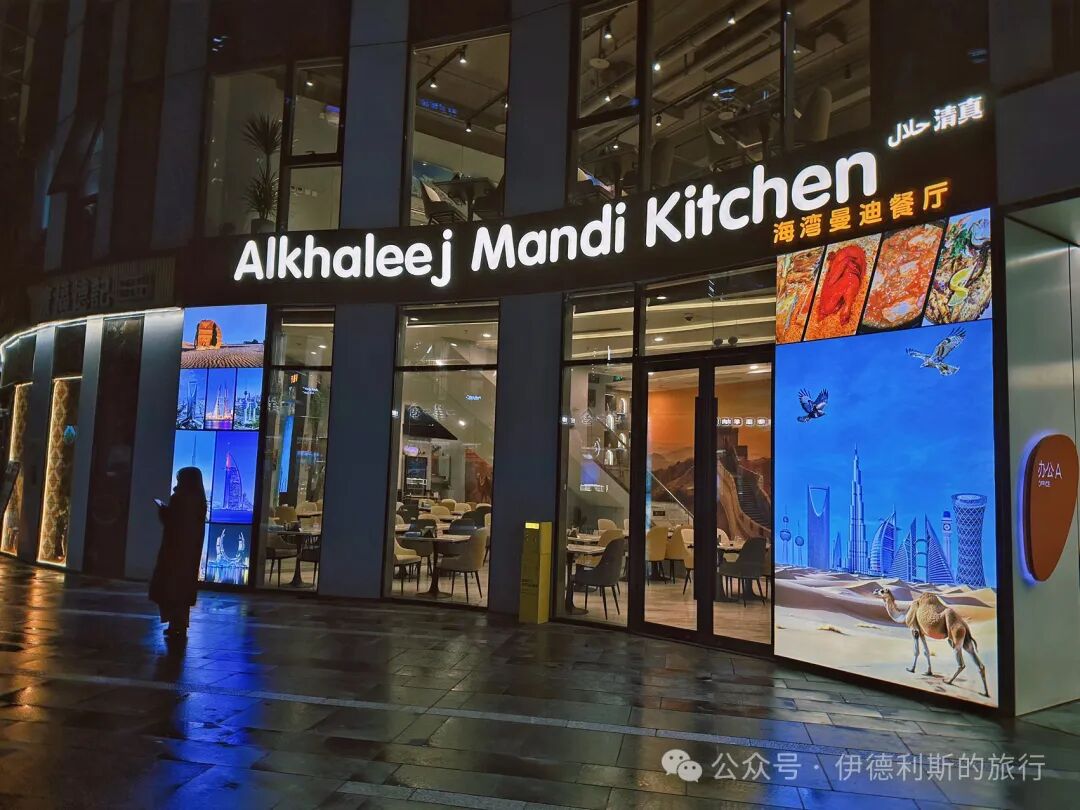
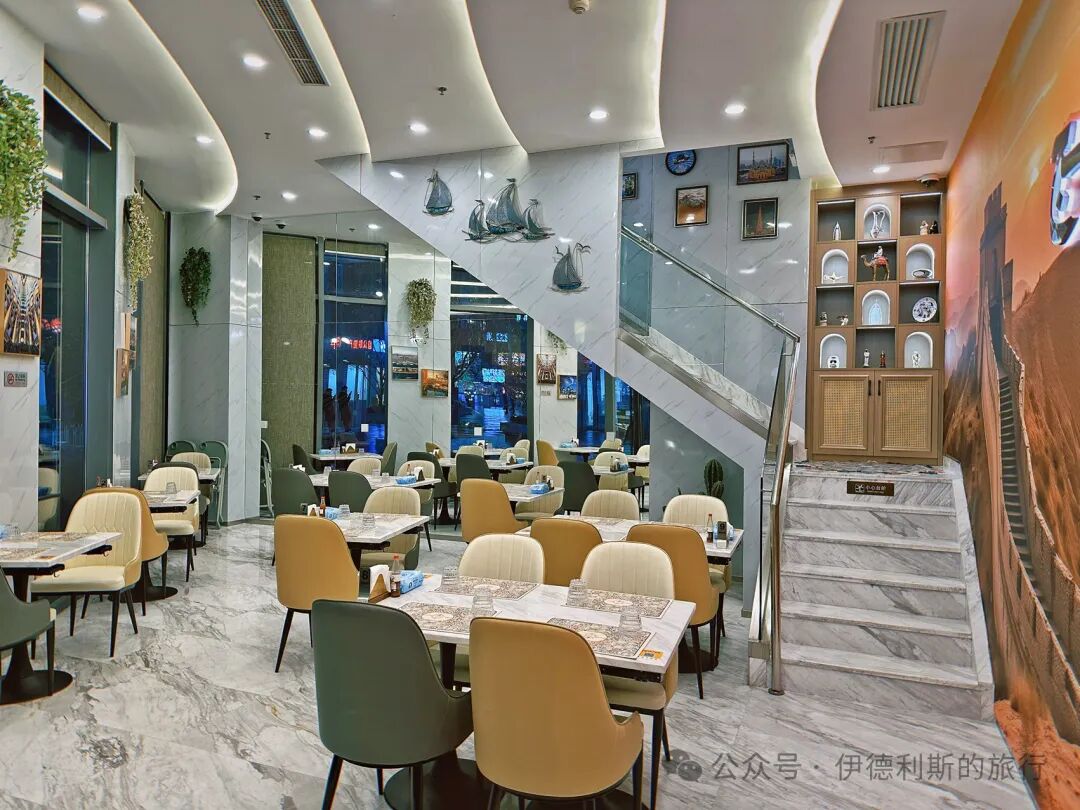
Alkhaleej Mandi Kitchen.
The newly opened Alkhaleej Mandi Kitchen in Sanlitun SOHO takes its name from 'Khaleej,' which means the Persian Gulf. They specialize in Arabian Peninsula flavors and serve a variety of Yemeni dishes. After Guangzhou, Yiwu, and Tianjin, Beijing is now the fourth city in China to have Yemeni food.
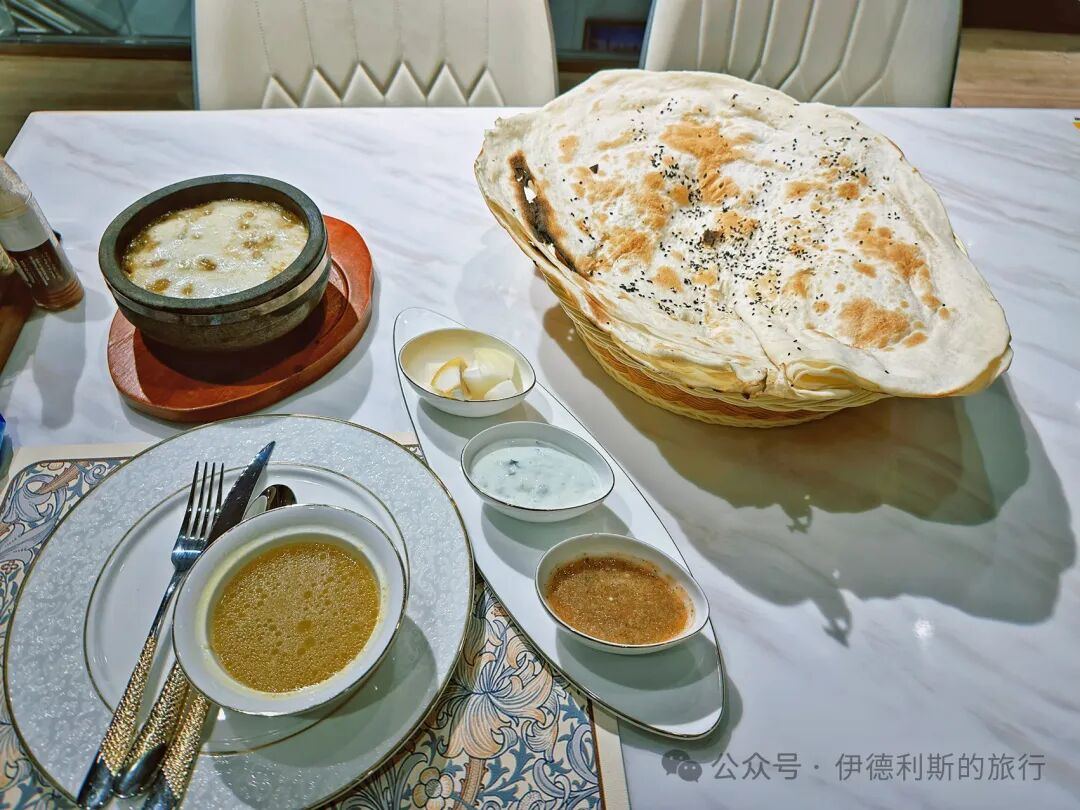
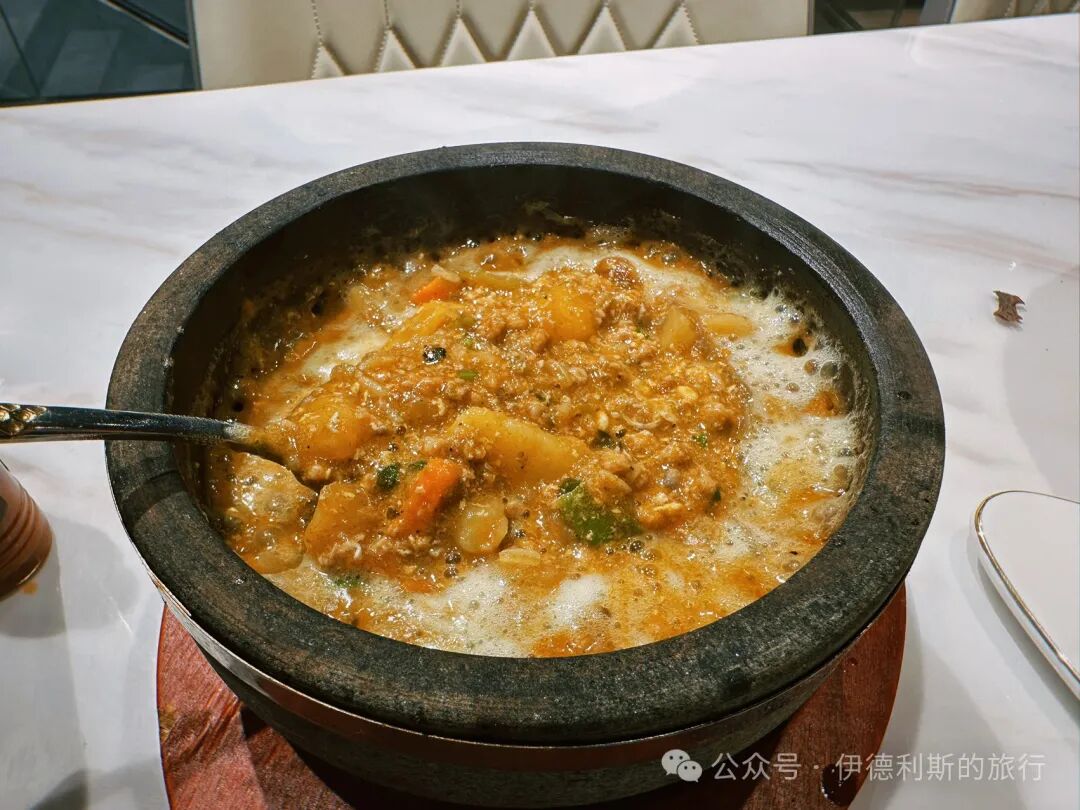
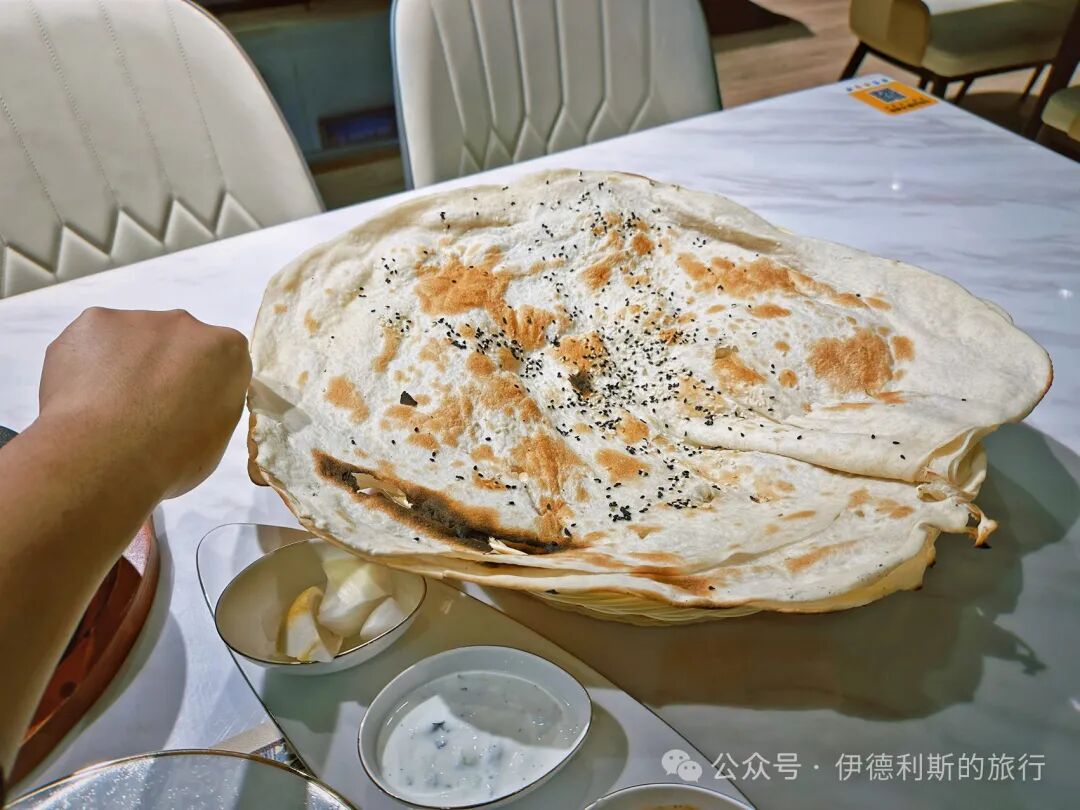
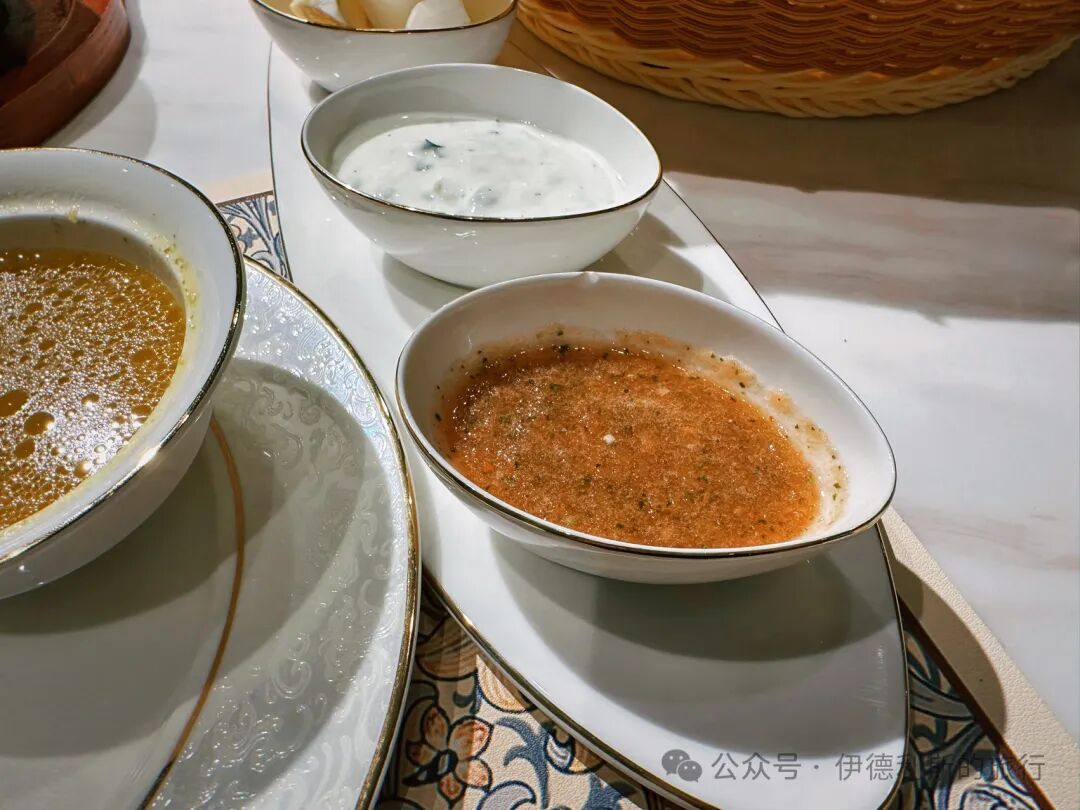
I ordered the clay pot stew (saltah) with Arabic flatbread (mulawah), which is a classic Yemeni brunch combination. After ordering, they brought out meat broth, cucumber yogurt, lemon, onions, and spicy sauce (sahawiq), which is very authentic. Sahawiq is a signature Yemeni spicy sauce made with fresh chili peppers, olive oil, cilantro, garlic, salt, cumin, and parsley for a unique taste.
Saltah is a classic Yemeni stew that originated from the charity kitchens (imaret) during the Ottoman Empire. Back then, wealthy people or the mosque would stew leftovers in a clay pot, and this meat and vegetable dish became known as saltah. Saltah is popular in northern Yemen, and the main ingredient is meat stew (maraq), which is cooked until very tender, along with potatoes and fenugreek. Fenugreek is what people in Northwest China often call fragrant beans (xiangdouzi) or bitter beans (kudouzi). People in the Northwest dry the leaves and grind them into powder to steam buns, while Yemenis grind the seeds to stew with meat. Fenugreek seeds expand when they meet water and easily foam up when stirred in a bowl.
Their Arabic flatbread is truly large, crispy on the outside and tender on the inside. Arabic flatbread is traditionally baked in an earthen oven (tannur) and is full of wheat aroma. You can tear the bread apart to scoop up the clay pot stew with the spicy sauce, or soak it in the meat broth; both ways are delicious.
In short, their Yemeni food is very authentic. I was very satisfied with the meal. Be careful, as the clay pot stew is very hot. Eat slowly so you don't burn your tongue.

Xinjiang Mansion Xihan Meatball Soup.
After visiting the zoo on Sunday afternoon, we had Xihan meatball soup at Xinjiang Mansion. It only takes about ten minutes to walk from the zoo to Xinjiang Mansion, which is very convenient.
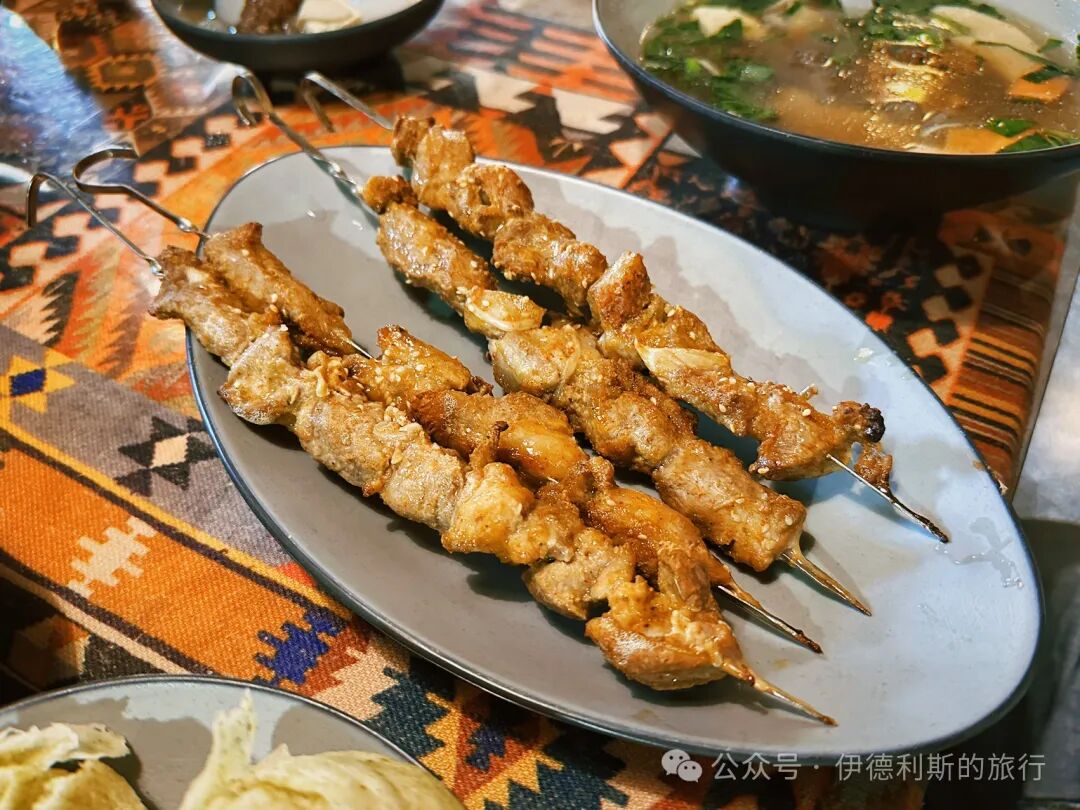
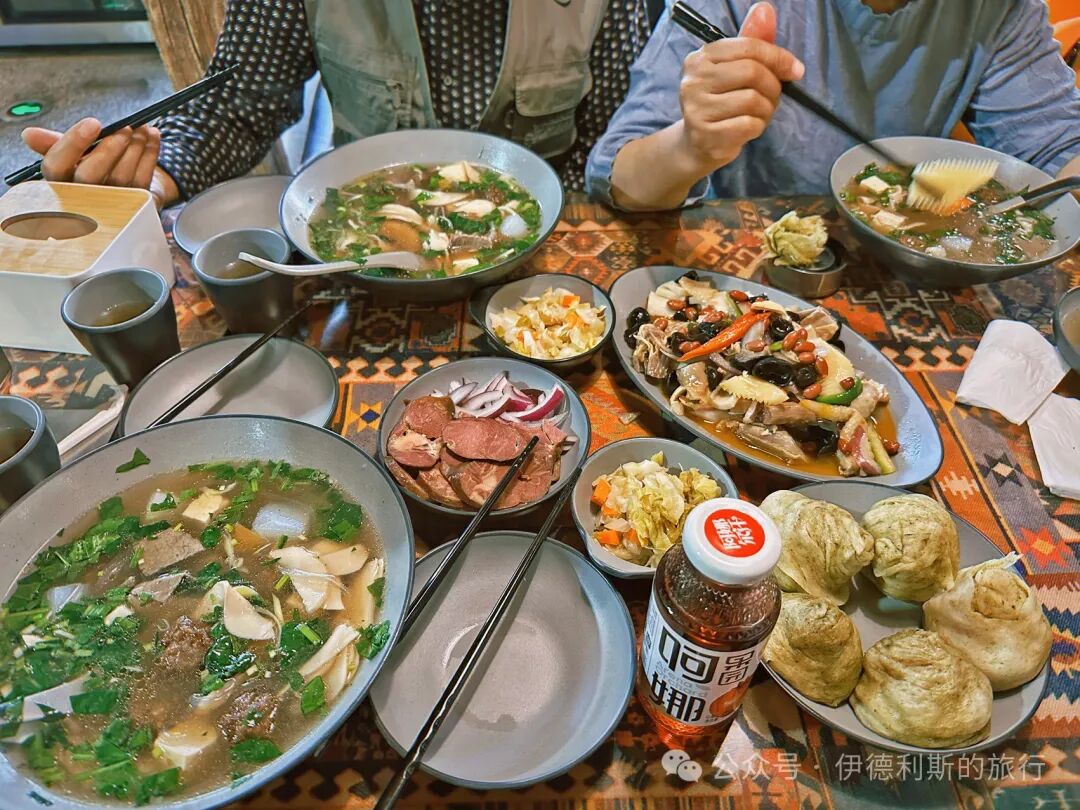
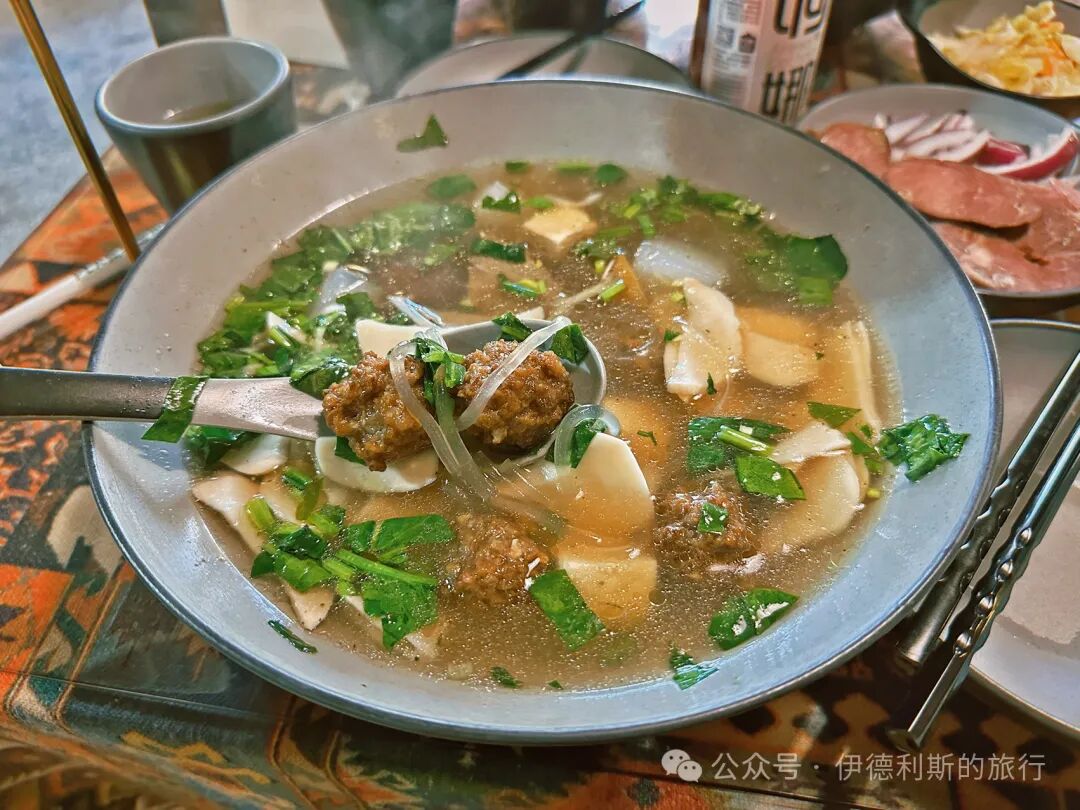
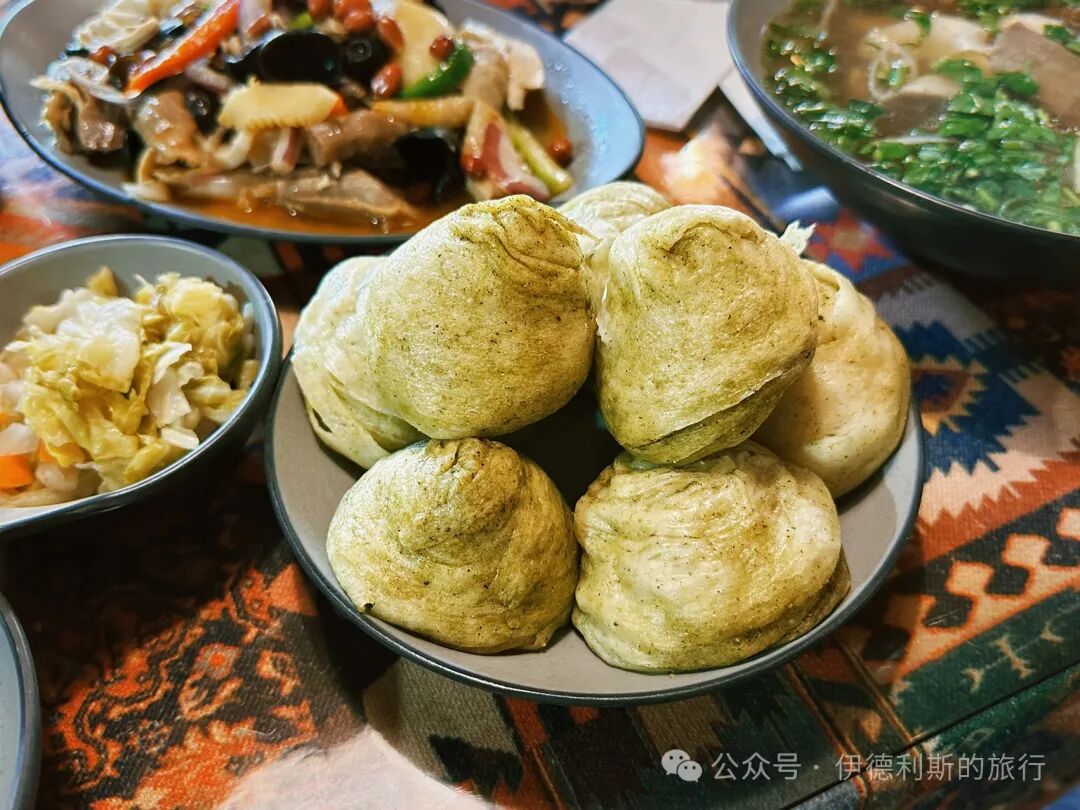
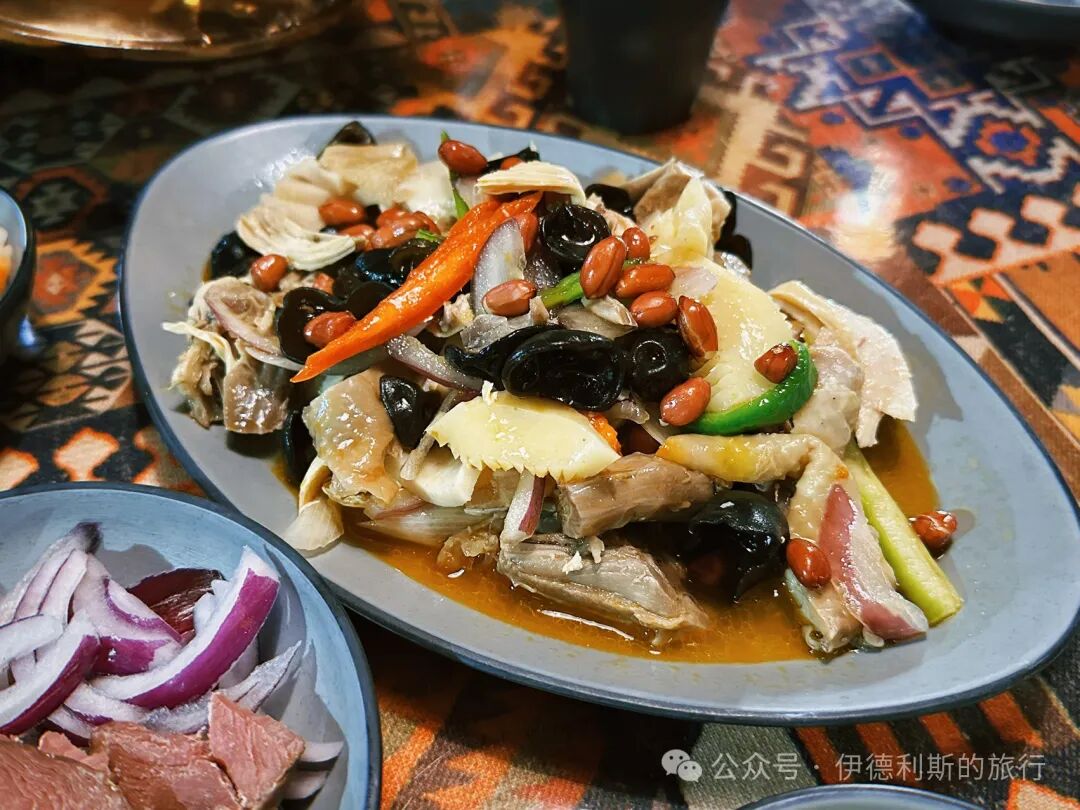
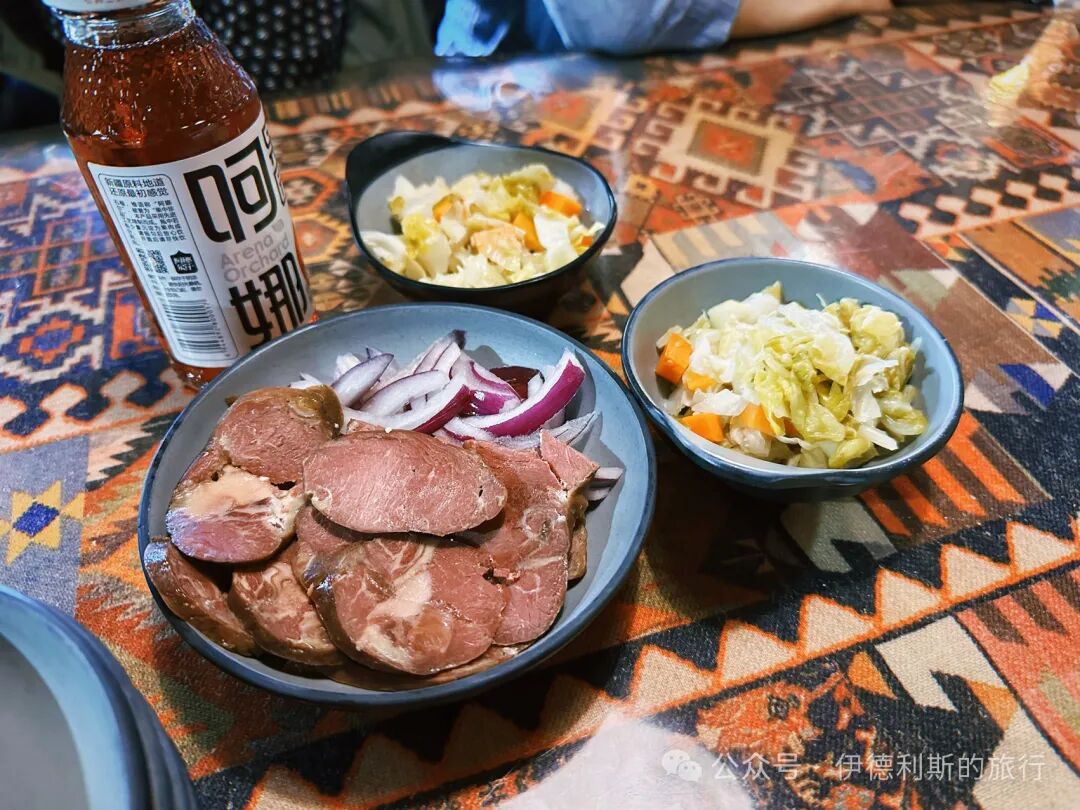
I didn't expect this place to be so popular now. Even arriving between two and three in the afternoon, there were still so many people. It seems everyone is living on Xinjiang time. We ordered meatball soup (wanzi tang), layered steamed buns (youtazi), smoked horse sausage (xun machang), spicy numbing chicken (jiaoma ji), pit-roasted lamb chops (nangkeng yangpai), and rose-flavored flatbread (meigui nang).
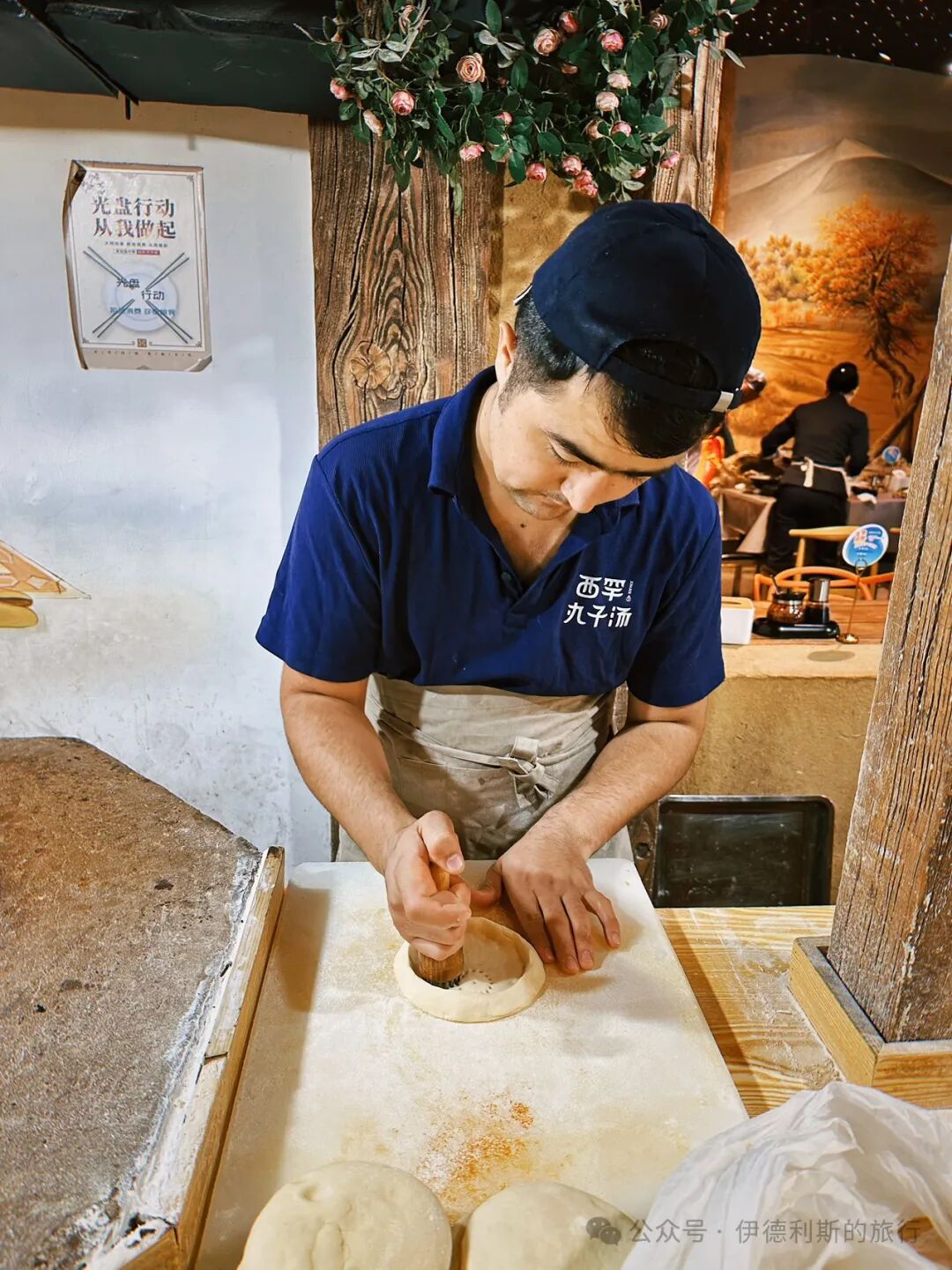
First, their spicy numbing chicken is very authentic. The meat is firm because they use layer hens instead of broilers. It is also very numbing. I ate one piece and my whole mouth started tingling. Their pit-roasted lamb chops are also delicious and the meat is very tender. They use a southern Xinjiang method of brushing it with salt water instead of sauce or egg wash. This kind of salt-water roasting really tests the quality of the meat. Their meatball soup is a bit more ordinary by comparison. The broth tastes great, but there are very few meat slices and meatballs. Their layered steamed buns are made with fenugreek powder (xiangdou fen), which is my first time trying.
Altay afternoon tea in the lobby of the Xinjiang Building.
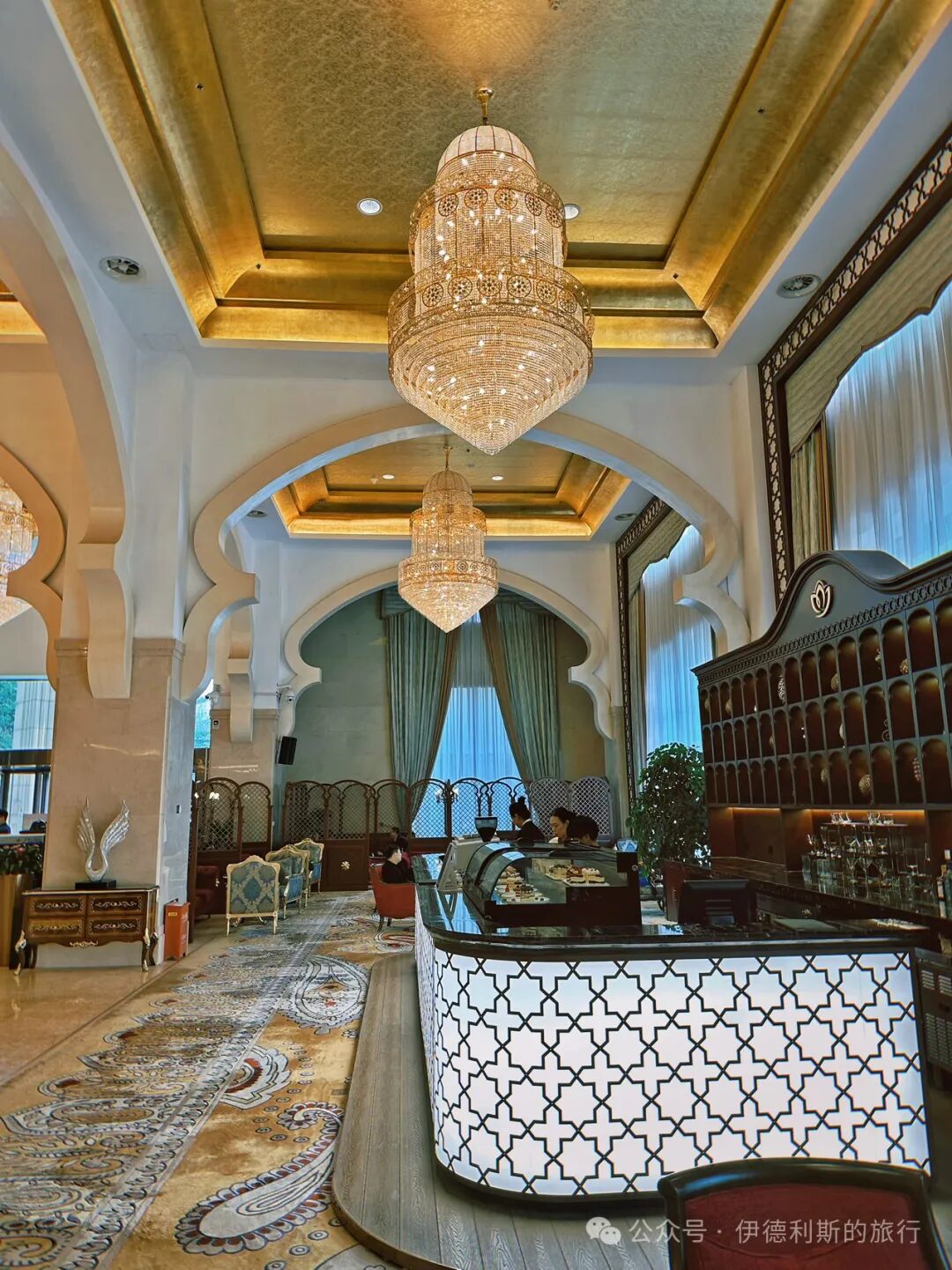
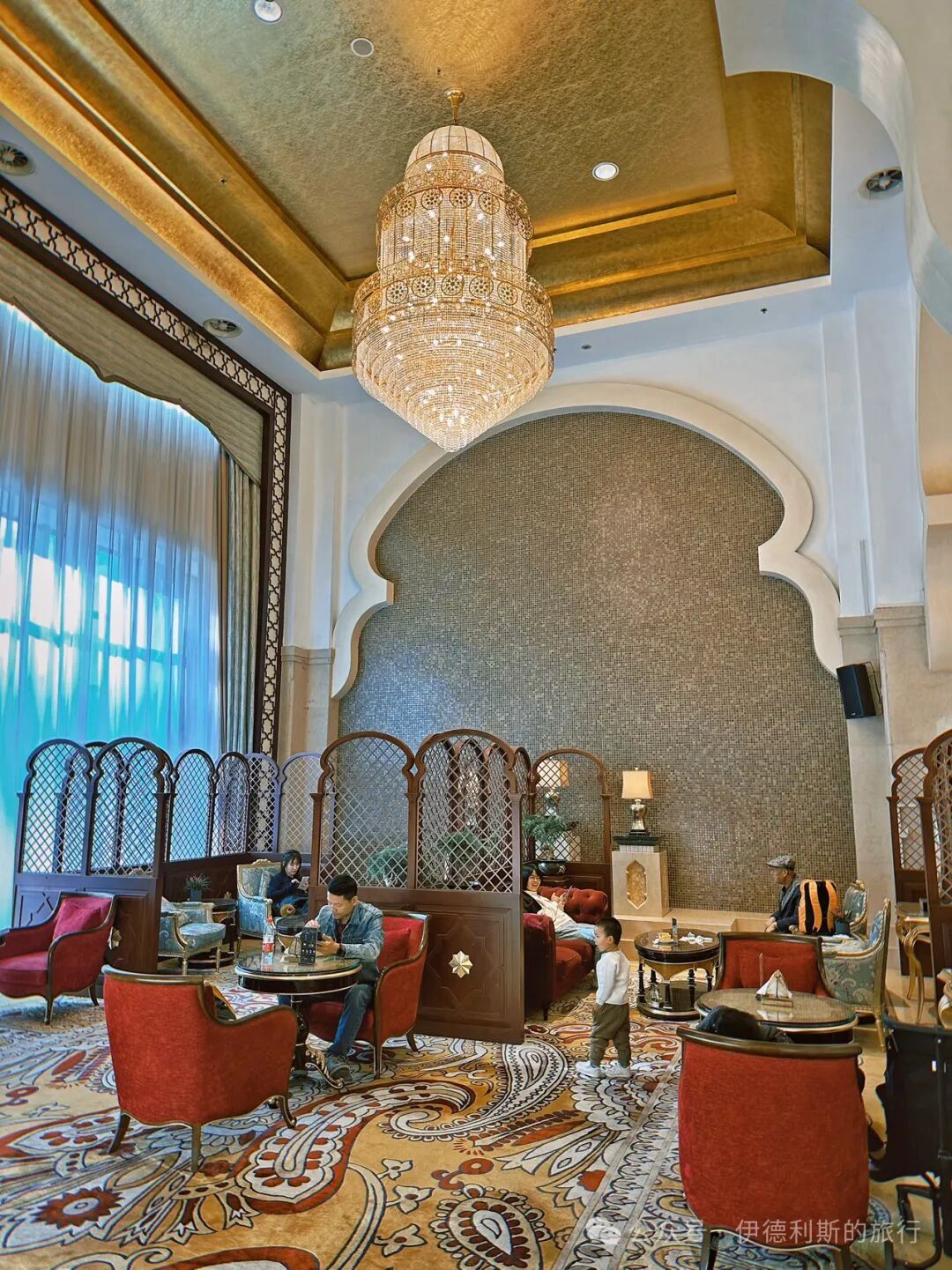
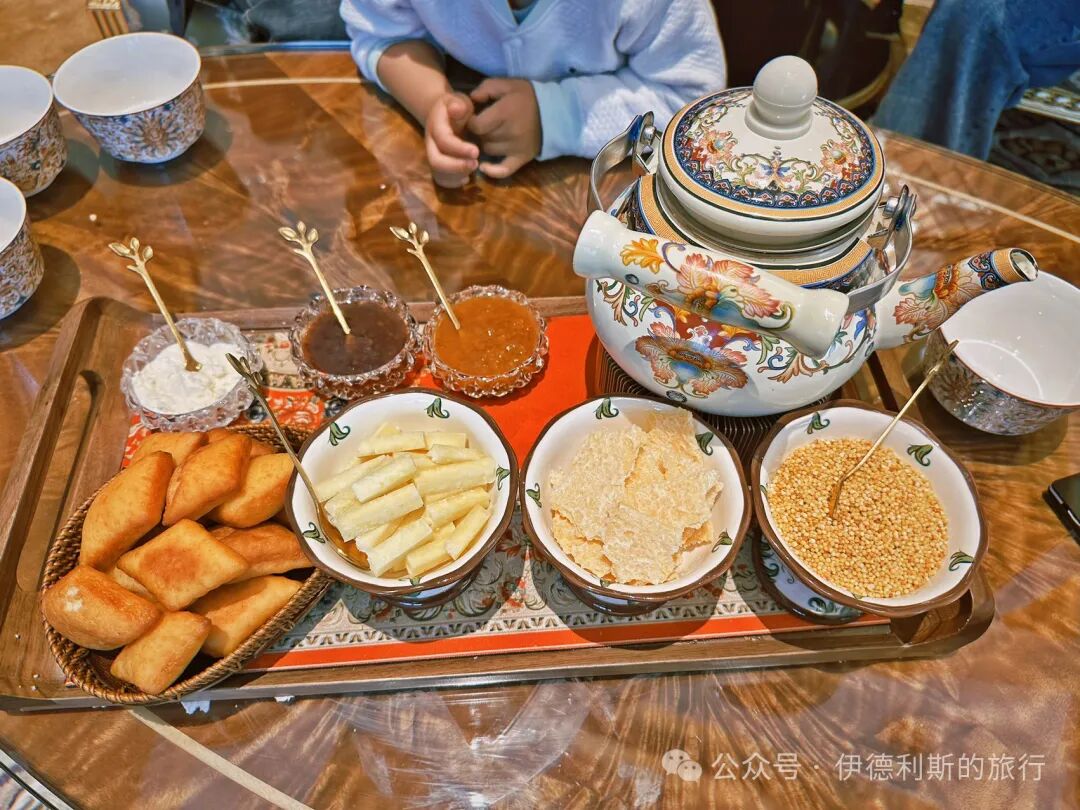
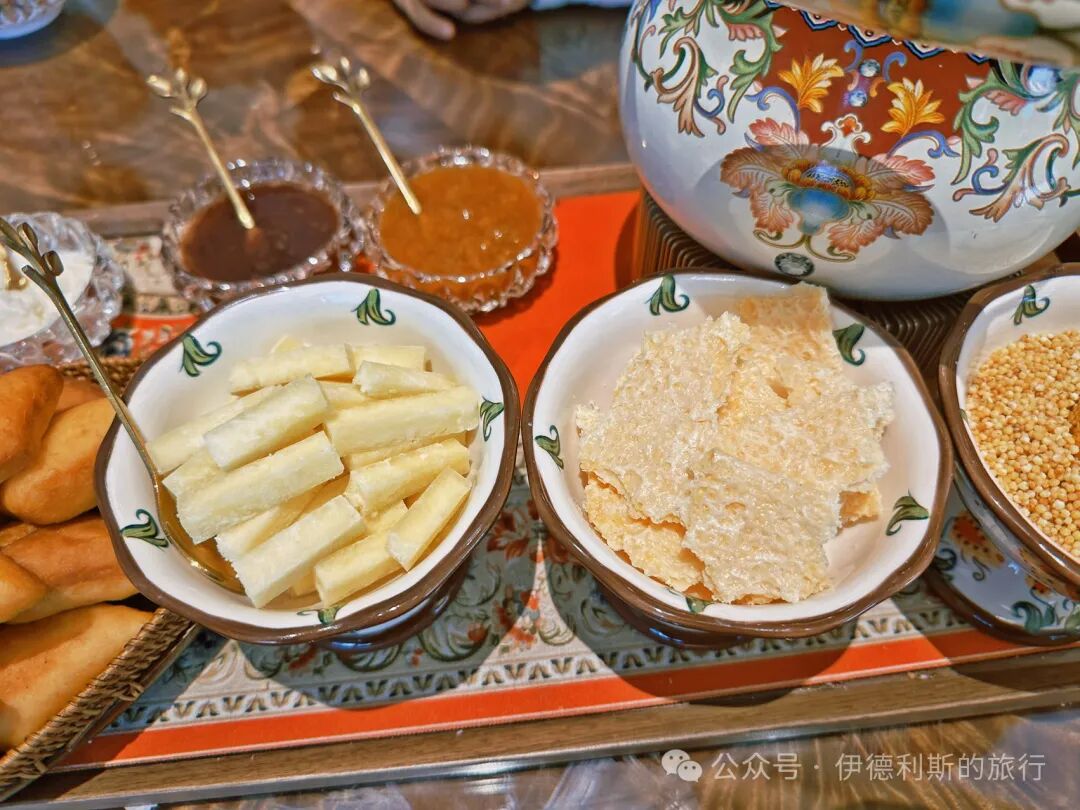
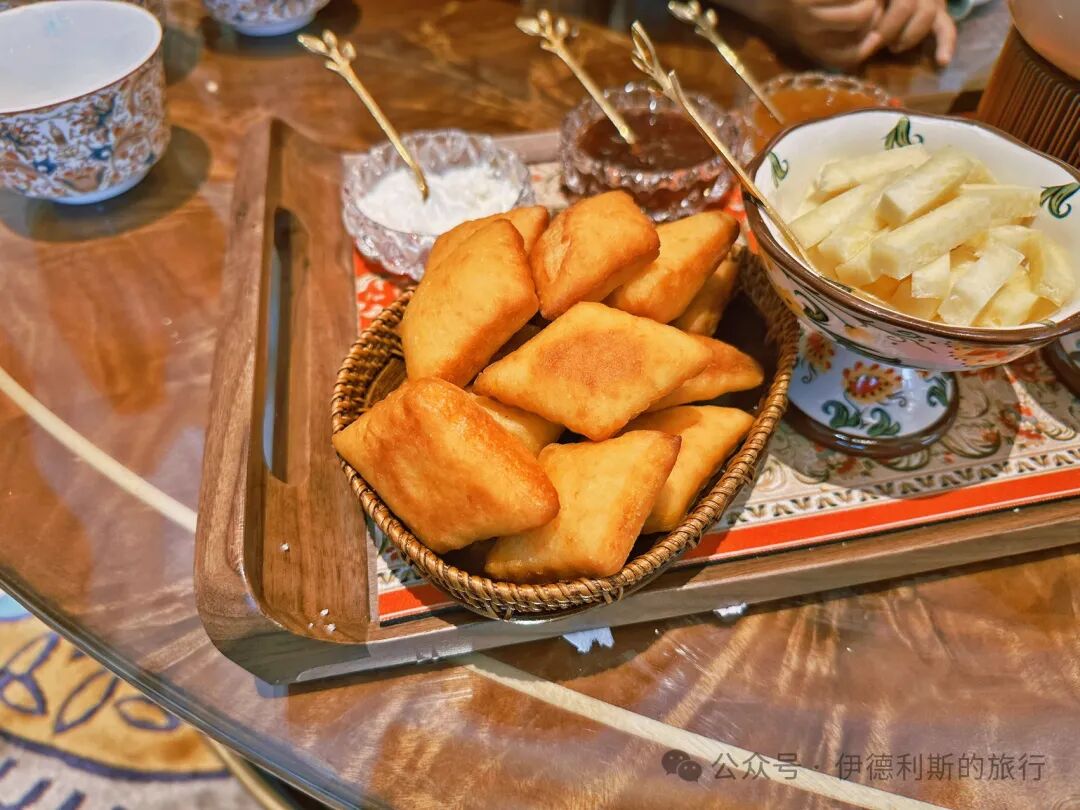
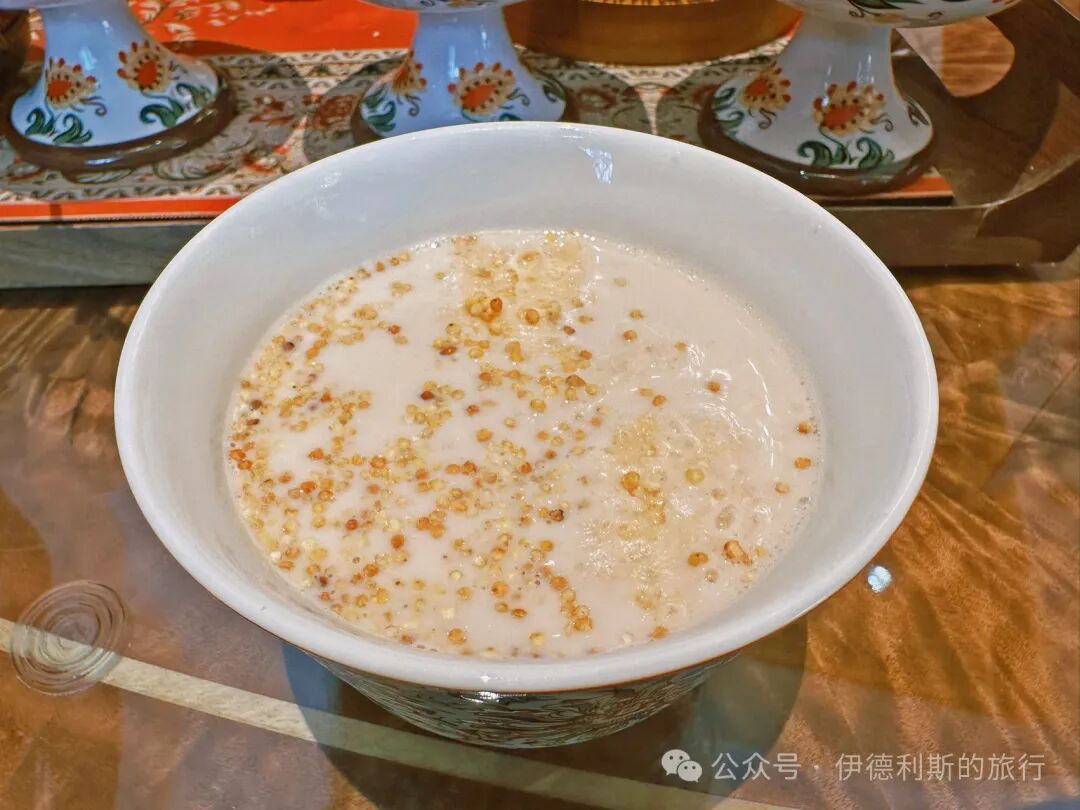
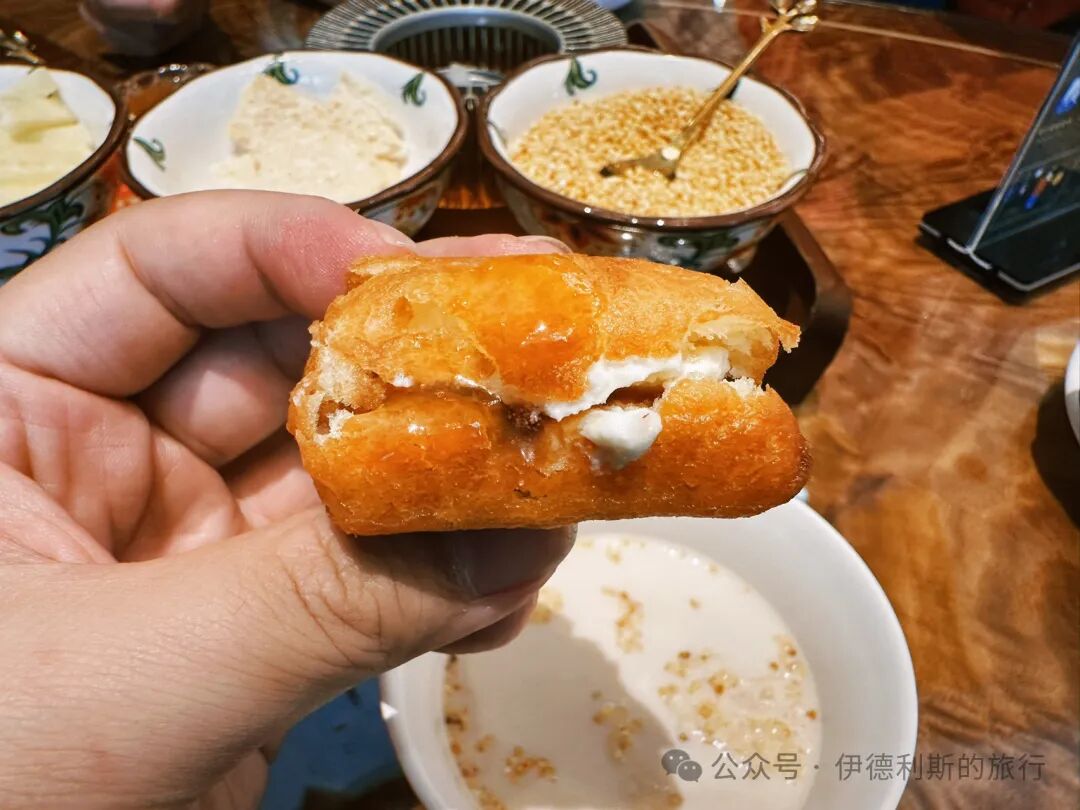
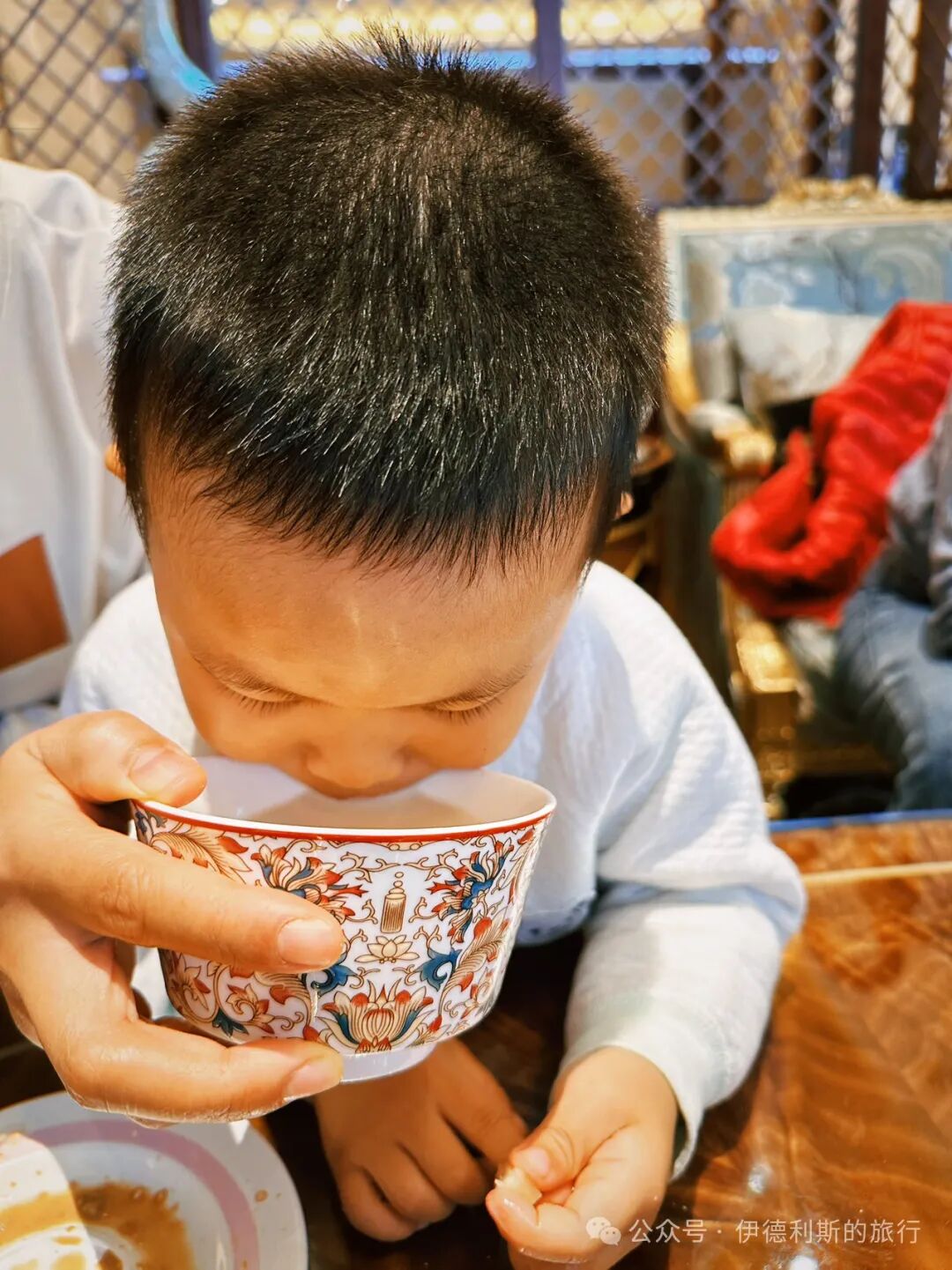
I took my son to the zoo on Sunday and stopped by the Xinjiang Building lobby for some Altay afternoon tea. The set includes salty milk tea, milk skin (naipi), milk strips (naitiao), roasted millet (chaomi), apricot jam, strawberry jam, cream, and fried dough fritters (baorsak). The fried dough fritters are served hot. They taste great when you break them open and add jam. Adding roasted millet and milk skin to the milk tea makes it very rich. Now you can enjoy a Kazakh milk tea house experience without going back to Urumqi, though the milk in Beijing isn't quite as fresh as in Xinjiang.
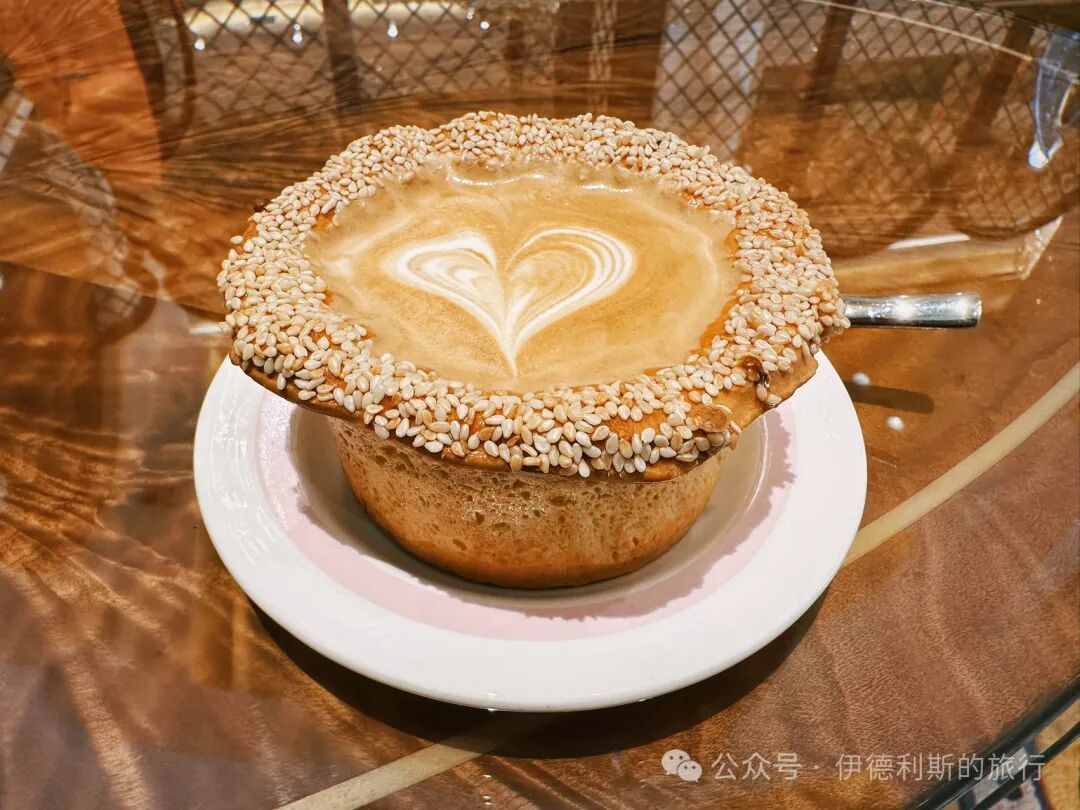
They also have the popular 'nang cup' (wonangfei) coffee. You can get it with coffee, yogurt, or tea. The sesame flatbread (nang) itself tastes good, and you can buy the cups separately.
Muhejia Rotating Hot Pot Mudanyuan branch.
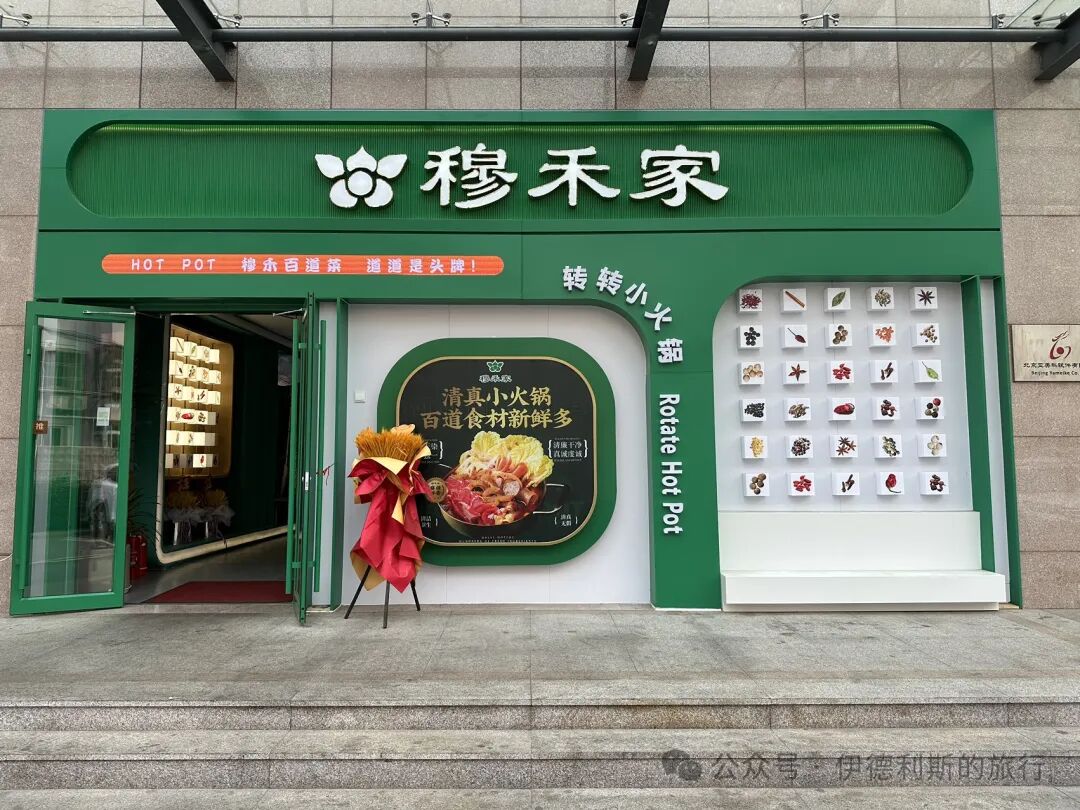
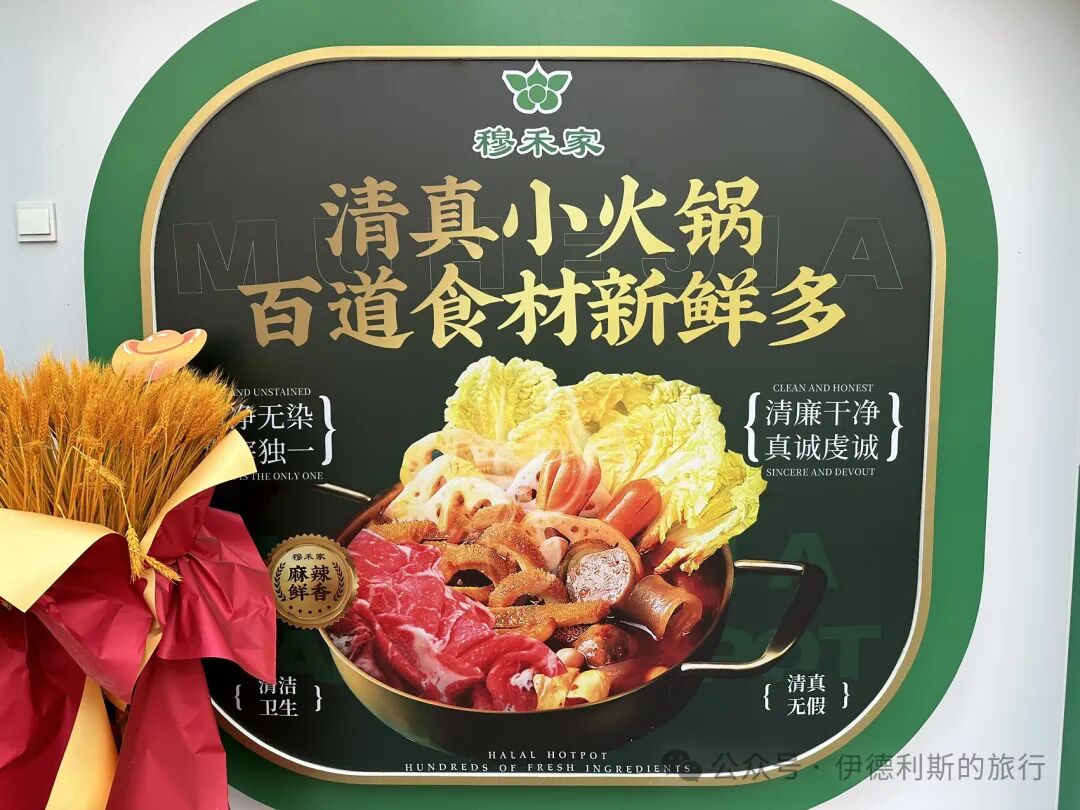
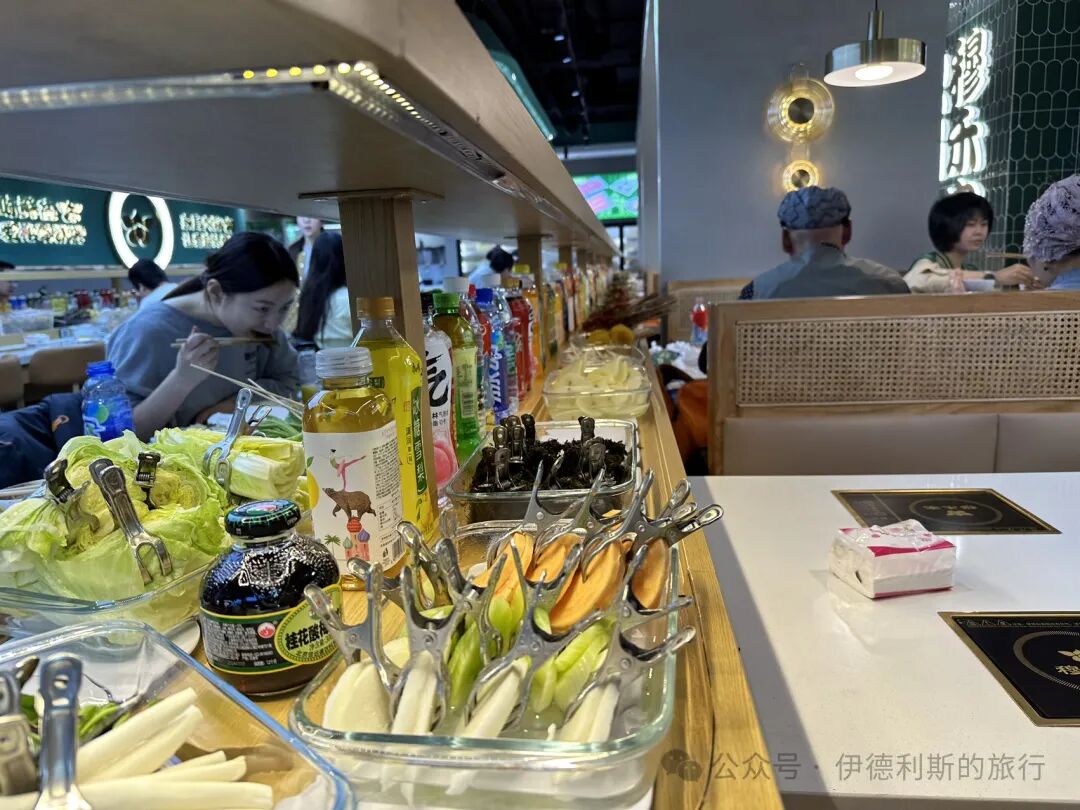
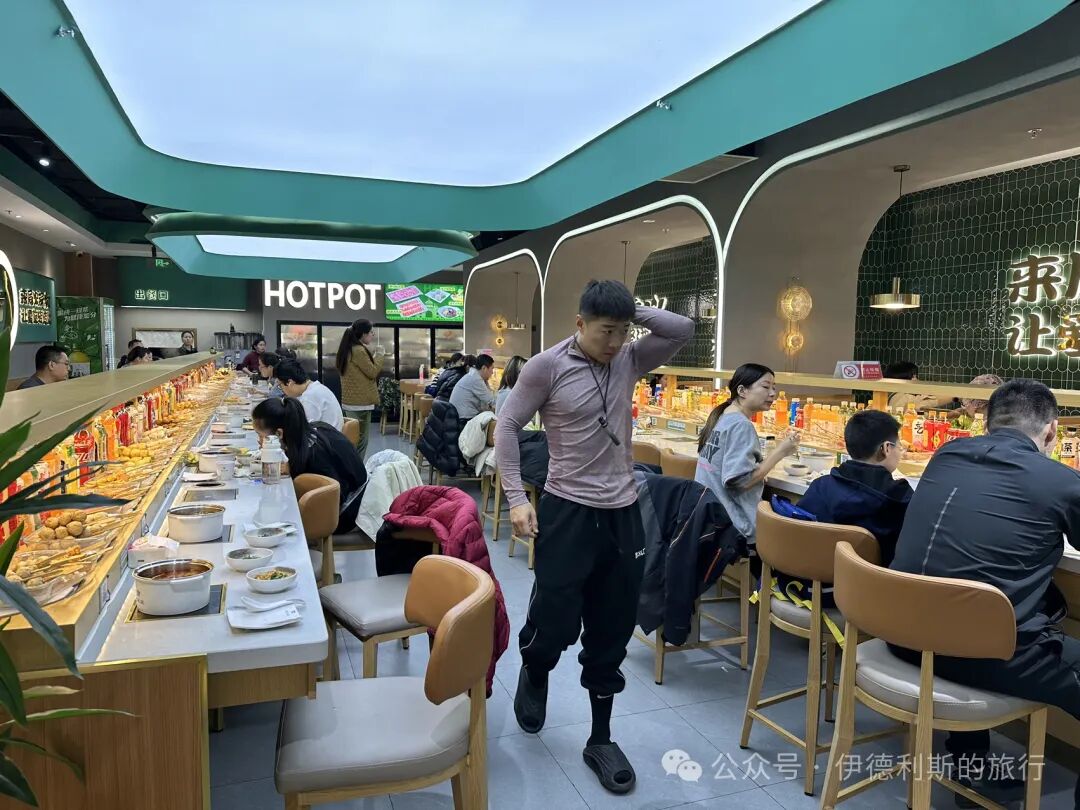
After the Mudanyuan Muhejia Rotating Hot Pot was demolished, it reopened in the storefronts of the building across the street. The new shop has a better environment, and the dishes remain the same. We ordered mushroom broth, nourishing broth, tomato broth, and pickled cabbage broth, and we had a very comfortable meal.
Nazilan at Ritan Shangjie.
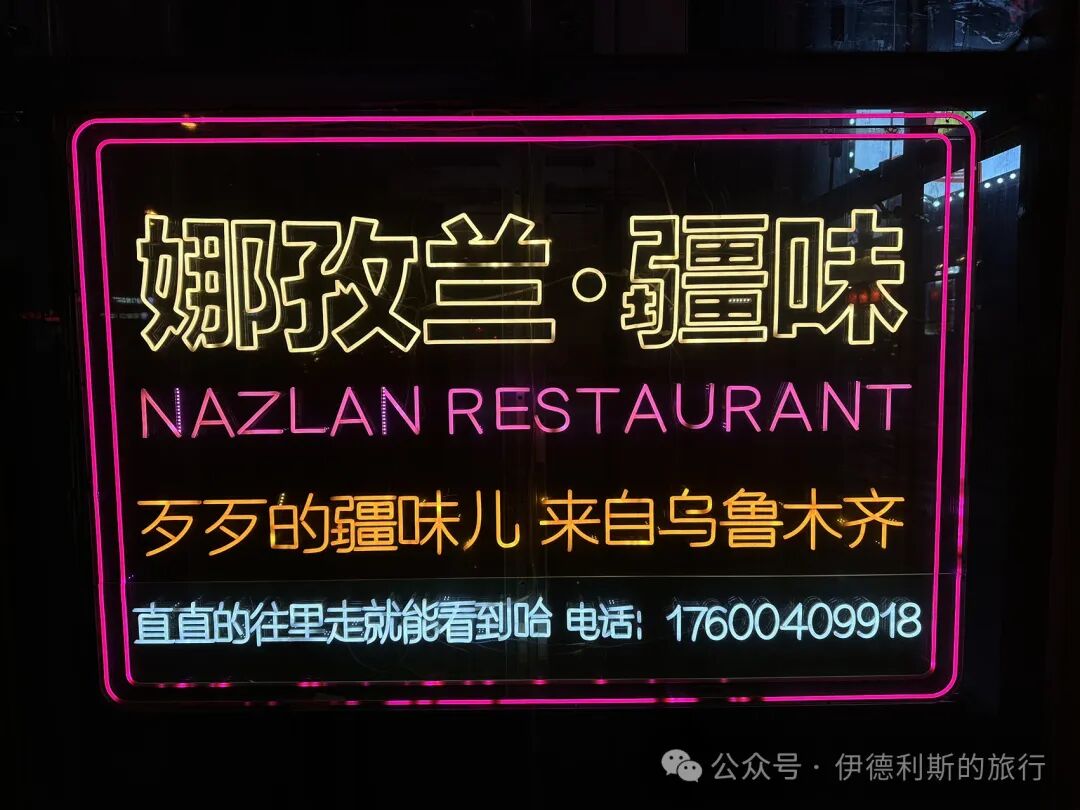
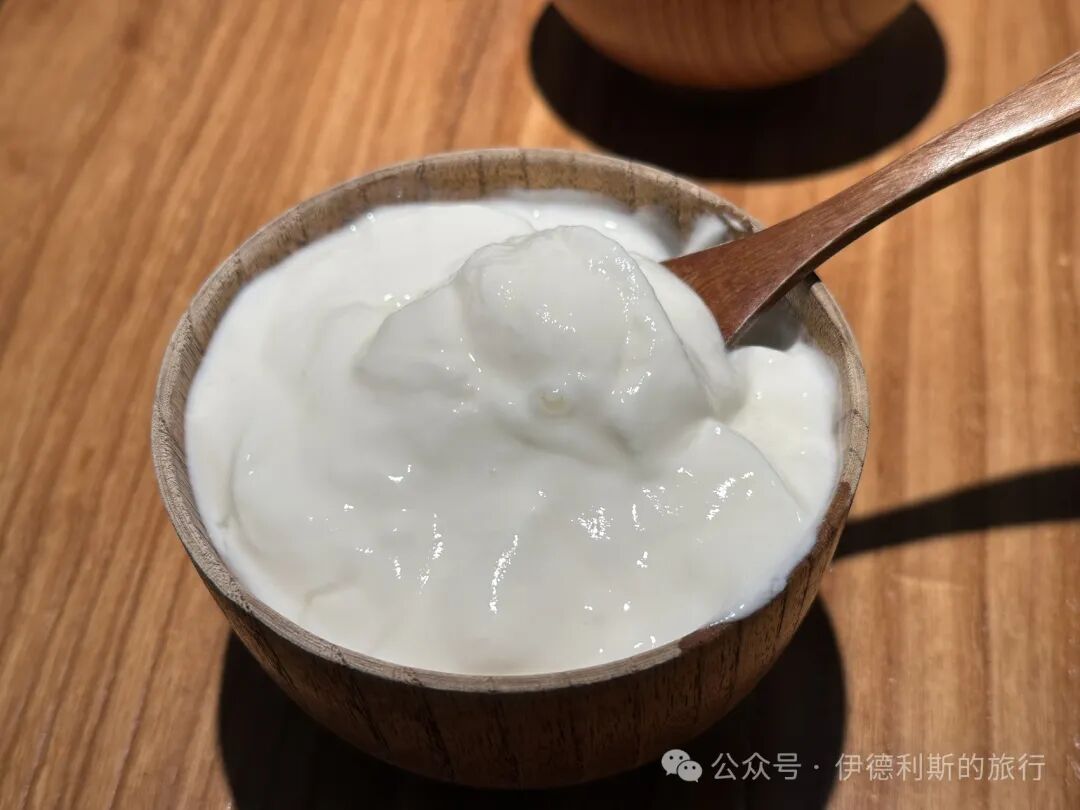
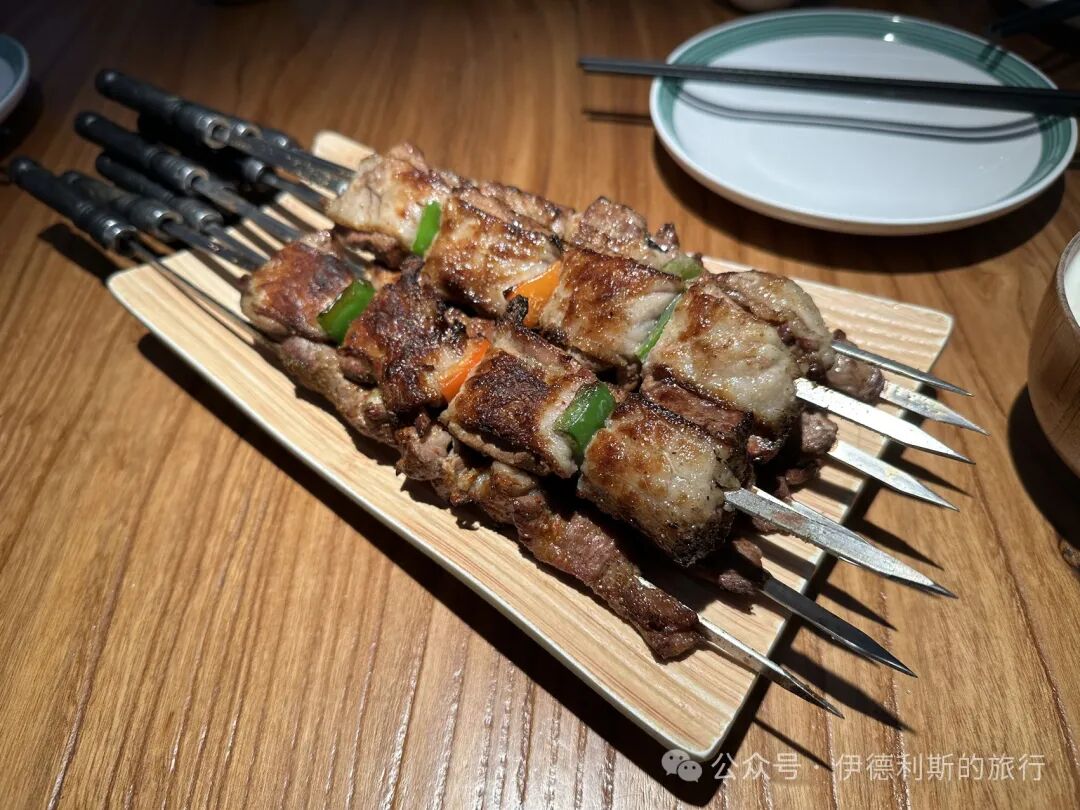
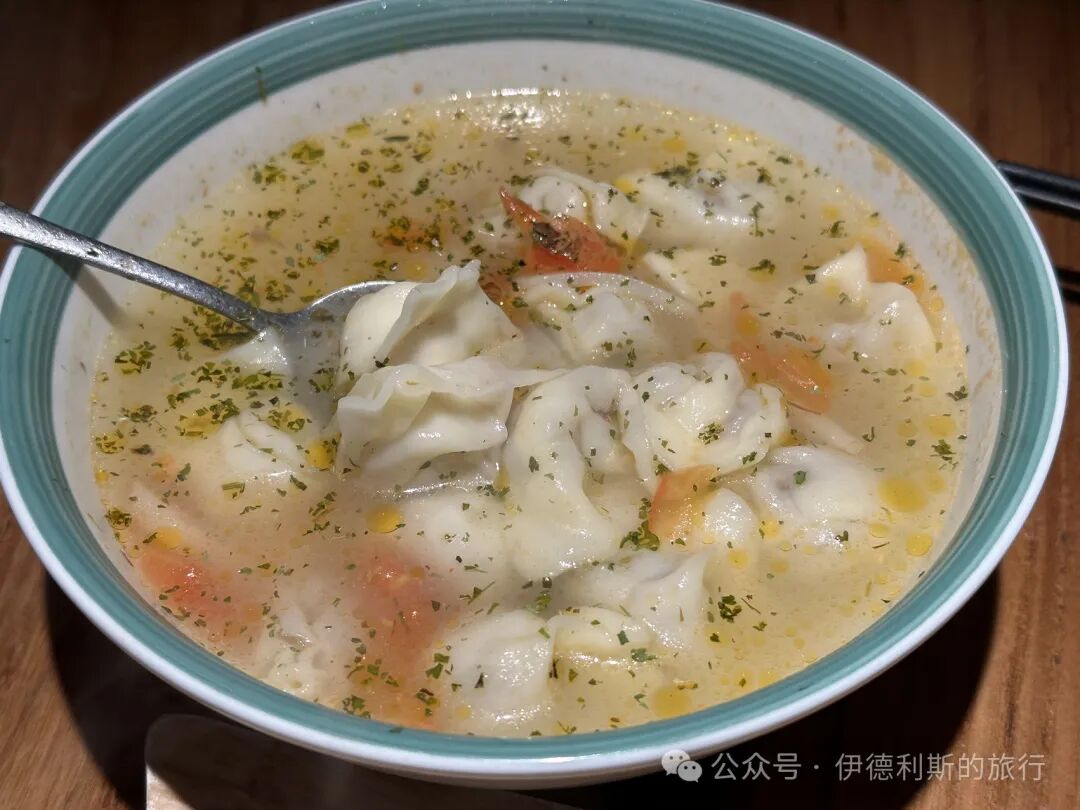
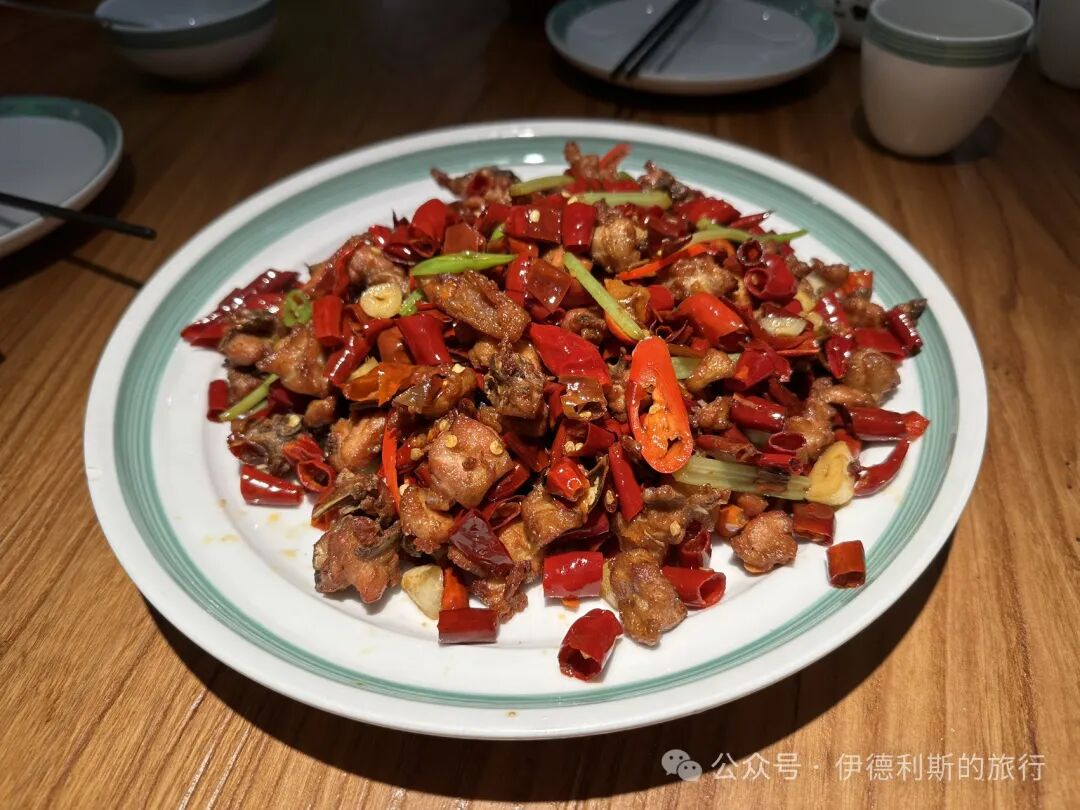
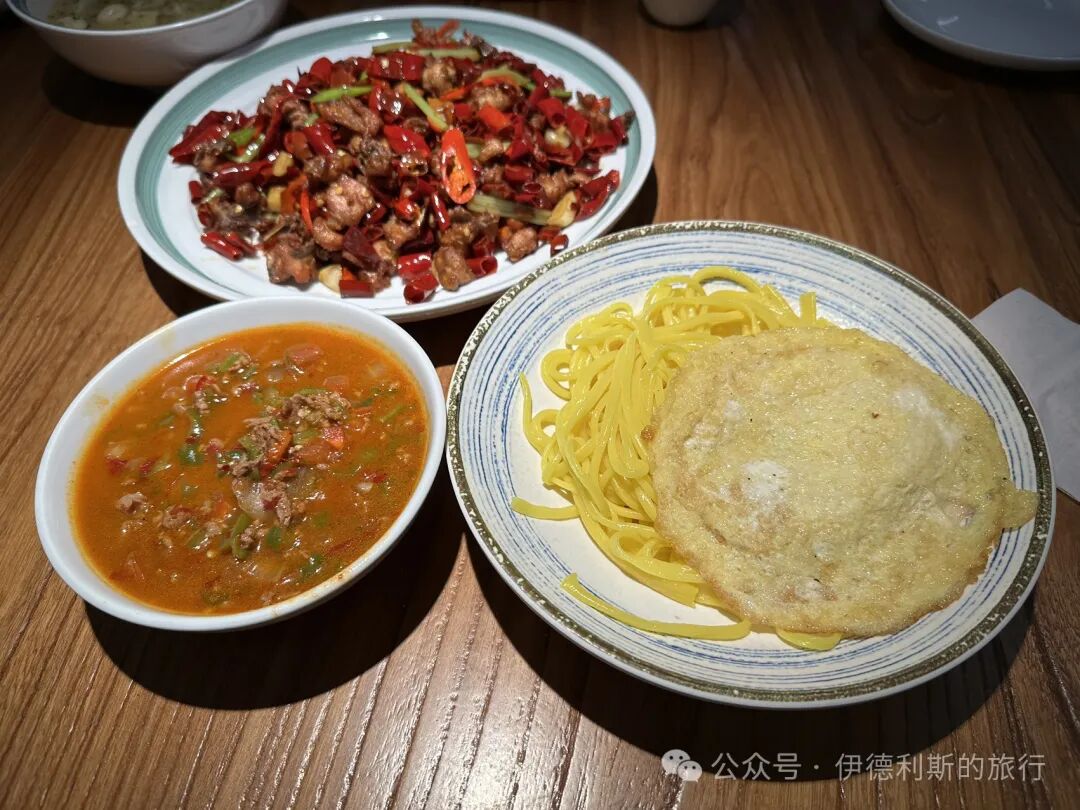
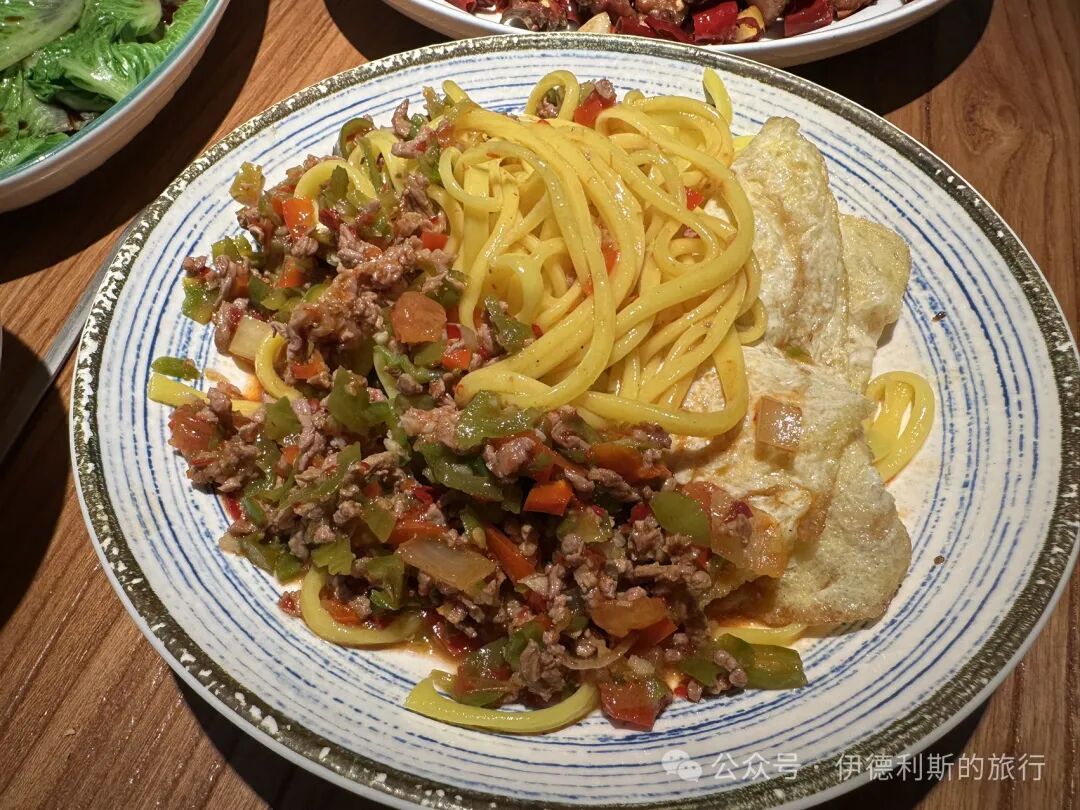
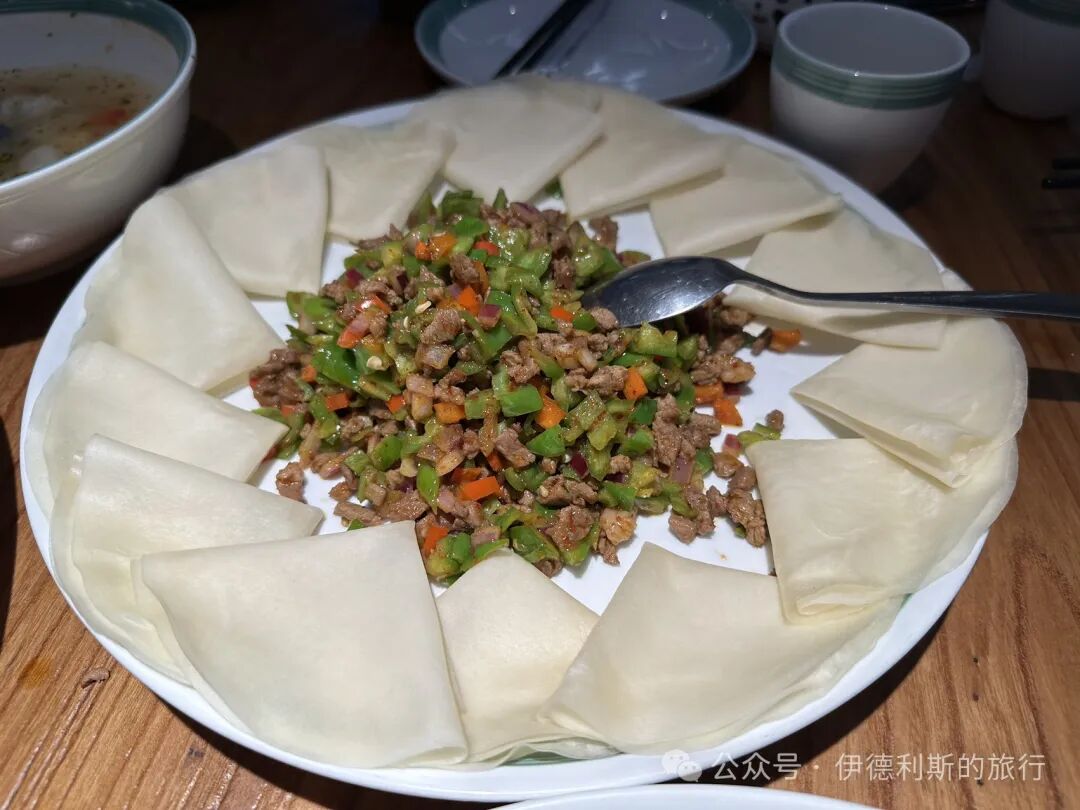
We originally wanted to go to Nazilan at Ritan Shangjie for Xinjiang-style clay pot hot pot (they should be the only place in Beijing that has it), but when we arrived, they said it wasn't available, so we didn't get to eat it. So we ordered spicy chicken (lazi ji), minced meat noodles (suirou banmian), meat dumplings (ququr), grilled meat (kaorou), liver wrapped in fat (youbao gan), minced meat thin pancakes (suirou bing), and yogurt.
The quality was highly praised by our whole family. Everyone thought their spicy chicken was well-made, even better than Yangle Spicy Chicken in Urumqi. The chicken had no gamey smell and was very spicy.
The noodles are made with egg-infused dough and topped with a fried egg. The texture of the hand-pulled noodles is great, and the minced meat is very fragrant. It would be considered very good noodles even in Urumqi.
The meat dumplings were for Suleiman. They were very authentic, with thin skins and plenty of meat. Suleiman ate over a dozen in one go.
Their grilled meat (kaorou) and liver wrapped in fat (youbaogan) are both very tender and seasoned just right.
Their yogurt is likely the best on the entire Ritan Shangjie street. It is rich, creamy, and tangy, far better than the neighboring Xinjiang restaurants, and it pairs perfectly with the spicy chicken (lazi ji). I honestly don't think the Xinjiang-brand yogurts sold in Beijing's supermarkets and dairy shops represent the true quality of real Xinjiang yogurt. If you want to taste the kind of yogurt Xinjiang locals drink every day, this place is a pretty good choice.
Also, when we went around 6 or 7 p.m. on Sunday, the atmosphere was quite nice. Everyone was eating quietly, which made for a very comfortable experience. Some of the other Xinjiang restaurants nearby get very noisy at night with people drinking and talking loudly, which can be a bit overwhelming while you eat.
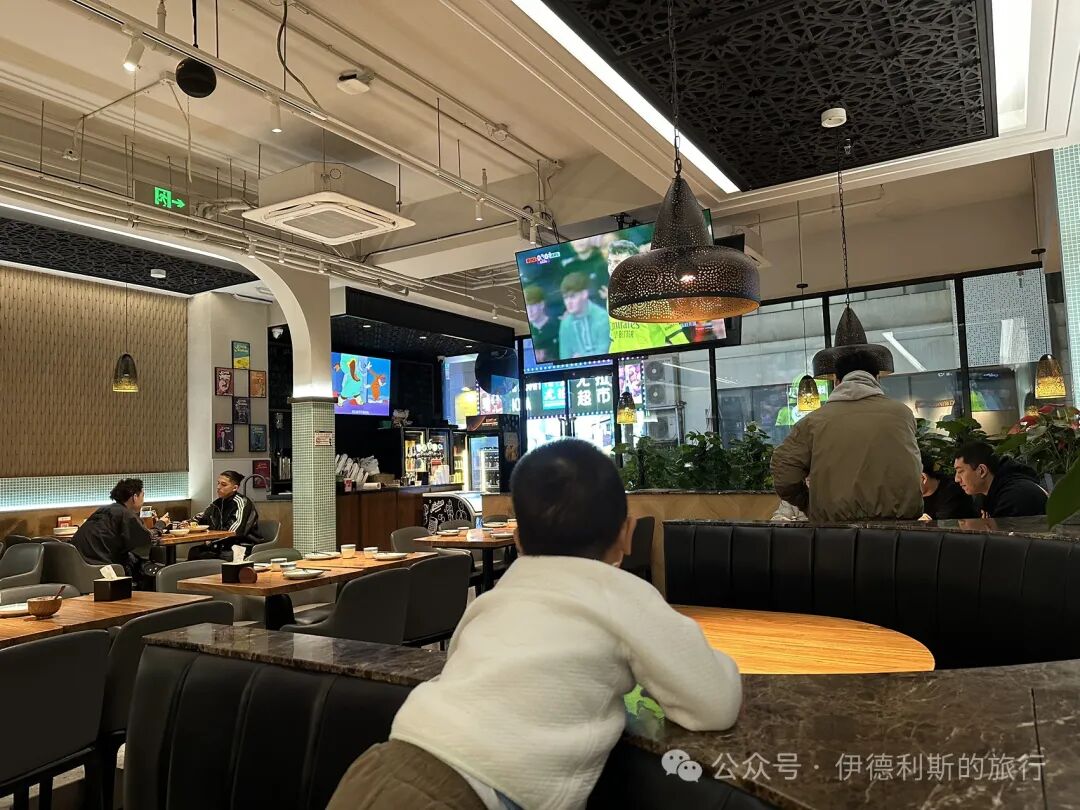
Baoyuanzhai at Heping Guoju
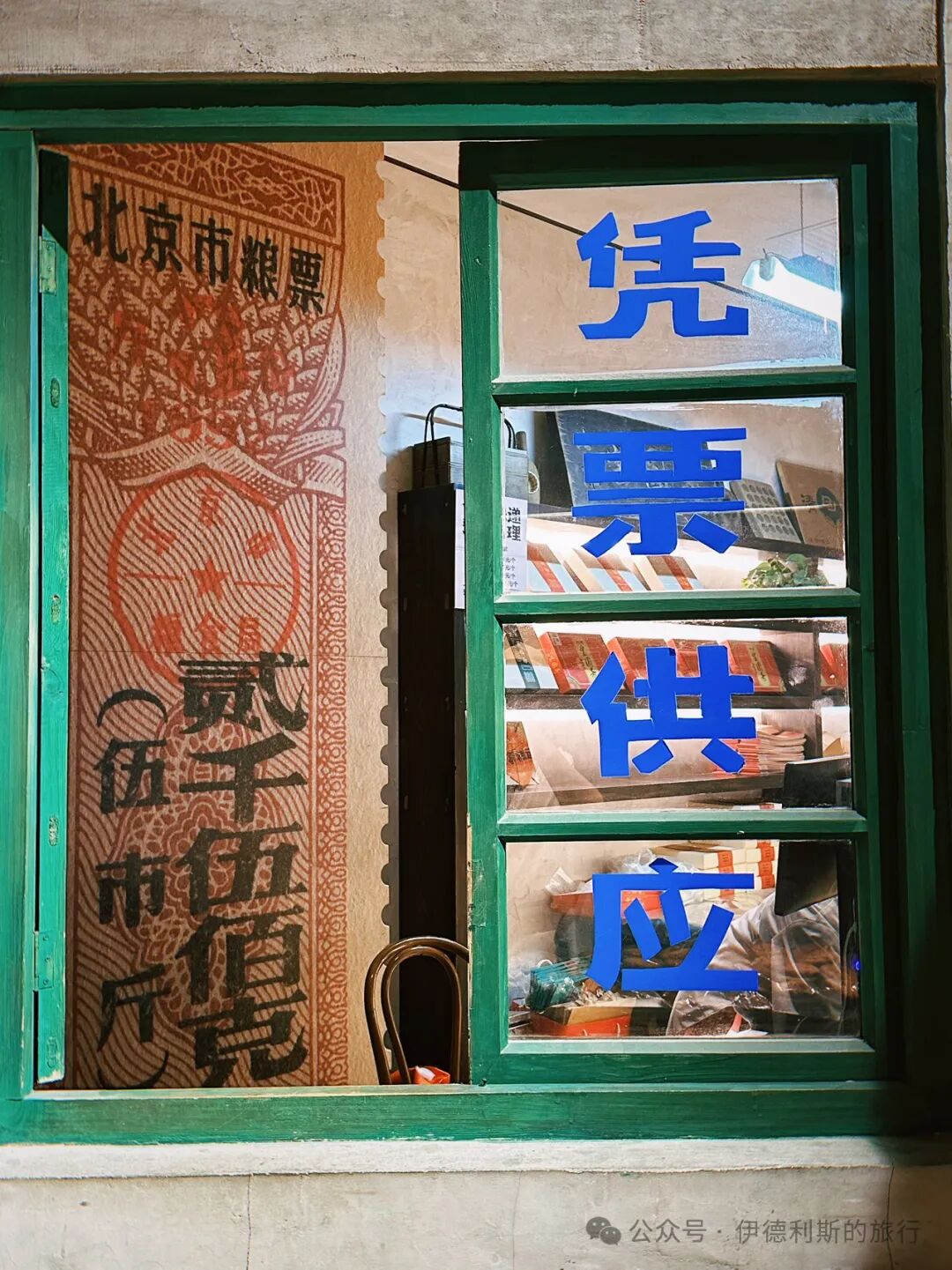
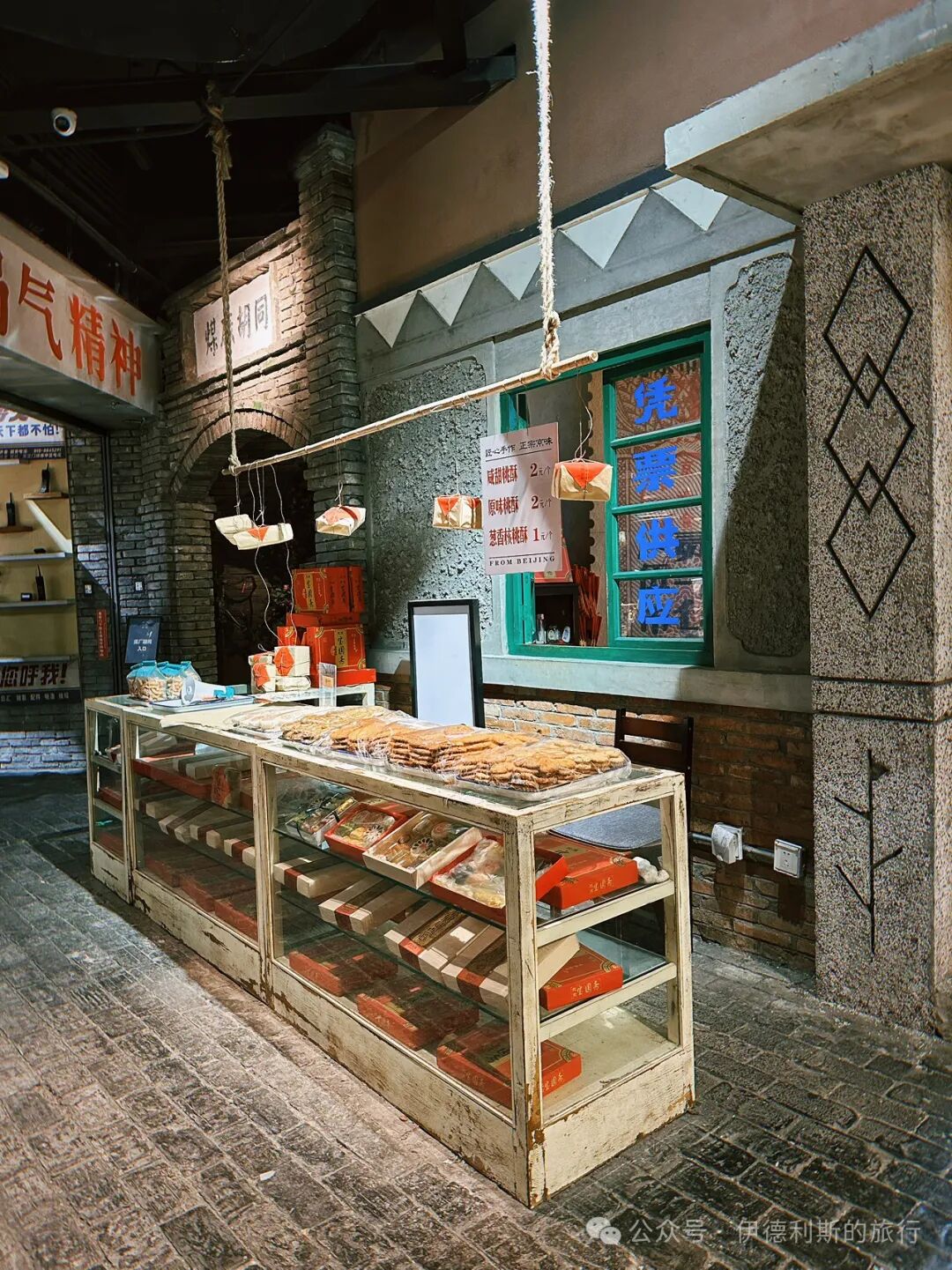
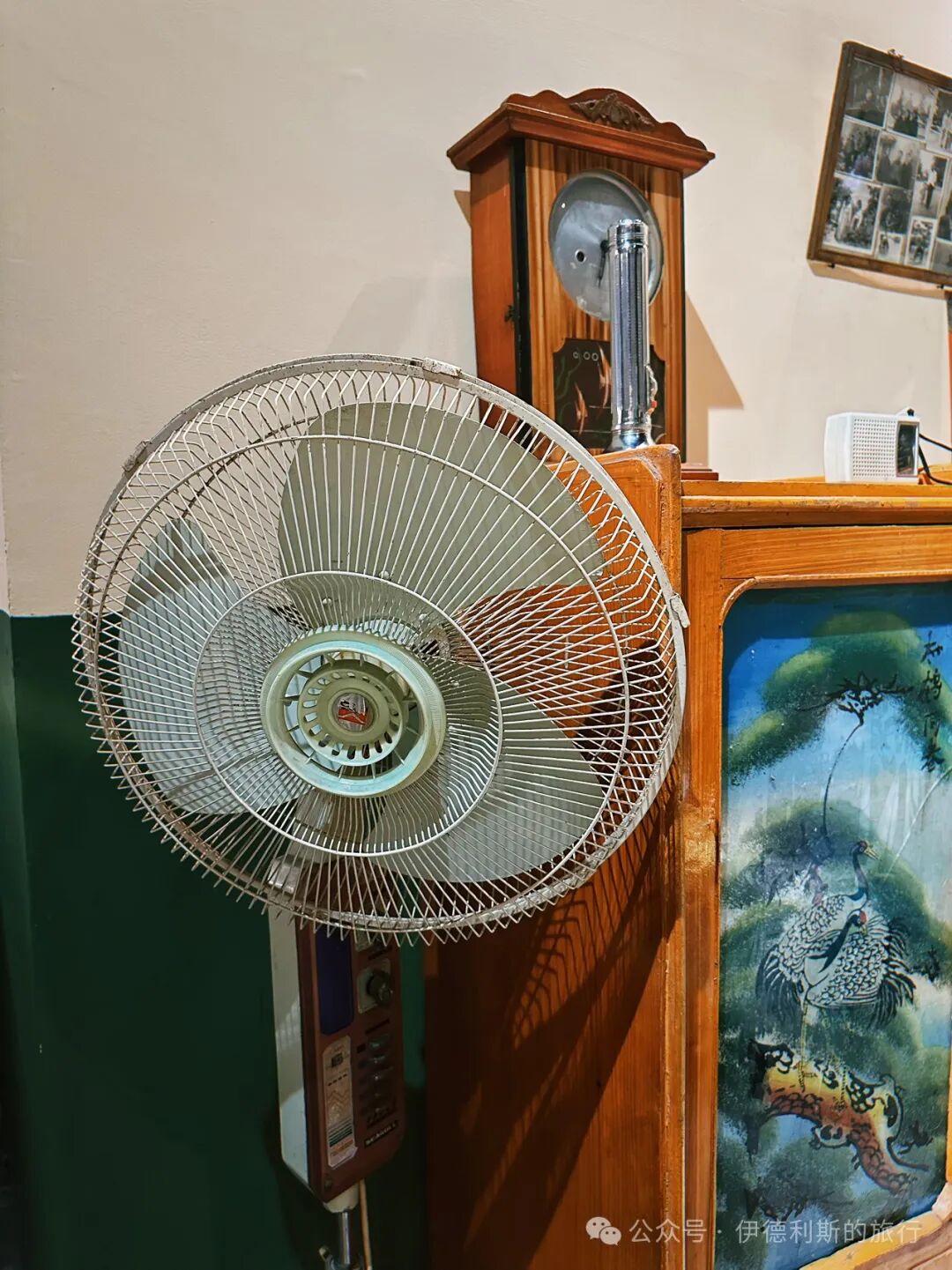
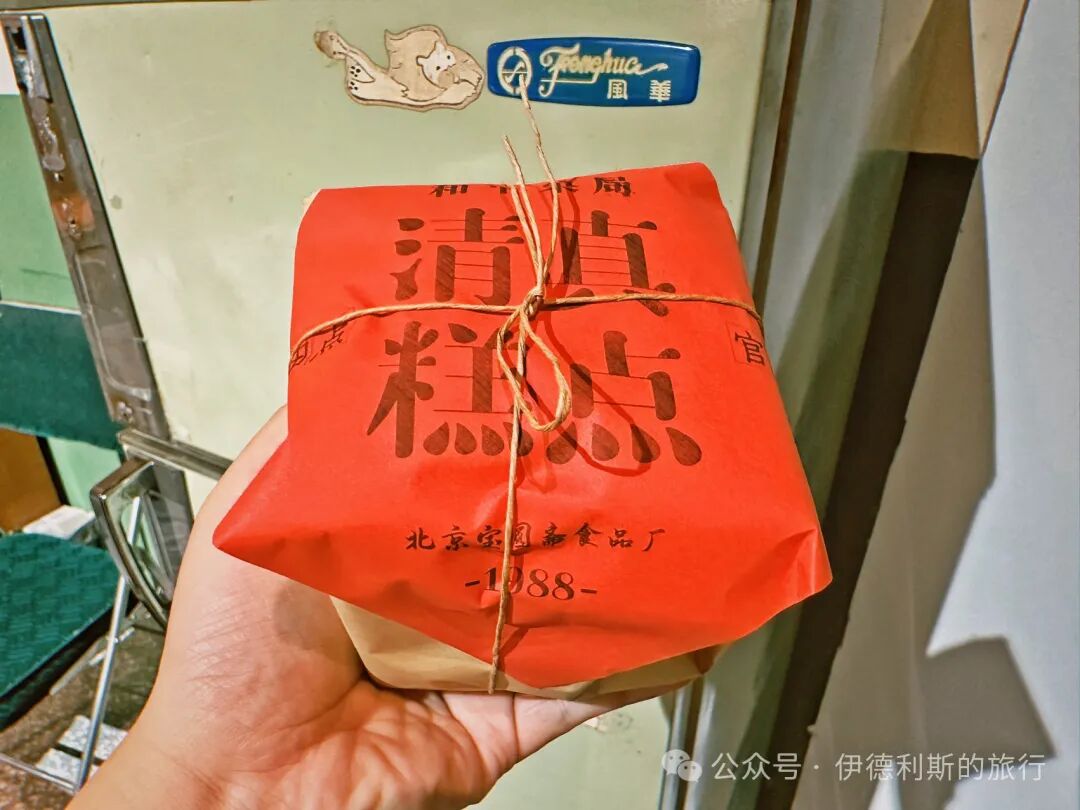
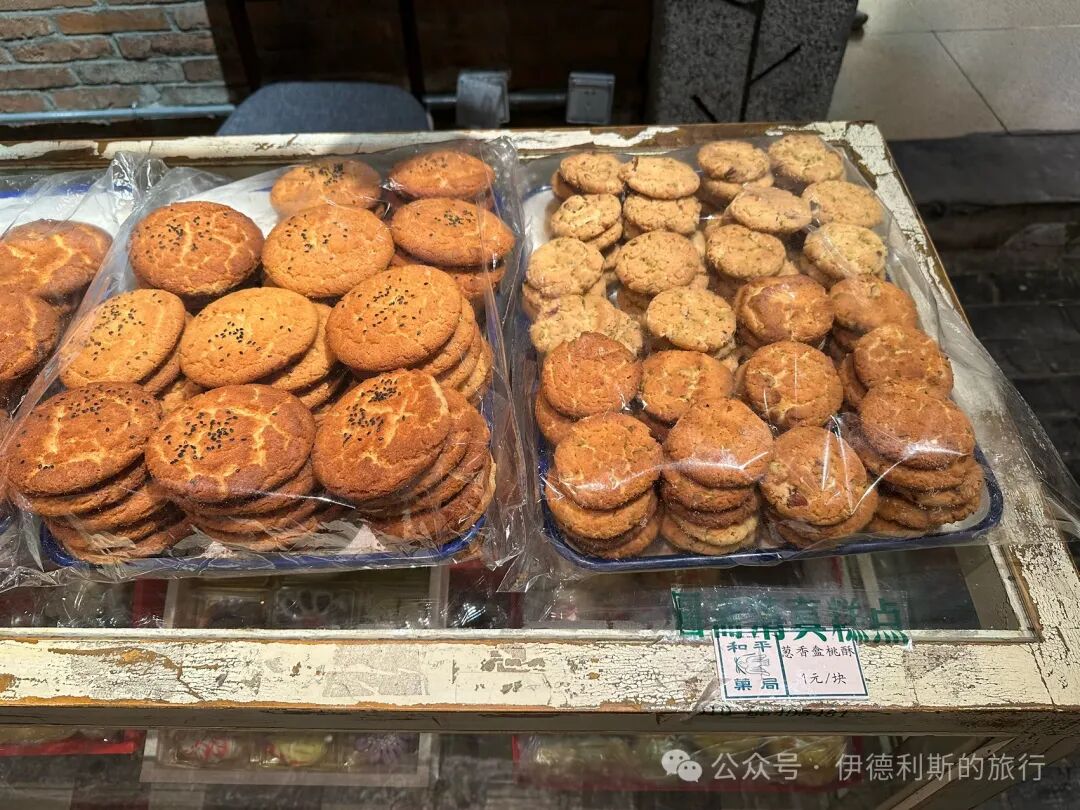
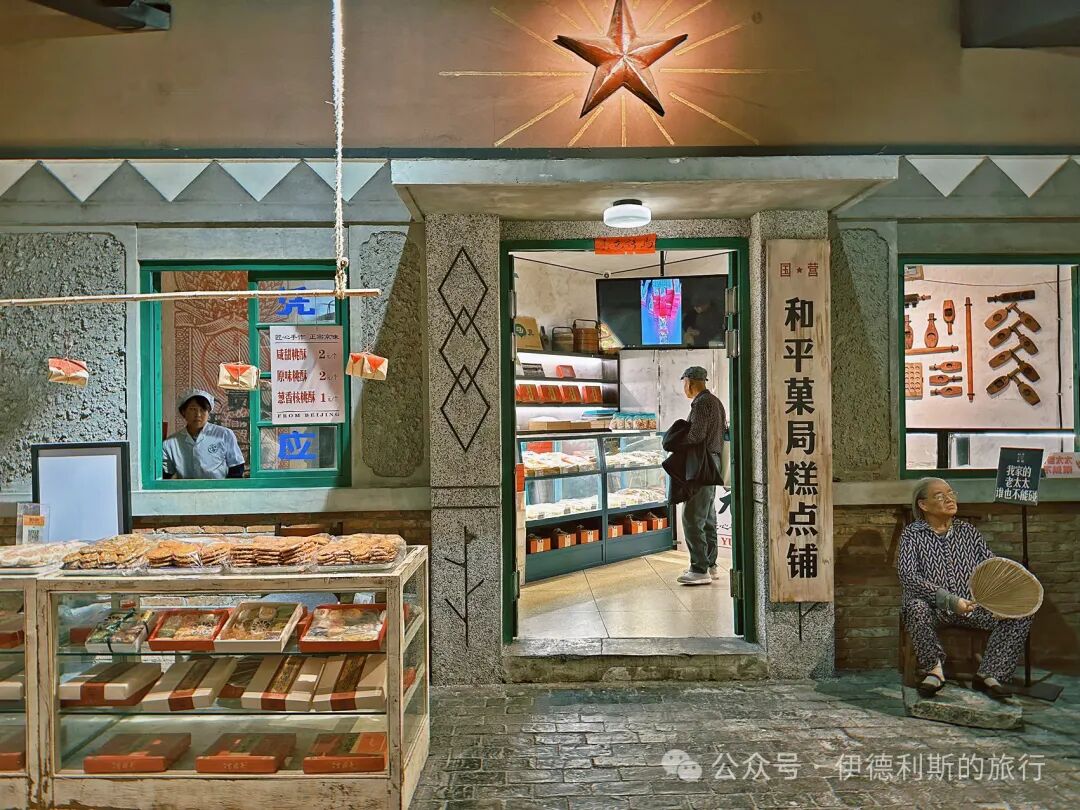
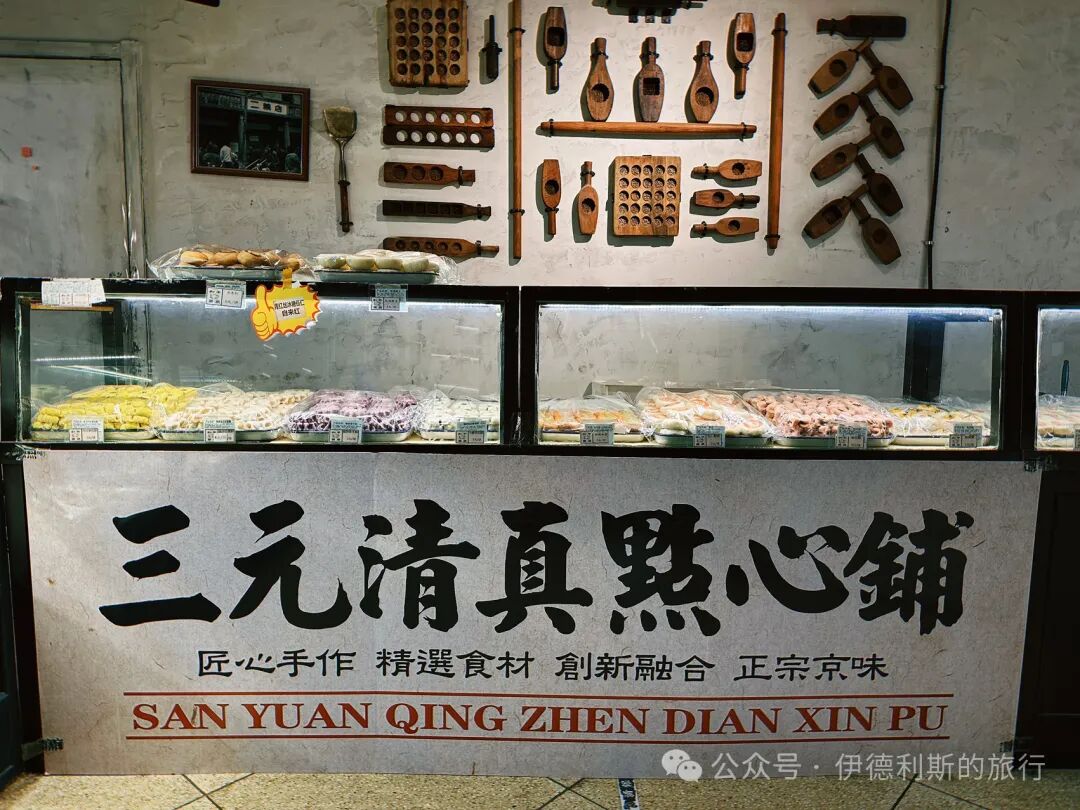
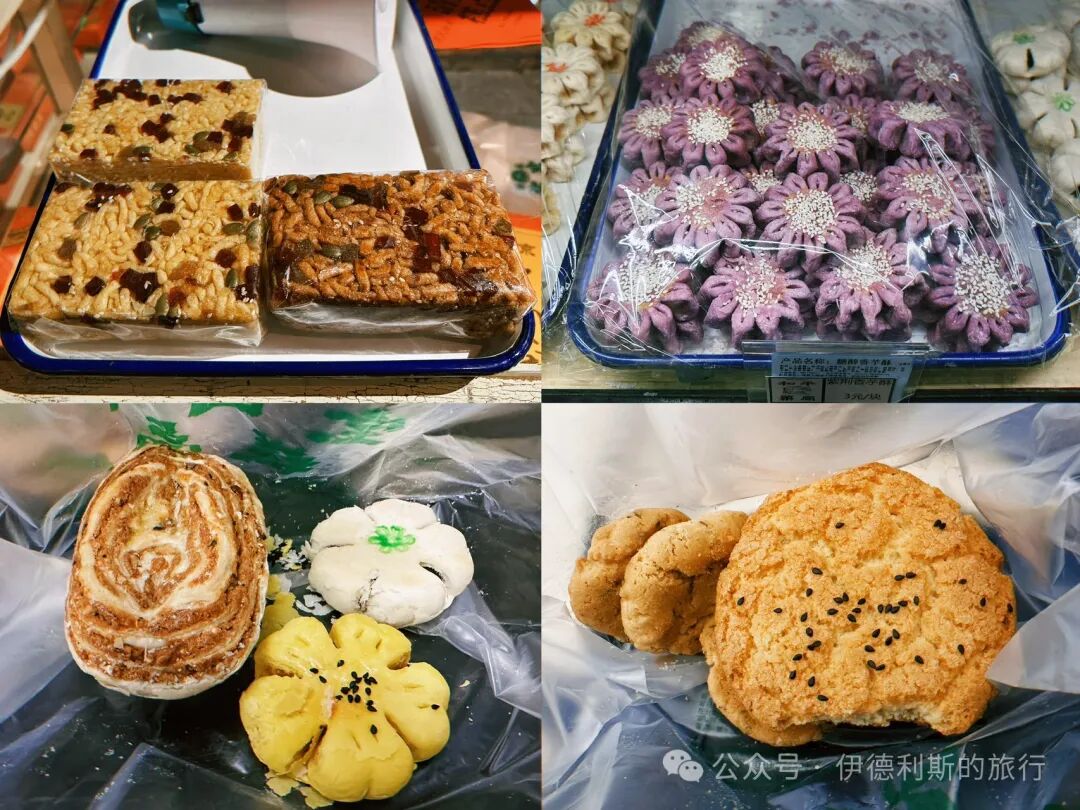
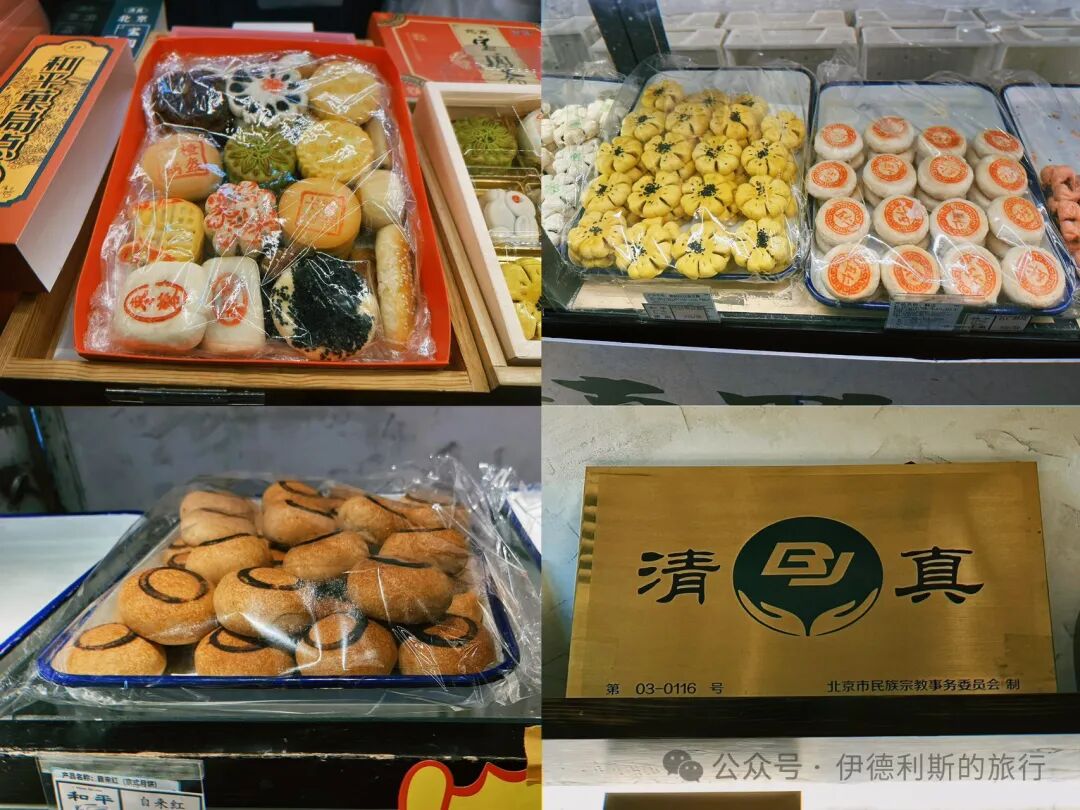
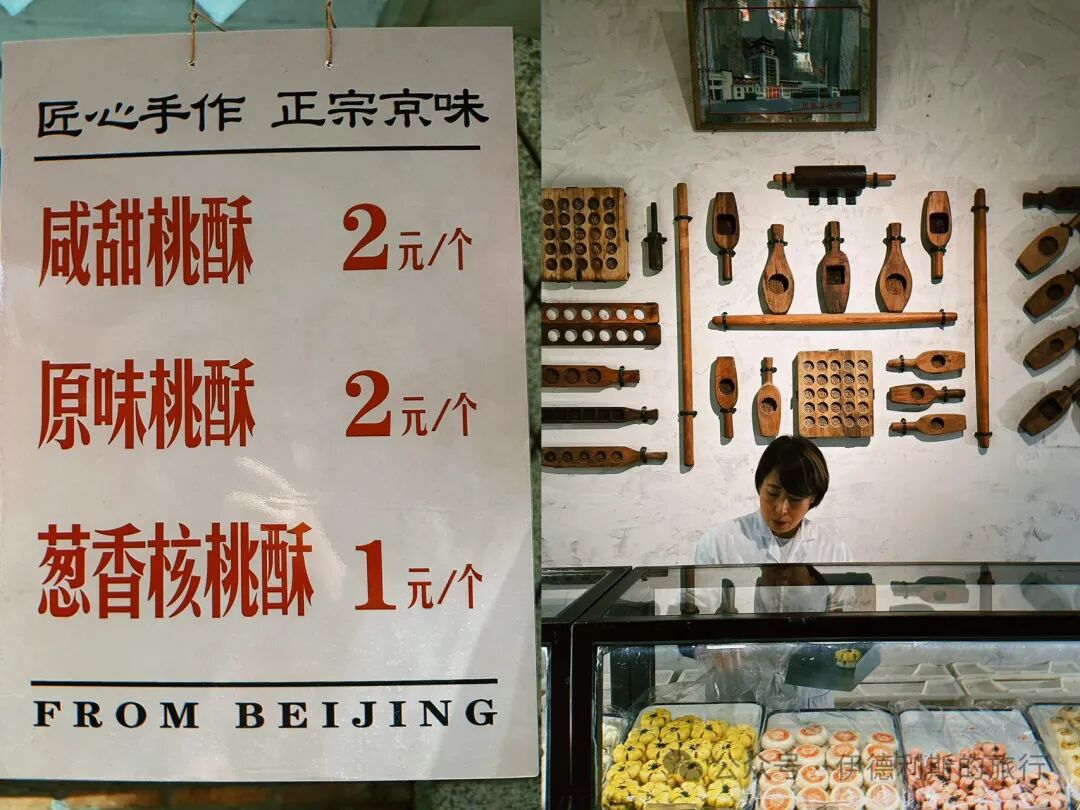
Baoyuanzhai, a halal pastry shop from Wanziying in Chaoyang District, has opened a branch at Heping Guoju on the second basement floor of the Wangfujing Department Store. The decor is very old-school. They have a variety of traditional and modern pastries, including both sugar-free and regular options. They also have savory and scallion-flavored walnut cookies (taosu). You can buy them individually or in gift boxes, making them perfect for tourists to try.
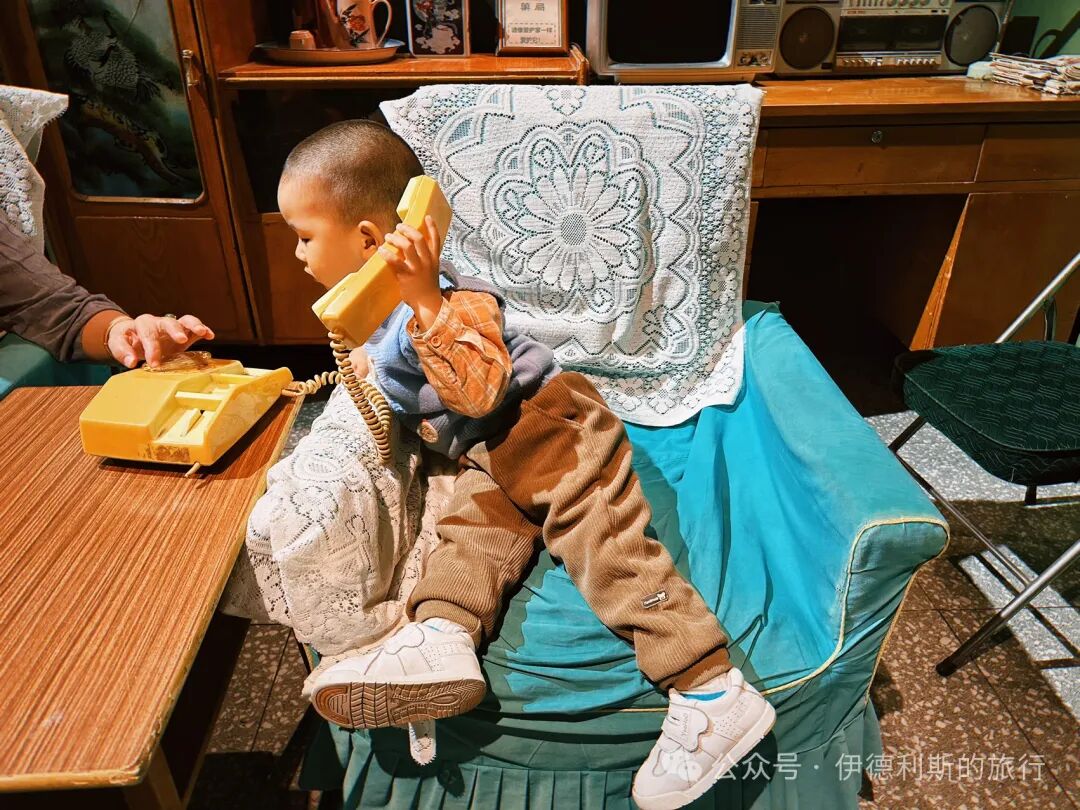
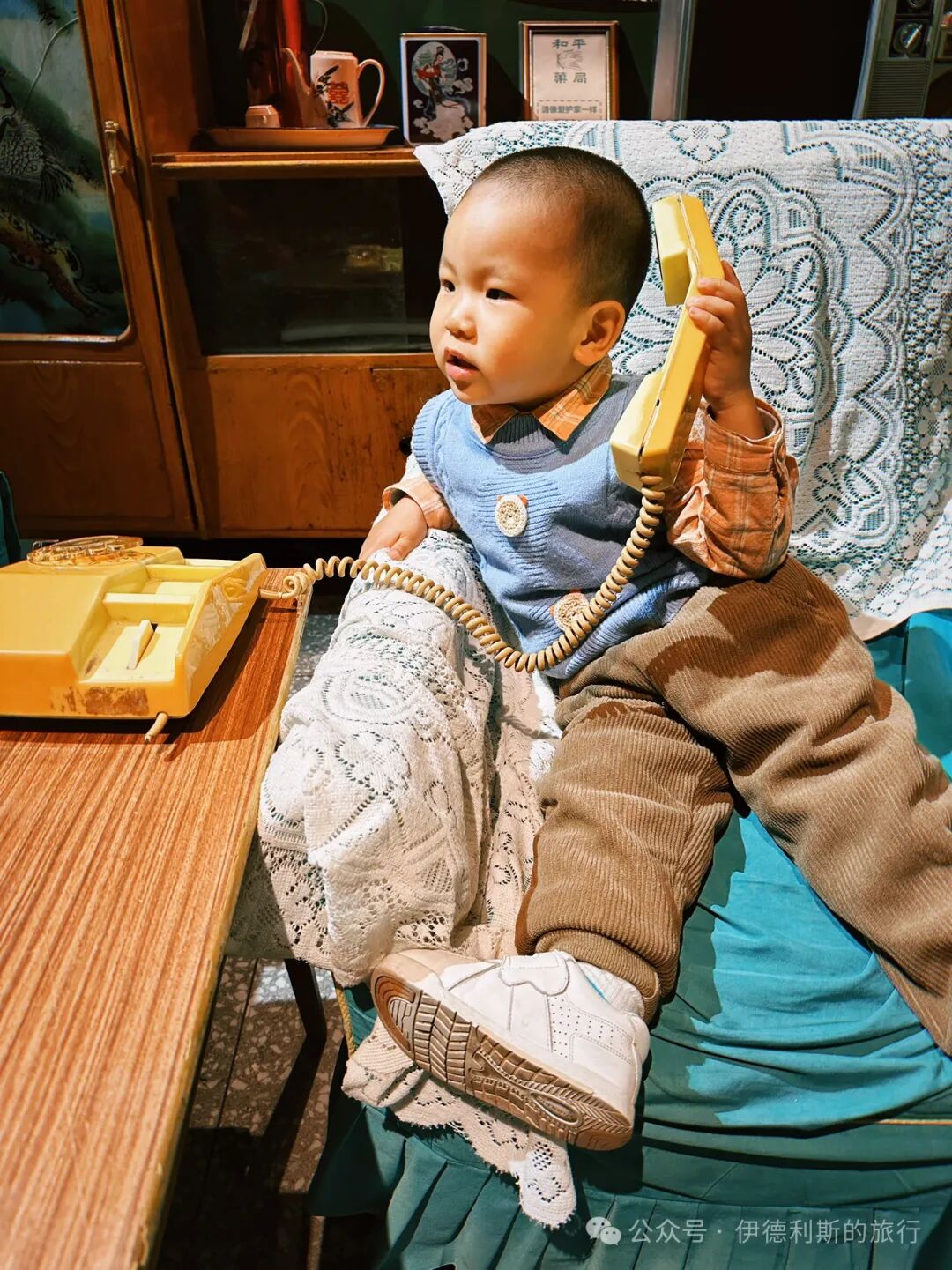
As the weather gets cooler, there are fewer people in Heping Guoju than before, making it a better time to bring kids. There is a steam locomotive and a 'Night Shanghai' stage, both of which kept my son entertained for a long time.
Samosa China-Pakistan Friendship Restaurant, Sanlitun Branch
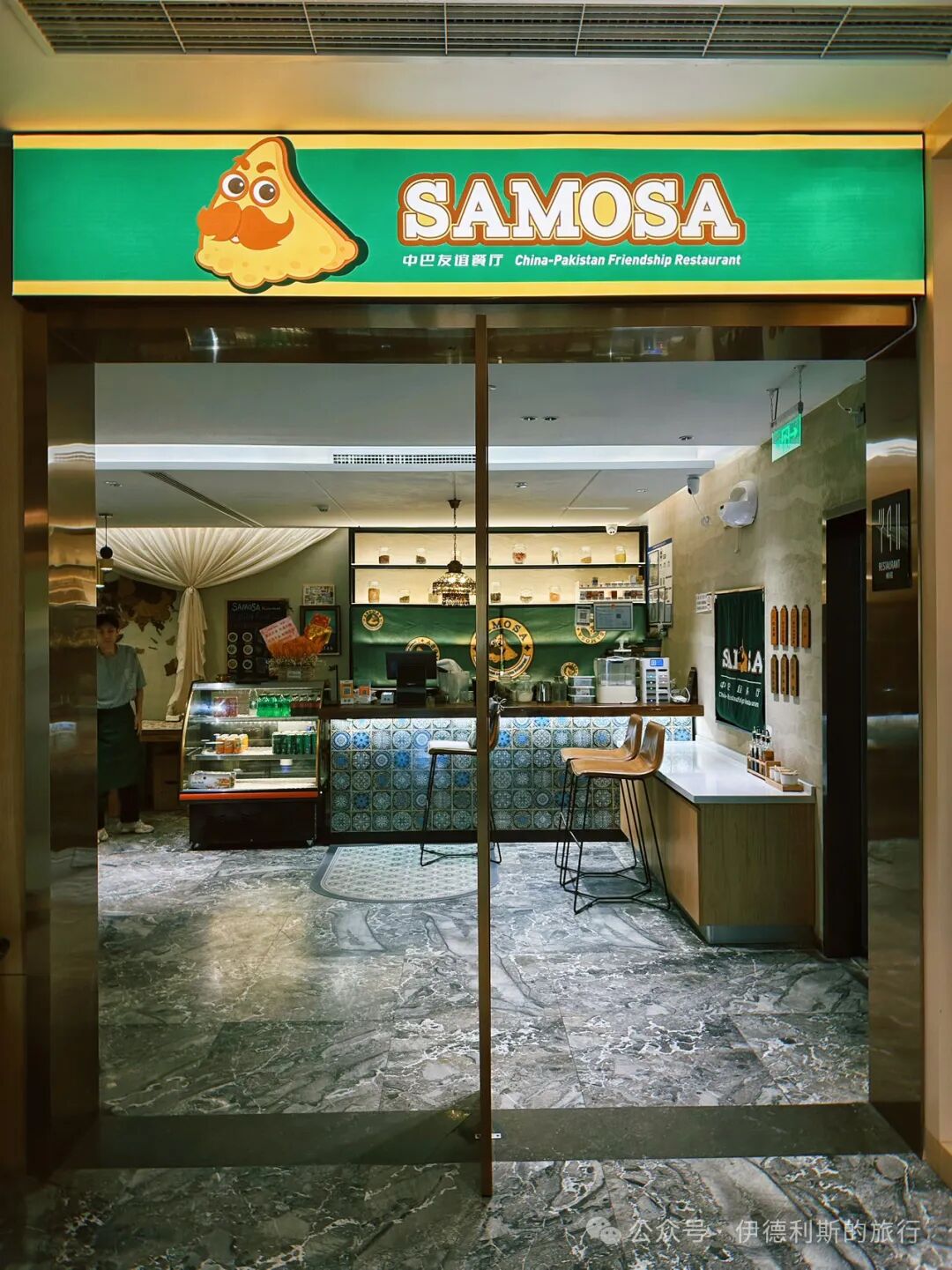
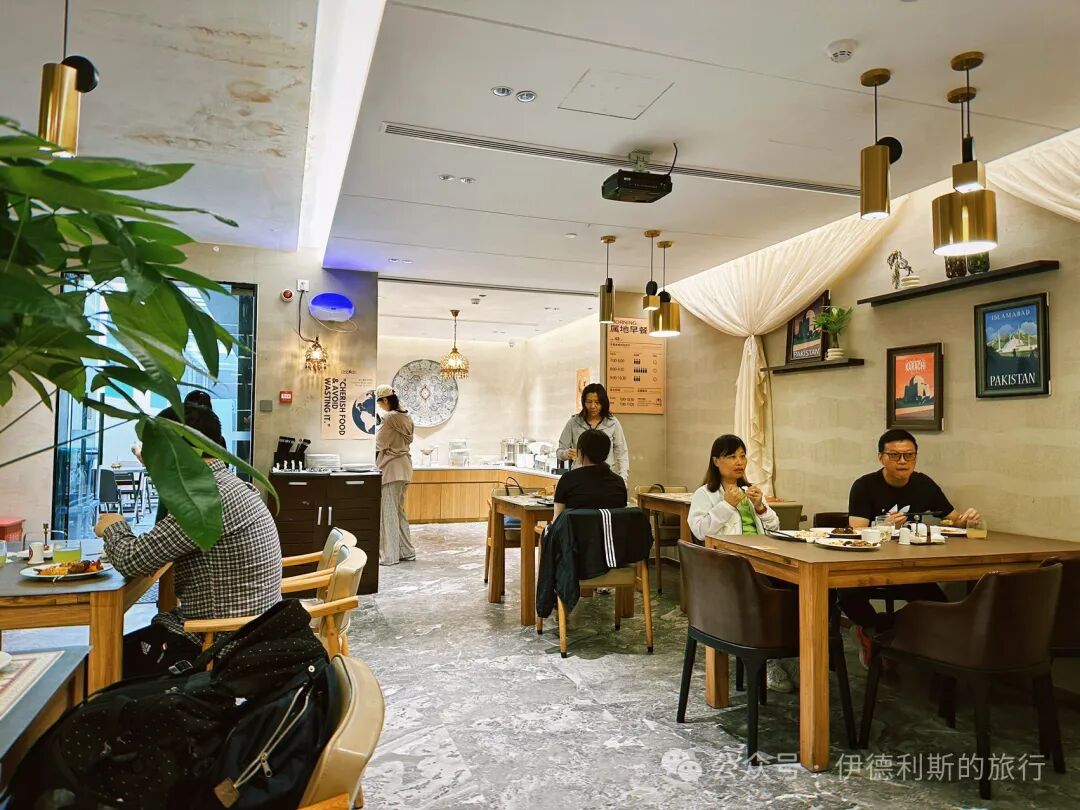
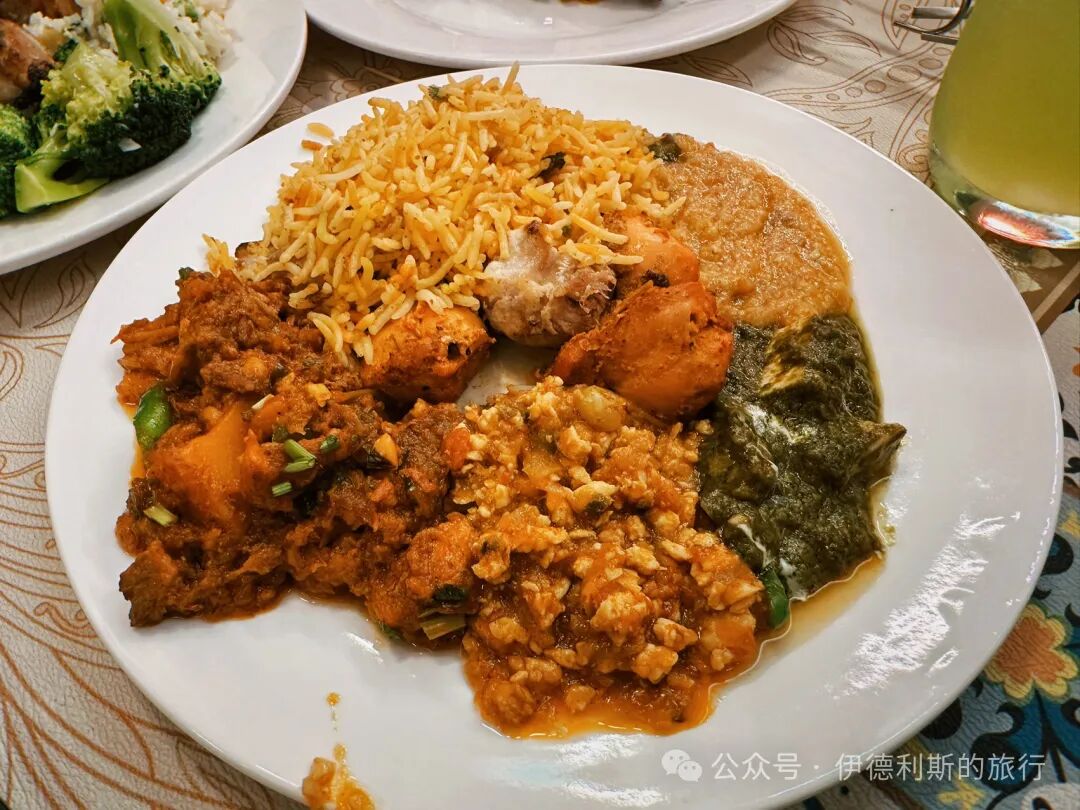
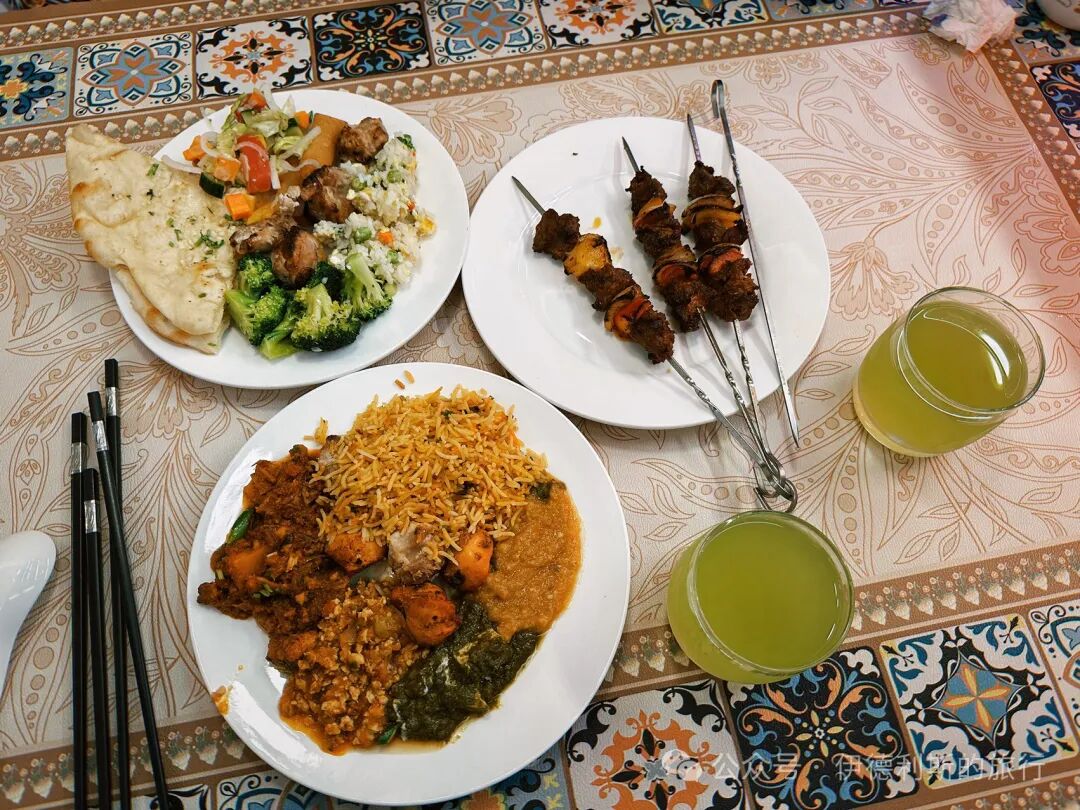
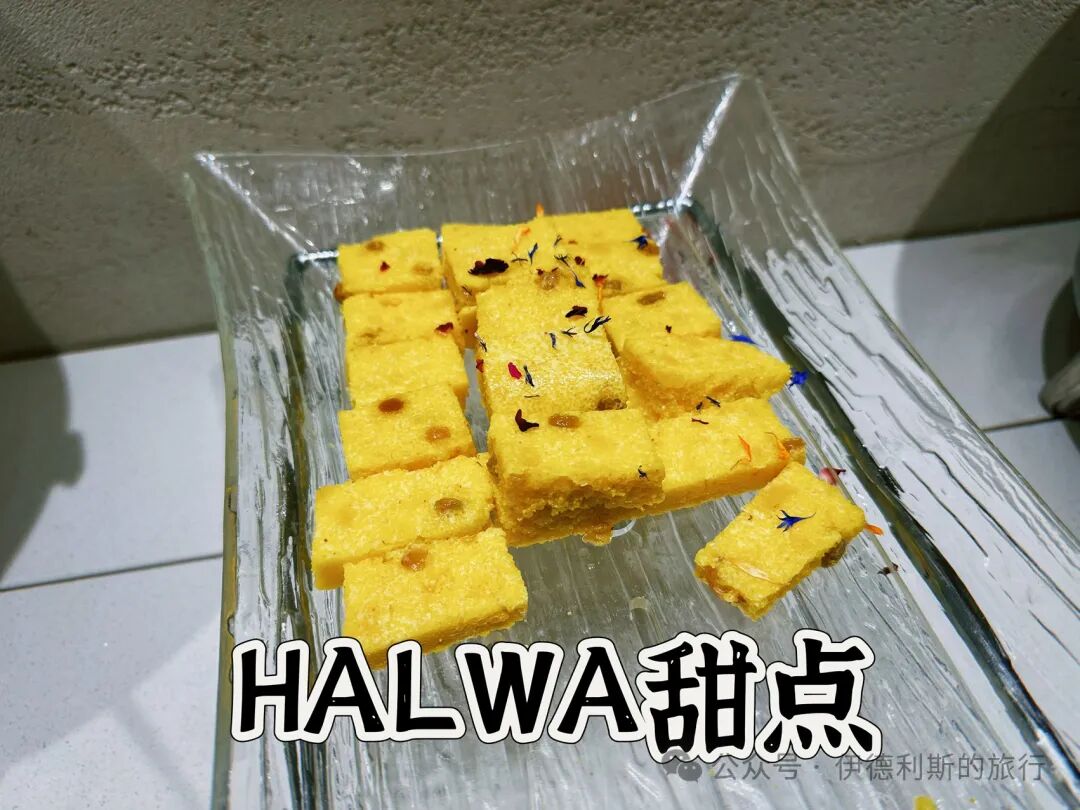
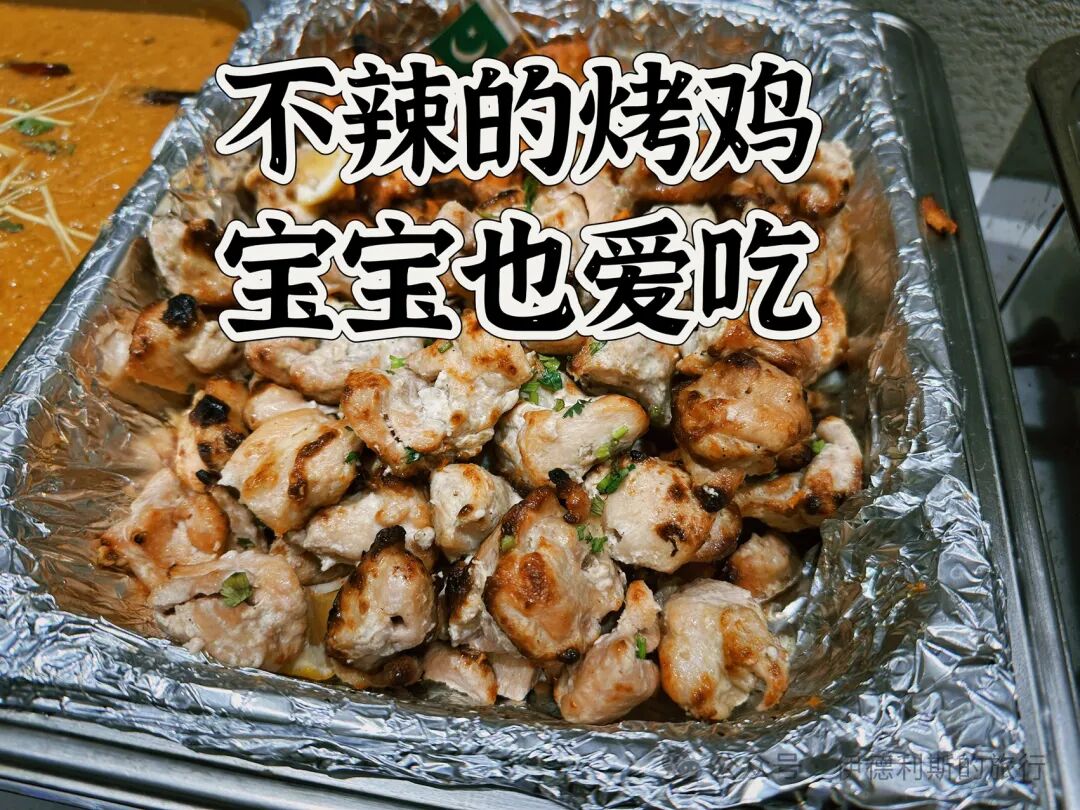
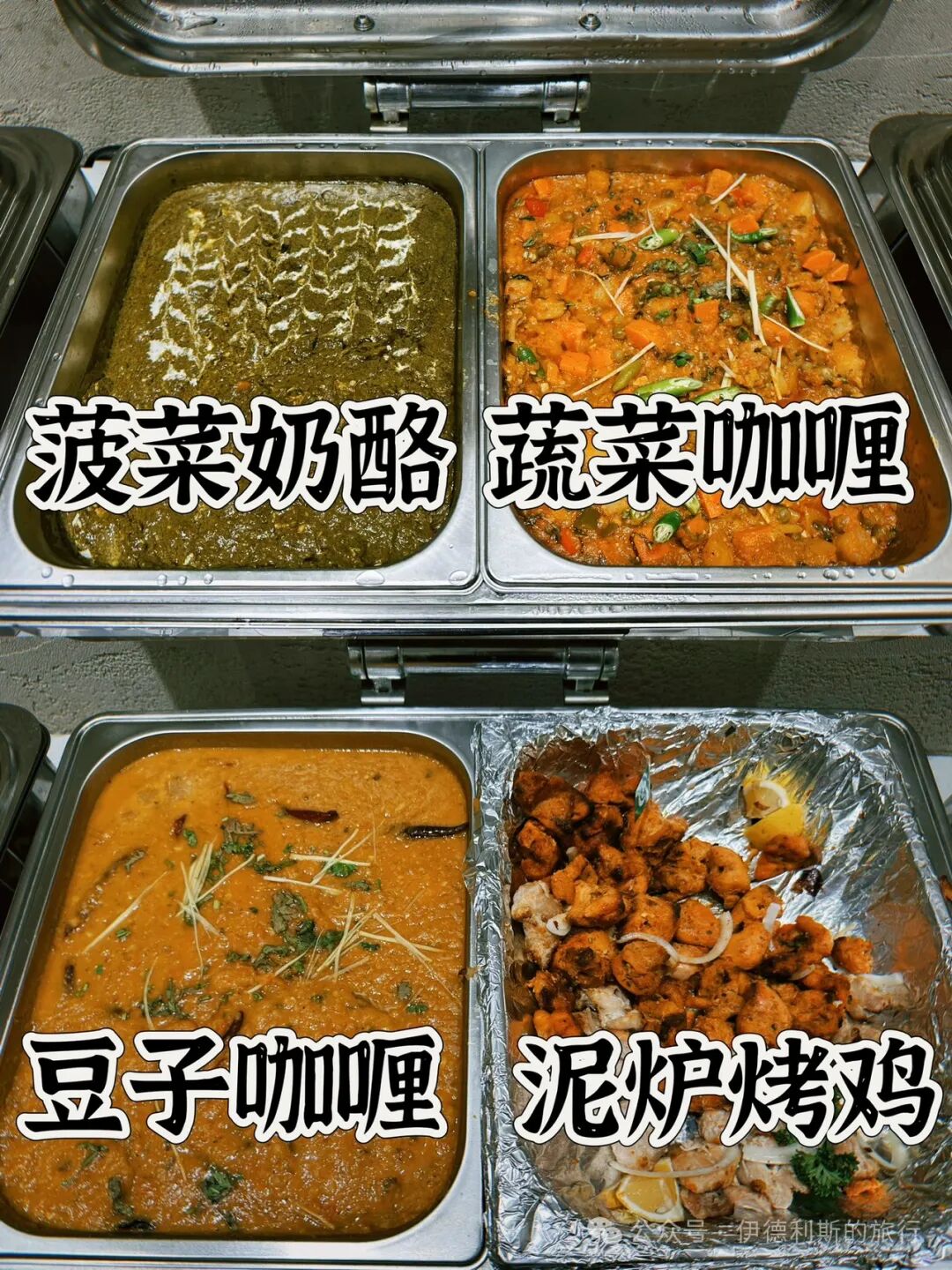
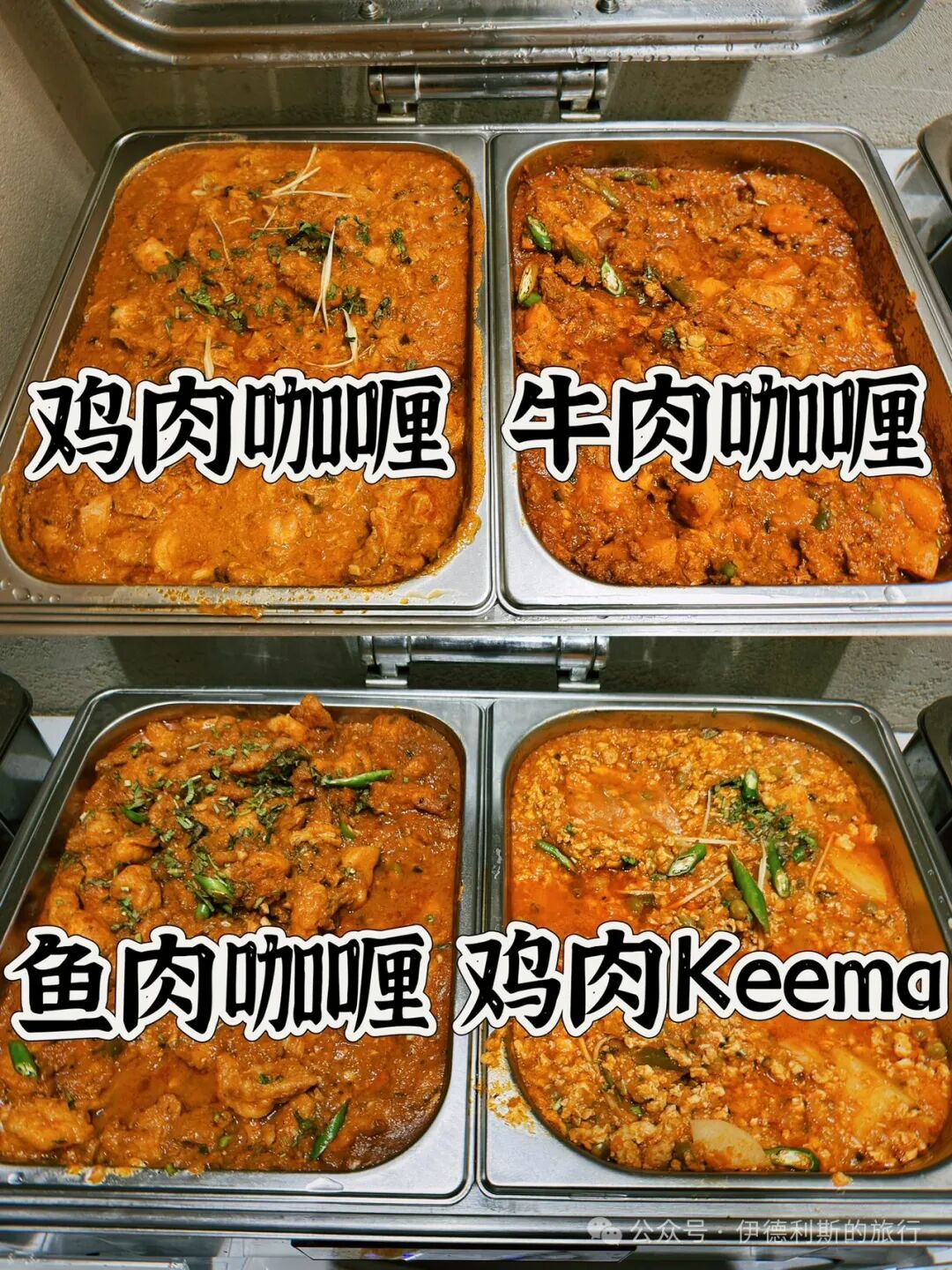
At noon, I went to the newly opened Samosa China-Pakistan Friendship Restaurant in Sanlitun, located on Dongzhimen Outer Street, for the buffet. The restaurant is on the first floor of the Atour Hotel. They mainly serve various curries, with biryani fried rice, garlic naan, and butter naan as staples. For dessert, they have halwa (a sweet confection), and their classic drink is a mint cooler.
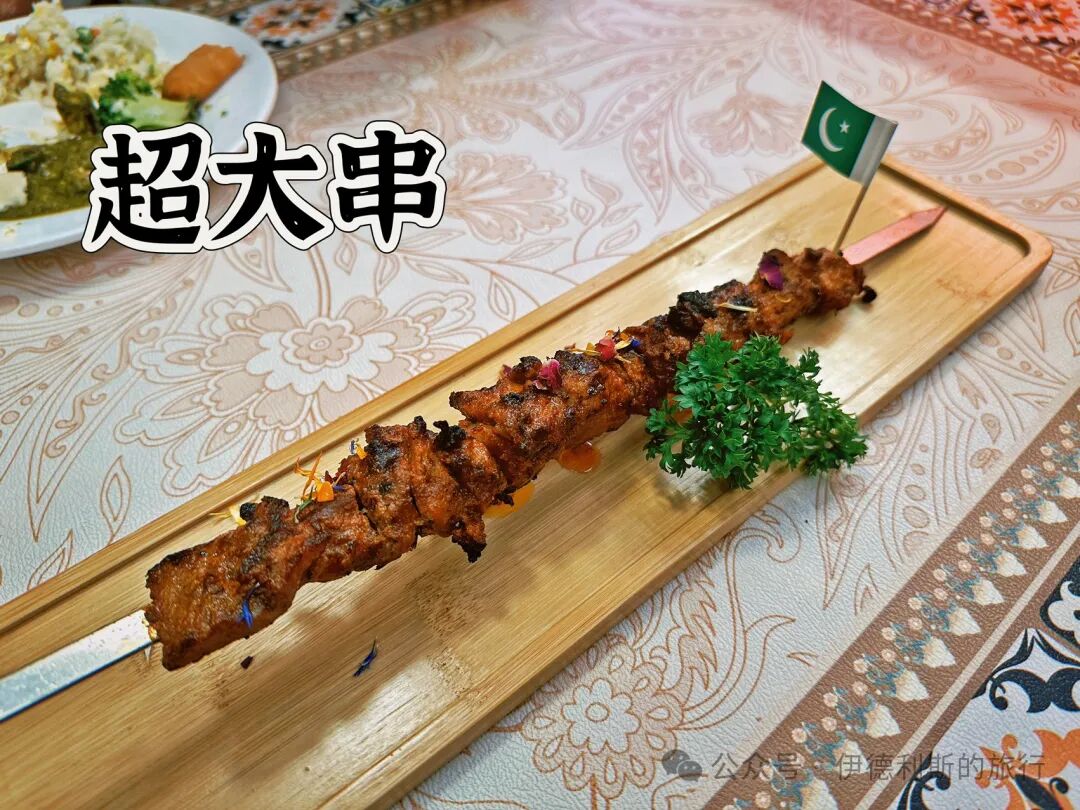
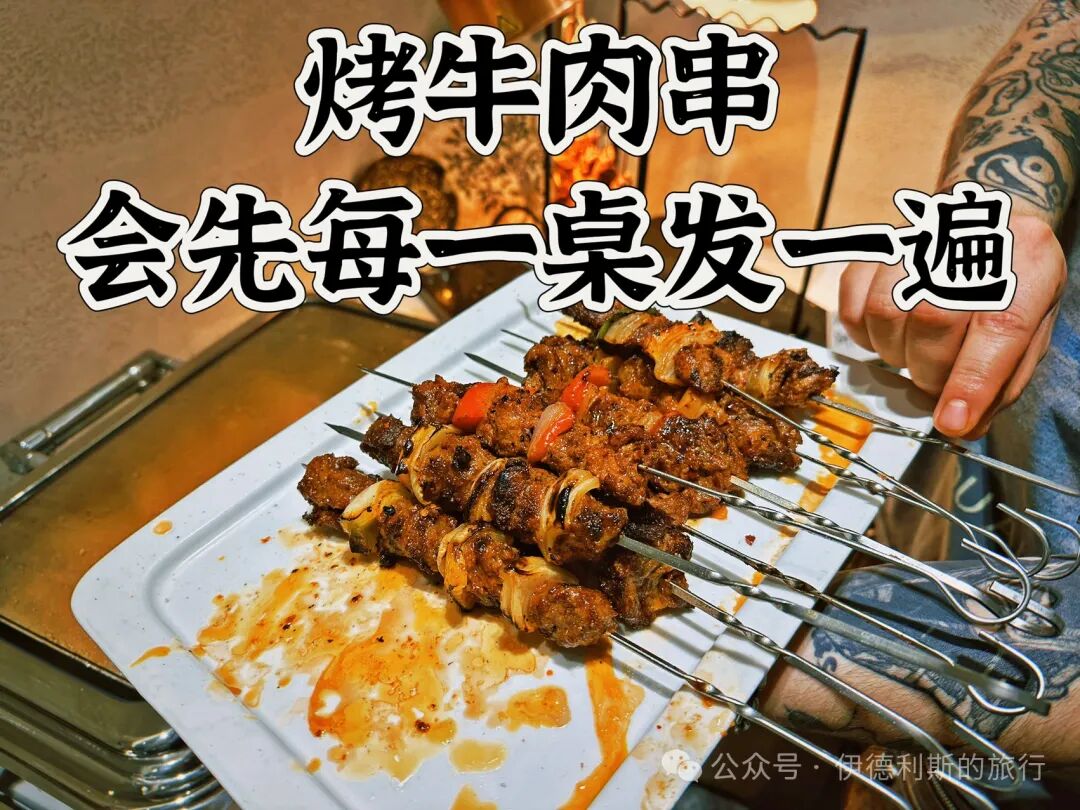
Their most unique feature is the grilled meat buffet! Once the beef skewers are grilled, they bring them to each table before hanging them up. They also have a secret menu item: extra-large lamb skewers, which are grilled until very tender and delicious.
Since I brought my son, we picked out a few non-spicy options for him. His favorites were the tikka boti (clay oven grilled chicken chunks) and the halwa. Halwa originated in Persia and later spread throughout the Middle East and South Asia. South Asian halwa is made from semolina. It has a smooth, buttery texture and is just the right level of sweet.
Their spinach and paneer (milk curd) is also worth trying. Paneer is a type of South Asian fresh cheese. The name comes from the Persian word 'panir' for cheese. To make it, you add lemon, vinegar, or dahi (yogurt) to hot milk, strain the curds through a cloth, and soak them in cold water to create fresh paneer. Paneer has a texture similar to tofu and isn't very sour, making it great for children.
Maye Roast Duck outside Deshengmen
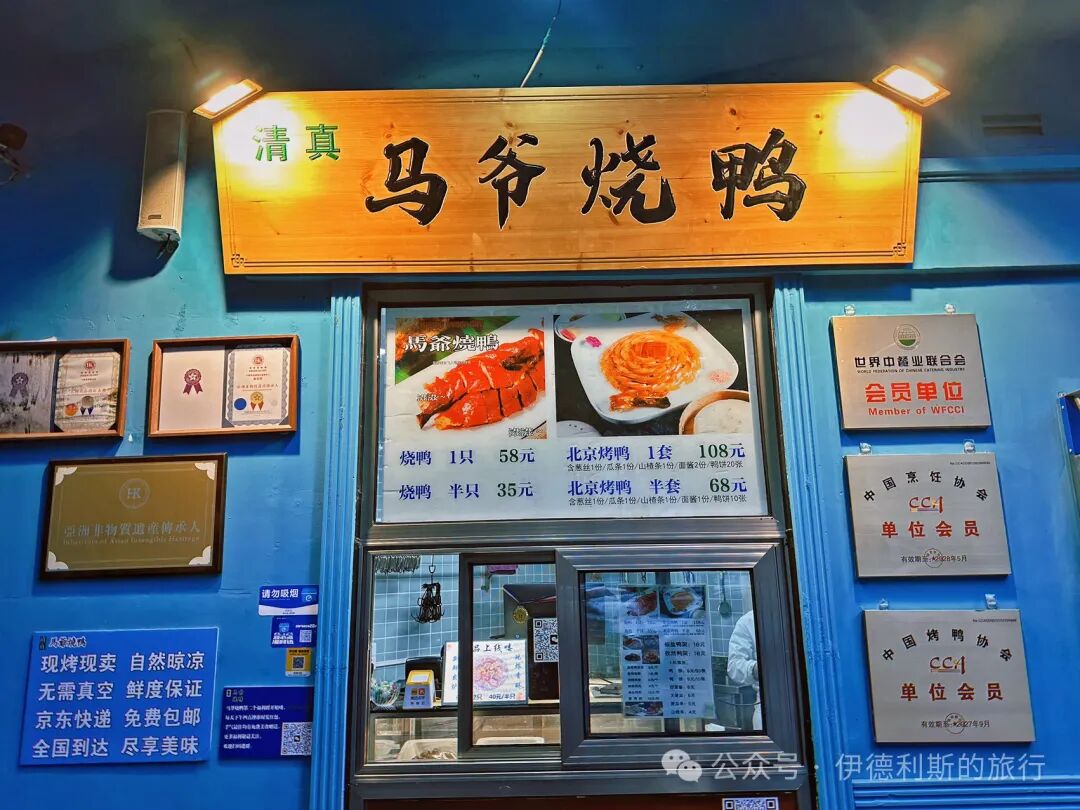
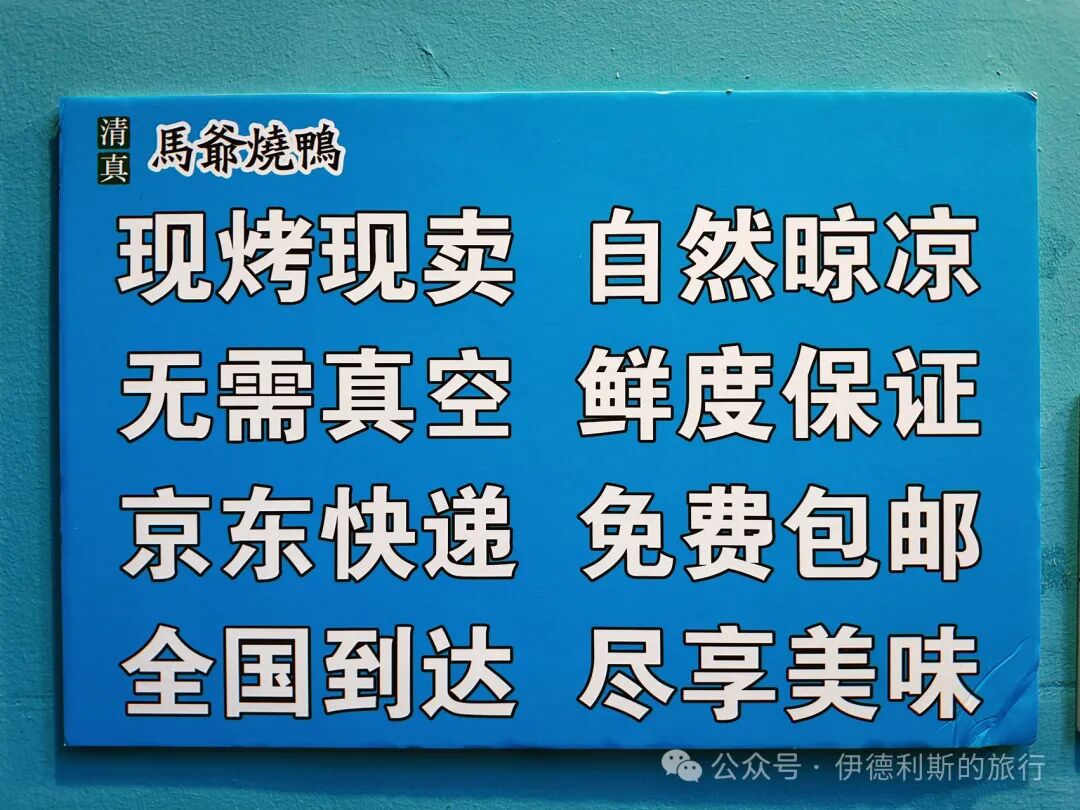
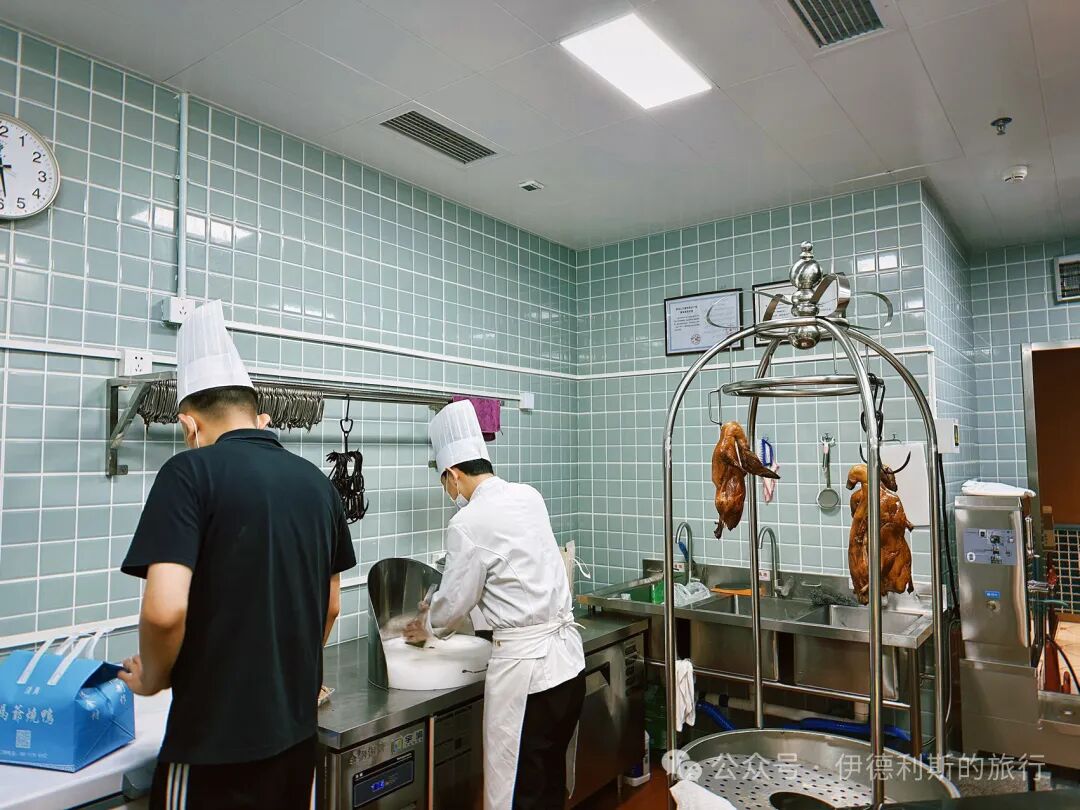
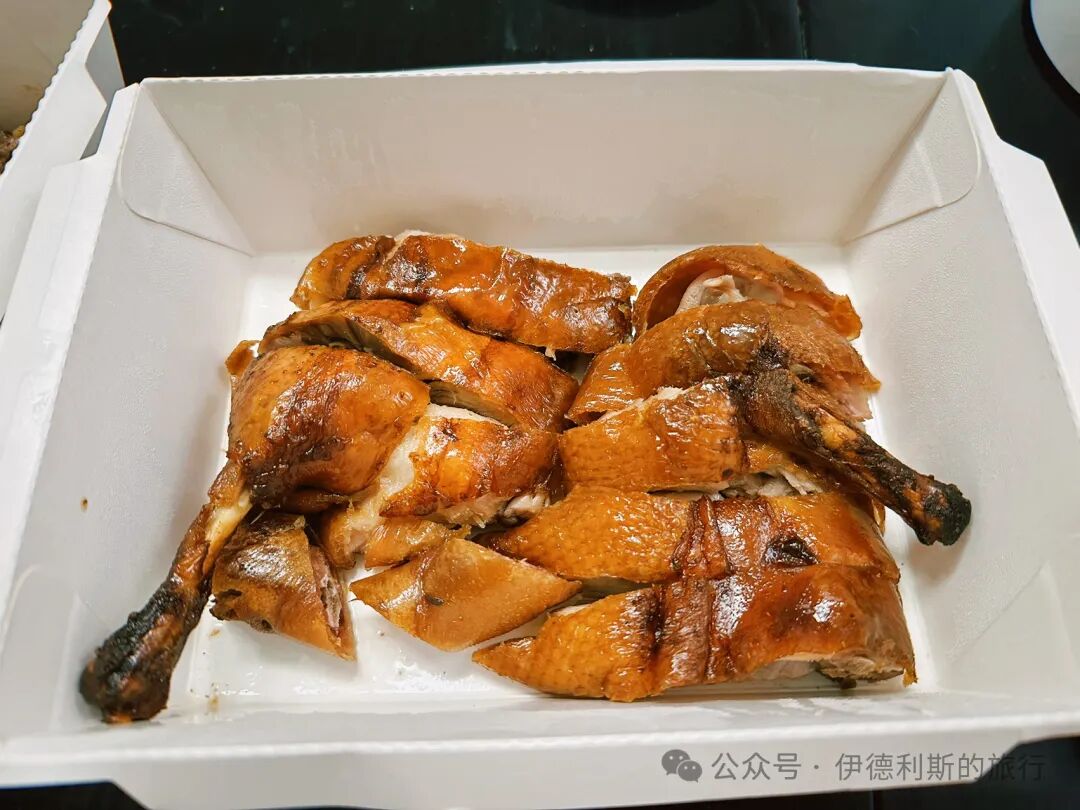
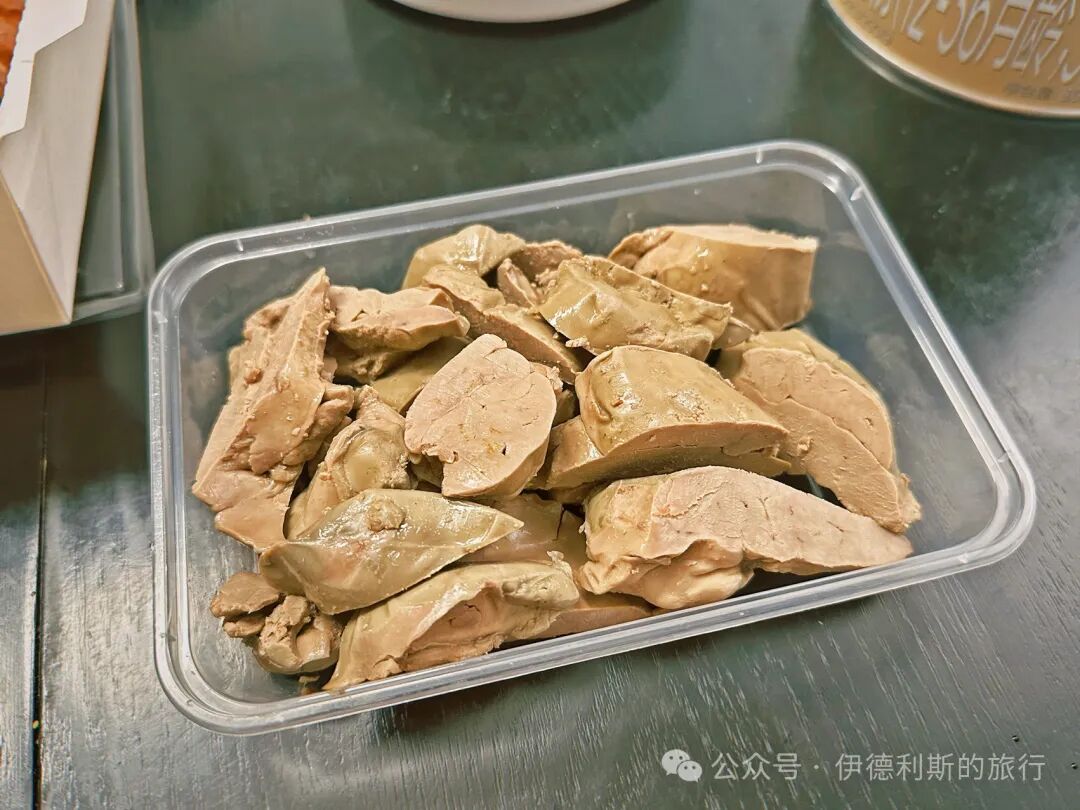
Traffic outside Deshengmen forced me to turn into a small alley in Dewai Guanxiang, where I unexpectedly found a newly opened roast duck shop right next to Pamir Restaurant (Pamir Shifu). Halal roast duck is definitely rare, so I quickly bought half a duck to try, along with salt and pepper duck frame and salt-water duck liver. They only have a service window, so you have to take the food home to eat.
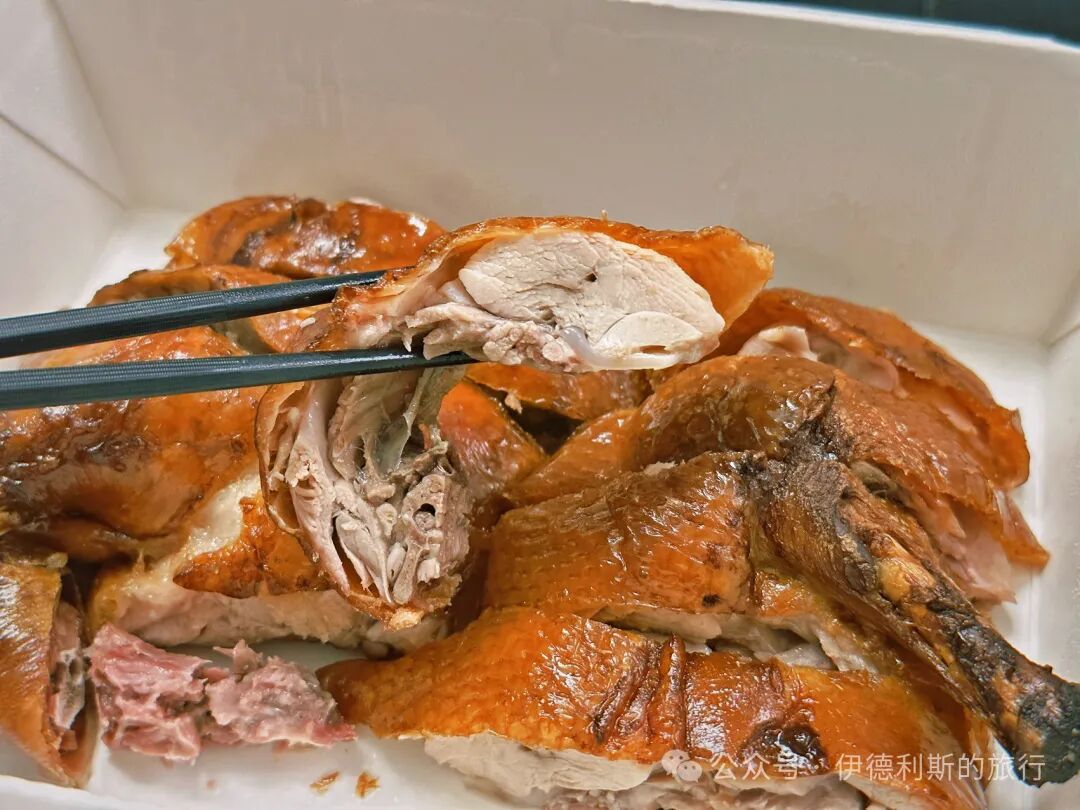
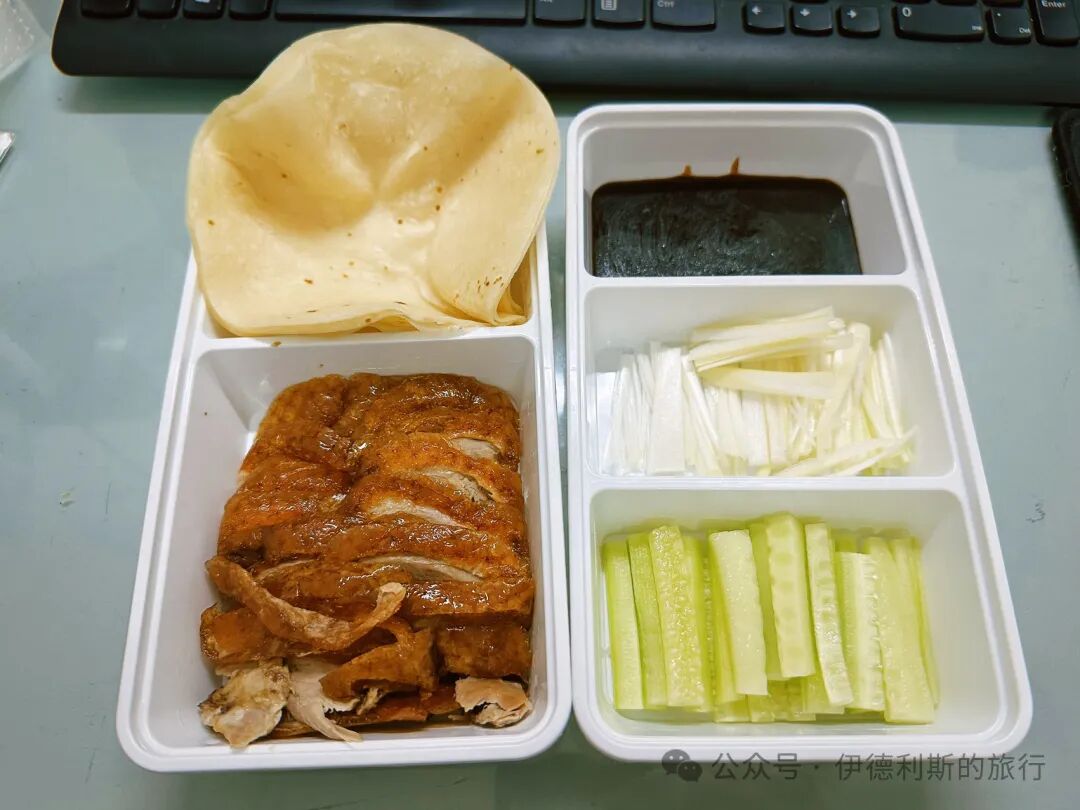
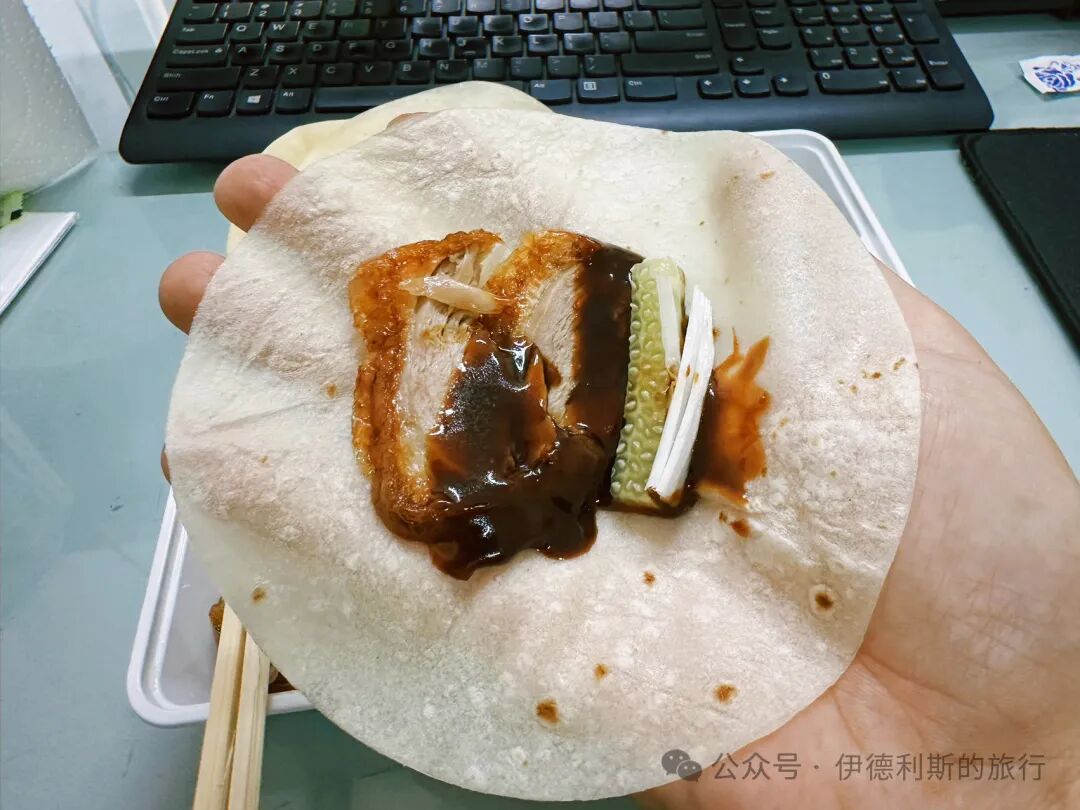
I tried the roast duck after getting home; it tasted pretty good, was all lean meat, and had a slightly sweet flavor. At noon, I ordered their half-set roast duck again. It was much cheaper with a discount on Meituan, making it a great value and perfect for a work lunch. The only downside is that delivery makes the skin soggy, so it definitely isn't as fragrant as when it's freshly made.
Benjiebi Restaurant
I took Suleiman shopping at the Kids' City in Solana, and afterward, we had lunch at the South Asian restaurant Benjiebi on Lucky Street, right across from Solana. The owner is from Bangladesh, and the food leans toward North Indian style. Compared to the long lines at restaurants inside Solana, the places on Lucky Street are much less crowded.
Benjiebi is a long-standing South Asian spot in Beijing. I used to go there often for their weekday lunch set, which is a great deal. They now offer a Liangma River night cruise package, which we want to try if we get the chance.
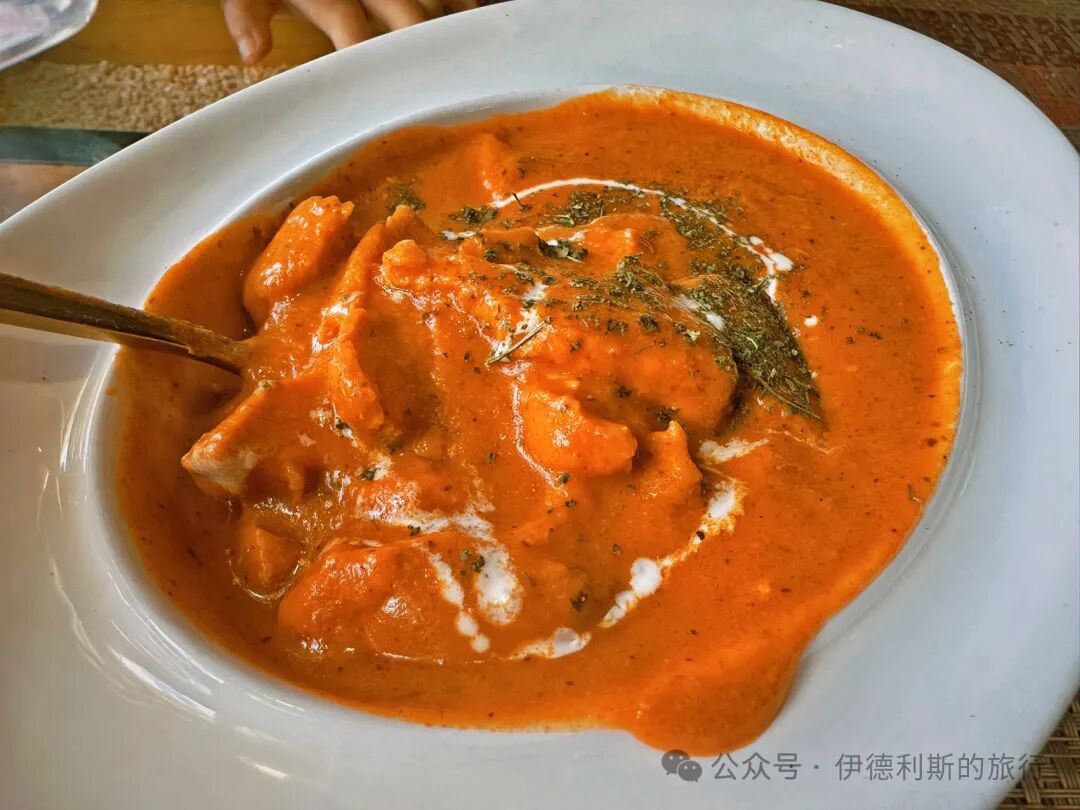
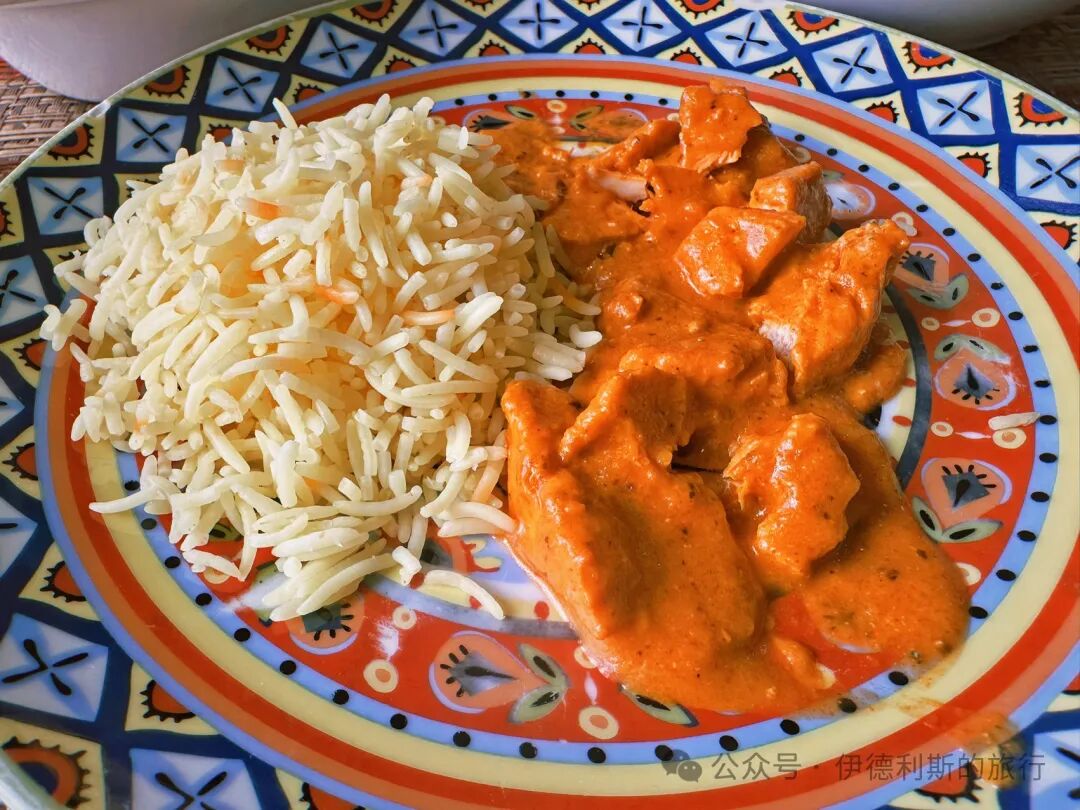
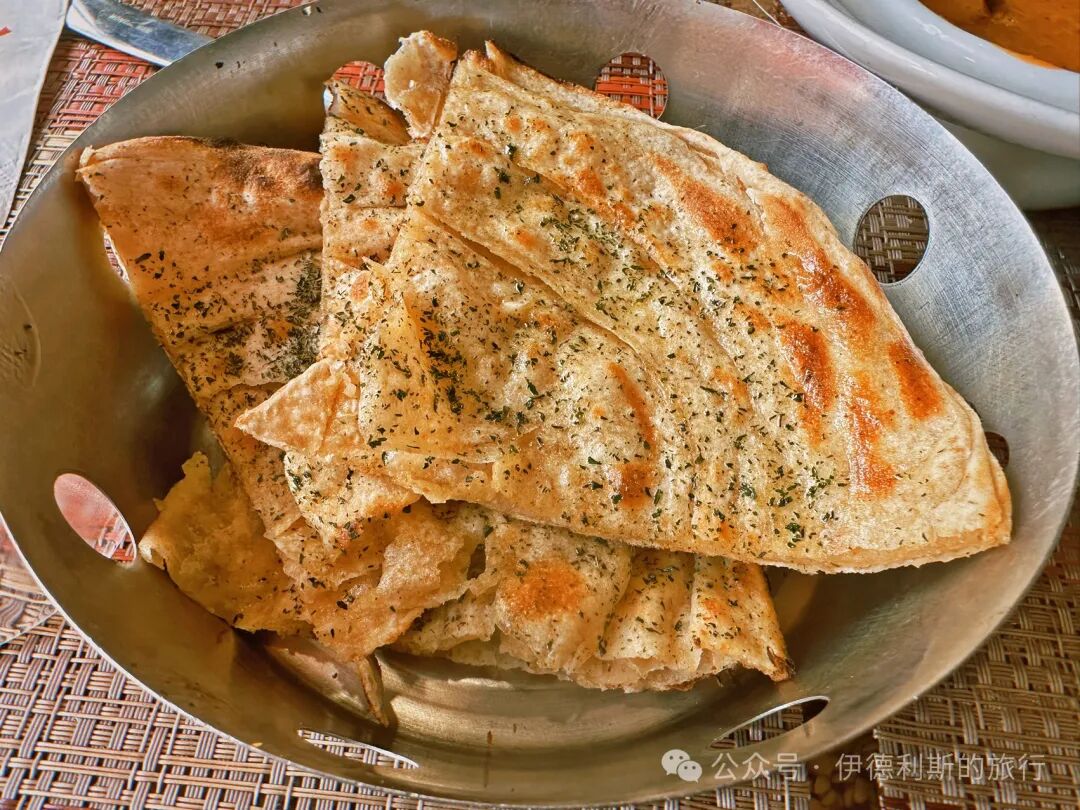
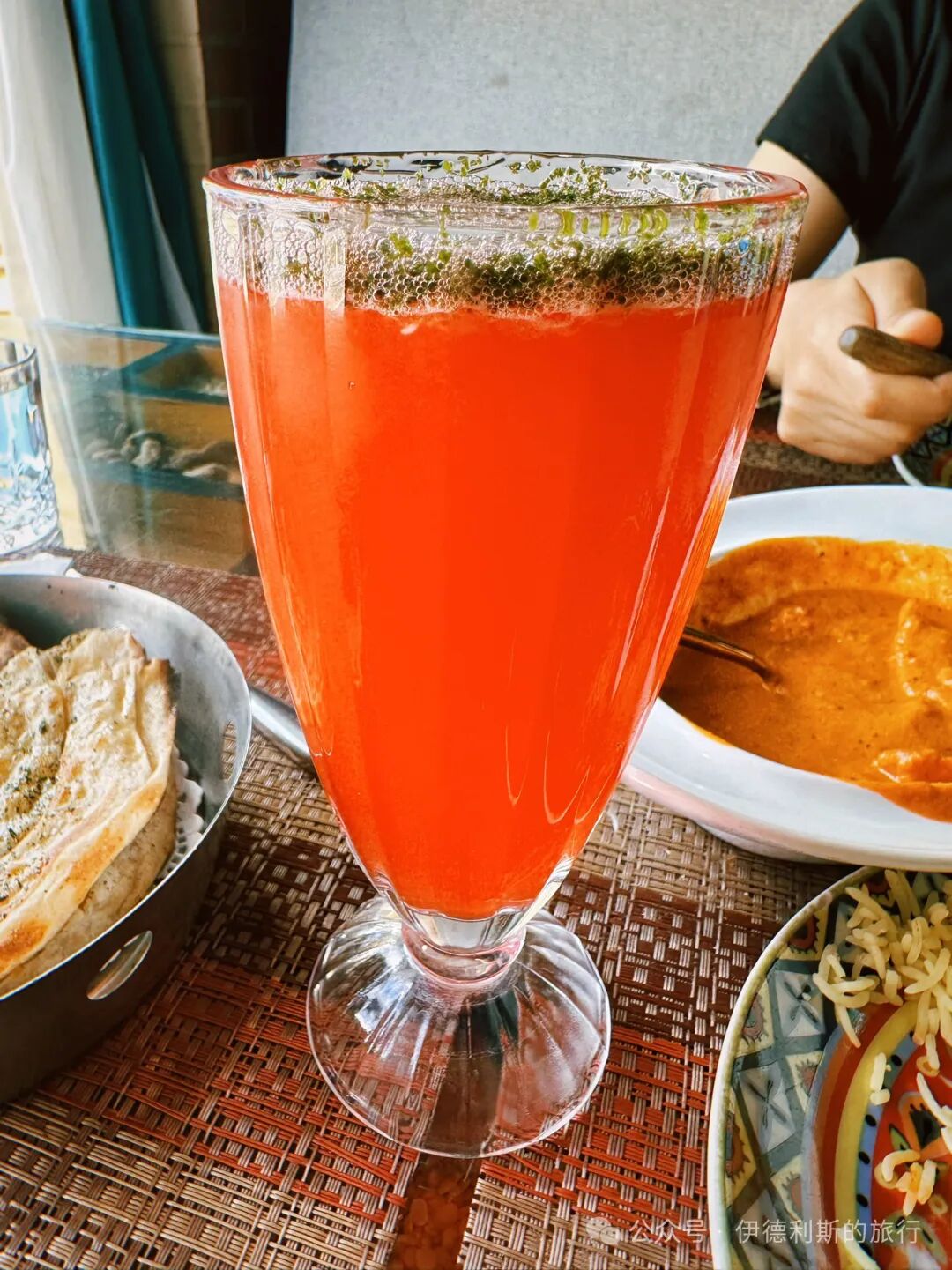
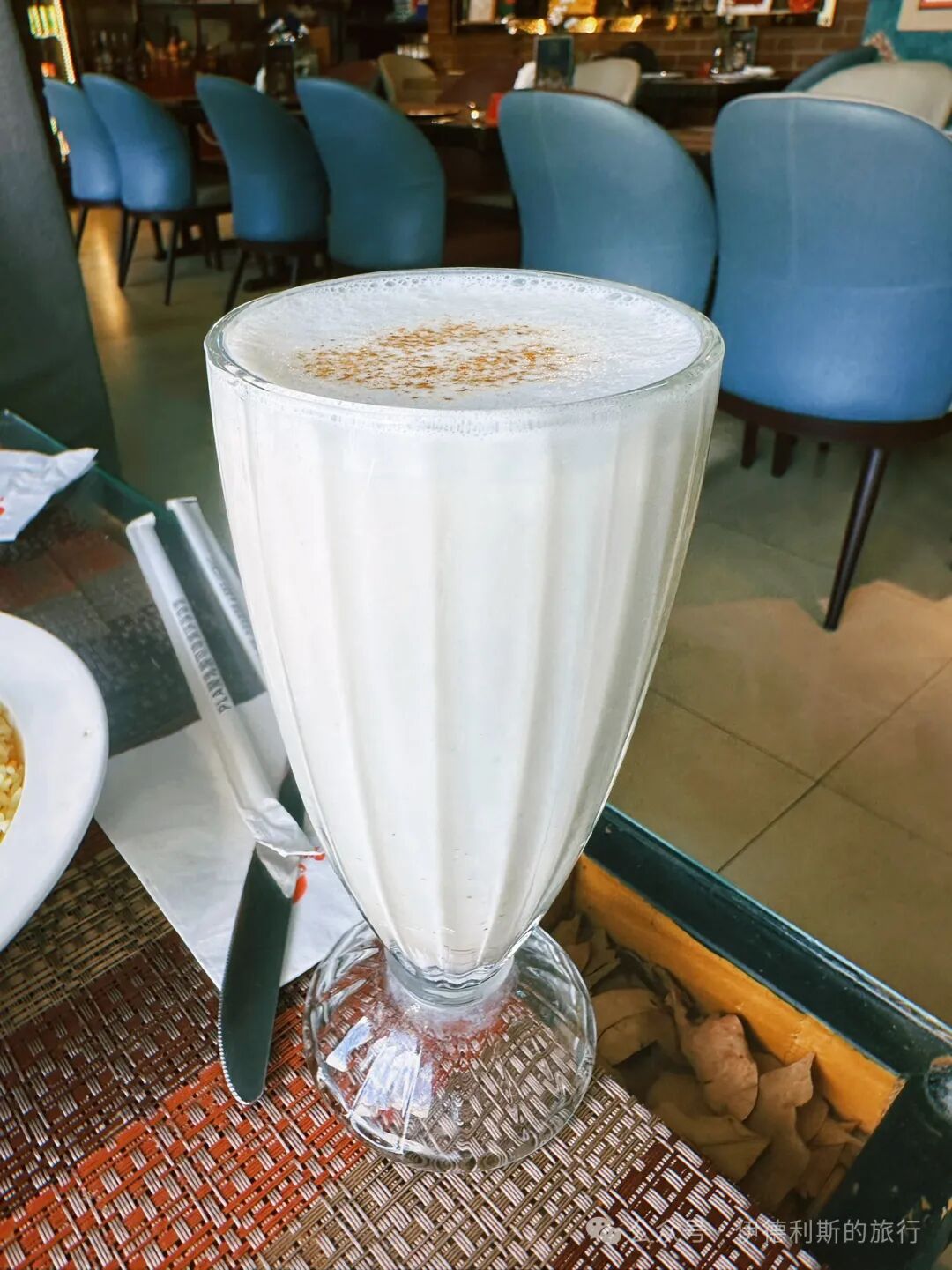
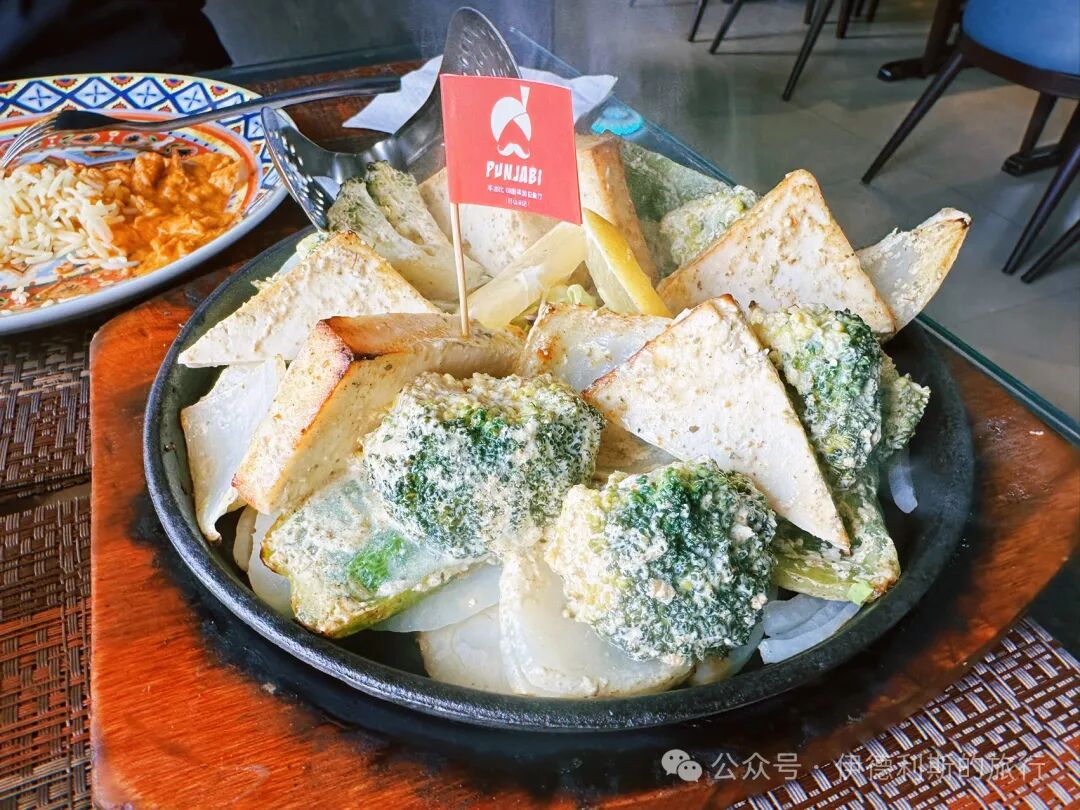
They thoughtfully mark all the dishes suitable for children on their menu. We ordered grilled broccoli with cheese (Broccolli phool Malai Paneer), butter chicken (Murgh Butter Chicken), saffron rice, mint whole-wheat flatbread (Pudina Wholewheat Paratha), mint rose syrup (Mint Roohafza), and salty yogurt drink (Lassi Salty).
The paneer in the grilled cheese dish is a South Asian fresh cheese. The name comes from the Persian word 'panir'. It is made by adding lemon, vinegar, or yogurt (Dahi) to hot milk, then draining the curds in cloth and soaking them in cold water to create fresh paneer. The texture of paneer is a bit like firm tofu, and it isn't very sour, making it perfect for kids.
Butter chicken (Murgh Butter Chicken) was invented by chance in the 1950s at the Moti Mahal restaurant in Delhi when they put roasted chicken into a buttery tomato curry sauce. It became a classic South Asian dish worldwide after the 1970s. Their butter chicken isn't spicy, so it's an Indian curry that even children can try.
Mint whole-wheat flatbread (Pudina Wholewheat Paratha) is rare in Beijing's South Asian restaurants and is a classic North Indian staple. It is made by folding mint into the layers of whole-wheat dough. It comes out very crispy and is especially fragrant when eaten hot.
Their mint rose syrup is also very tasty. RoohAfza is a classic South Asian Ramadan drink, invented in 1906 by an Indian Muslim from British India named Hakim Hafiz Abdul Majeed, based on traditional Arab-Persian Unani medicine. He selected various herbs and fruit syrups to create a concentrated drink to prevent heatstroke, which is very helpful for relieving dehydration during fasting. After the partition of India and Pakistan in 1947, his descendants opened companies in India, Pakistan, and Bangladesh, making RoohAfza popular all over South Asia.
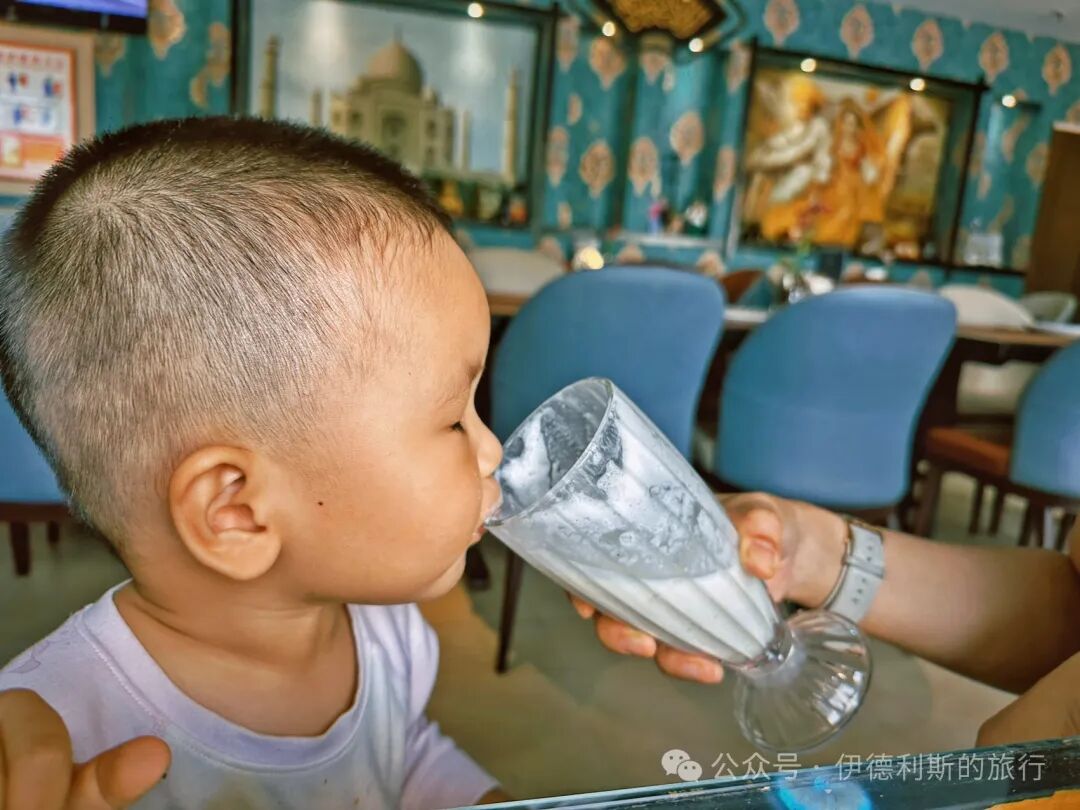
Suleiman really loves their salty milk shake (xian naixi), he got hooked and could not stop drinking it.
Shihucheng Resort
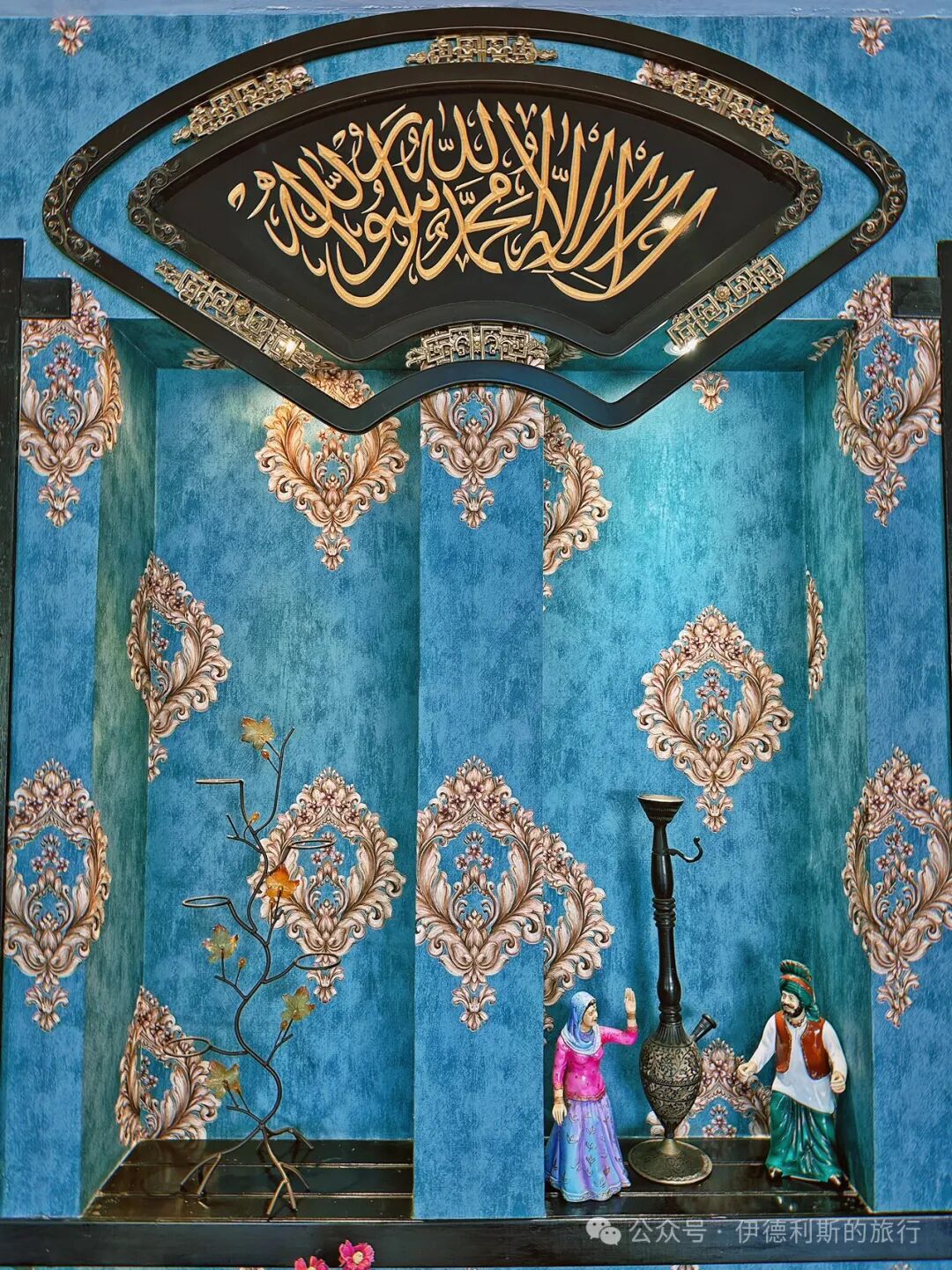
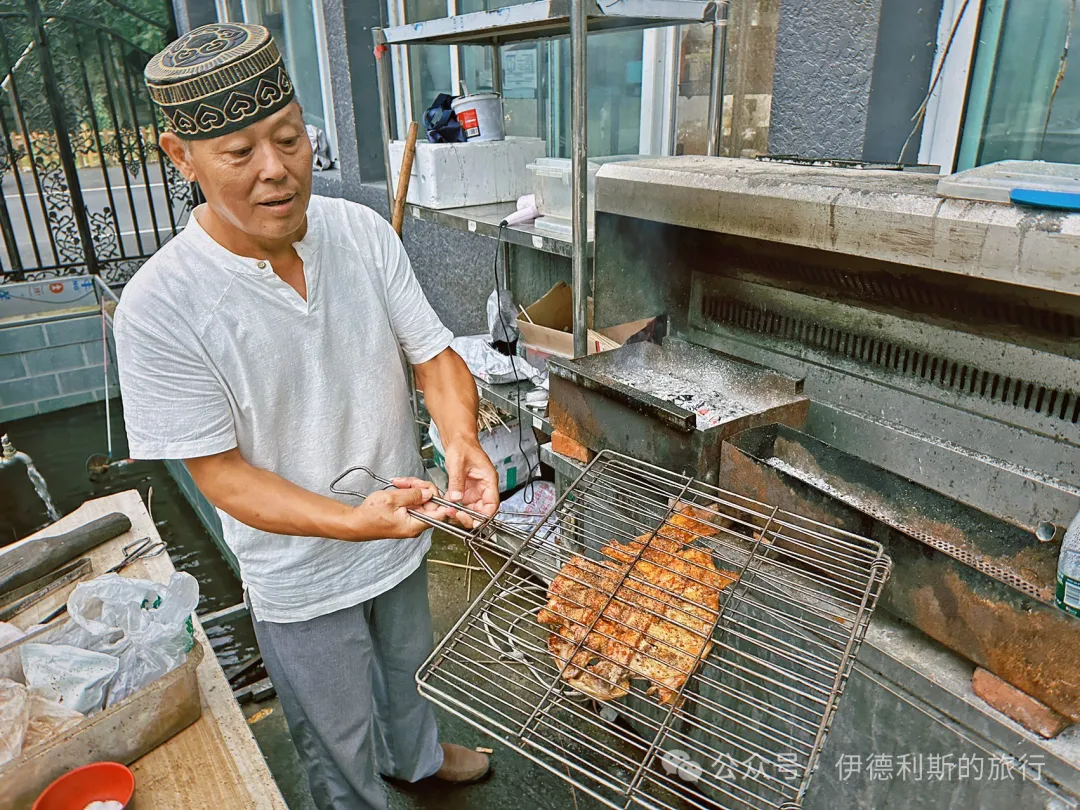
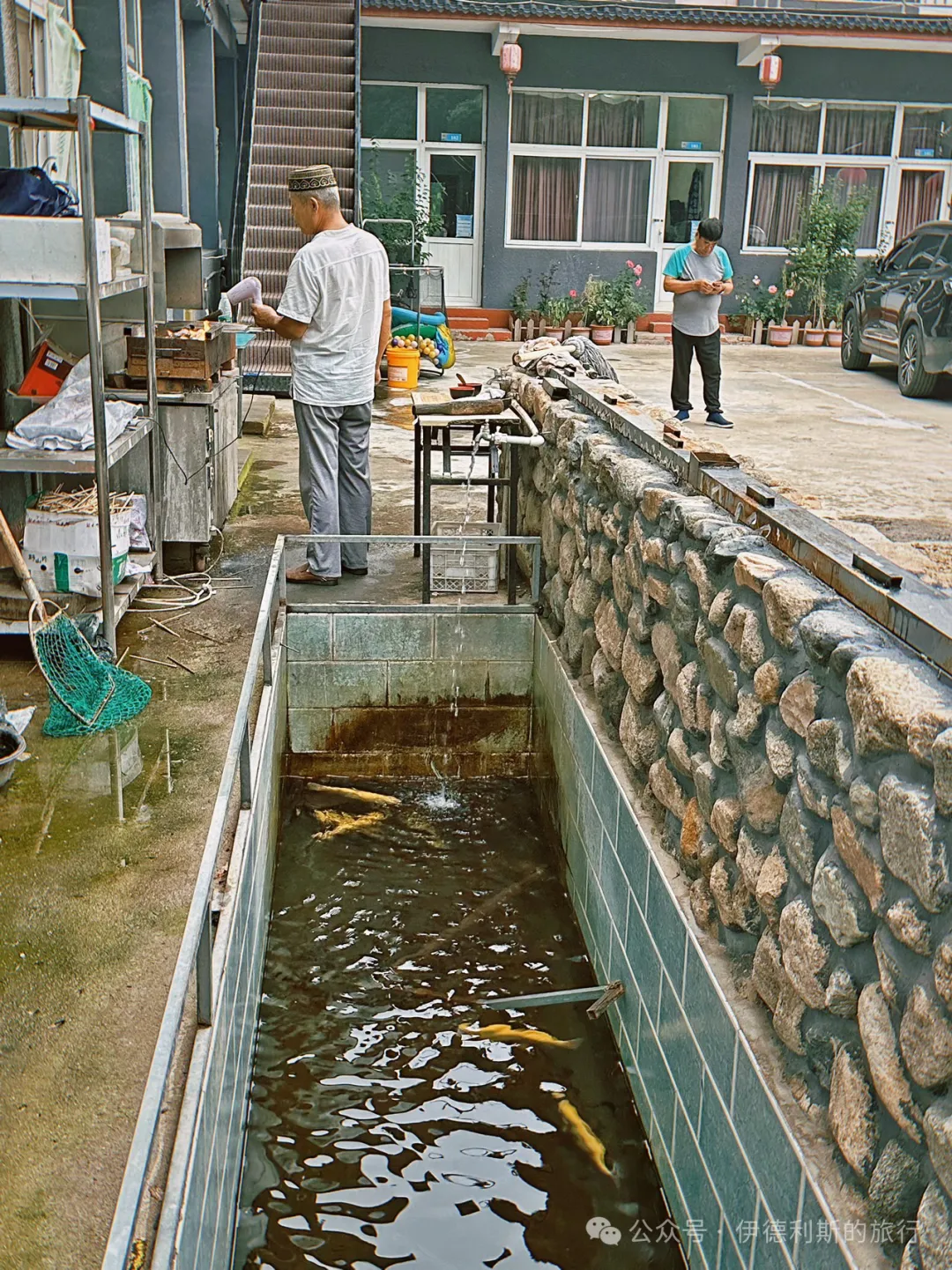
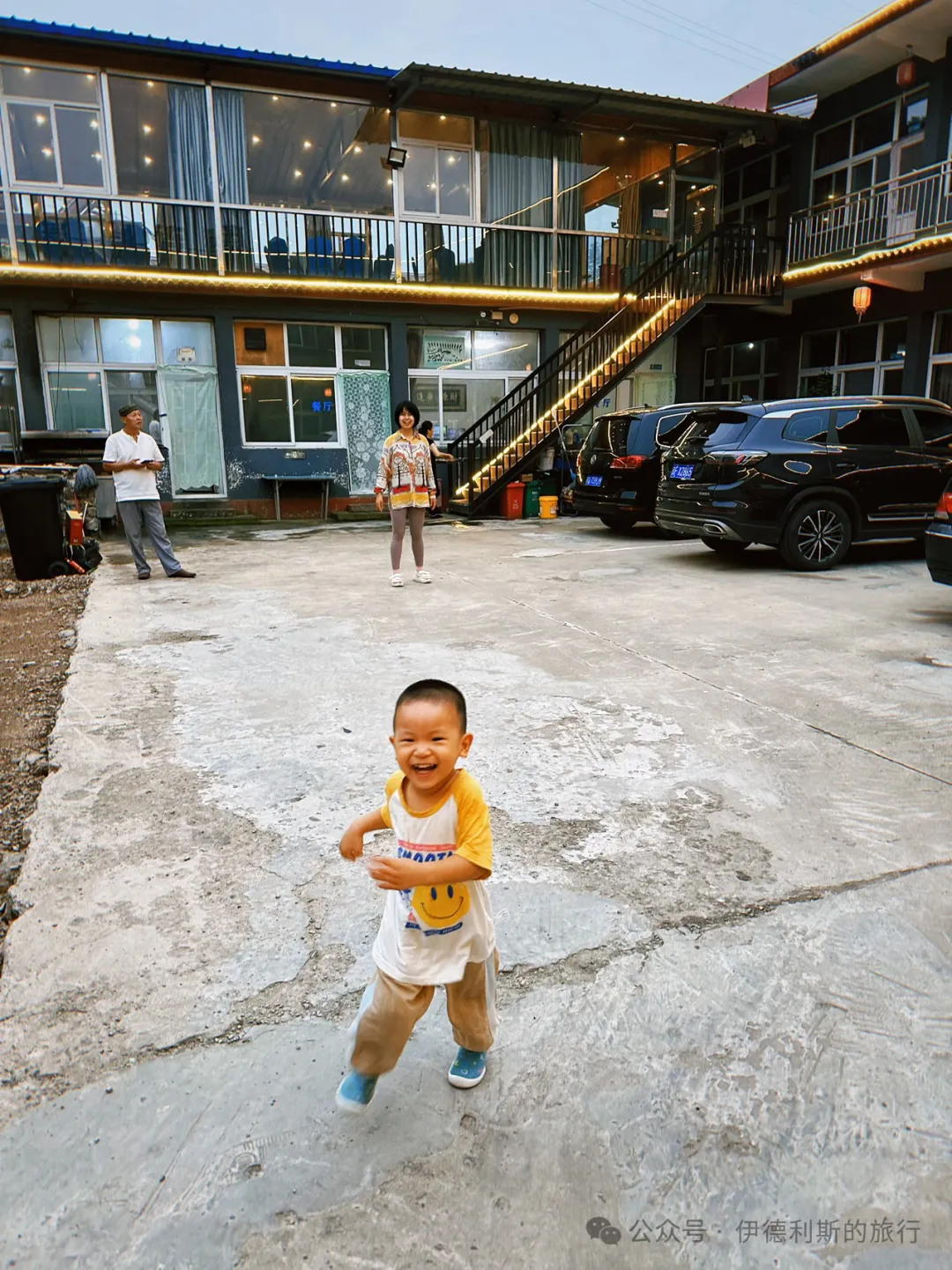
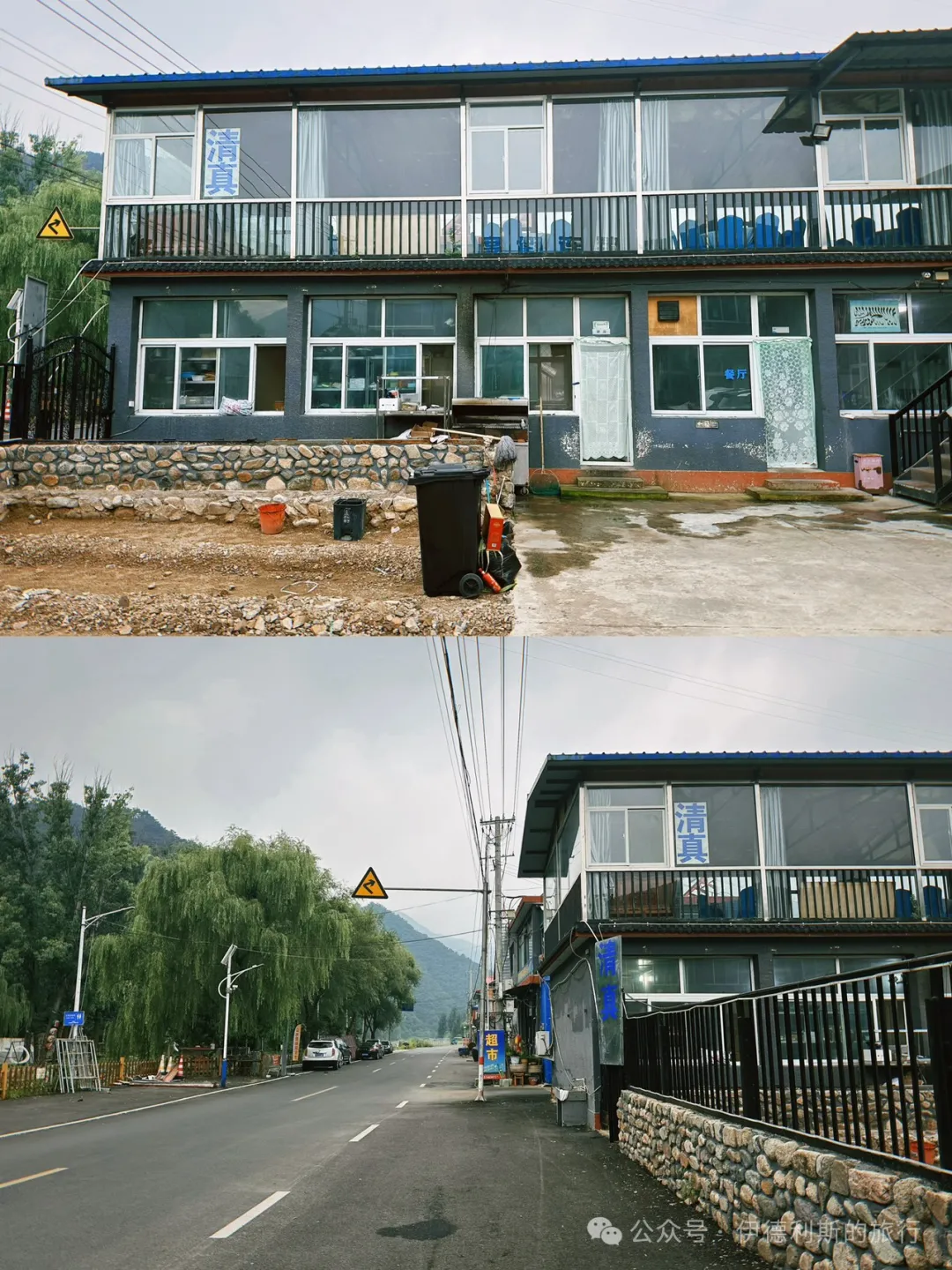
In the evening, we went to Shihucheng Resort near the Huanghuacheng Lakeside Great Wall in Huairou for dinner. The place is run by Hui Muslims from Changying, and they specialize in rainbow trout, along with various home-style dishes. Rainbow trout needs very high-quality water and can only survive in flowing water, so you rarely find it in city restaurants; you have to go into the mountains of Huairou to eat live fish.
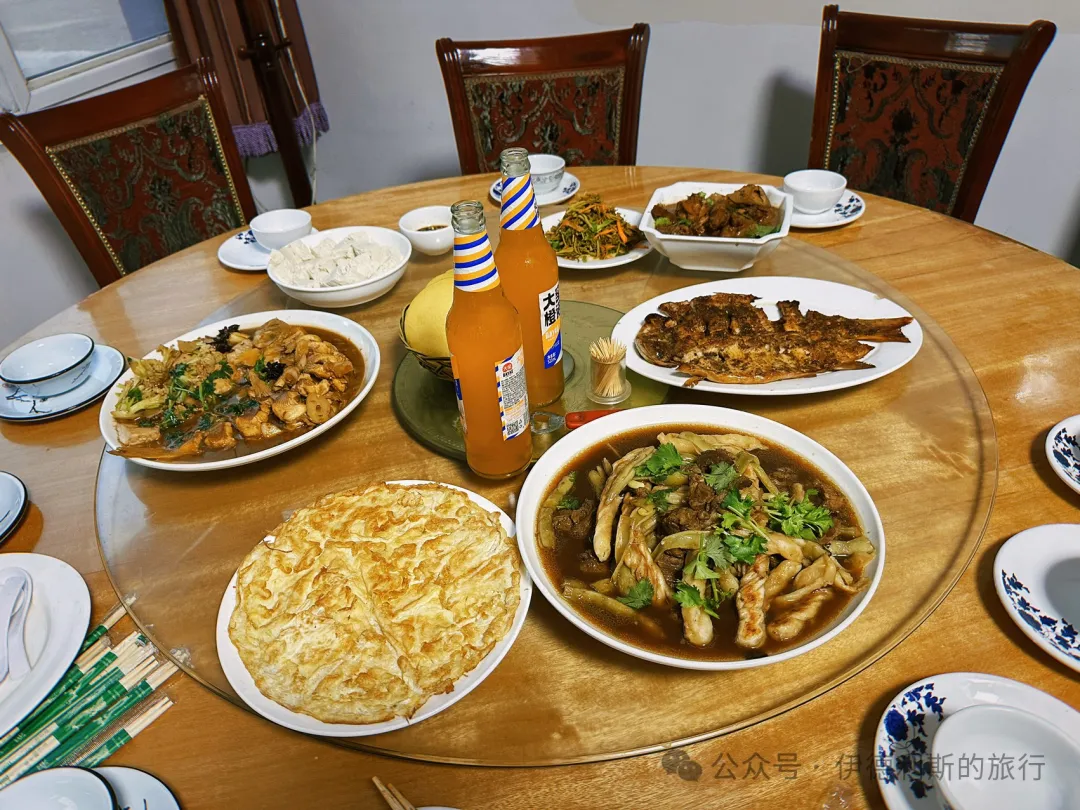
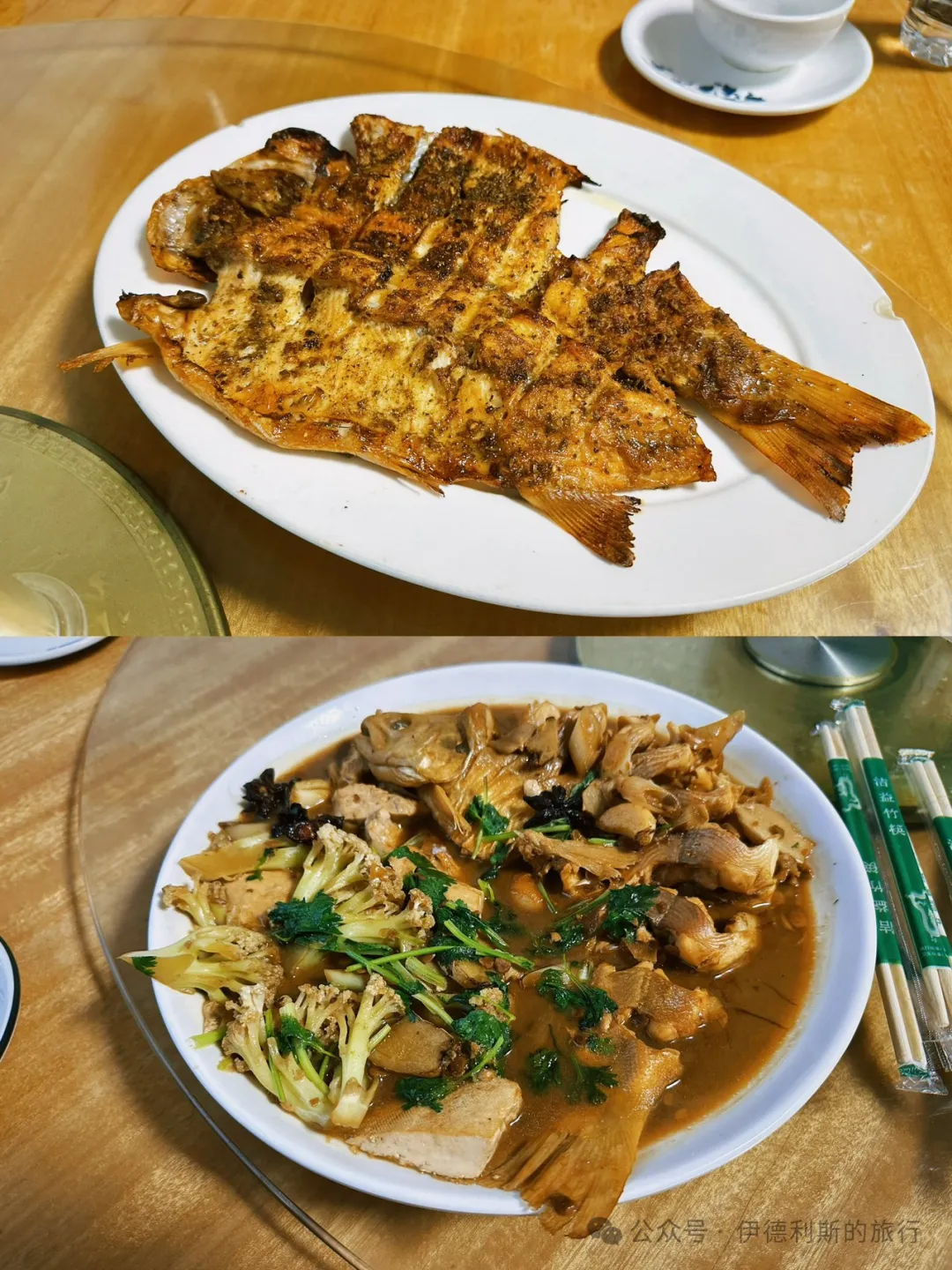
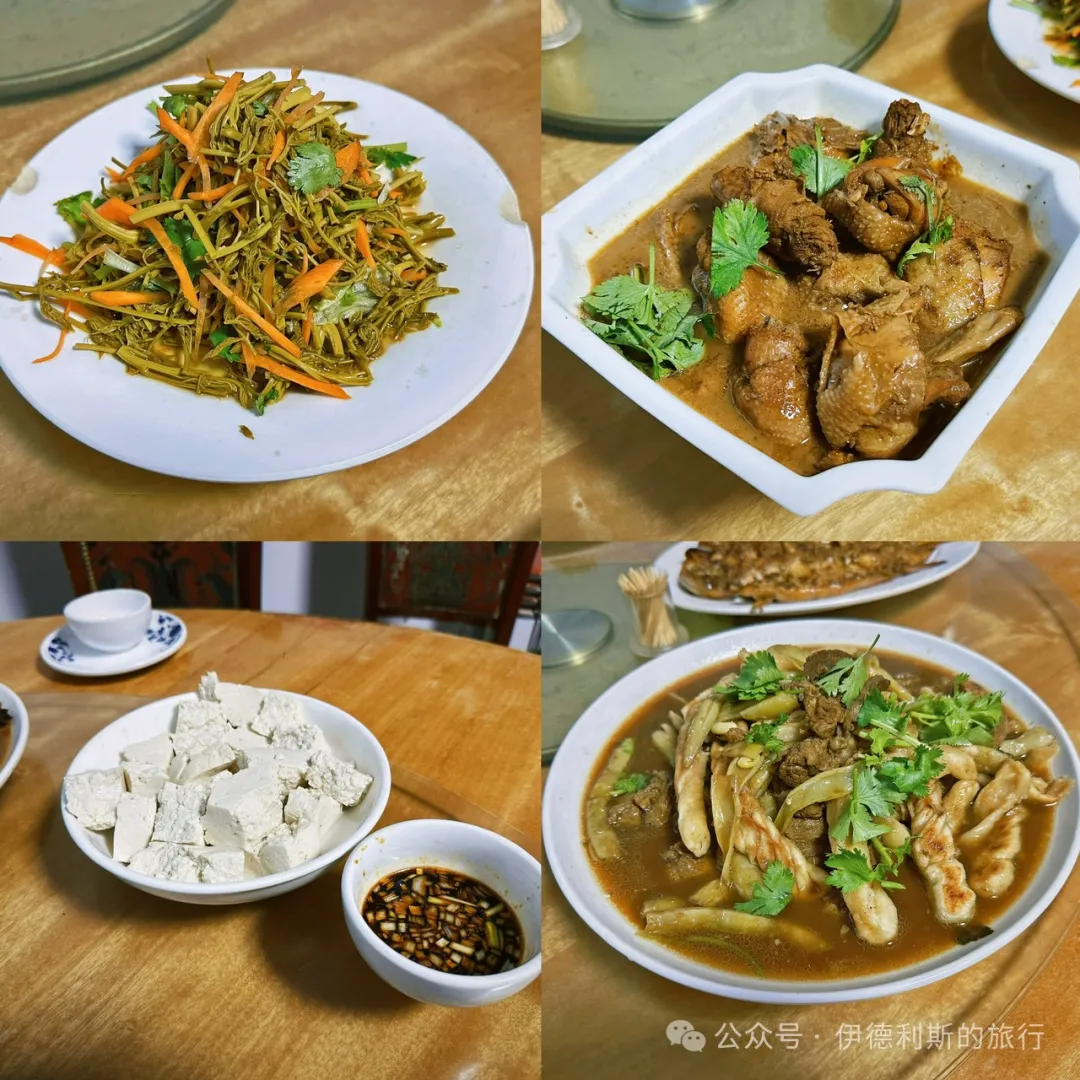
We ordered grilled rainbow trout, braised rainbow trout (kuadun hongtunyu), jasmine buds (moliya), stewed small free-range chicken, green beans with dough rolls (doujiao nianjuanzi), brine-marinated firm tofu (lushui laodoufu), farm-style scrambled eggs, and cornmeal flatbreads (tiebingzi). Since we had a baby with us, we specifically asked the owner for no spice and less salt, and the final result suited our tastes perfectly. The grilled rainbow trout was very fresh, and the braised rainbow trout was very flavorful; both ways of cooking are worth trying. It was my first time eating jasmine buds, and they were very refreshing served as a cold salad. Their menu also lists mixed willow buds, but you can only eat them when they are in season. The other dishes were also delicious, and I liked the green beans with dough rolls the best; the rolls were so fragrant after soaking up the juices from the stewed beans and meat.
However, their hygiene definitely cannot compare to the city, especially the baby chair which was very greasy, and the spoons were not washed well either. Friends who are particular about cleanliness should think carefully before going.
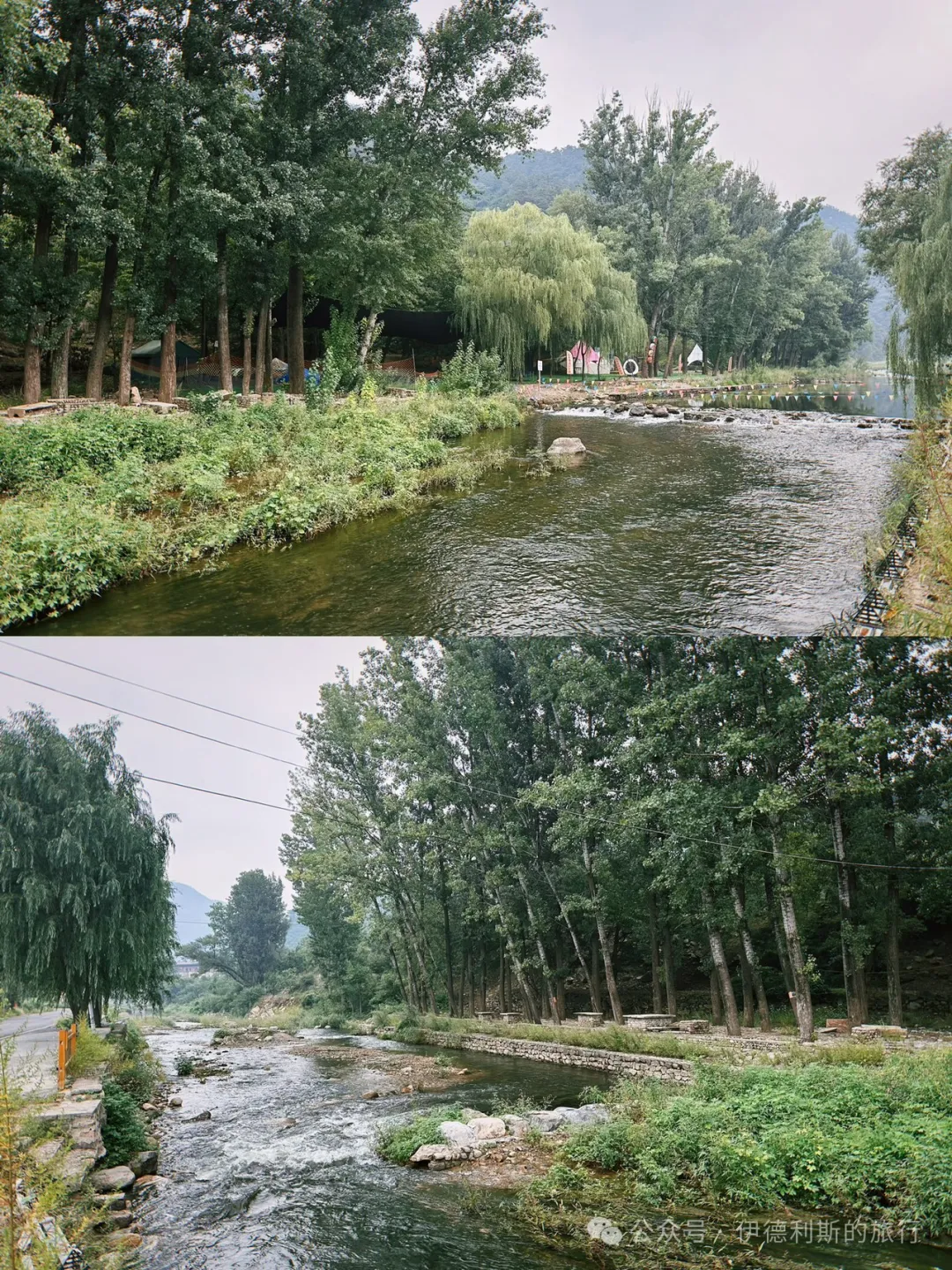
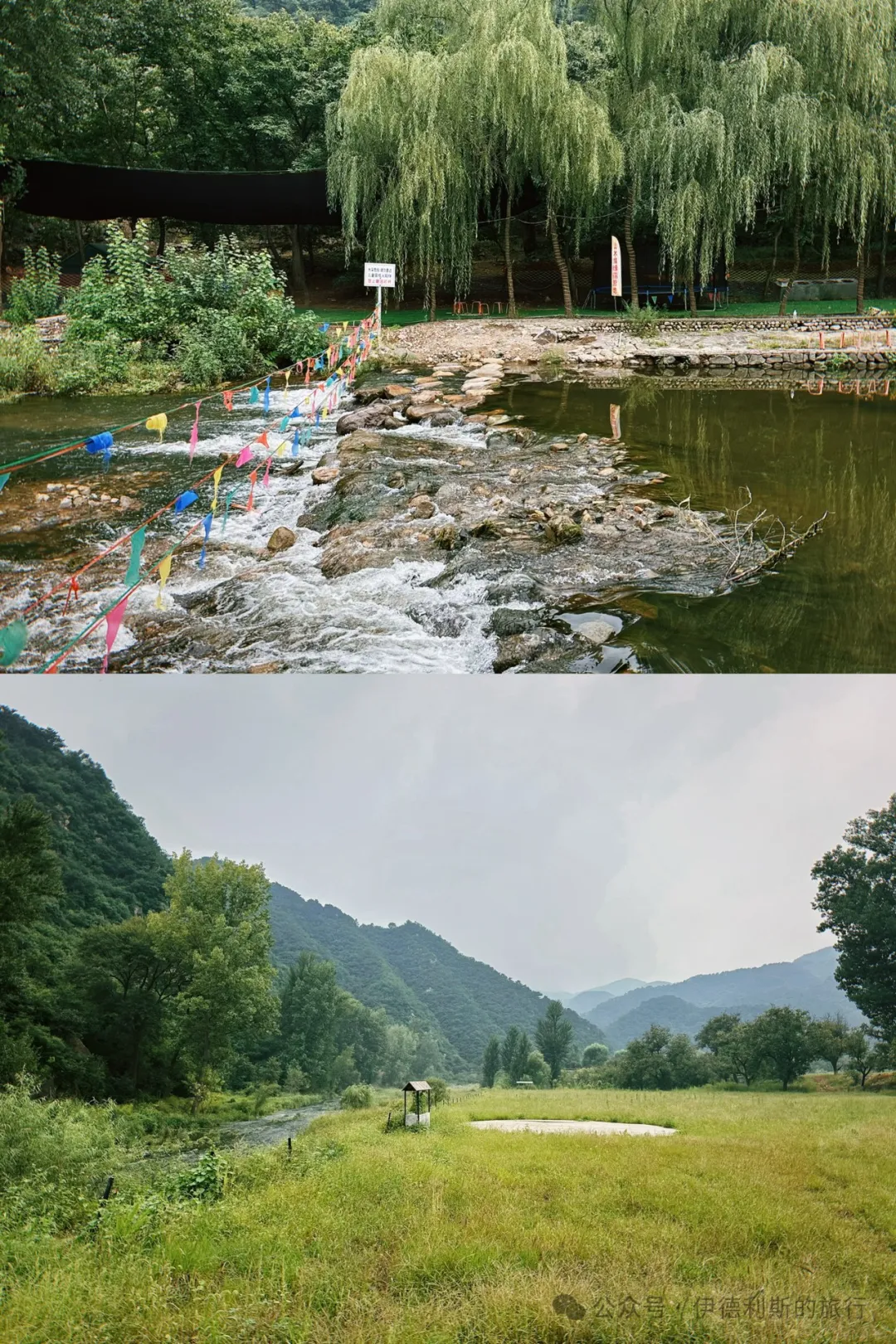
The scenery near Shihucheng Resort is beautiful, the Huaijiu River is very clear, and the air is very fresh. Their accommodation is very cheap, you can walk to the Huanghuacheng Lakeside Great Wall, and they provide halal breakfast; when we went, we saw many older folks staying there.
Summary: This second Beijing halal restaurant guide covers ten Muslim restaurants worth trying, with practical notes on dishes, locations, and everyday eating. It keeps the original restaurant names, dishes, photographs, and food comments for readers looking for halal meals in Beijing.
10 halal restaurants in Beijing worth visiting, part one: Lahore Courtyard, Maimai Red Beef Sliced Noodles, Hulun Aile, Tribe Garden, Xing Laosi Meatball Spicy Soup, Jinying Meatball Soup, Hotan Canteen Open-Air Night Market, BRBR Blue Harbor Branch, Gulou Noodles, and Xilaishun.
10 new restaurants in Beijing this year: Sultan Turkish Restaurant Beijing Branch, Fang Zhongshan Spicy Soup Hujialou Branch, Zhang Dahui Spicy Soup, Yuwei Xiaoyao Town Spicy Soup, Qinyuanzhai Fresh Braised Duck Shop, Subuha Almond Tofu Jiaodaokou Branch, Shawarma City, Tomato Casual Western Restaurant Super Hopson One Branch, and Yali Jiji Courtyard.
Part two restaurants: Alkhaleej Mandi Kitchen, Xinjiang Mansion Xihan Meatball Soup, Xinjiang Mansion Lobby Altay Afternoon Tea, Muhejia Revolving Hot Pot Mudanyuan Branch, Nazilan at Ritan Street, Baoyuanzhai Heping Guoju Branch, Samosa China-Pakistan Friendship Restaurant Sanlitun Branch, Deshengmenwai Maye Roast Duck, Benjiebi Restaurant, and Shihu Cheng Resort.
Alkhaleej Mandi Kitchen.
The newly opened Alkhaleej Mandi Kitchen in Sanlitun SOHO takes its name from 'Khaleej,' which means the Persian Gulf. They specialize in Arabian Peninsula flavors and serve a variety of Yemeni dishes. After Guangzhou, Yiwu, and Tianjin, Beijing is now the fourth city in China to have Yemeni food.
I ordered the clay pot stew (saltah) with Arabic flatbread (mulawah), which is a classic Yemeni brunch combination. After ordering, they brought out meat broth, cucumber yogurt, lemon, onions, and spicy sauce (sahawiq), which is very authentic. Sahawiq is a signature Yemeni spicy sauce made with fresh chili peppers, olive oil, cilantro, garlic, salt, cumin, and parsley for a unique taste.
Saltah is a classic Yemeni stew that originated from the charity kitchens (imaret) during the Ottoman Empire. Back then, wealthy people or the mosque would stew leftovers in a clay pot, and this meat and vegetable dish became known as saltah. Saltah is popular in northern Yemen, and the main ingredient is meat stew (maraq), which is cooked until very tender, along with potatoes and fenugreek. Fenugreek is what people in Northwest China often call fragrant beans (xiangdouzi) or bitter beans (kudouzi). People in the Northwest dry the leaves and grind them into powder to steam buns, while Yemenis grind the seeds to stew with meat. Fenugreek seeds expand when they meet water and easily foam up when stirred in a bowl.
Their Arabic flatbread is truly large, crispy on the outside and tender on the inside. Arabic flatbread is traditionally baked in an earthen oven (tannur) and is full of wheat aroma. You can tear the bread apart to scoop up the clay pot stew with the spicy sauce, or soak it in the meat broth; both ways are delicious.
In short, their Yemeni food is very authentic. I was very satisfied with the meal. Be careful, as the clay pot stew is very hot. Eat slowly so you don't burn your tongue.
Xinjiang Mansion Xihan Meatball Soup.
After visiting the zoo on Sunday afternoon, we had Xihan meatball soup at Xinjiang Mansion. It only takes about ten minutes to walk from the zoo to Xinjiang Mansion, which is very convenient.
I didn't expect this place to be so popular now. Even arriving between two and three in the afternoon, there were still so many people. It seems everyone is living on Xinjiang time. We ordered meatball soup (wanzi tang), layered steamed buns (youtazi), smoked horse sausage (xun machang), spicy numbing chicken (jiaoma ji), pit-roasted lamb chops (nangkeng yangpai), and rose-flavored flatbread (meigui nang).
First, their spicy numbing chicken is very authentic. The meat is firm because they use layer hens instead of broilers. It is also very numbing. I ate one piece and my whole mouth started tingling. Their pit-roasted lamb chops are also delicious and the meat is very tender. They use a southern Xinjiang method of brushing it with salt water instead of sauce or egg wash. This kind of salt-water roasting really tests the quality of the meat. Their meatball soup is a bit more ordinary by comparison. The broth tastes great, but there are very few meat slices and meatballs. Their layered steamed buns are made with fenugreek powder (xiangdou fen), which is my first time trying.
Altay afternoon tea in the lobby of the Xinjiang Building.
I took my son to the zoo on Sunday and stopped by the Xinjiang Building lobby for some Altay afternoon tea. The set includes salty milk tea, milk skin (naipi), milk strips (naitiao), roasted millet (chaomi), apricot jam, strawberry jam, cream, and fried dough fritters (baorsak). The fried dough fritters are served hot. They taste great when you break them open and add jam. Adding roasted millet and milk skin to the milk tea makes it very rich. Now you can enjoy a Kazakh milk tea house experience without going back to Urumqi, though the milk in Beijing isn't quite as fresh as in Xinjiang.
They also have the popular 'nang cup' (wonangfei) coffee. You can get it with coffee, yogurt, or tea. The sesame flatbread (nang) itself tastes good, and you can buy the cups separately.
Muhejia Rotating Hot Pot Mudanyuan branch.
After the Mudanyuan Muhejia Rotating Hot Pot was demolished, it reopened in the storefronts of the building across the street. The new shop has a better environment, and the dishes remain the same. We ordered mushroom broth, nourishing broth, tomato broth, and pickled cabbage broth, and we had a very comfortable meal.
Nazilan at Ritan Shangjie.
We originally wanted to go to Nazilan at Ritan Shangjie for Xinjiang-style clay pot hot pot (they should be the only place in Beijing that has it), but when we arrived, they said it wasn't available, so we didn't get to eat it. So we ordered spicy chicken (lazi ji), minced meat noodles (suirou banmian), meat dumplings (ququr), grilled meat (kaorou), liver wrapped in fat (youbao gan), minced meat thin pancakes (suirou bing), and yogurt.
The quality was highly praised by our whole family. Everyone thought their spicy chicken was well-made, even better than Yangle Spicy Chicken in Urumqi. The chicken had no gamey smell and was very spicy.
The noodles are made with egg-infused dough and topped with a fried egg. The texture of the hand-pulled noodles is great, and the minced meat is very fragrant. It would be considered very good noodles even in Urumqi.
The meat dumplings were for Suleiman. They were very authentic, with thin skins and plenty of meat. Suleiman ate over a dozen in one go.
Their grilled meat (kaorou) and liver wrapped in fat (youbaogan) are both very tender and seasoned just right.
Their yogurt is likely the best on the entire Ritan Shangjie street. It is rich, creamy, and tangy, far better than the neighboring Xinjiang restaurants, and it pairs perfectly with the spicy chicken (lazi ji). I honestly don't think the Xinjiang-brand yogurts sold in Beijing's supermarkets and dairy shops represent the true quality of real Xinjiang yogurt. If you want to taste the kind of yogurt Xinjiang locals drink every day, this place is a pretty good choice.
Also, when we went around 6 or 7 p.m. on Sunday, the atmosphere was quite nice. Everyone was eating quietly, which made for a very comfortable experience. Some of the other Xinjiang restaurants nearby get very noisy at night with people drinking and talking loudly, which can be a bit overwhelming while you eat.
Baoyuanzhai at Heping Guoju
Baoyuanzhai, a halal pastry shop from Wanziying in Chaoyang District, has opened a branch at Heping Guoju on the second basement floor of the Wangfujing Department Store. The decor is very old-school. They have a variety of traditional and modern pastries, including both sugar-free and regular options. They also have savory and scallion-flavored walnut cookies (taosu). You can buy them individually or in gift boxes, making them perfect for tourists to try.
As the weather gets cooler, there are fewer people in Heping Guoju than before, making it a better time to bring kids. There is a steam locomotive and a 'Night Shanghai' stage, both of which kept my son entertained for a long time.
Samosa China-Pakistan Friendship Restaurant, Sanlitun Branch
At noon, I went to the newly opened Samosa China-Pakistan Friendship Restaurant in Sanlitun, located on Dongzhimen Outer Street, for the buffet. The restaurant is on the first floor of the Atour Hotel. They mainly serve various curries, with biryani fried rice, garlic naan, and butter naan as staples. For dessert, they have halwa (a sweet confection), and their classic drink is a mint cooler.
Their most unique feature is the grilled meat buffet! Once the beef skewers are grilled, they bring them to each table before hanging them up. They also have a secret menu item: extra-large lamb skewers, which are grilled until very tender and delicious.
Since I brought my son, we picked out a few non-spicy options for him. His favorites were the tikka boti (clay oven grilled chicken chunks) and the halwa. Halwa originated in Persia and later spread throughout the Middle East and South Asia. South Asian halwa is made from semolina. It has a smooth, buttery texture and is just the right level of sweet.
Their spinach and paneer (milk curd) is also worth trying. Paneer is a type of South Asian fresh cheese. The name comes from the Persian word 'panir' for cheese. To make it, you add lemon, vinegar, or dahi (yogurt) to hot milk, strain the curds through a cloth, and soak them in cold water to create fresh paneer. Paneer has a texture similar to tofu and isn't very sour, making it great for children.
Maye Roast Duck outside Deshengmen
Traffic outside Deshengmen forced me to turn into a small alley in Dewai Guanxiang, where I unexpectedly found a newly opened roast duck shop right next to Pamir Restaurant (Pamir Shifu). Halal roast duck is definitely rare, so I quickly bought half a duck to try, along with salt and pepper duck frame and salt-water duck liver. They only have a service window, so you have to take the food home to eat.
I tried the roast duck after getting home; it tasted pretty good, was all lean meat, and had a slightly sweet flavor. At noon, I ordered their half-set roast duck again. It was much cheaper with a discount on Meituan, making it a great value and perfect for a work lunch. The only downside is that delivery makes the skin soggy, so it definitely isn't as fragrant as when it's freshly made.
Benjiebi Restaurant
I took Suleiman shopping at the Kids' City in Solana, and afterward, we had lunch at the South Asian restaurant Benjiebi on Lucky Street, right across from Solana. The owner is from Bangladesh, and the food leans toward North Indian style. Compared to the long lines at restaurants inside Solana, the places on Lucky Street are much less crowded.
Benjiebi is a long-standing South Asian spot in Beijing. I used to go there often for their weekday lunch set, which is a great deal. They now offer a Liangma River night cruise package, which we want to try if we get the chance.
They thoughtfully mark all the dishes suitable for children on their menu. We ordered grilled broccoli with cheese (Broccolli phool Malai Paneer), butter chicken (Murgh Butter Chicken), saffron rice, mint whole-wheat flatbread (Pudina Wholewheat Paratha), mint rose syrup (Mint Roohafza), and salty yogurt drink (Lassi Salty).
The paneer in the grilled cheese dish is a South Asian fresh cheese. The name comes from the Persian word 'panir'. It is made by adding lemon, vinegar, or yogurt (Dahi) to hot milk, then draining the curds in cloth and soaking them in cold water to create fresh paneer. The texture of paneer is a bit like firm tofu, and it isn't very sour, making it perfect for kids.
Butter chicken (Murgh Butter Chicken) was invented by chance in the 1950s at the Moti Mahal restaurant in Delhi when they put roasted chicken into a buttery tomato curry sauce. It became a classic South Asian dish worldwide after the 1970s. Their butter chicken isn't spicy, so it's an Indian curry that even children can try.
Mint whole-wheat flatbread (Pudina Wholewheat Paratha) is rare in Beijing's South Asian restaurants and is a classic North Indian staple. It is made by folding mint into the layers of whole-wheat dough. It comes out very crispy and is especially fragrant when eaten hot.
Their mint rose syrup is also very tasty. RoohAfza is a classic South Asian Ramadan drink, invented in 1906 by an Indian Muslim from British India named Hakim Hafiz Abdul Majeed, based on traditional Arab-Persian Unani medicine. He selected various herbs and fruit syrups to create a concentrated drink to prevent heatstroke, which is very helpful for relieving dehydration during fasting. After the partition of India and Pakistan in 1947, his descendants opened companies in India, Pakistan, and Bangladesh, making RoohAfza popular all over South Asia.
Suleiman really loves their salty milk shake (xian naixi), he got hooked and could not stop drinking it.
Shihucheng Resort
In the evening, we went to Shihucheng Resort near the Huanghuacheng Lakeside Great Wall in Huairou for dinner. The place is run by Hui Muslims from Changying, and they specialize in rainbow trout, along with various home-style dishes. Rainbow trout needs very high-quality water and can only survive in flowing water, so you rarely find it in city restaurants; you have to go into the mountains of Huairou to eat live fish.
We ordered grilled rainbow trout, braised rainbow trout (kuadun hongtunyu), jasmine buds (moliya), stewed small free-range chicken, green beans with dough rolls (doujiao nianjuanzi), brine-marinated firm tofu (lushui laodoufu), farm-style scrambled eggs, and cornmeal flatbreads (tiebingzi). Since we had a baby with us, we specifically asked the owner for no spice and less salt, and the final result suited our tastes perfectly. The grilled rainbow trout was very fresh, and the braised rainbow trout was very flavorful; both ways of cooking are worth trying. It was my first time eating jasmine buds, and they were very refreshing served as a cold salad. Their menu also lists mixed willow buds, but you can only eat them when they are in season. The other dishes were also delicious, and I liked the green beans with dough rolls the best; the rolls were so fragrant after soaking up the juices from the stewed beans and meat.
However, their hygiene definitely cannot compare to the city, especially the baby chair which was very greasy, and the spoons were not washed well either. Friends who are particular about cleanliness should think carefully before going.
The scenery near Shihucheng Resort is beautiful, the Huaijiu River is very clear, and the air is very fresh. Their accommodation is very cheap, you can walk to the Huanghuacheng Lakeside Great Wall, and they provide halal breakfast; when we went, we saw many older folks staying there.
