
Halal Travel Guide: Tripoli, Lebanon - Mosques, Old City and Food
Reposted from the web
Summary: Tripoli in northern Lebanon is shown through its old city streets, mosques, markets, and everyday food. The account follows the original route from Beirut to Tripoli while keeping the local names, religious sites, and photographs in order.
Tripoli is in northern Lebanon. It takes about an hour to get there by minibus from across the street from the Mohammad Al-Amin Mosque in the capital, Beirut.
In 1289, the Mamluk dynasty took Tripoli from the Crusaders. They destroyed the old city and built a new one 4 kilometers inland below the castle, turning it into an important historic city for the faith. Today, about 35 ancient buildings from the Mamluk period remain in the old city of Tripoli. This makes Tripoli the city with the second-most preserved Mamluk monuments after Cairo.
After the Ottoman Empire left Lebanon in 1918, Tripoli fell into a long decline. The Lebanese Civil War that began in 1975 hit Tripoli hard. In 1985, a battle between Sunni and Alawite militias forced 200,000 people to leave their homes and led to the Syrian army staying in Tripoli until 2005. After the civil war ended, Tripoli seemed to be forgotten, and more than half of its residents live in poverty. At the same time, conflicts between Sunni and Alawite groups happen from time to time, often with bombings and suicide attacks, which has long made Tripoli an unsuitable place for tourism.
Table of Contents
Castle
Tripoli Castle: Rebuilt by the Mamluk dynasty in 1289 and again by Suleiman the Magnificent of the Ottoman Empire in 1521.
City Gates
Al-Mahatra Gate: Named after the military musicians who played to encourage the troops.
Mosques
Mansouri Great Mosque: Built by the Mamluk dynasty in 1294.
Taynal Mosque: Built by the Mamluk dynasty in 1336.
Attar Mosque: Built in the 1350s by a local wealthy perfume merchant; it is currently closed.
Al-Uwaysiyat Mosque: Built by the Mamluk dynasty in 1461.
Hanging Mosque (Muallaq Mosque): Built by the Ottoman Empire in 1561.
Tawba Mosque: Rebuilt by the Ottoman Empire in 1612.
Burtasi Mosque: Built by the Mamluk dynasty in the late 13th and early 14th centuries.
Madrasas
In the 14th century, the Mamluk dynasty built six madrasas around the Mansouri Great Mosque.
Hammam
Al Jadid Hammam: Built during the Ottoman period in 1740; it is currently closed.
Ezzedin Hammam: Built by the Mamluk dynasty in the late 13th century; it is currently open for visitors.
Market
Haraj Market: Built in the 14th century during the Mamluk dynasty.
Inn
Al Saboun Soap Inn: Built in 1480 during the late Mamluk dynasty, where you can buy traditional soap.
Misriyyin Soap Inn: Built in the 14th century during the Mamluk dynasty, where you can buy traditional soap.
Khayyatin Tailor Inn: Built in 1339 during the Mamluk dynasty, where you can buy traditional clothing.
Askar Inn: Built in the 14th century during the Mamluk dynasty, currently closed.
Food
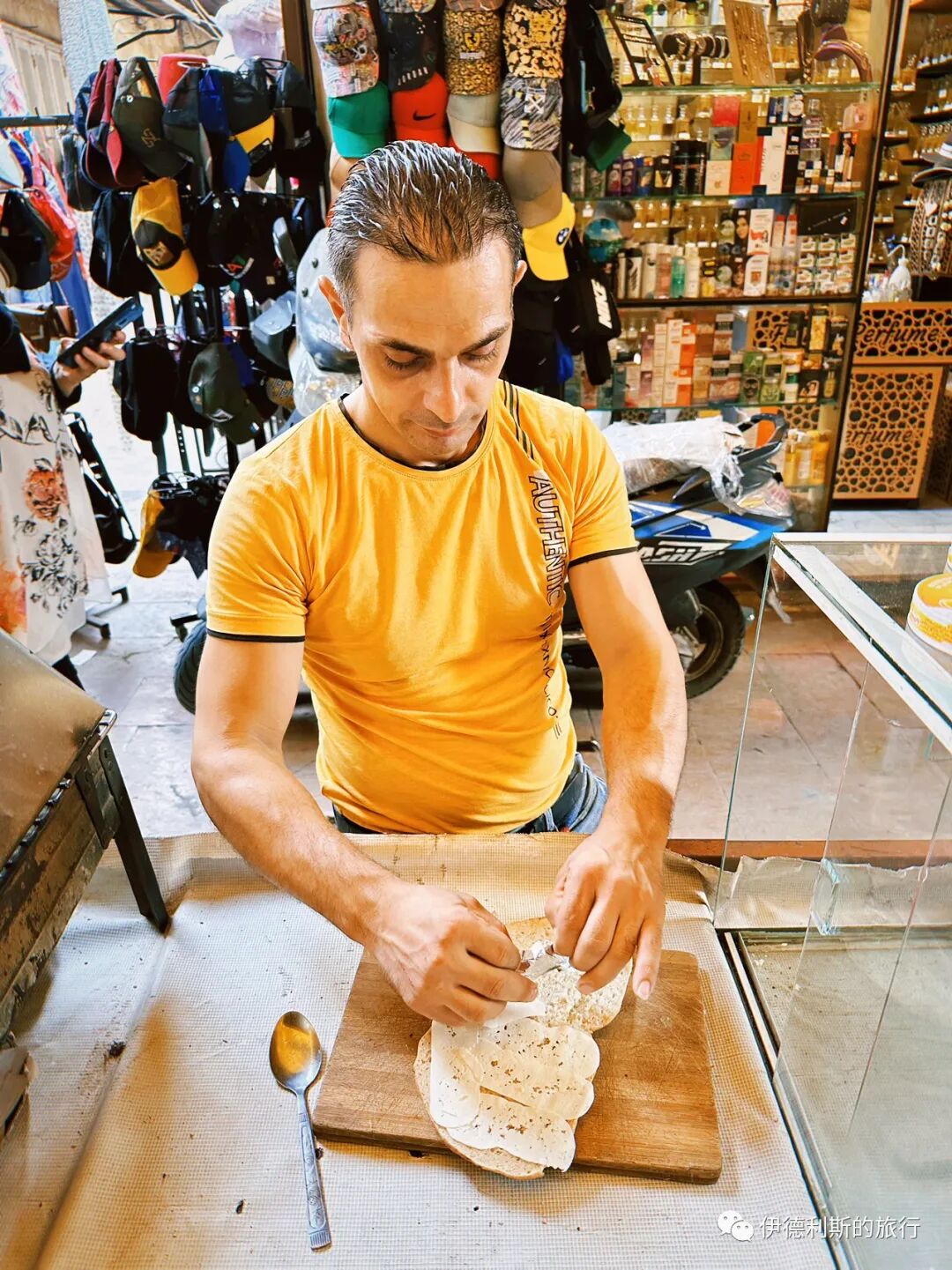
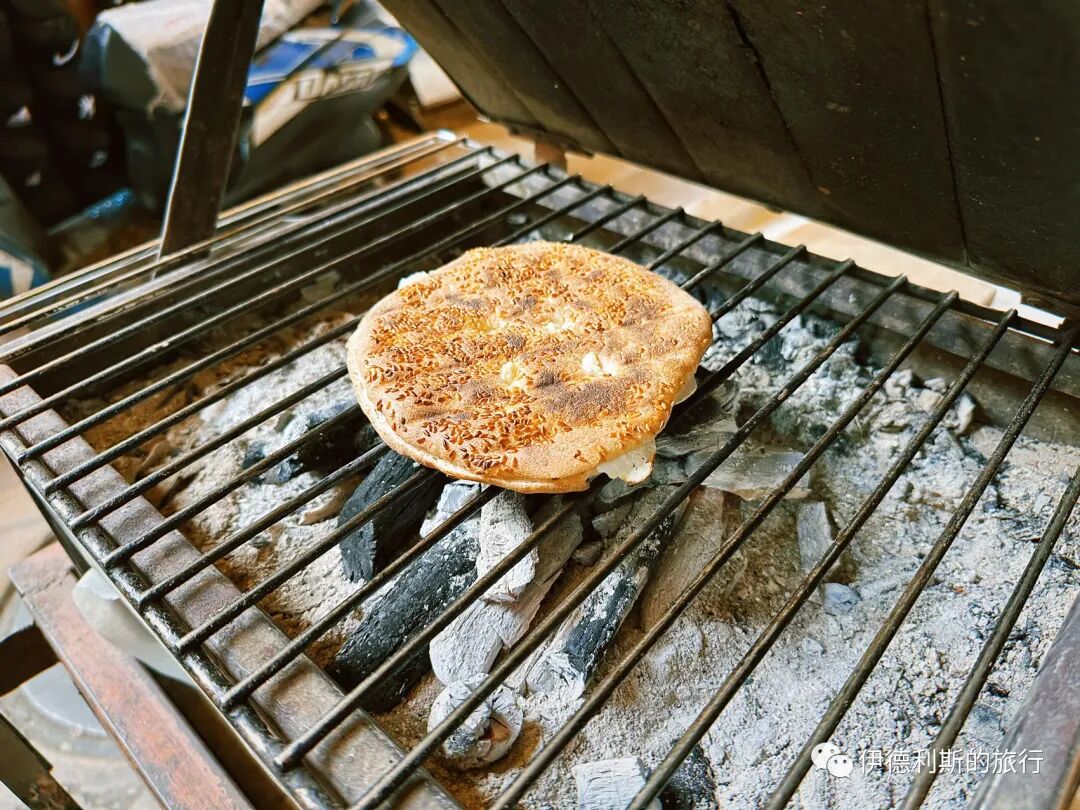
Cheese flatbread in the market.
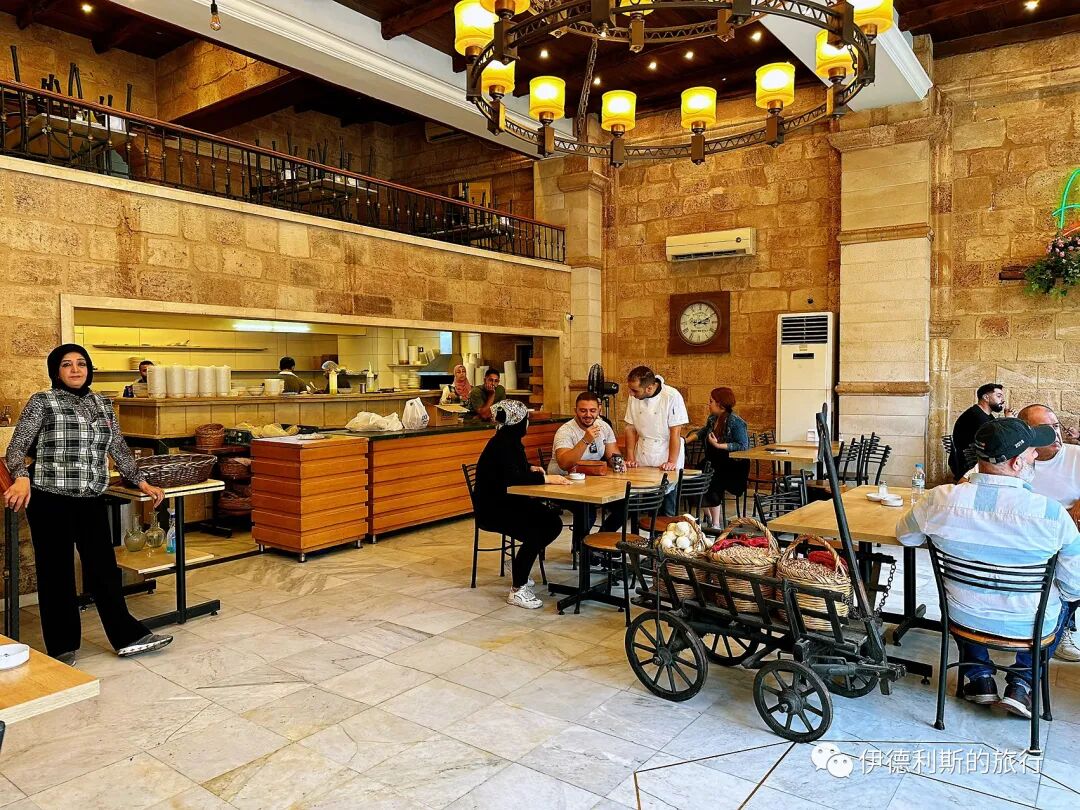
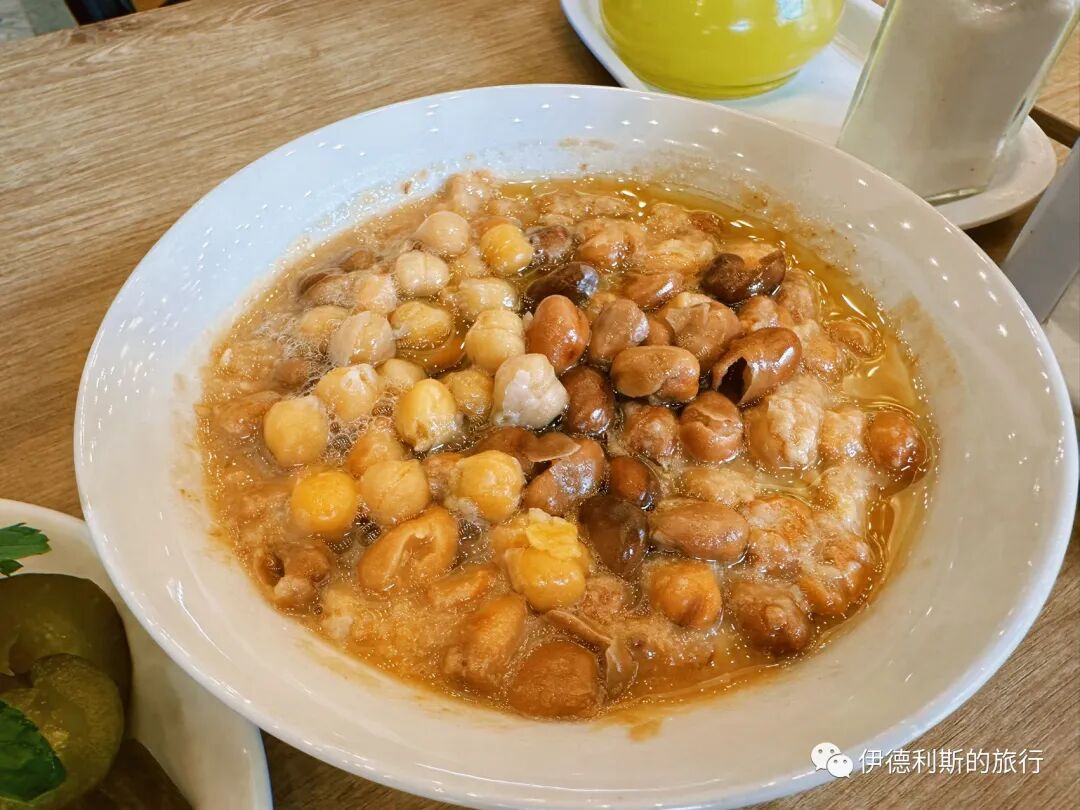
Eat at Akra Restaurant: Traditional bean stew brunch.
Castle
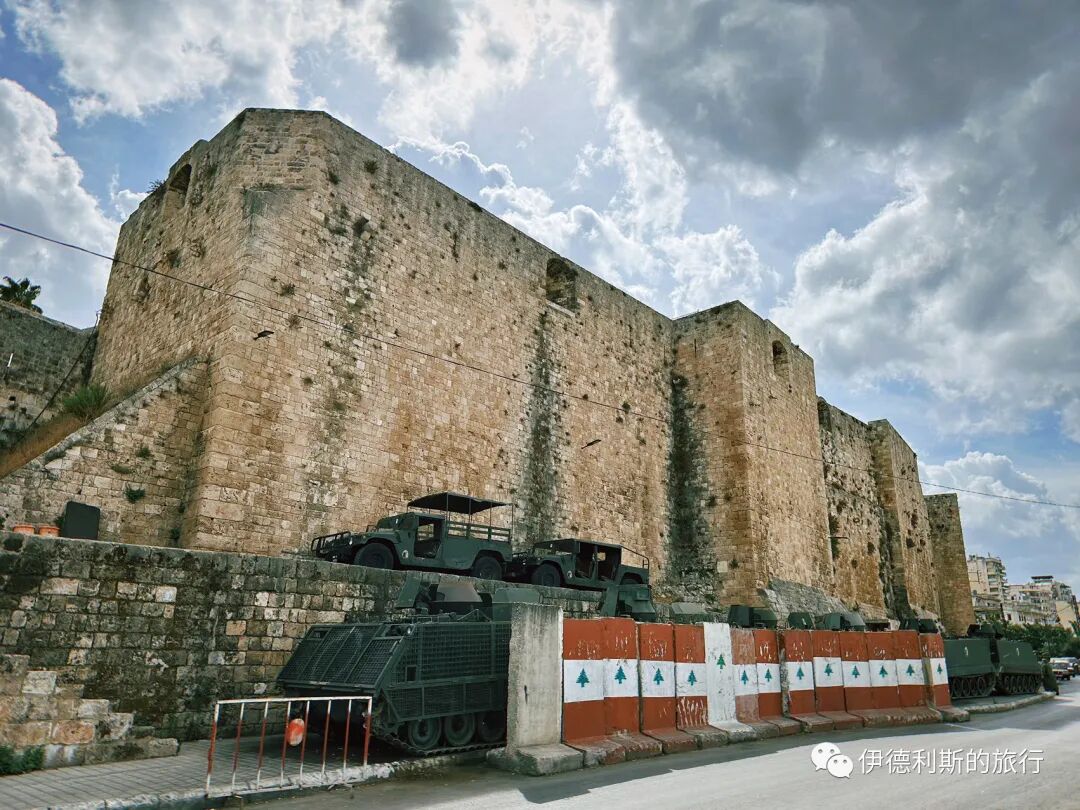
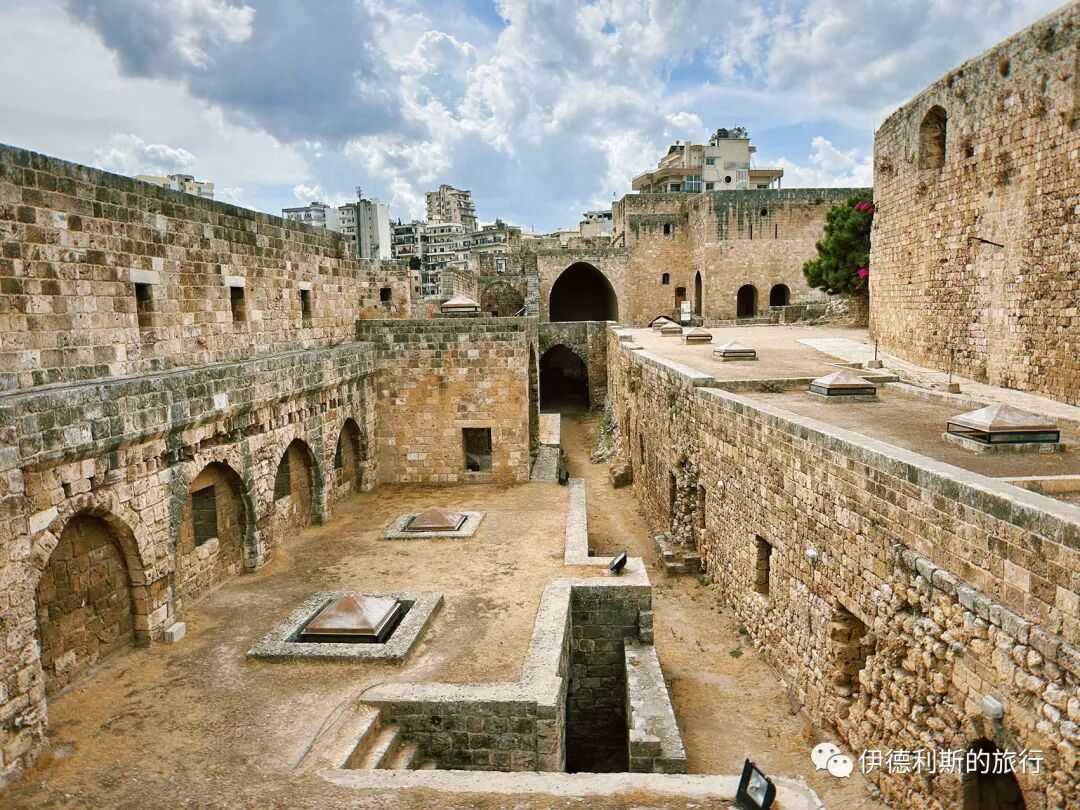
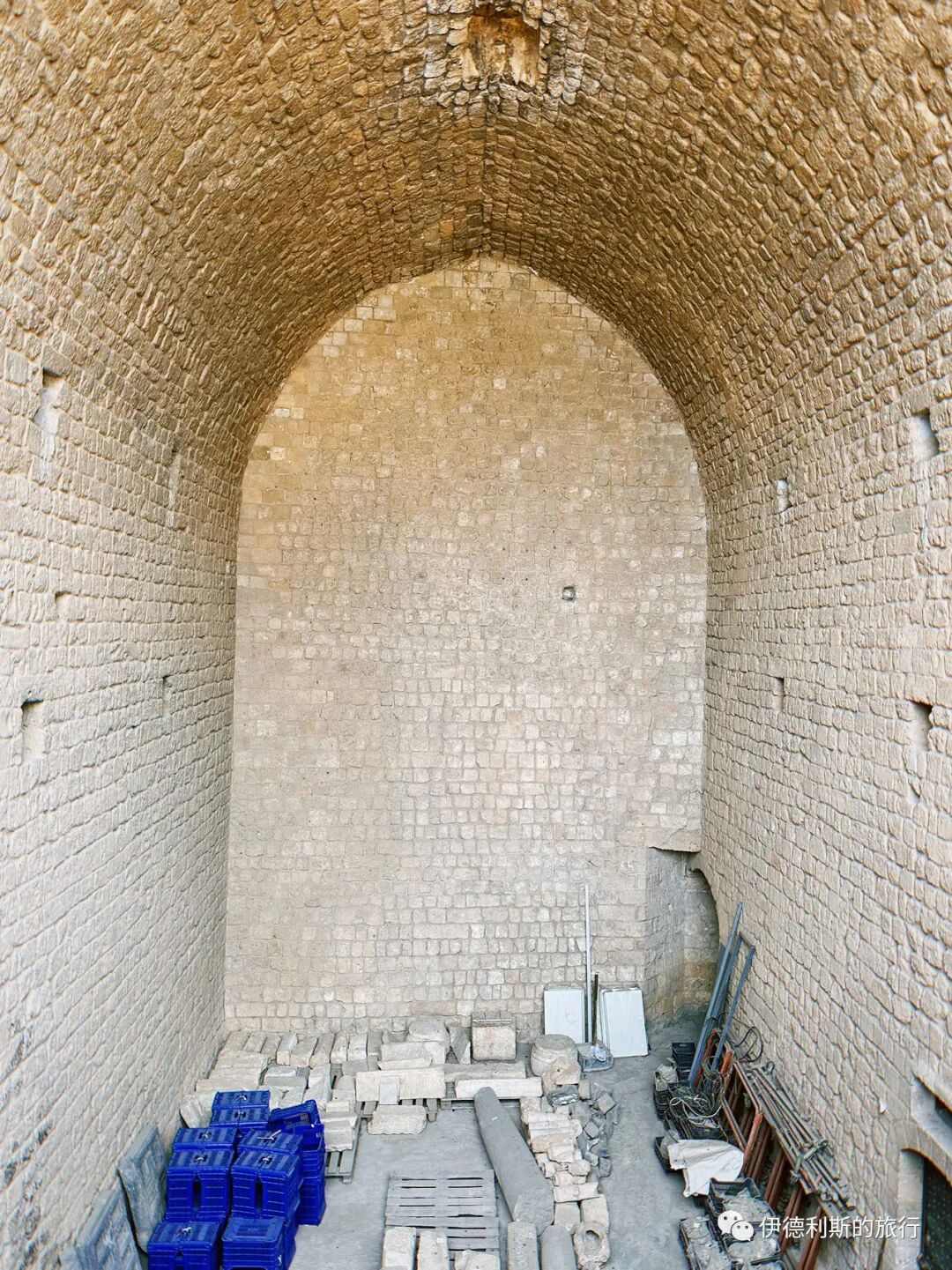
The site of Tripoli Castle was originally a Shia cemetery from the Fatimid dynasty. During the Frankish Crusader siege of Tripoli in 1102-1103, the Crusader leader Raymond of Saint-Gilles ordered it to be built into a castle, so it was later also called Saint-Gilles Castle. In 1289, after the Mamluk dynasty captured Tripoli, they rebuilt the castle using many Roman columns and other building materials found nearby. In 1521, the Ottoman Sultan Suleiman the Magnificent rebuilt the castle again, changing the arrow slits into cannon ports. In the early 19th century, the Ottoman governor of Tripoli carried out the last major renovation of the castle, giving it its current appearance.
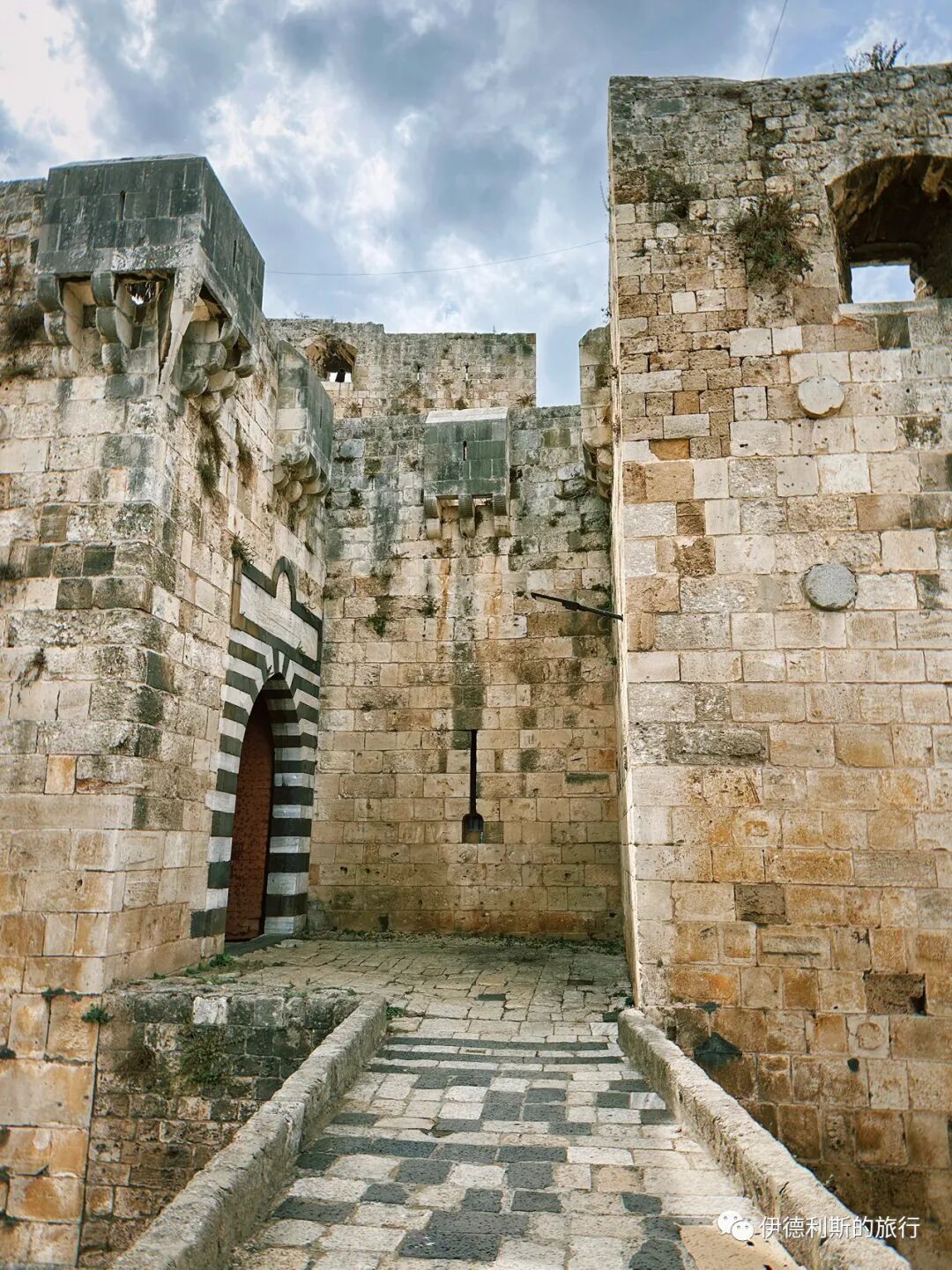
The castle gate consists of two towers. The moat in front originally had a drawbridge, which has now been replaced by a stone bridge. The black and white marble facade on the gate was built by Suleiman the Magnificent in 1521. The stone inscription above reads: 'May the Emir never cease to obey his command, restoring this sacred castle, making it a strong fortress forever.'
City Gates
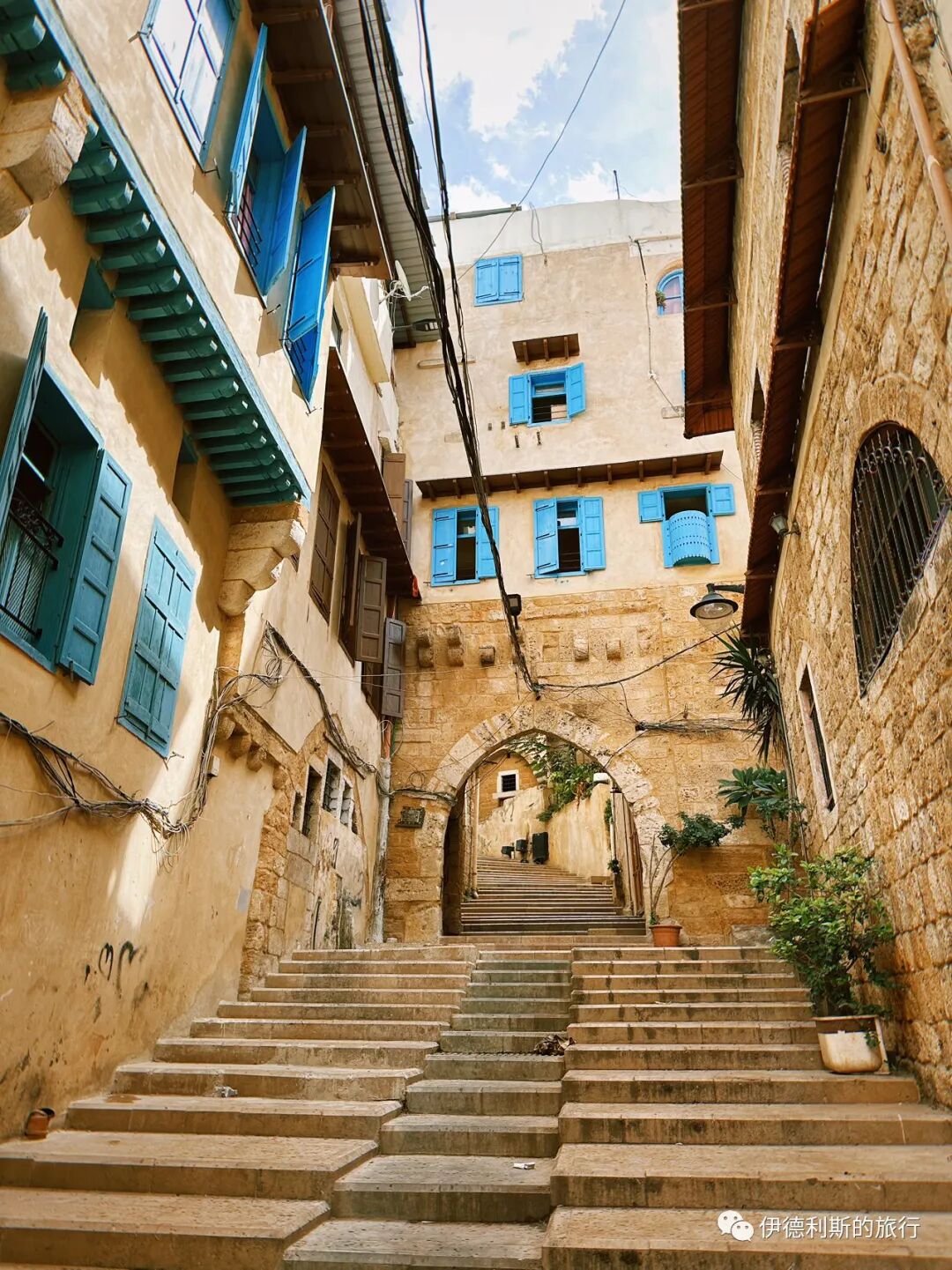
Al-Mahatra Gate in the old city of Tripoli. The name of this gate comes from the military musicians who played to encourage the army. Now that the war is over, houses have been built on top of the gate, and it has become a quiet alley.
Mosques
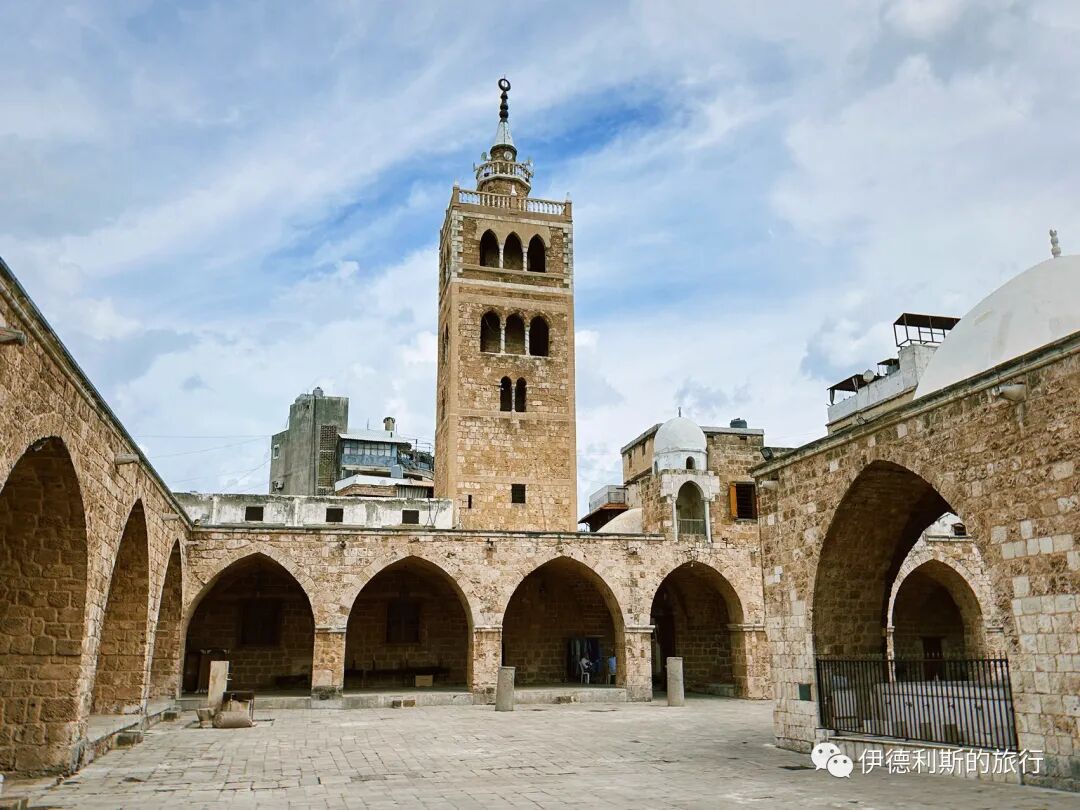
Mansouri Great Mosque, also known as the Great Mosque of Tripoli, was ordered to be built in 1294 by the Mamluk Sultan Al-Ashraf Khalil. It is the first building constructed by the Mamluk dynasty in Tripoli.
In 1109, the French Crusaders occupied Tripoli. For the next 180 years, Tripoli was ruled by European Christian nobles. In 1289, the Mamluk army arrived at the walls of Tripoli carrying large catapults. Under the assault of catapults, the two towers of Tripoli soon collapsed. The Mamluk army stormed the city and leveled it to the ground.
Shortly after, the Mamluk dynasty began building a new city at the foot of the castle on Tripoli's Pilgrim Mountain (Jabal al-Hajj). This included the Great Mansouri Mosque, built on the ruins of a Crusader church at the base of the hill. The mosque's minaret (mabkhara) is likely part of the Crusader Church of St. Mary, and the main gate may also incorporate the original Crusader church entrance. The main prayer hall was built by the Mamluk dynasty in 1294, and the courtyard's surrounding colonnades were added in 1314 by the Mamluk Sultan Al-Nasir Muhammad.
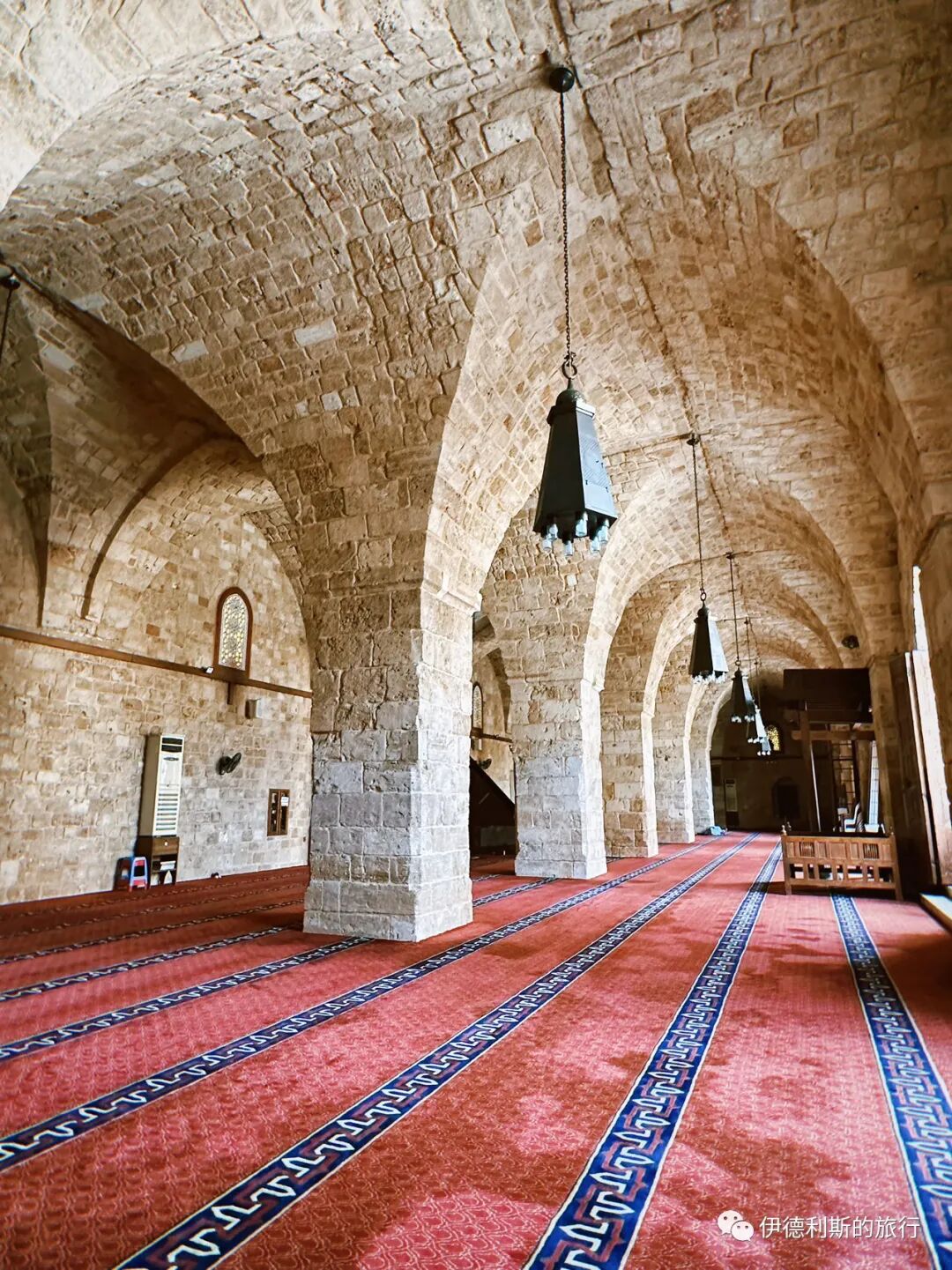
Taynal Mosque was built in 1336 by order of the Mamluk governor of Tripoli, Amir Taynal. The main prayer hall of Taynal Mosque consists of two consecutive halls. The most ornate feature is the entrance to the second hall, which has a gate with a stalactite-style cornice (muqarnas) and uses the ablaq technique of alternating black and white marble. Inside the prayer hall are some ancient Corinthian columns, which are thought to have come from a Crusader-era church or an even older Roman temple.
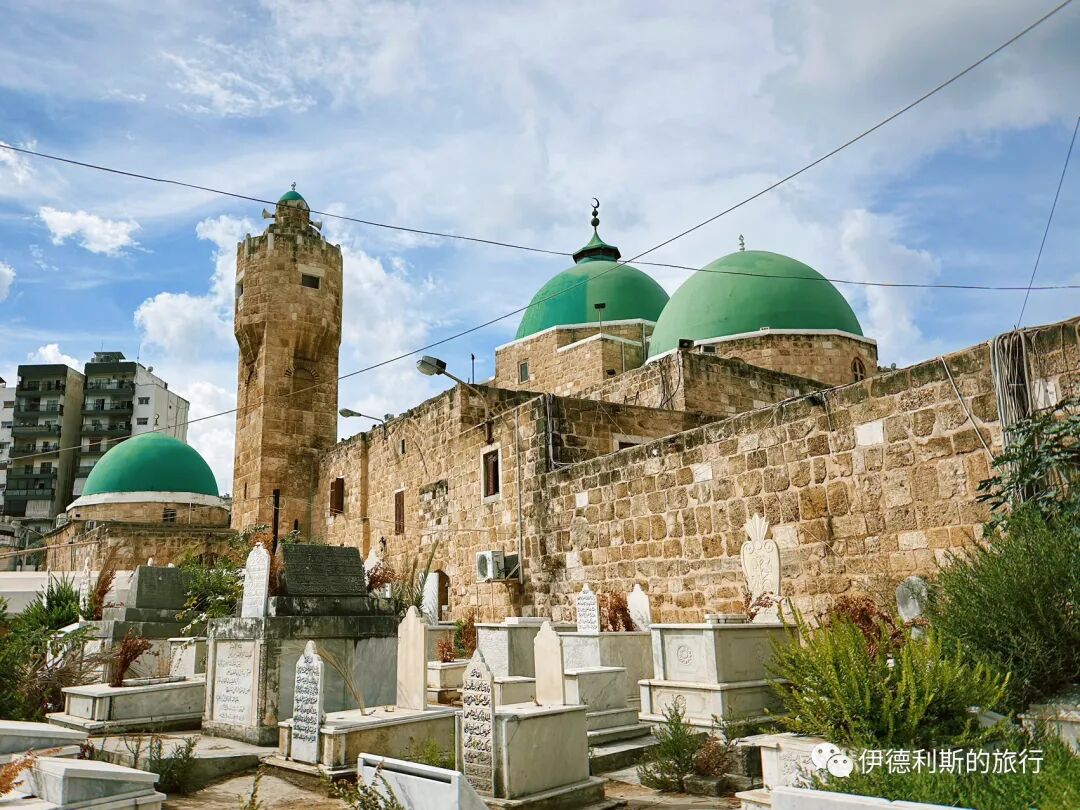
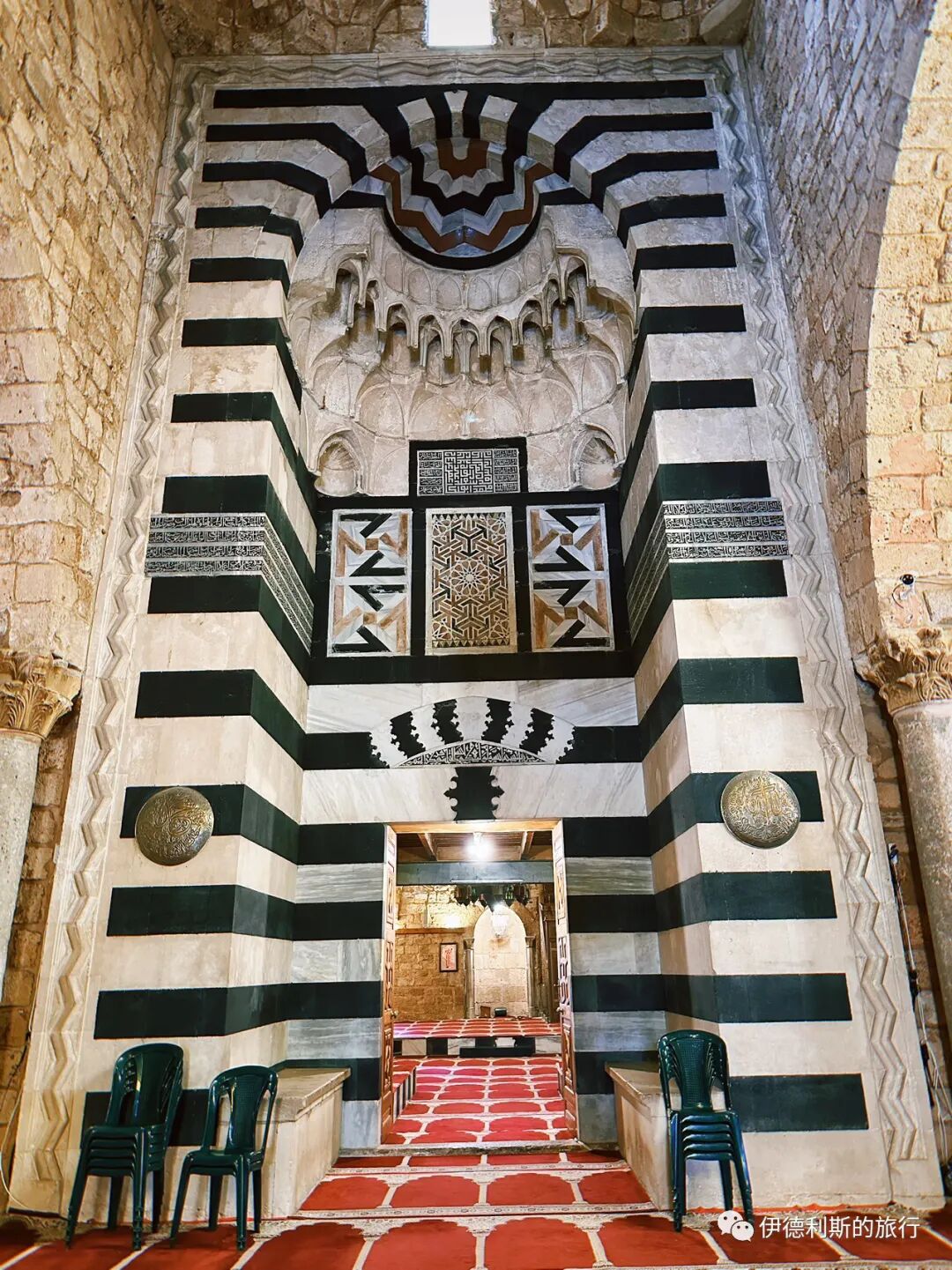
Attar Mosque was built in the 1350s by a wealthy local perfume merchant named Badr al-Din al-Attar on the ruins of a Crusader church. It was the first mosque in Tripoli not built by the Mamluks. Attar Mosque is known as one of the most beautiful mosques in Tripoli, but it has been closed for several years for renovations.
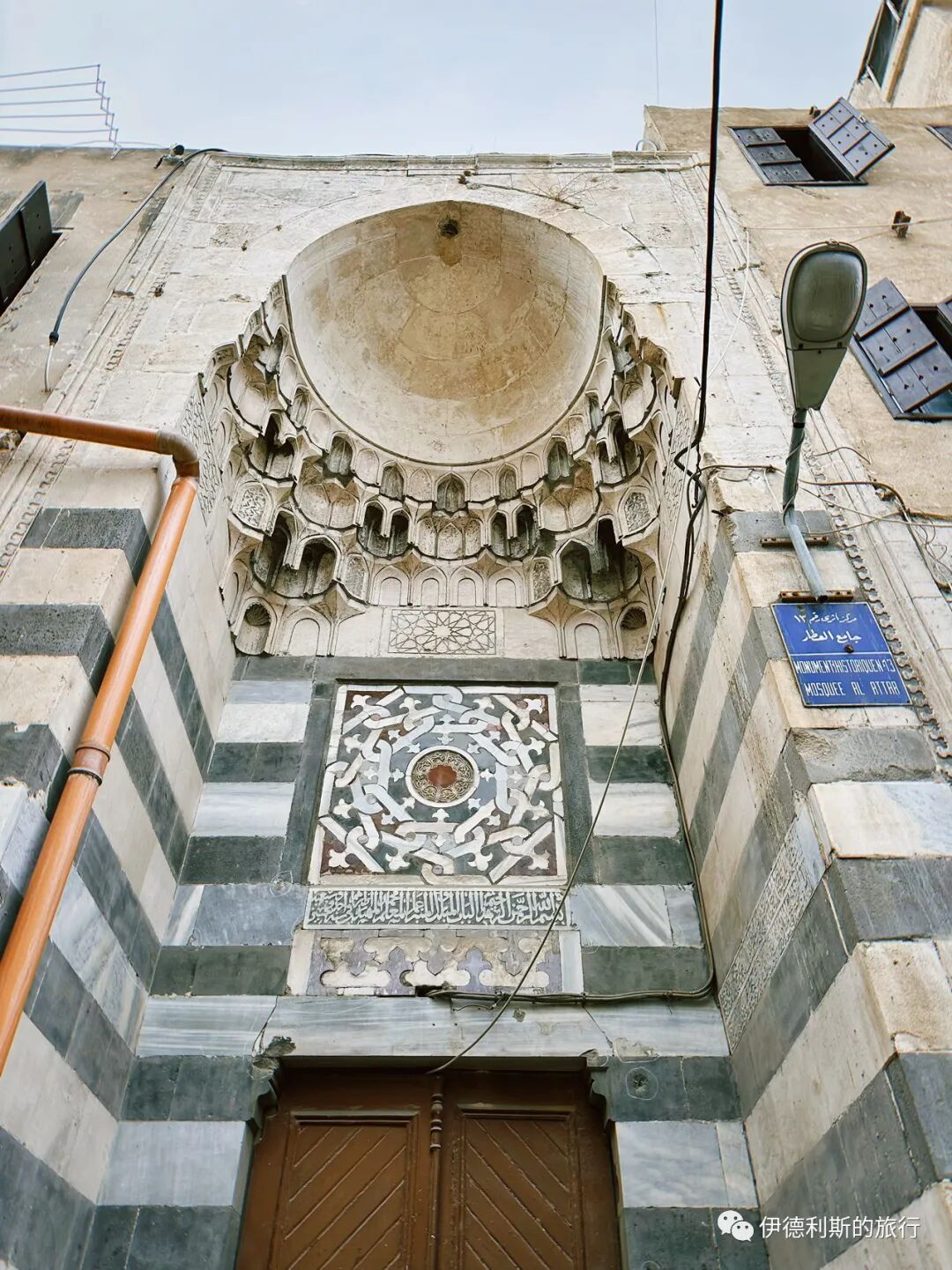
Al-Uwaysiyat Mosque was first built during the Mamluk period in 1461 and was renovated in 1534 during the reign of the Ottoman Sultan Suleiman the Magnificent.
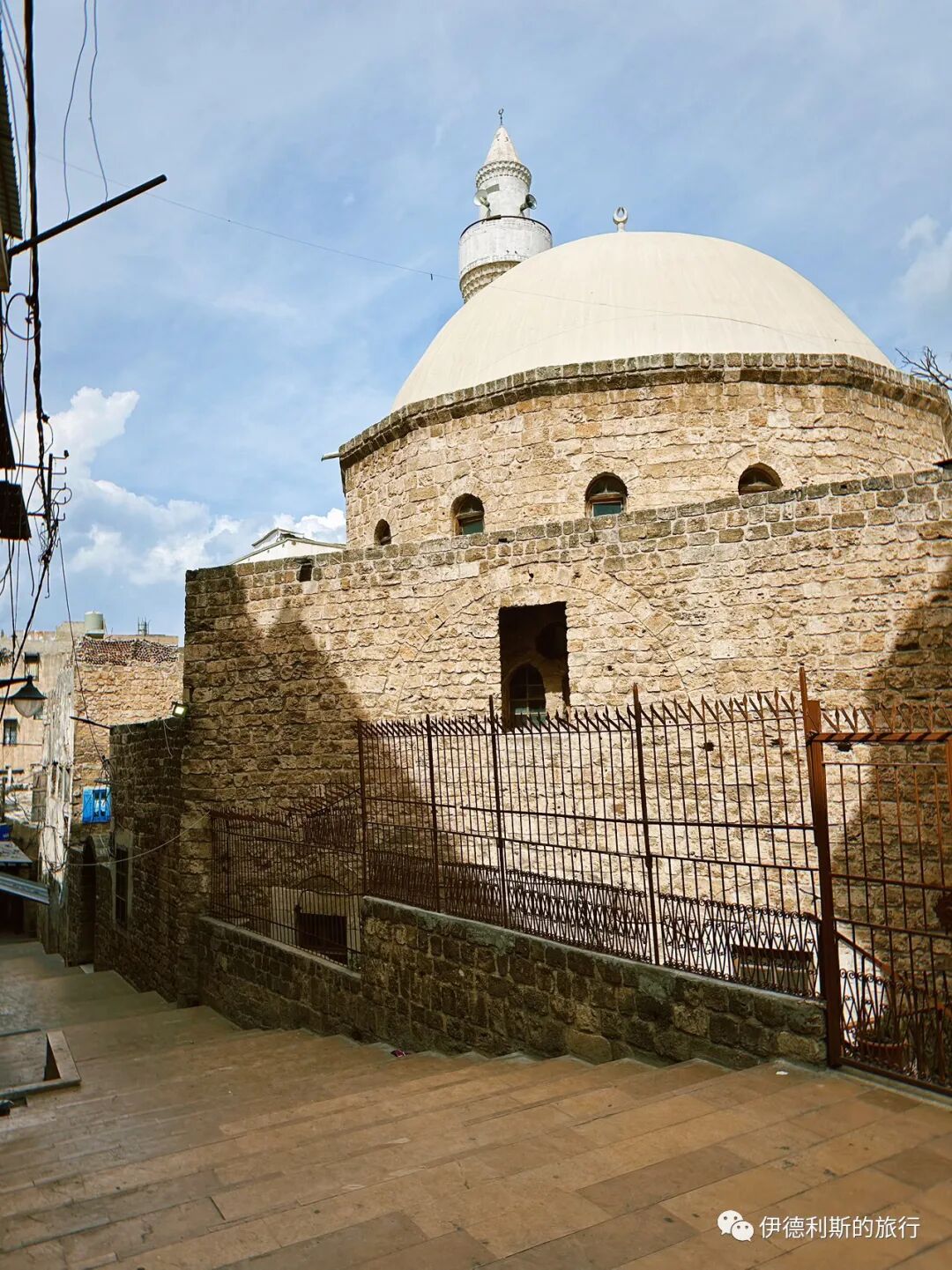
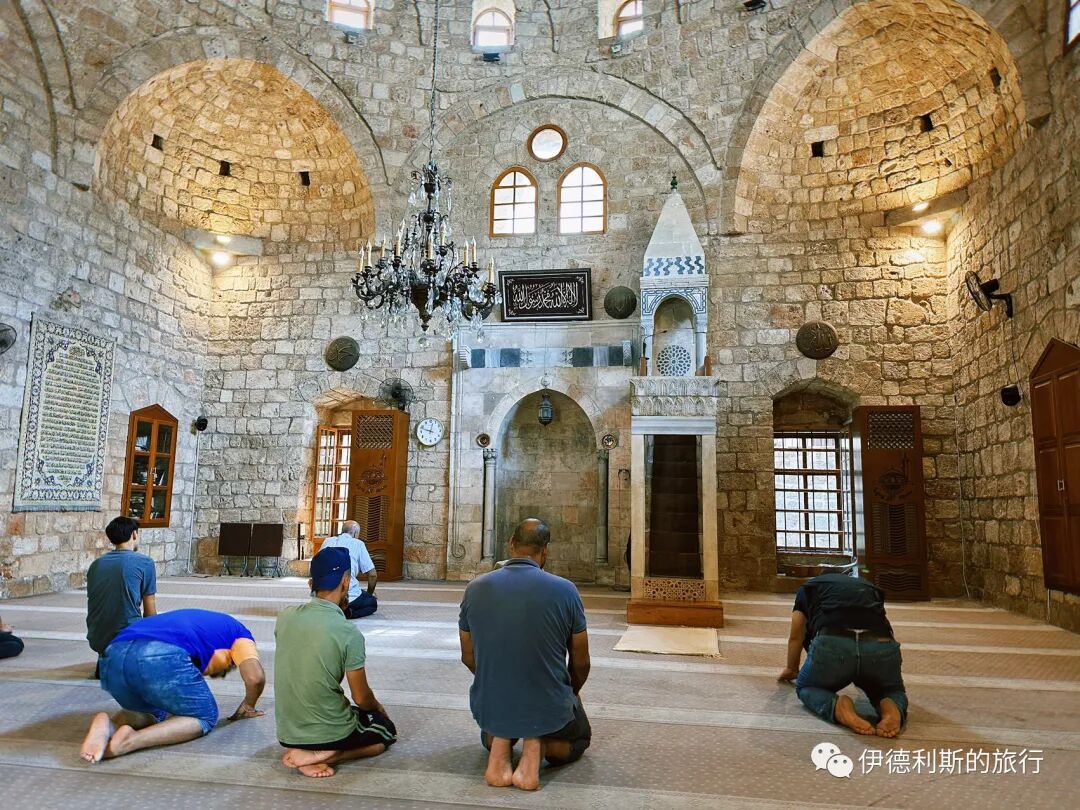
The Hanging Mosque (Muallaq Mosque) was commissioned in 1561 by the Ottoman governor of Tripoli, Mahmud Lutfi al-Za'im, during the reign of Ottoman Sultan Suleiman the Magnificent. The first floor of the Hanging Mosque is a culvert on the street level, so you must take the stairs to the side to reach the second-floor prayer hall. The octagonal minaret next to the prayer hall is very eye-catching and features two levels of balconies.
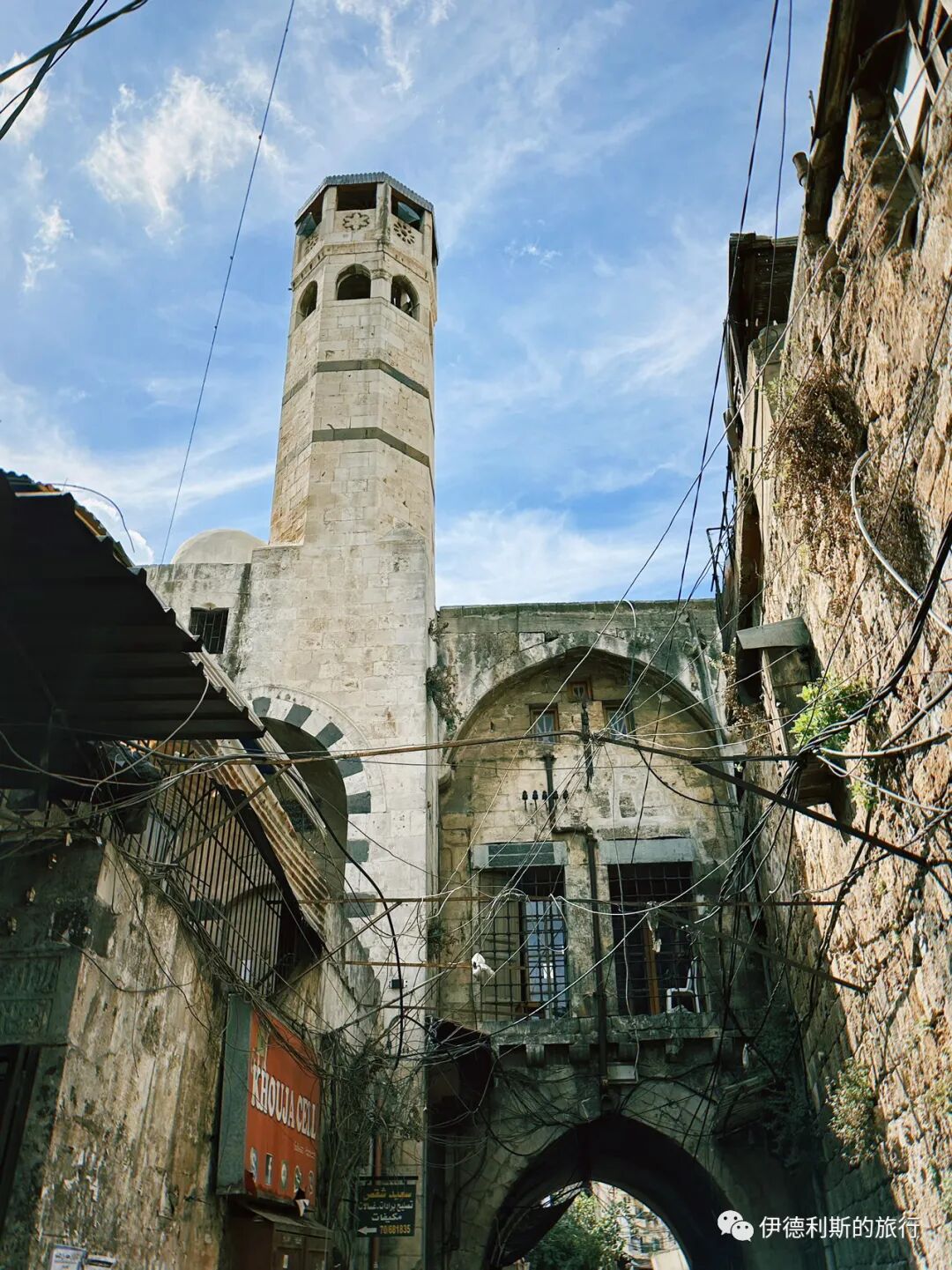
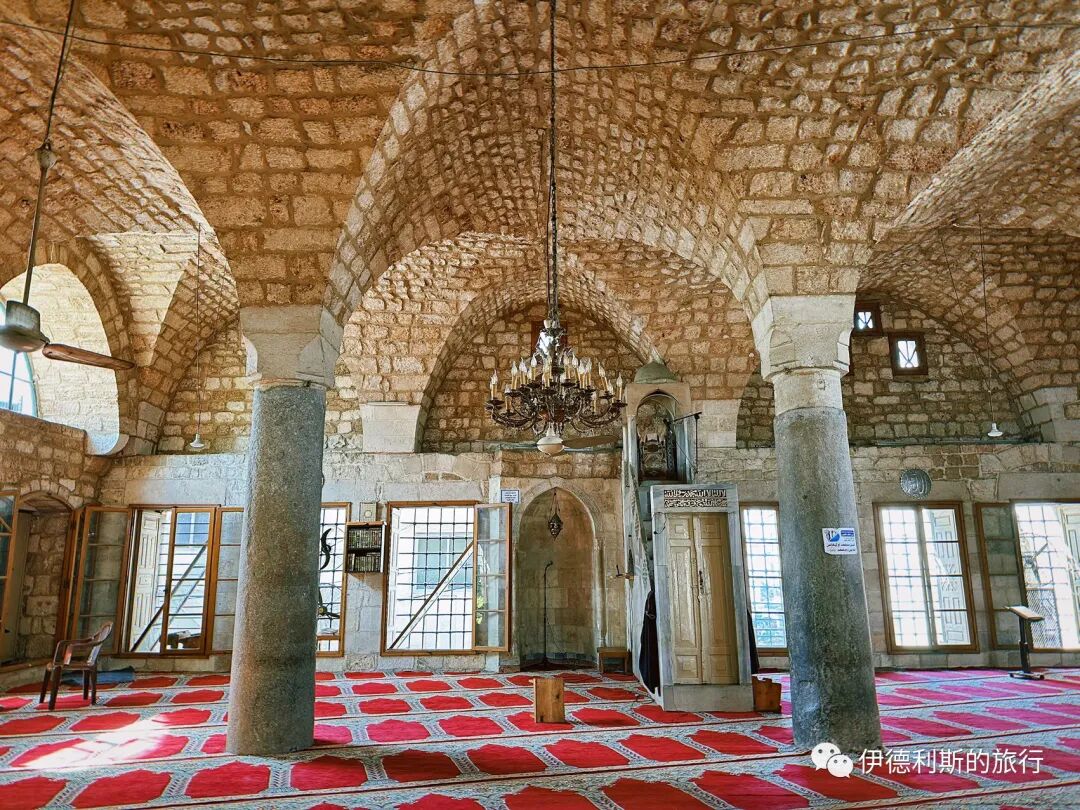
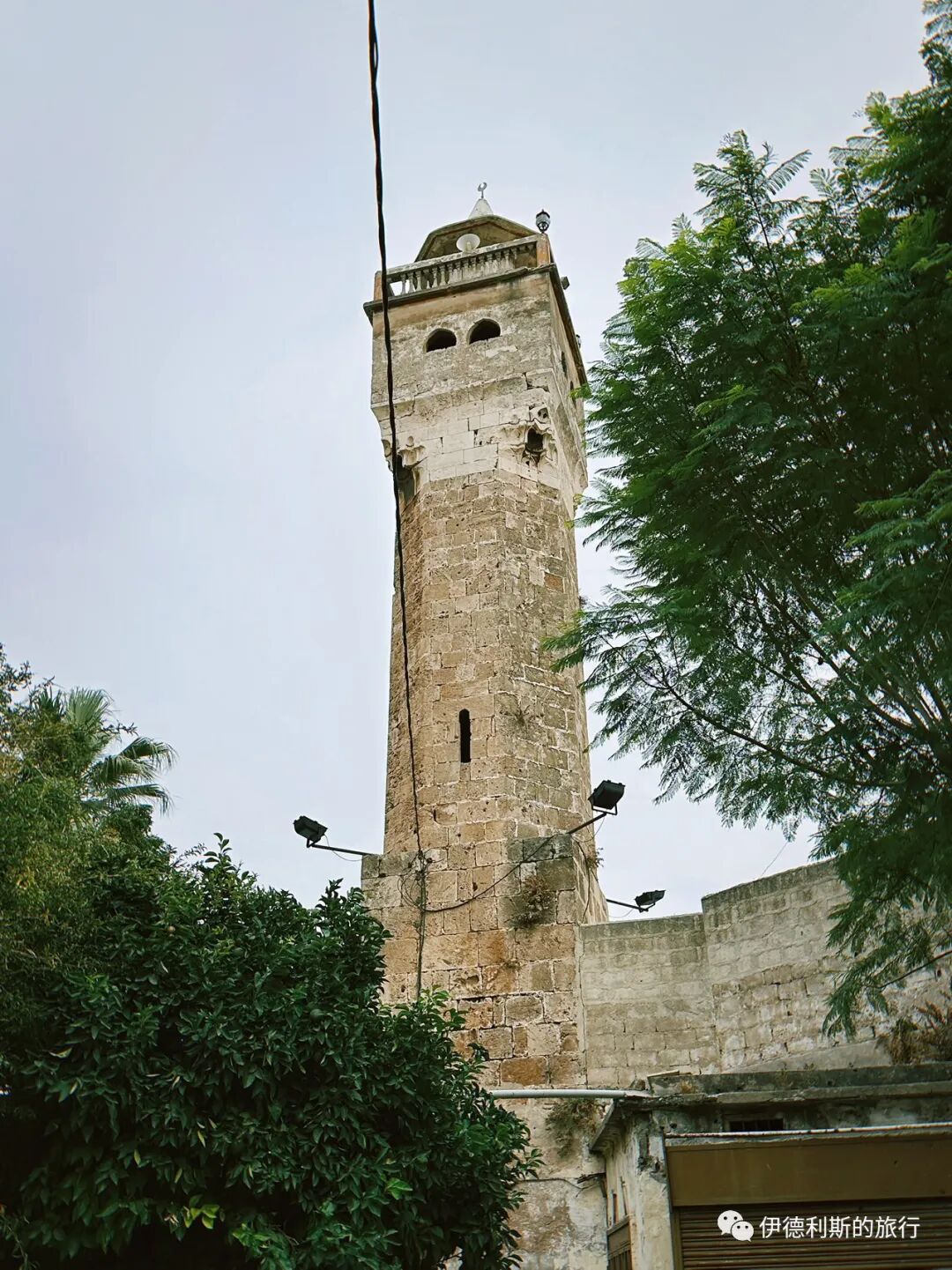
The construction date of Tawba Mosque is unknown, though it is believed to have been built during the Mamluk period. Because it sits right next to the riverbank, the stone inscription marking its construction was likely washed away in a flood. The inscription currently at the mosque entrance states that it was rebuilt after a flood in 1612. Many mosques in Lebanon lock their doors outside of prayer times, so I could not enter and only saw the octagonal minaret.
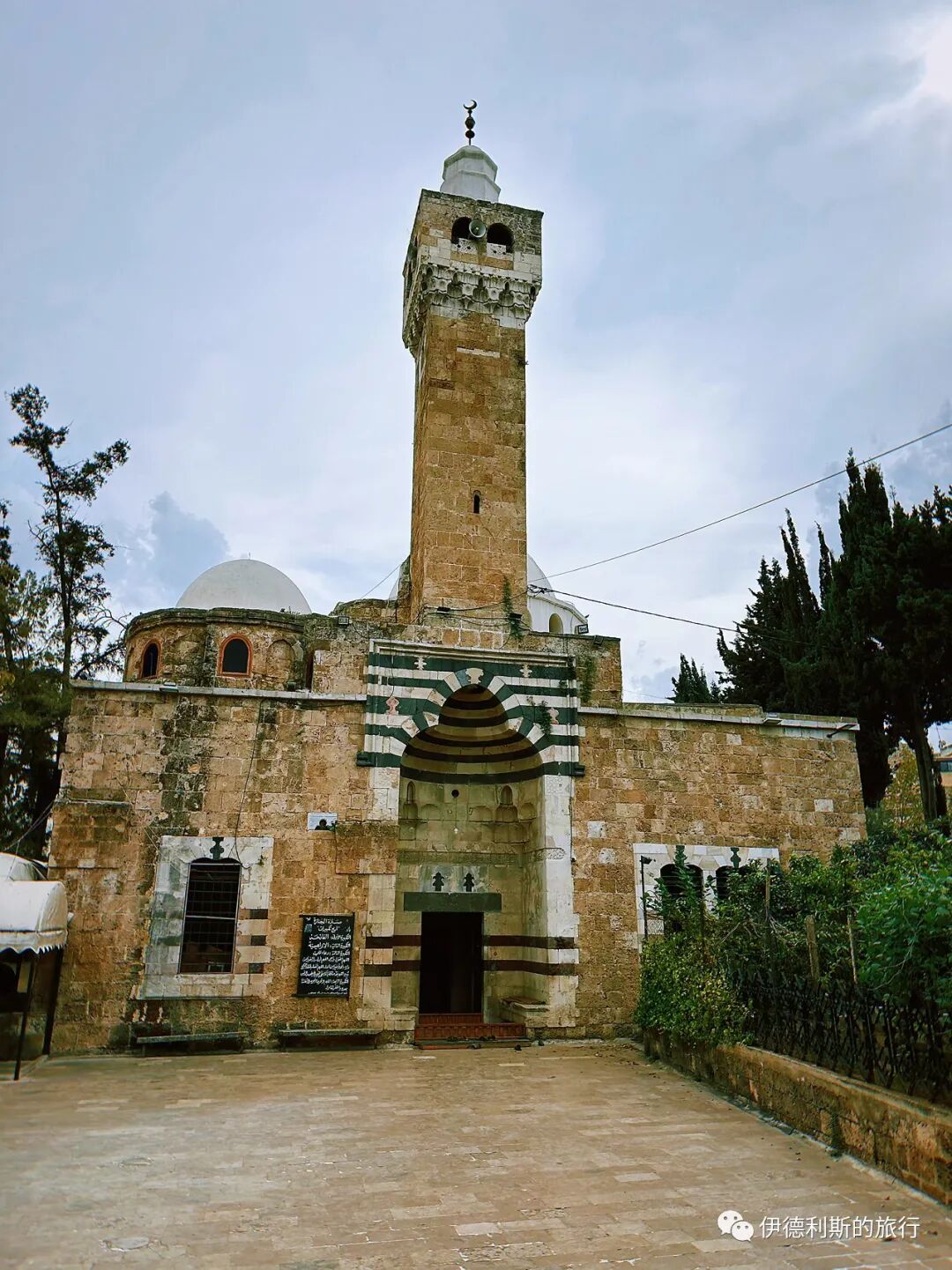
Burtasi Mosque was built by Isa ibn Umar al-Burtasi during the Mamluk period. Since Isa passed away in 1324, we can assume the mosque was built between the late 13th century and 1324. A flood in 1955 destroyed all the houses around Burtasi Mosque, and it is now the only building left standing on the riverbank. The minaret above the main gate is considered the most beautiful minaret in Tripoli. Above the three-tiered muqarnas cornice is a square balcony featuring Moorish-style double-arched windows. This type of double arch is a classic structure found in Muslim architecture in Andalusia, southern Spain.
Madrasas
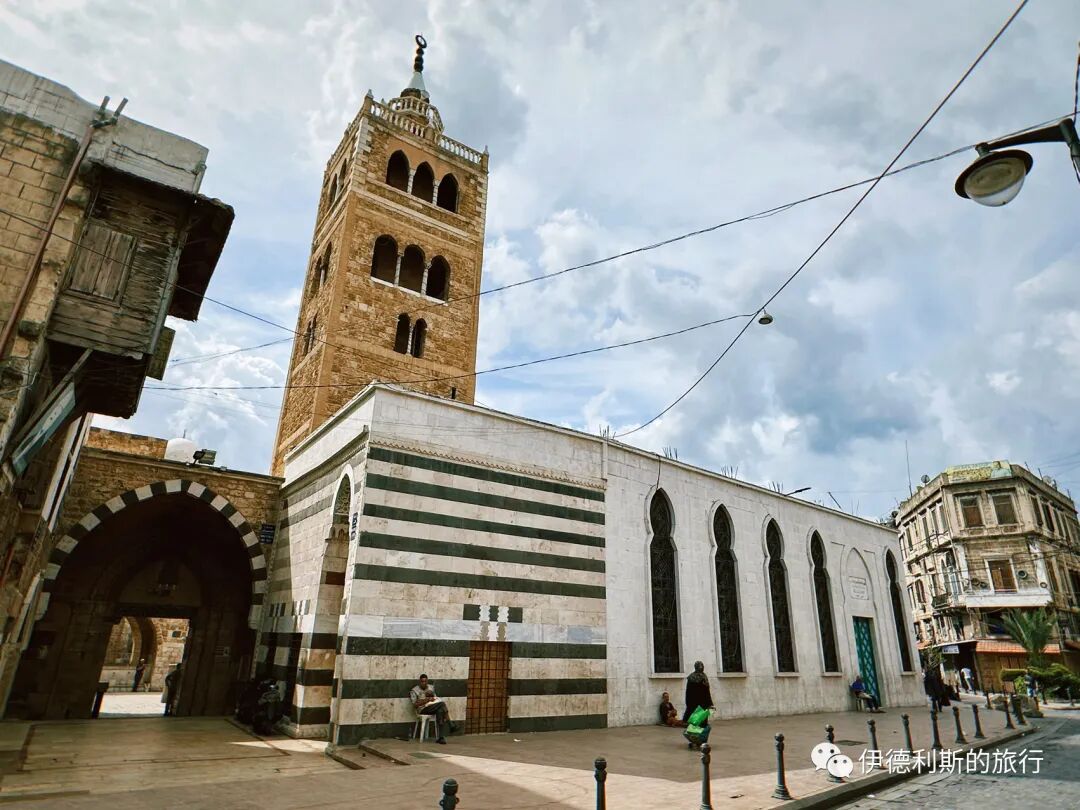
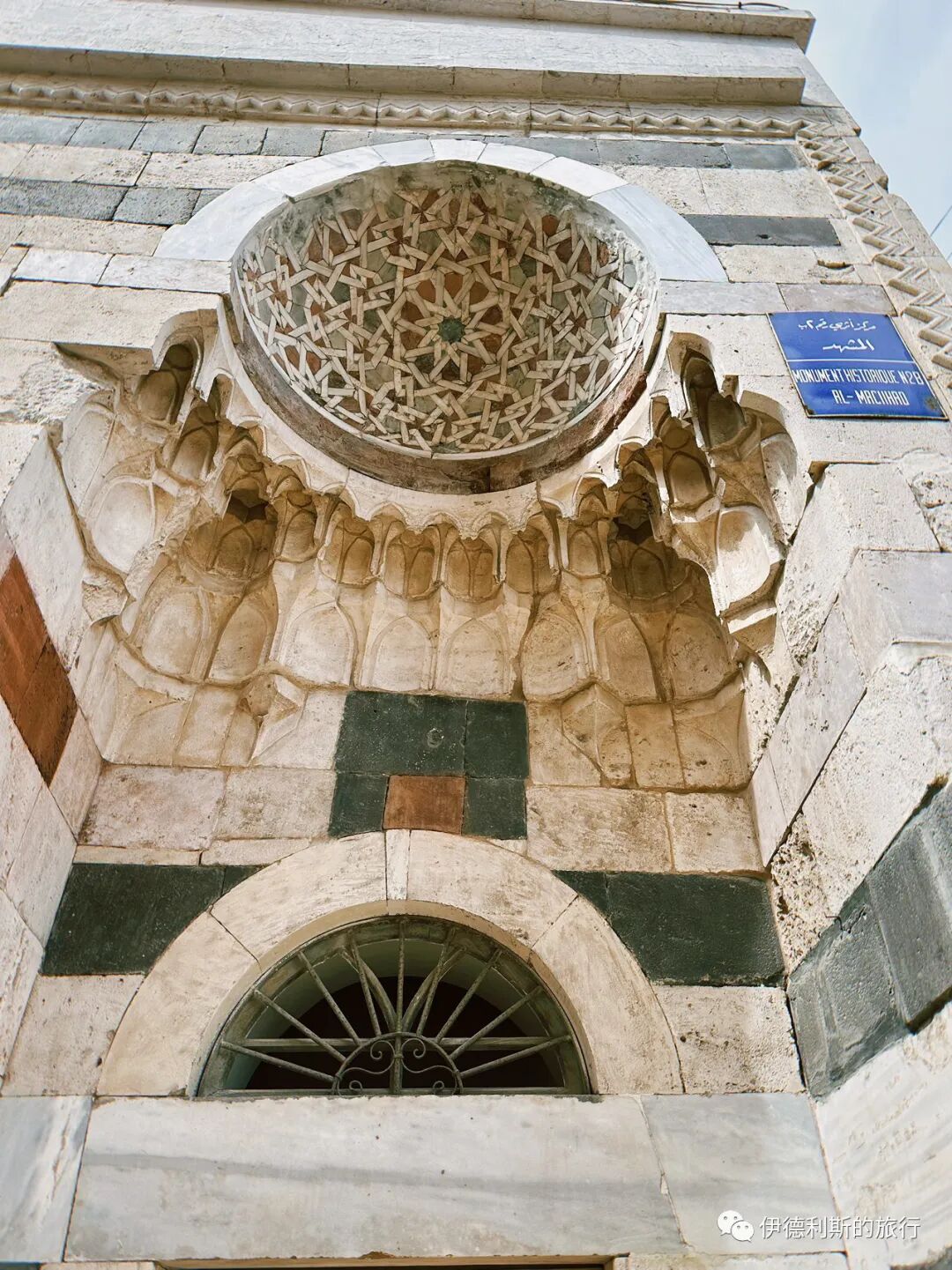
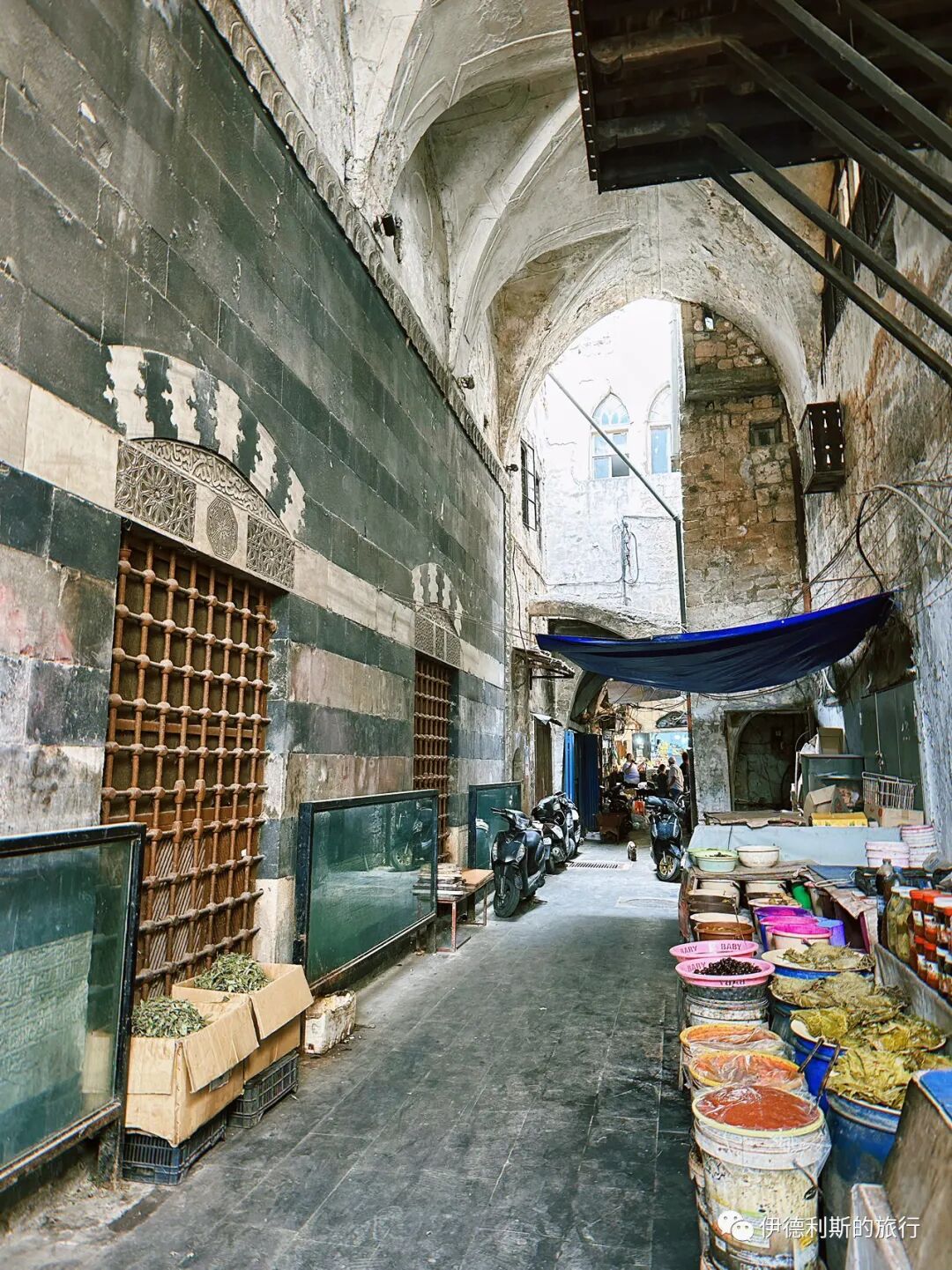
During the 14th century, the Mamluk dynasty established six colleges around the Great Mansouri Mosque, which trained a large number of students. These include al-Khayriyya Hasan (1309 or later), al-Qartawiyya (c. 1326), al-Shamsiyya (1349), al-Nasiriyya (between 1354–60), al-Nuriyya (14th century), and the Mashhad Madrasa. The al-Qartawiyya Madrasa outside the east wall of the Mansouri Great Mosque is the most magnificent, though we could not find the main gate in the maze-like alleys of the old city, we did see the calligraphy carvings on the school's wall.
Hammam
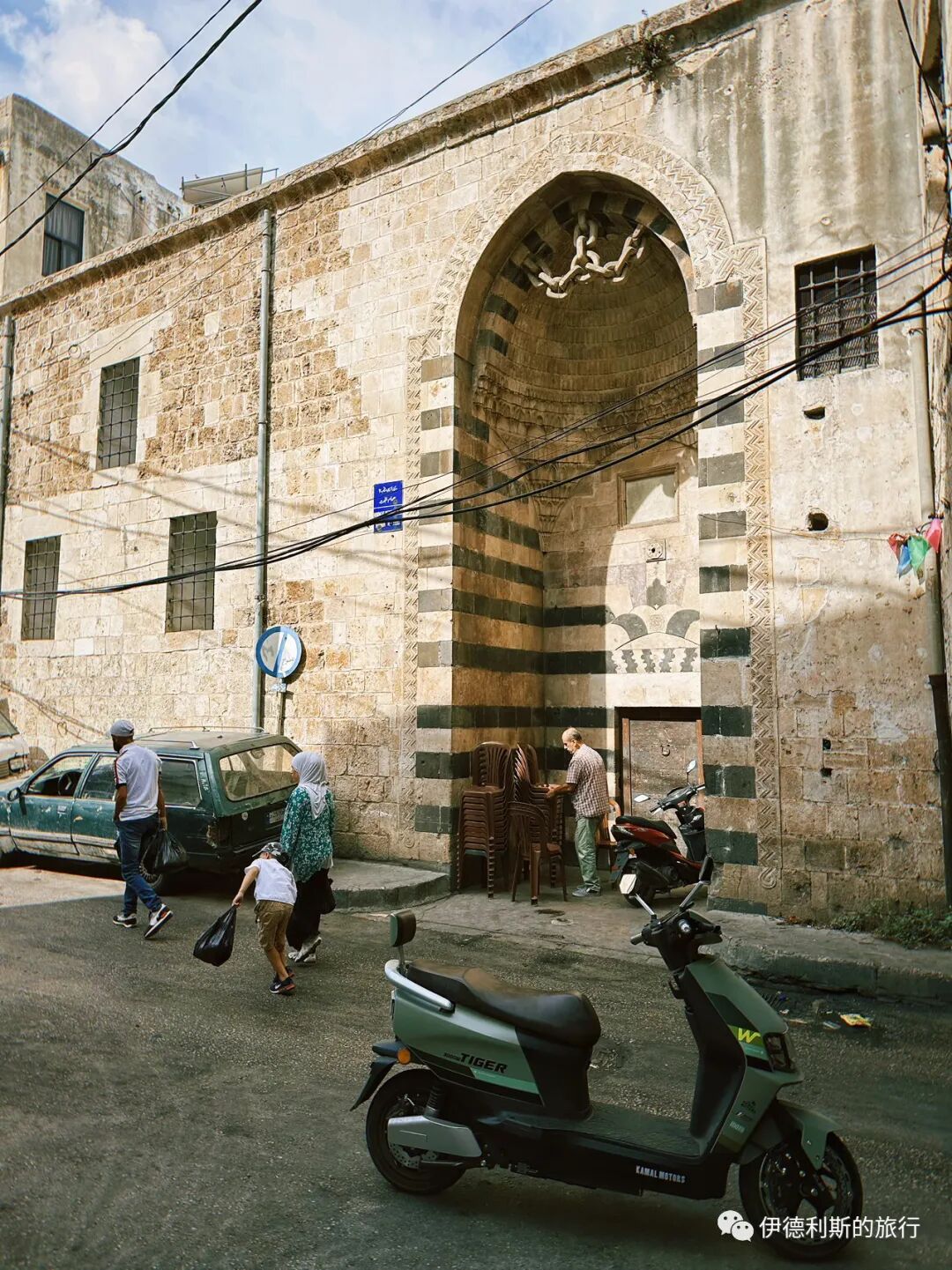
Right next to the Hanging Mosque is the Al Jadid bathhouse (Hammam), built in 1740 during the Ottoman period, which was used until the 1970s and closed after the outbreak of the Lebanese Civil War. This bathhouse was a gift to Tripoli from the Damascus governor Asad Pasha Al Azem, and its gate is exquisite, featuring a fourteen-link chain carved from a single piece of stone.
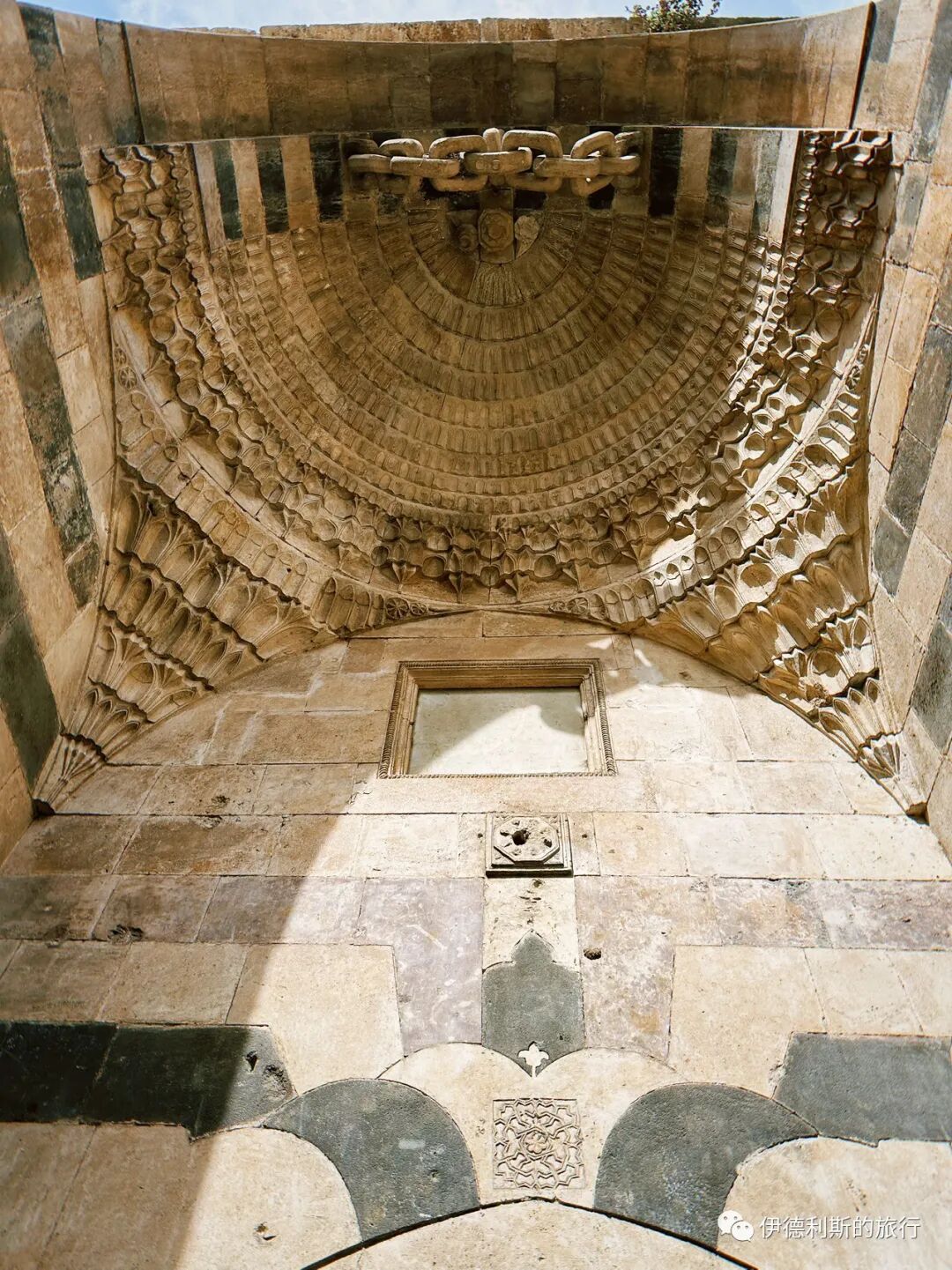
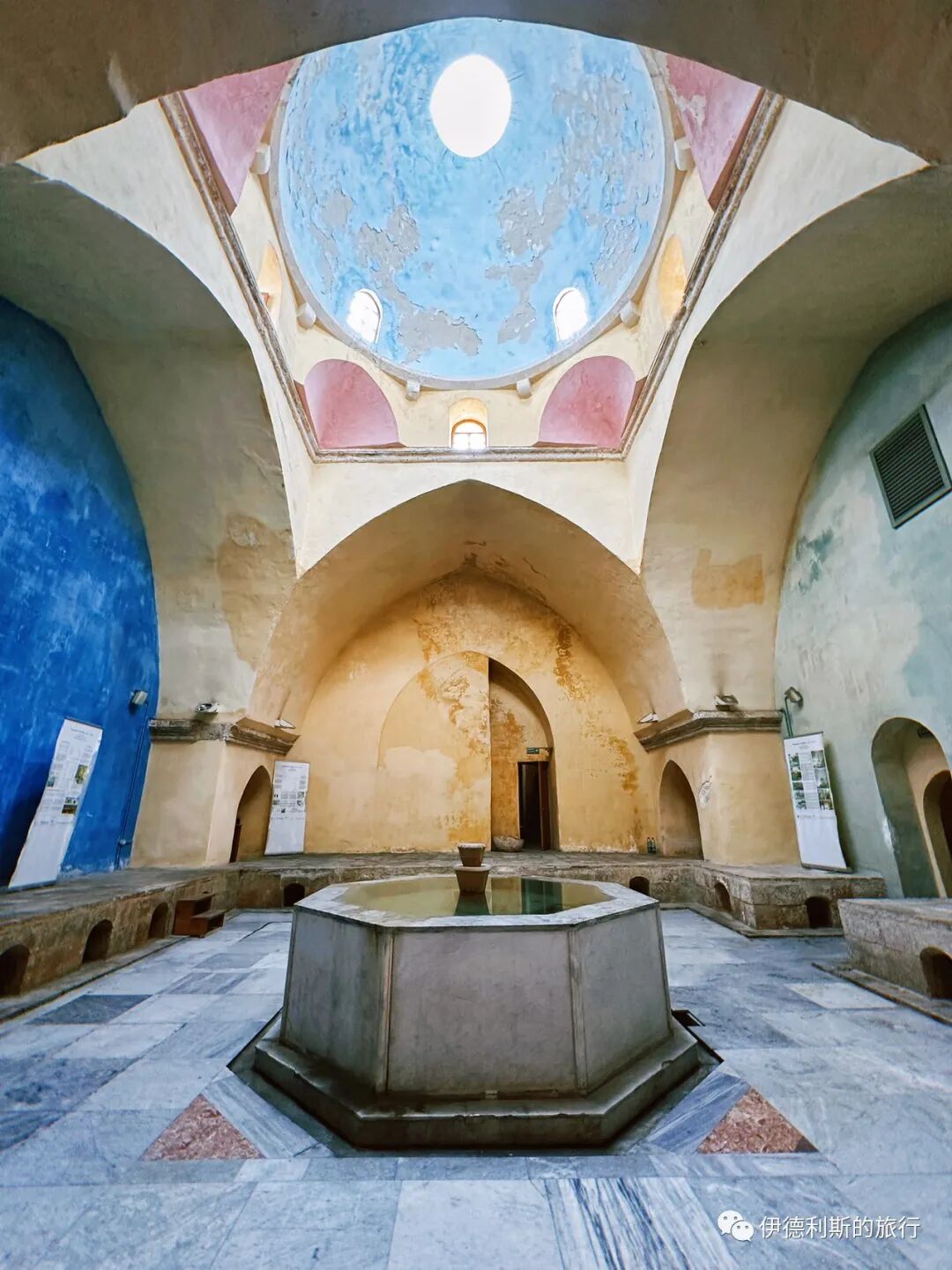
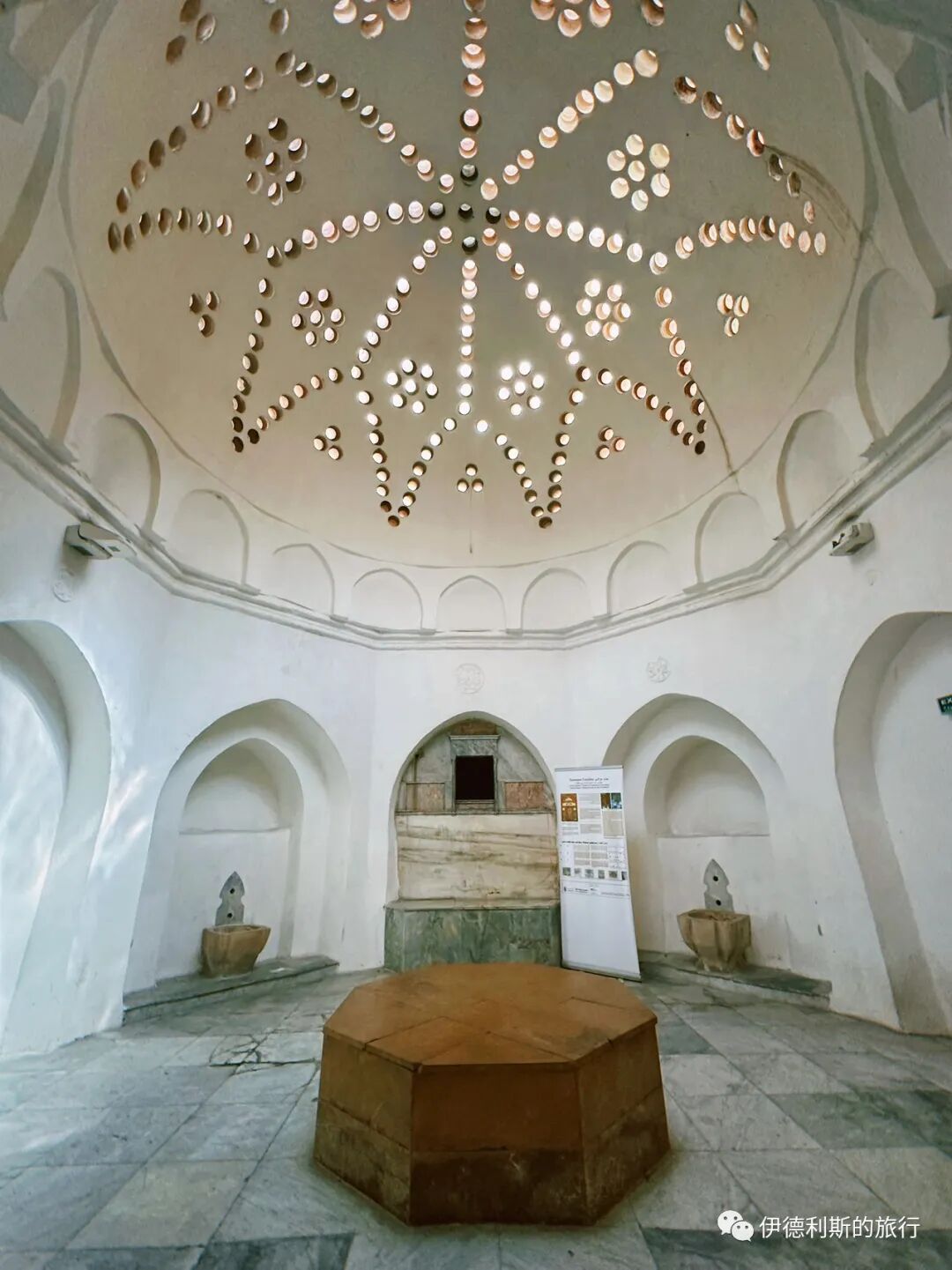
The Ezzedin bathhouse (Hammam) was the first public bathhouse built by the Mamluk dynasty after they occupied Tripoli, commissioned by Emir Ezzedin Aibek (who ruled Tripoli from 1293 to 1298) and constructed using many marble pieces from the Byzantine and Crusader eras. This bathhouse operated from the end of the 13th century until 1975, when it closed due to the start of the Lebanese Civil War. It has now been restored and is free to visit.
Market
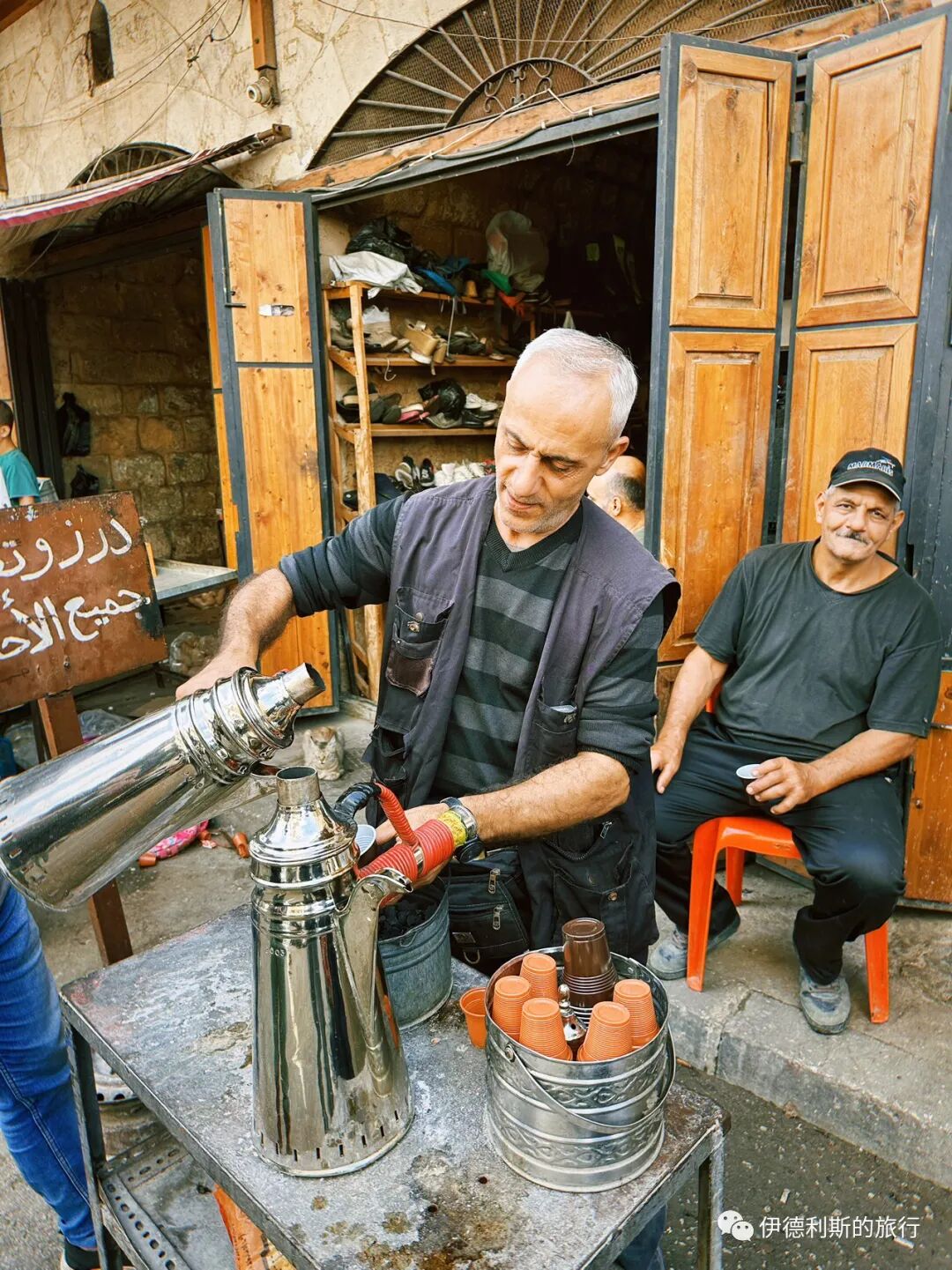
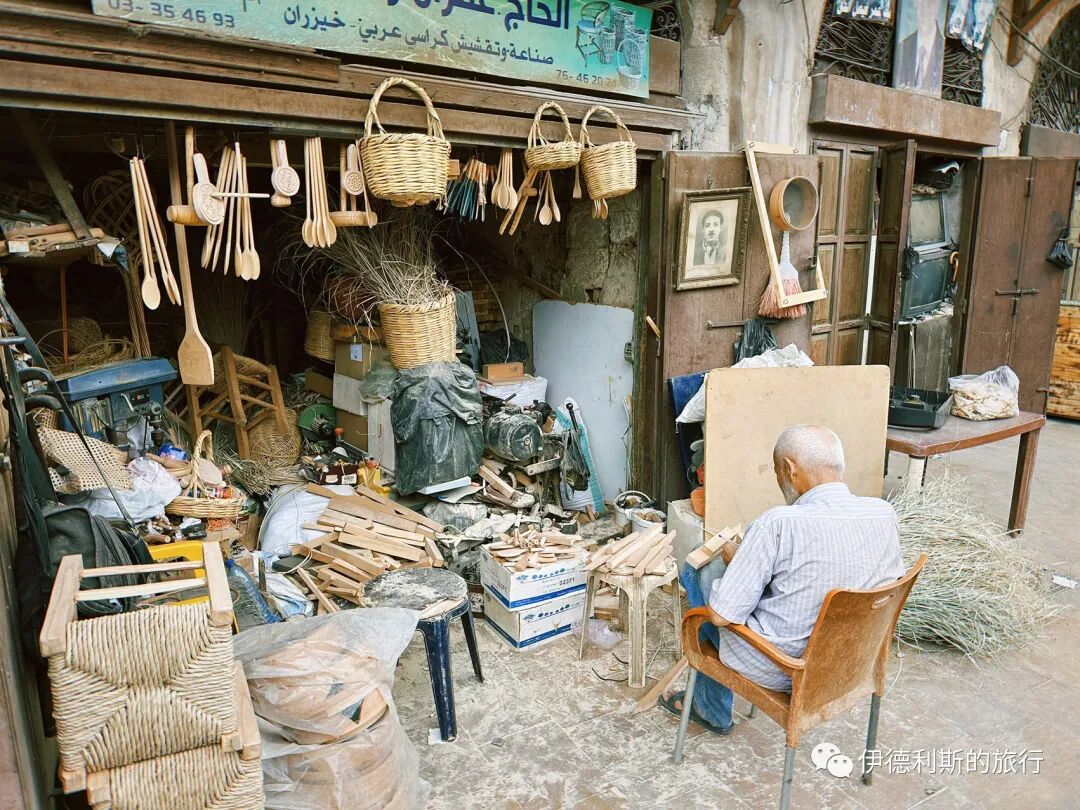
The markets in Tripoli's old city are very lively, which is a sharp contrast to Beirut. Ibn Battuta wrote in his travelogue: 'Afterward, we arrived at the city of Tripoli.' It is an important town in Sham, with several small rivers flowing through it. It is surrounded by fragrant orchards and lush green trees. The sea surrounds it with its deep blue water, and the earth nourishes it with its treasures. The goods in the market are dazzling and truly amazing.
We drank street coffee at the market and saw all kinds of dairy products, which was very interesting.
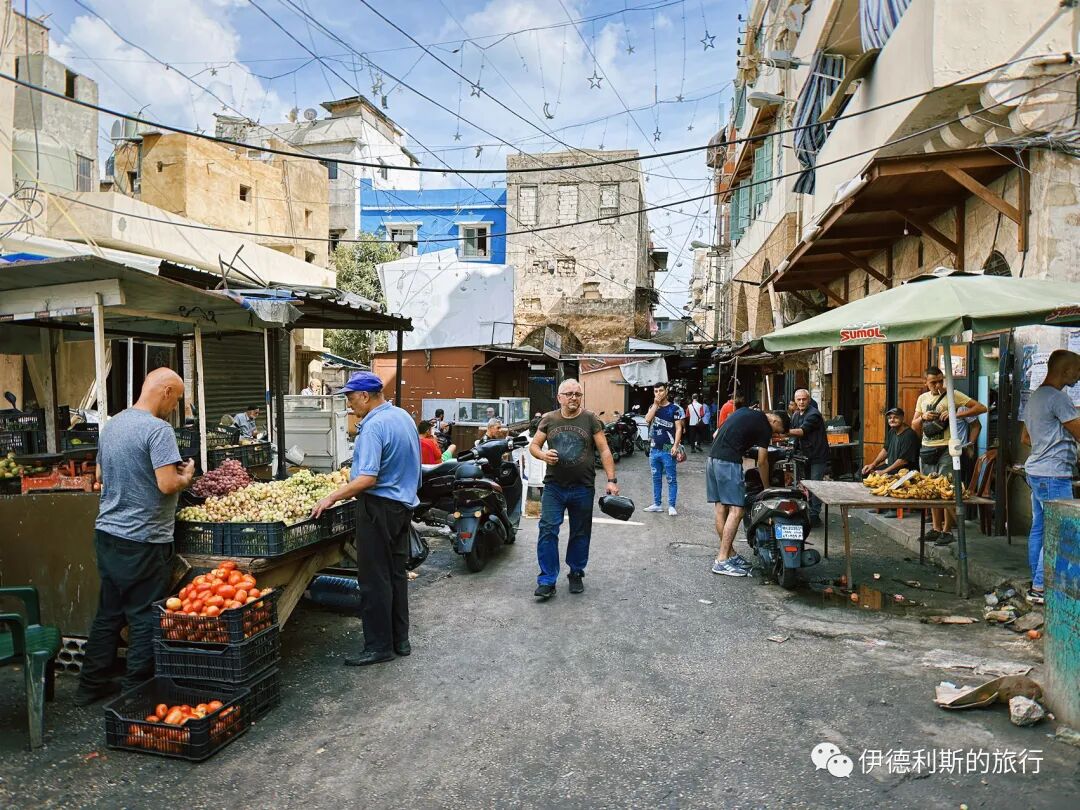
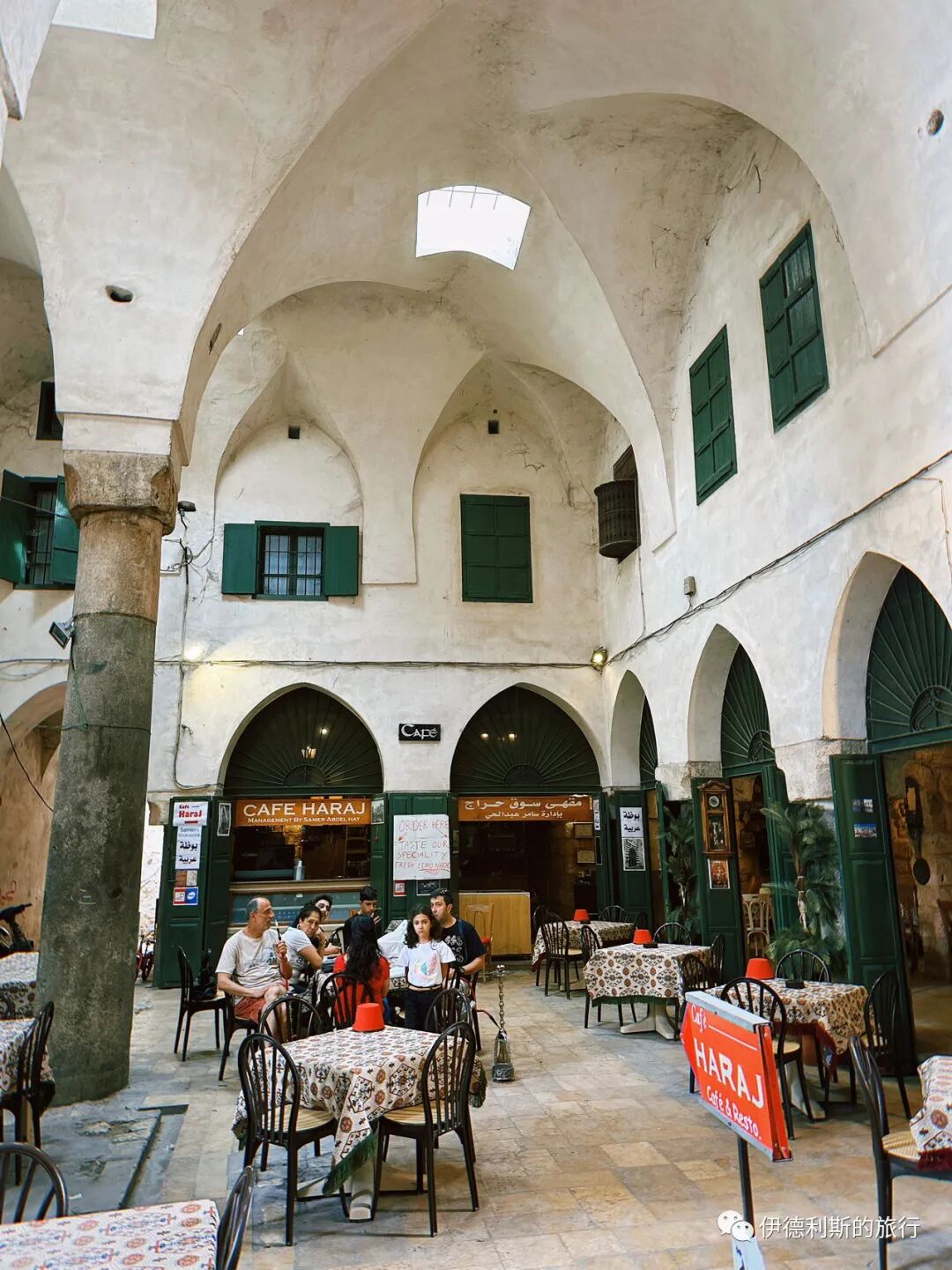
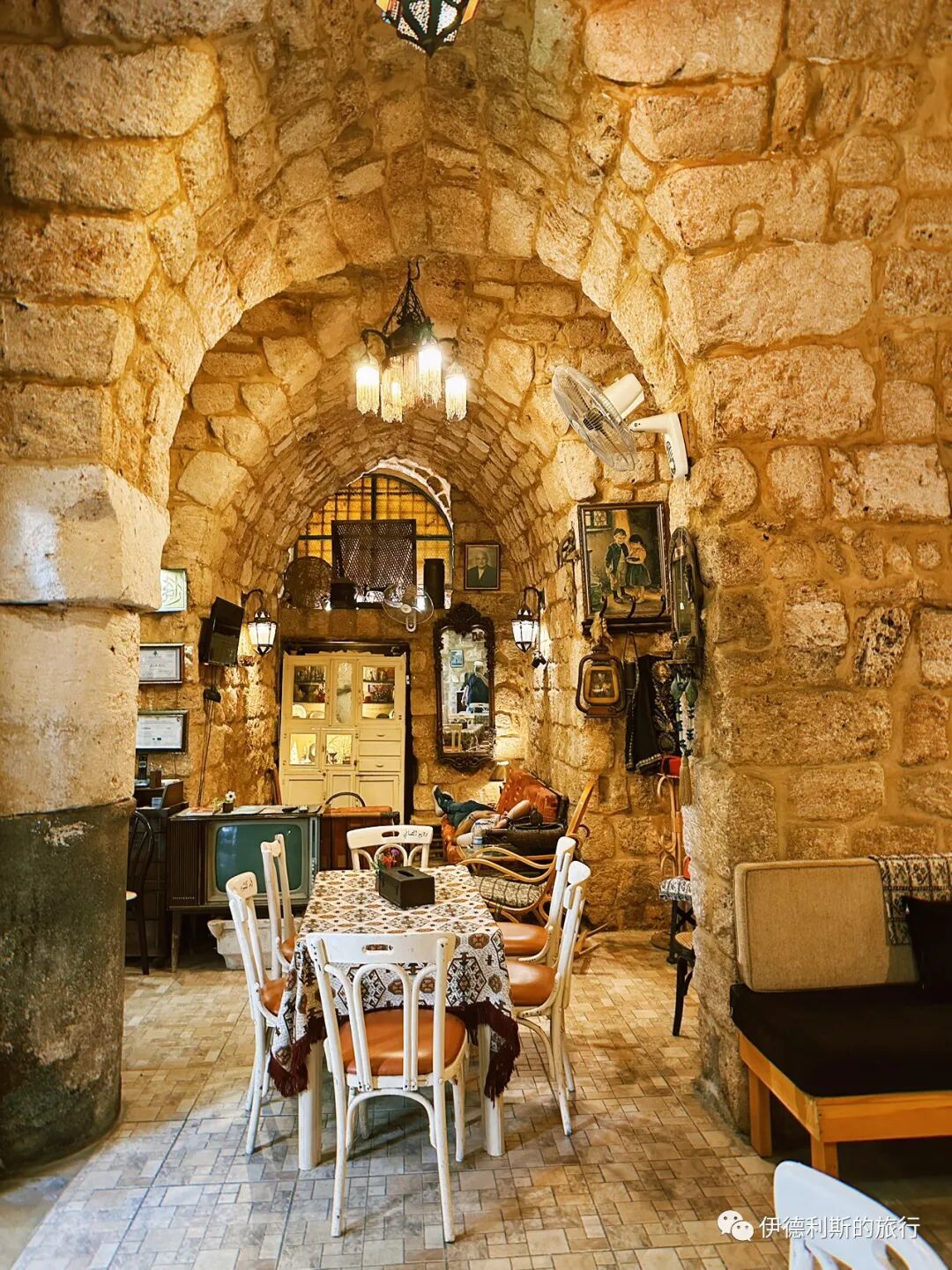
The Haraj market was built in the 14th century and has an 8-meter-high vaulted ceiling supported by black granite columns, some of which may be architectural pieces from the ancient Roman or Byzantine eras. The market has two floors; the upper rooms were for merchants to stay in and had wooden windows through which their female relatives could look down at the market, while the lower floor was for selling goods.
The 1983 bombing during the Lebanese Civil War caused severe damage to the Haraj market, which was later restored to its current state after a long process.
Inn
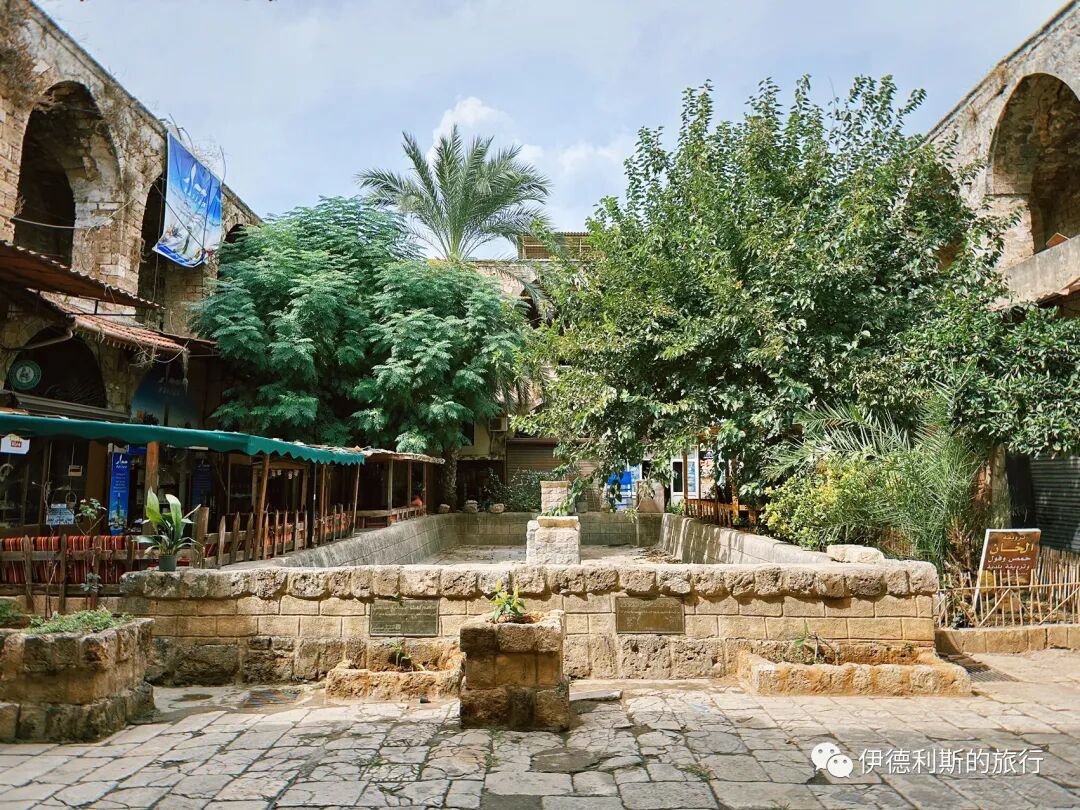
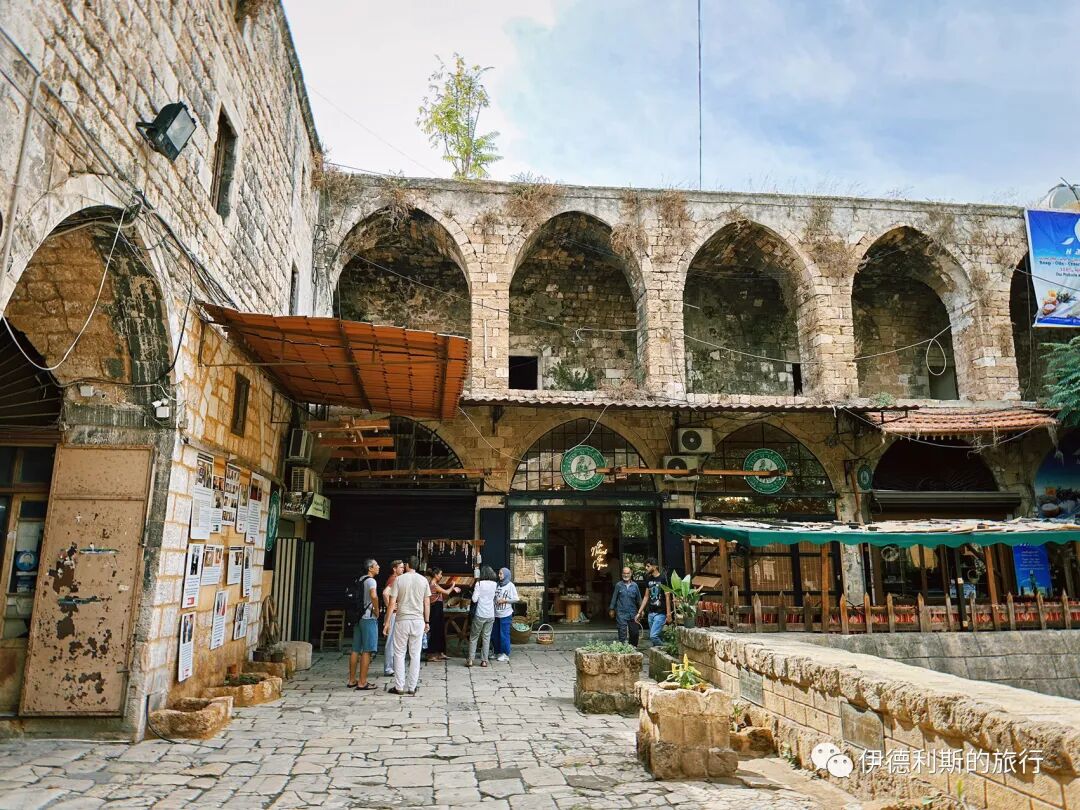
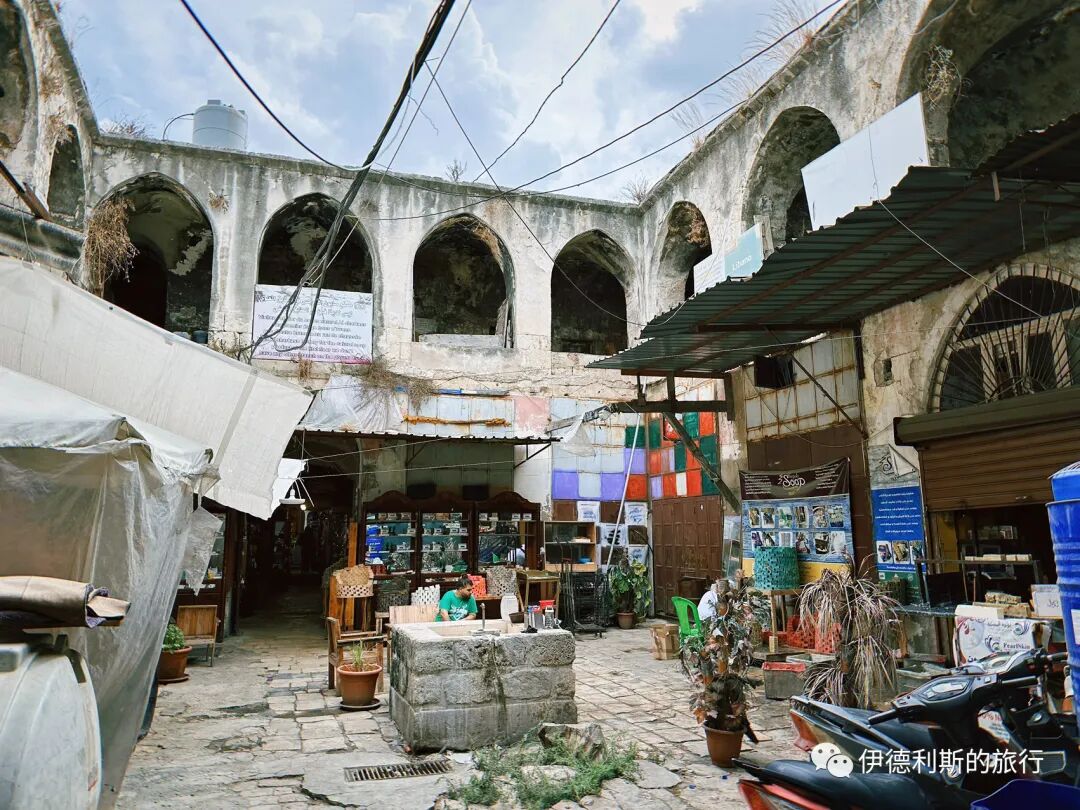
Tripoli has always been famous for producing perfume and handmade soap, with the most well-known brand being Bader Hassoun's Khan Al Saboun (Soap Inn). The history of the Hassoun family producing soap in Tripoli dates back to the early Mamluk dynasty in 1256, while the Soap Inn (Khan Al Saboun) in the old city of Tripoli was built in the late Mamluk dynasty in 1480.
The Soap Inn has a courtyard with two levels of galleries and a pool in the middle. The second floor of the gallery was for caravan merchants to stay, while the first floor was for making and selling soap. People say the Ottoman Sultan Suleiman the Magnificent once received soap from Tripoli as a tribute, and at the urging of the Queen, Suleiman ordered the expansion of the Soap Inn in Tripoli. After it was built, the soap inn became a trade center for making and selling soap, and it started exporting soap to Europe. Today, the Bader Hassoun soap shop is located right here.
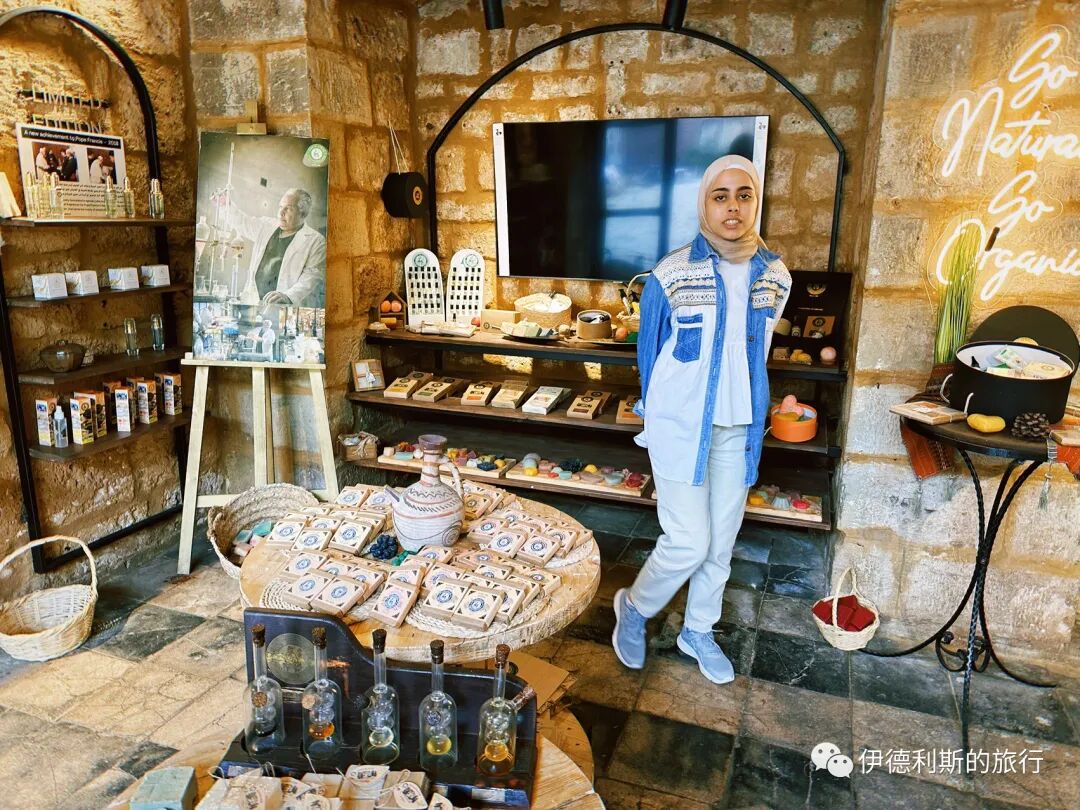
In 1993, Bader Hassoun's jewelry store in the old city of Tripoli was robbed, which led him to decide to restore his family's tradition of making soap. He and his wife spent one night making traditional soap with olive oil, dates, glycerin, natural coloring, and spices, and it all sold out the next day.
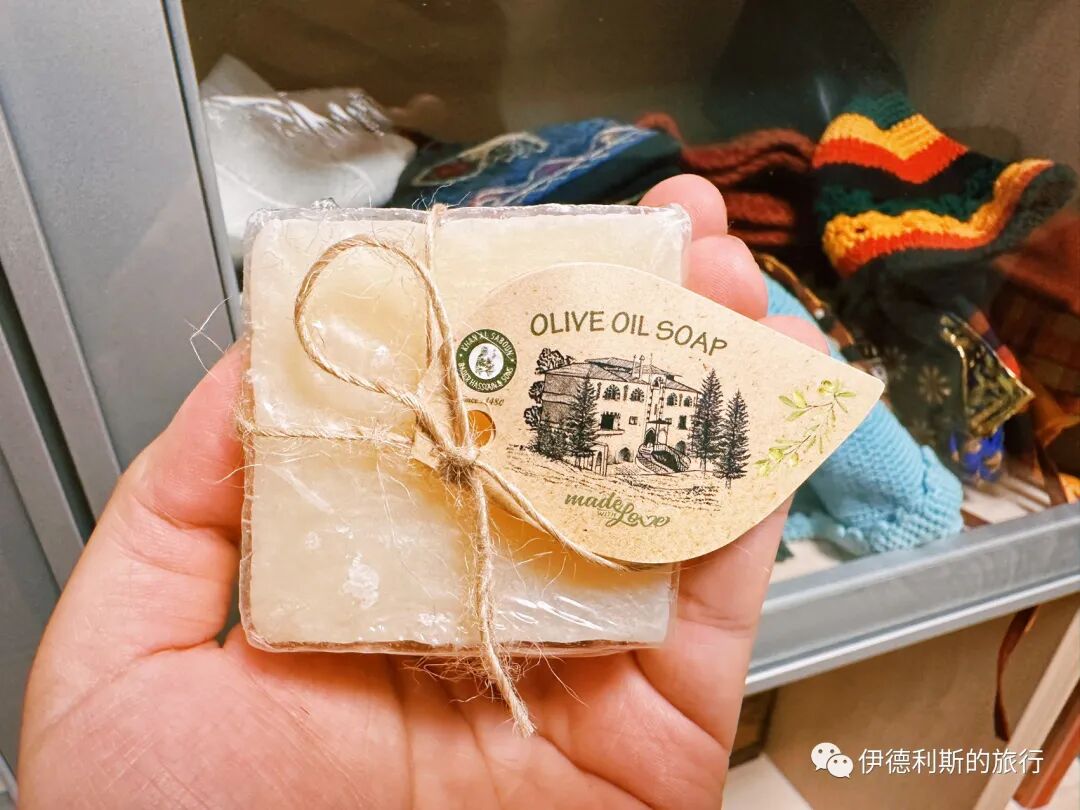
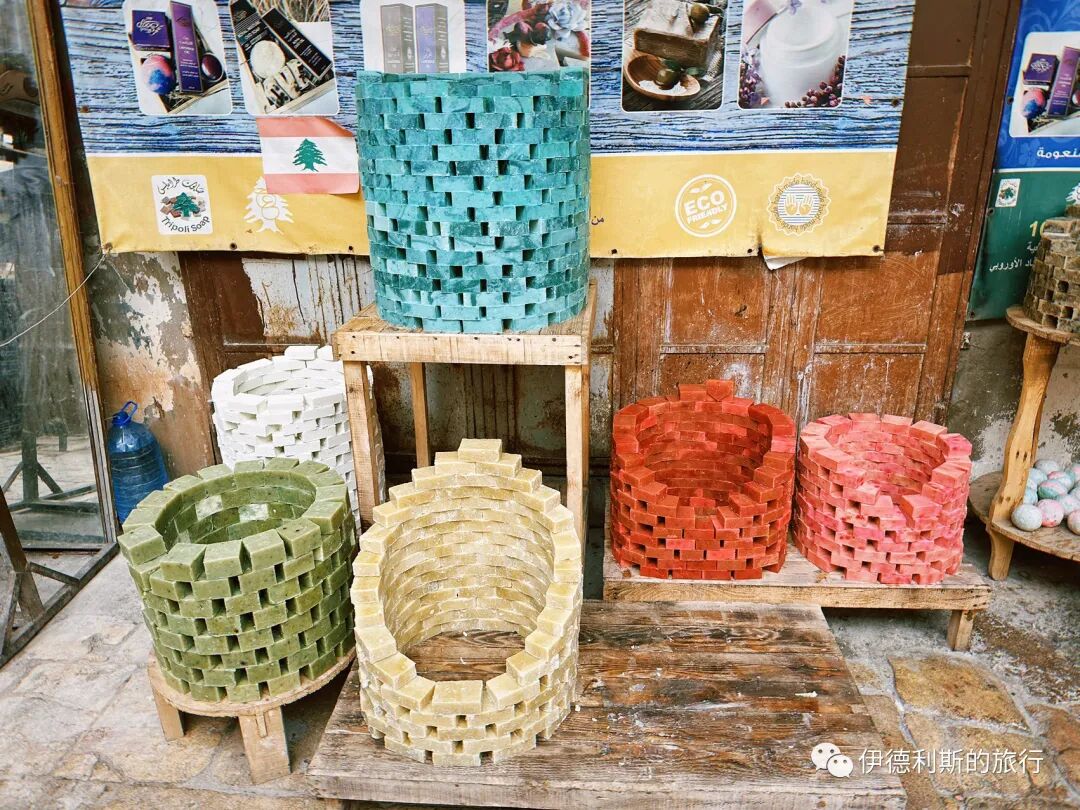
We bought the most traditional natural soap at the shop, which comes in three scents: green tea, lavender, and cedar. Cedar is an important symbol of Lebanon, and Lebanon is also known as the Land of Cedars. We also bought an olive oil soap safe for babies, which I can use for Suleiman.
Misriyyin Inn is located in the northern part of the old city of Tripoli and dates back to the Mamluk period in the 14th century. There is a Sharkass soap shop on the second floor of the inn, and they have been making traditional olive oil soap since 1803. The Tripoli Soap shop on the first floor opened in 1937, and you can watch the process of making natural soap on-site here.
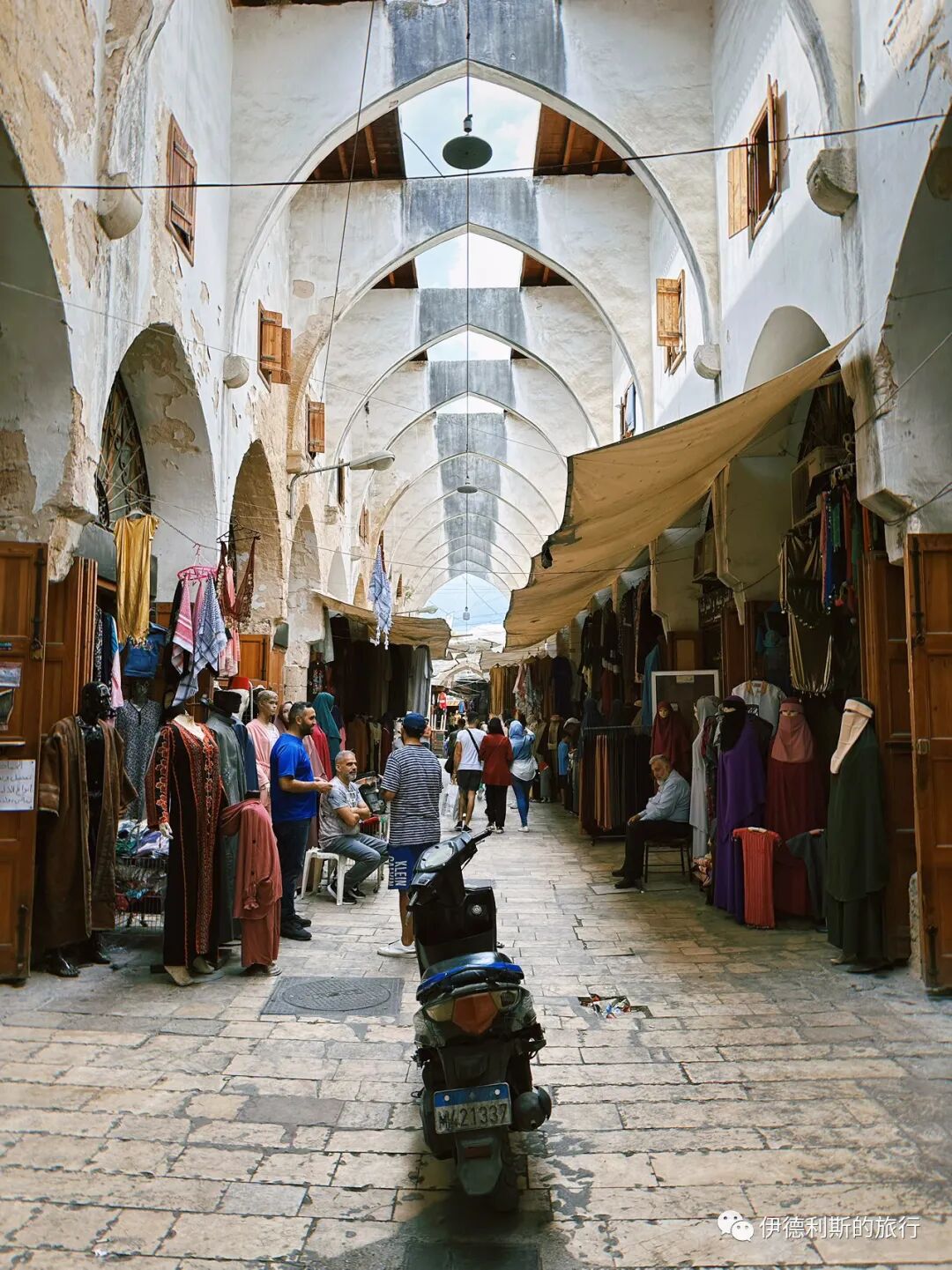
Right next to the Ezzedin bathhouse is the Tailors' Inn (Khan Khayyatin), a Mamluk-era commercial inn built by Prince Badr al-Din in 1339 that mainly sold needles, thread, textiles, and other sewing supplies. This is not a typical courtyard inn, but consists of two rows of shops with stores on the first floor and guest rooms on the second, which are not connected in the middle, and the top is covered by ten horizontally connected arches. People say it has its current shape because it was built on the foundation of a Byzantine-Crusader building.
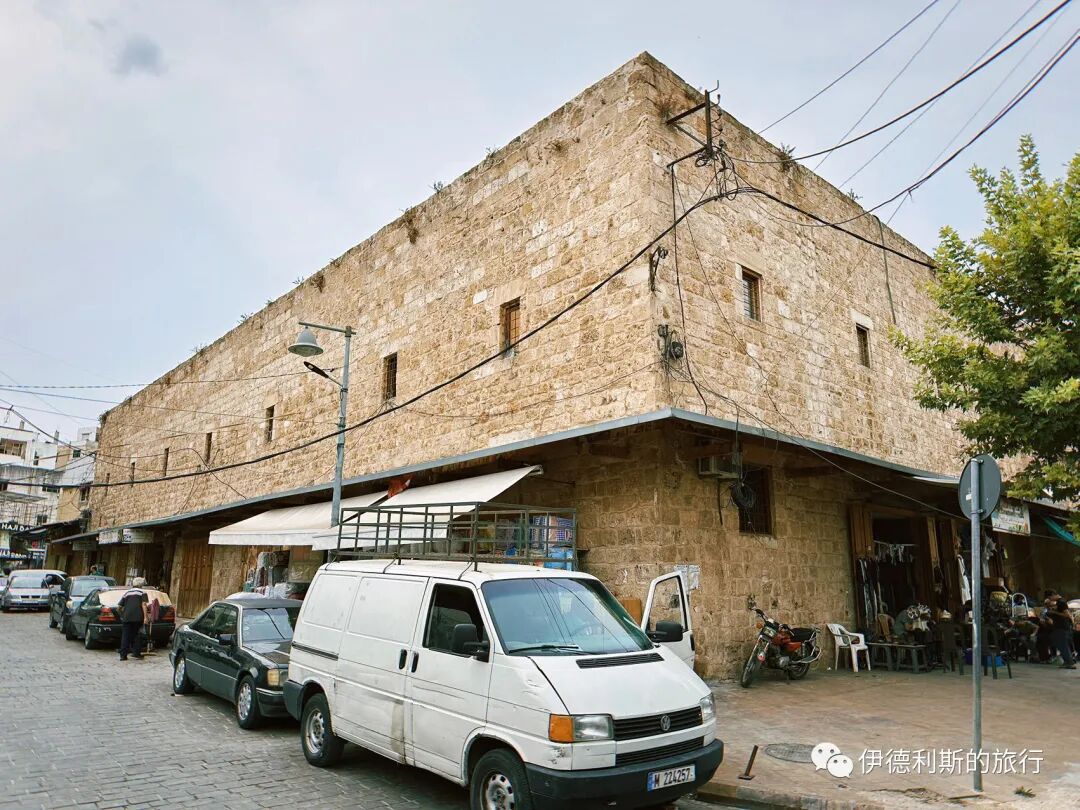
Askar Inn (Khan) was built during the Mamluk period in the 14th century and is the largest commercial inn in Tripoli.
Food
Cheese flatbread (manakish) at the market, which is likely the most classic snack in the market.
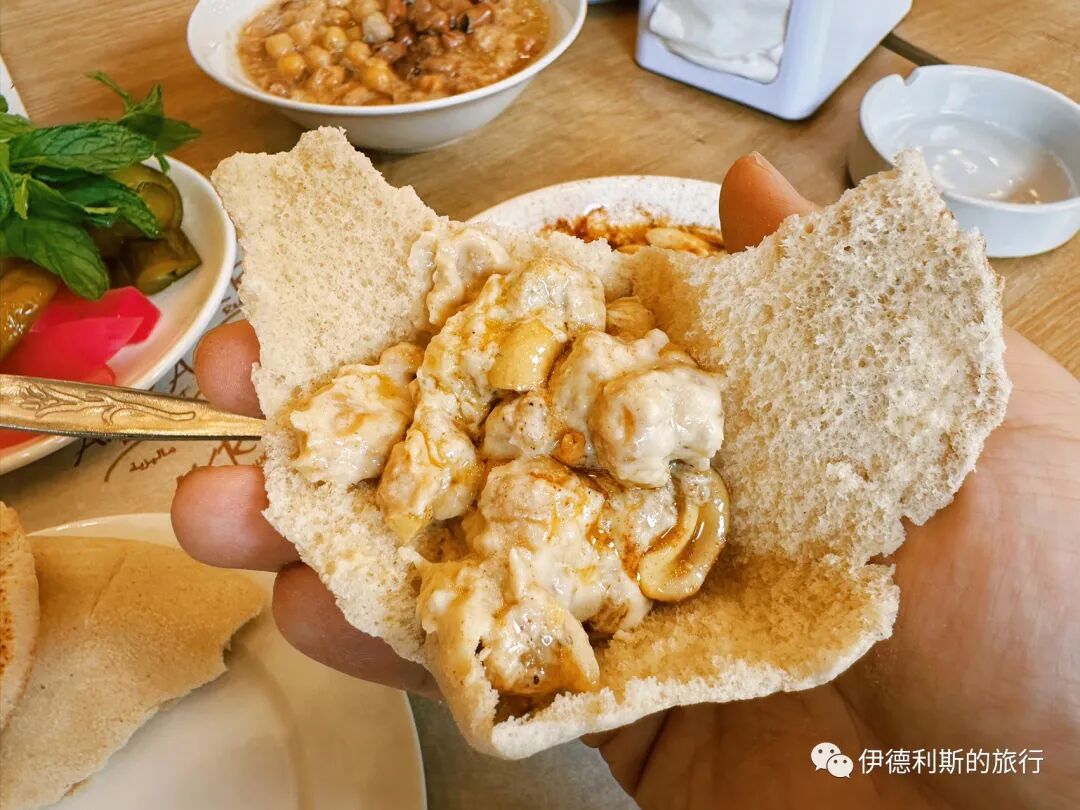
We had a traditional stewed bean brunch at Akra restaurant, ordering traditional stewed fava beans and chickpeas, along with hummus topped with cashews and peanuts, all eaten inside pita bread.
Summary: Tripoli in northern Lebanon is shown through its old city streets, mosques, markets, and everyday food. The account follows the original route from Beirut to Tripoli while keeping the local names, religious sites, and photographs in order.
Tripoli is in northern Lebanon. It takes about an hour to get there by minibus from across the street from the Mohammad Al-Amin Mosque in the capital, Beirut.
In 1289, the Mamluk dynasty took Tripoli from the Crusaders. They destroyed the old city and built a new one 4 kilometers inland below the castle, turning it into an important historic city for the faith. Today, about 35 ancient buildings from the Mamluk period remain in the old city of Tripoli. This makes Tripoli the city with the second-most preserved Mamluk monuments after Cairo.
After the Ottoman Empire left Lebanon in 1918, Tripoli fell into a long decline. The Lebanese Civil War that began in 1975 hit Tripoli hard. In 1985, a battle between Sunni and Alawite militias forced 200,000 people to leave their homes and led to the Syrian army staying in Tripoli until 2005. After the civil war ended, Tripoli seemed to be forgotten, and more than half of its residents live in poverty. At the same time, conflicts between Sunni and Alawite groups happen from time to time, often with bombings and suicide attacks, which has long made Tripoli an unsuitable place for tourism.
Table of Contents
Castle
Tripoli Castle: Rebuilt by the Mamluk dynasty in 1289 and again by Suleiman the Magnificent of the Ottoman Empire in 1521.
City Gates
Al-Mahatra Gate: Named after the military musicians who played to encourage the troops.
Mosques
Mansouri Great Mosque: Built by the Mamluk dynasty in 1294.
Taynal Mosque: Built by the Mamluk dynasty in 1336.
Attar Mosque: Built in the 1350s by a local wealthy perfume merchant; it is currently closed.
Al-Uwaysiyat Mosque: Built by the Mamluk dynasty in 1461.
Hanging Mosque (Muallaq Mosque): Built by the Ottoman Empire in 1561.
Tawba Mosque: Rebuilt by the Ottoman Empire in 1612.
Burtasi Mosque: Built by the Mamluk dynasty in the late 13th and early 14th centuries.
Madrasas
In the 14th century, the Mamluk dynasty built six madrasas around the Mansouri Great Mosque.
Hammam
Al Jadid Hammam: Built during the Ottoman period in 1740; it is currently closed.
Ezzedin Hammam: Built by the Mamluk dynasty in the late 13th century; it is currently open for visitors.
Market
Haraj Market: Built in the 14th century during the Mamluk dynasty.
Inn
Al Saboun Soap Inn: Built in 1480 during the late Mamluk dynasty, where you can buy traditional soap.
Misriyyin Soap Inn: Built in the 14th century during the Mamluk dynasty, where you can buy traditional soap.
Khayyatin Tailor Inn: Built in 1339 during the Mamluk dynasty, where you can buy traditional clothing.
Askar Inn: Built in the 14th century during the Mamluk dynasty, currently closed.
Food
Cheese flatbread in the market.
Eat at Akra Restaurant: Traditional bean stew brunch.
Castle
The site of Tripoli Castle was originally a Shia cemetery from the Fatimid dynasty. During the Frankish Crusader siege of Tripoli in 1102-1103, the Crusader leader Raymond of Saint-Gilles ordered it to be built into a castle, so it was later also called Saint-Gilles Castle. In 1289, after the Mamluk dynasty captured Tripoli, they rebuilt the castle using many Roman columns and other building materials found nearby. In 1521, the Ottoman Sultan Suleiman the Magnificent rebuilt the castle again, changing the arrow slits into cannon ports. In the early 19th century, the Ottoman governor of Tripoli carried out the last major renovation of the castle, giving it its current appearance.
The castle gate consists of two towers. The moat in front originally had a drawbridge, which has now been replaced by a stone bridge. The black and white marble facade on the gate was built by Suleiman the Magnificent in 1521. The stone inscription above reads: 'May the Emir never cease to obey his command, restoring this sacred castle, making it a strong fortress forever.'
City Gates
Al-Mahatra Gate in the old city of Tripoli. The name of this gate comes from the military musicians who played to encourage the army. Now that the war is over, houses have been built on top of the gate, and it has become a quiet alley.
Mosques
Mansouri Great Mosque, also known as the Great Mosque of Tripoli, was ordered to be built in 1294 by the Mamluk Sultan Al-Ashraf Khalil. It is the first building constructed by the Mamluk dynasty in Tripoli.
In 1109, the French Crusaders occupied Tripoli. For the next 180 years, Tripoli was ruled by European Christian nobles. In 1289, the Mamluk army arrived at the walls of Tripoli carrying large catapults. Under the assault of catapults, the two towers of Tripoli soon collapsed. The Mamluk army stormed the city and leveled it to the ground.
Shortly after, the Mamluk dynasty began building a new city at the foot of the castle on Tripoli's Pilgrim Mountain (Jabal al-Hajj). This included the Great Mansouri Mosque, built on the ruins of a Crusader church at the base of the hill. The mosque's minaret (mabkhara) is likely part of the Crusader Church of St. Mary, and the main gate may also incorporate the original Crusader church entrance. The main prayer hall was built by the Mamluk dynasty in 1294, and the courtyard's surrounding colonnades were added in 1314 by the Mamluk Sultan Al-Nasir Muhammad.
Taynal Mosque was built in 1336 by order of the Mamluk governor of Tripoli, Amir Taynal. The main prayer hall of Taynal Mosque consists of two consecutive halls. The most ornate feature is the entrance to the second hall, which has a gate with a stalactite-style cornice (muqarnas) and uses the ablaq technique of alternating black and white marble. Inside the prayer hall are some ancient Corinthian columns, which are thought to have come from a Crusader-era church or an even older Roman temple.
Attar Mosque was built in the 1350s by a wealthy local perfume merchant named Badr al-Din al-Attar on the ruins of a Crusader church. It was the first mosque in Tripoli not built by the Mamluks. Attar Mosque is known as one of the most beautiful mosques in Tripoli, but it has been closed for several years for renovations.
Al-Uwaysiyat Mosque was first built during the Mamluk period in 1461 and was renovated in 1534 during the reign of the Ottoman Sultan Suleiman the Magnificent.
The Hanging Mosque (Muallaq Mosque) was commissioned in 1561 by the Ottoman governor of Tripoli, Mahmud Lutfi al-Za'im, during the reign of Ottoman Sultan Suleiman the Magnificent. The first floor of the Hanging Mosque is a culvert on the street level, so you must take the stairs to the side to reach the second-floor prayer hall. The octagonal minaret next to the prayer hall is very eye-catching and features two levels of balconies.
The construction date of Tawba Mosque is unknown, though it is believed to have been built during the Mamluk period. Because it sits right next to the riverbank, the stone inscription marking its construction was likely washed away in a flood. The inscription currently at the mosque entrance states that it was rebuilt after a flood in 1612. Many mosques in Lebanon lock their doors outside of prayer times, so I could not enter and only saw the octagonal minaret.
Burtasi Mosque was built by Isa ibn Umar al-Burtasi during the Mamluk period. Since Isa passed away in 1324, we can assume the mosque was built between the late 13th century and 1324. A flood in 1955 destroyed all the houses around Burtasi Mosque, and it is now the only building left standing on the riverbank. The minaret above the main gate is considered the most beautiful minaret in Tripoli. Above the three-tiered muqarnas cornice is a square balcony featuring Moorish-style double-arched windows. This type of double arch is a classic structure found in Muslim architecture in Andalusia, southern Spain.
Madrasas
During the 14th century, the Mamluk dynasty established six colleges around the Great Mansouri Mosque, which trained a large number of students. These include al-Khayriyya Hasan (1309 or later), al-Qartawiyya (c. 1326), al-Shamsiyya (1349), al-Nasiriyya (between 1354–60), al-Nuriyya (14th century), and the Mashhad Madrasa. The al-Qartawiyya Madrasa outside the east wall of the Mansouri Great Mosque is the most magnificent, though we could not find the main gate in the maze-like alleys of the old city, we did see the calligraphy carvings on the school's wall.
Hammam
Right next to the Hanging Mosque is the Al Jadid bathhouse (Hammam), built in 1740 during the Ottoman period, which was used until the 1970s and closed after the outbreak of the Lebanese Civil War. This bathhouse was a gift to Tripoli from the Damascus governor Asad Pasha Al Azem, and its gate is exquisite, featuring a fourteen-link chain carved from a single piece of stone.
The Ezzedin bathhouse (Hammam) was the first public bathhouse built by the Mamluk dynasty after they occupied Tripoli, commissioned by Emir Ezzedin Aibek (who ruled Tripoli from 1293 to 1298) and constructed using many marble pieces from the Byzantine and Crusader eras. This bathhouse operated from the end of the 13th century until 1975, when it closed due to the start of the Lebanese Civil War. It has now been restored and is free to visit.
Market
The markets in Tripoli's old city are very lively, which is a sharp contrast to Beirut. Ibn Battuta wrote in his travelogue: 'Afterward, we arrived at the city of Tripoli.' It is an important town in Sham, with several small rivers flowing through it. It is surrounded by fragrant orchards and lush green trees. The sea surrounds it with its deep blue water, and the earth nourishes it with its treasures. The goods in the market are dazzling and truly amazing.
We drank street coffee at the market and saw all kinds of dairy products, which was very interesting.
The Haraj market was built in the 14th century and has an 8-meter-high vaulted ceiling supported by black granite columns, some of which may be architectural pieces from the ancient Roman or Byzantine eras. The market has two floors; the upper rooms were for merchants to stay in and had wooden windows through which their female relatives could look down at the market, while the lower floor was for selling goods.
The 1983 bombing during the Lebanese Civil War caused severe damage to the Haraj market, which was later restored to its current state after a long process.
Inn
Tripoli has always been famous for producing perfume and handmade soap, with the most well-known brand being Bader Hassoun's Khan Al Saboun (Soap Inn). The history of the Hassoun family producing soap in Tripoli dates back to the early Mamluk dynasty in 1256, while the Soap Inn (Khan Al Saboun) in the old city of Tripoli was built in the late Mamluk dynasty in 1480.
The Soap Inn has a courtyard with two levels of galleries and a pool in the middle. The second floor of the gallery was for caravan merchants to stay, while the first floor was for making and selling soap. People say the Ottoman Sultan Suleiman the Magnificent once received soap from Tripoli as a tribute, and at the urging of the Queen, Suleiman ordered the expansion of the Soap Inn in Tripoli. After it was built, the soap inn became a trade center for making and selling soap, and it started exporting soap to Europe. Today, the Bader Hassoun soap shop is located right here.
In 1993, Bader Hassoun's jewelry store in the old city of Tripoli was robbed, which led him to decide to restore his family's tradition of making soap. He and his wife spent one night making traditional soap with olive oil, dates, glycerin, natural coloring, and spices, and it all sold out the next day.
We bought the most traditional natural soap at the shop, which comes in three scents: green tea, lavender, and cedar. Cedar is an important symbol of Lebanon, and Lebanon is also known as the Land of Cedars. We also bought an olive oil soap safe for babies, which I can use for Suleiman.
Misriyyin Inn is located in the northern part of the old city of Tripoli and dates back to the Mamluk period in the 14th century. There is a Sharkass soap shop on the second floor of the inn, and they have been making traditional olive oil soap since 1803. The Tripoli Soap shop on the first floor opened in 1937, and you can watch the process of making natural soap on-site here.
Right next to the Ezzedin bathhouse is the Tailors' Inn (Khan Khayyatin), a Mamluk-era commercial inn built by Prince Badr al-Din in 1339 that mainly sold needles, thread, textiles, and other sewing supplies. This is not a typical courtyard inn, but consists of two rows of shops with stores on the first floor and guest rooms on the second, which are not connected in the middle, and the top is covered by ten horizontally connected arches. People say it has its current shape because it was built on the foundation of a Byzantine-Crusader building.
Askar Inn (Khan) was built during the Mamluk period in the 14th century and is the largest commercial inn in Tripoli.
Food
Cheese flatbread (manakish) at the market, which is likely the most classic snack in the market.
We had a traditional stewed bean brunch at Akra restaurant, ordering traditional stewed fava beans and chickpeas, along with hummus topped with cashews and peanuts, all eaten inside pita bread.
