
Halal Food Guide: Beijing - 10 Muslim Restaurants Worth Trying
Reposted from the web
Summary: This fifth Beijing halal restaurant list covers ten places worth trying, including Kazakh food, local Muslim dishes, Middle Eastern flavors, and neighborhood restaurants. It keeps the original restaurant names, food details, locations, and practical notes for readers planning halal meals in Beijing.
Sandyq Kazakhstan Restaurant
The high-end traditional Kazakh restaurant SANDYQ has opened in Beijing. I specifically ate at their location in Almaty before, so I was surprised to find one here now.
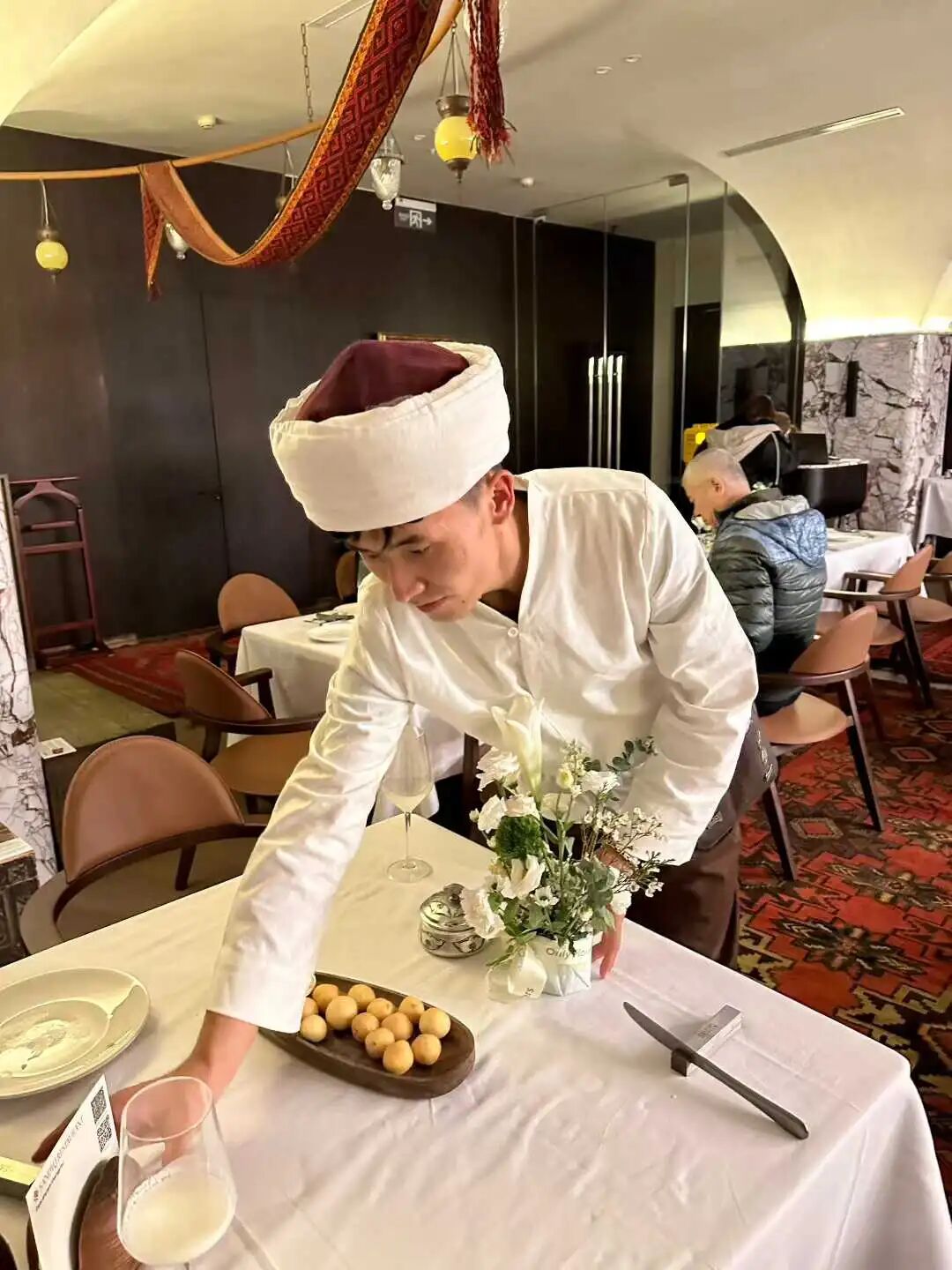
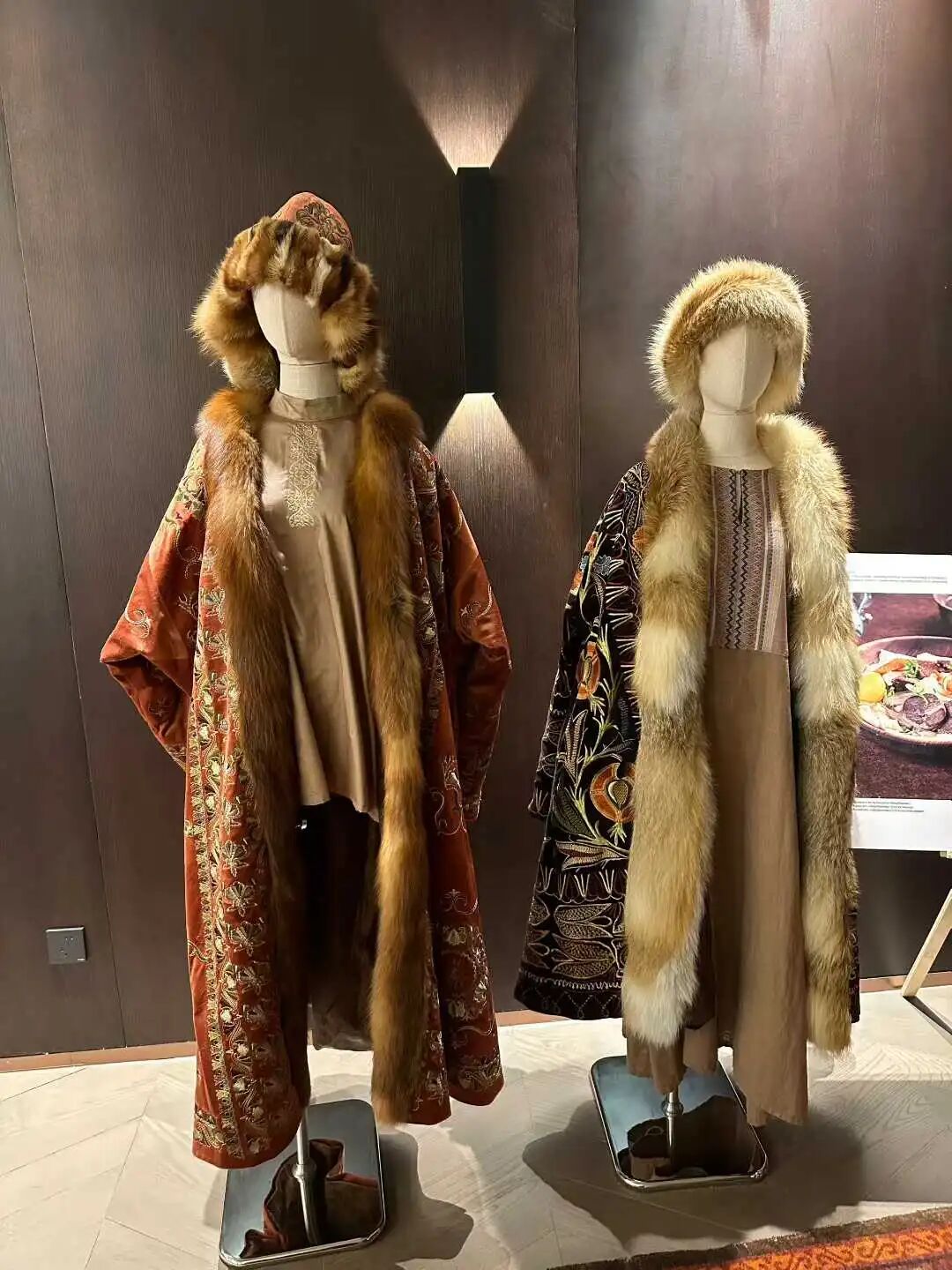
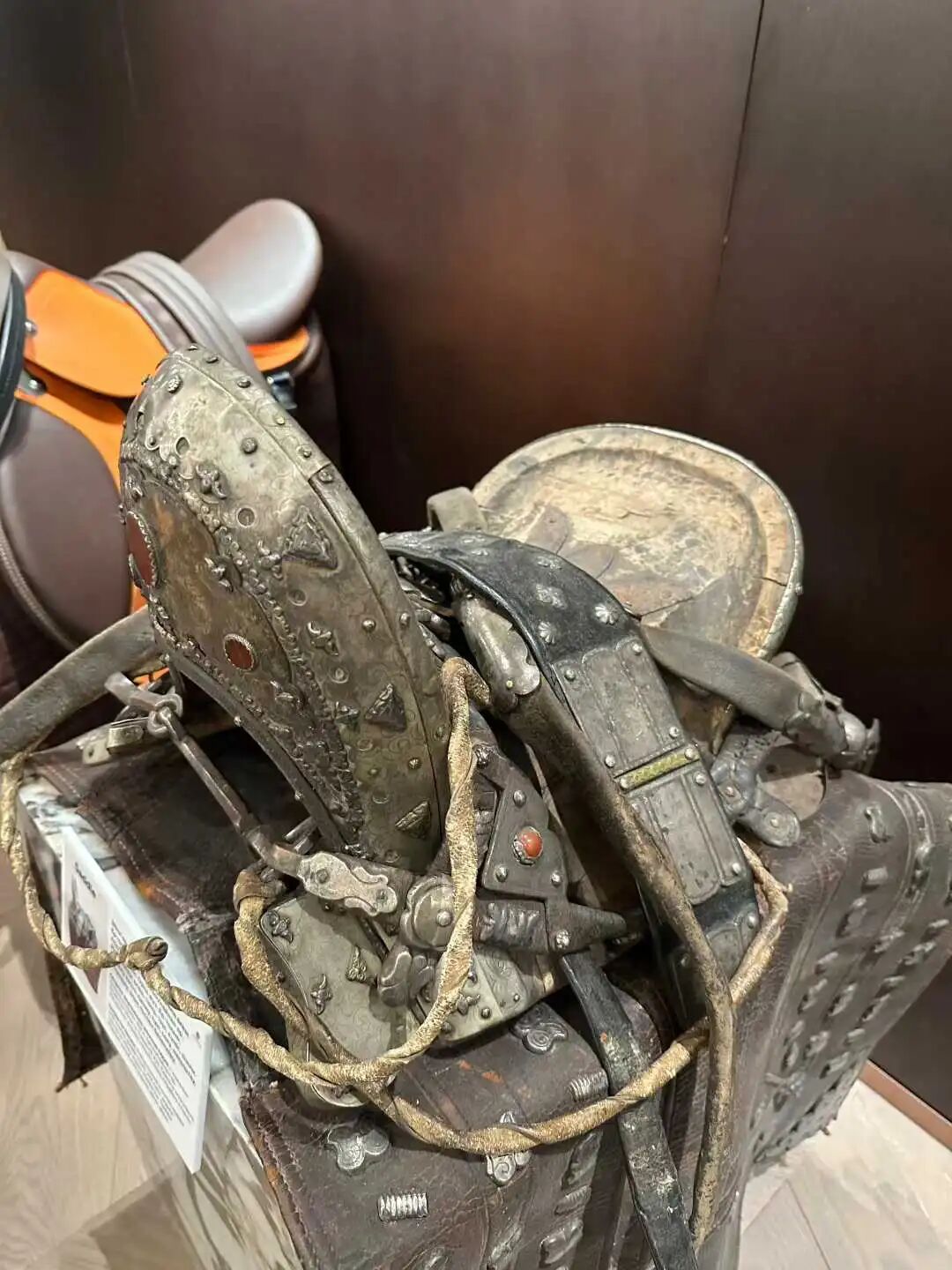
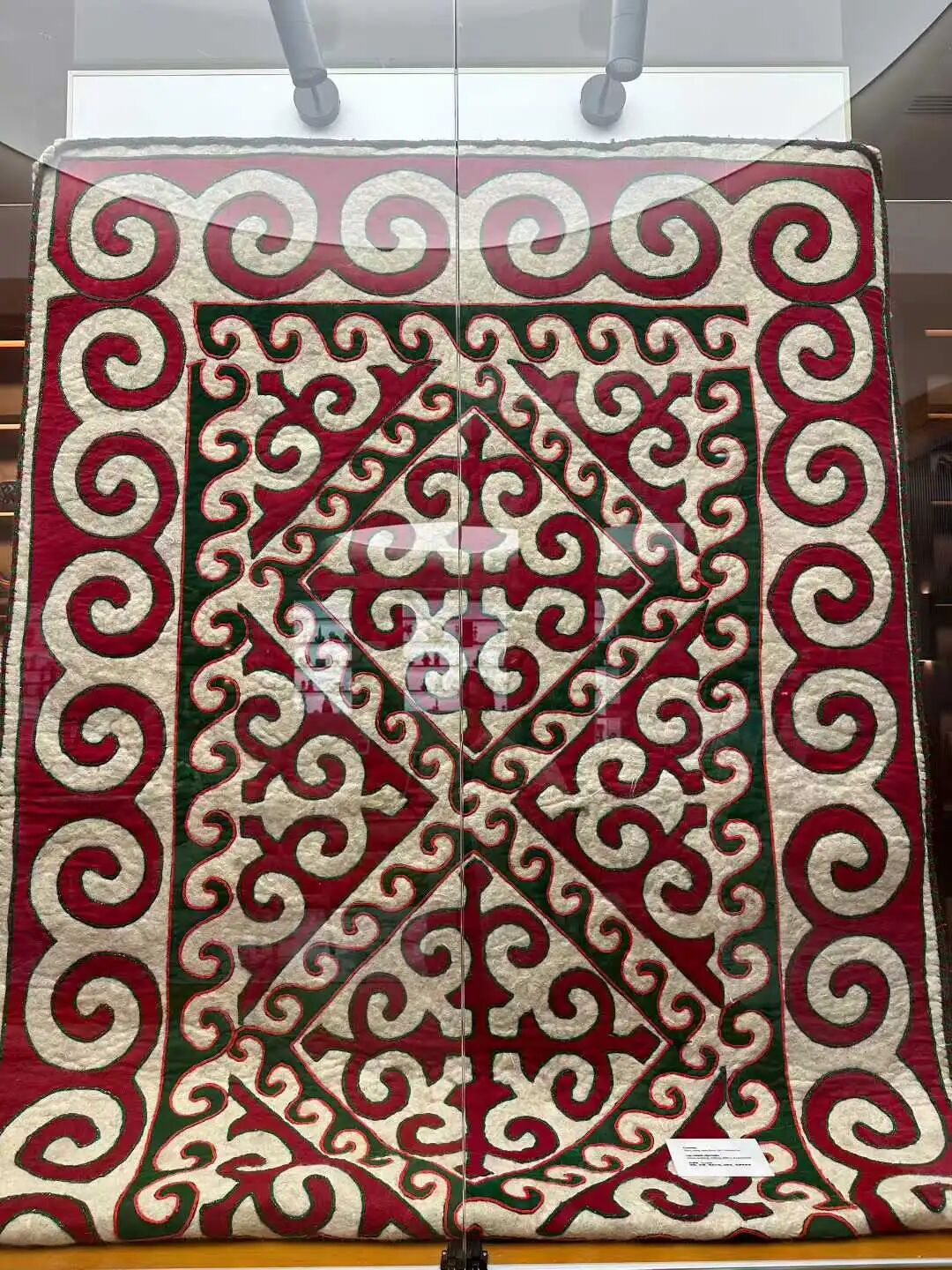
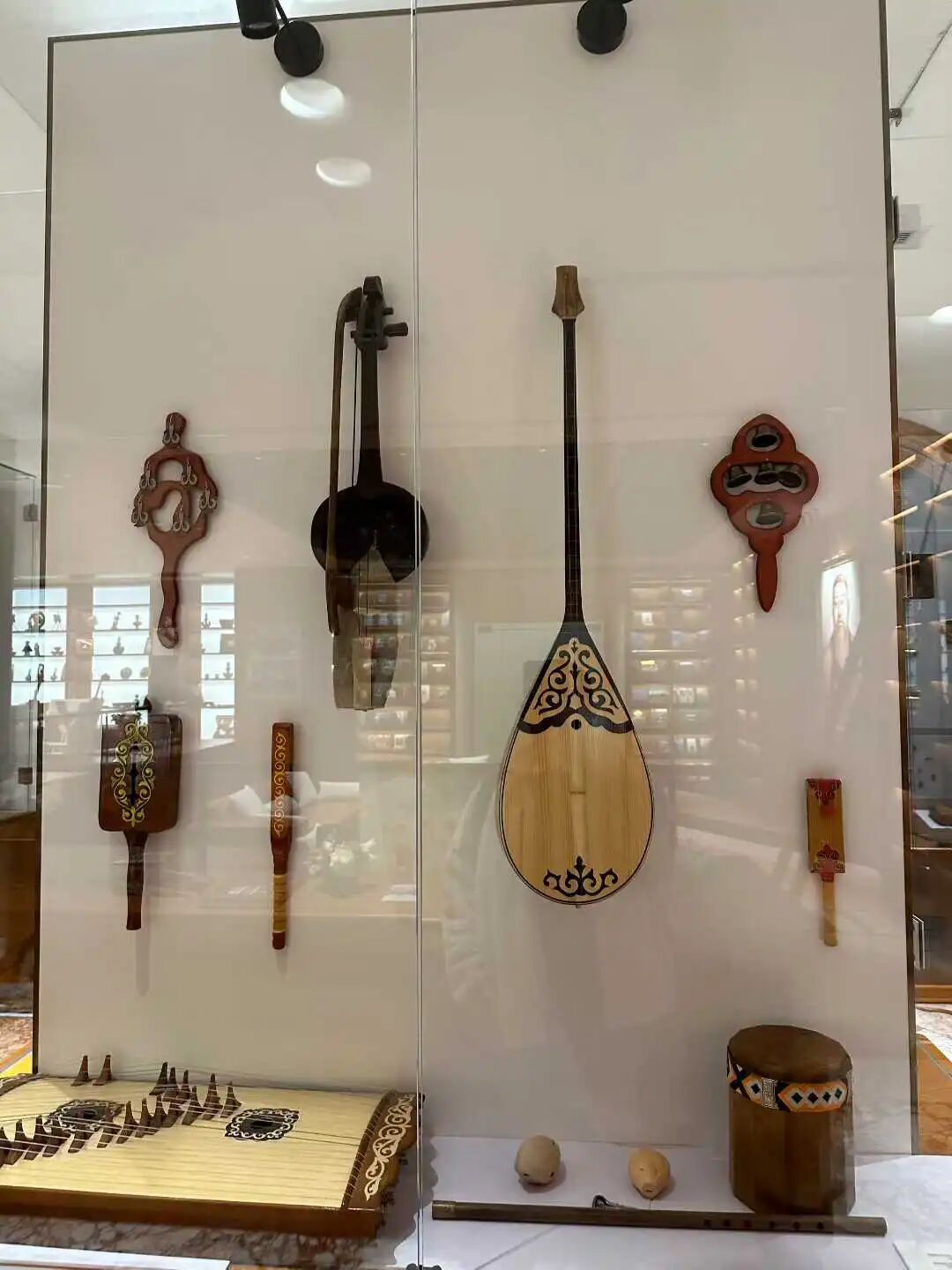
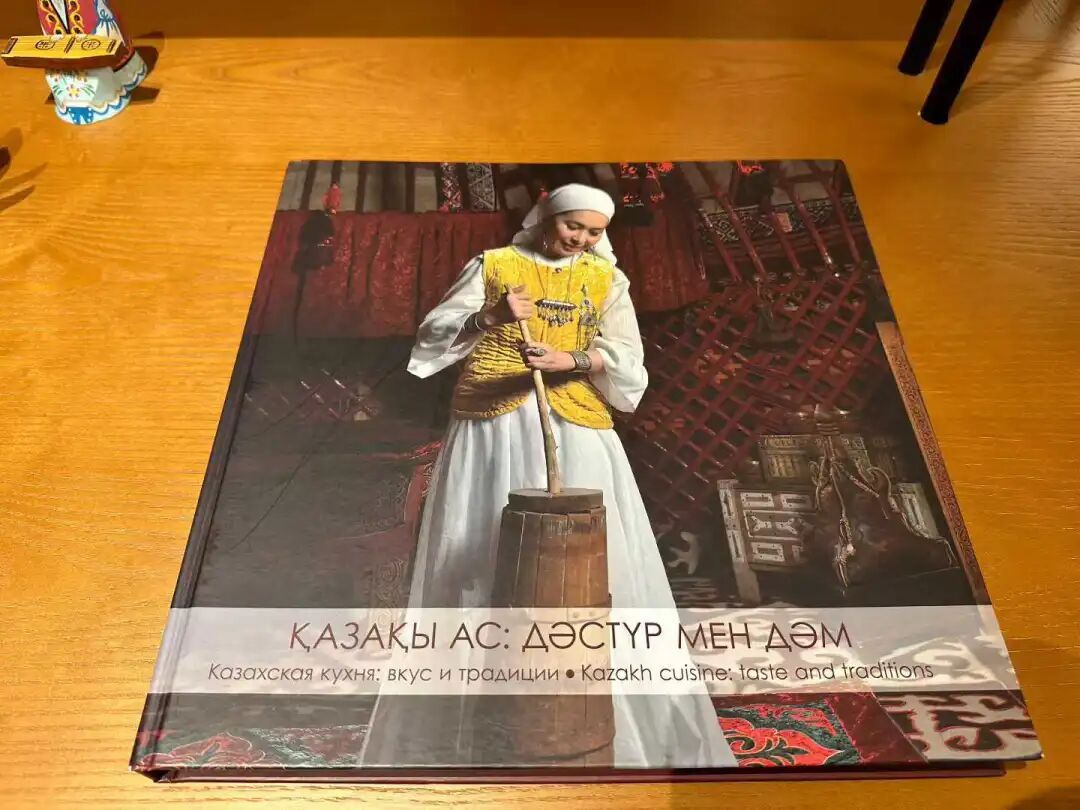
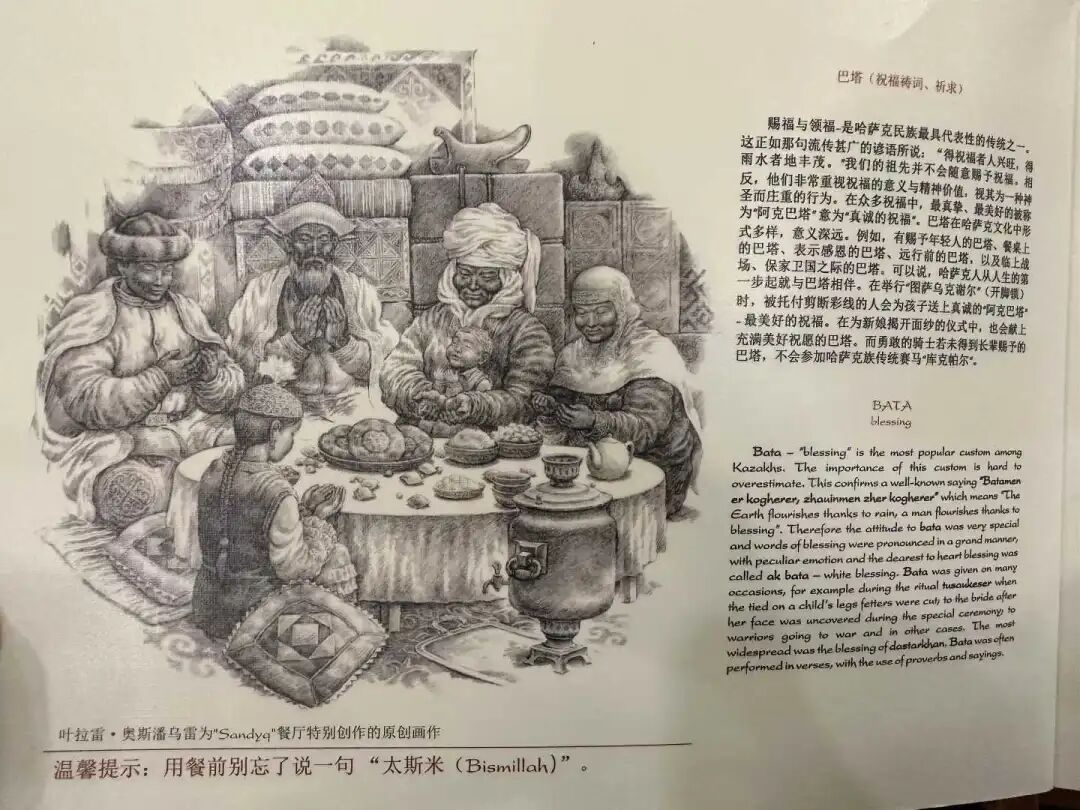
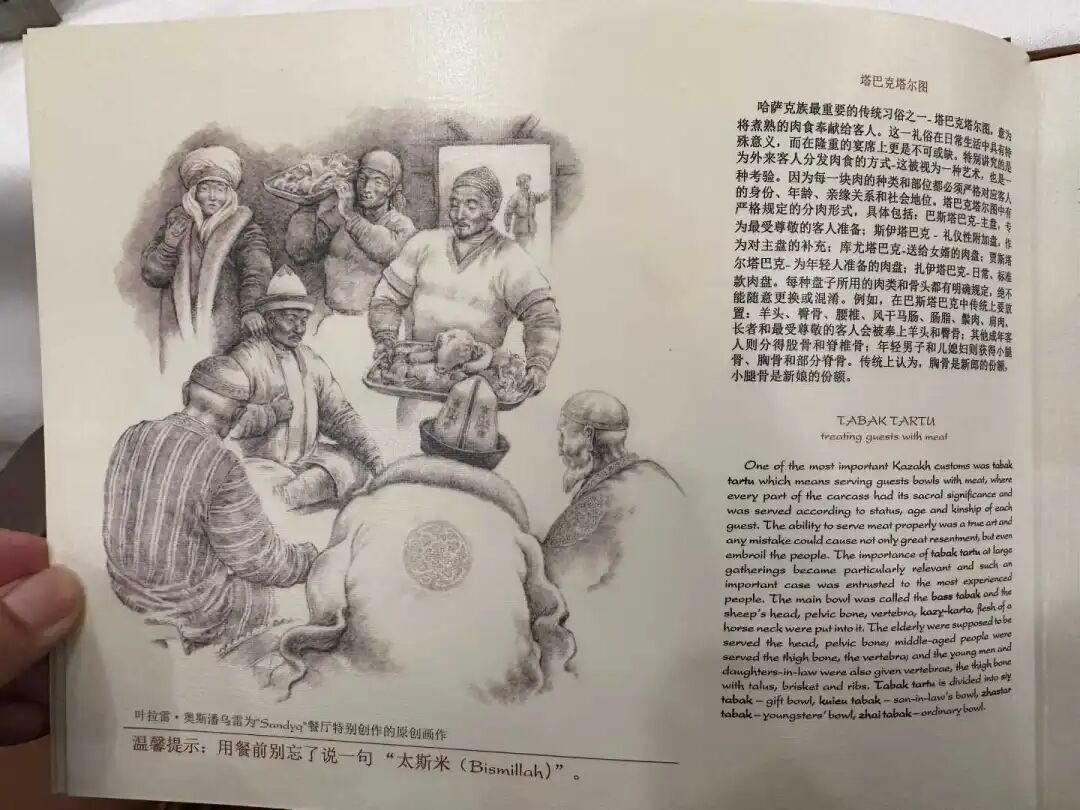
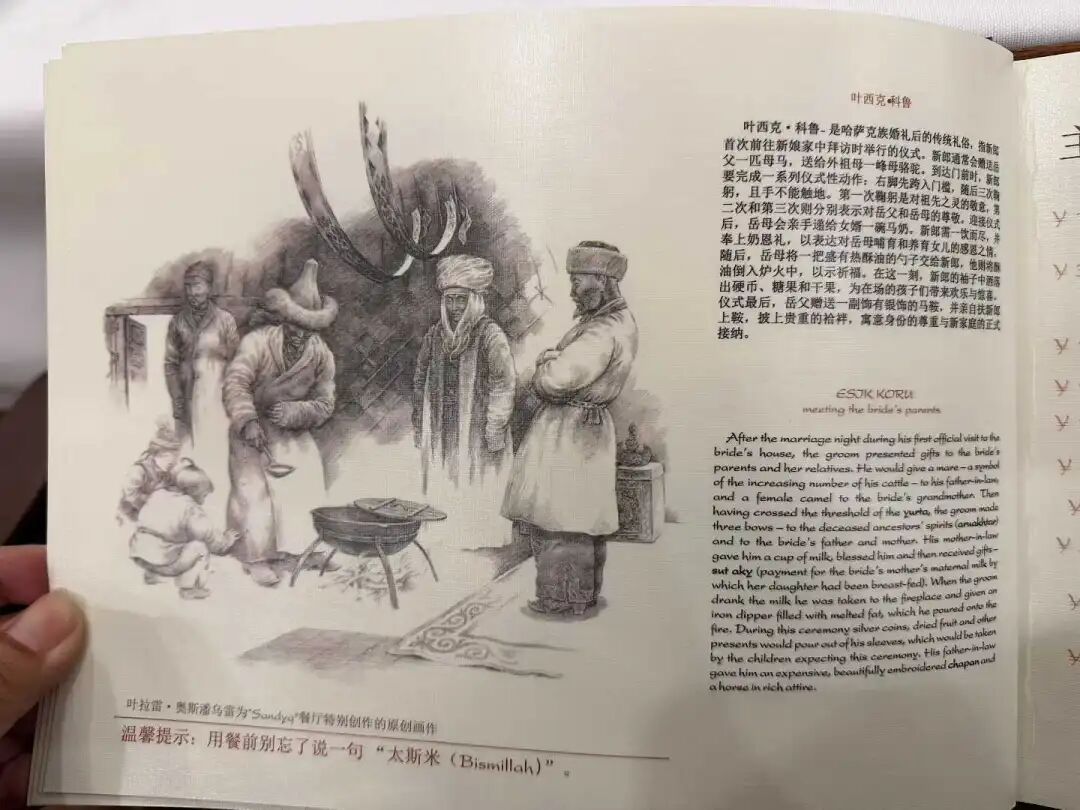
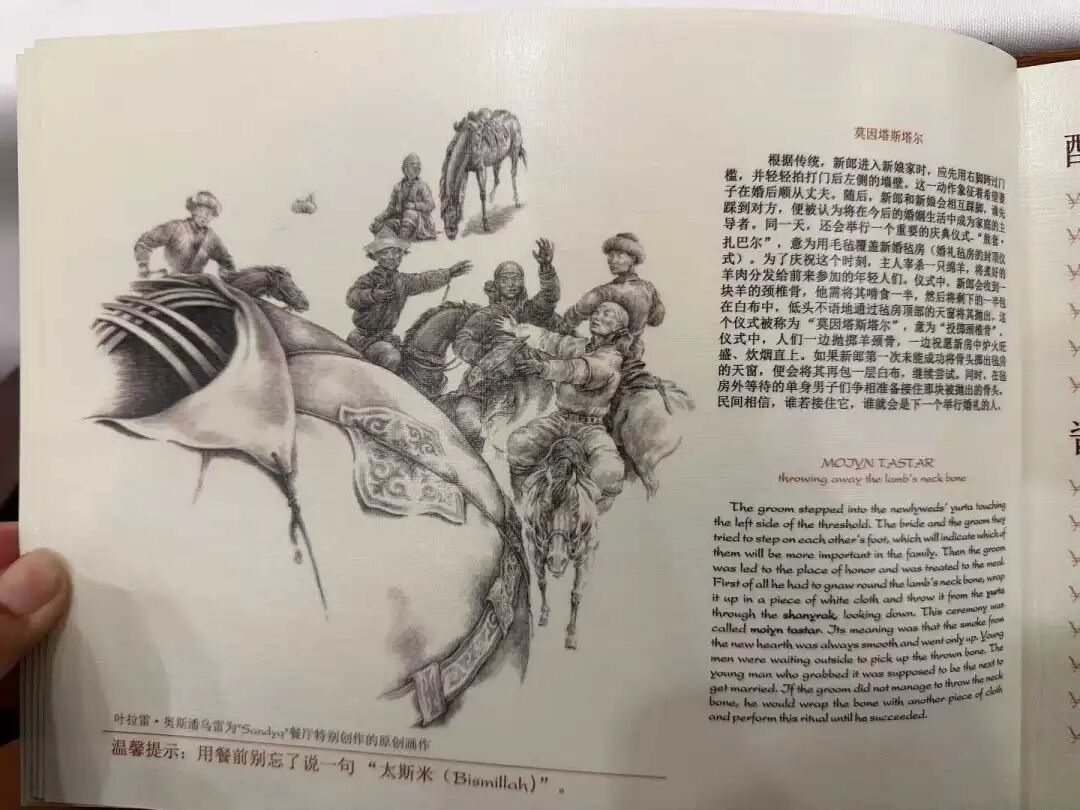
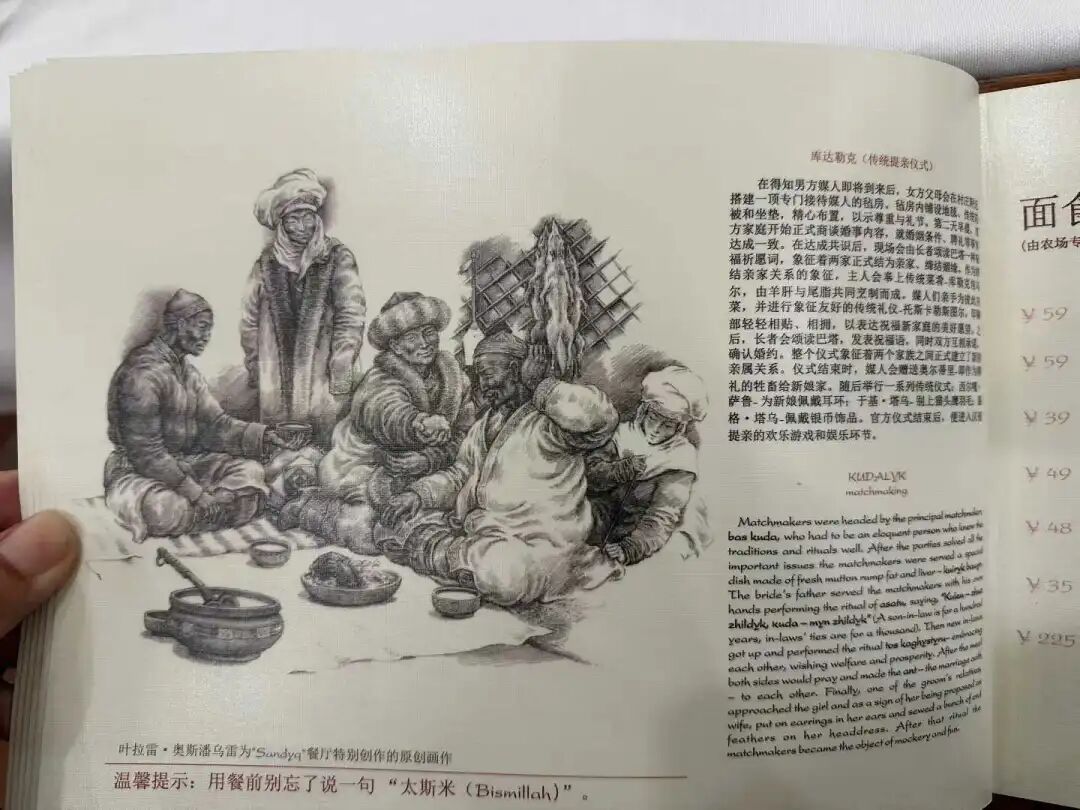
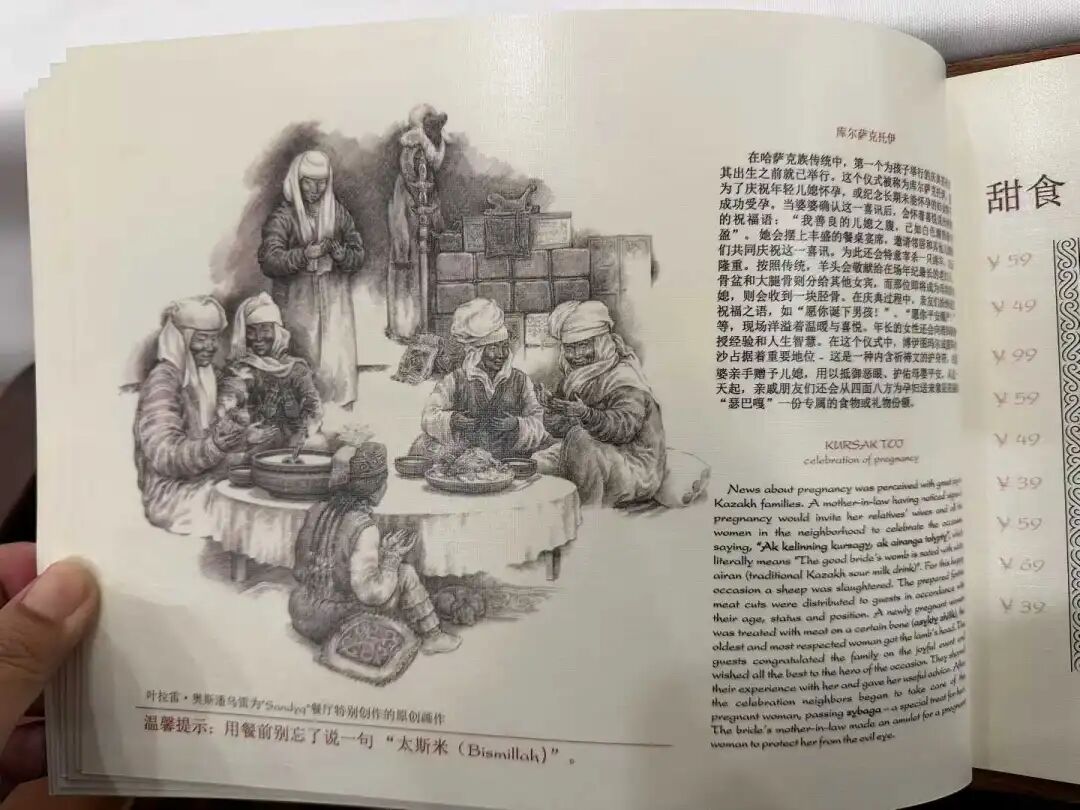
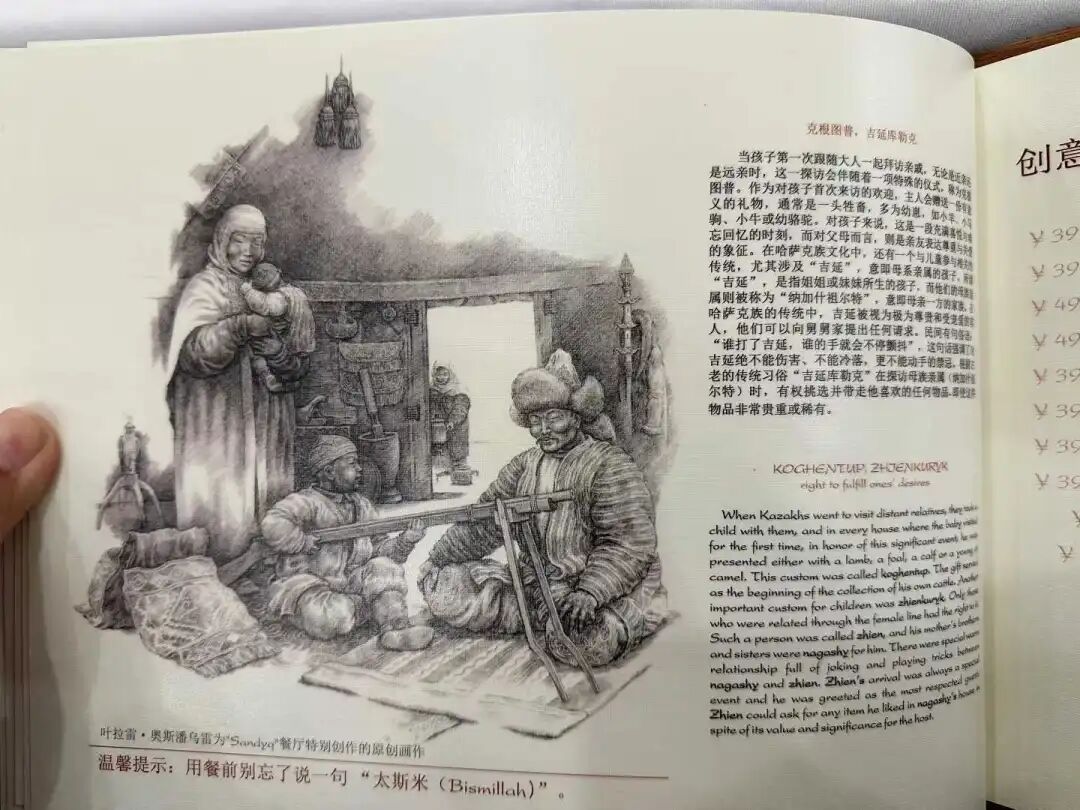
It is located across from the Liangma River in Solana, and the decor and menu are exactly the same as the Almaty branch. The interior features a nomadic style, the servers wear traditional Kazakh clothing, and the shop displays many traditional handicrafts. They serve the most traditional Kazakh nomadic dishes, which have not been influenced by Russian cuisine.
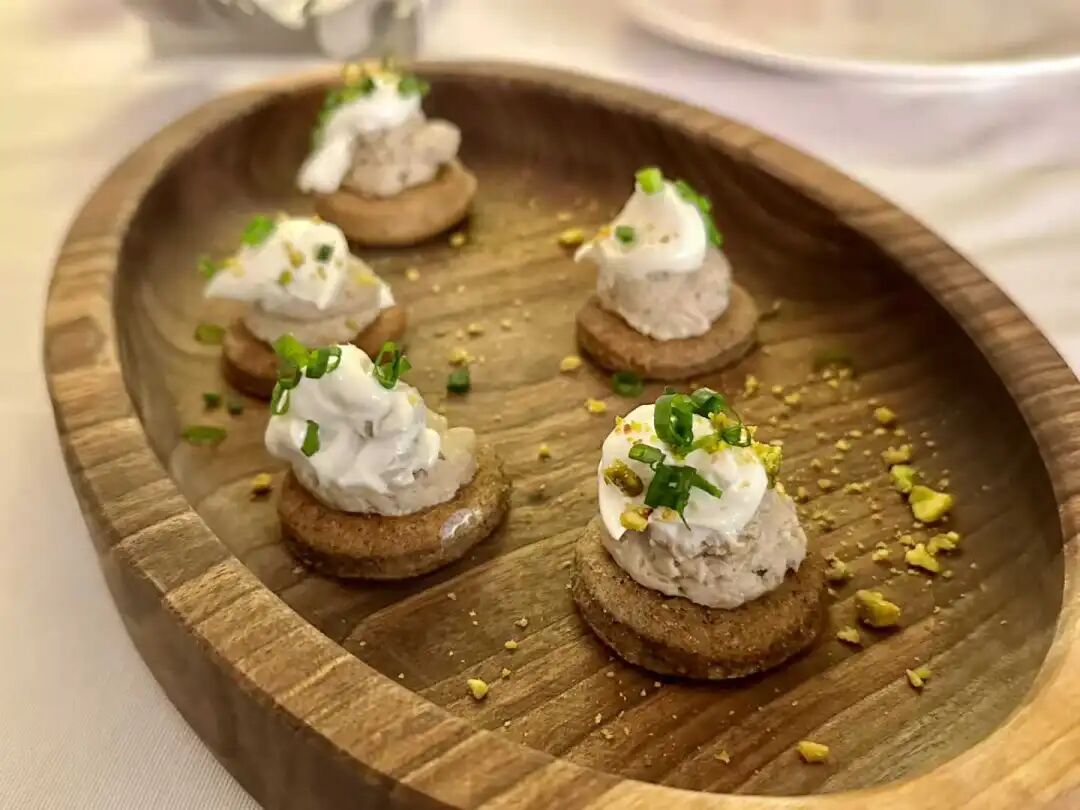
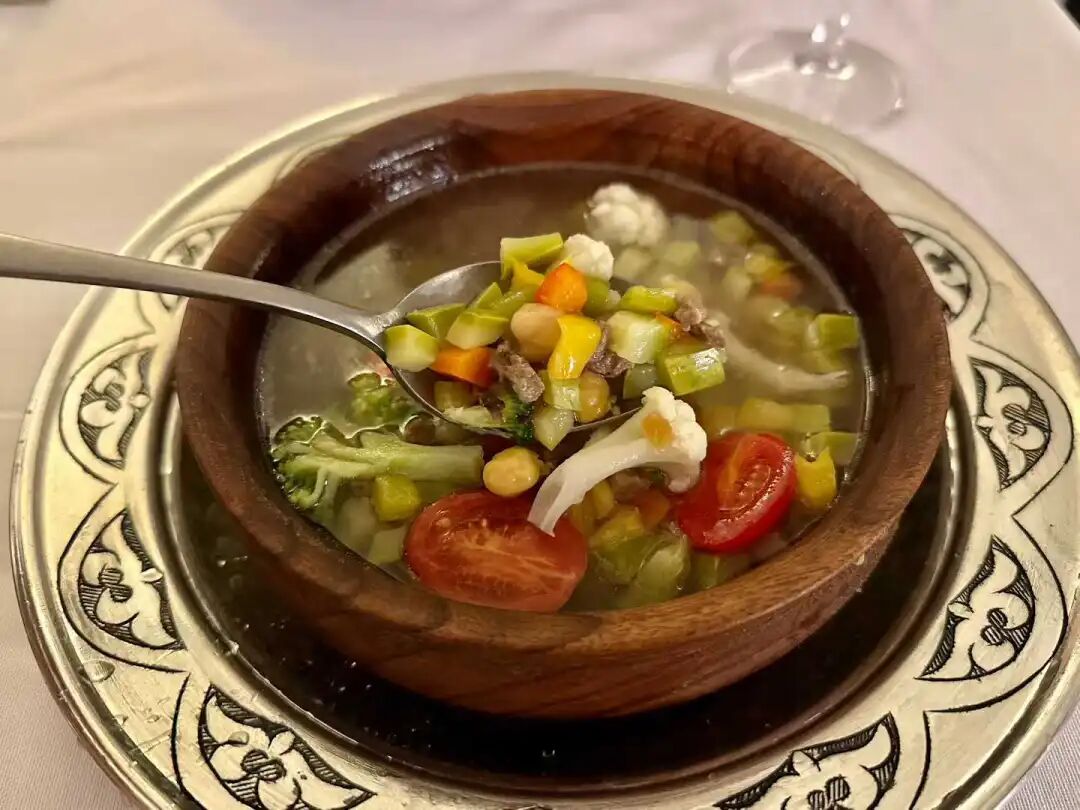
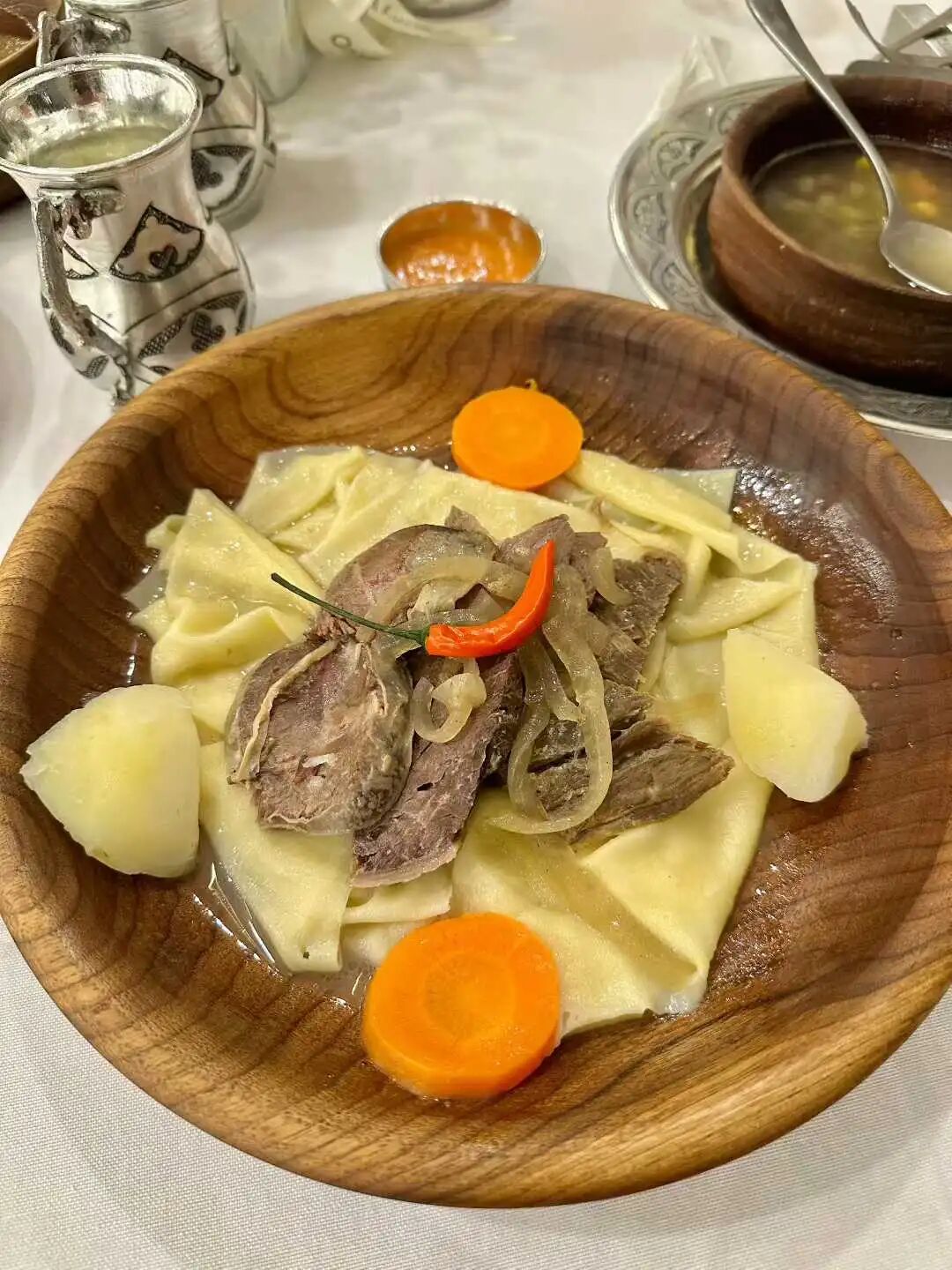
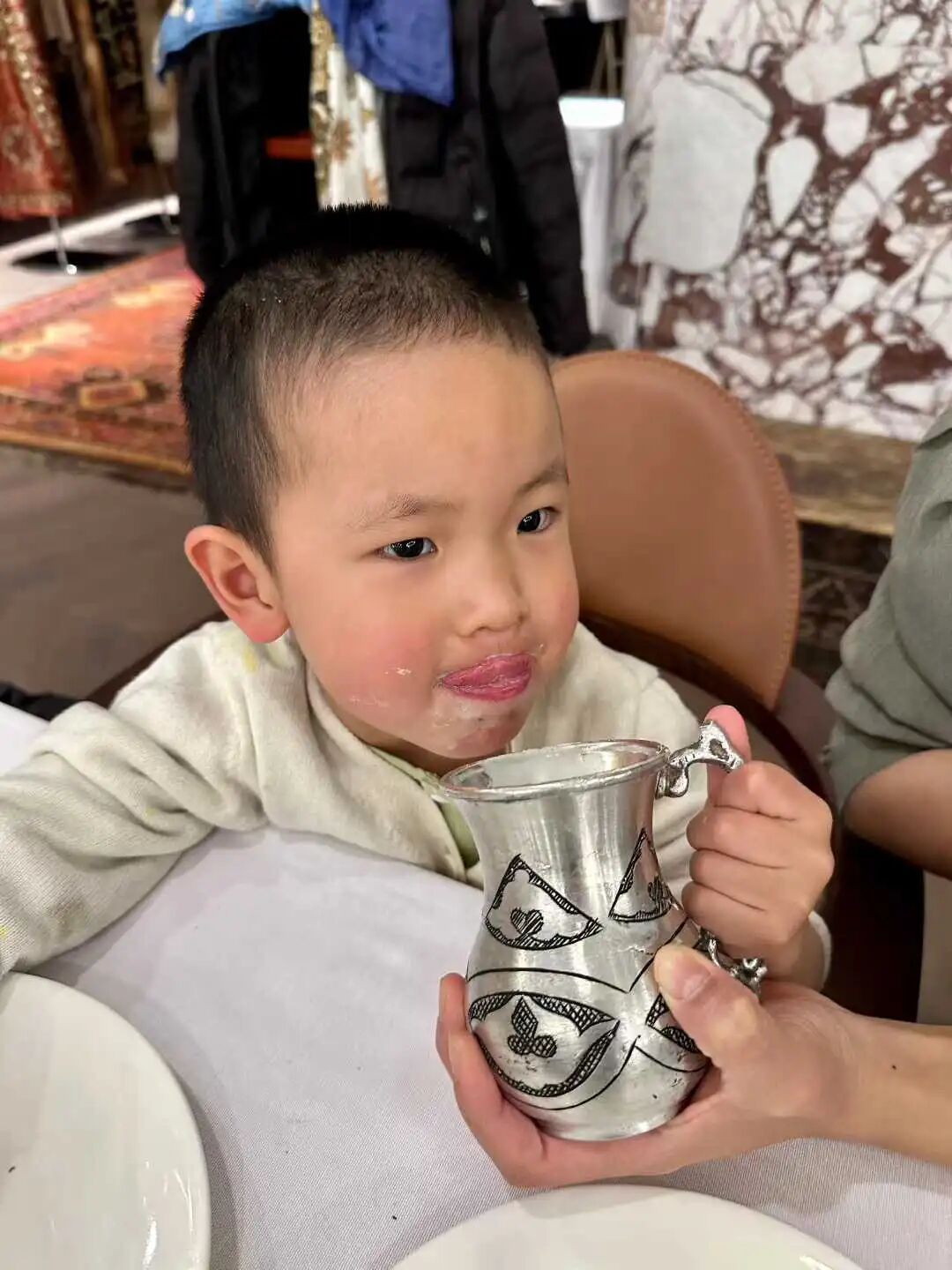
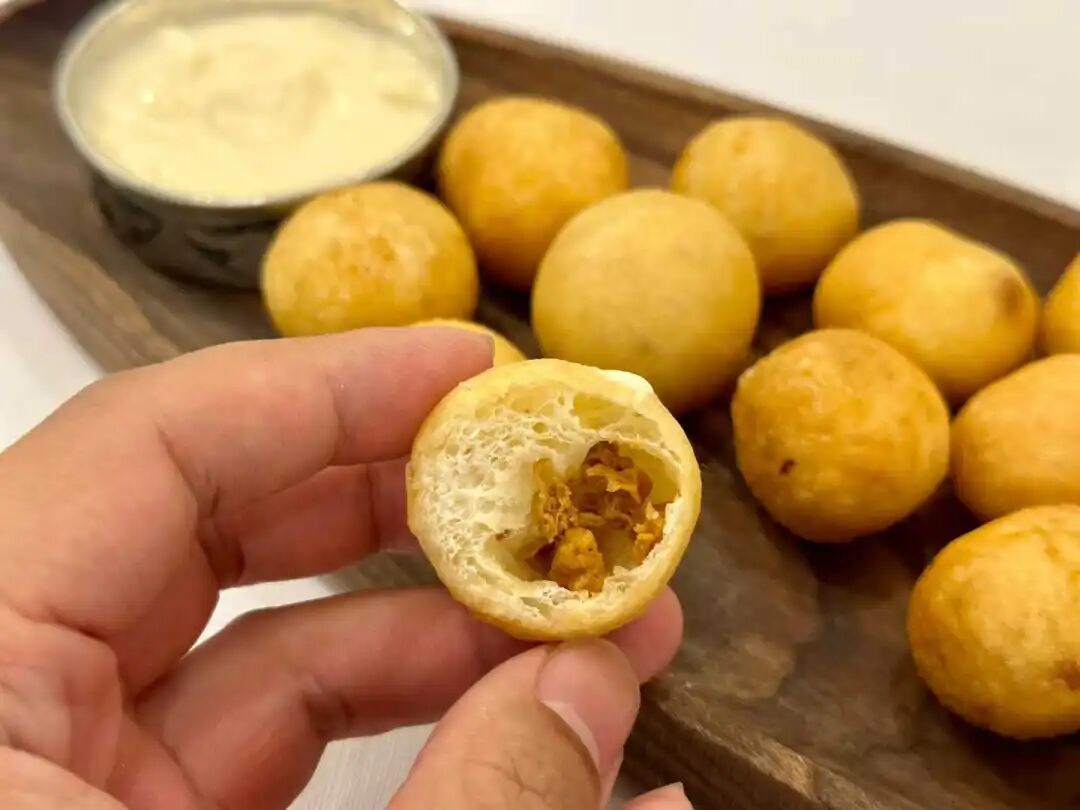
We ordered lamb five-finger stew (Beshbarmak), chickpea vegetable soup, Mi Palaw, camel milk (Shubat), and cheese-filled fried dough (Baursak). Including the 10% service charge, it was less than 200 per person. Since they just opened, there is a traditional Kazakh music performance every day at 19:00, which makes it worth the visit.
Their five-finger stew is delicious, and the lamb is stewed very well. Five-finger stew is a classic dish for Kazakh and Kyrgyz nomads and a must-have for festivals. When making it, one person cuts the meat while another prepares the dough. The meat is sliced and spread over the noodles, then served with potatoes. People usually eat lamb in the summer, and after the winter slaughter, they eat horse meat and horse sausage.
Mi Palaw is labeled as 'rice pilaf,' but it is actually a cheese-filled pastry, not pilaf. Be sure to note this when ordering, as they do not serve pilaf.
The fermented mare's milk (Kumis) we drank at the Almaty store had a very strong flavor, so this time we only ordered camel milk. It is also heavily fermented, so most people might not be used to it.
Their chickpea vegetable soup and cheese-filled fried dough also tasted quite good and suited the local Beijing palate.
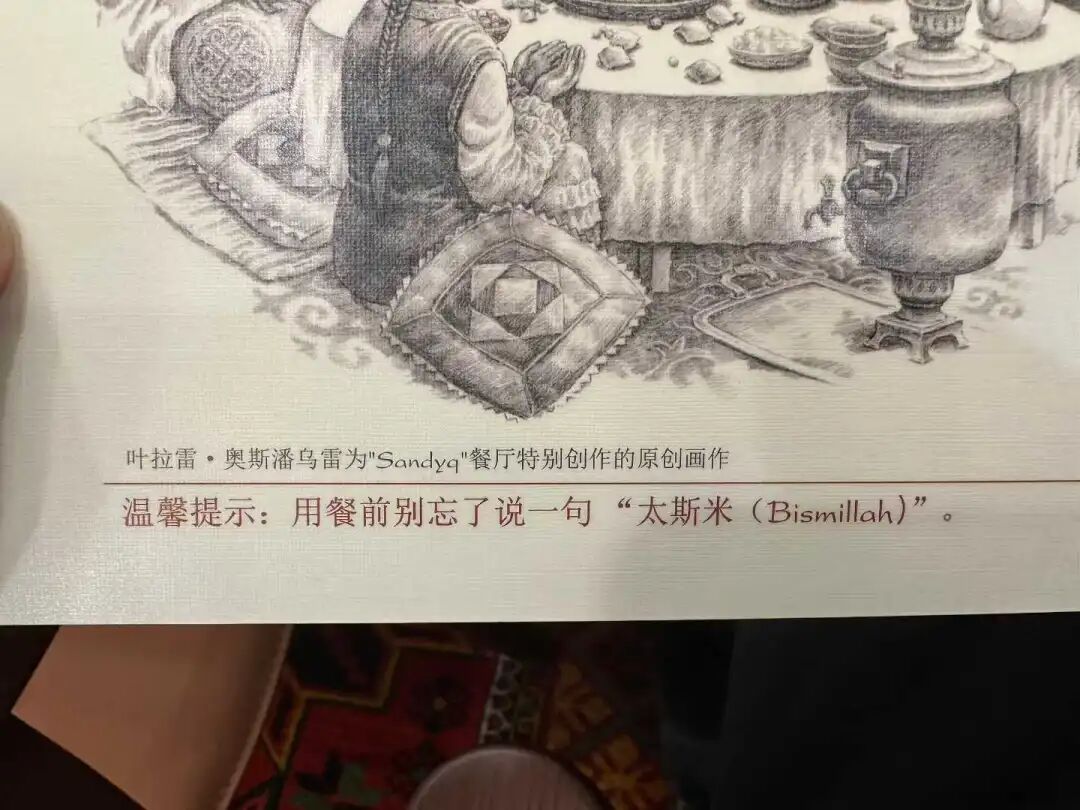
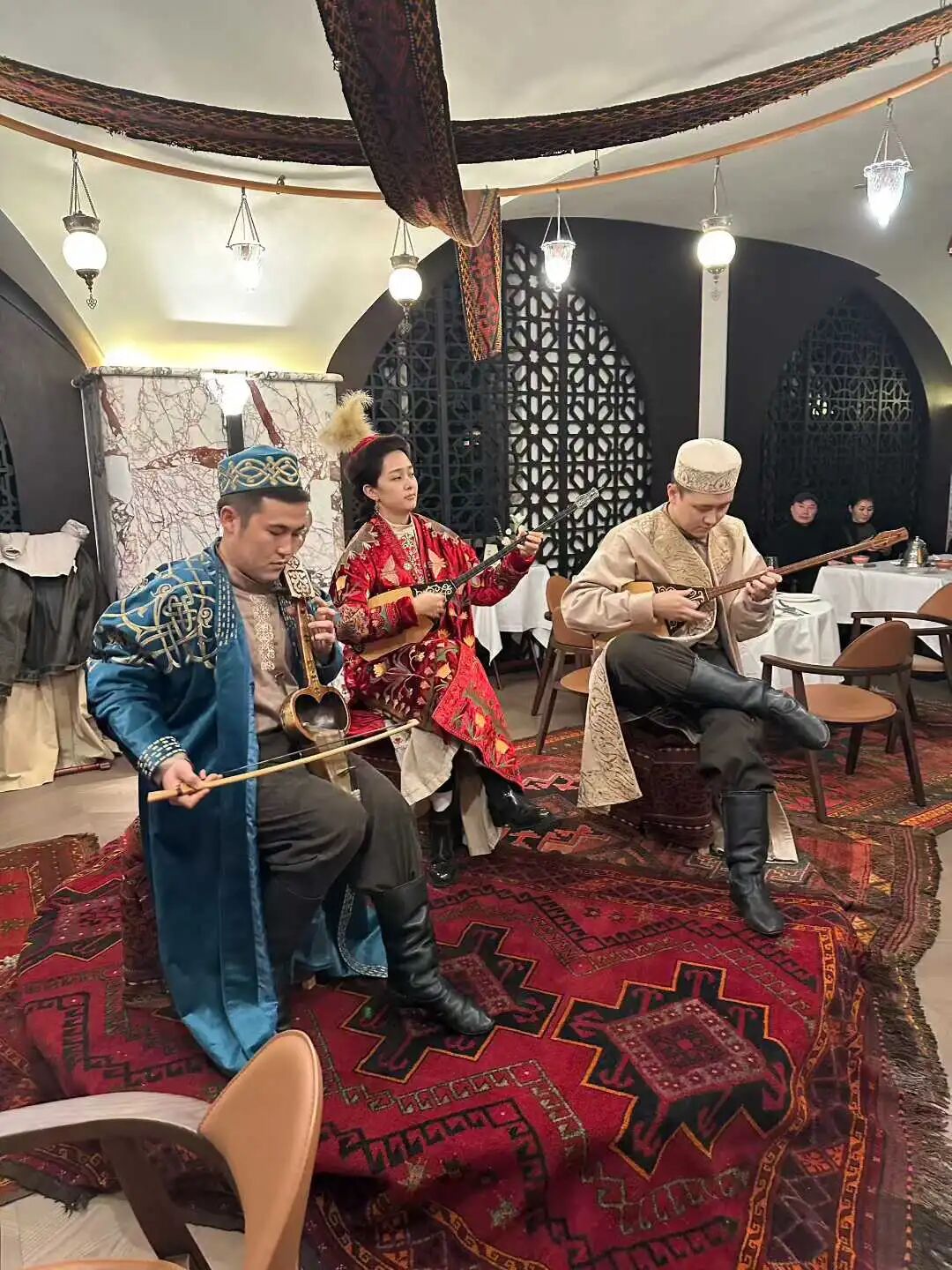
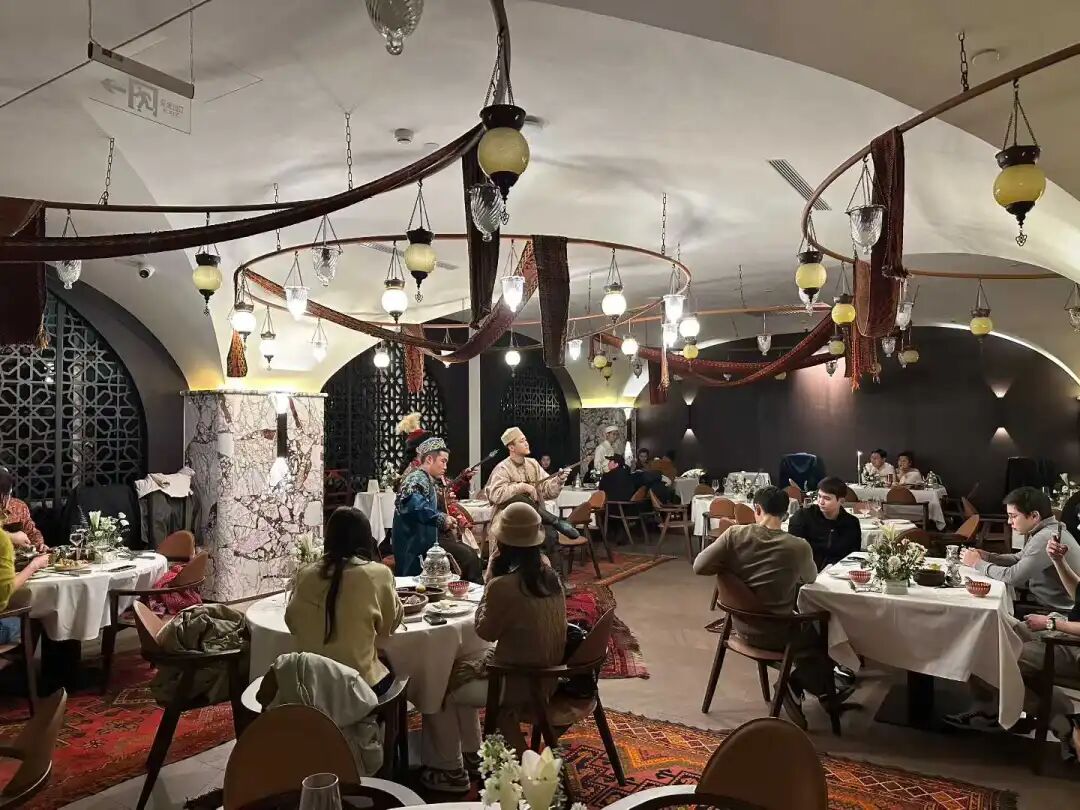
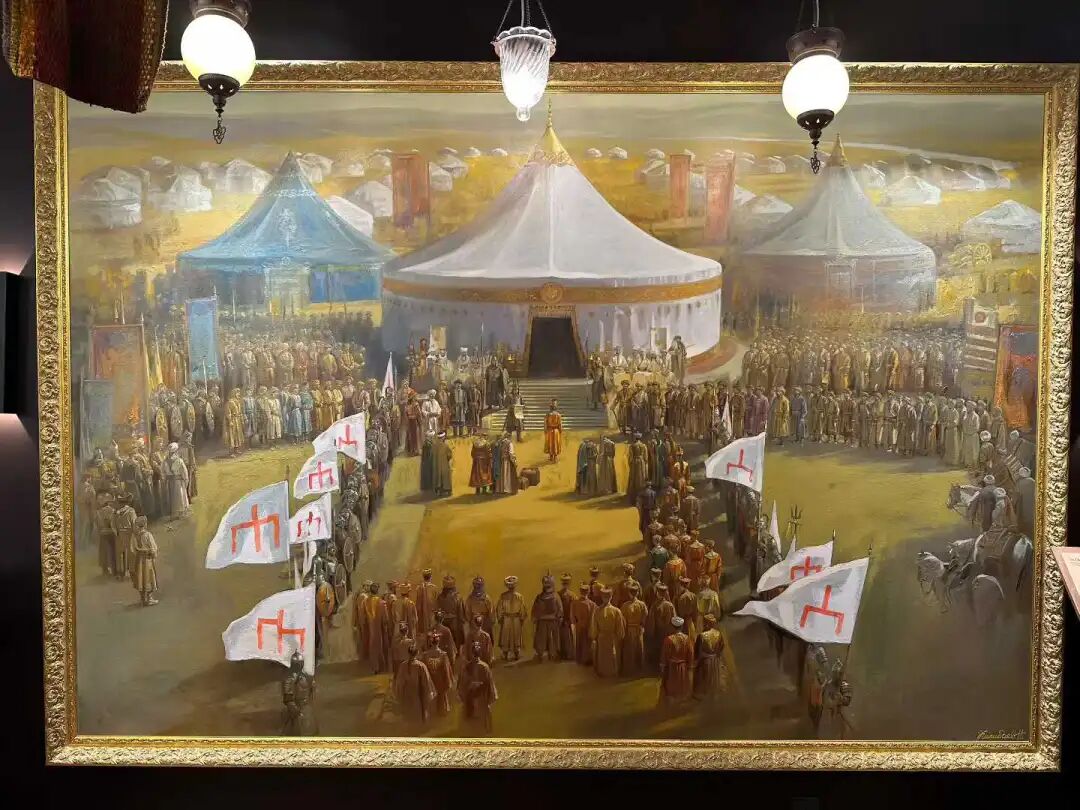
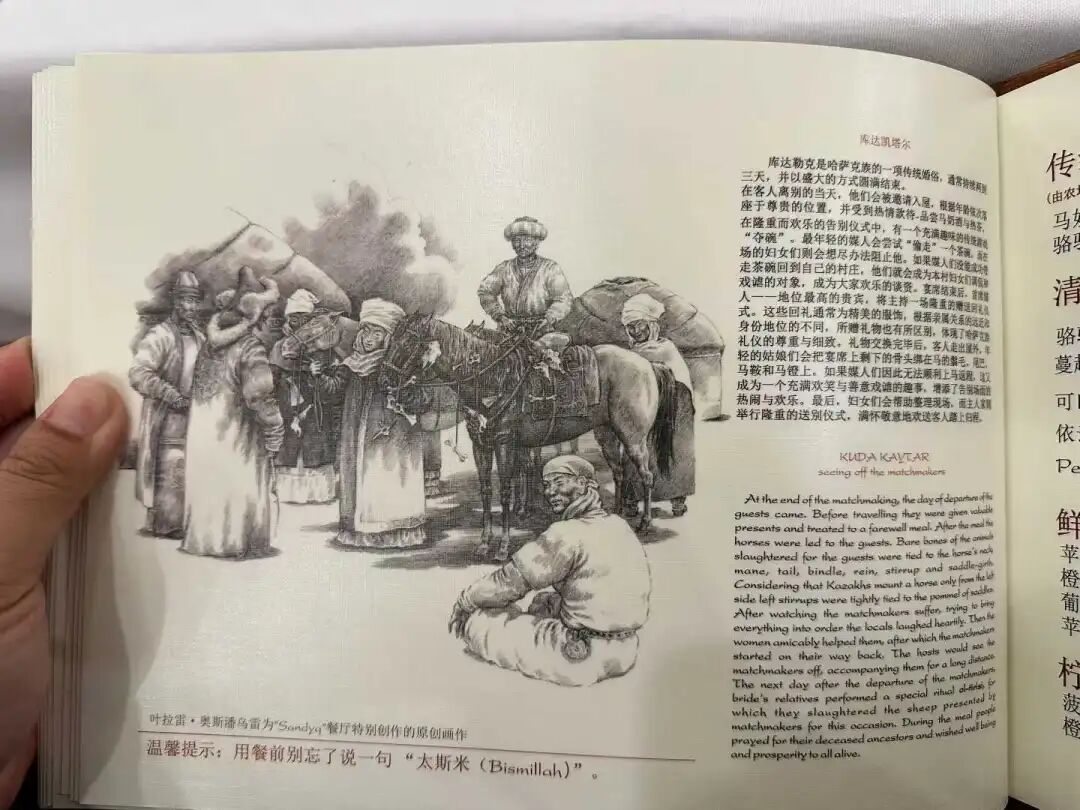
The restaurant displays traditional Kazakh clothing, saddles, and a painting depicting the founding of the Golden Horde in 1225. The Kazakh Khanate is one of the successor states to the Golden Horde.

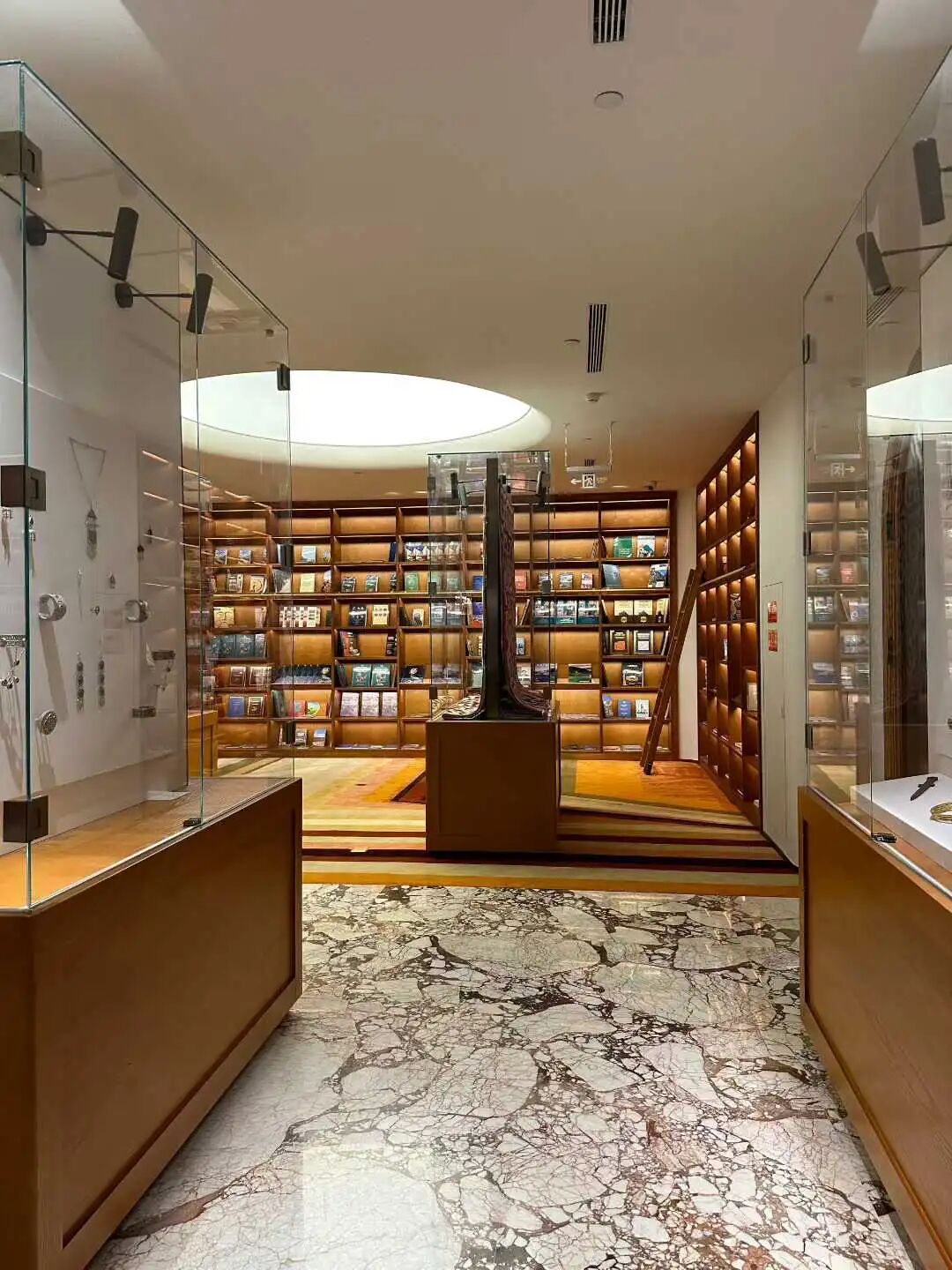
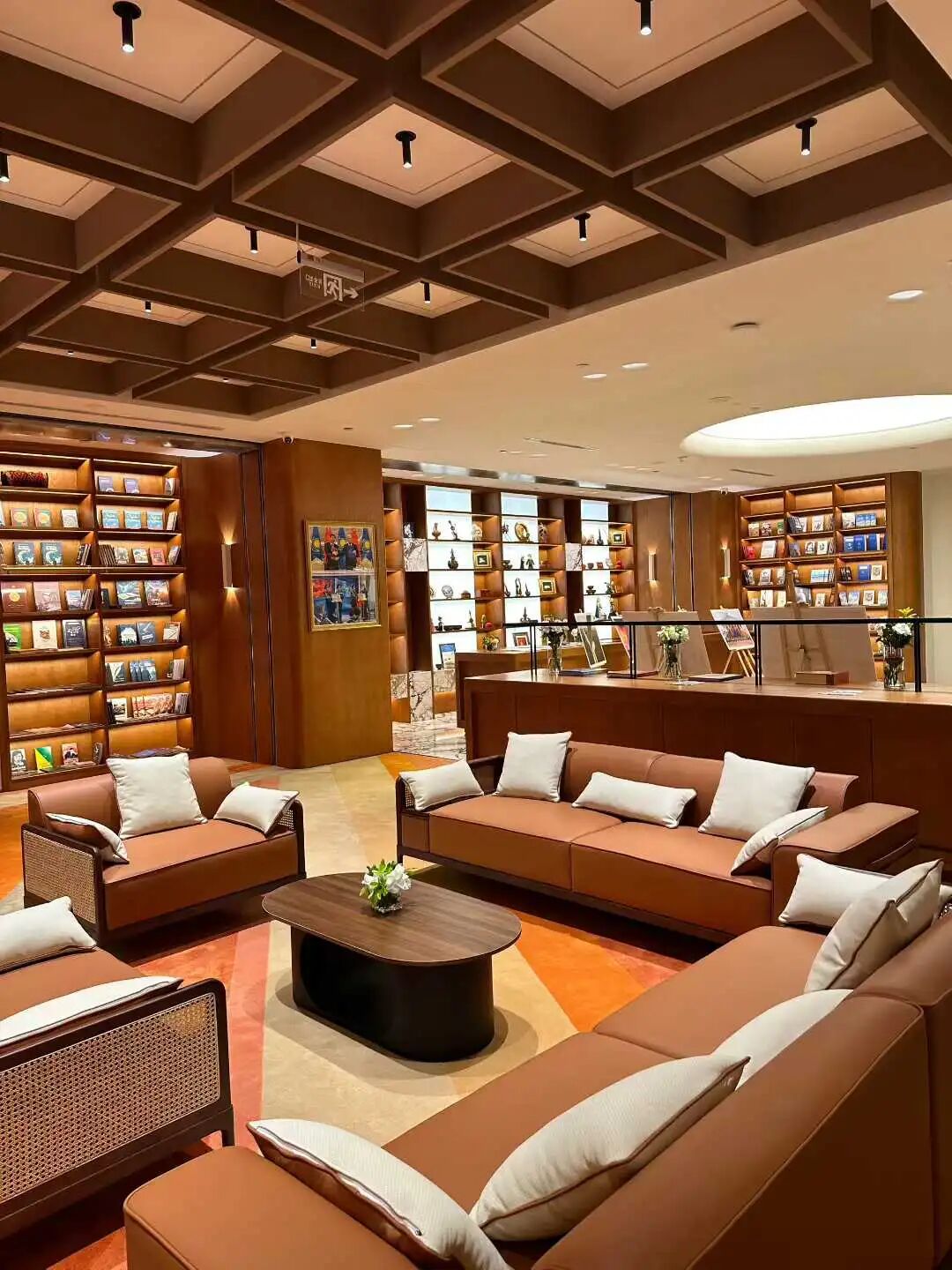
Next to the restaurant is the Kazakh Cultural Center, which is open until 19:00 daily and has many books on Kazakh culture to browse.
Kashgar Restaurant
After work, I went to the new Kashgar Restaurant that opened this year on Ritan Shangjie. There are more and more Xinjiang restaurants on Ritan Shangjie, and each one is very authentic with its own unique features.
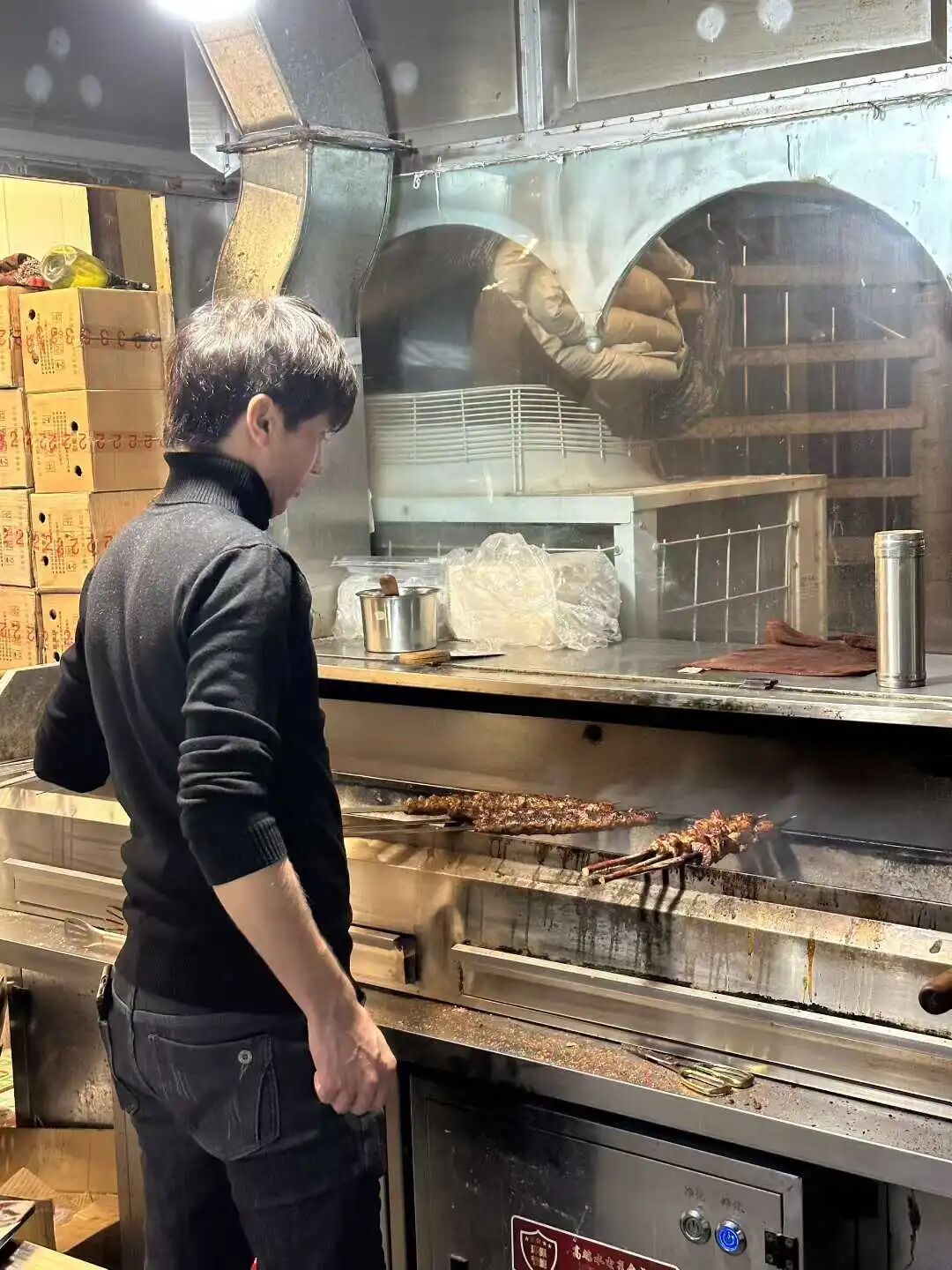
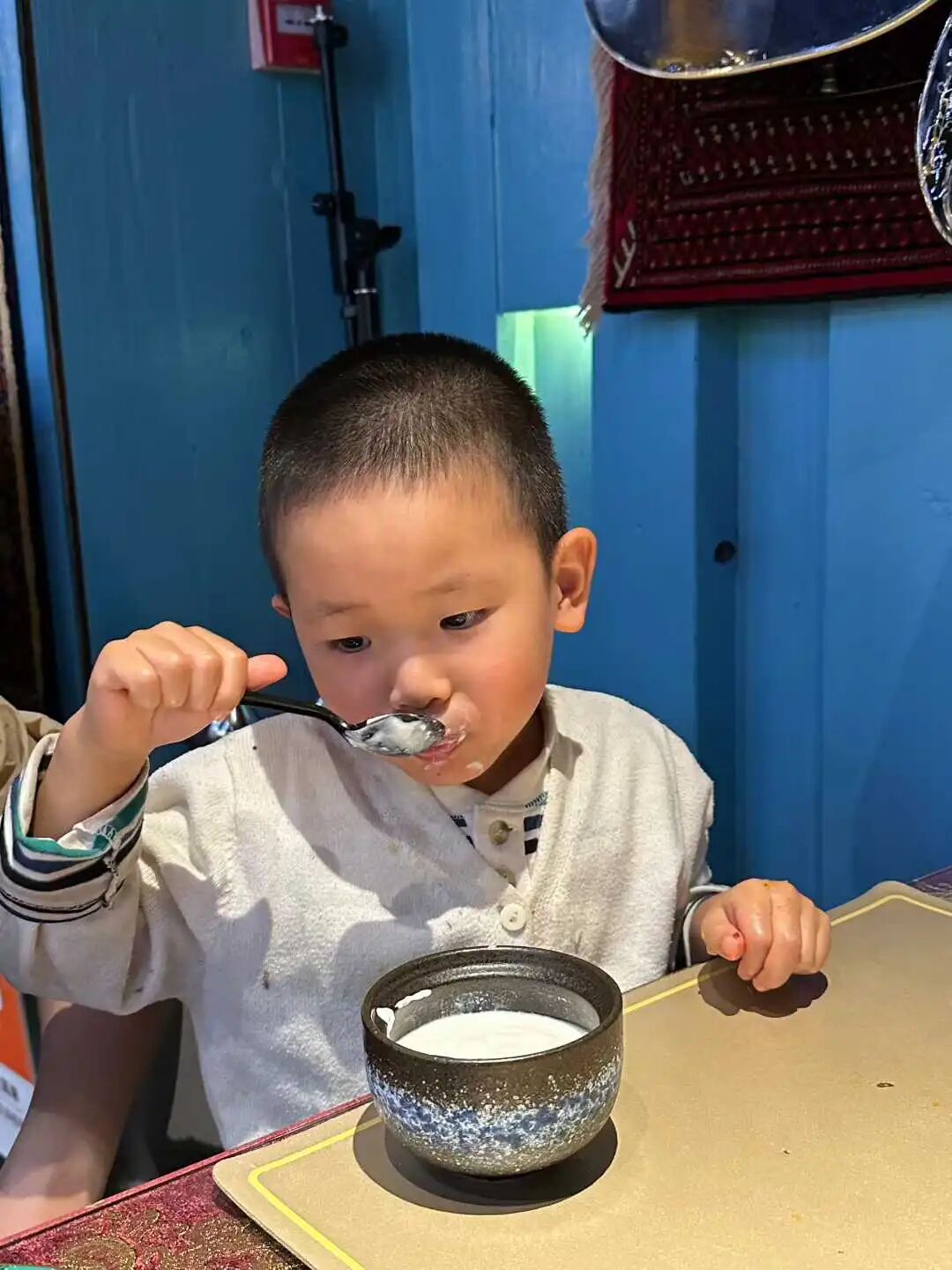
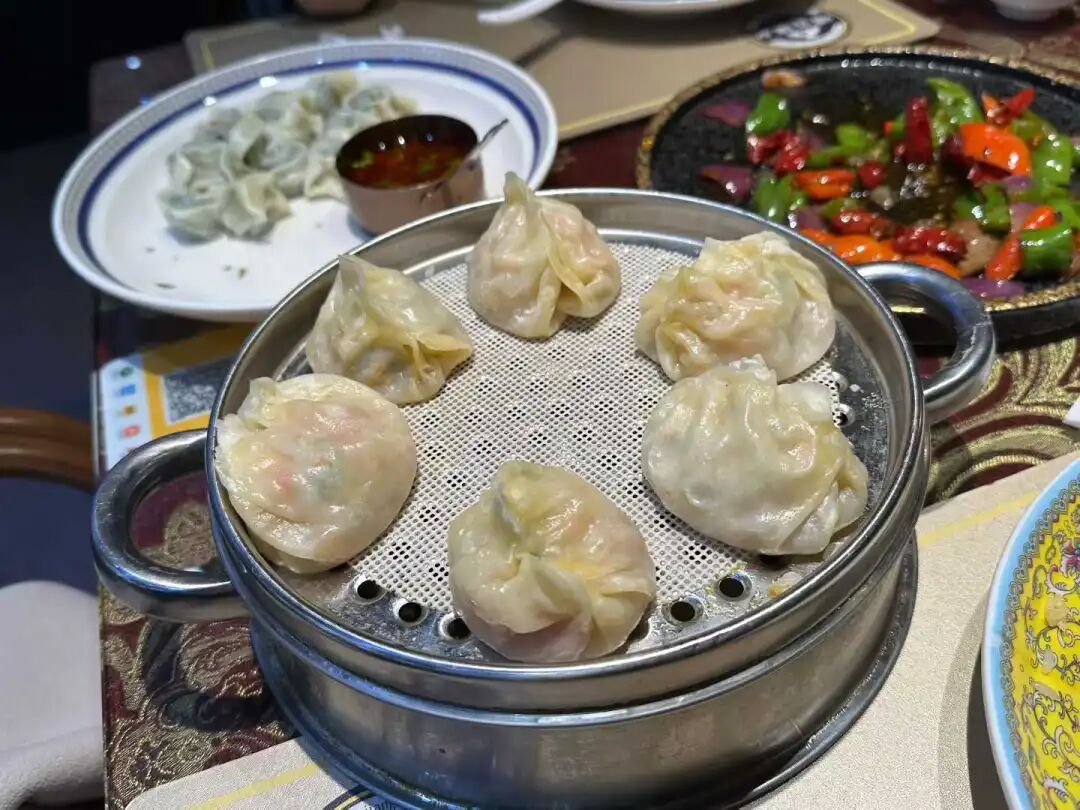
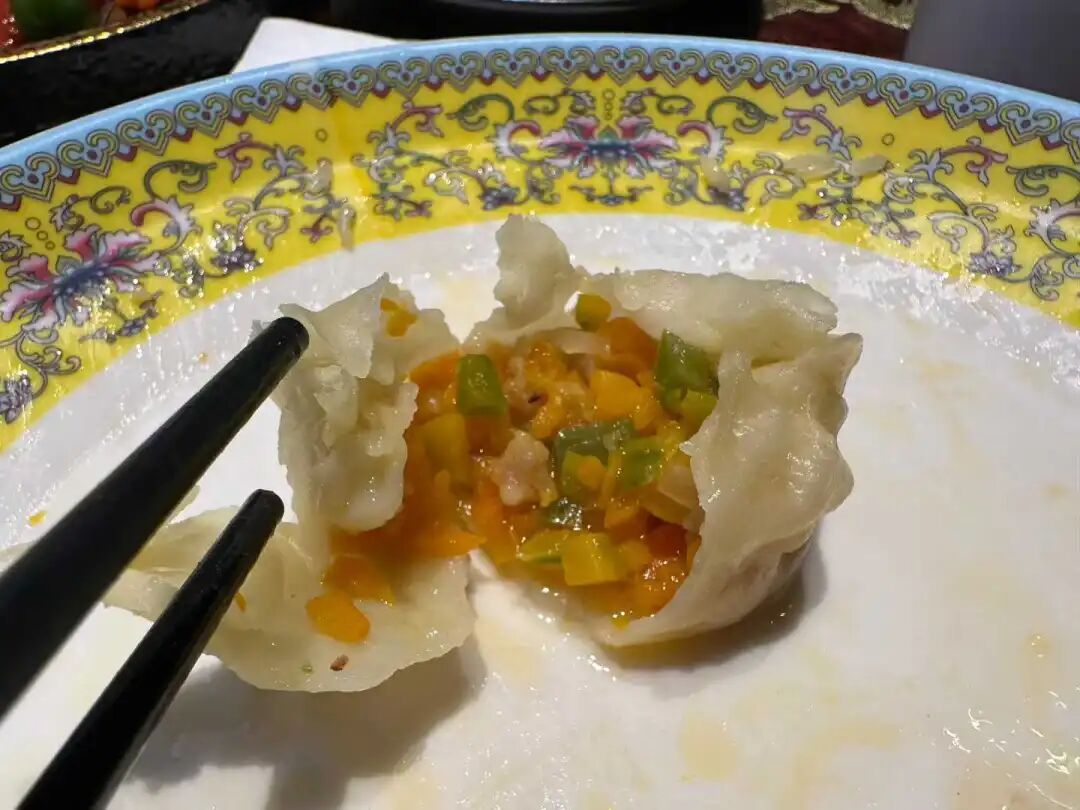
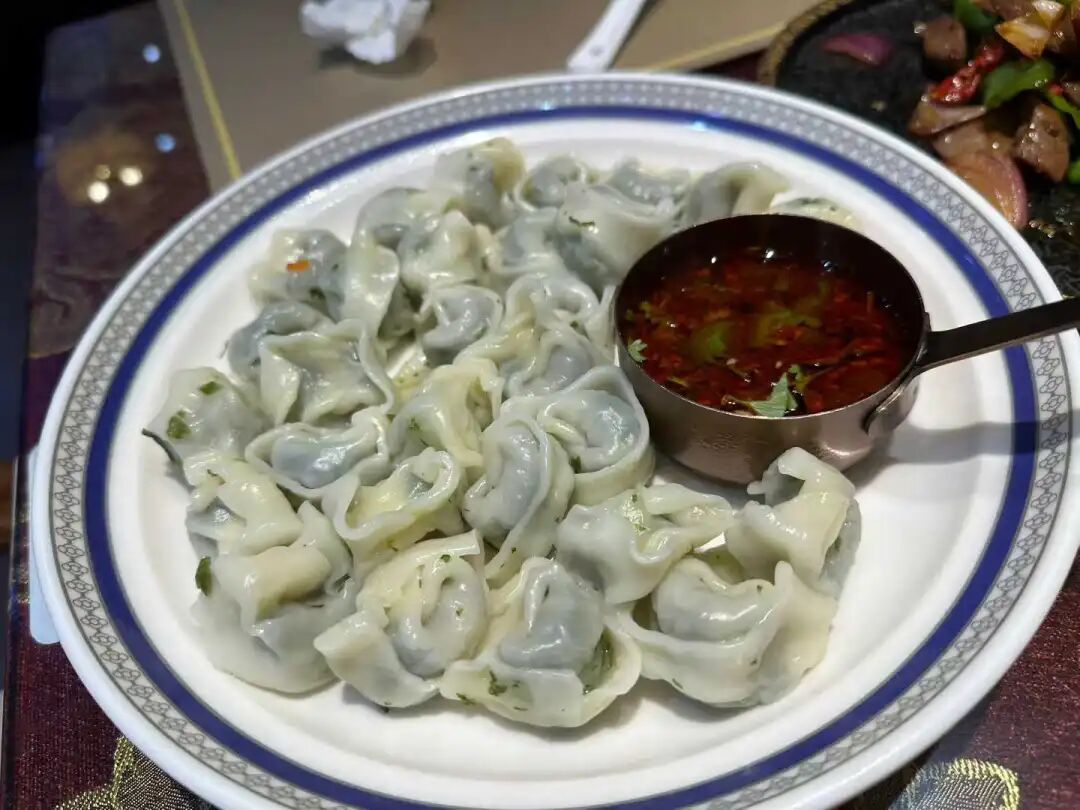
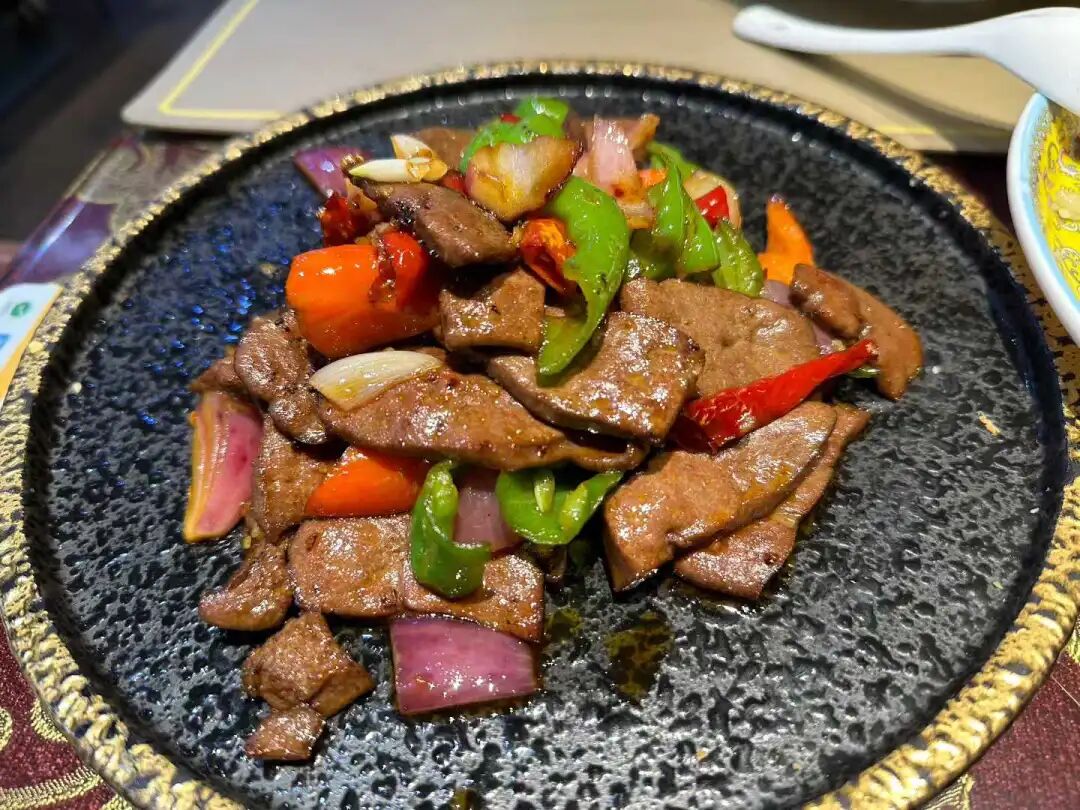
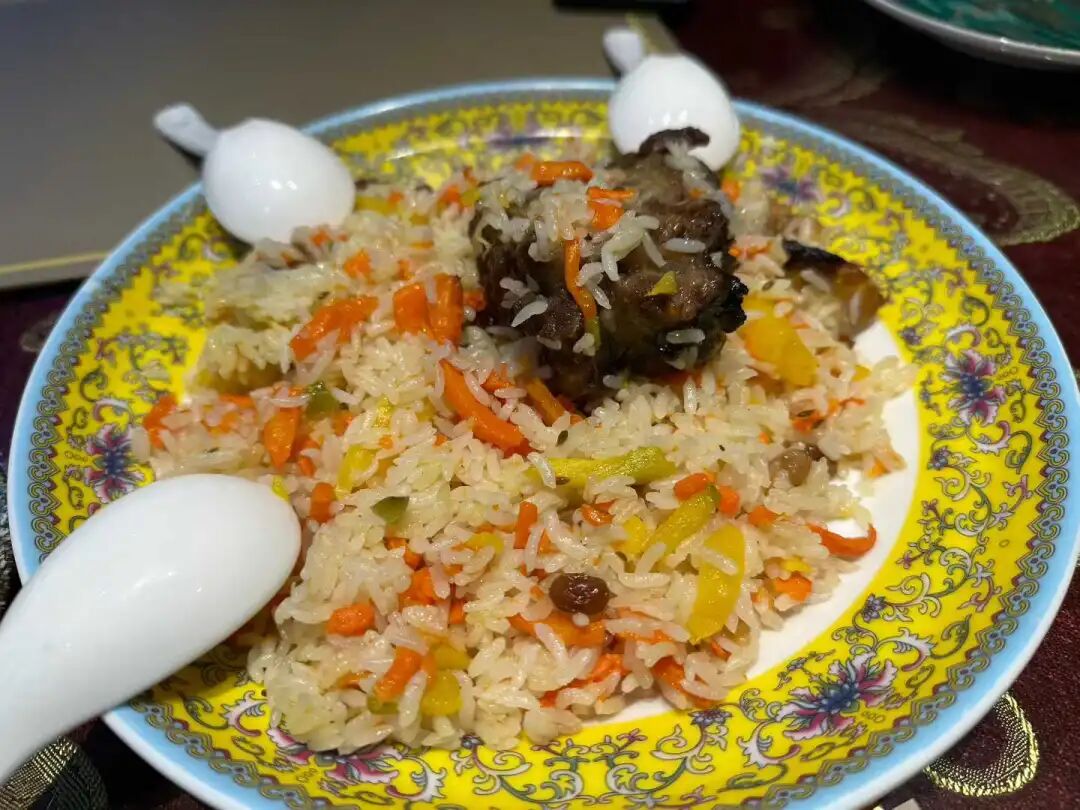
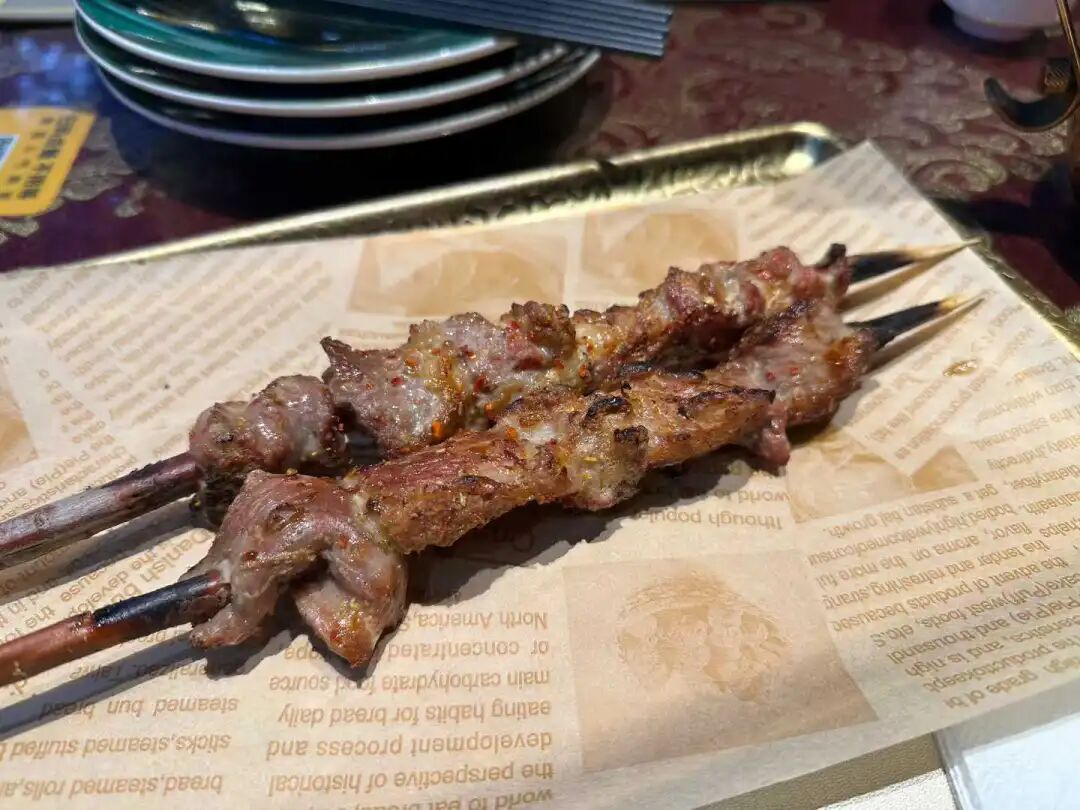
We ordered pilaf, red willow skewer lamb (hongliu kaorou), pumpkin buns, alfalfa wontons, stir-fried lamb liver, and yogurt. The pilaf is very authentic, but you can only choose one type of meat; they don't have lamb leg or shredded meat options. The red willow skewers are very tender, the pumpkin buns are sweet with a hint of spice, and the stir-fried lamb liver is fragrant and tender. The biggest surprise was the alfalfa wontons and the yogurt. I didn't expect to still find spring-limited alfalfa wontons in the autumn. They are served dry with chili oil, and the kids really loved them. Their yogurt is amazing and tastes just like the local version in Xinjiang! It is top-tier for Beijing.
Ahmed Restaurant
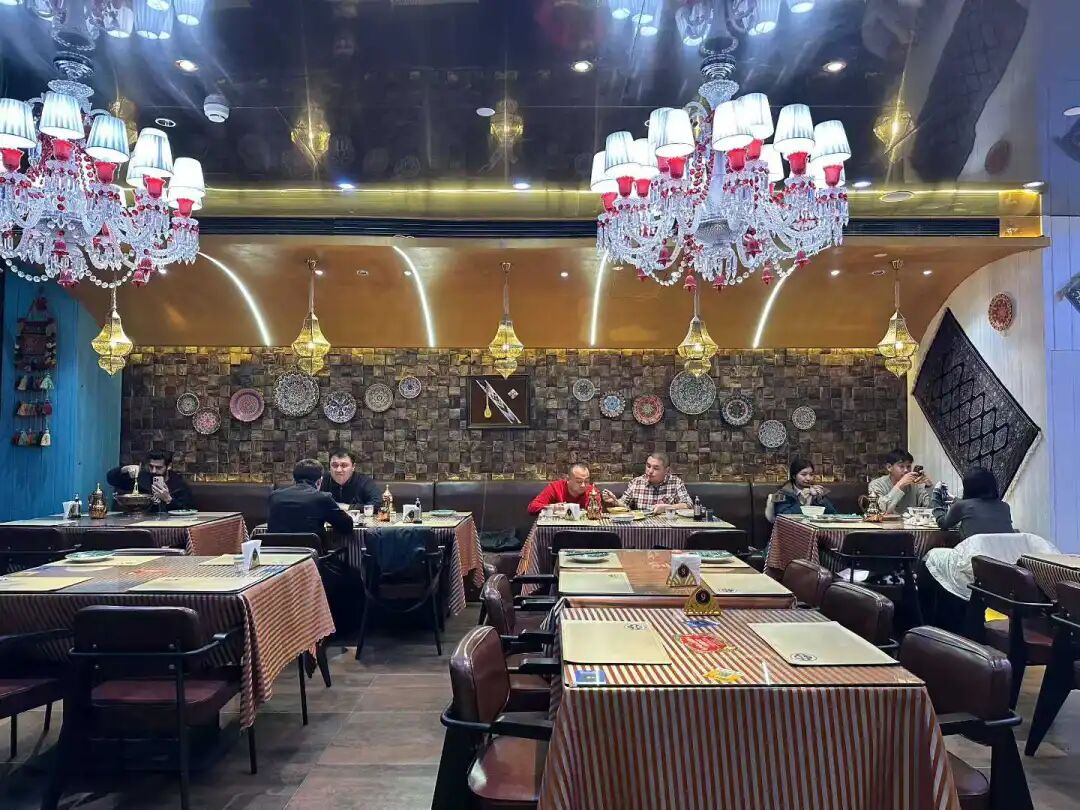
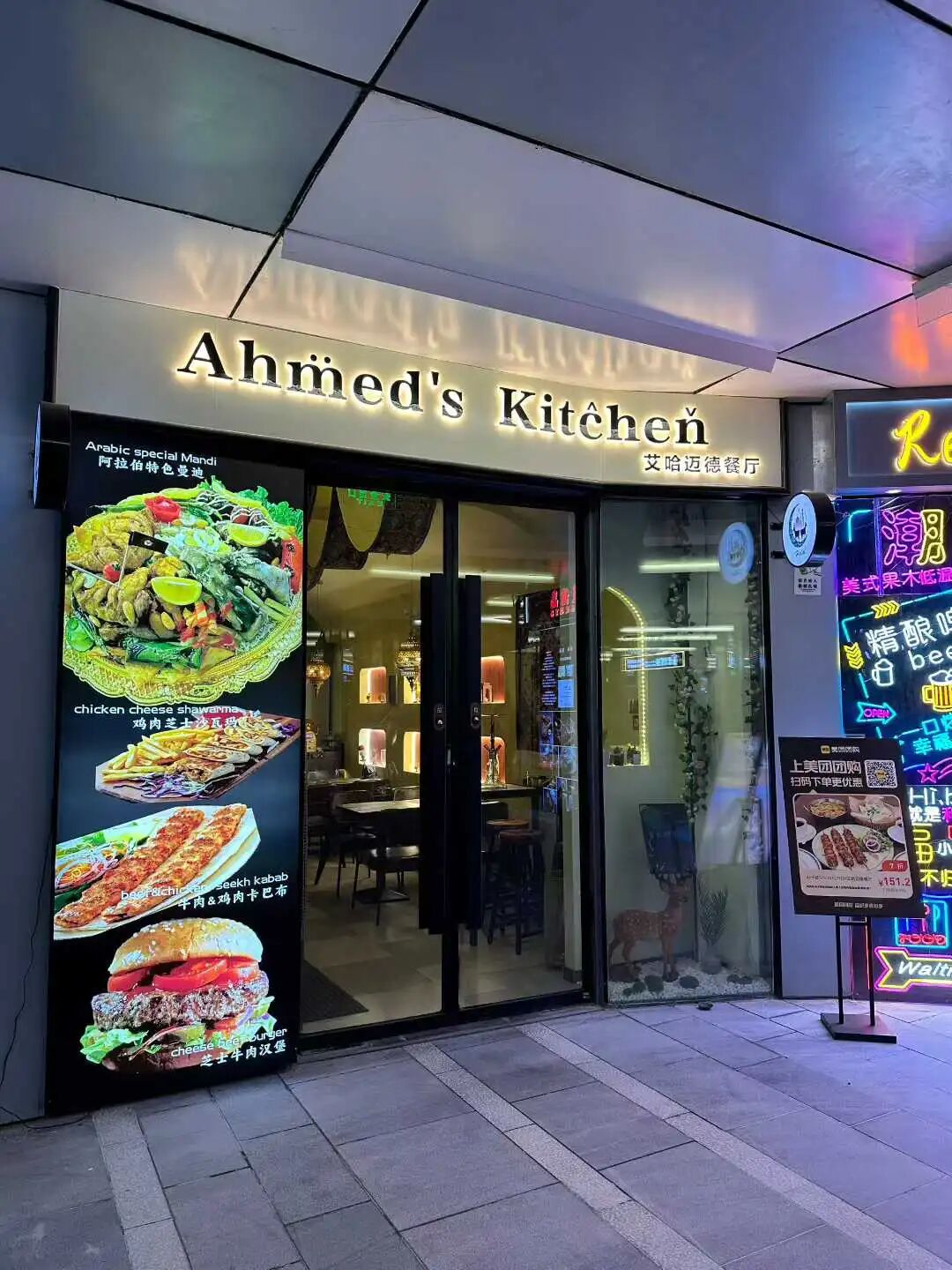
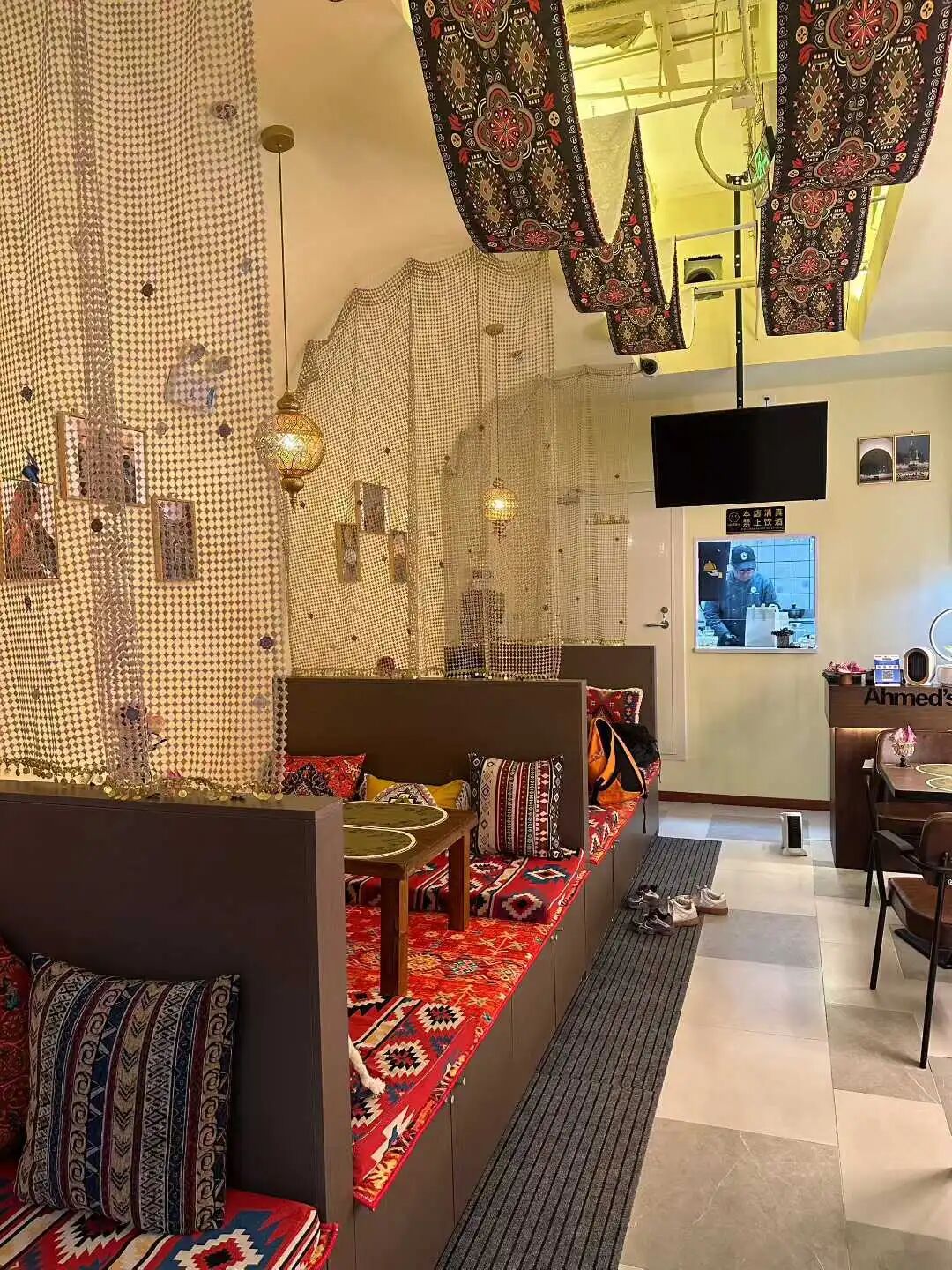
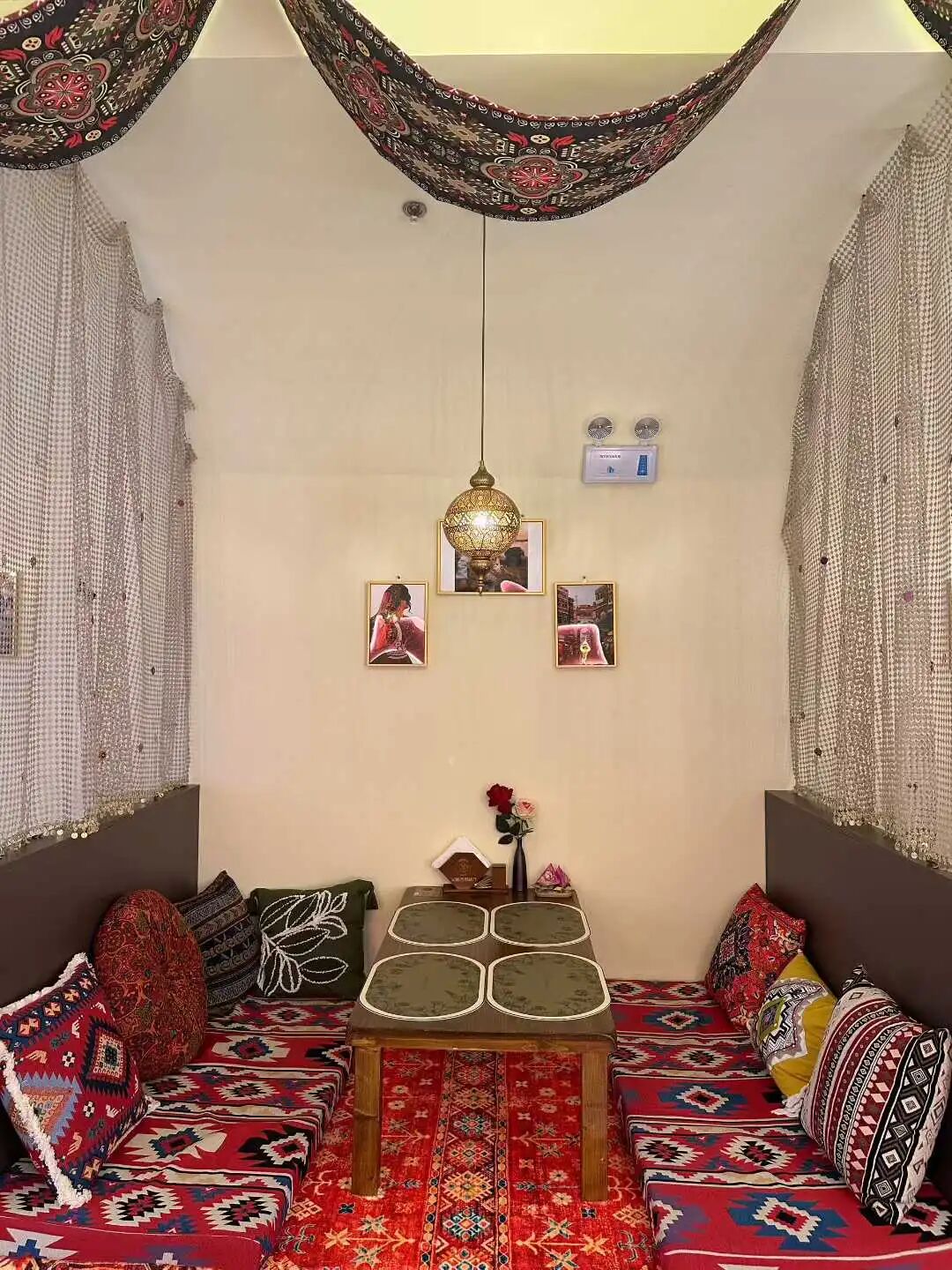
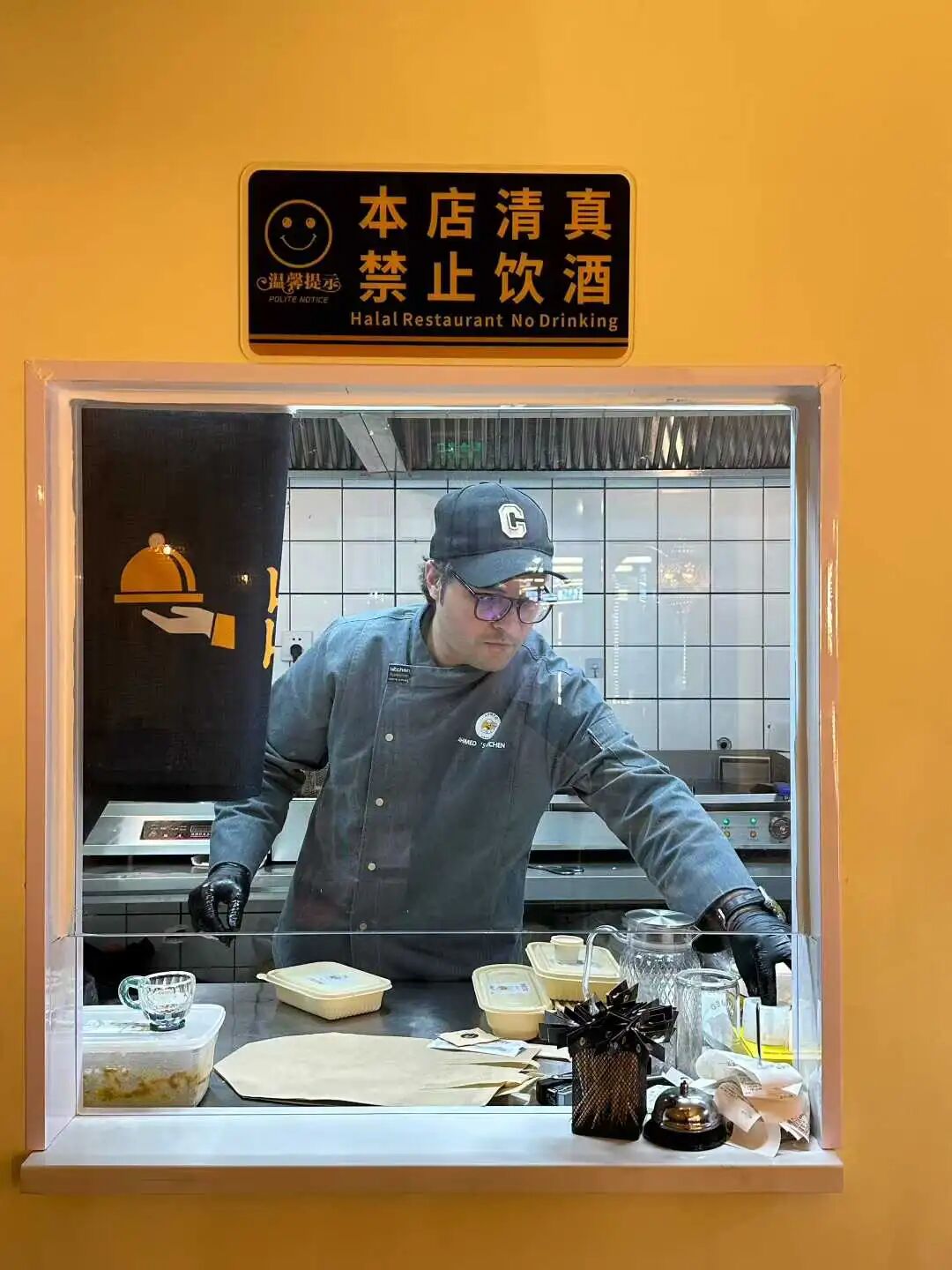
We went to the newly opened Ahmed Restaurant in Sanlitun for dinner. The place is small, and the low platform tables (kangzhuo) are perfect for drinking tea and chatting.
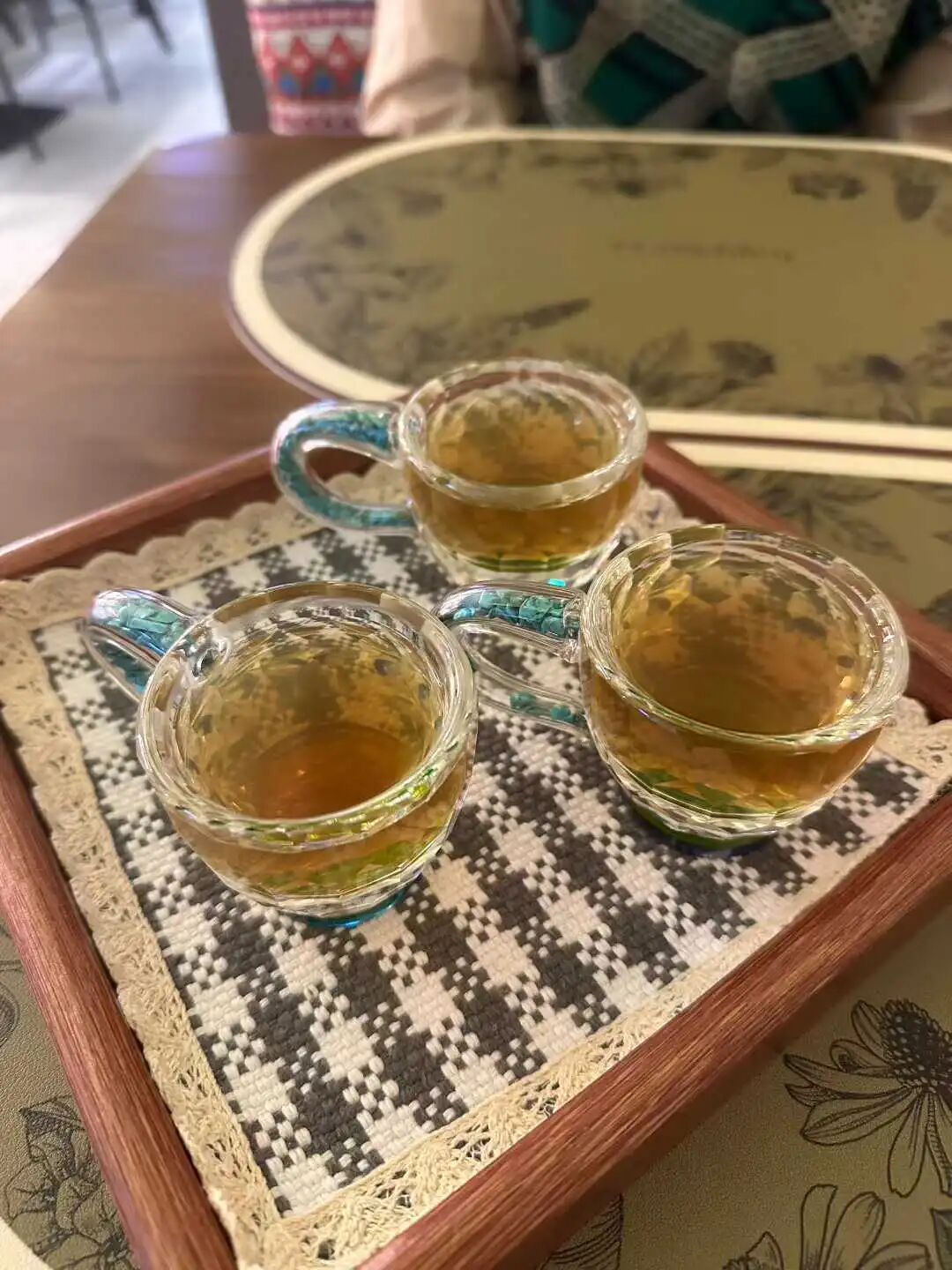
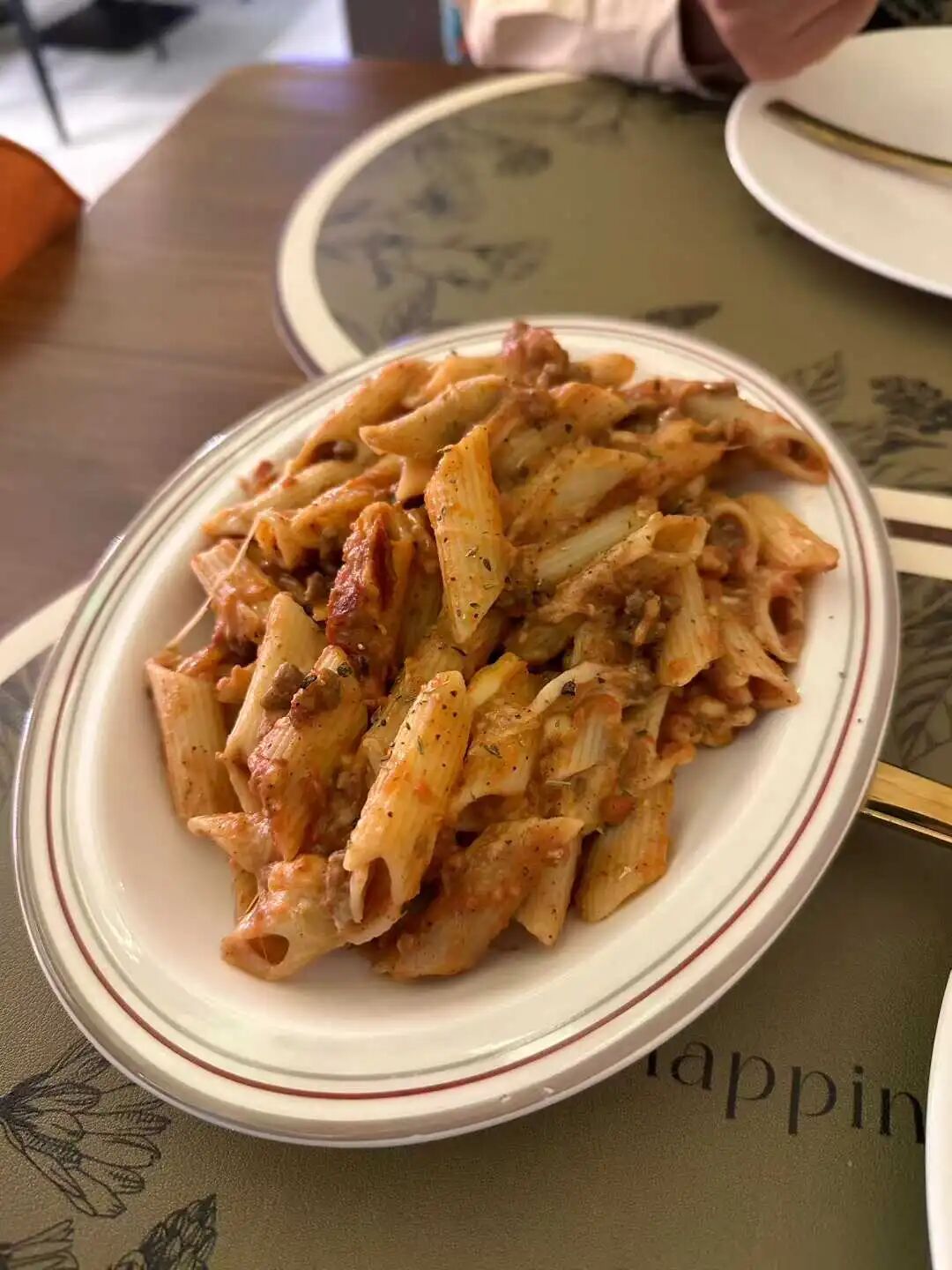
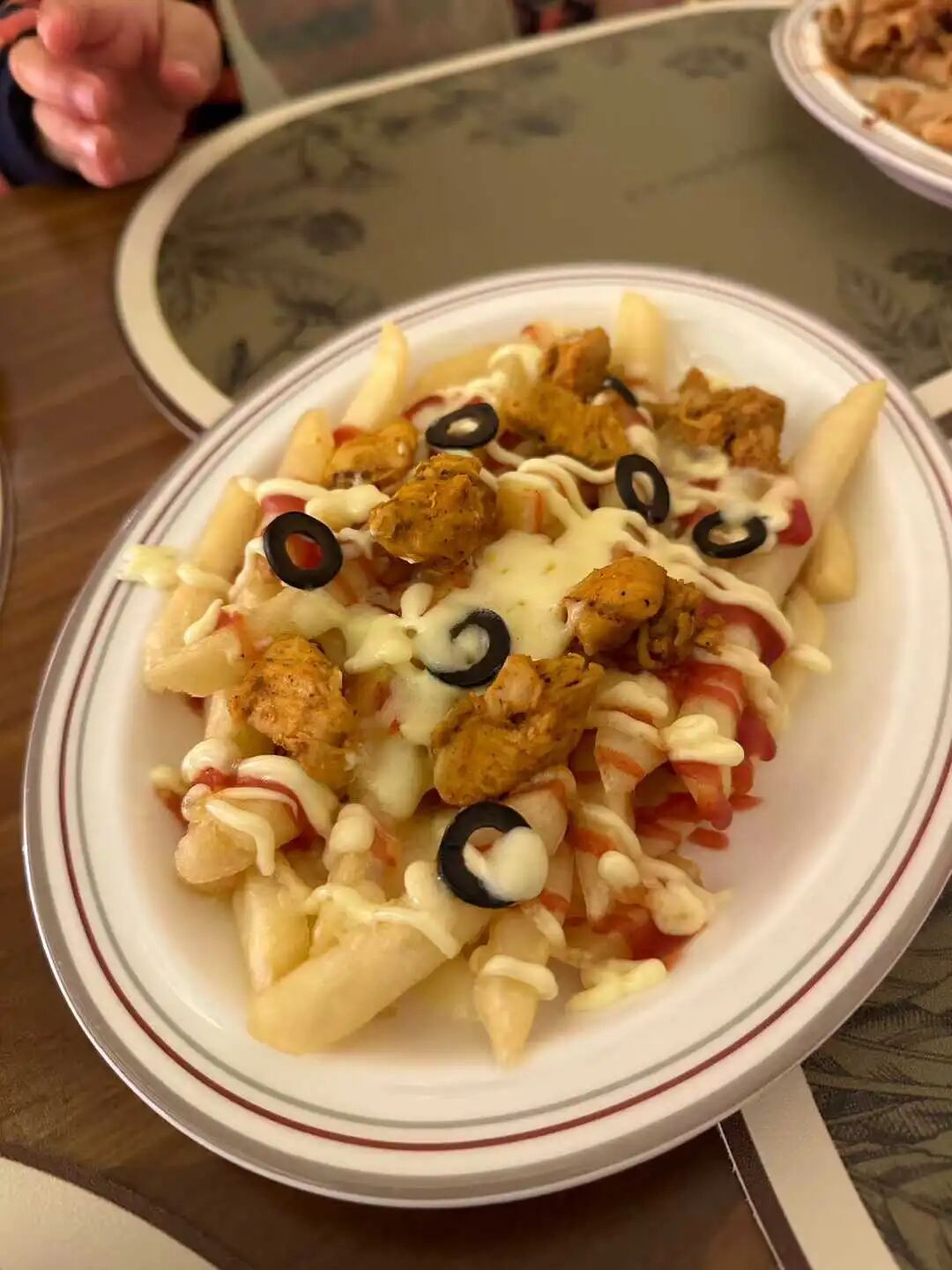
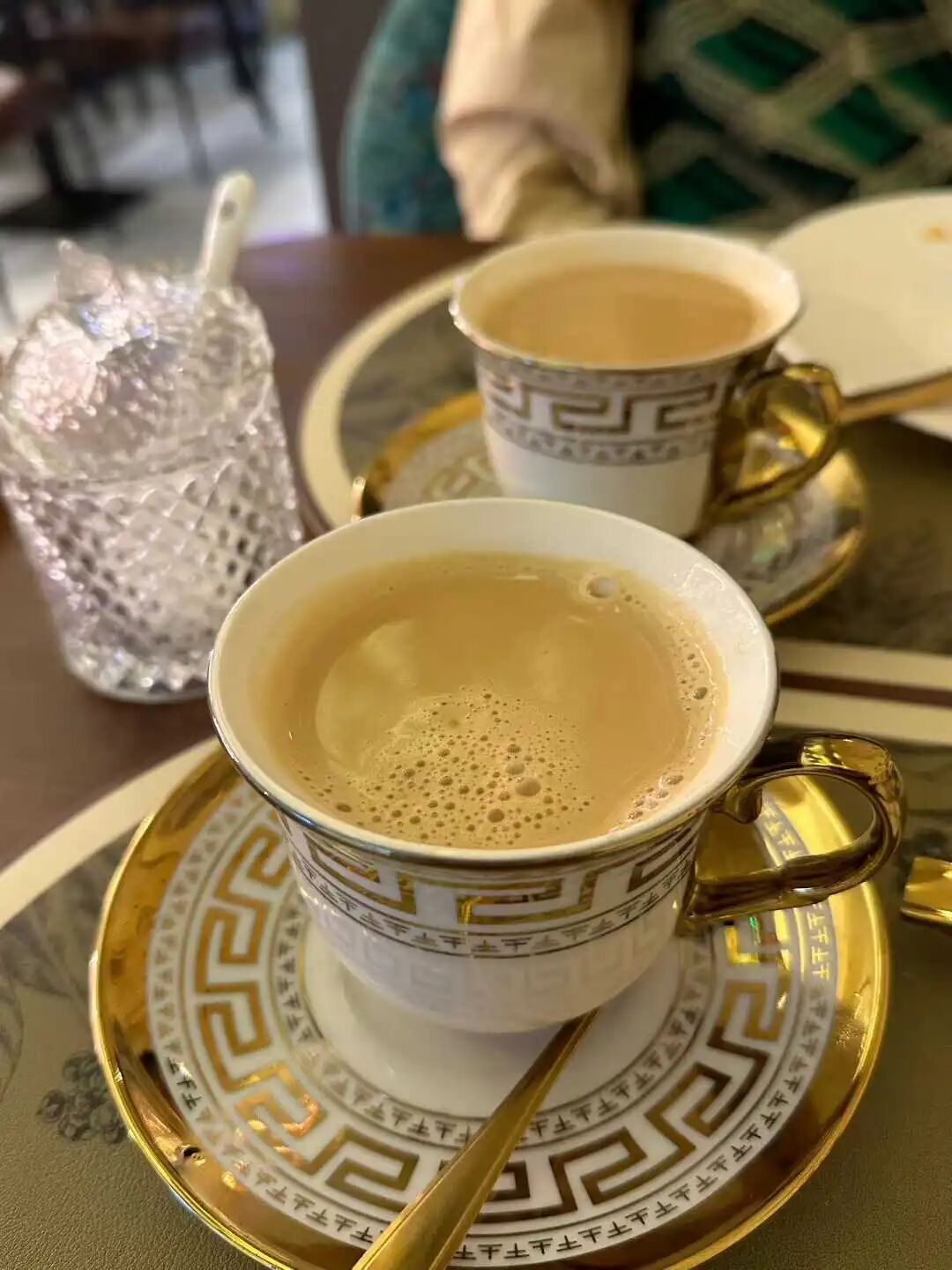
They have all kinds of Western-style fast food. We ordered beef cheese pasta, a beef burger, chicken cheese loaded fries, and a vegetable salad. The service is great. Before the meal, they served everyone a cup of clear tea, and after the meal, they brought us each a cup of milk tea. It was not only free, but the milk tea was so fresh it even had a layer of milk skin on top.
They have several types of pasta, and we ordered the beef version of Pasta alla Carbonara. People say this dish originated in 1944 after the U. S. military occupied Rome and food was scarce. Roman citizens used the eggs, bacon, easy-to-store pasta, and cheese provided by the U. S. military to make Carbonara, finishing it with black pepper for flavor.
The loaded fries contain cheese, fried chicken, and black olives. This is a classic American snack often seen at the Super Bowl.
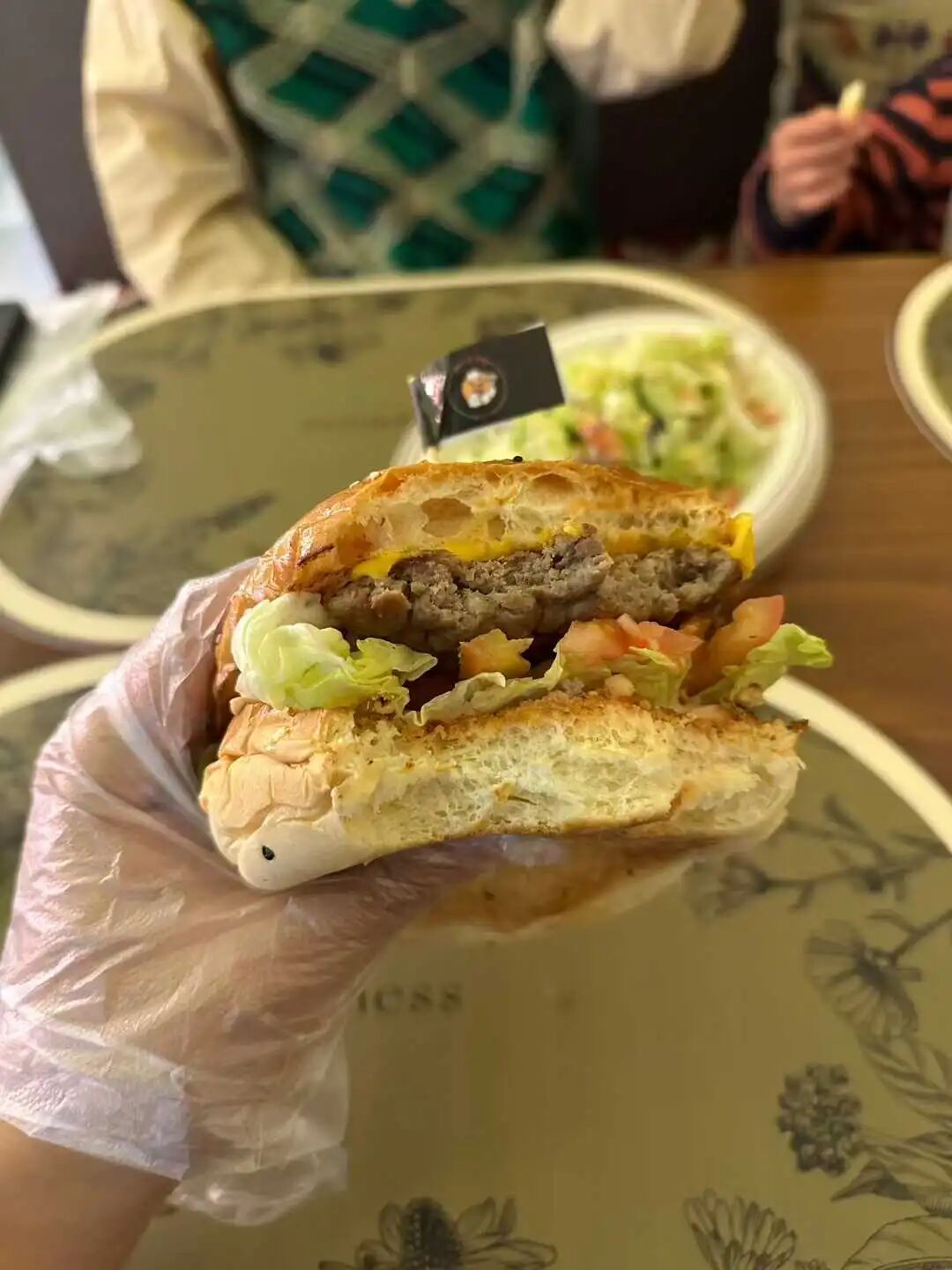
Their beef burger is also quite good with high-quality meat. The vegetable salad is light and does not come with dressing, which I like. Overall, this is a great place for tea and conversation.
Jingbalang Naan Bazaar
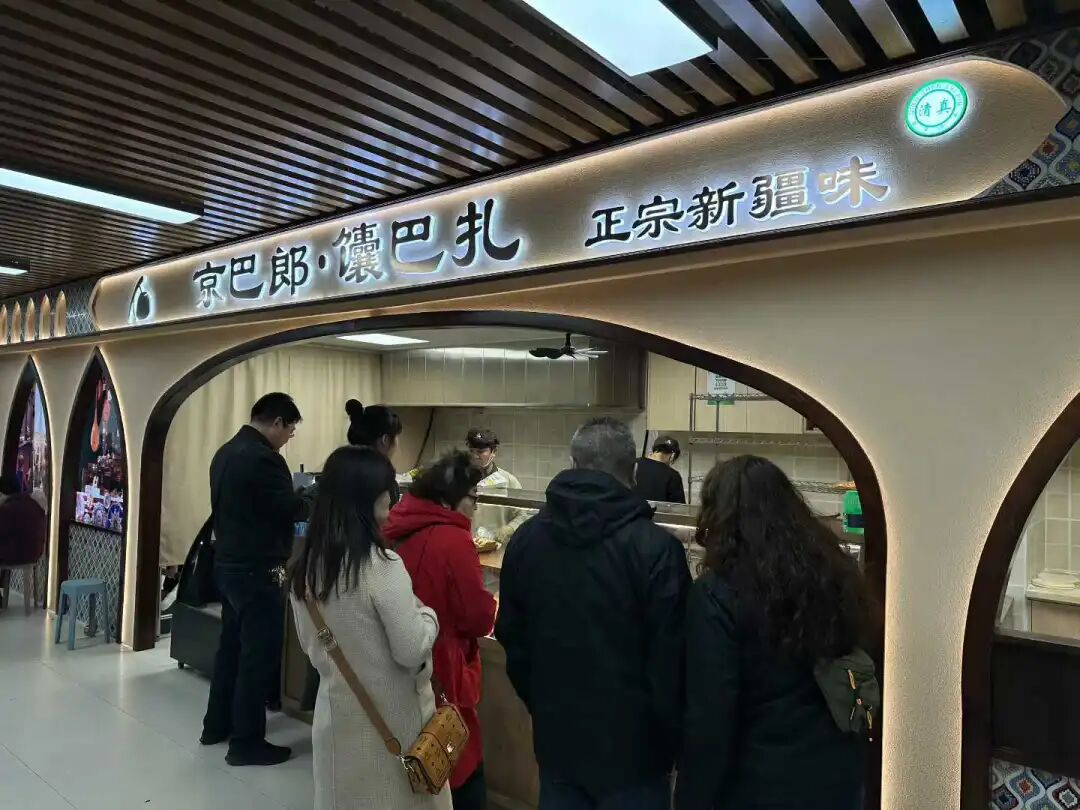
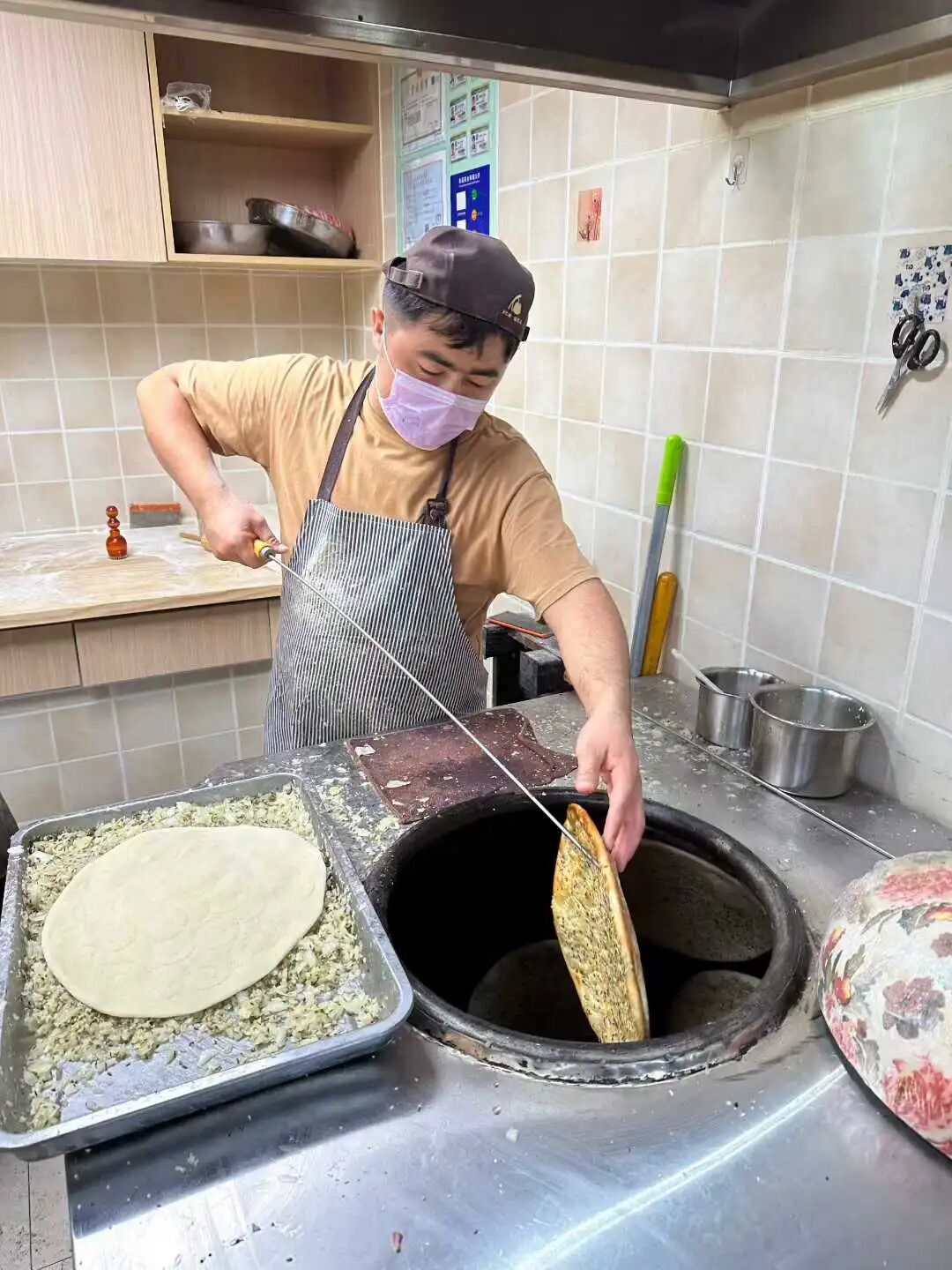
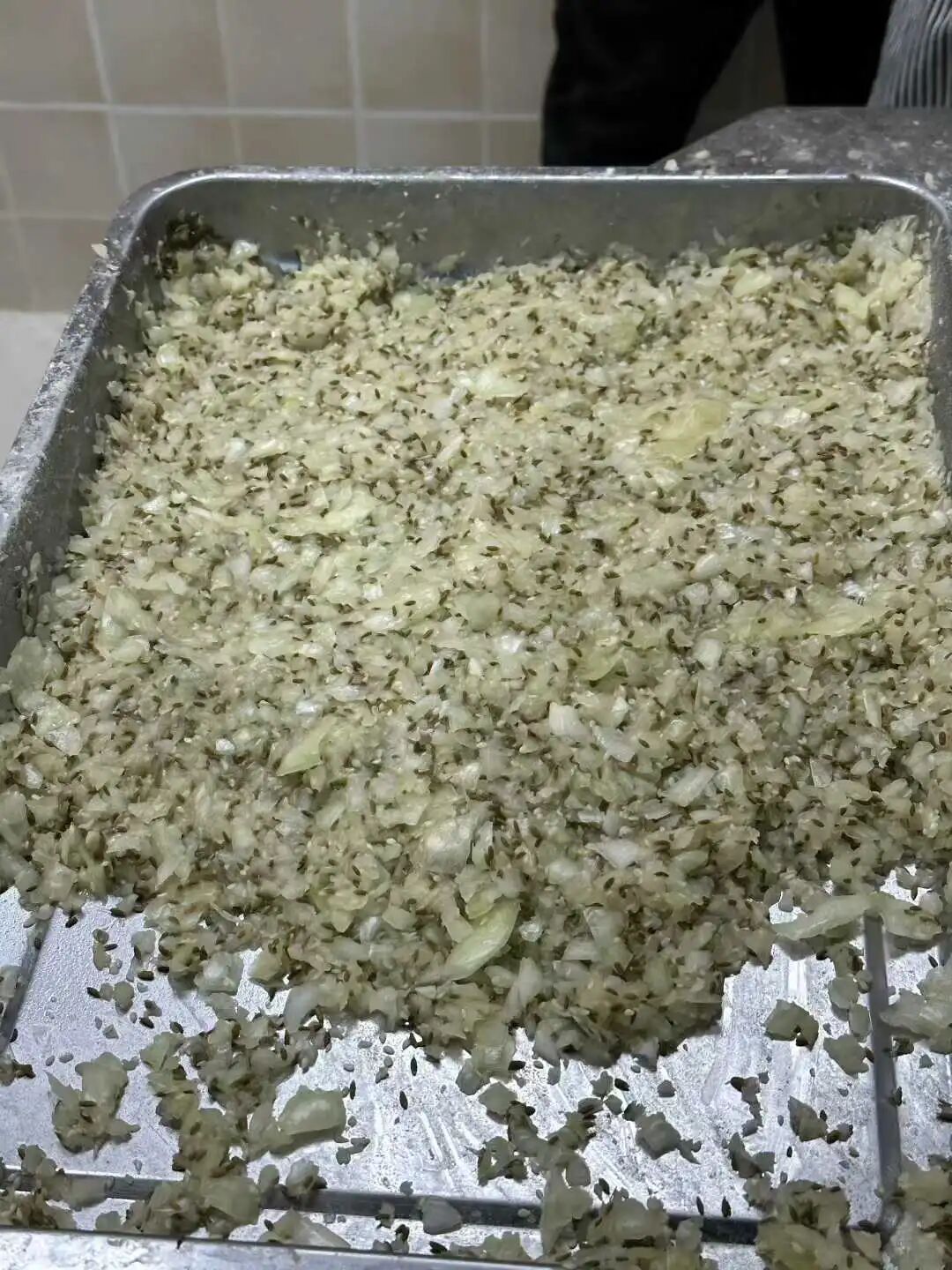
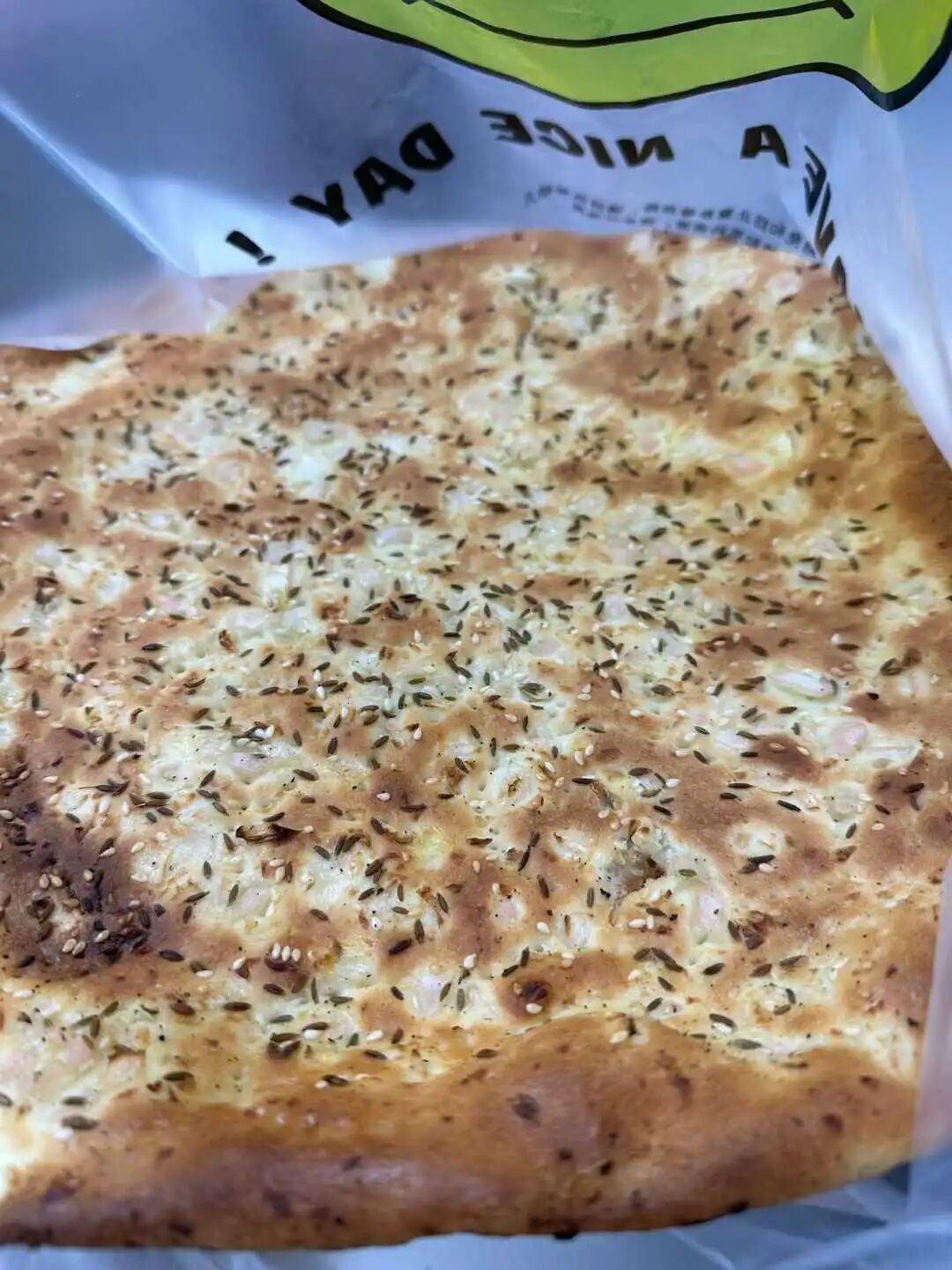
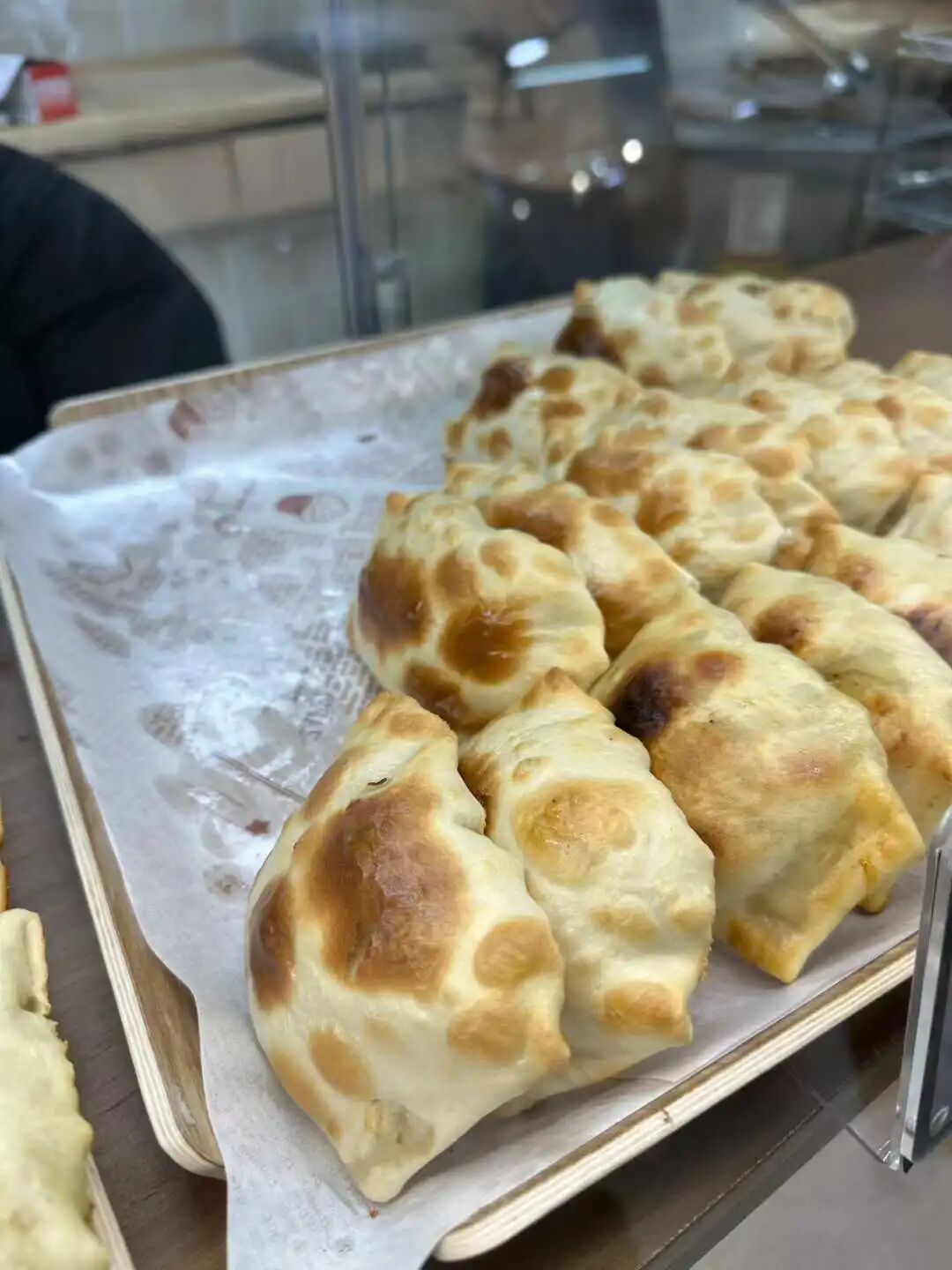
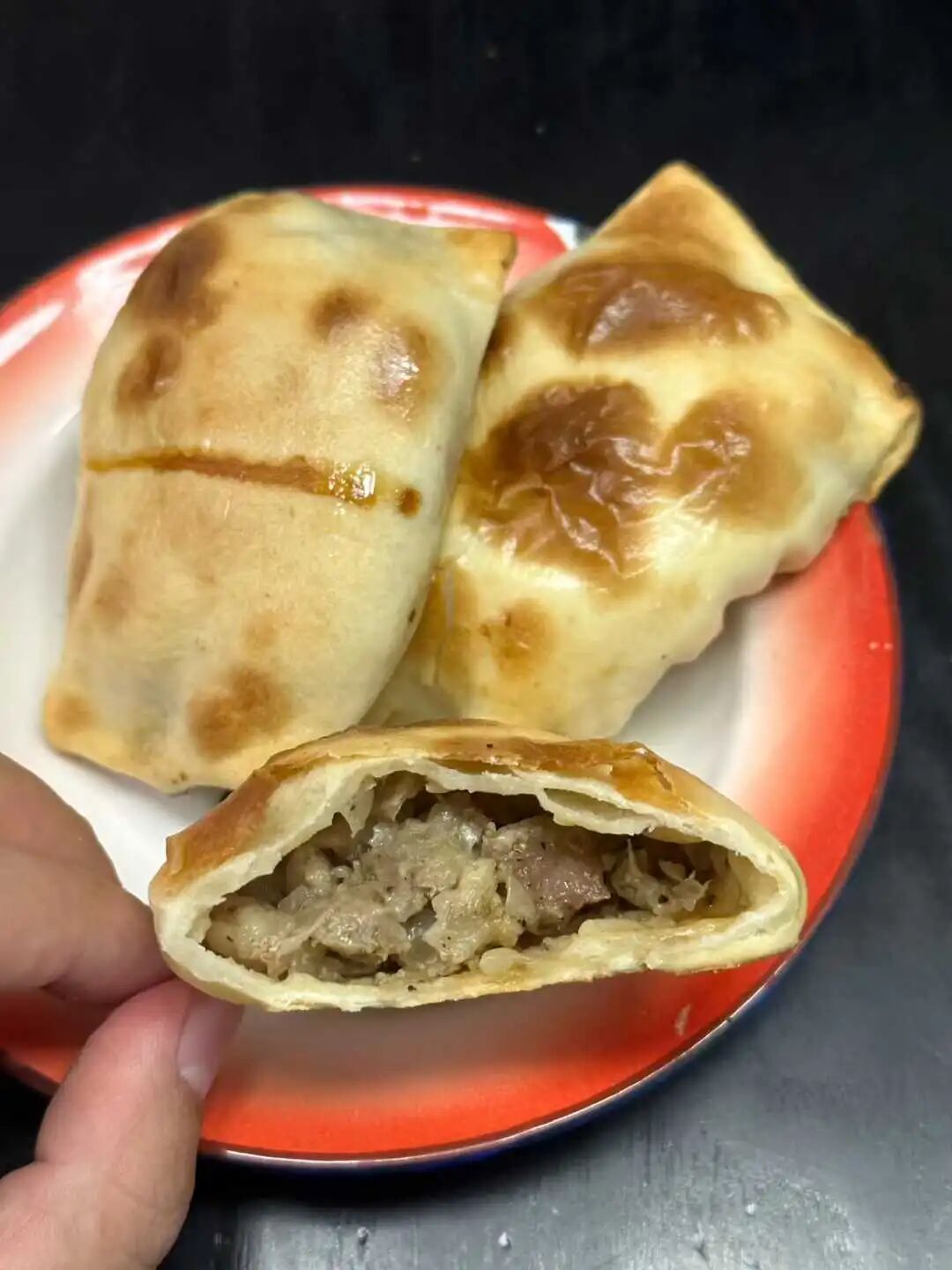
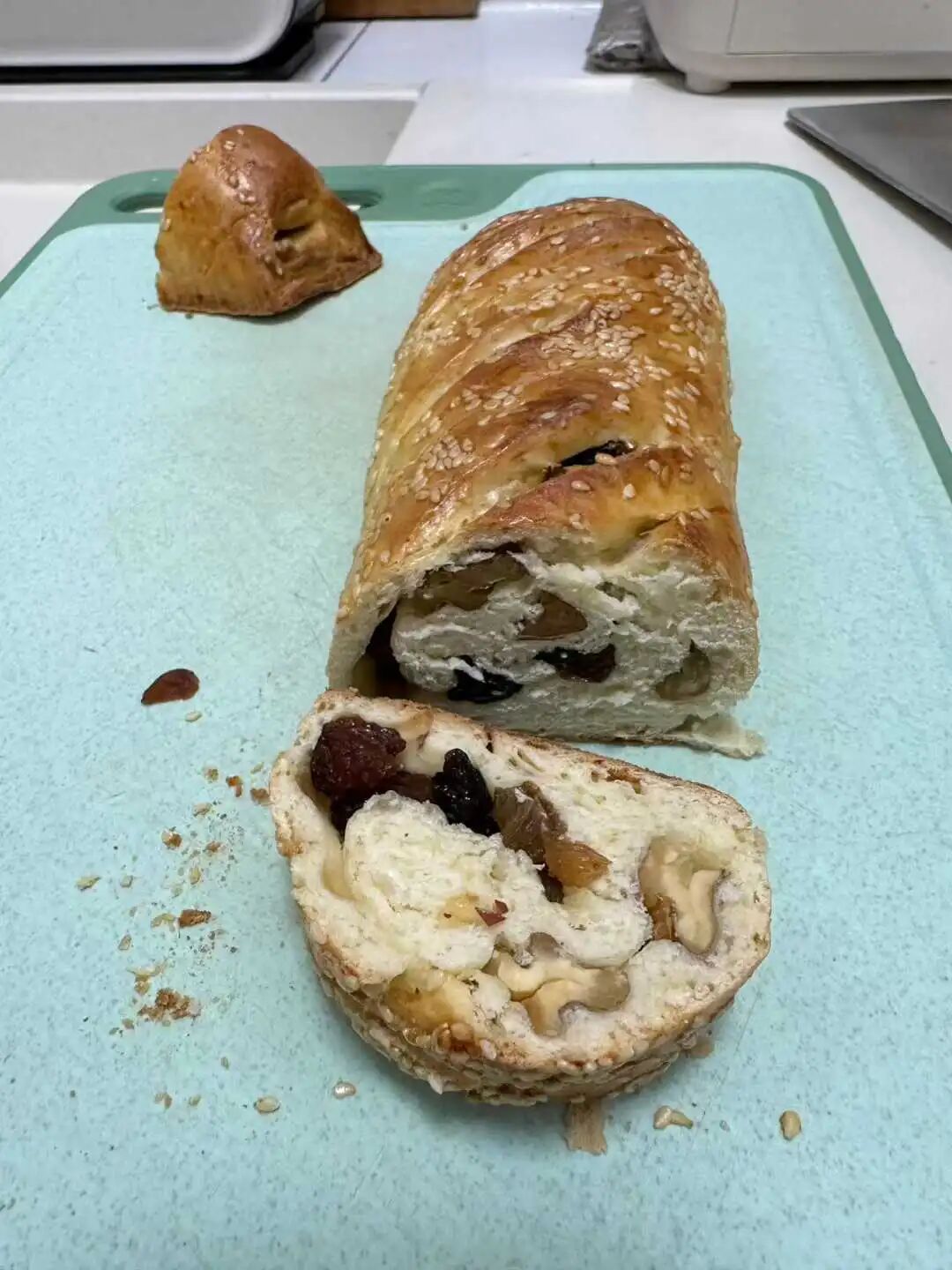
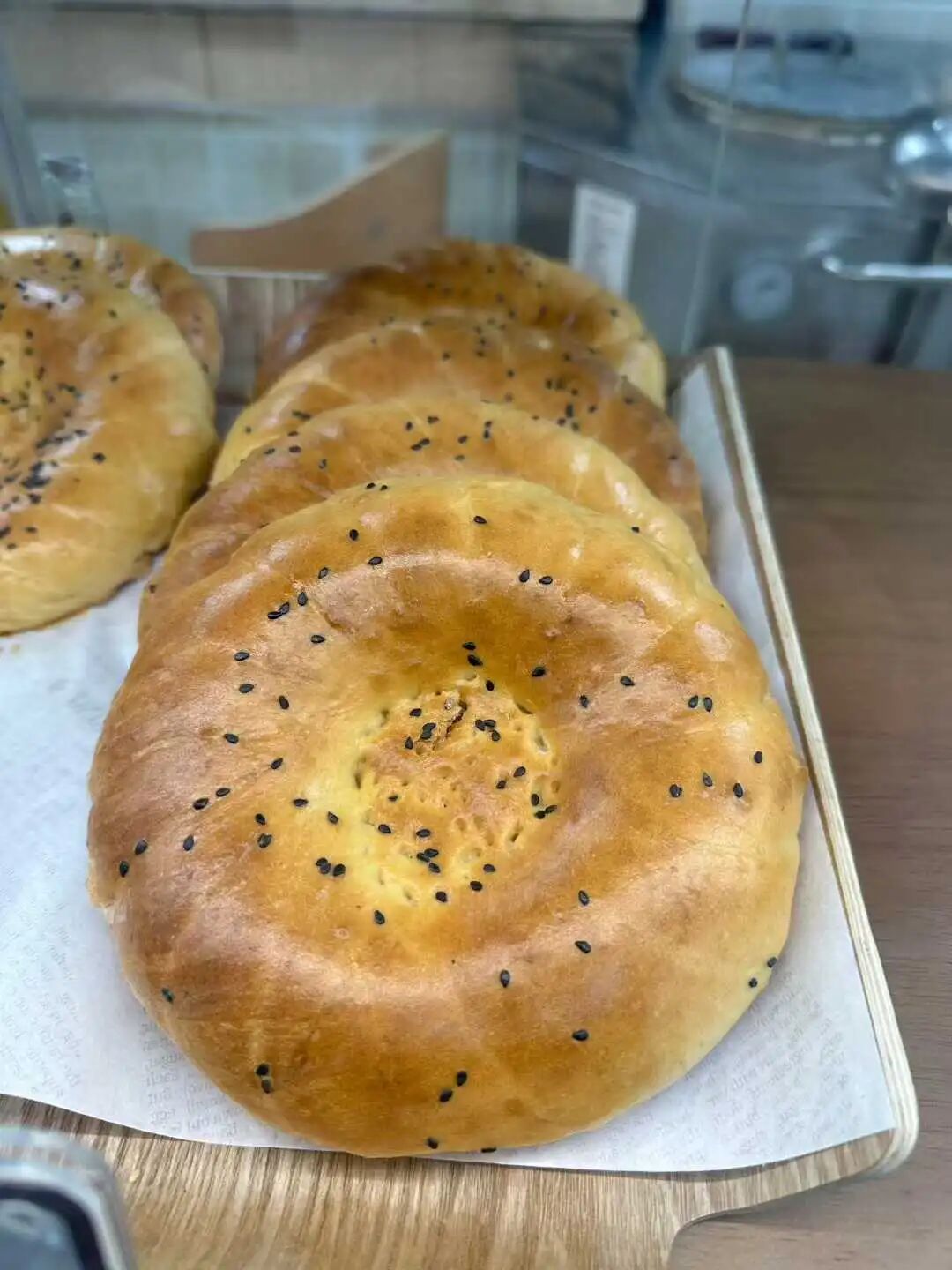
A new naan shop called Jingbalang has opened at the Chaonei Market in Dongsi, and many neighbors are lining up to buy naan. I asked the baker, and he is from Kashgar. We bought onion naan (piyazi naan), milk naan (naizi naan), baked buns (kaobaozi), and nut naan. They were all delicious and definitely as good as what you get in Xinjiang. The milk naan is very milky and not hard at all. The onion naan is made with onions (piyazi) and cumin. It is very thin, and I ate half of it right after it came out of the oven. The baked buns have a strong flavor of Sichuan peppercorns and salt. The nut naan is a bit like a white flour version of Xinjiang bread (lieba). It is filled with various raisins and nuts, and the kids love it.
MacMac Lebanese Restaurant
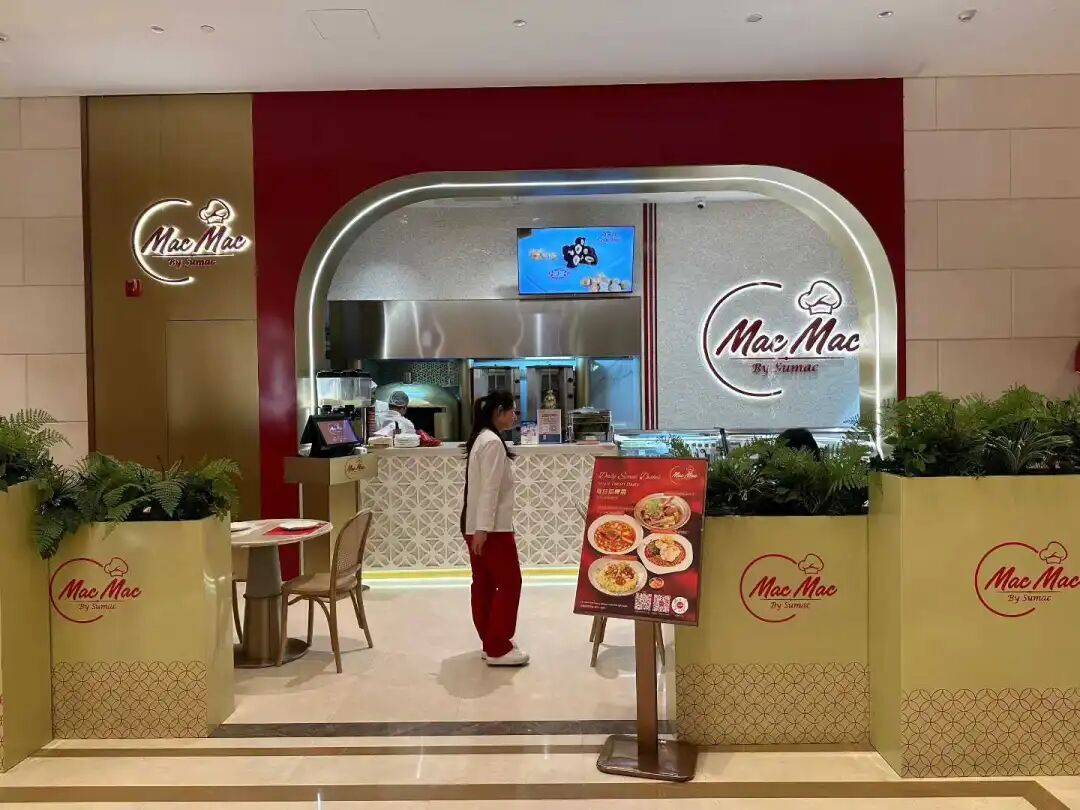
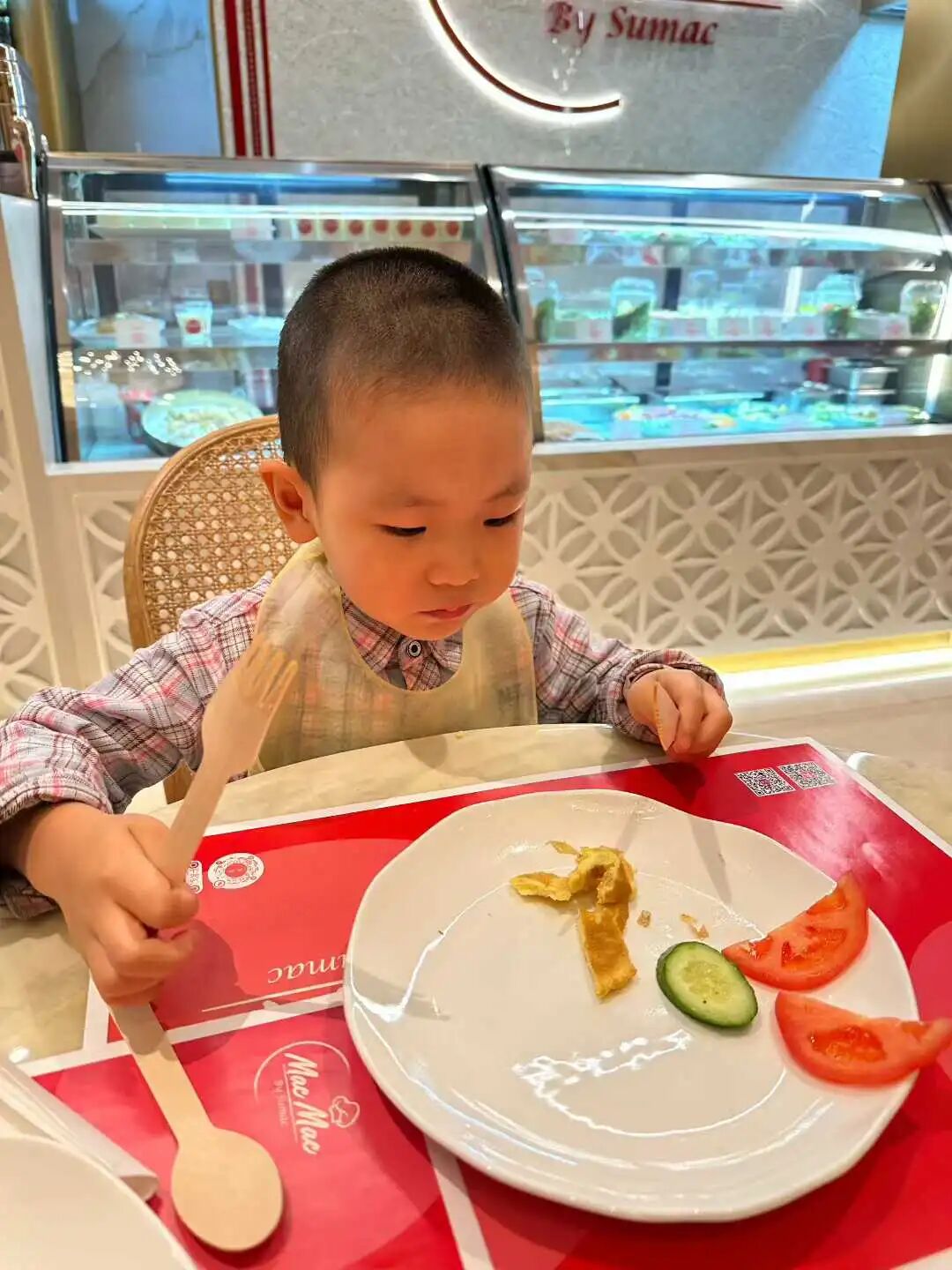
We had breakfast at the Lebanese restaurant MacMac in the Grand Summit center in Guomao. They open at 8:30 AM, and it is a nice, quiet place for breakfast on the weekend.
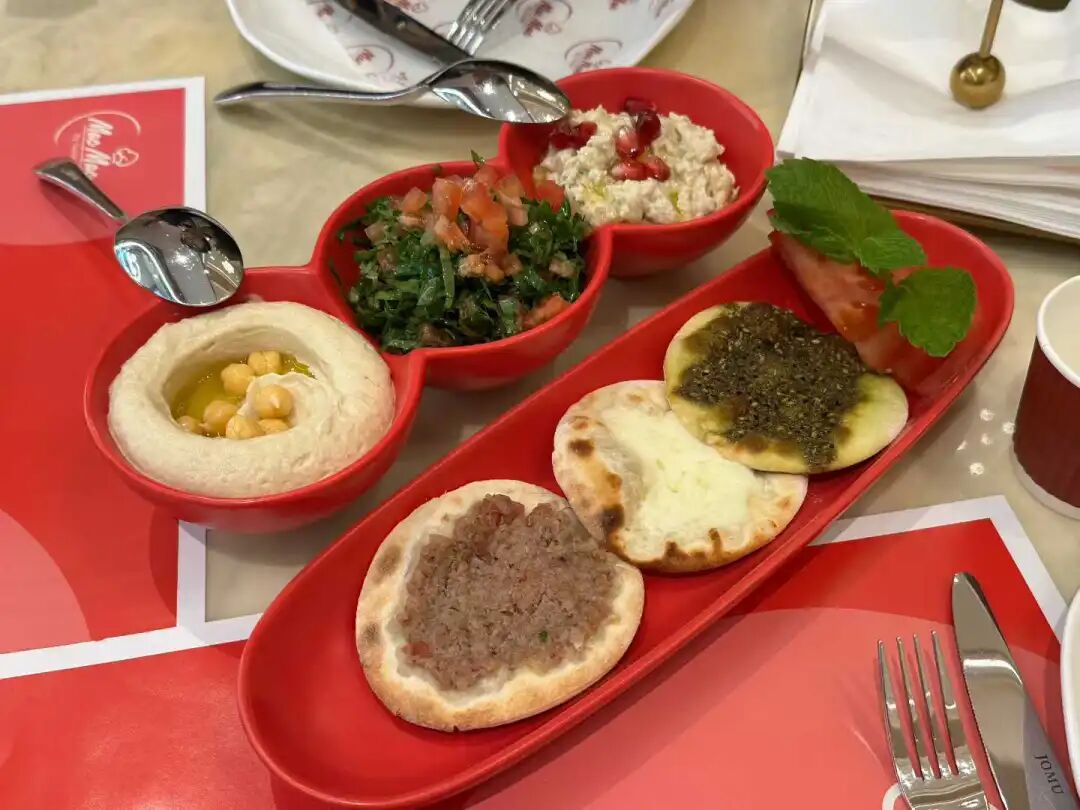
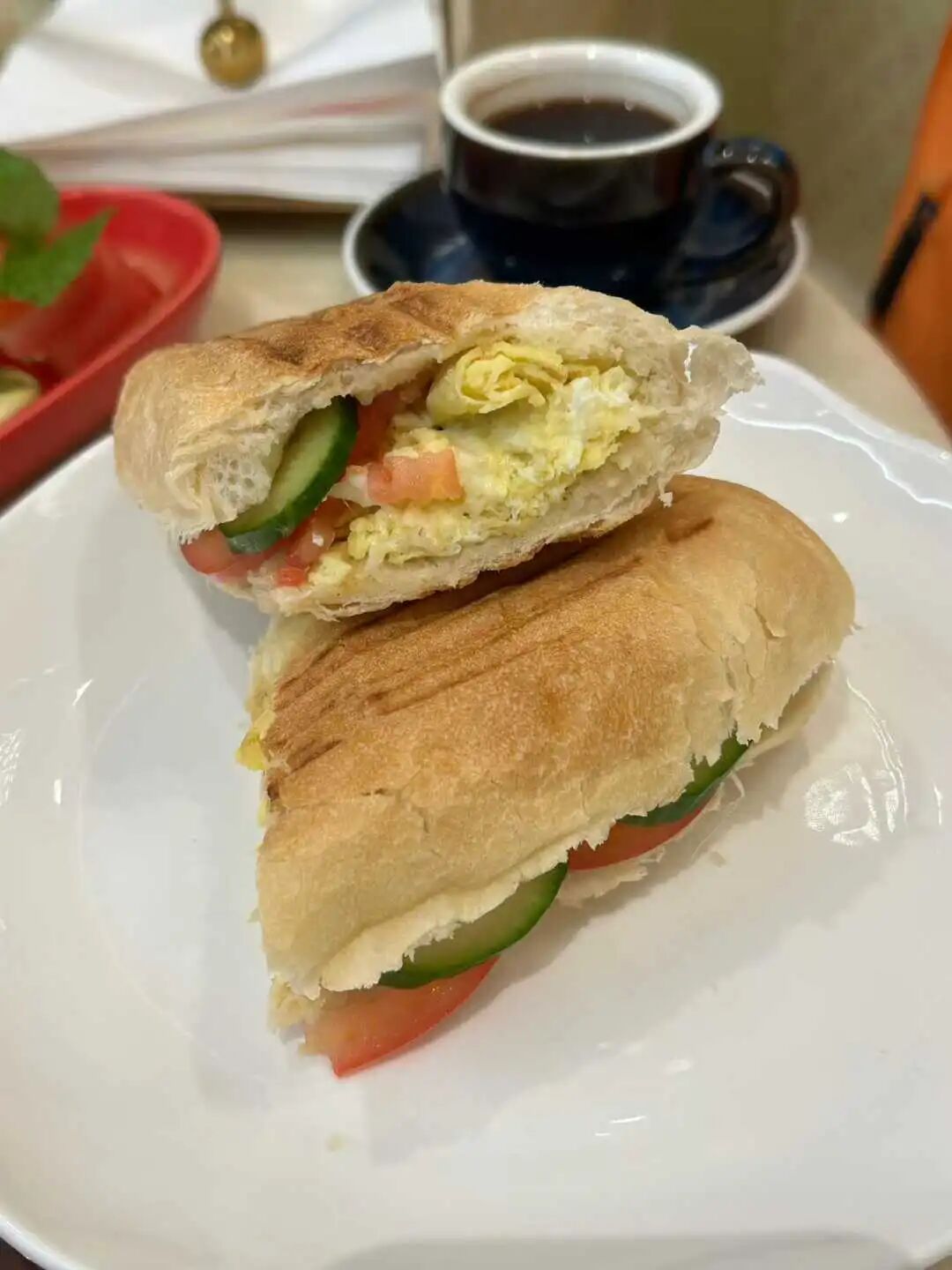
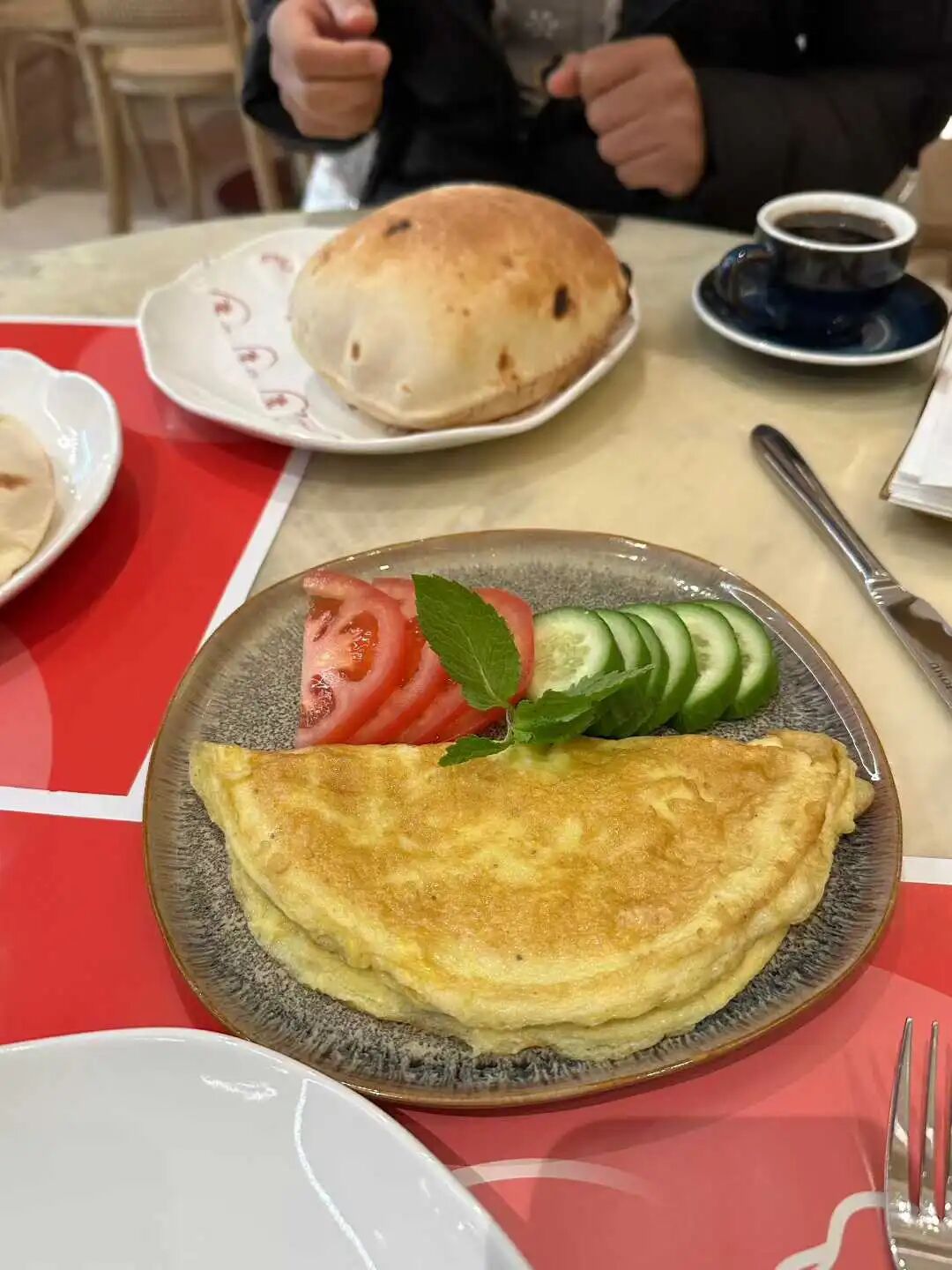
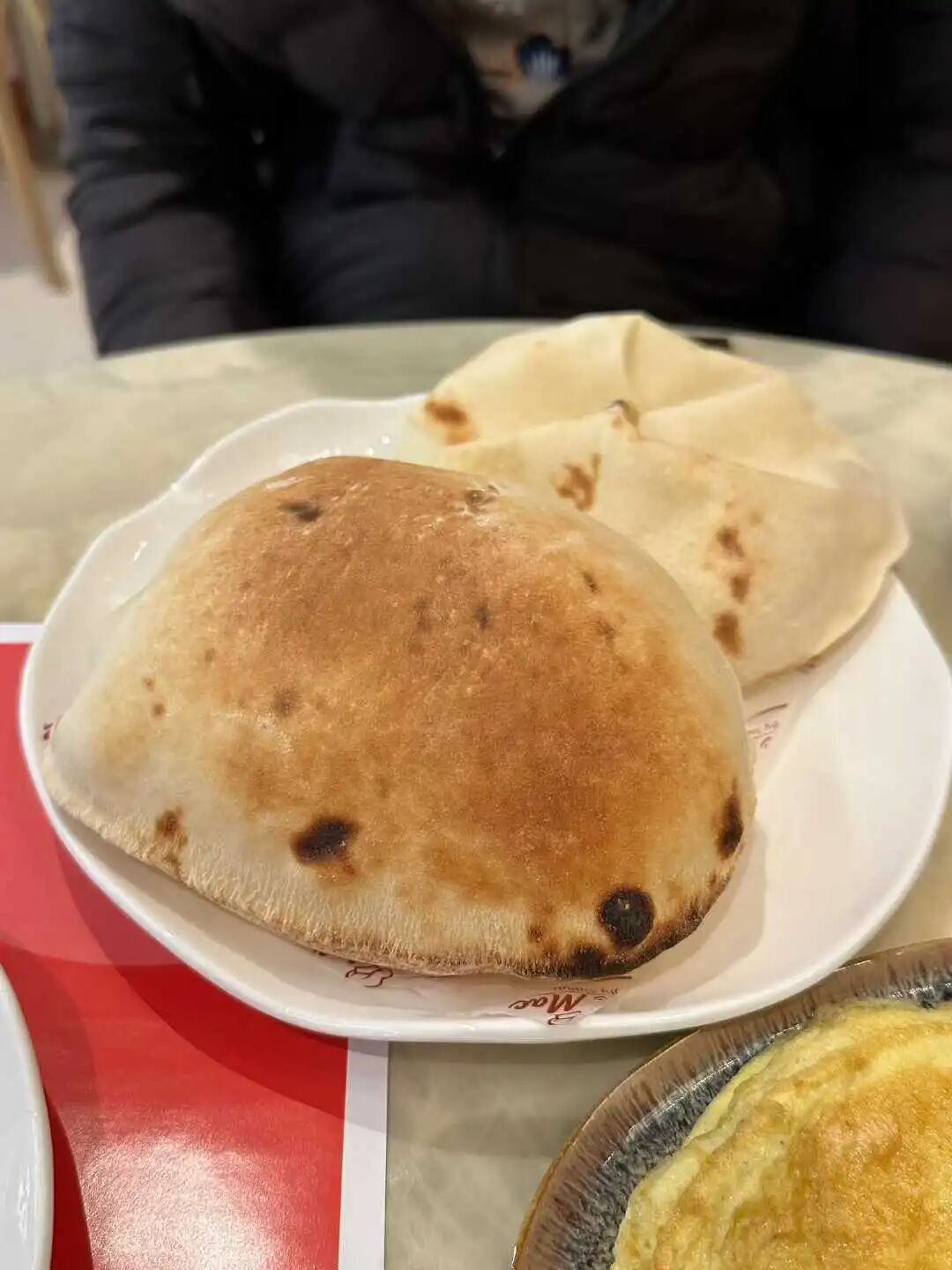
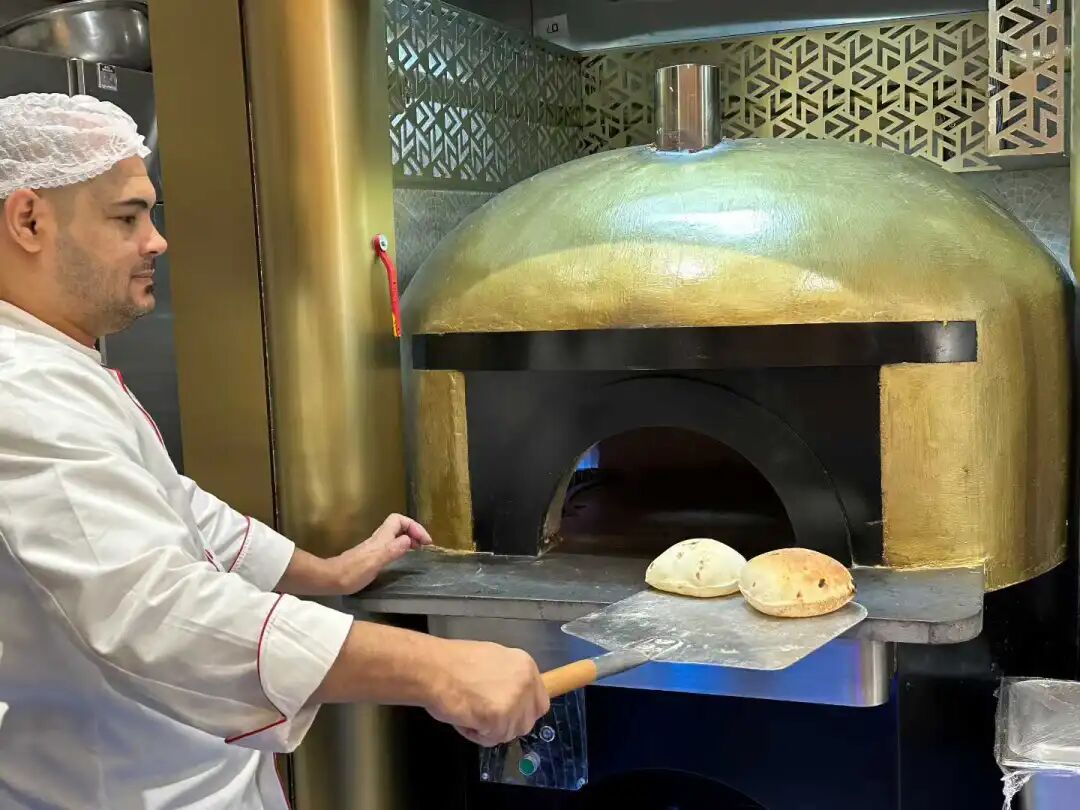
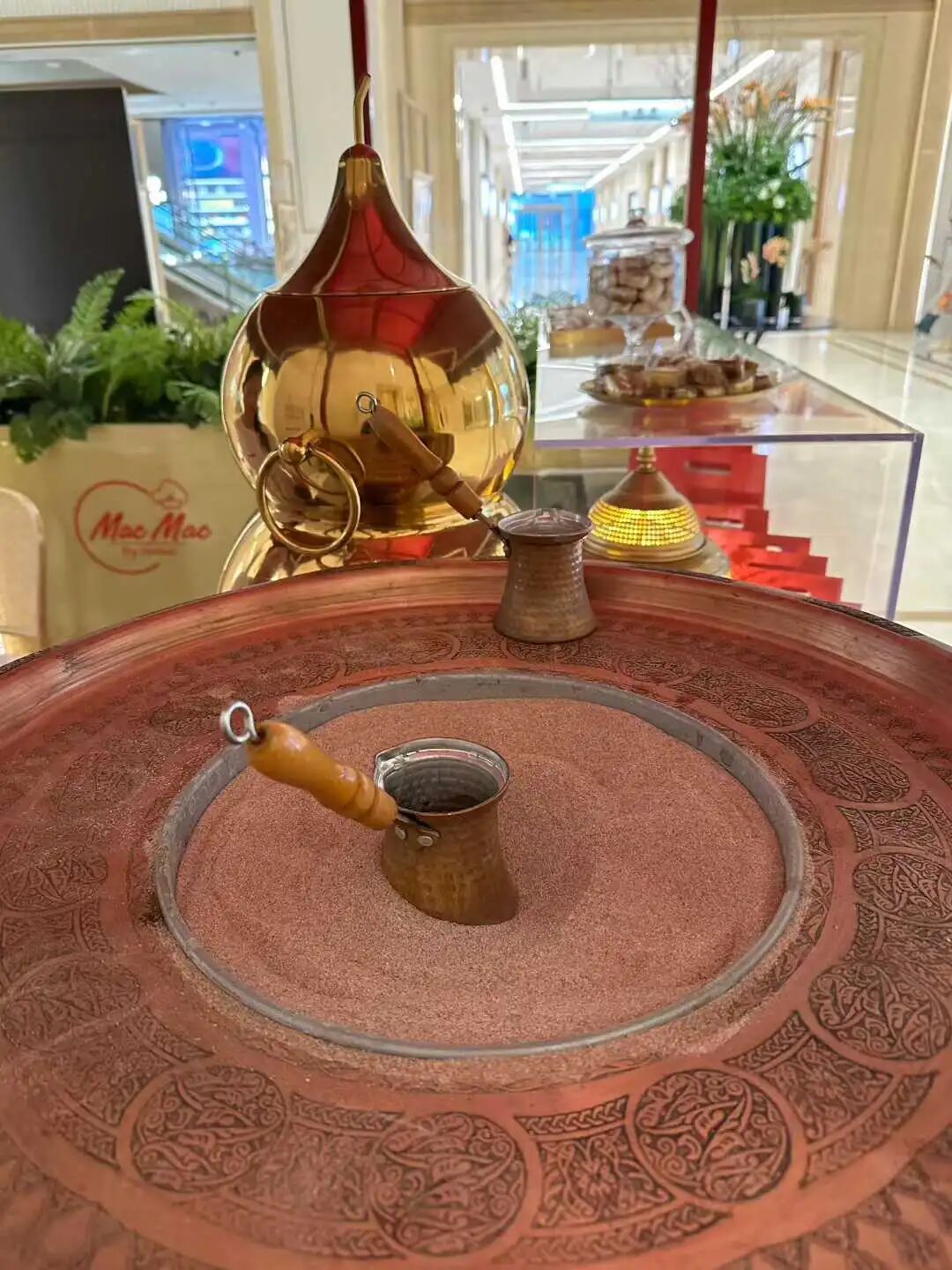
They have a special Beirut breakfast platter that includes three mini flatbreads (Manakish), an omelet, and a coffee or tea. We chose the sand-brewed Lebanese coffee. There is also a Levant Morning set, which is an egg and cheese sandwich with a coffee or tea. We chose a cappuccino. We also ordered an appetizer platter, which includes tabbouleh, hummus, and baba ganoush, served with two pita breads baked over an open flame, plus a milk pudding. These sets are all perfect for a morning meal.
The service here is quite good, and the servers always ask about our needs. The dishes are very authentic and taste just like what we ate in Lebanon. I recommend everyone try the Lebanese specialty, manakish flatbread (manakish).
Manakish flatbread originated from traditional ancient Phoenician bread and can be topped with Zaatar spice mix, cheese, or minced lamb. In 2023, manakish flatbread was added to the UNESCO Intangible Cultural Heritage list as an iconic Lebanese food. They offer three types: cheese, Zaatar, and beef, with the Zaatar flavor being the most unique. Zaatar is a unique blend of thyme, sumac, oregano, marjoram, and sesame seeds. Zaatar dates back to ancient Egypt and has been used for thousands of years as a seasoning and health remedy; medieval Arabic texts mention its benefits for digestion.
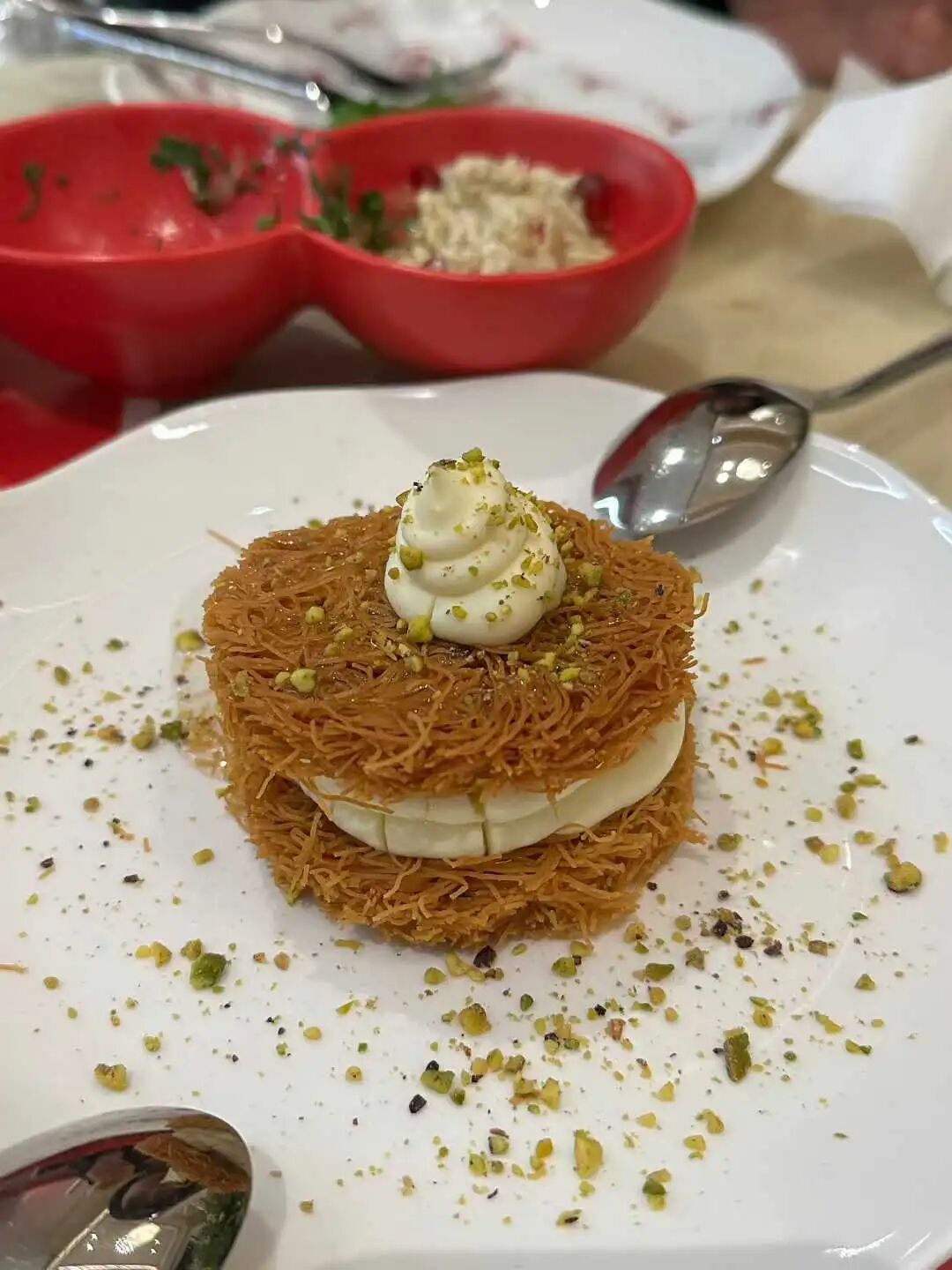
We swapped the milk pudding for the classic Lebanese iftar pastry, crispy vermicelli milk pudding (osmalieh); the crunchy vermicelli, rich creamy flavor, and crushed pistachios take me right back to Lebanon.
They also sell small snacks like the Arabic mooncake (ma'amoul) and various filled chocolates, which all taste quite good.
Humaer Xinjiang Specialty Food
Following a recommendation from a friend (dosti), I went to Humaer, known as the best Xinjiang restaurant in Huilongguan. It is run by Salar Muslims from Yili, but because they live in a Uyghur community, they speak Uyghur at home and no longer speak the Salar language.
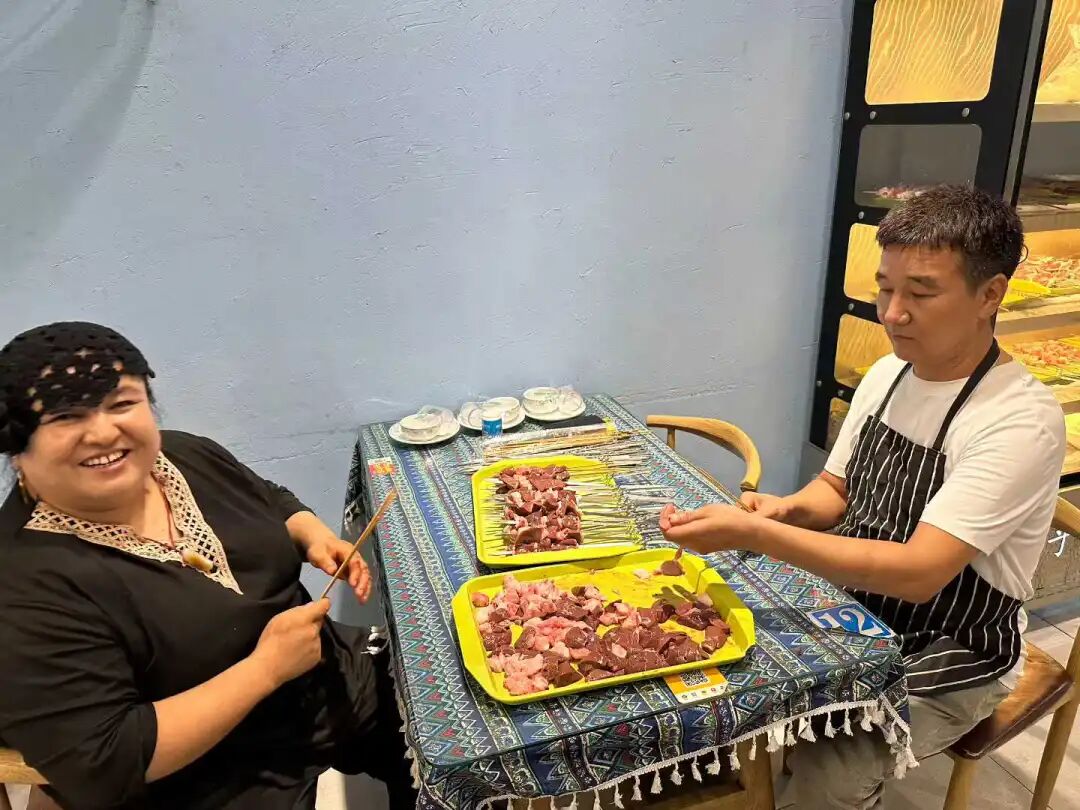
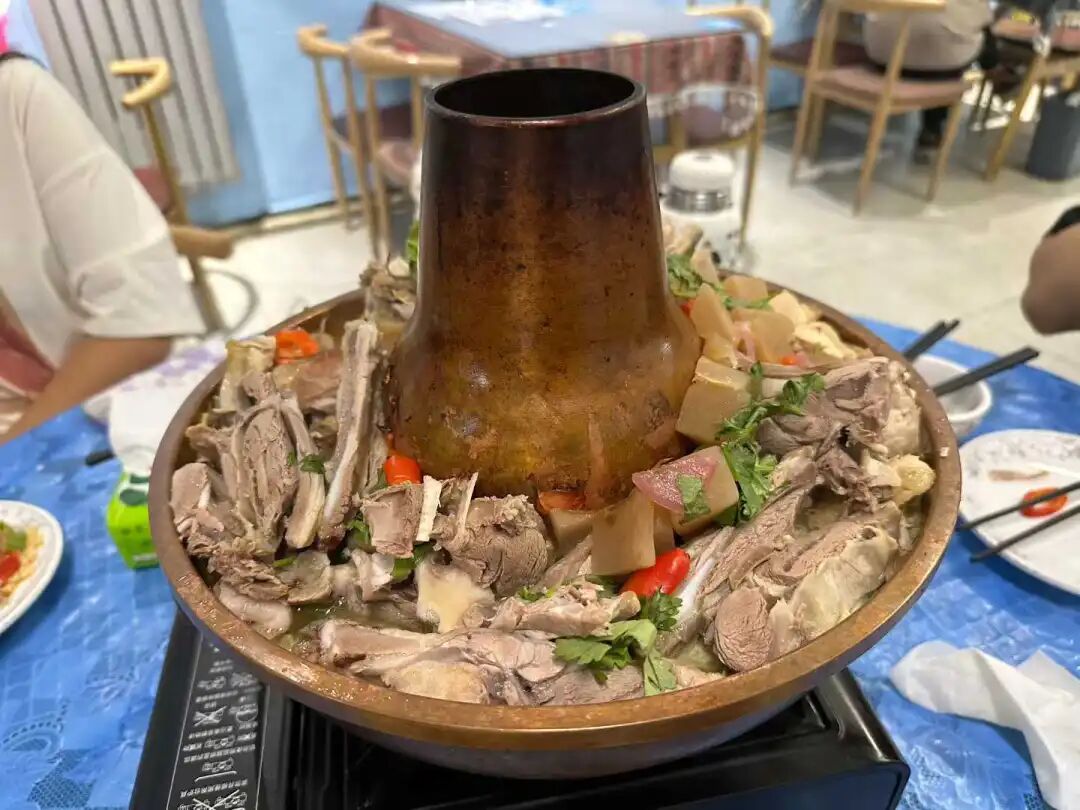
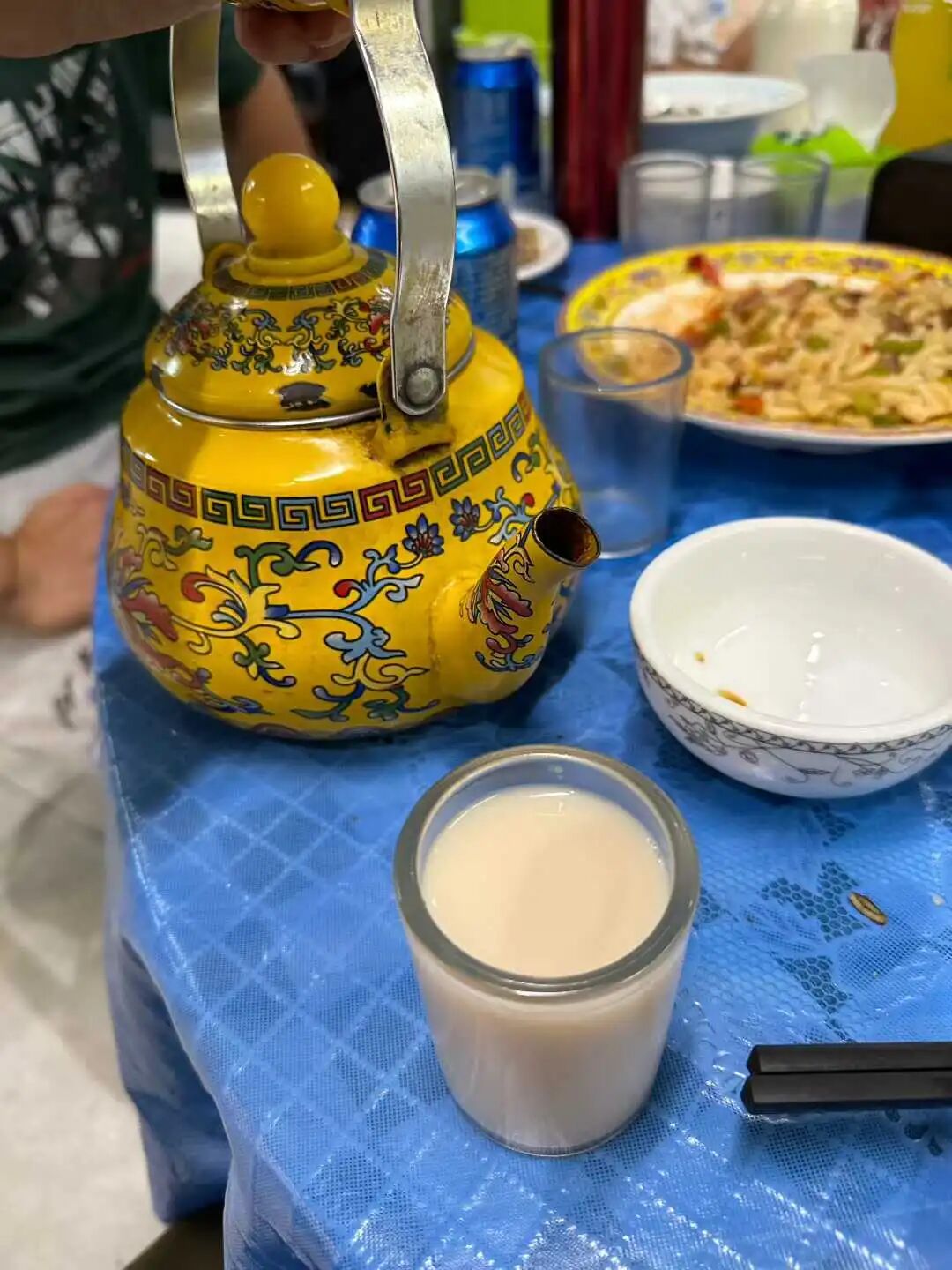
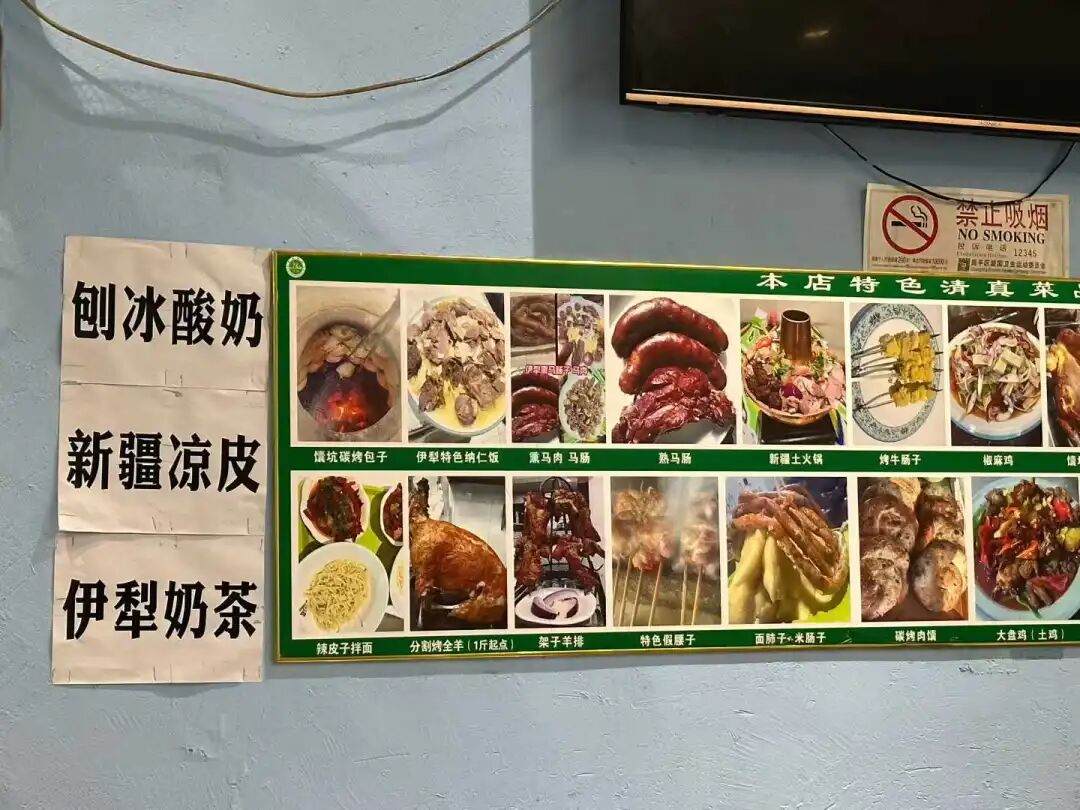
They have many specialty dishes like Xinjiang clay pot hotpot (tu huoguo), meat and noodle dish (naren fan), horse meat and horse sausage, grilled beef intestine, and fake kidney, which many new Beijing restaurants don't have. We ate the clay pot hotpot, rice-stuffed intestine and lung (michangzi mianfeizi), diced stir-fried noodles (dingding chaomian), and milk tea. The clay pot hotpot contains beef, lamb, chicken, and vegetables; the meat is tender and fresh, and both adults and children love it. Unfortunately, the owner said they didn't have meatballs or fried meat patties (jiasha) ready, so we just had to stick to eating meat this time.
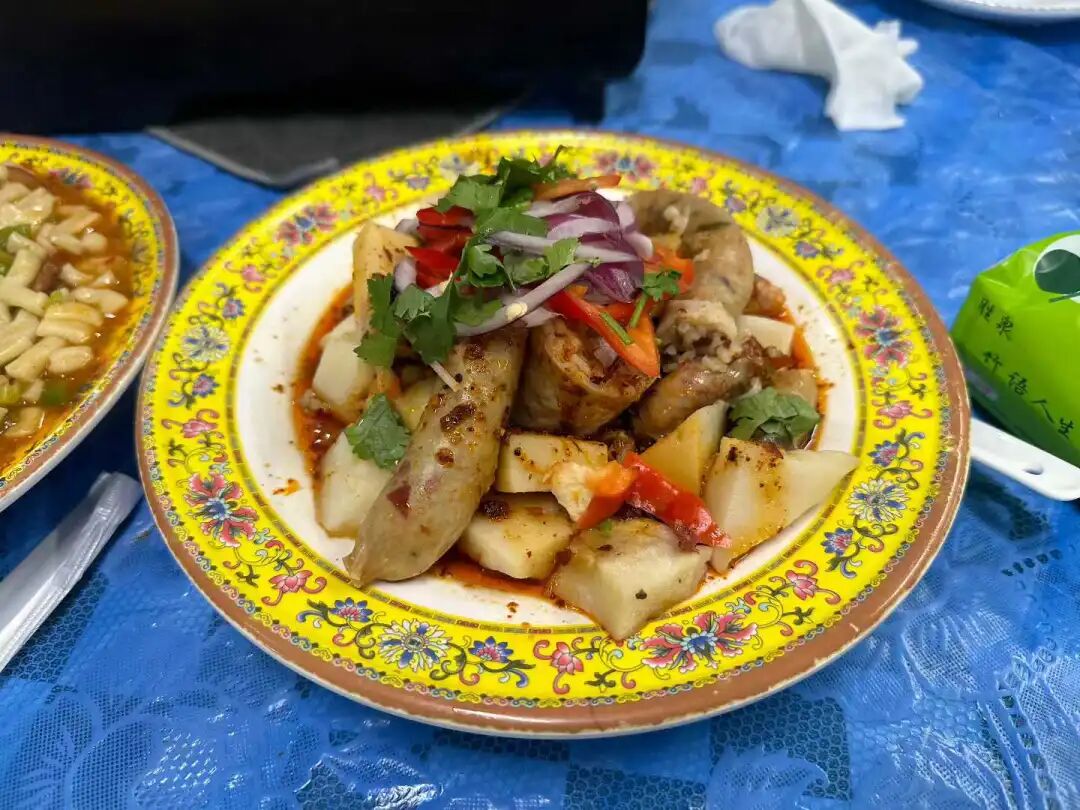
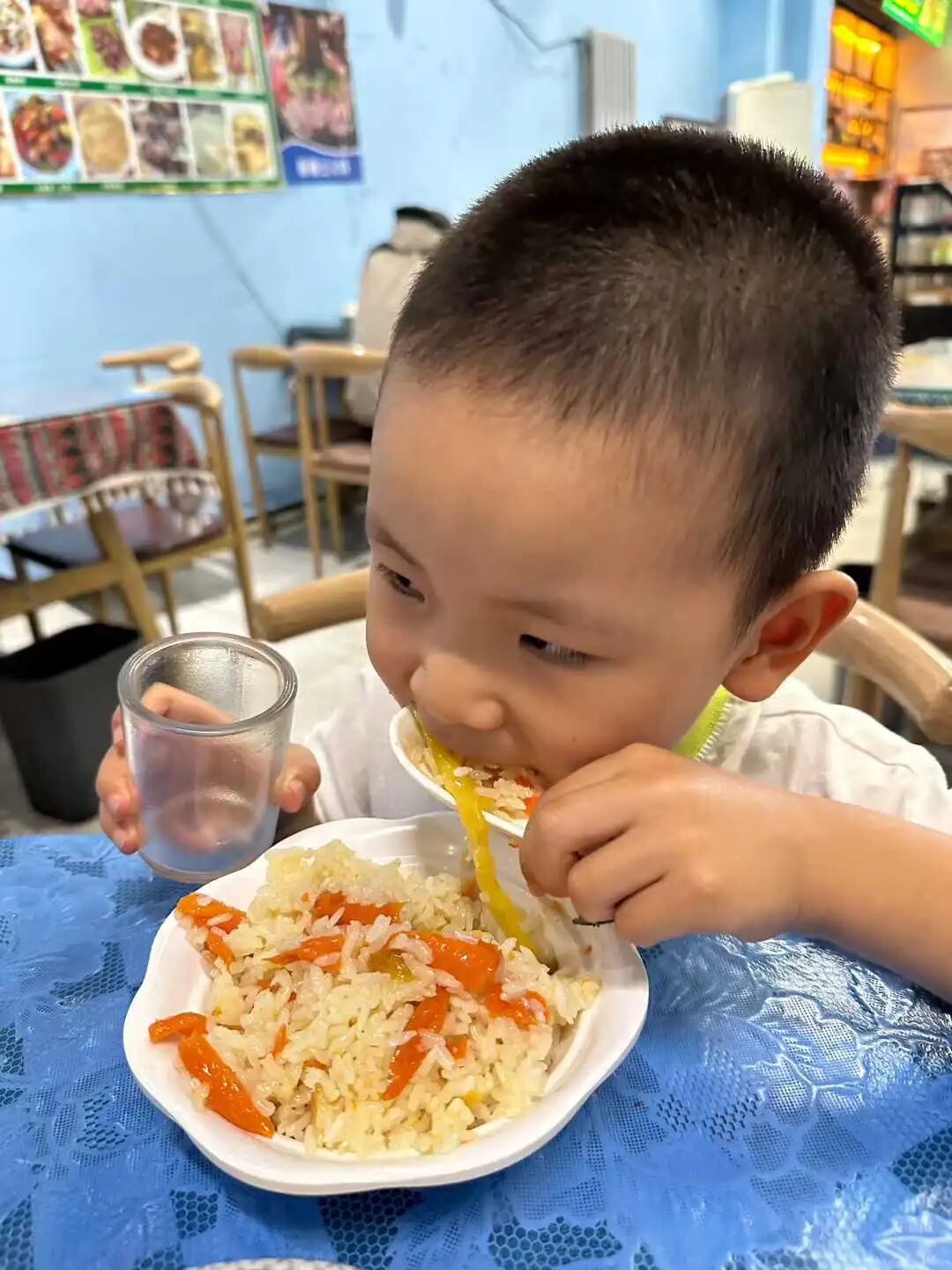
Their rice-stuffed intestine and lung is also delicious, and the sauce is seasoned perfectly. The salty milk tea has cream in it, and it tastes exactly like a real Yili milk tea shop. The owner also gave the children some pilaf (zhua fan), which was shiny with oil and tasted very savory.
Next time I go to Huilongguan, I will definitely try their barbecue.
Lao Huihui Dumpling Restaurant
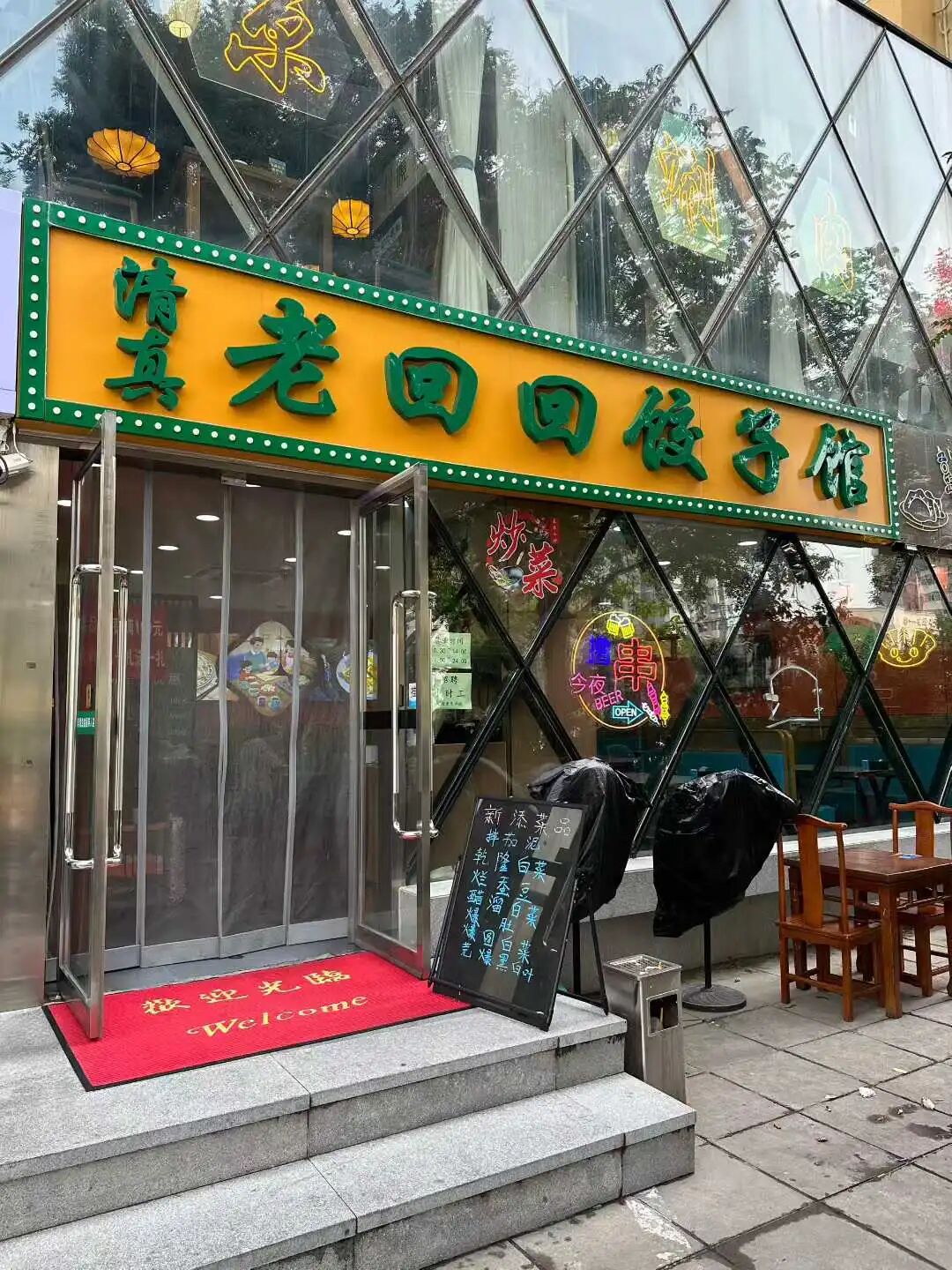
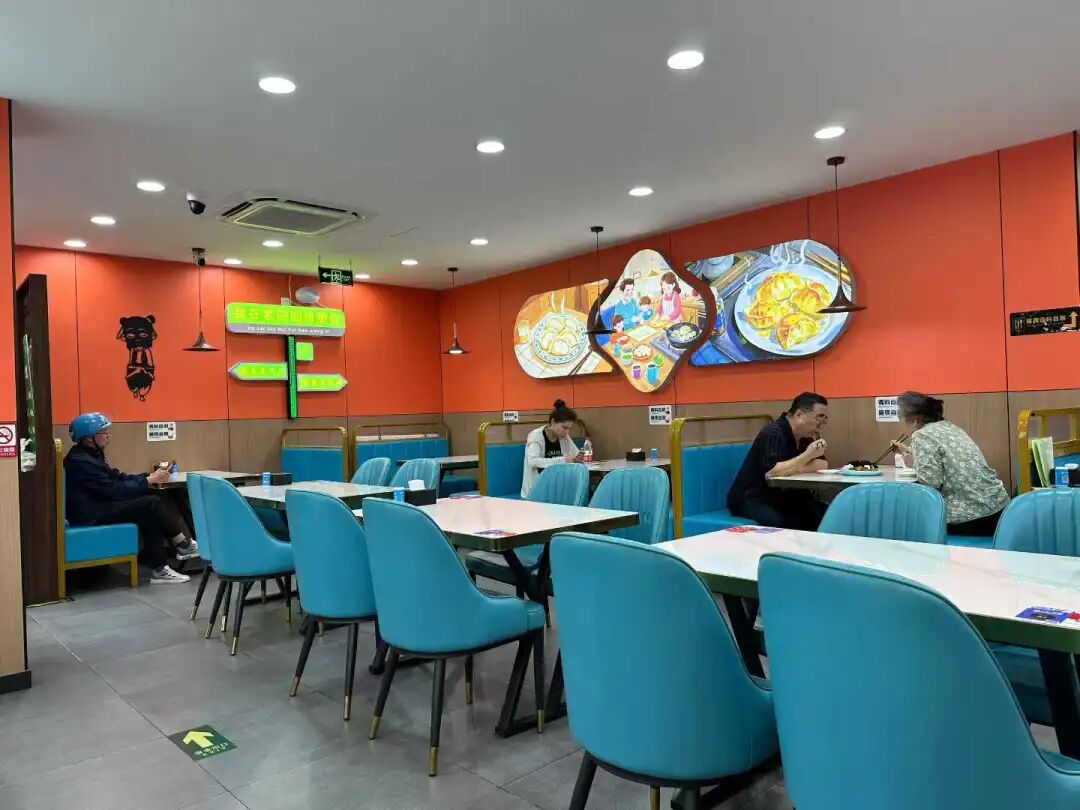
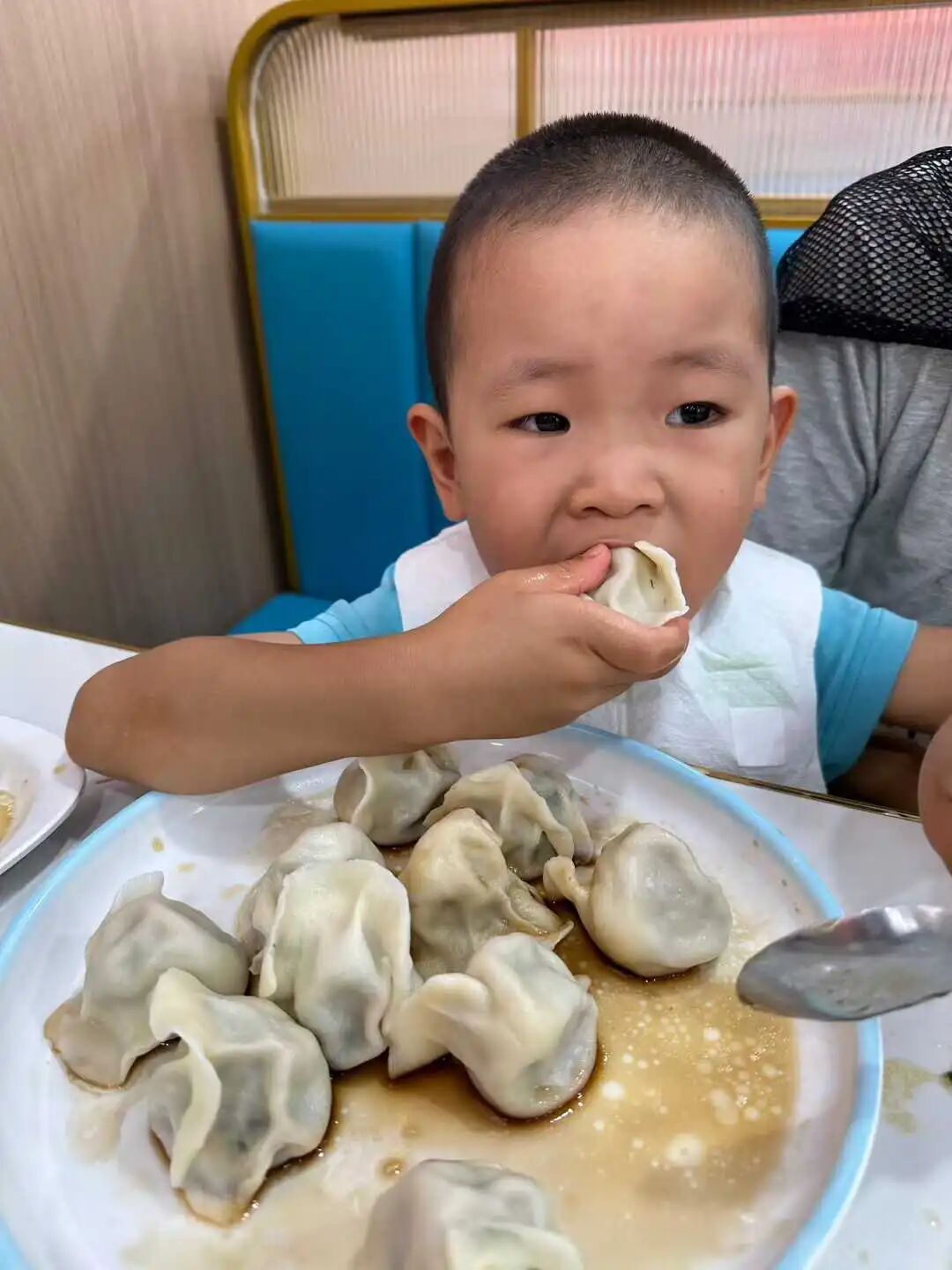
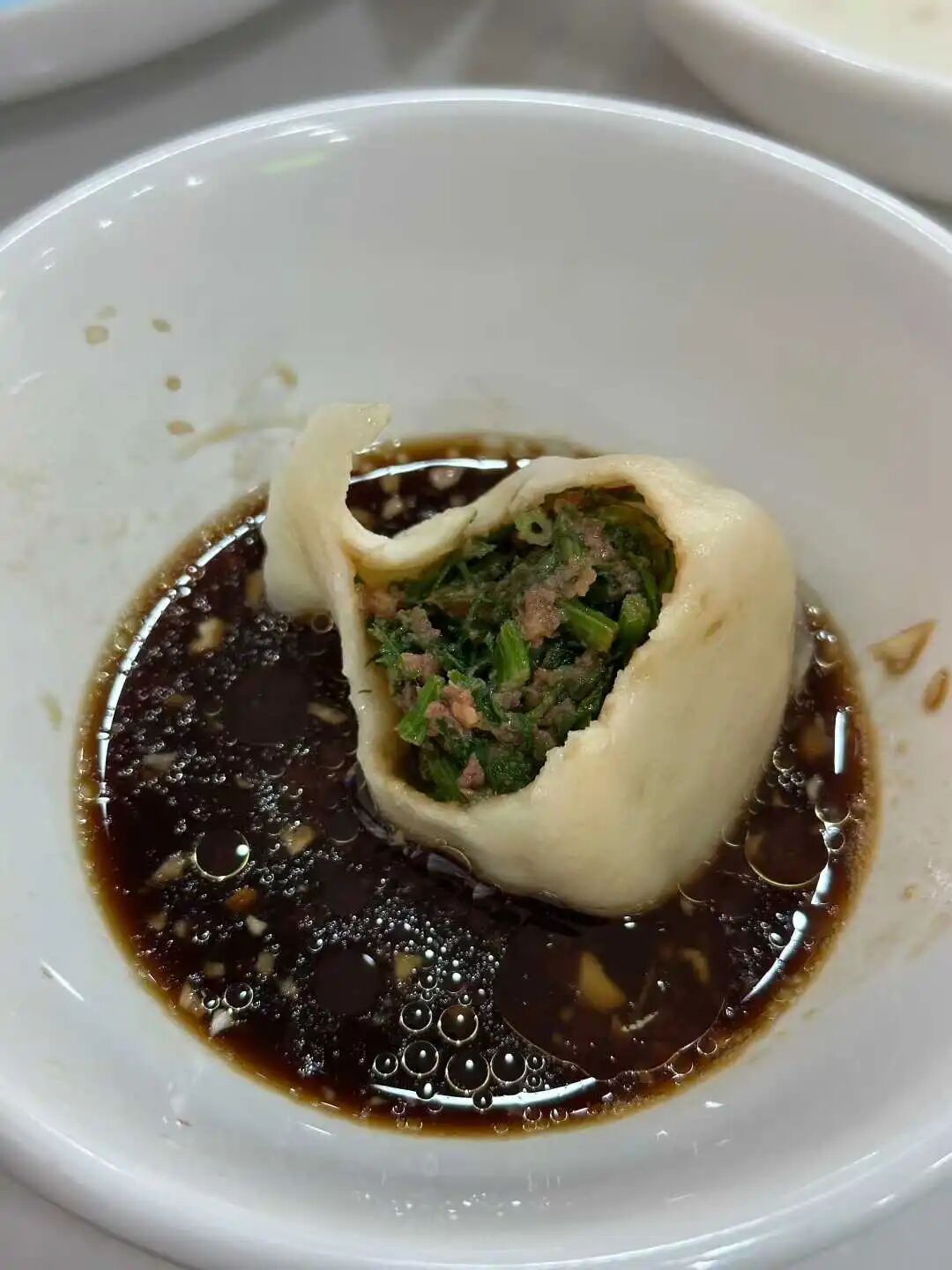
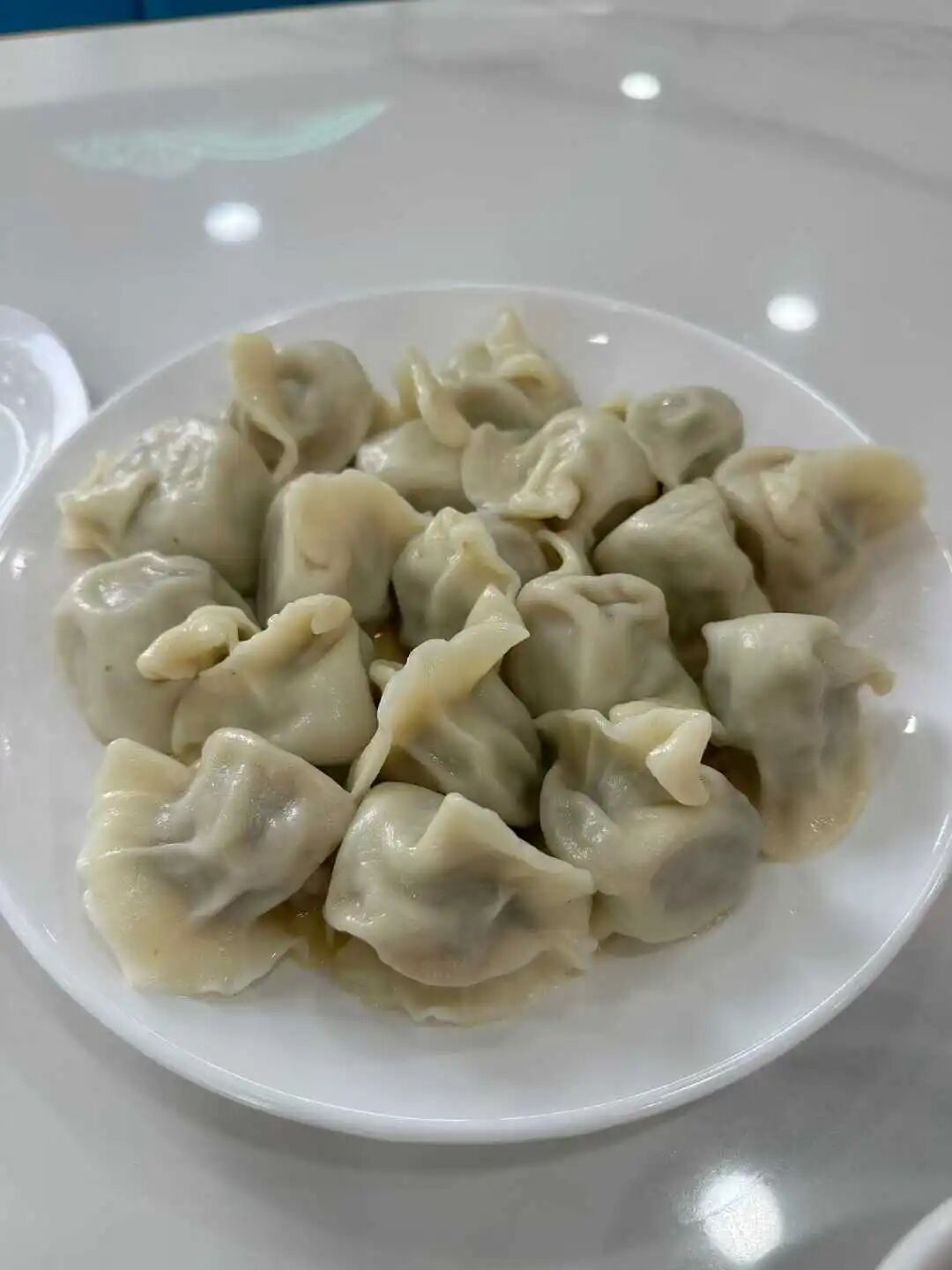
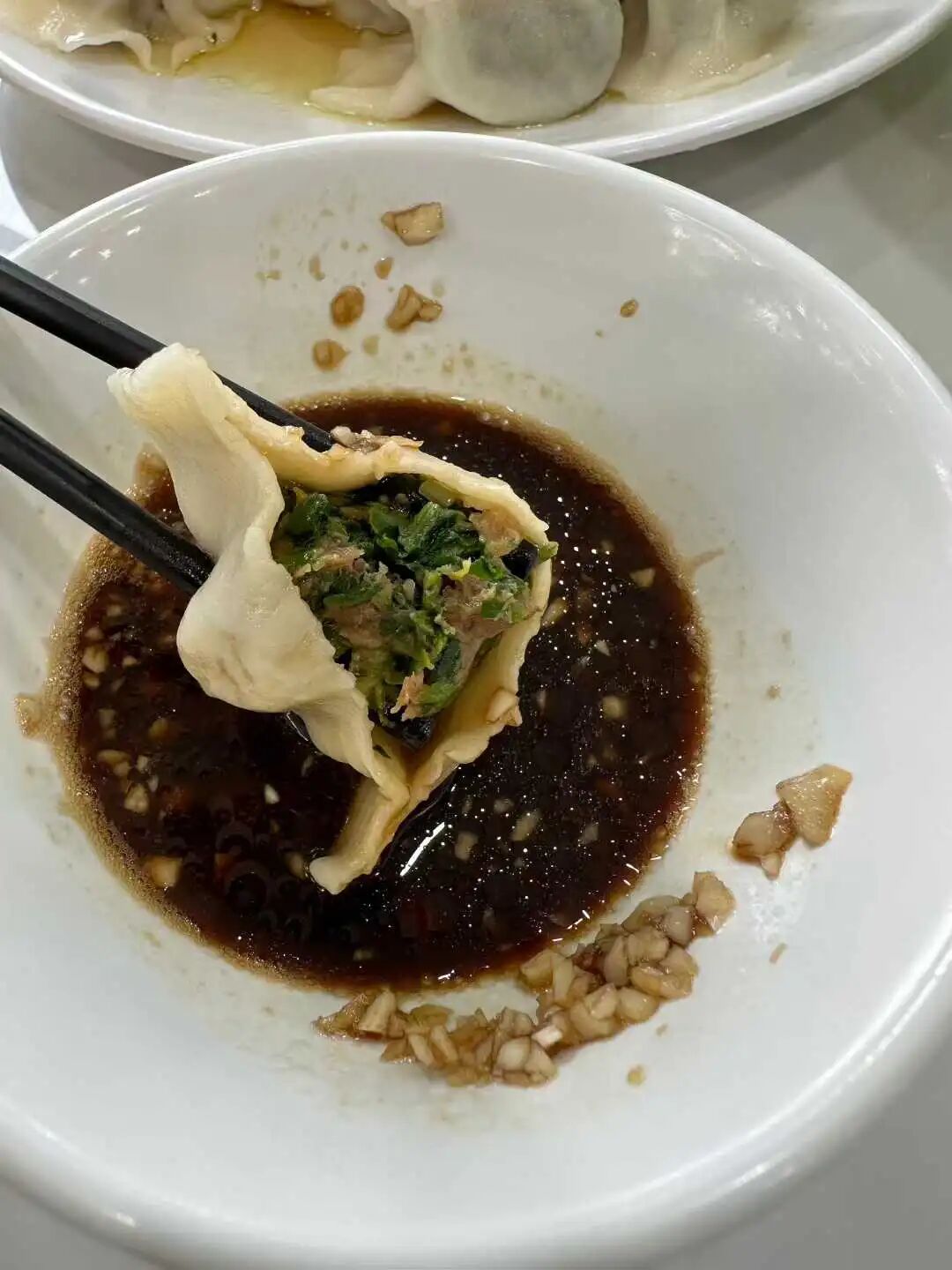
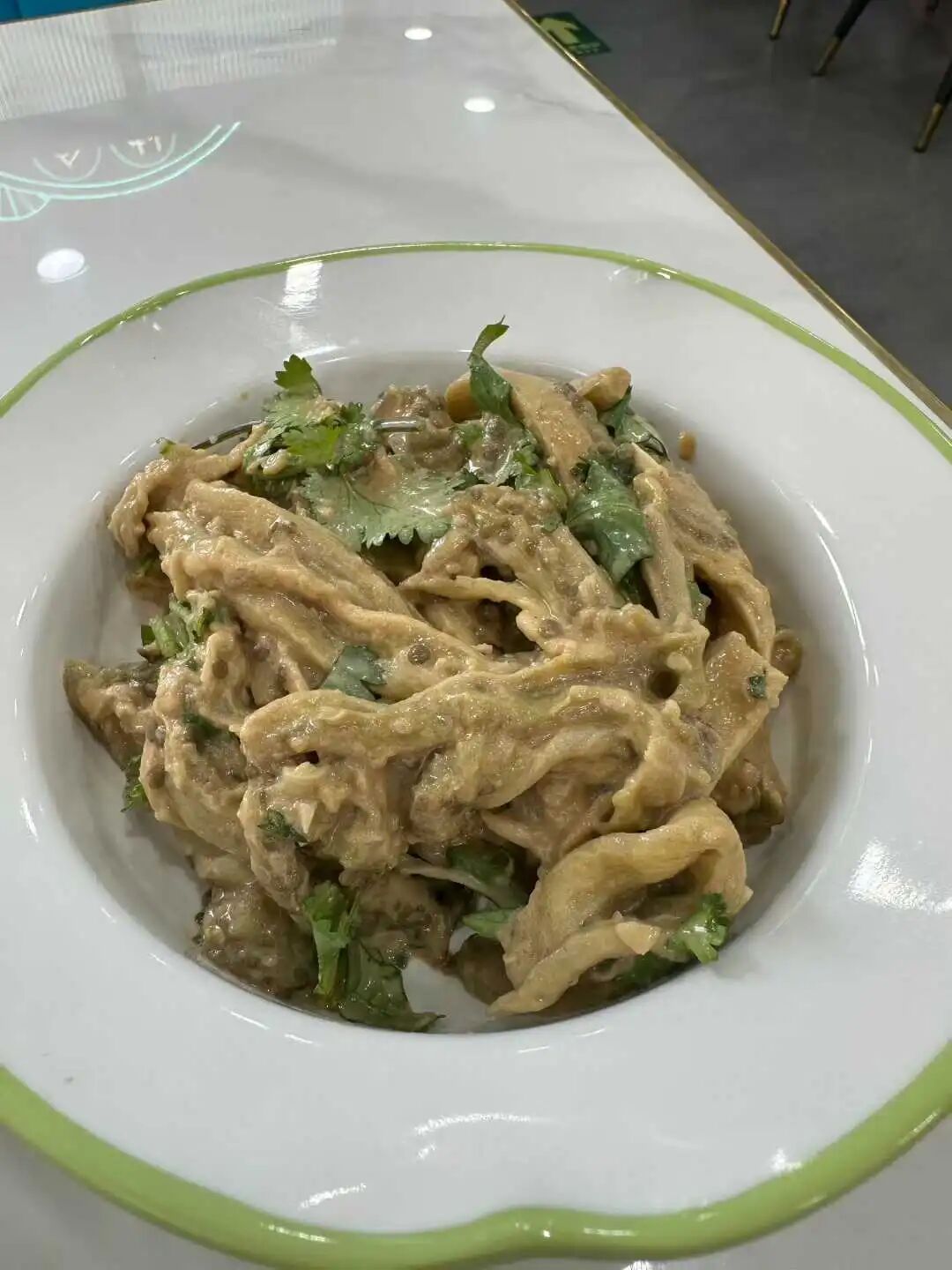
After taking my son to the zoo on the weekend, we biked to Zhanlan Road for a second visit to Lao Huihui Dumpling Restaurant. This time we specifically ordered beef with chives and shrimp dumplings and beef with fennel dumplings. Their handmade dumplings are packed with filling, our whole family loves them, and there is free dumpling soup served in a thermos. I think eating here after visiting the zoo is a great plan for the future.
Fresh Milk Town (Xiannai Xiaozhen) Shuangjing Branch
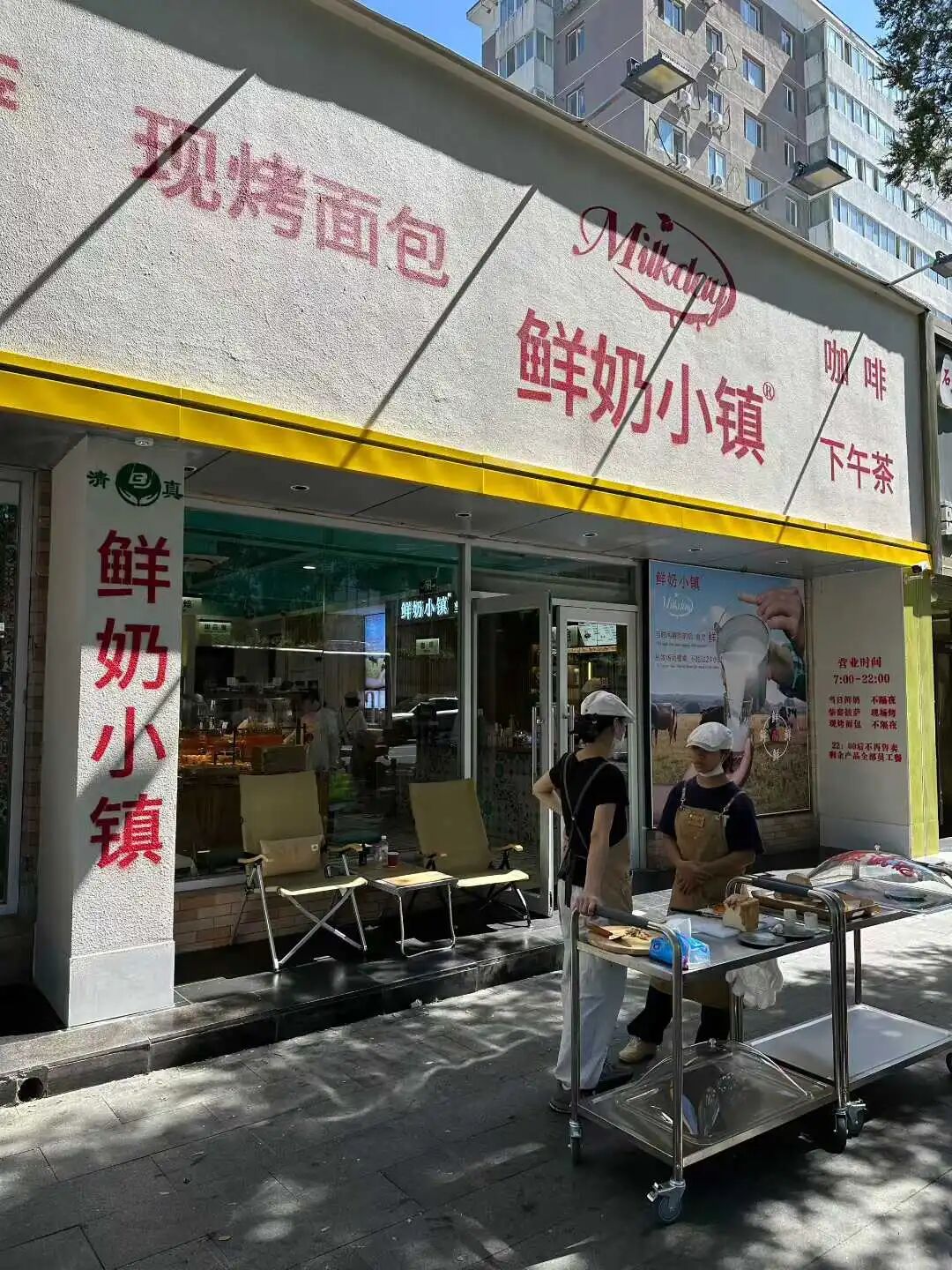
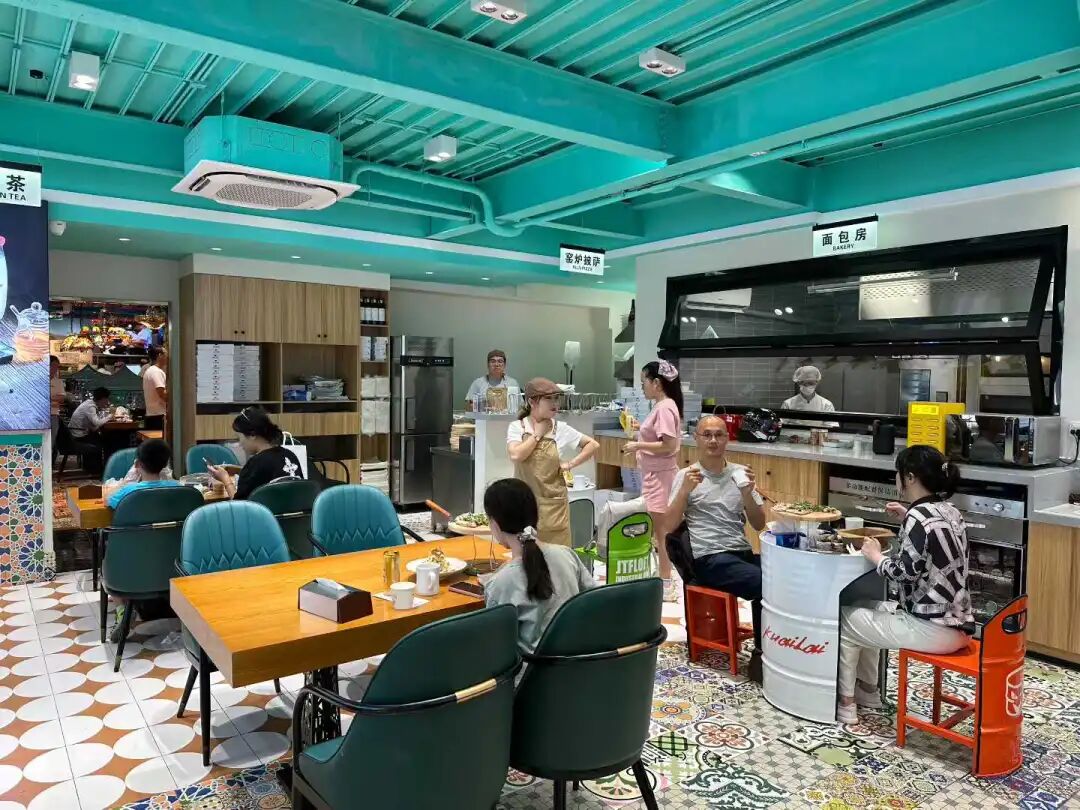
The Fresh Milk Town that Tanyang Puzi opened in Shuangjing has been a popular spot for friends (dostani) to visit since it opened, and we finally went this weekend.
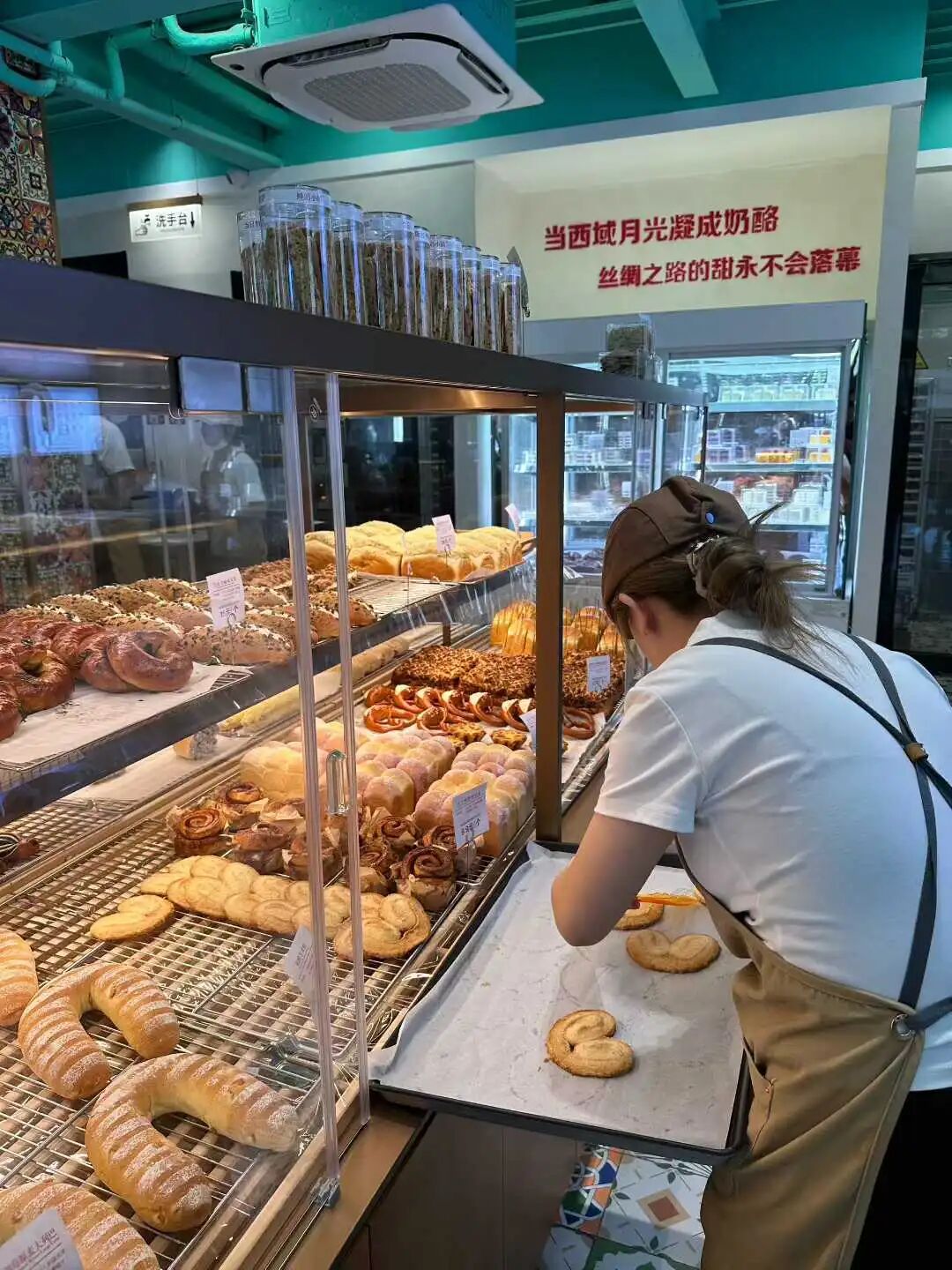
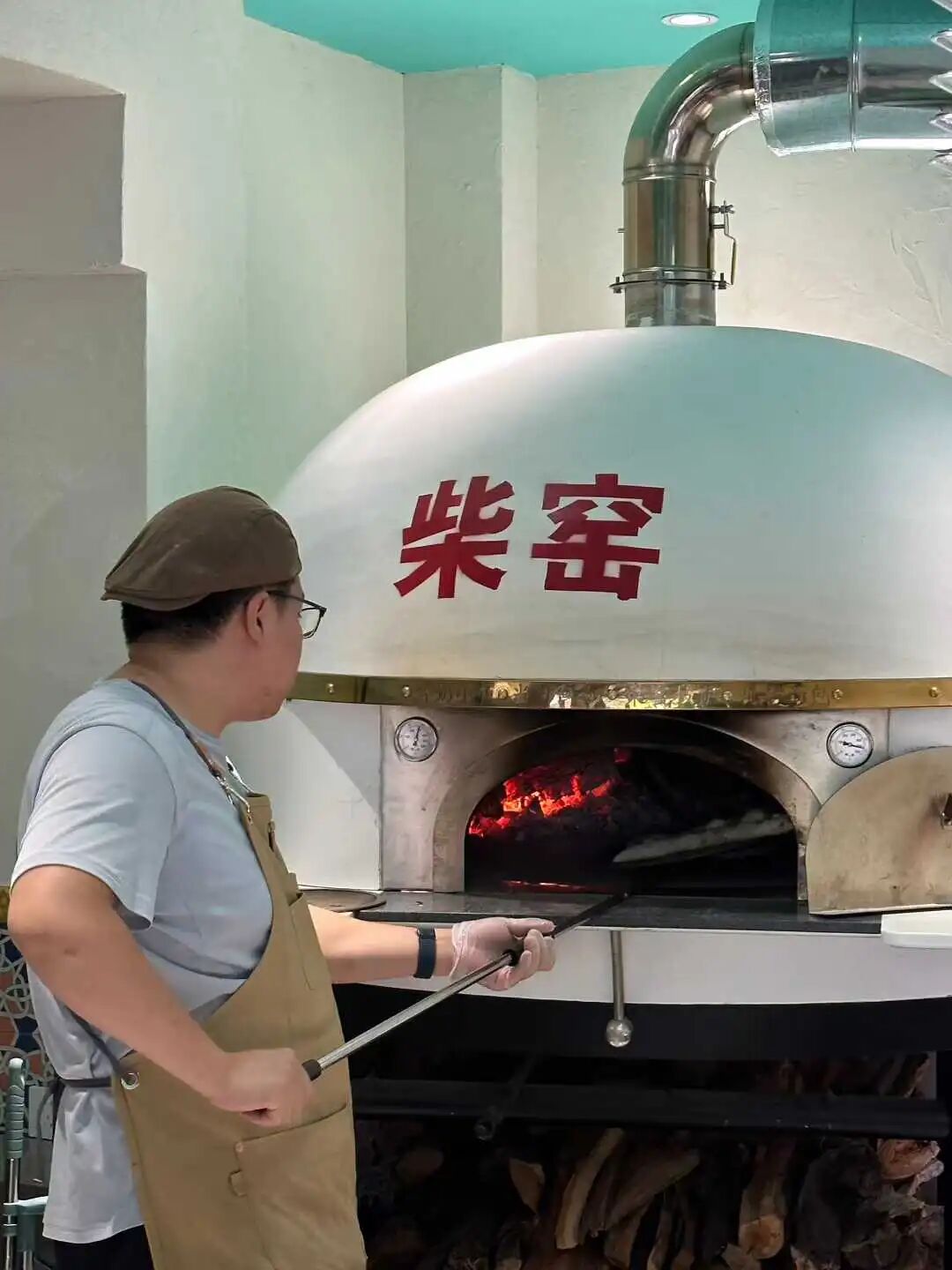
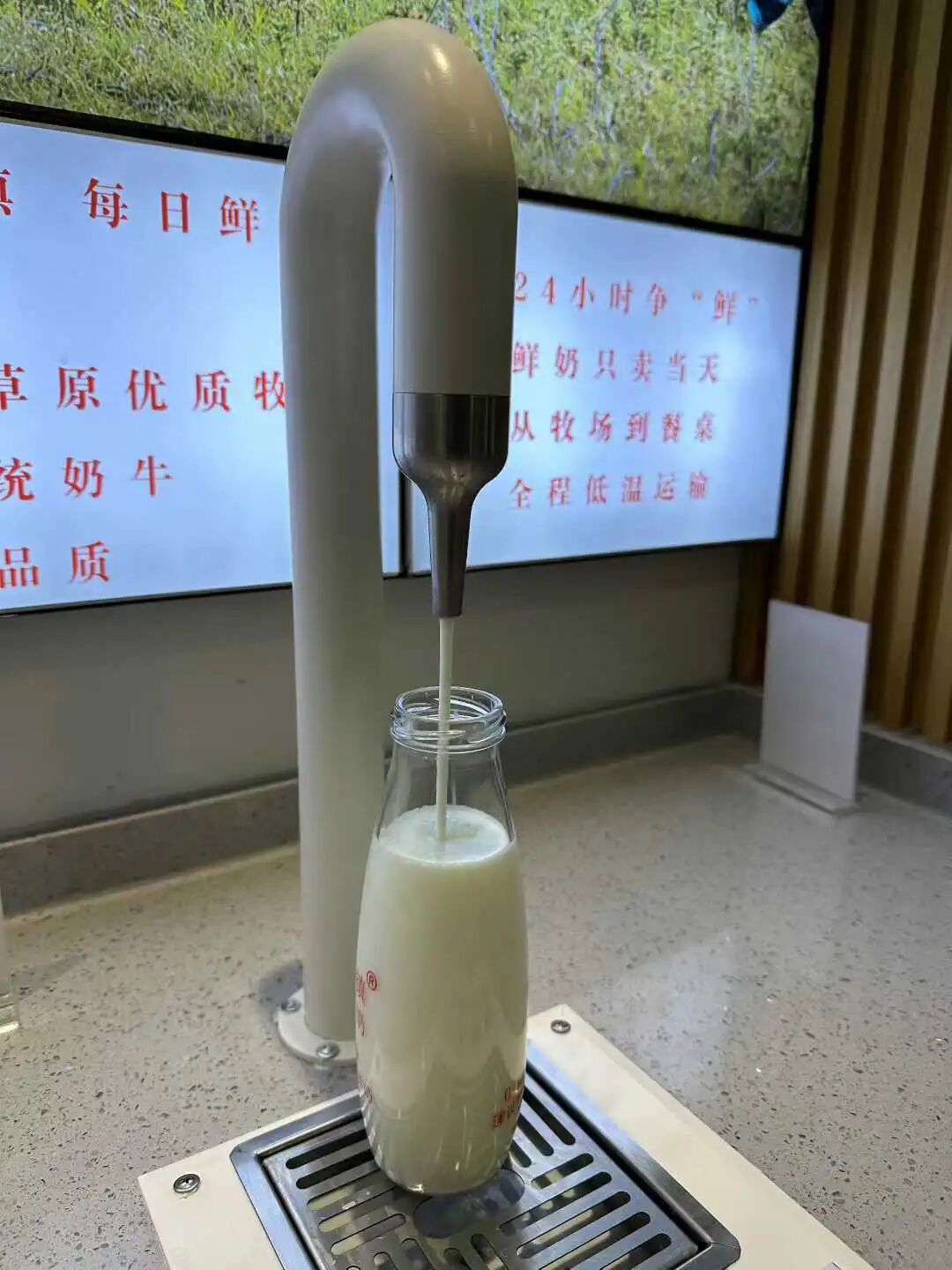
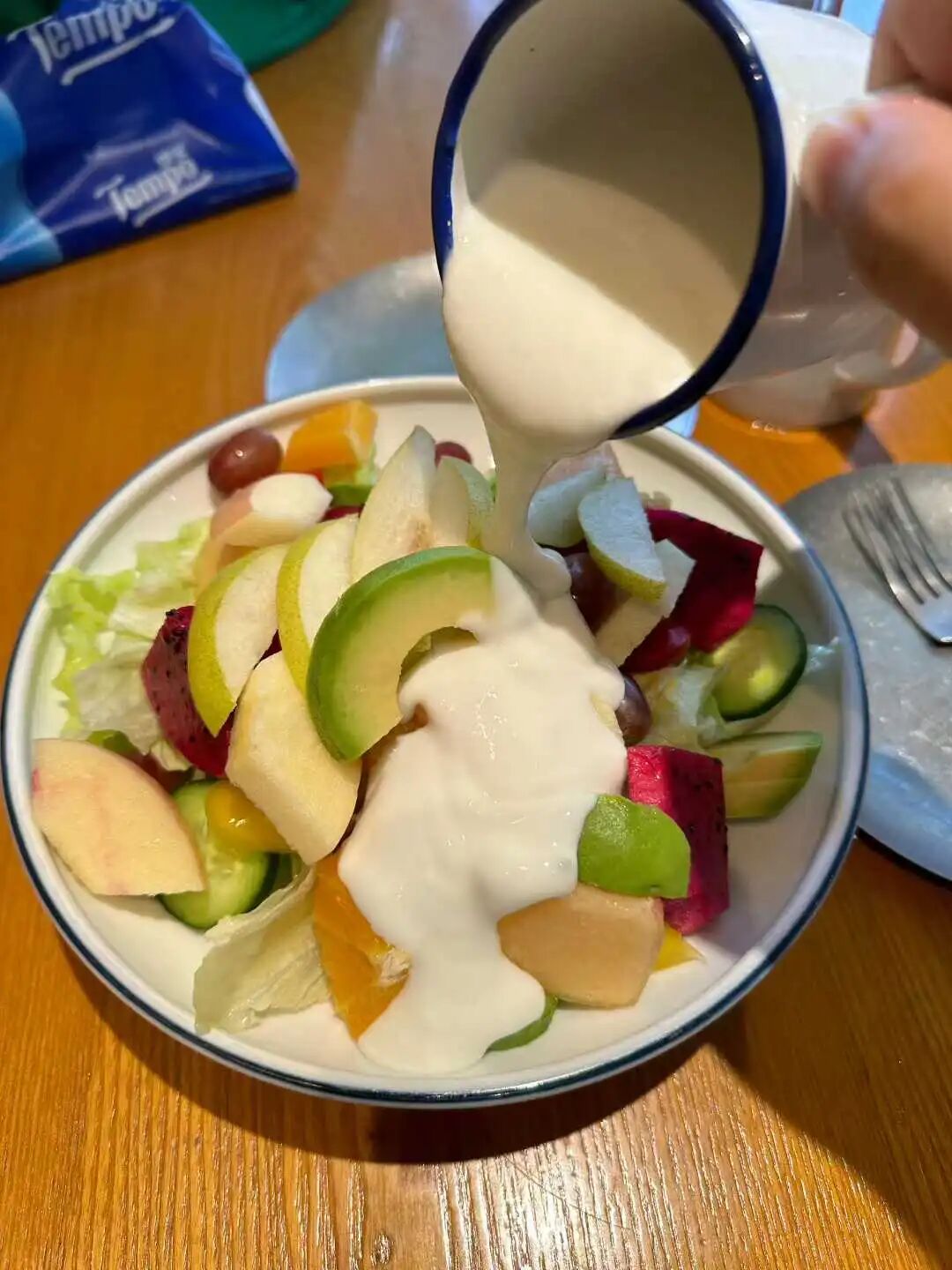
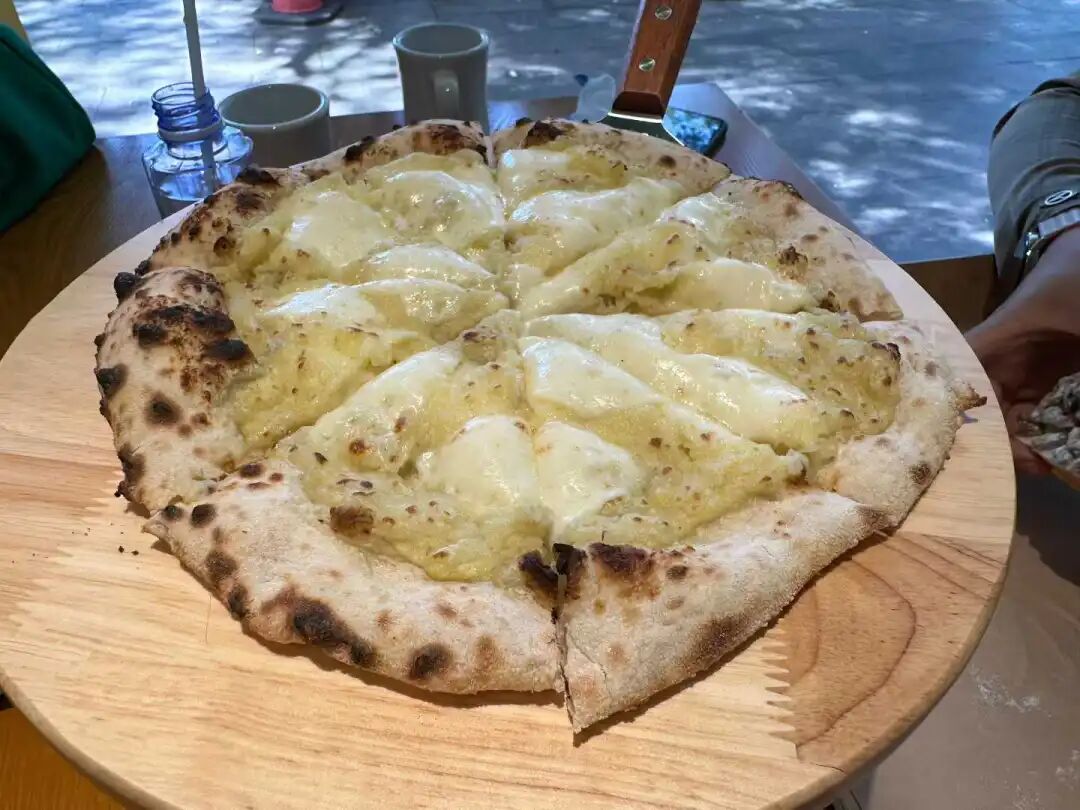
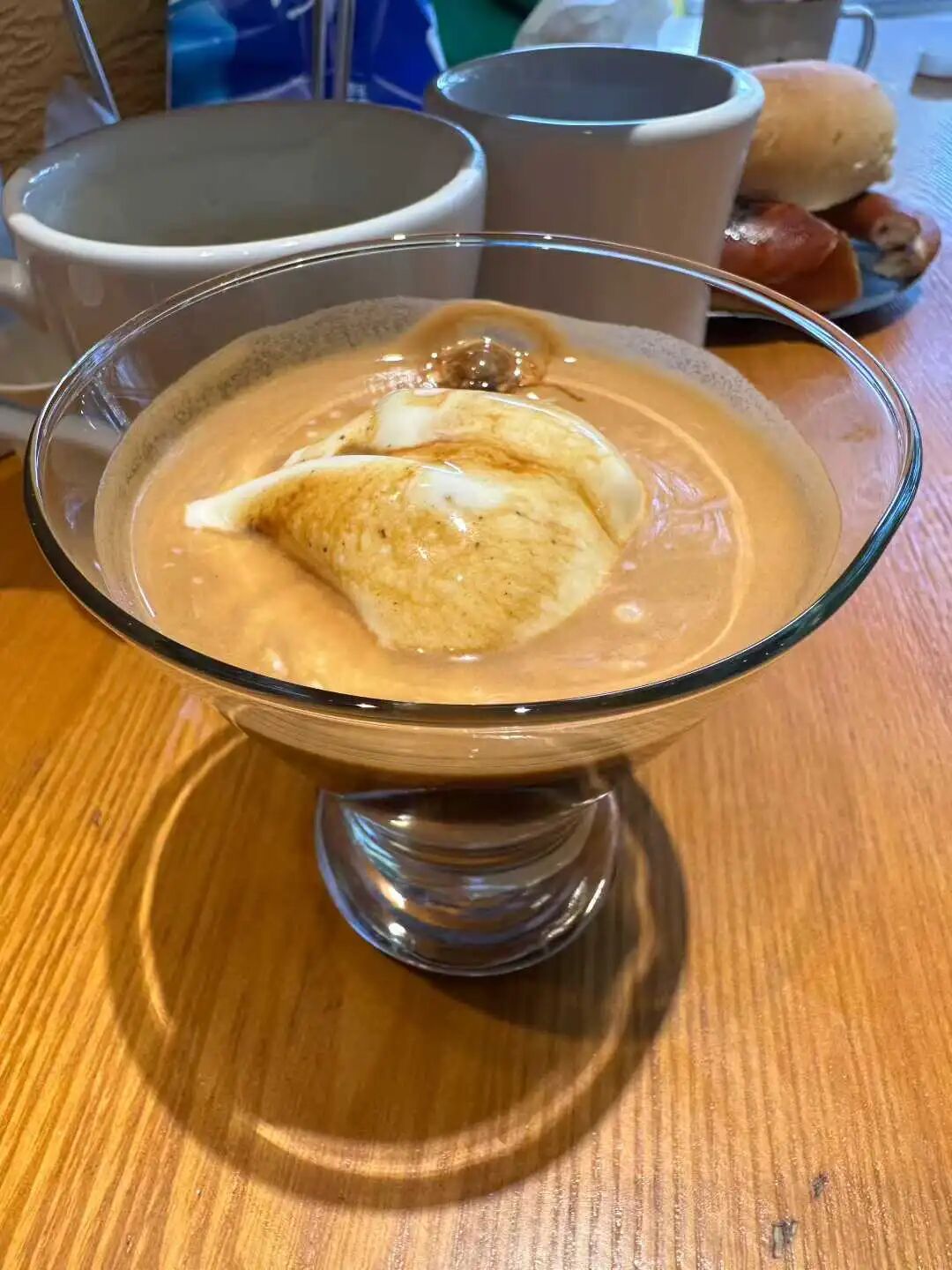
The shop specializes in wood-fired pizza, fresh milk on tap, and various breads. We ordered durian pizza, fresh milk, avocado yogurt salad, cheese bread, cheesecake, chickpea soy milk, affogato, and a variety of freshly baked breads. The durian pizza has a thin crust, and they are generous with the durian, making the flavor very rich. The yogurt served with the avocado salad is healthy, and I think it is much better than using salad dressing. Affogato is the Italian version of a 'song of ice and fire,' with fresh milk ice cream soaked in espresso, creating a very complex flavor.
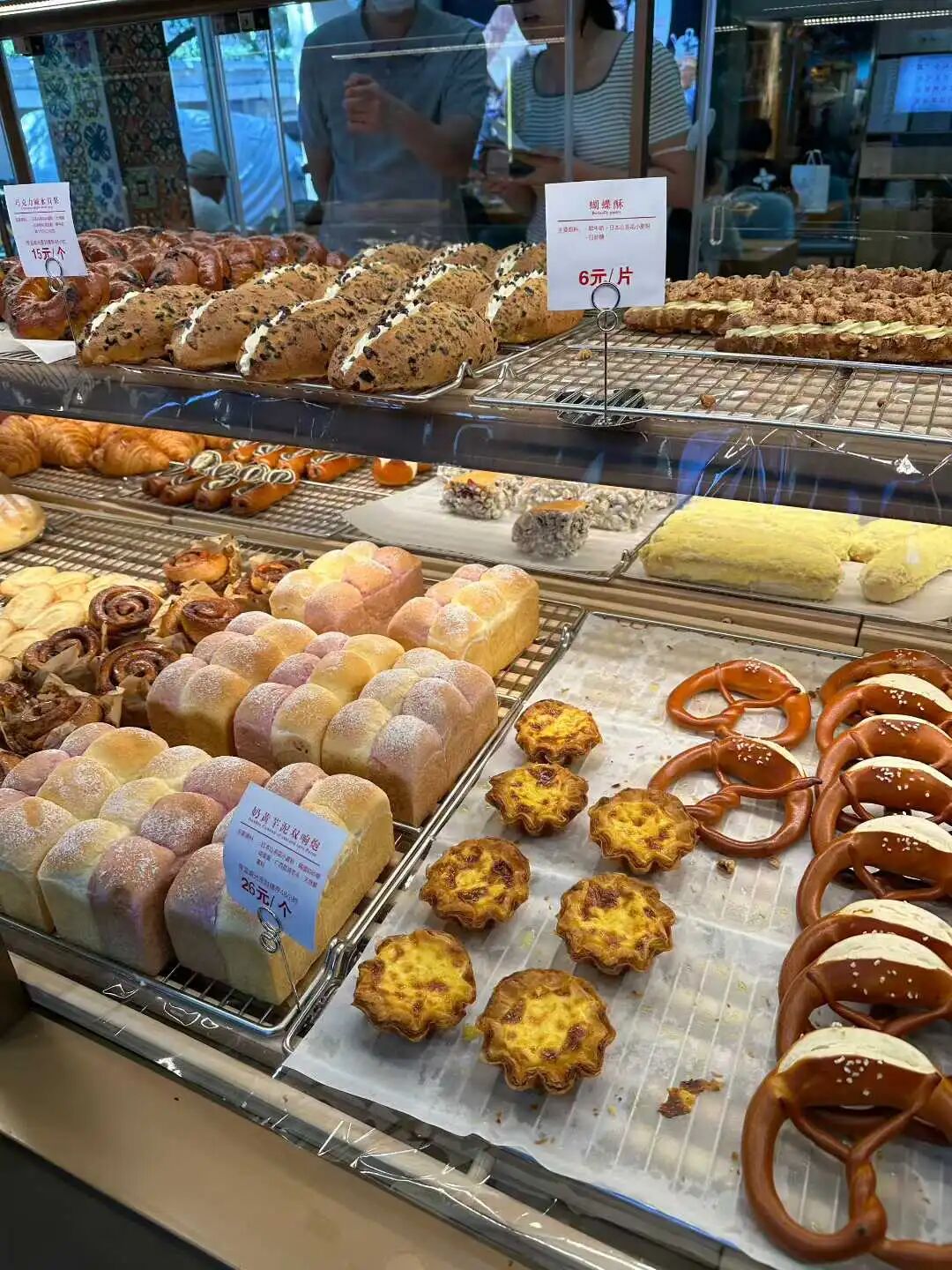
They have a wide variety of breads, including toast, rye bread (lieba), croissants, and cinnamon rolls, all of which are quite healthy. There are also many types of cakes, including those made with pure milk, which have a strong milky aroma. The only downside is that seating is limited, so if you eat there on a weekend, you will likely have to wait for a table.
Nawab Restaurant
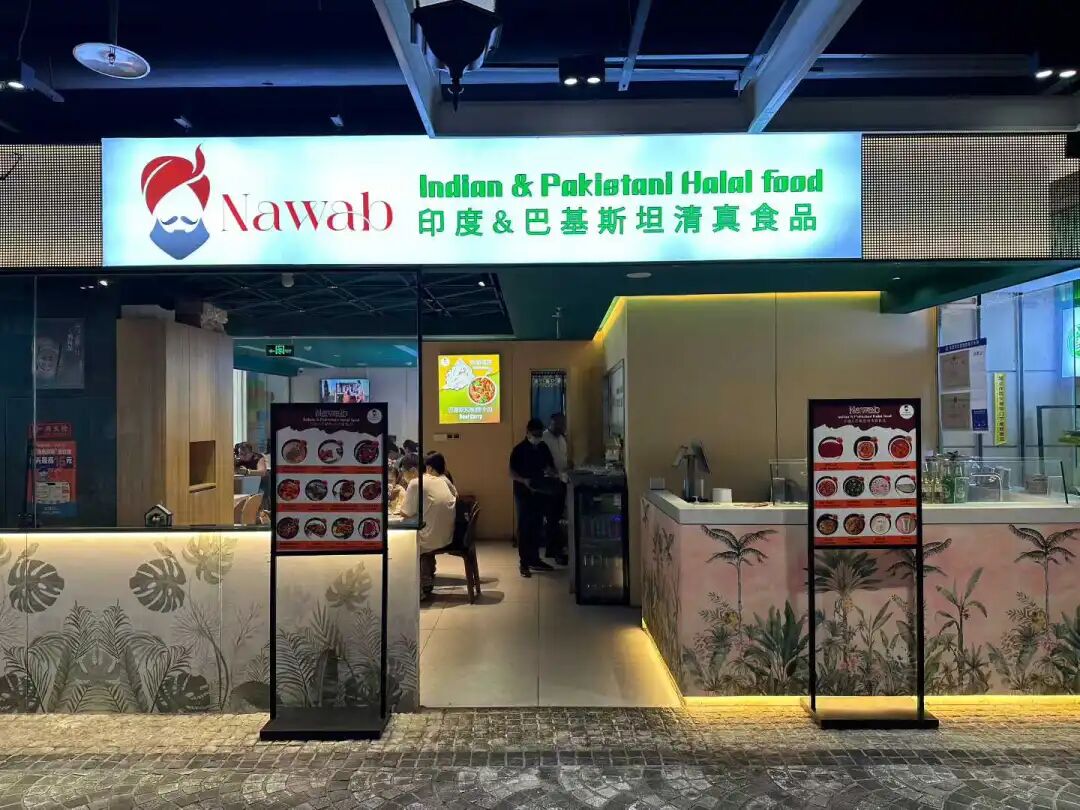
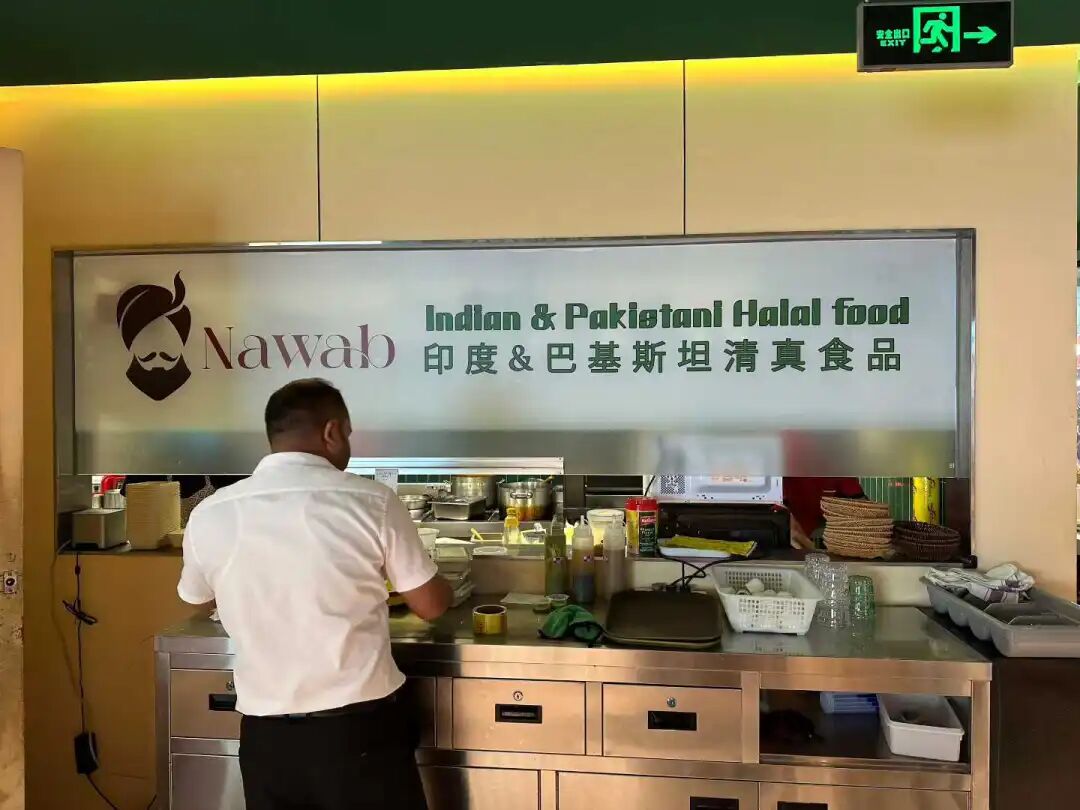
On Saturday, our whole family went to the North Garden of the Olympic Forest Park to walk the kids, and we had lunch at the newly opened Nawab Restaurant in the Lin'ao Shopping Center. It is very convenient for those visiting the North Garden.
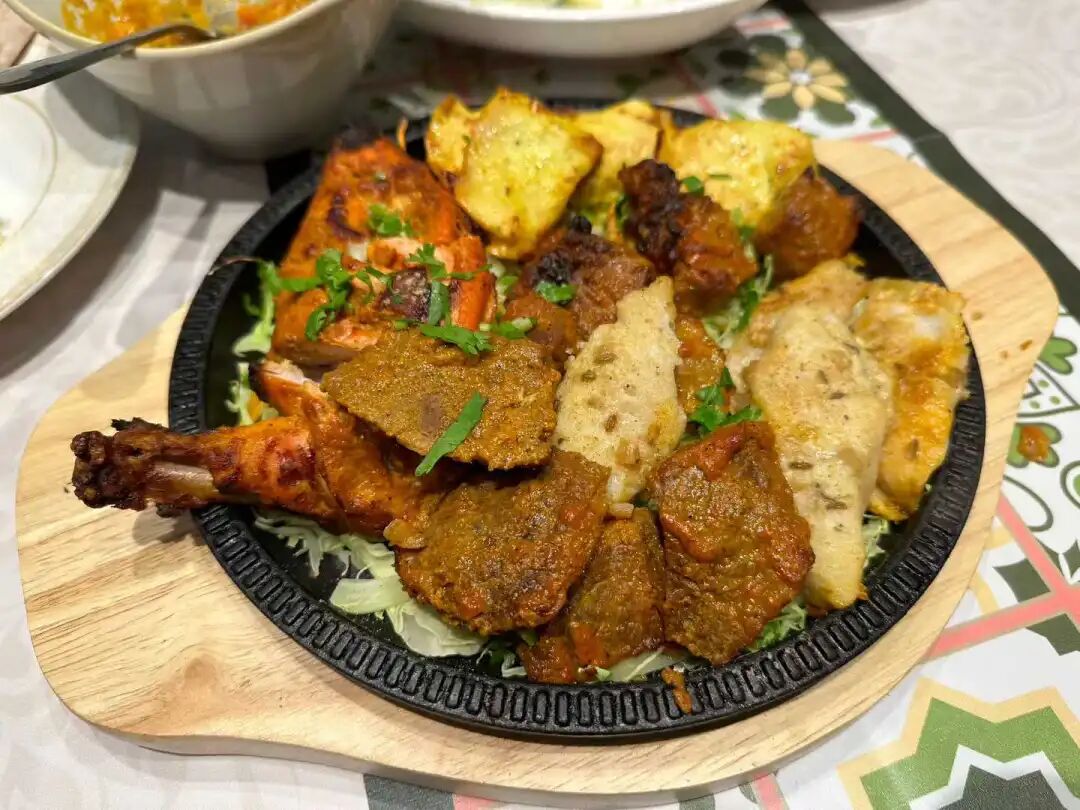
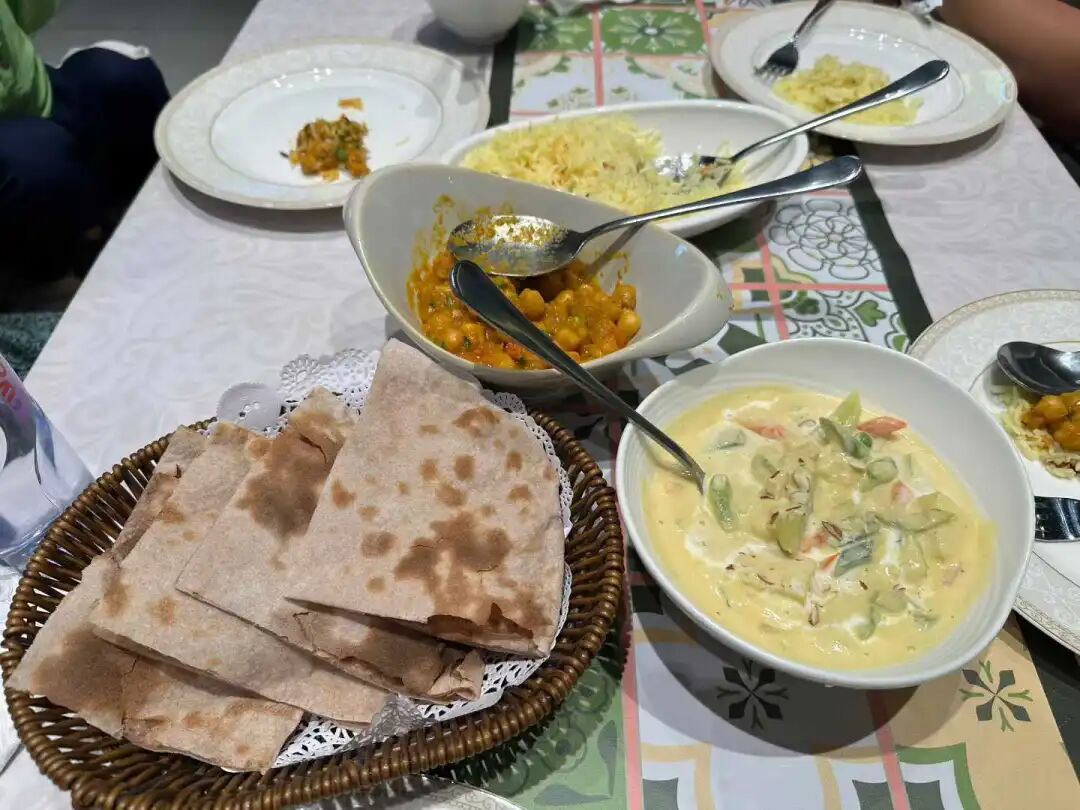
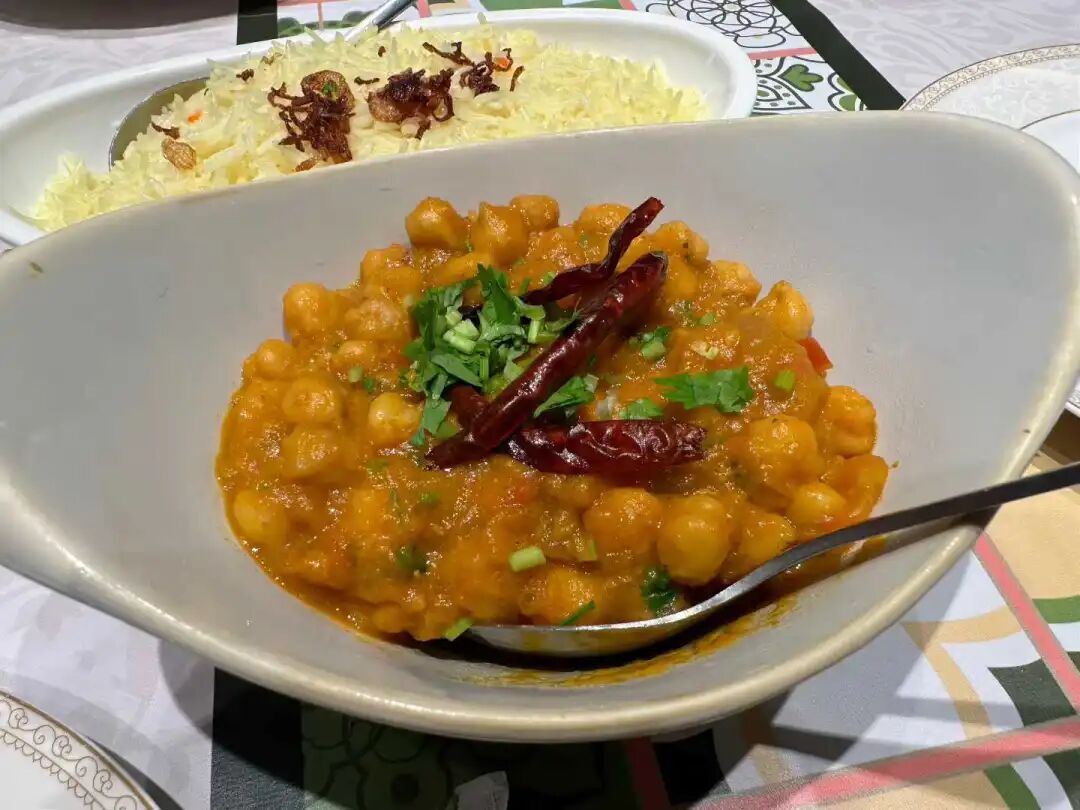
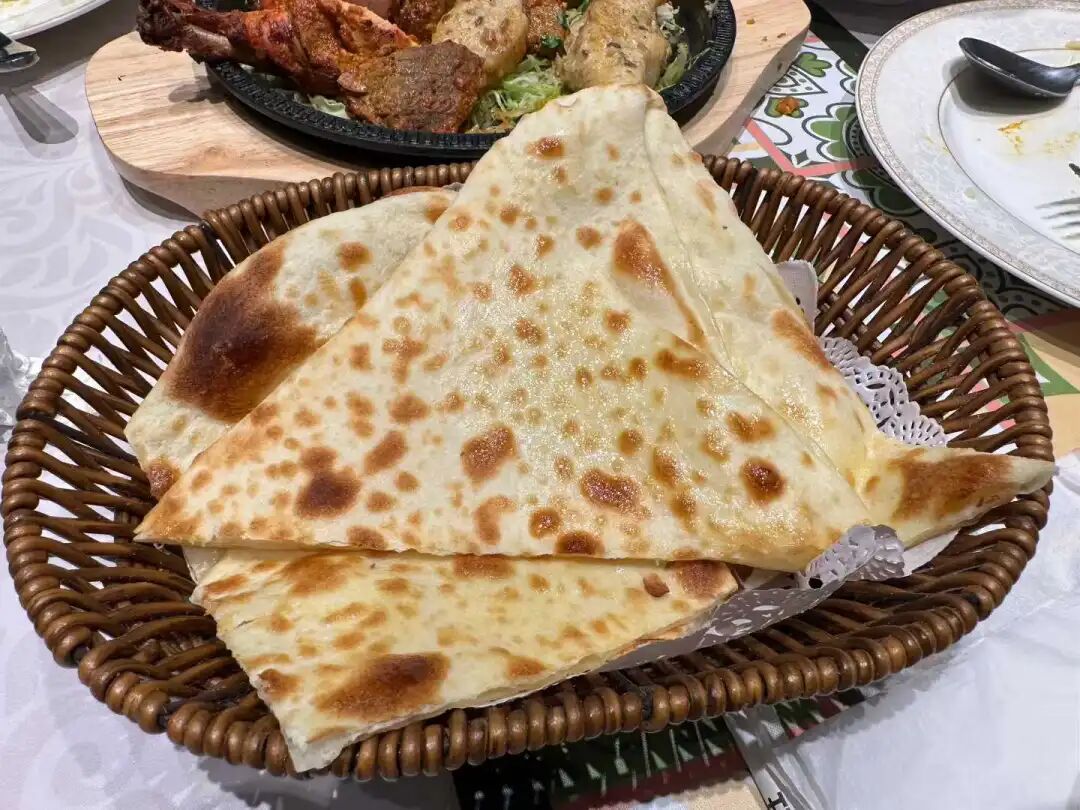
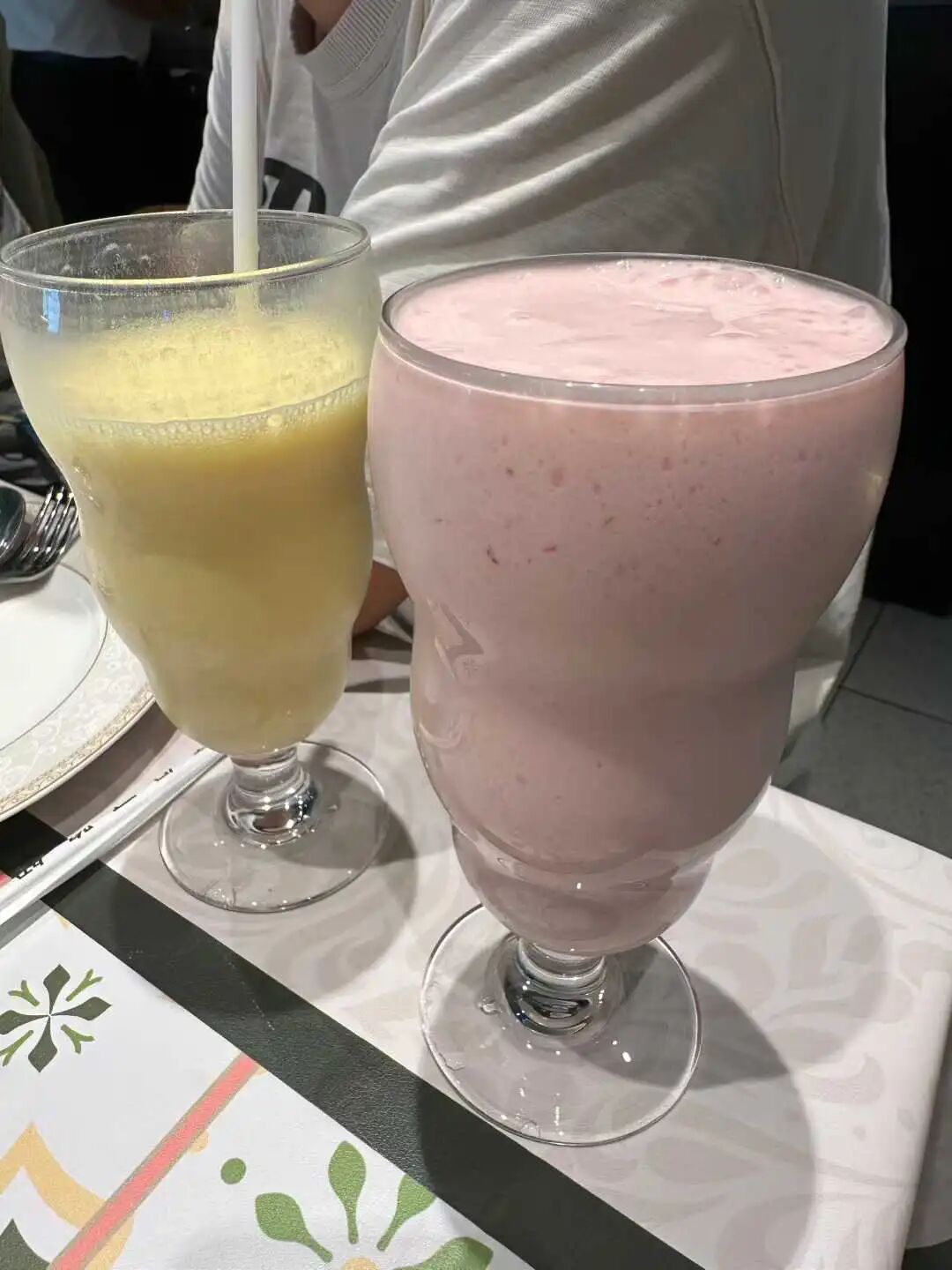
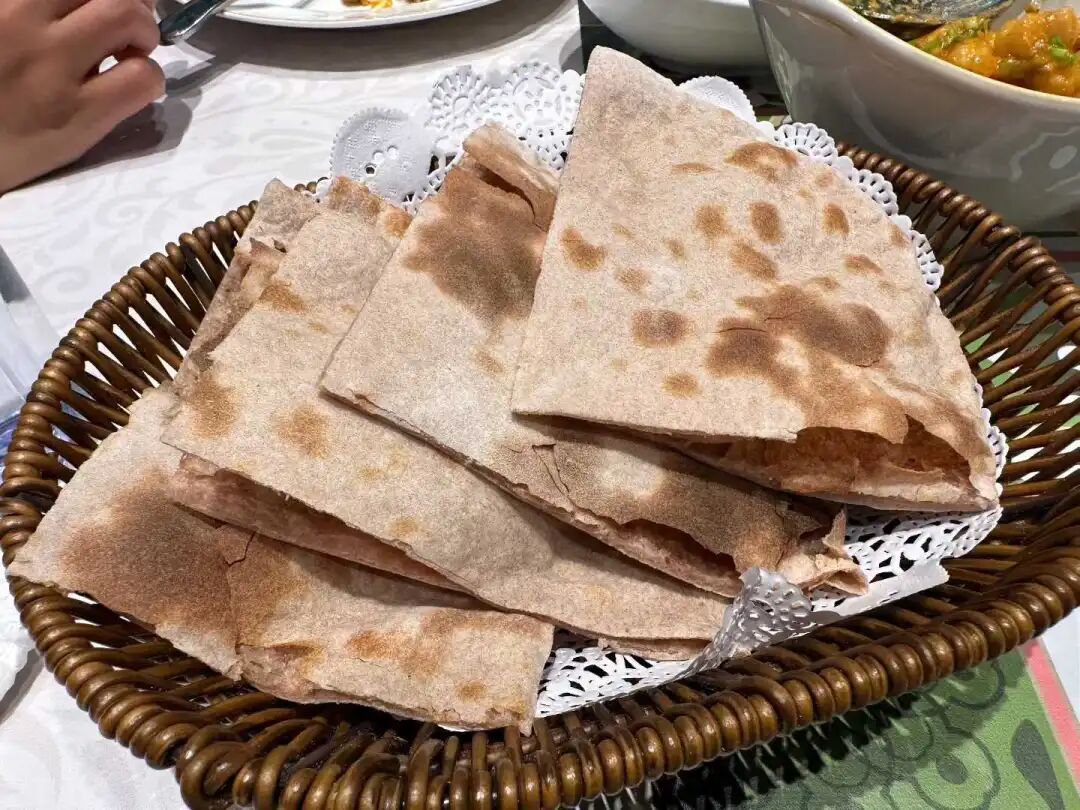
The restaurant is run by Bengali friends (dosti), and they serve all kinds of South Asian dishes. We ordered a Tandoori mixed grill, Korma coconut vegetable curry, Punjabi chickpea curry (Pindi Chole), saffron rice, roti flatbread, butter naan, and mango and strawberry lassi. The grilled meat was seasoned with many spices, and the chicken, lamb, and fish were all very fresh and tender, but the beef was overcooked and hard to chew. The Korma coconut vegetable curry is not spicy at all, making it suitable for children, and the coconut flavor is very refreshing. The chickpea curry is slightly spicy, which children can also eat, and I personally like it very much. The staple foods were also good, but the butter naan was quite thin, more like a roti than a naan. The lassi probably wasn't homemade, as it tasted a bit like fermented milk.
The name Nawab comes from the Arabic loanword 'naib' in Persian, which originally meant 'deputy.' During the Mughal Empire, it was a title bestowed upon South Asian Muslim nobles and later became the title for rulers of princely states in South Asia. The Nawab of Bengal ruled Bengal and its surrounding areas in the eastern part of the Mughal Empire starting in 1717, but after 1757, they were controlled by the British and gradually lost real power. The last Nawab of Bengal moved to the UK in 1869 and officially abdicated in 1882.
Liu's Watch Repair and Barbecue
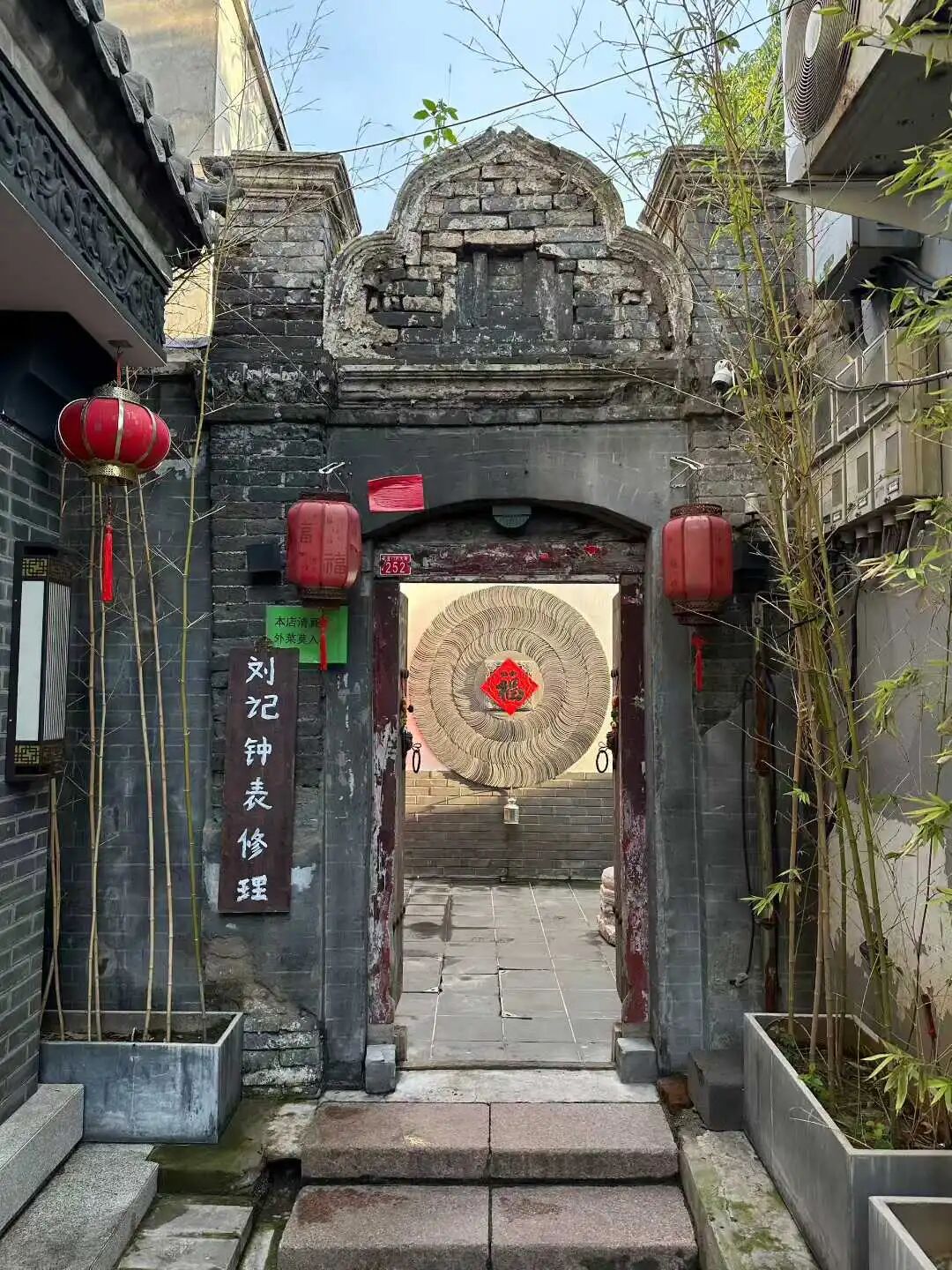
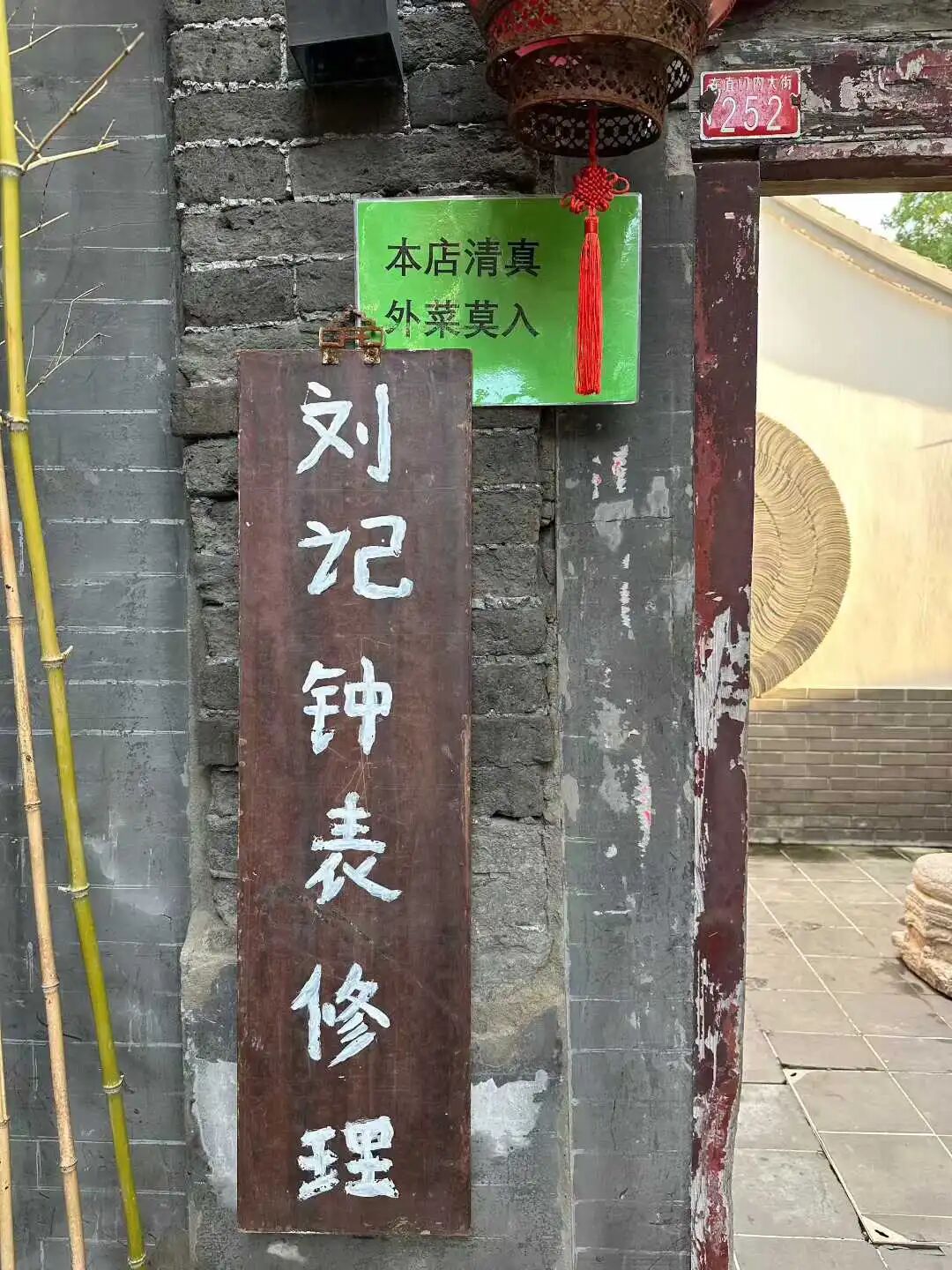
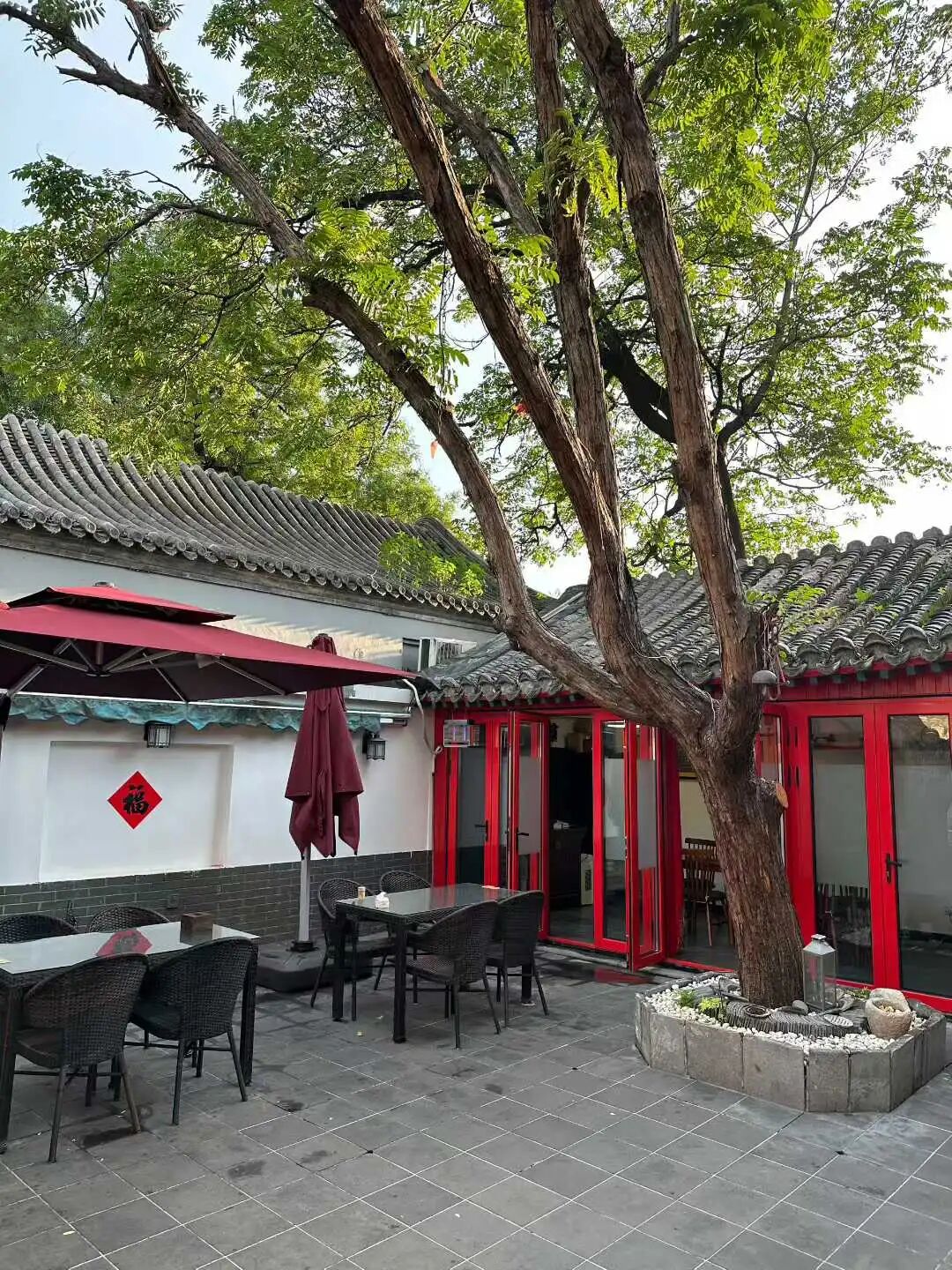
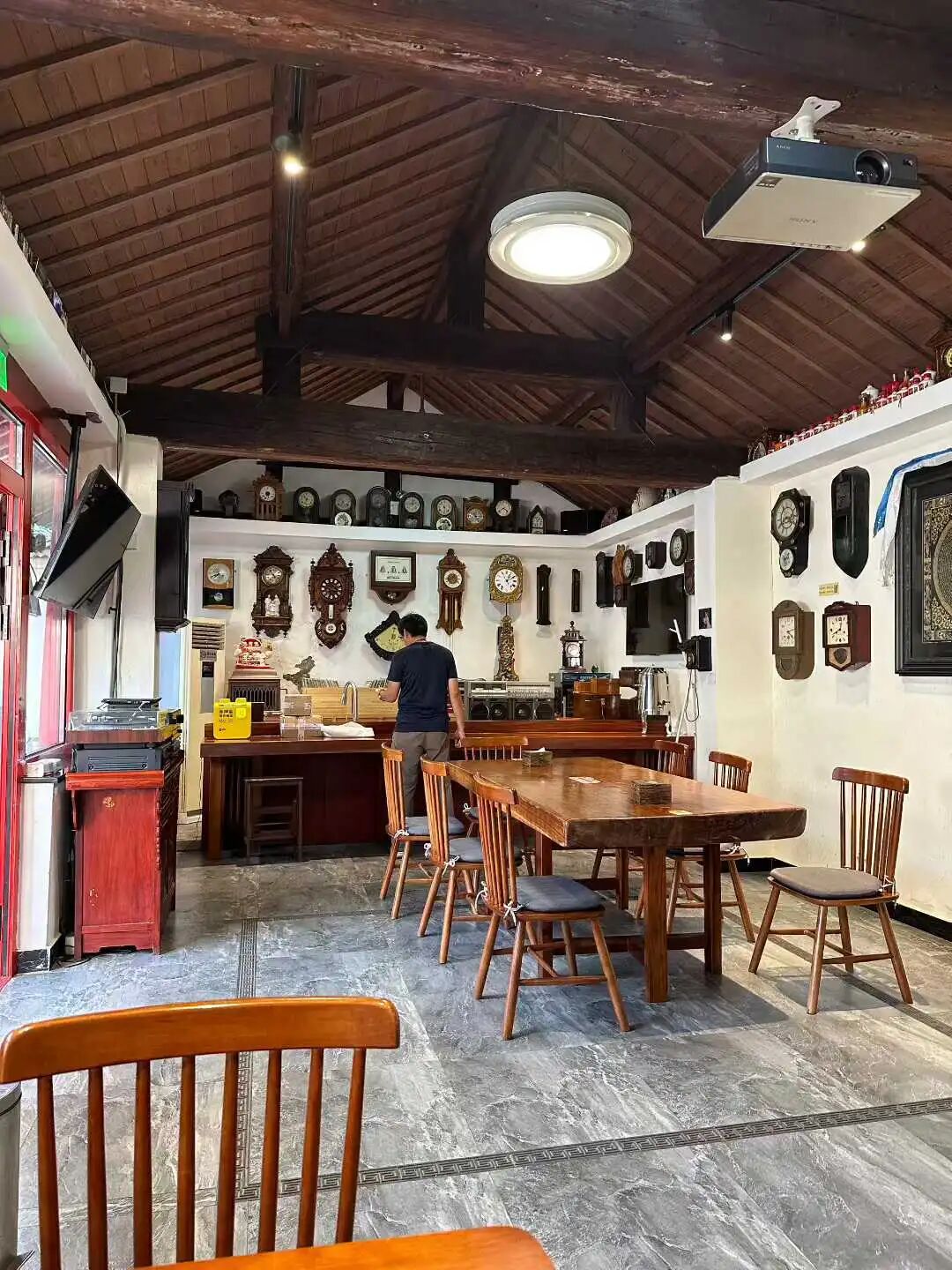
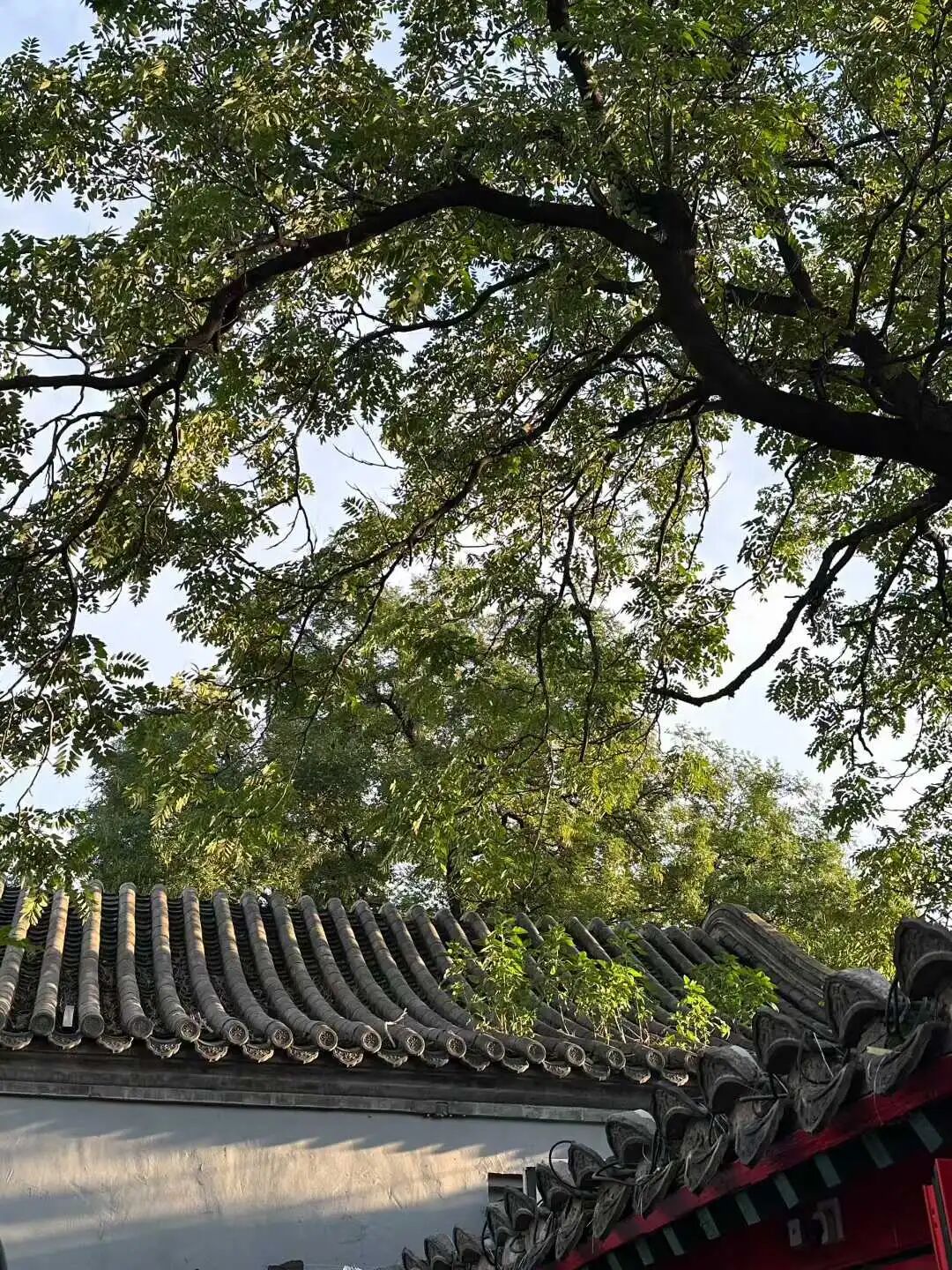
A new barbecue restaurant has opened in Beixinqiao, which is said to be a reopening of the shop that used to be at the entrance of the Dongzhimen Mosque. The new shop is located in a small alley opposite the main Huda restaurant. The entrance is very hidden, and it says 'Liu's Watch Repair' on the door. Once you enter the main gate, you are in a standard courtyard house (siheyuan). The main room is filled with antique clocks, and they all start chiming after a while.
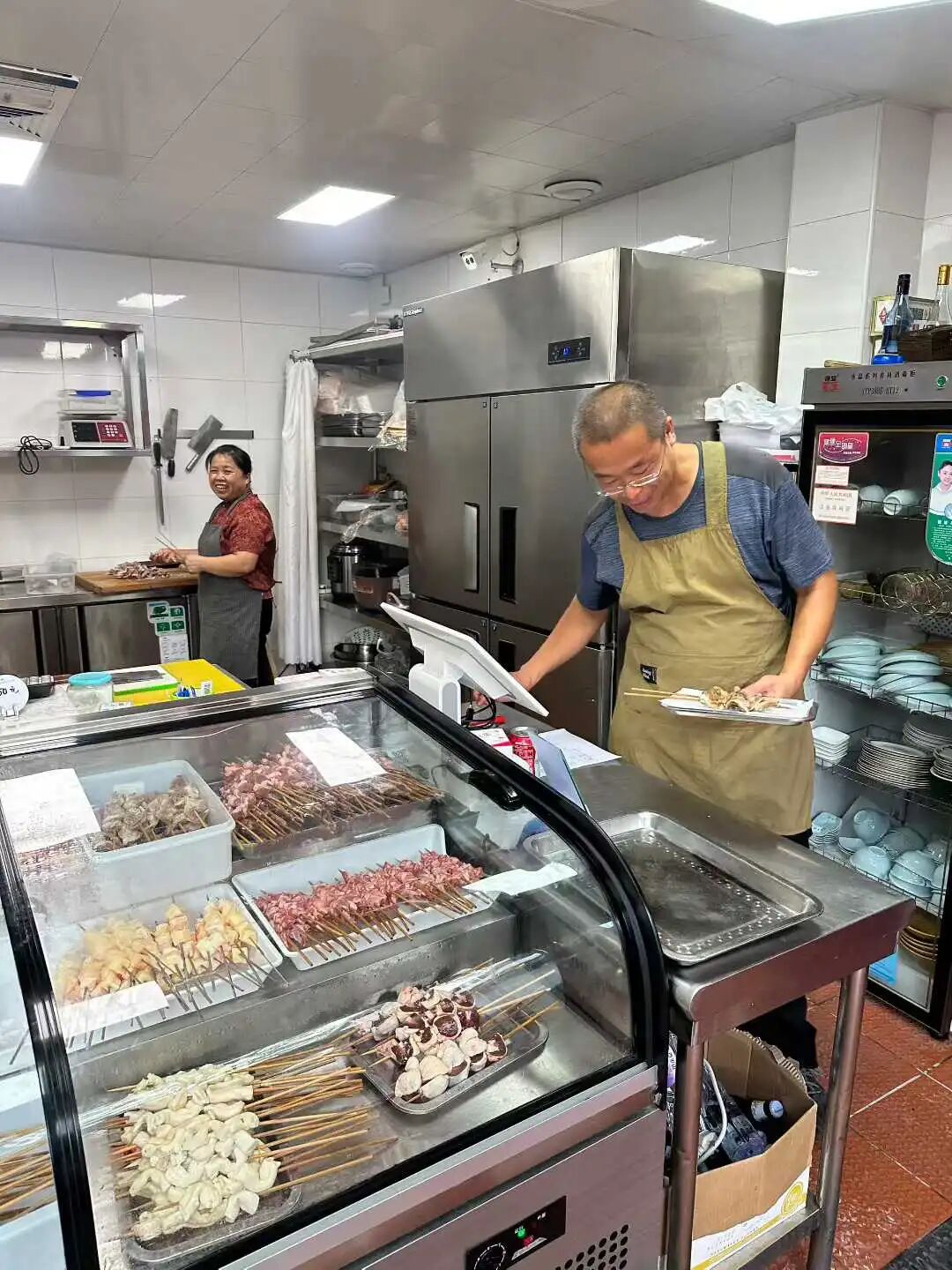
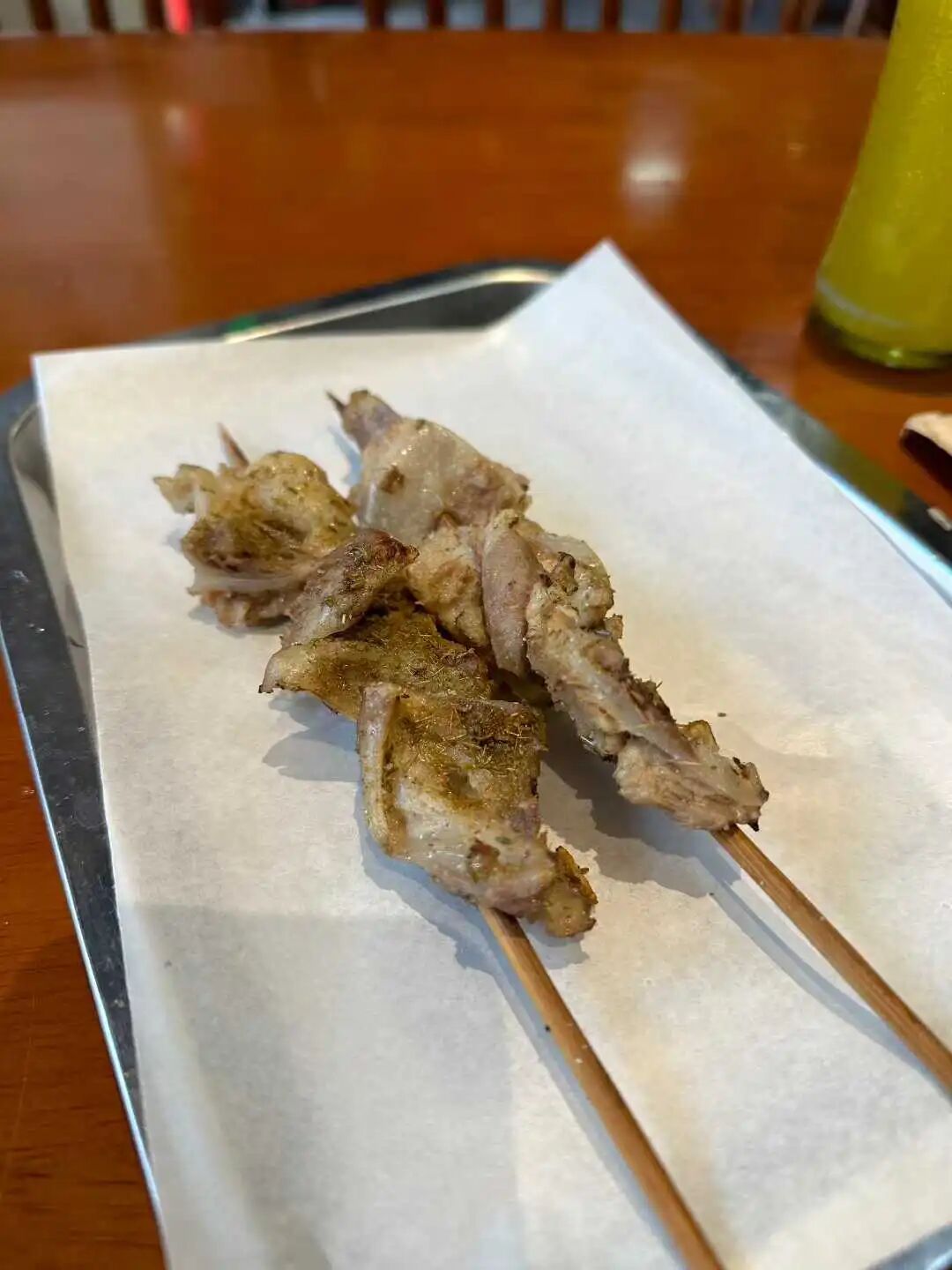
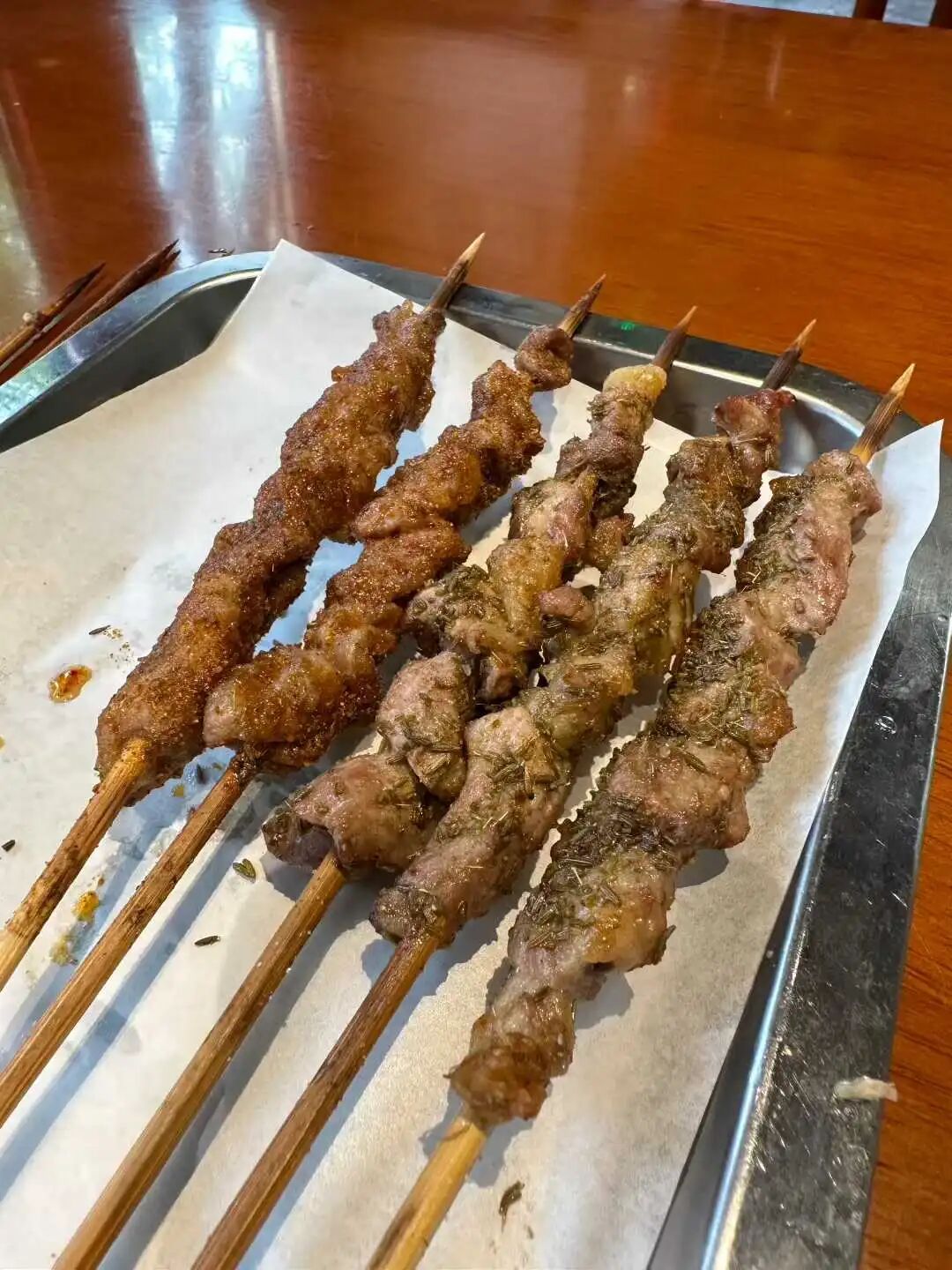
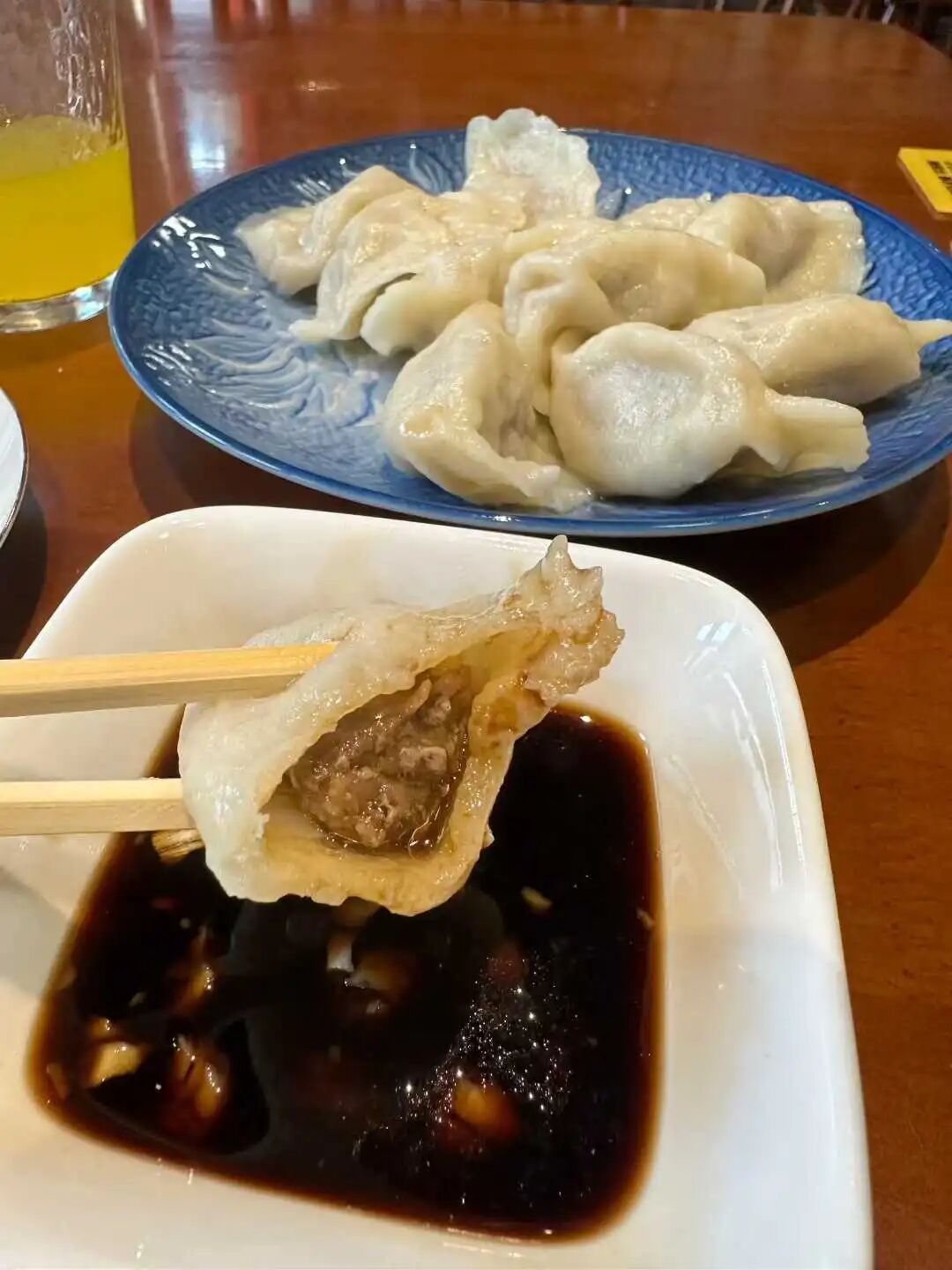
They mainly serve barbecue and dumplings. The lamb skewers (yangrouchuan) and crunchy cartilage are delicious. The beef and green onion dumplings are handmade, and they taste pretty good. I arrived before six o'clock when it was quiet, so the food came out fast. People started arriving after six, so I expect it gets quite busy at night. There are quite a few mosquitoes in the summer, so you might get bitten if you eat in the courtyard. Also, their prices are relatively high, as you are mainly paying for the atmosphere.
Part 1: 10 halal restaurants in Beijing worth trying: Lahore Courtyard (Pakistani restaurant), Maimairehong (Henan Jiaozuo beef knife-cut noodles), Hulun Aile (halal Mongolian food), Ghana Tribe Garden (West African), Xing Laosi Meatball Spicy Soup (Xi'an), Jinying Meatball Soup (Xinjiang Changji), Hotan Canteen (Xinjiang), BRBR (Syrian), Gulou Chimian (Beijing fusion food), and Xilaishun (Beijing traditional food).
Part 2: 10 halal restaurants in Beijing worth trying (Part 2): Gulf Mandi Restaurant (UAE restaurant), Xihan Meatball Soup (Xinjiang Building), Altay Afternoon Tea (Xinjiang Building lobby), Muhejia Rotating Hot Pot, Nazilan (Xinjiang Urumqi), Baoyuanzhai (Beijing pastries, now closed), China-Pakistan Friendship Restaurant (Pakistani Samosa), Maye Roast Duck, Benjiebi Restaurant (Bangladeshi), and Shihu Cheng Resort (Huairou).
Part 3: 10 recently tried Beijing restaurants recommended: JM Italian Coffee (Dongsi branch), Huixiangyun Small Stir-fry (halal Hunan food, Wangjing branch), Old Ma's Lamb Soup and Steamed Dumplings (Shandong Dezhou), Philly Cheesesteak (Sanlitun), Roma Restaurant (Pakistani), Muyuzhai Garlic Lamb Intestine, Grassland Pomegranate Red (Inner Mongolia joint venture shaomai), Gansu Spicy Hot Pot (Wangfujing), and Yuezhen Yayuan (halal courtyard restaurant).
Part 4: 10 halal restaurants in Beijing worth trying (Part 4): Hotan Rose Pilaf (Yizhuang branch), Taiba (Western-style bakery), Taiba (South Sanlitun street shop), Gamaya Barbecue (Zhaotong small meat skewers, Guijie), Baoxiaobei (Heilongjiang barbecue), Muwenzhai (Yunnan dry-pot beef), Jiangjiang (Xinjiang restaurant, Sanlitun), Huixiangyun (halal Hunan restaurant, Zuojiazhuang branch), Bazaar Sweetheart (Yili ice cream shop), and Qianyuan Hotel (Dongzhimen Inner Street).
Summary: This fifth Beijing halal restaurant list covers ten places worth trying, including Kazakh food, local Muslim dishes, Middle Eastern flavors, and neighborhood restaurants. It keeps the original restaurant names, food details, locations, and practical notes for readers planning halal meals in Beijing.
Sandyq Kazakhstan Restaurant
The high-end traditional Kazakh restaurant SANDYQ has opened in Beijing. I specifically ate at their location in Almaty before, so I was surprised to find one here now.
It is located across from the Liangma River in Solana, and the decor and menu are exactly the same as the Almaty branch. The interior features a nomadic style, the servers wear traditional Kazakh clothing, and the shop displays many traditional handicrafts. They serve the most traditional Kazakh nomadic dishes, which have not been influenced by Russian cuisine.
We ordered lamb five-finger stew (Beshbarmak), chickpea vegetable soup, Mi Palaw, camel milk (Shubat), and cheese-filled fried dough (Baursak). Including the 10% service charge, it was less than 200 per person. Since they just opened, there is a traditional Kazakh music performance every day at 19:00, which makes it worth the visit.
Their five-finger stew is delicious, and the lamb is stewed very well. Five-finger stew is a classic dish for Kazakh and Kyrgyz nomads and a must-have for festivals. When making it, one person cuts the meat while another prepares the dough. The meat is sliced and spread over the noodles, then served with potatoes. People usually eat lamb in the summer, and after the winter slaughter, they eat horse meat and horse sausage.
Mi Palaw is labeled as 'rice pilaf,' but it is actually a cheese-filled pastry, not pilaf. Be sure to note this when ordering, as they do not serve pilaf.
The fermented mare's milk (Kumis) we drank at the Almaty store had a very strong flavor, so this time we only ordered camel milk. It is also heavily fermented, so most people might not be used to it.
Their chickpea vegetable soup and cheese-filled fried dough also tasted quite good and suited the local Beijing palate.
The restaurant displays traditional Kazakh clothing, saddles, and a painting depicting the founding of the Golden Horde in 1225. The Kazakh Khanate is one of the successor states to the Golden Horde.
Next to the restaurant is the Kazakh Cultural Center, which is open until 19:00 daily and has many books on Kazakh culture to browse.
Kashgar Restaurant
After work, I went to the new Kashgar Restaurant that opened this year on Ritan Shangjie. There are more and more Xinjiang restaurants on Ritan Shangjie, and each one is very authentic with its own unique features.
We ordered pilaf, red willow skewer lamb (hongliu kaorou), pumpkin buns, alfalfa wontons, stir-fried lamb liver, and yogurt. The pilaf is very authentic, but you can only choose one type of meat; they don't have lamb leg or shredded meat options. The red willow skewers are very tender, the pumpkin buns are sweet with a hint of spice, and the stir-fried lamb liver is fragrant and tender. The biggest surprise was the alfalfa wontons and the yogurt. I didn't expect to still find spring-limited alfalfa wontons in the autumn. They are served dry with chili oil, and the kids really loved them. Their yogurt is amazing and tastes just like the local version in Xinjiang! It is top-tier for Beijing.
Ahmed Restaurant
We went to the newly opened Ahmed Restaurant in Sanlitun for dinner. The place is small, and the low platform tables (kangzhuo) are perfect for drinking tea and chatting.
They have all kinds of Western-style fast food. We ordered beef cheese pasta, a beef burger, chicken cheese loaded fries, and a vegetable salad. The service is great. Before the meal, they served everyone a cup of clear tea, and after the meal, they brought us each a cup of milk tea. It was not only free, but the milk tea was so fresh it even had a layer of milk skin on top.
They have several types of pasta, and we ordered the beef version of Pasta alla Carbonara. People say this dish originated in 1944 after the U. S. military occupied Rome and food was scarce. Roman citizens used the eggs, bacon, easy-to-store pasta, and cheese provided by the U. S. military to make Carbonara, finishing it with black pepper for flavor.
The loaded fries contain cheese, fried chicken, and black olives. This is a classic American snack often seen at the Super Bowl.
Their beef burger is also quite good with high-quality meat. The vegetable salad is light and does not come with dressing, which I like. Overall, this is a great place for tea and conversation.
Jingbalang Naan Bazaar
A new naan shop called Jingbalang has opened at the Chaonei Market in Dongsi, and many neighbors are lining up to buy naan. I asked the baker, and he is from Kashgar. We bought onion naan (piyazi naan), milk naan (naizi naan), baked buns (kaobaozi), and nut naan. They were all delicious and definitely as good as what you get in Xinjiang. The milk naan is very milky and not hard at all. The onion naan is made with onions (piyazi) and cumin. It is very thin, and I ate half of it right after it came out of the oven. The baked buns have a strong flavor of Sichuan peppercorns and salt. The nut naan is a bit like a white flour version of Xinjiang bread (lieba). It is filled with various raisins and nuts, and the kids love it.
MacMac Lebanese Restaurant
We had breakfast at the Lebanese restaurant MacMac in the Grand Summit center in Guomao. They open at 8:30 AM, and it is a nice, quiet place for breakfast on the weekend.
They have a special Beirut breakfast platter that includes three mini flatbreads (Manakish), an omelet, and a coffee or tea. We chose the sand-brewed Lebanese coffee. There is also a Levant Morning set, which is an egg and cheese sandwich with a coffee or tea. We chose a cappuccino. We also ordered an appetizer platter, which includes tabbouleh, hummus, and baba ganoush, served with two pita breads baked over an open flame, plus a milk pudding. These sets are all perfect for a morning meal.
The service here is quite good, and the servers always ask about our needs. The dishes are very authentic and taste just like what we ate in Lebanon. I recommend everyone try the Lebanese specialty, manakish flatbread (manakish).
Manakish flatbread originated from traditional ancient Phoenician bread and can be topped with Zaatar spice mix, cheese, or minced lamb. In 2023, manakish flatbread was added to the UNESCO Intangible Cultural Heritage list as an iconic Lebanese food. They offer three types: cheese, Zaatar, and beef, with the Zaatar flavor being the most unique. Zaatar is a unique blend of thyme, sumac, oregano, marjoram, and sesame seeds. Zaatar dates back to ancient Egypt and has been used for thousands of years as a seasoning and health remedy; medieval Arabic texts mention its benefits for digestion.
We swapped the milk pudding for the classic Lebanese iftar pastry, crispy vermicelli milk pudding (osmalieh); the crunchy vermicelli, rich creamy flavor, and crushed pistachios take me right back to Lebanon.
They also sell small snacks like the Arabic mooncake (ma'amoul) and various filled chocolates, which all taste quite good.
Humaer Xinjiang Specialty Food
Following a recommendation from a friend (dosti), I went to Humaer, known as the best Xinjiang restaurant in Huilongguan. It is run by Salar Muslims from Yili, but because they live in a Uyghur community, they speak Uyghur at home and no longer speak the Salar language.
They have many specialty dishes like Xinjiang clay pot hotpot (tu huoguo), meat and noodle dish (naren fan), horse meat and horse sausage, grilled beef intestine, and fake kidney, which many new Beijing restaurants don't have. We ate the clay pot hotpot, rice-stuffed intestine and lung (michangzi mianfeizi), diced stir-fried noodles (dingding chaomian), and milk tea. The clay pot hotpot contains beef, lamb, chicken, and vegetables; the meat is tender and fresh, and both adults and children love it. Unfortunately, the owner said they didn't have meatballs or fried meat patties (jiasha) ready, so we just had to stick to eating meat this time.
Their rice-stuffed intestine and lung is also delicious, and the sauce is seasoned perfectly. The salty milk tea has cream in it, and it tastes exactly like a real Yili milk tea shop. The owner also gave the children some pilaf (zhua fan), which was shiny with oil and tasted very savory.
Next time I go to Huilongguan, I will definitely try their barbecue.
Lao Huihui Dumpling Restaurant
After taking my son to the zoo on the weekend, we biked to Zhanlan Road for a second visit to Lao Huihui Dumpling Restaurant. This time we specifically ordered beef with chives and shrimp dumplings and beef with fennel dumplings. Their handmade dumplings are packed with filling, our whole family loves them, and there is free dumpling soup served in a thermos. I think eating here after visiting the zoo is a great plan for the future.
Fresh Milk Town (Xiannai Xiaozhen) Shuangjing Branch
The Fresh Milk Town that Tanyang Puzi opened in Shuangjing has been a popular spot for friends (dostani) to visit since it opened, and we finally went this weekend.
The shop specializes in wood-fired pizza, fresh milk on tap, and various breads. We ordered durian pizza, fresh milk, avocado yogurt salad, cheese bread, cheesecake, chickpea soy milk, affogato, and a variety of freshly baked breads. The durian pizza has a thin crust, and they are generous with the durian, making the flavor very rich. The yogurt served with the avocado salad is healthy, and I think it is much better than using salad dressing. Affogato is the Italian version of a 'song of ice and fire,' with fresh milk ice cream soaked in espresso, creating a very complex flavor.
They have a wide variety of breads, including toast, rye bread (lieba), croissants, and cinnamon rolls, all of which are quite healthy. There are also many types of cakes, including those made with pure milk, which have a strong milky aroma. The only downside is that seating is limited, so if you eat there on a weekend, you will likely have to wait for a table.
Nawab Restaurant
On Saturday, our whole family went to the North Garden of the Olympic Forest Park to walk the kids, and we had lunch at the newly opened Nawab Restaurant in the Lin'ao Shopping Center. It is very convenient for those visiting the North Garden.
The restaurant is run by Bengali friends (dosti), and they serve all kinds of South Asian dishes. We ordered a Tandoori mixed grill, Korma coconut vegetable curry, Punjabi chickpea curry (Pindi Chole), saffron rice, roti flatbread, butter naan, and mango and strawberry lassi. The grilled meat was seasoned with many spices, and the chicken, lamb, and fish were all very fresh and tender, but the beef was overcooked and hard to chew. The Korma coconut vegetable curry is not spicy at all, making it suitable for children, and the coconut flavor is very refreshing. The chickpea curry is slightly spicy, which children can also eat, and I personally like it very much. The staple foods were also good, but the butter naan was quite thin, more like a roti than a naan. The lassi probably wasn't homemade, as it tasted a bit like fermented milk.
The name Nawab comes from the Arabic loanword 'naib' in Persian, which originally meant 'deputy.' During the Mughal Empire, it was a title bestowed upon South Asian Muslim nobles and later became the title for rulers of princely states in South Asia. The Nawab of Bengal ruled Bengal and its surrounding areas in the eastern part of the Mughal Empire starting in 1717, but after 1757, they were controlled by the British and gradually lost real power. The last Nawab of Bengal moved to the UK in 1869 and officially abdicated in 1882.
Liu's Watch Repair and Barbecue
A new barbecue restaurant has opened in Beixinqiao, which is said to be a reopening of the shop that used to be at the entrance of the Dongzhimen Mosque. The new shop is located in a small alley opposite the main Huda restaurant. The entrance is very hidden, and it says 'Liu's Watch Repair' on the door. Once you enter the main gate, you are in a standard courtyard house (siheyuan). The main room is filled with antique clocks, and they all start chiming after a while.
They mainly serve barbecue and dumplings. The lamb skewers (yangrouchuan) and crunchy cartilage are delicious. The beef and green onion dumplings are handmade, and they taste pretty good. I arrived before six o'clock when it was quiet, so the food came out fast. People started arriving after six, so I expect it gets quite busy at night. There are quite a few mosquitoes in the summer, so you might get bitten if you eat in the courtyard. Also, their prices are relatively high, as you are mainly paying for the atmosphere.
Part 1: 10 halal restaurants in Beijing worth trying: Lahore Courtyard (Pakistani restaurant), Maimairehong (Henan Jiaozuo beef knife-cut noodles), Hulun Aile (halal Mongolian food), Ghana Tribe Garden (West African), Xing Laosi Meatball Spicy Soup (Xi'an), Jinying Meatball Soup (Xinjiang Changji), Hotan Canteen (Xinjiang), BRBR (Syrian), Gulou Chimian (Beijing fusion food), and Xilaishun (Beijing traditional food).
Part 2: 10 halal restaurants in Beijing worth trying (Part 2): Gulf Mandi Restaurant (UAE restaurant), Xihan Meatball Soup (Xinjiang Building), Altay Afternoon Tea (Xinjiang Building lobby), Muhejia Rotating Hot Pot, Nazilan (Xinjiang Urumqi), Baoyuanzhai (Beijing pastries, now closed), China-Pakistan Friendship Restaurant (Pakistani Samosa), Maye Roast Duck, Benjiebi Restaurant (Bangladeshi), and Shihu Cheng Resort (Huairou).
Part 3: 10 recently tried Beijing restaurants recommended: JM Italian Coffee (Dongsi branch), Huixiangyun Small Stir-fry (halal Hunan food, Wangjing branch), Old Ma's Lamb Soup and Steamed Dumplings (Shandong Dezhou), Philly Cheesesteak (Sanlitun), Roma Restaurant (Pakistani), Muyuzhai Garlic Lamb Intestine, Grassland Pomegranate Red (Inner Mongolia joint venture shaomai), Gansu Spicy Hot Pot (Wangfujing), and Yuezhen Yayuan (halal courtyard restaurant).
Part 4: 10 halal restaurants in Beijing worth trying (Part 4): Hotan Rose Pilaf (Yizhuang branch), Taiba (Western-style bakery), Taiba (South Sanlitun street shop), Gamaya Barbecue (Zhaotong small meat skewers, Guijie), Baoxiaobei (Heilongjiang barbecue), Muwenzhai (Yunnan dry-pot beef), Jiangjiang (Xinjiang restaurant, Sanlitun), Huixiangyun (halal Hunan restaurant, Zuojiazhuang branch), Bazaar Sweetheart (Yili ice cream shop), and Qianyuan Hotel (Dongzhimen Inner Street).
