
Halal Food Guide: Beijing - 10 Muslim Restaurants Worth Trying, Part Six
Reposted from the web
Summary: This sixth Beijing halal food list covers ten Muslim-friendly restaurants, including Hongyunlou Huaiyang Cuisine and several local Beijing dining stops. It preserves the source's restaurant names, dishes, prices where given, food details, service notes, and photographs.
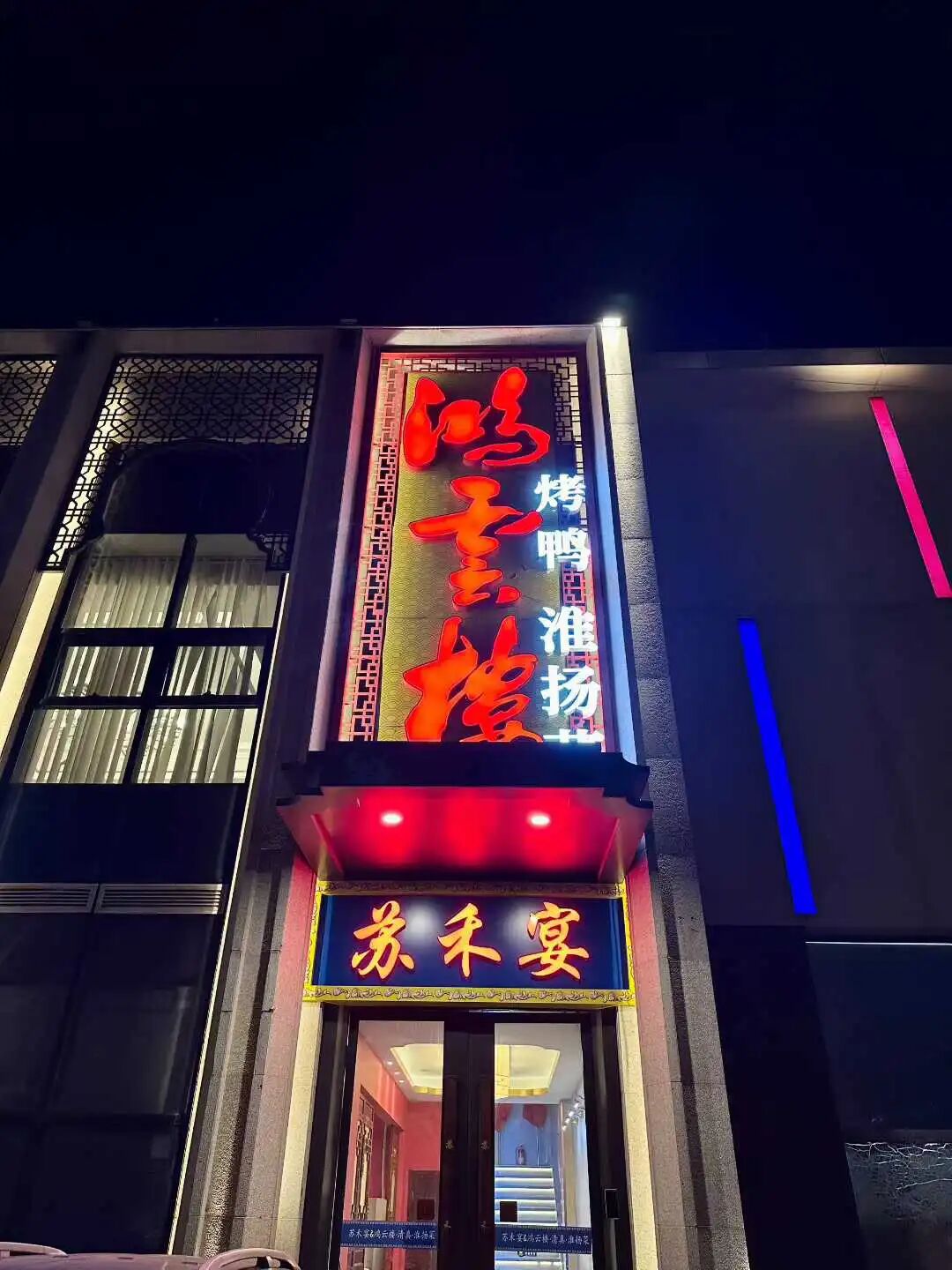
Hongyunlou Huaiyang Cuisine
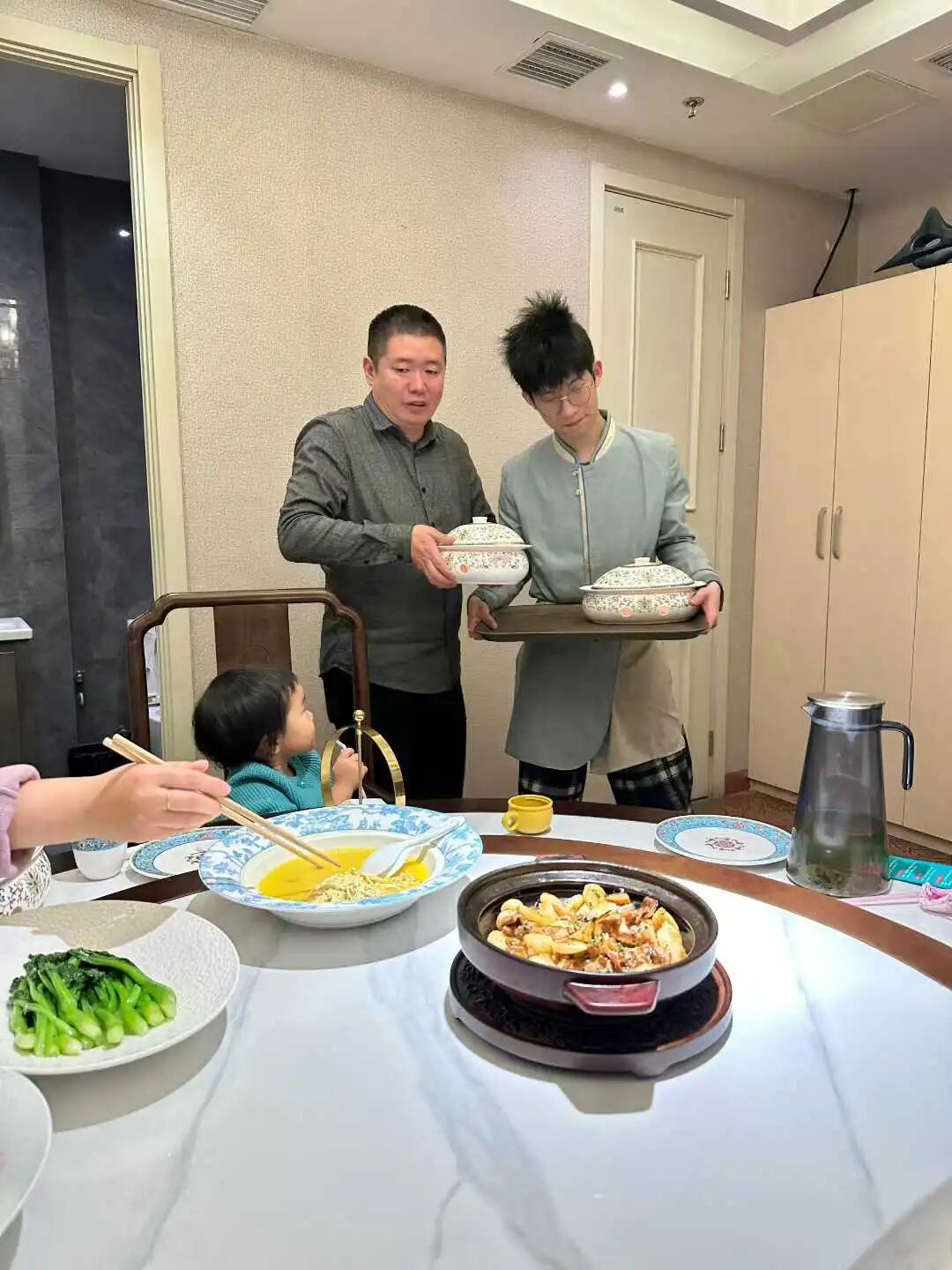
The old Hongyunlou shop in Hujialou has reopened. The first floor serves hot pot, and the second floor focuses on Huaiyang cuisine. There are few seats, but they arranged a private room for us right away, and the service was quite good.
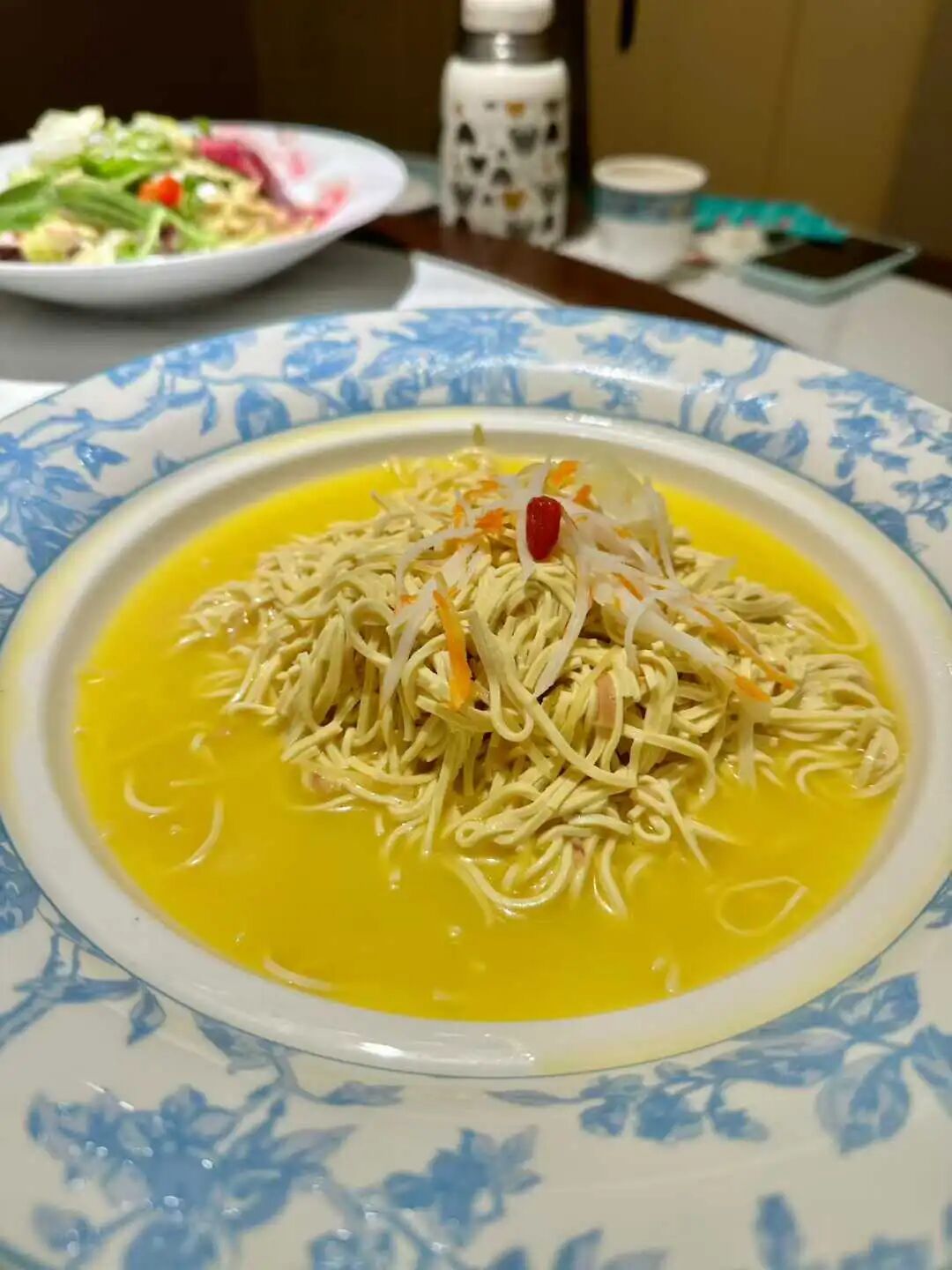
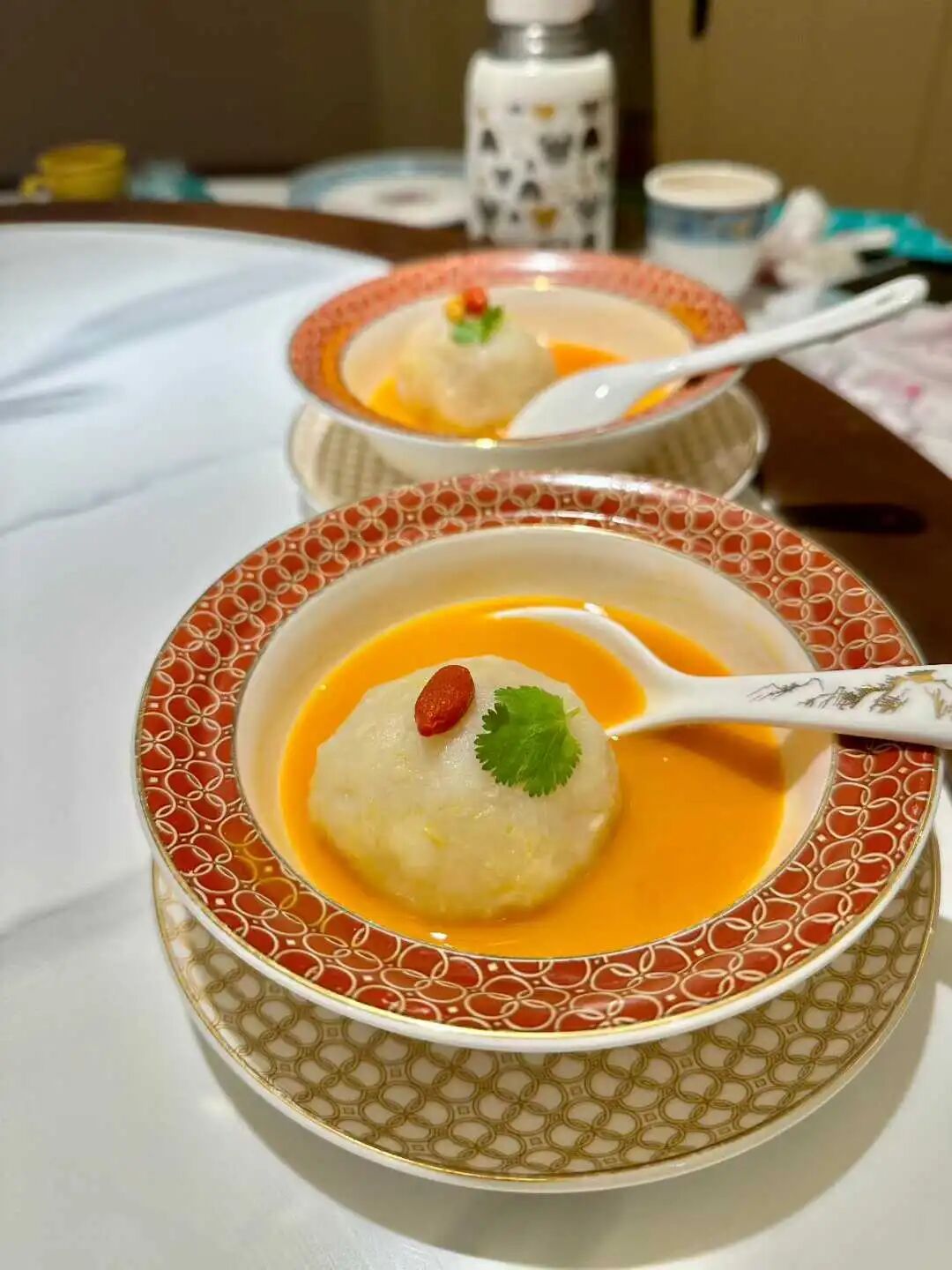
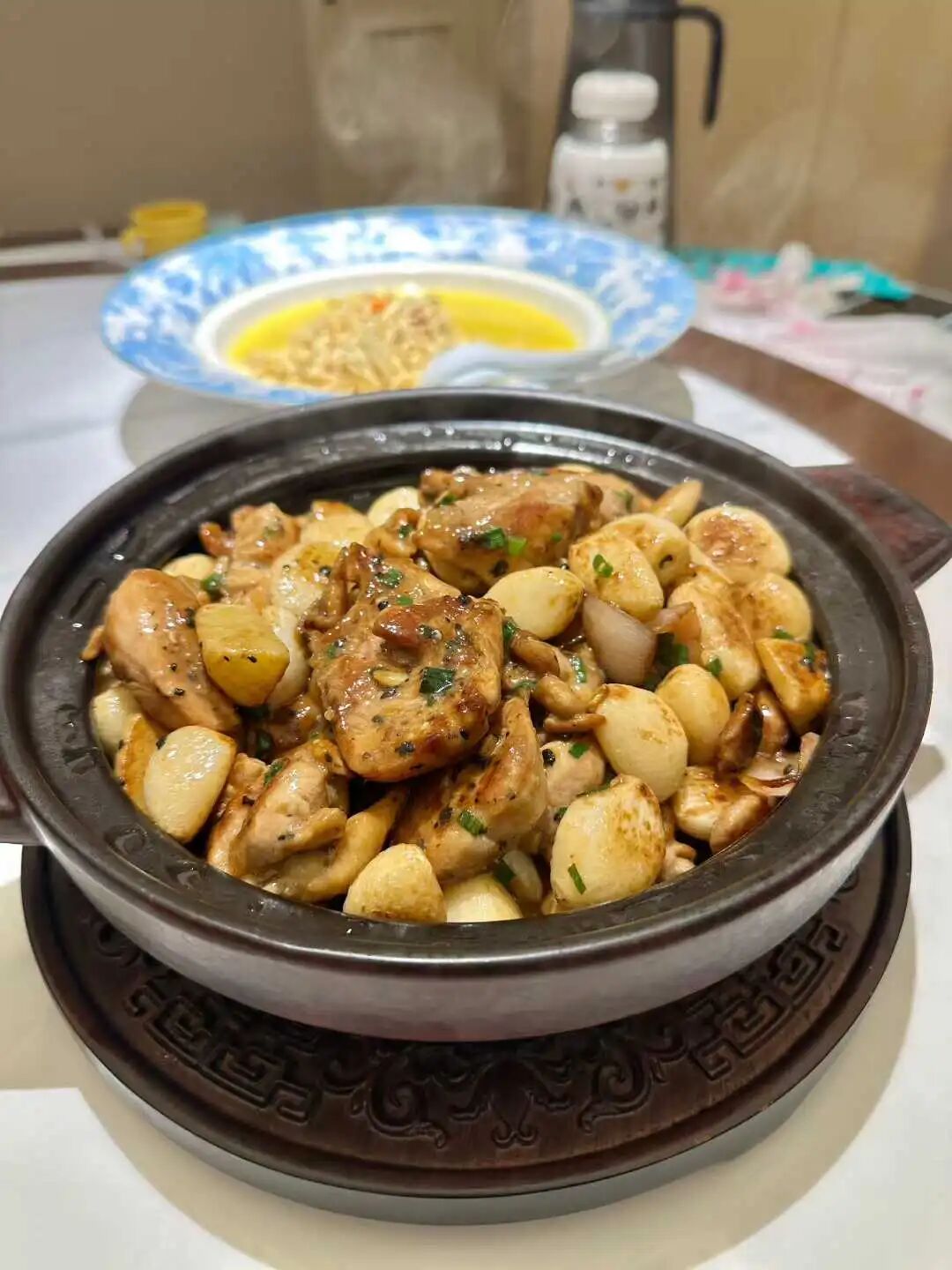
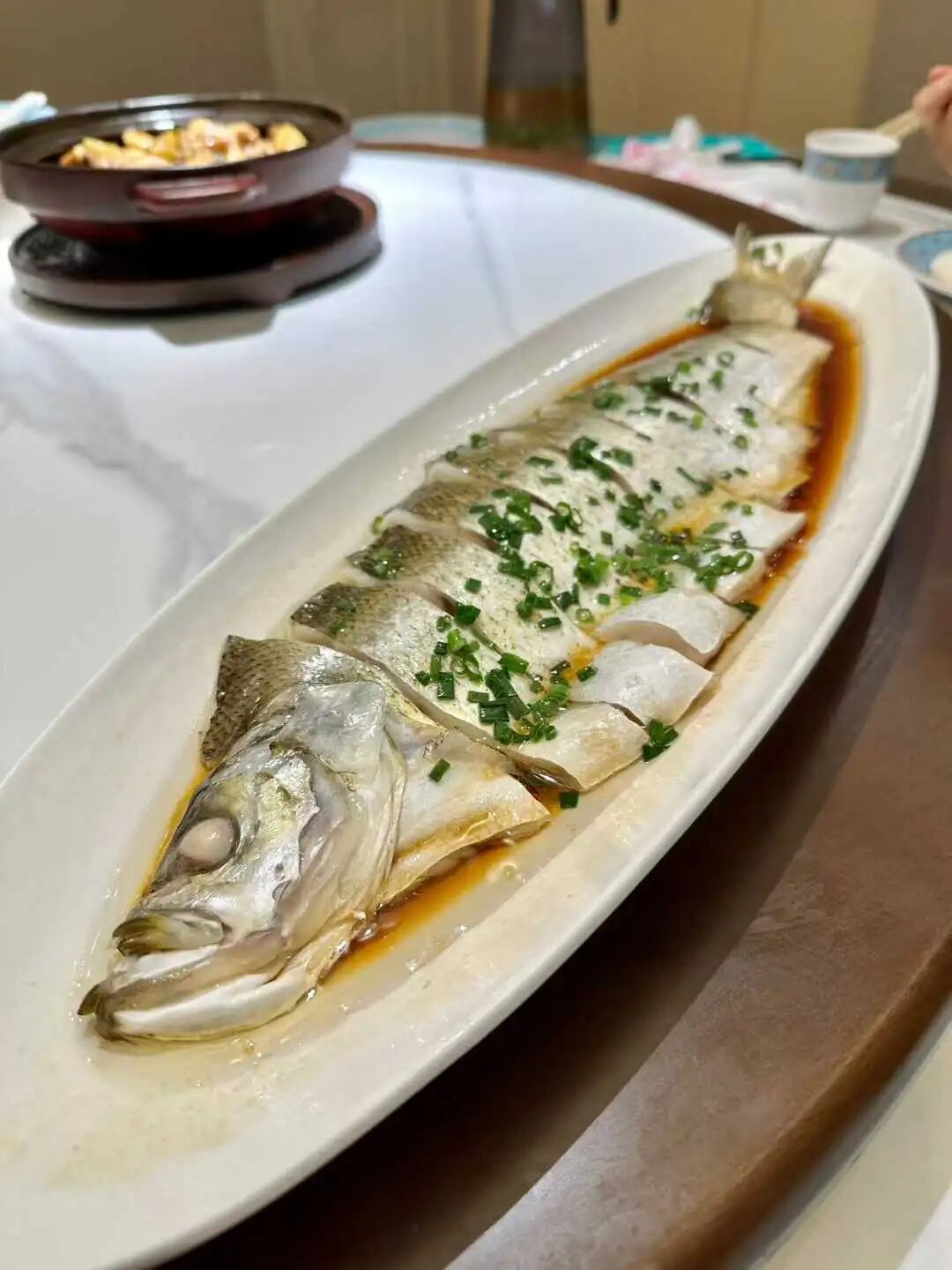
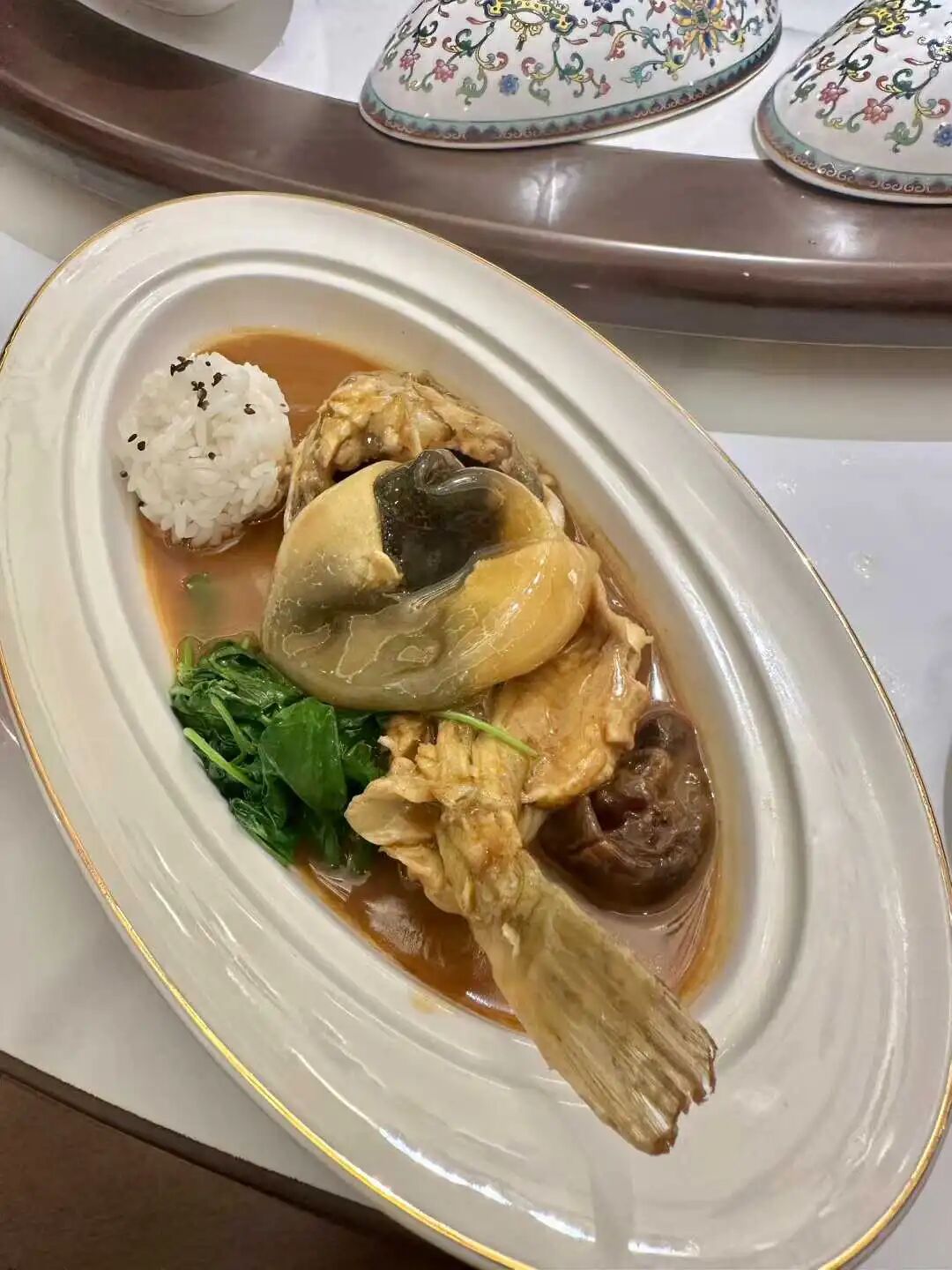
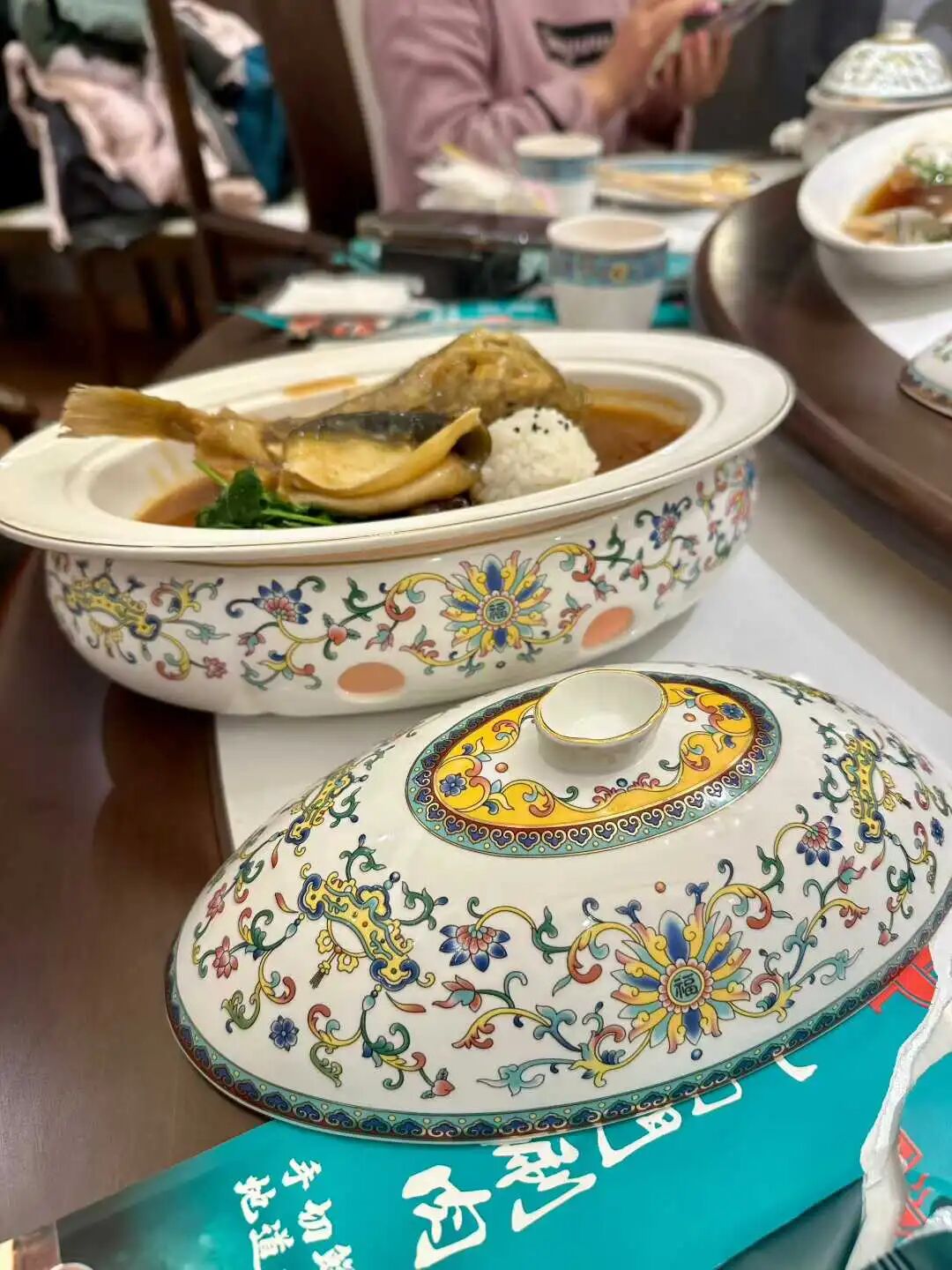
We bought a set meal for four people, which included four braised pufferfish (hetun), steamed Taihu whitefish (taihu bai), garlic bamboo forest chicken (zhulin ji), boiled shredded tofu (dazhu gansi), stir-fried vegetable hearts, mixed salad, and plain noodles (yangchun mian). We also ordered two extra fish meat lion's head meatballs (shizitou).
The people with me were eating pufferfish for the first time. We had tried it once before at Muyuan Restaurant in Zhenjiang, and I didn't expect to find it in Beijing. Their pufferfish is very well-made. The sauce goes great with rice, the fish skin is soft, chewy, and full of collagen, and the tiny spines have a grainy texture that is fun to eat. The meat inside is soft and tender with a very fresh flavor. The fish liver served on the side has a strong fishy smell, so don't eat it if you don't like that.
The meat of the Taihu whitefish is also good. Steaming it keeps the original flavor, though river fish have many small bones. The bamboo forest chicken is pan-seared with black truffles. The meat is very tender, and the kids loved it. The cooked garlic cloves are soft and sticky, which is also quite tasty. Boiled shredded tofu is a classic Huaiyang dish. We have eaten it many times in Yangzhou, and this place makes it very well. It is cooked in chicken broth and tastes very fresh. The shredded tofu is not the hard kind found in the north; it is cut very thin, just like what we had in Yangzhou.
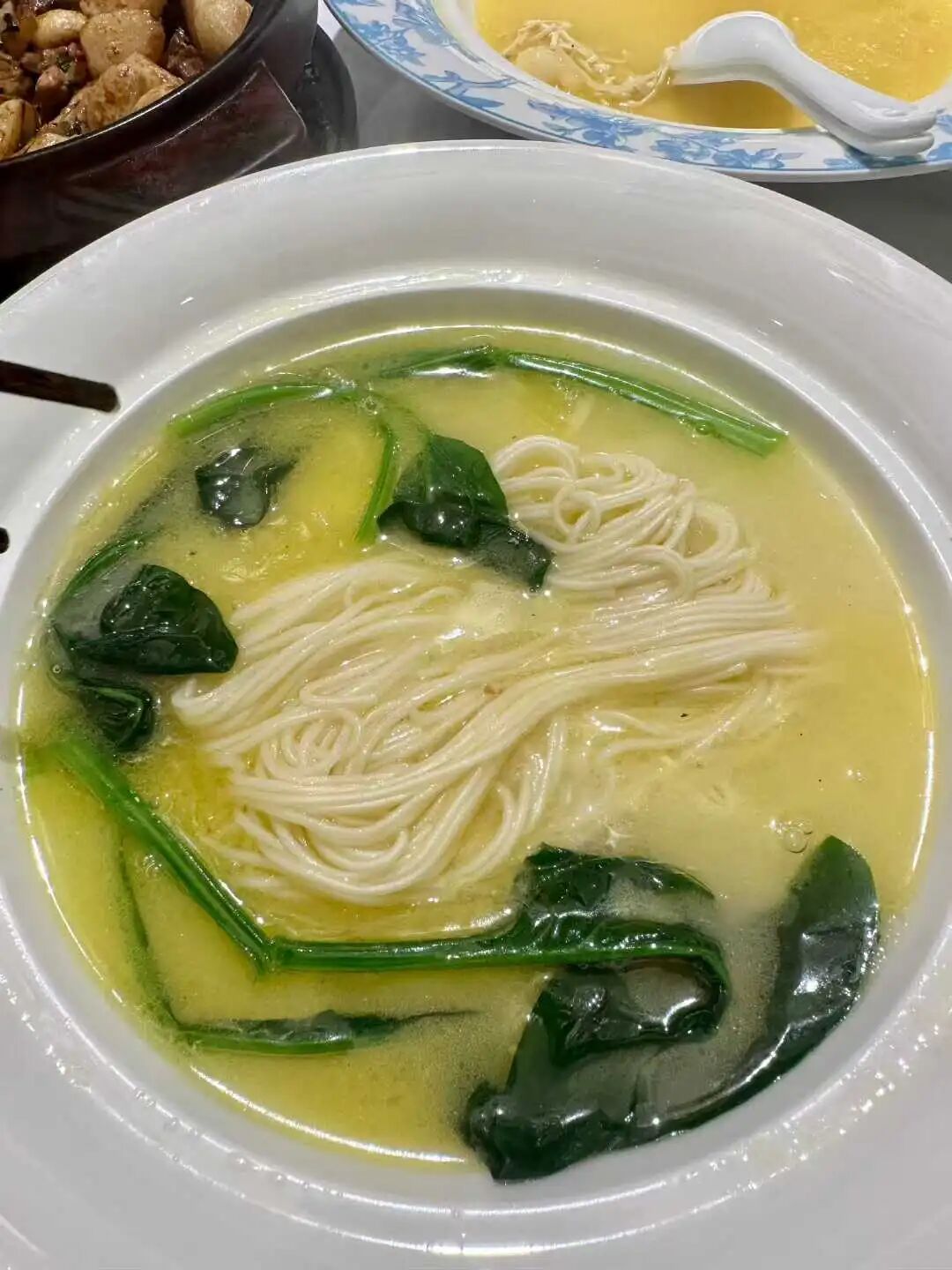
The plain noodles are likely cooked in chicken broth too. They taste good and are not hard, but you should eat them quickly after they are served so they don't dry out.
Lion's head meatballs are a classic Huaiyang dish. I only knew about the version for the general public before, but this time I learned there is also a fish version. I looked it up and it is not their original creation; it is just another way to make lion's head meatballs. To make fish lion's head meatballs, you mince the fish into a paste, add egg white and salt to make it firm, then add diced water chestnuts and starch. When making them, you slap the fish paste into balls and steam them over high heat. When you eat them, the fish is soft and smooth, and the water chestnuts are crunchy.
The only downside is that the mixed salad must have been taken straight out of the refrigerator; it was way too cold to eat in winter.
Sanhe Beef Noodles
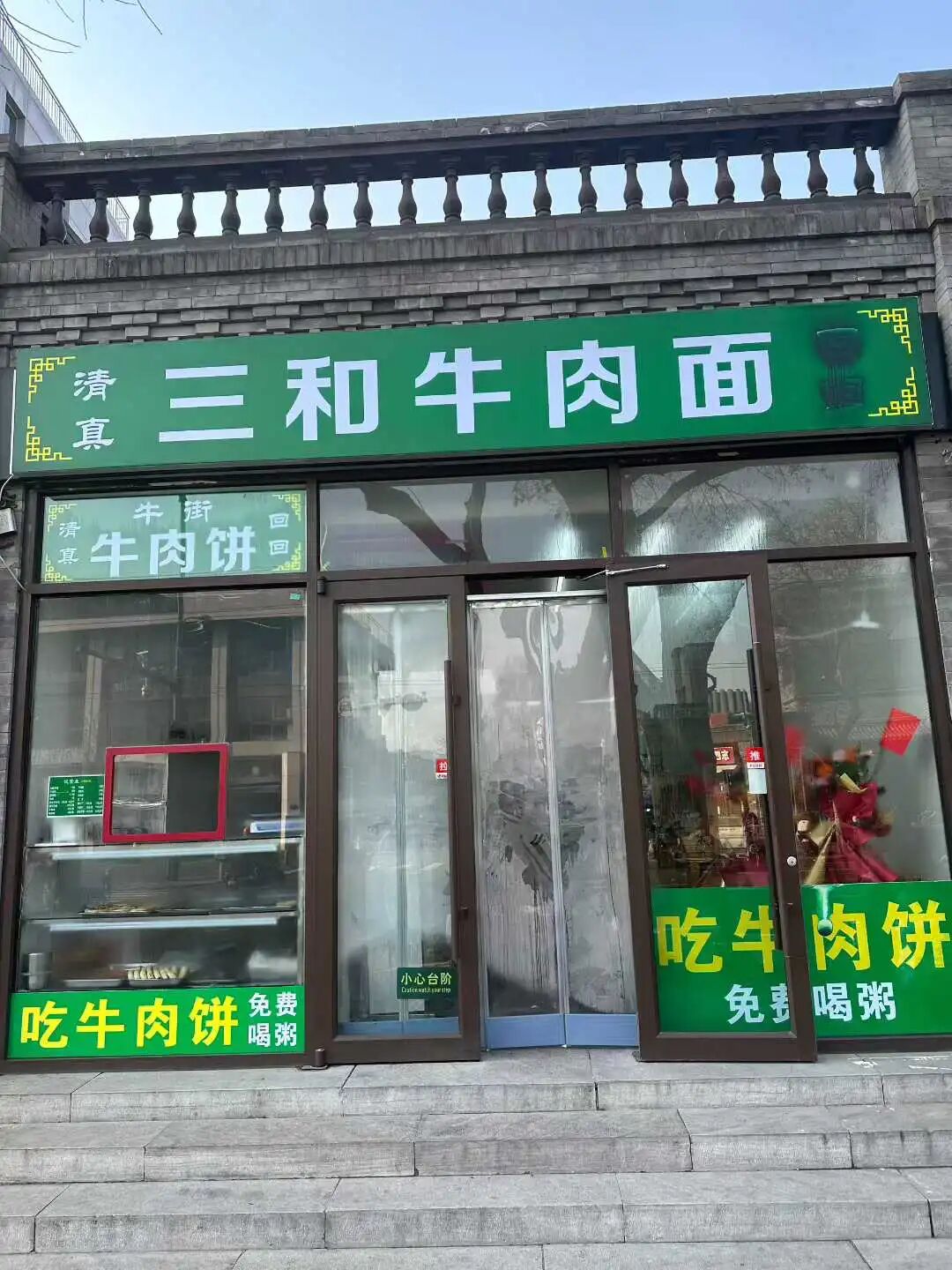
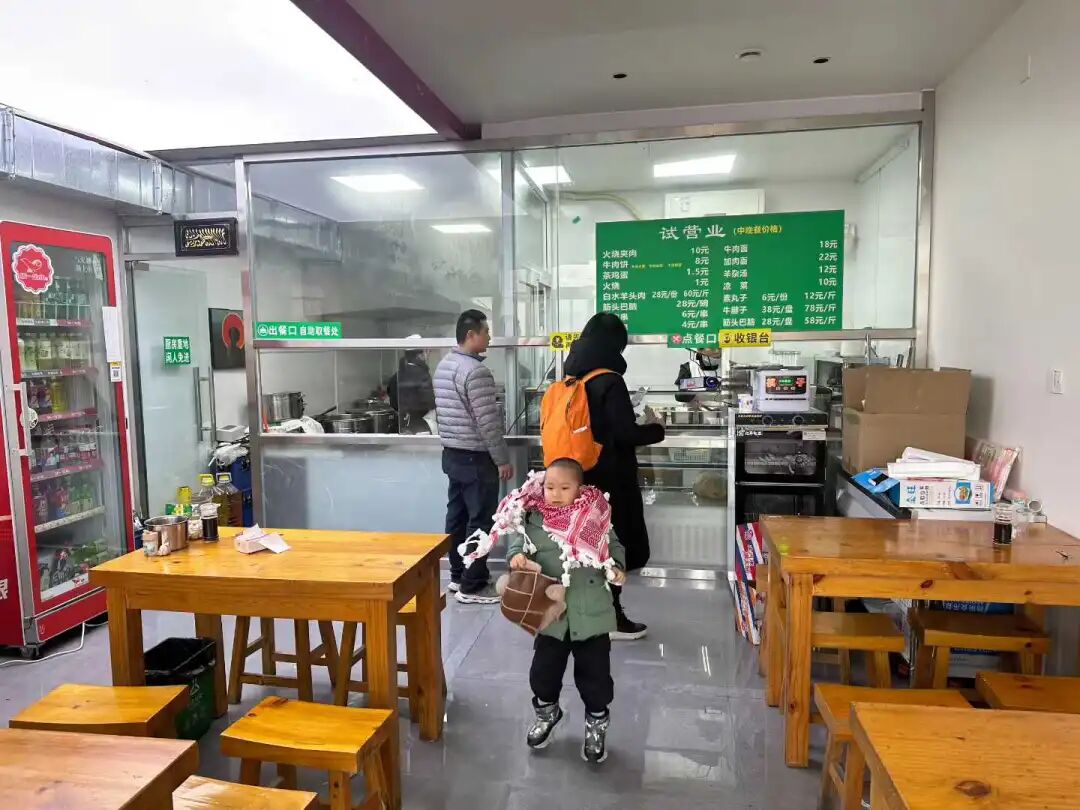
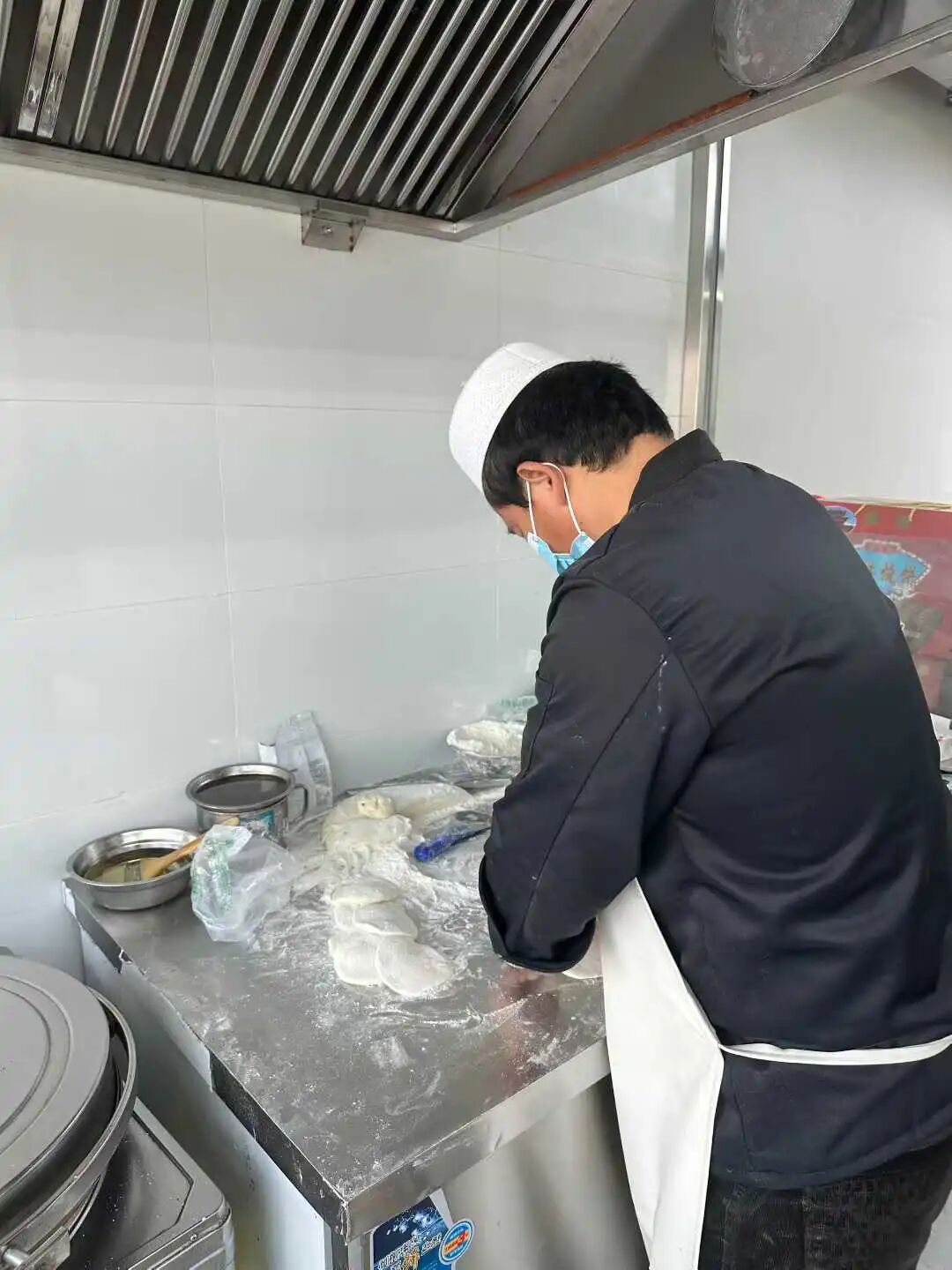
A new small restaurant run by Hui Muslims has opened at the west entrance of Dongsi 7th Alley. The owner is from Dezhou, Shandong. It is a quiet place with no alcohol, and the kitchen is clean.
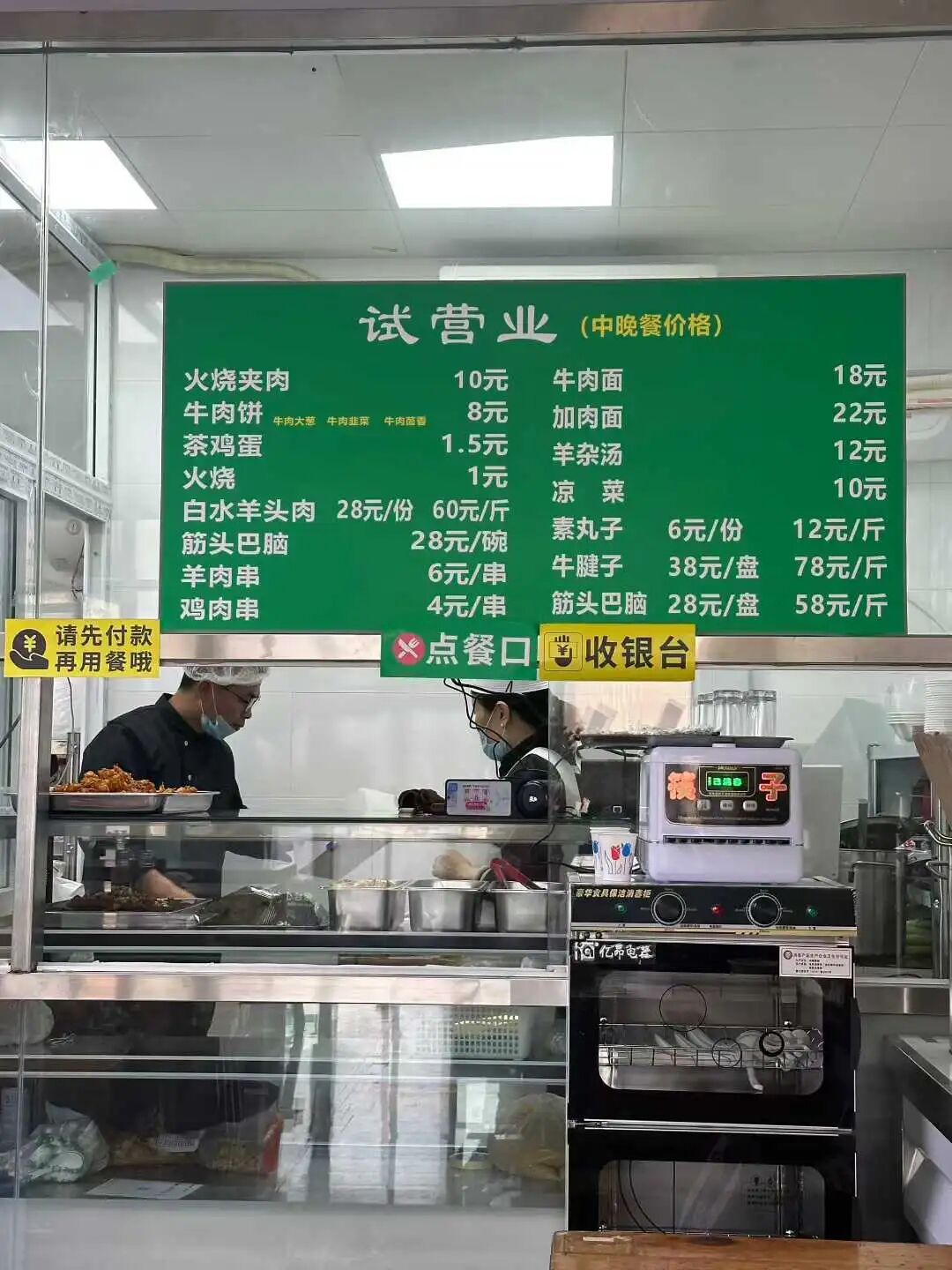
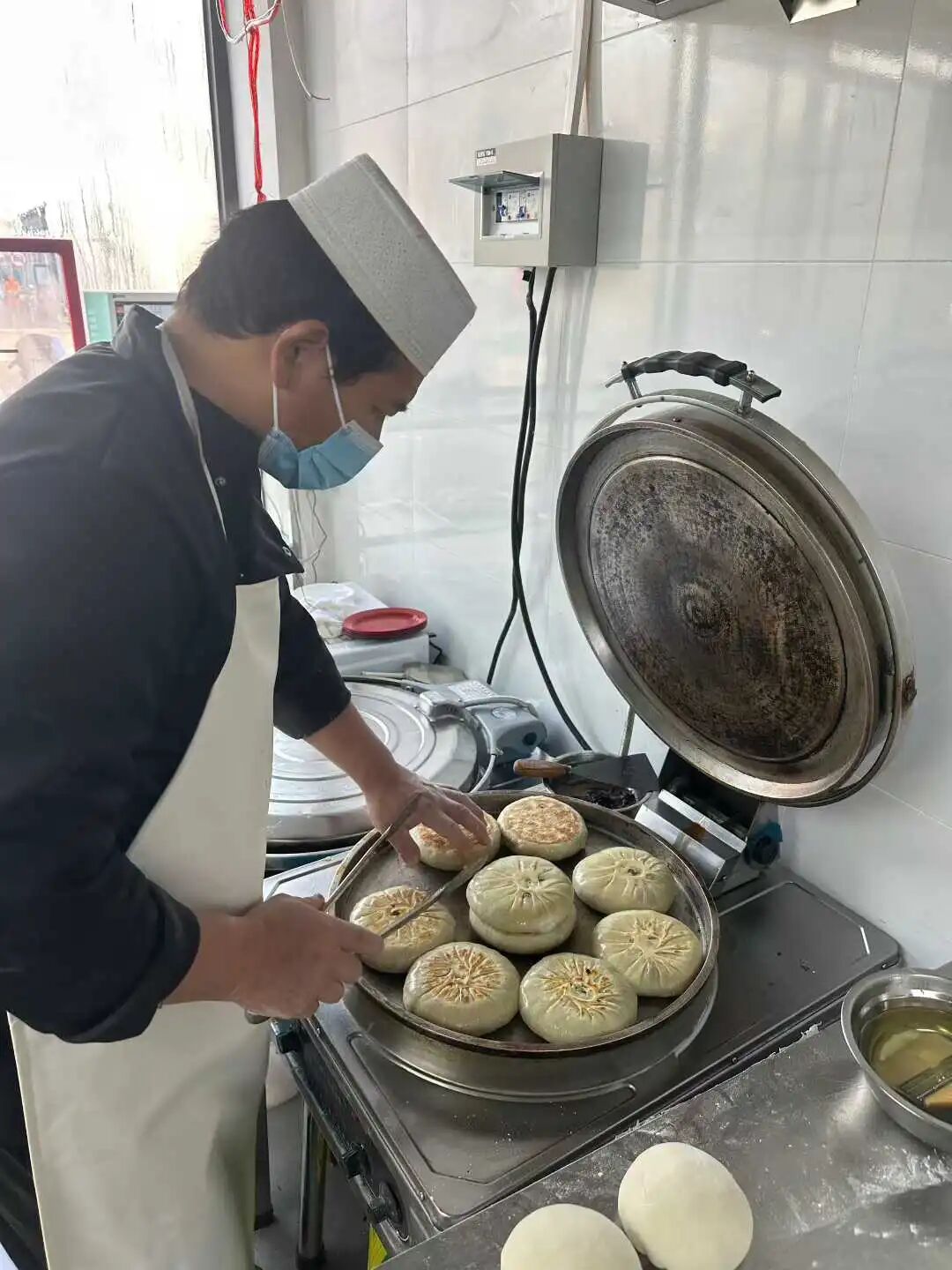
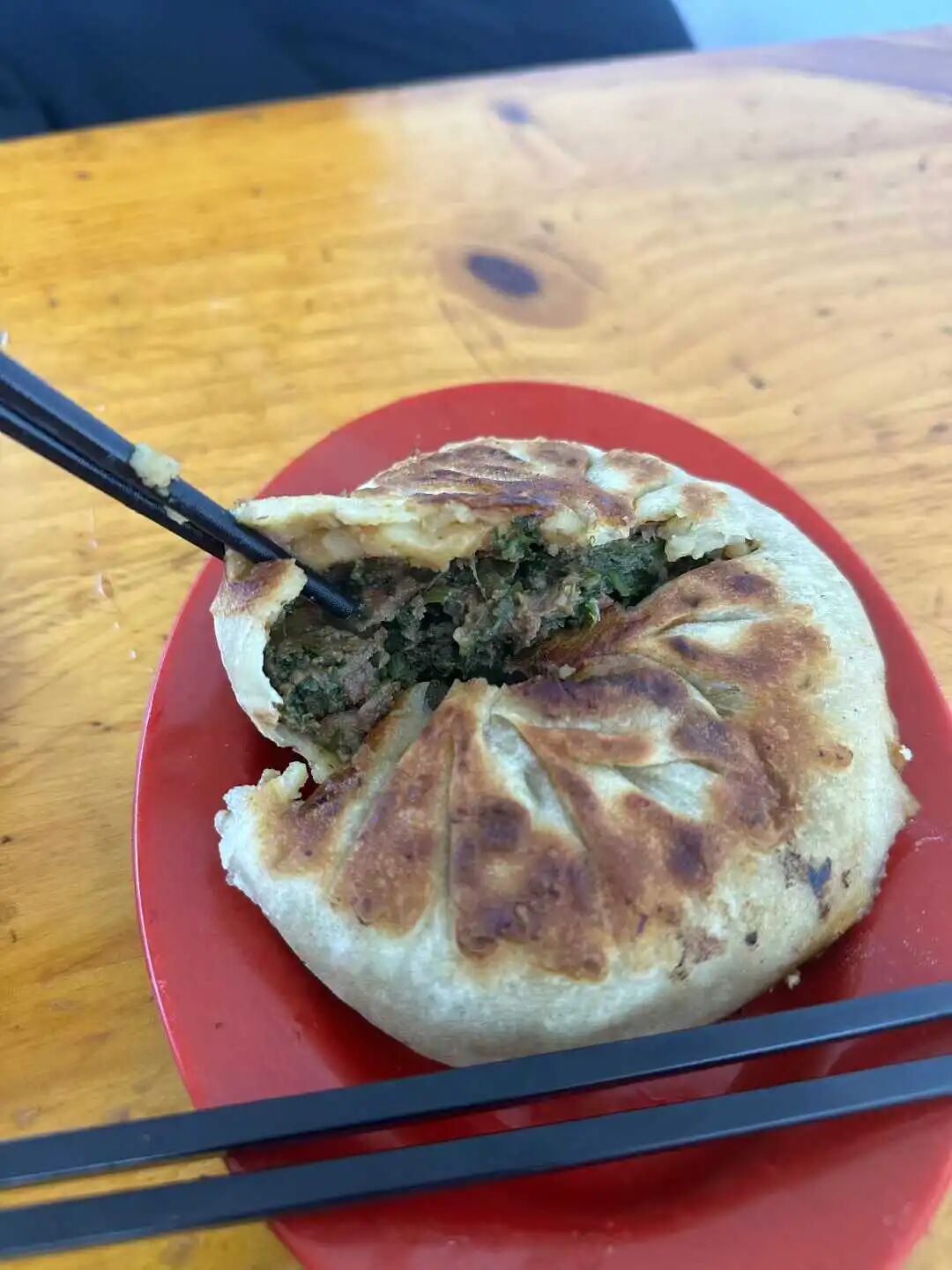
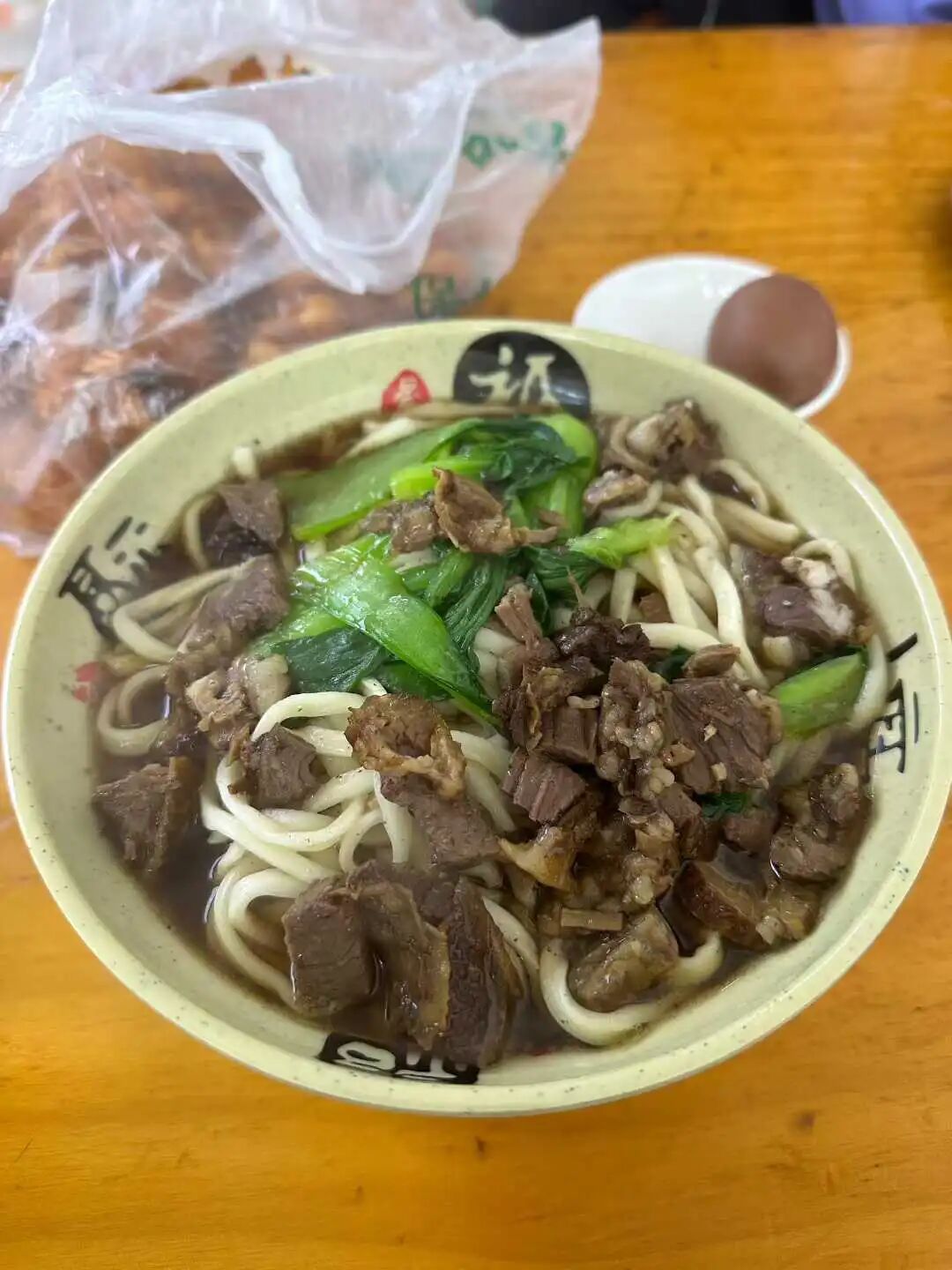
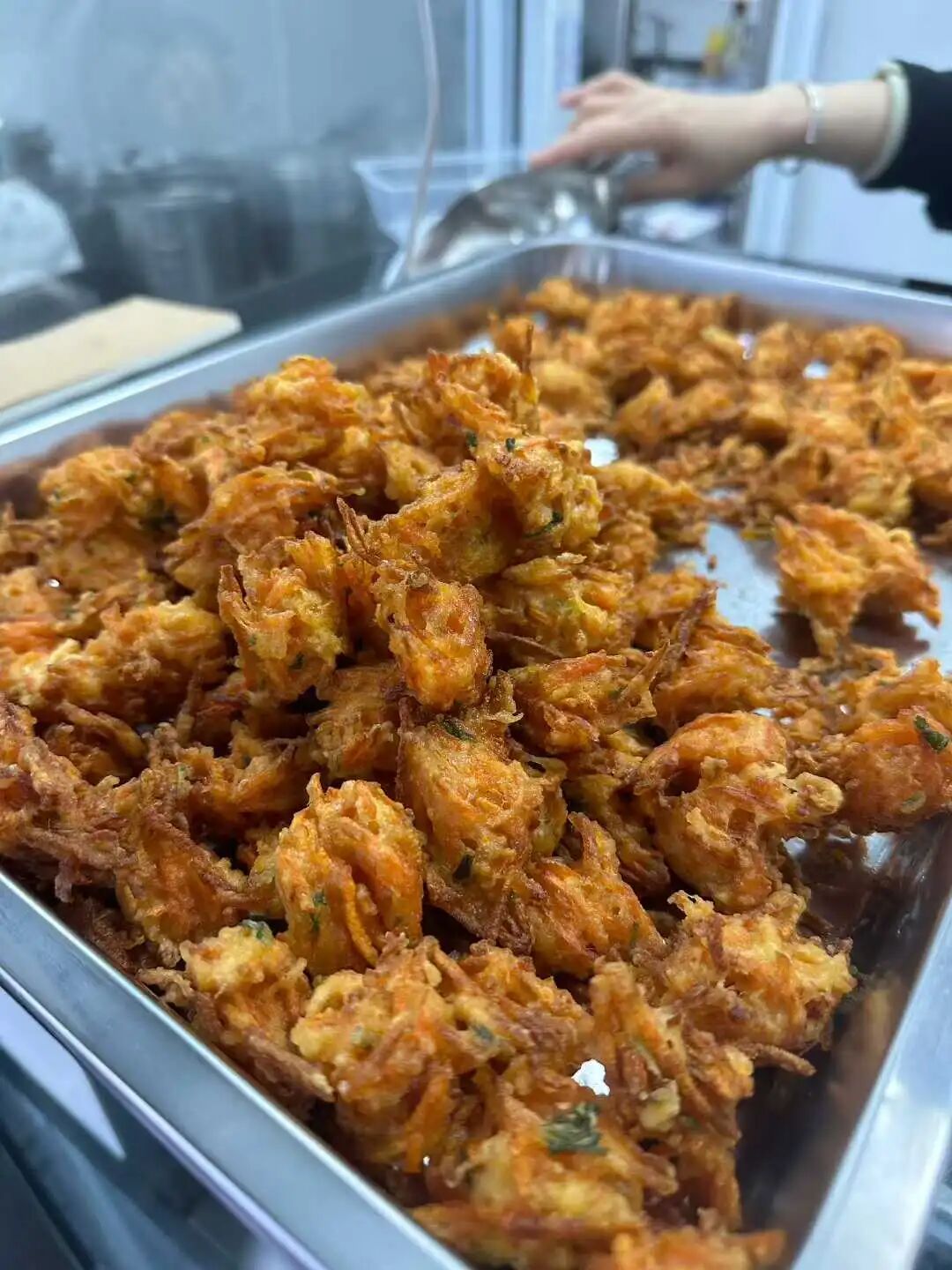
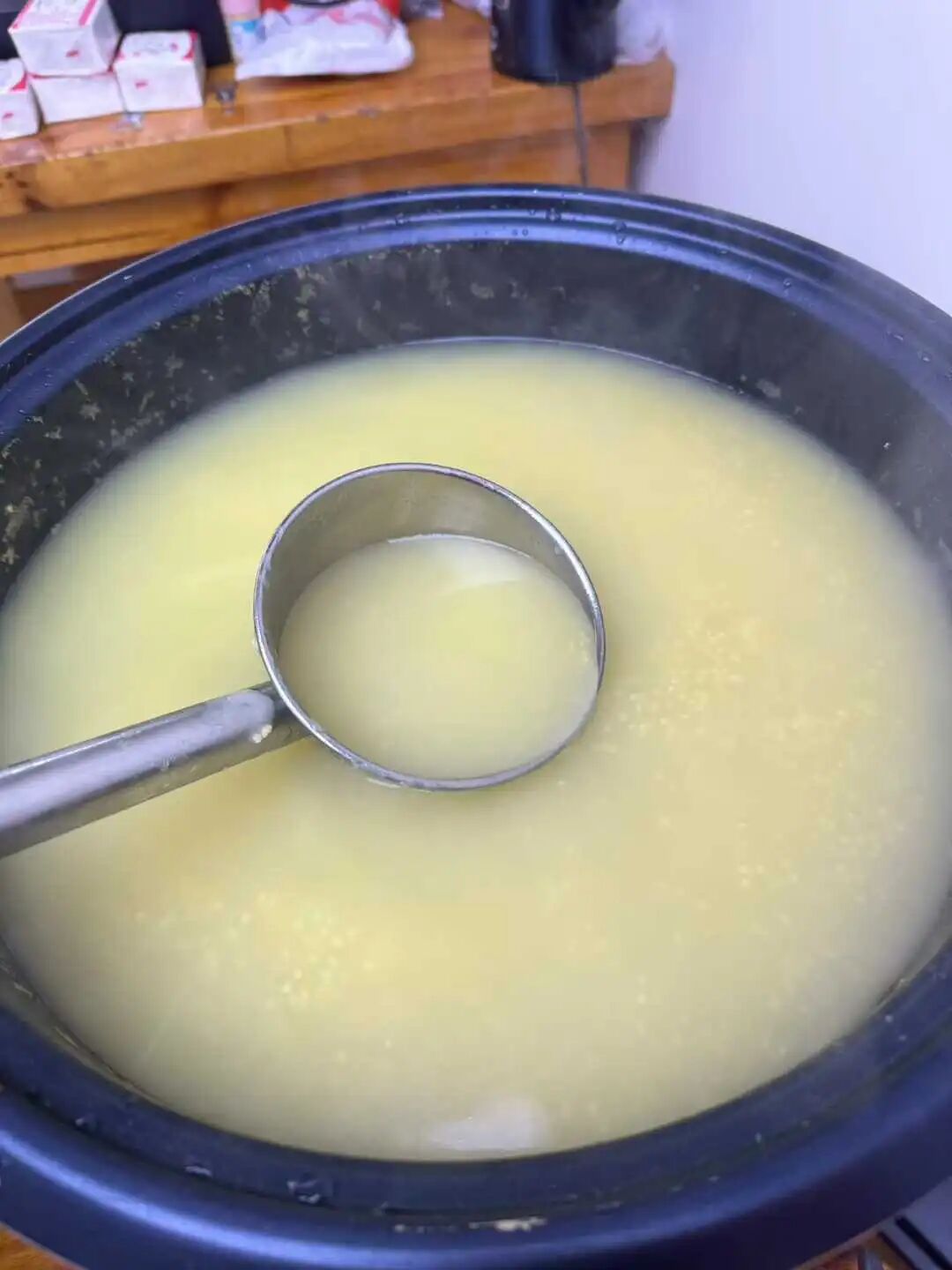
They specialize in beef noodles with old-pot stewed meat and beef pies (niurou bing). Beef noodles are 18 yuan, and with extra meat, they are 22 yuan. The taste is very authentic and on the salty side. The beef pies come in three fillings: beef and green onion, chives, and fennel. They are wrapped and pan-fried to order. We had the fennel one. The crust is dry and crispy, with a richer texture than Jingdong meat pies. The filling is neither greasy nor salty, and it tastes great with the free millet porridge (xiaomizhou). I also tried their deep-fried vegetable balls (suwanzi), and they tasted pretty good too. They are serving breakfast for the next two days, so I will go back to try it when I pass by.
JM Coffee and Bakery Daji Lane Branch
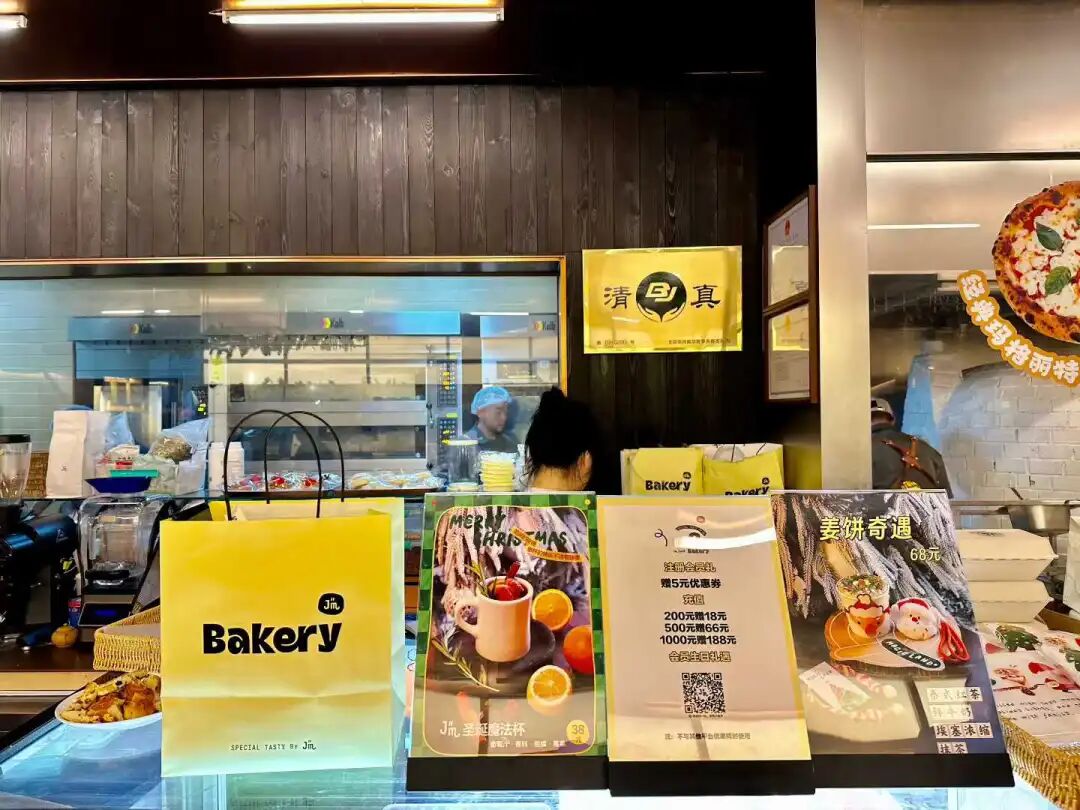
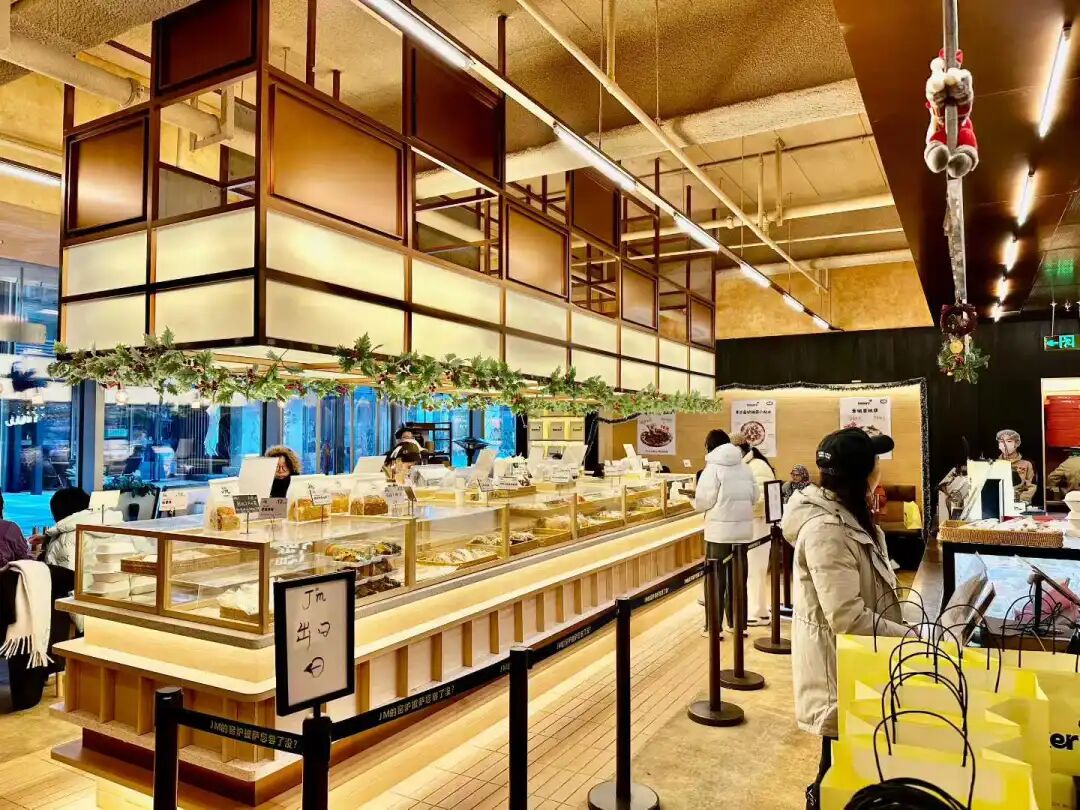
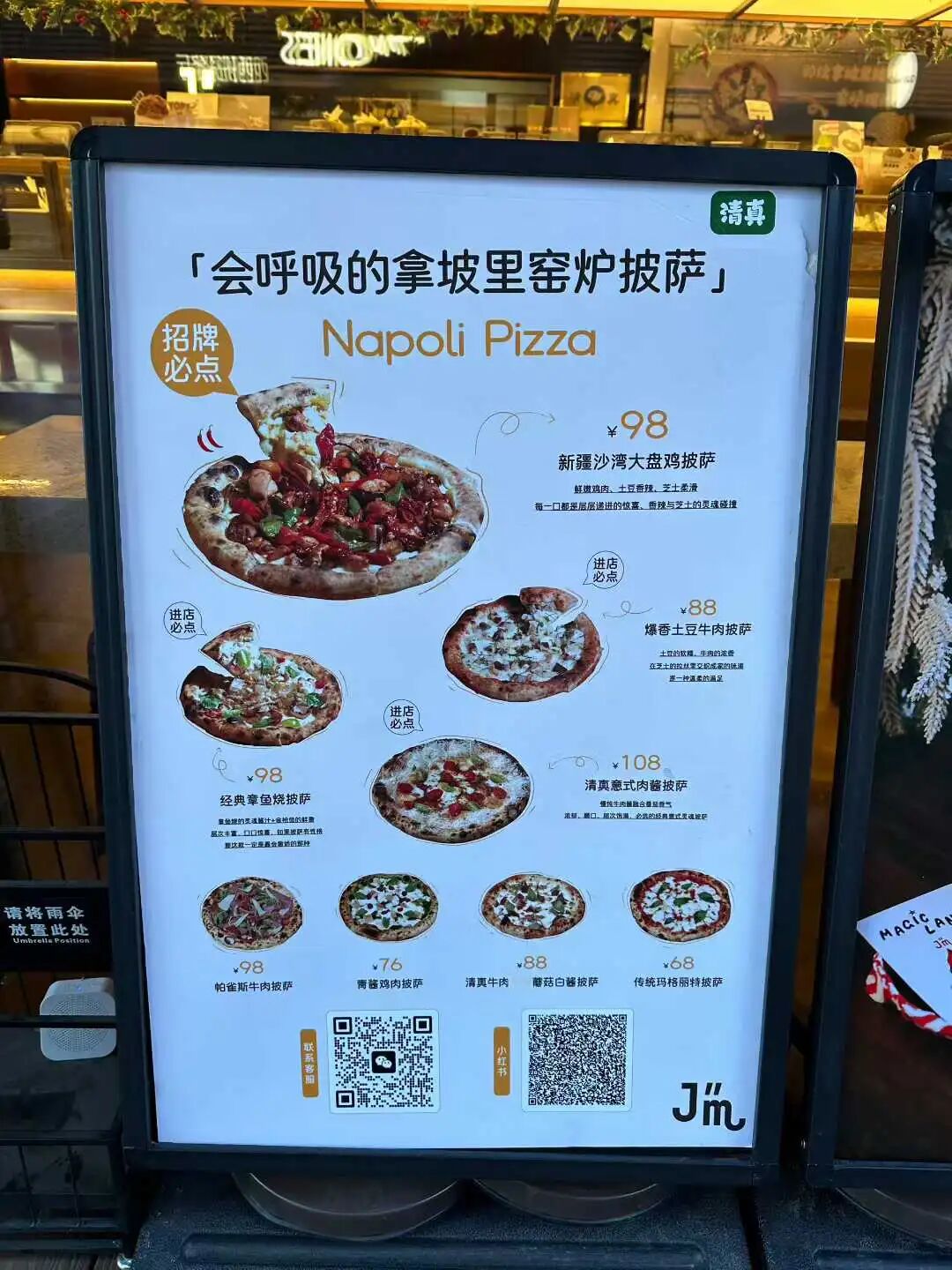
JM is a coffee and bakery chain opened in Beijing by Xinjiang Dosti. They have shops in major business districts like Niujie, Dongsi, Beiluoguxiang, and Tuanjiehu. The Daji Lane branch specializes in pizza, while the Niujie branch focuses on hot dogs.
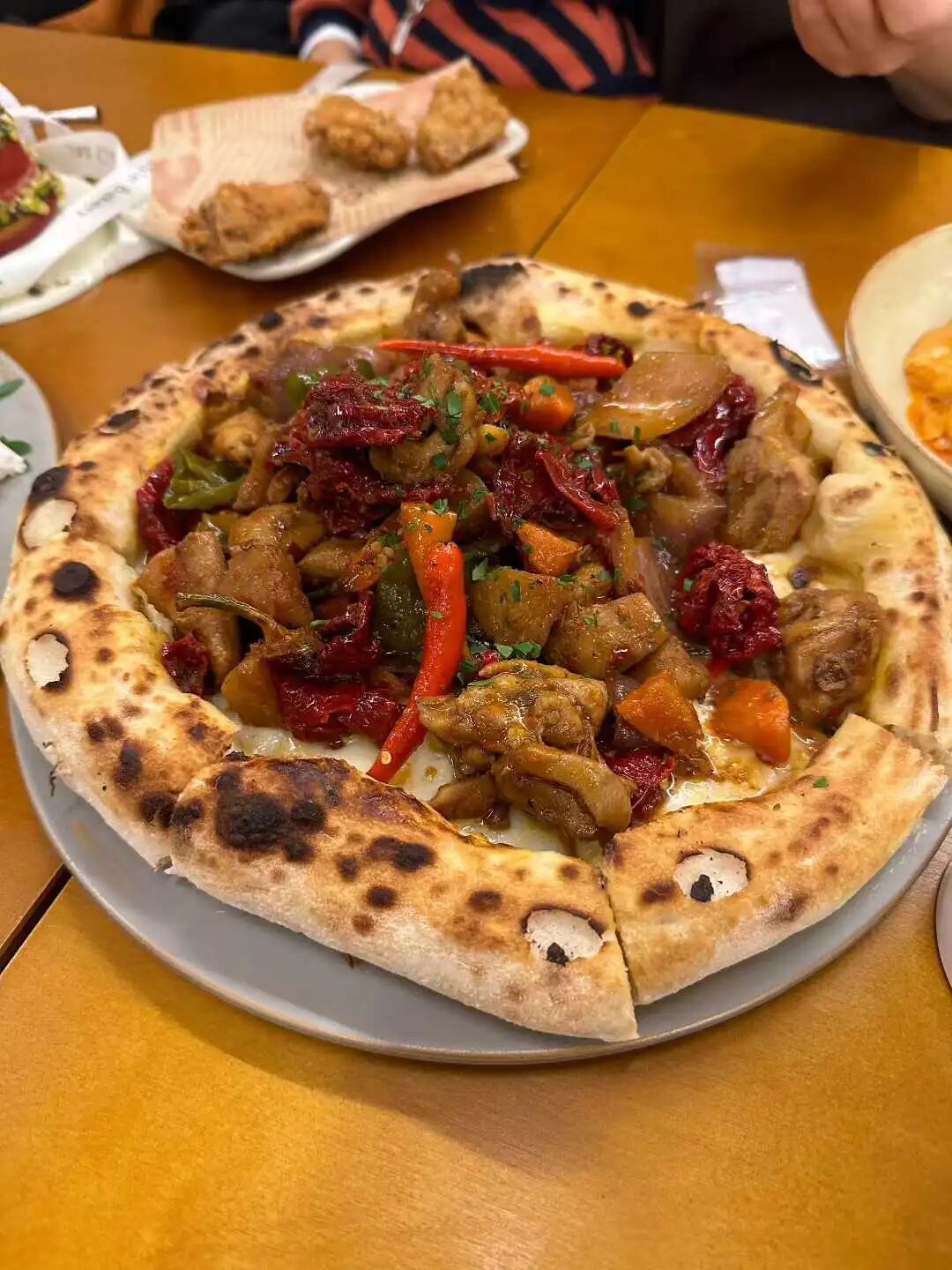
I was surprised to find big plate chicken (dapanji) pizza at the JM Daji Lane branch; it really lives up to being a shop opened by Xinjiang Dosti. The big plate chicken uses Anjihai chili skins (lapizi) flown in by air, which are spicy with a hint of sweetness and taste very authentic. The only pity is that they use chicken chunks instead of stir-frying the whole chicken like they do back home in Xinjiang.
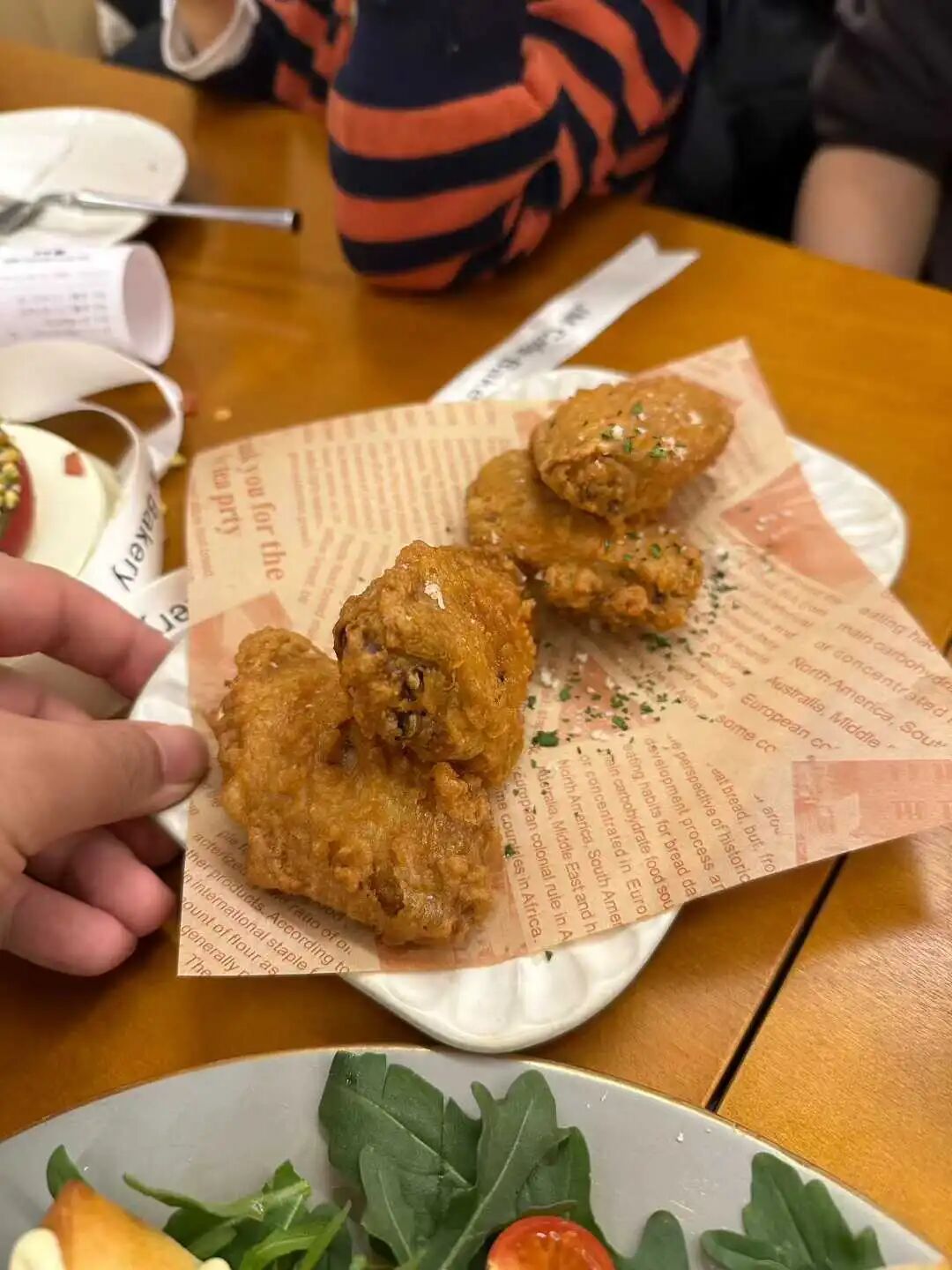
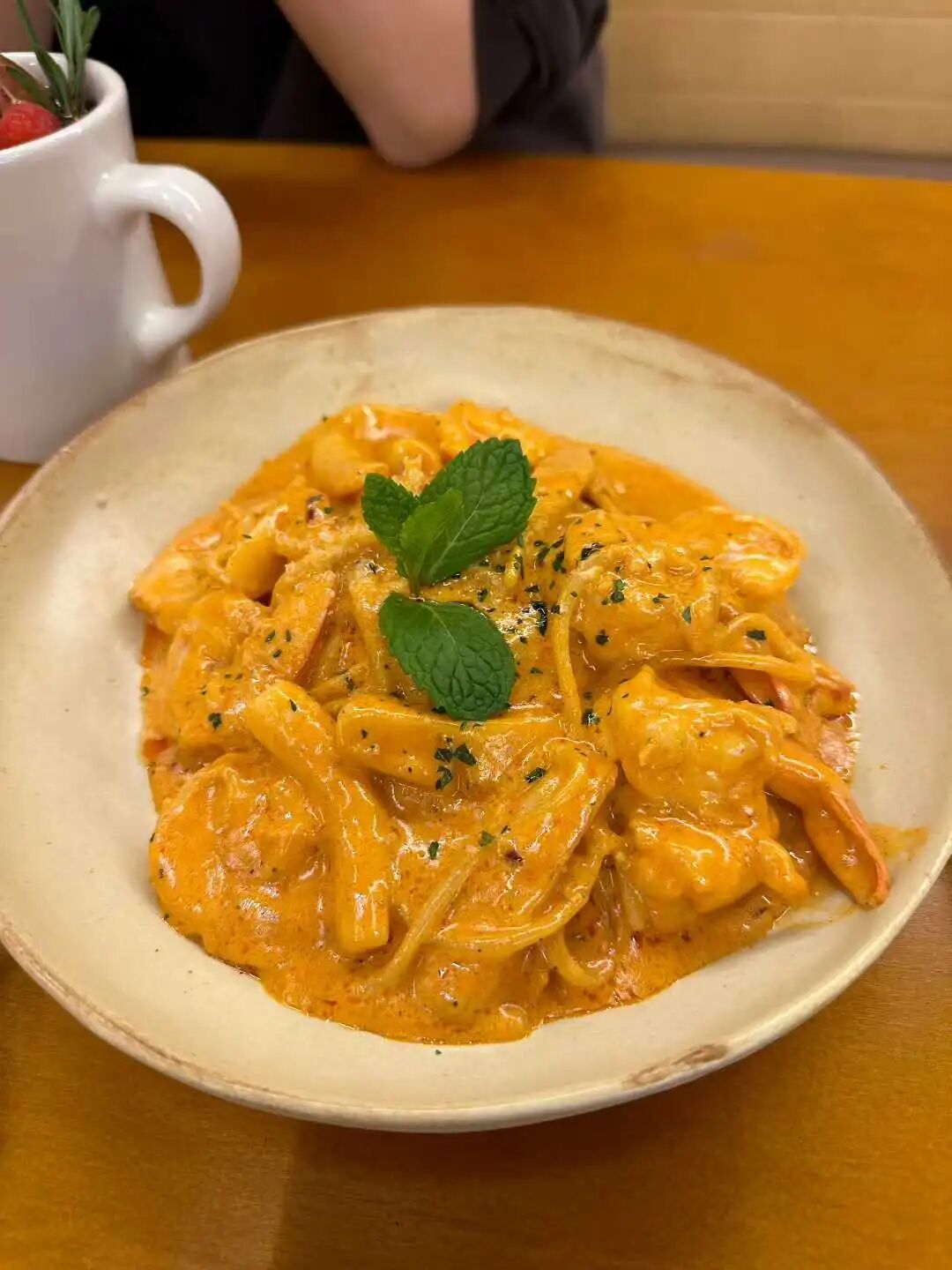
We also ate Korean-style spicy cream shrimp pasta and fried chicken. The pasta came with plenty of shrimp, and the cream sauce was very rich. The fried chicken was cooked perfectly, and I liked it a lot.
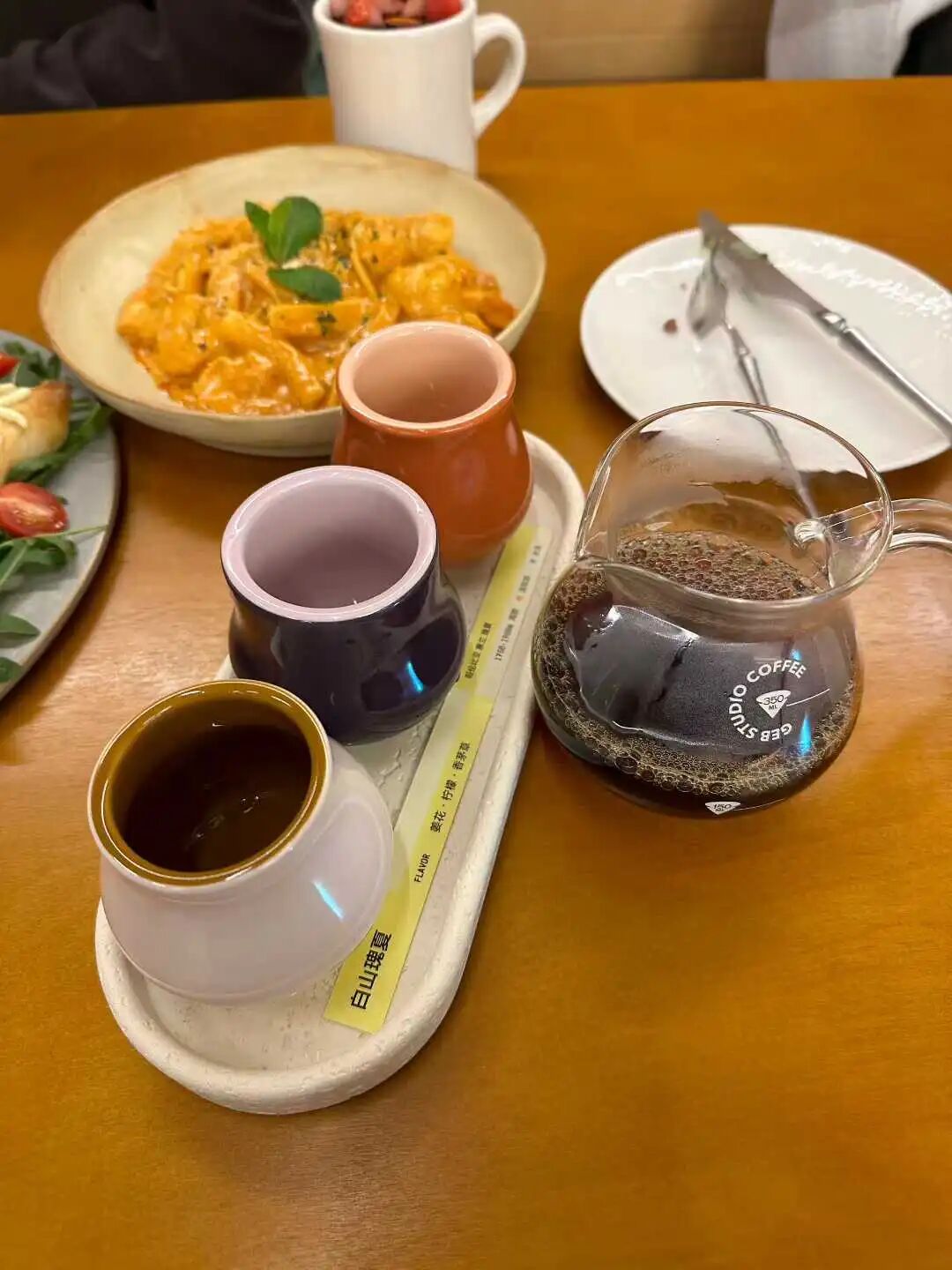
I also tried their pour-over coffee, and it tasted quite good. However, it is very crowded on weekends and not really a place for a quiet coffee; it is probably better on weekdays.
Wanhe Fatty Beef
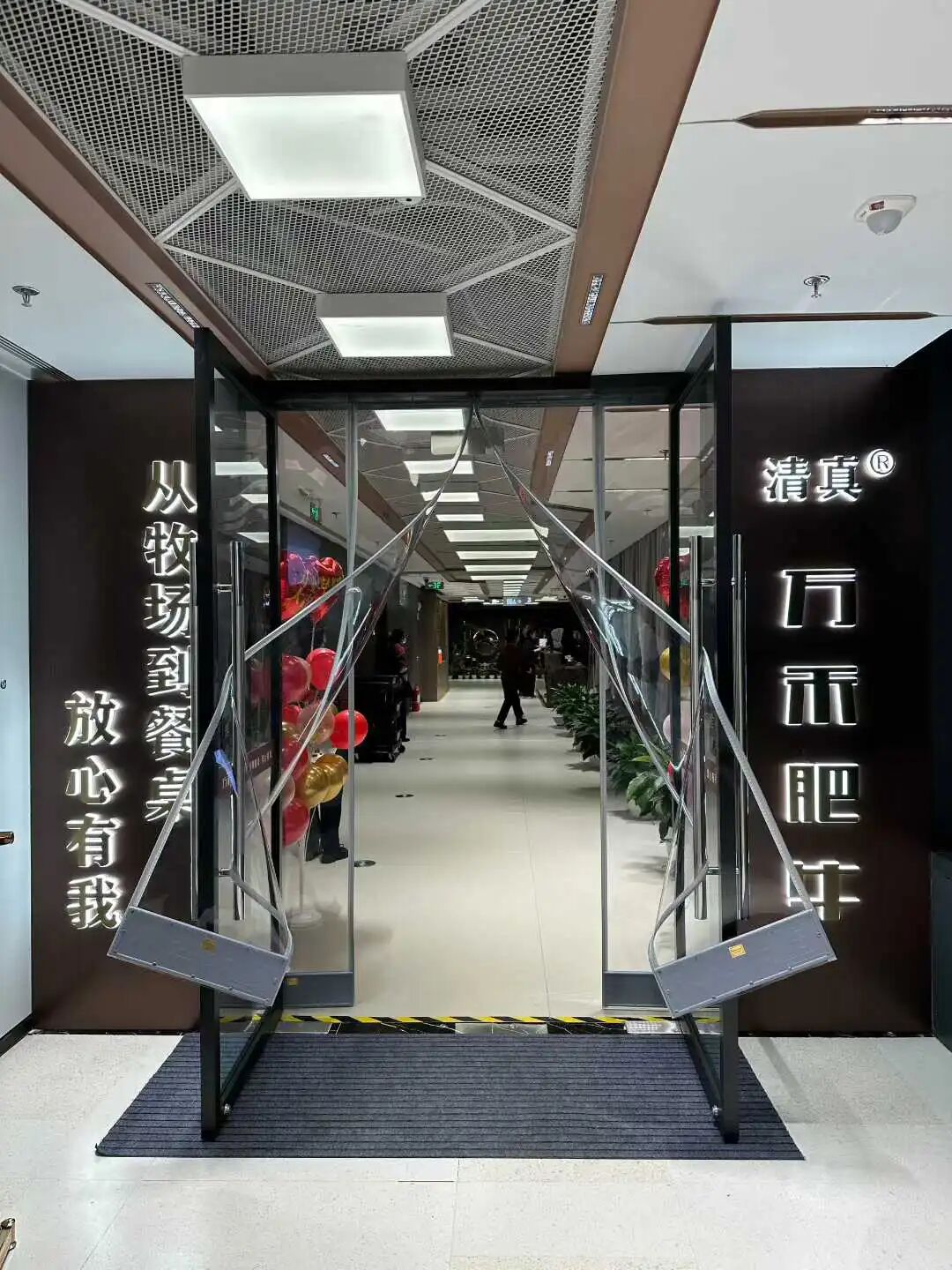
The popular Wanhe Fatty Beef from Nanguan in Lanzhou has opened a branch in Dongsi, Beijing! It is right above Ziguangyuan in Longfusi, and there is an elevator that goes straight up. The new shop only opened at the end of November. We went during the trial period, but there were already quite a few people.
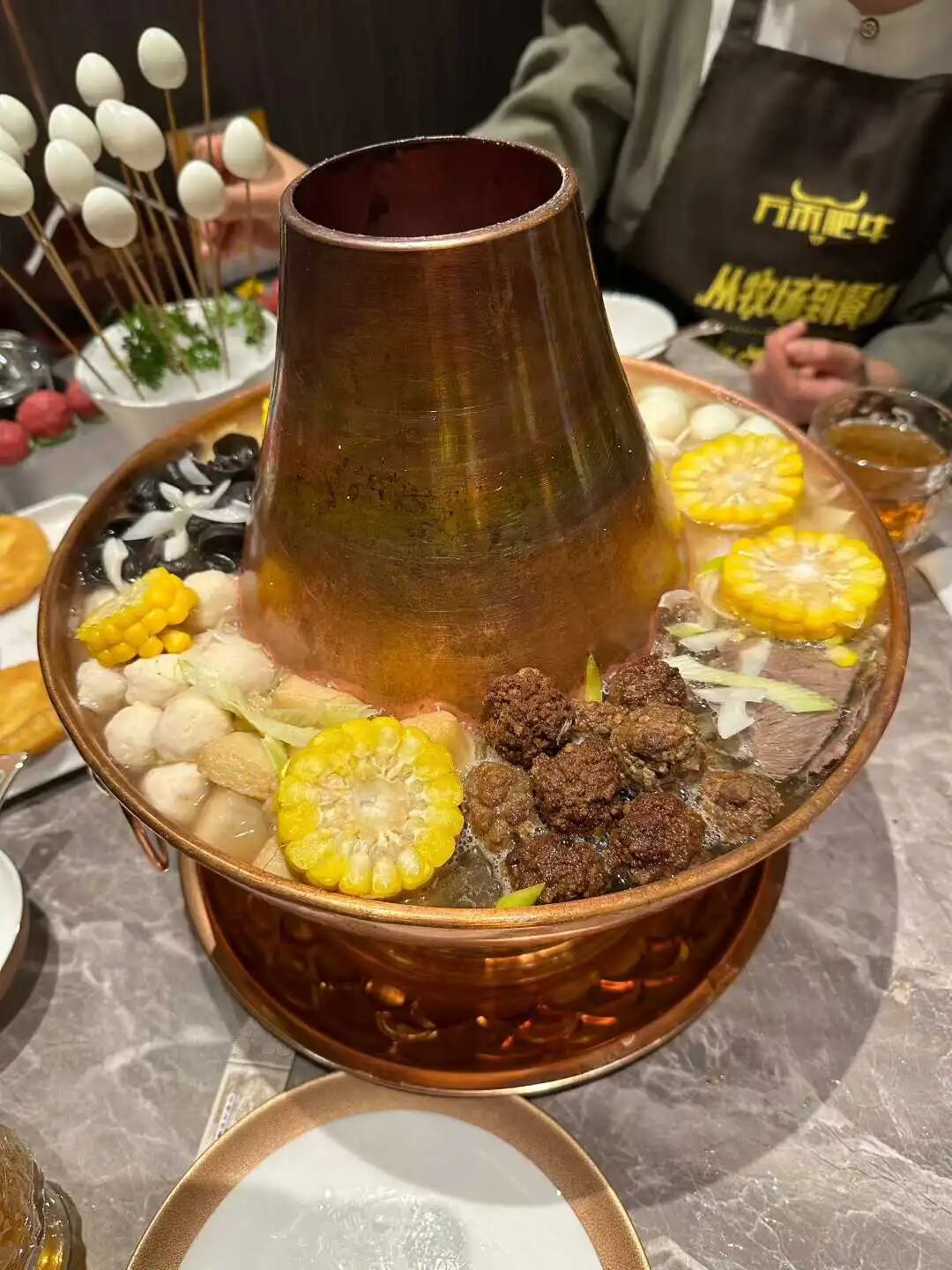
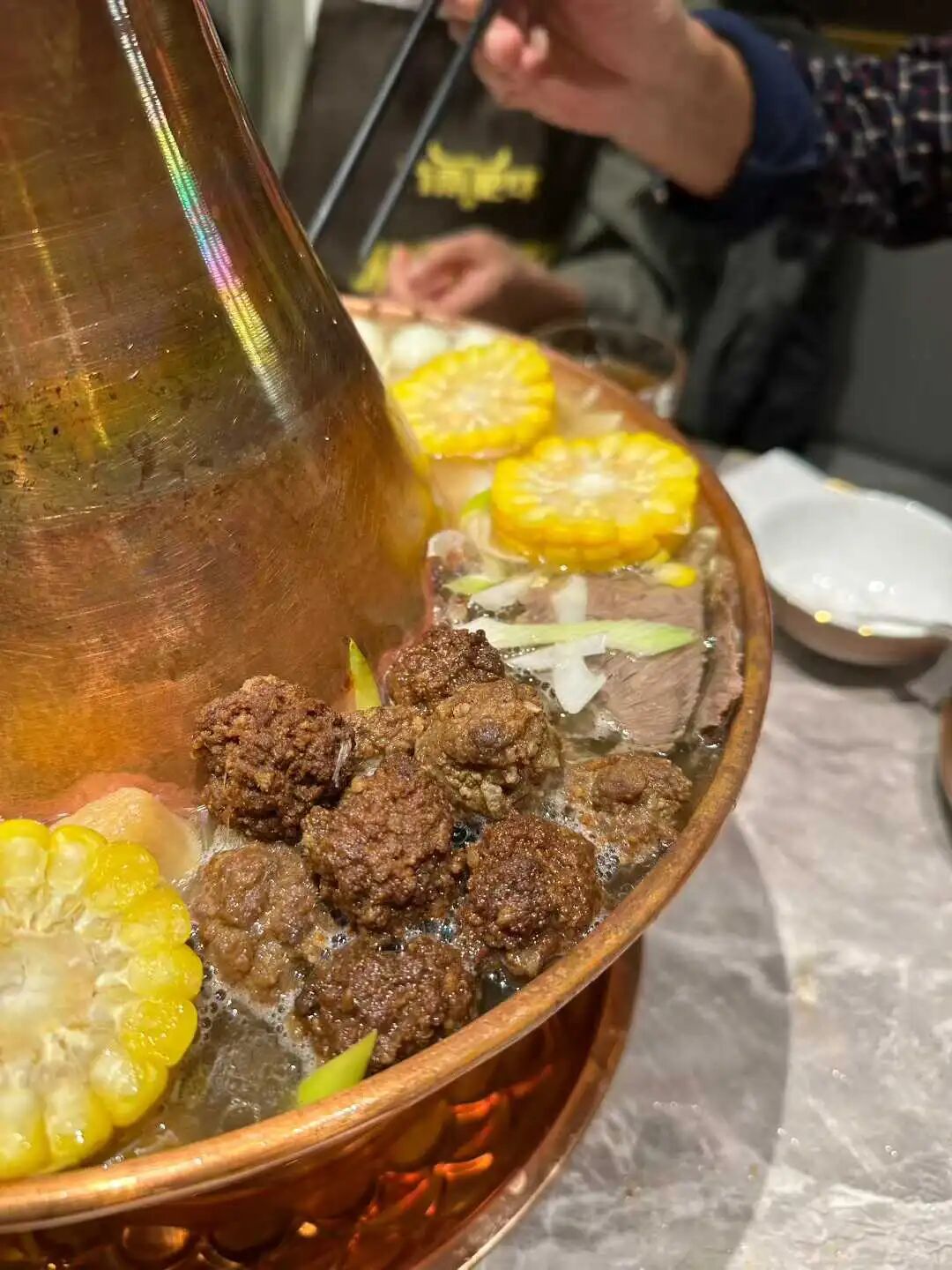
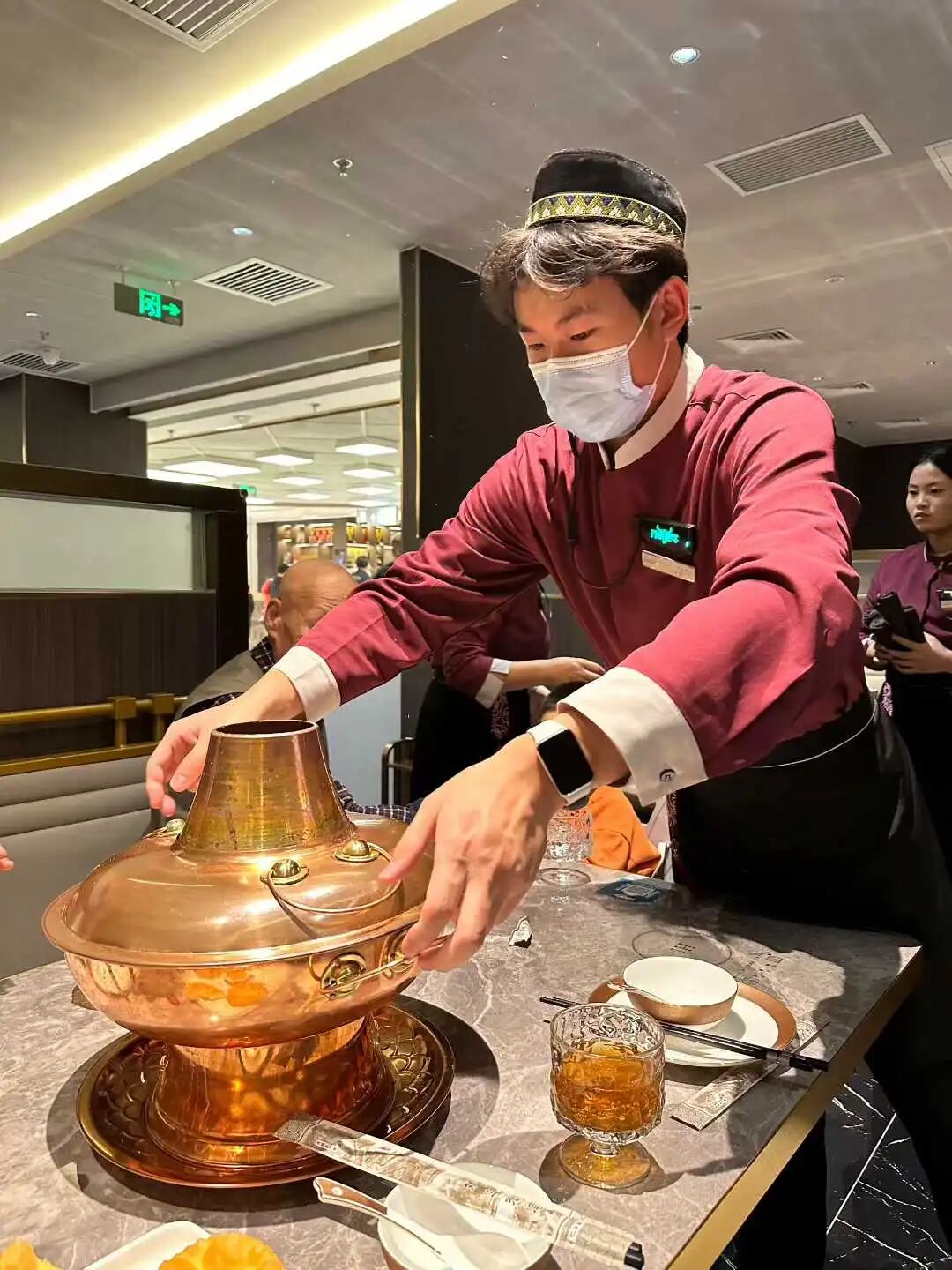
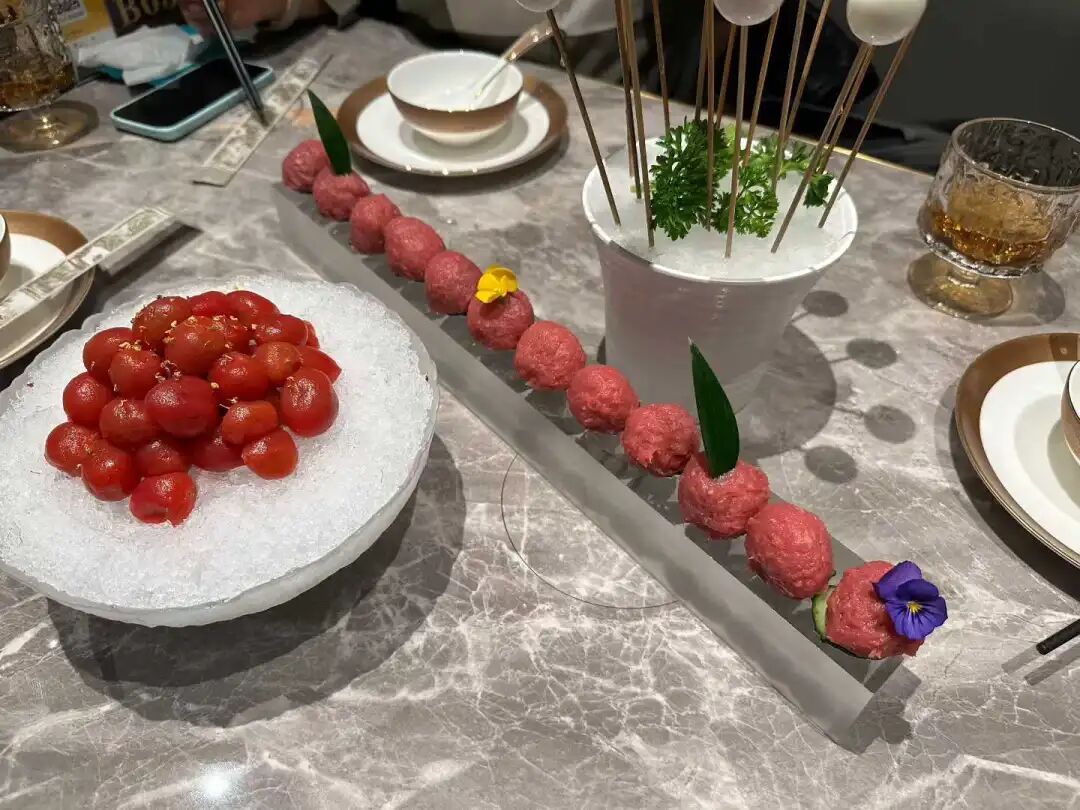
They specialize in small pots of fatty beef, but we ordered the Northwest warm pot (nuanguo), which is served ready-cooked in a charcoal-heated copper pot. Besides the traditional hot pot ingredients like meatballs, meat slices, and cabbage at the bottom, their warm pot has a rich variety of items, including tofu, fish balls, fish tofu, quail eggs, potato slices, Dingxi wide noodles (kuanfen), black fungus, oyster mushrooms, and enoki mushrooms. The meatballs inside are very authentic, just like the taste of home in the Northwest.
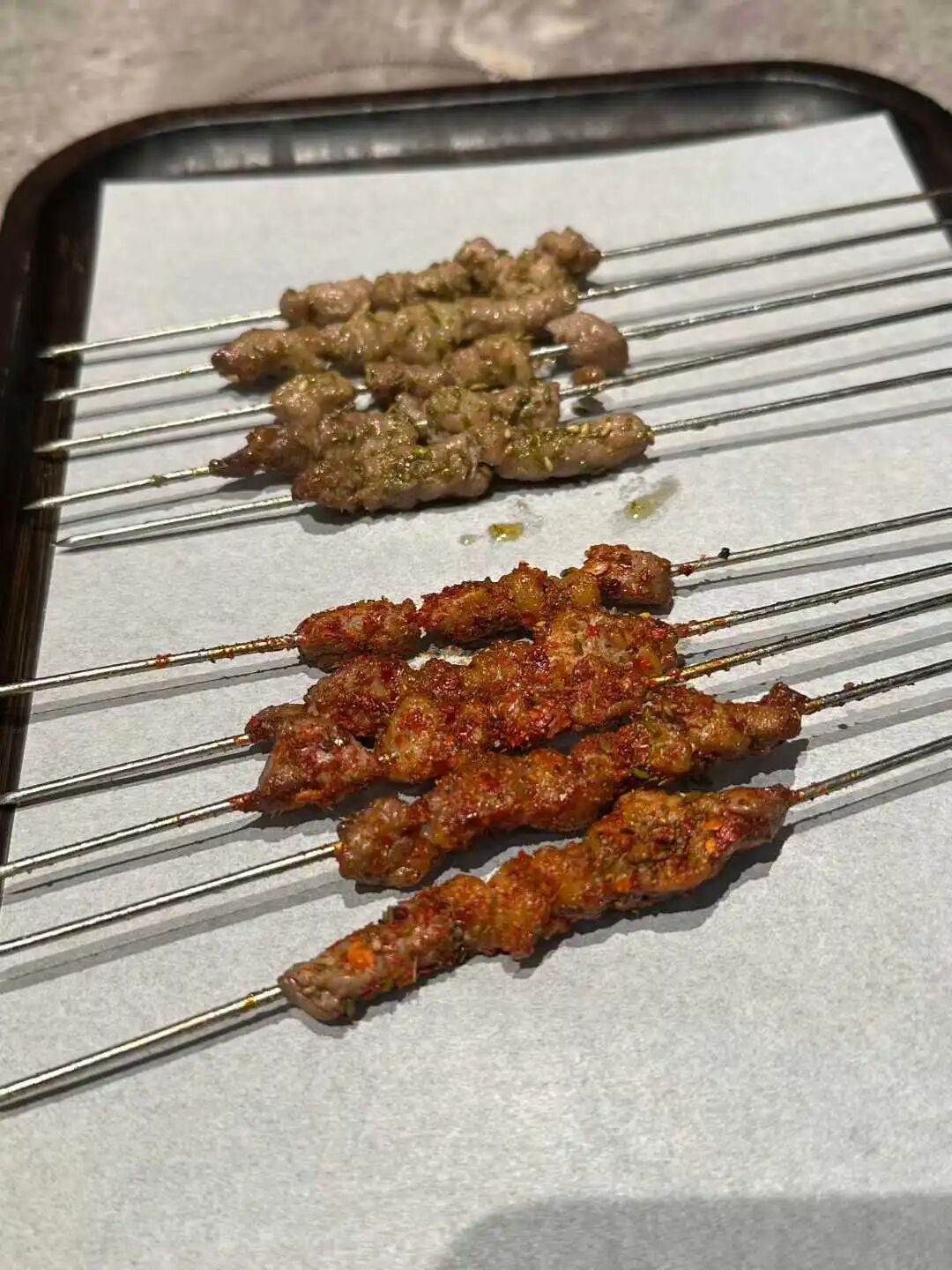
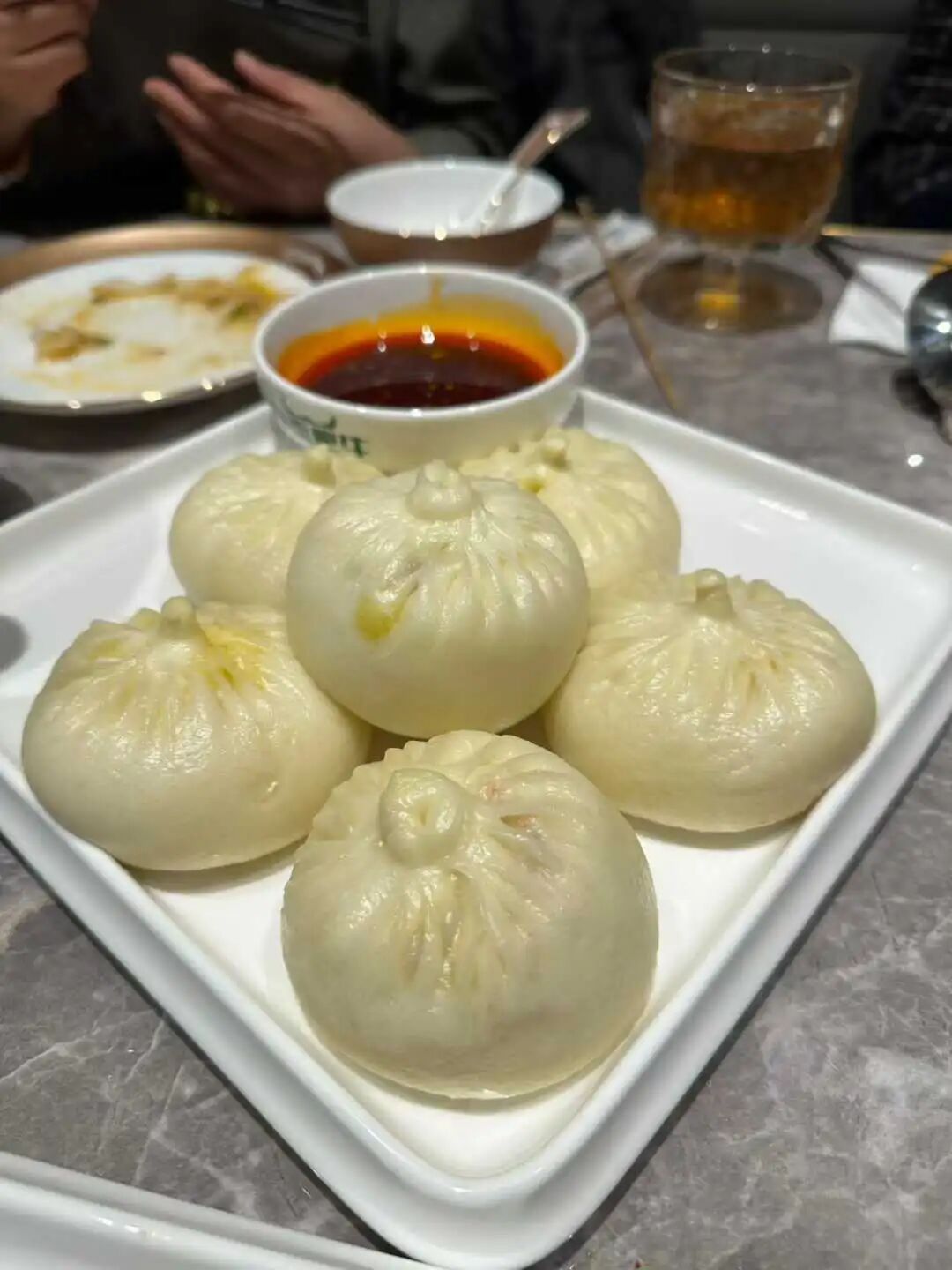
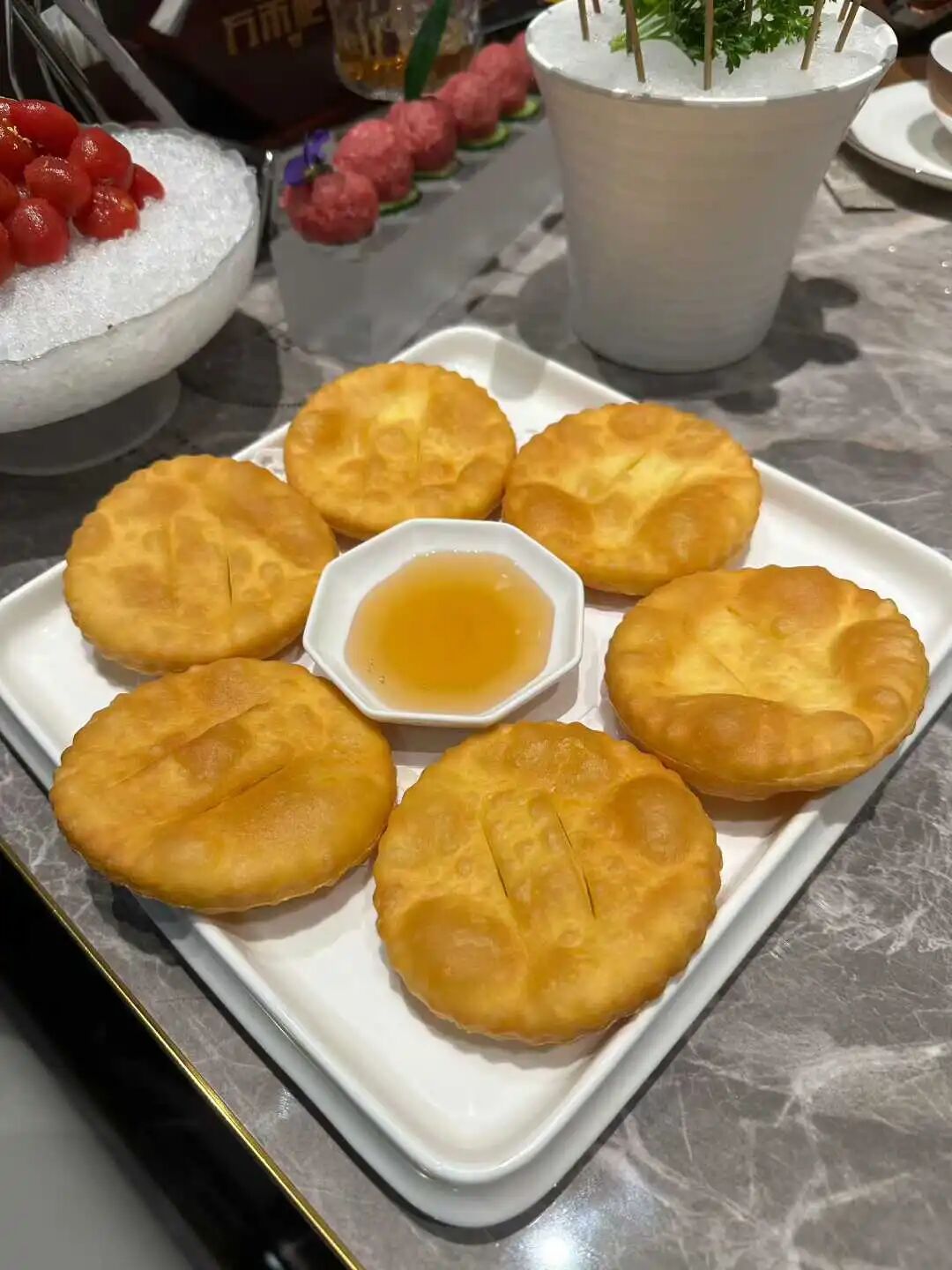
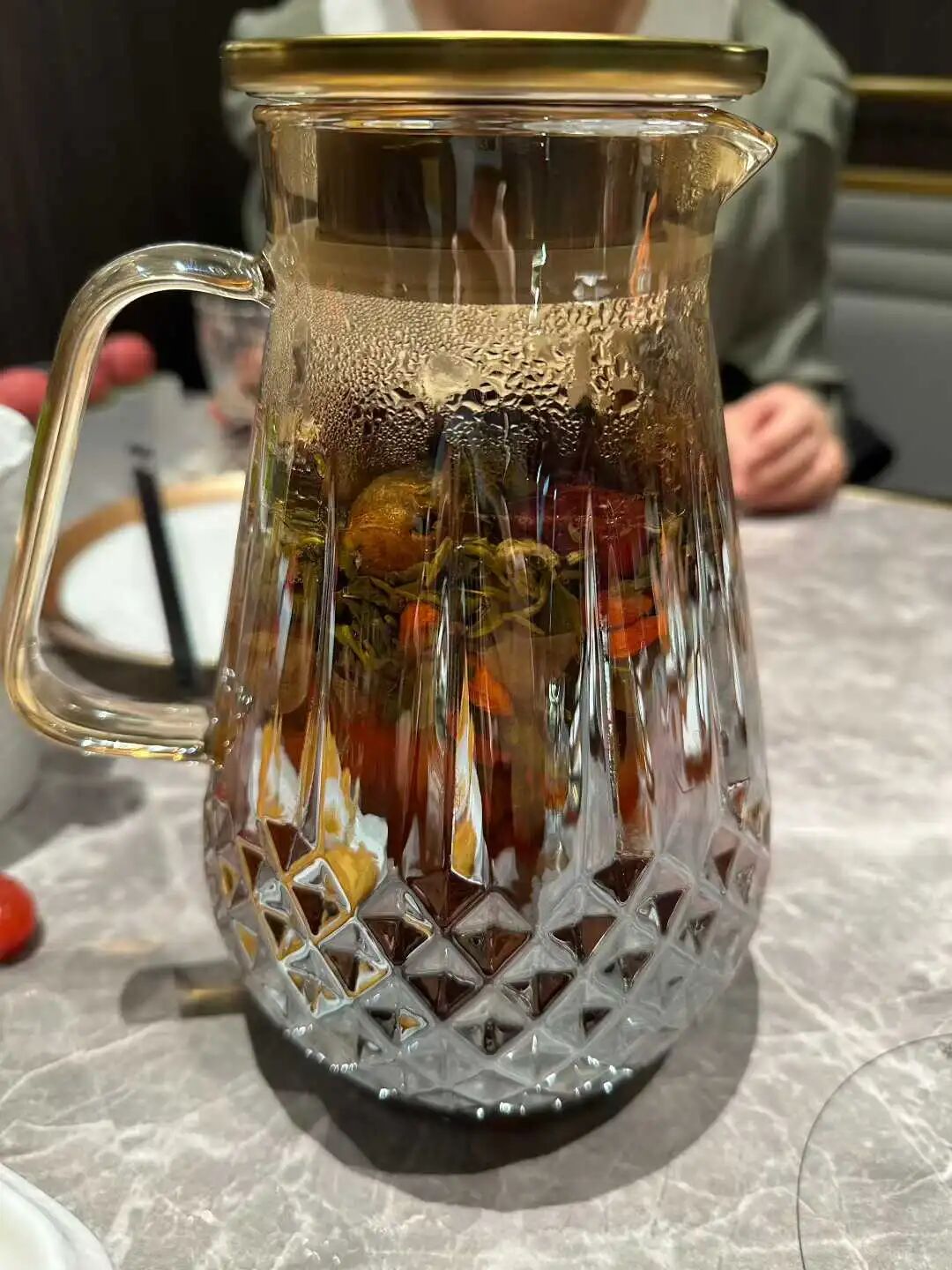
The warm pot set also includes Lanzhou spicy meat skewers, roasted eggplant, and eight-treasure tea (babaotea). For the staple food, you can choose small fried dough (youxiang). Three adults and one child were very full. Later, we ordered Hezhou steamed buns (baozi). The beef and carrot filling was very authentic, just like what we ate in Hezhou.
Let me mention some shortcomings. Their service is quite good, but because it is newly opened, things are a bit chaotic. They put too little charcoal in the warm pot, so it wouldn't boil at all, and after they added more charcoal, it kept smoking and releasing ash. The hand-beaten beef balls were not good. They lacked chewiness because they were not pounded enough. We packed the leftovers and stir-fried the meat at home the next day.
Xiangqing Roast Duck
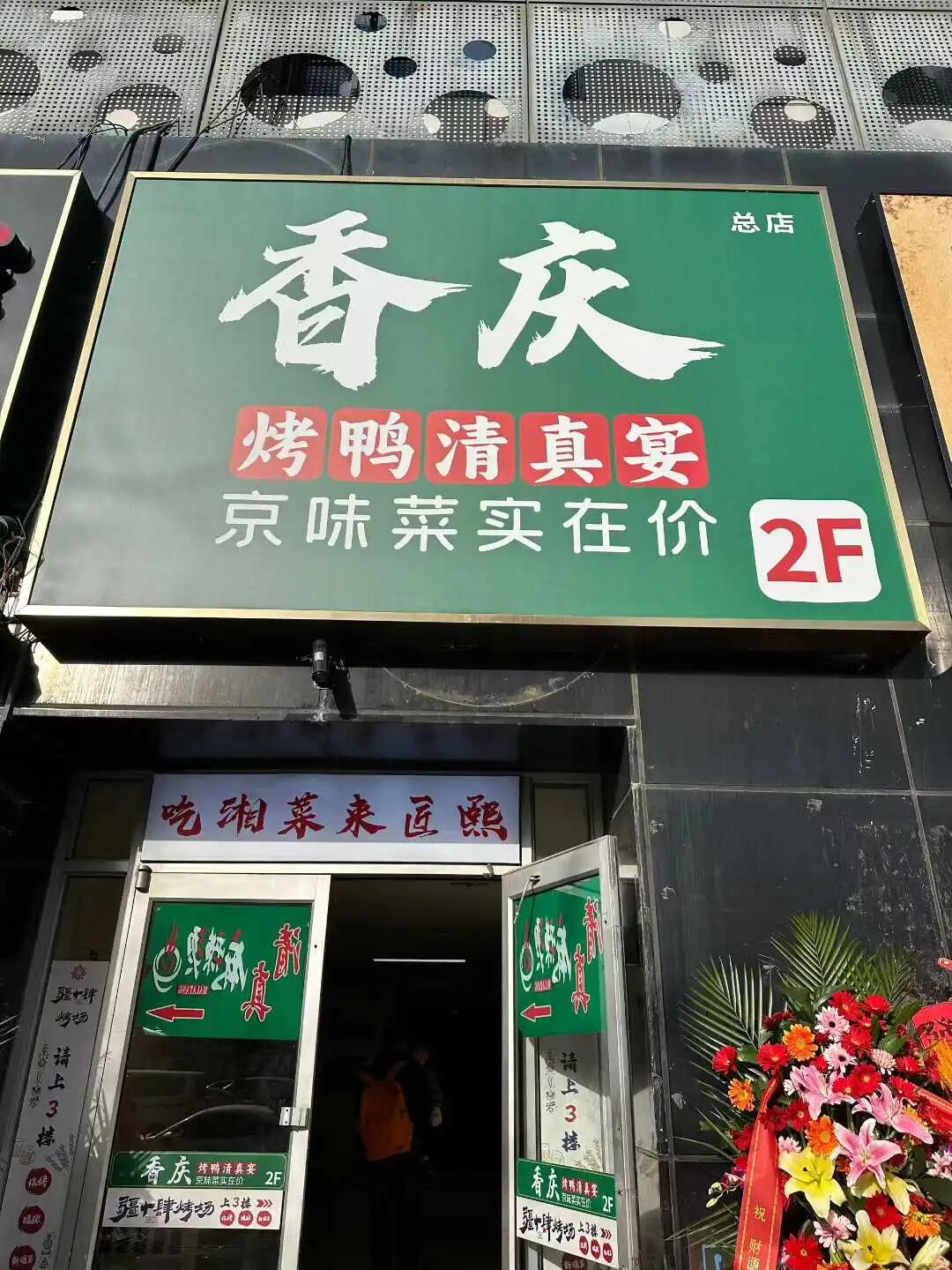
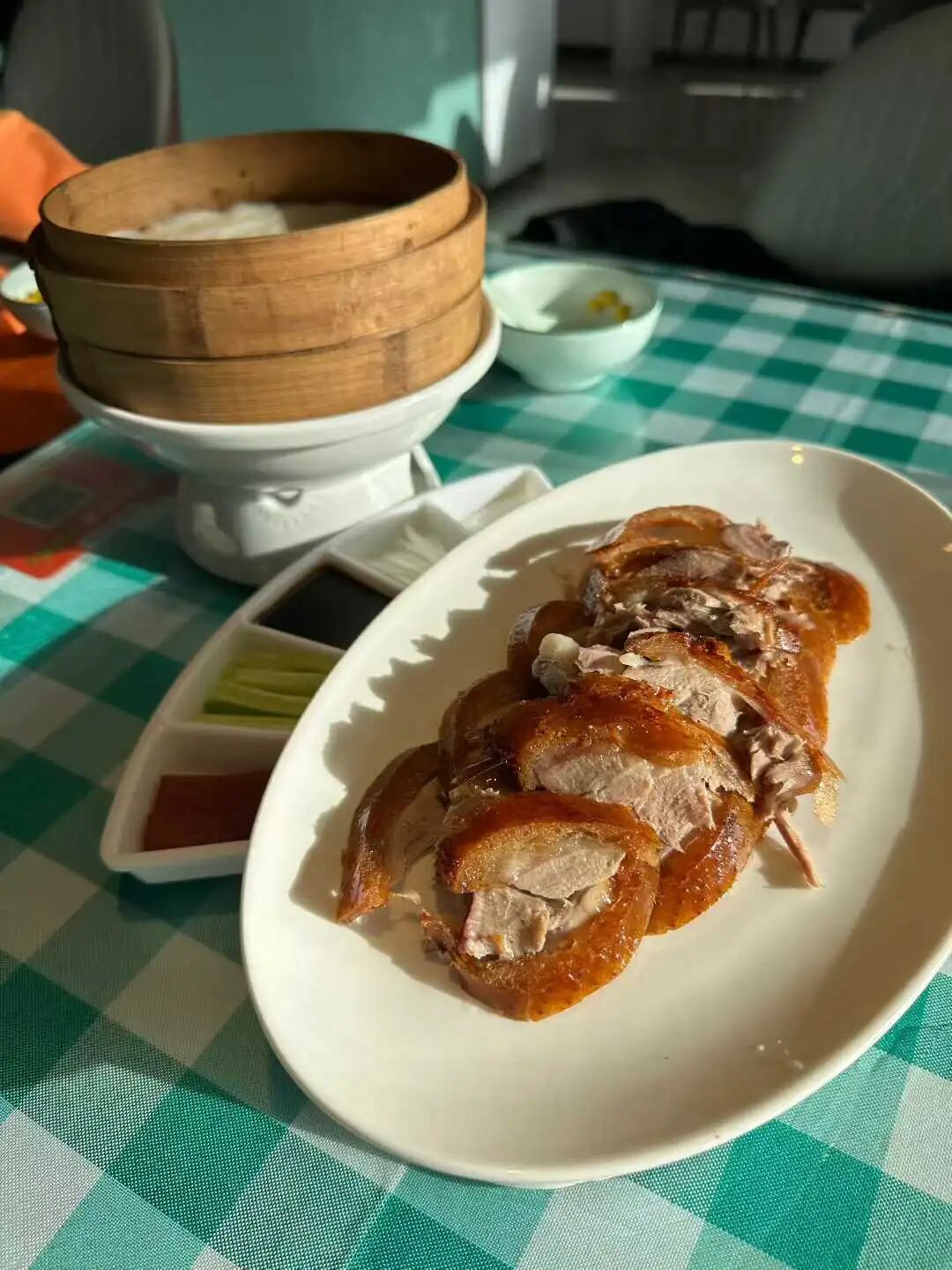
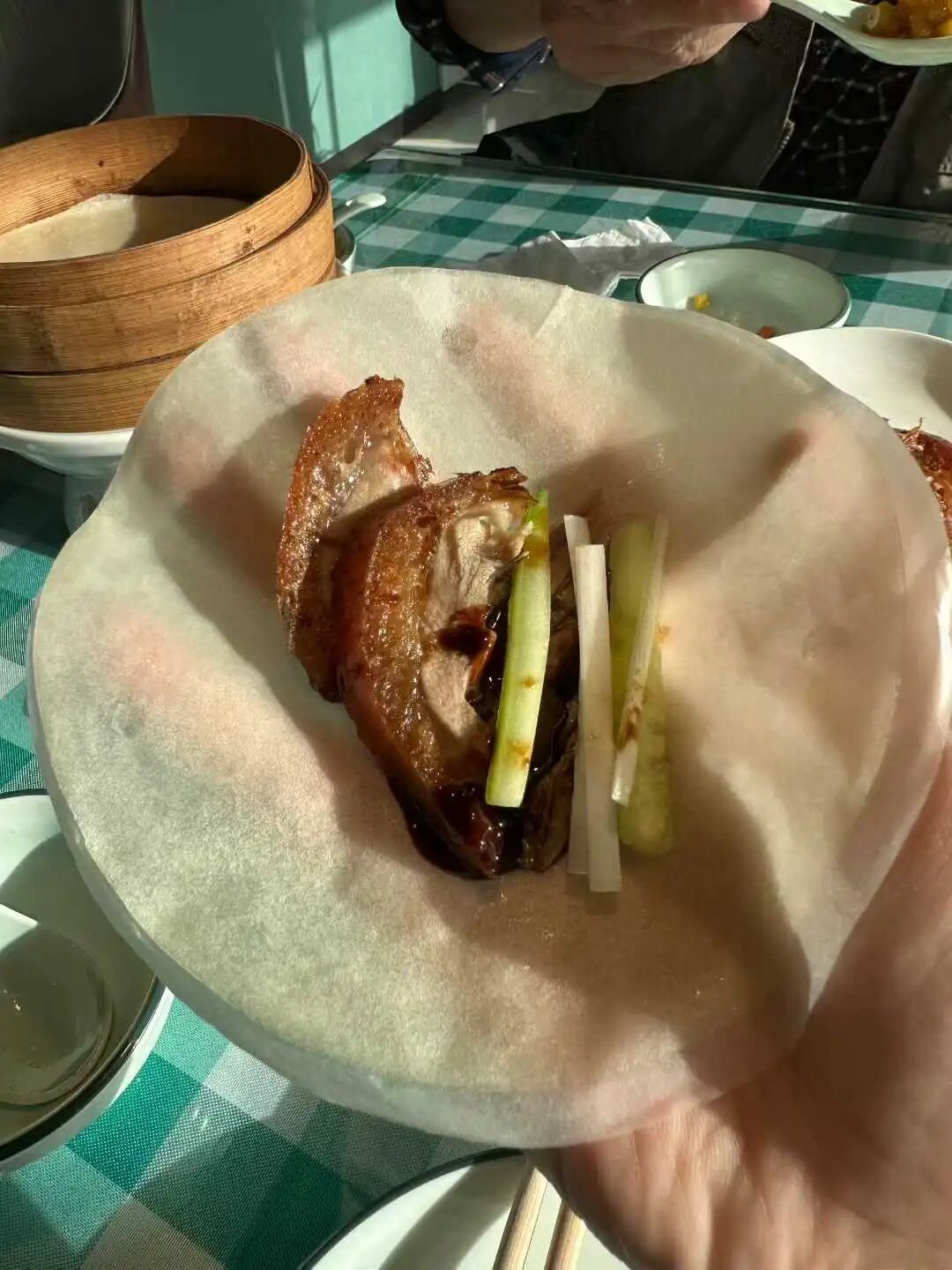
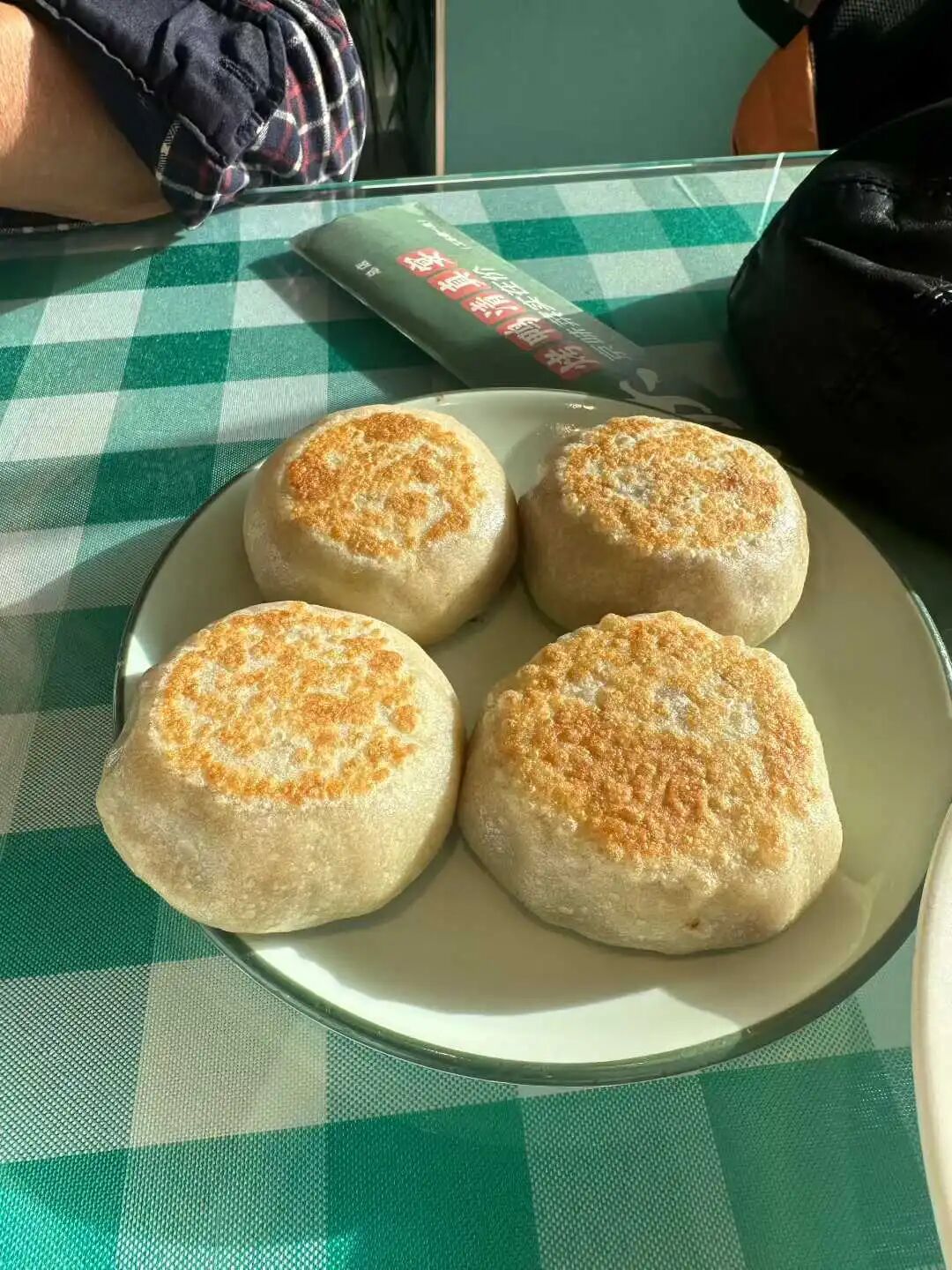
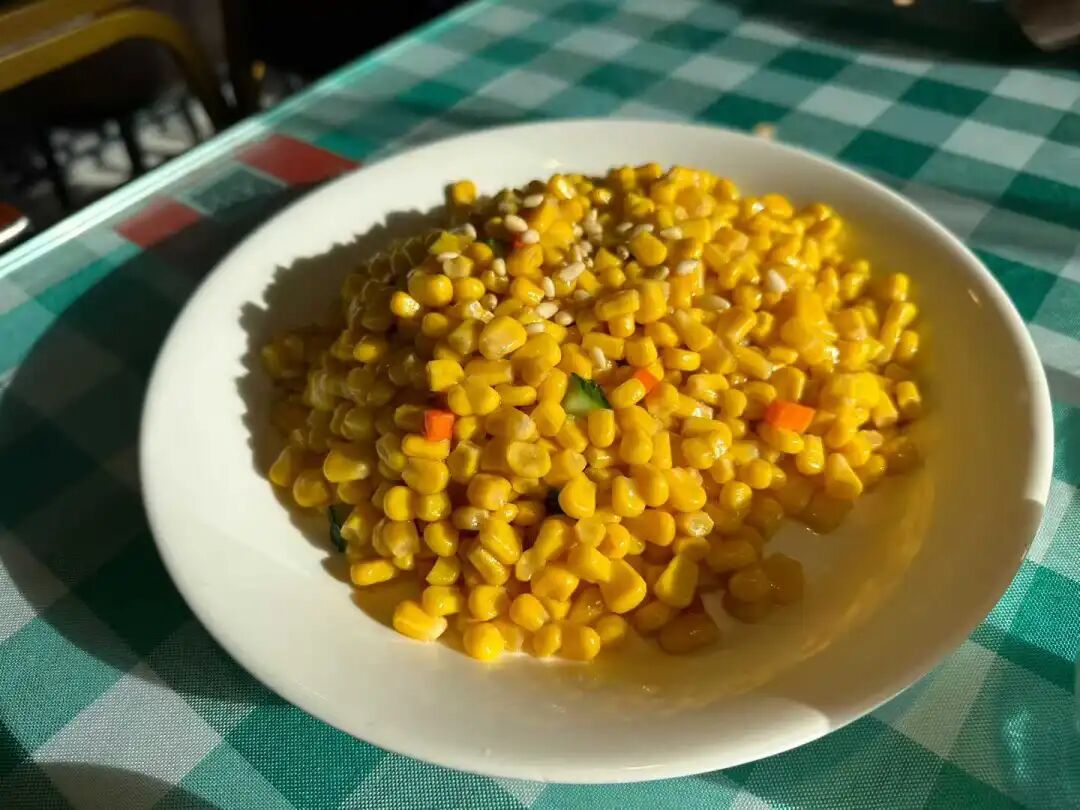
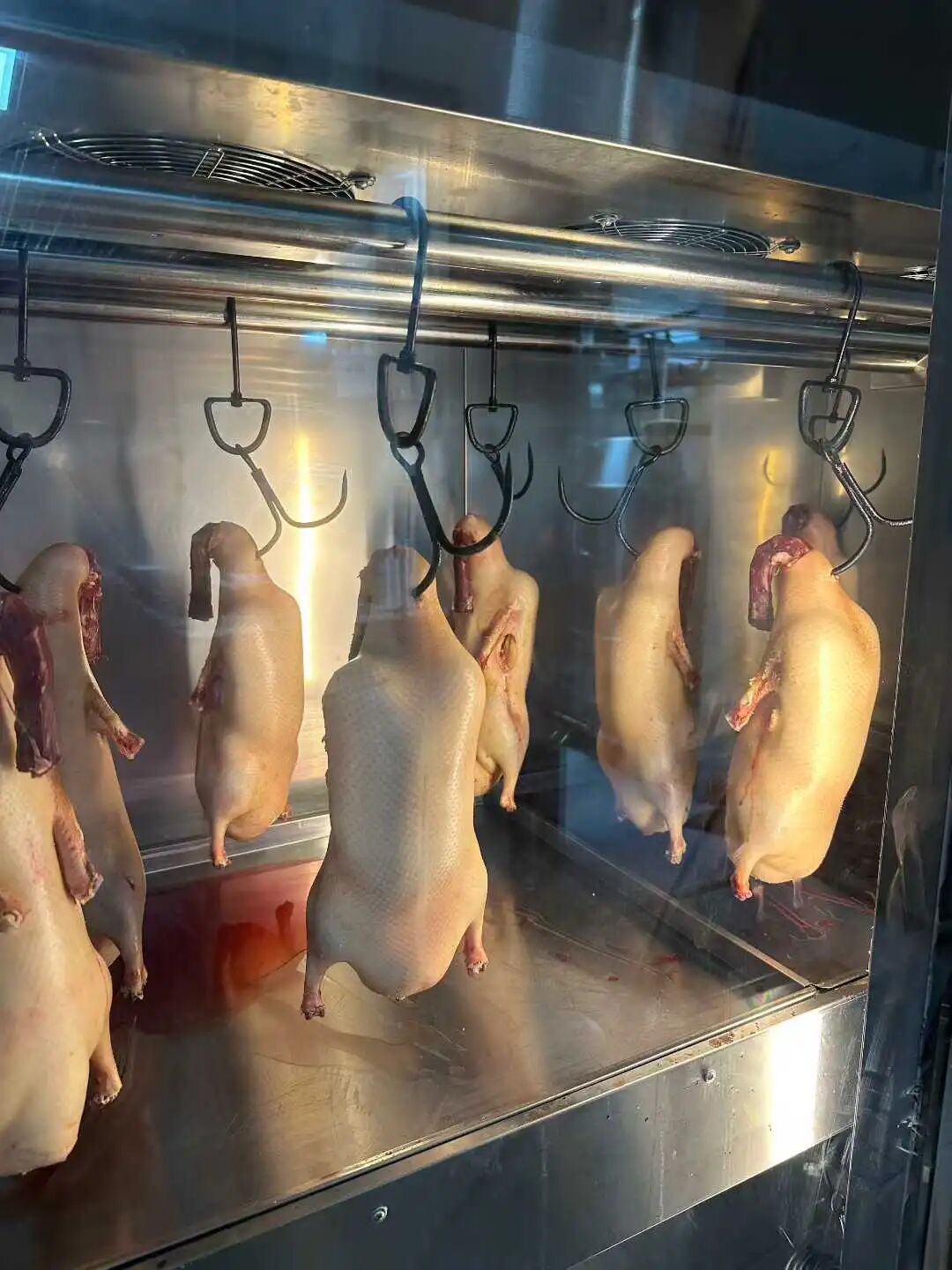
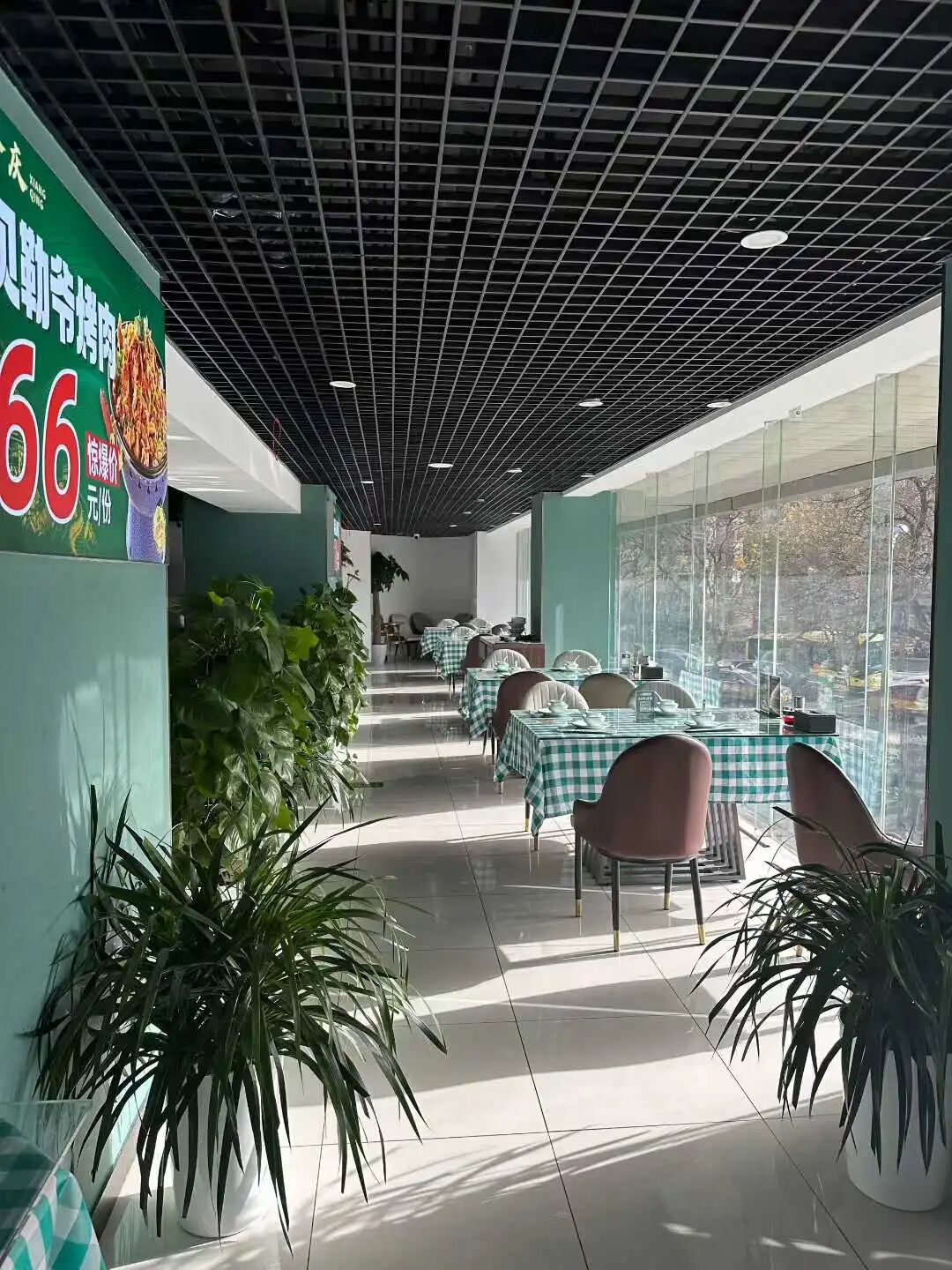
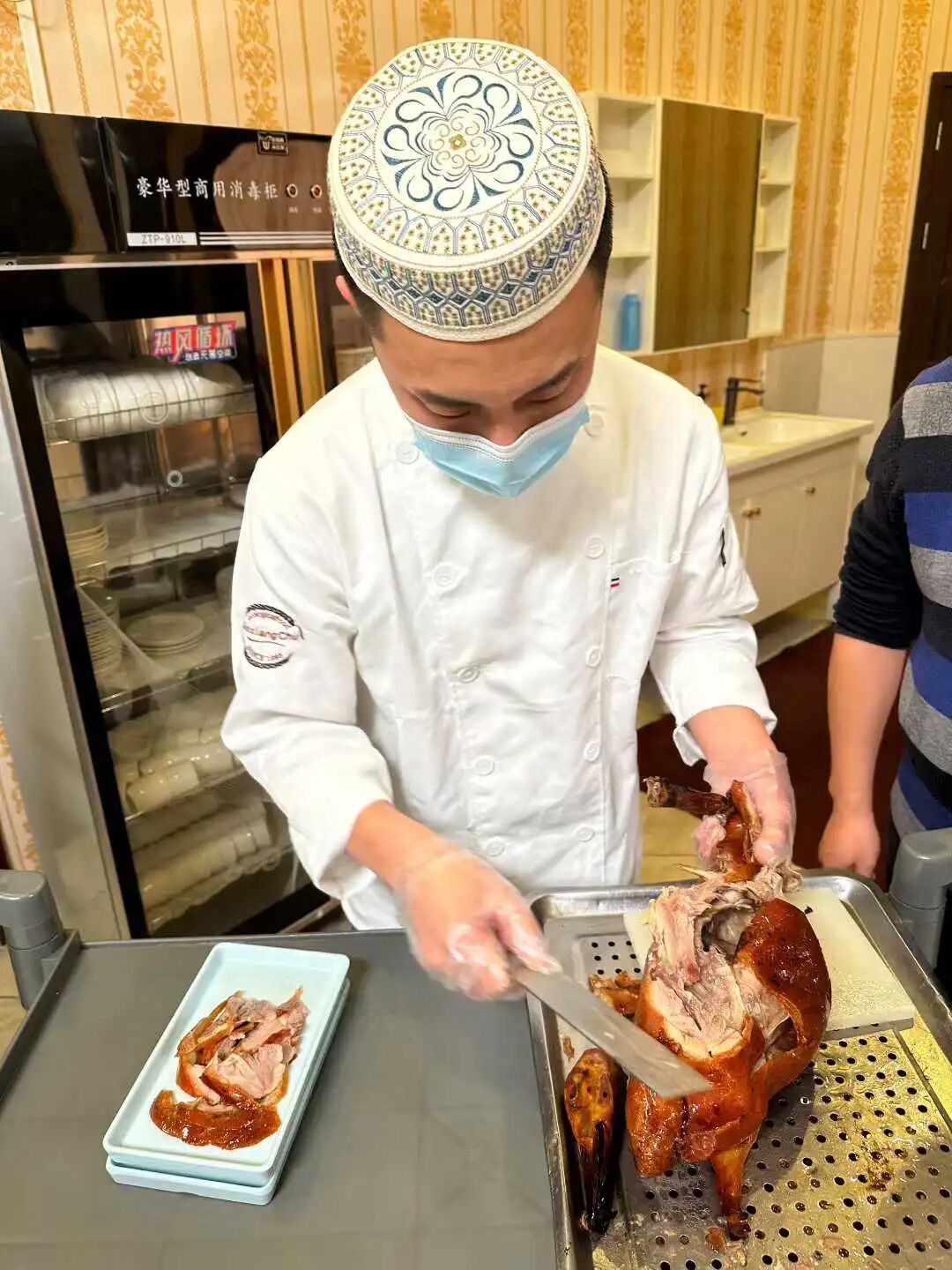
At noon, we went to Xiangqing Roast Duck next to Changhong Bridge and ordered half a roast duck, soybean paste noodles (zhajiangmian), corn with pine nuts (songren yumi), and nail-shaped meat pies (mending roubing). The restaurant faces Changhong Bridge directly. The large windows let in great sunlight in the afternoon, making it perfect for soaking up the sun in winter!
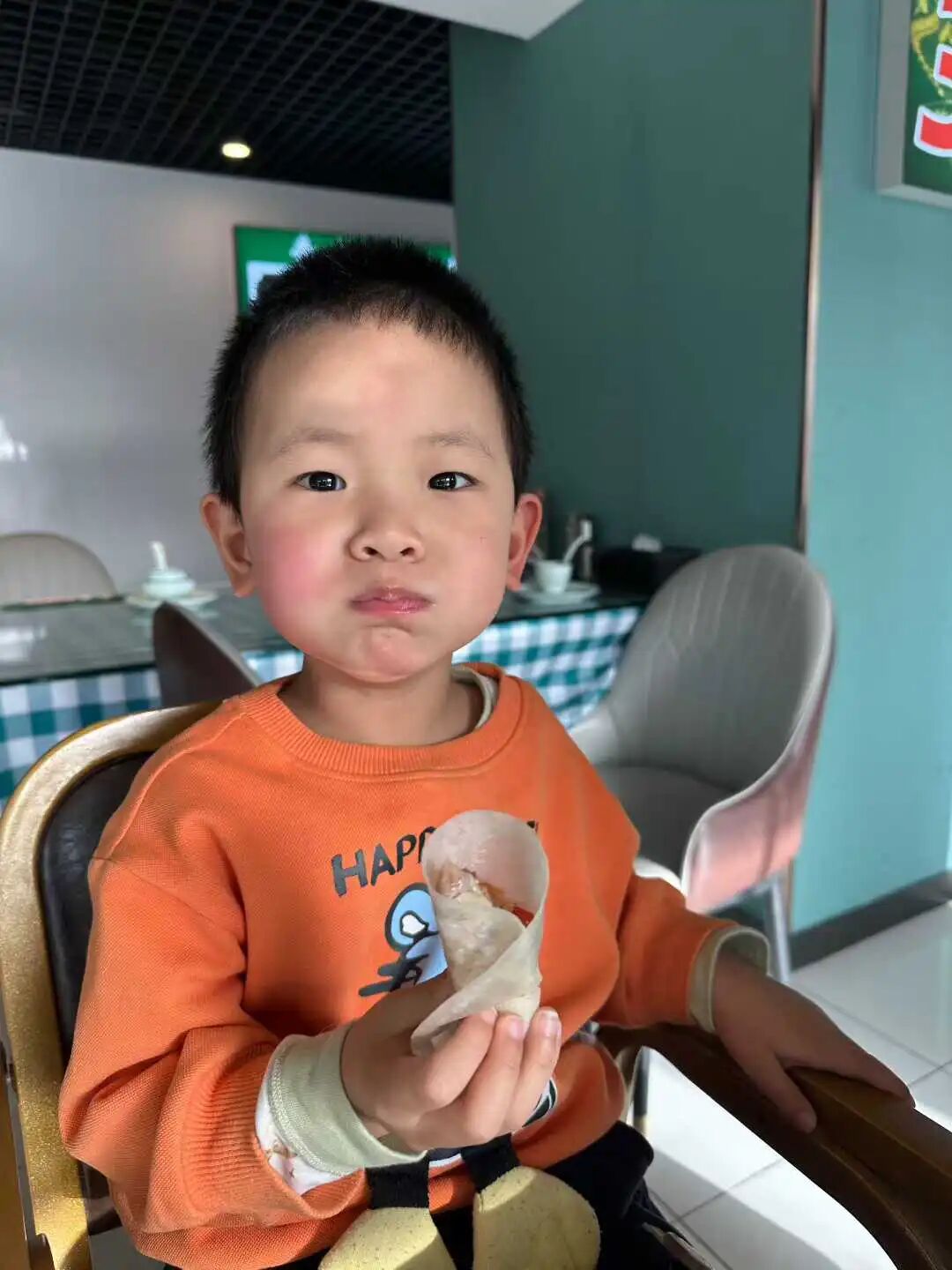
Little Suleiman liked the roast duck and the corn with pine nuts. The duck was a bit dry, but it wasn't greasy, so it was fine. The lotus leaf pancakes (heye bing) should be served with an alcohol lamp underneath, otherwise they get cold very quickly.
The corn with pine nuts had very few pine nuts, but they gave us a huge plate of corn.
The noodles in the soybean paste noodles were not good. They were not chewy at all and were very disappointing. I won't order them again.
My father-in-law ate the nail-shaped meat pie. He said it tasted good, the crust was thin, and there were no hard bits inside.
Culture Pakistani Restaurant
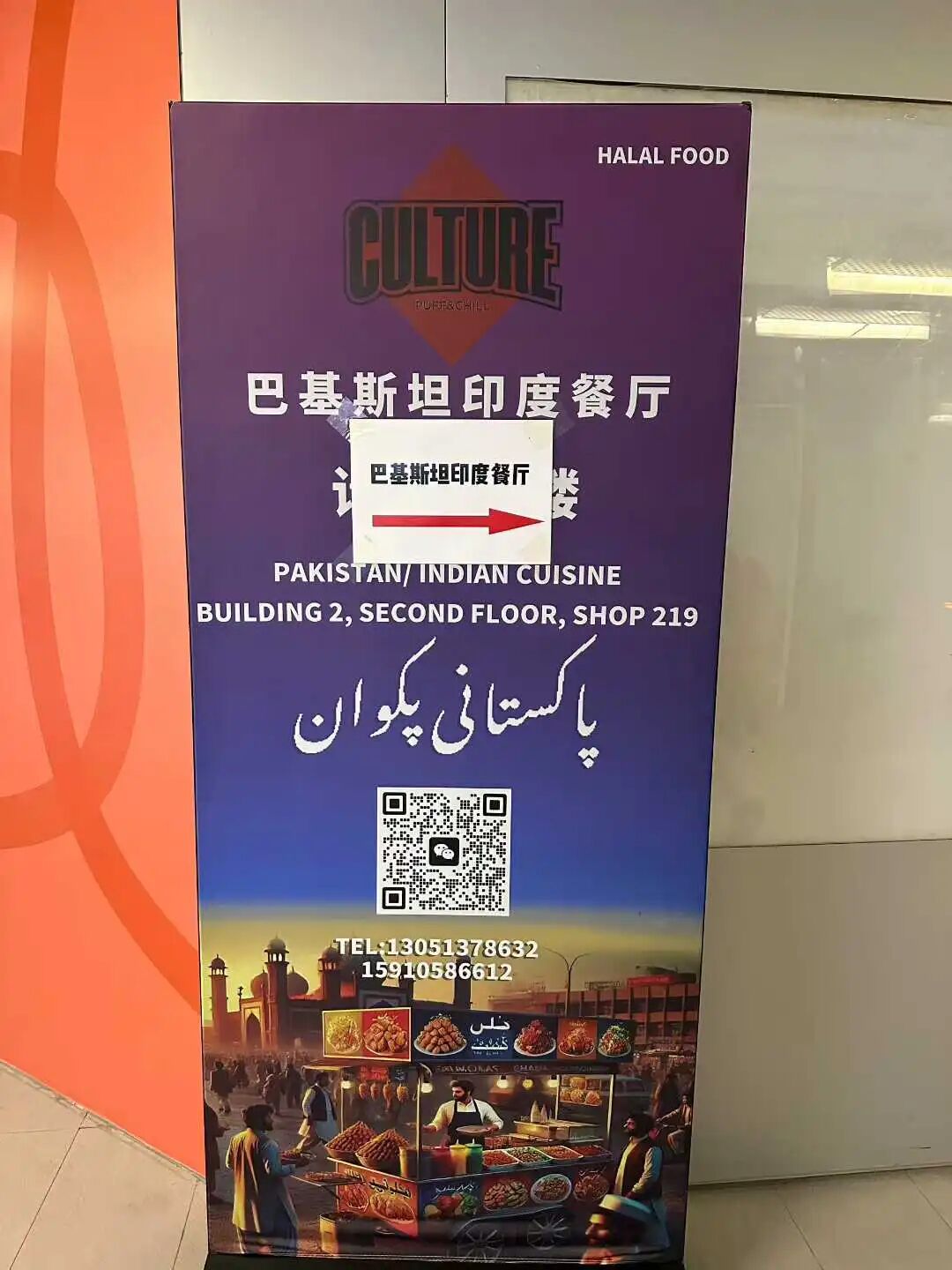
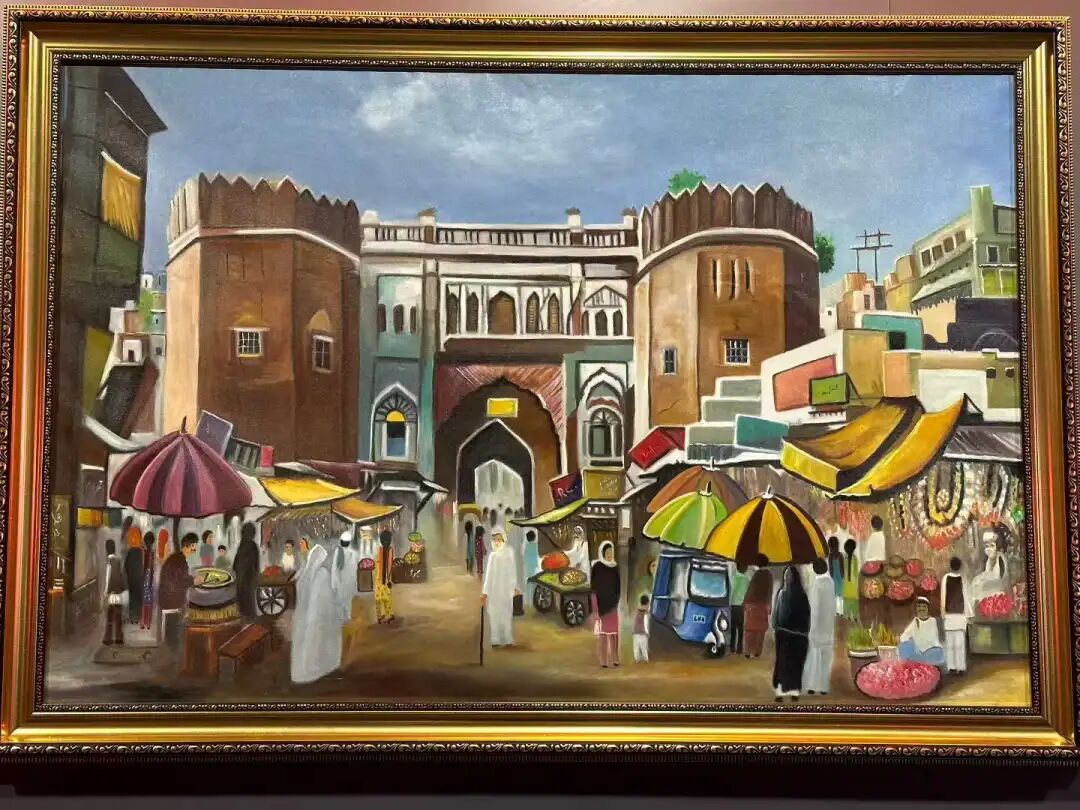
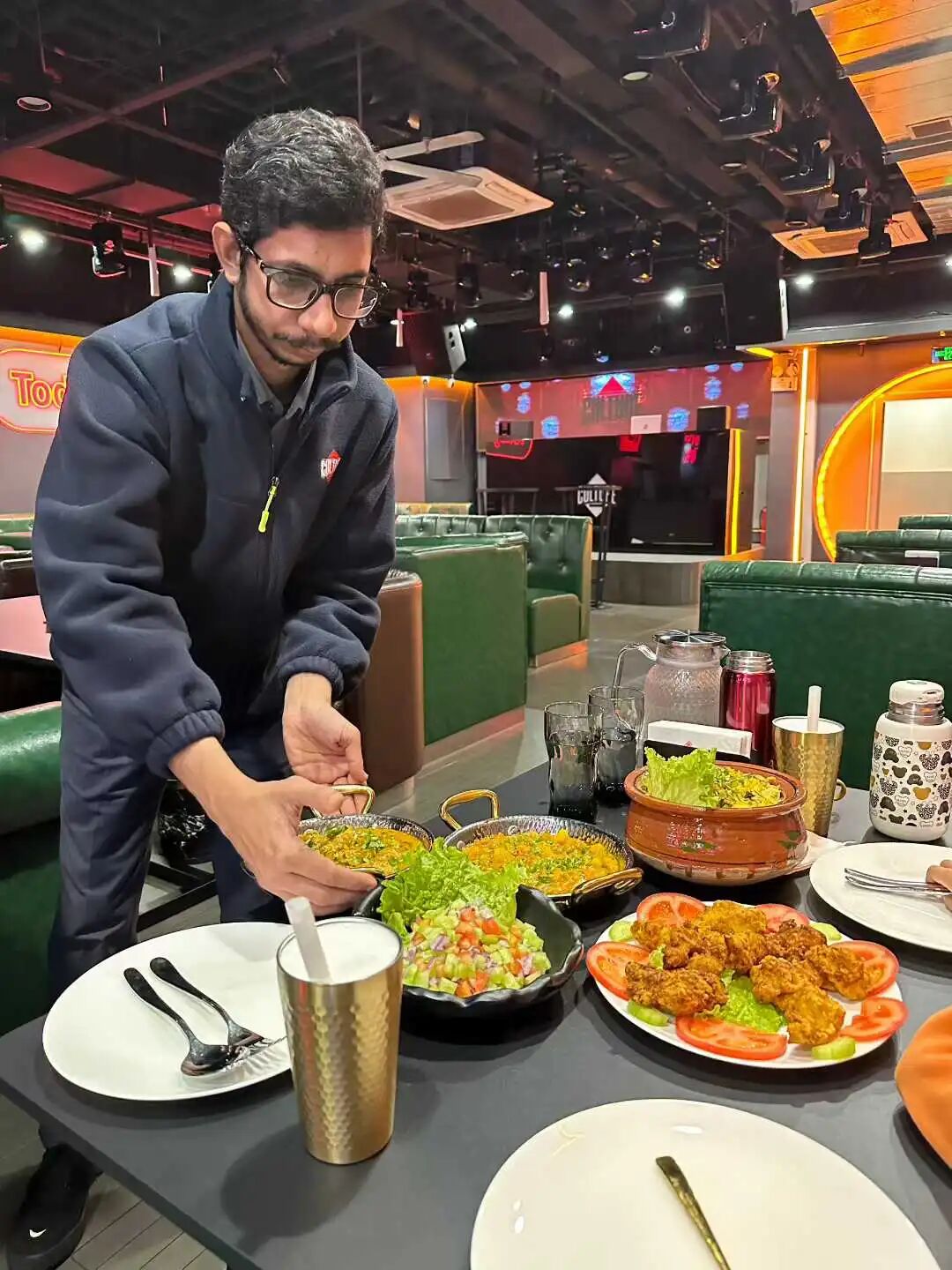
On Saturday at noon, we had curry at Culture, a new Pakistani restaurant that opened this year in Sanlitun SOHO. The long-standing Pakistani restaurant Khan Baba is in this same building. It used to be on the 5th floor but moved down to the 2nd floor, which is the same floor as Culture. Taiba Middle Eastern restaurant is downstairs. Sanlitun SOHO now has three Pakistani restaurants—Khan Baba, Ahmed, and Culture—plus one Indian halal restaurant called Dastan. The options are really getting better.
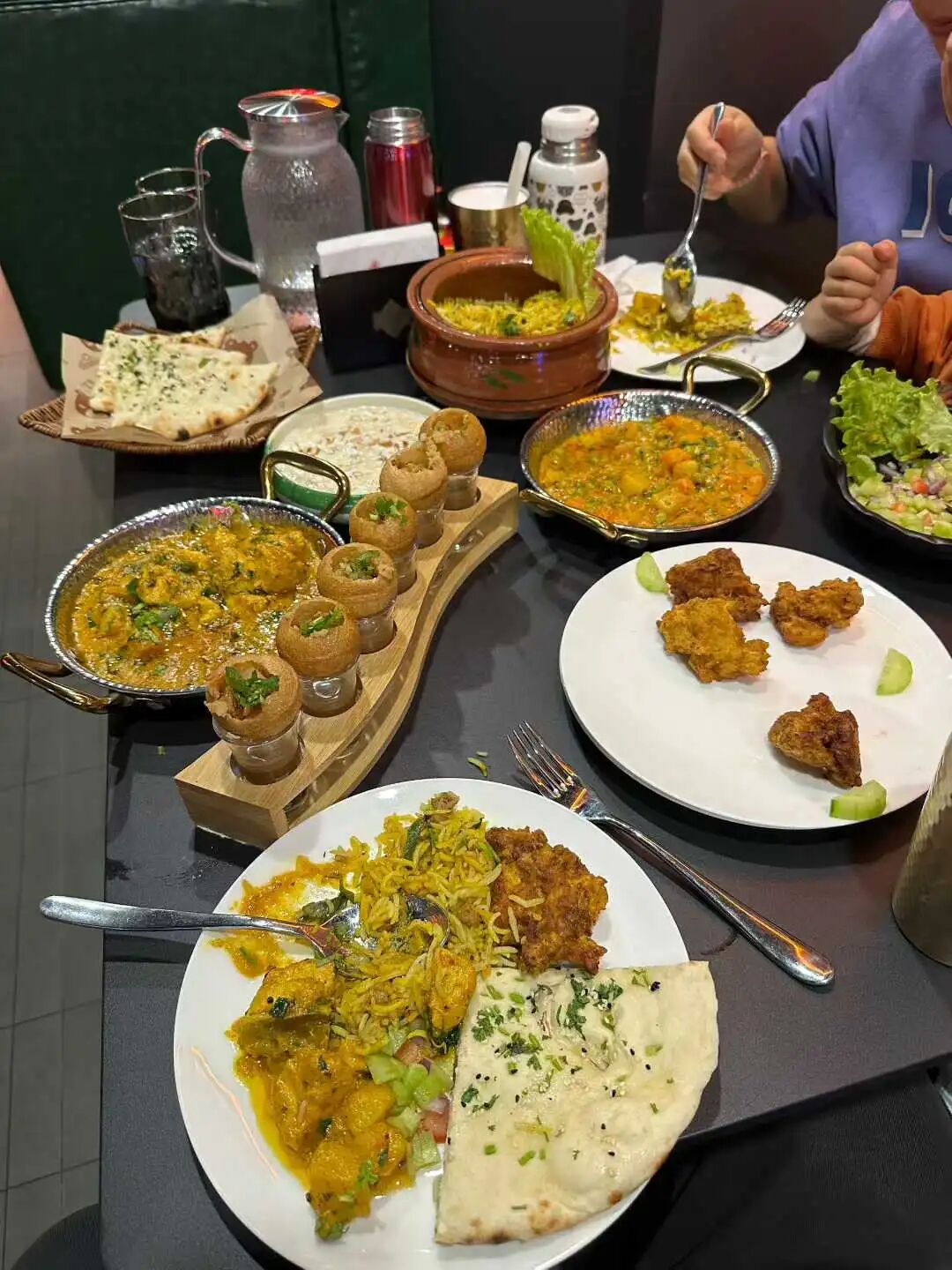
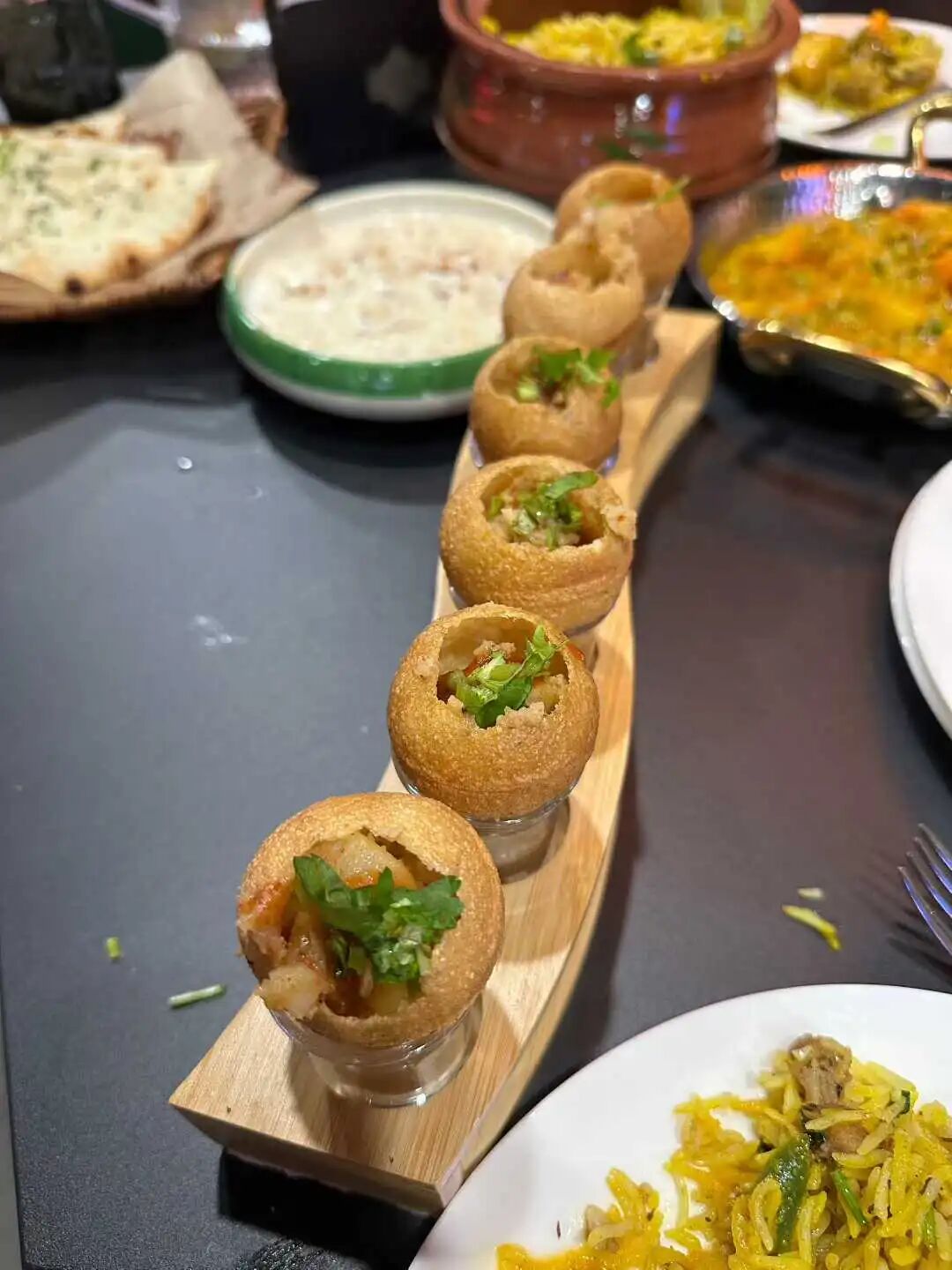
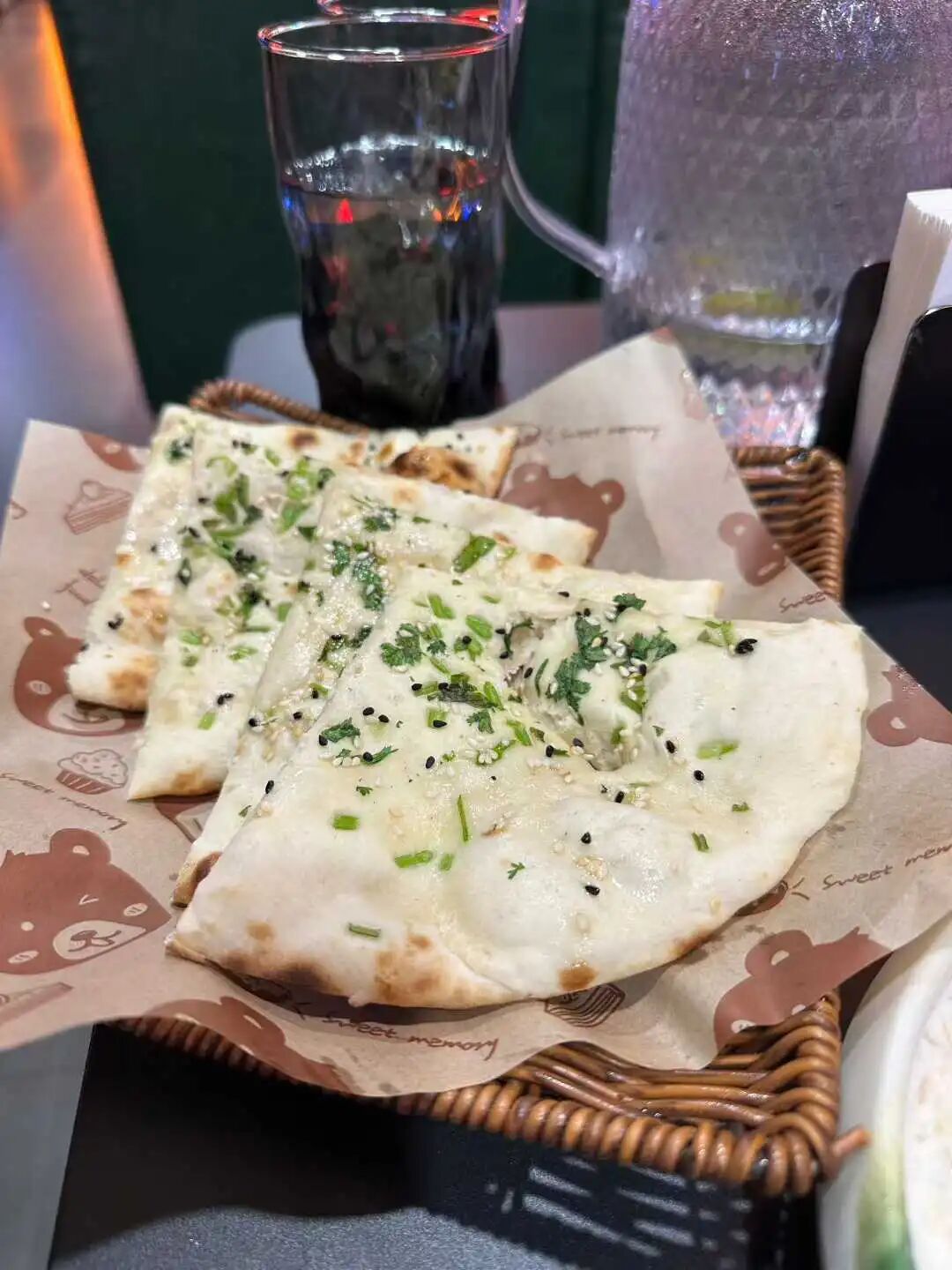
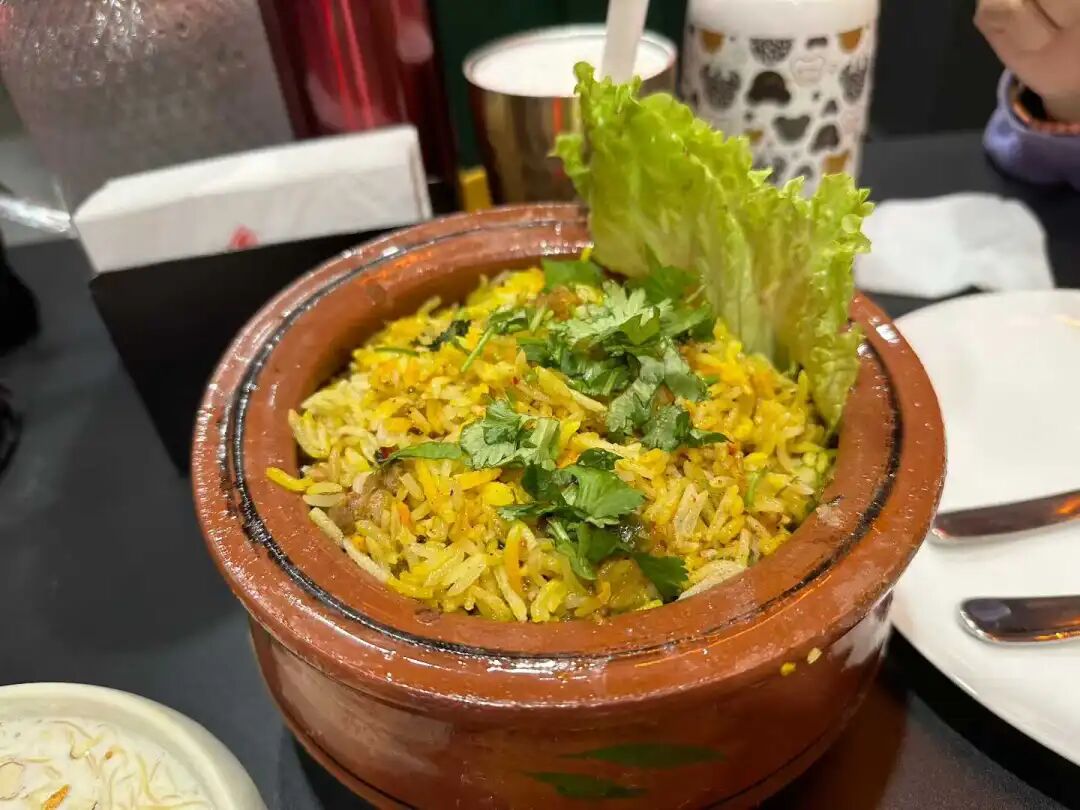
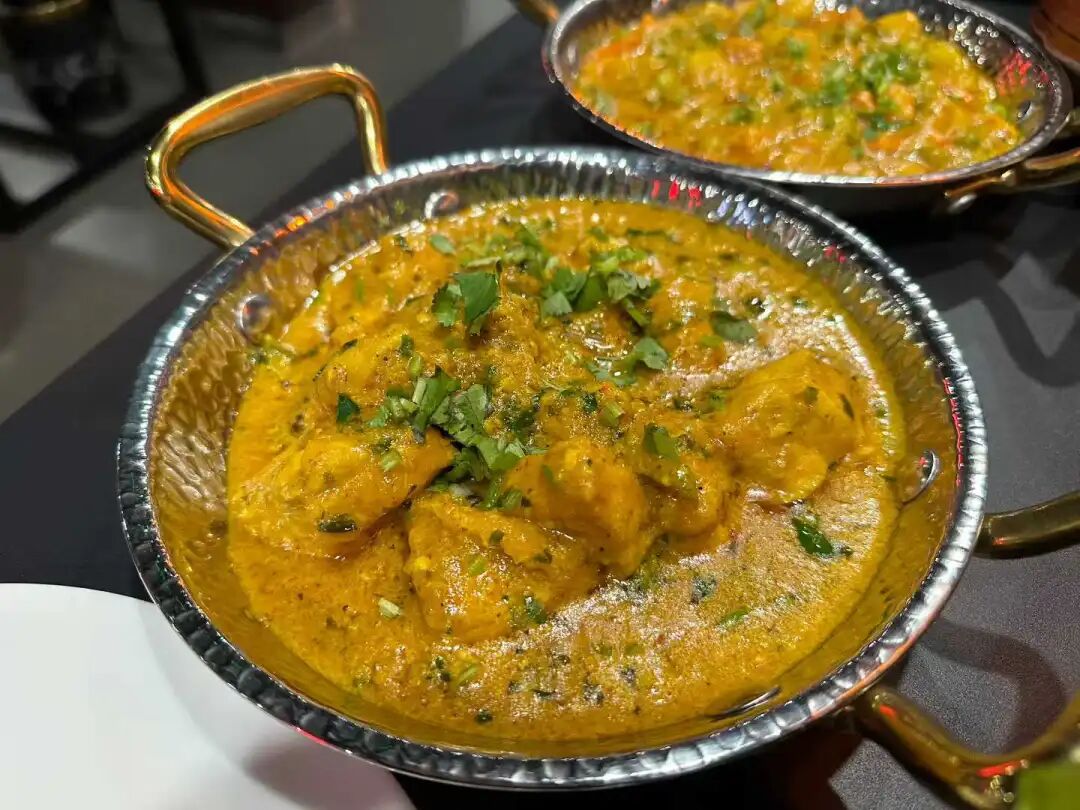
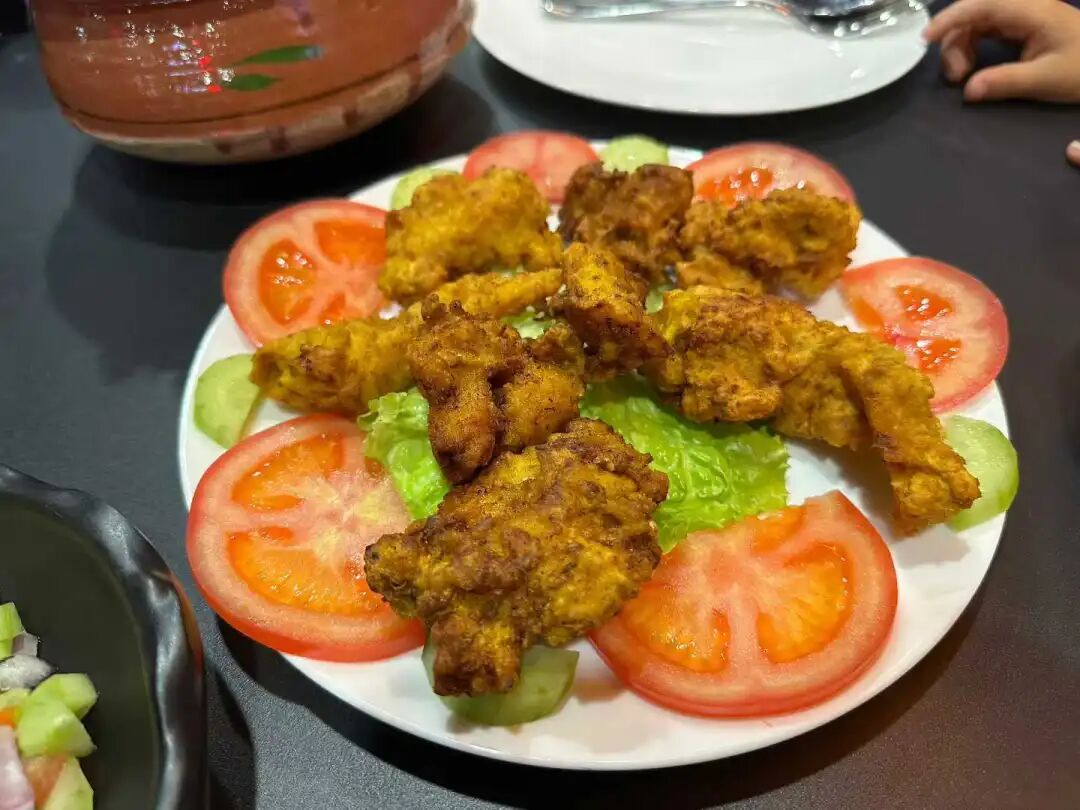
We ordered the set meal for two, which included fried fish, Karhai chicken curry, vegetable curry, lamb biryani rice, vegetable salad, crispy pani puri balls, plain roti flatbread, pudding, and two glasses of sweet lassi yogurt drink. The set meal for two is a great value, but most of the food is spicy and not suitable for children. They gave us a huge pot of biryani rice. It is the largest portion I have ever had in Beijing.
The curry is very spicy. Karhai curry originated near the border of Pakistan and Afghanistan. Karahi refers to the iron wok used to stew the curry, which can also be flipped over to cook roti flatbread. The difference between Karhai curry and other curries is that it doesn't use onions. Instead, it uses tomatoes, ginger, garlic, green peppers, and cilantro as ingredients.
Their roti flatbread is delicious and very fragrant since it is made to order. The lassi yogurt drink was not very sour and was quite sweet.
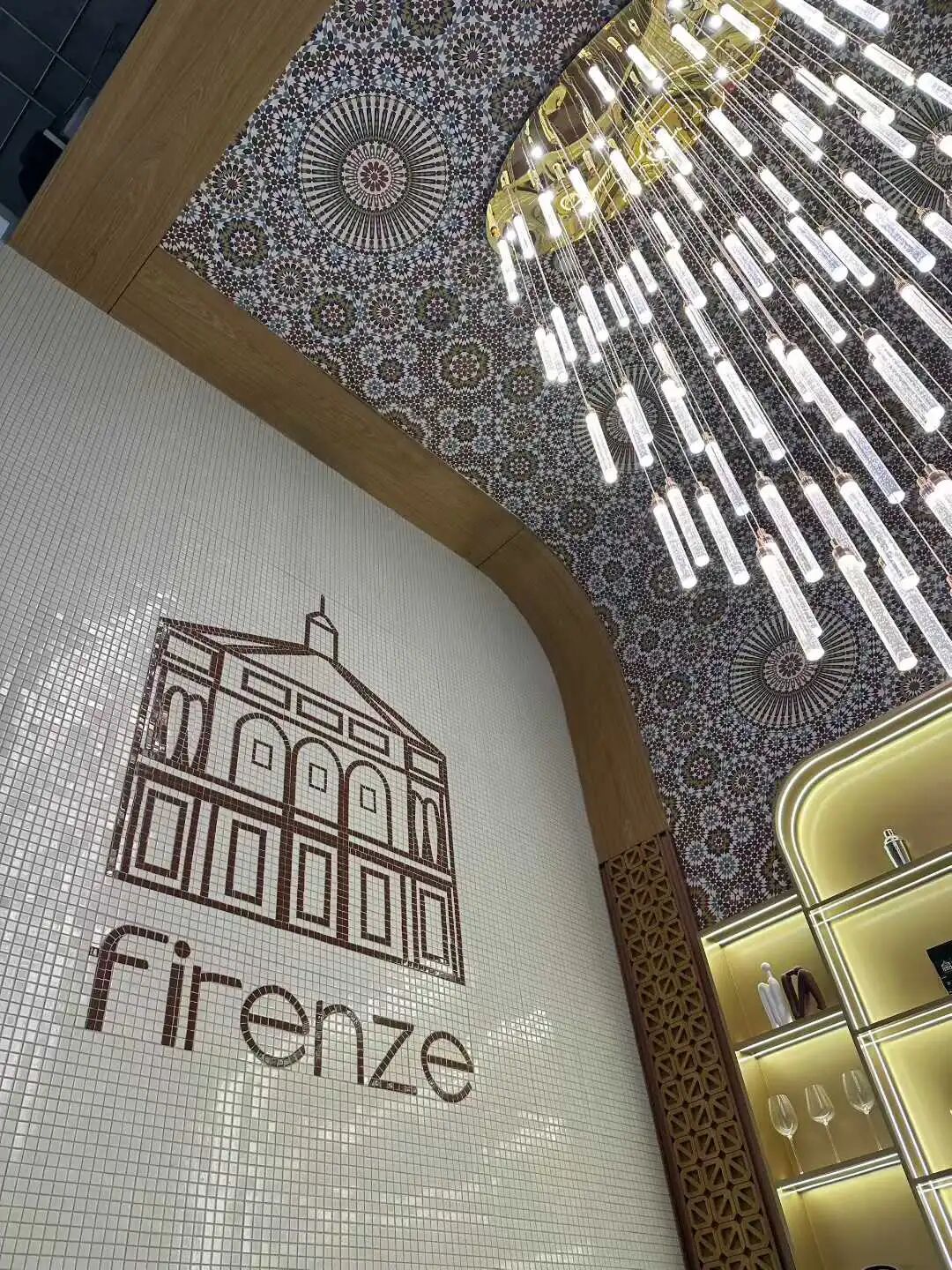
Firenze Italian Restaurant
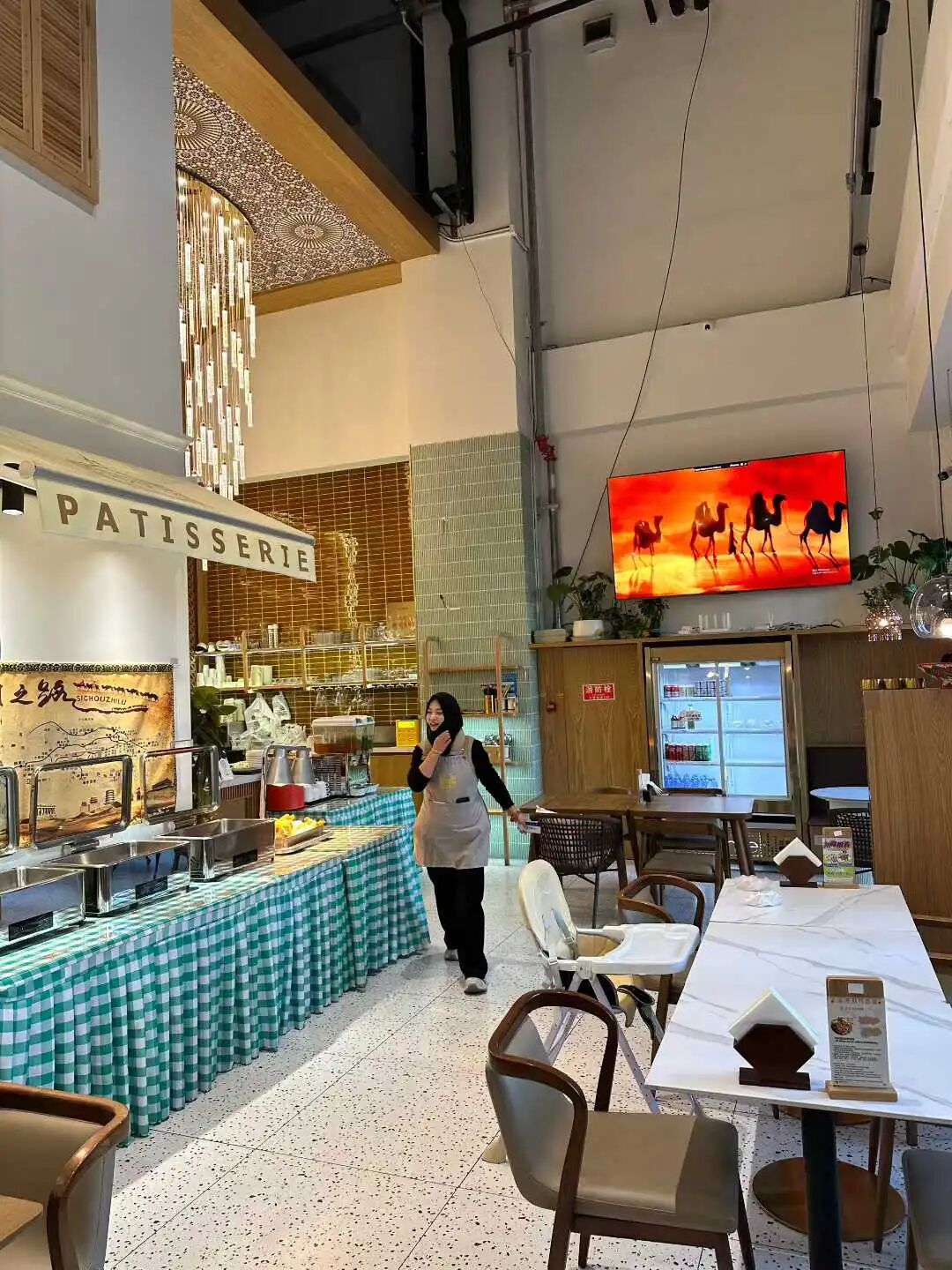
We took the kids out in Tongzhou on the weekend and ate at Firenze Italian restaurant in Tongzhou Beiguan in the afternoon. The chef is Pakistani, and the restaurant specializes in pizza, pasta, and Pakistani dishes. They also have a simple Pakistani buffet for lunch and dinner.
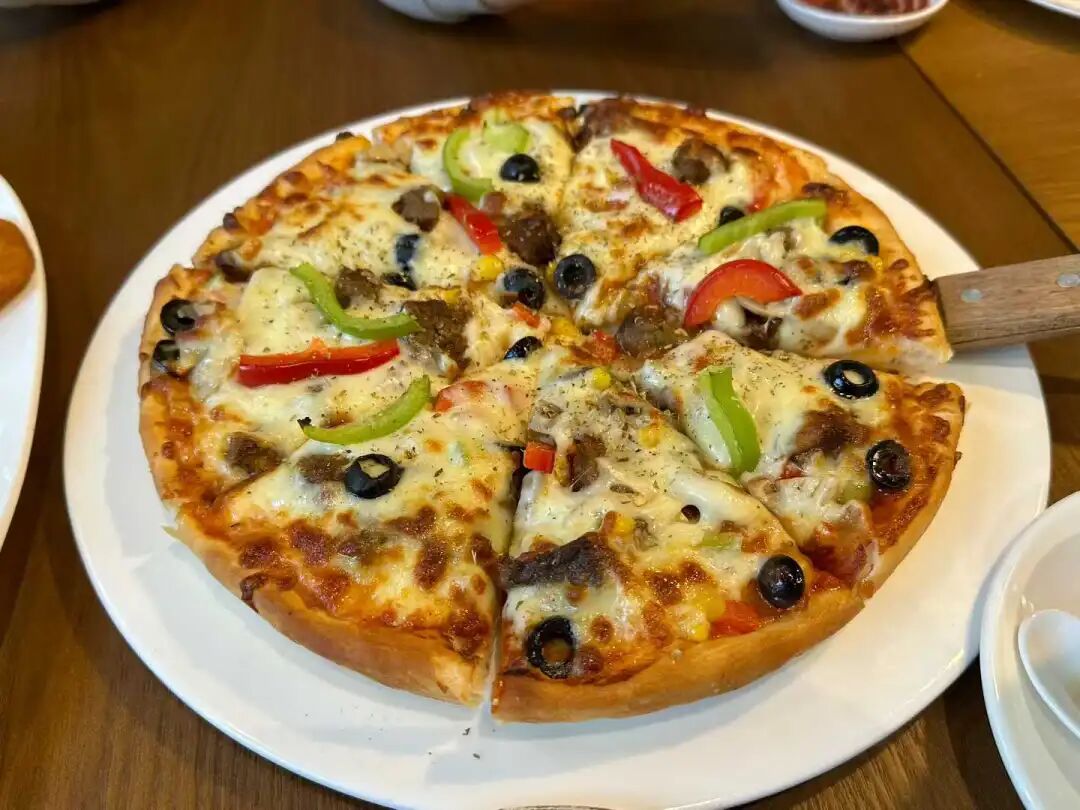
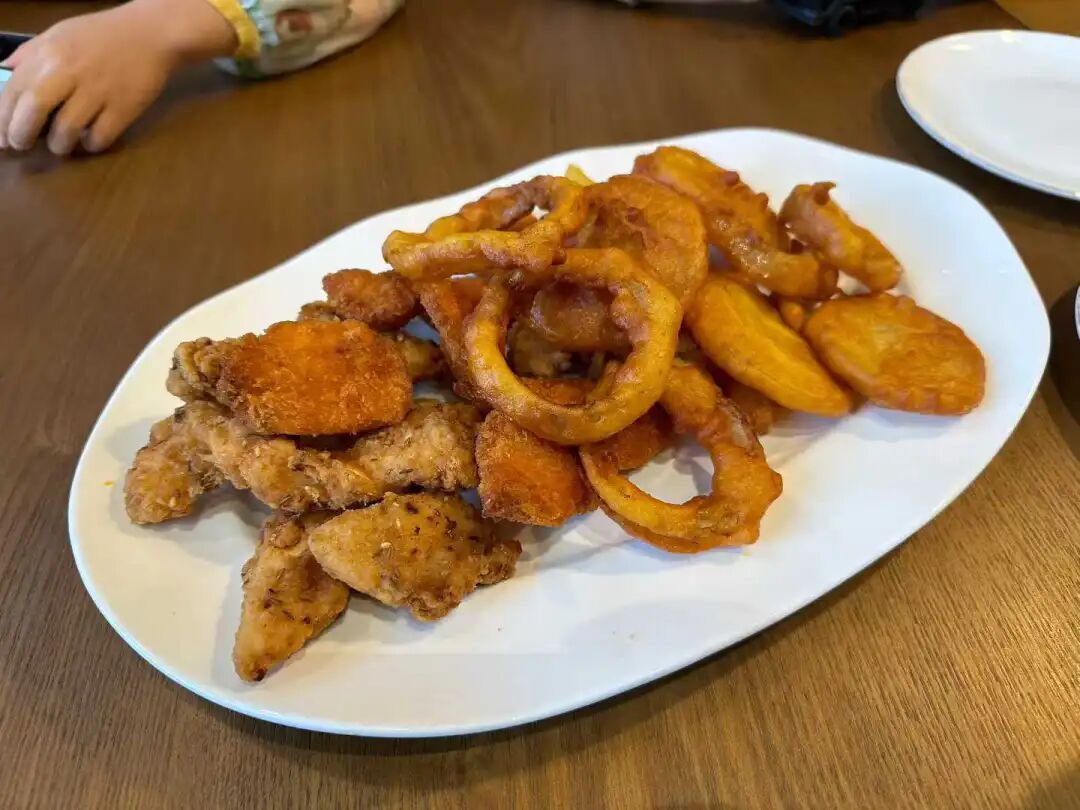
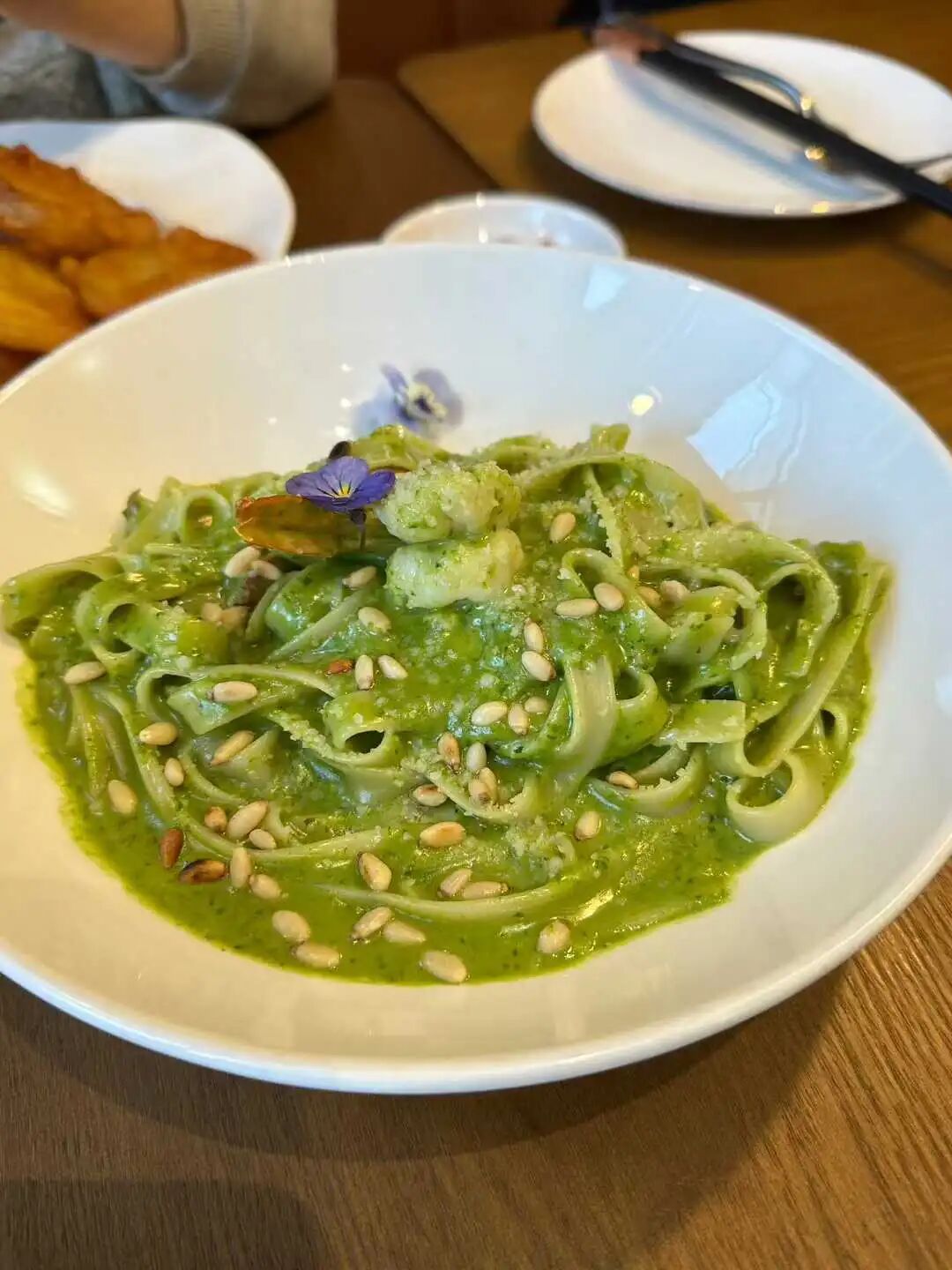
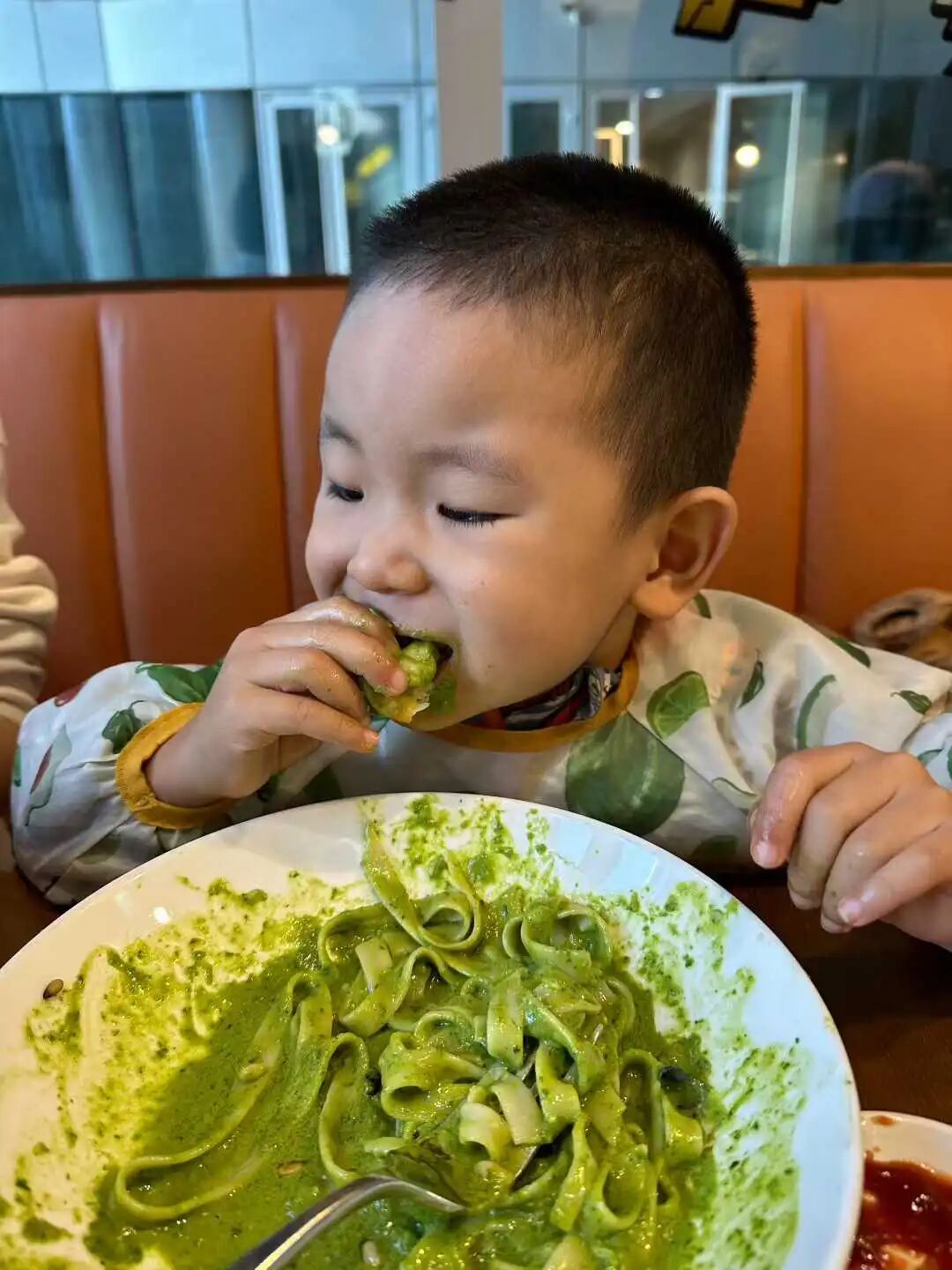
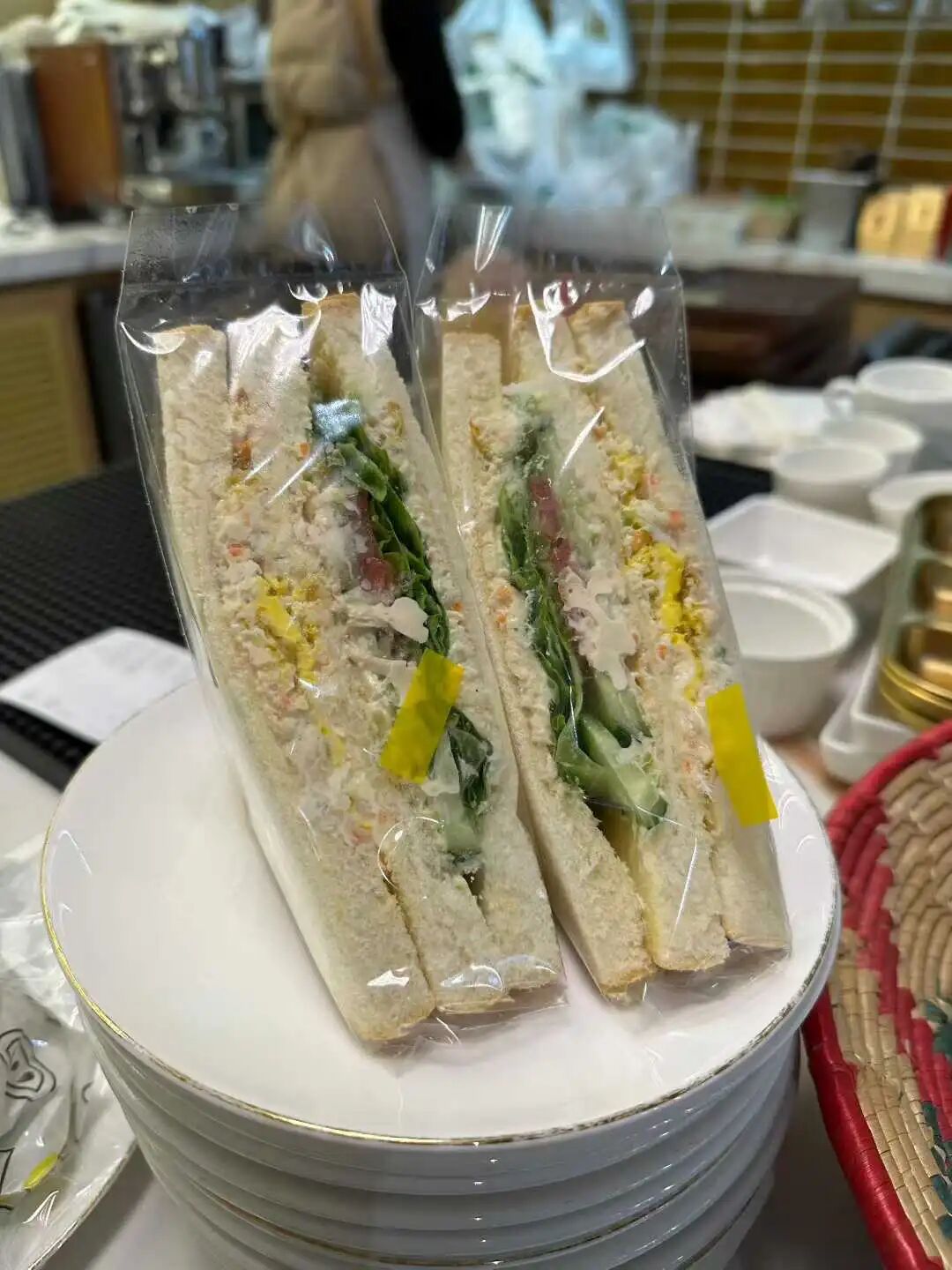
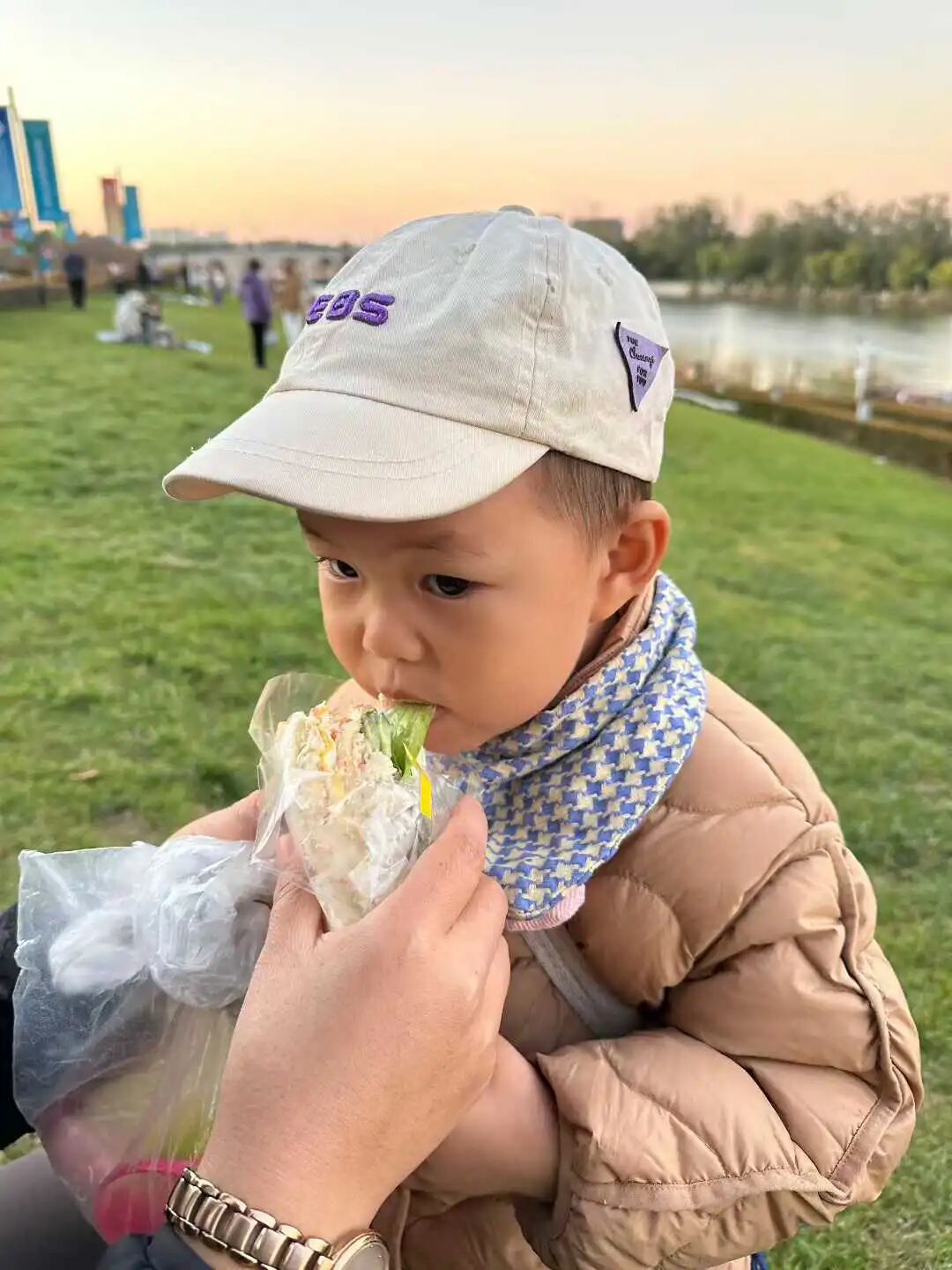
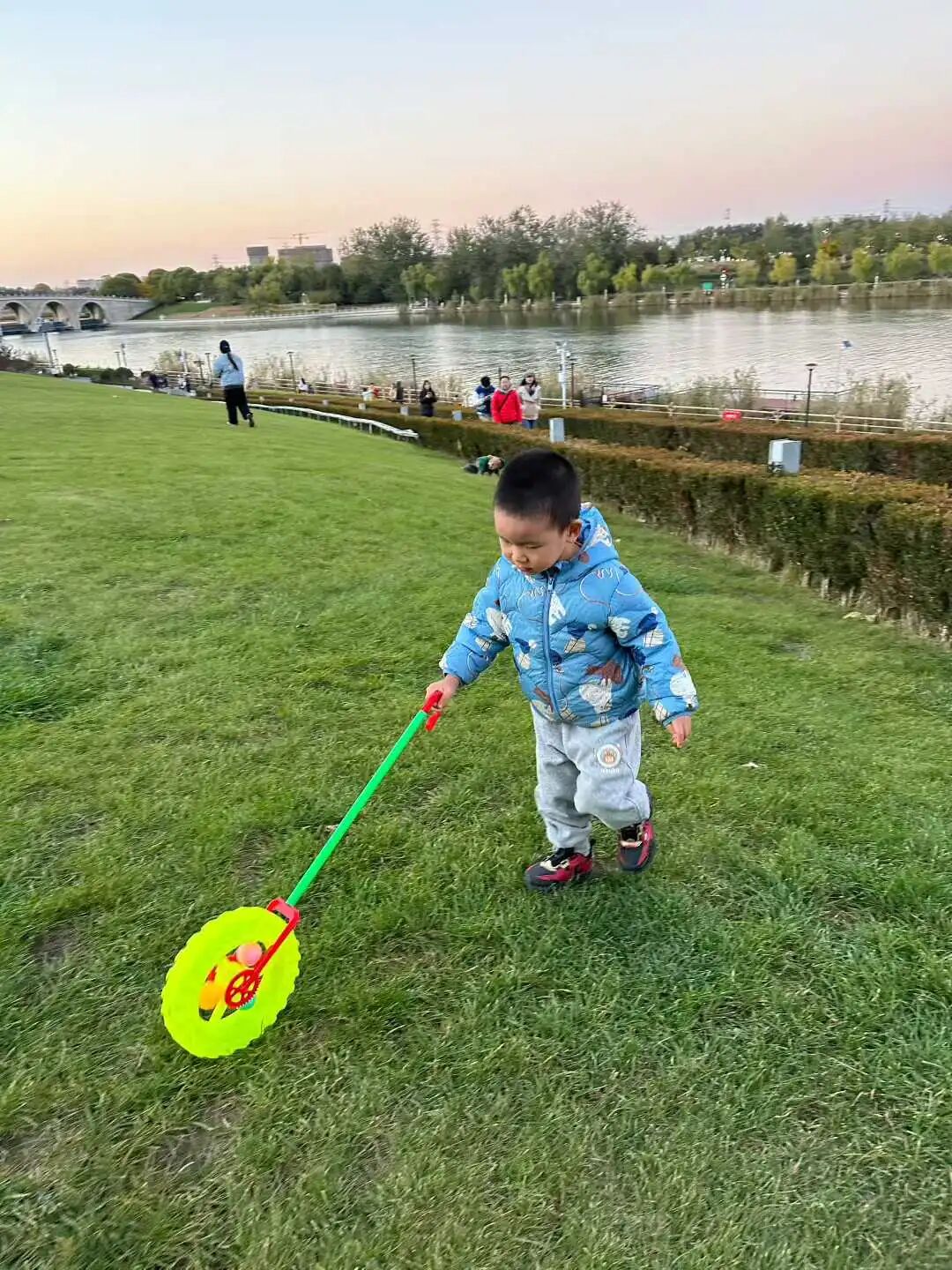
We ordered a snack platter, beef cheese pizza, and basil pesto pasta. The kids eat beef pasta often, so they really liked the change to basil pesto. They are generous with the cheese on their pizza, and both the beef and the crust have a great texture. Before leaving, we bought chicken sandwiches to eat on the big lawn at the nearby North Canal Greenway, which was very relaxing.
Dashuntang on Niujie Street
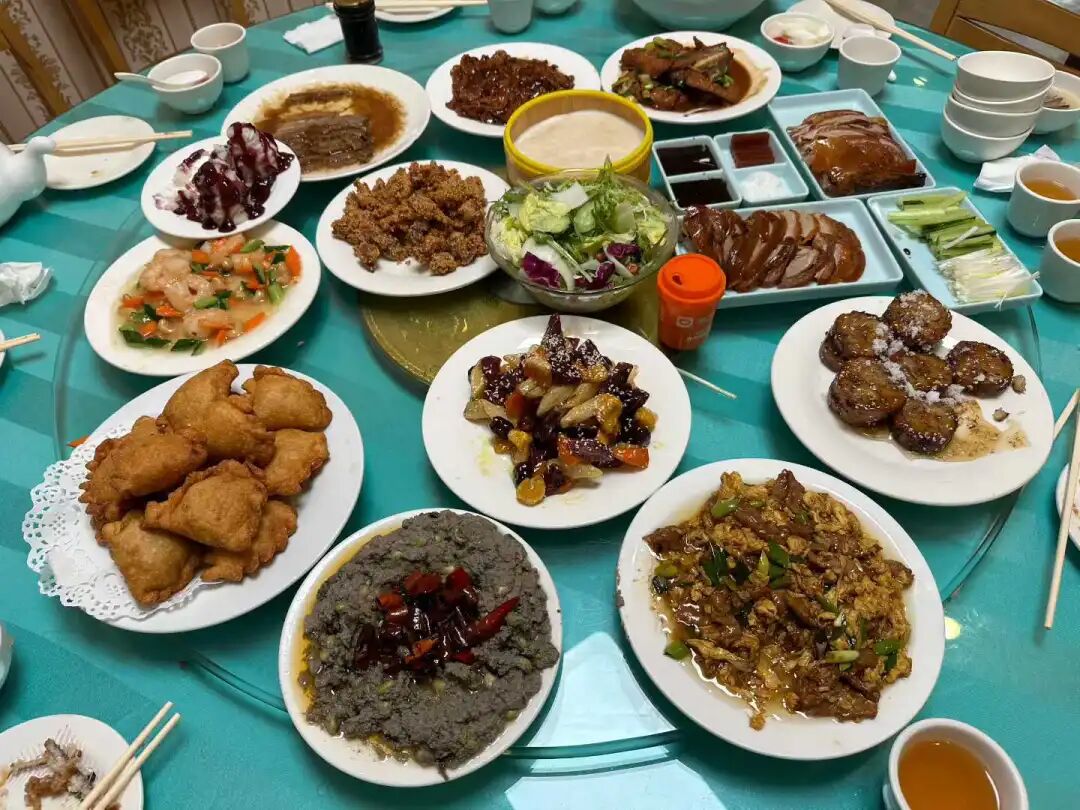
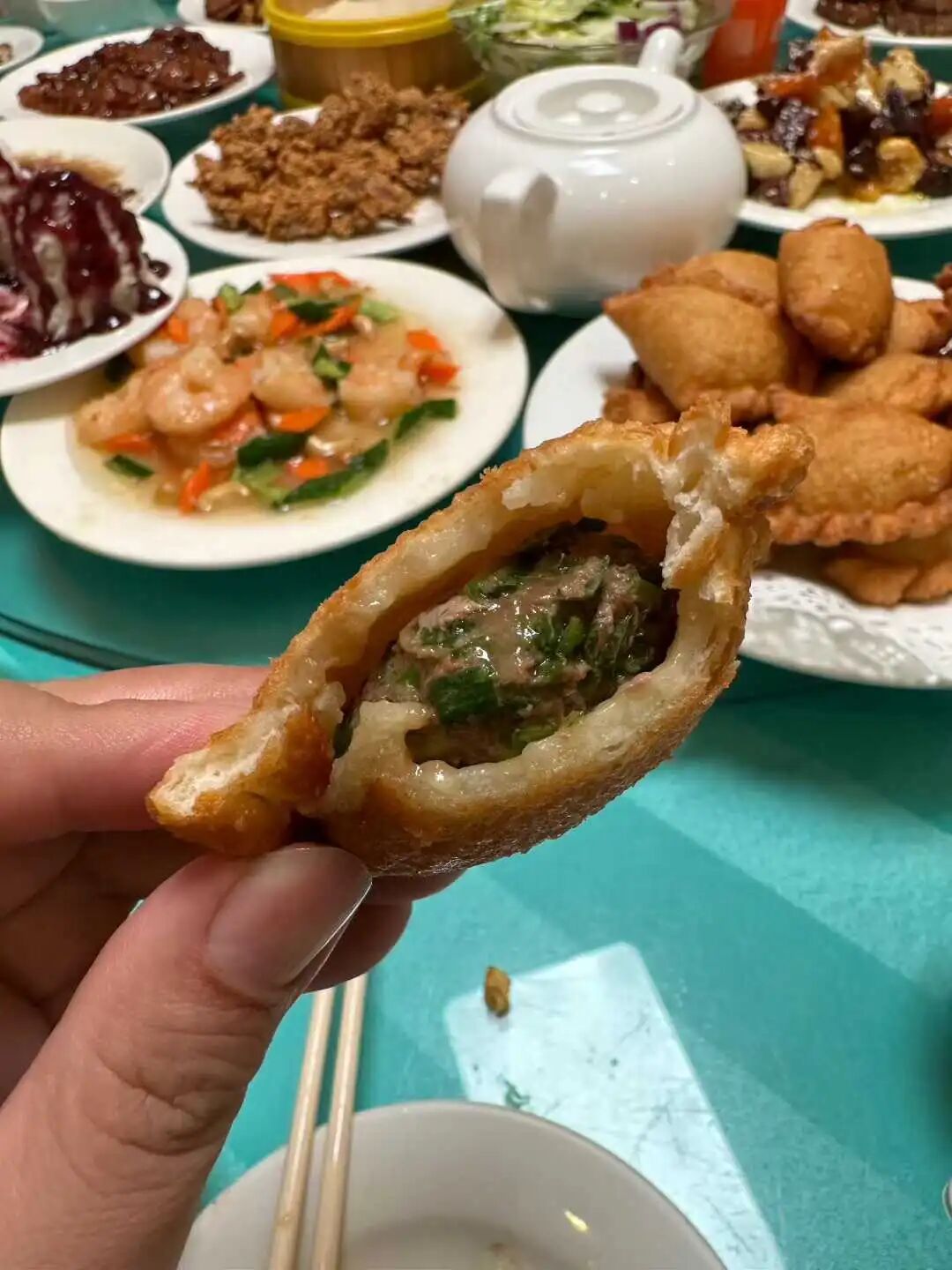
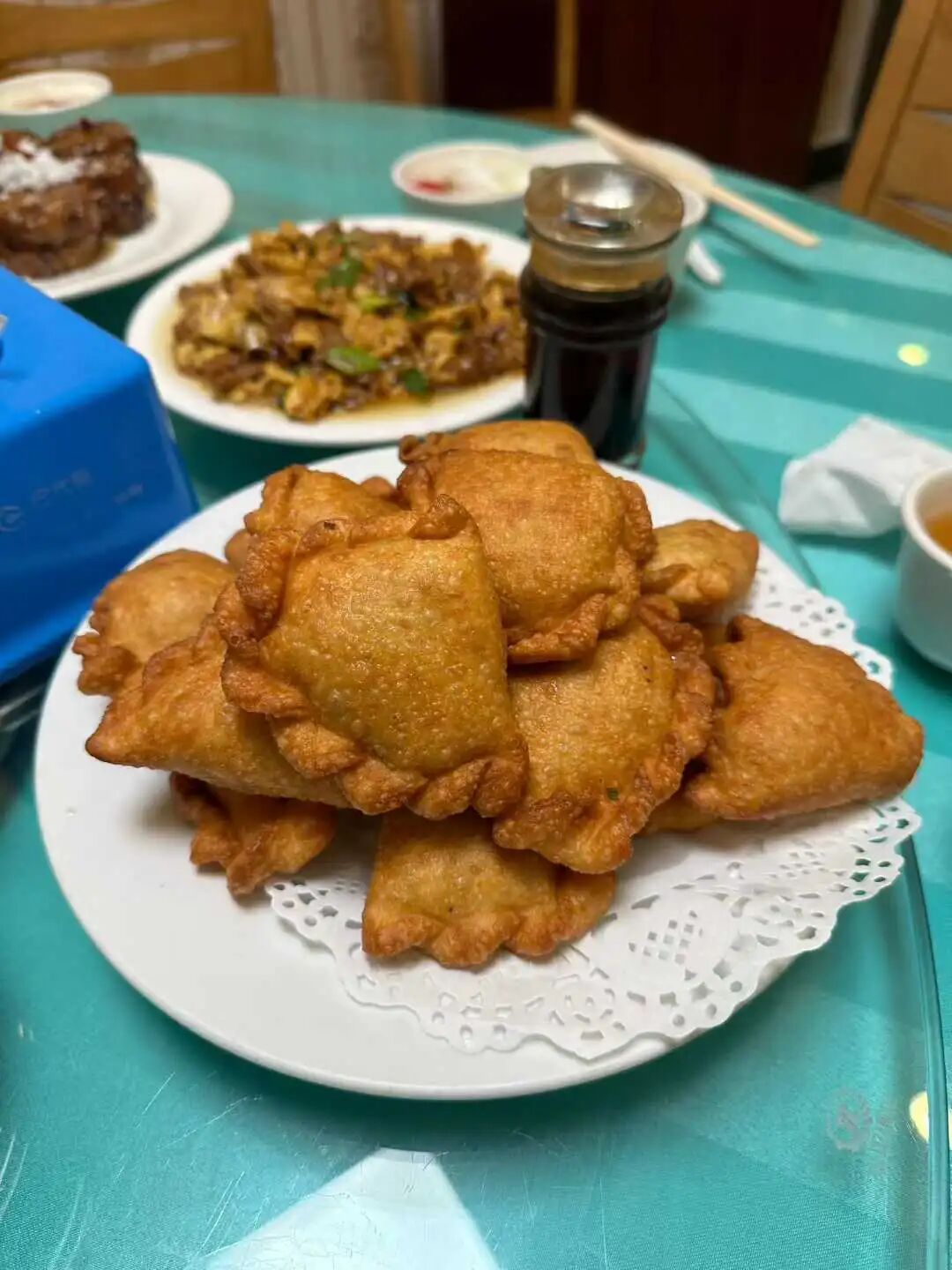
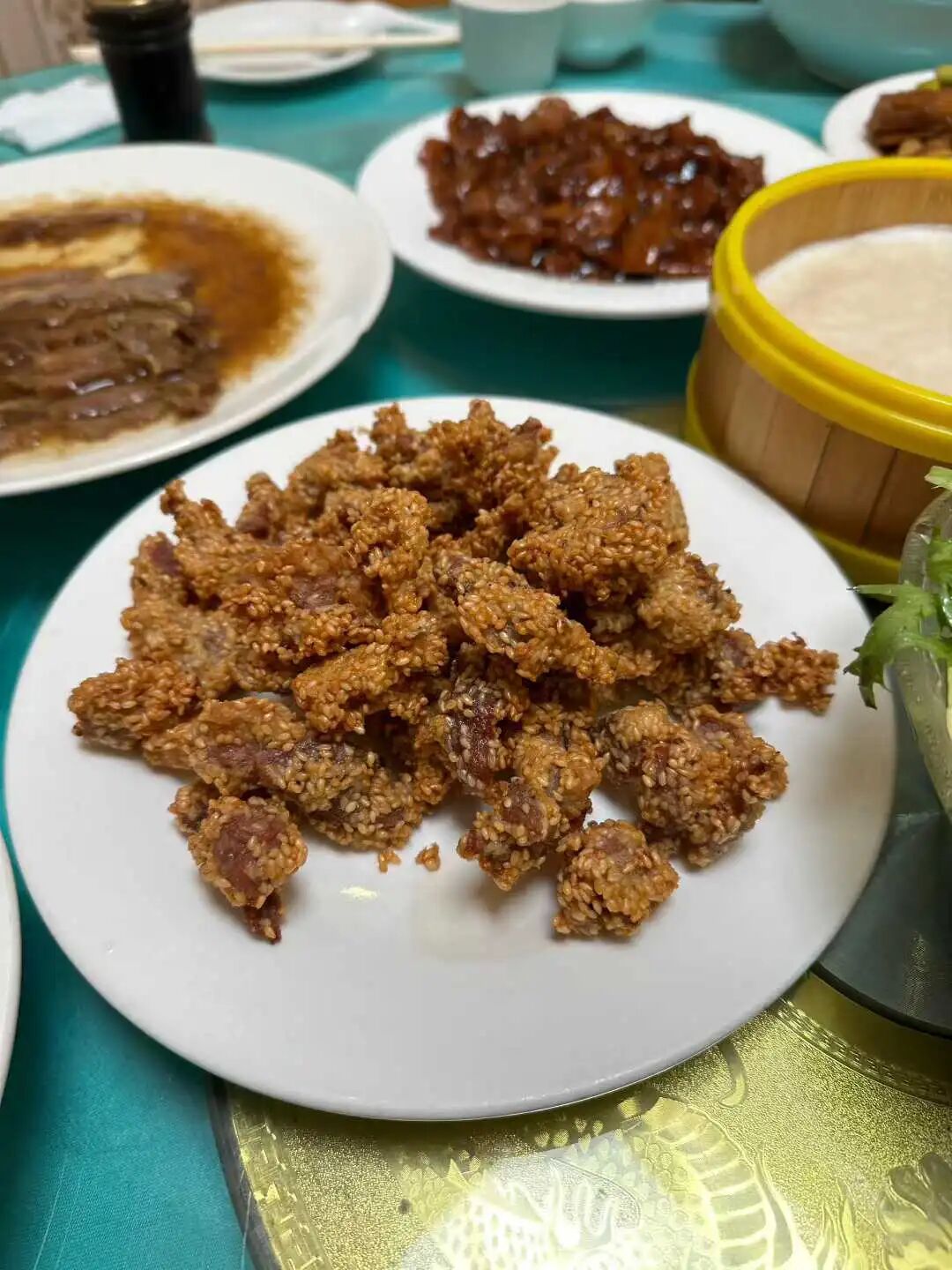
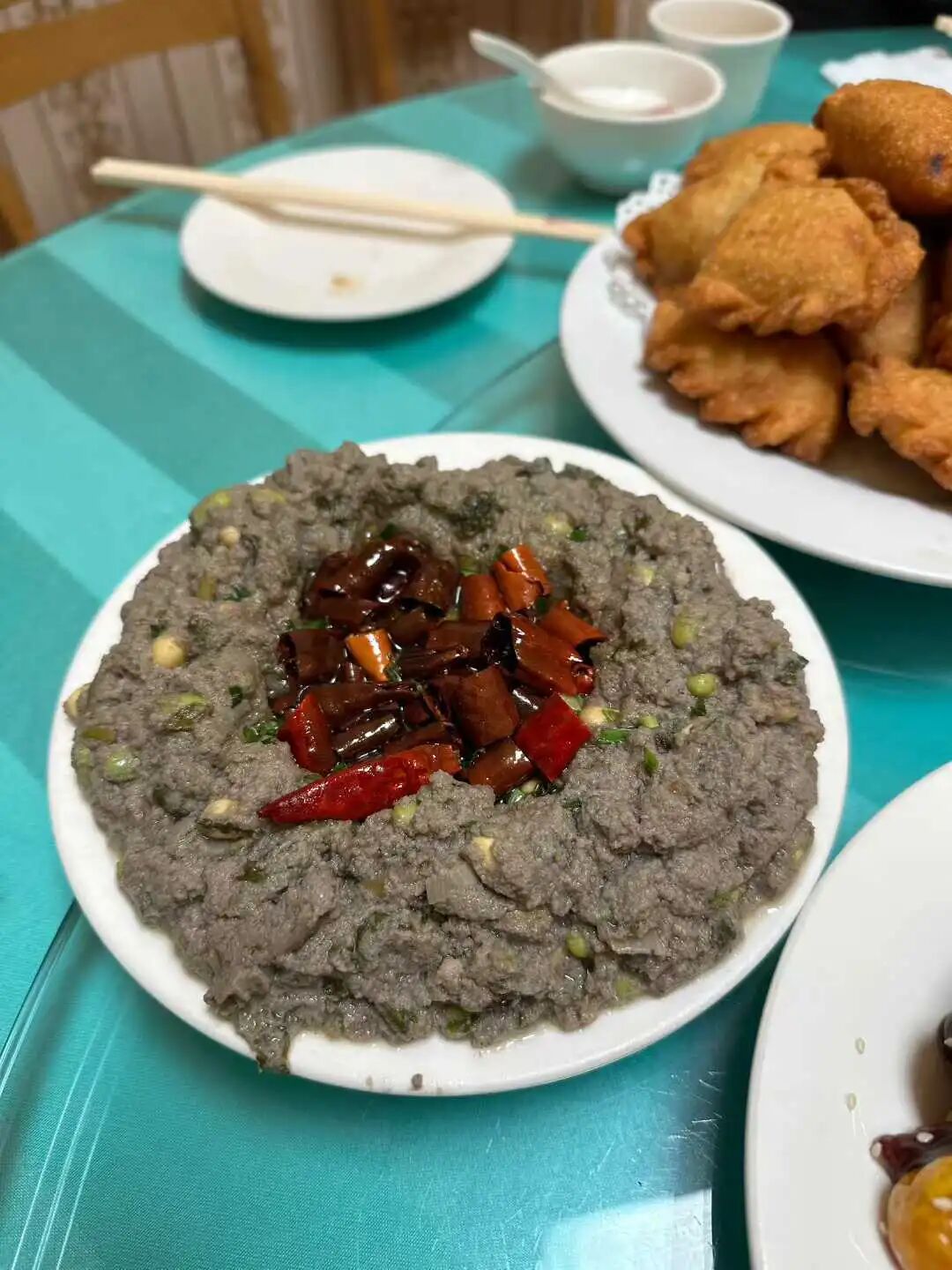
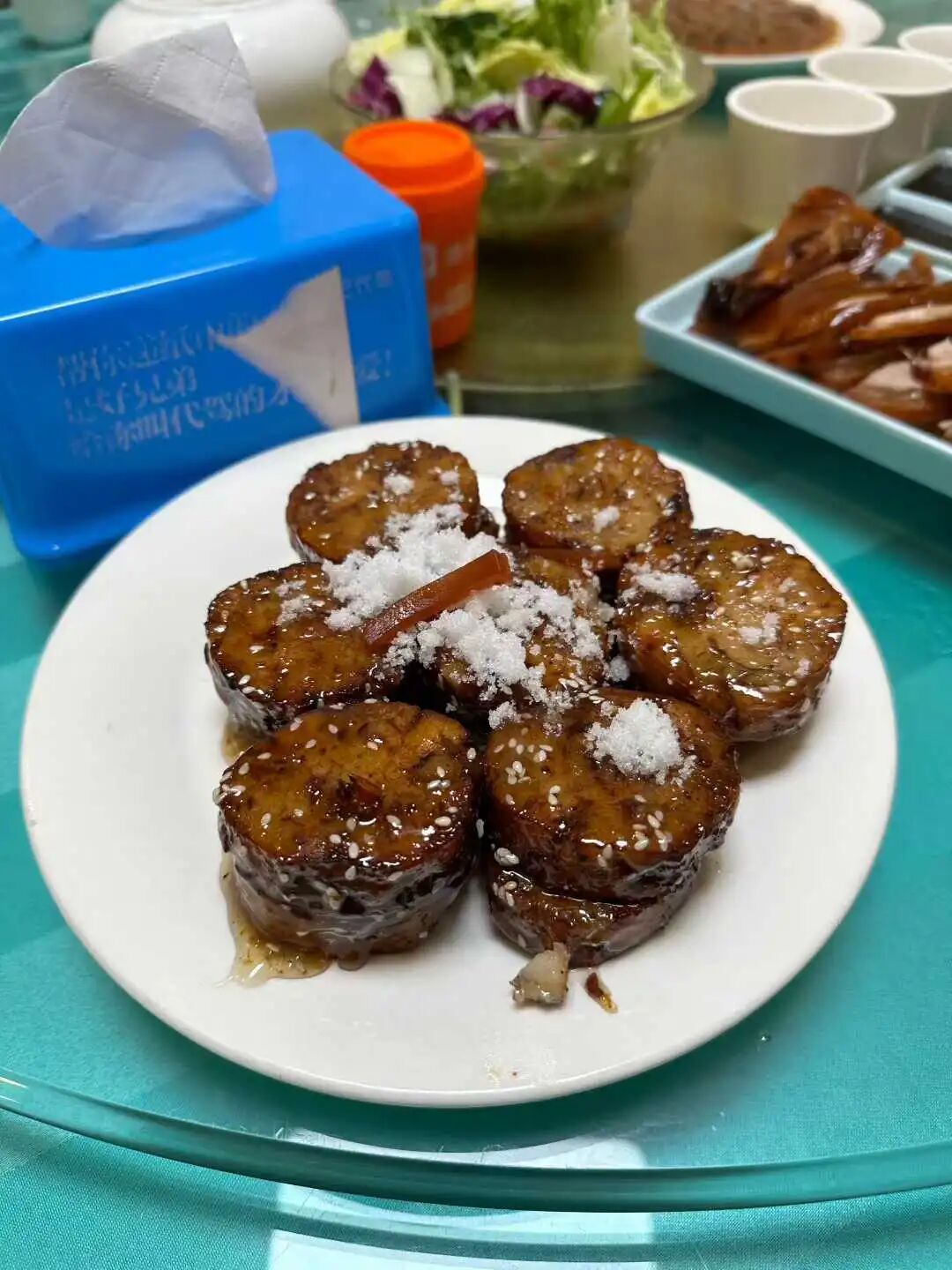
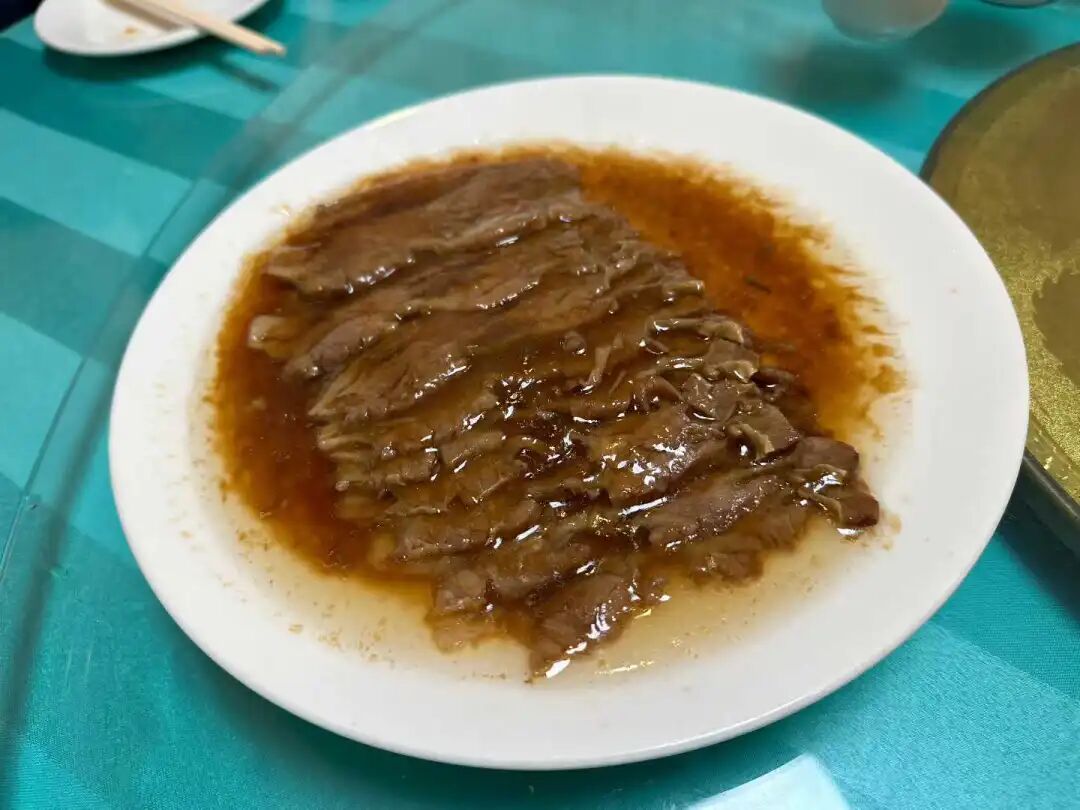
We had a dinner gathering at Dashuntang on Niujie Street. We ate almond tofu (xingren doufu), sugar-rolled fruit (tang juanguo), fried meat pockets (zha huitou), stir-fried beef with vinegar (culiu muxu), braised meat strips (ba routiao), roast duck, honey-glazed lamb (ta simi), fermented bean curd (ma doufu), and sesame lamb. Everything was delicious, especially the sesame lamb, which is hard to find with such a tender, non-chewy texture these days. The skin of the fried meat pockets is made with hot water dough, which is very different from the ones in Tianjin or Northeast China and has a unique character.
Their dishes have the distinct flavor of traditional halal banquets, making it feel like attending a religious celebration at a mosque. This is one of the restaurants where Hui Muslims from Niujie often go for religious gatherings (nietie), but because they do not do marketing or promotion, and young people do not care for traditional halal banquet dishes, there are very few walk-in customers now.
Dashuntang was opened by the Liang family of Niujie, known as Dashuntang Liang. It is said the Liang family originally came from Nanjing, where their ancestors were military cooks. They came to Beijing with the Prince of Yan in the early Ming Dynasty, and the name Dashuntang was bestowed by the Prince of Yan, Zhu Di. During the Qing Dynasty, the Liang family continued to work as cooks, so they were also called Chef Liang (chuzi liang).
Zhenweizhai Tianjin Cuisine
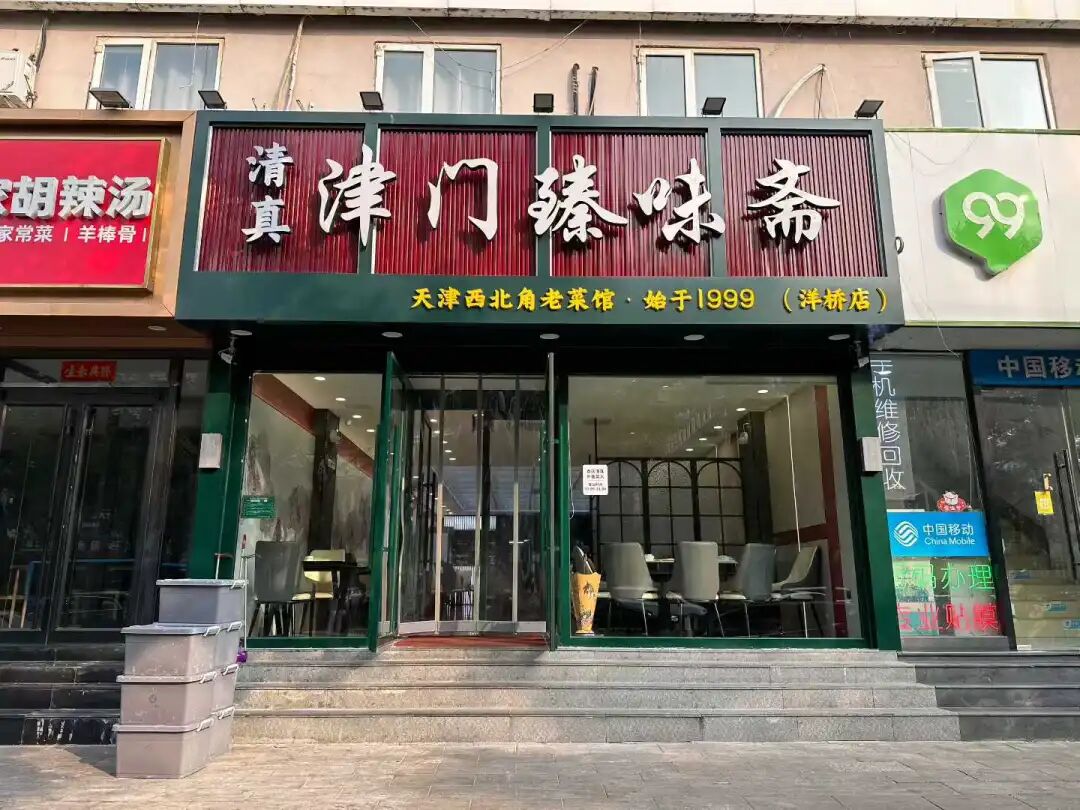
We went for lunch at the newly opened branch of the old Tianjin Northwest Corner shop, Zhenweizhai, at Yangqiao on the South Third Ring Road. Their original shop in Tianjin is right at the corner of the Northwest Corner, and I used to pass by it often.
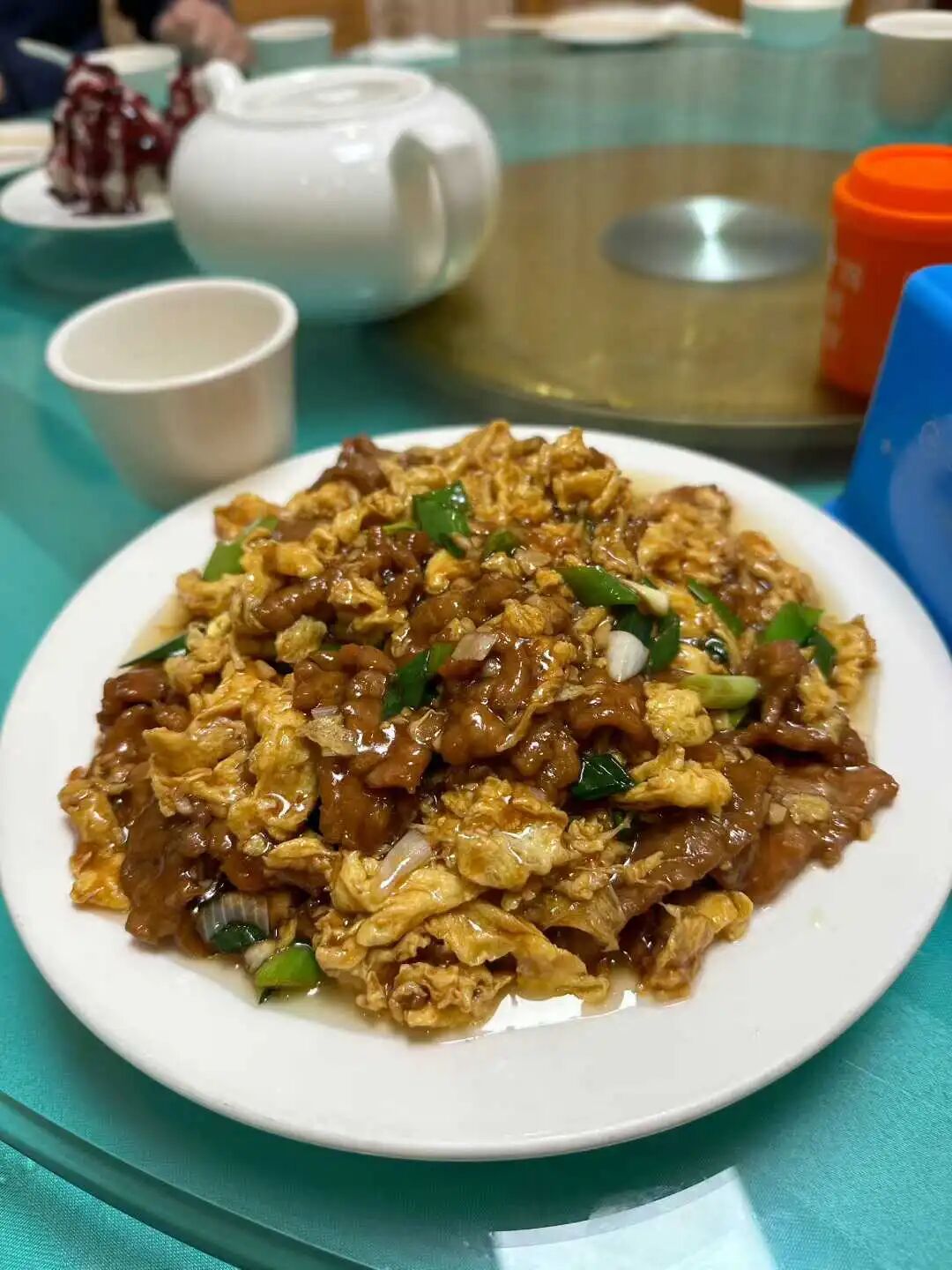
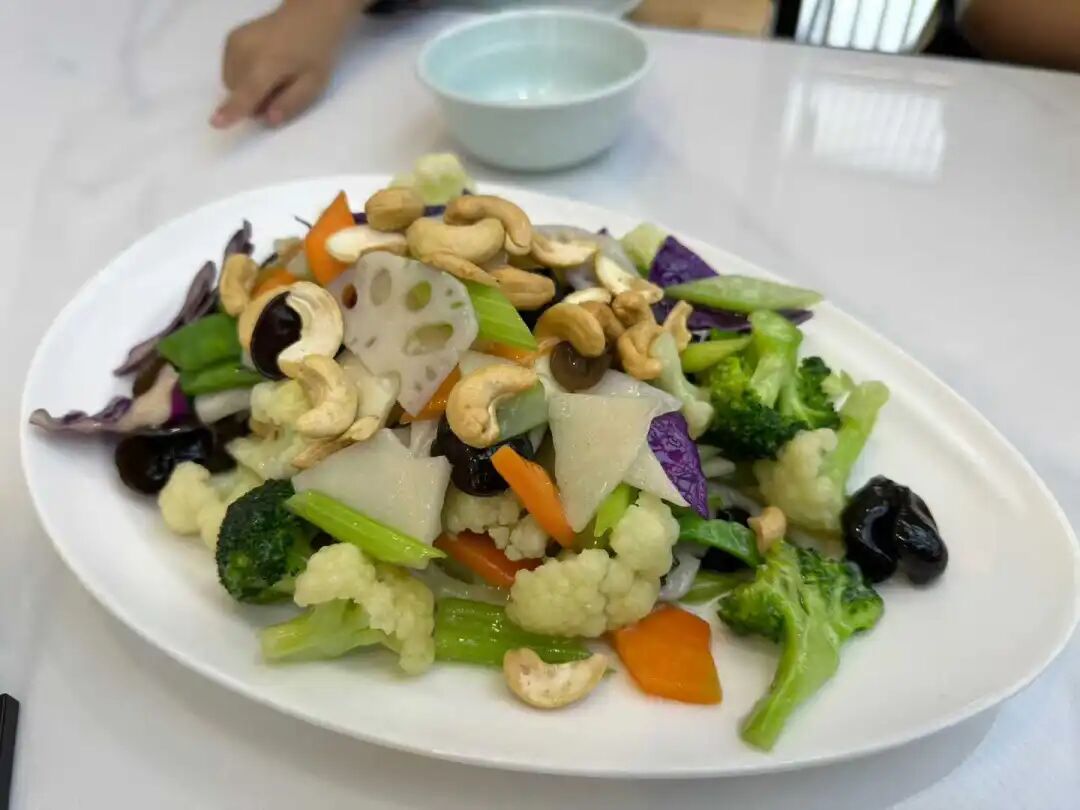
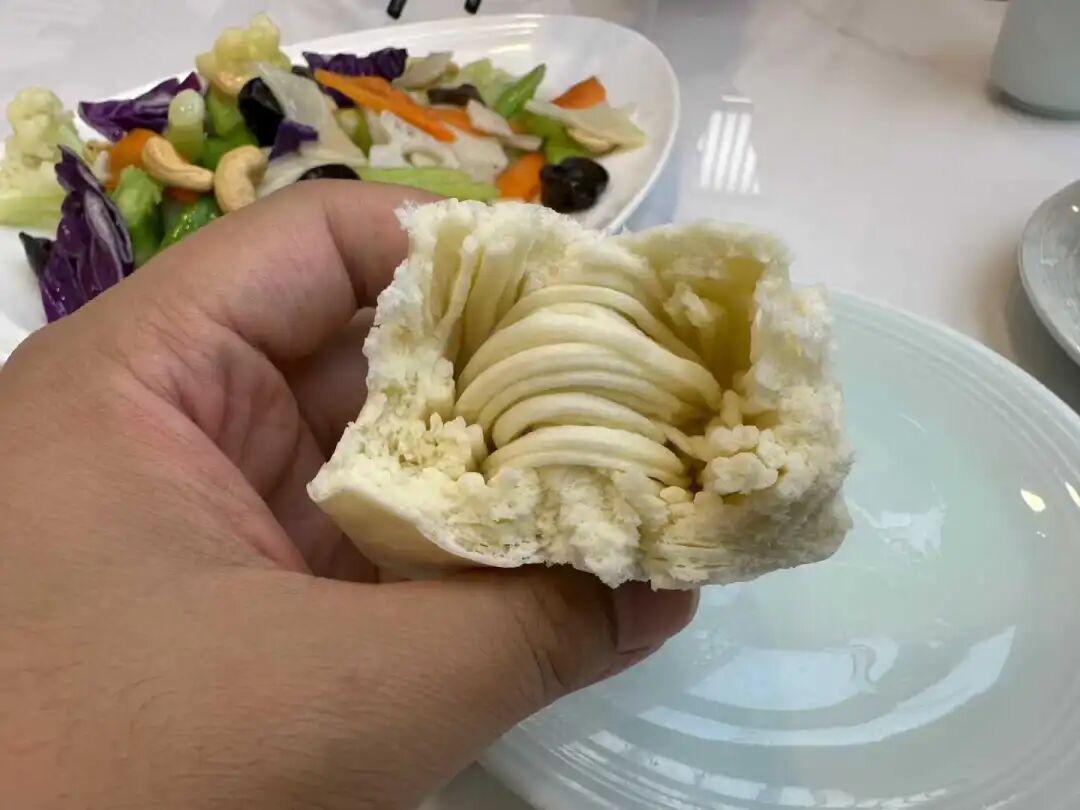
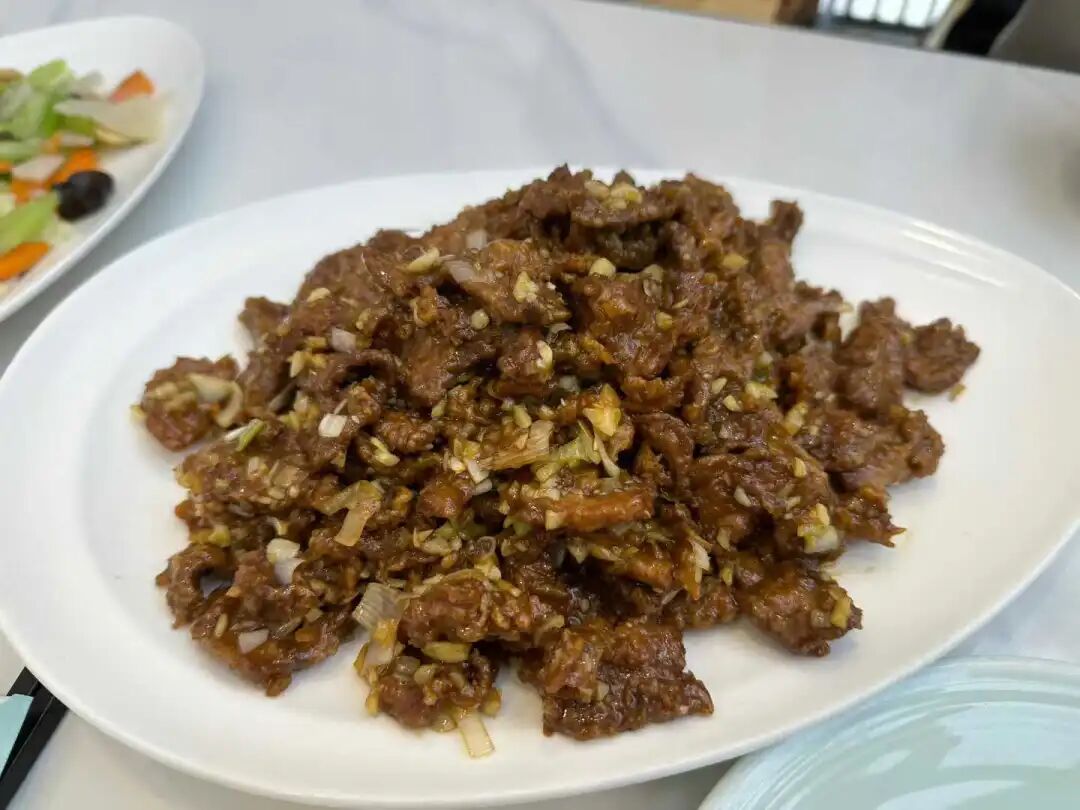
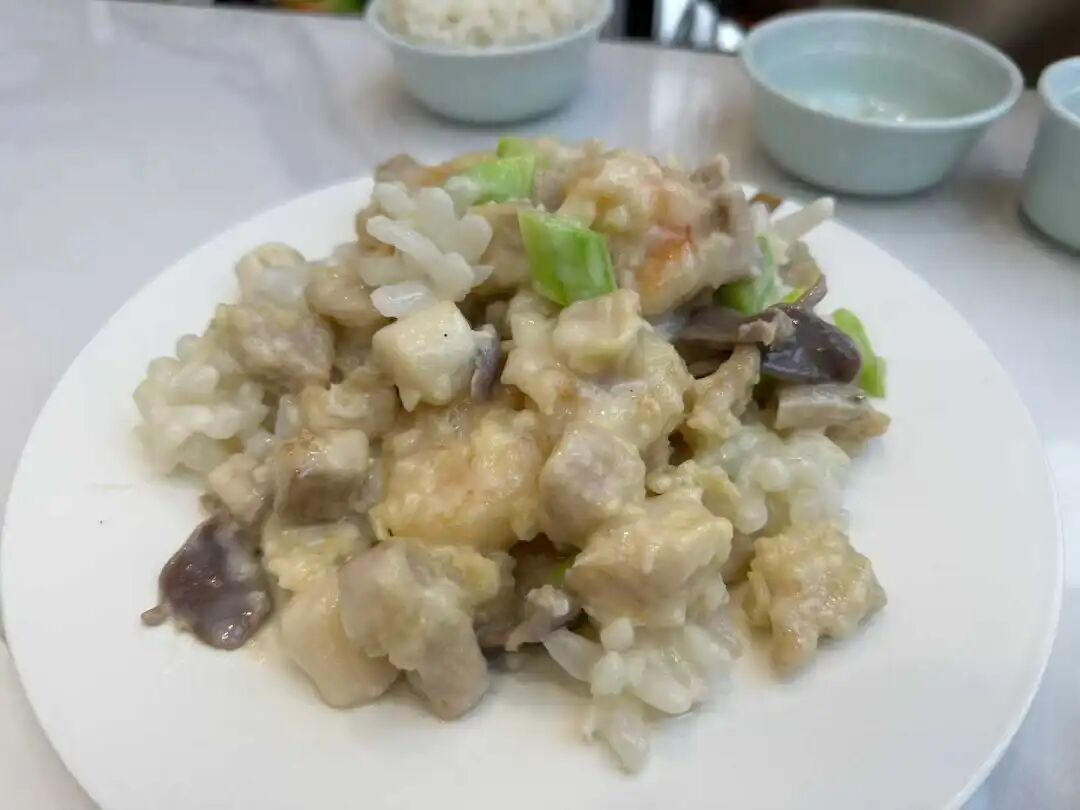
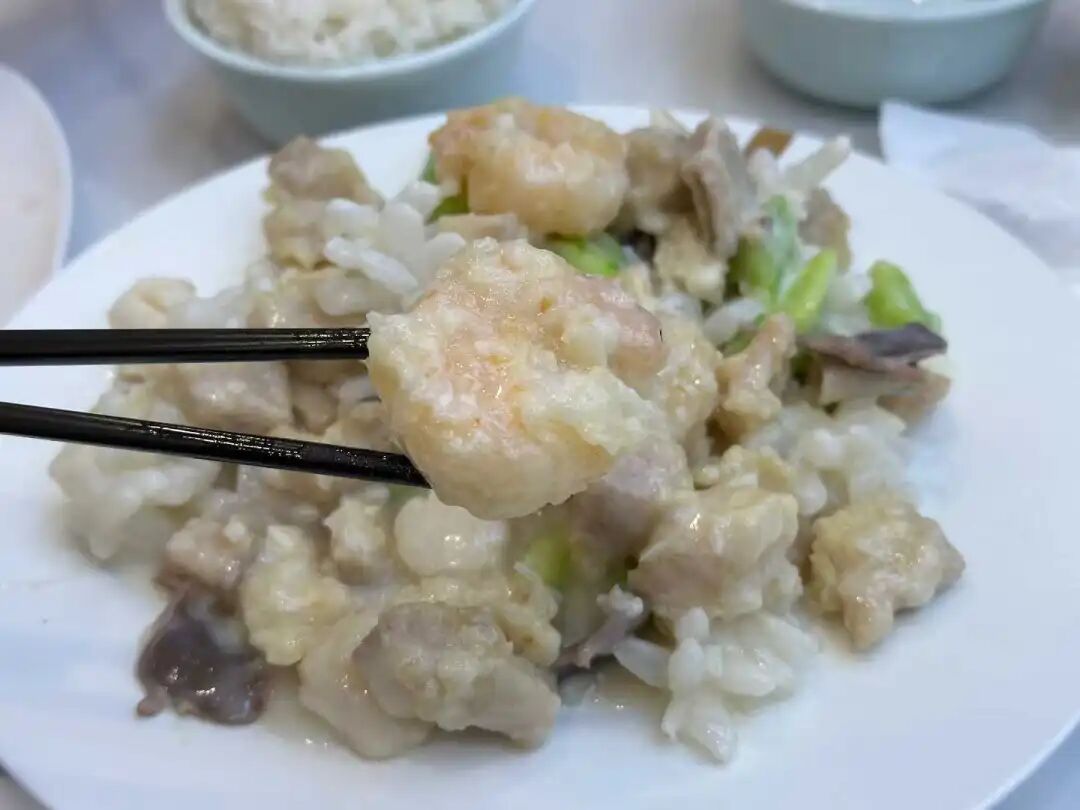
We ordered the classic Tianjin dishes: stir-fried lamb trio (lao bao san), creamy mixed seafood (naizhi quanbao), stir-fried vegetables with cashews (yaoguo quansu), and silver thread rolls (yinsi juan). First, their portions are huge; we couldn't finish it all, so we packed it up and had it for dinner. Second, their food is salty, so if you bring children, tell the server to make it lighter.
The stir-fried lamb trio consists of lamb meat, liver, and kidney. It is a typical dish that goes well with rice, and I ate two bowls. Their version has a strong garlic flavor. I think it is fine, but friends (dost) who do not like strong garlic might not be used to it.
The creamy mixed seafood includes fish chunks, shrimp, scallops, squid, and chicken gizzards. This dish is more approachable for non-locals than soy-sauce-based stir-fries, and my wife and son both liked it. The only thing is that the fish chunks occasionally have bones, so be careful when feeding children.
I often order the stir-fried vegetables with cashews. The mix of vegetables is healthy, and the cashews are a big hit with the kids.
The silver thread rolls are basically buns filled with noodles. It is a fun, new experience for the kids.
Dardanelles kids' meal.
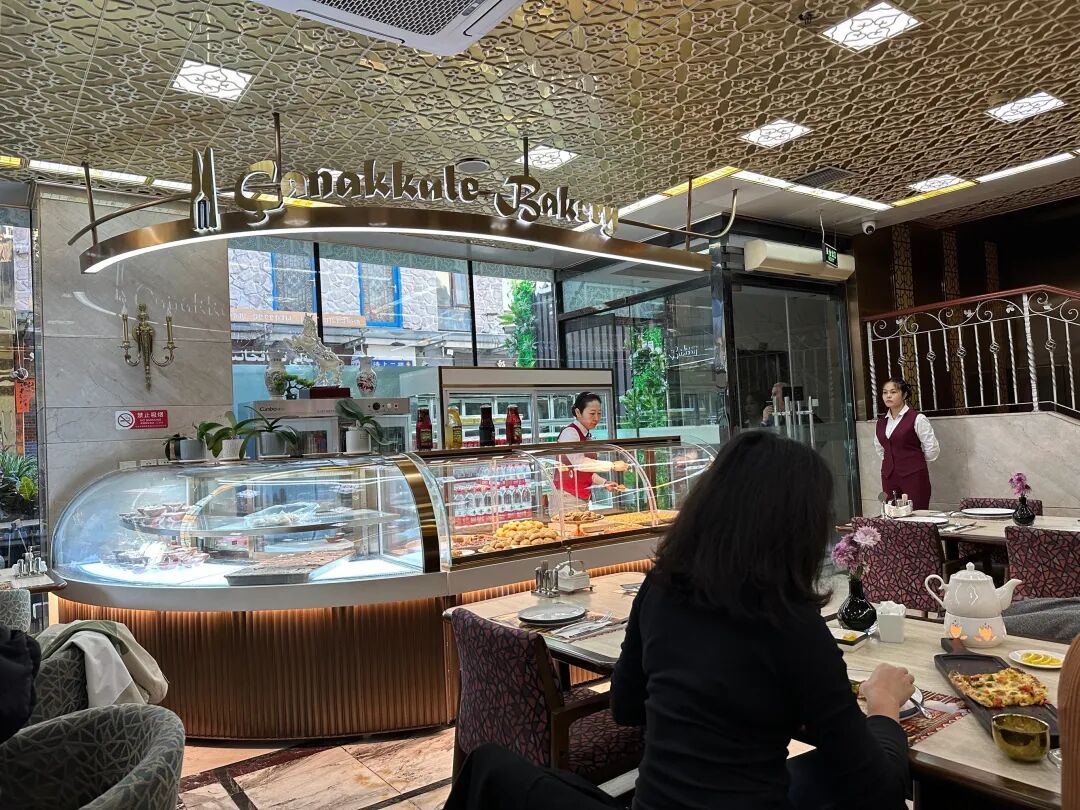
I brought Suleiman to Ritan Upper Street for a meal. My son really wanted to eat at Dardanelles, and since we hadn't been there in a long time, we went to have some Turkish/Azerbaijani food.
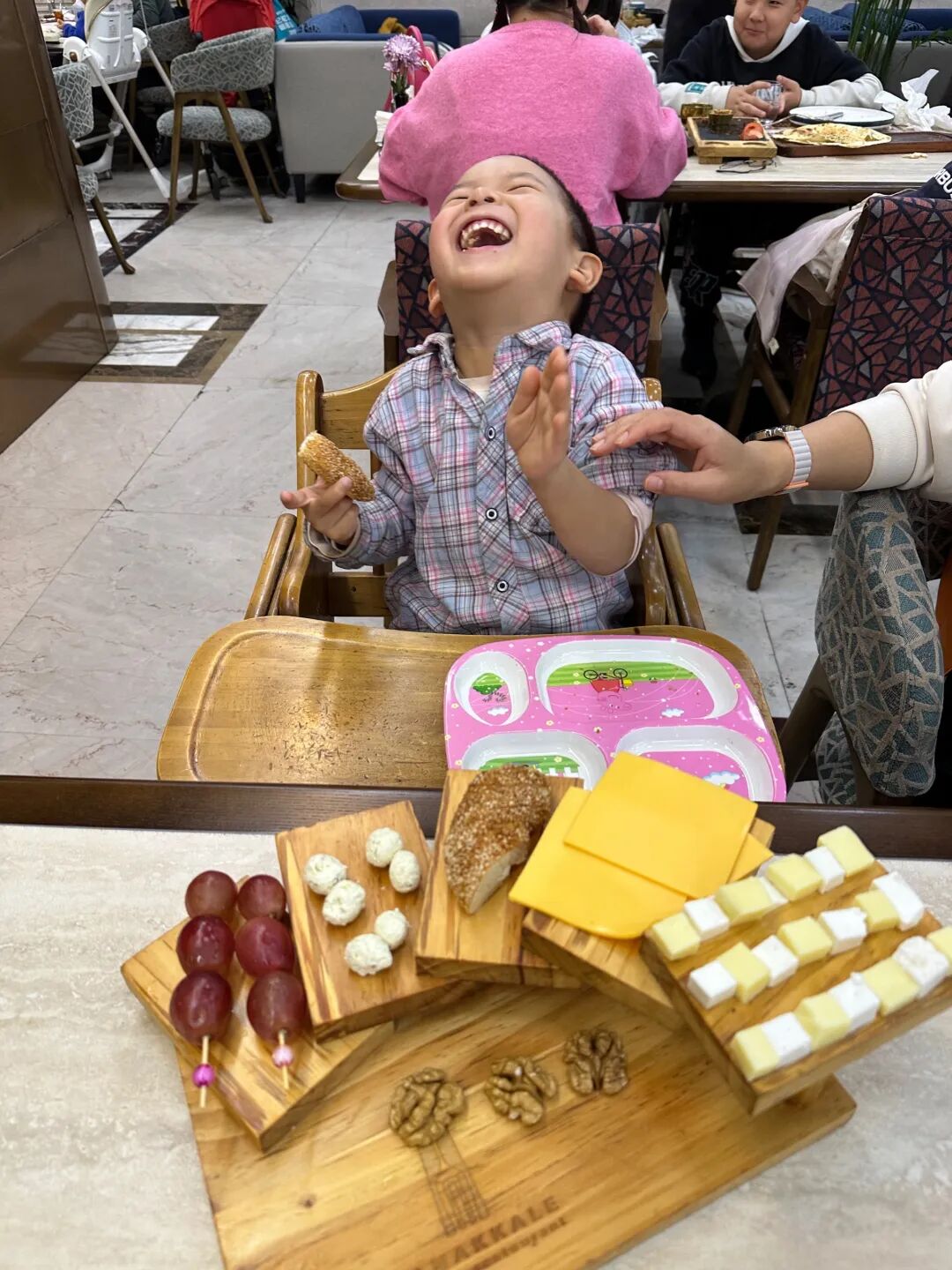
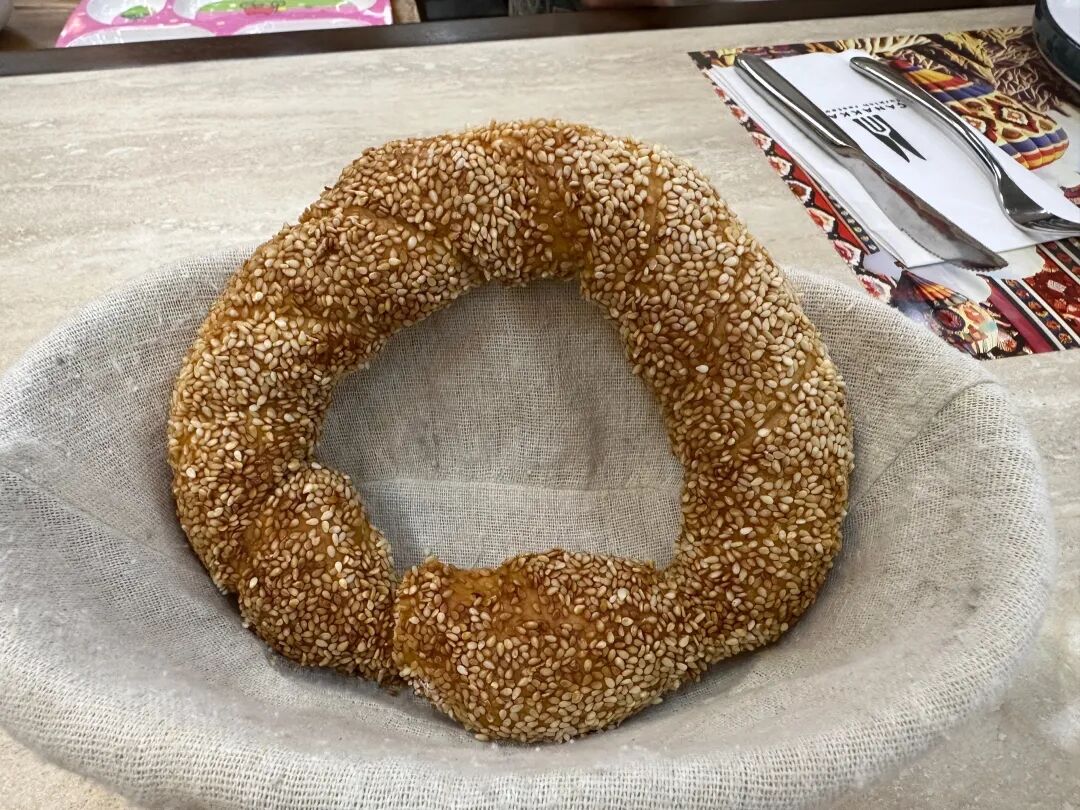
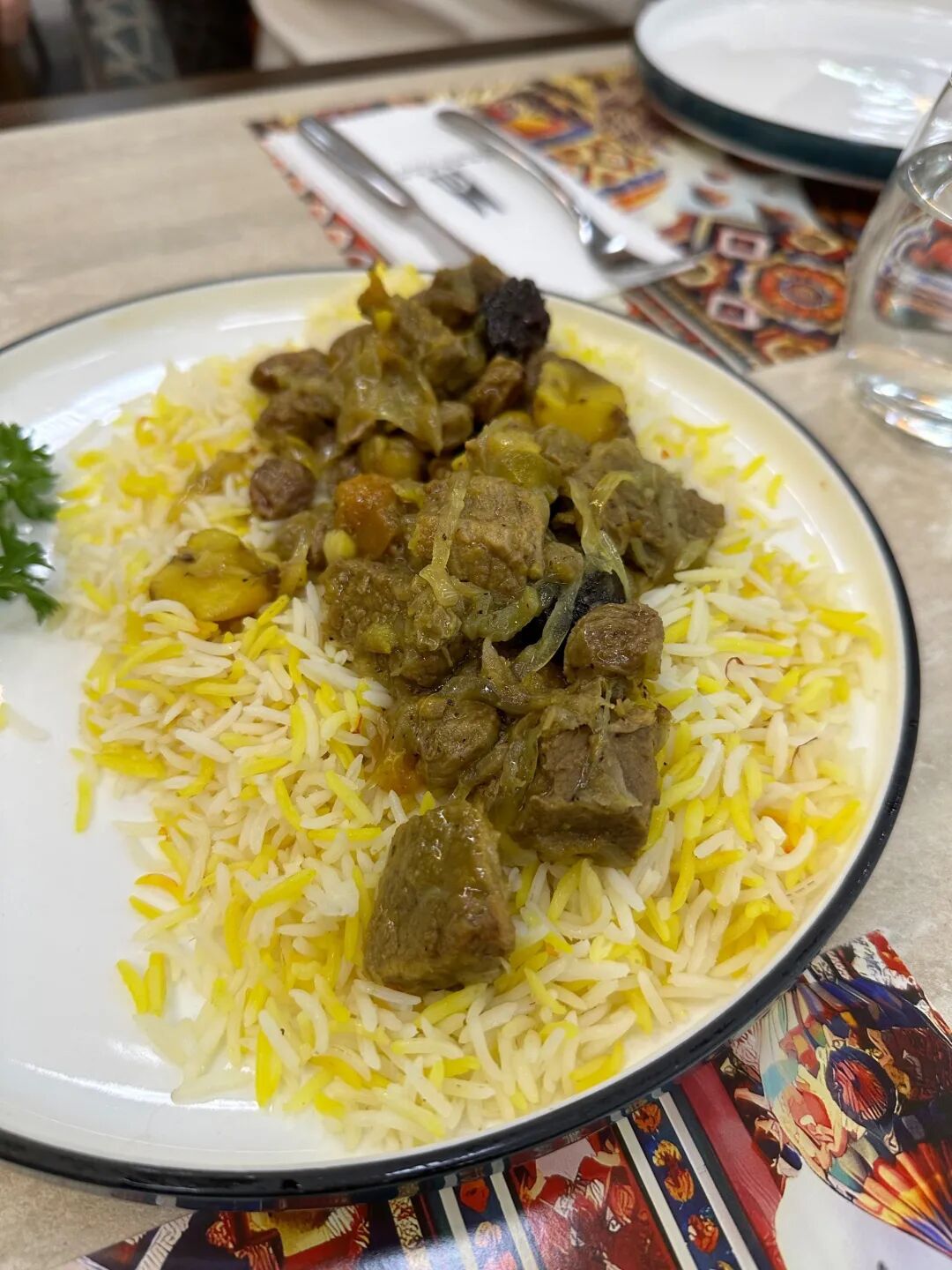
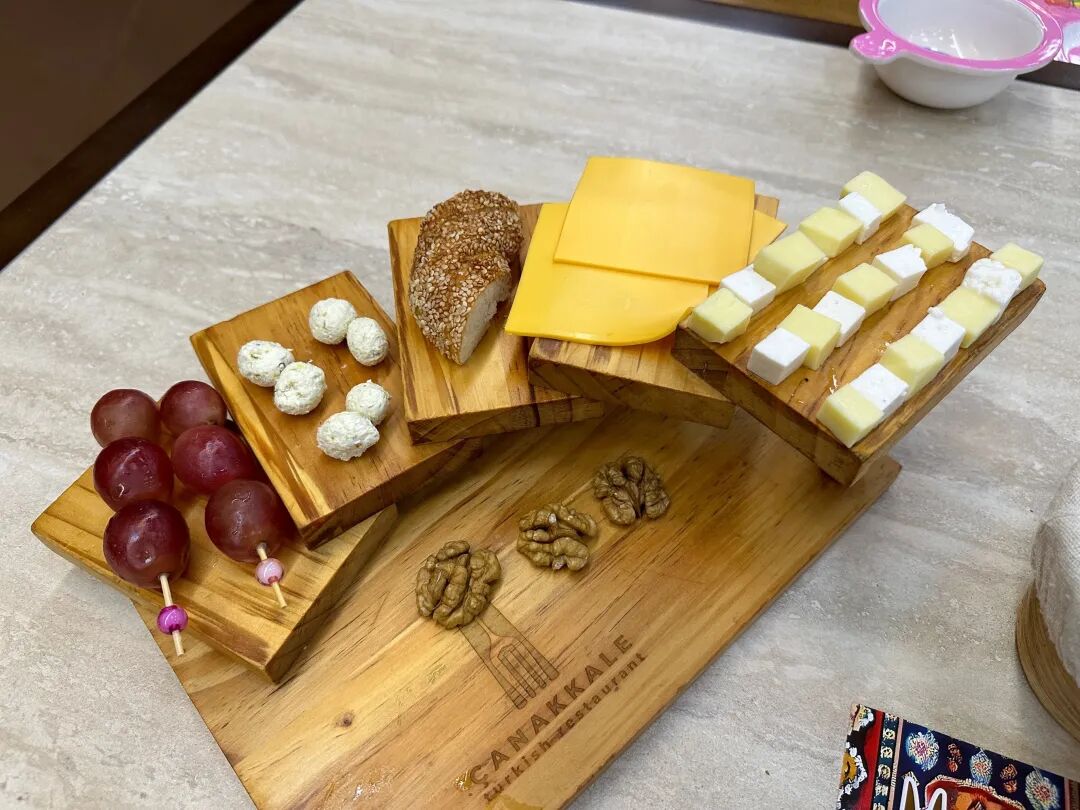
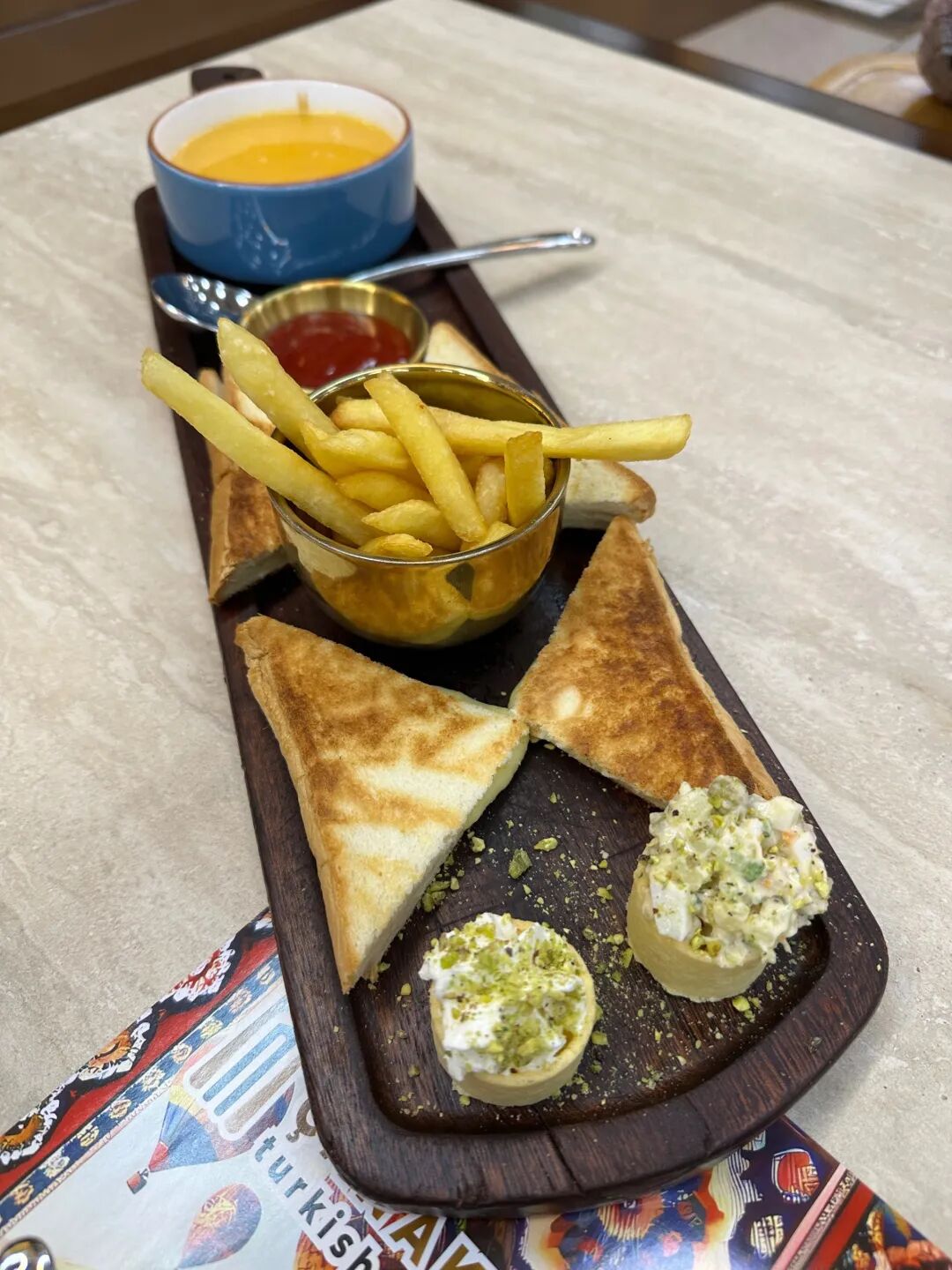
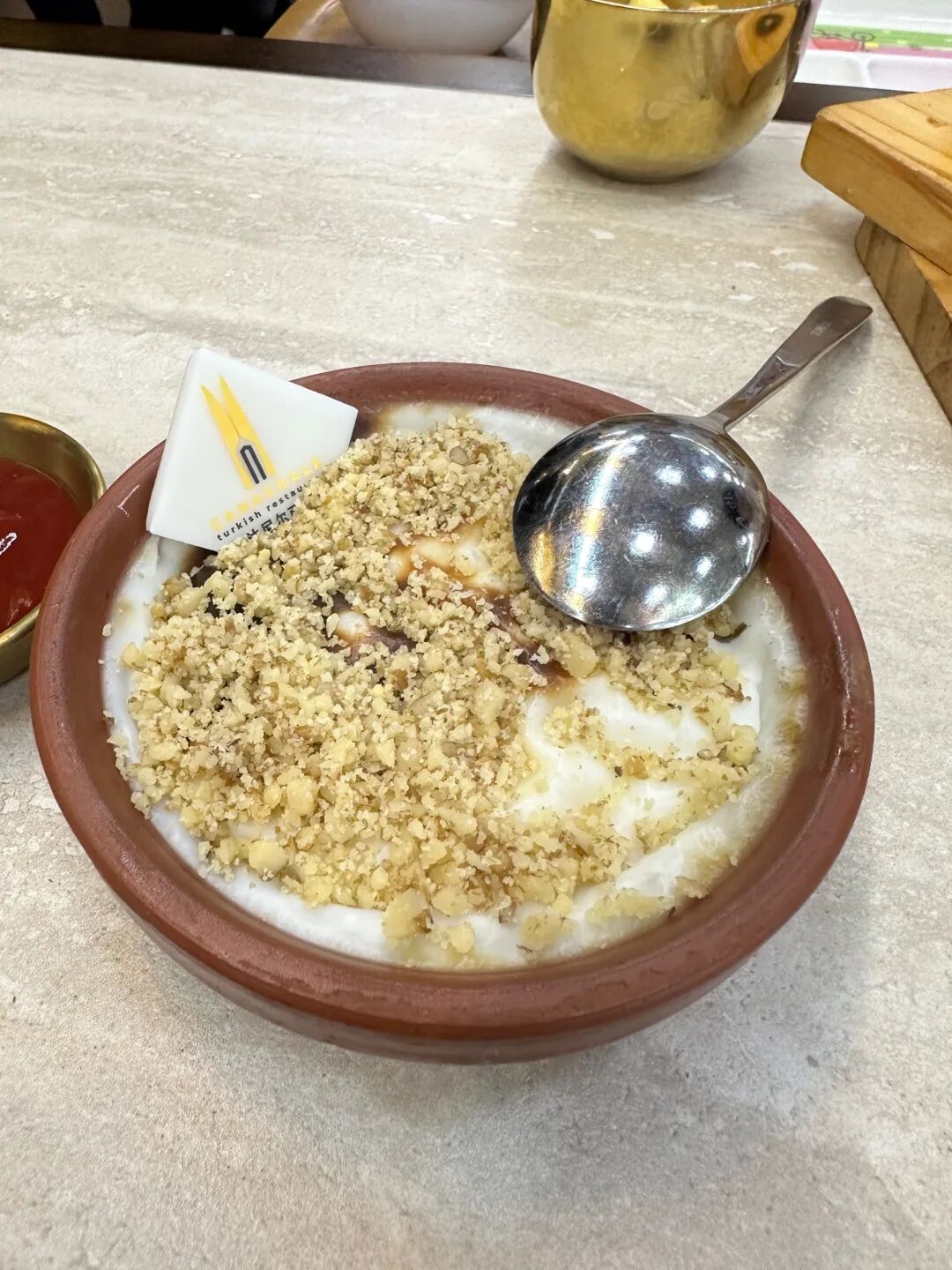
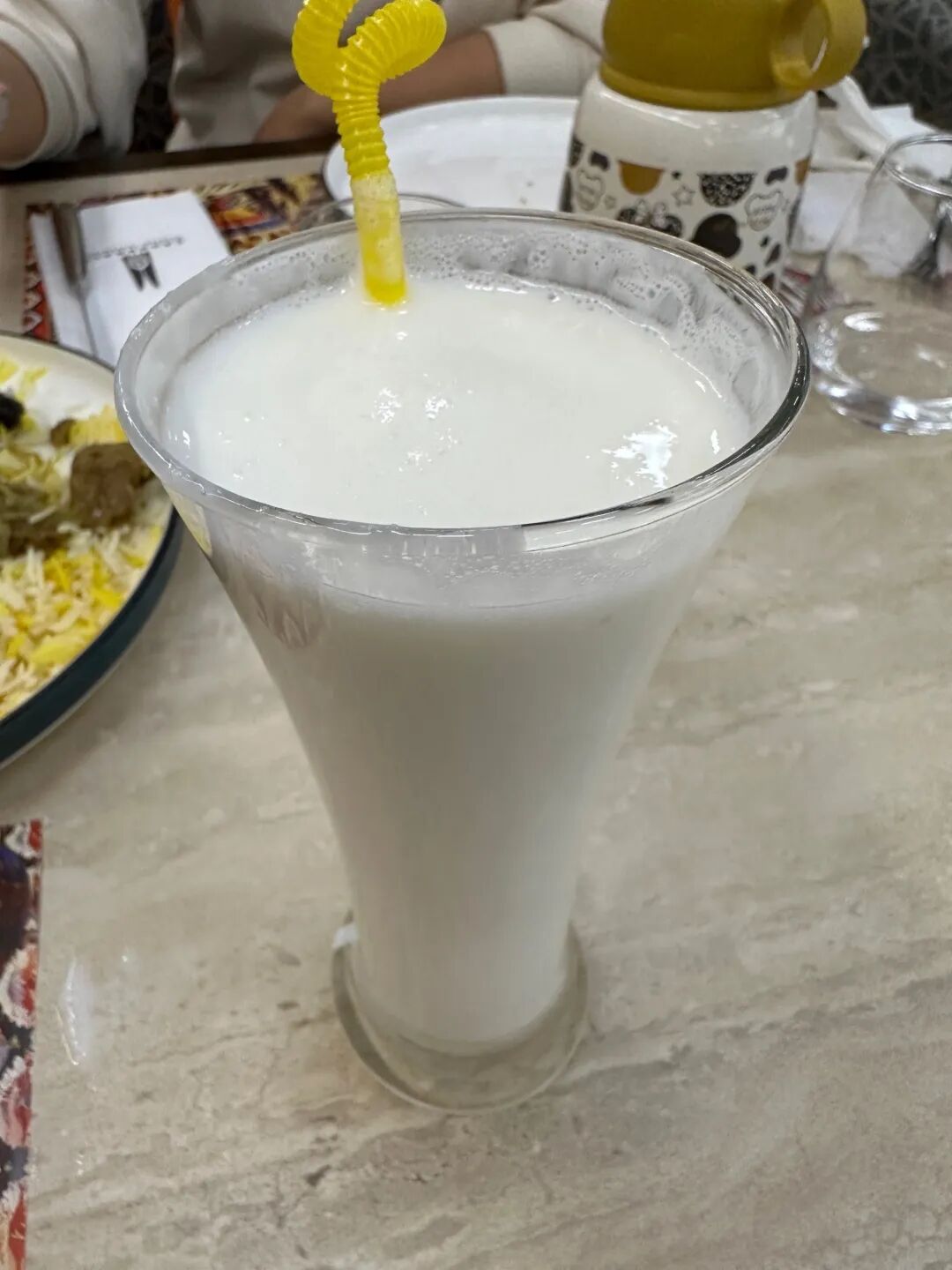
We ordered Azerbaijani beef pilaf (pilov), a cheese platter, a kids' meal, salty yogurt drink (ayran), and sesame flatbread (simit). The restaurant also gave Suleiman a free milk pudding. The Azerbaijani pilaf is sweet and contains dried apricots, raisins, and sour plums. I had it before in Baku, and this place makes it very authentic. The cheese platter includes salty cheese cubes, plain cheese cubes, and cheese balls, served with bread and grapes. It is perfect for a tea snack. The kids' meal features a cheese toast, along with french fries, pumpkin porridge, vegetable rolls, and other items. It is very filling. The yogurt flavor in the ayran is very strong, and I love drinking it.
Part 1: 10 halal restaurants in Beijing worth trying: Pakistani restaurant Lahore Courtyard, Henan Jiaozuo beef knife-cut noodles Maimairehong, halal Mongolian food Hulun Aile, West African Ghana Tribe Garden, Xi'an Xing Laosi meatball spicy soup, Xinjiang Changji Jinying meatball soup, Xinjiang Hotan Canteen, Syrian BRBR, Beijing fusion food Gulou Chimian, and Beijing traditional food Xilaisun.
Part 2: 10 halal restaurants in Beijing worth trying (Part 2): UAE restaurant Gulf Mandi Restaurant, Xinjiang Mansion Xihan meatball soup, Xinjiang Mansion lobby Altay afternoon tea, Muhejia revolving hot pot, Xinjiang Urumqi Nazilan (closed), Beijing pastry shop Baoyuanzhai (closed), Pakistani Samosa China-Pakistan Friendship Restaurant, Ma Ye Roast Duck, Bangladeshi Benjiebi Restaurant, and Huairou Shihu Cheng Resort.
Part 3: 10 recently tried Beijing restaurants recommended: JM Italian Coffee Dongsi branch, halal Hunan food Huixiangyun Xiaochao Wangjing branch (closed), Shandong Dezhou Lao Ma Jia lamb soup and steamed dumplings, Sanlitun Philly cheesesteak, Pakistani Roma Restaurant, Muyuzhai garlic lamb intestines, Inner Mongolia Lianying steamed dumplings (shaomai) Caoyuan Shiliuhong, Wangfujing Gansu spicy hot pot (malatang), and Yuezhen Yayuan halal courtyard restaurant.
Part 4: 10 halal restaurants in Beijing worth trying (Part 4): Hotan Rose Pilaf Yizhuang branch, Taiba Western-style bakery, Taiba South Sanlitun Road street shop, Zhaotong small meat skewers Guijie Ganmaya BBQ, Bai Xiaobei Heilongjiang BBQ, Yunnan Muwenzhai dry-pot beef, Sanlitun Xinjiang restaurant Jiangjiang, Huixiangyun halal Hunan restaurant Zuojiazhuang branch, Yili ice cream shop Bazaar Sweetheart, and Dongzhimennei Qianyuan Hotel.
Part 5: 10 halal restaurants in Beijing worth trying (Part 5): Sandyq Kazakhstan restaurant, Kashgar Restaurant, Ahmed Restaurant, Jingbalang Naan Bazaar, MacMac Lebanese restaurant, Humaer Xinjiang specialty food, Lao Huihui Dumpling Restaurant Zoo branch, Fresh Milk Town Shuangjing branch (closed), Nawab Restaurant, and Liu Ji Watch Repair BBQ.
Summary: This sixth Beijing halal food list covers ten Muslim-friendly restaurants, including Hongyunlou Huaiyang Cuisine and several local Beijing dining stops. It preserves the source's restaurant names, dishes, prices where given, food details, service notes, and photographs.
Hongyunlou Huaiyang Cuisine
The old Hongyunlou shop in Hujialou has reopened. The first floor serves hot pot, and the second floor focuses on Huaiyang cuisine. There are few seats, but they arranged a private room for us right away, and the service was quite good.
We bought a set meal for four people, which included four braised pufferfish (hetun), steamed Taihu whitefish (taihu bai), garlic bamboo forest chicken (zhulin ji), boiled shredded tofu (dazhu gansi), stir-fried vegetable hearts, mixed salad, and plain noodles (yangchun mian). We also ordered two extra fish meat lion's head meatballs (shizitou).
The people with me were eating pufferfish for the first time. We had tried it once before at Muyuan Restaurant in Zhenjiang, and I didn't expect to find it in Beijing. Their pufferfish is very well-made. The sauce goes great with rice, the fish skin is soft, chewy, and full of collagen, and the tiny spines have a grainy texture that is fun to eat. The meat inside is soft and tender with a very fresh flavor. The fish liver served on the side has a strong fishy smell, so don't eat it if you don't like that.
The meat of the Taihu whitefish is also good. Steaming it keeps the original flavor, though river fish have many small bones. The bamboo forest chicken is pan-seared with black truffles. The meat is very tender, and the kids loved it. The cooked garlic cloves are soft and sticky, which is also quite tasty. Boiled shredded tofu is a classic Huaiyang dish. We have eaten it many times in Yangzhou, and this place makes it very well. It is cooked in chicken broth and tastes very fresh. The shredded tofu is not the hard kind found in the north; it is cut very thin, just like what we had in Yangzhou.
The plain noodles are likely cooked in chicken broth too. They taste good and are not hard, but you should eat them quickly after they are served so they don't dry out.
Lion's head meatballs are a classic Huaiyang dish. I only knew about the version for the general public before, but this time I learned there is also a fish version. I looked it up and it is not their original creation; it is just another way to make lion's head meatballs. To make fish lion's head meatballs, you mince the fish into a paste, add egg white and salt to make it firm, then add diced water chestnuts and starch. When making them, you slap the fish paste into balls and steam them over high heat. When you eat them, the fish is soft and smooth, and the water chestnuts are crunchy.
The only downside is that the mixed salad must have been taken straight out of the refrigerator; it was way too cold to eat in winter.
Sanhe Beef Noodles
A new small restaurant run by Hui Muslims has opened at the west entrance of Dongsi 7th Alley. The owner is from Dezhou, Shandong. It is a quiet place with no alcohol, and the kitchen is clean.
They specialize in beef noodles with old-pot stewed meat and beef pies (niurou bing). Beef noodles are 18 yuan, and with extra meat, they are 22 yuan. The taste is very authentic and on the salty side. The beef pies come in three fillings: beef and green onion, chives, and fennel. They are wrapped and pan-fried to order. We had the fennel one. The crust is dry and crispy, with a richer texture than Jingdong meat pies. The filling is neither greasy nor salty, and it tastes great with the free millet porridge (xiaomizhou). I also tried their deep-fried vegetable balls (suwanzi), and they tasted pretty good too. They are serving breakfast for the next two days, so I will go back to try it when I pass by.
JM Coffee and Bakery Daji Lane Branch
JM is a coffee and bakery chain opened in Beijing by Xinjiang Dosti. They have shops in major business districts like Niujie, Dongsi, Beiluoguxiang, and Tuanjiehu. The Daji Lane branch specializes in pizza, while the Niujie branch focuses on hot dogs.
I was surprised to find big plate chicken (dapanji) pizza at the JM Daji Lane branch; it really lives up to being a shop opened by Xinjiang Dosti. The big plate chicken uses Anjihai chili skins (lapizi) flown in by air, which are spicy with a hint of sweetness and taste very authentic. The only pity is that they use chicken chunks instead of stir-frying the whole chicken like they do back home in Xinjiang.
We also ate Korean-style spicy cream shrimp pasta and fried chicken. The pasta came with plenty of shrimp, and the cream sauce was very rich. The fried chicken was cooked perfectly, and I liked it a lot.
I also tried their pour-over coffee, and it tasted quite good. However, it is very crowded on weekends and not really a place for a quiet coffee; it is probably better on weekdays.
Wanhe Fatty Beef
The popular Wanhe Fatty Beef from Nanguan in Lanzhou has opened a branch in Dongsi, Beijing! It is right above Ziguangyuan in Longfusi, and there is an elevator that goes straight up. The new shop only opened at the end of November. We went during the trial period, but there were already quite a few people.
They specialize in small pots of fatty beef, but we ordered the Northwest warm pot (nuanguo), which is served ready-cooked in a charcoal-heated copper pot. Besides the traditional hot pot ingredients like meatballs, meat slices, and cabbage at the bottom, their warm pot has a rich variety of items, including tofu, fish balls, fish tofu, quail eggs, potato slices, Dingxi wide noodles (kuanfen), black fungus, oyster mushrooms, and enoki mushrooms. The meatballs inside are very authentic, just like the taste of home in the Northwest.
The warm pot set also includes Lanzhou spicy meat skewers, roasted eggplant, and eight-treasure tea (babaotea). For the staple food, you can choose small fried dough (youxiang). Three adults and one child were very full. Later, we ordered Hezhou steamed buns (baozi). The beef and carrot filling was very authentic, just like what we ate in Hezhou.
Let me mention some shortcomings. Their service is quite good, but because it is newly opened, things are a bit chaotic. They put too little charcoal in the warm pot, so it wouldn't boil at all, and after they added more charcoal, it kept smoking and releasing ash. The hand-beaten beef balls were not good. They lacked chewiness because they were not pounded enough. We packed the leftovers and stir-fried the meat at home the next day.
Xiangqing Roast Duck
At noon, we went to Xiangqing Roast Duck next to Changhong Bridge and ordered half a roast duck, soybean paste noodles (zhajiangmian), corn with pine nuts (songren yumi), and nail-shaped meat pies (mending roubing). The restaurant faces Changhong Bridge directly. The large windows let in great sunlight in the afternoon, making it perfect for soaking up the sun in winter!
Little Suleiman liked the roast duck and the corn with pine nuts. The duck was a bit dry, but it wasn't greasy, so it was fine. The lotus leaf pancakes (heye bing) should be served with an alcohol lamp underneath, otherwise they get cold very quickly.
The corn with pine nuts had very few pine nuts, but they gave us a huge plate of corn.
The noodles in the soybean paste noodles were not good. They were not chewy at all and were very disappointing. I won't order them again.
My father-in-law ate the nail-shaped meat pie. He said it tasted good, the crust was thin, and there were no hard bits inside.
Culture Pakistani Restaurant
On Saturday at noon, we had curry at Culture, a new Pakistani restaurant that opened this year in Sanlitun SOHO. The long-standing Pakistani restaurant Khan Baba is in this same building. It used to be on the 5th floor but moved down to the 2nd floor, which is the same floor as Culture. Taiba Middle Eastern restaurant is downstairs. Sanlitun SOHO now has three Pakistani restaurants—Khan Baba, Ahmed, and Culture—plus one Indian halal restaurant called Dastan. The options are really getting better.
We ordered the set meal for two, which included fried fish, Karhai chicken curry, vegetable curry, lamb biryani rice, vegetable salad, crispy pani puri balls, plain roti flatbread, pudding, and two glasses of sweet lassi yogurt drink. The set meal for two is a great value, but most of the food is spicy and not suitable for children. They gave us a huge pot of biryani rice. It is the largest portion I have ever had in Beijing.
The curry is very spicy. Karhai curry originated near the border of Pakistan and Afghanistan. Karahi refers to the iron wok used to stew the curry, which can also be flipped over to cook roti flatbread. The difference between Karhai curry and other curries is that it doesn't use onions. Instead, it uses tomatoes, ginger, garlic, green peppers, and cilantro as ingredients.
Their roti flatbread is delicious and very fragrant since it is made to order. The lassi yogurt drink was not very sour and was quite sweet.
Firenze Italian Restaurant
We took the kids out in Tongzhou on the weekend and ate at Firenze Italian restaurant in Tongzhou Beiguan in the afternoon. The chef is Pakistani, and the restaurant specializes in pizza, pasta, and Pakistani dishes. They also have a simple Pakistani buffet for lunch and dinner.
We ordered a snack platter, beef cheese pizza, and basil pesto pasta. The kids eat beef pasta often, so they really liked the change to basil pesto. They are generous with the cheese on their pizza, and both the beef and the crust have a great texture. Before leaving, we bought chicken sandwiches to eat on the big lawn at the nearby North Canal Greenway, which was very relaxing.
Dashuntang on Niujie Street
We had a dinner gathering at Dashuntang on Niujie Street. We ate almond tofu (xingren doufu), sugar-rolled fruit (tang juanguo), fried meat pockets (zha huitou), stir-fried beef with vinegar (culiu muxu), braised meat strips (ba routiao), roast duck, honey-glazed lamb (ta simi), fermented bean curd (ma doufu), and sesame lamb. Everything was delicious, especially the sesame lamb, which is hard to find with such a tender, non-chewy texture these days. The skin of the fried meat pockets is made with hot water dough, which is very different from the ones in Tianjin or Northeast China and has a unique character.
Their dishes have the distinct flavor of traditional halal banquets, making it feel like attending a religious celebration at a mosque. This is one of the restaurants where Hui Muslims from Niujie often go for religious gatherings (nietie), but because they do not do marketing or promotion, and young people do not care for traditional halal banquet dishes, there are very few walk-in customers now.
Dashuntang was opened by the Liang family of Niujie, known as Dashuntang Liang. It is said the Liang family originally came from Nanjing, where their ancestors were military cooks. They came to Beijing with the Prince of Yan in the early Ming Dynasty, and the name Dashuntang was bestowed by the Prince of Yan, Zhu Di. During the Qing Dynasty, the Liang family continued to work as cooks, so they were also called Chef Liang (chuzi liang).
Zhenweizhai Tianjin Cuisine
We went for lunch at the newly opened branch of the old Tianjin Northwest Corner shop, Zhenweizhai, at Yangqiao on the South Third Ring Road. Their original shop in Tianjin is right at the corner of the Northwest Corner, and I used to pass by it often.
We ordered the classic Tianjin dishes: stir-fried lamb trio (lao bao san), creamy mixed seafood (naizhi quanbao), stir-fried vegetables with cashews (yaoguo quansu), and silver thread rolls (yinsi juan). First, their portions are huge; we couldn't finish it all, so we packed it up and had it for dinner. Second, their food is salty, so if you bring children, tell the server to make it lighter.
The stir-fried lamb trio consists of lamb meat, liver, and kidney. It is a typical dish that goes well with rice, and I ate two bowls. Their version has a strong garlic flavor. I think it is fine, but friends (dost) who do not like strong garlic might not be used to it.
The creamy mixed seafood includes fish chunks, shrimp, scallops, squid, and chicken gizzards. This dish is more approachable for non-locals than soy-sauce-based stir-fries, and my wife and son both liked it. The only thing is that the fish chunks occasionally have bones, so be careful when feeding children.
I often order the stir-fried vegetables with cashews. The mix of vegetables is healthy, and the cashews are a big hit with the kids.
The silver thread rolls are basically buns filled with noodles. It is a fun, new experience for the kids.
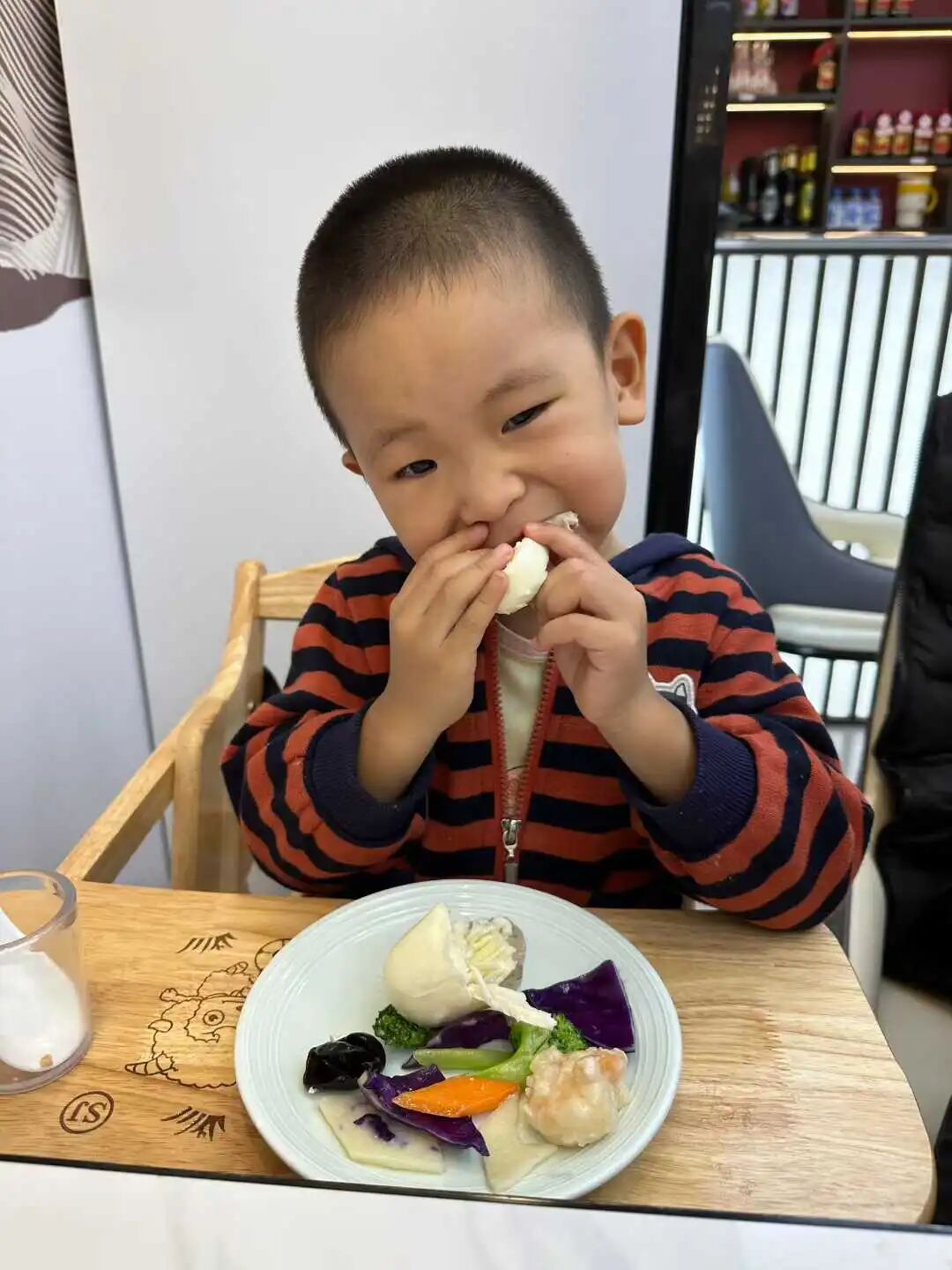
Dardanelles kids' meal.
I brought Suleiman to Ritan Upper Street for a meal. My son really wanted to eat at Dardanelles, and since we hadn't been there in a long time, we went to have some Turkish/Azerbaijani food.
We ordered Azerbaijani beef pilaf (pilov), a cheese platter, a kids' meal, salty yogurt drink (ayran), and sesame flatbread (simit). The restaurant also gave Suleiman a free milk pudding. The Azerbaijani pilaf is sweet and contains dried apricots, raisins, and sour plums. I had it before in Baku, and this place makes it very authentic. The cheese platter includes salty cheese cubes, plain cheese cubes, and cheese balls, served with bread and grapes. It is perfect for a tea snack. The kids' meal features a cheese toast, along with french fries, pumpkin porridge, vegetable rolls, and other items. It is very filling. The yogurt flavor in the ayran is very strong, and I love drinking it.
Part 1: 10 halal restaurants in Beijing worth trying: Pakistani restaurant Lahore Courtyard, Henan Jiaozuo beef knife-cut noodles Maimairehong, halal Mongolian food Hulun Aile, West African Ghana Tribe Garden, Xi'an Xing Laosi meatball spicy soup, Xinjiang Changji Jinying meatball soup, Xinjiang Hotan Canteen, Syrian BRBR, Beijing fusion food Gulou Chimian, and Beijing traditional food Xilaisun.
Part 2: 10 halal restaurants in Beijing worth trying (Part 2): UAE restaurant Gulf Mandi Restaurant, Xinjiang Mansion Xihan meatball soup, Xinjiang Mansion lobby Altay afternoon tea, Muhejia revolving hot pot, Xinjiang Urumqi Nazilan (closed), Beijing pastry shop Baoyuanzhai (closed), Pakistani Samosa China-Pakistan Friendship Restaurant, Ma Ye Roast Duck, Bangladeshi Benjiebi Restaurant, and Huairou Shihu Cheng Resort.
Part 3: 10 recently tried Beijing restaurants recommended: JM Italian Coffee Dongsi branch, halal Hunan food Huixiangyun Xiaochao Wangjing branch (closed), Shandong Dezhou Lao Ma Jia lamb soup and steamed dumplings, Sanlitun Philly cheesesteak, Pakistani Roma Restaurant, Muyuzhai garlic lamb intestines, Inner Mongolia Lianying steamed dumplings (shaomai) Caoyuan Shiliuhong, Wangfujing Gansu spicy hot pot (malatang), and Yuezhen Yayuan halal courtyard restaurant.
Part 4: 10 halal restaurants in Beijing worth trying (Part 4): Hotan Rose Pilaf Yizhuang branch, Taiba Western-style bakery, Taiba South Sanlitun Road street shop, Zhaotong small meat skewers Guijie Ganmaya BBQ, Bai Xiaobei Heilongjiang BBQ, Yunnan Muwenzhai dry-pot beef, Sanlitun Xinjiang restaurant Jiangjiang, Huixiangyun halal Hunan restaurant Zuojiazhuang branch, Yili ice cream shop Bazaar Sweetheart, and Dongzhimennei Qianyuan Hotel.
Part 5: 10 halal restaurants in Beijing worth trying (Part 5): Sandyq Kazakhstan restaurant, Kashgar Restaurant, Ahmed Restaurant, Jingbalang Naan Bazaar, MacMac Lebanese restaurant, Humaer Xinjiang specialty food, Lao Huihui Dumpling Restaurant Zoo branch, Fresh Milk Town Shuangjing branch (closed), Nawab Restaurant, and Liu Ji Watch Repair BBQ.
