
Exploring Tongxin Great Mosque & Ningxia Hui Muslim Heritage: Architecture, Brick Carvings, and History
[Internet Repost]
A Pearl of Ancient Architecture on the Frontier: A Journey Through the Brick Carvings and Hui History of Tongxin Great Mosque
Abstract:
Step into the Tongxin Great Mosque, located in Yuhai Town, Tongxin County, Ningxia. Check out its towering, classical Chinese wooden main hall and mind-blowing openwork brick carvings on the spirit wall, and soak in the deep historical weight of Ningxia's oldest and largest surviving masjid.
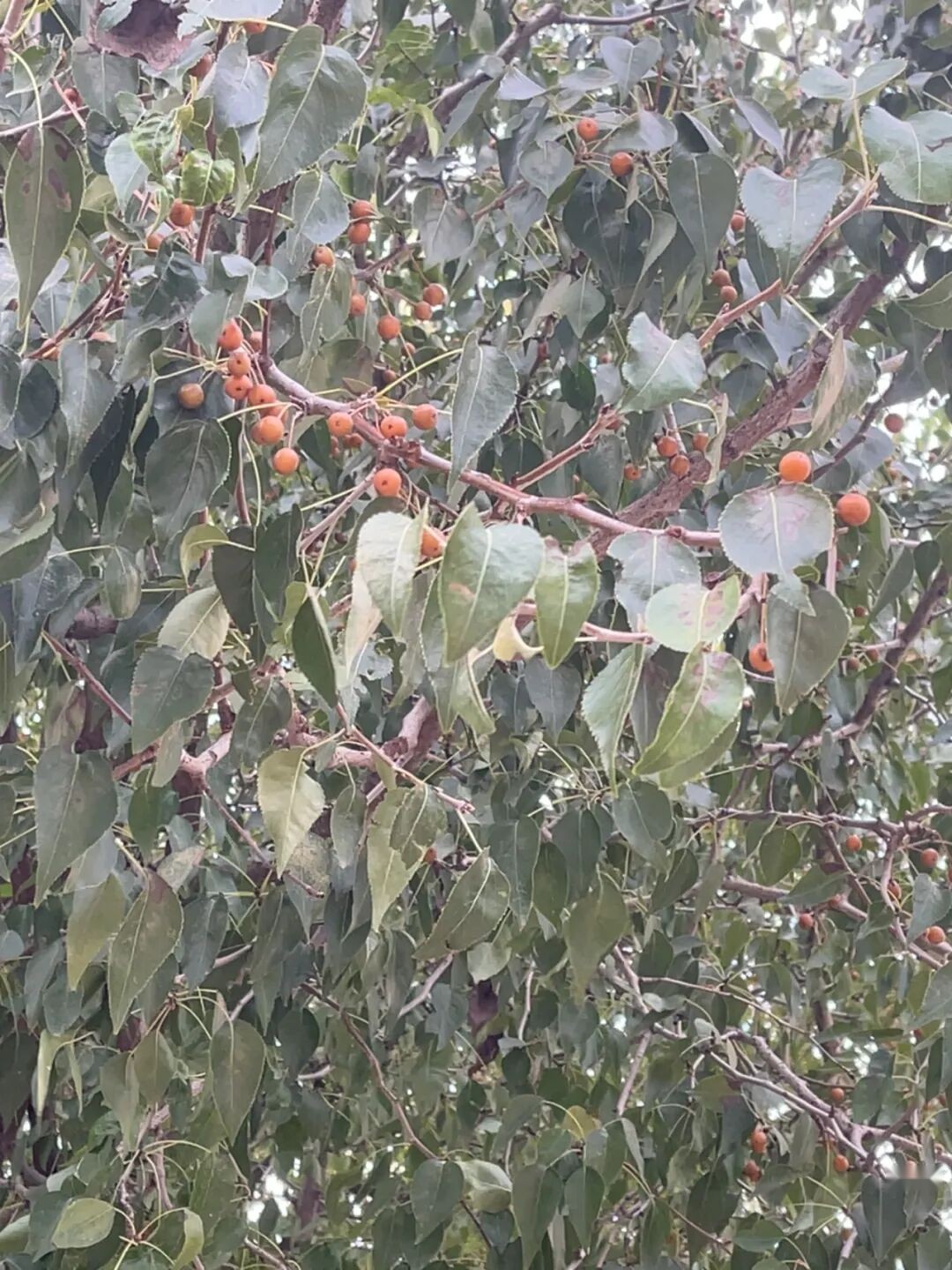
After grabbing a bite in Alxa, we kept moving and stayed overnight in Qingtongxia. That geographic name from the textbook finally came to life. Outside the hotel, I spotted a pear-leaf crabapple tree—a familiar tree from my childhood that I hadn't seen in years.
Time to fuel up and hit the road again.
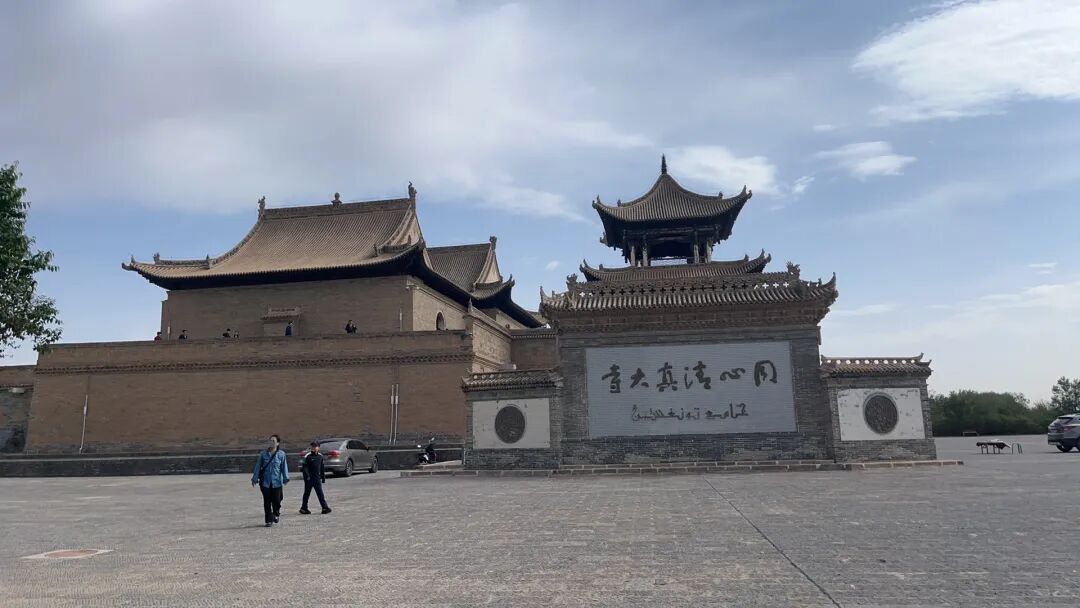
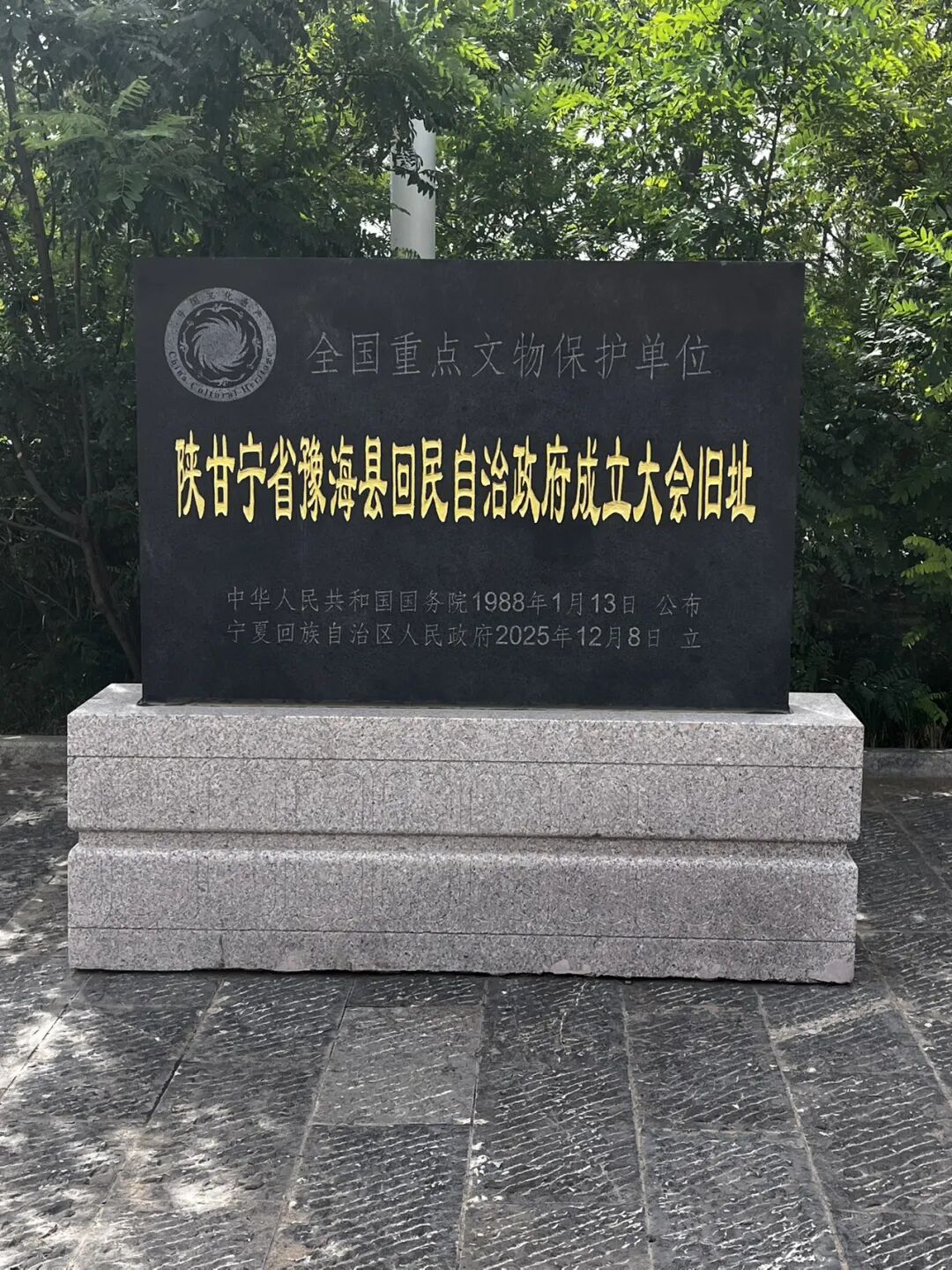
This spot is also a National Key Cultural Relic Protection Unit.
Tongxin Great Mosque (Former Site of the Founding Conference of the Yuhai County Hui Autonomous Government of Shaanxi-Gansu-Ningxia)
Right here in Tongxin County, Ningxia, it's a super unique, traditional Chinese pavilion-style masjid. There are no domes here—just flying eaves and wooden structures that look like an ancient fortress, as well as a site tied to revolutionary red history.
Walking up to the Tongxin Great Mosque, classic Chinese flying eaves and multi-tiered pavilions replace the usual masjid dome, while thick loess walls give it a rugged, historic vibe. This place isn't just an ancient house of worship; it's also where the Yuhai Hui Autonomous Government was born, blending religious heritage and revolutionary history right here on the northwest frontier.
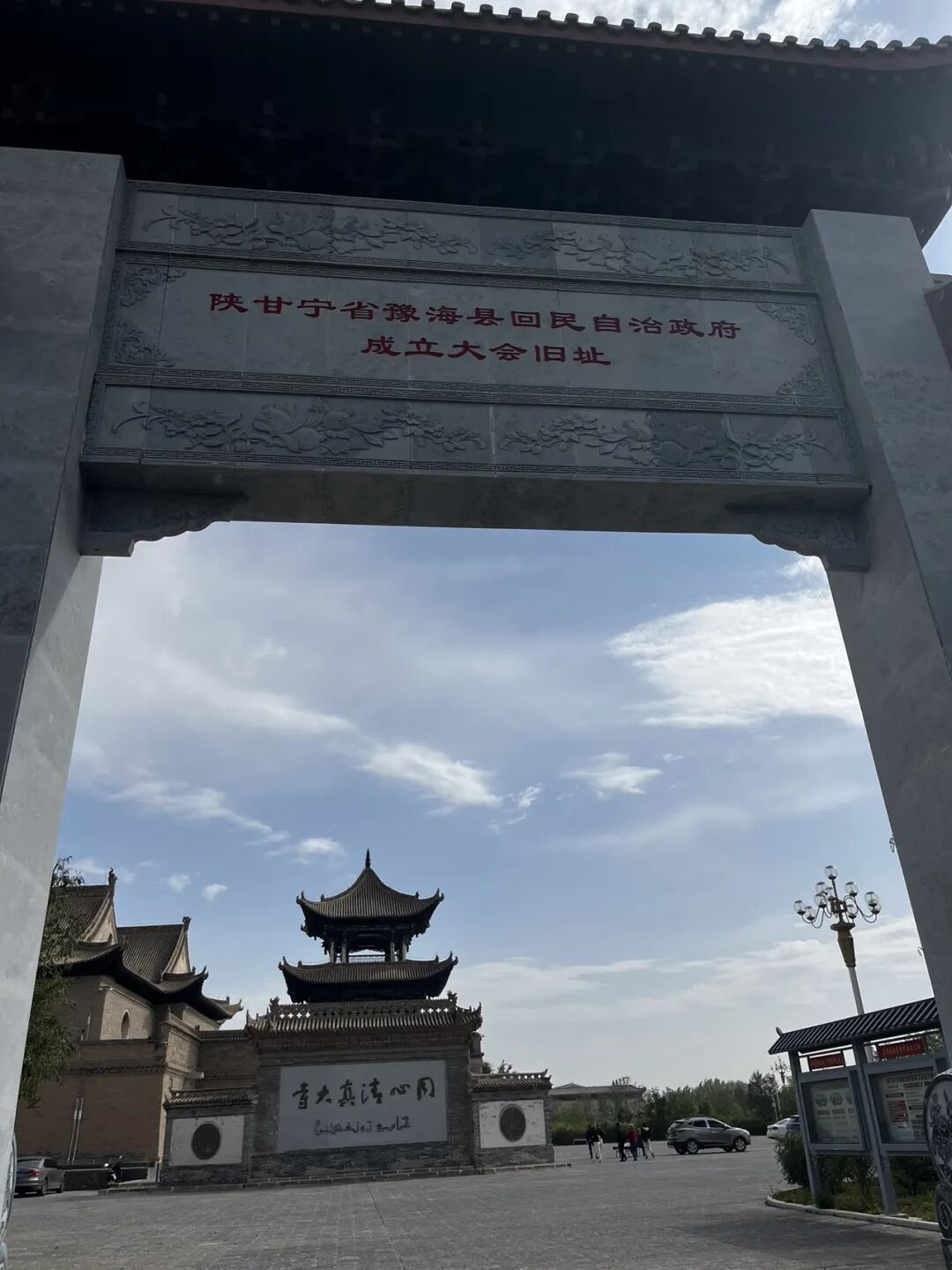
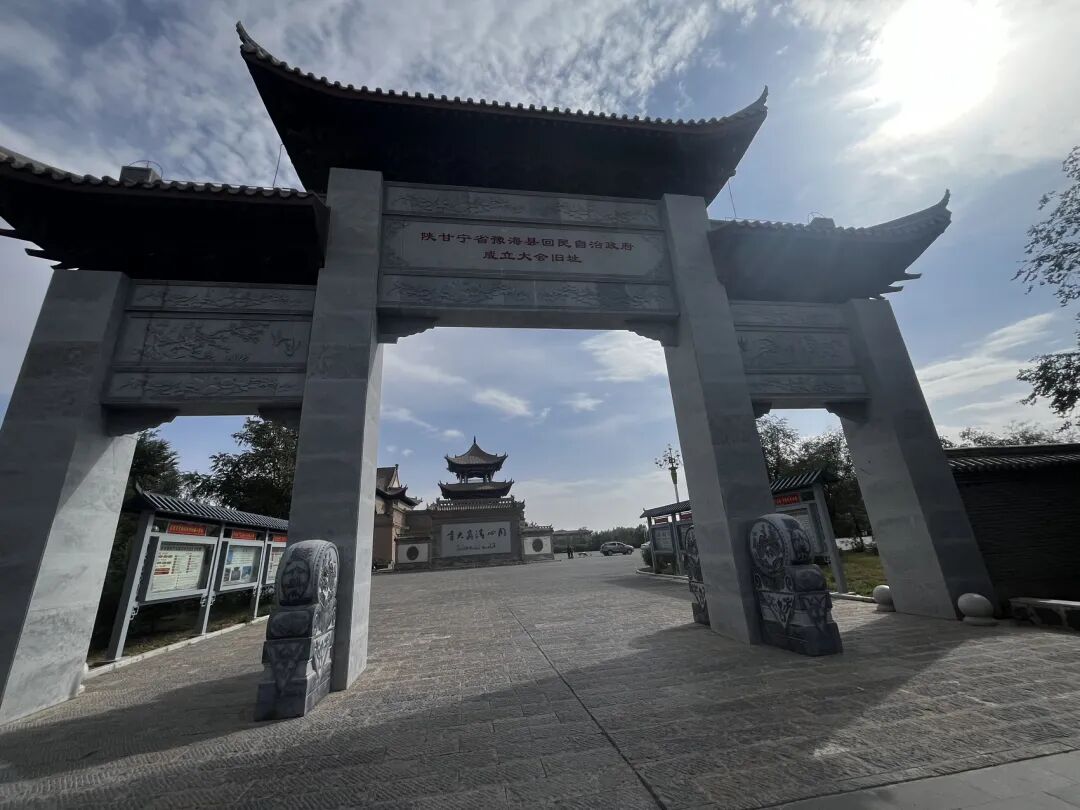
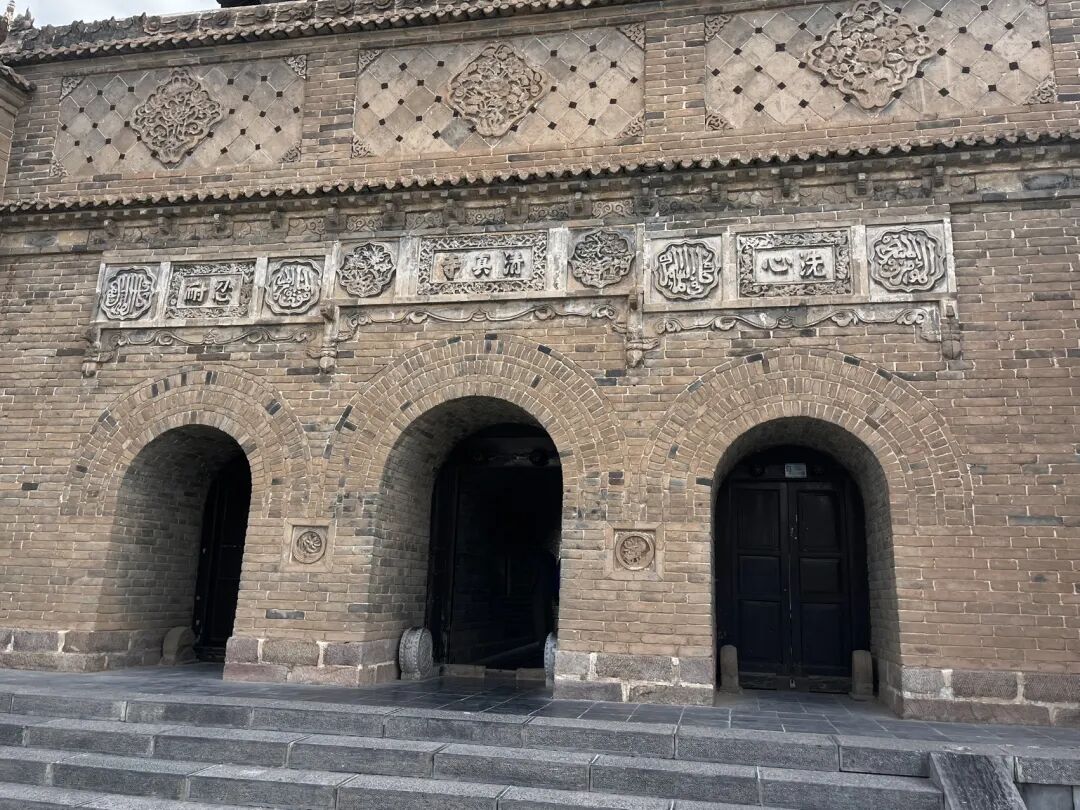
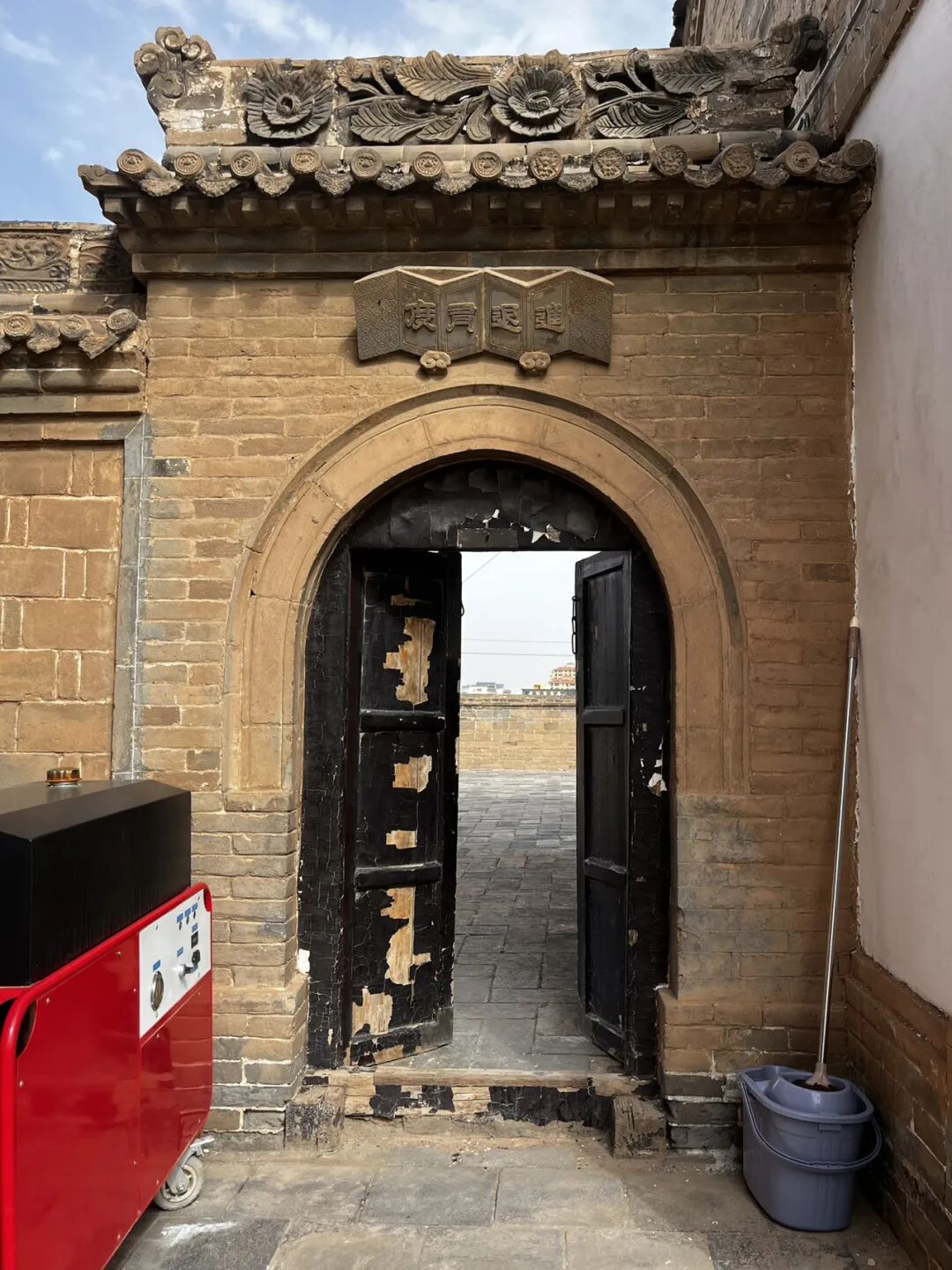
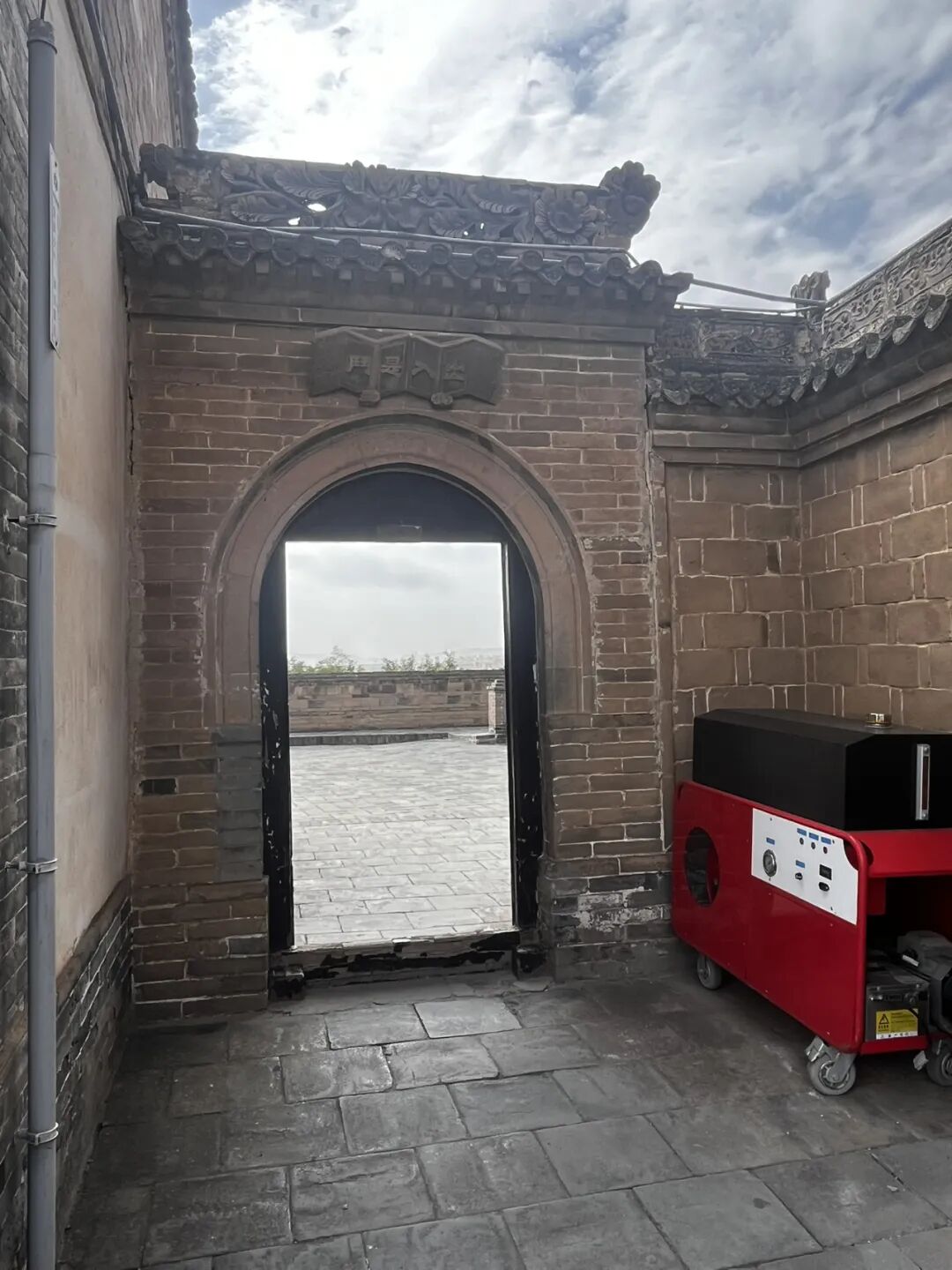
Tongxin Great Mosque Mountain Gate: Three blue-brick archways featuring stunning brick carvings. They're engraved with Chinese characters reading 'Purify the Heart' and 'Endurance' alongside Arabic script, showing a gorgeous fusion of Han Chinese and Hui architectural styles.
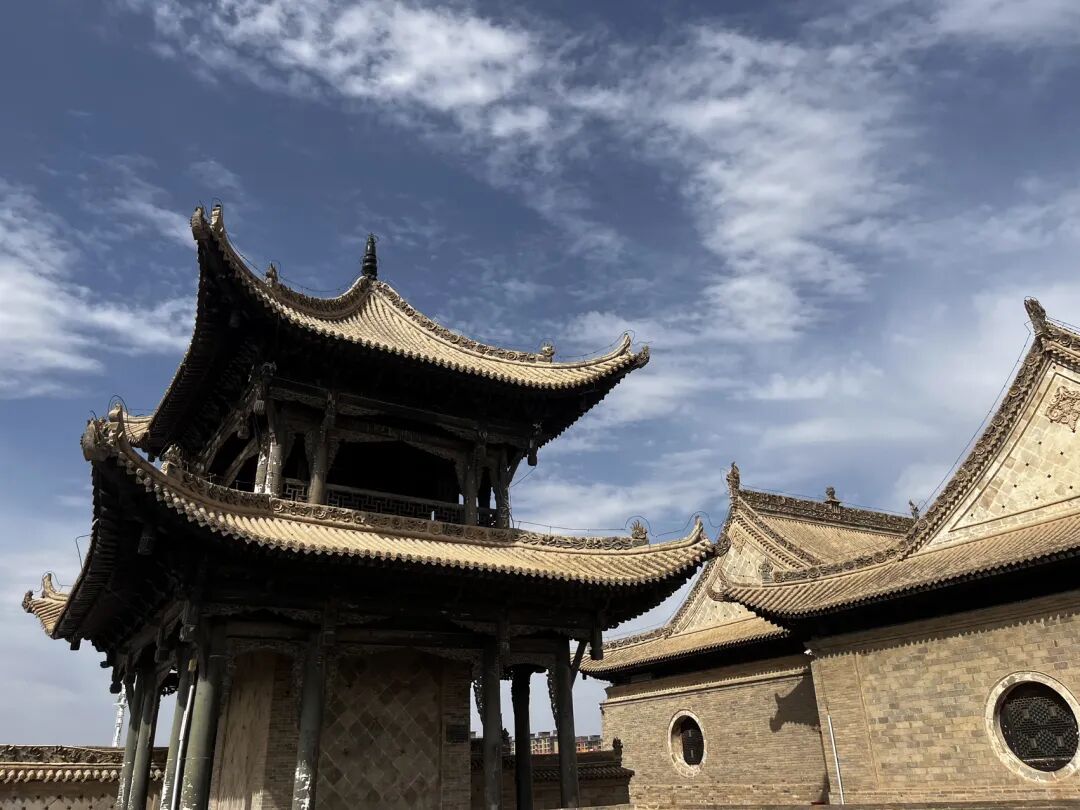
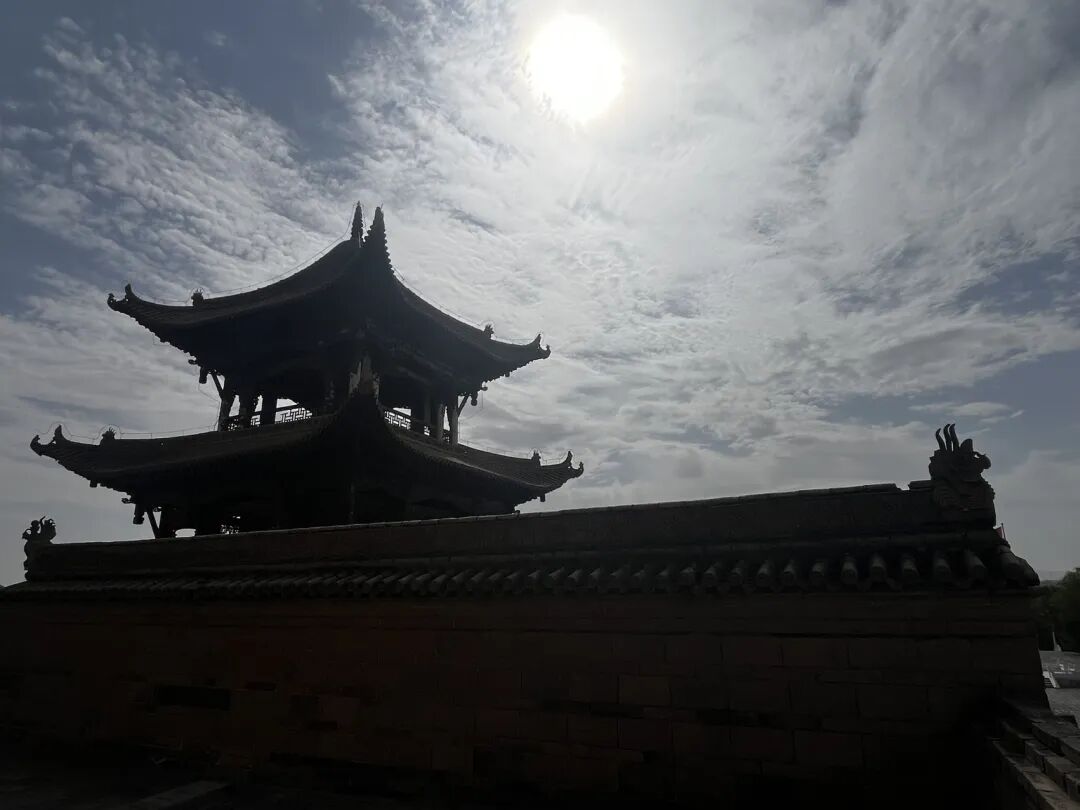
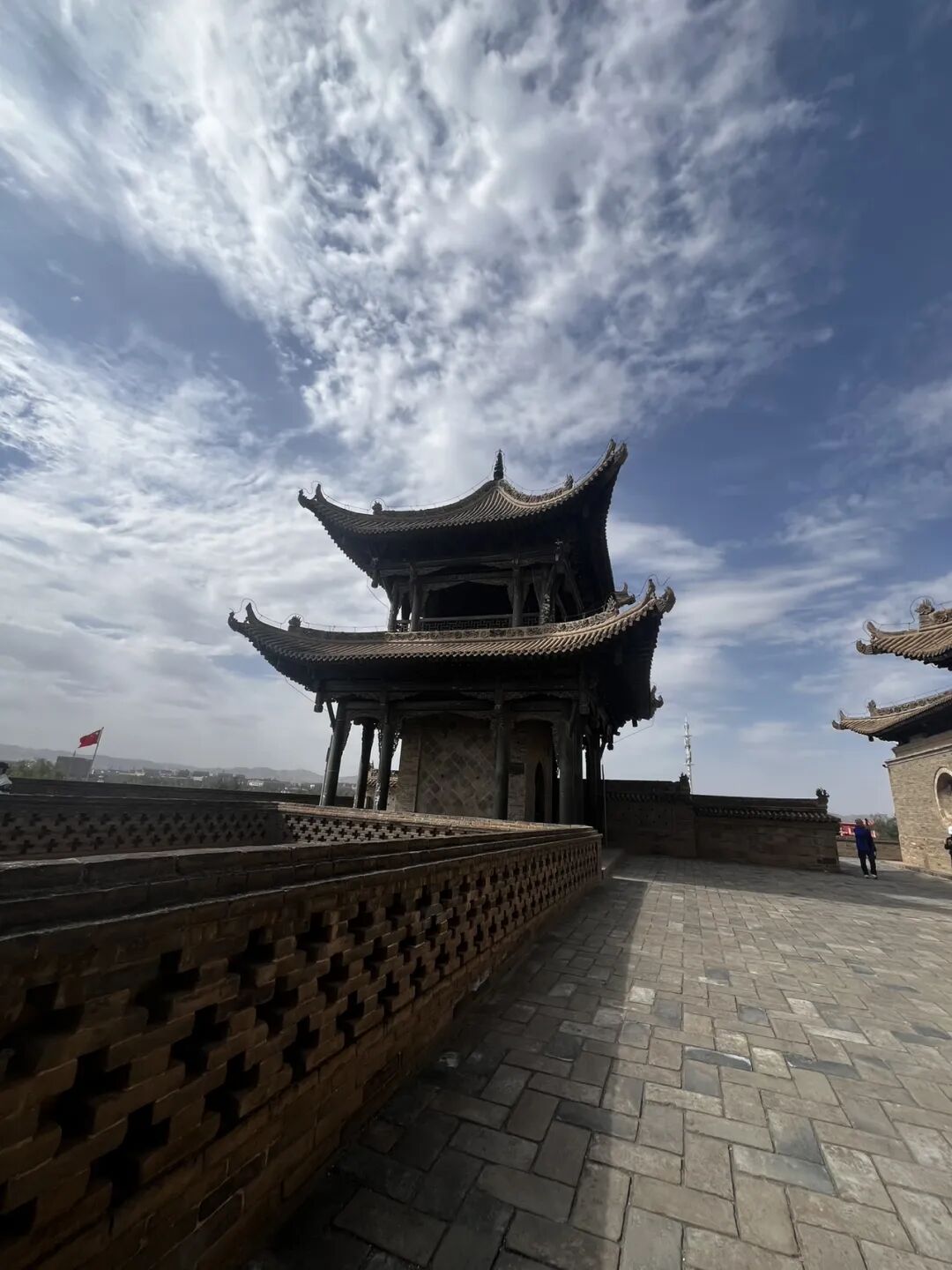
Tongxin Great Mosque Moon-Sighting Tower: A double-eaved, resting-mountain-roof Chinese wooden pavilion with upturned eaves. Without an Islamic dome, it blends Hui and Han architecture, using old loess soil and blue bricks for a rugged, imposing look.
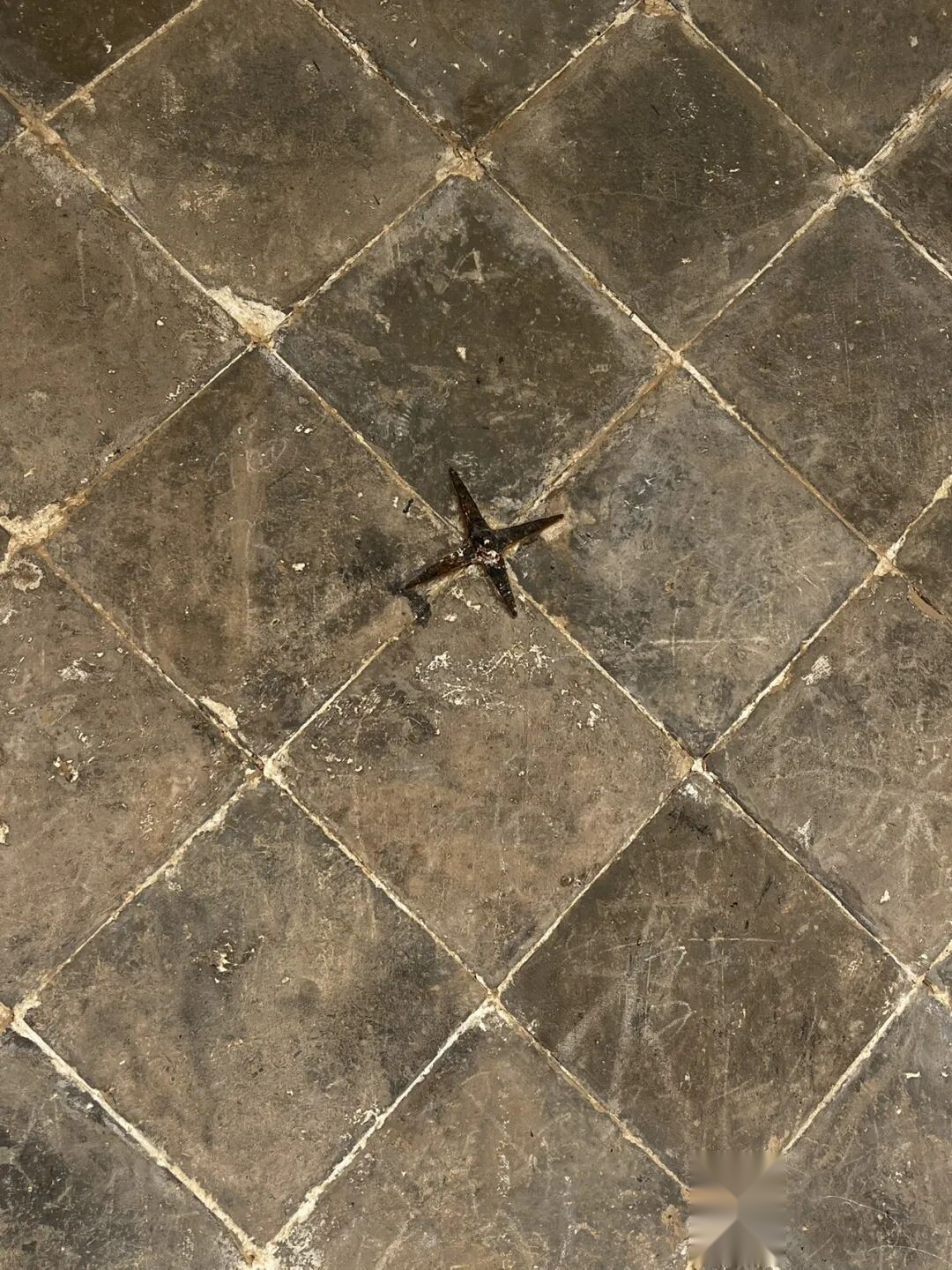
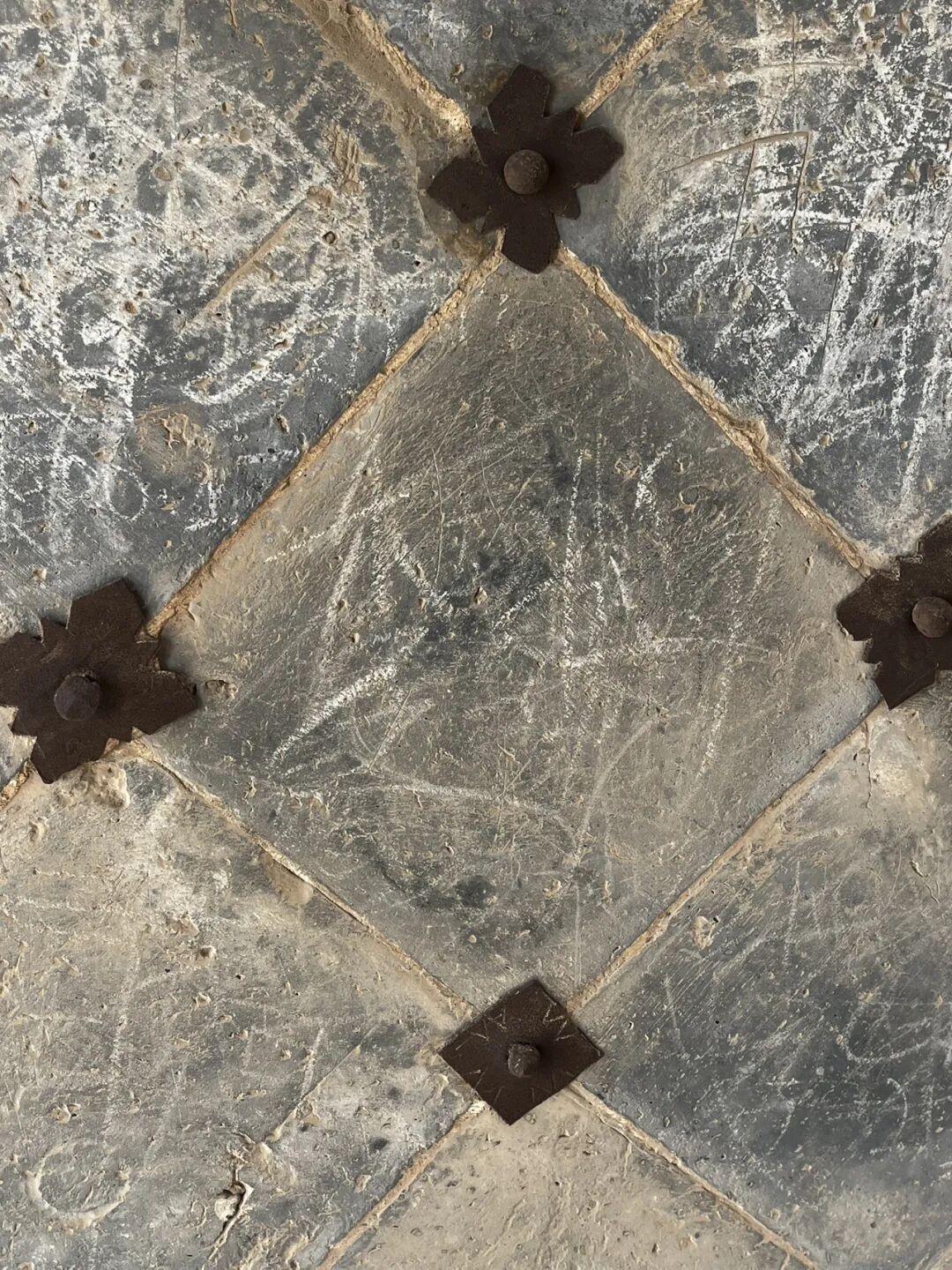
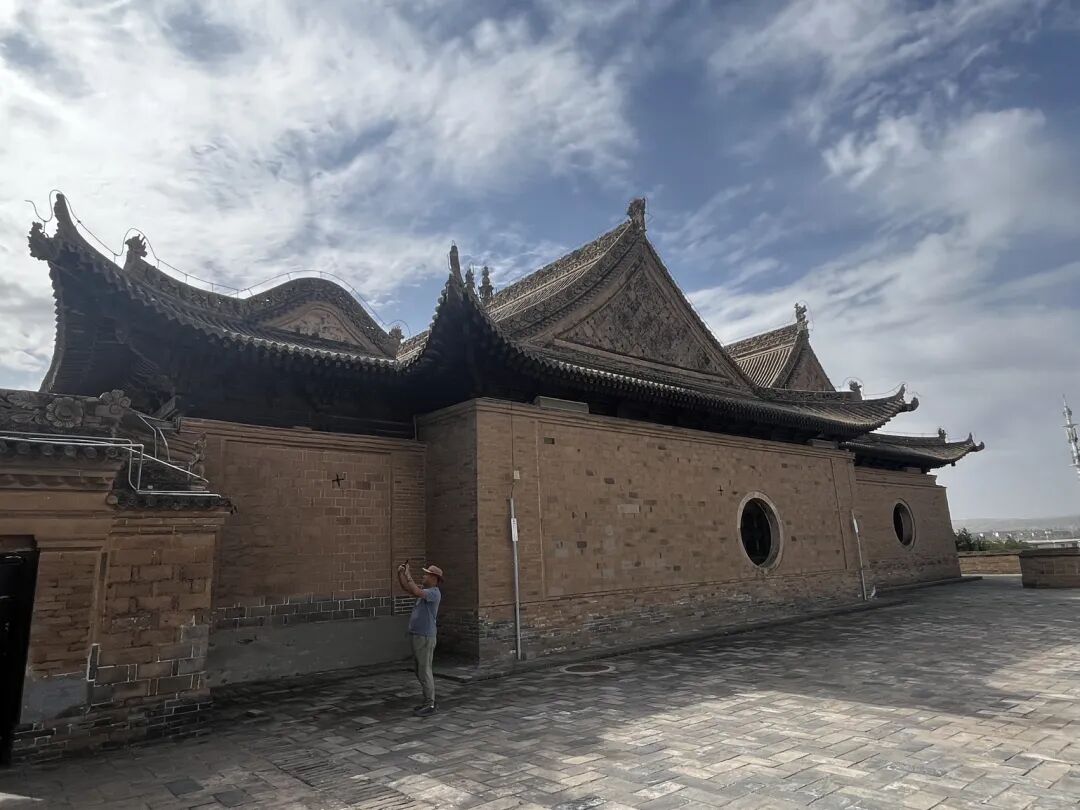
Tongxin Great Mosque Walls: Blue bricks laid in a diagonal diamond pattern, featuring iron tie-rods (wall anchors) that serve double duty for structural reinforcement and decoration. Forged into star and petal shapes, they combine structural engineering with aesthetics—a rare sight in Northwest ancient architecture.
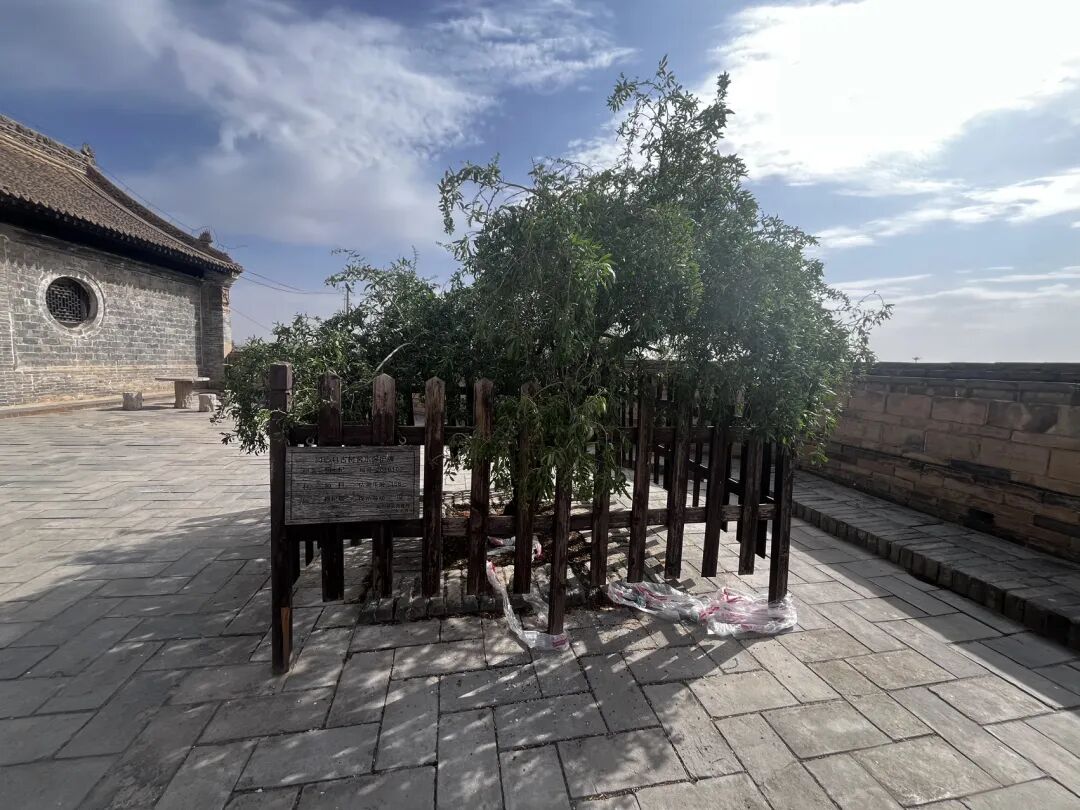
An ancient goji berry tree inside the courtyard of Tongxin Great Mosque. Over a century old and protected by a wooden fence, it grows resiliently right on the high platform of the ancient masjid.
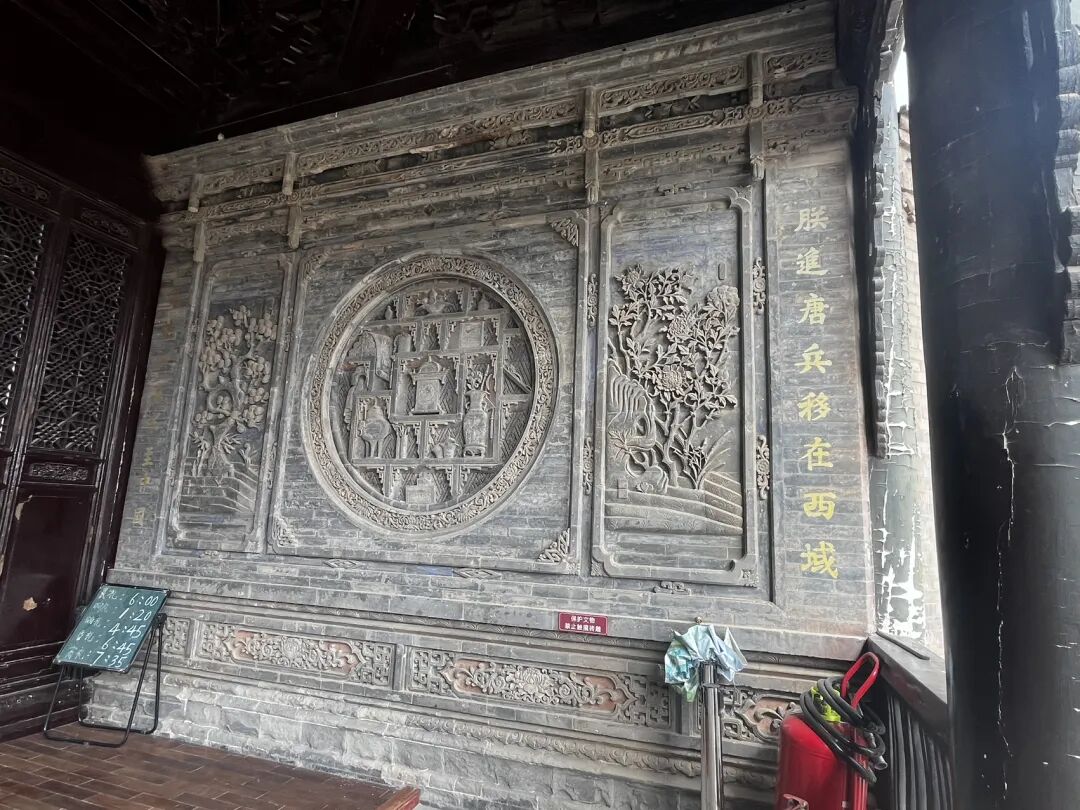
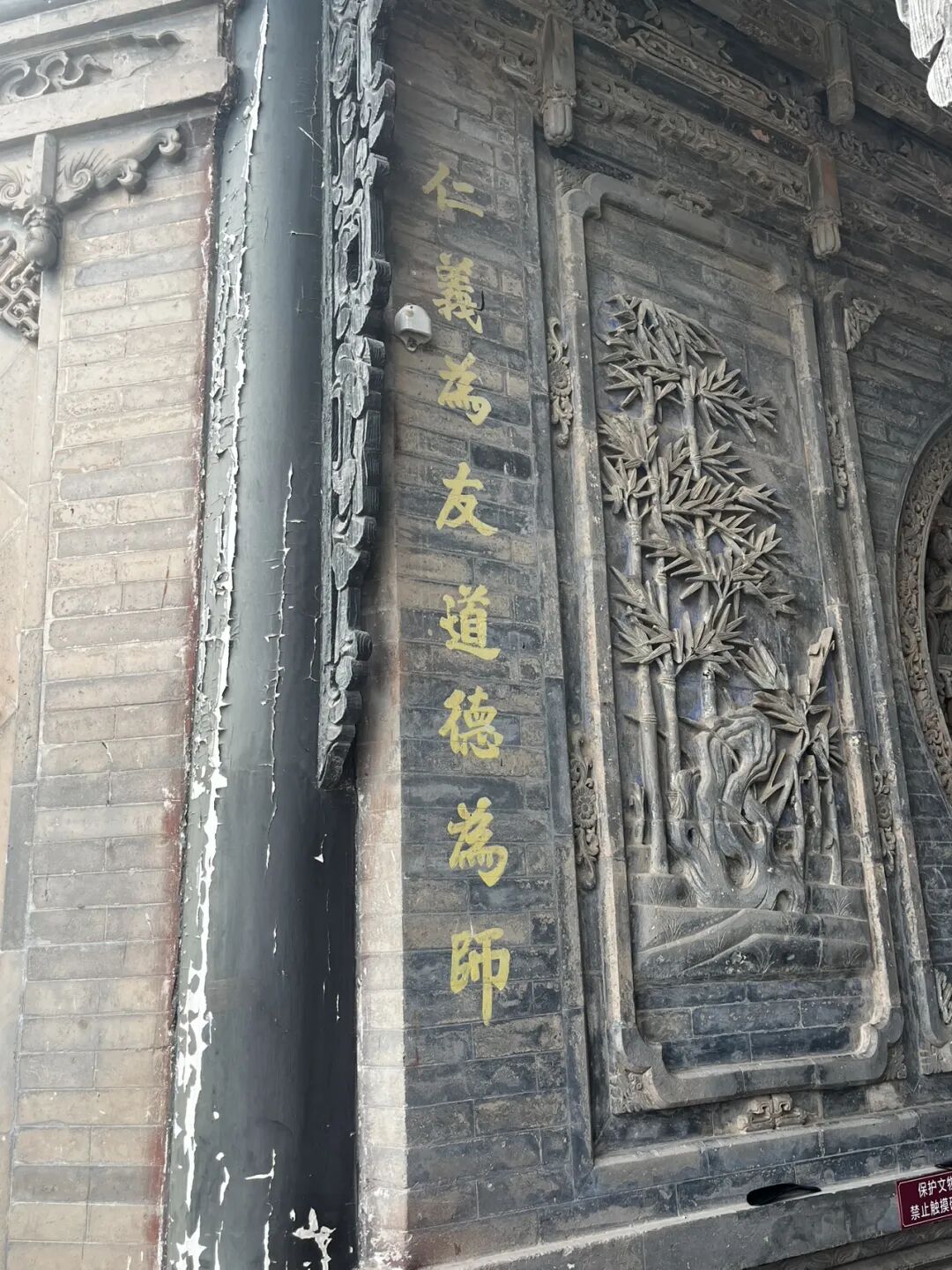
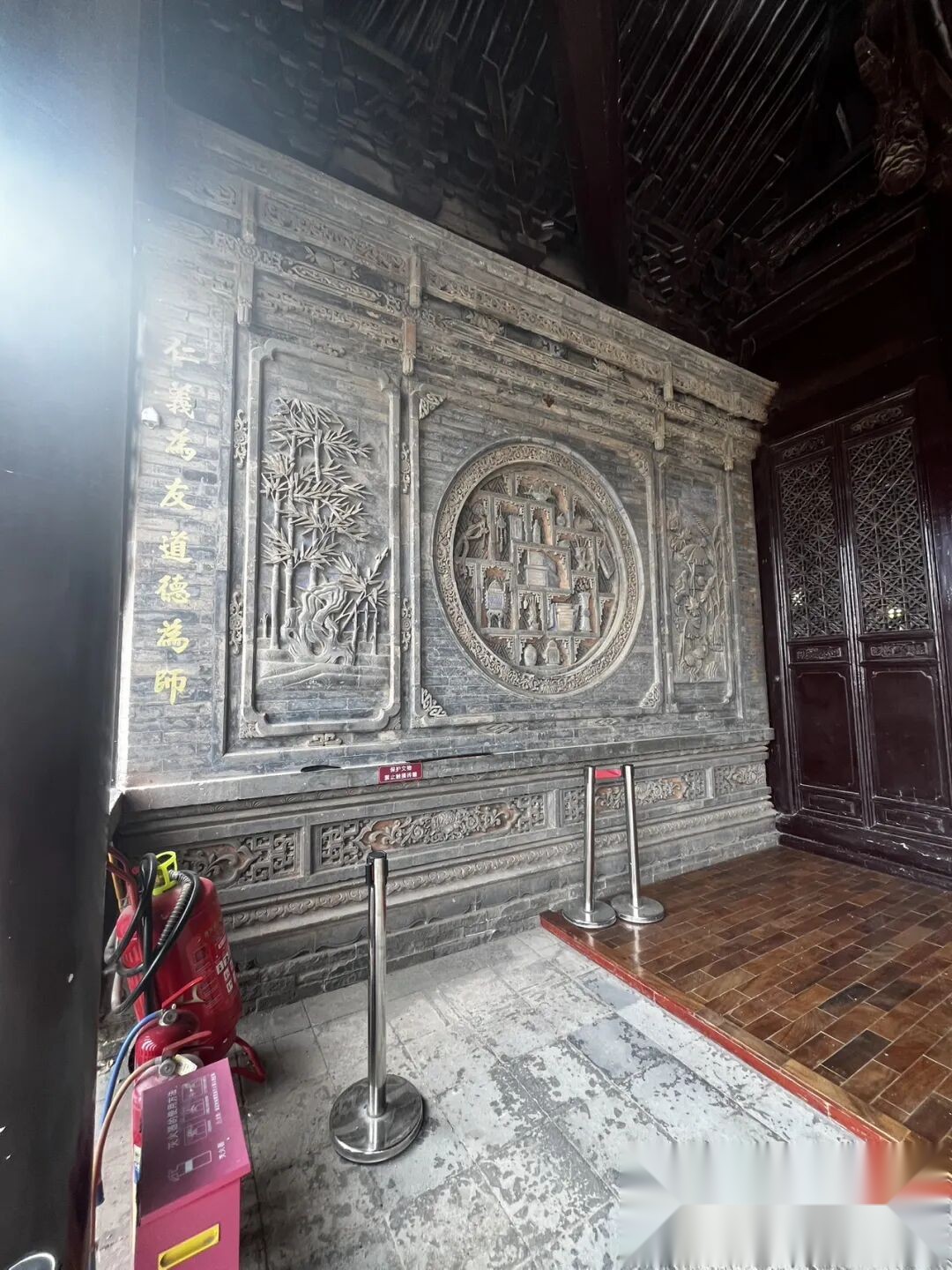
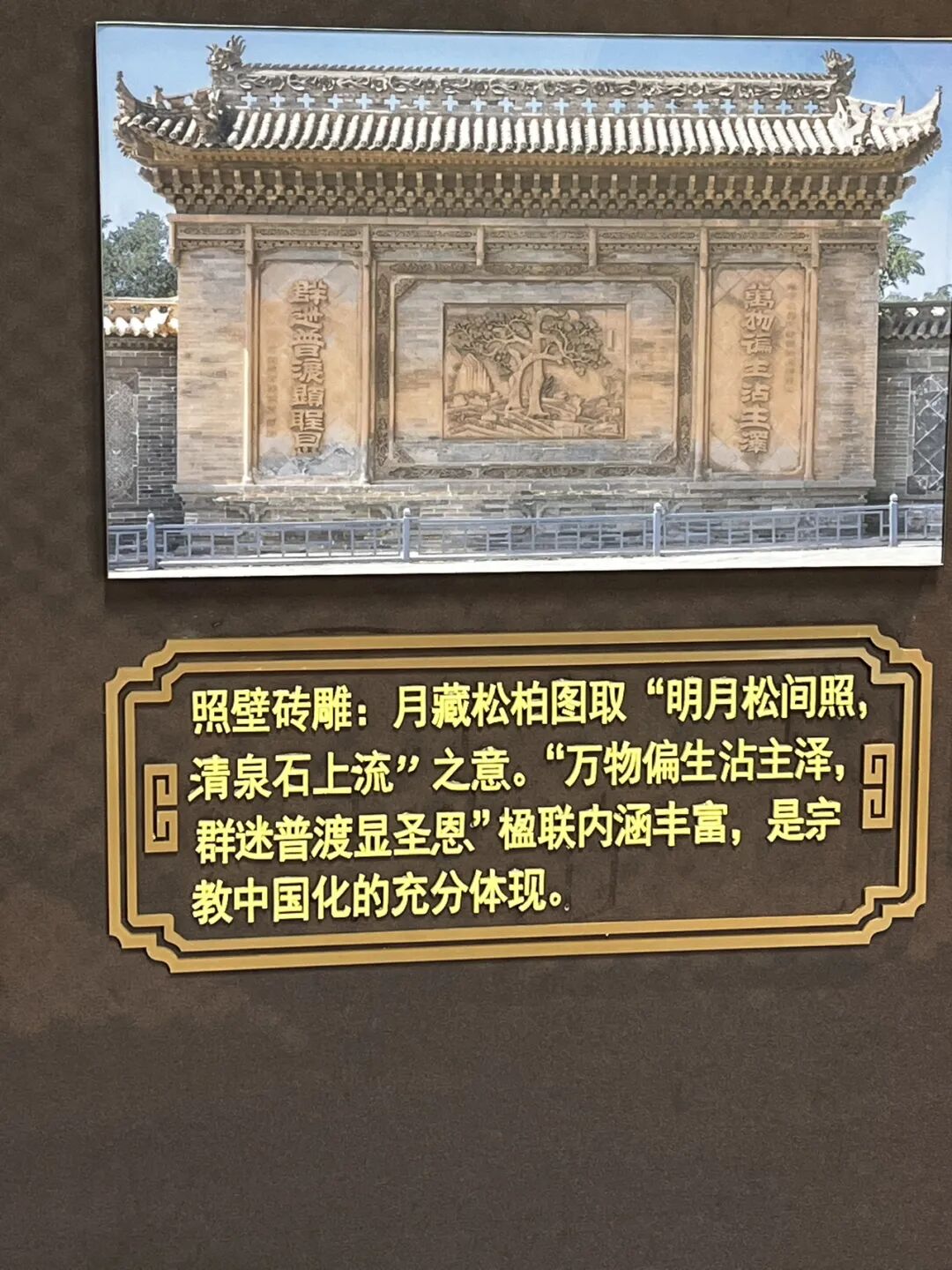
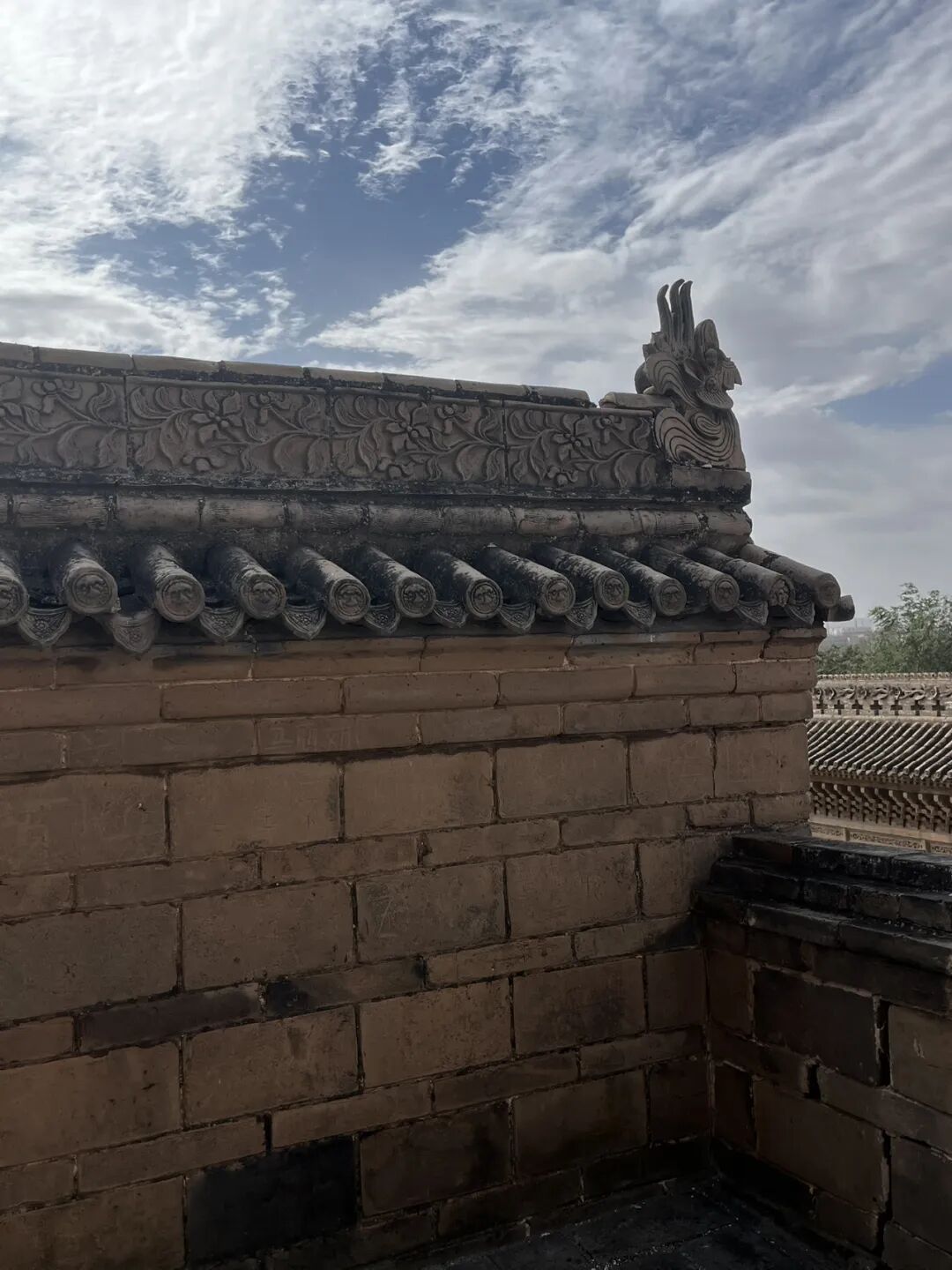
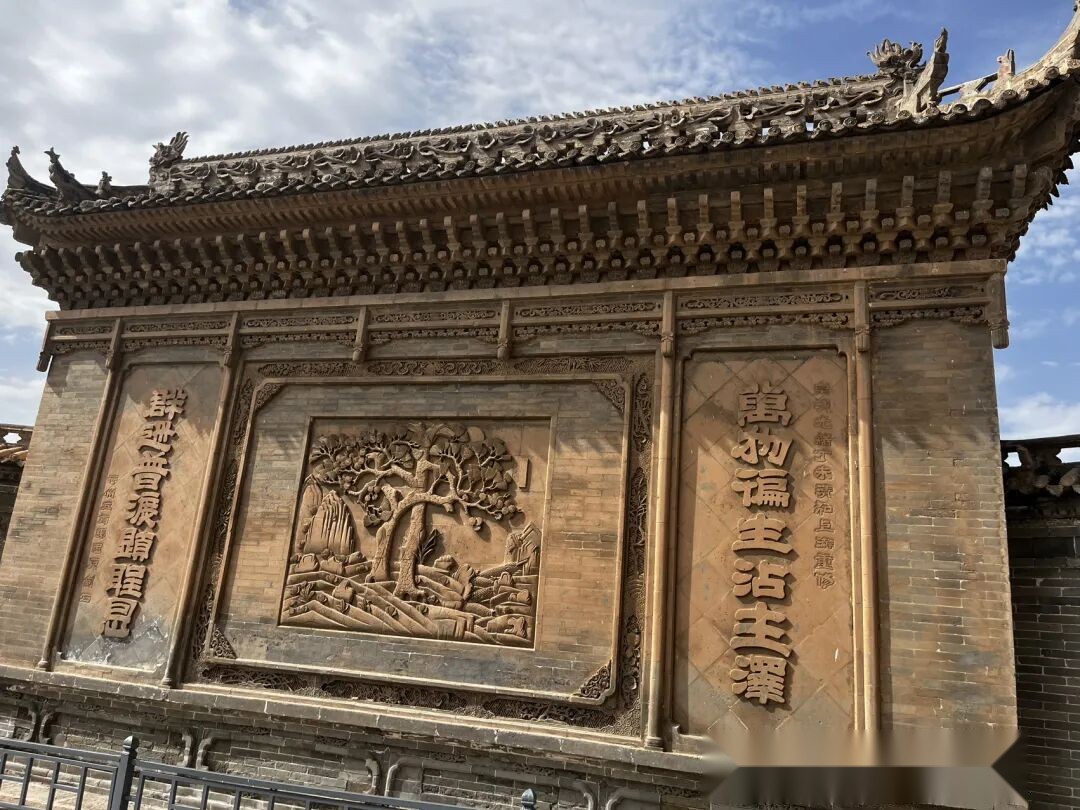
Brick Carvings: Bamboo and rock relief carvings inscribed with the Confucian phrases 'Treat righteousness and duty as friends, treat morality as your teacher.' Confucian literary motifs blend right into the masjid's Chinese brickwork.
'The Emperor sent Tang troops to move into the Western Regions': An inscription recounting past events of the Western Regions from the Tang Dynasty, carved in Chinese characters directly onto the brick walls of the masjid.
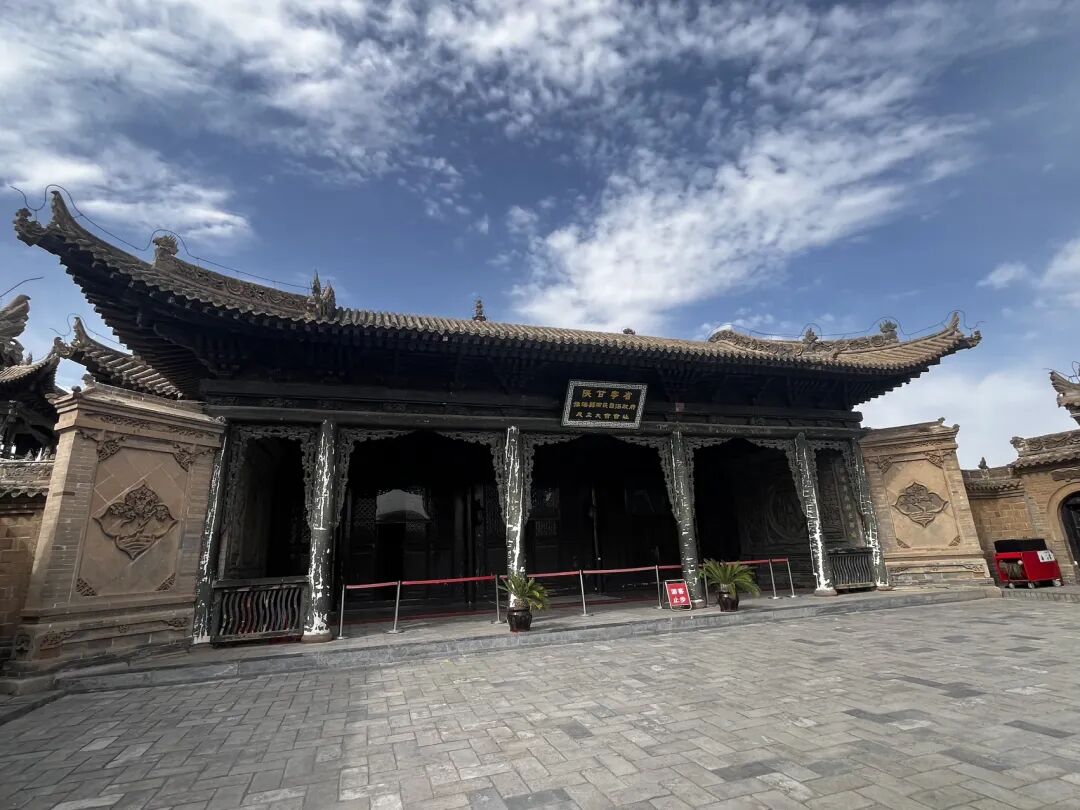
Tongxin Great Mosque Prayer Hall: A double-eaved Chinese wooden main hall that served as the former site of the Yuhai County Hui Autonomous Government of the Shaanxi-Gansu-Ningxia border region. Featuring grand flying eaves and ancient, weathered beams and pillars.
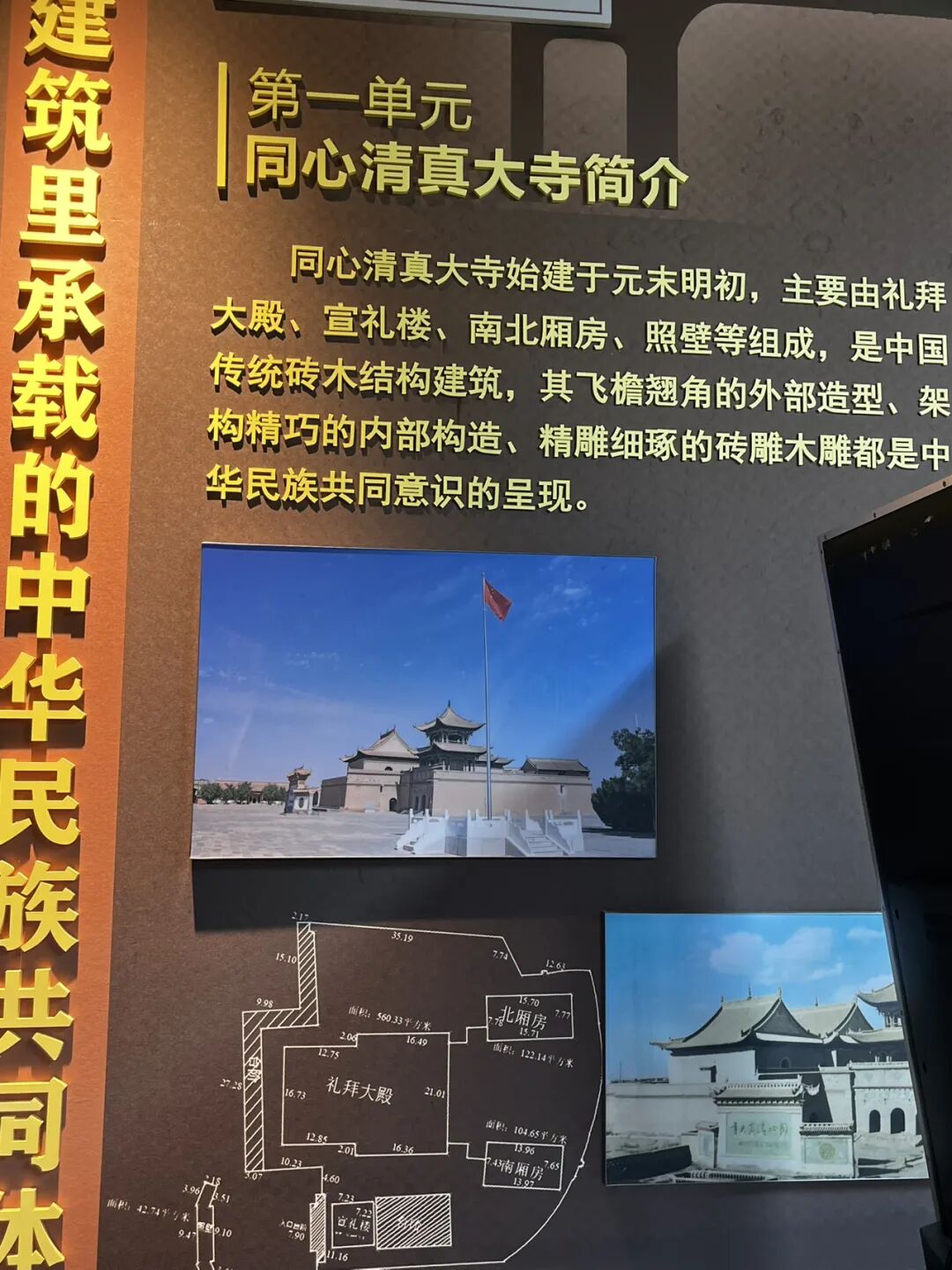
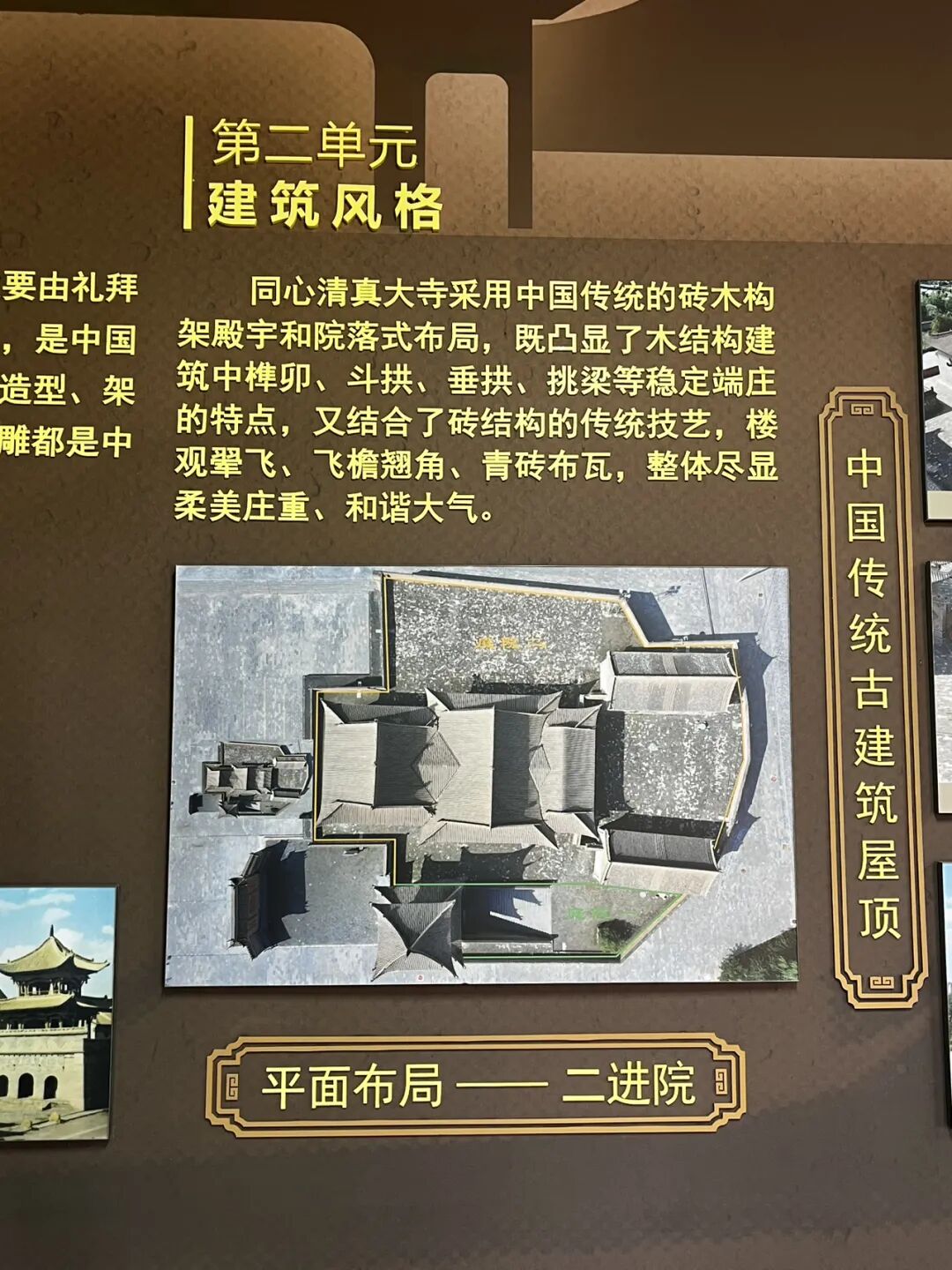
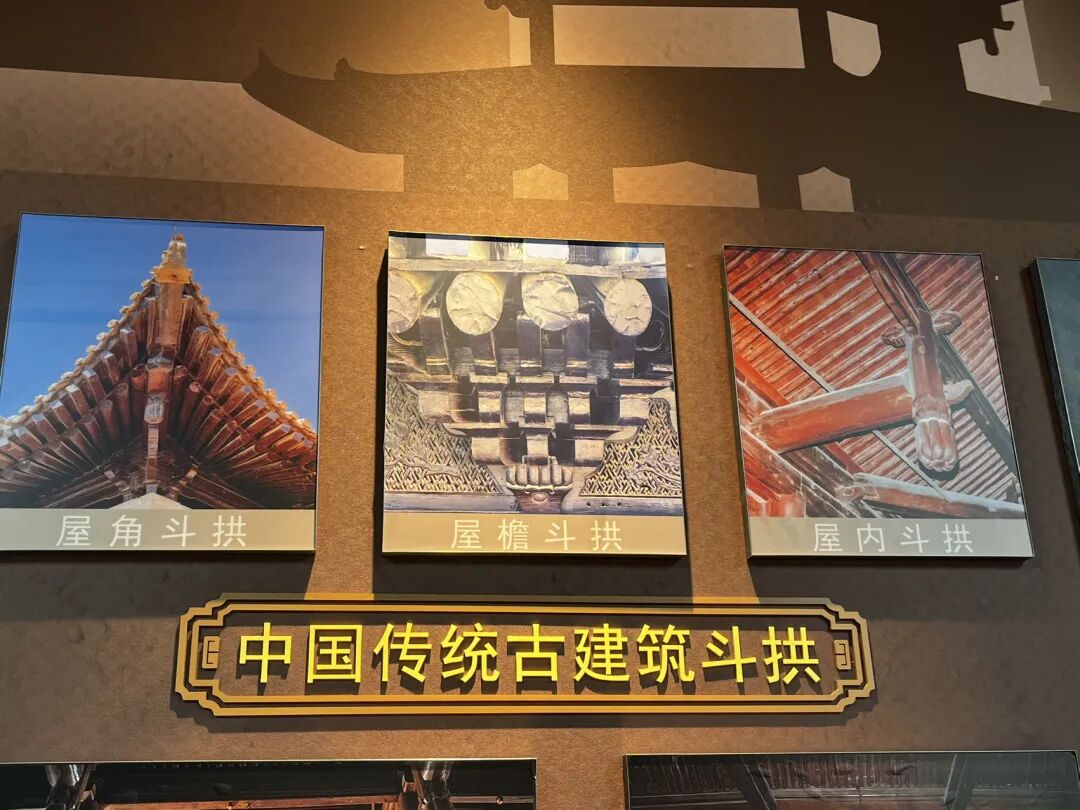
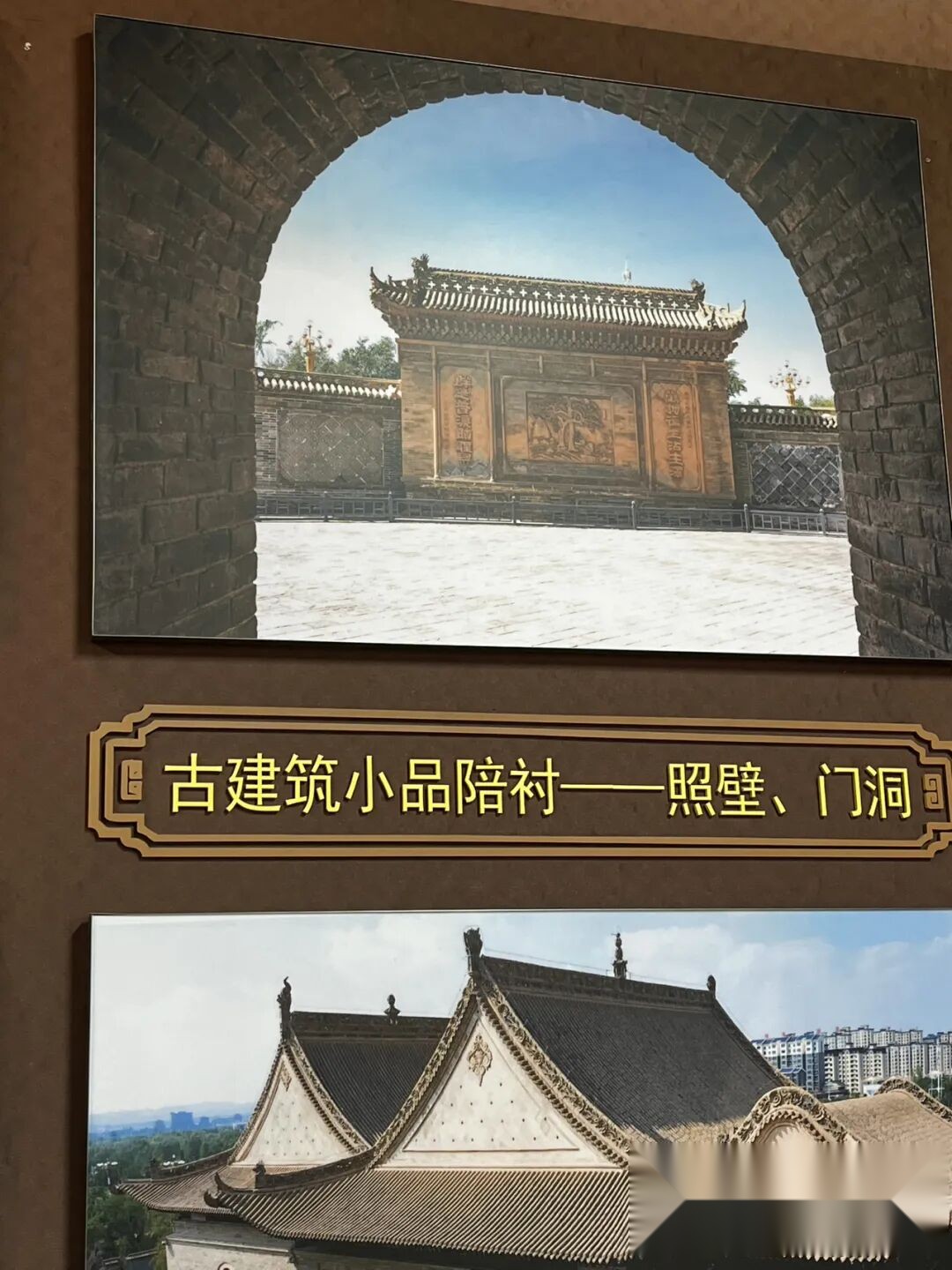
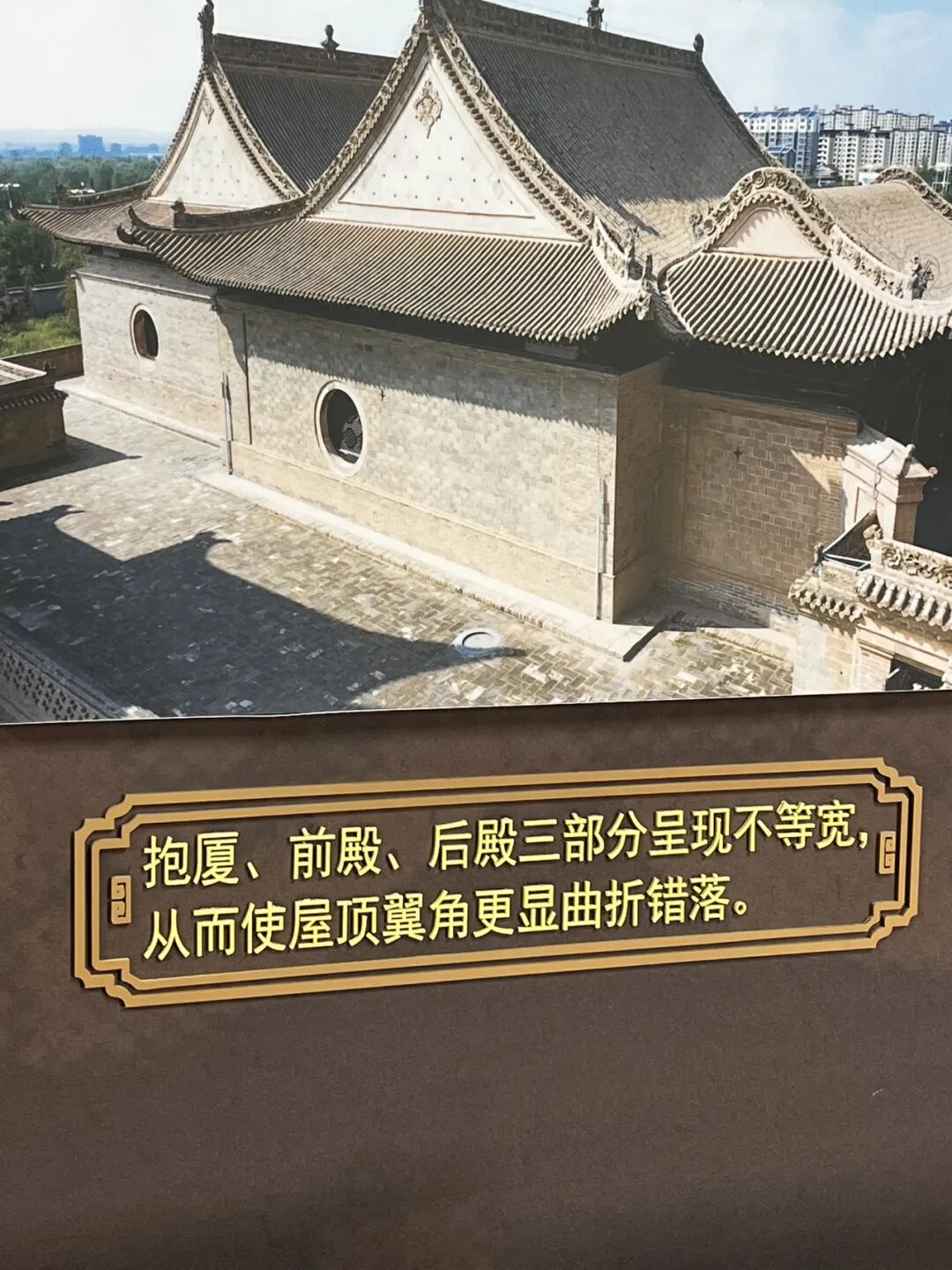
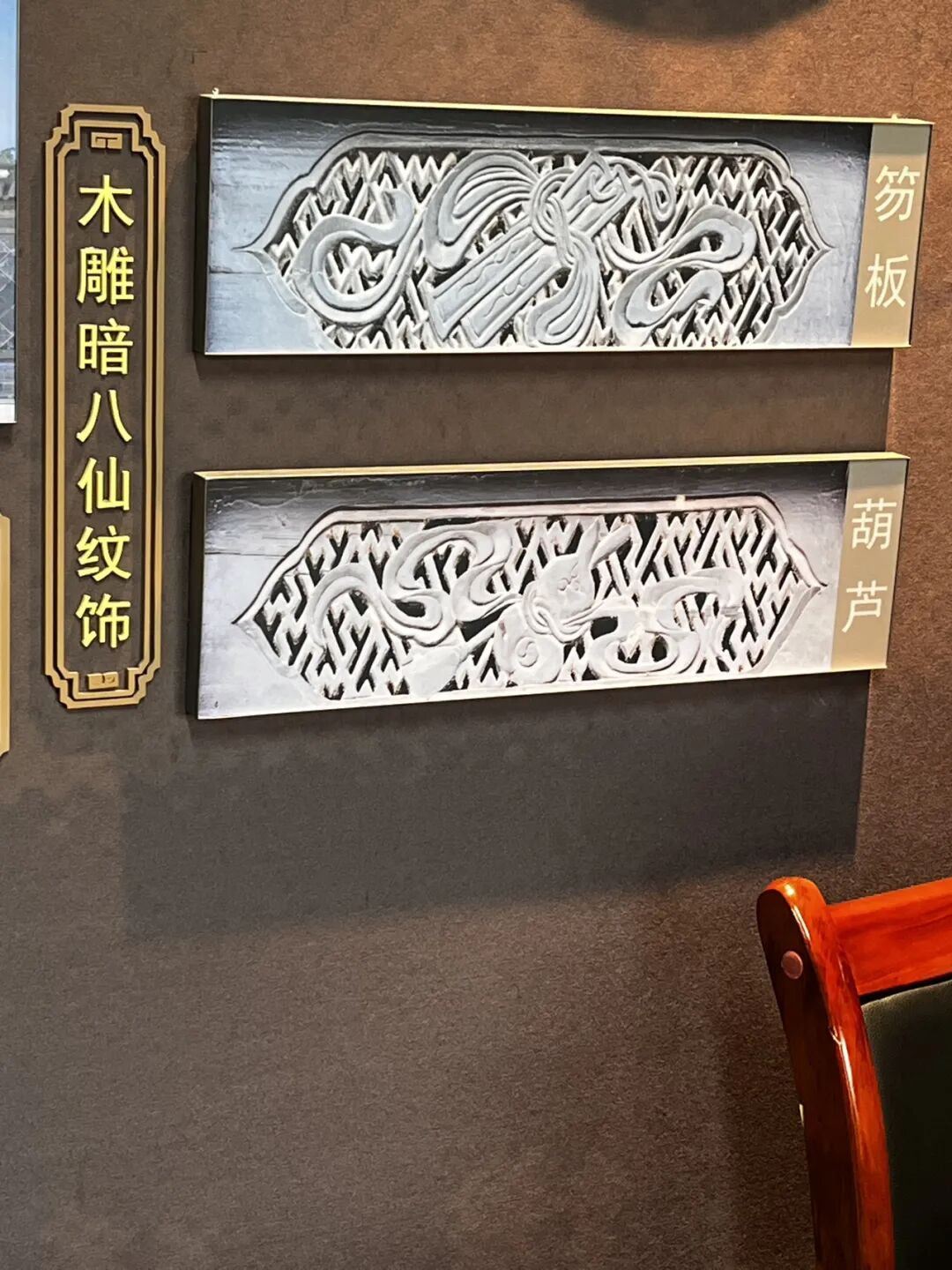
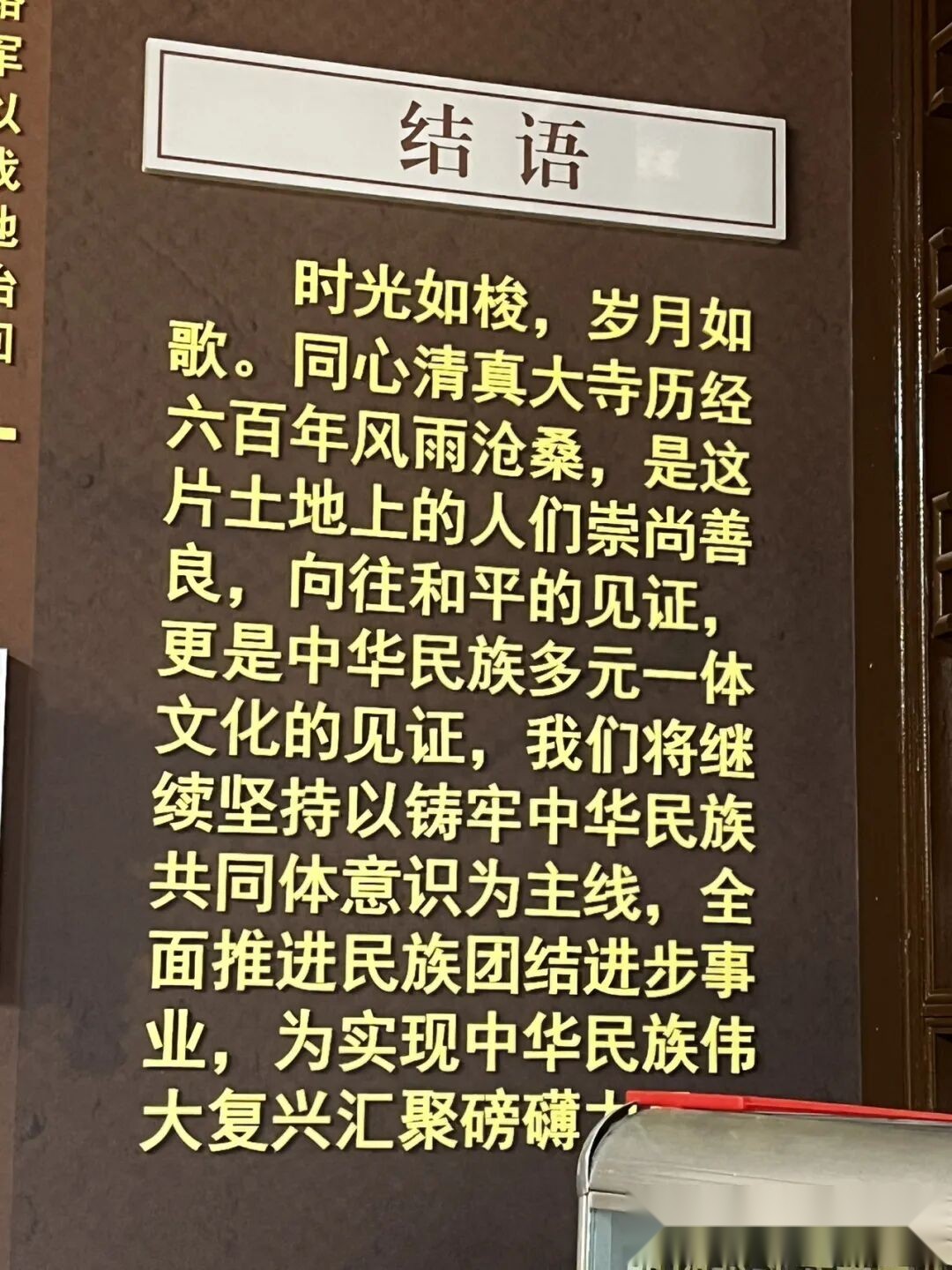
Inside, you'll find super detailed exhibits explaining its architecture and history.
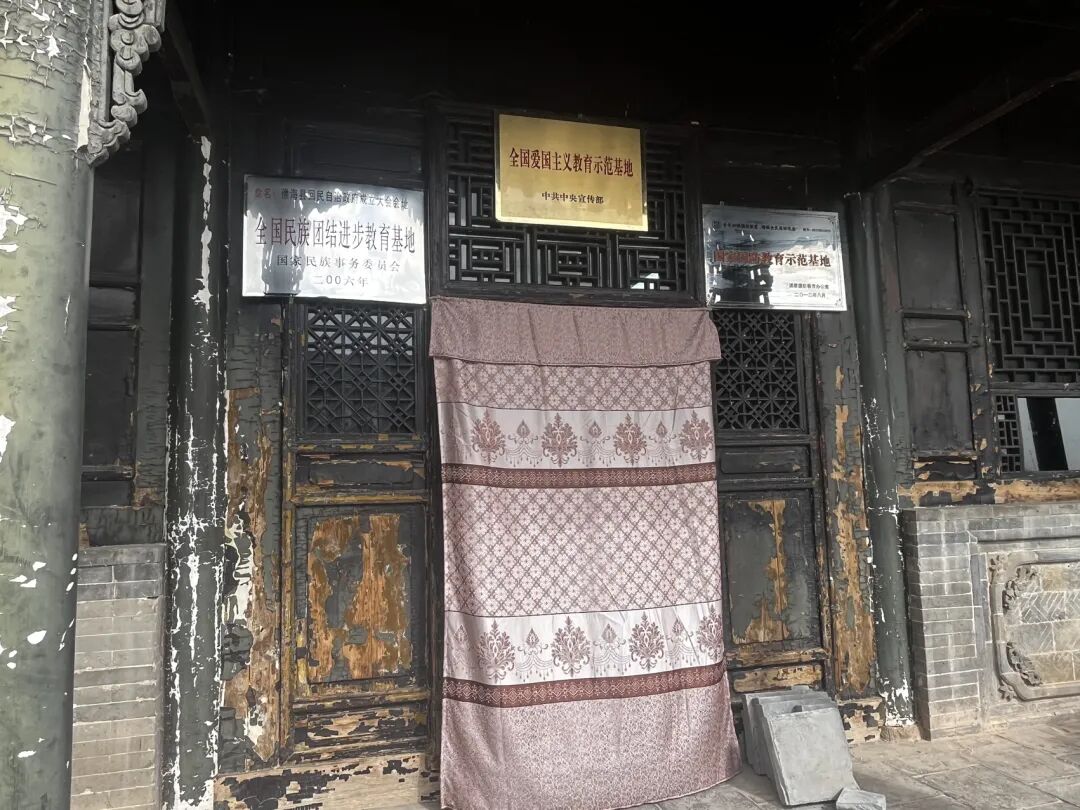
The ancient hall has weathered centuries of wind and rain, leading to some rotting wooden components. During major renovations from 1982 to 1983, a specialized crew of craftsmen from Hancheng, Shaanxi, was brought in to lead the project. The skill of these veteran Guanzhong artisans was put to work on this northwest ancient masjid, repairing beam frameworks and restoring dougong bracket sets. They preserved the original architectural form and vibe to the absolute max, helping this ancient hall on its high platform survive to this day. Standing in front of the hall, you can appreciate both the heavy craftsmanship of Ming and Qing woodwork and the heartfelt dedication of cross-regional artisans passing the torch to protect our cultural relics.


A Pearl of Ancient Architecture on the Frontier: A Journey Through the Brick Carvings and Hui History of Tongxin Great Mosque
Abstract:
Step into the Tongxin Great Mosque, located in Yuhai Town, Tongxin County, Ningxia. Check out its towering, classical Chinese wooden main hall and mind-blowing openwork brick carvings on the spirit wall, and soak in the deep historical weight of Ningxia's oldest and largest surviving masjid.
After grabbing a bite in Alxa, we kept moving and stayed overnight in Qingtongxia. That geographic name from the textbook finally came to life. Outside the hotel, I spotted a pear-leaf crabapple tree—a familiar tree from my childhood that I hadn't seen in years.
Time to fuel up and hit the road again.
This spot is also a National Key Cultural Relic Protection Unit.
Tongxin Great Mosque (Former Site of the Founding Conference of the Yuhai County Hui Autonomous Government of Shaanxi-Gansu-Ningxia)
Right here in Tongxin County, Ningxia, it's a super unique, traditional Chinese pavilion-style masjid. There are no domes here—just flying eaves and wooden structures that look like an ancient fortress, as well as a site tied to revolutionary red history.
Walking up to the Tongxin Great Mosque, classic Chinese flying eaves and multi-tiered pavilions replace the usual masjid dome, while thick loess walls give it a rugged, historic vibe. This place isn't just an ancient house of worship; it's also where the Yuhai Hui Autonomous Government was born, blending religious heritage and revolutionary history right here on the northwest frontier.
Tongxin Great Mosque Mountain Gate: Three blue-brick archways featuring stunning brick carvings. They're engraved with Chinese characters reading 'Purify the Heart' and 'Endurance' alongside Arabic script, showing a gorgeous fusion of Han Chinese and Hui architectural styles.
Tongxin Great Mosque Moon-Sighting Tower: A double-eaved, resting-mountain-roof Chinese wooden pavilion with upturned eaves. Without an Islamic dome, it blends Hui and Han architecture, using old loess soil and blue bricks for a rugged, imposing look.
Tongxin Great Mosque Walls: Blue bricks laid in a diagonal diamond pattern, featuring iron tie-rods (wall anchors) that serve double duty for structural reinforcement and decoration. Forged into star and petal shapes, they combine structural engineering with aesthetics—a rare sight in Northwest ancient architecture.
An ancient goji berry tree inside the courtyard of Tongxin Great Mosque. Over a century old and protected by a wooden fence, it grows resiliently right on the high platform of the ancient masjid.
Brick Carvings: Bamboo and rock relief carvings inscribed with the Confucian phrases 'Treat righteousness and duty as friends, treat morality as your teacher.' Confucian literary motifs blend right into the masjid's Chinese brickwork.
'The Emperor sent Tang troops to move into the Western Regions': An inscription recounting past events of the Western Regions from the Tang Dynasty, carved in Chinese characters directly onto the brick walls of the masjid.
Tongxin Great Mosque Prayer Hall: A double-eaved Chinese wooden main hall that served as the former site of the Yuhai County Hui Autonomous Government of the Shaanxi-Gansu-Ningxia border region. Featuring grand flying eaves and ancient, weathered beams and pillars.
Inside, you'll find super detailed exhibits explaining its architecture and history.
The ancient hall has weathered centuries of wind and rain, leading to some rotting wooden components. During major renovations from 1982 to 1983, a specialized crew of craftsmen from Hancheng, Shaanxi, was brought in to lead the project. The skill of these veteran Guanzhong artisans was put to work on this northwest ancient masjid, repairing beam frameworks and restoring dougong bracket sets. They preserved the original architectural form and vibe to the absolute max, helping this ancient hall on its high platform survive to this day. Standing in front of the hall, you can appreciate both the heavy craftsmanship of Ming and Qing woodwork and the heartfelt dedication of cross-regional artisans passing the torch to protect our cultural relics.
