Notification settings New notifications
Best Halal Street Food in Shanghai: Exploring the Iconic Friday Market at Huxi Mosque and Authentic Xinjiang Delicacies
Articles • Hasan09 posted the article • 0 comments • 22 views • 1 days ago
For a long time, the stretch of Aomen Road by the Huxi Mosque was packed every Friday with all sorts of unique and delicious Halal street food. I was lucky enough to work nearby back then, so I made sure to stop by all the time!
The rows of red tents were super eye-catching, stretching on as far as the eye could see.
It’s honestly impressive how much the expats seem to know about this place—a lot of locals don't even know it exists!
You’ve got vendors selling everything from walnuts to fresh-baked nang.
The shouzhua fan stall is always doing great business; there wasn't a single empty seat in sight!
There are so many different stalls selling yangrou chuan that the whole street is filled with that amazing, smoky barbecue aroma.
They’ve got every kind of lamb skewer you can imagine, plus freshly baked nang and roasted lamb legs.
You can also find plenty of fresh beef and lamb for sale.
They even have big, freshly sliced watermelons.
And of course, there’s authentic Hetian jade.
There's an incredible variety of pastries! My absolute favorites are the napaliyong (a creamy layered cake) and the miweiduo (a honey-soaked dessert)!
The bustling, lively crowd is just so interesting to watch.
During Eid, they actually close off the street, and it’s packed with devout believers wearing white prayer caps. It’s a spectacular sight to witness—it’s such an important holiday for the Muslim community. Seeing them lined up in perfect rows, praying to Allah with such devotion, even forced the buses to detour. Even if you’re just a passenger catching a glimpse of it by chance, it’s a scene you’ll never forget.
A look back at the old Huxi Mosque before it was renovated.
Although the original street market disappeared after the pandemic, it’s made a comeback in a new form as a mini-market at 285 Changshou Road called Pin Hui Wei Northwest Halal Cuisine. I highly recommend the napaliyong cake; it was a huge viral hit back in the day, and it’s the kind of creamy, rich Halal dessert you’ll be thinking about long after your first bite. It is so delicious! If you’re in the area, you’ve definitely got to go check it out. view all
For a long time, the stretch of Aomen Road by the Huxi Mosque was packed every Friday with all sorts of unique and delicious Halal street food. I was lucky enough to work nearby back then, so I made sure to stop by all the time!
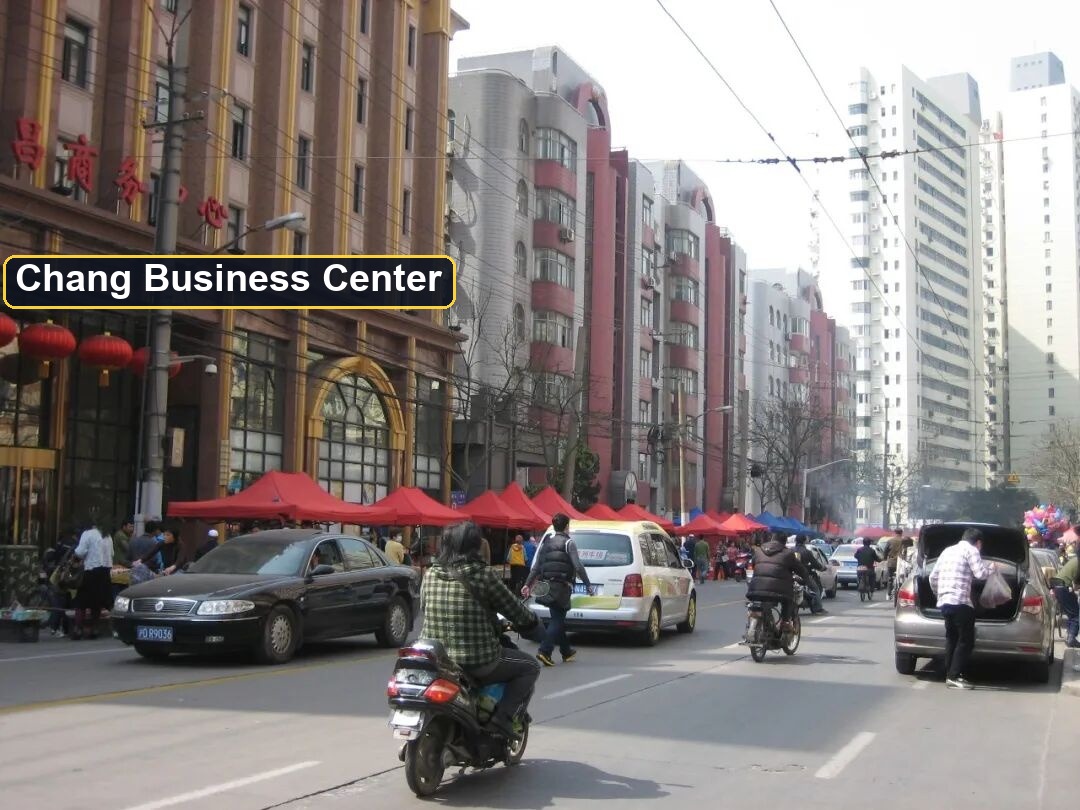
The rows of red tents were super eye-catching, stretching on as far as the eye could see.
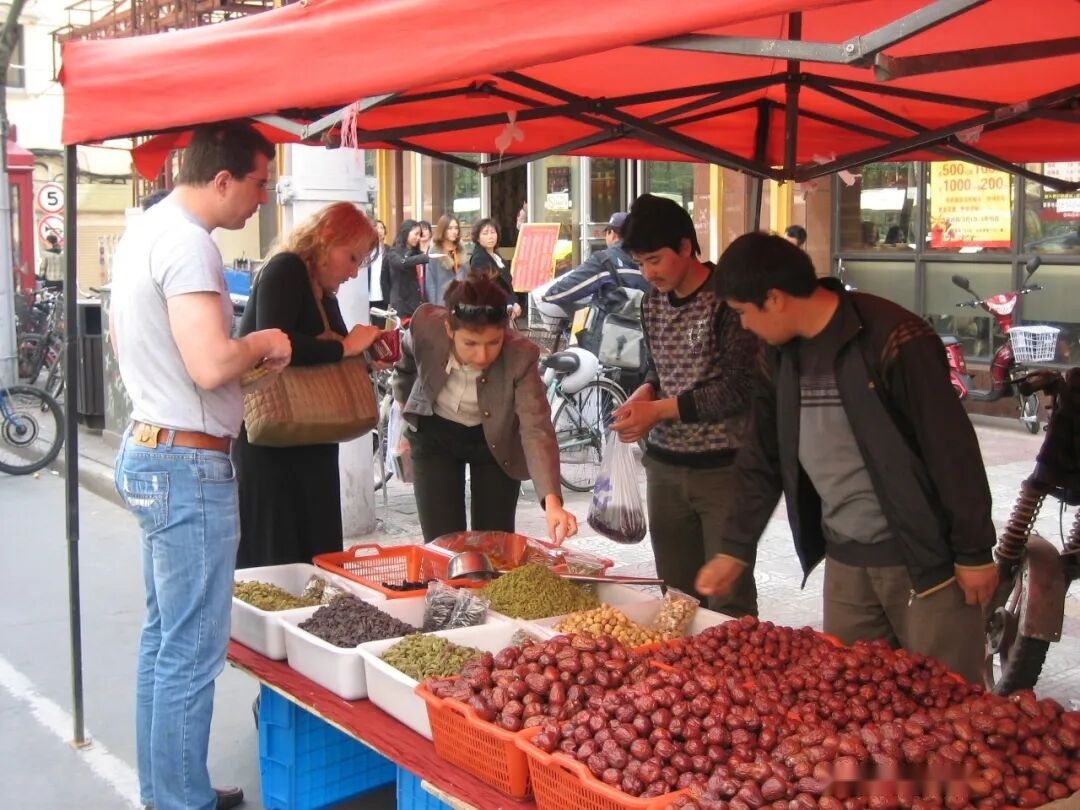
It’s honestly impressive how much the expats seem to know about this place—a lot of locals don't even know it exists!
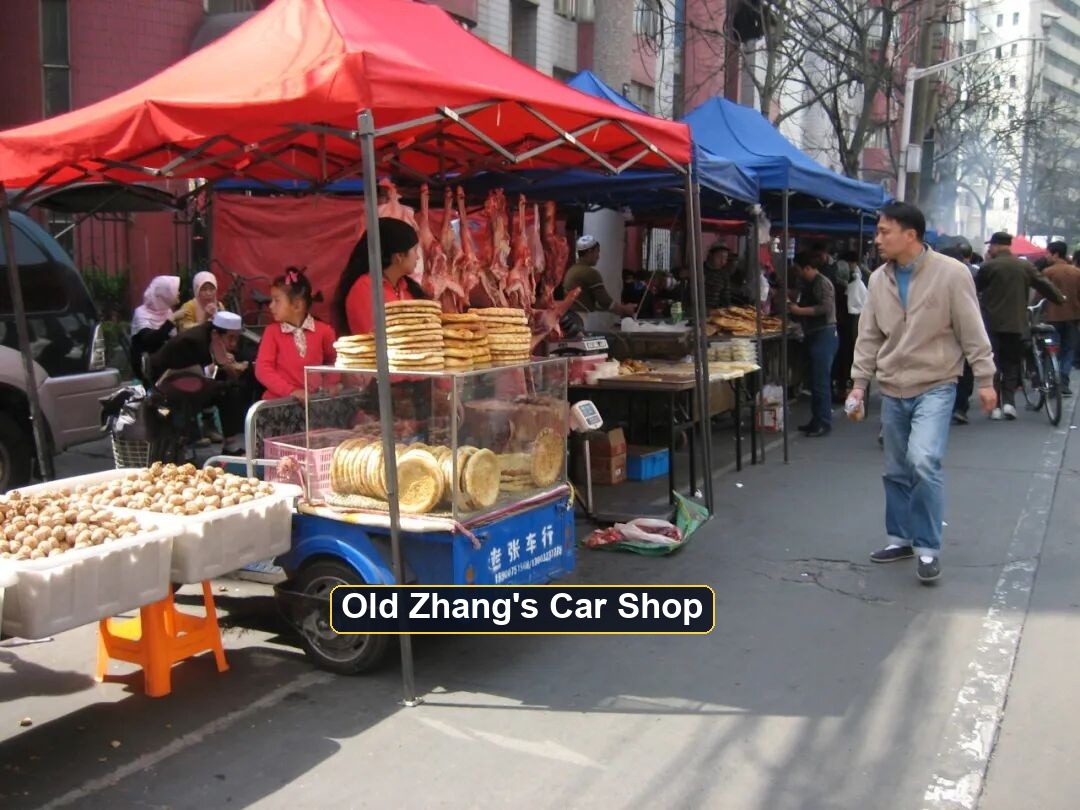
You’ve got vendors selling everything from walnuts to fresh-baked nang.
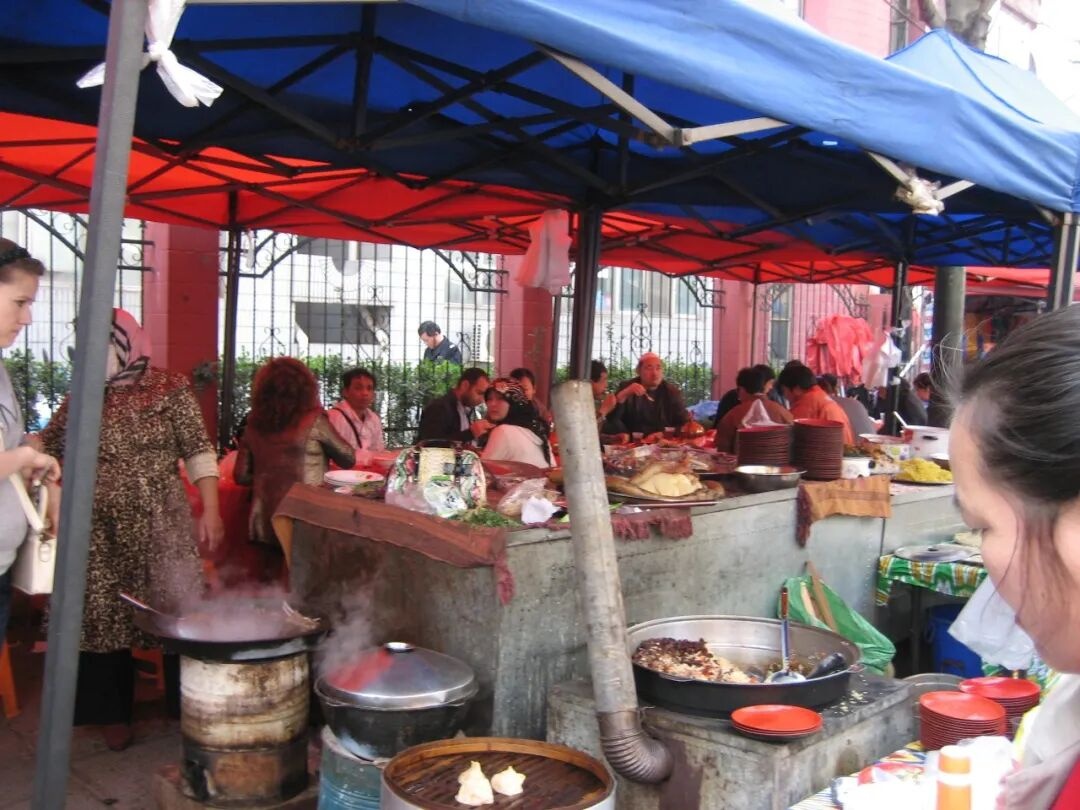
The shouzhua fan stall is always doing great business; there wasn't a single empty seat in sight!
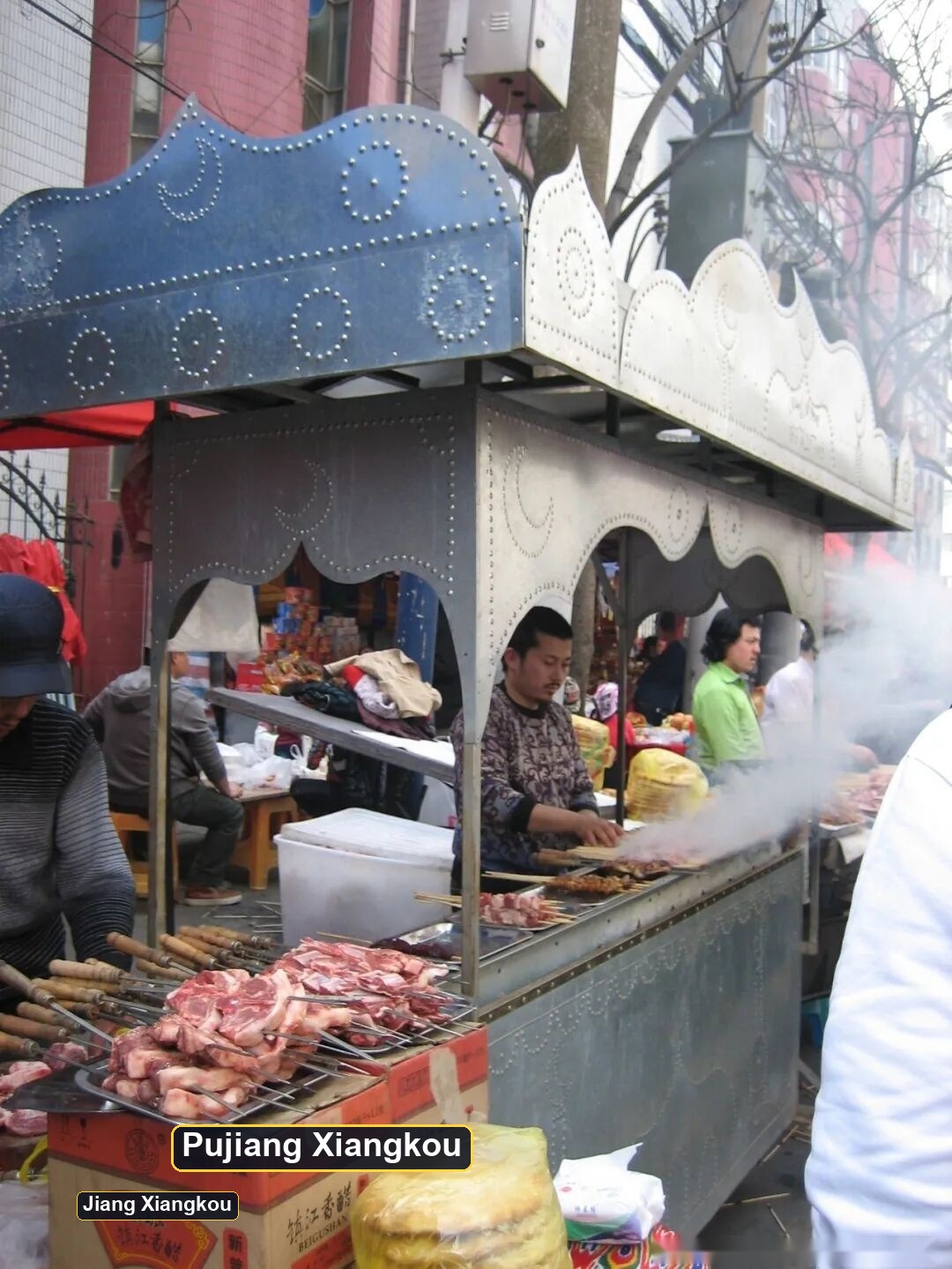
There are so many different stalls selling yangrou chuan that the whole street is filled with that amazing, smoky barbecue aroma.
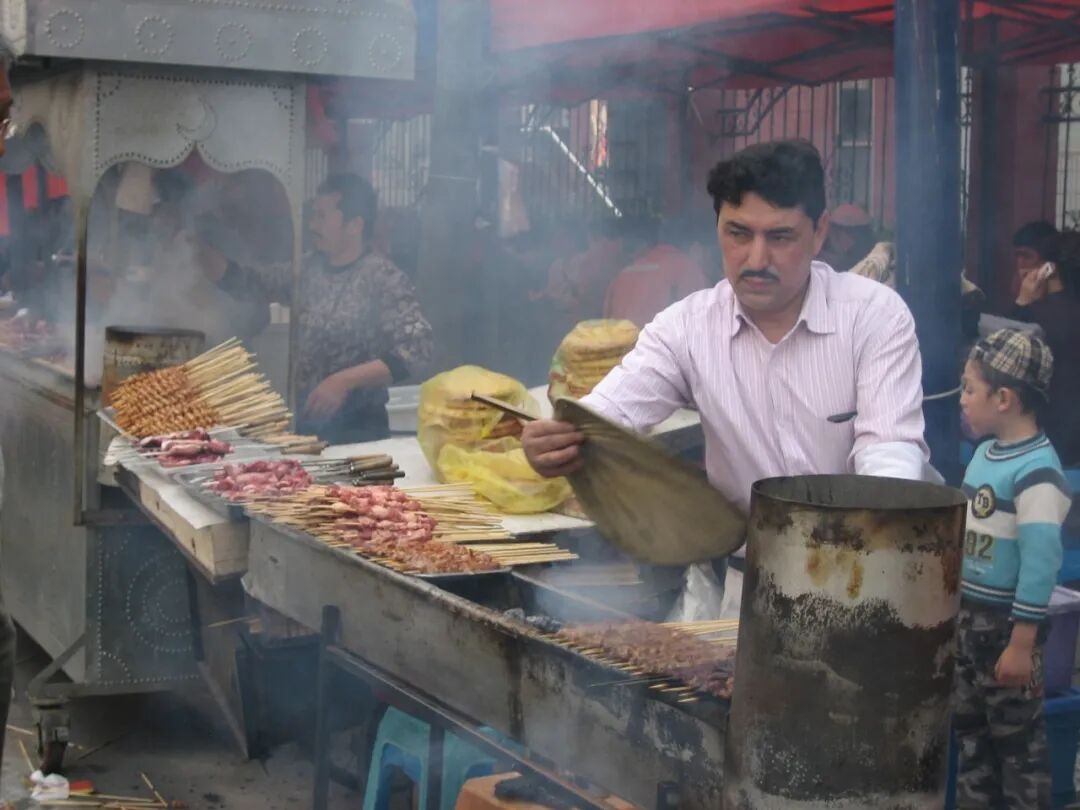
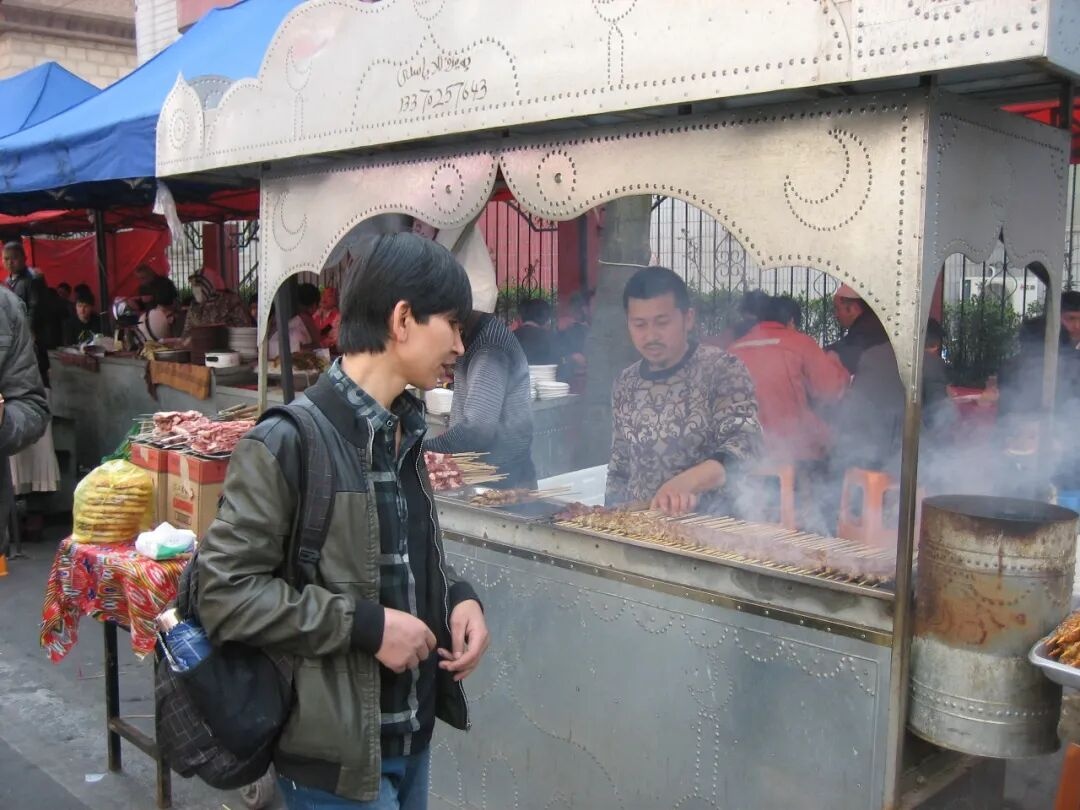
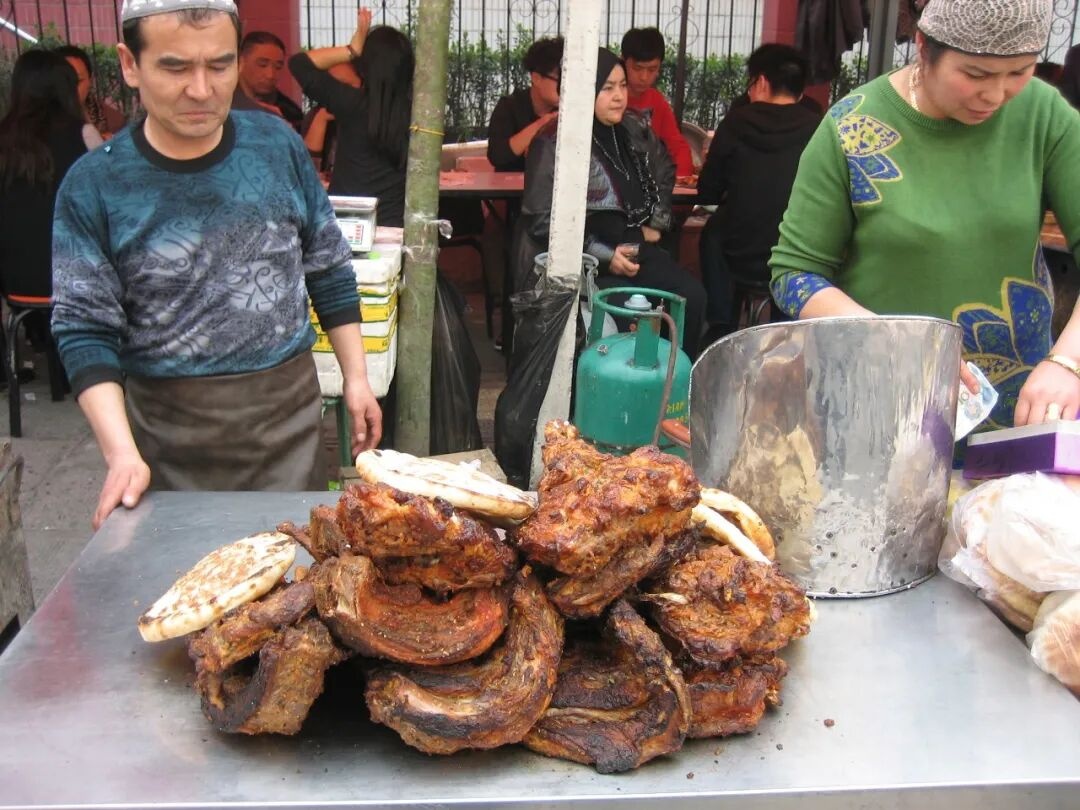
They’ve got every kind of lamb skewer you can imagine, plus freshly baked nang and roasted lamb legs.
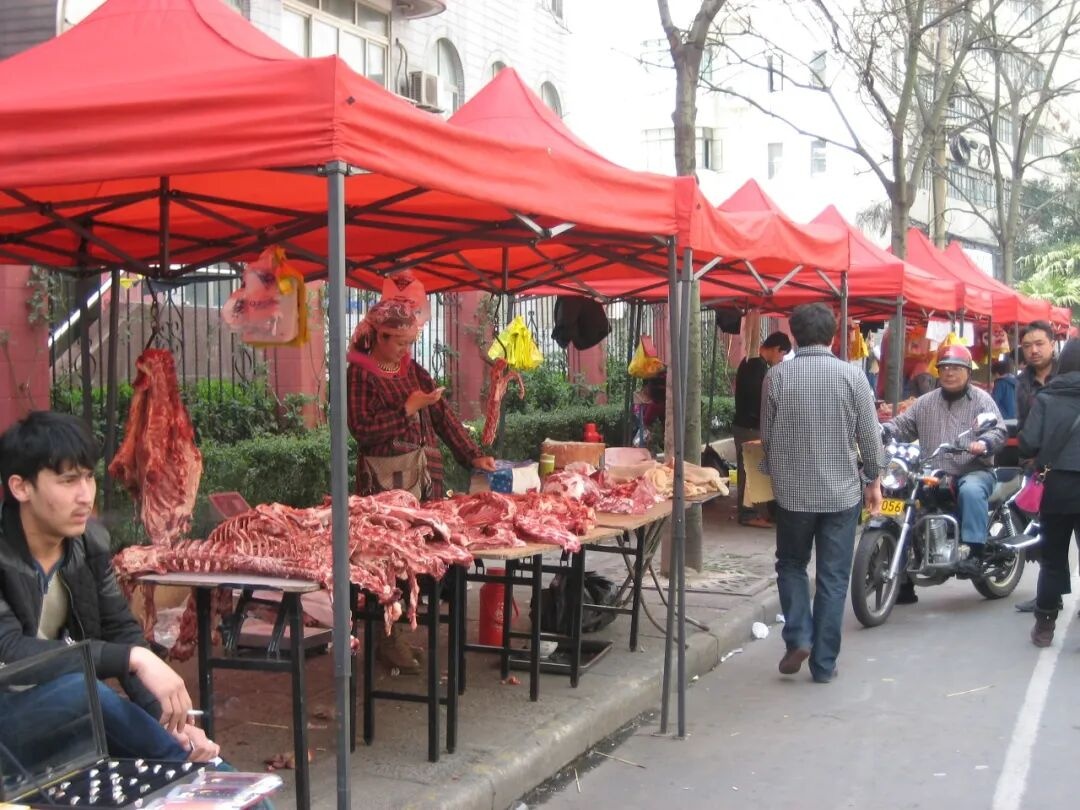
You can also find plenty of fresh beef and lamb for sale.
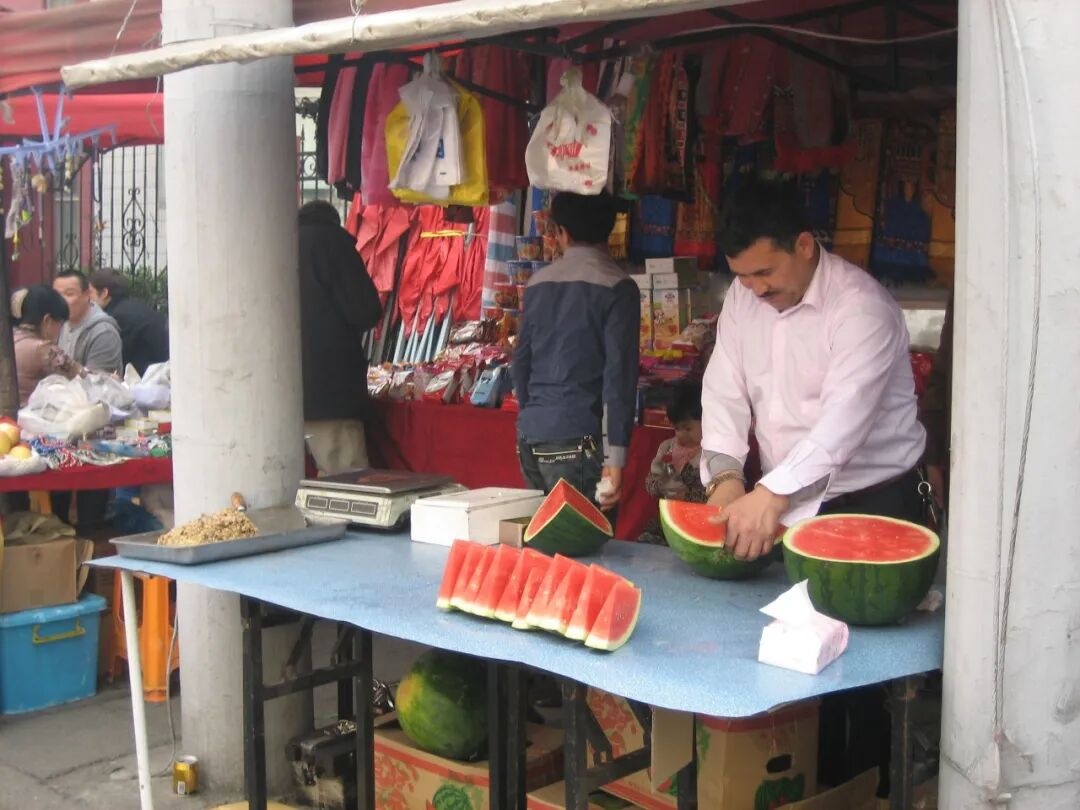
They even have big, freshly sliced watermelons.
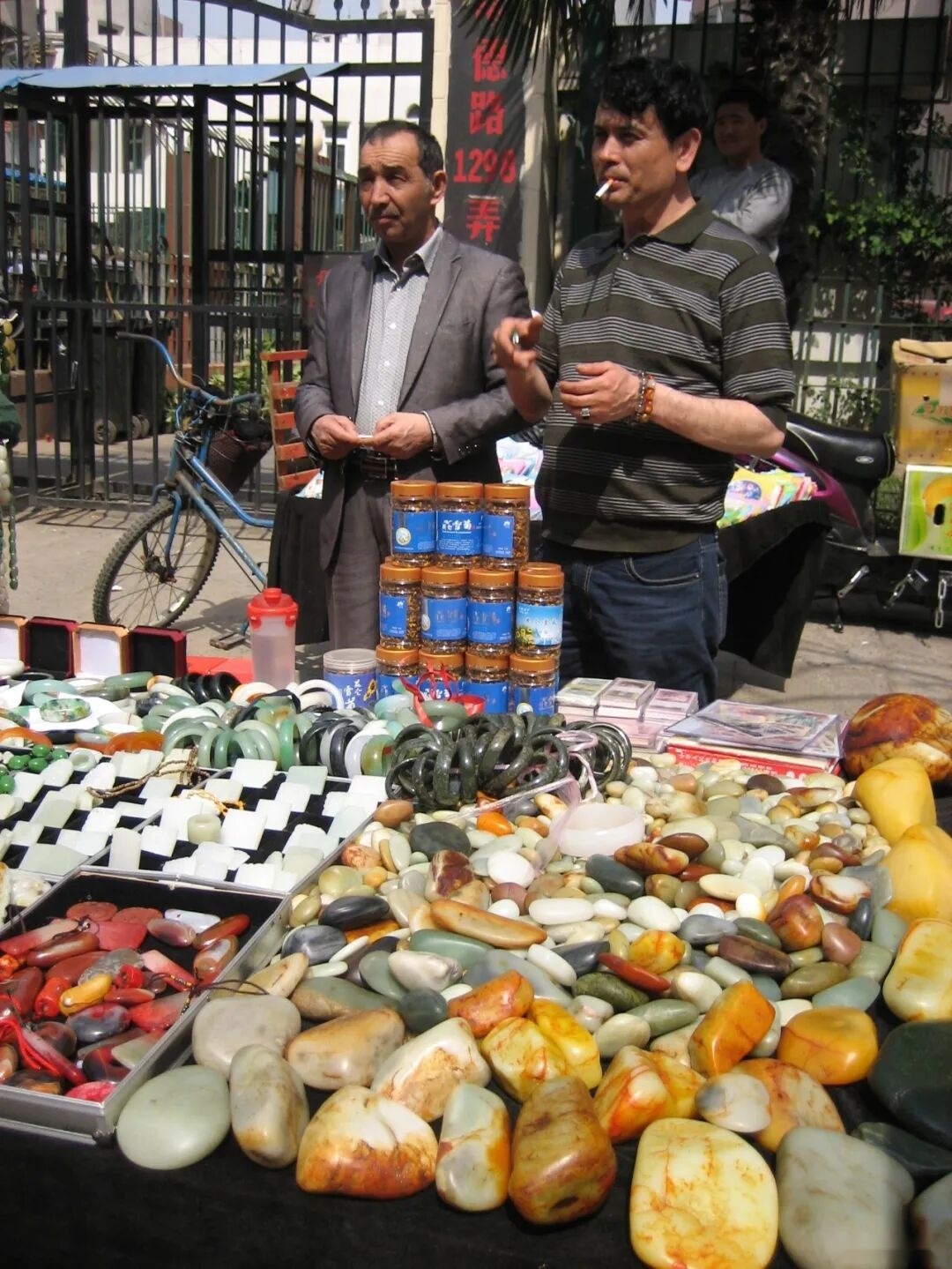
And of course, there’s authentic Hetian jade.
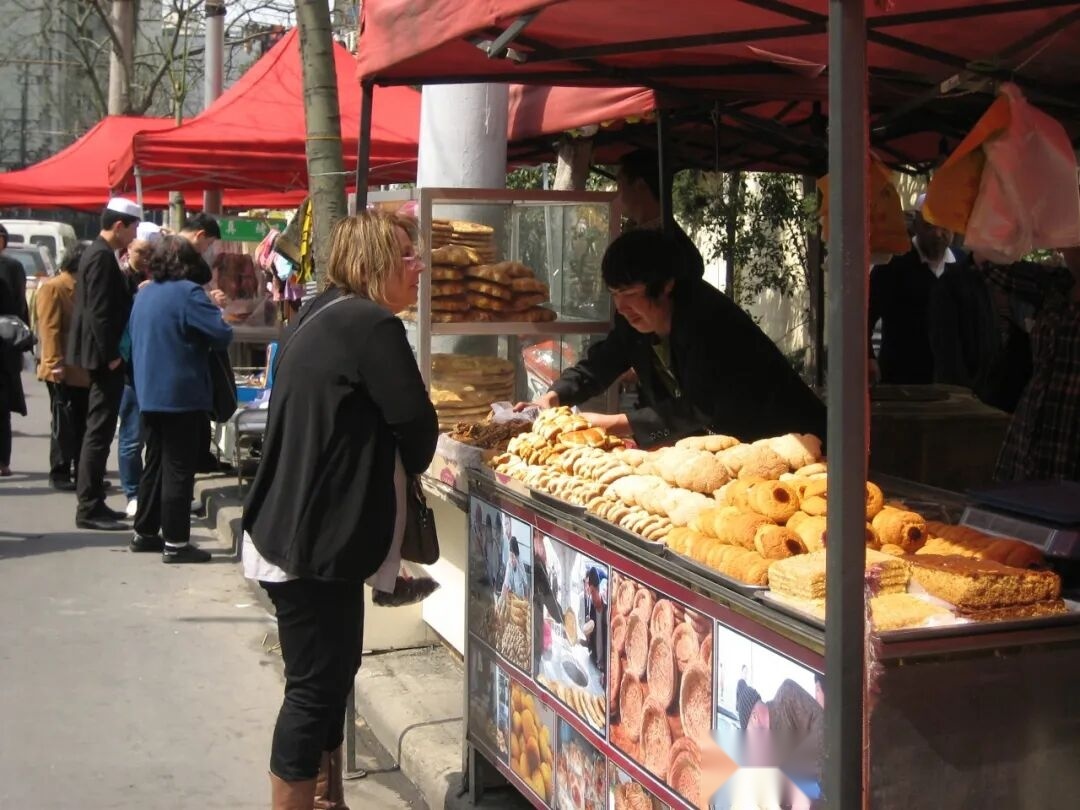
There's an incredible variety of pastries! My absolute favorites are the napaliyong (a creamy layered cake) and the miweiduo (a honey-soaked dessert)!
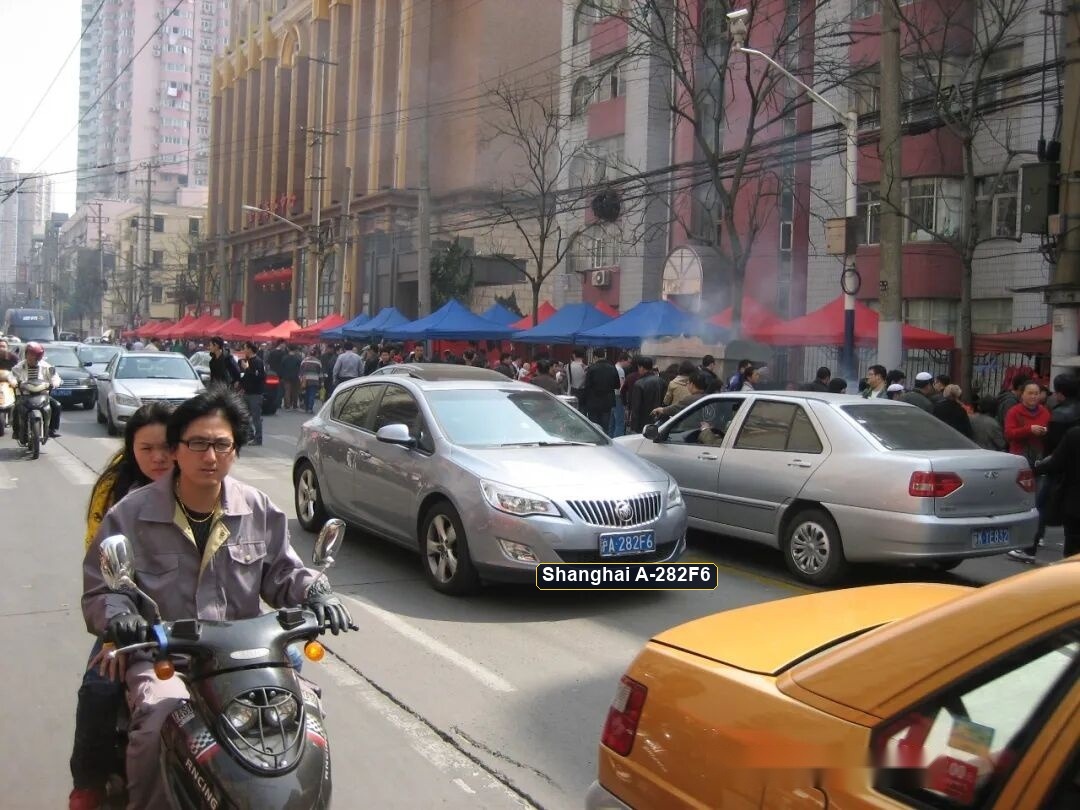
The bustling, lively crowd is just so interesting to watch.
During Eid, they actually close off the street, and it’s packed with devout believers wearing white prayer caps. It’s a spectacular sight to witness—it’s such an important holiday for the Muslim community. Seeing them lined up in perfect rows, praying to Allah with such devotion, even forced the buses to detour. Even if you’re just a passenger catching a glimpse of it by chance, it’s a scene you’ll never forget.
A look back at the old Huxi Mosque before it was renovated.
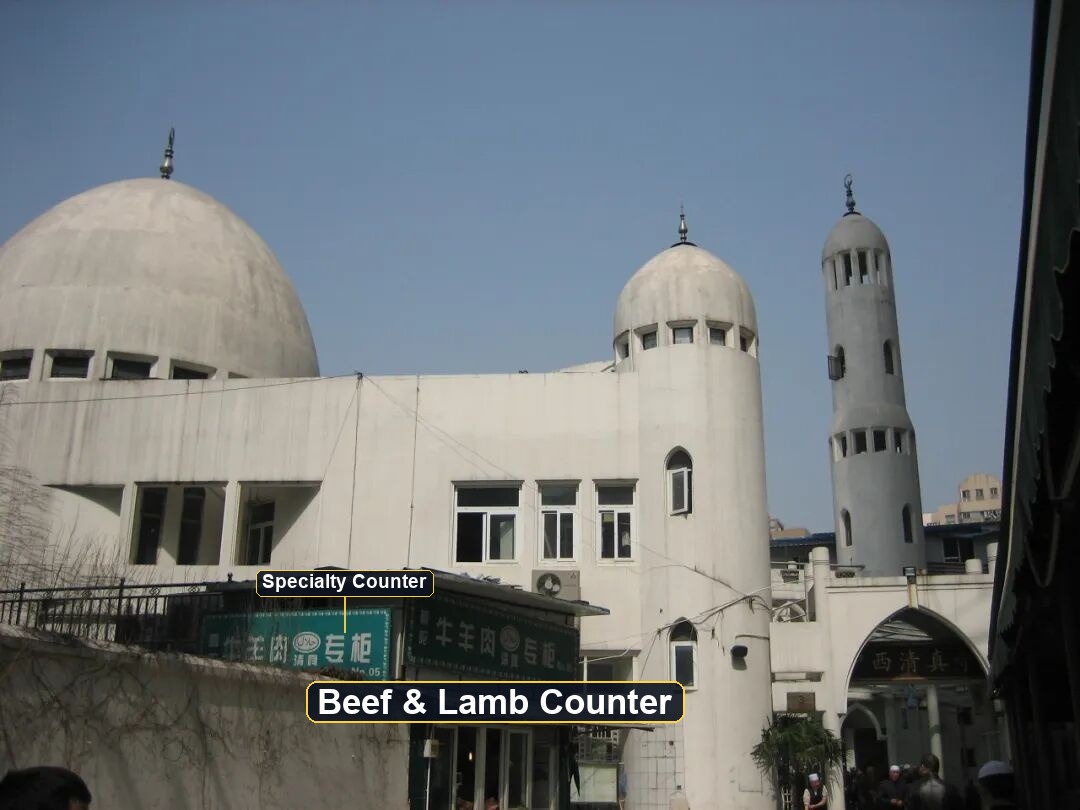
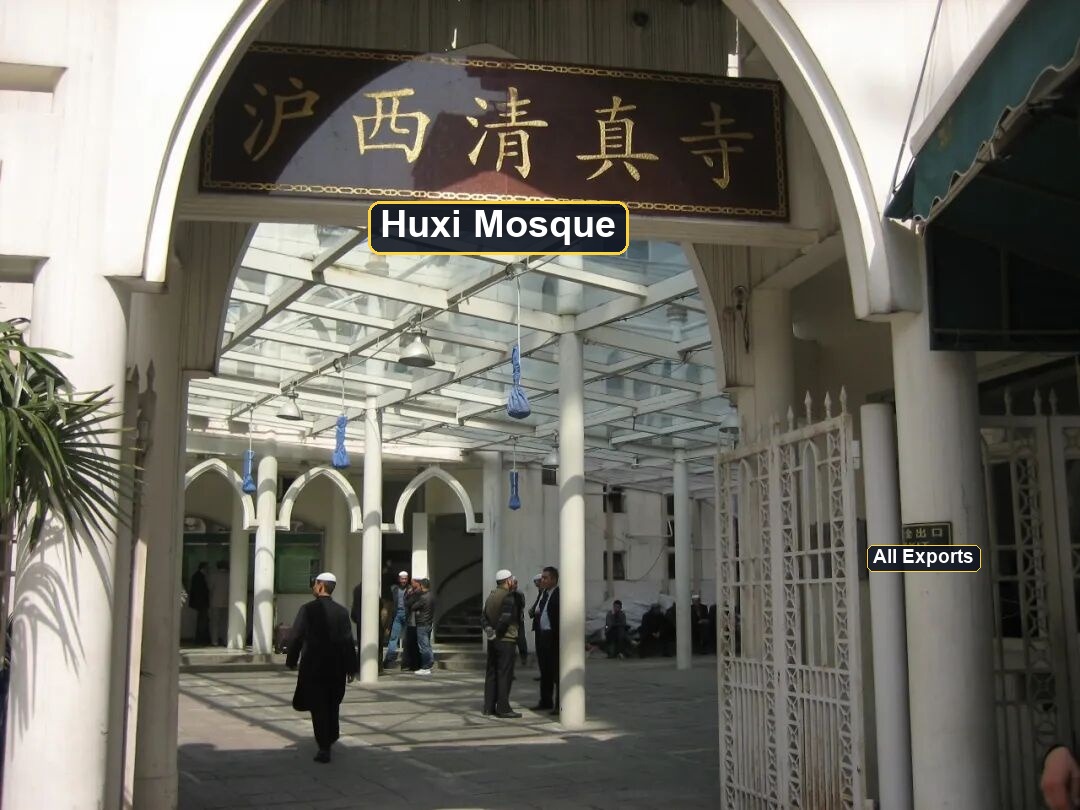
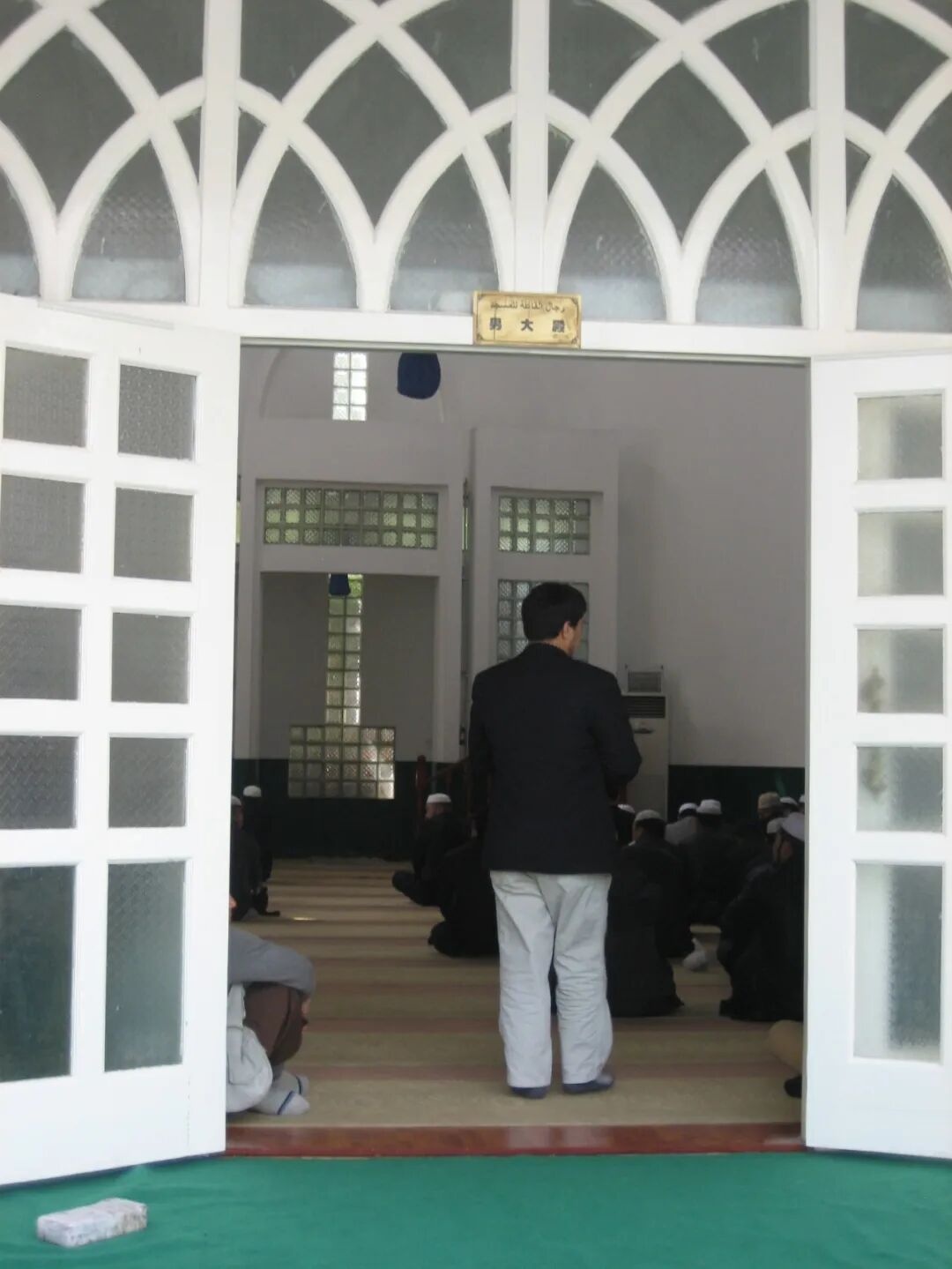
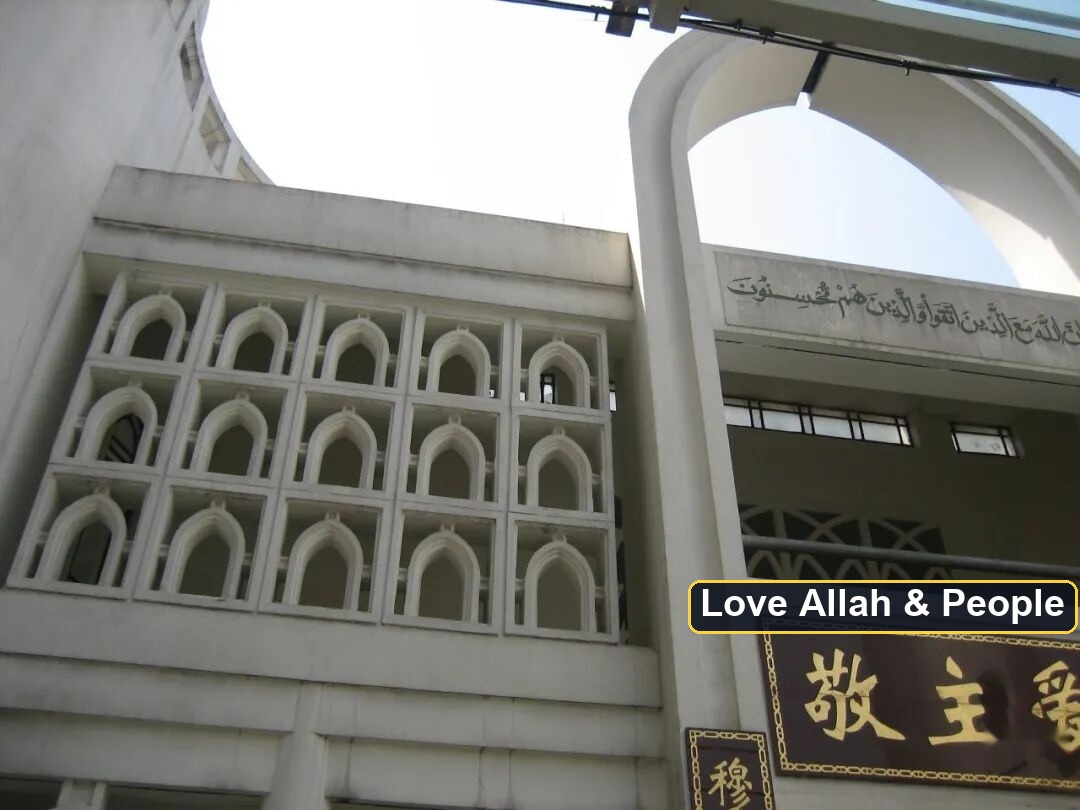
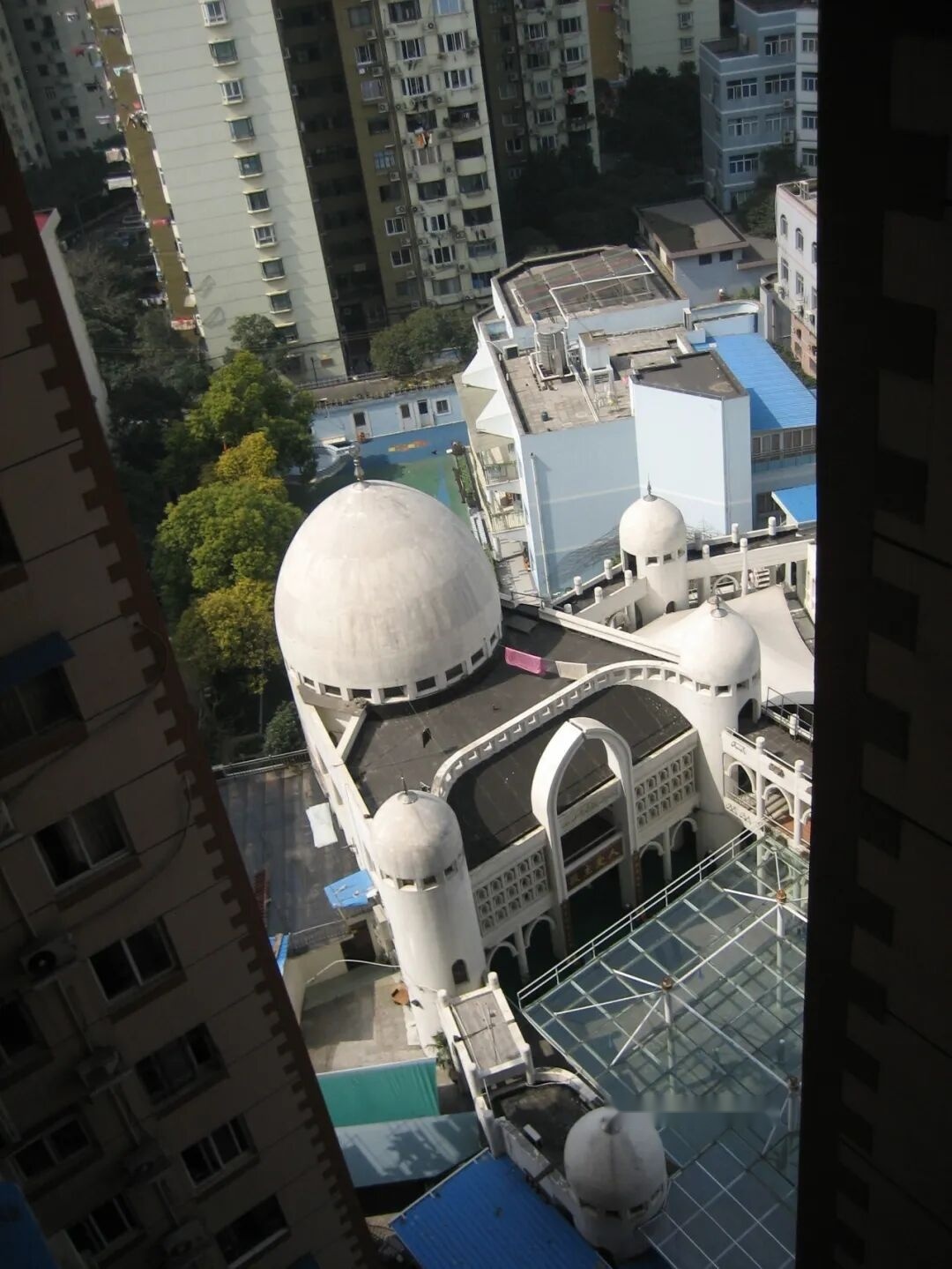
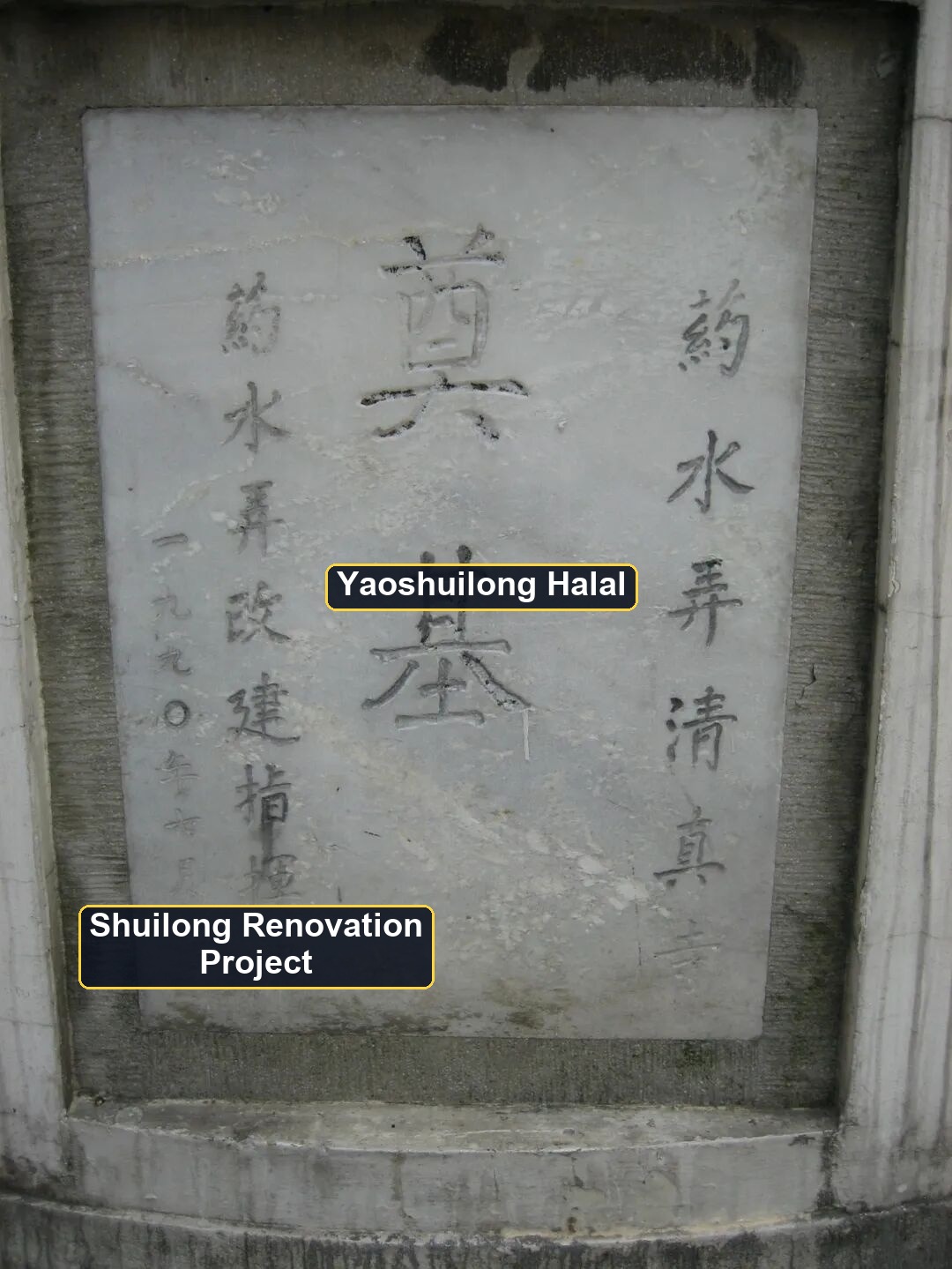
Although the original street market disappeared after the pandemic, it’s made a comeback in a new form as a mini-market at 285 Changshou Road called Pin Hui Wei Northwest Halal Cuisine. I highly recommend the napaliyong cake; it was a huge viral hit back in the day, and it’s the kind of creamy, rich Halal dessert you’ll be thinking about long after your first bite. It is so delicious! If you’re in the area, you’ve definitely got to go check it out.
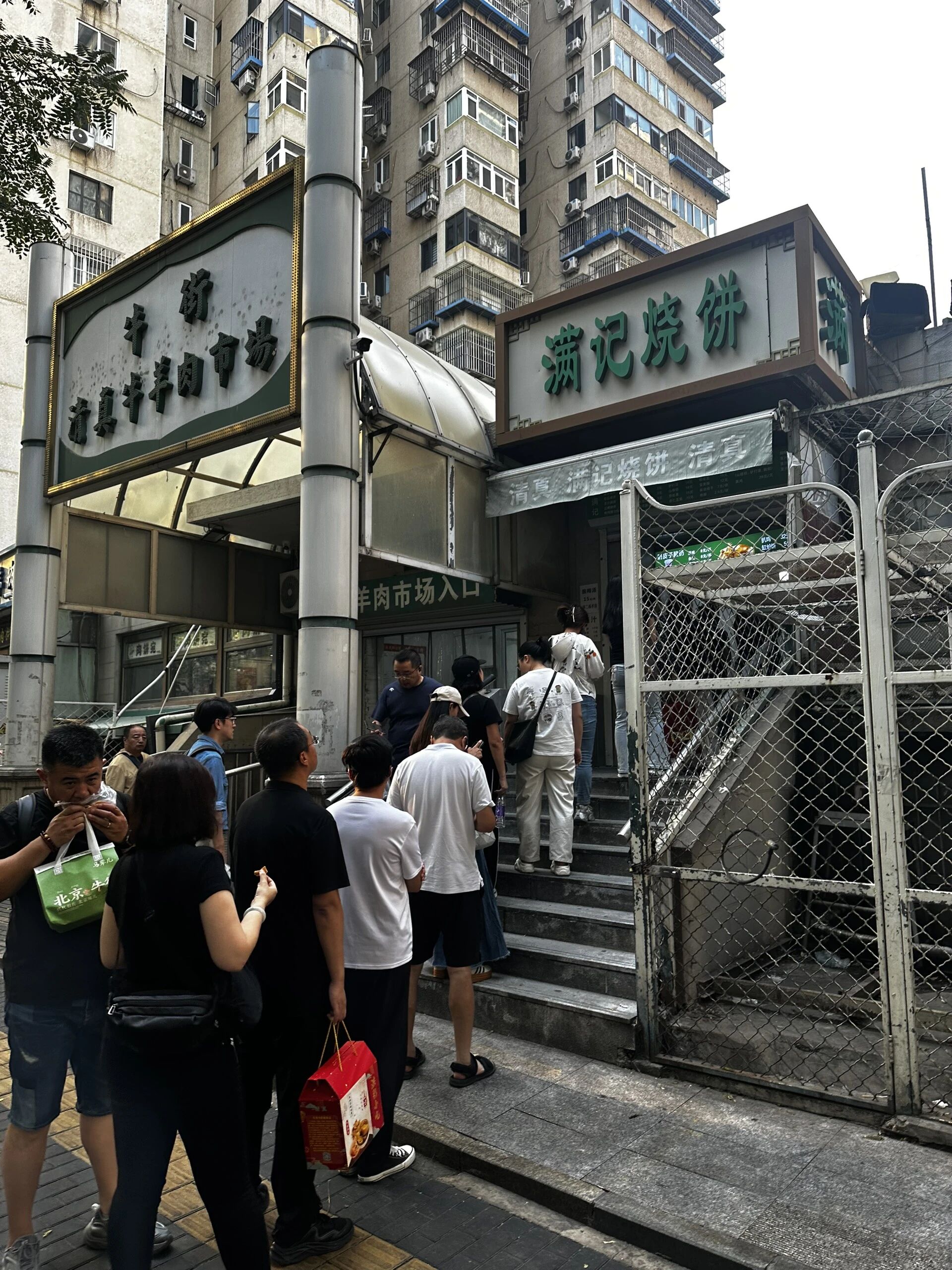
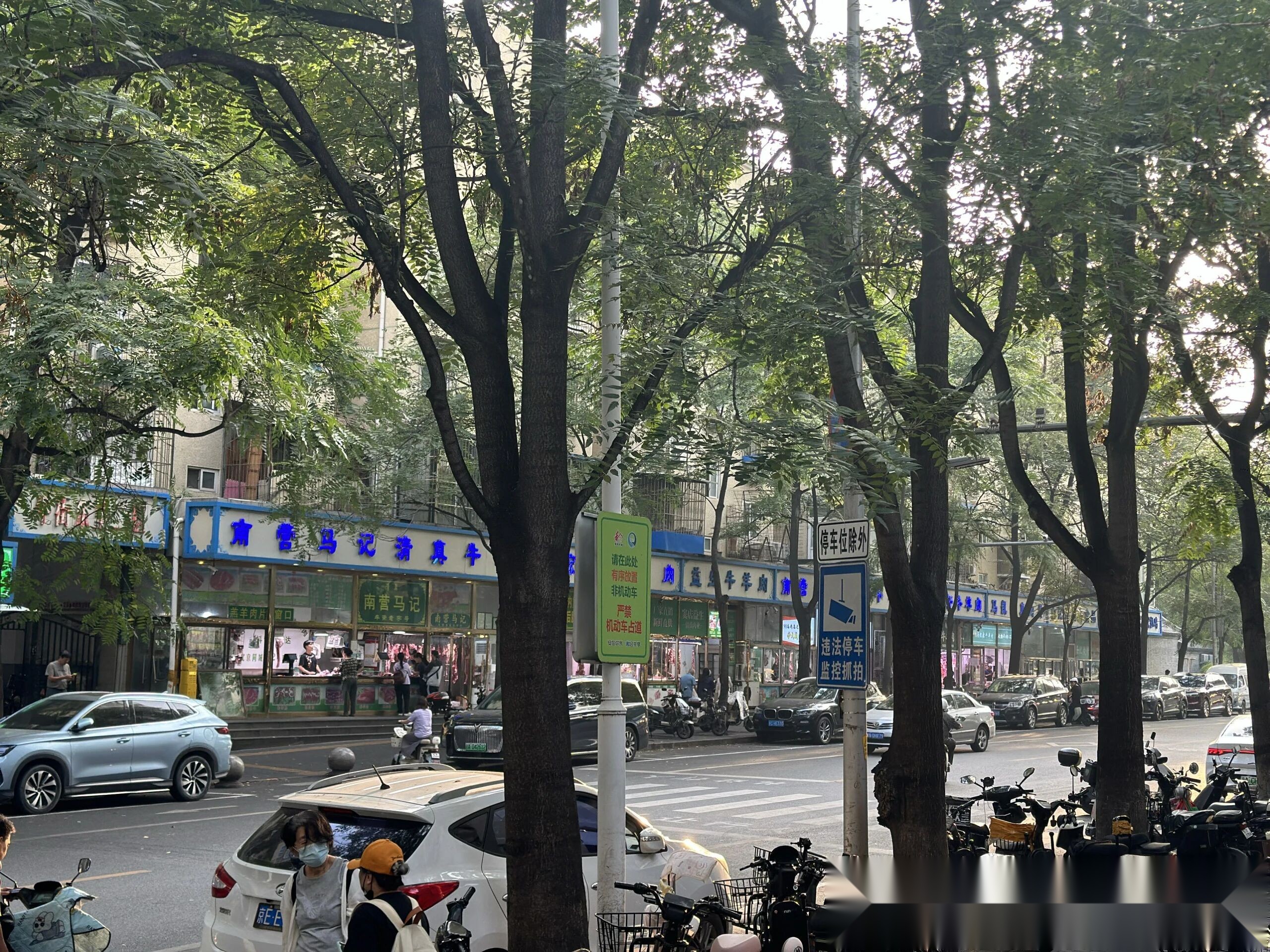
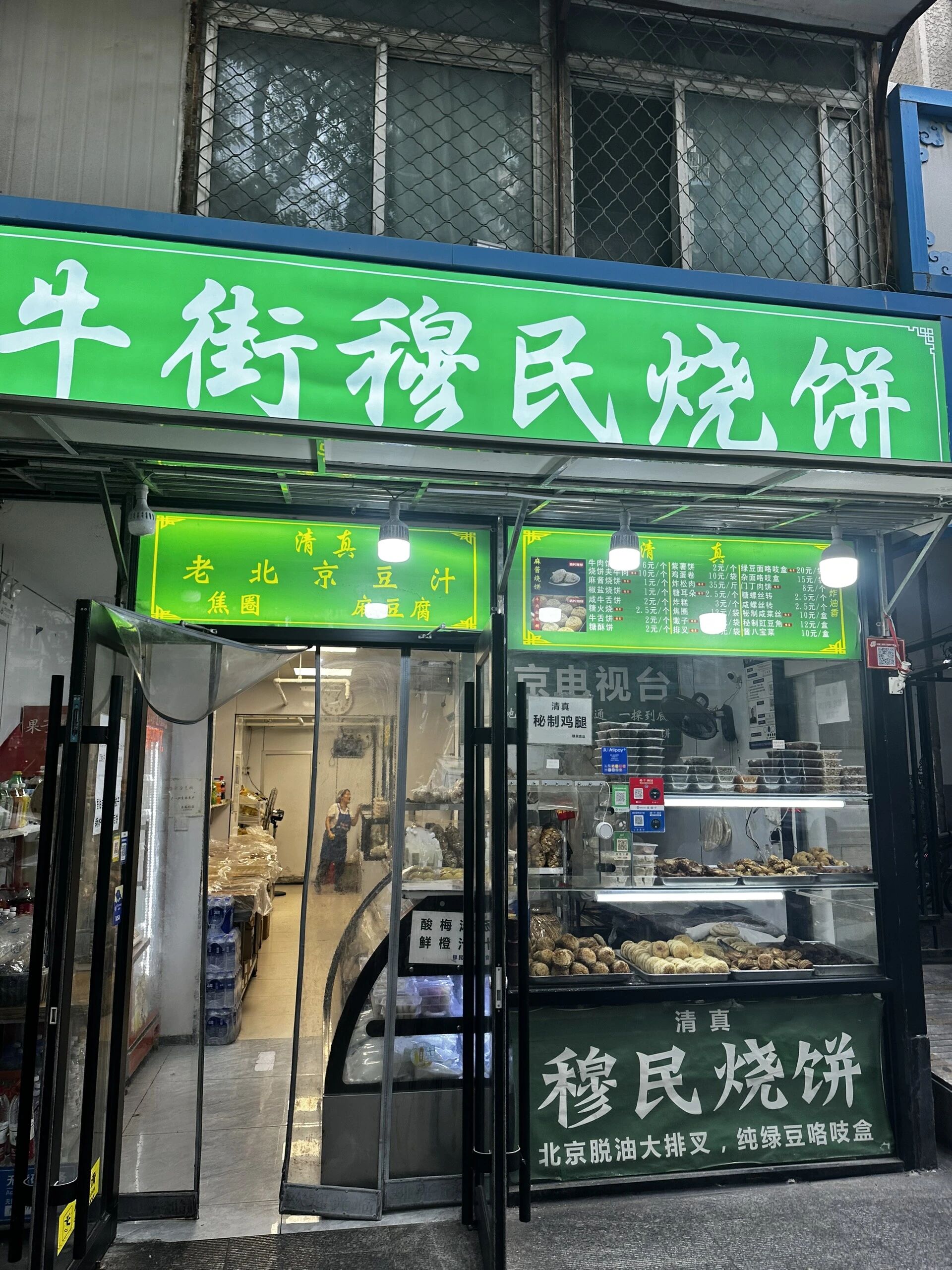
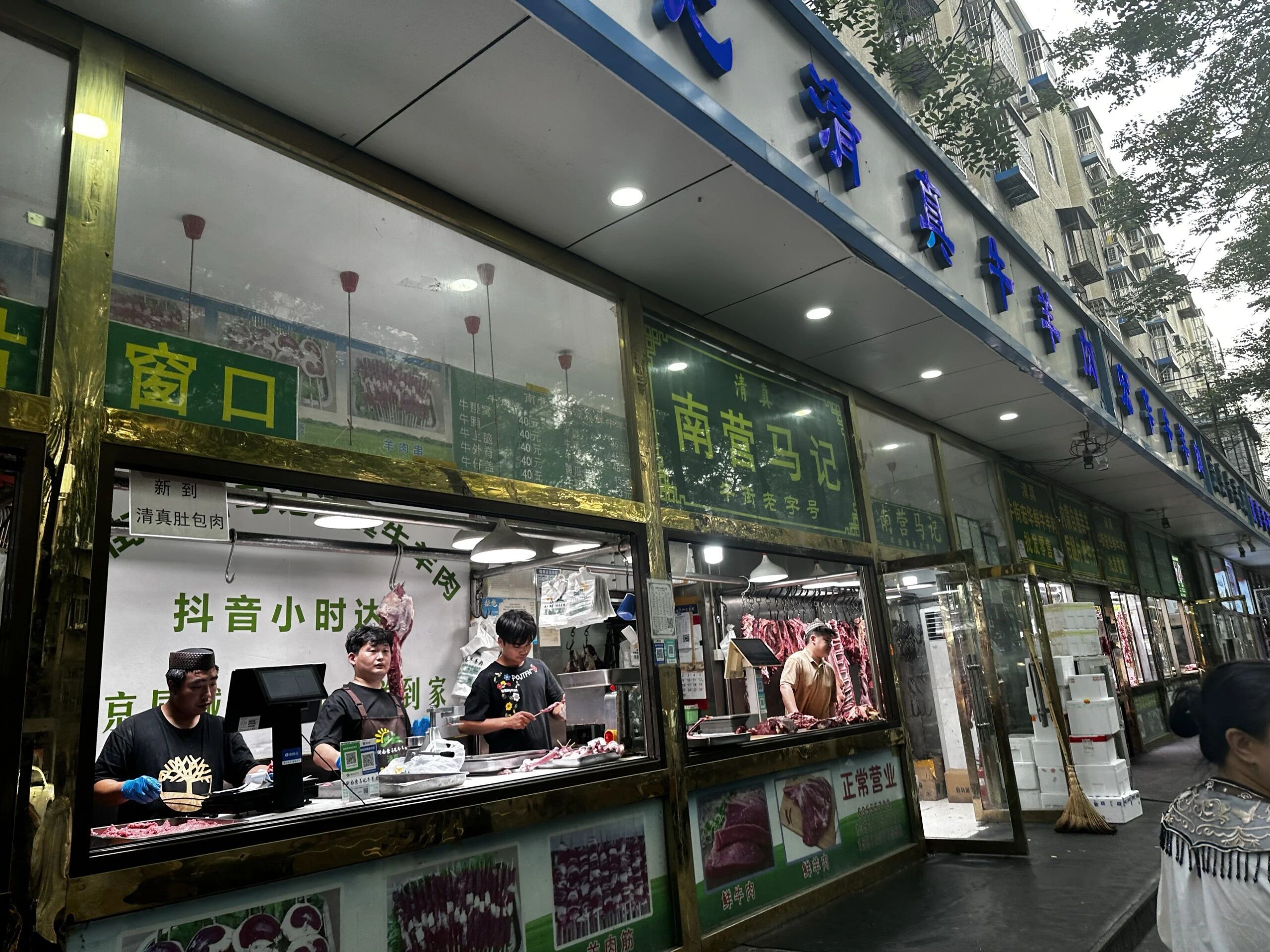
Best Halal Food in Beijing: Niu Jie’s Century-Old Muslim Eateries, Traditional Beef, and Authentic Street Snacks
Articles • Hasan09 posted the article • 0 comments • 56 views • 2026-10-30 01:11
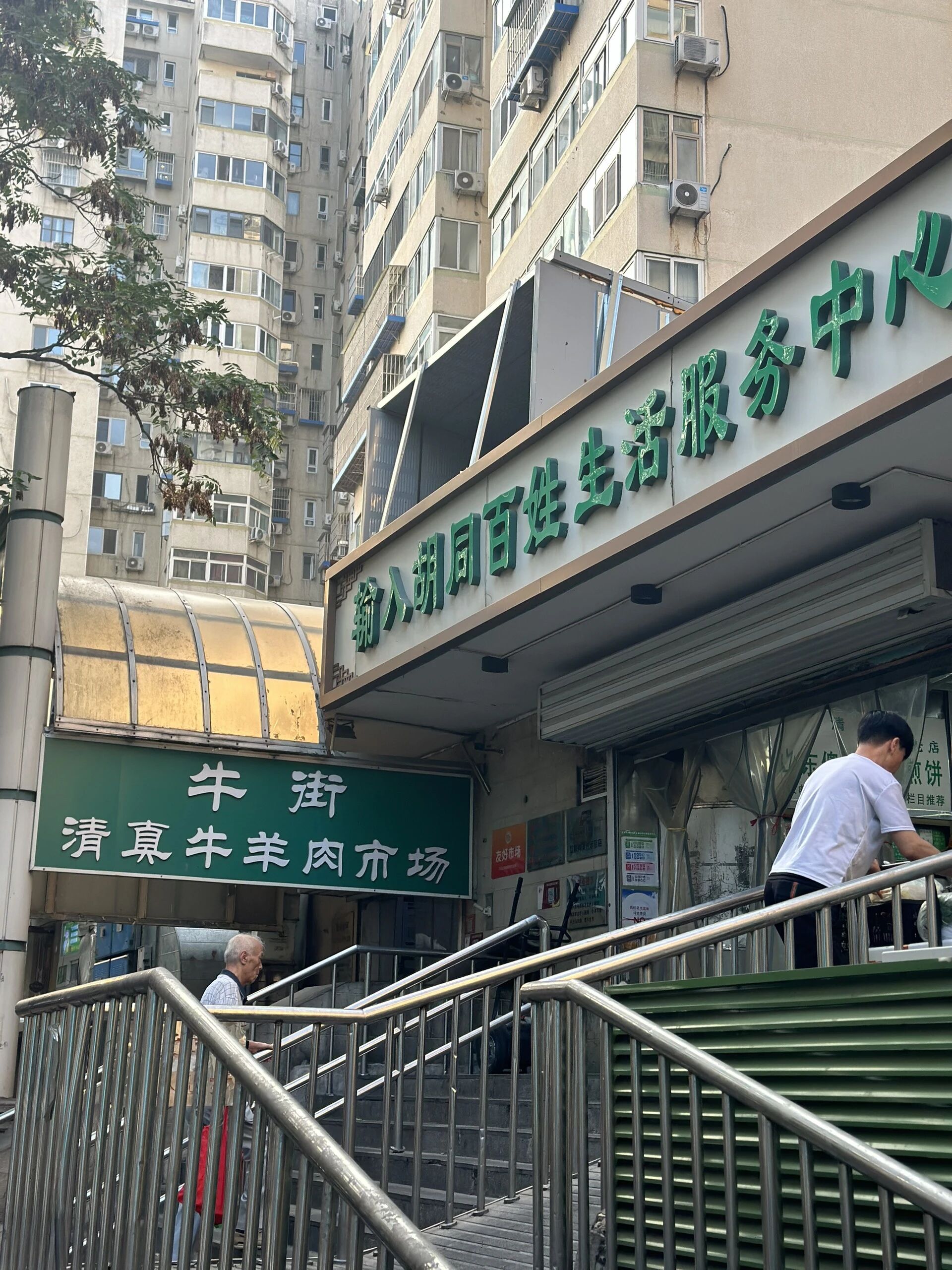
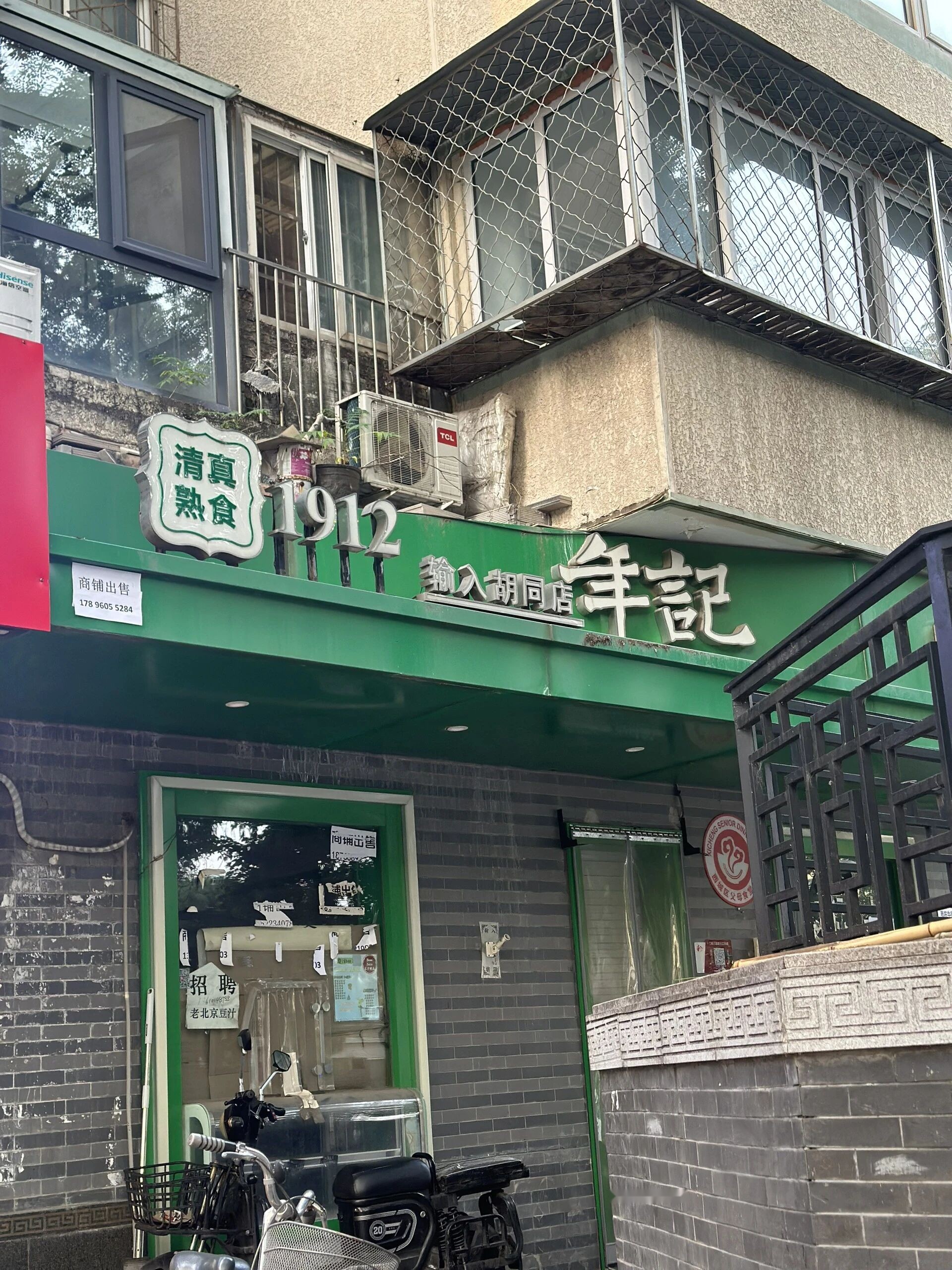
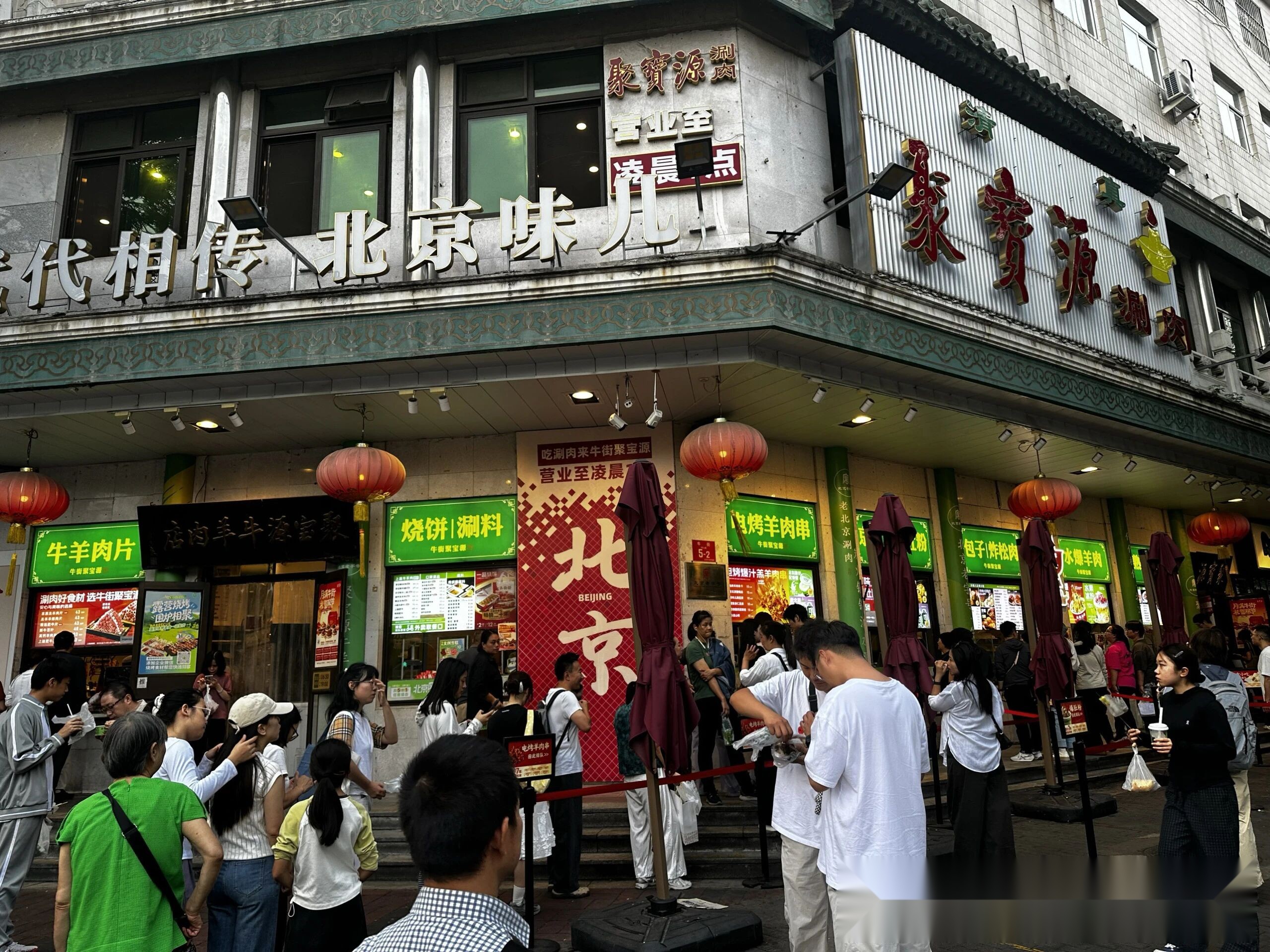
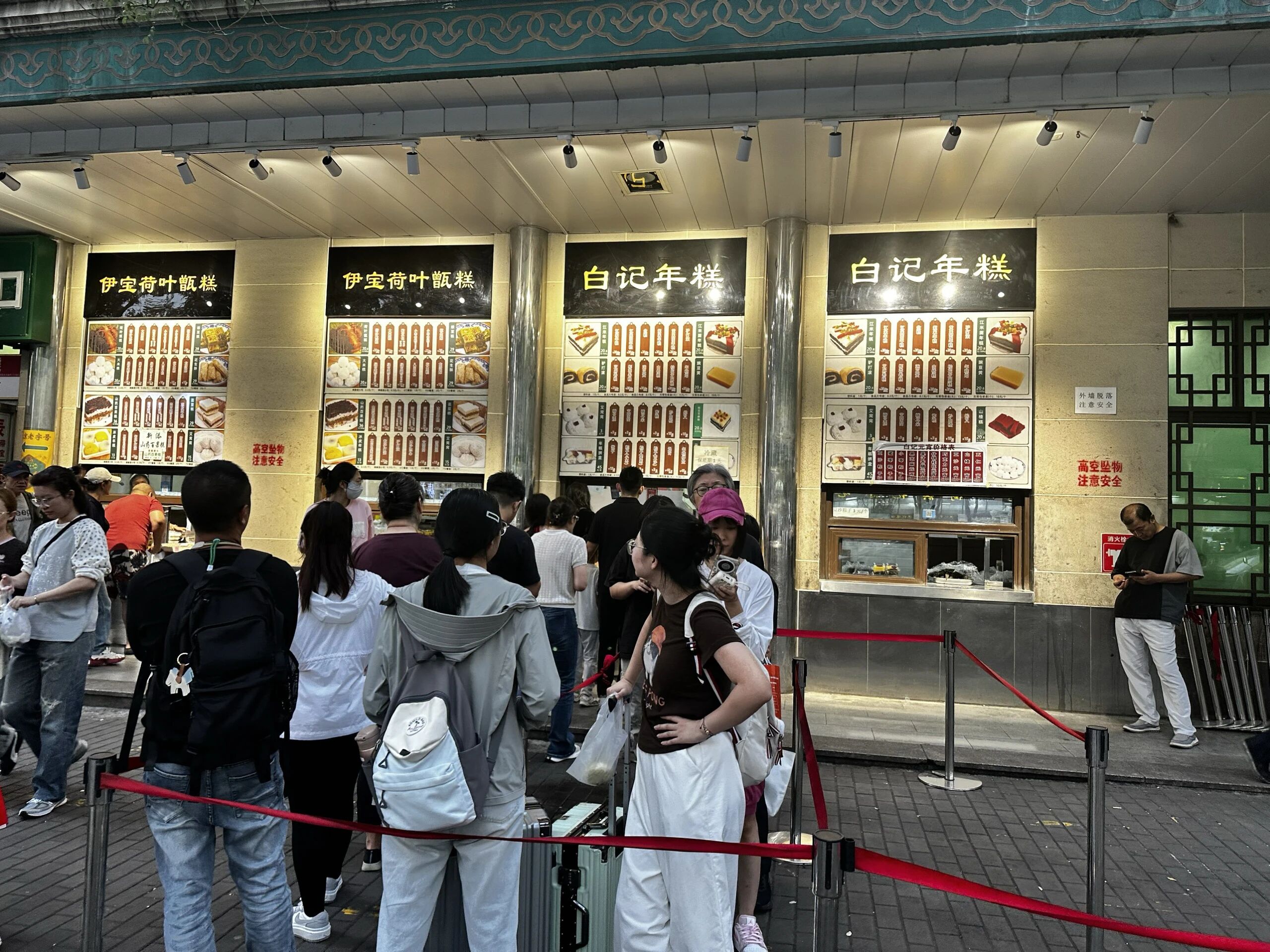
These 9 photos capture the century-old halal food scene in Beijing’s Niu Jie, the heart of the Hui Muslim community, showcasing generations of traditional beef and lamb deli meats, handmade pastries, and authentic local street snacks.
I’ve done a deep dive into these legendary century-old Muslim food spots in Niu Jie—honestly, they are packed with history and endless flavor (though my stomach definitely couldn't keep up with all of it!).
Photo Showcase view all
These 9 photos capture the century-old halal food scene in Beijing’s Niu Jie, the heart of the Hui Muslim community, showcasing generations of traditional beef and lamb deli meats, handmade pastries, and authentic local street snacks.
I’ve done a deep dive into these legendary century-old Muslim food spots in Niu Jie—honestly, they are packed with history and endless flavor (though my stomach definitely couldn't keep up with all of it!).
Photo Showcase

Historic Shanhaiguan Mosque in Hebei: A 600-Year-Old Islamic Landmark Near the Great Wall
Articles • Hasan09 posted the article • 0 comments • 44 views • 2026-10-30 01:12
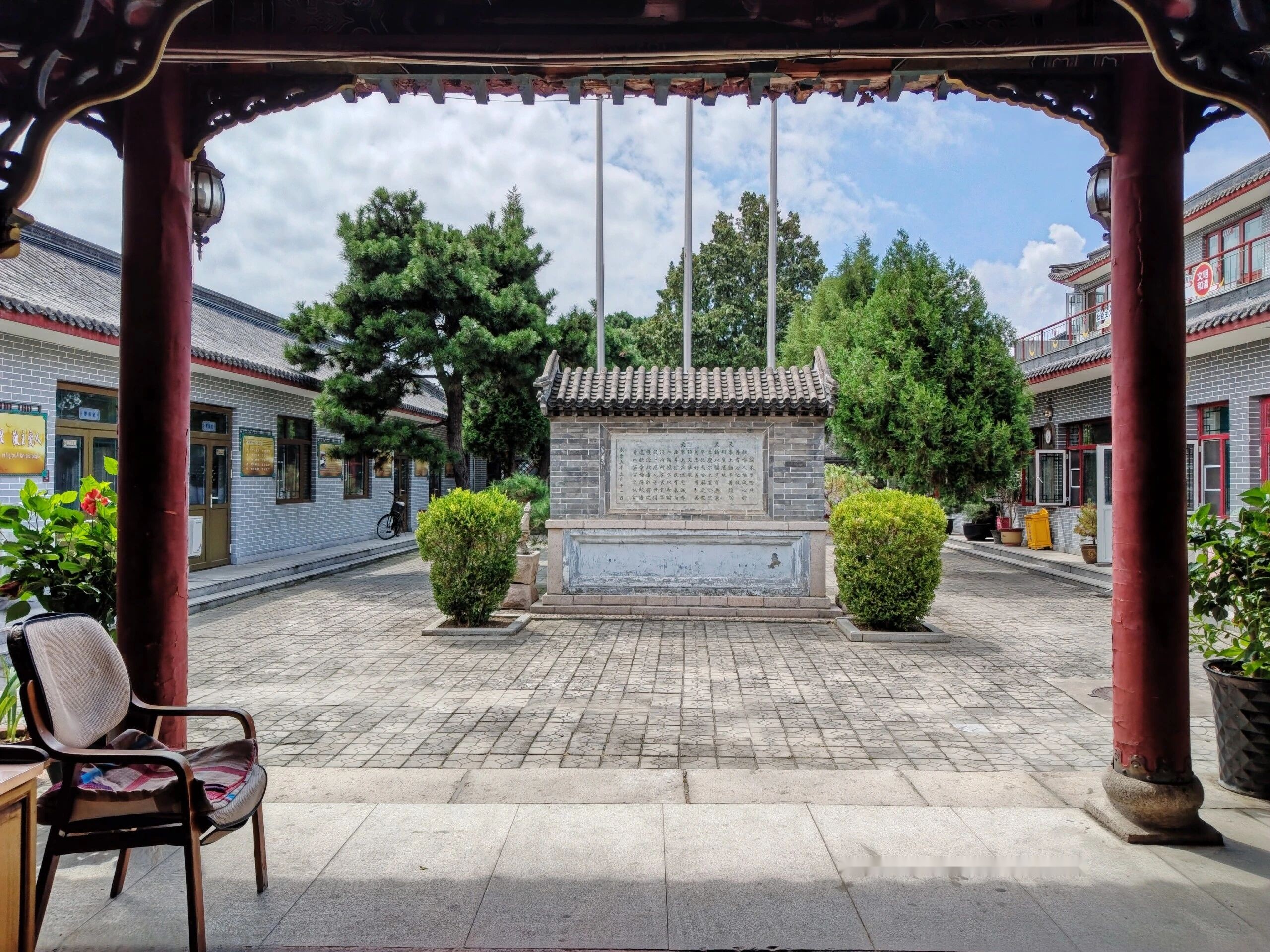
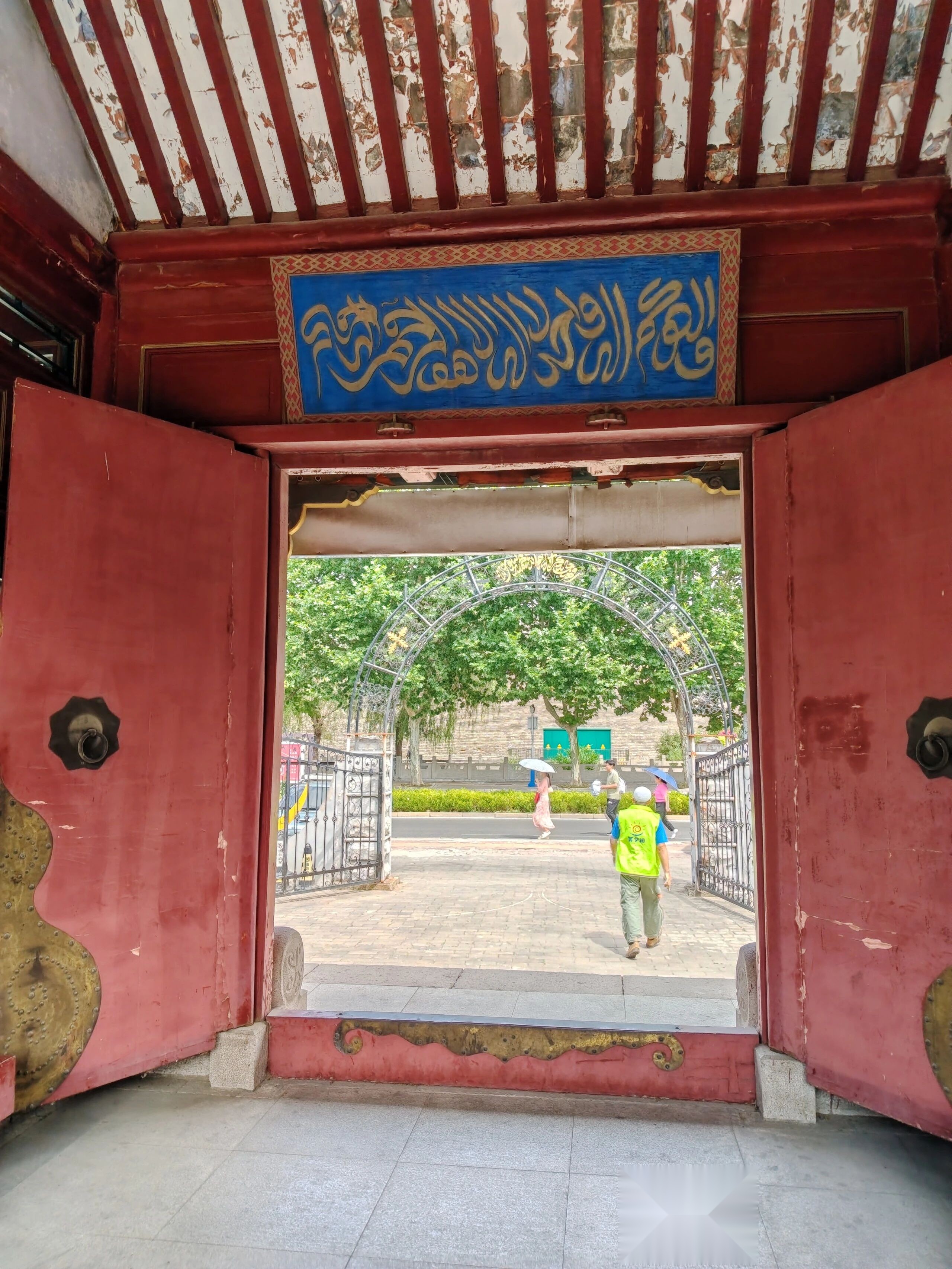
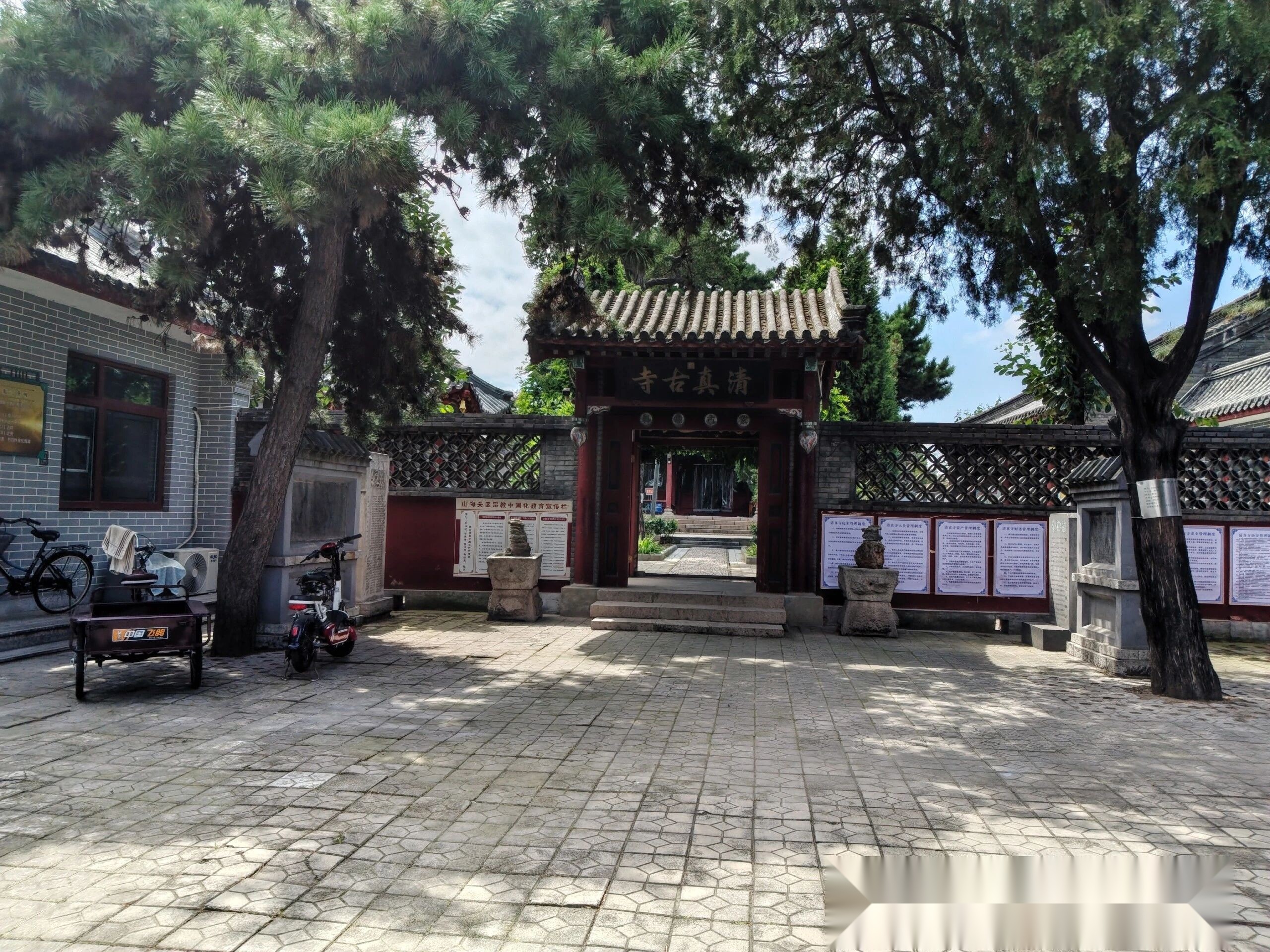
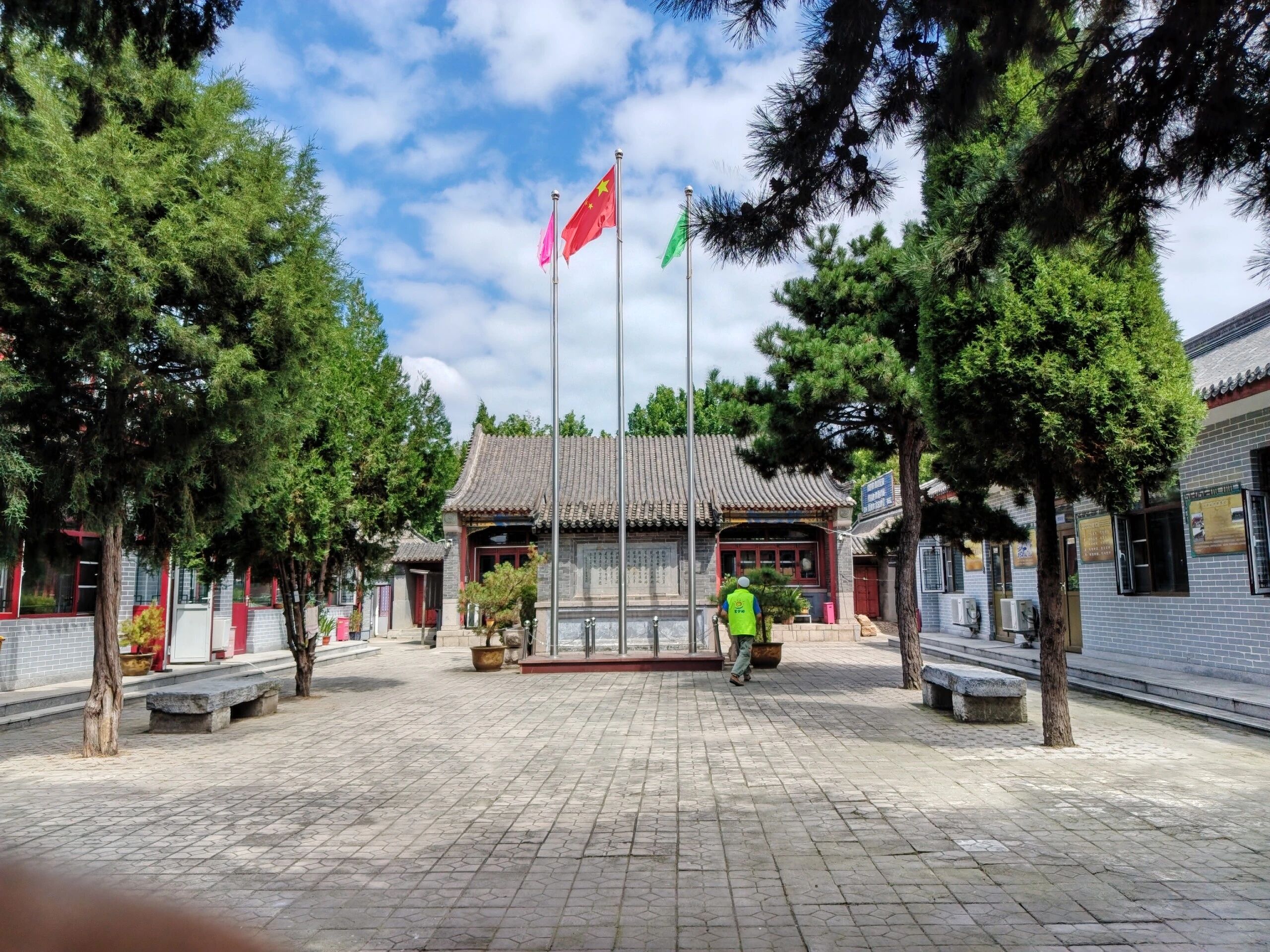
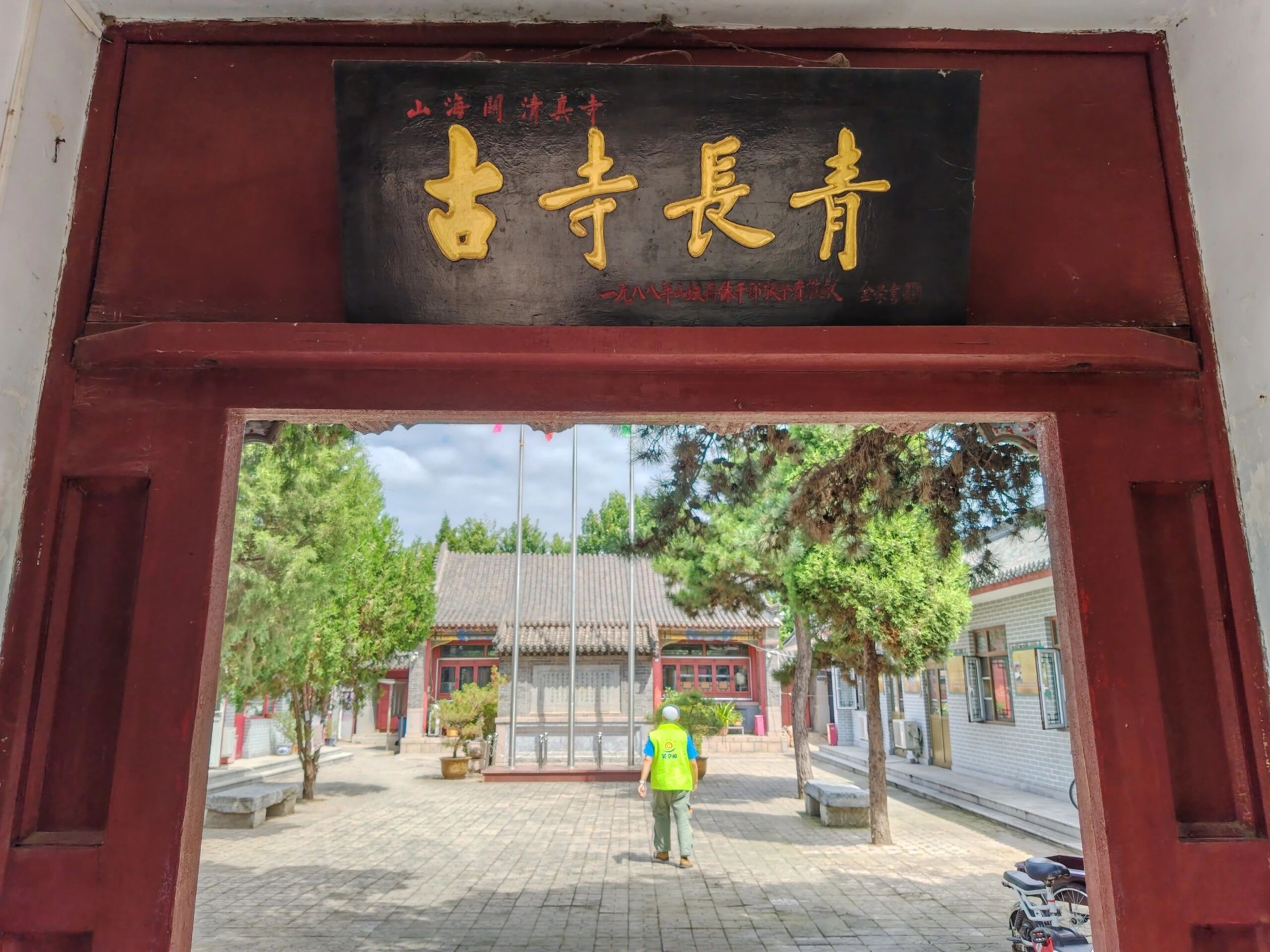
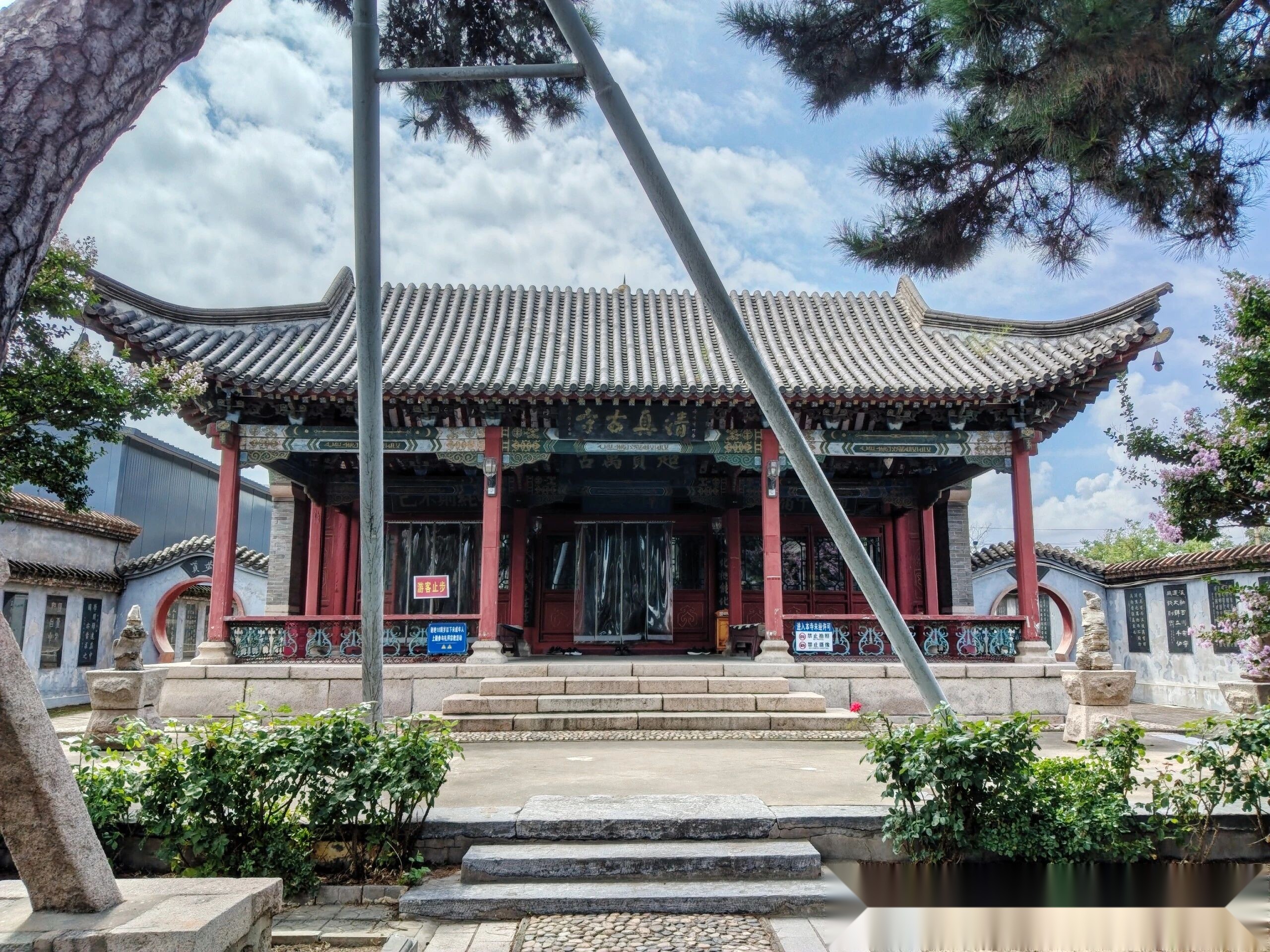
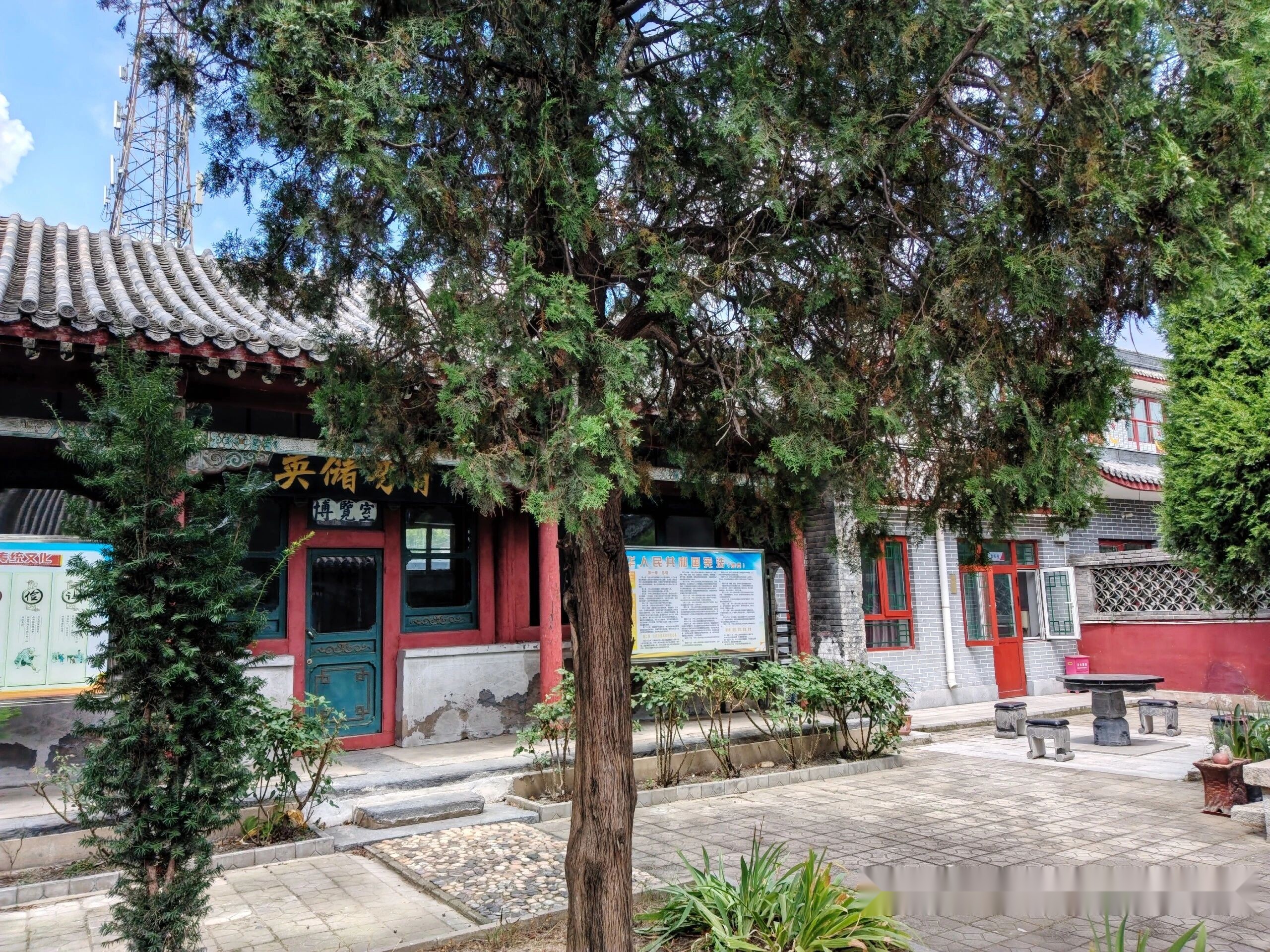
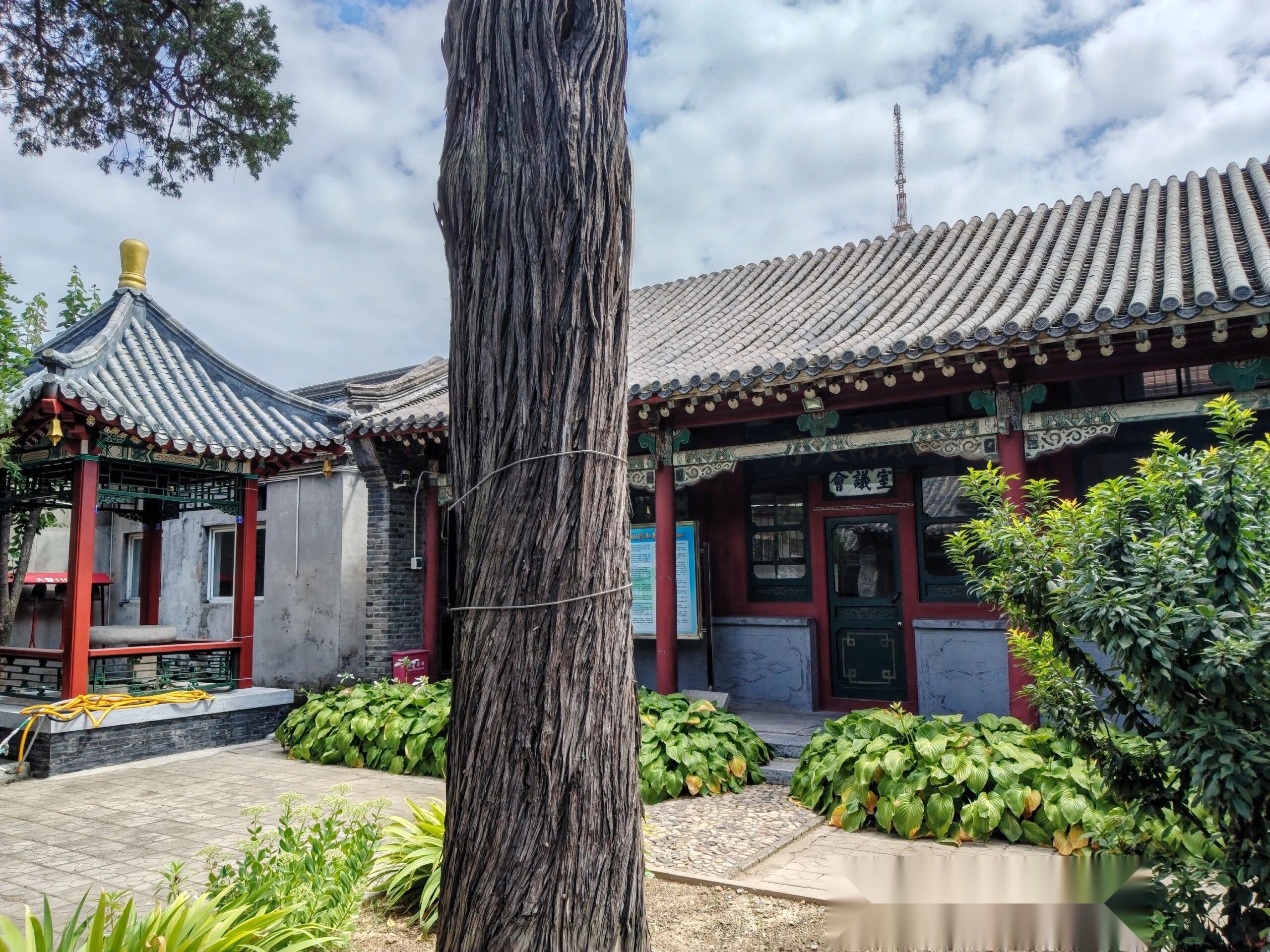
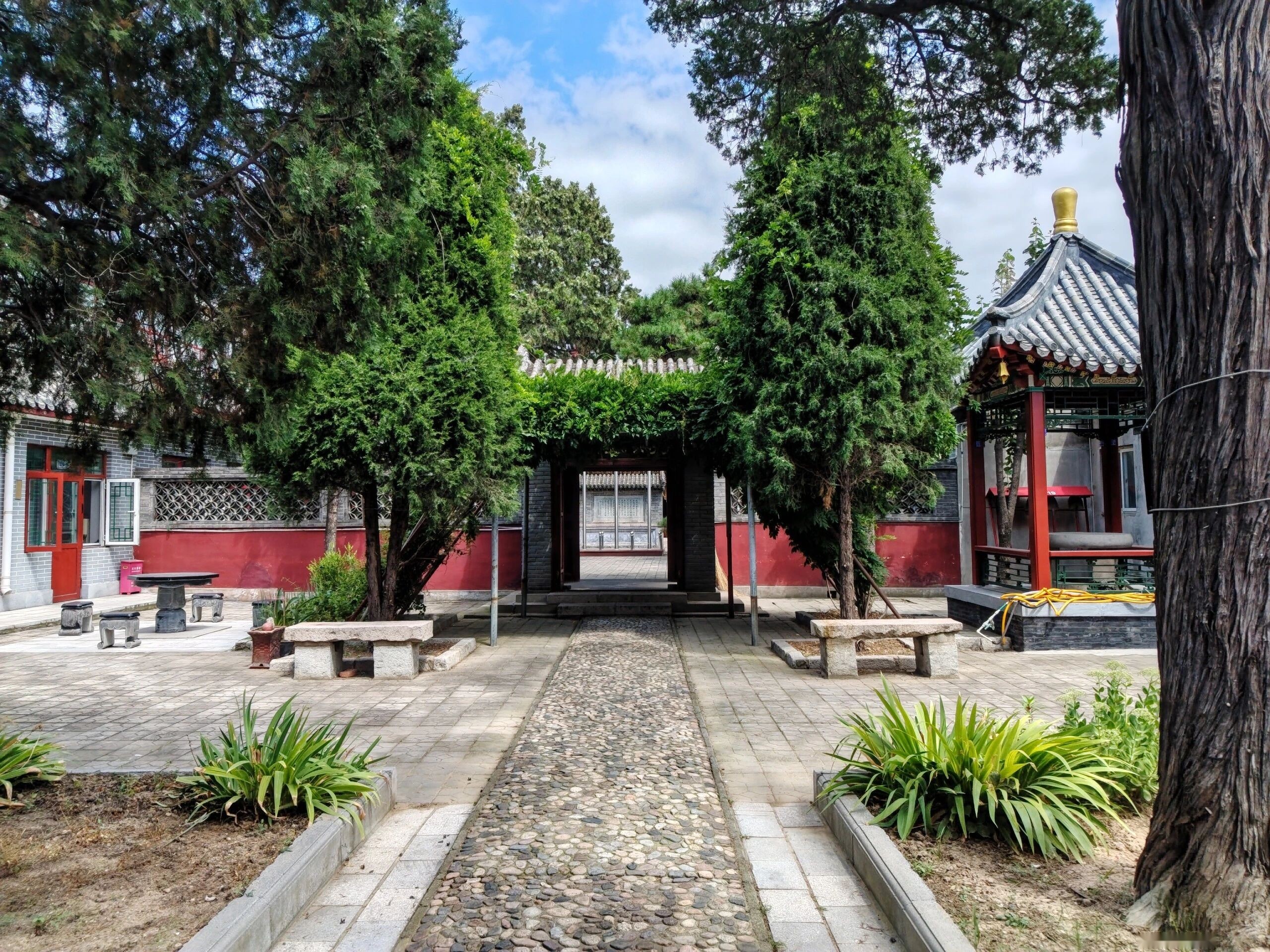
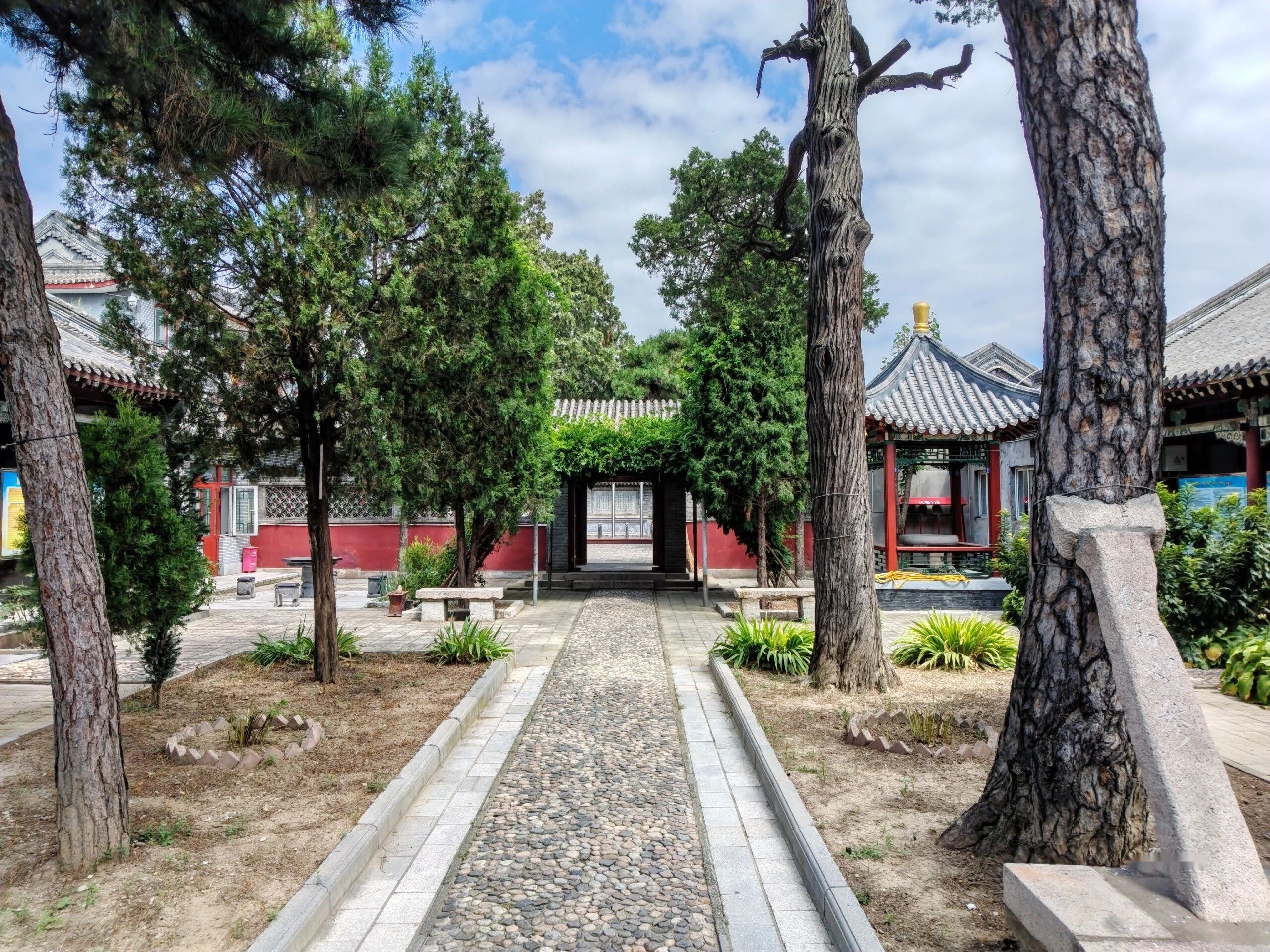
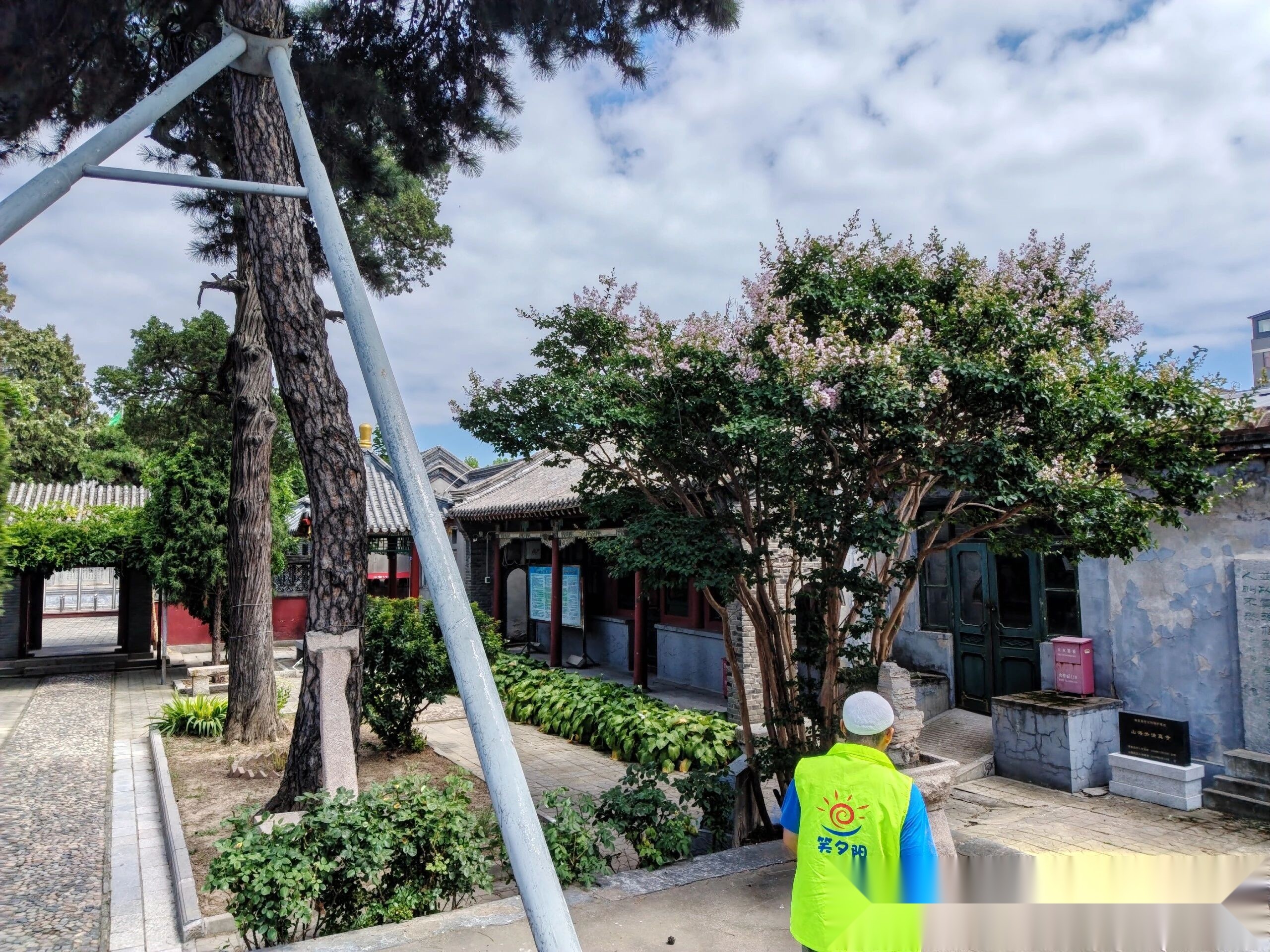
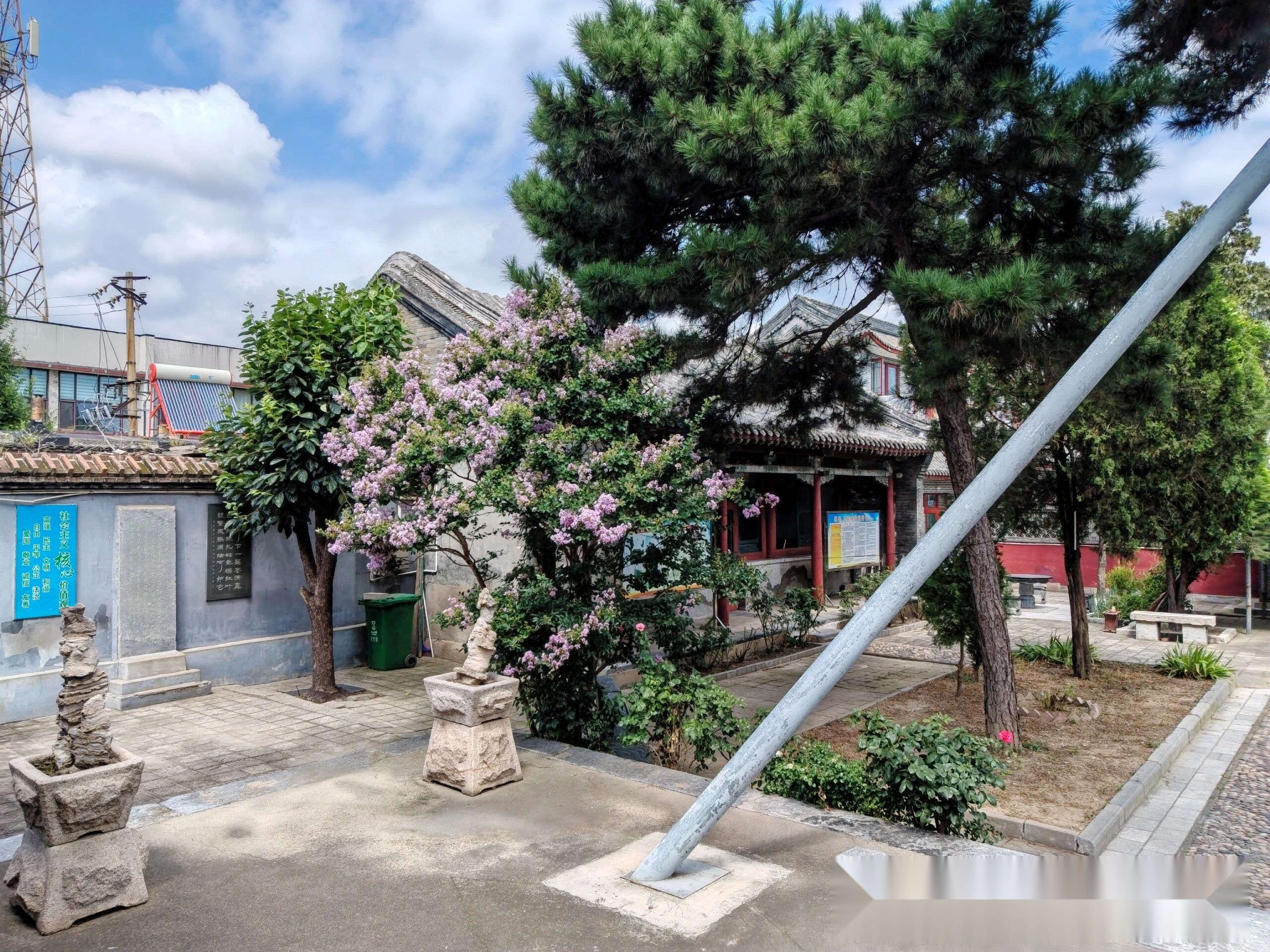
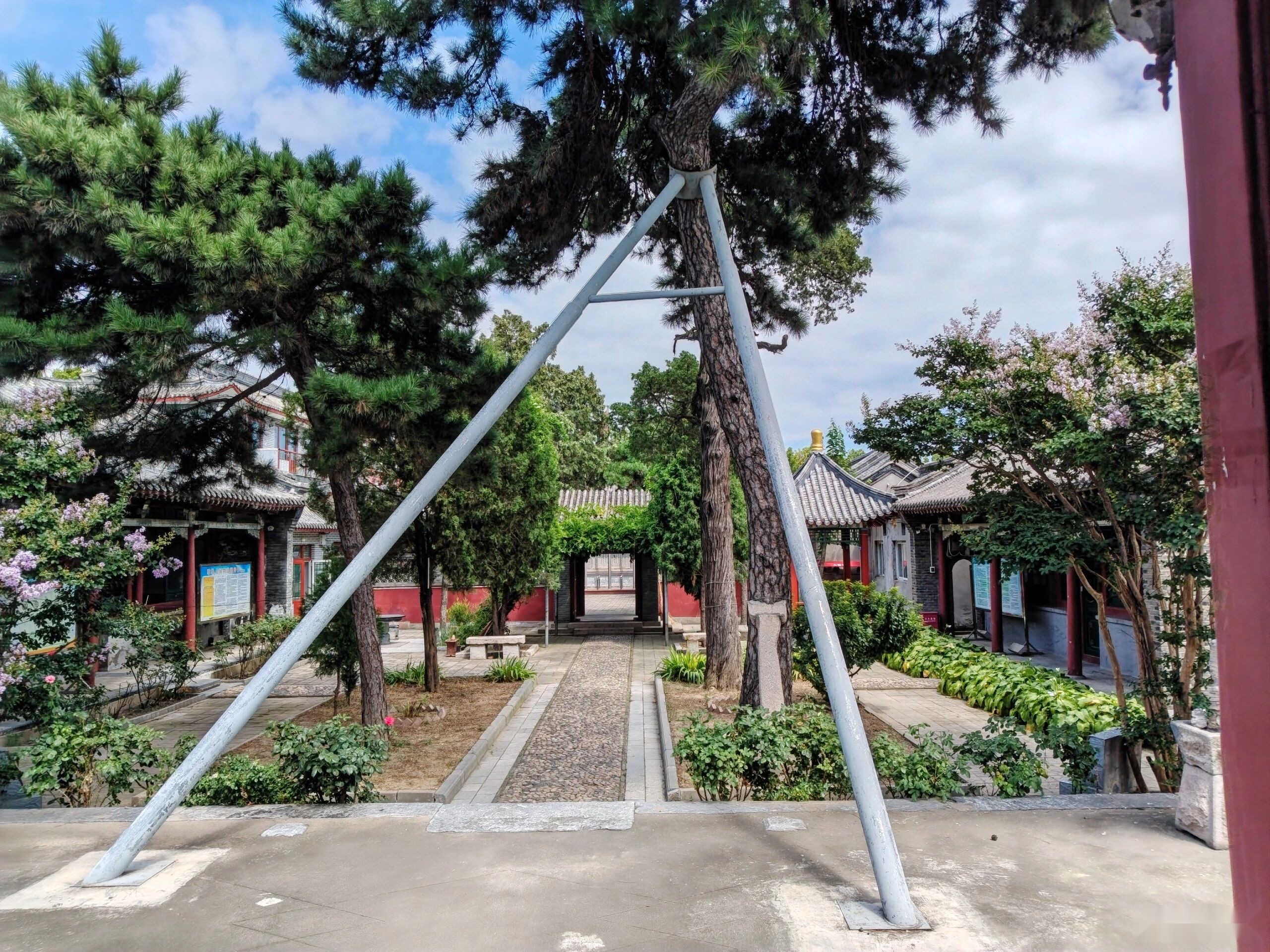
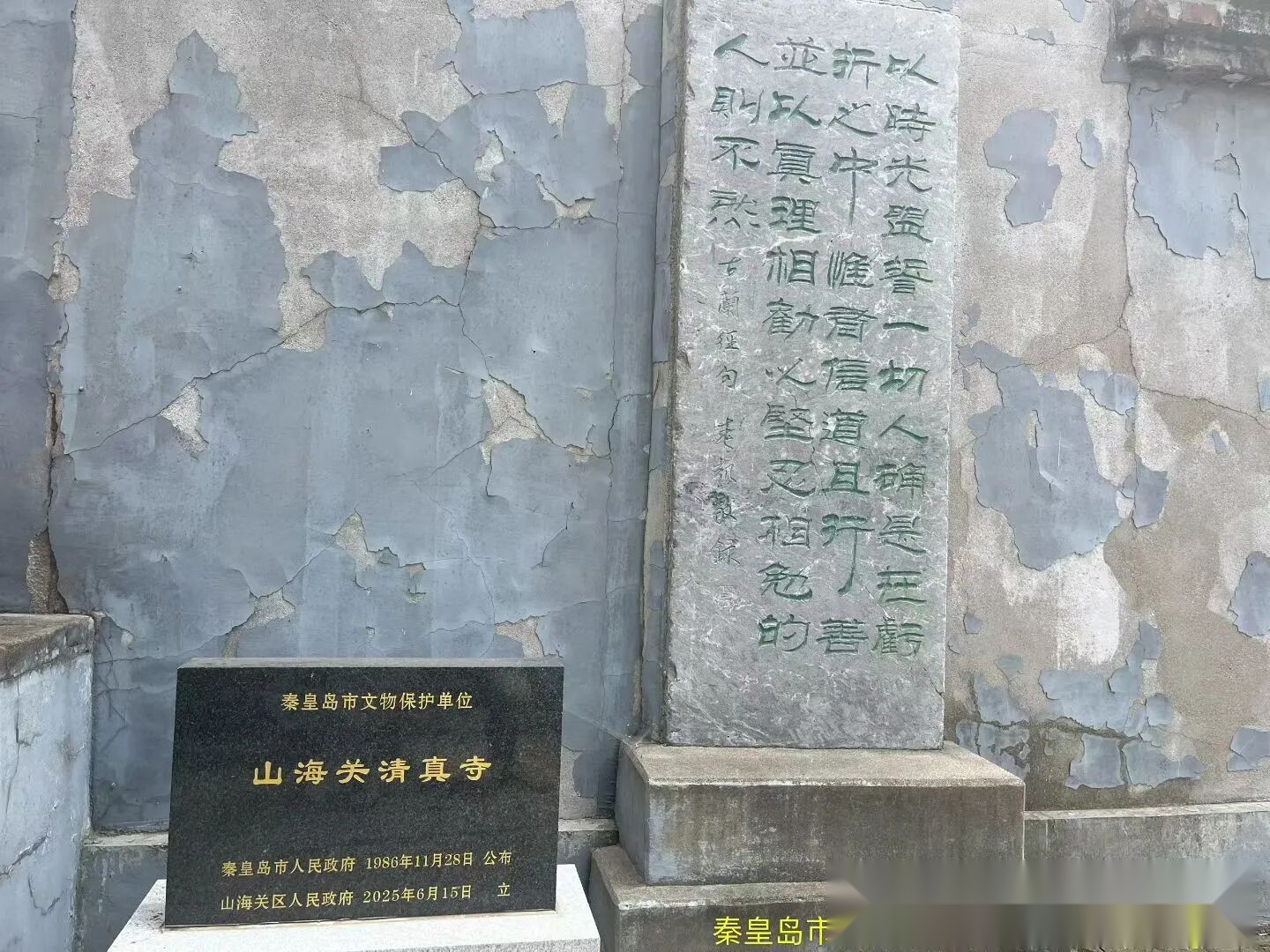
Check out these 17 photos of the Shanhaiguan Mosque, which sits right by the moat outside the West Gate of the ancient city of Shanhaiguan in Hebei Province. This place goes all the way back to 1380, during the 13th year of the Hongwu era of the Ming Dynasty, and it still keeps its original Chinese courtyard layout, including a main prayer hall, a hall for scripture study, and a traditional well pavilion—all preserved from its 600-year history.
The Shanhaiguan Mosque is one of the most famous historic mosques in Hebei, known for its deep history and one-of-a-kind architecture. Its historical roots are incredible, dating back to 1380, making it over 600 years old.
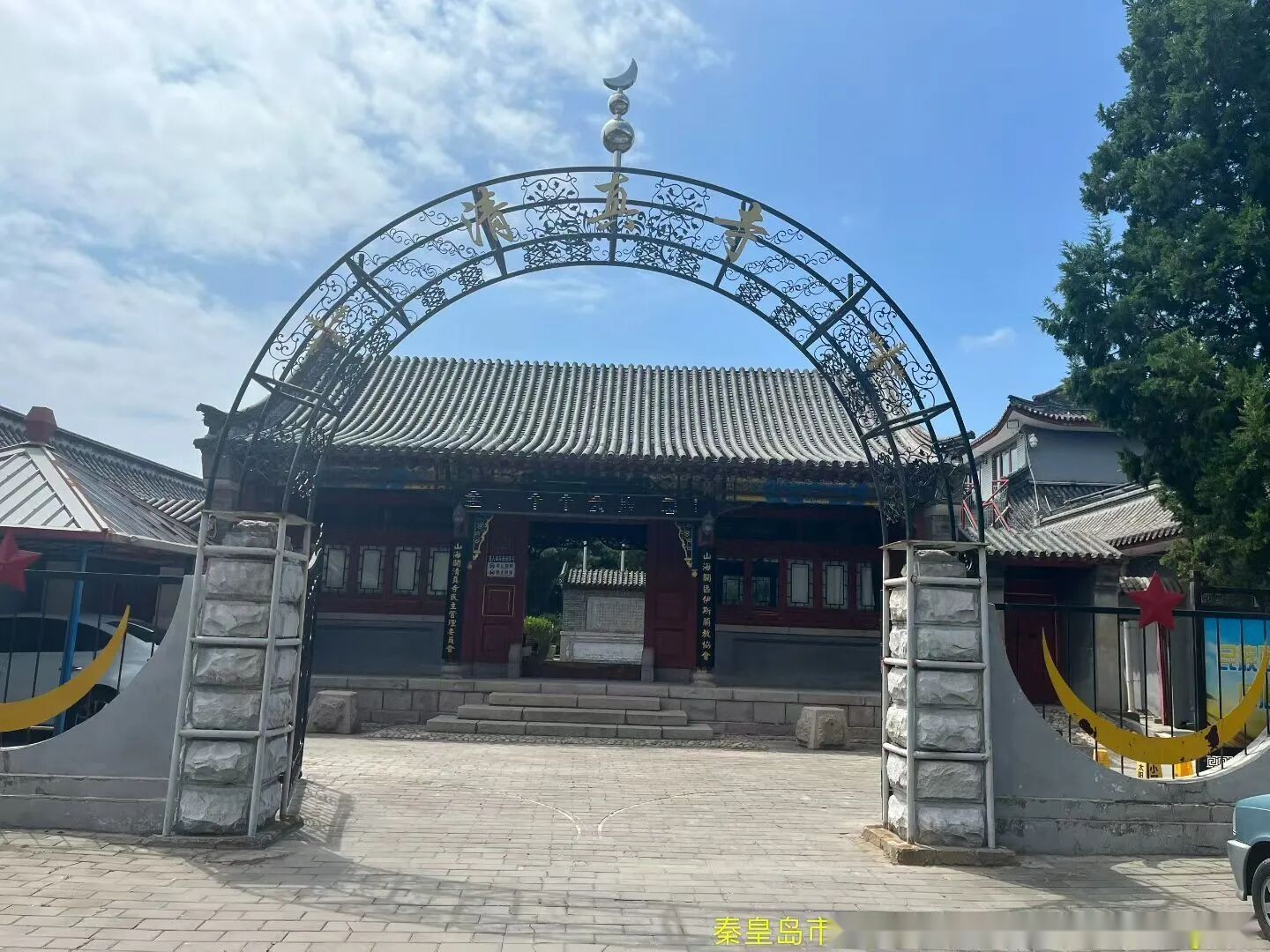
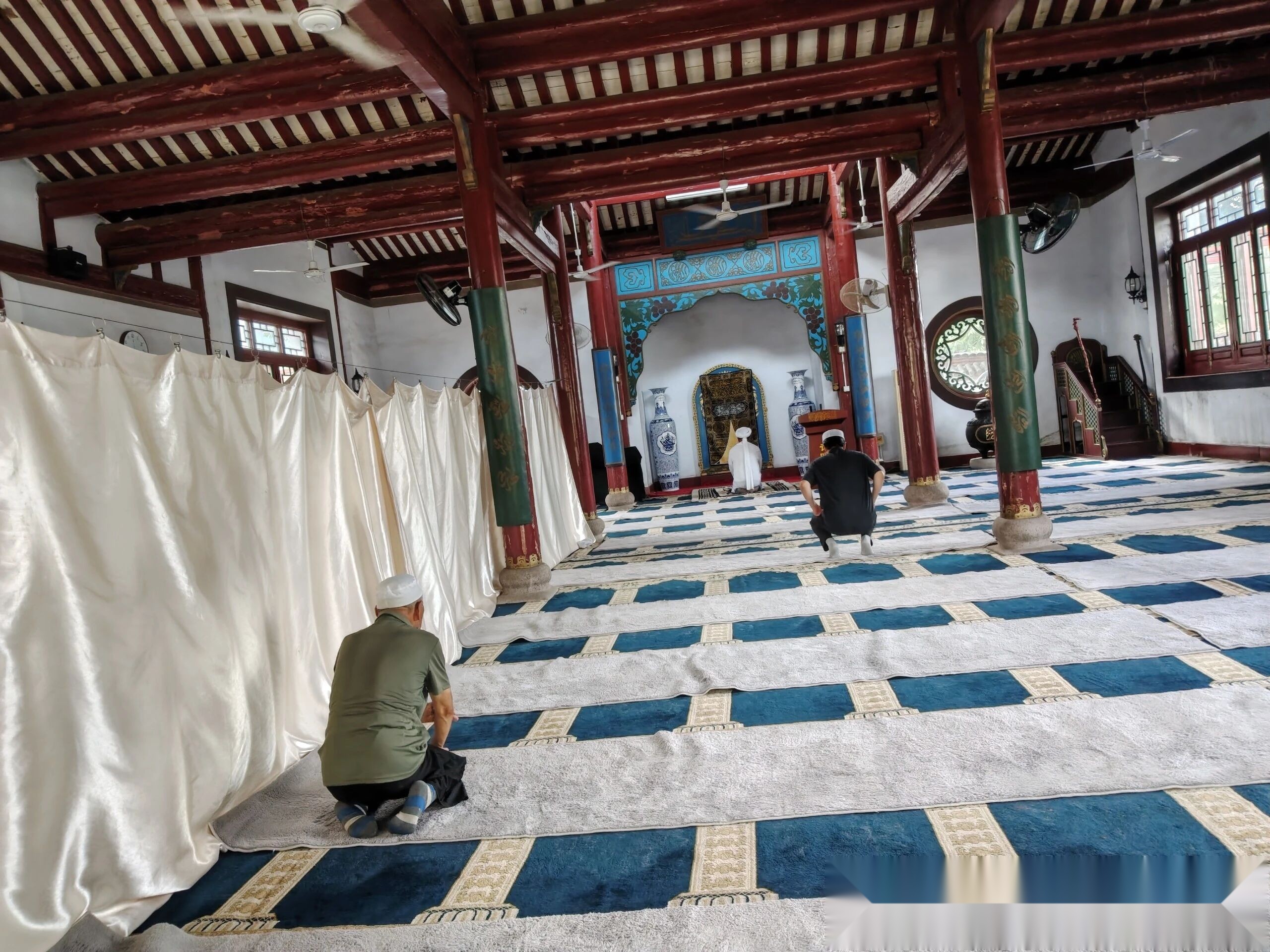
When it comes to the architecture, the whole site follows a classic traditional Chinese style. Inside, you will find the main prayer hall, a lecture hall for religious study, a ritual washing room (bathhouse), a funeral room, the main gate, a secondary gate, and a well pavilion.
You can find it right along the moat outside the West Gate of the ancient Shanhaiguan city. Praise be to Allah, Mr. Yang and I managed to make it there just in time for Dhuhr (the midday prayer). view all
Check out these 17 photos of the Shanhaiguan Mosque, which sits right by the moat outside the West Gate of the ancient city of Shanhaiguan in Hebei Province. This place goes all the way back to 1380, during the 13th year of the Hongwu era of the Ming Dynasty, and it still keeps its original Chinese courtyard layout, including a main prayer hall, a hall for scripture study, and a traditional well pavilion—all preserved from its 600-year history.
The Shanhaiguan Mosque is one of the most famous historic mosques in Hebei, known for its deep history and one-of-a-kind architecture. Its historical roots are incredible, dating back to 1380, making it over 600 years old.
When it comes to the architecture, the whole site follows a classic traditional Chinese style. Inside, you will find the main prayer hall, a lecture hall for religious study, a ritual washing room (bathhouse), a funeral room, the main gate, a secondary gate, and a well pavilion.
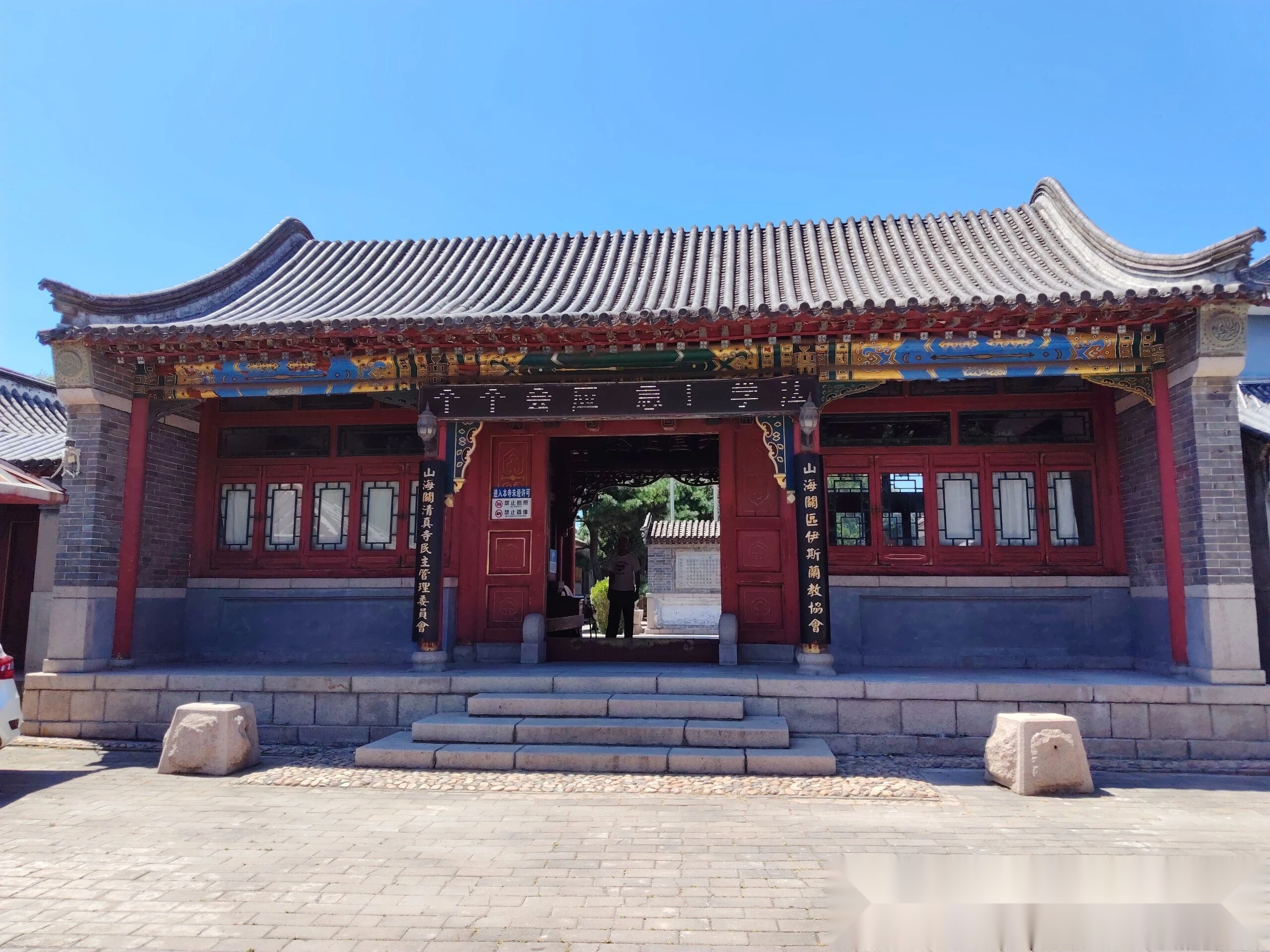
You can find it right along the moat outside the West Gate of the ancient Shanhaiguan city. Praise be to Allah, Mr. Yang and I managed to make it there just in time for Dhuhr (the midday prayer).
Nizwa Goat Market Guide: Experience the Authentic Friday Livestock Auction in Oman's Ancient Capital
Articles • Hasan09 posted the article • 0 comments • 41 views • 2026-10-30 01:12
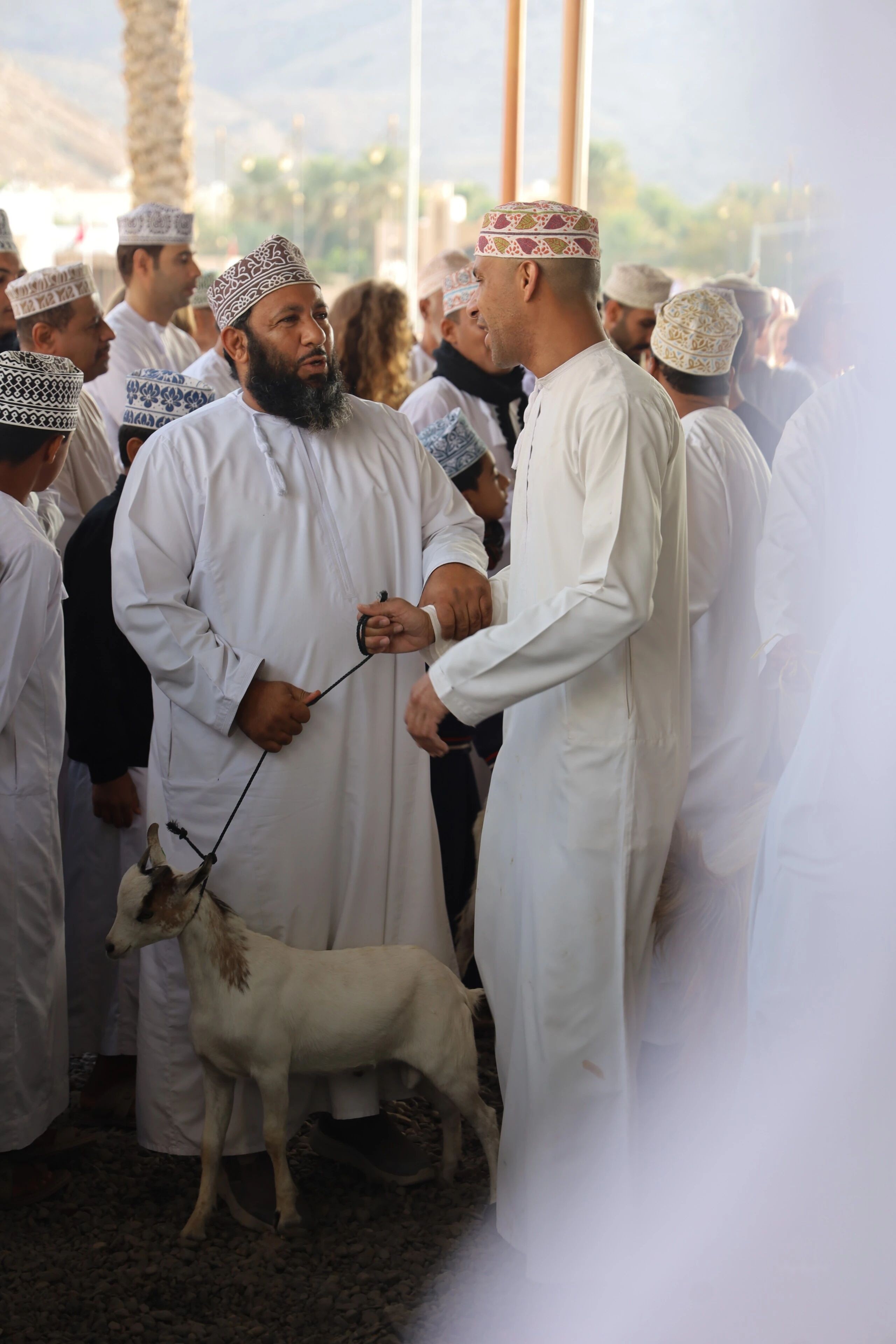
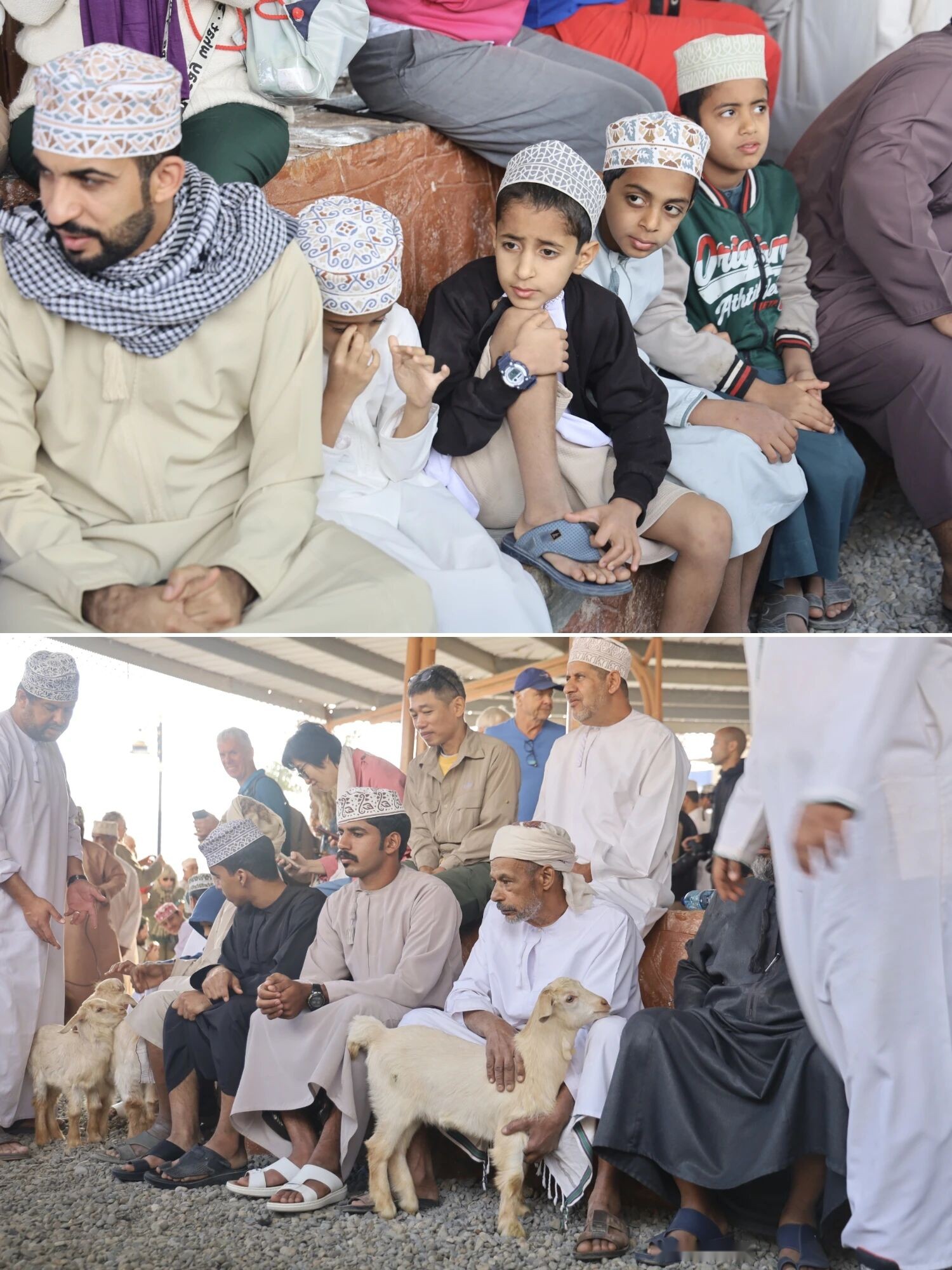
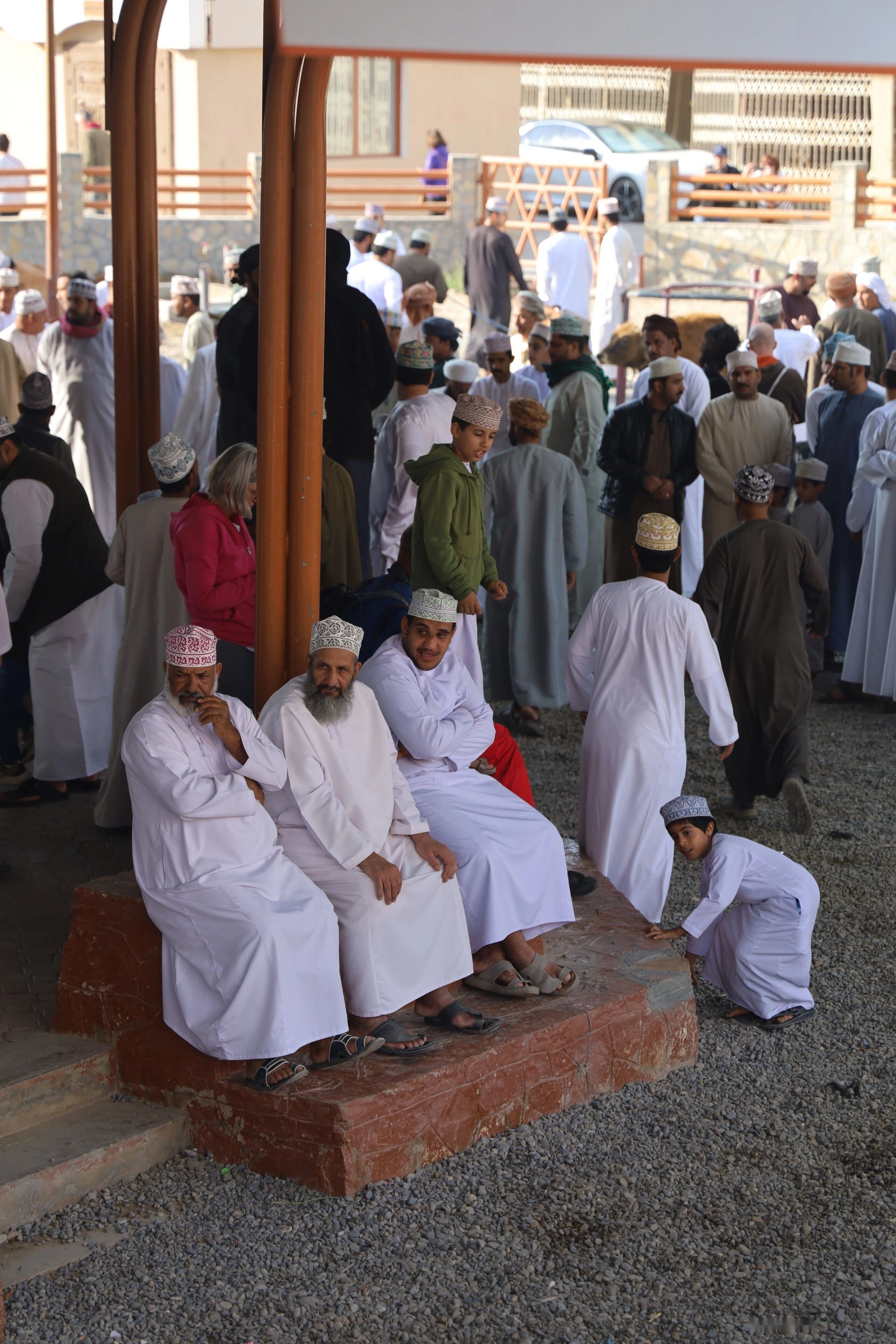
Check out these 14 documentary-style photos that take you straight into the heart of the traditional Friday morning livestock market in Nizwa, the ancient capital of Oman. You’ll get an up-close look at the centuries-old tradition of Bedouin herders and locals gathering for their unique circular walk-and-bid auctions, all set against a backdrop of authentic Arabian culture.
It wasn’t even planned, but we were lucky enough to be in Oman on a Friday, which is the only day this traditional livestock market happens in Nizwa. Seeing and experiencing this market culture, which has been going strong in the Arabian Peninsula for hundreds of years, was honestly one of the most unique experiences of our entire trip.
Nizwa served as the capital of Oman from the 6th to the 10th century and still holds onto its deep-rooted Islamic and Arabian traditions. The market continues to operate using farming and herding trade practices that are centuries old; it’s not just a place for business, but a major social hub where Bedouin people and local residents meet to connect and swap information.
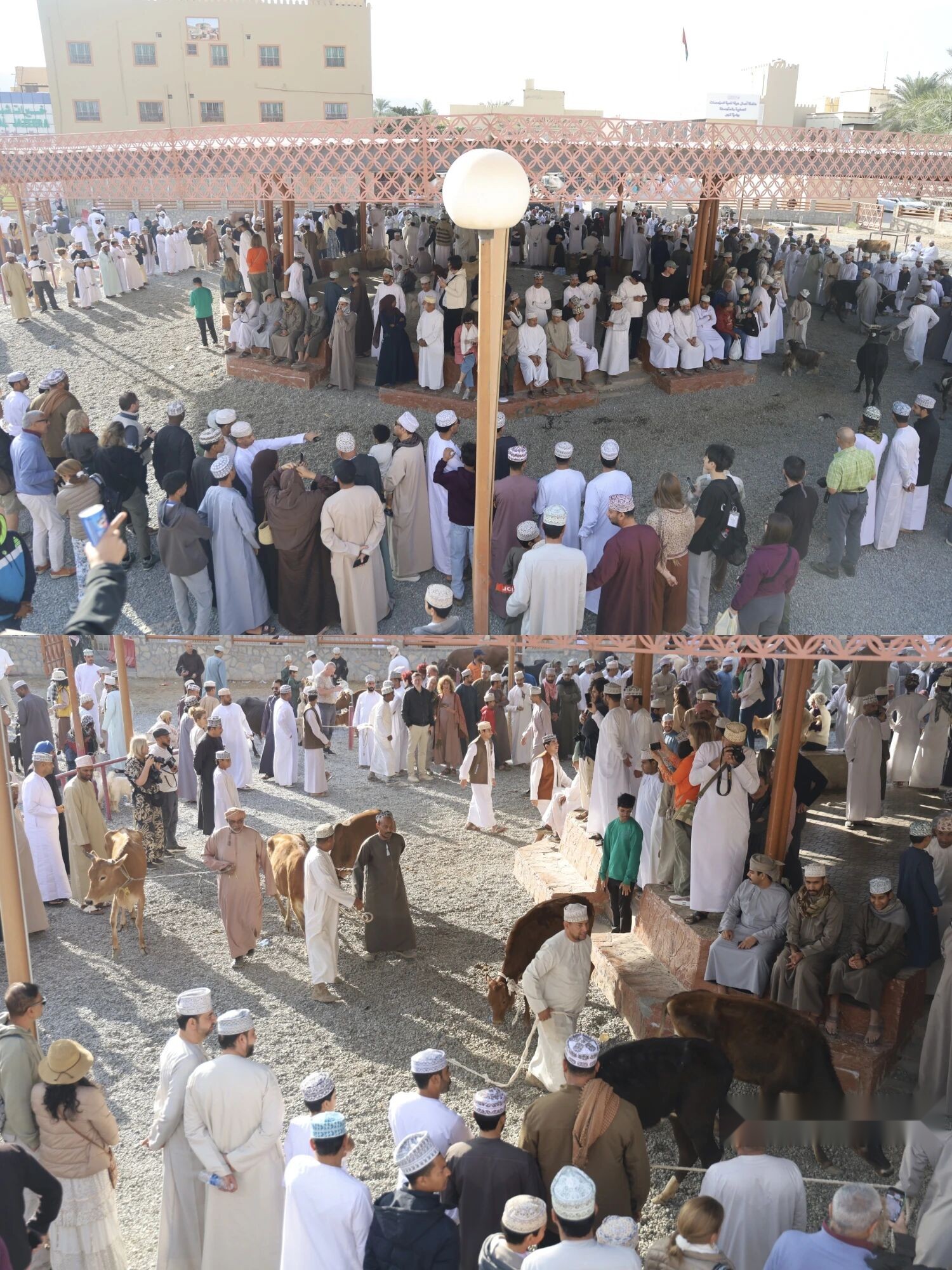
Since the livestock market only runs between 6:00 AM and 9:00 AM, we hit the road at 6:00 AM for a two-hour drive to Nizwa. We were so fortunate to catch this classic, high-energy scene. The trading happens in two concentric rings: sellers lead their goats around the inner loop while calling out their prices, and buyers in both the inner and outer circles jump in to take a closer look, inspect the animals, and shout out their bids. Once a deal is struck, the cash changes hands right there, and the seller exits the ring.
Watching the goats being traded felt pretty gentle and sweet—a lot of the time, the owners would carry the little goats in their arms as they walked, the animals letting out soft bleats. Things turned into a different vibe when the cows came out; it was a lot more intense, with the animals charging around the ring and owners putting their full strength into pulling them to keep things under control.
Beyond the animals, the Omani men wearing their traditional caps (kuma) added such a cool layer to the scene. It felt like we had walked straight into a movie set! I am absolutely obsessed with experiences that feel this rich in human connection and history.
Tips:
Timing
Fridays only: The main market is open every day, but the live livestock auction only happens on Fridays.
Farmers usually start unloading the goats and cows around sunrise. If you show up between 6:00 AM and 6:30 AM, you’ll catch the animals being crated and get to see the buyers inspecting their teeth and bone structure.
7:00 AM – 8:00 AM is the busiest part of the morning, filled with people herding goats, shouting out prices, and haggling with hand gestures in the circular arena.
By 8:30 AM – 9:30 AM, the goat market starts winding down. Cows and camels usually show up a bit later or in smaller numbers, and by 9:30 AM, the place is pretty much empty.
Best time to visit: October through March. Mornings are a super comfortable 20–25°C (68–77°F). If you go in the summer, you'll definitely want to get there even earlier.
Location: The open lot just north of the Nizwa Souq, right next to the Nizwa Fort. There’s no gate and no ticket fee—just follow the sounds of the crowd and the smell of the livestock.
Getting there: If you're driving from Muscat, it takes about 1.5 to 2 hours. If you want to make it for the 7:00 AM peak, leave between 5:00 AM and 5:30 AM.
Pro tip: Stay in Nizwa on Thursday night and walk over to the market by 6:30 AM so you don't have to stress about parking. The parking lot is huge, but it fills up fast, which just shows you how popular this event is (see image 15).
Once you’re done at the livestock market, spend some time walking through the rest of the Nizwa Souq—it’s super fun and lively. Having some small change is handy, but we were able to use our cards for everything without any issues. view all
Check out these 14 documentary-style photos that take you straight into the heart of the traditional Friday morning livestock market in Nizwa, the ancient capital of Oman. You’ll get an up-close look at the centuries-old tradition of Bedouin herders and locals gathering for their unique circular walk-and-bid auctions, all set against a backdrop of authentic Arabian culture.
It wasn’t even planned, but we were lucky enough to be in Oman on a Friday, which is the only day this traditional livestock market happens in Nizwa. Seeing and experiencing this market culture, which has been going strong in the Arabian Peninsula for hundreds of years, was honestly one of the most unique experiences of our entire trip.
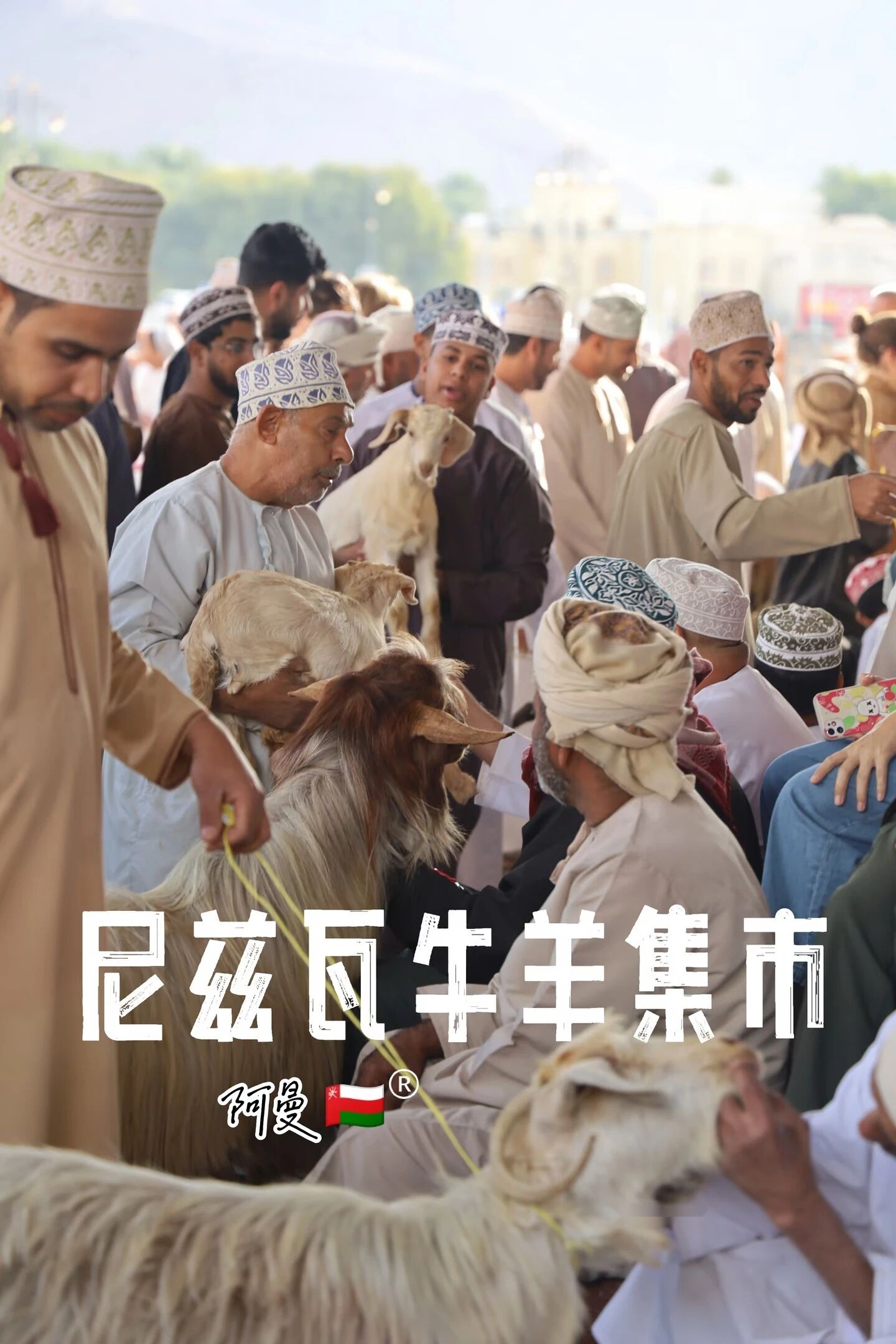
Nizwa served as the capital of Oman from the 6th to the 10th century and still holds onto its deep-rooted Islamic and Arabian traditions. The market continues to operate using farming and herding trade practices that are centuries old; it’s not just a place for business, but a major social hub where Bedouin people and local residents meet to connect and swap information.
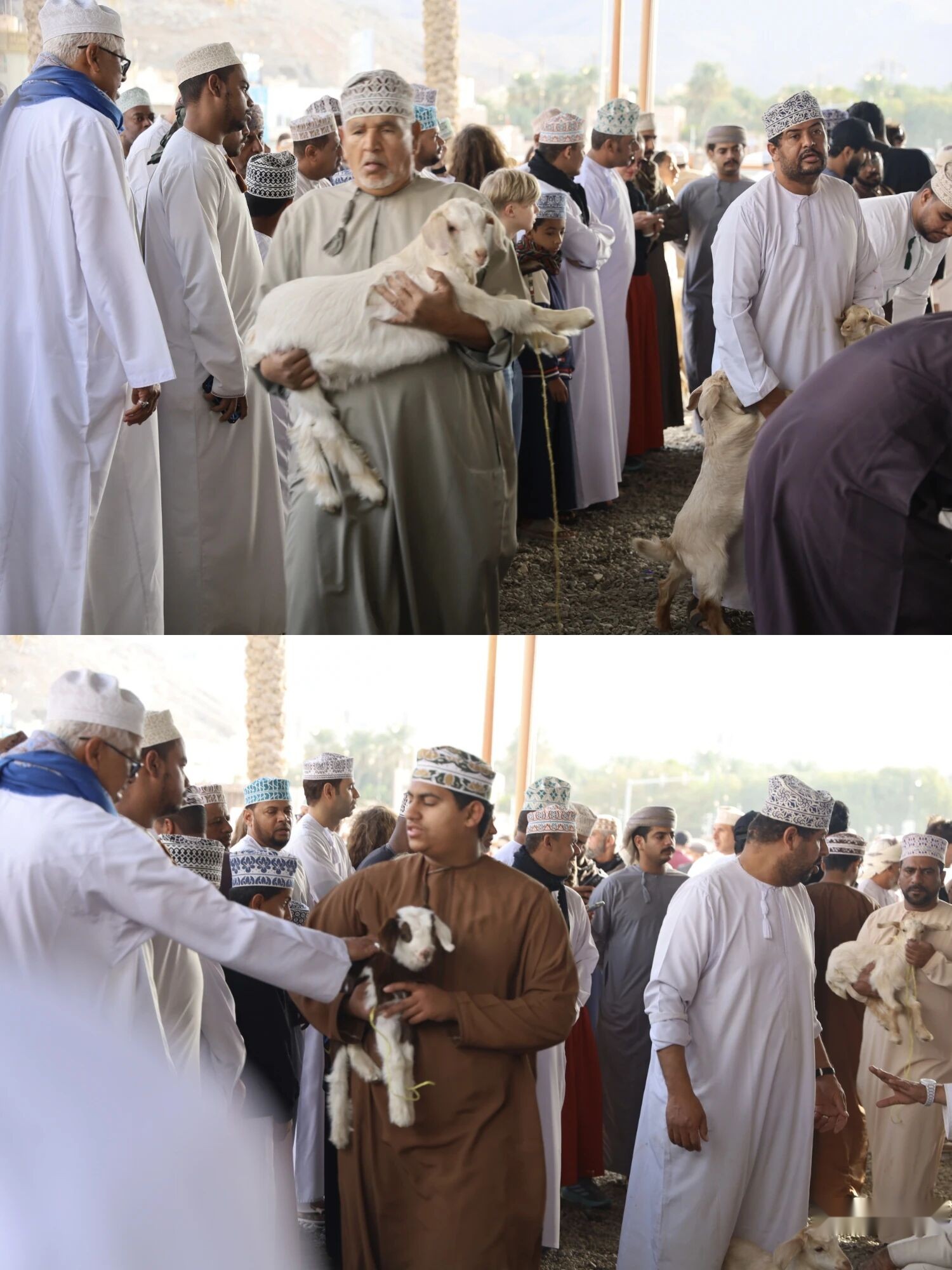
Since the livestock market only runs between 6:00 AM and 9:00 AM, we hit the road at 6:00 AM for a two-hour drive to Nizwa. We were so fortunate to catch this classic, high-energy scene. The trading happens in two concentric rings: sellers lead their goats around the inner loop while calling out their prices, and buyers in both the inner and outer circles jump in to take a closer look, inspect the animals, and shout out their bids. Once a deal is struck, the cash changes hands right there, and the seller exits the ring.
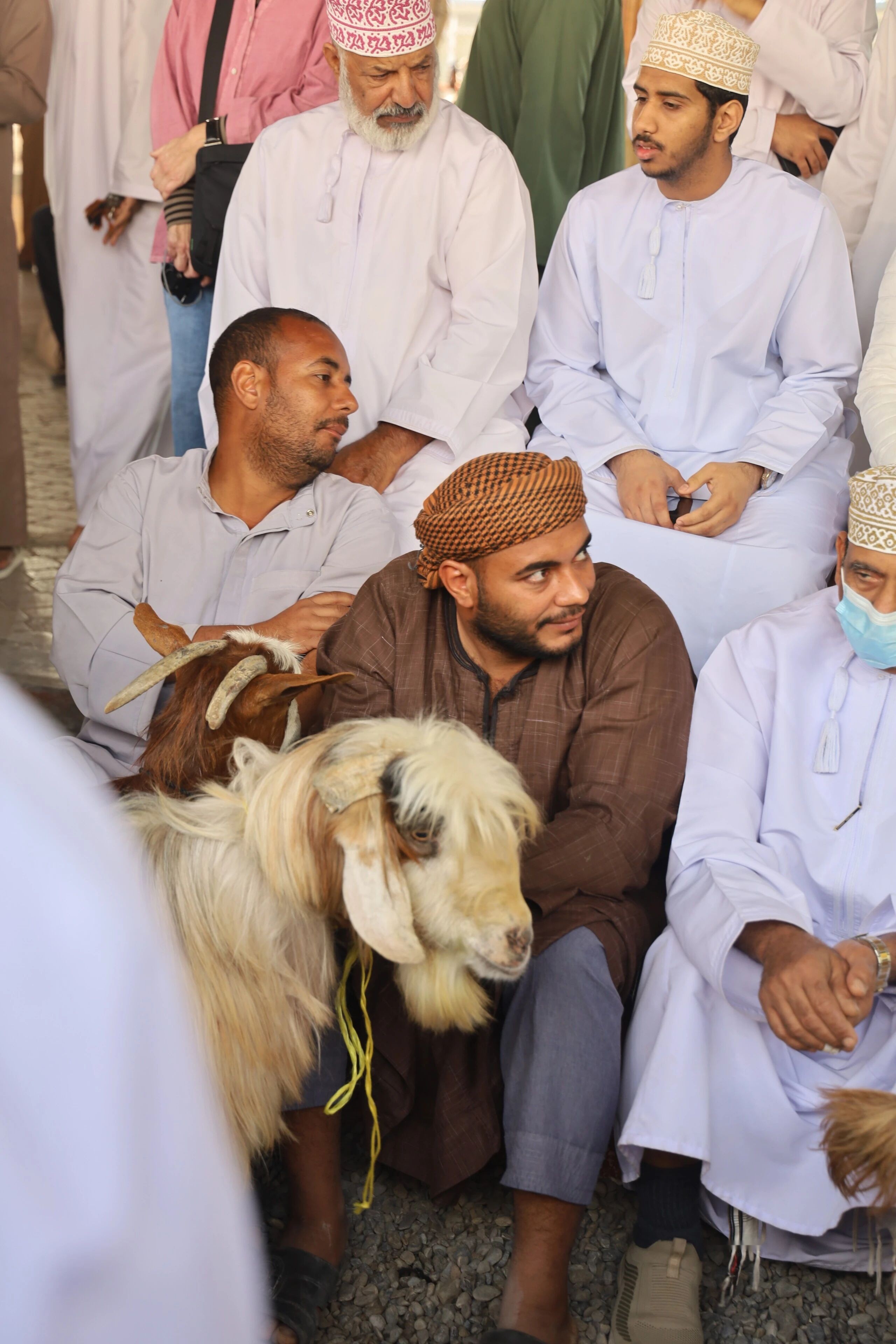
Watching the goats being traded felt pretty gentle and sweet—a lot of the time, the owners would carry the little goats in their arms as they walked, the animals letting out soft bleats. Things turned into a different vibe when the cows came out; it was a lot more intense, with the animals charging around the ring and owners putting their full strength into pulling them to keep things under control.
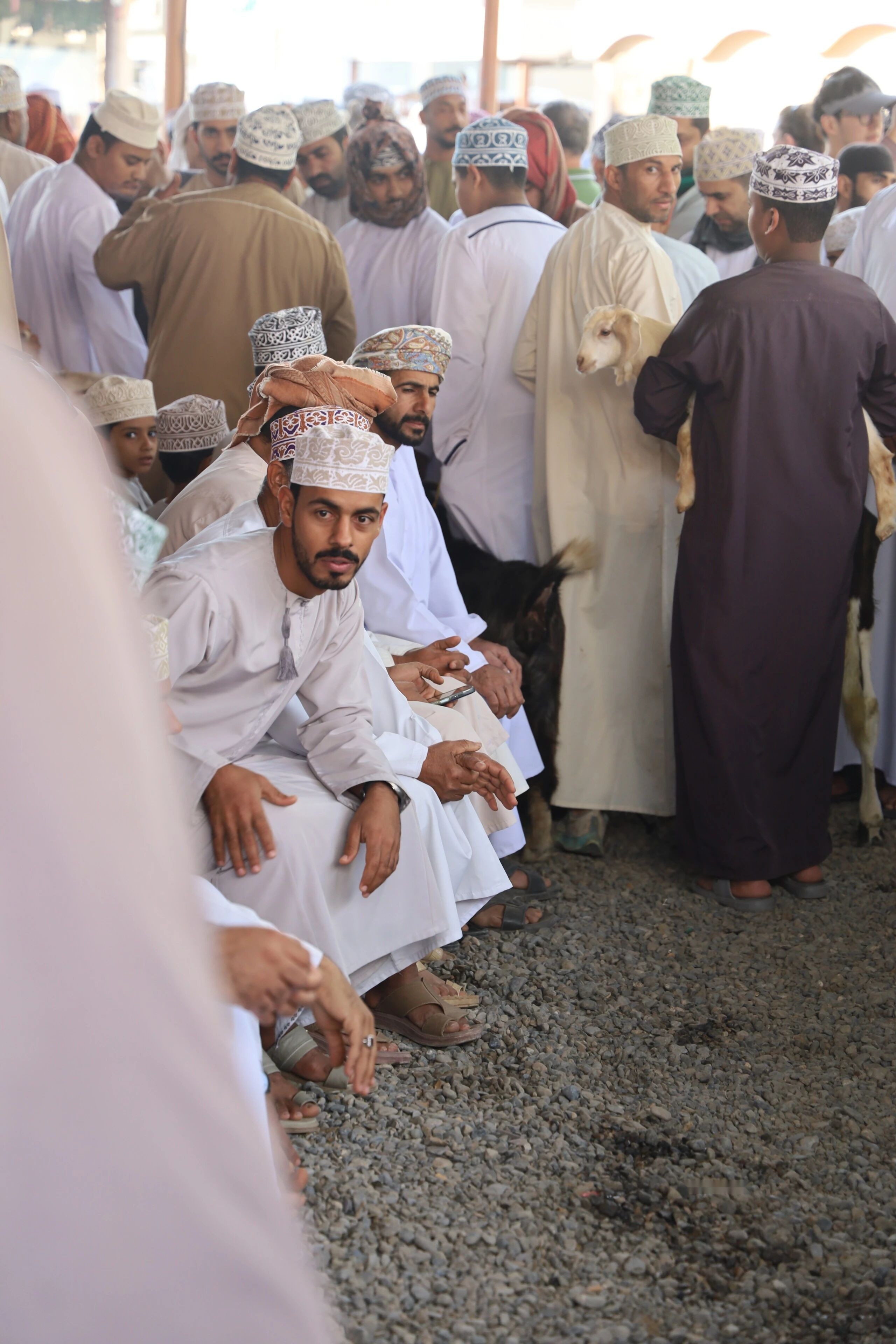
Beyond the animals, the Omani men wearing their traditional caps (kuma) added such a cool layer to the scene. It felt like we had walked straight into a movie set! I am absolutely obsessed with experiences that feel this rich in human connection and history.
Tips:
Timing
Fridays only: The main market is open every day, but the live livestock auction only happens on Fridays.
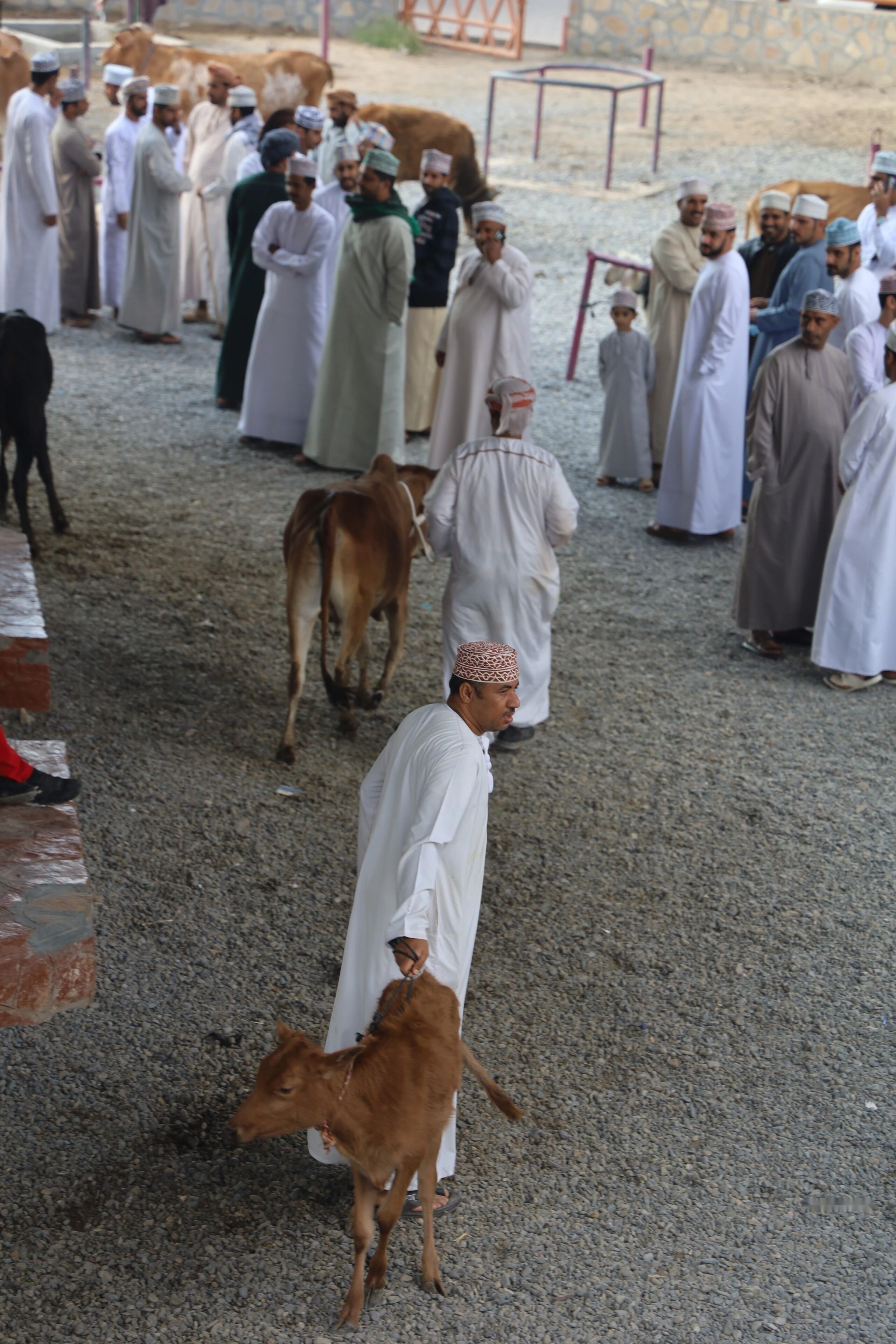
Farmers usually start unloading the goats and cows around sunrise. If you show up between 6:00 AM and 6:30 AM, you’ll catch the animals being crated and get to see the buyers inspecting their teeth and bone structure.
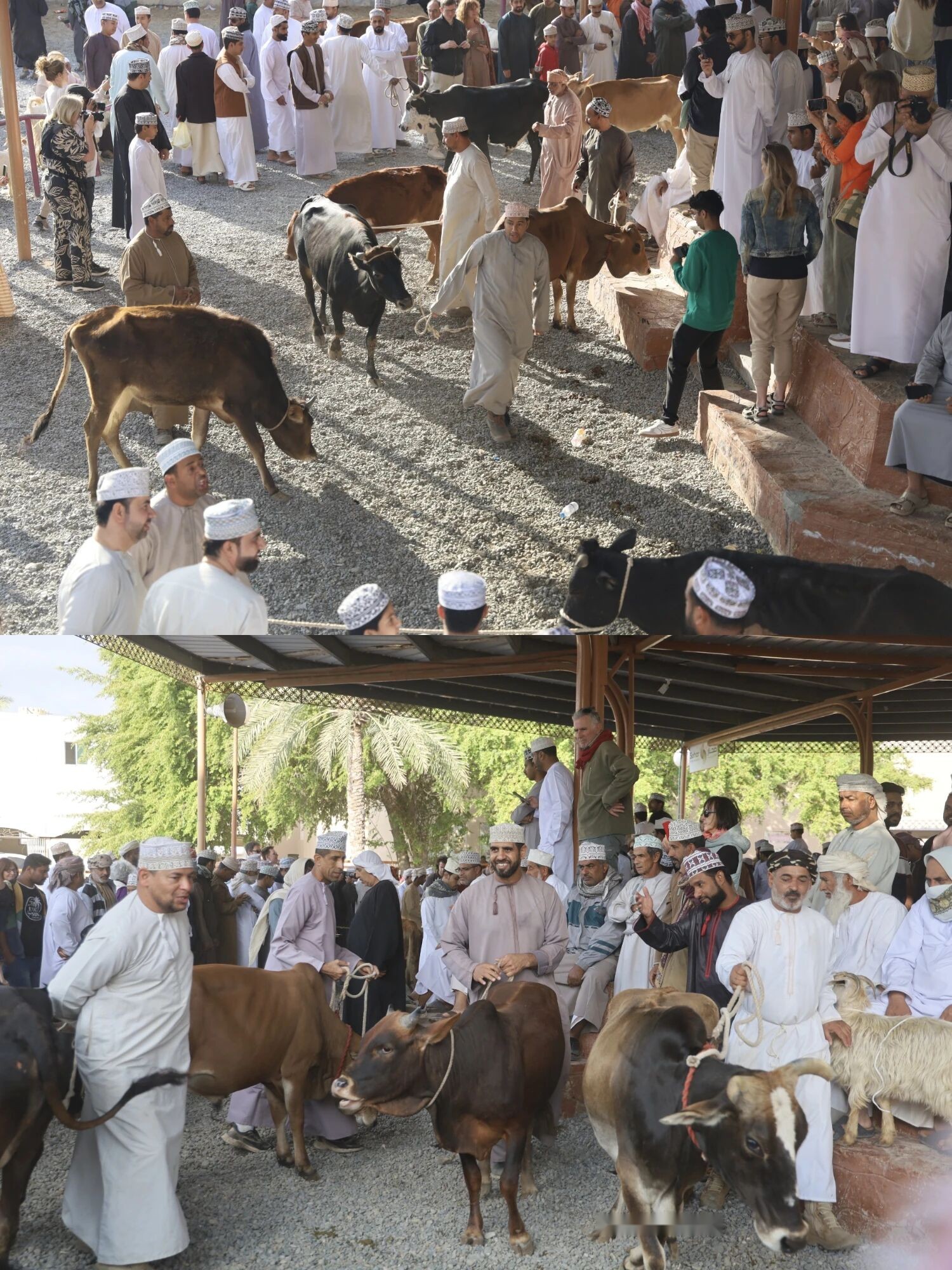
7:00 AM – 8:00 AM is the busiest part of the morning, filled with people herding goats, shouting out prices, and haggling with hand gestures in the circular arena.
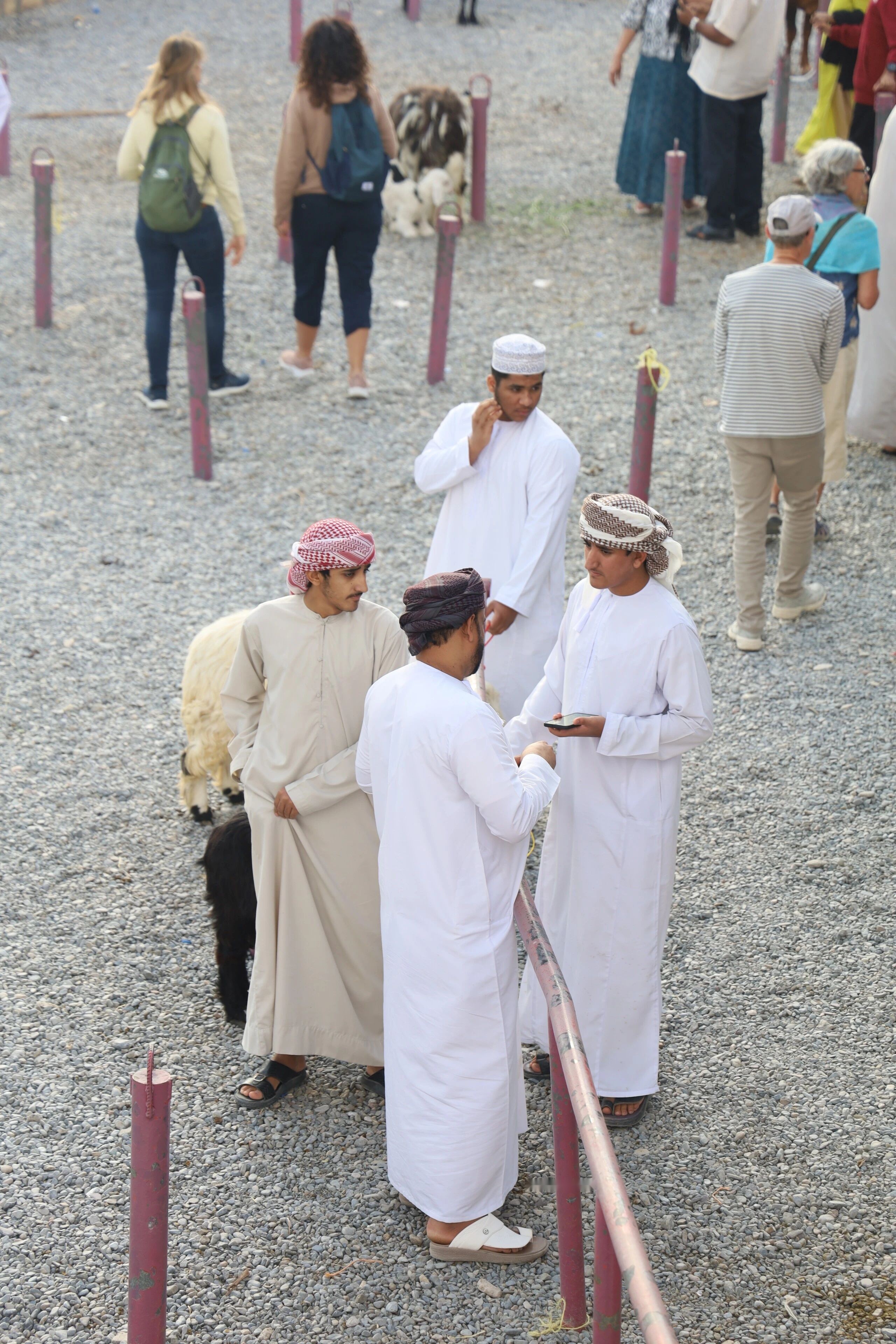
By 8:30 AM – 9:30 AM, the goat market starts winding down. Cows and camels usually show up a bit later or in smaller numbers, and by 9:30 AM, the place is pretty much empty.
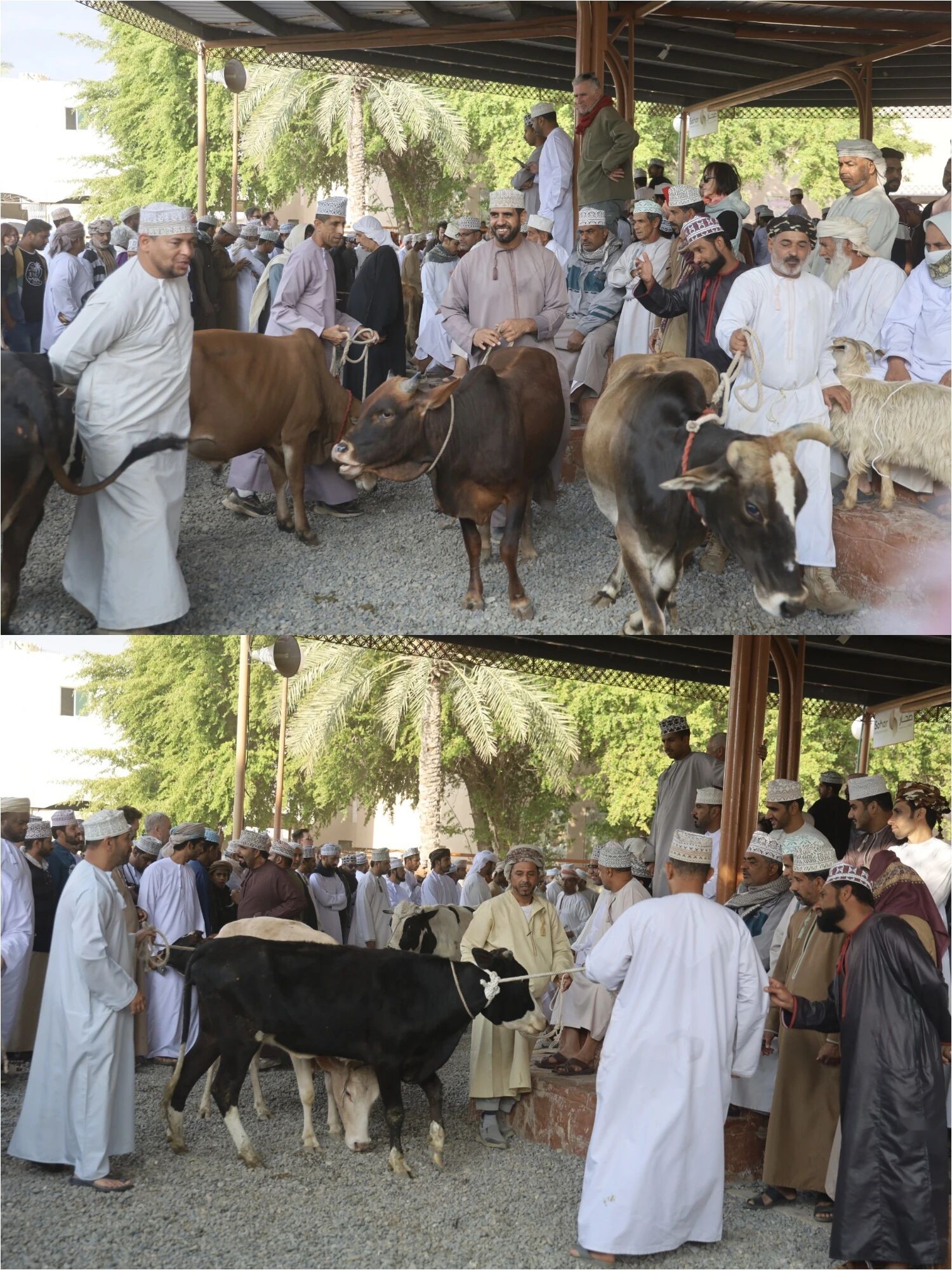
Best time to visit: October through March. Mornings are a super comfortable 20–25°C (68–77°F). If you go in the summer, you'll definitely want to get there even earlier.
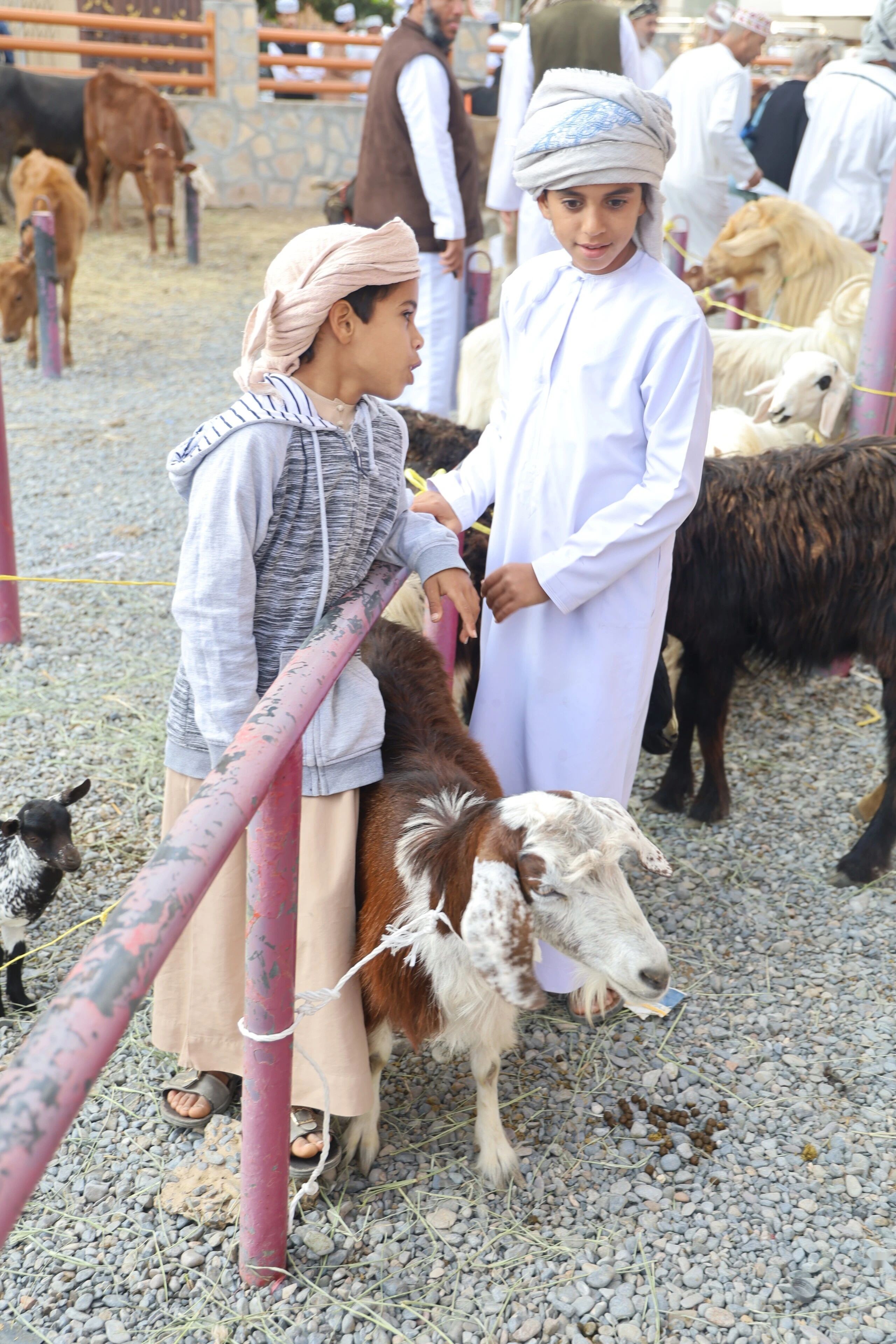
Location: The open lot just north of the Nizwa Souq, right next to the Nizwa Fort. There’s no gate and no ticket fee—just follow the sounds of the crowd and the smell of the livestock.
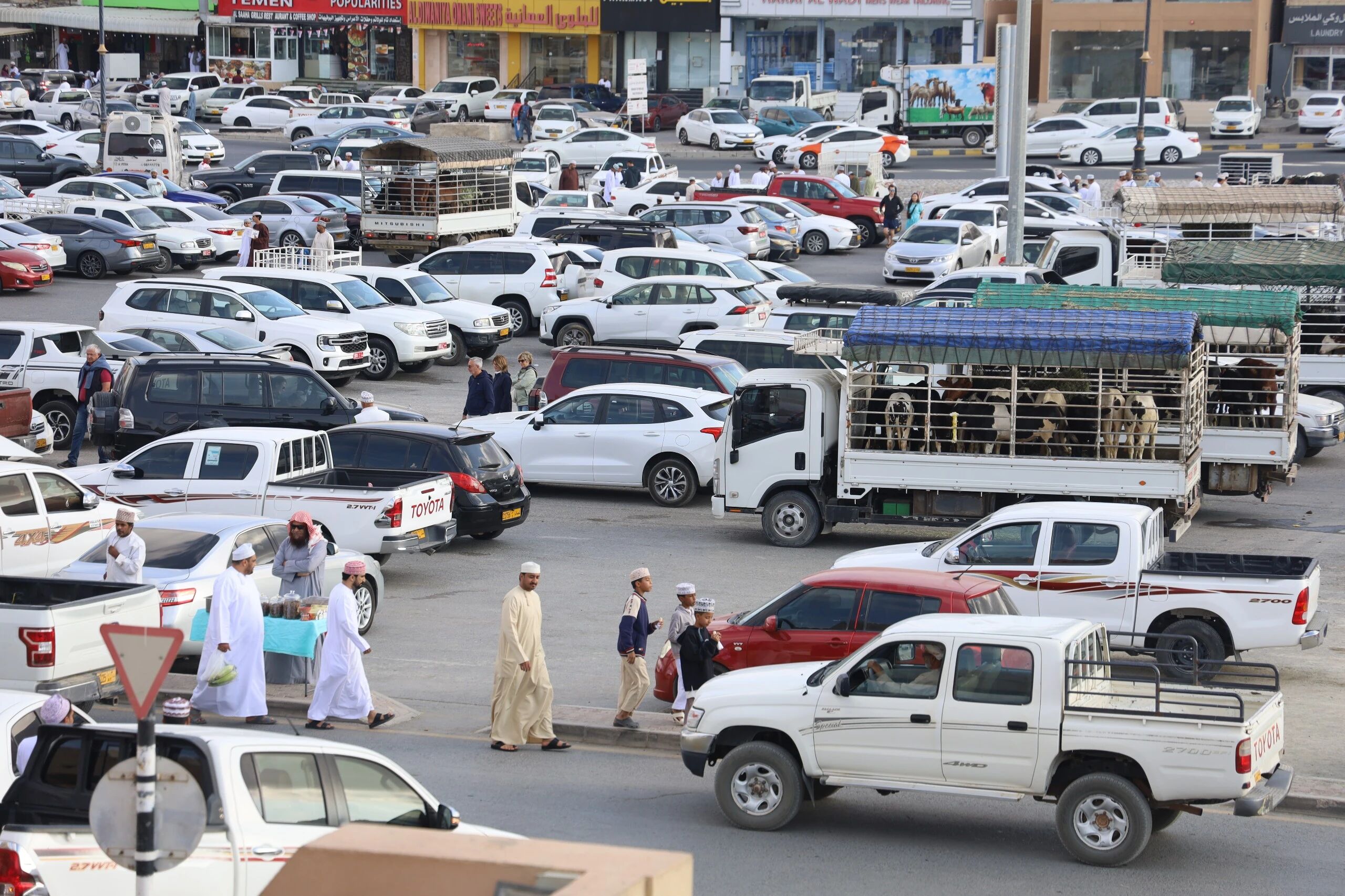
Getting there: If you're driving from Muscat, it takes about 1.5 to 2 hours. If you want to make it for the 7:00 AM peak, leave between 5:00 AM and 5:30 AM.
Pro tip: Stay in Nizwa on Thursday night and walk over to the market by 6:30 AM so you don't have to stress about parking. The parking lot is huge, but it fills up fast, which just shows you how popular this event is (see image 15).
Once you’re done at the livestock market, spend some time walking through the rest of the Nizwa Souq—it’s super fun and lively. Having some small change is handy, but we were able to use our cards for everything without any issues.
Discovering Wu'aisi Baba Gongbei in Gansu: Exploring Ancient Islamic Heritage and Tang Dynasty History in Yumen
Articles • Hasan09 posted the article • 0 comments • 142 views • 2026-10-30 01:13
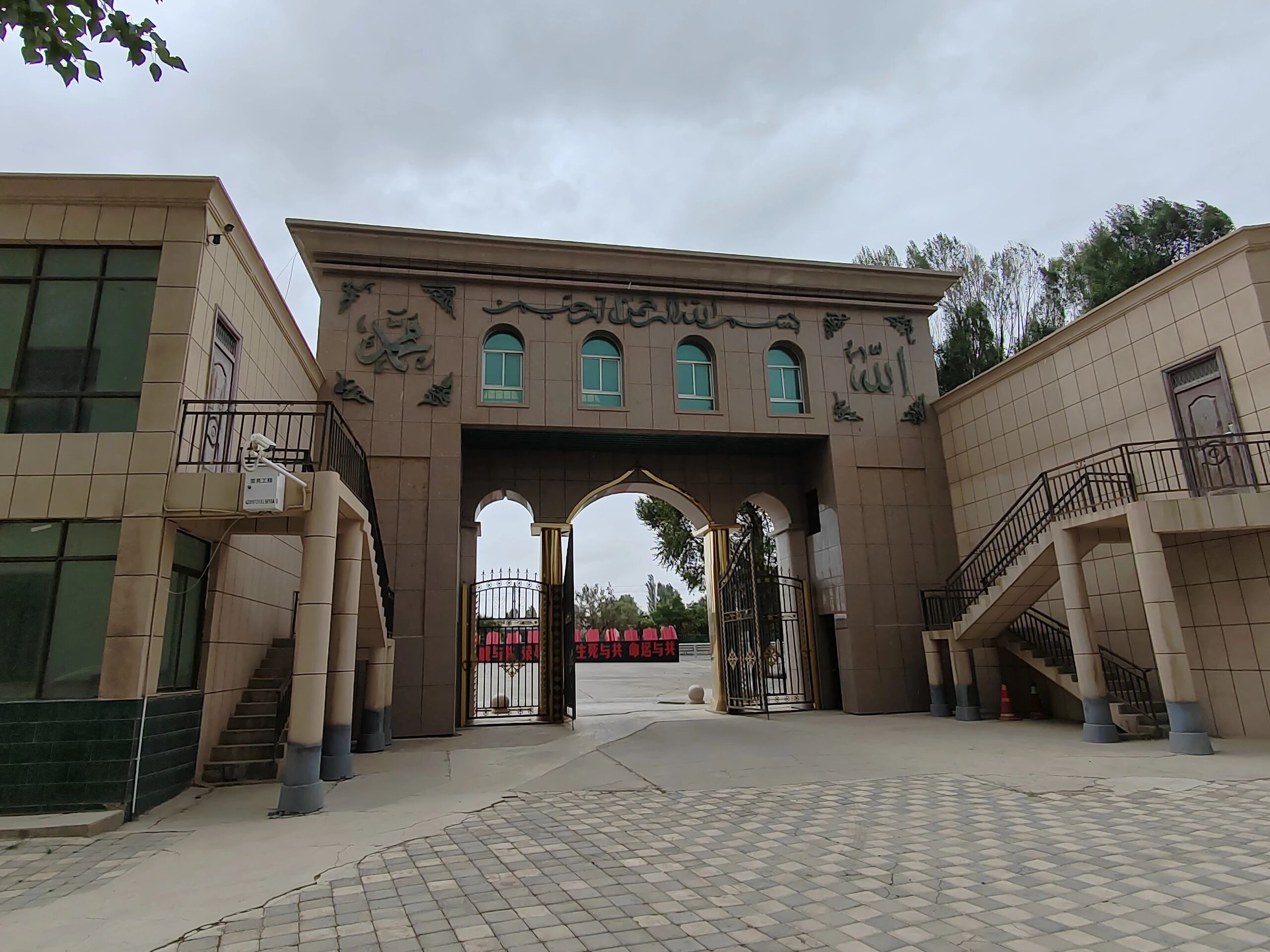
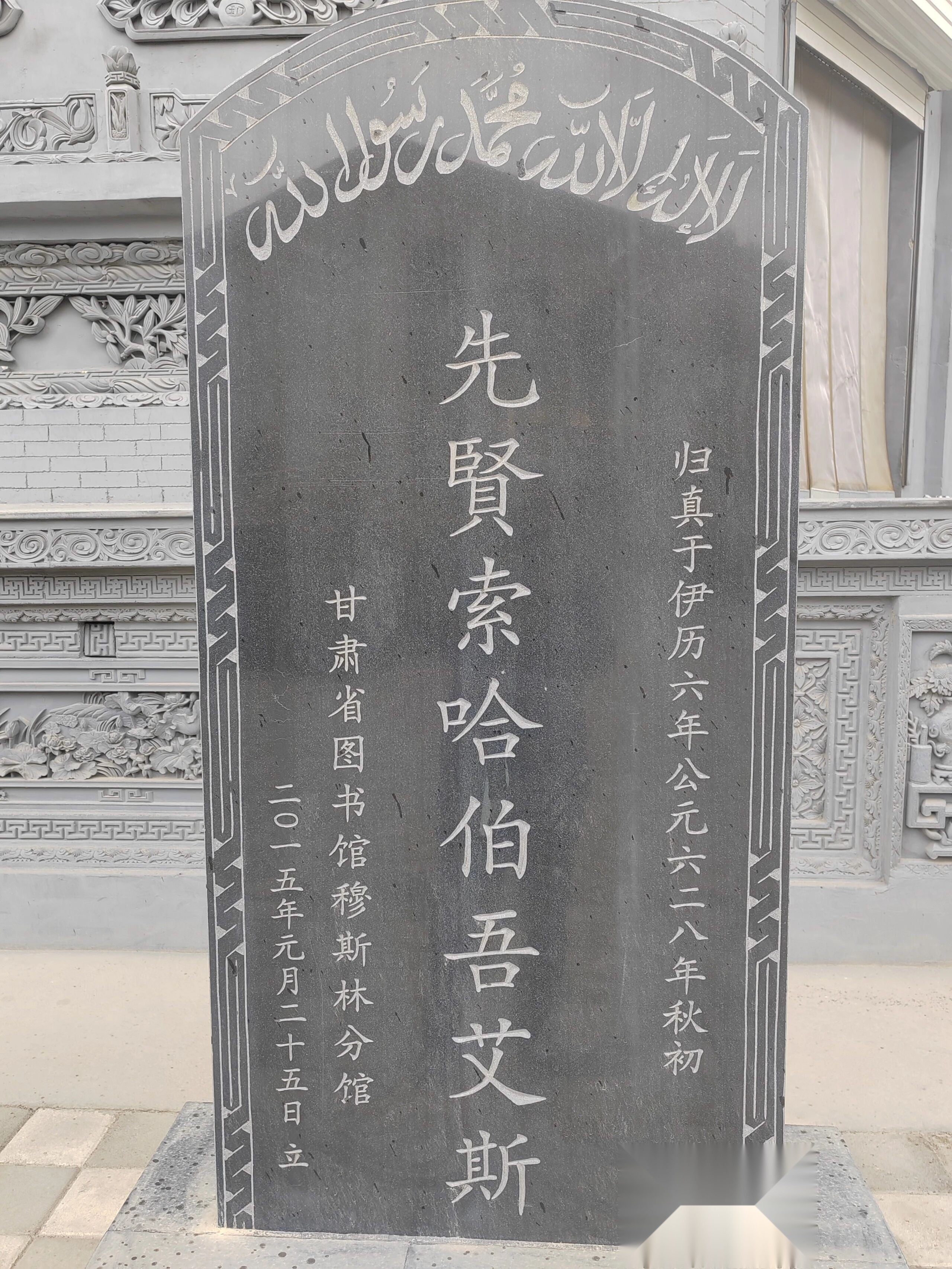
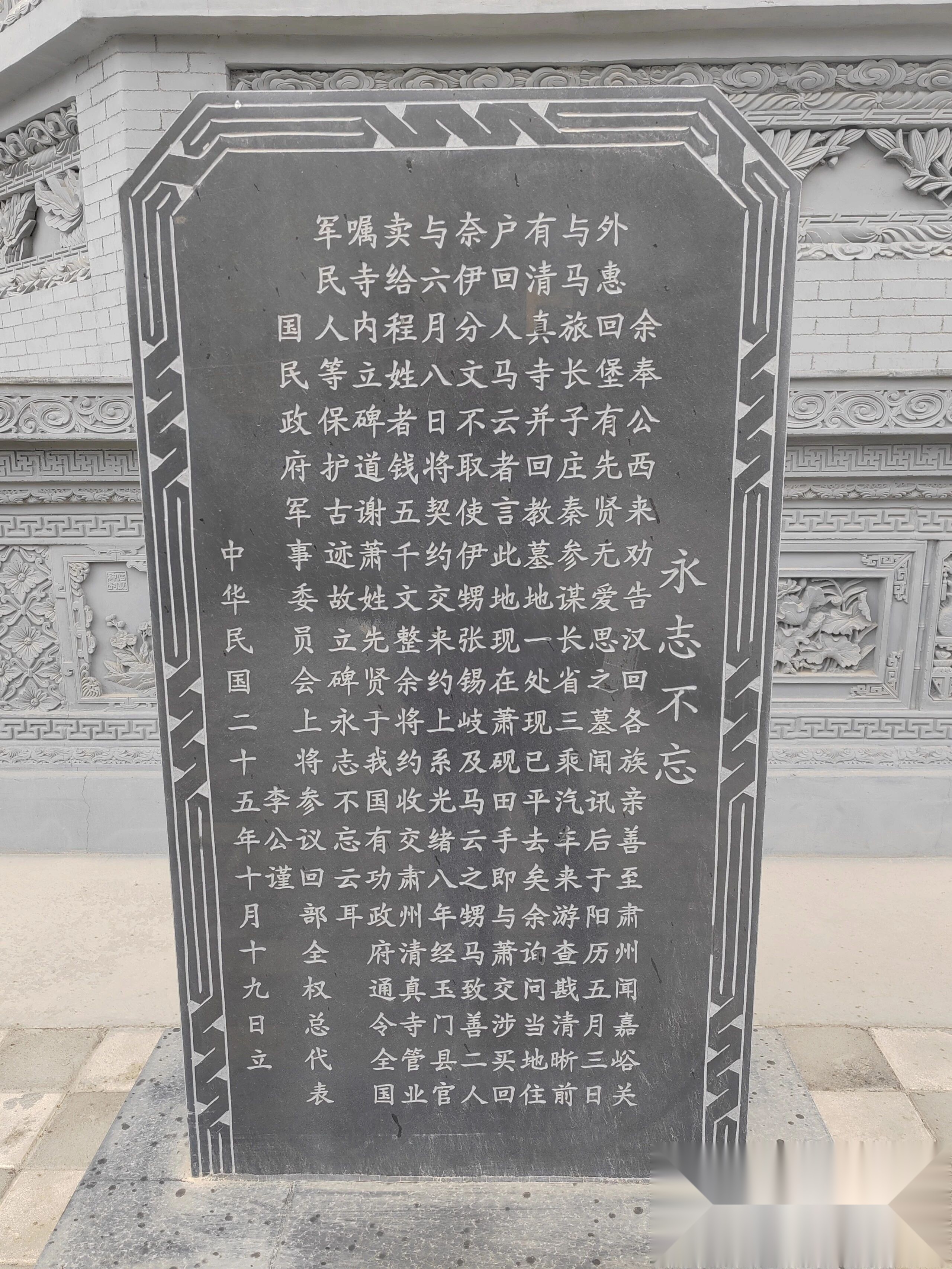
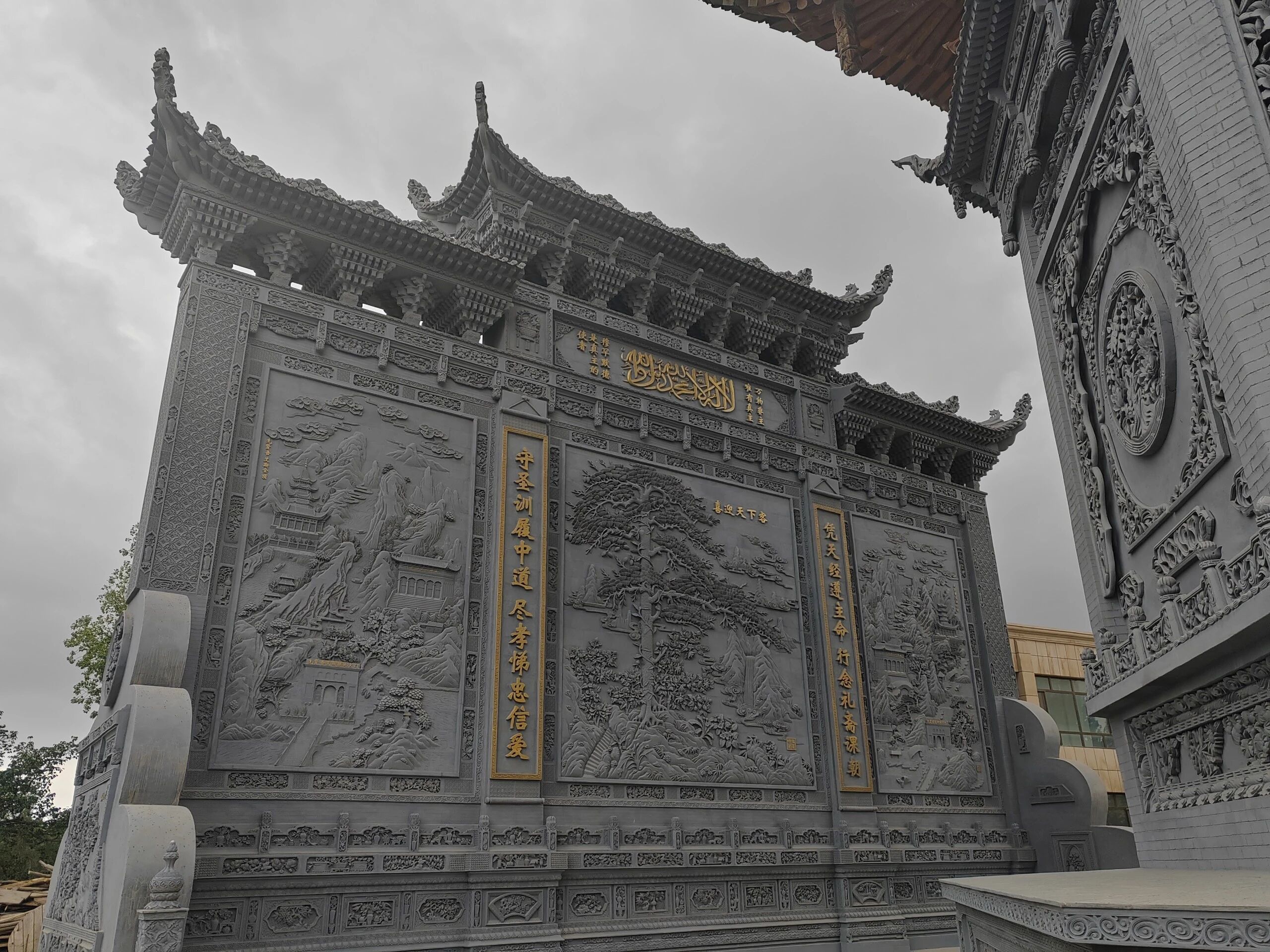
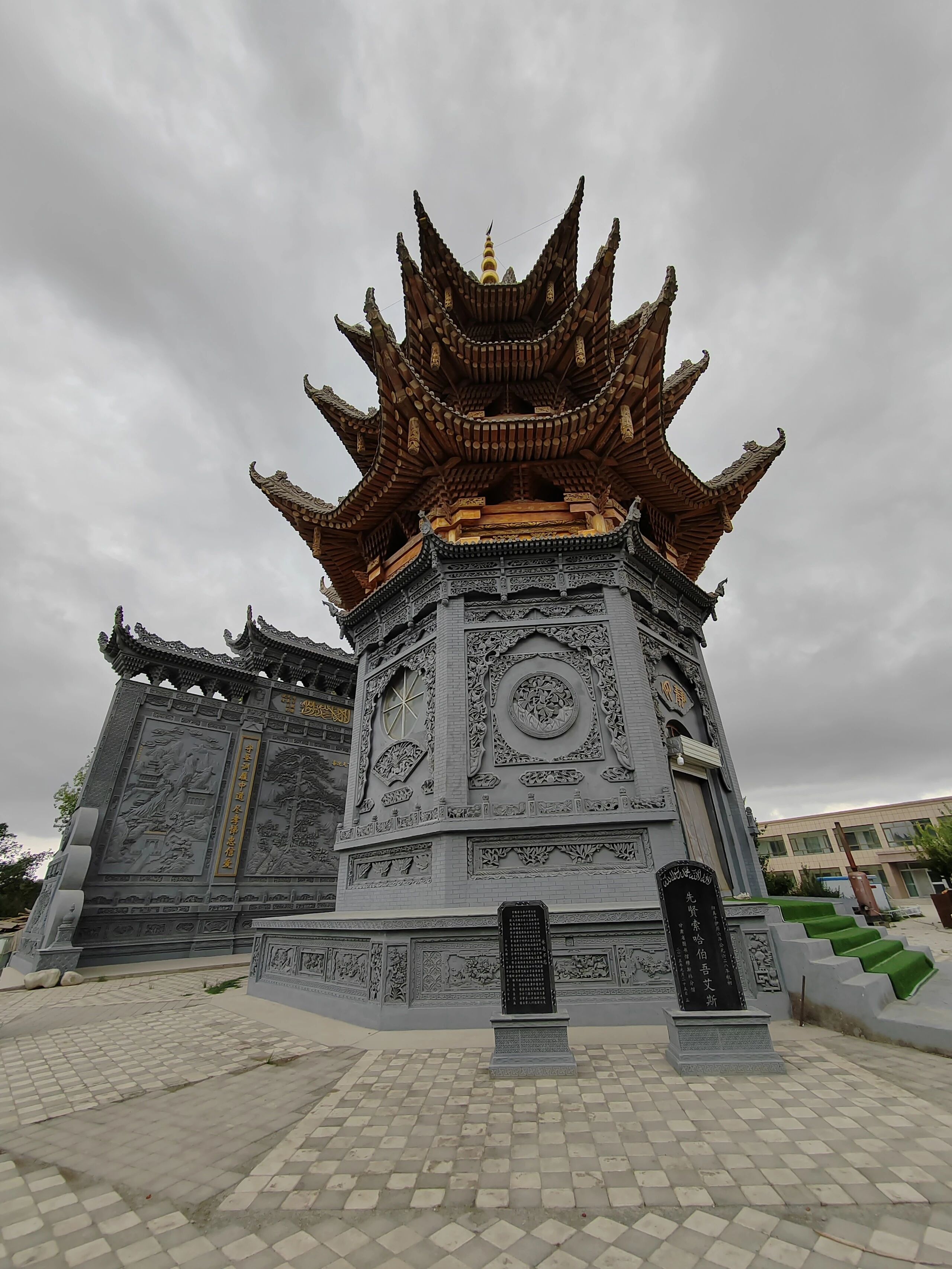
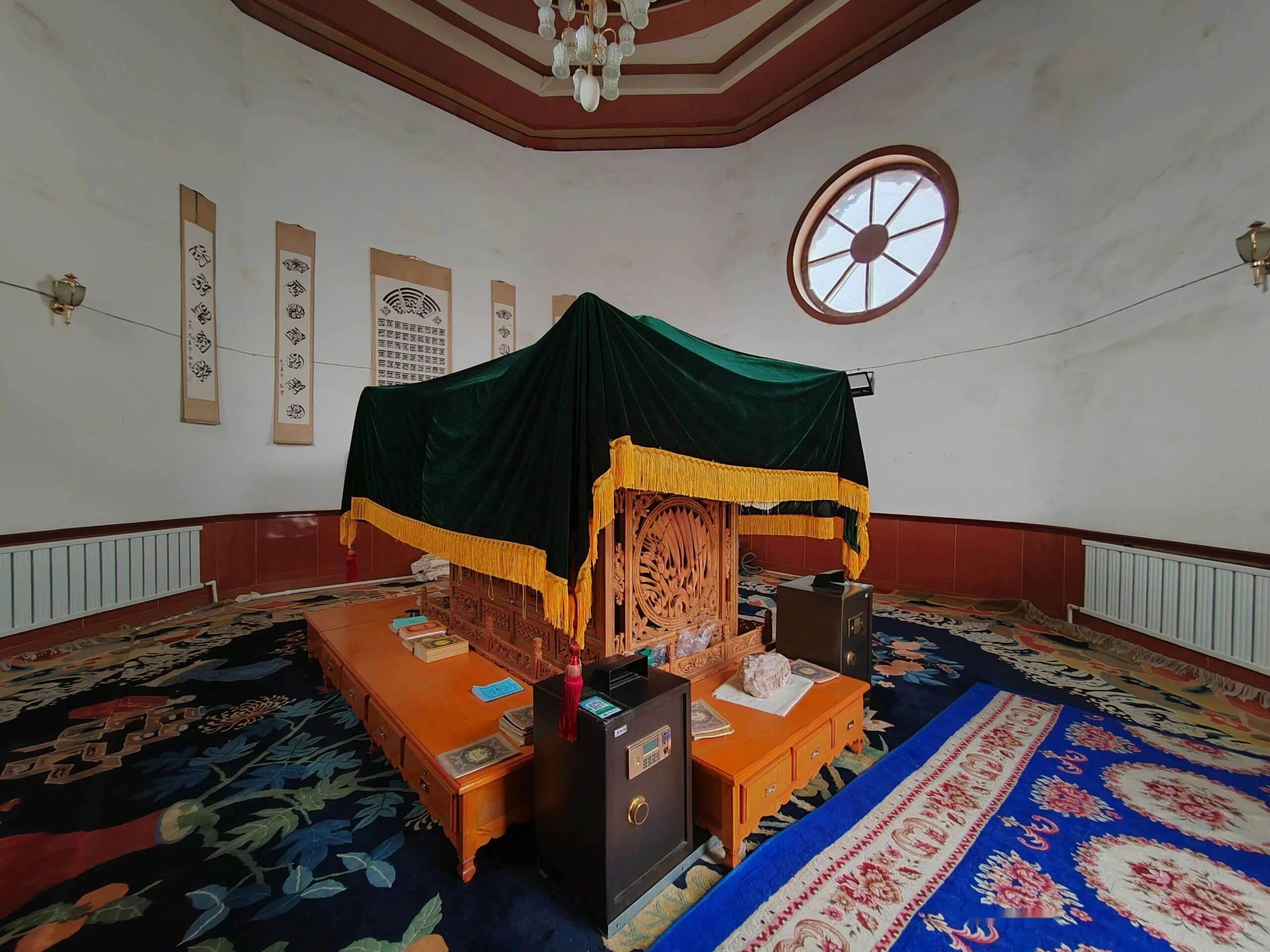
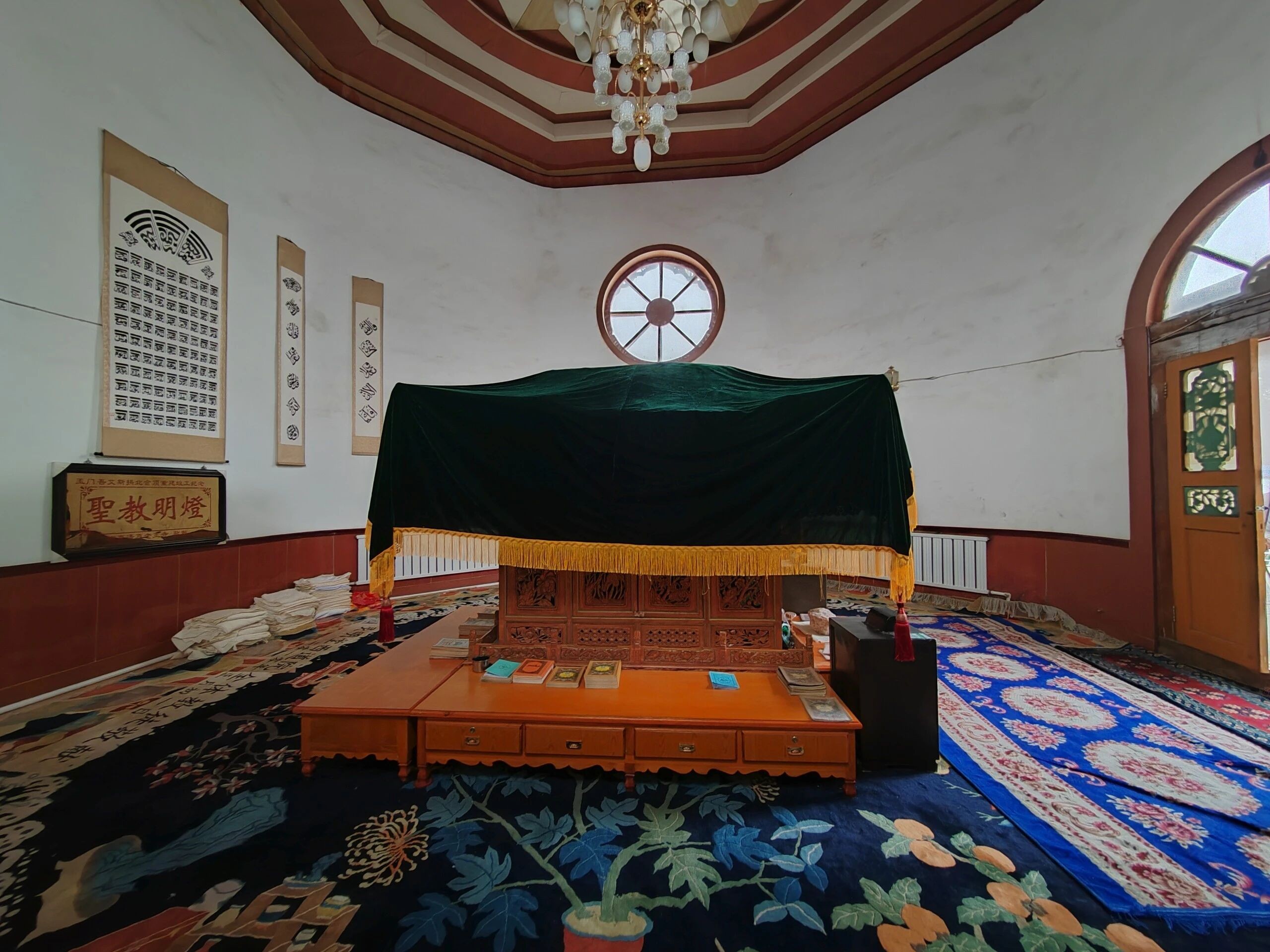
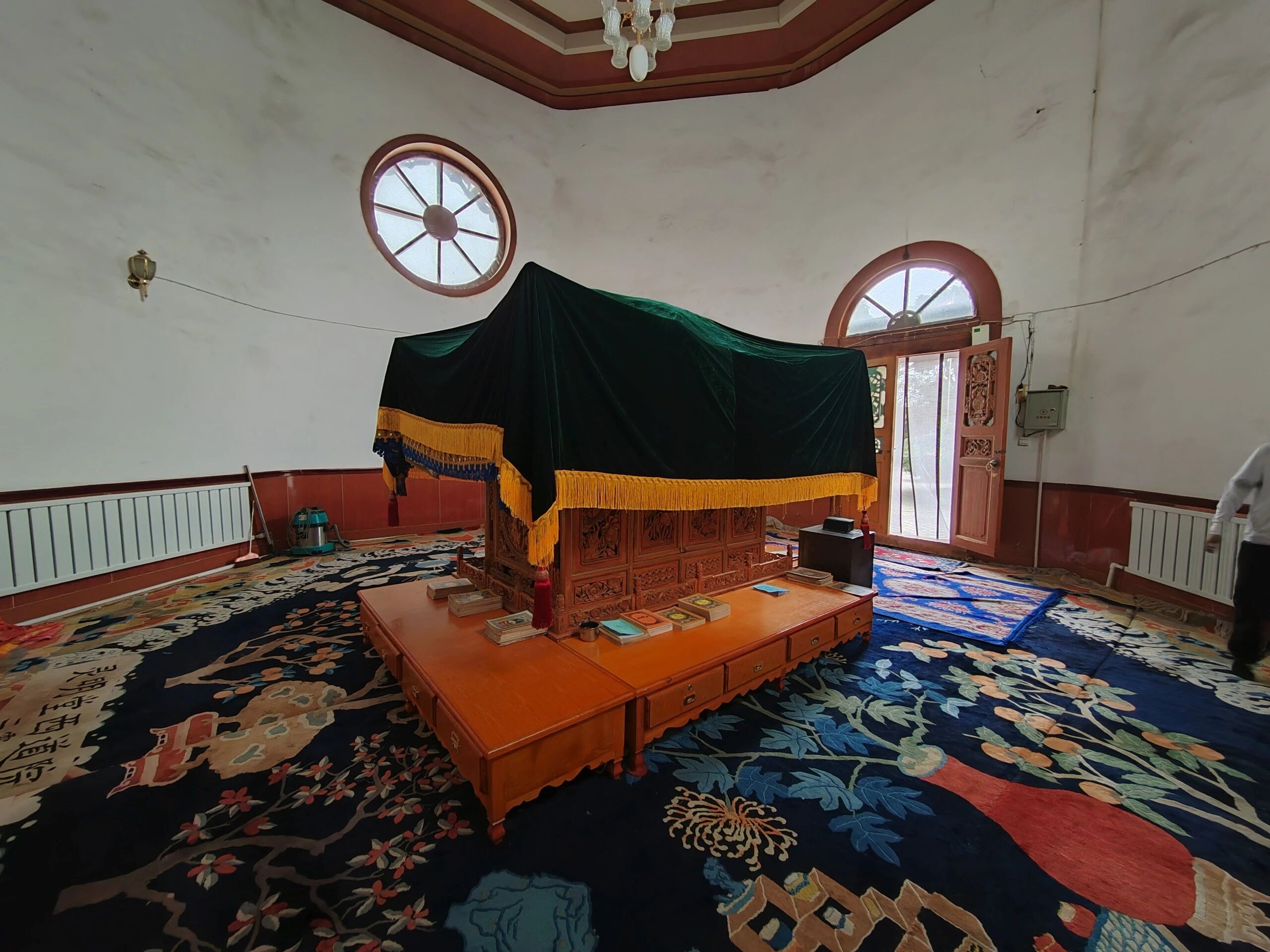
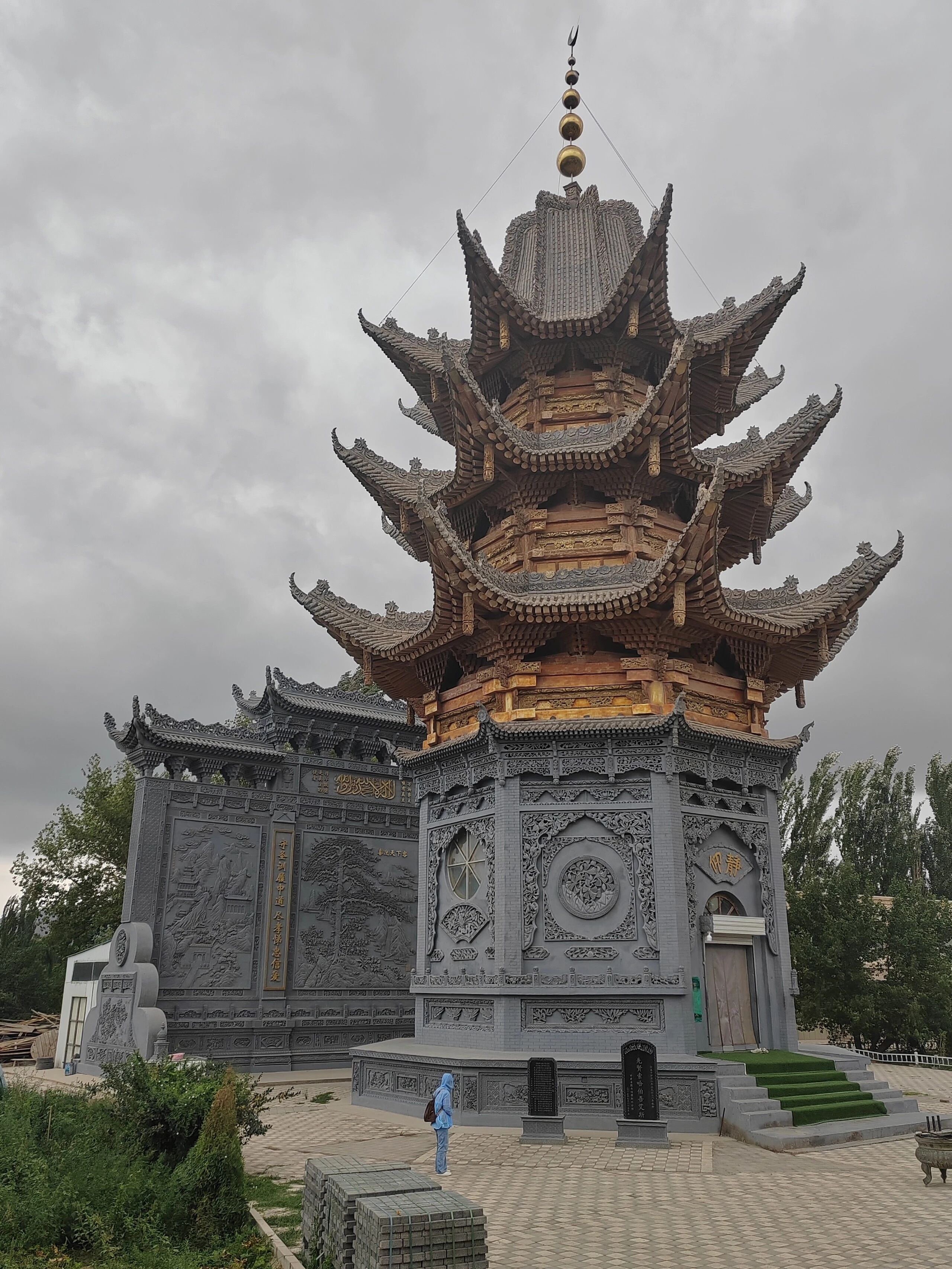
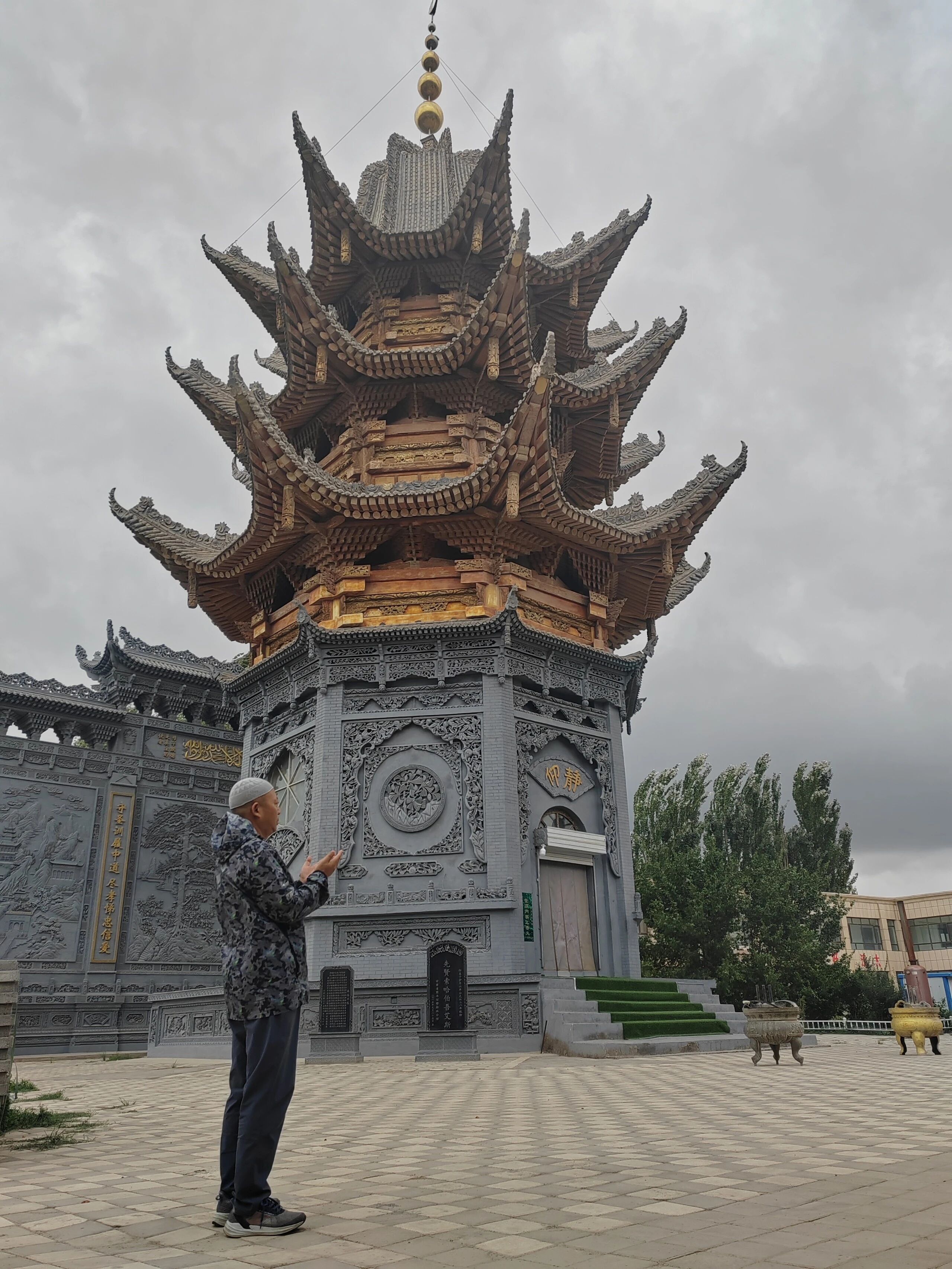
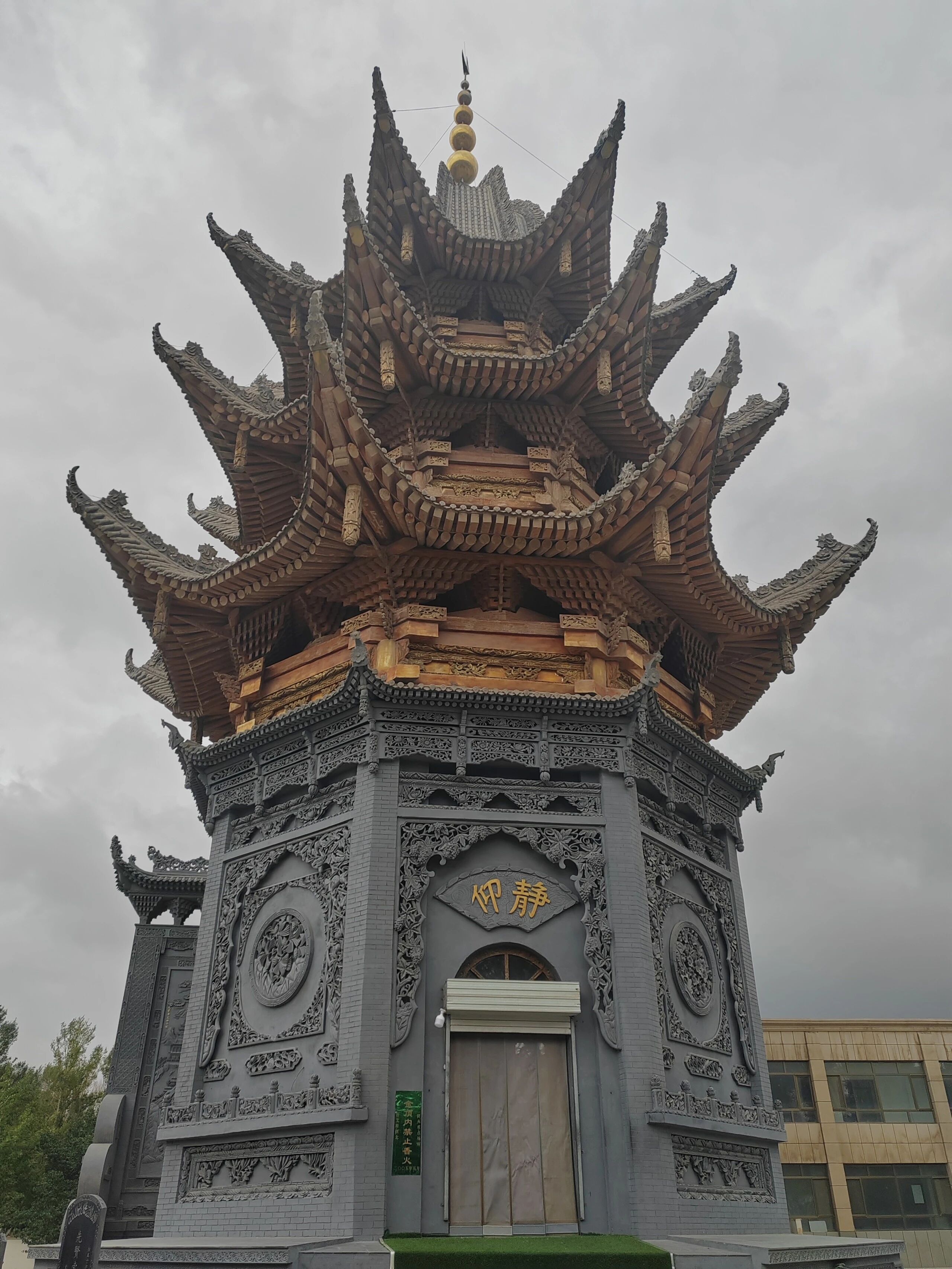
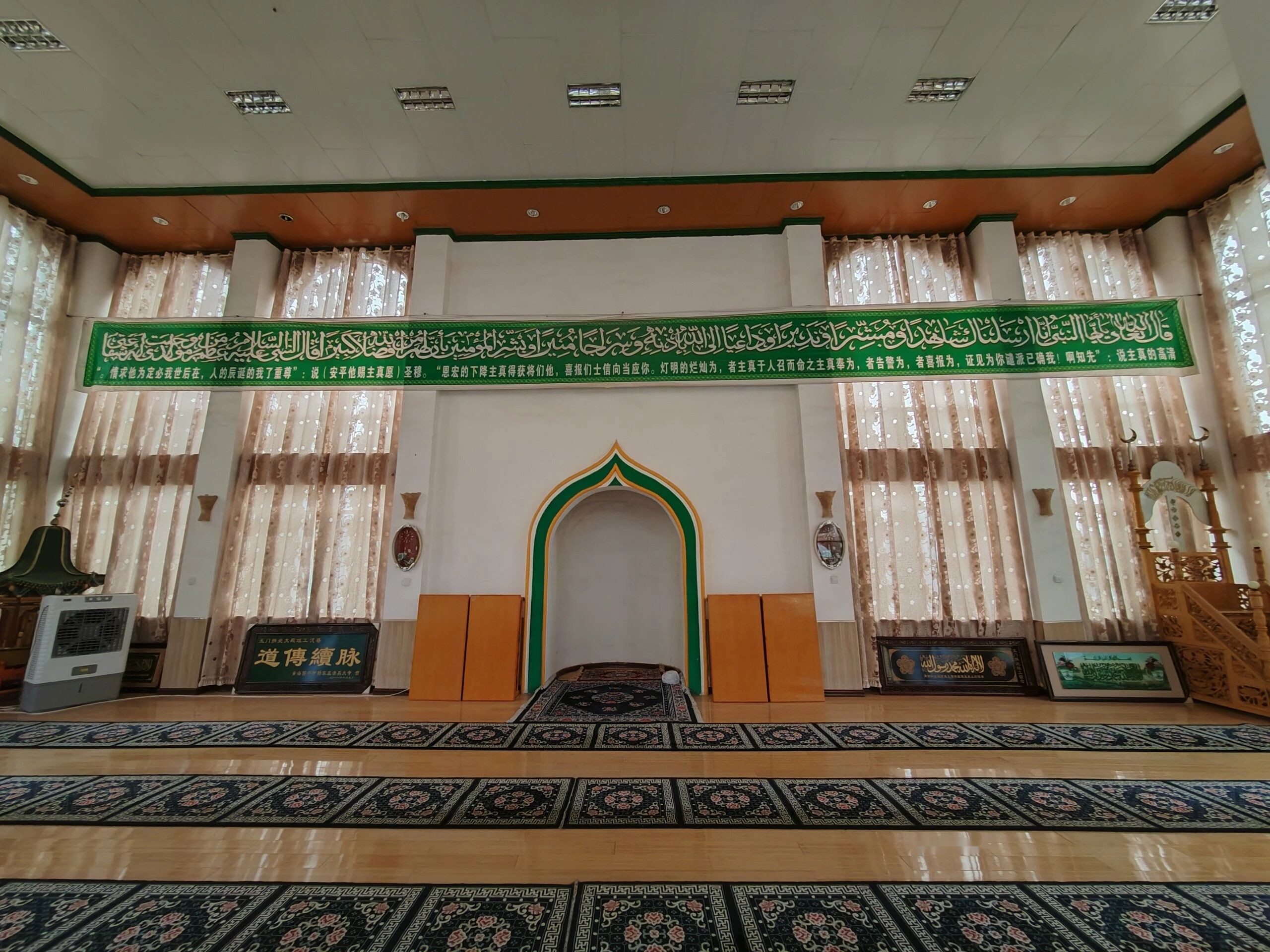
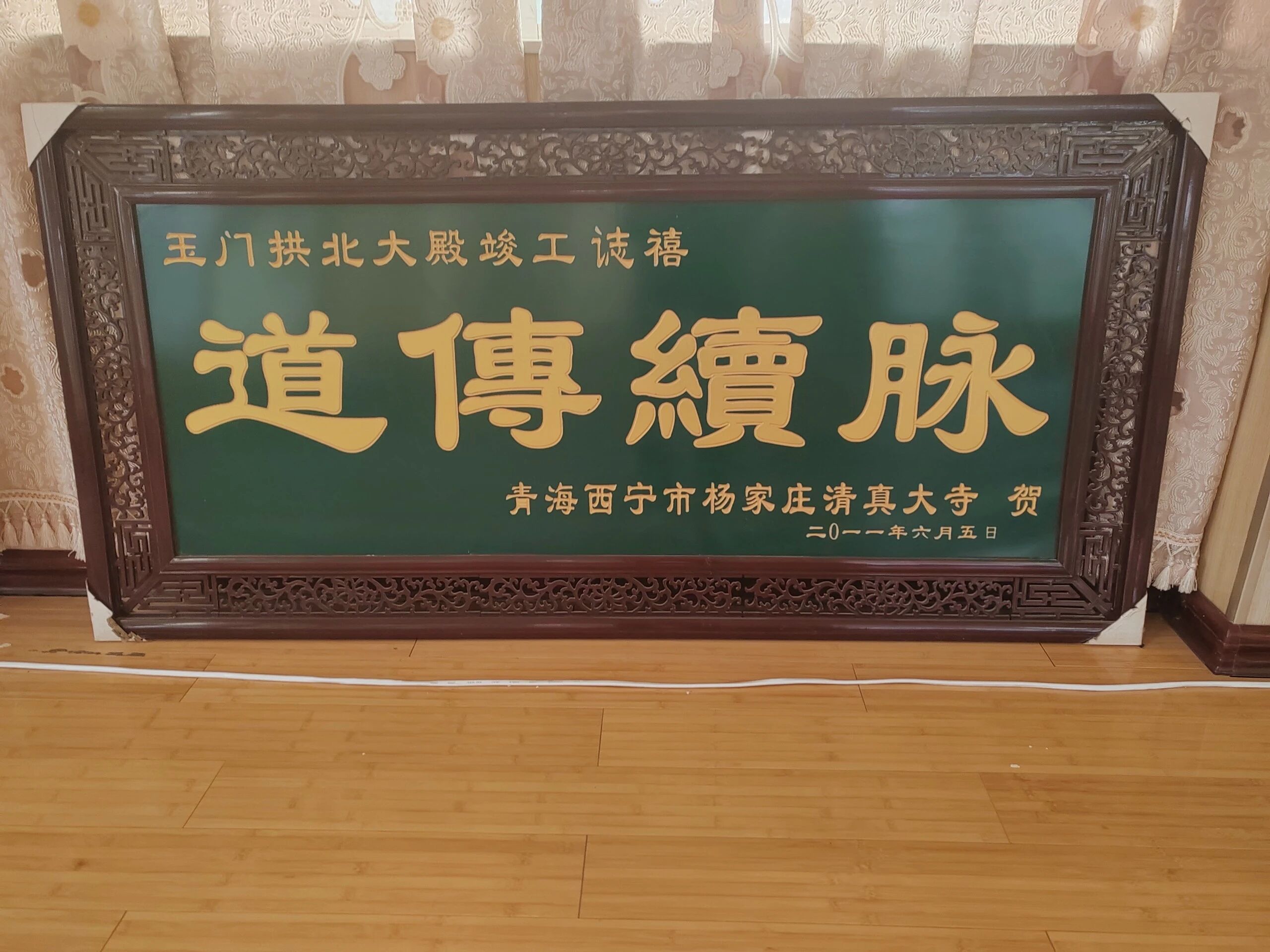
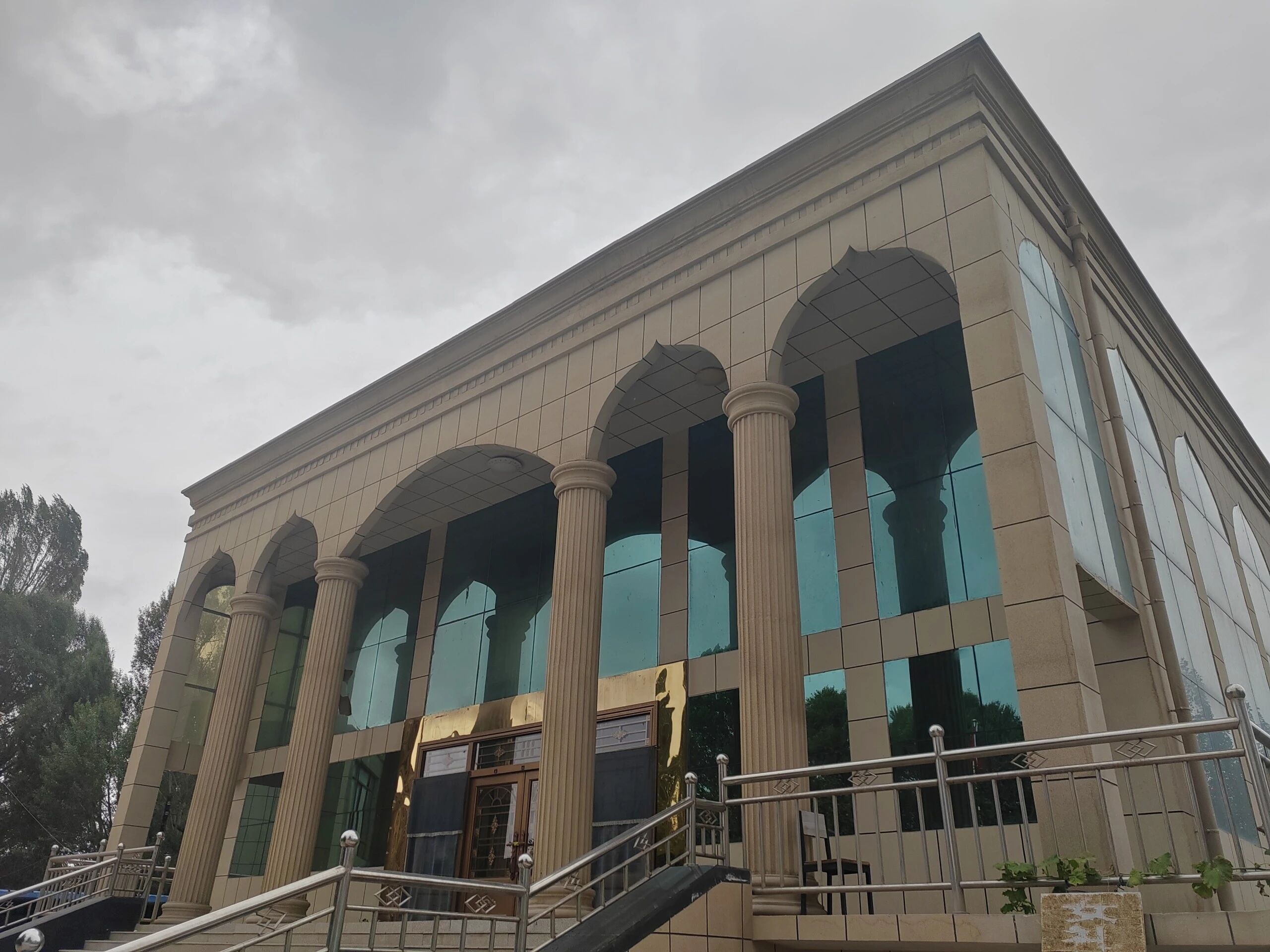
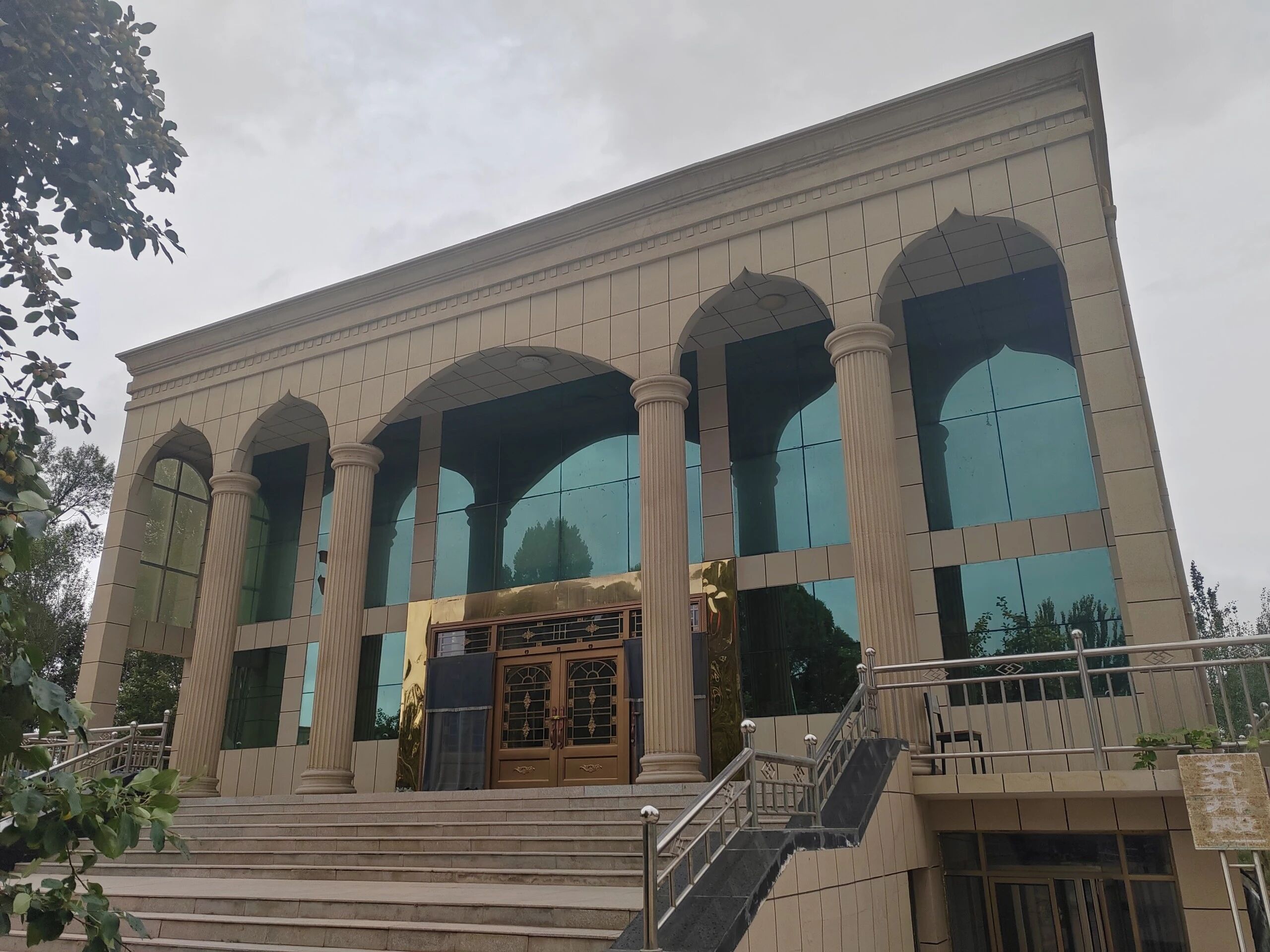
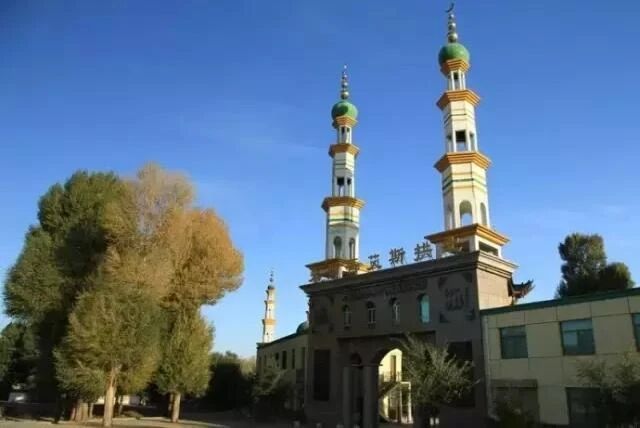
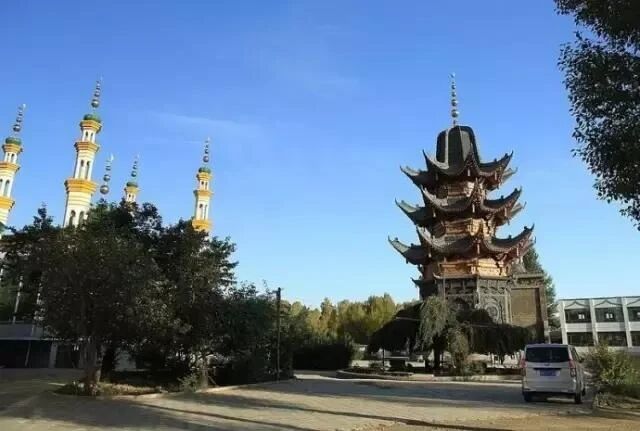
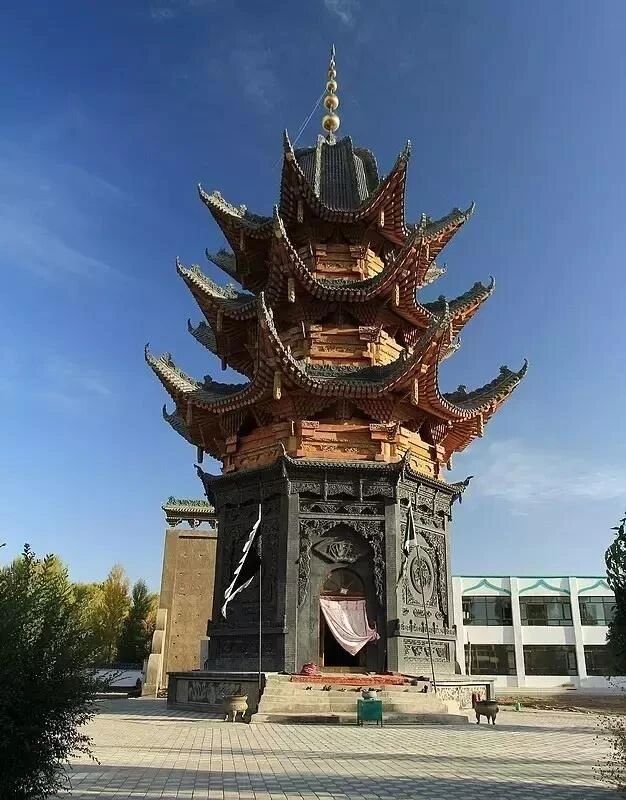
Take a look at these 20 photos as we visit the Wu'aisi Baba Gongbei located in Qingquan Township, Yumen City, Gansu Province. We're diving into the legends of Islamic missionaries who traveled to the Hexi Corridor during the Tang Dynasty's Zhenguan era, while exploring the mosque's unique architecture that blends Arabic domes with traditional Chinese structural designs.
This is a place with deep historical roots, serving as the tomb of a prominent Islamic saint. Here is the detailed information I've put together for you:
It is located in Qingquan Township, Yumen City, Gansu Province.
Historical background: The term "Gongbei" is a transliteration from Arabic meaning a dome-shaped mausoleum. Historical records state that between 626 and 649 AD, a missionary named Wu'aisi, sent by the third Caliph Uthman, passed away in Yumen while on his way to preach in China and was laid to rest here. To honor this saint, later generations built a mausoleum on the site. The current main structure was built in the 1980s and features a design that fuses Arabic style with traditional Chinese elements. The lower section is a towering prayer hall, the middle is a three-story tower with feiyan dougong (traditional flying eaves and brackets), and the top is crowned with a treasure-gourd-shaped spire, making it truly one-of-a-kind. There are also prayer halls, reception rooms, and dormitories nearby. The Gongbei was officially designated as a county-level cultural relic protection unit by the Yumen Municipal People's Government in 1987. view all
Take a look at these 20 photos as we visit the Wu'aisi Baba Gongbei located in Qingquan Township, Yumen City, Gansu Province. We're diving into the legends of Islamic missionaries who traveled to the Hexi Corridor during the Tang Dynasty's Zhenguan era, while exploring the mosque's unique architecture that blends Arabic domes with traditional Chinese structural designs.
This is a place with deep historical roots, serving as the tomb of a prominent Islamic saint. Here is the detailed information I've put together for you:
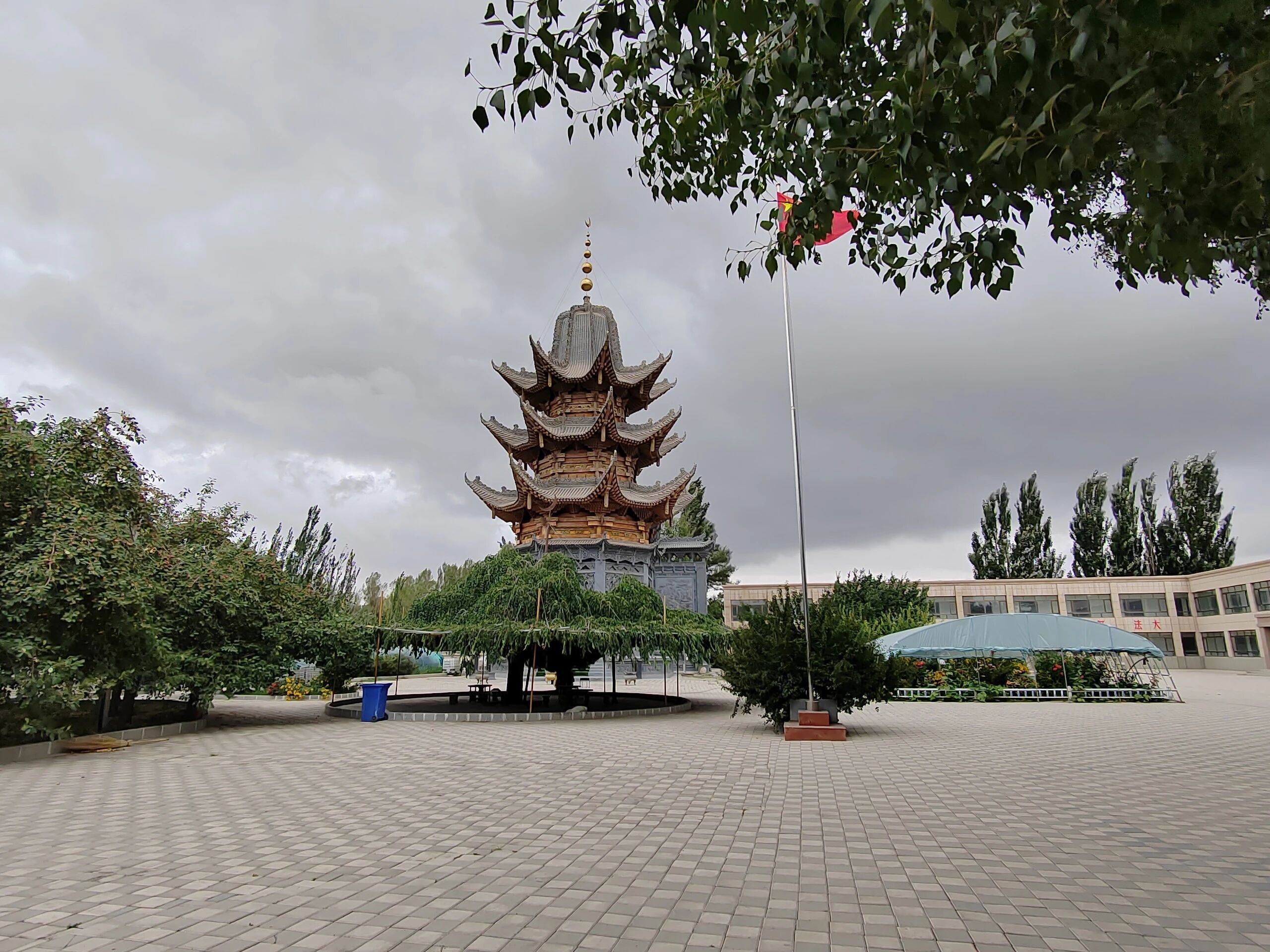
It is located in Qingquan Township, Yumen City, Gansu Province.
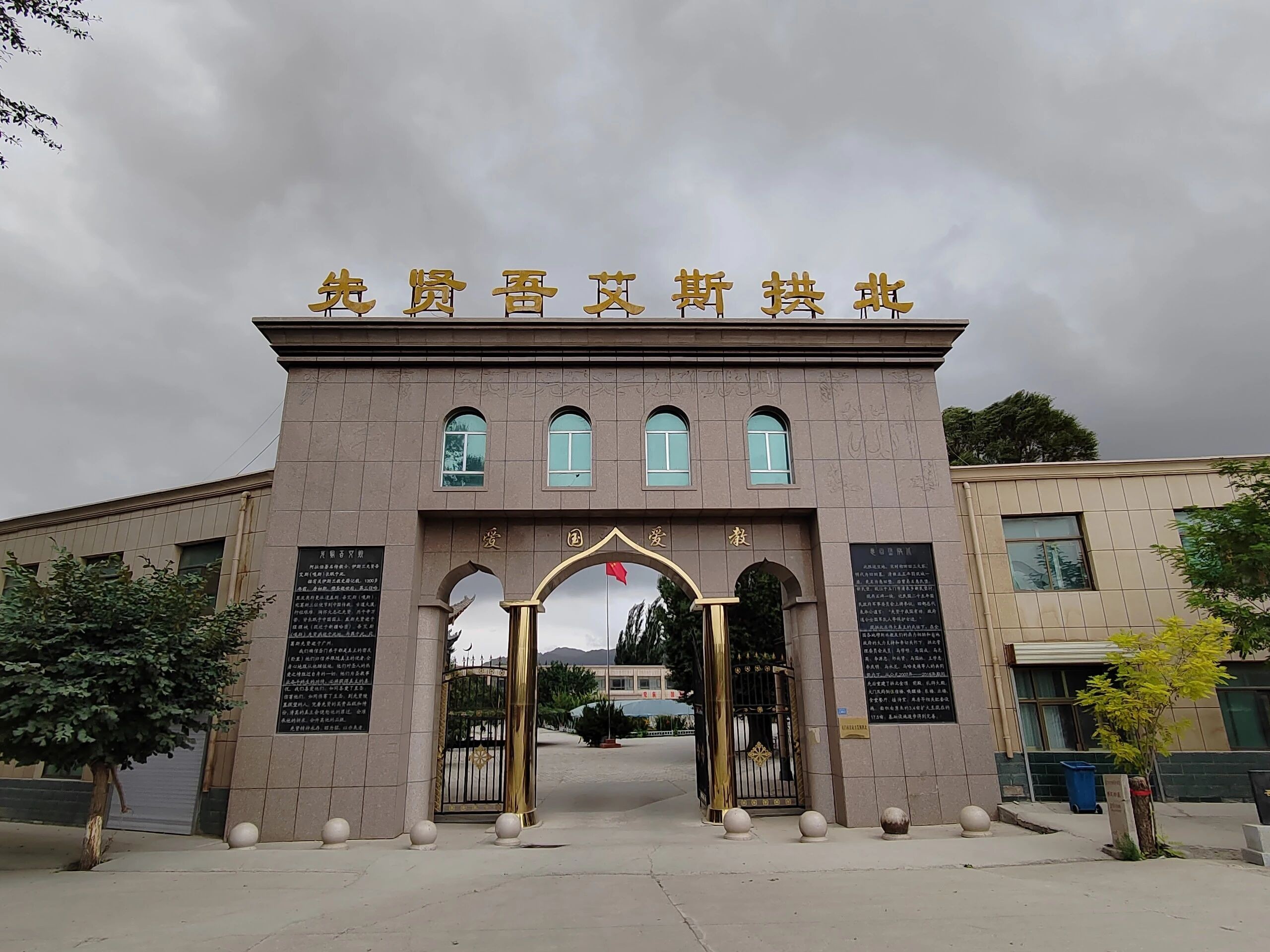
Historical background: The term "Gongbei" is a transliteration from Arabic meaning a dome-shaped mausoleum. Historical records state that between 626 and 649 AD, a missionary named Wu'aisi, sent by the third Caliph Uthman, passed away in Yumen while on his way to preach in China and was laid to rest here. To honor this saint, later generations built a mausoleum on the site. The current main structure was built in the 1980s and features a design that fuses Arabic style with traditional Chinese elements. The lower section is a towering prayer hall, the middle is a three-story tower with feiyan dougong (traditional flying eaves and brackets), and the top is crowned with a treasure-gourd-shaped spire, making it truly one-of-a-kind. There are also prayer halls, reception rooms, and dormitories nearby. The Gongbei was officially designated as a county-level cultural relic protection unit by the Yumen Municipal People's Government in 1987.
Spiritual Reflection and Islamic Faith: Identifying Ego (Nafs) and Practicing Humility in Daily Life
Articles • Hasan09 posted the article • 0 comments • 124 views • 2026-10-30 01:13
This article dives deep into the psychology of how our ego—the Nafs—disguises itself as moral superiority and harsh judgment within our faith life. It serves as a reminder for believers to practice constant self-reflection during prayer (dua), fasting, and inviting others to good, helping us return to the core of a faith that actually fosters humility and gentleness.
True faith won't turn you into a harsh person; it will only make you more gentle.
Production | Mr. Yexing Author | Mr. Yexing
You might feel like you’re doing everything right in your faith—following the scriptures, practicing diligently, reading, fasting, giving to charity, and even guiding others. You feel like you're on the straight path. But you might not realize there’s something subtle creeping into your intentions: your own ego. It doesn’t tell you to quit believing; instead, it puts on a mask of piety, letting you satisfy your own needs while you think you're performing acts of worship. It might push you to pick paths that prove you’re right, to focus on others' flaws when making judgments, or to crave validation when you speak. The scariest part is that you’ll mistake all of this for the demands of the faith, completely missing the fact that you’re actually just feeding your own ego.
The Prophet (peace be upon him) said: The best among you are those with the best character (Tirmidhi). But the ego won’t pull you off the right path; it will just make you feel like you're serving the truth even when you're going astray. You fight to the bitter end in a debate because you think you’re defending the truth; you refuse to back down in your criticisms because you think you’re protecting the faith. But have you ever asked yourself: Am I doing this for the pleasure of Allah, or to prove I’m right? Am I defending the faith, or just making myself look more rigid? You can only reach those hidden motives when you’re willing to pause and face yourself.
When you judge others based on your own understanding, you might feel like you’re simply 'enjoining good and forbidding evil.' But have you thought about whether you’re pushing your views because you’re certain they’re correct, or because you’re just used to needing your opinions to be accepted? The ego won’t tell you, 'I want validation.' It’ll tell you, 'I have to uphold the truth.' It won’t say, 'I want to be in control.' It’ll say, 'The faith requires me to do this.' When you find yourself in constant, unresolvable conflict with others, always believing you’re the right one, take a moment to ask: Is this impulse to force someone to change or admit they’re wrong actually about the integrity of the faith, or is it about your own satisfaction? When you can’t tell the difference, it’s hard to know exactly what you’re following.
The ego’s greatest trick is disguising itself as the faith. It makes you hold others to the strictest standards while going easy on yourself. It makes you obsessed with pointing out everyone else's mistakes but rarely forces you to look at whether you’re actually practicing what you preach. It makes you care more about the outward rituals of faith while ignoring the subtle reactions that truly test your spiritual state—like how you treat people who aren't useful to you, how you respond to criticism, or the choices you make when nobody is watching. Those unedited moments often reveal the true direction of your heart.
So, how do you tell the difference? A practical test is this: when you’re standing your ground on something, do you feel a sense of peace or a sense of tension? If your stance makes you aggressive, constantly wanting to correct, argue, or blame, it might not be your faith driving you—it might be your ego using the name of faith to express itself. True faith won’t make you meaner; it will only make you more gentle. It won’t keep you focused on other people's sins; it will make you more aware of your own shortcomings. It won’t make you rush to prove you’re right; it will make you willing to admit when you might be wrong.
If you find it hard to accept criticism, hard to admit you misunderstood something, or hard to concede to those with different opinions, you might need to stop and ask if you’re defending the faith or just your own ego. Because the true faith won’t be damaged by you admitting you’re wrong. But your ego will only get stronger every time you refuse to own up to a mistake. Once you start being able to tell those two apart, you’re finally on the path toward the truth, rather than just spinning your wheels in an imaginary version of the truth that you built yourself and stained with your own desires.
(End of article) view all
This article dives deep into the psychology of how our ego—the Nafs—disguises itself as moral superiority and harsh judgment within our faith life. It serves as a reminder for believers to practice constant self-reflection during prayer (dua), fasting, and inviting others to good, helping us return to the core of a faith that actually fosters humility and gentleness.


True faith won't turn you into a harsh person; it will only make you more gentle.

Production | Mr. Yexing Author | Mr. Yexing
You might feel like you’re doing everything right in your faith—following the scriptures, practicing diligently, reading, fasting, giving to charity, and even guiding others. You feel like you're on the straight path. But you might not realize there’s something subtle creeping into your intentions: your own ego. It doesn’t tell you to quit believing; instead, it puts on a mask of piety, letting you satisfy your own needs while you think you're performing acts of worship. It might push you to pick paths that prove you’re right, to focus on others' flaws when making judgments, or to crave validation when you speak. The scariest part is that you’ll mistake all of this for the demands of the faith, completely missing the fact that you’re actually just feeding your own ego.
The Prophet (peace be upon him) said: The best among you are those with the best character (Tirmidhi). But the ego won’t pull you off the right path; it will just make you feel like you're serving the truth even when you're going astray. You fight to the bitter end in a debate because you think you’re defending the truth; you refuse to back down in your criticisms because you think you’re protecting the faith. But have you ever asked yourself: Am I doing this for the pleasure of Allah, or to prove I’m right? Am I defending the faith, or just making myself look more rigid? You can only reach those hidden motives when you’re willing to pause and face yourself.
When you judge others based on your own understanding, you might feel like you’re simply 'enjoining good and forbidding evil.' But have you thought about whether you’re pushing your views because you’re certain they’re correct, or because you’re just used to needing your opinions to be accepted? The ego won’t tell you, 'I want validation.' It’ll tell you, 'I have to uphold the truth.' It won’t say, 'I want to be in control.' It’ll say, 'The faith requires me to do this.' When you find yourself in constant, unresolvable conflict with others, always believing you’re the right one, take a moment to ask: Is this impulse to force someone to change or admit they’re wrong actually about the integrity of the faith, or is it about your own satisfaction? When you can’t tell the difference, it’s hard to know exactly what you’re following.
The ego’s greatest trick is disguising itself as the faith. It makes you hold others to the strictest standards while going easy on yourself. It makes you obsessed with pointing out everyone else's mistakes but rarely forces you to look at whether you’re actually practicing what you preach. It makes you care more about the outward rituals of faith while ignoring the subtle reactions that truly test your spiritual state—like how you treat people who aren't useful to you, how you respond to criticism, or the choices you make when nobody is watching. Those unedited moments often reveal the true direction of your heart.
So, how do you tell the difference? A practical test is this: when you’re standing your ground on something, do you feel a sense of peace or a sense of tension? If your stance makes you aggressive, constantly wanting to correct, argue, or blame, it might not be your faith driving you—it might be your ego using the name of faith to express itself. True faith won’t make you meaner; it will only make you more gentle. It won’t keep you focused on other people's sins; it will make you more aware of your own shortcomings. It won’t make you rush to prove you’re right; it will make you willing to admit when you might be wrong.
If you find it hard to accept criticism, hard to admit you misunderstood something, or hard to concede to those with different opinions, you might need to stop and ask if you’re defending the faith or just your own ego. Because the true faith won’t be damaged by you admitting you’re wrong. But your ego will only get stronger every time you refuse to own up to a mistake. Once you start being able to tell those two apart, you’re finally on the path toward the truth, rather than just spinning your wheels in an imaginary version of the truth that you built yourself and stained with your own desires.
(End of article)
Niyyah and Islamic Community Service: Why Sincere Intentions Are Essential for Mosque Management
Articles • Hasan09 posted the article • 0 comments • 116 views • 2026-10-30 01:13
Guided by the classic teaching that 'all good deeds depend on Niyyah (intention),' this article examines the core motivations of contemporary mosque management committees and grassroots religious charitable work. We explore how to correct our intentions, move past competition for fame and profit, and protect our faith community through a spirit of pure service.
1. A Confusing Phenomenon
In the current landscape of our faith, a phenomenon is becoming increasingly eye-catching: people are actively competing for positions in Islamic associations and for seats on mosque management committees. Among those competing, some rely on personal reputation, some on family influence, and others on sectarian backing.
On the surface, seeing people eager to work for the sake of the faith might seem like a positive signal that our community is thriving. Logically, many hands make light work, and we should feel encouraged by this enthusiasm.
However, when we look at the reality on the ground, we see a completely different picture: religious affairs haven't become smoother; instead, they have bred tension, suspicion, and even open hostility. Rather than being more united, Muslim groups are showing cracks, filled with factionalism and hidden agendas.
This leaves one feeling heavy-hearted and forces us to ask repeatedly: why do two situations that look so similar on the surface yield such drastically different results?
The answer doesn't lie in the actions themselves, but in the heart behind those actions—the silent 'Niyyah' that we hold before Allah, which ultimately determines everything.
2. The Core of the Problem: What Are We Competing For?
The crux of the problem isn't the act of 'running for office' or 'holding a position' itself; it’s a fundamental question: Why are you competing?
When we calm our hearts, it's not hard to see that the intentions of those who step forward generally fall into two categories:
The first category is those with pure Niyyah. They step up not for fame, not for profit, not for their family, and not to advance a career. They participate in religious affairs solely to promote Allah's faith and to seek His pleasure through serving the people. They don't calculate personal gains or losses, nor do they look for worldly rewards. Even if they know this path is filled with misunderstandings and grievances, they still choose to move forward.
The second category is those with complex motives. They step forward with a different kind of ledger in their hearts: some want to build a name for themselves in this world, some seek glory for their families, some want long-term access to public resources for personal gain, and others simply want a 'highlight' on their resumes. For them, the faith is not a sanctuary of belief, but a springboard for personal interest.
On the surface, both types of people do the same work, say the same things, and wear the same clothes. But in the eyes of Allah, their essences are worlds apart—one is worship, the other is a transaction; one is sacrifice, the other is exploitation; one is burning oneself for the sake of Allah, the other is feeding one's own ego through the faith.
And this tiny, invisible difference will eventually lead to vastly different life outcomes and collective destinies.
3. A Warning from 1,400 Years Ago: The Echoes of the Hijra
This judgment doesn't come from personal subjective analysis; it is rooted in solid scriptural evidence. In 622 AD, the first year of the Hijri calendar, the Prophet Muhammad (peace be upon him) led the people in the migration from Mecca to Medina. On the eve of this great journey, there was a man whose footsteps followed the migration, but his heart remained with a woman—he migrated not for Allah or His Messenger, but simply to marry the woman he loved.
The Prophet (peace be upon him) understood all of this. He didn't denounce him publicly, but used it as an opportunity to establish an eternal standard of judgment for all believers. As narrated by Umar ibn al-Khattab (may Allah be pleased with him), the Messenger of Allah (peace be upon him) said:
'Actions are but by intentions, and every person shall have what they intended. So he whose migration was for Allah and His Messenger, then his migration was for Allah and His Messenger; but he whose migration was for the sake of worldly gain or to marry a woman, then his migration is for the sake of that for which he migrated.' (Collected by Bukhari and Muslim)
This hadith is like a sharp blade, cutting through the outer shell of actions to touch the depths of the soul. It tells us a cruel yet just truth: external actions can be imitated, words can be polished, and images can be packaged, but before Allah, none of this can hide the true color of our intentions.
If your heart desires something, you will obtain it. Allah is perfectly just and fair; He gives rewards according to the deepest intentions within a person's heart—not a fraction more, and not a fraction less.
4. Two Intentions, Two Life Outcomes
Those with pure intentions: Bearing grievances for the sake of Allah's pleasure.
For those who are simple-minded, aiming only to promote the faith and seeking only Allah's pleasure, life is often not easy. Because they don't form cliques, they are isolated; because they don't tell lies, they are pushed out; because they don't covet public property, they are seen as thorns in the side by those with vested interests.
They might be misunderstood: 'Is this person just trying to show off?'
They might be smeared: 'This person must have ulterior motives.'
They might be marginalized: 'Make them step aside, don't let them get in our way.'
However, Allah sees all of this.
In the afterlife, Allah will reward them abundantly, be pleased with them, and grant them unimaginable blessings. Perhaps, even in this life, Allah will let them feel the peace that comes from faith—the clarity of a conscience that is at ease in the dead of night, and the steadfastness of having a clean Niyyah when facing Allah. This inner strength is far heavier than any official position and more precious than any title.
Those with impure motives: Using the faith to seek private desires.
For those with impure motives who use the name of the faith to pursue selfish interests, the scene is quite different. They might thrive in the short term—the position is secured, the face is saved, the benefits are grabbed, and the career is smooth. They talk eloquently on stage, and the applause below is thunderous; it seems like everything is under their control.
But this is highly likely a 'reprieve' from Allah—given the reward in this world, only to have no share in the afterlife. Just as the hadith says, they 'shall have what they intended.' The fame and wealth they sought in this life are given by Allah in this world, but in the afterlife, they will stand before Allah empty-handed.
Even more severely, Allah might let them lose their reputation and be spurned by others in this life. Because the human heart is a mirror, those who treat others with selfishness will eventually be seen through by the community. History has repeatedly proven: those who rise to power through manipulation will eventually be consumed by those same methods; those who win applause through performance will eventually lose their audience when the truth is revealed.
5. Two Intentions, Two Types of Faith Environments
When the intentions of individuals converge into a collective torrent, two drastically different religious landscapes emerge.
The Virtuous Cycle: A Path of Harmony
When a management committee has pure intentions and serves only the faith, they will select leaders fairly and hire imams and scholars who are truly knowledgeable and God-fearing. These religious personnel do not use the faith as a means of earning a living, but as a mission; they do not treat the pulpit as a stage, but as a podium—teaching people through scriptures, influencing them with character, and impacting them with their lives.
Under their guidance, the community's level of understanding the faith keeps rising—they are no longer satisfied with ritualistic religious ceremonies, but pursue the essence of belief: awe of Allah, honesty, benevolence, and tolerance. The community learns to handle interpersonal relationships using Islamic moral values and resolves life's conflicts with the wisdom of faith.
Once the awareness of the masses improves, they will naturally look forward to and support good committees and imams—because they have personally experienced the blessings brought by virtuous governance. Thus, a beautiful closed loop is formed:
Good management committee -> Good imams -> Good community members -> Looking forward to better committees and imams.
In this cycle, the scene we see is:
Faithful harmony thrives when different viewpoints are exchanged with genuine mutual respect.
The community flourishes when leadership is transparent, decisions are fair, and everyone is on the same page.
The Muslim community stands together like a single family, built on a foundation of mutual aid and love.
Home life is happy and peaceful, with faith woven into the fabric of our daily routines.
Society remains stable, with the Muslim community serving as a powerful force for harmony.
This kind of peace isn't something you can just manufacture through management tactics or fake through superficial PR—it’s the sweet fruit that grows from hearts filled with sincere Niyyah (pure intention).
The Vicious Cycle: The Path to Decay
On the flip side, when people involved in leadership have impure motives, the Imams (prayer leaders) they choose aren't those who prioritize the faith, but rather those who know how to play the game, pick sides, and act as convenient tools. Such religious figures are too afraid to speak the truth or offend the powerful, sometimes even twisting the teachings just to keep the status quo happy.
The community doesn't receive real spiritual nourishment, so their faith stays skin-deep—prayer becomes a formality, the Quran becomes a decoration, and Islam is reduced to just "picking sides" instead of "recognizing Allah." The community’s understanding of the faith doesn't grow; instead, it gets distorted and exploited.
When people don't see sincerity, but only power plays; when they don't hear truth, but only empty slogans—they naturally lose trust and even start feeling resentful. That’s how a new, negative loop starts:
Corrupt board members → Bad Imams → A disillusioned community → No one left to advocate for better leadership.
In this cycle, here’s what we end up seeing:
The faith declines, and the mosque turns into a battleground for power.
Relationships grow tense, and everyone starts suspecting each other.
Conflict piles up, with minor disagreements spiraling into major feuds.
Manipulators thrive, as just a little bit of stirring the pot can set the whole place on fire.
Families and society suffer, with the warmth of faith being drained away by constant internal fighting.
This decay isn't a random accident; it’s what happens when selfish desires corrode a community—a natural consequence that Allah makes manifest.
Section 6: The Mirror of the Heart
These two cycles reveal a core truth: the spiritual health of a community isn't defined by its institutional rules, but by the sincerity of the people’s intentions.
If the hearts of leaders are clean, the atmosphere of the entire group stays clean—people can sense that sincerity, and even if you don't say a word, that energy is contagious.
If the hearts of leaders are tainted by ego, the community will inevitably fracture—selfishness spreads like a virus, making everyone focus on "what’s in it for me" rather than "what can we contribute together."
So, the first step to improving the community’s spirit isn't changing the rules; it’s cleaning up our Niyyah.
Section 7: Allah’s Justice—The Ultimate Judgment
There is a Hadith that says whatever your heart seeks, you shall find. Allah’s accounting is completely impartial.
Those with pure intentions will be richly rewarded by Allah, even if they feel wronged in this life. Often, they are granted inner peace and the genuine respect of others—things that are far more valuable than any official title.
Those with impure motives might seem like they’re winning for now, but that may just be Allah’s period of delay. In the afterlife, they will face a strict reckoning. If they use the faith to serve their own interests, they risk losing all credibility in this life and have nowhere to hide in the next.
Allah warns in the Quran: "Do not be like those who became divided and differed after the clear proofs had come to them. And those will have a great punishment." (3:105)
Section 8: Let It Start With "Me"
My dear brothers and sisters, after reading this, please take a moment of silence and ask yourself a few questions:
Am I involved in religious service for the sake of Allah, or for the sake of my ego and reputation?
Do I support a specific person for the progress of the faith, or just because we’re friends?
Do I study the faith to get closer to Allah, or just so I can win arguments against others?
Am I concerned with community affairs to serve the people, or just to stay relevant and be seen?
The rise or fall of our community doesn't depend on who sits in the chair, but on the moment that person sits down and forms their Niyyah before Allah. That single moment determines the entire present and future of the community.
Every one of us is a link in this chain. Don’t always blame the people at the top, and don’t always blame the people below—please start by examining your own heart.
When each of us begins to purify our intentions, we create a starting point for a positive cycle; but when we let our selfish desires run wild and just go with the flow, the vicious cycle will never stop.
I pray that Allah makes us people of pure intention and integrity, protects us from the corruption of hypocrisy and ego, and grants all those who serve the faith sincerely success in both this world and the next. May our board members, Imams, and community members all come together with pure intentions to walk toward unity, harmony, and prosperity.
Ameen. view all
Guided by the classic teaching that 'all good deeds depend on Niyyah (intention),' this article examines the core motivations of contemporary mosque management committees and grassroots religious charitable work. We explore how to correct our intentions, move past competition for fame and profit, and protect our faith community through a spirit of pure service.
1. A Confusing Phenomenon
In the current landscape of our faith, a phenomenon is becoming increasingly eye-catching: people are actively competing for positions in Islamic associations and for seats on mosque management committees. Among those competing, some rely on personal reputation, some on family influence, and others on sectarian backing.
On the surface, seeing people eager to work for the sake of the faith might seem like a positive signal that our community is thriving. Logically, many hands make light work, and we should feel encouraged by this enthusiasm.
However, when we look at the reality on the ground, we see a completely different picture: religious affairs haven't become smoother; instead, they have bred tension, suspicion, and even open hostility. Rather than being more united, Muslim groups are showing cracks, filled with factionalism and hidden agendas.
This leaves one feeling heavy-hearted and forces us to ask repeatedly: why do two situations that look so similar on the surface yield such drastically different results?
The answer doesn't lie in the actions themselves, but in the heart behind those actions—the silent 'Niyyah' that we hold before Allah, which ultimately determines everything.
2. The Core of the Problem: What Are We Competing For?
The crux of the problem isn't the act of 'running for office' or 'holding a position' itself; it’s a fundamental question: Why are you competing?
When we calm our hearts, it's not hard to see that the intentions of those who step forward generally fall into two categories:
The first category is those with pure Niyyah. They step up not for fame, not for profit, not for their family, and not to advance a career. They participate in religious affairs solely to promote Allah's faith and to seek His pleasure through serving the people. They don't calculate personal gains or losses, nor do they look for worldly rewards. Even if they know this path is filled with misunderstandings and grievances, they still choose to move forward.
The second category is those with complex motives. They step forward with a different kind of ledger in their hearts: some want to build a name for themselves in this world, some seek glory for their families, some want long-term access to public resources for personal gain, and others simply want a 'highlight' on their resumes. For them, the faith is not a sanctuary of belief, but a springboard for personal interest.
On the surface, both types of people do the same work, say the same things, and wear the same clothes. But in the eyes of Allah, their essences are worlds apart—one is worship, the other is a transaction; one is sacrifice, the other is exploitation; one is burning oneself for the sake of Allah, the other is feeding one's own ego through the faith.
And this tiny, invisible difference will eventually lead to vastly different life outcomes and collective destinies.
3. A Warning from 1,400 Years Ago: The Echoes of the Hijra
This judgment doesn't come from personal subjective analysis; it is rooted in solid scriptural evidence. In 622 AD, the first year of the Hijri calendar, the Prophet Muhammad (peace be upon him) led the people in the migration from Mecca to Medina. On the eve of this great journey, there was a man whose footsteps followed the migration, but his heart remained with a woman—he migrated not for Allah or His Messenger, but simply to marry the woman he loved.
The Prophet (peace be upon him) understood all of this. He didn't denounce him publicly, but used it as an opportunity to establish an eternal standard of judgment for all believers. As narrated by Umar ibn al-Khattab (may Allah be pleased with him), the Messenger of Allah (peace be upon him) said:
'Actions are but by intentions, and every person shall have what they intended. So he whose migration was for Allah and His Messenger, then his migration was for Allah and His Messenger; but he whose migration was for the sake of worldly gain or to marry a woman, then his migration is for the sake of that for which he migrated.' (Collected by Bukhari and Muslim)
This hadith is like a sharp blade, cutting through the outer shell of actions to touch the depths of the soul. It tells us a cruel yet just truth: external actions can be imitated, words can be polished, and images can be packaged, but before Allah, none of this can hide the true color of our intentions.
If your heart desires something, you will obtain it. Allah is perfectly just and fair; He gives rewards according to the deepest intentions within a person's heart—not a fraction more, and not a fraction less.
4. Two Intentions, Two Life Outcomes
Those with pure intentions: Bearing grievances for the sake of Allah's pleasure.
For those who are simple-minded, aiming only to promote the faith and seeking only Allah's pleasure, life is often not easy. Because they don't form cliques, they are isolated; because they don't tell lies, they are pushed out; because they don't covet public property, they are seen as thorns in the side by those with vested interests.
They might be misunderstood: 'Is this person just trying to show off?'
They might be smeared: 'This person must have ulterior motives.'
They might be marginalized: 'Make them step aside, don't let them get in our way.'
However, Allah sees all of this.
In the afterlife, Allah will reward them abundantly, be pleased with them, and grant them unimaginable blessings. Perhaps, even in this life, Allah will let them feel the peace that comes from faith—the clarity of a conscience that is at ease in the dead of night, and the steadfastness of having a clean Niyyah when facing Allah. This inner strength is far heavier than any official position and more precious than any title.
Those with impure motives: Using the faith to seek private desires.
For those with impure motives who use the name of the faith to pursue selfish interests, the scene is quite different. They might thrive in the short term—the position is secured, the face is saved, the benefits are grabbed, and the career is smooth. They talk eloquently on stage, and the applause below is thunderous; it seems like everything is under their control.
But this is highly likely a 'reprieve' from Allah—given the reward in this world, only to have no share in the afterlife. Just as the hadith says, they 'shall have what they intended.' The fame and wealth they sought in this life are given by Allah in this world, but in the afterlife, they will stand before Allah empty-handed.
Even more severely, Allah might let them lose their reputation and be spurned by others in this life. Because the human heart is a mirror, those who treat others with selfishness will eventually be seen through by the community. History has repeatedly proven: those who rise to power through manipulation will eventually be consumed by those same methods; those who win applause through performance will eventually lose their audience when the truth is revealed.
5. Two Intentions, Two Types of Faith Environments
When the intentions of individuals converge into a collective torrent, two drastically different religious landscapes emerge.
The Virtuous Cycle: A Path of Harmony
When a management committee has pure intentions and serves only the faith, they will select leaders fairly and hire imams and scholars who are truly knowledgeable and God-fearing. These religious personnel do not use the faith as a means of earning a living, but as a mission; they do not treat the pulpit as a stage, but as a podium—teaching people through scriptures, influencing them with character, and impacting them with their lives.
Under their guidance, the community's level of understanding the faith keeps rising—they are no longer satisfied with ritualistic religious ceremonies, but pursue the essence of belief: awe of Allah, honesty, benevolence, and tolerance. The community learns to handle interpersonal relationships using Islamic moral values and resolves life's conflicts with the wisdom of faith.
Once the awareness of the masses improves, they will naturally look forward to and support good committees and imams—because they have personally experienced the blessings brought by virtuous governance. Thus, a beautiful closed loop is formed:
Good management committee -> Good imams -> Good community members -> Looking forward to better committees and imams.
In this cycle, the scene we see is:
Faithful harmony thrives when different viewpoints are exchanged with genuine mutual respect.
The community flourishes when leadership is transparent, decisions are fair, and everyone is on the same page.
The Muslim community stands together like a single family, built on a foundation of mutual aid and love.
Home life is happy and peaceful, with faith woven into the fabric of our daily routines.
Society remains stable, with the Muslim community serving as a powerful force for harmony.
This kind of peace isn't something you can just manufacture through management tactics or fake through superficial PR—it’s the sweet fruit that grows from hearts filled with sincere Niyyah (pure intention).
The Vicious Cycle: The Path to Decay
On the flip side, when people involved in leadership have impure motives, the Imams (prayer leaders) they choose aren't those who prioritize the faith, but rather those who know how to play the game, pick sides, and act as convenient tools. Such religious figures are too afraid to speak the truth or offend the powerful, sometimes even twisting the teachings just to keep the status quo happy.
The community doesn't receive real spiritual nourishment, so their faith stays skin-deep—prayer becomes a formality, the Quran becomes a decoration, and Islam is reduced to just "picking sides" instead of "recognizing Allah." The community’s understanding of the faith doesn't grow; instead, it gets distorted and exploited.
When people don't see sincerity, but only power plays; when they don't hear truth, but only empty slogans—they naturally lose trust and even start feeling resentful. That’s how a new, negative loop starts:
Corrupt board members → Bad Imams → A disillusioned community → No one left to advocate for better leadership.
In this cycle, here’s what we end up seeing:
The faith declines, and the mosque turns into a battleground for power.
Relationships grow tense, and everyone starts suspecting each other.
Conflict piles up, with minor disagreements spiraling into major feuds.
Manipulators thrive, as just a little bit of stirring the pot can set the whole place on fire.
Families and society suffer, with the warmth of faith being drained away by constant internal fighting.
This decay isn't a random accident; it’s what happens when selfish desires corrode a community—a natural consequence that Allah makes manifest.
Section 6: The Mirror of the Heart
These two cycles reveal a core truth: the spiritual health of a community isn't defined by its institutional rules, but by the sincerity of the people’s intentions.
If the hearts of leaders are clean, the atmosphere of the entire group stays clean—people can sense that sincerity, and even if you don't say a word, that energy is contagious.
If the hearts of leaders are tainted by ego, the community will inevitably fracture—selfishness spreads like a virus, making everyone focus on "what’s in it for me" rather than "what can we contribute together."
So, the first step to improving the community’s spirit isn't changing the rules; it’s cleaning up our Niyyah.
Section 7: Allah’s Justice—The Ultimate Judgment
There is a Hadith that says whatever your heart seeks, you shall find. Allah’s accounting is completely impartial.
Those with pure intentions will be richly rewarded by Allah, even if they feel wronged in this life. Often, they are granted inner peace and the genuine respect of others—things that are far more valuable than any official title.
Those with impure motives might seem like they’re winning for now, but that may just be Allah’s period of delay. In the afterlife, they will face a strict reckoning. If they use the faith to serve their own interests, they risk losing all credibility in this life and have nowhere to hide in the next.
Allah warns in the Quran: "Do not be like those who became divided and differed after the clear proofs had come to them. And those will have a great punishment." (3:105)
Section 8: Let It Start With "Me"
My dear brothers and sisters, after reading this, please take a moment of silence and ask yourself a few questions:
Am I involved in religious service for the sake of Allah, or for the sake of my ego and reputation?
Do I support a specific person for the progress of the faith, or just because we’re friends?
Do I study the faith to get closer to Allah, or just so I can win arguments against others?
Am I concerned with community affairs to serve the people, or just to stay relevant and be seen?
The rise or fall of our community doesn't depend on who sits in the chair, but on the moment that person sits down and forms their Niyyah before Allah. That single moment determines the entire present and future of the community.
Every one of us is a link in this chain. Don’t always blame the people at the top, and don’t always blame the people below—please start by examining your own heart.
When each of us begins to purify our intentions, we create a starting point for a positive cycle; but when we let our selfish desires run wild and just go with the flow, the vicious cycle will never stop.
I pray that Allah makes us people of pure intention and integrity, protects us from the corruption of hypocrisy and ego, and grants all those who serve the faith sincerely success in both this world and the next. May our board members, Imams, and community members all come together with pure intentions to walk toward unity, harmony, and prosperity.
Ameen.
Modern Islamic Scholarship: Navigating Tradition and Urbanization for Today’s Hui Muslim Youth
Articles • Hasan09 posted the article • 0 comments • 97 views • 2026-10-30 01:14
As modern urban development reshapes the traditional way of living around the local masjid (mosque), we need a deeper look at how today’s scholars and ahongs (imams) are holding onto core spiritual values while embracing modern human sciences. It’s all about building a bridge for the younger generation to connect with their rich cultural heritage.
By: Li Haiyang
“If culture dies, the community fades; if faith isn't nurtured, the spirit goes cold.” With the tide of urbanization bringing a mix of diverse cultures—and plenty of shallow ideologies—the future of our faith and the Hui Muslims is at a major crossroads. Simply retreating into old-school madrasa education or relying on traditional father-to-son teaching won’t cut it in the complexity of modern city life. First, urban renewal has broken up the old neighborhoods where everyone lived right around the mosque, making it harder to gather for weddings, funerals, and traditions. Second, many young people are blindly copying generic, watered-down versions of faith, losing their connection to their own roots. Caught between these pressures, the direction of our faith doesn't just impact our heritage—it tests the wisdom of our scholars and imams. While the pressure from all sides is real, it’s also an opportunity to build resilience. As the scriptures say: only those who persevere are truly excellent, and for those who strive, Allah will surely open a way.
The current dilemma facing our faith stems from losing touch with traditions and the distortion of core beliefs. We have to acknowledge that madrasa education was the backbone of Hui culture, keeping our ethics and religious knowledge pure for centuries. In today’s urban world, imams need to do more than just maintain those classical methods—they need to pick up new skills to help the faith fit into our fast-paced lives. They need to provide guidance to young professionals who are too busy to spend hours studying deep texts. Today, constant exposure to conflicting values and the hyper-competitive, high-stress nature of modern life leaves people confused. This is exactly where scholars and imams can step in to provide clarity through the lens of Islamic teaching. Even if they can’t reach everyone, they can at least ensure our own children don’t lose their cultural identity just to keep up with the daily grind, turning our faith and heritage into empty, meaningless labels.
There’s another worrying trend we need to watch out for. Some people have reduced their faith to just the motions of prayer and fasting, but their daily lives show a total disconnect between what they say and how they actually act. They treat the faith like an identity tag, which ends up alienating others. They might talk the talk, but their actions show an empty faith—or even a lack of real belief in the Hereafter. When religious practice is separated from genuine humility, and when traditions are stripped of their spiritual core, the faith becomes like water without a source, often causing more harm than good. As the great Ali said, “Two types of people destroy the faith: those who have knowledge but don’t act, and those who act without knowledge.” We also need to be careful about internal extremism or hyper-nationalism, which only invites misunderstanding from the outside and tears apart the consensus that keeps our culture alive. I’d like to share some thoughts on this to get the conversation started.
For scholars and imams dedicated to the faith, it’s time to move the focus from the quantity of followers to the quality of the individual. Let’s be clear: the vitality of our community doesn't depend on how many people show up, but on whether each individual truly lives out the core spirit of a “submissive” servant—sincerity in belief, putting ethics into action, and showing tolerance toward others. Improving this “quality” is the top priority. As one senior imams put it, “The faith should be internalized by the individual, normalized in the family, and integrated into society.” To do this, imams need to adjust their teachings to be more relevant, but every person who cares about the community—whether an imam or a doste (devoted companion/lay member)—needs to start at home. Lead by example, teach with empathy, and translate the wisdom of the classics into language that makes sense in everyday life. Help children understand “why” we believe and “how” we act, instead of just mechanically copying rituals.
Even more importantly, whether it's through the mosque or at home, we need to adapt to how people think today rather than just lecturing them. We can use digital tools to share the beauty of our classics and explain how our ethics connect to modern life. For example, how do we stay honest in business, practice tolerance in a diverse society, or show true respect through our family responsibilities? When the transmission of our faith moves from the quiet of the classroom to the reality of daily life, I believe more young people will find real meaning in it.
If more scholars and imams start by working on themselves, aiming to be the “Muhajirun” (emigrants seeking truth) and “Ansar” (helpers of the faith) of this new era, that will change everything. For the former, it means diving deep into the texts to keep the faith pure while engaging with modern problems. For the latter, it means dedicating their strength to protecting our values. When every devout Muslim combines internal humility with an open-minded approach to building society—and when our “scholars” aren't just limited to the mosque, but become moral leaders in the community—our faith will naturally gain a new, vibrant life.
In short, urbanization isn't the enemy of our heritage, and modern life isn't inherently opposed to faith. The future depends on how our scholars and imams bridge the gap between the traditional and the modern. We shouldn't abandon our core spiritual values, but we shouldn't shy away from the reasonable progress of our time either. We need to cherish our unique identity while embracing the values we share with all of humanity. We have no strength except through Allah, and I pray for His guidance. May we be the ones to awaken and take action first. Only then can we protect our spiritual home in these changing times and let the light of Iman (faith) guide our path forward. view all
As modern urban development reshapes the traditional way of living around the local masjid (mosque), we need a deeper look at how today’s scholars and ahongs (imams) are holding onto core spiritual values while embracing modern human sciences. It’s all about building a bridge for the younger generation to connect with their rich cultural heritage.
By: Li Haiyang
“If culture dies, the community fades; if faith isn't nurtured, the spirit goes cold.” With the tide of urbanization bringing a mix of diverse cultures—and plenty of shallow ideologies—the future of our faith and the Hui Muslims is at a major crossroads. Simply retreating into old-school madrasa education or relying on traditional father-to-son teaching won’t cut it in the complexity of modern city life. First, urban renewal has broken up the old neighborhoods where everyone lived right around the mosque, making it harder to gather for weddings, funerals, and traditions. Second, many young people are blindly copying generic, watered-down versions of faith, losing their connection to their own roots. Caught between these pressures, the direction of our faith doesn't just impact our heritage—it tests the wisdom of our scholars and imams. While the pressure from all sides is real, it’s also an opportunity to build resilience. As the scriptures say: only those who persevere are truly excellent, and for those who strive, Allah will surely open a way.

The current dilemma facing our faith stems from losing touch with traditions and the distortion of core beliefs. We have to acknowledge that madrasa education was the backbone of Hui culture, keeping our ethics and religious knowledge pure for centuries. In today’s urban world, imams need to do more than just maintain those classical methods—they need to pick up new skills to help the faith fit into our fast-paced lives. They need to provide guidance to young professionals who are too busy to spend hours studying deep texts. Today, constant exposure to conflicting values and the hyper-competitive, high-stress nature of modern life leaves people confused. This is exactly where scholars and imams can step in to provide clarity through the lens of Islamic teaching. Even if they can’t reach everyone, they can at least ensure our own children don’t lose their cultural identity just to keep up with the daily grind, turning our faith and heritage into empty, meaningless labels.
There’s another worrying trend we need to watch out for. Some people have reduced their faith to just the motions of prayer and fasting, but their daily lives show a total disconnect between what they say and how they actually act. They treat the faith like an identity tag, which ends up alienating others. They might talk the talk, but their actions show an empty faith—or even a lack of real belief in the Hereafter. When religious practice is separated from genuine humility, and when traditions are stripped of their spiritual core, the faith becomes like water without a source, often causing more harm than good. As the great Ali said, “Two types of people destroy the faith: those who have knowledge but don’t act, and those who act without knowledge.” We also need to be careful about internal extremism or hyper-nationalism, which only invites misunderstanding from the outside and tears apart the consensus that keeps our culture alive. I’d like to share some thoughts on this to get the conversation started.

For scholars and imams dedicated to the faith, it’s time to move the focus from the quantity of followers to the quality of the individual. Let’s be clear: the vitality of our community doesn't depend on how many people show up, but on whether each individual truly lives out the core spirit of a “submissive” servant—sincerity in belief, putting ethics into action, and showing tolerance toward others. Improving this “quality” is the top priority. As one senior imams put it, “The faith should be internalized by the individual, normalized in the family, and integrated into society.” To do this, imams need to adjust their teachings to be more relevant, but every person who cares about the community—whether an imam or a doste (devoted companion/lay member)—needs to start at home. Lead by example, teach with empathy, and translate the wisdom of the classics into language that makes sense in everyday life. Help children understand “why” we believe and “how” we act, instead of just mechanically copying rituals.
Even more importantly, whether it's through the mosque or at home, we need to adapt to how people think today rather than just lecturing them. We can use digital tools to share the beauty of our classics and explain how our ethics connect to modern life. For example, how do we stay honest in business, practice tolerance in a diverse society, or show true respect through our family responsibilities? When the transmission of our faith moves from the quiet of the classroom to the reality of daily life, I believe more young people will find real meaning in it.
If more scholars and imams start by working on themselves, aiming to be the “Muhajirun” (emigrants seeking truth) and “Ansar” (helpers of the faith) of this new era, that will change everything. For the former, it means diving deep into the texts to keep the faith pure while engaging with modern problems. For the latter, it means dedicating their strength to protecting our values. When every devout Muslim combines internal humility with an open-minded approach to building society—and when our “scholars” aren't just limited to the mosque, but become moral leaders in the community—our faith will naturally gain a new, vibrant life.

In short, urbanization isn't the enemy of our heritage, and modern life isn't inherently opposed to faith. The future depends on how our scholars and imams bridge the gap between the traditional and the modern. We shouldn't abandon our core spiritual values, but we shouldn't shy away from the reasonable progress of our time either. We need to cherish our unique identity while embracing the values we share with all of humanity. We have no strength except through Allah, and I pray for His guidance. May we be the ones to awaken and take action first. Only then can we protect our spiritual home in these changing times and let the light of Iman (faith) guide our path forward.
Halal Food Ethics Explained: Understanding the Origins and Meaning of Qingzhen for Hui Muslims
Articles • Hasan09 posted the article • 0 comments • 114 views • 2026-10-30 01:14
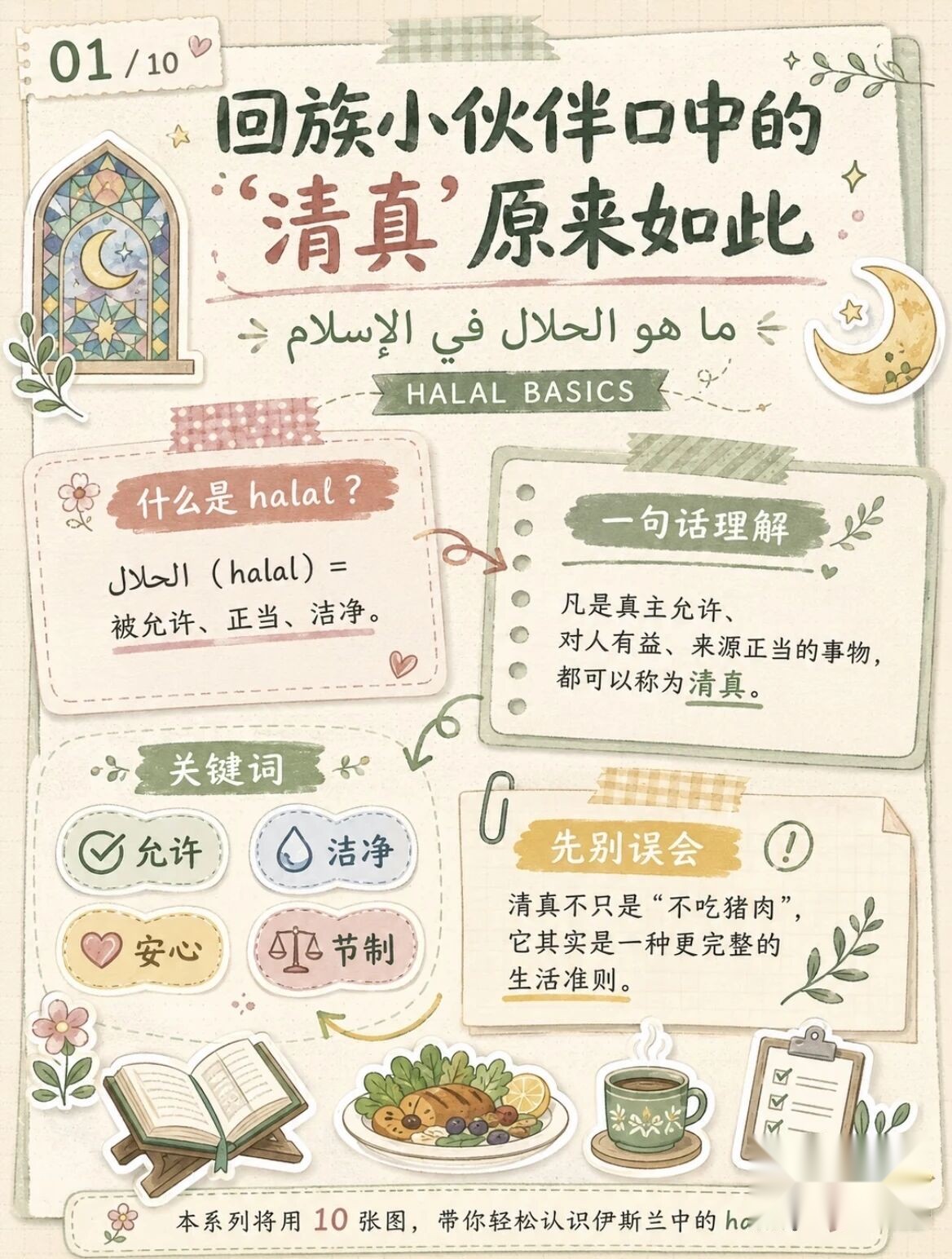
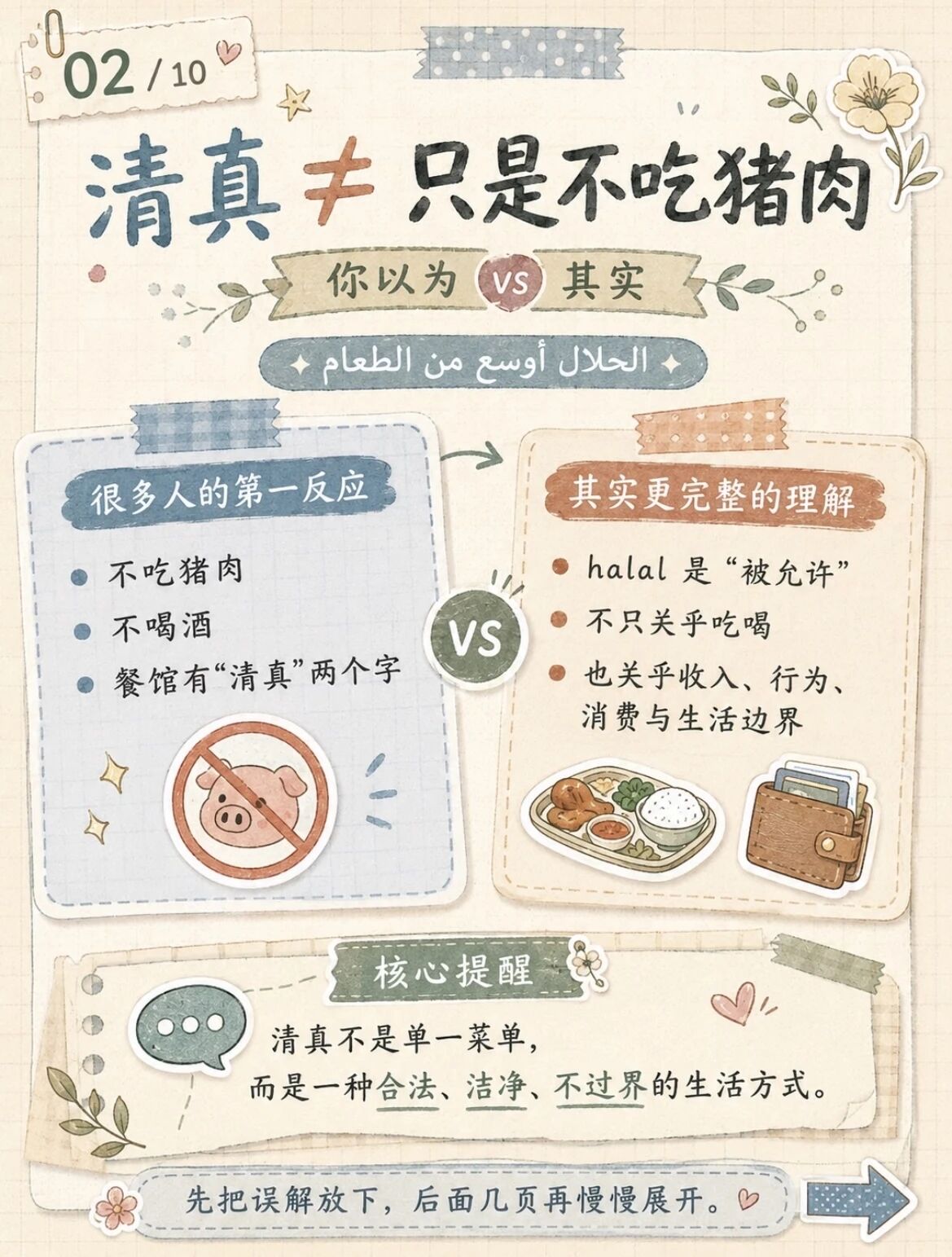
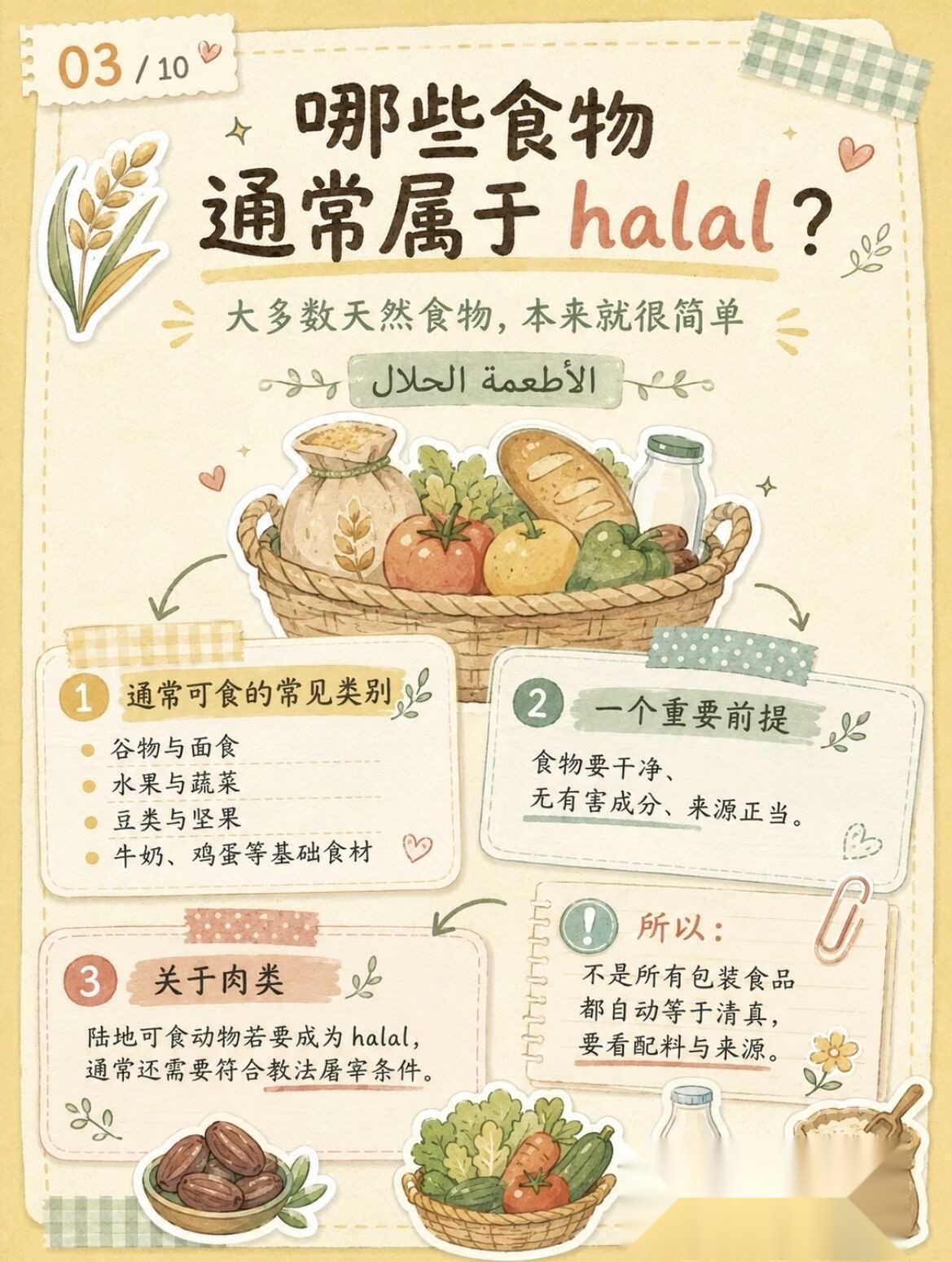
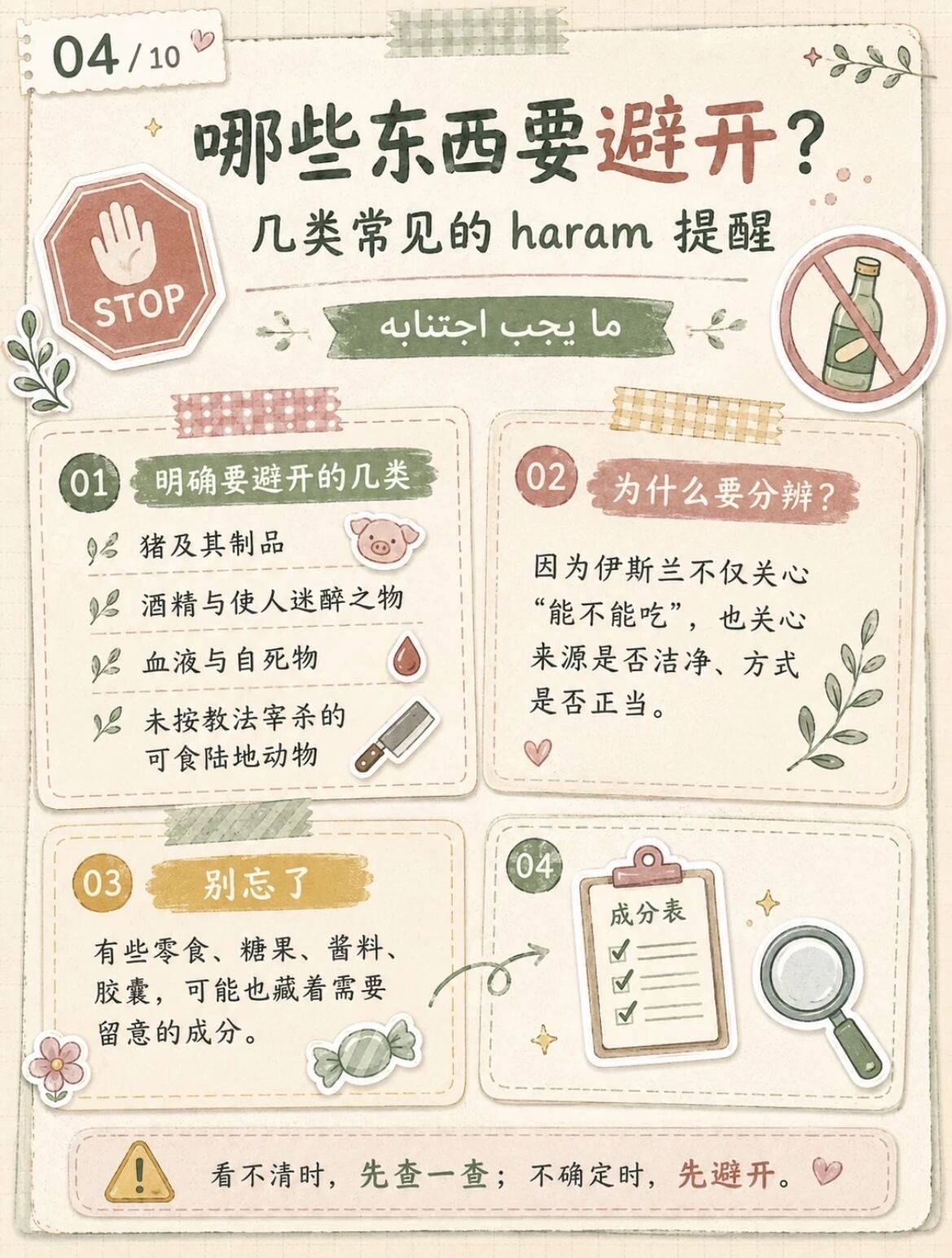
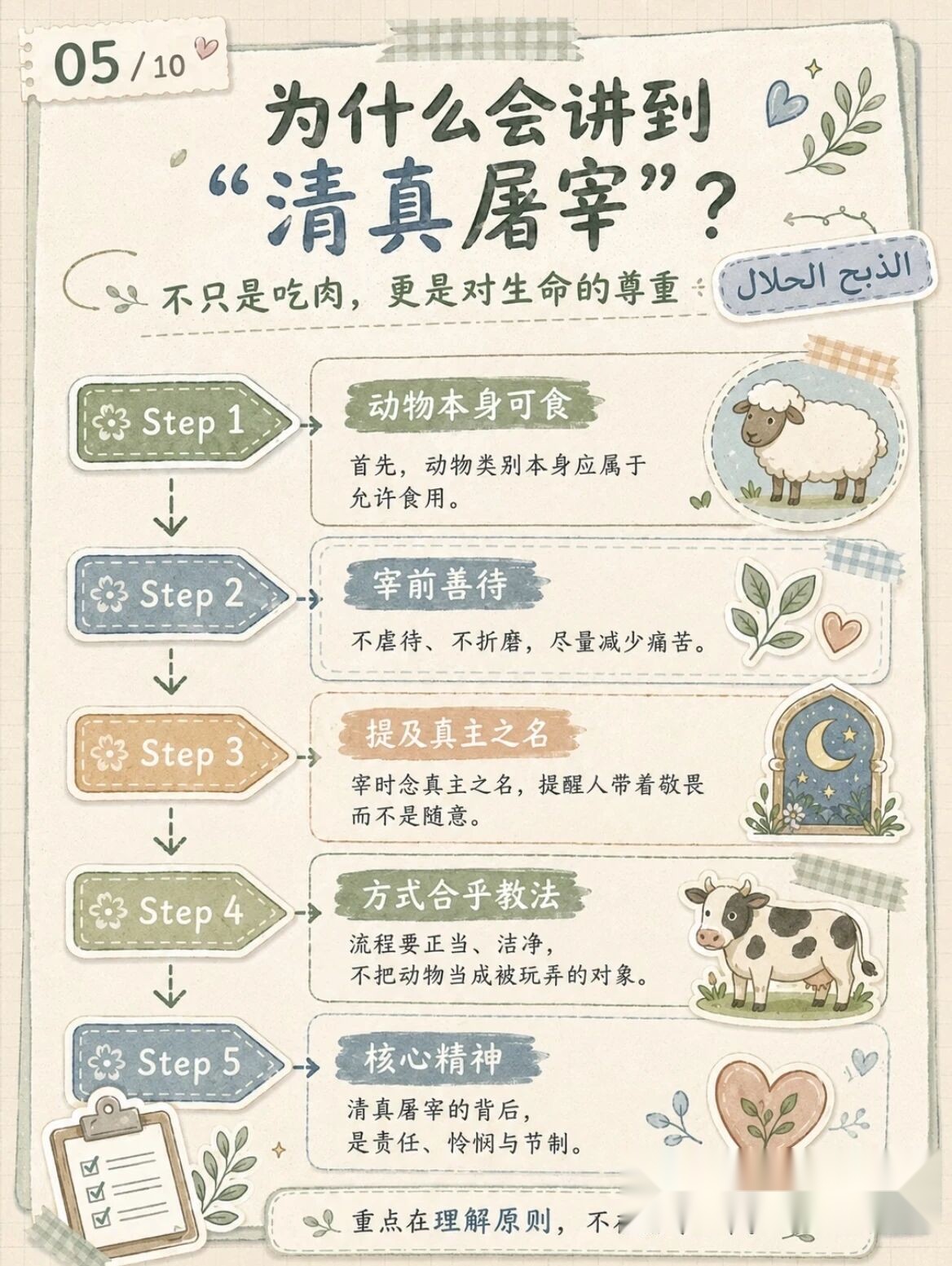
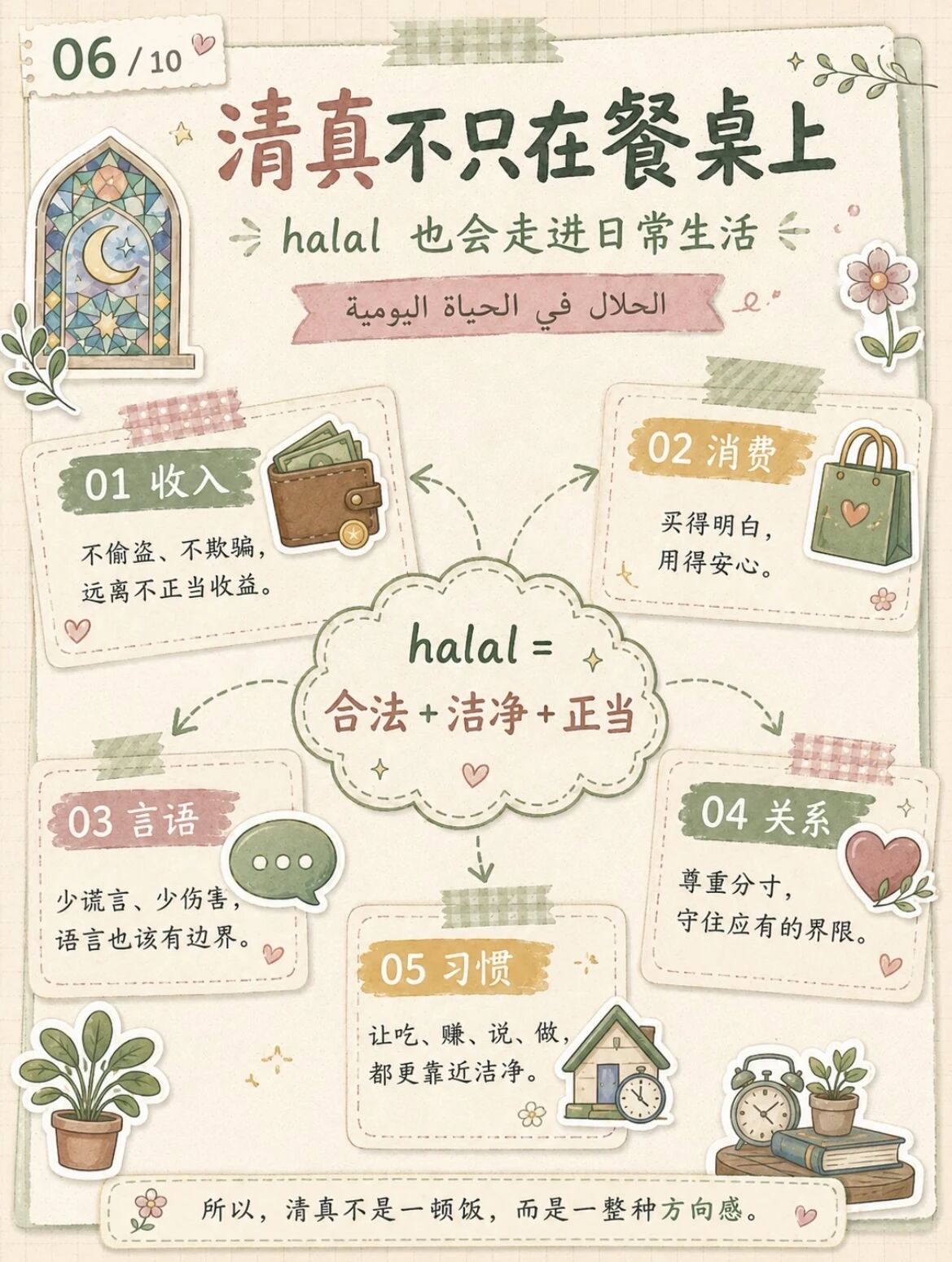
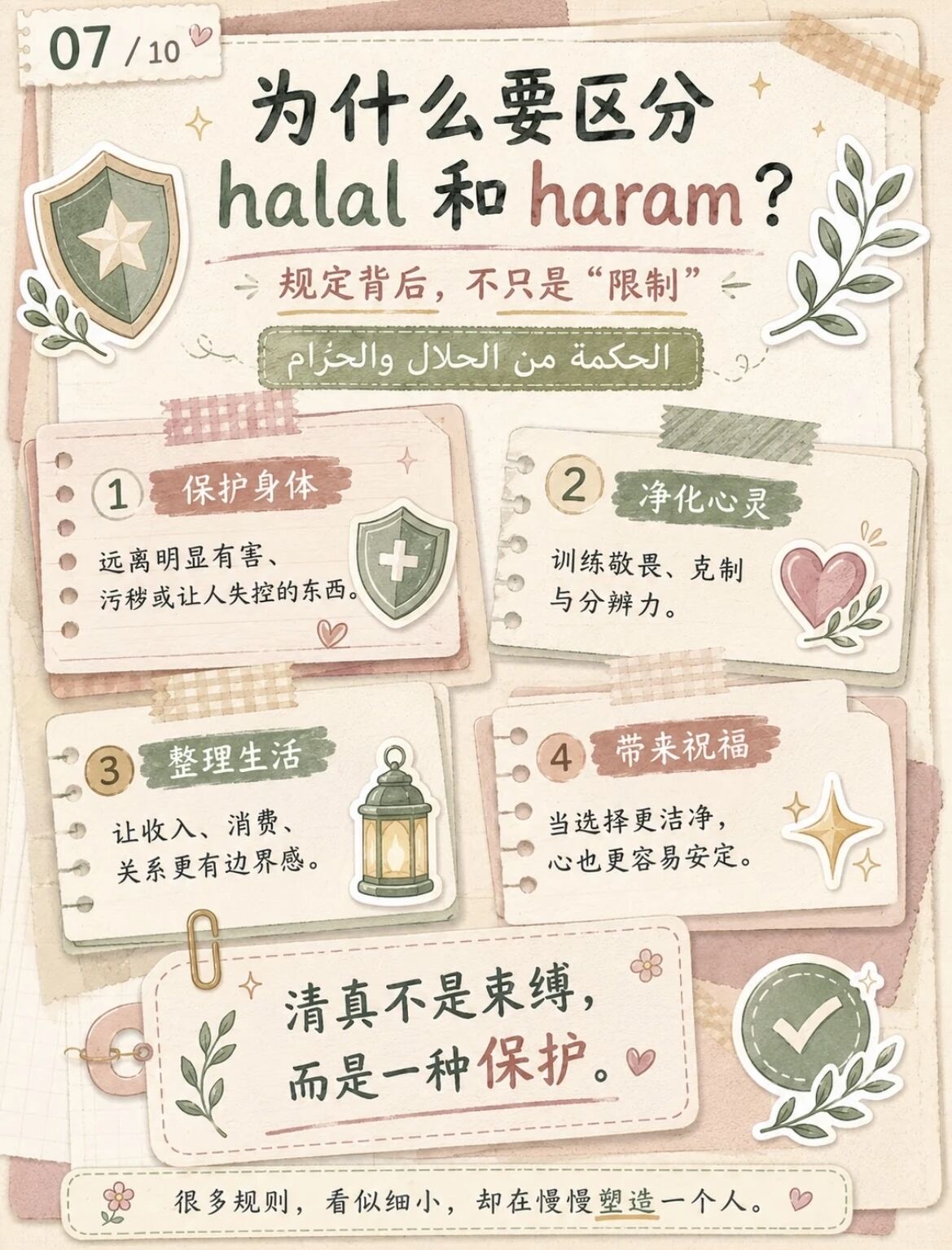
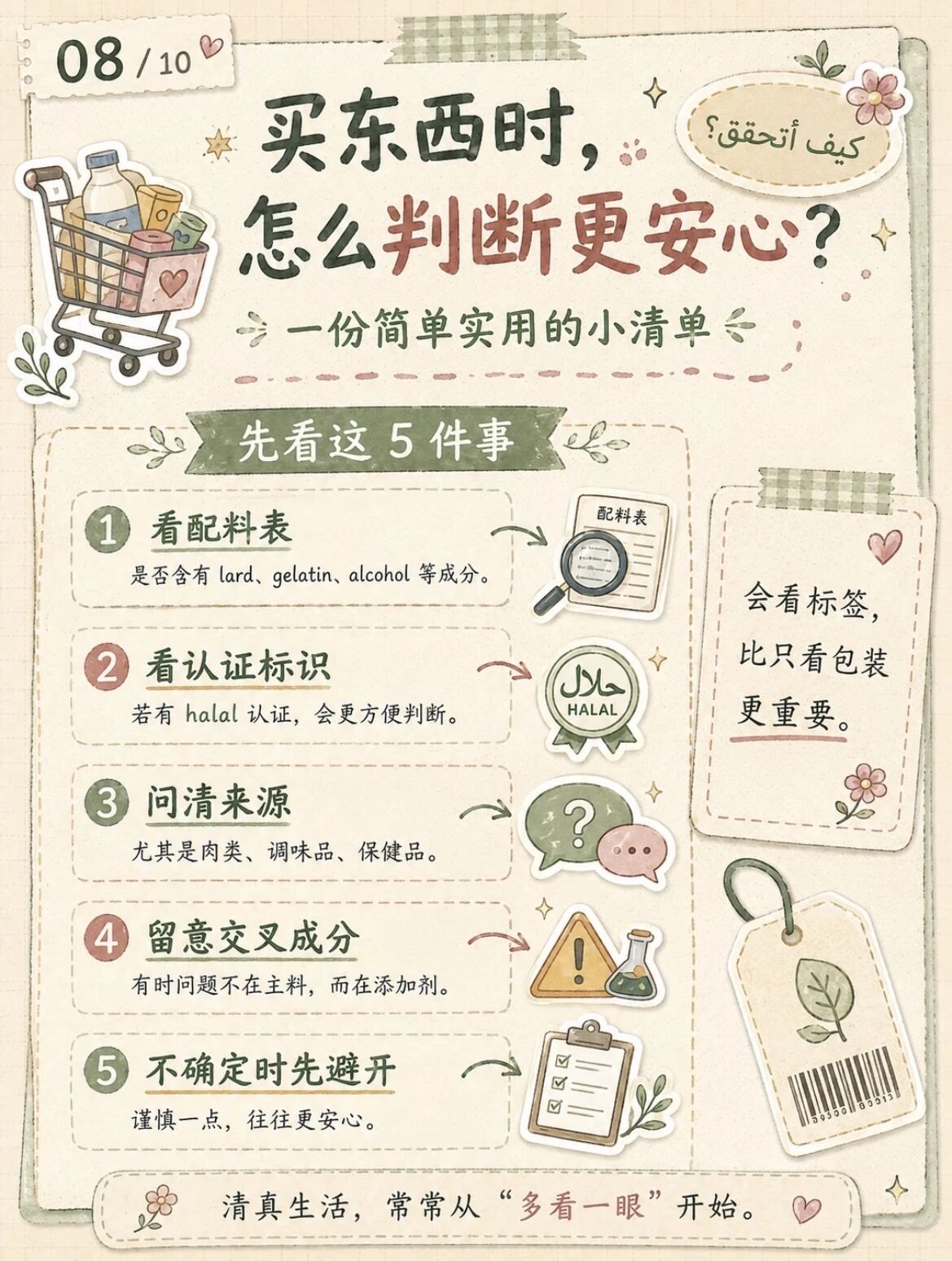
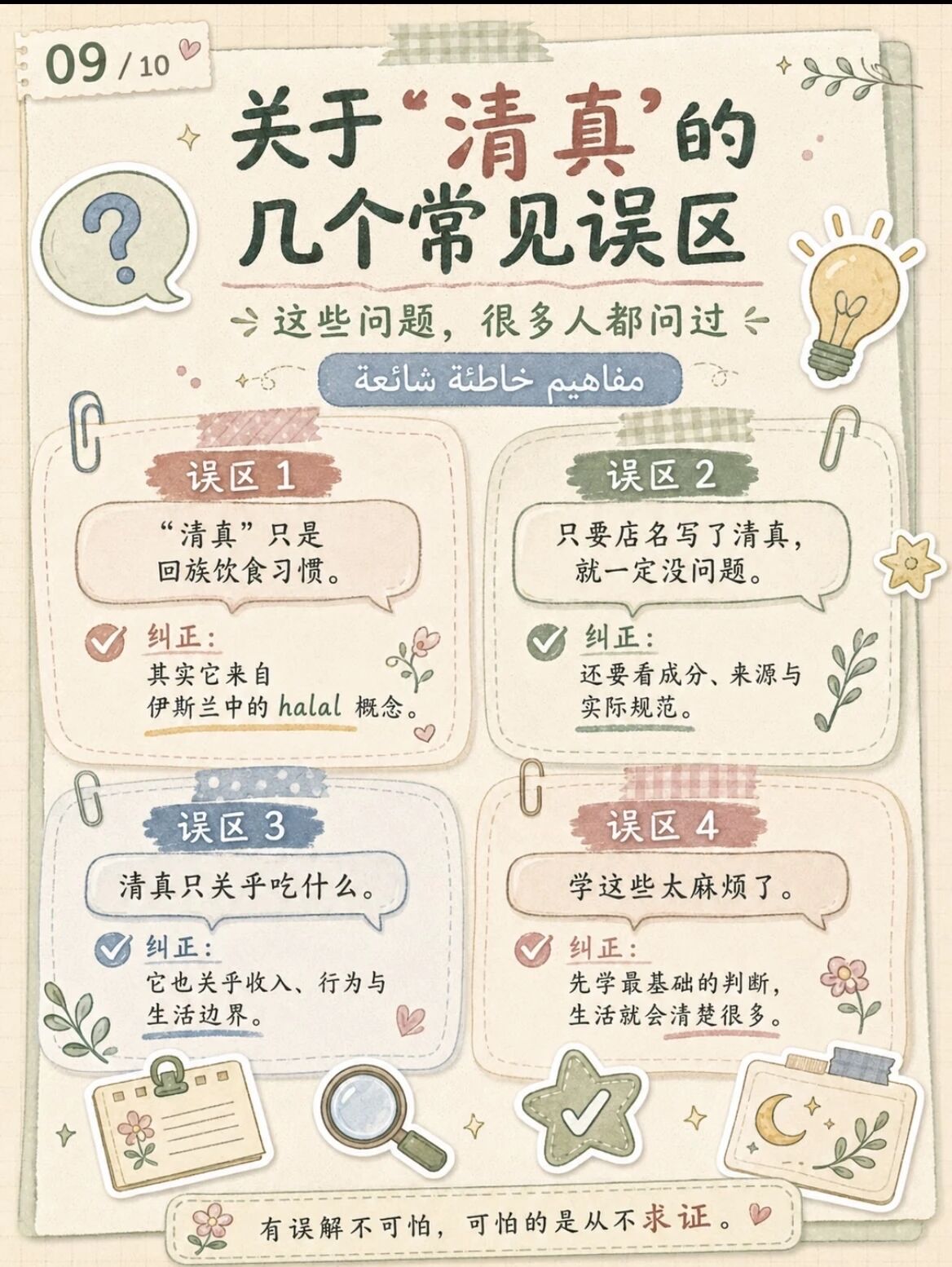
Check out these 10 infographics that break down the cultural origins of the word 'Qingzhen' (the Chinese term for Halal) used by Hui Muslims in China every day. We’re diving deep into the ethical standards behind 'Halal' (lawful) and 'Tayyib' (wholesome and pure), covering everything from how ingredients are picked and sanitary slaughter practices to the importance of honest business.
#HalalFood #Halal #HuiMuslimDiet #Halal #HuiMuslims #HalalDietaryRestrictions #HalalCuisine #HalalBeefAndLamb #LaobaiFoodDiaries
Real-life visual tour. view all
Check out these 10 infographics that break down the cultural origins of the word 'Qingzhen' (the Chinese term for Halal) used by Hui Muslims in China every day. We’re diving deep into the ethical standards behind 'Halal' (lawful) and 'Tayyib' (wholesome and pure), covering everything from how ingredients are picked and sanitary slaughter practices to the importance of honest business.
#HalalFood #Halal #HuiMuslimDiet #Halal #HuiMuslims #HalalDietaryRestrictions #HalalCuisine #HalalBeefAndLamb #LaobaiFoodDiaries
Real-life visual tour.
Hidden Gem in Beijing: Exploring the 600-Year-Old Qianmen Mosque in Yangwei Hutong
Articles • Hasan09 posted the article • 0 comments • 117 views • 2026-10-30 01:14
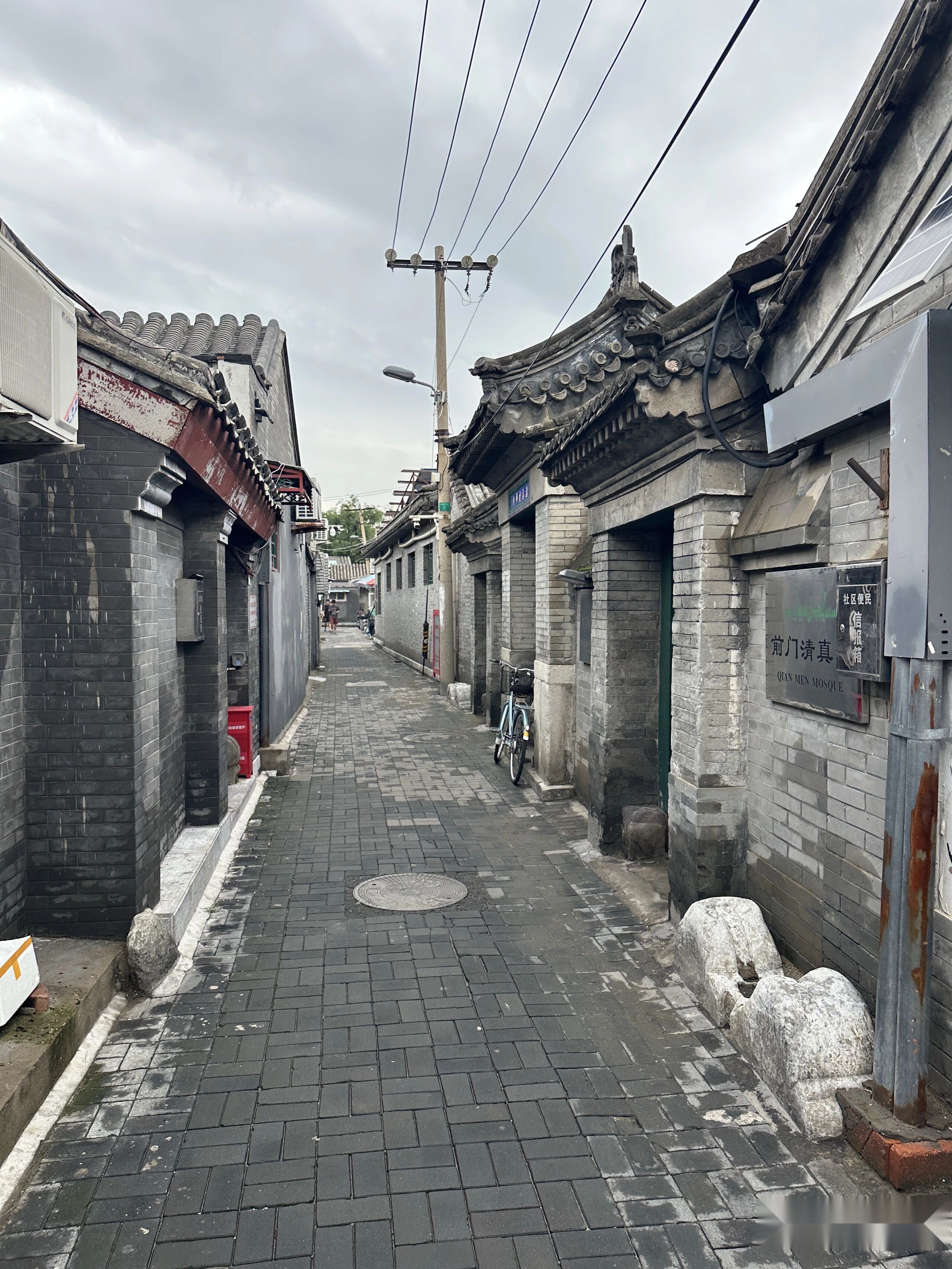
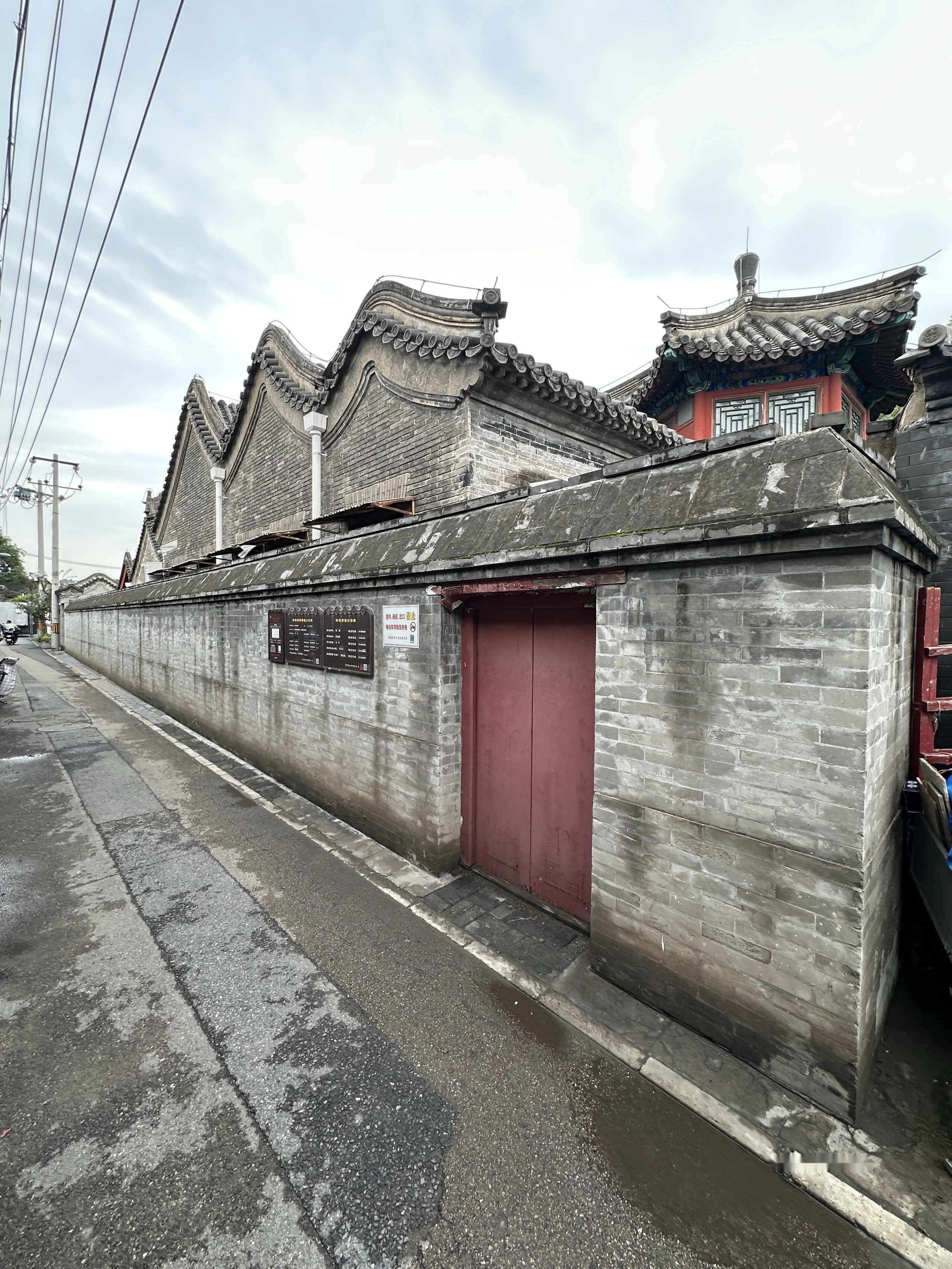
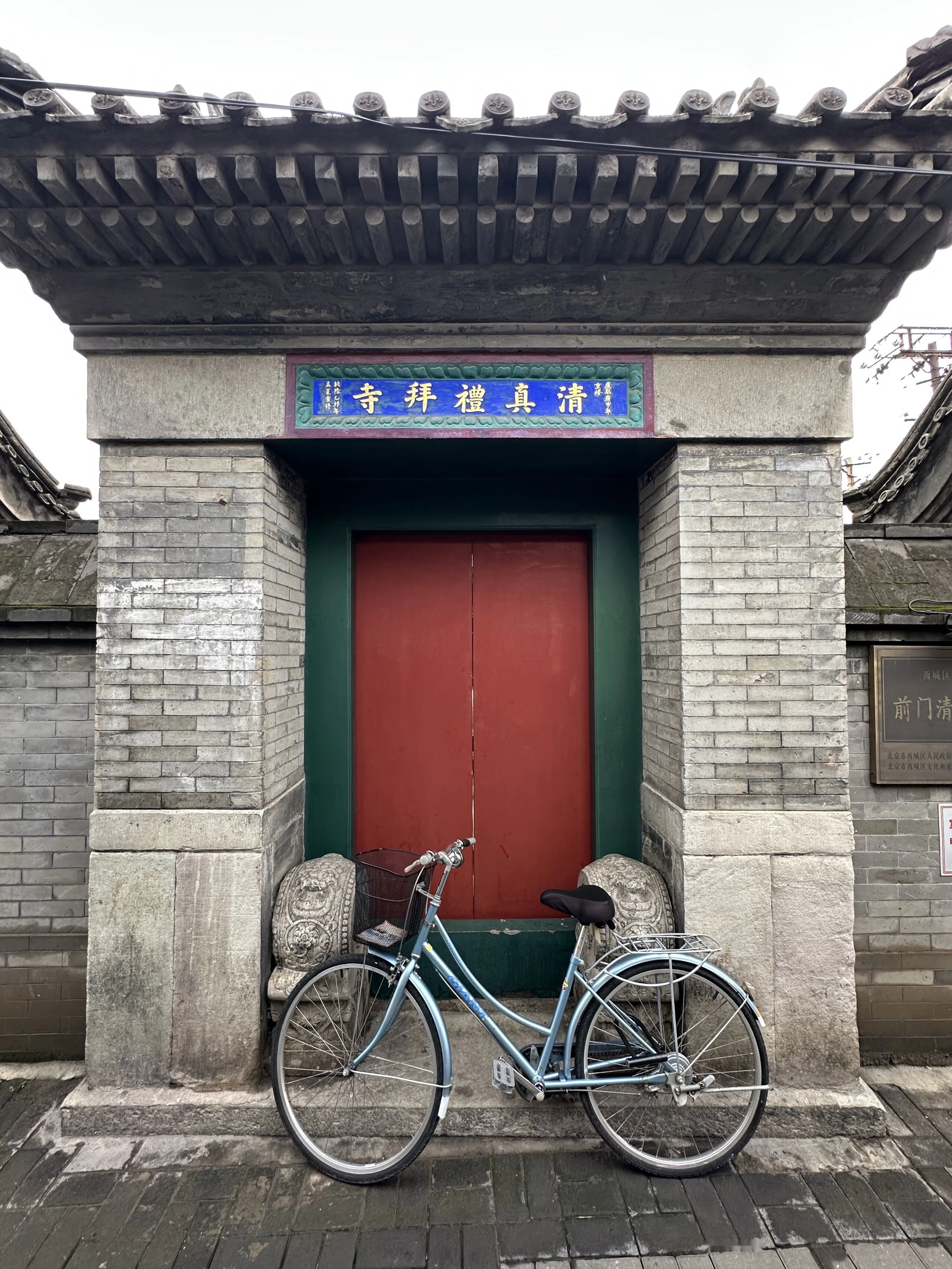
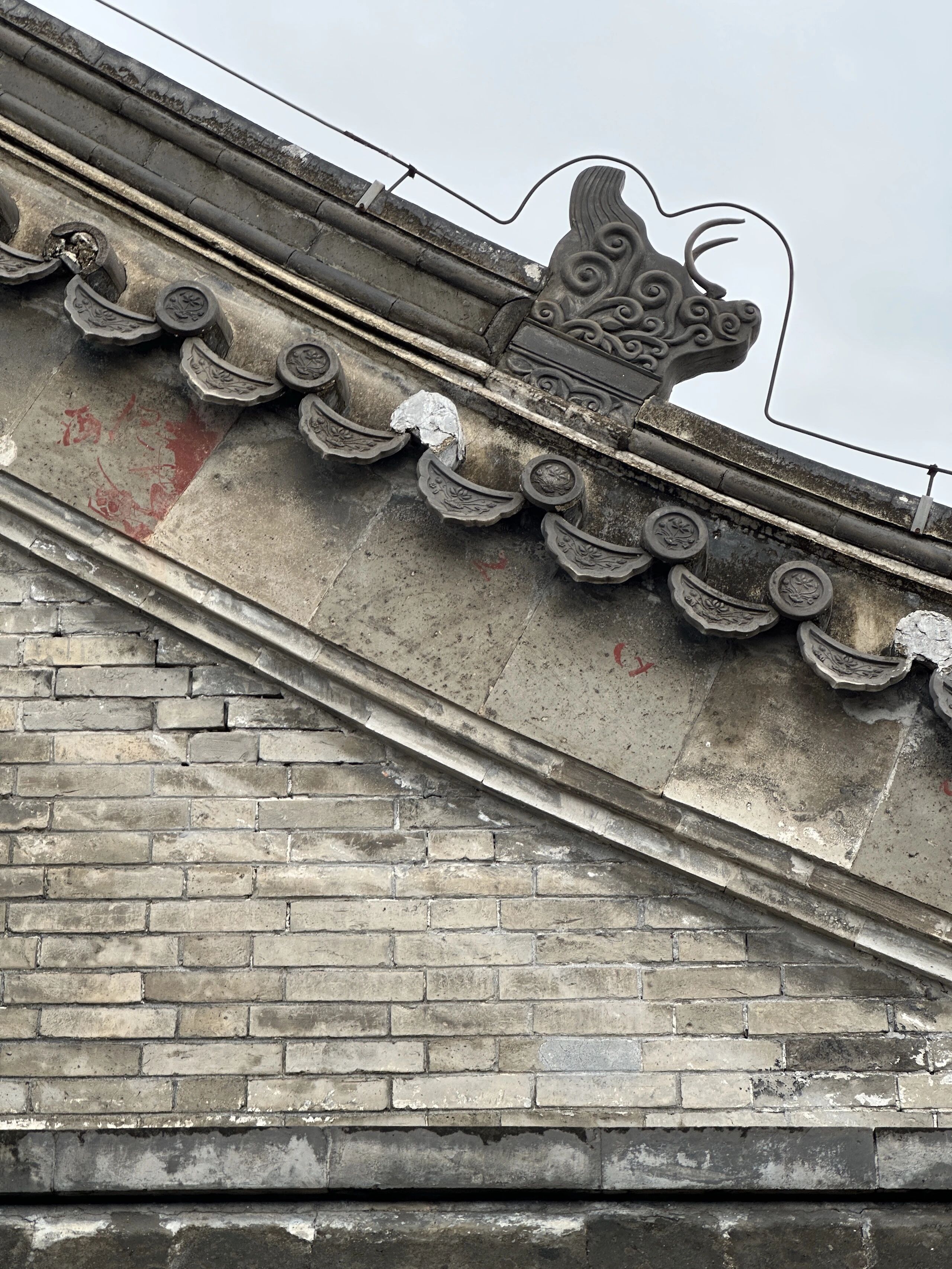
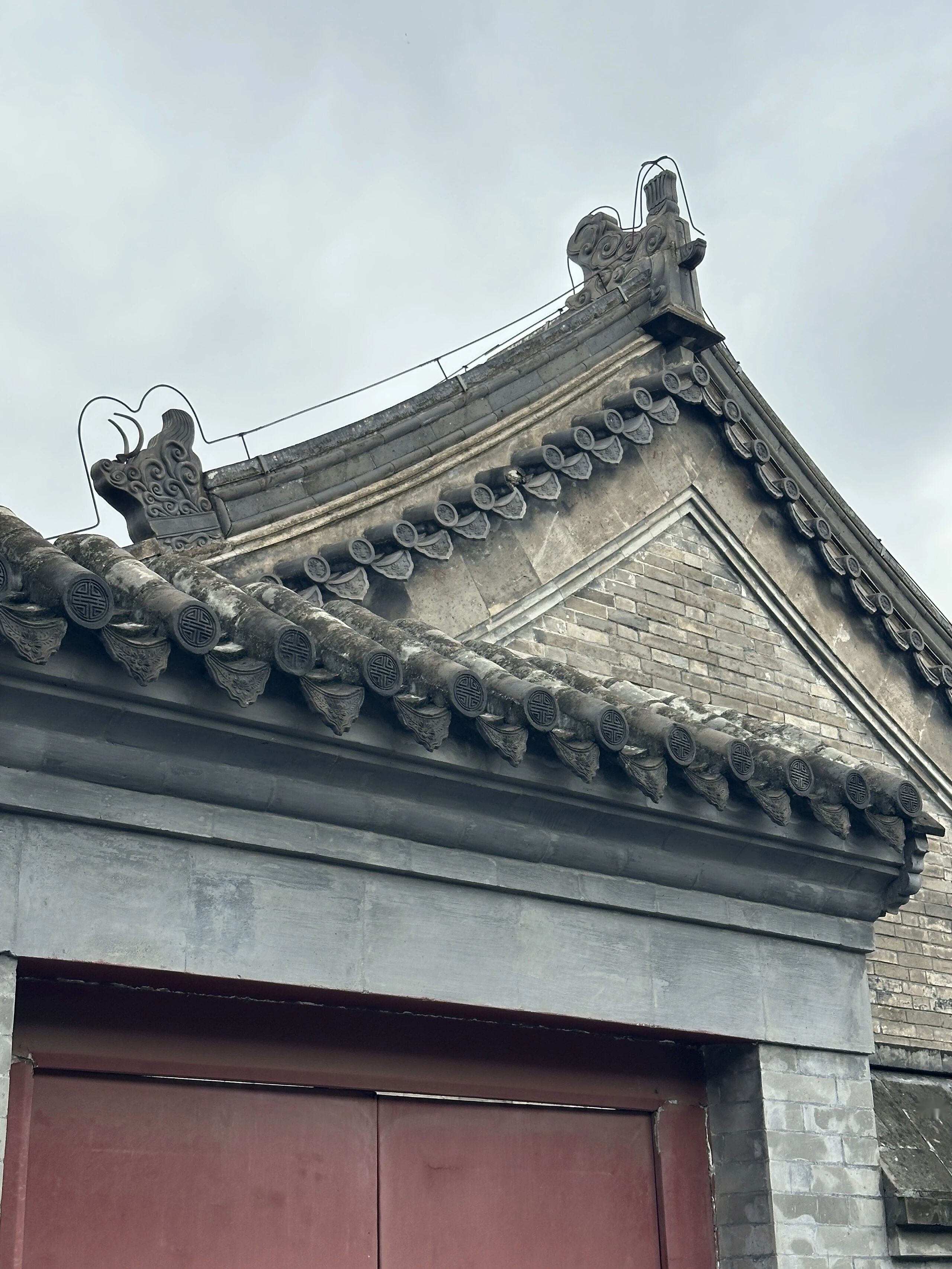
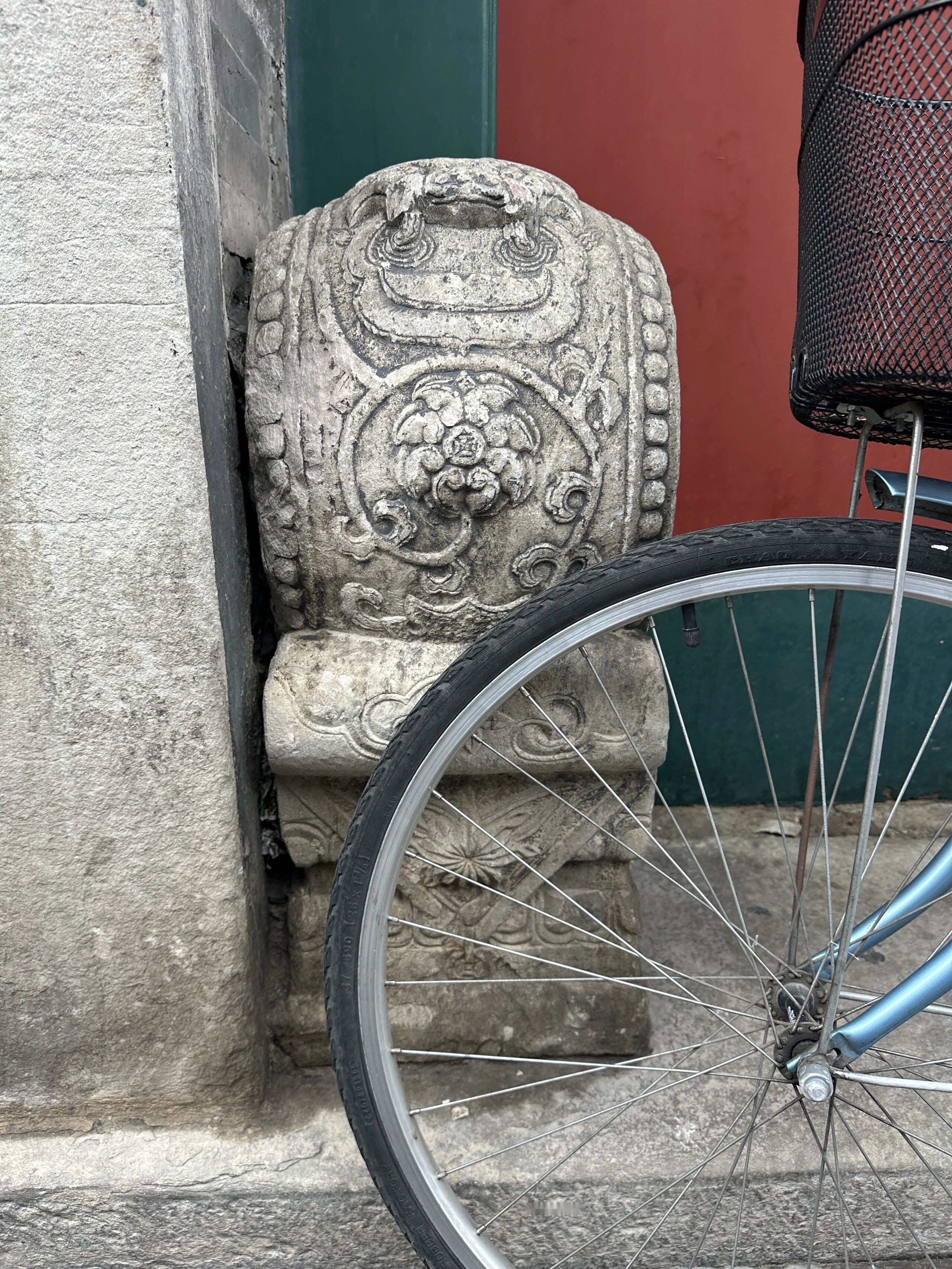
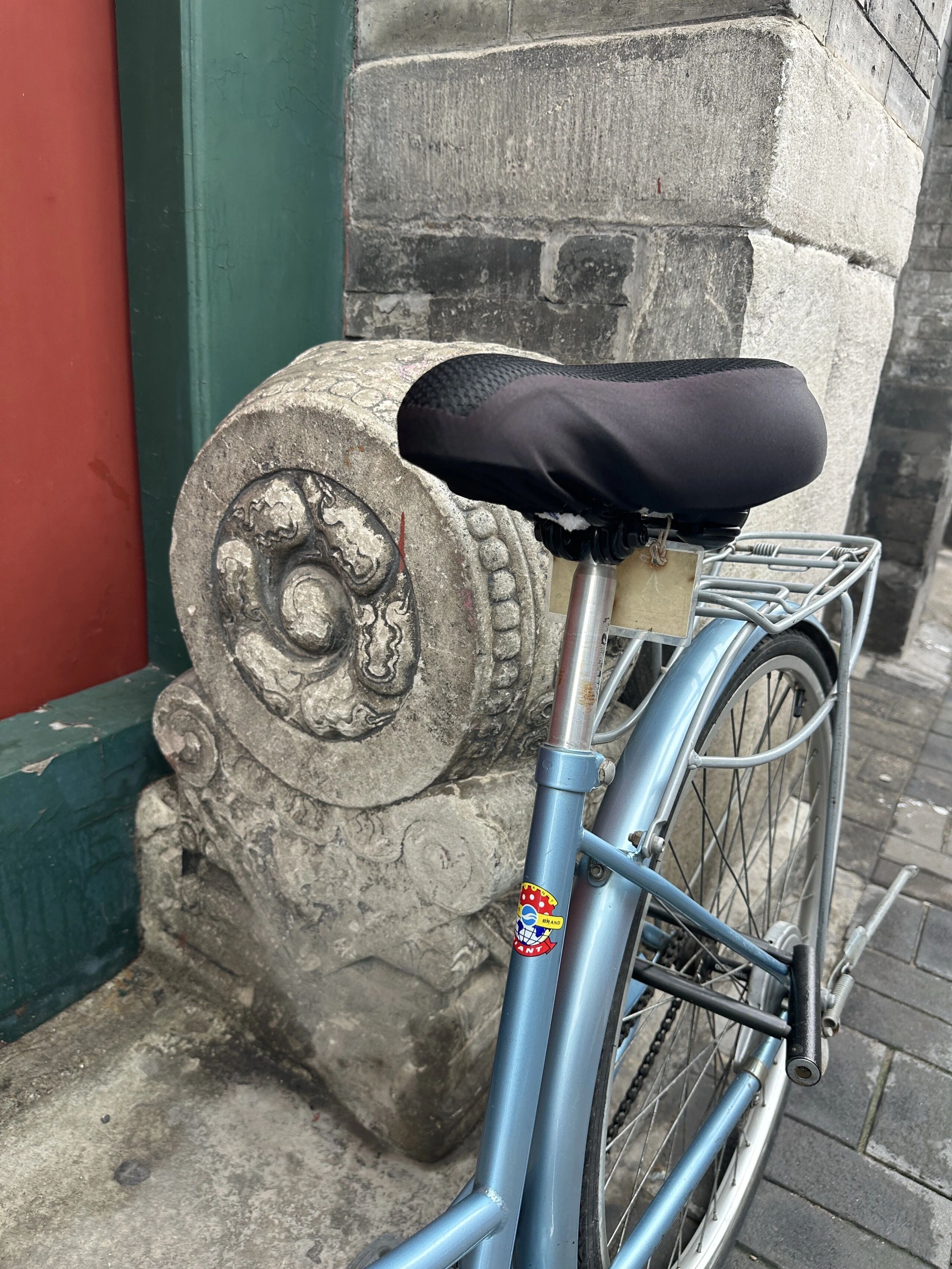
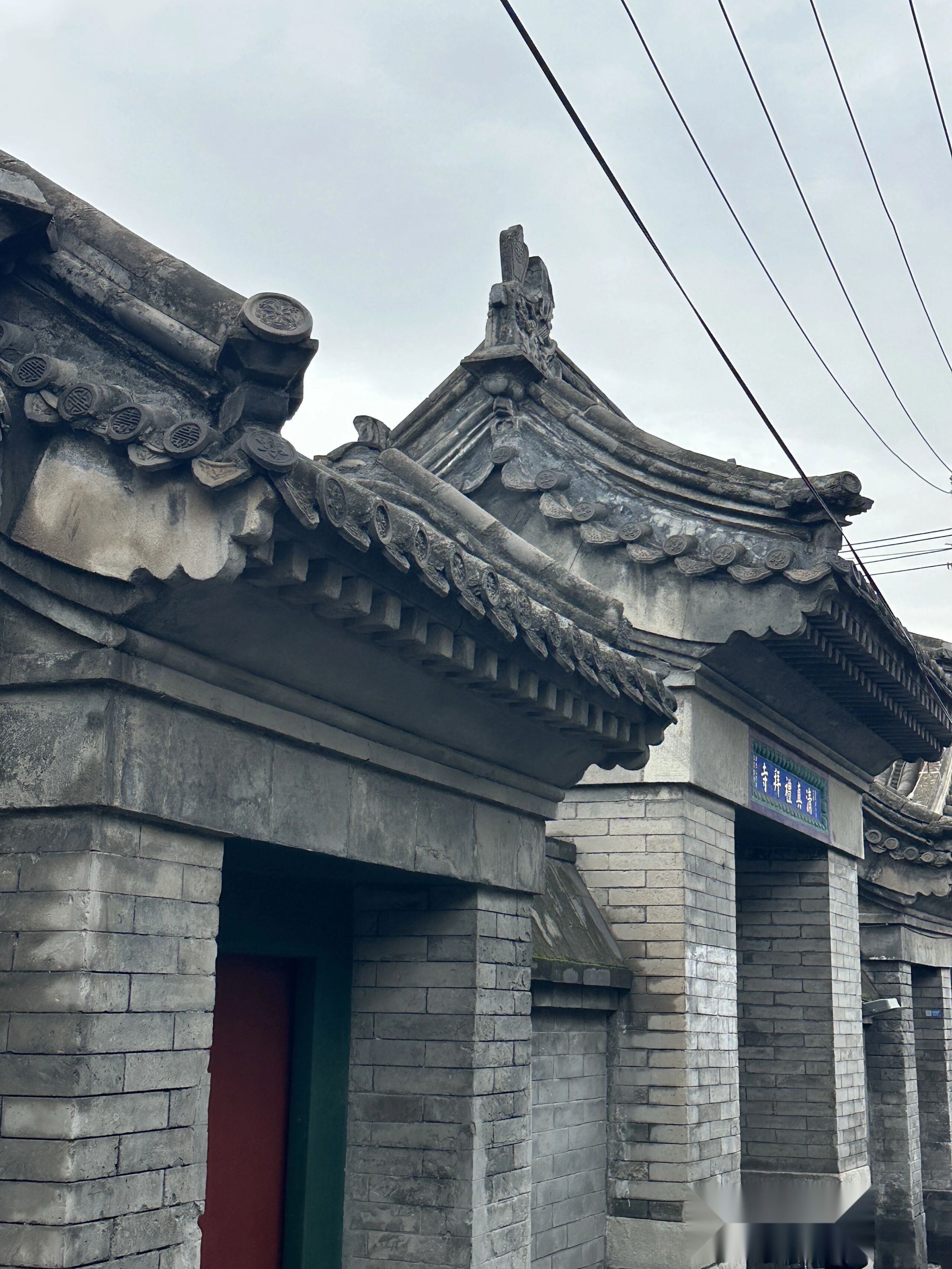
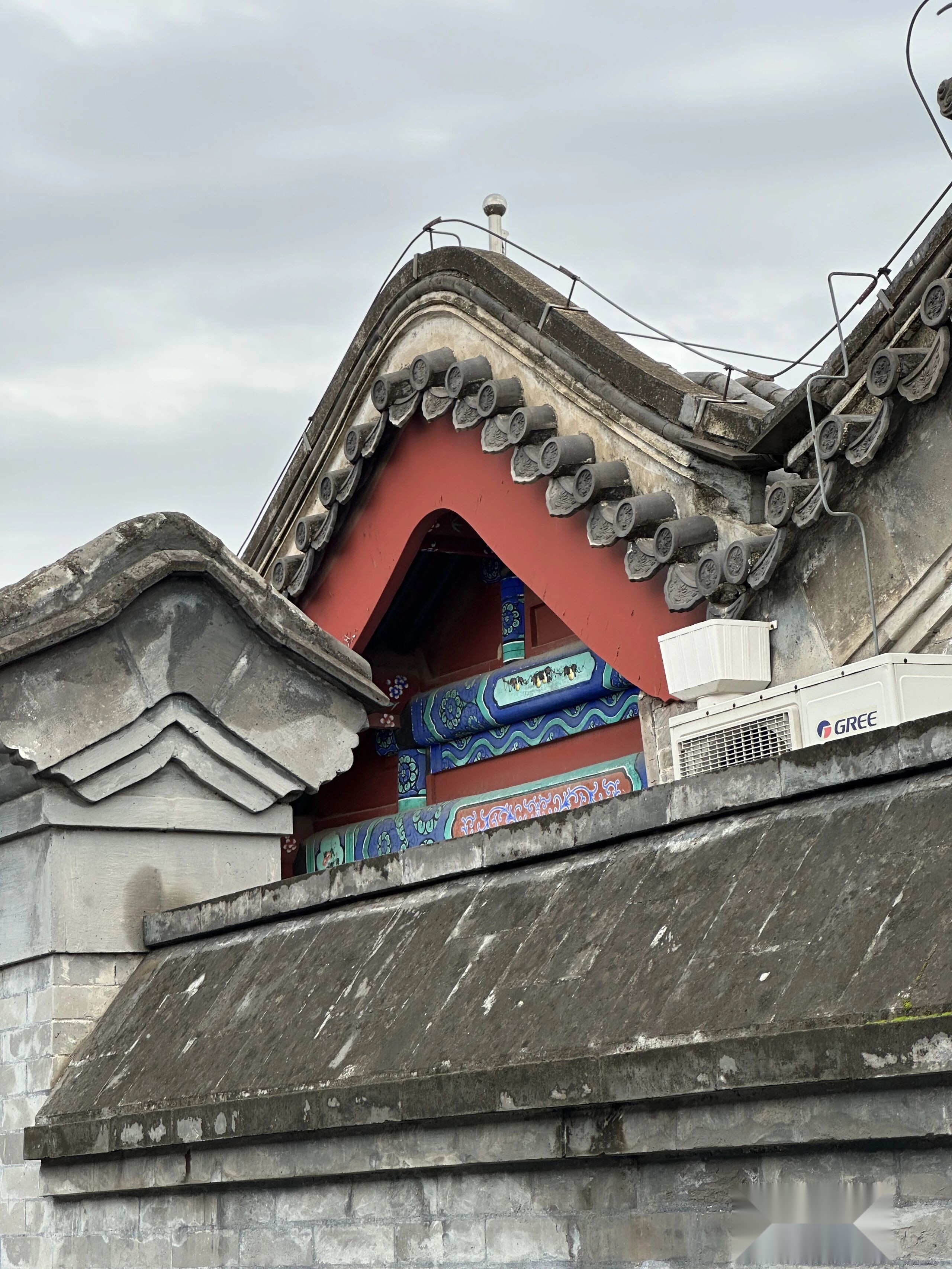
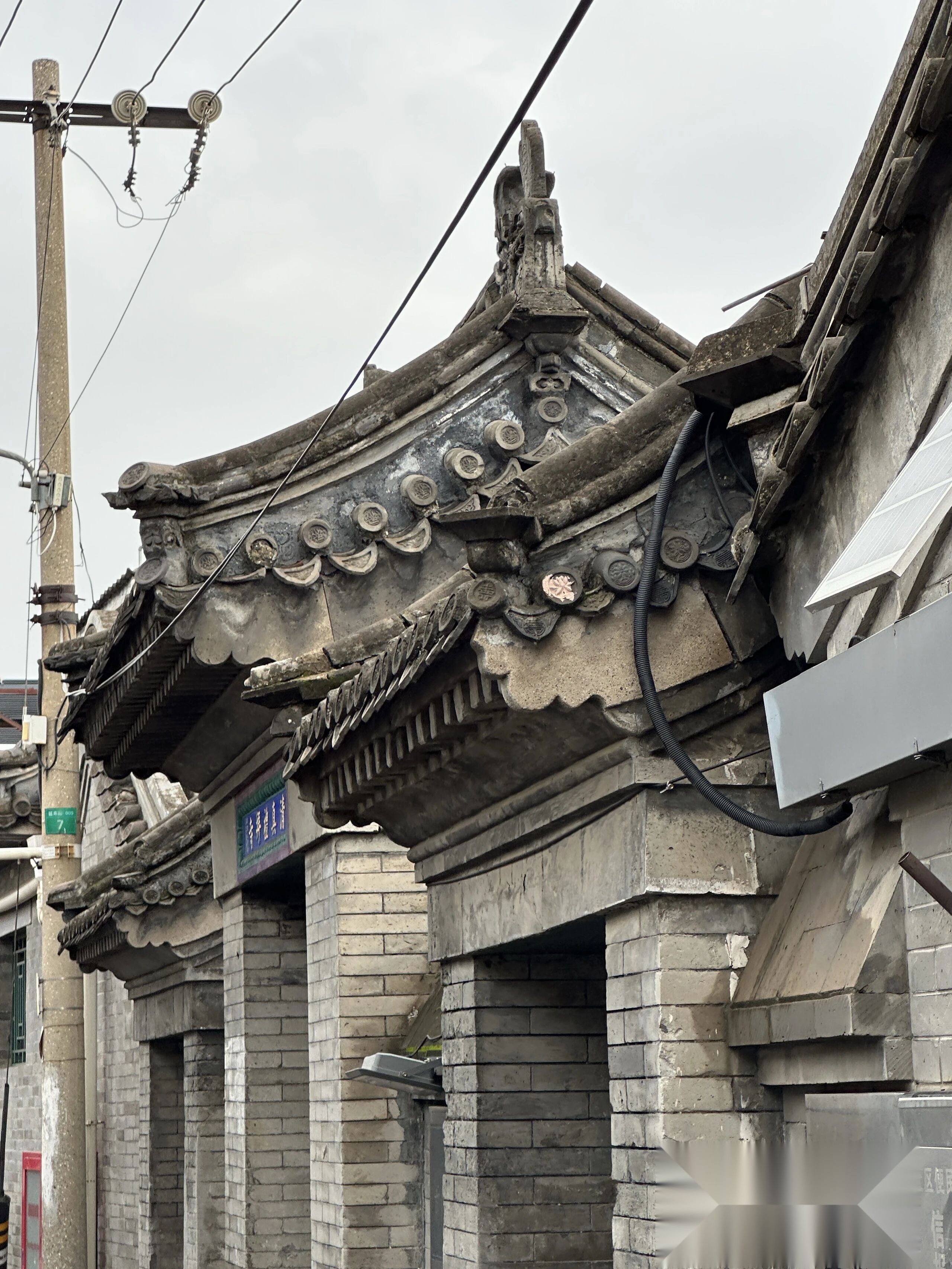
This collection of 15 photos takes you away from the crowded Qianmen tourist streets and deep into the heart of Yangwei Hutong to visit the Qianmen Mosque (formerly known as the Tiaozhou Hutong Mosque), an official historical preservation site. You’ll get to admire the prayer hall, which dates back to the early Ming Dynasty and was renovated during the Kangxi and Qianlong eras, featuring a unique six-ridge connected roof and a delicate hexagonal moon-sighting tower.
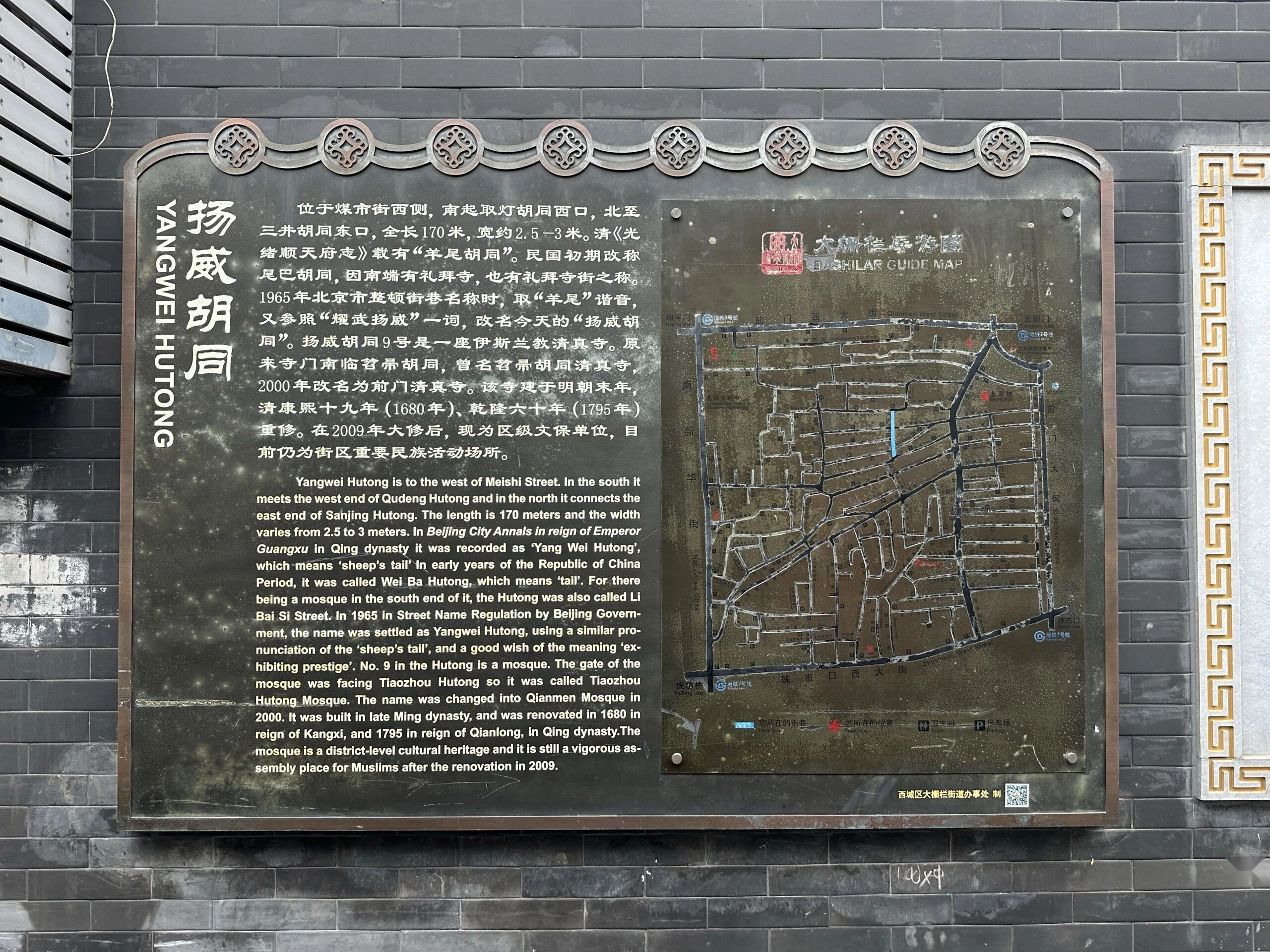
Escape the tourist chaos of Qianmen Street and duck into the depths of Yangwei Hutong to stumble upon this hidden site: the Qianmen Mosque, still known to locals by its old name, the Tiaozhou Hutong Mosque.
Founded in the early Ming Dynasty, this mosque is over 600 years old. Having undergone major renovations during the Kangxi and Qianlong reigns, it is one of the few surviving Ming-era Islamic sites in the southern part of the city, quietly tucked away among residential homes.
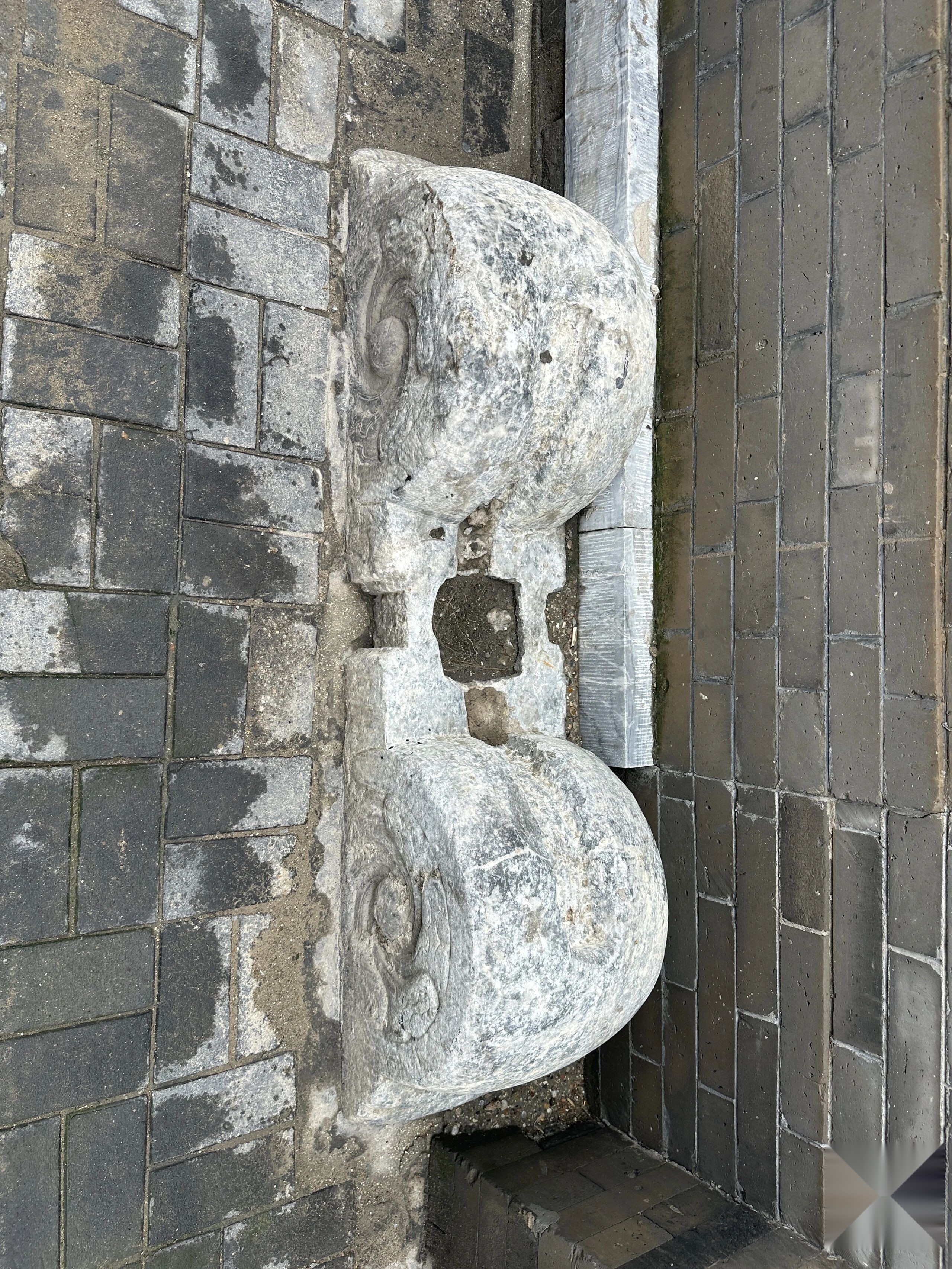
The entire complex is a beautiful fusion of traditional Chinese courtyard architecture and Islamic design. The main prayer hall features a unique six-ridge interlocking roof that creates a rhythmic, layered effect, while the hexagonal moon-sighting tower stands at the back—a structure once used to observe the moon to determine the dates of Ramadan. Because it is not open to the public, you can only admire the silhouettes of the grey-brick and tile architecture from outside the wall. It is a bit of a bummer that we can't get inside to see the Ming-era murals, Arabic calligraphy carvings, and hand-copied ancient Qurans for ourselves.
Compared to the noisy, hyped-up tourist spots, the silence you find here behind the courtyard walls has so much more character. Standing firm in a quiet corner of the bustling city, this mosque is a living testament to the history of Hui Muslims in Old Beijing. Leaving a little bit of mystery behind actually makes the visit feel more meaningful.
#QianmenMosque #TiaozhouHutongMosque #XuannanHistoricalSites #BeijingMingDynastyArchitecture view all
This collection of 15 photos takes you away from the crowded Qianmen tourist streets and deep into the heart of Yangwei Hutong to visit the Qianmen Mosque (formerly known as the Tiaozhou Hutong Mosque), an official historical preservation site. You’ll get to admire the prayer hall, which dates back to the early Ming Dynasty and was renovated during the Kangxi and Qianlong eras, featuring a unique six-ridge connected roof and a delicate hexagonal moon-sighting tower.
Escape the tourist chaos of Qianmen Street and duck into the depths of Yangwei Hutong to stumble upon this hidden site: the Qianmen Mosque, still known to locals by its old name, the Tiaozhou Hutong Mosque.
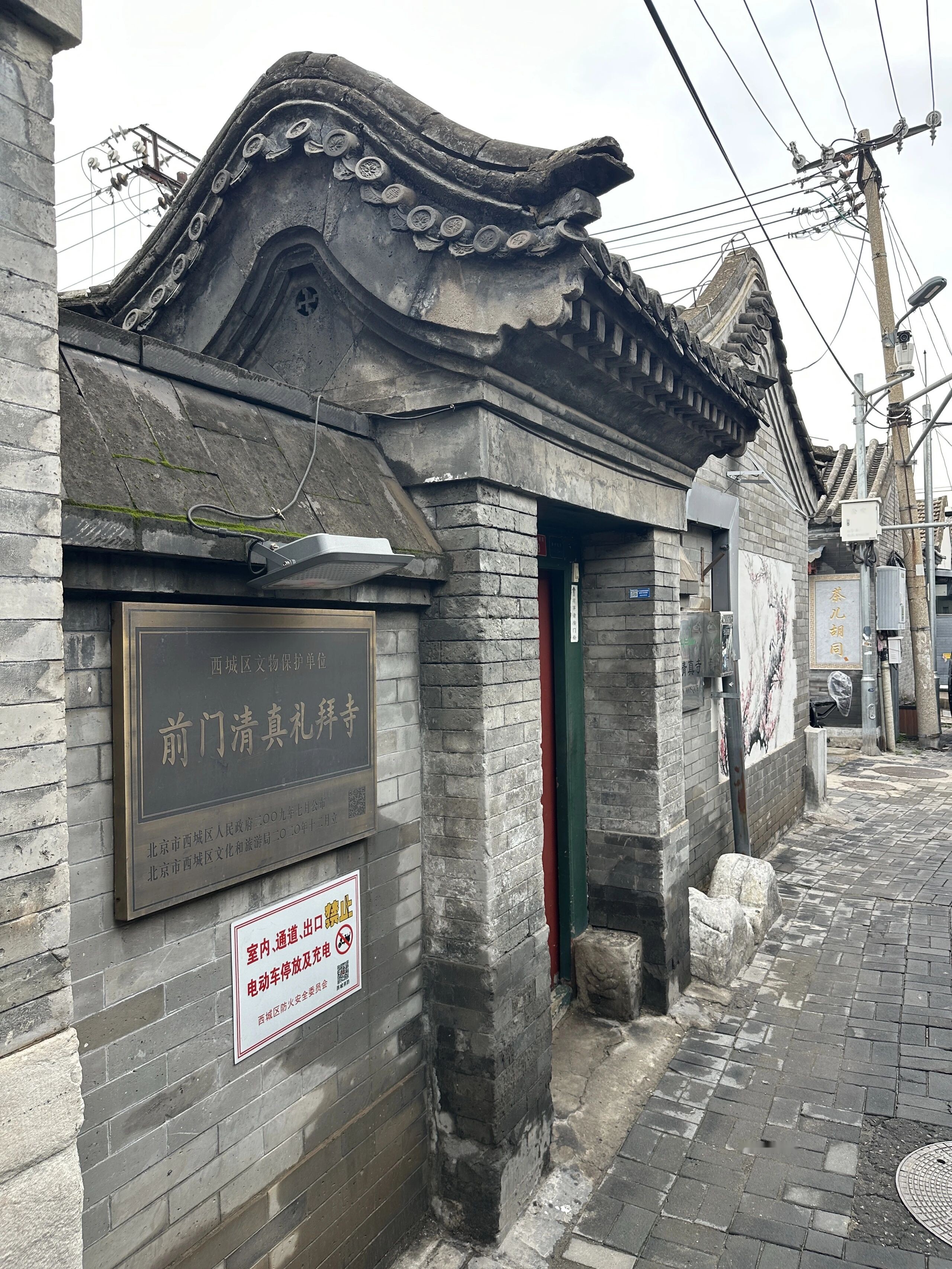
Founded in the early Ming Dynasty, this mosque is over 600 years old. Having undergone major renovations during the Kangxi and Qianlong reigns, it is one of the few surviving Ming-era Islamic sites in the southern part of the city, quietly tucked away among residential homes.
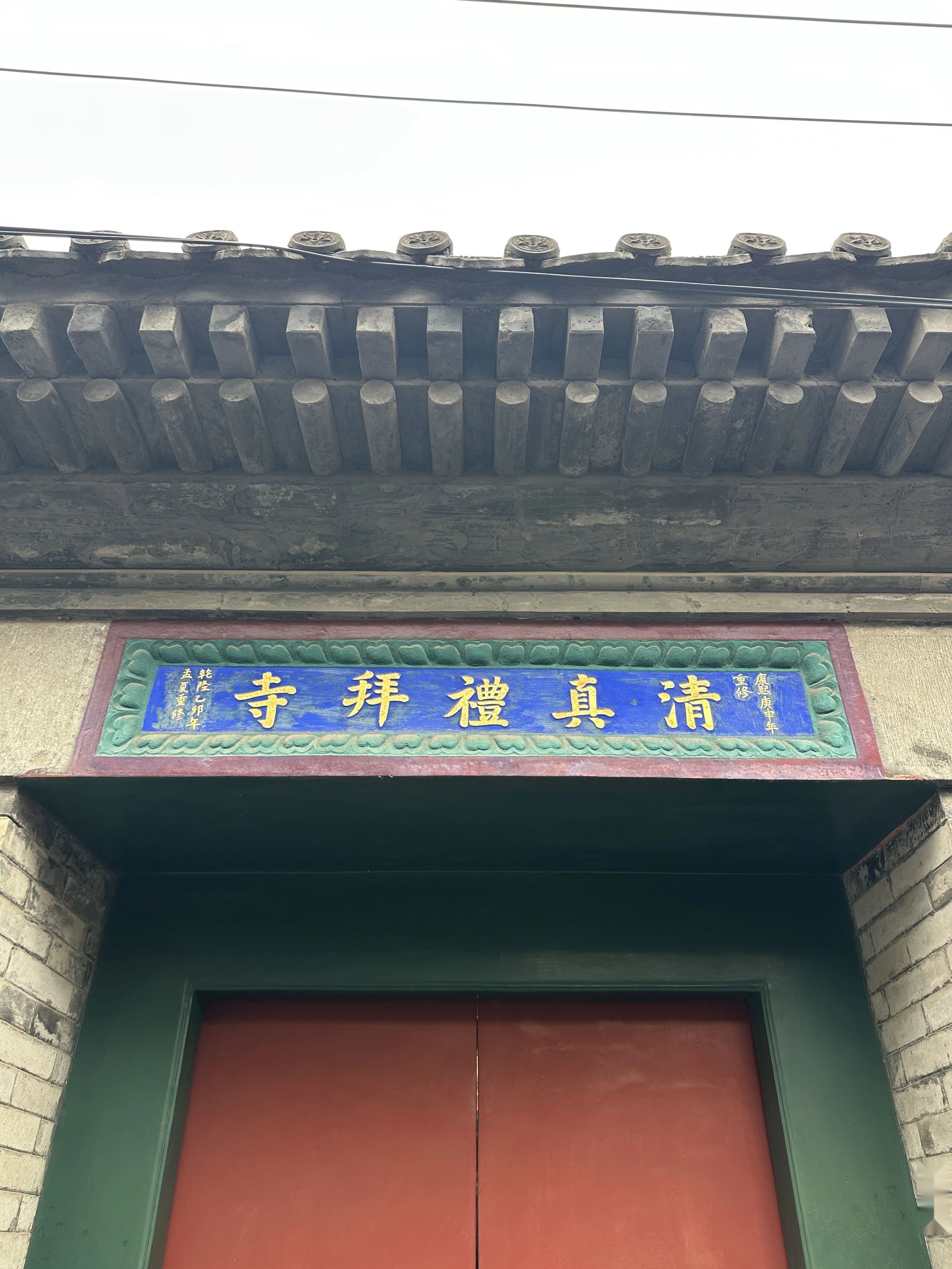
The entire complex is a beautiful fusion of traditional Chinese courtyard architecture and Islamic design. The main prayer hall features a unique six-ridge interlocking roof that creates a rhythmic, layered effect, while the hexagonal moon-sighting tower stands at the back—a structure once used to observe the moon to determine the dates of Ramadan. Because it is not open to the public, you can only admire the silhouettes of the grey-brick and tile architecture from outside the wall. It is a bit of a bummer that we can't get inside to see the Ming-era murals, Arabic calligraphy carvings, and hand-copied ancient Qurans for ourselves.
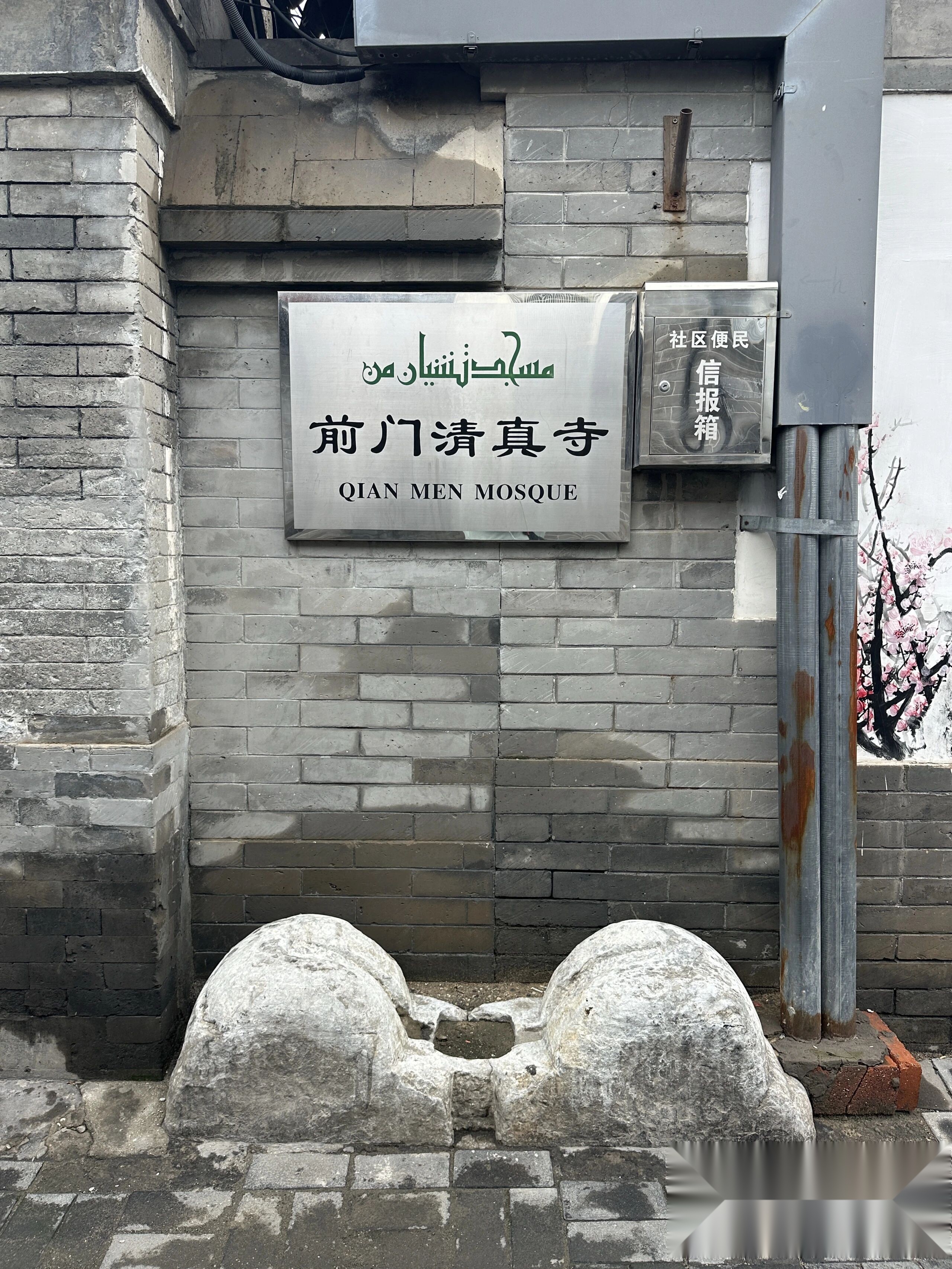
Compared to the noisy, hyped-up tourist spots, the silence you find here behind the courtyard walls has so much more character. Standing firm in a quiet corner of the bustling city, this mosque is a living testament to the history of Hui Muslims in Old Beijing. Leaving a little bit of mystery behind actually makes the visit feel more meaningful.
#QianmenMosque #TiaozhouHutongMosque #XuannanHistoricalSites #BeijingMingDynastyArchitecture
Halal Food in Kyoto: Real Reviews of Matcha Udon, Ramen, and BBQ Spots
Articles • Hasan09 posted the article • 0 comments • 131 views • 2026-10-30 01:15
I’ve put together 19 photos and real-life breakdowns of my experience dining at various Halal-certified restaurants in Kyoto, Japan, along with a price comparison in RMB. This covers everything from the matcha udon and fried chicken set at Yoshiya in Arashiyama to a taste and portion test of Halal ramen and Wagyu BBQ spots near Kyoto Station.
I had pretty high expectations for the food coming to Japan, but honestly, some spots were a total letdown. Between the steep prices, tiny portions, leaving still hungry, super salty noodles, and just not vibing with the flavors, it was hit or miss.
Yoshiya (よしや)
I wasn’t planning on hitting this spot near Arashiyama, but it ended up being the best meal I had in Japan. The udon noodles were super soft, topped with plenty of green onions, and they offer both regular and matcha-infused versions. The fried chicken was perfectly crispy on the outside and juicy on the inside, seasoned with black pepper. The portions here are actually decent, so one order is enough to keep you full. The female staff wear hijabs and the restaurant provides warm water, though the service is a bit lacking since you have to pour your own water. They do accept WeChat Pay or Alipay.
Bali-Bali Indonesia
This is a great value Indonesian spot in Kyoto with a huge menu and solid flavors. The chicken ramen wasn't nearly as salty as what you get at local Japanese shops. It’s tucked away on the third floor, not right on the main street. Everything we ordered was non-spicy. The chicken ramen comes with the soup and noodles separate, so you pour the broth over the noodles yourself. The vermicelli in the soto (traditional soup) was surprisingly refreshing, though the sate (skewered grilled meat) was grilled a bit too much to the point of being burnt. There is a place for dua (prayer) on the fifth floor. Heads up: they only take cash.
Halal Ramen Honolu Premier Kyoto Nishiki
This is part of the Honolu chain, which has locations in Kyoto and Osaka. We grabbed the fried chicken ramen and chicken ramen, though the "ramen" here is basically just instant noodles. Both broths were pretty salty. The fried chicken was decent. The restaurant is on the second floor and the ventilation isn't great, so it got a bit smoky after they cooked the Wagyu. There’s a prayer room, and you can pay with your Suica card. They also sell their own Halal goodies, like instant noodles, chocolate, and seasonings. Just a heads up, the three Honolu locations near Yotsubashi aren't the ones we visited.
Ayam-YA
Since I was still hungry after Honolu, I decided to grab a bite somewhere else. Heads up: this place is cash only, and you have to order at the kiosk by the entrance before grabbing a seat inside. The fried chicken skin was super thin and crispy—it was my first time having chicken skin like that, and Japan really knows how to use every part of the bird. The shoyu (soy sauce) ramen was also a bit on the salty side.
Matahari Padang Kyoto Halal
This Indonesian spot is on the third floor of a small alley right by the Kamo River. You can see the river view from the balcony, but you can’t actually eat out there. Everything is pretty spicy, and there aren't many non-spicy options. Since I can’t handle much heat, I tried the "mild" dishes, and the food came out pretty fast. The beef tendon curry used a tom yum base with a coconut flavor, but for me, it definitely wasn't "mild"—it was pretty spicy. The chicken was marinated well, but also spicy. Keep in mind that this place is cash only. Honestly, I liked the Bali-Bali Indonesian restaurant better.
I’ll keep updating you guys on Halal food spots from around the world.
#Halal #JapanHalal #HuiMuslims #VisitJapan #JapaneseFood view all
I’ve put together 19 photos and real-life breakdowns of my experience dining at various Halal-certified restaurants in Kyoto, Japan, along with a price comparison in RMB. This covers everything from the matcha udon and fried chicken set at Yoshiya in Arashiyama to a taste and portion test of Halal ramen and Wagyu BBQ spots near Kyoto Station.
I had pretty high expectations for the food coming to Japan, but honestly, some spots were a total letdown. Between the steep prices, tiny portions, leaving still hungry, super salty noodles, and just not vibing with the flavors, it was hit or miss.
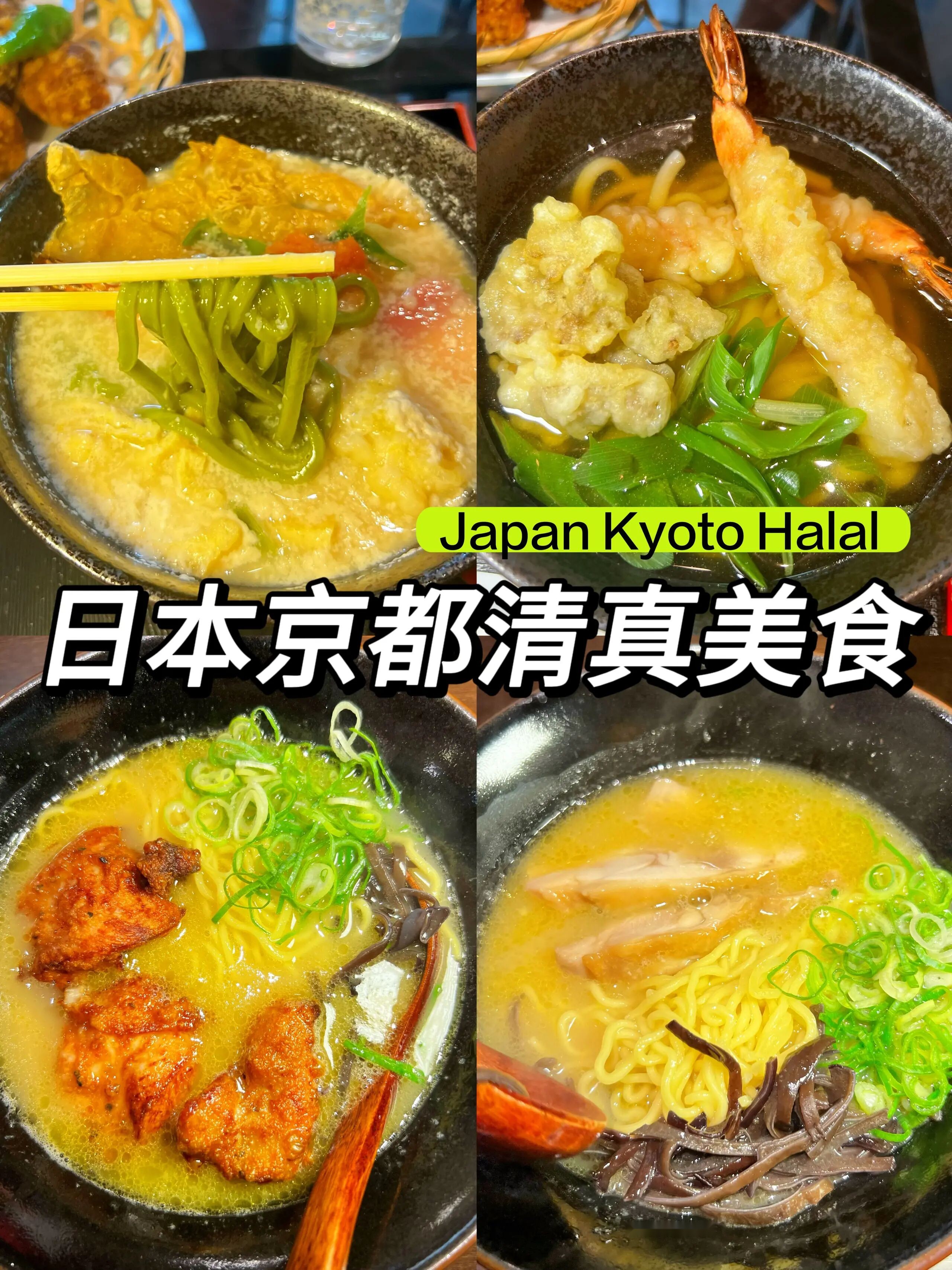
Yoshiya (よしや)
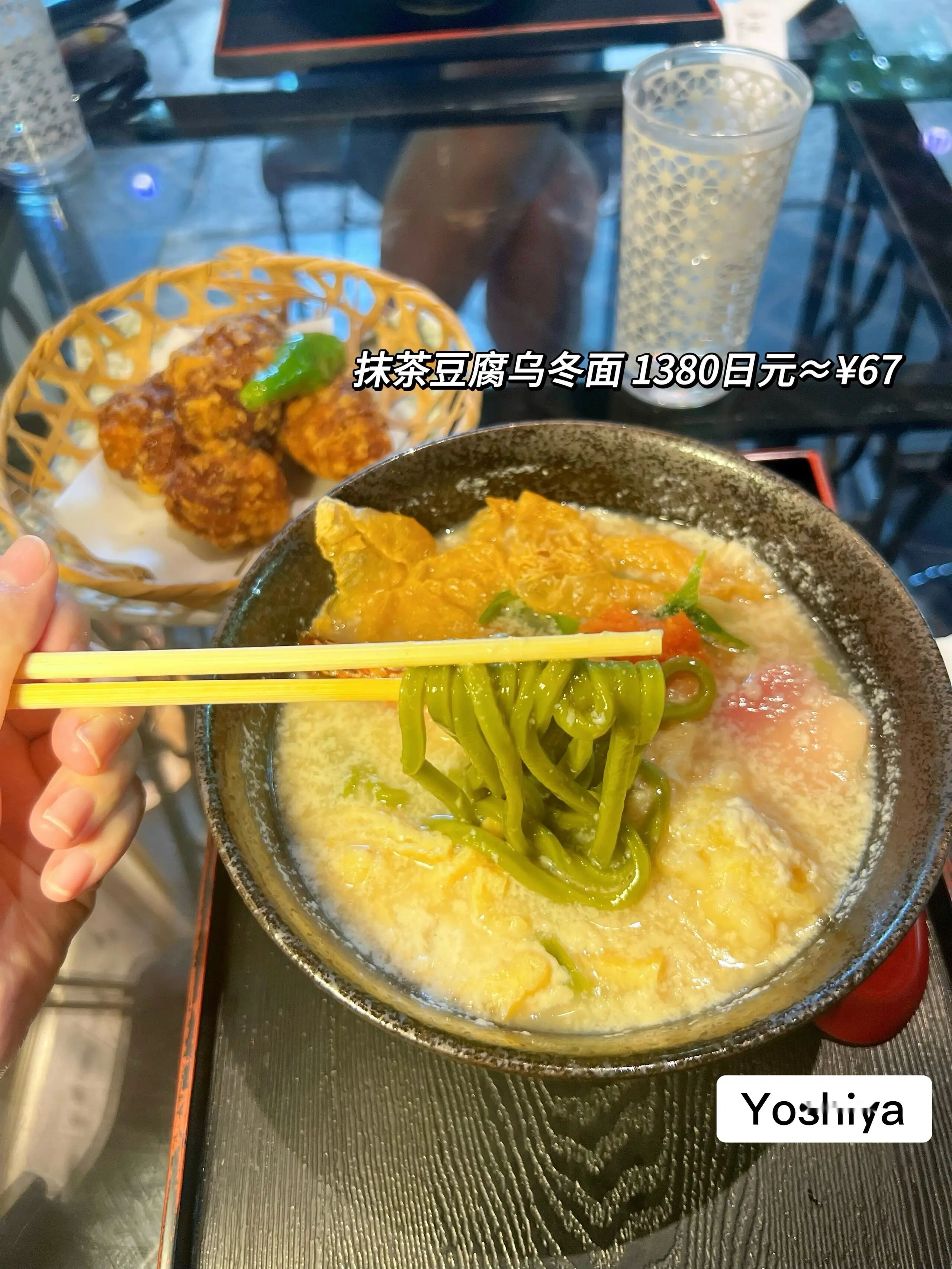
I wasn’t planning on hitting this spot near Arashiyama, but it ended up being the best meal I had in Japan. The udon noodles were super soft, topped with plenty of green onions, and they offer both regular and matcha-infused versions. The fried chicken was perfectly crispy on the outside and juicy on the inside, seasoned with black pepper. The portions here are actually decent, so one order is enough to keep you full. The female staff wear hijabs and the restaurant provides warm water, though the service is a bit lacking since you have to pour your own water. They do accept WeChat Pay or Alipay.
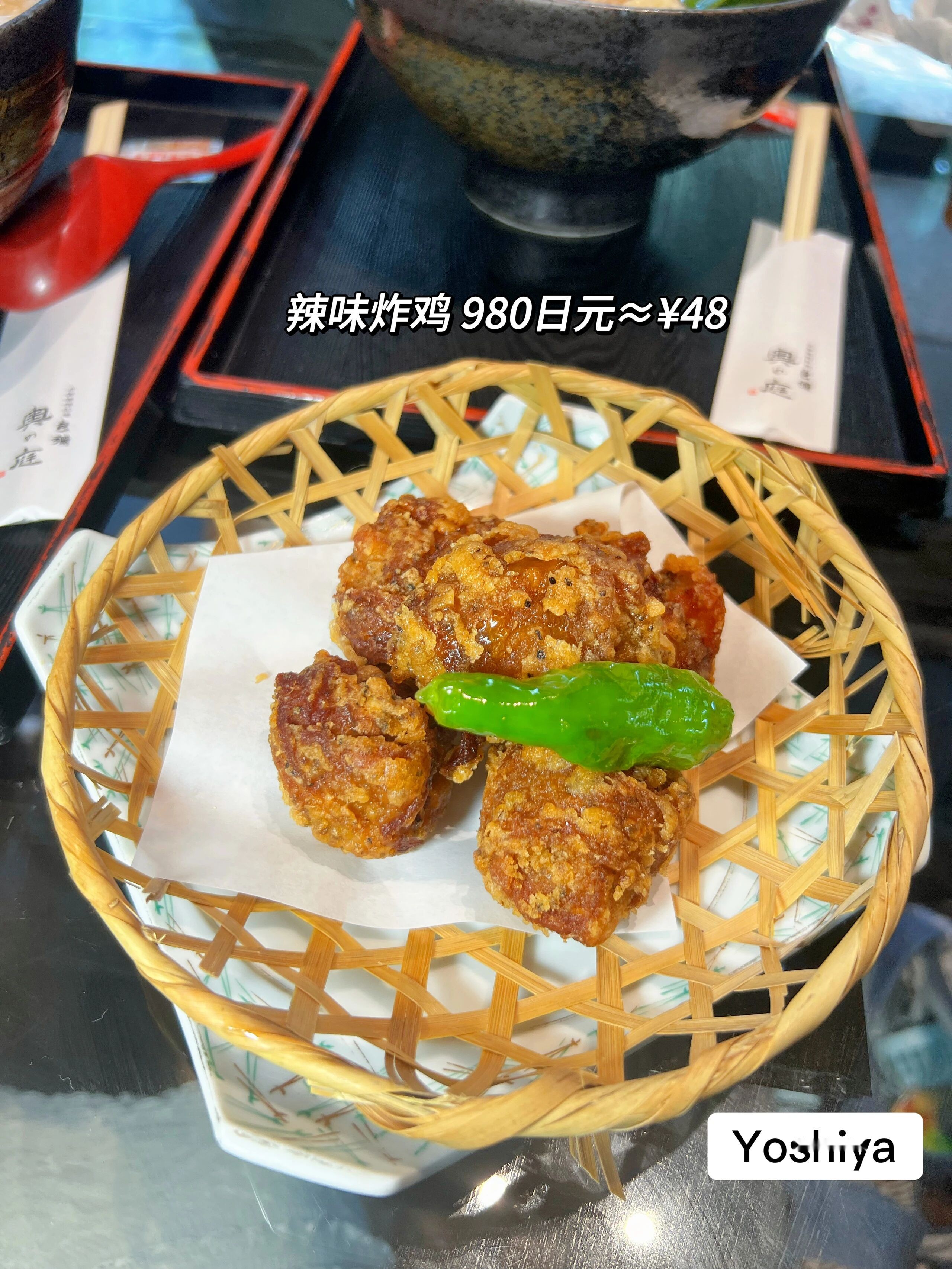
Bali-Bali Indonesia
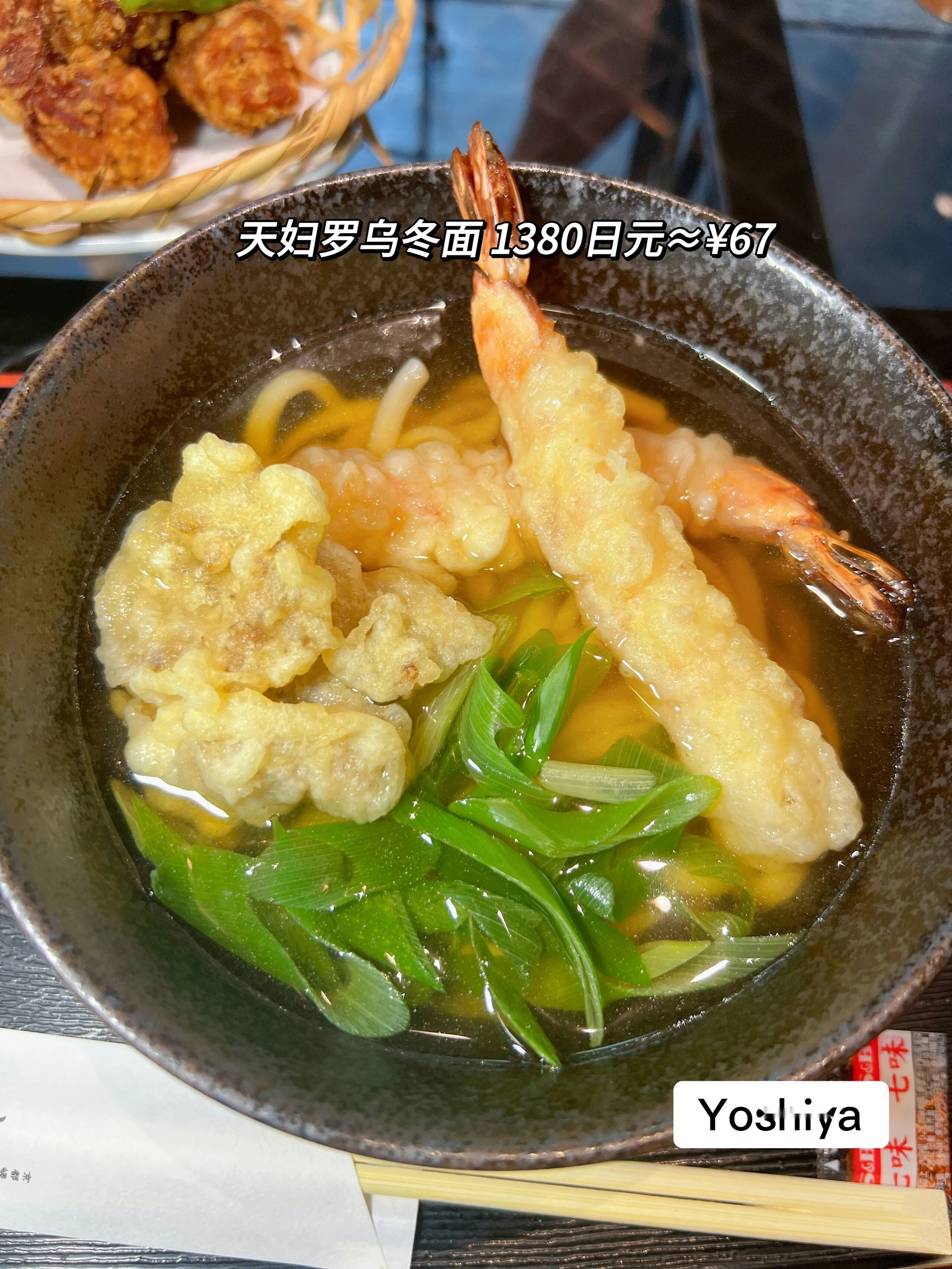
This is a great value Indonesian spot in Kyoto with a huge menu and solid flavors. The chicken ramen wasn't nearly as salty as what you get at local Japanese shops. It’s tucked away on the third floor, not right on the main street. Everything we ordered was non-spicy. The chicken ramen comes with the soup and noodles separate, so you pour the broth over the noodles yourself. The vermicelli in the soto (traditional soup) was surprisingly refreshing, though the sate (skewered grilled meat) was grilled a bit too much to the point of being burnt. There is a place for dua (prayer) on the fifth floor. Heads up: they only take cash.
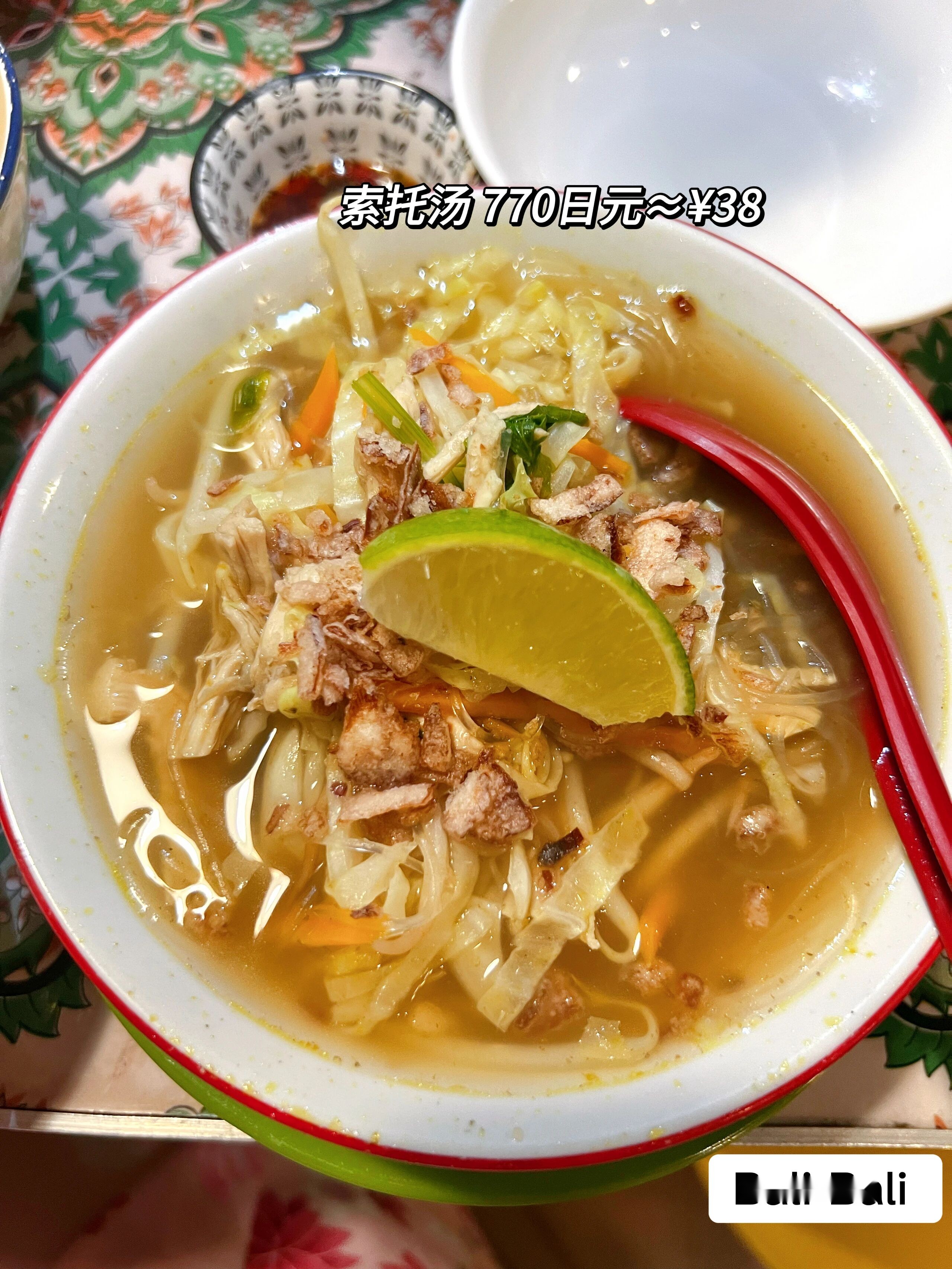
Halal Ramen Honolu Premier Kyoto Nishiki
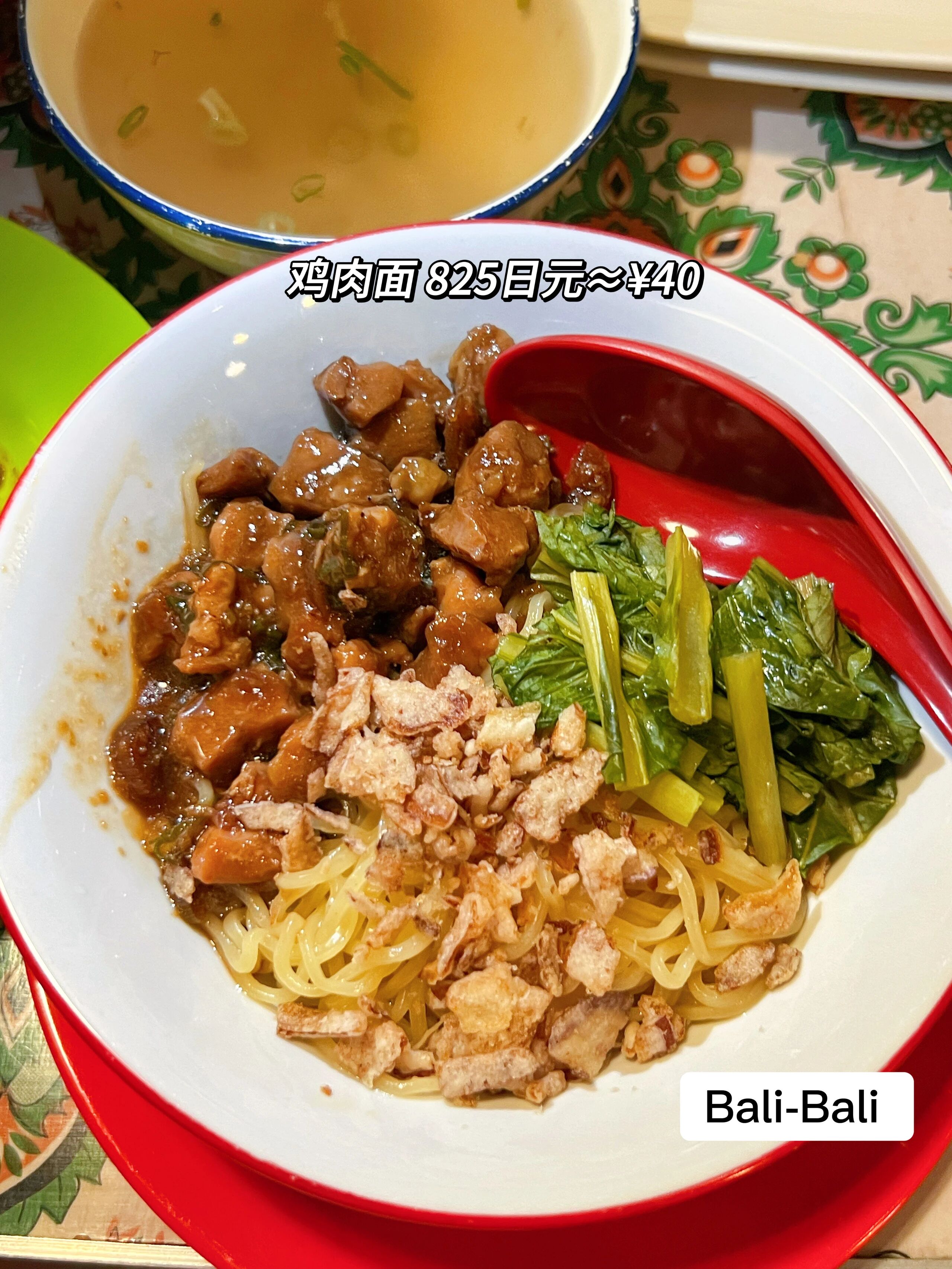
This is part of the Honolu chain, which has locations in Kyoto and Osaka. We grabbed the fried chicken ramen and chicken ramen, though the "ramen" here is basically just instant noodles. Both broths were pretty salty. The fried chicken was decent. The restaurant is on the second floor and the ventilation isn't great, so it got a bit smoky after they cooked the Wagyu. There’s a prayer room, and you can pay with your Suica card. They also sell their own Halal goodies, like instant noodles, chocolate, and seasonings. Just a heads up, the three Honolu locations near Yotsubashi aren't the ones we visited.
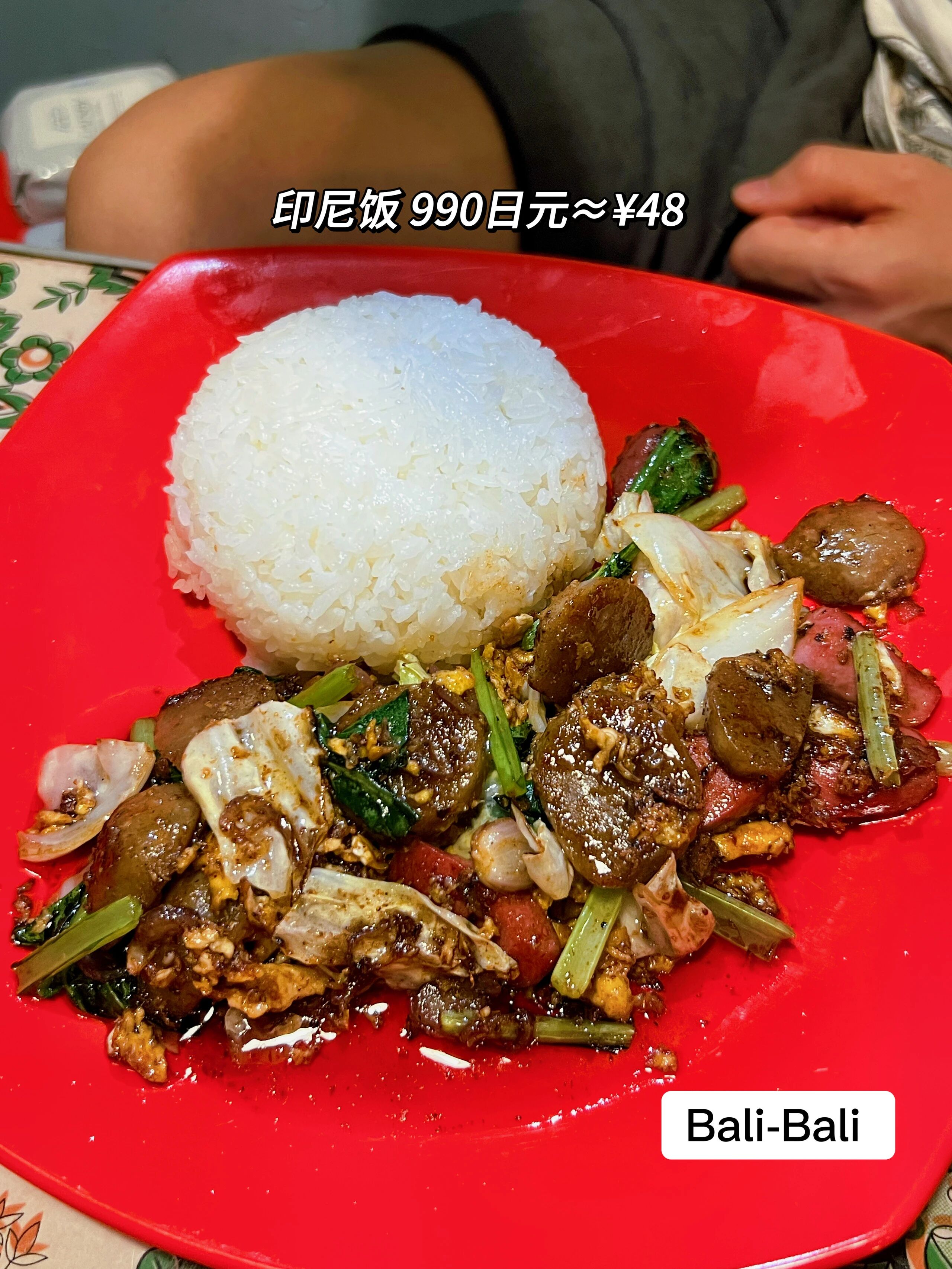
Ayam-YA
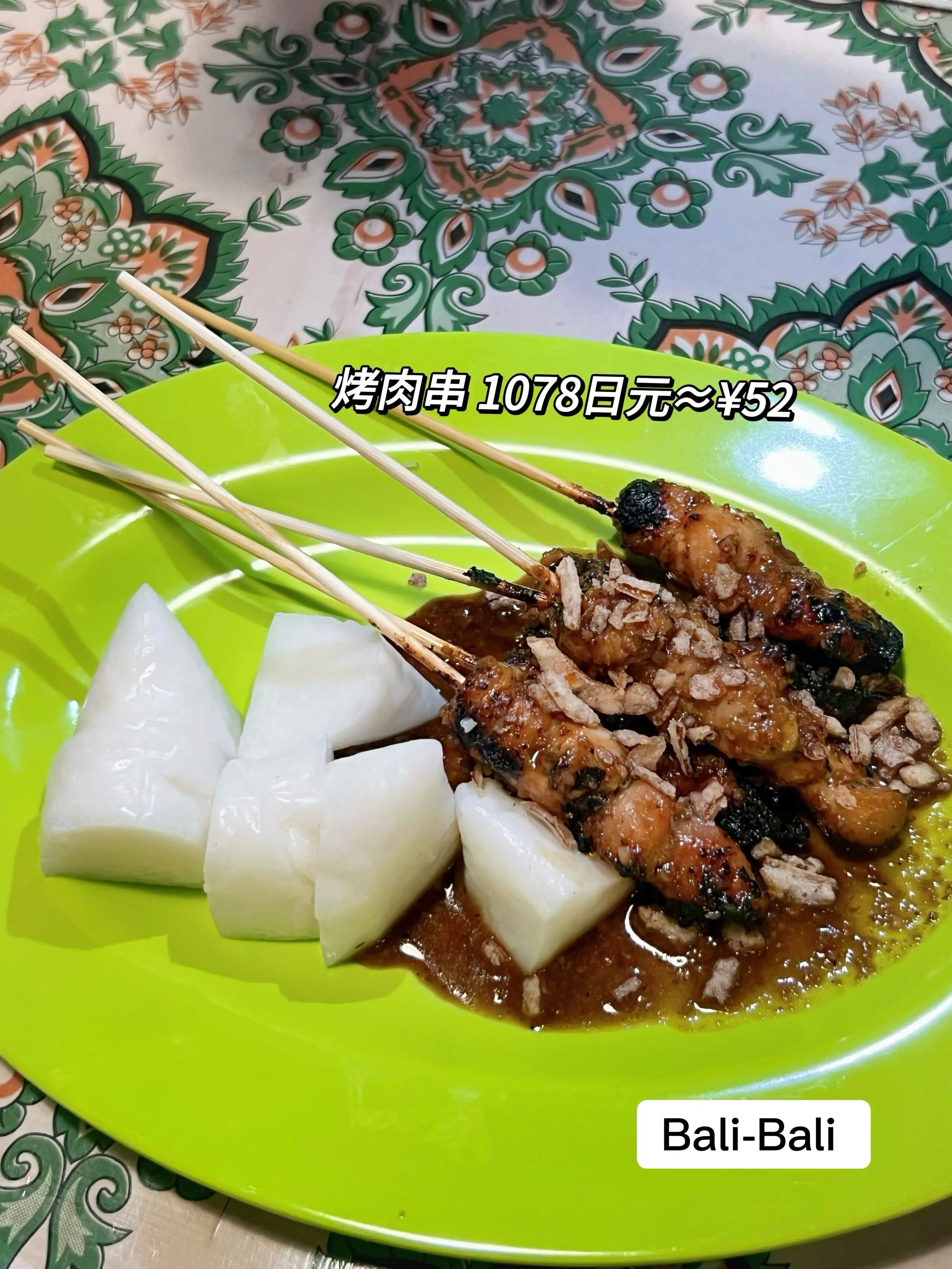
Since I was still hungry after Honolu, I decided to grab a bite somewhere else. Heads up: this place is cash only, and you have to order at the kiosk by the entrance before grabbing a seat inside. The fried chicken skin was super thin and crispy—it was my first time having chicken skin like that, and Japan really knows how to use every part of the bird. The shoyu (soy sauce) ramen was also a bit on the salty side.
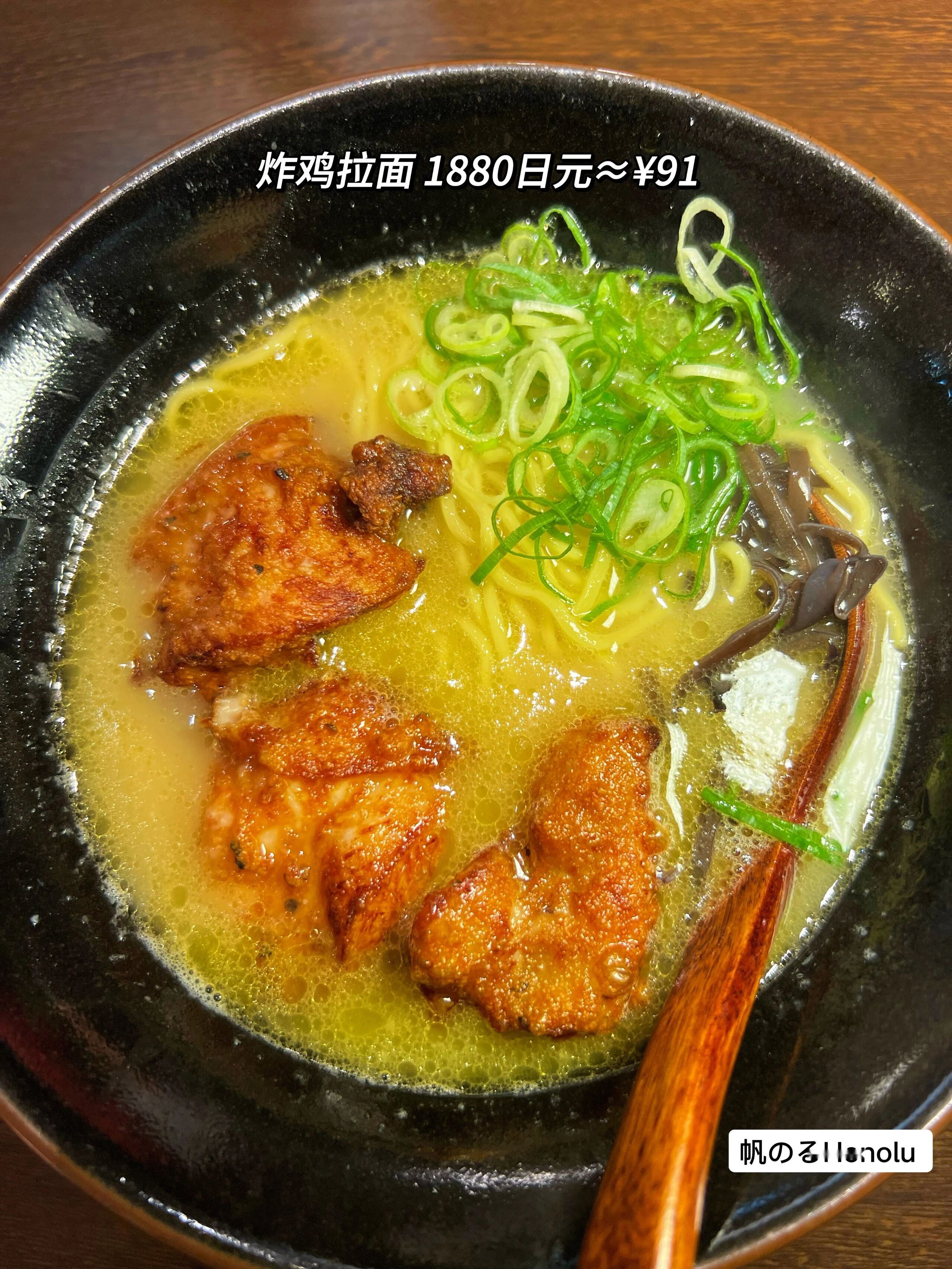
Matahari Padang Kyoto Halal
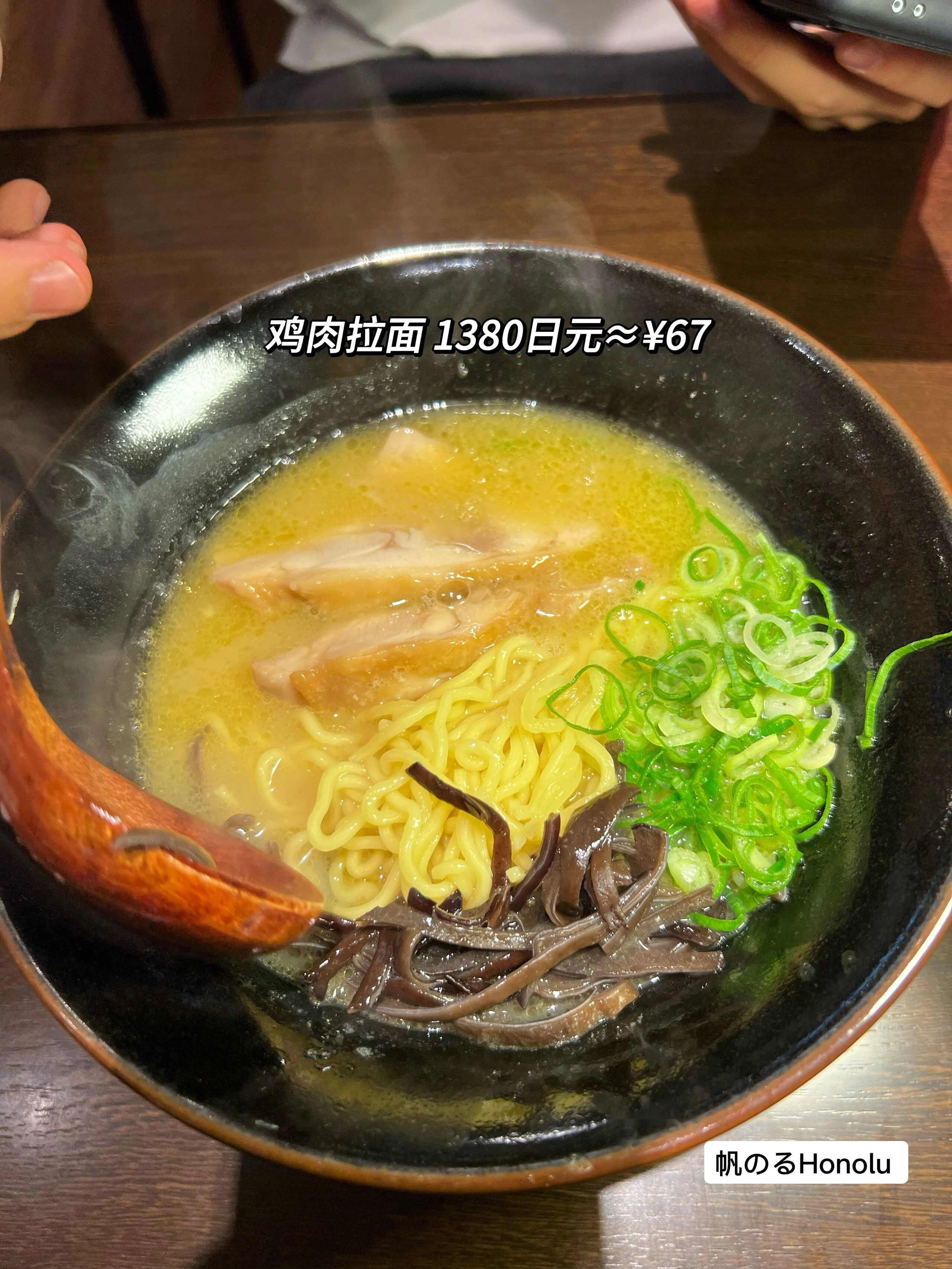
This Indonesian spot is on the third floor of a small alley right by the Kamo River. You can see the river view from the balcony, but you can’t actually eat out there. Everything is pretty spicy, and there aren't many non-spicy options. Since I can’t handle much heat, I tried the "mild" dishes, and the food came out pretty fast. The beef tendon curry used a tom yum base with a coconut flavor, but for me, it definitely wasn't "mild"—it was pretty spicy. The chicken was marinated well, but also spicy. Keep in mind that this place is cash only. Honestly, I liked the Bali-Bali Indonesian restaurant better.
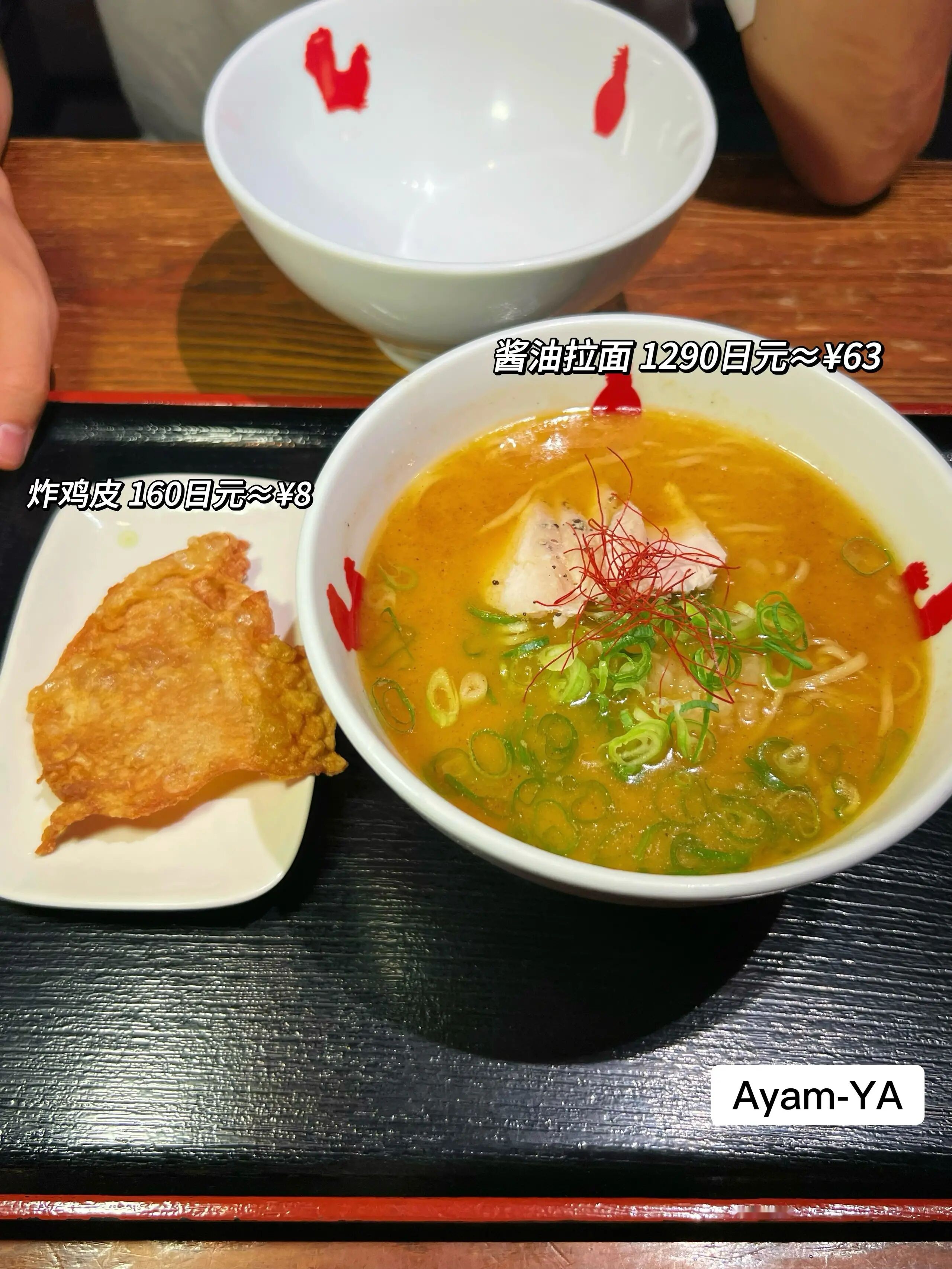
I’ll keep updating you guys on Halal food spots from around the world.
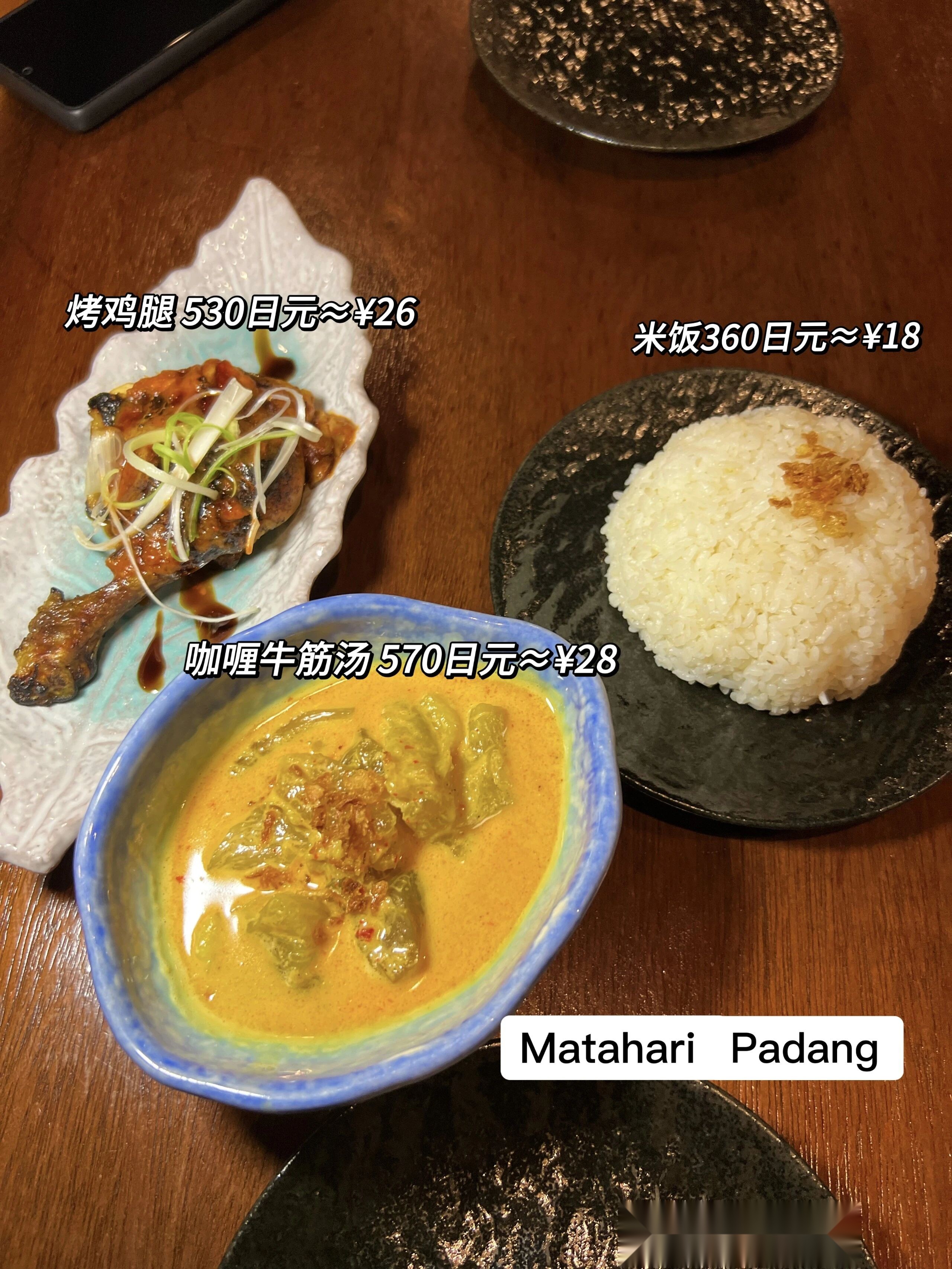
#Halal #JapanHalal #HuiMuslims #VisitJapan #JapaneseFood
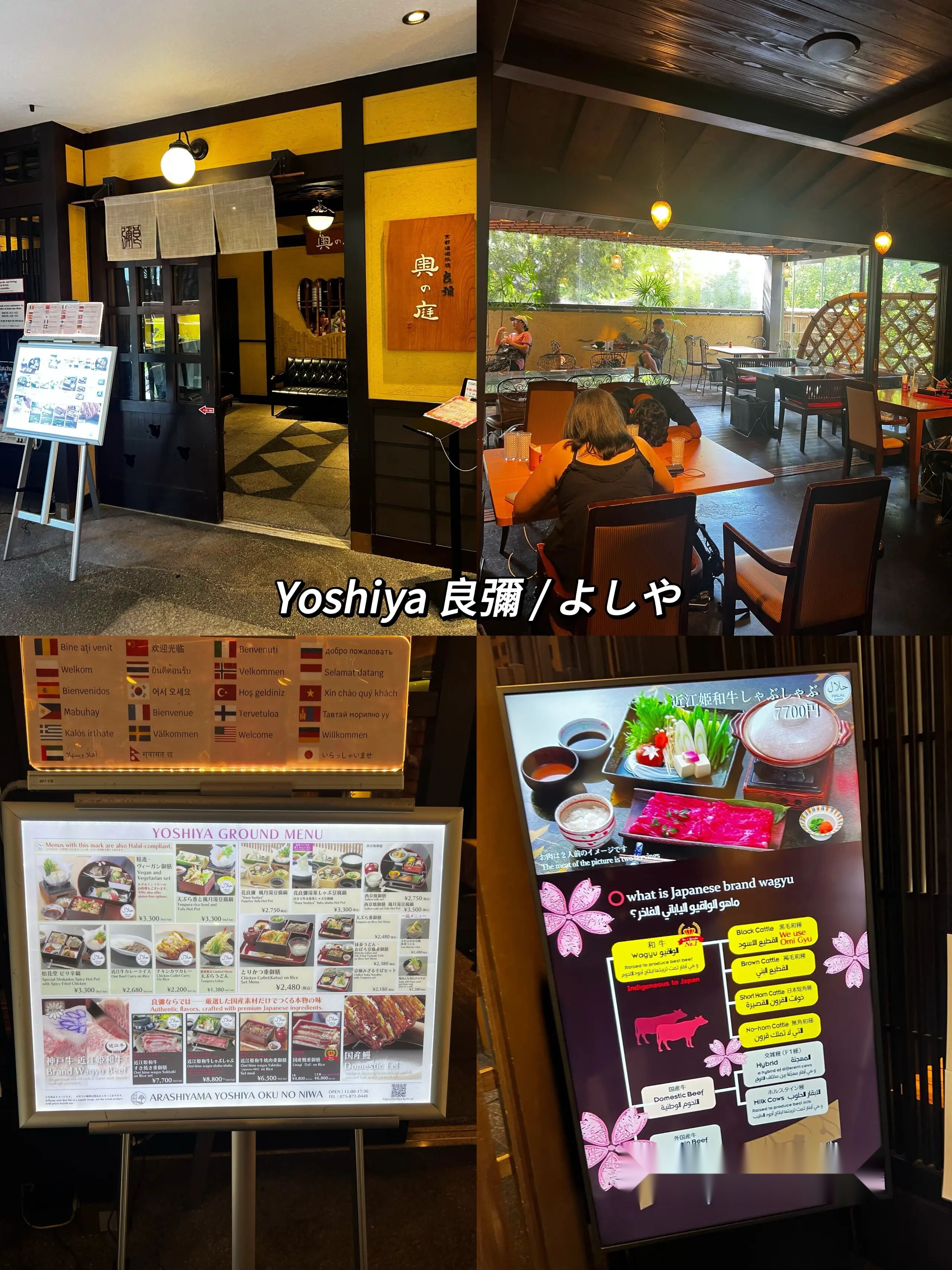
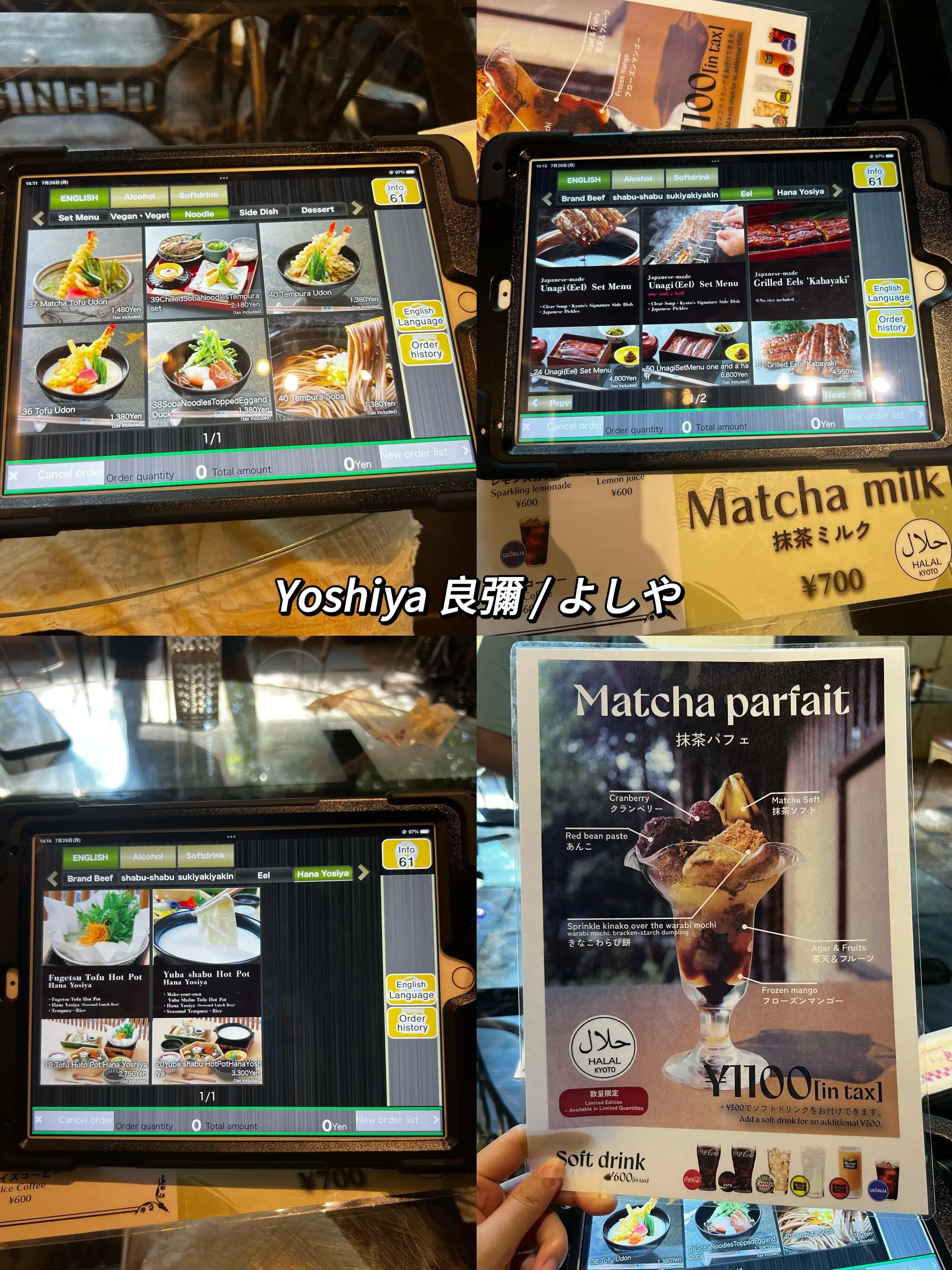
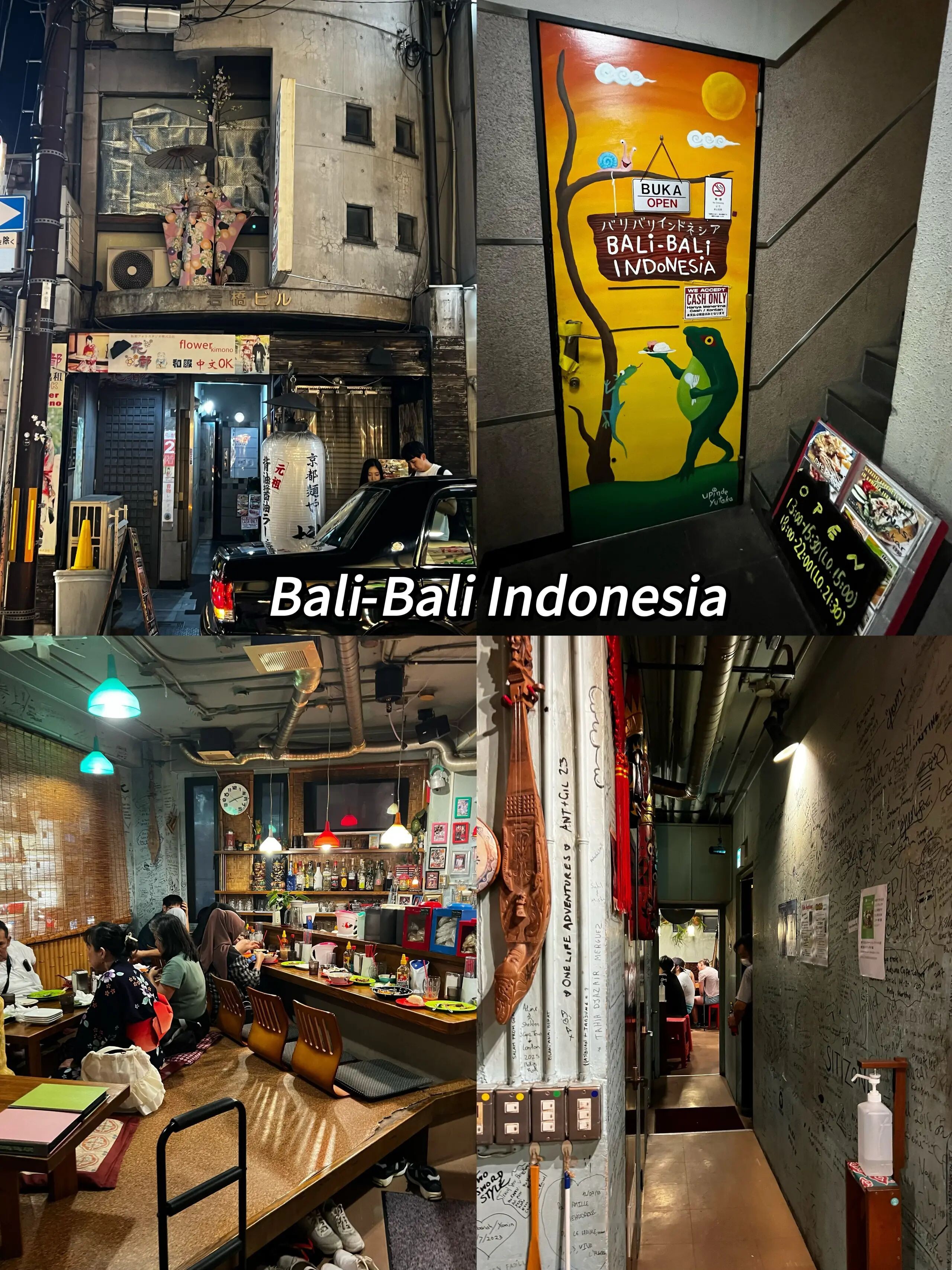
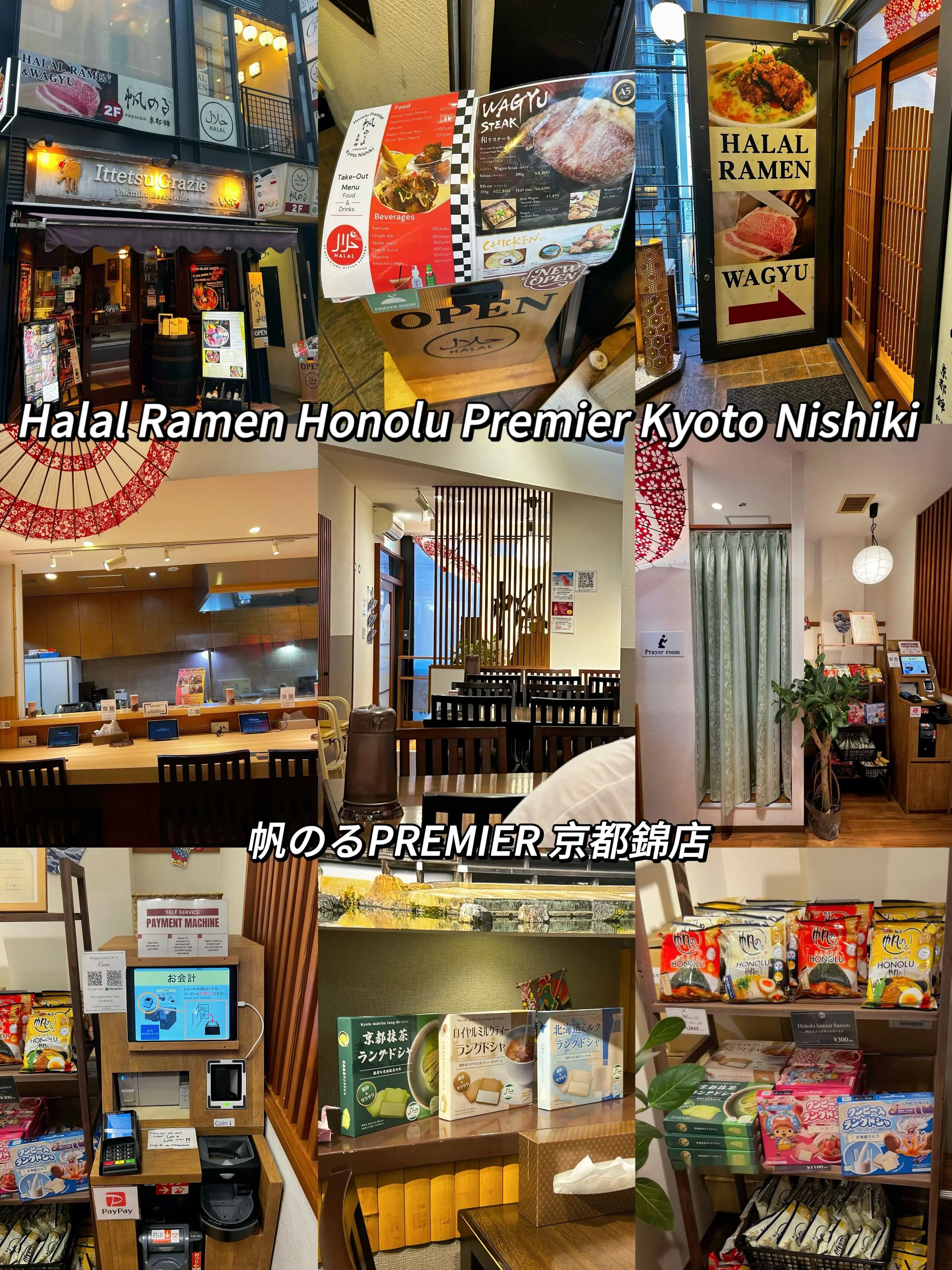
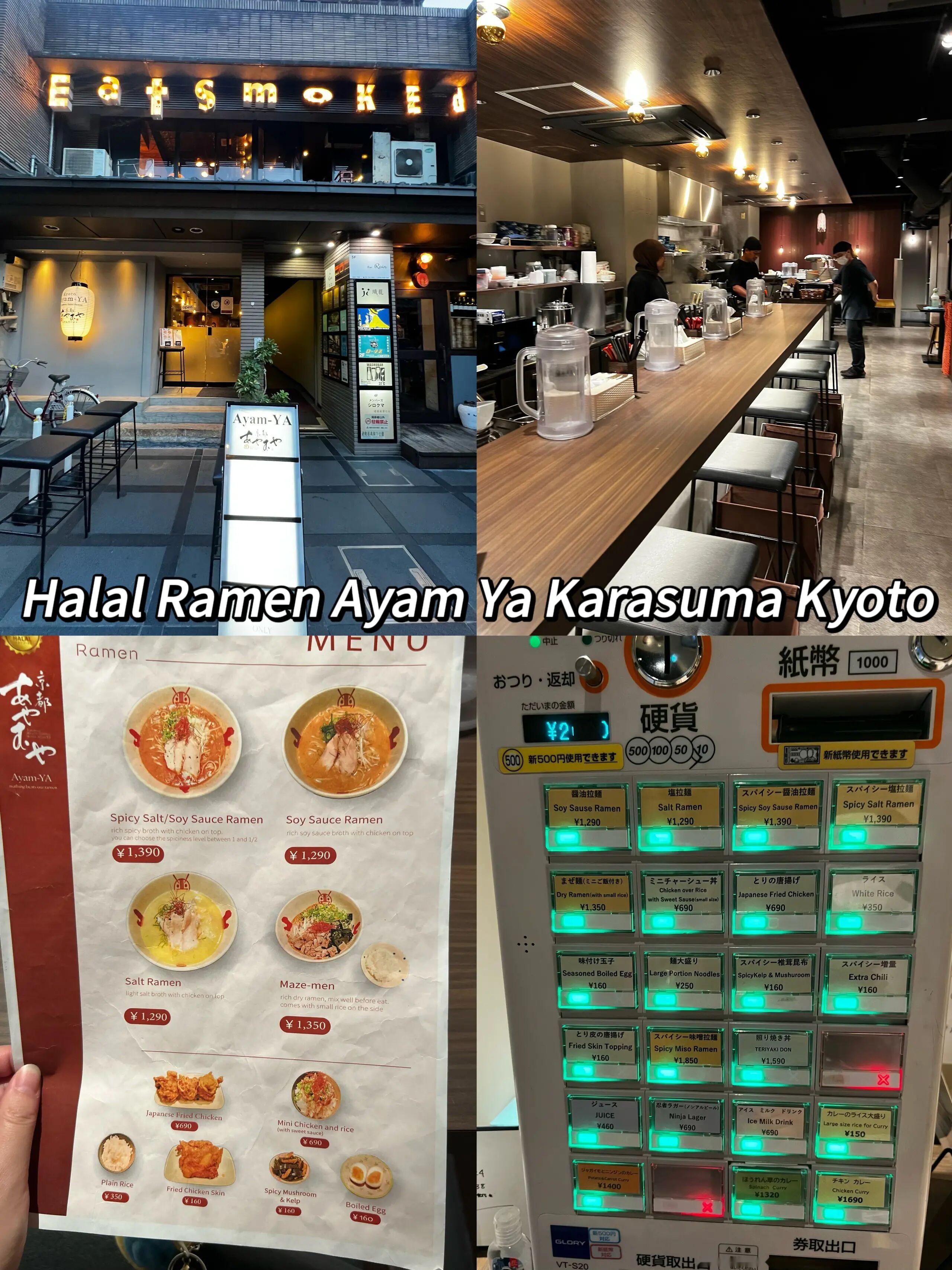
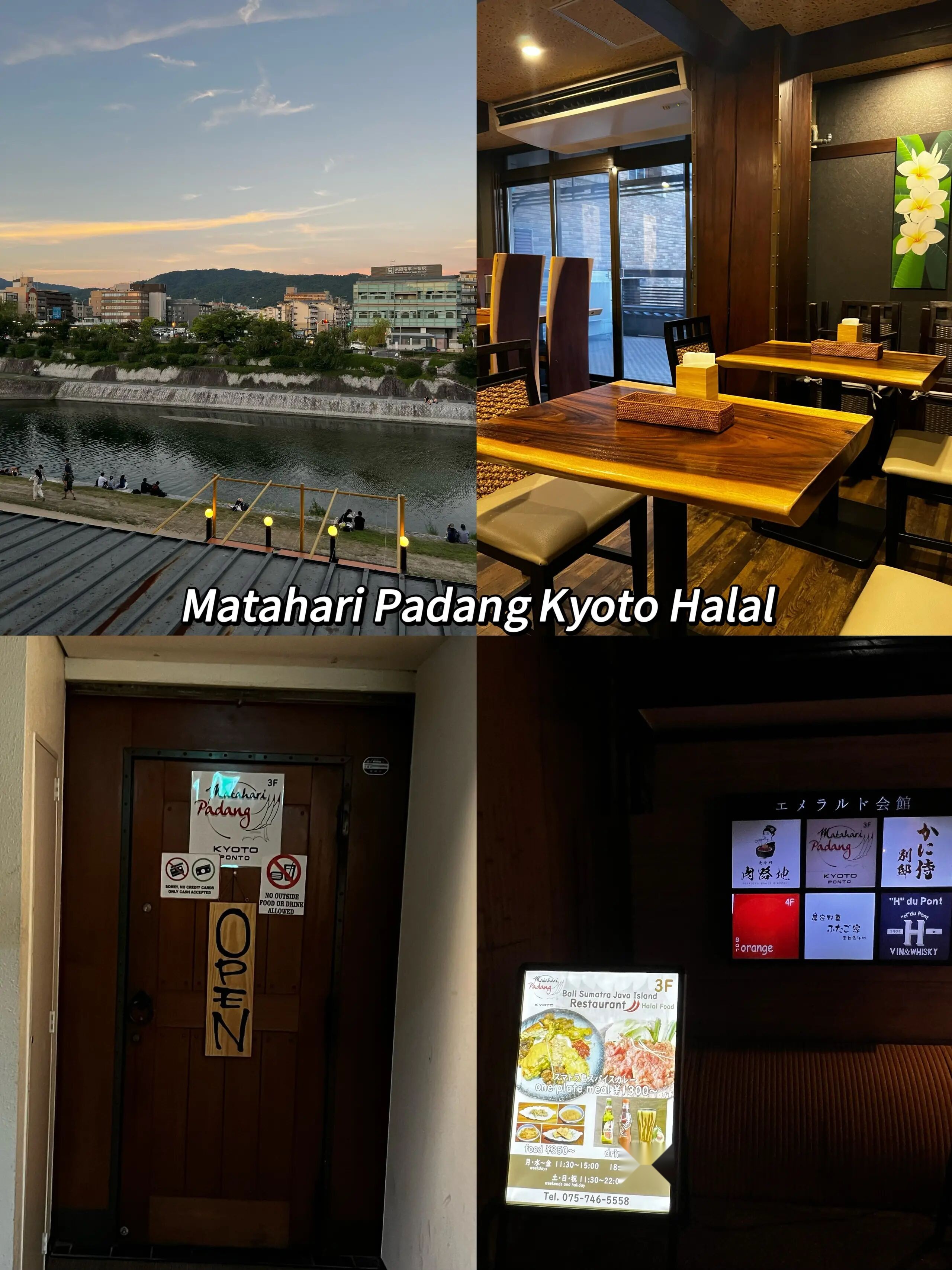
Best Halal Food in Hanoi: Authentic Old Quarter Halal Restaurants and Vietnam Travel Guide
Articles • Hasan09 posted the article • 0 comments • 119 views • 2026-10-30 01:15
Check out 20 real-life photos covering multiple halal restaurants around Hanoi's Old Quarter and the Hanoi 36 Streets (including Vietnamese halal pho, Southeast Asian flavors, and South Asian spots), complete with practical tips on Hanoi transportation, vibes, and things to watch out for.
(Who Should Skip Hanoi?)
1️⃣ Hanoi isn't for people who love quiet vibes, because the whole Old Quarter is buzzing with the constant honking of motorbikes from morning till night.
2️⃣ Hanoi isn't for germaphobes either. Since the main attractions are jammed into the Old Quarter, it can get pretty messy—even though folks sweep the streets and pick up trash, it definitely doesn't get cleaned up as fast as back home. As for the scooter exhaust, honestly, it didn't feel as intense as Bangkok.
3️⃣ Hanoi isn't for anyone who stares at their phone while walking. The streets in the 36 Streets area are super narrow, motorbikes zoom past constantly, and intersections rarely have traffic lights, so crossing the street is all about lightning-fast reflexes. Don't even bother trying to get aesthetic street style photos here; just snap a couple of good shots at the tourist spots and cafes and call it a day.
4️⃣ Hanoi isn't for people who travel with super rigid checklists. The sights here are pretty small and clustered close together, so it's honestly not worth visiting purely just to tick boxes off a list.
(Who Will Love Hanoi?)
1️⃣ Hanoi is perfect for culture lovers who want to soak up a totally unique vibe. You'll see street vendors wearing conical hats (nón lá) and carrying shoulder poles, locals kicking back on the sidewalk with cold drinks and desserts, and a cool mix of French and Chinese architecture.
2️⃣ Hanoi is amazing for wanderers. Exploring the 36 Streets really showed me what they mean by "all roads lead to Rome"—after roaming around for four days, I still kept stumbling onto totally different streets.
3️⃣ Hanoi is great for people who hate over-planning their trips. Just wandering around the 36 Streets is more than enough; you don't need a heavy itinerary or feel pressured to hunt down viral internet-famous spots.
✨ Overall, the experience wasn't nearly as bad as I thought, and it's definitely worth checking out at least once. Would I come back for a second round? Probably not, but there might come a day in the future when I really miss the nighttime vibes and street food in Hanoi.
(Why Do So Many Westerners Travel to Hanoi?)
1️⃣ Great for leisurely wandering: Western tourists love strolling through the Old Quarter during the day, chilling at cafes, and hitting up bars for dinner and drinks at night. They aren't stressed about getting Instagram shots; they're just focused on enjoying the moment.
2️⃣ Super budget-friendly: While some things in Hanoi aren't necessarily cheaper than Chiang Mai, prices are insanely cheap for travelers from Europe and the US, making it a paradise for backpackers.
3️⃣ High English proficiency: People working in tourism—like hotels, travel agencies, restaurants, and bars—can easily chat in English, which totally takes the stress out of the language barrier.
✩ ⋆ ┄ ⋆ ✩ ⋆ ┄ ⋆ ✩ ⋆ ┄ ⋆ ✩ ⋆ ┄ ⋆ ✩ ⋆ ┄ ⋆ ✩ ⋆
If any of my fellow Muslim friends are actually planning a trip to Hanoi, definitely save this food guide for later~
✨ Even though Hanoi is the capital of Vietnam, it doesn't have nearly as many halal restaurants as Ho Chi Minh City—there are probably only around 20 to 30 of them, mostly serving Indian and Middle Eastern cuisine. Plus, almost all of Hanoi's halal spots are tucked right inside the Old Quarter's 36 Streets, with basically zero halal options in local residential neighborhoods. Local halal joints aren't super cheap either; they tack on a 3% to 13% tax, so meals usually cost at least around 30 bucks per person, whereas regular non-halal pho typically runs anywhere from ten to twenty-odd yuan.
Accommodation: To make finding food easy, I totally recommend booking a place right inside the 36 Streets, close to the mosque.
‼️ Since there was way too much to write and it wouldn't fit here, I had to put the rest on the pictures~
#Halal #HuiMuslims #Vietnam #Hanoi #HanoiHalal #HanoiTravelGuide #WeChatOA #WeChatPost view all
Check out 20 real-life photos covering multiple halal restaurants around Hanoi's Old Quarter and the Hanoi 36 Streets (including Vietnamese halal pho, Southeast Asian flavors, and South Asian spots), complete with practical tips on Hanoi transportation, vibes, and things to watch out for.
(Who Should Skip Hanoi?)
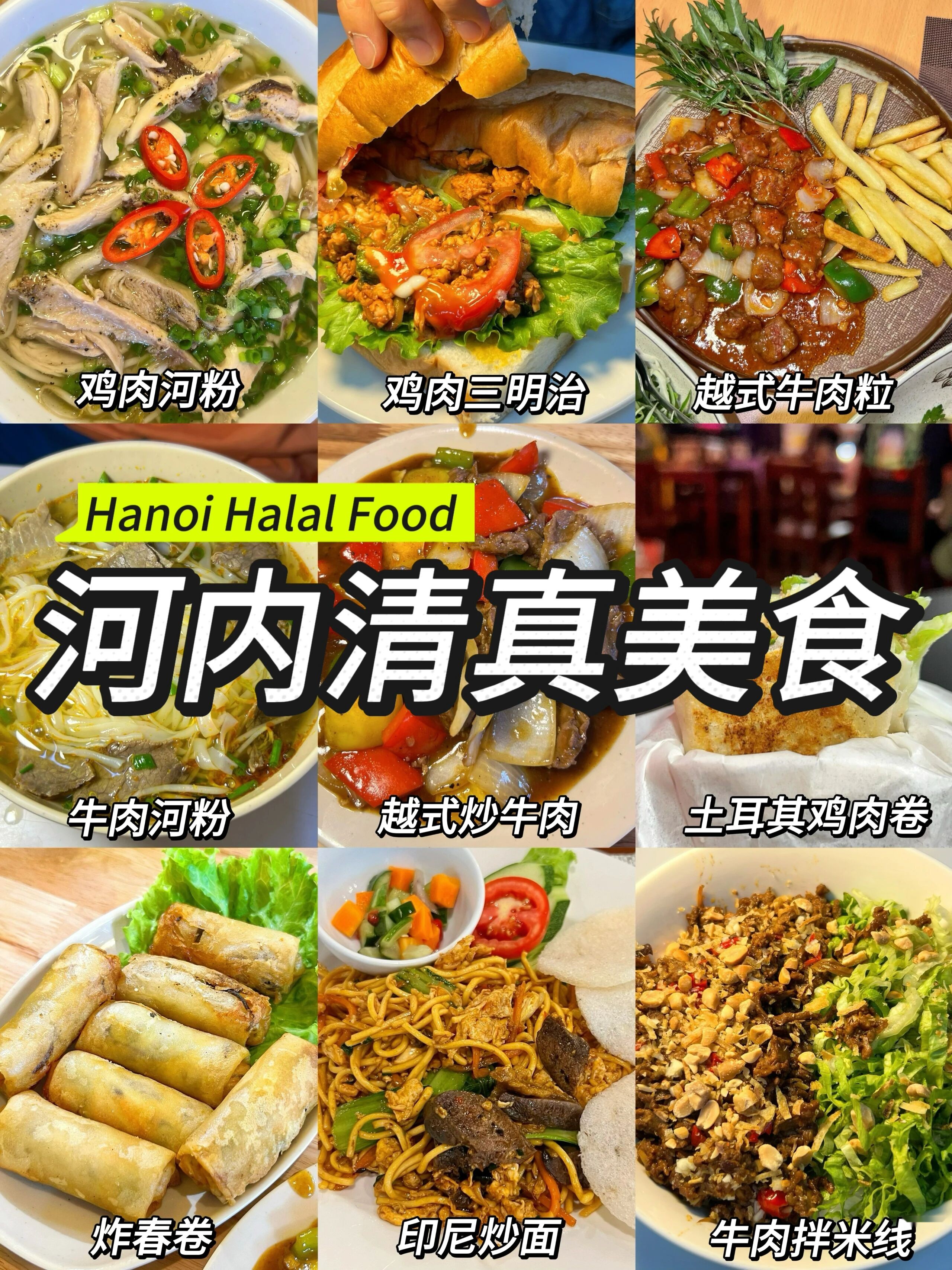
1️⃣ Hanoi isn't for people who love quiet vibes, because the whole Old Quarter is buzzing with the constant honking of motorbikes from morning till night.
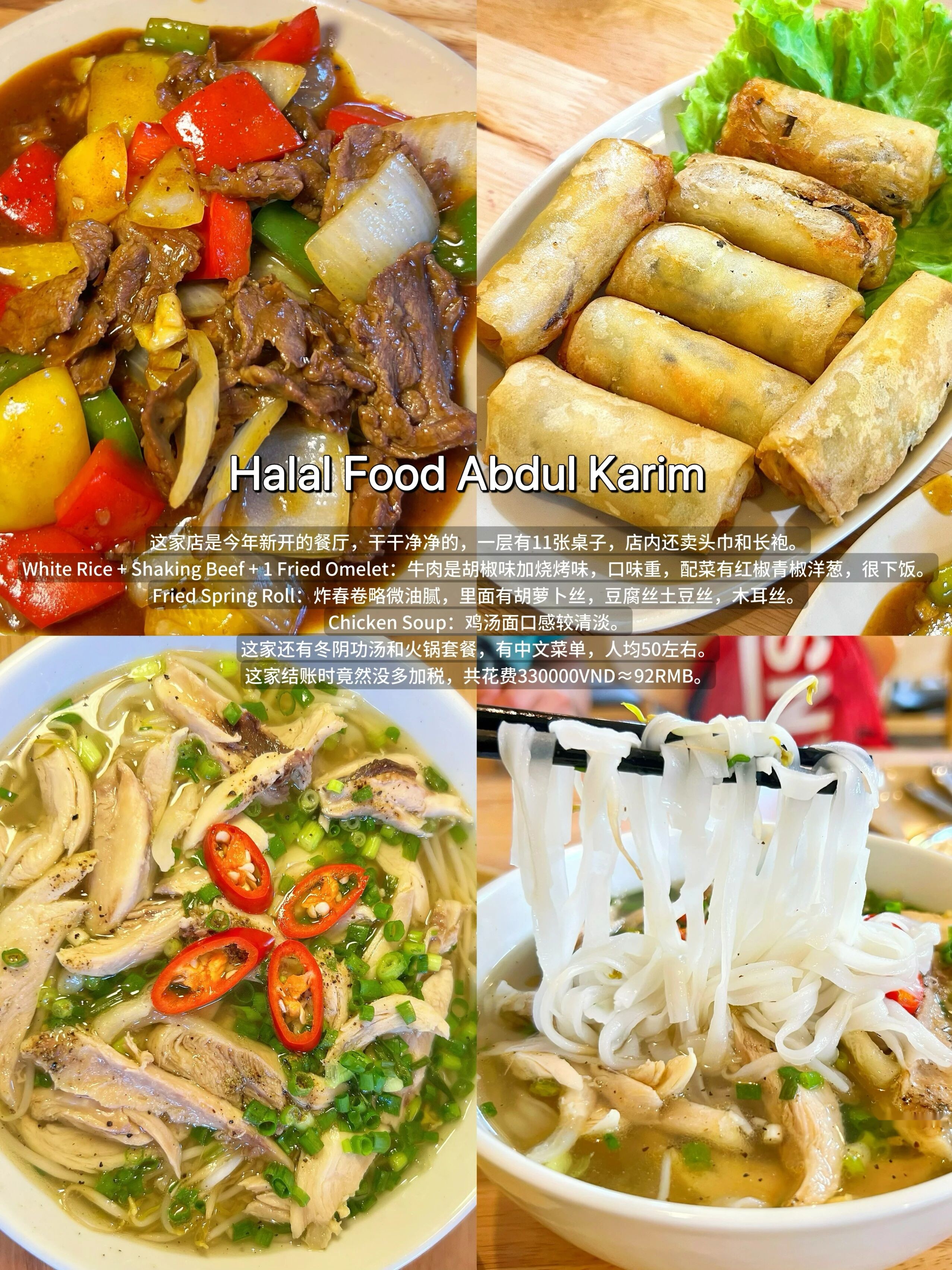
2️⃣ Hanoi isn't for germaphobes either. Since the main attractions are jammed into the Old Quarter, it can get pretty messy—even though folks sweep the streets and pick up trash, it definitely doesn't get cleaned up as fast as back home. As for the scooter exhaust, honestly, it didn't feel as intense as Bangkok.
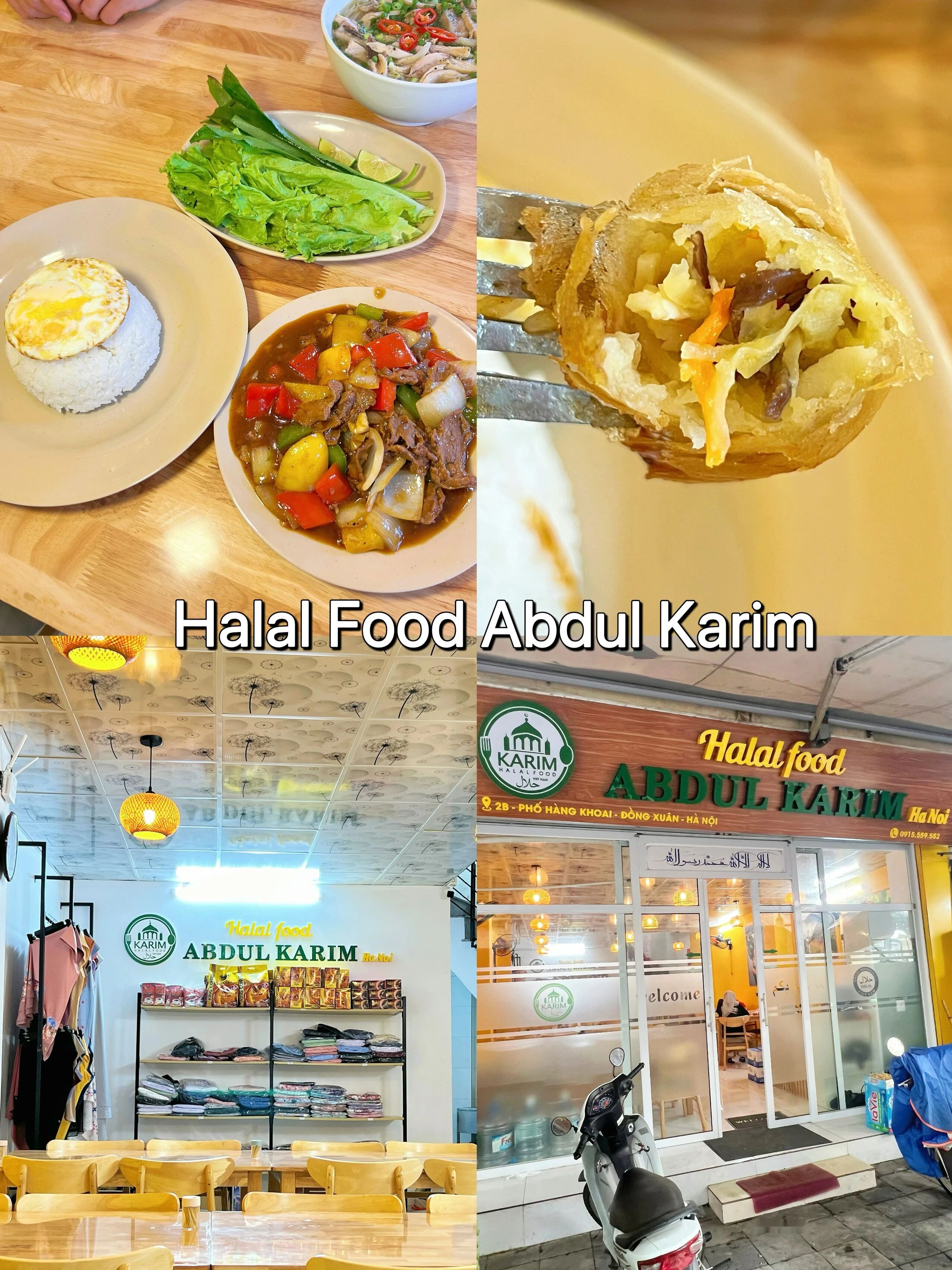
3️⃣ Hanoi isn't for anyone who stares at their phone while walking. The streets in the 36 Streets area are super narrow, motorbikes zoom past constantly, and intersections rarely have traffic lights, so crossing the street is all about lightning-fast reflexes. Don't even bother trying to get aesthetic street style photos here; just snap a couple of good shots at the tourist spots and cafes and call it a day.
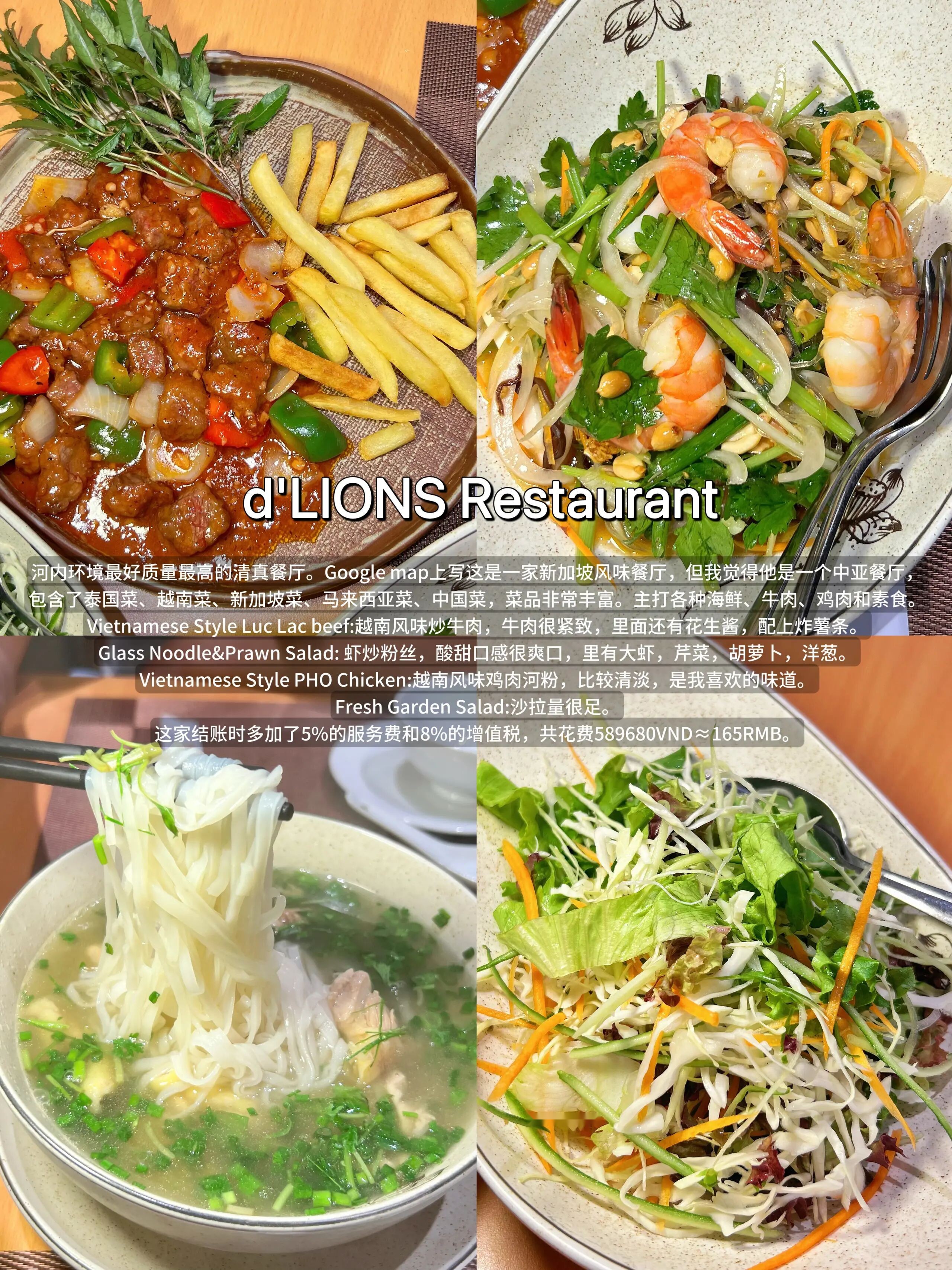
4️⃣ Hanoi isn't for people who travel with super rigid checklists. The sights here are pretty small and clustered close together, so it's honestly not worth visiting purely just to tick boxes off a list.
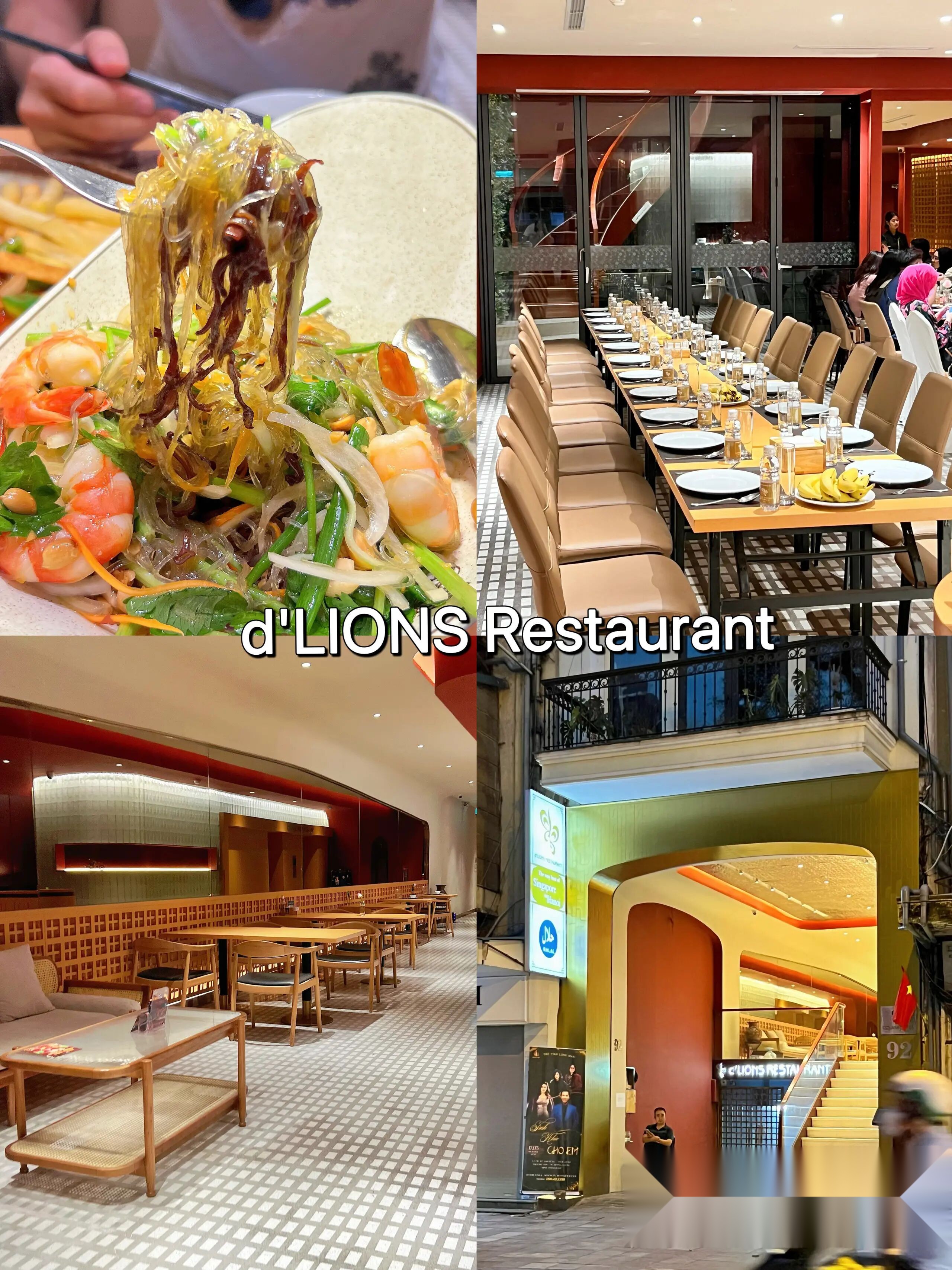
(Who Will Love Hanoi?)
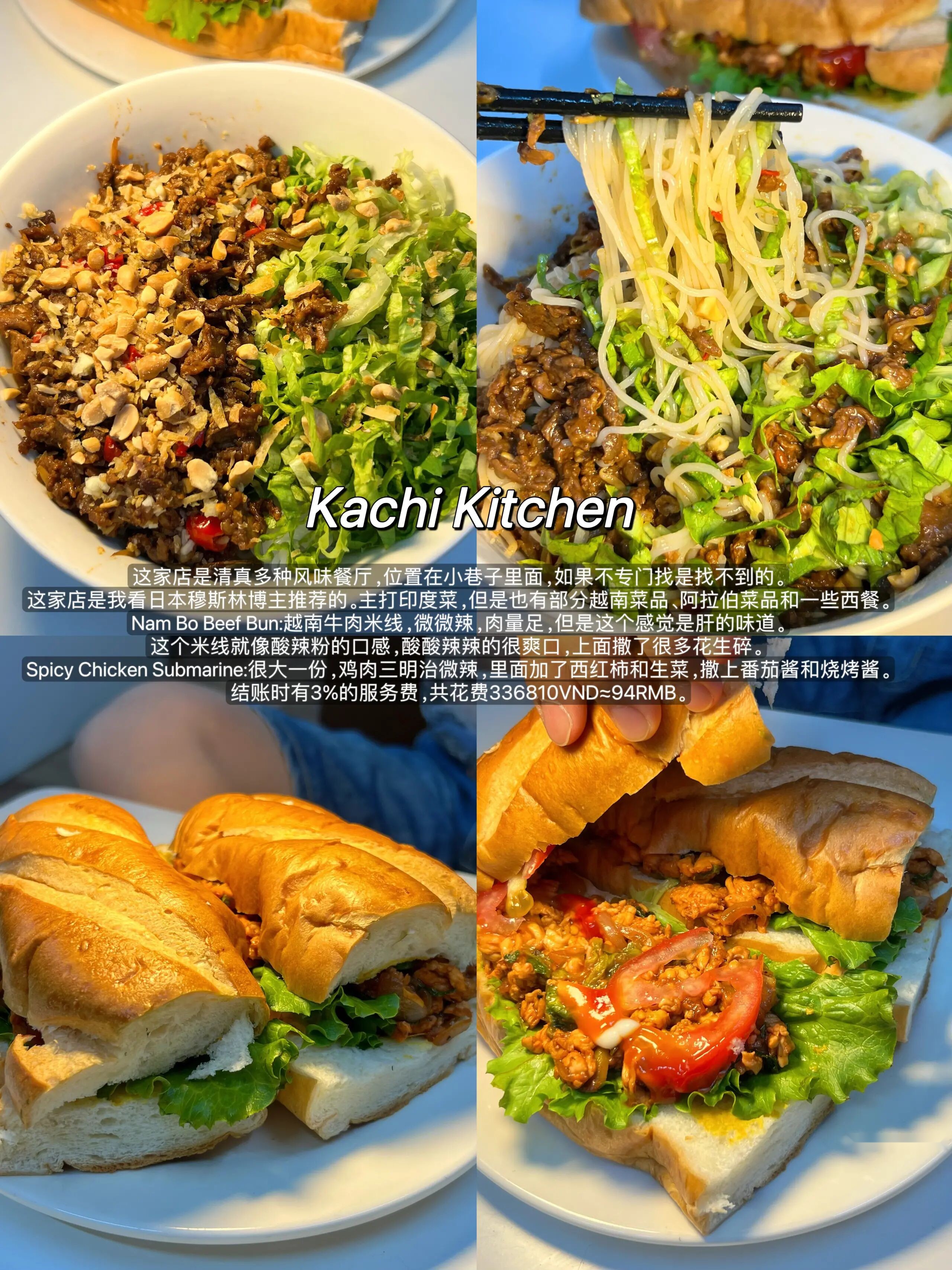
1️⃣ Hanoi is perfect for culture lovers who want to soak up a totally unique vibe. You'll see street vendors wearing conical hats (nón lá) and carrying shoulder poles, locals kicking back on the sidewalk with cold drinks and desserts, and a cool mix of French and Chinese architecture.
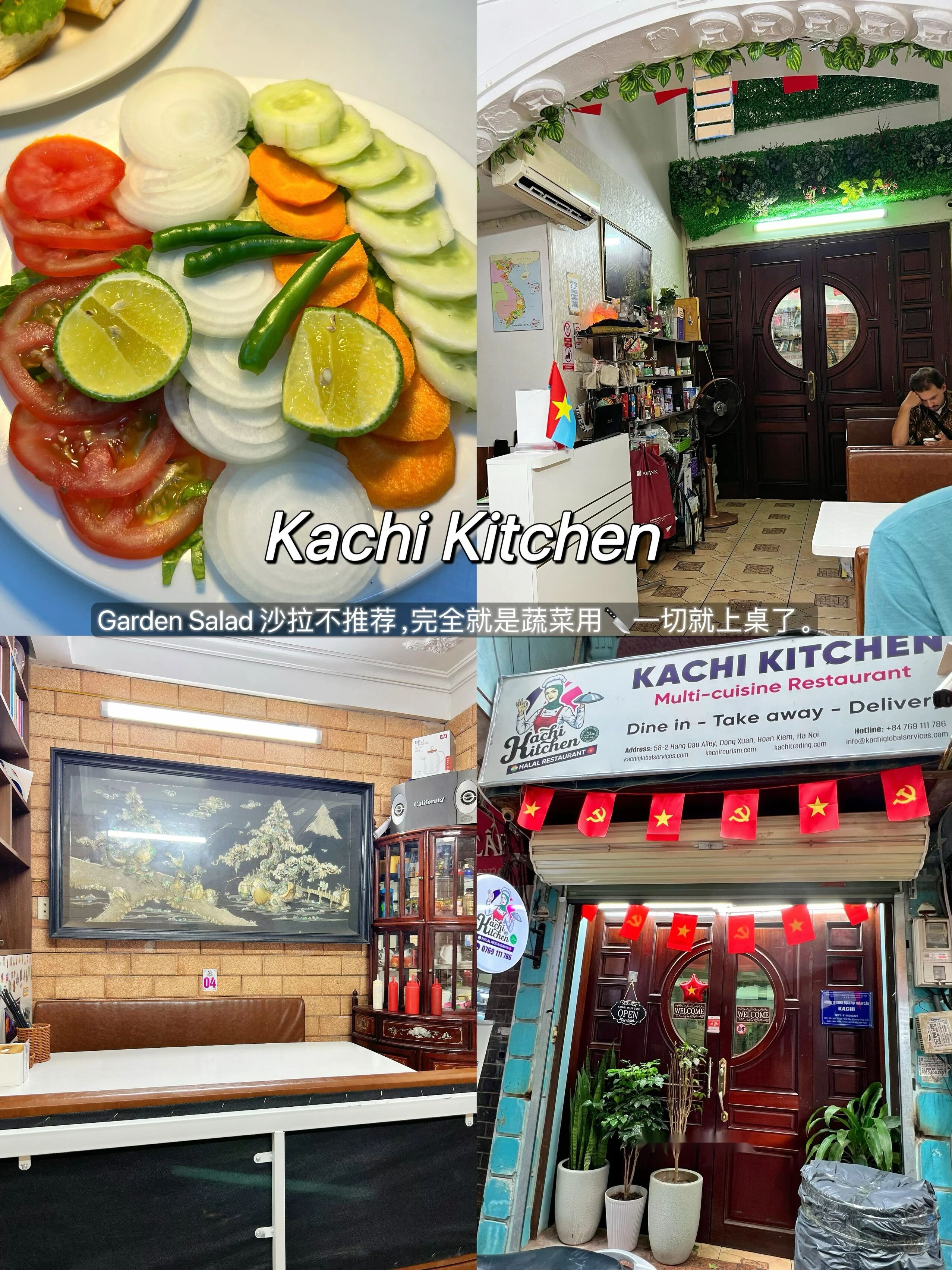
2️⃣ Hanoi is amazing for wanderers. Exploring the 36 Streets really showed me what they mean by "all roads lead to Rome"—after roaming around for four days, I still kept stumbling onto totally different streets.
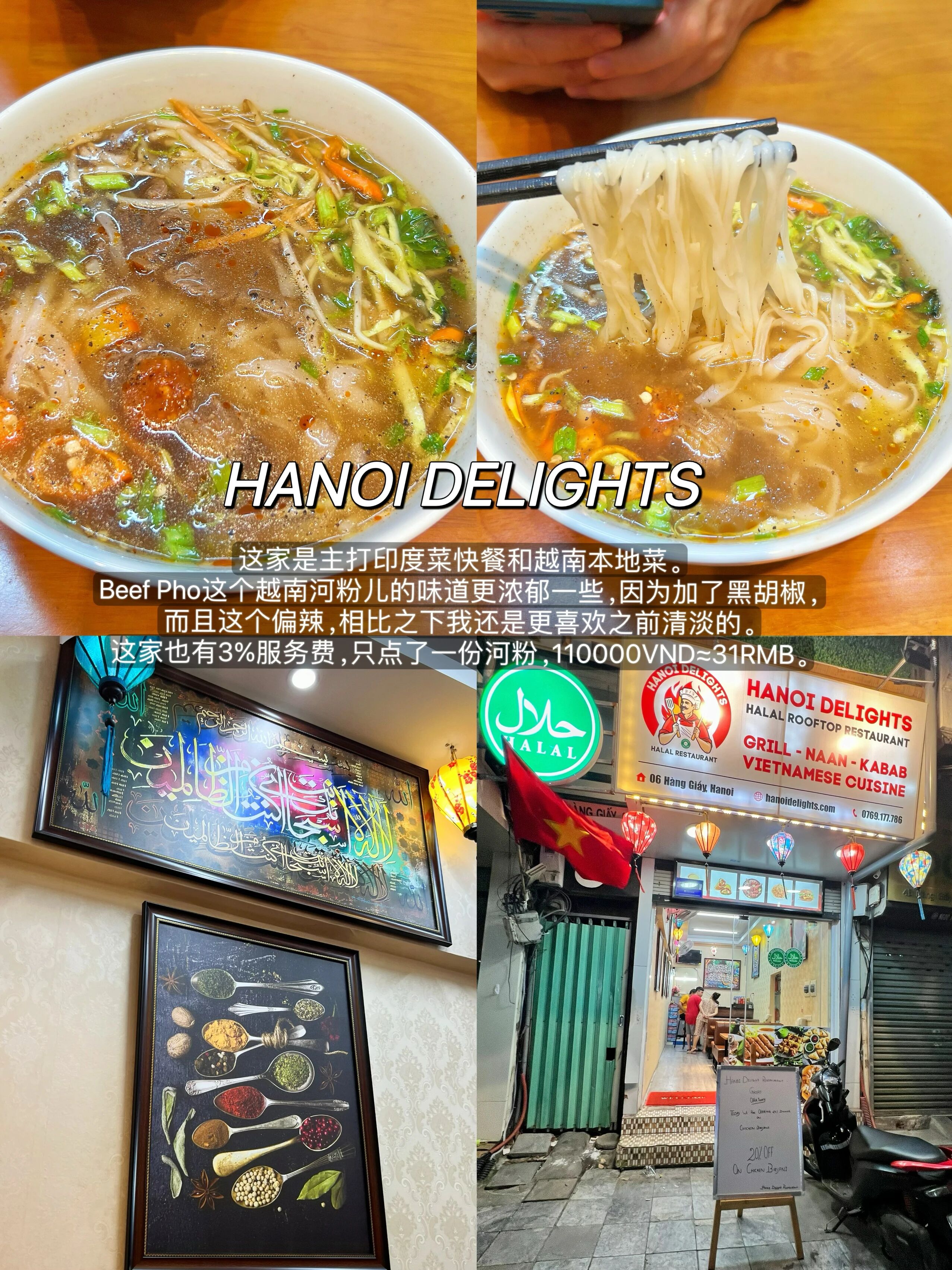
3️⃣ Hanoi is great for people who hate over-planning their trips. Just wandering around the 36 Streets is more than enough; you don't need a heavy itinerary or feel pressured to hunt down viral internet-famous spots.
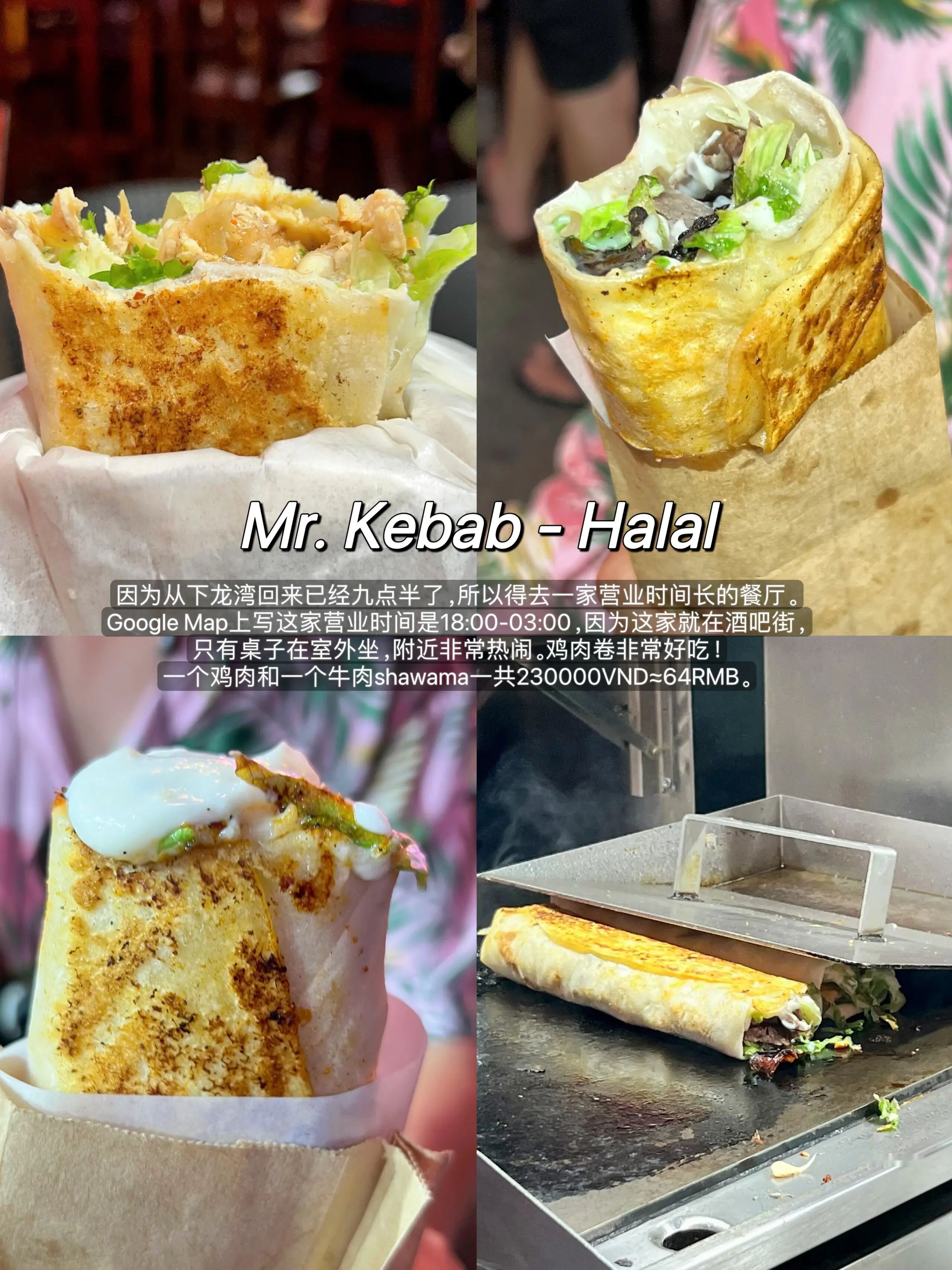
✨ Overall, the experience wasn't nearly as bad as I thought, and it's definitely worth checking out at least once. Would I come back for a second round? Probably not, but there might come a day in the future when I really miss the nighttime vibes and street food in Hanoi.
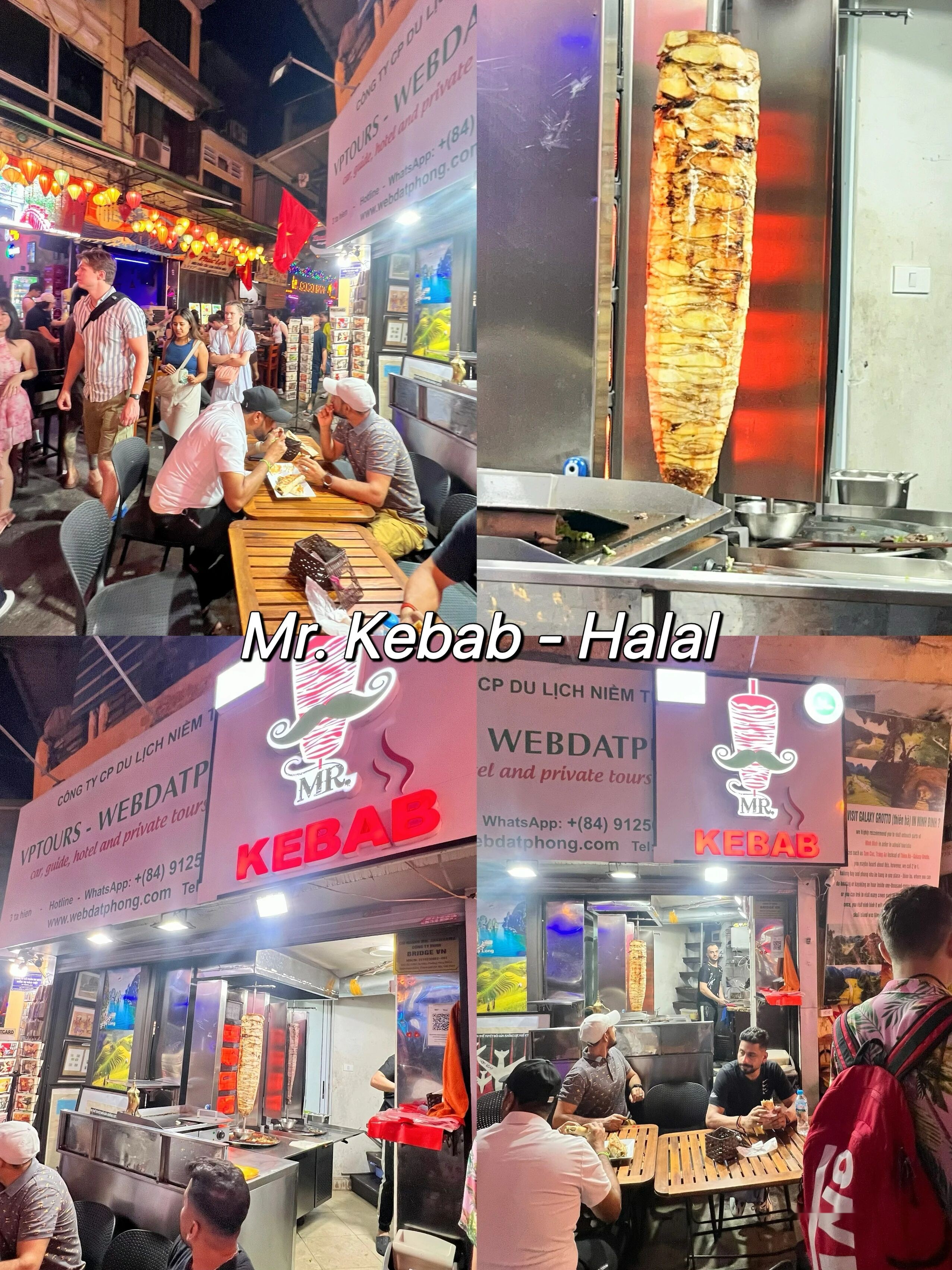
(Why Do So Many Westerners Travel to Hanoi?)
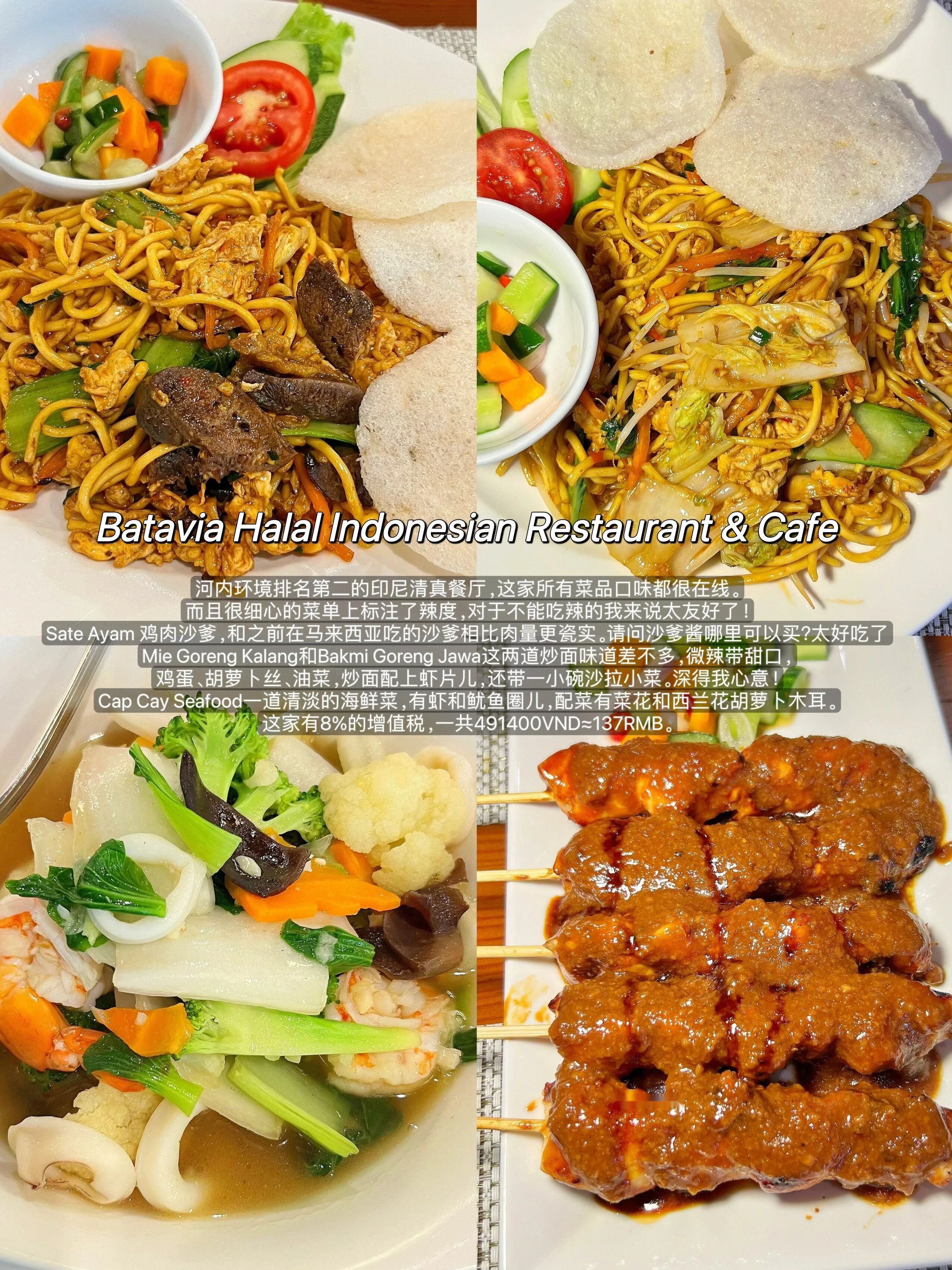
1️⃣ Great for leisurely wandering: Western tourists love strolling through the Old Quarter during the day, chilling at cafes, and hitting up bars for dinner and drinks at night. They aren't stressed about getting Instagram shots; they're just focused on enjoying the moment.
2️⃣ Super budget-friendly: While some things in Hanoi aren't necessarily cheaper than Chiang Mai, prices are insanely cheap for travelers from Europe and the US, making it a paradise for backpackers.
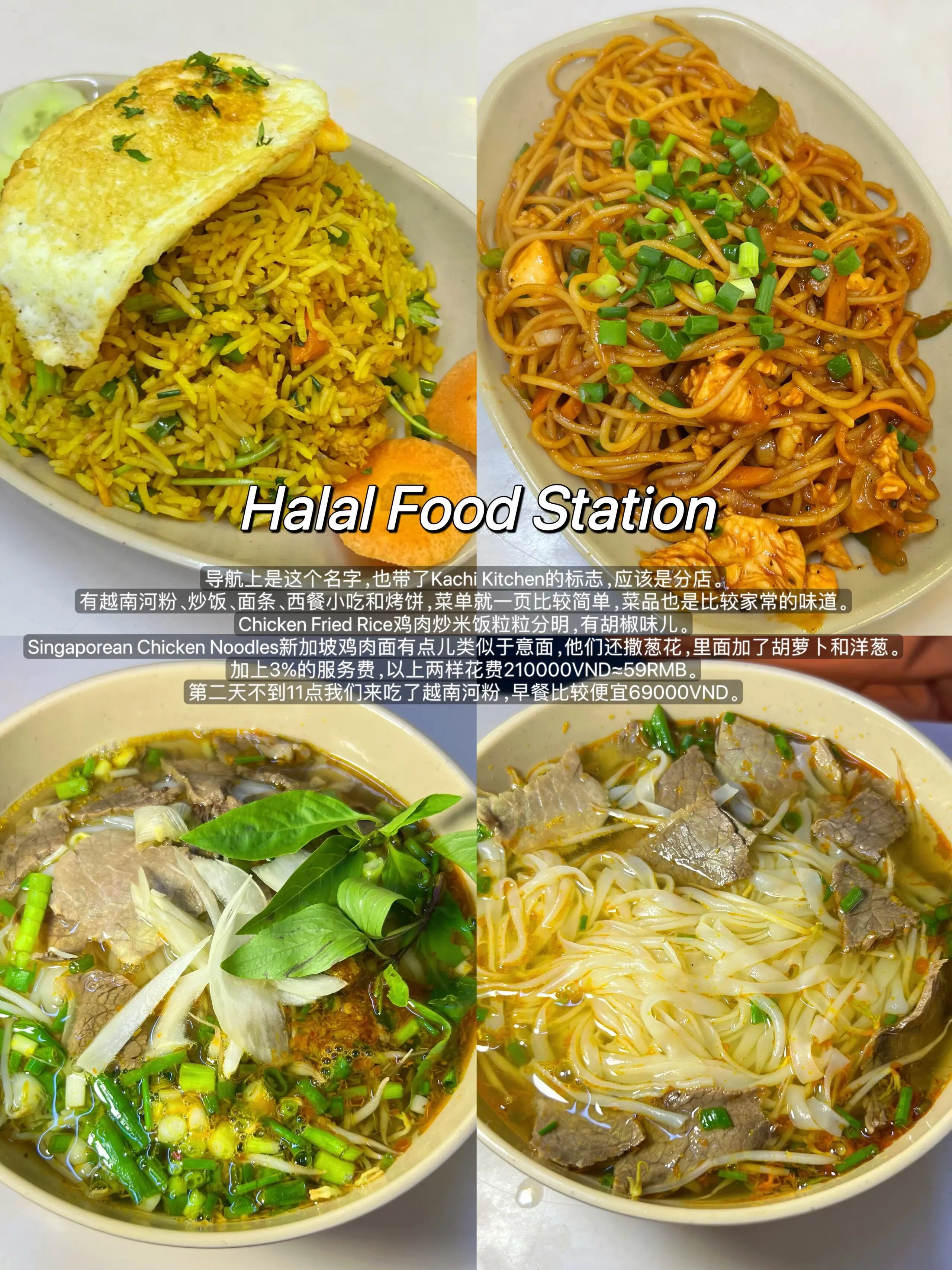
3️⃣ High English proficiency: People working in tourism—like hotels, travel agencies, restaurants, and bars—can easily chat in English, which totally takes the stress out of the language barrier.
✩ ⋆ ┄ ⋆ ✩ ⋆ ┄ ⋆ ✩ ⋆ ┄ ⋆ ✩ ⋆ ┄ ⋆ ✩ ⋆ ┄ ⋆ ✩ ⋆
If any of my fellow Muslim friends are actually planning a trip to Hanoi, definitely save this food guide for later~
✨ Even though Hanoi is the capital of Vietnam, it doesn't have nearly as many halal restaurants as Ho Chi Minh City—there are probably only around 20 to 30 of them, mostly serving Indian and Middle Eastern cuisine. Plus, almost all of Hanoi's halal spots are tucked right inside the Old Quarter's 36 Streets, with basically zero halal options in local residential neighborhoods. Local halal joints aren't super cheap either; they tack on a 3% to 13% tax, so meals usually cost at least around 30 bucks per person, whereas regular non-halal pho typically runs anywhere from ten to twenty-odd yuan.
Accommodation: To make finding food easy, I totally recommend booking a place right inside the 36 Streets, close to the mosque.
‼️ Since there was way too much to write and it wouldn't fit here, I had to put the rest on the pictures~

#Halal #HuiMuslims #Vietnam #Hanoi #HanoiHalal #HanoiTravelGuide #WeChatOA #WeChatPost
Halal Food Guide in Kansai: Best Muslim-Friendly Dining in Osaka, Kobe, and Nara for Authentic Flavors
Articles • Hasan09 posted the article • 0 comments • 108 views • 2026-10-30 01:16
I’ve put together a guide featuring 17 high-quality photos covering the best halal dining spots across the Kansai cities of Nara, Kobe, and Osaka. This review highlights a teppanyaki halal wagyu spot near Nara’s Todai-ji Temple, the halal-friendly Mikazukitei for udon and ramen in Kobe, and various halal eateries around Osaka’s Dotonbori district.
Nara: Todaijimonzen Wanamogi
After hanging out with the deer in Nara, I was starving. I found a halal wagyu place that had a great vibe, though it’s definitely on the pricier side. The chef cooks every dish fresh on a teppan (iron griddle) and really obsesses over the presentation. The wagyu wasn't cooked all the way through; it was super tender, but honestly, it’s not quite my style.
Kobe: Mikazukitei
This is one of the few places in Kobe serving halal Japanese food. They have a pretty decent variety, with sets featuring udon, ramen, and different appetizers. In the summer, they even have limited-edition cold Chinese-style noodles, plus a few Malaysian and Indian options. The shop has 8 tables and fits about 30 people at a time. You have to order at a kiosk, but they do accept WeChat Pay and Alipay. Compared to the restaurants in Kyoto and Osaka, this place is actually a pretty good deal. I had the dry beef noodles—not much broth, but man, it was super salty. Is extreme saltiness just a Japanese thing? I also ordered a combo set; the chicken meatballs were nice and soft. The gyoza (dumplings) had chicken filling, but the skin was so thin the filling kept falling out. The egg didn't really have much flavor. I also grabbed another noodle dish—it smelled great and the portion was generous, but I definitely over-ordered. My only gripe is that it was still way too salty, even though I specifically asked for less salt!
Osaka: Honolu
The Honolu chain has a spot near Shinsaibashi in Osaka. The seating is a bit cramped, but they have a dedicated prayer room, and the food comes out really fast.
The beef in the gyudon (beef bowl) was marinated and had a lot of flavor. The fried wagyu was crispy on the outside, but the meat itself was a bit bland, so it’s much better with the dipping sauce. I went for a milder flavor with the BBQ beef ramen to avoid the saltiness I’d experienced elsewhere, but it still carried that distinct miso base. Just a heads up, this place doesn't allow any outside drinks.
Osaka: Seyhan Kebab
This is a Turkish kebab spot near Tsutenkaku Tower. The shop is tiny, so you can eat outside. They’re open from 11:00 AM to 10:00 PM and only sell beef kebabs. They give you a solid portion of meat and veggies, and it tastes pretty good.
Osaka: Halal Ramen Naniwaya
People were still lining up for this place at nearly 9 PM, which got my hopes up, but the taste was just average—honestly, the pho place next door was better.
The wagyu ramen still had that heavy miso flavor, and you can pick small, medium, or large sizes for your noodles and rice. The wagyu beef bowl seemed to have cheese in it, which gave off this funky smell that totally killed my appetite. After I finished, the owner asked me to leave a review in exchange for a small bag of mochi-like treats. I’m starting to wonder if the ratings here are legit? I don't get it. Note: This place also has a prayer room.
Osaka: PHO ME HALAL RESTAURANT
This Vietnamese spot is right next to the ramen shop. No line, and the food comes out fast. Compared to the salty Japanese-style ramen, this Vietnamese pho was super light and really hit the spot. I ordered the chicken pho with no spice; it was clean, simple, and delicious.
#Halal #JapanHalal #JapanFood #HalalRestaurant #KansaiHalalDining view all
I’ve put together a guide featuring 17 high-quality photos covering the best halal dining spots across the Kansai cities of Nara, Kobe, and Osaka. This review highlights a teppanyaki halal wagyu spot near Nara’s Todai-ji Temple, the halal-friendly Mikazukitei for udon and ramen in Kobe, and various halal eateries around Osaka’s Dotonbori district.
Nara: Todaijimonzen Wanamogi
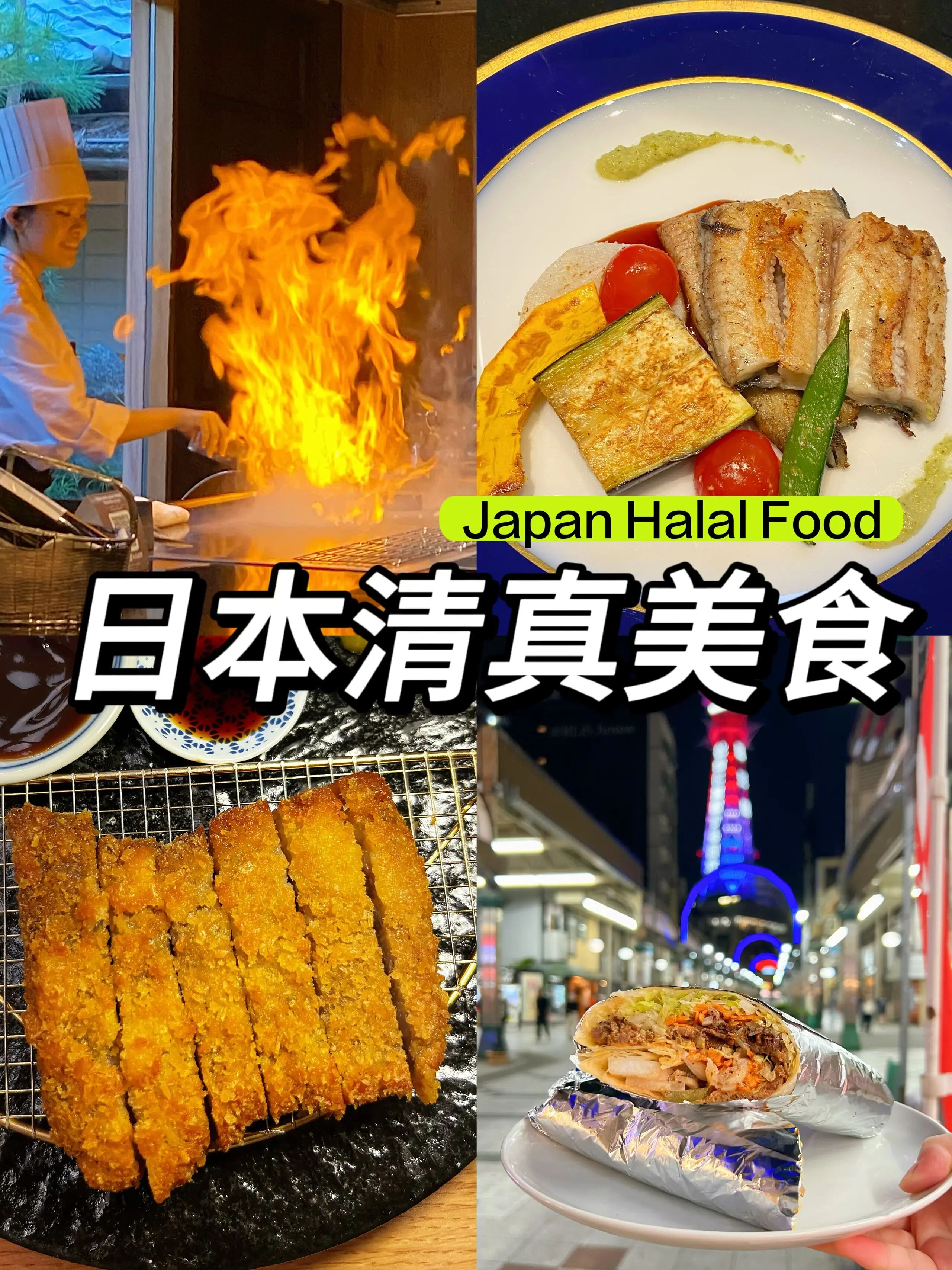
After hanging out with the deer in Nara, I was starving. I found a halal wagyu place that had a great vibe, though it’s definitely on the pricier side. The chef cooks every dish fresh on a teppan (iron griddle) and really obsesses over the presentation. The wagyu wasn't cooked all the way through; it was super tender, but honestly, it’s not quite my style.
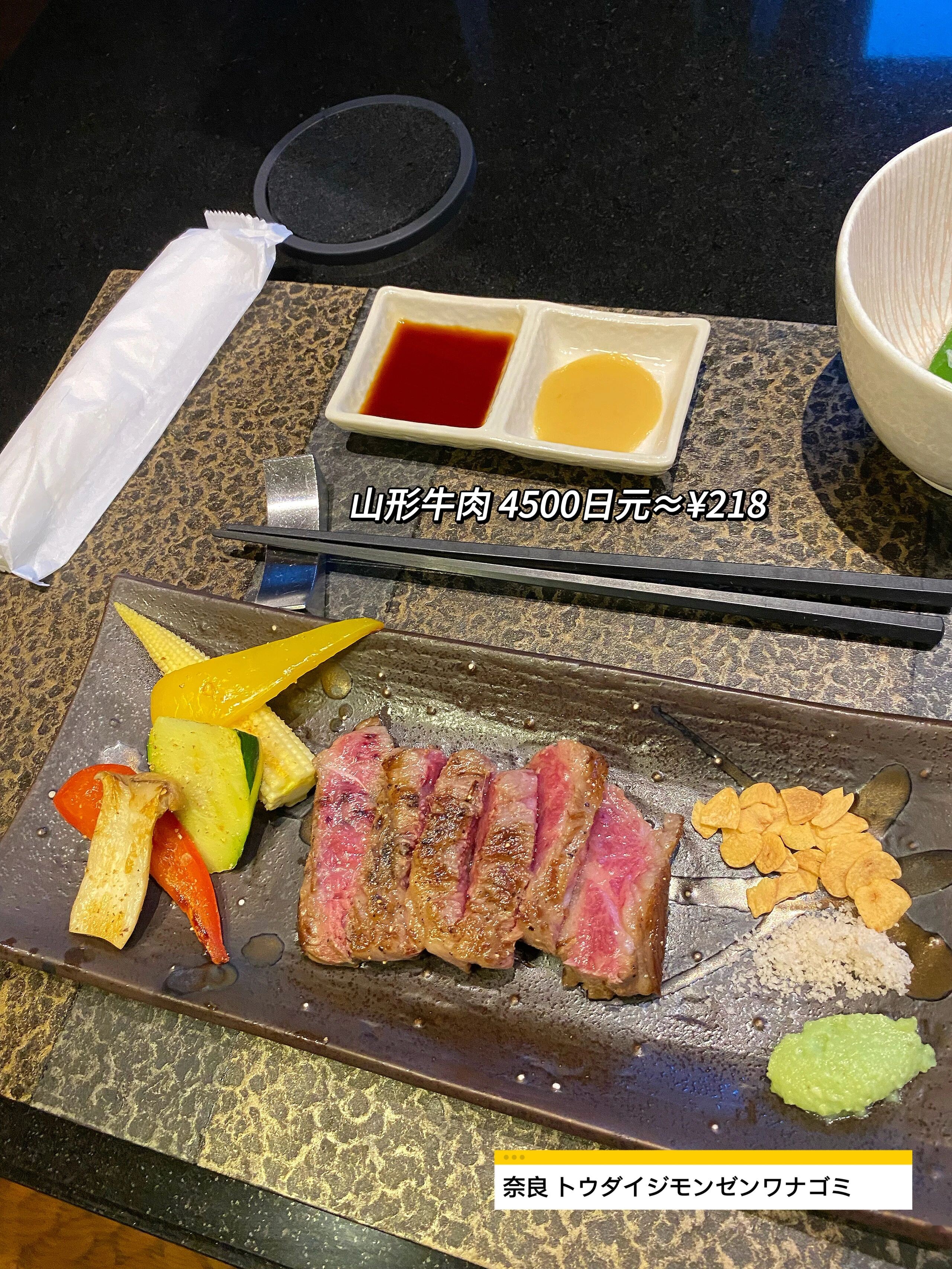
Kobe: Mikazukitei
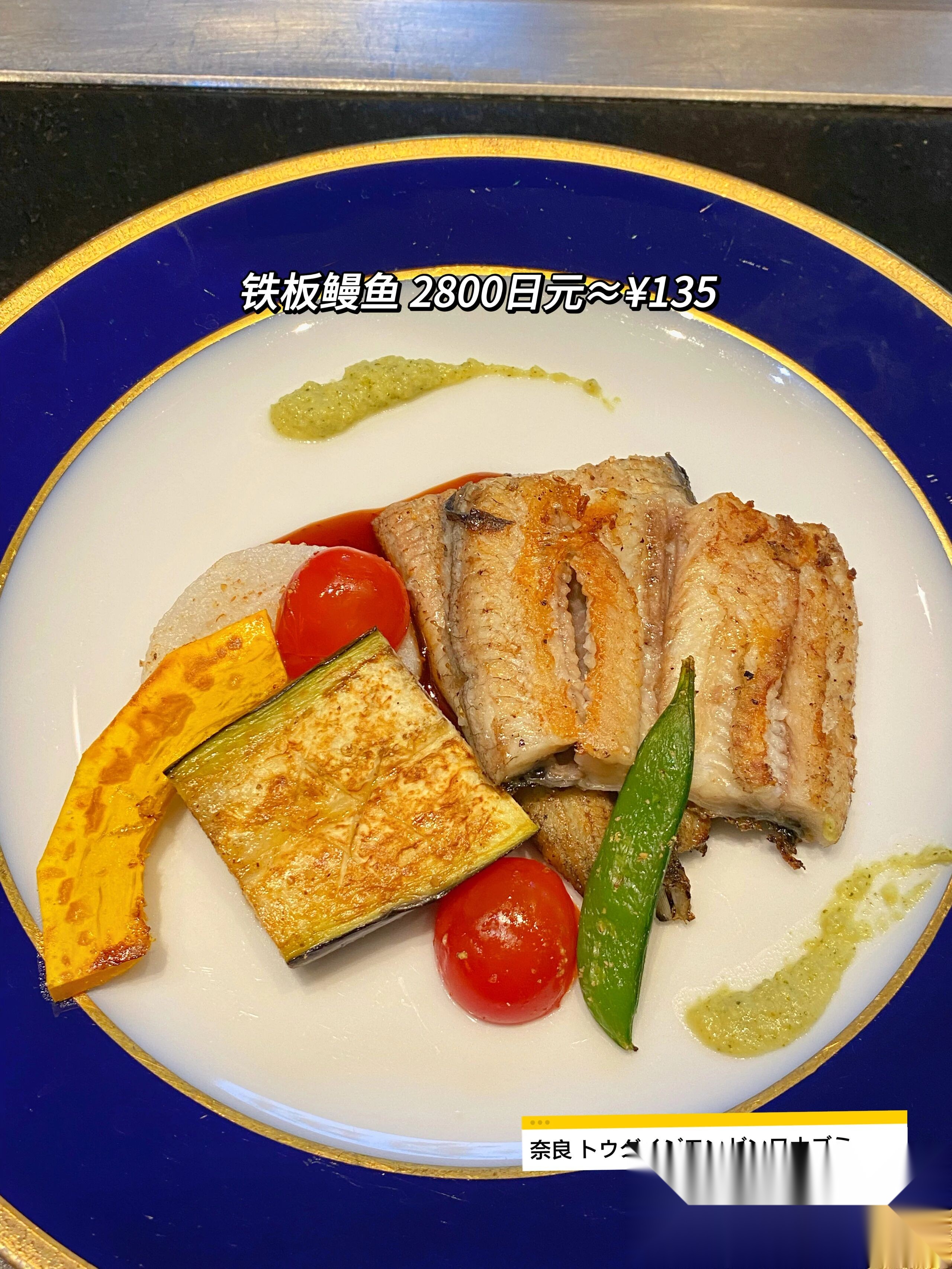
This is one of the few places in Kobe serving halal Japanese food. They have a pretty decent variety, with sets featuring udon, ramen, and different appetizers. In the summer, they even have limited-edition cold Chinese-style noodles, plus a few Malaysian and Indian options. The shop has 8 tables and fits about 30 people at a time. You have to order at a kiosk, but they do accept WeChat Pay and Alipay. Compared to the restaurants in Kyoto and Osaka, this place is actually a pretty good deal. I had the dry beef noodles—not much broth, but man, it was super salty. Is extreme saltiness just a Japanese thing? I also ordered a combo set; the chicken meatballs were nice and soft. The gyoza (dumplings) had chicken filling, but the skin was so thin the filling kept falling out. The egg didn't really have much flavor. I also grabbed another noodle dish—it smelled great and the portion was generous, but I definitely over-ordered. My only gripe is that it was still way too salty, even though I specifically asked for less salt!
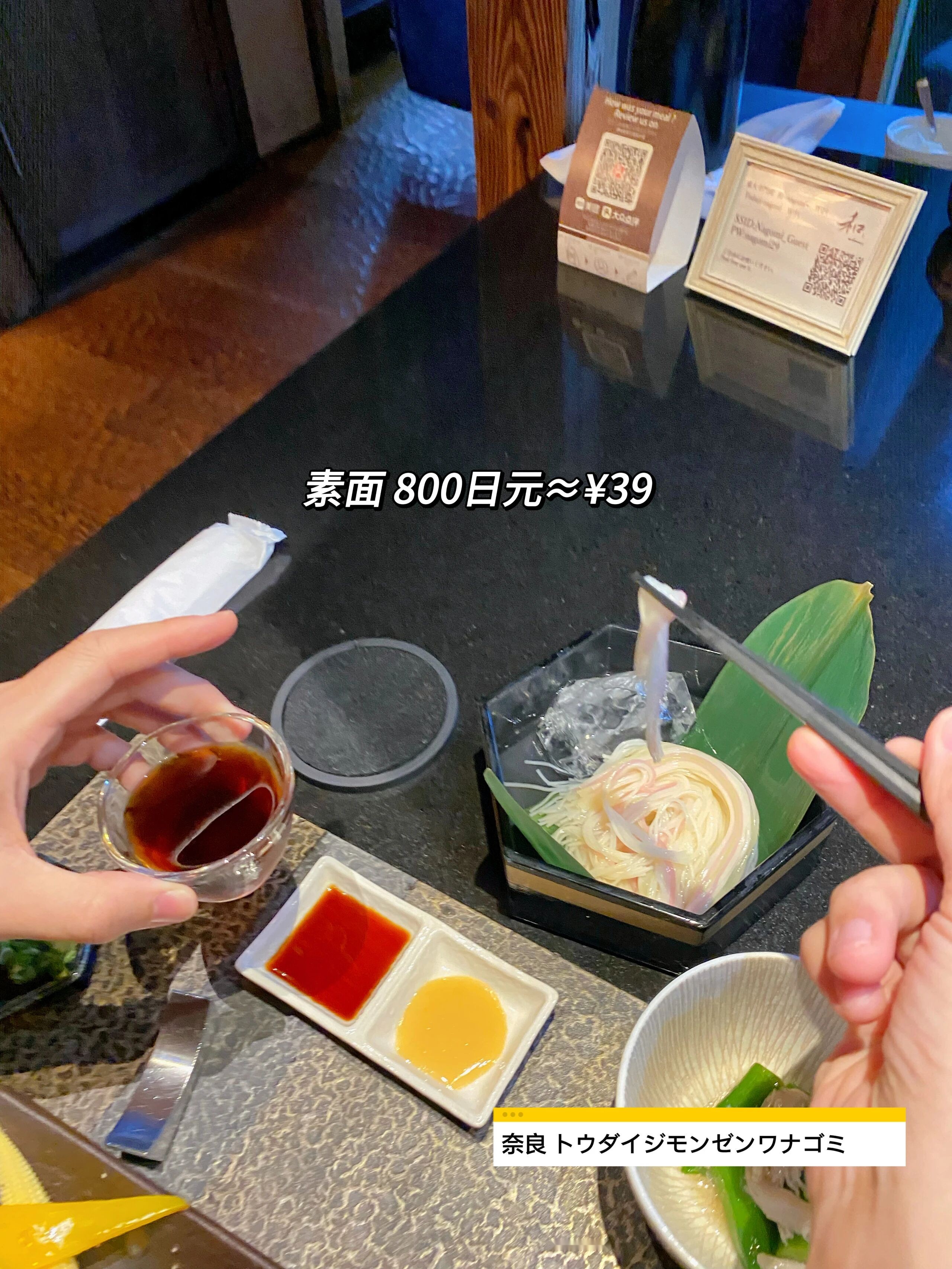
Osaka: Honolu
The Honolu chain has a spot near Shinsaibashi in Osaka. The seating is a bit cramped, but they have a dedicated prayer room, and the food comes out really fast.
The beef in the gyudon (beef bowl) was marinated and had a lot of flavor. The fried wagyu was crispy on the outside, but the meat itself was a bit bland, so it’s much better with the dipping sauce. I went for a milder flavor with the BBQ beef ramen to avoid the saltiness I’d experienced elsewhere, but it still carried that distinct miso base. Just a heads up, this place doesn't allow any outside drinks.
Osaka: Seyhan Kebab
This is a Turkish kebab spot near Tsutenkaku Tower. The shop is tiny, so you can eat outside. They’re open from 11:00 AM to 10:00 PM and only sell beef kebabs. They give you a solid portion of meat and veggies, and it tastes pretty good.
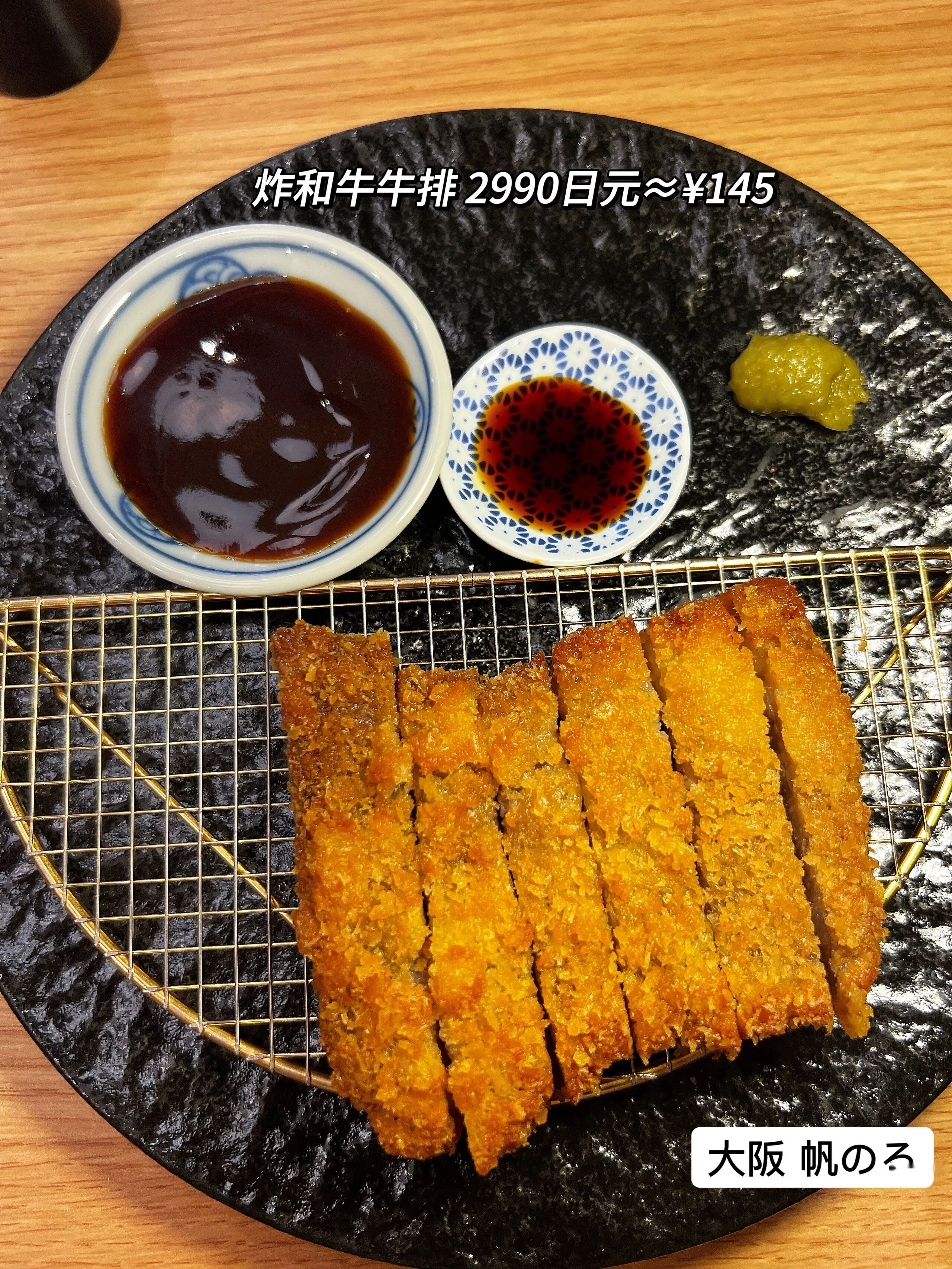
Osaka: Halal Ramen Naniwaya
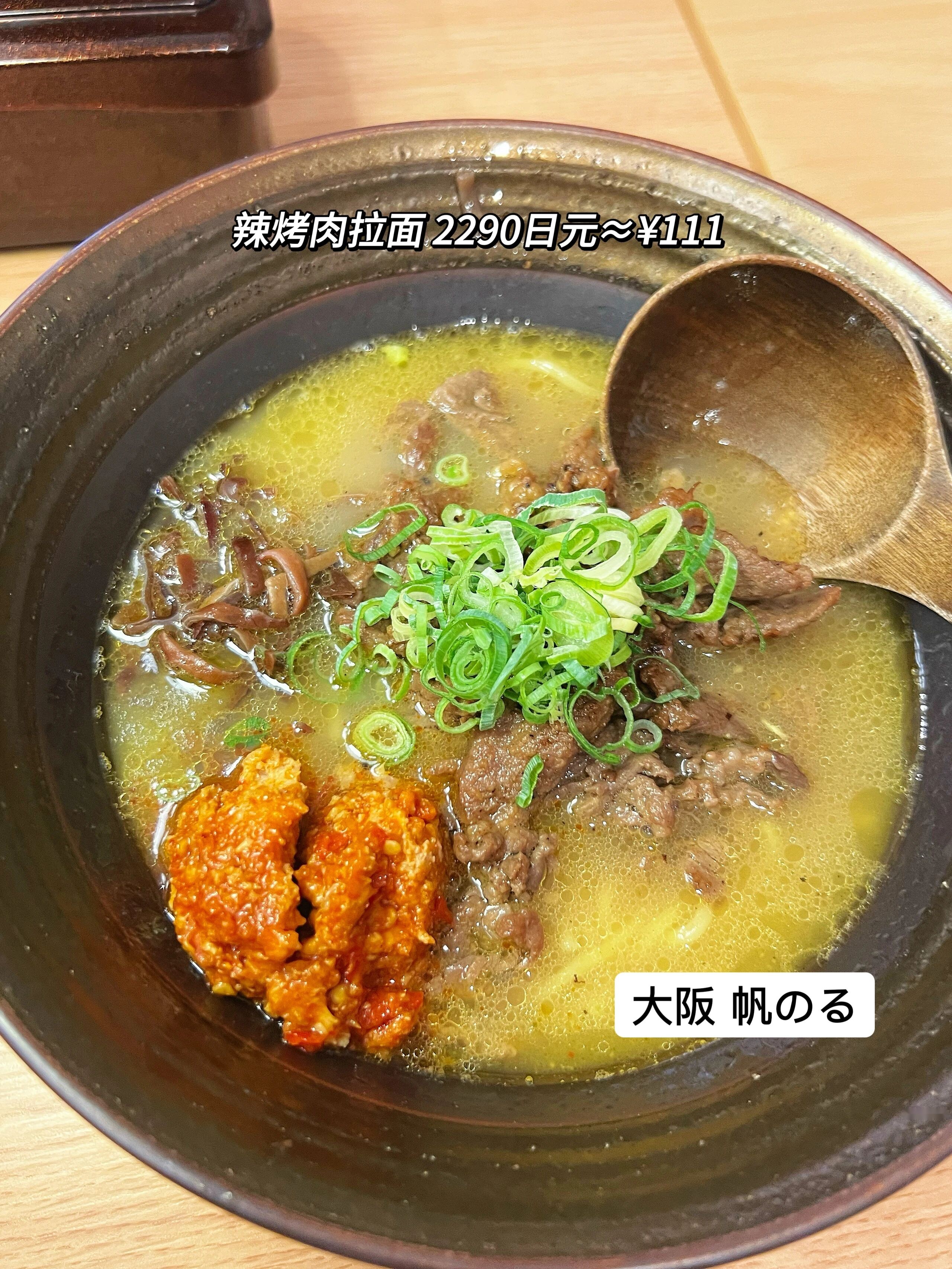
People were still lining up for this place at nearly 9 PM, which got my hopes up, but the taste was just average—honestly, the pho place next door was better.
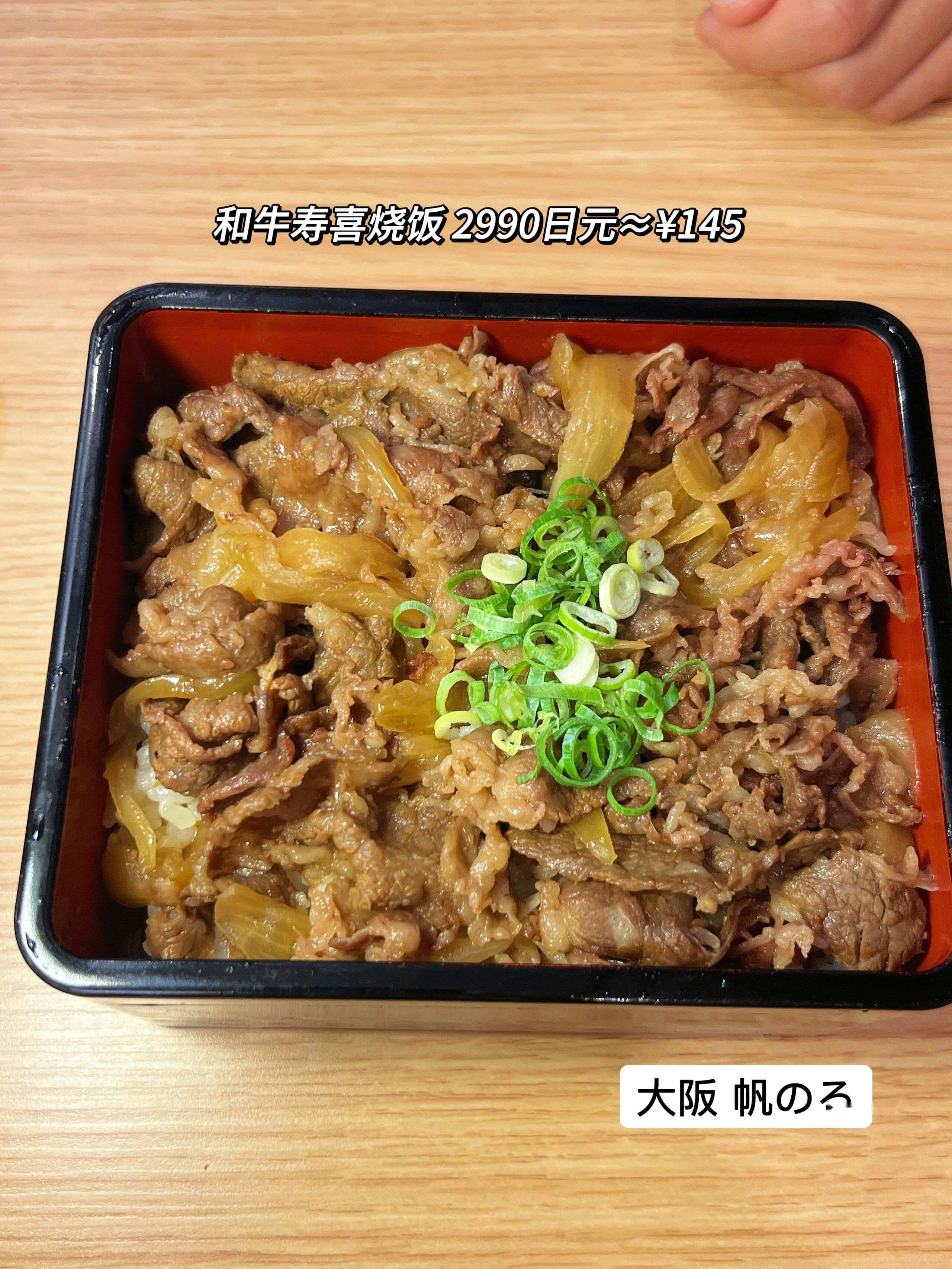
The wagyu ramen still had that heavy miso flavor, and you can pick small, medium, or large sizes for your noodles and rice. The wagyu beef bowl seemed to have cheese in it, which gave off this funky smell that totally killed my appetite. After I finished, the owner asked me to leave a review in exchange for a small bag of mochi-like treats. I’m starting to wonder if the ratings here are legit? I don't get it. Note: This place also has a prayer room.
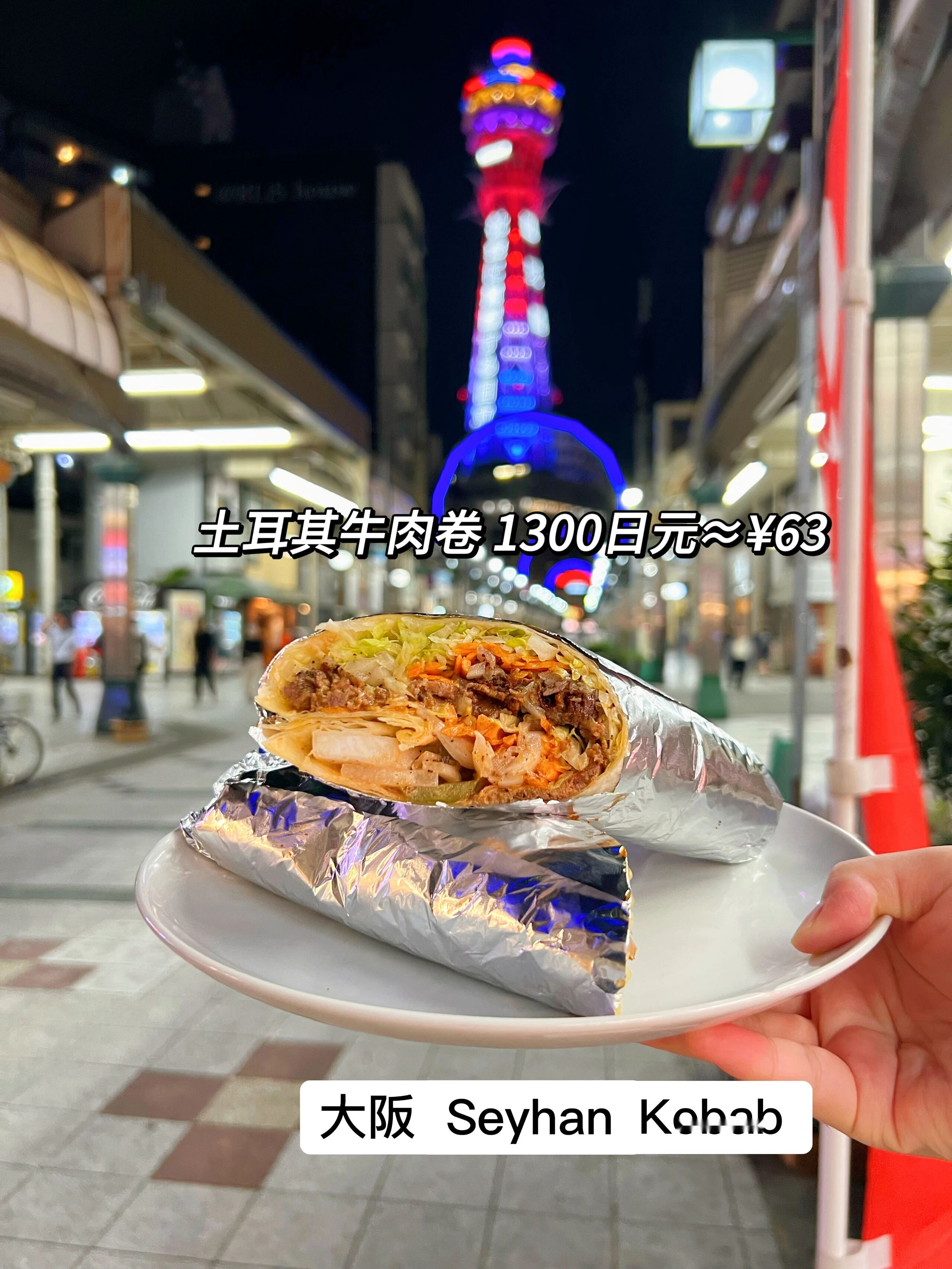
Osaka: PHO ME HALAL RESTAURANT
This Vietnamese spot is right next to the ramen shop. No line, and the food comes out fast. Compared to the salty Japanese-style ramen, this Vietnamese pho was super light and really hit the spot. I ordered the chicken pho with no spice; it was clean, simple, and delicious.
#Halal #JapanHalal #JapanFood #HalalRestaurant #KansaiHalalDining
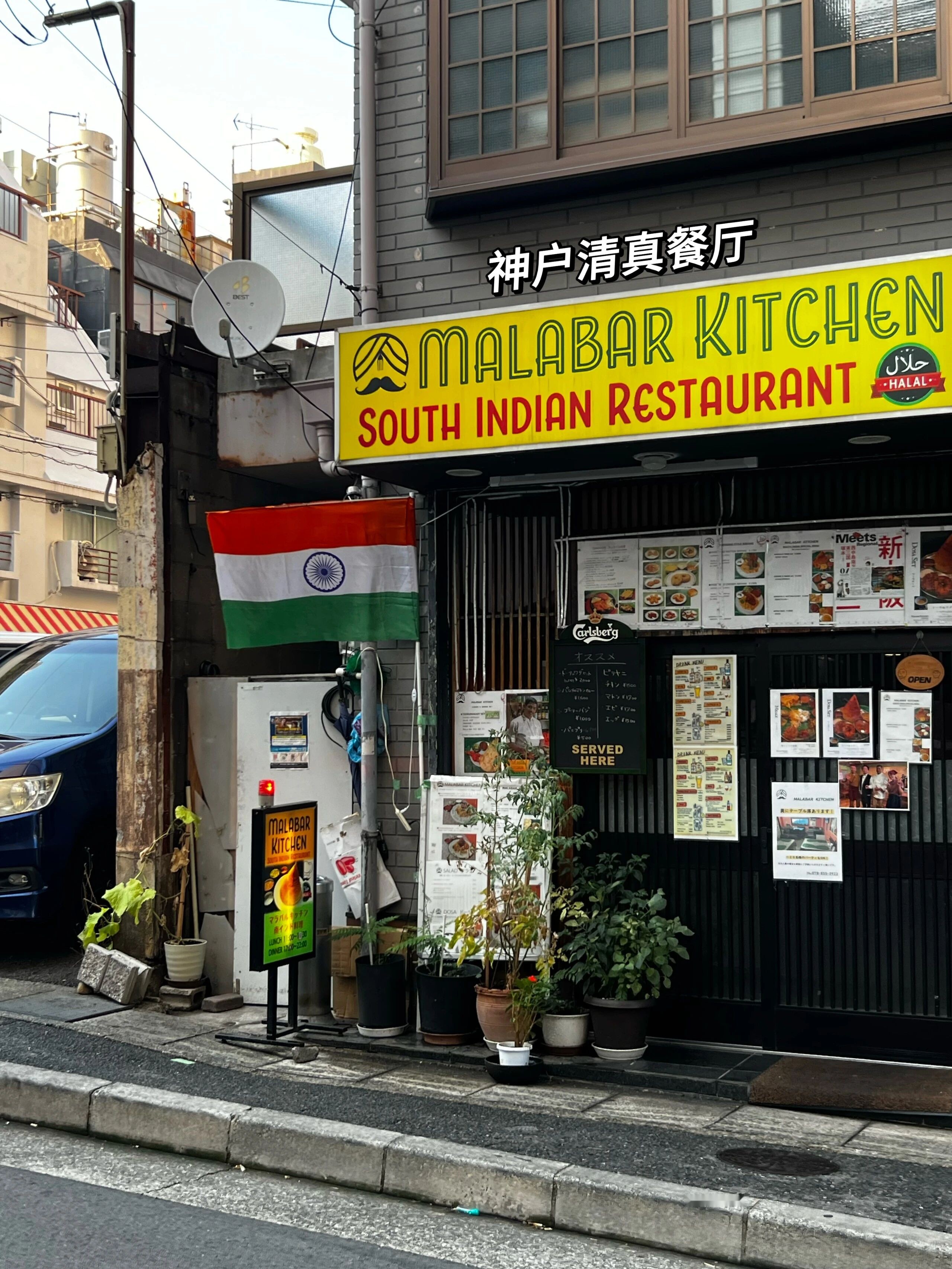
Best Halal Food in Bangkok: 6 Must-Visit Spots for Authentic Muslim-Friendly Dining and Night Markets
Articles • Hasan09 posted the article • 0 comments • 144 views • 2026-10-30 01:19
Here is a breakdown of the six best spots to find halal food in Bangkok, including the G-floor food court at Iconsiam, the halal dining level at MBK Center, the Terminal 21 food court, and the vibrant Arab Street and local halal night markets, making it easy for Muslim travelers to navigate their food options.
1. Iconsiam: If you only have time to hit one mall in Bangkok, I highly recommend Iconsiam. It is the perfect blend of Thai food, shopping, and culture, and whether you are on the G-floor or the rooftop, it is super photogenic. There are a few halal stalls on the G-floor; there aren't as many as there were a couple of years ago, likely because the crowd at Iconsiam has become so much more diverse lately.
2. MBK: Located right near that famous Bangkok viral pedestrian bridge, this mall is always packed with Middle Eastern tourists. You will find around 10 different halal eateries clustered on the G-floor.
3. CentralWorld: The market right outside the main entrance of CentralWorld still has several halal stalls. I originally thought this market was just a pop-up event, but it seems to be a permanent fixture.
4. Islamic Centre of Thailand: Every Friday after jummah (Friday prayer), there is a small market here that is super convenient for people grabbing a meal after their dua. It is very affordable, with bowls of noodles costing only a couple of bucks. The neighborhood has a large Muslim community. There are two Muslim-friendly hotels nearby, AL Meroz and Almas (though I don't recommend them because the soundproofing is terrible). Nearby restaurants include the Thai spot Sophia Restaurant, the halal hotpot chains Putonghua and Liyang, and a Korean spot called In Seoul BBQ.
5. The Mall Lifestore Bangkapi: This mall is about a 20-minute drive from Suvarnabhumi Airport. On the third floor, you will find three halal restaurants: La Pizza, and two halal hotpot spots, Putonghua and Liyang. However, I personally prefer the variety of halal snacks on the first floor. This mall attracts a lot of local Muslims and also offers a dedicated prayer room.
6. Ramkhamhaeng Night Market: Open from 6:00 PM to 10:00 PM, but closed on Wednesdays. This is a local favorite, so the prices are great. When I visited two years ago, almost all the snacks were halal, but this time around, there are a few non-halal stalls, so Muslim visitors should be careful and double-check before buying. Most people grab their food to-go or find a spot to sit at a nearby park.
For more halal food recommendations, follow me @AishaExploresHalal, where I keep everything updated. view all
Here is a breakdown of the six best spots to find halal food in Bangkok, including the G-floor food court at Iconsiam, the halal dining level at MBK Center, the Terminal 21 food court, and the vibrant Arab Street and local halal night markets, making it easy for Muslim travelers to navigate their food options.
1. Iconsiam: If you only have time to hit one mall in Bangkok, I highly recommend Iconsiam. It is the perfect blend of Thai food, shopping, and culture, and whether you are on the G-floor or the rooftop, it is super photogenic. There are a few halal stalls on the G-floor; there aren't as many as there were a couple of years ago, likely because the crowd at Iconsiam has become so much more diverse lately.
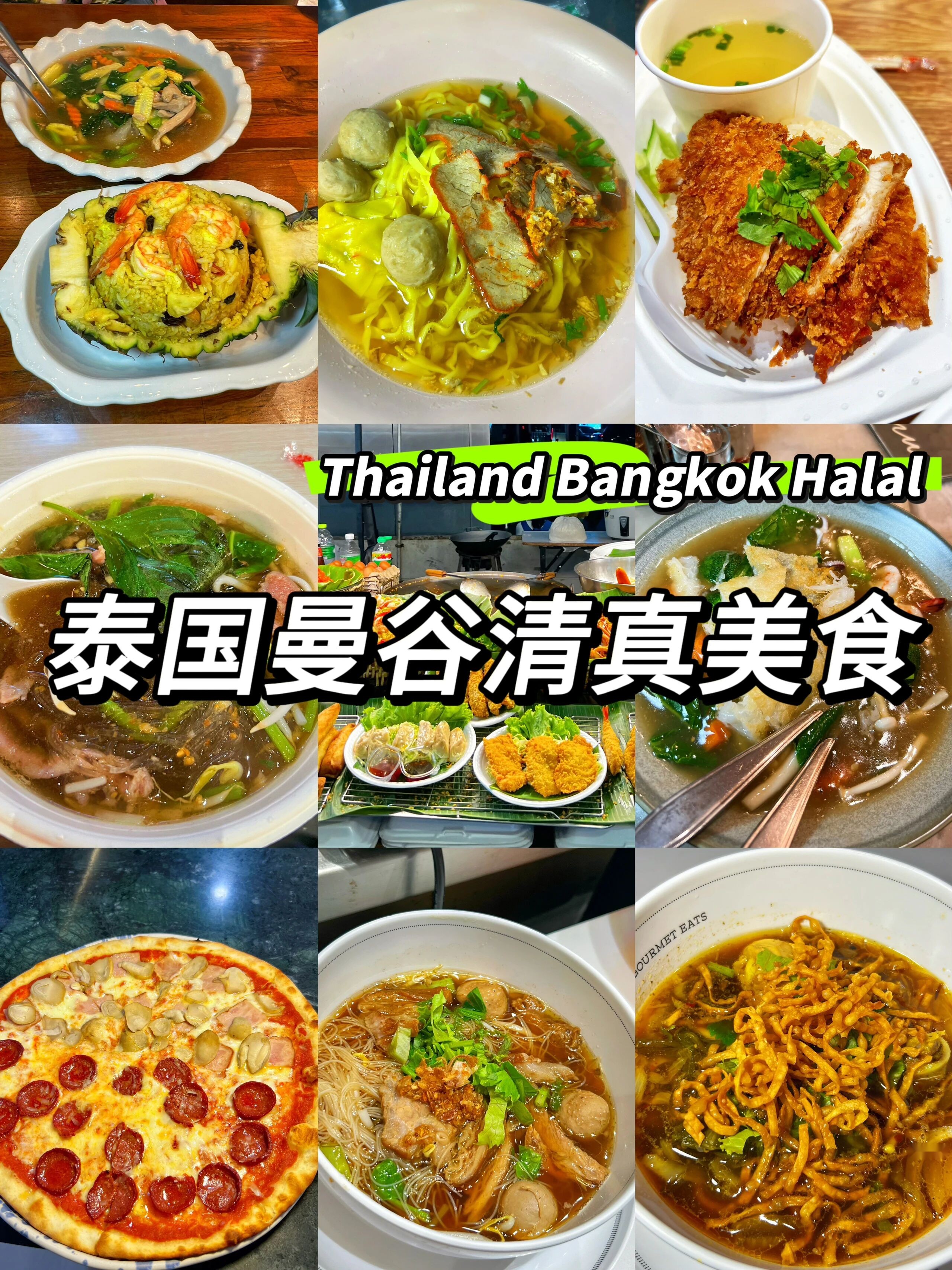
2. MBK: Located right near that famous Bangkok viral pedestrian bridge, this mall is always packed with Middle Eastern tourists. You will find around 10 different halal eateries clustered on the G-floor.
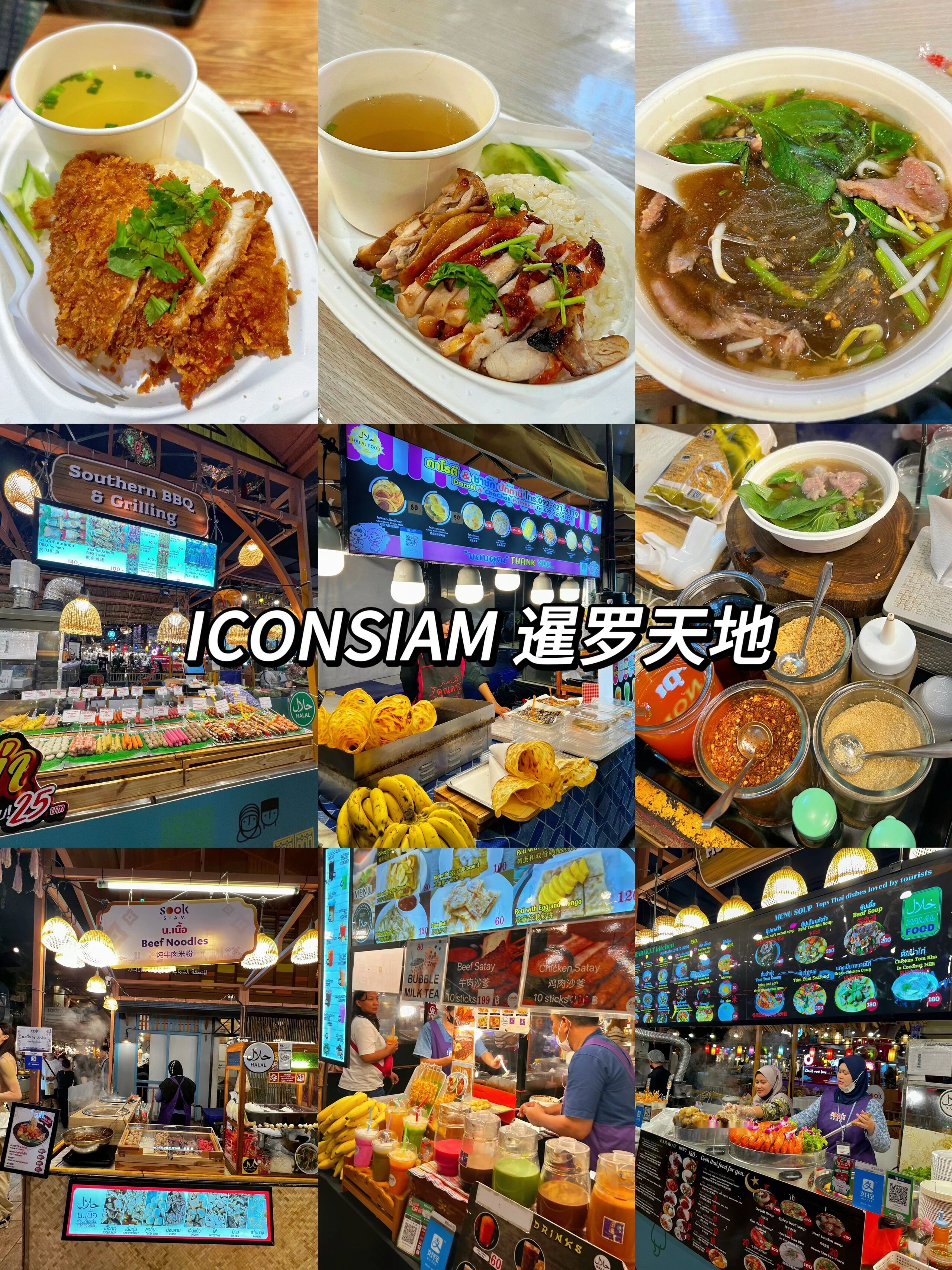
3. CentralWorld: The market right outside the main entrance of CentralWorld still has several halal stalls. I originally thought this market was just a pop-up event, but it seems to be a permanent fixture.
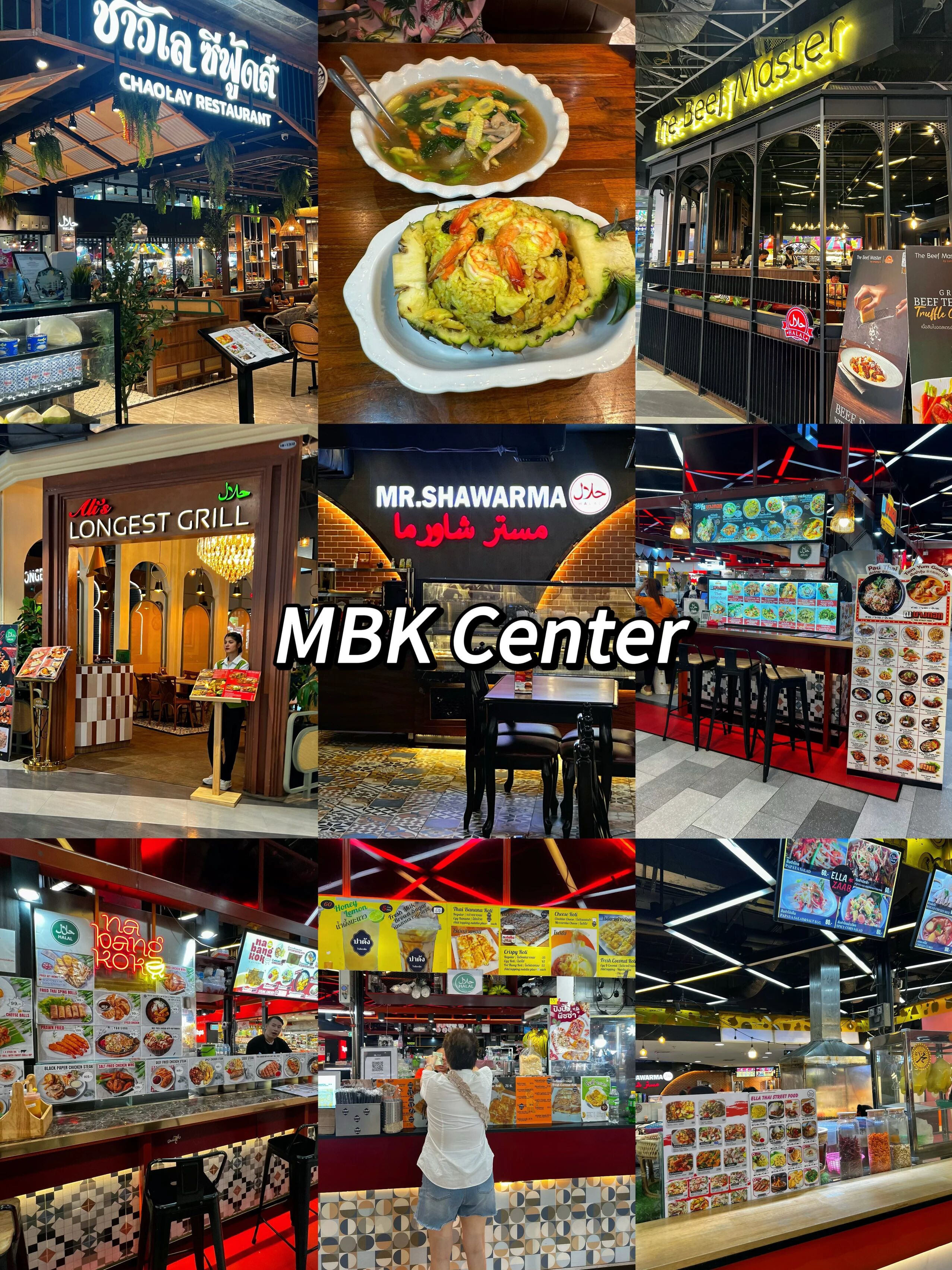
4. Islamic Centre of Thailand: Every Friday after jummah (Friday prayer), there is a small market here that is super convenient for people grabbing a meal after their dua. It is very affordable, with bowls of noodles costing only a couple of bucks. The neighborhood has a large Muslim community. There are two Muslim-friendly hotels nearby, AL Meroz and Almas (though I don't recommend them because the soundproofing is terrible). Nearby restaurants include the Thai spot Sophia Restaurant, the halal hotpot chains Putonghua and Liyang, and a Korean spot called In Seoul BBQ.
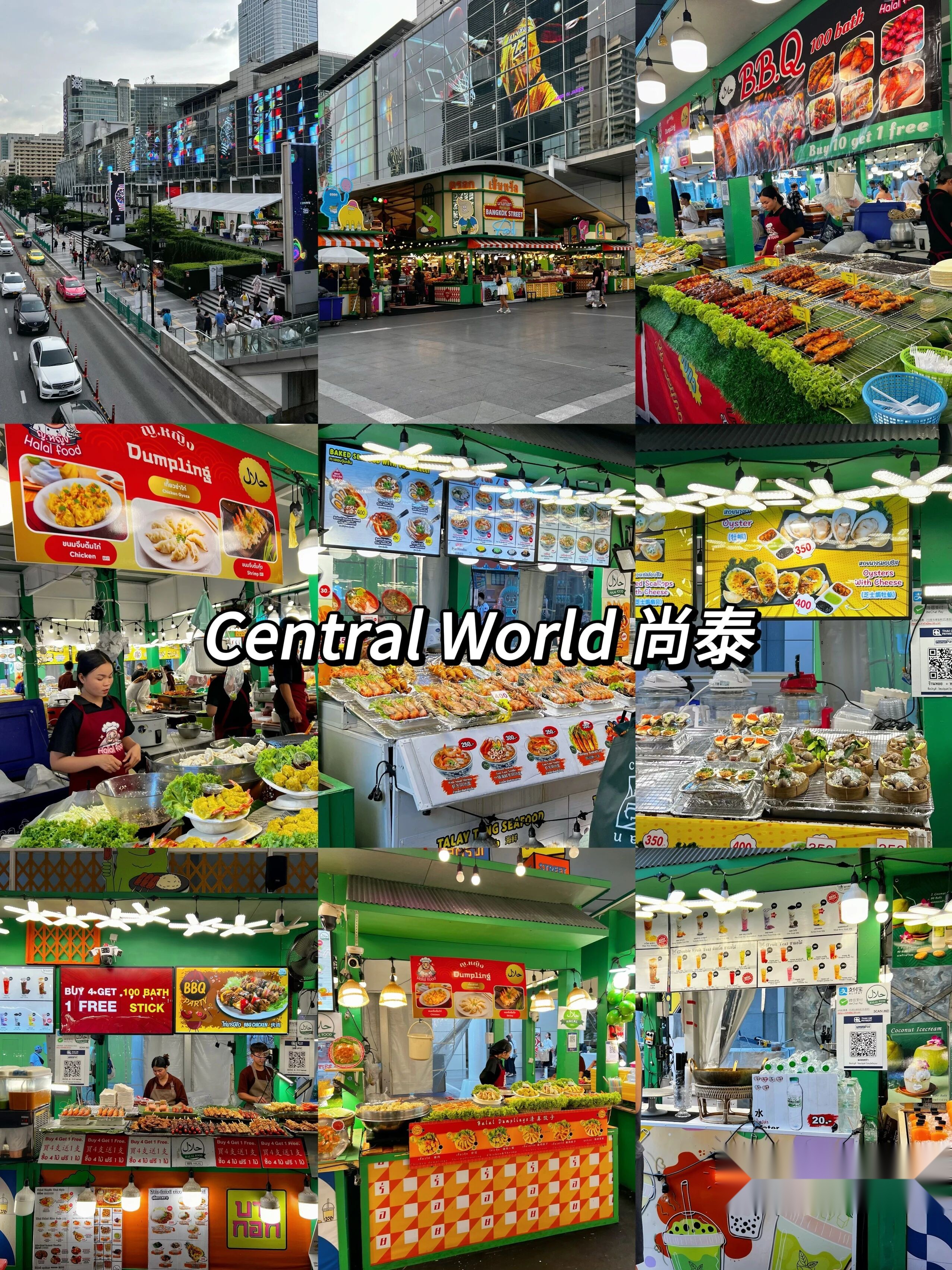
5. The Mall Lifestore Bangkapi: This mall is about a 20-minute drive from Suvarnabhumi Airport. On the third floor, you will find three halal restaurants: La Pizza, and two halal hotpot spots, Putonghua and Liyang. However, I personally prefer the variety of halal snacks on the first floor. This mall attracts a lot of local Muslims and also offers a dedicated prayer room.
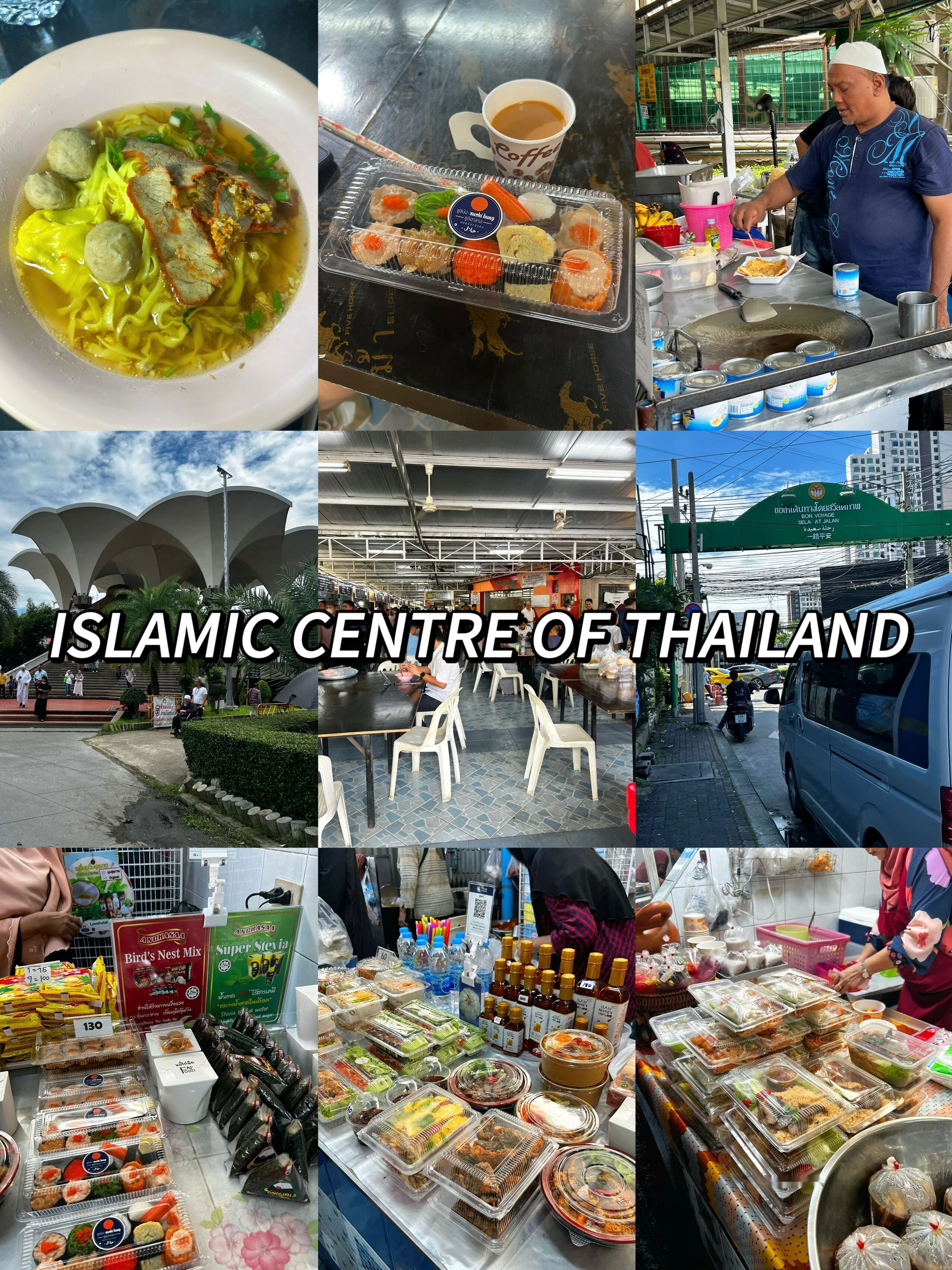
6. Ramkhamhaeng Night Market: Open from 6:00 PM to 10:00 PM, but closed on Wednesdays. This is a local favorite, so the prices are great. When I visited two years ago, almost all the snacks were halal, but this time around, there are a few non-halal stalls, so Muslim visitors should be careful and double-check before buying. Most people grab their food to-go or find a spot to sit at a nearby park.
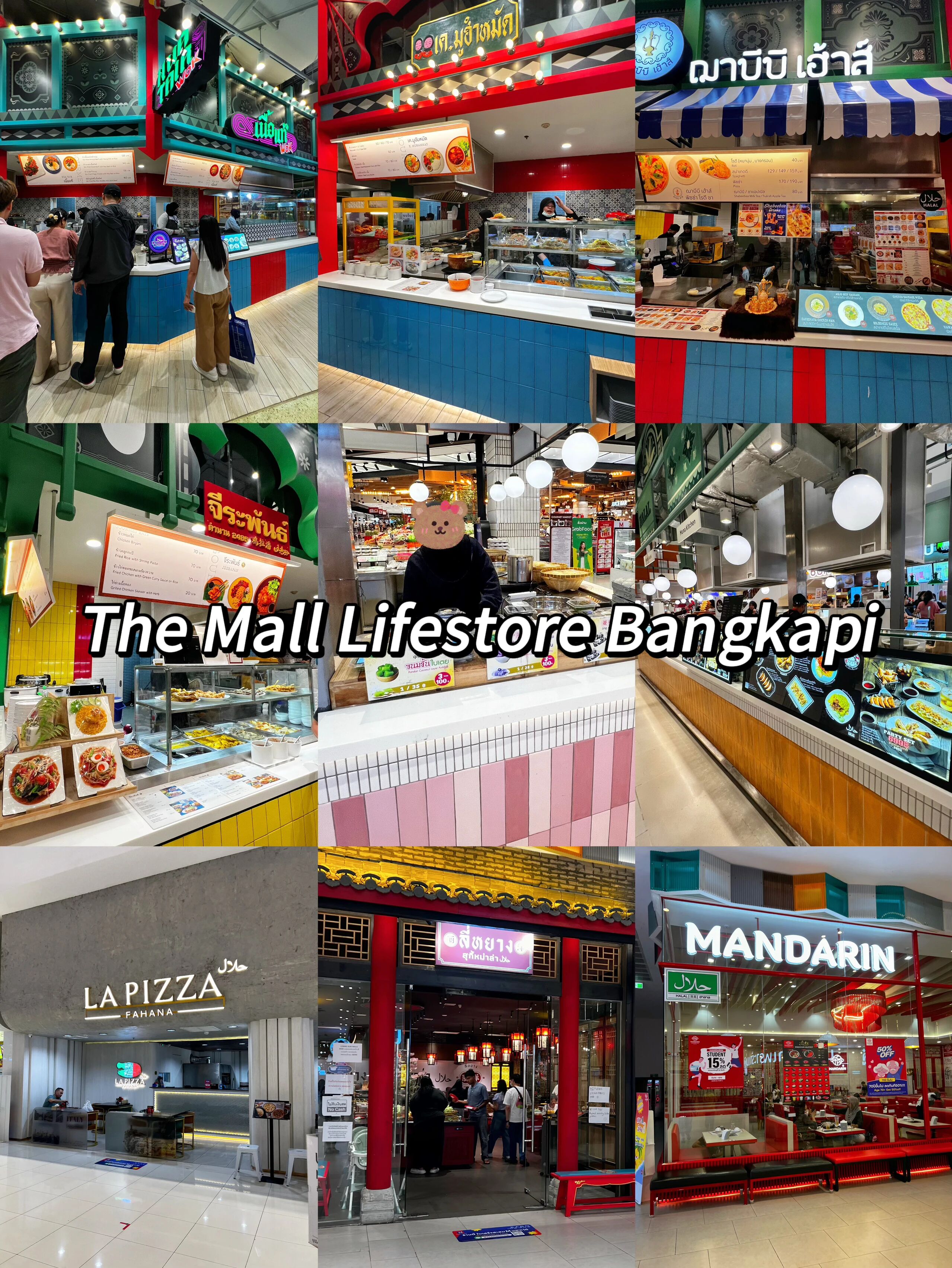
For more halal food recommendations, follow me @AishaExploresHalal, where I keep everything updated.
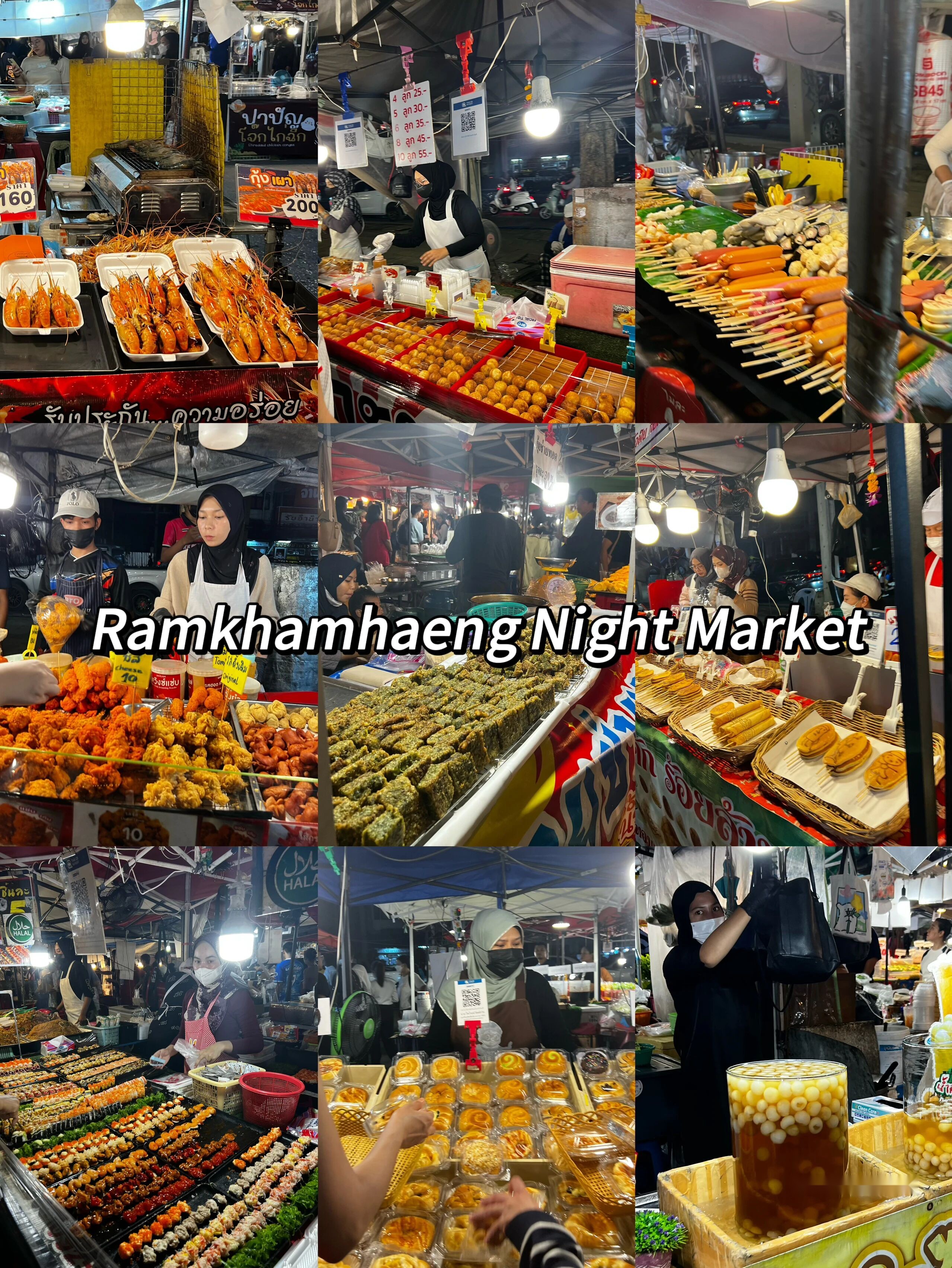
Exploring Makam Sunan Sendang Duwur: Discovering East Java's Historic 16th-Century Syncretic Mosque and Tomb
Articles • Hasan09 posted the article • 0 comments • 48 views • 2026-10-30 01:11
Take a deep dive through 39 high-definition photos exploring the Makam Sunan Sendang Duwur (Sunan Sendang Duwur Tomb) in East Java, Indonesia. We are breaking down this legendary 16th-century architectural complex that brilliantly blends Islamic, traditional Javanese, and classic stone and wood-carving art.
During this trip across Java, Indonesia, I checked out quite a few religious buildings, and the most locally unique Javanese one has got to be the Makam Sunan Sendang Duwur in East Java. This mosque and tomb complex blends Islamic, Buddhist, Hindu, and indigenous Javanese architectural styles, making it a major example of Javanese Kejawen (syncretic Javanese spiritualism).
Sunan Sendang (1520–1585), whose original name was Raden Noer Rahmat, had a father who was an Arab missionary who sailed across the sea from Baghdad to Java, and a mother who was the daughter of a local Javanese ruler. Sunan Sendang didn't care for court power struggles and wanted to focus entirely on his spiritual path, so he became a student of Sunan Drajat, one of the nine Wali Songo (Nine Saints of Java). Seeing his exceptional moral character, Sunan Drajat gave him the honorary title of Sunan.
In 1561, Sunan Sendang came to Mount Amitunon in East Java to clear the land. This mountainous area was dry, rocky, and tough to farm. He first taught the locals how to clear the land and channel water for farming, and after a successful harvest earned everyone's trust, he slowly began spreading the faith to the people. His teacher, Sunan Drajat, told him he should build a mosque here. According to generations of oral legends, this is how the famous miracle of the flying mosque came to be.
At that time, Mantingan in Jepara, Central Java, was ruled by the legendary Queen Ratu Kalinyamat. She had built an extremely exquisite mosque with gorgeous stone carvings. Sunan Sendang went to visit her and politely asked for her permission to relocate this mosque to Mount Amitunon. Wanting to test his spiritual rank, the Queen laid down a super tough condition: you can move this mosque, but you have to finish it in a single night, and not a single small rock or wood shaving can drop along the way—if even a single fragment falls on the road, it won't count as a success.
Sunan Sendang agreed, went back home to offer a sincere dua, and then the miracle happened. After nightfall, under Sunan's recitation, the entire mosque lifted into the air, flying from Jepara across the Central Java plains toward Mount Amitunon in East Java. Before dawn broke, the mosque landed solidly on the hilltop terrace without missing a single brick, tile, or carved component, and not a single chip dropped along the path. Early in the morning when the villagers went up the mountain, they were totally shocked to suddenly see an entire mosque sitting there out of nowhere, which is why this mosque was named Masjid Tiban, which means "suddenly descended" in Javanese.
The Tiban Mosque has completely preserved its four grand gates built in 1561, with each gate featuring its own unique style.
The first gate is the Gapura Bentar split gateway, which is the most classic outer gateway style of the Majapahit Empire. In traditional Javanese culture, Bentar means "open and welcoming," welcoming all incoming visitors regardless of their background. At the same time, it reminds people that once you arrive here, you should calm your mind, quiet down, and stop laughing or making a lot of noise, and many people make their initial intention right here.
Both the second and third gates are Gapura Paduraksa roofed gateway structures, representing the typical Majapahit Empire mosque gate style featuring multi-tiered, upward-tapering Meru roofs.
The fourth gate is the most important Gapura Paduraksa Bersayap or "winged gate," featuring a pair of massive wings growing out of the left and right sides. Right in the middle of the lintel is a Kala beast face, flanked by two pairs of Makara; the gate body and wings are completely covered in reliefs of lotuses, the Tree of Life, scrolling vines, and divine birds, with coiled dragon patterns on the back.
In Hinduism, the Kala beast face was originally the god of time who could devour everything, so it was often used to guard temple gates and ward off impurity. In Javanese Kejawen teachings, its meaning shifted into a warning symbol, reminding people to remember the afterlife, death, and judgment, and to let go of worldly greed. This is a major feature of Javanese syncretism, keeping the original form while transforming it with Islamic inner meaning.
Makara refers to the mythical water monster symbolizing water sources and life. The Makara originally featured an elephant trunk and a crocodile mouth, but one pair on this gate has transformed into a deer-head form, which is a unique variant exclusive to this tomb complex, reminding people that their inner hearts should remain alert, pure, and humble.
The divine bird imagery originally came from the Hindu Garuda bird, but in Javanese Kejawen teachings, its meaning was adapted into Buraq (the heavenly mount), echoing the miracle of the "flying mosque."
This is the doorway leading to the main prayer hall, though unfortunately, the main prayer hall has been rebuilt.
These are the stone carvings along the walls of the main prayer hall.
Directly opposite is the gateway leading to another cemetery area.
Sunan Sendang Duwur passed away in 1585, and his tomb complex is located on the west side of the flying mosque. His descendants were buried one after another on the three-tiered terrace below his tomb, forming an important Javanese tomb complex.
The lower part of the Sunan Sendang Duwur tomb consists of a carved stone platform, while the upper part features carved wooden doors and window shutters, though unfortunately, they are currently blocked off and cannot be seen. view all
Take a deep dive through 39 high-definition photos exploring the Makam Sunan Sendang Duwur (Sunan Sendang Duwur Tomb) in East Java, Indonesia. We are breaking down this legendary 16th-century architectural complex that brilliantly blends Islamic, traditional Javanese, and classic stone and wood-carving art.
During this trip across Java, Indonesia, I checked out quite a few religious buildings, and the most locally unique Javanese one has got to be the Makam Sunan Sendang Duwur in East Java. This mosque and tomb complex blends Islamic, Buddhist, Hindu, and indigenous Javanese architectural styles, making it a major example of Javanese Kejawen (syncretic Javanese spiritualism).
Sunan Sendang (1520–1585), whose original name was Raden Noer Rahmat, had a father who was an Arab missionary who sailed across the sea from Baghdad to Java, and a mother who was the daughter of a local Javanese ruler. Sunan Sendang didn't care for court power struggles and wanted to focus entirely on his spiritual path, so he became a student of Sunan Drajat, one of the nine Wali Songo (Nine Saints of Java). Seeing his exceptional moral character, Sunan Drajat gave him the honorary title of Sunan.
In 1561, Sunan Sendang came to Mount Amitunon in East Java to clear the land. This mountainous area was dry, rocky, and tough to farm. He first taught the locals how to clear the land and channel water for farming, and after a successful harvest earned everyone's trust, he slowly began spreading the faith to the people. His teacher, Sunan Drajat, told him he should build a mosque here. According to generations of oral legends, this is how the famous miracle of the flying mosque came to be.
At that time, Mantingan in Jepara, Central Java, was ruled by the legendary Queen Ratu Kalinyamat. She had built an extremely exquisite mosque with gorgeous stone carvings. Sunan Sendang went to visit her and politely asked for her permission to relocate this mosque to Mount Amitunon. Wanting to test his spiritual rank, the Queen laid down a super tough condition: you can move this mosque, but you have to finish it in a single night, and not a single small rock or wood shaving can drop along the way—if even a single fragment falls on the road, it won't count as a success.
Sunan Sendang agreed, went back home to offer a sincere dua, and then the miracle happened. After nightfall, under Sunan's recitation, the entire mosque lifted into the air, flying from Jepara across the Central Java plains toward Mount Amitunon in East Java. Before dawn broke, the mosque landed solidly on the hilltop terrace without missing a single brick, tile, or carved component, and not a single chip dropped along the path. Early in the morning when the villagers went up the mountain, they were totally shocked to suddenly see an entire mosque sitting there out of nowhere, which is why this mosque was named Masjid Tiban, which means "suddenly descended" in Javanese.
The Tiban Mosque has completely preserved its four grand gates built in 1561, with each gate featuring its own unique style.
The first gate is the Gapura Bentar split gateway, which is the most classic outer gateway style of the Majapahit Empire. In traditional Javanese culture, Bentar means "open and welcoming," welcoming all incoming visitors regardless of their background. At the same time, it reminds people that once you arrive here, you should calm your mind, quiet down, and stop laughing or making a lot of noise, and many people make their initial intention right here.
Both the second and third gates are Gapura Paduraksa roofed gateway structures, representing the typical Majapahit Empire mosque gate style featuring multi-tiered, upward-tapering Meru roofs.
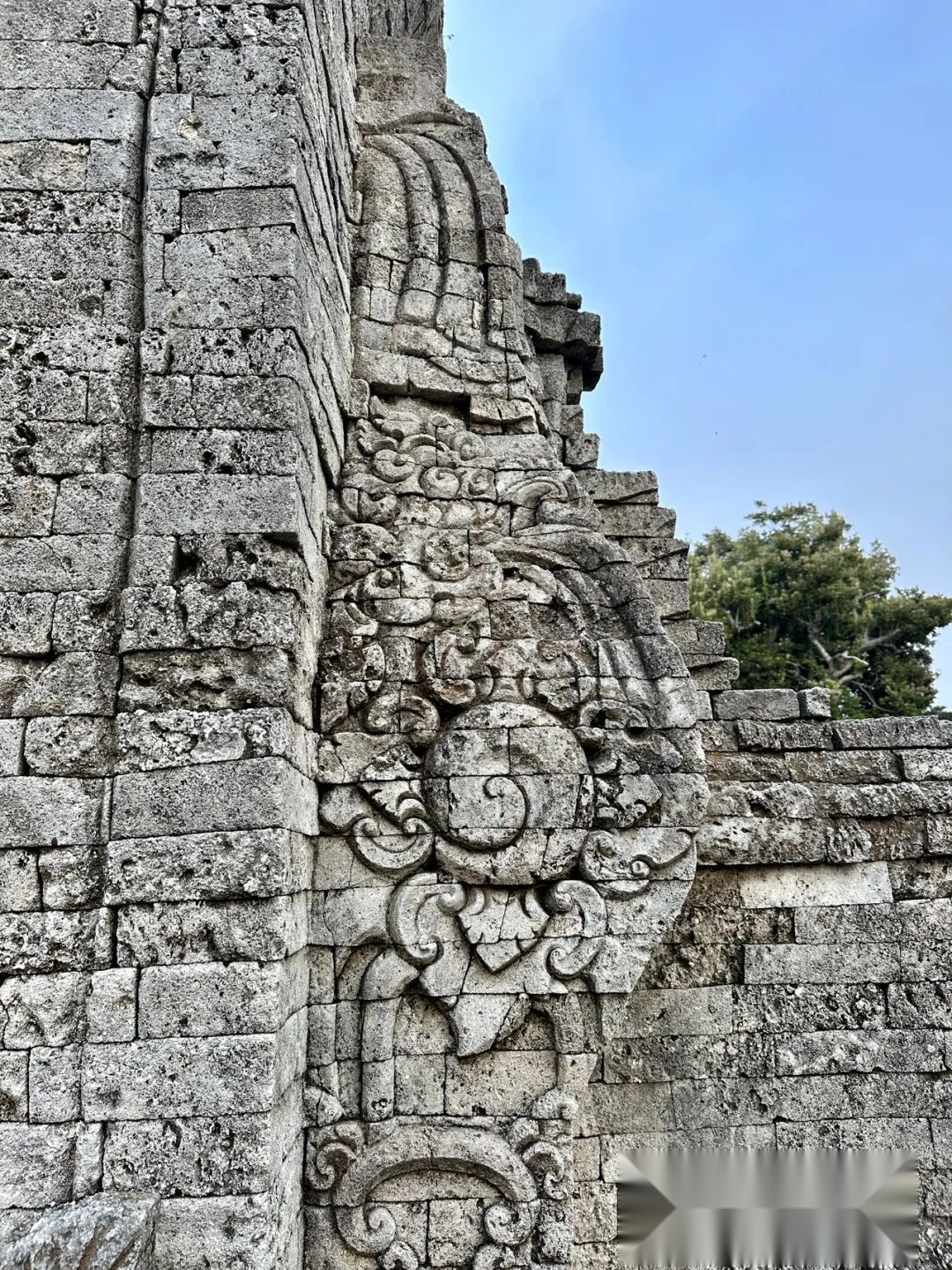
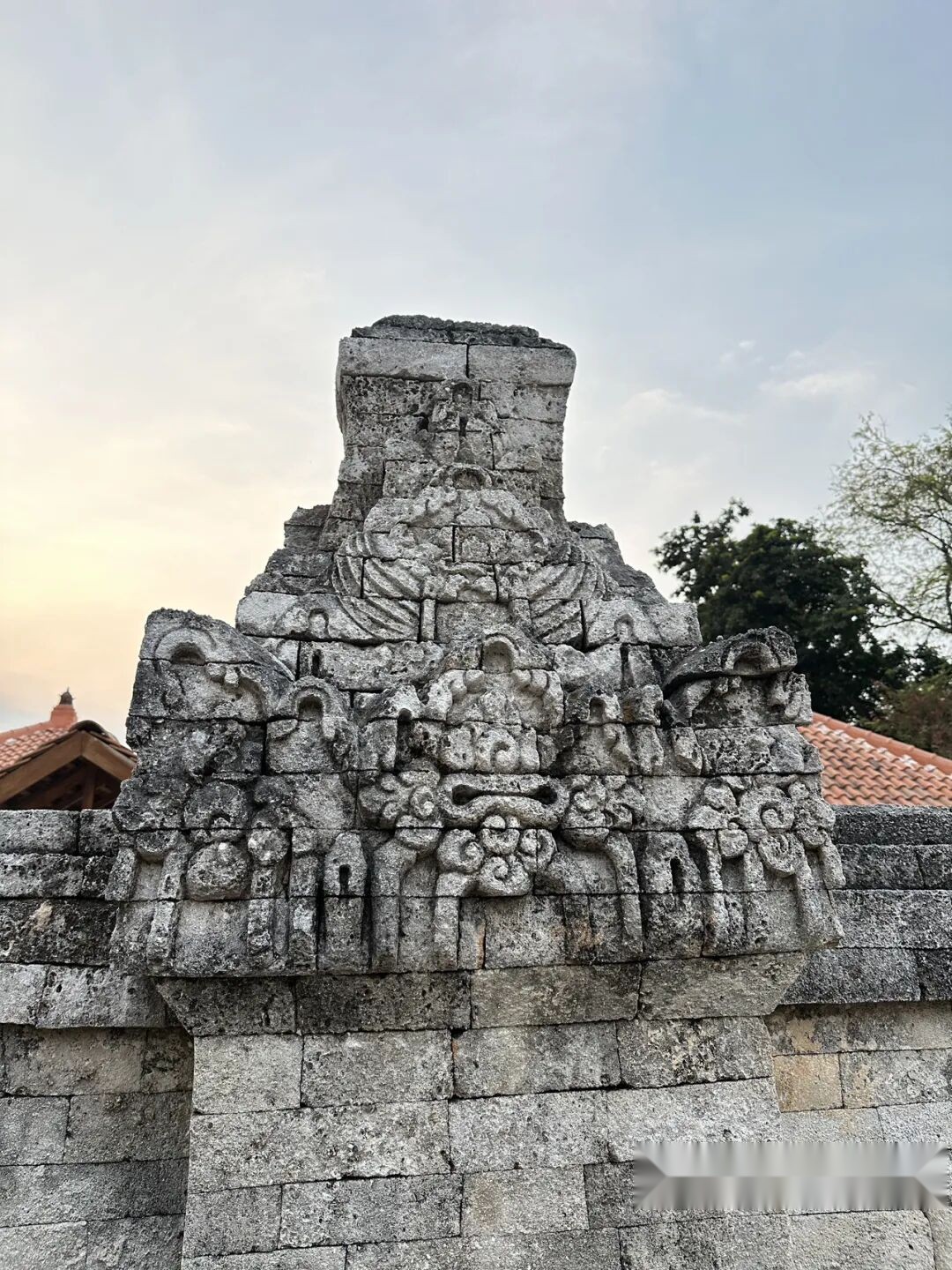
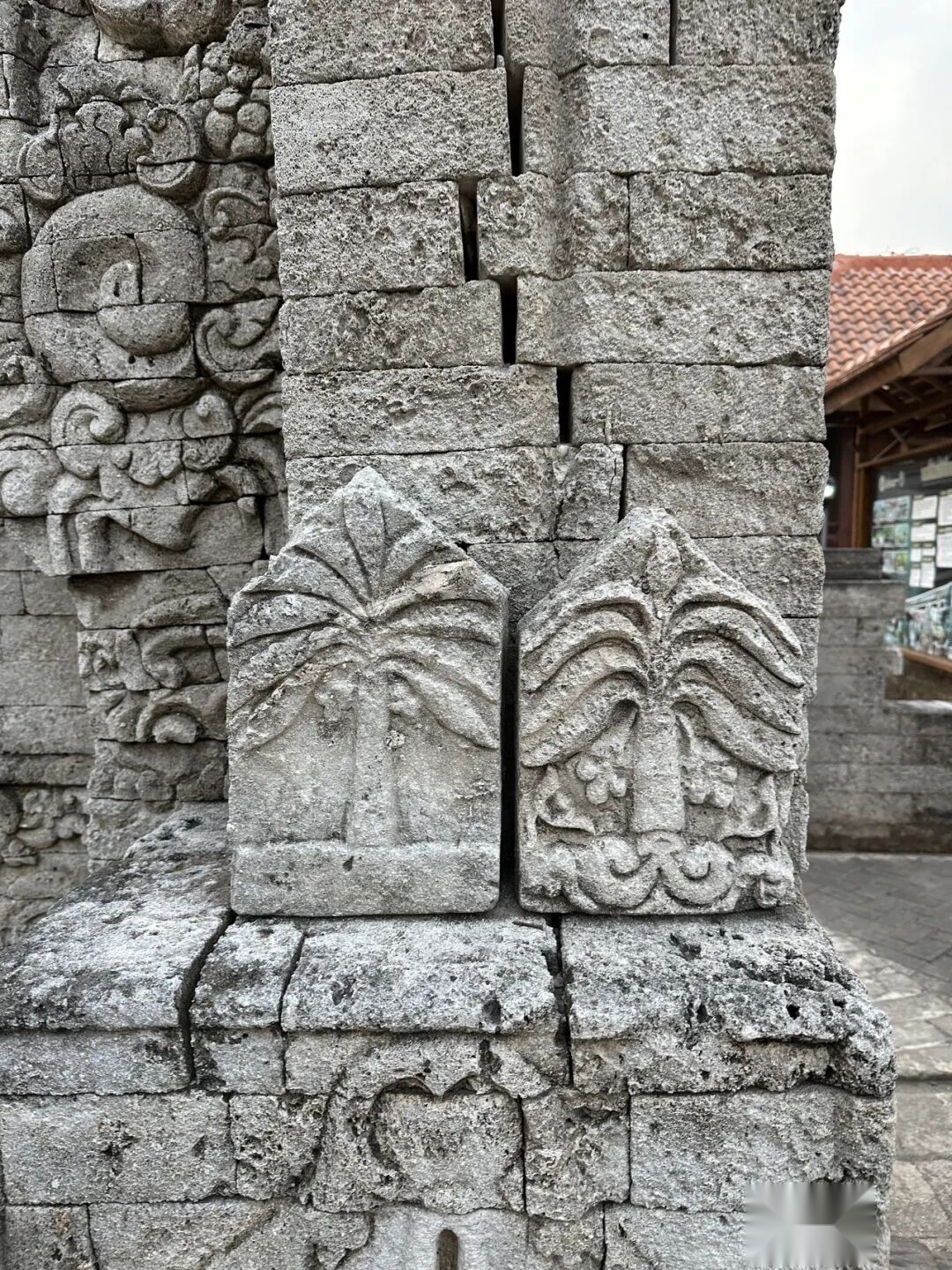
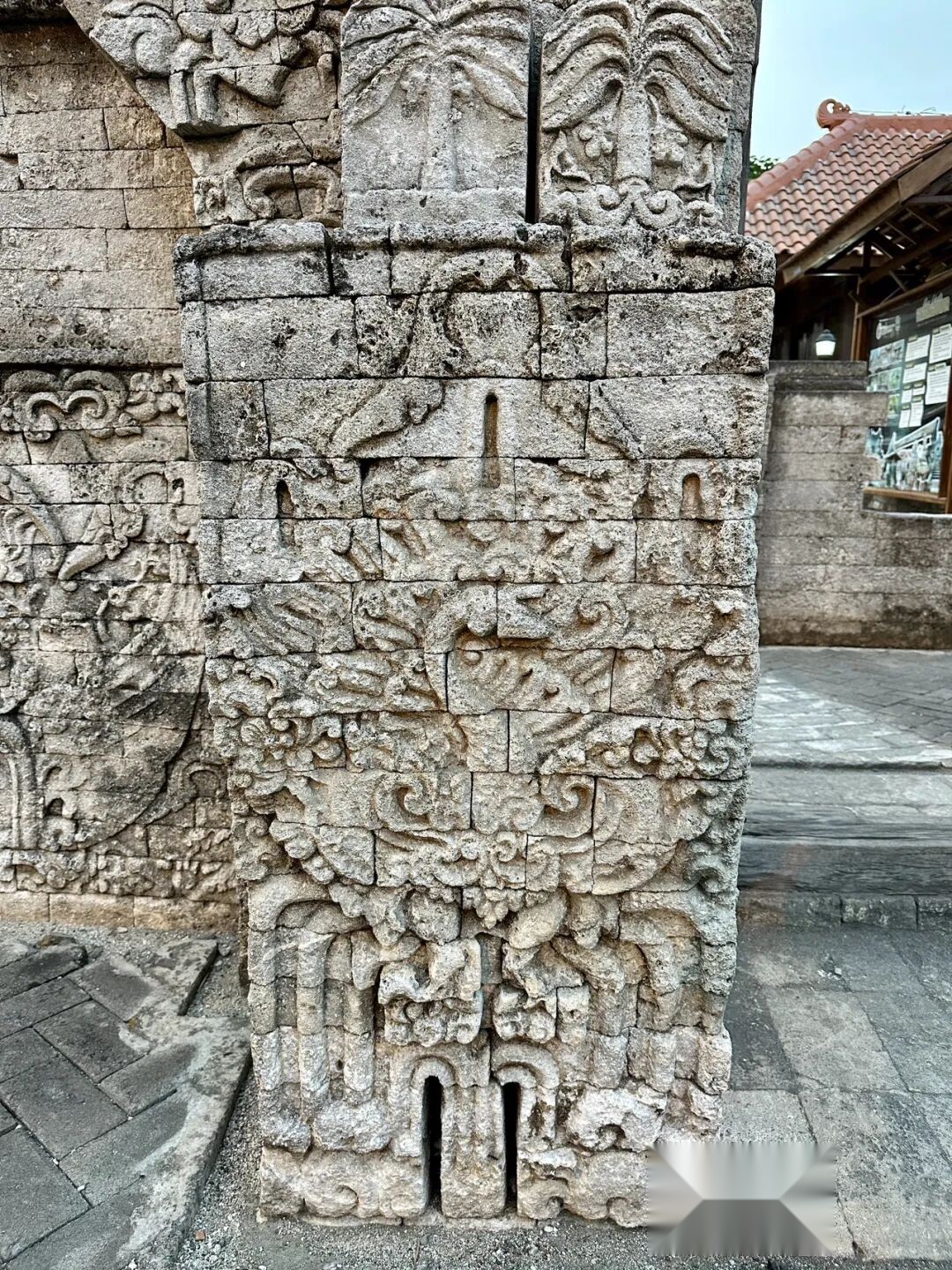
The fourth gate is the most important Gapura Paduraksa Bersayap or "winged gate," featuring a pair of massive wings growing out of the left and right sides. Right in the middle of the lintel is a Kala beast face, flanked by two pairs of Makara; the gate body and wings are completely covered in reliefs of lotuses, the Tree of Life, scrolling vines, and divine birds, with coiled dragon patterns on the back.
In Hinduism, the Kala beast face was originally the god of time who could devour everything, so it was often used to guard temple gates and ward off impurity. In Javanese Kejawen teachings, its meaning shifted into a warning symbol, reminding people to remember the afterlife, death, and judgment, and to let go of worldly greed. This is a major feature of Javanese syncretism, keeping the original form while transforming it with Islamic inner meaning.
Makara refers to the mythical water monster symbolizing water sources and life. The Makara originally featured an elephant trunk and a crocodile mouth, but one pair on this gate has transformed into a deer-head form, which is a unique variant exclusive to this tomb complex, reminding people that their inner hearts should remain alert, pure, and humble.
The divine bird imagery originally came from the Hindu Garuda bird, but in Javanese Kejawen teachings, its meaning was adapted into Buraq (the heavenly mount), echoing the miracle of the "flying mosque."
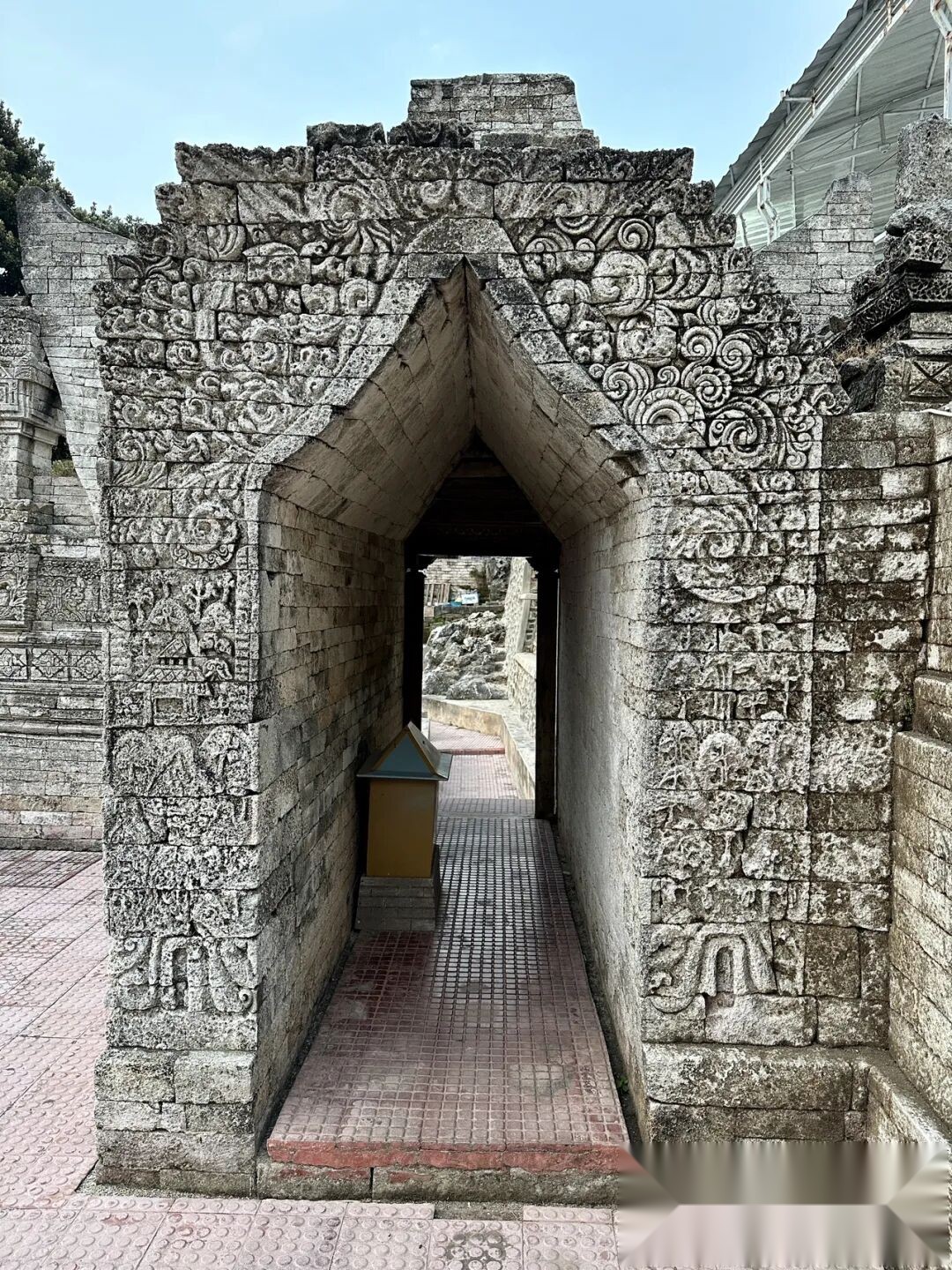
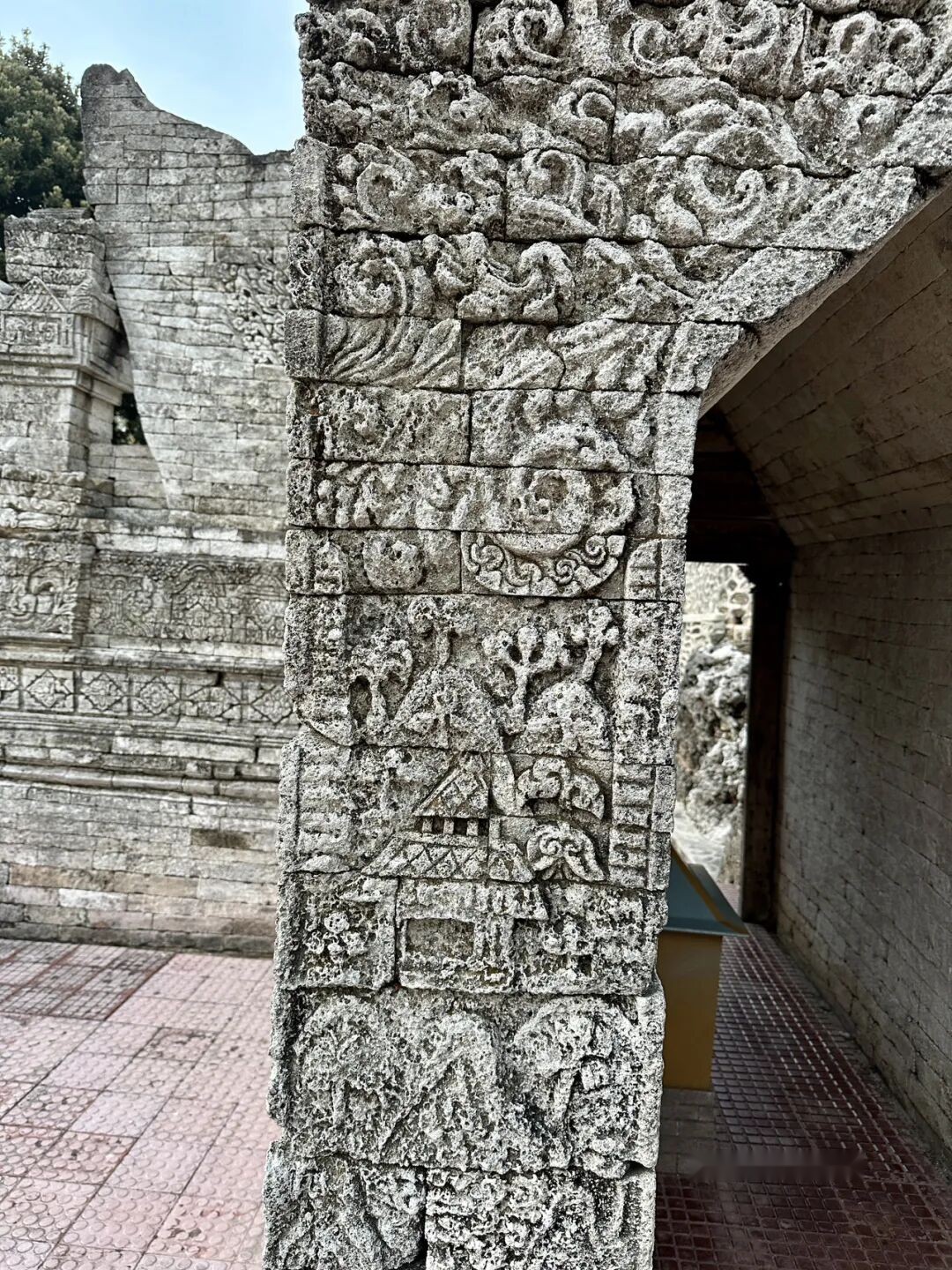
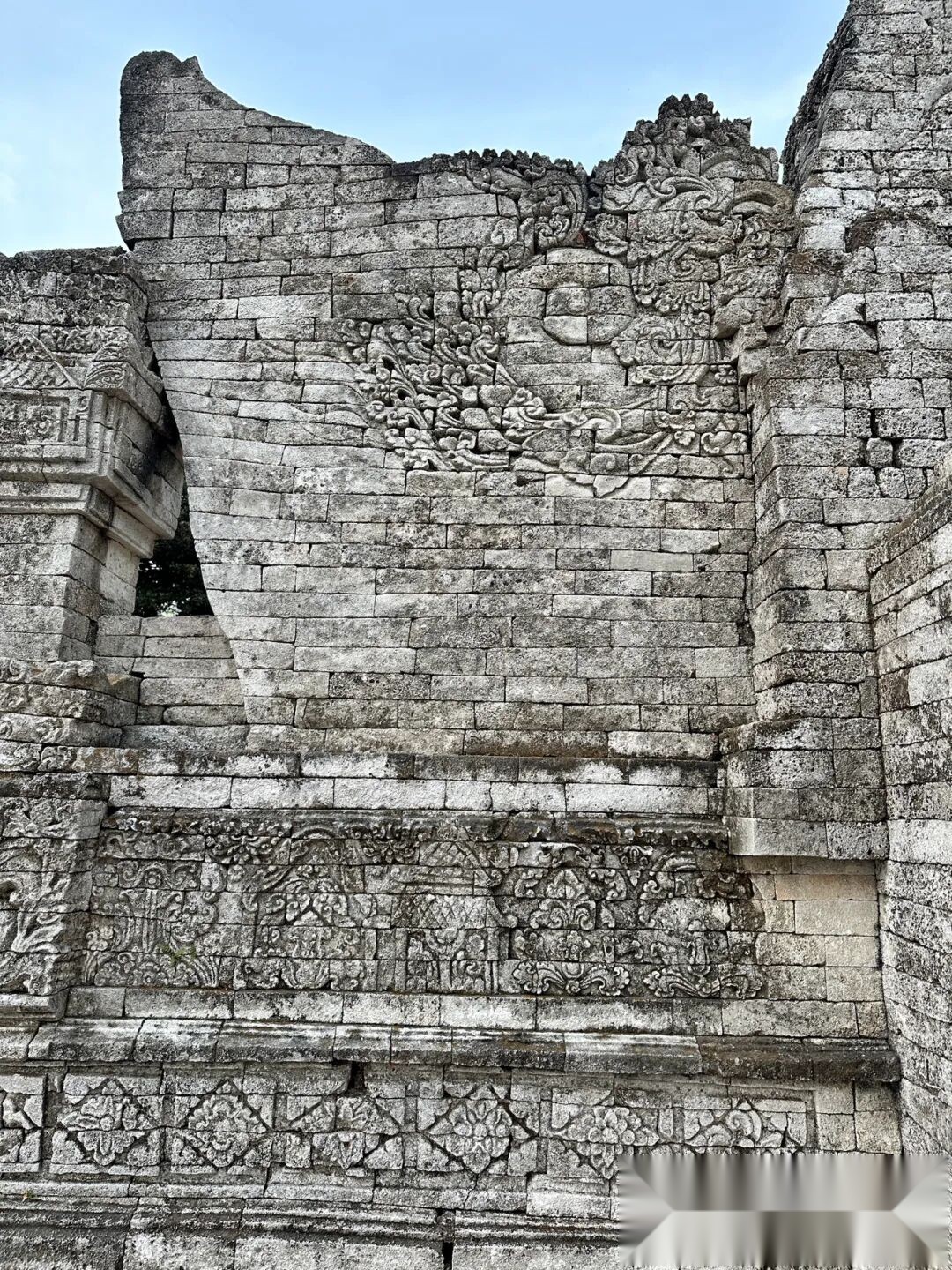
This is the doorway leading to the main prayer hall, though unfortunately, the main prayer hall has been rebuilt.
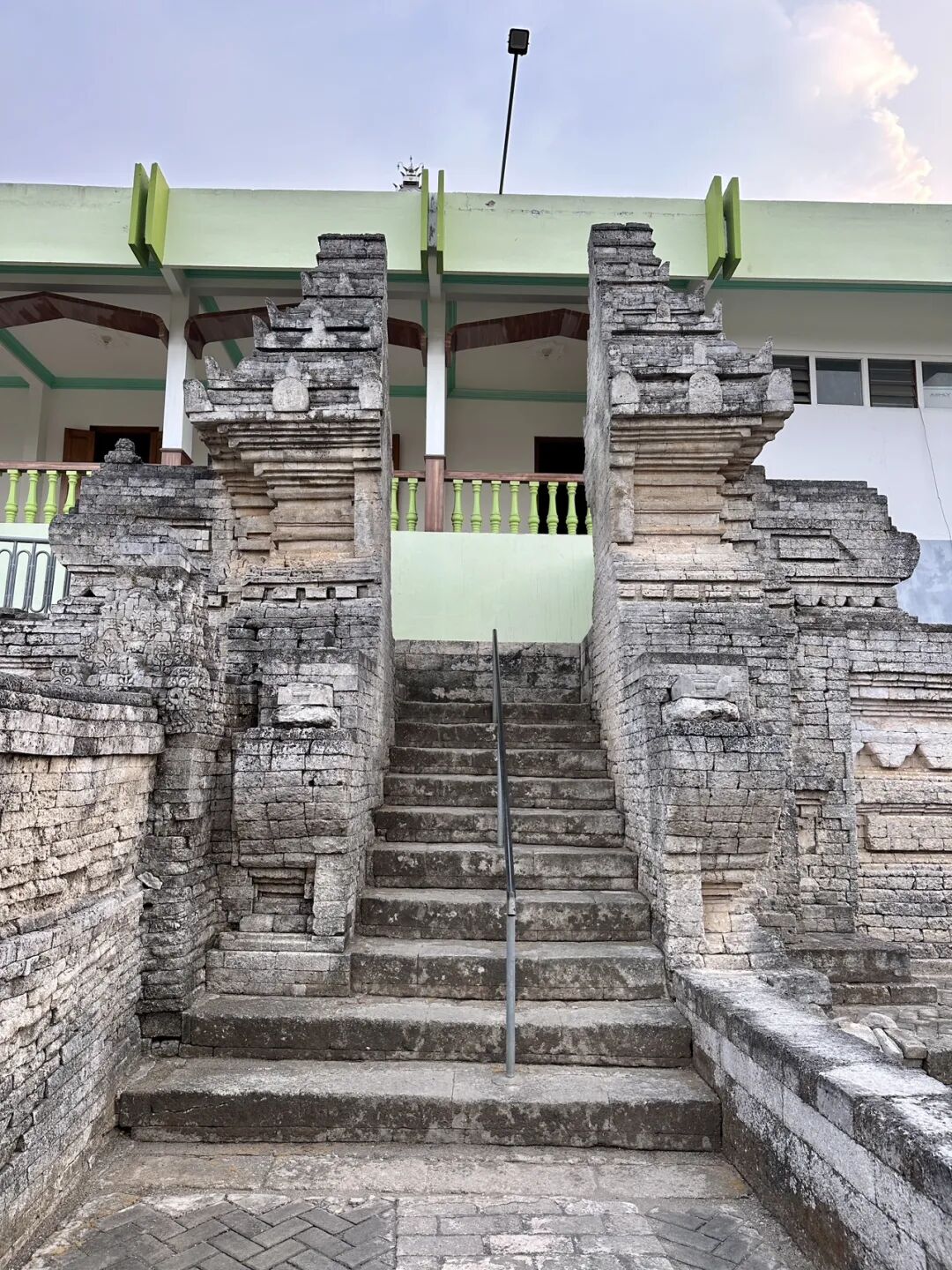
These are the stone carvings along the walls of the main prayer hall.
Directly opposite is the gateway leading to another cemetery area.
Sunan Sendang Duwur passed away in 1585, and his tomb complex is located on the west side of the flying mosque. His descendants were buried one after another on the three-tiered terrace below his tomb, forming an important Javanese tomb complex.
The lower part of the Sunan Sendang Duwur tomb consists of a carved stone platform, while the upper part features carved wooden doors and window shutters, though unfortunately, they are currently blocked off and cannot be seen.
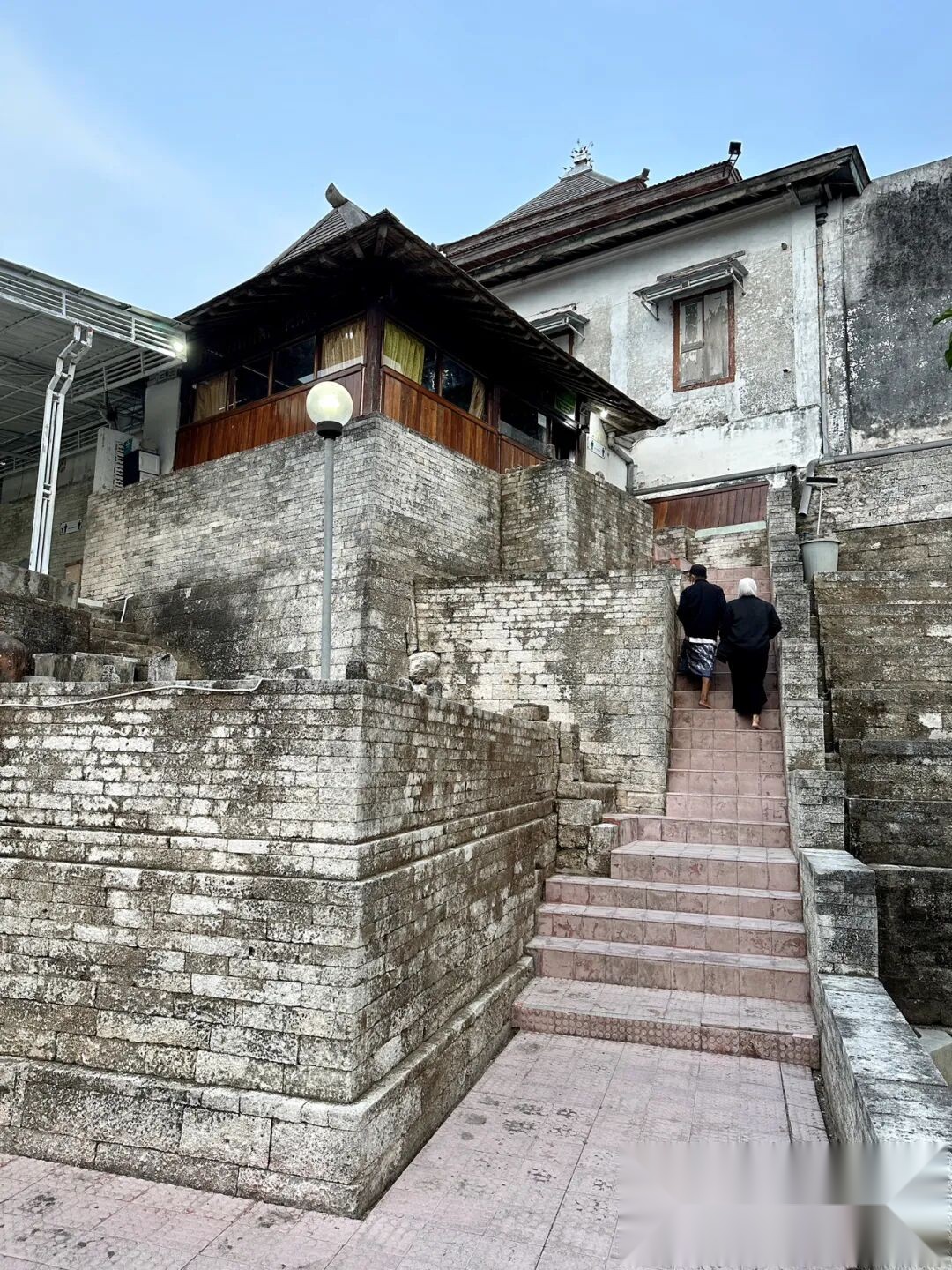
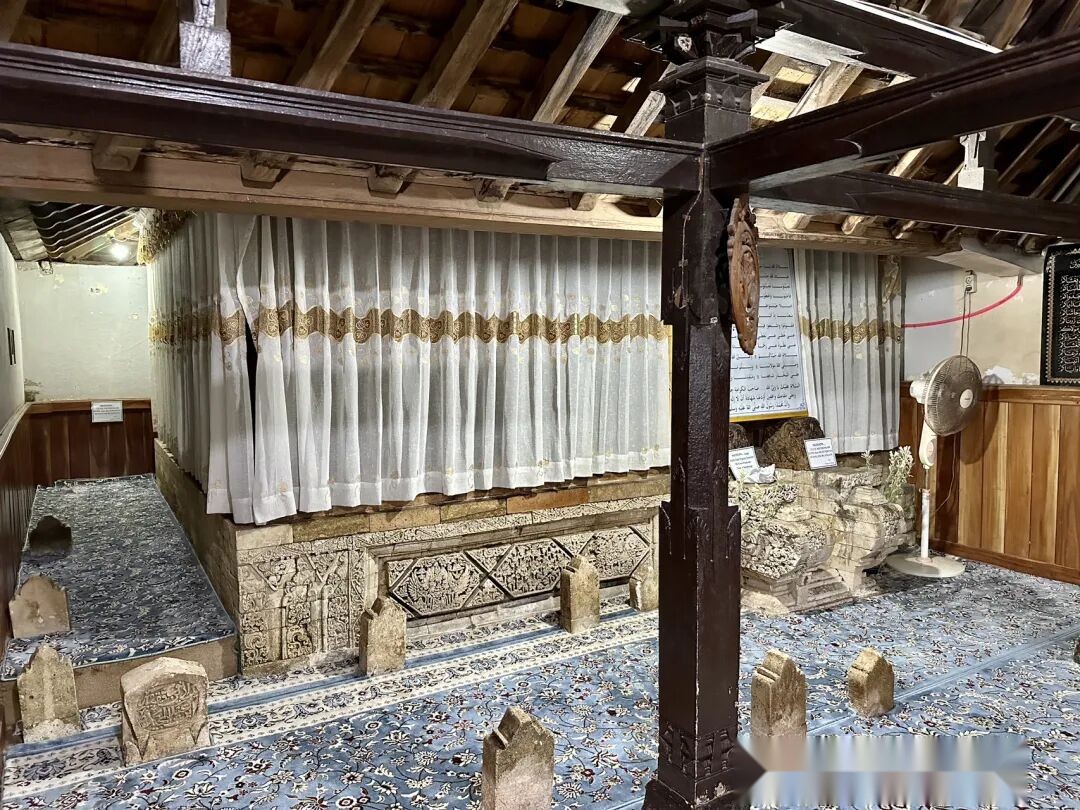
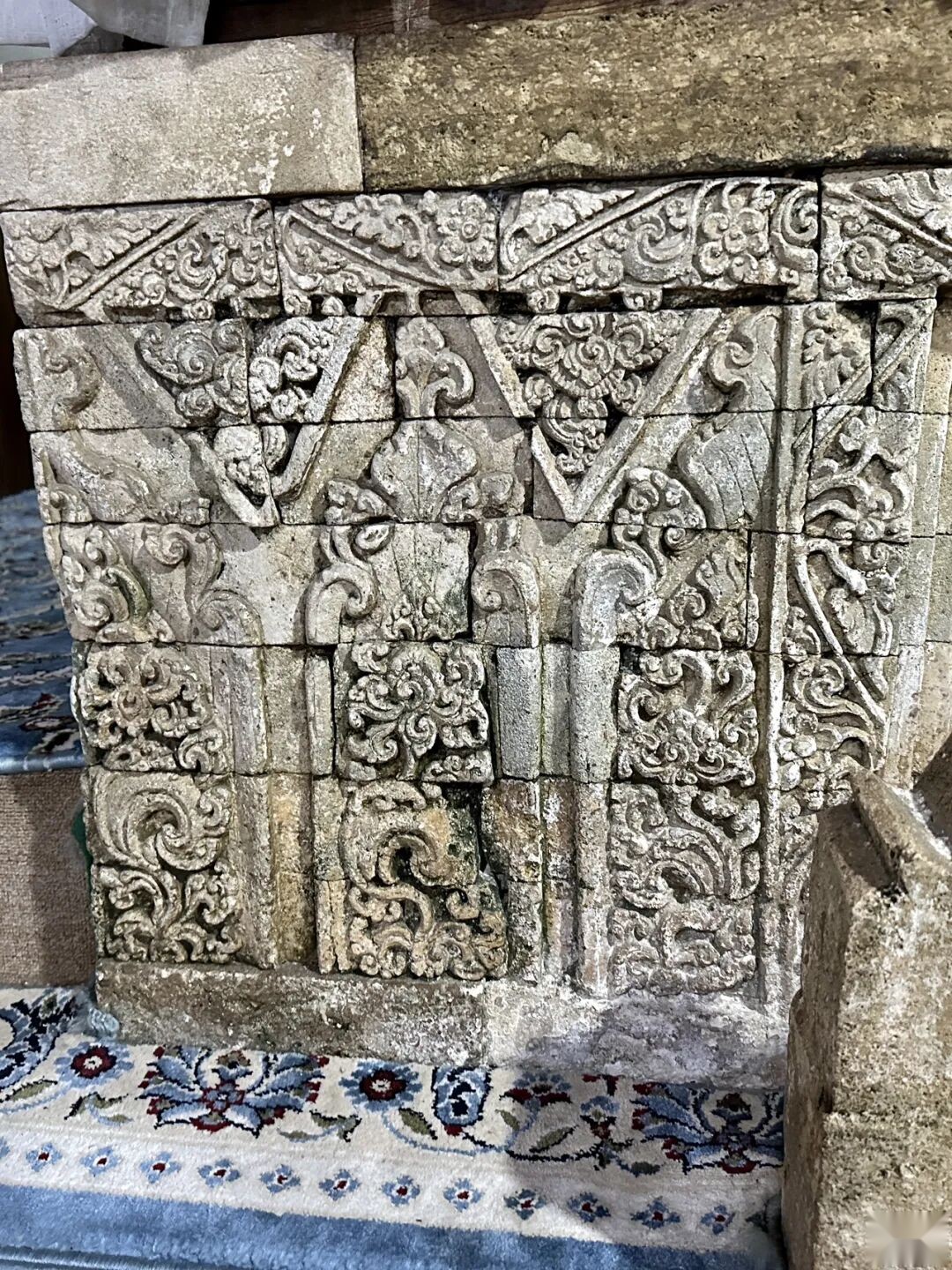
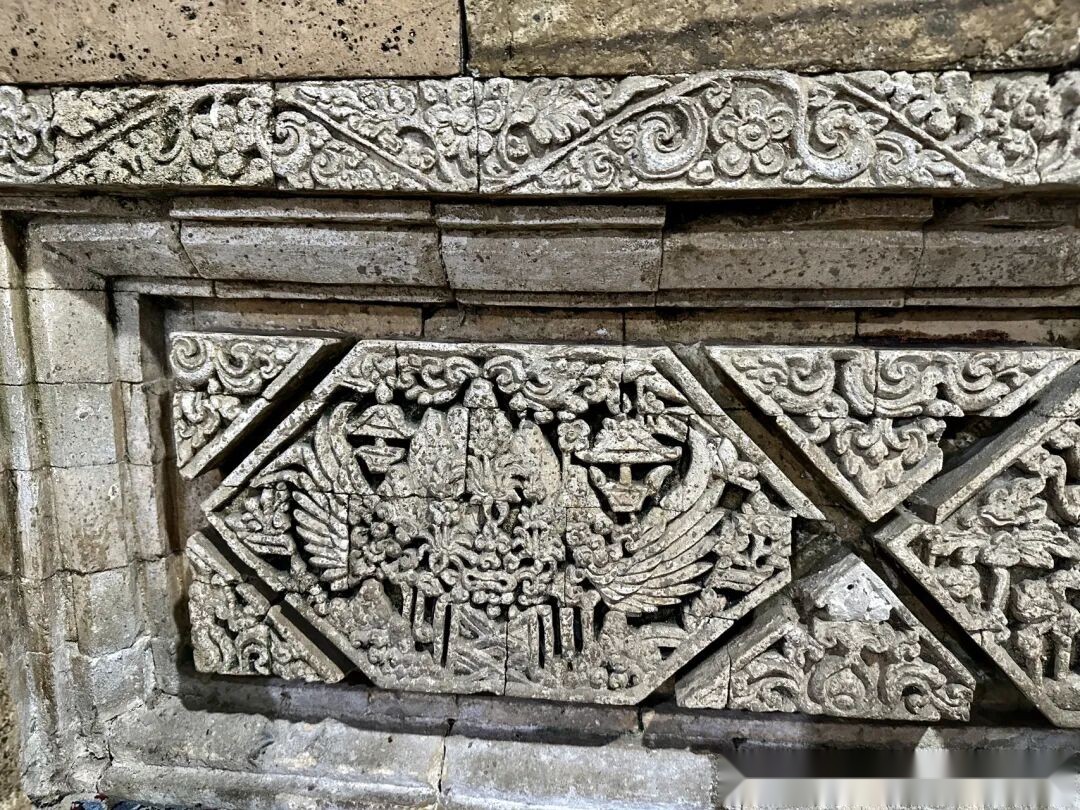
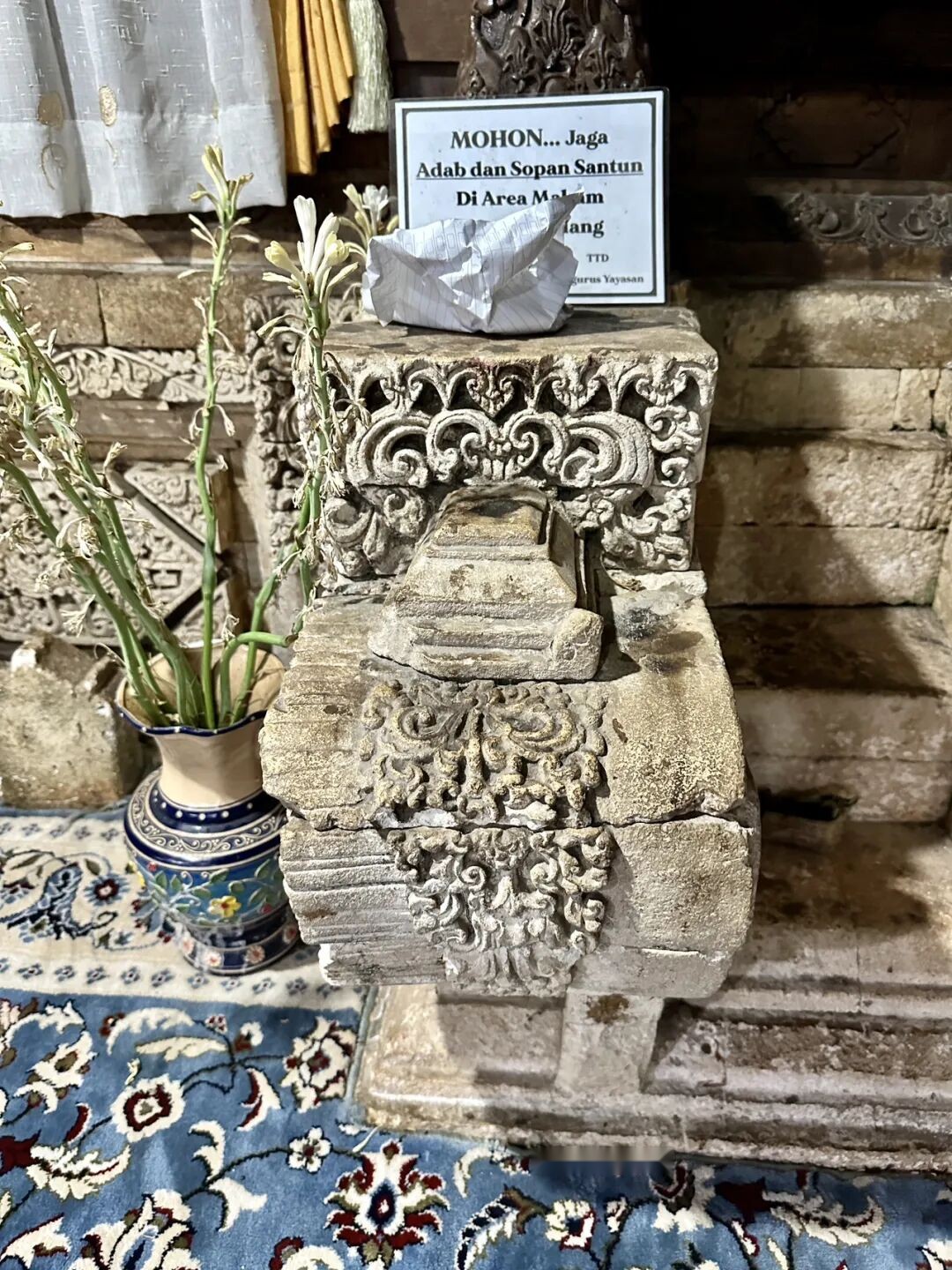
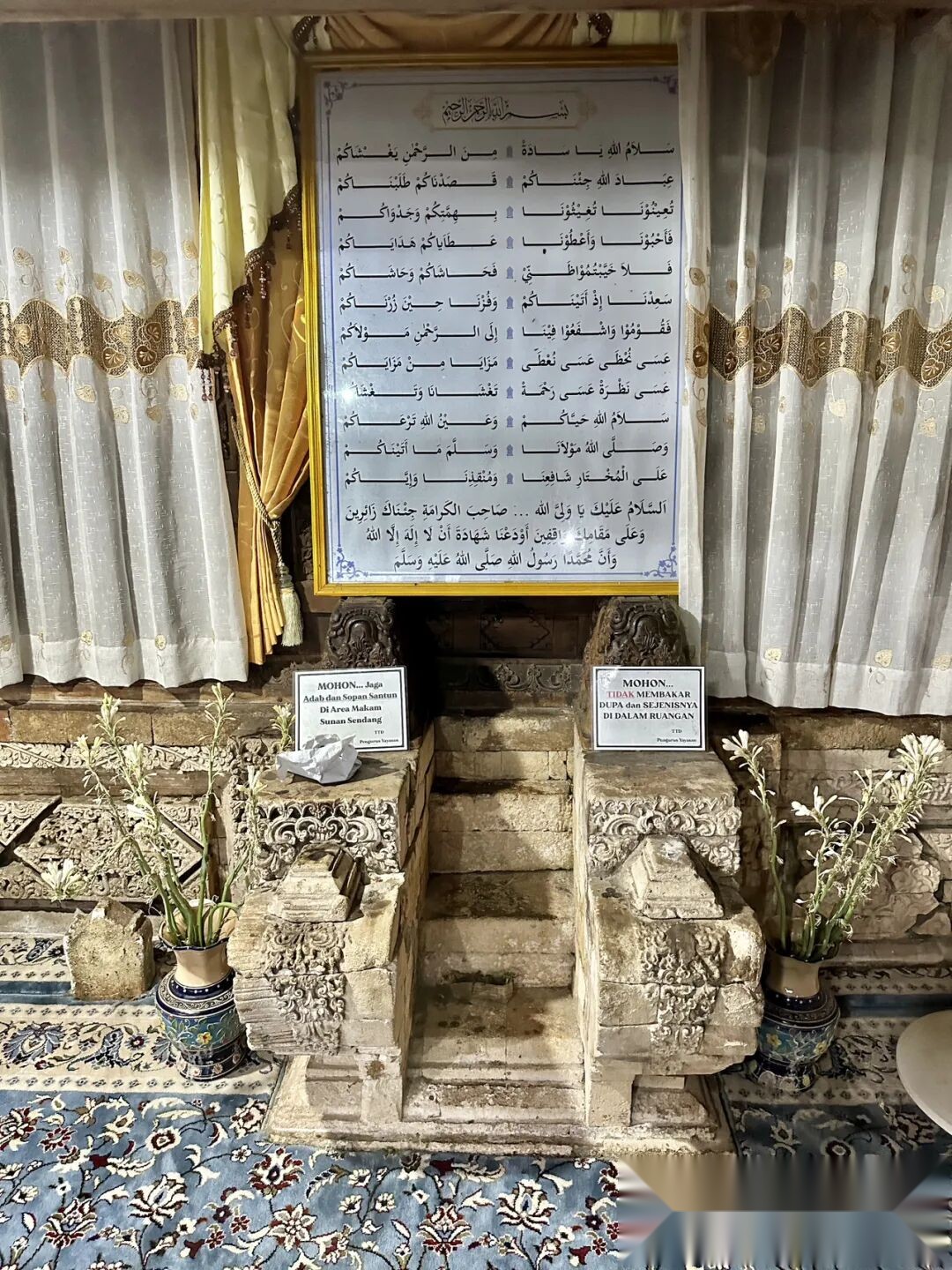
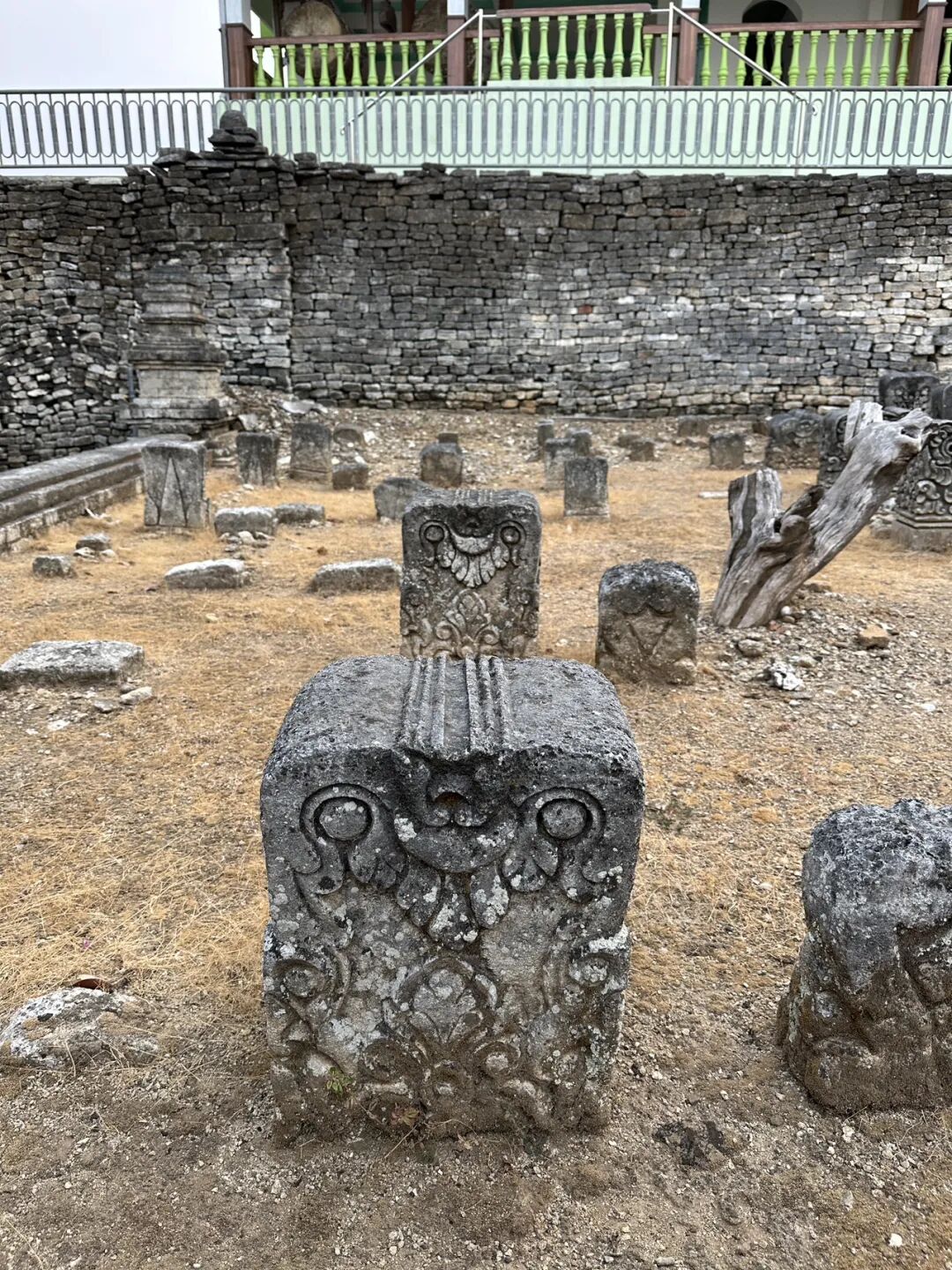
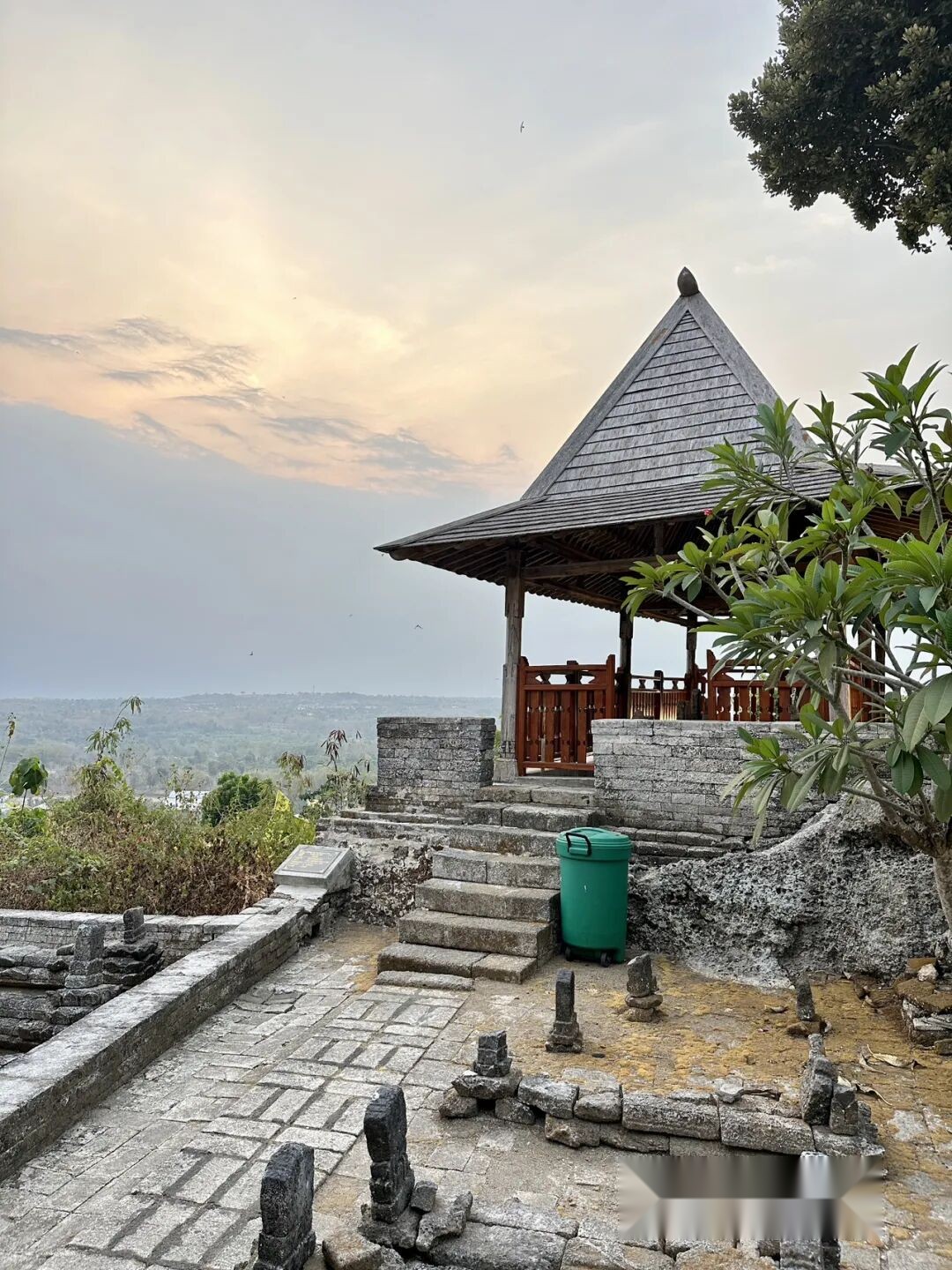
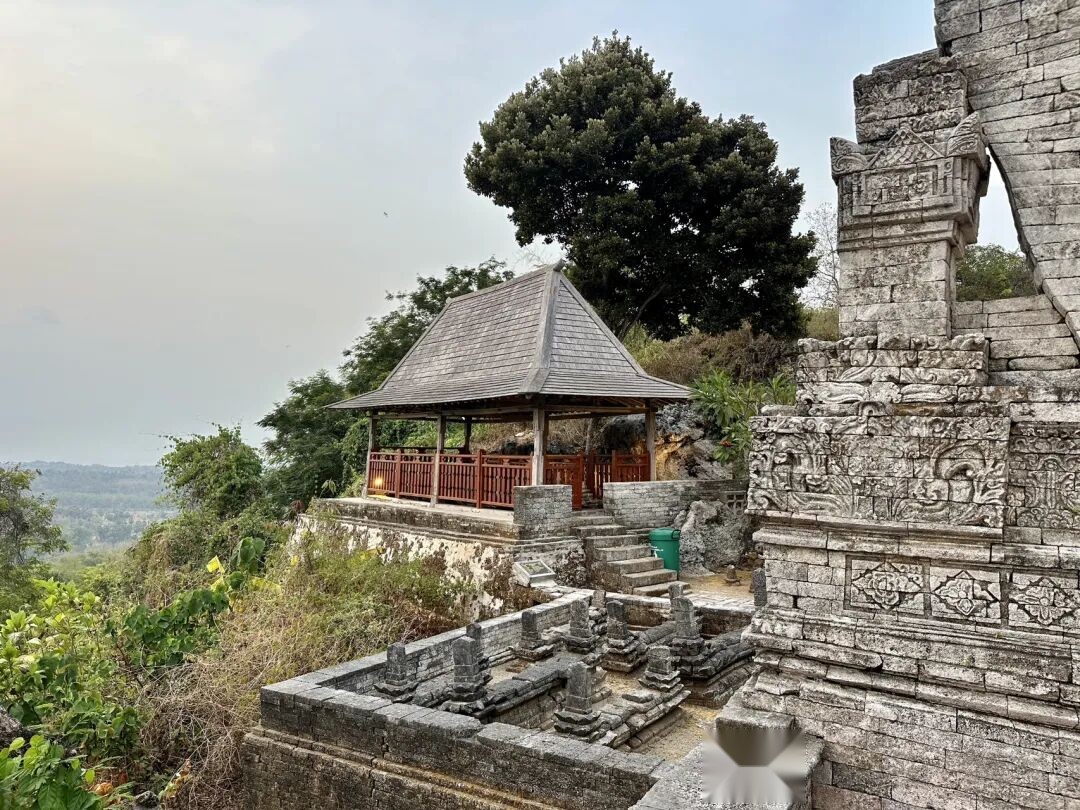
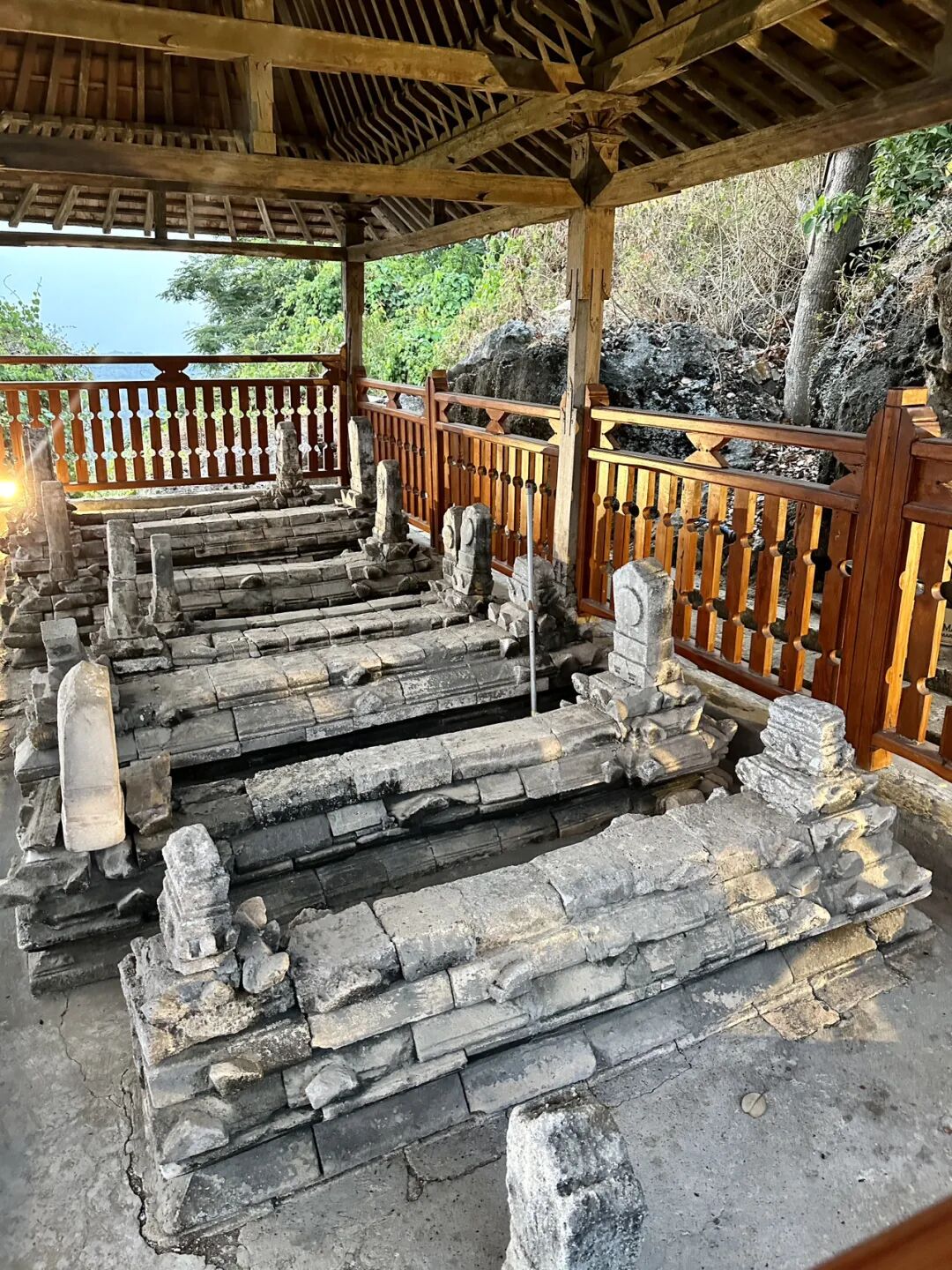
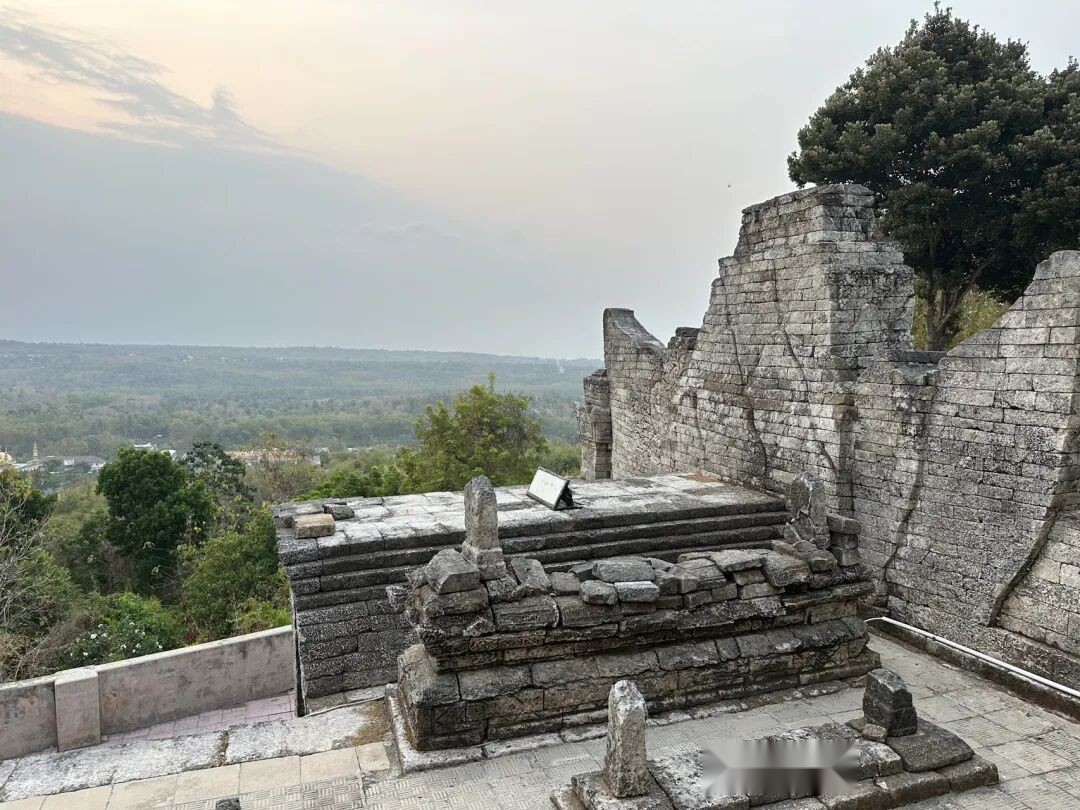
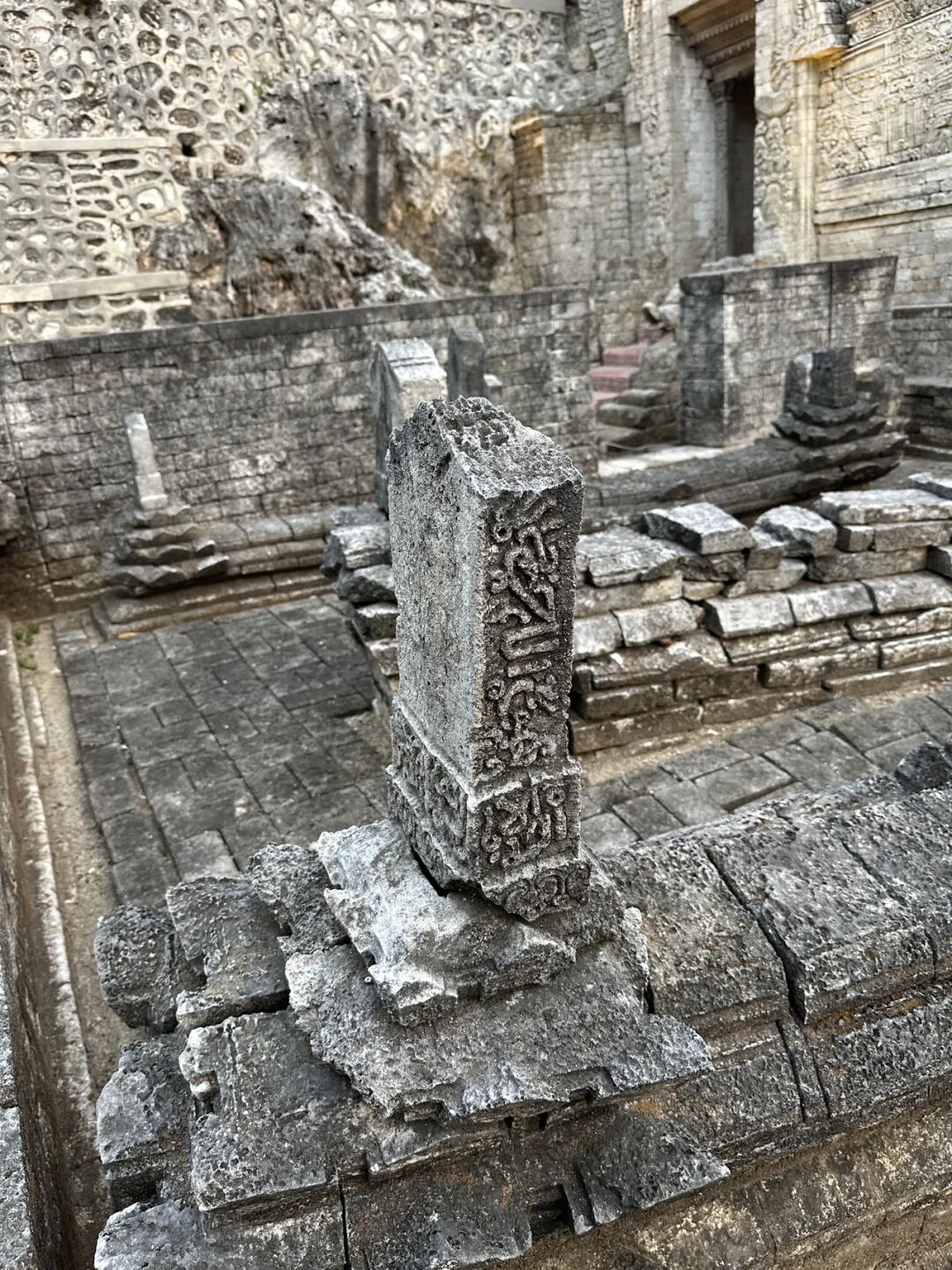
The Imam: Historical TV Series About Ahmad ibn Hanbal and the Abbasid Caliphate
Articles • Hasan09 posted the article • 0 comments • 50 views • 2026-10-30 01:10
Check out The Imam (2017), a top-rated historical drama produced by Qatar TV. The series takes a deep dive into the life of Ahmad ibn Hanbal, the founder of the Hanbali school of law—one of the four major schools in Islam—while bringing the academic legacy and historical drama of the Abbasid Caliphate to life.
The Imam / الإمام (2017)
Genre: Arabic historical biography series. Original Title: الإمام. Premiere: May 27, 2017, on Qatar TV. Episodes: 32 episodes, each about 50 minutes long. IMDb Rating: 8.7.
Show Synopsis
The show tracks the life of Ahmad ibn Hanbal, the founder of the Hanbali school of jurisprudence. Set during the Abbasid Caliphate, it centers on the Mihna (an inquisition-like trial): the Caliph attempted to force the belief that the Quran was created, but Ibn Hanbal refused to back down, leading to his trial and imprisonment. The show covers his entire journey, including his studies, writing, and the establishment of his legal framework.
The series also features a lineup of other famous figures from Islamic history, including Al-Shafi'i and Harun al-Rashid.
Cast and Crew
Directors: Mohammad Alenezi and Abdul Bari abu El-Kheir.
Starring: Mehyar Khaddour (as Ibn Hanbal), Akef Najem, Salloum Haddad, and Giana Eid.
Additional Info
Production: Qatar TV. It features the original Arabic audio with English subtitles available and can be streamed on the Alchemiya platform.
Style: This is a grand historical drama that authentically recreates the social and religious debates in Baghdad during the Abbasid era. It is one of the most high-budget religious and historical projects to come out of the Arab world in recent years. view all
Check out The Imam (2017), a top-rated historical drama produced by Qatar TV. The series takes a deep dive into the life of Ahmad ibn Hanbal, the founder of the Hanbali school of law—one of the four major schools in Islam—while bringing the academic legacy and historical drama of the Abbasid Caliphate to life.
The Imam / الإمام (2017)
Genre: Arabic historical biography series. Original Title: الإمام. Premiere: May 27, 2017, on Qatar TV. Episodes: 32 episodes, each about 50 minutes long. IMDb Rating: 8.7.
Show Synopsis

The show tracks the life of Ahmad ibn Hanbal, the founder of the Hanbali school of jurisprudence. Set during the Abbasid Caliphate, it centers on the Mihna (an inquisition-like trial): the Caliph attempted to force the belief that the Quran was created, but Ibn Hanbal refused to back down, leading to his trial and imprisonment. The show covers his entire journey, including his studies, writing, and the establishment of his legal framework.
The series also features a lineup of other famous figures from Islamic history, including Al-Shafi'i and Harun al-Rashid.
Cast and Crew
Directors: Mohammad Alenezi and Abdul Bari abu El-Kheir.
Starring: Mehyar Khaddour (as Ibn Hanbal), Akef Najem, Salloum Haddad, and Giana Eid.
Additional Info
Production: Qatar TV. It features the original Arabic audio with English subtitles available and can be streamed on the Alchemiya platform.
Style: This is a grand historical drama that authentically recreates the social and religious debates in Baghdad during the Abbasid era. It is one of the most high-budget religious and historical projects to come out of the Arab world in recent years.
Exploring Gansu's Gancaodian Mosque: A Hidden Republican-Era Cave Masjid on the Ancient Silk Road
Articles • Hasan09 posted the article • 0 comments • 51 views • 2026-10-30 01:09
These 20 photos document the Gancaodian Mosque (masjid) located in Yuzhong County, Lanzhou, Gansu Province. We’re tracing the history of over 40 Hui Muslim families who settled along this vital Silk Road artery during the Republican era to trade, as well as the unique cave-style architecture they carved into the cliffs and what the site looks like today.
The Gancaodian Mosque in Yuzhong County was built during the Republican era as a Sufi mosque. Back then, this area was a major hub on the ancient Silk Road connecting Lintao, Linxia, Dingxi, Longxi, Tianshui, Zhangjiachuan, and all the way to the ancient capital of Xi'an. At its peak, more than 40 Hui Muslim families lived and traded here, and with a Muslim community comes the need for a mosque. When they first tried to build it, powerful local Han groups made things incredibly difficult. In the end, a Hui Muslim officer in the Nationalist army had to mobilize troops to step in. The soldiers carved the structure directly into the cliffside in the form of a yaodong (traditional cave dwelling). The current mosque building is a later addition, and there are only a few Muslim families left in the area now today.
The Gancaodian Mosque belongs to the Jahriyya Sufi order, as followers of this path frequently passed through here on their way to the Guanchuan Daotang (a religious hall/center) in Dingxi. As the name Gancaodian suggests, this place was historically a major post station—a must-pass point between Lanzhou and Xi'an. In the old days, it was packed with caravanserais, where travelers and teamsters would stop to rest. Later, when the Bao-Lan Railway was built between Lanzhou and Xi'an, population movement spiked. There were originally over 40 veteran Hui Muslim families running various businesses, but every time they tried to build a mosque, outsiders would tear it down because the Hui Muslims were considered 'foreigners' to the area. Eventually, Sixth Uncle (Ma Chongyong) reached out to a friend of his in the National Revolutionary Army, a Hui officer named Hawandani, who sent a company of soldiers to station themselves here. With the military’s help, the soldiers dug out the cliffside caves that formed the original version of the Gancaodian Mosque; an old well dug by those soldiers still stands as evidence today.
This is the renovated mosque, but sadly, many of the local Muslims have had to move away to find work and escape poverty. Now, only four or five families remain. The elderly Imam—who happens to be my father-in-law—has held down the fort here his entire life. He is a truly self-reliant man of faith. May Allah have mercy on him, be pleased with him, and grant him blessings in this life and the hereafter. Amin! view all
These 20 photos document the Gancaodian Mosque (masjid) located in Yuzhong County, Lanzhou, Gansu Province. We’re tracing the history of over 40 Hui Muslim families who settled along this vital Silk Road artery during the Republican era to trade, as well as the unique cave-style architecture they carved into the cliffs and what the site looks like today.
The Gancaodian Mosque in Yuzhong County was built during the Republican era as a Sufi mosque. Back then, this area was a major hub on the ancient Silk Road connecting Lintao, Linxia, Dingxi, Longxi, Tianshui, Zhangjiachuan, and all the way to the ancient capital of Xi'an. At its peak, more than 40 Hui Muslim families lived and traded here, and with a Muslim community comes the need for a mosque. When they first tried to build it, powerful local Han groups made things incredibly difficult. In the end, a Hui Muslim officer in the Nationalist army had to mobilize troops to step in. The soldiers carved the structure directly into the cliffside in the form of a yaodong (traditional cave dwelling). The current mosque building is a later addition, and there are only a few Muslim families left in the area now today.
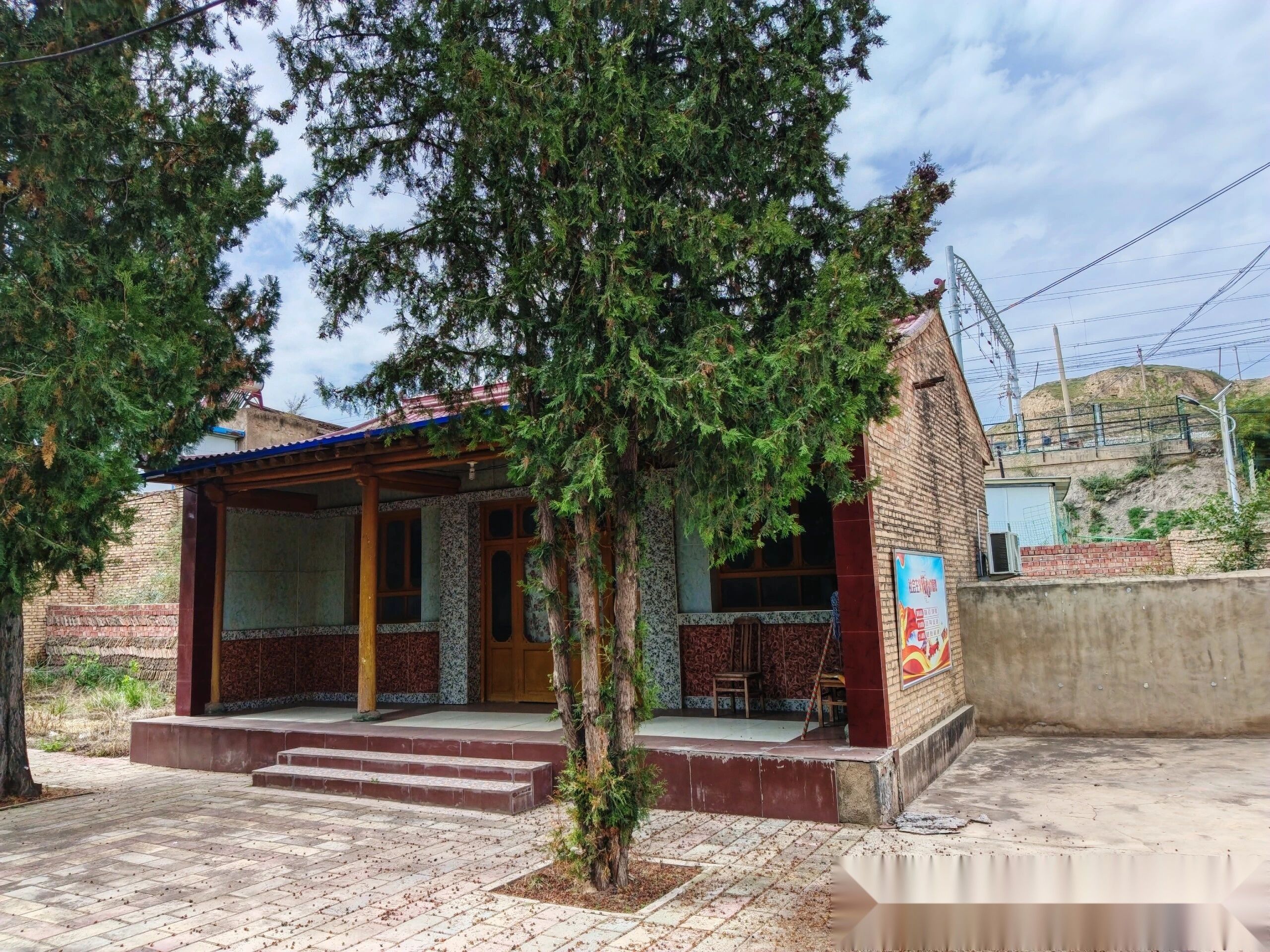
The Gancaodian Mosque belongs to the Jahriyya Sufi order, as followers of this path frequently passed through here on their way to the Guanchuan Daotang (a religious hall/center) in Dingxi. As the name Gancaodian suggests, this place was historically a major post station—a must-pass point between Lanzhou and Xi'an. In the old days, it was packed with caravanserais, where travelers and teamsters would stop to rest. Later, when the Bao-Lan Railway was built between Lanzhou and Xi'an, population movement spiked. There were originally over 40 veteran Hui Muslim families running various businesses, but every time they tried to build a mosque, outsiders would tear it down because the Hui Muslims were considered 'foreigners' to the area. Eventually, Sixth Uncle (Ma Chongyong) reached out to a friend of his in the National Revolutionary Army, a Hui officer named Hawandani, who sent a company of soldiers to station themselves here. With the military’s help, the soldiers dug out the cliffside caves that formed the original version of the Gancaodian Mosque; an old well dug by those soldiers still stands as evidence today.
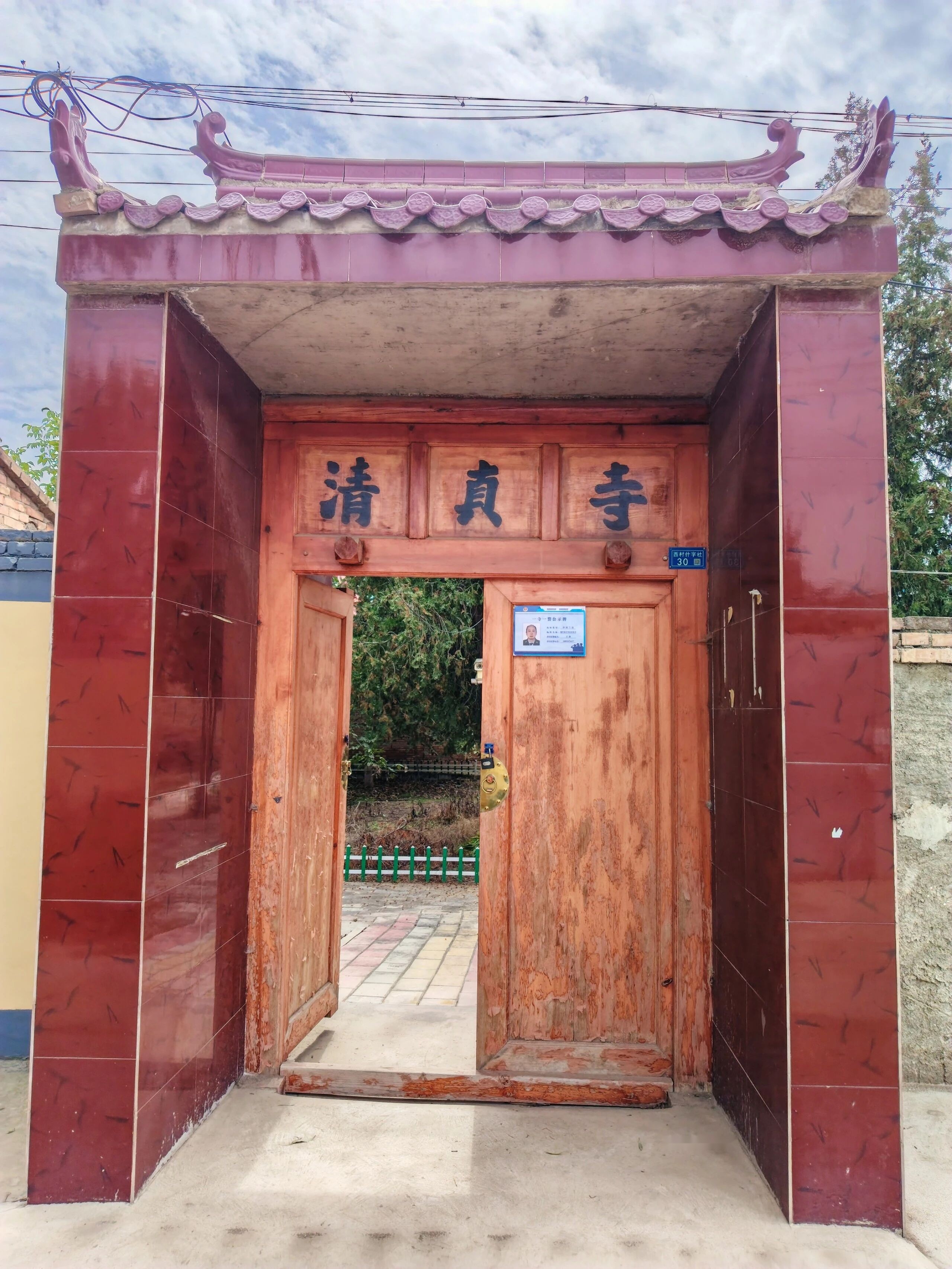
This is the renovated mosque, but sadly, many of the local Muslims have had to move away to find work and escape poverty. Now, only four or five families remain. The elderly Imam—who happens to be my father-in-law—has held down the fort here his entire life. He is a truly self-reliant man of faith. May Allah have mercy on him, be pleased with him, and grant him blessings in this life and the hereafter. Amin!
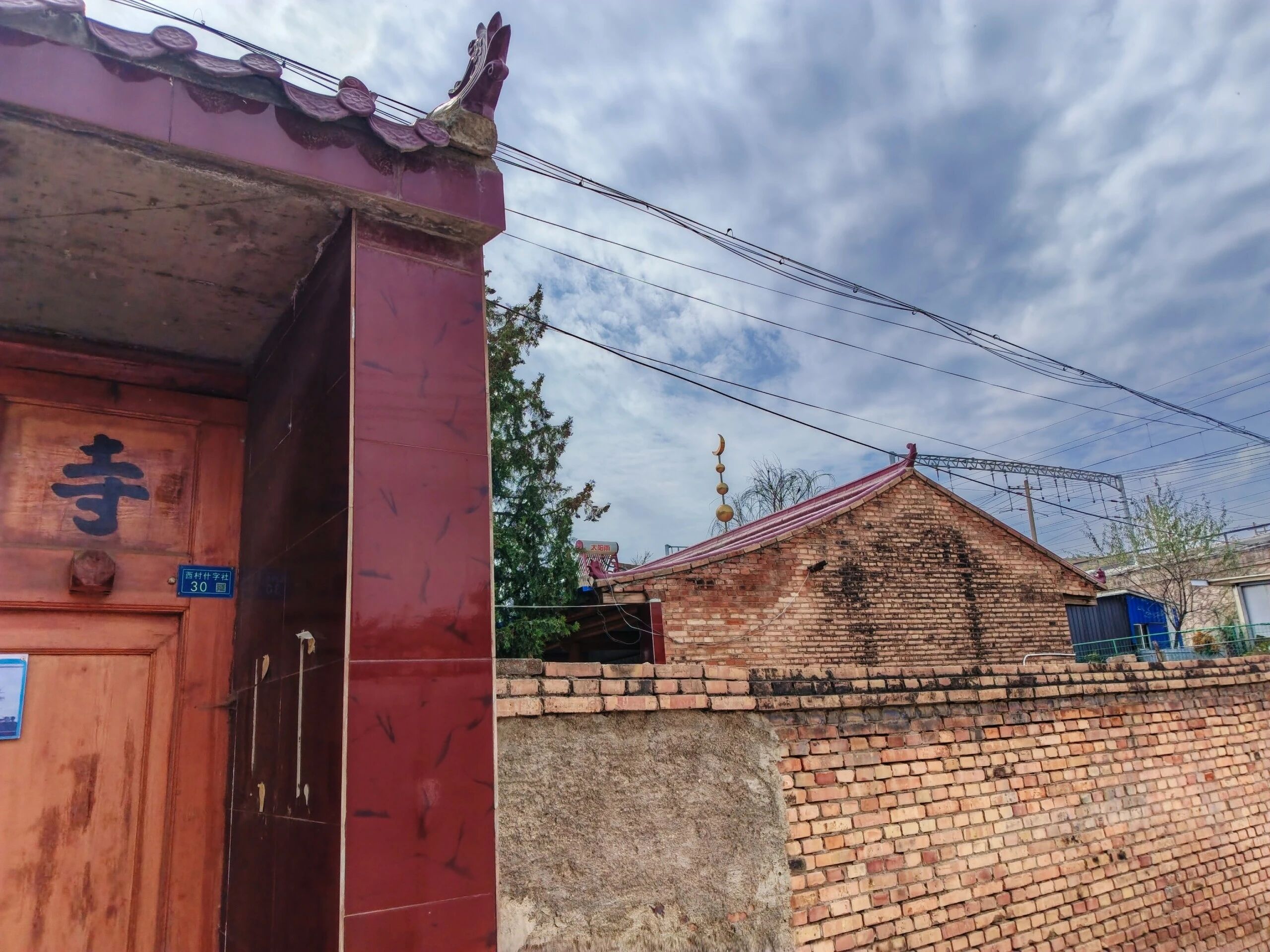

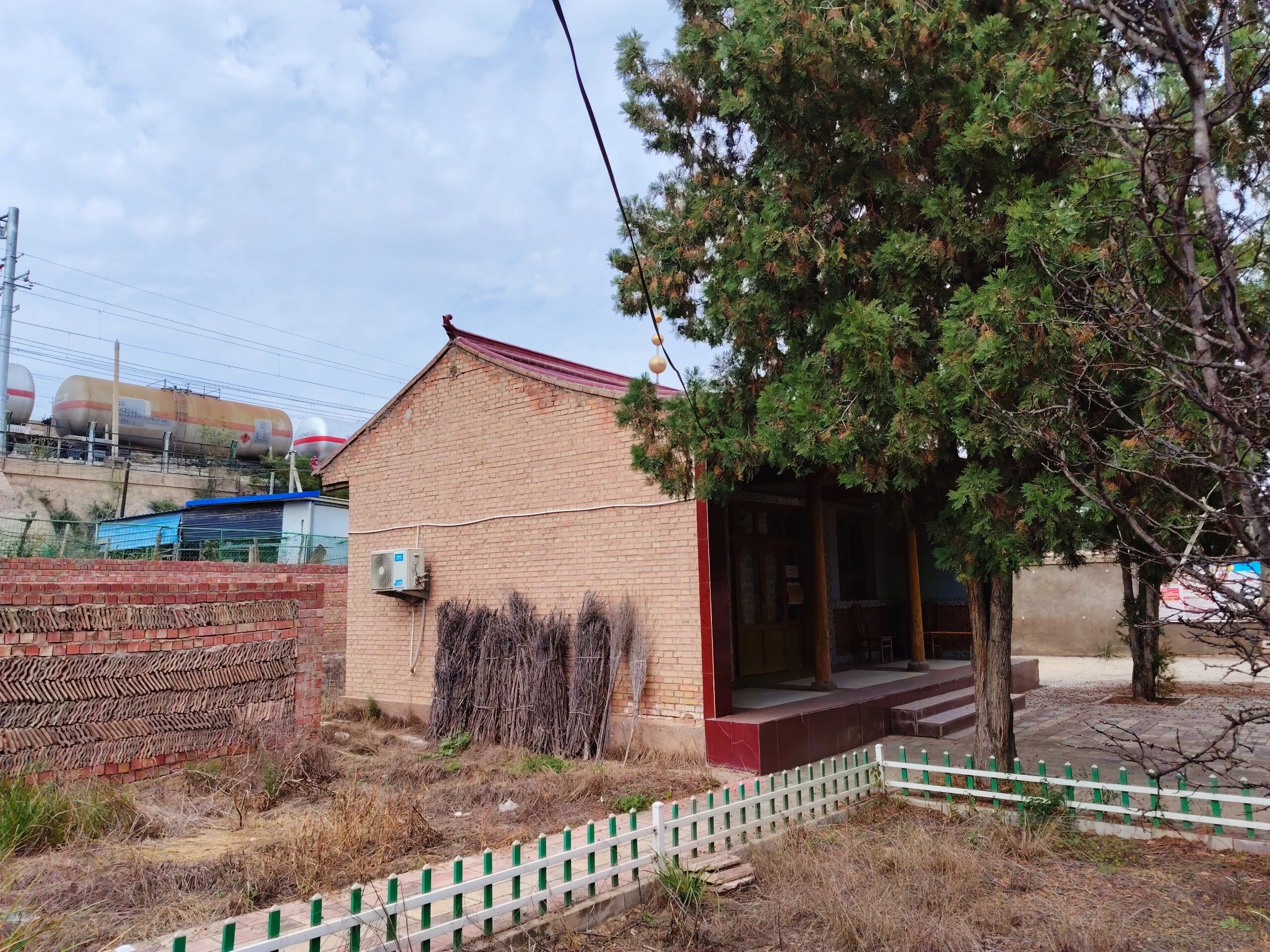
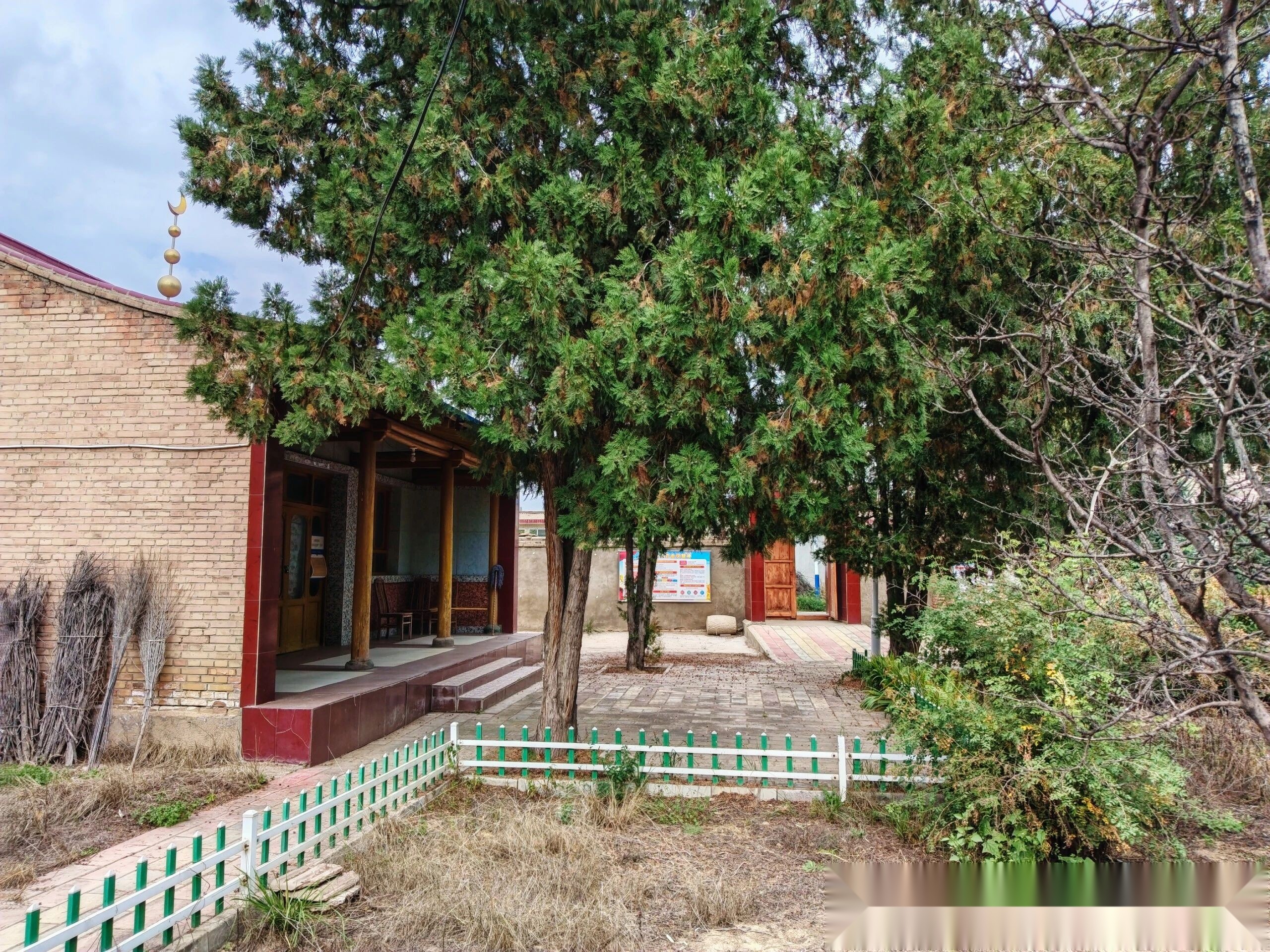
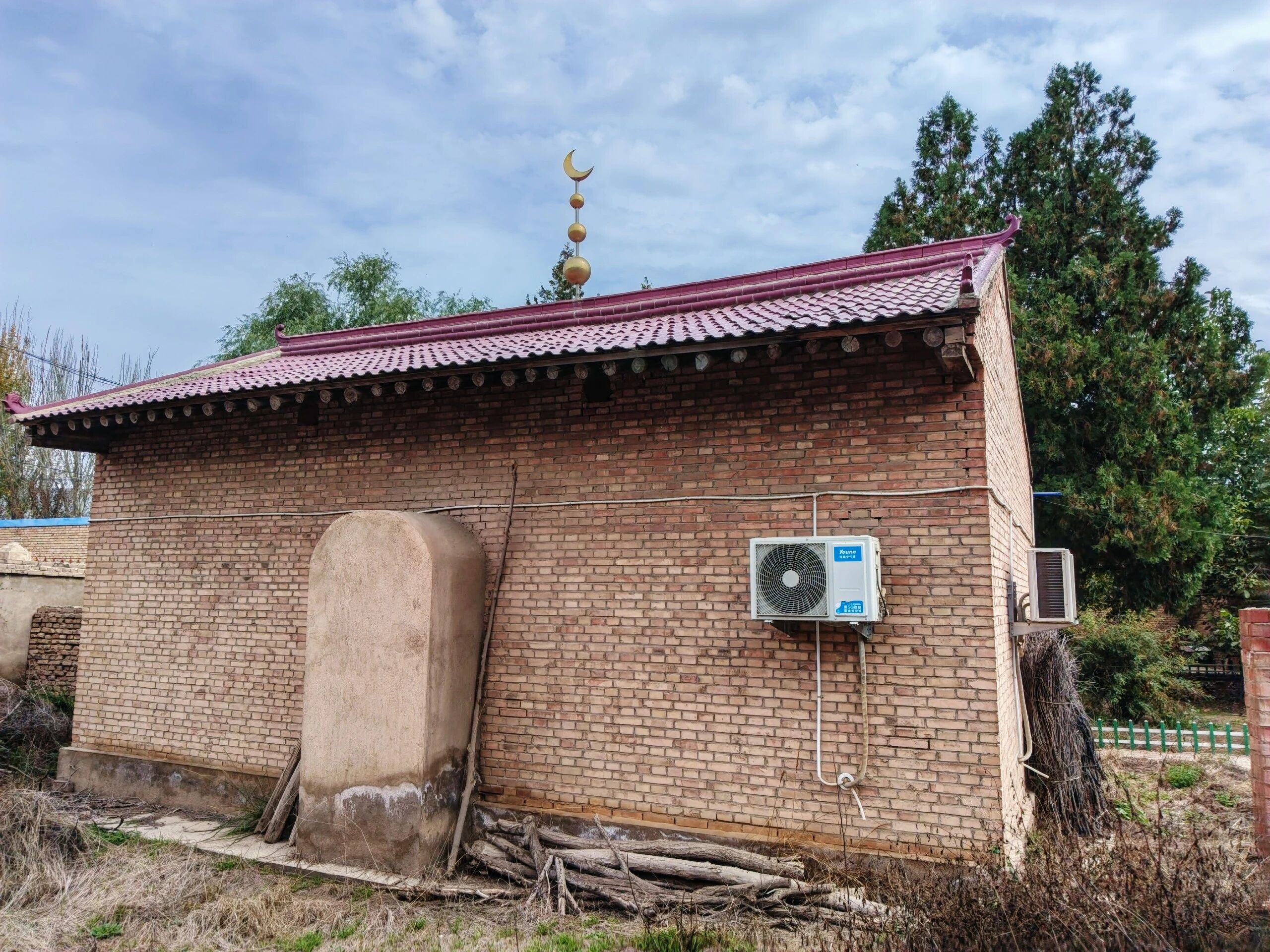
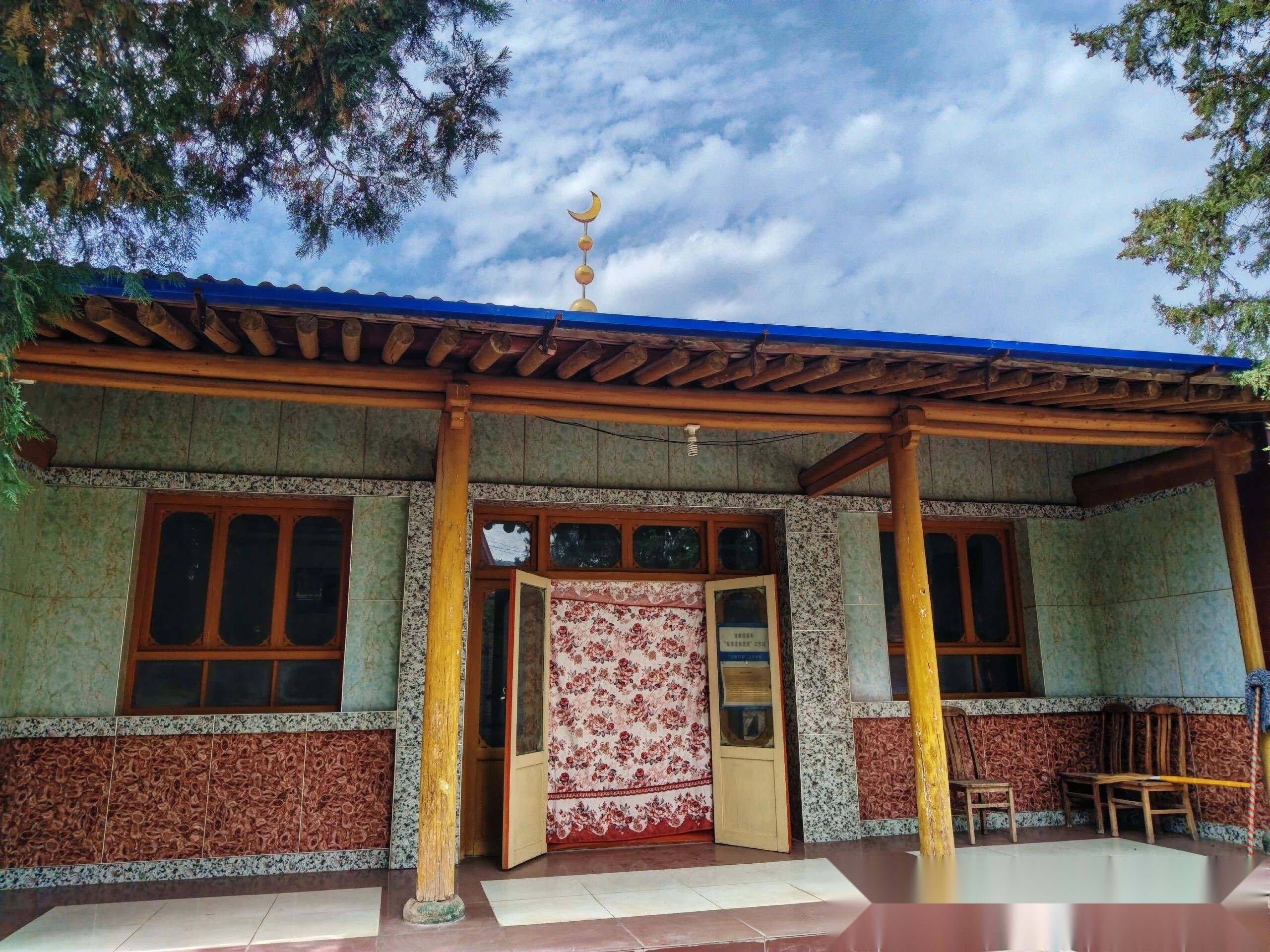
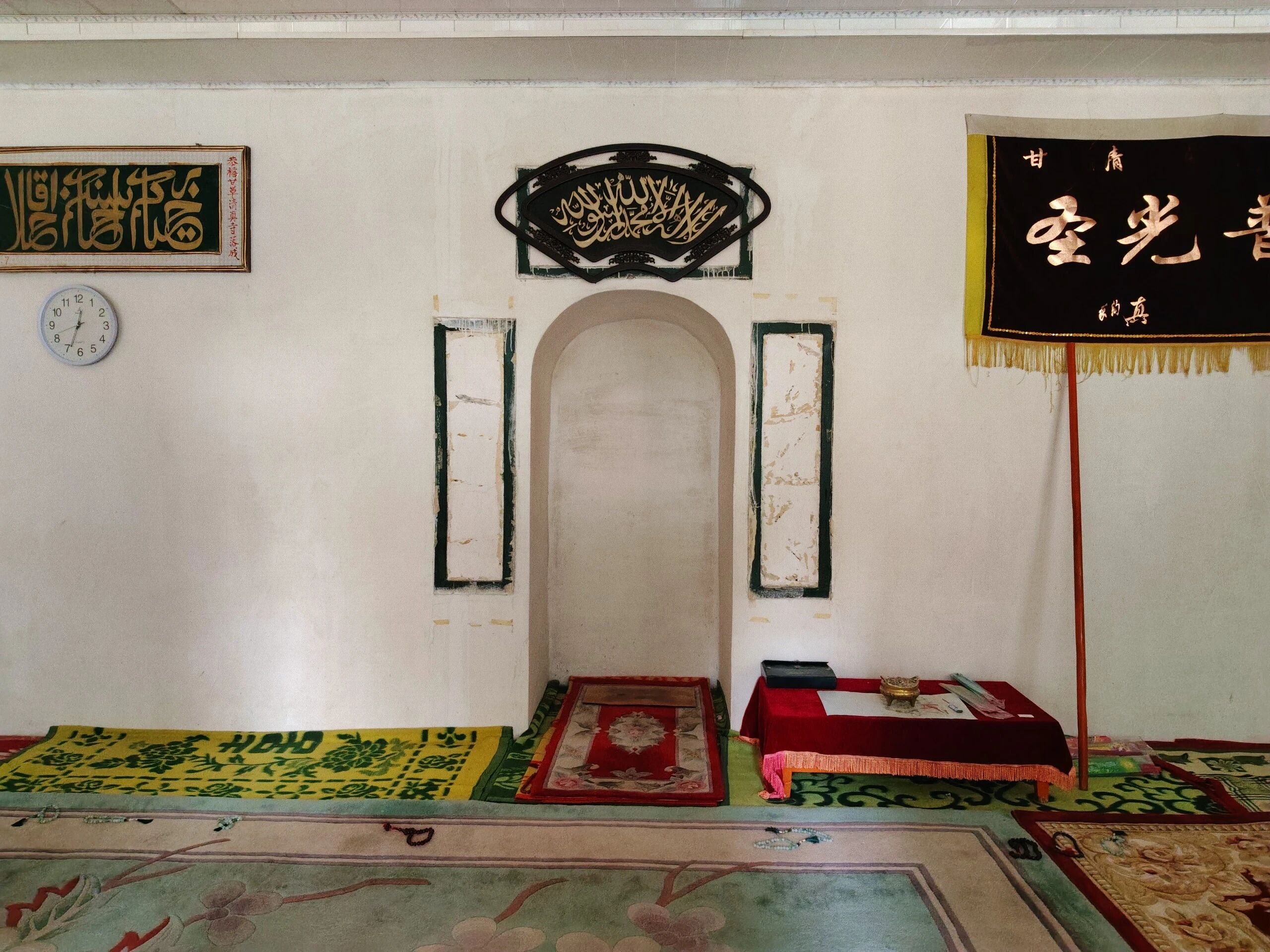
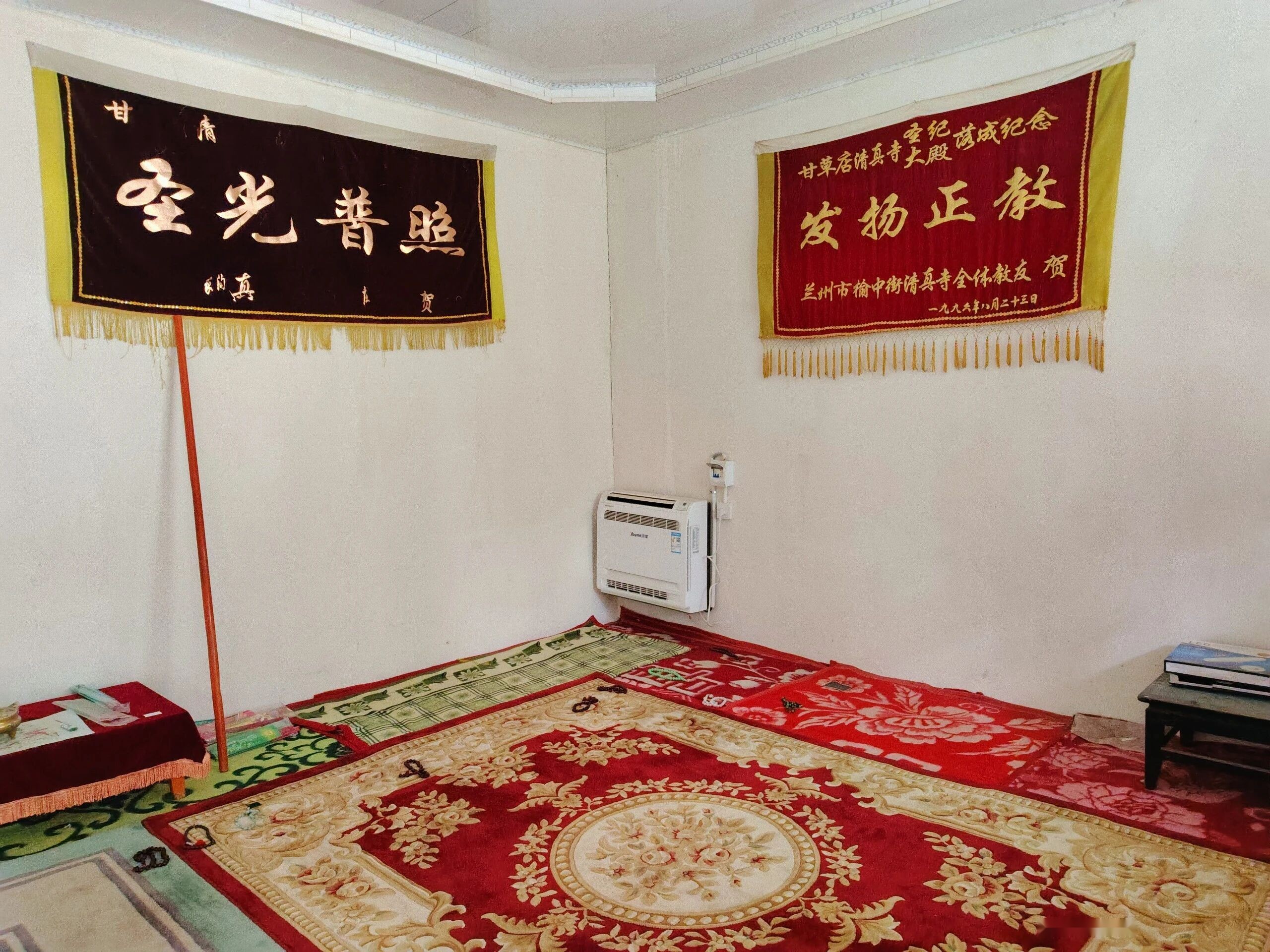
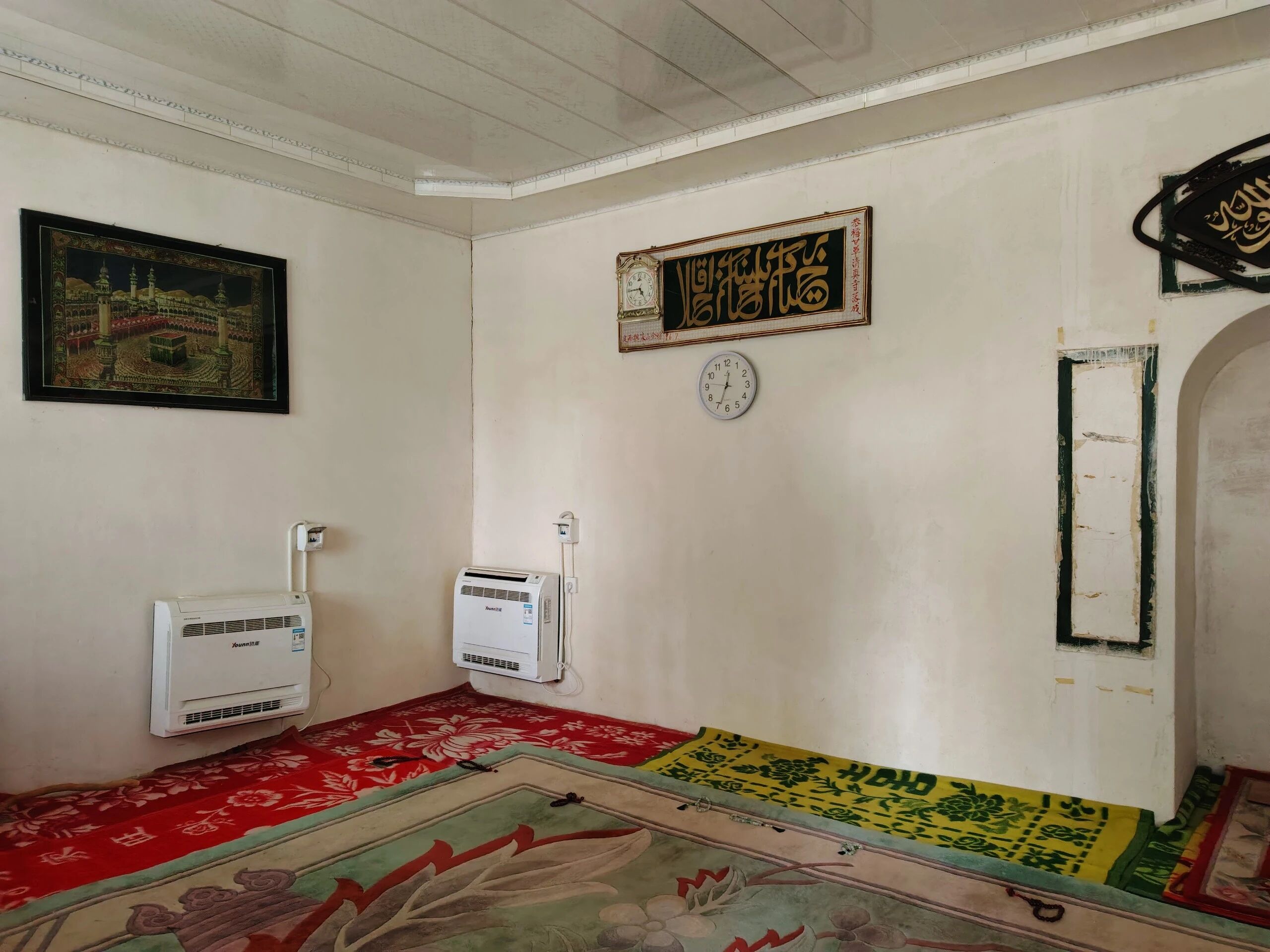
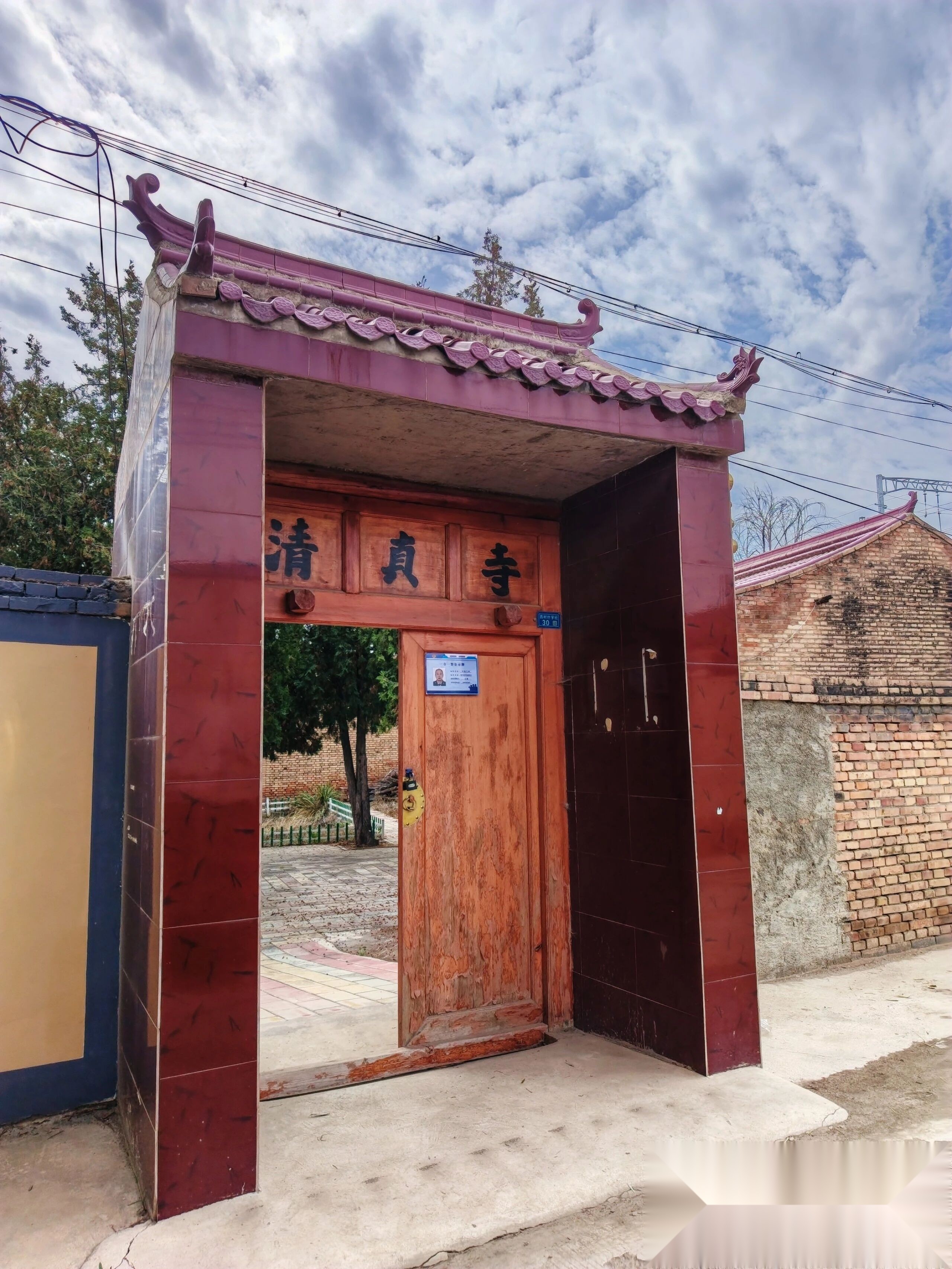
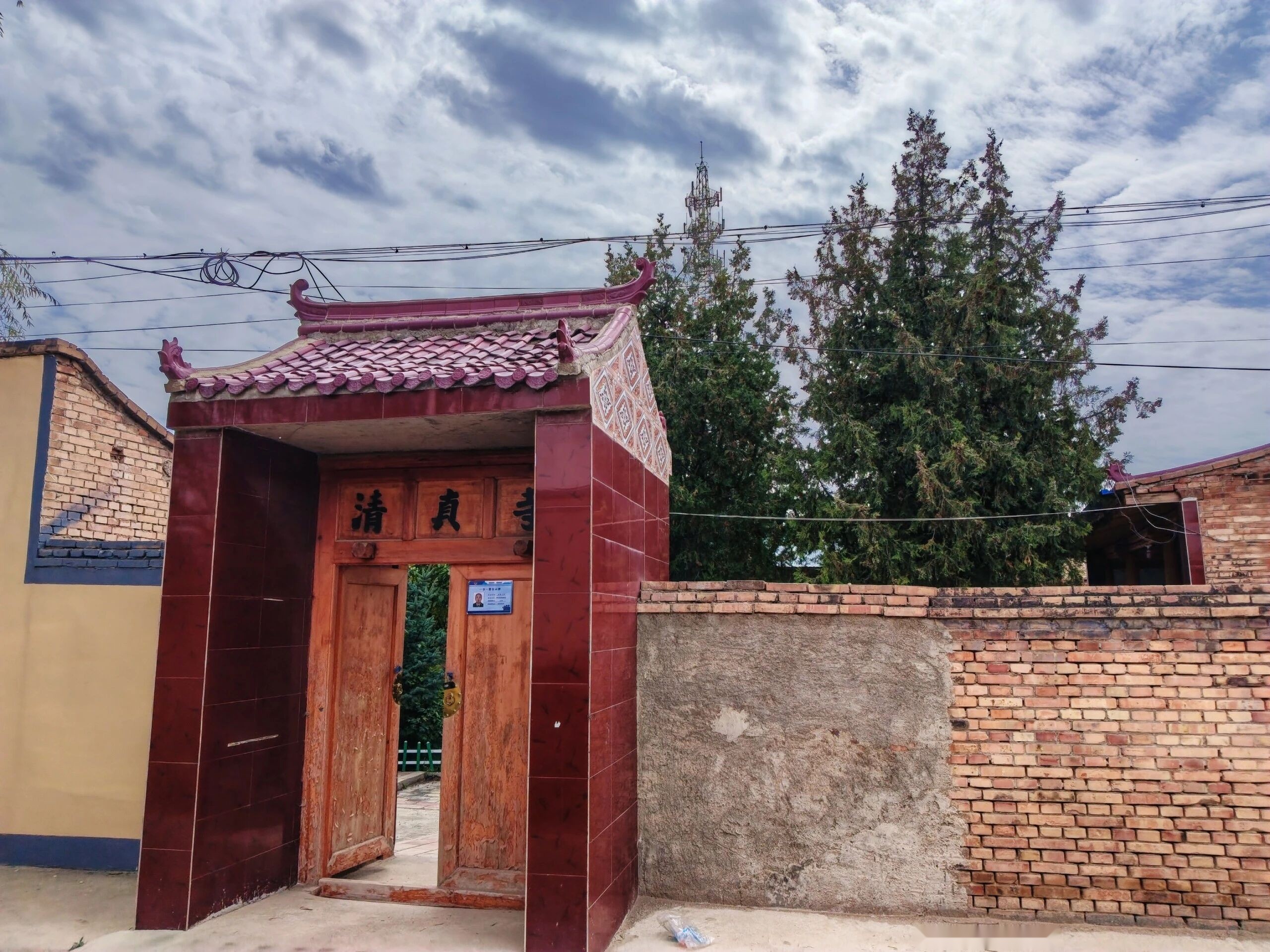
Best Halal Food in Taiyuan: Authentic Shanxi Flavors, Copper Hot Pot, and Beef Shaomai Guide
Articles • Hasan09 posted the article • 0 comments • 45 views • 2026-10-30 00:31
Check out this deep dive into 8 legendary Halal restaurants in Taiyuan, Shanxi, featuring 75 high-def photos. We’re covering everything from traditional Halal Jin-style dishes like guoyourou (pork-style stir-fried beef) and sweet and sour meatballs to shijin tonghuoguo (assorted copper hot pot), classic Taiyuan niurou shaomai (beef steamed dumplings), mutton steamed dumplings, and huangmi lianggao (chilled yellow rice cake) to help you experience the city’s authentic Halal flavors in one go.
Hey everyone, it’s the Canteen King here!
I’ve noticed you all really love traveling to northern cities for a food adventure, so for this episode, I’m recommending the ultimate carb paradise: Taiyuan.
Photo credit: Xiaohongshu user Li Xiaoxuan.
When people think of Taiyuan, the first thing that comes to mind is that it’s a carb headquarters. You’ll find all kinds of noodles everywhere, from daoxiaomian (knife-cut noodles) and tijian (hand-pulled noodles) to steamed buns and shaomai.
A lot of you might not know that tucked away in this old city filled with the scent of noodles, there are some deeply rooted Halal flavors.
Back in the day, the merchant routes of the Jin businessmen were bustling, and many Hui Muslim ancestors followed these paths to Taiyuan, settled down, and brought their traditional Halal cooking techniques with them.
Over time, these local Halal spots evolved. They didn’t just stick to beef and mutton; they integrated local Taiyuan cooking styles, meaning you can enjoy rich, authentic Jin-style dishes at these Halal eateries too.
Walking through the streets of Taiyuan, you’ll constantly stumble upon long-standing, traditional Halal restaurants.
For those of you traveling and looking for a good bite, having so many reliable and delicious Halal options here is a real treat.
Follow the Canteen King,
and let’s
dig
in.
Taiyuan tounao, also known as 'Eight Treasure Soup,' is a unique breakfast staple in Taiyuan. It’s a national-level intangible cultural heritage with a history of about 400 years.
True locals are picky about the season for tounao; it’s generally only available from autumn until early spring. Lining up at the old shops at the crack of dawn is a classic autumn-winter ritual for many locals.
It looks like a thick, porridge-like bowl, made with mutton, Changshan yam, lotus root, astragalus, galangal, roasted flour, and mutton tail fat. You’ve got to eat it with a small side of pickled leeks.
Many first-timers find the taste a bit unusual. It isn't your typical savory, intense meat broth; it has a thick, velvety texture with a subtle medicinal aroma. It warms you up and chases away the winter chill.
Qingheyuan’s tounao is arguably Taiyuan’s most famous culinary calling card.
Photo credit: Dazhong Dianping user Fanfan Yao.
The authentic way for locals to eat it:
Don’t rush to add seasonings. Take a small sip of the plain broth first to slowly savor the rich, mellow flavor of the lamb.
Then, add the pickled leeks—this is the real soul of the dish. Toss a bit into the soup for a fresh, spicy kick that cuts through the thickness of the broth, making the flavor profile pop.
Photo credit: Dazhong Dianping user Hannibal Loves Meat.
1. Mutton Meatball Soup
Photo credit: Dazhong Dianping.
Compared to the tounao, I actually prefer their mutton meatball soup.
It was my first time having mutton soup with glass noodles; it’s warm, savory, and rich, highlighting the natural flavor of the lamb.
2. Shaomai
Photo credit: Dazhong Dianping user Xiao Zhang Chi Bu Pang.
Pair it with a basket of shaomai. The skin is thin, the filling is generous, and it’s packed with juice.
This place is a true institution—beyond the tounao, their stir-fried dishes are also super authentic.
3. Culiu Wanzi (Sweet and Sour Meatballs)
Photo credit: Dazhong Dianping user Maiya Yang.
A classic Jin dish. The meatballs are fried until crispy on the outside while staying tender and firm on the inside. The sweet and sour sauce is balanced and not too sharp, making you want to keep eating.
4. Tomato Youmian Yuyu (Oat Flour Noodles)
Photo credit: Dazhong Dianping user Sheying Xiao Shi.
The tomatoes are sautéed down until they're jammy, creating a thick, sweet-and-sour broth. The hand-rolled 'fish-shaped' oat noodles are slippery with a nice chew, and they absorb all that rich red sauce.
5. Potato Kaolaolao (Steamed Oat Flour Rolls)
Photo credit: Dazhong Dianping.
The Youmian Kaolaolao (steamed oat noodle rolls) are soft and chewy, perfectly paired with crispy potatoes. I was surprised to find this is actually a main dish—dip it into some authentic Shanxi aged vinegar, and the tangy, savory flavor just hits different.
6. Lao Taiyuan Copper Pot Huicai (Mixed Vegetable Stew)
Photo credit: Dazhong Dianping user Chengchengyi_4739
It’s packed with high-quality ingredients: handmade lamb meatballs, crispy lamb, napa cabbage, fried potatoes, tofu, wide sweet potato starch noodles, and daylily flowers. The portion is overflowing—it’s the perfect size for two or three people to share.
Grabbing a piping hot pot like this in the winter is the ultimate comfort food; it’s warming, satisfying, and goes great with a bowl of rice.
7. Braised Belt Fish in Aged Vinegar Casserole
Photo credit: Dazhong Dianping user Zhangdayaya
The fish is first deep-fried to set the shape, then slow-braised in a casserole. The meat becomes super tender and absorbs all the flavor, with the rich, deep notes of aged vinegar seeping into every bite. The clay pot cooking adds a complexity you won't find in a standard stir-fried version.
8. Fennel Seed Salad with Green Wheat Kernels
Photo credit: Dazhong Dianping user Qiubumo
This is something you rarely see in the South. I’d only ever had fennel in dumplings, so this was a first. The green wheat kernels have a solid, satisfying chew, and paired with the unique, fresh scent of the fennel, it’s a light and refreshing dish that cuts through any greasiness.
Recommended Restaurant: Qingheyuan
Address: 2nd Floor, Building 1, No. 68 Food Street, Xinghualing District
Location: Qingheyuan - Shanxi Cuisine - 394-year-old brand (Food Street Branch)
When in Taiyuan, you can’t skip this historic Halal institution, which has been around since it first opened on Qiaotou Street back in 1930.
Their signature beef and lamb steamed dumplings were recognized as a provincial intangible cultural heritage in 2017. They’ve stuck to their craft for generations, using high-quality ingredients and keeping the flavors just as they were meant to be.
Most locals in Taiyuan will tell you that when they crave steamed dumplings, Renyili is the first place that comes to mind. If you’re visiting from out of town and want to taste authentic local Halal flavor, this is the spot.
1. Signature Beef and Lamb Steamed Dumplings
Photo credit: Dazhong Dianping user Cuicuichuanwo
These are the heart and soul of the place. The skins are so thin they're practically translucent, and they’re meticulously folded, wrapped and steamed fresh to order.
When you eat them, don’t dive in all at once. Take a small bite to sip the flavorful soup inside, then dip it in some Shanxi aged vinegar. The savory meat flavor combined with the mellow tang of the vinegar is delicious and completely free of any gamey taste.
2. Shrimp and Zucchini Shaomai (Steamed Dumplings)
Photo credit: Dazhong Dianping user miaocinli
If you’re not a huge fan of beef or lamb, this is the perfect pick.
The skin is delicate and shiny, while the shrimp inside is sweet and fresh. Paired with crisp zucchini, the texture is light and moist. It’s not greasy at all and has a clean, refreshing taste.
3. Vegetable Sanxian (Three-Fresh) Steamed Dumplings
Photo credit: Dazhong Dianping user Jimaosuanpi
If you’re looking for something light that won’t weigh you down, I highly recommend these.
The filling is perfectly balanced—fresh, flavorful, and light on the oil. It’s a great side to pair with an order of meat dumplings.
4. Paopao Yougao (Puffed Fried Rice Cake)
Photo credit: Dazhong Dianping user Miki
Eat these while they’re hot! The outer skin puffs up into airy bubbles and is super crispy and chewy, while the inside is filled with a rich, smooth red bean paste. It’s a sweet, authentic Shanxi dessert.
5. Jingle Cold-Tossed Oat Noodles
Photo credit: Dazhong Dianping user Xihuan Suidi Daxiaochi
The oat noodles themselves are super chewy and have a nice, firm texture. Tossed in the house-made savory dressing, the vinegar flavor really pops—it’s the perfect mix of sour, sweet, and spicy.
Recommended Restaurant: Renyili Steamed Dumplings
Address: No. 200 Tiyu Road, Nanzhonghuan Street, Xiaodian District
Location: Renyili Intangible Cultural Heritage Steamed Dumplings - Century-old brand - Daily dining - Halal
Old Ma’s Steamed Dumplings is another local Halal classic. While the dumplings are amazing, their various beef and lamb stews, clay pot dishes, and stir-fries are arguably even better.
Most of the stews are pre-cooked and ready to serve, so they come out fast, though a few items like the beef brisket might require a bit of extra time to prepare.
1. Stewed Beef/Lamb
Photo credit: Xiaohongshu user 62059456
The beef and lamb are stewed until they’re super tender and packed with flavor. Dip them in some Shanxi aged vinegar, and it’s honestly delicious—so rich and savory.
2. Beef Brisket
Photo credit: Dazhong Dianping user Daben
The beef brisket is stewed to order until it’s perfectly tender, so just keep in mind it takes a bit of time to arrive at your table.
The broth is seasoned simply, letting the natural flavor of the meat shine through; it’s mostly lean cuts.
3. Large Beef Meatballs
Photo credit: Xiaohongshu user HappyDeath
The large beef meatballs are definitely worth a try. They come in a soy-sauce-based soup, and the texture of the meatballs is soft yet firm with a solid, meaty flavor.
4. Braised Tofu
Photo credit: Dazhong Dianping user Ai Liuda
It might look plain, but the flavor is a total pleasant surprise. It’s not overly salty, the tofu is super tender, and you eat it dipped in a garlic-vinegar sauce.
5. Steamed Dumplings
Photo credit: Xiaohongshu user 62059456
These are made to order and steamed fresh, so you’ll need to wait a few minutes after ordering. A serving of 15 costs 24 yuan; they’re large with thin skins and stuffed full—one bite and they practically explode with juice!
I highly recommend the lamb steamed dumplings—the owner pushed these too. The lamb flavor is rich and hearty, mixed with bits of yellow carrots. Each bite is pure, satisfying meatiness. I personally love pairing these with a bit of slightly sweet Shanxi aged vinegar!
The beef dumplings come with green onions. The onion flavor is pretty pronounced, and the seasoning is on the lighter side, so you can really taste the freshness of the beef. If you're into that onion kick, these are the ones for you.
The food here is legit tasty. I’d definitely suggest everyone try more of their beef and lamb dishes.
Recommended Restaurant: Laomajia Steamed Dumplings (Laomajia Steamed Dumplings)
Address: Directly opposite Wanmin Pharmacy, Nanhai Street, Miaoqian Subdistrict, Yingze District
Location: Laomajia Steamed Dumplings (Nanhai Street Branch)
For many locals in Taiyuan, the first thing they do when they get back home is head to Changheju for a meal. It’s an old-school halal restaurant that captures the taste of childhood for the 60s and 70s generations.
Locals have been eating here for over a decade, and you could say it ranks at the top of the local traditional halal restaurants! If you want authentic Taiyuan halal cuisine, this is your go-to spot.
1. Squirrel Fish
Photo credit: Dazhong Dianping user Xinxiangshicheng
This is perfect for anyone with a sweet tooth. The whole fish is deep-fried until crispy, with no small bones. It’s served piping hot, and the sweet and sour sauce is balanced perfectly, coating the fish for an incredibly tasty bite.
2. Pot-Collapsed Beef (Pan-seared tender beef slices)
Photo credit: Dazhong Dianping
They use large, tender slices of beef, and the portions are huge. It’s a slightly different take than the version in Tianjin, but it still tastes pretty good.
3. Vinegar and Pepper Lamb Soup
Photo credit: Dazhong Dianping
This one’s worth a shot. It has a rich, vinegary punch, and the lamb is stewed until melt-in-your-mouth tender. Some pieces have a little fat on them. The heat isn’t just from the pepper; it’s got that fresh, spicy kick from chili, too.
4. Cashew Shrimp
Photo credit: Dazhong Dianping user Estella
The shrimp are plump and have a subtle sweetness. The batter is crispy and coated in a savory sauce, and even the broccoli garnish tastes amazing dipped in the sauce.
5. Meat Pie
Photo credit: Dazhong Dianping user @FLFlat
Whenever I come here, the meat pie is a must-order. The crust is thin, the filling is generous, and the meat is fresh, juicy, and packed with flavor. It’s super filling—way more satisfying and flavorful than just having a bowl of rice.
Recommended Restaurant: Changheju
Address: Building 3, Floor 2, No. 1 Haibian Street, Yingze District.
Location: Changheju (Shuixi Lane Branch).
Taiyuan Hongbinlou is a legendary halal institution. Their beef and lamb dishes are top-tier, and their signature wood-fired roast duck is the real deal.
They’ve got an attached bakery where locals constantly line up for traditional Taiyuan snacks like sesame paste flatbreads and deep-fried cakes.
1. Roast Duck
Photo credit: Dazhong Dianping user Jigu Jigu.
You come here for the signature roast duck; the skin is crispy, the meat is tender, and the fat content is just right.
Their duck wraps (thin pancakes for the meat) are different from other places—they steam perfectly and peel apart easily without sticking together.
The dipping sauce has a unique flavor profile that really makes the wrap pop.
2. Taiyuan Guoyourou (Stir-fried pork with mushrooms and bamboo shoots)
Photo credit: Dazhong Dianping user zaizaimama520.
Beyond the duck, their classic home-style dishes are super authentic.
As the quintessential Shanxi province dish, their Guoyourou is spot on. The wood ear mushrooms and bamboo shoots are perfect, the meat isn't dry at all, and there’s that signature, subtle hint of vinegar fragrance.
3. Yanbao Sandan (Stir-fried tripe with cilantro)
Photo credit: Xiaohongshu user LeslieChur.
A legendary dish at Hongbinlou. The tripe is crispy and refreshing, with the white pepper and vinegar notes balanced perfectly.
4. Pastries
Photo credit: Xiaohongshu user Chenzi.
The Hongbinlou bakery next door is a must. I recommend the savory sesame paste flatbreads, flaky layered cakes, and scallion pancakes. Everything here is great to grab for the road.
Recommended Restaurant: Hongbinlou.
Address: No. 21 Jiefang Road, Yingze District.
Location: Hongbinlou Roast Duck (Jiefang Road Branch).
This spot has been hyped for a long time, and I finally made it in. It’s a small, halal joint specializing in Tianjin-style food, which leans a bit on the sweet side.
The place is tiny with only a few tables and just one chef running the kitchen. If you want to eat here, show up early—the line starts forming by 10:30 AM.
The ingredients are seriously fresh—you can taste the quality in the thick-cut tender beef and the massive, plump shrimp. The wait is worth it.
1. Bazhen Doufu (Eight Treasure Tofu)
Photo credit: Dazhong Dianping user Huamidoudou.
They don't skimp on the portions. It’s packed with squid, big shrimp, and scallops, all tossed with soft tofu. It’s classic Tianjin flavor: fresh, savory, and rich.
2. Braised Beef
Photo credit: Dazhong Dianping user Duojin.
The beef is braised to perfection—super tender and easy to chew, with that signature mild sweetness.
The meat is really substantial, though it can get a bit oily after a while. I’d suggest pairing it with something lighter to balance it out.
3. Fried Belt Fish with Shrimp
Photo credit: Dazhong Dianping user Yanyan Yan Ningmeng.
This dish comes with plenty of large shrimp. The belt fish is fried just right, with a super thin batter that doesn't overpower the fish. It’s a signature sweet, sour, and savory dish.
4. Braised Beef Knee Bone
Photo credit: Dazhong Dianping user Huamidoudou.
This is one of my favorites. After a long braise, it’s loaded with flavor. The meat and tendon are soft and chewy, falling off the bone with a light touch. It melts in your mouth without any effort.
5. Suhecai (Mixed Vegetable Stir-fry)
Photo credit: Dazhong Dianping user Niuniubunienie.
The owner recommended this, and it’s a killer combo: bean sprouts, firm tofu, and eggs stir-fried with chives and dried chili peppers over high heat. It has a subtle vinegary tang and that classic wok hei (breath of the wok) char, making it refreshing and a perfect palate cleanser to balance out the sweeter meat dishes.
Just a heads up: the place is pretty small, and it’s constantly packed, so service can be a bit slow. Their signature dishes tend to come out all at once, which speeds things up slightly, but definitely bring some patience with you.
Recommended Restaurant: Qingzhen Jinlaishun Restaurant
Address: 1st Floor, Unit 16, Building 19, Miaoqian Community, Chenjia Lane, Miaoqian Street, Yingze District
Location: Qingzhen Jinlaishun Restaurant (Miaoqian Community Branch)
For those of us used to Lanzhou lamian (hand-pulled noodles), it’s usually our go-to whenever we hit up a new city.
But since Shanxi is the ultimate heavyweight champ of noodles, Taiyuan is secretly home to a ton of local Halal noodle spots. This time around, why not switch it up and really dive into the local specialty noodles?
If you're in Shanxi, you’ve got to check out a Halal spot that specializes in qiaomai helao (buckwheat noodles pressed through a sieve). Aside from their signature noodles, they serve up some solid Halal stir-fries too.
1. Qiaomai Helao (Buckwheat Noodles)
Photo source: Dazhong Dianping
This is their signature dish. The buckwheat noodles are smooth, bouncy, and have that distinct, hearty flavor you only get from whole grains. The beef broth is savory without being oily, and the braised beef is super tender and easy to eat.
2. Guoba Rou (Crispy Sizzling Meat)
Photo source: Dazhong Dianping: Zhimingtian De Xiaohua
You’ve gotta eat this while it's still piping hot! The rice crust is fried to order, so it’s super crunchy when you bite into it. Honestly, I think the crispy crust is even better than the meat—once it soaks up that sauce, you get this amazing mix of crunch and savory goodness. It’s packed with stuff like beef, chicken, and crab sticks.
3. Clear Broth Lamb Casserole
Photo source: Dazhong Dianping
It’s light and doesn’t rely on heavy seasoning, so you can really taste the natural sweetness of the lamb. The broth is warming and clean, the meat is tender, and it’s just the perfect thing to sip on during the fall and winter.
4. Shui Baodu (Blanched Beef Tripe)
Photo source: Dazhong Dianping
The secret here is to eat it while it’s hot. The tripe is super crisp and tender, and when you coat it in that rich, savory sesame sauce, the nutty, umami flavor is just next level.
Recommended Restaurant: Langhe Qiaomai Helao Halal Restaurant
Address: No. 10 Zhuyuan Road, Wanbailin District
Location: Langhe Qiaomai Helao Halal Restaurant
Dining here shows you why it’s earned such a rep; it’s a super popular spot among Taiyuan locals for their buckwheat helao.
1. Beef Qiaomai Helao
Photo source: Dazhong Dianping: Qingyou Qinfen Huxiaobao
These are pressed fresh, giving them that authentic earthy buckwheat flavor. The noodles are firm and have a great chew to them.
The beef is slow-braised until it’s melt-in-your-mouth tender, tasting just like a home-cooked meal. The beef bone broth is light and doesn’t leave a salty aftertaste.
A bowl is super filling and keeps you warm. Pro tip: splash in some vinegar while you’re eating—it takes it to the next level.
2. Freshly Grilled Lamb Skewers
Photo source: Dazhong Dianping
If you’re grabbing noodles, definitely add a few skewers to the order. They grill them over charcoal until they’re sizzling, then dust them with cumin for that smoky, punchy flavor.
3. Scallion Scrambled Eggs
Photo source: Dazhong Dianping: Wangzhe Guilai Haojiu
These come out a beautiful golden color and are super fragrant. Mixing them into your noodles lets them soak up all that savory broth—it makes every bite even better.
Recommended Restaurant: Qiaolaishun Halal Beef Helao
Address: Row 1 West 1-1, No. 31 Wangcun South Street, Xiaodian District
Location: Qiaolaishun Halal Beef Helao (Wangcun South Street Branch)
That’s a wrap on this Taiyuan food tour!
After hitting up these spots, I’ve realized that people in Taiyuan really love their vinegar—it’s like they add it to literally everything.
The aged vinegar here has such a rich, mellow tang to it; it’s not sharp or overpowering at all, so it’s actually super easy to get used to the flavor.
If you know of any other great spots or delicious eats, definitely drop a comment and let us know! view all
Check out this deep dive into 8 legendary Halal restaurants in Taiyuan, Shanxi, featuring 75 high-def photos. We’re covering everything from traditional Halal Jin-style dishes like guoyourou (pork-style stir-fried beef) and sweet and sour meatballs to shijin tonghuoguo (assorted copper hot pot), classic Taiyuan niurou shaomai (beef steamed dumplings), mutton steamed dumplings, and huangmi lianggao (chilled yellow rice cake) to help you experience the city’s authentic Halal flavors in one go.
Hey everyone, it’s the Canteen King here!
I’ve noticed you all really love traveling to northern cities for a food adventure, so for this episode, I’m recommending the ultimate carb paradise: Taiyuan.
Photo credit: Xiaohongshu user Li Xiaoxuan.
When people think of Taiyuan, the first thing that comes to mind is that it’s a carb headquarters. You’ll find all kinds of noodles everywhere, from daoxiaomian (knife-cut noodles) and tijian (hand-pulled noodles) to steamed buns and shaomai.
A lot of you might not know that tucked away in this old city filled with the scent of noodles, there are some deeply rooted Halal flavors.
Back in the day, the merchant routes of the Jin businessmen were bustling, and many Hui Muslim ancestors followed these paths to Taiyuan, settled down, and brought their traditional Halal cooking techniques with them.
Over time, these local Halal spots evolved. They didn’t just stick to beef and mutton; they integrated local Taiyuan cooking styles, meaning you can enjoy rich, authentic Jin-style dishes at these Halal eateries too.
Walking through the streets of Taiyuan, you’ll constantly stumble upon long-standing, traditional Halal restaurants.
For those of you traveling and looking for a good bite, having so many reliable and delicious Halal options here is a real treat.

Follow the Canteen King,

and let’s
dig
in.


Taiyuan tounao, also known as 'Eight Treasure Soup,' is a unique breakfast staple in Taiyuan. It’s a national-level intangible cultural heritage with a history of about 400 years.
True locals are picky about the season for tounao; it’s generally only available from autumn until early spring. Lining up at the old shops at the crack of dawn is a classic autumn-winter ritual for many locals.
It looks like a thick, porridge-like bowl, made with mutton, Changshan yam, lotus root, astragalus, galangal, roasted flour, and mutton tail fat. You’ve got to eat it with a small side of pickled leeks.
Many first-timers find the taste a bit unusual. It isn't your typical savory, intense meat broth; it has a thick, velvety texture with a subtle medicinal aroma. It warms you up and chases away the winter chill.
Qingheyuan’s tounao is arguably Taiyuan’s most famous culinary calling card.
Photo credit: Dazhong Dianping user Fanfan Yao.
The authentic way for locals to eat it:
Don’t rush to add seasonings. Take a small sip of the plain broth first to slowly savor the rich, mellow flavor of the lamb.
Then, add the pickled leeks—this is the real soul of the dish. Toss a bit into the soup for a fresh, spicy kick that cuts through the thickness of the broth, making the flavor profile pop.
Photo credit: Dazhong Dianping user Hannibal Loves Meat.
1. Mutton Meatball Soup
Photo credit: Dazhong Dianping.
Compared to the tounao, I actually prefer their mutton meatball soup.
It was my first time having mutton soup with glass noodles; it’s warm, savory, and rich, highlighting the natural flavor of the lamb.
2. Shaomai
Photo credit: Dazhong Dianping user Xiao Zhang Chi Bu Pang.
Pair it with a basket of shaomai. The skin is thin, the filling is generous, and it’s packed with juice.
This place is a true institution—beyond the tounao, their stir-fried dishes are also super authentic.
3. Culiu Wanzi (Sweet and Sour Meatballs)
Photo credit: Dazhong Dianping user Maiya Yang.
A classic Jin dish. The meatballs are fried until crispy on the outside while staying tender and firm on the inside. The sweet and sour sauce is balanced and not too sharp, making you want to keep eating.
4. Tomato Youmian Yuyu (Oat Flour Noodles)
Photo credit: Dazhong Dianping user Sheying Xiao Shi.
The tomatoes are sautéed down until they're jammy, creating a thick, sweet-and-sour broth. The hand-rolled 'fish-shaped' oat noodles are slippery with a nice chew, and they absorb all that rich red sauce.
5. Potato Kaolaolao (Steamed Oat Flour Rolls)
Photo credit: Dazhong Dianping.
The Youmian Kaolaolao (steamed oat noodle rolls) are soft and chewy, perfectly paired with crispy potatoes. I was surprised to find this is actually a main dish—dip it into some authentic Shanxi aged vinegar, and the tangy, savory flavor just hits different.
6. Lao Taiyuan Copper Pot Huicai (Mixed Vegetable Stew)
Photo credit: Dazhong Dianping user Chengchengyi_4739
It’s packed with high-quality ingredients: handmade lamb meatballs, crispy lamb, napa cabbage, fried potatoes, tofu, wide sweet potato starch noodles, and daylily flowers. The portion is overflowing—it’s the perfect size for two or three people to share.
Grabbing a piping hot pot like this in the winter is the ultimate comfort food; it’s warming, satisfying, and goes great with a bowl of rice.
7. Braised Belt Fish in Aged Vinegar Casserole
Photo credit: Dazhong Dianping user Zhangdayaya
The fish is first deep-fried to set the shape, then slow-braised in a casserole. The meat becomes super tender and absorbs all the flavor, with the rich, deep notes of aged vinegar seeping into every bite. The clay pot cooking adds a complexity you won't find in a standard stir-fried version.
8. Fennel Seed Salad with Green Wheat Kernels

Photo credit: Dazhong Dianping user Qiubumo
This is something you rarely see in the South. I’d only ever had fennel in dumplings, so this was a first. The green wheat kernels have a solid, satisfying chew, and paired with the unique, fresh scent of the fennel, it’s a light and refreshing dish that cuts through any greasiness.


Recommended Restaurant: Qingheyuan
Address: 2nd Floor, Building 1, No. 68 Food Street, Xinghualing District
Location: Qingheyuan - Shanxi Cuisine - 394-year-old brand (Food Street Branch)

When in Taiyuan, you can’t skip this historic Halal institution, which has been around since it first opened on Qiaotou Street back in 1930.
Their signature beef and lamb steamed dumplings were recognized as a provincial intangible cultural heritage in 2017. They’ve stuck to their craft for generations, using high-quality ingredients and keeping the flavors just as they were meant to be.
Most locals in Taiyuan will tell you that when they crave steamed dumplings, Renyili is the first place that comes to mind. If you’re visiting from out of town and want to taste authentic local Halal flavor, this is the spot.
1. Signature Beef and Lamb Steamed Dumplings

Photo credit: Dazhong Dianping user Cuicuichuanwo
These are the heart and soul of the place. The skins are so thin they're practically translucent, and they’re meticulously folded, wrapped and steamed fresh to order.
When you eat them, don’t dive in all at once. Take a small bite to sip the flavorful soup inside, then dip it in some Shanxi aged vinegar. The savory meat flavor combined with the mellow tang of the vinegar is delicious and completely free of any gamey taste.
2. Shrimp and Zucchini Shaomai (Steamed Dumplings)
Photo credit: Dazhong Dianping user miaocinli
If you’re not a huge fan of beef or lamb, this is the perfect pick.
The skin is delicate and shiny, while the shrimp inside is sweet and fresh. Paired with crisp zucchini, the texture is light and moist. It’s not greasy at all and has a clean, refreshing taste.
3. Vegetable Sanxian (Three-Fresh) Steamed Dumplings
Photo credit: Dazhong Dianping user Jimaosuanpi
If you’re looking for something light that won’t weigh you down, I highly recommend these.
The filling is perfectly balanced—fresh, flavorful, and light on the oil. It’s a great side to pair with an order of meat dumplings.
4. Paopao Yougao (Puffed Fried Rice Cake)
Photo credit: Dazhong Dianping user Miki
Eat these while they’re hot! The outer skin puffs up into airy bubbles and is super crispy and chewy, while the inside is filled with a rich, smooth red bean paste. It’s a sweet, authentic Shanxi dessert.
5. Jingle Cold-Tossed Oat Noodles
Photo credit: Dazhong Dianping user Xihuan Suidi Daxiaochi
The oat noodles themselves are super chewy and have a nice, firm texture. Tossed in the house-made savory dressing, the vinegar flavor really pops—it’s the perfect mix of sour, sweet, and spicy.
Recommended Restaurant: Renyili Steamed Dumplings
Address: No. 200 Tiyu Road, Nanzhonghuan Street, Xiaodian District
Location: Renyili Intangible Cultural Heritage Steamed Dumplings - Century-old brand - Daily dining - Halal
Old Ma’s Steamed Dumplings is another local Halal classic. While the dumplings are amazing, their various beef and lamb stews, clay pot dishes, and stir-fries are arguably even better.
Most of the stews are pre-cooked and ready to serve, so they come out fast, though a few items like the beef brisket might require a bit of extra time to prepare.
1. Stewed Beef/Lamb
Photo credit: Xiaohongshu user 62059456
The beef and lamb are stewed until they’re super tender and packed with flavor. Dip them in some Shanxi aged vinegar, and it’s honestly delicious—so rich and savory.
2. Beef Brisket
Photo credit: Dazhong Dianping user Daben
The beef brisket is stewed to order until it’s perfectly tender, so just keep in mind it takes a bit of time to arrive at your table.
The broth is seasoned simply, letting the natural flavor of the meat shine through; it’s mostly lean cuts.
3. Large Beef Meatballs
Photo credit: Xiaohongshu user HappyDeath
The large beef meatballs are definitely worth a try. They come in a soy-sauce-based soup, and the texture of the meatballs is soft yet firm with a solid, meaty flavor.
4. Braised Tofu
Photo credit: Dazhong Dianping user Ai Liuda
It might look plain, but the flavor is a total pleasant surprise. It’s not overly salty, the tofu is super tender, and you eat it dipped in a garlic-vinegar sauce.
5. Steamed Dumplings
Photo credit: Xiaohongshu user 62059456
These are made to order and steamed fresh, so you’ll need to wait a few minutes after ordering. A serving of 15 costs 24 yuan; they’re large with thin skins and stuffed full—one bite and they practically explode with juice!
I highly recommend the lamb steamed dumplings—the owner pushed these too. The lamb flavor is rich and hearty, mixed with bits of yellow carrots. Each bite is pure, satisfying meatiness. I personally love pairing these with a bit of slightly sweet Shanxi aged vinegar!
The beef dumplings come with green onions. The onion flavor is pretty pronounced, and the seasoning is on the lighter side, so you can really taste the freshness of the beef. If you're into that onion kick, these are the ones for you.
The food here is legit tasty. I’d definitely suggest everyone try more of their beef and lamb dishes.
Recommended Restaurant: Laomajia Steamed Dumplings (Laomajia Steamed Dumplings)
Address: Directly opposite Wanmin Pharmacy, Nanhai Street, Miaoqian Subdistrict, Yingze District
Location: Laomajia Steamed Dumplings (Nanhai Street Branch)

For many locals in Taiyuan, the first thing they do when they get back home is head to Changheju for a meal. It’s an old-school halal restaurant that captures the taste of childhood for the 60s and 70s generations.
Locals have been eating here for over a decade, and you could say it ranks at the top of the local traditional halal restaurants! If you want authentic Taiyuan halal cuisine, this is your go-to spot.
1. Squirrel Fish

Photo credit: Dazhong Dianping user Xinxiangshicheng
This is perfect for anyone with a sweet tooth. The whole fish is deep-fried until crispy, with no small bones. It’s served piping hot, and the sweet and sour sauce is balanced perfectly, coating the fish for an incredibly tasty bite.
2. Pot-Collapsed Beef (Pan-seared tender beef slices)

Photo credit: Dazhong Dianping
They use large, tender slices of beef, and the portions are huge. It’s a slightly different take than the version in Tianjin, but it still tastes pretty good.
3. Vinegar and Pepper Lamb Soup

Photo credit: Dazhong Dianping
This one’s worth a shot. It has a rich, vinegary punch, and the lamb is stewed until melt-in-your-mouth tender. Some pieces have a little fat on them. The heat isn’t just from the pepper; it’s got that fresh, spicy kick from chili, too.
4. Cashew Shrimp
Photo credit: Dazhong Dianping user Estella
The shrimp are plump and have a subtle sweetness. The batter is crispy and coated in a savory sauce, and even the broccoli garnish tastes amazing dipped in the sauce.
5. Meat Pie
Photo credit: Dazhong Dianping user @FLFlat
Whenever I come here, the meat pie is a must-order. The crust is thin, the filling is generous, and the meat is fresh, juicy, and packed with flavor. It’s super filling—way more satisfying and flavorful than just having a bowl of rice.
Recommended Restaurant: Changheju
Address: Building 3, Floor 2, No. 1 Haibian Street, Yingze District.
Location: Changheju (Shuixi Lane Branch).

Taiyuan Hongbinlou is a legendary halal institution. Their beef and lamb dishes are top-tier, and their signature wood-fired roast duck is the real deal.
They’ve got an attached bakery where locals constantly line up for traditional Taiyuan snacks like sesame paste flatbreads and deep-fried cakes.
1. Roast Duck
Photo credit: Dazhong Dianping user Jigu Jigu.
You come here for the signature roast duck; the skin is crispy, the meat is tender, and the fat content is just right.
Their duck wraps (thin pancakes for the meat) are different from other places—they steam perfectly and peel apart easily without sticking together.
The dipping sauce has a unique flavor profile that really makes the wrap pop.
2. Taiyuan Guoyourou (Stir-fried pork with mushrooms and bamboo shoots)
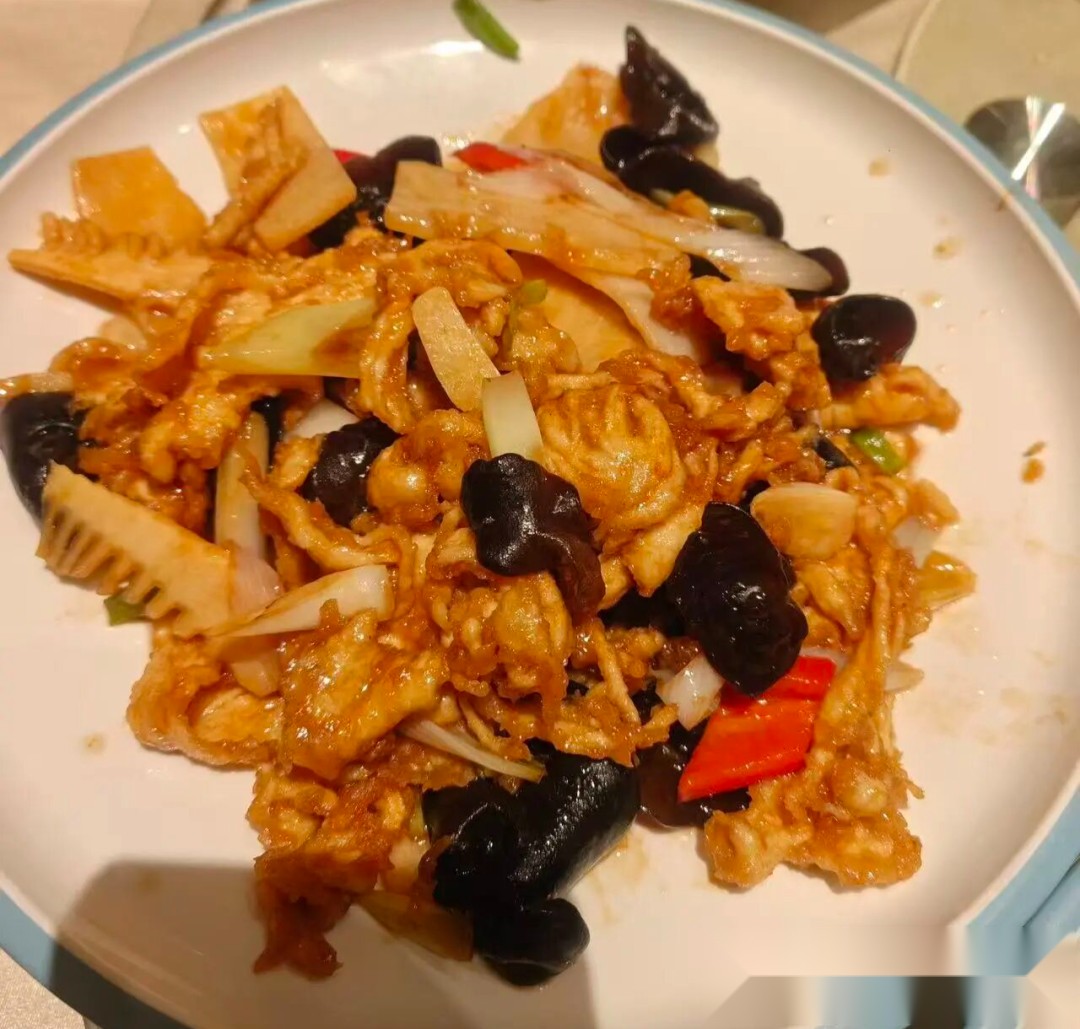
Photo credit: Dazhong Dianping user zaizaimama520.
Beyond the duck, their classic home-style dishes are super authentic.
As the quintessential Shanxi province dish, their Guoyourou is spot on. The wood ear mushrooms and bamboo shoots are perfect, the meat isn't dry at all, and there’s that signature, subtle hint of vinegar fragrance.
3. Yanbao Sandan (Stir-fried tripe with cilantro)

Photo credit: Xiaohongshu user LeslieChur.
A legendary dish at Hongbinlou. The tripe is crispy and refreshing, with the white pepper and vinegar notes balanced perfectly.
4. Pastries
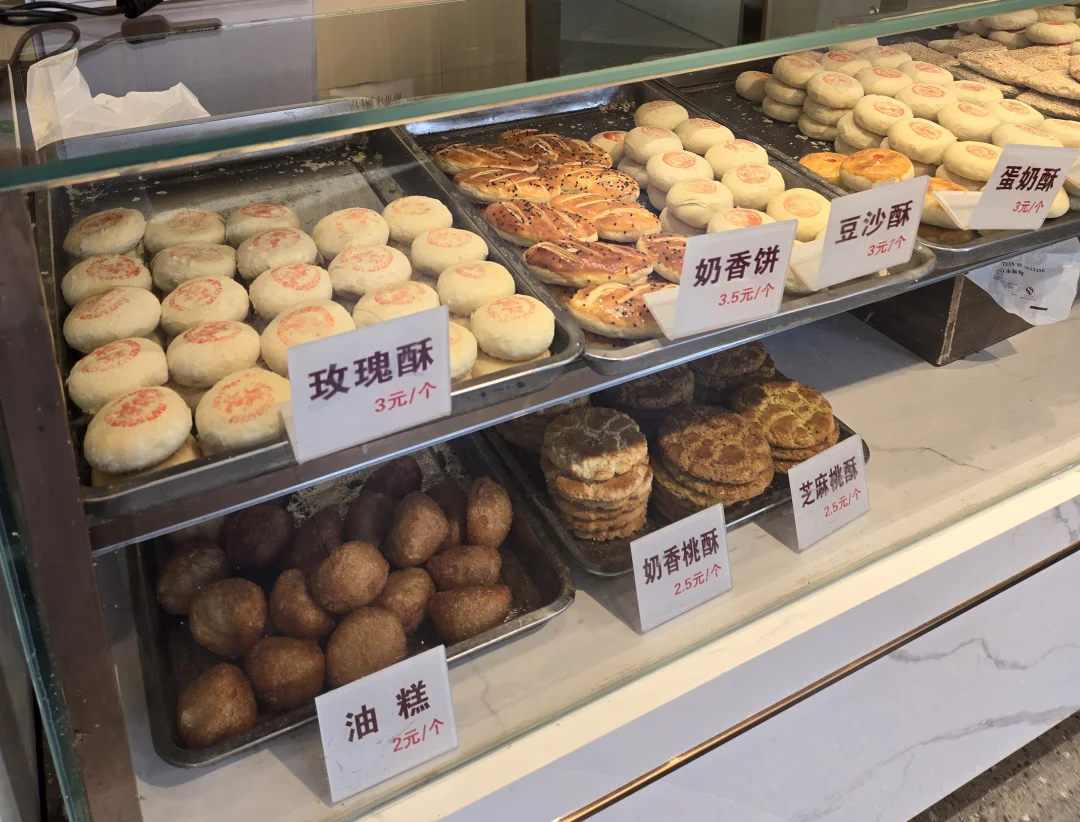
Photo credit: Xiaohongshu user Chenzi.
The Hongbinlou bakery next door is a must. I recommend the savory sesame paste flatbreads, flaky layered cakes, and scallion pancakes. Everything here is great to grab for the road.
Recommended Restaurant: Hongbinlou.
Address: No. 21 Jiefang Road, Yingze District.
Location: Hongbinlou Roast Duck (Jiefang Road Branch).

This spot has been hyped for a long time, and I finally made it in. It’s a small, halal joint specializing in Tianjin-style food, which leans a bit on the sweet side.
The place is tiny with only a few tables and just one chef running the kitchen. If you want to eat here, show up early—the line starts forming by 10:30 AM.
The ingredients are seriously fresh—you can taste the quality in the thick-cut tender beef and the massive, plump shrimp. The wait is worth it.
1. Bazhen Doufu (Eight Treasure Tofu)
Photo credit: Dazhong Dianping user Huamidoudou.
They don't skimp on the portions. It’s packed with squid, big shrimp, and scallops, all tossed with soft tofu. It’s classic Tianjin flavor: fresh, savory, and rich.
2. Braised Beef
Photo credit: Dazhong Dianping user Duojin.
The beef is braised to perfection—super tender and easy to chew, with that signature mild sweetness.
The meat is really substantial, though it can get a bit oily after a while. I’d suggest pairing it with something lighter to balance it out.
3. Fried Belt Fish with Shrimp

Photo credit: Dazhong Dianping user Yanyan Yan Ningmeng.
This dish comes with plenty of large shrimp. The belt fish is fried just right, with a super thin batter that doesn't overpower the fish. It’s a signature sweet, sour, and savory dish.
4. Braised Beef Knee Bone

Photo credit: Dazhong Dianping user Huamidoudou.
This is one of my favorites. After a long braise, it’s loaded with flavor. The meat and tendon are soft and chewy, falling off the bone with a light touch. It melts in your mouth without any effort.
5. Suhecai (Mixed Vegetable Stir-fry)

Photo credit: Dazhong Dianping user Niuniubunienie.
The owner recommended this, and it’s a killer combo: bean sprouts, firm tofu, and eggs stir-fried with chives and dried chili peppers over high heat. It has a subtle vinegary tang and that classic wok hei (breath of the wok) char, making it refreshing and a perfect palate cleanser to balance out the sweeter meat dishes.
Just a heads up: the place is pretty small, and it’s constantly packed, so service can be a bit slow. Their signature dishes tend to come out all at once, which speeds things up slightly, but definitely bring some patience with you.
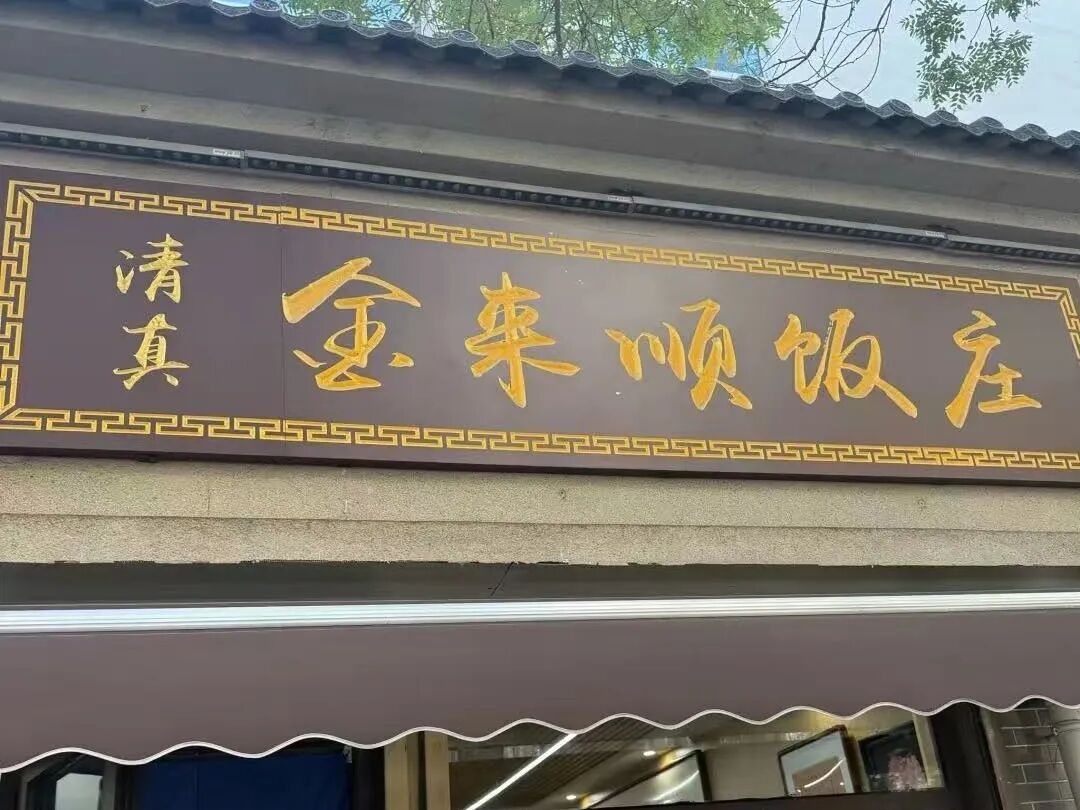
Recommended Restaurant: Qingzhen Jinlaishun Restaurant
Address: 1st Floor, Unit 16, Building 19, Miaoqian Community, Chenjia Lane, Miaoqian Street, Yingze District
Location: Qingzhen Jinlaishun Restaurant (Miaoqian Community Branch)
For those of us used to Lanzhou lamian (hand-pulled noodles), it’s usually our go-to whenever we hit up a new city.
But since Shanxi is the ultimate heavyweight champ of noodles, Taiyuan is secretly home to a ton of local Halal noodle spots. This time around, why not switch it up and really dive into the local specialty noodles?

If you're in Shanxi, you’ve got to check out a Halal spot that specializes in qiaomai helao (buckwheat noodles pressed through a sieve). Aside from their signature noodles, they serve up some solid Halal stir-fries too.
1. Qiaomai Helao (Buckwheat Noodles)
Photo source: Dazhong Dianping
This is their signature dish. The buckwheat noodles are smooth, bouncy, and have that distinct, hearty flavor you only get from whole grains. The beef broth is savory without being oily, and the braised beef is super tender and easy to eat.
2. Guoba Rou (Crispy Sizzling Meat)

Photo source: Dazhong Dianping: Zhimingtian De Xiaohua
You’ve gotta eat this while it's still piping hot! The rice crust is fried to order, so it’s super crunchy when you bite into it. Honestly, I think the crispy crust is even better than the meat—once it soaks up that sauce, you get this amazing mix of crunch and savory goodness. It’s packed with stuff like beef, chicken, and crab sticks.
3. Clear Broth Lamb Casserole

Photo source: Dazhong Dianping
It’s light and doesn’t rely on heavy seasoning, so you can really taste the natural sweetness of the lamb. The broth is warming and clean, the meat is tender, and it’s just the perfect thing to sip on during the fall and winter.
4. Shui Baodu (Blanched Beef Tripe)

Photo source: Dazhong Dianping
The secret here is to eat it while it’s hot. The tripe is super crisp and tender, and when you coat it in that rich, savory sesame sauce, the nutty, umami flavor is just next level.
Recommended Restaurant: Langhe Qiaomai Helao Halal Restaurant
Address: No. 10 Zhuyuan Road, Wanbailin District
Location: Langhe Qiaomai Helao Halal Restaurant

Dining here shows you why it’s earned such a rep; it’s a super popular spot among Taiyuan locals for their buckwheat helao.
1. Beef Qiaomai Helao
Photo source: Dazhong Dianping: Qingyou Qinfen Huxiaobao
These are pressed fresh, giving them that authentic earthy buckwheat flavor. The noodles are firm and have a great chew to them.
The beef is slow-braised until it’s melt-in-your-mouth tender, tasting just like a home-cooked meal. The beef bone broth is light and doesn’t leave a salty aftertaste.
A bowl is super filling and keeps you warm. Pro tip: splash in some vinegar while you’re eating—it takes it to the next level.
2. Freshly Grilled Lamb Skewers
Photo source: Dazhong Dianping
If you’re grabbing noodles, definitely add a few skewers to the order. They grill them over charcoal until they’re sizzling, then dust them with cumin for that smoky, punchy flavor.
3. Scallion Scrambled Eggs
Photo source: Dazhong Dianping: Wangzhe Guilai Haojiu
These come out a beautiful golden color and are super fragrant. Mixing them into your noodles lets them soak up all that savory broth—it makes every bite even better.
Recommended Restaurant: Qiaolaishun Halal Beef Helao
Address: Row 1 West 1-1, No. 31 Wangcun South Street, Xiaodian District
Location: Qiaolaishun Halal Beef Helao (Wangcun South Street Branch)
That’s a wrap on this Taiyuan food tour!
After hitting up these spots, I’ve realized that people in Taiyuan really love their vinegar—it’s like they add it to literally everything.
The aged vinegar here has such a rich, mellow tang to it; it’s not sharp or overpowering at all, so it’s actually super easy to get used to the flavor.
If you know of any other great spots or delicious eats, definitely drop a comment and let us know!
Indonesian Batik Culture in Cirebon: Traditional Mega Mendung Designs and Sufi Heritage at Trusmi Village
Articles • Hasan09 posted the article • 0 comments • 62 views • 2026-10-30 00:31
Come explore the historic city of Cirebon in West Java, Indonesia, specifically the Trusmi Batik village, where we'll decode iconic patterns like the Mega Mendung (cloud motif) and lotus designs on traditional headwraps and batik shirts, while diving into the history of how local Javanese art blended with Indonesian Sufi traditions.
I picked up some traditional Javanese batik clothing for Suleyman in the Trusmi Batik village of Cirebon. It includes an Iket Kepala (traditional Cirebon headwrap) and a Batik Kemeja (long-sleeved batik shirt).
The red garment features the Mega Mendung cloud motif, which is Cirebon’s most iconic pattern, symbolizing wisdom, protection, abundance, and peace. The hem is accented with the Bunga Teratai (lotus flower), a symbol of purity and good fortune.
The dark green garment features the Sawat (Garuda bird wings motif) as its main design, which stems from ancient Javanese mythology and symbolizes strength and protection.
The Iket is a traditional soft cloth headwrap for men from Cirebon, which is quite different from the structured Blangkon headpieces worn in Yogyakarta. This one also features the Mega Mendung cloud design, with the ends draped naturally.
Trusmi Batik village was founded by Ki Gede Trusmi, a famous Javanese Sufi saint who was a disciple of Sunan Gunung Jati, one of the Walisongo (the nine saints who spread Islam in Java). He was well-known for teaching batik craftsmanship to villagers alongside his religious teachings, eventually turning Trusmi into the most famous batik village in Indonesia.
The main road through the village is lined with batik shops. The largest one is called BT, which is short for Batik Trusmi. It’s a one-stop-shop that feels just like a supermarket. If you're short on time and can't make it to the village, there’s also a smaller BT location right at the Cirebon train station.
On the east side of the Trusmi Batik street, you'll find the Kramat (shrine/mausoleum complex) of the village's ancestor, Buyut Trusmi. It is considered the second most important Sufi shrine in Cirebon, right after the tomb of Sunan Gunung Jati, one of the Walisongo.
According to local legends passed down through generations, the ancestor Buyut Trusmi was originally a local farmer. One day, while sitting in front of his hut admiring his newly cleared land, he suddenly heard a mysterious "Assalamu'alaikum" (Peace be upon you). Before the words had even faded, the brush and trees he had just cleared grew back instantly. Two figures then appeared to greet him—they were Prince Cakrabuana, the founder of the Cirebon Sultanate, and the saint Sunan Gunung Jati. Moved by this miracle, he converted to Islam and took the name Trusmi, which translates to "instantly sprouting."
Legend says Buyut Trusmi arrived here in 1470, built the Kramat in 1481, and passed away in 1559. It is said that Sunan Gunung Jati once gave him an old piece of batik fabric to replicate, and the finished result was identical to the original. After that, Buyut Trusmi taught batik skills while spreading his faith, which is how his village became such a famous center for batik.
The entire Kramat complex is divided into two sections. The southern part symbolizes the "present world" and includes the main hall, the Pekulahan (ritual washing pool), the Witana (spiritual pavilion), the Bale Gede (council hall), and the Omah Gedhe (elder's house). The northern part symbolizes the "hereafter," consisting of the Gedongan (tomb chamber), the Lawang Kepundung (low door), the Watu Padadaran (17 stones representing the 17 units of the five daily prayers), the Paseban (sitting area), and the caretaker's quarters.
The Trusmi Kramat is managed by 17 caretakers, representing the 17 units of the five daily prayers, including one Sep (chief key-holder). The current chief key-holder is a 15th-generation descendant of Prince Cakrabuana, and the 10th chief key-holder, Ki Thalhah, was a famous Murshid (spiritual guide) of the Qadiriyya and Naqshbandiyya Sufi orders in West Java.
The complex features traditional Javanese architecture, including red brick walls, three-tiered Limas (stepped pyramid) wooden roofs, Memolo (tower finials), Padasan (water urns for ablution), the Kori Agung (main gate), and Candi Bentar (split-gate) side entrances. All the caretakers wear traditional Javanese batik clothing. The site also preserves a traditional thatched roof, and the ceremony to replace it every four years is a massive event.
The main gate is carved with the Sawat (Garuda bird wings motif).
A 6-meter deep pond.
The "holy spring" of the shrine, which is said to have been in use since the time of Buyut Trusmi. view all
Come explore the historic city of Cirebon in West Java, Indonesia, specifically the Trusmi Batik village, where we'll decode iconic patterns like the Mega Mendung (cloud motif) and lotus designs on traditional headwraps and batik shirts, while diving into the history of how local Javanese art blended with Indonesian Sufi traditions.
I picked up some traditional Javanese batik clothing for Suleyman in the Trusmi Batik village of Cirebon. It includes an Iket Kepala (traditional Cirebon headwrap) and a Batik Kemeja (long-sleeved batik shirt).
The red garment features the Mega Mendung cloud motif, which is Cirebon’s most iconic pattern, symbolizing wisdom, protection, abundance, and peace. The hem is accented with the Bunga Teratai (lotus flower), a symbol of purity and good fortune.
The dark green garment features the Sawat (Garuda bird wings motif) as its main design, which stems from ancient Javanese mythology and symbolizes strength and protection.
The Iket is a traditional soft cloth headwrap for men from Cirebon, which is quite different from the structured Blangkon headpieces worn in Yogyakarta. This one also features the Mega Mendung cloud design, with the ends draped naturally.
Trusmi Batik village was founded by Ki Gede Trusmi, a famous Javanese Sufi saint who was a disciple of Sunan Gunung Jati, one of the Walisongo (the nine saints who spread Islam in Java). He was well-known for teaching batik craftsmanship to villagers alongside his religious teachings, eventually turning Trusmi into the most famous batik village in Indonesia.
The main road through the village is lined with batik shops. The largest one is called BT, which is short for Batik Trusmi. It’s a one-stop-shop that feels just like a supermarket. If you're short on time and can't make it to the village, there’s also a smaller BT location right at the Cirebon train station.
On the east side of the Trusmi Batik street, you'll find the Kramat (shrine/mausoleum complex) of the village's ancestor, Buyut Trusmi. It is considered the second most important Sufi shrine in Cirebon, right after the tomb of Sunan Gunung Jati, one of the Walisongo.
According to local legends passed down through generations, the ancestor Buyut Trusmi was originally a local farmer. One day, while sitting in front of his hut admiring his newly cleared land, he suddenly heard a mysterious "Assalamu'alaikum" (Peace be upon you). Before the words had even faded, the brush and trees he had just cleared grew back instantly. Two figures then appeared to greet him—they were Prince Cakrabuana, the founder of the Cirebon Sultanate, and the saint Sunan Gunung Jati. Moved by this miracle, he converted to Islam and took the name Trusmi, which translates to "instantly sprouting."
Legend says Buyut Trusmi arrived here in 1470, built the Kramat in 1481, and passed away in 1559. It is said that Sunan Gunung Jati once gave him an old piece of batik fabric to replicate, and the finished result was identical to the original. After that, Buyut Trusmi taught batik skills while spreading his faith, which is how his village became such a famous center for batik.
The entire Kramat complex is divided into two sections. The southern part symbolizes the "present world" and includes the main hall, the Pekulahan (ritual washing pool), the Witana (spiritual pavilion), the Bale Gede (council hall), and the Omah Gedhe (elder's house). The northern part symbolizes the "hereafter," consisting of the Gedongan (tomb chamber), the Lawang Kepundung (low door), the Watu Padadaran (17 stones representing the 17 units of the five daily prayers), the Paseban (sitting area), and the caretaker's quarters.
The Trusmi Kramat is managed by 17 caretakers, representing the 17 units of the five daily prayers, including one Sep (chief key-holder). The current chief key-holder is a 15th-generation descendant of Prince Cakrabuana, and the 10th chief key-holder, Ki Thalhah, was a famous Murshid (spiritual guide) of the Qadiriyya and Naqshbandiyya Sufi orders in West Java.
The complex features traditional Javanese architecture, including red brick walls, three-tiered Limas (stepped pyramid) wooden roofs, Memolo (tower finials), Padasan (water urns for ablution), the Kori Agung (main gate), and Candi Bentar (split-gate) side entrances. All the caretakers wear traditional Javanese batik clothing. The site also preserves a traditional thatched roof, and the ceremony to replace it every four years is a massive event.


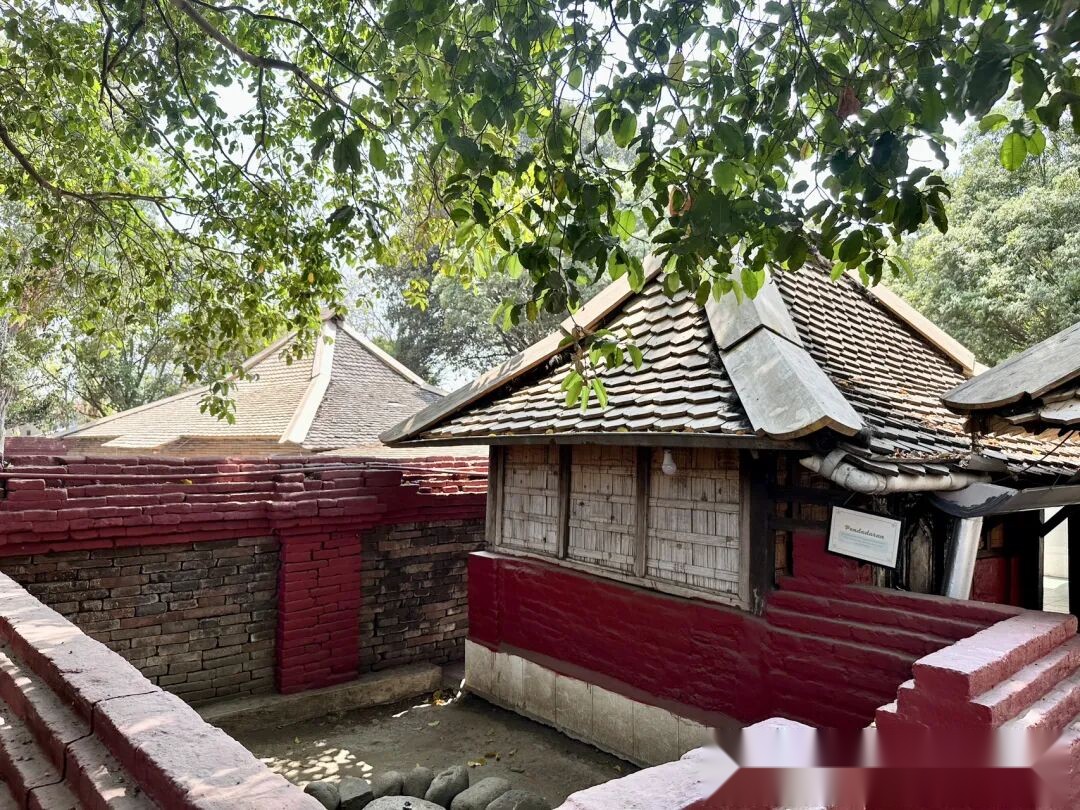
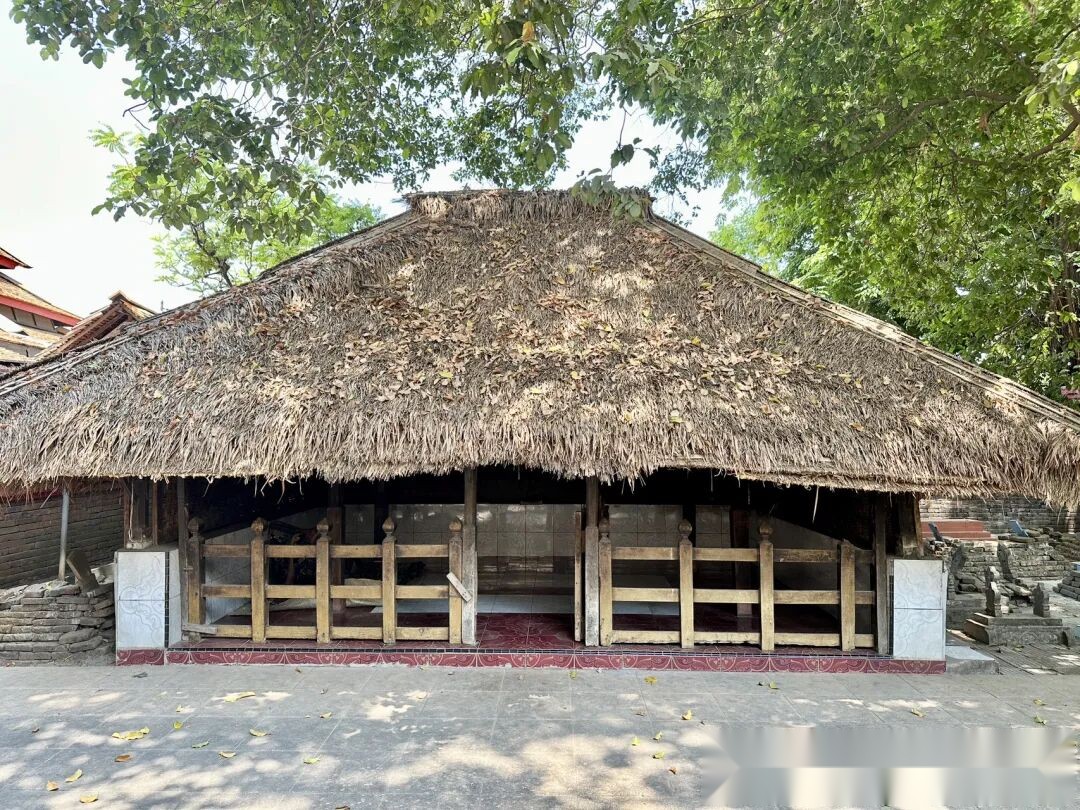
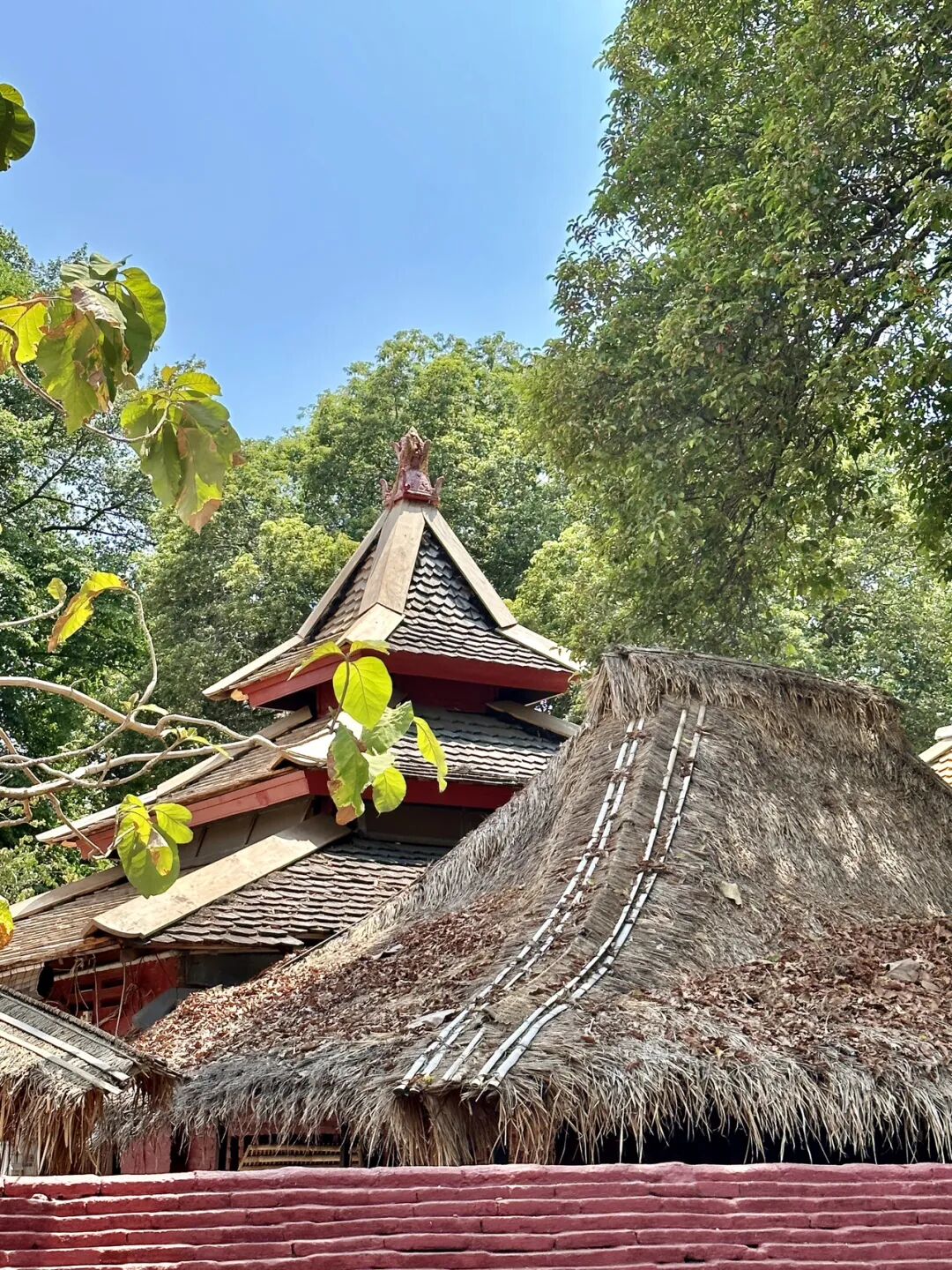

The main gate is carved with the Sawat (Garuda bird wings motif).
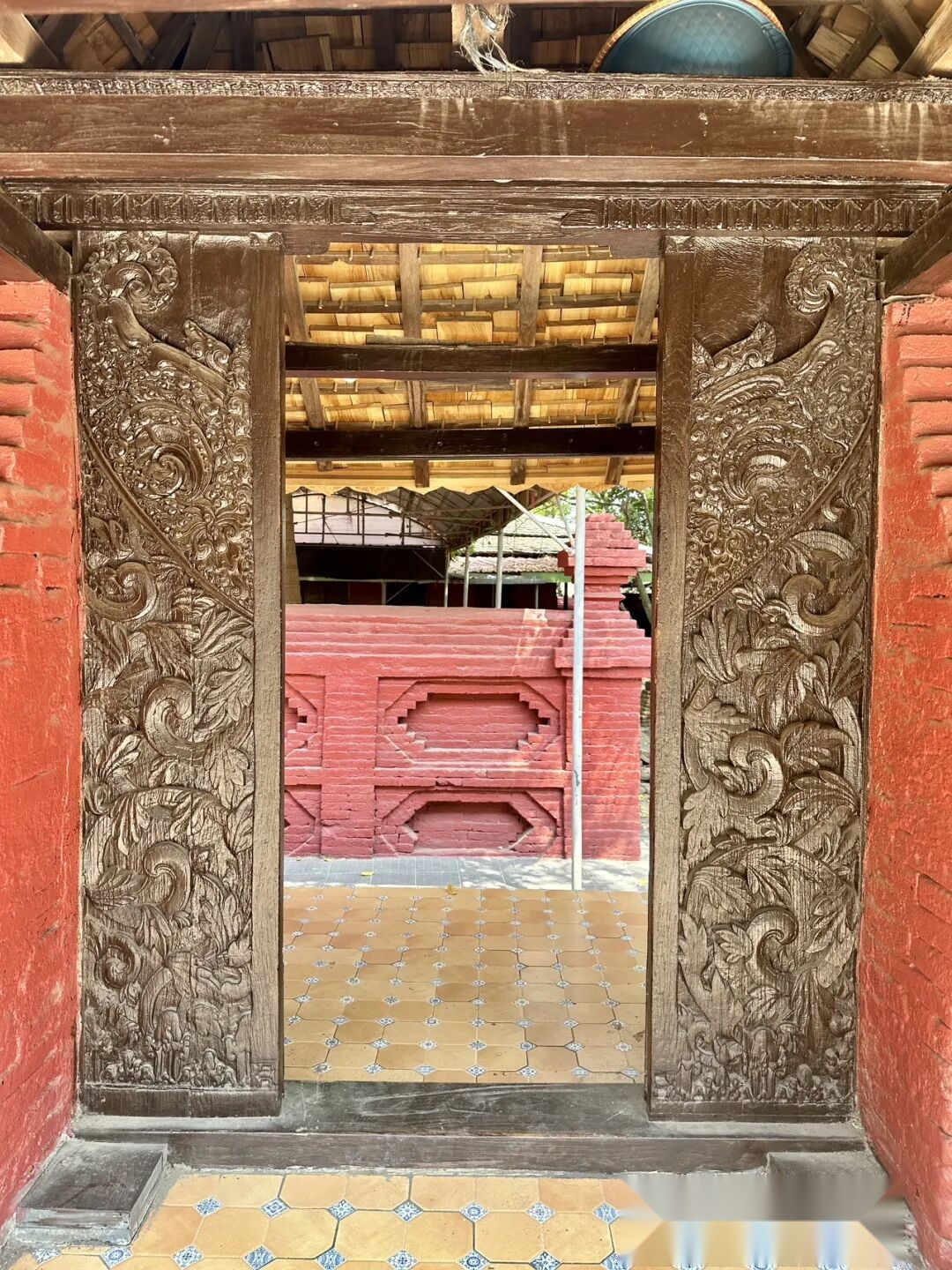
A 6-meter deep pond.
The "holy spring" of the shrine, which is said to have been in use since the time of Buyut Trusmi.
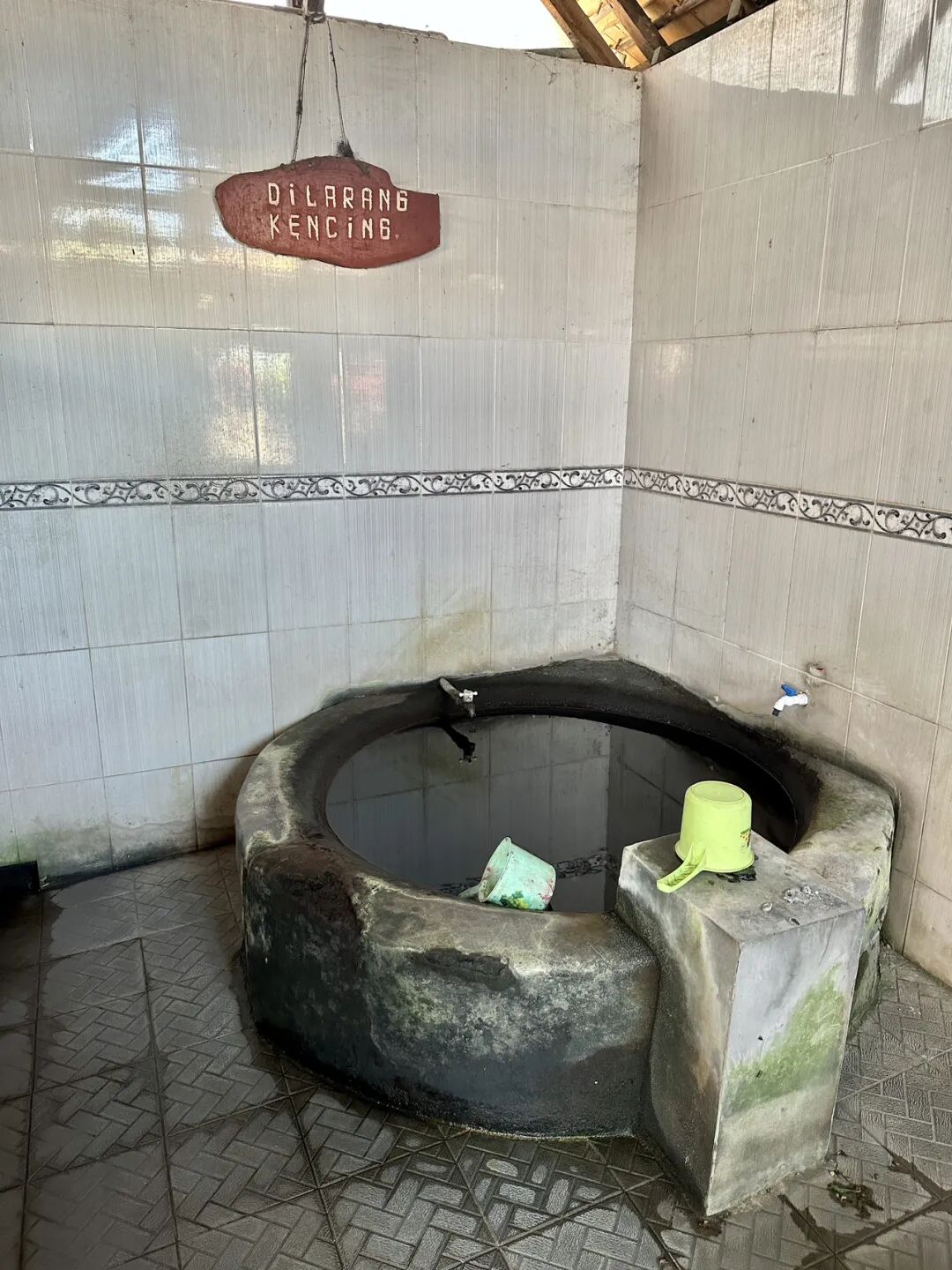
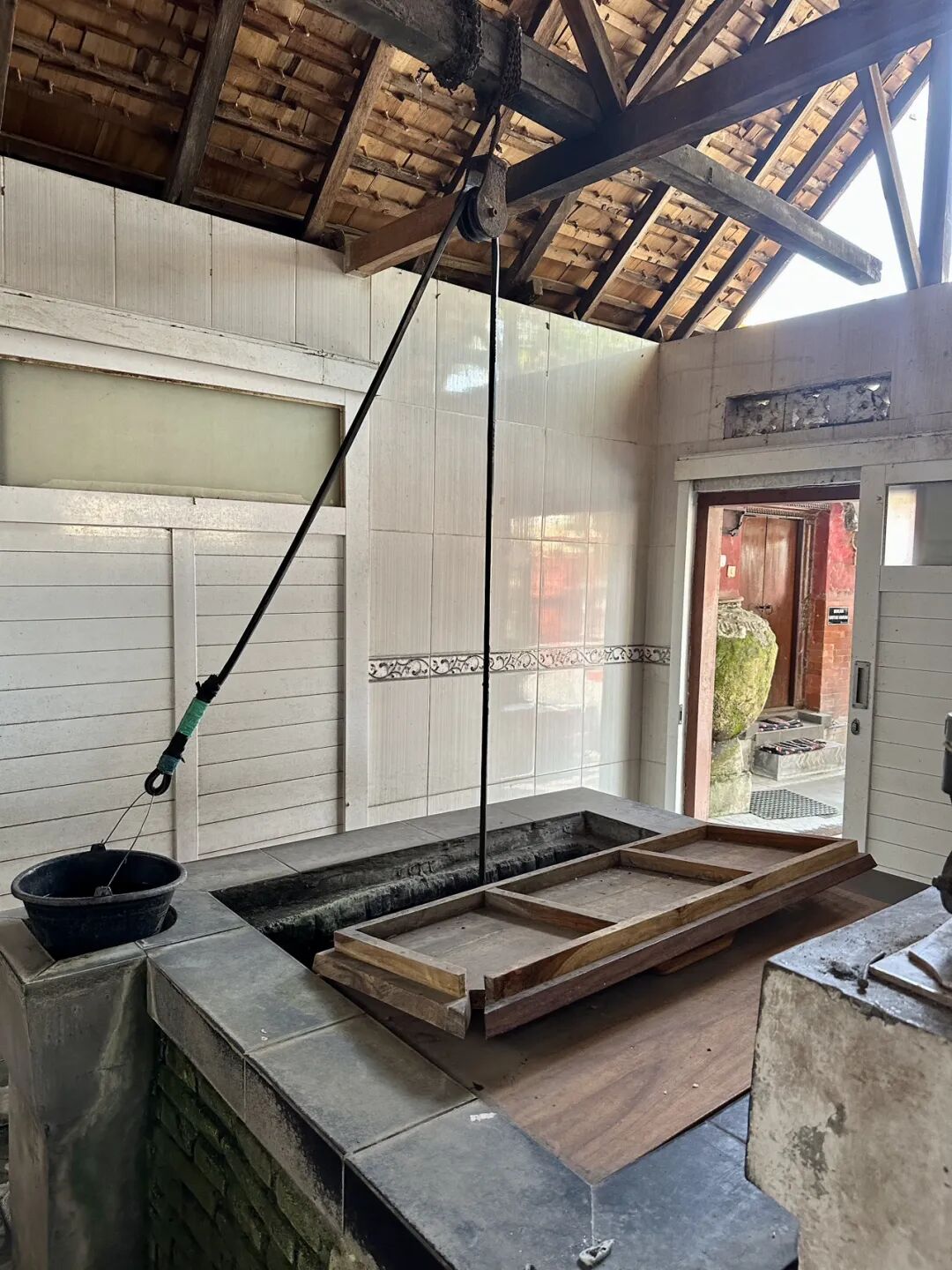
Best Halal Food in Sydney: Authentic Beijing Chaishi Fengweizhai Beef Noodles and Halal Heritage
Articles • Hasan09 posted the article • 0 comments • 43 views • 2026-10-30 00:32
Take an up-close look at Chaishi Fengweizhai, the century-old Beijing halal culinary legend that recently opened its doors in Chatswood, Sydney, Australia. Come check out over a century of culinary heritage, featuring their signature master-broth braised beef, Chaishi beef noodles, and classic Beijing-style halal appetizers that have continuously landed on the Michelin Bib Gourmand list.
Tucked right off Mills Lane on the east side of the Chatswood Library, this little street has suddenly gotten super lively thanks to the newly opened Sydney branch of the century-old Beijing halal staple, Chaishi Fengweizhai.
Founded back in 1888, Chaishi Fengweizhai specializes in authentic Beijing halal dishes and proudly spent five consecutive years on the Michelin Bib Gourmand recommendation list.
The menu at Chaishi Fengweizhai isn't super thick, but every single dish hits the spot. The braised beef is the absolute star of the house, made with top-tier fresh beef simmered in a master broth featuring over a dozen different spices that bring out the deep, rich flavors of the meat while adding incredible layers of complexity.
Whenever that master broth is stored, it gets diluted at regular intervals before fresh new beef is added right back in, breathing a totally new lease on life into the broth. It honestly feels like guarding a secret recipe or writing a massive book—it takes constant dedication and day-in, day-out care!
The signature braised beef has a super rich and smooth melt-in-your-mouth texture, while the carefully slow-cooked small bowl of meat is tender, flavorful, and seriously aromatic. Pair it with a bowl of plain noodles in master broth, and it is peak authentic comfort food.
Even though the noodles play a supporting role here, the kitchen doesn't cut any corners whatsoever. They keep strict control over the water ratio and cook them to absolute perfection—chewy, bouncy, and topped with silky, aromatic broth, freshly made chili oil, and some cabbage for an instant rush of pure satisfaction.
The food at Chaishi Fengweizhai is personally overseen by their third-generation culinary successor, who fine-tunes the ingredient ratios based on local seasoning availability to make sure the color, aroma, and taste match their Beijing flagship store down to a T.
Chaishi Fengweizhai has always been super welcoming and down-to-earth. When diners walk in, it totally feels like hanging out at a friend's place. The menu isn't huge, but the food is so damn good that regulars already know their absolute favorites by heart and can order without even looking at the page.
Traditional appetizing cold dishes:
Classic Beijing-style halal dishes:
Specialty street snacks: view all
Take an up-close look at Chaishi Fengweizhai, the century-old Beijing halal culinary legend that recently opened its doors in Chatswood, Sydney, Australia. Come check out over a century of culinary heritage, featuring their signature master-broth braised beef, Chaishi beef noodles, and classic Beijing-style halal appetizers that have continuously landed on the Michelin Bib Gourmand list.
Tucked right off Mills Lane on the east side of the Chatswood Library, this little street has suddenly gotten super lively thanks to the newly opened Sydney branch of the century-old Beijing halal staple, Chaishi Fengweizhai.
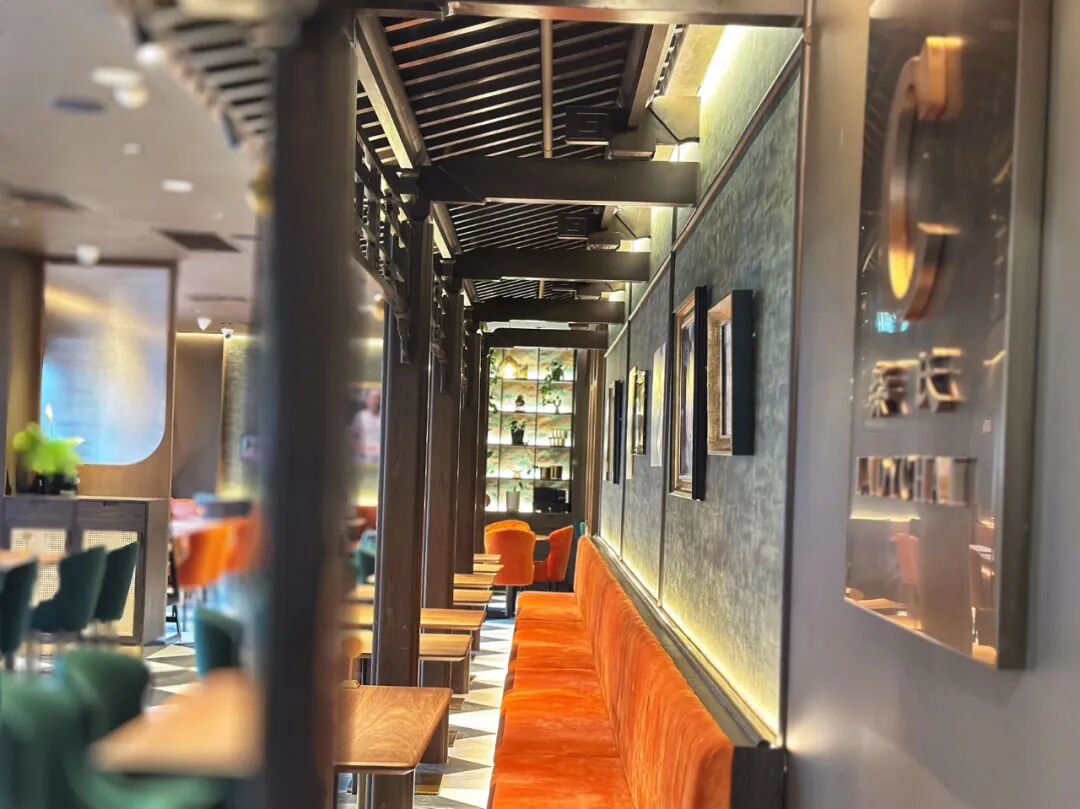
Founded back in 1888, Chaishi Fengweizhai specializes in authentic Beijing halal dishes and proudly spent five consecutive years on the Michelin Bib Gourmand recommendation list.
The menu at Chaishi Fengweizhai isn't super thick, but every single dish hits the spot. The braised beef is the absolute star of the house, made with top-tier fresh beef simmered in a master broth featuring over a dozen different spices that bring out the deep, rich flavors of the meat while adding incredible layers of complexity.
Whenever that master broth is stored, it gets diluted at regular intervals before fresh new beef is added right back in, breathing a totally new lease on life into the broth. It honestly feels like guarding a secret recipe or writing a massive book—it takes constant dedication and day-in, day-out care!
The signature braised beef has a super rich and smooth melt-in-your-mouth texture, while the carefully slow-cooked small bowl of meat is tender, flavorful, and seriously aromatic. Pair it with a bowl of plain noodles in master broth, and it is peak authentic comfort food.
Even though the noodles play a supporting role here, the kitchen doesn't cut any corners whatsoever. They keep strict control over the water ratio and cook them to absolute perfection—chewy, bouncy, and topped with silky, aromatic broth, freshly made chili oil, and some cabbage for an instant rush of pure satisfaction.
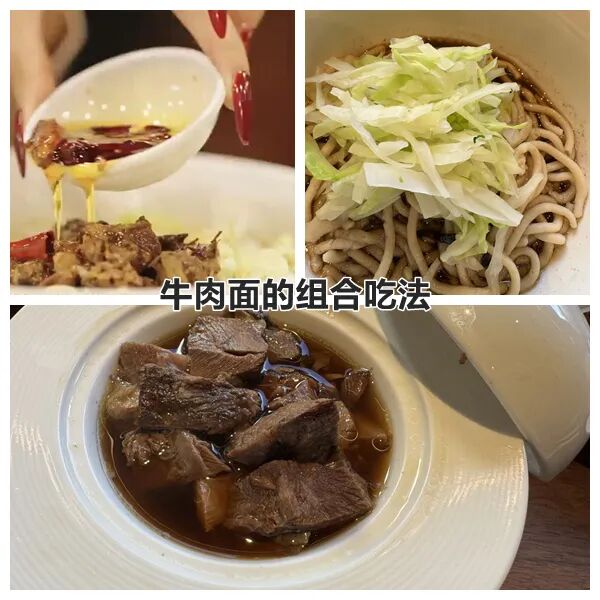
The food at Chaishi Fengweizhai is personally overseen by their third-generation culinary successor, who fine-tunes the ingredient ratios based on local seasoning availability to make sure the color, aroma, and taste match their Beijing flagship store down to a T.
Chaishi Fengweizhai has always been super welcoming and down-to-earth. When diners walk in, it totally feels like hanging out at a friend's place. The menu isn't huge, but the food is so damn good that regulars already know their absolute favorites by heart and can order without even looking at the page.
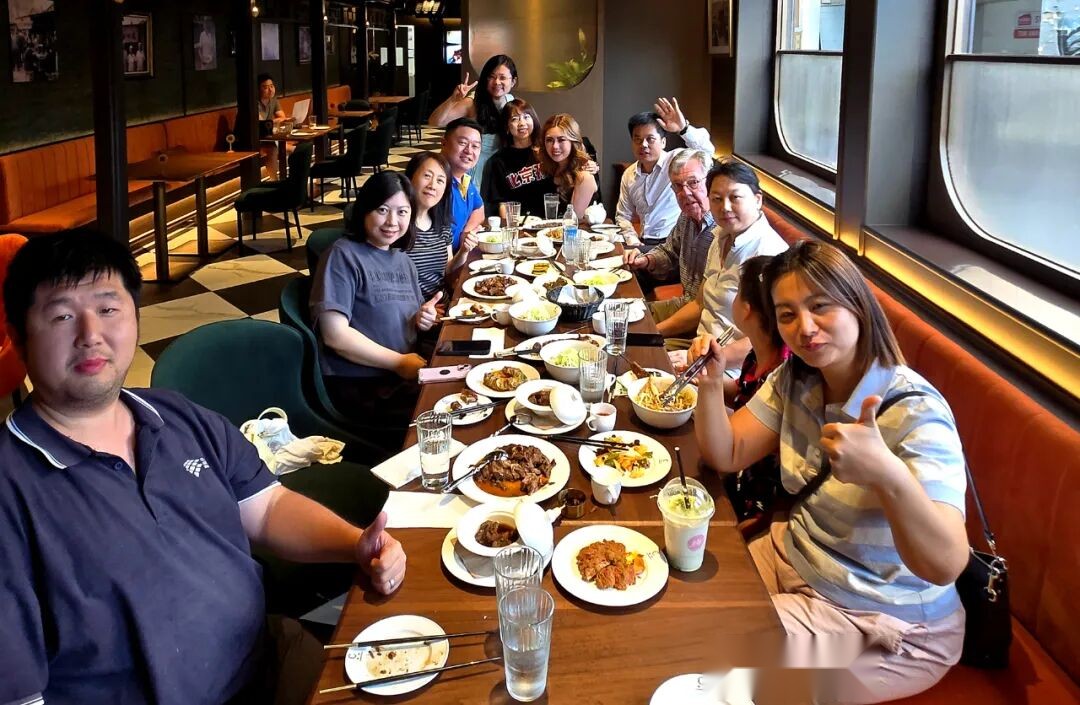
Traditional appetizing cold dishes:
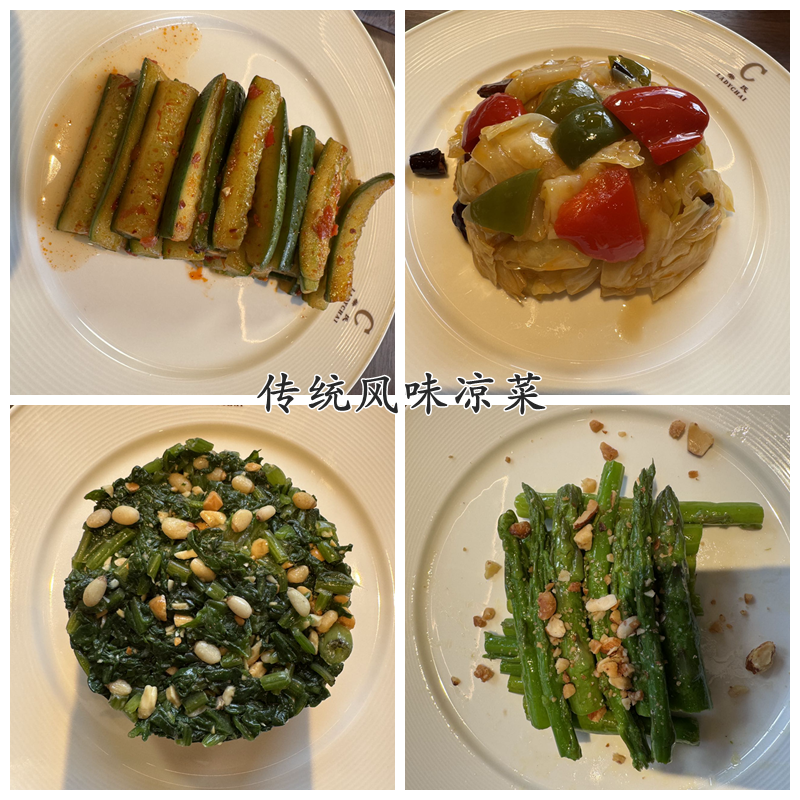
Classic Beijing-style halal dishes:
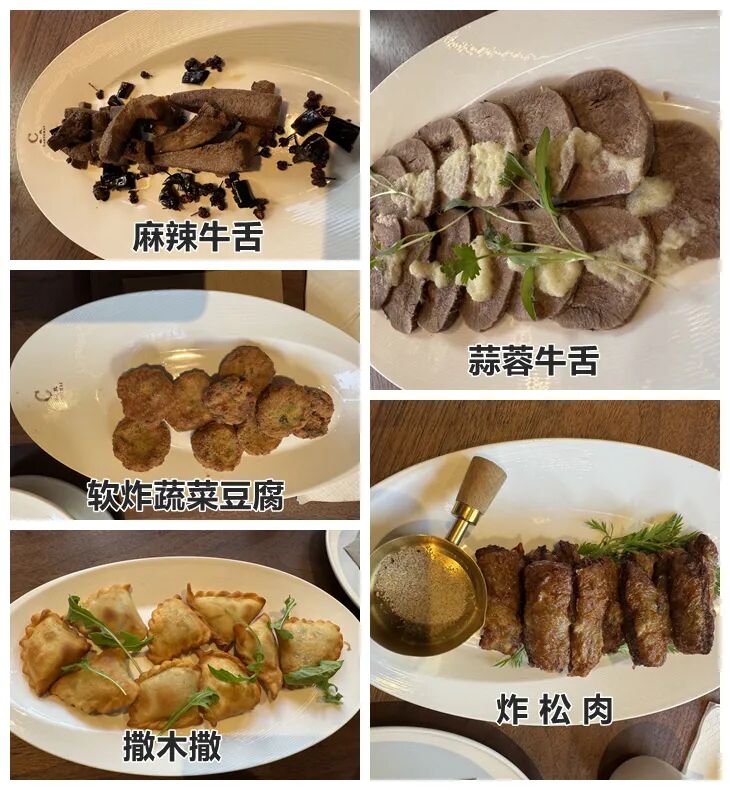
Specialty street snacks:
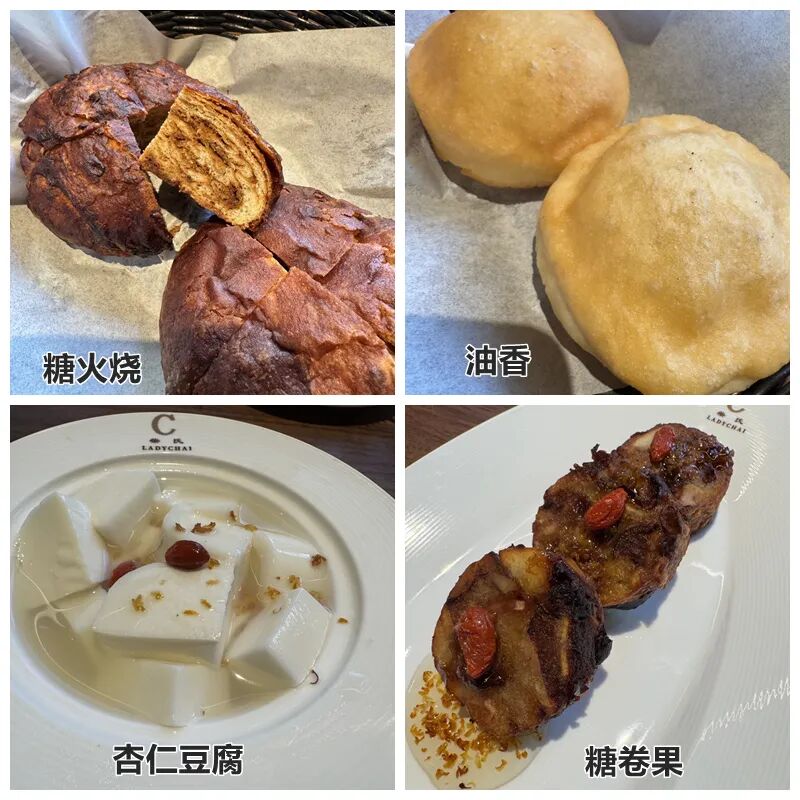
Best Islamic Heritage in Xi'an: Huajuexiang Great Mosque Calligraphy, Architecture, and Travel Guide
Articles • Hasan09 posted the article • 0 comments • 64 views • 2026-10-30 00:34
Explore the Huajuexiang Great Mosque in Xi'an's Lianhu District, a stunning 1,300-year-old national-level treasure featuring traditional Chinese palace architecture, rare calligraphy by Song Dynasty master Mi Fu and Ming Dynasty master Dong Qichang, and a practical visitor's guide.
Walk a few hundred meters down Huajuexiang alley and you'll find a 1,300-year-old national treasure.
Inside, there are no domes and no minarets—it looks entirely like a traditional Chinese imperial palace.
For 25 yuan, I think it's one of the best value-for-money tickets in Xi'an.
Address: 30 Huajuexiang, Lianhu District
Tickets: 25 yuan in peak season / 15 yuan in off-peak season, half-price for students, buy tickets on-site with no reservation needed
Hours: Around 8:00 AM to 7:00 PM
Transportation: Take Metro Line 6 to Guangjijie Station, Exit B, and walk for 5 minutes. It's actually closer than the Zhonglou (Bell Tower) Station.
⚠️ It's closed to visitors on Fridays during Jummah prayer (around 12:00 PM to 2:00 PM), so avoid visiting during those hours.
1. The Wooden Paifang (Traditional Chinese Gateway Arch) | Worth the Ticket Price the Moment You Walk In
Calligraphy from both the Song and Ming Dynasties, all gathered in a single archway.
Standing about 9 meters tall, it features glazed tile roofs, stacked dougong (traditional interlocking wooden brackets), and upturned eaves.
The eastern side reads "Chici Libaisi" (Imperial Edict Bestowed Mosque) handwritten by Ming Dynasty master Dong Qichang, while the western side reads "Daofa Can Tiandi" (The Way Emulates Heaven and Earth) handwritten by Song Dynasty master Mi Fu.
In a single archway, you get handwriting from calligraphy masters of both the Song and Ming Dynasties.
2. The Stone Paifang "Tian Jian Zai Zi"
This three-bay, four-pillar stone archway features carvings on both side lintels that read "Qin Yi Zhao Shi" and "Qian Cheng Sheng Li".
The two soaring dragon-carved steles behind it are even more impressive: one stele has Mi Fu's "Daofa Can Tiandi" carved on the back, and the other has Dong Qichang's "Chici Libaisi" carved on the back.
3. The Chixiu Hall | Home to Calligraphy by Empress Dowager Cixi
Legend has it that this was originally the main prayer hall, but after being renovated during the Jiajing reign of the Ming Dynasty, it became an antechamber.
Hanging inside facing west is the calligraphy "Pai Yan Tian Fang" (Lineage Spreading to Mecca) written by Empress Dowager Cixi, and facing east is "Gu Jiao Qing Zhen" (Ancient Pure Religion). (She wrote these when she fled to Xi'an in 1900 and returned to the capital the following year.)
There is also an Arabic "Yue Bei" (Moon Stele) erected in the tenth year of the Yongzheng reign of the Qing Dynasty (1732), which explains how to calculate the lunar calendar for Ramadan—people who study cultural relics will definitely want to take a closer look at this.
4. The Shengxin Lou (Shengxin Tower) | The Highest Point of the Entire Mosque
This is a three-story, octagonal pavilion-roofed tower with blue glazed tiles. It serves as the minaret (bunker tower), used to call the faithful to prayer.
The name is brilliantly chosen: instead of just calling out with the voice, it calls out to the heart, drawing inspiration from the Confucian concept of "reflecting on oneself thrice daily"—this is one of the most gorgeous fusions of Chinese Neo-Confucian philosophy and Islamic function.
5. The Fenghuang Ting (Phoenix Pavilion) | My Personal Favorite Spot
Also known as the "Yizhen Pavilion" (Pavilion of Absolute Truth). The main pavilion is hexagonal, flanked by two triangular side pavilions. Connected together, the three pavilions look like a phoenix spreading its wings, a unique architectural layout in China.
Under the eaves, the small dragon-carved plaque reading "Yizhen" was handwritten by Tie Xuan, Minister of War in the first year of the Jianwen reign of the Ming Dynasty (1399).
Behind the pavilion is a begonia-flower-shaped fish pond. Sitting here to rest gives you the tranquil vibe of a classical southern Chinese garden.
6. The Main Prayer Hall | Where You Can't Go Inside
It spans 7 bays wide and 9 bays deep, topped with peacock-blue glazed tiles, and can accommodate over a thousand people.
Inside the hall are over 600 painted caisson ceilings, surrounded by 30 wood-carved panels featuring Chinese and Arabic calligraphy of the Quran.
However, non-Muslims are not allowed inside the main prayer hall. Catching a glimpse of that blue glazed roof and the dougong brackets from the terrace is already breathtaking enough.
7. Two Quick Reminders
Don't take photos of people while they are praying, and photography is strictly prohibited inside the hall.
And here's something I want to say: at the Forest of Stone Steles Museum, you're looking at the history of Chinese calligraphy carved into stone; at this mosque, you're looking at it hanging on wood.
Mi Fu, Dong Qichang, Tie Xuan, and Empress Dowager Cixi are all lined up here.
Since the two locations are quite close to each other, calligraphy lovers can easily knock both out in a single day.
Finally
A quick summary: for 25 yuan, you get to see a 1,300-year-old courtyard that hasn't changed, along with calligraphy from the Song, Ming, and Qing dynasties. Just don't go on Friday at noon. view all
Explore the Huajuexiang Great Mosque in Xi'an's Lianhu District, a stunning 1,300-year-old national-level treasure featuring traditional Chinese palace architecture, rare calligraphy by Song Dynasty master Mi Fu and Ming Dynasty master Dong Qichang, and a practical visitor's guide.

Walk a few hundred meters down Huajuexiang alley and you'll find a 1,300-year-old national treasure.
Inside, there are no domes and no minarets—it looks entirely like a traditional Chinese imperial palace.
For 25 yuan, I think it's one of the best value-for-money tickets in Xi'an.
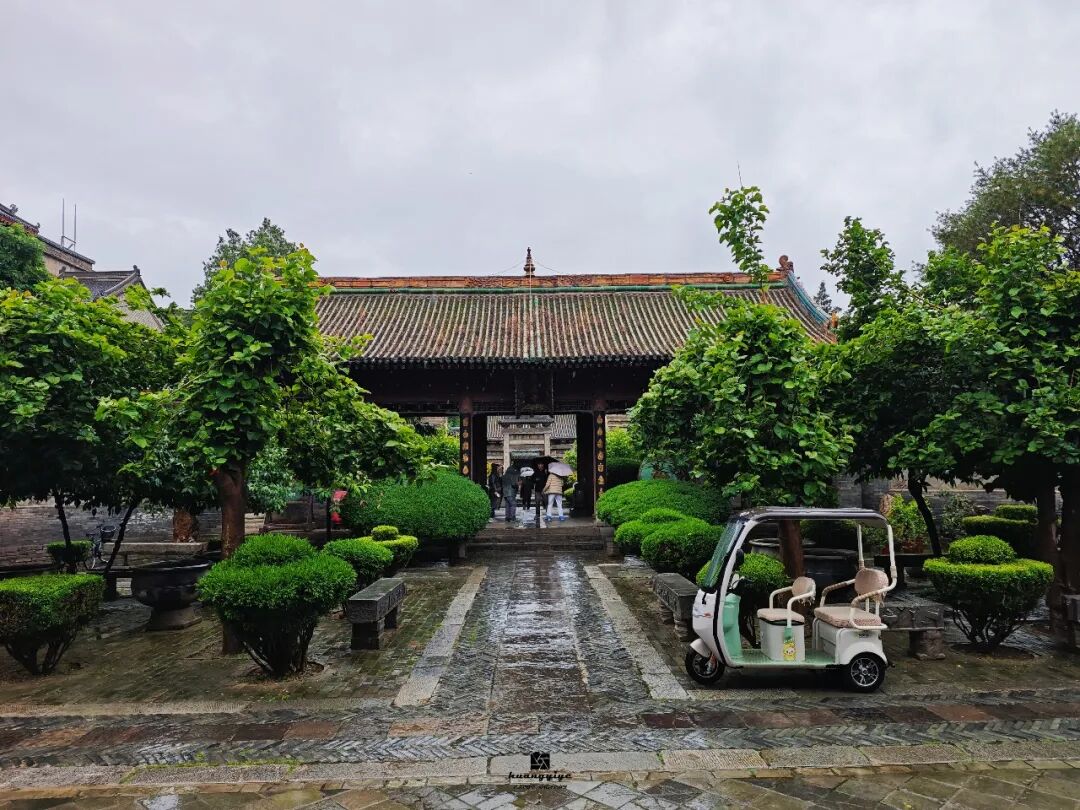
Address: 30 Huajuexiang, Lianhu District
Tickets: 25 yuan in peak season / 15 yuan in off-peak season, half-price for students, buy tickets on-site with no reservation needed
Hours: Around 8:00 AM to 7:00 PM
Transportation: Take Metro Line 6 to Guangjijie Station, Exit B, and walk for 5 minutes. It's actually closer than the Zhonglou (Bell Tower) Station.
⚠️ It's closed to visitors on Fridays during Jummah prayer (around 12:00 PM to 2:00 PM), so avoid visiting during those hours.
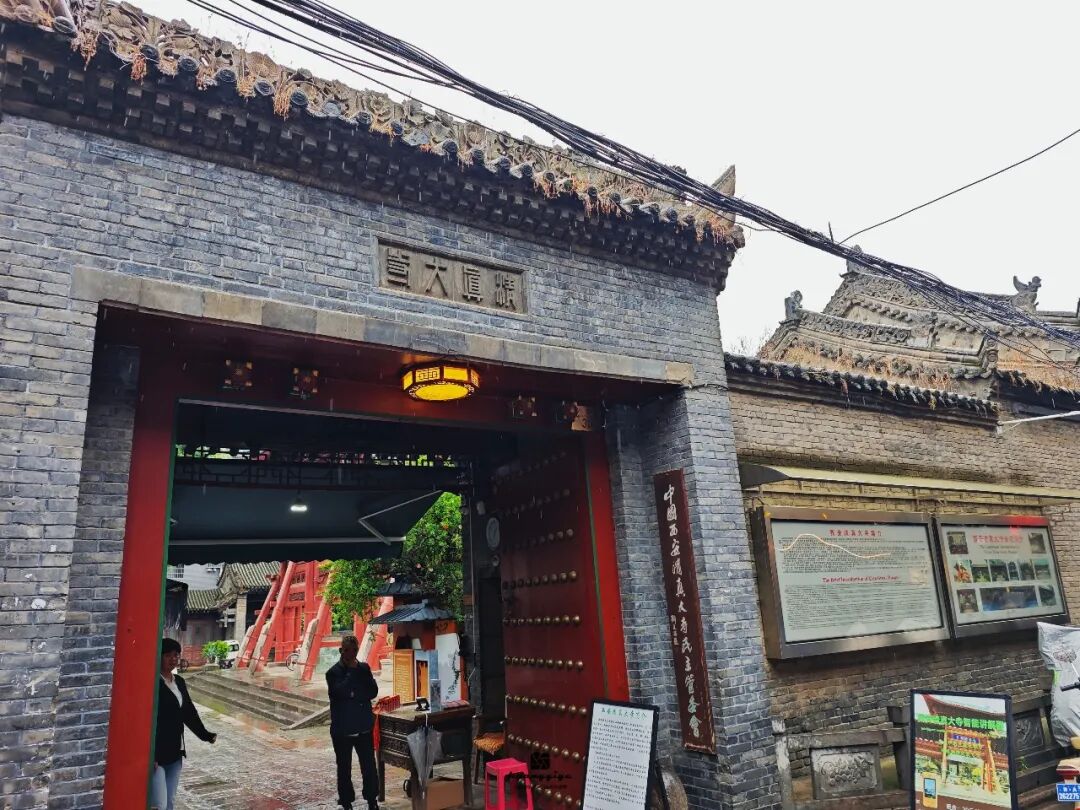
1. The Wooden Paifang (Traditional Chinese Gateway Arch) | Worth the Ticket Price the Moment You Walk In
Calligraphy from both the Song and Ming Dynasties, all gathered in a single archway.
Standing about 9 meters tall, it features glazed tile roofs, stacked dougong (traditional interlocking wooden brackets), and upturned eaves.
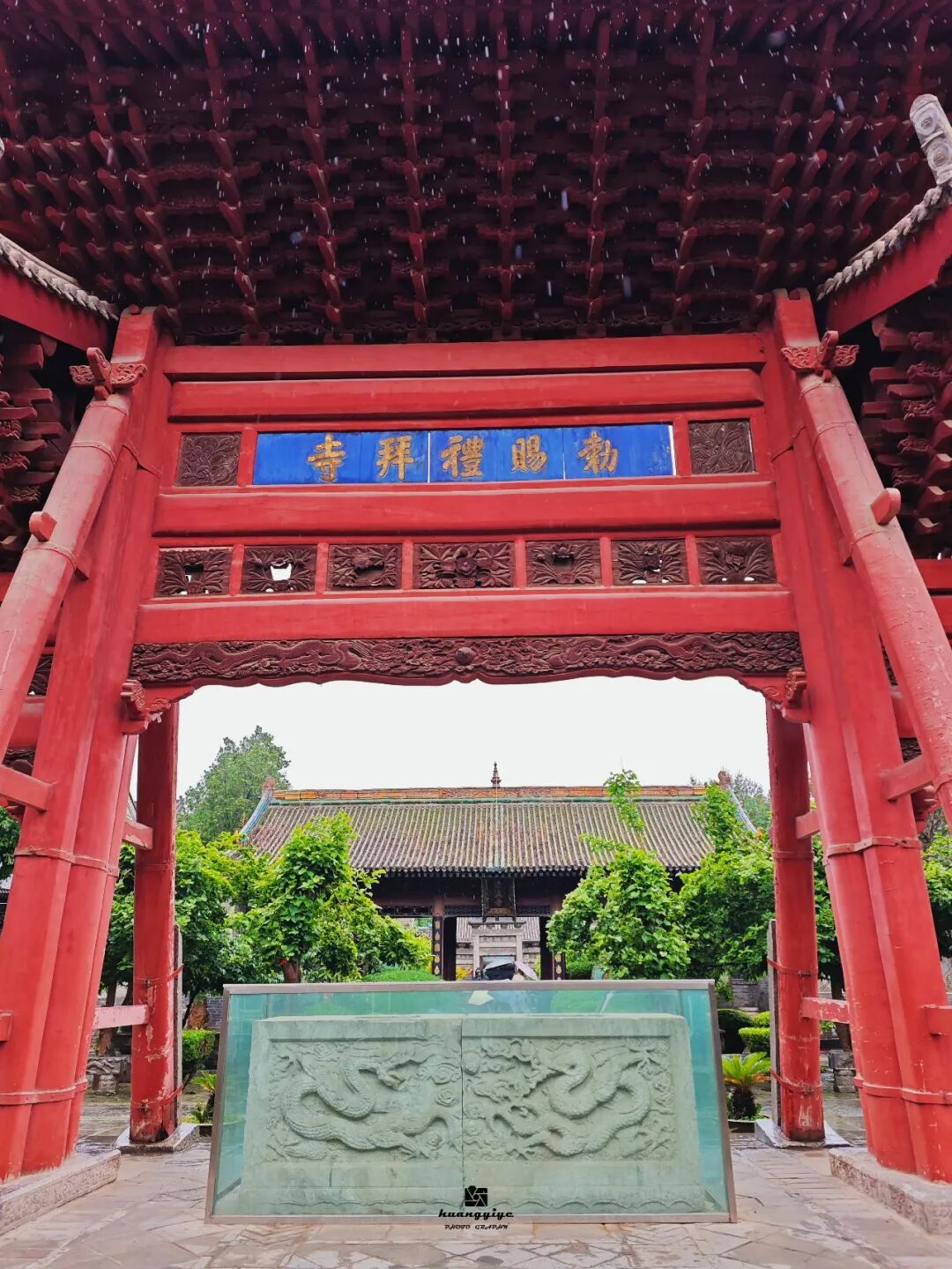
The eastern side reads "Chici Libaisi" (Imperial Edict Bestowed Mosque) handwritten by Ming Dynasty master Dong Qichang, while the western side reads "Daofa Can Tiandi" (The Way Emulates Heaven and Earth) handwritten by Song Dynasty master Mi Fu.
In a single archway, you get handwriting from calligraphy masters of both the Song and Ming Dynasties.
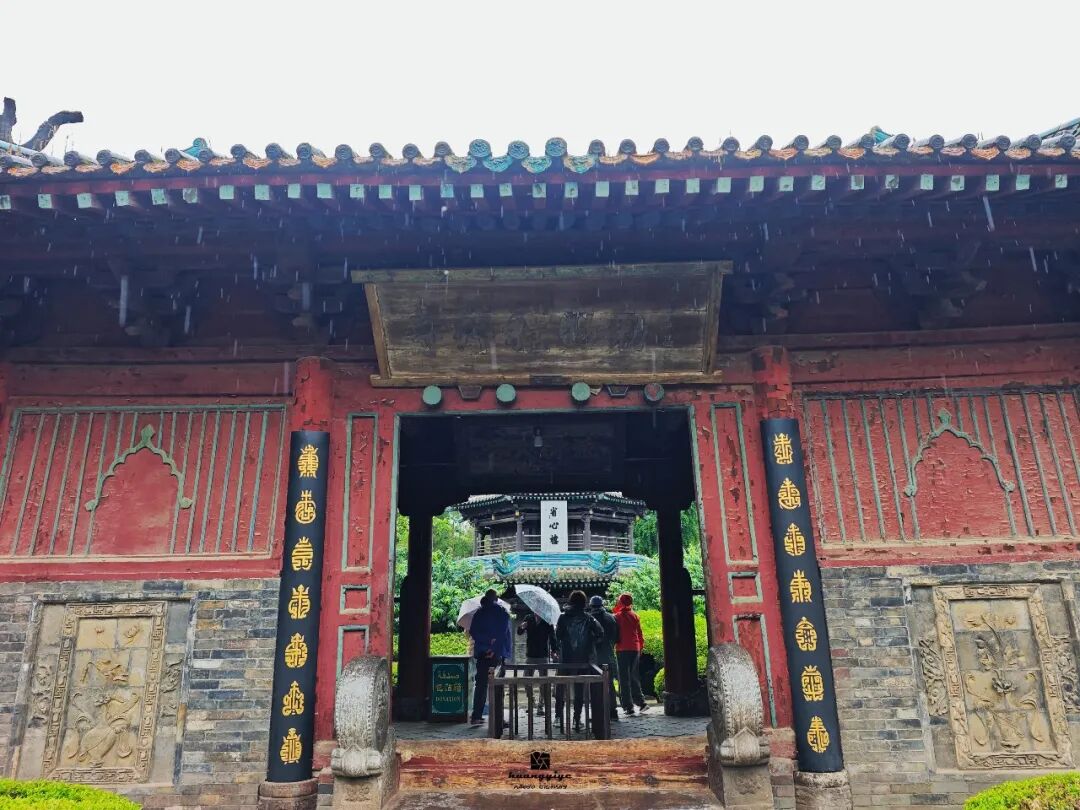
2. The Stone Paifang "Tian Jian Zai Zi"
This three-bay, four-pillar stone archway features carvings on both side lintels that read "Qin Yi Zhao Shi" and "Qian Cheng Sheng Li".
The two soaring dragon-carved steles behind it are even more impressive: one stele has Mi Fu's "Daofa Can Tiandi" carved on the back, and the other has Dong Qichang's "Chici Libaisi" carved on the back.
3. The Chixiu Hall | Home to Calligraphy by Empress Dowager Cixi
Legend has it that this was originally the main prayer hall, but after being renovated during the Jiajing reign of the Ming Dynasty, it became an antechamber.
Hanging inside facing west is the calligraphy "Pai Yan Tian Fang" (Lineage Spreading to Mecca) written by Empress Dowager Cixi, and facing east is "Gu Jiao Qing Zhen" (Ancient Pure Religion). (She wrote these when she fled to Xi'an in 1900 and returned to the capital the following year.)
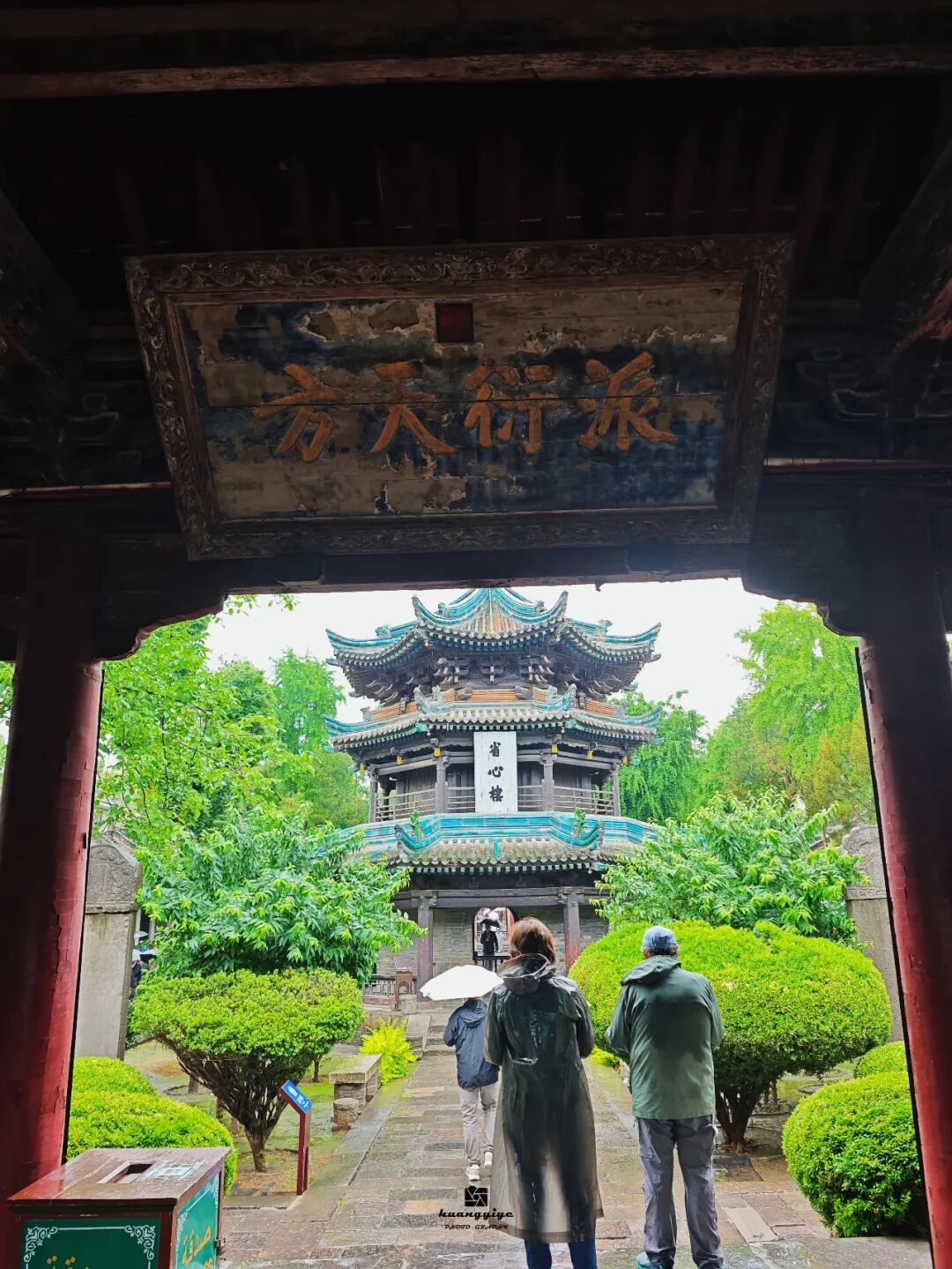
There is also an Arabic "Yue Bei" (Moon Stele) erected in the tenth year of the Yongzheng reign of the Qing Dynasty (1732), which explains how to calculate the lunar calendar for Ramadan—people who study cultural relics will definitely want to take a closer look at this.
4. The Shengxin Lou (Shengxin Tower) | The Highest Point of the Entire Mosque
This is a three-story, octagonal pavilion-roofed tower with blue glazed tiles. It serves as the minaret (bunker tower), used to call the faithful to prayer.
The name is brilliantly chosen: instead of just calling out with the voice, it calls out to the heart, drawing inspiration from the Confucian concept of "reflecting on oneself thrice daily"—this is one of the most gorgeous fusions of Chinese Neo-Confucian philosophy and Islamic function.
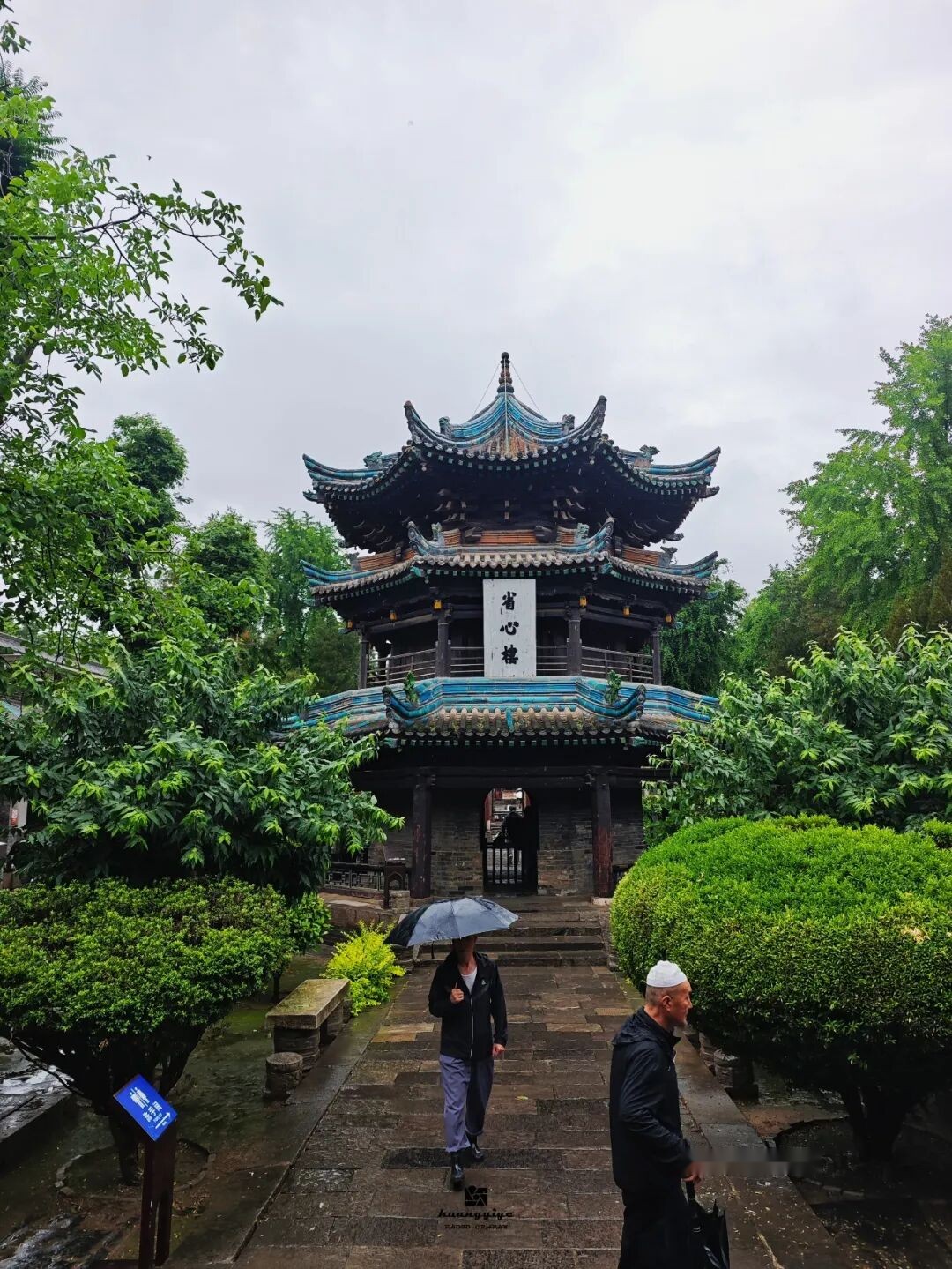
5. The Fenghuang Ting (Phoenix Pavilion) | My Personal Favorite Spot
Also known as the "Yizhen Pavilion" (Pavilion of Absolute Truth). The main pavilion is hexagonal, flanked by two triangular side pavilions. Connected together, the three pavilions look like a phoenix spreading its wings, a unique architectural layout in China.
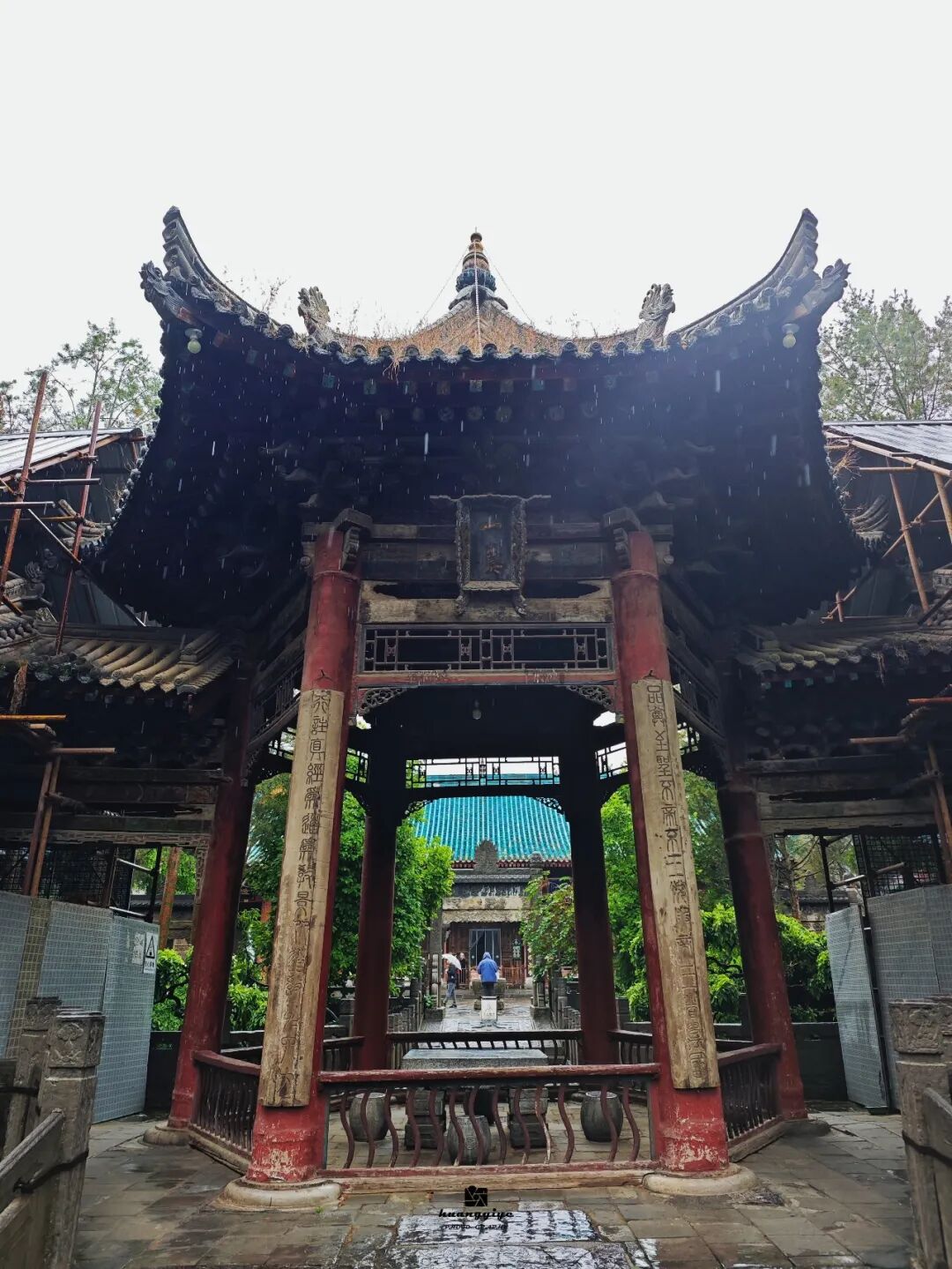
Under the eaves, the small dragon-carved plaque reading "Yizhen" was handwritten by Tie Xuan, Minister of War in the first year of the Jianwen reign of the Ming Dynasty (1399).
Behind the pavilion is a begonia-flower-shaped fish pond. Sitting here to rest gives you the tranquil vibe of a classical southern Chinese garden.
6. The Main Prayer Hall | Where You Can't Go Inside
It spans 7 bays wide and 9 bays deep, topped with peacock-blue glazed tiles, and can accommodate over a thousand people.
Inside the hall are over 600 painted caisson ceilings, surrounded by 30 wood-carved panels featuring Chinese and Arabic calligraphy of the Quran.
However, non-Muslims are not allowed inside the main prayer hall. Catching a glimpse of that blue glazed roof and the dougong brackets from the terrace is already breathtaking enough.
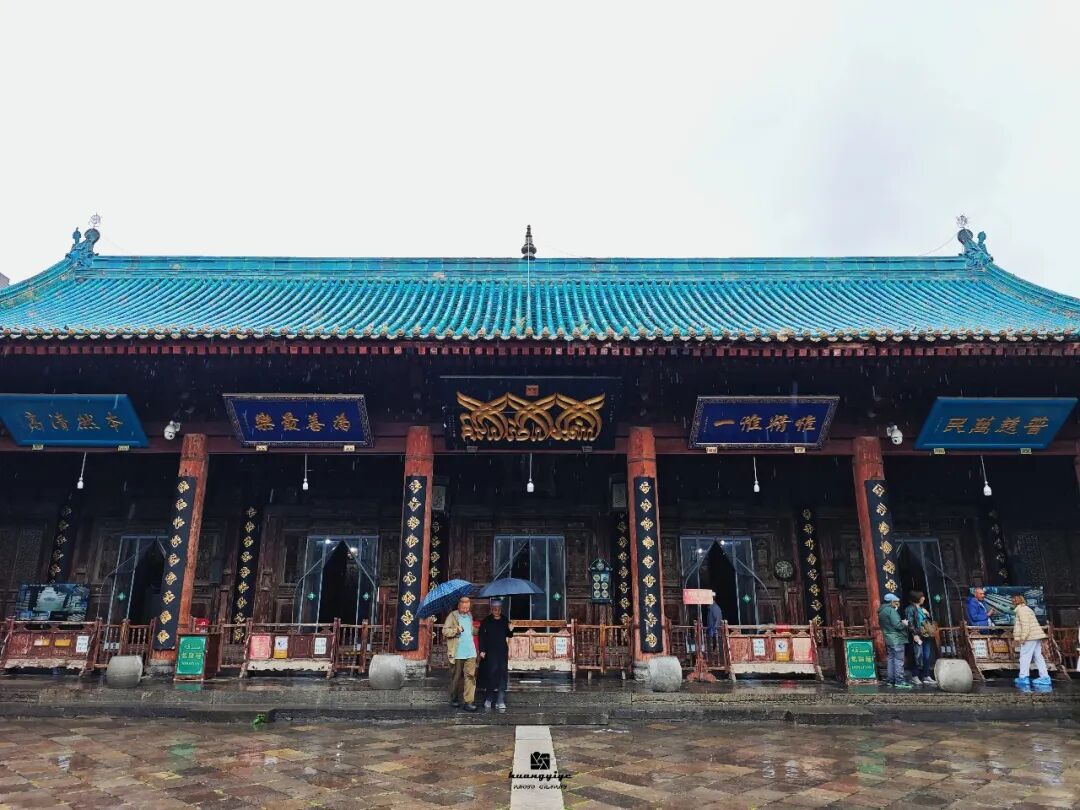
7. Two Quick Reminders
Don't take photos of people while they are praying, and photography is strictly prohibited inside the hall.
And here's something I want to say: at the Forest of Stone Steles Museum, you're looking at the history of Chinese calligraphy carved into stone; at this mosque, you're looking at it hanging on wood.
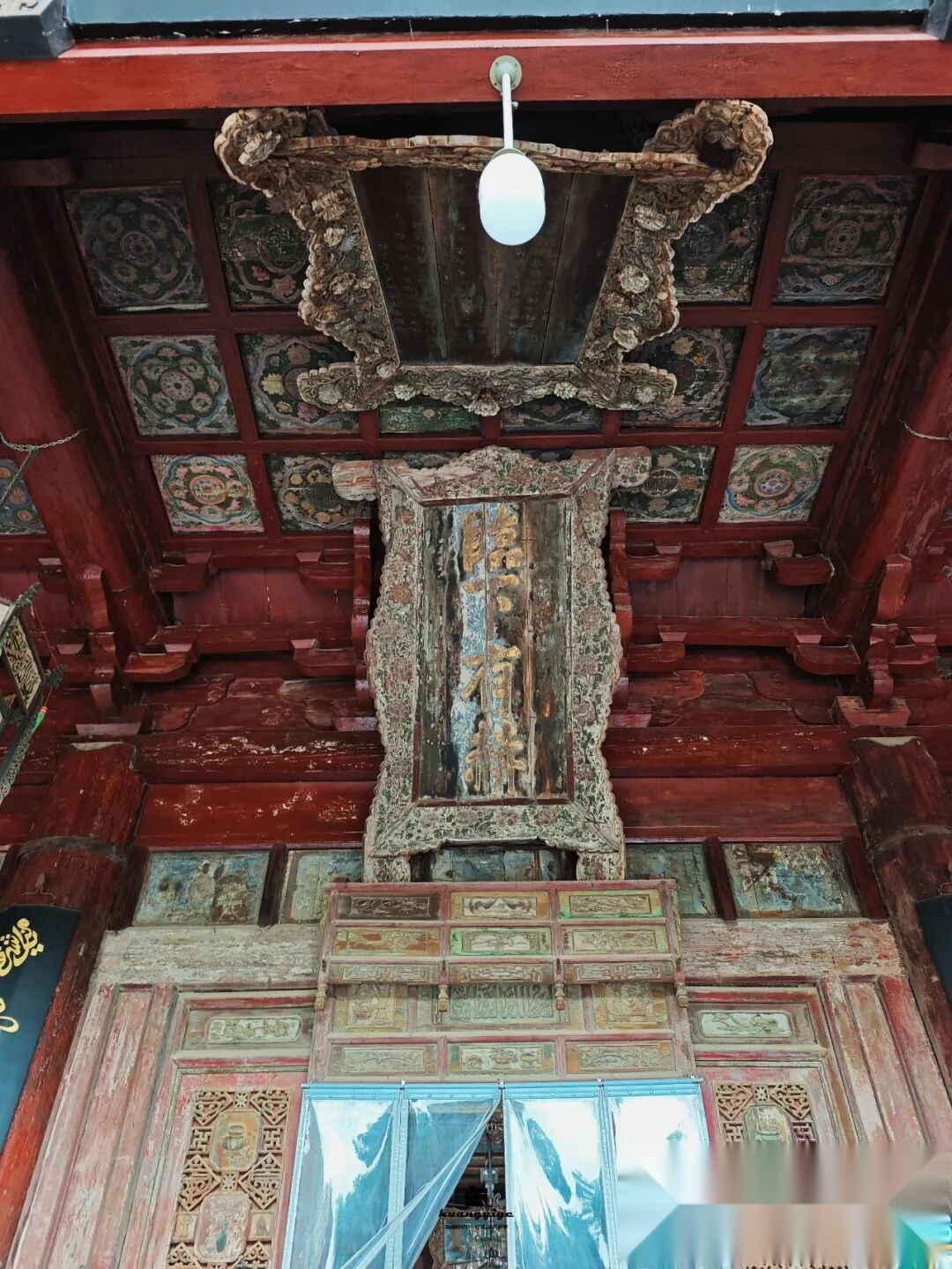
Mi Fu, Dong Qichang, Tie Xuan, and Empress Dowager Cixi are all lined up here.
Since the two locations are quite close to each other, calligraphy lovers can easily knock both out in a single day.
Finally
A quick summary: for 25 yuan, you get to see a 1,300-year-old courtyard that hasn't changed, along with calligraphy from the Song, Ming, and Qing dynasties. Just don't go on Friday at noon.
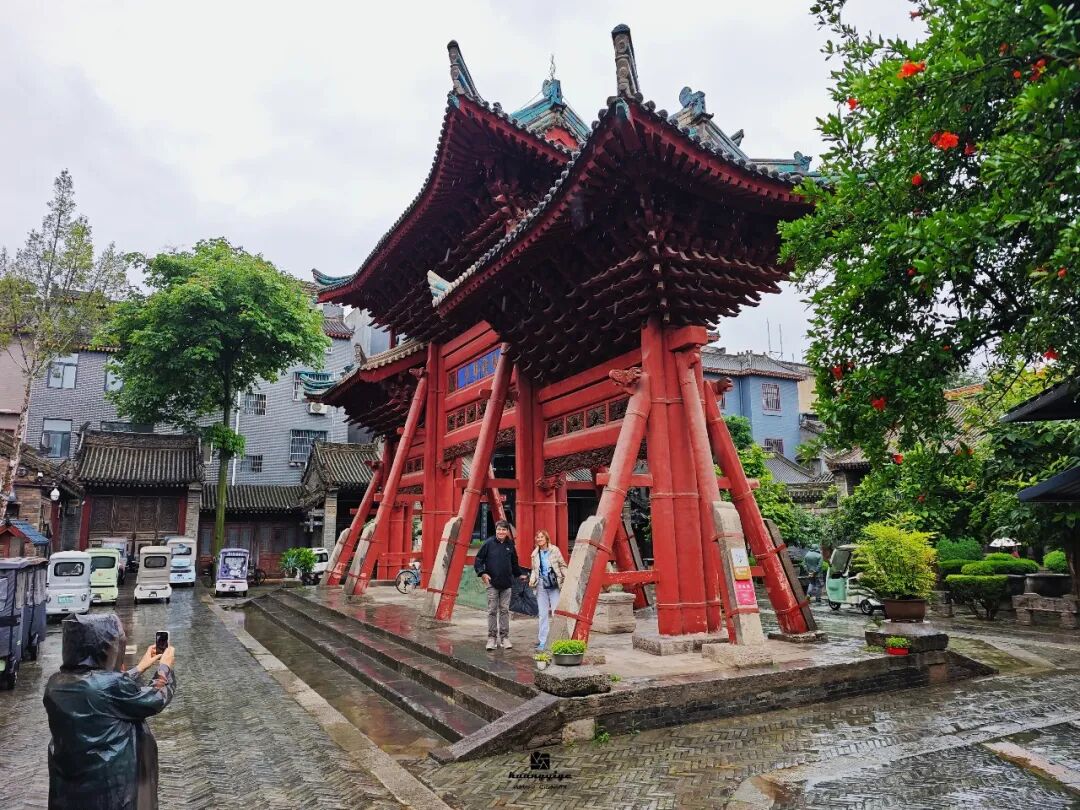
Best Muslim Quarter Food in Xi'an: Authentic Halal Street Eats, Yangrou Paomo and Hidden Local Gems
Articles • Hasan09 posted the article • 0 comments • 61 views • 2026-10-30 00:34
Explore the heart of Xi'an's Muslim Quarter through 20 vivid photos as we taste traditional halal classics like Guanzhong style yangrou paomo (lamb and pita bread soup), rich sesame liangpi (cold skin noodles), charcoal-grilled skewers, zenggao (steamed date cake), and crispy beef pies, all while soaking in the intersection of Silk Road culinary heritage and local daily life.
By: Mustard
The Muslim Quarter is famous across the country because it’s home to the most authentic Guanzhong halal flavors. The entire neighborhood packs in hundreds of time-honored local snacks, serving as a living fossil for classic Xi'an cuisine.
Every bite here stays true to traditional halal methods. They aren't chasing flashy trends—they're just keeping the soul of old-school Chang'an alive. Every snack is a perfect blend of Silk Road history and local folk culture, which is exactly why this neighborhood stays a hit with visitors year after year.
Without further ado, let’s go walk around, look, and eat!
(This is just the route I took when wandering around the Muslim Quarter—it’s just for your reference.)
(Intersection of Xiyangshi and Beiguangji Street)
Pro Tip: If you want the real deal, skip the main Beiyuanmen street. Dive into the side alleys like Sajinqiao, Beiguangji Street, Dapiyuan, and Xiyangshi; those are the spots where the locals actually go. (The list below is just my personal recommendation, so keep that in mind!)
Yangrou Paomo (The Heavy Hitters)
✅ Lao Wujia Special Xiaochao Paomo (Dapiyuan)
✅ Liu Xin Beef and Lamb Paomo Xiaochao (Sajinqiao)
✅ Guoyuanzhai Lao Mijia Paomo (Beiguangji Street)
Roujiamo (Xi'an 'Burgers')
✅ Liu Jixiao Cured Beef and Lamb (Beiguangji Street)
✅ Lao Majia Roujiamo (Beiyuanmen)
Liangpi / Dumplings / Soup-filled Baos
✅ Huifang Ma'er Dumpling House (Sajinqiao)
✅ Jia San Soup-Filled Baos (Jia San Guan Tang Bao) - Halal (Beiyuanmen Main Store/Xiyangshi)
✅ Halal Honghong Pickled Vegetable Fried Rice (Miaohou Street)
✅ Halal Shengzhiwang Sesame Liangpi - A recognized intangible cultural heritage shop (Dapiyuan)
Local Specialties
✅ Junjun Mung Bean Cake and Pies (Sajinqiao/Beiguangji Street/Miaohou Street)
✅ Yiguzhai Osmanthus Persimmon Cakes (Beiyuanmen)
✅ Southeast Asia (Dongnanya) Zenggao (Beiguangji Street)
✅ Dingjia Crispy Pork (Dingjia Xiao Su Rou) (Beiyuanmen)
✅ Grandma Hua’s Sour Plum Drink (Beiguangji Street)
✅ Shanshi San - Xi'an Pastries (Beiyuanmen)
(The chili oil ice cream is actually pretty good!)
Late-night Eats
✅ Xiaoma BBQ (Daxuexi Alley)
‼️ A friendly note from a local:
Soup-filled baos + mung bean cake + yogurt = around 30 yuan.
For a full meal: Lao Jinjia Paomo + Ma Sumu BBQ = around 50 yuan to get stuffed.
To save money: Head deeper into Sajinqiao. Local spots like Ma'er Sour Soup Dumplings or Li Weiyi Meatball Spicy Soup are much more affordable.
Everyone’s taste is different, so feel free to check out other top-rated spots if you want more options.
Getting there (Subway)
Line 1: Sajinqiao Station
Line 2: Xi'an Zhonglou (Bell Tower) Station
Line 6: Qiaozikou, Guangji Street, or Xi'an Zhonglou (Bell Tower) Station view all
Explore the heart of Xi'an's Muslim Quarter through 20 vivid photos as we taste traditional halal classics like Guanzhong style yangrou paomo (lamb and pita bread soup), rich sesame liangpi (cold skin noodles), charcoal-grilled skewers, zenggao (steamed date cake), and crispy beef pies, all while soaking in the intersection of Silk Road culinary heritage and local daily life.
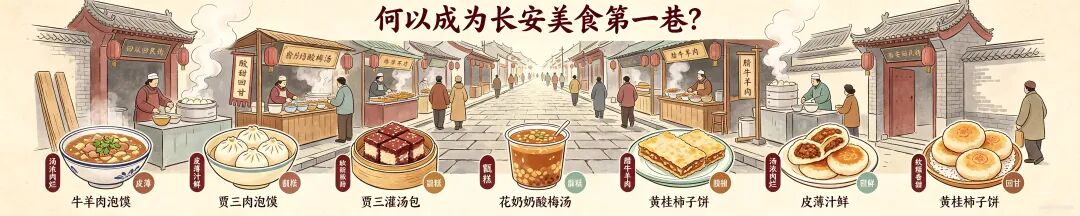
By: Mustard
The Muslim Quarter is famous across the country because it’s home to the most authentic Guanzhong halal flavors. The entire neighborhood packs in hundreds of time-honored local snacks, serving as a living fossil for classic Xi'an cuisine.
Every bite here stays true to traditional halal methods. They aren't chasing flashy trends—they're just keeping the soul of old-school Chang'an alive. Every snack is a perfect blend of Silk Road history and local folk culture, which is exactly why this neighborhood stays a hit with visitors year after year.
Without further ado, let’s go walk around, look, and eat!
(This is just the route I took when wandering around the Muslim Quarter—it’s just for your reference.)
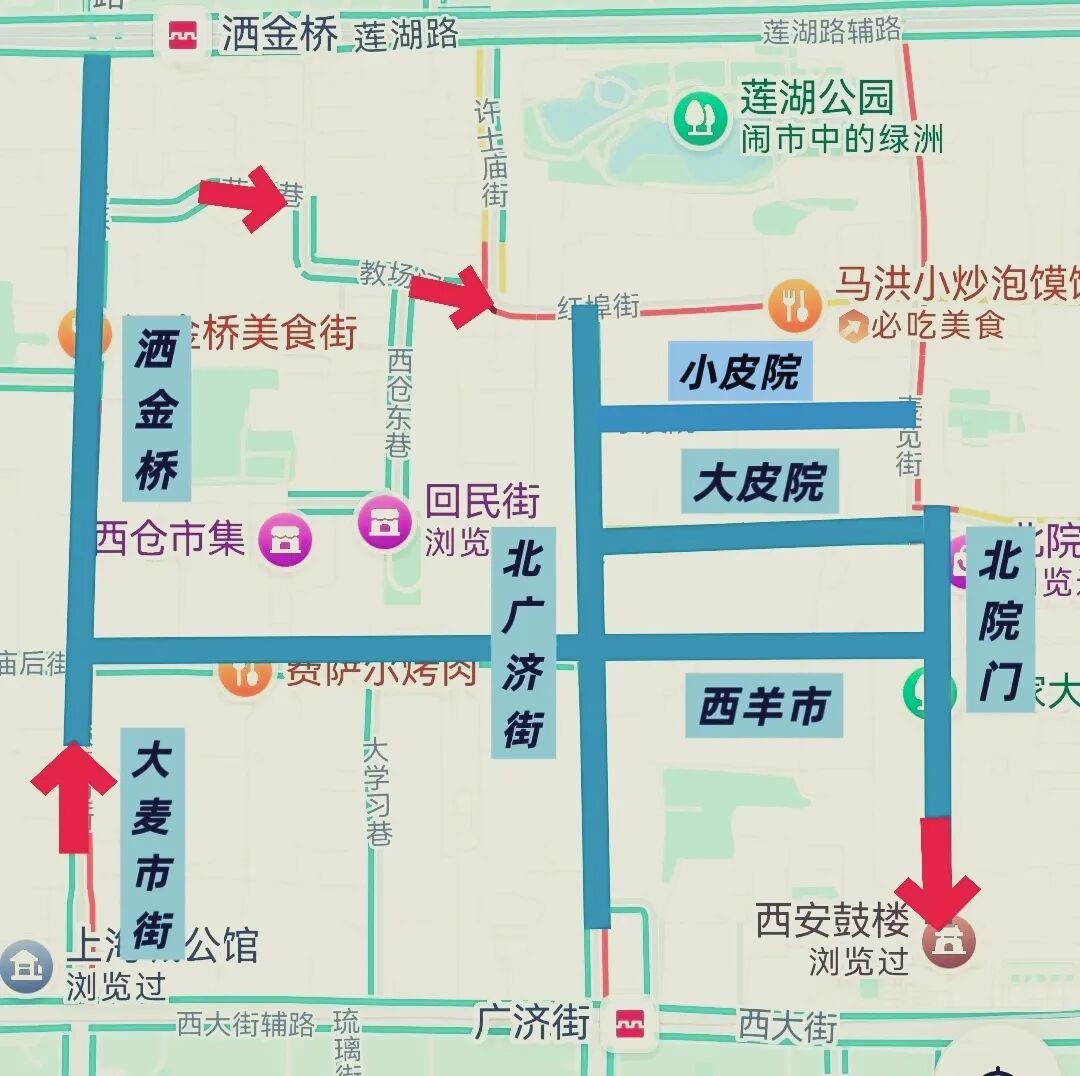
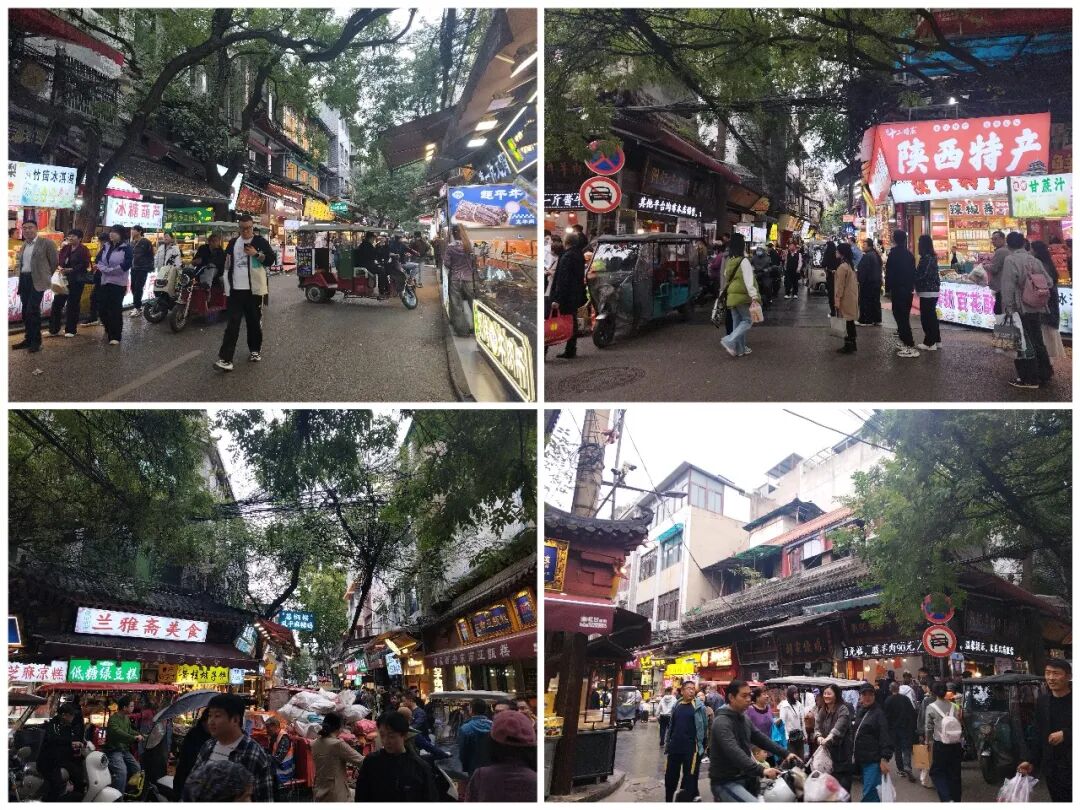
(Intersection of Xiyangshi and Beiguangji Street)
Pro Tip: If you want the real deal, skip the main Beiyuanmen street. Dive into the side alleys like Sajinqiao, Beiguangji Street, Dapiyuan, and Xiyangshi; those are the spots where the locals actually go. (The list below is just my personal recommendation, so keep that in mind!)
Yangrou Paomo (The Heavy Hitters)
✅ Lao Wujia Special Xiaochao Paomo (Dapiyuan)
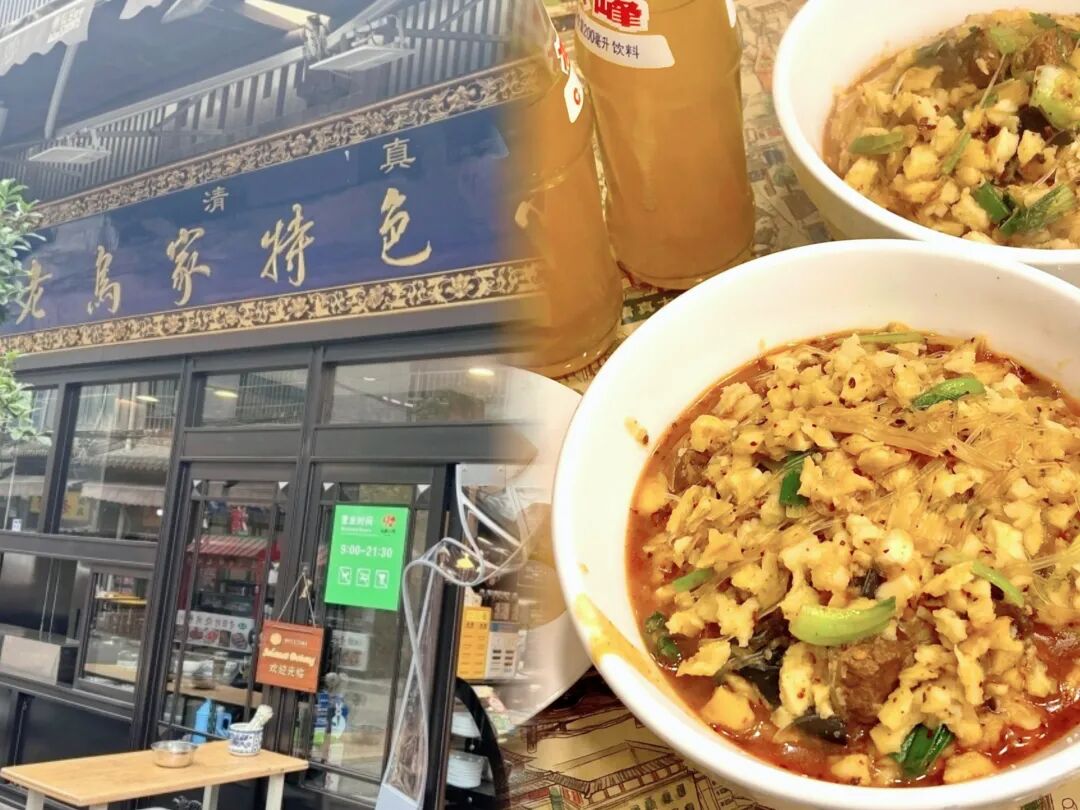
✅ Liu Xin Beef and Lamb Paomo Xiaochao (Sajinqiao)
✅ Guoyuanzhai Lao Mijia Paomo (Beiguangji Street)
Roujiamo (Xi'an 'Burgers')
✅ Liu Jixiao Cured Beef and Lamb (Beiguangji Street)
✅ Lao Majia Roujiamo (Beiyuanmen)
Liangpi / Dumplings / Soup-filled Baos
✅ Huifang Ma'er Dumpling House (Sajinqiao)
✅ Jia San Soup-Filled Baos (Jia San Guan Tang Bao) - Halal (Beiyuanmen Main Store/Xiyangshi)
✅ Halal Honghong Pickled Vegetable Fried Rice (Miaohou Street)
✅ Halal Shengzhiwang Sesame Liangpi - A recognized intangible cultural heritage shop (Dapiyuan)
Local Specialties
✅ Junjun Mung Bean Cake and Pies (Sajinqiao/Beiguangji Street/Miaohou Street)
✅ Yiguzhai Osmanthus Persimmon Cakes (Beiyuanmen)
✅ Southeast Asia (Dongnanya) Zenggao (Beiguangji Street)
✅ Dingjia Crispy Pork (Dingjia Xiao Su Rou) (Beiyuanmen)
✅ Grandma Hua’s Sour Plum Drink (Beiguangji Street)
✅ Shanshi San - Xi'an Pastries (Beiyuanmen)
(The chili oil ice cream is actually pretty good!)
Late-night Eats
✅ Xiaoma BBQ (Daxuexi Alley)
‼️ A friendly note from a local:
Soup-filled baos + mung bean cake + yogurt = around 30 yuan.
For a full meal: Lao Jinjia Paomo + Ma Sumu BBQ = around 50 yuan to get stuffed.
To save money: Head deeper into Sajinqiao. Local spots like Ma'er Sour Soup Dumplings or Li Weiyi Meatball Spicy Soup are much more affordable.
Everyone’s taste is different, so feel free to check out other top-rated spots if you want more options.
Getting there (Subway)
Line 1: Sajinqiao Station
Line 2: Xi'an Zhonglou (Bell Tower) Station
Line 6: Qiaozikou, Guangji Street, or Xi'an Zhonglou (Bell Tower) Station
Discover the Great Mosque of Xi'an: A Hidden Historical Gem in the Heart of the Muslim Quarter
Articles • Hasan09 posted the article • 0 comments • 52 views • 2026-10-30 00:34
I've put together 62 high-res photos to walk you through a trip from the Xi'an Bell Tower and Drum Tower, straight through the buzz of the Muslim Quarter, and into the peaceful Great Mosque of Huajue Lane. This guide captures all the intricate details of the traditional wooden archway, the Five Phoenix Pavilion, the Imperial Prayer Hall, the Shengxin Tower, and the Yizhen Pavilion.
My stomach is super sensitive, so I usually avoid food streets when I travel to keep my trip from getting derailed by sketchy eats. Even though I wanted to try the real-deal local food, and even my old friends living in Xi'an were telling me to hit up the Muslim Quarter, I was honestly pretty hesitant.
But, I ended up going to the Muslim Quarter anyway—not for the snacks, but to visit the Great Mosque on Huajue Lane.
Just hop on the subway to Bell Tower Station and take exit B to start walking.
The Bell Tower in Xi'an.
Head down the stairs toward the Drum Tower; the crowds on the street are absolutely packed.
If you go around the back of the Drum Tower, you'll hit Huajue Lane. The Great Mosque is like a total sanctuary hidden in the middle of that commercial chaos. The entrance looks super humble, but the architecture inside is jaw-dropping. Tickets are 35 yuan, and the person checking tickets is wearing a traditional white 'Qingzhen' (Islamic) skullcap.
Right at the entrance, there are shops selling headscarves and traditional tea sets with lids—the patterns are actually really beautiful.
The five big characters for 'Imperial Prayer Mosque' were written by the famous Ming Dynasty artist Dong Qichang, and you can see five-clawed dragons carved into the stone below.
The phrase 'Dao Fa Can Tian Di' (The Way permeates heaven and earth) was written by the Song Dynasty calligrapher Mi Fu—which reminded me of the Mi Gong Shrine I visited in Xiangyang back in the day.
The pavilions on either side of the archway are filled with furniture and antiques from the Ming and Qing dynasties.
You’ll see stunning brick carvings everywhere you look.
The courtyards just seem to go on forever.
The Five-Room Building, which was actually the main entrance to the mosque back in the Ming Dynasty.
After passing the Five-Room Building, you enter the second courtyard. Right in the middle stands the 'Tian Jian Zai Zi' stone archway, which essentially means 'Heaven is watching your every move right here, right now,' so it's a reminder to keep your words and actions in check.
Here is the stone tablet featuring a carved dragon that details the history of the mosque.
Entering the third courtyard, you'll find the three-story, octagonal Shengxin (Reflection) Tower in the center.
In the fourth courtyard, you’ll find the Yizhen (One Truth) Pavilion at the center.
Step up onto the platform, and you’re standing right in front of the mosque's largest structure.
The main prayer hall, spanning seven rooms wide.
The 'Lin Xia You He' plaque.
This is the dedicated space for people to perform their dua (prayers). In other mosques I’ve visited, the prayer halls were usually completely carpeted, but here, there’s a distinct layout for sitting, kneeling, and walking.
The Great Mosque on Huajue Lane was first built in 742 AD. It has over 1,200 years of history and is the largest mosque in all of Xi'an.
Heading back out the entrance, you’re right back in the heart of the Hui Muslim community area.
Admiring the flowers under the building.
Locals just hanging out and chatting.
You can find traditional ethnic snacks everywhere you look.
The yuanxiao (sweet rice ball) shop doesn't start boiling them until noon.
I left feeling totally satisfied with everything I got to see.
#Xian #XianTravel #ExploreXian #BellTower #DrumTower #HuajueLane #Mosque #MuslimQuarter view all
I've put together 62 high-res photos to walk you through a trip from the Xi'an Bell Tower and Drum Tower, straight through the buzz of the Muslim Quarter, and into the peaceful Great Mosque of Huajue Lane. This guide captures all the intricate details of the traditional wooden archway, the Five Phoenix Pavilion, the Imperial Prayer Hall, the Shengxin Tower, and the Yizhen Pavilion.
My stomach is super sensitive, so I usually avoid food streets when I travel to keep my trip from getting derailed by sketchy eats. Even though I wanted to try the real-deal local food, and even my old friends living in Xi'an were telling me to hit up the Muslim Quarter, I was honestly pretty hesitant.
But, I ended up going to the Muslim Quarter anyway—not for the snacks, but to visit the Great Mosque on Huajue Lane.
Just hop on the subway to Bell Tower Station and take exit B to start walking.
The Bell Tower in Xi'an.
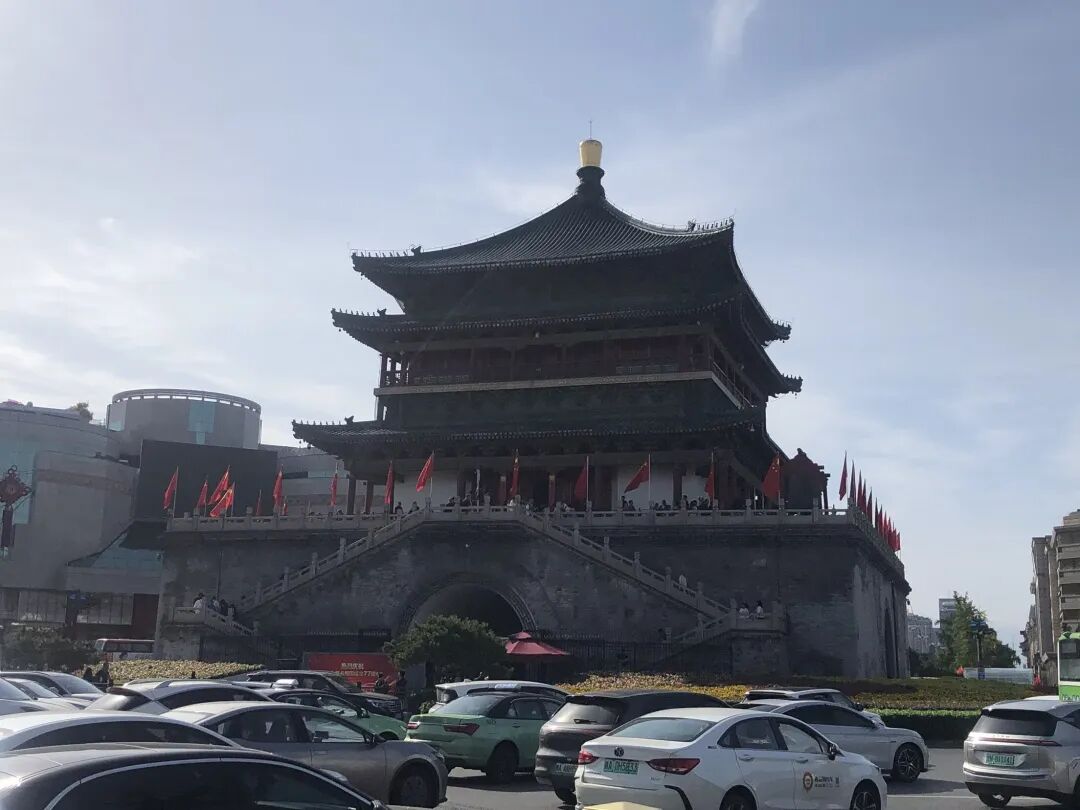
Head down the stairs toward the Drum Tower; the crowds on the street are absolutely packed.
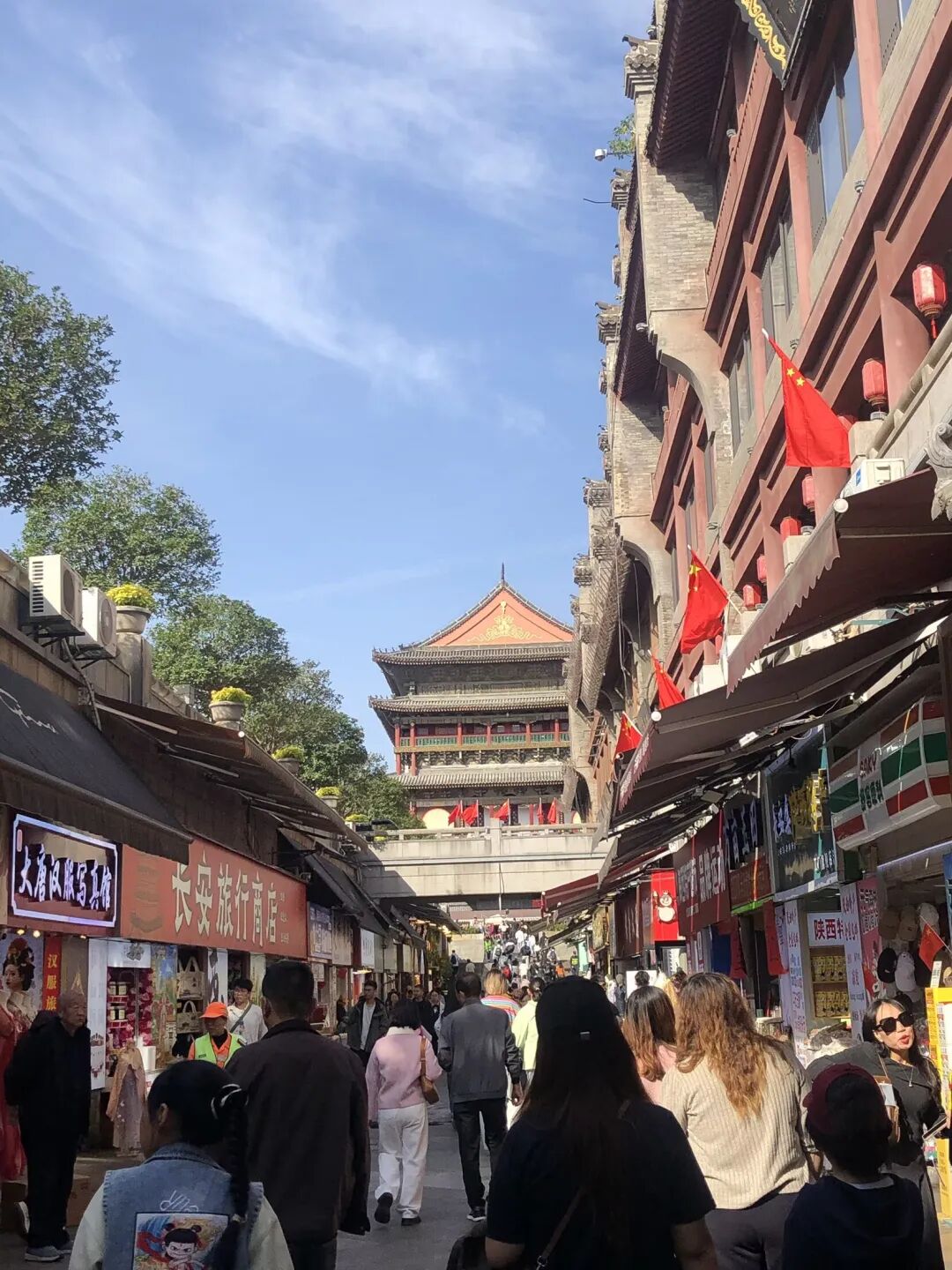
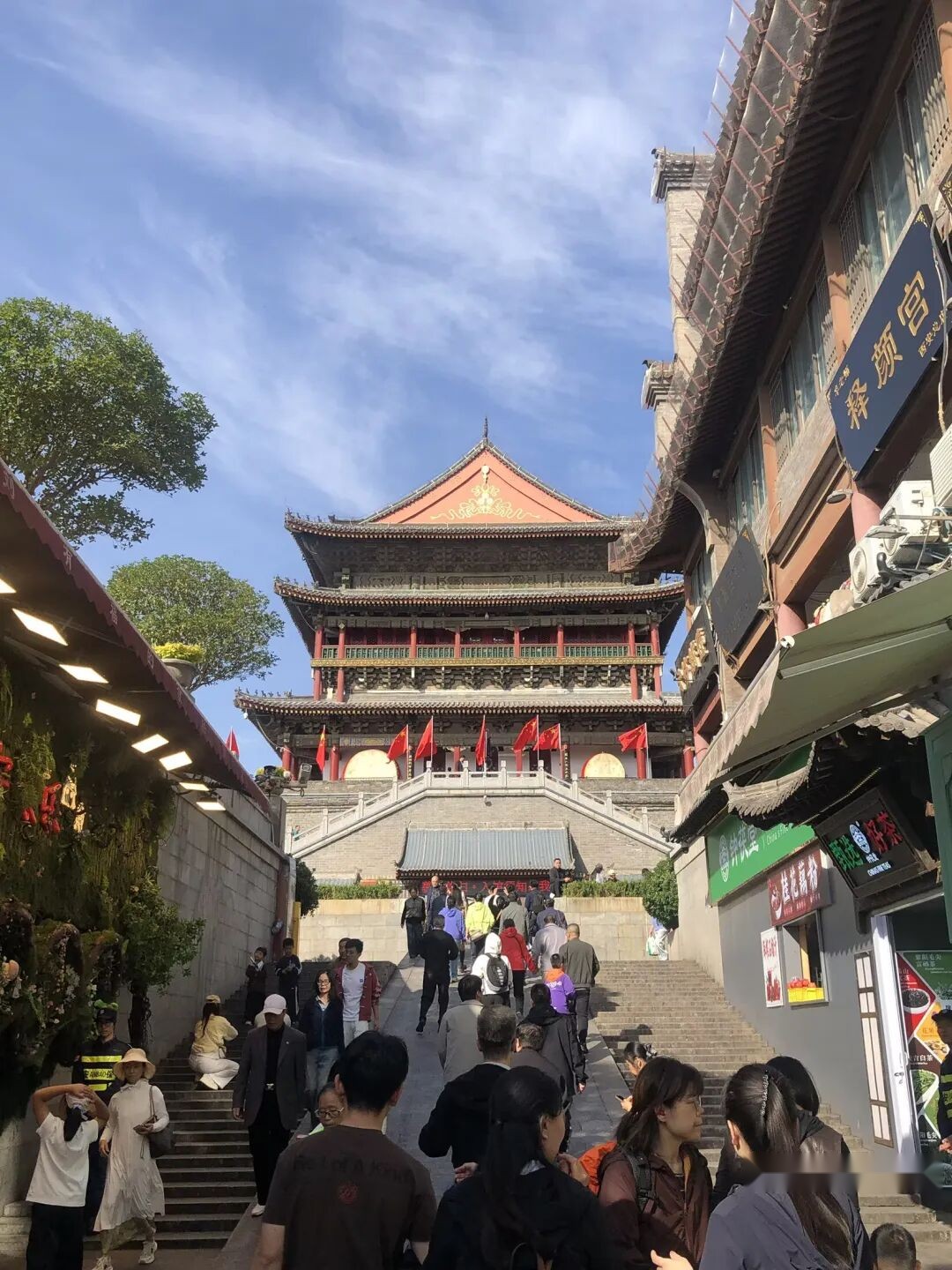
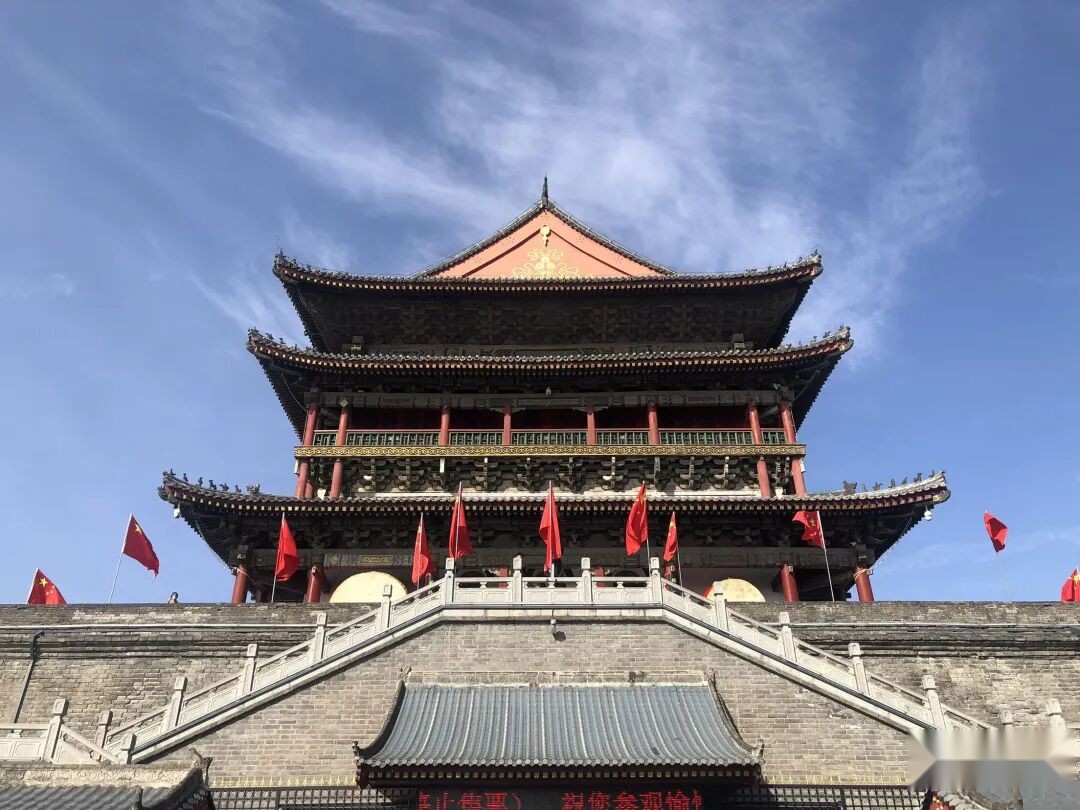
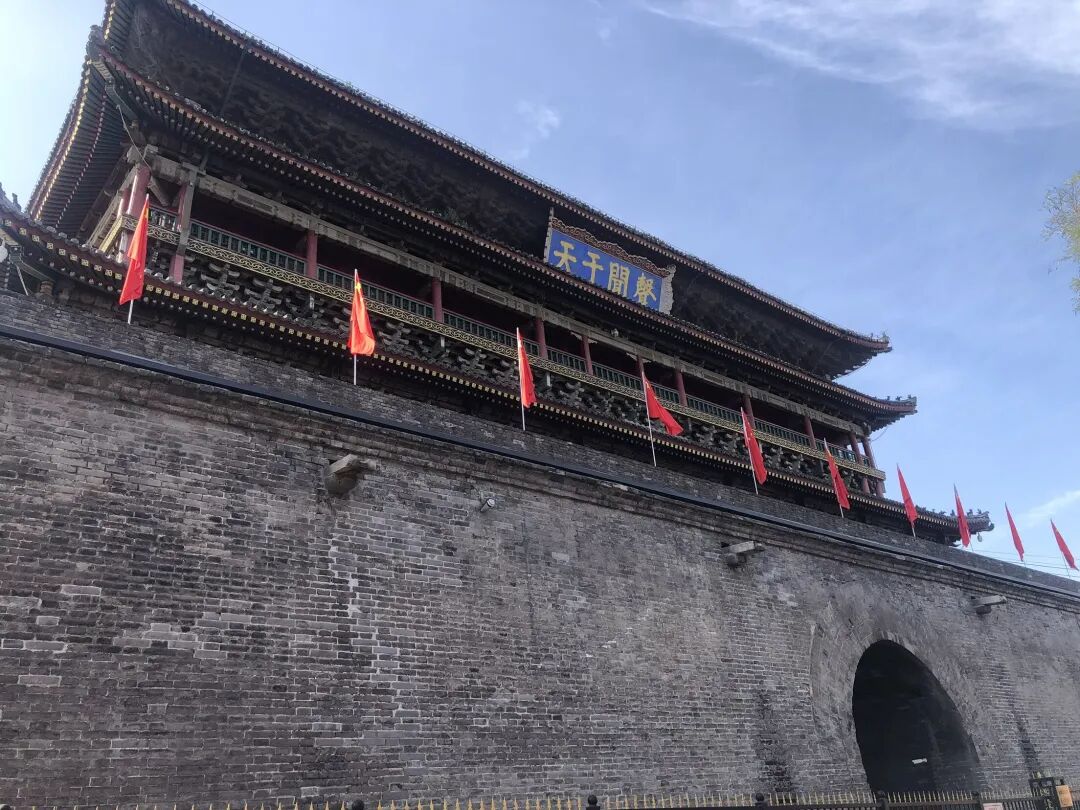
If you go around the back of the Drum Tower, you'll hit Huajue Lane. The Great Mosque is like a total sanctuary hidden in the middle of that commercial chaos. The entrance looks super humble, but the architecture inside is jaw-dropping. Tickets are 35 yuan, and the person checking tickets is wearing a traditional white 'Qingzhen' (Islamic) skullcap.
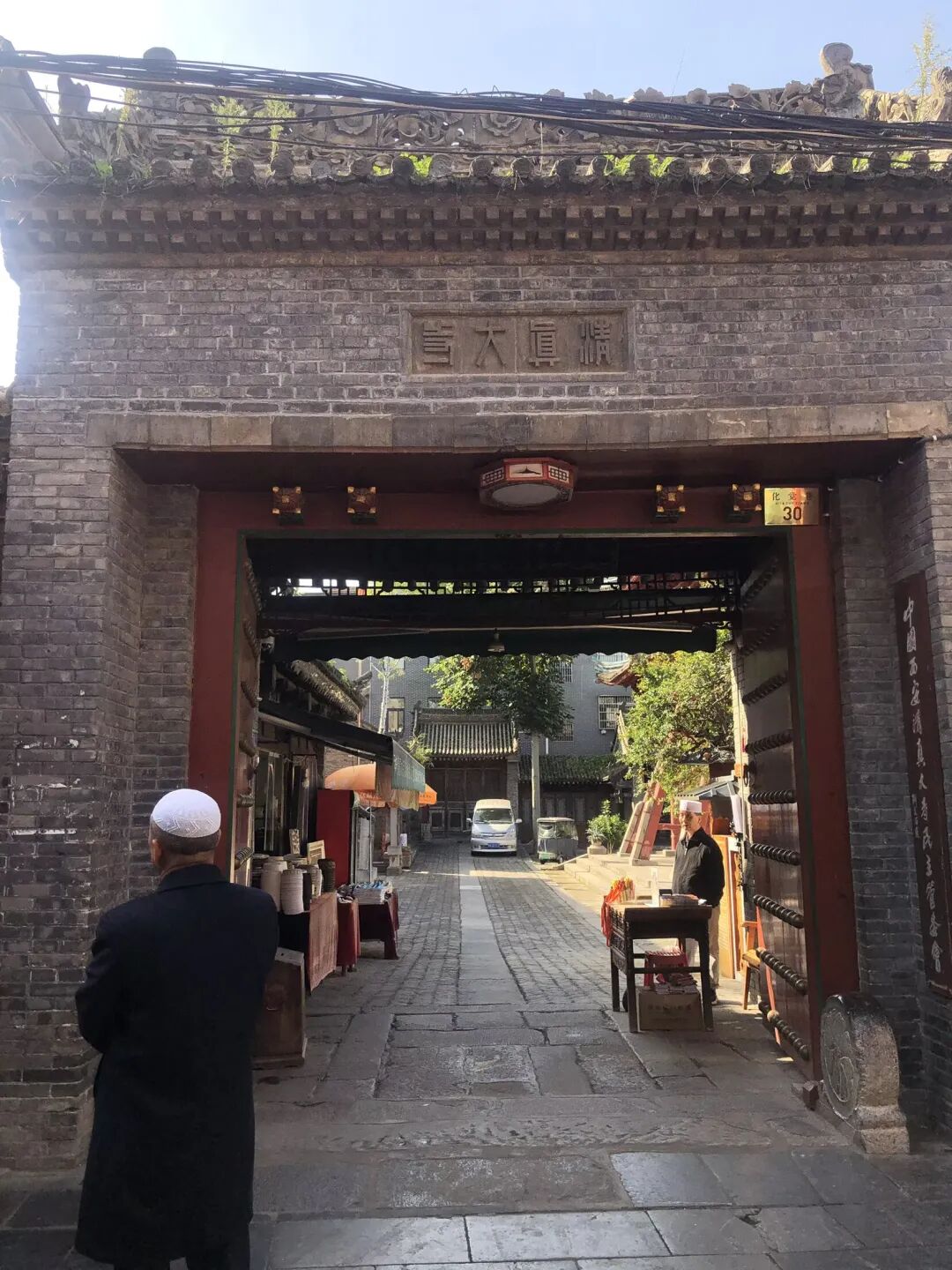
Right at the entrance, there are shops selling headscarves and traditional tea sets with lids—the patterns are actually really beautiful.
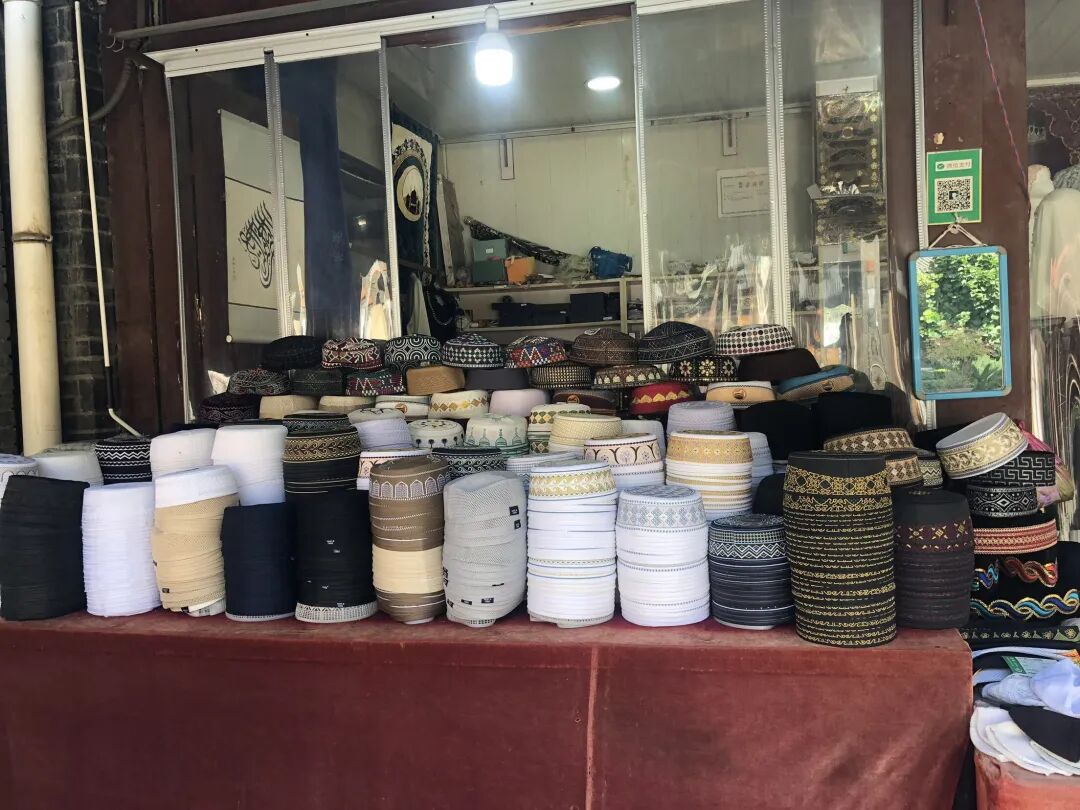
The five big characters for 'Imperial Prayer Mosque' were written by the famous Ming Dynasty artist Dong Qichang, and you can see five-clawed dragons carved into the stone below.
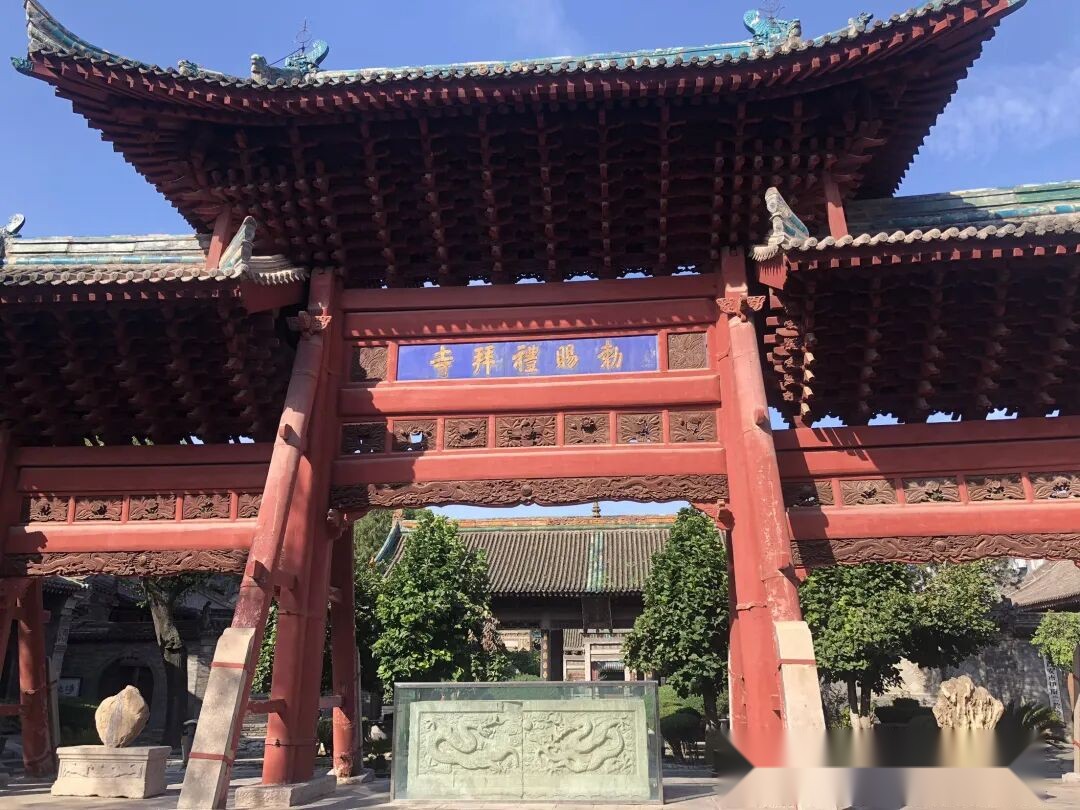
The phrase 'Dao Fa Can Tian Di' (The Way permeates heaven and earth) was written by the Song Dynasty calligrapher Mi Fu—which reminded me of the Mi Gong Shrine I visited in Xiangyang back in the day.
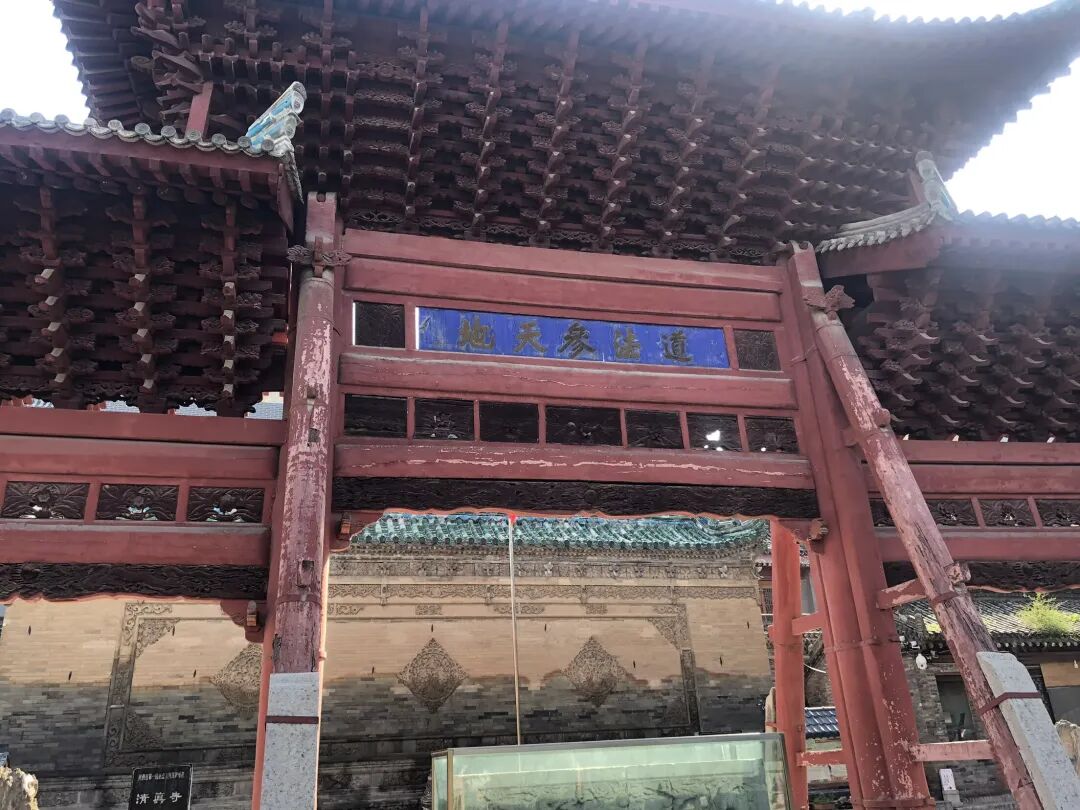
The pavilions on either side of the archway are filled with furniture and antiques from the Ming and Qing dynasties.
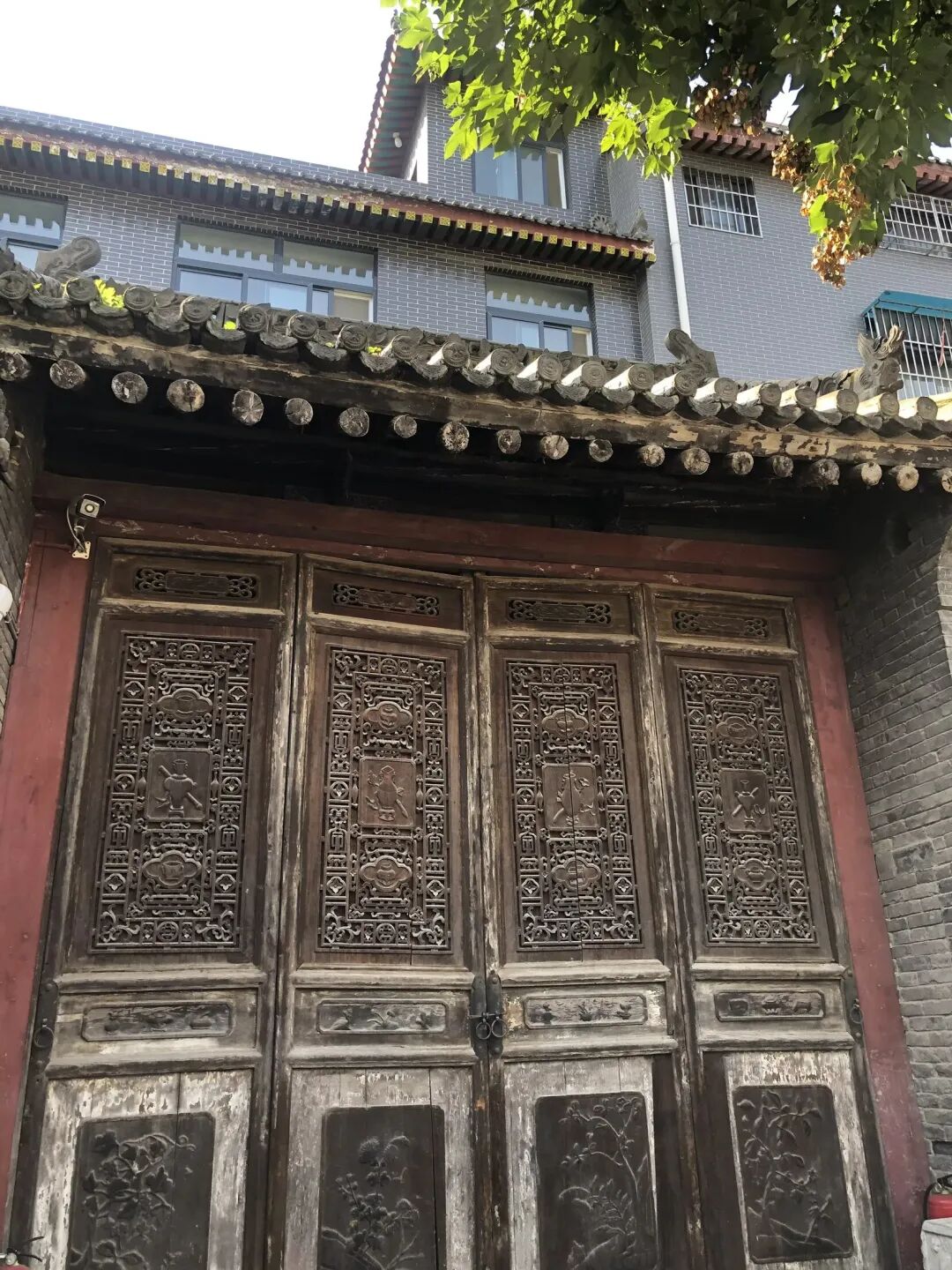
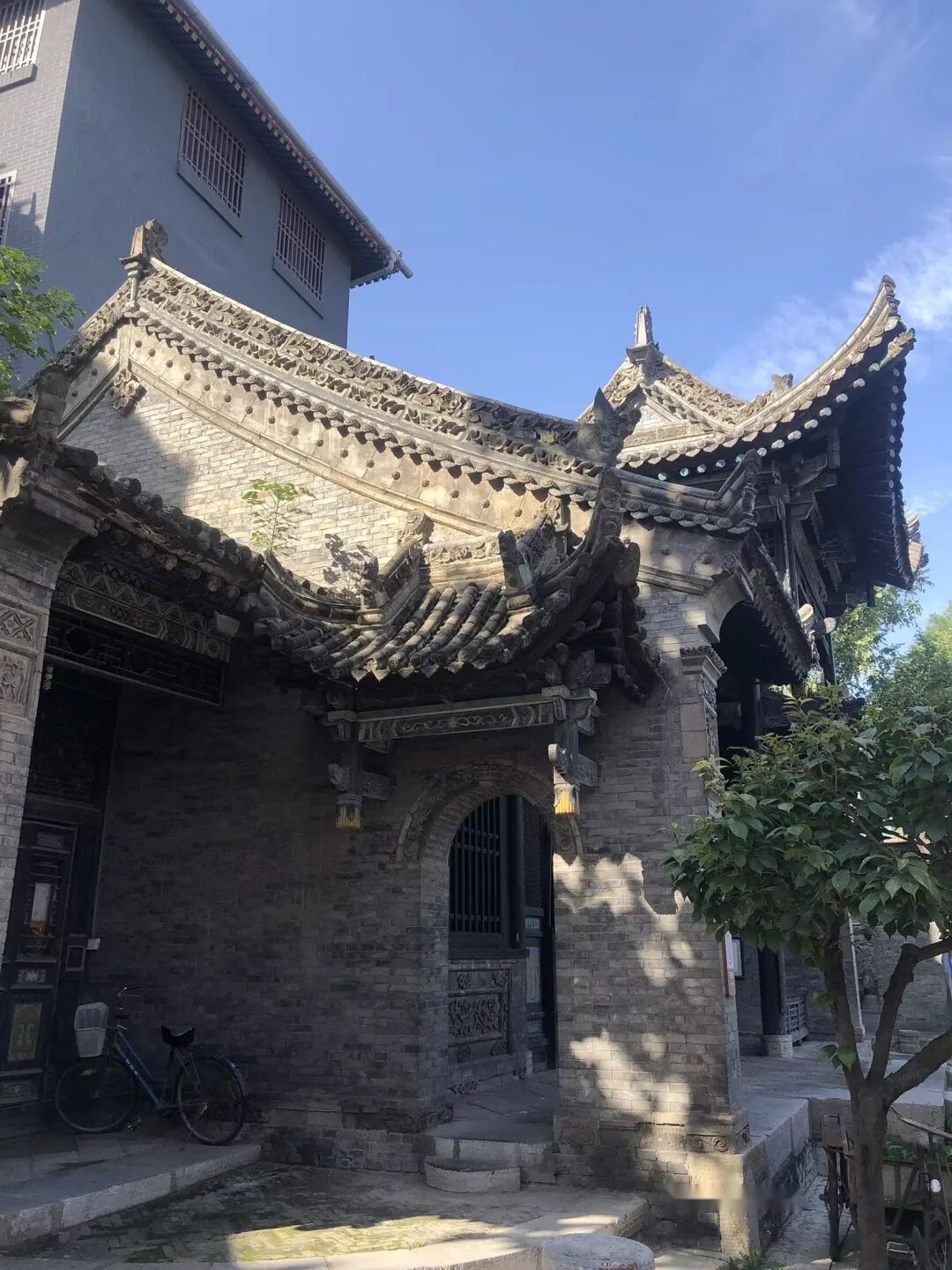
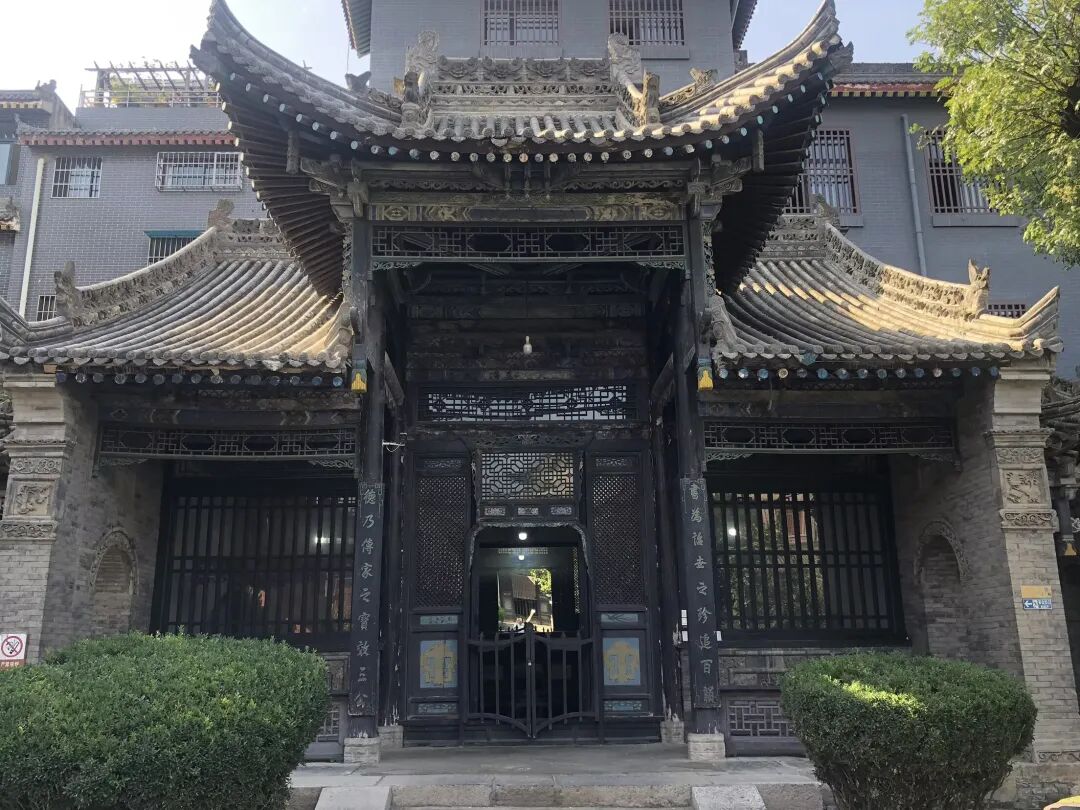
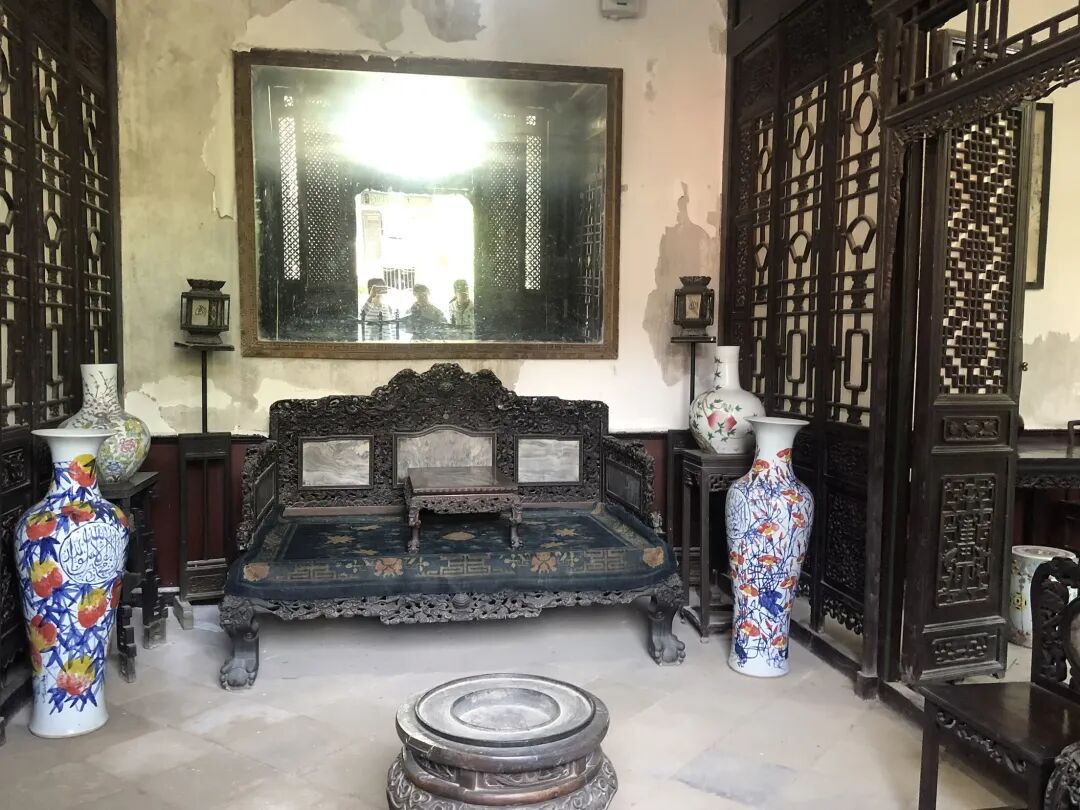
You’ll see stunning brick carvings everywhere you look.
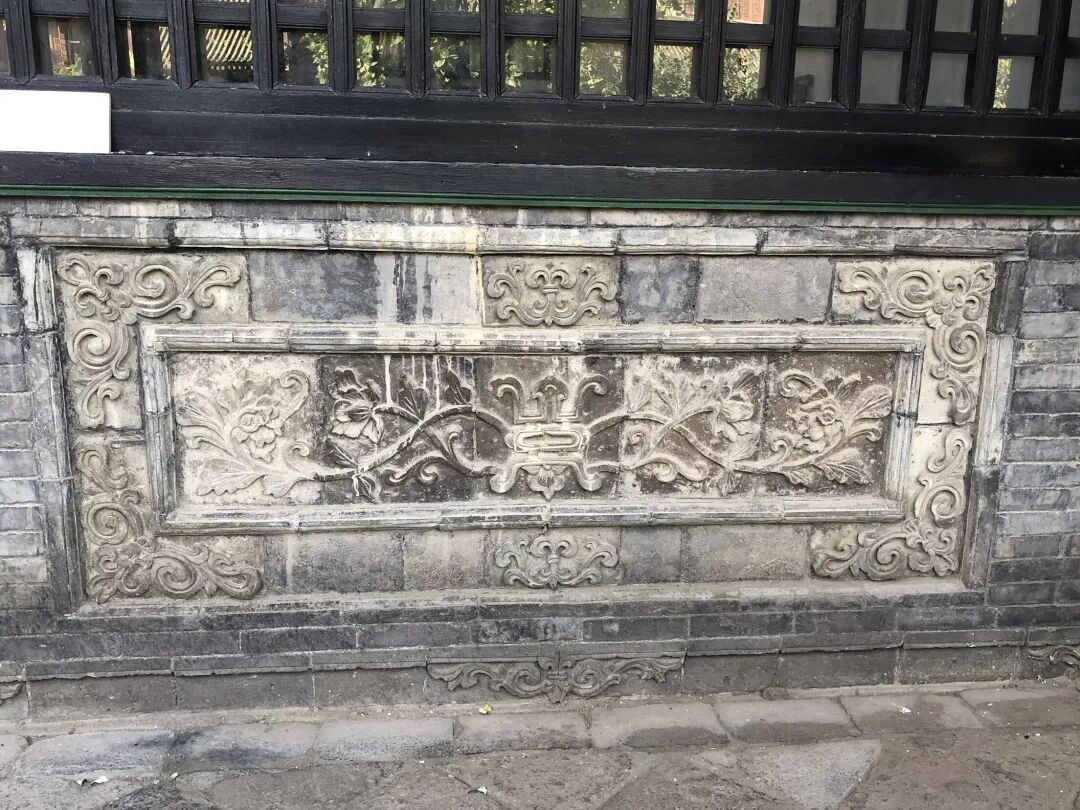
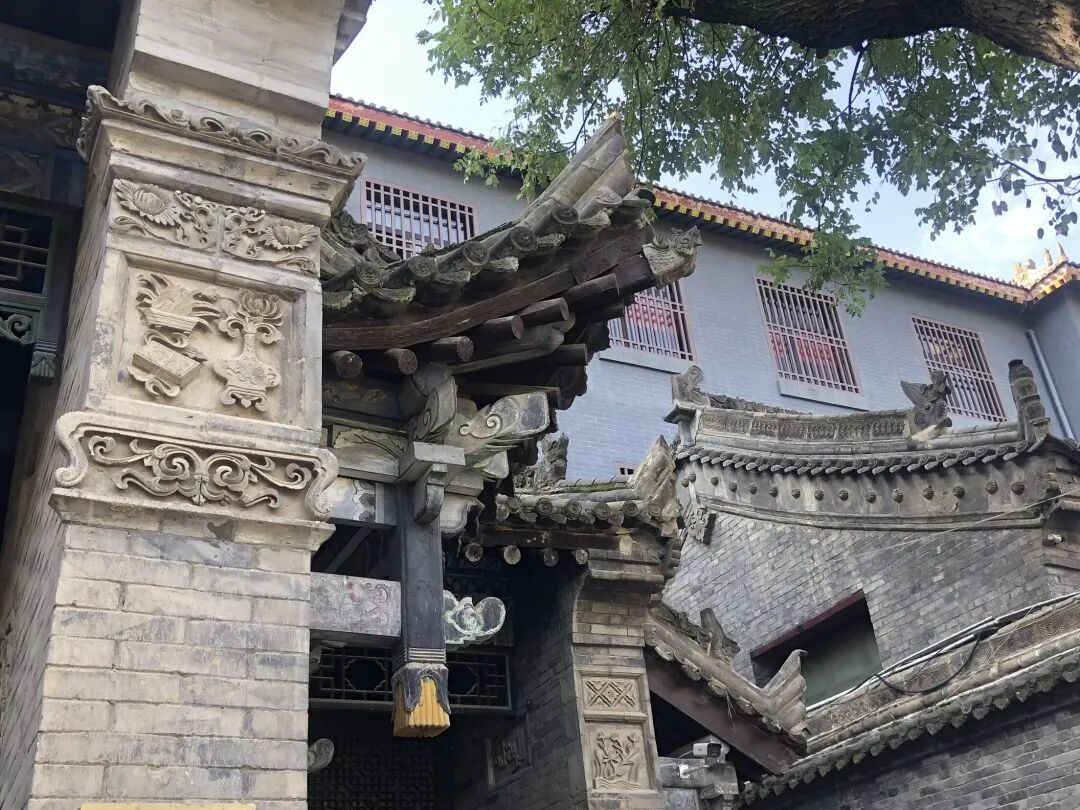
The courtyards just seem to go on forever.
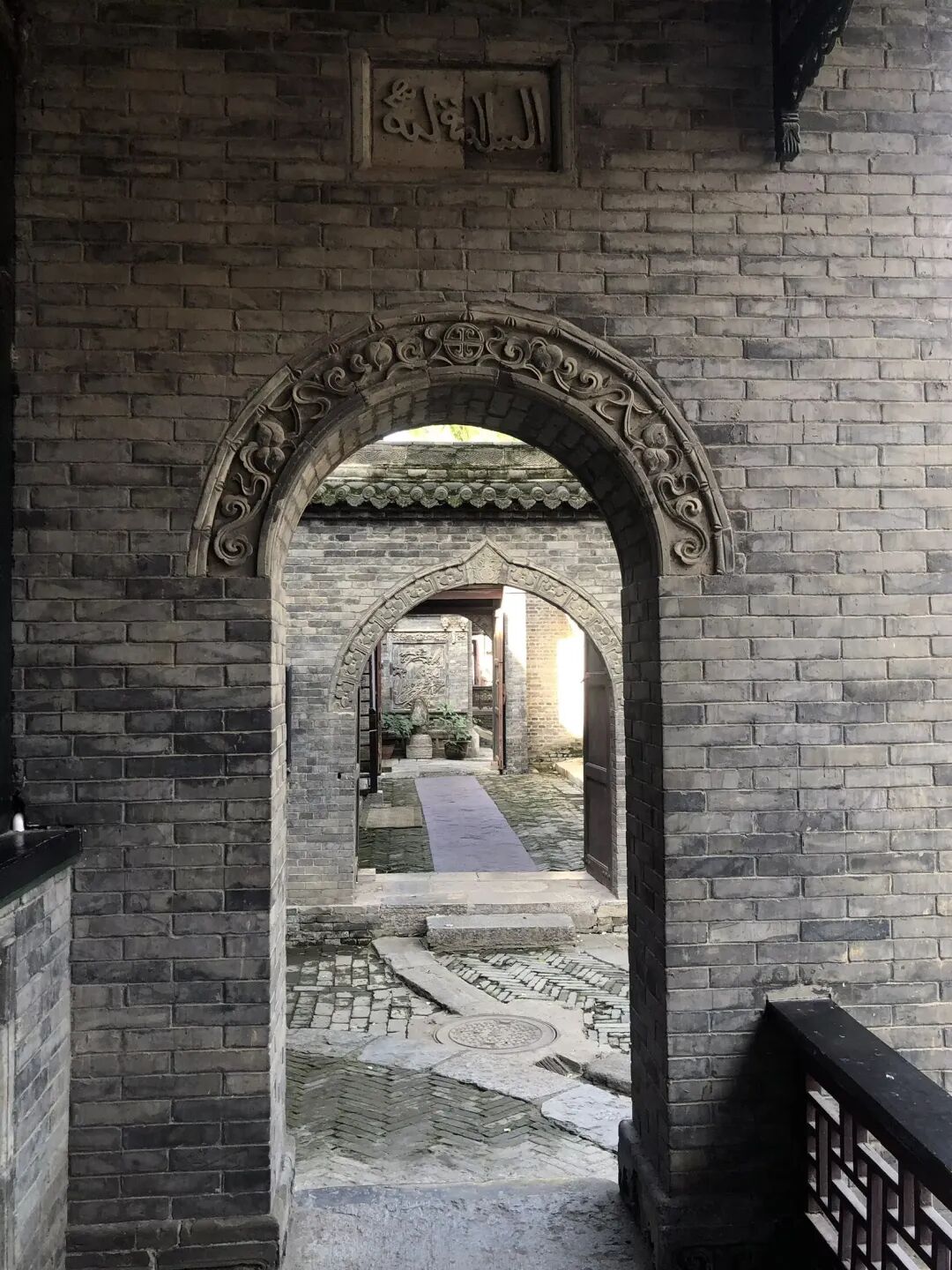
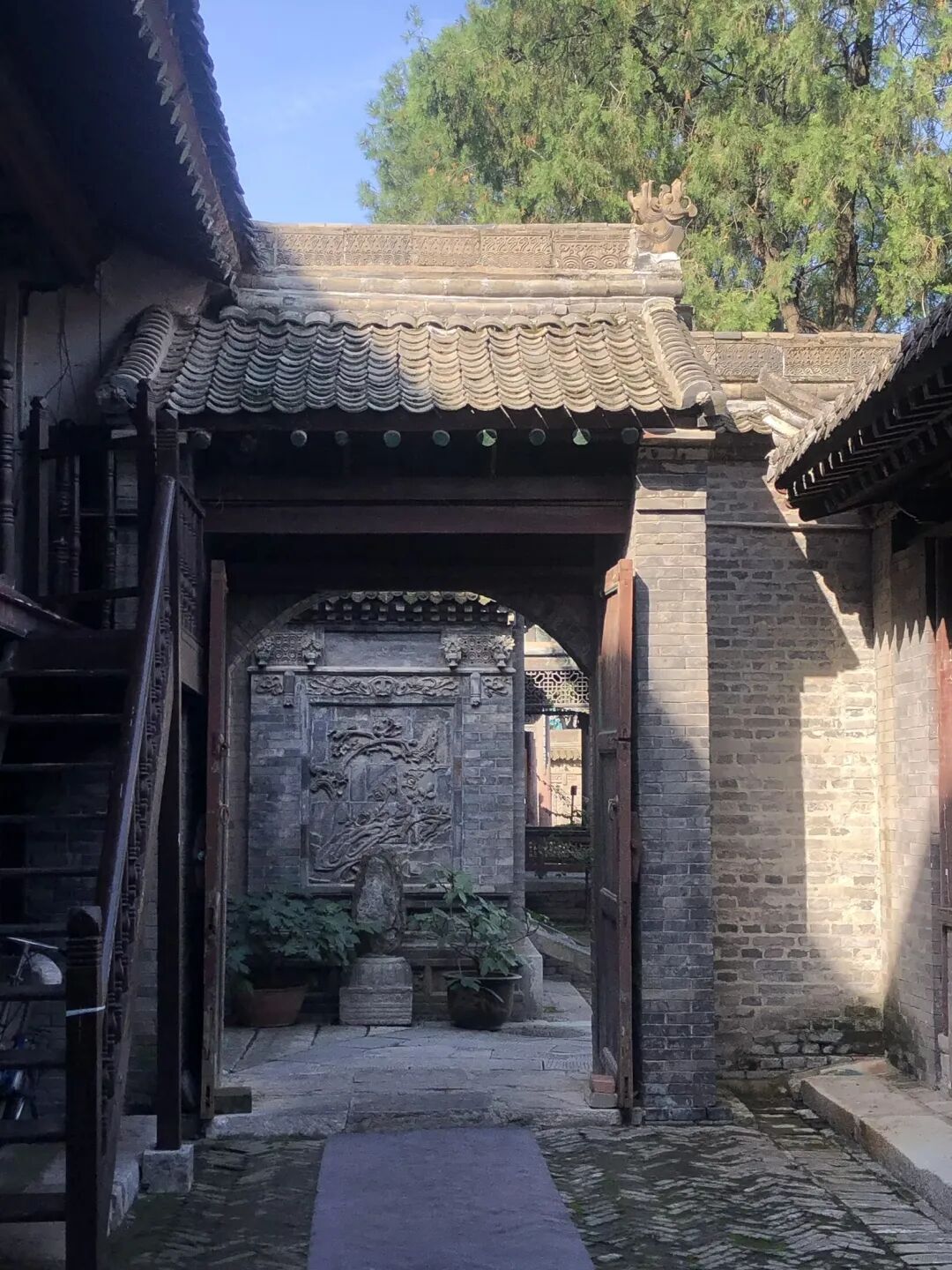
The Five-Room Building, which was actually the main entrance to the mosque back in the Ming Dynasty.
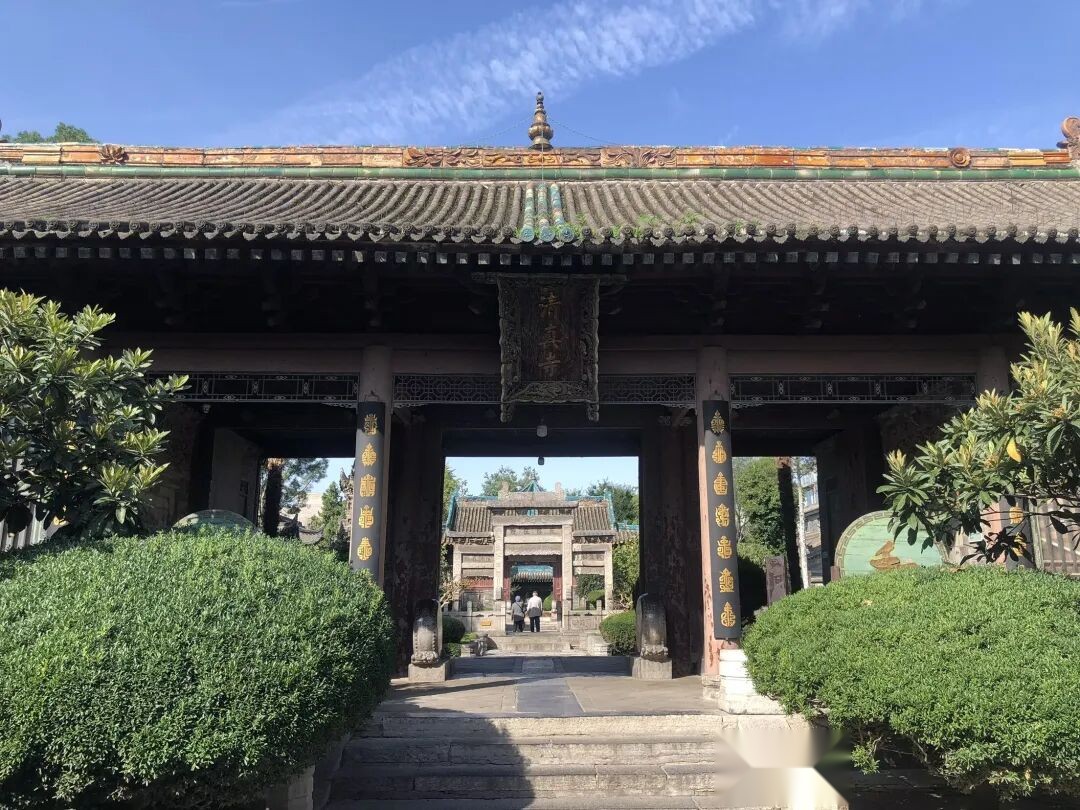
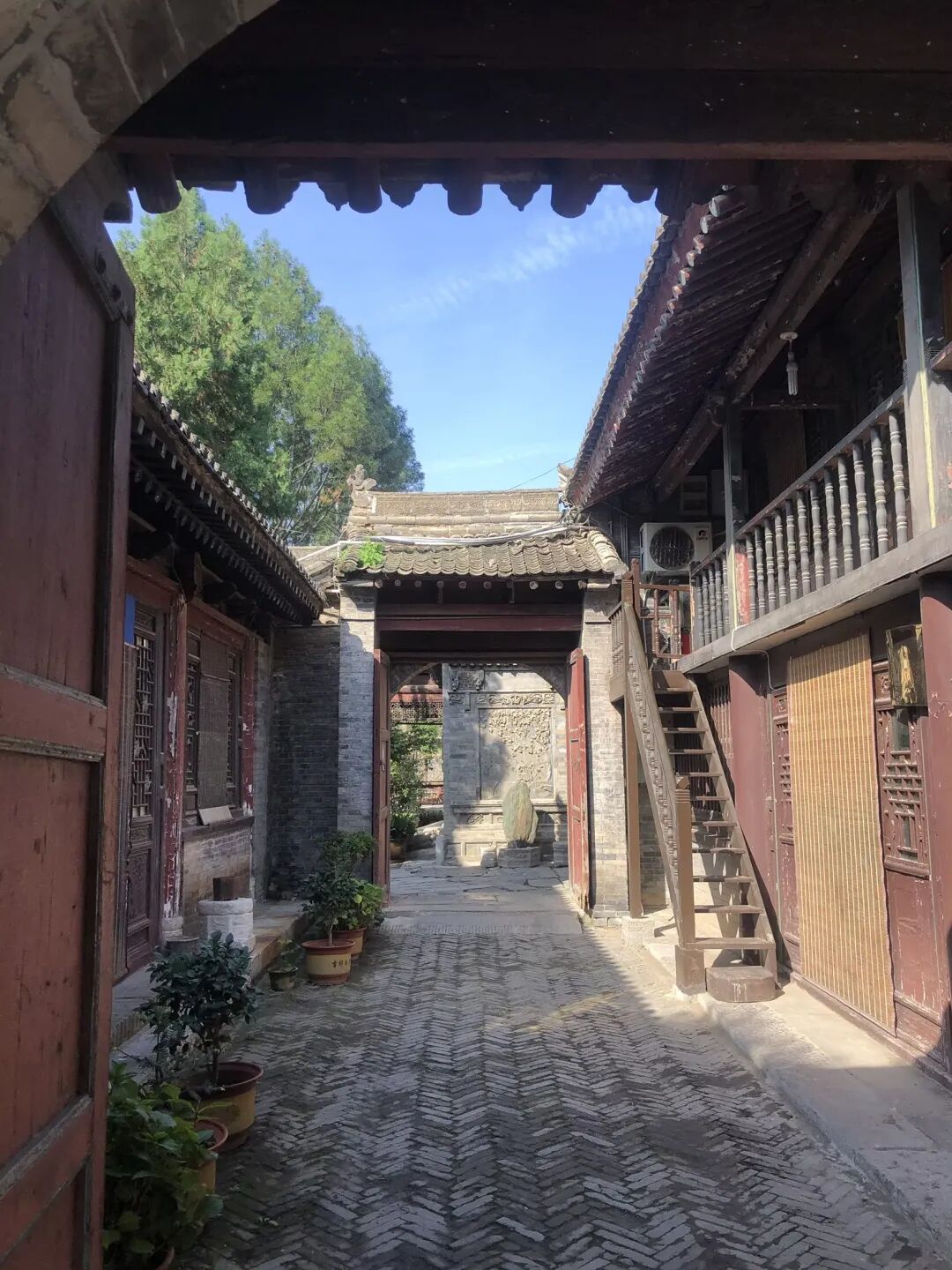
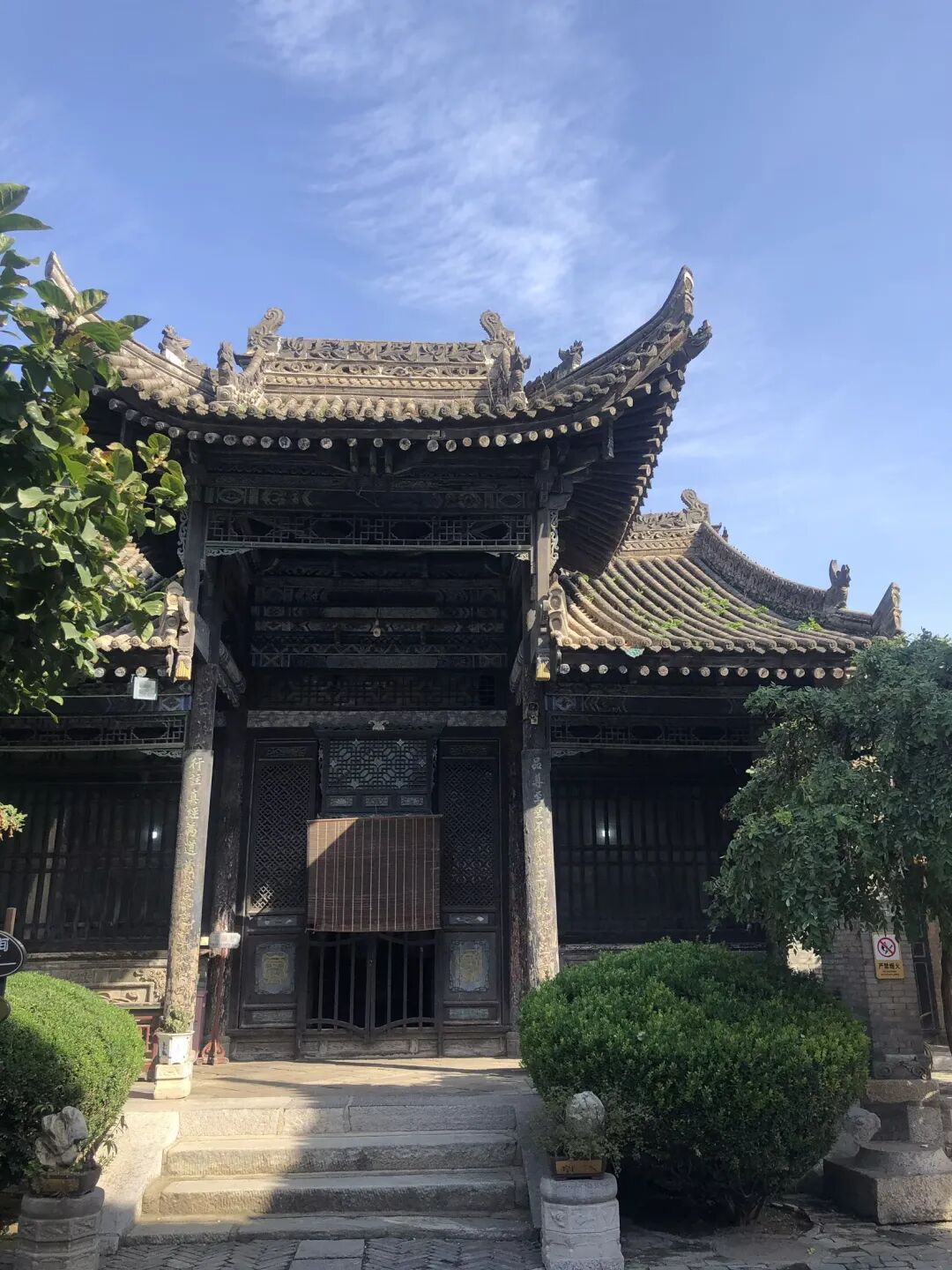
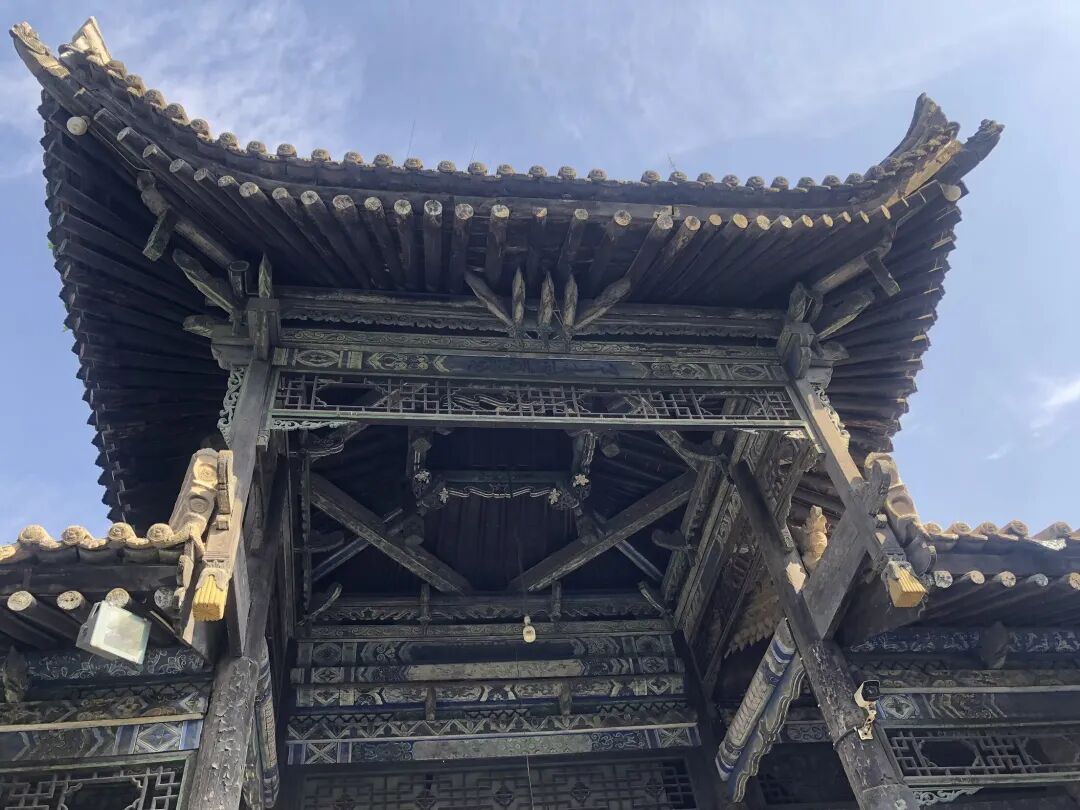
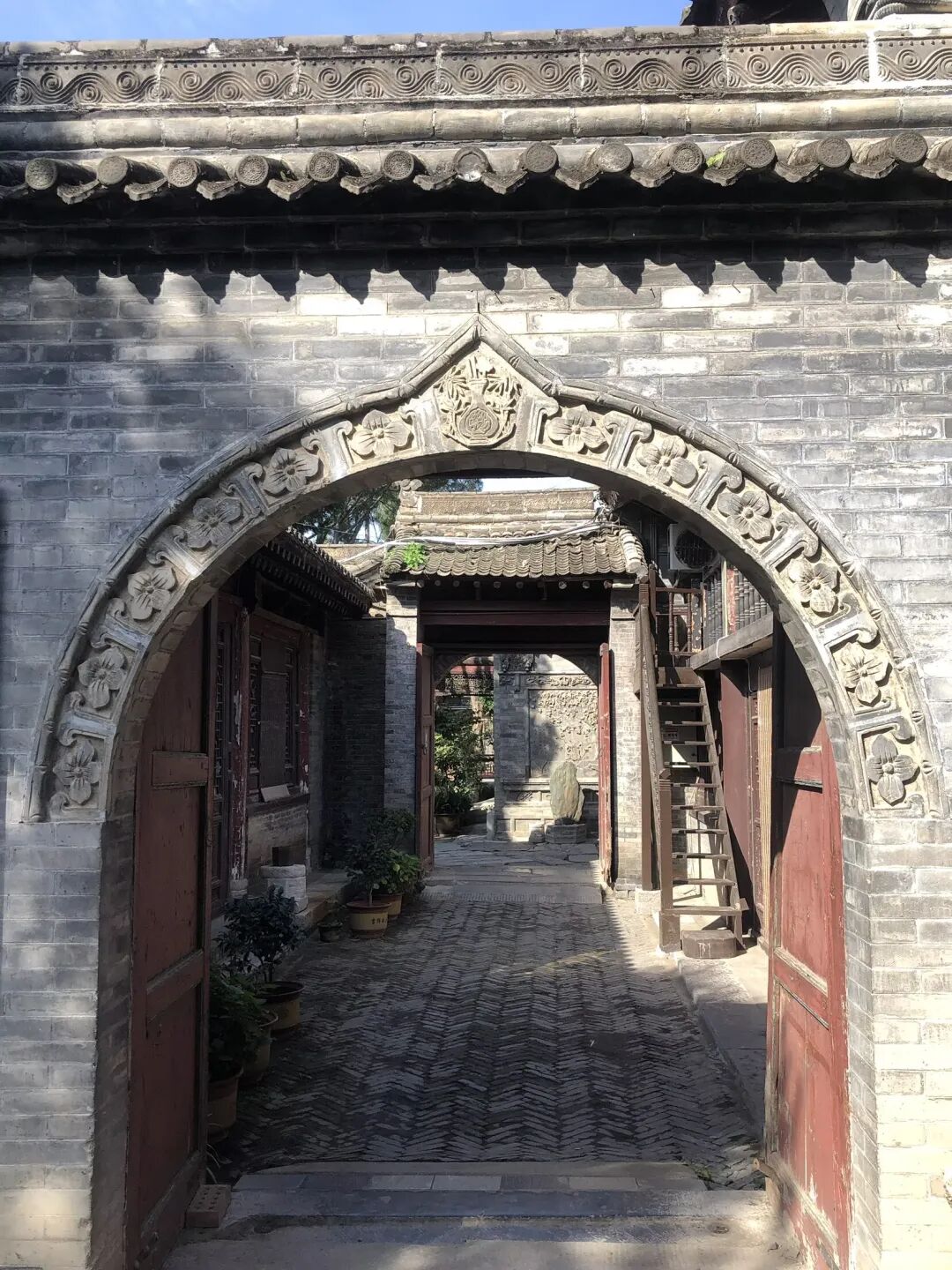
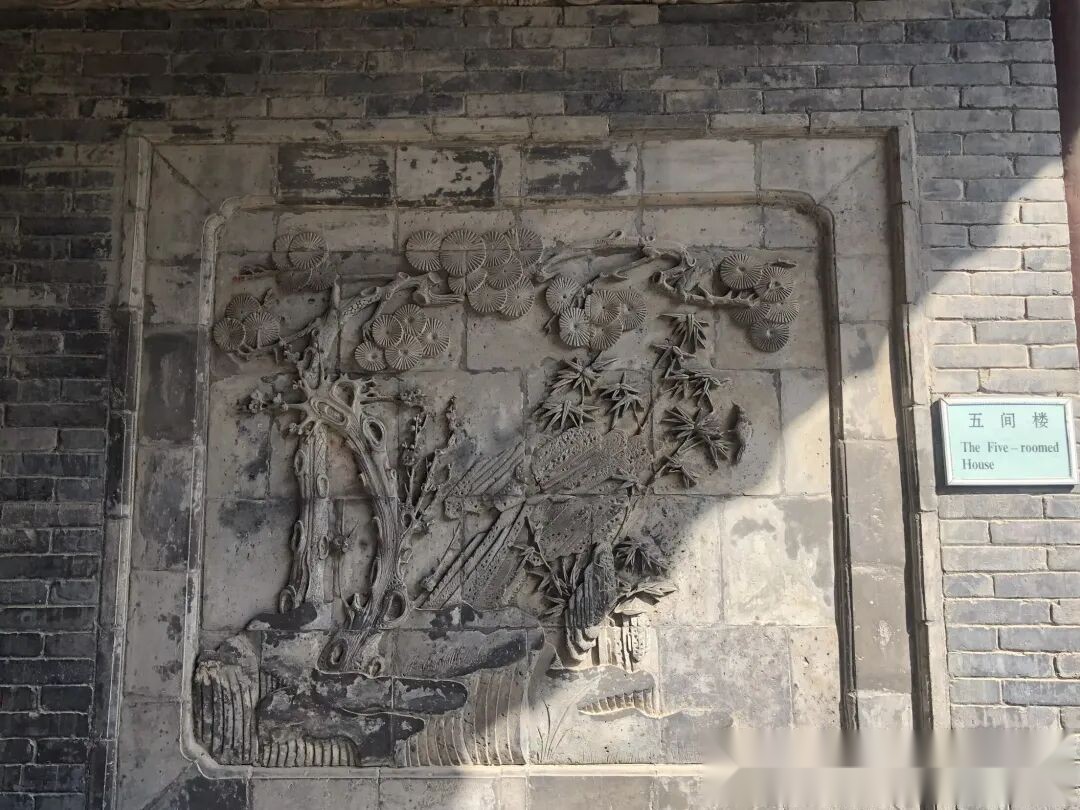
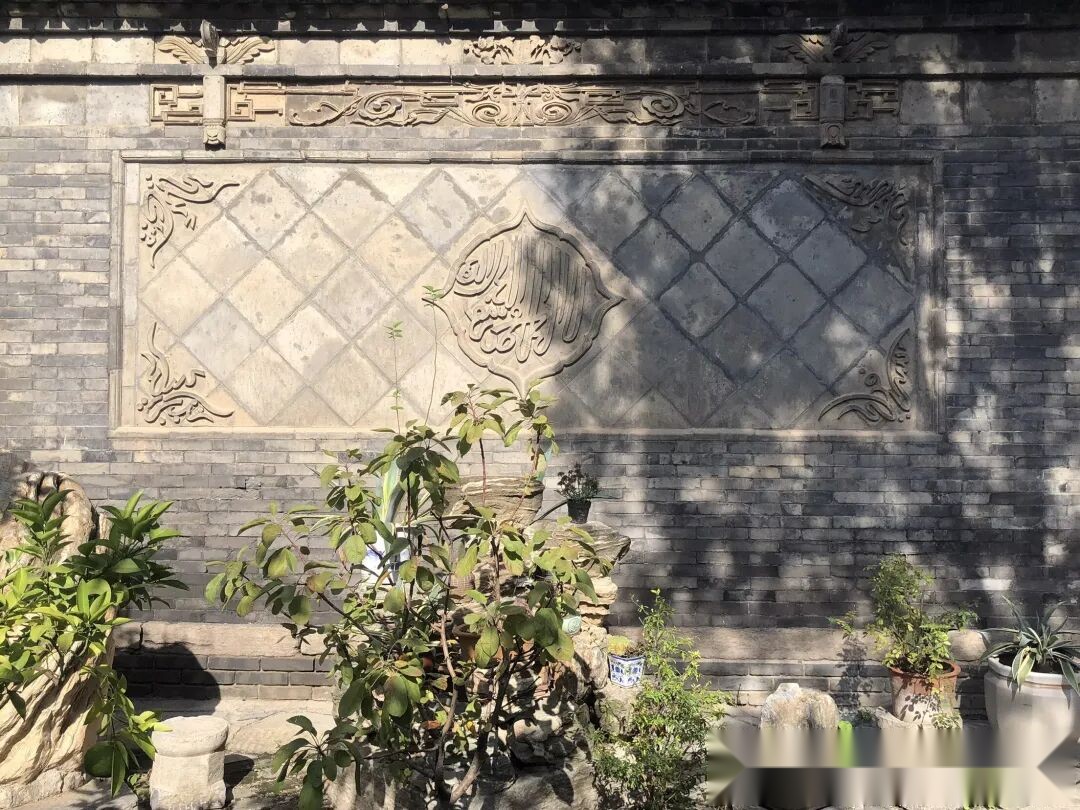
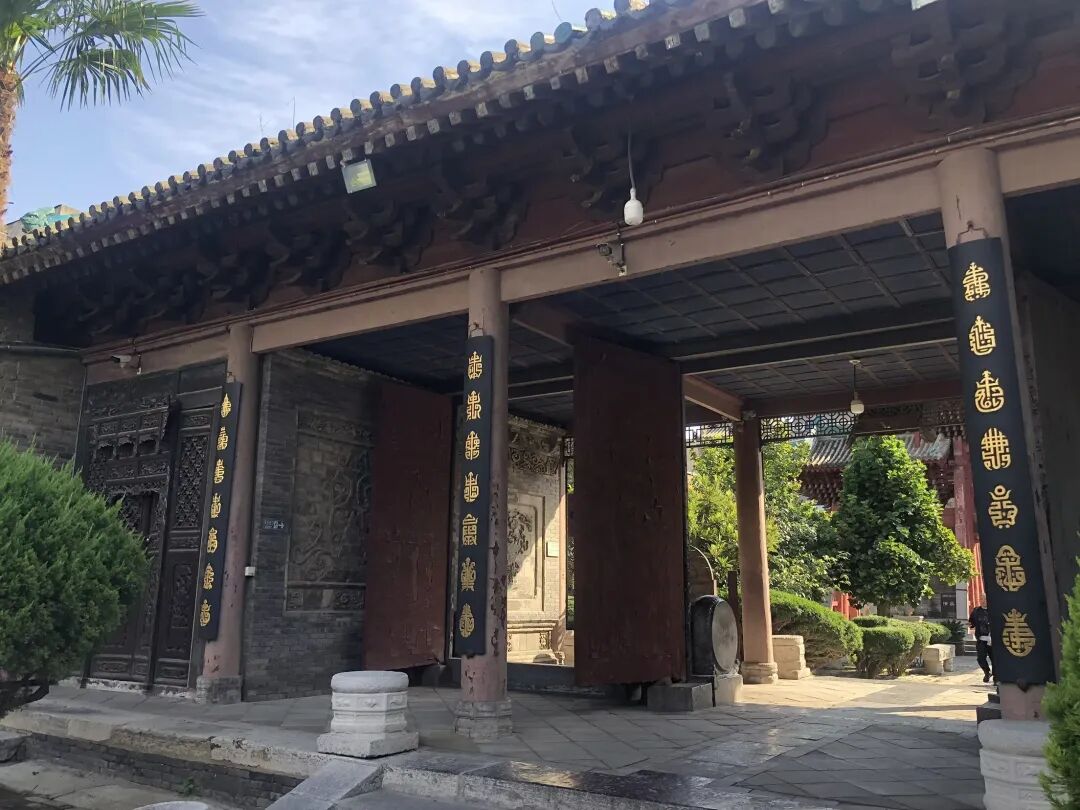
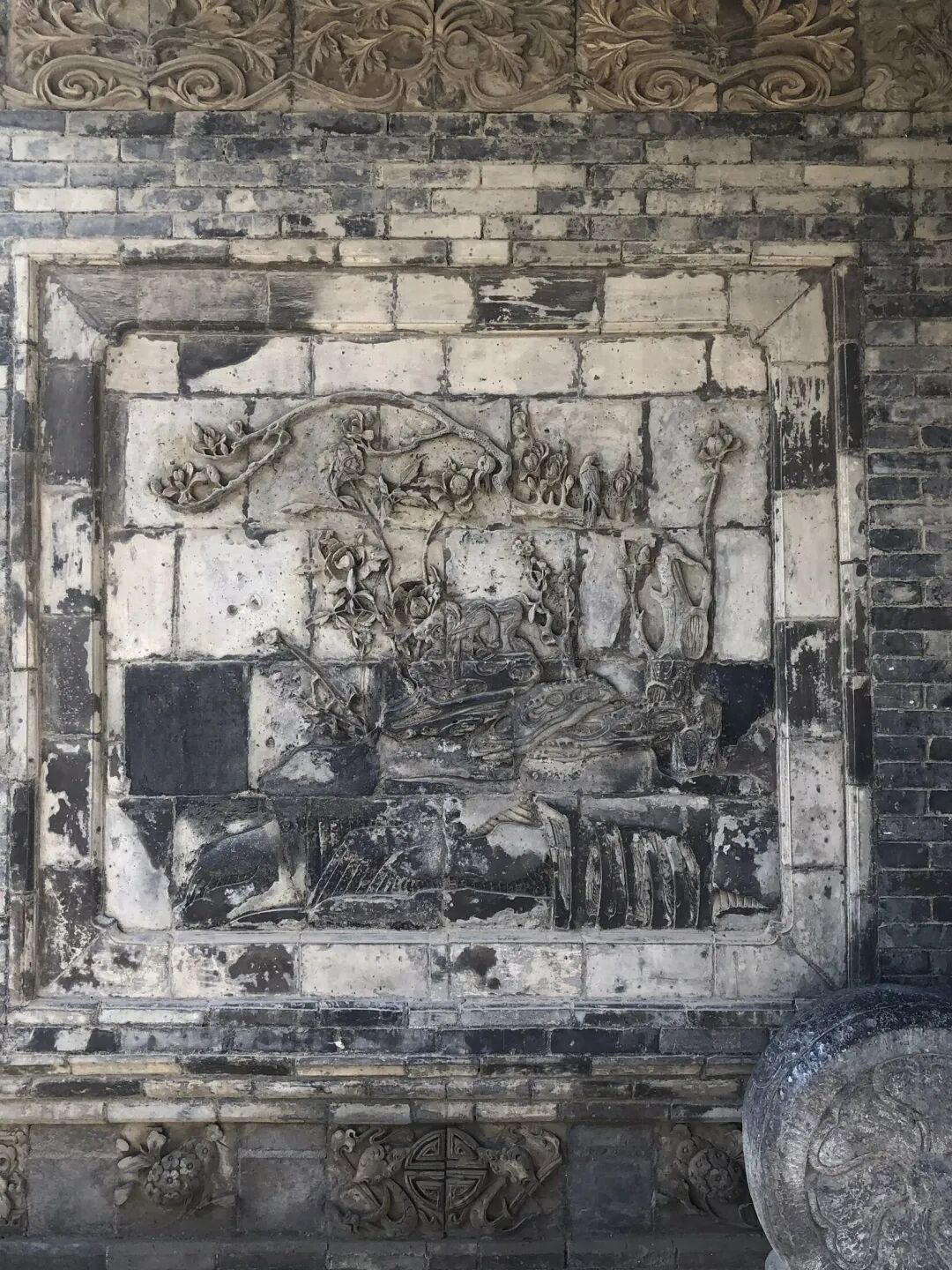
After passing the Five-Room Building, you enter the second courtyard. Right in the middle stands the 'Tian Jian Zai Zi' stone archway, which essentially means 'Heaven is watching your every move right here, right now,' so it's a reminder to keep your words and actions in check.
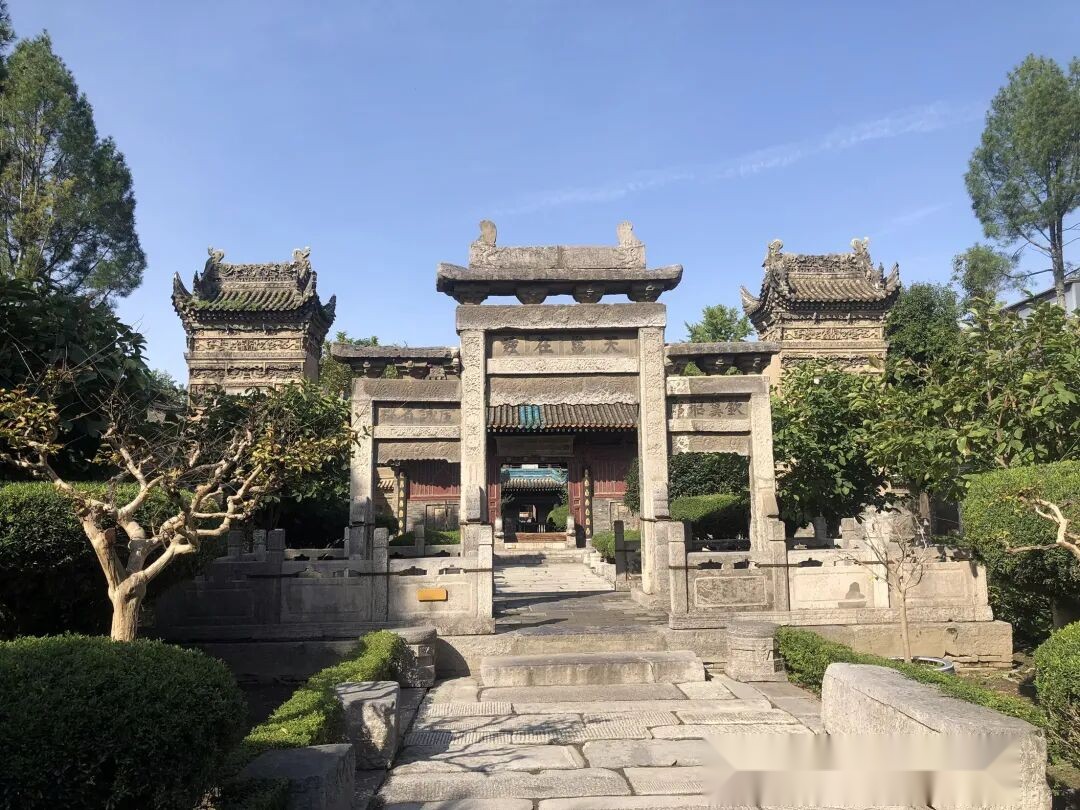
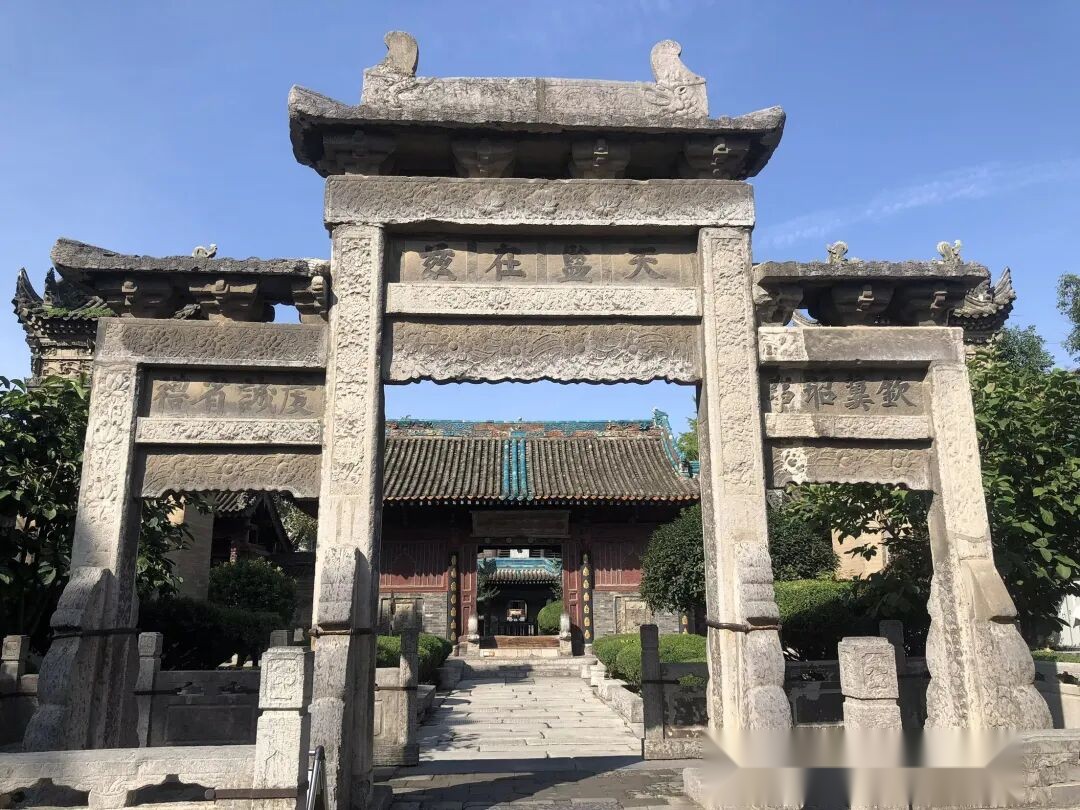
Here is the stone tablet featuring a carved dragon that details the history of the mosque.
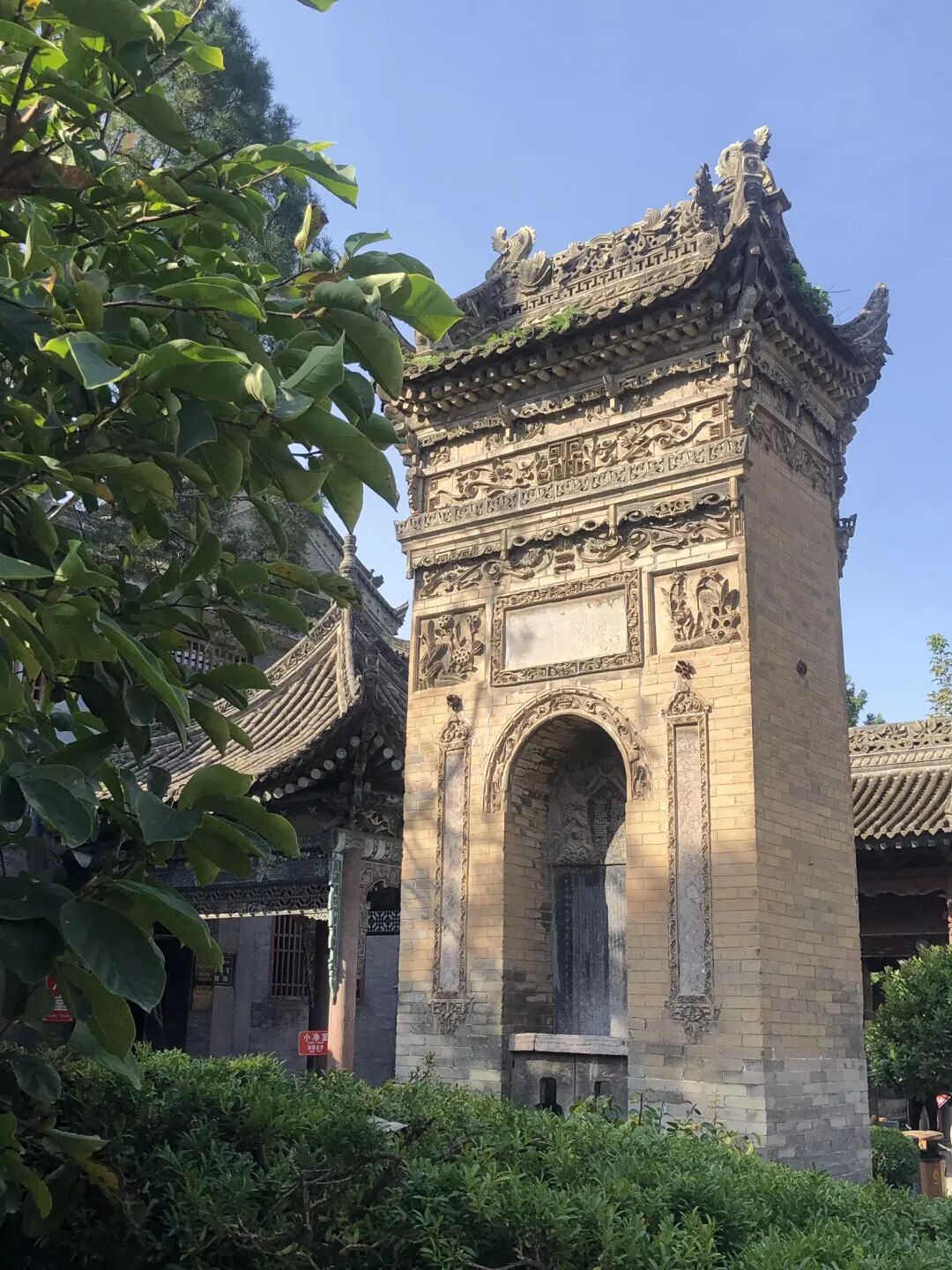
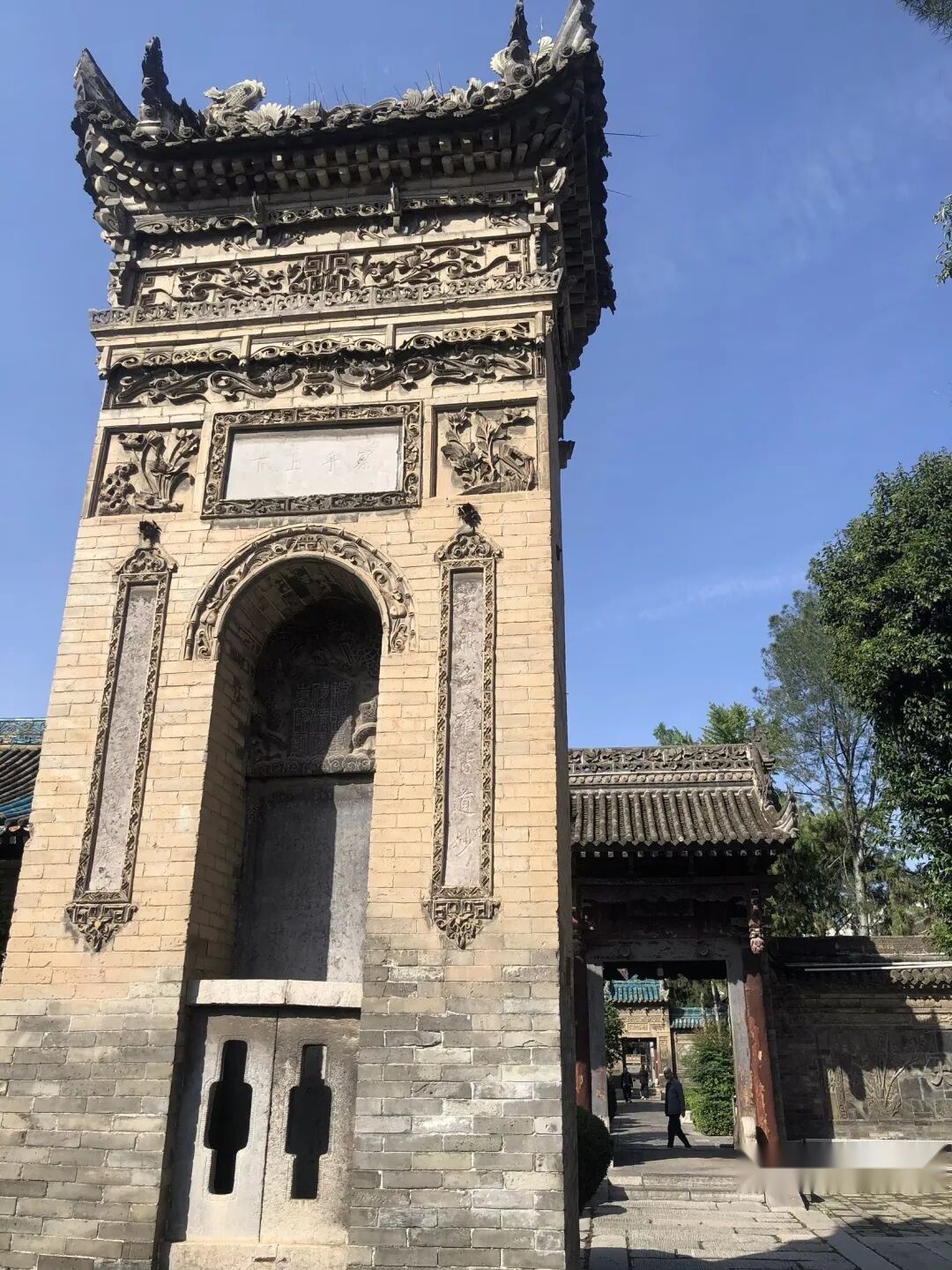
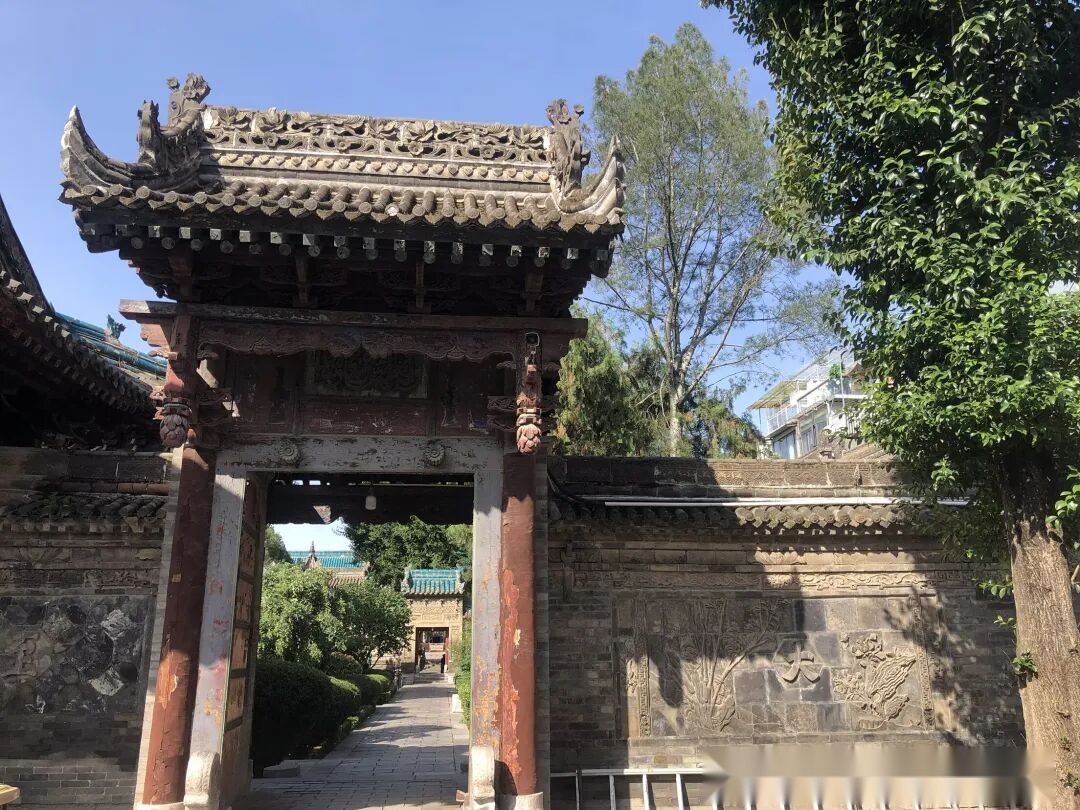
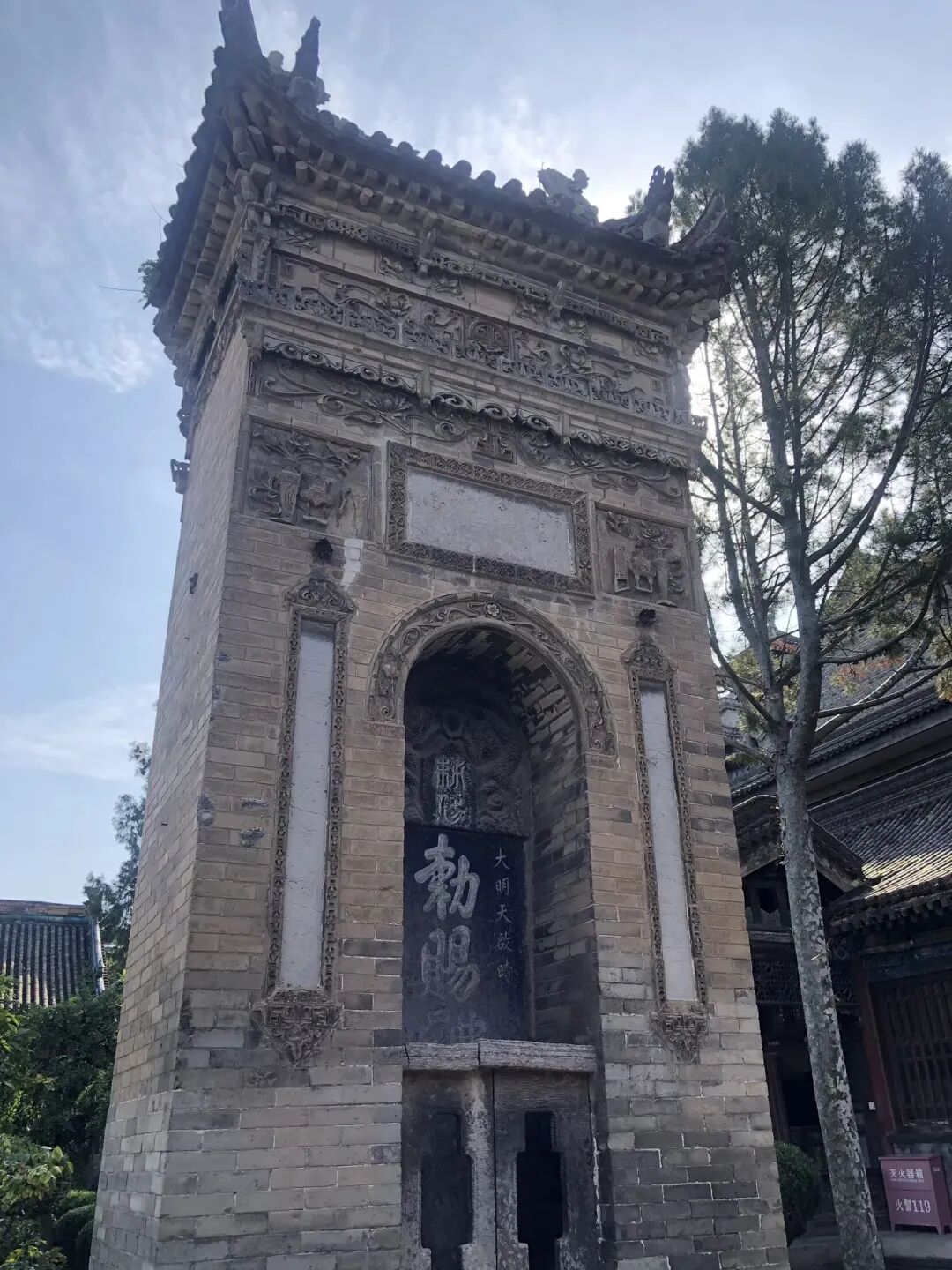
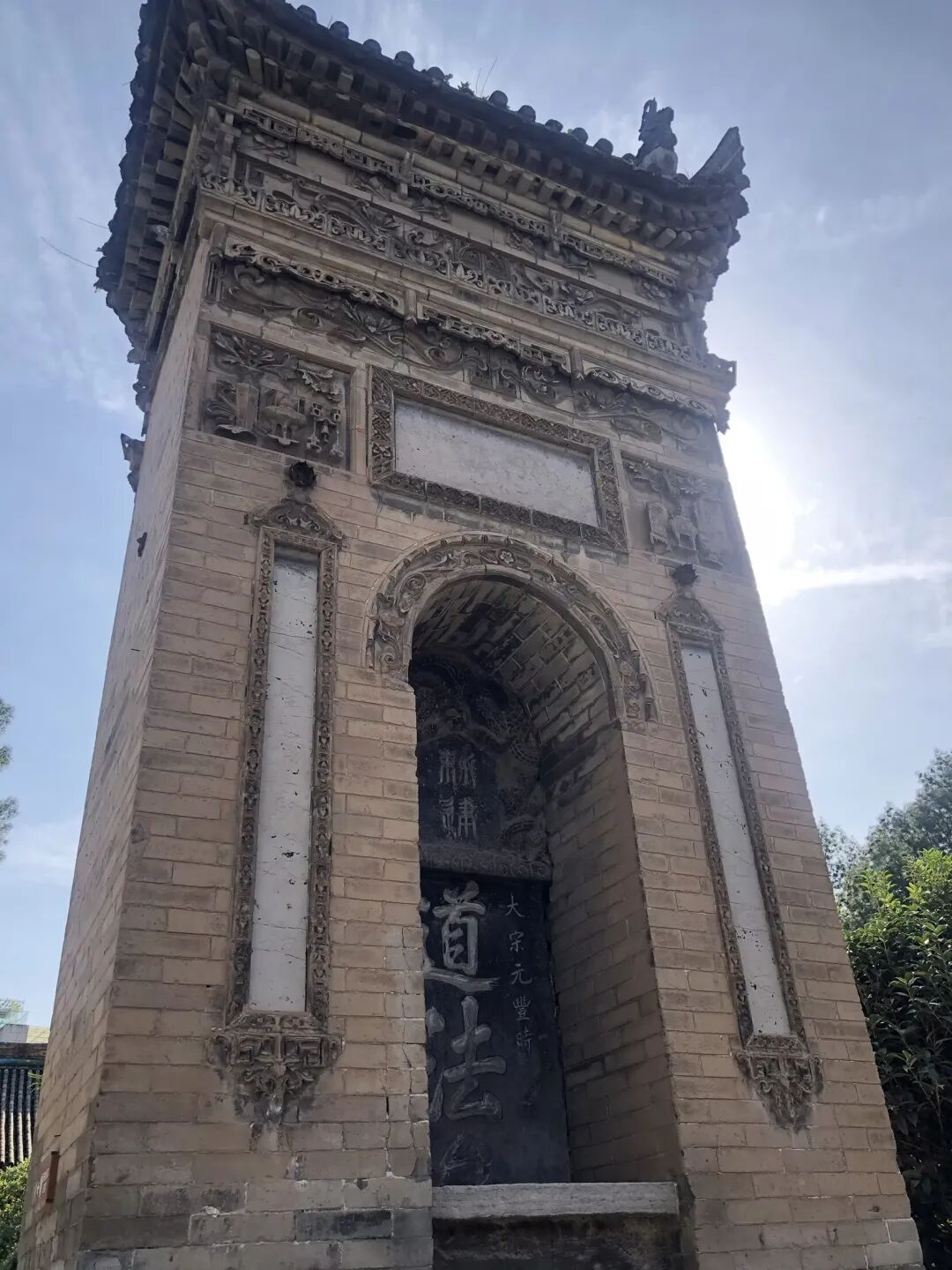
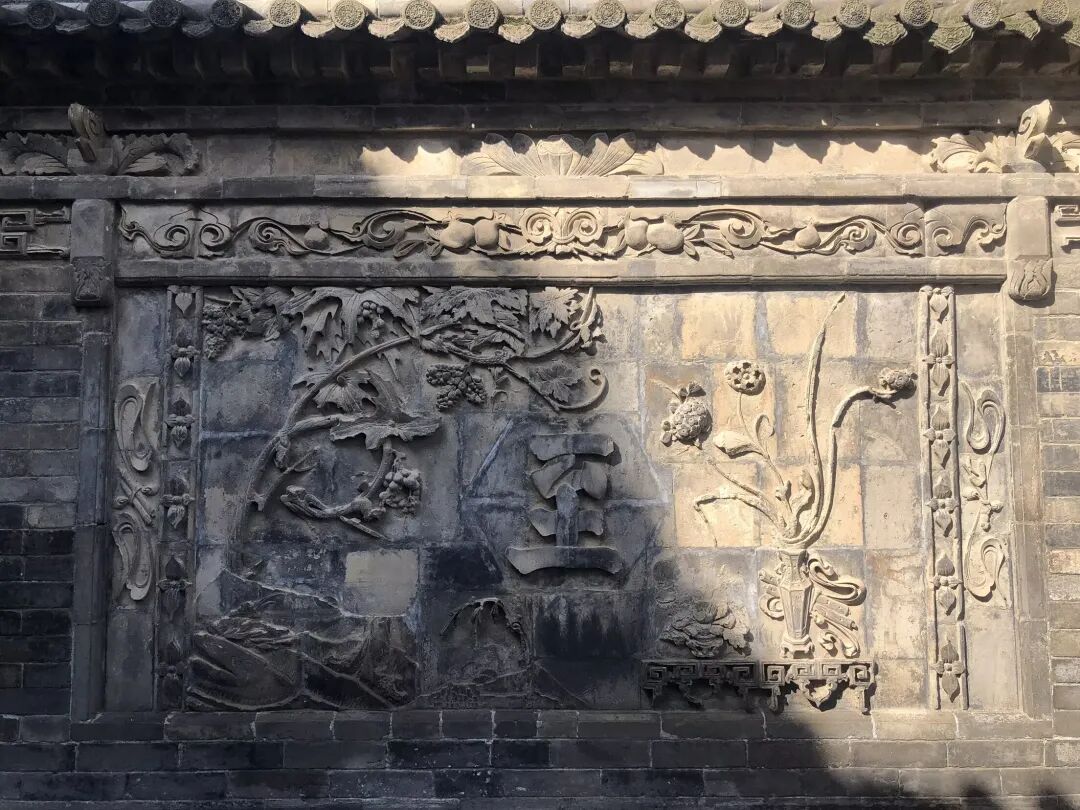
Entering the third courtyard, you'll find the three-story, octagonal Shengxin (Reflection) Tower in the center.
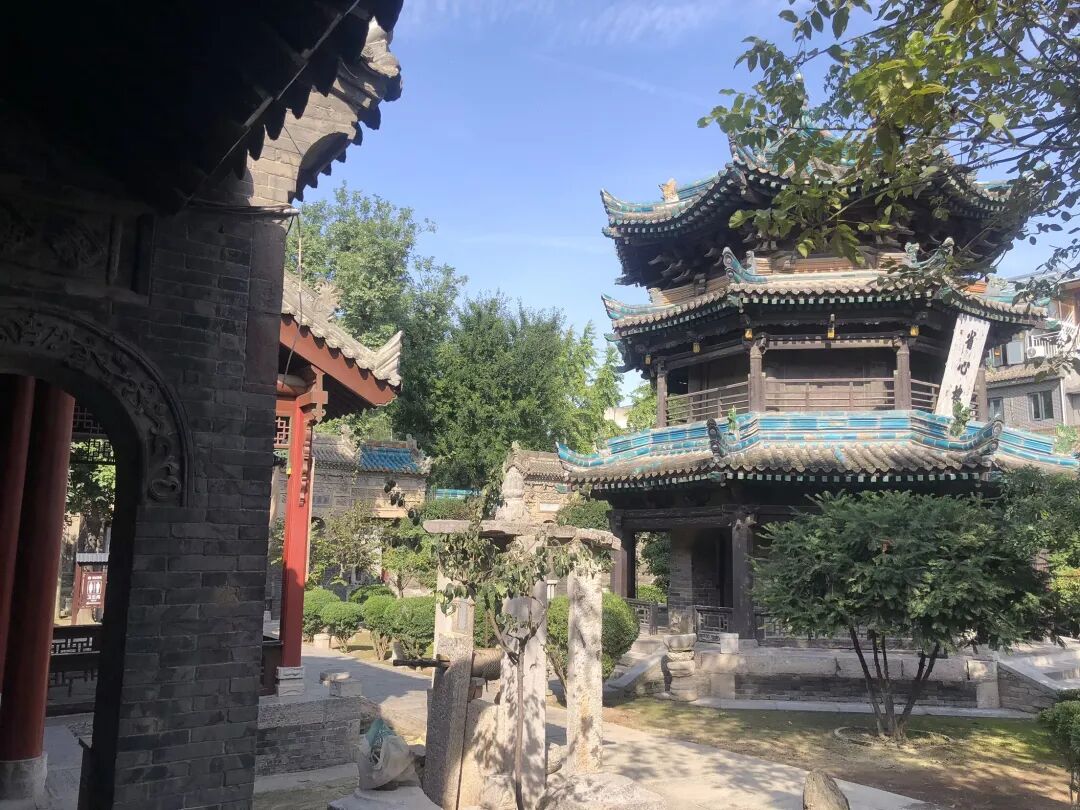
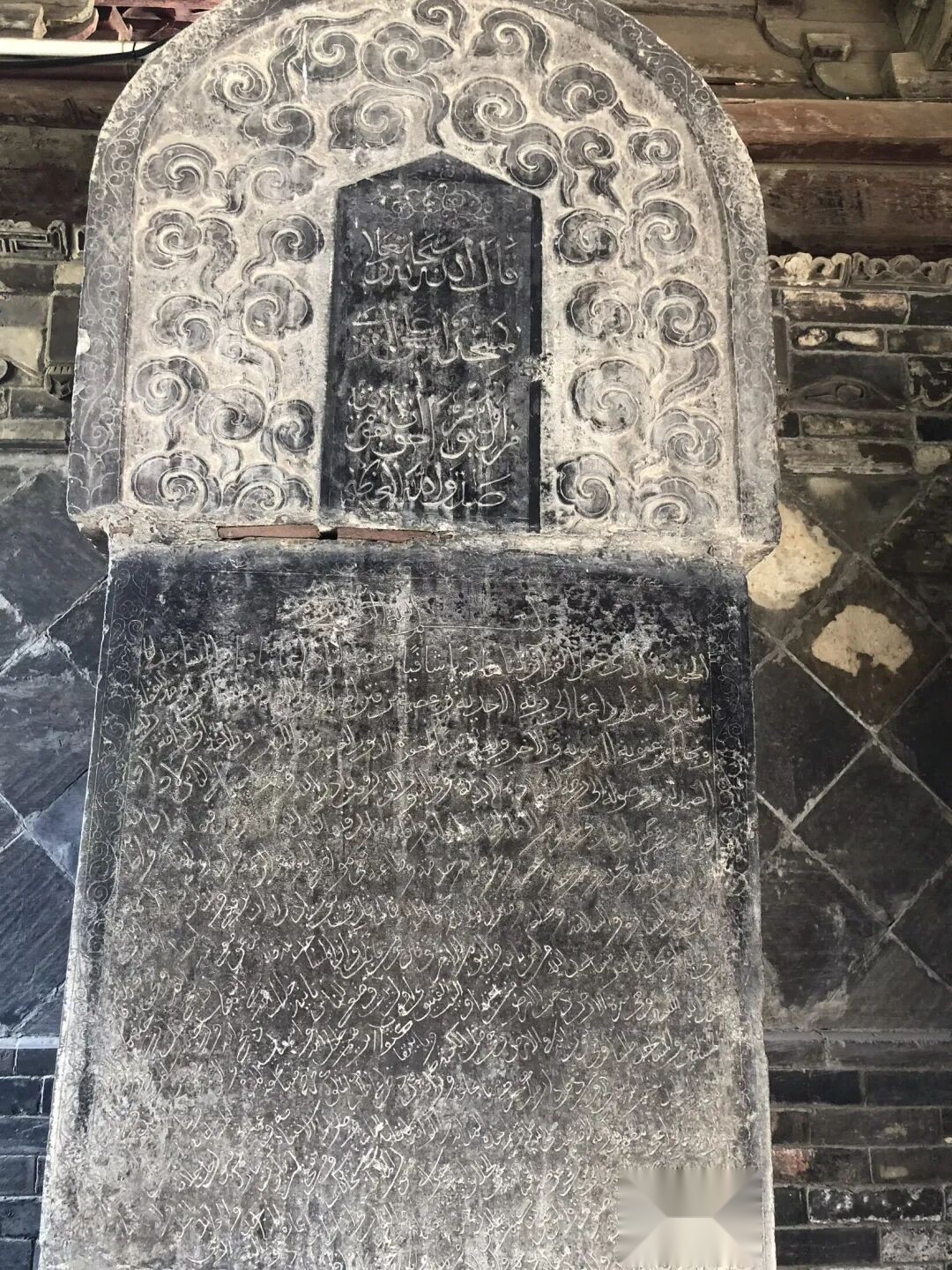
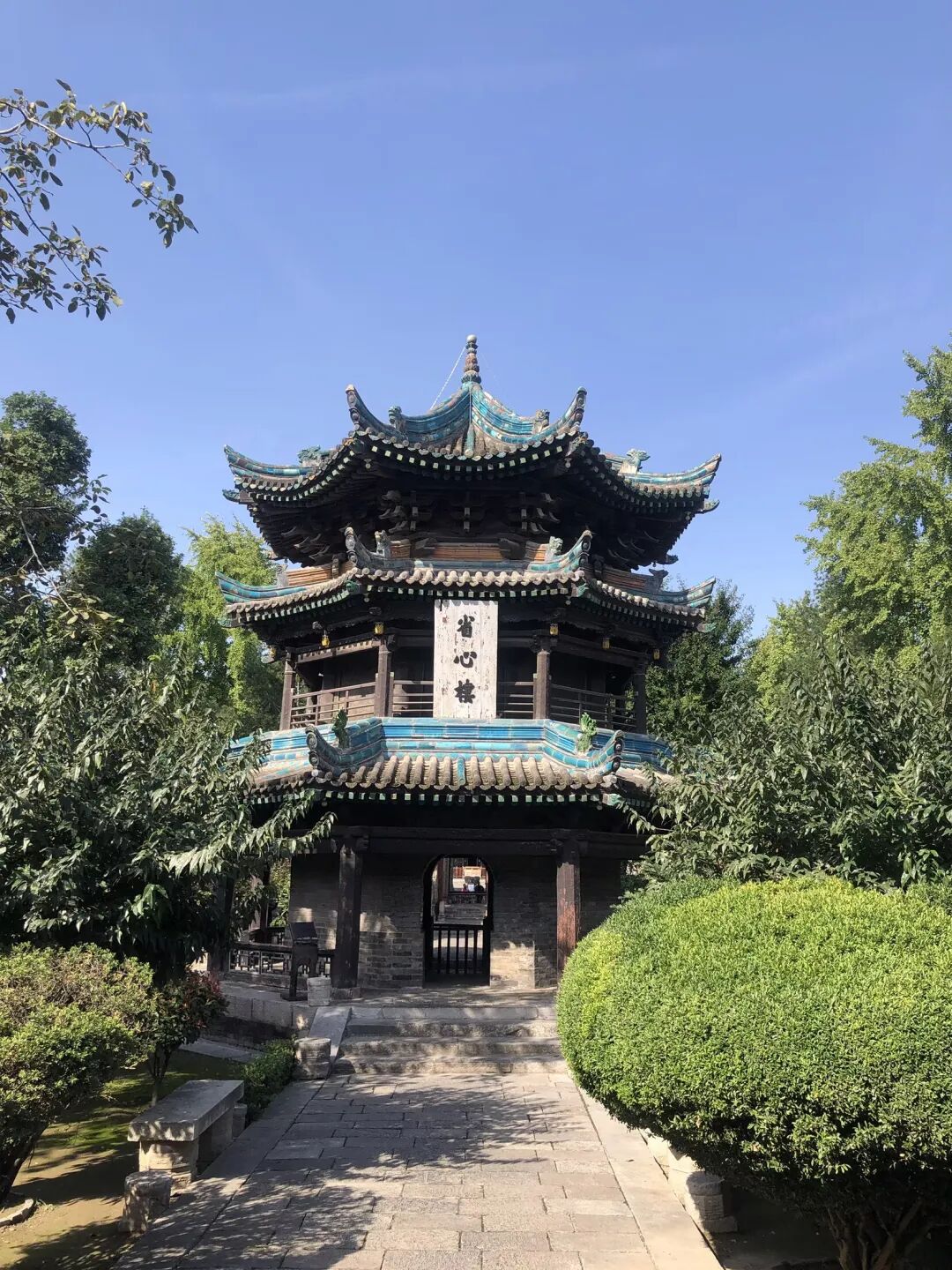
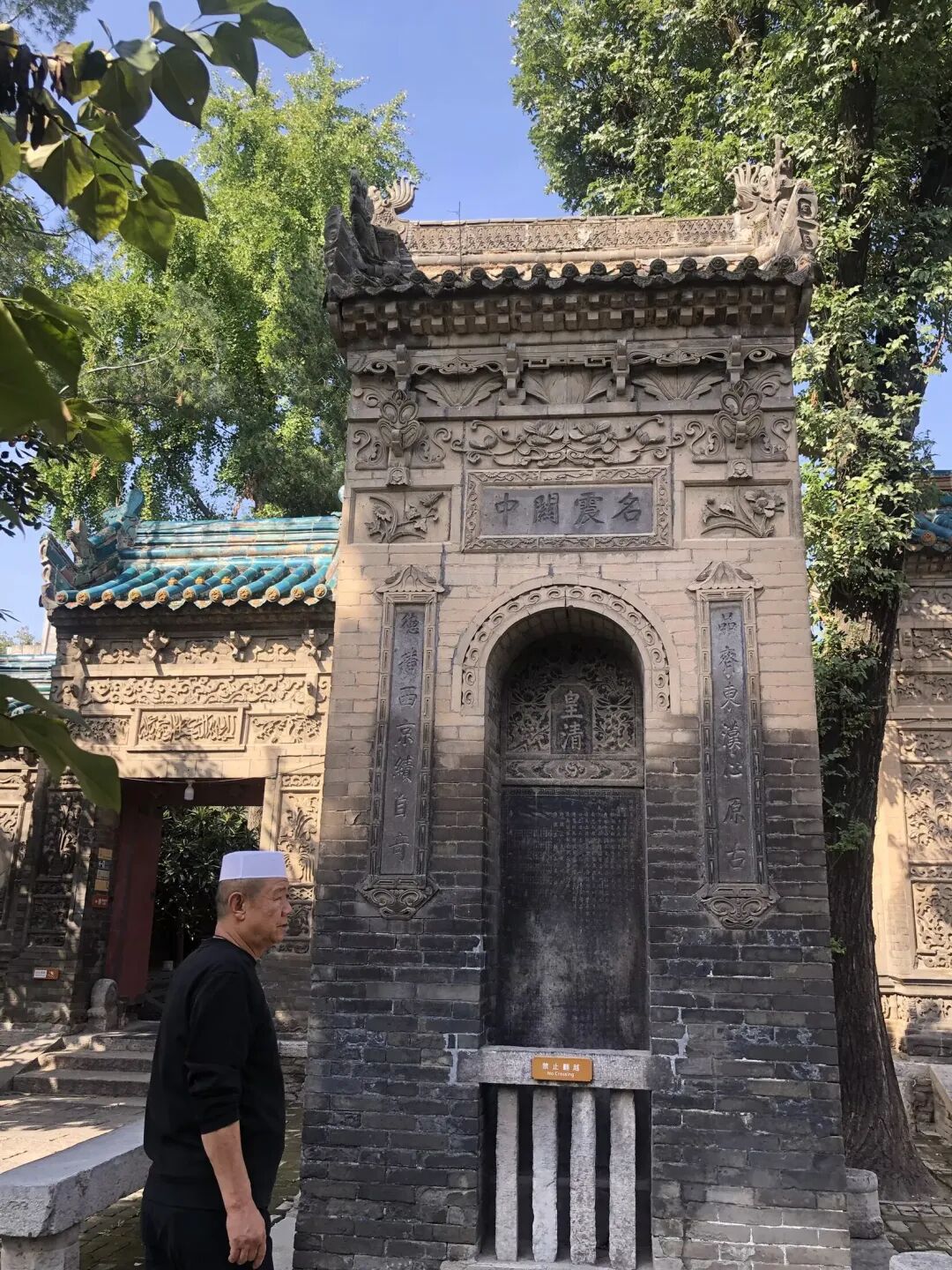
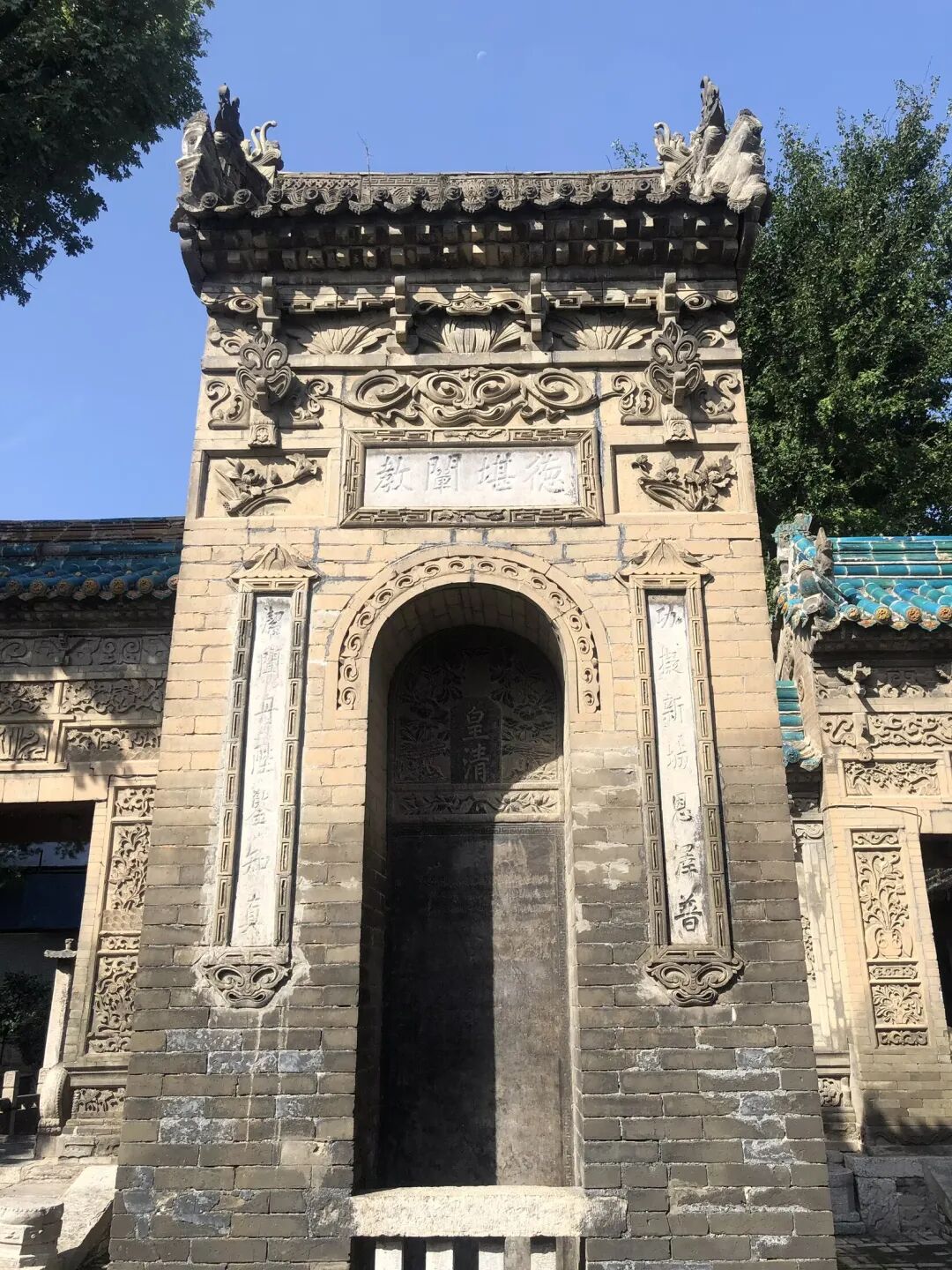
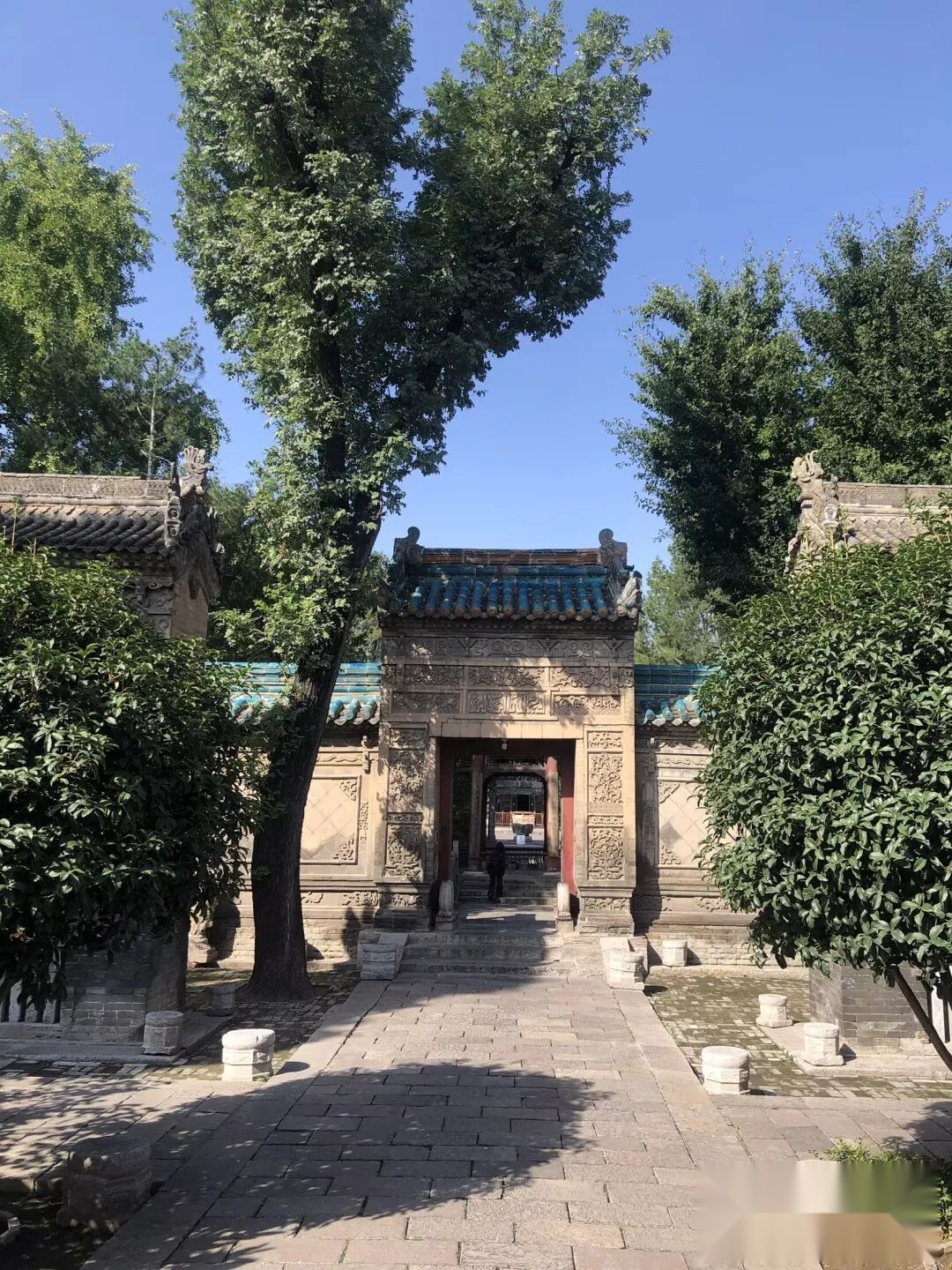
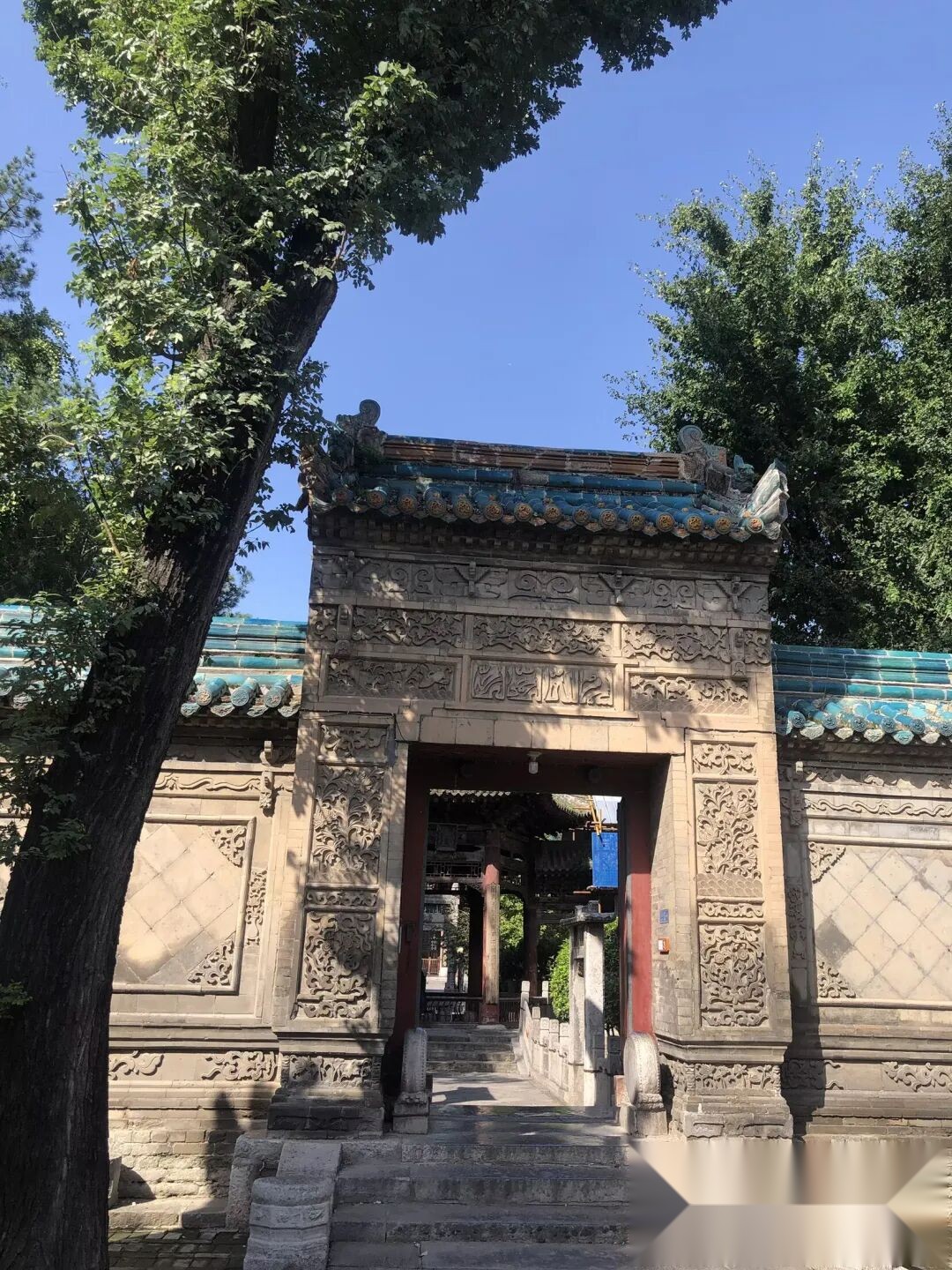
In the fourth courtyard, you’ll find the Yizhen (One Truth) Pavilion at the center.
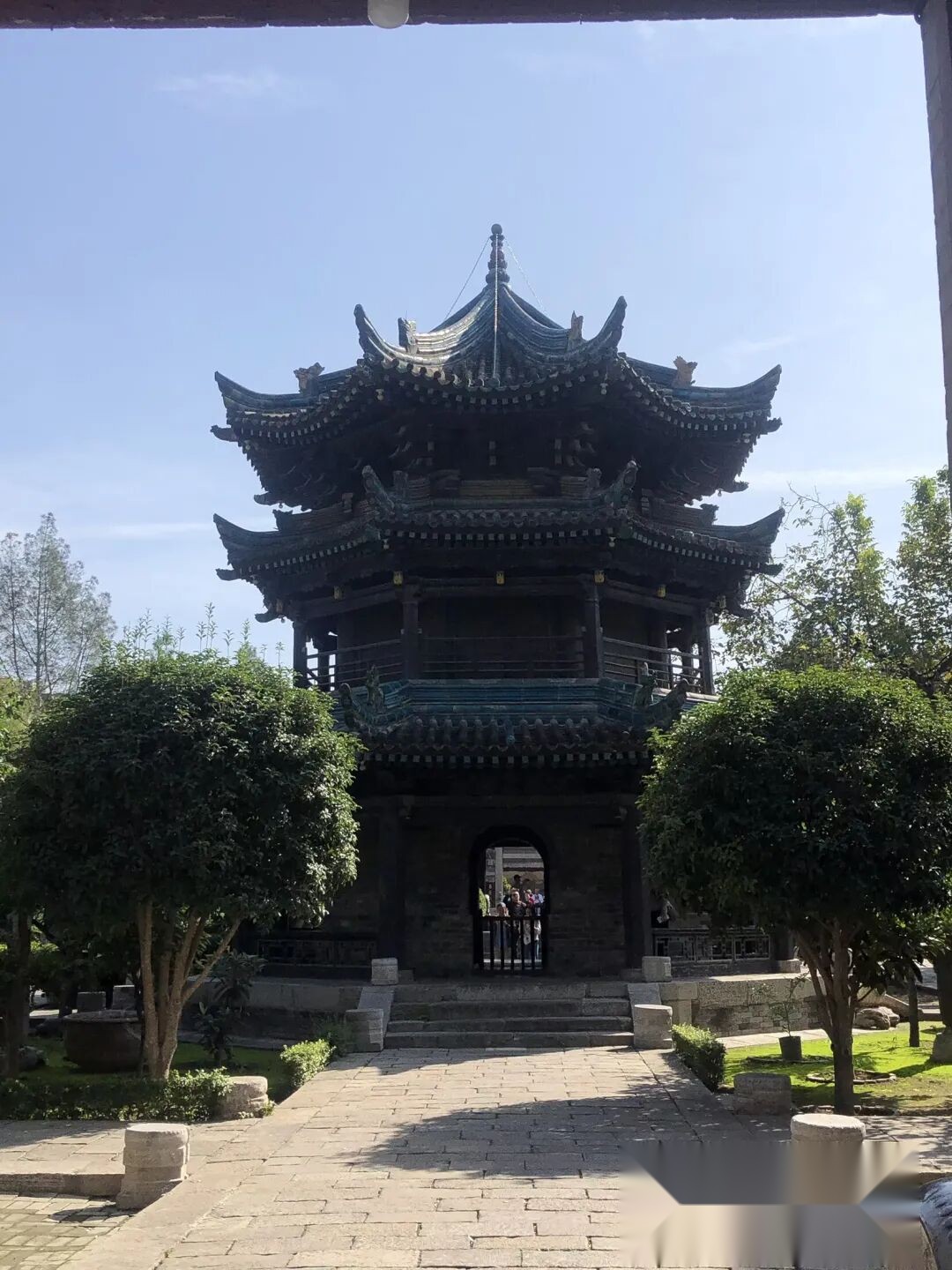
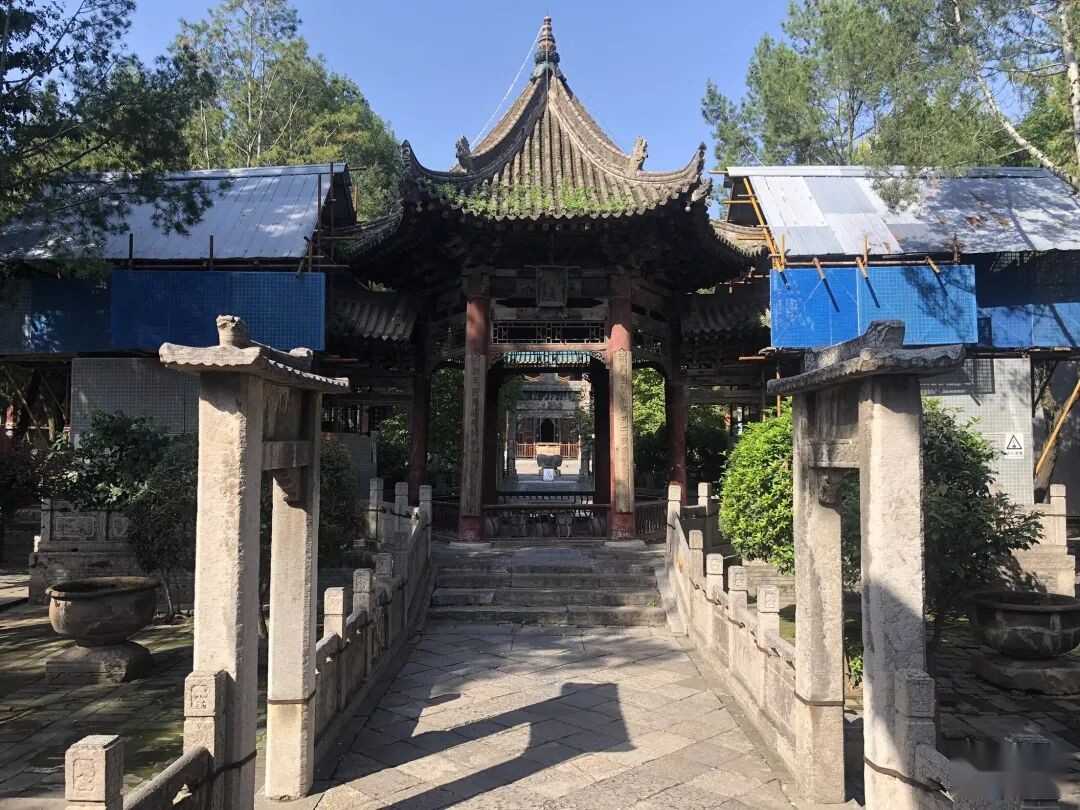


Step up onto the platform, and you’re standing right in front of the mosque's largest structure.

The main prayer hall, spanning seven rooms wide.
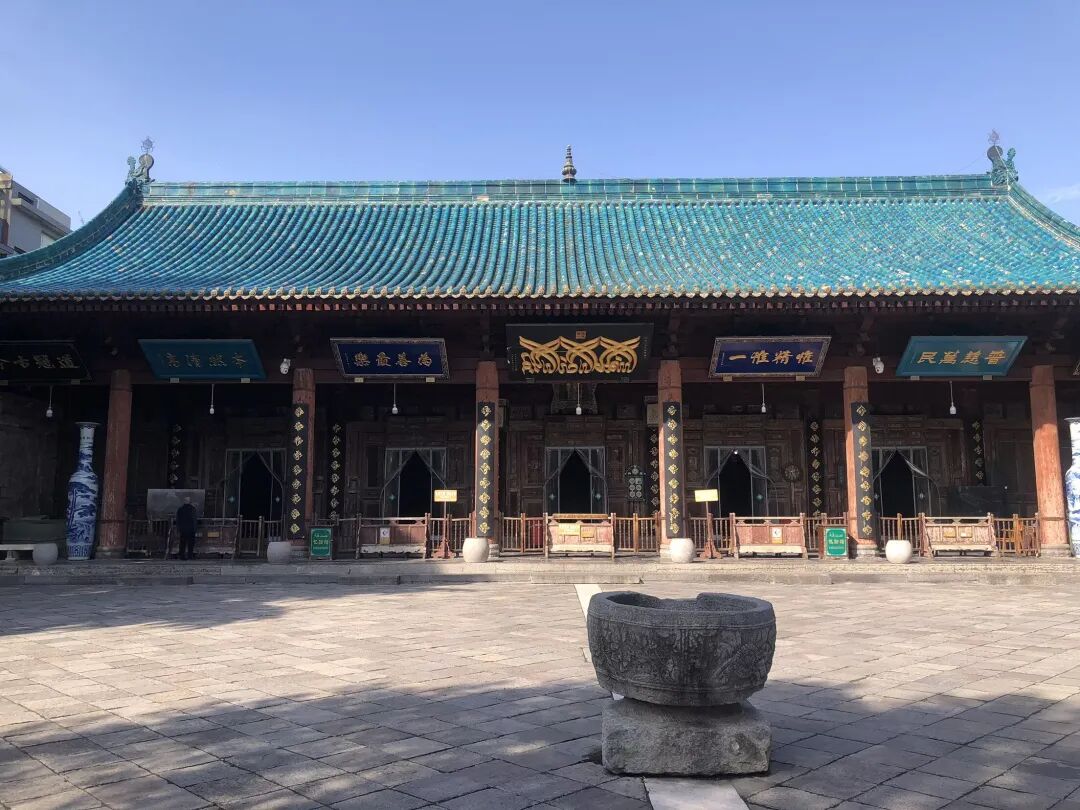
The 'Lin Xia You He' plaque.
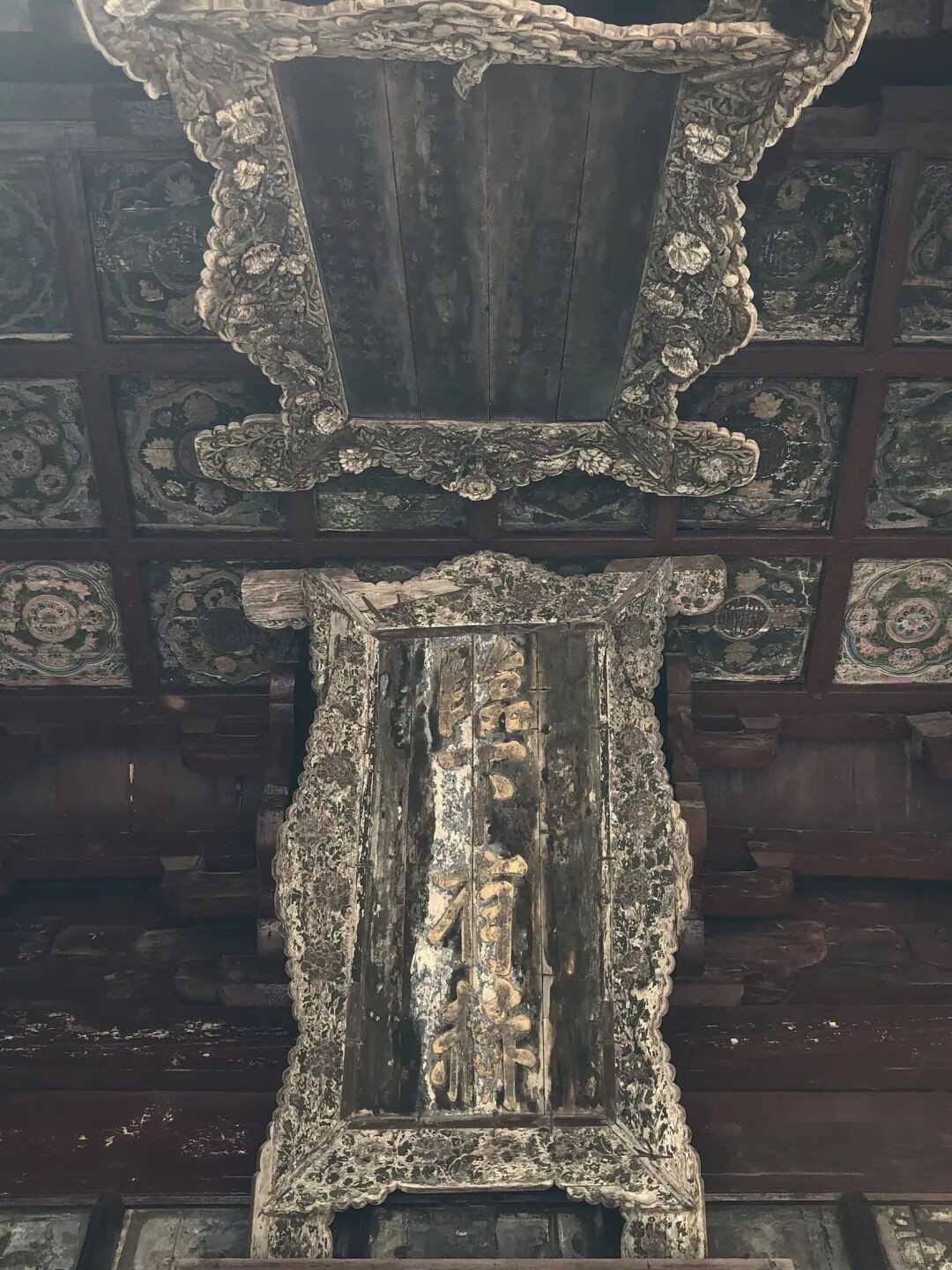
This is the dedicated space for people to perform their dua (prayers). In other mosques I’ve visited, the prayer halls were usually completely carpeted, but here, there’s a distinct layout for sitting, kneeling, and walking.
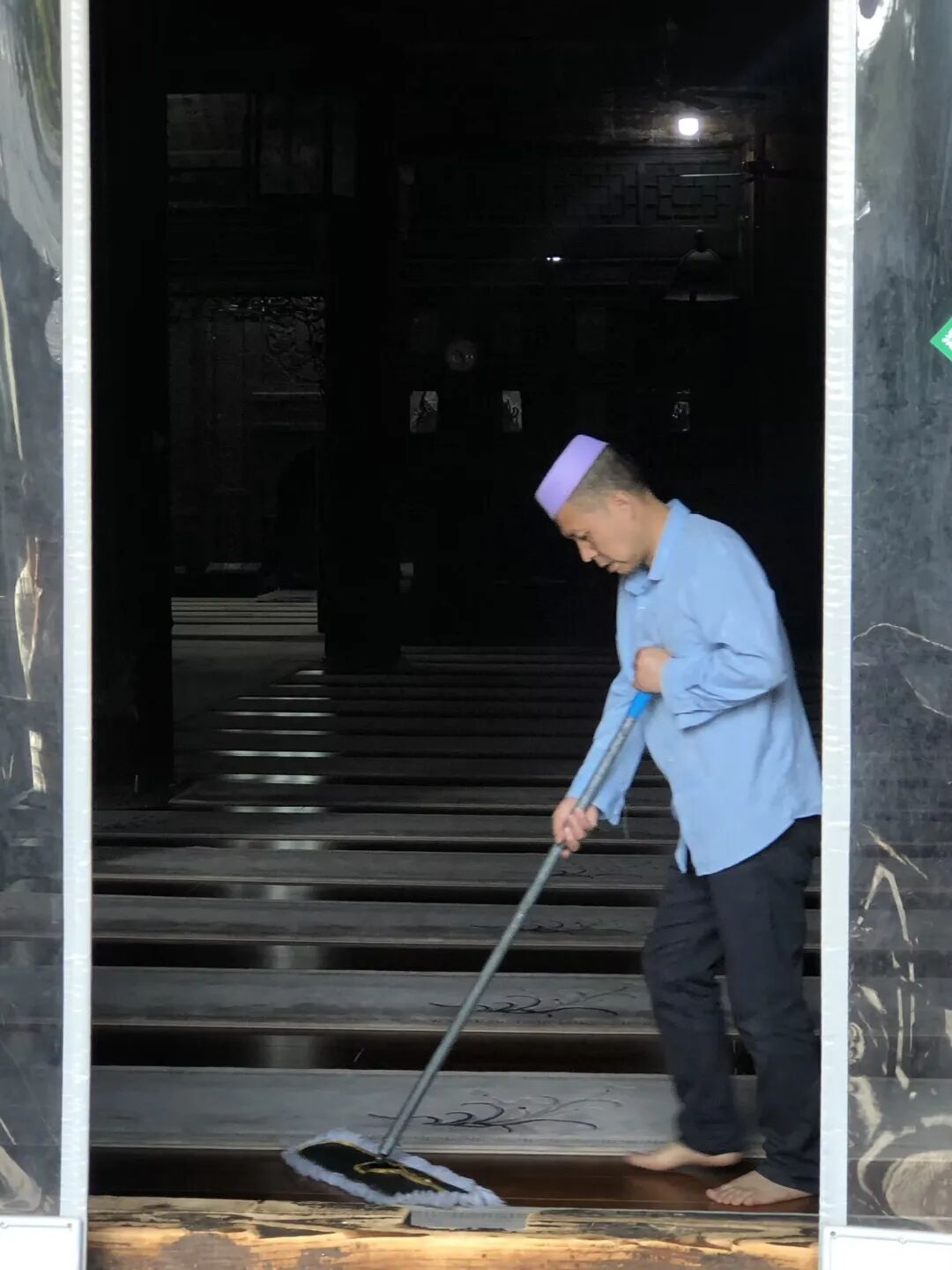
The Great Mosque on Huajue Lane was first built in 742 AD. It has over 1,200 years of history and is the largest mosque in all of Xi'an.
Heading back out the entrance, you’re right back in the heart of the Hui Muslim community area.
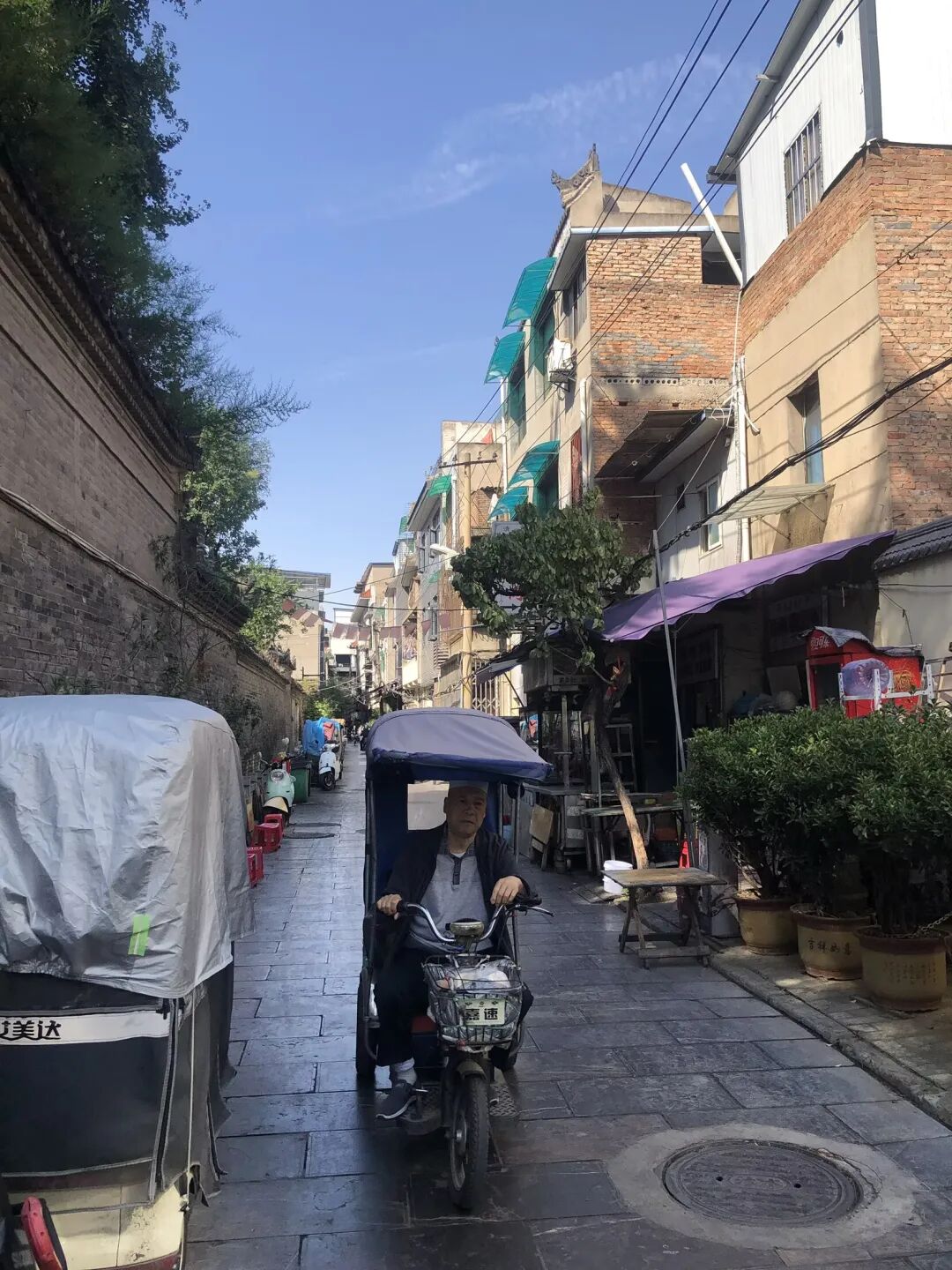
Admiring the flowers under the building.
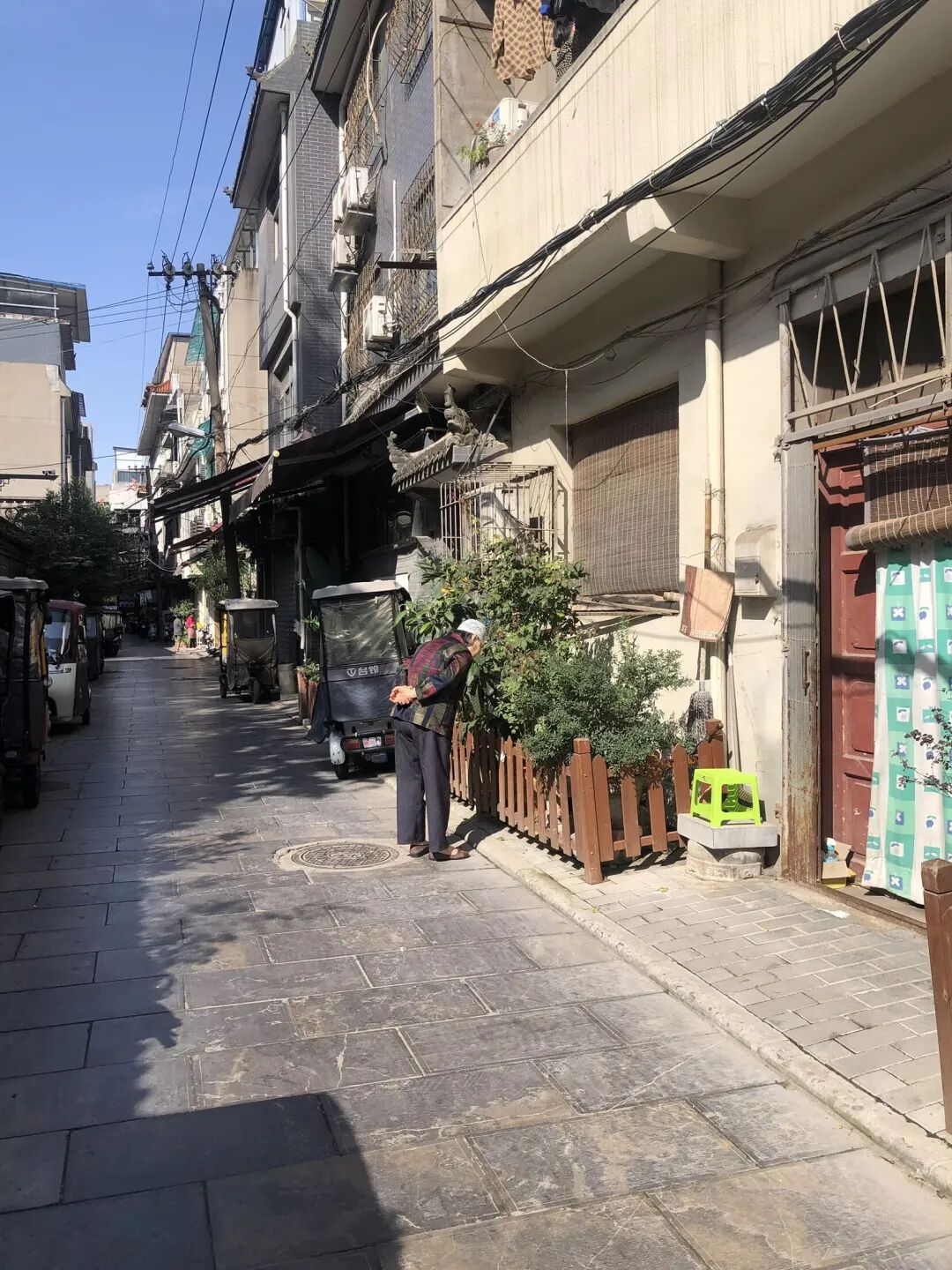
Locals just hanging out and chatting.
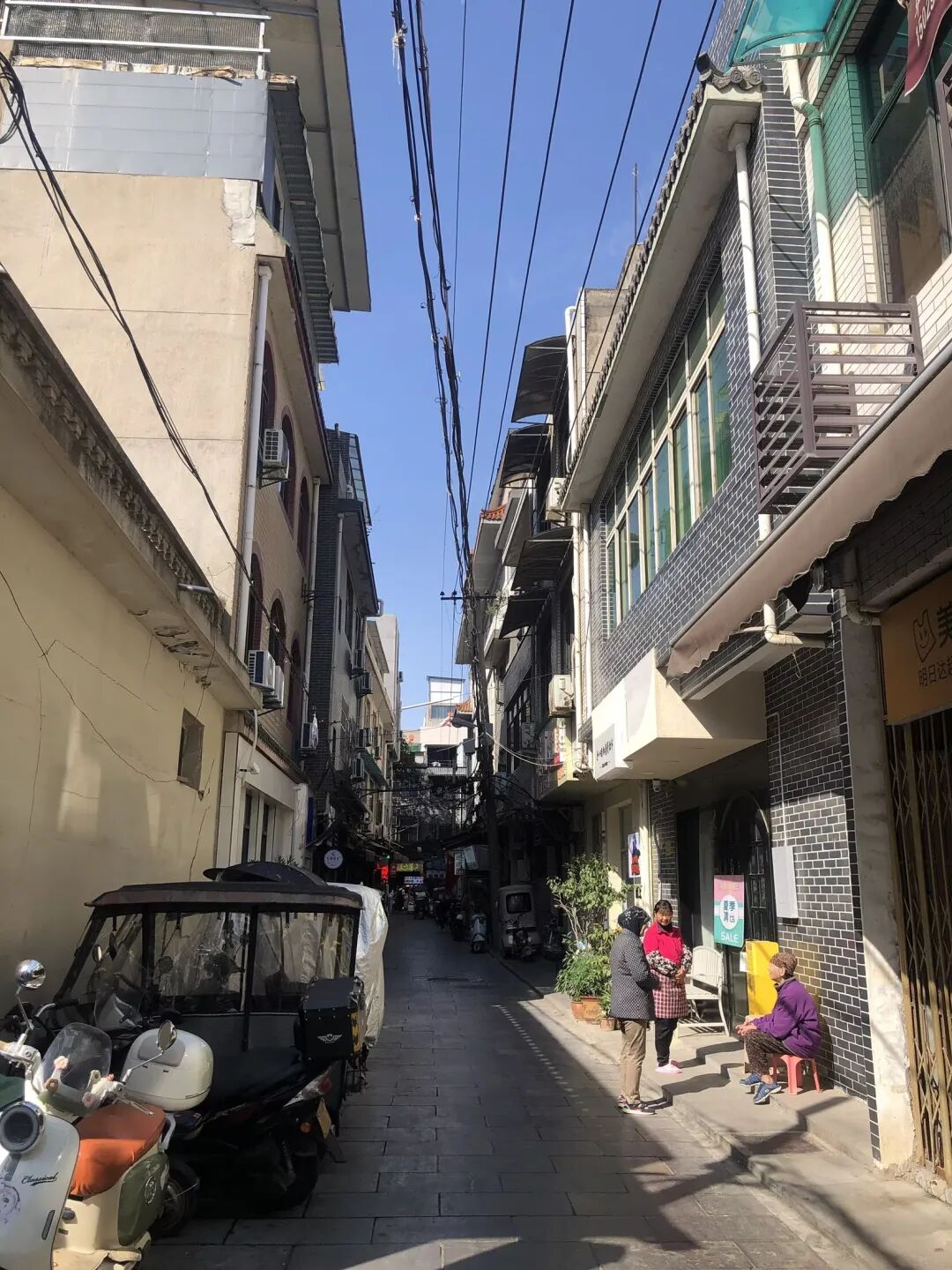
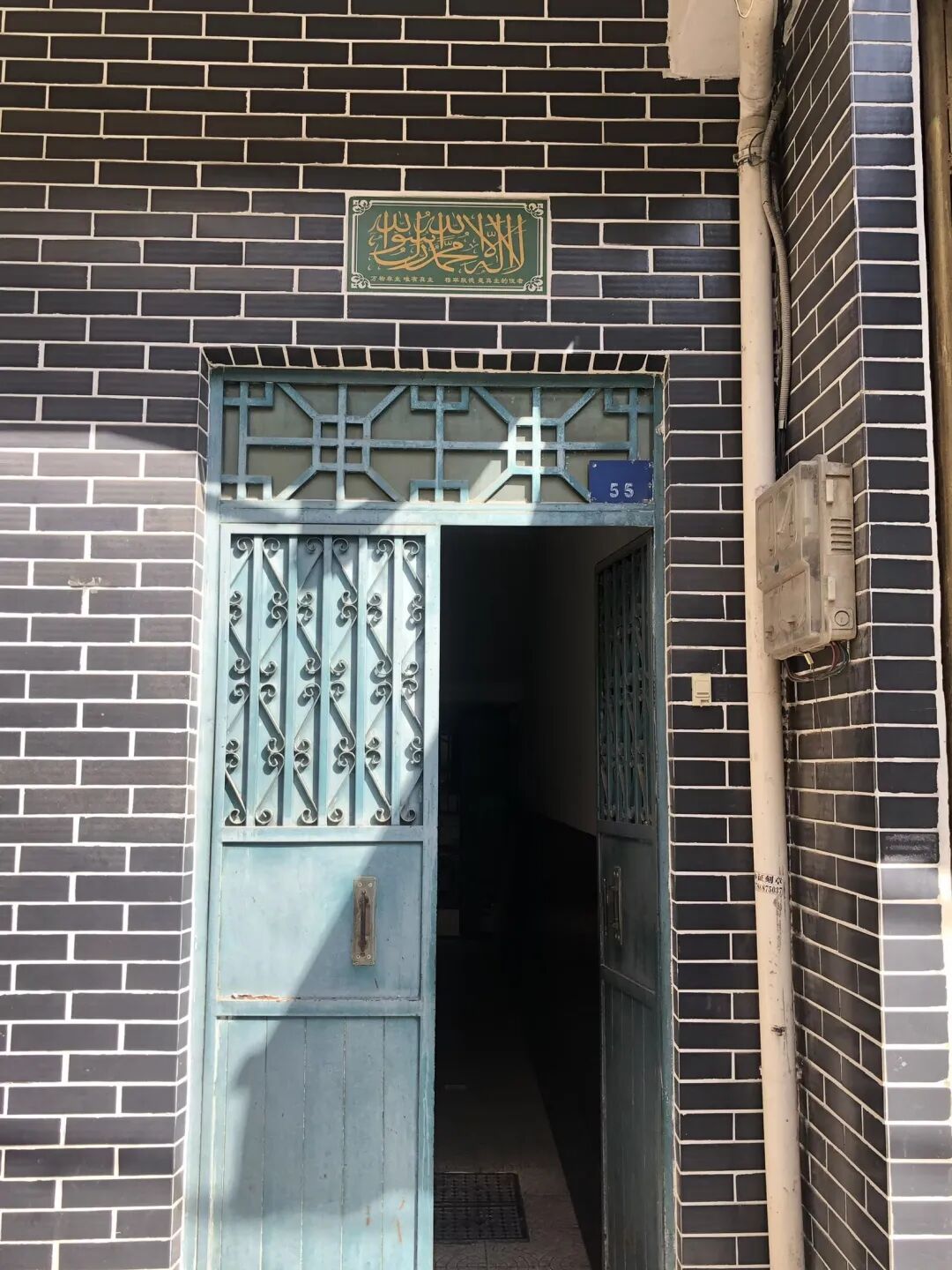
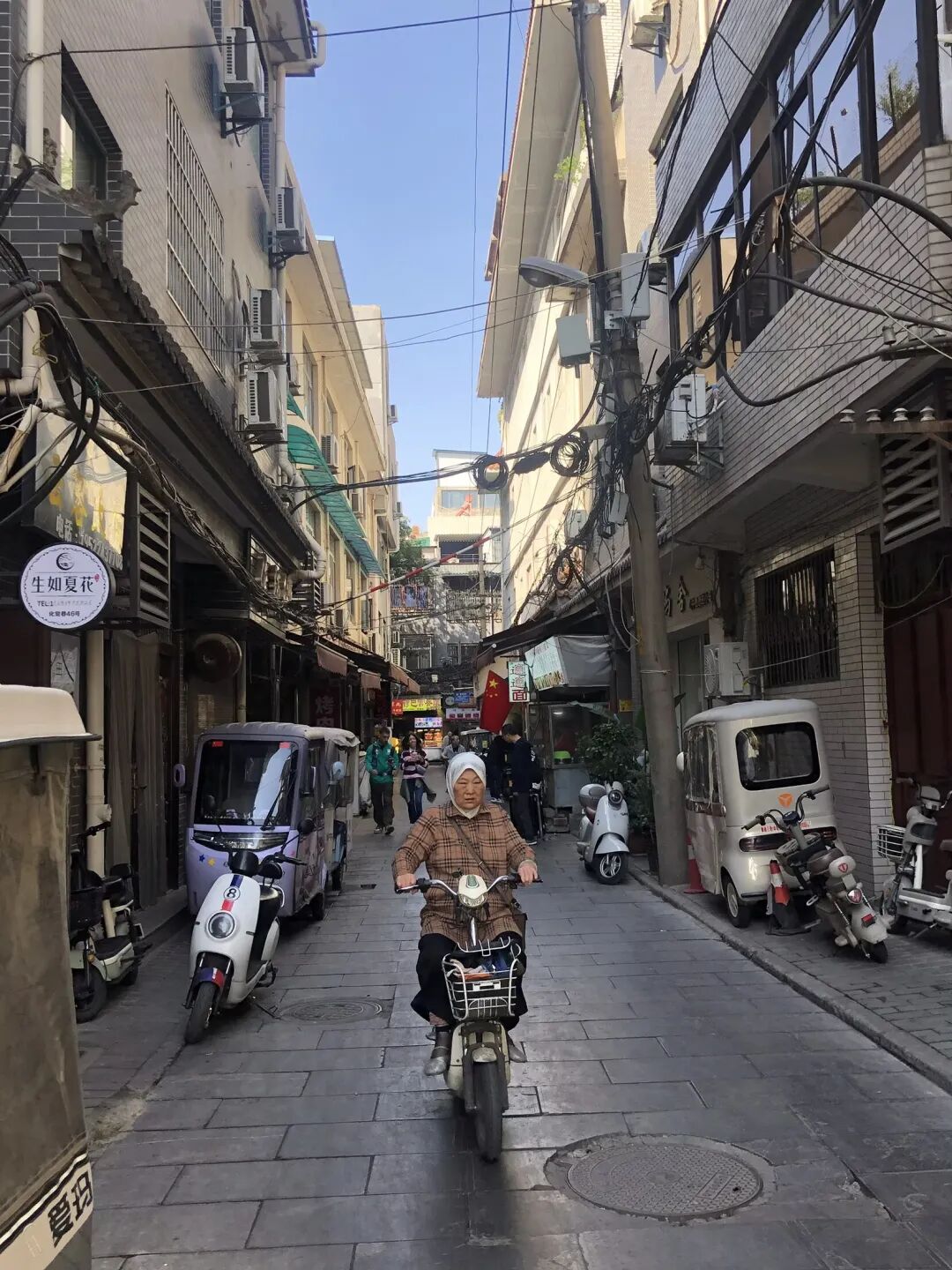
You can find traditional ethnic snacks everywhere you look.
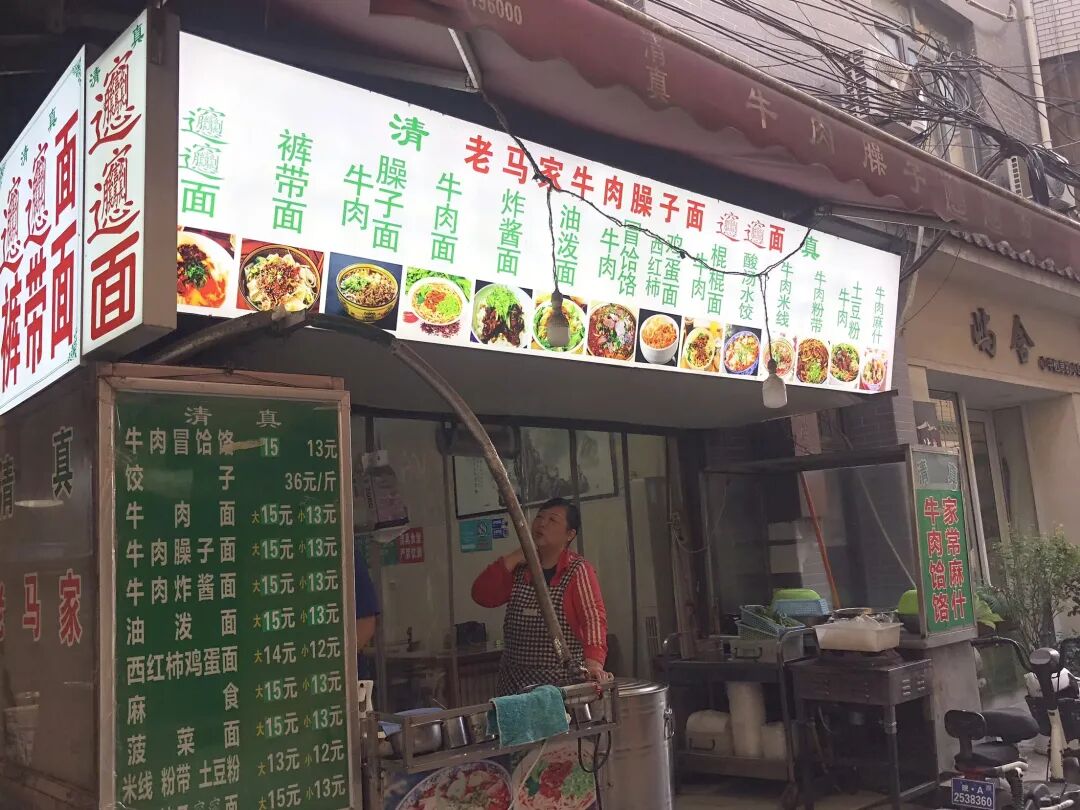
The yuanxiao (sweet rice ball) shop doesn't start boiling them until noon.
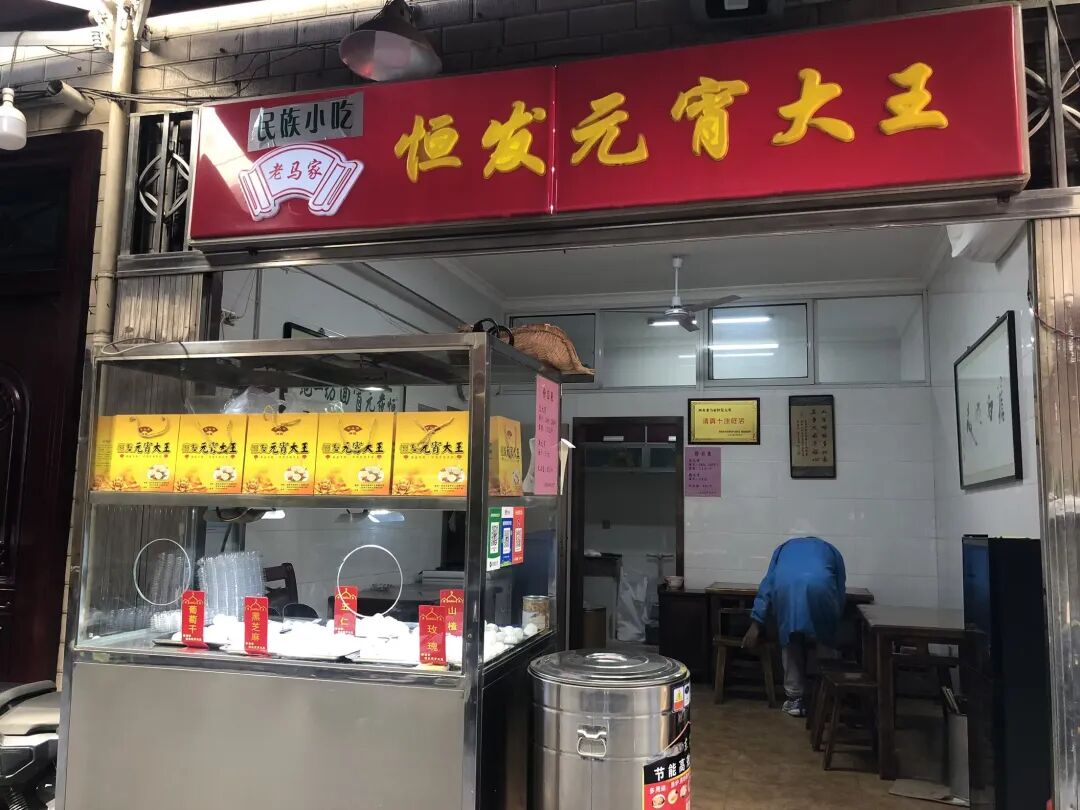
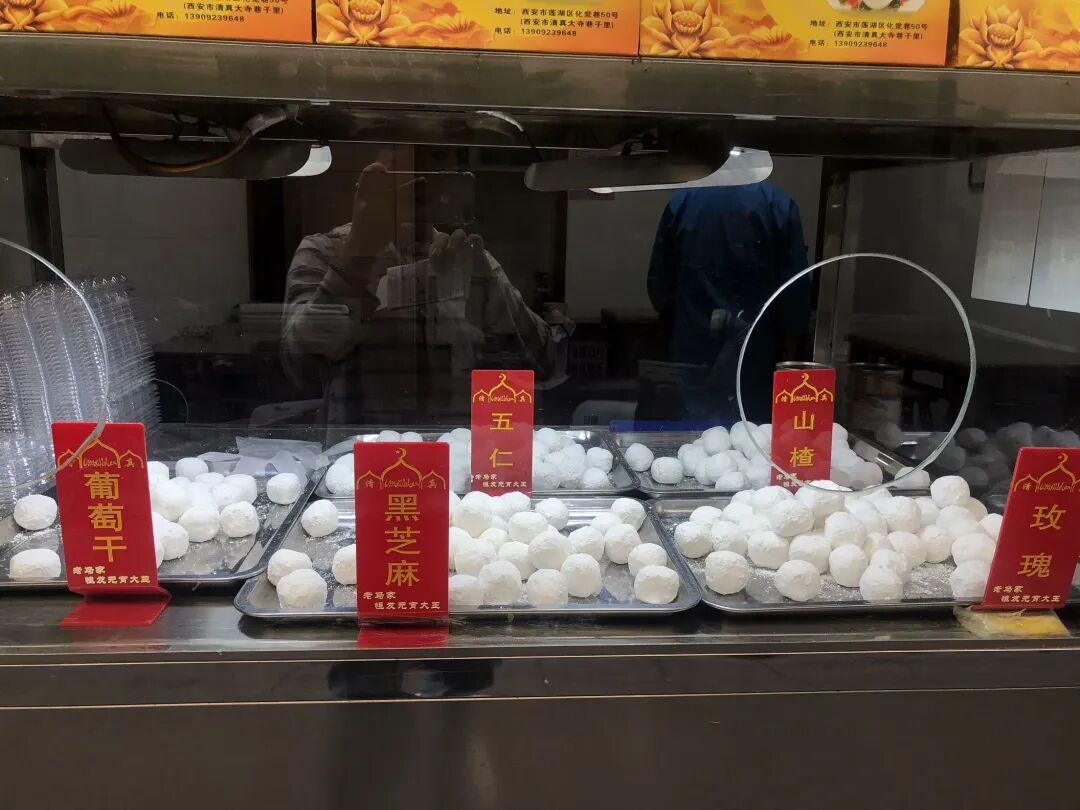
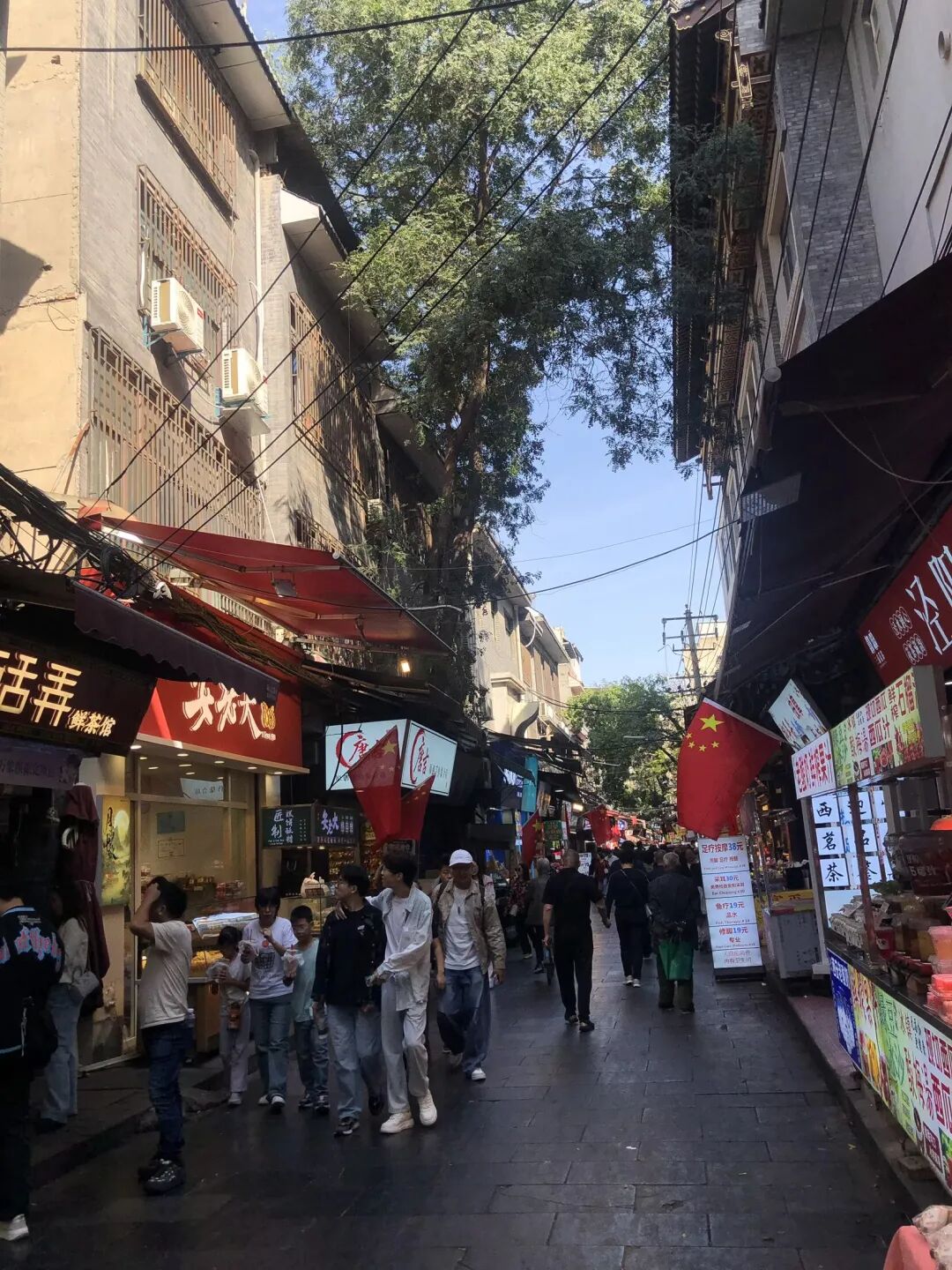
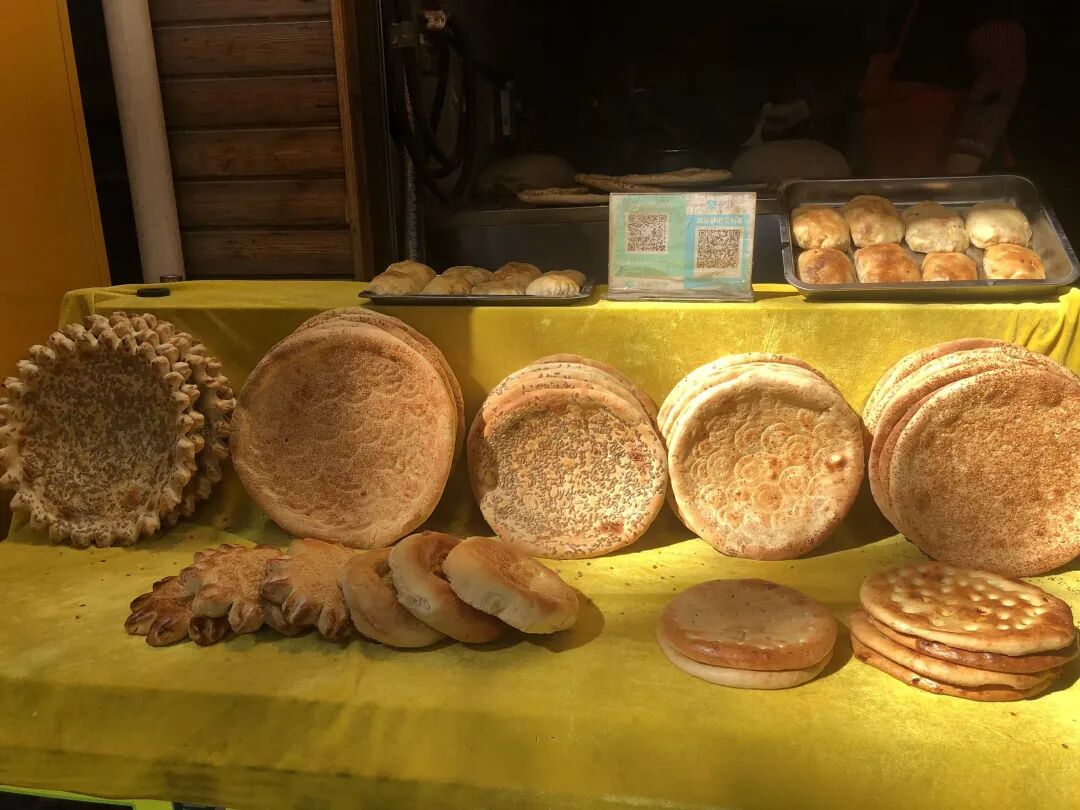
I left feeling totally satisfied with everything I got to see.
#Xian #XianTravel #ExploreXian #BellTower #DrumTower #HuajueLane #Mosque #MuslimQuarter
Hidden Islamic Heritage in Xi'an: History of the Early Mosques in Xincheng District
Articles • Hasan09 posted the article • 0 comments • 54 views • 2026-10-30 00:38
Based on historical records and the personal accounts of those who lived through it, this article details the history of three landmark mosques in Xi'an's Xincheng District—including the Dongxin Street Mosque. It covers how they were funded, built, and used for education and religious life after the Longhai Railway opened and Hui Muslims from other regions migrated to Xi'an.
Dongxin Street Mosque
Ma Zengliang: A look back at the Dongxin Street Mosque
The mosque is a space that evolved alongside the spread of Islam in China. It serves as a place for Muslims to perform religious rituals and gain religious knowledge, carrying distinct cultural characteristics.
Islam has been in China for over a thousand years. In the early Tang Dynasty, merchants, envoys, and missionaries from Arabia and Persia came to the capital, Chang'an, to share the faith and build places for worship. These prayer halls are called Masjid in Arabic, which translates to a place of prostration. It wasn't until the end of the Yuan Dynasty and the beginning of the Ming Dynasty that the specific term Qingzhensi (mosque) became commonly used.
The Dongxin Street Mosque was funded and built by Muslim migrants who moved to Xi'an to make religious life more accessible. It was originally called the New City District Mosque. Later, to distinguish it from the Jianguo Lane Mosque built further east, it was simply called the West Mosque. In 1934, when the Longhai Railway reached Xi'an, poor families from provinces like Henan and Hebei arrived by train to find work or run small businesses. Many of the Hui Muslims among them settled in the relatively open New City area near the train station, specifically around Minleyuan, Jianguo Lane, Xiaonongcun, Honghui Street, the vegetable market, and the People's Market. This created a natural settlement for these migrant Muslims.
For the Hui people, whose entire community follows Islam, daily life—including fasting, prayer, communal services, birth, death, and marriage—is inseparable from the mosque and the imam. Since the older, established mosques in Dapiyuan and Huajue Lane were too far away, building a local mosque became a pressing need for the migrant community.
In 1936, a group of long-term migrant Muslims from Henan—including Wang Zhijun, Zhao Guoyun, Zhao Guozeng, Bai Yuzhang, Bai Junqing, Liu Guo'en, and Ma Hong'en—met to discuss building a mosque in the New City area. However, most of the newly arrived Hui families were struggling financially, making the project difficult. After much discussion, they raised funds within the community and rented a plot of land on Dongxin Street (at No. 428) in 1937 to build a simple prayer hall. This became the first mosque for migrant Muslims in Xi'an. It is said that when the local Han Chinese saw the community's struggles, they helped out by volunteering their labor or providing bricks and tiles on credit. The older mosques in Xi'an also maintained close ties with the Dongxin Street Mosque, fostering a relationship of mutual respect and support between the local and migrant communities, who lived together like family.
Over the next three or four years, the Dongxin Street Mosque was expanded multiple times through community fundraising. It eventually took shape as a simple courtyard: three rooms on the west served as the main prayer hall, four rooms on the east were used as a bathing area, eight rooms on the south were used as living quarters for the imam and classrooms for the Chinese-Arabic school, and a two-story building with three rooms served as a lecture hall. Beyond regular religious activities, the mosque also hosted young students (mulla) who lived there to study the Quran. They also started a Chinese-Arabic primary school, which provided free or reduced-tuition education to children of poor Muslim families. Senior Imam Wang Jingzhai served as the principal, and Zhao Mingxin, a graduate of Beijing's Chengda Normal School, was a teacher. Later, as the student body grew, the school was moved to West Second Road and renamed the Islamic Primary School. After the founding of the People's Republic of China, the government took over the school and renamed it the West Second Road Primary School.
1938, near Minleyuan on Dongxin Street. Photo credit: Carleton College
1938, near the Duck Pit (Yazikeng) area near Minleyuan. Photo credit: Carleton College
Activities at the mosque were primarily led by an imam. An imam had to be someone with deep 'ilmin (religious knowledge) and high respect within the community. They were officially hired only after the community elders (shetou) reached a consensus and issued an appointment letter. The first imam of the Dongxin Street Mosque was Wang Zhijun (Wang Mingde) from Huaiqing Prefecture, Henan. His successors were, in order: Ma Hongdao from Baoding, Hebei; Wang Jingzhai from Tianjin; Liu Zhijie from Tongxu County, Henan; Ma Xintian and Ma Dezhen from Gansu; Gasimu; Lan Yukun from Yanshi County, Henan; and Li Dianjun from Xinye, Henan.
The titles for those managing mosque affairs varied by region, such as shetou (community head), shezhang (community leader), or (council president), but they all functioned as a management committee. The first president of the Dongxin Street Mosque was Zhao Guoyun from Kaifeng, Henan, with shetou including Zhao Guozeng, Bai Yuzhang, Liu Guo'en, and Ma Hong'en. They were followed by leaders like Ma Yushan from Baoding, Li Jinsheng from Kaifeng, Ma Zhanchuan from Yanshi, Ma Junde from Tongxin County, and Liu Guo'en.
Among the nation's four most famous imams, besides Wang Jingzhai who served as the imam here, Da Pusheng and Ha Decheng both visited the mosque, which played a significant role in the mosque's growth and stability.
Before liberation, the land for the Dongxin Street Mosque was rented from a division commander of the Kuomintang army. In 1951, the Xi'an government cleared up outstanding property issues and sold the land to the mosque for 30 million yuan (old currency). Simultaneously, the mosque raised 51 million yuan (old currency) from the community to buy storefronts at No. 430, 432, and 434 Dongxin Street, as well as a two-story storefront at No. 139 Shangjian Road. The rental income from these properties was later used to cover the mosque's water, electricity, and coal costs, as well as the salaries of the imams, students, and staff.
During the large-scale reorganization of mosques across the province in 1958, the Dongxin Street Mosque was merged into the Jianguo Lane Mosque, and the site was used to house a Hui Cultural Center. During the Cultural Revolution, the center ceased operations. In 1971, several original Muslim members of the mosque negotiated to rent the space to the Dongxin Leather Goods Factory of the West First Road Commune to use as a production site.
Following the Third Plenary Session of the 11th Central Committee, religious policies were implemented. Responding to the requests of the Muslim community, the leather factory moved out in March 1985. With the approval of the Xi'an Municipal Government, the property was officially returned to the Muslim community on May 14, 1986, and the Dongxin Street Mosque was reopened.
The Dongxin Street Mosque in the 1970s and 80s
The current Dongxin Street Mosque
Zhao Mingxin: An overview of the Jianguo Lane Mosque
In the early days of the War of Resistance Against Japan, the Japanese military's indiscriminate bombing caused immense disaster. Hui Muslims from around Zhengzhou, Henan, fled their homes and sought refuge in Shaanxi. Xi'an served as a key rear area and a vital hub in the Northwest, boasting a prosperous commercial scene. Many refugees vied for spots near the train station, running small businesses or doing manual labor to survive. The area around Minleyuan was part of the New City District with plenty of open land, and it already had the New City District Mosque built by earlier Henan-origin Hui residents. Newcomers naturally settled near the mosque, building sheds and houses. Over time, as more migrant Muslims arrived, the New City District Mosque couldn't accommodate the growing community, sparking calls to build a new one. In the spring of 1939, Bai Junqing (a Henan native who moved to Xi'an after fleeing Zhengzhou) bought the current site in Jianguo Lane—which had a small, dilapidated shack—for 38 yuan. With the help of Zhao Guoyun (a native of Kaifeng, Henan, who arrived in 1935), they renovated the space and established the Jianguo Lane Mosque. Because it was east of the New City District Mosque, it was also called the East Mosque. It belonged to the Yihewani (New School) sect.
From the spring of 1939 to 1940, through donations from Muslims, the Jianguo Lane Mosque successively built three west-facing rooms for a prayer hall, three east-facing rooms for a water room (bathing area), and five north-facing rooms for lecture halls and living quarters for the imams. They also built a front gate with five street-facing rooms. While small, the mosque was complete with all the necessary facilities.
Bai Junqing was the initiator of the Jianguo Lane Mosque and contributed the most effort during its construction; he was chosen as the community head by the congregants. After liberation, he resigned, and the mosque's affairs were temporarily managed by Du Jinsheng. By 1954, following community elections, management was handled by a succession of people, including Du Jinsheng, Du Guangjun, Li Jinsheng, Hai Fuceng, Lü Ketong, Ba Shiying, and Ding Junjie. During the first religious reform in 1961, the feudal system was abolished, and Xi'an established a Mosque Management Committee. Each mosque formed its own management group, with Ding Boyan serving as both imam and deputy head of the management group for the East Mosque. When the Cultural Revolution began, Ding Boyan stepped down, and the mosque briefly stopped religious activities and was occupied by a sewing cooperative under the Zhongshanmen Commune's Cotton Textile Factory. About a year later, Muslims spontaneously returned to the mosque to pray. In 1970, during the second religious reform movement, Xi'an's mosques were merged; only two remained in the city: the Huajue Lane Mosque in Lianhu District and the Jianguo Lane Mosque in Xincheng District. The government stepped in to help the Muslims organize a democratic management committee for the Jianguo Lane Mosque, electing Liu Guo'en as chairman, along with committee members Li Changcai, Sha Xiuyun (female), Ma Hong'en, Chen Wenbin, Ma Zhenquan, and Hai Chong'en. On August 24, 1983, the management committee was reorganized, electing Di Yanchen (then 87 years old) as chairman, and Ba Guoying and Zhao Mingxin as vice-chairmen. Half a year later, after Di Yanchen passed away, the committee was reshuffled, with Du Guangchuan becoming chairman. In August 1985, after the term expired, Bai Xuebin was elected chairman, with Zhao Mingxin and Zhang Xueli as vice-chairmen.
The imams who served at the Jianguo Lane Mosque include: Wang Huaiqi (from Lankao, Henan, currently at Dingdaokou Mosque in Henan), Liu Zijie (from Tongxu, Henan, deceased), Hu Tingzhang (from Chengdu, Sichuan, deceased), Wu Zhenming (from Xi'an, deceased), Diao Mingfeng (from Xuchang, Henan, deceased), Fa Jinxiang (from Nanyang Xixiakou, Henan, deceased), Ding Boyan (from Lushan, Henan, current vice-director of the Xi'an Islamic Association), Ma Zhenxing (from Baoding, Hebei, deceased), and Chen Wenbin (from Zhoukou, Henan). The current imam is Zhao Mingxin from Kaifeng, Henan. The mosque's community spans Jianguo Lane, Ziyou Lane, Anle Lane, Shangqin Road, Shangjian Road, and the Zhongshanmen area, totaling over a thousand households. Most are small-scale independent business owners selling beef and mutton or working in food services, with a few working in state offices or companies. Due to history and traditions, the local level of formal education is relatively low, and there are few technical professionals. Notable figures include Zhao Bao'an (from Kaifeng, NWU graduate, retired vice-principal of No. 72 High School), Jia Rongjie (from Qinyang, Henan, retired official), Cheng Lianfei (from Yuncheng, Shanxi, chief engineer at the Northwest Electric Power Construction Bureau), and Bai Quande (a Henan native, one of the few Hui scientists at the Chinese Academy of Sciences, who currently teaches on rotation in Zhengzhou, Xi'an, and Lanzhou). While the community lives in mixed neighborhoods with Han Chinese, everyone respects each other and lives in harmony.
After the Third Plenary Session of the 11th CPC Central Committee, national and religious policies were further implemented, and religious life gradually returned to normal. Given that the Jianguo Lane Mosque was in disrepair and posed a safety risk, the government provided funding starting in 1980 for major renovations. The original prayer hall was expanded to 180 square meters, the north hall was converted into a bathing room, and a female bathing room and a room for handling funeral rites were built on the site of the old east wing. They added a boiler room, repaired the main gate, and installed running water pipes. The bathing rooms and water taps replaced traditional water kettles. A new two-story east wing was added. The entire structure is made of reinforced concrete. The five-bay prayer hall features a modern design with a green dome, glass windows, good ventilation, electric lighting, fans, and floor mats. At 15.8 meters high, it maintains Islamic architectural features while differing from the old-style mosques, making it currently the only new-style mosque in Xi'an.
The Pingling Snack Shop on the north side of Jianguo Lane. Photo credit: Carleton College
Jianguo Lane Mosque. Photo credit: Fengfeng
Jianguo Lane Mosque courtyard. Photo credit: Fengfeng
Ma Zengliang: The Hui New Village in Xincheng District
The Hui New Village in Xincheng District is located on the south side of Changle West Road in the eastern suburbs of Xi'an. It is a small community for Hui Muslims, with over 220 people from 62 households, 59 of which are Hui.
In 1954, to adapt to urban development, the Xi'an Municipal Government decided to widen East Fifth Road and open the eastern section of the city wall to create a main road connecting the inside and outside of the city. At that time, a few dozen families—mostly Hui refugees from the Yellow River flood areas in Henan and Anhui—were living in the East Gou area outside the city wall. They had also pooled their money to build a simple mosque. The road construction project required relocating these residents and the mosque. Since these residents lived in straw huts and relied on small businesses or manual labor for their daily bread, the municipal government set two principles for relocation: first, everyone had to move for the sake of national development; second, they had to respect Hui customs and settle them as a group nearby. The Ethnic Affairs Commission investigated and suggested using a vacant plot east of the Zhongnan Match Factory and north of Dongguan Beikuomen to settle the community and build a new mosque. This accommodated their religious needs and ensured their livelihoods weren't interrupted. The Hui community was very pleased.
During the relocation, the Ethnic Affairs Commission organized the Hui residents to elect Liu Shuzhen, Ai Shunxing, and Li Zhizhong to form a relocation group to plan the site. The new location covered 6 mu (about 1 acre), with 1.5 mu used for the mosque and the remaining 4.5 mu used to build 12 rows of single-story houses. With government subsidies, families built their own homes according to the plan. Within a year, neat rows of houses were standing, and over 130 people from 30 households moved in. Meanwhile, the Muslims pooled their money and labor to build their new mosque. It faces south, with a three-bay main prayer hall. The north building serves as a lecture hall and imam's quarters, while the rooms on either side of the gate are for bathing and water wells. The gate features traditional eaves. While not opulent, the building has a unique style. Since it was an all-Hui community, it was named Hui New Village, and the mosque took the same name.
The first imam after the Hui New Village mosque was built was Lan Yukun from Henan, and the mulla was Dan Anmin. Mosque affairs were handled by an elected management committee. In recent years, religious activities were temporarily suspended, and the site was turned into a factory. With the implementation of ethnic and religious policies, the property was returned to the Muslim community on May 8, 1986, and the mosque resumed normal religious activities.
Over the past 30 years, the Hui New Village has undergone massive changes. Every household has rebuilt their homes and added modern furniture, and their standard of living has improved significantly. While most people still run individual businesses, the younger generation has joined industrial and commercial enterprises as workers and officials. Currently, under the care of the Party, they are happily and diligently contributing to the country's unity and development.
Source: New City Historical Data Collection, Volume 2, October 1986
East City Mosque
Special Thanks
Photos supported by Carleton College and Mr. Fengfeng
Online images used with gratitude
· END · view all
Based on historical records and the personal accounts of those who lived through it, this article details the history of three landmark mosques in Xi'an's Xincheng District—including the Dongxin Street Mosque. It covers how they were funded, built, and used for education and religious life after the Longhai Railway opened and Hui Muslims from other regions migrated to Xi'an.
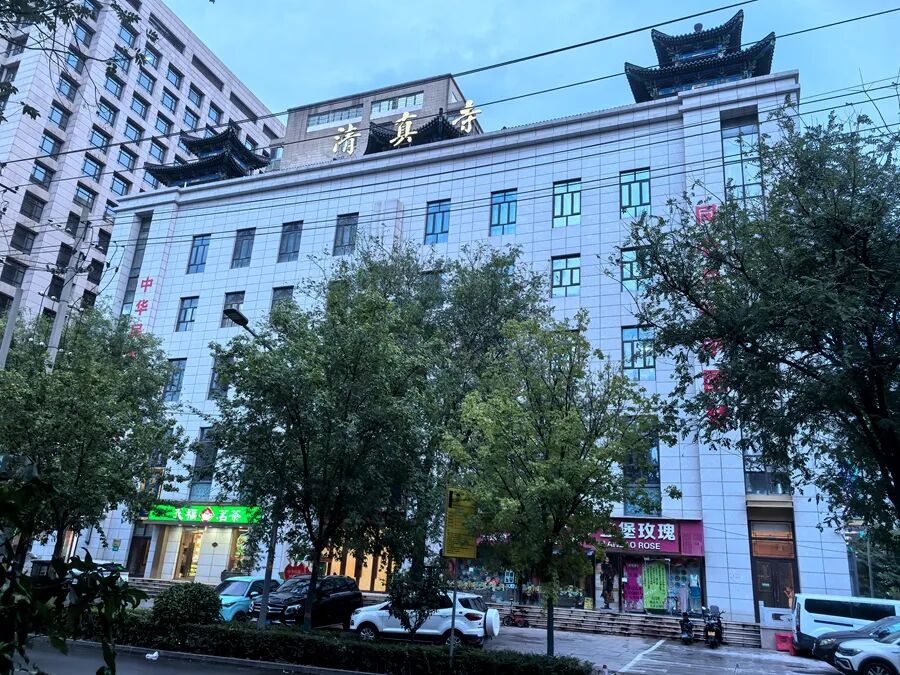
Dongxin Street Mosque
Ma Zengliang: A look back at the Dongxin Street Mosque
The mosque is a space that evolved alongside the spread of Islam in China. It serves as a place for Muslims to perform religious rituals and gain religious knowledge, carrying distinct cultural characteristics.
Islam has been in China for over a thousand years. In the early Tang Dynasty, merchants, envoys, and missionaries from Arabia and Persia came to the capital, Chang'an, to share the faith and build places for worship. These prayer halls are called Masjid in Arabic, which translates to a place of prostration. It wasn't until the end of the Yuan Dynasty and the beginning of the Ming Dynasty that the specific term Qingzhensi (mosque) became commonly used.
The Dongxin Street Mosque was funded and built by Muslim migrants who moved to Xi'an to make religious life more accessible. It was originally called the New City District Mosque. Later, to distinguish it from the Jianguo Lane Mosque built further east, it was simply called the West Mosque. In 1934, when the Longhai Railway reached Xi'an, poor families from provinces like Henan and Hebei arrived by train to find work or run small businesses. Many of the Hui Muslims among them settled in the relatively open New City area near the train station, specifically around Minleyuan, Jianguo Lane, Xiaonongcun, Honghui Street, the vegetable market, and the People's Market. This created a natural settlement for these migrant Muslims.
For the Hui people, whose entire community follows Islam, daily life—including fasting, prayer, communal services, birth, death, and marriage—is inseparable from the mosque and the imam. Since the older, established mosques in Dapiyuan and Huajue Lane were too far away, building a local mosque became a pressing need for the migrant community.
In 1936, a group of long-term migrant Muslims from Henan—including Wang Zhijun, Zhao Guoyun, Zhao Guozeng, Bai Yuzhang, Bai Junqing, Liu Guo'en, and Ma Hong'en—met to discuss building a mosque in the New City area. However, most of the newly arrived Hui families were struggling financially, making the project difficult. After much discussion, they raised funds within the community and rented a plot of land on Dongxin Street (at No. 428) in 1937 to build a simple prayer hall. This became the first mosque for migrant Muslims in Xi'an. It is said that when the local Han Chinese saw the community's struggles, they helped out by volunteering their labor or providing bricks and tiles on credit. The older mosques in Xi'an also maintained close ties with the Dongxin Street Mosque, fostering a relationship of mutual respect and support between the local and migrant communities, who lived together like family.
Over the next three or four years, the Dongxin Street Mosque was expanded multiple times through community fundraising. It eventually took shape as a simple courtyard: three rooms on the west served as the main prayer hall, four rooms on the east were used as a bathing area, eight rooms on the south were used as living quarters for the imam and classrooms for the Chinese-Arabic school, and a two-story building with three rooms served as a lecture hall. Beyond regular religious activities, the mosque also hosted young students (mulla) who lived there to study the Quran. They also started a Chinese-Arabic primary school, which provided free or reduced-tuition education to children of poor Muslim families. Senior Imam Wang Jingzhai served as the principal, and Zhao Mingxin, a graduate of Beijing's Chengda Normal School, was a teacher. Later, as the student body grew, the school was moved to West Second Road and renamed the Islamic Primary School. After the founding of the People's Republic of China, the government took over the school and renamed it the West Second Road Primary School.
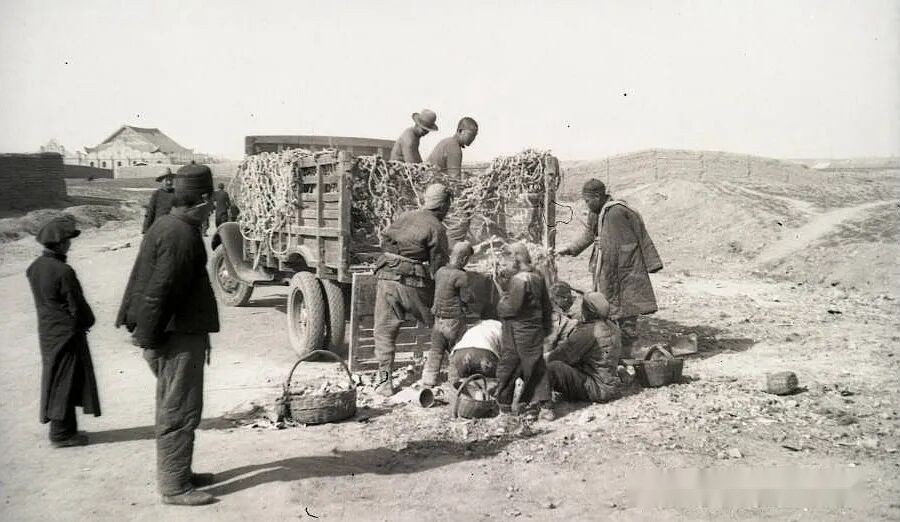
1938, near Minleyuan on Dongxin Street. Photo credit: Carleton College
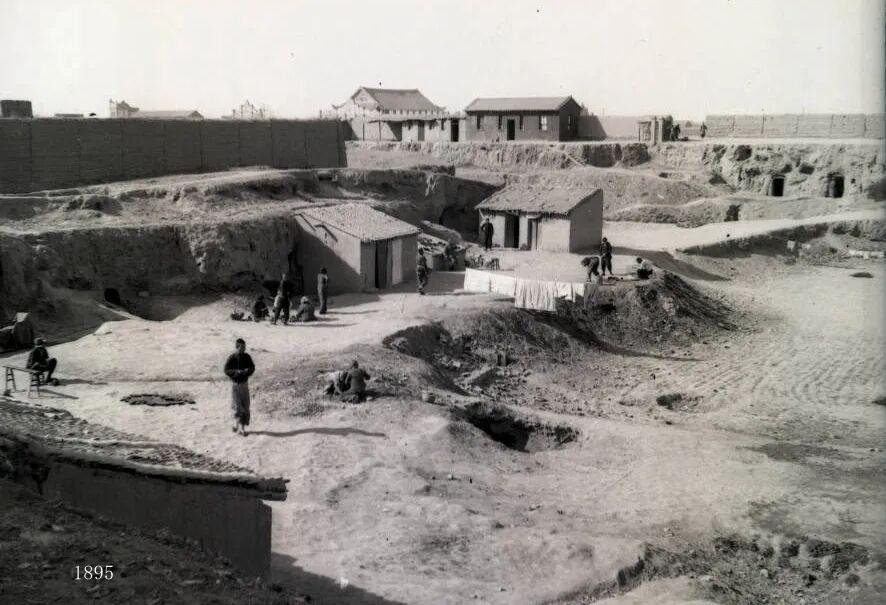
1938, near the Duck Pit (Yazikeng) area near Minleyuan. Photo credit: Carleton College
Activities at the mosque were primarily led by an imam. An imam had to be someone with deep 'ilmin (religious knowledge) and high respect within the community. They were officially hired only after the community elders (shetou) reached a consensus and issued an appointment letter. The first imam of the Dongxin Street Mosque was Wang Zhijun (Wang Mingde) from Huaiqing Prefecture, Henan. His successors were, in order: Ma Hongdao from Baoding, Hebei; Wang Jingzhai from Tianjin; Liu Zhijie from Tongxu County, Henan; Ma Xintian and Ma Dezhen from Gansu; Gasimu; Lan Yukun from Yanshi County, Henan; and Li Dianjun from Xinye, Henan.
The titles for those managing mosque affairs varied by region, such as shetou (community head), shezhang (community leader), or (council president), but they all functioned as a management committee. The first president of the Dongxin Street Mosque was Zhao Guoyun from Kaifeng, Henan, with shetou including Zhao Guozeng, Bai Yuzhang, Liu Guo'en, and Ma Hong'en. They were followed by leaders like Ma Yushan from Baoding, Li Jinsheng from Kaifeng, Ma Zhanchuan from Yanshi, Ma Junde from Tongxin County, and Liu Guo'en.
Among the nation's four most famous imams, besides Wang Jingzhai who served as the imam here, Da Pusheng and Ha Decheng both visited the mosque, which played a significant role in the mosque's growth and stability.
Before liberation, the land for the Dongxin Street Mosque was rented from a division commander of the Kuomintang army. In 1951, the Xi'an government cleared up outstanding property issues and sold the land to the mosque for 30 million yuan (old currency). Simultaneously, the mosque raised 51 million yuan (old currency) from the community to buy storefronts at No. 430, 432, and 434 Dongxin Street, as well as a two-story storefront at No. 139 Shangjian Road. The rental income from these properties was later used to cover the mosque's water, electricity, and coal costs, as well as the salaries of the imams, students, and staff.
During the large-scale reorganization of mosques across the province in 1958, the Dongxin Street Mosque was merged into the Jianguo Lane Mosque, and the site was used to house a Hui Cultural Center. During the Cultural Revolution, the center ceased operations. In 1971, several original Muslim members of the mosque negotiated to rent the space to the Dongxin Leather Goods Factory of the West First Road Commune to use as a production site.
Following the Third Plenary Session of the 11th Central Committee, religious policies were implemented. Responding to the requests of the Muslim community, the leather factory moved out in March 1985. With the approval of the Xi'an Municipal Government, the property was officially returned to the Muslim community on May 14, 1986, and the Dongxin Street Mosque was reopened.
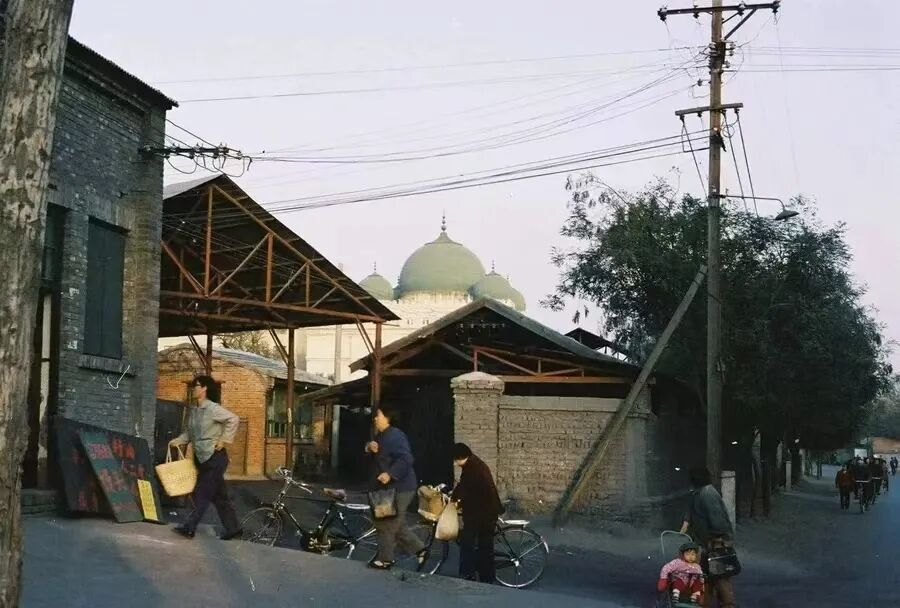
The Dongxin Street Mosque in the 1970s and 80s
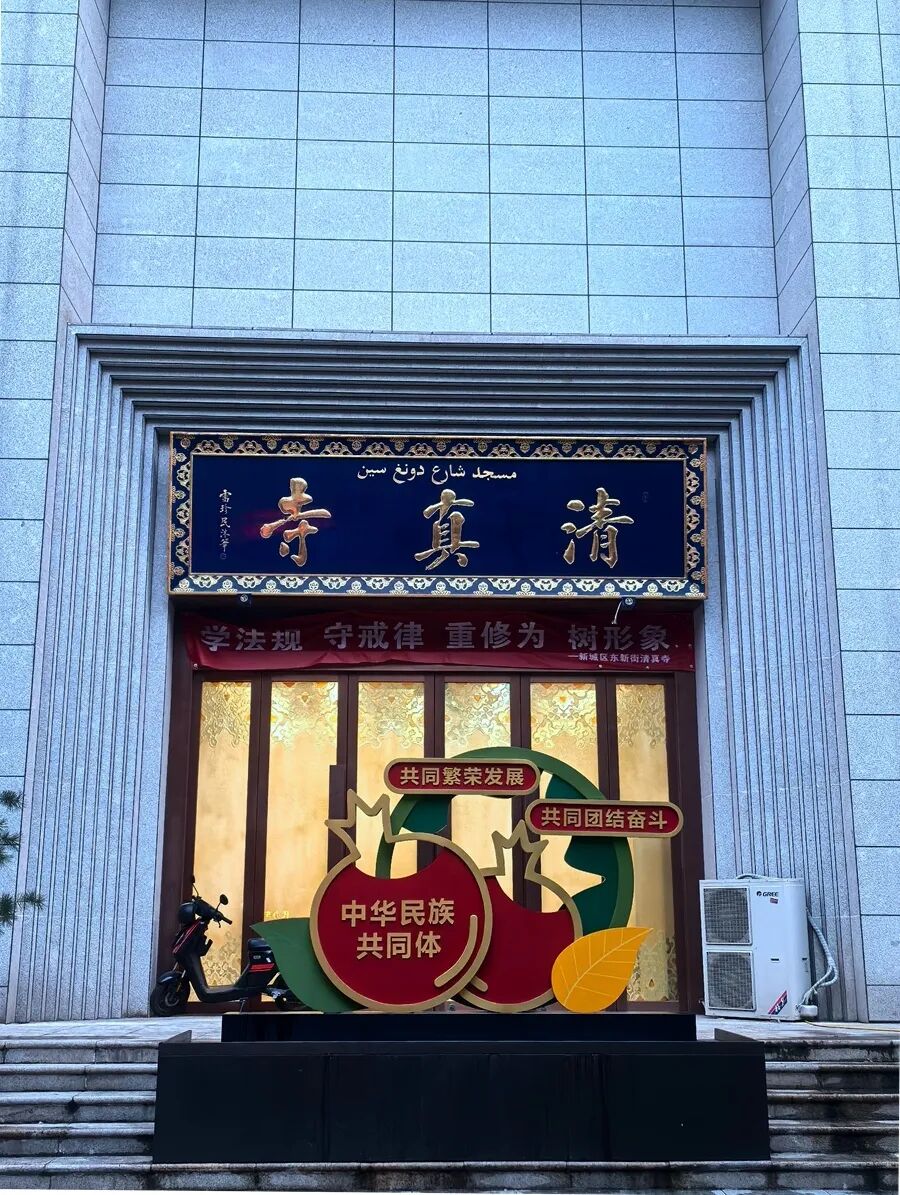
The current Dongxin Street Mosque
Zhao Mingxin: An overview of the Jianguo Lane Mosque
In the early days of the War of Resistance Against Japan, the Japanese military's indiscriminate bombing caused immense disaster. Hui Muslims from around Zhengzhou, Henan, fled their homes and sought refuge in Shaanxi. Xi'an served as a key rear area and a vital hub in the Northwest, boasting a prosperous commercial scene. Many refugees vied for spots near the train station, running small businesses or doing manual labor to survive. The area around Minleyuan was part of the New City District with plenty of open land, and it already had the New City District Mosque built by earlier Henan-origin Hui residents. Newcomers naturally settled near the mosque, building sheds and houses. Over time, as more migrant Muslims arrived, the New City District Mosque couldn't accommodate the growing community, sparking calls to build a new one. In the spring of 1939, Bai Junqing (a Henan native who moved to Xi'an after fleeing Zhengzhou) bought the current site in Jianguo Lane—which had a small, dilapidated shack—for 38 yuan. With the help of Zhao Guoyun (a native of Kaifeng, Henan, who arrived in 1935), they renovated the space and established the Jianguo Lane Mosque. Because it was east of the New City District Mosque, it was also called the East Mosque. It belonged to the Yihewani (New School) sect.
From the spring of 1939 to 1940, through donations from Muslims, the Jianguo Lane Mosque successively built three west-facing rooms for a prayer hall, three east-facing rooms for a water room (bathing area), and five north-facing rooms for lecture halls and living quarters for the imams. They also built a front gate with five street-facing rooms. While small, the mosque was complete with all the necessary facilities.
Bai Junqing was the initiator of the Jianguo Lane Mosque and contributed the most effort during its construction; he was chosen as the community head by the congregants. After liberation, he resigned, and the mosque's affairs were temporarily managed by Du Jinsheng. By 1954, following community elections, management was handled by a succession of people, including Du Jinsheng, Du Guangjun, Li Jinsheng, Hai Fuceng, Lü Ketong, Ba Shiying, and Ding Junjie. During the first religious reform in 1961, the feudal system was abolished, and Xi'an established a Mosque Management Committee. Each mosque formed its own management group, with Ding Boyan serving as both imam and deputy head of the management group for the East Mosque. When the Cultural Revolution began, Ding Boyan stepped down, and the mosque briefly stopped religious activities and was occupied by a sewing cooperative under the Zhongshanmen Commune's Cotton Textile Factory. About a year later, Muslims spontaneously returned to the mosque to pray. In 1970, during the second religious reform movement, Xi'an's mosques were merged; only two remained in the city: the Huajue Lane Mosque in Lianhu District and the Jianguo Lane Mosque in Xincheng District. The government stepped in to help the Muslims organize a democratic management committee for the Jianguo Lane Mosque, electing Liu Guo'en as chairman, along with committee members Li Changcai, Sha Xiuyun (female), Ma Hong'en, Chen Wenbin, Ma Zhenquan, and Hai Chong'en. On August 24, 1983, the management committee was reorganized, electing Di Yanchen (then 87 years old) as chairman, and Ba Guoying and Zhao Mingxin as vice-chairmen. Half a year later, after Di Yanchen passed away, the committee was reshuffled, with Du Guangchuan becoming chairman. In August 1985, after the term expired, Bai Xuebin was elected chairman, with Zhao Mingxin and Zhang Xueli as vice-chairmen.
The imams who served at the Jianguo Lane Mosque include: Wang Huaiqi (from Lankao, Henan, currently at Dingdaokou Mosque in Henan), Liu Zijie (from Tongxu, Henan, deceased), Hu Tingzhang (from Chengdu, Sichuan, deceased), Wu Zhenming (from Xi'an, deceased), Diao Mingfeng (from Xuchang, Henan, deceased), Fa Jinxiang (from Nanyang Xixiakou, Henan, deceased), Ding Boyan (from Lushan, Henan, current vice-director of the Xi'an Islamic Association), Ma Zhenxing (from Baoding, Hebei, deceased), and Chen Wenbin (from Zhoukou, Henan). The current imam is Zhao Mingxin from Kaifeng, Henan. The mosque's community spans Jianguo Lane, Ziyou Lane, Anle Lane, Shangqin Road, Shangjian Road, and the Zhongshanmen area, totaling over a thousand households. Most are small-scale independent business owners selling beef and mutton or working in food services, with a few working in state offices or companies. Due to history and traditions, the local level of formal education is relatively low, and there are few technical professionals. Notable figures include Zhao Bao'an (from Kaifeng, NWU graduate, retired vice-principal of No. 72 High School), Jia Rongjie (from Qinyang, Henan, retired official), Cheng Lianfei (from Yuncheng, Shanxi, chief engineer at the Northwest Electric Power Construction Bureau), and Bai Quande (a Henan native, one of the few Hui scientists at the Chinese Academy of Sciences, who currently teaches on rotation in Zhengzhou, Xi'an, and Lanzhou). While the community lives in mixed neighborhoods with Han Chinese, everyone respects each other and lives in harmony.
After the Third Plenary Session of the 11th CPC Central Committee, national and religious policies were further implemented, and religious life gradually returned to normal. Given that the Jianguo Lane Mosque was in disrepair and posed a safety risk, the government provided funding starting in 1980 for major renovations. The original prayer hall was expanded to 180 square meters, the north hall was converted into a bathing room, and a female bathing room and a room for handling funeral rites were built on the site of the old east wing. They added a boiler room, repaired the main gate, and installed running water pipes. The bathing rooms and water taps replaced traditional water kettles. A new two-story east wing was added. The entire structure is made of reinforced concrete. The five-bay prayer hall features a modern design with a green dome, glass windows, good ventilation, electric lighting, fans, and floor mats. At 15.8 meters high, it maintains Islamic architectural features while differing from the old-style mosques, making it currently the only new-style mosque in Xi'an.
The Pingling Snack Shop on the north side of Jianguo Lane. Photo credit: Carleton College
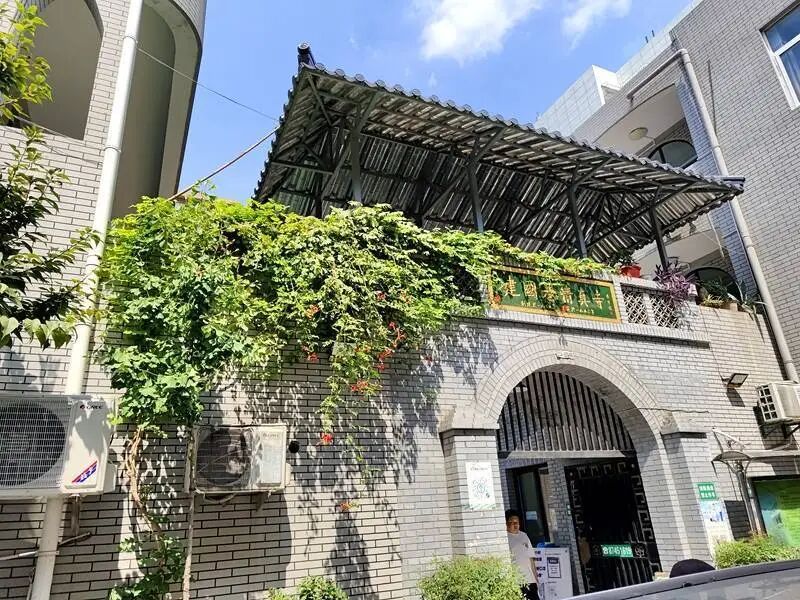
Jianguo Lane Mosque. Photo credit: Fengfeng
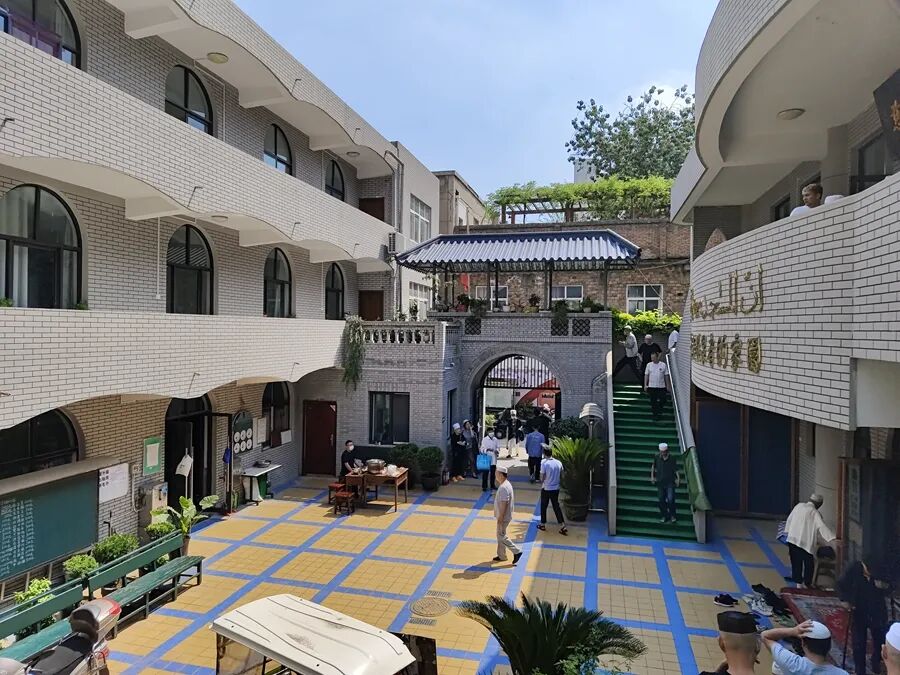
Jianguo Lane Mosque courtyard. Photo credit: Fengfeng
Ma Zengliang: The Hui New Village in Xincheng District
The Hui New Village in Xincheng District is located on the south side of Changle West Road in the eastern suburbs of Xi'an. It is a small community for Hui Muslims, with over 220 people from 62 households, 59 of which are Hui.
In 1954, to adapt to urban development, the Xi'an Municipal Government decided to widen East Fifth Road and open the eastern section of the city wall to create a main road connecting the inside and outside of the city. At that time, a few dozen families—mostly Hui refugees from the Yellow River flood areas in Henan and Anhui—were living in the East Gou area outside the city wall. They had also pooled their money to build a simple mosque. The road construction project required relocating these residents and the mosque. Since these residents lived in straw huts and relied on small businesses or manual labor for their daily bread, the municipal government set two principles for relocation: first, everyone had to move for the sake of national development; second, they had to respect Hui customs and settle them as a group nearby. The Ethnic Affairs Commission investigated and suggested using a vacant plot east of the Zhongnan Match Factory and north of Dongguan Beikuomen to settle the community and build a new mosque. This accommodated their religious needs and ensured their livelihoods weren't interrupted. The Hui community was very pleased.
During the relocation, the Ethnic Affairs Commission organized the Hui residents to elect Liu Shuzhen, Ai Shunxing, and Li Zhizhong to form a relocation group to plan the site. The new location covered 6 mu (about 1 acre), with 1.5 mu used for the mosque and the remaining 4.5 mu used to build 12 rows of single-story houses. With government subsidies, families built their own homes according to the plan. Within a year, neat rows of houses were standing, and over 130 people from 30 households moved in. Meanwhile, the Muslims pooled their money and labor to build their new mosque. It faces south, with a three-bay main prayer hall. The north building serves as a lecture hall and imam's quarters, while the rooms on either side of the gate are for bathing and water wells. The gate features traditional eaves. While not opulent, the building has a unique style. Since it was an all-Hui community, it was named Hui New Village, and the mosque took the same name.
The first imam after the Hui New Village mosque was built was Lan Yukun from Henan, and the mulla was Dan Anmin. Mosque affairs were handled by an elected management committee. In recent years, religious activities were temporarily suspended, and the site was turned into a factory. With the implementation of ethnic and religious policies, the property was returned to the Muslim community on May 8, 1986, and the mosque resumed normal religious activities.
Over the past 30 years, the Hui New Village has undergone massive changes. Every household has rebuilt their homes and added modern furniture, and their standard of living has improved significantly. While most people still run individual businesses, the younger generation has joined industrial and commercial enterprises as workers and officials. Currently, under the care of the Party, they are happily and diligently contributing to the country's unity and development.
Source: New City Historical Data Collection, Volume 2, October 1986
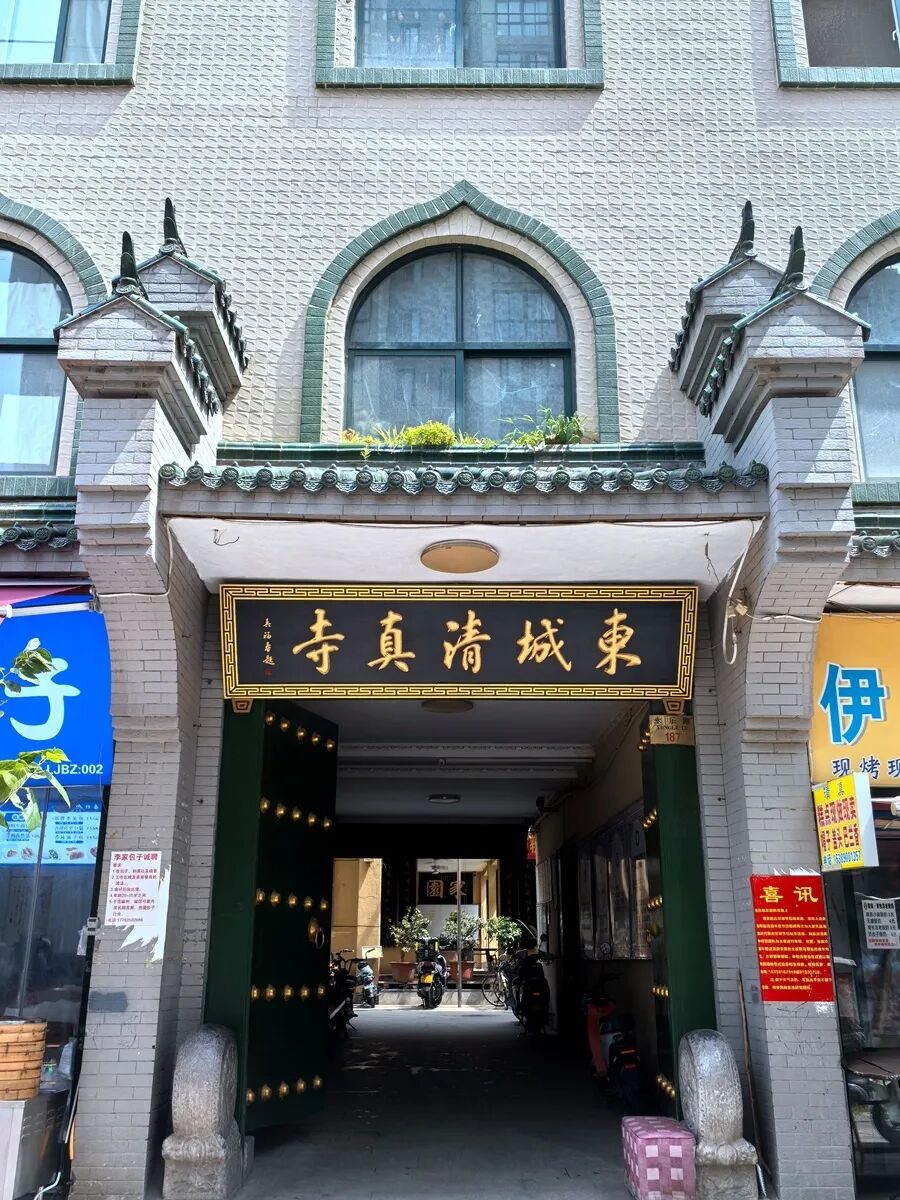
East City Mosque
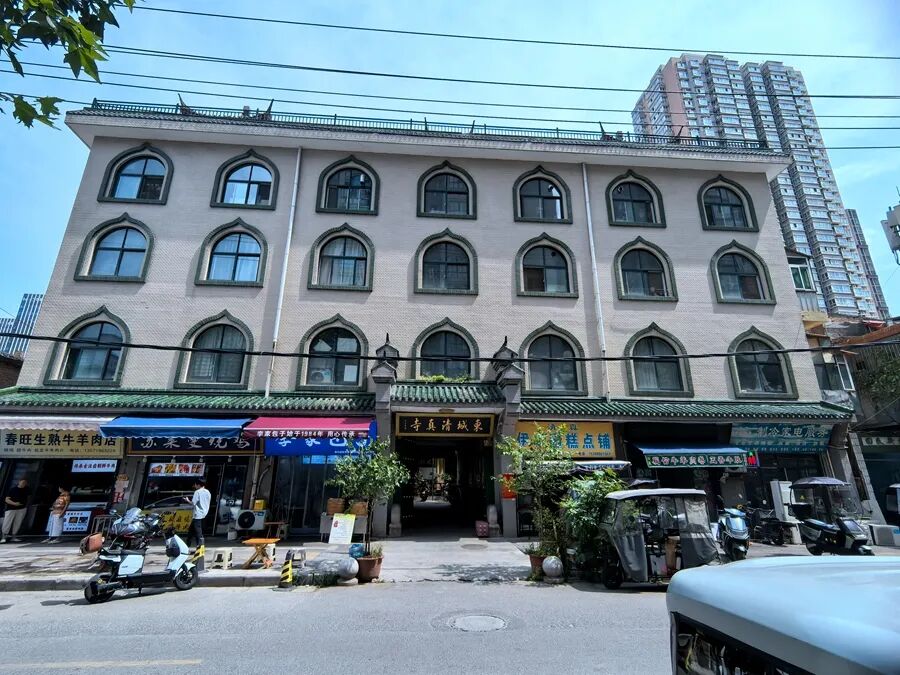
Special Thanks
Photos supported by Carleton College and Mr. Fengfeng
Online images used with gratitude
· END ·
Best Halal Food in Xi'an: Authentic Handmade Beef Dumplings at Yusuf Dongjuyuan Alley
Articles • Hasan09 posted the article • 0 comments • 66 views • 2026-10-30 00:38
We’re checking out Yusuf Dongjuyuan Dumplings, a hidden spot tucked away in the residential alleys of Xi’an’s Old Town. This is the story of a local legend that doesn't rely on fancy decor, serving up fresh, handmade beef and yellow chive dumplings that have been warming the hearts of neighborhood regulars for generations.
Hidden deep within the dense residential backstreets of Xi’an’s Old Town, there’s no flashy storefront or viral marketing here. Yusuf Dongjuyuan Dumplings has stuck to its gritty, old-school shopfront for decades, winning over locals with nothing but a plate of handmade dumplings—it’s a true, low-key Halal treasure that most people in Xi’an try to keep to themselves.
Walk through the humble front door and you’ll find simple, old-fashioned wooden tables and chairs set up casually. Most of the diners are locals who’ve lived in the neighborhood for decades, mixed in with foodies who trekked here just to track down that authentic taste. There’s no fancy decor; the real soul of the place is all on the cutting board, where every dumpling is rolled and stuffed by hand right on the spot.
The shop keeps it traditional, rolling out the dough and mixing the fillings fresh every single day, so the signature yellow chive and beef dumplings are a non-negotiable must-order.
The dough is rolled to the perfect thickness—springy, translucent, and packed with savory beef and crisp, fresh yellow chives. After a quick boil, they come out shiny and piping hot. The moment you bite in, that mix of meaty flavor and fresh chive goodness hits you. The beef is firm but tender, bursting with juice, and because they don't over-season it, the natural flavor of the fresh ingredients really shines through.
The chili oil dipping sauce is the perfect wingman for these dumplings: hot oil poured over chili flakes, topped with toasted sesame seeds and fresh cilantro. It’s vibrant and punchy. Dip a dumpling to coat it in the sauce for that spicy, addictive kick that cuts through the richness. It’s the classic local way to eat them—one bite, one dip, and you’ll be hooked. As a longtime Halal institution, they’ve stuck to their handmade craft for decades instead of chasing clout, keeping regulars coming back through the years. From a morning staple for old-school residents to a bucket-list spot for tourists today, this one plate of dumplings connects the changing history of the old city.
Name: Yusuf Dongjuyuan Dumplings (Halal)
Location: Residential alleys in Xi'an’s Old Town
Recommended: Beef and yellow chive dumplings, with the classic red chili oil and sesame dipping sauce.
Pro Tip: Seating on the street fills up fast during meal times, so try to go during off-peak hours for the full, authentic Xi’an street-dining experience. view all
We’re checking out Yusuf Dongjuyuan Dumplings, a hidden spot tucked away in the residential alleys of Xi’an’s Old Town. This is the story of a local legend that doesn't rely on fancy decor, serving up fresh, handmade beef and yellow chive dumplings that have been warming the hearts of neighborhood regulars for generations.
Hidden deep within the dense residential backstreets of Xi’an’s Old Town, there’s no flashy storefront or viral marketing here. Yusuf Dongjuyuan Dumplings has stuck to its gritty, old-school shopfront for decades, winning over locals with nothing but a plate of handmade dumplings—it’s a true, low-key Halal treasure that most people in Xi’an try to keep to themselves.
Walk through the humble front door and you’ll find simple, old-fashioned wooden tables and chairs set up casually. Most of the diners are locals who’ve lived in the neighborhood for decades, mixed in with foodies who trekked here just to track down that authentic taste. There’s no fancy decor; the real soul of the place is all on the cutting board, where every dumpling is rolled and stuffed by hand right on the spot.
The shop keeps it traditional, rolling out the dough and mixing the fillings fresh every single day, so the signature yellow chive and beef dumplings are a non-negotiable must-order.
The dough is rolled to the perfect thickness—springy, translucent, and packed with savory beef and crisp, fresh yellow chives. After a quick boil, they come out shiny and piping hot. The moment you bite in, that mix of meaty flavor and fresh chive goodness hits you. The beef is firm but tender, bursting with juice, and because they don't over-season it, the natural flavor of the fresh ingredients really shines through.
The chili oil dipping sauce is the perfect wingman for these dumplings: hot oil poured over chili flakes, topped with toasted sesame seeds and fresh cilantro. It’s vibrant and punchy. Dip a dumpling to coat it in the sauce for that spicy, addictive kick that cuts through the richness. It’s the classic local way to eat them—one bite, one dip, and you’ll be hooked. As a longtime Halal institution, they’ve stuck to their handmade craft for decades instead of chasing clout, keeping regulars coming back through the years. From a morning staple for old-school residents to a bucket-list spot for tourists today, this one plate of dumplings connects the changing history of the old city.
Name: Yusuf Dongjuyuan Dumplings (Halal)
Location: Residential alleys in Xi'an’s Old Town
Recommended: Beef and yellow chive dumplings, with the classic red chili oil and sesame dipping sauce.
Pro Tip: Seating on the street fills up fast during meal times, so try to go during off-peak hours for the full, authentic Xi’an street-dining experience.
Purification of the Heart: Understanding Batar and Overcoming Hatred in Islamic Ethics
Articles • Hasan09 posted the article • 0 comments • 61 views • 2026-10-30 00:47
This deep dive explores Hamza Yusuf’s Purification of the Heart, focusing on the ethical analysis of Batar (insolent ingratitude) and hatred. We guide readers on how to maintain gratitude and humility during times of prosperity, while using mercy and forgiveness to resolve personal conflicts.
Hamza Yusuf:
Purification of the Heart
Lecture 4—
Insolent Ingratitude, Ungratefulness, and Hatred: When the Heart Loses Humility and Mercy
Main Topic of this lecture: Batar and Hatred
This lesson discusses two heart ailments that seem different but are actually deeply connected:
Batar (Arabic for insolence, ungratefulness, or arrogance born of wealth);
Hatred: deep-seated resentment and allowing the heart to be consumed by long-term bitterness.
One makes a person feel superior because of what they have; the other keeps a person trapped because of what someone else has, what they did, or how they hurt you.
The first makes a person forget they are merely a steward of their blessings, while the second allows someone to hand their heart over to the very person they despise.
Purification of the heart is all about finding balance in both directions:
Being blessed without becoming arrogant, and being hurt without being swallowed by hate.
1. Batar: The real danger isn't having things, it's becoming corrupted by what you have.
The term Batar doesn't just point to simple pride.
It refers to a specific state of being:
A person begins to feel excessive self-satisfaction, insolence, and ingratitude simply because they possess something.
When wealth increases, they feel superior to others.
When knowledge increases, they look down on others as ignorant.
When status rises, they feel everyone else should just obey them.
When abilities sharpen, they think the rules only apply to everyone else.
Even when someone gains religious knowledge, they might start thinking:
I am closer to Allah than they are.
At this point, things that were meant to be blessings start becoming obstacles for the heart.
So, the real question is never:
How much do I have?
But rather:
What kind of person have I become since having these things?
2. If blessings aren't met with gratitude, they can turn into insolence.
It’s easy for us to take what we have for granted.
When we are healthy, we rarely think of health itself as a gift.
When we have money, we rarely think of wealth as a trust.
When we are capable, we rarely think of our abilities as things we didn't create ourselves.
We even default to thinking that the time, family, friends, knowledge, and opportunities we possess are just:
Things that are rightfully mine.
Then, a subtle shift happens:
Blessings turn into a sense of entitlement.
Entitlement turns into self-satisfaction.
Self-satisfaction ultimately turns into Batar.
A person stops saying:
“The Most Merciful granted this to me.”
But then we start telling ourselves:
“I got this because I worked hard for it.”
Sure, working hard is real and valid.
But the real question is:
Who gave me the ability to work hard in the first place?
Who gave me this body?
Who gave me these opportunities?
Who is the one who made my hard work actually pay off?
When someone forgets this, they easily start mistaking a gift from Allah for something that is entirely their own.
III. The biggest danger is turning a blessing into your entire identity.
We don’t usually feel arrogant just because we possess something,
but because we start defining who we are based on what we own.
I am a wealthy person.
I am an educated person.
I am a successful person.
I am a religious person.
I am a person of high status.
I am better than everyone else.
So, whenever these things are threatened, our sense of self feels threatened too.
If someone questions our take, we get angry.
If someone outdoes us, we get jealous.
If someone doesn't validate us, we feel hurt.
If someone is more successful than us, it bugs us.
Because at that point, it’s not just about a specific situation anymore.
It’s about:
“Who am I?”
That’s why spiritual sickness is often so subtle.
On the surface, it looks like we’re just standing up for our dignity.
But deeper down, we might just be protecting our own fragile ego.
IV. Pride is at its most dangerous when it disguises itself as confidence.
We’ve talked about this before:
My pride is just called “confidence.”
My stubbornness is called “having principles.”
My competitive streak is called “striving for progress.”
My vanity is called “dignity.”
And in this lesson, we can keep asking ourselves:
Could it be that I’m labeling my own arrogance as “success”?
There is nothing wrong with having wealth.
And there is nothing wrong with having status.
Having knowledge isn’t a bad thing at all.
The real question is this:
Do these things actually make my heart softer?
If wealth makes a person more willing to help others,
if knowledge makes someone more humble,
and if status makes someone feel more responsible,
then those blessings are doing exactly what they’re supposed to do.
But if having more just makes you look down on people,
then you’re not really growing in wealth—you’re growing in a sickness of the heart.
5. True abundance isn't about how much you have; it's about not being owned by what you possess.
This is a crucial point when it comes to purifying the heart:
Do I actually own my wealth, or has my wealth started to own me?
If I truly own my wealth, I can use it, but I can also let it go.
If the wealth owns me, I become terrified of losing it.
If I own my status, I can use it to serve others.
If the status owns me, I’m constantly needy for others to validate how important I am.
If I own my knowledge, I can use it to help people.
If the knowledge owns me, I feel like I have to keep proving that I know more than everyone else.
So, freedom isn’t about having nothing; it’s about not becoming a slave to your things.
A person can have a lot of stuff,
but their heart shouldn't be locked up by any of it.
This is the core meaning of being a trustee:
Everything we have is ultimately a trust handed to us by Allah (the Almighty).
6. And then there's Hatred: Why is it so dangerous?
If Batar (arrogance born from privilege) makes the heart swell up because "I have so much,"
then hatred makes the heart shrink because "someone hurt me."
The scariest thing about hatred is this—
it allows someone who has already hurt you to keep living rent-free in your heart.
The situation might have happened in the past.
That person might have moved on.
They might have even completely forgotten about it.
Yet, we keep hitting the replay button in our heads:
What they said.
What they did.
How they hurt me.
Why I didn't fight back at the time.
If only I had said this instead...
So, even though the event is over,
it’s still very much alive inside of us.
This is the other side of the power of hatred:
It keeps the past constantly breaking into the present.
Part 7: The damage that hatred does usually hits the person holding the grudge first.
Hating someone else doesn't necessarily mean you're actually hurting them.
Instead, the hatred itself ends up twisting your own mind and heart.
It drains your focus.
It drains your peace.
It drains your sleep.
It drains the trust between people.
It can even turn someone who is naturally kind into treating others in the exact way they hate the most.
What we really need to watch out for is this:
We think we're punishing the other person, but we might actually just be punishing ourselves the whole time.
That's why forgiveness isn't just blindly saying:
"They did nothing wrong."
Nor does it mean:
"The pain I went through doesn't matter."
And it definitely doesn't mean asking the hurt person to just pretend like nothing ever happened.
First and foremost, forgiveness means:
I'm no longer going to let this thing run my life and rule my heart.
Part 8: Forgiveness isn't about letting bad behavior slide; it's about freeing your heart from the past.
That is such an important distinction to make.
Pardoning someone doesn't mean you don't need to set healthy boundaries.
Forgiving someone doesn't mean you have to blindly trust them all over again.
Letting go of a grudge doesn't mean pretending the hurt never actually happened.
Sometimes, we just need to keep our distance from people who bring us toxic harm.
Other times, we need to draw clear lines in the sand.
And sometimes, we genuinely need to seek justice.
Even so, we can still work hard to make sure our hearts don't get completely taken over by bitterness.
Because:
Seeking justice and holding onto hatred are two completely different things.
A person can pursue justice without letting their heart turn cruel.
You can protect yourself without finding joy in hurting someone else back.
You can remember the hard lessons without letting a grudge become your whole identity.
Part 9: The hardest part isn't forgiving others—it's getting to a place where you don't even crave "payback" anymore.
Sometimes we say out loud:
"I've totally let it go."
Yet deep down inside, we're still secretly hoping:
That one day, they'll go through the exact same misery.
They need to know just how much agony I felt back then.
They've got to regret it.
They have to admit they were wrong.
They need to pay for what they did.
And here is what we realize:
Even when a situation seems like it’s over on the surface,
our hearts are still waiting for some kind of resolution.
But real spiritual freedom sometimes means exactly this:
I no longer need to see the other person suffer to prove that my own pain was real.
My hurt is real.
My pain is real.
But I don’t need someone else’s suffering to complete my own healing.
That is the beginning of the soul finally finding its freedom.
10. Purifying the heart means staying merciful between 'having' and 'losing'.
Batar (arrogance and ingratitude in times of prosperity) teaches us how to handle 'having'.
Hatred, on the other hand, teaches us how to handle 'losing', hurt, and conflict.
A person needs humility when they have everything,
patience when they lose things,
restraint when they are hurt,
gratitude when they receive blessings,
and must guard their heart when they are offended.
Because true purification isn't about escaping reality.
It’s actually the opposite:
It’s about living in the real world without letting the real world dictate the state of our hearts.
When wealth comes, I won't get arrogant.
When wealth leaves, I won't lose hope.
When people praise me, I won't lose my way.
When people attack me, I won't be consumed by hate.
I know where I came from,
and I know exactly where I’m headed in the end.
Conclusion: Don’t let others take up residence in your heart.
Our hearts are precious gifts granted to us by Allah, the Most Merciful.
Don't let wealth build a throne there.
Don't let status build a throne there.
And don't let hatred build a throne there, either.
Some people may have hurt us,
but we can't let them have power over the rest of our lives because of it.
Some blessings have given us so much,
but we can’t forget the source of those blessings because of them.
So, true self-purification is about constantly asking yourself:
After having all this, have I become more humble?
After being hurt, can I still remain kind?
Am I using these blessings, or have I become a slave to them?
Am I actually looking for justice, or am I just feeding my own hate?
Is my heart feeling freer every day, or is it getting more trapped by my own desires, pride, and resentment?
The Quran says:
"The servants of Allah are those who walk upon the earth in humility, and when the ignorant address them, they say, 'Peace.'"
— Quran 25:63
This isn't about being weak.
It’s actually the exact opposite: it’s about having the strength to stand tall but choosing not to let that power corrupt your heart, and even after being hurt, refusing to let hate define who you are.
True spiritual freedom isn't about never being offended again; it’s about choosing not to hand your heart over to bitterness even when you are.
May the Most Merciful purify our hearts:
Let us have things without becoming arrogant, lose things without falling into despair, be hurt without harboring hate, stay grateful for what we've been given, and ultimately return to Him with a heart that is soft, humble, and pure.
Ameen.
(Compiled from online sources for reference only.) view all
This deep dive explores Hamza Yusuf’s Purification of the Heart, focusing on the ethical analysis of Batar (insolent ingratitude) and hatred. We guide readers on how to maintain gratitude and humility during times of prosperity, while using mercy and forgiveness to resolve personal conflicts.
Hamza Yusuf:
Purification of the Heart
Lecture 4—
Insolent Ingratitude, Ungratefulness, and Hatred: When the Heart Loses Humility and Mercy
Main Topic of this lecture: Batar and Hatred
This lesson discusses two heart ailments that seem different but are actually deeply connected:
Batar (Arabic for insolence, ungratefulness, or arrogance born of wealth);
Hatred: deep-seated resentment and allowing the heart to be consumed by long-term bitterness.
One makes a person feel superior because of what they have; the other keeps a person trapped because of what someone else has, what they did, or how they hurt you.
The first makes a person forget they are merely a steward of their blessings, while the second allows someone to hand their heart over to the very person they despise.
Purification of the heart is all about finding balance in both directions:
Being blessed without becoming arrogant, and being hurt without being swallowed by hate.
1. Batar: The real danger isn't having things, it's becoming corrupted by what you have.
The term Batar doesn't just point to simple pride.
It refers to a specific state of being:
A person begins to feel excessive self-satisfaction, insolence, and ingratitude simply because they possess something.
When wealth increases, they feel superior to others.
When knowledge increases, they look down on others as ignorant.
When status rises, they feel everyone else should just obey them.
When abilities sharpen, they think the rules only apply to everyone else.
Even when someone gains religious knowledge, they might start thinking:
I am closer to Allah than they are.
At this point, things that were meant to be blessings start becoming obstacles for the heart.
So, the real question is never:
How much do I have?
But rather:
What kind of person have I become since having these things?
2. If blessings aren't met with gratitude, they can turn into insolence.
It’s easy for us to take what we have for granted.
When we are healthy, we rarely think of health itself as a gift.
When we have money, we rarely think of wealth as a trust.
When we are capable, we rarely think of our abilities as things we didn't create ourselves.
We even default to thinking that the time, family, friends, knowledge, and opportunities we possess are just:
Things that are rightfully mine.
Then, a subtle shift happens:
Blessings turn into a sense of entitlement.
Entitlement turns into self-satisfaction.
Self-satisfaction ultimately turns into Batar.
A person stops saying:
“The Most Merciful granted this to me.”
But then we start telling ourselves:
“I got this because I worked hard for it.”
Sure, working hard is real and valid.
But the real question is:
Who gave me the ability to work hard in the first place?
Who gave me this body?
Who gave me these opportunities?
Who is the one who made my hard work actually pay off?
When someone forgets this, they easily start mistaking a gift from Allah for something that is entirely their own.
III. The biggest danger is turning a blessing into your entire identity.
We don’t usually feel arrogant just because we possess something,
but because we start defining who we are based on what we own.
I am a wealthy person.
I am an educated person.
I am a successful person.
I am a religious person.
I am a person of high status.
I am better than everyone else.
So, whenever these things are threatened, our sense of self feels threatened too.
If someone questions our take, we get angry.
If someone outdoes us, we get jealous.
If someone doesn't validate us, we feel hurt.
If someone is more successful than us, it bugs us.
Because at that point, it’s not just about a specific situation anymore.
It’s about:
“Who am I?”
That’s why spiritual sickness is often so subtle.
On the surface, it looks like we’re just standing up for our dignity.
But deeper down, we might just be protecting our own fragile ego.
IV. Pride is at its most dangerous when it disguises itself as confidence.
We’ve talked about this before:
My pride is just called “confidence.”
My stubbornness is called “having principles.”
My competitive streak is called “striving for progress.”
My vanity is called “dignity.”
And in this lesson, we can keep asking ourselves:
Could it be that I’m labeling my own arrogance as “success”?
There is nothing wrong with having wealth.
And there is nothing wrong with having status.
Having knowledge isn’t a bad thing at all.
The real question is this:
Do these things actually make my heart softer?
If wealth makes a person more willing to help others,
if knowledge makes someone more humble,
and if status makes someone feel more responsible,
then those blessings are doing exactly what they’re supposed to do.
But if having more just makes you look down on people,
then you’re not really growing in wealth—you’re growing in a sickness of the heart.
5. True abundance isn't about how much you have; it's about not being owned by what you possess.
This is a crucial point when it comes to purifying the heart:
Do I actually own my wealth, or has my wealth started to own me?
If I truly own my wealth, I can use it, but I can also let it go.
If the wealth owns me, I become terrified of losing it.
If I own my status, I can use it to serve others.
If the status owns me, I’m constantly needy for others to validate how important I am.
If I own my knowledge, I can use it to help people.
If the knowledge owns me, I feel like I have to keep proving that I know more than everyone else.
So, freedom isn’t about having nothing; it’s about not becoming a slave to your things.
A person can have a lot of stuff,
but their heart shouldn't be locked up by any of it.
This is the core meaning of being a trustee:
Everything we have is ultimately a trust handed to us by Allah (the Almighty).
6. And then there's Hatred: Why is it so dangerous?
If Batar (arrogance born from privilege) makes the heart swell up because "I have so much,"
then hatred makes the heart shrink because "someone hurt me."
The scariest thing about hatred is this—
it allows someone who has already hurt you to keep living rent-free in your heart.
The situation might have happened in the past.
That person might have moved on.
They might have even completely forgotten about it.
Yet, we keep hitting the replay button in our heads:
What they said.
What they did.
How they hurt me.
Why I didn't fight back at the time.
If only I had said this instead...
So, even though the event is over,
it’s still very much alive inside of us.
This is the other side of the power of hatred:
It keeps the past constantly breaking into the present.
Part 7: The damage that hatred does usually hits the person holding the grudge first.
Hating someone else doesn't necessarily mean you're actually hurting them.
Instead, the hatred itself ends up twisting your own mind and heart.
It drains your focus.
It drains your peace.
It drains your sleep.
It drains the trust between people.
It can even turn someone who is naturally kind into treating others in the exact way they hate the most.
What we really need to watch out for is this:
We think we're punishing the other person, but we might actually just be punishing ourselves the whole time.
That's why forgiveness isn't just blindly saying:
"They did nothing wrong."
Nor does it mean:
"The pain I went through doesn't matter."
And it definitely doesn't mean asking the hurt person to just pretend like nothing ever happened.
First and foremost, forgiveness means:
I'm no longer going to let this thing run my life and rule my heart.
Part 8: Forgiveness isn't about letting bad behavior slide; it's about freeing your heart from the past.
That is such an important distinction to make.
Pardoning someone doesn't mean you don't need to set healthy boundaries.
Forgiving someone doesn't mean you have to blindly trust them all over again.
Letting go of a grudge doesn't mean pretending the hurt never actually happened.
Sometimes, we just need to keep our distance from people who bring us toxic harm.
Other times, we need to draw clear lines in the sand.
And sometimes, we genuinely need to seek justice.
Even so, we can still work hard to make sure our hearts don't get completely taken over by bitterness.
Because:
Seeking justice and holding onto hatred are two completely different things.
A person can pursue justice without letting their heart turn cruel.
You can protect yourself without finding joy in hurting someone else back.
You can remember the hard lessons without letting a grudge become your whole identity.
Part 9: The hardest part isn't forgiving others—it's getting to a place where you don't even crave "payback" anymore.
Sometimes we say out loud:
"I've totally let it go."
Yet deep down inside, we're still secretly hoping:
That one day, they'll go through the exact same misery.
They need to know just how much agony I felt back then.
They've got to regret it.
They have to admit they were wrong.
They need to pay for what they did.
And here is what we realize:
Even when a situation seems like it’s over on the surface,
our hearts are still waiting for some kind of resolution.
But real spiritual freedom sometimes means exactly this:
I no longer need to see the other person suffer to prove that my own pain was real.
My hurt is real.
My pain is real.
But I don’t need someone else’s suffering to complete my own healing.
That is the beginning of the soul finally finding its freedom.
10. Purifying the heart means staying merciful between 'having' and 'losing'.
Batar (arrogance and ingratitude in times of prosperity) teaches us how to handle 'having'.
Hatred, on the other hand, teaches us how to handle 'losing', hurt, and conflict.
A person needs humility when they have everything,
patience when they lose things,
restraint when they are hurt,
gratitude when they receive blessings,
and must guard their heart when they are offended.
Because true purification isn't about escaping reality.
It’s actually the opposite:
It’s about living in the real world without letting the real world dictate the state of our hearts.
When wealth comes, I won't get arrogant.
When wealth leaves, I won't lose hope.
When people praise me, I won't lose my way.
When people attack me, I won't be consumed by hate.
I know where I came from,
and I know exactly where I’m headed in the end.
Conclusion: Don’t let others take up residence in your heart.
Our hearts are precious gifts granted to us by Allah, the Most Merciful.
Don't let wealth build a throne there.
Don't let status build a throne there.
And don't let hatred build a throne there, either.
Some people may have hurt us,
but we can't let them have power over the rest of our lives because of it.
Some blessings have given us so much,
but we can’t forget the source of those blessings because of them.
So, true self-purification is about constantly asking yourself:
After having all this, have I become more humble?
After being hurt, can I still remain kind?
Am I using these blessings, or have I become a slave to them?
Am I actually looking for justice, or am I just feeding my own hate?
Is my heart feeling freer every day, or is it getting more trapped by my own desires, pride, and resentment?
The Quran says:
"The servants of Allah are those who walk upon the earth in humility, and when the ignorant address them, they say, 'Peace.'"
— Quran 25:63
This isn't about being weak.
It’s actually the exact opposite: it’s about having the strength to stand tall but choosing not to let that power corrupt your heart, and even after being hurt, refusing to let hate define who you are.
True spiritual freedom isn't about never being offended again; it’s about choosing not to hand your heart over to bitterness even when you are.
May the Most Merciful purify our hearts:
Let us have things without becoming arrogant, lose things without falling into despair, be hurt without harboring hate, stay grateful for what we've been given, and ultimately return to Him with a heart that is soft, humble, and pure.
Ameen.
(Compiled from online sources for reference only.)
Purification of the Heart: Overcoming Bukhl and Stinginess to Restore Your Fitrah and Inner Peace
Articles • Hasan09 posted the article • 0 comments • 60 views • 2026-10-30 00:51
Based on Hamza Yusuf's Purification of the Heart lectures, this guide breaks down how stinginess (Bukhl) stems from a deep fear of scarcity and self-isolation, while exploring how generosity and gratitude can restore your innate goodness (Fitrah) and spiritual freedom.
——Hamza Yusuf:
Purification of the Heart
Lecture 3—
Stinginess, Human Nature, Generosity, and Spiritual Ailments
Lecture Summary:
Bukhl / Stinginess / Miserliness
Fitrah / Innate human nature / Original purity
We usually think of being stingy as something pretty basic:
Like someone who just hates spending money.
Or someone who refuses to help other people.
Or just not wanting to share what they have.
But, when we look at it through the lens of purifying the heart, being stingy is way more than just being cheap.
It actually hits on a much deeper issue:
How do I view everything I have in my life?
Do I think I earned it all on my own, so I have to keep a tight grip on it?
Or do I realize I’m just being entrusted with these blessings, and the true Owner is always Allah?
When a person’s heart starts to fear giving, they aren’t just worried about losing some cash.
What they’re really afraid of is:
Losing their sense of security,
Losing control,
Losing their safety net for the future,
And losing their grasp on their wealth and the world around them.
So, wealth stops being just a tool and starts becoming the thing they rely on for their inner peace.
That is exactly why stinginess is a spiritual sickness that we really need to look at.
1. Stinginess: It’s not just about “refusing to spend”
The Arabic word Bukhl (البخل) is usually translated as stinginess or miserliness.
It doesn’t just describe your spending habits; it describes a mindset that refuses to give, share, or let your blessings flow toward others.
A person might have a ton of stuff but still feel like:
"It’s just not enough."
So, they keep hoarding, but they rarely feel satisfied.
The more wealth they have, the more fear they actually deal with.
If you have one thing, you’re worried about losing it;
If you have two, you’re worried about losing even more;
And once you have a lot, you’re still terrified of what the future might bring.
That brings us to a question we really need to reflect on:
Do I actually own my wealth, or has my wealth started to own me?
This is exactly what the science of purifying the heart is concerned with.
Because what’s actually dangerous isn't just the amount of money someone has, but:
Whether their heart has been captured by the things they possess.
Part 2: Why is the act of giving so incredibly important?
If you truly believe that everything you own belongs solely to you, then letting go and giving back is going to feel like a huge challenge.
That’s because every time you give something away, it feels like you're actually 'losing' something.
But, if you reach a point where you genuinely realize:
I didn't create my own life;
I didn't create my own health;
I didn't create my own talents;
And my wealth, my knowledge, my opportunities, and even my family weren't entirely under my control;
Then, your whole perspective on what it means to 'possess' things is going to shift.
I am not the absolute owner of these things.
I am just a trustee.
In traditional faith, this kind of realization totally changes your mindset:
Blessings aren't meant to be hoarded or held onto tightly; they’re meant to be used properly.
So, the real question isn't:
"How much do I have?"
It’s instead:
"How do I use what Allah has blessed me with?"
Wealth can become a source of great good, or it can become a heavy shackle on your soul.
It’s not about the money or the stuff itself, but the relationship you have with it in your heart.
Part 3: Fitrah—our human nature isn't inherently evil.
Another major concept we're looking at here is Fitrah (our inherent, pure human nature).
Fitrah is usually translated as 'nature,' 'human disposition,' or 'primordial purity.'
Traditional teaching holds that human beings weren't created with a natural inclination toward evil.
From the very beginning, we were created with an innate tendency toward truth, goodness, and connecting with Allah.
This means:
Our inner sense of kindness, generosity, justice, and beauty isn't just something we picked up later in life.
However, we were also given desires, fears, a need for self-preservation, and an attachment to the things of this world.
Because of this, life is basically one long inner battle:
On one side, our Fitrah pulls us toward something higher and purer;
On the other side, our desires, fears, ego, and attachment to this world can make us close off and become stingy.
So, the real question isn't:
"Why do humans have desires in the first place?"
It's actually:
"Have those desires returned to their rightful place?"
Wealth is supposed to serve you.
But if you start living just to serve your wealth, the whole order of things gets flipped upside down.
Part 4: How does someone actually become stingy?
Being stingy or falling into Bukhl (greed) rarely happens overnight.
It usually starts with a tiny, nagging fear.
"If I give this away now, what if I don't have enough later?"
“If I help someone else out, what happens if I end up in a bind myself?”
“I might actually need this thing later on.”
“Why should I just hand over the money I worked so hard to earn?”
Having these kinds of thoughts doesn't necessarily mean you're a stingy person.
The real issue is this:
Has that fear gradually taken the driver's seat in your heart?
When someone starts relying more and more on their possessions to feel safe, they find it harder and harder to give.
Because giving means having to let go.
And your heart has already gotten used to holding on for dear life.
So, at the root of stinginess, sometimes it’s not just about “loving money”—it’s actually about:
A fear of scarcity.
The more someone is terrified of not having enough, the more they want to hoard.
And the more they want to hoard, the more afraid they become of losing it all.
This creates a vicious cycle:
Fear of scarcity → constant accumulation → more fear of loss → less willingness to give → a heart that keeps tightening up.
5. The real question is: Who do we actually trust?
At this point, stinginess isn't just a financial issue anymore; it becomes a question of faith.
If I believe that every detail of my future has to be under my own total control, then obviously I’m going to scramble to stockpile everything.
If I think my security comes entirely from my bank account, real estate, job title, savings, and social status, then any act of giving is going to feel like a threat.
But faith calls us to learn a different perspective:
Our human effort is real, but our control is limited.
We definitely should work.
We should save money.
We should take care of our family responsibilities.
We should plan for the future responsibly.
Having faith doesn’t mean you have to toss all those responsibilities out the window.
What actually needs to be purified is this:
Don't let these worldly things become your heart's ultimate foundation.
You can have wealth.
Just don't let your wealth possess your heart.
You can plan for the future.
Just don't assume that the future is entirely in your own hands.
You can work hard to find security.
But never forget that true security comes from Allah (the Creator).
6. At the deepest level, stinginess is just the ego (the “self”) getting too big.
Back when we talked about Adab (spiritual etiquette) in the second lecture, we saw that spiritual ailments usually revolve around one word:
“I” (or “me”).
What I have.
My money.
My house.
My time.
My knowledge.
My status.
My opportunities.
My stuff.
When it becomes all about "mine" and less and less about sharing, your world just keeps getting smaller and smaller.
Eventually, you might even cut yourself off completely from other people.
Because whenever someone needs something, you automatically think:
"They're trying to take my stuff."
So instead of seeing someone who needs a hand, you start seeing a threat.
At that point, wealth stops being just wealth.
It starts becoming a wall you've built around yourself.
The more your self-worth is tied up in "how much I own," the more terrified you get of sharing.
Because giving doesn't just feel like losing a physical item.
It feels like:
"I'm losing a piece of myself."
7. Generosity Doesn't Mean Being Wasteful
We really need to make a key distinction here:
Being generous doesn't mean blowing all your money.
Tradition has never been about simply telling people, "The more you spend, the better."
If someone is burning through cash with zero self-control, it doesn't mean they're in a good place mentally.
If someone is constantly spending just to flex their generosity, their ego is still totally running the show.
So, true generosity isn't about:
"Look at me, look how generous I am."
It's about:
"I'm ready to share the blessings Allah has given me right where they're needed."
That takes good judgment, responsibility, and self-restraint.
Give when it's time to give.
Hold onto things when you need to.
Help out when someone needs help.
Step up and take responsibility when it's your turn.
At the end of the day, true generosity is about inner freedom.
It's not about losing control—it's about not letting "ownership" control you.
8. Why Does Giving Cure Stinginess?
Because spiritual issues usually need to be healed by doing the exact opposite.
If the problem is pride, you learn humility.
If the problem is jealousy, you learn to be genuinely happy when other people catch a blessing.
If the problem is anger, you learn patience and forgiveness.
So, what if the problem is stinginess?
Then you've got to learn:
Giving.
And honestly, the most healing kind of giving often happens right when we feel like we really don't want to.
When we start thinking:
"I just can't bring myself to give this up."
"I want to hold onto this."
"I might need this later on."
If you still choose to give a little after weighing it out, your heart is learning a huge lesson:
"I don't need to clutch onto things to feel secure."
A single act of giving might seem small.
But it’s training your soul to finally let go.
9. It starts with money, but it doesn't end there.
If we only think of Bukhl (stinginess) as just being cheap with money, we’re missing the bigger picture.
A person might be generous with their cash but totally stingy with their time.
Whenever someone actually needs them around, they always claim they're too busy.
Or maybe they're not stingy with money, but they are with their knowledge.
They know the solution to a problem but refuse to share the "how-to" with others.
They might not be stingy with money, but they’re stingy with a kind word.
They see someone struggling but won't offer a single word of encouragement.
Sometimes, we’re even stingy with our own attention.
When someone is talking to us, all we're doing is thinking about ourselves.
So, there are so many ways to give from the heart:
Giving wealth,
Giving time,
Giving knowledge,
Giving help,
Giving forgiveness,
Giving understanding,
Giving encouragement,
Giving kindness,
Giving someone your full, genuine attention.
You don’t have to check someone’s bank account to tell if they have a generous soul.
Sometimes, you just need to ask:
Are they willing to let their life be a blessing to others?
10. The most precious things are often the ones we’re most afraid to give.
Why is it so easy to throw things away, but so hard to give certain things to others?
Because some things are tied way too tightly to our sense of self.
For example:
"I am never apologizing to them."
"Why do I have to be the one to forgive first?"
"Why should I be the one to back down?"
Overcoming Bukhl (stinginess) and Awakening Fitrah (original pure human nature): A deep dive into spiritual purification and the transformative power of generosity.
"Why should I help someone who hurt me in the past?"
At this point, we’re not even talking about money anymore.
What we’re really talking about is this:
Is your heart actually willing to let go of your ego?
Sometimes, the stingiest thing a person can hold onto isn't their cash, but:
Their own pride.
They refuse to let the other person off the hook.
They refuse to admit they were wrong.
They won't be the first one to say "I'm sorry."
They won't forgive.
They won't let go of past grievances.
And that’s when we start to realize:
Stinginess is actually a much deeper issue within the human spirit.
It shows up in how we hoard money, but it also shows up in how we cling to resentment, our public image, power, control, and our own egos.
11. Why do we feel more afraid of losing things the more we have?
There’s a weird cycle we see in this life:
The more you accumulate, the more there is to worry about losing.
When you don't have much, you worry about not having a home.
Once you get a home, you worry about it losing its value.
Once you build a career, you worry about failing.
Once you have status, you worry about someone else surpassing you.
Once you have fame, you worry about your reputation getting trashed.
Once you have a lot of wealth, you start worrying about people eyeing your fortune.
We accumulate stuff hoping to feel free, but in the end, we just end up shackled by everything we’ve gathered.
That’s exactly why spiritual purification is such a big deal:
The real question isn't just "how much do I have," it’s "can I stay free even while I own things?"
A truly free person can own things without being enslaved by them.
They can lose things without losing their own soul in the process.
They can give freely without feeling like they’re being emptied out.
12. The Quran's reminder on stinginess
The Quran constantly warns us to be on guard against stinginess and that mindset of clutching our wealth so tightly.
There’s one verse in particular that’s really worth reflecting on over and over:
"By no means shall you attain righteousness unless you spend of that which you love."
—— Quran 3:92
The part that really hits home is this:
"That which you love."
If we only give away things we don't actually need, that’s a good deed, sure.
But when someone is willing to take a piece of something they genuinely cherish and give it away, everything changes.
Because at that point, you aren't just training your hands to give. You’re training your heart.
Overcoming Stinginess and Finding Peace: Spiritual Purification and the Generosity of Fitrah
13. True generosity is first and foremost a mindset.
Therefore, generosity isn't just about someone occasionally making a big donation.
It starts with a shift in your mindset:
I know that all blessings come from Allah.
I know that I am merely a caretaker of what I have.
I know that I can't take anything with me when I go.
I know that giving doesn't decrease my worth.
I know that other people's needs are not a threat to me.
I know that true wealth isn't just what I have, but how much my heart is willing to share.
A heart like that can be incredibly rich, even if it doesn't have much money.
On the flip side, someone who has a lot but is always terrified of losing it might always feel like they are struggling and poor.
14. To heal stinginess, the first step is recognizing your own fears.
If we really want to cure our own stinginess, we can't just tell ourselves:
"I need to be more generous."
Because spiritual illnesses don't just disappear by repeating a slogan.
We need to ask ourselves:
What am I actually afraid of?
Am I afraid of running out of money?
Am I afraid of the future?
Am I afraid of losing control?
Am I afraid of people taking advantage of me?
Am I afraid of getting the short end of the stick?
Am I afraid that others might get more than I do?
Am I afraid that if I give, no one will thank me?
Or is what I'm truly afraid of this:
If I don't cling to these things, I won't know who I am.
Healing truly begins the moment we are able to face our fears.
15. Use acts of giving to train your heart to let go.
Healing stinginess requires actual action.
It's not about one massive gesture, but about consistent, small acts.
You can start with the little things:
Take the initiative to help someone out today.
Share the knowledge you have with others.
Give your family some time that is truly focused on them.
Listen patiently when someone else really needs to be heard.
Let go of old grudges when you have the chance to forgive.
Give some charity in secret, where no one else will ever know.
Give away something that you actually really like.
These actions might seem small. But in reality, they are training a very important skill:
Purification of the Heart: Overcoming the Chains of Greed and Embracing Generosity to Awaken Your Fitrah (Inherent Human Purity). Learn how to cultivate a generous spirit and find inner peace through these Islamic insights.
Let go.
Your heart needs to know:
"I have the power to give."
"I won't disappear just because I shared something."
"I don't need to cling to everything I have."
"My sense of security isn't solely tied to my possessions."
16. Giving requires the right intention.
But even the act of giving needs to be purified.
You can donate a ton of money, but if you're just looking for praise from others, that's not it.
You can help a bunch of people, but if you keep reminding them:
"Hey, remember, I'm the one who helped you out back then."
You might be generous, but you're just using that kindness to control others.
In cases like that, while your outward behavior has changed, your heart isn't truly free.
So, we’re circling back to the themes from our first and second sessions:
What really matters isn't just "what I did," but also "why my heart chose to do it."
Giving shouldn't be about boosting your own ego.
It shouldn't be a way to buy someone's gratitude.
And it's not about crafting a fake "generous" persona for yourself.
The reason for true giving is:
I know that everything I have ultimately comes from Allah, the Most Merciful.
17. True wealth of the heart isn't about having more.
People usually think "wealth" means:
More money,
A bigger house,
More assets,
More opportunities,
More power.
But wealth of the heart might be completely different.
Someone could own everything, yet always feel like it's not enough—their heart remains poor.
On the other hand, someone who doesn't have much can still be grateful, generous, sharing, and content. Their heart might be incredibly wealthy.
So, the real question you need to ask yourself isn't:
"How much do I have?"
Instead, ask:
"Do I feel like I never have enough?"
If a person’s heart is always stuck in a "need more" mindset, then no matter how much they gain, they’ll struggle to find peace.
But gratitude and generosity will slowly change that dynamic.
Gratitude helps us see what we already have.
Generosity makes us willing to let those blessings flow to others.
In this way, the heart stops being just a place to "hoard things" and starts becoming a channel for blessings to flow through. 18. Shifting from an "Owner" to a "Trustee".
Overcoming the trap of stinginess (bukhl) starts with a simple, powerful mindset shift that can truly change your perspective on life.
We tend to say things like:
"It's my money."
"It's my time."
"It's my knowledge."
"It's my kids."
"It's my body."
"It's my life."
But faith reminds us of something different:
None of these things actually belong to us in the end.
We are only holding onto them for a little while.
Our very life is a trust given to us.
Our wealth is a trust given to us.
Our abilities are a trust given to us.
Our time is a trust given to us.
Even our relationships with other people are a form of trust.
When you finally wrap your head around this concept of "trust," your attitude toward what you have starts to shift.
Someone who understands they are just a trustee won't ask:
"How can I grab onto everything and keep it all for myself?"
Instead, they ask:
"How can I faithfully use what I've been entrusted with?"
That is the moment your heart moves from a place of possession to a place of responsibility.
19. Your Fitrah (original human nature) just needs to be awakened, not reinvented.
If our natural human state already leans toward goodness, truth, and the merciful Allah, then purifying the soul isn't about creating some completely new version of yourself.
It’s actually about:
Removing the things that are blocking it.
It’s just like a mirror; it already has the ability to reflect light, but it’s hidden under a layer of dust.
Purification is just wiping that dust away.
Your fitrah is exactly the same.
Spiritual sicknesses like greed, stinginess, arrogance, jealousy, and vanity slowly cover up our original nature.
Because of that, people just get used to living life the wrong way.
Purification isn't about forcing a "bad person" to become a "good person."
It’s about helping someone slowly return to their most authentic self.
Returning to the version of you that knows:
I am not the master of the world.
I am not the creator of all these blessings.
I am not the ultimate owner of anything.
I am a creation of the merciful Allah and a trustee of His grace.
20. True generosity is the journey of the heart moving from fear to trust.
Therefore, the difference between being stingy and being generous isn't always just about:
"To give, or not to give."
It goes way deeper than that:
It is about fear, or it is about trust.
A stingy heart says:
"If I give this away, I'll have less."
A trusting heart says:
"Everything I have originally comes from Allah, the Most Merciful."
A stingy heart says:
"I've got to look out for myself."
A trusting heart says:
"I'll do my part, but I don't need to control the whole world."
A stingy heart is always doing the math:
"How much did I just lose?"
A generous heart asks instead:
"How many people can I be a blessing to?"
This doesn't mean faith expects you to give recklessly without thinking about the consequences.
Instead, it asks us to:
Handle our responsibilities without letting fear run our lives.
Conclusion: It's Not Just About Opening Our Hands
We usually think that:
Generosity just means opening up your hands.
But spiritual purification teaches us that what really needs opening is probably our hearts.
Because someone can hand over money while their heart is completely locked up.
They can give charity, but still be totally prideful inside.
They can help someone out, while still needing to control everything.
Or they can have a ton of stuff, but still live trapped in scarcity and fear.
Real purification is about totally rethinking what it means to "own" something.
What I have doesn't strictly belong to me.
My wealth is a trust from Allah.
My time is a trust from Allah.
My knowledge is a trust from Allah.
My talents are a trust from Allah.
Even my life itself is a trust from Allah.
That's when it finally clicks:
Giving isn't just losing something.
Sometimes, giving is actually how you break free from being controlled by your possessions.
True wealth isn't about hoarding everything in your grip.
It means being able to give even when you have things;
It means giving away without being afraid;
And even if you lose things, you never lose your trust in Allah, the Most Merciful.
Overcoming the Grip of Bukhl: Spiritual Purification and Finding Generosity Through Fitrah
That is what true freedom of the heart looks like.
So, it’s worth asking ourselves a few simple questions:
What’s the one thing I find hardest to give away?
Money?
Time?
Knowledge?
Attention?
Forgiveness?
An apology?
Or maybe it’s my pride?
When someone asks me for help, is my first instinct to be compassionate, or do I feel anxious that they’re taking something away from me?
When I have more, am I actually more grateful, or am I just more afraid of losing it all?
What is my sense of security even built on, anyway?
Is my heart growing more open, or is it getting tighter?
Maybe these are the real questions we should be asking in this third session.
Because being stingy isn’t just about having a tight grip with your hands.
It’s first and foremost about a heart that refuses to let go.
And purifying your heart? Maybe that’s exactly where it begins:
Let’s learn, little by little, how to be grateful,
How to give,
How to share,
How to let go,
How to trust,
And finally, to realize this:
The blessings Allah gives us were never meant just for us to hoard; they were meant for us to be a source of good for others.
May Allah keep our hearts far from stinginess, greed, and the fear of scarcity; may He help us appreciate His blessings, manage His trust well, and respond with generosity, mercy, and faith.
May He purify our hearts so our Fitrah (the innate, pure human nature) becomes clear again, so we aren't slaves to the things we own, but instead become faithful stewards of His blessings.
Because true wealth,
It isn't about how much we have,
It's about our hearts,
And whether we are free enough to give. (Compiled from online sources for reference only) view all
Based on Hamza Yusuf's Purification of the Heart lectures, this guide breaks down how stinginess (Bukhl) stems from a deep fear of scarcity and self-isolation, while exploring how generosity and gratitude can restore your innate goodness (Fitrah) and spiritual freedom.
——Hamza Yusuf:
Purification of the Heart
Lecture 3—
Stinginess, Human Nature, Generosity, and Spiritual Ailments
Lecture Summary:
Bukhl / Stinginess / Miserliness
Fitrah / Innate human nature / Original purity
We usually think of being stingy as something pretty basic:
Like someone who just hates spending money.
Or someone who refuses to help other people.
Or just not wanting to share what they have.
But, when we look at it through the lens of purifying the heart, being stingy is way more than just being cheap.
It actually hits on a much deeper issue:
How do I view everything I have in my life?
Do I think I earned it all on my own, so I have to keep a tight grip on it?
Or do I realize I’m just being entrusted with these blessings, and the true Owner is always Allah?
When a person’s heart starts to fear giving, they aren’t just worried about losing some cash.
What they’re really afraid of is:
Losing their sense of security,
Losing control,
Losing their safety net for the future,
And losing their grasp on their wealth and the world around them.
So, wealth stops being just a tool and starts becoming the thing they rely on for their inner peace.
That is exactly why stinginess is a spiritual sickness that we really need to look at.
1. Stinginess: It’s not just about “refusing to spend”
The Arabic word Bukhl (البخل) is usually translated as stinginess or miserliness.
It doesn’t just describe your spending habits; it describes a mindset that refuses to give, share, or let your blessings flow toward others.
A person might have a ton of stuff but still feel like:
"It’s just not enough."
So, they keep hoarding, but they rarely feel satisfied.
The more wealth they have, the more fear they actually deal with.
If you have one thing, you’re worried about losing it;
If you have two, you’re worried about losing even more;
And once you have a lot, you’re still terrified of what the future might bring.
That brings us to a question we really need to reflect on:
Do I actually own my wealth, or has my wealth started to own me?
This is exactly what the science of purifying the heart is concerned with.
Because what’s actually dangerous isn't just the amount of money someone has, but:
Whether their heart has been captured by the things they possess.
Part 2: Why is the act of giving so incredibly important?
If you truly believe that everything you own belongs solely to you, then letting go and giving back is going to feel like a huge challenge.
That’s because every time you give something away, it feels like you're actually 'losing' something.
But, if you reach a point where you genuinely realize:
I didn't create my own life;
I didn't create my own health;
I didn't create my own talents;
And my wealth, my knowledge, my opportunities, and even my family weren't entirely under my control;
Then, your whole perspective on what it means to 'possess' things is going to shift.
I am not the absolute owner of these things.
I am just a trustee.
In traditional faith, this kind of realization totally changes your mindset:
Blessings aren't meant to be hoarded or held onto tightly; they’re meant to be used properly.
So, the real question isn't:
"How much do I have?"
It’s instead:
"How do I use what Allah has blessed me with?"
Wealth can become a source of great good, or it can become a heavy shackle on your soul.
It’s not about the money or the stuff itself, but the relationship you have with it in your heart.
Part 3: Fitrah—our human nature isn't inherently evil.
Another major concept we're looking at here is Fitrah (our inherent, pure human nature).
Fitrah is usually translated as 'nature,' 'human disposition,' or 'primordial purity.'
Traditional teaching holds that human beings weren't created with a natural inclination toward evil.
From the very beginning, we were created with an innate tendency toward truth, goodness, and connecting with Allah.
This means:
Our inner sense of kindness, generosity, justice, and beauty isn't just something we picked up later in life.
However, we were also given desires, fears, a need for self-preservation, and an attachment to the things of this world.
Because of this, life is basically one long inner battle:
On one side, our Fitrah pulls us toward something higher and purer;
On the other side, our desires, fears, ego, and attachment to this world can make us close off and become stingy.
So, the real question isn't:
"Why do humans have desires in the first place?"
It's actually:
"Have those desires returned to their rightful place?"
Wealth is supposed to serve you.
But if you start living just to serve your wealth, the whole order of things gets flipped upside down.
Part 4: How does someone actually become stingy?
Being stingy or falling into Bukhl (greed) rarely happens overnight.
It usually starts with a tiny, nagging fear.
"If I give this away now, what if I don't have enough later?"
“If I help someone else out, what happens if I end up in a bind myself?”
“I might actually need this thing later on.”
“Why should I just hand over the money I worked so hard to earn?”
Having these kinds of thoughts doesn't necessarily mean you're a stingy person.
The real issue is this:
Has that fear gradually taken the driver's seat in your heart?
When someone starts relying more and more on their possessions to feel safe, they find it harder and harder to give.
Because giving means having to let go.
And your heart has already gotten used to holding on for dear life.
So, at the root of stinginess, sometimes it’s not just about “loving money”—it’s actually about:
A fear of scarcity.
The more someone is terrified of not having enough, the more they want to hoard.
And the more they want to hoard, the more afraid they become of losing it all.
This creates a vicious cycle:
Fear of scarcity → constant accumulation → more fear of loss → less willingness to give → a heart that keeps tightening up.
5. The real question is: Who do we actually trust?
At this point, stinginess isn't just a financial issue anymore; it becomes a question of faith.
If I believe that every detail of my future has to be under my own total control, then obviously I’m going to scramble to stockpile everything.
If I think my security comes entirely from my bank account, real estate, job title, savings, and social status, then any act of giving is going to feel like a threat.
But faith calls us to learn a different perspective:
Our human effort is real, but our control is limited.
We definitely should work.
We should save money.
We should take care of our family responsibilities.
We should plan for the future responsibly.
Having faith doesn’t mean you have to toss all those responsibilities out the window.
What actually needs to be purified is this:
Don't let these worldly things become your heart's ultimate foundation.
You can have wealth.
Just don't let your wealth possess your heart.
You can plan for the future.
Just don't assume that the future is entirely in your own hands.
You can work hard to find security.
But never forget that true security comes from Allah (the Creator).
6. At the deepest level, stinginess is just the ego (the “self”) getting too big.
Back when we talked about Adab (spiritual etiquette) in the second lecture, we saw that spiritual ailments usually revolve around one word:
“I” (or “me”).
What I have.
My money.
My house.
My time.
My knowledge.
My status.
My opportunities.
My stuff.
When it becomes all about "mine" and less and less about sharing, your world just keeps getting smaller and smaller.
Eventually, you might even cut yourself off completely from other people.
Because whenever someone needs something, you automatically think:
"They're trying to take my stuff."
So instead of seeing someone who needs a hand, you start seeing a threat.
At that point, wealth stops being just wealth.
It starts becoming a wall you've built around yourself.
The more your self-worth is tied up in "how much I own," the more terrified you get of sharing.
Because giving doesn't just feel like losing a physical item.
It feels like:
"I'm losing a piece of myself."
7. Generosity Doesn't Mean Being Wasteful
We really need to make a key distinction here:
Being generous doesn't mean blowing all your money.
Tradition has never been about simply telling people, "The more you spend, the better."
If someone is burning through cash with zero self-control, it doesn't mean they're in a good place mentally.
If someone is constantly spending just to flex their generosity, their ego is still totally running the show.
So, true generosity isn't about:
"Look at me, look how generous I am."
It's about:
"I'm ready to share the blessings Allah has given me right where they're needed."
That takes good judgment, responsibility, and self-restraint.
Give when it's time to give.
Hold onto things when you need to.
Help out when someone needs help.
Step up and take responsibility when it's your turn.
At the end of the day, true generosity is about inner freedom.
It's not about losing control—it's about not letting "ownership" control you.
8. Why Does Giving Cure Stinginess?
Because spiritual issues usually need to be healed by doing the exact opposite.
If the problem is pride, you learn humility.
If the problem is jealousy, you learn to be genuinely happy when other people catch a blessing.
If the problem is anger, you learn patience and forgiveness.
So, what if the problem is stinginess?
Then you've got to learn:
Giving.
And honestly, the most healing kind of giving often happens right when we feel like we really don't want to.
When we start thinking:
"I just can't bring myself to give this up."
"I want to hold onto this."
"I might need this later on."
If you still choose to give a little after weighing it out, your heart is learning a huge lesson:
"I don't need to clutch onto things to feel secure."
A single act of giving might seem small.
But it’s training your soul to finally let go.
9. It starts with money, but it doesn't end there.
If we only think of Bukhl (stinginess) as just being cheap with money, we’re missing the bigger picture.
A person might be generous with their cash but totally stingy with their time.
Whenever someone actually needs them around, they always claim they're too busy.
Or maybe they're not stingy with money, but they are with their knowledge.
They know the solution to a problem but refuse to share the "how-to" with others.
They might not be stingy with money, but they’re stingy with a kind word.
They see someone struggling but won't offer a single word of encouragement.
Sometimes, we’re even stingy with our own attention.
When someone is talking to us, all we're doing is thinking about ourselves.
So, there are so many ways to give from the heart:
Giving wealth,
Giving time,
Giving knowledge,
Giving help,
Giving forgiveness,
Giving understanding,
Giving encouragement,
Giving kindness,
Giving someone your full, genuine attention.
You don’t have to check someone’s bank account to tell if they have a generous soul.
Sometimes, you just need to ask:
Are they willing to let their life be a blessing to others?
10. The most precious things are often the ones we’re most afraid to give.
Why is it so easy to throw things away, but so hard to give certain things to others?
Because some things are tied way too tightly to our sense of self.
For example:
"I am never apologizing to them."
"Why do I have to be the one to forgive first?"
"Why should I be the one to back down?"
Overcoming Bukhl (stinginess) and Awakening Fitrah (original pure human nature): A deep dive into spiritual purification and the transformative power of generosity.
"Why should I help someone who hurt me in the past?"
At this point, we’re not even talking about money anymore.
What we’re really talking about is this:
Is your heart actually willing to let go of your ego?
Sometimes, the stingiest thing a person can hold onto isn't their cash, but:
Their own pride.
They refuse to let the other person off the hook.
They refuse to admit they were wrong.
They won't be the first one to say "I'm sorry."
They won't forgive.
They won't let go of past grievances.
And that’s when we start to realize:
Stinginess is actually a much deeper issue within the human spirit.
It shows up in how we hoard money, but it also shows up in how we cling to resentment, our public image, power, control, and our own egos.
11. Why do we feel more afraid of losing things the more we have?
There’s a weird cycle we see in this life:
The more you accumulate, the more there is to worry about losing.
When you don't have much, you worry about not having a home.
Once you get a home, you worry about it losing its value.
Once you build a career, you worry about failing.
Once you have status, you worry about someone else surpassing you.
Once you have fame, you worry about your reputation getting trashed.
Once you have a lot of wealth, you start worrying about people eyeing your fortune.
We accumulate stuff hoping to feel free, but in the end, we just end up shackled by everything we’ve gathered.
That’s exactly why spiritual purification is such a big deal:
The real question isn't just "how much do I have," it’s "can I stay free even while I own things?"
A truly free person can own things without being enslaved by them.
They can lose things without losing their own soul in the process.
They can give freely without feeling like they’re being emptied out.
12. The Quran's reminder on stinginess
The Quran constantly warns us to be on guard against stinginess and that mindset of clutching our wealth so tightly.
There’s one verse in particular that’s really worth reflecting on over and over:
"By no means shall you attain righteousness unless you spend of that which you love."
—— Quran 3:92
The part that really hits home is this:
"That which you love."
If we only give away things we don't actually need, that’s a good deed, sure.
But when someone is willing to take a piece of something they genuinely cherish and give it away, everything changes.
Because at that point, you aren't just training your hands to give. You’re training your heart.
Overcoming Stinginess and Finding Peace: Spiritual Purification and the Generosity of Fitrah
13. True generosity is first and foremost a mindset.
Therefore, generosity isn't just about someone occasionally making a big donation.
It starts with a shift in your mindset:
I know that all blessings come from Allah.
I know that I am merely a caretaker of what I have.
I know that I can't take anything with me when I go.
I know that giving doesn't decrease my worth.
I know that other people's needs are not a threat to me.
I know that true wealth isn't just what I have, but how much my heart is willing to share.
A heart like that can be incredibly rich, even if it doesn't have much money.
On the flip side, someone who has a lot but is always terrified of losing it might always feel like they are struggling and poor.
14. To heal stinginess, the first step is recognizing your own fears.
If we really want to cure our own stinginess, we can't just tell ourselves:
"I need to be more generous."
Because spiritual illnesses don't just disappear by repeating a slogan.
We need to ask ourselves:
What am I actually afraid of?
Am I afraid of running out of money?
Am I afraid of the future?
Am I afraid of losing control?
Am I afraid of people taking advantage of me?
Am I afraid of getting the short end of the stick?
Am I afraid that others might get more than I do?
Am I afraid that if I give, no one will thank me?
Or is what I'm truly afraid of this:
If I don't cling to these things, I won't know who I am.
Healing truly begins the moment we are able to face our fears.
15. Use acts of giving to train your heart to let go.
Healing stinginess requires actual action.
It's not about one massive gesture, but about consistent, small acts.
You can start with the little things:
Take the initiative to help someone out today.
Share the knowledge you have with others.
Give your family some time that is truly focused on them.
Listen patiently when someone else really needs to be heard.
Let go of old grudges when you have the chance to forgive.
Give some charity in secret, where no one else will ever know.
Give away something that you actually really like.
These actions might seem small. But in reality, they are training a very important skill:
Purification of the Heart: Overcoming the Chains of Greed and Embracing Generosity to Awaken Your Fitrah (Inherent Human Purity). Learn how to cultivate a generous spirit and find inner peace through these Islamic insights.
Let go.
Your heart needs to know:
"I have the power to give."
"I won't disappear just because I shared something."
"I don't need to cling to everything I have."
"My sense of security isn't solely tied to my possessions."
16. Giving requires the right intention.
But even the act of giving needs to be purified.
You can donate a ton of money, but if you're just looking for praise from others, that's not it.
You can help a bunch of people, but if you keep reminding them:
"Hey, remember, I'm the one who helped you out back then."
You might be generous, but you're just using that kindness to control others.
In cases like that, while your outward behavior has changed, your heart isn't truly free.
So, we’re circling back to the themes from our first and second sessions:
What really matters isn't just "what I did," but also "why my heart chose to do it."
Giving shouldn't be about boosting your own ego.
It shouldn't be a way to buy someone's gratitude.
And it's not about crafting a fake "generous" persona for yourself.
The reason for true giving is:
I know that everything I have ultimately comes from Allah, the Most Merciful.
17. True wealth of the heart isn't about having more.
People usually think "wealth" means:
More money,
A bigger house,
More assets,
More opportunities,
More power.
But wealth of the heart might be completely different.
Someone could own everything, yet always feel like it's not enough—their heart remains poor.
On the other hand, someone who doesn't have much can still be grateful, generous, sharing, and content. Their heart might be incredibly wealthy.
So, the real question you need to ask yourself isn't:
"How much do I have?"
Instead, ask:
"Do I feel like I never have enough?"
If a person’s heart is always stuck in a "need more" mindset, then no matter how much they gain, they’ll struggle to find peace.
But gratitude and generosity will slowly change that dynamic.
Gratitude helps us see what we already have.
Generosity makes us willing to let those blessings flow to others.
In this way, the heart stops being just a place to "hoard things" and starts becoming a channel for blessings to flow through. 18. Shifting from an "Owner" to a "Trustee".
Overcoming the trap of stinginess (bukhl) starts with a simple, powerful mindset shift that can truly change your perspective on life.
We tend to say things like:
"It's my money."
"It's my time."
"It's my knowledge."
"It's my kids."
"It's my body."
"It's my life."
But faith reminds us of something different:
None of these things actually belong to us in the end.
We are only holding onto them for a little while.
Our very life is a trust given to us.
Our wealth is a trust given to us.
Our abilities are a trust given to us.
Our time is a trust given to us.
Even our relationships with other people are a form of trust.
When you finally wrap your head around this concept of "trust," your attitude toward what you have starts to shift.
Someone who understands they are just a trustee won't ask:
"How can I grab onto everything and keep it all for myself?"
Instead, they ask:
"How can I faithfully use what I've been entrusted with?"
That is the moment your heart moves from a place of possession to a place of responsibility.
19. Your Fitrah (original human nature) just needs to be awakened, not reinvented.
If our natural human state already leans toward goodness, truth, and the merciful Allah, then purifying the soul isn't about creating some completely new version of yourself.
It’s actually about:
Removing the things that are blocking it.
It’s just like a mirror; it already has the ability to reflect light, but it’s hidden under a layer of dust.
Purification is just wiping that dust away.
Your fitrah is exactly the same.
Spiritual sicknesses like greed, stinginess, arrogance, jealousy, and vanity slowly cover up our original nature.
Because of that, people just get used to living life the wrong way.
Purification isn't about forcing a "bad person" to become a "good person."
It’s about helping someone slowly return to their most authentic self.
Returning to the version of you that knows:
I am not the master of the world.
I am not the creator of all these blessings.
I am not the ultimate owner of anything.
I am a creation of the merciful Allah and a trustee of His grace.
20. True generosity is the journey of the heart moving from fear to trust.
Therefore, the difference between being stingy and being generous isn't always just about:
"To give, or not to give."
It goes way deeper than that:
It is about fear, or it is about trust.
A stingy heart says:
"If I give this away, I'll have less."
A trusting heart says:
"Everything I have originally comes from Allah, the Most Merciful."
A stingy heart says:
"I've got to look out for myself."
A trusting heart says:
"I'll do my part, but I don't need to control the whole world."
A stingy heart is always doing the math:
"How much did I just lose?"
A generous heart asks instead:
"How many people can I be a blessing to?"
This doesn't mean faith expects you to give recklessly without thinking about the consequences.
Instead, it asks us to:
Handle our responsibilities without letting fear run our lives.
Conclusion: It's Not Just About Opening Our Hands
We usually think that:
Generosity just means opening up your hands.
But spiritual purification teaches us that what really needs opening is probably our hearts.
Because someone can hand over money while their heart is completely locked up.
They can give charity, but still be totally prideful inside.
They can help someone out, while still needing to control everything.
Or they can have a ton of stuff, but still live trapped in scarcity and fear.
Real purification is about totally rethinking what it means to "own" something.
What I have doesn't strictly belong to me.
My wealth is a trust from Allah.
My time is a trust from Allah.
My knowledge is a trust from Allah.
My talents are a trust from Allah.
Even my life itself is a trust from Allah.
That's when it finally clicks:
Giving isn't just losing something.
Sometimes, giving is actually how you break free from being controlled by your possessions.
True wealth isn't about hoarding everything in your grip.
It means being able to give even when you have things;
It means giving away without being afraid;
And even if you lose things, you never lose your trust in Allah, the Most Merciful.
Overcoming the Grip of Bukhl: Spiritual Purification and Finding Generosity Through Fitrah
That is what true freedom of the heart looks like.
So, it’s worth asking ourselves a few simple questions:
What’s the one thing I find hardest to give away?
Money?
Time?
Knowledge?
Attention?
Forgiveness?
An apology?
Or maybe it’s my pride?
When someone asks me for help, is my first instinct to be compassionate, or do I feel anxious that they’re taking something away from me?
When I have more, am I actually more grateful, or am I just more afraid of losing it all?
What is my sense of security even built on, anyway?
Is my heart growing more open, or is it getting tighter?
Maybe these are the real questions we should be asking in this third session.
Because being stingy isn’t just about having a tight grip with your hands.
It’s first and foremost about a heart that refuses to let go.
And purifying your heart? Maybe that’s exactly where it begins:
Let’s learn, little by little, how to be grateful,
How to give,
How to share,
How to let go,
How to trust,
And finally, to realize this:
The blessings Allah gives us were never meant just for us to hoard; they were meant for us to be a source of good for others.
May Allah keep our hearts far from stinginess, greed, and the fear of scarcity; may He help us appreciate His blessings, manage His trust well, and respond with generosity, mercy, and faith.
May He purify our hearts so our Fitrah (the innate, pure human nature) becomes clear again, so we aren't slaves to the things we own, but instead become faithful stewards of His blessings.
Because true wealth,
It isn't about how much we have,
It's about our hearts,
And whether we are free enough to give. (Compiled from online sources for reference only)
Islamic Spirituality: Understanding Nafs and Ruh for Inner Awakening and Personal Growth
Articles • Hasan09 posted the article • 0 comments • 82 views • 2026-10-30 00:56
We’re breaking down the evolution of the Nafs (the ego and base desires) within the Islamic spiritual tradition to explore how self-reflection and discipline help us rise above materialistic urges and reach the peaceful, clear state of the Ruh (the soul).
—Ibn Arabi: From Nafs to Ruh, a journey of awakening deep within the heart.
Nafs: النَّفْسُ
Pronounced: an-nafs
Commonly translated as the self, ego, psyche, or human nature. In the Quran, it has a broad meaning and isn't always negative; for instance, An-nafs al-ammarah bis-su' ('the self that incites evil') is exactly the 'desire-driven self' we're talking about in this piece.
Ruh: الرُّوحُ
Pronounced: ar-rūḥ (the 'ḥ' is a guttural sound)
Commonly translated as soul, spirit, or divine essence. The Quran says:
وَيَسْأَلُونَكَ عَنِ الرُّوحِ ۖ قُلِ الرُّوحُ مِنْ أَمْرِ رَبِّي
“They ask you about the soul. Say: The soul is a matter of my Lord.” (17:85)
In this article, we’ll stick to these terms:
Nafs — the ego, or the desire-driven self.
Ruh — the soul.
Every day, we hear a lot of voices inside our heads, but not every inner voice represents who we truly are.
Some of those voices come from the nafs—that part of us that craves possession, validation, and following every whim. It might show up as anger, greed, vanity, impatience, or jealousy. Sometimes, it wears a sneakier mask: making you think you're chasing the truth when, in reality, you're just chasing your own ego.
Other voices come from the ruh—the soul. It leans toward honesty, humility, dignity, loyalty, patience, faith, and drawing closer to Allah, the Most Merciful.
True Sufi practice isn't about just 'getting rid of' yourself; it's about learning to recognize who exactly is in the driver's seat of your life.
1. The biggest danger of the Nafs is how it pretends to be the real 'you'.
It's really easy for us to confuse our desires with our willpower.
“That’s just who I am.”
“I absolutely need this.”
“I need people to respect me.”
“I can't believe they treated me that way.”
When you keep repeating these thoughts, you start to get this warped idea that your cravings are your identity, and your identity is your whole life.
But the self-awareness emphasized in the Sufi tradition actually asks us to take a step back and watch those thoughts.
When anger bubbles up, don't just become the anger.
When a craving hits, don't just act on the craving.
When vanity kicks in, don't just follow the vanity.
Instead, ask yourself:
“Is this my soul talking, or is this my nafs?”
That split-second moment of awareness? That is where your awakening begins.
2. It’s not just about 'killing off' the Nafs.
Real purification isn't about hating your body, your feelings, or your mind.
Because suppressing things isn't the same as purifying them.
You can hide your pride, but you’re still prideful; you can bury your desires deep down, but you’re still being controlled by them.
That’s why the first step in this journey is just to see it clearly.
See your own anger;
See your own jealousy;
See your own vanity;
See how much you rely on fame, money, power, and what other people think of you.
Once you truly see how your nafs (lower self/ego) operates, it can no longer easily hide behind the mask of your identity.
So, the spiritual path isn't about constantly telling yourself:
"I shouldn't have an ego."
It's about knowing with growing clarity:
"This ego is happening within me right now."
The act of observing creates distance, and with that distance comes the power to choose.
3. The real battlefield isn't outside; it's within your heart.
We often convince ourselves that our problems come from the outside world:
Other people make me angry.
My environment makes me miserable.
My lack of money makes me anxious.
Others not respecting me makes me lose my peace.
But the Sufi path shifts the focus back to your internal life.
The greatest battle isn't the conflict between people; it's the deep-seated conflict within yourself.
On one side is the nafs:
"I want."
"I need to prove myself."
"I need others to see me."
"I need to get more."
On the other side is the ruh (the spirit/divine breath):
"Be authentic."
"Be humble."
"Be patient."
"Be honest."
"Surrender yourself to the Most Merciful (Allah)."
Personal growth happens precisely in that tension between these two callings.
4. When the heart wakes up, the mind returns to its rightful place.
This article emphasizes the awakening of the heart.
The 'heart' here isn't just about emotions; it refers to qalb (the spiritual heart/inner center) as understood in the Sufi tradition.
An unawakened person usually lets their mind, desires, and ego call all the shots.
But when the heart truly wakes up, your internal order shifts:
The ego is no longer in charge; thoughts and desires are no longer the masters.
They still exist, but they start to become tools instead.
This doesn't mean losing your intelligence; it means putting your mind in its proper place. It doesn't mean losing your personality; it means preventing your false ego from hijacking your entire life.
Therefore, 'stepping out of the nafs' isn't about running away from the world; it’s about no longer letting the nafs be the center of your world.
5. True knowledge is moving from 'I know' to 'I don't know'.
This is also a profound step on the Sufi path.
The ego loves knowledge because knowledge gives us a sense of certainty:
"I understand."
"I know."
“I’ve figured it all out.”
Even in religious practice, people can sometimes fall into a new kind of pride because of their knowledge, their rituals, or their religious identity.
That’s why true spiritual insight sometimes begins with just four words:
“I don’t know.”
It’s not about being ignorant, but about realizing:
How little I actually know about the Most Merciful Creator;
How far I am from truly understanding the depths of my own heart;
And how I could never fully grasp the mysteries of life, death, and existence with my limited knowledge.
This kind of humility opens up a whole new door.
Because when you stop being so busy trying to prove that you “know it all,” you finally start to really listen.
6. The path of the soul: From outer performance to inner reality
Someone can act super pious without actually being humble.
They can talk about faith all the time without truly trusting in the Most Merciful Creator.
They might show off their good deeds to everyone, but that doesn’t mean they possess true ikhlāṣ (sincerity of heart).
That’s why Sufi teachings focus so much on the quality no one else can see:
Who are you when you’re all alone?
Who are you when there’s no one there to praise you?
If no one knows you did a good deed, would you still do it?
If no one sees your repentance, are you still willing to turn back to the Most Merciful Creator?
Real purification isn't about letting others see a “pious version of me”; it’s about making the “me” that only the Most Merciful Creator knows become more and more authentic.
7. Dhikr, Tawbah, Sabr, and Adab: Realigning your soul as the compass of your life
The path summarized here isn't some abstract philosophy; it’s a practical way of life:
Dhikr (remembrance) — The practice of constant remembrance of the Most Merciful Creator.
It’s about making sure your heart isn’t completely taken over by all the noise of the world.
Tawbah (repentance) — Turning back to Him.
After you mess up, you don’t let that mistake define who you are; instead, you use it to pivot back to the Most Merciful Creator.
Sabr (patience/steadfastness) — The art of endurance.
It’s not just about taking a hit passively; it’s about keeping your focus straight in the face of desires, struggles, and temptations.
Adab (etiquette/refined behavior) — Integrity in both your inner self and your outer actions.
It’s about making sure your faith actually shows up in the way you speak, act, and treat others.
The goal of these practices isn’t just to check off more religious boxes, but to gradually change who is in charge of your life. This guide also highlights these as essential steps to shift from nafs (the ego/lower self) to ruh (the spirit/higher soul).
Closing: A true “Sufi awakening”
Moving from nafs to ruh isn’t like moving from one place to another.
It’s a continuous inner transformation:
From being controlled by desires to being self-aware;
From trying to prove yourself to living with humility;
From keeping up appearances to embracing inner truth;
From wondering “what do they think of me?” to focusing on “what does the Most Merciful Creator know about me?”
From constantly grabbing for more to learning how to let go and surrender;
From “what do I want?” to finally arriving at:
What kind of person does Allah want me to be?
When you finally reach a point where you can spot your nafs (lower self) instead of blindly following it, and you start purifying your heart rather than obsessing over your self-image, everything shifts. By aligning your life with dhikr (remembrance of Allah), tawbah (repentance), sabr (patience), and adab (proper conduct and manners), that whole idea of a 'spiritual awakening' stops being just a fancy buzzword.
It starts becoming an actual way of life.
It’s not about making yourself seem more important.
It’s about making your 'ego' increasingly transparent,
so that your heart can turn back toward Allah.
This might just be the most important takeaway from this talk:
Don’t believe every single voice that pops up in your head. Observe it first, then decide whether it’s worth following.
(Compiled from online sources for reference only | Due to age or energy levels, this account may be closed at any time; thank you for your understanding.) view all
We’re breaking down the evolution of the Nafs (the ego and base desires) within the Islamic spiritual tradition to explore how self-reflection and discipline help us rise above materialistic urges and reach the peaceful, clear state of the Ruh (the soul).
—Ibn Arabi: From Nafs to Ruh, a journey of awakening deep within the heart.
Nafs: النَّفْسُ
Pronounced: an-nafs
Commonly translated as the self, ego, psyche, or human nature. In the Quran, it has a broad meaning and isn't always negative; for instance, An-nafs al-ammarah bis-su' ('the self that incites evil') is exactly the 'desire-driven self' we're talking about in this piece.
Ruh: الرُّوحُ
Pronounced: ar-rūḥ (the 'ḥ' is a guttural sound)
Commonly translated as soul, spirit, or divine essence. The Quran says:
وَيَسْأَلُونَكَ عَنِ الرُّوحِ ۖ قُلِ الرُّوحُ مِنْ أَمْرِ رَبِّي
“They ask you about the soul. Say: The soul is a matter of my Lord.” (17:85)
In this article, we’ll stick to these terms:
Nafs — the ego, or the desire-driven self.
Ruh — the soul.
Every day, we hear a lot of voices inside our heads, but not every inner voice represents who we truly are.
Some of those voices come from the nafs—that part of us that craves possession, validation, and following every whim. It might show up as anger, greed, vanity, impatience, or jealousy. Sometimes, it wears a sneakier mask: making you think you're chasing the truth when, in reality, you're just chasing your own ego.
Other voices come from the ruh—the soul. It leans toward honesty, humility, dignity, loyalty, patience, faith, and drawing closer to Allah, the Most Merciful.
True Sufi practice isn't about just 'getting rid of' yourself; it's about learning to recognize who exactly is in the driver's seat of your life.
1. The biggest danger of the Nafs is how it pretends to be the real 'you'.
It's really easy for us to confuse our desires with our willpower.
“That’s just who I am.”
“I absolutely need this.”
“I need people to respect me.”
“I can't believe they treated me that way.”
When you keep repeating these thoughts, you start to get this warped idea that your cravings are your identity, and your identity is your whole life.
But the self-awareness emphasized in the Sufi tradition actually asks us to take a step back and watch those thoughts.
When anger bubbles up, don't just become the anger.
When a craving hits, don't just act on the craving.
When vanity kicks in, don't just follow the vanity.
Instead, ask yourself:
“Is this my soul talking, or is this my nafs?”
That split-second moment of awareness? That is where your awakening begins.
2. It’s not just about 'killing off' the Nafs.
Real purification isn't about hating your body, your feelings, or your mind.
Because suppressing things isn't the same as purifying them.
You can hide your pride, but you’re still prideful; you can bury your desires deep down, but you’re still being controlled by them.
That’s why the first step in this journey is just to see it clearly.
See your own anger;
See your own jealousy;
See your own vanity;
See how much you rely on fame, money, power, and what other people think of you.
Once you truly see how your nafs (lower self/ego) operates, it can no longer easily hide behind the mask of your identity.
So, the spiritual path isn't about constantly telling yourself:
"I shouldn't have an ego."
It's about knowing with growing clarity:
"This ego is happening within me right now."
The act of observing creates distance, and with that distance comes the power to choose.
3. The real battlefield isn't outside; it's within your heart.
We often convince ourselves that our problems come from the outside world:
Other people make me angry.
My environment makes me miserable.
My lack of money makes me anxious.
Others not respecting me makes me lose my peace.
But the Sufi path shifts the focus back to your internal life.
The greatest battle isn't the conflict between people; it's the deep-seated conflict within yourself.
On one side is the nafs:
"I want."
"I need to prove myself."
"I need others to see me."
"I need to get more."
On the other side is the ruh (the spirit/divine breath):
"Be authentic."
"Be humble."
"Be patient."
"Be honest."
"Surrender yourself to the Most Merciful (Allah)."
Personal growth happens precisely in that tension between these two callings.
4. When the heart wakes up, the mind returns to its rightful place.
This article emphasizes the awakening of the heart.
The 'heart' here isn't just about emotions; it refers to qalb (the spiritual heart/inner center) as understood in the Sufi tradition.
An unawakened person usually lets their mind, desires, and ego call all the shots.
But when the heart truly wakes up, your internal order shifts:
The ego is no longer in charge; thoughts and desires are no longer the masters.
They still exist, but they start to become tools instead.
This doesn't mean losing your intelligence; it means putting your mind in its proper place. It doesn't mean losing your personality; it means preventing your false ego from hijacking your entire life.
Therefore, 'stepping out of the nafs' isn't about running away from the world; it’s about no longer letting the nafs be the center of your world.
5. True knowledge is moving from 'I know' to 'I don't know'.
This is also a profound step on the Sufi path.
The ego loves knowledge because knowledge gives us a sense of certainty:
"I understand."
"I know."
“I’ve figured it all out.”
Even in religious practice, people can sometimes fall into a new kind of pride because of their knowledge, their rituals, or their religious identity.
That’s why true spiritual insight sometimes begins with just four words:
“I don’t know.”
It’s not about being ignorant, but about realizing:
How little I actually know about the Most Merciful Creator;
How far I am from truly understanding the depths of my own heart;
And how I could never fully grasp the mysteries of life, death, and existence with my limited knowledge.
This kind of humility opens up a whole new door.
Because when you stop being so busy trying to prove that you “know it all,” you finally start to really listen.
6. The path of the soul: From outer performance to inner reality
Someone can act super pious without actually being humble.
They can talk about faith all the time without truly trusting in the Most Merciful Creator.
They might show off their good deeds to everyone, but that doesn’t mean they possess true ikhlāṣ (sincerity of heart).
That’s why Sufi teachings focus so much on the quality no one else can see:
Who are you when you’re all alone?
Who are you when there’s no one there to praise you?
If no one knows you did a good deed, would you still do it?
If no one sees your repentance, are you still willing to turn back to the Most Merciful Creator?
Real purification isn't about letting others see a “pious version of me”; it’s about making the “me” that only the Most Merciful Creator knows become more and more authentic.
7. Dhikr, Tawbah, Sabr, and Adab: Realigning your soul as the compass of your life
The path summarized here isn't some abstract philosophy; it’s a practical way of life:
Dhikr (remembrance) — The practice of constant remembrance of the Most Merciful Creator.
It’s about making sure your heart isn’t completely taken over by all the noise of the world.
Tawbah (repentance) — Turning back to Him.
After you mess up, you don’t let that mistake define who you are; instead, you use it to pivot back to the Most Merciful Creator.
Sabr (patience/steadfastness) — The art of endurance.
It’s not just about taking a hit passively; it’s about keeping your focus straight in the face of desires, struggles, and temptations.
Adab (etiquette/refined behavior) — Integrity in both your inner self and your outer actions.
It’s about making sure your faith actually shows up in the way you speak, act, and treat others.
The goal of these practices isn’t just to check off more religious boxes, but to gradually change who is in charge of your life. This guide also highlights these as essential steps to shift from nafs (the ego/lower self) to ruh (the spirit/higher soul).
Closing: A true “Sufi awakening”
Moving from nafs to ruh isn’t like moving from one place to another.
It’s a continuous inner transformation:
From being controlled by desires to being self-aware;
From trying to prove yourself to living with humility;
From keeping up appearances to embracing inner truth;
From wondering “what do they think of me?” to focusing on “what does the Most Merciful Creator know about me?”
From constantly grabbing for more to learning how to let go and surrender;
From “what do I want?” to finally arriving at:
What kind of person does Allah want me to be?
When you finally reach a point where you can spot your nafs (lower self) instead of blindly following it, and you start purifying your heart rather than obsessing over your self-image, everything shifts. By aligning your life with dhikr (remembrance of Allah), tawbah (repentance), sabr (patience), and adab (proper conduct and manners), that whole idea of a 'spiritual awakening' stops being just a fancy buzzword.
It starts becoming an actual way of life.
It’s not about making yourself seem more important.
It’s about making your 'ego' increasingly transparent,
so that your heart can turn back toward Allah.
This might just be the most important takeaway from this talk:
Don’t believe every single voice that pops up in your head. Observe it first, then decide whether it’s worth following.
(Compiled from online sources for reference only | Due to age or energy levels, this account may be closed at any time; thank you for your understanding.)
Deep Reading Benefits: Why Physical Books Improve Focus and Critical Thinking in the Digital Age
Articles • Hasan09 posted the article • 0 comments • 44 views • 2026-10-30 01:06
By bridging the gap between neuroscience and classical scholarship, this discussion explores how fragmented screen reading versus deep, physical book reading affects our memory, empathy, and critical thinking, while advocating for a return to slow, reflective reading in an age of constant noise.
Why we should actually pick up physical books again in an era of information overload.
We’re living in a world where screens are literally everywhere.
Phones, tablets, and computers have made reading easier than ever: you can store a whole library on your phone, open countless articles in a snap, and share information globally in seconds.
But there’s a real question we need to start asking ourselves:
Has the way we read fundamentally changed the way our brains work?
That is one of the core issues we’re diving into in this talk.
1. Reading isn't just about 'taking in words'
A lot of people think the only real difference between reading on paper versus a screen is the device itself.
In reality, reading is a complex cognitive activity.
When we read a physical book, our brain isn't just processing text—it’s constantly building a 'spatial map' of the content:
Is this paragraph on the top or bottom of the page?
Does this idea appear on the left or right side of the spread?
About how much of the book have I covered in this chapter?
We even tend to remember that a key point is 'somewhere on this page.'
This spatial context acts as a mental anchor for our memory.
In other words, a physical book doesn't just hold words; it provides a stable physical landscape.
2. Screen reading easily turns us into 'skimmers'
The biggest perk of digital reading is also its biggest trap:
It's just too fast, and there's too much information.
We've gotten used to scrolling, clicking, jumping around, searching, and skimming.
It’s how we handle news, articles, and even how we read e-books.
When your attention is constantly being pulled by notifications, links, ads, and other noise, your brain easily switches into 'scan mode.'
We end up seeing a massive amount of info without actually reaching a deep level of understanding.
And so, here is the modern dilemma we’re facing:
We’re knowing more and more, but we aren't necessarily thinking any deeper.
3. Why physical reading leads to deeper focus
Paper has a feature that seems simple, but it’s actually really important:
It doesn't ask you to do anything else.
A physical book won't suddenly pop up a notification or suggest you click on another link.
You turn the page, and there is the next page.
This relatively closed, stable environment helps reduce the need for 'attention switching,' allowing you to focus more of your cognitive energy on the content right in front of you.
That’s why physical reading is perfect for:
Content that requires sustained concentration;
Grasping complex concepts;
Deep-dive thinking;
Memory retention and reflection;
Reading literature, history, philosophy, and classic works.
4. It’s not just about the paper, it’s about the mindset
There is one very important takeaway here:
Deep Reading in the Digital Age: Why Picking Up Physical Books Can Actually Rewire Your Focus and Help You Think More Deeply.
It’s not really fair to say that reading physical books is always better than reading digitally.
Digital reading has its own massive perks.
It makes searching, storing, carrying, and retrieving info super convenient, which is perfect for quick research, learning new topics, or handling tons of data.
The real question isn't:
"Is paper better, or is the screen better?"
It's actually:
"Am I picking the right way to read for the specific type of information in front of me?"
Go ahead and use digital tools for grabbing facts fast.
But when you really need to wrap your head around complex ideas, you should carve out some uninterrupted reading time for yourself.
5. Reading is basically a workout for your brain
Reading isn't just about passively absorbing info.
Every time you read with intention, you're training your attention span, language comprehension, working memory, reasoning skills, and your ability to build long-term memory.
Deep reading, in particular, forces us to hit the brakes:
Read a sentence;
Think about it;
Read another paragraph;
Connect the dots between the ideas;
And sometimes, even stop to ask yourself:
"What is the author really trying to get across here?"
This kind of active thinking is the most valuable part of the whole process.
So, when we talk about "rewiring the brain," it doesn’t mean picking up a book is some kind of magic fix. It means:
Whatever reading habits we stick with over time are exactly what we're training our focus and cognitive patterns to become.
(Photo taken at the Doha Book Fair / Al Jazeera booth showing an artist’s sketch of a journalist killed in Gaza)
6. In the age of smartphones, reclaim your "offline reading time"
We probably don't need to ditch our phones or reject the digital age entirely.
What we really need to change is how we approach our reading.
Every day, set aside some time, mute your notifications, and just pick up a book that’s actually worth your attention.
Don't be in a rush to flip the page.
Don't keep constantly looking things up.
Don't have five different windows open at once.
Just do one thing:
Read.
Let your eyes linger on the text, let your thoughts follow the author's lead, and give yourself a chance to rediscover a skill that’s becoming increasingly rare—
the ability to stay locked in on a single thought for a long time.
(This photo was taken at the book fair.)
Conclusion: We don't just need more information; we need deeper insights
Modern tech has given us access to more information than anyone in history has ever had.
But just because information is everywhere doesn't mean wisdom follows automatically.
What we really need to protect isn't just our "speed of information intake," but rather: the depth of our understanding, the stability of our focus, and our capacity for independent thought.
The real value of a physical book isn't just that it holds words; it’s that it gives us a quiet, stable space to think without any distractions.
In a world that’s constantly speeding up,
sometimes just putting your phone down, cracking open a real book, and slowly reading a few pages is the most grounded way to protect your brain.
Because at the end of the day, reading doesn't just change what we know,
it actually changes—
how we think.
The bottom line—
Digital reading might help us grab info faster, but deep, physical reading is what helps us reclaim our focus, our understanding, and our ability to really think things through.
(Curated from online sources for reference; photos taken at the Doha Book Fair) view all
By bridging the gap between neuroscience and classical scholarship, this discussion explores how fragmented screen reading versus deep, physical book reading affects our memory, empathy, and critical thinking, while advocating for a return to slow, reflective reading in an age of constant noise.
Why we should actually pick up physical books again in an era of information overload.
We’re living in a world where screens are literally everywhere.
Phones, tablets, and computers have made reading easier than ever: you can store a whole library on your phone, open countless articles in a snap, and share information globally in seconds.
But there’s a real question we need to start asking ourselves:
Has the way we read fundamentally changed the way our brains work?
That is one of the core issues we’re diving into in this talk.
1. Reading isn't just about 'taking in words'
A lot of people think the only real difference between reading on paper versus a screen is the device itself.
In reality, reading is a complex cognitive activity.
When we read a physical book, our brain isn't just processing text—it’s constantly building a 'spatial map' of the content:
Is this paragraph on the top or bottom of the page?
Does this idea appear on the left or right side of the spread?
About how much of the book have I covered in this chapter?
We even tend to remember that a key point is 'somewhere on this page.'
This spatial context acts as a mental anchor for our memory.
In other words, a physical book doesn't just hold words; it provides a stable physical landscape.
2. Screen reading easily turns us into 'skimmers'
The biggest perk of digital reading is also its biggest trap:
It's just too fast, and there's too much information.
We've gotten used to scrolling, clicking, jumping around, searching, and skimming.
It’s how we handle news, articles, and even how we read e-books.
When your attention is constantly being pulled by notifications, links, ads, and other noise, your brain easily switches into 'scan mode.'
We end up seeing a massive amount of info without actually reaching a deep level of understanding.
And so, here is the modern dilemma we’re facing:
We’re knowing more and more, but we aren't necessarily thinking any deeper.
3. Why physical reading leads to deeper focus
Paper has a feature that seems simple, but it’s actually really important:
It doesn't ask you to do anything else.
A physical book won't suddenly pop up a notification or suggest you click on another link.
You turn the page, and there is the next page.
This relatively closed, stable environment helps reduce the need for 'attention switching,' allowing you to focus more of your cognitive energy on the content right in front of you.
That’s why physical reading is perfect for:
Content that requires sustained concentration;
Grasping complex concepts;
Deep-dive thinking;
Memory retention and reflection;
Reading literature, history, philosophy, and classic works.
4. It’s not just about the paper, it’s about the mindset
There is one very important takeaway here:
Deep Reading in the Digital Age: Why Picking Up Physical Books Can Actually Rewire Your Focus and Help You Think More Deeply.
It’s not really fair to say that reading physical books is always better than reading digitally.
Digital reading has its own massive perks.
It makes searching, storing, carrying, and retrieving info super convenient, which is perfect for quick research, learning new topics, or handling tons of data.
The real question isn't:
"Is paper better, or is the screen better?"
It's actually:
"Am I picking the right way to read for the specific type of information in front of me?"
Go ahead and use digital tools for grabbing facts fast.
But when you really need to wrap your head around complex ideas, you should carve out some uninterrupted reading time for yourself.
5. Reading is basically a workout for your brain
Reading isn't just about passively absorbing info.
Every time you read with intention, you're training your attention span, language comprehension, working memory, reasoning skills, and your ability to build long-term memory.
Deep reading, in particular, forces us to hit the brakes:
Read a sentence;
Think about it;
Read another paragraph;
Connect the dots between the ideas;
And sometimes, even stop to ask yourself:
"What is the author really trying to get across here?"
This kind of active thinking is the most valuable part of the whole process.
So, when we talk about "rewiring the brain," it doesn’t mean picking up a book is some kind of magic fix. It means:
Whatever reading habits we stick with over time are exactly what we're training our focus and cognitive patterns to become.
(Photo taken at the Doha Book Fair / Al Jazeera booth showing an artist’s sketch of a journalist killed in Gaza)
6. In the age of smartphones, reclaim your "offline reading time"
We probably don't need to ditch our phones or reject the digital age entirely.
What we really need to change is how we approach our reading.
Every day, set aside some time, mute your notifications, and just pick up a book that’s actually worth your attention.
Don't be in a rush to flip the page.
Don't keep constantly looking things up.
Don't have five different windows open at once.
Just do one thing:
Read.
Let your eyes linger on the text, let your thoughts follow the author's lead, and give yourself a chance to rediscover a skill that’s becoming increasingly rare—
the ability to stay locked in on a single thought for a long time.
(This photo was taken at the book fair.)
Conclusion: We don't just need more information; we need deeper insights
Modern tech has given us access to more information than anyone in history has ever had.
But just because information is everywhere doesn't mean wisdom follows automatically.
What we really need to protect isn't just our "speed of information intake," but rather: the depth of our understanding, the stability of our focus, and our capacity for independent thought.
The real value of a physical book isn't just that it holds words; it’s that it gives us a quiet, stable space to think without any distractions.
In a world that’s constantly speeding up,
sometimes just putting your phone down, cracking open a real book, and slowly reading a few pages is the most grounded way to protect your brain.
Because at the end of the day, reading doesn't just change what we know,
it actually changes—
how we think.
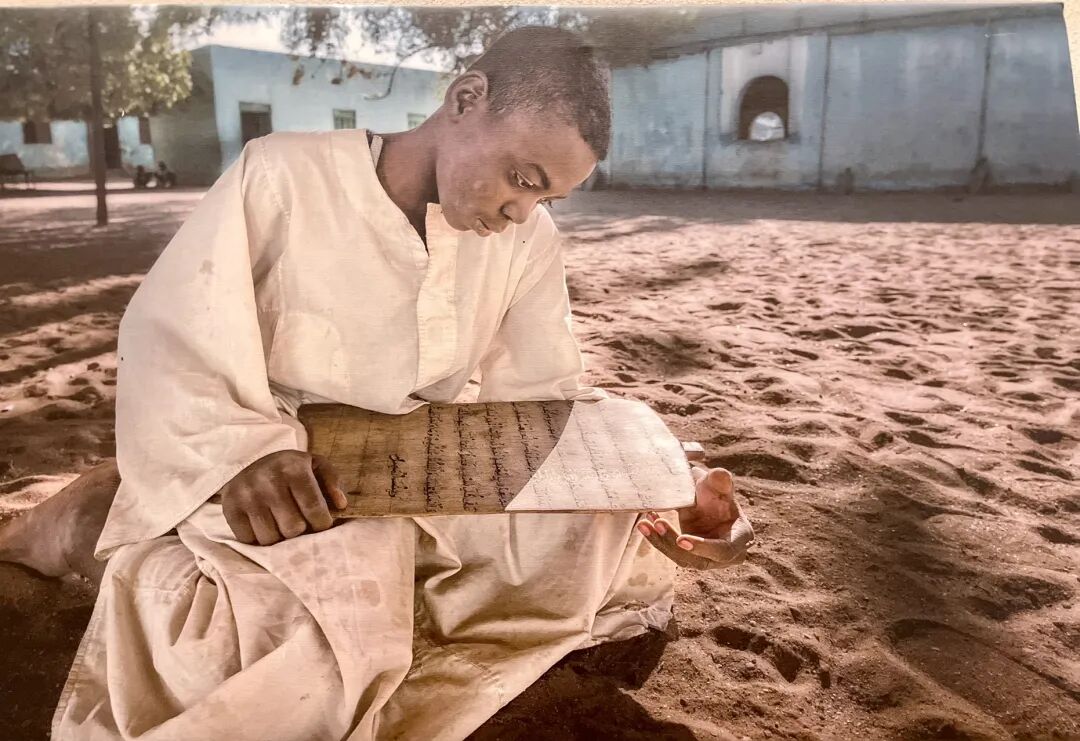
The bottom line—
Digital reading might help us grab info faster, but deep, physical reading is what helps us reclaim our focus, our understanding, and our ability to really think things through.
(Curated from online sources for reference; photos taken at the Doha Book Fair)
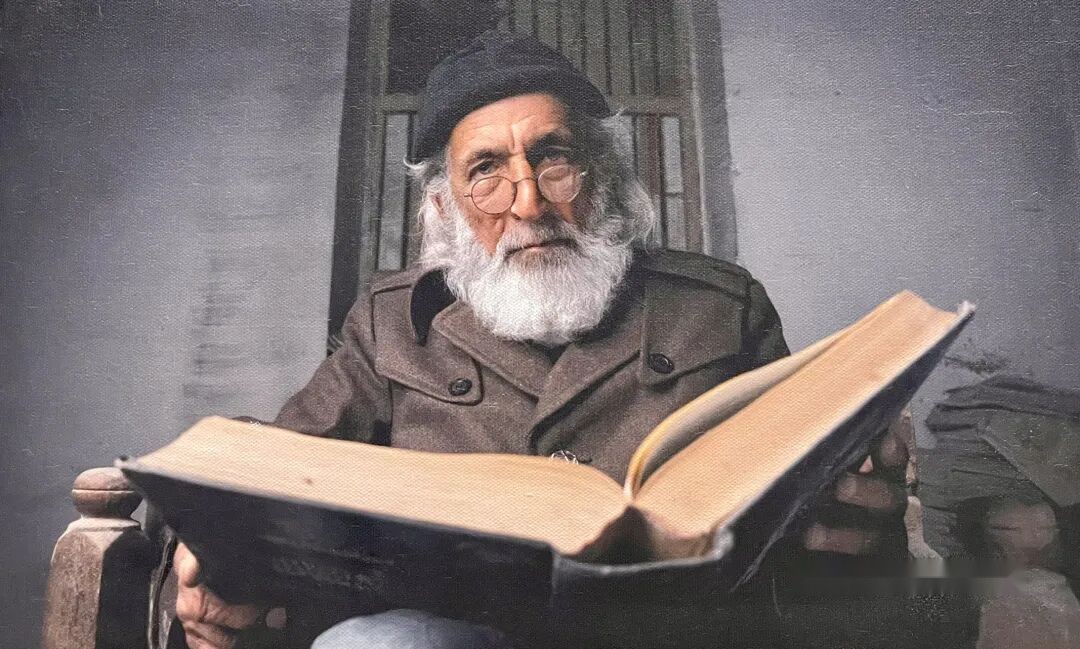
Surah Al-Qamar Commentary: Understanding the Meaning of the Four Repeated Verses in the Quran
Articles • Hasan09 posted the article • 0 comments • 48 views • 2026-10-30 01:09
Dive deep into the four core admonitions repeated in Chapter 54 of the Quran, 'Surah Al-Qamar.' We're breaking down their profound meaning through three lenses: the miraculous accessibility of the language, the historical lessons of the past, and the urgent call for us to bridge the gap between our faith and our daily actions.
In Surah Al-Qamar (The Moon), the most striking feature is a specific verse that shows up exactly four times:
"And We have certainly made the Quran easy for remembrance, so is there any who will remember?"
(54:17, 22, 32, 40)
Part 1: The Deep Meaning of Repetition
1. Emphasizing the Accessibility of Divine Revelation
• During the time when the Quran was revealed to the Prophet Muhammad (peace be upon him), the Arabs relied heavily on oral traditions, valuing the art of memorization and recitation.
• Describing it as 'easy for remembrance' shows that the Quran isn't some unreachable, cryptic text. It’s designed for ordinary people to access, memorize, and truly take to heart.
2. An Echo of 'Wake-Up Calls'
• Surah Al-Qamar chronicles the stories of ancient nations—like the people of Nuh (Noah), the Ad, the Thamud, and the people of Lut (Lot)—who faced punishment for rejecting the truth.
• Each narrative is followed by this repeated verse, acting like a solemn query: The lessons of history are right in front of you—are you actually going to learn from them?
3. The Rhythmic Beauty of Sacred Text
• Classical Arabic literary theory views this repetition as 'tawkid' (emphasis), which adds a musical, rhythmic quality to the scripture.
• These four appearances aren't just logical reminders; they are strikes to the soul, making it impossible for the listener to ignore the message while reciting.
Part 2: Lessons for Real Life
1. The Universality of Knowledge and Faith
• This verse reminds us that wisdom and faith aren't just for a select few or specific groups. They are meant for everyone willing to listen.
• Today, this inspires us to keep our education, scriptures, and culture open and accessible so that everyone has the chance to engage with and internalize these truths.
2. History as a Mirror
• The stories in Surah Al-Qamar repeatedly emphasize that denying the truth and giving in to arrogance leads to the downfall of societies.
• The modern takeaway is clear: Any society that ignores moral compasses and justice is destined to repeat the same mistakes of the past.
3. The Cycle of Reflection and Self-Improvement
• The four-fold question, 'Is there any who will remember?' corresponds to four different stories, almost as if to say:
It's not just about the ancients—it’s about us, right here, right now.
• In everyday life, both as individuals and as a society, we need to embrace this cycle of reflection—turning past lessons into concrete actions today.
4. Courage and Hope
• This verse doesn't demand, 'You must do this.' Instead, it asks an inviting question: 'Is there anyone who will remember?'
• It leaves room for choice, meaning there’s always an opportunity for someone to step up, make the effort to remember, and spark real change.
Summary
The profound meaning of these two verses (which actually repeat four times) in Surah Al-Qamar boils down to:
• The approachability of the Quran;
• The inevitability of historical lessons;
• And a personal call to action and encouragement for everyone.
The real-life takeaway is this: Don't let the scripture just be words on a page—turn it into action. Don't let fear or forgetfulness stand in the way of your culture and faith.
(Compiled from online sources; for reference only) view all
Dive deep into the four core admonitions repeated in Chapter 54 of the Quran, 'Surah Al-Qamar.' We're breaking down their profound meaning through three lenses: the miraculous accessibility of the language, the historical lessons of the past, and the urgent call for us to bridge the gap between our faith and our daily actions.
In Surah Al-Qamar (The Moon), the most striking feature is a specific verse that shows up exactly four times:
"And We have certainly made the Quran easy for remembrance, so is there any who will remember?"
(54:17, 22, 32, 40)
Part 1: The Deep Meaning of Repetition
1. Emphasizing the Accessibility of Divine Revelation
• During the time when the Quran was revealed to the Prophet Muhammad (peace be upon him), the Arabs relied heavily on oral traditions, valuing the art of memorization and recitation.
• Describing it as 'easy for remembrance' shows that the Quran isn't some unreachable, cryptic text. It’s designed for ordinary people to access, memorize, and truly take to heart.
2. An Echo of 'Wake-Up Calls'
• Surah Al-Qamar chronicles the stories of ancient nations—like the people of Nuh (Noah), the Ad, the Thamud, and the people of Lut (Lot)—who faced punishment for rejecting the truth.
• Each narrative is followed by this repeated verse, acting like a solemn query: The lessons of history are right in front of you—are you actually going to learn from them?
3. The Rhythmic Beauty of Sacred Text
• Classical Arabic literary theory views this repetition as 'tawkid' (emphasis), which adds a musical, rhythmic quality to the scripture.
• These four appearances aren't just logical reminders; they are strikes to the soul, making it impossible for the listener to ignore the message while reciting.
Part 2: Lessons for Real Life
1. The Universality of Knowledge and Faith
• This verse reminds us that wisdom and faith aren't just for a select few or specific groups. They are meant for everyone willing to listen.
• Today, this inspires us to keep our education, scriptures, and culture open and accessible so that everyone has the chance to engage with and internalize these truths.
2. History as a Mirror
• The stories in Surah Al-Qamar repeatedly emphasize that denying the truth and giving in to arrogance leads to the downfall of societies.
• The modern takeaway is clear: Any society that ignores moral compasses and justice is destined to repeat the same mistakes of the past.
3. The Cycle of Reflection and Self-Improvement
• The four-fold question, 'Is there any who will remember?' corresponds to four different stories, almost as if to say:
It's not just about the ancients—it’s about us, right here, right now.
• In everyday life, both as individuals and as a society, we need to embrace this cycle of reflection—turning past lessons into concrete actions today.
4. Courage and Hope
• This verse doesn't demand, 'You must do this.' Instead, it asks an inviting question: 'Is there anyone who will remember?'
• It leaves room for choice, meaning there’s always an opportunity for someone to step up, make the effort to remember, and spark real change.
Summary
The profound meaning of these two verses (which actually repeat four times) in Surah Al-Qamar boils down to:
• The approachability of the Quran;
• The inevitability of historical lessons;
• And a personal call to action and encouragement for everyone.
The real-life takeaway is this: Don't let the scripture just be words on a page—turn it into action. Don't let fear or forgetfulness stand in the way of your culture and faith.
(Compiled from online sources; for reference only)