

Chinese Muslim Culture
Exploring Ningxia Muslim Culture: Historic Mosques, Sufi Shrines & Halal Heritage in Northwest China
Articles • Hasan09 posted the article • 0 comments • 140 views • 4 days ago
A Mosque That Purifies the Heart and Embraces Truth: The Architectural Spatial Order and Islamic Aesthetics of Najahu Mosque
Abstract:
A deep dive into the Najahu Mosque through the lens of architectural aesthetics and religious culture. We explore how its axially symmetrical, traditional Chinese double-eaved Xieshan-style roof and brick carvings embody the pure faith of Northwest China's Muslims in submitting to Allah and loving humanity.
Downtown Yinchuan doesn't have many historic landmarks left, and most of its mosques are modern constructions. After a quick stroll past the Drum Tower and Jade Emperor Pavilion, and a brief look at the empty Xinhua Mosque, I hopped in a car and headed south.
Reportedly, it's a mosque primarily serving Ikhwan Muslims, though unfortunately no one was around.
On the outskirts near the Tanglai Canal stands Minxin Mosque, the only mosque in Yinchuan centered around Jahriyya Sufi Muslims. According to the mosque's ahong (imam), the name comes from the phrase 'enlightening the heart to perceive one's true nature.' At the main entrance hangs a pair of plaques inscribed with: 'Spreading the Way to the East to carry on the past and usher in the future' and 'Propagating the teachings to the West, uniting the three vehicles.' The 'three vehicles' here aren't the Buddhist Sravakayana, Pratyekabuddayana, and Bodhisattvayana; instead, they refer to the three stages in Islamic Sufism: Sharia (the ritual path), Tariqah (the spiritual path), and Haqiqa (ultimate Truth).
Visually, this young mosque opted for a fully Sinicized design from the start. While the interior features modern decor, the exterior carries a distinct Han-Tang aesthetic. Compared to those awkward, forced buildings in the city center where Arab-style domes were chopped off and replaced with Chinese roofs, this one actually respects the viewer's sense of aesthetics.
Yinchuan during the National Day holiday felt completely devoid of festive spirit. Most people had likely migrated south like wintering birds, leaving this mosque far from the city center utterly quiet and undisturbed. Since there were no ancient steles or classic texts to examine, I didn't linger long and continued further south into remote Yongning County. There stands Yinchuan's only surviving ancient, traditional-style mosque—the Najahu Mosque.
Najahu is a village in Yongning's Yanghe Town, where eighty percent of the residents share the surname Na. Their ancestors trace back to Saiyid Shams al-Din (also known as Sayyid Ajall Shams al-Din), a prominent Muslim official from the early Yuan dynasty. According to the History of Yuan, Saiyid Ajall was a nobleman from Transoxiana who surrendered during Genghis Khan's western campaigns—though this is certainly a historical error by chroniclers, because his primary historical achievements took place long after Kublai Khan established the Yuan dynasty. Over forty years separated Genghis Khan's conquest of Transoxiana and Saiyid Ajall's governorship in Shaanxi and Yunnan. By the time he passed away in the sixteenth year of Zhiyuan (1279), more than half a century had elapsed. Moreover, the historical texts explicitly state he was '69 years old,' meaning he would have been a child under ten if he had 'led a thousand cavalry with leopards and falcons to surrender.' It is far more likely that his father was the one who surrendered to the Mongols, and that his father held the honorific title of Saiyid (signifying descent from Ali and Husayn, though later often falsely claimed by those cozying up to prestigious lineages). Careless Ming dynasty historians likely mistook the two.
Saiyid Ajall's eldest son was named Nasr al-Din, a very common Central and West Asian Muslim name. Like his father, he served as a provincial chancellor and was posthumously granted the title of Prince after his death. Interestingly, the sons of this Prince of Yan each took a character from the Chinese transliteration of his name to use as their surname, which is why his descendants split into surnames like Na, Su (or Suo), La, and Ding. The village of Najahu was formed by Hui Muslims bearing the Na surname migrating and settling here.
Perhaps precisely because this is Yinchuan's only traditional ancient Chinese-style mosque, a Huixiang (Hui Homeland) Cultural Park was built nearby many years ago. But as I mentioned earlier, that folklore park—operating under the banner of 'Hui culture'—showed off the most cliché, fictionalized fake Hui folk customs tailored for mass appeal, brimming with One Thousand and One Nights exoticism and used mainly as a backdrop for young couples' wedding photos. During the recent crackdown on the 'Threeizations' (Arabization, etc.), it was demolished. This also left the shops outside the Najahu Mosque plaza completely desolate and dilapidated, plunging this promising new village right back to its rural starting point.
Facing this scene, my feelings were complicated. From a long-term perspective, I've always supported the inheritance and development of traditions rooted in local soil and history. Aesthetically, I've never had any patience for those ultra-plastic, Thousand and One Nights-style movie-set buildings. Yet when political campaigns and reforms always come at the expense of ordinary working-class folks, I find it hard to stand on the lofty heights of grand narratives and turn a deaf ear to the humble cries of the powerless. Because facing an unpredictable destiny, at our core, we are no different from them.
There are very few well-preserved ancient Chinese mosques left in Ningxia today, and in terms of architecture, the two most representative ones are the Najahu Mosque in Yongning County, Yinchuan, and the Tongxin Great Mosque (Tongxin Mosque) in Tongxin County, Wuzhong.
Much like the Tongxin Great Mosque, the entrance of the Najahu Mosque resembles a city gate tower, with the minaret (bunker tower) built in the style of defensive watchtowers on city walls. Personally, I suspect the resemblance between these two mosques isn't a coincidence; it's likely a leftover trace of the military culture in Ningxia during the Ming dynasty. At the time, the area constantly faced the threat of Mongol cavalry raids, and the local Hui people were largely hereditary garrison soldiers. Consequently, even public buildings like mosques had to incorporate certain military defense functions, serving as temporary fortresses to protect the local community during wartime.
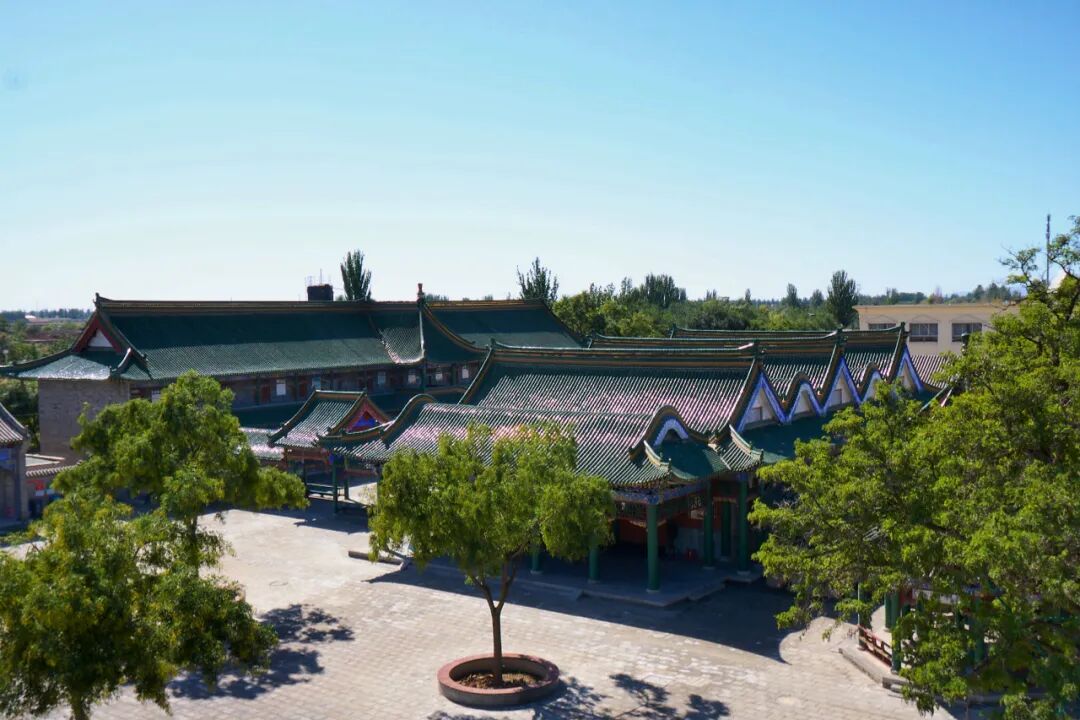
Standing atop the towering bunker tower, the entire panorama of the mosque unfolds before your eyes. The mosque is grand in scale, which contrasts sharply with the village's current poverty and decline, hinting that this place must have once been a thriving, renowned major Hui settlement. The ancient pagoda trees inside the courtyard are lush and green; tapping the trunks to ask about history takes us all the way back to the early Ming dynasty, aligning with the temple plaque record stating the mosque was built in the third year of Jiajing (1524).
I wonder what the specific function was for this structure composed of roll-eaved, Xieshan, and Yingshan (hard-mountain) roofs.
Outside the main prayer hall hang several inscribed plaques presented by famous figures from past dynasties—a rarity among Ningxia's mosques. Examining the signatures one by one, I recognized three of them: one was Yang Yuchun, a famous Northwest military commander from the Qianlong and Jiaqing eras; another was Dong Fuxiang, commander of the Gansu Army in the late Qing dynasty; and the third was Ma Fuxiang, one of the 'Three Ma' warlords who dominated the Northwest in the Republican era. These three Hui and Han military men are well worth discussing, as they neatly connect the bloody history between the Hui and Han peoples in the Northwest since the Qianlong era.
Yang Yuchun was a celebrated general who rose to prominence during the mid-to-late Qianlong period, alongside a Han Chinese military general of the same surname, Yang Fang. Both men participated in multiple military campaigns during Qianlong's 'Ten Great Campaigns,' and were known at the time as the 'Two Yangs.' They both took part in suppressing rebellions in the Northwest—for instance, Yang Yuchun accompanied Fikanggan (Fukangcan) to suppress the Jahriyya's second uprising, known as the Tianwu Rebellion. In his later years, his greatest achievement was teaming up with Yang Fang to quell the rebellion of Jahangir (Zhangge'er), a descendant of the southern Xinjiang Khojas. In my personal view, these 'Two Yangs' were both blessed and cursed by their times.
They were blessed by their times because they caught the tail end of the Manchu Banner troops' total military decline, yet didn't miss the relatively frequent foreign wars of the late Qianlong era, giving these Han Chinese military officers the chance to rise to prominence and achieve greatness. They were a new breed of Han military commanders who emerged after renowned Manchu generals like Fukangcan and Hailancha had passed from the scene. Had they been born a few decades earlier, under the Manchu-supremacist military doctrine, they would have merely been sidekicks to Manchu and Mongol generals, never rising to command armies.
A portrait of Yang Yuchun hanging in the Ziguangge (Hall of Purple Light)
Yet they were also cursed by their times, because while the first half of their lives caught a faint glimmer of the Old Man's (Emperor Qianlong's) military glory, the second half forced them to act as firefighters, cleaning up burning messes across a crumbling empire. Yang Yuchun, in particular, fought against Lin Shuangwen in Taiwan, campaigned against the Gorkhas (Nepalese) across the Himalayas, suppressed the White Lotus Rebellion in Sichuan and Hubei as well as the Miao uprisings in Hunan and Guizhou, and finally swept through southern Xinjiang to crush Jahangir. His military career touched nearly every extreme frontier of the Qing dynasty. Yet all it bought him was a head of white hair in the Ziguangge, nursing old ambitions with lingering resentment, ultimately unable to prop up the falling heavenly dynasty. Still, he was relatively lucky to step away in time. Yang Fang, who belonged to a younger generation, lived long enough to witness the Opium War, deploying the ancestral 'Yinmen Array' (you can look up what kind of formation this was if you're curious) against the British 'foreign devils' atop the city walls of Guangzhou, leaving future generations to sneer at the dynasty's ignorance and ruining his hard-earned reputation in his twilight years—a case of living long enough to bring disgrace upon oneself.
Shaanxi-Gansu Governor-General Yang Yuchun's inscription plaque for the Najahu Mosque
Dong Fuxiang hardly needs an introduction; anyone familiar with the Northwest's Hui history knows him well. Originally a leader of the Gelaohui (Elder Brothers Society) uprising in northern Shaanxi during the Tongzhi era, he was defeated and pacified by Zuo Zongxiang, subsequently becoming a vanguard in pacifying the Hui uprisings. His militia—composed of Han vagrants known as the 'Dong Three Battalions'—became a chess piece used to balance the surrendered Hui armies. After Zuo Zongxiang's death, during the pacification of the Hehuang disturbances, Dong rose to prominence through military merit. His Gansu Army (by then expanded beyond his original Han vagrant base to incorporate many surrendered Hui troops) skyrocketed in power after the Huai Army lost its prestige following the First Sino-Japanese War, becoming a military pillar the Qing court relied upon and incorporating into the newly established imperial guard: the Wowei Army (Guard Corps).
Dong Fuxiang
Yet this Rear Guard of the Wowei Corps retained its rough-and-tumble bandit origins: while perhaps the worst-equipped division in the Wowei Army, they were fiercely rebellious and hard to tame. During the Boxer Rebellion, they were among the most active participants in joining the Boxers, brutally murdering foreign diplomats—an action that directly triggered the military intervention of the Eight-Nation Alliance.
Wowei Rear Army Commander Dong Fuxiang's inscription plaque for the Najahu Mosque. For some reason, his signature reads 'Commander of the Wowei District Army,' though his Gansu Army unit designation should have been the Wowei Rear Army.
Ma Fuxiang's rise to power was also closely tied to Dong Fuxiang's Gansu Army. His father, Ma Qianling, had close ties with the rebel Huasi Menhuan faction that dominated Hehuang during the Tongzhi Hui Rebellion, though he wasn't part of the direct lineage of Huasi Menhuan leader Ma Guiyuan. After the Battle of Taizisi thwarted Zuo Zongxiang's military campaigns, Ma Qianling very pragmatically persuaded leader Ma Zong'ao (who was also Ma Qianling's nephew) to take the win while they were ahead and voluntarily surrender. Zuo Zongxiang logically supported Ma Zong'ao as a proxy to replace the old Huasi Menhuan forces, and Ma Qianling's family leveraged this momentum to rise to prominence.
Originally, the family patriarch after Ma Qianling was Ma Fuxiang's older brother, Ma Fulu. He was a fiercely brave military man who passed the military imperial examinations, though legend has it that Emperor Guangzong denied him the top 'zhuangyuan' scholar spot because his manners were too crude. Still, he was a loyal subject deeply devoted to the emperor and actively participated in Dong Fuxiang's campaigns to suppress the Hehuang Hui uprisings. Because of his loyalty to the imperial house, his troops were the most active in fighting foreigners during the Boxer Rebellion, suffering the heaviest casualties and ultimately shedding their blood at Zhengyangmen Gate. Because of his death, Ma Fuxiang became the new family head, emerging as a prominent figure during the Republican era. His Ningxia Hui army gradually rose to become one of the 'Three Ma' factions of the Northwest, standing alongside the Gansu Ma and Qinghai Ma cliques.
Ma Fuxiang
Ma Fuxiang, much like his older brother, was fundamentally a military man, yet he was fiercely passionate about Islamic scholarly causes. Many ancient Islamic texts were published thanks to his financial sponsorship, making an immense contribution to the preservation and continuation of Chinese Islamic culture. When examining these classic texts, I often come across his preface inscriptions; his sincere pursuit of Iman (faith) shines through every single stroke of ink, clearly not just affected or pretentious prose. It always fills me with deep admiration—even an ordinary man of action can keep his word, and his steadfast resolve cannot be shaken.
A plaque inscribed for the Najahu Mosque (Najahu Mosque) by Ma Fuxiang, the military governor of Ningxia.
Examining its architectural style, this mosque isn't regular in structure, and it completely throws out basic symmetry. If you take a central pavilion as the axis, one side features a main prayer hall consisting of five hip-and-gable or gable roofs interspersed with four connected roll-vault sheds, with a towering hip-and-gable roof on the front porch. On the other side sits a slightly smaller building made up of three hip-and-gable or gable roofs interspersed with three roll-vault sheds (since I couldn't go inside, I'm not sure what this building's exact function is; it looks like another prayer hall, though I've never heard of a single mosque having two prayer halls), and its front porch features a roll-vault style. Both large structures are linked by covered corridors—one big, one small; one rigid, one fluid. Even though it's asymmetrical, it feels like it embodies the Taoist principle of yin and yang.
The main prayer hall.
The mihrab at the back of the main prayer hall isn't housed in a massive vaulted alcove like the ones you see in mosques across North China.
Rules equal order, but they also mean constraint. The lack of strict rules shows just how far this place is from the core of traditional Chinese civilization, yet that's exactly what makes it so fascinating. Precisely because of this, there was room for creativity. Out in a remote, turbulent military frontier, people could freely mix and match hip-and-gable, gable, and roll-vault roofs, wildly sketching out their devotion to an unnameable faith.
Whenever I look at ancient architecture and hear people confidently pointing at roof ridges and tile ends, explaining what structural style it is, which social class it represents, or what it says about the status of the temple, I just shrug and brush it off. People whose brains are totally wired to the ancient architectural manuals seem even more rigid than the craftsmen of the imperial era, insisting not a single mortise and tenon can be missing. The world in their eyes is neatly lined up like brackets in dougong, with everyone in their exact place—above or below, rigid and tightly interlocked. People with such veils over their eyes fail to see the true and wondrous essence within worldly laws.
"Allah has set a seal upon their hearts and their hearing, and over their vision is a veil."
As the ancient saying goes: "Seek knowledge, even if you must go as far as China."
If hidden gems are found in remote places, why not seek truth outside the mainstream centers?
After publishing this article yesterday, a staff member at the Mingxin Mosque reached out to me privately to point out some errors in my introduction to the temple, so I've made some minor revisions and am reposting it. Also, thanks to two readers who added context in the comments yesterday, I now know that the secondary building at the Najahu Mosque whose purpose I wasn't sure about is actually a women's prayer hall built 12 years ago. Word has it that after a devoted single mother who endured great hardship to raise her children while keeping the mosque in her heart passed away, her children donated funds during a mosque renovation to build this new hall exclusively for female Muslims to offer their prayers. It was precisely that renovation and expansion to the south that made the mosque asymmetrical.
Looks like my observation was spot on after all—it really is one large and one small structure, organically echoing the balance of yin and swang. At the same time, I never expected a newly built hall could be designed with such rustic charm and creativity. Not only did it avoid breaking the vibe of the original architecture, but it actually added a fresh, playful dynamic through the blend of rigidity and fluidity. This completely shattered my prejudices regarding the design and aesthetics of newly built mosques in Ningxia. It just goes to show that true talent and wisdom can be found tucked away in the countryside—they really weren't kidding. view all
A Mosque That Purifies the Heart and Embraces Truth: The Architectural Spatial Order and Islamic Aesthetics of Najahu Mosque
Abstract:

A deep dive into the Najahu Mosque through the lens of architectural aesthetics and religious culture. We explore how its axially symmetrical, traditional Chinese double-eaved Xieshan-style roof and brick carvings embody the pure faith of Northwest China's Muslims in submitting to Allah and loving humanity.
Downtown Yinchuan doesn't have many historic landmarks left, and most of its mosques are modern constructions. After a quick stroll past the Drum Tower and Jade Emperor Pavilion, and a brief look at the empty Xinhua Mosque, I hopped in a car and headed south.

Reportedly, it's a mosque primarily serving Ikhwan Muslims, though unfortunately no one was around.
On the outskirts near the Tanglai Canal stands Minxin Mosque, the only mosque in Yinchuan centered around Jahriyya Sufi Muslims. According to the mosque's ahong (imam), the name comes from the phrase 'enlightening the heart to perceive one's true nature.' At the main entrance hangs a pair of plaques inscribed with: 'Spreading the Way to the East to carry on the past and usher in the future' and 'Propagating the teachings to the West, uniting the three vehicles.' The 'three vehicles' here aren't the Buddhist Sravakayana, Pratyekabuddayana, and Bodhisattvayana; instead, they refer to the three stages in Islamic Sufism: Sharia (the ritual path), Tariqah (the spiritual path), and Haqiqa (ultimate Truth).

Visually, this young mosque opted for a fully Sinicized design from the start. While the interior features modern decor, the exterior carries a distinct Han-Tang aesthetic. Compared to those awkward, forced buildings in the city center where Arab-style domes were chopped off and replaced with Chinese roofs, this one actually respects the viewer's sense of aesthetics.
Yinchuan during the National Day holiday felt completely devoid of festive spirit. Most people had likely migrated south like wintering birds, leaving this mosque far from the city center utterly quiet and undisturbed. Since there were no ancient steles or classic texts to examine, I didn't linger long and continued further south into remote Yongning County. There stands Yinchuan's only surviving ancient, traditional-style mosque—the Najahu Mosque.

Najahu is a village in Yongning's Yanghe Town, where eighty percent of the residents share the surname Na. Their ancestors trace back to Saiyid Shams al-Din (also known as Sayyid Ajall Shams al-Din), a prominent Muslim official from the early Yuan dynasty. According to the History of Yuan, Saiyid Ajall was a nobleman from Transoxiana who surrendered during Genghis Khan's western campaigns—though this is certainly a historical error by chroniclers, because his primary historical achievements took place long after Kublai Khan established the Yuan dynasty. Over forty years separated Genghis Khan's conquest of Transoxiana and Saiyid Ajall's governorship in Shaanxi and Yunnan. By the time he passed away in the sixteenth year of Zhiyuan (1279), more than half a century had elapsed. Moreover, the historical texts explicitly state he was '69 years old,' meaning he would have been a child under ten if he had 'led a thousand cavalry with leopards and falcons to surrender.' It is far more likely that his father was the one who surrendered to the Mongols, and that his father held the honorific title of Saiyid (signifying descent from Ali and Husayn, though later often falsely claimed by those cozying up to prestigious lineages). Careless Ming dynasty historians likely mistook the two.
Saiyid Ajall's eldest son was named Nasr al-Din, a very common Central and West Asian Muslim name. Like his father, he served as a provincial chancellor and was posthumously granted the title of Prince after his death. Interestingly, the sons of this Prince of Yan each took a character from the Chinese transliteration of his name to use as their surname, which is why his descendants split into surnames like Na, Su (or Suo), La, and Ding. The village of Najahu was formed by Hui Muslims bearing the Na surname migrating and settling here.

Perhaps precisely because this is Yinchuan's only traditional ancient Chinese-style mosque, a Huixiang (Hui Homeland) Cultural Park was built nearby many years ago. But as I mentioned earlier, that folklore park—operating under the banner of 'Hui culture'—showed off the most cliché, fictionalized fake Hui folk customs tailored for mass appeal, brimming with One Thousand and One Nights exoticism and used mainly as a backdrop for young couples' wedding photos. During the recent crackdown on the 'Threeizations' (Arabization, etc.), it was demolished. This also left the shops outside the Najahu Mosque plaza completely desolate and dilapidated, plunging this promising new village right back to its rural starting point.
Facing this scene, my feelings were complicated. From a long-term perspective, I've always supported the inheritance and development of traditions rooted in local soil and history. Aesthetically, I've never had any patience for those ultra-plastic, Thousand and One Nights-style movie-set buildings. Yet when political campaigns and reforms always come at the expense of ordinary working-class folks, I find it hard to stand on the lofty heights of grand narratives and turn a deaf ear to the humble cries of the powerless. Because facing an unpredictable destiny, at our core, we are no different from them.

There are very few well-preserved ancient Chinese mosques left in Ningxia today, and in terms of architecture, the two most representative ones are the Najahu Mosque in Yongning County, Yinchuan, and the Tongxin Great Mosque (Tongxin Mosque) in Tongxin County, Wuzhong.
Much like the Tongxin Great Mosque, the entrance of the Najahu Mosque resembles a city gate tower, with the minaret (bunker tower) built in the style of defensive watchtowers on city walls. Personally, I suspect the resemblance between these two mosques isn't a coincidence; it's likely a leftover trace of the military culture in Ningxia during the Ming dynasty. At the time, the area constantly faced the threat of Mongol cavalry raids, and the local Hui people were largely hereditary garrison soldiers. Consequently, even public buildings like mosques had to incorporate certain military defense functions, serving as temporary fortresses to protect the local community during wartime.

Standing atop the towering bunker tower, the entire panorama of the mosque unfolds before your eyes. The mosque is grand in scale, which contrasts sharply with the village's current poverty and decline, hinting that this place must have once been a thriving, renowned major Hui settlement. The ancient pagoda trees inside the courtyard are lush and green; tapping the trunks to ask about history takes us all the way back to the early Ming dynasty, aligning with the temple plaque record stating the mosque was built in the third year of Jiajing (1524).
I wonder what the specific function was for this structure composed of roll-eaved, Xieshan, and Yingshan (hard-mountain) roofs.

Outside the main prayer hall hang several inscribed plaques presented by famous figures from past dynasties—a rarity among Ningxia's mosques. Examining the signatures one by one, I recognized three of them: one was Yang Yuchun, a famous Northwest military commander from the Qianlong and Jiaqing eras; another was Dong Fuxiang, commander of the Gansu Army in the late Qing dynasty; and the third was Ma Fuxiang, one of the 'Three Ma' warlords who dominated the Northwest in the Republican era. These three Hui and Han military men are well worth discussing, as they neatly connect the bloody history between the Hui and Han peoples in the Northwest since the Qianlong era.
Yang Yuchun was a celebrated general who rose to prominence during the mid-to-late Qianlong period, alongside a Han Chinese military general of the same surname, Yang Fang. Both men participated in multiple military campaigns during Qianlong's 'Ten Great Campaigns,' and were known at the time as the 'Two Yangs.' They both took part in suppressing rebellions in the Northwest—for instance, Yang Yuchun accompanied Fikanggan (Fukangcan) to suppress the Jahriyya's second uprising, known as the Tianwu Rebellion. In his later years, his greatest achievement was teaming up with Yang Fang to quell the rebellion of Jahangir (Zhangge'er), a descendant of the southern Xinjiang Khojas. In my personal view, these 'Two Yangs' were both blessed and cursed by their times.

They were blessed by their times because they caught the tail end of the Manchu Banner troops' total military decline, yet didn't miss the relatively frequent foreign wars of the late Qianlong era, giving these Han Chinese military officers the chance to rise to prominence and achieve greatness. They were a new breed of Han military commanders who emerged after renowned Manchu generals like Fukangcan and Hailancha had passed from the scene. Had they been born a few decades earlier, under the Manchu-supremacist military doctrine, they would have merely been sidekicks to Manchu and Mongol generals, never rising to command armies.
A portrait of Yang Yuchun hanging in the Ziguangge (Hall of Purple Light)

Yet they were also cursed by their times, because while the first half of their lives caught a faint glimmer of the Old Man's (Emperor Qianlong's) military glory, the second half forced them to act as firefighters, cleaning up burning messes across a crumbling empire. Yang Yuchun, in particular, fought against Lin Shuangwen in Taiwan, campaigned against the Gorkhas (Nepalese) across the Himalayas, suppressed the White Lotus Rebellion in Sichuan and Hubei as well as the Miao uprisings in Hunan and Guizhou, and finally swept through southern Xinjiang to crush Jahangir. His military career touched nearly every extreme frontier of the Qing dynasty. Yet all it bought him was a head of white hair in the Ziguangge, nursing old ambitions with lingering resentment, ultimately unable to prop up the falling heavenly dynasty. Still, he was relatively lucky to step away in time. Yang Fang, who belonged to a younger generation, lived long enough to witness the Opium War, deploying the ancestral 'Yinmen Array' (you can look up what kind of formation this was if you're curious) against the British 'foreign devils' atop the city walls of Guangzhou, leaving future generations to sneer at the dynasty's ignorance and ruining his hard-earned reputation in his twilight years—a case of living long enough to bring disgrace upon oneself.
Shaanxi-Gansu Governor-General Yang Yuchun's inscription plaque for the Najahu Mosque
Dong Fuxiang hardly needs an introduction; anyone familiar with the Northwest's Hui history knows him well. Originally a leader of the Gelaohui (Elder Brothers Society) uprising in northern Shaanxi during the Tongzhi era, he was defeated and pacified by Zuo Zongxiang, subsequently becoming a vanguard in pacifying the Hui uprisings. His militia—composed of Han vagrants known as the 'Dong Three Battalions'—became a chess piece used to balance the surrendered Hui armies. After Zuo Zongxiang's death, during the pacification of the Hehuang disturbances, Dong rose to prominence through military merit. His Gansu Army (by then expanded beyond his original Han vagrant base to incorporate many surrendered Hui troops) skyrocketed in power after the Huai Army lost its prestige following the First Sino-Japanese War, becoming a military pillar the Qing court relied upon and incorporating into the newly established imperial guard: the Wowei Army (Guard Corps).
Dong Fuxiang

Yet this Rear Guard of the Wowei Corps retained its rough-and-tumble bandit origins: while perhaps the worst-equipped division in the Wowei Army, they were fiercely rebellious and hard to tame. During the Boxer Rebellion, they were among the most active participants in joining the Boxers, brutally murdering foreign diplomats—an action that directly triggered the military intervention of the Eight-Nation Alliance.
Wowei Rear Army Commander Dong Fuxiang's inscription plaque for the Najahu Mosque. For some reason, his signature reads 'Commander of the Wowei District Army,' though his Gansu Army unit designation should have been the Wowei Rear Army.

Ma Fuxiang's rise to power was also closely tied to Dong Fuxiang's Gansu Army. His father, Ma Qianling, had close ties with the rebel Huasi Menhuan faction that dominated Hehuang during the Tongzhi Hui Rebellion, though he wasn't part of the direct lineage of Huasi Menhuan leader Ma Guiyuan. After the Battle of Taizisi thwarted Zuo Zongxiang's military campaigns, Ma Qianling very pragmatically persuaded leader Ma Zong'ao (who was also Ma Qianling's nephew) to take the win while they were ahead and voluntarily surrender. Zuo Zongxiang logically supported Ma Zong'ao as a proxy to replace the old Huasi Menhuan forces, and Ma Qianling's family leveraged this momentum to rise to prominence.
Originally, the family patriarch after Ma Qianling was Ma Fuxiang's older brother, Ma Fulu. He was a fiercely brave military man who passed the military imperial examinations, though legend has it that Emperor Guangzong denied him the top 'zhuangyuan' scholar spot because his manners were too crude. Still, he was a loyal subject deeply devoted to the emperor and actively participated in Dong Fuxiang's campaigns to suppress the Hehuang Hui uprisings. Because of his loyalty to the imperial house, his troops were the most active in fighting foreigners during the Boxer Rebellion, suffering the heaviest casualties and ultimately shedding their blood at Zhengyangmen Gate. Because of his death, Ma Fuxiang became the new family head, emerging as a prominent figure during the Republican era. His Ningxia Hui army gradually rose to become one of the 'Three Ma' factions of the Northwest, standing alongside the Gansu Ma and Qinghai Ma cliques.
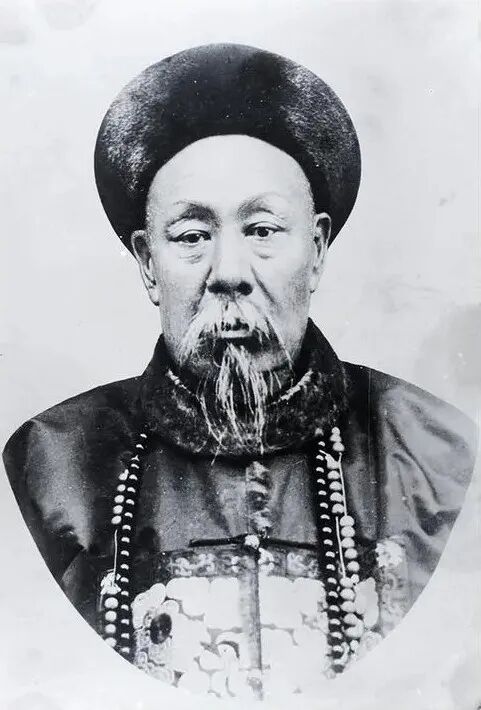
Ma Fuxiang
Ma Fuxiang, much like his older brother, was fundamentally a military man, yet he was fiercely passionate about Islamic scholarly causes. Many ancient Islamic texts were published thanks to his financial sponsorship, making an immense contribution to the preservation and continuation of Chinese Islamic culture. When examining these classic texts, I often come across his preface inscriptions; his sincere pursuit of Iman (faith) shines through every single stroke of ink, clearly not just affected or pretentious prose. It always fills me with deep admiration—even an ordinary man of action can keep his word, and his steadfast resolve cannot be shaken.

A plaque inscribed for the Najahu Mosque (Najahu Mosque) by Ma Fuxiang, the military governor of Ningxia.
Examining its architectural style, this mosque isn't regular in structure, and it completely throws out basic symmetry. If you take a central pavilion as the axis, one side features a main prayer hall consisting of five hip-and-gable or gable roofs interspersed with four connected roll-vault sheds, with a towering hip-and-gable roof on the front porch. On the other side sits a slightly smaller building made up of three hip-and-gable or gable roofs interspersed with three roll-vault sheds (since I couldn't go inside, I'm not sure what this building's exact function is; it looks like another prayer hall, though I've never heard of a single mosque having two prayer halls), and its front porch features a roll-vault style. Both large structures are linked by covered corridors—one big, one small; one rigid, one fluid. Even though it's asymmetrical, it feels like it embodies the Taoist principle of yin and yang.

The main prayer hall.
The mihrab at the back of the main prayer hall isn't housed in a massive vaulted alcove like the ones you see in mosques across North China.

Rules equal order, but they also mean constraint. The lack of strict rules shows just how far this place is from the core of traditional Chinese civilization, yet that's exactly what makes it so fascinating. Precisely because of this, there was room for creativity. Out in a remote, turbulent military frontier, people could freely mix and match hip-and-gable, gable, and roll-vault roofs, wildly sketching out their devotion to an unnameable faith.
Whenever I look at ancient architecture and hear people confidently pointing at roof ridges and tile ends, explaining what structural style it is, which social class it represents, or what it says about the status of the temple, I just shrug and brush it off. People whose brains are totally wired to the ancient architectural manuals seem even more rigid than the craftsmen of the imperial era, insisting not a single mortise and tenon can be missing. The world in their eyes is neatly lined up like brackets in dougong, with everyone in their exact place—above or below, rigid and tightly interlocked. People with such veils over their eyes fail to see the true and wondrous essence within worldly laws.

"Allah has set a seal upon their hearts and their hearing, and over their vision is a veil."
As the ancient saying goes: "Seek knowledge, even if you must go as far as China."

If hidden gems are found in remote places, why not seek truth outside the mainstream centers?
After publishing this article yesterday, a staff member at the Mingxin Mosque reached out to me privately to point out some errors in my introduction to the temple, so I've made some minor revisions and am reposting it. Also, thanks to two readers who added context in the comments yesterday, I now know that the secondary building at the Najahu Mosque whose purpose I wasn't sure about is actually a women's prayer hall built 12 years ago. Word has it that after a devoted single mother who endured great hardship to raise her children while keeping the mosque in her heart passed away, her children donated funds during a mosque renovation to build this new hall exclusively for female Muslims to offer their prayers. It was precisely that renovation and expansion to the south that made the mosque asymmetrical.
Looks like my observation was spot on after all—it really is one large and one small structure, organically echoing the balance of yin and swang. At the same time, I never expected a newly built hall could be designed with such rustic charm and creativity. Not only did it avoid breaking the vibe of the original architecture, but it actually added a fresh, playful dynamic through the blend of rigidity and fluidity. This completely shattered my prejudices regarding the design and aesthetics of newly built mosques in Ningxia. It just goes to show that true talent and wisdom can be found tucked away in the countryside—they really weren't kidding.
Exploring Ningxia: Mosques, Hui Muslim Culture, & Halal Food in Yinchuan
Articles • Hasan09 posted the article • 0 comments • 33 views • 4 days ago
Urban Landscape Essay: Wandering Through the Multi-Ethnic Spaces Where Tradition and Modernity Intertwine in Yinchuan
Abstract:
An observational journey into the evolution of Yinchuan's urban spatial morphology. We document the urban fabric where traditional Hui Muslim neighborhoods, Western Xia ancient aesthetics, Islamic architectural forms, and modern commercial spaces intersect and weave together, showcasing the multifaceted and inclusive charm of this famous oasis city in China's northwest.
If I were to indulge my inner unfiltered brat, I'd honestly say Yinchuan is a pretty boring city.
Boring doesn't mean the city isn't beautiful, nor does it mean it lacks character. On the contrary, with the Helan Mountains as its companion and the northern winds as its soundtrack, this epic landscape is the perfect place for a solitary wanderer like me to rest his traveling heart. Yet the vibe it puts out always strikes me as a bit jarring. When I first came here on a solo long-distance trip back in 2017, hunting for echoes of the Tang Dynasty, I already felt a sense of dissonance beneath the city's pretty exterior—though I couldn't quite put my finger on where that dissonance came from. It wasn't until seven years later, when I turned my focus toward the world of Islam in China, that I finally found the source of that jarring feeling: the Hui Muslims.
The Western Xia Imperial Tombs at the foot of the Helan Mountains
Today, Yinchuan is the capital of Ningxia, and the name of the Ningxia Hui Autonomous Region is inseparable from the Hui people. I think this is precisely why Yinchuan feels so jarring and out of place to me. As the capital of a Hui autonomous region, it's bound to highlight ethnic characteristics. But in reality—at least in my historical and geographical worldview—Yinchuan and the Hui people don't have a strong, inherent connection.
Historically, Yinchuan didn't rise to prominence because of the Hui. The earliest center of this Yellow River irrigation basin was located within present-day Lingwu, which it administers; Yinchuan was originally just a frontier garrison town built to defend Lingzhou. It was only because the nomadic Tangut people fell in love with the lush pastures of the Helan Mountains, choosing this place as their capital and imperial ancestral burial grounds, that Yinchuan's status eventually surpassed Lingwu's. The ancestors of the Hui Muslims migrated here much later, during the Yuan and Ming dynasties, bringing new vitality to this land as frontier soldiers and mobile merchants. Yet when we talk about the historical imagery Yinchuan leaves with the world—those northern winds, autumn moons, and the Han and Tang frontier memories of barbarian flutes—they have almost nothing to do with the Hui people.
The Lingzhou Gao Miao Temple, photographed by me in 2017
Now let's talk about the imagery of the Hui. What should the cultural appearance of the Hui people actually look like? That in itself is a hard question to answer, because many of the cultural traits the Hui display to the general public were actually fabricated after the founding of the People's Republic. For instance, the so-called traditional Hui ethnic attire: aside from headscarves and white skullcaps, many elements of their clothing design were actually 'borrowed' back then from the traditional costumes of Muslim ethnic groups in Eastern Europe and the Caucasus within the Soviet sphere. After the reform and opening up, as Chinese people's horizons broadened, new elements were 'borrowed' from the Arab world and integrated into the mix, such as architecture featuring domes.
With all due sympathy for the original intentions, you could call this creating new folkways. But if you look at the facts, you could also call it inventing a fake folk tradition.
From the perspective of the Hui people, Ningxia has historically not been the place where Hui culture is most prominent, and Yinchuan certainly isn't either. From the perspective of Yinchuan, you can't say the city has nothing to do with the Hui, but its most prominent historical cultural imagery really doesn't have much to do with them either—especially since most of these Hui motifs were newly concocted over the past few decades. This is why the external image presented by Yinchuan, from history to reality, feels so jarring and mismatched to me.
The Drum Tower of Yinchuan
I admit that as someone overly obsessed with the past, I sometimes have a habit of nitpicking new things, acting like an old man who grew old before his time. But I also believe that the sensitivity bestowed upon me by history gives me an insightful perspective for observing the world in reality. The jarring dissonance of Yinchuan in my eyes precisely mirrors the inner struggles, awkward contortions, and bumpy road the Chinese Hui community faces today when trying to define its own identity.
The Yuhuang Pavilion in Yinchuan
Ever since the Yuan Dynasty, the land of Ningxia belonged administratively to Gansu. It was only because of its geographic proximity to the revolutionary holy land (northern Shaanxi) during that turbulent period of emulating the Soviet Union (in setting up ethnic autonomous regions) that this area was carved out separately as a Hui autonomous region. To be entirely truthful, Ningxia's binding to the Hui people is purely a historical product of a special era—much like pairing traditional Eastern European and Caucasian Muslim clothing elements with the white skullcaps of Chinese Hui to create a Hui 'traditional costume.' While it looks decent enough on the outside, it can't disguise the fact that underneath, it's a bit of a Frankenstein monster.
Do the Hui people have their own unique culture? Of course they do, but it's mainly reflected not in concrete cultural elements like clothing and architecture, but hidden deep within their spiritual mindset and core values. Living in a flashy modern capitalist era, most people lack the patience and spiritual clarity to see through the fleeting illusions of *dunya* (this worldly life). Therefore, a visual external image is necessary for an ethnic group to shape its self-awareness, even if it inevitably gets mixed up with fabricated folk customs. But then again, let's not be too hard on our Hui compatriots: how many of the 'well-known' Han Chinese traditions and cultural concepts we have today—like hanging red decorations for Chinese New Year, eating mooncakes for the Mid-Autumn Festival, celebrating the Dragon Boat Festival to commemorate Qu Yuan (and calling him a patriotic poet, no less), or even saying that Qingming Festival shouldn't be greeted with 'Happy Qingming'—how many of these are also fake folk customs invented for deliberate reasons over the past few decades?
When I first came here seven years ago, Arabic-style domes and arched decorations were peppered everywhere, from residential housing estates to public buildings. Revisiting it now, after being scoured by the wave of rectification against the 'Three-Isms' (Saudiization, Arabization, and Pan-Islamization), what's left behind on the shores are either buildings with chopped-off necks or weird, awkward mutant heads. It's given the city a new kind of 'Frankenstein scar' in a totally different look. You could say it succeeded because of ethnic autonomy, and failed because of ethnic autonomy.
The main hall of the Nanguan Mosque in Yinchuan as I first saw it on November 7, 2017
Visiting old haunts, if not for these big characters, I genuinely wouldn't have recognized I'd ever been here. The inner main hall has been replaced with a traditional Chinese roof, and after removing the dome on the outer gate, it looks remarkably like a vegetable market entrance from the old socialist era.
History proves that whenever any group or region is treated specially, it always pays a corresponding price. A civilized society truly heading toward the future must be built on a foundation of equality and universality.
However, my experience studying frontier history also tells me that swaying, tentative beginnings are precisely where the creativity for transformation is most easily nurtured. In the words of Owen Lattimore, this is the 'marginal advantage' of civilizations. For instance, the rise of the Khitans and Mongols—they neither came from the absolute core regions of agrarian civilization, nor were they the tribes deep in the forests and grasslands that most strictly adhered to traditional nomadic and hunting-and-gathering ways. Precisely because they happened to straddle the borderlands between two civilizations, they maintained a tolerant acceptance of anything new. When fortune favored them, they stood out and created great deeds.
Today's Ningxia and Yinchuan may find themselves in the most awkward of predicaments, repeatedly running into walls during decades of searching for self-definition. But after all, it has broken free from Gansu's embrace, and through bold experimentation and bumping its head, it might indeed carve out a new path of renaissance for the Chinese Hui. A renaissance isn't about returning to tradition—regardless of whether that tradition hails from ancient China or Arabia—but rather about 'borrowing antiquity to reform institutions' (*tuogu gaizhi*) after deconstructing tradition.
When Europeans back then spliced classical Greek and Roman architectural elements onto new buildings, it was essentially nothing more than a Frankenstein mix, yet it birthed the intricate and refined artistic styles of Rococo and Baroque. Perhaps those bizarre architectural decorations all over Yinchuan's streets today—neither Hui nor Han, neither Chinese nor Arabic—will one day become the hallmark of this Renaissance era, and the scars might even turn into tattoos worth showing off. It's just going to take wisdom and time. view all
Urban Landscape Essay: Wandering Through the Multi-Ethnic Spaces Where Tradition and Modernity Intertwine in Yinchuan
Abstract:
An observational journey into the evolution of Yinchuan's urban spatial morphology. We document the urban fabric where traditional Hui Muslim neighborhoods, Western Xia ancient aesthetics, Islamic architectural forms, and modern commercial spaces intersect and weave together, showcasing the multifaceted and inclusive charm of this famous oasis city in China's northwest.

If I were to indulge my inner unfiltered brat, I'd honestly say Yinchuan is a pretty boring city.
Boring doesn't mean the city isn't beautiful, nor does it mean it lacks character. On the contrary, with the Helan Mountains as its companion and the northern winds as its soundtrack, this epic landscape is the perfect place for a solitary wanderer like me to rest his traveling heart. Yet the vibe it puts out always strikes me as a bit jarring. When I first came here on a solo long-distance trip back in 2017, hunting for echoes of the Tang Dynasty, I already felt a sense of dissonance beneath the city's pretty exterior—though I couldn't quite put my finger on where that dissonance came from. It wasn't until seven years later, when I turned my focus toward the world of Islam in China, that I finally found the source of that jarring feeling: the Hui Muslims.
The Western Xia Imperial Tombs at the foot of the Helan Mountains

Today, Yinchuan is the capital of Ningxia, and the name of the Ningxia Hui Autonomous Region is inseparable from the Hui people. I think this is precisely why Yinchuan feels so jarring and out of place to me. As the capital of a Hui autonomous region, it's bound to highlight ethnic characteristics. But in reality—at least in my historical and geographical worldview—Yinchuan and the Hui people don't have a strong, inherent connection.
Historically, Yinchuan didn't rise to prominence because of the Hui. The earliest center of this Yellow River irrigation basin was located within present-day Lingwu, which it administers; Yinchuan was originally just a frontier garrison town built to defend Lingzhou. It was only because the nomadic Tangut people fell in love with the lush pastures of the Helan Mountains, choosing this place as their capital and imperial ancestral burial grounds, that Yinchuan's status eventually surpassed Lingwu's. The ancestors of the Hui Muslims migrated here much later, during the Yuan and Ming dynasties, bringing new vitality to this land as frontier soldiers and mobile merchants. Yet when we talk about the historical imagery Yinchuan leaves with the world—those northern winds, autumn moons, and the Han and Tang frontier memories of barbarian flutes—they have almost nothing to do with the Hui people.
The Lingzhou Gao Miao Temple, photographed by me in 2017

Now let's talk about the imagery of the Hui. What should the cultural appearance of the Hui people actually look like? That in itself is a hard question to answer, because many of the cultural traits the Hui display to the general public were actually fabricated after the founding of the People's Republic. For instance, the so-called traditional Hui ethnic attire: aside from headscarves and white skullcaps, many elements of their clothing design were actually 'borrowed' back then from the traditional costumes of Muslim ethnic groups in Eastern Europe and the Caucasus within the Soviet sphere. After the reform and opening up, as Chinese people's horizons broadened, new elements were 'borrowed' from the Arab world and integrated into the mix, such as architecture featuring domes.
With all due sympathy for the original intentions, you could call this creating new folkways. But if you look at the facts, you could also call it inventing a fake folk tradition.
From the perspective of the Hui people, Ningxia has historically not been the place where Hui culture is most prominent, and Yinchuan certainly isn't either. From the perspective of Yinchuan, you can't say the city has nothing to do with the Hui, but its most prominent historical cultural imagery really doesn't have much to do with them either—especially since most of these Hui motifs were newly concocted over the past few decades. This is why the external image presented by Yinchuan, from history to reality, feels so jarring and mismatched to me.

The Drum Tower of Yinchuan
I admit that as someone overly obsessed with the past, I sometimes have a habit of nitpicking new things, acting like an old man who grew old before his time. But I also believe that the sensitivity bestowed upon me by history gives me an insightful perspective for observing the world in reality. The jarring dissonance of Yinchuan in my eyes precisely mirrors the inner struggles, awkward contortions, and bumpy road the Chinese Hui community faces today when trying to define its own identity.
The Yuhuang Pavilion in Yinchuan

Ever since the Yuan Dynasty, the land of Ningxia belonged administratively to Gansu. It was only because of its geographic proximity to the revolutionary holy land (northern Shaanxi) during that turbulent period of emulating the Soviet Union (in setting up ethnic autonomous regions) that this area was carved out separately as a Hui autonomous region. To be entirely truthful, Ningxia's binding to the Hui people is purely a historical product of a special era—much like pairing traditional Eastern European and Caucasian Muslim clothing elements with the white skullcaps of Chinese Hui to create a Hui 'traditional costume.' While it looks decent enough on the outside, it can't disguise the fact that underneath, it's a bit of a Frankenstein monster.
Do the Hui people have their own unique culture? Of course they do, but it's mainly reflected not in concrete cultural elements like clothing and architecture, but hidden deep within their spiritual mindset and core values. Living in a flashy modern capitalist era, most people lack the patience and spiritual clarity to see through the fleeting illusions of *dunya* (this worldly life). Therefore, a visual external image is necessary for an ethnic group to shape its self-awareness, even if it inevitably gets mixed up with fabricated folk customs. But then again, let's not be too hard on our Hui compatriots: how many of the 'well-known' Han Chinese traditions and cultural concepts we have today—like hanging red decorations for Chinese New Year, eating mooncakes for the Mid-Autumn Festival, celebrating the Dragon Boat Festival to commemorate Qu Yuan (and calling him a patriotic poet, no less), or even saying that Qingming Festival shouldn't be greeted with 'Happy Qingming'—how many of these are also fake folk customs invented for deliberate reasons over the past few decades?
When I first came here seven years ago, Arabic-style domes and arched decorations were peppered everywhere, from residential housing estates to public buildings. Revisiting it now, after being scoured by the wave of rectification against the 'Three-Isms' (Saudiization, Arabization, and Pan-Islamization), what's left behind on the shores are either buildings with chopped-off necks or weird, awkward mutant heads. It's given the city a new kind of 'Frankenstein scar' in a totally different look. You could say it succeeded because of ethnic autonomy, and failed because of ethnic autonomy.

The main hall of the Nanguan Mosque in Yinchuan as I first saw it on November 7, 2017
Visiting old haunts, if not for these big characters, I genuinely wouldn't have recognized I'd ever been here. The inner main hall has been replaced with a traditional Chinese roof, and after removing the dome on the outer gate, it looks remarkably like a vegetable market entrance from the old socialist era.
History proves that whenever any group or region is treated specially, it always pays a corresponding price. A civilized society truly heading toward the future must be built on a foundation of equality and universality.
However, my experience studying frontier history also tells me that swaying, tentative beginnings are precisely where the creativity for transformation is most easily nurtured. In the words of Owen Lattimore, this is the 'marginal advantage' of civilizations. For instance, the rise of the Khitans and Mongols—they neither came from the absolute core regions of agrarian civilization, nor were they the tribes deep in the forests and grasslands that most strictly adhered to traditional nomadic and hunting-and-gathering ways. Precisely because they happened to straddle the borderlands between two civilizations, they maintained a tolerant acceptance of anything new. When fortune favored them, they stood out and created great deeds.
Today's Ningxia and Yinchuan may find themselves in the most awkward of predicaments, repeatedly running into walls during decades of searching for self-definition. But after all, it has broken free from Gansu's embrace, and through bold experimentation and bumping its head, it might indeed carve out a new path of renaissance for the Chinese Hui. A renaissance isn't about returning to tradition—regardless of whether that tradition hails from ancient China or Arabia—but rather about 'borrowing antiquity to reform institutions' (*tuogu gaizhi*) after deconstructing tradition.
When Europeans back then spliced classical Greek and Roman architectural elements onto new buildings, it was essentially nothing more than a Frankenstein mix, yet it birthed the intricate and refined artistic styles of Rococo and Baroque. Perhaps those bizarre architectural decorations all over Yinchuan's streets today—neither Hui nor Han, neither Chinese nor Arabic—will one day become the hallmark of this Renaissance era, and the scars might even turn into tattoos worth showing off. It's just going to take wisdom and time.
Exploring Ningxia Muslim Culture: Historic Mosques, Sufi Shrines & Halal Food in Northwest China
Articles • Hasan09 posted the article • 0 comments • 32 views • 4 days ago
Part 8 of the Southern Ningxia Travel Series: Wandering Through the Hui Heritage and Landscapes of Xiji and Haiyuan, and the Final Chapter of Our Journey Across the Northern Frontier
Abstract:
The concluding chapter of our travels through the mountainous regions of southern Ningxia. Journeying across the plateau mountains, Hui villages, and ancient gongbei (Sufi shrines) of Haiyuan and Xiji, this essay captures the resilient and profound daily lives of our Hui Muslim brothers and sisters across the loess hills through authentic, vivid stories and photography.
丨Half a City丨
-
Thoughts in the Wilderness
-
Master Hai studied under the direct tutelage of Master Hu, eventually mastering his craft to the point of being praised with the saying, "Hu's teachings return to Hai." In the late Ming dynasty, when official academies held a monopoly and religious offices were passed down by heredity, a figure like this—no matter how talented—struggled to get ahead. In the bustling and prosperous Guanzhong region, Master Hai was like someone today with true learning but no diploma; unable to enter the establishment, he likely would have ended up running private tutoring classes to pass the time until old age in the marketplace. But the people of Weizhou recognized true talent. They possessed incredible vision and extended an invitation to Master Hai. Though Weizhou grandly called itself a "city," compared to the great markets of Guanzhong, it was little more than a frontier military garrison. Yet, Master Hai accepted the invitation, traveled north, and settled in Weizhou. Alin received the respect he deserved, and overnight his reputation skyrocketed. Scholars even traveled from Yunnan, Shandong, and Zhejiang with their book satchels just to study at his doorstep. For the first time, private education stepped into the spotlight, eclipsing official schooling with genuine knowledge and real scholarship. Master Hai ultimately spent the rest of his life in Weizhou, and the locals built a gongbei (Sufi shrine) in his honor.
Like Master Hu, Master Hai possessed an exceptionally high level of Sufi spiritual attainment, achieving the rank of the true realm. A stele stands by Master Hai's tomb: the front side features a Chinese inscription titled "Stele Inscription on the Propagation of the Sage by the Pure True Religion," while the back side bears an Arabic inscription. The Arabic text opens with: "Master Hai Baba, also known as Ahmad, is a renowned scholar of our era. Profound in learning and well-versed in the sacred teachings, he accepted and studied Sufi philosophy, serving as a spiritual guide who ascended from the correct Sharia (religious law) and Tariqa (spiritual path) to the third path of inspiring others." In Confucian orthodoxy, "Shusheng" (the Transmitter of the Sage) is the rank bestowed upon Zisi, who carried forward the teachings of Zengzi and paved the way for Mencius, transmitting the Way of Confucius. Calling Master Hai the "Transmitter of the Sage of the Pure True Religion" shows just how lofty a position he held in people's hearts at the time.
Today, however, Master Hai is gradually being forgotten. The gongbei over his grave has long since vanished without a trace, leaving only a low, unadorned blue-stone grave arch that looks shabby and utterly out of place. Because of its immense documentary value, the stele was moved inside the Haifenzi Mosque and locked away. Gubei insisted on taking me to see it, but we were never able to get the mosque doors open. Fortunately, I had already read the stele inscription years ago.
The religious tradition of the Weizhou people has flourished ever since Master Hai took root and promoted his teachings here. This is still thanks to the visionary outlook of the Weizhou people, their ability to keep pace with the times, and their courage to be trailblazers. Amidst the massive, turbulent waves of change during the Republic of China era, Weizhou locals invited Salar Muslims from Qinghai, led by Ma Denghai, to reform and adopt the Yihewani (Ikhwan) movement, discarding the centuries-old, Sufi-leaning Ghedim tradition inherited from Master Hai. This was simply the way the tides turned. Today, the vast majority of Weizhou follows Yihewani. Standing behind me, Gubei pointed to the tomb cover (shmandan) over Master Hai's grave and said, "We Weizhou people never mess with these things; all of this was brought in by outsiders. We don't visit Master Hai's tomb either—we only visit the graves of our own ancestors." His religious stance was crystal clear.
Still, the Yihewani of Weizhou is far more gentle and tolerant than that of the Hehuang region: even though I may not follow the ancient ways, I respect and understand you. That is why an ancient brick, hexagonal little gongbei still stands proudly to this day inside Gubei family's ancestral graveyard, without anyone finding it an eyesore or feeling the urge to tear it down. Gubei couldn't quite explain the history of this gongbei, saying only that his late maternal grandfather would have known. Legend has it that this was a woli (Sufi saint/holy figure) from the Jingkou branch of the Beizhuang Menhuan (Sufi order), who was once invited by the Su family as a spiritual guide. Clearly, people still respect this gongbei today; when we opened the door, the fragrance of freshly burned incense was still lingering in the air.
△ Master Hai's tomb, with a distant pagoda and mosque
Over on the eastern terrace of Yuanyang Lake, there is another small gongbei. Gubei told me it is a miracle-working (xianji) gongbei. Even though Gubei doesn't visit gongbei himself, he takes the miracle stories of Sufism seriously and believes in them. Viewed from the perspective of Yuanyang Lake, Weizhou is truly gorgeous. The grand mosque rises like a cloud- pavilion, and while the nearby Western Xia Kangji Temple Pagoda isn't quite as tall as the mosque, it still commands a heaven-piercing majesty. The lake waters shimmer a brilliant blue, like a giant cat's-eye gemstone. Fueled by Gubei's generous, Weizhou-style hospitality, we sampled the local steamed lamb and chao hubo (stir-fried dough pieces). Chao hubo was heavily recommended by Gubei's older brother, Dr. Su. Dr. Su, let's put the food talk aside for a moment—I'm really hoping you'll write a local gazetteer about Weizhou; this little town that proudly calls itself a city has way too many good stories to tell.
Driving straight through the twilight-shrouded wilderness toward Luoshan Mountain, on the other side of Luoshan lies "Half a City."
The county seat of Tongxin is historically known as "Half a City" (Bancheng). Legend has it that when the city was first built, half of its city walls were washed away by a massive flood, hence the name Half a City. Located about thirty kilometers away from Half a City is Hanjiashu, the ancestral hub of Ningxia's Lesser Khufiyya (Xiaohufuyya) Humen order. Because the place is called Hongganggangzi—essentially Honggang, a loess ridge named after the Hong family—the Lanyin dialect loves adding reduplicated syllables, like diediezi (plates) or suizizizi (little children). I don't know what got into me that morning; I had originally planned to head to Honggang, but I felt this sudden, anxious urge to rush back. Where was I actually rushing to? The next day was Eid al-Adha (Gu'erbang Jie), and when you're traveling away from home, it doesn't matter where you celebrate. But that inner urgency made me skip visiting the Honggang gongbei. Perhaps the spiritual call of the Ilahis was summoning me to rush to the passing of the elders. I had zero interest in the Tongxin Great Mosque either, and instead plunged straight into the vast cemetery next to the mosque. I checked out three gongbei. The one on the far east—a small, delicate, hexagonal blue-brick gongbei—clearly had some serious age to it. Judging by the cleanliness and upkeep outside the door, someone was still carefully tending to it, though sadly, it's unknown which venerable sage rests there. Right beside the gongbei stood a grave with a stele, which turned out to be the resting place of the legendary Imam Hu Songshan.
△ Imam Hu Songshan's tomb beside the small gongbei on the eastern side of the grand cemetery
Imam Hu Songshan was truly a legendary figure of his generation. His father was the direct transmitter of the mantle of the Liangzhou Zhuang Taoye (Grand Master of Liangzhou), affectionately known as Master Hu. Judging by his talent and executive ability, Hu Songshan was fully equipped to inherit his father's seal and found a new lineage. Yet, with his fierce and unyielding temperament, he personally tore down his father's gongbei and resolutely embarked on the path of Yihewani reform, causing one of the four Sufi spiritual lineages of the Liangzhou Zhuang Grand Master in Ningxia to be cut short. Amidst the monumental upheavals of the Republican era, Imam Hu Songshan was a towering figure. His forward-thinking mindset and broad vision were unmatched by any contemporary imam, drawing brilliant young scholars like Ma Jian all the way from southern Yunnan to seek him out as a teacher. A man like this, even without holding the title of an elder, was bound to set the tone for an entire era.
Fairly speaking, Hu Songshan was a passionate individual. Although he embarked on the path of reform, it was not the radical, revolutionary path seen in the Hehuang region—revolution and reform are worlds apart. In his later years, Hu Songshan's fiery passion cooled. Residing as an expatriate in Pingyang, he still recognized the traditional Ghedim practices. The people of Pingyang said, "Master Hu has grown old," which had a double meaning: he was advanced in years, and his path had also returned to the old teachings. Hu Songshan deliberately remarked, "That's right, I'm over seventy now, how can I not be old?" This generation of scriptural master was finally laid to rest in his native soil. I wonder if this was his ancestral graveyard, and if so, where his father's demolished gongbei might be? To this day, I can fully understand why the young Hu Songshan chose to tear down his own father's gongbei. There were far too many unspeakable complexities involved. To completely negate Sufism because of this would be overcorrecting with heavy medicine—completely unnecessary. Didn't you notice how Master Hu returned to the old ways in his twilight years?
Not far to the west of the grand cemetery stood two small gongbei. The westernmost one was newly built, though its architectural style closely followed the other two. The other gongbei was extremely ancient, bearing a stele inscription from the ninth year of the Qianlong Emperor's reign (1744). Sadly, the inscription is weathered and blurred, requiring a tremendous amount of effort to decipher. But the spiritual energy (qichang) of this gongbei is phenomenal—it is the quintessential gongbei of my imagination. Standing alone in the boundless wilderness like an isolated pavilion, it serves as a spiritual landmark where people can bring their secret troubles, pour out their hearts, and leave knowing that the wilderness remains the wilderness, and the gentle breeze returns to the breeze.
△ The Qianlong 9th-year gongbei, with the new gongbei and Tongxin Great Mosque visible in the distance
The gongbei we see today are actually integrated complexes combining the shrine and the daotang (prayer hall), but many have become excessively extravagant. In past eras, everything done had a sense of measured restraint. A three-eaved gongbei was considered the highest tier; nowadays, never mind three eaves, you even see seven-eaved ones. Did a woli ever need you to build a gongbei for them? Building a gongbei is merely for the descendants to pour out their private confidences. Countless Kamils and Mukammils (accomplished Sufi masters) never even had a grave mound left on this earth. If anyone knows the background of these three gongbei in the Tongxin Great Mosque cemetery, please enlighten me.
After a quick du'a (supplication), I hurried off toward Wangtuan. Wangtuan sits on the road from Half a City to Guyuan, not far from Half a City. The name Wangtuan likely refers to a Wang family military garrison, as it was originally a site for stationed troops. Wangtuan is also a small town with a rich cultural fabric. Nearly everyone in Wangtuan shares the surname Wang, tracing their roots back to a single ancestor. In modern times, it has produced several prominent figures, with Wang Zhengwei, Wang Zhengru, and Wang Zhengpeng being the most notable representatives of Wangtuan. Back during the Tongzhi and Guangxu reigns, the town also produced a great woli named Wang Dagui, who was an ancestor of the Wang family. Wang Dagui and Master Ma Huzi of Shitangling journeyed together to the Western Regions to study, receiving the Khufiyya teachings and bringing them back—an era even earlier than when the Liangzhou Zhuang Grand Master introduced the Lesser Khufiyya from Qinghai to Ningxia. Grand Master Wang Dagui achieved the status of a shahid (martyr), laying down his life for the faith during the turmoil of the Tongzhi Rebellion.
Grand Master Wang Dagui's era coincided with that of Grand Master Ah Hadiao. Both sought the teachings from the same place, and ultimately met the same final resting fate. Grand Master Wang Dagui fell in martyrdom in the second year of Tongzhi (1863), while Grand Master Ah Hadiao fell in the third year of Tongzhi (1864). What on earth happened during that era? So many woli suffered such tragic bloodshed. Grand Master Wang Dagui's gongbei stands like a lighthouse, firmly guarding the center of Wangtuan Town—or perhaps it is the people of Wangtuan who are firmly guarding Grand Master Wang's gongbei. This interplay between the ancient and the modern, the surface and the essence, gives this small place called Wangtuan an extraordinary character, continually producing remarkable individuals. On the eastern side of Grand Master Wang's gongbei, there is also the gongbei of Wang Hailifan, a religious leader produced by Wangtuan in modern times. I do not know whether the Khufiyya branch received by Wang Dagui was passed down after him, but judging by appearances today, the Khufiyya practiced in Wangtuan seems to have no direct connection to the Khufiyya brought back by Wang Dagui.
△ Grand Master Wang's gongbei in Wangtuan Town, boasting an extraordinary presence
Professor Wang Zhengpeng wrote a book titled The Sufi Orchard, which is essentially about his hometown of Wangtuan. His writing on Wangtuan can be viewed as a spiritual homecoming to the Sufi villages of Ningxia. He looks back at Wangtuan with a stance that is both detached and engaged—at times stepping outside the culture, and at other times dissolving right into it. Using a post-modern Habermas-style approach, he mystically communes with deep-seated rural experiences. It is a captivating piece of local ethnography, and the writing is simply stellar. I read it and beat my desk in admiration, because those were my childhood experiences too. Yet, The Sufi Orchard simultaneously issues a warning and an elegy: experiences like these are growing increasingly blurred, if not outright endangered. Yes, we can never truly go back. I believe that if local gazetteers could break away from traditional writing styles and be written like this, they would be massively successful. Most of my interest in Wangtuan and the wealth of information I gathered came from this book. Sadly, the book lacked sufficient marketing, and many people have yet to read it.
Saturated with the influences of the Humen Khufiyya and the Shitangling Gadiriyya orders, this town is steeped in a heavy, archaic charm. The newly built Grand Master Wang gongbei is, without a doubt, the most elegant piece of gongbei architecture I've seen along this entire trip. To be honest, Ningxia gongbei architecture tends to be somewhat rugged and unpolished, lacking finesse and elegance, but Grand Master Wang's gongbei could easily hold its own even if placed in the Hehuang region. Rumor has it that the chief designer was Professor Wang Zhengpeng's own elderly father. Inside the courtyard stands a stele authored by Professor Wang Zhengpeng, serving as a dutiful testament to the filial honoring of ancestors.
Leaving Wangtuan, I rushed anxiously toward Ershilipu in Guyuan. As soon as I left Ershilipu, I received the news that my grandfather had passed away (yin'guang). With that, our investigative journey across Ningxia came to a close. Special thanks to Yagub for all his tireless legwork, and to Yagub's family car—which was really only suited for city driving—for somehow braving the highlands of Ningxia without breaking down.
Written on August 21, 2020 (Gregorian calendar)
Completed on Jumu'ah (Friday), Muharram 2, 1442 (Islamic calendar)
—END— view all
Part 8 of the Southern Ningxia Travel Series: Wandering Through the Hui Heritage and Landscapes of Xiji and Haiyuan, and the Final Chapter of Our Journey Across the Northern Frontier
Abstract:
The concluding chapter of our travels through the mountainous regions of southern Ningxia. Journeying across the plateau mountains, Hui villages, and ancient gongbei (Sufi shrines) of Haiyuan and Xiji, this essay captures the resilient and profound daily lives of our Hui Muslim brothers and sisters across the loess hills through authentic, vivid stories and photography.

丨Half a City丨
-
Thoughts in the Wilderness

-
Master Hai studied under the direct tutelage of Master Hu, eventually mastering his craft to the point of being praised with the saying, "Hu's teachings return to Hai." In the late Ming dynasty, when official academies held a monopoly and religious offices were passed down by heredity, a figure like this—no matter how talented—struggled to get ahead. In the bustling and prosperous Guanzhong region, Master Hai was like someone today with true learning but no diploma; unable to enter the establishment, he likely would have ended up running private tutoring classes to pass the time until old age in the marketplace. But the people of Weizhou recognized true talent. They possessed incredible vision and extended an invitation to Master Hai. Though Weizhou grandly called itself a "city," compared to the great markets of Guanzhong, it was little more than a frontier military garrison. Yet, Master Hai accepted the invitation, traveled north, and settled in Weizhou. Alin received the respect he deserved, and overnight his reputation skyrocketed. Scholars even traveled from Yunnan, Shandong, and Zhejiang with their book satchels just to study at his doorstep. For the first time, private education stepped into the spotlight, eclipsing official schooling with genuine knowledge and real scholarship. Master Hai ultimately spent the rest of his life in Weizhou, and the locals built a gongbei (Sufi shrine) in his honor.
Like Master Hu, Master Hai possessed an exceptionally high level of Sufi spiritual attainment, achieving the rank of the true realm. A stele stands by Master Hai's tomb: the front side features a Chinese inscription titled "Stele Inscription on the Propagation of the Sage by the Pure True Religion," while the back side bears an Arabic inscription. The Arabic text opens with: "Master Hai Baba, also known as Ahmad, is a renowned scholar of our era. Profound in learning and well-versed in the sacred teachings, he accepted and studied Sufi philosophy, serving as a spiritual guide who ascended from the correct Sharia (religious law) and Tariqa (spiritual path) to the third path of inspiring others." In Confucian orthodoxy, "Shusheng" (the Transmitter of the Sage) is the rank bestowed upon Zisi, who carried forward the teachings of Zengzi and paved the way for Mencius, transmitting the Way of Confucius. Calling Master Hai the "Transmitter of the Sage of the Pure True Religion" shows just how lofty a position he held in people's hearts at the time.

Today, however, Master Hai is gradually being forgotten. The gongbei over his grave has long since vanished without a trace, leaving only a low, unadorned blue-stone grave arch that looks shabby and utterly out of place. Because of its immense documentary value, the stele was moved inside the Haifenzi Mosque and locked away. Gubei insisted on taking me to see it, but we were never able to get the mosque doors open. Fortunately, I had already read the stele inscription years ago.
The religious tradition of the Weizhou people has flourished ever since Master Hai took root and promoted his teachings here. This is still thanks to the visionary outlook of the Weizhou people, their ability to keep pace with the times, and their courage to be trailblazers. Amidst the massive, turbulent waves of change during the Republic of China era, Weizhou locals invited Salar Muslims from Qinghai, led by Ma Denghai, to reform and adopt the Yihewani (Ikhwan) movement, discarding the centuries-old, Sufi-leaning Ghedim tradition inherited from Master Hai. This was simply the way the tides turned. Today, the vast majority of Weizhou follows Yihewani. Standing behind me, Gubei pointed to the tomb cover (shmandan) over Master Hai's grave and said, "We Weizhou people never mess with these things; all of this was brought in by outsiders. We don't visit Master Hai's tomb either—we only visit the graves of our own ancestors." His religious stance was crystal clear.
Still, the Yihewani of Weizhou is far more gentle and tolerant than that of the Hehuang region: even though I may not follow the ancient ways, I respect and understand you. That is why an ancient brick, hexagonal little gongbei still stands proudly to this day inside Gubei family's ancestral graveyard, without anyone finding it an eyesore or feeling the urge to tear it down. Gubei couldn't quite explain the history of this gongbei, saying only that his late maternal grandfather would have known. Legend has it that this was a woli (Sufi saint/holy figure) from the Jingkou branch of the Beizhuang Menhuan (Sufi order), who was once invited by the Su family as a spiritual guide. Clearly, people still respect this gongbei today; when we opened the door, the fragrance of freshly burned incense was still lingering in the air.

△ Master Hai's tomb, with a distant pagoda and mosque
Over on the eastern terrace of Yuanyang Lake, there is another small gongbei. Gubei told me it is a miracle-working (xianji) gongbei. Even though Gubei doesn't visit gongbei himself, he takes the miracle stories of Sufism seriously and believes in them. Viewed from the perspective of Yuanyang Lake, Weizhou is truly gorgeous. The grand mosque rises like a cloud- pavilion, and while the nearby Western Xia Kangji Temple Pagoda isn't quite as tall as the mosque, it still commands a heaven-piercing majesty. The lake waters shimmer a brilliant blue, like a giant cat's-eye gemstone. Fueled by Gubei's generous, Weizhou-style hospitality, we sampled the local steamed lamb and chao hubo (stir-fried dough pieces). Chao hubo was heavily recommended by Gubei's older brother, Dr. Su. Dr. Su, let's put the food talk aside for a moment—I'm really hoping you'll write a local gazetteer about Weizhou; this little town that proudly calls itself a city has way too many good stories to tell.
Driving straight through the twilight-shrouded wilderness toward Luoshan Mountain, on the other side of Luoshan lies "Half a City."

The county seat of Tongxin is historically known as "Half a City" (Bancheng). Legend has it that when the city was first built, half of its city walls were washed away by a massive flood, hence the name Half a City. Located about thirty kilometers away from Half a City is Hanjiashu, the ancestral hub of Ningxia's Lesser Khufiyya (Xiaohufuyya) Humen order. Because the place is called Hongganggangzi—essentially Honggang, a loess ridge named after the Hong family—the Lanyin dialect loves adding reduplicated syllables, like diediezi (plates) or suizizizi (little children). I don't know what got into me that morning; I had originally planned to head to Honggang, but I felt this sudden, anxious urge to rush back. Where was I actually rushing to? The next day was Eid al-Adha (Gu'erbang Jie), and when you're traveling away from home, it doesn't matter where you celebrate. But that inner urgency made me skip visiting the Honggang gongbei. Perhaps the spiritual call of the Ilahis was summoning me to rush to the passing of the elders. I had zero interest in the Tongxin Great Mosque either, and instead plunged straight into the vast cemetery next to the mosque. I checked out three gongbei. The one on the far east—a small, delicate, hexagonal blue-brick gongbei—clearly had some serious age to it. Judging by the cleanliness and upkeep outside the door, someone was still carefully tending to it, though sadly, it's unknown which venerable sage rests there. Right beside the gongbei stood a grave with a stele, which turned out to be the resting place of the legendary Imam Hu Songshan.
△ Imam Hu Songshan's tomb beside the small gongbei on the eastern side of the grand cemetery
Imam Hu Songshan was truly a legendary figure of his generation. His father was the direct transmitter of the mantle of the Liangzhou Zhuang Taoye (Grand Master of Liangzhou), affectionately known as Master Hu. Judging by his talent and executive ability, Hu Songshan was fully equipped to inherit his father's seal and found a new lineage. Yet, with his fierce and unyielding temperament, he personally tore down his father's gongbei and resolutely embarked on the path of Yihewani reform, causing one of the four Sufi spiritual lineages of the Liangzhou Zhuang Grand Master in Ningxia to be cut short. Amidst the monumental upheavals of the Republican era, Imam Hu Songshan was a towering figure. His forward-thinking mindset and broad vision were unmatched by any contemporary imam, drawing brilliant young scholars like Ma Jian all the way from southern Yunnan to seek him out as a teacher. A man like this, even without holding the title of an elder, was bound to set the tone for an entire era.

Fairly speaking, Hu Songshan was a passionate individual. Although he embarked on the path of reform, it was not the radical, revolutionary path seen in the Hehuang region—revolution and reform are worlds apart. In his later years, Hu Songshan's fiery passion cooled. Residing as an expatriate in Pingyang, he still recognized the traditional Ghedim practices. The people of Pingyang said, "Master Hu has grown old," which had a double meaning: he was advanced in years, and his path had also returned to the old teachings. Hu Songshan deliberately remarked, "That's right, I'm over seventy now, how can I not be old?" This generation of scriptural master was finally laid to rest in his native soil. I wonder if this was his ancestral graveyard, and if so, where his father's demolished gongbei might be? To this day, I can fully understand why the young Hu Songshan chose to tear down his own father's gongbei. There were far too many unspeakable complexities involved. To completely negate Sufism because of this would be overcorrecting with heavy medicine—completely unnecessary. Didn't you notice how Master Hu returned to the old ways in his twilight years?
Not far to the west of the grand cemetery stood two small gongbei. The westernmost one was newly built, though its architectural style closely followed the other two. The other gongbei was extremely ancient, bearing a stele inscription from the ninth year of the Qianlong Emperor's reign (1744). Sadly, the inscription is weathered and blurred, requiring a tremendous amount of effort to decipher. But the spiritual energy (qichang) of this gongbei is phenomenal—it is the quintessential gongbei of my imagination. Standing alone in the boundless wilderness like an isolated pavilion, it serves as a spiritual landmark where people can bring their secret troubles, pour out their hearts, and leave knowing that the wilderness remains the wilderness, and the gentle breeze returns to the breeze.
△ The Qianlong 9th-year gongbei, with the new gongbei and Tongxin Great Mosque visible in the distance

The gongbei we see today are actually integrated complexes combining the shrine and the daotang (prayer hall), but many have become excessively extravagant. In past eras, everything done had a sense of measured restraint. A three-eaved gongbei was considered the highest tier; nowadays, never mind three eaves, you even see seven-eaved ones. Did a woli ever need you to build a gongbei for them? Building a gongbei is merely for the descendants to pour out their private confidences. Countless Kamils and Mukammils (accomplished Sufi masters) never even had a grave mound left on this earth. If anyone knows the background of these three gongbei in the Tongxin Great Mosque cemetery, please enlighten me.
After a quick du'a (supplication), I hurried off toward Wangtuan. Wangtuan sits on the road from Half a City to Guyuan, not far from Half a City. The name Wangtuan likely refers to a Wang family military garrison, as it was originally a site for stationed troops. Wangtuan is also a small town with a rich cultural fabric. Nearly everyone in Wangtuan shares the surname Wang, tracing their roots back to a single ancestor. In modern times, it has produced several prominent figures, with Wang Zhengwei, Wang Zhengru, and Wang Zhengpeng being the most notable representatives of Wangtuan. Back during the Tongzhi and Guangxu reigns, the town also produced a great woli named Wang Dagui, who was an ancestor of the Wang family. Wang Dagui and Master Ma Huzi of Shitangling journeyed together to the Western Regions to study, receiving the Khufiyya teachings and bringing them back—an era even earlier than when the Liangzhou Zhuang Grand Master introduced the Lesser Khufiyya from Qinghai to Ningxia. Grand Master Wang Dagui achieved the status of a shahid (martyr), laying down his life for the faith during the turmoil of the Tongzhi Rebellion.
Grand Master Wang Dagui's era coincided with that of Grand Master Ah Hadiao. Both sought the teachings from the same place, and ultimately met the same final resting fate. Grand Master Wang Dagui fell in martyrdom in the second year of Tongzhi (1863), while Grand Master Ah Hadiao fell in the third year of Tongzhi (1864). What on earth happened during that era? So many woli suffered such tragic bloodshed. Grand Master Wang Dagui's gongbei stands like a lighthouse, firmly guarding the center of Wangtuan Town—or perhaps it is the people of Wangtuan who are firmly guarding Grand Master Wang's gongbei. This interplay between the ancient and the modern, the surface and the essence, gives this small place called Wangtuan an extraordinary character, continually producing remarkable individuals. On the eastern side of Grand Master Wang's gongbei, there is also the gongbei of Wang Hailifan, a religious leader produced by Wangtuan in modern times. I do not know whether the Khufiyya branch received by Wang Dagui was passed down after him, but judging by appearances today, the Khufiyya practiced in Wangtuan seems to have no direct connection to the Khufiyya brought back by Wang Dagui.
△ Grand Master Wang's gongbei in Wangtuan Town, boasting an extraordinary presence
Professor Wang Zhengpeng wrote a book titled The Sufi Orchard, which is essentially about his hometown of Wangtuan. His writing on Wangtuan can be viewed as a spiritual homecoming to the Sufi villages of Ningxia. He looks back at Wangtuan with a stance that is both detached and engaged—at times stepping outside the culture, and at other times dissolving right into it. Using a post-modern Habermas-style approach, he mystically communes with deep-seated rural experiences. It is a captivating piece of local ethnography, and the writing is simply stellar. I read it and beat my desk in admiration, because those were my childhood experiences too. Yet, The Sufi Orchard simultaneously issues a warning and an elegy: experiences like these are growing increasingly blurred, if not outright endangered. Yes, we can never truly go back. I believe that if local gazetteers could break away from traditional writing styles and be written like this, they would be massively successful. Most of my interest in Wangtuan and the wealth of information I gathered came from this book. Sadly, the book lacked sufficient marketing, and many people have yet to read it.
Saturated with the influences of the Humen Khufiyya and the Shitangling Gadiriyya orders, this town is steeped in a heavy, archaic charm. The newly built Grand Master Wang gongbei is, without a doubt, the most elegant piece of gongbei architecture I've seen along this entire trip. To be honest, Ningxia gongbei architecture tends to be somewhat rugged and unpolished, lacking finesse and elegance, but Grand Master Wang's gongbei could easily hold its own even if placed in the Hehuang region. Rumor has it that the chief designer was Professor Wang Zhengpeng's own elderly father. Inside the courtyard stands a stele authored by Professor Wang Zhengpeng, serving as a dutiful testament to the filial honoring of ancestors.
Leaving Wangtuan, I rushed anxiously toward Ershilipu in Guyuan. As soon as I left Ershilipu, I received the news that my grandfather had passed away (yin'guang). With that, our investigative journey across Ningxia came to a close. Special thanks to Yagub for all his tireless legwork, and to Yagub's family car—which was really only suited for city driving—for somehow braving the highlands of Ningxia without breaking down.
Written on August 21, 2020 (Gregorian calendar)
Completed on Jumu'ah (Friday), Muharram 2, 1442 (Islamic calendar)
—END—
Ningxia Liupan Mountain Mosque Renovations and Minaret Demolition Spark Concerns
Articles • Hasan09 posted the article • 0 comments • 37 views • 4 days ago
In the Ningxia Hui Autonomous Region of Northwest China, even though the "Sinicization" campaign targeting mosques has been underway for years, the latest signs indicate that religious sites that have already undergone initial exterior "renovations" are still facing the fate of further demolition or even complete disappearance.
Recently, video footage emerged from an iconic mosque in Ningxia's Liupan Mountain region, showing heavy construction cranes inside the courtyard. Eyewitnesses reported that the mosque's traditional Islamic-style minaret was being hoisted down and dismantled.
From "Renovation" to "Dismantling"
This mosque, located in a Hui Muslim-populated area, had previously completed "de-religiosization" rectifications in accordance with official policies. To comply with so-called architectural aesthetics and "Sinicization" requirements, the mosque had already removed its domes and replaced original religious elements with more Chinese-style architectural components.
However, local worshippers found that temporary compromises did not buy long-term preservation. Analysts point out that this latest minaret demolition marks a shift in regional policy focus from "style adjustments" to a more thorough "structural removal."
The Extension of Official Policy
Since 2016, Beijing has pushed forward a nationwide "Sinicization of religion" policy aimed at making the architectural styles, decorations, and internal rituals of religious sites better align with traditional Chinese culture. In Ningxia and Gansu, thousands of mosques have had their domes and minarets removed.
Human Rights Watch and several independent scholars point out that this phased approach is highly representative. Earlier reports revealed that religious sites in some regions were converted into cultural stations or exhibition centers, but the latest developments in the Liupan Mountain area show that even for buildings where "renovations" are complete, their religious symbols are still targeted for rectification.
"This Is Just a Transition"
"So-called 'renovations' are not about preservation; they are a transitional step," said a researcher on religious issues who spoke on condition of anonymity. "First, social sensitivity is lowered through 'style rectifications,' followed by the use of more covert administrative measures for physical demolition, ultimately achieving the goal of 'zeroing out' or completely changing the building's use."
For the worshippers living in the Liupan Mountain region, the mosque is not only a religious center but also the soul of their community culture. The disappearance of the minaret is viewed by locals as a heavy signal of the further shrinking of religious freedom space.
At present, the local government in Ningxia has not yet issued an official explanation regarding the specific demolition work at the mosque. view all
In the Ningxia Hui Autonomous Region of Northwest China, even though the "Sinicization" campaign targeting mosques has been underway for years, the latest signs indicate that religious sites that have already undergone initial exterior "renovations" are still facing the fate of further demolition or even complete disappearance.
Recently, video footage emerged from an iconic mosque in Ningxia's Liupan Mountain region, showing heavy construction cranes inside the courtyard. Eyewitnesses reported that the mosque's traditional Islamic-style minaret was being hoisted down and dismantled.
From "Renovation" to "Dismantling"
This mosque, located in a Hui Muslim-populated area, had previously completed "de-religiosization" rectifications in accordance with official policies. To comply with so-called architectural aesthetics and "Sinicization" requirements, the mosque had already removed its domes and replaced original religious elements with more Chinese-style architectural components.
However, local worshippers found that temporary compromises did not buy long-term preservation. Analysts point out that this latest minaret demolition marks a shift in regional policy focus from "style adjustments" to a more thorough "structural removal."
The Extension of Official Policy
Since 2016, Beijing has pushed forward a nationwide "Sinicization of religion" policy aimed at making the architectural styles, decorations, and internal rituals of religious sites better align with traditional Chinese culture. In Ningxia and Gansu, thousands of mosques have had their domes and minarets removed.
Human Rights Watch and several independent scholars point out that this phased approach is highly representative. Earlier reports revealed that religious sites in some regions were converted into cultural stations or exhibition centers, but the latest developments in the Liupan Mountain area show that even for buildings where "renovations" are complete, their religious symbols are still targeted for rectification.
"This Is Just a Transition"
"So-called 'renovations' are not about preservation; they are a transitional step," said a researcher on religious issues who spoke on condition of anonymity. "First, social sensitivity is lowered through 'style rectifications,' followed by the use of more covert administrative measures for physical demolition, ultimately achieving the goal of 'zeroing out' or completely changing the building's use."
For the worshippers living in the Liupan Mountain region, the mosque is not only a religious center but also the soul of their community culture. The disappearance of the minaret is viewed by locals as a heavy signal of the further shrinking of religious freedom space.
At present, the local government in Ningxia has not yet issued an official explanation regarding the specific demolition work at the mosque.
Exploring Ningxia's Islamic Heritage: Tongxin Great Mosque & Hui Muslim Culture
Articles • Hasan09 posted the article • 0 comments • 42 views • 4 days ago
Echoes of Faith in Northwest China: Strolling Through the Historic Tongxin Great Mosque and Capturing Traditional Chinese-Islamic Architecture
Summary:
Photo-story capturing the grand spirit of the Tongxin Great Mosque. Through a close-up lens, we explore the mosque's classical hip-and-gable double-eaves roofs, the delicate minaret, and the elevated prayer hall, showcasing the exquisite craftsmanship and serene spiritual sanctuary of the Hui Muslims in Northwest China.
Located in Tongxin County, Wuzhong City, Ningxia, the Tongxin Great Mosque is one of the oldest and largest surviving mosques in the region, recognized as a Major Historical and Cultural Site Protected at the National Level. Its exact founding date is unknown, but the existing structures date back to the Ming dynasty, built over the foundations of an older late-Yuan dynasty mosque. It underwent major renovations during the Wanli reign of the Ming dynasty, as well as the Qianlong and Guangxu reigns of the Qing dynasty. During the late 1960s, the mosque's structures suffered varying degrees of damage. After reopening in 1979, the national and autonomous regional governments allocated funds for comprehensive repairs. Especially between 1982 and 1985, additional funds were invested to completely overhaul the main structures and officially demarcate the surrounding heritage protection zone.
Architectural Style: A classic 'high-platform' structure built atop a 7-meter-tall blue brick terrace. It seamlessly blends traditional Chinese wooden architecture with Islamic brick carving decoration, featuring an inverted 'rolling blind' layout. In front of the mosque stands an exquisite brick-carved screen wall, while the upper terrace features a two-story, four-corner pyramidal minaret and interconnected prayer halls that can accommodate up to 800 worshippers for congregational prayer. view all
Echoes of Faith in Northwest China: Strolling Through the Historic Tongxin Great Mosque and Capturing Traditional Chinese-Islamic Architecture

Summary:
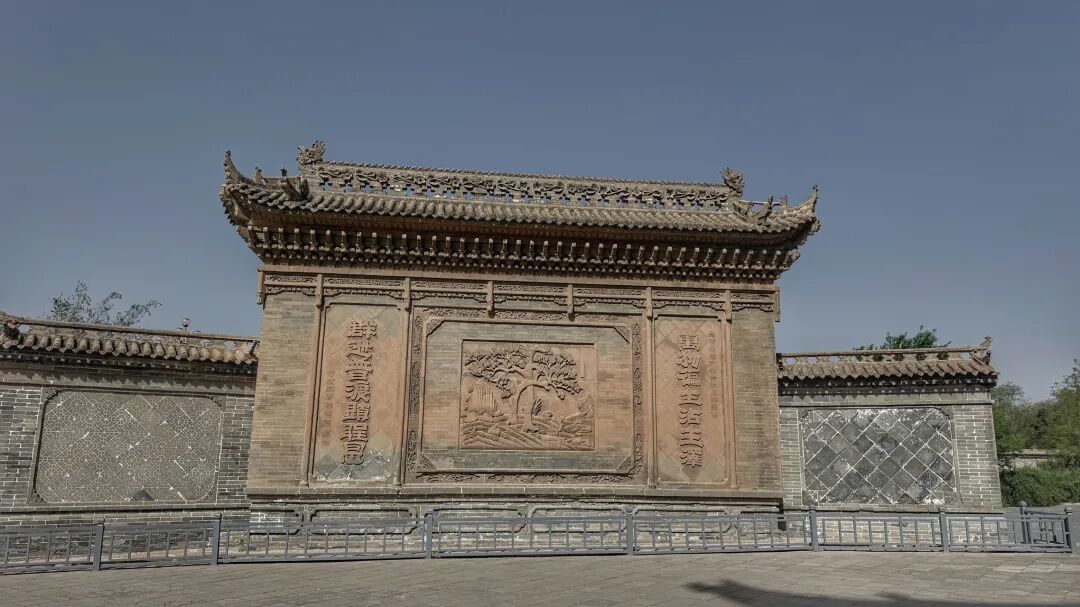
Photo-story capturing the grand spirit of the Tongxin Great Mosque. Through a close-up lens, we explore the mosque's classical hip-and-gable double-eaves roofs, the delicate minaret, and the elevated prayer hall, showcasing the exquisite craftsmanship and serene spiritual sanctuary of the Hui Muslims in Northwest China.
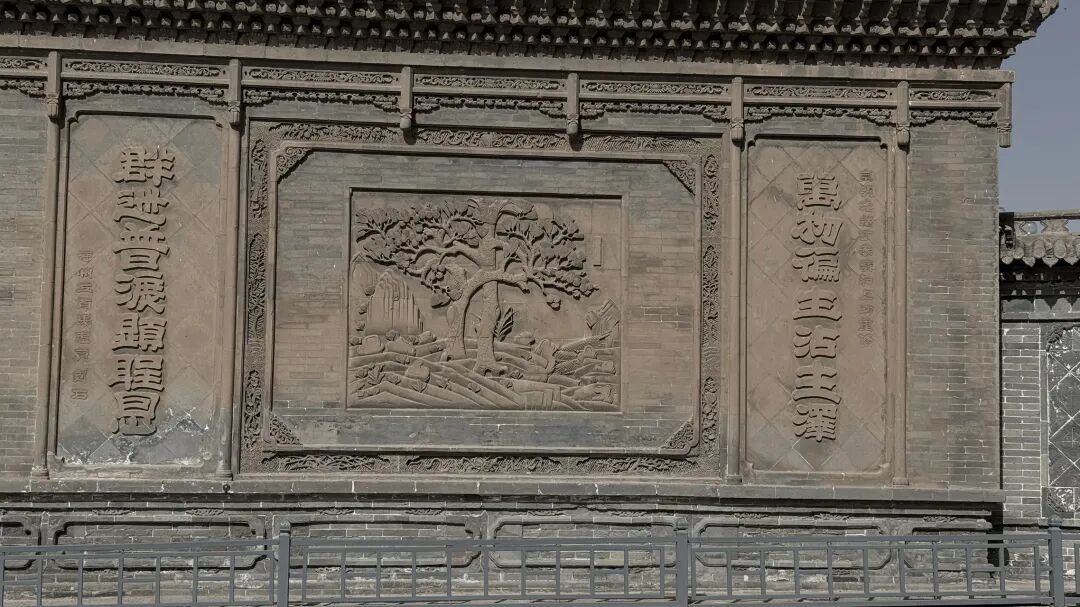
Located in Tongxin County, Wuzhong City, Ningxia, the Tongxin Great Mosque is one of the oldest and largest surviving mosques in the region, recognized as a Major Historical and Cultural Site Protected at the National Level. Its exact founding date is unknown, but the existing structures date back to the Ming dynasty, built over the foundations of an older late-Yuan dynasty mosque. It underwent major renovations during the Wanli reign of the Ming dynasty, as well as the Qianlong and Guangxu reigns of the Qing dynasty. During the late 1960s, the mosque's structures suffered varying degrees of damage. After reopening in 1979, the national and autonomous regional governments allocated funds for comprehensive repairs. Especially between 1982 and 1985, additional funds were invested to completely overhaul the main structures and officially demarcate the surrounding heritage protection zone.

Architectural Style: A classic 'high-platform' structure built atop a 7-meter-tall blue brick terrace. It seamlessly blends traditional Chinese wooden architecture with Islamic brick carving decoration, featuring an inverted 'rolling blind' layout. In front of the mosque stands an exquisite brick-carved screen wall, while the upper terrace features a two-story, four-corner pyramidal minaret and interconnected prayer halls that can accommodate up to 800 worshippers for congregational prayer.
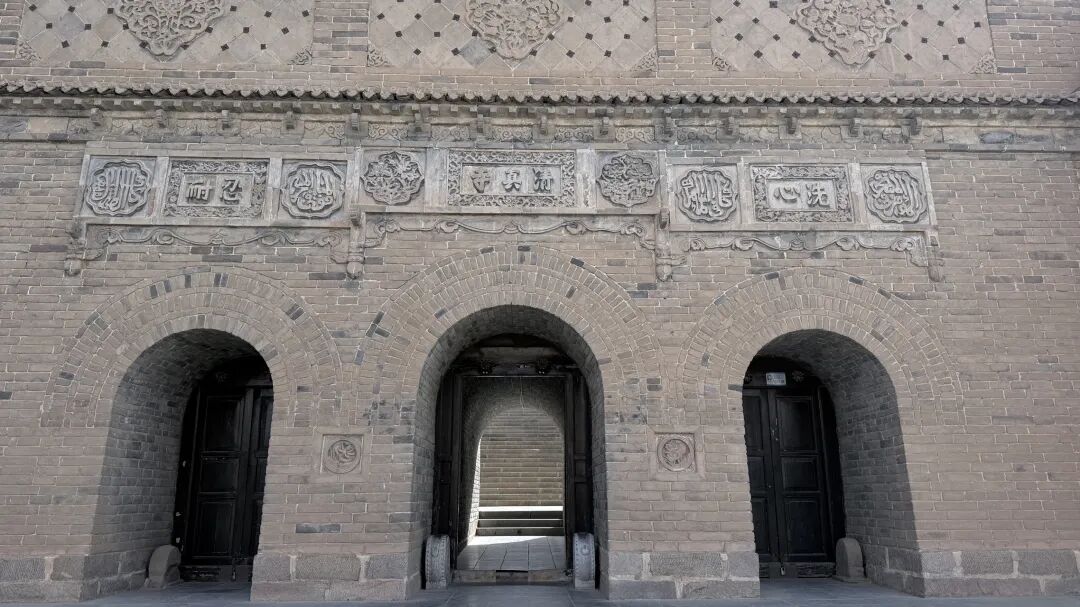
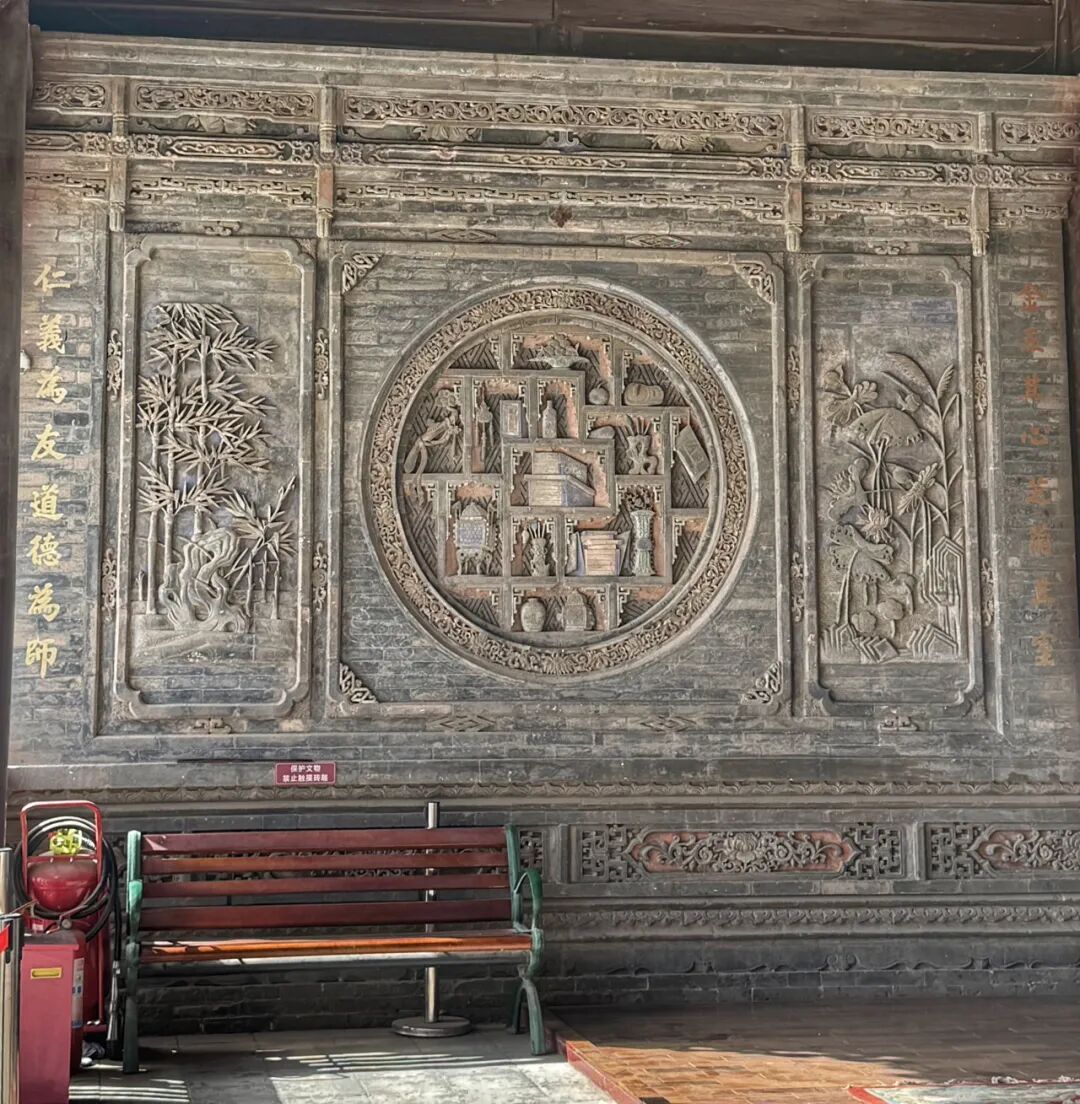
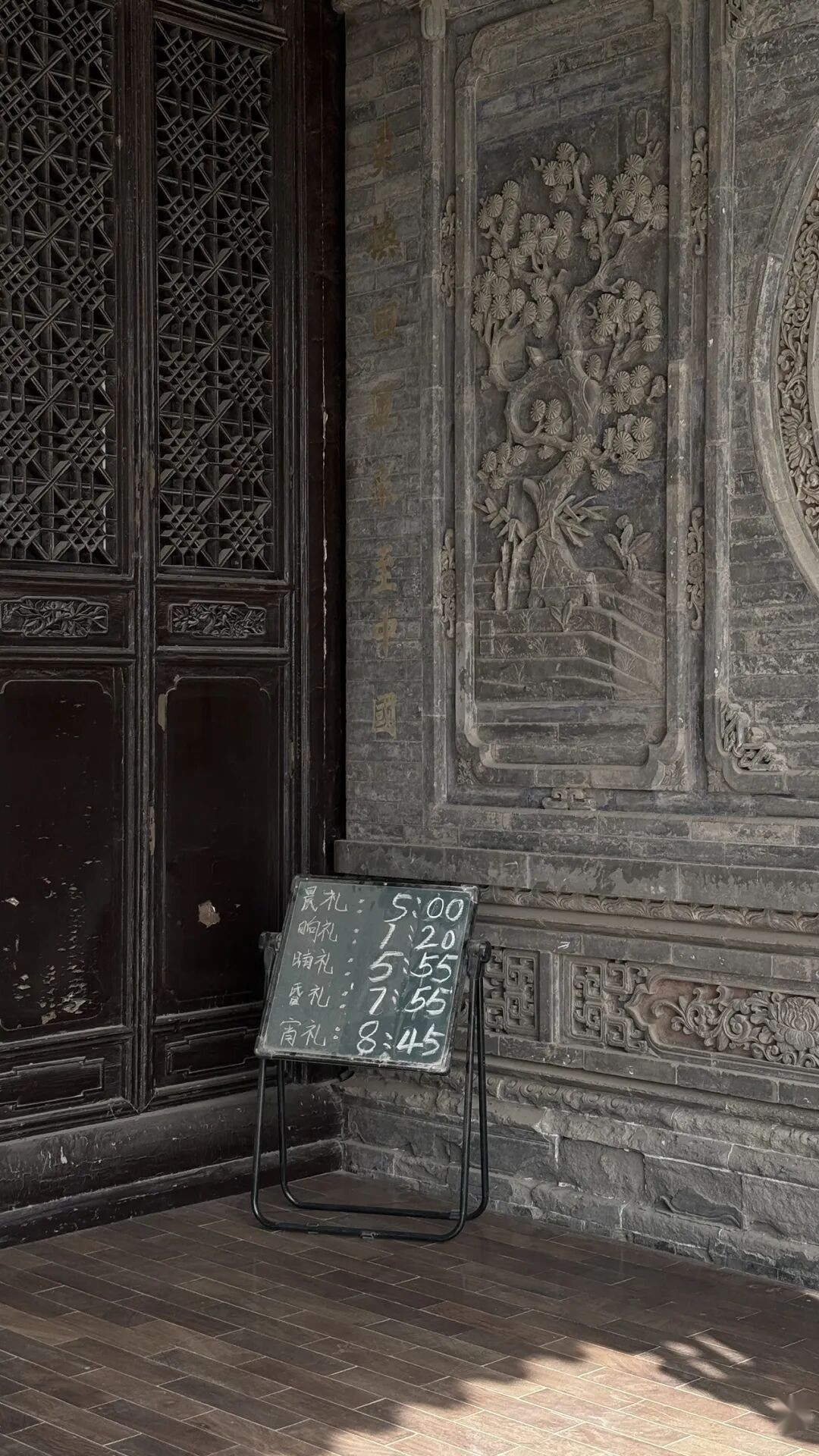
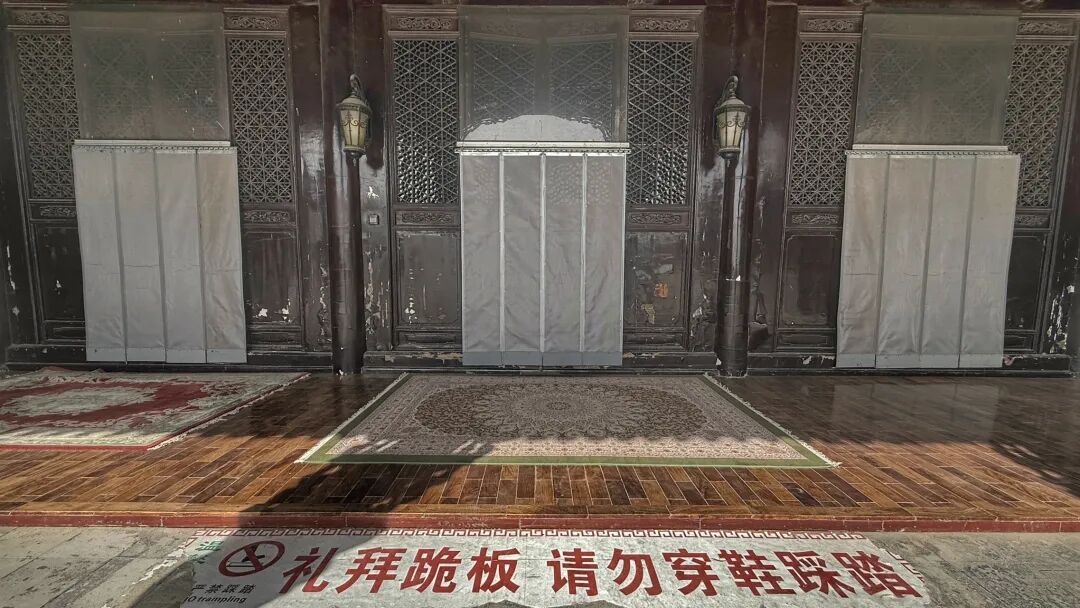
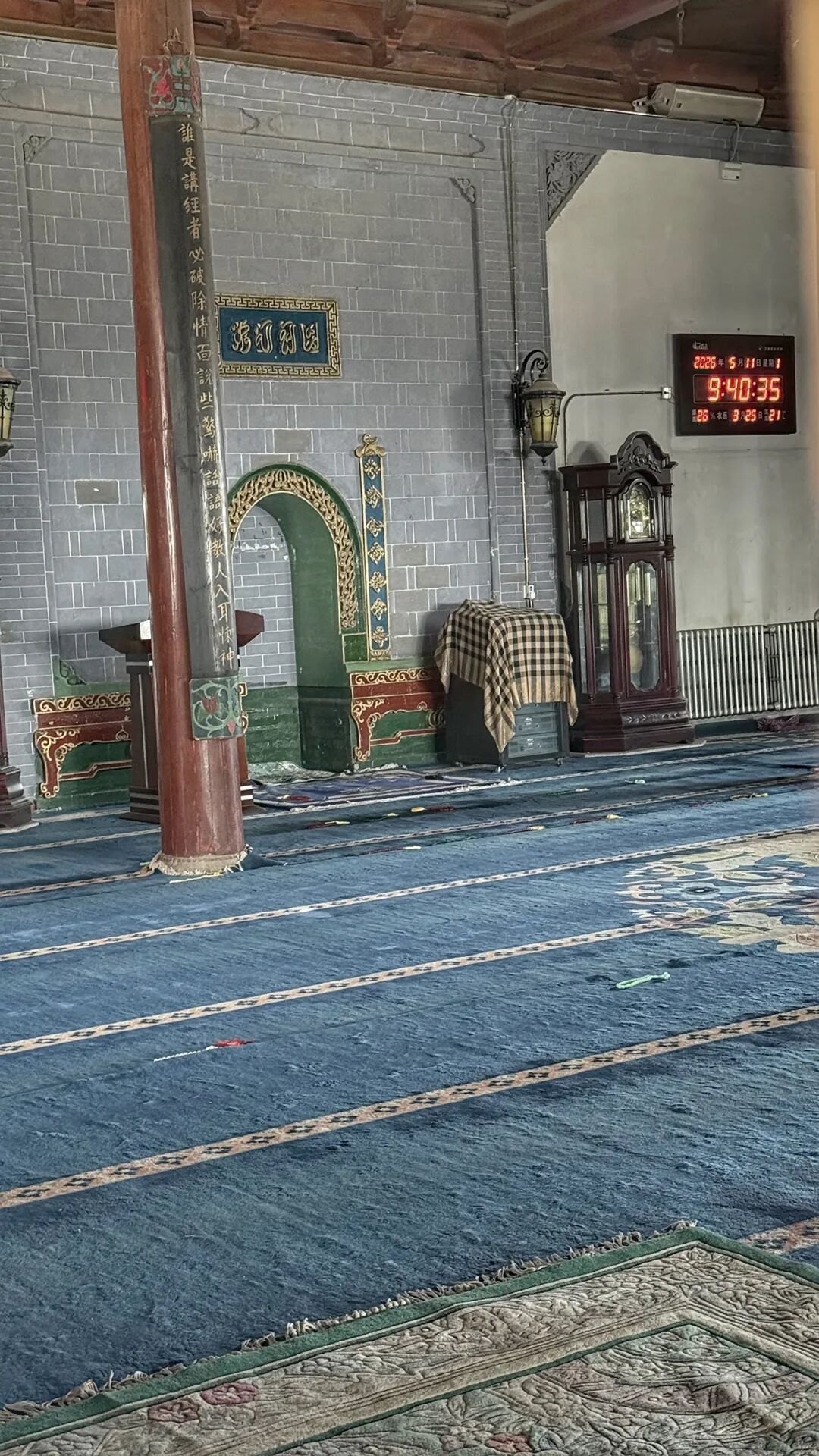
Exploring Ningxia's Hui Muslim Heritage: Tongxin Great Mosque & Halal Food Guide
Articles • Hasan09 posted the article • 0 comments • 36 views • 4 days ago
A Jewel Scattered Across the Frontier: A Panoramic Visual and Classic Brick Carving Masterpiece Tour of Tongxin Great Mosque
Abstract:
Eighty-seven panoramic and close-up documentary photos systematically capture the Tongxin Great Mosque. Every fine detail is vividly rendered, from the exquisite floral brick carvings like 'Yuefang Pine and Cypress' on the spirit wall to the deep, luminous main prayer hall and century-old scholar trees—truly a visual feast of frontier Islamic ancient architecture.
▲ Click to follow for non-stop content
The Tongxin Great Mosque is the oldest and largest mosque in the Ningxia Hui Autonomous Region. It holds profound influence among Muslims in southern Ningxia's mountainous areas. Historically, its Quranic education (madrasa) was exceptionally advanced, serving as the region's hub for religious and academic activities where numerous renowned Muslim scholars studied and taught.
Legend has it that Tongxin Great Mosque was first built in the early Ming Dynasty, boasting a history of about 600 years. It underwent three major renovations during the Ming and Qing dynasties. In 1936, during the Red Army's Long March (Western Expedition), the Shaan-Gan-Ning Yuhai County Hui Autonomous Government was established right here.
The mosque's standout feature is its blend of traditional Chinese and Islamic architectural styles, dominated by timber framing, brick carvings, and hip-and-gable roofs (xieshan), with decorations incorporating Arabic geometric patterns and Quranic verses. The 'Pine and Moon' brick carving on the spirit wall out front holds immense artistic value. Grand and impeccably decorated, it was designated as a Major Historical and Cultural Site Protected at the National Level in 1988. Following multiple restorations, it still preserves its historic appearance to this day and stands as an important witness to the cultural fusion of the Hui and Han peoples.
(Wikipedia) view all
A Jewel Scattered Across the Frontier: A Panoramic Visual and Classic Brick Carving Masterpiece Tour of Tongxin Great Mosque

Abstract:
Eighty-seven panoramic and close-up documentary photos systematically capture the Tongxin Great Mosque. Every fine detail is vividly rendered, from the exquisite floral brick carvings like 'Yuefang Pine and Cypress' on the spirit wall to the deep, luminous main prayer hall and century-old scholar trees—truly a visual feast of frontier Islamic ancient architecture.
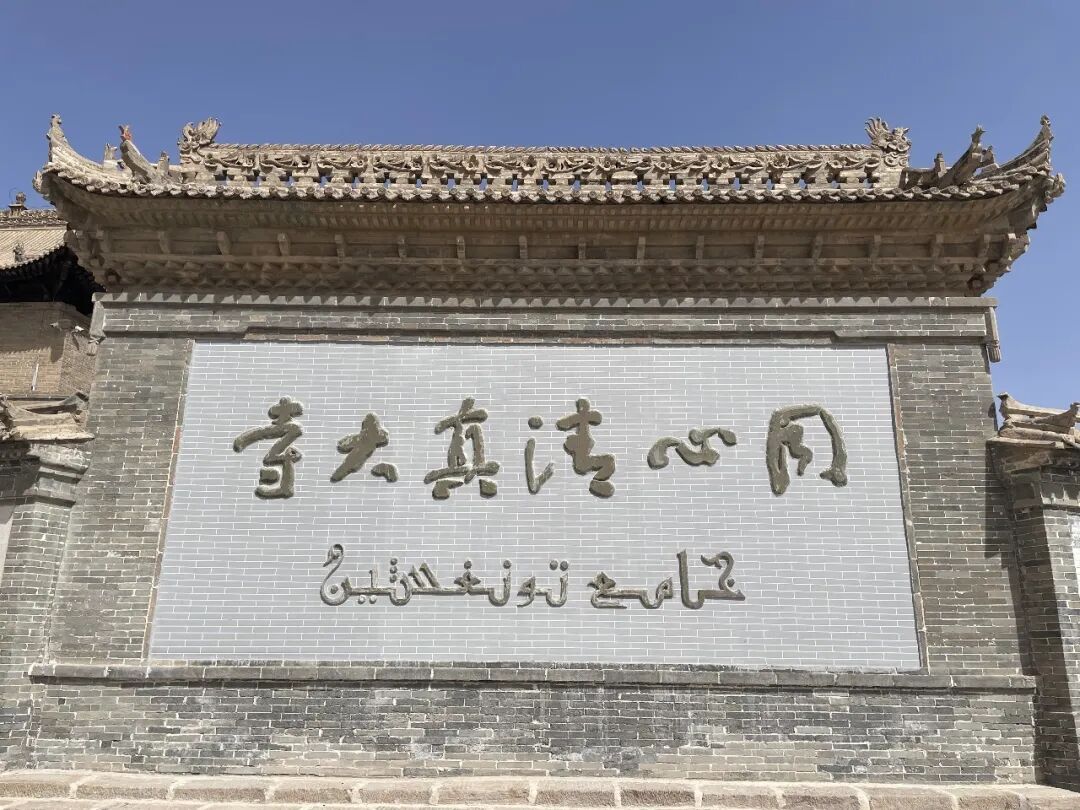
▲ Click to follow for non-stop content
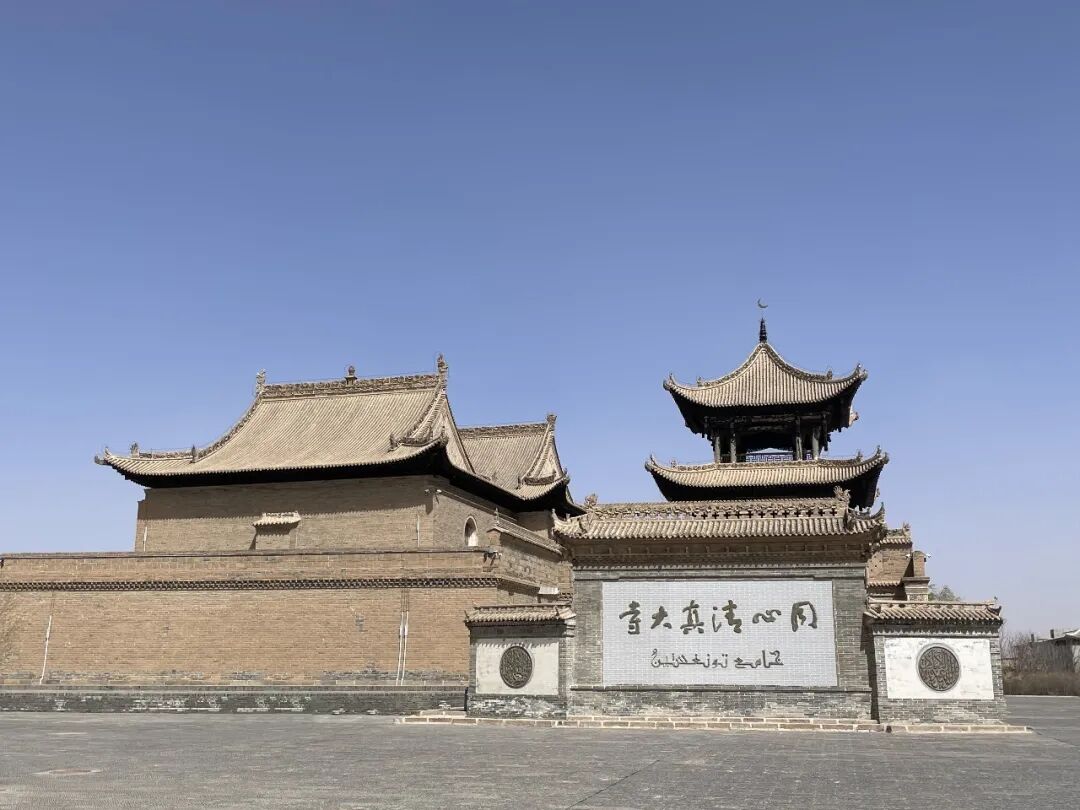
The Tongxin Great Mosque is the oldest and largest mosque in the Ningxia Hui Autonomous Region. It holds profound influence among Muslims in southern Ningxia's mountainous areas. Historically, its Quranic education (madrasa) was exceptionally advanced, serving as the region's hub for religious and academic activities where numerous renowned Muslim scholars studied and taught.
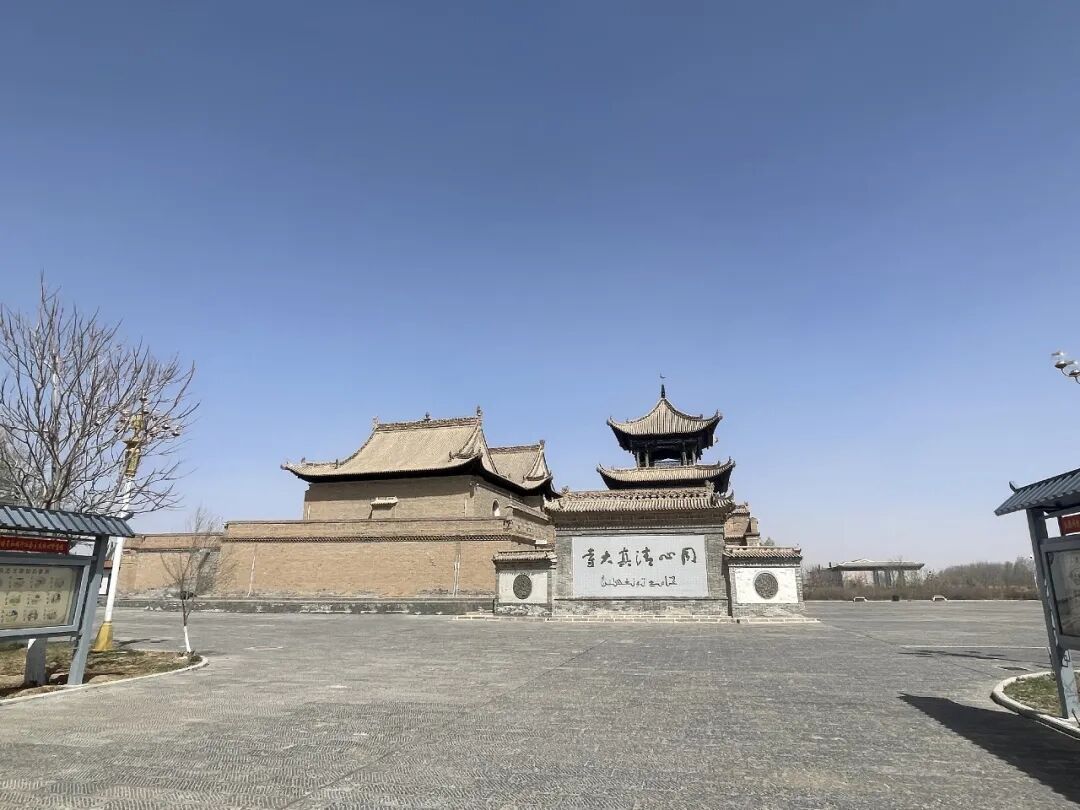
Legend has it that Tongxin Great Mosque was first built in the early Ming Dynasty, boasting a history of about 600 years. It underwent three major renovations during the Ming and Qing dynasties. In 1936, during the Red Army's Long March (Western Expedition), the Shaan-Gan-Ning Yuhai County Hui Autonomous Government was established right here.
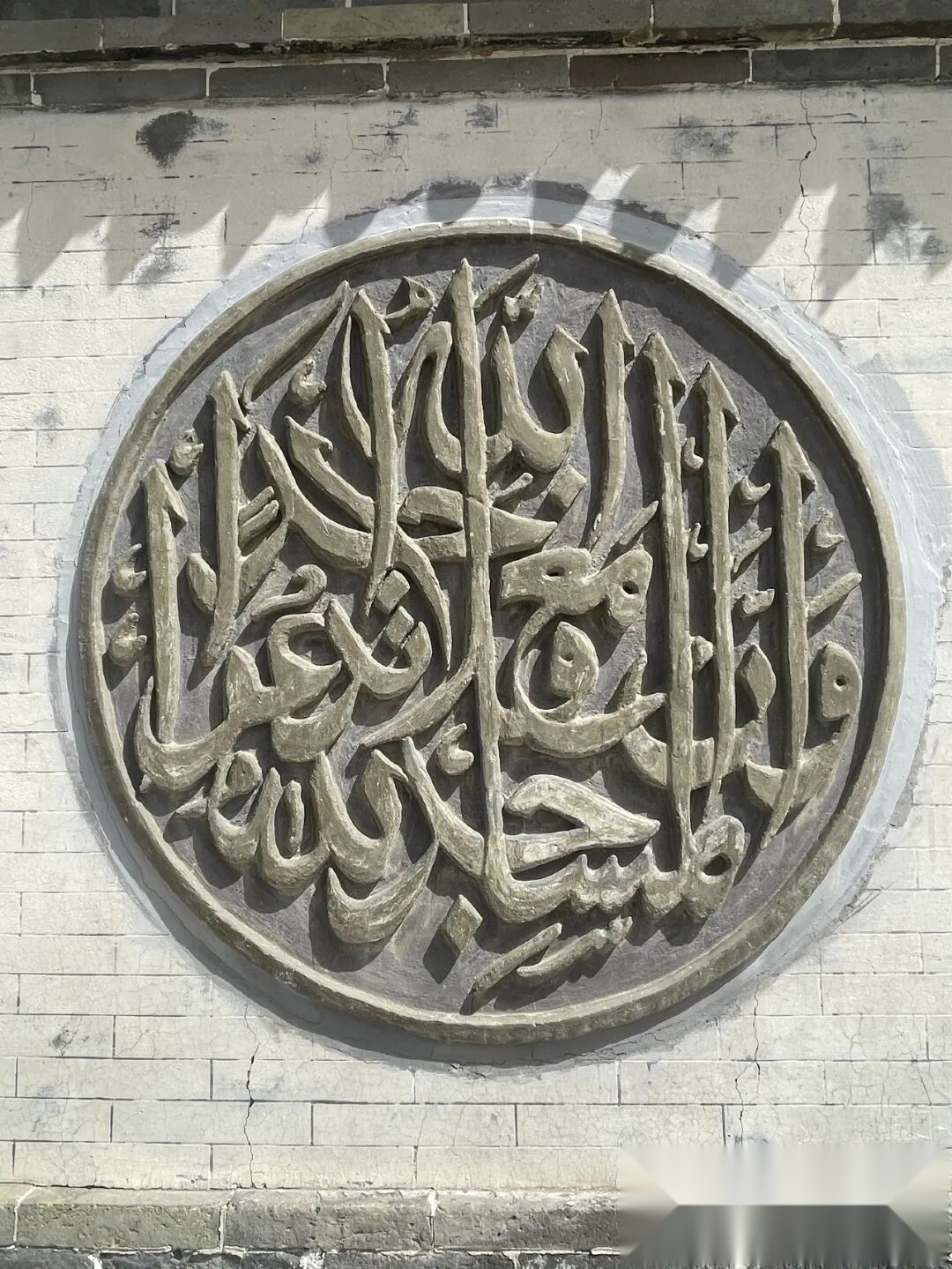
The mosque's standout feature is its blend of traditional Chinese and Islamic architectural styles, dominated by timber framing, brick carvings, and hip-and-gable roofs (xieshan), with decorations incorporating Arabic geometric patterns and Quranic verses. The 'Pine and Moon' brick carving on the spirit wall out front holds immense artistic value. Grand and impeccably decorated, it was designated as a Major Historical and Cultural Site Protected at the National Level in 1988. Following multiple restorations, it still preserves its historic appearance to this day and stands as an important witness to the cultural fusion of the Hui and Han peoples.
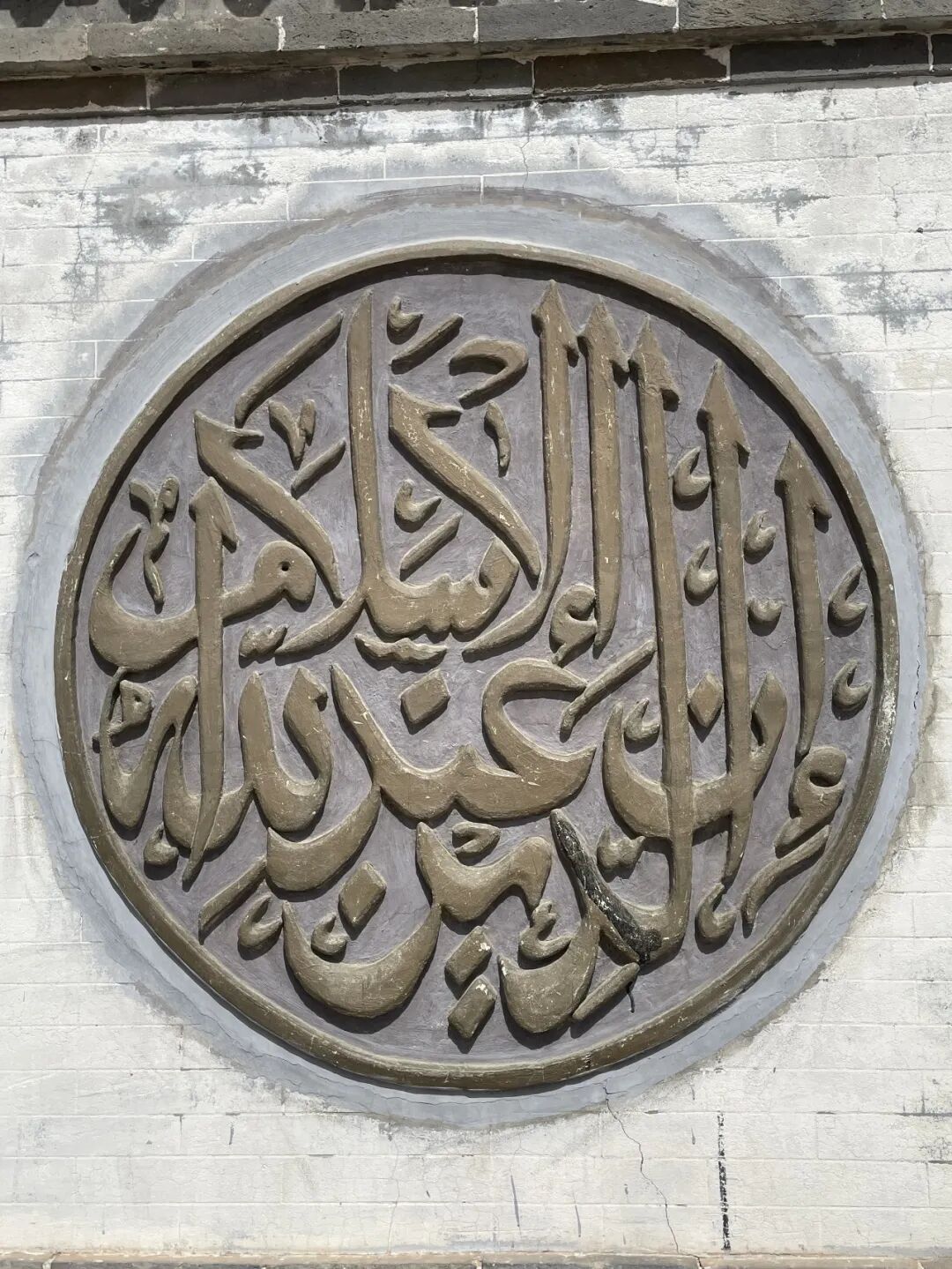
(Wikipedia)
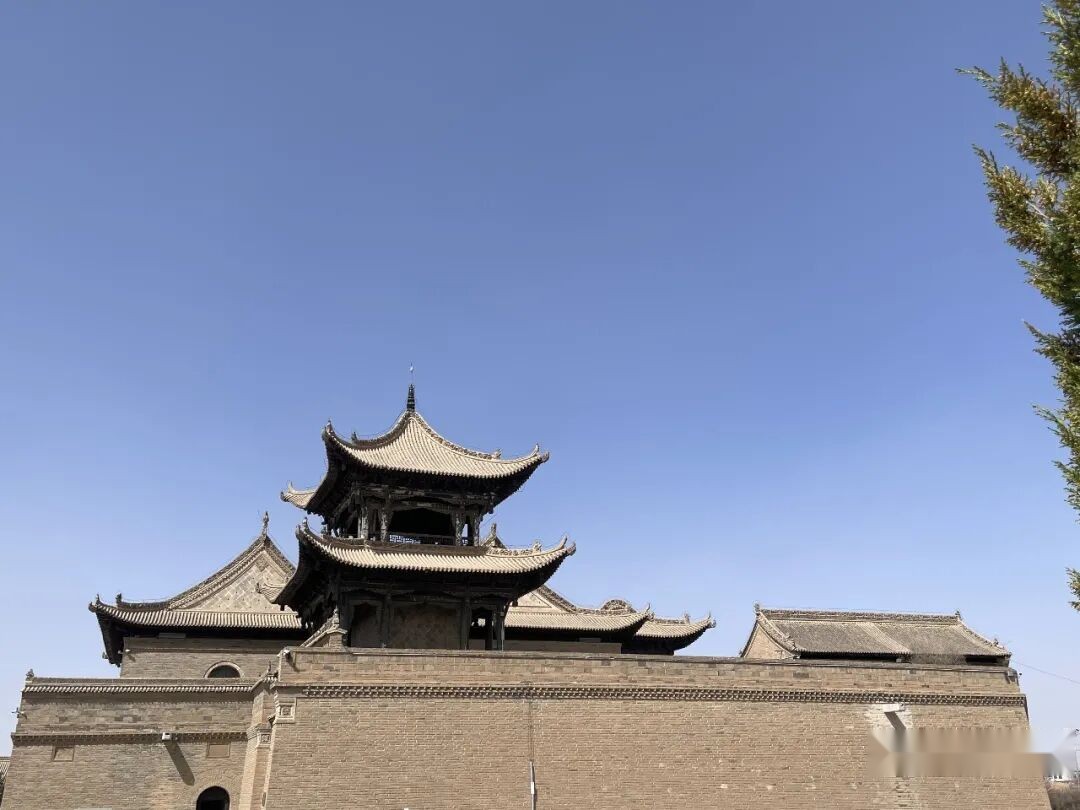
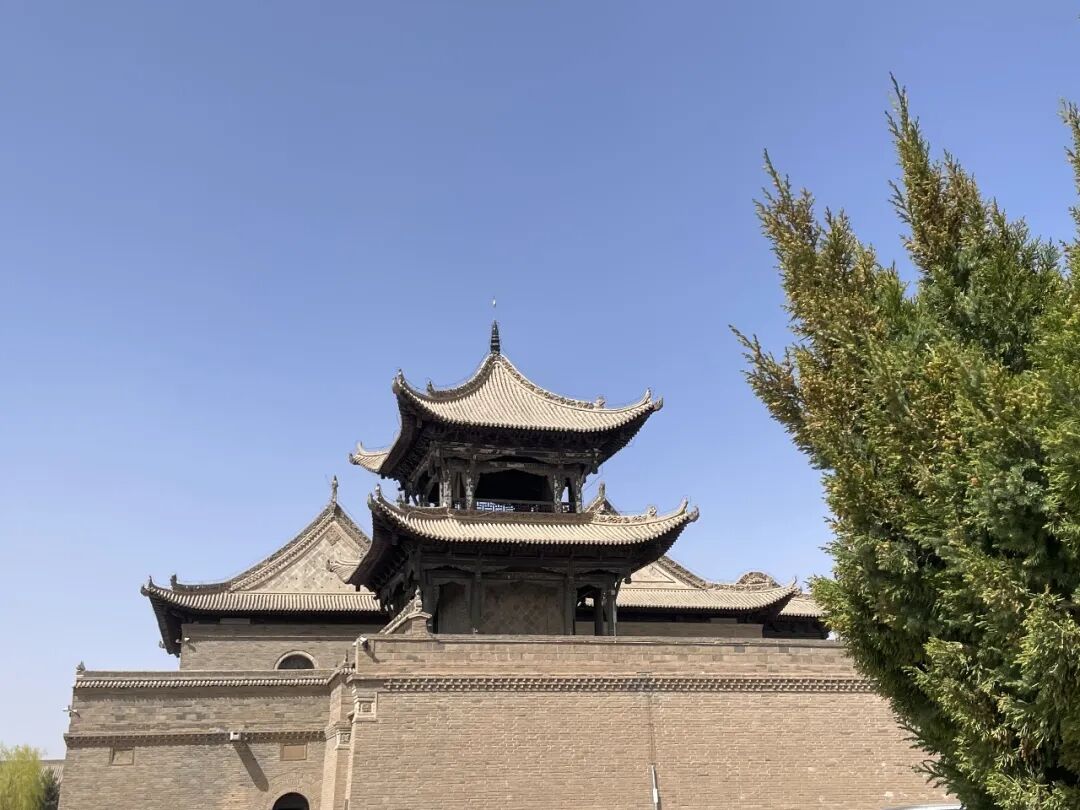
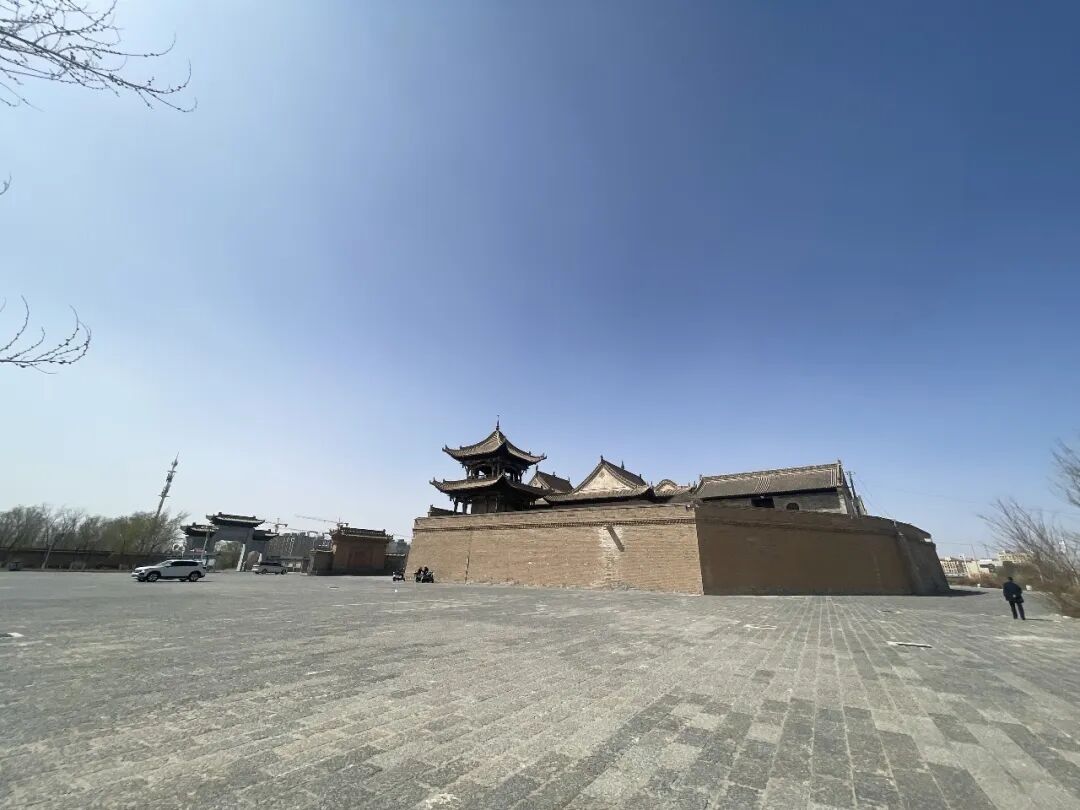

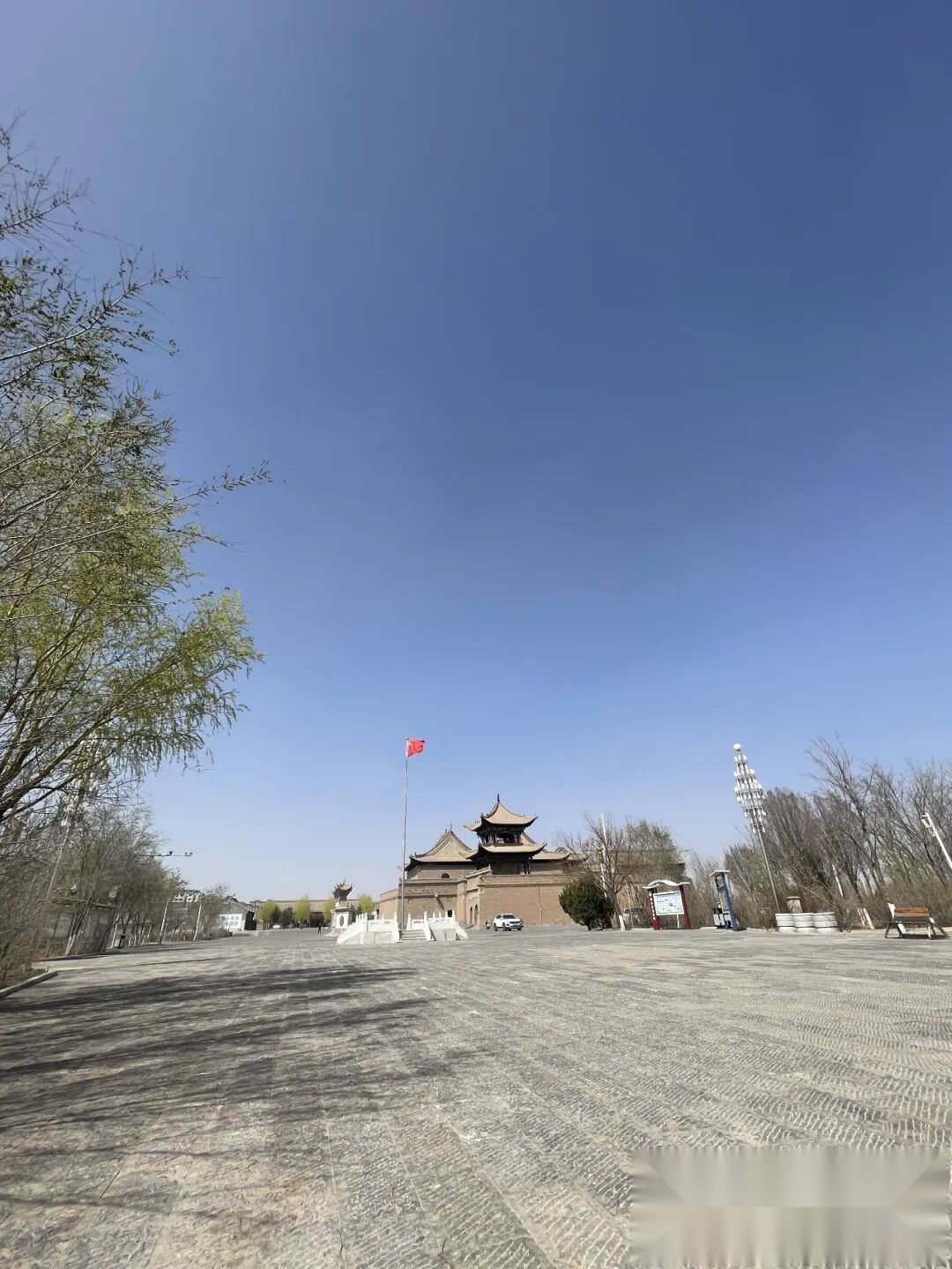
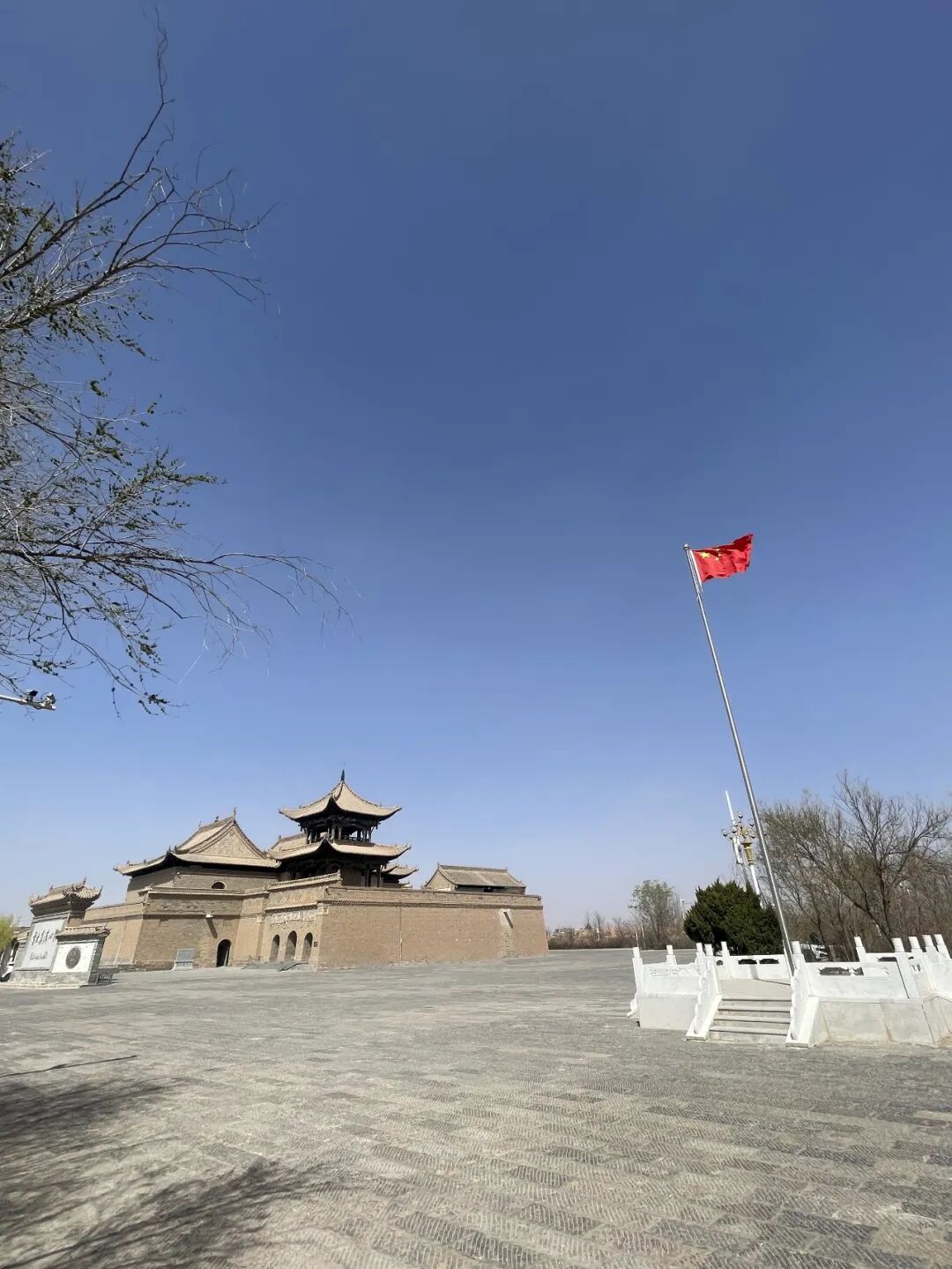

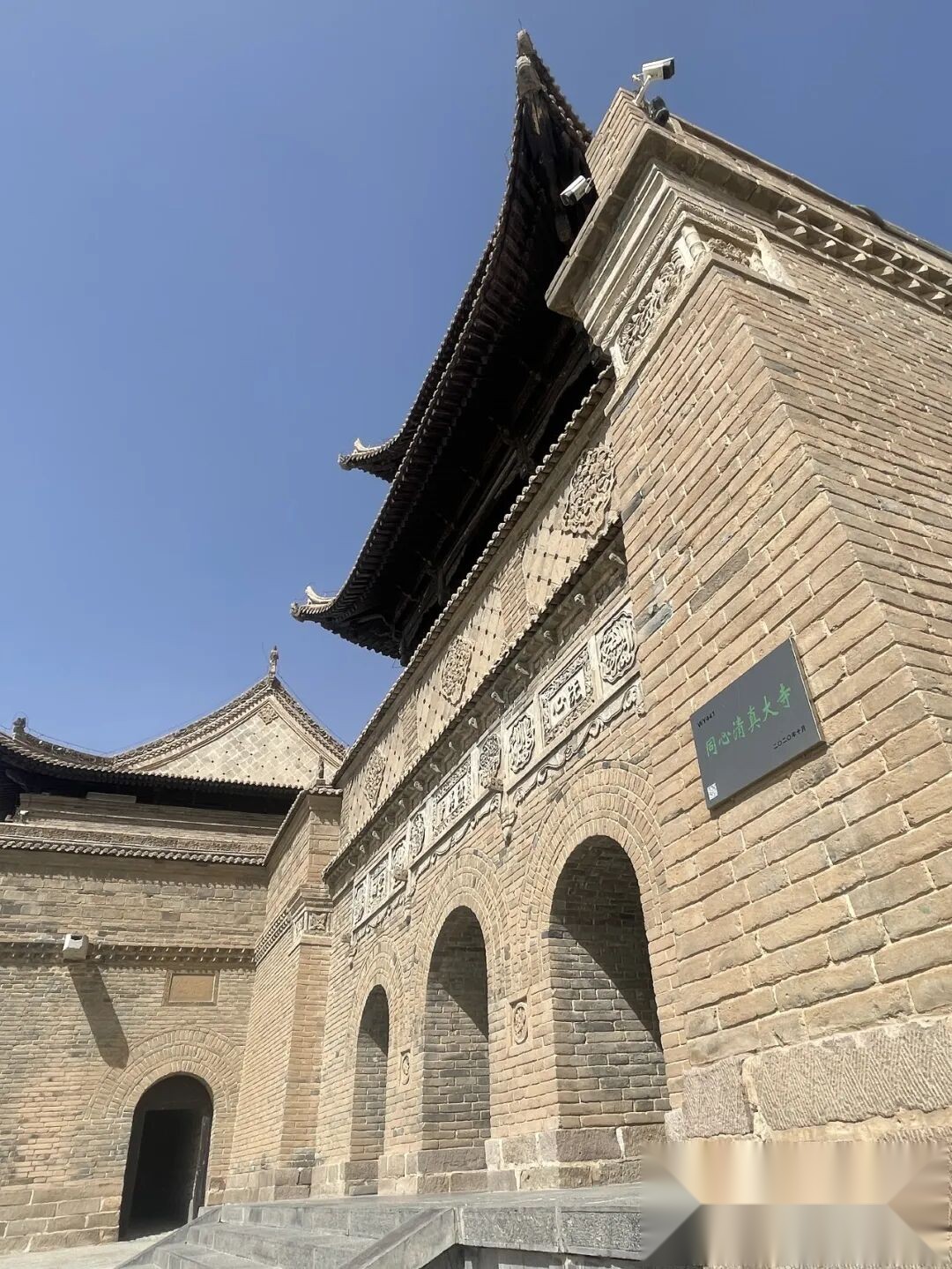
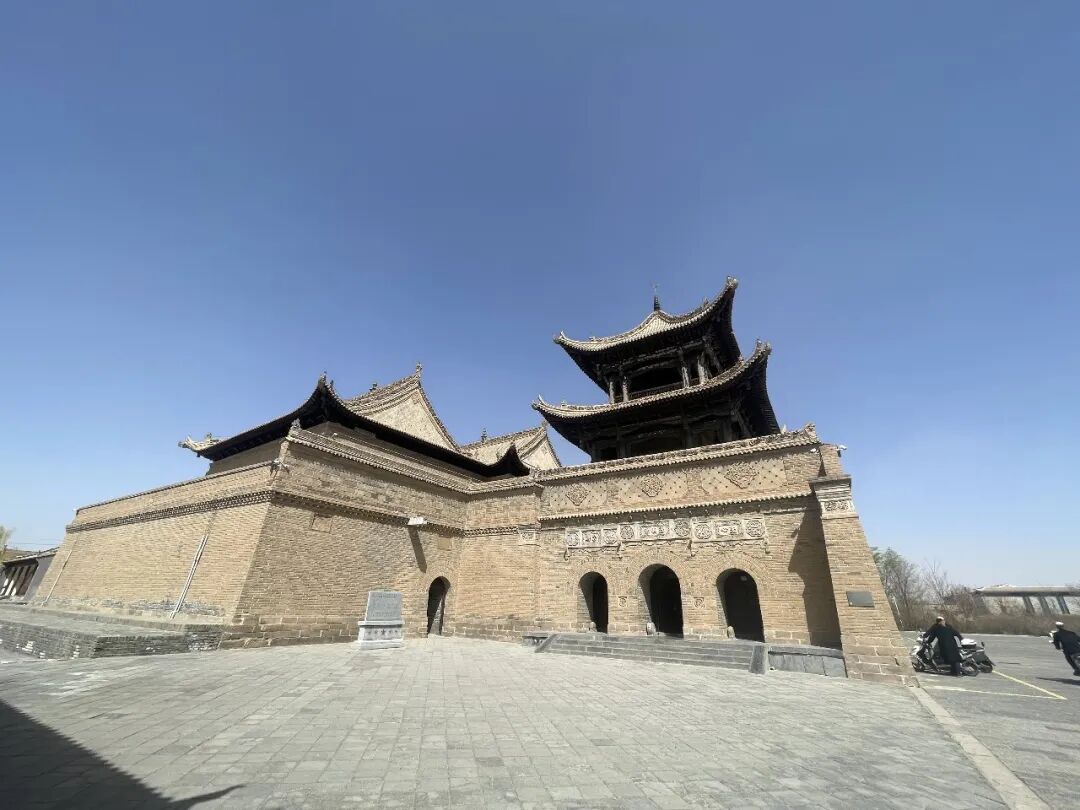
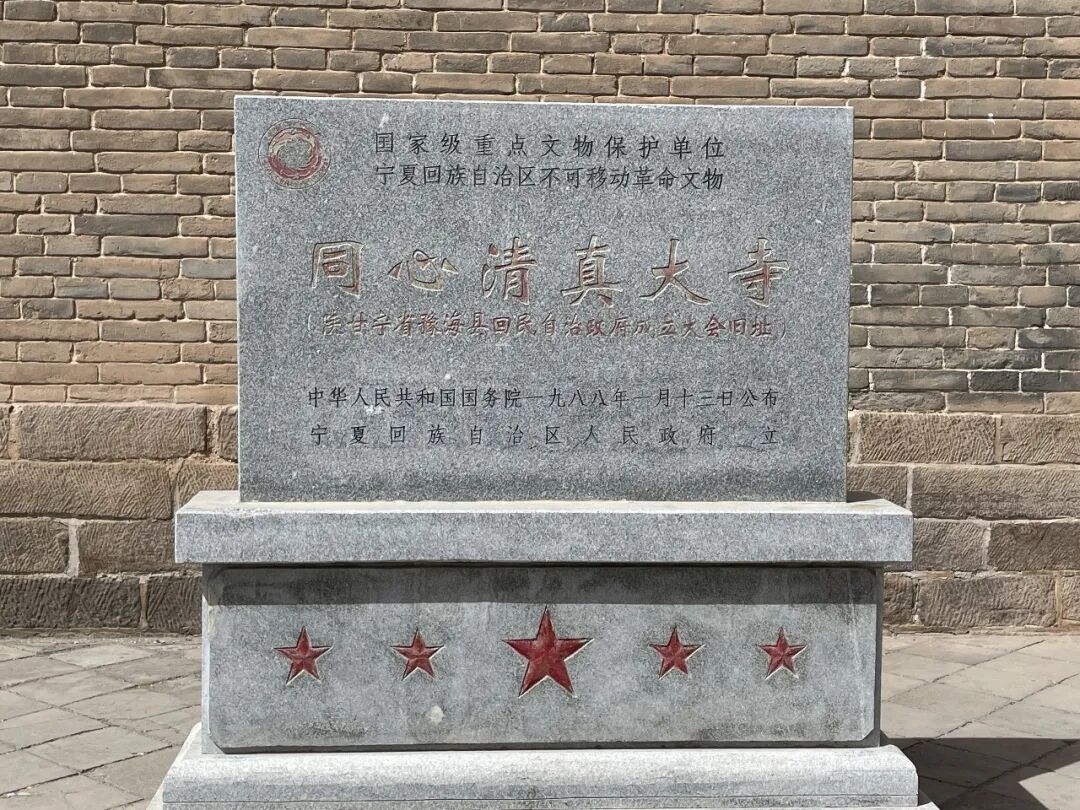

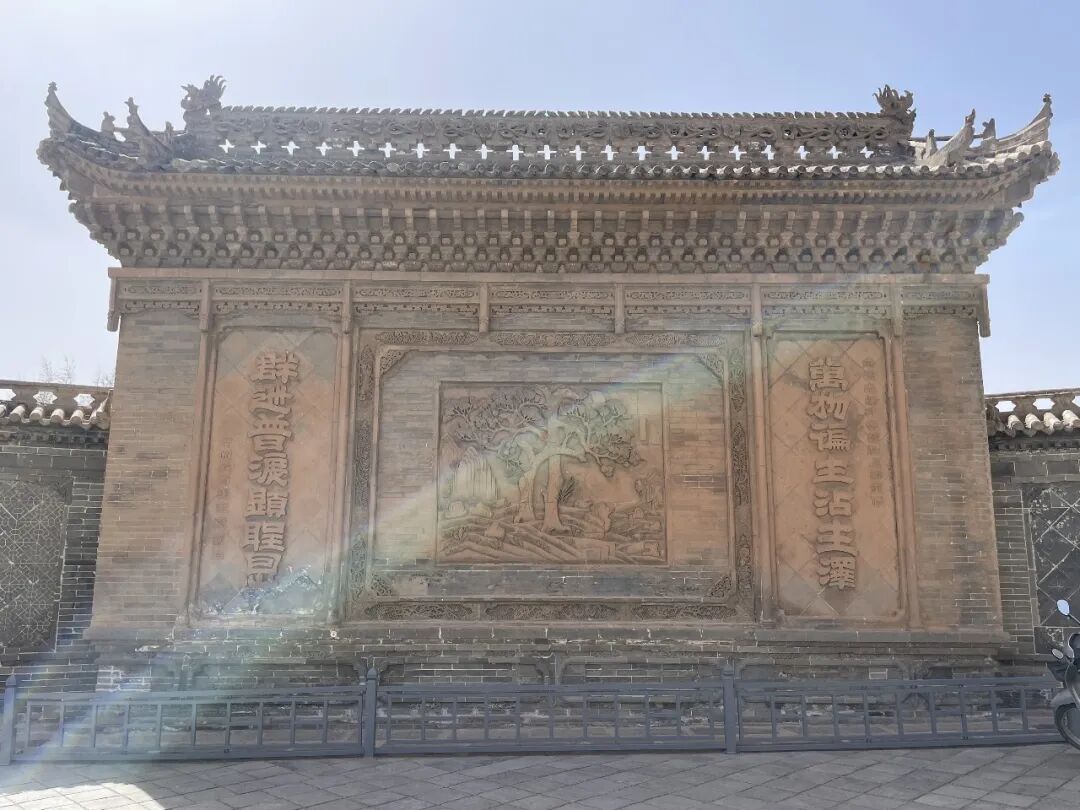

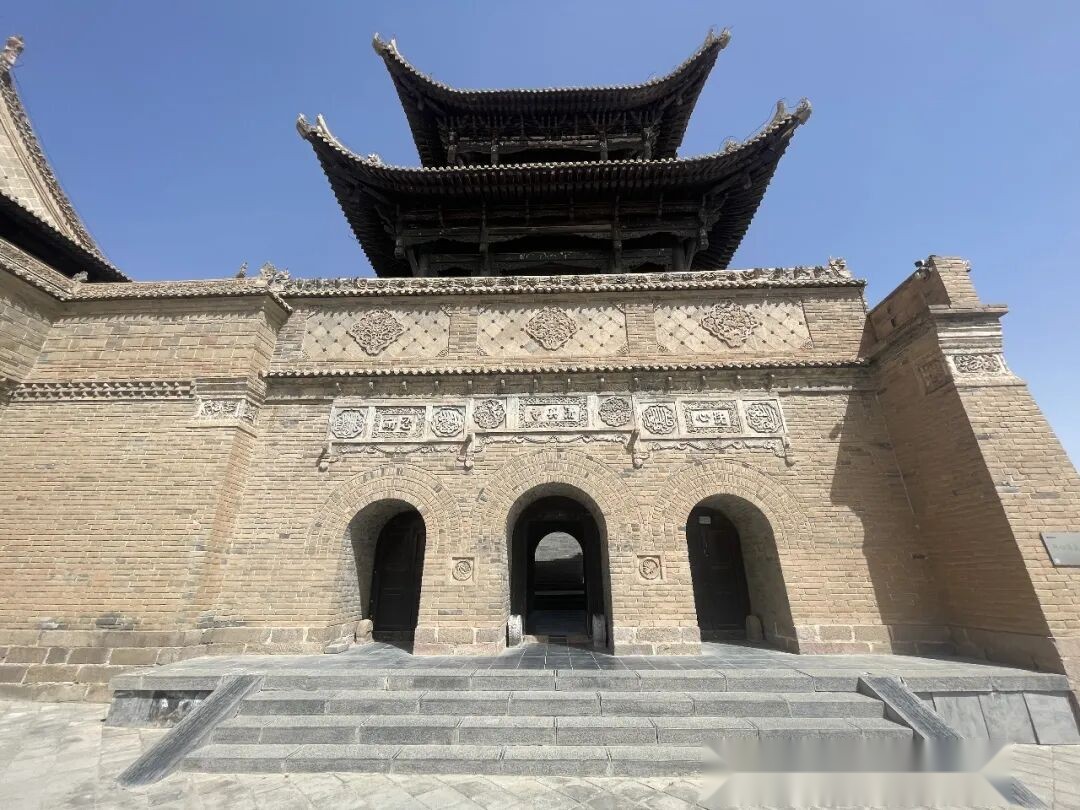
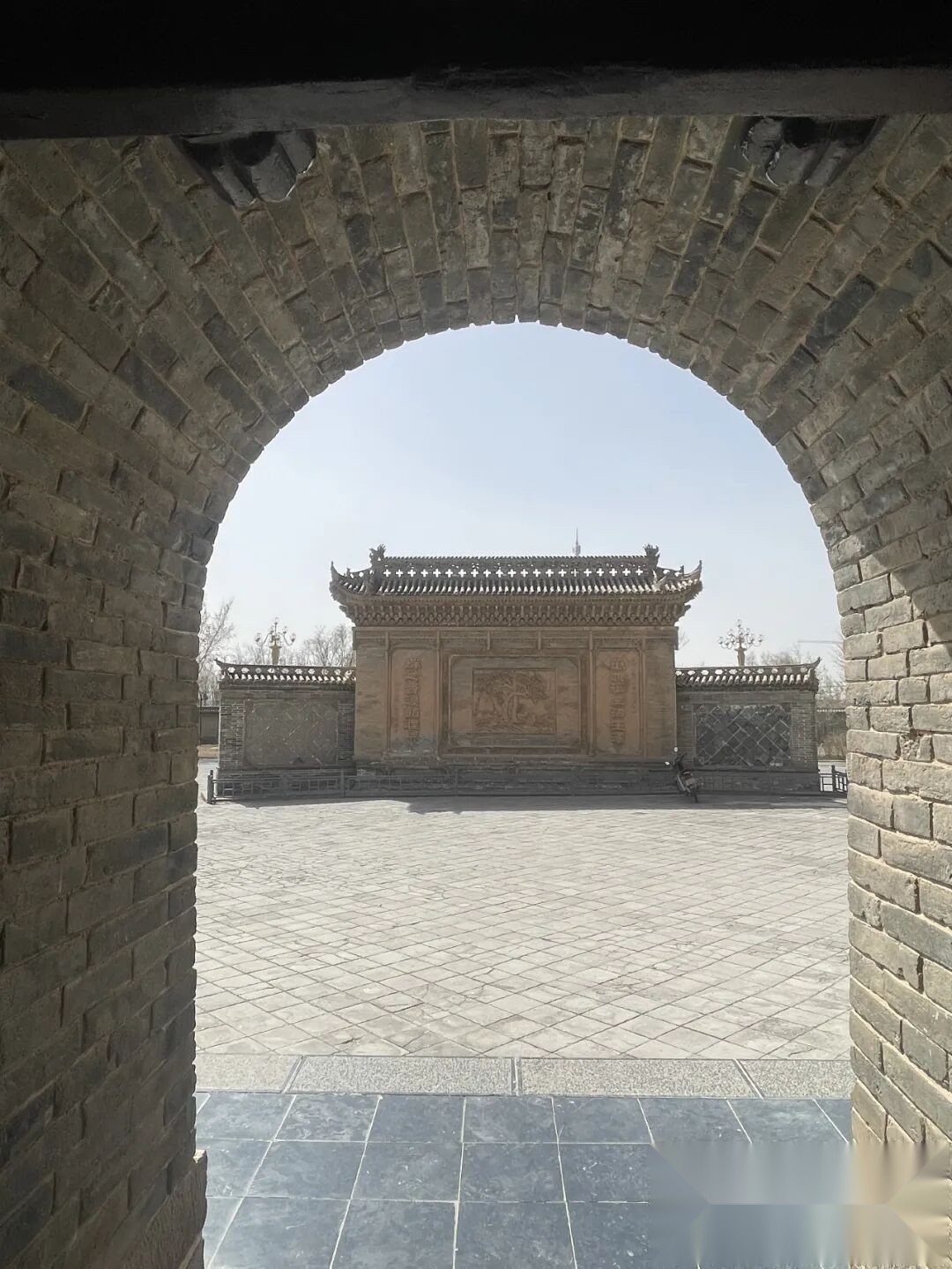
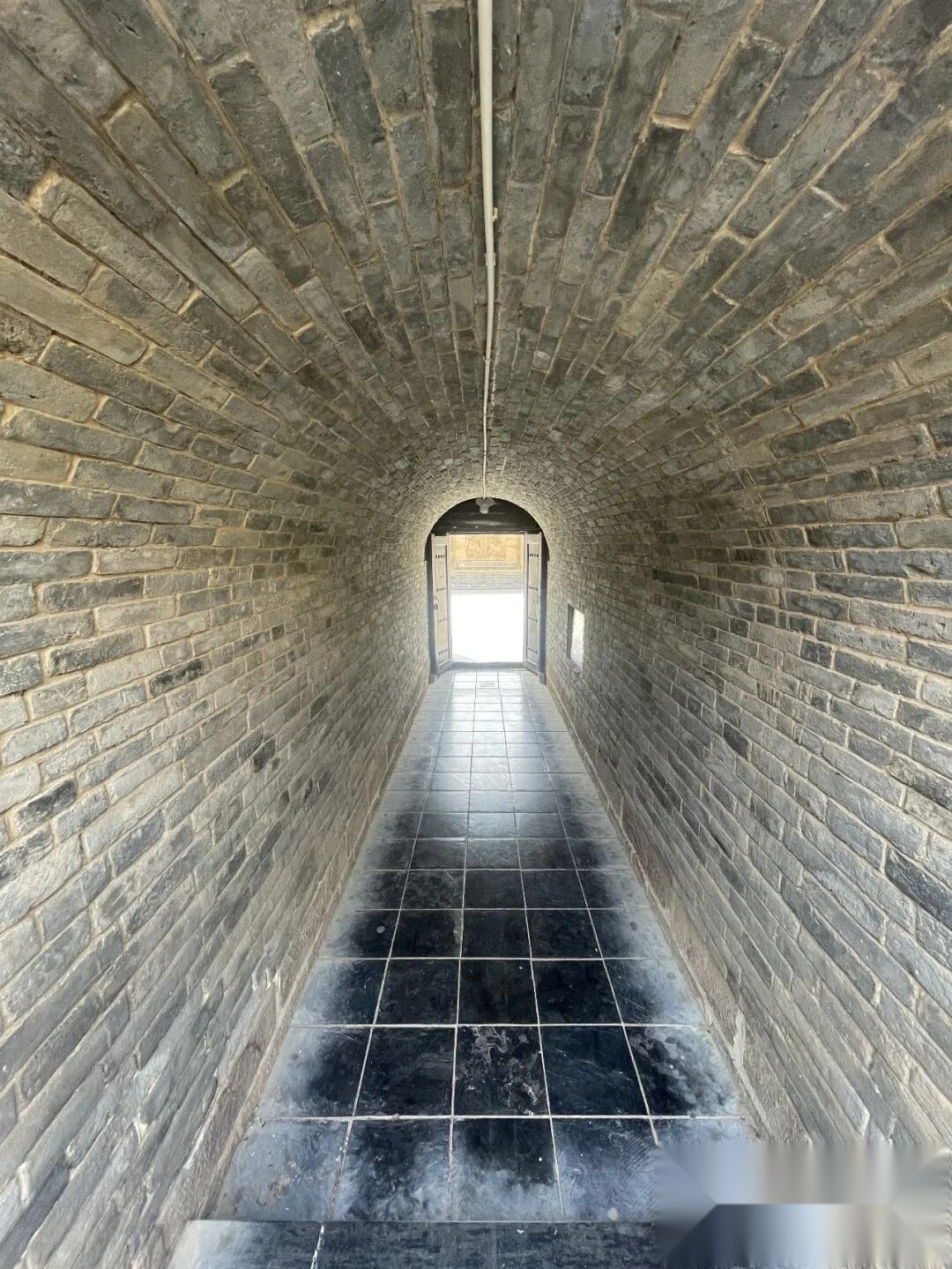
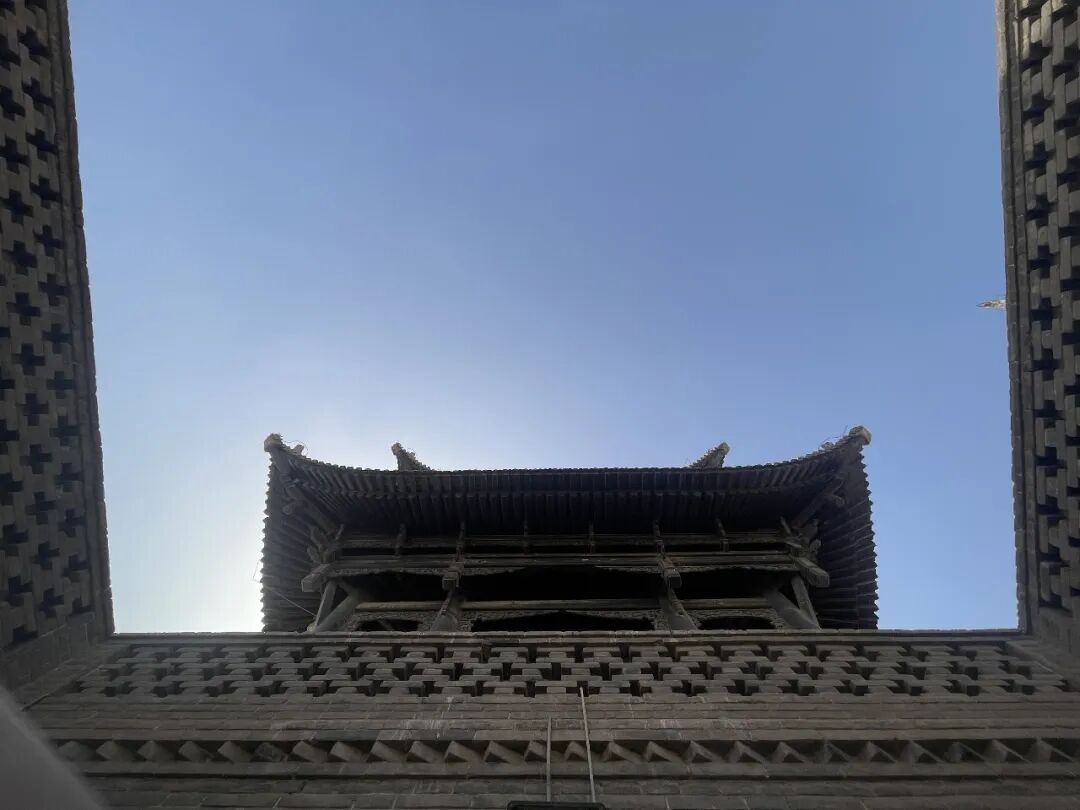
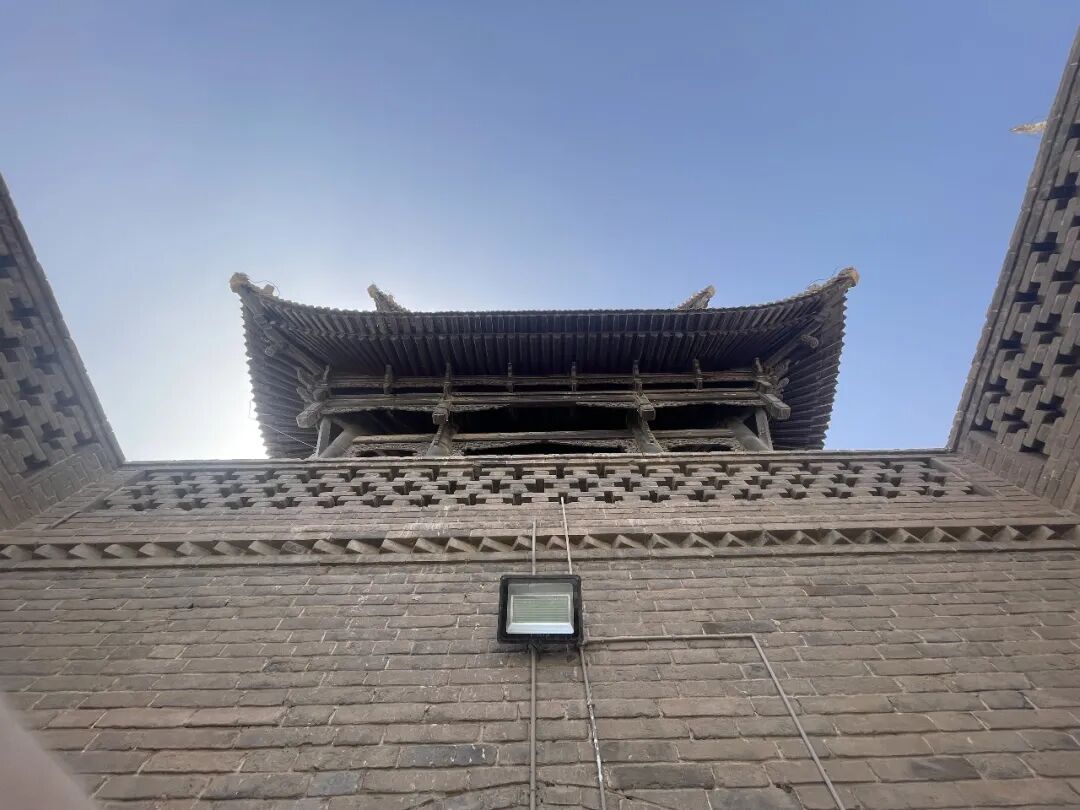
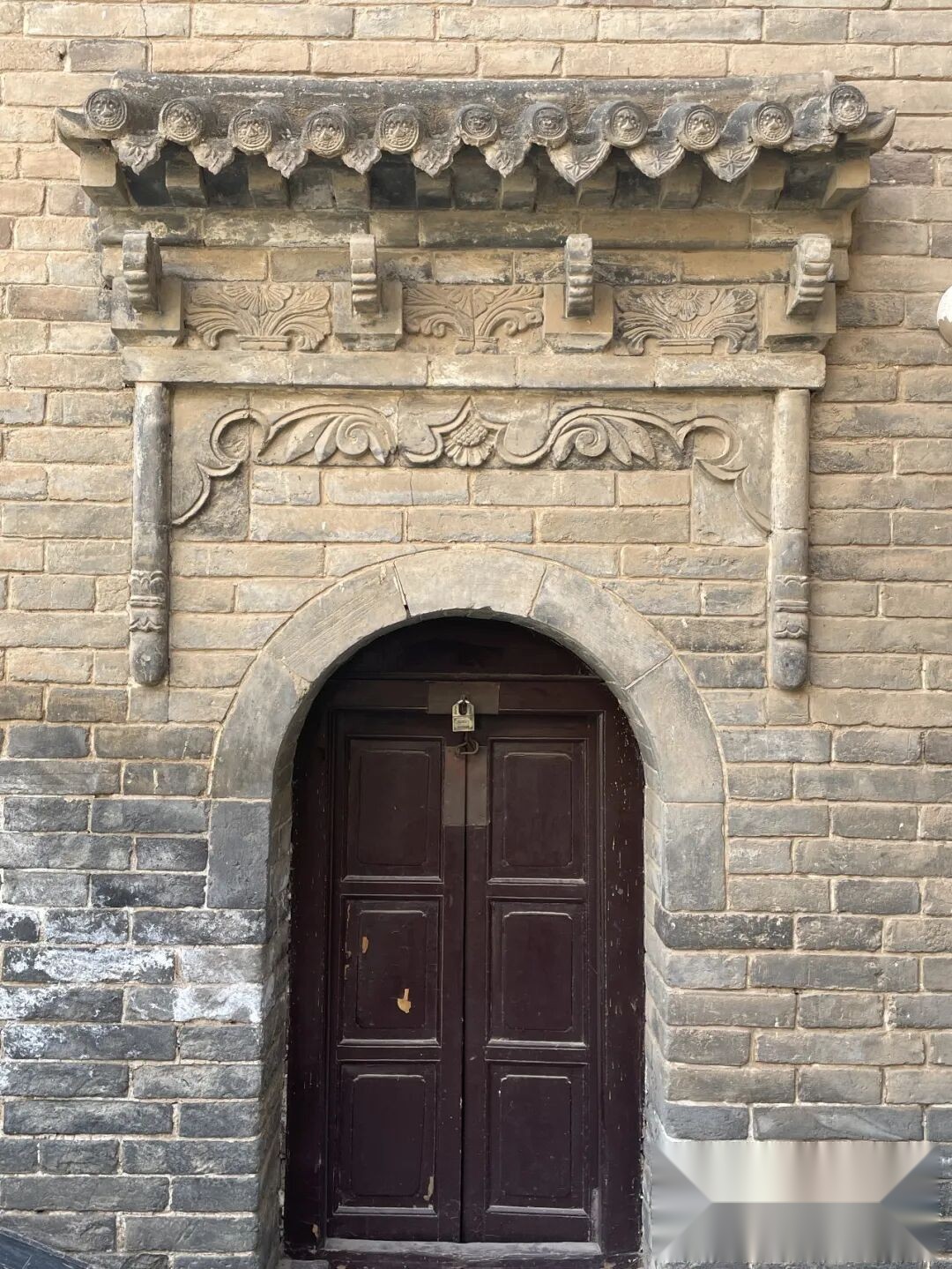
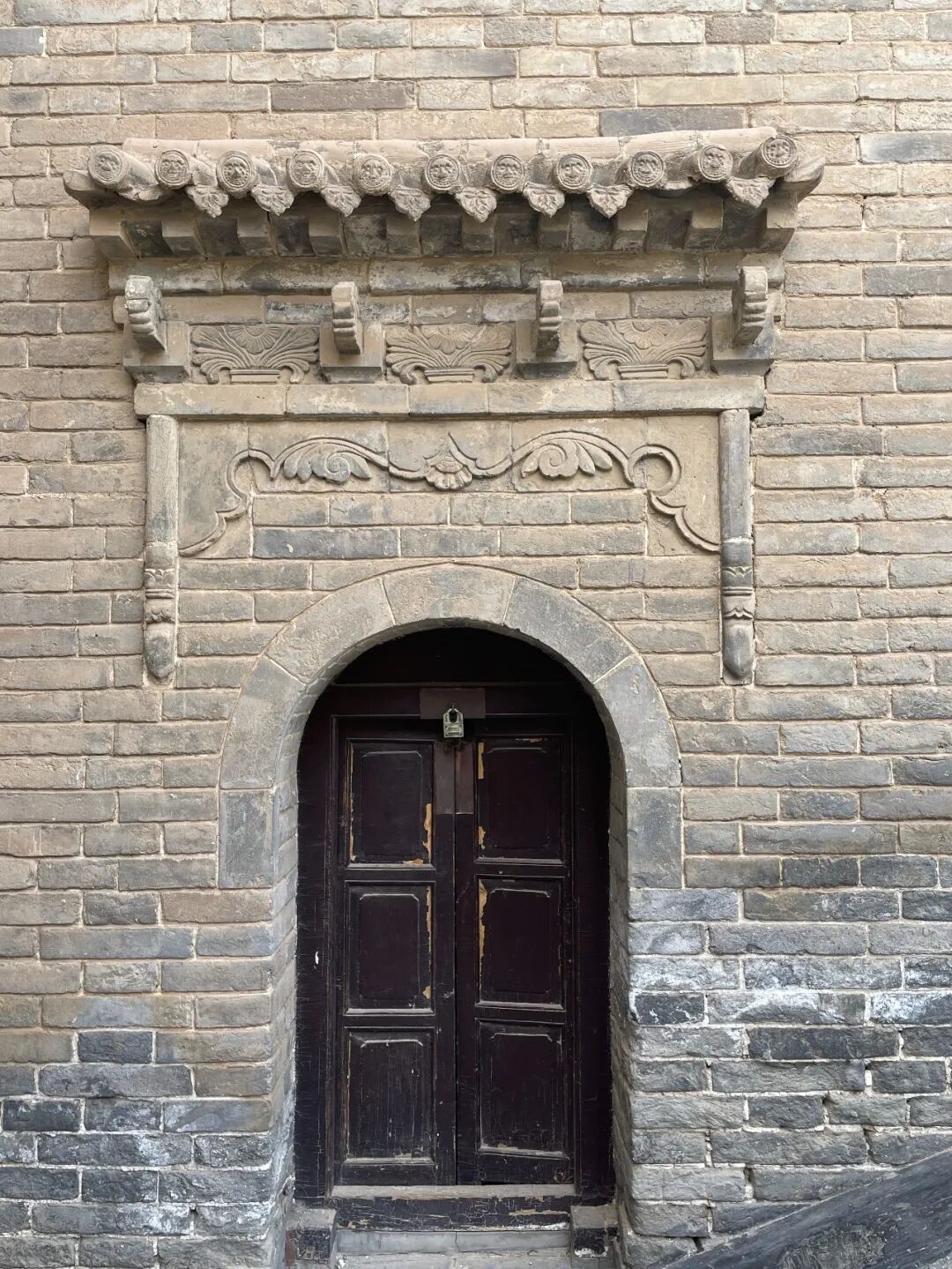
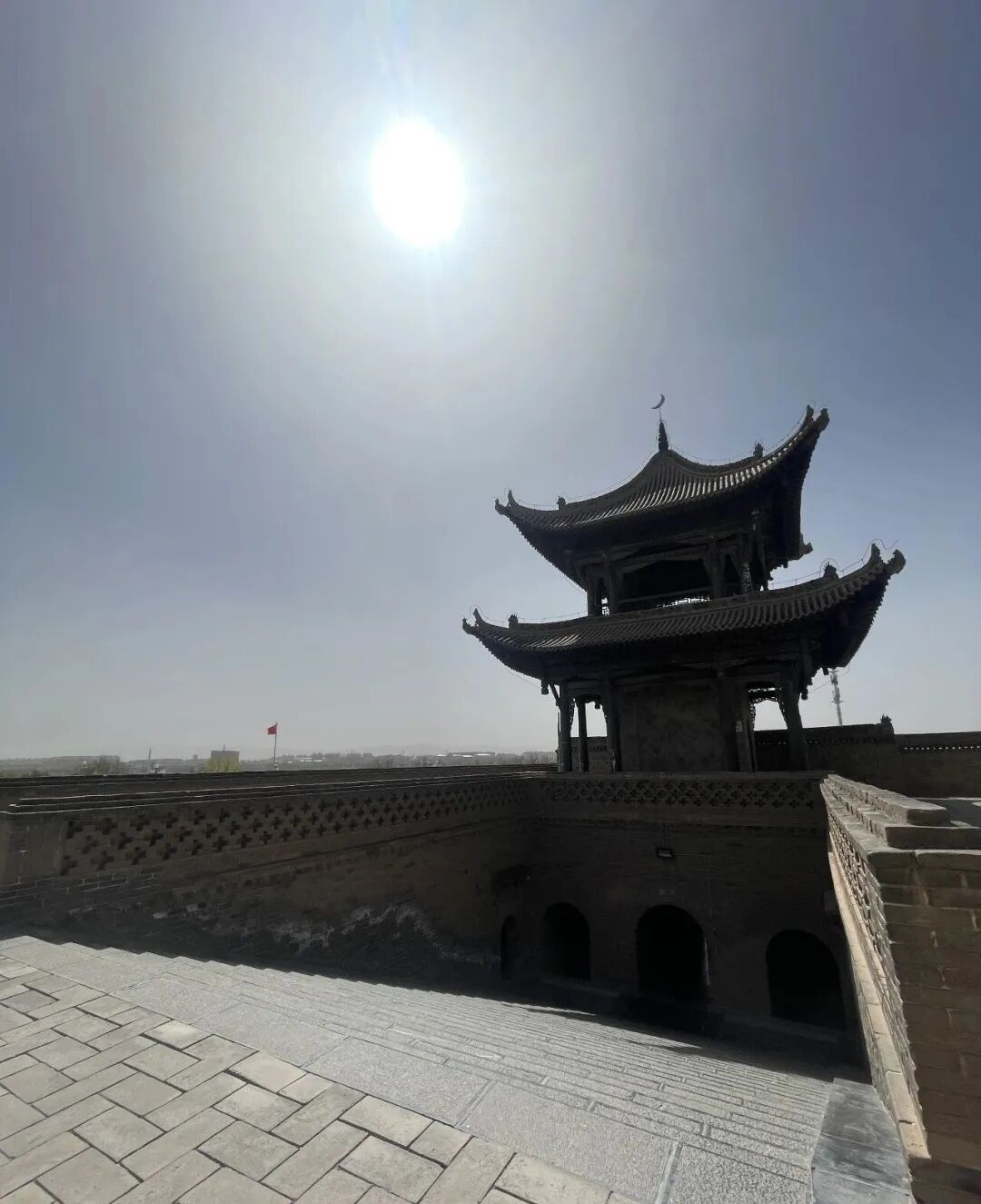

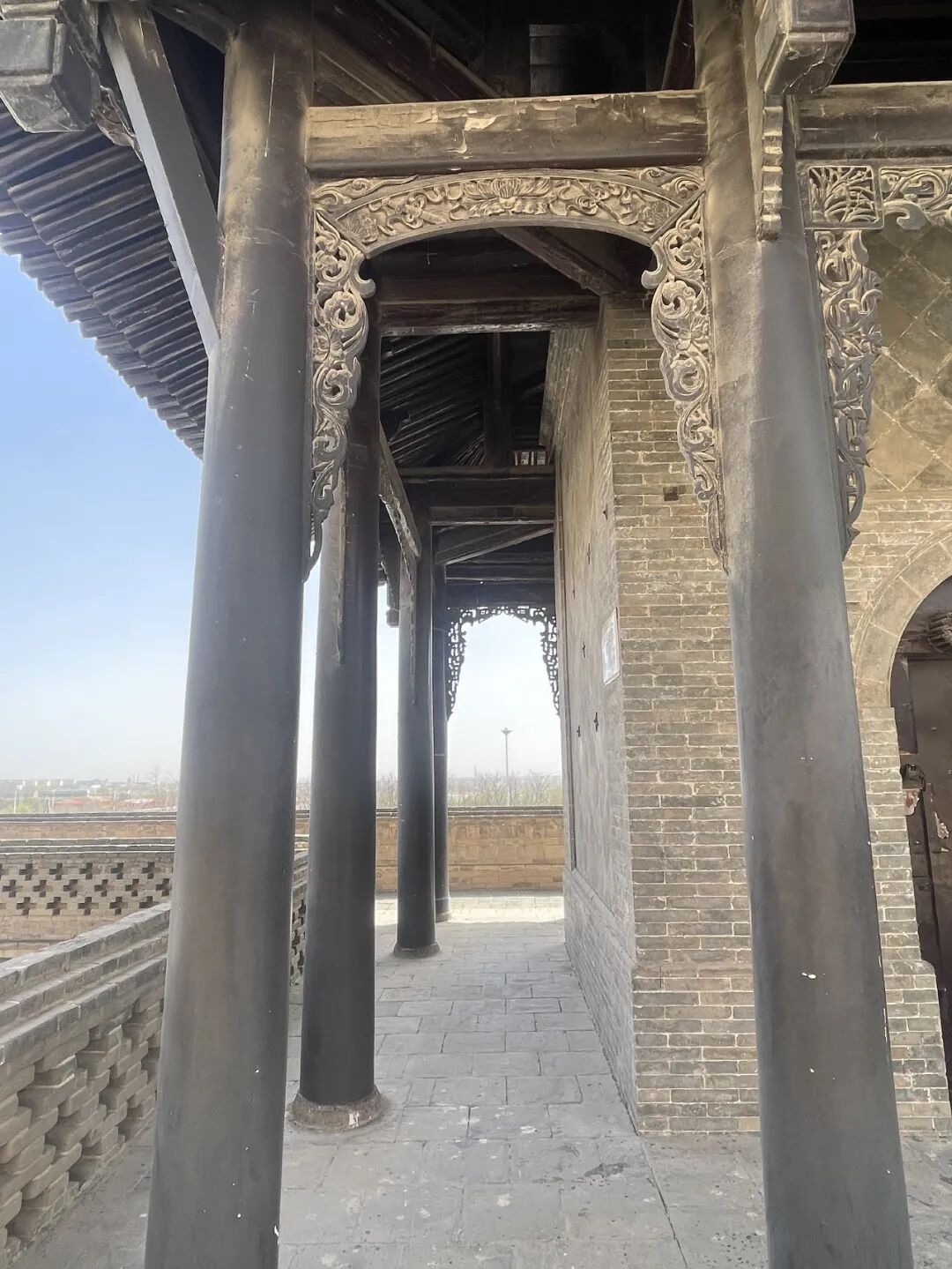
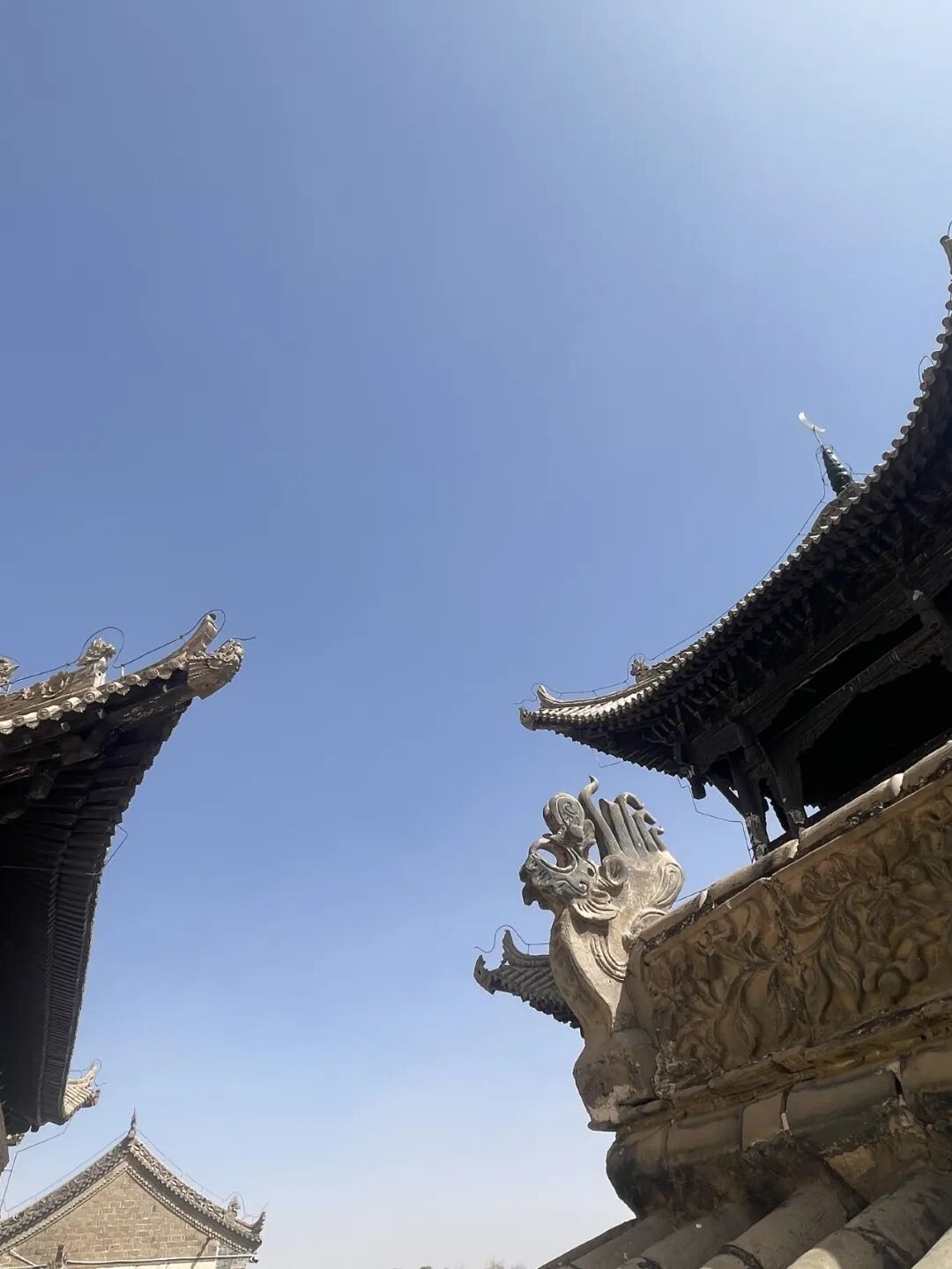
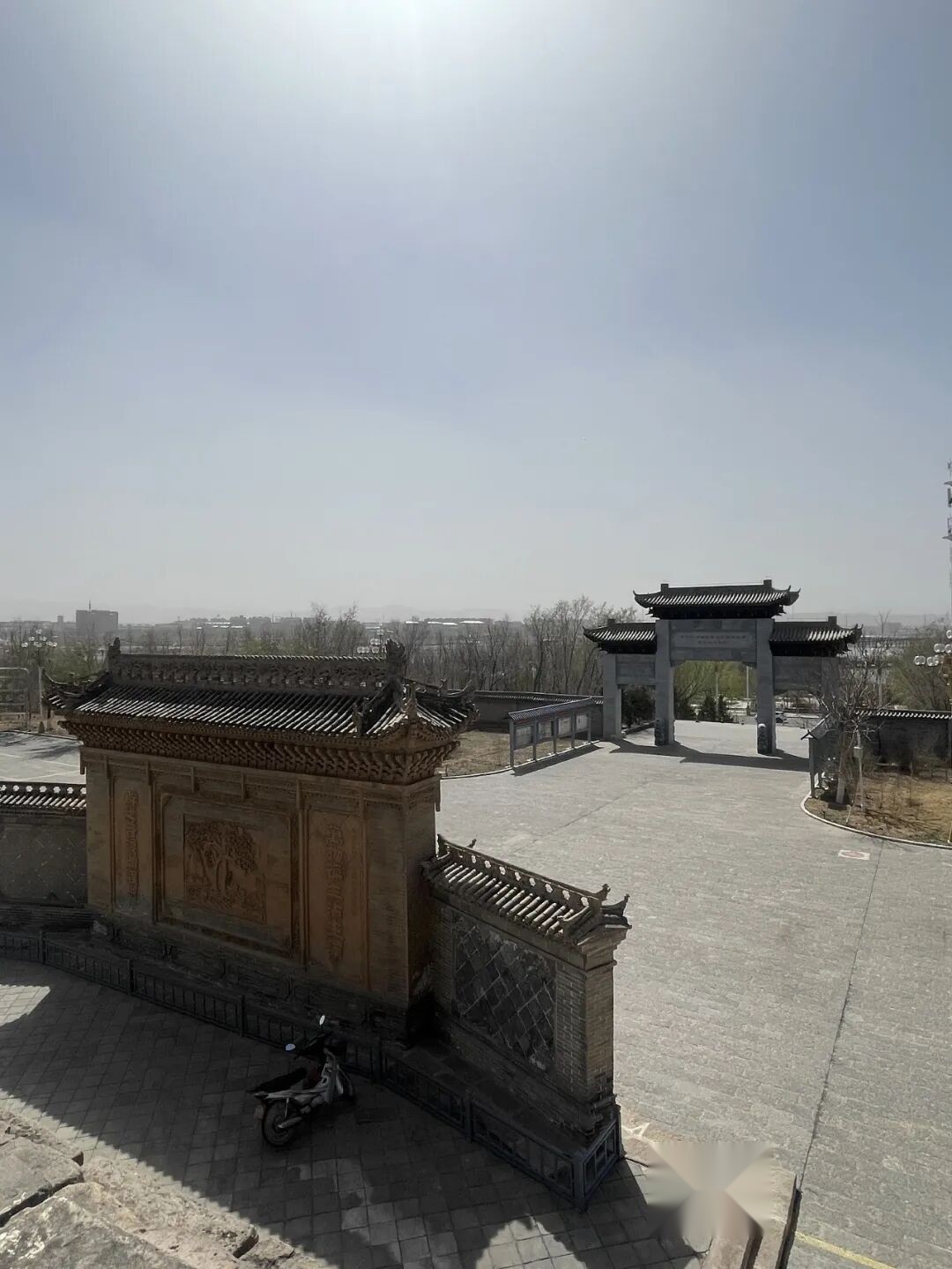
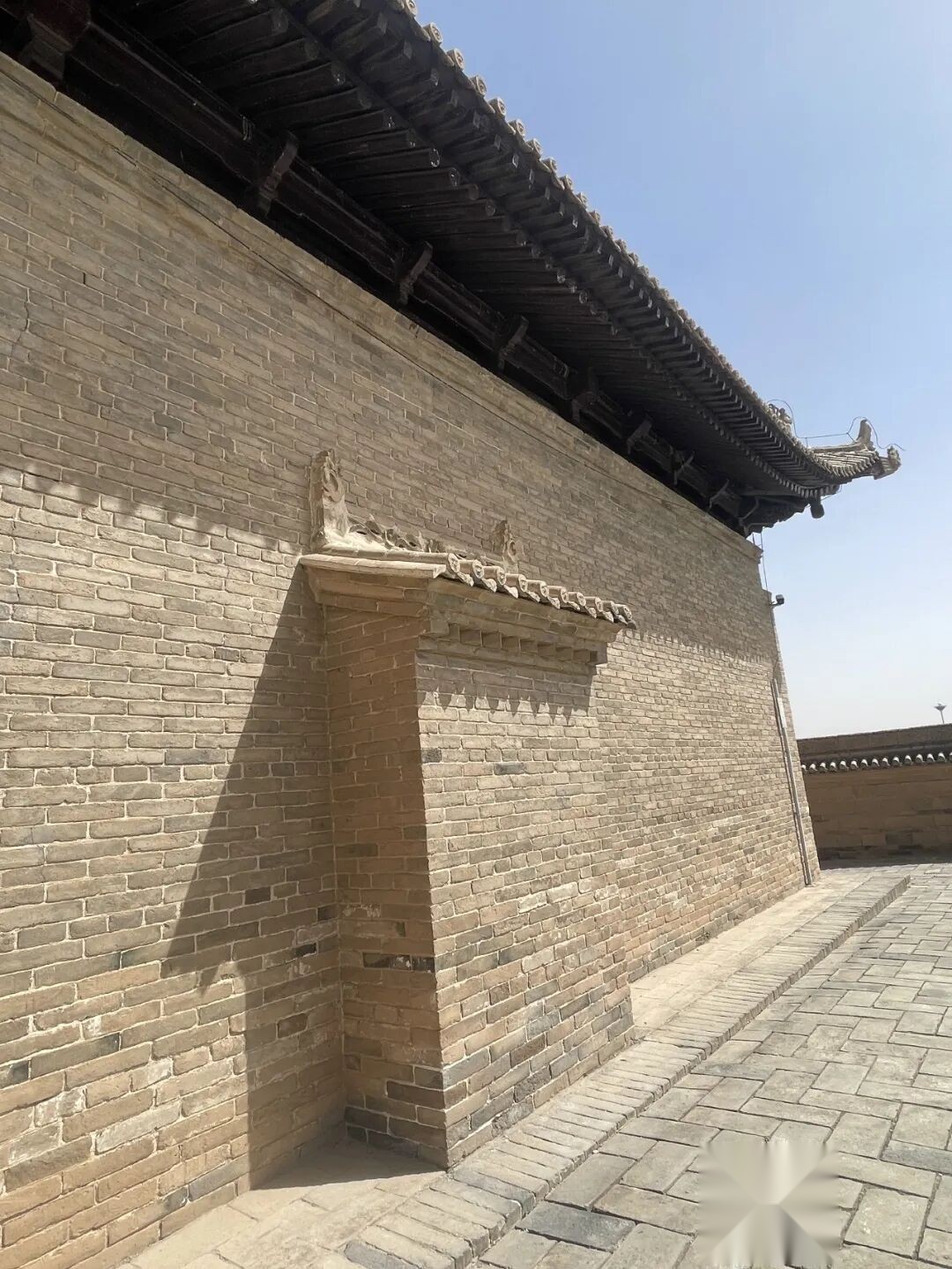
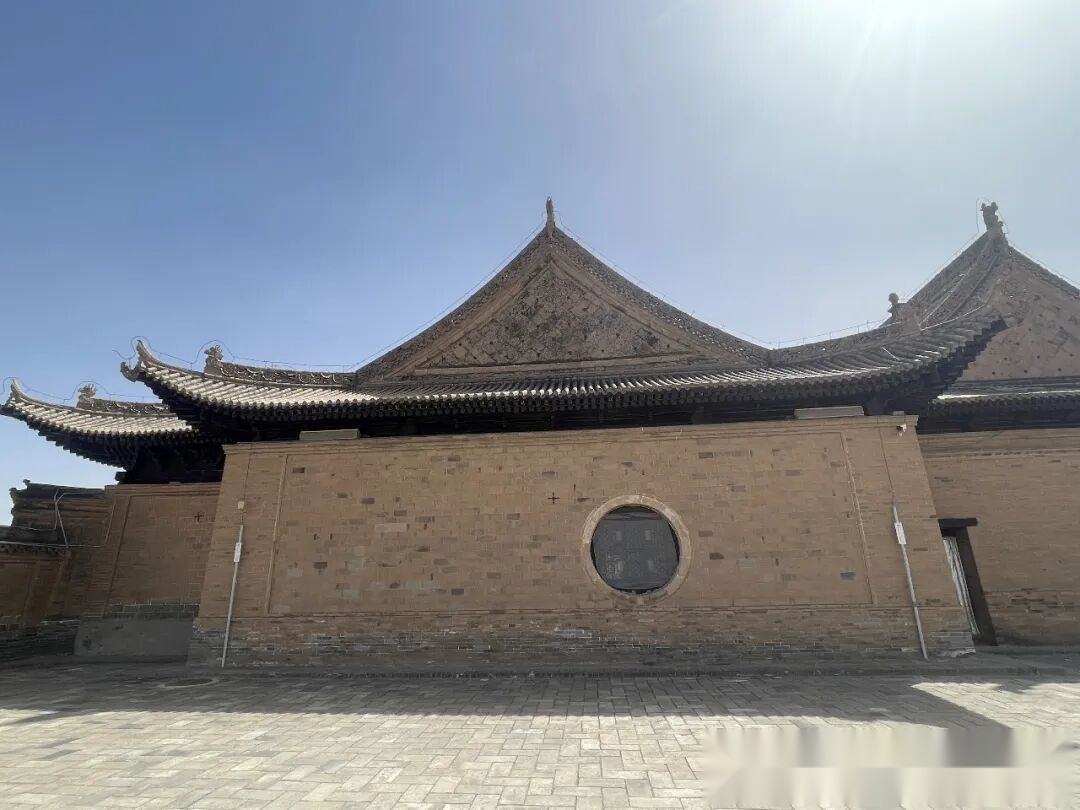
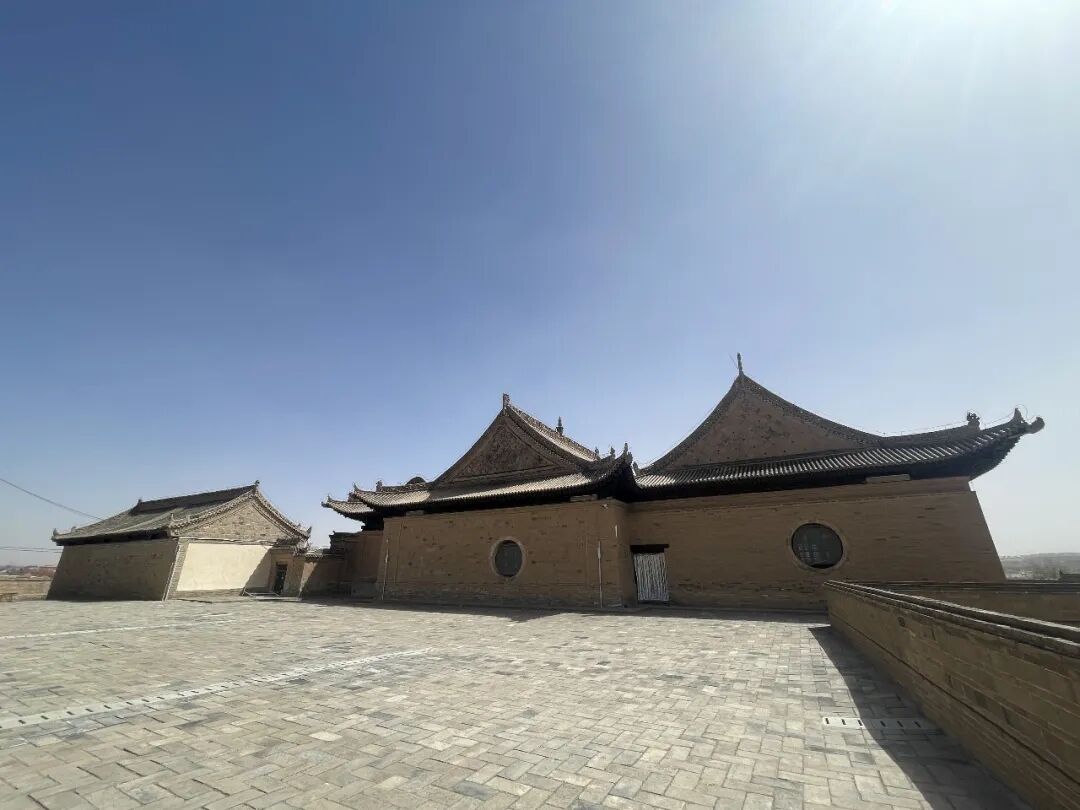
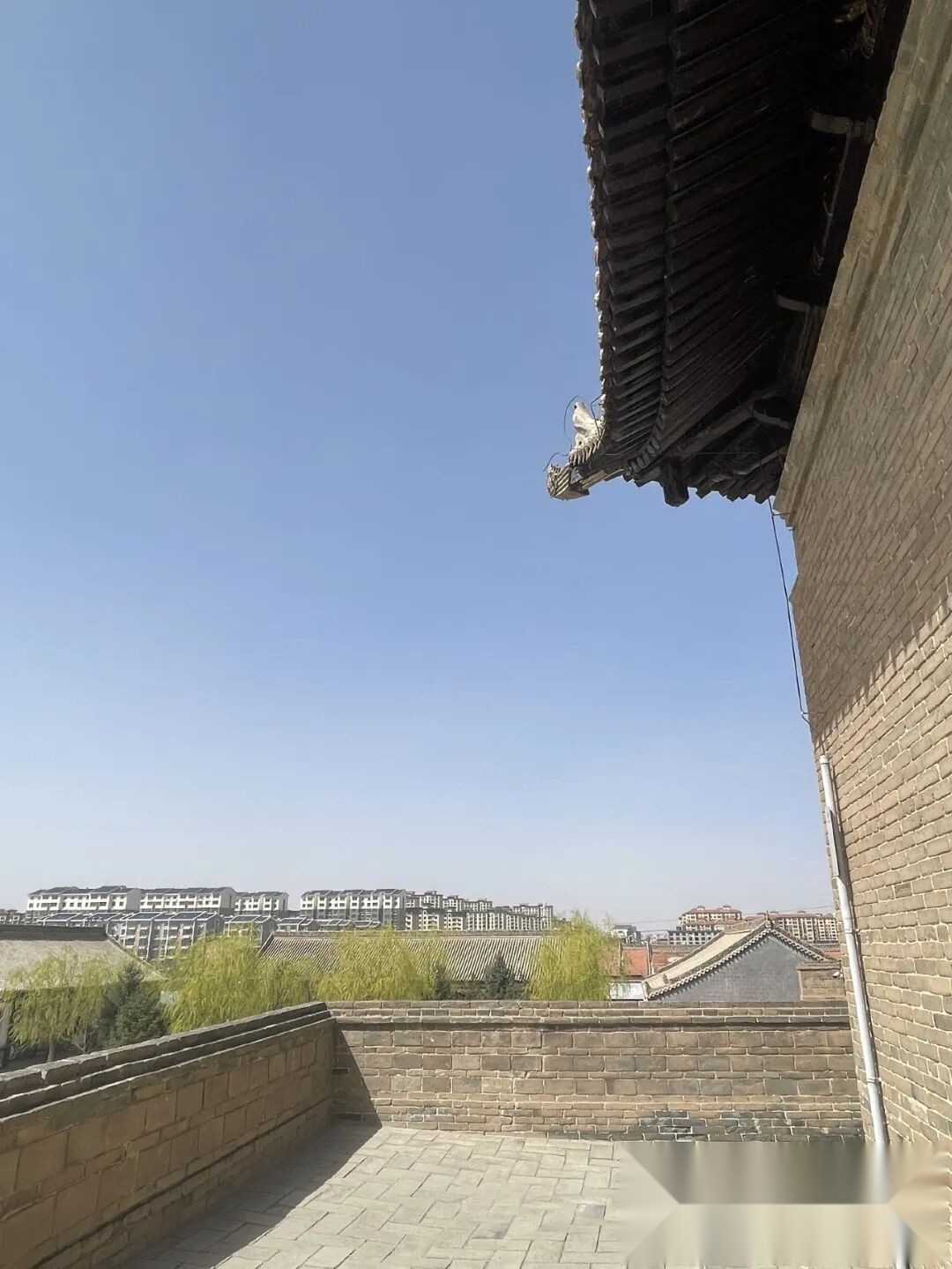
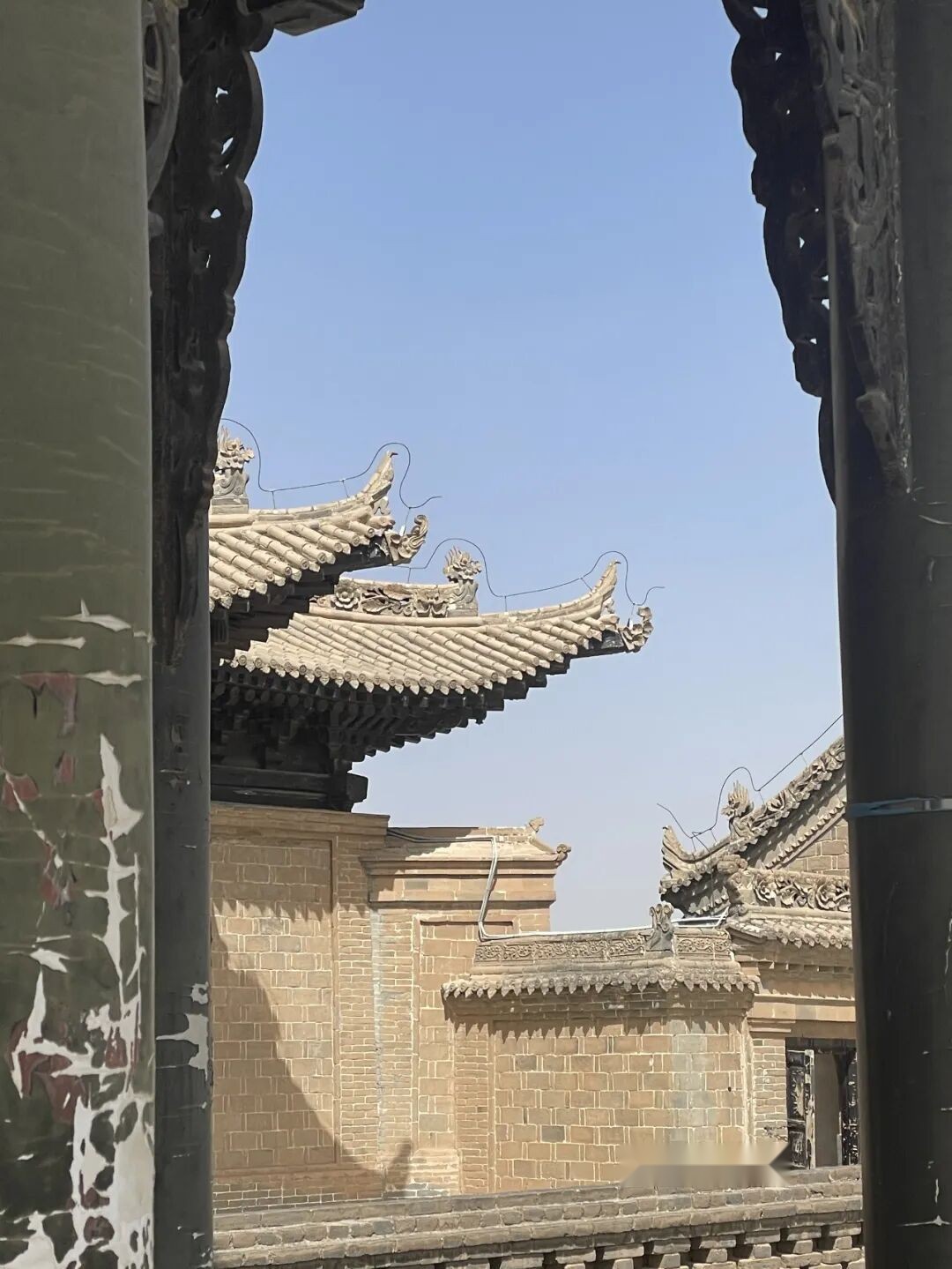
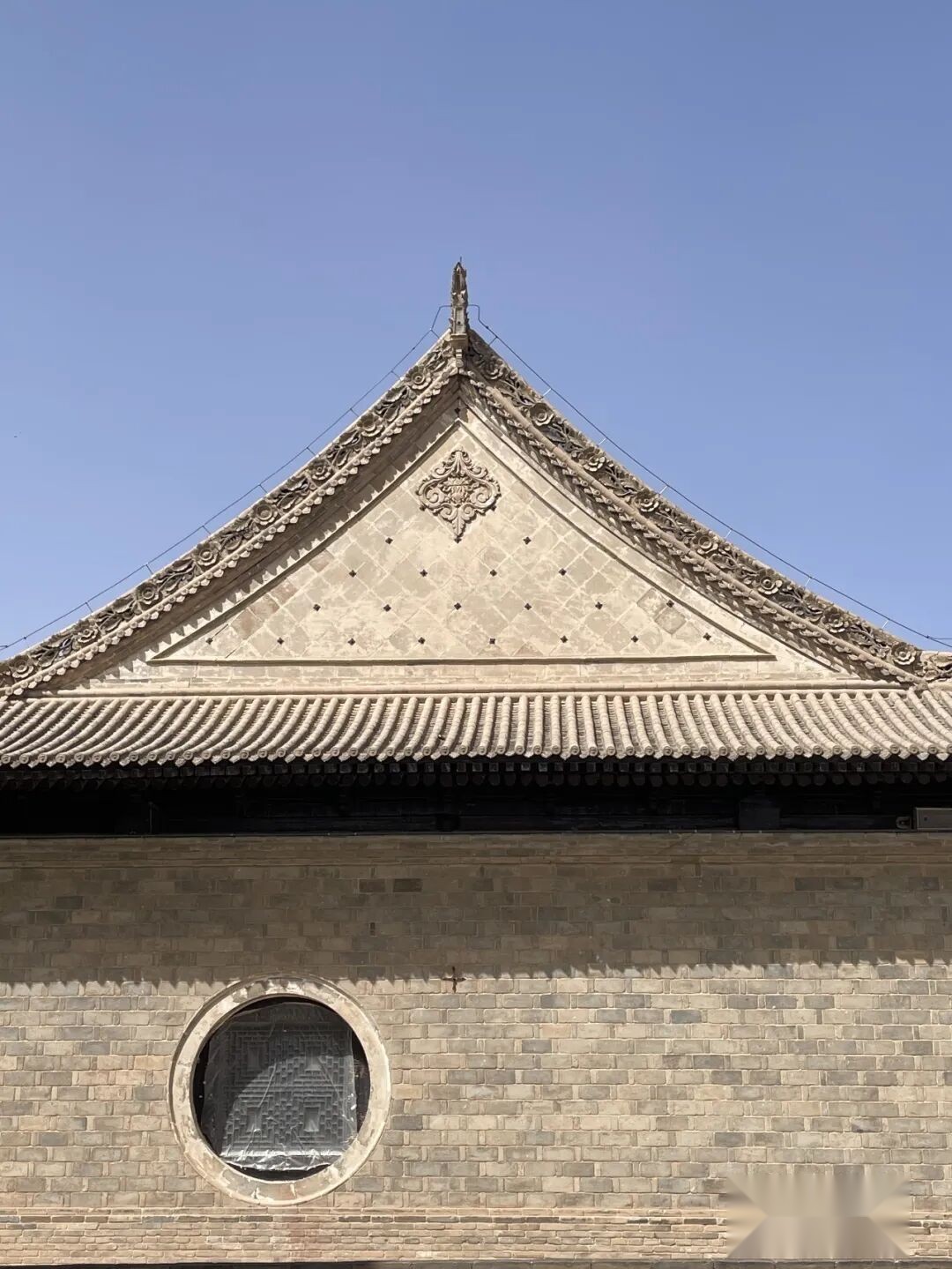
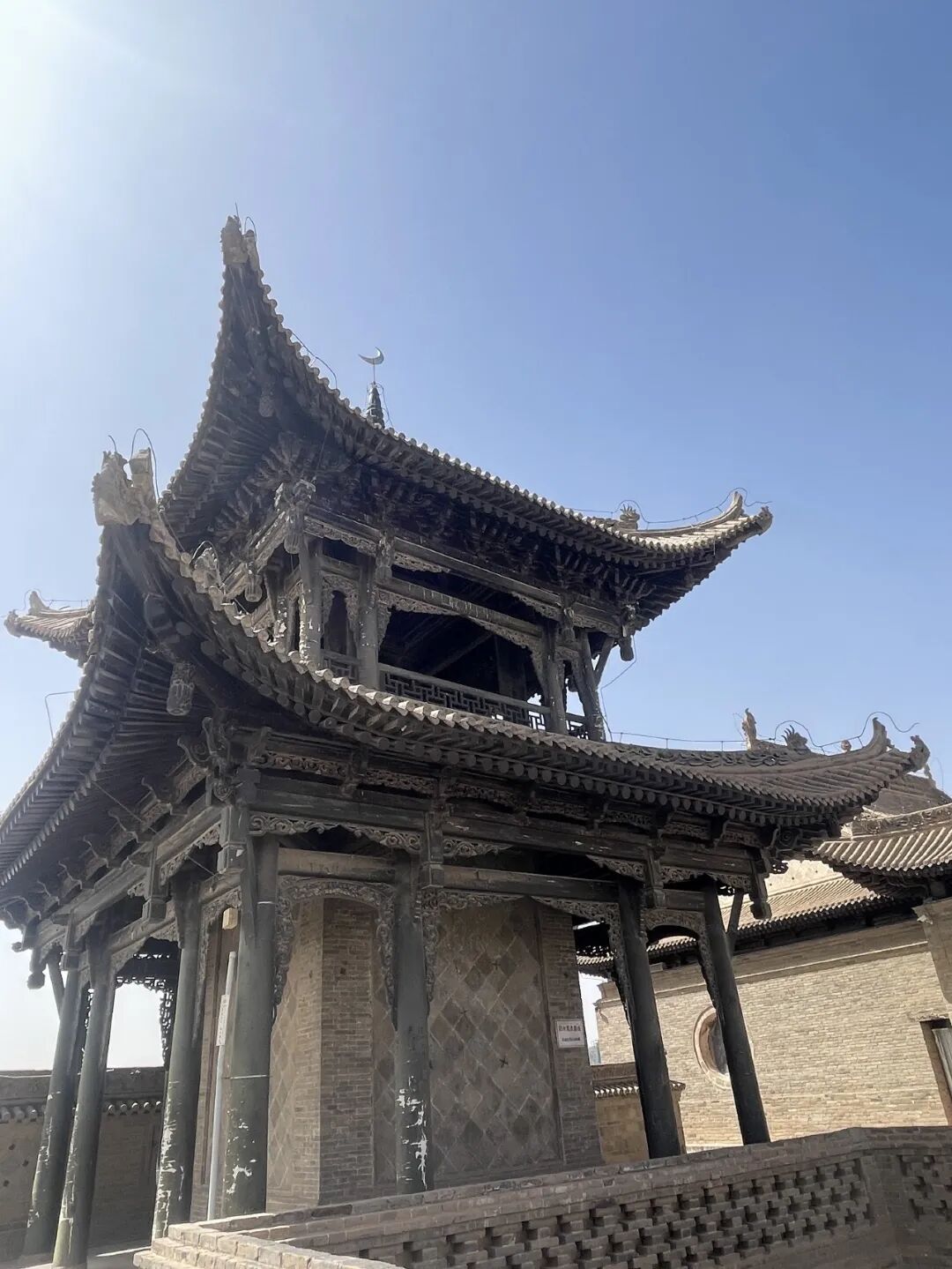
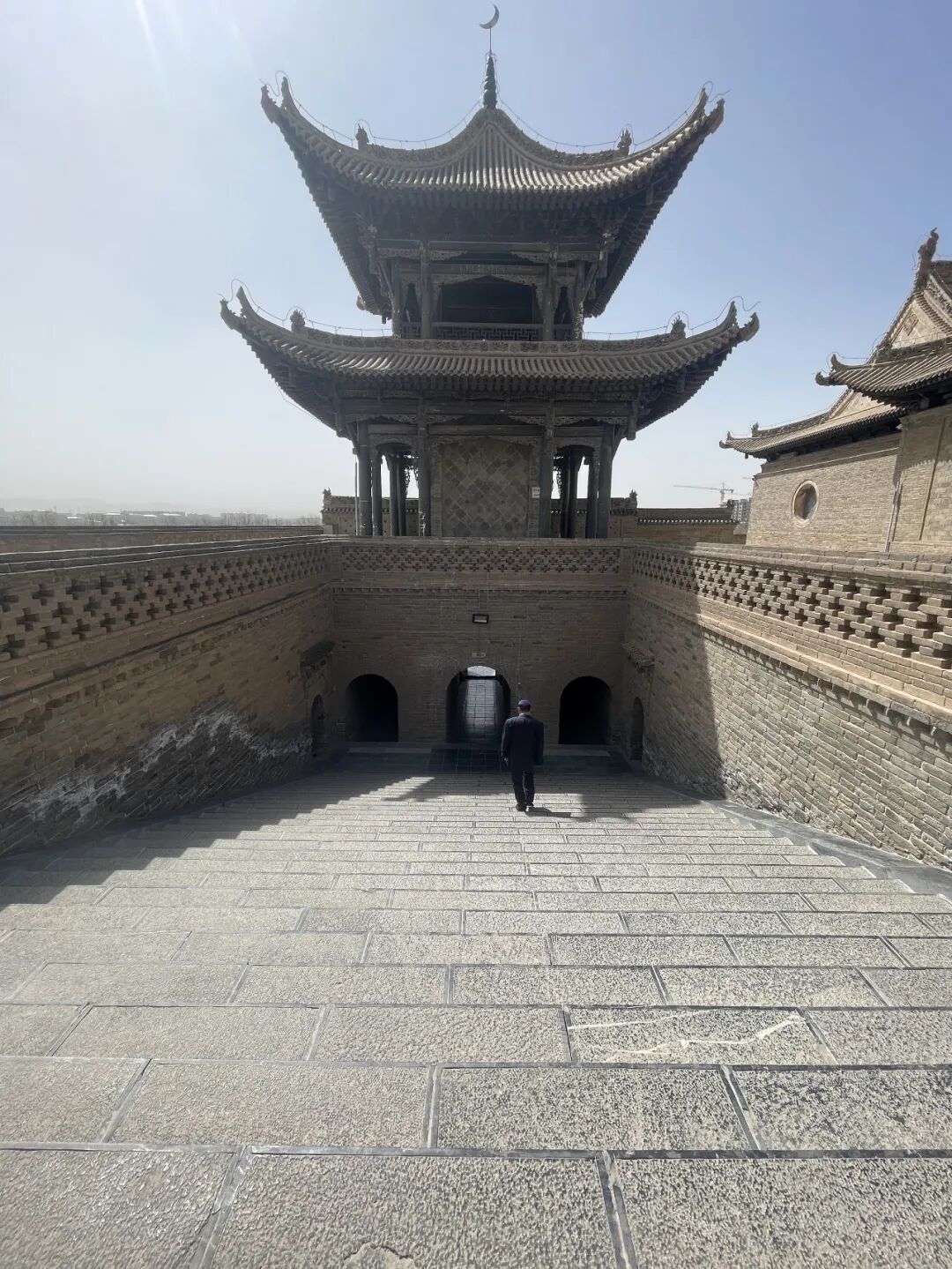
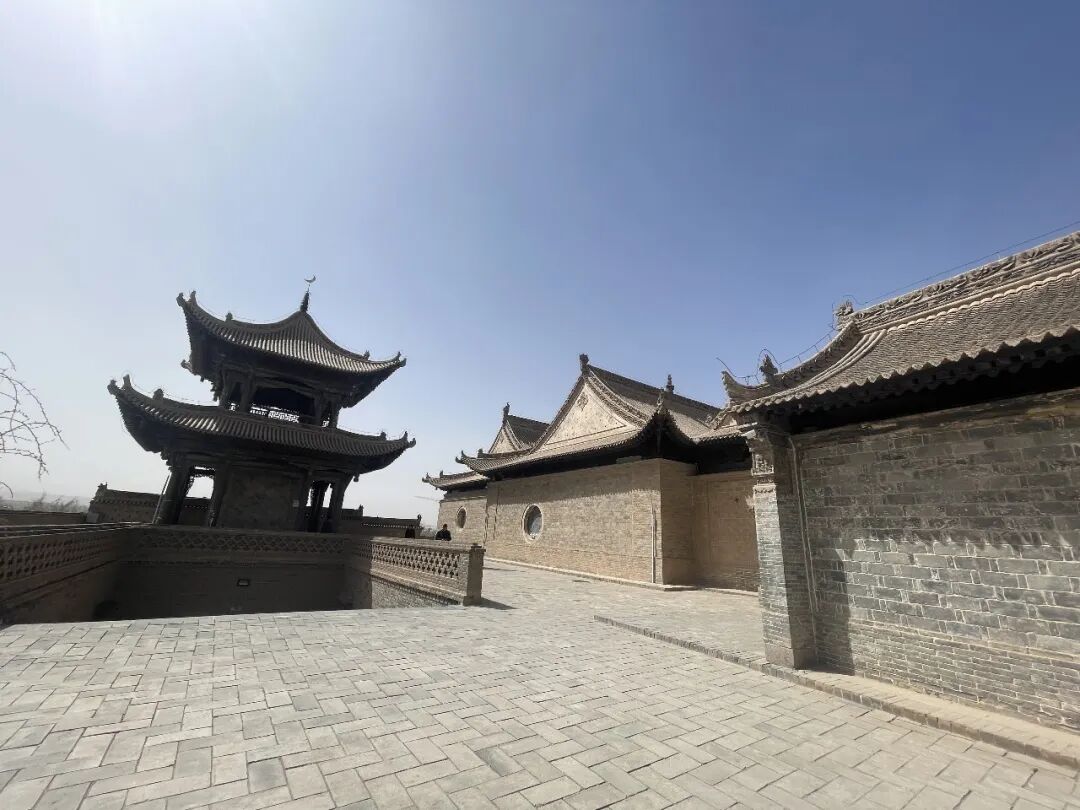
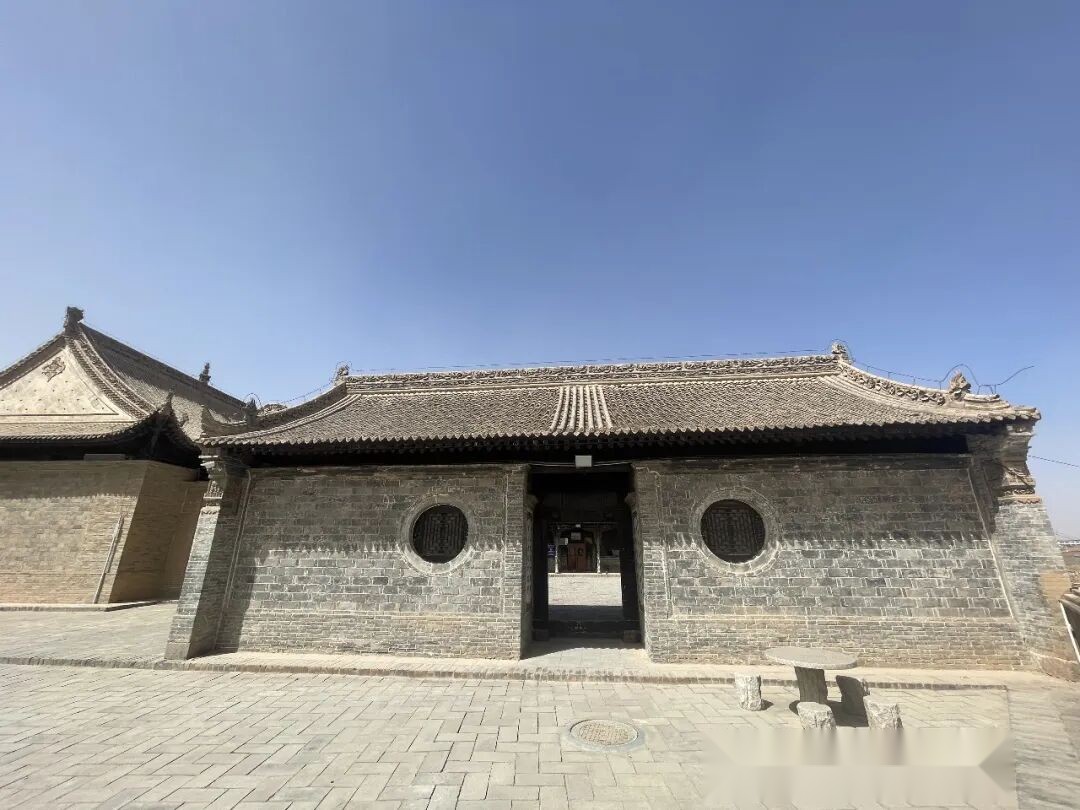
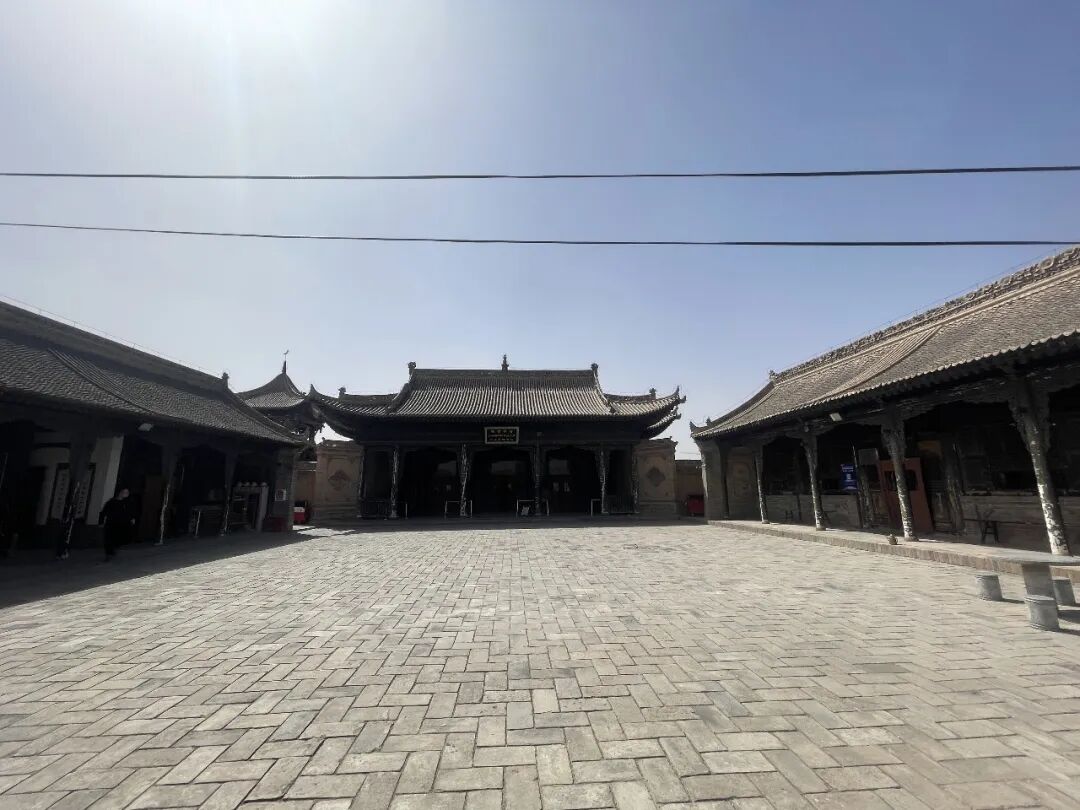
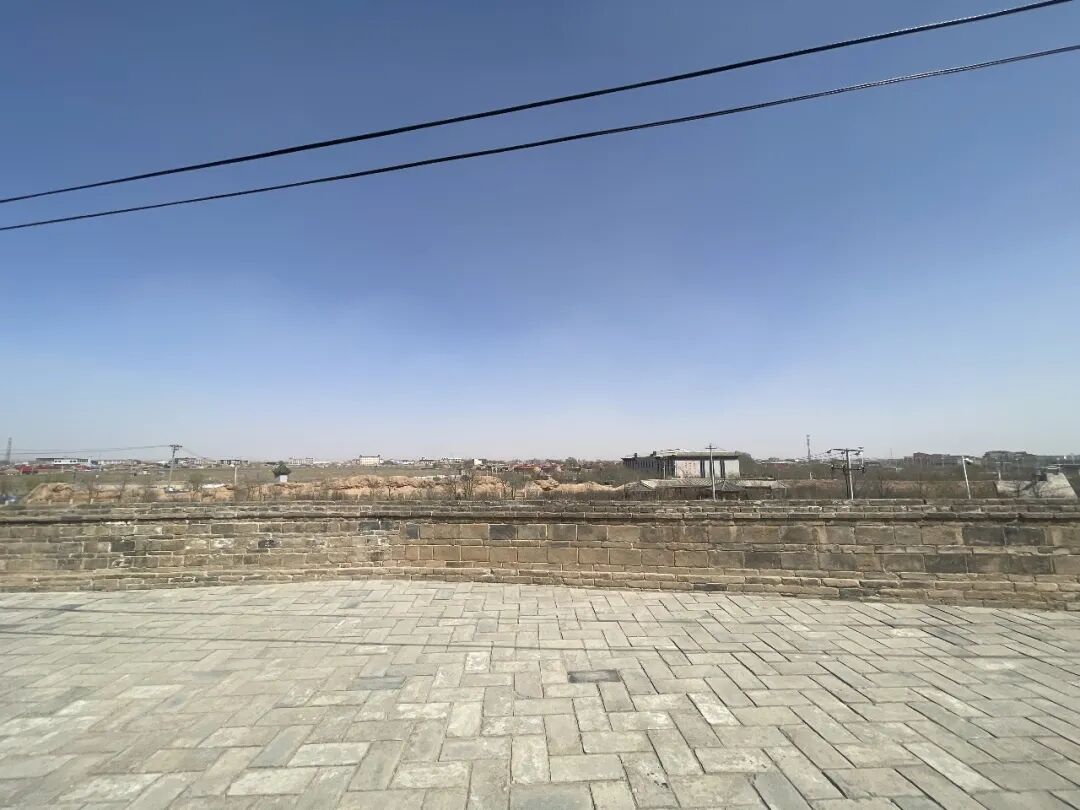
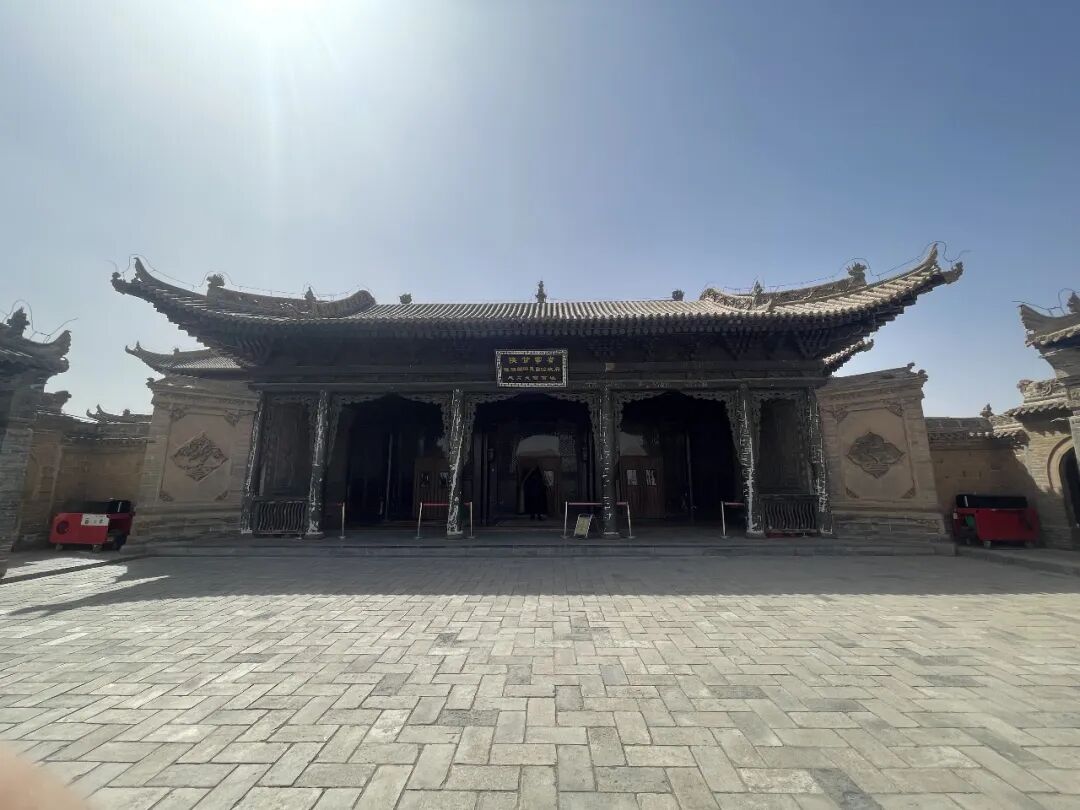
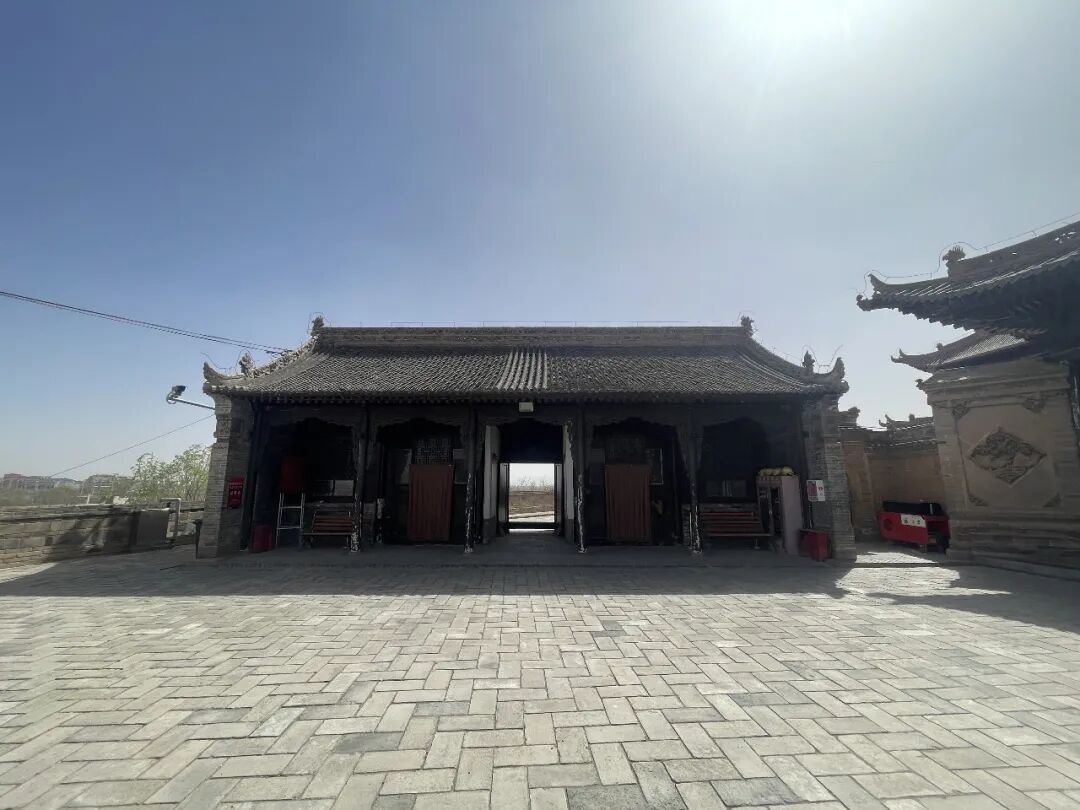
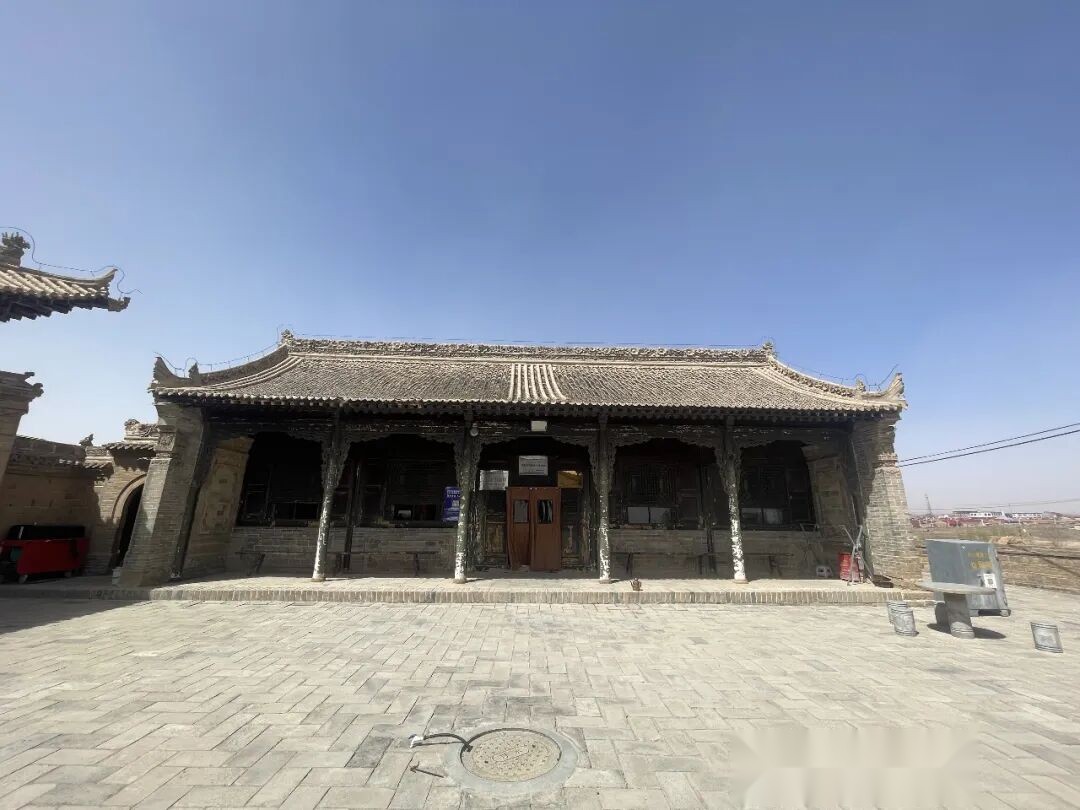
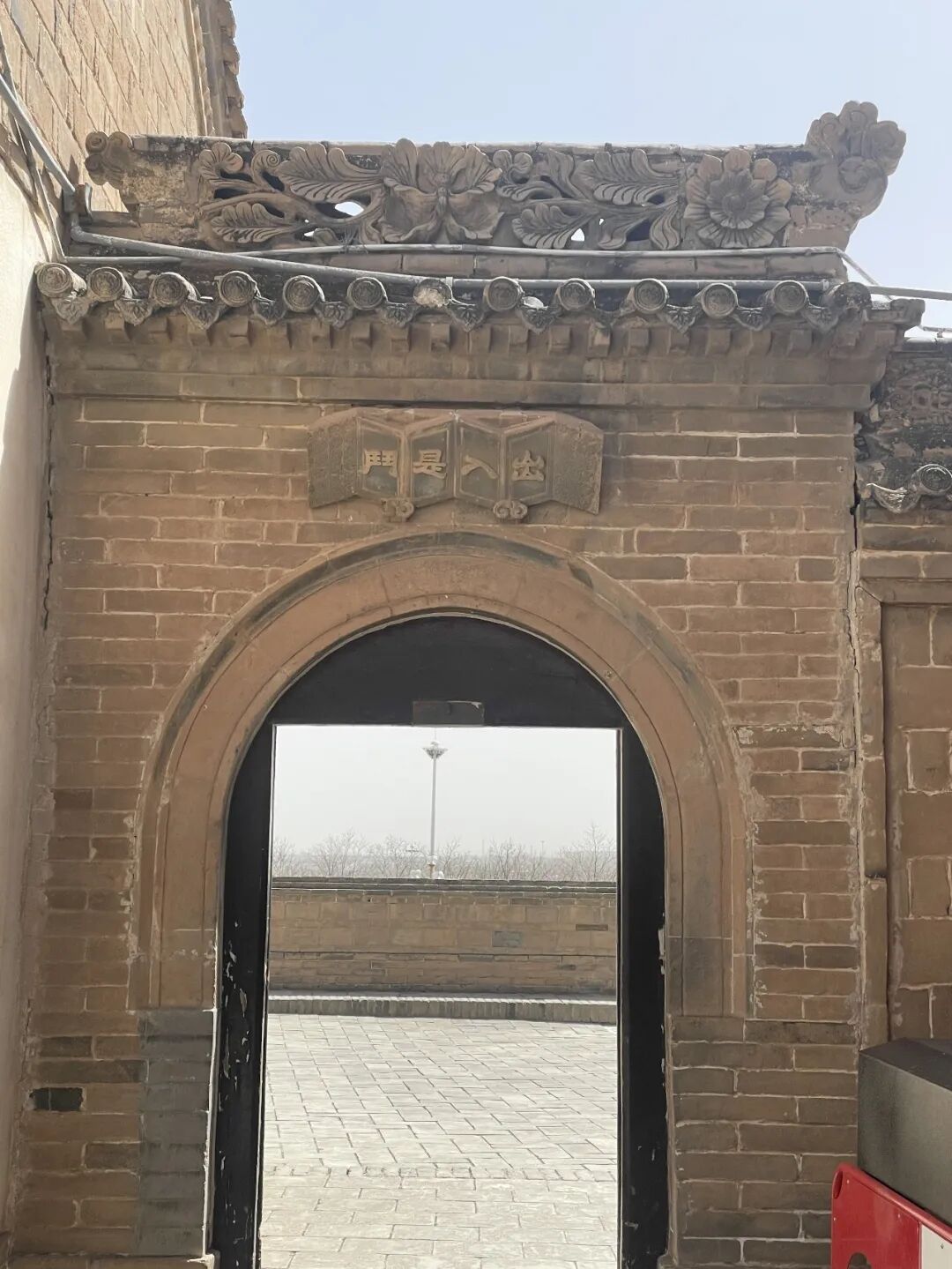
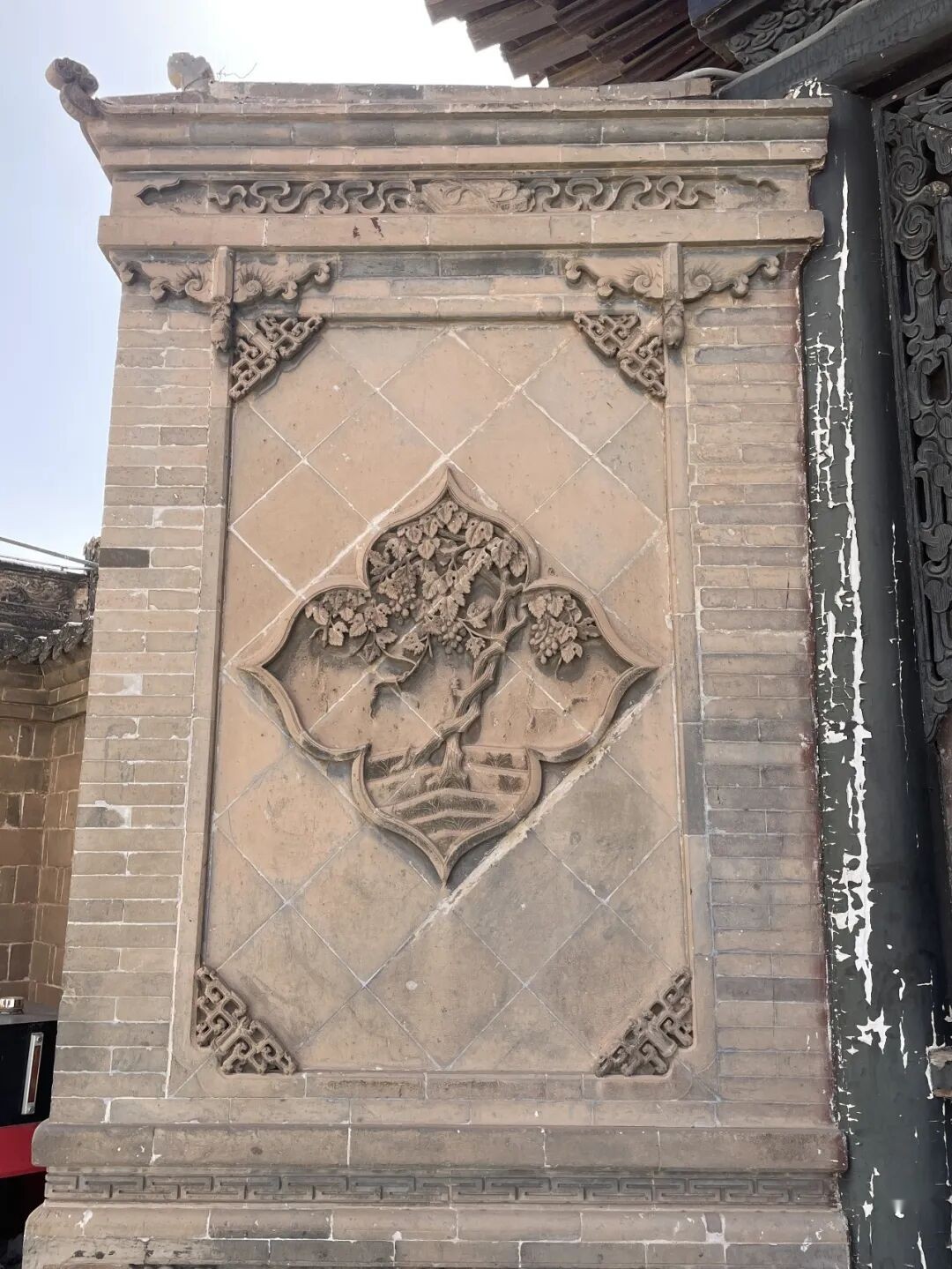
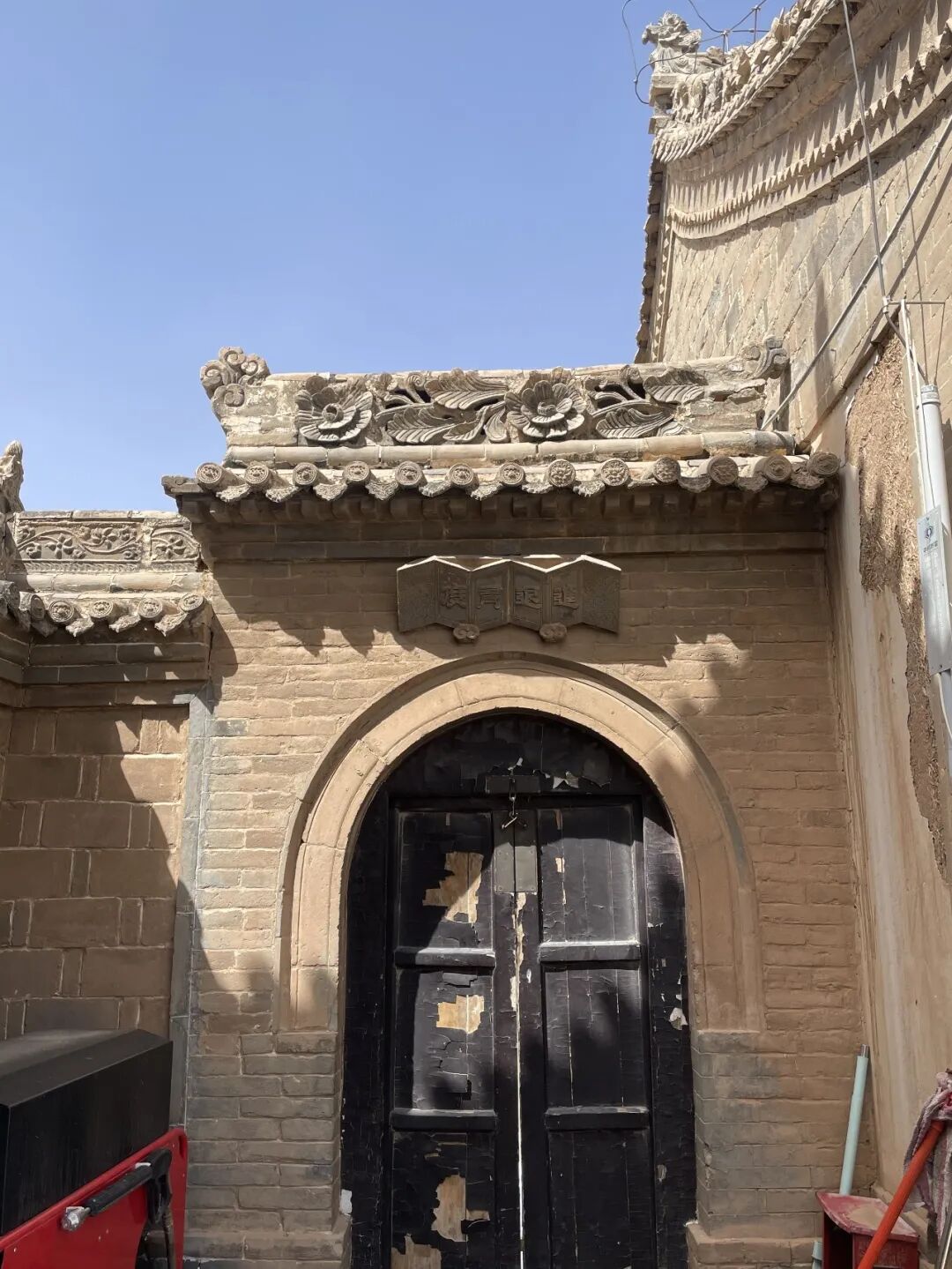
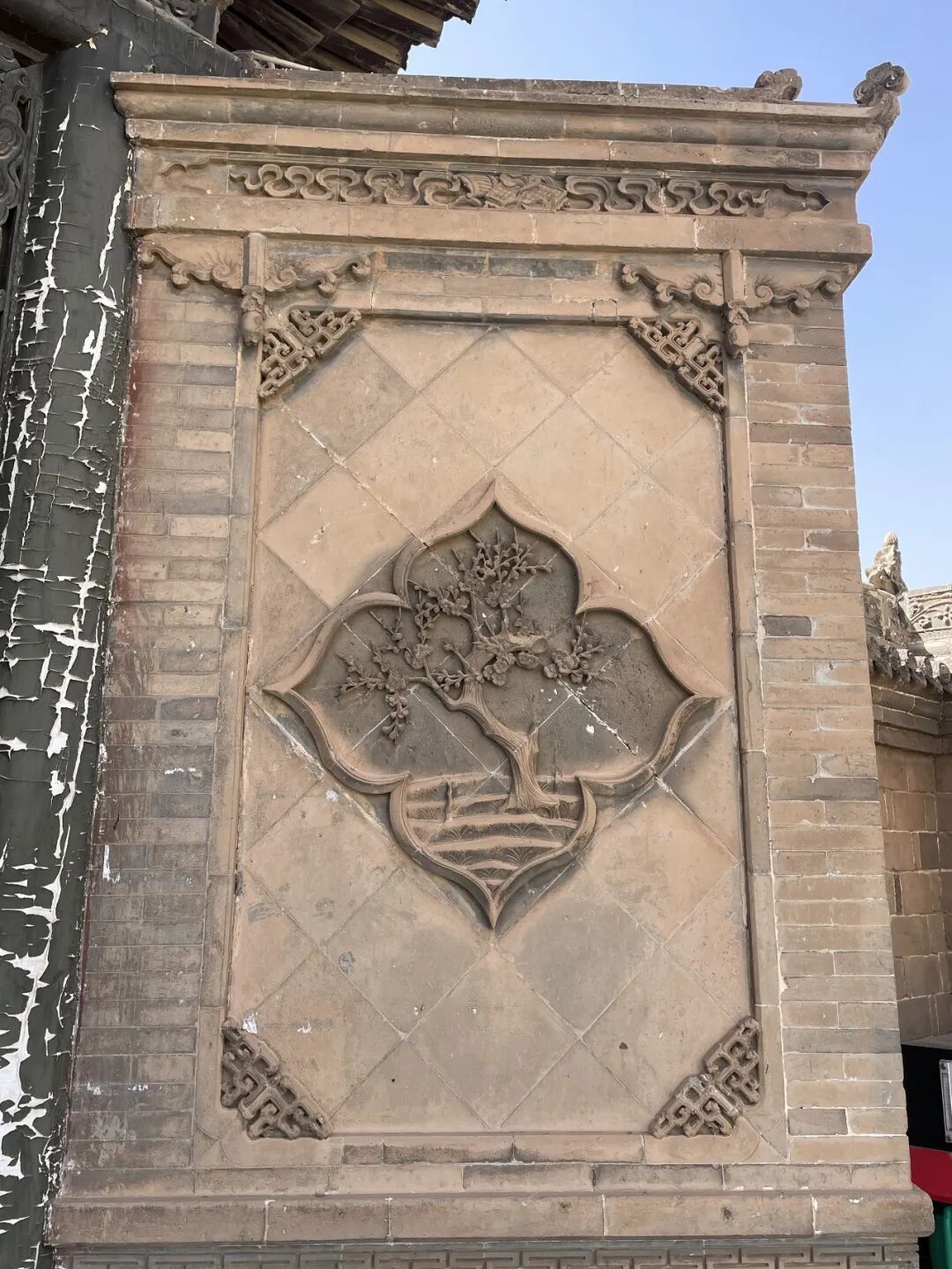
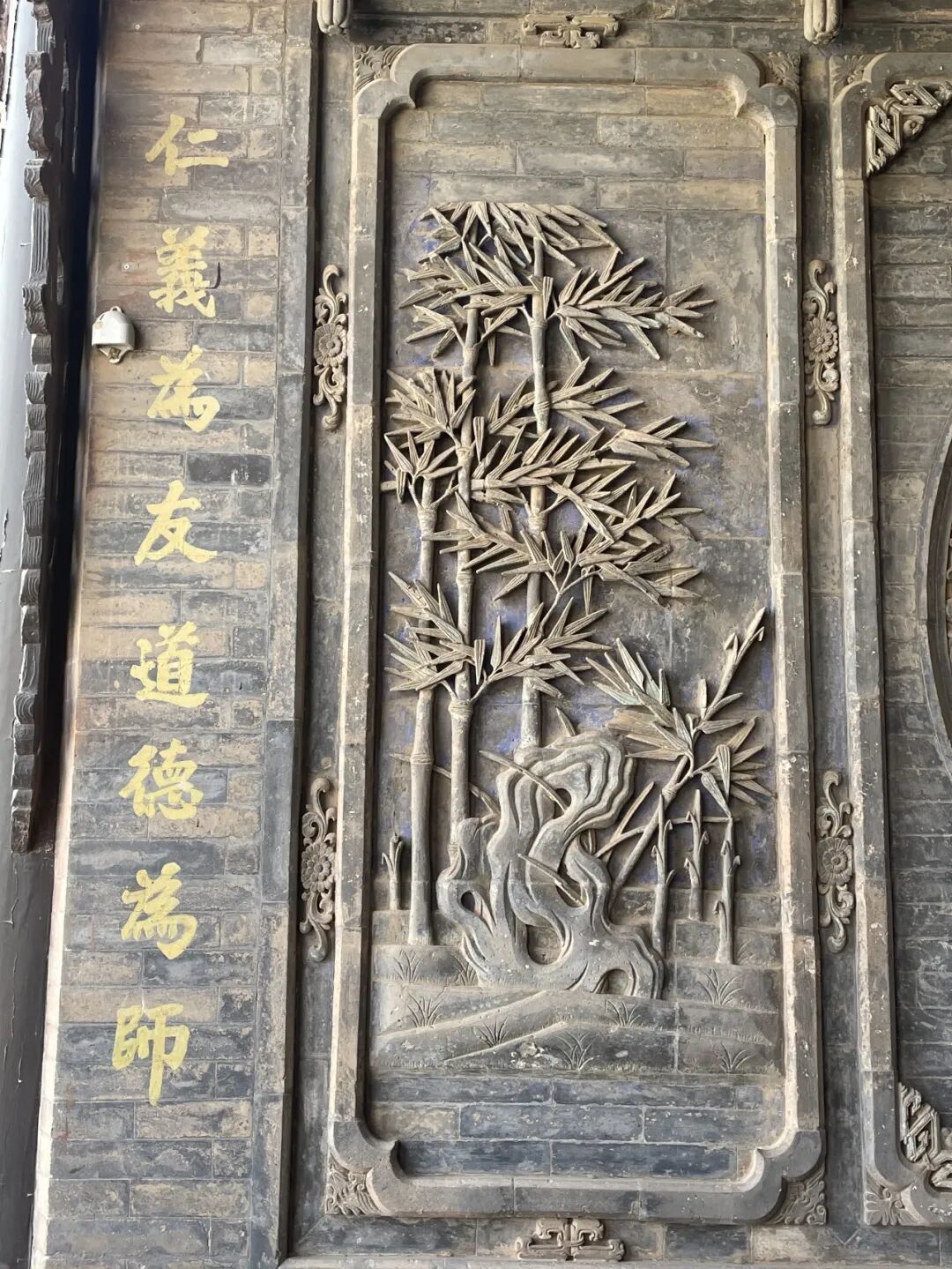
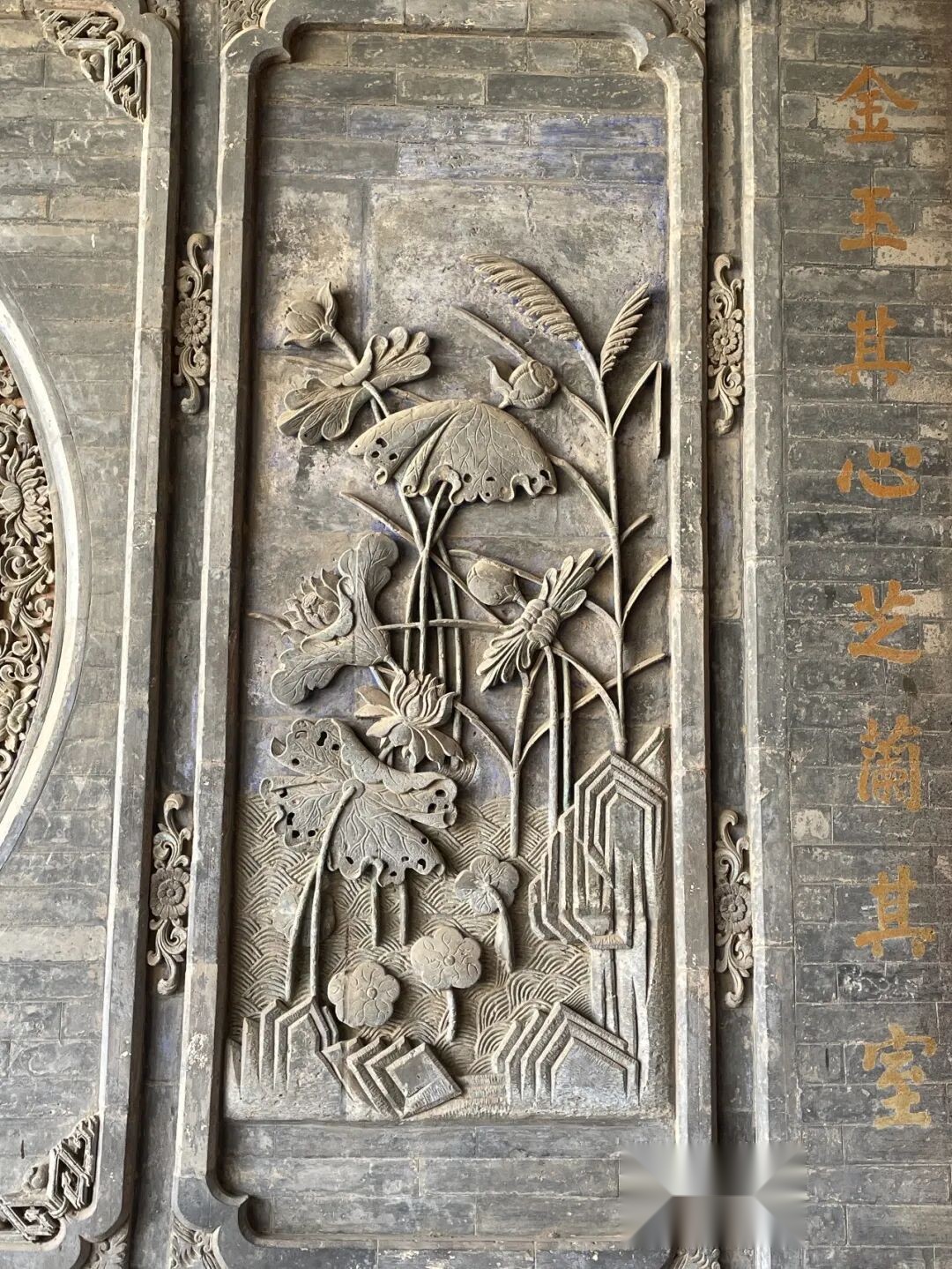

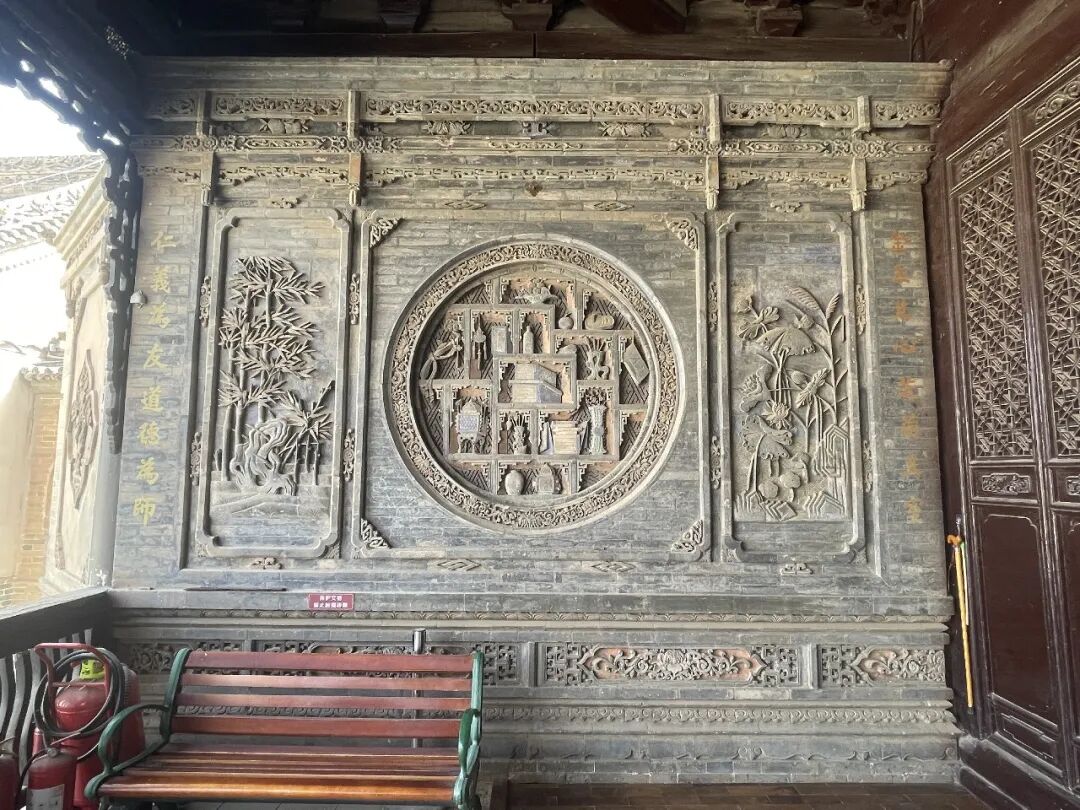
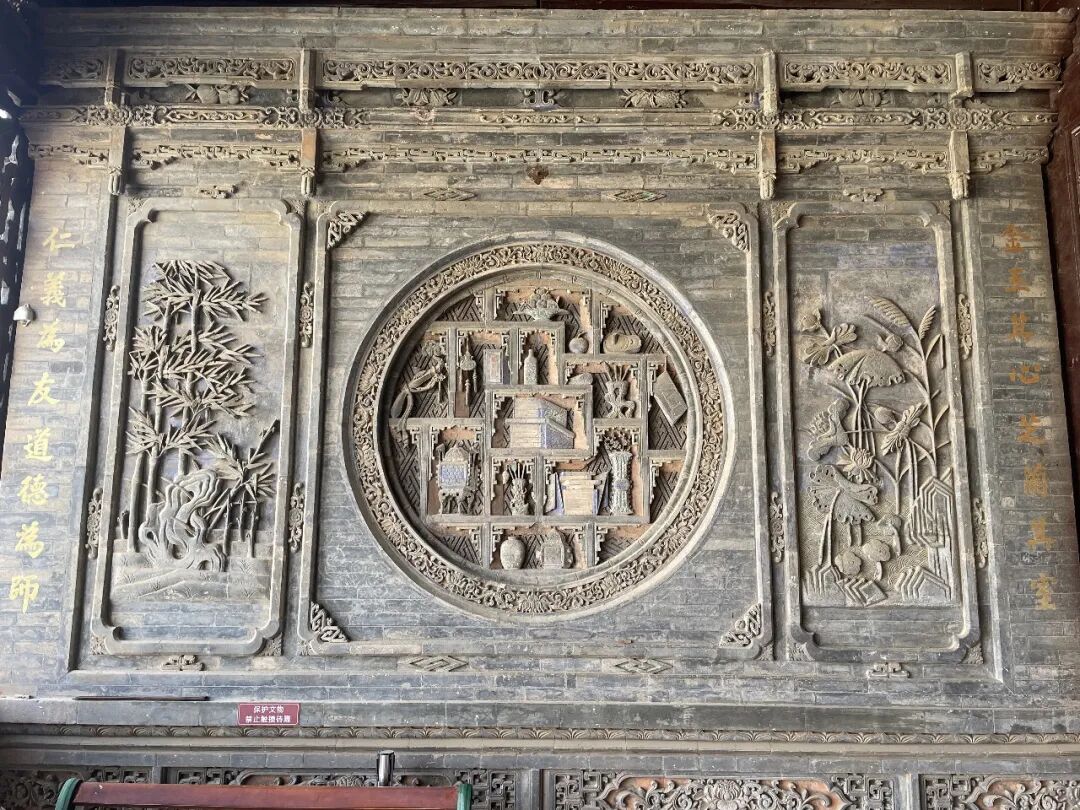
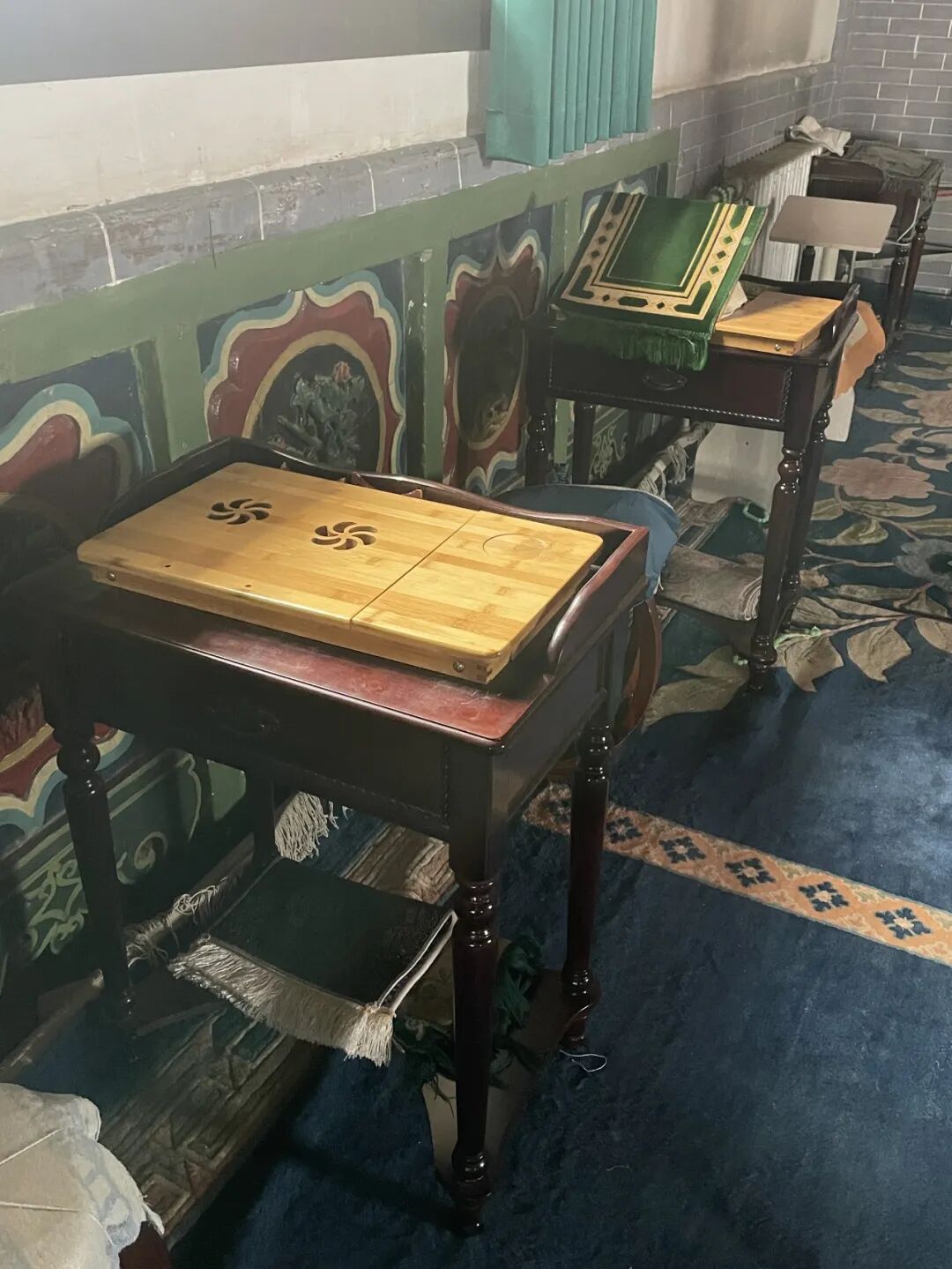
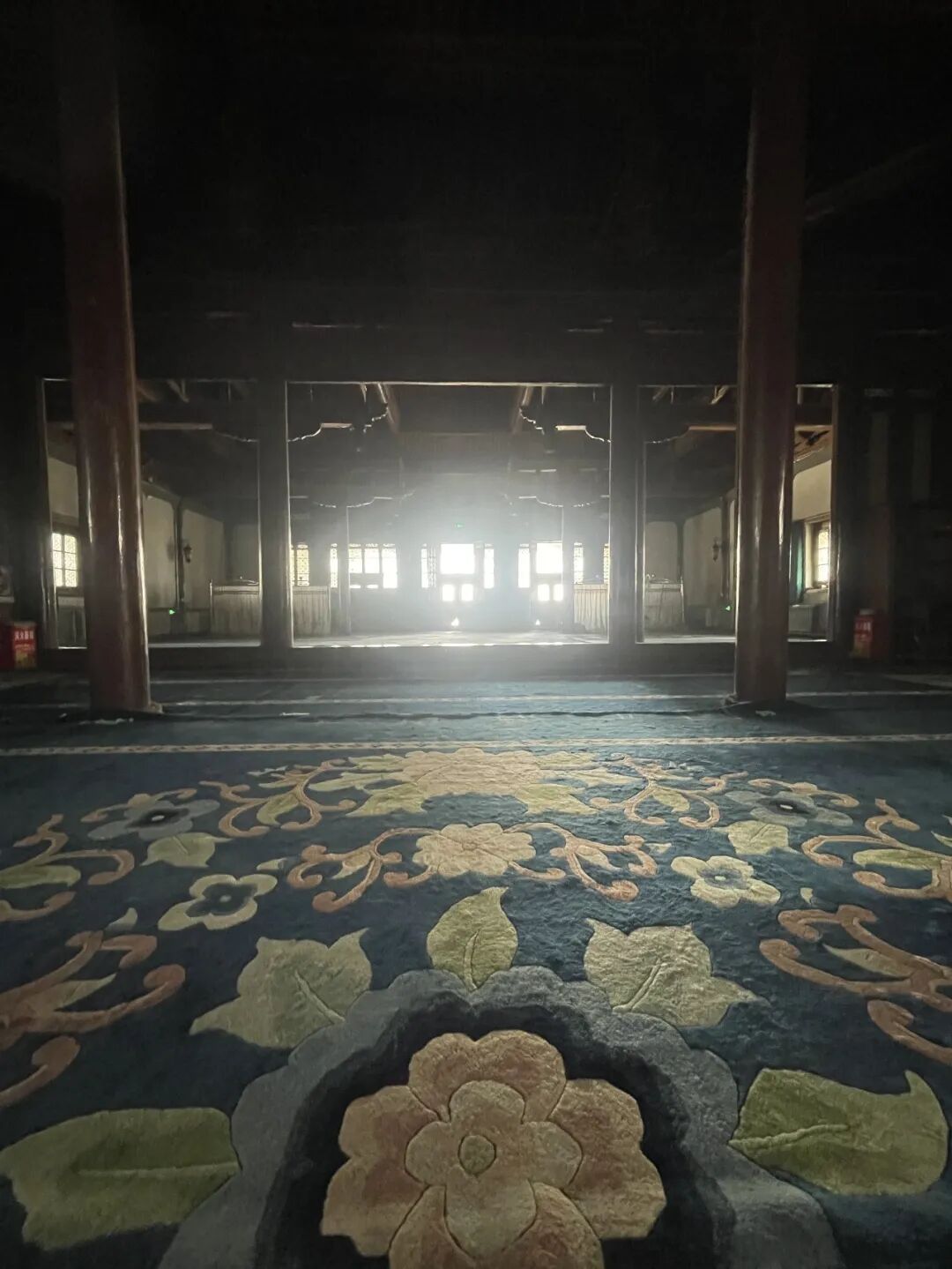

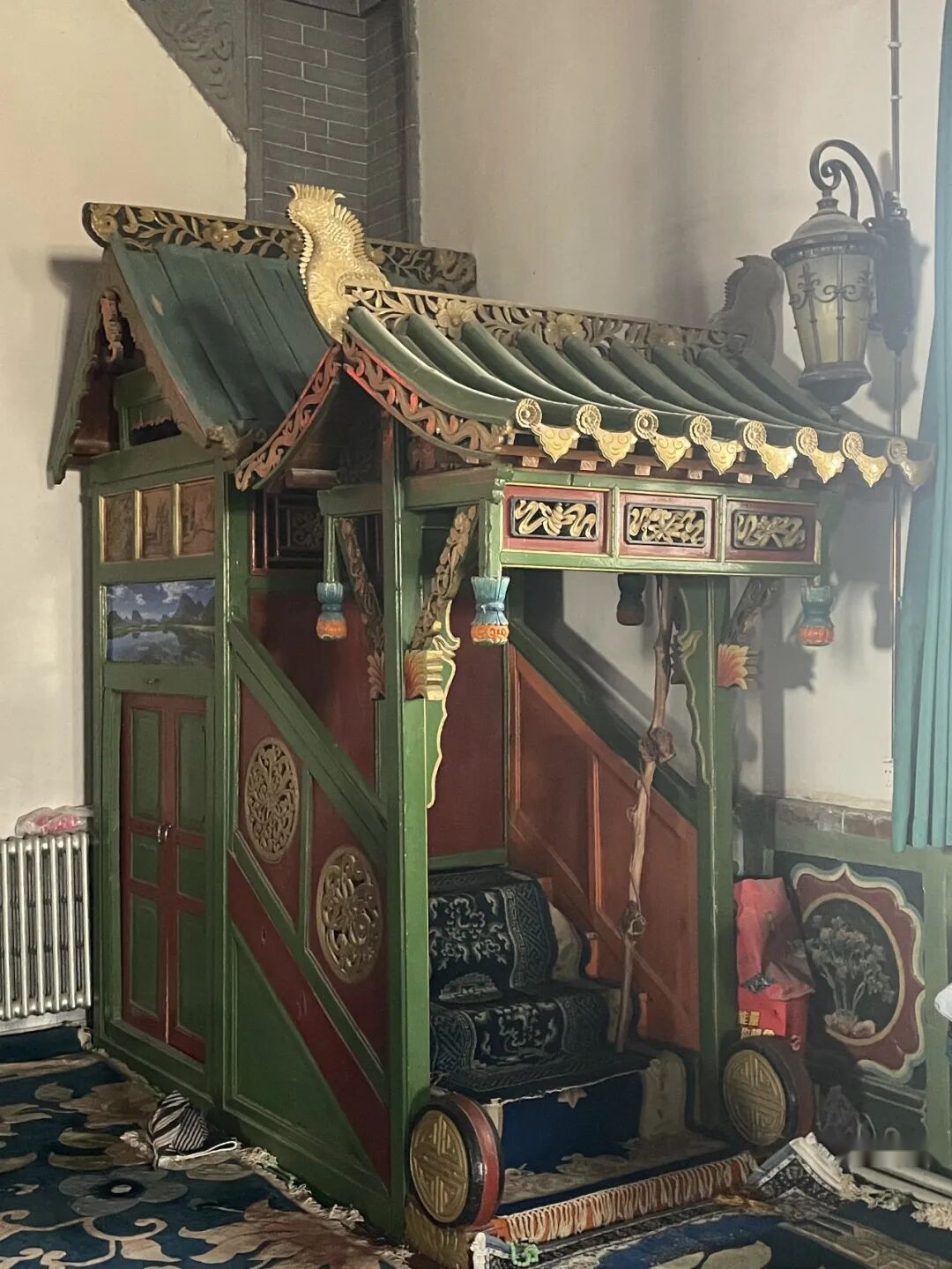
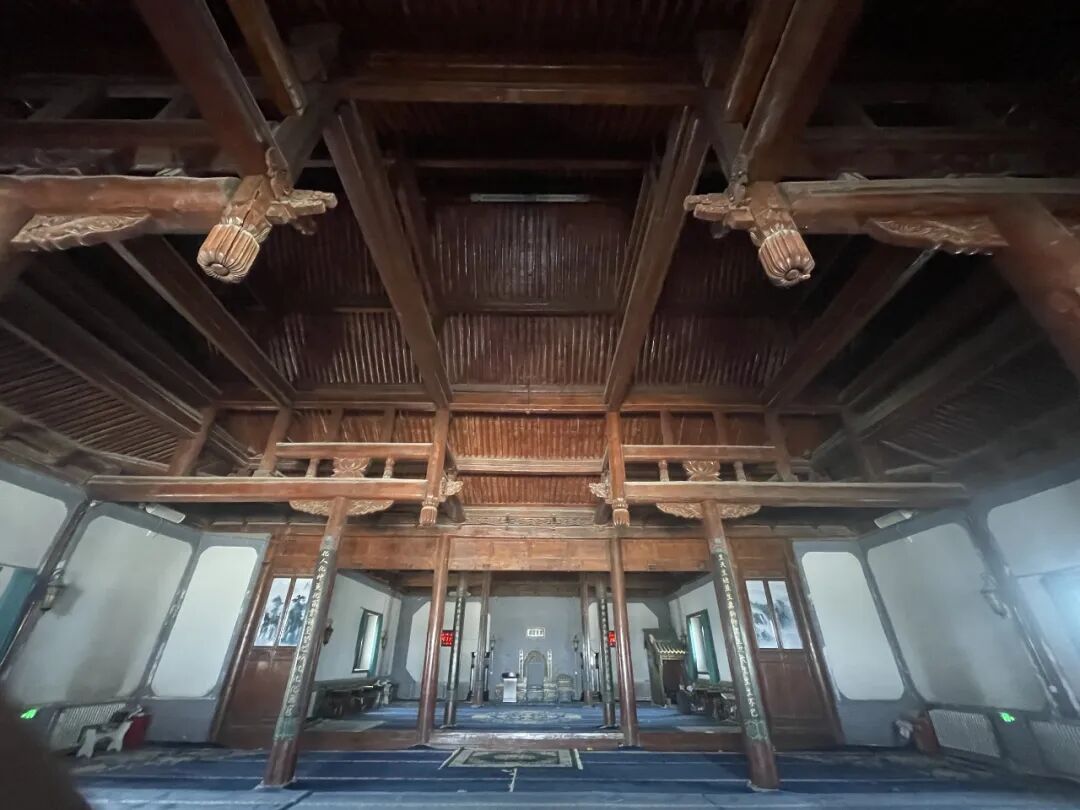
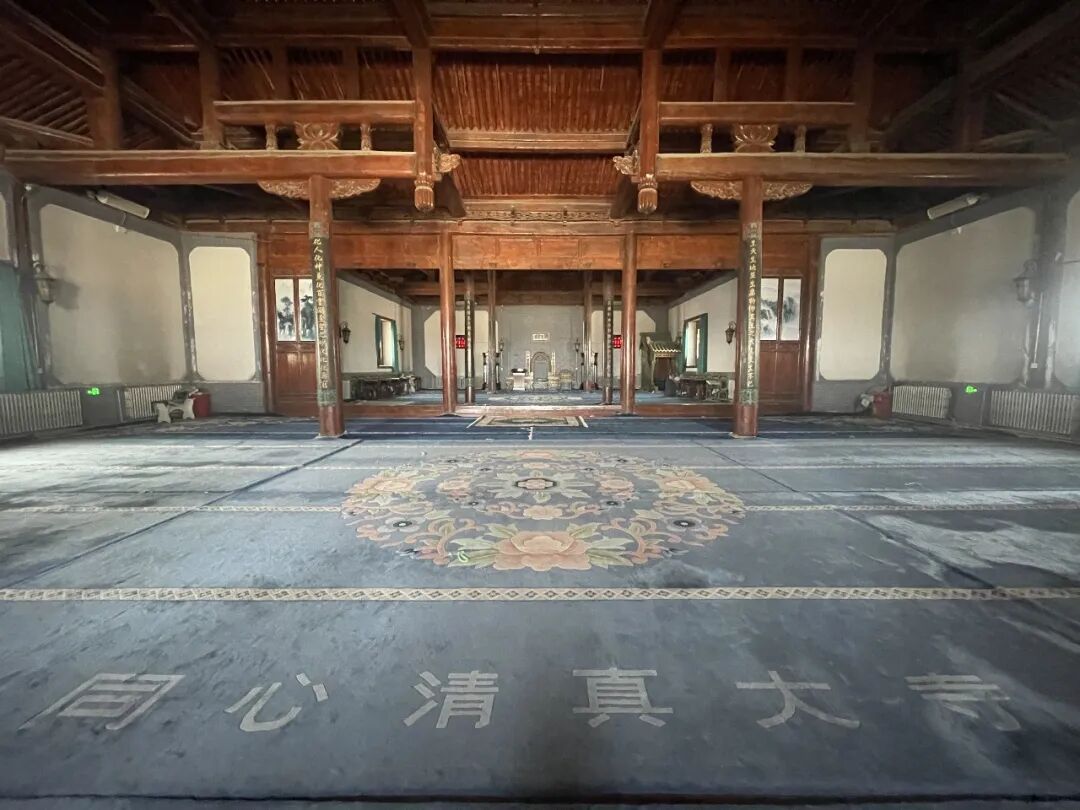
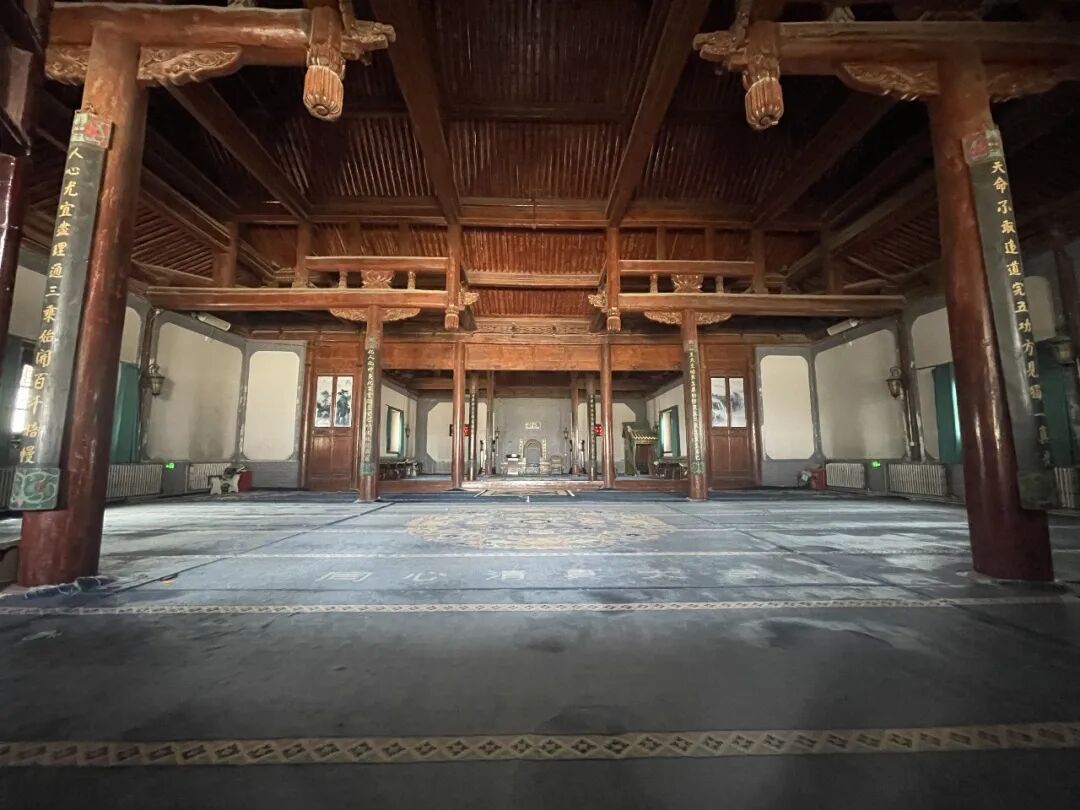
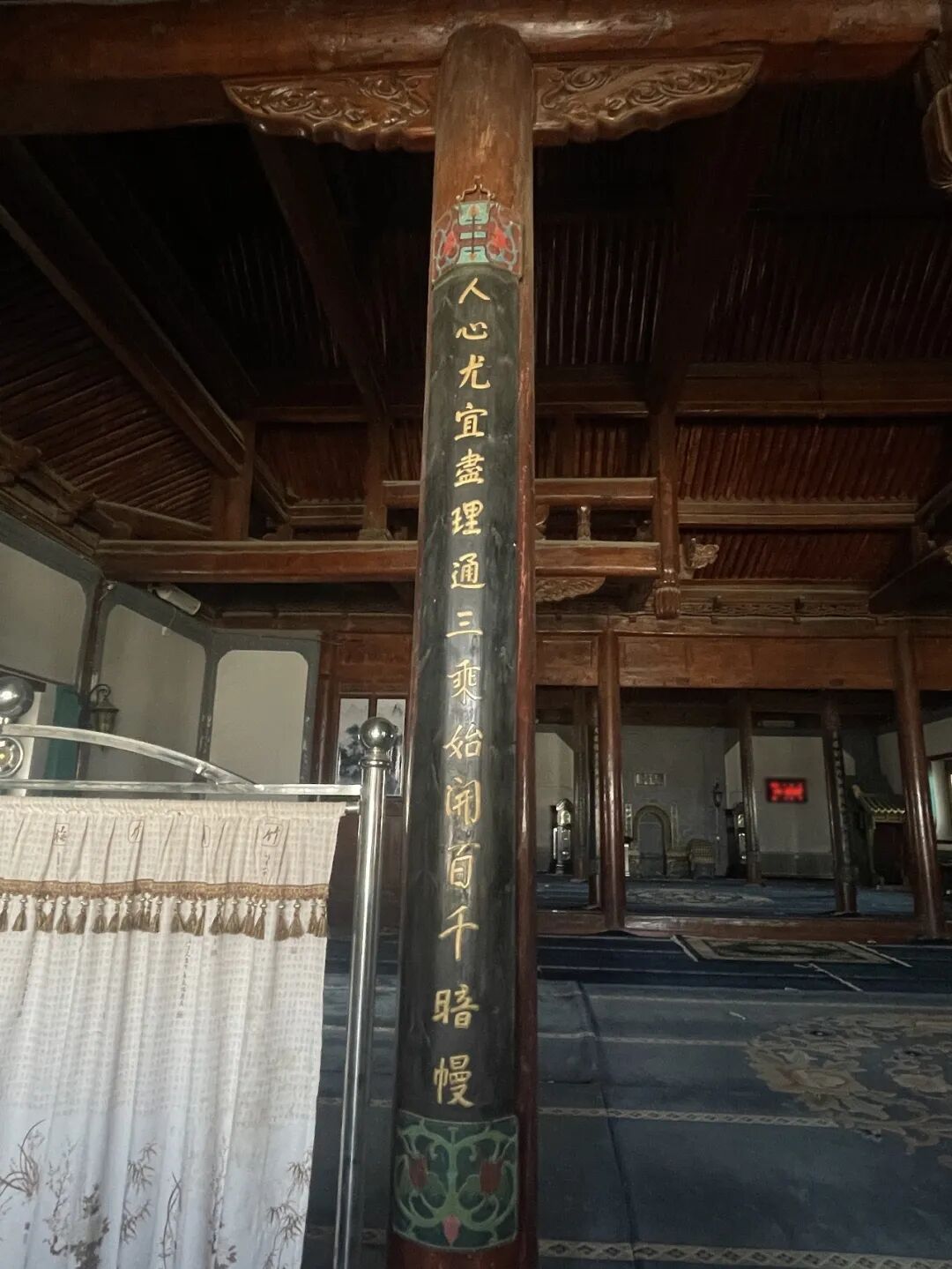
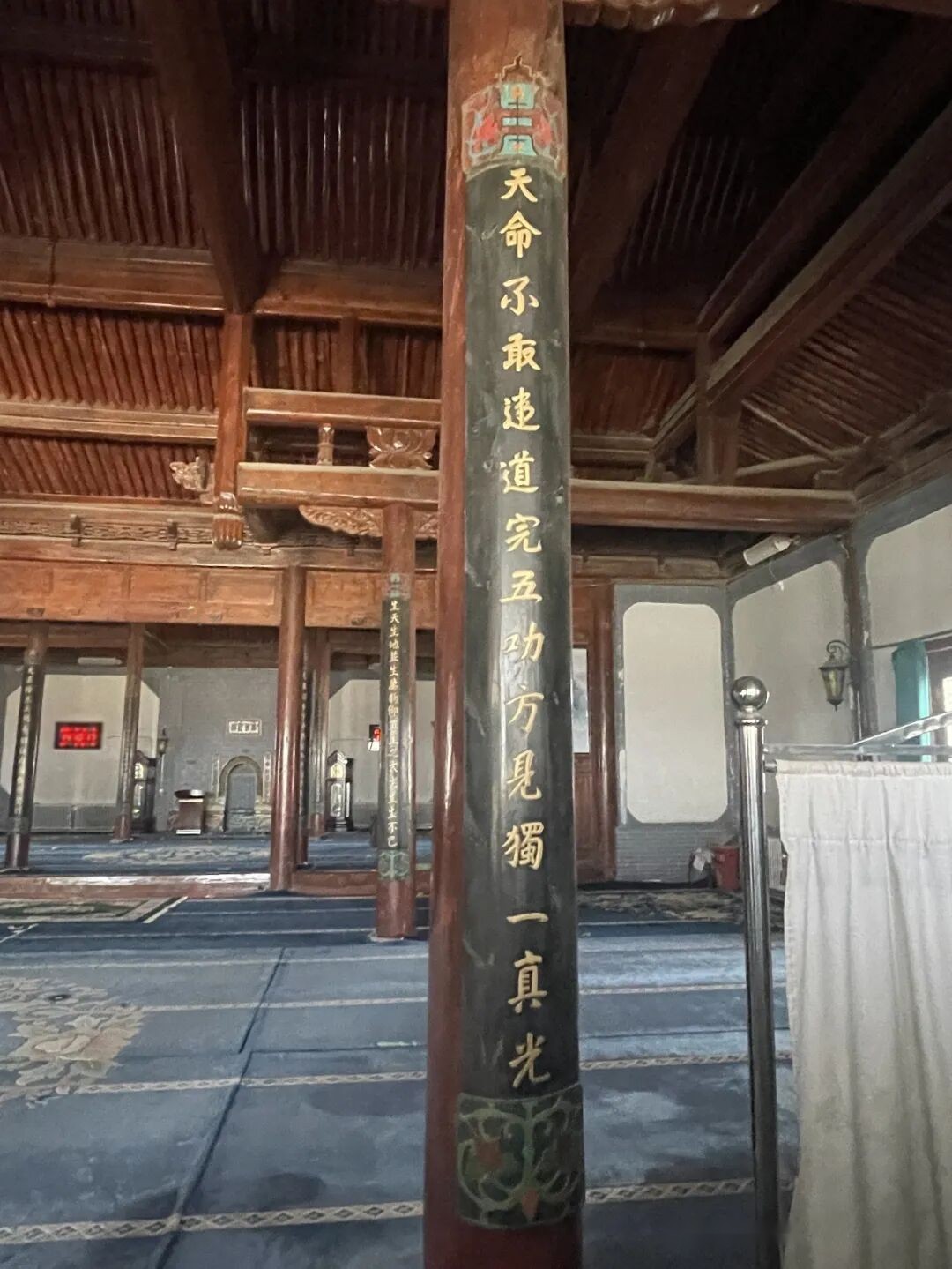
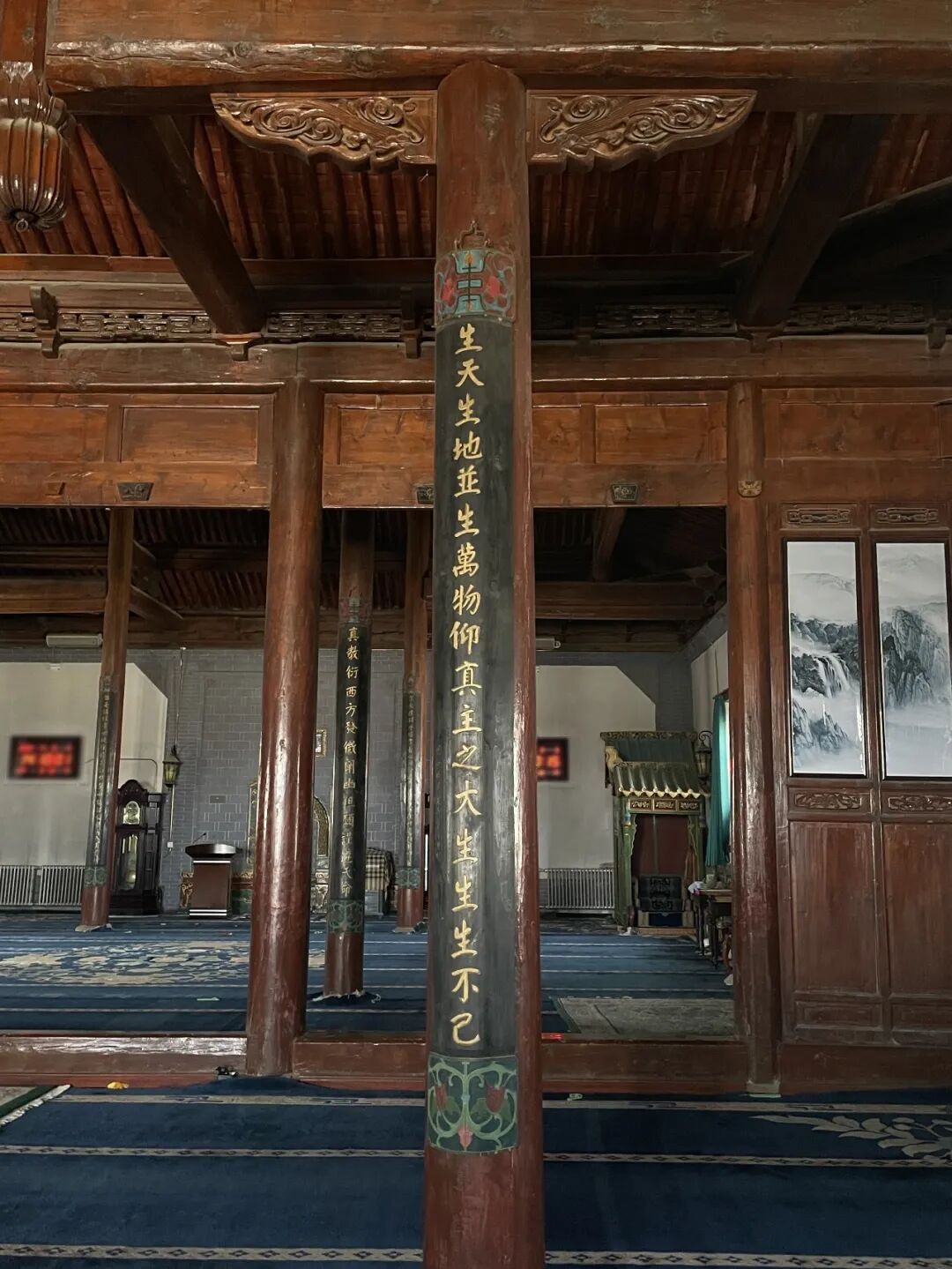
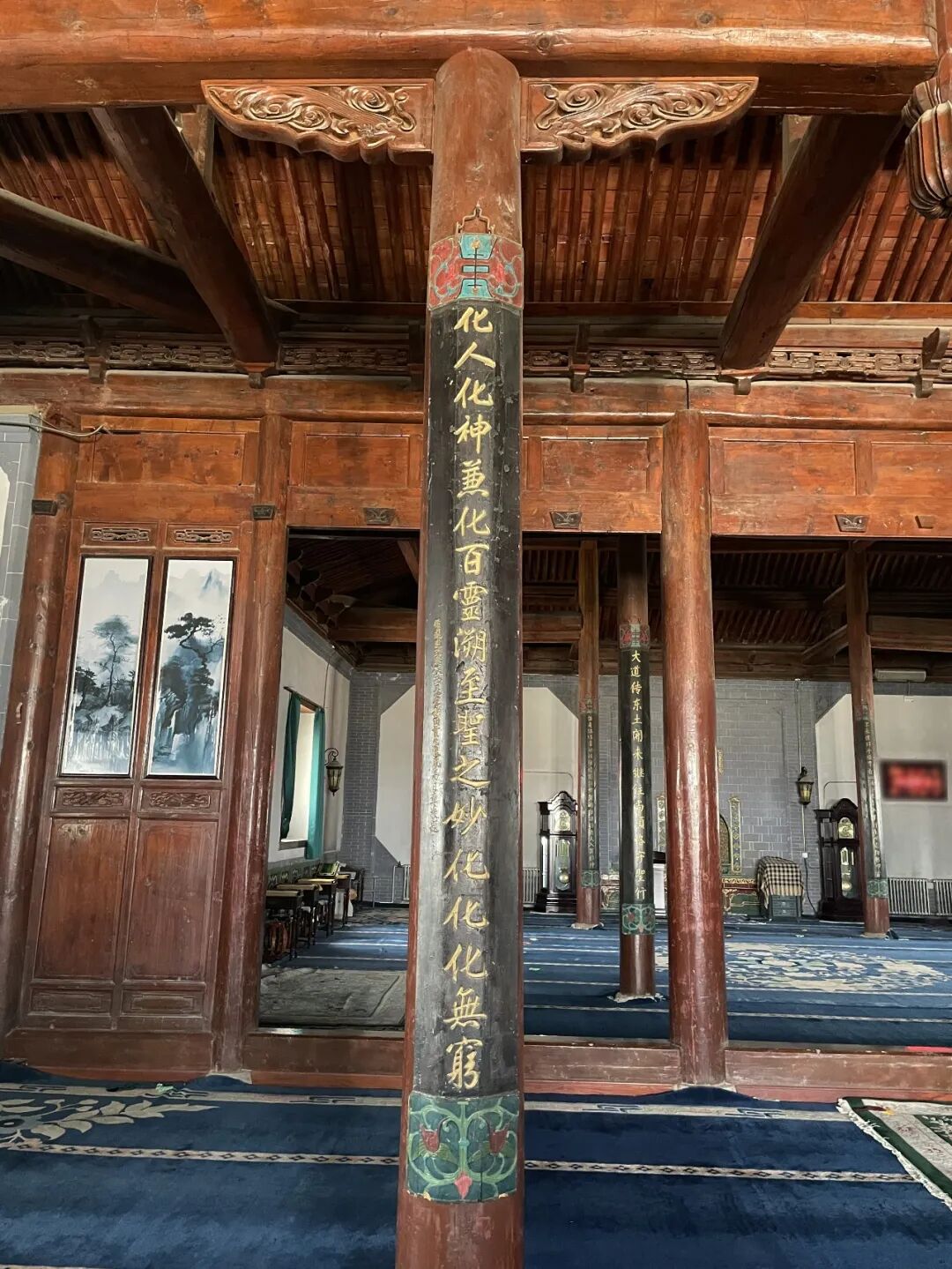
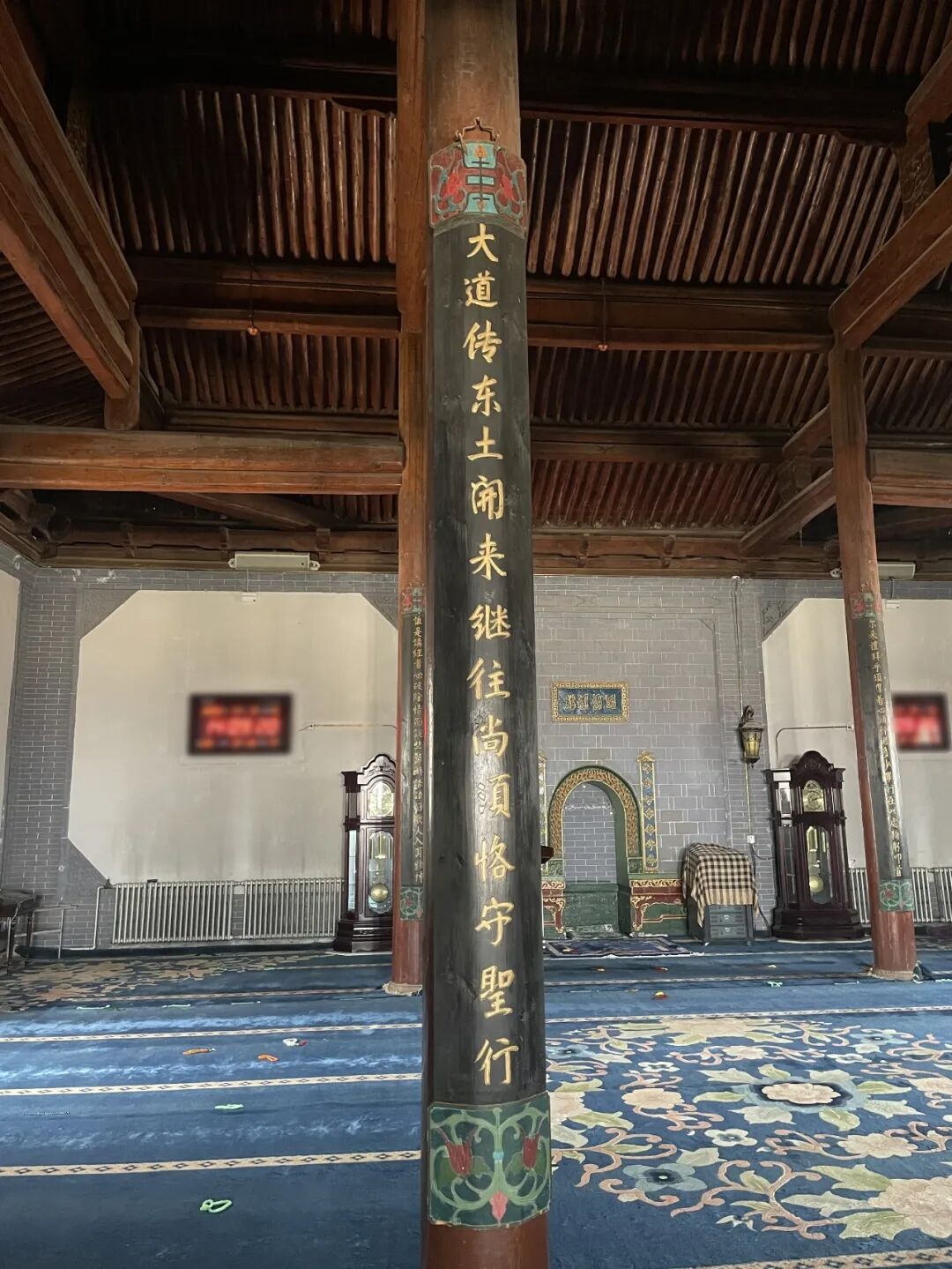
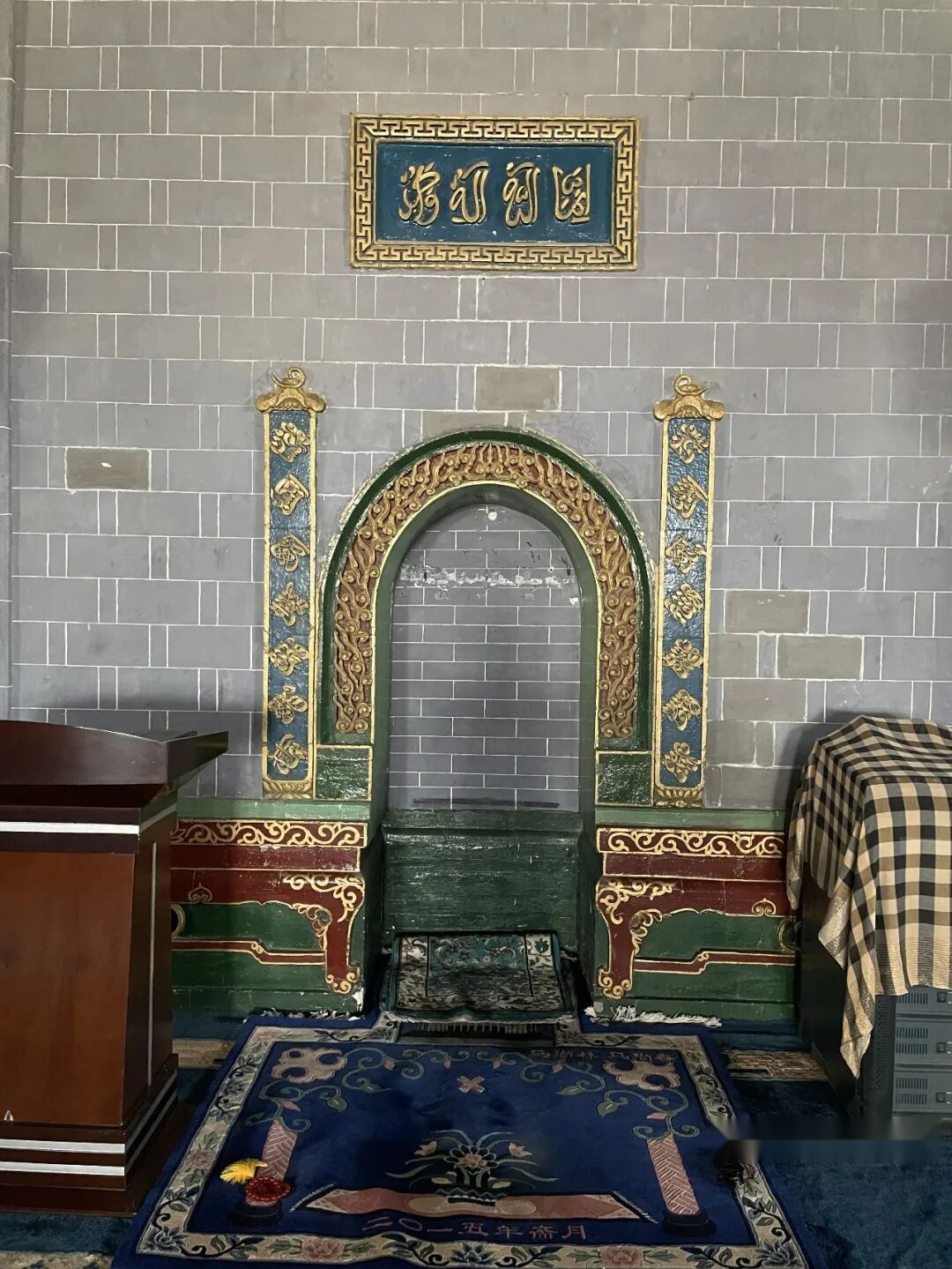
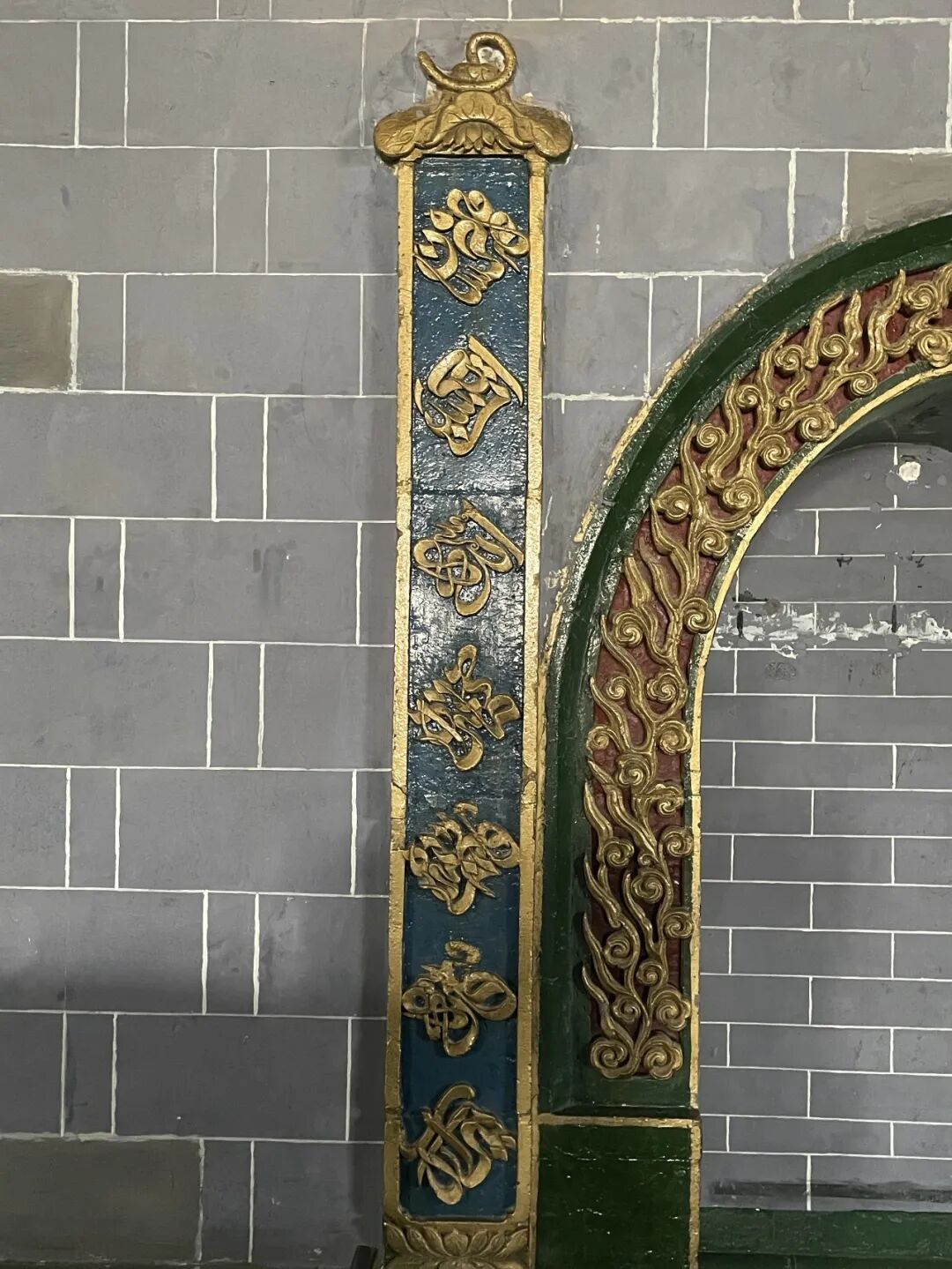

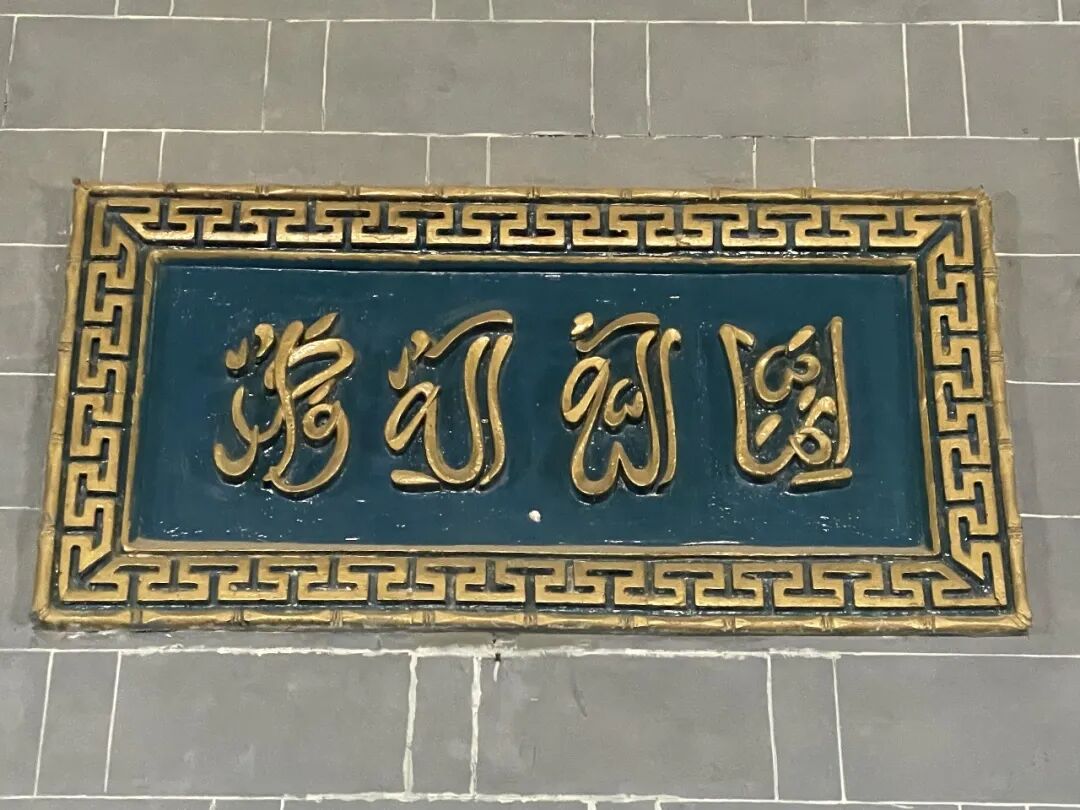

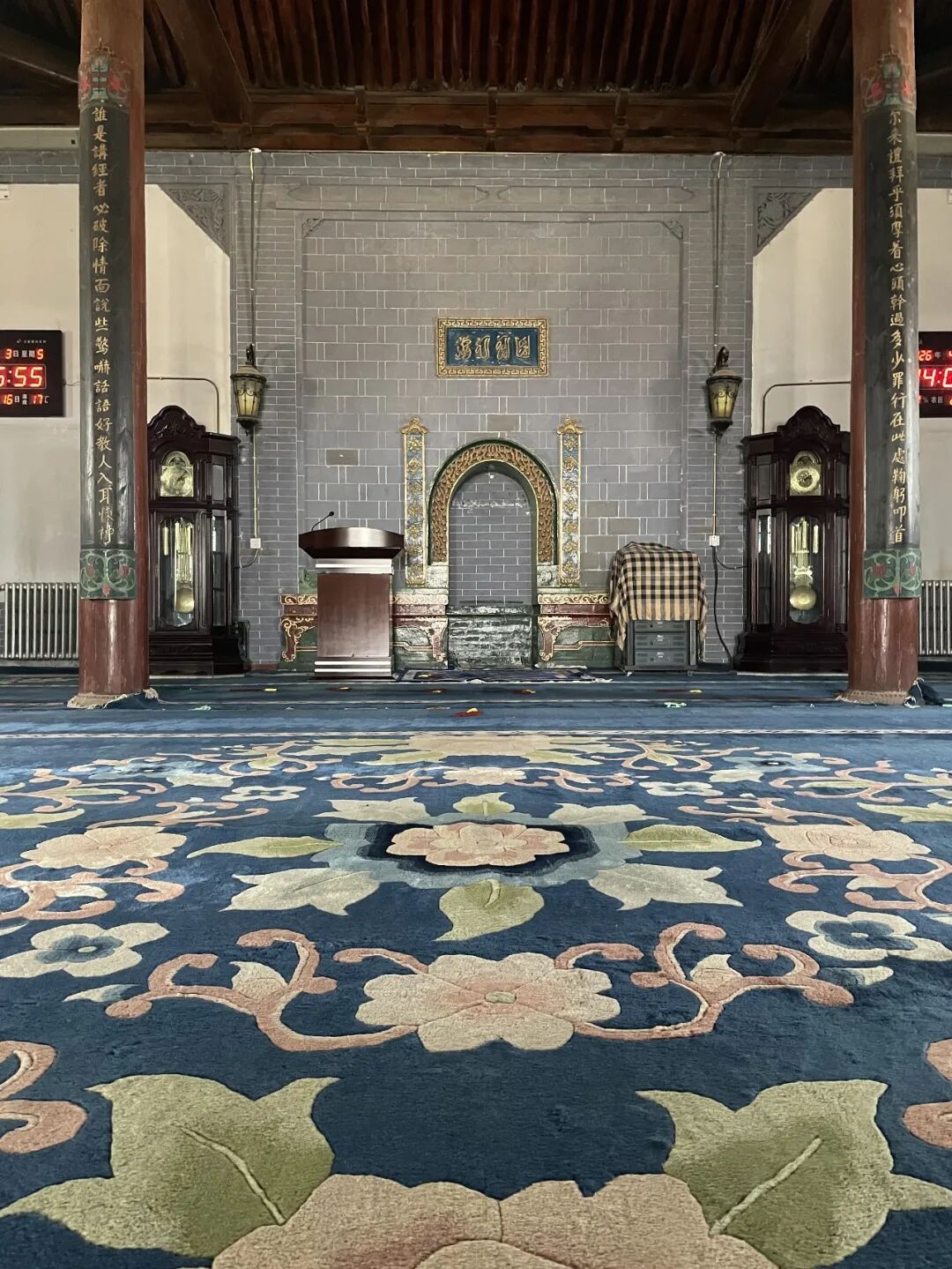
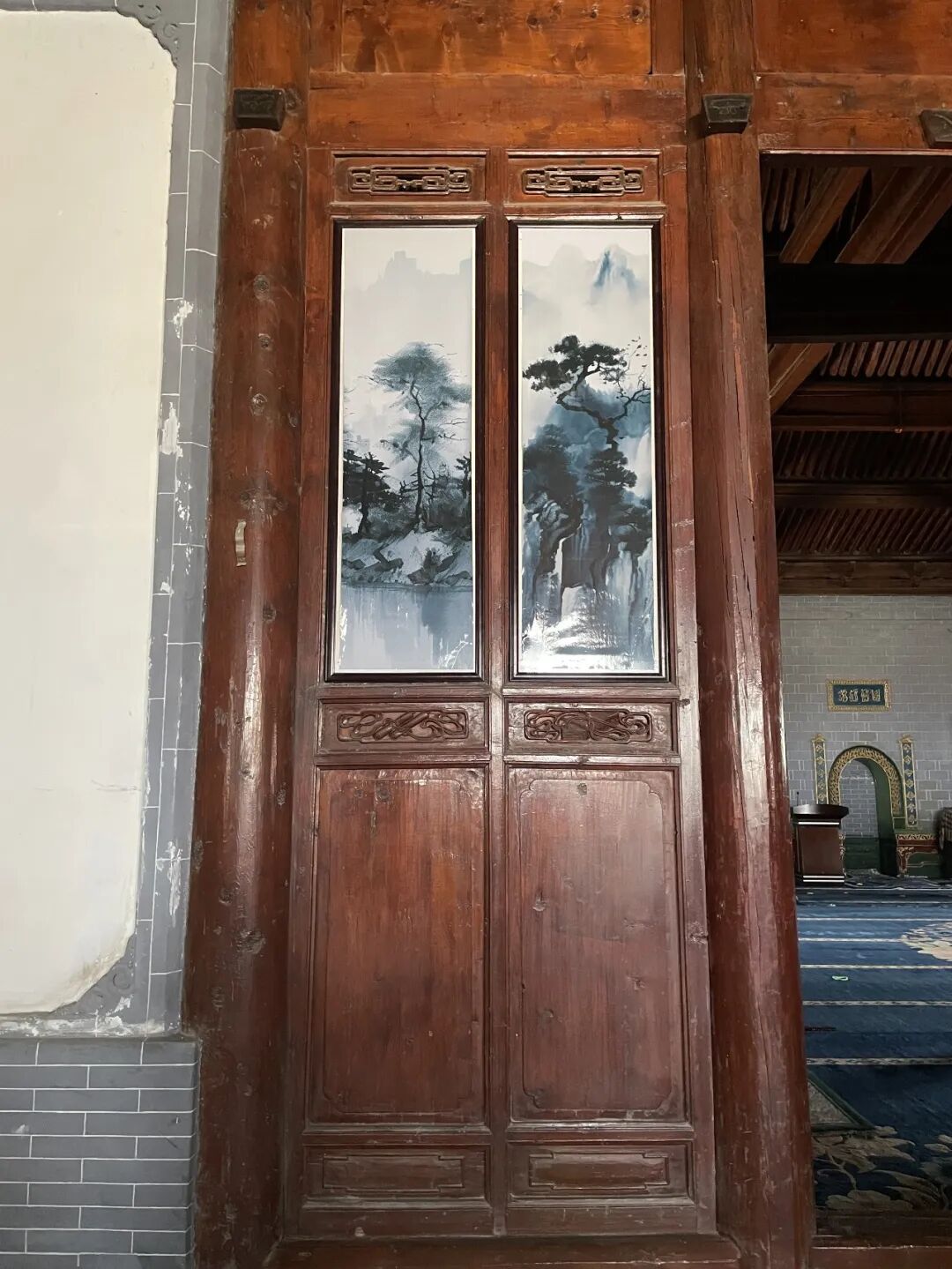
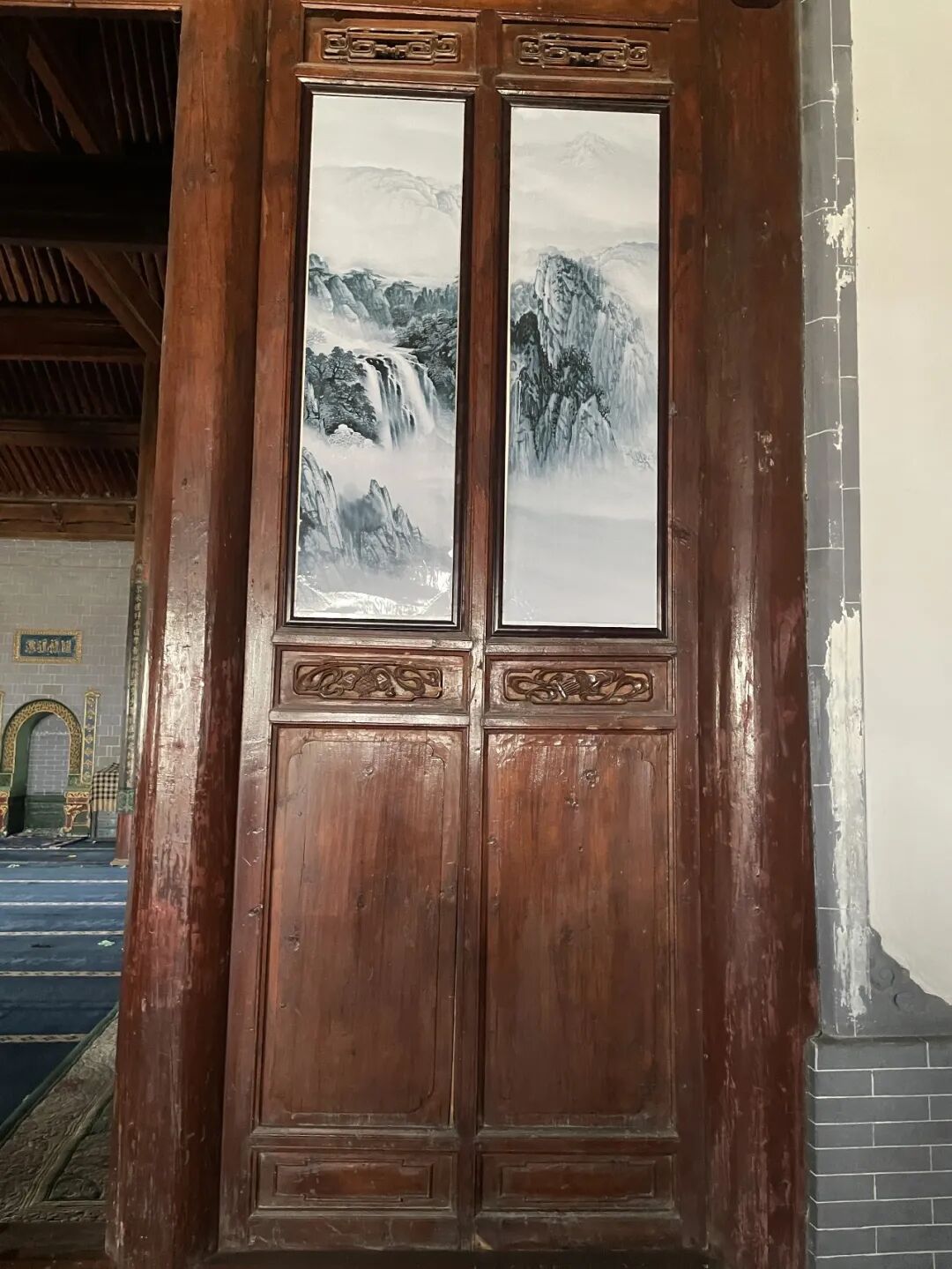
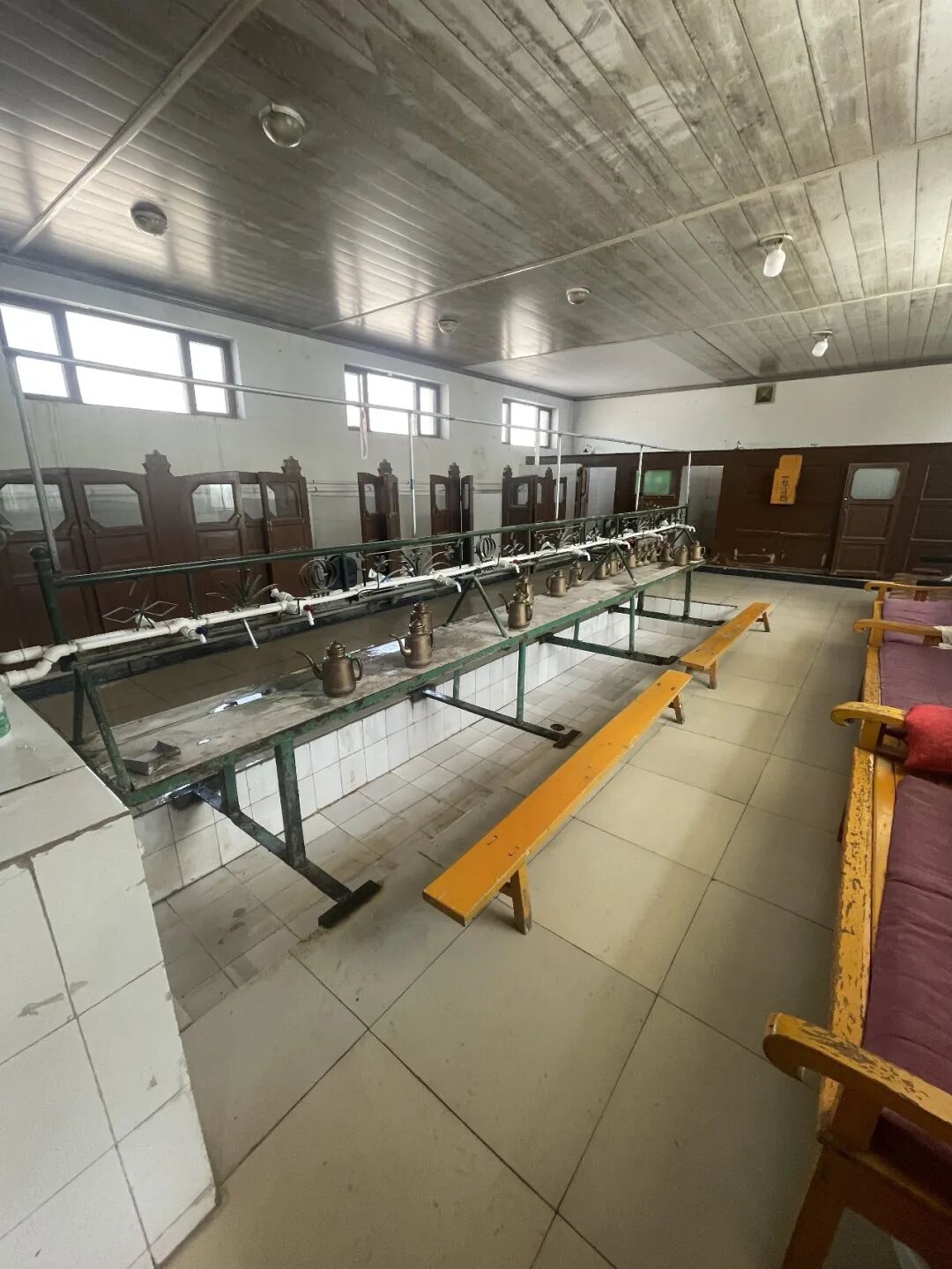
The Legend of Najiaying Knives: Exploring Yunnan's Historic Muslim Craftsmanship & Halal Culture
Articles • Hasan09 posted the article • 0 comments • 12 views • 4 days ago
What’s the real deal with the knives from Najiaying, Yunnan?
Summary:
Hey everyone, I'm Chituanjun. July was absolute chaos and I was so swamped I didn't have the time or energy to push out new posts. If you've found any awesome spots to eat or hang out in Kunming or the surrounding areas lately, drop a comment or DM me—I'm totally down to check them out once I'm back in action.
Click the card above to follow me
Hey everyone, I'm Chituanjun, and July had me running around so crazy I barely had a second to breathe.
Found any killer food or fun spots around Kunming lately? Hit me up in the comments or shoot me a DM—I'm dying to go explore once I'm free.
As a local, free-roaming Halal food blogger, I suppose this day was bound to come: I received a few dozen kitchen knives sent over by a PR brand. My inner monologue was running so wild I actually started worrying about my personal safety (kidding... sort of).
True to our professional standards, as soon as we got our hands on them, the foodie squad launched into full-on crazy testing mode. One of our team members even paid for it in blood...
Seriously folks, always be super careful when handling knives, and store them safely when you're not using them!
Besides, being the perfectionists we are, we made a personal trip out to the source—Najiaying, Tonghai County, Yuxi City, Yunnan Province—to bring you this heavy-hitting feature.
Surrounded by "Flash and Gleam of Blades"
1.
Nagu Town sits in the northwest of Tonghai County, a place famously known as a "land of rites and music." It's a renowned "hometown of handicrafts," where the local residents are primarily Hui Muslims and Han Chinese.
According to historical records, the knife-forging craft in Nagu Town dates all the way back to the Yuan Dynasty.
"As part of the 'Tamma' vanguard troops and accompanying military craftsmen, the ancestors of Nagu applied their exquisite skills and unique techniques to forge top-tier creations in military blades, civilian knives, horse gear, and more."
More than 700 years later, local artisans and businesses are still writing their handicraft history today by building on these fine traditions while blending in modern tech and practical everyday needs.
2.
Another little-known and fascinating story is that knives from Najiaying were once shortlisted as national contenders for the Chinese Tri-Service Honor Guard ceremonial swords.
In early 1992, the Central Military Commission issued an order deciding to revamp the ceremonial uniforms for the Honor Guard. Along with the new threads, the executive and platoon commanders of the Honor Guard were switching out their sidearms for ceremonial swords, shifting from a standard unarmed salute to a much more formidable and solemn saber salute. (Note: Paragraph content is excerpted from the China Archives News, total issue No. 3251, titled "Vowing Loyalty to Forge the 'National Saber'").
The task of researching and designing this ceremonial sword was handed over to the Quartermaster Equipment Research Institute of the General Logistics Department of the Chinese People's Liberation Army.
They first headed to the Military Museum of the Chinese People's Revolution to gather reference materials on ceremonial swords from countries like France, Japan, the US, Sweden, and Italy. Based on China's actual national and military conditions as well as ethnic characteristics, they drafted 3 different sword designs and commissioned over 10 military enterprises and knife manufacturers to make sample blades.
Among them were artisans from Najiaying who took part in the production at the time.
It's a real pity that although we tracked down the person involved and visited their home, we couldn't find the key to the display room. So we missed out on seeing more physical evidence related to it—which honestly just gives us a great excuse for another trip.
3.
Walking down the streets of Najiaying today, you see specialty shops for civilian knives of all shapes and sizes everywhere: scissors, tea knives, nail clippers, unsharpened decorative blades...
Rows upon rows of uniquely shaped knives inside the glass counters reflect that chilling metallic gleam, looking totally badass and giving you a serious martial arts-style adrenaline rush.
Drivers and tourists cruising by can't help but pull over and wander into the shops to check things out. When they spot one they like, they pick up a reliable "kitchen weapon" for themselves, family, or friends.
Honestly, once you've got pro-grade gear and that atmosphere, your inner potential just naturally kicks in.
Take me for example: ever since I got my hands on a reliable knife, the frequency of me heading into the kitchen to prep ingredients has seriously shot up.
Looking forward to even more cool stuff ahead
Forged through over 600 years of accumulation and refinement, Najiaying's knives boast battle-tested craftsmanship that is passed down through generations. It's a priceless asset, but one that constantly faces the challenges of a fast-changing market.
After visiting more than a dozen workshops and specialty stores on the ground, my takeaway is this:
When it comes to tapping into their own cultural resources, telling a compelling brand story, proactively innovating, and connecting with contemporary young consumers, Najiaying's civilian cutlery still has a long road ahead for growth.
Finally, let me shout out an outstanding local Halal restaurant in Najiaying—Jieya Restaurant.
According to a good friend, this spot has been open locally for over 20 years. The quality is solid and the prices are super affordable, making it a great pick whether you're grabbing a casual bite, hanging out with family and friends, or hosting a business dinner.
Our foodie squad tried it out, and everyone was licking their chops.
My personal recommendations: Tom Yum chicken, sliced cold beef, and stir-fried wild mushrooms.
The dipping sauce for the cold beef has a sour and spicy kick—super complex and bursting with authentic Yuxi local flavor.
Until next time, Najiaying~
- Restaurant Info -
Name: Jieya Restaurant
Phone: 13887793491; 13887793492
Average cost: 60 RMB (spend as you like)
- Foodie Squad Perks -
For this issue, our foodie squad handpicked the most frequently used home-style kitchen slicer out of hundreds of knives in Najiaying to recommend to you all.
It has a substantial heft, a razor-sharp blade, and serious performance, totally handling all your daily needs for shredding, slicing, cutting strips, and dicing, while fitting right in with the habits of a Chinese kitchen.
If you want to experience the 600-year knife-making magic of Najiaying, why not start with this one?
Any quality issues under non-violent use within 2 years get a free trade-in for a brand new one.
- More Great Stuff -
Don't rush, 30 is just another beginning
I've been gatekeeping a Halal leisure resort in Xishan District, and I really hate to share it
Without our Zhaotong folks leading the charge, Kunming wouldn't have the Halal food scene it has today view all
What’s the real deal with the knives from Najiaying, Yunnan?
Summary:
Hey everyone, I'm Chituanjun. July was absolute chaos and I was so swamped I didn't have the time or energy to push out new posts. If you've found any awesome spots to eat or hang out in Kunming or the surrounding areas lately, drop a comment or DM me—I'm totally down to check them out once I'm back in action.
Click the card above to follow me
Hey everyone, I'm Chituanjun, and July had me running around so crazy I barely had a second to breathe.
Found any killer food or fun spots around Kunming lately? Hit me up in the comments or shoot me a DM—I'm dying to go explore once I'm free.
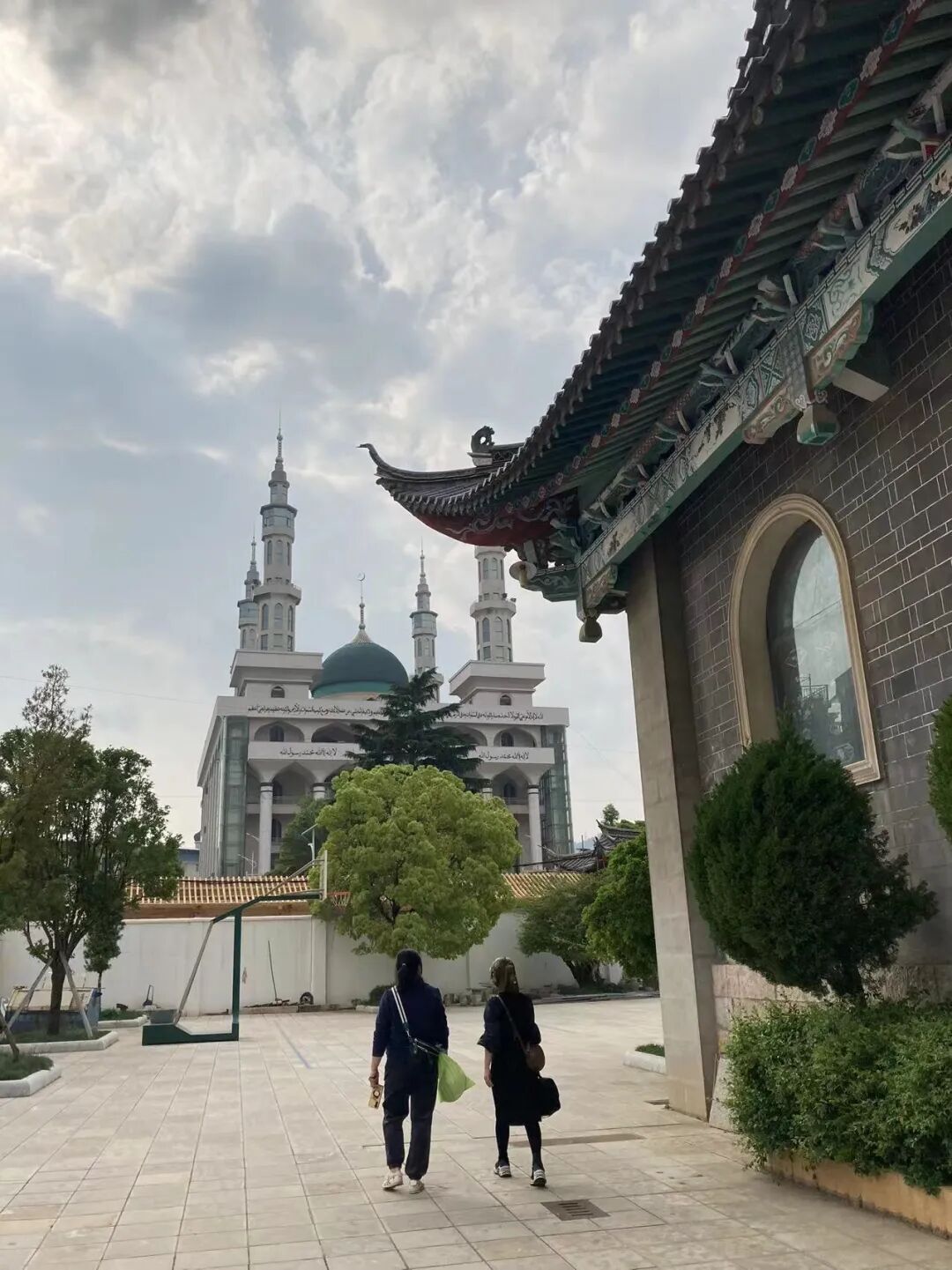
As a local, free-roaming Halal food blogger, I suppose this day was bound to come: I received a few dozen kitchen knives sent over by a PR brand. My inner monologue was running so wild I actually started worrying about my personal safety (kidding... sort of).
True to our professional standards, as soon as we got our hands on them, the foodie squad launched into full-on crazy testing mode. One of our team members even paid for it in blood...
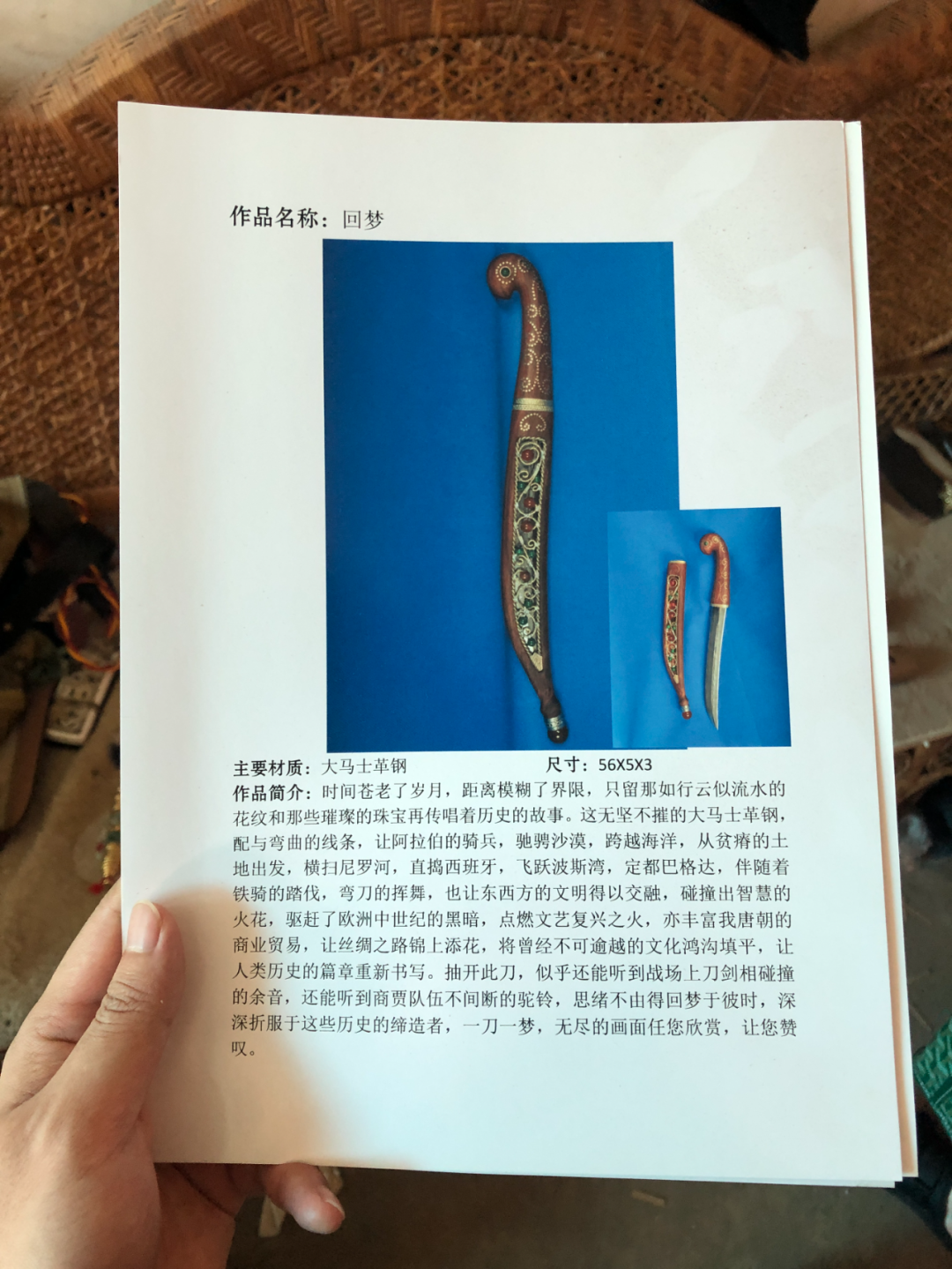
Seriously folks, always be super careful when handling knives, and store them safely when you're not using them!
Besides, being the perfectionists we are, we made a personal trip out to the source—Najiaying, Tonghai County, Yuxi City, Yunnan Province—to bring you this heavy-hitting feature.
Surrounded by "Flash and Gleam of Blades"
1.
Nagu Town sits in the northwest of Tonghai County, a place famously known as a "land of rites and music." It's a renowned "hometown of handicrafts," where the local residents are primarily Hui Muslims and Han Chinese.
According to historical records, the knife-forging craft in Nagu Town dates all the way back to the Yuan Dynasty.
"As part of the 'Tamma' vanguard troops and accompanying military craftsmen, the ancestors of Nagu applied their exquisite skills and unique techniques to forge top-tier creations in military blades, civilian knives, horse gear, and more."
More than 700 years later, local artisans and businesses are still writing their handicraft history today by building on these fine traditions while blending in modern tech and practical everyday needs.
2.
Another little-known and fascinating story is that knives from Najiaying were once shortlisted as national contenders for the Chinese Tri-Service Honor Guard ceremonial swords.
In early 1992, the Central Military Commission issued an order deciding to revamp the ceremonial uniforms for the Honor Guard. Along with the new threads, the executive and platoon commanders of the Honor Guard were switching out their sidearms for ceremonial swords, shifting from a standard unarmed salute to a much more formidable and solemn saber salute. (Note: Paragraph content is excerpted from the China Archives News, total issue No. 3251, titled "Vowing Loyalty to Forge the 'National Saber'").
The task of researching and designing this ceremonial sword was handed over to the Quartermaster Equipment Research Institute of the General Logistics Department of the Chinese People's Liberation Army.
They first headed to the Military Museum of the Chinese People's Revolution to gather reference materials on ceremonial swords from countries like France, Japan, the US, Sweden, and Italy. Based on China's actual national and military conditions as well as ethnic characteristics, they drafted 3 different sword designs and commissioned over 10 military enterprises and knife manufacturers to make sample blades.
Among them were artisans from Najiaying who took part in the production at the time.
It's a real pity that although we tracked down the person involved and visited their home, we couldn't find the key to the display room. So we missed out on seeing more physical evidence related to it—which honestly just gives us a great excuse for another trip.
3.
Walking down the streets of Najiaying today, you see specialty shops for civilian knives of all shapes and sizes everywhere: scissors, tea knives, nail clippers, unsharpened decorative blades...
Rows upon rows of uniquely shaped knives inside the glass counters reflect that chilling metallic gleam, looking totally badass and giving you a serious martial arts-style adrenaline rush.
Drivers and tourists cruising by can't help but pull over and wander into the shops to check things out. When they spot one they like, they pick up a reliable "kitchen weapon" for themselves, family, or friends.
Honestly, once you've got pro-grade gear and that atmosphere, your inner potential just naturally kicks in.
Take me for example: ever since I got my hands on a reliable knife, the frequency of me heading into the kitchen to prep ingredients has seriously shot up.
Looking forward to even more cool stuff ahead
Forged through over 600 years of accumulation and refinement, Najiaying's knives boast battle-tested craftsmanship that is passed down through generations. It's a priceless asset, but one that constantly faces the challenges of a fast-changing market.
After visiting more than a dozen workshops and specialty stores on the ground, my takeaway is this:
When it comes to tapping into their own cultural resources, telling a compelling brand story, proactively innovating, and connecting with contemporary young consumers, Najiaying's civilian cutlery still has a long road ahead for growth.
Finally, let me shout out an outstanding local Halal restaurant in Najiaying—Jieya Restaurant.
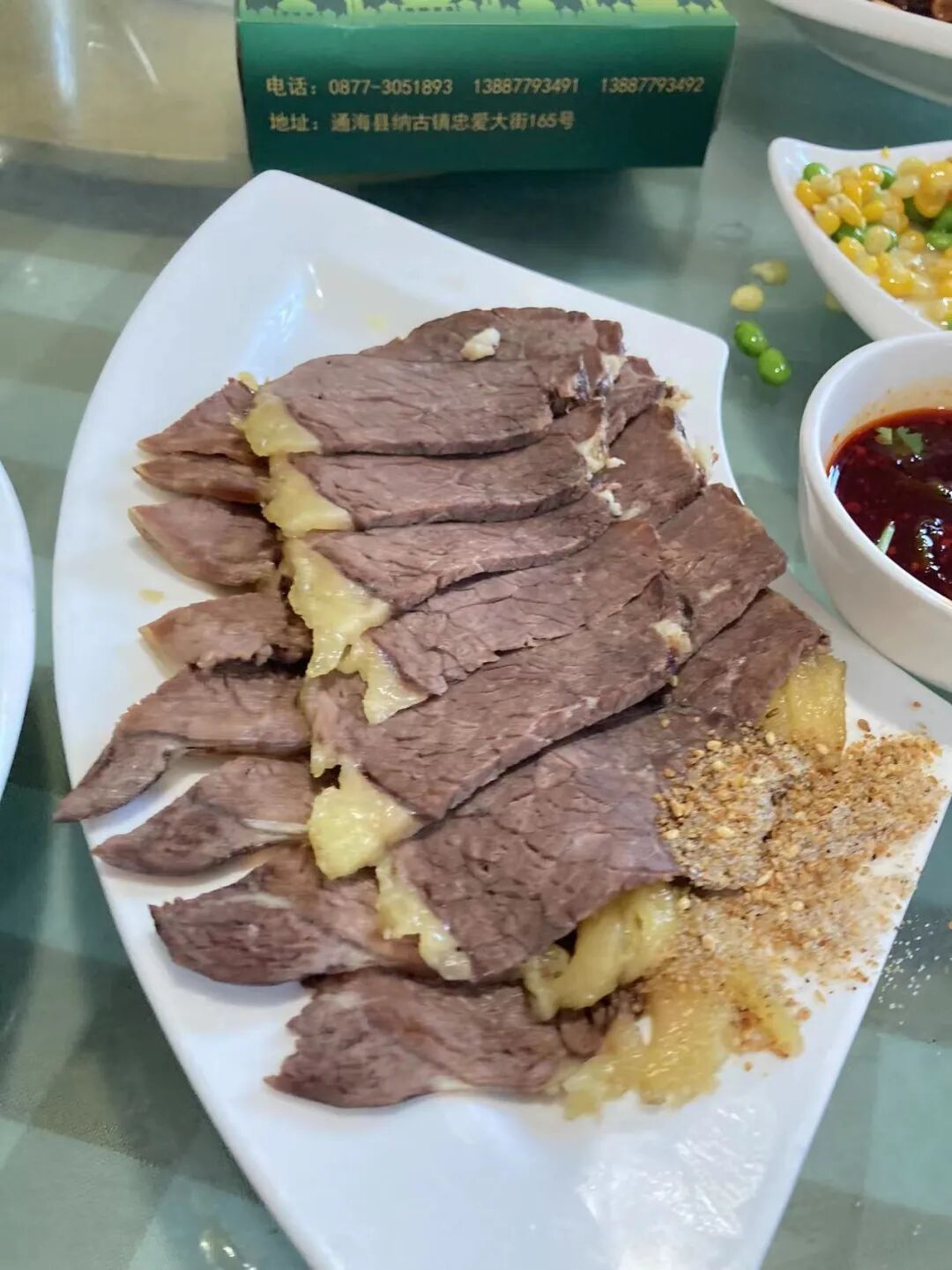
According to a good friend, this spot has been open locally for over 20 years. The quality is solid and the prices are super affordable, making it a great pick whether you're grabbing a casual bite, hanging out with family and friends, or hosting a business dinner.
Our foodie squad tried it out, and everyone was licking their chops.
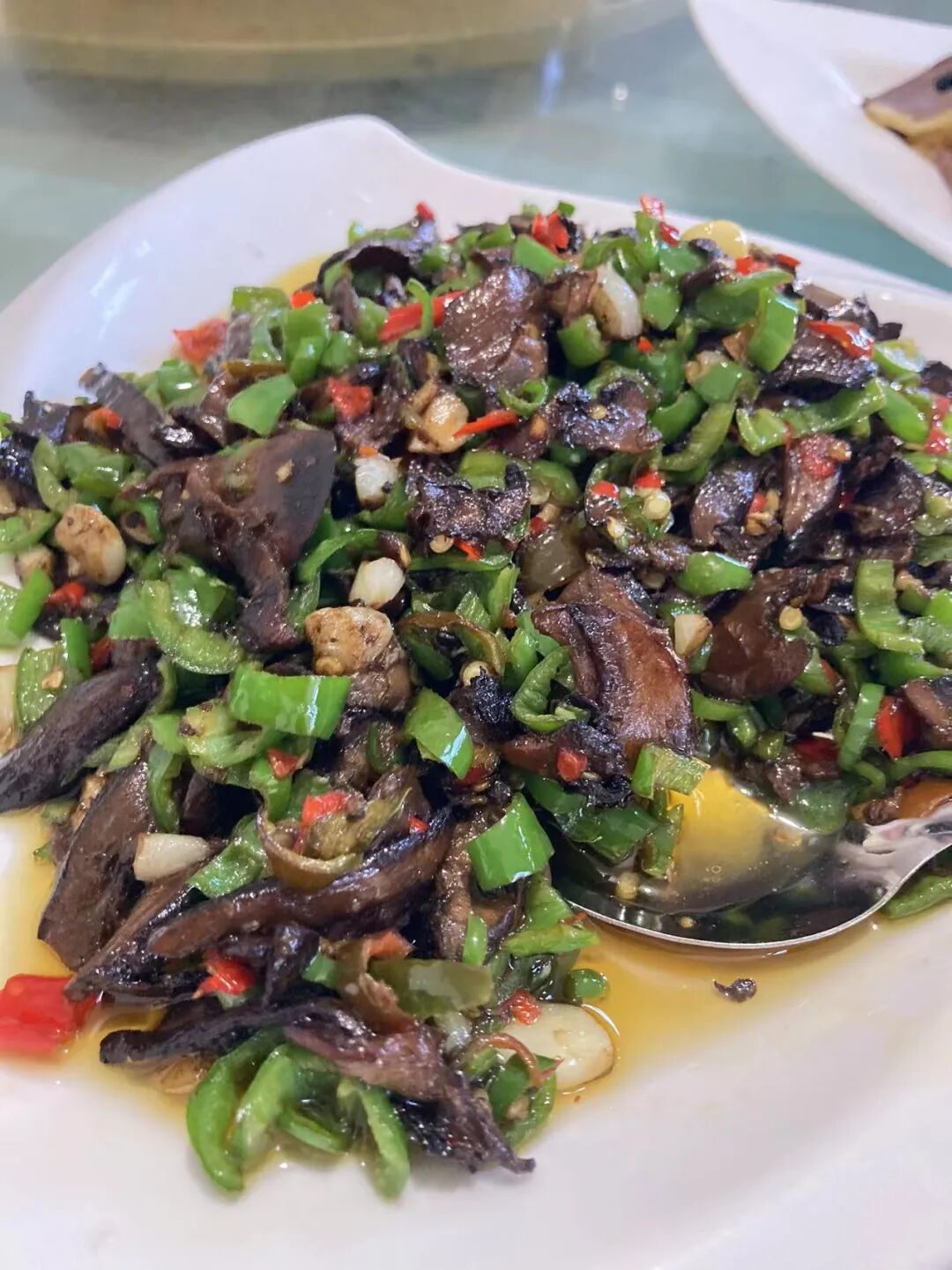
My personal recommendations: Tom Yum chicken, sliced cold beef, and stir-fried wild mushrooms.
The dipping sauce for the cold beef has a sour and spicy kick—super complex and bursting with authentic Yuxi local flavor.
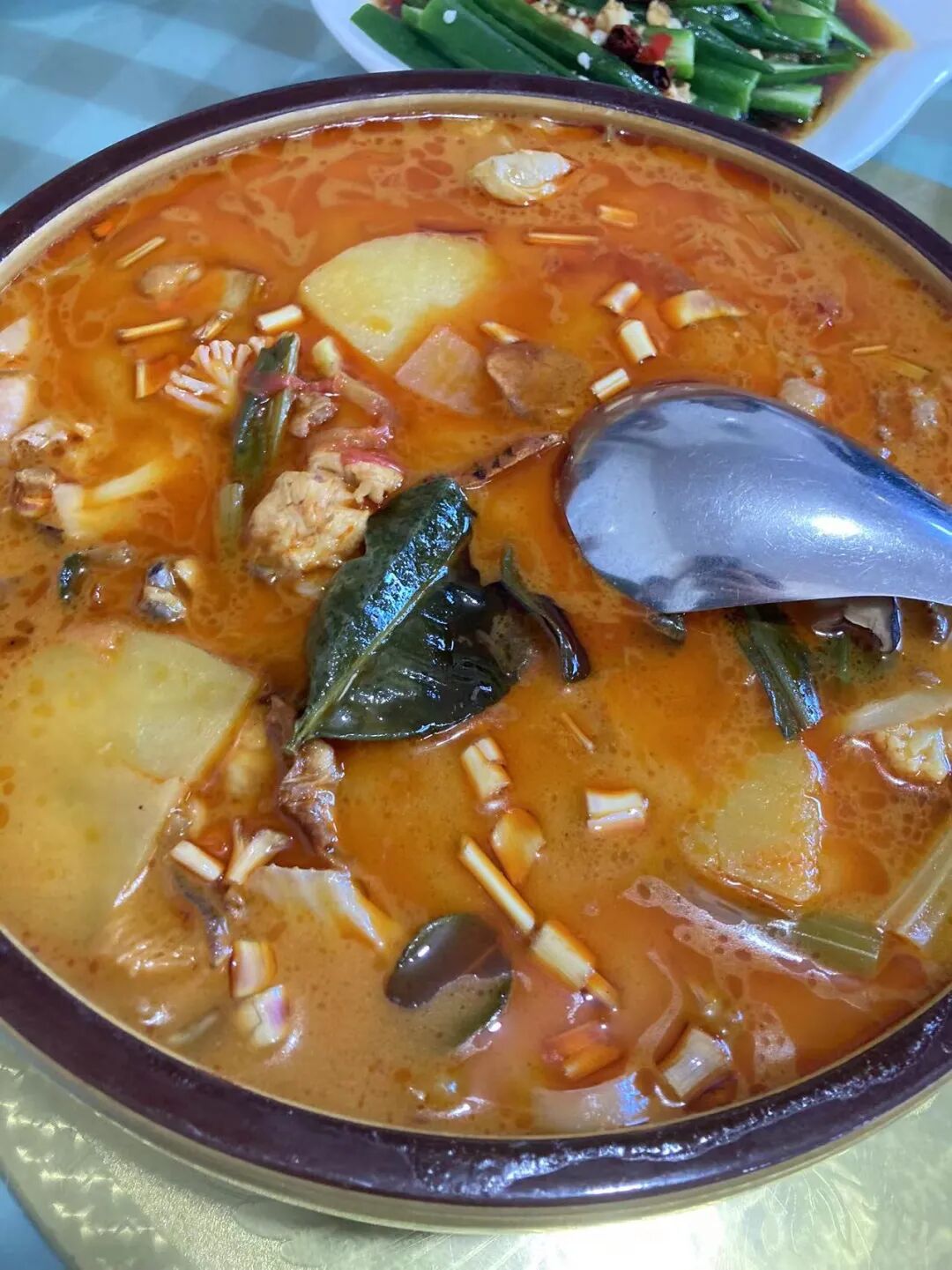
Until next time, Najiaying~
- Restaurant Info -
Name: Jieya Restaurant
Phone: 13887793491; 13887793492
Average cost: 60 RMB (spend as you like)
- Foodie Squad Perks -
For this issue, our foodie squad handpicked the most frequently used home-style kitchen slicer out of hundreds of knives in Najiaying to recommend to you all.
It has a substantial heft, a razor-sharp blade, and serious performance, totally handling all your daily needs for shredding, slicing, cutting strips, and dicing, while fitting right in with the habits of a Chinese kitchen.
If you want to experience the 600-year knife-making magic of Najiaying, why not start with this one?
Any quality issues under non-violent use within 2 years get a free trade-in for a brand new one.
- More Great Stuff -
Don't rush, 30 is just another beginning
I've been gatekeeping a Halal leisure resort in Xishan District, and I really hate to share it
Without our Zhaotong folks leading the charge, Kunming wouldn't have the Halal food scene it has today
The Ultimate Guide to Yunnan Muslim Culture, Halal Food & Historic Mosques (Part 1)
Articles • Hasan09 posted the article • 0 comments • 14 views • 4 days ago
Overview of Yunnan-Origin Muslims in Taiwan, Thailand, and Myanmar (1): Overview of Homelands and Diaspora
Abstract:
Overview of Yunnan-Origin Muslims in Taiwan, Thailand, and Myanmar. Author: Yu Jiaming. Nestled in China's southwestern corner, Yunnan borders Myanmar, Thailand, Laos, and Vietnam, serving as a historic gateway to Southeast Asia. While the terrain is rugged, the region enjoys year-round spring weather and abundant resources. Home to multiple ethnic minority groups, Yunnan has spent millennia cultivating a rich, diverse cultural tapestry, which naturally includes the historical evolution and developmental journey of its Muslim communities. Section 1: Overview of Homelands and Diaspora. Nestled in China's southwestern corner, Yunnan borders Myanmar, Thailand, Laos, and Vietnam, serving as a historic gateway to Southeast Asia.
Overview of Yunnan-Origin Muslims in Taiwan, Thailand, and Myanmar
Author: Yu Jiaming
Nestled in China's southwestern corner, Yunnan borders Myanmar, Thailand, Laos, and Vietnam, serving as a historic gateway to Southeast Asia. While the terrain is rugged, the region enjoys year-round spring weather and abundant resources. Home to multiple ethnic minority groups, Yunnan has spent millennia cultivating a rich, diverse cultural tapestry, which naturally includes the historical evolution and developmental journey of its Muslim communities.
Section 1: Overview of Homelands and Diaspora
Nestled in China's southwestern corner, Yunnan borders Myanmar, Thailand, Laos, and Vietnam, serving as a historic gateway to Southeast Asia. While the terrain is rugged, the region enjoys year-round spring weather and abundant resources. Home to multiple ethnic minority groups, Yunnan has spent millennia cultivating a rich, diverse cultural tapestry, which naturally includes the historical evolution and developmental journey of its Muslim communities.
Beginning in the 7th century CE, merchants from the Arabian Peninsula and Persia began traveling to China for trade, eventually settling across various regions. Over centuries of development, they became one of the foundational roots of today's Hui Muslim minority in China. Of course, the composition of the Hui Muslims also includes Central Asian Muslim ethnic groups who moved eastward after Genghis Khan's western campaigns, alongside Arabs and Persians. In Yuan Dynasty official records, they were collectively referred to as "Huihui". After arriving in China, these individuals worked as soldiers, artisans, farmers, and merchants, while others entered government service or pursued religious and academic careers. Through intermarriage with locals and their deep integration into the socio-economic fabric, the concept and ethnic structure of the Hui Muslims gradually took shape.
As for the development of Islam in Yunnan, one theory suggests that during the Tang Dynasty, Tang forces allied with the Kingdom of Nanzhao to defeat the Tibetan Empire and the Abbasid army (referred to historically as the "Black-robed Da Shi"). The captured Abbasid soldiers were Muslims, marking the earliest presence of Muslims in Yunnan. Another widely circulated theory attributes their arrival to the Central Asian Huihui who migrated westward following the Mongol conquests, as well as Huihui soldiers in the Mongol army who stayed behind after conquering the "Southwestern Yi" tribes, thereby forming the earliest Muslim communities in Yunnan. [1]
According historical records, from Genghis Khan's western campaigns in 1219 to Hulagu's capture of Baghdad in 1258, the Mongols successively conquered numerous Islamicized nations spanning from Central to West Asia. Large numbers of these Muslims were subsequently relocated eastward, with some military units organized into the "Tamma troops" (frontier garrison forces) as part of Kublai Khan's unified army. In 1253 (the second year of Emperor Mengke's reign), Mengke ordered Kublai Khan and Uriankhadai to lead a 100,000-strong army to attack the Southwest, eventually conquering the Kingdom of Dali. Numerous Huihui generals and soldiers arrived in Yunnan wave after wave to garrison the borderlands and establish military agricultural colonies (tuntian) across various regions. Later, Uyghurs (ancestors of today's Uyghur ethnic group) also established the Wumeng military garrison around Zhaotong, laying a major foundation for today's Zhaotong Hui Muslim population. [2]
In 1274 (the 11th year of the Zhiyuan era under Kublai Khan), the Yuan Emperor appointed Sayyid Ajjal Shams al-Din Omar as the first Pingzhangmingshi (Administrator) of the Yunnan Branch Secretariat. Sayyid Ajjal Shams al-Din was originally from Bukhara in modern-day Central Asia. During his six years in office, he made remarkable achievements in local agriculture, transportation, and education. He introduced knowledge of Islam, the Arabic and Persian languages, artillery manufacturing, and medicine into Yunnan, and commissioned two mosques in Kunming that still stand today. His descendants also achieved prominence in politics and military affairs, continuing to contribute to the governance of Yunnan. His lineage eventually dispersed across China, becoming ancestral roots for many Chinese Muslims. [3]
The Ming Dynasty and early Qing Dynasty also marked critical phases for the development of Yunnan's Muslims. Many Muslim generals served among the founding figures of the Ming Dynasty; most notably, Mu Ying and his descendants were enfeoffed as the "Prince of Qianning" and the "Duke of Qian," governing Yunnan across generations. Additionally, a large contingent of Hui Muslim generals and soldiers from the Central Plains and the Jianghuai region followed Mu Ying to Yunnan. It is said that the Mu family in modern-day Baoshan, Yunnan, are descendants of Mu Ying. [4] Subsequently, even more Muslims arrived with military forces to garrison and reclaim land, forming numerous settlements in places such as modern-day Kunming, Chuxiong, Dali, Weishan, Baoshan, Tengchong, Kaiyuan, Mengzi, Xun甸, and Qujing. As they gradually integrated with various ethnic groups, Yunnan transformed into a major stronghold for Muslims in China, embodying the early spatial pattern of "widely dispersed, closely concentrated." [5]
Because Muslim village communities maintained distinct cultural and religious boundaries with outsiders, we frequently encounter villages bearing names explicitly tied to the Hui Muslims, such as "Huihuiying" (Hui Muslim Camp) or "Huizi Village" (Hui Village). These names immediately reveal that the local residents are Yunnan-origin Muslims. However, not all Muslims lived in exclusively Hui villages; many resided in urban areas. Though they were not the local majority, their homes and businesses clustered within specific Muslim quarters, allowing them to preserve their religious beliefs and ways of life with minimal outside interference. Because they inevitably interacted with Han Chinese in the cities, lifestyle and cultural differences occasionally sparked friction, with Han residents sometimes resorting to verbal insults or physical aggression against Muslims. [6]
Following the dawn of the Qing Dynasty, the development of Muslim communities began to face severe setbacks. For one, many Muslims still held loyalty to the fallen Ming Dynasty; moreover, the Qing court's ethnic policies were deeply inequitable, imposing heavy restrictions and discrimination against Hui Muslims while frequently instigating ethnic conflicts between Hui and Han populations. This fueled resistance among Muslim communities everywhere—not least in Yunnan, which boasted the second-largest Muslim population concentration in China, second only to the Northwest. In 1797 (the second year of the Jiaqing era), a salt-tax dispute erupted in the Dali and Chuxiong regions, serving as the spark for widespread uprisings. Participants spanned the Bai, Han, Yi, and Hui ethnic groups, uniting against corrupt salt administration officials who schemed for personal gain and extorted ordinary citizens. Soon, various conflicts and disputes flared up across regions. Officials routinely stoked divisions and refused to deliver fair judgments, causing public resentment to boil over. By the Daoguang era, the Qing court initiated violent crackdowns, ultimately triggering the major anti-Qing uprisings led by Du Wenxiu, Ma Long, and others. [7]
In 1856, Du Wenxiu established a regime in Dali, vigorously developing local agricultural and mineral economies, encouraging commerce, and fostering trade ties with neighboring Sichuan and Myanmar. By uniting various ethnic minorities, he won widespread popular support. Militarily, Du Wenxiu rallied the populace under slogans such as "Save the people, strike down tyranny," "Unite Hui and Han as one, raise the righteous banner, drive out the Tartars, and restore China..." His insurgent forces fought over two hundred battles against Qing troops, unifying the entire western half of Yunnan within five years. In 1867, they even mobilized a massive army to besiege Kunming. However, after failing to break the city and facing fresh Qing reinforcements mobilized from multiple provinces—combined with the Qing court's divide-and-conquer strategy of using Muslims to fight Muslims—the Dali regime suffered a series of defeats. In 1872, Du Wenxiu was executed, and two years later, Dali fell to Qing forces, bringing the 18-year Yunnan Hui uprising to a tragic end. [8]
By the mid-19th century, Yunnan's local Muslims accounted for one-tenth of the province's total population. Bound by shared historical and cultural symbols as well as common professions, they gradually forged a distinct ethnic identity. This very identity—compounded by their non-Yunnan and non-Han ancestral origins and their Islamic faith—created friction in regional, cultural, and religious spheres, ultimately leading to the tragic outcomes of the Hui uprisings. [9] In the wake of the Qing court's high-handed rule and massacres, the Muslim population inside Yunnan plummeted sharply. Fearing persecution, some Hui residents were forced to flee across the borders into neighboring countries, planting the seeds for the migration of Yunnan-origin Muslims into Southeast Asia. [10]
Yunnan and its surrounding regions feature towering mountain ranges soaring 6,000 meters high, forming the Yunnan-Guizhou Plateau. South of the plateau lie the Shan Plateau of Myanmar, northern Thailand, Laos, and the rugged highlands of Vietnam. Major rivers like the Lancang (Mekong) and Nujiang (Salween) carve deep gorges through the plateau while sculpting numerous mountain basins known locally as *bazi*. Different ethnic minorities settled across these basins. Given this challenging terrain, the most reliable transport for long-distance journeys was the Yunnan pony, giving rise to organized caravans known as *mabang* (horse caravans) that shuttled between mountain basins to handle cargo transport and trade. [11] These horse caravans not only traded goods from market to market but also bartered with highland farmers along the way, injecting vibrant economic life into diverse inter-ethnic regions. [12]
The Muslims of Yunnan province largely concentrated along major transportation arteries and the flat basin lands (bazi) in their immediate suburbs, with very few living deep in the mountainous interior. This settlement pattern was shaped by their long-term historical engagement in military agricultural colonies, commerce, and handicrafts. [13] Because these flat basins and semi-mountainous regions offered limited per capita arable land, relying solely on farming made survival difficult. Consequently, running long-distance transport via horse caravans became an essential avenue for Hui Muslims to make a living in commerce. Ever since the Yuan Dynasty, Hui horse caravans remained a cornerstone of Yunnan's transport network. In Muslim-heavy regions such as Baoshan, Weishan, Tonghai, and Yuxi, countless horse caravans specialized in transport and goods trading, constantly plying the routes between Yunnan, Thailand, and Myanmar. [14] Furthermore, the Qing court's massacres of Yunnan's Hui population plunged many areas into economic depression, which in turn spawned rampant banditry. The devastation of their home villages forced people to venture outward to find a livelihood—proving to be yet another reason why Yunnan Muslims took up the life of caravan traders. [15]
Wealthy Yunnan merchants had long-standing commercial ties extending through Laos, Thailand, Myanmar, and India, while local peddlers transporting goods between prefectures and counties routinely hired Hui-dominated horse caravans. Among all postal and courier routes, the western Yunnan Hui horse caravan route stretching from Dali all the way to Myanmar was the most convenient. Many Hui people sustained their livelihoods through caravanning: some purchased their own mules and horses to organize independent caravans, while others hired themselves out to wealthy merchants who already owned large caravans. This gave rise to the classic description of Yunnan Hui Muslims: "Their livelihood relies on the profits of mules and horses," and "They universally make their living by driving caravans, peddling oil, salt, and rice." [16]
Western Yunnan, bordering Myanmar, served as a crucial stretch of the Yunnan Silk Road and maintained close ties with the outside world since ancient times. Borderland grassroots trade had always been exceptionally active; following the social stability and economic development of the Ming Dynasty, waves of interior merchants flocked to the region seeking fortunes. Northern Myanmar still bears the footprints of these active Chinese merchants. Myanmar's native products like gemstones and cotton were imported into Yunnan, while Myanmar's demand for tea, silk, copper and ironware, ceramics, and salt was supplied outward from Yunnan. This dynamic southwestern corridor stimulated ongoing development and commercial prosperity across numerous regions. [17] Such booming trade also minted many wealthy merchant magnates—such as Ma Mingkui, a prominent Yunnan tycoon during the Xianfeng and Tongshi eras of the Qing Dynasty. Engaged in textiles, trade, and transport, Ma owned over a dozen horse caravans, traveling year-round between Yunnan and Myanmar to handle cross-border commodity trade, while operating multiple storefronts across Sichuan, Yunnan, and Myanmar. When Du Wenxiu established the Dali regime, Ma Mingkui provided robust financial backing as well. [18]
Driven by the thriving trade between Yunnan and Myanmar, numerous Yunnan-origin Muslims opened shops across various parts of Myanmar and eventually settled there. According to Kumiko Kishima's research, between the mid-19th century and the early 20th century, Yunnan Muslims primarily utilized five distinct routes to travel to Myanmar for trade and permanent settlement. [19] They gradually formed clustered communities along these trade arteries leading from Yunnan into Myanmar. Initially, they settled at the various terminal stations along the trade routes or in safe-haven towns near the border. After the onset of the British colonial period, settlements organically emerged along the trade routes, terminal stops, and transit hubs. However, terminal stations located too close to their homeland in Yunnan did not develop distinct ethnic enclaves. [20]
Although caravan trade was dominated primarily by Hui Muslims, a massive influx of Han Chinese began joining the trade in the 19th century. Hui and Han populations clashed not only over commerce but also over mining rights and land use. This inter-ethnic friction, combined with the late 19th-century Muslim anti-Qing uprisings crushed by the Qing government—culminating in the fall of Du Wenxiu's Dali regime in 1872 and the capture of the final insurgent stronghold of Tengyue (modern-day Tengchong) by Qing troops the following year—forced many Muslims to flee into Myanmar under severe political oppression. Shortly thereafter, the Konbaung dynasty of Myanmar collapsed, and Britain established colonial rule there in 1886, providing yet another catalyst for their migration to Myanmar. [21]
The Republican era in China was far from peaceful, marked by multiple brutal military conflicts. Although Yunnan sat in the remote borderlands, it was inevitably swept into the turmoil. In 1937, when Japanese forces invaded China and captured all of the nation's eastern sea ports, the government mobilized immense human labor to construct the 960-kilometer-long Burma Road stretching from Kunming, Yunnan, to Wanting, Myanmar, taking just one year to complete. It became China's sole external lifeline and supply route, channeling vital supplies from the outside world into the southwestern rear base. [22] Throughout the War of Resistance Against Japanese Aggression, Yunnan Hui Muslims enthusiastically enlisted in the military, fighting Japanese invaders across China, fiercely resisting the enemy along the Yunnan border, and reclaiming numerous occupied cities. Members of the Chinese Expeditionary Force that entered Myanmar in 1944 also included many Yunnan-origin Muslims. [23]
In the realm of education and culture, Yunnan's Muslims achieved remarkable development since ancient times, producing a steady stream of renowned scholars and imams. [24] Their translations and religious treatises profoundly influenced Chinese Muslims nationwide. Furthermore, *jingtang jiaoyu* (mosque-based scriptural education) served as a traditional educational format unique to Yunnan's Islamic heritage. Developed during the Ming Dynasty, this system utilized mosque study halls as classrooms where imams taught students using classical religious texts. This wielded widespread influence among local Muslim communities, and the so-called "Yunnan School of Islamic Thought" emerged as one of the three major scriptural educational traditions in China. [25]
With the turning tides of the era, several new organizations, educational institutions, and periodicals were successively established during the Republican period, including the Yunnan Branch of the China Islamic Progressive Association and the Yunnan Branch of the China Islamic National Salvation Association. Both actively responded to and participated in movements to build a democratic nation and resist the Japanese invasion. Additionally, the founding of the "Yunnan Mingde School" in 1929 symbolized the rise of modern Islamic education in Yunnan, which combined general academic subjects with religious knowledge. Periodicals such as the *Yunnan Muslim Monthly* and the *Yunnan Muslim Bell Magazine* were among the earliest regular Islamic publications issued nationwide. Scholars like Ma Jian and Na Zhong traveled to Egypt around 1931 for advanced studies, becoming preeminent experts in religious studies and Arabic linguistics who shaped 20th-century Chinese Islamic scholarship. [26]
As the War of Resistance drew to a close, the Chinese Civil War immediately erupted. In 1949, the Kuomintang (Nationalist) government retreated to the Southwest. At the time, the KMT forces stationed in Kunming consisted of the 8th and 26th Armies, led respectively by Li Mi and Lu Han (note: text says Lu Han / Qiu Qingquan / Yu Chenwan depending on historical context). Later, these armies withdrew toward western Yunnan. After being overtaken by the People's Liberation Army, just over a thousand surviving soldiers from both armies retreated across the border into Myanmar, becoming stranded in a foreign land as the "Lost Army" [27]—immortalized by author Pai Hsien-yung (or Bo Yang) in his book *Alien Land* (Yi Yu). After entering Myanmar, the Lost Army faced relentless combat, repeatedly clashing with the PLA. Ultimately, a portion of the soldiers, civilians, and their families were evacuated to Taiwan through arrangements made by the KMT government, while others entered Thailand, settling in places like Chiang Mai, Chiang Rai, Mae Salong, and Mae Sai.
The Yunnan-origin Muslims who migrated to Myanmar dispersed across the country. Major concentrations formed in Mandalay (formerly known as Wucheng / Mandalay), Yangon, Lashio, Tangyan, Myitkyina, Mogok, Maymyo, and Taunggyi, with most communities taking shape around the mid-19th century onward and establishing local mosques. Today, Mandalay still preserves a mosque ordered and funded by Du Wenxiu, completed in 1868, alongside the surrounding Muslim community settlements. Yunnan-origin Muslims generally refer to themselves as *Huihui* or *Huimin* (Hui people), but the local Burmese people use the term "Panthay"—a distinct ethnonym originally used as a blanket term for Muslims. [28]
When discussing the history of Yunnan-origin Muslims migrating to Myanmar, one cannot overlook "Panlong" (also known as Panglong), located in the Wa State region along the Yunnan-Myanmar border. To this day, Panlong holds a deep, vivid place in the memories of many Yunnan-origin Muslims as the homeland of their forebears. The site originally began as a refugee stronghold established by Ma Lingji, a subordinate commander under Du Wenxiu. Subsequently, numerous Muslims fleeing persecution by the Qing court fled to this location. Because people banded closely together to live there, the place was dubbed *Banlong* ("gathering together"), which eventually evolved into *Panlong* (Banglong). By the early 20th century, the local population grew rapidly and thrived, eventually becoming a dominant force in the Wa State. The people of Panlong proudly referred to their home as Panglong, a name preserved as they later migrated to various parts of Southeast Asia, including Myanmar and Thailand. Thus, the place name "Panglong" is an endonym used by the Panlong people themselves, whereas "Banlong" is the exonym used by surrounding ethnic groups and mainland Chinese Hui Muslims. However, due to the Japanese occupation of Myanmar and raids by other local armed groups, the local Muslim community in Panlong suffered severe devastation, prompting many residents to relocate onward to other Myanmar cities and northern Thailand. [29]
According to the author's field investigations, there are still roughly 1,200 households of Yunnan-origin Muslims living across heavy Muslim concentration areas such as Mandalay, Tangyan, Lashio, Mogok, and Taunggyi today. They continue to preserve their traditional religious culture and place great emphasis on passing down their faith within family life. Alongside family transmission and traditional mosque-based education, there are also well-established schools teaching Arabic and Islamic studies. For instance, the "Zhenguang School" in Maymyo has cultivated multiple imams specializing in Arabic language and religious knowledge, two of whom currently serve religious communities in Taiwan.
As for the Yunnan Muslims living in Thailand, their roots are largely the same as those who migrated to Myanmar. Some settled down along ancient caravan trade routes, but the more massive migrations were driven by the need to escape the Qing dynasty's crackdowns following the failure of the Panthay Rebellion. Traveling south along trade routes, they reached Myanmar as well as Thailand's northern provinces of Chiang Mai and Chiang Rai.
Locally in Thailand, these Yunnan-origin Muslims are called "Chin-Haw" (or Chin-Ho). While this is just a blanket term used by Thai locals for all Chinese people, these Muslims still proudly refer to themselves as Chinese or Hui Muslims. By the late 19th century, several major urban centers in northern Thailand, like Chiang Mai, had already established vibrant Chinese communities anchored by Yunnan Muslims. Keeping ties with long-distance caravan traders and leaning into their mercantile traditions, they carved out new economic niches and even acted as vital middlemen between the Chin-Haw and the ethnic Thai population. [28]
Throughout the 20th century, waves of Yunnan Muslims continued trickling across the border into Thailand—mostly escaping massive upheavals like the Japanese invasion of China and the Chinese Civil War, while others trickled down from Myanmar. Some were commercial travelers caught stranded in Thailand due to the founding of the People's Republic of China, unable to make their way back home, while others fled their homelands following the Nationalist (KMT) forces as mentioned earlier.
In the early 1960s, after two troop withdrawals, a faction of Yunnan-based KMT soldiers still remained in northern Myanmar. In 1961, led by Li Wenxuan and Duan Xiwen, about 2,600 troops split into two columns and headed to northern Thailand, setting up base in Chiang Mai and Chiang Rai provinces. The Thai government was sympathetic to their plight, but also needed their muscle to navigate regional tensions with Burmese and Thai communist forces. At the urging of Li and Duan, the Thai authorities agreed to grant legal residency to these troops and their families. In return, they helped the Thai government crush local communist insurgents. This paved the way for even more Yunnan refugees to stream out of Myanmar and settle down in Chiang Mai and Chiang Rai, creating "refugee villages"—often dubbed "KMT villages" by outsiders. This allowed them to keep their traditional lifestyles and culture alive far from home. By the 1980s, the military units slowly disbanded, and these Yunnan families built permanent roots in northern Thailand, raising generations that preserved their cultural identity while gradually adapting to mainstream Thai society. [29]
Much like Taiwan's iconic military dependents' villages (juancun), early Chinese settlers in northern Thailand lived in these refugee communities. Although the Thai government didn't strip away their right to survive, it essentially left them to fend for themselves. Learning Chinese was heavily restricted; they couldn't buy property or own land, and most lacked official legal status. While those Nationalist soldiers and their families who retreated into Thailand from Myanmar eventually earned Thai citizenship for their service in anti-communist campaigns, everyone else was stuck with mere refugee cards. They only had the right to live within designated refugee villages, and stepping outside those village boundaries was treated as a crime. [30] Through sheer grit and hustle, however, the economic standing of these Yunnan Muslims gradually rose, their access to education improved, and today, the vast majority have finally secured official Thai citizenship. [31]
No matter why they packed up and moved to Thailand, these Yunnan Muslims ended up primarily scattered across the northern provinces of Chiang Mai and Chiang Rai. Some brought their families along, while others married local non-Muslim Chinese or ethnic Thai women, raising all their kids as devoted Muslims. As early as 1917, a mosque primarily serving the Yunnan Muslim community was completed in Chiang Mai's Wiang Phing neighborhood. Over time, more mosques, Islamic schools, and the Chiang Mai chapter of the Thai Muslim Association popped up all over the city, effectively putting Yunnan Muslims at the helm of local Islamic affairs. [32] To this day, the community fiercely holds onto its distinct Yunnan Hui Muslim religious practices, customs, cultural traditions, and even the Yunnan Chinese dialects.
The total Muslim population across northern Thailand tops 20,000, spanning diverse backgrounds including Yunnanese, Burmese, Bengali, and Malay. Out of the 20 local mosques, 13 belong to the Yunnan Muslims, meaning they make up over 70 percent of the total Muslim population in northern Thailand. At the same time, Yunnan Muslims are rooted in 13 tight-knit communities across the region, including Wang He Street in Chiang Mai city, Wanyang Village in Chiang Mai's Fang District, Chiang Rai city, and the village of Mae Salong in Chiang Rai Province. [33] Institutions like the Chiang Mai Islamic Ching Chen School and the Wanyang Islamic Virtue School, founded by Yunnan Muslims for religious education, have equipped younger generations of Chinese Muslims with fluent Arabic and Islamic knowledge, while also giving local Chinese youth a place to learn Mandarin.
For these northern Thai Yunnan Muslims, active participation in religious affairs, mutual aid, and community networking serve as powerful anchors for ethnic cohesion and identity. Even though the community has internal divisions—stemming from different regional dialects, early versus late migration waves, or commercial versus political backgrounds—the strong unifying bonds of their faith, coupled with the external pressures of navigating a majority Buddhist and ethnic Thai society, help them brush aside petty differences and pull together for communal public affairs. [34]
Mainland Chinese scholar Li Xu studied the Ma family, a prominent clan that grew fabulously wealthy through caravan trade and maintained business ties with Thailand and Myanmar well into the 20th century. One family member noted that the overseas Chinese they met in Thailand were relentless, hardworking, and far more industrious than the locals, which is why so many managed to strike it rich. [35] Based on my own field interviews, my informants echoed this exact sentiment. Whether in Thailand or Myanmar, Chinese people—especially Muslims—truly out-hustle the locals. Since their starting line is a lot rougher than those born with local privileges, they have no choice but to grind twice as hard to carve out space for themselves under heavy restrictions.
All in all, ever since Islam was introduced to China during the Tang dynasty, it has ridden the waves of various dynasties. Leaning on the strengths of its culture and social lifestyle, local Muslims have managed to resist total assimilation despite living in heavily multi-ethnic environments. And even when population pressures forced them to migrate elsewhere, they never stopped practicing their faith or maintaining their distinct community structures. [36] Through continuous development, religious education, and the passing down of their heritage, Yunnan remains one of the major heartlands for concentrated Muslim populations in mainland China.
Straddling China's southwestern frontier, northern mainland Southeast Asia, and the northern part of the South Asian subcontinent lies an ancient trade route: the Southwestern Silk Road, historically known as the Shandu Road (Southern Silk Road). Early visits by Persian and Arab Muslims to Yunnan, as well as the later migrations of Yunnan Muslims into Southeast Asia, are deeply tied to this historic trade route. During the Yuan dynasty when Sayyid Ajjal Shams al-Din Omar governed Yunnan, he heavily upgraded and expanded this ancient route, setting up postal relay stations everywhere to encourage merchant travel. This prompted Yunnan Muslims to dive headfirst into caravan trade, doing business all the way down into Southeast Asia and South Asia, which ultimately sparked the earliest migrations into Myanmar and Thailand.
Because the bloody crackdowns of the late Qing dynasty's Panthay Rebellion forced massive numbers of Yunnan Muslims to flee through trade routes to seek refuge in Thailand and Myanmar, many ended up putting down permanent roots there. Later on, from World War II right up to the founding of the PRC, wave after wave of Yunnan Muslims fled China or found themselves stranded because they couldn't return home. Add in Nationalist army troops and their dependents, and even more people poured into Myanmar and Thailand. Over four or five decades, these communities blossomed into third- and even fourth-generation Yunnan Chinese Muslims. Combined with the early merchant migrants, this created a thriving diaspora society of ethnic Yunnan Chinese Muslims living across Thailand and Myanmar. [37]
Whether you call them the "Panthays" in Myanmar or the "Chin-Haw" in northern Thailand, these are two branches of the same Yunnan Hui diaspora tree, sharing identical roots but bearing different local names given by outsiders. [38] They share a common historical memory, religious lifestyle, and ethnic culture. Facing unfamiliar cultures and environments in their adopted homes, they manage to preserve a deep sense of communal kinship, anchoring their settlements around local mosques. At the same time, they keep alive the traditional lifestyle, cultural hallmarks, and tight ethnic solidarity of the Yunnan Hui people. Not only have they resisted assimilation by the mainstream local cultures, but they have also kept their community spirit and heritage thriving and evolving dynamically. [39]
Footnotes:
[1] Yunnan Provincial Editorial Team, eds., Social and Historical Investigation of Yunnan Hui Muslims (Vol. 3), Kunming: Yunnan People's Publishing House, 1986, pp. 4-5.
[2] Ma Weiliang, Research on the History and Culture of Yunnan Hui Muslims, Kunming: Yunnan University Press, November 2007 (3rd printing), pp. 27-28.
[3] Yunnan Provincial Editorial Team, eds., Social and Historical Investigation of Yunnan Hui Muslims (Vol. 3), pp. 5-8.
[4] Ma Weiliang, Research on the History and Culture of Yunnan Hui Muslims, p. 28.
[5] Yunnan Provincial Editorial Team, eds., Social and Historical Investigation of Yunnan Hui Muslims (Vol. 3), pp. 9-10.
[6] David G. Atwill, The Chinese Sultanate: Islam, Ethnicity, and the Panthay Rebellion in Southwest China, 1856-1873. Stanford: Stanford University Press, 2005, pp. 41-42.
[7] Yunnan Provincial Editorial Team, eds., Social and Historical Investigation of Yunnan Hui Muslims (Vol. 3), pp. 11-15.
[8] David G. Atwill, The Chinese Sultanate, pp. 46-47.
[9] Ma bang (caravan): Historically and currently the primary transport method across the rugged mountains of southwest China. Because mountain paths are too treacherous for carts, only packhorses can get through without being blocked. Yunnan merchants organized these horses into caravans to conduct trade all over the southwest, with trade routes extending as far as modern-day Laos, Thailand, and Myanmar.
[10] Yoshimatsu Kumiko, trans. Tu Huazhong, rev. Yao Jide, "A Study on the Yunnan Muslim Trade Routes to Myanmar and Their Settlement Sites: Focusing on the Late 19th to Early 20th Centuries," in Huizu Yanjiu (Journal of Hui Muslim Studies), 2008, No. 2 (Total Issue 70), Ningxia: Editorial Office of Huizu Yanjiu, 2008, p. 11.
[11] Yang Zhaojun, ed., History of Yunnan Hui Muslims, Kunming: Yunnan Nationalities Publishing House, 1989, p. 5.
[12] Wang Mingda and Zhang Xilu, Caravan Culture, Kunming: Yunnan People's Publishing House, 2008, p. 80.
[13] Narrated by Ma Zhishang et al.; Written and photographed by Li Xu, Legendary Families on the Ancient Tea Horse Road, Beijing: Zhonghua Book Company, 2009, p. 33.
[14] Wang Mingda and Zhang Xilu, Caravan Culture, pp. 107-110.
[15] Gu Yongji, "The Impact of Inland Immigrants in Western Yunnan During the Ming Dynasty on China-Myanmar Relations," in China Borderland History and Geography Studies, 2008, No. 3 (Total Issue 69), Beijing: Editorial Office of China Borderland History and Geography Studies, 2008, pp. 13-14.
[16] Ma Yingsheng, "Ma Mingkui: The Wealthy Dali Hui Muslim Merchant During the Xianfeng and Tongzhi Reigns," in Huizu Yanjiu (Journal of Hui Muslim Studies), 2008, No. 2 (Total Issue 70), Ningxia: Editorial Office of Huizu Yanjiu, 2008, pp. 26-28.
[17] According to Kumiko Yoshimatsu's research, the five trade routes passed through Mogaung, Bhamo, Wanting, Panglong, and Kengtung, respectively. These five locations are situated in today's northern Myanmar, commonly referred to as Upper Myanmar, while their starting points included Tengchong, Baoshan, Dali, and Kunming in Yunnan. These five places later became transit hubs for Yunnan-origin Muslims migrating to other regions, or where they settled to form communities.
[18] Written by Kumiko Yoshimatsu, translated by Huazhong Tu, reviewed by Jide Yao, "A Study on the Trade Routes and Settlement Points of Yunnan Hui Muslims Entering Burma: Focusing on the Late 19th to Early 20th Century," p. 15.
[19] Same as above, p. 11.
[20] Authored by Zhenxiao Zhai, "Experience and Identity: Ethnic Composition of Chinese and Burmese Overseas Immigrants," Taipei: Haihua Cultural and Educational Foundation, 2001, p. 25.
[21] Authored by Ruihai Zhou et al., "Draft History of the Chinese Hui People's Anti-Japanese War of Salvation," Beijing: Social Sciences Academic Press, 2006, pp. 318-320.
[22] Imam: A transliteration of the Persian word *akhond*, meaning teacher or scholar. An imam's qualifications require classical Islamic education, possessing religious knowledge related to Islamic doctrine and jurisprudence. Their main duties are leading Muslims in prayer at the mosque, handling various religious affairs, and educating and explaining doctrines to everyday Muslims. Reference: Edited by the Editorial Committee, "Encyclopedia of Islam in China," p. 13.
[23] Authored by Kaineng Ma and Rongkun Li, "Islam in Yunnan," Beijing: Religious Culture Publishing House, 2004, p. 88.
[24] Same as above, pp. 25-27.
[25] Dictated by Xuezhen Gong et al., primary interviewer Shiying Zhang, "The Orphans No Longer Wandering: Interviews of Zhongzhen New Village," Taipei: Academia Historica, 2002, pp. 4-6.
[26] Authored by Chaoqun Ma, "An Analysis of Exonyms for Yunnan Hui People: 'Panse,' 'Panxi,' and 'Paxi,'" included in *Journal of Hui Muslim Studies*, 2003, Issue 3 (Total Issue 51), Ningxia: *Journal of Hui Muslim Studies* Editorial Department, 2003, p. 30.
[27] Authored by Jide Yao, "The Migration of Yunnan Hui Muslims to Southeast Asia," included in *Journal of Hui Muslim Studies*, 2003, Issue 2 (Total Issue 50), Ningxia: *Journal of Hui Muslim Studies* Editorial Department, 2003, pp. 39-40. As stated in the text, Panglong was indeed a preliminary dwelling place for Yunnan-origin Muslims before advancing further to other cities in Myanmar and northern Thailand. According to many interviewees, their ancestors all had experiences living in Panglong. The author has also heard that some Yunnan-origin Muslims regarded Panglong as holding the concept of a state, a "Panglong Country," which seems to coincide with the background of the so-called "Panglong" naming.
[28] Authored by Andrew D. W. Forbes, excerpted and translated by Jide Yao, "Yunnan Muslims in Northern Thailand: The Chin Haw," included in *Journal of Yunnan Ethnology*, 1991, Issue 2 (Total Issue 31), Kunming: Editorial Department of the Journal of Yunnan Nationalities Institute, 1991, pp. 85-55.
[29] Authored by Wenqin Zhang, "The Leap from Refugees to Immigrants: Re-examining the Transformation of Migration Patterns of Former Kuomintang Yunnanese in Northern Thailand," included in *Haihua and Southeast Asia Studies*, Vol. 2, No. 1, Taipei: Haihua and Southeast Asia Studies Journal Agency, 2002, pp. 58-66.
[30] Authored by Shih-chung Hsieh, "The Construction, Categories, and Qualitative Change of the Nation-State: Half a Century of the Republic of China Army 93rd Division in Yunnan, Myanmar, Thailand, and Taiwan," included in his book *Nationalist Discourses: Fields of China and North-Southeast Asia*, Taipei: National Taiwan University Press, 2004, p. 65.
[31] Interview content with Mr. W1, interviewed at the Taipei Mosque on February 8, 2008.
[32] Authored by Andrew D. W. Forbes, excerpted and translated by Jide Yao, "Yunnan Muslims in Northern Thailand: The Chin Haw," p. 90.
[33] Authored by Jide Yao, Rongkun Li, and Zuo Zhang, "History of Islam in Yunnan," Kunming: Yunnan University Press, 2005, p. 199.
[34] Authored by Jide Yao, "Society and Culture of Yunnan-Origin Muslims in Northern Thailand," included in Zongbao Ma (ed.), *Collected Papers on Chinese Hui Muslim Studies (Vol. 1)*, Beijing: Ethnic Publishing House, 2005, pp. 414-416.
[35] Narrated by Zishang Ma et al.; written and photographed by Xu Li, "Legendary Families on the Ancient Tea Horse Road," pp. 79-81. view all
Overview of Yunnan-Origin Muslims in Taiwan, Thailand, and Myanmar (1): Overview of Homelands and Diaspora
Abstract:
Overview of Yunnan-Origin Muslims in Taiwan, Thailand, and Myanmar. Author: Yu Jiaming. Nestled in China's southwestern corner, Yunnan borders Myanmar, Thailand, Laos, and Vietnam, serving as a historic gateway to Southeast Asia. While the terrain is rugged, the region enjoys year-round spring weather and abundant resources. Home to multiple ethnic minority groups, Yunnan has spent millennia cultivating a rich, diverse cultural tapestry, which naturally includes the historical evolution and developmental journey of its Muslim communities. Section 1: Overview of Homelands and Diaspora. Nestled in China's southwestern corner, Yunnan borders Myanmar, Thailand, Laos, and Vietnam, serving as a historic gateway to Southeast Asia.
Overview of Yunnan-Origin Muslims in Taiwan, Thailand, and Myanmar
Author: Yu Jiaming
Nestled in China's southwestern corner, Yunnan borders Myanmar, Thailand, Laos, and Vietnam, serving as a historic gateway to Southeast Asia. While the terrain is rugged, the region enjoys year-round spring weather and abundant resources. Home to multiple ethnic minority groups, Yunnan has spent millennia cultivating a rich, diverse cultural tapestry, which naturally includes the historical evolution and developmental journey of its Muslim communities.
Section 1: Overview of Homelands and Diaspora
Nestled in China's southwestern corner, Yunnan borders Myanmar, Thailand, Laos, and Vietnam, serving as a historic gateway to Southeast Asia. While the terrain is rugged, the region enjoys year-round spring weather and abundant resources. Home to multiple ethnic minority groups, Yunnan has spent millennia cultivating a rich, diverse cultural tapestry, which naturally includes the historical evolution and developmental journey of its Muslim communities.
Beginning in the 7th century CE, merchants from the Arabian Peninsula and Persia began traveling to China for trade, eventually settling across various regions. Over centuries of development, they became one of the foundational roots of today's Hui Muslim minority in China. Of course, the composition of the Hui Muslims also includes Central Asian Muslim ethnic groups who moved eastward after Genghis Khan's western campaigns, alongside Arabs and Persians. In Yuan Dynasty official records, they were collectively referred to as "Huihui". After arriving in China, these individuals worked as soldiers, artisans, farmers, and merchants, while others entered government service or pursued religious and academic careers. Through intermarriage with locals and their deep integration into the socio-economic fabric, the concept and ethnic structure of the Hui Muslims gradually took shape.
As for the development of Islam in Yunnan, one theory suggests that during the Tang Dynasty, Tang forces allied with the Kingdom of Nanzhao to defeat the Tibetan Empire and the Abbasid army (referred to historically as the "Black-robed Da Shi"). The captured Abbasid soldiers were Muslims, marking the earliest presence of Muslims in Yunnan. Another widely circulated theory attributes their arrival to the Central Asian Huihui who migrated westward following the Mongol conquests, as well as Huihui soldiers in the Mongol army who stayed behind after conquering the "Southwestern Yi" tribes, thereby forming the earliest Muslim communities in Yunnan. [1]
According historical records, from Genghis Khan's western campaigns in 1219 to Hulagu's capture of Baghdad in 1258, the Mongols successively conquered numerous Islamicized nations spanning from Central to West Asia. Large numbers of these Muslims were subsequently relocated eastward, with some military units organized into the "Tamma troops" (frontier garrison forces) as part of Kublai Khan's unified army. In 1253 (the second year of Emperor Mengke's reign), Mengke ordered Kublai Khan and Uriankhadai to lead a 100,000-strong army to attack the Southwest, eventually conquering the Kingdom of Dali. Numerous Huihui generals and soldiers arrived in Yunnan wave after wave to garrison the borderlands and establish military agricultural colonies (tuntian) across various regions. Later, Uyghurs (ancestors of today's Uyghur ethnic group) also established the Wumeng military garrison around Zhaotong, laying a major foundation for today's Zhaotong Hui Muslim population. [2]
In 1274 (the 11th year of the Zhiyuan era under Kublai Khan), the Yuan Emperor appointed Sayyid Ajjal Shams al-Din Omar as the first Pingzhangmingshi (Administrator) of the Yunnan Branch Secretariat. Sayyid Ajjal Shams al-Din was originally from Bukhara in modern-day Central Asia. During his six years in office, he made remarkable achievements in local agriculture, transportation, and education. He introduced knowledge of Islam, the Arabic and Persian languages, artillery manufacturing, and medicine into Yunnan, and commissioned two mosques in Kunming that still stand today. His descendants also achieved prominence in politics and military affairs, continuing to contribute to the governance of Yunnan. His lineage eventually dispersed across China, becoming ancestral roots for many Chinese Muslims. [3]
The Ming Dynasty and early Qing Dynasty also marked critical phases for the development of Yunnan's Muslims. Many Muslim generals served among the founding figures of the Ming Dynasty; most notably, Mu Ying and his descendants were enfeoffed as the "Prince of Qianning" and the "Duke of Qian," governing Yunnan across generations. Additionally, a large contingent of Hui Muslim generals and soldiers from the Central Plains and the Jianghuai region followed Mu Ying to Yunnan. It is said that the Mu family in modern-day Baoshan, Yunnan, are descendants of Mu Ying. [4] Subsequently, even more Muslims arrived with military forces to garrison and reclaim land, forming numerous settlements in places such as modern-day Kunming, Chuxiong, Dali, Weishan, Baoshan, Tengchong, Kaiyuan, Mengzi, Xun甸, and Qujing. As they gradually integrated with various ethnic groups, Yunnan transformed into a major stronghold for Muslims in China, embodying the early spatial pattern of "widely dispersed, closely concentrated." [5]
Because Muslim village communities maintained distinct cultural and religious boundaries with outsiders, we frequently encounter villages bearing names explicitly tied to the Hui Muslims, such as "Huihuiying" (Hui Muslim Camp) or "Huizi Village" (Hui Village). These names immediately reveal that the local residents are Yunnan-origin Muslims. However, not all Muslims lived in exclusively Hui villages; many resided in urban areas. Though they were not the local majority, their homes and businesses clustered within specific Muslim quarters, allowing them to preserve their religious beliefs and ways of life with minimal outside interference. Because they inevitably interacted with Han Chinese in the cities, lifestyle and cultural differences occasionally sparked friction, with Han residents sometimes resorting to verbal insults or physical aggression against Muslims. [6]
Following the dawn of the Qing Dynasty, the development of Muslim communities began to face severe setbacks. For one, many Muslims still held loyalty to the fallen Ming Dynasty; moreover, the Qing court's ethnic policies were deeply inequitable, imposing heavy restrictions and discrimination against Hui Muslims while frequently instigating ethnic conflicts between Hui and Han populations. This fueled resistance among Muslim communities everywhere—not least in Yunnan, which boasted the second-largest Muslim population concentration in China, second only to the Northwest. In 1797 (the second year of the Jiaqing era), a salt-tax dispute erupted in the Dali and Chuxiong regions, serving as the spark for widespread uprisings. Participants spanned the Bai, Han, Yi, and Hui ethnic groups, uniting against corrupt salt administration officials who schemed for personal gain and extorted ordinary citizens. Soon, various conflicts and disputes flared up across regions. Officials routinely stoked divisions and refused to deliver fair judgments, causing public resentment to boil over. By the Daoguang era, the Qing court initiated violent crackdowns, ultimately triggering the major anti-Qing uprisings led by Du Wenxiu, Ma Long, and others. [7]
In 1856, Du Wenxiu established a regime in Dali, vigorously developing local agricultural and mineral economies, encouraging commerce, and fostering trade ties with neighboring Sichuan and Myanmar. By uniting various ethnic minorities, he won widespread popular support. Militarily, Du Wenxiu rallied the populace under slogans such as "Save the people, strike down tyranny," "Unite Hui and Han as one, raise the righteous banner, drive out the Tartars, and restore China..." His insurgent forces fought over two hundred battles against Qing troops, unifying the entire western half of Yunnan within five years. In 1867, they even mobilized a massive army to besiege Kunming. However, after failing to break the city and facing fresh Qing reinforcements mobilized from multiple provinces—combined with the Qing court's divide-and-conquer strategy of using Muslims to fight Muslims—the Dali regime suffered a series of defeats. In 1872, Du Wenxiu was executed, and two years later, Dali fell to Qing forces, bringing the 18-year Yunnan Hui uprising to a tragic end. [8]
By the mid-19th century, Yunnan's local Muslims accounted for one-tenth of the province's total population. Bound by shared historical and cultural symbols as well as common professions, they gradually forged a distinct ethnic identity. This very identity—compounded by their non-Yunnan and non-Han ancestral origins and their Islamic faith—created friction in regional, cultural, and religious spheres, ultimately leading to the tragic outcomes of the Hui uprisings. [9] In the wake of the Qing court's high-handed rule and massacres, the Muslim population inside Yunnan plummeted sharply. Fearing persecution, some Hui residents were forced to flee across the borders into neighboring countries, planting the seeds for the migration of Yunnan-origin Muslims into Southeast Asia. [10]
Yunnan and its surrounding regions feature towering mountain ranges soaring 6,000 meters high, forming the Yunnan-Guizhou Plateau. South of the plateau lie the Shan Plateau of Myanmar, northern Thailand, Laos, and the rugged highlands of Vietnam. Major rivers like the Lancang (Mekong) and Nujiang (Salween) carve deep gorges through the plateau while sculpting numerous mountain basins known locally as *bazi*. Different ethnic minorities settled across these basins. Given this challenging terrain, the most reliable transport for long-distance journeys was the Yunnan pony, giving rise to organized caravans known as *mabang* (horse caravans) that shuttled between mountain basins to handle cargo transport and trade. [11] These horse caravans not only traded goods from market to market but also bartered with highland farmers along the way, injecting vibrant economic life into diverse inter-ethnic regions. [12]
The Muslims of Yunnan province largely concentrated along major transportation arteries and the flat basin lands (bazi) in their immediate suburbs, with very few living deep in the mountainous interior. This settlement pattern was shaped by their long-term historical engagement in military agricultural colonies, commerce, and handicrafts. [13] Because these flat basins and semi-mountainous regions offered limited per capita arable land, relying solely on farming made survival difficult. Consequently, running long-distance transport via horse caravans became an essential avenue for Hui Muslims to make a living in commerce. Ever since the Yuan Dynasty, Hui horse caravans remained a cornerstone of Yunnan's transport network. In Muslim-heavy regions such as Baoshan, Weishan, Tonghai, and Yuxi, countless horse caravans specialized in transport and goods trading, constantly plying the routes between Yunnan, Thailand, and Myanmar. [14] Furthermore, the Qing court's massacres of Yunnan's Hui population plunged many areas into economic depression, which in turn spawned rampant banditry. The devastation of their home villages forced people to venture outward to find a livelihood—proving to be yet another reason why Yunnan Muslims took up the life of caravan traders. [15]
Wealthy Yunnan merchants had long-standing commercial ties extending through Laos, Thailand, Myanmar, and India, while local peddlers transporting goods between prefectures and counties routinely hired Hui-dominated horse caravans. Among all postal and courier routes, the western Yunnan Hui horse caravan route stretching from Dali all the way to Myanmar was the most convenient. Many Hui people sustained their livelihoods through caravanning: some purchased their own mules and horses to organize independent caravans, while others hired themselves out to wealthy merchants who already owned large caravans. This gave rise to the classic description of Yunnan Hui Muslims: "Their livelihood relies on the profits of mules and horses," and "They universally make their living by driving caravans, peddling oil, salt, and rice." [16]
Western Yunnan, bordering Myanmar, served as a crucial stretch of the Yunnan Silk Road and maintained close ties with the outside world since ancient times. Borderland grassroots trade had always been exceptionally active; following the social stability and economic development of the Ming Dynasty, waves of interior merchants flocked to the region seeking fortunes. Northern Myanmar still bears the footprints of these active Chinese merchants. Myanmar's native products like gemstones and cotton were imported into Yunnan, while Myanmar's demand for tea, silk, copper and ironware, ceramics, and salt was supplied outward from Yunnan. This dynamic southwestern corridor stimulated ongoing development and commercial prosperity across numerous regions. [17] Such booming trade also minted many wealthy merchant magnates—such as Ma Mingkui, a prominent Yunnan tycoon during the Xianfeng and Tongshi eras of the Qing Dynasty. Engaged in textiles, trade, and transport, Ma owned over a dozen horse caravans, traveling year-round between Yunnan and Myanmar to handle cross-border commodity trade, while operating multiple storefronts across Sichuan, Yunnan, and Myanmar. When Du Wenxiu established the Dali regime, Ma Mingkui provided robust financial backing as well. [18]
Driven by the thriving trade between Yunnan and Myanmar, numerous Yunnan-origin Muslims opened shops across various parts of Myanmar and eventually settled there. According to Kumiko Kishima's research, between the mid-19th century and the early 20th century, Yunnan Muslims primarily utilized five distinct routes to travel to Myanmar for trade and permanent settlement. [19] They gradually formed clustered communities along these trade arteries leading from Yunnan into Myanmar. Initially, they settled at the various terminal stations along the trade routes or in safe-haven towns near the border. After the onset of the British colonial period, settlements organically emerged along the trade routes, terminal stops, and transit hubs. However, terminal stations located too close to their homeland in Yunnan did not develop distinct ethnic enclaves. [20]
Although caravan trade was dominated primarily by Hui Muslims, a massive influx of Han Chinese began joining the trade in the 19th century. Hui and Han populations clashed not only over commerce but also over mining rights and land use. This inter-ethnic friction, combined with the late 19th-century Muslim anti-Qing uprisings crushed by the Qing government—culminating in the fall of Du Wenxiu's Dali regime in 1872 and the capture of the final insurgent stronghold of Tengyue (modern-day Tengchong) by Qing troops the following year—forced many Muslims to flee into Myanmar under severe political oppression. Shortly thereafter, the Konbaung dynasty of Myanmar collapsed, and Britain established colonial rule there in 1886, providing yet another catalyst for their migration to Myanmar. [21]
The Republican era in China was far from peaceful, marked by multiple brutal military conflicts. Although Yunnan sat in the remote borderlands, it was inevitably swept into the turmoil. In 1937, when Japanese forces invaded China and captured all of the nation's eastern sea ports, the government mobilized immense human labor to construct the 960-kilometer-long Burma Road stretching from Kunming, Yunnan, to Wanting, Myanmar, taking just one year to complete. It became China's sole external lifeline and supply route, channeling vital supplies from the outside world into the southwestern rear base. [22] Throughout the War of Resistance Against Japanese Aggression, Yunnan Hui Muslims enthusiastically enlisted in the military, fighting Japanese invaders across China, fiercely resisting the enemy along the Yunnan border, and reclaiming numerous occupied cities. Members of the Chinese Expeditionary Force that entered Myanmar in 1944 also included many Yunnan-origin Muslims. [23]
In the realm of education and culture, Yunnan's Muslims achieved remarkable development since ancient times, producing a steady stream of renowned scholars and imams. [24] Their translations and religious treatises profoundly influenced Chinese Muslims nationwide. Furthermore, *jingtang jiaoyu* (mosque-based scriptural education) served as a traditional educational format unique to Yunnan's Islamic heritage. Developed during the Ming Dynasty, this system utilized mosque study halls as classrooms where imams taught students using classical religious texts. This wielded widespread influence among local Muslim communities, and the so-called "Yunnan School of Islamic Thought" emerged as one of the three major scriptural educational traditions in China. [25]
With the turning tides of the era, several new organizations, educational institutions, and periodicals were successively established during the Republican period, including the Yunnan Branch of the China Islamic Progressive Association and the Yunnan Branch of the China Islamic National Salvation Association. Both actively responded to and participated in movements to build a democratic nation and resist the Japanese invasion. Additionally, the founding of the "Yunnan Mingde School" in 1929 symbolized the rise of modern Islamic education in Yunnan, which combined general academic subjects with religious knowledge. Periodicals such as the *Yunnan Muslim Monthly* and the *Yunnan Muslim Bell Magazine* were among the earliest regular Islamic publications issued nationwide. Scholars like Ma Jian and Na Zhong traveled to Egypt around 1931 for advanced studies, becoming preeminent experts in religious studies and Arabic linguistics who shaped 20th-century Chinese Islamic scholarship. [26]
As the War of Resistance drew to a close, the Chinese Civil War immediately erupted. In 1949, the Kuomintang (Nationalist) government retreated to the Southwest. At the time, the KMT forces stationed in Kunming consisted of the 8th and 26th Armies, led respectively by Li Mi and Lu Han (note: text says Lu Han / Qiu Qingquan / Yu Chenwan depending on historical context). Later, these armies withdrew toward western Yunnan. After being overtaken by the People's Liberation Army, just over a thousand surviving soldiers from both armies retreated across the border into Myanmar, becoming stranded in a foreign land as the "Lost Army" [27]—immortalized by author Pai Hsien-yung (or Bo Yang) in his book *Alien Land* (Yi Yu). After entering Myanmar, the Lost Army faced relentless combat, repeatedly clashing with the PLA. Ultimately, a portion of the soldiers, civilians, and their families were evacuated to Taiwan through arrangements made by the KMT government, while others entered Thailand, settling in places like Chiang Mai, Chiang Rai, Mae Salong, and Mae Sai.
The Yunnan-origin Muslims who migrated to Myanmar dispersed across the country. Major concentrations formed in Mandalay (formerly known as Wucheng / Mandalay), Yangon, Lashio, Tangyan, Myitkyina, Mogok, Maymyo, and Taunggyi, with most communities taking shape around the mid-19th century onward and establishing local mosques. Today, Mandalay still preserves a mosque ordered and funded by Du Wenxiu, completed in 1868, alongside the surrounding Muslim community settlements. Yunnan-origin Muslims generally refer to themselves as *Huihui* or *Huimin* (Hui people), but the local Burmese people use the term "Panthay"—a distinct ethnonym originally used as a blanket term for Muslims. [28]
When discussing the history of Yunnan-origin Muslims migrating to Myanmar, one cannot overlook "Panlong" (also known as Panglong), located in the Wa State region along the Yunnan-Myanmar border. To this day, Panlong holds a deep, vivid place in the memories of many Yunnan-origin Muslims as the homeland of their forebears. The site originally began as a refugee stronghold established by Ma Lingji, a subordinate commander under Du Wenxiu. Subsequently, numerous Muslims fleeing persecution by the Qing court fled to this location. Because people banded closely together to live there, the place was dubbed *Banlong* ("gathering together"), which eventually evolved into *Panlong* (Banglong). By the early 20th century, the local population grew rapidly and thrived, eventually becoming a dominant force in the Wa State. The people of Panlong proudly referred to their home as Panglong, a name preserved as they later migrated to various parts of Southeast Asia, including Myanmar and Thailand. Thus, the place name "Panglong" is an endonym used by the Panlong people themselves, whereas "Banlong" is the exonym used by surrounding ethnic groups and mainland Chinese Hui Muslims. However, due to the Japanese occupation of Myanmar and raids by other local armed groups, the local Muslim community in Panlong suffered severe devastation, prompting many residents to relocate onward to other Myanmar cities and northern Thailand. [29]
According to the author's field investigations, there are still roughly 1,200 households of Yunnan-origin Muslims living across heavy Muslim concentration areas such as Mandalay, Tangyan, Lashio, Mogok, and Taunggyi today. They continue to preserve their traditional religious culture and place great emphasis on passing down their faith within family life. Alongside family transmission and traditional mosque-based education, there are also well-established schools teaching Arabic and Islamic studies. For instance, the "Zhenguang School" in Maymyo has cultivated multiple imams specializing in Arabic language and religious knowledge, two of whom currently serve religious communities in Taiwan.
As for the Yunnan Muslims living in Thailand, their roots are largely the same as those who migrated to Myanmar. Some settled down along ancient caravan trade routes, but the more massive migrations were driven by the need to escape the Qing dynasty's crackdowns following the failure of the Panthay Rebellion. Traveling south along trade routes, they reached Myanmar as well as Thailand's northern provinces of Chiang Mai and Chiang Rai.
Locally in Thailand, these Yunnan-origin Muslims are called "Chin-Haw" (or Chin-Ho). While this is just a blanket term used by Thai locals for all Chinese people, these Muslims still proudly refer to themselves as Chinese or Hui Muslims. By the late 19th century, several major urban centers in northern Thailand, like Chiang Mai, had already established vibrant Chinese communities anchored by Yunnan Muslims. Keeping ties with long-distance caravan traders and leaning into their mercantile traditions, they carved out new economic niches and even acted as vital middlemen between the Chin-Haw and the ethnic Thai population. [28]
Throughout the 20th century, waves of Yunnan Muslims continued trickling across the border into Thailand—mostly escaping massive upheavals like the Japanese invasion of China and the Chinese Civil War, while others trickled down from Myanmar. Some were commercial travelers caught stranded in Thailand due to the founding of the People's Republic of China, unable to make their way back home, while others fled their homelands following the Nationalist (KMT) forces as mentioned earlier.
In the early 1960s, after two troop withdrawals, a faction of Yunnan-based KMT soldiers still remained in northern Myanmar. In 1961, led by Li Wenxuan and Duan Xiwen, about 2,600 troops split into two columns and headed to northern Thailand, setting up base in Chiang Mai and Chiang Rai provinces. The Thai government was sympathetic to their plight, but also needed their muscle to navigate regional tensions with Burmese and Thai communist forces. At the urging of Li and Duan, the Thai authorities agreed to grant legal residency to these troops and their families. In return, they helped the Thai government crush local communist insurgents. This paved the way for even more Yunnan refugees to stream out of Myanmar and settle down in Chiang Mai and Chiang Rai, creating "refugee villages"—often dubbed "KMT villages" by outsiders. This allowed them to keep their traditional lifestyles and culture alive far from home. By the 1980s, the military units slowly disbanded, and these Yunnan families built permanent roots in northern Thailand, raising generations that preserved their cultural identity while gradually adapting to mainstream Thai society. [29]
Much like Taiwan's iconic military dependents' villages (juancun), early Chinese settlers in northern Thailand lived in these refugee communities. Although the Thai government didn't strip away their right to survive, it essentially left them to fend for themselves. Learning Chinese was heavily restricted; they couldn't buy property or own land, and most lacked official legal status. While those Nationalist soldiers and their families who retreated into Thailand from Myanmar eventually earned Thai citizenship for their service in anti-communist campaigns, everyone else was stuck with mere refugee cards. They only had the right to live within designated refugee villages, and stepping outside those village boundaries was treated as a crime. [30] Through sheer grit and hustle, however, the economic standing of these Yunnan Muslims gradually rose, their access to education improved, and today, the vast majority have finally secured official Thai citizenship. [31]
No matter why they packed up and moved to Thailand, these Yunnan Muslims ended up primarily scattered across the northern provinces of Chiang Mai and Chiang Rai. Some brought their families along, while others married local non-Muslim Chinese or ethnic Thai women, raising all their kids as devoted Muslims. As early as 1917, a mosque primarily serving the Yunnan Muslim community was completed in Chiang Mai's Wiang Phing neighborhood. Over time, more mosques, Islamic schools, and the Chiang Mai chapter of the Thai Muslim Association popped up all over the city, effectively putting Yunnan Muslims at the helm of local Islamic affairs. [32] To this day, the community fiercely holds onto its distinct Yunnan Hui Muslim religious practices, customs, cultural traditions, and even the Yunnan Chinese dialects.
The total Muslim population across northern Thailand tops 20,000, spanning diverse backgrounds including Yunnanese, Burmese, Bengali, and Malay. Out of the 20 local mosques, 13 belong to the Yunnan Muslims, meaning they make up over 70 percent of the total Muslim population in northern Thailand. At the same time, Yunnan Muslims are rooted in 13 tight-knit communities across the region, including Wang He Street in Chiang Mai city, Wanyang Village in Chiang Mai's Fang District, Chiang Rai city, and the village of Mae Salong in Chiang Rai Province. [33] Institutions like the Chiang Mai Islamic Ching Chen School and the Wanyang Islamic Virtue School, founded by Yunnan Muslims for religious education, have equipped younger generations of Chinese Muslims with fluent Arabic and Islamic knowledge, while also giving local Chinese youth a place to learn Mandarin.
For these northern Thai Yunnan Muslims, active participation in religious affairs, mutual aid, and community networking serve as powerful anchors for ethnic cohesion and identity. Even though the community has internal divisions—stemming from different regional dialects, early versus late migration waves, or commercial versus political backgrounds—the strong unifying bonds of their faith, coupled with the external pressures of navigating a majority Buddhist and ethnic Thai society, help them brush aside petty differences and pull together for communal public affairs. [34]
Mainland Chinese scholar Li Xu studied the Ma family, a prominent clan that grew fabulously wealthy through caravan trade and maintained business ties with Thailand and Myanmar well into the 20th century. One family member noted that the overseas Chinese they met in Thailand were relentless, hardworking, and far more industrious than the locals, which is why so many managed to strike it rich. [35] Based on my own field interviews, my informants echoed this exact sentiment. Whether in Thailand or Myanmar, Chinese people—especially Muslims—truly out-hustle the locals. Since their starting line is a lot rougher than those born with local privileges, they have no choice but to grind twice as hard to carve out space for themselves under heavy restrictions.
All in all, ever since Islam was introduced to China during the Tang dynasty, it has ridden the waves of various dynasties. Leaning on the strengths of its culture and social lifestyle, local Muslims have managed to resist total assimilation despite living in heavily multi-ethnic environments. And even when population pressures forced them to migrate elsewhere, they never stopped practicing their faith or maintaining their distinct community structures. [36] Through continuous development, religious education, and the passing down of their heritage, Yunnan remains one of the major heartlands for concentrated Muslim populations in mainland China.
Straddling China's southwestern frontier, northern mainland Southeast Asia, and the northern part of the South Asian subcontinent lies an ancient trade route: the Southwestern Silk Road, historically known as the Shandu Road (Southern Silk Road). Early visits by Persian and Arab Muslims to Yunnan, as well as the later migrations of Yunnan Muslims into Southeast Asia, are deeply tied to this historic trade route. During the Yuan dynasty when Sayyid Ajjal Shams al-Din Omar governed Yunnan, he heavily upgraded and expanded this ancient route, setting up postal relay stations everywhere to encourage merchant travel. This prompted Yunnan Muslims to dive headfirst into caravan trade, doing business all the way down into Southeast Asia and South Asia, which ultimately sparked the earliest migrations into Myanmar and Thailand.
Because the bloody crackdowns of the late Qing dynasty's Panthay Rebellion forced massive numbers of Yunnan Muslims to flee through trade routes to seek refuge in Thailand and Myanmar, many ended up putting down permanent roots there. Later on, from World War II right up to the founding of the PRC, wave after wave of Yunnan Muslims fled China or found themselves stranded because they couldn't return home. Add in Nationalist army troops and their dependents, and even more people poured into Myanmar and Thailand. Over four or five decades, these communities blossomed into third- and even fourth-generation Yunnan Chinese Muslims. Combined with the early merchant migrants, this created a thriving diaspora society of ethnic Yunnan Chinese Muslims living across Thailand and Myanmar. [37]
Whether you call them the "Panthays" in Myanmar or the "Chin-Haw" in northern Thailand, these are two branches of the same Yunnan Hui diaspora tree, sharing identical roots but bearing different local names given by outsiders. [38] They share a common historical memory, religious lifestyle, and ethnic culture. Facing unfamiliar cultures and environments in their adopted homes, they manage to preserve a deep sense of communal kinship, anchoring their settlements around local mosques. At the same time, they keep alive the traditional lifestyle, cultural hallmarks, and tight ethnic solidarity of the Yunnan Hui people. Not only have they resisted assimilation by the mainstream local cultures, but they have also kept their community spirit and heritage thriving and evolving dynamically. [39]
Footnotes:
[1] Yunnan Provincial Editorial Team, eds., Social and Historical Investigation of Yunnan Hui Muslims (Vol. 3), Kunming: Yunnan People's Publishing House, 1986, pp. 4-5.
[2] Ma Weiliang, Research on the History and Culture of Yunnan Hui Muslims, Kunming: Yunnan University Press, November 2007 (3rd printing), pp. 27-28.
[3] Yunnan Provincial Editorial Team, eds., Social and Historical Investigation of Yunnan Hui Muslims (Vol. 3), pp. 5-8.
[4] Ma Weiliang, Research on the History and Culture of Yunnan Hui Muslims, p. 28.
[5] Yunnan Provincial Editorial Team, eds., Social and Historical Investigation of Yunnan Hui Muslims (Vol. 3), pp. 9-10.
[6] David G. Atwill, The Chinese Sultanate: Islam, Ethnicity, and the Panthay Rebellion in Southwest China, 1856-1873. Stanford: Stanford University Press, 2005, pp. 41-42.
[7] Yunnan Provincial Editorial Team, eds., Social and Historical Investigation of Yunnan Hui Muslims (Vol. 3), pp. 11-15.
[8] David G. Atwill, The Chinese Sultanate, pp. 46-47.
[9] Ma bang (caravan): Historically and currently the primary transport method across the rugged mountains of southwest China. Because mountain paths are too treacherous for carts, only packhorses can get through without being blocked. Yunnan merchants organized these horses into caravans to conduct trade all over the southwest, with trade routes extending as far as modern-day Laos, Thailand, and Myanmar.
[10] Yoshimatsu Kumiko, trans. Tu Huazhong, rev. Yao Jide, "A Study on the Yunnan Muslim Trade Routes to Myanmar and Their Settlement Sites: Focusing on the Late 19th to Early 20th Centuries," in Huizu Yanjiu (Journal of Hui Muslim Studies), 2008, No. 2 (Total Issue 70), Ningxia: Editorial Office of Huizu Yanjiu, 2008, p. 11.
[11] Yang Zhaojun, ed., History of Yunnan Hui Muslims, Kunming: Yunnan Nationalities Publishing House, 1989, p. 5.
[12] Wang Mingda and Zhang Xilu, Caravan Culture, Kunming: Yunnan People's Publishing House, 2008, p. 80.
[13] Narrated by Ma Zhishang et al.; Written and photographed by Li Xu, Legendary Families on the Ancient Tea Horse Road, Beijing: Zhonghua Book Company, 2009, p. 33.
[14] Wang Mingda and Zhang Xilu, Caravan Culture, pp. 107-110.
[15] Gu Yongji, "The Impact of Inland Immigrants in Western Yunnan During the Ming Dynasty on China-Myanmar Relations," in China Borderland History and Geography Studies, 2008, No. 3 (Total Issue 69), Beijing: Editorial Office of China Borderland History and Geography Studies, 2008, pp. 13-14.
[16] Ma Yingsheng, "Ma Mingkui: The Wealthy Dali Hui Muslim Merchant During the Xianfeng and Tongzhi Reigns," in Huizu Yanjiu (Journal of Hui Muslim Studies), 2008, No. 2 (Total Issue 70), Ningxia: Editorial Office of Huizu Yanjiu, 2008, pp. 26-28.
[17] According to Kumiko Yoshimatsu's research, the five trade routes passed through Mogaung, Bhamo, Wanting, Panglong, and Kengtung, respectively. These five locations are situated in today's northern Myanmar, commonly referred to as Upper Myanmar, while their starting points included Tengchong, Baoshan, Dali, and Kunming in Yunnan. These five places later became transit hubs for Yunnan-origin Muslims migrating to other regions, or where they settled to form communities.
[18] Written by Kumiko Yoshimatsu, translated by Huazhong Tu, reviewed by Jide Yao, "A Study on the Trade Routes and Settlement Points of Yunnan Hui Muslims Entering Burma: Focusing on the Late 19th to Early 20th Century," p. 15.
[19] Same as above, p. 11.
[20] Authored by Zhenxiao Zhai, "Experience and Identity: Ethnic Composition of Chinese and Burmese Overseas Immigrants," Taipei: Haihua Cultural and Educational Foundation, 2001, p. 25.
[21] Authored by Ruihai Zhou et al., "Draft History of the Chinese Hui People's Anti-Japanese War of Salvation," Beijing: Social Sciences Academic Press, 2006, pp. 318-320.
[22] Imam: A transliteration of the Persian word *akhond*, meaning teacher or scholar. An imam's qualifications require classical Islamic education, possessing religious knowledge related to Islamic doctrine and jurisprudence. Their main duties are leading Muslims in prayer at the mosque, handling various religious affairs, and educating and explaining doctrines to everyday Muslims. Reference: Edited by the Editorial Committee, "Encyclopedia of Islam in China," p. 13.
[23] Authored by Kaineng Ma and Rongkun Li, "Islam in Yunnan," Beijing: Religious Culture Publishing House, 2004, p. 88.
[24] Same as above, pp. 25-27.
[25] Dictated by Xuezhen Gong et al., primary interviewer Shiying Zhang, "The Orphans No Longer Wandering: Interviews of Zhongzhen New Village," Taipei: Academia Historica, 2002, pp. 4-6.
[26] Authored by Chaoqun Ma, "An Analysis of Exonyms for Yunnan Hui People: 'Panse,' 'Panxi,' and 'Paxi,'" included in *Journal of Hui Muslim Studies*, 2003, Issue 3 (Total Issue 51), Ningxia: *Journal of Hui Muslim Studies* Editorial Department, 2003, p. 30.
[27] Authored by Jide Yao, "The Migration of Yunnan Hui Muslims to Southeast Asia," included in *Journal of Hui Muslim Studies*, 2003, Issue 2 (Total Issue 50), Ningxia: *Journal of Hui Muslim Studies* Editorial Department, 2003, pp. 39-40. As stated in the text, Panglong was indeed a preliminary dwelling place for Yunnan-origin Muslims before advancing further to other cities in Myanmar and northern Thailand. According to many interviewees, their ancestors all had experiences living in Panglong. The author has also heard that some Yunnan-origin Muslims regarded Panglong as holding the concept of a state, a "Panglong Country," which seems to coincide with the background of the so-called "Panglong" naming.
[28] Authored by Andrew D. W. Forbes, excerpted and translated by Jide Yao, "Yunnan Muslims in Northern Thailand: The Chin Haw," included in *Journal of Yunnan Ethnology*, 1991, Issue 2 (Total Issue 31), Kunming: Editorial Department of the Journal of Yunnan Nationalities Institute, 1991, pp. 85-55.
[29] Authored by Wenqin Zhang, "The Leap from Refugees to Immigrants: Re-examining the Transformation of Migration Patterns of Former Kuomintang Yunnanese in Northern Thailand," included in *Haihua and Southeast Asia Studies*, Vol. 2, No. 1, Taipei: Haihua and Southeast Asia Studies Journal Agency, 2002, pp. 58-66.
[30] Authored by Shih-chung Hsieh, "The Construction, Categories, and Qualitative Change of the Nation-State: Half a Century of the Republic of China Army 93rd Division in Yunnan, Myanmar, Thailand, and Taiwan," included in his book *Nationalist Discourses: Fields of China and North-Southeast Asia*, Taipei: National Taiwan University Press, 2004, p. 65.
[31] Interview content with Mr. W1, interviewed at the Taipei Mosque on February 8, 2008.
[32] Authored by Andrew D. W. Forbes, excerpted and translated by Jide Yao, "Yunnan Muslims in Northern Thailand: The Chin Haw," p. 90.
[33] Authored by Jide Yao, Rongkun Li, and Zuo Zhang, "History of Islam in Yunnan," Kunming: Yunnan University Press, 2005, p. 199.
[34] Authored by Jide Yao, "Society and Culture of Yunnan-Origin Muslims in Northern Thailand," included in Zongbao Ma (ed.), *Collected Papers on Chinese Hui Muslim Studies (Vol. 1)*, Beijing: Ethnic Publishing House, 2005, pp. 414-416.
[35] Narrated by Zishang Ma et al.; written and photographed by Xu Li, "Legendary Families on the Ancient Tea Horse Road," pp. 79-81.
Exploring Sanya's Utsul Cham Muslims & Historic Mosques: A Foodie's Guide to Hainan's Halal Culture
Articles • Hasan09 posted the article • 0 comments • 48 views • 4 days ago
A Comprehensive Deep Dive into the Documentary Short Film 'Huixin Village': The Southeast Asian Maritime Silk Road Genome and Contemporary Evolution of China's Southernmost Hui Muslim Village
Abstract:
An in-depth analysis focusing on the documentary project about Huixin Village (Huixin Muslim Village) in Sanya. It chronicles how this unique Muslim community—China's only one originating from the ancient Cham people of Southeast Asia—has thrived across generations on a tropical island, showcasing the harmonious coexistence of traditional religious practices and modern civilization.
Huixin Village (Huixin Muslim Village) is located in Fenghuang Town, Sanya City, Hainan Province, and stands as China's southernmost Hui Muslim settlement. This community is China's sole Muslim group originating from Southeast Asia, having lived here from generation to generation for over 900 years. Together with the neighboring Huihui Village (Huihui Muslim Village), they are collectively known as the Sanya Hui Muslim villages, with a combined population approaching nearly 10,000.
Around the 10th to 11th centuries, Arab and Persian Muslim merchants arrived in Champa (modern-day central Vietnam) via the Maritime Silk Road. While trading, they also introduced Muslim culture. In 1471, the Champa Kingdom was severely battered by the Lê Dynasty, causing a large number of Cham people to flee to the Malay Archipelago. Since the Malay Archipelago region had already widely embraced Islam, the Champa refugees encountered and accepted Islam there before returning to Champa to spread the faith.
As the Champa Kingdom repeatedly suffered from Vietnamese invasions and territorial encroachment, Cham Muslims migrated in multiple waves by boat from Xiazheng, Vietnam, to Hainan Island to seek refuge, escaping the chaos of war. Historical records date the earliest arrivals as far back as the late Tang Dynasty, with large-scale migrations concentrated during the Song and Yuan Dynasties. These groups partially blended with Arab and Persian foreign guests (fan ke) who had come to China to trade during the Tang and Song Dynasties. After the Ming Dynasty, Hui Muslims from the Fujian and Guangdong regions also continuously migrated to Hainan, ultimately converging during the Qing Dynasty to form the stable Hui Muslim communities of Huixin Village (Huixin Muslim Village) and Huihui Village (Huihui Muslim Village).
Huixin Village (Huixin Muslim Village) was once under Japanese occupation; the Japanese military built an airfield and drove out the local Hui Muslims living there. Following Japan's defeat and withdrawal, some of the Hui Muslims returned to Huixin Village (Huixin Muslim Village) to rebuild their homes on the original site.
The lifestyle customs of the Hui Muslims in Huixin Village (Huixin Muslim Village) reflect a blend of Islamic doctrine and local adaptability. While they speak Chinese, they still preserve their native language, Huihui speech, for communication. Huihui speech belongs to the Malayo-Polynesian branch of the Austronesian language family and is closely related to the Cham language. It is the only Austronesian-speaking Muslim group in China. Although Huihui speech is the mother tongue of Hainan's Hui Muslims and features a phonetic system—such as 19 initial consonants, 50 to 57 final vowels, and 7 to 10 tones—it has been spoken for a long time without developing its own writing system. In daily life, they use Chinese characters for reading and writing when interacting with the outside world. While some older Hui Muslims in the village cannot understand Chinese, younger generations are using Huihui speech less and less.
The religious traditions of the Hui Muslims in Huixin Village (Huixin Muslim Village) stem from the history of the Champa Kingdom's conversion to Islam, preserving major holidays such as Eid al-Fitr (Kaizhai Jie), the Mawlid (Shengji Jie), and Eid al-Adha (Guerbang Jie). Huixin Village (Huixin Muslim Village) features two mosques. The Southern Mosque (Qingzhen Nansi) was originally built during the Southern Song Dynasty and is the oldest masjid in ancient Yazhou, boasting a history of over 900 years. Rebuilt in 2013, it serves as a historical testament to the development of Muslims in Sanya. The Nankai Mosque was built during the mid-Ming Dynasty, bombed flat during the War of Resistance Against Japanese Aggression, demolished during the Cultural Revolution, and rebuilt in 1980. Later subjected to ethnic integration, it features distinct Islamic religious characteristics and traditional architectural styles. These two masjids serve as the venues for religious activities among the villagers of Huixin Village (Huixin Muslim Village). During Ramadan, some Muslims go to the masjid to perform their daily dua and prayers five times a day.
Huixin Village (Huixin Muslim Village) covers an area of 0.4 square kilometers (or its actual community-administered jurisdiction). Several winding, narrow alleys connect densely packed buildings, making it very easy to get lost if you walk around here. Most of the multi-story houses on either side were built in recent years, with some retaining Islamic architectural elements. Due to Hainan's tropical climate, many residential homes intentionally reserve courtyard areas for cooking, eating, and cooling off. Before a large influx of outsiders poured in, villagers in Huixin Village (Huixin Muslim Village) lived with their doors unlocked at night. Because of the favorable Hui Muslim residential environment in Huixin Village (Huixin Muslim Village), a portion of the Hui Muslims who come here to spend the winter each year hail from Gansu Province and the Ningxia Hui Autonomous Region.
While walking through the alleys during Ramadan, I encountered Hui Muslims going door-to-door handing out festive candies. Historically, Hui Muslims on Hainan Island did not intermarry with other ethnic groups, but modern times have seen a gradual opening up, provided that the non-Hui spouse converts to Islam and follows Hui Muslim customs. I also witnessed a Muslim funeral; photography is strictly prohibited inside the masjid and certain residential areas.
Photographed in Huixin Village (Huixin Muslim Village) during Ramadan, March 2026. view all
A Comprehensive Deep Dive into the Documentary Short Film 'Huixin Village': The Southeast Asian Maritime Silk Road Genome and Contemporary Evolution of China's Southernmost Hui Muslim Village
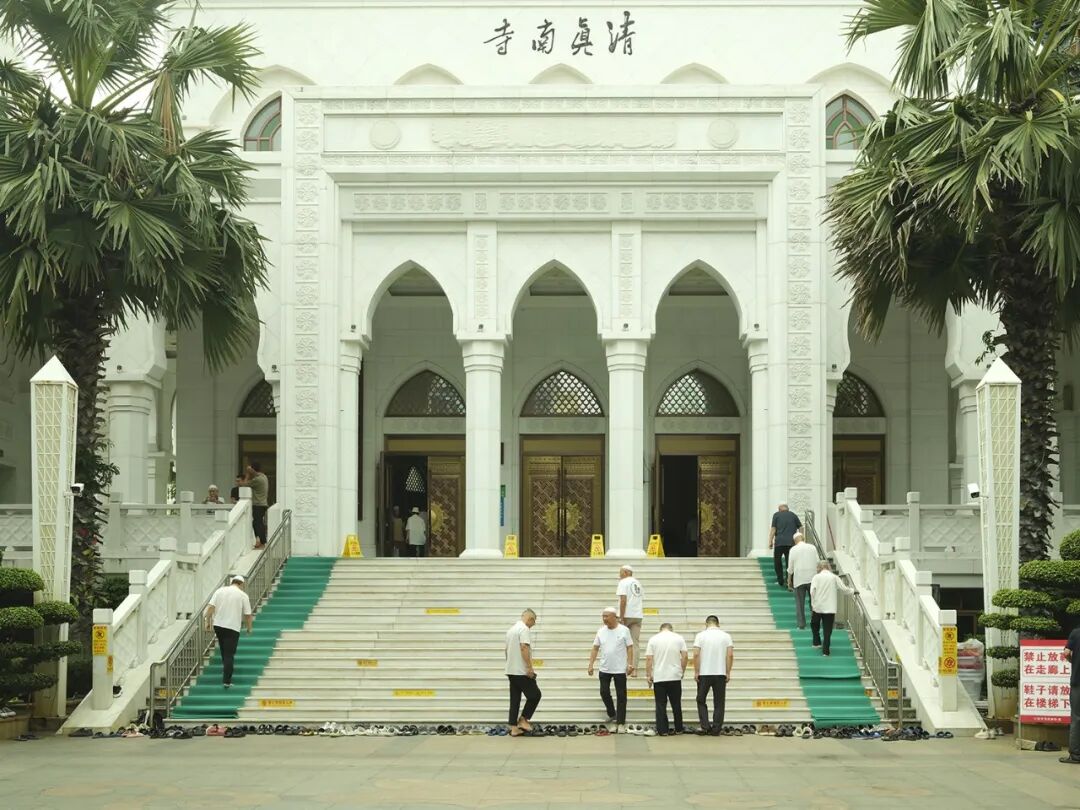
Abstract:
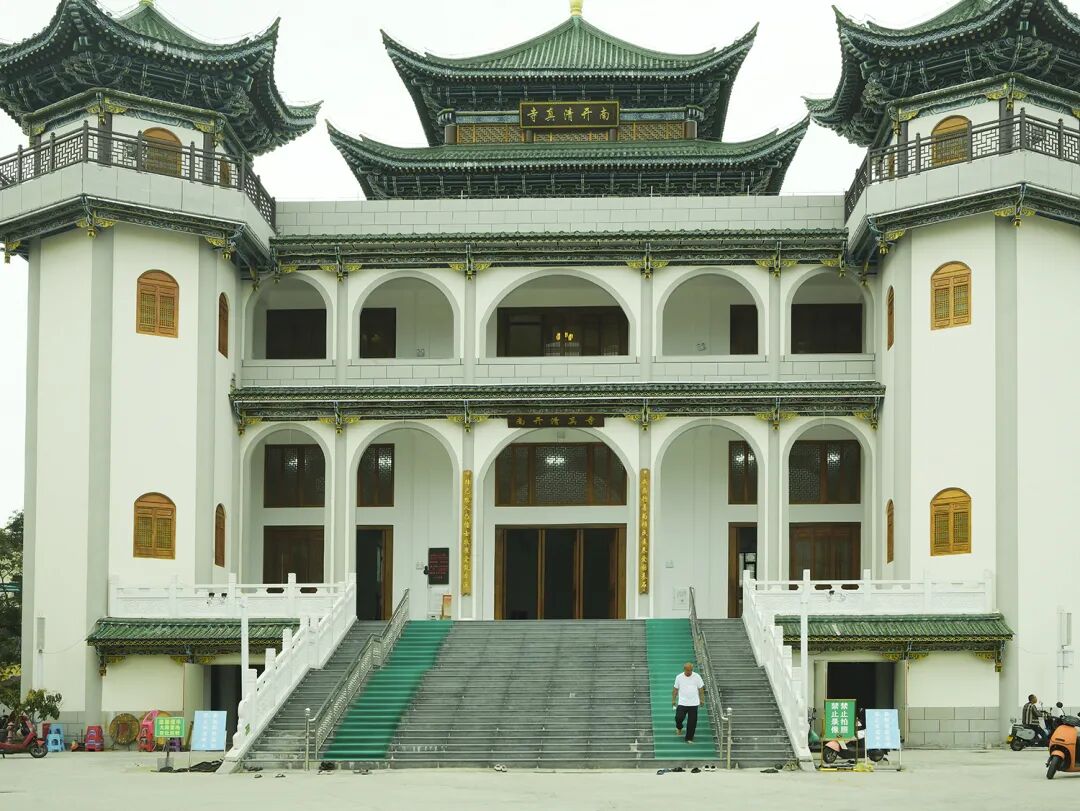
An in-depth analysis focusing on the documentary project about Huixin Village (Huixin Muslim Village) in Sanya. It chronicles how this unique Muslim community—China's only one originating from the ancient Cham people of Southeast Asia—has thrived across generations on a tropical island, showcasing the harmonious coexistence of traditional religious practices and modern civilization.
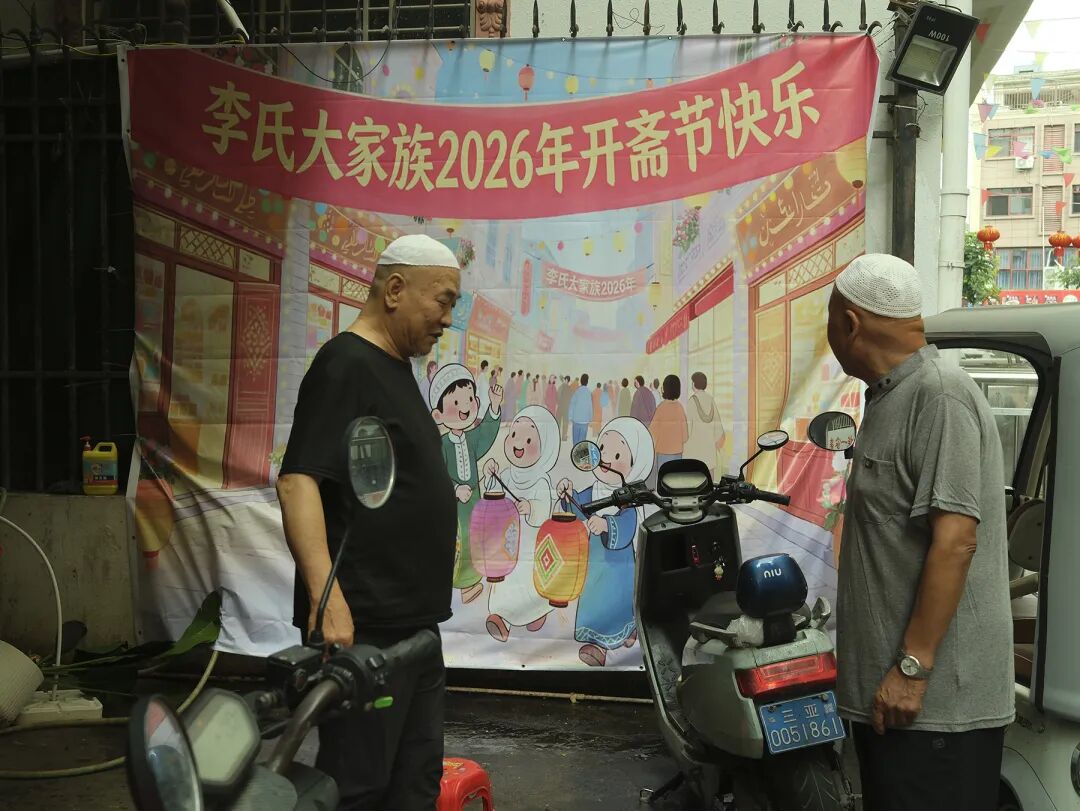
Huixin Village (Huixin Muslim Village) is located in Fenghuang Town, Sanya City, Hainan Province, and stands as China's southernmost Hui Muslim settlement. This community is China's sole Muslim group originating from Southeast Asia, having lived here from generation to generation for over 900 years. Together with the neighboring Huihui Village (Huihui Muslim Village), they are collectively known as the Sanya Hui Muslim villages, with a combined population approaching nearly 10,000.
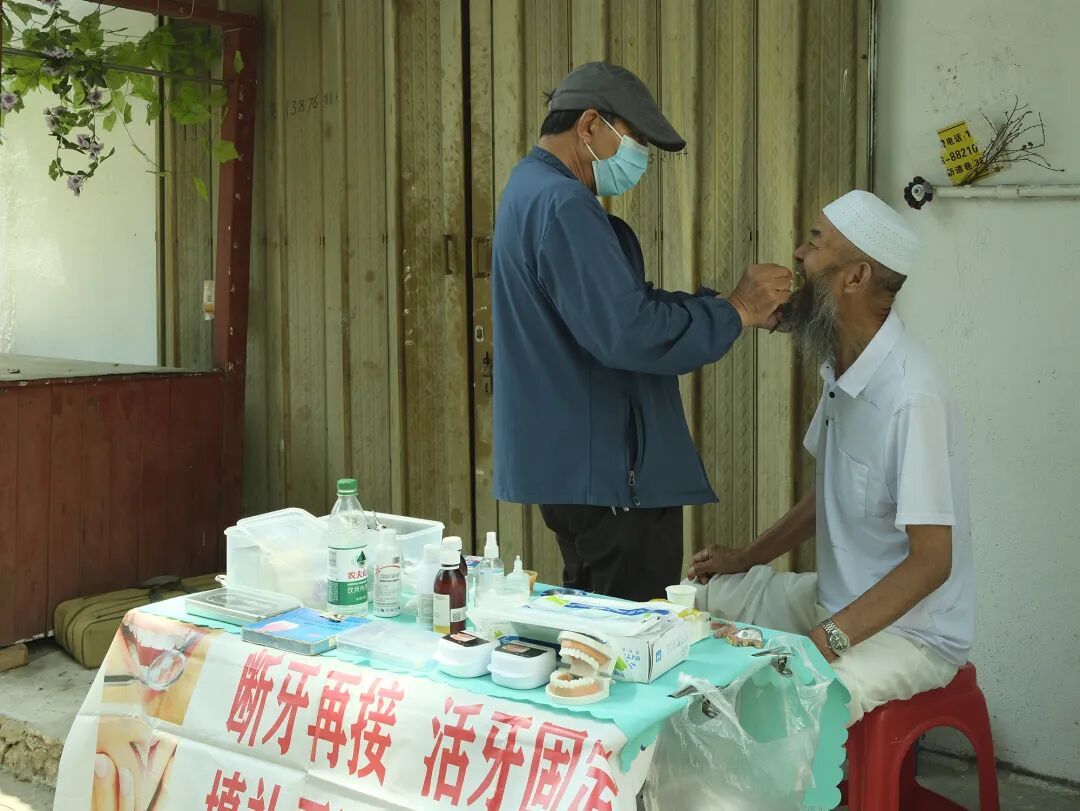
Around the 10th to 11th centuries, Arab and Persian Muslim merchants arrived in Champa (modern-day central Vietnam) via the Maritime Silk Road. While trading, they also introduced Muslim culture. In 1471, the Champa Kingdom was severely battered by the Lê Dynasty, causing a large number of Cham people to flee to the Malay Archipelago. Since the Malay Archipelago region had already widely embraced Islam, the Champa refugees encountered and accepted Islam there before returning to Champa to spread the faith.
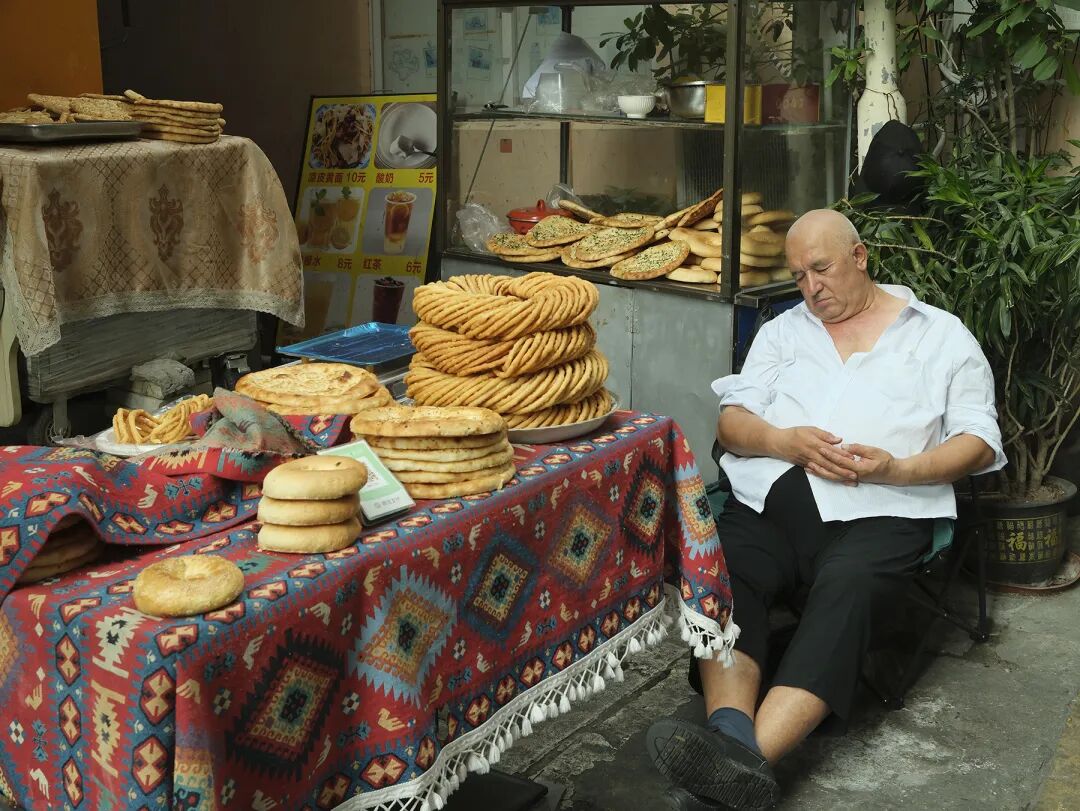
As the Champa Kingdom repeatedly suffered from Vietnamese invasions and territorial encroachment, Cham Muslims migrated in multiple waves by boat from Xiazheng, Vietnam, to Hainan Island to seek refuge, escaping the chaos of war. Historical records date the earliest arrivals as far back as the late Tang Dynasty, with large-scale migrations concentrated during the Song and Yuan Dynasties. These groups partially blended with Arab and Persian foreign guests (fan ke) who had come to China to trade during the Tang and Song Dynasties. After the Ming Dynasty, Hui Muslims from the Fujian and Guangdong regions also continuously migrated to Hainan, ultimately converging during the Qing Dynasty to form the stable Hui Muslim communities of Huixin Village (Huixin Muslim Village) and Huihui Village (Huihui Muslim Village).
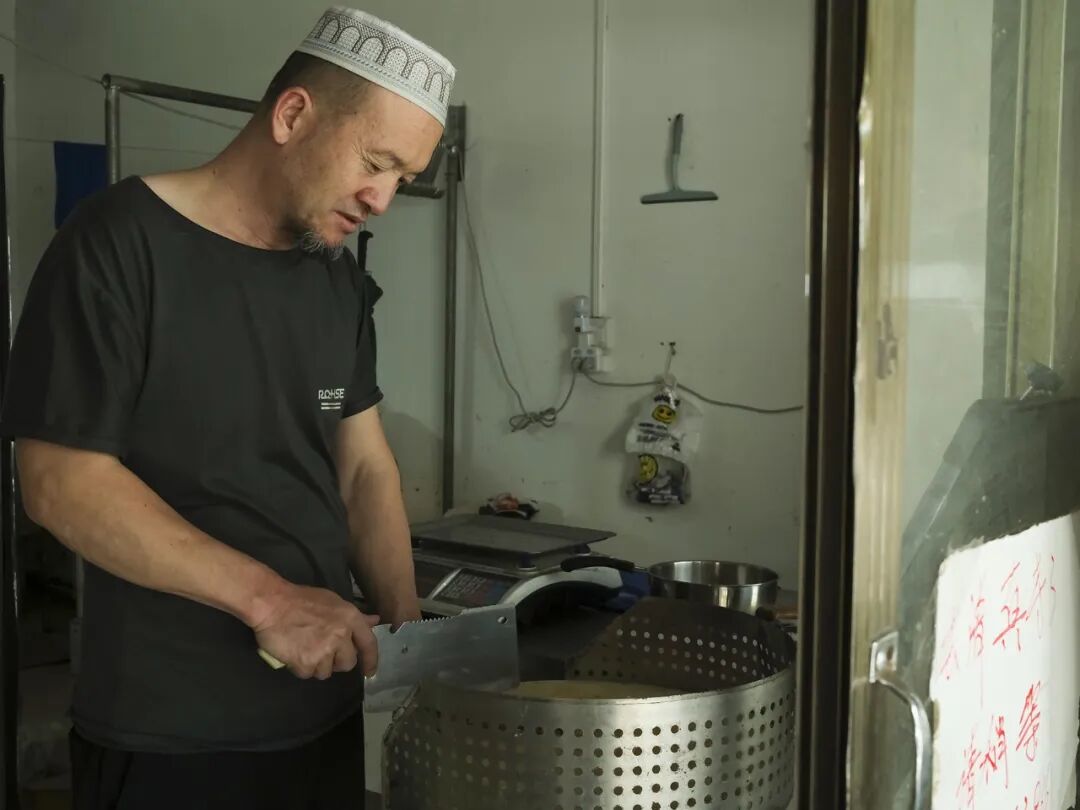
Huixin Village (Huixin Muslim Village) was once under Japanese occupation; the Japanese military built an airfield and drove out the local Hui Muslims living there. Following Japan's defeat and withdrawal, some of the Hui Muslims returned to Huixin Village (Huixin Muslim Village) to rebuild their homes on the original site.

The lifestyle customs of the Hui Muslims in Huixin Village (Huixin Muslim Village) reflect a blend of Islamic doctrine and local adaptability. While they speak Chinese, they still preserve their native language, Huihui speech, for communication. Huihui speech belongs to the Malayo-Polynesian branch of the Austronesian language family and is closely related to the Cham language. It is the only Austronesian-speaking Muslim group in China. Although Huihui speech is the mother tongue of Hainan's Hui Muslims and features a phonetic system—such as 19 initial consonants, 50 to 57 final vowels, and 7 to 10 tones—it has been spoken for a long time without developing its own writing system. In daily life, they use Chinese characters for reading and writing when interacting with the outside world. While some older Hui Muslims in the village cannot understand Chinese, younger generations are using Huihui speech less and less.

The religious traditions of the Hui Muslims in Huixin Village (Huixin Muslim Village) stem from the history of the Champa Kingdom's conversion to Islam, preserving major holidays such as Eid al-Fitr (Kaizhai Jie), the Mawlid (Shengji Jie), and Eid al-Adha (Guerbang Jie). Huixin Village (Huixin Muslim Village) features two mosques. The Southern Mosque (Qingzhen Nansi) was originally built during the Southern Song Dynasty and is the oldest masjid in ancient Yazhou, boasting a history of over 900 years. Rebuilt in 2013, it serves as a historical testament to the development of Muslims in Sanya. The Nankai Mosque was built during the mid-Ming Dynasty, bombed flat during the War of Resistance Against Japanese Aggression, demolished during the Cultural Revolution, and rebuilt in 1980. Later subjected to ethnic integration, it features distinct Islamic religious characteristics and traditional architectural styles. These two masjids serve as the venues for religious activities among the villagers of Huixin Village (Huixin Muslim Village). During Ramadan, some Muslims go to the masjid to perform their daily dua and prayers five times a day.
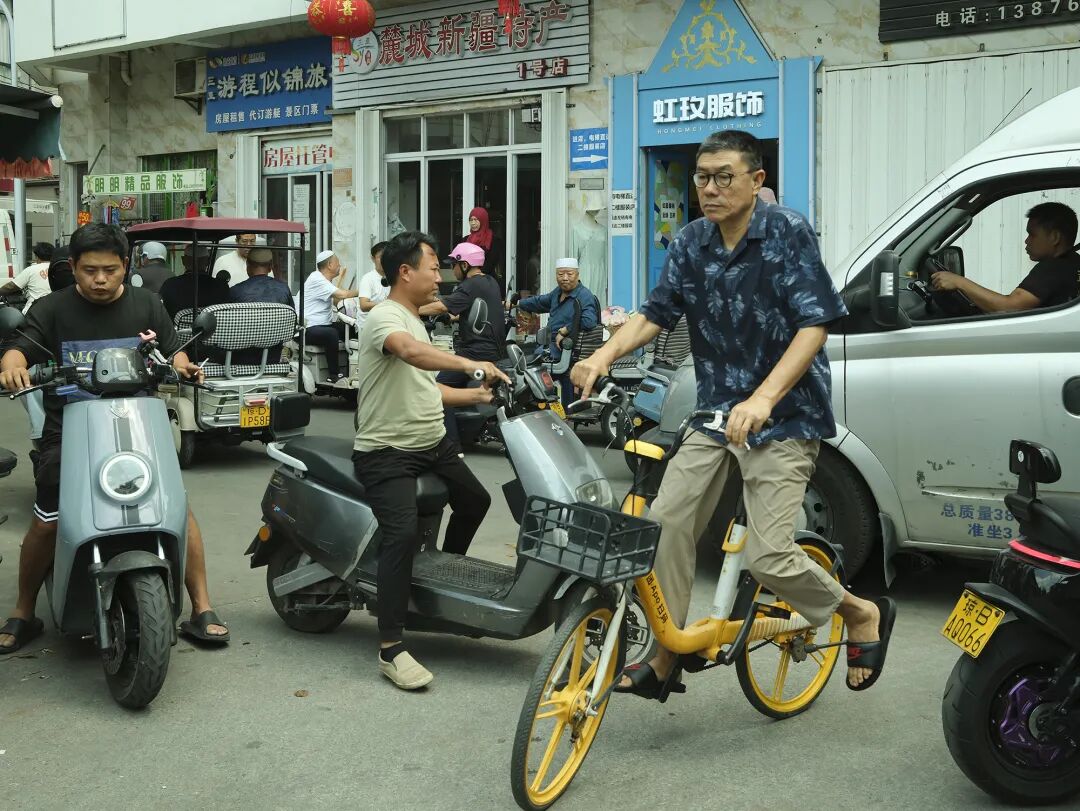
Huixin Village (Huixin Muslim Village) covers an area of 0.4 square kilometers (or its actual community-administered jurisdiction). Several winding, narrow alleys connect densely packed buildings, making it very easy to get lost if you walk around here. Most of the multi-story houses on either side were built in recent years, with some retaining Islamic architectural elements. Due to Hainan's tropical climate, many residential homes intentionally reserve courtyard areas for cooking, eating, and cooling off. Before a large influx of outsiders poured in, villagers in Huixin Village (Huixin Muslim Village) lived with their doors unlocked at night. Because of the favorable Hui Muslim residential environment in Huixin Village (Huixin Muslim Village), a portion of the Hui Muslims who come here to spend the winter each year hail from Gansu Province and the Ningxia Hui Autonomous Region.
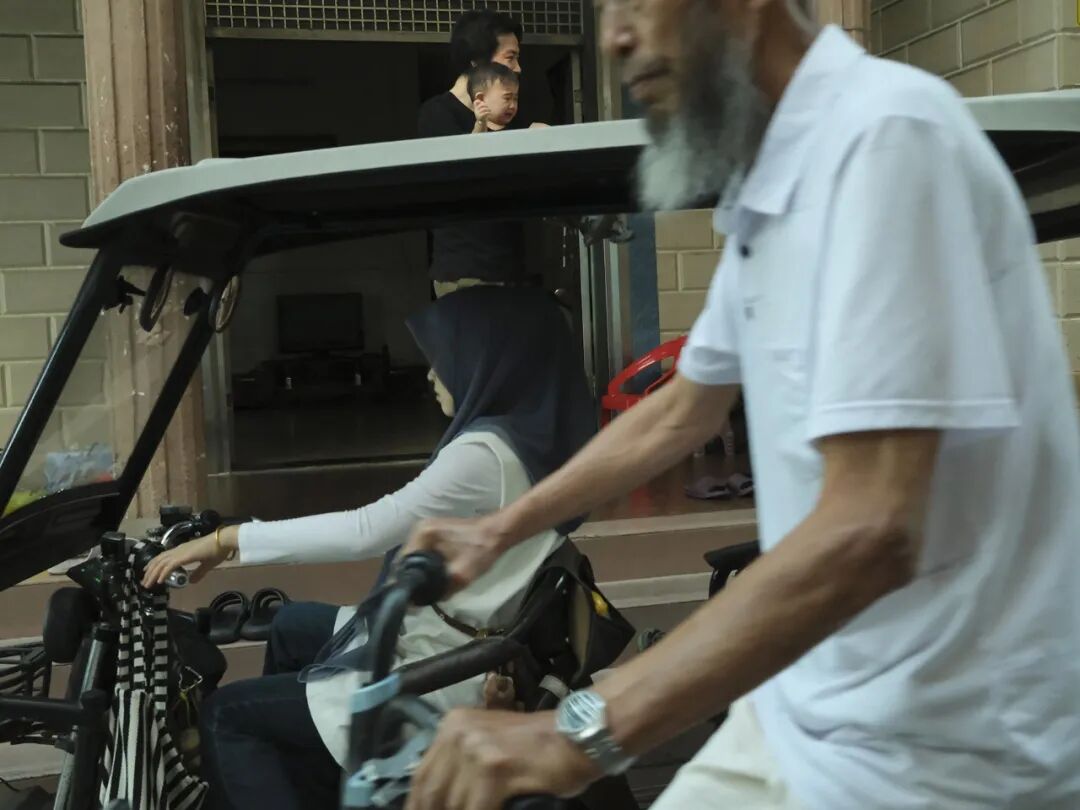
While walking through the alleys during Ramadan, I encountered Hui Muslims going door-to-door handing out festive candies. Historically, Hui Muslims on Hainan Island did not intermarry with other ethnic groups, but modern times have seen a gradual opening up, provided that the non-Hui spouse converts to Islam and follows Hui Muslim customs. I also witnessed a Muslim funeral; photography is strictly prohibited inside the masjid and certain residential areas.
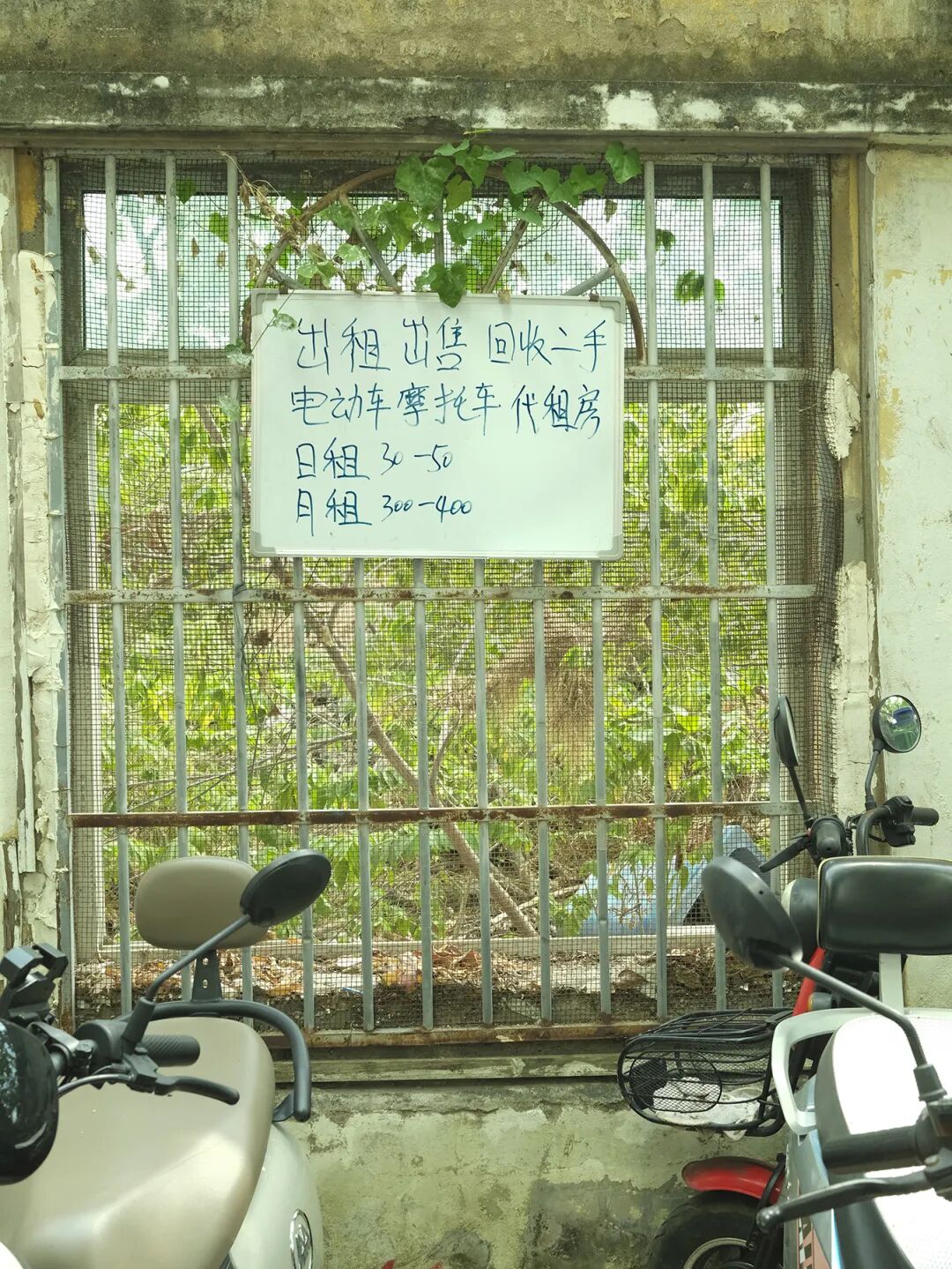
Photographed in Huixin Village (Huixin Muslim Village) during Ramadan, March 2026.
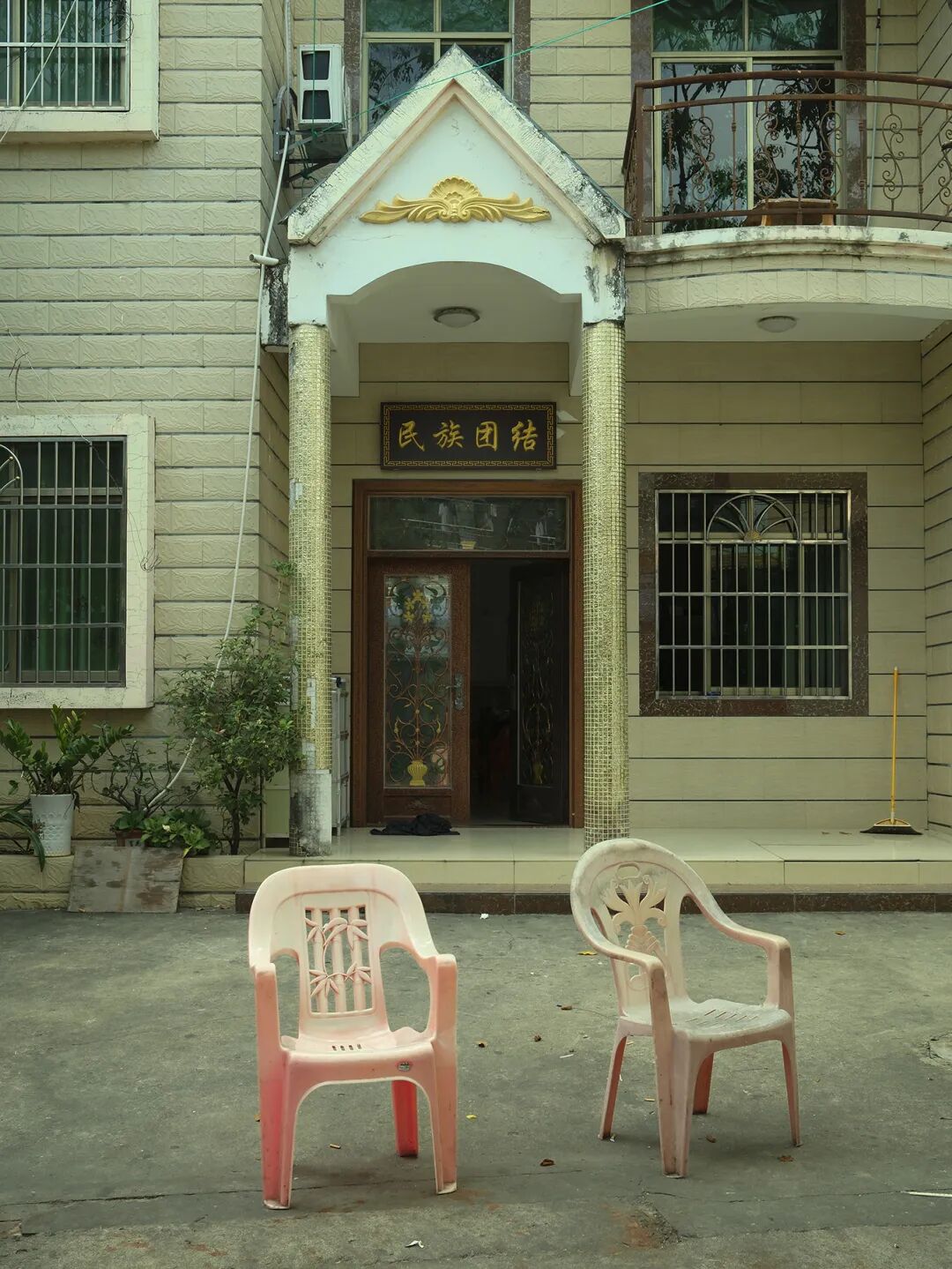
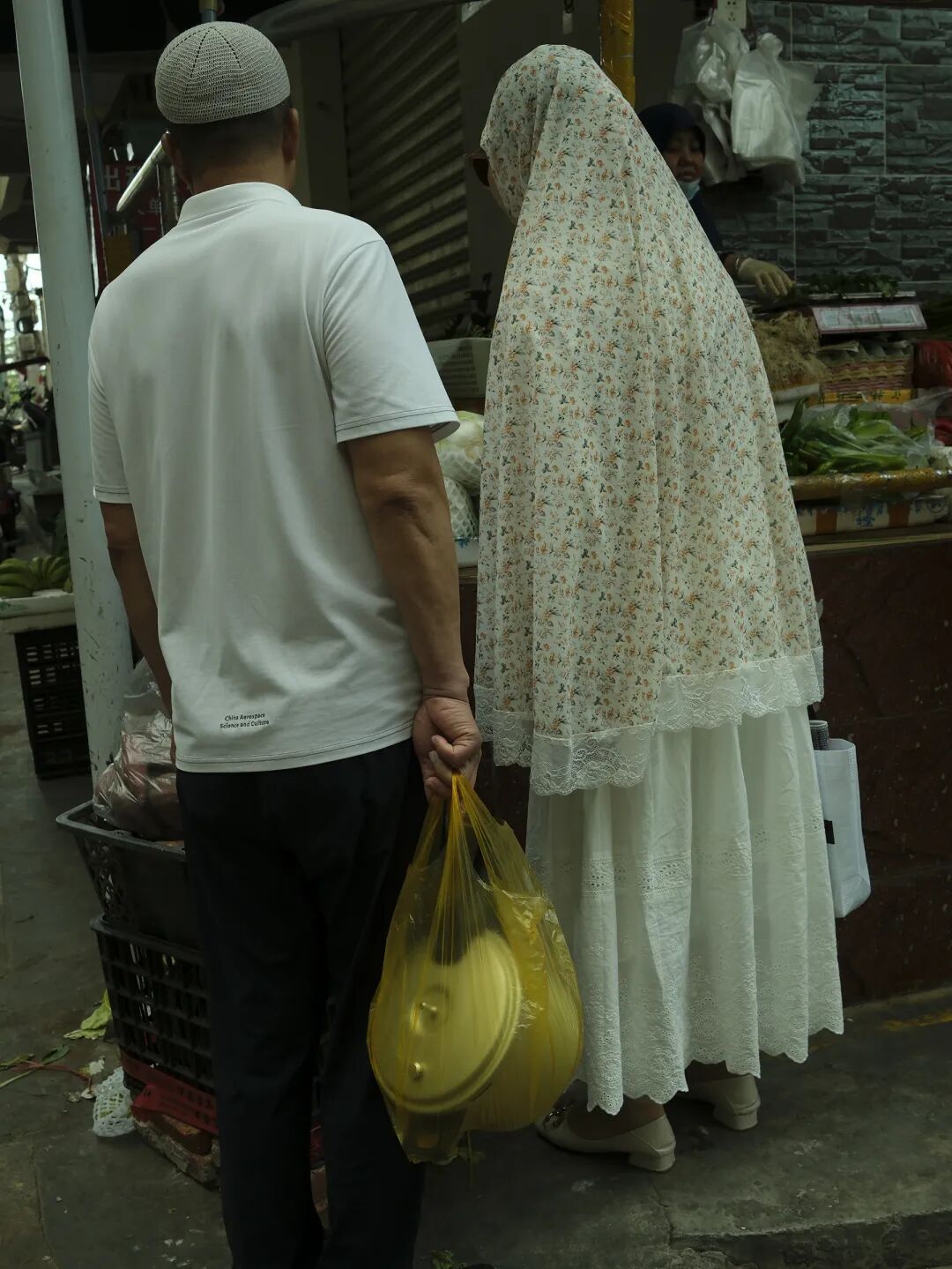
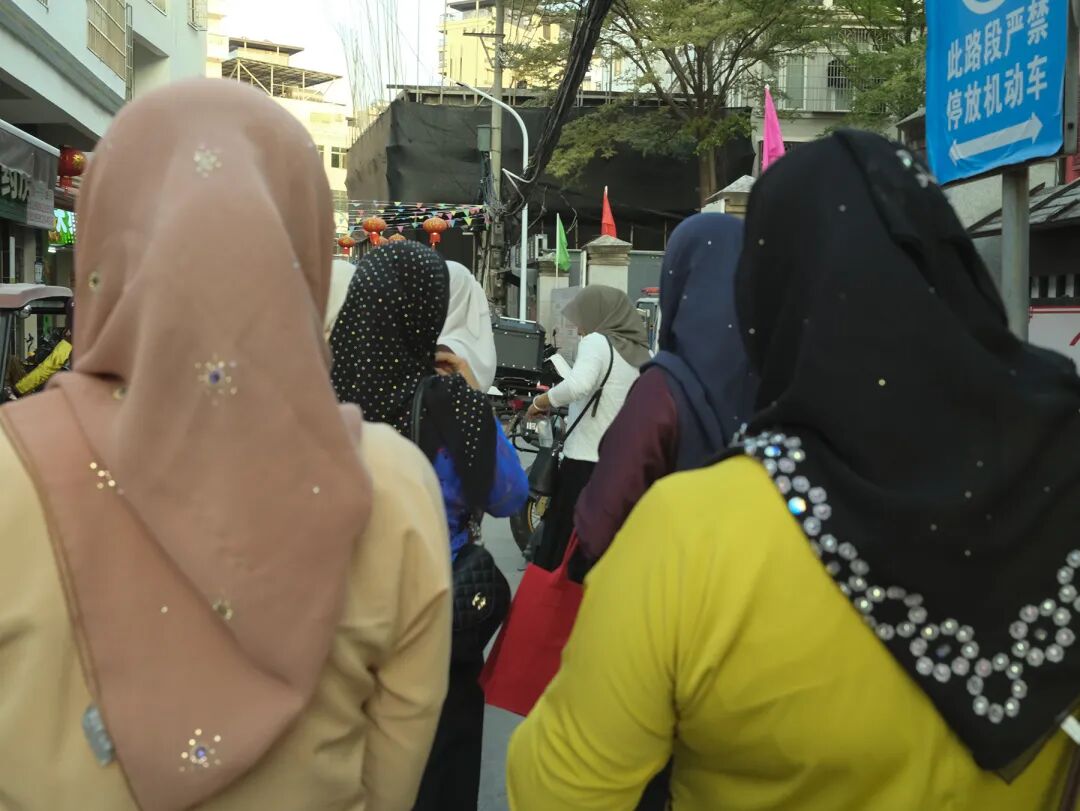
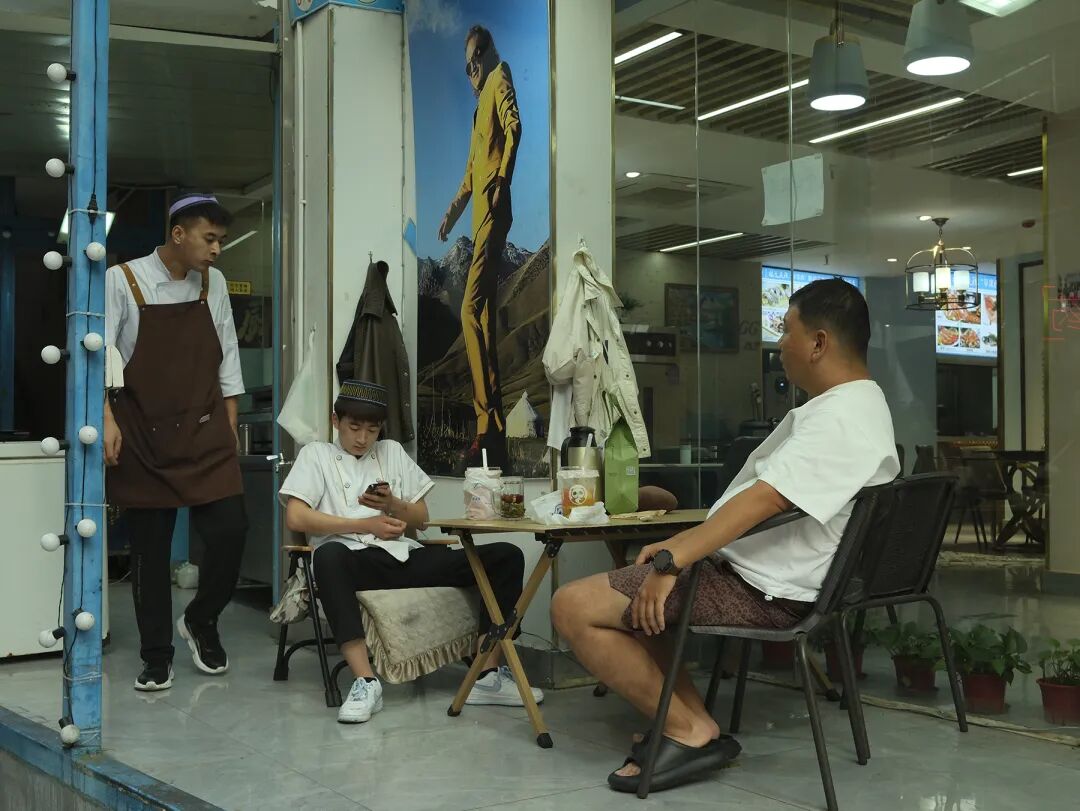
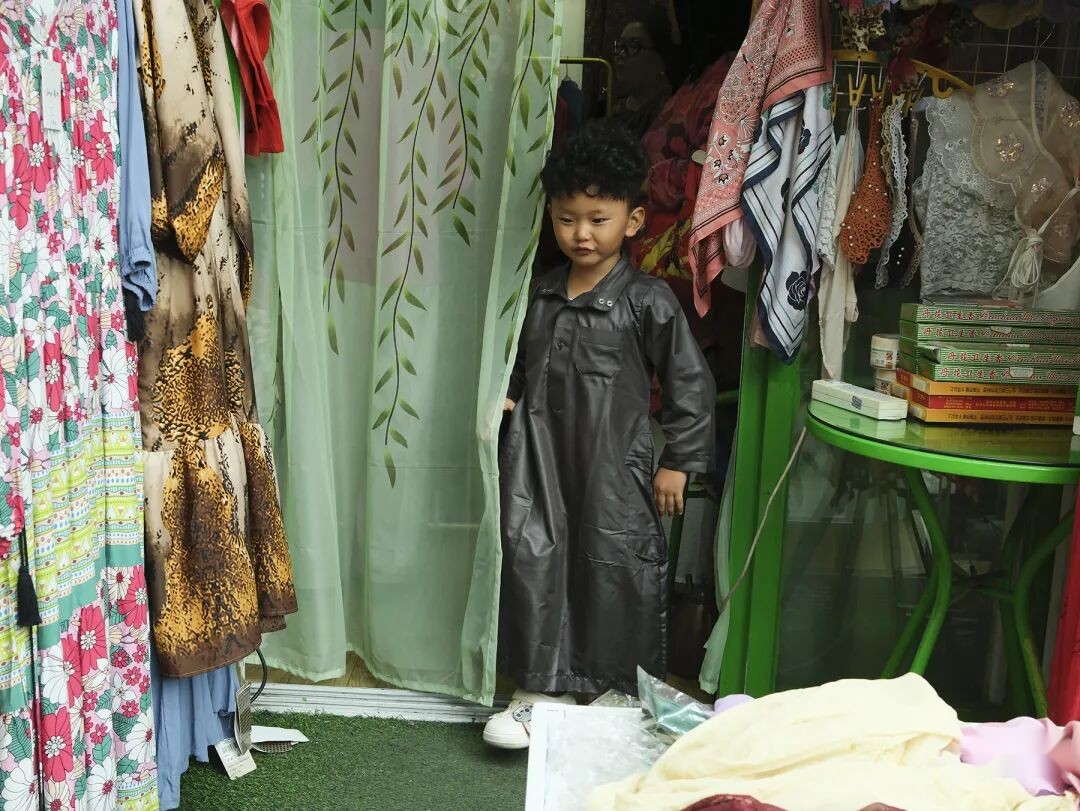
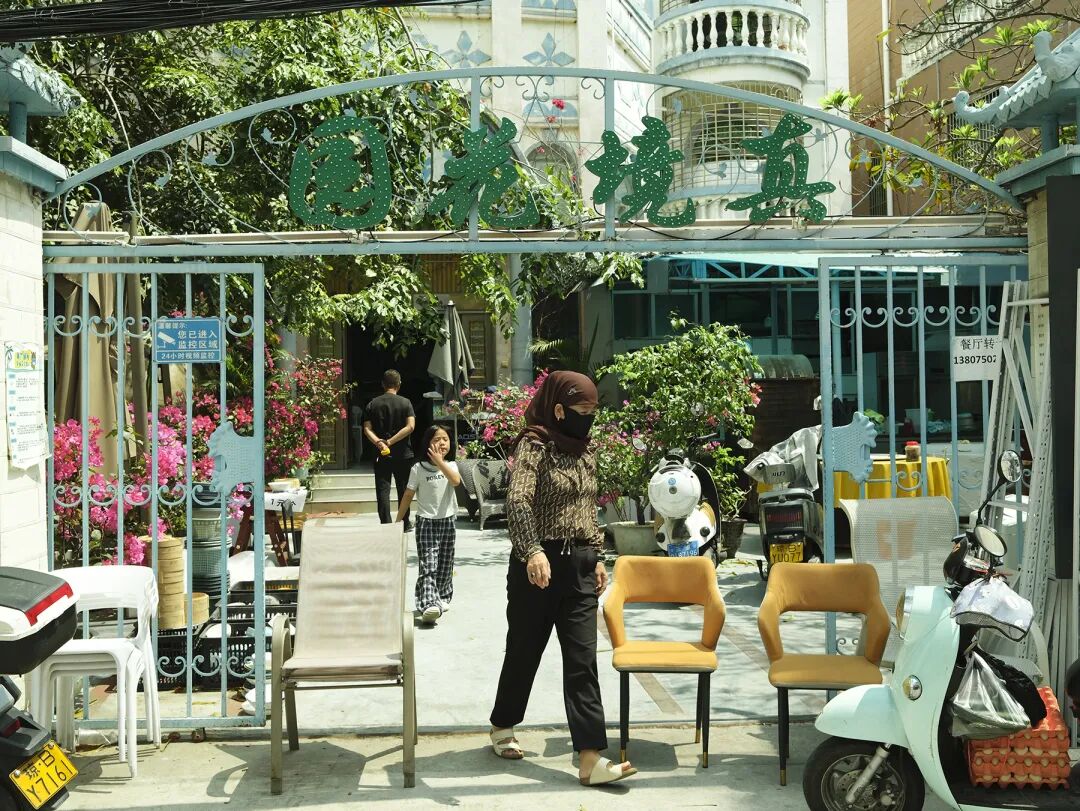
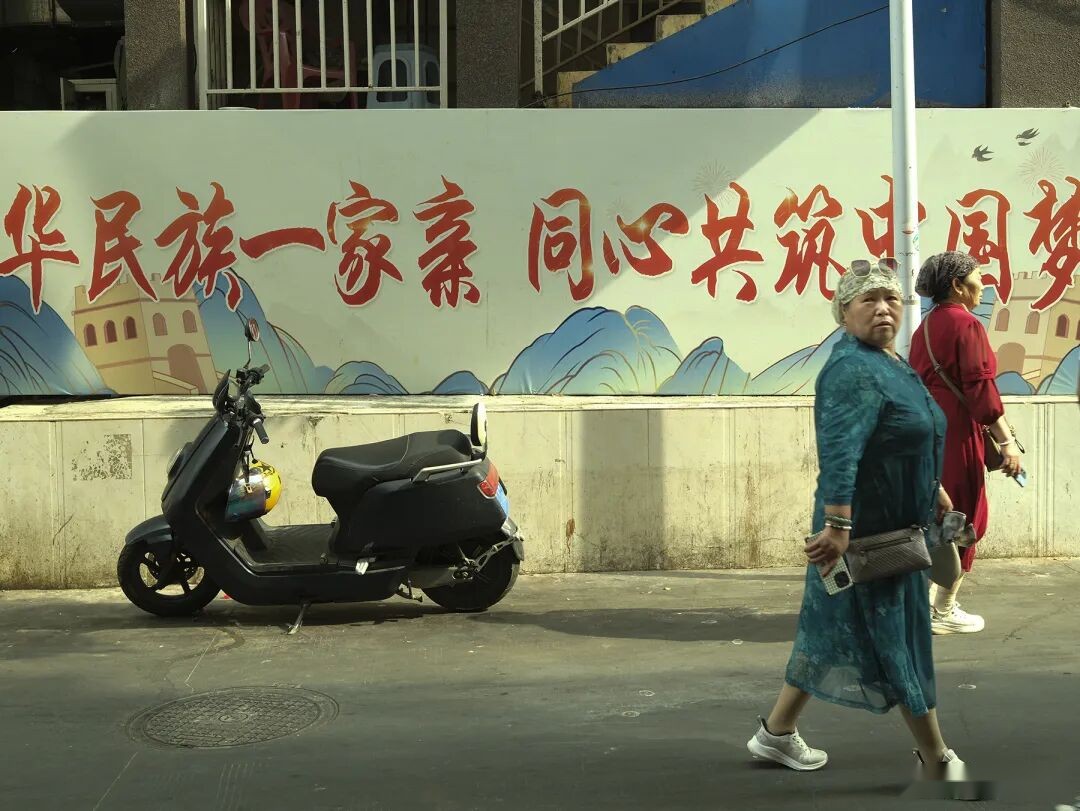
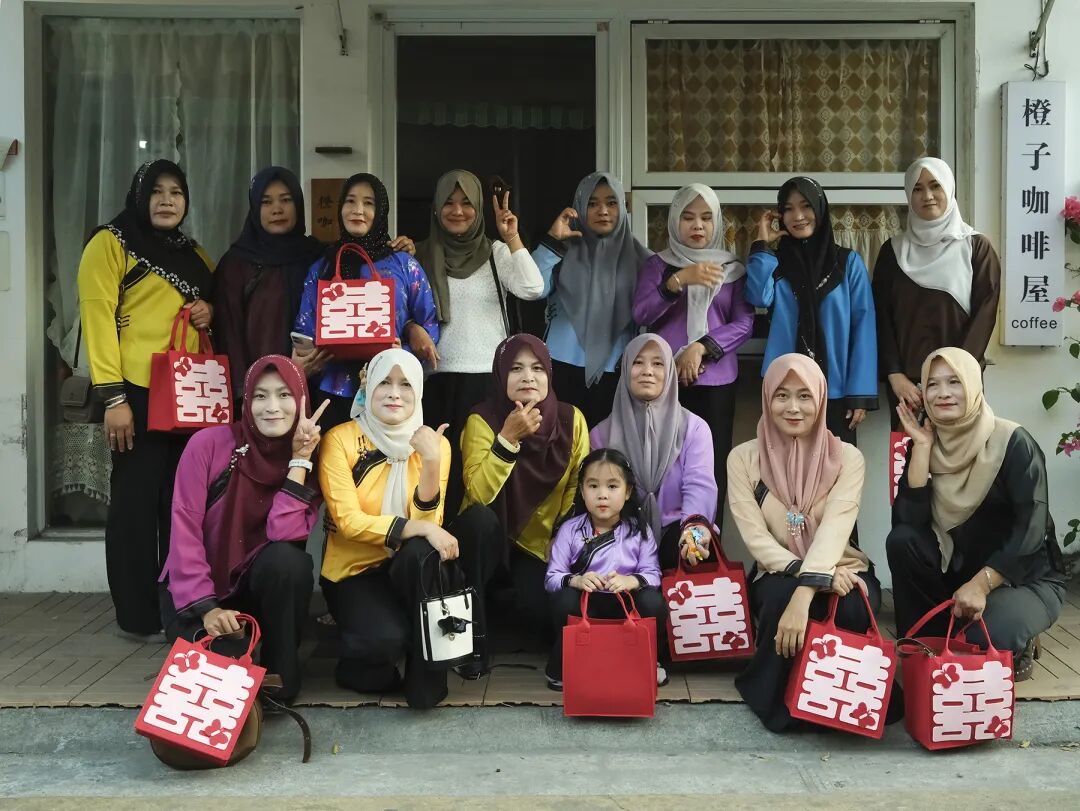
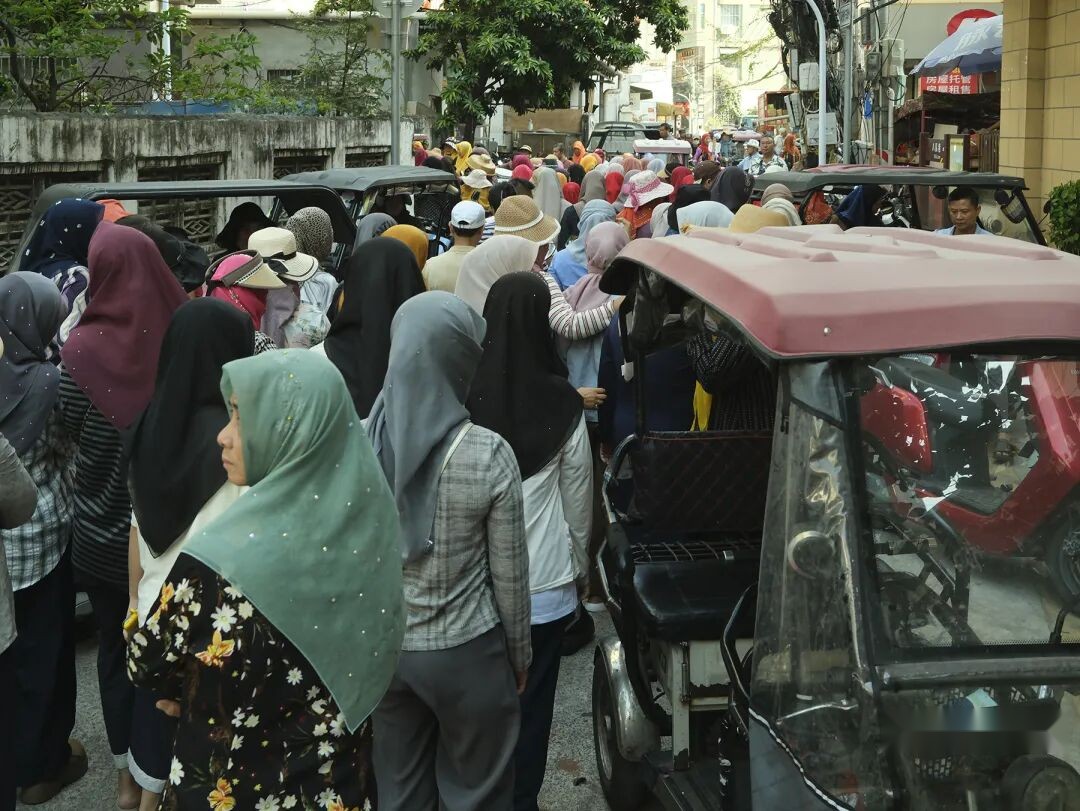
Exploring Jianshui's Historic Mosque: Yunnan's Hidden Islamic Heritage & Halal Food Guide
Articles • Hasan09 posted the article • 0 comments • 30 views • 5 days ago
Where Southern Yunnan's Historic Charm Meets Islamic Faith: Exploring the Ancient Mosque of Jianshui Ancient City, Honghe, Yunnan
Abstract:
Originally built during the Yanyou era of the Yuan Dynasty and surviving centuries of wind and rain through the Ming and Qing dynasties, the Ancient Mosque of Jianshui Ancient City is a municipal-level cultural heritage site in the Honghe Hani and Yi Autonomous Prefecture. This article takes you inside this serene, free-admission historic sanctuary to explore the rustic architectural artistry and cultural heritage of the local Hui Muslim community, where traditional Chinese hip-and-gable wooden architecture blends seamlessly with Islamic traditions.
Photography by Weng Sanlang
Location: Ancient Mosque of Jianshui Ancient City, Honghe Prefecture, Yunnan Province
The Ancient Mosque is a Honghe Prefecture (municipal-level) cultural heritage site. Originally built between 1312 and 1313 during the Yuan Dynasty, the structures standing today were rebuilt during the Guangxu reign in the late Qing Dynasty.
Admission is free, and you won't find crowds of out-of-town tourists here. Just a quick heads-up: Jianshui Ancient City actually has two mosques—one called the Ancient Mosque (Qingzhen Gusi) and another simply called the Mosque (Qingzhensi). Make sure you're heading to the Ancient Mosque, which is the actual historical landmark, whereas the newly built mosque is not a heritage site.
Time speaks of crisp, translucent days within the span of a single page. Passing years dream a fleeting illusion inside the ancient mosque.
As the summer breeze brushes your face, there are always grand floral blooms that fall right between your eyebrows. Flowers drift down the stone steps; a light drizzle knocks the blossoms to the ground. Unspooling the past, May unfolds in a tapestry of red and green. Boil a pot of tea, and you've brewed the heart of midsummer.
Time puts pen to paper, turning the page on the glorious early summer days, sealing away the past, and writing a wonderful chapter for May. Within a delicate poem, we pen our destiny's ending, opening up the beauty of summer in the promise of a long future ahead.
Moonlight falling on the left hand holds secrets kept tightly guarded; the season resting on the right hand captures lotus leaves swaying in the early summer wind. Toward the past, there is three parts sorrow and seven parts nostalgia. I walk all my yesterdays into a wisp of kitchen smoke in my eyes.
I once sat and watched the wind and clouds rise, the clear spring flowing over the stones. The moon opens half a window of flowers, the breeze scatters a touch of cool. Through the crack in the door of the past sits a cup of quiet, fragrant tea, writing our history stroke by stroke. Summer gallops in, and the early summer that has already arrived is brimming with poetic charm.
Without walking through the past, one cannot know the toll of the years. Quietly guarding this earthly hustle and bustle, may the days ahead always be filled with poetry, tea, and dreams. view all
Where Southern Yunnan's Historic Charm Meets Islamic Faith: Exploring the Ancient Mosque of Jianshui Ancient City, Honghe, Yunnan
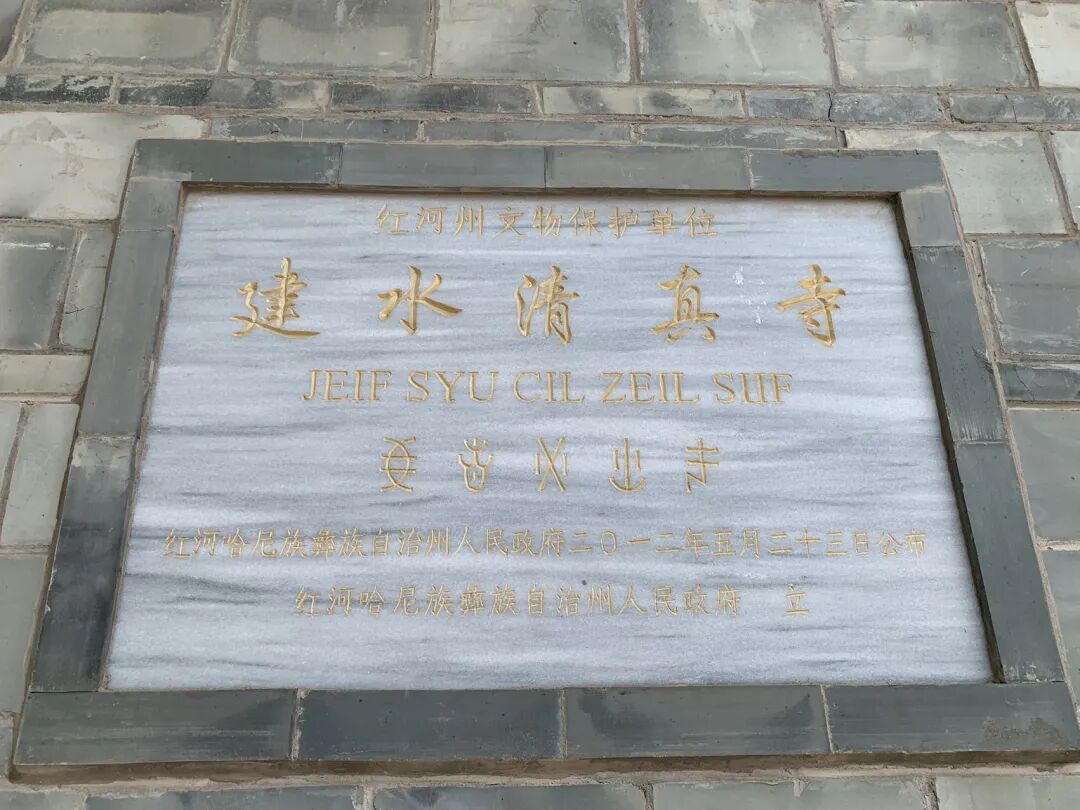
Abstract:
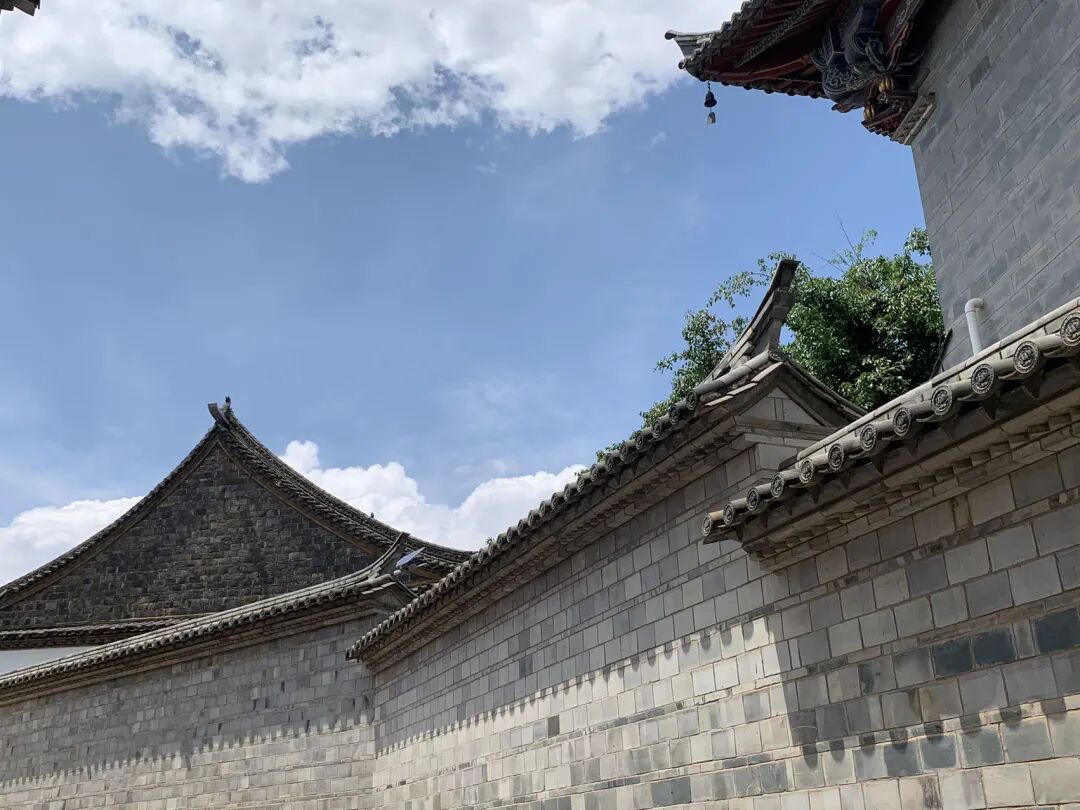
Originally built during the Yanyou era of the Yuan Dynasty and surviving centuries of wind and rain through the Ming and Qing dynasties, the Ancient Mosque of Jianshui Ancient City is a municipal-level cultural heritage site in the Honghe Hani and Yi Autonomous Prefecture. This article takes you inside this serene, free-admission historic sanctuary to explore the rustic architectural artistry and cultural heritage of the local Hui Muslim community, where traditional Chinese hip-and-gable wooden architecture blends seamlessly with Islamic traditions.
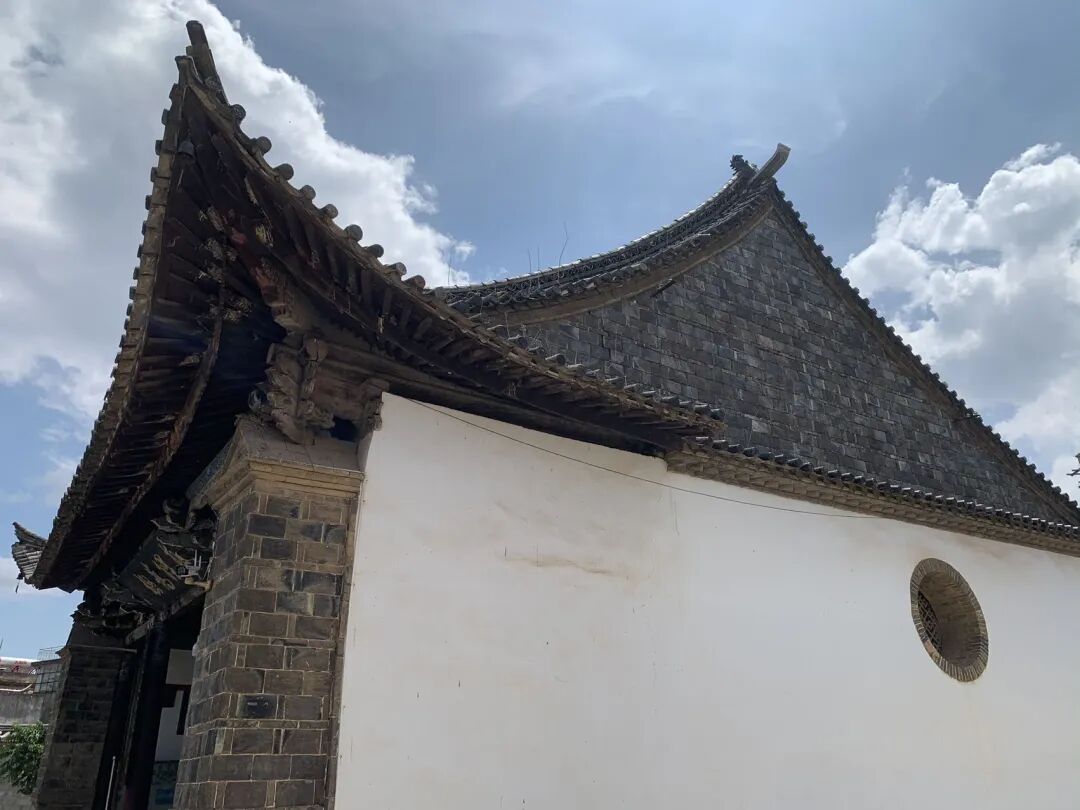
Photography by Weng Sanlang
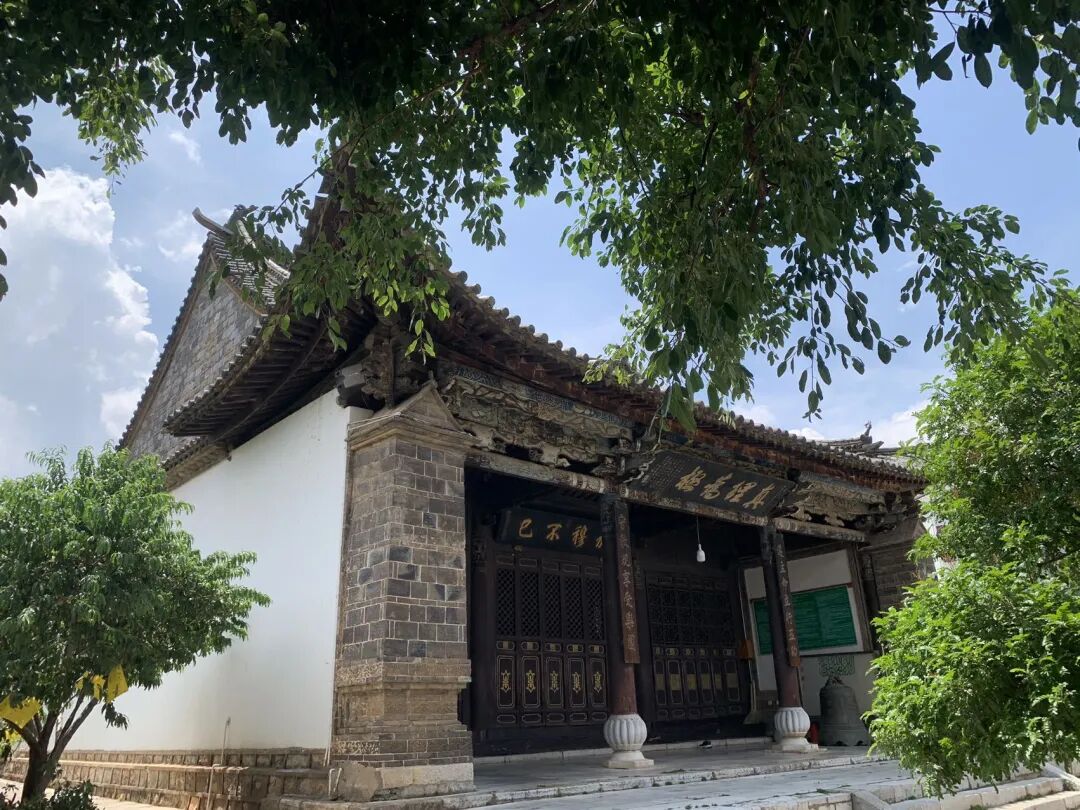
Location: Ancient Mosque of Jianshui Ancient City, Honghe Prefecture, Yunnan Province
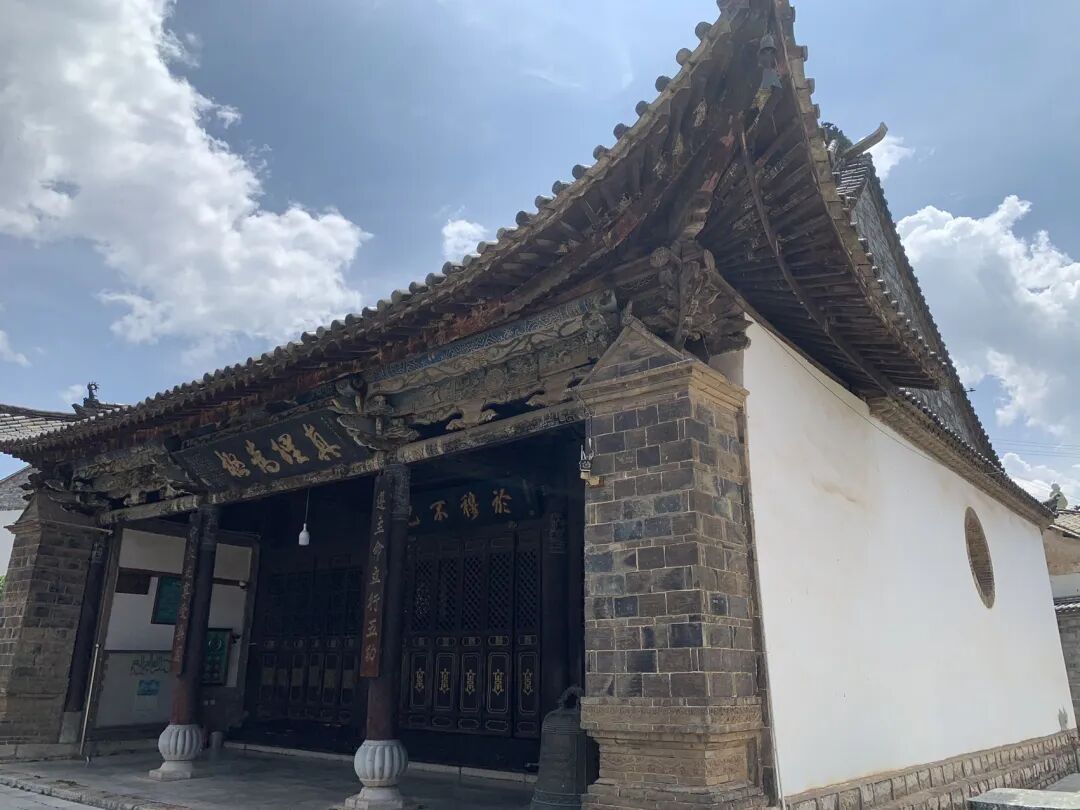
The Ancient Mosque is a Honghe Prefecture (municipal-level) cultural heritage site. Originally built between 1312 and 1313 during the Yuan Dynasty, the structures standing today were rebuilt during the Guangxu reign in the late Qing Dynasty.
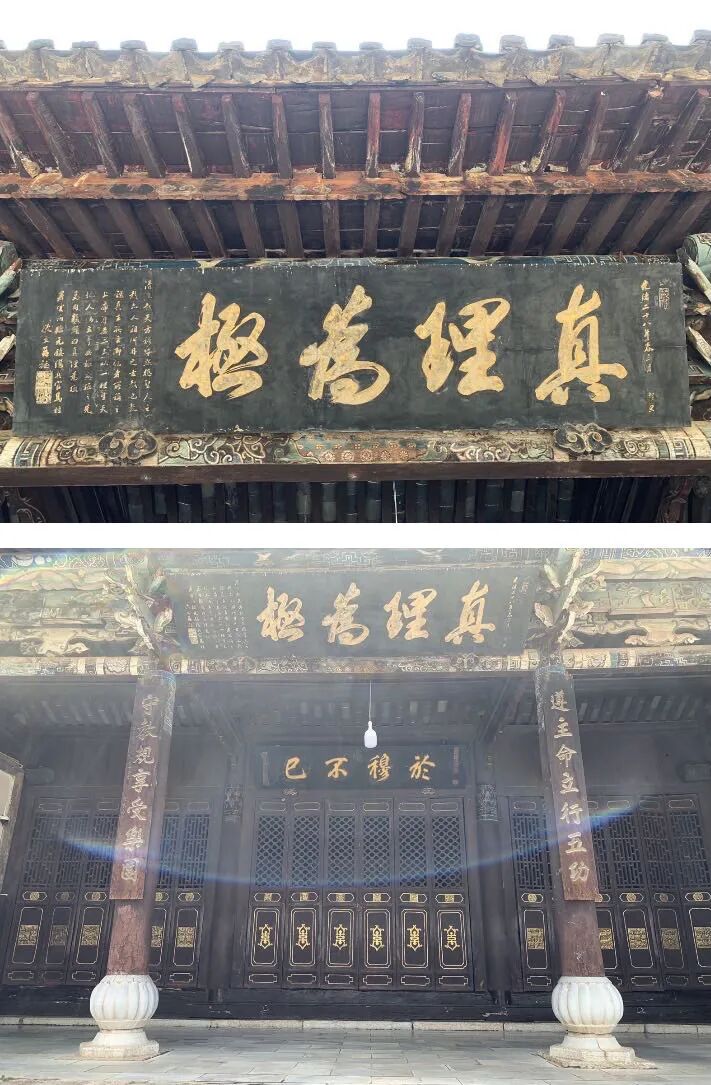
Admission is free, and you won't find crowds of out-of-town tourists here. Just a quick heads-up: Jianshui Ancient City actually has two mosques—one called the Ancient Mosque (Qingzhen Gusi) and another simply called the Mosque (Qingzhensi). Make sure you're heading to the Ancient Mosque, which is the actual historical landmark, whereas the newly built mosque is not a heritage site.
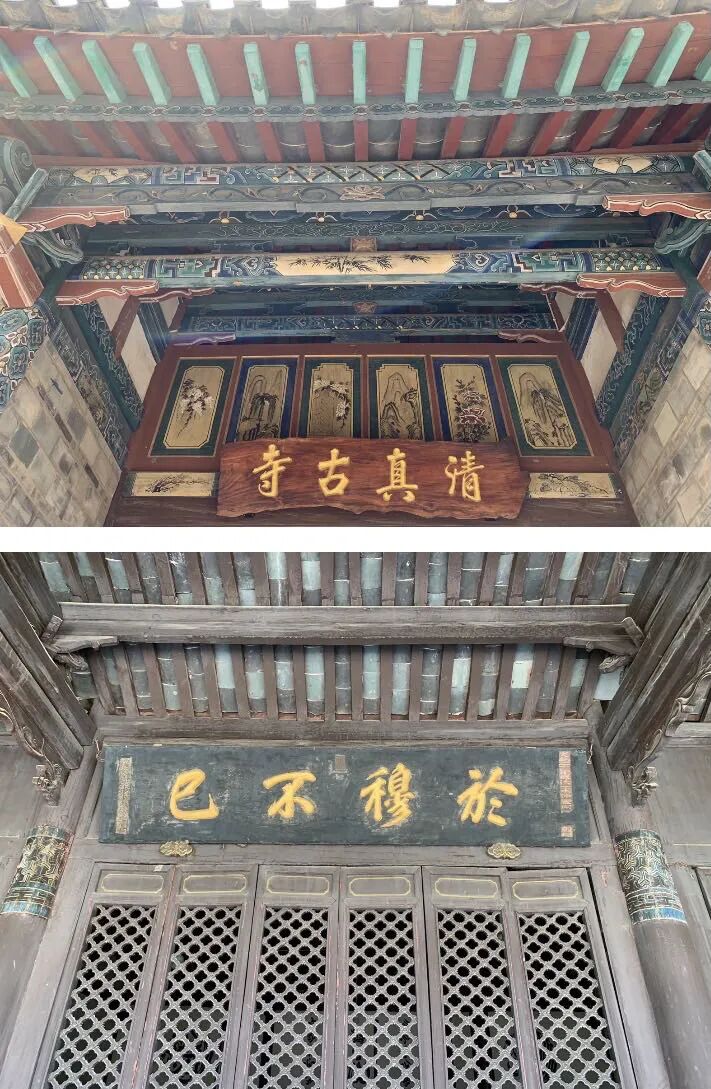
Time speaks of crisp, translucent days within the span of a single page. Passing years dream a fleeting illusion inside the ancient mosque.
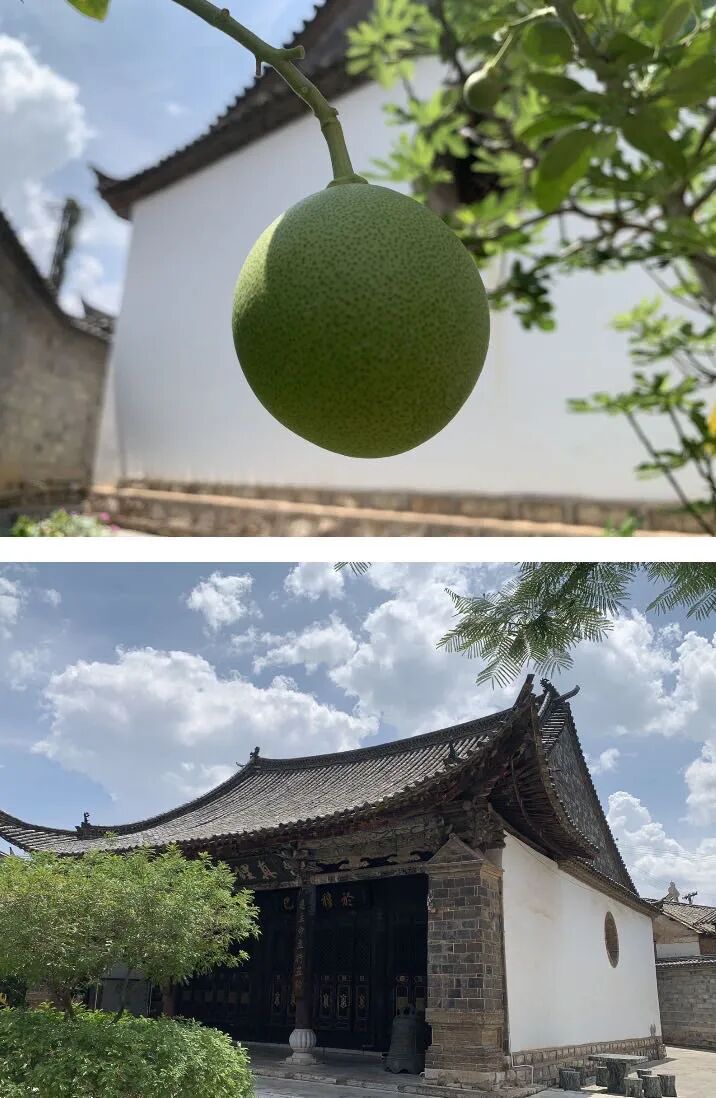
As the summer breeze brushes your face, there are always grand floral blooms that fall right between your eyebrows. Flowers drift down the stone steps; a light drizzle knocks the blossoms to the ground. Unspooling the past, May unfolds in a tapestry of red and green. Boil a pot of tea, and you've brewed the heart of midsummer.
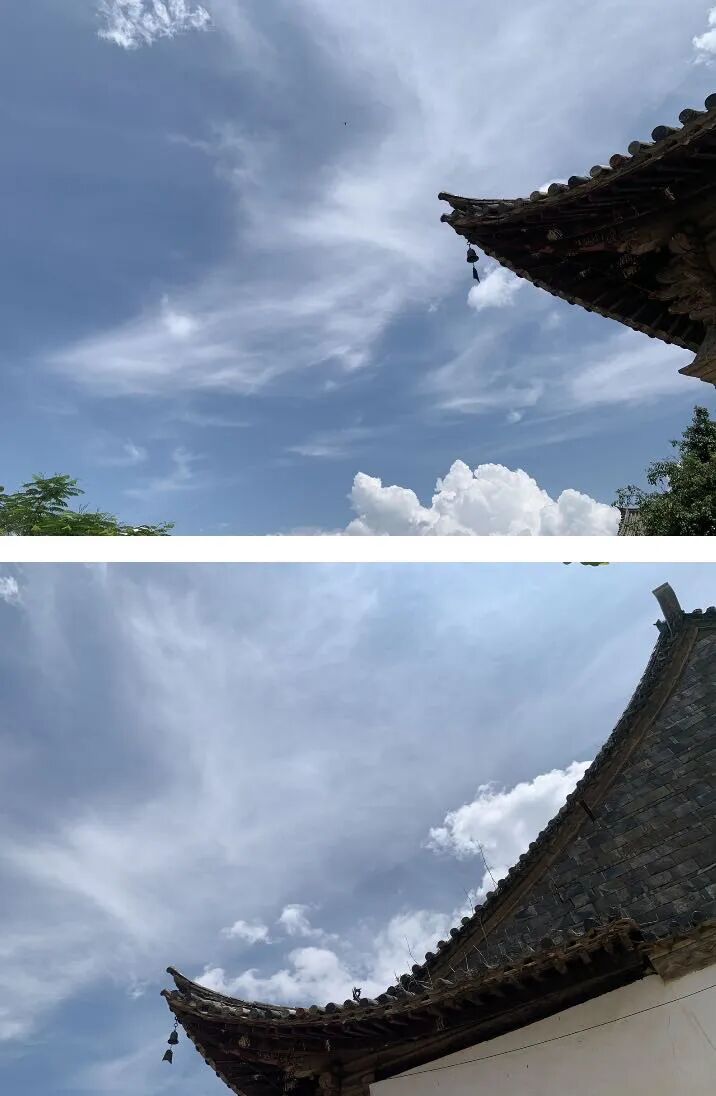
Time puts pen to paper, turning the page on the glorious early summer days, sealing away the past, and writing a wonderful chapter for May. Within a delicate poem, we pen our destiny's ending, opening up the beauty of summer in the promise of a long future ahead.
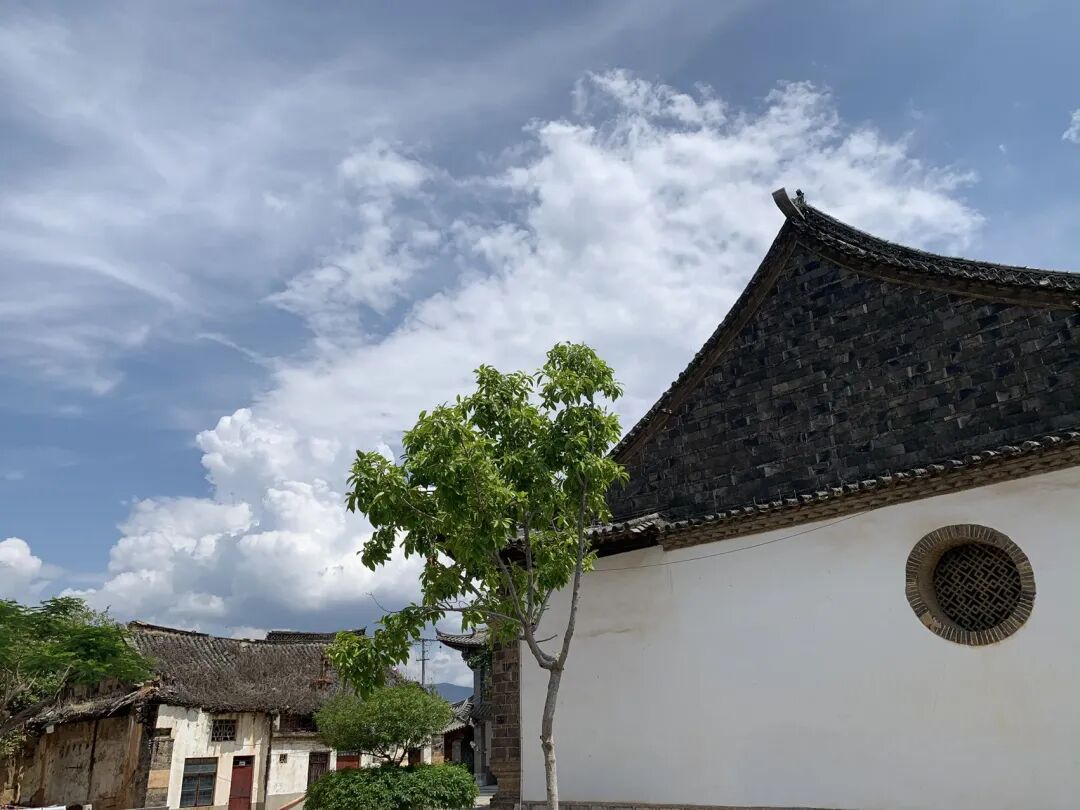
Moonlight falling on the left hand holds secrets kept tightly guarded; the season resting on the right hand captures lotus leaves swaying in the early summer wind. Toward the past, there is three parts sorrow and seven parts nostalgia. I walk all my yesterdays into a wisp of kitchen smoke in my eyes.
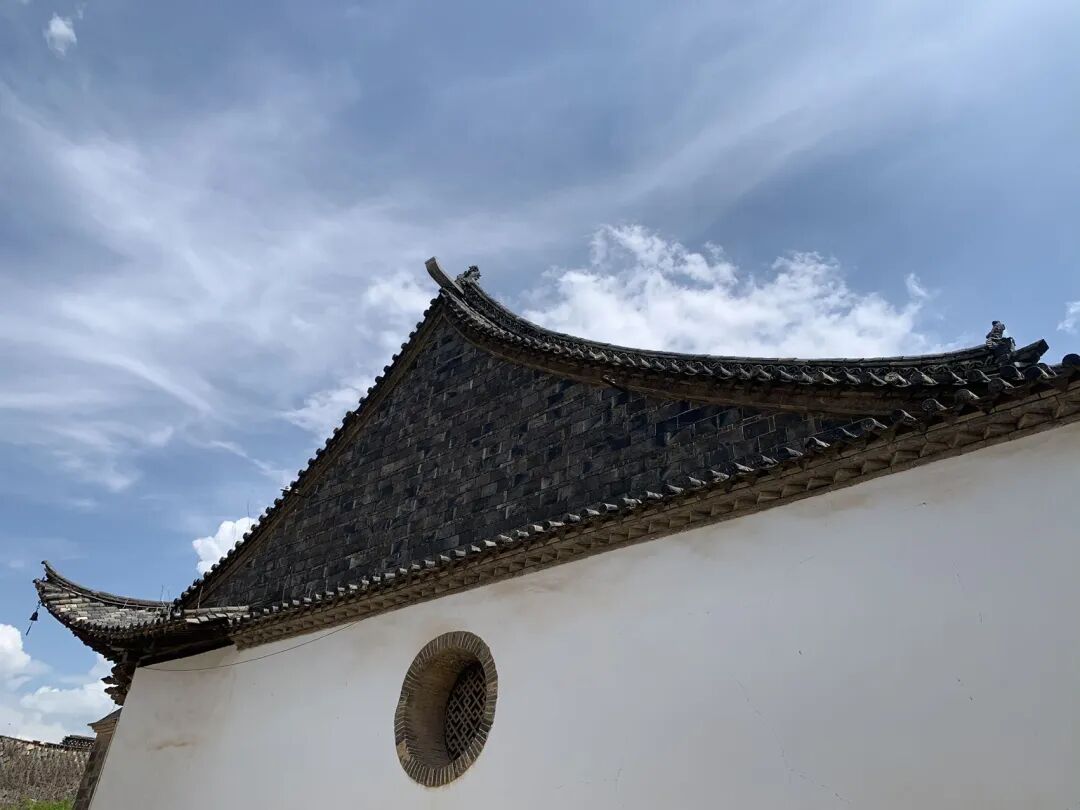
I once sat and watched the wind and clouds rise, the clear spring flowing over the stones. The moon opens half a window of flowers, the breeze scatters a touch of cool. Through the crack in the door of the past sits a cup of quiet, fragrant tea, writing our history stroke by stroke. Summer gallops in, and the early summer that has already arrived is brimming with poetic charm.
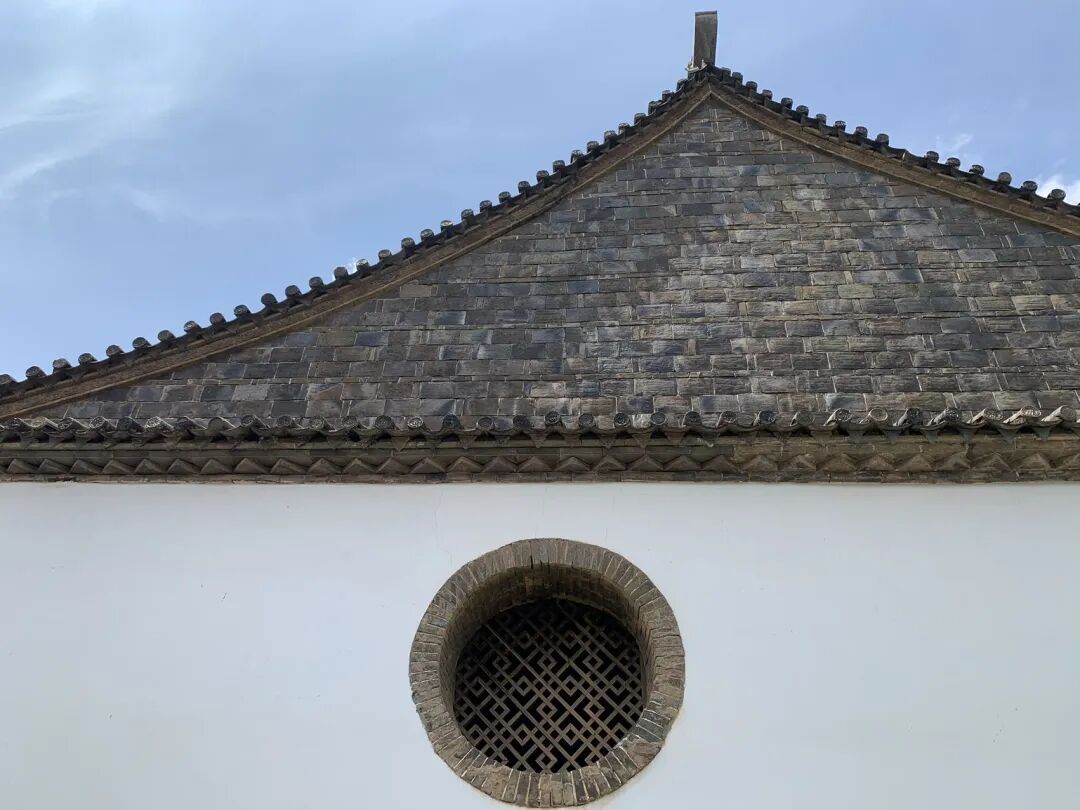
Without walking through the past, one cannot know the toll of the years. Quietly guarding this earthly hustle and bustle, may the days ahead always be filled with poetry, tea, and dreams.
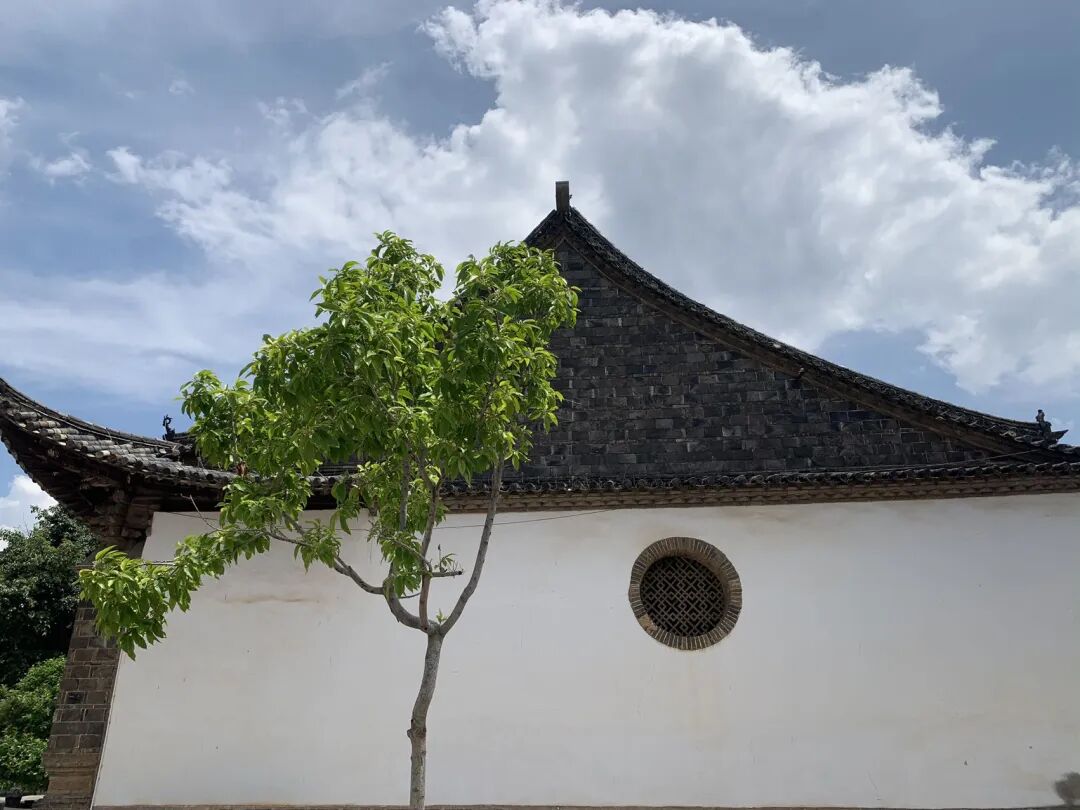
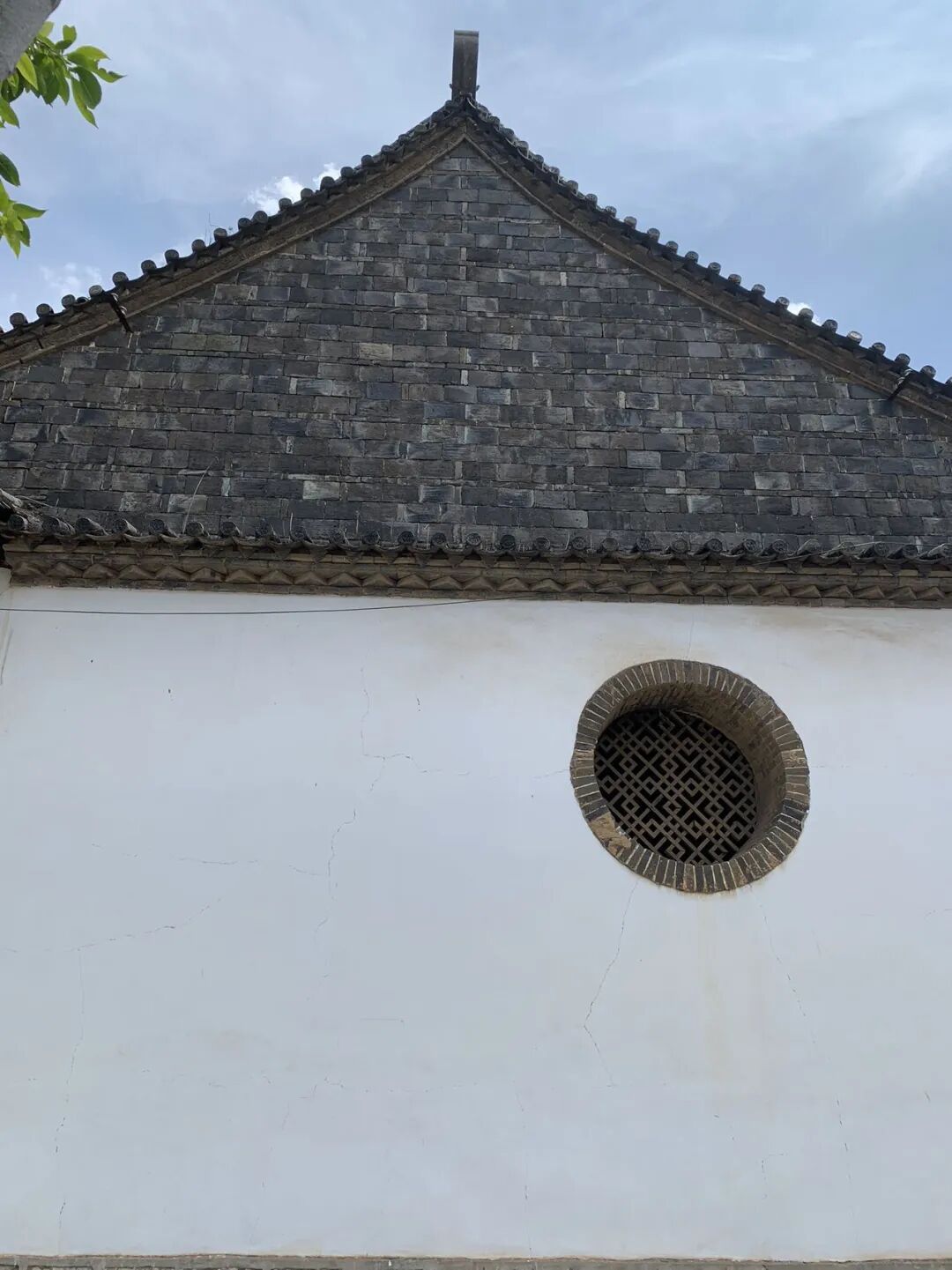
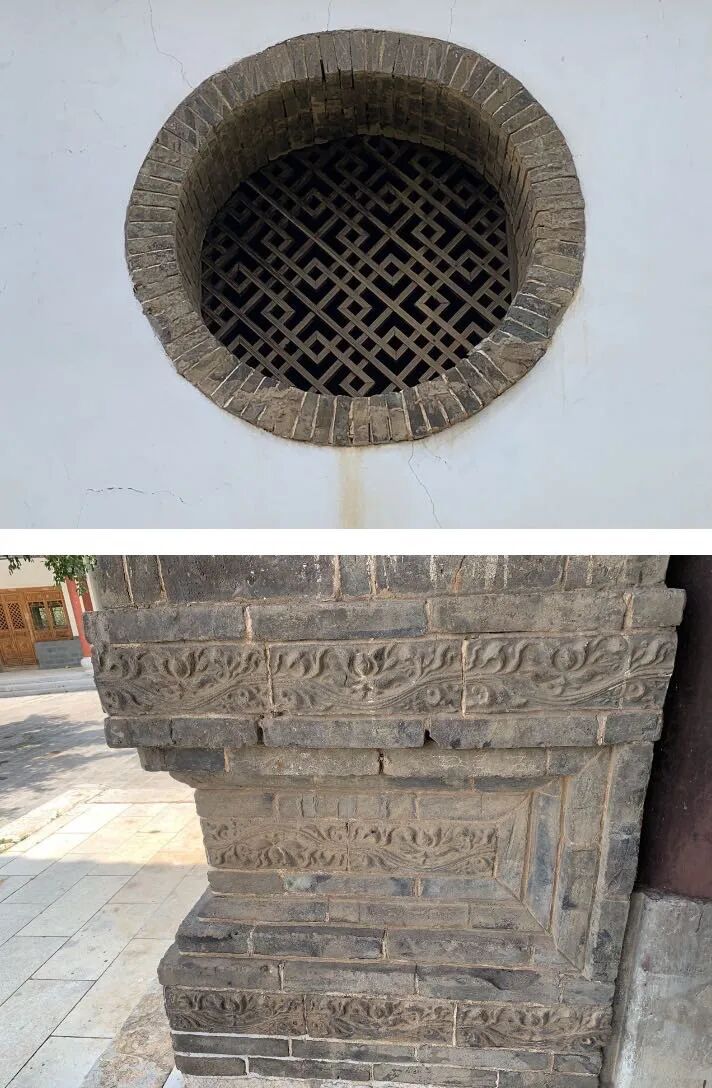
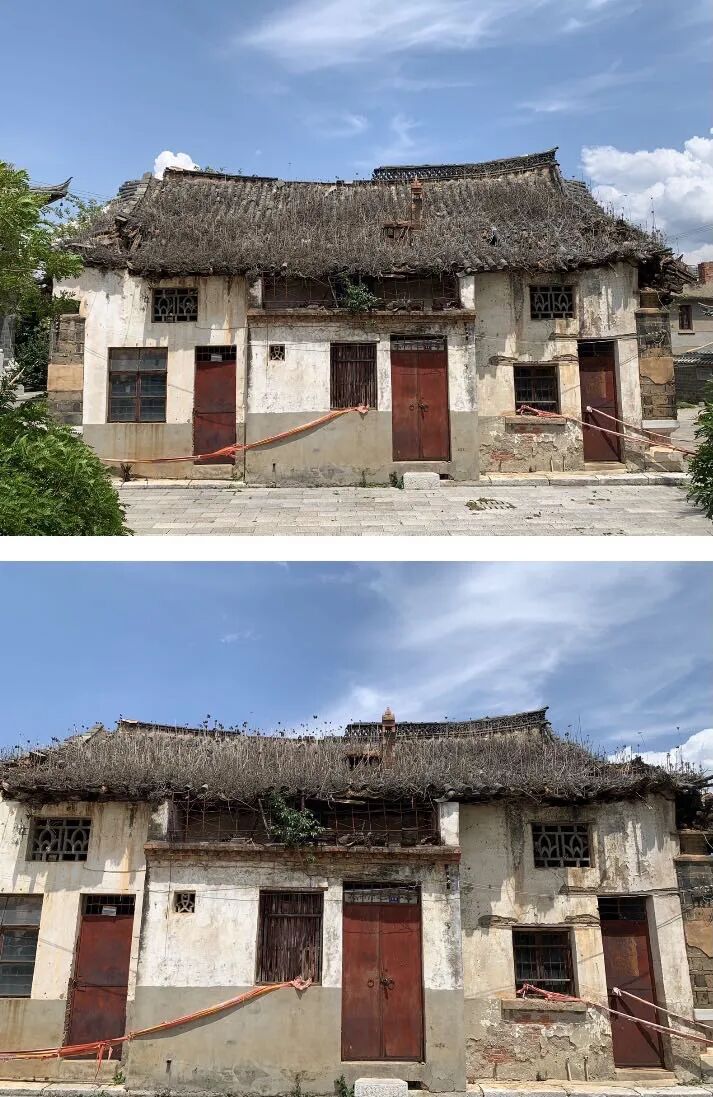
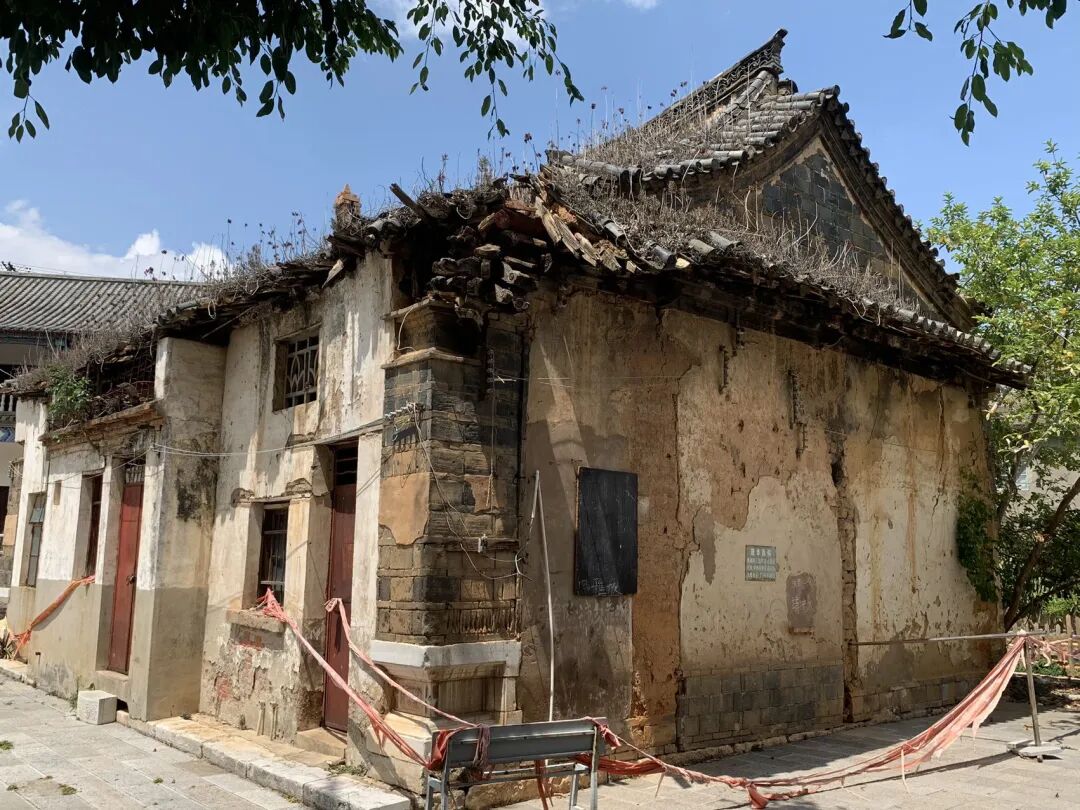
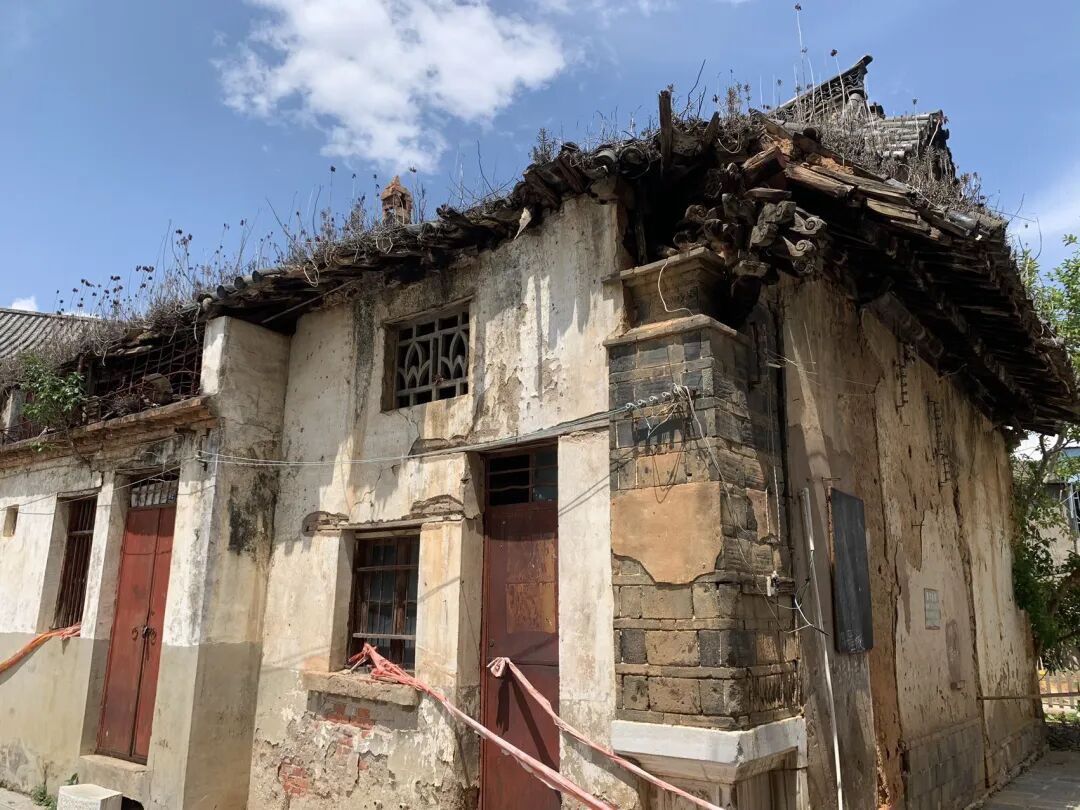
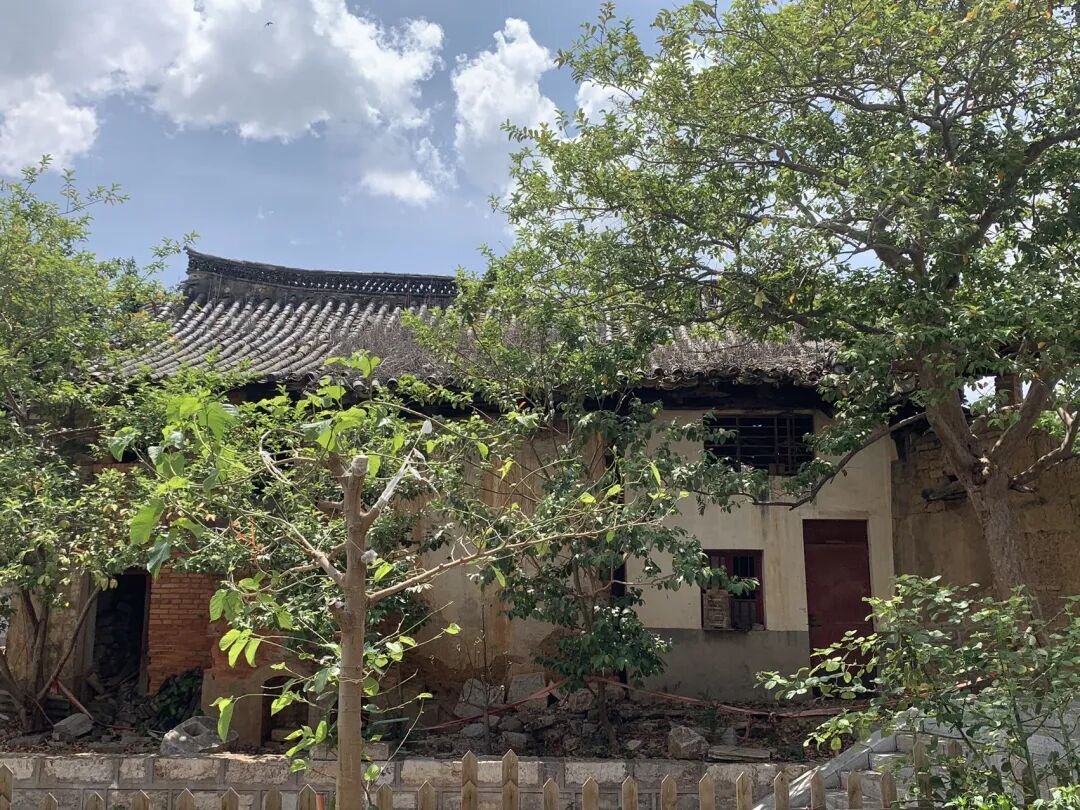
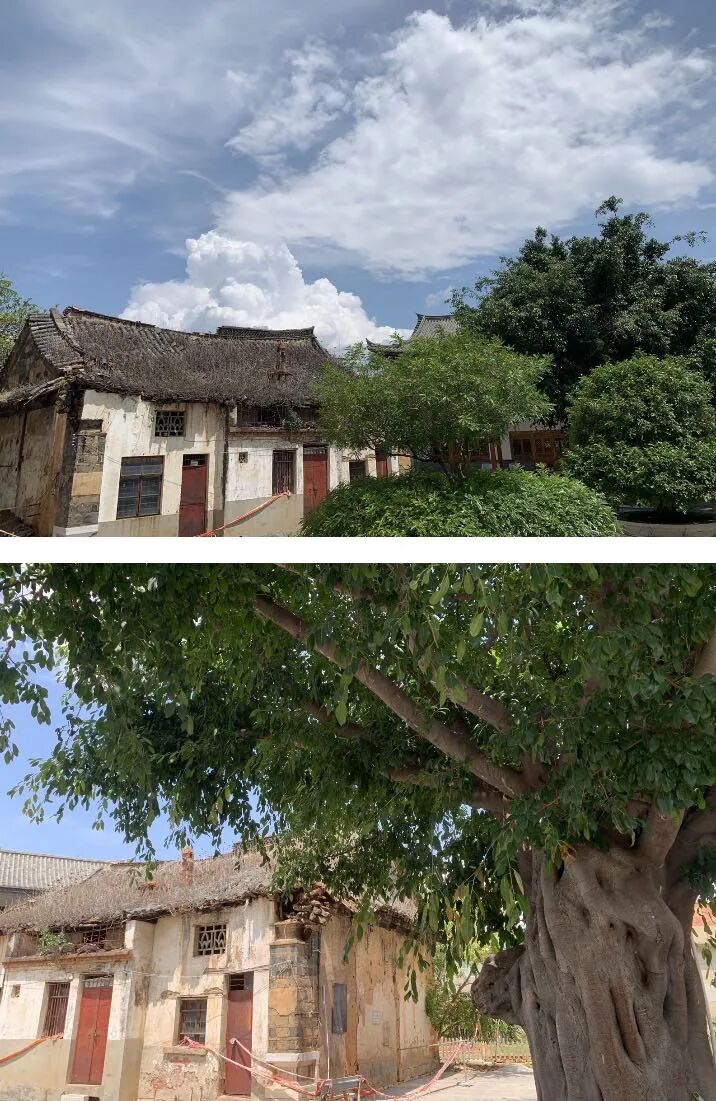
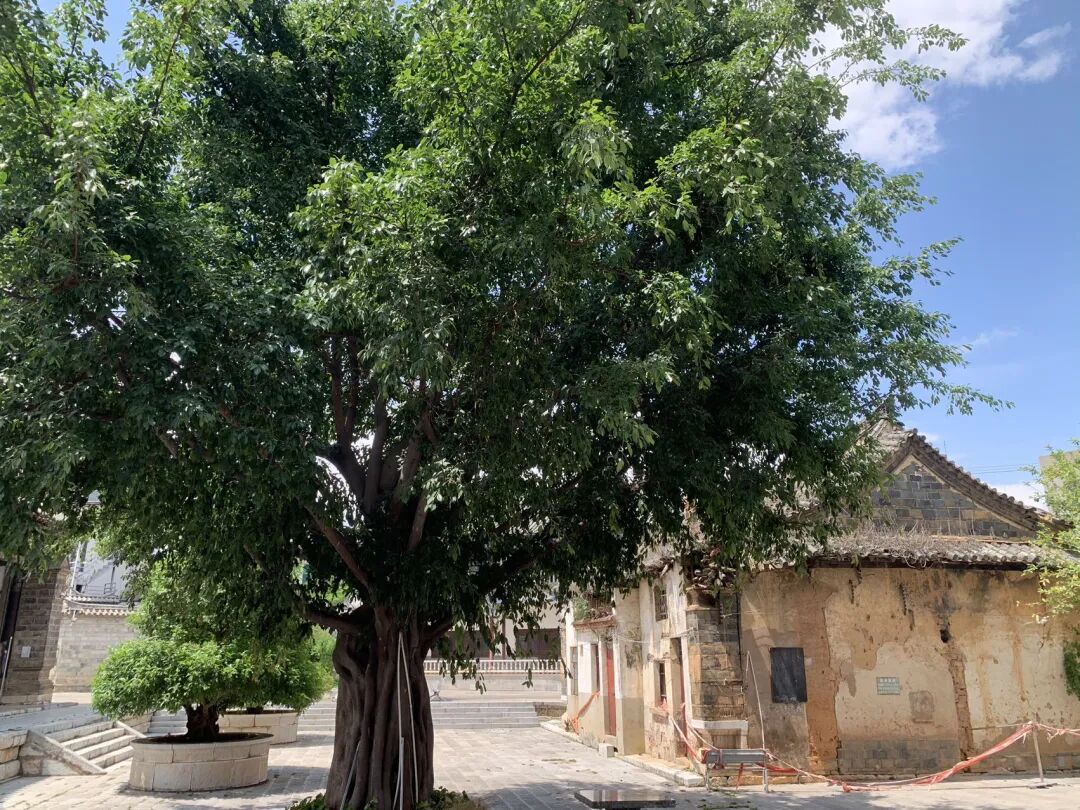
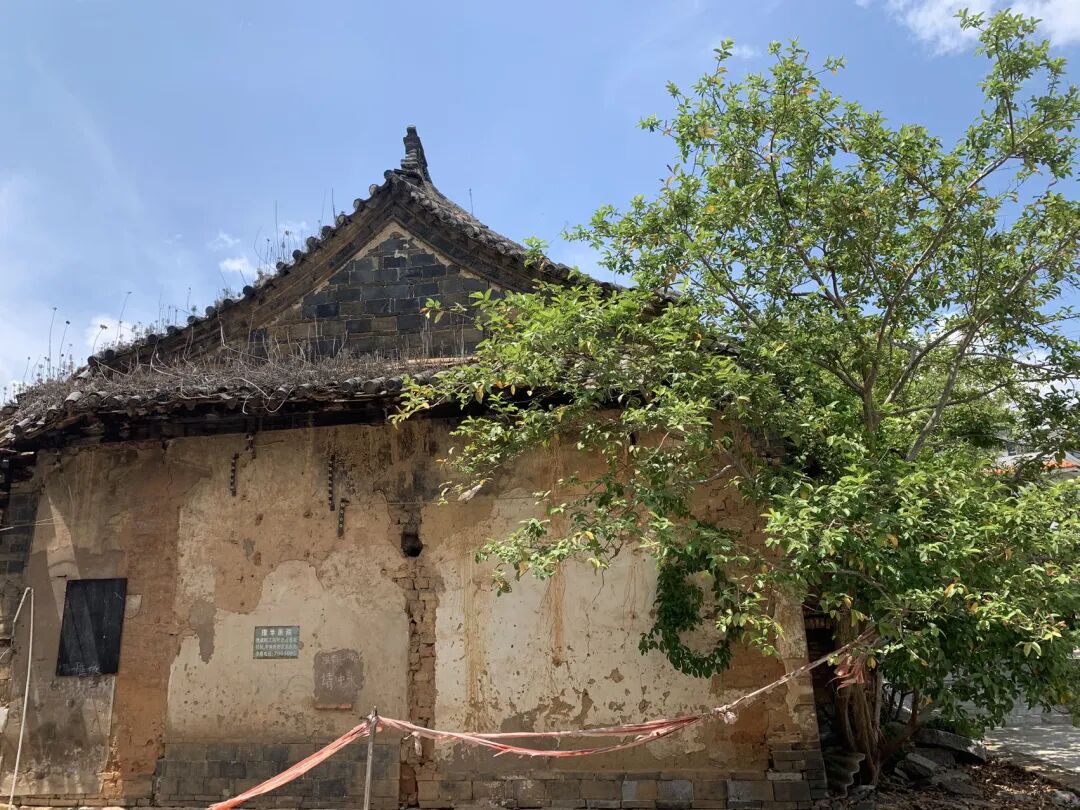
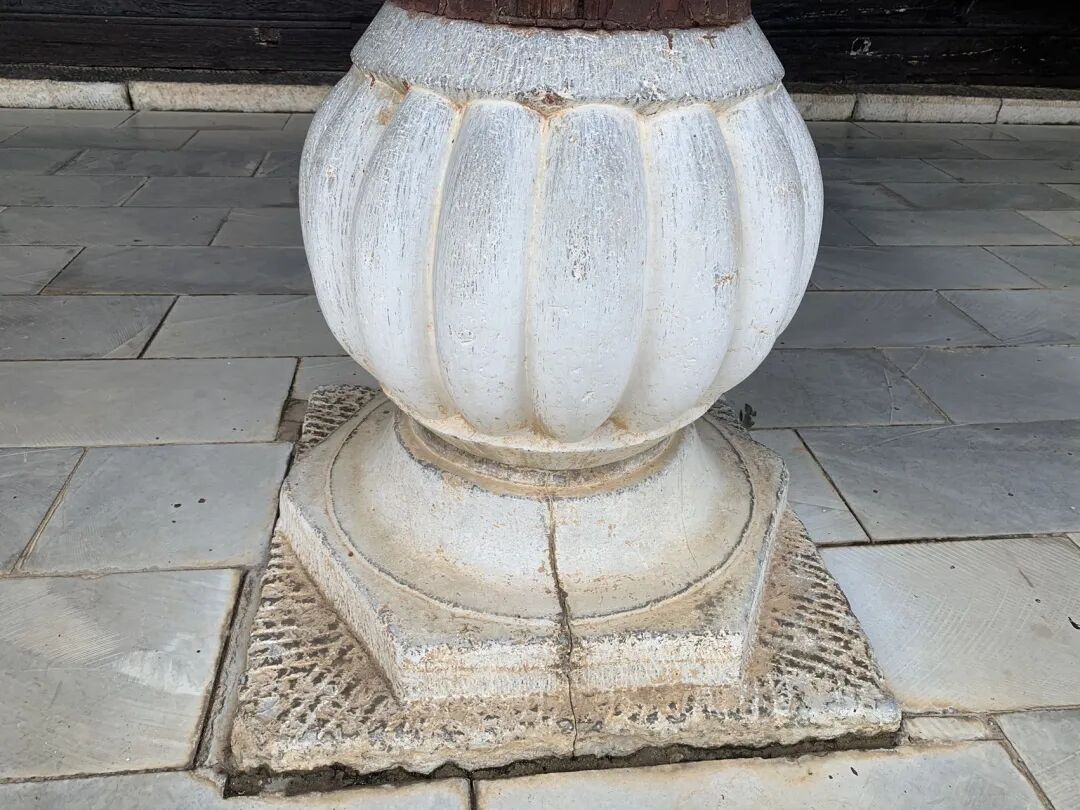
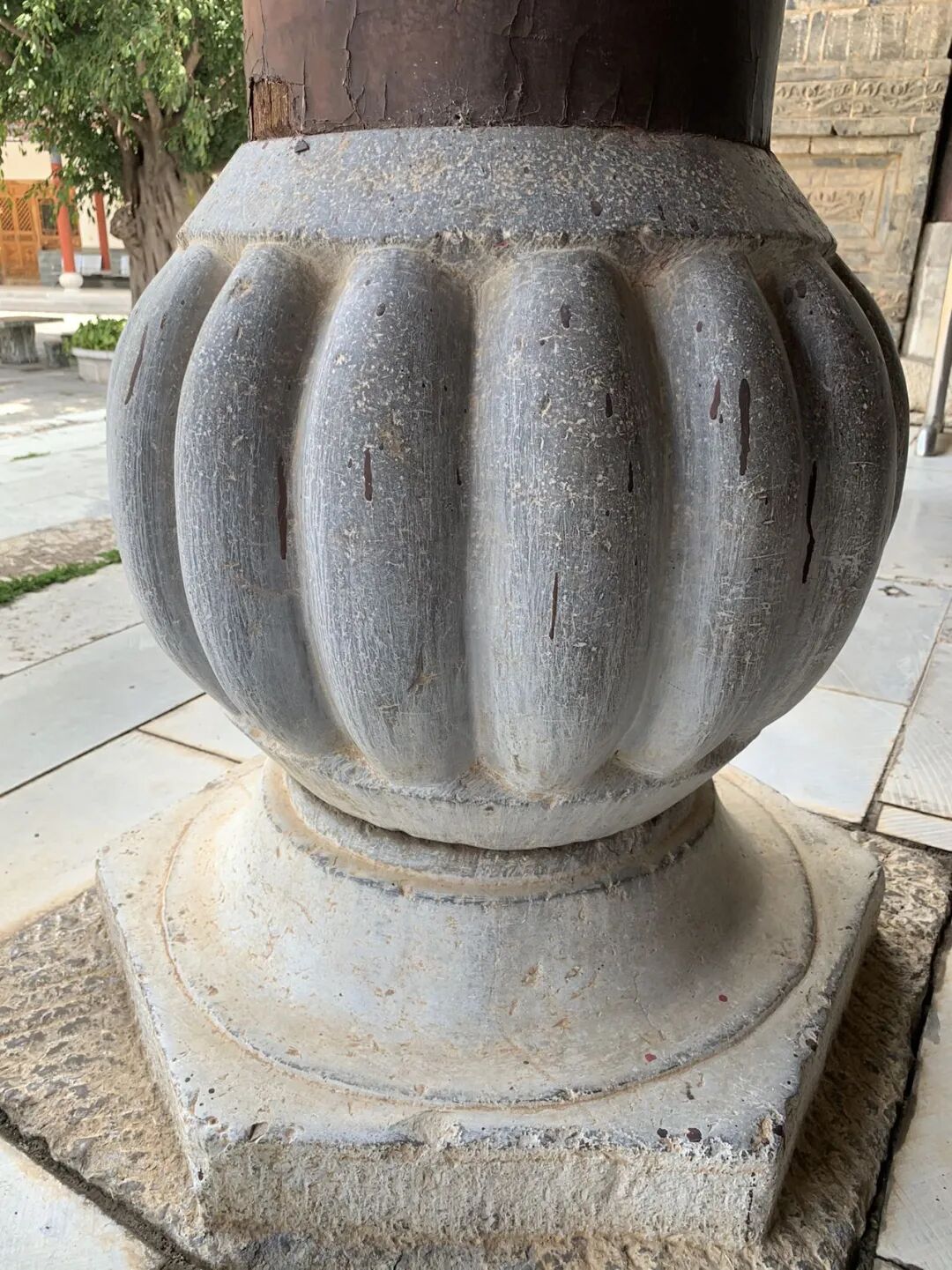
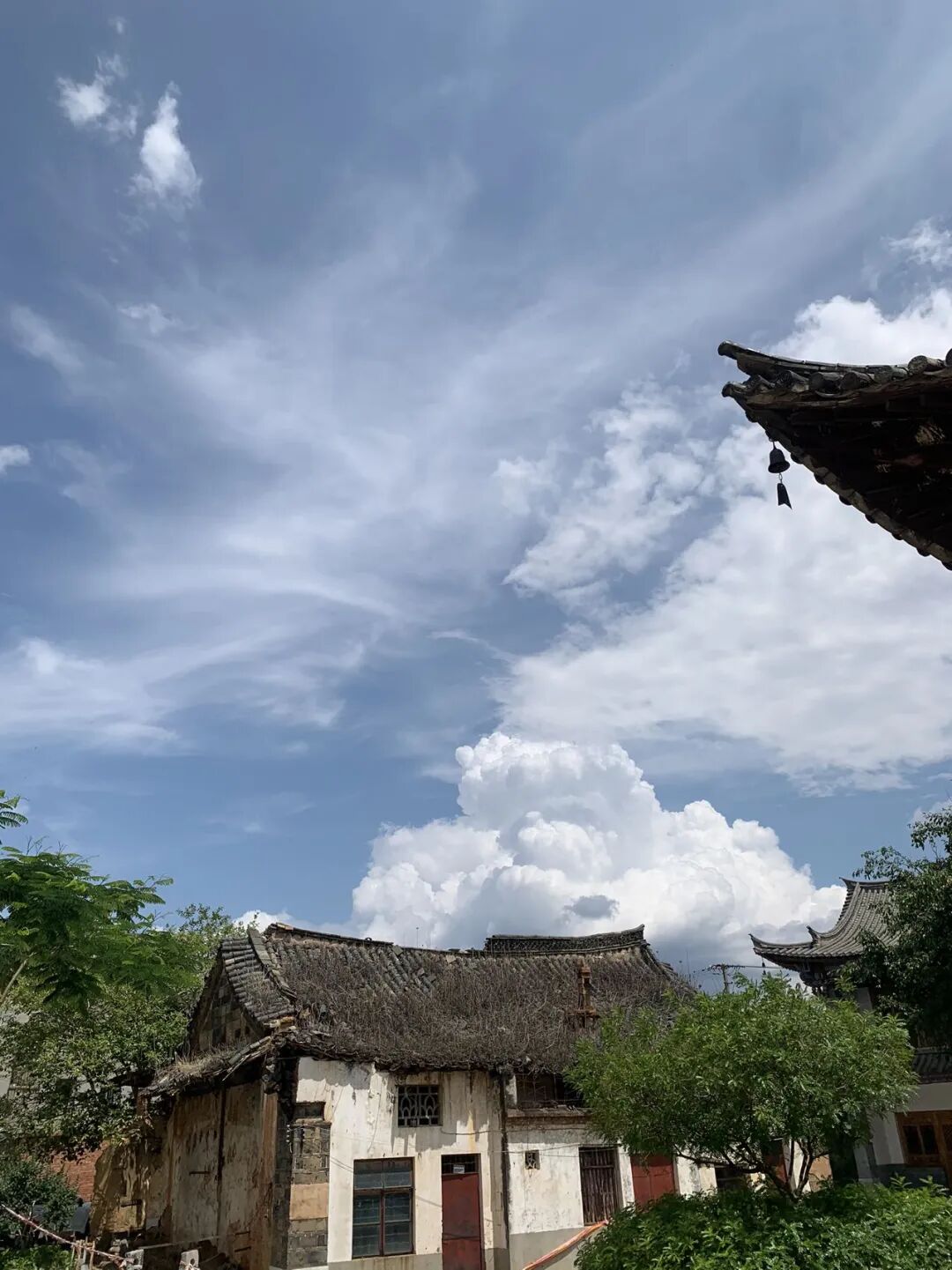
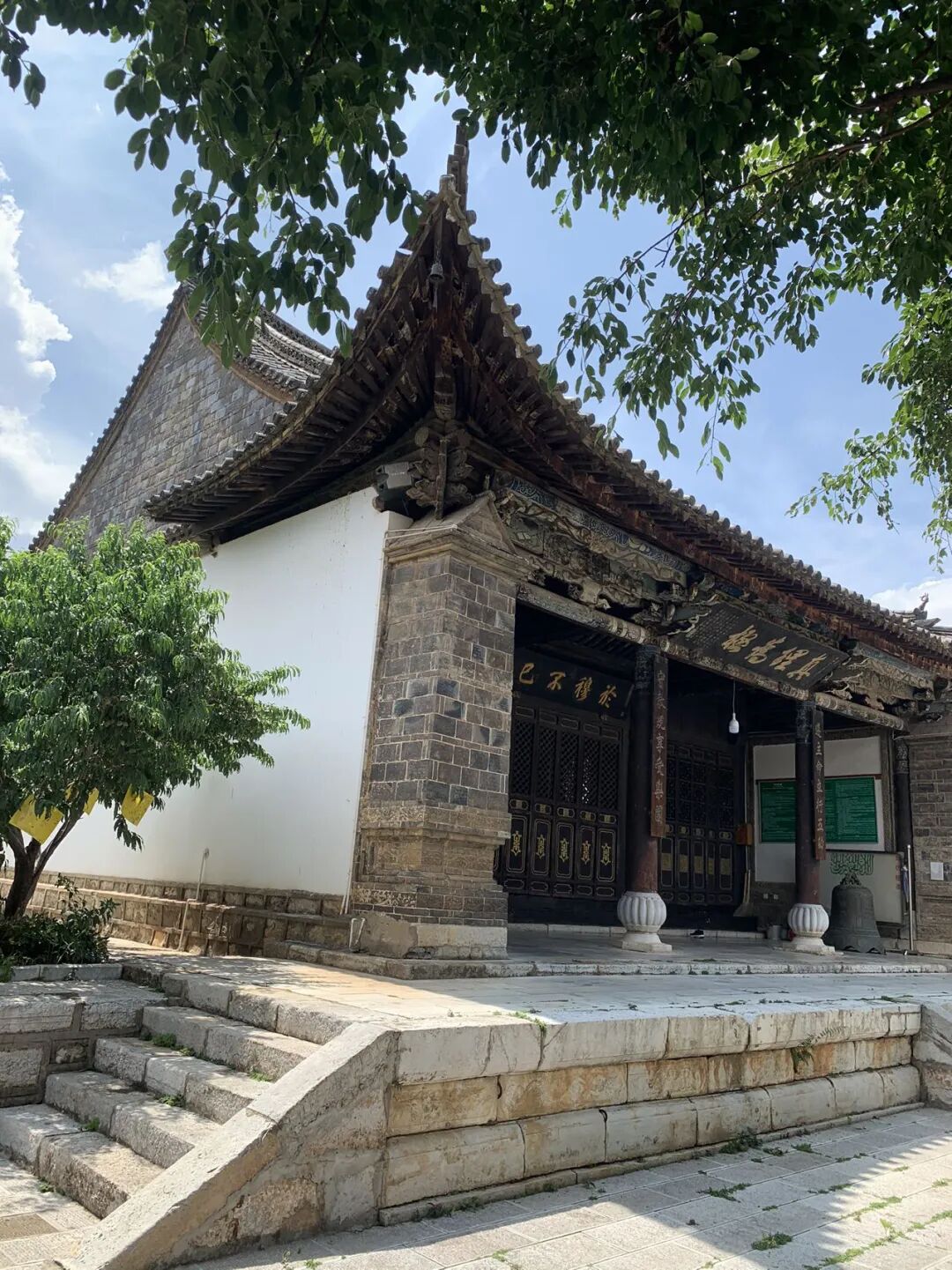
Why Kunming's Legendary Jinji Roasted Chicken Keeps Locals Queuing for Decades
Articles • Hasan09 posted the article • 0 comments • 29 views • 5 days ago
You Don't Get Kunming's Shuncheng Street Jinji Yet? You're Probably Not Old Enough
Abstract:
Tap the card above to follow me. Jinji Lu Ji (Jinji Braised Chicken) is the ultimate unsolved mystery of Shuncheng Street. Its braised chicken is wild: everyone who's tried it says the taste is just okay, but it easily costs over 100 RMB per person, and the staff can sometimes have a downright arrogant attitude. Yet, people are still clutching their cash, lining up just to hand their money over to Jinji. What's the deal? Beats me. Don't worry about it—just get in line first.
Tap the card above to follow me
Jinji Lu Ji (Jinji Braised Chicken), the unsolved mystery of Shuncheng Street in Kunming.
The Surreal Braised Chicken
Anyone who has tried Jinji will tell you the flavor is just so-so, yet it easily runs over 100 RMB a head, and the servers can occasionally be pretty snotty. So why are people clutching their cash and waiting in line just to hand their money over? Who knows? Don't ask—just get in line.
Even crazier, back during the pandemic, people wore masks and braved actual "life-or-death risks" just to queue up. Local internet lore says Jinji pulls in over 200,000 RMB a day.
Even more dramatic, with the explosion of short-video media, some opportunists spotted the shop's insane popularity and opened a competing stall just a wall away, selling the exact same products while bragging online that they were "better" and "more traceable." At its absolute trashiest, the two shops got into a public street-side shouting match over the queue lines, which some nosy onlookers carefully edited and posted online for the whole internet to gossip about.
Today, that "better" neighbor is long gone, while the endless line outside Jinji remains. The truth of what actually happened back then? Nobody cares. People only care about one thing: Can I still get my hands on this braised chicken today as usual?
I used to not get Jinji either, writing it off as some kind of metaphysical mystery. But today, holding my kid's hand and trailing behind my mom, I once again found myself forced to stand in Jinji's line. And suddenly, it hit me—Jinji stopped selling just braised food a long time ago.
Jinji Stopped Selling Just Braised Chicken Long Ago
As downtown Kunming's vibrant core, Shuncheng is the default weekend hangout spot for most ordinary families like mine.
When the elders say, "Let's head into town for a walk," our destination is basically locked onto the Shuncheng area. We head out after breakfast, wander around grazing and shopping until about three or four in the afternoon, by which time we've bought what we needed, seen what we wanted, and practically burned through all our energy. Right about then, one final, ultimate question looms: What are we doing for dinner?
Eat out again? But we just ate out for lunch, we really can't eat another heavy meal. Cook at home? After walking around all day, who has the energy to wash and chop veggies? Yet when the whole family manages to get together on a rare weekend, you can't just slap together a casual meal.
And so, the answer bubbles up to the surface: Might as well buy some ready-made braised food, whip up a quick veggie soup at home, stir-fry a couple of fast dishes, and steam a pot of rice. Braised food isn't spicy, but it's flavorful, perfect for kids, parents, and grandparents alike, and packed with solid protein. It hits the spot for flavor and nutrition while keeping everyone's palate happy.
Stand anywhere in Shuncheng and look around, and the only spot that checks every single one of those boxes is Jinji.
Only people who have genuinely stressed over their family's tastes and health truly understand Jinji's real value. If you still don't get it, I can only say—you probably just aren't old enough yet~
I personally hate waiting in line and flat-out refuse to do it. But every single time my mom and I come to Shuncheng, she insists on getting in that line, and while we wait, she tells me stories from her childhood: her dad used to bring her from the rural counties straight into the big provincial capital of Kunming, and whenever they had time, they'd take her to a nearby vendor who carried braised chicken on a shoulder pole. She said that braised chicken was insanely fragrant—a rare, precious delicacy in a childhood plagued by severe material shortages.
Her dad passed away a few years ago. I've heard this story countless times, but whenever we're right here, she still repeats the story of her and her dad as if she's talking to herself. No matter how much I might personally resist and hate waiting in lines, I'll always stand here with her just to do something that brings her joy.
Now my kid is 7 years old. While we queue, he stands right beside us, listening to his grandma tell stories from the distant past. He's also starting to fall in love with the place's braised tripe, beef shank rolls, and unclipped chicken feet. Maybe when he grows up, driven by that same craving for good food and memories of time spent with family, he'll come and wait in this line all by himself—as long as Jinji is still in business.
That right there is the secret behind why the line outside Jinji has kept right on going for decades.
A business might survive its first year on a secret recipe and clever tricks; but a business that stands tall in one spot for decades, consistently delivering reliable, dependable products, is undeniably solving a headache for its customers.
So whenever I see people who think they've cracked the braised chicken recipe, mastered internet traffic, and figured out all the tricks to crush Jinji and replace it, I honestly feel a twinge of pity.
Jinji's braised food recipe really isn't worth much. In today's China, where productivity is massive and overabundant, there are simply no uncrackable secret recipes. Don't believe me? Just visit a few OEM factories or tour some supply chains and you'll see.
But Jinji hasn't been selling just braised chicken for a long time—it's selling a problem-solving solution, a multi-generational vault of fond food memories. Recipes can be copied; memories cannot. So if anyone's thinking of copying this business model, they're probably in for a pretty tough time. view all
You Don't Get Kunming's Shuncheng Street Jinji Yet? You're Probably Not Old Enough
Abstract:
Tap the card above to follow me. Jinji Lu Ji (Jinji Braised Chicken) is the ultimate unsolved mystery of Shuncheng Street. Its braised chicken is wild: everyone who's tried it says the taste is just okay, but it easily costs over 100 RMB per person, and the staff can sometimes have a downright arrogant attitude. Yet, people are still clutching their cash, lining up just to hand their money over to Jinji. What's the deal? Beats me. Don't worry about it—just get in line first.
Tap the card above to follow me
Jinji Lu Ji (Jinji Braised Chicken), the unsolved mystery of Shuncheng Street in Kunming.
The Surreal Braised Chicken
Anyone who has tried Jinji will tell you the flavor is just so-so, yet it easily runs over 100 RMB a head, and the servers can occasionally be pretty snotty. So why are people clutching their cash and waiting in line just to hand their money over? Who knows? Don't ask—just get in line.
Even crazier, back during the pandemic, people wore masks and braved actual "life-or-death risks" just to queue up. Local internet lore says Jinji pulls in over 200,000 RMB a day.
Even more dramatic, with the explosion of short-video media, some opportunists spotted the shop's insane popularity and opened a competing stall just a wall away, selling the exact same products while bragging online that they were "better" and "more traceable." At its absolute trashiest, the two shops got into a public street-side shouting match over the queue lines, which some nosy onlookers carefully edited and posted online for the whole internet to gossip about.
Today, that "better" neighbor is long gone, while the endless line outside Jinji remains. The truth of what actually happened back then? Nobody cares. People only care about one thing: Can I still get my hands on this braised chicken today as usual?
I used to not get Jinji either, writing it off as some kind of metaphysical mystery. But today, holding my kid's hand and trailing behind my mom, I once again found myself forced to stand in Jinji's line. And suddenly, it hit me—Jinji stopped selling just braised food a long time ago.
Jinji Stopped Selling Just Braised Chicken Long Ago
As downtown Kunming's vibrant core, Shuncheng is the default weekend hangout spot for most ordinary families like mine.
When the elders say, "Let's head into town for a walk," our destination is basically locked onto the Shuncheng area. We head out after breakfast, wander around grazing and shopping until about three or four in the afternoon, by which time we've bought what we needed, seen what we wanted, and practically burned through all our energy. Right about then, one final, ultimate question looms: What are we doing for dinner?
Eat out again? But we just ate out for lunch, we really can't eat another heavy meal. Cook at home? After walking around all day, who has the energy to wash and chop veggies? Yet when the whole family manages to get together on a rare weekend, you can't just slap together a casual meal.
And so, the answer bubbles up to the surface: Might as well buy some ready-made braised food, whip up a quick veggie soup at home, stir-fry a couple of fast dishes, and steam a pot of rice. Braised food isn't spicy, but it's flavorful, perfect for kids, parents, and grandparents alike, and packed with solid protein. It hits the spot for flavor and nutrition while keeping everyone's palate happy.
Stand anywhere in Shuncheng and look around, and the only spot that checks every single one of those boxes is Jinji.
Only people who have genuinely stressed over their family's tastes and health truly understand Jinji's real value. If you still don't get it, I can only say—you probably just aren't old enough yet~
I personally hate waiting in line and flat-out refuse to do it. But every single time my mom and I come to Shuncheng, she insists on getting in that line, and while we wait, she tells me stories from her childhood: her dad used to bring her from the rural counties straight into the big provincial capital of Kunming, and whenever they had time, they'd take her to a nearby vendor who carried braised chicken on a shoulder pole. She said that braised chicken was insanely fragrant—a rare, precious delicacy in a childhood plagued by severe material shortages.
Her dad passed away a few years ago. I've heard this story countless times, but whenever we're right here, she still repeats the story of her and her dad as if she's talking to herself. No matter how much I might personally resist and hate waiting in lines, I'll always stand here with her just to do something that brings her joy.
Now my kid is 7 years old. While we queue, he stands right beside us, listening to his grandma tell stories from the distant past. He's also starting to fall in love with the place's braised tripe, beef shank rolls, and unclipped chicken feet. Maybe when he grows up, driven by that same craving for good food and memories of time spent with family, he'll come and wait in this line all by himself—as long as Jinji is still in business.
That right there is the secret behind why the line outside Jinji has kept right on going for decades.
A business might survive its first year on a secret recipe and clever tricks; but a business that stands tall in one spot for decades, consistently delivering reliable, dependable products, is undeniably solving a headache for its customers.
So whenever I see people who think they've cracked the braised chicken recipe, mastered internet traffic, and figured out all the tricks to crush Jinji and replace it, I honestly feel a twinge of pity.
Jinji's braised food recipe really isn't worth much. In today's China, where productivity is massive and overabundant, there are simply no uncrackable secret recipes. Don't believe me? Just visit a few OEM factories or tour some supply chains and you'll see.
But Jinji hasn't been selling just braised chicken for a long time—it's selling a problem-solving solution, a multi-generational vault of fond food memories. Recipes can be copied; memories cannot. So if anyone's thinking of copying this business model, they're probably in for a pretty tough time.
The Ultimate Guide to Yunnan Muslim Culture, Halal Food & Historic Mosques (Part 2)
Articles • Hasan09 posted the article • 0 comments • 28 views • 5 days ago
[37] Authored by Jide Yao, Rongkun Li, and Zuo Zhang, "History of Islam in Yunnan," p. 189.
[38] Authored by Jide Yao, "The Migration of Yunnan Hui Muslims to Southeast Asia," p. 37.
[39] Authored by Zuo Zhang, "A Study of Yunnan Hui Muslims Cross-Border into Southeast Asia," included in *Journal of Hui Muslim Studies*, 1998, Issue 3 (Total Issue 31), Ningxia: *Journal of Hui Muslim Studies* Editorial Department, 1998, p. 17.
++++++++++++++++++++++++++++++++++++++++++++++++++++++++++++++++++ view all
[37] Authored by Jide Yao, Rongkun Li, and Zuo Zhang, "History of Islam in Yunnan," p. 189.
[38] Authored by Jide Yao, "The Migration of Yunnan Hui Muslims to Southeast Asia," p. 37.
[39] Authored by Zuo Zhang, "A Study of Yunnan Hui Muslims Cross-Border into Southeast Asia," included in *Journal of Hui Muslim Studies*, 1998, Issue 3 (Total Issue 31), Ningxia: *Journal of Hui Muslim Studies* Editorial Department, 1998, p. 17.
++++++++++++++++++++++++++++++++++++++++++++++++++++++++++++++++++
Exploring Western Yunnan's Largest Mosque: Qu硐 Mosque's Traditional Chinese Hui Architecture in Dali Weishan
Articles • Hasan09 posted the article • 0 comments • 26 views • 5 days ago
Exploring Western Yunnan's Largest Mosque: A Visual Guide to Dali Weishan's Traditional Chinese Hui Ancient Mosque with Bai-style Flying Eaves and Dougong Architecture
Abstract:
A field exploration of the largest mosque complex in western Yunnan, located in Weishan Yi and Hui Autonomous County, Dali. We break down the exquisite Chinese architectural style of the main prayer hall—a seamless blend of Bai-style colorful wood carvings, Han-style Xieshan flying eaves, and traditional Islamic patterns—showcasing an architectural masterpiece born from the symbiosis of ancient western Yunnan's Hui, Han, and Bai multi-ethnic cultures.
Whenever I used to visit Yongping, right after getting off the highway, I’d spot a towering, exotic castle-like building on the mountain with glowing green onion domes, looking super majestic and mysterious. My travel companions told me it was a mosque.
Years later, during a season when white michelia flowers were blooming, I finally stepped foot onto this sacred and solemn land of Muslim faith—Qutong Mosque (曲硐清真寺).
This is the biggest masjid in western Yunnan. Tucked away on the eastern foothills of Little Lion Mountain and commonly known as the 'libaisi' (prayer temple), it’s the main spot where the Hui Muslims of Qutong Village gather for prayers and communal life. Nowadays, the mosque has shifted to a traditional Chinese architectural style, with dark grey tile roofs replacing the Arabic-style onion domes. Feeling a bit curious, I noticed a line on the wall: 'Uphold the Sinicization of religion in our country,' and the reason suddenly clicked. Giving mosques a local Chinese look helps strengthen national identity, promotes ethnic integration, and builds a stronger sense of community for the Chinese nation.
Climbing the steps and crossing the plaza, right ahead stands a solemn and striking minaret (xuanshilou). With its grey colonnades, white exterior walls, and cinnabar-red doors and windows, the whole structure looks seriously grand and impressive.
The main prayer hall (chaozhendian) is where teachings are shared, the Quran is recited, and Muslims gather for their daily prayers. Visitors aren't allowed inside, so you have to peek and admire it from the doorway.
The crescent-moon-shaped dome is surrounded by wooden lattice windows, with patterned carpets laid out on the floor, making the interior feel super open and spacious. Natural light streams right through the wooden lattice glass, casting dappled, dreamy shadows on the wooden floorboards between the rugs.
There was nobody inside the hall, and it was so peaceful. Standing at the entrance, I just took a quiet moment to admire the sacred sanctuary, super careful not to break the serene vibe.
Right out in the plaza stands an Ethnic Unity and Progress stele—a living testament to the harmony, solidarity, and shared progress of China's various ethnic groups.
A michelia tree in the courtyard was in full bloom, its little white flowers nestled among lush green leaves looking super elegant, fresh, and fragrant in the rain.
Standing on the viewing platform, looking out at the retro street lamps, the mist-shrouded distant mountains, the village, and the fields felt like stepping right into a warm, cozy dream.
Qutong Village is laid out with the mosque right at its center. It’s an essential historic station along the ancient Boan Tea Horse Road of the Southwestern Silk Road, and also the largest Hui Muslim community in western Yunnan. Deep-rooted ethnic customs and unique caravan (mabang) culture come together and blend seamlessly right here.
Circling around to the back of the minaret, a crystal-clear pool suddenly opens up before your eyes. Surrounded by intricately carved stone railings with a stone arch bridge spanning across it, the tranquil water mirrors the corner eaves of the roof and the lush green trees along the bank.
Right by the water's edge, a bauhinia tree was blooming in full, stunning color, its rain-kissed petals looking extra vibrant and fresh.
Up on the mountain sits the newly built mosque from 2000, looking grand and majestic; down below is the century-old ancient mosque, carrying the heavy weight of history. The new and old mosques connect seamlessly along the timeline, standing in total harmony.
According to historical records, the earliest mosque in Qutong was built at the foot of Qutong South Mountain, commissioned by the famous Yuan dynasty Hui statesman Sayyid Ajjal Shams al-Din Omar (1211–1279) and his son while they were governing Dali. In 1913, it was relocated and rebuilt into the ancient mosque we see today, adopting the traditional Chinese upturned-eave Xieshan style. The whole complex is divided into an inner and outer courtyard: the inner courtyard features the main prayer hall, the minaret, and northern and southern side halls; the outer courtyard has side rooms and a grand gatehouse. The minaret was damaged during the Cultural Revolution, but in 1982, the main hall got a major renovation, and in 1990, the minaret and gatehouse were rebuilt, giving us the exact look we see today.
Having weathered the storms of history, Qutong Mosque stands like a weathered elder, quietly guarding the devout faith of the Muslims.
When we arrived, it wasn't prayer time, so the hall was whisper-quiet and the doors were left slightly ajar. Inside the courtyard, ancient cypress trees stood tall and lush, an old stone well bubbled with fresh spring water, and the whole place was overflowing with timeless charm.
A mosque isn't just a standalone building—it’s the lighthouse of faith for the people of Qutong, and a capsule of time that gently holds ethnic beliefs, caravan legends, and cultural blending all wrapped up in a treasure box of memories.
Stepping out of the mosque, the gentle echoes of Quranic recitation seemed to linger in the air. Generation after generation of Muslims have faithfully guarded their spiritual heritage and traditions. That unwavering dedication is as solid as a rock, staying completely unchanged as the years roll by.
Travel Tips:
When visiting the mosque, please respect local customs and religious etiquette, and follow all guidelines within the grounds. view all
Exploring Western Yunnan's Largest Mosque: A Visual Guide to Dali Weishan's Traditional Chinese Hui Ancient Mosque with Bai-style Flying Eaves and Dougong Architecture

Abstract:

A field exploration of the largest mosque complex in western Yunnan, located in Weishan Yi and Hui Autonomous County, Dali. We break down the exquisite Chinese architectural style of the main prayer hall—a seamless blend of Bai-style colorful wood carvings, Han-style Xieshan flying eaves, and traditional Islamic patterns—showcasing an architectural masterpiece born from the symbiosis of ancient western Yunnan's Hui, Han, and Bai multi-ethnic cultures.

Whenever I used to visit Yongping, right after getting off the highway, I’d spot a towering, exotic castle-like building on the mountain with glowing green onion domes, looking super majestic and mysterious. My travel companions told me it was a mosque.

Years later, during a season when white michelia flowers were blooming, I finally stepped foot onto this sacred and solemn land of Muslim faith—Qutong Mosque (曲硐清真寺).

This is the biggest masjid in western Yunnan. Tucked away on the eastern foothills of Little Lion Mountain and commonly known as the 'libaisi' (prayer temple), it’s the main spot where the Hui Muslims of Qutong Village gather for prayers and communal life. Nowadays, the mosque has shifted to a traditional Chinese architectural style, with dark grey tile roofs replacing the Arabic-style onion domes. Feeling a bit curious, I noticed a line on the wall: 'Uphold the Sinicization of religion in our country,' and the reason suddenly clicked. Giving mosques a local Chinese look helps strengthen national identity, promotes ethnic integration, and builds a stronger sense of community for the Chinese nation.

Climbing the steps and crossing the plaza, right ahead stands a solemn and striking minaret (xuanshilou). With its grey colonnades, white exterior walls, and cinnabar-red doors and windows, the whole structure looks seriously grand and impressive.

The main prayer hall (chaozhendian) is where teachings are shared, the Quran is recited, and Muslims gather for their daily prayers. Visitors aren't allowed inside, so you have to peek and admire it from the doorway.

The crescent-moon-shaped dome is surrounded by wooden lattice windows, with patterned carpets laid out on the floor, making the interior feel super open and spacious. Natural light streams right through the wooden lattice glass, casting dappled, dreamy shadows on the wooden floorboards between the rugs.

There was nobody inside the hall, and it was so peaceful. Standing at the entrance, I just took a quiet moment to admire the sacred sanctuary, super careful not to break the serene vibe.

Right out in the plaza stands an Ethnic Unity and Progress stele—a living testament to the harmony, solidarity, and shared progress of China's various ethnic groups.

A michelia tree in the courtyard was in full bloom, its little white flowers nestled among lush green leaves looking super elegant, fresh, and fragrant in the rain.

Standing on the viewing platform, looking out at the retro street lamps, the mist-shrouded distant mountains, the village, and the fields felt like stepping right into a warm, cozy dream.

Qutong Village is laid out with the mosque right at its center. It’s an essential historic station along the ancient Boan Tea Horse Road of the Southwestern Silk Road, and also the largest Hui Muslim community in western Yunnan. Deep-rooted ethnic customs and unique caravan (mabang) culture come together and blend seamlessly right here.

Circling around to the back of the minaret, a crystal-clear pool suddenly opens up before your eyes. Surrounded by intricately carved stone railings with a stone arch bridge spanning across it, the tranquil water mirrors the corner eaves of the roof and the lush green trees along the bank.

Right by the water's edge, a bauhinia tree was blooming in full, stunning color, its rain-kissed petals looking extra vibrant and fresh.

Up on the mountain sits the newly built mosque from 2000, looking grand and majestic; down below is the century-old ancient mosque, carrying the heavy weight of history. The new and old mosques connect seamlessly along the timeline, standing in total harmony.

According to historical records, the earliest mosque in Qutong was built at the foot of Qutong South Mountain, commissioned by the famous Yuan dynasty Hui statesman Sayyid Ajjal Shams al-Din Omar (1211–1279) and his son while they were governing Dali. In 1913, it was relocated and rebuilt into the ancient mosque we see today, adopting the traditional Chinese upturned-eave Xieshan style. The whole complex is divided into an inner and outer courtyard: the inner courtyard features the main prayer hall, the minaret, and northern and southern side halls; the outer courtyard has side rooms and a grand gatehouse. The minaret was damaged during the Cultural Revolution, but in 1982, the main hall got a major renovation, and in 1990, the minaret and gatehouse were rebuilt, giving us the exact look we see today.

Having weathered the storms of history, Qutong Mosque stands like a weathered elder, quietly guarding the devout faith of the Muslims.

When we arrived, it wasn't prayer time, so the hall was whisper-quiet and the doors were left slightly ajar. Inside the courtyard, ancient cypress trees stood tall and lush, an old stone well bubbled with fresh spring water, and the whole place was overflowing with timeless charm.

A mosque isn't just a standalone building—it’s the lighthouse of faith for the people of Qutong, and a capsule of time that gently holds ethnic beliefs, caravan legends, and cultural blending all wrapped up in a treasure box of memories.

Stepping out of the mosque, the gentle echoes of Quranic recitation seemed to linger in the air. Generation after generation of Muslims have faithfully guarded their spiritual heritage and traditions. That unwavering dedication is as solid as a rock, staying completely unchanged as the years roll by.

Travel Tips:

When visiting the mosque, please respect local customs and religious etiquette, and follow all guidelines within the grounds.


Shadian Grand Mosque Travel Guide: Exploring the Stunning Islamic Architecture and Yunnan Muslim Heritage
Articles • Hasan09 posted the article • 0 comments • 27 views • 5 days ago
The Awe of the 10,000-Person Prayer Hall: A Panoramic Photo Collection of the Grand Shadian Mosque's Vast Halls and Southern Yunnan Sacred Sites
Abstract:
A panoramic chronicle of the Shadian Grand Mosque, celebrated as the spiritual epicenter for Muslims in southern Yunnan. Through striking visuals and detailed text, we showcase the massive prayer hall capable of holding over 10,000 people simultaneously, the solemn light-and-shadow corridors, and the pristine courtyards, taking readers on a journey to experience one of southwest China's most visually stunning modern mega-masjid landmarks.
Not in Iran❗️ It's the Shadian Grand Mosque
Honestly, before going
I didn't really know what to expect from "visiting a mosque"
But standing right in front of the Shadian Grand Mosque
I was still completely speechless with awe
The largest mosque in Southwest China | Shadian Grand Mosque, hiding a century-old code of ethnic culture
The 10,000-person prayer hall, the spiritual heartbeat of southern Yunnan's Muslims
A landmark of faith in southern Yunnan, blending Chinese and Western architectural beauty
The ultimate fusion of traditional Chinese palatial style and Islamic aesthetics
Classic Chinese flying eaves + Islamic domes | The architectural aesthetic of the Shadian Grand Mosque
An off-the-beaten-path Yunnan hidden gem: The Shadian Grand Mosque is way more than just a photo spot
#ShadianGrandMosque #YunnanTravel #SouthernYunnanHiddenGems #IslamicArchitecture #EthnicCulturalFusion #HongheTravel #FaithLandmark #ArchitecturalAesthetics view all
The Awe of the 10,000-Person Prayer Hall: A Panoramic Photo Collection of the Grand Shadian Mosque's Vast Halls and Southern Yunnan Sacred Sites

Abstract:

A panoramic chronicle of the Shadian Grand Mosque, celebrated as the spiritual epicenter for Muslims in southern Yunnan. Through striking visuals and detailed text, we showcase the massive prayer hall capable of holding over 10,000 people simultaneously, the solemn light-and-shadow corridors, and the pristine courtyards, taking readers on a journey to experience one of southwest China's most visually stunning modern mega-masjid landmarks.

Not in Iran❗️ It's the Shadian Grand Mosque

Honestly, before going

I didn't really know what to expect from "visiting a mosque"

But standing right in front of the Shadian Grand Mosque

I was still completely speechless with awe

The largest mosque in Southwest China | Shadian Grand Mosque, hiding a century-old code of ethnic culture

The 10,000-person prayer hall, the spiritual heartbeat of southern Yunnan's Muslims

A landmark of faith in southern Yunnan, blending Chinese and Western architectural beauty
The ultimate fusion of traditional Chinese palatial style and Islamic aesthetics
Classic Chinese flying eaves + Islamic domes | The architectural aesthetic of the Shadian Grand Mosque
An off-the-beaten-path Yunnan hidden gem: The Shadian Grand Mosque is way more than just a photo spot
#ShadianGrandMosque #YunnanTravel #SouthernYunnanHiddenGems #IslamicArchitecture #EthnicCulturalFusion #HongheTravel #FaithLandmark #ArchitecturalAesthetics
Visiting Shadian Grand Mosque in Yunnan: Exploring the Heart of Hui Muslim Culture & History
Articles • Hasan09 posted the article • 0 comments • 28 views • 5 days ago
Living in Yunnan: Stepping into the Shadian Grand Mosque in Gejiu to Feel the Peace and Devotion of Hui Muslim Life in Southern Yunnan Valleys
Abstract:
A real-life travel log from living in Honghe Prefecture, Yunnan. Setting out from the 'Tin Capital' of Gejiu to visit the famous Shadian Grand Mosque, the author uses vivid prose to capture the front plaza, the grand silhouette of the main prayer hall, and the simple, serene daily rhythms of the surrounding Hui Muslim community, showcasing the cultural diversity of colorful Yunnan.
February 7, 2026, Sunny. The view right outside my window totally gives off that 'Mini Chongqing' vibe that Gejiu is known for.
Today, I'm heading out to the last spot on my Gejiu itinerary, the Shadian Grand Mosque (Shadian Mosque), before traveling to Mile tomorrow for the Lunar New Year.
The mosque is located in Shadian Subdistrict, Gejiu City. Sitting right at the intersection of Gejiu, Kaiyuan, and Mengzi, it's the heartland of the Hui Muslim community in southern Yunnan. It's the largest mosque in Southwest China and one of the country's top 100 famous mosques.
Flanking the Prayer Hall are four striking minarets. The entire structure has a strong traditional Chinese architectural style.
The Prayer Hall
The roof features a traditional Chinese double-eaves Xieshan (歇山 - resting hill) design, while the center incorporates Arabic-style arches and colonnades. The base blends elements of a traditional Chinese Xumizuo (须弥座 - Sumeru throne pedestal), perfectly fusing Islamic culture with traditional Chinese architecture. The golden plaque overhead displays the Islamic Shahada: 'There is no god but Allah, and Muhammad is His messenger,' which is the most fundamental declaration of faith in Islam.
Arabic scriptures are inscribed on both sides of the archways. The top features the 'Basmala' (In the name of Allah), and the main section contains Chapter 112 of the Quran, Al-Ikhlas (Sincerity), one of the core passages Muslims must recite during daily prayers.
Non-worshippers aren't allowed inside the main hall, so I just snapped some photos from the doorway. Since Islam strictly prohibits idol worship, the interior is completely empty and minimal.
A devoted worshiper was deeply engrossed in his personal prayer (dua)—what was he reflecting on?
The doorway to the hall is drop-dead gorgeous and super artistic. The circular reliefs showcase Arabic calligraphy, featuring the 'Basmala' from the Quran which means 'In the name of Allah.' It's one of the most classic decorative elements in Islamic architecture, symbolizing praise and awe for Allah.
The layered arches of the colonnade stretch out, creating a solemn, deep, and majestic vibe. view all
Living in Yunnan: Stepping into the Shadian Grand Mosque in Gejiu to Feel the Peace and Devotion of Hui Muslim Life in Southern Yunnan Valleys

Abstract:

A real-life travel log from living in Honghe Prefecture, Yunnan. Setting out from the 'Tin Capital' of Gejiu to visit the famous Shadian Grand Mosque, the author uses vivid prose to capture the front plaza, the grand silhouette of the main prayer hall, and the simple, serene daily rhythms of the surrounding Hui Muslim community, showcasing the cultural diversity of colorful Yunnan.

February 7, 2026, Sunny. The view right outside my window totally gives off that 'Mini Chongqing' vibe that Gejiu is known for.

Today, I'm heading out to the last spot on my Gejiu itinerary, the Shadian Grand Mosque (Shadian Mosque), before traveling to Mile tomorrow for the Lunar New Year.

The mosque is located in Shadian Subdistrict, Gejiu City. Sitting right at the intersection of Gejiu, Kaiyuan, and Mengzi, it's the heartland of the Hui Muslim community in southern Yunnan. It's the largest mosque in Southwest China and one of the country's top 100 famous mosques.

Flanking the Prayer Hall are four striking minarets. The entire structure has a strong traditional Chinese architectural style.

The Prayer Hall

The roof features a traditional Chinese double-eaves Xieshan (歇山 - resting hill) design, while the center incorporates Arabic-style arches and colonnades. The base blends elements of a traditional Chinese Xumizuo (须弥座 - Sumeru throne pedestal), perfectly fusing Islamic culture with traditional Chinese architecture. The golden plaque overhead displays the Islamic Shahada: 'There is no god but Allah, and Muhammad is His messenger,' which is the most fundamental declaration of faith in Islam.

Arabic scriptures are inscribed on both sides of the archways. The top features the 'Basmala' (In the name of Allah), and the main section contains Chapter 112 of the Quran, Al-Ikhlas (Sincerity), one of the core passages Muslims must recite during daily prayers.

Non-worshippers aren't allowed inside the main hall, so I just snapped some photos from the doorway. Since Islam strictly prohibits idol worship, the interior is completely empty and minimal.

A devoted worshiper was deeply engrossed in his personal prayer (dua)—what was he reflecting on?
The doorway to the hall is drop-dead gorgeous and super artistic. The circular reliefs showcase Arabic calligraphy, featuring the 'Basmala' from the Quran which means 'In the name of Allah.' It's one of the most classic decorative elements in Islamic architecture, symbolizing praise and awe for Allah.
The layered arches of the colonnade stretch out, creating a solemn, deep, and majestic vibe.
The Ultimate Guide to Halal Shanghai: Best Mosques, Hidden Food Gems & Authentic Muslim Culture
Articles • Hasan09 posted the article • 0 comments • 19 views • 5 days ago
Are there no authentic Halal shengjianbao (crispy pan-fried soup buns) in Shanghai? You just haven't found them yet!
Abstract:
Remember that Halal restaurant guide we dropped earlier, "Eating Through Shanghai Like 'Blossoms Shanghai': Must-Try Halal Spots in the City"? A bunch of you slid into our DMs asking: Are there any hidden gems that locals have been hitting up for decades? We stumbled upon this absolute banger of an article and had to translate it for the Halal Canteen fam~ A 29-year-old wet market legend in Shanghai. Breaking the Shanghai currency system with massive 4 RMB pan-fried buns! "Boss, two jianbao (pan-fried buns) and a bowl of vermicelli soup!"
Remember that Halal restaurant guide we dropped earlier, "Eating Through Shanghai Like 'Blossoms Shanghai': Must-Try Halal Spots in the City"?
A bunch of you slid into our DMs asking: Are there any hidden gems that locals have been hitting up for decades?
We stumbled upon this absolute banger of an article and had to translate it for the Halal Canteen fam~
A 29-year-old wet market legend in Shanghai.
Breaking the Shanghai currency system with massive 4 RMB pan-fried buns!
"Boss, two jianbao (pan-fried buns) and a bowl of vermicelli soup!"
Word on the street is that besides Yixinzhai, there's another god-tier beef pan-fried bun spot in Yangpu that you *have* to try. Absolute royalty of the morning wet market scene and peak breakfast game, they only sell through lunch. A single beef pan-fried bun made with the owner's secret recipe has put Yangpu on the map. When you finally get your hands on one, it's honestly a bit jarring: I only paid 4 RMB for a meat bun this massive? And it's pure beef and totally soup-bursting?
"I've been eating here since the very first year it opened back in '94. Back then they were like 40 or 50 cents each, and they'd even throw in a bowl of beef soup. Back in '99, property prices right next door were only 1.4 million!"
"Today's actually not bad. Weekends are wild—the line wraps completely around the neighboring stalls, and I usually have to wait half an hour per batch."
If you don't live in Yangpu, you literally don't know about these beef pan-fried buns!!
Tucked away inside the Global Company Food Street on the west side of the Lejiafu Farmers Market.
The flagship Global Supermarket right next to it is a total Yangpu landmark.
This little Halal beef jianbao spot has been here since day one of the wet market. They originally only sold raw beef, but when fellow Hui Muslims from back home started craving hometown-style buns in Shanghai, they launched this bun shop. It's a total family affair: the boss runs the wok, the boss's wife works the register, and the morning rush is full of regulars catching up with the family. It's super wholesome.
• 01 •
Three massive 55cm shallow iron woks tag-team the rush.
"We use the most traditional iron-pan frying method. Each batch makes 40 buns, and we cook through more than 50 batches on our busiest days." Master Pang works the wok like a gear mechanism, spinning it smoothly to ensure every bun gets even heat. Knowing when to move them and how much pressure to apply takes serious skill.
• 02 •
"Sizzle, sizzle!"
The heat at the bottom of the wok and the timing for flipping have to be dialed in down to a science. Pouring in hot oil, the dough slowly turns golden under the intense heat and sizzling oil. The chorus of "sizzle, sizzle" goes back and forth, and the second you slide the spatula underneath to lift out the buns, your heart starts racing and you're ready to devour them.
• 03 •
Pure beef with just a tiny touch of seasoning.
This is a beef pan-fried bun that seriously respects the beef. Even though it's only 4 RMB a piece, every bite of the filling is pure meat. 100% authentic Halal beef, massive soup-filled center—it honestly feels illegal. Chewing it gives you that authentic, high-quality beef texture.
Plus, they're crazy about one specific thing: "freshness." Boss Pang carefully vets everything—from the slaughter time and origin of the cattle to the age of the cow. He uses fresh, high-grade yellow beef plum meat (shank/shoulder cut), which is one of the most premium cuts with an ideal lean-to-fat ratio. Making the filling with beef like this, combined with Boss Pang's top-secret seasoning, makes you want to crush two in one sitting.
• 04 •
A soup-bursting secret recipe that only the boss knows.
The shop's dim sum chef spills that the ultimate secret seasoning for the beef jianbao is known to Boss Pang alone. Every single morning, he's the first one in the shop to mix the spices himself—it's the shop's ultimate, top-secret "cheat code."
These beef jianbao owe their legendary soup-bursting status entirely to the boss's guarded recipe and technique. Give one a gentle squeeze, and rich meat juices literally spill out of the filling.
• 05 •
And check out that little tutu-like skirt—thin, crispy, and gorgeous.
The dough wrapper is definitely not just a side character. Master Pang explains that the leavened dough can't be too thin or too thick; too thin and it breaks easily, too thick and it ruins the texture. It has to hit that sweet spot. Rolled out after proofing, the dough is thin yet springy. Pouring in the flour-water slurry creates a rich golden hue during frying, complete with thin, crispy, lace-like little skirts along the edges.
Next up, the "Jianbao Dream Team" steps up to shine: "We burn through at least 3 bags of flour a day." Everything is handmade and wrapped fresh to order. We start kneading dough around 3 AM, and the dough has to rest a bit so the texture isn't dry or tough. With practiced, lightning-fast movements, the rich filling gets sealed inside the dough wrapper. Peeking through the open kitchen window is enough to make your mouth water.
• 06 •
4 RMB a piece: juicy, plump, and packed.
Eating them, the texture actually hits different—sturdier and more old-school than your average beef pan-fried bun. Take a light bite, and the rich juices soak into the wrapper, amplifying the savory oil flavor. Slurp up a little bit, and juice explodes everywhere. It's an instant spiritual awakening that leaves you craving it over and over. Master Pang also has a secret pro-tip: try dipping them in vinegar just like xiao long bao (soup dumplings) to unlock the ultimate flavor profile.
The flavor really bursts with juice—the meat is tender and fresh, and the filling is ridiculously generous and delicious. Licking up every last drop of the soup, you're completely lost in this single piece of "9-to-5 worker's comfort carbs." "I wasn't even hungry, but now I'm craving it so bad!"
On a weekday past the usual breakfast rush, every seat is still packed. Most people roll with the classic combo: one bowl of vermicelli soup and two pan-fried buns. Tearing off a little piece of the jianbao wrapper and dipping it into the vermicelli soup—this hardcore "carbs on carbs" power couple is undeniably tempting and totally sinful.
• 01 •
Halal-style beef vermicelli soup.
Aside from the pan-fried buns, the beef vermicelli soup is another absolute heavy-hitter here—piping hot and deeply comforting. This is soup broth done right, simmered fresh from 50 to 60 pounds of massive beef bones since the middle of the night. Dip the vermicelli into the rich broth, and these two stars merge into absolute perfection. A massive bowl for just 13 RMB paired with two pan-fried buns is more than enough food even for two people.
• 02 •
Qiangbing (scallion oil flatbread).
Qiangbing has evolved into a magical wet market superstar nowadays. This slow-pan-fried style, which you can basically only find in old-school Halal spots, gets cooked low and slow until it's ultra-crispy all the way through, without being greasy like deep-fried stuff. One bite delivers pure, aromatic bliss.
Shop owner Pang Xinhuai serves as the Vice President of the Yanji Branch of Ethnic Minority Compatriots in Shanghai. He came to Shanghai to start his own business during the early days of the Reform and Opening-up. He opened the Xiao Pang Halal Beef Shop, which now boasts three beef and mutton retail counters and one beef jianbao joint. A student of a "Shanghai Model Worker," his own collection of award certificates is enough to wallpaper an entire wall.
The boss still holds down the fort at the shop 365 days a year, and now his son has graduated from college and flown back home to help run the family spot. They say there's a golden rule of foot traffic in wet markets: wherever the line is longest, that's where the best food is—because here, it's all about "real ingredients." The shop might be small, but it's long since become a cozy canteen for the neighborhood locals.
Want some? Please roll up before 12 PM.
The jianbao usually sell out by lunchtime, and they've never done delivery after all these years—partly because the crowds are too wild to risk slipping on service quality, and partly because they're worried the buns won't taste as good once they go cold. But the boss recently left a sweet piece of advice: as long as you get here before noon, they'll do their absolute best to make sure everyone gets their meat buns.
In the bustling, high-energy dining area, watching the lively, shoulder-to-shoulder street life makes even an early morning breakfast run feel like pure therapy. The moment you take that first bite, any fatigue from driving 20 to 30 kilometers just completely melts away.
- Address -
Right hand side inside the Global Company Food Street, west side of Lejiafu Farmers Market
- Hours -
6:00 AM - 12:00 PM
Beef pan-fried buns: 4 RMB each
Buy 5, get 1 free
Sells out right out of the wok before 9:00 AM
The boss does not do delivery apps
No guaranteed supply for jianbao after 12:00 PM view all
Are there no authentic Halal shengjianbao (crispy pan-fried soup buns) in Shanghai? You just haven't found them yet!
Abstract:
Remember that Halal restaurant guide we dropped earlier, "Eating Through Shanghai Like 'Blossoms Shanghai': Must-Try Halal Spots in the City"? A bunch of you slid into our DMs asking: Are there any hidden gems that locals have been hitting up for decades? We stumbled upon this absolute banger of an article and had to translate it for the Halal Canteen fam~ A 29-year-old wet market legend in Shanghai. Breaking the Shanghai currency system with massive 4 RMB pan-fried buns! "Boss, two jianbao (pan-fried buns) and a bowl of vermicelli soup!"
Remember that Halal restaurant guide we dropped earlier, "Eating Through Shanghai Like 'Blossoms Shanghai': Must-Try Halal Spots in the City"?
A bunch of you slid into our DMs asking: Are there any hidden gems that locals have been hitting up for decades?
We stumbled upon this absolute banger of an article and had to translate it for the Halal Canteen fam~
A 29-year-old wet market legend in Shanghai.
Breaking the Shanghai currency system with massive 4 RMB pan-fried buns!
"Boss, two jianbao (pan-fried buns) and a bowl of vermicelli soup!"
Word on the street is that besides Yixinzhai, there's another god-tier beef pan-fried bun spot in Yangpu that you *have* to try. Absolute royalty of the morning wet market scene and peak breakfast game, they only sell through lunch. A single beef pan-fried bun made with the owner's secret recipe has put Yangpu on the map. When you finally get your hands on one, it's honestly a bit jarring: I only paid 4 RMB for a meat bun this massive? And it's pure beef and totally soup-bursting?
"I've been eating here since the very first year it opened back in '94. Back then they were like 40 or 50 cents each, and they'd even throw in a bowl of beef soup. Back in '99, property prices right next door were only 1.4 million!"
"Today's actually not bad. Weekends are wild—the line wraps completely around the neighboring stalls, and I usually have to wait half an hour per batch."
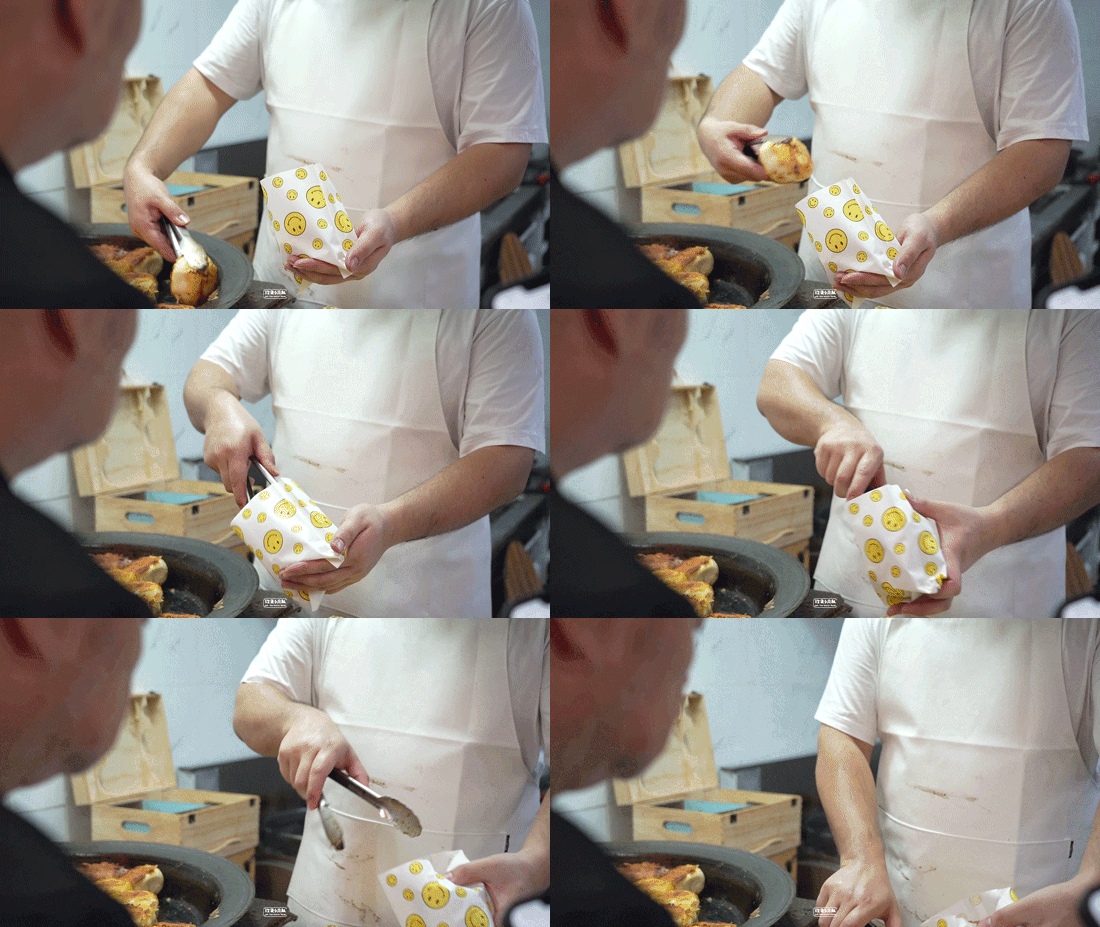
If you don't live in Yangpu, you literally don't know about these beef pan-fried buns!!
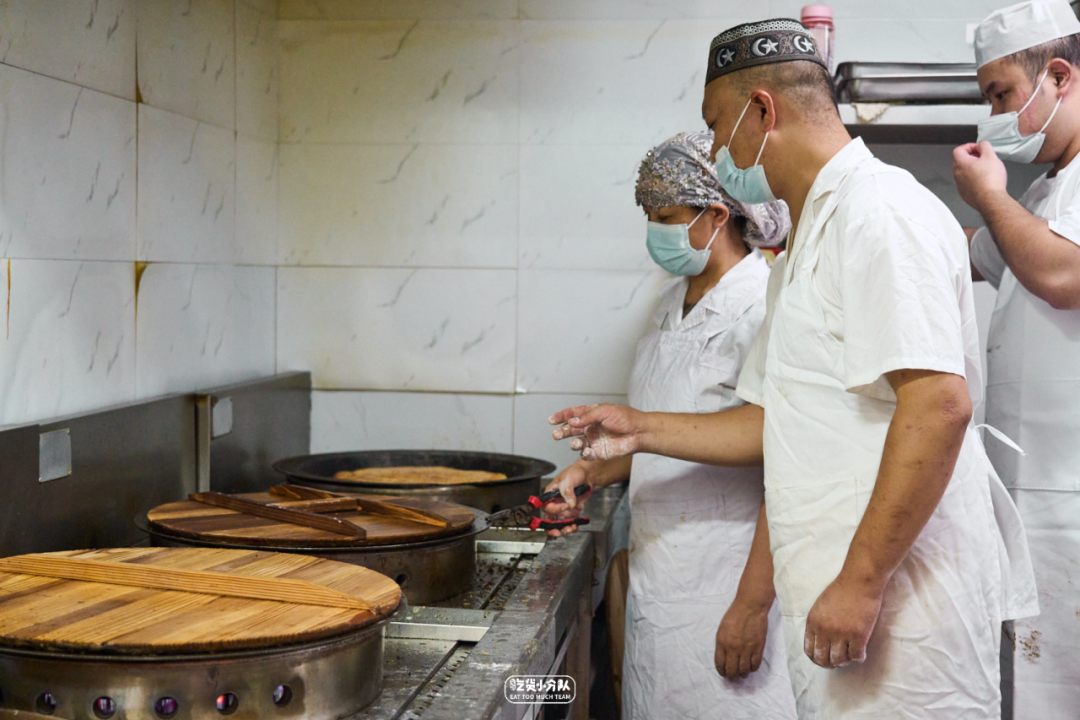
Tucked away inside the Global Company Food Street on the west side of the Lejiafu Farmers Market.
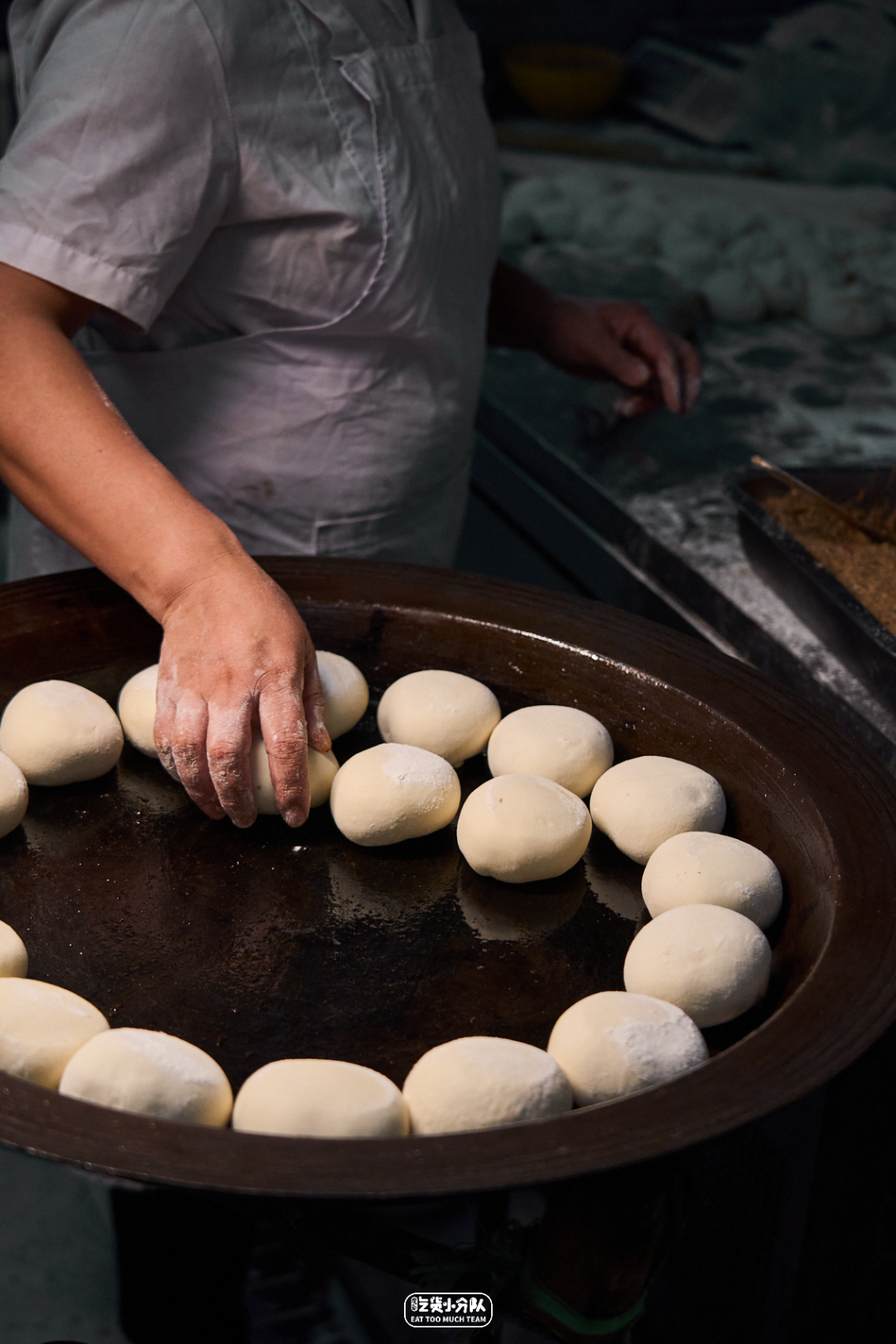
The flagship Global Supermarket right next to it is a total Yangpu landmark.
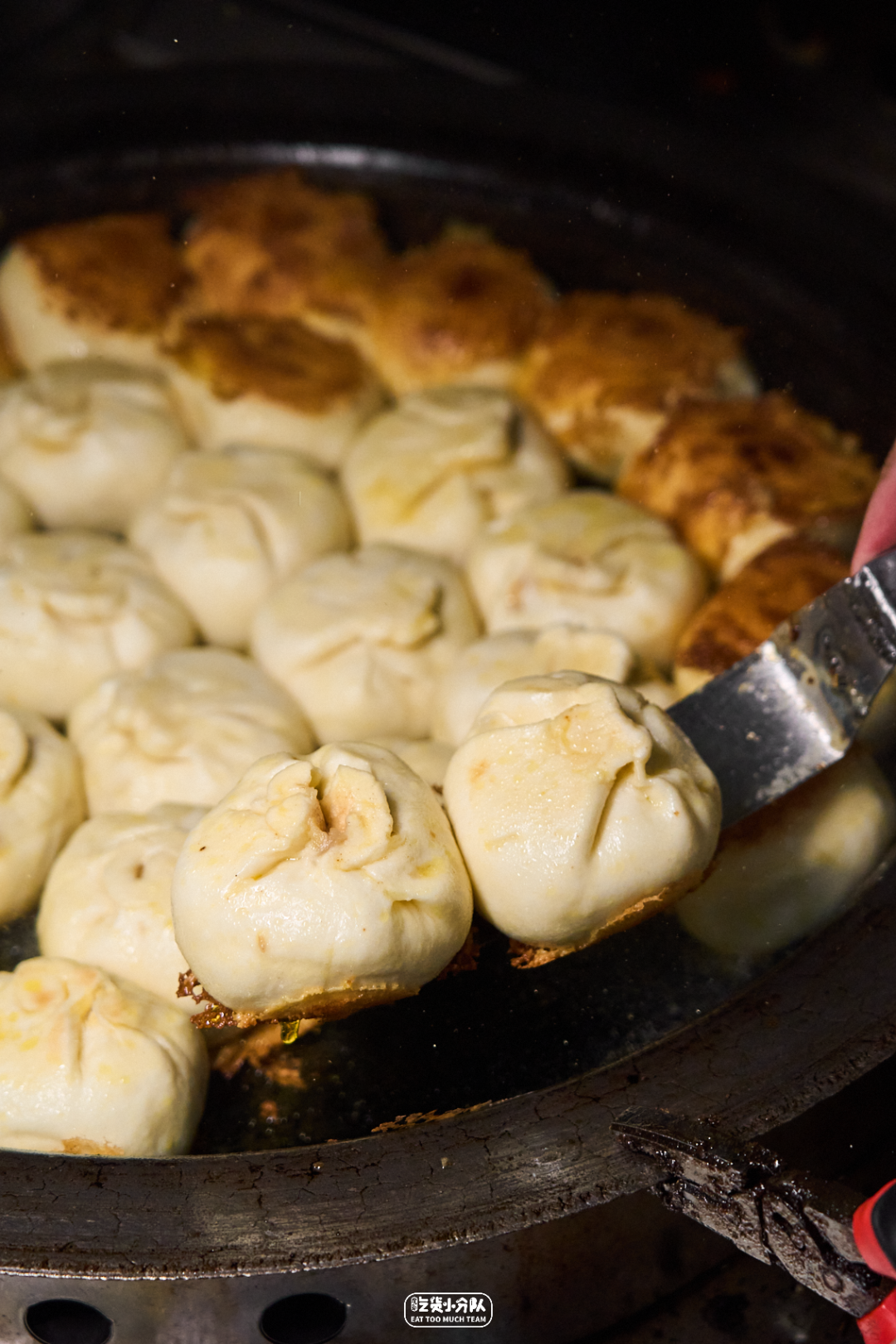
This little Halal beef jianbao spot has been here since day one of the wet market. They originally only sold raw beef, but when fellow Hui Muslims from back home started craving hometown-style buns in Shanghai, they launched this bun shop. It's a total family affair: the boss runs the wok, the boss's wife works the register, and the morning rush is full of regulars catching up with the family. It's super wholesome.
• 01 •
Three massive 55cm shallow iron woks tag-team the rush.
"We use the most traditional iron-pan frying method. Each batch makes 40 buns, and we cook through more than 50 batches on our busiest days." Master Pang works the wok like a gear mechanism, spinning it smoothly to ensure every bun gets even heat. Knowing when to move them and how much pressure to apply takes serious skill.
• 02 •
"Sizzle, sizzle!"
The heat at the bottom of the wok and the timing for flipping have to be dialed in down to a science. Pouring in hot oil, the dough slowly turns golden under the intense heat and sizzling oil. The chorus of "sizzle, sizzle" goes back and forth, and the second you slide the spatula underneath to lift out the buns, your heart starts racing and you're ready to devour them.
• 03 •
Pure beef with just a tiny touch of seasoning.
This is a beef pan-fried bun that seriously respects the beef. Even though it's only 4 RMB a piece, every bite of the filling is pure meat. 100% authentic Halal beef, massive soup-filled center—it honestly feels illegal. Chewing it gives you that authentic, high-quality beef texture.
Plus, they're crazy about one specific thing: "freshness." Boss Pang carefully vets everything—from the slaughter time and origin of the cattle to the age of the cow. He uses fresh, high-grade yellow beef plum meat (shank/shoulder cut), which is one of the most premium cuts with an ideal lean-to-fat ratio. Making the filling with beef like this, combined with Boss Pang's top-secret seasoning, makes you want to crush two in one sitting.
• 04 •
A soup-bursting secret recipe that only the boss knows.
The shop's dim sum chef spills that the ultimate secret seasoning for the beef jianbao is known to Boss Pang alone. Every single morning, he's the first one in the shop to mix the spices himself—it's the shop's ultimate, top-secret "cheat code."
These beef jianbao owe their legendary soup-bursting status entirely to the boss's guarded recipe and technique. Give one a gentle squeeze, and rich meat juices literally spill out of the filling.
• 05 •
And check out that little tutu-like skirt—thin, crispy, and gorgeous.
The dough wrapper is definitely not just a side character. Master Pang explains that the leavened dough can't be too thin or too thick; too thin and it breaks easily, too thick and it ruins the texture. It has to hit that sweet spot. Rolled out after proofing, the dough is thin yet springy. Pouring in the flour-water slurry creates a rich golden hue during frying, complete with thin, crispy, lace-like little skirts along the edges.
Next up, the "Jianbao Dream Team" steps up to shine: "We burn through at least 3 bags of flour a day." Everything is handmade and wrapped fresh to order. We start kneading dough around 3 AM, and the dough has to rest a bit so the texture isn't dry or tough. With practiced, lightning-fast movements, the rich filling gets sealed inside the dough wrapper. Peeking through the open kitchen window is enough to make your mouth water.
• 06 •
4 RMB a piece: juicy, plump, and packed.
Eating them, the texture actually hits different—sturdier and more old-school than your average beef pan-fried bun. Take a light bite, and the rich juices soak into the wrapper, amplifying the savory oil flavor. Slurp up a little bit, and juice explodes everywhere. It's an instant spiritual awakening that leaves you craving it over and over. Master Pang also has a secret pro-tip: try dipping them in vinegar just like xiao long bao (soup dumplings) to unlock the ultimate flavor profile.
The flavor really bursts with juice—the meat is tender and fresh, and the filling is ridiculously generous and delicious. Licking up every last drop of the soup, you're completely lost in this single piece of "9-to-5 worker's comfort carbs." "I wasn't even hungry, but now I'm craving it so bad!"
On a weekday past the usual breakfast rush, every seat is still packed. Most people roll with the classic combo: one bowl of vermicelli soup and two pan-fried buns. Tearing off a little piece of the jianbao wrapper and dipping it into the vermicelli soup—this hardcore "carbs on carbs" power couple is undeniably tempting and totally sinful.
• 01 •
Halal-style beef vermicelli soup.
Aside from the pan-fried buns, the beef vermicelli soup is another absolute heavy-hitter here—piping hot and deeply comforting. This is soup broth done right, simmered fresh from 50 to 60 pounds of massive beef bones since the middle of the night. Dip the vermicelli into the rich broth, and these two stars merge into absolute perfection. A massive bowl for just 13 RMB paired with two pan-fried buns is more than enough food even for two people.
• 02 •

Qiangbing (scallion oil flatbread).
Qiangbing has evolved into a magical wet market superstar nowadays. This slow-pan-fried style, which you can basically only find in old-school Halal spots, gets cooked low and slow until it's ultra-crispy all the way through, without being greasy like deep-fried stuff. One bite delivers pure, aromatic bliss.
Shop owner Pang Xinhuai serves as the Vice President of the Yanji Branch of Ethnic Minority Compatriots in Shanghai. He came to Shanghai to start his own business during the early days of the Reform and Opening-up. He opened the Xiao Pang Halal Beef Shop, which now boasts three beef and mutton retail counters and one beef jianbao joint. A student of a "Shanghai Model Worker," his own collection of award certificates is enough to wallpaper an entire wall.
The boss still holds down the fort at the shop 365 days a year, and now his son has graduated from college and flown back home to help run the family spot. They say there's a golden rule of foot traffic in wet markets: wherever the line is longest, that's where the best food is—because here, it's all about "real ingredients." The shop might be small, but it's long since become a cozy canteen for the neighborhood locals.
Want some? Please roll up before 12 PM.
The jianbao usually sell out by lunchtime, and they've never done delivery after all these years—partly because the crowds are too wild to risk slipping on service quality, and partly because they're worried the buns won't taste as good once they go cold. But the boss recently left a sweet piece of advice: as long as you get here before noon, they'll do their absolute best to make sure everyone gets their meat buns.
In the bustling, high-energy dining area, watching the lively, shoulder-to-shoulder street life makes even an early morning breakfast run feel like pure therapy. The moment you take that first bite, any fatigue from driving 20 to 30 kilometers just completely melts away.
- Address -
Right hand side inside the Global Company Food Street, west side of Lejiafu Farmers Market
- Hours -
6:00 AM - 12:00 PM
Beef pan-fried buns: 4 RMB each
Buy 5, get 1 free
Sells out right out of the wok before 9:00 AM
The boss does not do delivery apps
No guaranteed supply for jianbao after 12:00 PM
Ultimate Guide to Halal Food & Muslim Culture in Shanghai: Top Restaurants & Hidden Gems
Articles • Hasan09 posted the article • 0 comments • 20 views • 5 days ago
Ultimate Guide to Halal Dining in Shanghai: Unlock the City's Diverse Ethnic Flavors and Cultural Hotspots
Abstract:
A freshly curated Halal food guide to Shanghai, featuring a handpicked selection of Halal dining landmarks that blend traditional ethnic heritage with modern aesthetics. Highlighting meticulous ingredient sourcing and strict standards across different regional cuisines, this guide invites readers to experience the vibrant ethnic cultures and authentic flavors hidden right in the middle of the metropolis.
"In the international metropolis of Shanghai, Halal dining draws crowds of food lovers with its unique charm. It not only carries deep cultural roots, but also satisfies the pickiest palates with a rich variety of flavors. Today, we're dropping a brand-new list of recommended Halal spots in Shanghai. Let's kick off this epic food adventure together!"
We've carefully picked 8 standout spots for you this time around, each with its own vibe and totally worth checking out:
Pin Huiwei
Fang Zhongshan Hu辣 Tang (Spicy Hot Soup)
Uncle Kadeer
Nanmen Shuanrou (South Gate Hot Pot)
Changying Sanxiongdi (Three Brothers)
Yangji Qiqihaer Kaorou (Qiqihaer BBQ)
Musa Hot Pot City
Laomenkuang Baodu Shuanrou (Quick-Boiled Tripe & Hot Pot)
01
Pin Huiwei Restaurant
Why you need to go: A perennial favorite on local foodie trending lists, serving up authentic comfort food.
Address: No. 285 Changshou Road, Changshou Road Subdistrict, Putuo District, Shanghai (near Xikang Road)
Pin Huiwei is a beloved Northwestern comfort food joint with three locations across Shanghai. I've only ever hit up the original classic spot pictured here. They recently opened a brand-new flagship store on Changshou Road in Changshou Li, though I haven't checked that one out yet.
Their dishes are seriously unique. The shouzhua yangrou (Lanzhou hand-grabbed lamb) is grilled until it sizzles, crispy on the outside and tender on the inside, bursting with flavor in every single bite. The clay-pot lamb uses natural ingredients and traditional Halal prep—super tender meat in a rich, hearty broth that warms you right up inside. Their dapanji (big plate spicy chicken) features juicy, tender chicken, soft, melt-in-your-mouth potatoes, and wide ribbon noodles soaked in a thick, flavorful sauce for an incredible texture combo. The hand-grabbed lamb is tender, springy, and lets the pure, natural meat flavors shine.
Judging by user reviews on Dianping, the service is super attentive and the staff are warm and welcoming. The vibe is relaxed and cozy with a minimal, clean interior. With top-notch service and very reasonable prices, it's an absolute bang-for-your-buck spot and a solid go-to for casual everyday meals.
02
Fang Zhongshan Hulatang
Why you need to go: The absolute gold standard for hulatang (spicy pepper soup), serving authentic Central Plains flavors.
Address: Floor 1, Shop 3, No. 520 Dongchang Road, Pudong New Area, Shanghai
Famous for its bold, fiery Central Plains flavor profile, Fang Zhongshan Hulatang currently has three locations in Shanghai.
Their signature hulatang (spicy pepper soup) packs a robust, aromatic black pepper punch with a thick, velvety broth loaded with beef, wood ear mushrooms, and wheat gluten. Every spoonful delivers a powerful wave of savory spice and a lingering, subtle kick that instantly wakes you up. The shuijianbao (pan-fried stuffed buns) feature a golden, crispy bottom crust with a savory, juicy filling—the ultimate power couple when paired with the soup. The shop is super clean, buzzing with a lively, down-to-earth local atmosphere. Service is lightning-fast and friendly, and with super low prices, it's a massive hit for both breakfast and late-night cravings. Just a heads-up: the Lujiazui spot is open on weekend nights, but closed on weekday nights~
03
Uncle Kadeer
Why you need to go: The ultimate rep for authentic Xinjiang flavors, winner of multiple foodie awards.
Address: Shop 346, Xindouhui Food Plaza, No. 300 Longhui Road, Pudong New Area, Shanghai
Uncle Kadeer is a specialty restaurant bursting with vibrant Xinjiang vibes, with 4 locations across Shanghai.
Their dapanji (big plate spicy chicken) brings you tender chicken, soft potatoes, and chewy ribbon noodles swimming in a rich, spicy sauce—every bite is packed with punchy flavor. The nang (Xinjiang flatbread) comes out piping hot with an irresistible aroma, rocking a crispy crust and a soft interior that marries wheat and spice notes to perfection. Their yogurt is thick, sweet, and tangy, great for cutting through richness and resetting your palate. The restaurant interior is decked out in ethnic decor, and lively traditional Xinjiang music and dance performances crank up the fun factor while you eat. Service is super detail-oriented, and the prices are totally fair, making you feel like you’ve been teleported straight to Xinjiang.
04
Nanmen Shuanrou
Why you need to go: A legendary Beijing institution and the ultimate classic for traditional copper-pot hot pot.
Address: No. 450 Shibo Avenue, China (Shanghai) Pilot Free Trade Zone, Pudong New Area, Shanghai
As a heavy-hitting legacy brand straight out of Beijing, Nanmen Shuanrou carries the torch for old-school Beijing hot pot memories, with 5 spots currently operating in Shanghai.
They source choice cuts of lamb with pristine marbling and vibrant color. A quick swish in the bubbling copper pot makes the meat meltingly tender and silky, especially when paired with their rich sesame paste dipping sauce (zhima jiang). The sweet and tangy pickled garlic (suan) is crunchy, refreshing, and the ultimate palate cleanser. Their sesame flatbread (shaobing) is flaky, layered, and crispy, and stuffing it with sliced beef shank takes it to a whole new level. The interior rocks a classic, elegant vintage Beijing vibe. Service is thoughtful and attentive; prices are a bit on the higher side, but the quality is unmatched. If you want the real-deal old Beijing hot pot experience, this is your spot.
05
Changying Sanxiongdi
Why you need to go: A rising star in Shanghai's hot pot scene with tons of locations and plenty of options.
Address: No. 600 Laoshan Road, Pudong New Area, Shanghai
Serving up killer hot pot flavors, Changying Sanxiongdi is a rising star in my book. They've been expanding super fast over the last couple of years, and the food holds up—they now boast 7 branches across Shanghai.
Their lamb comes from top-tier pastures, giving it a firm texture and super tender bite. The light, clear broth base lets the natural, juicy flavor of the lamb take center stage, especially when paired with classic condiments like fermented Chinese chive flower paste (jiucaihua) and fermented bean curd. Their hand-cut lamb is sliced to absolute perfection—uniform and thin—cooking up silky-smooth with an intoxicating meaty aroma. The dining room is spacious, bright, and always buzzing with energy. Service is warm and efficient, and with moderate per-person pricing, it's a prime spot for family dinners or hanging out with a crew of friends.
06
Yangji Qiqihaer Kaorou
Why you need to go: A classic Northeastern chain dishing out high value and maximum flavor.
Address: Room 101, Building 6, No. 3120 Shangnan Road, Pudong New Area, Shanghai
Qiqihaer BBQ infuses the warmth and bold hospitality of China's Northeast into every single bite of meat. Yangji Qiqihaer Kaorou has tons of branches in Shanghai, but only certain ones are officially certified Halal! Make sure to double-check before you head in!
Their signature marinated meats come pre-soaked in a secret house sauce, soaking up loads of flavor. As they hit the sizzling griddle, they sizzle away and put off an insane aroma. Big slabs of beef and lamb grill up until both sides turn golden brown—crispy on the outside, juicy on the inside—and pairing them with their special dry rub takes the texture and taste to the next level. The pickled Chinese cabbage (suancai) cuts right through the richness, making a killer combo with the grilled meats. The interior is clean, modern, and oozes Northeastern charm. The service is high-energy and super friendly, and the prices are totally budget-friendly. It's the ultimate spot to soak in the vibes of Northeastern grill culture.
07
Musa Hot Pot City
Why you need to go: An outstanding heavyweight for ethnic specialty hot pot with years of stellar reputation.
Address: No. 1159 Deping Road, Pudong New Area, Shanghai (near Yangpu Bridge)
Musa Hot Pot City has 10 locations in Shanghai, seamlessly blending ethnic minority culinary traditions with hot pot culture. Their signature soup bases are savory, aromatic, and deeply flavorful, slow-simmered using a blend of select spices.
Their hand-cut fresh lamb is the undisputed house specialty—tender meat with delicate muscle fibers that practically melt in your mouth after a quick dip in the pot. They offer a massive variety of hot pot add-ons to suit every craving. The restaurant is decked out in gorgeous ethnic decor, creating a cozy and welcoming vibe. Service is warm and dialed-in, and mid-range pricing makes it an awesome destination for friends and family to feast together.
08
Laomenkuang Baodu Shuanrou
Why you need to go: The absolute benchmark for Beijing-style quick-boiled tripe and hot pot, adored by diners everywhere.
Address: No. 45, Donghaihai International Plaza, Huaihai East Road, Huangpu District, Shanghai
Bringing their master craft and authentic flavors straight from Beijing to Shanghai, Laomenkuang Baodu Shuanrou now operates 12 locations across the city.
The quick-boiled tripe (baodu) is insanely crisp, tender, and snappy, cooked to absolute perfection. Slathered in their signature sesame paste, the rich, nutty flavor will have you dreaming about it for days. The freshly sliced lamb features clear grain and gorgeous marbling; a quick swish in the copper hot pot yields buttery, tender meat packed with savory goodness. The interior is vintage and rustic, dripping with old-school Beijing charm. Service is prompt and detail-oriented, and prices are super reasonable. Whether you're a local resident or a traveler passing through, everyone raves about this place—it's hands-down the ultimate spot to experience classic Beijing hot pot and tripe culture.
Pro Tips:
Shanghai's Halal food scene is like a treasure chest just waiting to be cracked open. We hope you find your absolute favorite dishes at these spots and enjoy some amazing meals. Whether you're having a family weekend gathering or kicking back with friends, these restaurants are guaranteed to give you an unforgettable food experience. view all
Ultimate Guide to Halal Dining in Shanghai: Unlock the City's Diverse Ethnic Flavors and Cultural Hotspots
Abstract:
A freshly curated Halal food guide to Shanghai, featuring a handpicked selection of Halal dining landmarks that blend traditional ethnic heritage with modern aesthetics. Highlighting meticulous ingredient sourcing and strict standards across different regional cuisines, this guide invites readers to experience the vibrant ethnic cultures and authentic flavors hidden right in the middle of the metropolis.
"In the international metropolis of Shanghai, Halal dining draws crowds of food lovers with its unique charm. It not only carries deep cultural roots, but also satisfies the pickiest palates with a rich variety of flavors. Today, we're dropping a brand-new list of recommended Halal spots in Shanghai. Let's kick off this epic food adventure together!"
We've carefully picked 8 standout spots for you this time around, each with its own vibe and totally worth checking out:
Pin Huiwei
Fang Zhongshan Hu辣 Tang (Spicy Hot Soup)
Uncle Kadeer
Nanmen Shuanrou (South Gate Hot Pot)
Changying Sanxiongdi (Three Brothers)
Yangji Qiqihaer Kaorou (Qiqihaer BBQ)
Musa Hot Pot City
Laomenkuang Baodu Shuanrou (Quick-Boiled Tripe & Hot Pot)
01
Pin Huiwei Restaurant
Why you need to go: A perennial favorite on local foodie trending lists, serving up authentic comfort food.
Address: No. 285 Changshou Road, Changshou Road Subdistrict, Putuo District, Shanghai (near Xikang Road)
Pin Huiwei is a beloved Northwestern comfort food joint with three locations across Shanghai. I've only ever hit up the original classic spot pictured here. They recently opened a brand-new flagship store on Changshou Road in Changshou Li, though I haven't checked that one out yet.
Their dishes are seriously unique. The shouzhua yangrou (Lanzhou hand-grabbed lamb) is grilled until it sizzles, crispy on the outside and tender on the inside, bursting with flavor in every single bite. The clay-pot lamb uses natural ingredients and traditional Halal prep—super tender meat in a rich, hearty broth that warms you right up inside. Their dapanji (big plate spicy chicken) features juicy, tender chicken, soft, melt-in-your-mouth potatoes, and wide ribbon noodles soaked in a thick, flavorful sauce for an incredible texture combo. The hand-grabbed lamb is tender, springy, and lets the pure, natural meat flavors shine.
Judging by user reviews on Dianping, the service is super attentive and the staff are warm and welcoming. The vibe is relaxed and cozy with a minimal, clean interior. With top-notch service and very reasonable prices, it's an absolute bang-for-your-buck spot and a solid go-to for casual everyday meals.
02
Fang Zhongshan Hulatang
Why you need to go: The absolute gold standard for hulatang (spicy pepper soup), serving authentic Central Plains flavors.
Address: Floor 1, Shop 3, No. 520 Dongchang Road, Pudong New Area, Shanghai
Famous for its bold, fiery Central Plains flavor profile, Fang Zhongshan Hulatang currently has three locations in Shanghai.
Their signature hulatang (spicy pepper soup) packs a robust, aromatic black pepper punch with a thick, velvety broth loaded with beef, wood ear mushrooms, and wheat gluten. Every spoonful delivers a powerful wave of savory spice and a lingering, subtle kick that instantly wakes you up. The shuijianbao (pan-fried stuffed buns) feature a golden, crispy bottom crust with a savory, juicy filling—the ultimate power couple when paired with the soup. The shop is super clean, buzzing with a lively, down-to-earth local atmosphere. Service is lightning-fast and friendly, and with super low prices, it's a massive hit for both breakfast and late-night cravings. Just a heads-up: the Lujiazui spot is open on weekend nights, but closed on weekday nights~
03
Uncle Kadeer
Why you need to go: The ultimate rep for authentic Xinjiang flavors, winner of multiple foodie awards.
Address: Shop 346, Xindouhui Food Plaza, No. 300 Longhui Road, Pudong New Area, Shanghai
Uncle Kadeer is a specialty restaurant bursting with vibrant Xinjiang vibes, with 4 locations across Shanghai.
Their dapanji (big plate spicy chicken) brings you tender chicken, soft potatoes, and chewy ribbon noodles swimming in a rich, spicy sauce—every bite is packed with punchy flavor. The nang (Xinjiang flatbread) comes out piping hot with an irresistible aroma, rocking a crispy crust and a soft interior that marries wheat and spice notes to perfection. Their yogurt is thick, sweet, and tangy, great for cutting through richness and resetting your palate. The restaurant interior is decked out in ethnic decor, and lively traditional Xinjiang music and dance performances crank up the fun factor while you eat. Service is super detail-oriented, and the prices are totally fair, making you feel like you’ve been teleported straight to Xinjiang.
04
Nanmen Shuanrou
Why you need to go: A legendary Beijing institution and the ultimate classic for traditional copper-pot hot pot.
Address: No. 450 Shibo Avenue, China (Shanghai) Pilot Free Trade Zone, Pudong New Area, Shanghai
As a heavy-hitting legacy brand straight out of Beijing, Nanmen Shuanrou carries the torch for old-school Beijing hot pot memories, with 5 spots currently operating in Shanghai.
They source choice cuts of lamb with pristine marbling and vibrant color. A quick swish in the bubbling copper pot makes the meat meltingly tender and silky, especially when paired with their rich sesame paste dipping sauce (zhima jiang). The sweet and tangy pickled garlic (suan) is crunchy, refreshing, and the ultimate palate cleanser. Their sesame flatbread (shaobing) is flaky, layered, and crispy, and stuffing it with sliced beef shank takes it to a whole new level. The interior rocks a classic, elegant vintage Beijing vibe. Service is thoughtful and attentive; prices are a bit on the higher side, but the quality is unmatched. If you want the real-deal old Beijing hot pot experience, this is your spot.
05
Changying Sanxiongdi
Why you need to go: A rising star in Shanghai's hot pot scene with tons of locations and plenty of options.
Address: No. 600 Laoshan Road, Pudong New Area, Shanghai
Serving up killer hot pot flavors, Changying Sanxiongdi is a rising star in my book. They've been expanding super fast over the last couple of years, and the food holds up—they now boast 7 branches across Shanghai.
Their lamb comes from top-tier pastures, giving it a firm texture and super tender bite. The light, clear broth base lets the natural, juicy flavor of the lamb take center stage, especially when paired with classic condiments like fermented Chinese chive flower paste (jiucaihua) and fermented bean curd. Their hand-cut lamb is sliced to absolute perfection—uniform and thin—cooking up silky-smooth with an intoxicating meaty aroma. The dining room is spacious, bright, and always buzzing with energy. Service is warm and efficient, and with moderate per-person pricing, it's a prime spot for family dinners or hanging out with a crew of friends.
06
Yangji Qiqihaer Kaorou
Why you need to go: A classic Northeastern chain dishing out high value and maximum flavor.
Address: Room 101, Building 6, No. 3120 Shangnan Road, Pudong New Area, Shanghai
Qiqihaer BBQ infuses the warmth and bold hospitality of China's Northeast into every single bite of meat. Yangji Qiqihaer Kaorou has tons of branches in Shanghai, but only certain ones are officially certified Halal! Make sure to double-check before you head in!
Their signature marinated meats come pre-soaked in a secret house sauce, soaking up loads of flavor. As they hit the sizzling griddle, they sizzle away and put off an insane aroma. Big slabs of beef and lamb grill up until both sides turn golden brown—crispy on the outside, juicy on the inside—and pairing them with their special dry rub takes the texture and taste to the next level. The pickled Chinese cabbage (suancai) cuts right through the richness, making a killer combo with the grilled meats. The interior is clean, modern, and oozes Northeastern charm. The service is high-energy and super friendly, and the prices are totally budget-friendly. It's the ultimate spot to soak in the vibes of Northeastern grill culture.
07
Musa Hot Pot City
Why you need to go: An outstanding heavyweight for ethnic specialty hot pot with years of stellar reputation.
Address: No. 1159 Deping Road, Pudong New Area, Shanghai (near Yangpu Bridge)
Musa Hot Pot City has 10 locations in Shanghai, seamlessly blending ethnic minority culinary traditions with hot pot culture. Their signature soup bases are savory, aromatic, and deeply flavorful, slow-simmered using a blend of select spices.
Their hand-cut fresh lamb is the undisputed house specialty—tender meat with delicate muscle fibers that practically melt in your mouth after a quick dip in the pot. They offer a massive variety of hot pot add-ons to suit every craving. The restaurant is decked out in gorgeous ethnic decor, creating a cozy and welcoming vibe. Service is warm and dialed-in, and mid-range pricing makes it an awesome destination for friends and family to feast together.
08
Laomenkuang Baodu Shuanrou
Why you need to go: The absolute benchmark for Beijing-style quick-boiled tripe and hot pot, adored by diners everywhere.
Address: No. 45, Donghaihai International Plaza, Huaihai East Road, Huangpu District, Shanghai
Bringing their master craft and authentic flavors straight from Beijing to Shanghai, Laomenkuang Baodu Shuanrou now operates 12 locations across the city.
The quick-boiled tripe (baodu) is insanely crisp, tender, and snappy, cooked to absolute perfection. Slathered in their signature sesame paste, the rich, nutty flavor will have you dreaming about it for days. The freshly sliced lamb features clear grain and gorgeous marbling; a quick swish in the copper hot pot yields buttery, tender meat packed with savory goodness. The interior is vintage and rustic, dripping with old-school Beijing charm. Service is prompt and detail-oriented, and prices are super reasonable. Whether you're a local resident or a traveler passing through, everyone raves about this place—it's hands-down the ultimate spot to experience classic Beijing hot pot and tripe culture.
Pro Tips:
Shanghai's Halal food scene is like a treasure chest just waiting to be cracked open. We hope you find your absolute favorite dishes at these spots and enjoy some amazing meals. Whether you're having a family weekend gathering or kicking back with friends, these restaurants are guaranteed to give you an unforgettable food experience.
Yixinzhai Shanghai: Iconic Halal Time-Honored Restaurant & Intangible Heritage Pastries
Articles • Hasan09 posted the article • 0 comments • 19 views • 5 days ago
Shanghai's Yixinzhai: Over 30 Traditional Intangible Cultural Heritage Halal Pastries and Packed-Out Dine-In Scenes
Summary:
A full-scale showcase of the signature dim sum and pastry kingdom at the time-honored Halal restaurant Yixinzhai. From crispy, flaky niurou jianbao (pan-fried beef buns) and guotie (crispy beef potstickers) to over 30 handmade traditional pastries including Halal mooncakes, mung bean cakes, and dingsheng cakes (victory cakes), we uncover the delicious secrets behind their year-round crowds.
The Lunar New Year is fast approaching, and the festive spirit is growing stronger across the streets and alleys of the city. Over on Pingliang Road in Yangpu District, right outside the time-honored Halal restaurant Yixinzhai, a lively Lunar New Year Intangible Cultural Heritage market is in full swing.
"Babao fan (eight-sweet-rice pudding), tiaotougao (sweet glutinous rice strips)—come take a look!" In front of the booths, a dazzling array of traditional pastries draws crowds of locals. Meanwhile, inside the restaurant, Chinese New Year food sales and family dinner reservations are also booming, passing down traditional holiday flavors to households far and wide through the craftsmanship and innovations of this legacy brand.
Over 30 Specialty Pastries
Savoring the Authentic "Smoke and Fire" Vibe of Traditional Craftsmanship
At 11:30 AM, a long line has already formed outside Yixinzhai, and the heritage market is buzzing with energy. From babao fan, which symbolizes sweetness and completeness, and dingsheng cakes, which bring good fortune, to local Shanghainese favorites like tiaotougao, cimaotuan (glutinous rice balls coated in sweet bean flour), and flaky pastries, over 30 traditional snacks completely dazzle the senses.
Artisans share that the pastry chefs learned Yixinzhai's generational Halal dim sum-making techniques. As an official intangible cultural heritage, this craft shines not only in their signature niurou jianbao but also across a rich variety of pastry forms, carrying deep cultural memories and folk traditions.
"I bought a roll of sweet red bean paste!" A local resident held up their purchase, saying, "Yixinzhai is a classic brand. The quality of their ready-made red bean paste looks amazing, and I'm planning to take it home to make my own babao fan—super easy and reliable." Other shoppers picked up tiaotougao, red bean square cakes, and plenty of other old-school Shanghai traditional pastries, smiling as they remarked, "It's all that classic taste. My kids specifically asked for it."
Reports indicate that the market will run until March 3rd, making it easy for locals and tourists to experience and purchase authentic intangible heritage foods up close. Leading up to the Lantern Festival (the 15th day of the first lunar month), Yixinzhai also plans to have pastry chefs host live demonstrations and invite citizens to try making xiaolongbao (soup dumplings), tangyuan (glutinous rice balls), and spring rolls firsthand, making the holiday spirit truly hands-on and immersive.
New Year Feast Gift Boxes Fly Off Shelves
Dine-In Tables Impossible to Book
While business is booming outside, plenty of customers inside are inquiring about Lunar New Year Eve reservations.
Bright red posters catch the eye both inside and outside the restaurant—one reminds diners that "New Year's Eve reservations are open," while another details a lavish menu of semi-finished and ready-to-eat holiday gift boxes: Yixinzhai's signature Sanhuang chicken (yellow-feathered chicken), sweet and savory braised beef, the banquet "showstopper" squirrel-shaped mandarin fish, and a hearty family-style assorted hot pot casserole. Every single dish hits the spot for local Shanghai families craving a comforting, heartwarming New Year's Eve feast.
Addressing the soaring consumer enthusiasm, restaurant manager Ma Wanglin noted that dine-in tables for New Year's Eve were completely booked out long ago. "Since we relocated our venue, our space is limited, so we can only set up nine dine-in tables, and they booked up way in advance." To make up for limited dine-in seating and help more families enjoy a grand New Year's dinner together at home, the restaurant has rolled out two styles of "to-go" New Year feast solutions this year.
The first is the "semi-finished gift box," priced from 398 RMB to 998 RMB, packed with select signature dishes. Customers simply book in advance, pick up their order on the Little Year (Xiaonian) or New Year's Eve, and with minimal cooking, easily set up an authentic Shanghai-style feast at home—affordable, reliable, and full of flavor. Over 200 of these boxes have already been reserved.
The second option is a newly introduced "ready-to-eat gift box" this year. Ma Wanglin shared, "We specifically added a cooked New Year feast gift box this season containing six hot dishes. Just heat them up and eat, making it super convenient for customers." While these "small yet exquisite" boxes have a shorter shelf life, they maximize freshness and the authentic flavor straight from the wok, serving as an effective complement to traditional semi-finished meals and satisfying modern families' dual demands for convenience and quality.
"All the dishes selected for these gift boxes have been customer-tested and widely praised, so we curated the best combinations. Plus, we've priced them with a nice discount," Ma Wanglin added.
This Spring Year, be sure to step into the bustling neighborhood vibe on Pingliang Road in Yangpu, and soak up the charm of traditional craftsmanship at the intangible heritage market themed "Enjoy a Happy Shanghai New Year and Savor the Flavor of Life."
Yixinzhai Halal Restaurant is currently located at No. 1625 Pingliang Road, Yangpu District. The on-site Lunar New Year Intangible Cultural Heritage market event is scheduled to run through March 3rd, bringing a continuous, tasteable, and participatory heritage holiday experience all through the Spring Festival season. view all
Shanghai's Yixinzhai: Over 30 Traditional Intangible Cultural Heritage Halal Pastries and Packed-Out Dine-In Scenes
Summary:

A full-scale showcase of the signature dim sum and pastry kingdom at the time-honored Halal restaurant Yixinzhai. From crispy, flaky niurou jianbao (pan-fried beef buns) and guotie (crispy beef potstickers) to over 30 handmade traditional pastries including Halal mooncakes, mung bean cakes, and dingsheng cakes (victory cakes), we uncover the delicious secrets behind their year-round crowds.
The Lunar New Year is fast approaching, and the festive spirit is growing stronger across the streets and alleys of the city. Over on Pingliang Road in Yangpu District, right outside the time-honored Halal restaurant Yixinzhai, a lively Lunar New Year Intangible Cultural Heritage market is in full swing.
"Babao fan (eight-sweet-rice pudding), tiaotougao (sweet glutinous rice strips)—come take a look!" In front of the booths, a dazzling array of traditional pastries draws crowds of locals. Meanwhile, inside the restaurant, Chinese New Year food sales and family dinner reservations are also booming, passing down traditional holiday flavors to households far and wide through the craftsmanship and innovations of this legacy brand.
Over 30 Specialty Pastries
Savoring the Authentic "Smoke and Fire" Vibe of Traditional Craftsmanship
At 11:30 AM, a long line has already formed outside Yixinzhai, and the heritage market is buzzing with energy. From babao fan, which symbolizes sweetness and completeness, and dingsheng cakes, which bring good fortune, to local Shanghainese favorites like tiaotougao, cimaotuan (glutinous rice balls coated in sweet bean flour), and flaky pastries, over 30 traditional snacks completely dazzle the senses.
Artisans share that the pastry chefs learned Yixinzhai's generational Halal dim sum-making techniques. As an official intangible cultural heritage, this craft shines not only in their signature niurou jianbao but also across a rich variety of pastry forms, carrying deep cultural memories and folk traditions.
"I bought a roll of sweet red bean paste!" A local resident held up their purchase, saying, "Yixinzhai is a classic brand. The quality of their ready-made red bean paste looks amazing, and I'm planning to take it home to make my own babao fan—super easy and reliable." Other shoppers picked up tiaotougao, red bean square cakes, and plenty of other old-school Shanghai traditional pastries, smiling as they remarked, "It's all that classic taste. My kids specifically asked for it."
Reports indicate that the market will run until March 3rd, making it easy for locals and tourists to experience and purchase authentic intangible heritage foods up close. Leading up to the Lantern Festival (the 15th day of the first lunar month), Yixinzhai also plans to have pastry chefs host live demonstrations and invite citizens to try making xiaolongbao (soup dumplings), tangyuan (glutinous rice balls), and spring rolls firsthand, making the holiday spirit truly hands-on and immersive.
New Year Feast Gift Boxes Fly Off Shelves
Dine-In Tables Impossible to Book
While business is booming outside, plenty of customers inside are inquiring about Lunar New Year Eve reservations.
Bright red posters catch the eye both inside and outside the restaurant—one reminds diners that "New Year's Eve reservations are open," while another details a lavish menu of semi-finished and ready-to-eat holiday gift boxes: Yixinzhai's signature Sanhuang chicken (yellow-feathered chicken), sweet and savory braised beef, the banquet "showstopper" squirrel-shaped mandarin fish, and a hearty family-style assorted hot pot casserole. Every single dish hits the spot for local Shanghai families craving a comforting, heartwarming New Year's Eve feast.
Addressing the soaring consumer enthusiasm, restaurant manager Ma Wanglin noted that dine-in tables for New Year's Eve were completely booked out long ago. "Since we relocated our venue, our space is limited, so we can only set up nine dine-in tables, and they booked up way in advance." To make up for limited dine-in seating and help more families enjoy a grand New Year's dinner together at home, the restaurant has rolled out two styles of "to-go" New Year feast solutions this year.
The first is the "semi-finished gift box," priced from 398 RMB to 998 RMB, packed with select signature dishes. Customers simply book in advance, pick up their order on the Little Year (Xiaonian) or New Year's Eve, and with minimal cooking, easily set up an authentic Shanghai-style feast at home—affordable, reliable, and full of flavor. Over 200 of these boxes have already been reserved.
The second option is a newly introduced "ready-to-eat gift box" this year. Ma Wanglin shared, "We specifically added a cooked New Year feast gift box this season containing six hot dishes. Just heat them up and eat, making it super convenient for customers." While these "small yet exquisite" boxes have a shorter shelf life, they maximize freshness and the authentic flavor straight from the wok, serving as an effective complement to traditional semi-finished meals and satisfying modern families' dual demands for convenience and quality.
"All the dishes selected for these gift boxes have been customer-tested and widely praised, so we curated the best combinations. Plus, we've priced them with a nice discount," Ma Wanglin added.
This Spring Year, be sure to step into the bustling neighborhood vibe on Pingliang Road in Yangpu, and soak up the charm of traditional craftsmanship at the intangible heritage market themed "Enjoy a Happy Shanghai New Year and Savor the Flavor of Life."
Yixinzhai Halal Restaurant is currently located at No. 1625 Pingliang Road, Yangpu District. The on-site Lunar New Year Intangible Cultural Heritage market event is scheduled to run through March 3rd, bringing a continuous, tasteable, and participatory heritage holiday experience all through the Spring Festival season.
Exploring Ningxia Muslim Culture: Historic Mosques, Sufi Shrines & Halal Heritage in Northwest China
Articles • Hasan09 posted the article • 0 comments • 140 views • 4 days ago
A Mosque That Purifies the Heart and Embraces Truth: The Architectural Spatial Order and Islamic Aesthetics of Najahu Mosque
Abstract:
A deep dive into the Najahu Mosque through the lens of architectural aesthetics and religious culture. We explore how its axially symmetrical, traditional Chinese double-eaved Xieshan-style roof and brick carvings embody the pure faith of Northwest China's Muslims in submitting to Allah and loving humanity.
Downtown Yinchuan doesn't have many historic landmarks left, and most of its mosques are modern constructions. After a quick stroll past the Drum Tower and Jade Emperor Pavilion, and a brief look at the empty Xinhua Mosque, I hopped in a car and headed south.
Reportedly, it's a mosque primarily serving Ikhwan Muslims, though unfortunately no one was around.
On the outskirts near the Tanglai Canal stands Minxin Mosque, the only mosque in Yinchuan centered around Jahriyya Sufi Muslims. According to the mosque's ahong (imam), the name comes from the phrase 'enlightening the heart to perceive one's true nature.' At the main entrance hangs a pair of plaques inscribed with: 'Spreading the Way to the East to carry on the past and usher in the future' and 'Propagating the teachings to the West, uniting the three vehicles.' The 'three vehicles' here aren't the Buddhist Sravakayana, Pratyekabuddayana, and Bodhisattvayana; instead, they refer to the three stages in Islamic Sufism: Sharia (the ritual path), Tariqah (the spiritual path), and Haqiqa (ultimate Truth).
Visually, this young mosque opted for a fully Sinicized design from the start. While the interior features modern decor, the exterior carries a distinct Han-Tang aesthetic. Compared to those awkward, forced buildings in the city center where Arab-style domes were chopped off and replaced with Chinese roofs, this one actually respects the viewer's sense of aesthetics.
Yinchuan during the National Day holiday felt completely devoid of festive spirit. Most people had likely migrated south like wintering birds, leaving this mosque far from the city center utterly quiet and undisturbed. Since there were no ancient steles or classic texts to examine, I didn't linger long and continued further south into remote Yongning County. There stands Yinchuan's only surviving ancient, traditional-style mosque—the Najahu Mosque.
Najahu is a village in Yongning's Yanghe Town, where eighty percent of the residents share the surname Na. Their ancestors trace back to Saiyid Shams al-Din (also known as Sayyid Ajall Shams al-Din), a prominent Muslim official from the early Yuan dynasty. According to the History of Yuan, Saiyid Ajall was a nobleman from Transoxiana who surrendered during Genghis Khan's western campaigns—though this is certainly a historical error by chroniclers, because his primary historical achievements took place long after Kublai Khan established the Yuan dynasty. Over forty years separated Genghis Khan's conquest of Transoxiana and Saiyid Ajall's governorship in Shaanxi and Yunnan. By the time he passed away in the sixteenth year of Zhiyuan (1279), more than half a century had elapsed. Moreover, the historical texts explicitly state he was '69 years old,' meaning he would have been a child under ten if he had 'led a thousand cavalry with leopards and falcons to surrender.' It is far more likely that his father was the one who surrendered to the Mongols, and that his father held the honorific title of Saiyid (signifying descent from Ali and Husayn, though later often falsely claimed by those cozying up to prestigious lineages). Careless Ming dynasty historians likely mistook the two.
Saiyid Ajall's eldest son was named Nasr al-Din, a very common Central and West Asian Muslim name. Like his father, he served as a provincial chancellor and was posthumously granted the title of Prince after his death. Interestingly, the sons of this Prince of Yan each took a character from the Chinese transliteration of his name to use as their surname, which is why his descendants split into surnames like Na, Su (or Suo), La, and Ding. The village of Najahu was formed by Hui Muslims bearing the Na surname migrating and settling here.
Perhaps precisely because this is Yinchuan's only traditional ancient Chinese-style mosque, a Huixiang (Hui Homeland) Cultural Park was built nearby many years ago. But as I mentioned earlier, that folklore park—operating under the banner of 'Hui culture'—showed off the most cliché, fictionalized fake Hui folk customs tailored for mass appeal, brimming with One Thousand and One Nights exoticism and used mainly as a backdrop for young couples' wedding photos. During the recent crackdown on the 'Threeizations' (Arabization, etc.), it was demolished. This also left the shops outside the Najahu Mosque plaza completely desolate and dilapidated, plunging this promising new village right back to its rural starting point.
Facing this scene, my feelings were complicated. From a long-term perspective, I've always supported the inheritance and development of traditions rooted in local soil and history. Aesthetically, I've never had any patience for those ultra-plastic, Thousand and One Nights-style movie-set buildings. Yet when political campaigns and reforms always come at the expense of ordinary working-class folks, I find it hard to stand on the lofty heights of grand narratives and turn a deaf ear to the humble cries of the powerless. Because facing an unpredictable destiny, at our core, we are no different from them.
There are very few well-preserved ancient Chinese mosques left in Ningxia today, and in terms of architecture, the two most representative ones are the Najahu Mosque in Yongning County, Yinchuan, and the Tongxin Great Mosque (Tongxin Mosque) in Tongxin County, Wuzhong.
Much like the Tongxin Great Mosque, the entrance of the Najahu Mosque resembles a city gate tower, with the minaret (bunker tower) built in the style of defensive watchtowers on city walls. Personally, I suspect the resemblance between these two mosques isn't a coincidence; it's likely a leftover trace of the military culture in Ningxia during the Ming dynasty. At the time, the area constantly faced the threat of Mongol cavalry raids, and the local Hui people were largely hereditary garrison soldiers. Consequently, even public buildings like mosques had to incorporate certain military defense functions, serving as temporary fortresses to protect the local community during wartime.
Standing atop the towering bunker tower, the entire panorama of the mosque unfolds before your eyes. The mosque is grand in scale, which contrasts sharply with the village's current poverty and decline, hinting that this place must have once been a thriving, renowned major Hui settlement. The ancient pagoda trees inside the courtyard are lush and green; tapping the trunks to ask about history takes us all the way back to the early Ming dynasty, aligning with the temple plaque record stating the mosque was built in the third year of Jiajing (1524).
I wonder what the specific function was for this structure composed of roll-eaved, Xieshan, and Yingshan (hard-mountain) roofs.
Outside the main prayer hall hang several inscribed plaques presented by famous figures from past dynasties—a rarity among Ningxia's mosques. Examining the signatures one by one, I recognized three of them: one was Yang Yuchun, a famous Northwest military commander from the Qianlong and Jiaqing eras; another was Dong Fuxiang, commander of the Gansu Army in the late Qing dynasty; and the third was Ma Fuxiang, one of the 'Three Ma' warlords who dominated the Northwest in the Republican era. These three Hui and Han military men are well worth discussing, as they neatly connect the bloody history between the Hui and Han peoples in the Northwest since the Qianlong era.
Yang Yuchun was a celebrated general who rose to prominence during the mid-to-late Qianlong period, alongside a Han Chinese military general of the same surname, Yang Fang. Both men participated in multiple military campaigns during Qianlong's 'Ten Great Campaigns,' and were known at the time as the 'Two Yangs.' They both took part in suppressing rebellions in the Northwest—for instance, Yang Yuchun accompanied Fikanggan (Fukangcan) to suppress the Jahriyya's second uprising, known as the Tianwu Rebellion. In his later years, his greatest achievement was teaming up with Yang Fang to quell the rebellion of Jahangir (Zhangge'er), a descendant of the southern Xinjiang Khojas. In my personal view, these 'Two Yangs' were both blessed and cursed by their times.
They were blessed by their times because they caught the tail end of the Manchu Banner troops' total military decline, yet didn't miss the relatively frequent foreign wars of the late Qianlong era, giving these Han Chinese military officers the chance to rise to prominence and achieve greatness. They were a new breed of Han military commanders who emerged after renowned Manchu generals like Fukangcan and Hailancha had passed from the scene. Had they been born a few decades earlier, under the Manchu-supremacist military doctrine, they would have merely been sidekicks to Manchu and Mongol generals, never rising to command armies.
A portrait of Yang Yuchun hanging in the Ziguangge (Hall of Purple Light)
Yet they were also cursed by their times, because while the first half of their lives caught a faint glimmer of the Old Man's (Emperor Qianlong's) military glory, the second half forced them to act as firefighters, cleaning up burning messes across a crumbling empire. Yang Yuchun, in particular, fought against Lin Shuangwen in Taiwan, campaigned against the Gorkhas (Nepalese) across the Himalayas, suppressed the White Lotus Rebellion in Sichuan and Hubei as well as the Miao uprisings in Hunan and Guizhou, and finally swept through southern Xinjiang to crush Jahangir. His military career touched nearly every extreme frontier of the Qing dynasty. Yet all it bought him was a head of white hair in the Ziguangge, nursing old ambitions with lingering resentment, ultimately unable to prop up the falling heavenly dynasty. Still, he was relatively lucky to step away in time. Yang Fang, who belonged to a younger generation, lived long enough to witness the Opium War, deploying the ancestral 'Yinmen Array' (you can look up what kind of formation this was if you're curious) against the British 'foreign devils' atop the city walls of Guangzhou, leaving future generations to sneer at the dynasty's ignorance and ruining his hard-earned reputation in his twilight years—a case of living long enough to bring disgrace upon oneself.
Shaanxi-Gansu Governor-General Yang Yuchun's inscription plaque for the Najahu Mosque
Dong Fuxiang hardly needs an introduction; anyone familiar with the Northwest's Hui history knows him well. Originally a leader of the Gelaohui (Elder Brothers Society) uprising in northern Shaanxi during the Tongzhi era, he was defeated and pacified by Zuo Zongxiang, subsequently becoming a vanguard in pacifying the Hui uprisings. His militia—composed of Han vagrants known as the 'Dong Three Battalions'—became a chess piece used to balance the surrendered Hui armies. After Zuo Zongxiang's death, during the pacification of the Hehuang disturbances, Dong rose to prominence through military merit. His Gansu Army (by then expanded beyond his original Han vagrant base to incorporate many surrendered Hui troops) skyrocketed in power after the Huai Army lost its prestige following the First Sino-Japanese War, becoming a military pillar the Qing court relied upon and incorporating into the newly established imperial guard: the Wowei Army (Guard Corps).
Dong Fuxiang
Yet this Rear Guard of the Wowei Corps retained its rough-and-tumble bandit origins: while perhaps the worst-equipped division in the Wowei Army, they were fiercely rebellious and hard to tame. During the Boxer Rebellion, they were among the most active participants in joining the Boxers, brutally murdering foreign diplomats—an action that directly triggered the military intervention of the Eight-Nation Alliance.
Wowei Rear Army Commander Dong Fuxiang's inscription plaque for the Najahu Mosque. For some reason, his signature reads 'Commander of the Wowei District Army,' though his Gansu Army unit designation should have been the Wowei Rear Army.
Ma Fuxiang's rise to power was also closely tied to Dong Fuxiang's Gansu Army. His father, Ma Qianling, had close ties with the rebel Huasi Menhuan faction that dominated Hehuang during the Tongzhi Hui Rebellion, though he wasn't part of the direct lineage of Huasi Menhuan leader Ma Guiyuan. After the Battle of Taizisi thwarted Zuo Zongxiang's military campaigns, Ma Qianling very pragmatically persuaded leader Ma Zong'ao (who was also Ma Qianling's nephew) to take the win while they were ahead and voluntarily surrender. Zuo Zongxiang logically supported Ma Zong'ao as a proxy to replace the old Huasi Menhuan forces, and Ma Qianling's family leveraged this momentum to rise to prominence.
Originally, the family patriarch after Ma Qianling was Ma Fuxiang's older brother, Ma Fulu. He was a fiercely brave military man who passed the military imperial examinations, though legend has it that Emperor Guangzong denied him the top 'zhuangyuan' scholar spot because his manners were too crude. Still, he was a loyal subject deeply devoted to the emperor and actively participated in Dong Fuxiang's campaigns to suppress the Hehuang Hui uprisings. Because of his loyalty to the imperial house, his troops were the most active in fighting foreigners during the Boxer Rebellion, suffering the heaviest casualties and ultimately shedding their blood at Zhengyangmen Gate. Because of his death, Ma Fuxiang became the new family head, emerging as a prominent figure during the Republican era. His Ningxia Hui army gradually rose to become one of the 'Three Ma' factions of the Northwest, standing alongside the Gansu Ma and Qinghai Ma cliques.
Ma Fuxiang
Ma Fuxiang, much like his older brother, was fundamentally a military man, yet he was fiercely passionate about Islamic scholarly causes. Many ancient Islamic texts were published thanks to his financial sponsorship, making an immense contribution to the preservation and continuation of Chinese Islamic culture. When examining these classic texts, I often come across his preface inscriptions; his sincere pursuit of Iman (faith) shines through every single stroke of ink, clearly not just affected or pretentious prose. It always fills me with deep admiration—even an ordinary man of action can keep his word, and his steadfast resolve cannot be shaken.
A plaque inscribed for the Najahu Mosque (Najahu Mosque) by Ma Fuxiang, the military governor of Ningxia.
Examining its architectural style, this mosque isn't regular in structure, and it completely throws out basic symmetry. If you take a central pavilion as the axis, one side features a main prayer hall consisting of five hip-and-gable or gable roofs interspersed with four connected roll-vault sheds, with a towering hip-and-gable roof on the front porch. On the other side sits a slightly smaller building made up of three hip-and-gable or gable roofs interspersed with three roll-vault sheds (since I couldn't go inside, I'm not sure what this building's exact function is; it looks like another prayer hall, though I've never heard of a single mosque having two prayer halls), and its front porch features a roll-vault style. Both large structures are linked by covered corridors—one big, one small; one rigid, one fluid. Even though it's asymmetrical, it feels like it embodies the Taoist principle of yin and yang.
The main prayer hall.
The mihrab at the back of the main prayer hall isn't housed in a massive vaulted alcove like the ones you see in mosques across North China.
Rules equal order, but they also mean constraint. The lack of strict rules shows just how far this place is from the core of traditional Chinese civilization, yet that's exactly what makes it so fascinating. Precisely because of this, there was room for creativity. Out in a remote, turbulent military frontier, people could freely mix and match hip-and-gable, gable, and roll-vault roofs, wildly sketching out their devotion to an unnameable faith.
Whenever I look at ancient architecture and hear people confidently pointing at roof ridges and tile ends, explaining what structural style it is, which social class it represents, or what it says about the status of the temple, I just shrug and brush it off. People whose brains are totally wired to the ancient architectural manuals seem even more rigid than the craftsmen of the imperial era, insisting not a single mortise and tenon can be missing. The world in their eyes is neatly lined up like brackets in dougong, with everyone in their exact place—above or below, rigid and tightly interlocked. People with such veils over their eyes fail to see the true and wondrous essence within worldly laws.
"Allah has set a seal upon their hearts and their hearing, and over their vision is a veil."
As the ancient saying goes: "Seek knowledge, even if you must go as far as China."
If hidden gems are found in remote places, why not seek truth outside the mainstream centers?
After publishing this article yesterday, a staff member at the Mingxin Mosque reached out to me privately to point out some errors in my introduction to the temple, so I've made some minor revisions and am reposting it. Also, thanks to two readers who added context in the comments yesterday, I now know that the secondary building at the Najahu Mosque whose purpose I wasn't sure about is actually a women's prayer hall built 12 years ago. Word has it that after a devoted single mother who endured great hardship to raise her children while keeping the mosque in her heart passed away, her children donated funds during a mosque renovation to build this new hall exclusively for female Muslims to offer their prayers. It was precisely that renovation and expansion to the south that made the mosque asymmetrical.
Looks like my observation was spot on after all—it really is one large and one small structure, organically echoing the balance of yin and swang. At the same time, I never expected a newly built hall could be designed with such rustic charm and creativity. Not only did it avoid breaking the vibe of the original architecture, but it actually added a fresh, playful dynamic through the blend of rigidity and fluidity. This completely shattered my prejudices regarding the design and aesthetics of newly built mosques in Ningxia. It just goes to show that true talent and wisdom can be found tucked away in the countryside—they really weren't kidding. view all
A Mosque That Purifies the Heart and Embraces Truth: The Architectural Spatial Order and Islamic Aesthetics of Najahu Mosque
Abstract:
A deep dive into the Najahu Mosque through the lens of architectural aesthetics and religious culture. We explore how its axially symmetrical, traditional Chinese double-eaved Xieshan-style roof and brick carvings embody the pure faith of Northwest China's Muslims in submitting to Allah and loving humanity.
Downtown Yinchuan doesn't have many historic landmarks left, and most of its mosques are modern constructions. After a quick stroll past the Drum Tower and Jade Emperor Pavilion, and a brief look at the empty Xinhua Mosque, I hopped in a car and headed south.
Reportedly, it's a mosque primarily serving Ikhwan Muslims, though unfortunately no one was around.
On the outskirts near the Tanglai Canal stands Minxin Mosque, the only mosque in Yinchuan centered around Jahriyya Sufi Muslims. According to the mosque's ahong (imam), the name comes from the phrase 'enlightening the heart to perceive one's true nature.' At the main entrance hangs a pair of plaques inscribed with: 'Spreading the Way to the East to carry on the past and usher in the future' and 'Propagating the teachings to the West, uniting the three vehicles.' The 'three vehicles' here aren't the Buddhist Sravakayana, Pratyekabuddayana, and Bodhisattvayana; instead, they refer to the three stages in Islamic Sufism: Sharia (the ritual path), Tariqah (the spiritual path), and Haqiqa (ultimate Truth).
Visually, this young mosque opted for a fully Sinicized design from the start. While the interior features modern decor, the exterior carries a distinct Han-Tang aesthetic. Compared to those awkward, forced buildings in the city center where Arab-style domes were chopped off and replaced with Chinese roofs, this one actually respects the viewer's sense of aesthetics.
Yinchuan during the National Day holiday felt completely devoid of festive spirit. Most people had likely migrated south like wintering birds, leaving this mosque far from the city center utterly quiet and undisturbed. Since there were no ancient steles or classic texts to examine, I didn't linger long and continued further south into remote Yongning County. There stands Yinchuan's only surviving ancient, traditional-style mosque—the Najahu Mosque.
Najahu is a village in Yongning's Yanghe Town, where eighty percent of the residents share the surname Na. Their ancestors trace back to Saiyid Shams al-Din (also known as Sayyid Ajall Shams al-Din), a prominent Muslim official from the early Yuan dynasty. According to the History of Yuan, Saiyid Ajall was a nobleman from Transoxiana who surrendered during Genghis Khan's western campaigns—though this is certainly a historical error by chroniclers, because his primary historical achievements took place long after Kublai Khan established the Yuan dynasty. Over forty years separated Genghis Khan's conquest of Transoxiana and Saiyid Ajall's governorship in Shaanxi and Yunnan. By the time he passed away in the sixteenth year of Zhiyuan (1279), more than half a century had elapsed. Moreover, the historical texts explicitly state he was '69 years old,' meaning he would have been a child under ten if he had 'led a thousand cavalry with leopards and falcons to surrender.' It is far more likely that his father was the one who surrendered to the Mongols, and that his father held the honorific title of Saiyid (signifying descent from Ali and Husayn, though later often falsely claimed by those cozying up to prestigious lineages). Careless Ming dynasty historians likely mistook the two.
Saiyid Ajall's eldest son was named Nasr al-Din, a very common Central and West Asian Muslim name. Like his father, he served as a provincial chancellor and was posthumously granted the title of Prince after his death. Interestingly, the sons of this Prince of Yan each took a character from the Chinese transliteration of his name to use as their surname, which is why his descendants split into surnames like Na, Su (or Suo), La, and Ding. The village of Najahu was formed by Hui Muslims bearing the Na surname migrating and settling here.
Perhaps precisely because this is Yinchuan's only traditional ancient Chinese-style mosque, a Huixiang (Hui Homeland) Cultural Park was built nearby many years ago. But as I mentioned earlier, that folklore park—operating under the banner of 'Hui culture'—showed off the most cliché, fictionalized fake Hui folk customs tailored for mass appeal, brimming with One Thousand and One Nights exoticism and used mainly as a backdrop for young couples' wedding photos. During the recent crackdown on the 'Threeizations' (Arabization, etc.), it was demolished. This also left the shops outside the Najahu Mosque plaza completely desolate and dilapidated, plunging this promising new village right back to its rural starting point.
Facing this scene, my feelings were complicated. From a long-term perspective, I've always supported the inheritance and development of traditions rooted in local soil and history. Aesthetically, I've never had any patience for those ultra-plastic, Thousand and One Nights-style movie-set buildings. Yet when political campaigns and reforms always come at the expense of ordinary working-class folks, I find it hard to stand on the lofty heights of grand narratives and turn a deaf ear to the humble cries of the powerless. Because facing an unpredictable destiny, at our core, we are no different from them.
There are very few well-preserved ancient Chinese mosques left in Ningxia today, and in terms of architecture, the two most representative ones are the Najahu Mosque in Yongning County, Yinchuan, and the Tongxin Great Mosque (Tongxin Mosque) in Tongxin County, Wuzhong.
Much like the Tongxin Great Mosque, the entrance of the Najahu Mosque resembles a city gate tower, with the minaret (bunker tower) built in the style of defensive watchtowers on city walls. Personally, I suspect the resemblance between these two mosques isn't a coincidence; it's likely a leftover trace of the military culture in Ningxia during the Ming dynasty. At the time, the area constantly faced the threat of Mongol cavalry raids, and the local Hui people were largely hereditary garrison soldiers. Consequently, even public buildings like mosques had to incorporate certain military defense functions, serving as temporary fortresses to protect the local community during wartime.
Standing atop the towering bunker tower, the entire panorama of the mosque unfolds before your eyes. The mosque is grand in scale, which contrasts sharply with the village's current poverty and decline, hinting that this place must have once been a thriving, renowned major Hui settlement. The ancient pagoda trees inside the courtyard are lush and green; tapping the trunks to ask about history takes us all the way back to the early Ming dynasty, aligning with the temple plaque record stating the mosque was built in the third year of Jiajing (1524).
I wonder what the specific function was for this structure composed of roll-eaved, Xieshan, and Yingshan (hard-mountain) roofs.
Outside the main prayer hall hang several inscribed plaques presented by famous figures from past dynasties—a rarity among Ningxia's mosques. Examining the signatures one by one, I recognized three of them: one was Yang Yuchun, a famous Northwest military commander from the Qianlong and Jiaqing eras; another was Dong Fuxiang, commander of the Gansu Army in the late Qing dynasty; and the third was Ma Fuxiang, one of the 'Three Ma' warlords who dominated the Northwest in the Republican era. These three Hui and Han military men are well worth discussing, as they neatly connect the bloody history between the Hui and Han peoples in the Northwest since the Qianlong era.
Yang Yuchun was a celebrated general who rose to prominence during the mid-to-late Qianlong period, alongside a Han Chinese military general of the same surname, Yang Fang. Both men participated in multiple military campaigns during Qianlong's 'Ten Great Campaigns,' and were known at the time as the 'Two Yangs.' They both took part in suppressing rebellions in the Northwest—for instance, Yang Yuchun accompanied Fikanggan (Fukangcan) to suppress the Jahriyya's second uprising, known as the Tianwu Rebellion. In his later years, his greatest achievement was teaming up with Yang Fang to quell the rebellion of Jahangir (Zhangge'er), a descendant of the southern Xinjiang Khojas. In my personal view, these 'Two Yangs' were both blessed and cursed by their times.
They were blessed by their times because they caught the tail end of the Manchu Banner troops' total military decline, yet didn't miss the relatively frequent foreign wars of the late Qianlong era, giving these Han Chinese military officers the chance to rise to prominence and achieve greatness. They were a new breed of Han military commanders who emerged after renowned Manchu generals like Fukangcan and Hailancha had passed from the scene. Had they been born a few decades earlier, under the Manchu-supremacist military doctrine, they would have merely been sidekicks to Manchu and Mongol generals, never rising to command armies.
A portrait of Yang Yuchun hanging in the Ziguangge (Hall of Purple Light)
Yet they were also cursed by their times, because while the first half of their lives caught a faint glimmer of the Old Man's (Emperor Qianlong's) military glory, the second half forced them to act as firefighters, cleaning up burning messes across a crumbling empire. Yang Yuchun, in particular, fought against Lin Shuangwen in Taiwan, campaigned against the Gorkhas (Nepalese) across the Himalayas, suppressed the White Lotus Rebellion in Sichuan and Hubei as well as the Miao uprisings in Hunan and Guizhou, and finally swept through southern Xinjiang to crush Jahangir. His military career touched nearly every extreme frontier of the Qing dynasty. Yet all it bought him was a head of white hair in the Ziguangge, nursing old ambitions with lingering resentment, ultimately unable to prop up the falling heavenly dynasty. Still, he was relatively lucky to step away in time. Yang Fang, who belonged to a younger generation, lived long enough to witness the Opium War, deploying the ancestral 'Yinmen Array' (you can look up what kind of formation this was if you're curious) against the British 'foreign devils' atop the city walls of Guangzhou, leaving future generations to sneer at the dynasty's ignorance and ruining his hard-earned reputation in his twilight years—a case of living long enough to bring disgrace upon oneself.
Shaanxi-Gansu Governor-General Yang Yuchun's inscription plaque for the Najahu Mosque
Dong Fuxiang hardly needs an introduction; anyone familiar with the Northwest's Hui history knows him well. Originally a leader of the Gelaohui (Elder Brothers Society) uprising in northern Shaanxi during the Tongzhi era, he was defeated and pacified by Zuo Zongxiang, subsequently becoming a vanguard in pacifying the Hui uprisings. His militia—composed of Han vagrants known as the 'Dong Three Battalions'—became a chess piece used to balance the surrendered Hui armies. After Zuo Zongxiang's death, during the pacification of the Hehuang disturbances, Dong rose to prominence through military merit. His Gansu Army (by then expanded beyond his original Han vagrant base to incorporate many surrendered Hui troops) skyrocketed in power after the Huai Army lost its prestige following the First Sino-Japanese War, becoming a military pillar the Qing court relied upon and incorporating into the newly established imperial guard: the Wowei Army (Guard Corps).
Dong Fuxiang
Yet this Rear Guard of the Wowei Corps retained its rough-and-tumble bandit origins: while perhaps the worst-equipped division in the Wowei Army, they were fiercely rebellious and hard to tame. During the Boxer Rebellion, they were among the most active participants in joining the Boxers, brutally murdering foreign diplomats—an action that directly triggered the military intervention of the Eight-Nation Alliance.
Wowei Rear Army Commander Dong Fuxiang's inscription plaque for the Najahu Mosque. For some reason, his signature reads 'Commander of the Wowei District Army,' though his Gansu Army unit designation should have been the Wowei Rear Army.
Ma Fuxiang's rise to power was also closely tied to Dong Fuxiang's Gansu Army. His father, Ma Qianling, had close ties with the rebel Huasi Menhuan faction that dominated Hehuang during the Tongzhi Hui Rebellion, though he wasn't part of the direct lineage of Huasi Menhuan leader Ma Guiyuan. After the Battle of Taizisi thwarted Zuo Zongxiang's military campaigns, Ma Qianling very pragmatically persuaded leader Ma Zong'ao (who was also Ma Qianling's nephew) to take the win while they were ahead and voluntarily surrender. Zuo Zongxiang logically supported Ma Zong'ao as a proxy to replace the old Huasi Menhuan forces, and Ma Qianling's family leveraged this momentum to rise to prominence.
Originally, the family patriarch after Ma Qianling was Ma Fuxiang's older brother, Ma Fulu. He was a fiercely brave military man who passed the military imperial examinations, though legend has it that Emperor Guangzong denied him the top 'zhuangyuan' scholar spot because his manners were too crude. Still, he was a loyal subject deeply devoted to the emperor and actively participated in Dong Fuxiang's campaigns to suppress the Hehuang Hui uprisings. Because of his loyalty to the imperial house, his troops were the most active in fighting foreigners during the Boxer Rebellion, suffering the heaviest casualties and ultimately shedding their blood at Zhengyangmen Gate. Because of his death, Ma Fuxiang became the new family head, emerging as a prominent figure during the Republican era. His Ningxia Hui army gradually rose to become one of the 'Three Ma' factions of the Northwest, standing alongside the Gansu Ma and Qinghai Ma cliques.
Ma Fuxiang
Ma Fuxiang, much like his older brother, was fundamentally a military man, yet he was fiercely passionate about Islamic scholarly causes. Many ancient Islamic texts were published thanks to his financial sponsorship, making an immense contribution to the preservation and continuation of Chinese Islamic culture. When examining these classic texts, I often come across his preface inscriptions; his sincere pursuit of Iman (faith) shines through every single stroke of ink, clearly not just affected or pretentious prose. It always fills me with deep admiration—even an ordinary man of action can keep his word, and his steadfast resolve cannot be shaken.
A plaque inscribed for the Najahu Mosque (Najahu Mosque) by Ma Fuxiang, the military governor of Ningxia.
Examining its architectural style, this mosque isn't regular in structure, and it completely throws out basic symmetry. If you take a central pavilion as the axis, one side features a main prayer hall consisting of five hip-and-gable or gable roofs interspersed with four connected roll-vault sheds, with a towering hip-and-gable roof on the front porch. On the other side sits a slightly smaller building made up of three hip-and-gable or gable roofs interspersed with three roll-vault sheds (since I couldn't go inside, I'm not sure what this building's exact function is; it looks like another prayer hall, though I've never heard of a single mosque having two prayer halls), and its front porch features a roll-vault style. Both large structures are linked by covered corridors—one big, one small; one rigid, one fluid. Even though it's asymmetrical, it feels like it embodies the Taoist principle of yin and yang.
The main prayer hall.
The mihrab at the back of the main prayer hall isn't housed in a massive vaulted alcove like the ones you see in mosques across North China.
Rules equal order, but they also mean constraint. The lack of strict rules shows just how far this place is from the core of traditional Chinese civilization, yet that's exactly what makes it so fascinating. Precisely because of this, there was room for creativity. Out in a remote, turbulent military frontier, people could freely mix and match hip-and-gable, gable, and roll-vault roofs, wildly sketching out their devotion to an unnameable faith.
Whenever I look at ancient architecture and hear people confidently pointing at roof ridges and tile ends, explaining what structural style it is, which social class it represents, or what it says about the status of the temple, I just shrug and brush it off. People whose brains are totally wired to the ancient architectural manuals seem even more rigid than the craftsmen of the imperial era, insisting not a single mortise and tenon can be missing. The world in their eyes is neatly lined up like brackets in dougong, with everyone in their exact place—above or below, rigid and tightly interlocked. People with such veils over their eyes fail to see the true and wondrous essence within worldly laws.
"Allah has set a seal upon their hearts and their hearing, and over their vision is a veil."
As the ancient saying goes: "Seek knowledge, even if you must go as far as China."
If hidden gems are found in remote places, why not seek truth outside the mainstream centers?
After publishing this article yesterday, a staff member at the Mingxin Mosque reached out to me privately to point out some errors in my introduction to the temple, so I've made some minor revisions and am reposting it. Also, thanks to two readers who added context in the comments yesterday, I now know that the secondary building at the Najahu Mosque whose purpose I wasn't sure about is actually a women's prayer hall built 12 years ago. Word has it that after a devoted single mother who endured great hardship to raise her children while keeping the mosque in her heart passed away, her children donated funds during a mosque renovation to build this new hall exclusively for female Muslims to offer their prayers. It was precisely that renovation and expansion to the south that made the mosque asymmetrical.
Looks like my observation was spot on after all—it really is one large and one small structure, organically echoing the balance of yin and swang. At the same time, I never expected a newly built hall could be designed with such rustic charm and creativity. Not only did it avoid breaking the vibe of the original architecture, but it actually added a fresh, playful dynamic through the blend of rigidity and fluidity. This completely shattered my prejudices regarding the design and aesthetics of newly built mosques in Ningxia. It just goes to show that true talent and wisdom can be found tucked away in the countryside—they really weren't kidding.
Exploring Ningxia: Mosques, Hui Muslim Culture, & Halal Food in Yinchuan
Articles • Hasan09 posted the article • 0 comments • 33 views • 4 days ago
Urban Landscape Essay: Wandering Through the Multi-Ethnic Spaces Where Tradition and Modernity Intertwine in Yinchuan
Abstract:
An observational journey into the evolution of Yinchuan's urban spatial morphology. We document the urban fabric where traditional Hui Muslim neighborhoods, Western Xia ancient aesthetics, Islamic architectural forms, and modern commercial spaces intersect and weave together, showcasing the multifaceted and inclusive charm of this famous oasis city in China's northwest.
If I were to indulge my inner unfiltered brat, I'd honestly say Yinchuan is a pretty boring city.
Boring doesn't mean the city isn't beautiful, nor does it mean it lacks character. On the contrary, with the Helan Mountains as its companion and the northern winds as its soundtrack, this epic landscape is the perfect place for a solitary wanderer like me to rest his traveling heart. Yet the vibe it puts out always strikes me as a bit jarring. When I first came here on a solo long-distance trip back in 2017, hunting for echoes of the Tang Dynasty, I already felt a sense of dissonance beneath the city's pretty exterior—though I couldn't quite put my finger on where that dissonance came from. It wasn't until seven years later, when I turned my focus toward the world of Islam in China, that I finally found the source of that jarring feeling: the Hui Muslims.
The Western Xia Imperial Tombs at the foot of the Helan Mountains
Today, Yinchuan is the capital of Ningxia, and the name of the Ningxia Hui Autonomous Region is inseparable from the Hui people. I think this is precisely why Yinchuan feels so jarring and out of place to me. As the capital of a Hui autonomous region, it's bound to highlight ethnic characteristics. But in reality—at least in my historical and geographical worldview—Yinchuan and the Hui people don't have a strong, inherent connection.
Historically, Yinchuan didn't rise to prominence because of the Hui. The earliest center of this Yellow River irrigation basin was located within present-day Lingwu, which it administers; Yinchuan was originally just a frontier garrison town built to defend Lingzhou. It was only because the nomadic Tangut people fell in love with the lush pastures of the Helan Mountains, choosing this place as their capital and imperial ancestral burial grounds, that Yinchuan's status eventually surpassed Lingwu's. The ancestors of the Hui Muslims migrated here much later, during the Yuan and Ming dynasties, bringing new vitality to this land as frontier soldiers and mobile merchants. Yet when we talk about the historical imagery Yinchuan leaves with the world—those northern winds, autumn moons, and the Han and Tang frontier memories of barbarian flutes—they have almost nothing to do with the Hui people.
The Lingzhou Gao Miao Temple, photographed by me in 2017
Now let's talk about the imagery of the Hui. What should the cultural appearance of the Hui people actually look like? That in itself is a hard question to answer, because many of the cultural traits the Hui display to the general public were actually fabricated after the founding of the People's Republic. For instance, the so-called traditional Hui ethnic attire: aside from headscarves and white skullcaps, many elements of their clothing design were actually 'borrowed' back then from the traditional costumes of Muslim ethnic groups in Eastern Europe and the Caucasus within the Soviet sphere. After the reform and opening up, as Chinese people's horizons broadened, new elements were 'borrowed' from the Arab world and integrated into the mix, such as architecture featuring domes.
With all due sympathy for the original intentions, you could call this creating new folkways. But if you look at the facts, you could also call it inventing a fake folk tradition.
From the perspective of the Hui people, Ningxia has historically not been the place where Hui culture is most prominent, and Yinchuan certainly isn't either. From the perspective of Yinchuan, you can't say the city has nothing to do with the Hui, but its most prominent historical cultural imagery really doesn't have much to do with them either—especially since most of these Hui motifs were newly concocted over the past few decades. This is why the external image presented by Yinchuan, from history to reality, feels so jarring and mismatched to me.
The Drum Tower of Yinchuan
I admit that as someone overly obsessed with the past, I sometimes have a habit of nitpicking new things, acting like an old man who grew old before his time. But I also believe that the sensitivity bestowed upon me by history gives me an insightful perspective for observing the world in reality. The jarring dissonance of Yinchuan in my eyes precisely mirrors the inner struggles, awkward contortions, and bumpy road the Chinese Hui community faces today when trying to define its own identity.
The Yuhuang Pavilion in Yinchuan
Ever since the Yuan Dynasty, the land of Ningxia belonged administratively to Gansu. It was only because of its geographic proximity to the revolutionary holy land (northern Shaanxi) during that turbulent period of emulating the Soviet Union (in setting up ethnic autonomous regions) that this area was carved out separately as a Hui autonomous region. To be entirely truthful, Ningxia's binding to the Hui people is purely a historical product of a special era—much like pairing traditional Eastern European and Caucasian Muslim clothing elements with the white skullcaps of Chinese Hui to create a Hui 'traditional costume.' While it looks decent enough on the outside, it can't disguise the fact that underneath, it's a bit of a Frankenstein monster.
Do the Hui people have their own unique culture? Of course they do, but it's mainly reflected not in concrete cultural elements like clothing and architecture, but hidden deep within their spiritual mindset and core values. Living in a flashy modern capitalist era, most people lack the patience and spiritual clarity to see through the fleeting illusions of *dunya* (this worldly life). Therefore, a visual external image is necessary for an ethnic group to shape its self-awareness, even if it inevitably gets mixed up with fabricated folk customs. But then again, let's not be too hard on our Hui compatriots: how many of the 'well-known' Han Chinese traditions and cultural concepts we have today—like hanging red decorations for Chinese New Year, eating mooncakes for the Mid-Autumn Festival, celebrating the Dragon Boat Festival to commemorate Qu Yuan (and calling him a patriotic poet, no less), or even saying that Qingming Festival shouldn't be greeted with 'Happy Qingming'—how many of these are also fake folk customs invented for deliberate reasons over the past few decades?
When I first came here seven years ago, Arabic-style domes and arched decorations were peppered everywhere, from residential housing estates to public buildings. Revisiting it now, after being scoured by the wave of rectification against the 'Three-Isms' (Saudiization, Arabization, and Pan-Islamization), what's left behind on the shores are either buildings with chopped-off necks or weird, awkward mutant heads. It's given the city a new kind of 'Frankenstein scar' in a totally different look. You could say it succeeded because of ethnic autonomy, and failed because of ethnic autonomy.
The main hall of the Nanguan Mosque in Yinchuan as I first saw it on November 7, 2017
Visiting old haunts, if not for these big characters, I genuinely wouldn't have recognized I'd ever been here. The inner main hall has been replaced with a traditional Chinese roof, and after removing the dome on the outer gate, it looks remarkably like a vegetable market entrance from the old socialist era.
History proves that whenever any group or region is treated specially, it always pays a corresponding price. A civilized society truly heading toward the future must be built on a foundation of equality and universality.
However, my experience studying frontier history also tells me that swaying, tentative beginnings are precisely where the creativity for transformation is most easily nurtured. In the words of Owen Lattimore, this is the 'marginal advantage' of civilizations. For instance, the rise of the Khitans and Mongols—they neither came from the absolute core regions of agrarian civilization, nor were they the tribes deep in the forests and grasslands that most strictly adhered to traditional nomadic and hunting-and-gathering ways. Precisely because they happened to straddle the borderlands between two civilizations, they maintained a tolerant acceptance of anything new. When fortune favored them, they stood out and created great deeds.
Today's Ningxia and Yinchuan may find themselves in the most awkward of predicaments, repeatedly running into walls during decades of searching for self-definition. But after all, it has broken free from Gansu's embrace, and through bold experimentation and bumping its head, it might indeed carve out a new path of renaissance for the Chinese Hui. A renaissance isn't about returning to tradition—regardless of whether that tradition hails from ancient China or Arabia—but rather about 'borrowing antiquity to reform institutions' (*tuogu gaizhi*) after deconstructing tradition.
When Europeans back then spliced classical Greek and Roman architectural elements onto new buildings, it was essentially nothing more than a Frankenstein mix, yet it birthed the intricate and refined artistic styles of Rococo and Baroque. Perhaps those bizarre architectural decorations all over Yinchuan's streets today—neither Hui nor Han, neither Chinese nor Arabic—will one day become the hallmark of this Renaissance era, and the scars might even turn into tattoos worth showing off. It's just going to take wisdom and time. view all
Urban Landscape Essay: Wandering Through the Multi-Ethnic Spaces Where Tradition and Modernity Intertwine in Yinchuan
Abstract:
An observational journey into the evolution of Yinchuan's urban spatial morphology. We document the urban fabric where traditional Hui Muslim neighborhoods, Western Xia ancient aesthetics, Islamic architectural forms, and modern commercial spaces intersect and weave together, showcasing the multifaceted and inclusive charm of this famous oasis city in China's northwest.
If I were to indulge my inner unfiltered brat, I'd honestly say Yinchuan is a pretty boring city.
Boring doesn't mean the city isn't beautiful, nor does it mean it lacks character. On the contrary, with the Helan Mountains as its companion and the northern winds as its soundtrack, this epic landscape is the perfect place for a solitary wanderer like me to rest his traveling heart. Yet the vibe it puts out always strikes me as a bit jarring. When I first came here on a solo long-distance trip back in 2017, hunting for echoes of the Tang Dynasty, I already felt a sense of dissonance beneath the city's pretty exterior—though I couldn't quite put my finger on where that dissonance came from. It wasn't until seven years later, when I turned my focus toward the world of Islam in China, that I finally found the source of that jarring feeling: the Hui Muslims.
The Western Xia Imperial Tombs at the foot of the Helan Mountains
Today, Yinchuan is the capital of Ningxia, and the name of the Ningxia Hui Autonomous Region is inseparable from the Hui people. I think this is precisely why Yinchuan feels so jarring and out of place to me. As the capital of a Hui autonomous region, it's bound to highlight ethnic characteristics. But in reality—at least in my historical and geographical worldview—Yinchuan and the Hui people don't have a strong, inherent connection.
Historically, Yinchuan didn't rise to prominence because of the Hui. The earliest center of this Yellow River irrigation basin was located within present-day Lingwu, which it administers; Yinchuan was originally just a frontier garrison town built to defend Lingzhou. It was only because the nomadic Tangut people fell in love with the lush pastures of the Helan Mountains, choosing this place as their capital and imperial ancestral burial grounds, that Yinchuan's status eventually surpassed Lingwu's. The ancestors of the Hui Muslims migrated here much later, during the Yuan and Ming dynasties, bringing new vitality to this land as frontier soldiers and mobile merchants. Yet when we talk about the historical imagery Yinchuan leaves with the world—those northern winds, autumn moons, and the Han and Tang frontier memories of barbarian flutes—they have almost nothing to do with the Hui people.
The Lingzhou Gao Miao Temple, photographed by me in 2017
Now let's talk about the imagery of the Hui. What should the cultural appearance of the Hui people actually look like? That in itself is a hard question to answer, because many of the cultural traits the Hui display to the general public were actually fabricated after the founding of the People's Republic. For instance, the so-called traditional Hui ethnic attire: aside from headscarves and white skullcaps, many elements of their clothing design were actually 'borrowed' back then from the traditional costumes of Muslim ethnic groups in Eastern Europe and the Caucasus within the Soviet sphere. After the reform and opening up, as Chinese people's horizons broadened, new elements were 'borrowed' from the Arab world and integrated into the mix, such as architecture featuring domes.
With all due sympathy for the original intentions, you could call this creating new folkways. But if you look at the facts, you could also call it inventing a fake folk tradition.
From the perspective of the Hui people, Ningxia has historically not been the place where Hui culture is most prominent, and Yinchuan certainly isn't either. From the perspective of Yinchuan, you can't say the city has nothing to do with the Hui, but its most prominent historical cultural imagery really doesn't have much to do with them either—especially since most of these Hui motifs were newly concocted over the past few decades. This is why the external image presented by Yinchuan, from history to reality, feels so jarring and mismatched to me.
The Drum Tower of Yinchuan
I admit that as someone overly obsessed with the past, I sometimes have a habit of nitpicking new things, acting like an old man who grew old before his time. But I also believe that the sensitivity bestowed upon me by history gives me an insightful perspective for observing the world in reality. The jarring dissonance of Yinchuan in my eyes precisely mirrors the inner struggles, awkward contortions, and bumpy road the Chinese Hui community faces today when trying to define its own identity.
The Yuhuang Pavilion in Yinchuan
Ever since the Yuan Dynasty, the land of Ningxia belonged administratively to Gansu. It was only because of its geographic proximity to the revolutionary holy land (northern Shaanxi) during that turbulent period of emulating the Soviet Union (in setting up ethnic autonomous regions) that this area was carved out separately as a Hui autonomous region. To be entirely truthful, Ningxia's binding to the Hui people is purely a historical product of a special era—much like pairing traditional Eastern European and Caucasian Muslim clothing elements with the white skullcaps of Chinese Hui to create a Hui 'traditional costume.' While it looks decent enough on the outside, it can't disguise the fact that underneath, it's a bit of a Frankenstein monster.
Do the Hui people have their own unique culture? Of course they do, but it's mainly reflected not in concrete cultural elements like clothing and architecture, but hidden deep within their spiritual mindset and core values. Living in a flashy modern capitalist era, most people lack the patience and spiritual clarity to see through the fleeting illusions of *dunya* (this worldly life). Therefore, a visual external image is necessary for an ethnic group to shape its self-awareness, even if it inevitably gets mixed up with fabricated folk customs. But then again, let's not be too hard on our Hui compatriots: how many of the 'well-known' Han Chinese traditions and cultural concepts we have today—like hanging red decorations for Chinese New Year, eating mooncakes for the Mid-Autumn Festival, celebrating the Dragon Boat Festival to commemorate Qu Yuan (and calling him a patriotic poet, no less), or even saying that Qingming Festival shouldn't be greeted with 'Happy Qingming'—how many of these are also fake folk customs invented for deliberate reasons over the past few decades?
When I first came here seven years ago, Arabic-style domes and arched decorations were peppered everywhere, from residential housing estates to public buildings. Revisiting it now, after being scoured by the wave of rectification against the 'Three-Isms' (Saudiization, Arabization, and Pan-Islamization), what's left behind on the shores are either buildings with chopped-off necks or weird, awkward mutant heads. It's given the city a new kind of 'Frankenstein scar' in a totally different look. You could say it succeeded because of ethnic autonomy, and failed because of ethnic autonomy.
The main hall of the Nanguan Mosque in Yinchuan as I first saw it on November 7, 2017
Visiting old haunts, if not for these big characters, I genuinely wouldn't have recognized I'd ever been here. The inner main hall has been replaced with a traditional Chinese roof, and after removing the dome on the outer gate, it looks remarkably like a vegetable market entrance from the old socialist era.
History proves that whenever any group or region is treated specially, it always pays a corresponding price. A civilized society truly heading toward the future must be built on a foundation of equality and universality.
However, my experience studying frontier history also tells me that swaying, tentative beginnings are precisely where the creativity for transformation is most easily nurtured. In the words of Owen Lattimore, this is the 'marginal advantage' of civilizations. For instance, the rise of the Khitans and Mongols—they neither came from the absolute core regions of agrarian civilization, nor were they the tribes deep in the forests and grasslands that most strictly adhered to traditional nomadic and hunting-and-gathering ways. Precisely because they happened to straddle the borderlands between two civilizations, they maintained a tolerant acceptance of anything new. When fortune favored them, they stood out and created great deeds.
Today's Ningxia and Yinchuan may find themselves in the most awkward of predicaments, repeatedly running into walls during decades of searching for self-definition. But after all, it has broken free from Gansu's embrace, and through bold experimentation and bumping its head, it might indeed carve out a new path of renaissance for the Chinese Hui. A renaissance isn't about returning to tradition—regardless of whether that tradition hails from ancient China or Arabia—but rather about 'borrowing antiquity to reform institutions' (*tuogu gaizhi*) after deconstructing tradition.
When Europeans back then spliced classical Greek and Roman architectural elements onto new buildings, it was essentially nothing more than a Frankenstein mix, yet it birthed the intricate and refined artistic styles of Rococo and Baroque. Perhaps those bizarre architectural decorations all over Yinchuan's streets today—neither Hui nor Han, neither Chinese nor Arabic—will one day become the hallmark of this Renaissance era, and the scars might even turn into tattoos worth showing off. It's just going to take wisdom and time.
Exploring Ningxia Muslim Culture: Historic Mosques, Sufi Shrines & Halal Food in Northwest China
Articles • Hasan09 posted the article • 0 comments • 32 views • 4 days ago
Part 8 of the Southern Ningxia Travel Series: Wandering Through the Hui Heritage and Landscapes of Xiji and Haiyuan, and the Final Chapter of Our Journey Across the Northern Frontier
Abstract:
The concluding chapter of our travels through the mountainous regions of southern Ningxia. Journeying across the plateau mountains, Hui villages, and ancient gongbei (Sufi shrines) of Haiyuan and Xiji, this essay captures the resilient and profound daily lives of our Hui Muslim brothers and sisters across the loess hills through authentic, vivid stories and photography.
丨Half a City丨
-
Thoughts in the Wilderness
-
Master Hai studied under the direct tutelage of Master Hu, eventually mastering his craft to the point of being praised with the saying, "Hu's teachings return to Hai." In the late Ming dynasty, when official academies held a monopoly and religious offices were passed down by heredity, a figure like this—no matter how talented—struggled to get ahead. In the bustling and prosperous Guanzhong region, Master Hai was like someone today with true learning but no diploma; unable to enter the establishment, he likely would have ended up running private tutoring classes to pass the time until old age in the marketplace. But the people of Weizhou recognized true talent. They possessed incredible vision and extended an invitation to Master Hai. Though Weizhou grandly called itself a "city," compared to the great markets of Guanzhong, it was little more than a frontier military garrison. Yet, Master Hai accepted the invitation, traveled north, and settled in Weizhou. Alin received the respect he deserved, and overnight his reputation skyrocketed. Scholars even traveled from Yunnan, Shandong, and Zhejiang with their book satchels just to study at his doorstep. For the first time, private education stepped into the spotlight, eclipsing official schooling with genuine knowledge and real scholarship. Master Hai ultimately spent the rest of his life in Weizhou, and the locals built a gongbei (Sufi shrine) in his honor.
Like Master Hu, Master Hai possessed an exceptionally high level of Sufi spiritual attainment, achieving the rank of the true realm. A stele stands by Master Hai's tomb: the front side features a Chinese inscription titled "Stele Inscription on the Propagation of the Sage by the Pure True Religion," while the back side bears an Arabic inscription. The Arabic text opens with: "Master Hai Baba, also known as Ahmad, is a renowned scholar of our era. Profound in learning and well-versed in the sacred teachings, he accepted and studied Sufi philosophy, serving as a spiritual guide who ascended from the correct Sharia (religious law) and Tariqa (spiritual path) to the third path of inspiring others." In Confucian orthodoxy, "Shusheng" (the Transmitter of the Sage) is the rank bestowed upon Zisi, who carried forward the teachings of Zengzi and paved the way for Mencius, transmitting the Way of Confucius. Calling Master Hai the "Transmitter of the Sage of the Pure True Religion" shows just how lofty a position he held in people's hearts at the time.
Today, however, Master Hai is gradually being forgotten. The gongbei over his grave has long since vanished without a trace, leaving only a low, unadorned blue-stone grave arch that looks shabby and utterly out of place. Because of its immense documentary value, the stele was moved inside the Haifenzi Mosque and locked away. Gubei insisted on taking me to see it, but we were never able to get the mosque doors open. Fortunately, I had already read the stele inscription years ago.
The religious tradition of the Weizhou people has flourished ever since Master Hai took root and promoted his teachings here. This is still thanks to the visionary outlook of the Weizhou people, their ability to keep pace with the times, and their courage to be trailblazers. Amidst the massive, turbulent waves of change during the Republic of China era, Weizhou locals invited Salar Muslims from Qinghai, led by Ma Denghai, to reform and adopt the Yihewani (Ikhwan) movement, discarding the centuries-old, Sufi-leaning Ghedim tradition inherited from Master Hai. This was simply the way the tides turned. Today, the vast majority of Weizhou follows Yihewani. Standing behind me, Gubei pointed to the tomb cover (shmandan) over Master Hai's grave and said, "We Weizhou people never mess with these things; all of this was brought in by outsiders. We don't visit Master Hai's tomb either—we only visit the graves of our own ancestors." His religious stance was crystal clear.
Still, the Yihewani of Weizhou is far more gentle and tolerant than that of the Hehuang region: even though I may not follow the ancient ways, I respect and understand you. That is why an ancient brick, hexagonal little gongbei still stands proudly to this day inside Gubei family's ancestral graveyard, without anyone finding it an eyesore or feeling the urge to tear it down. Gubei couldn't quite explain the history of this gongbei, saying only that his late maternal grandfather would have known. Legend has it that this was a woli (Sufi saint/holy figure) from the Jingkou branch of the Beizhuang Menhuan (Sufi order), who was once invited by the Su family as a spiritual guide. Clearly, people still respect this gongbei today; when we opened the door, the fragrance of freshly burned incense was still lingering in the air.
△ Master Hai's tomb, with a distant pagoda and mosque
Over on the eastern terrace of Yuanyang Lake, there is another small gongbei. Gubei told me it is a miracle-working (xianji) gongbei. Even though Gubei doesn't visit gongbei himself, he takes the miracle stories of Sufism seriously and believes in them. Viewed from the perspective of Yuanyang Lake, Weizhou is truly gorgeous. The grand mosque rises like a cloud- pavilion, and while the nearby Western Xia Kangji Temple Pagoda isn't quite as tall as the mosque, it still commands a heaven-piercing majesty. The lake waters shimmer a brilliant blue, like a giant cat's-eye gemstone. Fueled by Gubei's generous, Weizhou-style hospitality, we sampled the local steamed lamb and chao hubo (stir-fried dough pieces). Chao hubo was heavily recommended by Gubei's older brother, Dr. Su. Dr. Su, let's put the food talk aside for a moment—I'm really hoping you'll write a local gazetteer about Weizhou; this little town that proudly calls itself a city has way too many good stories to tell.
Driving straight through the twilight-shrouded wilderness toward Luoshan Mountain, on the other side of Luoshan lies "Half a City."
The county seat of Tongxin is historically known as "Half a City" (Bancheng). Legend has it that when the city was first built, half of its city walls were washed away by a massive flood, hence the name Half a City. Located about thirty kilometers away from Half a City is Hanjiashu, the ancestral hub of Ningxia's Lesser Khufiyya (Xiaohufuyya) Humen order. Because the place is called Hongganggangzi—essentially Honggang, a loess ridge named after the Hong family—the Lanyin dialect loves adding reduplicated syllables, like diediezi (plates) or suizizizi (little children). I don't know what got into me that morning; I had originally planned to head to Honggang, but I felt this sudden, anxious urge to rush back. Where was I actually rushing to? The next day was Eid al-Adha (Gu'erbang Jie), and when you're traveling away from home, it doesn't matter where you celebrate. But that inner urgency made me skip visiting the Honggang gongbei. Perhaps the spiritual call of the Ilahis was summoning me to rush to the passing of the elders. I had zero interest in the Tongxin Great Mosque either, and instead plunged straight into the vast cemetery next to the mosque. I checked out three gongbei. The one on the far east—a small, delicate, hexagonal blue-brick gongbei—clearly had some serious age to it. Judging by the cleanliness and upkeep outside the door, someone was still carefully tending to it, though sadly, it's unknown which venerable sage rests there. Right beside the gongbei stood a grave with a stele, which turned out to be the resting place of the legendary Imam Hu Songshan.
△ Imam Hu Songshan's tomb beside the small gongbei on the eastern side of the grand cemetery
Imam Hu Songshan was truly a legendary figure of his generation. His father was the direct transmitter of the mantle of the Liangzhou Zhuang Taoye (Grand Master of Liangzhou), affectionately known as Master Hu. Judging by his talent and executive ability, Hu Songshan was fully equipped to inherit his father's seal and found a new lineage. Yet, with his fierce and unyielding temperament, he personally tore down his father's gongbei and resolutely embarked on the path of Yihewani reform, causing one of the four Sufi spiritual lineages of the Liangzhou Zhuang Grand Master in Ningxia to be cut short. Amidst the monumental upheavals of the Republican era, Imam Hu Songshan was a towering figure. His forward-thinking mindset and broad vision were unmatched by any contemporary imam, drawing brilliant young scholars like Ma Jian all the way from southern Yunnan to seek him out as a teacher. A man like this, even without holding the title of an elder, was bound to set the tone for an entire era.
Fairly speaking, Hu Songshan was a passionate individual. Although he embarked on the path of reform, it was not the radical, revolutionary path seen in the Hehuang region—revolution and reform are worlds apart. In his later years, Hu Songshan's fiery passion cooled. Residing as an expatriate in Pingyang, he still recognized the traditional Ghedim practices. The people of Pingyang said, "Master Hu has grown old," which had a double meaning: he was advanced in years, and his path had also returned to the old teachings. Hu Songshan deliberately remarked, "That's right, I'm over seventy now, how can I not be old?" This generation of scriptural master was finally laid to rest in his native soil. I wonder if this was his ancestral graveyard, and if so, where his father's demolished gongbei might be? To this day, I can fully understand why the young Hu Songshan chose to tear down his own father's gongbei. There were far too many unspeakable complexities involved. To completely negate Sufism because of this would be overcorrecting with heavy medicine—completely unnecessary. Didn't you notice how Master Hu returned to the old ways in his twilight years?
Not far to the west of the grand cemetery stood two small gongbei. The westernmost one was newly built, though its architectural style closely followed the other two. The other gongbei was extremely ancient, bearing a stele inscription from the ninth year of the Qianlong Emperor's reign (1744). Sadly, the inscription is weathered and blurred, requiring a tremendous amount of effort to decipher. But the spiritual energy (qichang) of this gongbei is phenomenal—it is the quintessential gongbei of my imagination. Standing alone in the boundless wilderness like an isolated pavilion, it serves as a spiritual landmark where people can bring their secret troubles, pour out their hearts, and leave knowing that the wilderness remains the wilderness, and the gentle breeze returns to the breeze.
△ The Qianlong 9th-year gongbei, with the new gongbei and Tongxin Great Mosque visible in the distance
The gongbei we see today are actually integrated complexes combining the shrine and the daotang (prayer hall), but many have become excessively extravagant. In past eras, everything done had a sense of measured restraint. A three-eaved gongbei was considered the highest tier; nowadays, never mind three eaves, you even see seven-eaved ones. Did a woli ever need you to build a gongbei for them? Building a gongbei is merely for the descendants to pour out their private confidences. Countless Kamils and Mukammils (accomplished Sufi masters) never even had a grave mound left on this earth. If anyone knows the background of these three gongbei in the Tongxin Great Mosque cemetery, please enlighten me.
After a quick du'a (supplication), I hurried off toward Wangtuan. Wangtuan sits on the road from Half a City to Guyuan, not far from Half a City. The name Wangtuan likely refers to a Wang family military garrison, as it was originally a site for stationed troops. Wangtuan is also a small town with a rich cultural fabric. Nearly everyone in Wangtuan shares the surname Wang, tracing their roots back to a single ancestor. In modern times, it has produced several prominent figures, with Wang Zhengwei, Wang Zhengru, and Wang Zhengpeng being the most notable representatives of Wangtuan. Back during the Tongzhi and Guangxu reigns, the town also produced a great woli named Wang Dagui, who was an ancestor of the Wang family. Wang Dagui and Master Ma Huzi of Shitangling journeyed together to the Western Regions to study, receiving the Khufiyya teachings and bringing them back—an era even earlier than when the Liangzhou Zhuang Grand Master introduced the Lesser Khufiyya from Qinghai to Ningxia. Grand Master Wang Dagui achieved the status of a shahid (martyr), laying down his life for the faith during the turmoil of the Tongzhi Rebellion.
Grand Master Wang Dagui's era coincided with that of Grand Master Ah Hadiao. Both sought the teachings from the same place, and ultimately met the same final resting fate. Grand Master Wang Dagui fell in martyrdom in the second year of Tongzhi (1863), while Grand Master Ah Hadiao fell in the third year of Tongzhi (1864). What on earth happened during that era? So many woli suffered such tragic bloodshed. Grand Master Wang Dagui's gongbei stands like a lighthouse, firmly guarding the center of Wangtuan Town—or perhaps it is the people of Wangtuan who are firmly guarding Grand Master Wang's gongbei. This interplay between the ancient and the modern, the surface and the essence, gives this small place called Wangtuan an extraordinary character, continually producing remarkable individuals. On the eastern side of Grand Master Wang's gongbei, there is also the gongbei of Wang Hailifan, a religious leader produced by Wangtuan in modern times. I do not know whether the Khufiyya branch received by Wang Dagui was passed down after him, but judging by appearances today, the Khufiyya practiced in Wangtuan seems to have no direct connection to the Khufiyya brought back by Wang Dagui.
△ Grand Master Wang's gongbei in Wangtuan Town, boasting an extraordinary presence
Professor Wang Zhengpeng wrote a book titled The Sufi Orchard, which is essentially about his hometown of Wangtuan. His writing on Wangtuan can be viewed as a spiritual homecoming to the Sufi villages of Ningxia. He looks back at Wangtuan with a stance that is both detached and engaged—at times stepping outside the culture, and at other times dissolving right into it. Using a post-modern Habermas-style approach, he mystically communes with deep-seated rural experiences. It is a captivating piece of local ethnography, and the writing is simply stellar. I read it and beat my desk in admiration, because those were my childhood experiences too. Yet, The Sufi Orchard simultaneously issues a warning and an elegy: experiences like these are growing increasingly blurred, if not outright endangered. Yes, we can never truly go back. I believe that if local gazetteers could break away from traditional writing styles and be written like this, they would be massively successful. Most of my interest in Wangtuan and the wealth of information I gathered came from this book. Sadly, the book lacked sufficient marketing, and many people have yet to read it.
Saturated with the influences of the Humen Khufiyya and the Shitangling Gadiriyya orders, this town is steeped in a heavy, archaic charm. The newly built Grand Master Wang gongbei is, without a doubt, the most elegant piece of gongbei architecture I've seen along this entire trip. To be honest, Ningxia gongbei architecture tends to be somewhat rugged and unpolished, lacking finesse and elegance, but Grand Master Wang's gongbei could easily hold its own even if placed in the Hehuang region. Rumor has it that the chief designer was Professor Wang Zhengpeng's own elderly father. Inside the courtyard stands a stele authored by Professor Wang Zhengpeng, serving as a dutiful testament to the filial honoring of ancestors.
Leaving Wangtuan, I rushed anxiously toward Ershilipu in Guyuan. As soon as I left Ershilipu, I received the news that my grandfather had passed away (yin'guang). With that, our investigative journey across Ningxia came to a close. Special thanks to Yagub for all his tireless legwork, and to Yagub's family car—which was really only suited for city driving—for somehow braving the highlands of Ningxia without breaking down.
Written on August 21, 2020 (Gregorian calendar)
Completed on Jumu'ah (Friday), Muharram 2, 1442 (Islamic calendar)
—END— view all
Part 8 of the Southern Ningxia Travel Series: Wandering Through the Hui Heritage and Landscapes of Xiji and Haiyuan, and the Final Chapter of Our Journey Across the Northern Frontier
Abstract:
The concluding chapter of our travels through the mountainous regions of southern Ningxia. Journeying across the plateau mountains, Hui villages, and ancient gongbei (Sufi shrines) of Haiyuan and Xiji, this essay captures the resilient and profound daily lives of our Hui Muslim brothers and sisters across the loess hills through authentic, vivid stories and photography.
丨Half a City丨
-
Thoughts in the Wilderness
-
Master Hai studied under the direct tutelage of Master Hu, eventually mastering his craft to the point of being praised with the saying, "Hu's teachings return to Hai." In the late Ming dynasty, when official academies held a monopoly and religious offices were passed down by heredity, a figure like this—no matter how talented—struggled to get ahead. In the bustling and prosperous Guanzhong region, Master Hai was like someone today with true learning but no diploma; unable to enter the establishment, he likely would have ended up running private tutoring classes to pass the time until old age in the marketplace. But the people of Weizhou recognized true talent. They possessed incredible vision and extended an invitation to Master Hai. Though Weizhou grandly called itself a "city," compared to the great markets of Guanzhong, it was little more than a frontier military garrison. Yet, Master Hai accepted the invitation, traveled north, and settled in Weizhou. Alin received the respect he deserved, and overnight his reputation skyrocketed. Scholars even traveled from Yunnan, Shandong, and Zhejiang with their book satchels just to study at his doorstep. For the first time, private education stepped into the spotlight, eclipsing official schooling with genuine knowledge and real scholarship. Master Hai ultimately spent the rest of his life in Weizhou, and the locals built a gongbei (Sufi shrine) in his honor.
Like Master Hu, Master Hai possessed an exceptionally high level of Sufi spiritual attainment, achieving the rank of the true realm. A stele stands by Master Hai's tomb: the front side features a Chinese inscription titled "Stele Inscription on the Propagation of the Sage by the Pure True Religion," while the back side bears an Arabic inscription. The Arabic text opens with: "Master Hai Baba, also known as Ahmad, is a renowned scholar of our era. Profound in learning and well-versed in the sacred teachings, he accepted and studied Sufi philosophy, serving as a spiritual guide who ascended from the correct Sharia (religious law) and Tariqa (spiritual path) to the third path of inspiring others." In Confucian orthodoxy, "Shusheng" (the Transmitter of the Sage) is the rank bestowed upon Zisi, who carried forward the teachings of Zengzi and paved the way for Mencius, transmitting the Way of Confucius. Calling Master Hai the "Transmitter of the Sage of the Pure True Religion" shows just how lofty a position he held in people's hearts at the time.
Today, however, Master Hai is gradually being forgotten. The gongbei over his grave has long since vanished without a trace, leaving only a low, unadorned blue-stone grave arch that looks shabby and utterly out of place. Because of its immense documentary value, the stele was moved inside the Haifenzi Mosque and locked away. Gubei insisted on taking me to see it, but we were never able to get the mosque doors open. Fortunately, I had already read the stele inscription years ago.
The religious tradition of the Weizhou people has flourished ever since Master Hai took root and promoted his teachings here. This is still thanks to the visionary outlook of the Weizhou people, their ability to keep pace with the times, and their courage to be trailblazers. Amidst the massive, turbulent waves of change during the Republic of China era, Weizhou locals invited Salar Muslims from Qinghai, led by Ma Denghai, to reform and adopt the Yihewani (Ikhwan) movement, discarding the centuries-old, Sufi-leaning Ghedim tradition inherited from Master Hai. This was simply the way the tides turned. Today, the vast majority of Weizhou follows Yihewani. Standing behind me, Gubei pointed to the tomb cover (shmandan) over Master Hai's grave and said, "We Weizhou people never mess with these things; all of this was brought in by outsiders. We don't visit Master Hai's tomb either—we only visit the graves of our own ancestors." His religious stance was crystal clear.
Still, the Yihewani of Weizhou is far more gentle and tolerant than that of the Hehuang region: even though I may not follow the ancient ways, I respect and understand you. That is why an ancient brick, hexagonal little gongbei still stands proudly to this day inside Gubei family's ancestral graveyard, without anyone finding it an eyesore or feeling the urge to tear it down. Gubei couldn't quite explain the history of this gongbei, saying only that his late maternal grandfather would have known. Legend has it that this was a woli (Sufi saint/holy figure) from the Jingkou branch of the Beizhuang Menhuan (Sufi order), who was once invited by the Su family as a spiritual guide. Clearly, people still respect this gongbei today; when we opened the door, the fragrance of freshly burned incense was still lingering in the air.
△ Master Hai's tomb, with a distant pagoda and mosque
Over on the eastern terrace of Yuanyang Lake, there is another small gongbei. Gubei told me it is a miracle-working (xianji) gongbei. Even though Gubei doesn't visit gongbei himself, he takes the miracle stories of Sufism seriously and believes in them. Viewed from the perspective of Yuanyang Lake, Weizhou is truly gorgeous. The grand mosque rises like a cloud- pavilion, and while the nearby Western Xia Kangji Temple Pagoda isn't quite as tall as the mosque, it still commands a heaven-piercing majesty. The lake waters shimmer a brilliant blue, like a giant cat's-eye gemstone. Fueled by Gubei's generous, Weizhou-style hospitality, we sampled the local steamed lamb and chao hubo (stir-fried dough pieces). Chao hubo was heavily recommended by Gubei's older brother, Dr. Su. Dr. Su, let's put the food talk aside for a moment—I'm really hoping you'll write a local gazetteer about Weizhou; this little town that proudly calls itself a city has way too many good stories to tell.
Driving straight through the twilight-shrouded wilderness toward Luoshan Mountain, on the other side of Luoshan lies "Half a City."
The county seat of Tongxin is historically known as "Half a City" (Bancheng). Legend has it that when the city was first built, half of its city walls were washed away by a massive flood, hence the name Half a City. Located about thirty kilometers away from Half a City is Hanjiashu, the ancestral hub of Ningxia's Lesser Khufiyya (Xiaohufuyya) Humen order. Because the place is called Hongganggangzi—essentially Honggang, a loess ridge named after the Hong family—the Lanyin dialect loves adding reduplicated syllables, like diediezi (plates) or suizizizi (little children). I don't know what got into me that morning; I had originally planned to head to Honggang, but I felt this sudden, anxious urge to rush back. Where was I actually rushing to? The next day was Eid al-Adha (Gu'erbang Jie), and when you're traveling away from home, it doesn't matter where you celebrate. But that inner urgency made me skip visiting the Honggang gongbei. Perhaps the spiritual call of the Ilahis was summoning me to rush to the passing of the elders. I had zero interest in the Tongxin Great Mosque either, and instead plunged straight into the vast cemetery next to the mosque. I checked out three gongbei. The one on the far east—a small, delicate, hexagonal blue-brick gongbei—clearly had some serious age to it. Judging by the cleanliness and upkeep outside the door, someone was still carefully tending to it, though sadly, it's unknown which venerable sage rests there. Right beside the gongbei stood a grave with a stele, which turned out to be the resting place of the legendary Imam Hu Songshan.
△ Imam Hu Songshan's tomb beside the small gongbei on the eastern side of the grand cemetery
Imam Hu Songshan was truly a legendary figure of his generation. His father was the direct transmitter of the mantle of the Liangzhou Zhuang Taoye (Grand Master of Liangzhou), affectionately known as Master Hu. Judging by his talent and executive ability, Hu Songshan was fully equipped to inherit his father's seal and found a new lineage. Yet, with his fierce and unyielding temperament, he personally tore down his father's gongbei and resolutely embarked on the path of Yihewani reform, causing one of the four Sufi spiritual lineages of the Liangzhou Zhuang Grand Master in Ningxia to be cut short. Amidst the monumental upheavals of the Republican era, Imam Hu Songshan was a towering figure. His forward-thinking mindset and broad vision were unmatched by any contemporary imam, drawing brilliant young scholars like Ma Jian all the way from southern Yunnan to seek him out as a teacher. A man like this, even without holding the title of an elder, was bound to set the tone for an entire era.
Fairly speaking, Hu Songshan was a passionate individual. Although he embarked on the path of reform, it was not the radical, revolutionary path seen in the Hehuang region—revolution and reform are worlds apart. In his later years, Hu Songshan's fiery passion cooled. Residing as an expatriate in Pingyang, he still recognized the traditional Ghedim practices. The people of Pingyang said, "Master Hu has grown old," which had a double meaning: he was advanced in years, and his path had also returned to the old teachings. Hu Songshan deliberately remarked, "That's right, I'm over seventy now, how can I not be old?" This generation of scriptural master was finally laid to rest in his native soil. I wonder if this was his ancestral graveyard, and if so, where his father's demolished gongbei might be? To this day, I can fully understand why the young Hu Songshan chose to tear down his own father's gongbei. There were far too many unspeakable complexities involved. To completely negate Sufism because of this would be overcorrecting with heavy medicine—completely unnecessary. Didn't you notice how Master Hu returned to the old ways in his twilight years?
Not far to the west of the grand cemetery stood two small gongbei. The westernmost one was newly built, though its architectural style closely followed the other two. The other gongbei was extremely ancient, bearing a stele inscription from the ninth year of the Qianlong Emperor's reign (1744). Sadly, the inscription is weathered and blurred, requiring a tremendous amount of effort to decipher. But the spiritual energy (qichang) of this gongbei is phenomenal—it is the quintessential gongbei of my imagination. Standing alone in the boundless wilderness like an isolated pavilion, it serves as a spiritual landmark where people can bring their secret troubles, pour out their hearts, and leave knowing that the wilderness remains the wilderness, and the gentle breeze returns to the breeze.
△ The Qianlong 9th-year gongbei, with the new gongbei and Tongxin Great Mosque visible in the distance
The gongbei we see today are actually integrated complexes combining the shrine and the daotang (prayer hall), but many have become excessively extravagant. In past eras, everything done had a sense of measured restraint. A three-eaved gongbei was considered the highest tier; nowadays, never mind three eaves, you even see seven-eaved ones. Did a woli ever need you to build a gongbei for them? Building a gongbei is merely for the descendants to pour out their private confidences. Countless Kamils and Mukammils (accomplished Sufi masters) never even had a grave mound left on this earth. If anyone knows the background of these three gongbei in the Tongxin Great Mosque cemetery, please enlighten me.
After a quick du'a (supplication), I hurried off toward Wangtuan. Wangtuan sits on the road from Half a City to Guyuan, not far from Half a City. The name Wangtuan likely refers to a Wang family military garrison, as it was originally a site for stationed troops. Wangtuan is also a small town with a rich cultural fabric. Nearly everyone in Wangtuan shares the surname Wang, tracing their roots back to a single ancestor. In modern times, it has produced several prominent figures, with Wang Zhengwei, Wang Zhengru, and Wang Zhengpeng being the most notable representatives of Wangtuan. Back during the Tongzhi and Guangxu reigns, the town also produced a great woli named Wang Dagui, who was an ancestor of the Wang family. Wang Dagui and Master Ma Huzi of Shitangling journeyed together to the Western Regions to study, receiving the Khufiyya teachings and bringing them back—an era even earlier than when the Liangzhou Zhuang Grand Master introduced the Lesser Khufiyya from Qinghai to Ningxia. Grand Master Wang Dagui achieved the status of a shahid (martyr), laying down his life for the faith during the turmoil of the Tongzhi Rebellion.
Grand Master Wang Dagui's era coincided with that of Grand Master Ah Hadiao. Both sought the teachings from the same place, and ultimately met the same final resting fate. Grand Master Wang Dagui fell in martyrdom in the second year of Tongzhi (1863), while Grand Master Ah Hadiao fell in the third year of Tongzhi (1864). What on earth happened during that era? So many woli suffered such tragic bloodshed. Grand Master Wang Dagui's gongbei stands like a lighthouse, firmly guarding the center of Wangtuan Town—or perhaps it is the people of Wangtuan who are firmly guarding Grand Master Wang's gongbei. This interplay between the ancient and the modern, the surface and the essence, gives this small place called Wangtuan an extraordinary character, continually producing remarkable individuals. On the eastern side of Grand Master Wang's gongbei, there is also the gongbei of Wang Hailifan, a religious leader produced by Wangtuan in modern times. I do not know whether the Khufiyya branch received by Wang Dagui was passed down after him, but judging by appearances today, the Khufiyya practiced in Wangtuan seems to have no direct connection to the Khufiyya brought back by Wang Dagui.
△ Grand Master Wang's gongbei in Wangtuan Town, boasting an extraordinary presence
Professor Wang Zhengpeng wrote a book titled The Sufi Orchard, which is essentially about his hometown of Wangtuan. His writing on Wangtuan can be viewed as a spiritual homecoming to the Sufi villages of Ningxia. He looks back at Wangtuan with a stance that is both detached and engaged—at times stepping outside the culture, and at other times dissolving right into it. Using a post-modern Habermas-style approach, he mystically communes with deep-seated rural experiences. It is a captivating piece of local ethnography, and the writing is simply stellar. I read it and beat my desk in admiration, because those were my childhood experiences too. Yet, The Sufi Orchard simultaneously issues a warning and an elegy: experiences like these are growing increasingly blurred, if not outright endangered. Yes, we can never truly go back. I believe that if local gazetteers could break away from traditional writing styles and be written like this, they would be massively successful. Most of my interest in Wangtuan and the wealth of information I gathered came from this book. Sadly, the book lacked sufficient marketing, and many people have yet to read it.
Saturated with the influences of the Humen Khufiyya and the Shitangling Gadiriyya orders, this town is steeped in a heavy, archaic charm. The newly built Grand Master Wang gongbei is, without a doubt, the most elegant piece of gongbei architecture I've seen along this entire trip. To be honest, Ningxia gongbei architecture tends to be somewhat rugged and unpolished, lacking finesse and elegance, but Grand Master Wang's gongbei could easily hold its own even if placed in the Hehuang region. Rumor has it that the chief designer was Professor Wang Zhengpeng's own elderly father. Inside the courtyard stands a stele authored by Professor Wang Zhengpeng, serving as a dutiful testament to the filial honoring of ancestors.
Leaving Wangtuan, I rushed anxiously toward Ershilipu in Guyuan. As soon as I left Ershilipu, I received the news that my grandfather had passed away (yin'guang). With that, our investigative journey across Ningxia came to a close. Special thanks to Yagub for all his tireless legwork, and to Yagub's family car—which was really only suited for city driving—for somehow braving the highlands of Ningxia without breaking down.
Written on August 21, 2020 (Gregorian calendar)
Completed on Jumu'ah (Friday), Muharram 2, 1442 (Islamic calendar)
—END—
Ningxia Liupan Mountain Mosque Renovations and Minaret Demolition Spark Concerns
Articles • Hasan09 posted the article • 0 comments • 37 views • 4 days ago
In the Ningxia Hui Autonomous Region of Northwest China, even though the "Sinicization" campaign targeting mosques has been underway for years, the latest signs indicate that religious sites that have already undergone initial exterior "renovations" are still facing the fate of further demolition or even complete disappearance.
Recently, video footage emerged from an iconic mosque in Ningxia's Liupan Mountain region, showing heavy construction cranes inside the courtyard. Eyewitnesses reported that the mosque's traditional Islamic-style minaret was being hoisted down and dismantled.
From "Renovation" to "Dismantling"
This mosque, located in a Hui Muslim-populated area, had previously completed "de-religiosization" rectifications in accordance with official policies. To comply with so-called architectural aesthetics and "Sinicization" requirements, the mosque had already removed its domes and replaced original religious elements with more Chinese-style architectural components.
However, local worshippers found that temporary compromises did not buy long-term preservation. Analysts point out that this latest minaret demolition marks a shift in regional policy focus from "style adjustments" to a more thorough "structural removal."
The Extension of Official Policy
Since 2016, Beijing has pushed forward a nationwide "Sinicization of religion" policy aimed at making the architectural styles, decorations, and internal rituals of religious sites better align with traditional Chinese culture. In Ningxia and Gansu, thousands of mosques have had their domes and minarets removed.
Human Rights Watch and several independent scholars point out that this phased approach is highly representative. Earlier reports revealed that religious sites in some regions were converted into cultural stations or exhibition centers, but the latest developments in the Liupan Mountain area show that even for buildings where "renovations" are complete, their religious symbols are still targeted for rectification.
"This Is Just a Transition"
"So-called 'renovations' are not about preservation; they are a transitional step," said a researcher on religious issues who spoke on condition of anonymity. "First, social sensitivity is lowered through 'style rectifications,' followed by the use of more covert administrative measures for physical demolition, ultimately achieving the goal of 'zeroing out' or completely changing the building's use."
For the worshippers living in the Liupan Mountain region, the mosque is not only a religious center but also the soul of their community culture. The disappearance of the minaret is viewed by locals as a heavy signal of the further shrinking of religious freedom space.
At present, the local government in Ningxia has not yet issued an official explanation regarding the specific demolition work at the mosque. view all
In the Ningxia Hui Autonomous Region of Northwest China, even though the "Sinicization" campaign targeting mosques has been underway for years, the latest signs indicate that religious sites that have already undergone initial exterior "renovations" are still facing the fate of further demolition or even complete disappearance.
Recently, video footage emerged from an iconic mosque in Ningxia's Liupan Mountain region, showing heavy construction cranes inside the courtyard. Eyewitnesses reported that the mosque's traditional Islamic-style minaret was being hoisted down and dismantled.
From "Renovation" to "Dismantling"
This mosque, located in a Hui Muslim-populated area, had previously completed "de-religiosization" rectifications in accordance with official policies. To comply with so-called architectural aesthetics and "Sinicization" requirements, the mosque had already removed its domes and replaced original religious elements with more Chinese-style architectural components.
However, local worshippers found that temporary compromises did not buy long-term preservation. Analysts point out that this latest minaret demolition marks a shift in regional policy focus from "style adjustments" to a more thorough "structural removal."
The Extension of Official Policy
Since 2016, Beijing has pushed forward a nationwide "Sinicization of religion" policy aimed at making the architectural styles, decorations, and internal rituals of religious sites better align with traditional Chinese culture. In Ningxia and Gansu, thousands of mosques have had their domes and minarets removed.
Human Rights Watch and several independent scholars point out that this phased approach is highly representative. Earlier reports revealed that religious sites in some regions were converted into cultural stations or exhibition centers, but the latest developments in the Liupan Mountain area show that even for buildings where "renovations" are complete, their religious symbols are still targeted for rectification.
"This Is Just a Transition"
"So-called 'renovations' are not about preservation; they are a transitional step," said a researcher on religious issues who spoke on condition of anonymity. "First, social sensitivity is lowered through 'style rectifications,' followed by the use of more covert administrative measures for physical demolition, ultimately achieving the goal of 'zeroing out' or completely changing the building's use."
For the worshippers living in the Liupan Mountain region, the mosque is not only a religious center but also the soul of their community culture. The disappearance of the minaret is viewed by locals as a heavy signal of the further shrinking of religious freedom space.
At present, the local government in Ningxia has not yet issued an official explanation regarding the specific demolition work at the mosque.
Exploring Ningxia's Islamic Heritage: Tongxin Great Mosque & Hui Muslim Culture
Articles • Hasan09 posted the article • 0 comments • 42 views • 4 days ago
Echoes of Faith in Northwest China: Strolling Through the Historic Tongxin Great Mosque and Capturing Traditional Chinese-Islamic Architecture
Summary:
Photo-story capturing the grand spirit of the Tongxin Great Mosque. Through a close-up lens, we explore the mosque's classical hip-and-gable double-eaves roofs, the delicate minaret, and the elevated prayer hall, showcasing the exquisite craftsmanship and serene spiritual sanctuary of the Hui Muslims in Northwest China.
Located in Tongxin County, Wuzhong City, Ningxia, the Tongxin Great Mosque is one of the oldest and largest surviving mosques in the region, recognized as a Major Historical and Cultural Site Protected at the National Level. Its exact founding date is unknown, but the existing structures date back to the Ming dynasty, built over the foundations of an older late-Yuan dynasty mosque. It underwent major renovations during the Wanli reign of the Ming dynasty, as well as the Qianlong and Guangxu reigns of the Qing dynasty. During the late 1960s, the mosque's structures suffered varying degrees of damage. After reopening in 1979, the national and autonomous regional governments allocated funds for comprehensive repairs. Especially between 1982 and 1985, additional funds were invested to completely overhaul the main structures and officially demarcate the surrounding heritage protection zone.
Architectural Style: A classic 'high-platform' structure built atop a 7-meter-tall blue brick terrace. It seamlessly blends traditional Chinese wooden architecture with Islamic brick carving decoration, featuring an inverted 'rolling blind' layout. In front of the mosque stands an exquisite brick-carved screen wall, while the upper terrace features a two-story, four-corner pyramidal minaret and interconnected prayer halls that can accommodate up to 800 worshippers for congregational prayer. view all
Echoes of Faith in Northwest China: Strolling Through the Historic Tongxin Great Mosque and Capturing Traditional Chinese-Islamic Architecture
Summary:
Photo-story capturing the grand spirit of the Tongxin Great Mosque. Through a close-up lens, we explore the mosque's classical hip-and-gable double-eaves roofs, the delicate minaret, and the elevated prayer hall, showcasing the exquisite craftsmanship and serene spiritual sanctuary of the Hui Muslims in Northwest China.
Located in Tongxin County, Wuzhong City, Ningxia, the Tongxin Great Mosque is one of the oldest and largest surviving mosques in the region, recognized as a Major Historical and Cultural Site Protected at the National Level. Its exact founding date is unknown, but the existing structures date back to the Ming dynasty, built over the foundations of an older late-Yuan dynasty mosque. It underwent major renovations during the Wanli reign of the Ming dynasty, as well as the Qianlong and Guangxu reigns of the Qing dynasty. During the late 1960s, the mosque's structures suffered varying degrees of damage. After reopening in 1979, the national and autonomous regional governments allocated funds for comprehensive repairs. Especially between 1982 and 1985, additional funds were invested to completely overhaul the main structures and officially demarcate the surrounding heritage protection zone.
Architectural Style: A classic 'high-platform' structure built atop a 7-meter-tall blue brick terrace. It seamlessly blends traditional Chinese wooden architecture with Islamic brick carving decoration, featuring an inverted 'rolling blind' layout. In front of the mosque stands an exquisite brick-carved screen wall, while the upper terrace features a two-story, four-corner pyramidal minaret and interconnected prayer halls that can accommodate up to 800 worshippers for congregational prayer.
Exploring Ningxia's Hui Muslim Heritage: Tongxin Great Mosque & Halal Food Guide
Articles • Hasan09 posted the article • 0 comments • 36 views • 4 days ago
A Jewel Scattered Across the Frontier: A Panoramic Visual and Classic Brick Carving Masterpiece Tour of Tongxin Great Mosque
Abstract:
Eighty-seven panoramic and close-up documentary photos systematically capture the Tongxin Great Mosque. Every fine detail is vividly rendered, from the exquisite floral brick carvings like 'Yuefang Pine and Cypress' on the spirit wall to the deep, luminous main prayer hall and century-old scholar trees—truly a visual feast of frontier Islamic ancient architecture.
▲ Click to follow for non-stop content
The Tongxin Great Mosque is the oldest and largest mosque in the Ningxia Hui Autonomous Region. It holds profound influence among Muslims in southern Ningxia's mountainous areas. Historically, its Quranic education (madrasa) was exceptionally advanced, serving as the region's hub for religious and academic activities where numerous renowned Muslim scholars studied and taught.
Legend has it that Tongxin Great Mosque was first built in the early Ming Dynasty, boasting a history of about 600 years. It underwent three major renovations during the Ming and Qing dynasties. In 1936, during the Red Army's Long March (Western Expedition), the Shaan-Gan-Ning Yuhai County Hui Autonomous Government was established right here.
The mosque's standout feature is its blend of traditional Chinese and Islamic architectural styles, dominated by timber framing, brick carvings, and hip-and-gable roofs (xieshan), with decorations incorporating Arabic geometric patterns and Quranic verses. The 'Pine and Moon' brick carving on the spirit wall out front holds immense artistic value. Grand and impeccably decorated, it was designated as a Major Historical and Cultural Site Protected at the National Level in 1988. Following multiple restorations, it still preserves its historic appearance to this day and stands as an important witness to the cultural fusion of the Hui and Han peoples.
(Wikipedia) view all
A Jewel Scattered Across the Frontier: A Panoramic Visual and Classic Brick Carving Masterpiece Tour of Tongxin Great Mosque
Abstract:
Eighty-seven panoramic and close-up documentary photos systematically capture the Tongxin Great Mosque. Every fine detail is vividly rendered, from the exquisite floral brick carvings like 'Yuefang Pine and Cypress' on the spirit wall to the deep, luminous main prayer hall and century-old scholar trees—truly a visual feast of frontier Islamic ancient architecture.
▲ Click to follow for non-stop content
The Tongxin Great Mosque is the oldest and largest mosque in the Ningxia Hui Autonomous Region. It holds profound influence among Muslims in southern Ningxia's mountainous areas. Historically, its Quranic education (madrasa) was exceptionally advanced, serving as the region's hub for religious and academic activities where numerous renowned Muslim scholars studied and taught.
Legend has it that Tongxin Great Mosque was first built in the early Ming Dynasty, boasting a history of about 600 years. It underwent three major renovations during the Ming and Qing dynasties. In 1936, during the Red Army's Long March (Western Expedition), the Shaan-Gan-Ning Yuhai County Hui Autonomous Government was established right here.
The mosque's standout feature is its blend of traditional Chinese and Islamic architectural styles, dominated by timber framing, brick carvings, and hip-and-gable roofs (xieshan), with decorations incorporating Arabic geometric patterns and Quranic verses. The 'Pine and Moon' brick carving on the spirit wall out front holds immense artistic value. Grand and impeccably decorated, it was designated as a Major Historical and Cultural Site Protected at the National Level in 1988. Following multiple restorations, it still preserves its historic appearance to this day and stands as an important witness to the cultural fusion of the Hui and Han peoples.
(Wikipedia)
The Legend of Najiaying Knives: Exploring Yunnan's Historic Muslim Craftsmanship & Halal Culture
Articles • Hasan09 posted the article • 0 comments • 12 views • 4 days ago
What’s the real deal with the knives from Najiaying, Yunnan?
Summary:
Hey everyone, I'm Chituanjun. July was absolute chaos and I was so swamped I didn't have the time or energy to push out new posts. If you've found any awesome spots to eat or hang out in Kunming or the surrounding areas lately, drop a comment or DM me—I'm totally down to check them out once I'm back in action.
Click the card above to follow me
Hey everyone, I'm Chituanjun, and July had me running around so crazy I barely had a second to breathe.
Found any killer food or fun spots around Kunming lately? Hit me up in the comments or shoot me a DM—I'm dying to go explore once I'm free.
As a local, free-roaming Halal food blogger, I suppose this day was bound to come: I received a few dozen kitchen knives sent over by a PR brand. My inner monologue was running so wild I actually started worrying about my personal safety (kidding... sort of).
True to our professional standards, as soon as we got our hands on them, the foodie squad launched into full-on crazy testing mode. One of our team members even paid for it in blood...
Seriously folks, always be super careful when handling knives, and store them safely when you're not using them!
Besides, being the perfectionists we are, we made a personal trip out to the source—Najiaying, Tonghai County, Yuxi City, Yunnan Province—to bring you this heavy-hitting feature.
Surrounded by "Flash and Gleam of Blades"
1.
Nagu Town sits in the northwest of Tonghai County, a place famously known as a "land of rites and music." It's a renowned "hometown of handicrafts," where the local residents are primarily Hui Muslims and Han Chinese.
According to historical records, the knife-forging craft in Nagu Town dates all the way back to the Yuan Dynasty.
"As part of the 'Tamma' vanguard troops and accompanying military craftsmen, the ancestors of Nagu applied their exquisite skills and unique techniques to forge top-tier creations in military blades, civilian knives, horse gear, and more."
More than 700 years later, local artisans and businesses are still writing their handicraft history today by building on these fine traditions while blending in modern tech and practical everyday needs.
2.
Another little-known and fascinating story is that knives from Najiaying were once shortlisted as national contenders for the Chinese Tri-Service Honor Guard ceremonial swords.
In early 1992, the Central Military Commission issued an order deciding to revamp the ceremonial uniforms for the Honor Guard. Along with the new threads, the executive and platoon commanders of the Honor Guard were switching out their sidearms for ceremonial swords, shifting from a standard unarmed salute to a much more formidable and solemn saber salute. (Note: Paragraph content is excerpted from the China Archives News, total issue No. 3251, titled "Vowing Loyalty to Forge the 'National Saber'").
The task of researching and designing this ceremonial sword was handed over to the Quartermaster Equipment Research Institute of the General Logistics Department of the Chinese People's Liberation Army.
They first headed to the Military Museum of the Chinese People's Revolution to gather reference materials on ceremonial swords from countries like France, Japan, the US, Sweden, and Italy. Based on China's actual national and military conditions as well as ethnic characteristics, they drafted 3 different sword designs and commissioned over 10 military enterprises and knife manufacturers to make sample blades.
Among them were artisans from Najiaying who took part in the production at the time.
It's a real pity that although we tracked down the person involved and visited their home, we couldn't find the key to the display room. So we missed out on seeing more physical evidence related to it—which honestly just gives us a great excuse for another trip.
3.
Walking down the streets of Najiaying today, you see specialty shops for civilian knives of all shapes and sizes everywhere: scissors, tea knives, nail clippers, unsharpened decorative blades...
Rows upon rows of uniquely shaped knives inside the glass counters reflect that chilling metallic gleam, looking totally badass and giving you a serious martial arts-style adrenaline rush.
Drivers and tourists cruising by can't help but pull over and wander into the shops to check things out. When they spot one they like, they pick up a reliable "kitchen weapon" for themselves, family, or friends.
Honestly, once you've got pro-grade gear and that atmosphere, your inner potential just naturally kicks in.
Take me for example: ever since I got my hands on a reliable knife, the frequency of me heading into the kitchen to prep ingredients has seriously shot up.
Looking forward to even more cool stuff ahead
Forged through over 600 years of accumulation and refinement, Najiaying's knives boast battle-tested craftsmanship that is passed down through generations. It's a priceless asset, but one that constantly faces the challenges of a fast-changing market.
After visiting more than a dozen workshops and specialty stores on the ground, my takeaway is this:
When it comes to tapping into their own cultural resources, telling a compelling brand story, proactively innovating, and connecting with contemporary young consumers, Najiaying's civilian cutlery still has a long road ahead for growth.
Finally, let me shout out an outstanding local Halal restaurant in Najiaying—Jieya Restaurant.
According to a good friend, this spot has been open locally for over 20 years. The quality is solid and the prices are super affordable, making it a great pick whether you're grabbing a casual bite, hanging out with family and friends, or hosting a business dinner.
Our foodie squad tried it out, and everyone was licking their chops.
My personal recommendations: Tom Yum chicken, sliced cold beef, and stir-fried wild mushrooms.
The dipping sauce for the cold beef has a sour and spicy kick—super complex and bursting with authentic Yuxi local flavor.
Until next time, Najiaying~
- Restaurant Info -
Name: Jieya Restaurant
Phone: 13887793491; 13887793492
Average cost: 60 RMB (spend as you like)
- Foodie Squad Perks -
For this issue, our foodie squad handpicked the most frequently used home-style kitchen slicer out of hundreds of knives in Najiaying to recommend to you all.
It has a substantial heft, a razor-sharp blade, and serious performance, totally handling all your daily needs for shredding, slicing, cutting strips, and dicing, while fitting right in with the habits of a Chinese kitchen.
If you want to experience the 600-year knife-making magic of Najiaying, why not start with this one?
Any quality issues under non-violent use within 2 years get a free trade-in for a brand new one.
- More Great Stuff -
Don't rush, 30 is just another beginning
I've been gatekeeping a Halal leisure resort in Xishan District, and I really hate to share it
Without our Zhaotong folks leading the charge, Kunming wouldn't have the Halal food scene it has today view all
What’s the real deal with the knives from Najiaying, Yunnan?
Summary:
Hey everyone, I'm Chituanjun. July was absolute chaos and I was so swamped I didn't have the time or energy to push out new posts. If you've found any awesome spots to eat or hang out in Kunming or the surrounding areas lately, drop a comment or DM me—I'm totally down to check them out once I'm back in action.
Click the card above to follow me
Hey everyone, I'm Chituanjun, and July had me running around so crazy I barely had a second to breathe.
Found any killer food or fun spots around Kunming lately? Hit me up in the comments or shoot me a DM—I'm dying to go explore once I'm free.
As a local, free-roaming Halal food blogger, I suppose this day was bound to come: I received a few dozen kitchen knives sent over by a PR brand. My inner monologue was running so wild I actually started worrying about my personal safety (kidding... sort of).
True to our professional standards, as soon as we got our hands on them, the foodie squad launched into full-on crazy testing mode. One of our team members even paid for it in blood...
Seriously folks, always be super careful when handling knives, and store them safely when you're not using them!
Besides, being the perfectionists we are, we made a personal trip out to the source—Najiaying, Tonghai County, Yuxi City, Yunnan Province—to bring you this heavy-hitting feature.
Surrounded by "Flash and Gleam of Blades"
1.
Nagu Town sits in the northwest of Tonghai County, a place famously known as a "land of rites and music." It's a renowned "hometown of handicrafts," where the local residents are primarily Hui Muslims and Han Chinese.
According to historical records, the knife-forging craft in Nagu Town dates all the way back to the Yuan Dynasty.
"As part of the 'Tamma' vanguard troops and accompanying military craftsmen, the ancestors of Nagu applied their exquisite skills and unique techniques to forge top-tier creations in military blades, civilian knives, horse gear, and more."
More than 700 years later, local artisans and businesses are still writing their handicraft history today by building on these fine traditions while blending in modern tech and practical everyday needs.
2.
Another little-known and fascinating story is that knives from Najiaying were once shortlisted as national contenders for the Chinese Tri-Service Honor Guard ceremonial swords.
In early 1992, the Central Military Commission issued an order deciding to revamp the ceremonial uniforms for the Honor Guard. Along with the new threads, the executive and platoon commanders of the Honor Guard were switching out their sidearms for ceremonial swords, shifting from a standard unarmed salute to a much more formidable and solemn saber salute. (Note: Paragraph content is excerpted from the China Archives News, total issue No. 3251, titled "Vowing Loyalty to Forge the 'National Saber'").
The task of researching and designing this ceremonial sword was handed over to the Quartermaster Equipment Research Institute of the General Logistics Department of the Chinese People's Liberation Army.
They first headed to the Military Museum of the Chinese People's Revolution to gather reference materials on ceremonial swords from countries like France, Japan, the US, Sweden, and Italy. Based on China's actual national and military conditions as well as ethnic characteristics, they drafted 3 different sword designs and commissioned over 10 military enterprises and knife manufacturers to make sample blades.
Among them were artisans from Najiaying who took part in the production at the time.
It's a real pity that although we tracked down the person involved and visited their home, we couldn't find the key to the display room. So we missed out on seeing more physical evidence related to it—which honestly just gives us a great excuse for another trip.
3.
Walking down the streets of Najiaying today, you see specialty shops for civilian knives of all shapes and sizes everywhere: scissors, tea knives, nail clippers, unsharpened decorative blades...
Rows upon rows of uniquely shaped knives inside the glass counters reflect that chilling metallic gleam, looking totally badass and giving you a serious martial arts-style adrenaline rush.
Drivers and tourists cruising by can't help but pull over and wander into the shops to check things out. When they spot one they like, they pick up a reliable "kitchen weapon" for themselves, family, or friends.
Honestly, once you've got pro-grade gear and that atmosphere, your inner potential just naturally kicks in.
Take me for example: ever since I got my hands on a reliable knife, the frequency of me heading into the kitchen to prep ingredients has seriously shot up.
Looking forward to even more cool stuff ahead
Forged through over 600 years of accumulation and refinement, Najiaying's knives boast battle-tested craftsmanship that is passed down through generations. It's a priceless asset, but one that constantly faces the challenges of a fast-changing market.
After visiting more than a dozen workshops and specialty stores on the ground, my takeaway is this:
When it comes to tapping into their own cultural resources, telling a compelling brand story, proactively innovating, and connecting with contemporary young consumers, Najiaying's civilian cutlery still has a long road ahead for growth.
Finally, let me shout out an outstanding local Halal restaurant in Najiaying—Jieya Restaurant.
According to a good friend, this spot has been open locally for over 20 years. The quality is solid and the prices are super affordable, making it a great pick whether you're grabbing a casual bite, hanging out with family and friends, or hosting a business dinner.
Our foodie squad tried it out, and everyone was licking their chops.
My personal recommendations: Tom Yum chicken, sliced cold beef, and stir-fried wild mushrooms.
The dipping sauce for the cold beef has a sour and spicy kick—super complex and bursting with authentic Yuxi local flavor.
Until next time, Najiaying~
- Restaurant Info -
Name: Jieya Restaurant
Phone: 13887793491; 13887793492
Average cost: 60 RMB (spend as you like)
- Foodie Squad Perks -
For this issue, our foodie squad handpicked the most frequently used home-style kitchen slicer out of hundreds of knives in Najiaying to recommend to you all.
It has a substantial heft, a razor-sharp blade, and serious performance, totally handling all your daily needs for shredding, slicing, cutting strips, and dicing, while fitting right in with the habits of a Chinese kitchen.
If you want to experience the 600-year knife-making magic of Najiaying, why not start with this one?
Any quality issues under non-violent use within 2 years get a free trade-in for a brand new one.
- More Great Stuff -
Don't rush, 30 is just another beginning
I've been gatekeeping a Halal leisure resort in Xishan District, and I really hate to share it
Without our Zhaotong folks leading the charge, Kunming wouldn't have the Halal food scene it has today
The Ultimate Guide to Yunnan Muslim Culture, Halal Food & Historic Mosques (Part 1)
Articles • Hasan09 posted the article • 0 comments • 14 views • 4 days ago
Overview of Yunnan-Origin Muslims in Taiwan, Thailand, and Myanmar (1): Overview of Homelands and Diaspora
Abstract:
Overview of Yunnan-Origin Muslims in Taiwan, Thailand, and Myanmar. Author: Yu Jiaming. Nestled in China's southwestern corner, Yunnan borders Myanmar, Thailand, Laos, and Vietnam, serving as a historic gateway to Southeast Asia. While the terrain is rugged, the region enjoys year-round spring weather and abundant resources. Home to multiple ethnic minority groups, Yunnan has spent millennia cultivating a rich, diverse cultural tapestry, which naturally includes the historical evolution and developmental journey of its Muslim communities. Section 1: Overview of Homelands and Diaspora. Nestled in China's southwestern corner, Yunnan borders Myanmar, Thailand, Laos, and Vietnam, serving as a historic gateway to Southeast Asia.
Overview of Yunnan-Origin Muslims in Taiwan, Thailand, and Myanmar
Author: Yu Jiaming
Nestled in China's southwestern corner, Yunnan borders Myanmar, Thailand, Laos, and Vietnam, serving as a historic gateway to Southeast Asia. While the terrain is rugged, the region enjoys year-round spring weather and abundant resources. Home to multiple ethnic minority groups, Yunnan has spent millennia cultivating a rich, diverse cultural tapestry, which naturally includes the historical evolution and developmental journey of its Muslim communities.
Section 1: Overview of Homelands and Diaspora
Nestled in China's southwestern corner, Yunnan borders Myanmar, Thailand, Laos, and Vietnam, serving as a historic gateway to Southeast Asia. While the terrain is rugged, the region enjoys year-round spring weather and abundant resources. Home to multiple ethnic minority groups, Yunnan has spent millennia cultivating a rich, diverse cultural tapestry, which naturally includes the historical evolution and developmental journey of its Muslim communities.
Beginning in the 7th century CE, merchants from the Arabian Peninsula and Persia began traveling to China for trade, eventually settling across various regions. Over centuries of development, they became one of the foundational roots of today's Hui Muslim minority in China. Of course, the composition of the Hui Muslims also includes Central Asian Muslim ethnic groups who moved eastward after Genghis Khan's western campaigns, alongside Arabs and Persians. In Yuan Dynasty official records, they were collectively referred to as "Huihui". After arriving in China, these individuals worked as soldiers, artisans, farmers, and merchants, while others entered government service or pursued religious and academic careers. Through intermarriage with locals and their deep integration into the socio-economic fabric, the concept and ethnic structure of the Hui Muslims gradually took shape.
As for the development of Islam in Yunnan, one theory suggests that during the Tang Dynasty, Tang forces allied with the Kingdom of Nanzhao to defeat the Tibetan Empire and the Abbasid army (referred to historically as the "Black-robed Da Shi"). The captured Abbasid soldiers were Muslims, marking the earliest presence of Muslims in Yunnan. Another widely circulated theory attributes their arrival to the Central Asian Huihui who migrated westward following the Mongol conquests, as well as Huihui soldiers in the Mongol army who stayed behind after conquering the "Southwestern Yi" tribes, thereby forming the earliest Muslim communities in Yunnan. [1]
According historical records, from Genghis Khan's western campaigns in 1219 to Hulagu's capture of Baghdad in 1258, the Mongols successively conquered numerous Islamicized nations spanning from Central to West Asia. Large numbers of these Muslims were subsequently relocated eastward, with some military units organized into the "Tamma troops" (frontier garrison forces) as part of Kublai Khan's unified army. In 1253 (the second year of Emperor Mengke's reign), Mengke ordered Kublai Khan and Uriankhadai to lead a 100,000-strong army to attack the Southwest, eventually conquering the Kingdom of Dali. Numerous Huihui generals and soldiers arrived in Yunnan wave after wave to garrison the borderlands and establish military agricultural colonies (tuntian) across various regions. Later, Uyghurs (ancestors of today's Uyghur ethnic group) also established the Wumeng military garrison around Zhaotong, laying a major foundation for today's Zhaotong Hui Muslim population. [2]
In 1274 (the 11th year of the Zhiyuan era under Kublai Khan), the Yuan Emperor appointed Sayyid Ajjal Shams al-Din Omar as the first Pingzhangmingshi (Administrator) of the Yunnan Branch Secretariat. Sayyid Ajjal Shams al-Din was originally from Bukhara in modern-day Central Asia. During his six years in office, he made remarkable achievements in local agriculture, transportation, and education. He introduced knowledge of Islam, the Arabic and Persian languages, artillery manufacturing, and medicine into Yunnan, and commissioned two mosques in Kunming that still stand today. His descendants also achieved prominence in politics and military affairs, continuing to contribute to the governance of Yunnan. His lineage eventually dispersed across China, becoming ancestral roots for many Chinese Muslims. [3]
The Ming Dynasty and early Qing Dynasty also marked critical phases for the development of Yunnan's Muslims. Many Muslim generals served among the founding figures of the Ming Dynasty; most notably, Mu Ying and his descendants were enfeoffed as the "Prince of Qianning" and the "Duke of Qian," governing Yunnan across generations. Additionally, a large contingent of Hui Muslim generals and soldiers from the Central Plains and the Jianghuai region followed Mu Ying to Yunnan. It is said that the Mu family in modern-day Baoshan, Yunnan, are descendants of Mu Ying. [4] Subsequently, even more Muslims arrived with military forces to garrison and reclaim land, forming numerous settlements in places such as modern-day Kunming, Chuxiong, Dali, Weishan, Baoshan, Tengchong, Kaiyuan, Mengzi, Xun甸, and Qujing. As they gradually integrated with various ethnic groups, Yunnan transformed into a major stronghold for Muslims in China, embodying the early spatial pattern of "widely dispersed, closely concentrated." [5]
Because Muslim village communities maintained distinct cultural and religious boundaries with outsiders, we frequently encounter villages bearing names explicitly tied to the Hui Muslims, such as "Huihuiying" (Hui Muslim Camp) or "Huizi Village" (Hui Village). These names immediately reveal that the local residents are Yunnan-origin Muslims. However, not all Muslims lived in exclusively Hui villages; many resided in urban areas. Though they were not the local majority, their homes and businesses clustered within specific Muslim quarters, allowing them to preserve their religious beliefs and ways of life with minimal outside interference. Because they inevitably interacted with Han Chinese in the cities, lifestyle and cultural differences occasionally sparked friction, with Han residents sometimes resorting to verbal insults or physical aggression against Muslims. [6]
Following the dawn of the Qing Dynasty, the development of Muslim communities began to face severe setbacks. For one, many Muslims still held loyalty to the fallen Ming Dynasty; moreover, the Qing court's ethnic policies were deeply inequitable, imposing heavy restrictions and discrimination against Hui Muslims while frequently instigating ethnic conflicts between Hui and Han populations. This fueled resistance among Muslim communities everywhere—not least in Yunnan, which boasted the second-largest Muslim population concentration in China, second only to the Northwest. In 1797 (the second year of the Jiaqing era), a salt-tax dispute erupted in the Dali and Chuxiong regions, serving as the spark for widespread uprisings. Participants spanned the Bai, Han, Yi, and Hui ethnic groups, uniting against corrupt salt administration officials who schemed for personal gain and extorted ordinary citizens. Soon, various conflicts and disputes flared up across regions. Officials routinely stoked divisions and refused to deliver fair judgments, causing public resentment to boil over. By the Daoguang era, the Qing court initiated violent crackdowns, ultimately triggering the major anti-Qing uprisings led by Du Wenxiu, Ma Long, and others. [7]
In 1856, Du Wenxiu established a regime in Dali, vigorously developing local agricultural and mineral economies, encouraging commerce, and fostering trade ties with neighboring Sichuan and Myanmar. By uniting various ethnic minorities, he won widespread popular support. Militarily, Du Wenxiu rallied the populace under slogans such as "Save the people, strike down tyranny," "Unite Hui and Han as one, raise the righteous banner, drive out the Tartars, and restore China..." His insurgent forces fought over two hundred battles against Qing troops, unifying the entire western half of Yunnan within five years. In 1867, they even mobilized a massive army to besiege Kunming. However, after failing to break the city and facing fresh Qing reinforcements mobilized from multiple provinces—combined with the Qing court's divide-and-conquer strategy of using Muslims to fight Muslims—the Dali regime suffered a series of defeats. In 1872, Du Wenxiu was executed, and two years later, Dali fell to Qing forces, bringing the 18-year Yunnan Hui uprising to a tragic end. [8]
By the mid-19th century, Yunnan's local Muslims accounted for one-tenth of the province's total population. Bound by shared historical and cultural symbols as well as common professions, they gradually forged a distinct ethnic identity. This very identity—compounded by their non-Yunnan and non-Han ancestral origins and their Islamic faith—created friction in regional, cultural, and religious spheres, ultimately leading to the tragic outcomes of the Hui uprisings. [9] In the wake of the Qing court's high-handed rule and massacres, the Muslim population inside Yunnan plummeted sharply. Fearing persecution, some Hui residents were forced to flee across the borders into neighboring countries, planting the seeds for the migration of Yunnan-origin Muslims into Southeast Asia. [10]
Yunnan and its surrounding regions feature towering mountain ranges soaring 6,000 meters high, forming the Yunnan-Guizhou Plateau. South of the plateau lie the Shan Plateau of Myanmar, northern Thailand, Laos, and the rugged highlands of Vietnam. Major rivers like the Lancang (Mekong) and Nujiang (Salween) carve deep gorges through the plateau while sculpting numerous mountain basins known locally as *bazi*. Different ethnic minorities settled across these basins. Given this challenging terrain, the most reliable transport for long-distance journeys was the Yunnan pony, giving rise to organized caravans known as *mabang* (horse caravans) that shuttled between mountain basins to handle cargo transport and trade. [11] These horse caravans not only traded goods from market to market but also bartered with highland farmers along the way, injecting vibrant economic life into diverse inter-ethnic regions. [12]
The Muslims of Yunnan province largely concentrated along major transportation arteries and the flat basin lands (bazi) in their immediate suburbs, with very few living deep in the mountainous interior. This settlement pattern was shaped by their long-term historical engagement in military agricultural colonies, commerce, and handicrafts. [13] Because these flat basins and semi-mountainous regions offered limited per capita arable land, relying solely on farming made survival difficult. Consequently, running long-distance transport via horse caravans became an essential avenue for Hui Muslims to make a living in commerce. Ever since the Yuan Dynasty, Hui horse caravans remained a cornerstone of Yunnan's transport network. In Muslim-heavy regions such as Baoshan, Weishan, Tonghai, and Yuxi, countless horse caravans specialized in transport and goods trading, constantly plying the routes between Yunnan, Thailand, and Myanmar. [14] Furthermore, the Qing court's massacres of Yunnan's Hui population plunged many areas into economic depression, which in turn spawned rampant banditry. The devastation of their home villages forced people to venture outward to find a livelihood—proving to be yet another reason why Yunnan Muslims took up the life of caravan traders. [15]
Wealthy Yunnan merchants had long-standing commercial ties extending through Laos, Thailand, Myanmar, and India, while local peddlers transporting goods between prefectures and counties routinely hired Hui-dominated horse caravans. Among all postal and courier routes, the western Yunnan Hui horse caravan route stretching from Dali all the way to Myanmar was the most convenient. Many Hui people sustained their livelihoods through caravanning: some purchased their own mules and horses to organize independent caravans, while others hired themselves out to wealthy merchants who already owned large caravans. This gave rise to the classic description of Yunnan Hui Muslims: "Their livelihood relies on the profits of mules and horses," and "They universally make their living by driving caravans, peddling oil, salt, and rice." [16]
Western Yunnan, bordering Myanmar, served as a crucial stretch of the Yunnan Silk Road and maintained close ties with the outside world since ancient times. Borderland grassroots trade had always been exceptionally active; following the social stability and economic development of the Ming Dynasty, waves of interior merchants flocked to the region seeking fortunes. Northern Myanmar still bears the footprints of these active Chinese merchants. Myanmar's native products like gemstones and cotton were imported into Yunnan, while Myanmar's demand for tea, silk, copper and ironware, ceramics, and salt was supplied outward from Yunnan. This dynamic southwestern corridor stimulated ongoing development and commercial prosperity across numerous regions. [17] Such booming trade also minted many wealthy merchant magnates—such as Ma Mingkui, a prominent Yunnan tycoon during the Xianfeng and Tongshi eras of the Qing Dynasty. Engaged in textiles, trade, and transport, Ma owned over a dozen horse caravans, traveling year-round between Yunnan and Myanmar to handle cross-border commodity trade, while operating multiple storefronts across Sichuan, Yunnan, and Myanmar. When Du Wenxiu established the Dali regime, Ma Mingkui provided robust financial backing as well. [18]
Driven by the thriving trade between Yunnan and Myanmar, numerous Yunnan-origin Muslims opened shops across various parts of Myanmar and eventually settled there. According to Kumiko Kishima's research, between the mid-19th century and the early 20th century, Yunnan Muslims primarily utilized five distinct routes to travel to Myanmar for trade and permanent settlement. [19] They gradually formed clustered communities along these trade arteries leading from Yunnan into Myanmar. Initially, they settled at the various terminal stations along the trade routes or in safe-haven towns near the border. After the onset of the British colonial period, settlements organically emerged along the trade routes, terminal stops, and transit hubs. However, terminal stations located too close to their homeland in Yunnan did not develop distinct ethnic enclaves. [20]
Although caravan trade was dominated primarily by Hui Muslims, a massive influx of Han Chinese began joining the trade in the 19th century. Hui and Han populations clashed not only over commerce but also over mining rights and land use. This inter-ethnic friction, combined with the late 19th-century Muslim anti-Qing uprisings crushed by the Qing government—culminating in the fall of Du Wenxiu's Dali regime in 1872 and the capture of the final insurgent stronghold of Tengyue (modern-day Tengchong) by Qing troops the following year—forced many Muslims to flee into Myanmar under severe political oppression. Shortly thereafter, the Konbaung dynasty of Myanmar collapsed, and Britain established colonial rule there in 1886, providing yet another catalyst for their migration to Myanmar. [21]
The Republican era in China was far from peaceful, marked by multiple brutal military conflicts. Although Yunnan sat in the remote borderlands, it was inevitably swept into the turmoil. In 1937, when Japanese forces invaded China and captured all of the nation's eastern sea ports, the government mobilized immense human labor to construct the 960-kilometer-long Burma Road stretching from Kunming, Yunnan, to Wanting, Myanmar, taking just one year to complete. It became China's sole external lifeline and supply route, channeling vital supplies from the outside world into the southwestern rear base. [22] Throughout the War of Resistance Against Japanese Aggression, Yunnan Hui Muslims enthusiastically enlisted in the military, fighting Japanese invaders across China, fiercely resisting the enemy along the Yunnan border, and reclaiming numerous occupied cities. Members of the Chinese Expeditionary Force that entered Myanmar in 1944 also included many Yunnan-origin Muslims. [23]
In the realm of education and culture, Yunnan's Muslims achieved remarkable development since ancient times, producing a steady stream of renowned scholars and imams. [24] Their translations and religious treatises profoundly influenced Chinese Muslims nationwide. Furthermore, *jingtang jiaoyu* (mosque-based scriptural education) served as a traditional educational format unique to Yunnan's Islamic heritage. Developed during the Ming Dynasty, this system utilized mosque study halls as classrooms where imams taught students using classical religious texts. This wielded widespread influence among local Muslim communities, and the so-called "Yunnan School of Islamic Thought" emerged as one of the three major scriptural educational traditions in China. [25]
With the turning tides of the era, several new organizations, educational institutions, and periodicals were successively established during the Republican period, including the Yunnan Branch of the China Islamic Progressive Association and the Yunnan Branch of the China Islamic National Salvation Association. Both actively responded to and participated in movements to build a democratic nation and resist the Japanese invasion. Additionally, the founding of the "Yunnan Mingde School" in 1929 symbolized the rise of modern Islamic education in Yunnan, which combined general academic subjects with religious knowledge. Periodicals such as the *Yunnan Muslim Monthly* and the *Yunnan Muslim Bell Magazine* were among the earliest regular Islamic publications issued nationwide. Scholars like Ma Jian and Na Zhong traveled to Egypt around 1931 for advanced studies, becoming preeminent experts in religious studies and Arabic linguistics who shaped 20th-century Chinese Islamic scholarship. [26]
As the War of Resistance drew to a close, the Chinese Civil War immediately erupted. In 1949, the Kuomintang (Nationalist) government retreated to the Southwest. At the time, the KMT forces stationed in Kunming consisted of the 8th and 26th Armies, led respectively by Li Mi and Lu Han (note: text says Lu Han / Qiu Qingquan / Yu Chenwan depending on historical context). Later, these armies withdrew toward western Yunnan. After being overtaken by the People's Liberation Army, just over a thousand surviving soldiers from both armies retreated across the border into Myanmar, becoming stranded in a foreign land as the "Lost Army" [27]—immortalized by author Pai Hsien-yung (or Bo Yang) in his book *Alien Land* (Yi Yu). After entering Myanmar, the Lost Army faced relentless combat, repeatedly clashing with the PLA. Ultimately, a portion of the soldiers, civilians, and their families were evacuated to Taiwan through arrangements made by the KMT government, while others entered Thailand, settling in places like Chiang Mai, Chiang Rai, Mae Salong, and Mae Sai.
The Yunnan-origin Muslims who migrated to Myanmar dispersed across the country. Major concentrations formed in Mandalay (formerly known as Wucheng / Mandalay), Yangon, Lashio, Tangyan, Myitkyina, Mogok, Maymyo, and Taunggyi, with most communities taking shape around the mid-19th century onward and establishing local mosques. Today, Mandalay still preserves a mosque ordered and funded by Du Wenxiu, completed in 1868, alongside the surrounding Muslim community settlements. Yunnan-origin Muslims generally refer to themselves as *Huihui* or *Huimin* (Hui people), but the local Burmese people use the term "Panthay"—a distinct ethnonym originally used as a blanket term for Muslims. [28]
When discussing the history of Yunnan-origin Muslims migrating to Myanmar, one cannot overlook "Panlong" (also known as Panglong), located in the Wa State region along the Yunnan-Myanmar border. To this day, Panlong holds a deep, vivid place in the memories of many Yunnan-origin Muslims as the homeland of their forebears. The site originally began as a refugee stronghold established by Ma Lingji, a subordinate commander under Du Wenxiu. Subsequently, numerous Muslims fleeing persecution by the Qing court fled to this location. Because people banded closely together to live there, the place was dubbed *Banlong* ("gathering together"), which eventually evolved into *Panlong* (Banglong). By the early 20th century, the local population grew rapidly and thrived, eventually becoming a dominant force in the Wa State. The people of Panlong proudly referred to their home as Panglong, a name preserved as they later migrated to various parts of Southeast Asia, including Myanmar and Thailand. Thus, the place name "Panglong" is an endonym used by the Panlong people themselves, whereas "Banlong" is the exonym used by surrounding ethnic groups and mainland Chinese Hui Muslims. However, due to the Japanese occupation of Myanmar and raids by other local armed groups, the local Muslim community in Panlong suffered severe devastation, prompting many residents to relocate onward to other Myanmar cities and northern Thailand. [29]
According to the author's field investigations, there are still roughly 1,200 households of Yunnan-origin Muslims living across heavy Muslim concentration areas such as Mandalay, Tangyan, Lashio, Mogok, and Taunggyi today. They continue to preserve their traditional religious culture and place great emphasis on passing down their faith within family life. Alongside family transmission and traditional mosque-based education, there are also well-established schools teaching Arabic and Islamic studies. For instance, the "Zhenguang School" in Maymyo has cultivated multiple imams specializing in Arabic language and religious knowledge, two of whom currently serve religious communities in Taiwan.
As for the Yunnan Muslims living in Thailand, their roots are largely the same as those who migrated to Myanmar. Some settled down along ancient caravan trade routes, but the more massive migrations were driven by the need to escape the Qing dynasty's crackdowns following the failure of the Panthay Rebellion. Traveling south along trade routes, they reached Myanmar as well as Thailand's northern provinces of Chiang Mai and Chiang Rai.
Locally in Thailand, these Yunnan-origin Muslims are called "Chin-Haw" (or Chin-Ho). While this is just a blanket term used by Thai locals for all Chinese people, these Muslims still proudly refer to themselves as Chinese or Hui Muslims. By the late 19th century, several major urban centers in northern Thailand, like Chiang Mai, had already established vibrant Chinese communities anchored by Yunnan Muslims. Keeping ties with long-distance caravan traders and leaning into their mercantile traditions, they carved out new economic niches and even acted as vital middlemen between the Chin-Haw and the ethnic Thai population. [28]
Throughout the 20th century, waves of Yunnan Muslims continued trickling across the border into Thailand—mostly escaping massive upheavals like the Japanese invasion of China and the Chinese Civil War, while others trickled down from Myanmar. Some were commercial travelers caught stranded in Thailand due to the founding of the People's Republic of China, unable to make their way back home, while others fled their homelands following the Nationalist (KMT) forces as mentioned earlier.
In the early 1960s, after two troop withdrawals, a faction of Yunnan-based KMT soldiers still remained in northern Myanmar. In 1961, led by Li Wenxuan and Duan Xiwen, about 2,600 troops split into two columns and headed to northern Thailand, setting up base in Chiang Mai and Chiang Rai provinces. The Thai government was sympathetic to their plight, but also needed their muscle to navigate regional tensions with Burmese and Thai communist forces. At the urging of Li and Duan, the Thai authorities agreed to grant legal residency to these troops and their families. In return, they helped the Thai government crush local communist insurgents. This paved the way for even more Yunnan refugees to stream out of Myanmar and settle down in Chiang Mai and Chiang Rai, creating "refugee villages"—often dubbed "KMT villages" by outsiders. This allowed them to keep their traditional lifestyles and culture alive far from home. By the 1980s, the military units slowly disbanded, and these Yunnan families built permanent roots in northern Thailand, raising generations that preserved their cultural identity while gradually adapting to mainstream Thai society. [29]
Much like Taiwan's iconic military dependents' villages (juancun), early Chinese settlers in northern Thailand lived in these refugee communities. Although the Thai government didn't strip away their right to survive, it essentially left them to fend for themselves. Learning Chinese was heavily restricted; they couldn't buy property or own land, and most lacked official legal status. While those Nationalist soldiers and their families who retreated into Thailand from Myanmar eventually earned Thai citizenship for their service in anti-communist campaigns, everyone else was stuck with mere refugee cards. They only had the right to live within designated refugee villages, and stepping outside those village boundaries was treated as a crime. [30] Through sheer grit and hustle, however, the economic standing of these Yunnan Muslims gradually rose, their access to education improved, and today, the vast majority have finally secured official Thai citizenship. [31]
No matter why they packed up and moved to Thailand, these Yunnan Muslims ended up primarily scattered across the northern provinces of Chiang Mai and Chiang Rai. Some brought their families along, while others married local non-Muslim Chinese or ethnic Thai women, raising all their kids as devoted Muslims. As early as 1917, a mosque primarily serving the Yunnan Muslim community was completed in Chiang Mai's Wiang Phing neighborhood. Over time, more mosques, Islamic schools, and the Chiang Mai chapter of the Thai Muslim Association popped up all over the city, effectively putting Yunnan Muslims at the helm of local Islamic affairs. [32] To this day, the community fiercely holds onto its distinct Yunnan Hui Muslim religious practices, customs, cultural traditions, and even the Yunnan Chinese dialects.
The total Muslim population across northern Thailand tops 20,000, spanning diverse backgrounds including Yunnanese, Burmese, Bengali, and Malay. Out of the 20 local mosques, 13 belong to the Yunnan Muslims, meaning they make up over 70 percent of the total Muslim population in northern Thailand. At the same time, Yunnan Muslims are rooted in 13 tight-knit communities across the region, including Wang He Street in Chiang Mai city, Wanyang Village in Chiang Mai's Fang District, Chiang Rai city, and the village of Mae Salong in Chiang Rai Province. [33] Institutions like the Chiang Mai Islamic Ching Chen School and the Wanyang Islamic Virtue School, founded by Yunnan Muslims for religious education, have equipped younger generations of Chinese Muslims with fluent Arabic and Islamic knowledge, while also giving local Chinese youth a place to learn Mandarin.
For these northern Thai Yunnan Muslims, active participation in religious affairs, mutual aid, and community networking serve as powerful anchors for ethnic cohesion and identity. Even though the community has internal divisions—stemming from different regional dialects, early versus late migration waves, or commercial versus political backgrounds—the strong unifying bonds of their faith, coupled with the external pressures of navigating a majority Buddhist and ethnic Thai society, help them brush aside petty differences and pull together for communal public affairs. [34]
Mainland Chinese scholar Li Xu studied the Ma family, a prominent clan that grew fabulously wealthy through caravan trade and maintained business ties with Thailand and Myanmar well into the 20th century. One family member noted that the overseas Chinese they met in Thailand were relentless, hardworking, and far more industrious than the locals, which is why so many managed to strike it rich. [35] Based on my own field interviews, my informants echoed this exact sentiment. Whether in Thailand or Myanmar, Chinese people—especially Muslims—truly out-hustle the locals. Since their starting line is a lot rougher than those born with local privileges, they have no choice but to grind twice as hard to carve out space for themselves under heavy restrictions.
All in all, ever since Islam was introduced to China during the Tang dynasty, it has ridden the waves of various dynasties. Leaning on the strengths of its culture and social lifestyle, local Muslims have managed to resist total assimilation despite living in heavily multi-ethnic environments. And even when population pressures forced them to migrate elsewhere, they never stopped practicing their faith or maintaining their distinct community structures. [36] Through continuous development, religious education, and the passing down of their heritage, Yunnan remains one of the major heartlands for concentrated Muslim populations in mainland China.
Straddling China's southwestern frontier, northern mainland Southeast Asia, and the northern part of the South Asian subcontinent lies an ancient trade route: the Southwestern Silk Road, historically known as the Shandu Road (Southern Silk Road). Early visits by Persian and Arab Muslims to Yunnan, as well as the later migrations of Yunnan Muslims into Southeast Asia, are deeply tied to this historic trade route. During the Yuan dynasty when Sayyid Ajjal Shams al-Din Omar governed Yunnan, he heavily upgraded and expanded this ancient route, setting up postal relay stations everywhere to encourage merchant travel. This prompted Yunnan Muslims to dive headfirst into caravan trade, doing business all the way down into Southeast Asia and South Asia, which ultimately sparked the earliest migrations into Myanmar and Thailand.
Because the bloody crackdowns of the late Qing dynasty's Panthay Rebellion forced massive numbers of Yunnan Muslims to flee through trade routes to seek refuge in Thailand and Myanmar, many ended up putting down permanent roots there. Later on, from World War II right up to the founding of the PRC, wave after wave of Yunnan Muslims fled China or found themselves stranded because they couldn't return home. Add in Nationalist army troops and their dependents, and even more people poured into Myanmar and Thailand. Over four or five decades, these communities blossomed into third- and even fourth-generation Yunnan Chinese Muslims. Combined with the early merchant migrants, this created a thriving diaspora society of ethnic Yunnan Chinese Muslims living across Thailand and Myanmar. [37]
Whether you call them the "Panthays" in Myanmar or the "Chin-Haw" in northern Thailand, these are two branches of the same Yunnan Hui diaspora tree, sharing identical roots but bearing different local names given by outsiders. [38] They share a common historical memory, religious lifestyle, and ethnic culture. Facing unfamiliar cultures and environments in their adopted homes, they manage to preserve a deep sense of communal kinship, anchoring their settlements around local mosques. At the same time, they keep alive the traditional lifestyle, cultural hallmarks, and tight ethnic solidarity of the Yunnan Hui people. Not only have they resisted assimilation by the mainstream local cultures, but they have also kept their community spirit and heritage thriving and evolving dynamically. [39]
Footnotes:
[1] Yunnan Provincial Editorial Team, eds., Social and Historical Investigation of Yunnan Hui Muslims (Vol. 3), Kunming: Yunnan People's Publishing House, 1986, pp. 4-5.
[2] Ma Weiliang, Research on the History and Culture of Yunnan Hui Muslims, Kunming: Yunnan University Press, November 2007 (3rd printing), pp. 27-28.
[3] Yunnan Provincial Editorial Team, eds., Social and Historical Investigation of Yunnan Hui Muslims (Vol. 3), pp. 5-8.
[4] Ma Weiliang, Research on the History and Culture of Yunnan Hui Muslims, p. 28.
[5] Yunnan Provincial Editorial Team, eds., Social and Historical Investigation of Yunnan Hui Muslims (Vol. 3), pp. 9-10.
[6] David G. Atwill, The Chinese Sultanate: Islam, Ethnicity, and the Panthay Rebellion in Southwest China, 1856-1873. Stanford: Stanford University Press, 2005, pp. 41-42.
[7] Yunnan Provincial Editorial Team, eds., Social and Historical Investigation of Yunnan Hui Muslims (Vol. 3), pp. 11-15.
[8] David G. Atwill, The Chinese Sultanate, pp. 46-47.
[9] Ma bang (caravan): Historically and currently the primary transport method across the rugged mountains of southwest China. Because mountain paths are too treacherous for carts, only packhorses can get through without being blocked. Yunnan merchants organized these horses into caravans to conduct trade all over the southwest, with trade routes extending as far as modern-day Laos, Thailand, and Myanmar.
[10] Yoshimatsu Kumiko, trans. Tu Huazhong, rev. Yao Jide, "A Study on the Yunnan Muslim Trade Routes to Myanmar and Their Settlement Sites: Focusing on the Late 19th to Early 20th Centuries," in Huizu Yanjiu (Journal of Hui Muslim Studies), 2008, No. 2 (Total Issue 70), Ningxia: Editorial Office of Huizu Yanjiu, 2008, p. 11.
[11] Yang Zhaojun, ed., History of Yunnan Hui Muslims, Kunming: Yunnan Nationalities Publishing House, 1989, p. 5.
[12] Wang Mingda and Zhang Xilu, Caravan Culture, Kunming: Yunnan People's Publishing House, 2008, p. 80.
[13] Narrated by Ma Zhishang et al.; Written and photographed by Li Xu, Legendary Families on the Ancient Tea Horse Road, Beijing: Zhonghua Book Company, 2009, p. 33.
[14] Wang Mingda and Zhang Xilu, Caravan Culture, pp. 107-110.
[15] Gu Yongji, "The Impact of Inland Immigrants in Western Yunnan During the Ming Dynasty on China-Myanmar Relations," in China Borderland History and Geography Studies, 2008, No. 3 (Total Issue 69), Beijing: Editorial Office of China Borderland History and Geography Studies, 2008, pp. 13-14.
[16] Ma Yingsheng, "Ma Mingkui: The Wealthy Dali Hui Muslim Merchant During the Xianfeng and Tongzhi Reigns," in Huizu Yanjiu (Journal of Hui Muslim Studies), 2008, No. 2 (Total Issue 70), Ningxia: Editorial Office of Huizu Yanjiu, 2008, pp. 26-28.
[17] According to Kumiko Yoshimatsu's research, the five trade routes passed through Mogaung, Bhamo, Wanting, Panglong, and Kengtung, respectively. These five locations are situated in today's northern Myanmar, commonly referred to as Upper Myanmar, while their starting points included Tengchong, Baoshan, Dali, and Kunming in Yunnan. These five places later became transit hubs for Yunnan-origin Muslims migrating to other regions, or where they settled to form communities.
[18] Written by Kumiko Yoshimatsu, translated by Huazhong Tu, reviewed by Jide Yao, "A Study on the Trade Routes and Settlement Points of Yunnan Hui Muslims Entering Burma: Focusing on the Late 19th to Early 20th Century," p. 15.
[19] Same as above, p. 11.
[20] Authored by Zhenxiao Zhai, "Experience and Identity: Ethnic Composition of Chinese and Burmese Overseas Immigrants," Taipei: Haihua Cultural and Educational Foundation, 2001, p. 25.
[21] Authored by Ruihai Zhou et al., "Draft History of the Chinese Hui People's Anti-Japanese War of Salvation," Beijing: Social Sciences Academic Press, 2006, pp. 318-320.
[22] Imam: A transliteration of the Persian word *akhond*, meaning teacher or scholar. An imam's qualifications require classical Islamic education, possessing religious knowledge related to Islamic doctrine and jurisprudence. Their main duties are leading Muslims in prayer at the mosque, handling various religious affairs, and educating and explaining doctrines to everyday Muslims. Reference: Edited by the Editorial Committee, "Encyclopedia of Islam in China," p. 13.
[23] Authored by Kaineng Ma and Rongkun Li, "Islam in Yunnan," Beijing: Religious Culture Publishing House, 2004, p. 88.
[24] Same as above, pp. 25-27.
[25] Dictated by Xuezhen Gong et al., primary interviewer Shiying Zhang, "The Orphans No Longer Wandering: Interviews of Zhongzhen New Village," Taipei: Academia Historica, 2002, pp. 4-6.
[26] Authored by Chaoqun Ma, "An Analysis of Exonyms for Yunnan Hui People: 'Panse,' 'Panxi,' and 'Paxi,'" included in *Journal of Hui Muslim Studies*, 2003, Issue 3 (Total Issue 51), Ningxia: *Journal of Hui Muslim Studies* Editorial Department, 2003, p. 30.
[27] Authored by Jide Yao, "The Migration of Yunnan Hui Muslims to Southeast Asia," included in *Journal of Hui Muslim Studies*, 2003, Issue 2 (Total Issue 50), Ningxia: *Journal of Hui Muslim Studies* Editorial Department, 2003, pp. 39-40. As stated in the text, Panglong was indeed a preliminary dwelling place for Yunnan-origin Muslims before advancing further to other cities in Myanmar and northern Thailand. According to many interviewees, their ancestors all had experiences living in Panglong. The author has also heard that some Yunnan-origin Muslims regarded Panglong as holding the concept of a state, a "Panglong Country," which seems to coincide with the background of the so-called "Panglong" naming.
[28] Authored by Andrew D. W. Forbes, excerpted and translated by Jide Yao, "Yunnan Muslims in Northern Thailand: The Chin Haw," included in *Journal of Yunnan Ethnology*, 1991, Issue 2 (Total Issue 31), Kunming: Editorial Department of the Journal of Yunnan Nationalities Institute, 1991, pp. 85-55.
[29] Authored by Wenqin Zhang, "The Leap from Refugees to Immigrants: Re-examining the Transformation of Migration Patterns of Former Kuomintang Yunnanese in Northern Thailand," included in *Haihua and Southeast Asia Studies*, Vol. 2, No. 1, Taipei: Haihua and Southeast Asia Studies Journal Agency, 2002, pp. 58-66.
[30] Authored by Shih-chung Hsieh, "The Construction, Categories, and Qualitative Change of the Nation-State: Half a Century of the Republic of China Army 93rd Division in Yunnan, Myanmar, Thailand, and Taiwan," included in his book *Nationalist Discourses: Fields of China and North-Southeast Asia*, Taipei: National Taiwan University Press, 2004, p. 65.
[31] Interview content with Mr. W1, interviewed at the Taipei Mosque on February 8, 2008.
[32] Authored by Andrew D. W. Forbes, excerpted and translated by Jide Yao, "Yunnan Muslims in Northern Thailand: The Chin Haw," p. 90.
[33] Authored by Jide Yao, Rongkun Li, and Zuo Zhang, "History of Islam in Yunnan," Kunming: Yunnan University Press, 2005, p. 199.
[34] Authored by Jide Yao, "Society and Culture of Yunnan-Origin Muslims in Northern Thailand," included in Zongbao Ma (ed.), *Collected Papers on Chinese Hui Muslim Studies (Vol. 1)*, Beijing: Ethnic Publishing House, 2005, pp. 414-416.
[35] Narrated by Zishang Ma et al.; written and photographed by Xu Li, "Legendary Families on the Ancient Tea Horse Road," pp. 79-81. view all
Overview of Yunnan-Origin Muslims in Taiwan, Thailand, and Myanmar (1): Overview of Homelands and Diaspora
Abstract:
Overview of Yunnan-Origin Muslims in Taiwan, Thailand, and Myanmar. Author: Yu Jiaming. Nestled in China's southwestern corner, Yunnan borders Myanmar, Thailand, Laos, and Vietnam, serving as a historic gateway to Southeast Asia. While the terrain is rugged, the region enjoys year-round spring weather and abundant resources. Home to multiple ethnic minority groups, Yunnan has spent millennia cultivating a rich, diverse cultural tapestry, which naturally includes the historical evolution and developmental journey of its Muslim communities. Section 1: Overview of Homelands and Diaspora. Nestled in China's southwestern corner, Yunnan borders Myanmar, Thailand, Laos, and Vietnam, serving as a historic gateway to Southeast Asia.
Overview of Yunnan-Origin Muslims in Taiwan, Thailand, and Myanmar
Author: Yu Jiaming
Nestled in China's southwestern corner, Yunnan borders Myanmar, Thailand, Laos, and Vietnam, serving as a historic gateway to Southeast Asia. While the terrain is rugged, the region enjoys year-round spring weather and abundant resources. Home to multiple ethnic minority groups, Yunnan has spent millennia cultivating a rich, diverse cultural tapestry, which naturally includes the historical evolution and developmental journey of its Muslim communities.
Section 1: Overview of Homelands and Diaspora
Nestled in China's southwestern corner, Yunnan borders Myanmar, Thailand, Laos, and Vietnam, serving as a historic gateway to Southeast Asia. While the terrain is rugged, the region enjoys year-round spring weather and abundant resources. Home to multiple ethnic minority groups, Yunnan has spent millennia cultivating a rich, diverse cultural tapestry, which naturally includes the historical evolution and developmental journey of its Muslim communities.
Beginning in the 7th century CE, merchants from the Arabian Peninsula and Persia began traveling to China for trade, eventually settling across various regions. Over centuries of development, they became one of the foundational roots of today's Hui Muslim minority in China. Of course, the composition of the Hui Muslims also includes Central Asian Muslim ethnic groups who moved eastward after Genghis Khan's western campaigns, alongside Arabs and Persians. In Yuan Dynasty official records, they were collectively referred to as "Huihui". After arriving in China, these individuals worked as soldiers, artisans, farmers, and merchants, while others entered government service or pursued religious and academic careers. Through intermarriage with locals and their deep integration into the socio-economic fabric, the concept and ethnic structure of the Hui Muslims gradually took shape.
As for the development of Islam in Yunnan, one theory suggests that during the Tang Dynasty, Tang forces allied with the Kingdom of Nanzhao to defeat the Tibetan Empire and the Abbasid army (referred to historically as the "Black-robed Da Shi"). The captured Abbasid soldiers were Muslims, marking the earliest presence of Muslims in Yunnan. Another widely circulated theory attributes their arrival to the Central Asian Huihui who migrated westward following the Mongol conquests, as well as Huihui soldiers in the Mongol army who stayed behind after conquering the "Southwestern Yi" tribes, thereby forming the earliest Muslim communities in Yunnan. [1]
According historical records, from Genghis Khan's western campaigns in 1219 to Hulagu's capture of Baghdad in 1258, the Mongols successively conquered numerous Islamicized nations spanning from Central to West Asia. Large numbers of these Muslims were subsequently relocated eastward, with some military units organized into the "Tamma troops" (frontier garrison forces) as part of Kublai Khan's unified army. In 1253 (the second year of Emperor Mengke's reign), Mengke ordered Kublai Khan and Uriankhadai to lead a 100,000-strong army to attack the Southwest, eventually conquering the Kingdom of Dali. Numerous Huihui generals and soldiers arrived in Yunnan wave after wave to garrison the borderlands and establish military agricultural colonies (tuntian) across various regions. Later, Uyghurs (ancestors of today's Uyghur ethnic group) also established the Wumeng military garrison around Zhaotong, laying a major foundation for today's Zhaotong Hui Muslim population. [2]
In 1274 (the 11th year of the Zhiyuan era under Kublai Khan), the Yuan Emperor appointed Sayyid Ajjal Shams al-Din Omar as the first Pingzhangmingshi (Administrator) of the Yunnan Branch Secretariat. Sayyid Ajjal Shams al-Din was originally from Bukhara in modern-day Central Asia. During his six years in office, he made remarkable achievements in local agriculture, transportation, and education. He introduced knowledge of Islam, the Arabic and Persian languages, artillery manufacturing, and medicine into Yunnan, and commissioned two mosques in Kunming that still stand today. His descendants also achieved prominence in politics and military affairs, continuing to contribute to the governance of Yunnan. His lineage eventually dispersed across China, becoming ancestral roots for many Chinese Muslims. [3]
The Ming Dynasty and early Qing Dynasty also marked critical phases for the development of Yunnan's Muslims. Many Muslim generals served among the founding figures of the Ming Dynasty; most notably, Mu Ying and his descendants were enfeoffed as the "Prince of Qianning" and the "Duke of Qian," governing Yunnan across generations. Additionally, a large contingent of Hui Muslim generals and soldiers from the Central Plains and the Jianghuai region followed Mu Ying to Yunnan. It is said that the Mu family in modern-day Baoshan, Yunnan, are descendants of Mu Ying. [4] Subsequently, even more Muslims arrived with military forces to garrison and reclaim land, forming numerous settlements in places such as modern-day Kunming, Chuxiong, Dali, Weishan, Baoshan, Tengchong, Kaiyuan, Mengzi, Xun甸, and Qujing. As they gradually integrated with various ethnic groups, Yunnan transformed into a major stronghold for Muslims in China, embodying the early spatial pattern of "widely dispersed, closely concentrated." [5]
Because Muslim village communities maintained distinct cultural and religious boundaries with outsiders, we frequently encounter villages bearing names explicitly tied to the Hui Muslims, such as "Huihuiying" (Hui Muslim Camp) or "Huizi Village" (Hui Village). These names immediately reveal that the local residents are Yunnan-origin Muslims. However, not all Muslims lived in exclusively Hui villages; many resided in urban areas. Though they were not the local majority, their homes and businesses clustered within specific Muslim quarters, allowing them to preserve their religious beliefs and ways of life with minimal outside interference. Because they inevitably interacted with Han Chinese in the cities, lifestyle and cultural differences occasionally sparked friction, with Han residents sometimes resorting to verbal insults or physical aggression against Muslims. [6]
Following the dawn of the Qing Dynasty, the development of Muslim communities began to face severe setbacks. For one, many Muslims still held loyalty to the fallen Ming Dynasty; moreover, the Qing court's ethnic policies were deeply inequitable, imposing heavy restrictions and discrimination against Hui Muslims while frequently instigating ethnic conflicts between Hui and Han populations. This fueled resistance among Muslim communities everywhere—not least in Yunnan, which boasted the second-largest Muslim population concentration in China, second only to the Northwest. In 1797 (the second year of the Jiaqing era), a salt-tax dispute erupted in the Dali and Chuxiong regions, serving as the spark for widespread uprisings. Participants spanned the Bai, Han, Yi, and Hui ethnic groups, uniting against corrupt salt administration officials who schemed for personal gain and extorted ordinary citizens. Soon, various conflicts and disputes flared up across regions. Officials routinely stoked divisions and refused to deliver fair judgments, causing public resentment to boil over. By the Daoguang era, the Qing court initiated violent crackdowns, ultimately triggering the major anti-Qing uprisings led by Du Wenxiu, Ma Long, and others. [7]
In 1856, Du Wenxiu established a regime in Dali, vigorously developing local agricultural and mineral economies, encouraging commerce, and fostering trade ties with neighboring Sichuan and Myanmar. By uniting various ethnic minorities, he won widespread popular support. Militarily, Du Wenxiu rallied the populace under slogans such as "Save the people, strike down tyranny," "Unite Hui and Han as one, raise the righteous banner, drive out the Tartars, and restore China..." His insurgent forces fought over two hundred battles against Qing troops, unifying the entire western half of Yunnan within five years. In 1867, they even mobilized a massive army to besiege Kunming. However, after failing to break the city and facing fresh Qing reinforcements mobilized from multiple provinces—combined with the Qing court's divide-and-conquer strategy of using Muslims to fight Muslims—the Dali regime suffered a series of defeats. In 1872, Du Wenxiu was executed, and two years later, Dali fell to Qing forces, bringing the 18-year Yunnan Hui uprising to a tragic end. [8]
By the mid-19th century, Yunnan's local Muslims accounted for one-tenth of the province's total population. Bound by shared historical and cultural symbols as well as common professions, they gradually forged a distinct ethnic identity. This very identity—compounded by their non-Yunnan and non-Han ancestral origins and their Islamic faith—created friction in regional, cultural, and religious spheres, ultimately leading to the tragic outcomes of the Hui uprisings. [9] In the wake of the Qing court's high-handed rule and massacres, the Muslim population inside Yunnan plummeted sharply. Fearing persecution, some Hui residents were forced to flee across the borders into neighboring countries, planting the seeds for the migration of Yunnan-origin Muslims into Southeast Asia. [10]
Yunnan and its surrounding regions feature towering mountain ranges soaring 6,000 meters high, forming the Yunnan-Guizhou Plateau. South of the plateau lie the Shan Plateau of Myanmar, northern Thailand, Laos, and the rugged highlands of Vietnam. Major rivers like the Lancang (Mekong) and Nujiang (Salween) carve deep gorges through the plateau while sculpting numerous mountain basins known locally as *bazi*. Different ethnic minorities settled across these basins. Given this challenging terrain, the most reliable transport for long-distance journeys was the Yunnan pony, giving rise to organized caravans known as *mabang* (horse caravans) that shuttled between mountain basins to handle cargo transport and trade. [11] These horse caravans not only traded goods from market to market but also bartered with highland farmers along the way, injecting vibrant economic life into diverse inter-ethnic regions. [12]
The Muslims of Yunnan province largely concentrated along major transportation arteries and the flat basin lands (bazi) in their immediate suburbs, with very few living deep in the mountainous interior. This settlement pattern was shaped by their long-term historical engagement in military agricultural colonies, commerce, and handicrafts. [13] Because these flat basins and semi-mountainous regions offered limited per capita arable land, relying solely on farming made survival difficult. Consequently, running long-distance transport via horse caravans became an essential avenue for Hui Muslims to make a living in commerce. Ever since the Yuan Dynasty, Hui horse caravans remained a cornerstone of Yunnan's transport network. In Muslim-heavy regions such as Baoshan, Weishan, Tonghai, and Yuxi, countless horse caravans specialized in transport and goods trading, constantly plying the routes between Yunnan, Thailand, and Myanmar. [14] Furthermore, the Qing court's massacres of Yunnan's Hui population plunged many areas into economic depression, which in turn spawned rampant banditry. The devastation of their home villages forced people to venture outward to find a livelihood—proving to be yet another reason why Yunnan Muslims took up the life of caravan traders. [15]
Wealthy Yunnan merchants had long-standing commercial ties extending through Laos, Thailand, Myanmar, and India, while local peddlers transporting goods between prefectures and counties routinely hired Hui-dominated horse caravans. Among all postal and courier routes, the western Yunnan Hui horse caravan route stretching from Dali all the way to Myanmar was the most convenient. Many Hui people sustained their livelihoods through caravanning: some purchased their own mules and horses to organize independent caravans, while others hired themselves out to wealthy merchants who already owned large caravans. This gave rise to the classic description of Yunnan Hui Muslims: "Their livelihood relies on the profits of mules and horses," and "They universally make their living by driving caravans, peddling oil, salt, and rice." [16]
Western Yunnan, bordering Myanmar, served as a crucial stretch of the Yunnan Silk Road and maintained close ties with the outside world since ancient times. Borderland grassroots trade had always been exceptionally active; following the social stability and economic development of the Ming Dynasty, waves of interior merchants flocked to the region seeking fortunes. Northern Myanmar still bears the footprints of these active Chinese merchants. Myanmar's native products like gemstones and cotton were imported into Yunnan, while Myanmar's demand for tea, silk, copper and ironware, ceramics, and salt was supplied outward from Yunnan. This dynamic southwestern corridor stimulated ongoing development and commercial prosperity across numerous regions. [17] Such booming trade also minted many wealthy merchant magnates—such as Ma Mingkui, a prominent Yunnan tycoon during the Xianfeng and Tongshi eras of the Qing Dynasty. Engaged in textiles, trade, and transport, Ma owned over a dozen horse caravans, traveling year-round between Yunnan and Myanmar to handle cross-border commodity trade, while operating multiple storefronts across Sichuan, Yunnan, and Myanmar. When Du Wenxiu established the Dali regime, Ma Mingkui provided robust financial backing as well. [18]
Driven by the thriving trade between Yunnan and Myanmar, numerous Yunnan-origin Muslims opened shops across various parts of Myanmar and eventually settled there. According to Kumiko Kishima's research, between the mid-19th century and the early 20th century, Yunnan Muslims primarily utilized five distinct routes to travel to Myanmar for trade and permanent settlement. [19] They gradually formed clustered communities along these trade arteries leading from Yunnan into Myanmar. Initially, they settled at the various terminal stations along the trade routes or in safe-haven towns near the border. After the onset of the British colonial period, settlements organically emerged along the trade routes, terminal stops, and transit hubs. However, terminal stations located too close to their homeland in Yunnan did not develop distinct ethnic enclaves. [20]
Although caravan trade was dominated primarily by Hui Muslims, a massive influx of Han Chinese began joining the trade in the 19th century. Hui and Han populations clashed not only over commerce but also over mining rights and land use. This inter-ethnic friction, combined with the late 19th-century Muslim anti-Qing uprisings crushed by the Qing government—culminating in the fall of Du Wenxiu's Dali regime in 1872 and the capture of the final insurgent stronghold of Tengyue (modern-day Tengchong) by Qing troops the following year—forced many Muslims to flee into Myanmar under severe political oppression. Shortly thereafter, the Konbaung dynasty of Myanmar collapsed, and Britain established colonial rule there in 1886, providing yet another catalyst for their migration to Myanmar. [21]
The Republican era in China was far from peaceful, marked by multiple brutal military conflicts. Although Yunnan sat in the remote borderlands, it was inevitably swept into the turmoil. In 1937, when Japanese forces invaded China and captured all of the nation's eastern sea ports, the government mobilized immense human labor to construct the 960-kilometer-long Burma Road stretching from Kunming, Yunnan, to Wanting, Myanmar, taking just one year to complete. It became China's sole external lifeline and supply route, channeling vital supplies from the outside world into the southwestern rear base. [22] Throughout the War of Resistance Against Japanese Aggression, Yunnan Hui Muslims enthusiastically enlisted in the military, fighting Japanese invaders across China, fiercely resisting the enemy along the Yunnan border, and reclaiming numerous occupied cities. Members of the Chinese Expeditionary Force that entered Myanmar in 1944 also included many Yunnan-origin Muslims. [23]
In the realm of education and culture, Yunnan's Muslims achieved remarkable development since ancient times, producing a steady stream of renowned scholars and imams. [24] Their translations and religious treatises profoundly influenced Chinese Muslims nationwide. Furthermore, *jingtang jiaoyu* (mosque-based scriptural education) served as a traditional educational format unique to Yunnan's Islamic heritage. Developed during the Ming Dynasty, this system utilized mosque study halls as classrooms where imams taught students using classical religious texts. This wielded widespread influence among local Muslim communities, and the so-called "Yunnan School of Islamic Thought" emerged as one of the three major scriptural educational traditions in China. [25]
With the turning tides of the era, several new organizations, educational institutions, and periodicals were successively established during the Republican period, including the Yunnan Branch of the China Islamic Progressive Association and the Yunnan Branch of the China Islamic National Salvation Association. Both actively responded to and participated in movements to build a democratic nation and resist the Japanese invasion. Additionally, the founding of the "Yunnan Mingde School" in 1929 symbolized the rise of modern Islamic education in Yunnan, which combined general academic subjects with religious knowledge. Periodicals such as the *Yunnan Muslim Monthly* and the *Yunnan Muslim Bell Magazine* were among the earliest regular Islamic publications issued nationwide. Scholars like Ma Jian and Na Zhong traveled to Egypt around 1931 for advanced studies, becoming preeminent experts in religious studies and Arabic linguistics who shaped 20th-century Chinese Islamic scholarship. [26]
As the War of Resistance drew to a close, the Chinese Civil War immediately erupted. In 1949, the Kuomintang (Nationalist) government retreated to the Southwest. At the time, the KMT forces stationed in Kunming consisted of the 8th and 26th Armies, led respectively by Li Mi and Lu Han (note: text says Lu Han / Qiu Qingquan / Yu Chenwan depending on historical context). Later, these armies withdrew toward western Yunnan. After being overtaken by the People's Liberation Army, just over a thousand surviving soldiers from both armies retreated across the border into Myanmar, becoming stranded in a foreign land as the "Lost Army" [27]—immortalized by author Pai Hsien-yung (or Bo Yang) in his book *Alien Land* (Yi Yu). After entering Myanmar, the Lost Army faced relentless combat, repeatedly clashing with the PLA. Ultimately, a portion of the soldiers, civilians, and their families were evacuated to Taiwan through arrangements made by the KMT government, while others entered Thailand, settling in places like Chiang Mai, Chiang Rai, Mae Salong, and Mae Sai.
The Yunnan-origin Muslims who migrated to Myanmar dispersed across the country. Major concentrations formed in Mandalay (formerly known as Wucheng / Mandalay), Yangon, Lashio, Tangyan, Myitkyina, Mogok, Maymyo, and Taunggyi, with most communities taking shape around the mid-19th century onward and establishing local mosques. Today, Mandalay still preserves a mosque ordered and funded by Du Wenxiu, completed in 1868, alongside the surrounding Muslim community settlements. Yunnan-origin Muslims generally refer to themselves as *Huihui* or *Huimin* (Hui people), but the local Burmese people use the term "Panthay"—a distinct ethnonym originally used as a blanket term for Muslims. [28]
When discussing the history of Yunnan-origin Muslims migrating to Myanmar, one cannot overlook "Panlong" (also known as Panglong), located in the Wa State region along the Yunnan-Myanmar border. To this day, Panlong holds a deep, vivid place in the memories of many Yunnan-origin Muslims as the homeland of their forebears. The site originally began as a refugee stronghold established by Ma Lingji, a subordinate commander under Du Wenxiu. Subsequently, numerous Muslims fleeing persecution by the Qing court fled to this location. Because people banded closely together to live there, the place was dubbed *Banlong* ("gathering together"), which eventually evolved into *Panlong* (Banglong). By the early 20th century, the local population grew rapidly and thrived, eventually becoming a dominant force in the Wa State. The people of Panlong proudly referred to their home as Panglong, a name preserved as they later migrated to various parts of Southeast Asia, including Myanmar and Thailand. Thus, the place name "Panglong" is an endonym used by the Panlong people themselves, whereas "Banlong" is the exonym used by surrounding ethnic groups and mainland Chinese Hui Muslims. However, due to the Japanese occupation of Myanmar and raids by other local armed groups, the local Muslim community in Panlong suffered severe devastation, prompting many residents to relocate onward to other Myanmar cities and northern Thailand. [29]
According to the author's field investigations, there are still roughly 1,200 households of Yunnan-origin Muslims living across heavy Muslim concentration areas such as Mandalay, Tangyan, Lashio, Mogok, and Taunggyi today. They continue to preserve their traditional religious culture and place great emphasis on passing down their faith within family life. Alongside family transmission and traditional mosque-based education, there are also well-established schools teaching Arabic and Islamic studies. For instance, the "Zhenguang School" in Maymyo has cultivated multiple imams specializing in Arabic language and religious knowledge, two of whom currently serve religious communities in Taiwan.
As for the Yunnan Muslims living in Thailand, their roots are largely the same as those who migrated to Myanmar. Some settled down along ancient caravan trade routes, but the more massive migrations were driven by the need to escape the Qing dynasty's crackdowns following the failure of the Panthay Rebellion. Traveling south along trade routes, they reached Myanmar as well as Thailand's northern provinces of Chiang Mai and Chiang Rai.
Locally in Thailand, these Yunnan-origin Muslims are called "Chin-Haw" (or Chin-Ho). While this is just a blanket term used by Thai locals for all Chinese people, these Muslims still proudly refer to themselves as Chinese or Hui Muslims. By the late 19th century, several major urban centers in northern Thailand, like Chiang Mai, had already established vibrant Chinese communities anchored by Yunnan Muslims. Keeping ties with long-distance caravan traders and leaning into their mercantile traditions, they carved out new economic niches and even acted as vital middlemen between the Chin-Haw and the ethnic Thai population. [28]
Throughout the 20th century, waves of Yunnan Muslims continued trickling across the border into Thailand—mostly escaping massive upheavals like the Japanese invasion of China and the Chinese Civil War, while others trickled down from Myanmar. Some were commercial travelers caught stranded in Thailand due to the founding of the People's Republic of China, unable to make their way back home, while others fled their homelands following the Nationalist (KMT) forces as mentioned earlier.
In the early 1960s, after two troop withdrawals, a faction of Yunnan-based KMT soldiers still remained in northern Myanmar. In 1961, led by Li Wenxuan and Duan Xiwen, about 2,600 troops split into two columns and headed to northern Thailand, setting up base in Chiang Mai and Chiang Rai provinces. The Thai government was sympathetic to their plight, but also needed their muscle to navigate regional tensions with Burmese and Thai communist forces. At the urging of Li and Duan, the Thai authorities agreed to grant legal residency to these troops and their families. In return, they helped the Thai government crush local communist insurgents. This paved the way for even more Yunnan refugees to stream out of Myanmar and settle down in Chiang Mai and Chiang Rai, creating "refugee villages"—often dubbed "KMT villages" by outsiders. This allowed them to keep their traditional lifestyles and culture alive far from home. By the 1980s, the military units slowly disbanded, and these Yunnan families built permanent roots in northern Thailand, raising generations that preserved their cultural identity while gradually adapting to mainstream Thai society. [29]
Much like Taiwan's iconic military dependents' villages (juancun), early Chinese settlers in northern Thailand lived in these refugee communities. Although the Thai government didn't strip away their right to survive, it essentially left them to fend for themselves. Learning Chinese was heavily restricted; they couldn't buy property or own land, and most lacked official legal status. While those Nationalist soldiers and their families who retreated into Thailand from Myanmar eventually earned Thai citizenship for their service in anti-communist campaigns, everyone else was stuck with mere refugee cards. They only had the right to live within designated refugee villages, and stepping outside those village boundaries was treated as a crime. [30] Through sheer grit and hustle, however, the economic standing of these Yunnan Muslims gradually rose, their access to education improved, and today, the vast majority have finally secured official Thai citizenship. [31]
No matter why they packed up and moved to Thailand, these Yunnan Muslims ended up primarily scattered across the northern provinces of Chiang Mai and Chiang Rai. Some brought their families along, while others married local non-Muslim Chinese or ethnic Thai women, raising all their kids as devoted Muslims. As early as 1917, a mosque primarily serving the Yunnan Muslim community was completed in Chiang Mai's Wiang Phing neighborhood. Over time, more mosques, Islamic schools, and the Chiang Mai chapter of the Thai Muslim Association popped up all over the city, effectively putting Yunnan Muslims at the helm of local Islamic affairs. [32] To this day, the community fiercely holds onto its distinct Yunnan Hui Muslim religious practices, customs, cultural traditions, and even the Yunnan Chinese dialects.
The total Muslim population across northern Thailand tops 20,000, spanning diverse backgrounds including Yunnanese, Burmese, Bengali, and Malay. Out of the 20 local mosques, 13 belong to the Yunnan Muslims, meaning they make up over 70 percent of the total Muslim population in northern Thailand. At the same time, Yunnan Muslims are rooted in 13 tight-knit communities across the region, including Wang He Street in Chiang Mai city, Wanyang Village in Chiang Mai's Fang District, Chiang Rai city, and the village of Mae Salong in Chiang Rai Province. [33] Institutions like the Chiang Mai Islamic Ching Chen School and the Wanyang Islamic Virtue School, founded by Yunnan Muslims for religious education, have equipped younger generations of Chinese Muslims with fluent Arabic and Islamic knowledge, while also giving local Chinese youth a place to learn Mandarin.
For these northern Thai Yunnan Muslims, active participation in religious affairs, mutual aid, and community networking serve as powerful anchors for ethnic cohesion and identity. Even though the community has internal divisions—stemming from different regional dialects, early versus late migration waves, or commercial versus political backgrounds—the strong unifying bonds of their faith, coupled with the external pressures of navigating a majority Buddhist and ethnic Thai society, help them brush aside petty differences and pull together for communal public affairs. [34]
Mainland Chinese scholar Li Xu studied the Ma family, a prominent clan that grew fabulously wealthy through caravan trade and maintained business ties with Thailand and Myanmar well into the 20th century. One family member noted that the overseas Chinese they met in Thailand were relentless, hardworking, and far more industrious than the locals, which is why so many managed to strike it rich. [35] Based on my own field interviews, my informants echoed this exact sentiment. Whether in Thailand or Myanmar, Chinese people—especially Muslims—truly out-hustle the locals. Since their starting line is a lot rougher than those born with local privileges, they have no choice but to grind twice as hard to carve out space for themselves under heavy restrictions.
All in all, ever since Islam was introduced to China during the Tang dynasty, it has ridden the waves of various dynasties. Leaning on the strengths of its culture and social lifestyle, local Muslims have managed to resist total assimilation despite living in heavily multi-ethnic environments. And even when population pressures forced them to migrate elsewhere, they never stopped practicing their faith or maintaining their distinct community structures. [36] Through continuous development, religious education, and the passing down of their heritage, Yunnan remains one of the major heartlands for concentrated Muslim populations in mainland China.
Straddling China's southwestern frontier, northern mainland Southeast Asia, and the northern part of the South Asian subcontinent lies an ancient trade route: the Southwestern Silk Road, historically known as the Shandu Road (Southern Silk Road). Early visits by Persian and Arab Muslims to Yunnan, as well as the later migrations of Yunnan Muslims into Southeast Asia, are deeply tied to this historic trade route. During the Yuan dynasty when Sayyid Ajjal Shams al-Din Omar governed Yunnan, he heavily upgraded and expanded this ancient route, setting up postal relay stations everywhere to encourage merchant travel. This prompted Yunnan Muslims to dive headfirst into caravan trade, doing business all the way down into Southeast Asia and South Asia, which ultimately sparked the earliest migrations into Myanmar and Thailand.
Because the bloody crackdowns of the late Qing dynasty's Panthay Rebellion forced massive numbers of Yunnan Muslims to flee through trade routes to seek refuge in Thailand and Myanmar, many ended up putting down permanent roots there. Later on, from World War II right up to the founding of the PRC, wave after wave of Yunnan Muslims fled China or found themselves stranded because they couldn't return home. Add in Nationalist army troops and their dependents, and even more people poured into Myanmar and Thailand. Over four or five decades, these communities blossomed into third- and even fourth-generation Yunnan Chinese Muslims. Combined with the early merchant migrants, this created a thriving diaspora society of ethnic Yunnan Chinese Muslims living across Thailand and Myanmar. [37]
Whether you call them the "Panthays" in Myanmar or the "Chin-Haw" in northern Thailand, these are two branches of the same Yunnan Hui diaspora tree, sharing identical roots but bearing different local names given by outsiders. [38] They share a common historical memory, religious lifestyle, and ethnic culture. Facing unfamiliar cultures and environments in their adopted homes, they manage to preserve a deep sense of communal kinship, anchoring their settlements around local mosques. At the same time, they keep alive the traditional lifestyle, cultural hallmarks, and tight ethnic solidarity of the Yunnan Hui people. Not only have they resisted assimilation by the mainstream local cultures, but they have also kept their community spirit and heritage thriving and evolving dynamically. [39]
Footnotes:
[1] Yunnan Provincial Editorial Team, eds., Social and Historical Investigation of Yunnan Hui Muslims (Vol. 3), Kunming: Yunnan People's Publishing House, 1986, pp. 4-5.
[2] Ma Weiliang, Research on the History and Culture of Yunnan Hui Muslims, Kunming: Yunnan University Press, November 2007 (3rd printing), pp. 27-28.
[3] Yunnan Provincial Editorial Team, eds., Social and Historical Investigation of Yunnan Hui Muslims (Vol. 3), pp. 5-8.
[4] Ma Weiliang, Research on the History and Culture of Yunnan Hui Muslims, p. 28.
[5] Yunnan Provincial Editorial Team, eds., Social and Historical Investigation of Yunnan Hui Muslims (Vol. 3), pp. 9-10.
[6] David G. Atwill, The Chinese Sultanate: Islam, Ethnicity, and the Panthay Rebellion in Southwest China, 1856-1873. Stanford: Stanford University Press, 2005, pp. 41-42.
[7] Yunnan Provincial Editorial Team, eds., Social and Historical Investigation of Yunnan Hui Muslims (Vol. 3), pp. 11-15.
[8] David G. Atwill, The Chinese Sultanate, pp. 46-47.
[9] Ma bang (caravan): Historically and currently the primary transport method across the rugged mountains of southwest China. Because mountain paths are too treacherous for carts, only packhorses can get through without being blocked. Yunnan merchants organized these horses into caravans to conduct trade all over the southwest, with trade routes extending as far as modern-day Laos, Thailand, and Myanmar.
[10] Yoshimatsu Kumiko, trans. Tu Huazhong, rev. Yao Jide, "A Study on the Yunnan Muslim Trade Routes to Myanmar and Their Settlement Sites: Focusing on the Late 19th to Early 20th Centuries," in Huizu Yanjiu (Journal of Hui Muslim Studies), 2008, No. 2 (Total Issue 70), Ningxia: Editorial Office of Huizu Yanjiu, 2008, p. 11.
[11] Yang Zhaojun, ed., History of Yunnan Hui Muslims, Kunming: Yunnan Nationalities Publishing House, 1989, p. 5.
[12] Wang Mingda and Zhang Xilu, Caravan Culture, Kunming: Yunnan People's Publishing House, 2008, p. 80.
[13] Narrated by Ma Zhishang et al.; Written and photographed by Li Xu, Legendary Families on the Ancient Tea Horse Road, Beijing: Zhonghua Book Company, 2009, p. 33.
[14] Wang Mingda and Zhang Xilu, Caravan Culture, pp. 107-110.
[15] Gu Yongji, "The Impact of Inland Immigrants in Western Yunnan During the Ming Dynasty on China-Myanmar Relations," in China Borderland History and Geography Studies, 2008, No. 3 (Total Issue 69), Beijing: Editorial Office of China Borderland History and Geography Studies, 2008, pp. 13-14.
[16] Ma Yingsheng, "Ma Mingkui: The Wealthy Dali Hui Muslim Merchant During the Xianfeng and Tongzhi Reigns," in Huizu Yanjiu (Journal of Hui Muslim Studies), 2008, No. 2 (Total Issue 70), Ningxia: Editorial Office of Huizu Yanjiu, 2008, pp. 26-28.
[17] According to Kumiko Yoshimatsu's research, the five trade routes passed through Mogaung, Bhamo, Wanting, Panglong, and Kengtung, respectively. These five locations are situated in today's northern Myanmar, commonly referred to as Upper Myanmar, while their starting points included Tengchong, Baoshan, Dali, and Kunming in Yunnan. These five places later became transit hubs for Yunnan-origin Muslims migrating to other regions, or where they settled to form communities.
[18] Written by Kumiko Yoshimatsu, translated by Huazhong Tu, reviewed by Jide Yao, "A Study on the Trade Routes and Settlement Points of Yunnan Hui Muslims Entering Burma: Focusing on the Late 19th to Early 20th Century," p. 15.
[19] Same as above, p. 11.
[20] Authored by Zhenxiao Zhai, "Experience and Identity: Ethnic Composition of Chinese and Burmese Overseas Immigrants," Taipei: Haihua Cultural and Educational Foundation, 2001, p. 25.
[21] Authored by Ruihai Zhou et al., "Draft History of the Chinese Hui People's Anti-Japanese War of Salvation," Beijing: Social Sciences Academic Press, 2006, pp. 318-320.
[22] Imam: A transliteration of the Persian word *akhond*, meaning teacher or scholar. An imam's qualifications require classical Islamic education, possessing religious knowledge related to Islamic doctrine and jurisprudence. Their main duties are leading Muslims in prayer at the mosque, handling various religious affairs, and educating and explaining doctrines to everyday Muslims. Reference: Edited by the Editorial Committee, "Encyclopedia of Islam in China," p. 13.
[23] Authored by Kaineng Ma and Rongkun Li, "Islam in Yunnan," Beijing: Religious Culture Publishing House, 2004, p. 88.
[24] Same as above, pp. 25-27.
[25] Dictated by Xuezhen Gong et al., primary interviewer Shiying Zhang, "The Orphans No Longer Wandering: Interviews of Zhongzhen New Village," Taipei: Academia Historica, 2002, pp. 4-6.
[26] Authored by Chaoqun Ma, "An Analysis of Exonyms for Yunnan Hui People: 'Panse,' 'Panxi,' and 'Paxi,'" included in *Journal of Hui Muslim Studies*, 2003, Issue 3 (Total Issue 51), Ningxia: *Journal of Hui Muslim Studies* Editorial Department, 2003, p. 30.
[27] Authored by Jide Yao, "The Migration of Yunnan Hui Muslims to Southeast Asia," included in *Journal of Hui Muslim Studies*, 2003, Issue 2 (Total Issue 50), Ningxia: *Journal of Hui Muslim Studies* Editorial Department, 2003, pp. 39-40. As stated in the text, Panglong was indeed a preliminary dwelling place for Yunnan-origin Muslims before advancing further to other cities in Myanmar and northern Thailand. According to many interviewees, their ancestors all had experiences living in Panglong. The author has also heard that some Yunnan-origin Muslims regarded Panglong as holding the concept of a state, a "Panglong Country," which seems to coincide with the background of the so-called "Panglong" naming.
[28] Authored by Andrew D. W. Forbes, excerpted and translated by Jide Yao, "Yunnan Muslims in Northern Thailand: The Chin Haw," included in *Journal of Yunnan Ethnology*, 1991, Issue 2 (Total Issue 31), Kunming: Editorial Department of the Journal of Yunnan Nationalities Institute, 1991, pp. 85-55.
[29] Authored by Wenqin Zhang, "The Leap from Refugees to Immigrants: Re-examining the Transformation of Migration Patterns of Former Kuomintang Yunnanese in Northern Thailand," included in *Haihua and Southeast Asia Studies*, Vol. 2, No. 1, Taipei: Haihua and Southeast Asia Studies Journal Agency, 2002, pp. 58-66.
[30] Authored by Shih-chung Hsieh, "The Construction, Categories, and Qualitative Change of the Nation-State: Half a Century of the Republic of China Army 93rd Division in Yunnan, Myanmar, Thailand, and Taiwan," included in his book *Nationalist Discourses: Fields of China and North-Southeast Asia*, Taipei: National Taiwan University Press, 2004, p. 65.
[31] Interview content with Mr. W1, interviewed at the Taipei Mosque on February 8, 2008.
[32] Authored by Andrew D. W. Forbes, excerpted and translated by Jide Yao, "Yunnan Muslims in Northern Thailand: The Chin Haw," p. 90.
[33] Authored by Jide Yao, Rongkun Li, and Zuo Zhang, "History of Islam in Yunnan," Kunming: Yunnan University Press, 2005, p. 199.
[34] Authored by Jide Yao, "Society and Culture of Yunnan-Origin Muslims in Northern Thailand," included in Zongbao Ma (ed.), *Collected Papers on Chinese Hui Muslim Studies (Vol. 1)*, Beijing: Ethnic Publishing House, 2005, pp. 414-416.
[35] Narrated by Zishang Ma et al.; written and photographed by Xu Li, "Legendary Families on the Ancient Tea Horse Road," pp. 79-81.
Exploring Sanya's Utsul Cham Muslims & Historic Mosques: A Foodie's Guide to Hainan's Halal Culture
Articles • Hasan09 posted the article • 0 comments • 48 views • 4 days ago
A Comprehensive Deep Dive into the Documentary Short Film 'Huixin Village': The Southeast Asian Maritime Silk Road Genome and Contemporary Evolution of China's Southernmost Hui Muslim Village
Abstract:
An in-depth analysis focusing on the documentary project about Huixin Village (Huixin Muslim Village) in Sanya. It chronicles how this unique Muslim community—China's only one originating from the ancient Cham people of Southeast Asia—has thrived across generations on a tropical island, showcasing the harmonious coexistence of traditional religious practices and modern civilization.
Huixin Village (Huixin Muslim Village) is located in Fenghuang Town, Sanya City, Hainan Province, and stands as China's southernmost Hui Muslim settlement. This community is China's sole Muslim group originating from Southeast Asia, having lived here from generation to generation for over 900 years. Together with the neighboring Huihui Village (Huihui Muslim Village), they are collectively known as the Sanya Hui Muslim villages, with a combined population approaching nearly 10,000.
Around the 10th to 11th centuries, Arab and Persian Muslim merchants arrived in Champa (modern-day central Vietnam) via the Maritime Silk Road. While trading, they also introduced Muslim culture. In 1471, the Champa Kingdom was severely battered by the Lê Dynasty, causing a large number of Cham people to flee to the Malay Archipelago. Since the Malay Archipelago region had already widely embraced Islam, the Champa refugees encountered and accepted Islam there before returning to Champa to spread the faith.
As the Champa Kingdom repeatedly suffered from Vietnamese invasions and territorial encroachment, Cham Muslims migrated in multiple waves by boat from Xiazheng, Vietnam, to Hainan Island to seek refuge, escaping the chaos of war. Historical records date the earliest arrivals as far back as the late Tang Dynasty, with large-scale migrations concentrated during the Song and Yuan Dynasties. These groups partially blended with Arab and Persian foreign guests (fan ke) who had come to China to trade during the Tang and Song Dynasties. After the Ming Dynasty, Hui Muslims from the Fujian and Guangdong regions also continuously migrated to Hainan, ultimately converging during the Qing Dynasty to form the stable Hui Muslim communities of Huixin Village (Huixin Muslim Village) and Huihui Village (Huihui Muslim Village).
Huixin Village (Huixin Muslim Village) was once under Japanese occupation; the Japanese military built an airfield and drove out the local Hui Muslims living there. Following Japan's defeat and withdrawal, some of the Hui Muslims returned to Huixin Village (Huixin Muslim Village) to rebuild their homes on the original site.
The lifestyle customs of the Hui Muslims in Huixin Village (Huixin Muslim Village) reflect a blend of Islamic doctrine and local adaptability. While they speak Chinese, they still preserve their native language, Huihui speech, for communication. Huihui speech belongs to the Malayo-Polynesian branch of the Austronesian language family and is closely related to the Cham language. It is the only Austronesian-speaking Muslim group in China. Although Huihui speech is the mother tongue of Hainan's Hui Muslims and features a phonetic system—such as 19 initial consonants, 50 to 57 final vowels, and 7 to 10 tones—it has been spoken for a long time without developing its own writing system. In daily life, they use Chinese characters for reading and writing when interacting with the outside world. While some older Hui Muslims in the village cannot understand Chinese, younger generations are using Huihui speech less and less.
The religious traditions of the Hui Muslims in Huixin Village (Huixin Muslim Village) stem from the history of the Champa Kingdom's conversion to Islam, preserving major holidays such as Eid al-Fitr (Kaizhai Jie), the Mawlid (Shengji Jie), and Eid al-Adha (Guerbang Jie). Huixin Village (Huixin Muslim Village) features two mosques. The Southern Mosque (Qingzhen Nansi) was originally built during the Southern Song Dynasty and is the oldest masjid in ancient Yazhou, boasting a history of over 900 years. Rebuilt in 2013, it serves as a historical testament to the development of Muslims in Sanya. The Nankai Mosque was built during the mid-Ming Dynasty, bombed flat during the War of Resistance Against Japanese Aggression, demolished during the Cultural Revolution, and rebuilt in 1980. Later subjected to ethnic integration, it features distinct Islamic religious characteristics and traditional architectural styles. These two masjids serve as the venues for religious activities among the villagers of Huixin Village (Huixin Muslim Village). During Ramadan, some Muslims go to the masjid to perform their daily dua and prayers five times a day.
Huixin Village (Huixin Muslim Village) covers an area of 0.4 square kilometers (or its actual community-administered jurisdiction). Several winding, narrow alleys connect densely packed buildings, making it very easy to get lost if you walk around here. Most of the multi-story houses on either side were built in recent years, with some retaining Islamic architectural elements. Due to Hainan's tropical climate, many residential homes intentionally reserve courtyard areas for cooking, eating, and cooling off. Before a large influx of outsiders poured in, villagers in Huixin Village (Huixin Muslim Village) lived with their doors unlocked at night. Because of the favorable Hui Muslim residential environment in Huixin Village (Huixin Muslim Village), a portion of the Hui Muslims who come here to spend the winter each year hail from Gansu Province and the Ningxia Hui Autonomous Region.
While walking through the alleys during Ramadan, I encountered Hui Muslims going door-to-door handing out festive candies. Historically, Hui Muslims on Hainan Island did not intermarry with other ethnic groups, but modern times have seen a gradual opening up, provided that the non-Hui spouse converts to Islam and follows Hui Muslim customs. I also witnessed a Muslim funeral; photography is strictly prohibited inside the masjid and certain residential areas.
Photographed in Huixin Village (Huixin Muslim Village) during Ramadan, March 2026. view all
A Comprehensive Deep Dive into the Documentary Short Film 'Huixin Village': The Southeast Asian Maritime Silk Road Genome and Contemporary Evolution of China's Southernmost Hui Muslim Village
Abstract:
An in-depth analysis focusing on the documentary project about Huixin Village (Huixin Muslim Village) in Sanya. It chronicles how this unique Muslim community—China's only one originating from the ancient Cham people of Southeast Asia—has thrived across generations on a tropical island, showcasing the harmonious coexistence of traditional religious practices and modern civilization.
Huixin Village (Huixin Muslim Village) is located in Fenghuang Town, Sanya City, Hainan Province, and stands as China's southernmost Hui Muslim settlement. This community is China's sole Muslim group originating from Southeast Asia, having lived here from generation to generation for over 900 years. Together with the neighboring Huihui Village (Huihui Muslim Village), they are collectively known as the Sanya Hui Muslim villages, with a combined population approaching nearly 10,000.
Around the 10th to 11th centuries, Arab and Persian Muslim merchants arrived in Champa (modern-day central Vietnam) via the Maritime Silk Road. While trading, they also introduced Muslim culture. In 1471, the Champa Kingdom was severely battered by the Lê Dynasty, causing a large number of Cham people to flee to the Malay Archipelago. Since the Malay Archipelago region had already widely embraced Islam, the Champa refugees encountered and accepted Islam there before returning to Champa to spread the faith.
As the Champa Kingdom repeatedly suffered from Vietnamese invasions and territorial encroachment, Cham Muslims migrated in multiple waves by boat from Xiazheng, Vietnam, to Hainan Island to seek refuge, escaping the chaos of war. Historical records date the earliest arrivals as far back as the late Tang Dynasty, with large-scale migrations concentrated during the Song and Yuan Dynasties. These groups partially blended with Arab and Persian foreign guests (fan ke) who had come to China to trade during the Tang and Song Dynasties. After the Ming Dynasty, Hui Muslims from the Fujian and Guangdong regions also continuously migrated to Hainan, ultimately converging during the Qing Dynasty to form the stable Hui Muslim communities of Huixin Village (Huixin Muslim Village) and Huihui Village (Huihui Muslim Village).
Huixin Village (Huixin Muslim Village) was once under Japanese occupation; the Japanese military built an airfield and drove out the local Hui Muslims living there. Following Japan's defeat and withdrawal, some of the Hui Muslims returned to Huixin Village (Huixin Muslim Village) to rebuild their homes on the original site.
The lifestyle customs of the Hui Muslims in Huixin Village (Huixin Muslim Village) reflect a blend of Islamic doctrine and local adaptability. While they speak Chinese, they still preserve their native language, Huihui speech, for communication. Huihui speech belongs to the Malayo-Polynesian branch of the Austronesian language family and is closely related to the Cham language. It is the only Austronesian-speaking Muslim group in China. Although Huihui speech is the mother tongue of Hainan's Hui Muslims and features a phonetic system—such as 19 initial consonants, 50 to 57 final vowels, and 7 to 10 tones—it has been spoken for a long time without developing its own writing system. In daily life, they use Chinese characters for reading and writing when interacting with the outside world. While some older Hui Muslims in the village cannot understand Chinese, younger generations are using Huihui speech less and less.
The religious traditions of the Hui Muslims in Huixin Village (Huixin Muslim Village) stem from the history of the Champa Kingdom's conversion to Islam, preserving major holidays such as Eid al-Fitr (Kaizhai Jie), the Mawlid (Shengji Jie), and Eid al-Adha (Guerbang Jie). Huixin Village (Huixin Muslim Village) features two mosques. The Southern Mosque (Qingzhen Nansi) was originally built during the Southern Song Dynasty and is the oldest masjid in ancient Yazhou, boasting a history of over 900 years. Rebuilt in 2013, it serves as a historical testament to the development of Muslims in Sanya. The Nankai Mosque was built during the mid-Ming Dynasty, bombed flat during the War of Resistance Against Japanese Aggression, demolished during the Cultural Revolution, and rebuilt in 1980. Later subjected to ethnic integration, it features distinct Islamic religious characteristics and traditional architectural styles. These two masjids serve as the venues for religious activities among the villagers of Huixin Village (Huixin Muslim Village). During Ramadan, some Muslims go to the masjid to perform their daily dua and prayers five times a day.
Huixin Village (Huixin Muslim Village) covers an area of 0.4 square kilometers (or its actual community-administered jurisdiction). Several winding, narrow alleys connect densely packed buildings, making it very easy to get lost if you walk around here. Most of the multi-story houses on either side were built in recent years, with some retaining Islamic architectural elements. Due to Hainan's tropical climate, many residential homes intentionally reserve courtyard areas for cooking, eating, and cooling off. Before a large influx of outsiders poured in, villagers in Huixin Village (Huixin Muslim Village) lived with their doors unlocked at night. Because of the favorable Hui Muslim residential environment in Huixin Village (Huixin Muslim Village), a portion of the Hui Muslims who come here to spend the winter each year hail from Gansu Province and the Ningxia Hui Autonomous Region.
While walking through the alleys during Ramadan, I encountered Hui Muslims going door-to-door handing out festive candies. Historically, Hui Muslims on Hainan Island did not intermarry with other ethnic groups, but modern times have seen a gradual opening up, provided that the non-Hui spouse converts to Islam and follows Hui Muslim customs. I also witnessed a Muslim funeral; photography is strictly prohibited inside the masjid and certain residential areas.
Photographed in Huixin Village (Huixin Muslim Village) during Ramadan, March 2026.
Exploring Jianshui's Historic Mosque: Yunnan's Hidden Islamic Heritage & Halal Food Guide
Articles • Hasan09 posted the article • 0 comments • 30 views • 5 days ago
Where Southern Yunnan's Historic Charm Meets Islamic Faith: Exploring the Ancient Mosque of Jianshui Ancient City, Honghe, Yunnan
Abstract:
Originally built during the Yanyou era of the Yuan Dynasty and surviving centuries of wind and rain through the Ming and Qing dynasties, the Ancient Mosque of Jianshui Ancient City is a municipal-level cultural heritage site in the Honghe Hani and Yi Autonomous Prefecture. This article takes you inside this serene, free-admission historic sanctuary to explore the rustic architectural artistry and cultural heritage of the local Hui Muslim community, where traditional Chinese hip-and-gable wooden architecture blends seamlessly with Islamic traditions.
Photography by Weng Sanlang
Location: Ancient Mosque of Jianshui Ancient City, Honghe Prefecture, Yunnan Province
The Ancient Mosque is a Honghe Prefecture (municipal-level) cultural heritage site. Originally built between 1312 and 1313 during the Yuan Dynasty, the structures standing today were rebuilt during the Guangxu reign in the late Qing Dynasty.
Admission is free, and you won't find crowds of out-of-town tourists here. Just a quick heads-up: Jianshui Ancient City actually has two mosques—one called the Ancient Mosque (Qingzhen Gusi) and another simply called the Mosque (Qingzhensi). Make sure you're heading to the Ancient Mosque, which is the actual historical landmark, whereas the newly built mosque is not a heritage site.
Time speaks of crisp, translucent days within the span of a single page. Passing years dream a fleeting illusion inside the ancient mosque.
As the summer breeze brushes your face, there are always grand floral blooms that fall right between your eyebrows. Flowers drift down the stone steps; a light drizzle knocks the blossoms to the ground. Unspooling the past, May unfolds in a tapestry of red and green. Boil a pot of tea, and you've brewed the heart of midsummer.
Time puts pen to paper, turning the page on the glorious early summer days, sealing away the past, and writing a wonderful chapter for May. Within a delicate poem, we pen our destiny's ending, opening up the beauty of summer in the promise of a long future ahead.
Moonlight falling on the left hand holds secrets kept tightly guarded; the season resting on the right hand captures lotus leaves swaying in the early summer wind. Toward the past, there is three parts sorrow and seven parts nostalgia. I walk all my yesterdays into a wisp of kitchen smoke in my eyes.
I once sat and watched the wind and clouds rise, the clear spring flowing over the stones. The moon opens half a window of flowers, the breeze scatters a touch of cool. Through the crack in the door of the past sits a cup of quiet, fragrant tea, writing our history stroke by stroke. Summer gallops in, and the early summer that has already arrived is brimming with poetic charm.
Without walking through the past, one cannot know the toll of the years. Quietly guarding this earthly hustle and bustle, may the days ahead always be filled with poetry, tea, and dreams. view all
Where Southern Yunnan's Historic Charm Meets Islamic Faith: Exploring the Ancient Mosque of Jianshui Ancient City, Honghe, Yunnan
Abstract:
Originally built during the Yanyou era of the Yuan Dynasty and surviving centuries of wind and rain through the Ming and Qing dynasties, the Ancient Mosque of Jianshui Ancient City is a municipal-level cultural heritage site in the Honghe Hani and Yi Autonomous Prefecture. This article takes you inside this serene, free-admission historic sanctuary to explore the rustic architectural artistry and cultural heritage of the local Hui Muslim community, where traditional Chinese hip-and-gable wooden architecture blends seamlessly with Islamic traditions.
Photography by Weng Sanlang
Location: Ancient Mosque of Jianshui Ancient City, Honghe Prefecture, Yunnan Province
The Ancient Mosque is a Honghe Prefecture (municipal-level) cultural heritage site. Originally built between 1312 and 1313 during the Yuan Dynasty, the structures standing today were rebuilt during the Guangxu reign in the late Qing Dynasty.
Admission is free, and you won't find crowds of out-of-town tourists here. Just a quick heads-up: Jianshui Ancient City actually has two mosques—one called the Ancient Mosque (Qingzhen Gusi) and another simply called the Mosque (Qingzhensi). Make sure you're heading to the Ancient Mosque, which is the actual historical landmark, whereas the newly built mosque is not a heritage site.
Time speaks of crisp, translucent days within the span of a single page. Passing years dream a fleeting illusion inside the ancient mosque.
As the summer breeze brushes your face, there are always grand floral blooms that fall right between your eyebrows. Flowers drift down the stone steps; a light drizzle knocks the blossoms to the ground. Unspooling the past, May unfolds in a tapestry of red and green. Boil a pot of tea, and you've brewed the heart of midsummer.
Time puts pen to paper, turning the page on the glorious early summer days, sealing away the past, and writing a wonderful chapter for May. Within a delicate poem, we pen our destiny's ending, opening up the beauty of summer in the promise of a long future ahead.
Moonlight falling on the left hand holds secrets kept tightly guarded; the season resting on the right hand captures lotus leaves swaying in the early summer wind. Toward the past, there is three parts sorrow and seven parts nostalgia. I walk all my yesterdays into a wisp of kitchen smoke in my eyes.
I once sat and watched the wind and clouds rise, the clear spring flowing over the stones. The moon opens half a window of flowers, the breeze scatters a touch of cool. Through the crack in the door of the past sits a cup of quiet, fragrant tea, writing our history stroke by stroke. Summer gallops in, and the early summer that has already arrived is brimming with poetic charm.
Without walking through the past, one cannot know the toll of the years. Quietly guarding this earthly hustle and bustle, may the days ahead always be filled with poetry, tea, and dreams.
Why Kunming's Legendary Jinji Roasted Chicken Keeps Locals Queuing for Decades
Articles • Hasan09 posted the article • 0 comments • 29 views • 5 days ago
You Don't Get Kunming's Shuncheng Street Jinji Yet? You're Probably Not Old Enough
Abstract:
Tap the card above to follow me. Jinji Lu Ji (Jinji Braised Chicken) is the ultimate unsolved mystery of Shuncheng Street. Its braised chicken is wild: everyone who's tried it says the taste is just okay, but it easily costs over 100 RMB per person, and the staff can sometimes have a downright arrogant attitude. Yet, people are still clutching their cash, lining up just to hand their money over to Jinji. What's the deal? Beats me. Don't worry about it—just get in line first.
Tap the card above to follow me
Jinji Lu Ji (Jinji Braised Chicken), the unsolved mystery of Shuncheng Street in Kunming.
The Surreal Braised Chicken
Anyone who has tried Jinji will tell you the flavor is just so-so, yet it easily runs over 100 RMB a head, and the servers can occasionally be pretty snotty. So why are people clutching their cash and waiting in line just to hand their money over? Who knows? Don't ask—just get in line.
Even crazier, back during the pandemic, people wore masks and braved actual "life-or-death risks" just to queue up. Local internet lore says Jinji pulls in over 200,000 RMB a day.
Even more dramatic, with the explosion of short-video media, some opportunists spotted the shop's insane popularity and opened a competing stall just a wall away, selling the exact same products while bragging online that they were "better" and "more traceable." At its absolute trashiest, the two shops got into a public street-side shouting match over the queue lines, which some nosy onlookers carefully edited and posted online for the whole internet to gossip about.
Today, that "better" neighbor is long gone, while the endless line outside Jinji remains. The truth of what actually happened back then? Nobody cares. People only care about one thing: Can I still get my hands on this braised chicken today as usual?
I used to not get Jinji either, writing it off as some kind of metaphysical mystery. But today, holding my kid's hand and trailing behind my mom, I once again found myself forced to stand in Jinji's line. And suddenly, it hit me—Jinji stopped selling just braised food a long time ago.
Jinji Stopped Selling Just Braised Chicken Long Ago
As downtown Kunming's vibrant core, Shuncheng is the default weekend hangout spot for most ordinary families like mine.
When the elders say, "Let's head into town for a walk," our destination is basically locked onto the Shuncheng area. We head out after breakfast, wander around grazing and shopping until about three or four in the afternoon, by which time we've bought what we needed, seen what we wanted, and practically burned through all our energy. Right about then, one final, ultimate question looms: What are we doing for dinner?
Eat out again? But we just ate out for lunch, we really can't eat another heavy meal. Cook at home? After walking around all day, who has the energy to wash and chop veggies? Yet when the whole family manages to get together on a rare weekend, you can't just slap together a casual meal.
And so, the answer bubbles up to the surface: Might as well buy some ready-made braised food, whip up a quick veggie soup at home, stir-fry a couple of fast dishes, and steam a pot of rice. Braised food isn't spicy, but it's flavorful, perfect for kids, parents, and grandparents alike, and packed with solid protein. It hits the spot for flavor and nutrition while keeping everyone's palate happy.
Stand anywhere in Shuncheng and look around, and the only spot that checks every single one of those boxes is Jinji.
Only people who have genuinely stressed over their family's tastes and health truly understand Jinji's real value. If you still don't get it, I can only say—you probably just aren't old enough yet~
I personally hate waiting in line and flat-out refuse to do it. But every single time my mom and I come to Shuncheng, she insists on getting in that line, and while we wait, she tells me stories from her childhood: her dad used to bring her from the rural counties straight into the big provincial capital of Kunming, and whenever they had time, they'd take her to a nearby vendor who carried braised chicken on a shoulder pole. She said that braised chicken was insanely fragrant—a rare, precious delicacy in a childhood plagued by severe material shortages.
Her dad passed away a few years ago. I've heard this story countless times, but whenever we're right here, she still repeats the story of her and her dad as if she's talking to herself. No matter how much I might personally resist and hate waiting in lines, I'll always stand here with her just to do something that brings her joy.
Now my kid is 7 years old. While we queue, he stands right beside us, listening to his grandma tell stories from the distant past. He's also starting to fall in love with the place's braised tripe, beef shank rolls, and unclipped chicken feet. Maybe when he grows up, driven by that same craving for good food and memories of time spent with family, he'll come and wait in this line all by himself—as long as Jinji is still in business.
That right there is the secret behind why the line outside Jinji has kept right on going for decades.
A business might survive its first year on a secret recipe and clever tricks; but a business that stands tall in one spot for decades, consistently delivering reliable, dependable products, is undeniably solving a headache for its customers.
So whenever I see people who think they've cracked the braised chicken recipe, mastered internet traffic, and figured out all the tricks to crush Jinji and replace it, I honestly feel a twinge of pity.
Jinji's braised food recipe really isn't worth much. In today's China, where productivity is massive and overabundant, there are simply no uncrackable secret recipes. Don't believe me? Just visit a few OEM factories or tour some supply chains and you'll see.
But Jinji hasn't been selling just braised chicken for a long time—it's selling a problem-solving solution, a multi-generational vault of fond food memories. Recipes can be copied; memories cannot. So if anyone's thinking of copying this business model, they're probably in for a pretty tough time. view all
You Don't Get Kunming's Shuncheng Street Jinji Yet? You're Probably Not Old Enough
Abstract:
Tap the card above to follow me. Jinji Lu Ji (Jinji Braised Chicken) is the ultimate unsolved mystery of Shuncheng Street. Its braised chicken is wild: everyone who's tried it says the taste is just okay, but it easily costs over 100 RMB per person, and the staff can sometimes have a downright arrogant attitude. Yet, people are still clutching their cash, lining up just to hand their money over to Jinji. What's the deal? Beats me. Don't worry about it—just get in line first.
Tap the card above to follow me
Jinji Lu Ji (Jinji Braised Chicken), the unsolved mystery of Shuncheng Street in Kunming.
The Surreal Braised Chicken
Anyone who has tried Jinji will tell you the flavor is just so-so, yet it easily runs over 100 RMB a head, and the servers can occasionally be pretty snotty. So why are people clutching their cash and waiting in line just to hand their money over? Who knows? Don't ask—just get in line.
Even crazier, back during the pandemic, people wore masks and braved actual "life-or-death risks" just to queue up. Local internet lore says Jinji pulls in over 200,000 RMB a day.
Even more dramatic, with the explosion of short-video media, some opportunists spotted the shop's insane popularity and opened a competing stall just a wall away, selling the exact same products while bragging online that they were "better" and "more traceable." At its absolute trashiest, the two shops got into a public street-side shouting match over the queue lines, which some nosy onlookers carefully edited and posted online for the whole internet to gossip about.
Today, that "better" neighbor is long gone, while the endless line outside Jinji remains. The truth of what actually happened back then? Nobody cares. People only care about one thing: Can I still get my hands on this braised chicken today as usual?
I used to not get Jinji either, writing it off as some kind of metaphysical mystery. But today, holding my kid's hand and trailing behind my mom, I once again found myself forced to stand in Jinji's line. And suddenly, it hit me—Jinji stopped selling just braised food a long time ago.
Jinji Stopped Selling Just Braised Chicken Long Ago
As downtown Kunming's vibrant core, Shuncheng is the default weekend hangout spot for most ordinary families like mine.
When the elders say, "Let's head into town for a walk," our destination is basically locked onto the Shuncheng area. We head out after breakfast, wander around grazing and shopping until about three or four in the afternoon, by which time we've bought what we needed, seen what we wanted, and practically burned through all our energy. Right about then, one final, ultimate question looms: What are we doing for dinner?
Eat out again? But we just ate out for lunch, we really can't eat another heavy meal. Cook at home? After walking around all day, who has the energy to wash and chop veggies? Yet when the whole family manages to get together on a rare weekend, you can't just slap together a casual meal.
And so, the answer bubbles up to the surface: Might as well buy some ready-made braised food, whip up a quick veggie soup at home, stir-fry a couple of fast dishes, and steam a pot of rice. Braised food isn't spicy, but it's flavorful, perfect for kids, parents, and grandparents alike, and packed with solid protein. It hits the spot for flavor and nutrition while keeping everyone's palate happy.
Stand anywhere in Shuncheng and look around, and the only spot that checks every single one of those boxes is Jinji.
Only people who have genuinely stressed over their family's tastes and health truly understand Jinji's real value. If you still don't get it, I can only say—you probably just aren't old enough yet~
I personally hate waiting in line and flat-out refuse to do it. But every single time my mom and I come to Shuncheng, she insists on getting in that line, and while we wait, she tells me stories from her childhood: her dad used to bring her from the rural counties straight into the big provincial capital of Kunming, and whenever they had time, they'd take her to a nearby vendor who carried braised chicken on a shoulder pole. She said that braised chicken was insanely fragrant—a rare, precious delicacy in a childhood plagued by severe material shortages.
Her dad passed away a few years ago. I've heard this story countless times, but whenever we're right here, she still repeats the story of her and her dad as if she's talking to herself. No matter how much I might personally resist and hate waiting in lines, I'll always stand here with her just to do something that brings her joy.
Now my kid is 7 years old. While we queue, he stands right beside us, listening to his grandma tell stories from the distant past. He's also starting to fall in love with the place's braised tripe, beef shank rolls, and unclipped chicken feet. Maybe when he grows up, driven by that same craving for good food and memories of time spent with family, he'll come and wait in this line all by himself—as long as Jinji is still in business.
That right there is the secret behind why the line outside Jinji has kept right on going for decades.
A business might survive its first year on a secret recipe and clever tricks; but a business that stands tall in one spot for decades, consistently delivering reliable, dependable products, is undeniably solving a headache for its customers.
So whenever I see people who think they've cracked the braised chicken recipe, mastered internet traffic, and figured out all the tricks to crush Jinji and replace it, I honestly feel a twinge of pity.
Jinji's braised food recipe really isn't worth much. In today's China, where productivity is massive and overabundant, there are simply no uncrackable secret recipes. Don't believe me? Just visit a few OEM factories or tour some supply chains and you'll see.
But Jinji hasn't been selling just braised chicken for a long time—it's selling a problem-solving solution, a multi-generational vault of fond food memories. Recipes can be copied; memories cannot. So if anyone's thinking of copying this business model, they're probably in for a pretty tough time.
The Ultimate Guide to Yunnan Muslim Culture, Halal Food & Historic Mosques (Part 2)
Articles • Hasan09 posted the article • 0 comments • 28 views • 5 days ago
[37] Authored by Jide Yao, Rongkun Li, and Zuo Zhang, "History of Islam in Yunnan," p. 189.
[38] Authored by Jide Yao, "The Migration of Yunnan Hui Muslims to Southeast Asia," p. 37.
[39] Authored by Zuo Zhang, "A Study of Yunnan Hui Muslims Cross-Border into Southeast Asia," included in *Journal of Hui Muslim Studies*, 1998, Issue 3 (Total Issue 31), Ningxia: *Journal of Hui Muslim Studies* Editorial Department, 1998, p. 17.
++++++++++++++++++++++++++++++++++++++++++++++++++++++++++++++++++ view all
[37] Authored by Jide Yao, Rongkun Li, and Zuo Zhang, "History of Islam in Yunnan," p. 189.
[38] Authored by Jide Yao, "The Migration of Yunnan Hui Muslims to Southeast Asia," p. 37.
[39] Authored by Zuo Zhang, "A Study of Yunnan Hui Muslims Cross-Border into Southeast Asia," included in *Journal of Hui Muslim Studies*, 1998, Issue 3 (Total Issue 31), Ningxia: *Journal of Hui Muslim Studies* Editorial Department, 1998, p. 17.
++++++++++++++++++++++++++++++++++++++++++++++++++++++++++++++++++
Exploring Western Yunnan's Largest Mosque: Qu硐 Mosque's Traditional Chinese Hui Architecture in Dali Weishan
Articles • Hasan09 posted the article • 0 comments • 26 views • 5 days ago
Exploring Western Yunnan's Largest Mosque: A Visual Guide to Dali Weishan's Traditional Chinese Hui Ancient Mosque with Bai-style Flying Eaves and Dougong Architecture
Abstract:
A field exploration of the largest mosque complex in western Yunnan, located in Weishan Yi and Hui Autonomous County, Dali. We break down the exquisite Chinese architectural style of the main prayer hall—a seamless blend of Bai-style colorful wood carvings, Han-style Xieshan flying eaves, and traditional Islamic patterns—showcasing an architectural masterpiece born from the symbiosis of ancient western Yunnan's Hui, Han, and Bai multi-ethnic cultures.
Whenever I used to visit Yongping, right after getting off the highway, I’d spot a towering, exotic castle-like building on the mountain with glowing green onion domes, looking super majestic and mysterious. My travel companions told me it was a mosque.
Years later, during a season when white michelia flowers were blooming, I finally stepped foot onto this sacred and solemn land of Muslim faith—Qutong Mosque (曲硐清真寺).
This is the biggest masjid in western Yunnan. Tucked away on the eastern foothills of Little Lion Mountain and commonly known as the 'libaisi' (prayer temple), it’s the main spot where the Hui Muslims of Qutong Village gather for prayers and communal life. Nowadays, the mosque has shifted to a traditional Chinese architectural style, with dark grey tile roofs replacing the Arabic-style onion domes. Feeling a bit curious, I noticed a line on the wall: 'Uphold the Sinicization of religion in our country,' and the reason suddenly clicked. Giving mosques a local Chinese look helps strengthen national identity, promotes ethnic integration, and builds a stronger sense of community for the Chinese nation.
Climbing the steps and crossing the plaza, right ahead stands a solemn and striking minaret (xuanshilou). With its grey colonnades, white exterior walls, and cinnabar-red doors and windows, the whole structure looks seriously grand and impressive.
The main prayer hall (chaozhendian) is where teachings are shared, the Quran is recited, and Muslims gather for their daily prayers. Visitors aren't allowed inside, so you have to peek and admire it from the doorway.
The crescent-moon-shaped dome is surrounded by wooden lattice windows, with patterned carpets laid out on the floor, making the interior feel super open and spacious. Natural light streams right through the wooden lattice glass, casting dappled, dreamy shadows on the wooden floorboards between the rugs.
There was nobody inside the hall, and it was so peaceful. Standing at the entrance, I just took a quiet moment to admire the sacred sanctuary, super careful not to break the serene vibe.
Right out in the plaza stands an Ethnic Unity and Progress stele—a living testament to the harmony, solidarity, and shared progress of China's various ethnic groups.
A michelia tree in the courtyard was in full bloom, its little white flowers nestled among lush green leaves looking super elegant, fresh, and fragrant in the rain.
Standing on the viewing platform, looking out at the retro street lamps, the mist-shrouded distant mountains, the village, and the fields felt like stepping right into a warm, cozy dream.
Qutong Village is laid out with the mosque right at its center. It’s an essential historic station along the ancient Boan Tea Horse Road of the Southwestern Silk Road, and also the largest Hui Muslim community in western Yunnan. Deep-rooted ethnic customs and unique caravan (mabang) culture come together and blend seamlessly right here.
Circling around to the back of the minaret, a crystal-clear pool suddenly opens up before your eyes. Surrounded by intricately carved stone railings with a stone arch bridge spanning across it, the tranquil water mirrors the corner eaves of the roof and the lush green trees along the bank.
Right by the water's edge, a bauhinia tree was blooming in full, stunning color, its rain-kissed petals looking extra vibrant and fresh.
Up on the mountain sits the newly built mosque from 2000, looking grand and majestic; down below is the century-old ancient mosque, carrying the heavy weight of history. The new and old mosques connect seamlessly along the timeline, standing in total harmony.
According to historical records, the earliest mosque in Qutong was built at the foot of Qutong South Mountain, commissioned by the famous Yuan dynasty Hui statesman Sayyid Ajjal Shams al-Din Omar (1211–1279) and his son while they were governing Dali. In 1913, it was relocated and rebuilt into the ancient mosque we see today, adopting the traditional Chinese upturned-eave Xieshan style. The whole complex is divided into an inner and outer courtyard: the inner courtyard features the main prayer hall, the minaret, and northern and southern side halls; the outer courtyard has side rooms and a grand gatehouse. The minaret was damaged during the Cultural Revolution, but in 1982, the main hall got a major renovation, and in 1990, the minaret and gatehouse were rebuilt, giving us the exact look we see today.
Having weathered the storms of history, Qutong Mosque stands like a weathered elder, quietly guarding the devout faith of the Muslims.
When we arrived, it wasn't prayer time, so the hall was whisper-quiet and the doors were left slightly ajar. Inside the courtyard, ancient cypress trees stood tall and lush, an old stone well bubbled with fresh spring water, and the whole place was overflowing with timeless charm.
A mosque isn't just a standalone building—it’s the lighthouse of faith for the people of Qutong, and a capsule of time that gently holds ethnic beliefs, caravan legends, and cultural blending all wrapped up in a treasure box of memories.
Stepping out of the mosque, the gentle echoes of Quranic recitation seemed to linger in the air. Generation after generation of Muslims have faithfully guarded their spiritual heritage and traditions. That unwavering dedication is as solid as a rock, staying completely unchanged as the years roll by.
Travel Tips:
When visiting the mosque, please respect local customs and religious etiquette, and follow all guidelines within the grounds. view all
Exploring Western Yunnan's Largest Mosque: A Visual Guide to Dali Weishan's Traditional Chinese Hui Ancient Mosque with Bai-style Flying Eaves and Dougong Architecture
Abstract:
A field exploration of the largest mosque complex in western Yunnan, located in Weishan Yi and Hui Autonomous County, Dali. We break down the exquisite Chinese architectural style of the main prayer hall—a seamless blend of Bai-style colorful wood carvings, Han-style Xieshan flying eaves, and traditional Islamic patterns—showcasing an architectural masterpiece born from the symbiosis of ancient western Yunnan's Hui, Han, and Bai multi-ethnic cultures.
Whenever I used to visit Yongping, right after getting off the highway, I’d spot a towering, exotic castle-like building on the mountain with glowing green onion domes, looking super majestic and mysterious. My travel companions told me it was a mosque.
Years later, during a season when white michelia flowers were blooming, I finally stepped foot onto this sacred and solemn land of Muslim faith—Qutong Mosque (曲硐清真寺).
This is the biggest masjid in western Yunnan. Tucked away on the eastern foothills of Little Lion Mountain and commonly known as the 'libaisi' (prayer temple), it’s the main spot where the Hui Muslims of Qutong Village gather for prayers and communal life. Nowadays, the mosque has shifted to a traditional Chinese architectural style, with dark grey tile roofs replacing the Arabic-style onion domes. Feeling a bit curious, I noticed a line on the wall: 'Uphold the Sinicization of religion in our country,' and the reason suddenly clicked. Giving mosques a local Chinese look helps strengthen national identity, promotes ethnic integration, and builds a stronger sense of community for the Chinese nation.
Climbing the steps and crossing the plaza, right ahead stands a solemn and striking minaret (xuanshilou). With its grey colonnades, white exterior walls, and cinnabar-red doors and windows, the whole structure looks seriously grand and impressive.
The main prayer hall (chaozhendian) is where teachings are shared, the Quran is recited, and Muslims gather for their daily prayers. Visitors aren't allowed inside, so you have to peek and admire it from the doorway.
The crescent-moon-shaped dome is surrounded by wooden lattice windows, with patterned carpets laid out on the floor, making the interior feel super open and spacious. Natural light streams right through the wooden lattice glass, casting dappled, dreamy shadows on the wooden floorboards between the rugs.
There was nobody inside the hall, and it was so peaceful. Standing at the entrance, I just took a quiet moment to admire the sacred sanctuary, super careful not to break the serene vibe.
Right out in the plaza stands an Ethnic Unity and Progress stele—a living testament to the harmony, solidarity, and shared progress of China's various ethnic groups.
A michelia tree in the courtyard was in full bloom, its little white flowers nestled among lush green leaves looking super elegant, fresh, and fragrant in the rain.
Standing on the viewing platform, looking out at the retro street lamps, the mist-shrouded distant mountains, the village, and the fields felt like stepping right into a warm, cozy dream.
Qutong Village is laid out with the mosque right at its center. It’s an essential historic station along the ancient Boan Tea Horse Road of the Southwestern Silk Road, and also the largest Hui Muslim community in western Yunnan. Deep-rooted ethnic customs and unique caravan (mabang) culture come together and blend seamlessly right here.
Circling around to the back of the minaret, a crystal-clear pool suddenly opens up before your eyes. Surrounded by intricately carved stone railings with a stone arch bridge spanning across it, the tranquil water mirrors the corner eaves of the roof and the lush green trees along the bank.
Right by the water's edge, a bauhinia tree was blooming in full, stunning color, its rain-kissed petals looking extra vibrant and fresh.
Up on the mountain sits the newly built mosque from 2000, looking grand and majestic; down below is the century-old ancient mosque, carrying the heavy weight of history. The new and old mosques connect seamlessly along the timeline, standing in total harmony.
According to historical records, the earliest mosque in Qutong was built at the foot of Qutong South Mountain, commissioned by the famous Yuan dynasty Hui statesman Sayyid Ajjal Shams al-Din Omar (1211–1279) and his son while they were governing Dali. In 1913, it was relocated and rebuilt into the ancient mosque we see today, adopting the traditional Chinese upturned-eave Xieshan style. The whole complex is divided into an inner and outer courtyard: the inner courtyard features the main prayer hall, the minaret, and northern and southern side halls; the outer courtyard has side rooms and a grand gatehouse. The minaret was damaged during the Cultural Revolution, but in 1982, the main hall got a major renovation, and in 1990, the minaret and gatehouse were rebuilt, giving us the exact look we see today.
Having weathered the storms of history, Qutong Mosque stands like a weathered elder, quietly guarding the devout faith of the Muslims.
When we arrived, it wasn't prayer time, so the hall was whisper-quiet and the doors were left slightly ajar. Inside the courtyard, ancient cypress trees stood tall and lush, an old stone well bubbled with fresh spring water, and the whole place was overflowing with timeless charm.
A mosque isn't just a standalone building—it’s the lighthouse of faith for the people of Qutong, and a capsule of time that gently holds ethnic beliefs, caravan legends, and cultural blending all wrapped up in a treasure box of memories.
Stepping out of the mosque, the gentle echoes of Quranic recitation seemed to linger in the air. Generation after generation of Muslims have faithfully guarded their spiritual heritage and traditions. That unwavering dedication is as solid as a rock, staying completely unchanged as the years roll by.
Travel Tips:
When visiting the mosque, please respect local customs and religious etiquette, and follow all guidelines within the grounds.
Shadian Grand Mosque Travel Guide: Exploring the Stunning Islamic Architecture and Yunnan Muslim Heritage
Articles • Hasan09 posted the article • 0 comments • 27 views • 5 days ago
The Awe of the 10,000-Person Prayer Hall: A Panoramic Photo Collection of the Grand Shadian Mosque's Vast Halls and Southern Yunnan Sacred Sites
Abstract:
A panoramic chronicle of the Shadian Grand Mosque, celebrated as the spiritual epicenter for Muslims in southern Yunnan. Through striking visuals and detailed text, we showcase the massive prayer hall capable of holding over 10,000 people simultaneously, the solemn light-and-shadow corridors, and the pristine courtyards, taking readers on a journey to experience one of southwest China's most visually stunning modern mega-masjid landmarks.
Not in Iran❗️ It's the Shadian Grand Mosque
Honestly, before going
I didn't really know what to expect from "visiting a mosque"
But standing right in front of the Shadian Grand Mosque
I was still completely speechless with awe
The largest mosque in Southwest China | Shadian Grand Mosque, hiding a century-old code of ethnic culture
The 10,000-person prayer hall, the spiritual heartbeat of southern Yunnan's Muslims
A landmark of faith in southern Yunnan, blending Chinese and Western architectural beauty
The ultimate fusion of traditional Chinese palatial style and Islamic aesthetics
Classic Chinese flying eaves + Islamic domes | The architectural aesthetic of the Shadian Grand Mosque
An off-the-beaten-path Yunnan hidden gem: The Shadian Grand Mosque is way more than just a photo spot
#ShadianGrandMosque #YunnanTravel #SouthernYunnanHiddenGems #IslamicArchitecture #EthnicCulturalFusion #HongheTravel #FaithLandmark #ArchitecturalAesthetics view all
The Awe of the 10,000-Person Prayer Hall: A Panoramic Photo Collection of the Grand Shadian Mosque's Vast Halls and Southern Yunnan Sacred Sites
Abstract:
A panoramic chronicle of the Shadian Grand Mosque, celebrated as the spiritual epicenter for Muslims in southern Yunnan. Through striking visuals and detailed text, we showcase the massive prayer hall capable of holding over 10,000 people simultaneously, the solemn light-and-shadow corridors, and the pristine courtyards, taking readers on a journey to experience one of southwest China's most visually stunning modern mega-masjid landmarks.
Not in Iran❗️ It's the Shadian Grand Mosque
Honestly, before going
I didn't really know what to expect from "visiting a mosque"
But standing right in front of the Shadian Grand Mosque
I was still completely speechless with awe
The largest mosque in Southwest China | Shadian Grand Mosque, hiding a century-old code of ethnic culture
The 10,000-person prayer hall, the spiritual heartbeat of southern Yunnan's Muslims
A landmark of faith in southern Yunnan, blending Chinese and Western architectural beauty
The ultimate fusion of traditional Chinese palatial style and Islamic aesthetics
Classic Chinese flying eaves + Islamic domes | The architectural aesthetic of the Shadian Grand Mosque
An off-the-beaten-path Yunnan hidden gem: The Shadian Grand Mosque is way more than just a photo spot
#ShadianGrandMosque #YunnanTravel #SouthernYunnanHiddenGems #IslamicArchitecture #EthnicCulturalFusion #HongheTravel #FaithLandmark #ArchitecturalAesthetics
Visiting Shadian Grand Mosque in Yunnan: Exploring the Heart of Hui Muslim Culture & History
Articles • Hasan09 posted the article • 0 comments • 28 views • 5 days ago
Living in Yunnan: Stepping into the Shadian Grand Mosque in Gejiu to Feel the Peace and Devotion of Hui Muslim Life in Southern Yunnan Valleys
Abstract:
A real-life travel log from living in Honghe Prefecture, Yunnan. Setting out from the 'Tin Capital' of Gejiu to visit the famous Shadian Grand Mosque, the author uses vivid prose to capture the front plaza, the grand silhouette of the main prayer hall, and the simple, serene daily rhythms of the surrounding Hui Muslim community, showcasing the cultural diversity of colorful Yunnan.
February 7, 2026, Sunny. The view right outside my window totally gives off that 'Mini Chongqing' vibe that Gejiu is known for.
Today, I'm heading out to the last spot on my Gejiu itinerary, the Shadian Grand Mosque (Shadian Mosque), before traveling to Mile tomorrow for the Lunar New Year.
The mosque is located in Shadian Subdistrict, Gejiu City. Sitting right at the intersection of Gejiu, Kaiyuan, and Mengzi, it's the heartland of the Hui Muslim community in southern Yunnan. It's the largest mosque in Southwest China and one of the country's top 100 famous mosques.
Flanking the Prayer Hall are four striking minarets. The entire structure has a strong traditional Chinese architectural style.
The Prayer Hall
The roof features a traditional Chinese double-eaves Xieshan (歇山 - resting hill) design, while the center incorporates Arabic-style arches and colonnades. The base blends elements of a traditional Chinese Xumizuo (须弥座 - Sumeru throne pedestal), perfectly fusing Islamic culture with traditional Chinese architecture. The golden plaque overhead displays the Islamic Shahada: 'There is no god but Allah, and Muhammad is His messenger,' which is the most fundamental declaration of faith in Islam.
Arabic scriptures are inscribed on both sides of the archways. The top features the 'Basmala' (In the name of Allah), and the main section contains Chapter 112 of the Quran, Al-Ikhlas (Sincerity), one of the core passages Muslims must recite during daily prayers.
Non-worshippers aren't allowed inside the main hall, so I just snapped some photos from the doorway. Since Islam strictly prohibits idol worship, the interior is completely empty and minimal.
A devoted worshiper was deeply engrossed in his personal prayer (dua)—what was he reflecting on?
The doorway to the hall is drop-dead gorgeous and super artistic. The circular reliefs showcase Arabic calligraphy, featuring the 'Basmala' from the Quran which means 'In the name of Allah.' It's one of the most classic decorative elements in Islamic architecture, symbolizing praise and awe for Allah.
The layered arches of the colonnade stretch out, creating a solemn, deep, and majestic vibe. view all
Living in Yunnan: Stepping into the Shadian Grand Mosque in Gejiu to Feel the Peace and Devotion of Hui Muslim Life in Southern Yunnan Valleys
Abstract:
A real-life travel log from living in Honghe Prefecture, Yunnan. Setting out from the 'Tin Capital' of Gejiu to visit the famous Shadian Grand Mosque, the author uses vivid prose to capture the front plaza, the grand silhouette of the main prayer hall, and the simple, serene daily rhythms of the surrounding Hui Muslim community, showcasing the cultural diversity of colorful Yunnan.
February 7, 2026, Sunny. The view right outside my window totally gives off that 'Mini Chongqing' vibe that Gejiu is known for.
Today, I'm heading out to the last spot on my Gejiu itinerary, the Shadian Grand Mosque (Shadian Mosque), before traveling to Mile tomorrow for the Lunar New Year.
The mosque is located in Shadian Subdistrict, Gejiu City. Sitting right at the intersection of Gejiu, Kaiyuan, and Mengzi, it's the heartland of the Hui Muslim community in southern Yunnan. It's the largest mosque in Southwest China and one of the country's top 100 famous mosques.
Flanking the Prayer Hall are four striking minarets. The entire structure has a strong traditional Chinese architectural style.
The Prayer Hall
The roof features a traditional Chinese double-eaves Xieshan (歇山 - resting hill) design, while the center incorporates Arabic-style arches and colonnades. The base blends elements of a traditional Chinese Xumizuo (须弥座 - Sumeru throne pedestal), perfectly fusing Islamic culture with traditional Chinese architecture. The golden plaque overhead displays the Islamic Shahada: 'There is no god but Allah, and Muhammad is His messenger,' which is the most fundamental declaration of faith in Islam.
Arabic scriptures are inscribed on both sides of the archways. The top features the 'Basmala' (In the name of Allah), and the main section contains Chapter 112 of the Quran, Al-Ikhlas (Sincerity), one of the core passages Muslims must recite during daily prayers.
Non-worshippers aren't allowed inside the main hall, so I just snapped some photos from the doorway. Since Islam strictly prohibits idol worship, the interior is completely empty and minimal.
A devoted worshiper was deeply engrossed in his personal prayer (dua)—what was he reflecting on?
The doorway to the hall is drop-dead gorgeous and super artistic. The circular reliefs showcase Arabic calligraphy, featuring the 'Basmala' from the Quran which means 'In the name of Allah.' It's one of the most classic decorative elements in Islamic architecture, symbolizing praise and awe for Allah.
The layered arches of the colonnade stretch out, creating a solemn, deep, and majestic vibe.
The Ultimate Guide to Halal Shanghai: Best Mosques, Hidden Food Gems & Authentic Muslim Culture
Articles • Hasan09 posted the article • 0 comments • 19 views • 5 days ago
Are there no authentic Halal shengjianbao (crispy pan-fried soup buns) in Shanghai? You just haven't found them yet!
Abstract:
Remember that Halal restaurant guide we dropped earlier, "Eating Through Shanghai Like 'Blossoms Shanghai': Must-Try Halal Spots in the City"? A bunch of you slid into our DMs asking: Are there any hidden gems that locals have been hitting up for decades? We stumbled upon this absolute banger of an article and had to translate it for the Halal Canteen fam~ A 29-year-old wet market legend in Shanghai. Breaking the Shanghai currency system with massive 4 RMB pan-fried buns! "Boss, two jianbao (pan-fried buns) and a bowl of vermicelli soup!"
Remember that Halal restaurant guide we dropped earlier, "Eating Through Shanghai Like 'Blossoms Shanghai': Must-Try Halal Spots in the City"?
A bunch of you slid into our DMs asking: Are there any hidden gems that locals have been hitting up for decades?
We stumbled upon this absolute banger of an article and had to translate it for the Halal Canteen fam~
A 29-year-old wet market legend in Shanghai.
Breaking the Shanghai currency system with massive 4 RMB pan-fried buns!
"Boss, two jianbao (pan-fried buns) and a bowl of vermicelli soup!"
Word on the street is that besides Yixinzhai, there's another god-tier beef pan-fried bun spot in Yangpu that you *have* to try. Absolute royalty of the morning wet market scene and peak breakfast game, they only sell through lunch. A single beef pan-fried bun made with the owner's secret recipe has put Yangpu on the map. When you finally get your hands on one, it's honestly a bit jarring: I only paid 4 RMB for a meat bun this massive? And it's pure beef and totally soup-bursting?
"I've been eating here since the very first year it opened back in '94. Back then they were like 40 or 50 cents each, and they'd even throw in a bowl of beef soup. Back in '99, property prices right next door were only 1.4 million!"
"Today's actually not bad. Weekends are wild—the line wraps completely around the neighboring stalls, and I usually have to wait half an hour per batch."
If you don't live in Yangpu, you literally don't know about these beef pan-fried buns!!
Tucked away inside the Global Company Food Street on the west side of the Lejiafu Farmers Market.
The flagship Global Supermarket right next to it is a total Yangpu landmark.
This little Halal beef jianbao spot has been here since day one of the wet market. They originally only sold raw beef, but when fellow Hui Muslims from back home started craving hometown-style buns in Shanghai, they launched this bun shop. It's a total family affair: the boss runs the wok, the boss's wife works the register, and the morning rush is full of regulars catching up with the family. It's super wholesome.
• 01 •
Three massive 55cm shallow iron woks tag-team the rush.
"We use the most traditional iron-pan frying method. Each batch makes 40 buns, and we cook through more than 50 batches on our busiest days." Master Pang works the wok like a gear mechanism, spinning it smoothly to ensure every bun gets even heat. Knowing when to move them and how much pressure to apply takes serious skill.
• 02 •
"Sizzle, sizzle!"
The heat at the bottom of the wok and the timing for flipping have to be dialed in down to a science. Pouring in hot oil, the dough slowly turns golden under the intense heat and sizzling oil. The chorus of "sizzle, sizzle" goes back and forth, and the second you slide the spatula underneath to lift out the buns, your heart starts racing and you're ready to devour them.
• 03 •
Pure beef with just a tiny touch of seasoning.
This is a beef pan-fried bun that seriously respects the beef. Even though it's only 4 RMB a piece, every bite of the filling is pure meat. 100% authentic Halal beef, massive soup-filled center—it honestly feels illegal. Chewing it gives you that authentic, high-quality beef texture.
Plus, they're crazy about one specific thing: "freshness." Boss Pang carefully vets everything—from the slaughter time and origin of the cattle to the age of the cow. He uses fresh, high-grade yellow beef plum meat (shank/shoulder cut), which is one of the most premium cuts with an ideal lean-to-fat ratio. Making the filling with beef like this, combined with Boss Pang's top-secret seasoning, makes you want to crush two in one sitting.
• 04 •
A soup-bursting secret recipe that only the boss knows.
The shop's dim sum chef spills that the ultimate secret seasoning for the beef jianbao is known to Boss Pang alone. Every single morning, he's the first one in the shop to mix the spices himself—it's the shop's ultimate, top-secret "cheat code."
These beef jianbao owe their legendary soup-bursting status entirely to the boss's guarded recipe and technique. Give one a gentle squeeze, and rich meat juices literally spill out of the filling.
• 05 •
And check out that little tutu-like skirt—thin, crispy, and gorgeous.
The dough wrapper is definitely not just a side character. Master Pang explains that the leavened dough can't be too thin or too thick; too thin and it breaks easily, too thick and it ruins the texture. It has to hit that sweet spot. Rolled out after proofing, the dough is thin yet springy. Pouring in the flour-water slurry creates a rich golden hue during frying, complete with thin, crispy, lace-like little skirts along the edges.
Next up, the "Jianbao Dream Team" steps up to shine: "We burn through at least 3 bags of flour a day." Everything is handmade and wrapped fresh to order. We start kneading dough around 3 AM, and the dough has to rest a bit so the texture isn't dry or tough. With practiced, lightning-fast movements, the rich filling gets sealed inside the dough wrapper. Peeking through the open kitchen window is enough to make your mouth water.
• 06 •
4 RMB a piece: juicy, plump, and packed.
Eating them, the texture actually hits different—sturdier and more old-school than your average beef pan-fried bun. Take a light bite, and the rich juices soak into the wrapper, amplifying the savory oil flavor. Slurp up a little bit, and juice explodes everywhere. It's an instant spiritual awakening that leaves you craving it over and over. Master Pang also has a secret pro-tip: try dipping them in vinegar just like xiao long bao (soup dumplings) to unlock the ultimate flavor profile.
The flavor really bursts with juice—the meat is tender and fresh, and the filling is ridiculously generous and delicious. Licking up every last drop of the soup, you're completely lost in this single piece of "9-to-5 worker's comfort carbs." "I wasn't even hungry, but now I'm craving it so bad!"
On a weekday past the usual breakfast rush, every seat is still packed. Most people roll with the classic combo: one bowl of vermicelli soup and two pan-fried buns. Tearing off a little piece of the jianbao wrapper and dipping it into the vermicelli soup—this hardcore "carbs on carbs" power couple is undeniably tempting and totally sinful.
• 01 •
Halal-style beef vermicelli soup.
Aside from the pan-fried buns, the beef vermicelli soup is another absolute heavy-hitter here—piping hot and deeply comforting. This is soup broth done right, simmered fresh from 50 to 60 pounds of massive beef bones since the middle of the night. Dip the vermicelli into the rich broth, and these two stars merge into absolute perfection. A massive bowl for just 13 RMB paired with two pan-fried buns is more than enough food even for two people.
• 02 •
Qiangbing (scallion oil flatbread).
Qiangbing has evolved into a magical wet market superstar nowadays. This slow-pan-fried style, which you can basically only find in old-school Halal spots, gets cooked low and slow until it's ultra-crispy all the way through, without being greasy like deep-fried stuff. One bite delivers pure, aromatic bliss.
Shop owner Pang Xinhuai serves as the Vice President of the Yanji Branch of Ethnic Minority Compatriots in Shanghai. He came to Shanghai to start his own business during the early days of the Reform and Opening-up. He opened the Xiao Pang Halal Beef Shop, which now boasts three beef and mutton retail counters and one beef jianbao joint. A student of a "Shanghai Model Worker," his own collection of award certificates is enough to wallpaper an entire wall.
The boss still holds down the fort at the shop 365 days a year, and now his son has graduated from college and flown back home to help run the family spot. They say there's a golden rule of foot traffic in wet markets: wherever the line is longest, that's where the best food is—because here, it's all about "real ingredients." The shop might be small, but it's long since become a cozy canteen for the neighborhood locals.
Want some? Please roll up before 12 PM.
The jianbao usually sell out by lunchtime, and they've never done delivery after all these years—partly because the crowds are too wild to risk slipping on service quality, and partly because they're worried the buns won't taste as good once they go cold. But the boss recently left a sweet piece of advice: as long as you get here before noon, they'll do their absolute best to make sure everyone gets their meat buns.
In the bustling, high-energy dining area, watching the lively, shoulder-to-shoulder street life makes even an early morning breakfast run feel like pure therapy. The moment you take that first bite, any fatigue from driving 20 to 30 kilometers just completely melts away.
- Address -
Right hand side inside the Global Company Food Street, west side of Lejiafu Farmers Market
- Hours -
6:00 AM - 12:00 PM
Beef pan-fried buns: 4 RMB each
Buy 5, get 1 free
Sells out right out of the wok before 9:00 AM
The boss does not do delivery apps
No guaranteed supply for jianbao after 12:00 PM view all
Are there no authentic Halal shengjianbao (crispy pan-fried soup buns) in Shanghai? You just haven't found them yet!
Abstract:
Remember that Halal restaurant guide we dropped earlier, "Eating Through Shanghai Like 'Blossoms Shanghai': Must-Try Halal Spots in the City"? A bunch of you slid into our DMs asking: Are there any hidden gems that locals have been hitting up for decades? We stumbled upon this absolute banger of an article and had to translate it for the Halal Canteen fam~ A 29-year-old wet market legend in Shanghai. Breaking the Shanghai currency system with massive 4 RMB pan-fried buns! "Boss, two jianbao (pan-fried buns) and a bowl of vermicelli soup!"
Remember that Halal restaurant guide we dropped earlier, "Eating Through Shanghai Like 'Blossoms Shanghai': Must-Try Halal Spots in the City"?
A bunch of you slid into our DMs asking: Are there any hidden gems that locals have been hitting up for decades?
We stumbled upon this absolute banger of an article and had to translate it for the Halal Canteen fam~
A 29-year-old wet market legend in Shanghai.
Breaking the Shanghai currency system with massive 4 RMB pan-fried buns!
"Boss, two jianbao (pan-fried buns) and a bowl of vermicelli soup!"
Word on the street is that besides Yixinzhai, there's another god-tier beef pan-fried bun spot in Yangpu that you *have* to try. Absolute royalty of the morning wet market scene and peak breakfast game, they only sell through lunch. A single beef pan-fried bun made with the owner's secret recipe has put Yangpu on the map. When you finally get your hands on one, it's honestly a bit jarring: I only paid 4 RMB for a meat bun this massive? And it's pure beef and totally soup-bursting?
"I've been eating here since the very first year it opened back in '94. Back then they were like 40 or 50 cents each, and they'd even throw in a bowl of beef soup. Back in '99, property prices right next door were only 1.4 million!"
"Today's actually not bad. Weekends are wild—the line wraps completely around the neighboring stalls, and I usually have to wait half an hour per batch."
If you don't live in Yangpu, you literally don't know about these beef pan-fried buns!!
Tucked away inside the Global Company Food Street on the west side of the Lejiafu Farmers Market.
The flagship Global Supermarket right next to it is a total Yangpu landmark.
This little Halal beef jianbao spot has been here since day one of the wet market. They originally only sold raw beef, but when fellow Hui Muslims from back home started craving hometown-style buns in Shanghai, they launched this bun shop. It's a total family affair: the boss runs the wok, the boss's wife works the register, and the morning rush is full of regulars catching up with the family. It's super wholesome.
• 01 •
Three massive 55cm shallow iron woks tag-team the rush.
"We use the most traditional iron-pan frying method. Each batch makes 40 buns, and we cook through more than 50 batches on our busiest days." Master Pang works the wok like a gear mechanism, spinning it smoothly to ensure every bun gets even heat. Knowing when to move them and how much pressure to apply takes serious skill.
• 02 •
"Sizzle, sizzle!"
The heat at the bottom of the wok and the timing for flipping have to be dialed in down to a science. Pouring in hot oil, the dough slowly turns golden under the intense heat and sizzling oil. The chorus of "sizzle, sizzle" goes back and forth, and the second you slide the spatula underneath to lift out the buns, your heart starts racing and you're ready to devour them.
• 03 •
Pure beef with just a tiny touch of seasoning.
This is a beef pan-fried bun that seriously respects the beef. Even though it's only 4 RMB a piece, every bite of the filling is pure meat. 100% authentic Halal beef, massive soup-filled center—it honestly feels illegal. Chewing it gives you that authentic, high-quality beef texture.
Plus, they're crazy about one specific thing: "freshness." Boss Pang carefully vets everything—from the slaughter time and origin of the cattle to the age of the cow. He uses fresh, high-grade yellow beef plum meat (shank/shoulder cut), which is one of the most premium cuts with an ideal lean-to-fat ratio. Making the filling with beef like this, combined with Boss Pang's top-secret seasoning, makes you want to crush two in one sitting.
• 04 •
A soup-bursting secret recipe that only the boss knows.
The shop's dim sum chef spills that the ultimate secret seasoning for the beef jianbao is known to Boss Pang alone. Every single morning, he's the first one in the shop to mix the spices himself—it's the shop's ultimate, top-secret "cheat code."
These beef jianbao owe their legendary soup-bursting status entirely to the boss's guarded recipe and technique. Give one a gentle squeeze, and rich meat juices literally spill out of the filling.
• 05 •
And check out that little tutu-like skirt—thin, crispy, and gorgeous.
The dough wrapper is definitely not just a side character. Master Pang explains that the leavened dough can't be too thin or too thick; too thin and it breaks easily, too thick and it ruins the texture. It has to hit that sweet spot. Rolled out after proofing, the dough is thin yet springy. Pouring in the flour-water slurry creates a rich golden hue during frying, complete with thin, crispy, lace-like little skirts along the edges.
Next up, the "Jianbao Dream Team" steps up to shine: "We burn through at least 3 bags of flour a day." Everything is handmade and wrapped fresh to order. We start kneading dough around 3 AM, and the dough has to rest a bit so the texture isn't dry or tough. With practiced, lightning-fast movements, the rich filling gets sealed inside the dough wrapper. Peeking through the open kitchen window is enough to make your mouth water.
• 06 •
4 RMB a piece: juicy, plump, and packed.
Eating them, the texture actually hits different—sturdier and more old-school than your average beef pan-fried bun. Take a light bite, and the rich juices soak into the wrapper, amplifying the savory oil flavor. Slurp up a little bit, and juice explodes everywhere. It's an instant spiritual awakening that leaves you craving it over and over. Master Pang also has a secret pro-tip: try dipping them in vinegar just like xiao long bao (soup dumplings) to unlock the ultimate flavor profile.
The flavor really bursts with juice—the meat is tender and fresh, and the filling is ridiculously generous and delicious. Licking up every last drop of the soup, you're completely lost in this single piece of "9-to-5 worker's comfort carbs." "I wasn't even hungry, but now I'm craving it so bad!"
On a weekday past the usual breakfast rush, every seat is still packed. Most people roll with the classic combo: one bowl of vermicelli soup and two pan-fried buns. Tearing off a little piece of the jianbao wrapper and dipping it into the vermicelli soup—this hardcore "carbs on carbs" power couple is undeniably tempting and totally sinful.
• 01 •
Halal-style beef vermicelli soup.
Aside from the pan-fried buns, the beef vermicelli soup is another absolute heavy-hitter here—piping hot and deeply comforting. This is soup broth done right, simmered fresh from 50 to 60 pounds of massive beef bones since the middle of the night. Dip the vermicelli into the rich broth, and these two stars merge into absolute perfection. A massive bowl for just 13 RMB paired with two pan-fried buns is more than enough food even for two people.
• 02 •
Qiangbing (scallion oil flatbread).
Qiangbing has evolved into a magical wet market superstar nowadays. This slow-pan-fried style, which you can basically only find in old-school Halal spots, gets cooked low and slow until it's ultra-crispy all the way through, without being greasy like deep-fried stuff. One bite delivers pure, aromatic bliss.
Shop owner Pang Xinhuai serves as the Vice President of the Yanji Branch of Ethnic Minority Compatriots in Shanghai. He came to Shanghai to start his own business during the early days of the Reform and Opening-up. He opened the Xiao Pang Halal Beef Shop, which now boasts three beef and mutton retail counters and one beef jianbao joint. A student of a "Shanghai Model Worker," his own collection of award certificates is enough to wallpaper an entire wall.
The boss still holds down the fort at the shop 365 days a year, and now his son has graduated from college and flown back home to help run the family spot. They say there's a golden rule of foot traffic in wet markets: wherever the line is longest, that's where the best food is—because here, it's all about "real ingredients." The shop might be small, but it's long since become a cozy canteen for the neighborhood locals.
Want some? Please roll up before 12 PM.
The jianbao usually sell out by lunchtime, and they've never done delivery after all these years—partly because the crowds are too wild to risk slipping on service quality, and partly because they're worried the buns won't taste as good once they go cold. But the boss recently left a sweet piece of advice: as long as you get here before noon, they'll do their absolute best to make sure everyone gets their meat buns.
In the bustling, high-energy dining area, watching the lively, shoulder-to-shoulder street life makes even an early morning breakfast run feel like pure therapy. The moment you take that first bite, any fatigue from driving 20 to 30 kilometers just completely melts away.
- Address -
Right hand side inside the Global Company Food Street, west side of Lejiafu Farmers Market
- Hours -
6:00 AM - 12:00 PM
Beef pan-fried buns: 4 RMB each
Buy 5, get 1 free
Sells out right out of the wok before 9:00 AM
The boss does not do delivery apps
No guaranteed supply for jianbao after 12:00 PM
Ultimate Guide to Halal Food & Muslim Culture in Shanghai: Top Restaurants & Hidden Gems
Articles • Hasan09 posted the article • 0 comments • 20 views • 5 days ago
Ultimate Guide to Halal Dining in Shanghai: Unlock the City's Diverse Ethnic Flavors and Cultural Hotspots
Abstract:
A freshly curated Halal food guide to Shanghai, featuring a handpicked selection of Halal dining landmarks that blend traditional ethnic heritage with modern aesthetics. Highlighting meticulous ingredient sourcing and strict standards across different regional cuisines, this guide invites readers to experience the vibrant ethnic cultures and authentic flavors hidden right in the middle of the metropolis.
"In the international metropolis of Shanghai, Halal dining draws crowds of food lovers with its unique charm. It not only carries deep cultural roots, but also satisfies the pickiest palates with a rich variety of flavors. Today, we're dropping a brand-new list of recommended Halal spots in Shanghai. Let's kick off this epic food adventure together!"
We've carefully picked 8 standout spots for you this time around, each with its own vibe and totally worth checking out:
Pin Huiwei
Fang Zhongshan Hu辣 Tang (Spicy Hot Soup)
Uncle Kadeer
Nanmen Shuanrou (South Gate Hot Pot)
Changying Sanxiongdi (Three Brothers)
Yangji Qiqihaer Kaorou (Qiqihaer BBQ)
Musa Hot Pot City
Laomenkuang Baodu Shuanrou (Quick-Boiled Tripe & Hot Pot)
01
Pin Huiwei Restaurant
Why you need to go: A perennial favorite on local foodie trending lists, serving up authentic comfort food.
Address: No. 285 Changshou Road, Changshou Road Subdistrict, Putuo District, Shanghai (near Xikang Road)
Pin Huiwei is a beloved Northwestern comfort food joint with three locations across Shanghai. I've only ever hit up the original classic spot pictured here. They recently opened a brand-new flagship store on Changshou Road in Changshou Li, though I haven't checked that one out yet.
Their dishes are seriously unique. The shouzhua yangrou (Lanzhou hand-grabbed lamb) is grilled until it sizzles, crispy on the outside and tender on the inside, bursting with flavor in every single bite. The clay-pot lamb uses natural ingredients and traditional Halal prep—super tender meat in a rich, hearty broth that warms you right up inside. Their dapanji (big plate spicy chicken) features juicy, tender chicken, soft, melt-in-your-mouth potatoes, and wide ribbon noodles soaked in a thick, flavorful sauce for an incredible texture combo. The hand-grabbed lamb is tender, springy, and lets the pure, natural meat flavors shine.
Judging by user reviews on Dianping, the service is super attentive and the staff are warm and welcoming. The vibe is relaxed and cozy with a minimal, clean interior. With top-notch service and very reasonable prices, it's an absolute bang-for-your-buck spot and a solid go-to for casual everyday meals.
02
Fang Zhongshan Hulatang
Why you need to go: The absolute gold standard for hulatang (spicy pepper soup), serving authentic Central Plains flavors.
Address: Floor 1, Shop 3, No. 520 Dongchang Road, Pudong New Area, Shanghai
Famous for its bold, fiery Central Plains flavor profile, Fang Zhongshan Hulatang currently has three locations in Shanghai.
Their signature hulatang (spicy pepper soup) packs a robust, aromatic black pepper punch with a thick, velvety broth loaded with beef, wood ear mushrooms, and wheat gluten. Every spoonful delivers a powerful wave of savory spice and a lingering, subtle kick that instantly wakes you up. The shuijianbao (pan-fried stuffed buns) feature a golden, crispy bottom crust with a savory, juicy filling—the ultimate power couple when paired with the soup. The shop is super clean, buzzing with a lively, down-to-earth local atmosphere. Service is lightning-fast and friendly, and with super low prices, it's a massive hit for both breakfast and late-night cravings. Just a heads-up: the Lujiazui spot is open on weekend nights, but closed on weekday nights~
03
Uncle Kadeer
Why you need to go: The ultimate rep for authentic Xinjiang flavors, winner of multiple foodie awards.
Address: Shop 346, Xindouhui Food Plaza, No. 300 Longhui Road, Pudong New Area, Shanghai
Uncle Kadeer is a specialty restaurant bursting with vibrant Xinjiang vibes, with 4 locations across Shanghai.
Their dapanji (big plate spicy chicken) brings you tender chicken, soft potatoes, and chewy ribbon noodles swimming in a rich, spicy sauce—every bite is packed with punchy flavor. The nang (Xinjiang flatbread) comes out piping hot with an irresistible aroma, rocking a crispy crust and a soft interior that marries wheat and spice notes to perfection. Their yogurt is thick, sweet, and tangy, great for cutting through richness and resetting your palate. The restaurant interior is decked out in ethnic decor, and lively traditional Xinjiang music and dance performances crank up the fun factor while you eat. Service is super detail-oriented, and the prices are totally fair, making you feel like you’ve been teleported straight to Xinjiang.
04
Nanmen Shuanrou
Why you need to go: A legendary Beijing institution and the ultimate classic for traditional copper-pot hot pot.
Address: No. 450 Shibo Avenue, China (Shanghai) Pilot Free Trade Zone, Pudong New Area, Shanghai
As a heavy-hitting legacy brand straight out of Beijing, Nanmen Shuanrou carries the torch for old-school Beijing hot pot memories, with 5 spots currently operating in Shanghai.
They source choice cuts of lamb with pristine marbling and vibrant color. A quick swish in the bubbling copper pot makes the meat meltingly tender and silky, especially when paired with their rich sesame paste dipping sauce (zhima jiang). The sweet and tangy pickled garlic (suan) is crunchy, refreshing, and the ultimate palate cleanser. Their sesame flatbread (shaobing) is flaky, layered, and crispy, and stuffing it with sliced beef shank takes it to a whole new level. The interior rocks a classic, elegant vintage Beijing vibe. Service is thoughtful and attentive; prices are a bit on the higher side, but the quality is unmatched. If you want the real-deal old Beijing hot pot experience, this is your spot.
05
Changying Sanxiongdi
Why you need to go: A rising star in Shanghai's hot pot scene with tons of locations and plenty of options.
Address: No. 600 Laoshan Road, Pudong New Area, Shanghai
Serving up killer hot pot flavors, Changying Sanxiongdi is a rising star in my book. They've been expanding super fast over the last couple of years, and the food holds up—they now boast 7 branches across Shanghai.
Their lamb comes from top-tier pastures, giving it a firm texture and super tender bite. The light, clear broth base lets the natural, juicy flavor of the lamb take center stage, especially when paired with classic condiments like fermented Chinese chive flower paste (jiucaihua) and fermented bean curd. Their hand-cut lamb is sliced to absolute perfection—uniform and thin—cooking up silky-smooth with an intoxicating meaty aroma. The dining room is spacious, bright, and always buzzing with energy. Service is warm and efficient, and with moderate per-person pricing, it's a prime spot for family dinners or hanging out with a crew of friends.
06
Yangji Qiqihaer Kaorou
Why you need to go: A classic Northeastern chain dishing out high value and maximum flavor.
Address: Room 101, Building 6, No. 3120 Shangnan Road, Pudong New Area, Shanghai
Qiqihaer BBQ infuses the warmth and bold hospitality of China's Northeast into every single bite of meat. Yangji Qiqihaer Kaorou has tons of branches in Shanghai, but only certain ones are officially certified Halal! Make sure to double-check before you head in!
Their signature marinated meats come pre-soaked in a secret house sauce, soaking up loads of flavor. As they hit the sizzling griddle, they sizzle away and put off an insane aroma. Big slabs of beef and lamb grill up until both sides turn golden brown—crispy on the outside, juicy on the inside—and pairing them with their special dry rub takes the texture and taste to the next level. The pickled Chinese cabbage (suancai) cuts right through the richness, making a killer combo with the grilled meats. The interior is clean, modern, and oozes Northeastern charm. The service is high-energy and super friendly, and the prices are totally budget-friendly. It's the ultimate spot to soak in the vibes of Northeastern grill culture.
07
Musa Hot Pot City
Why you need to go: An outstanding heavyweight for ethnic specialty hot pot with years of stellar reputation.
Address: No. 1159 Deping Road, Pudong New Area, Shanghai (near Yangpu Bridge)
Musa Hot Pot City has 10 locations in Shanghai, seamlessly blending ethnic minority culinary traditions with hot pot culture. Their signature soup bases are savory, aromatic, and deeply flavorful, slow-simmered using a blend of select spices.
Their hand-cut fresh lamb is the undisputed house specialty—tender meat with delicate muscle fibers that practically melt in your mouth after a quick dip in the pot. They offer a massive variety of hot pot add-ons to suit every craving. The restaurant is decked out in gorgeous ethnic decor, creating a cozy and welcoming vibe. Service is warm and dialed-in, and mid-range pricing makes it an awesome destination for friends and family to feast together.
08
Laomenkuang Baodu Shuanrou
Why you need to go: The absolute benchmark for Beijing-style quick-boiled tripe and hot pot, adored by diners everywhere.
Address: No. 45, Donghaihai International Plaza, Huaihai East Road, Huangpu District, Shanghai
Bringing their master craft and authentic flavors straight from Beijing to Shanghai, Laomenkuang Baodu Shuanrou now operates 12 locations across the city.
The quick-boiled tripe (baodu) is insanely crisp, tender, and snappy, cooked to absolute perfection. Slathered in their signature sesame paste, the rich, nutty flavor will have you dreaming about it for days. The freshly sliced lamb features clear grain and gorgeous marbling; a quick swish in the copper hot pot yields buttery, tender meat packed with savory goodness. The interior is vintage and rustic, dripping with old-school Beijing charm. Service is prompt and detail-oriented, and prices are super reasonable. Whether you're a local resident or a traveler passing through, everyone raves about this place—it's hands-down the ultimate spot to experience classic Beijing hot pot and tripe culture.
Pro Tips:
Shanghai's Halal food scene is like a treasure chest just waiting to be cracked open. We hope you find your absolute favorite dishes at these spots and enjoy some amazing meals. Whether you're having a family weekend gathering or kicking back with friends, these restaurants are guaranteed to give you an unforgettable food experience. view all
Ultimate Guide to Halal Dining in Shanghai: Unlock the City's Diverse Ethnic Flavors and Cultural Hotspots
Abstract:
A freshly curated Halal food guide to Shanghai, featuring a handpicked selection of Halal dining landmarks that blend traditional ethnic heritage with modern aesthetics. Highlighting meticulous ingredient sourcing and strict standards across different regional cuisines, this guide invites readers to experience the vibrant ethnic cultures and authentic flavors hidden right in the middle of the metropolis.
"In the international metropolis of Shanghai, Halal dining draws crowds of food lovers with its unique charm. It not only carries deep cultural roots, but also satisfies the pickiest palates with a rich variety of flavors. Today, we're dropping a brand-new list of recommended Halal spots in Shanghai. Let's kick off this epic food adventure together!"
We've carefully picked 8 standout spots for you this time around, each with its own vibe and totally worth checking out:
Pin Huiwei
Fang Zhongshan Hu辣 Tang (Spicy Hot Soup)
Uncle Kadeer
Nanmen Shuanrou (South Gate Hot Pot)
Changying Sanxiongdi (Three Brothers)
Yangji Qiqihaer Kaorou (Qiqihaer BBQ)
Musa Hot Pot City
Laomenkuang Baodu Shuanrou (Quick-Boiled Tripe & Hot Pot)
01
Pin Huiwei Restaurant
Why you need to go: A perennial favorite on local foodie trending lists, serving up authentic comfort food.
Address: No. 285 Changshou Road, Changshou Road Subdistrict, Putuo District, Shanghai (near Xikang Road)
Pin Huiwei is a beloved Northwestern comfort food joint with three locations across Shanghai. I've only ever hit up the original classic spot pictured here. They recently opened a brand-new flagship store on Changshou Road in Changshou Li, though I haven't checked that one out yet.
Their dishes are seriously unique. The shouzhua yangrou (Lanzhou hand-grabbed lamb) is grilled until it sizzles, crispy on the outside and tender on the inside, bursting with flavor in every single bite. The clay-pot lamb uses natural ingredients and traditional Halal prep—super tender meat in a rich, hearty broth that warms you right up inside. Their dapanji (big plate spicy chicken) features juicy, tender chicken, soft, melt-in-your-mouth potatoes, and wide ribbon noodles soaked in a thick, flavorful sauce for an incredible texture combo. The hand-grabbed lamb is tender, springy, and lets the pure, natural meat flavors shine.
Judging by user reviews on Dianping, the service is super attentive and the staff are warm and welcoming. The vibe is relaxed and cozy with a minimal, clean interior. With top-notch service and very reasonable prices, it's an absolute bang-for-your-buck spot and a solid go-to for casual everyday meals.
02
Fang Zhongshan Hulatang
Why you need to go: The absolute gold standard for hulatang (spicy pepper soup), serving authentic Central Plains flavors.
Address: Floor 1, Shop 3, No. 520 Dongchang Road, Pudong New Area, Shanghai
Famous for its bold, fiery Central Plains flavor profile, Fang Zhongshan Hulatang currently has three locations in Shanghai.
Their signature hulatang (spicy pepper soup) packs a robust, aromatic black pepper punch with a thick, velvety broth loaded with beef, wood ear mushrooms, and wheat gluten. Every spoonful delivers a powerful wave of savory spice and a lingering, subtle kick that instantly wakes you up. The shuijianbao (pan-fried stuffed buns) feature a golden, crispy bottom crust with a savory, juicy filling—the ultimate power couple when paired with the soup. The shop is super clean, buzzing with a lively, down-to-earth local atmosphere. Service is lightning-fast and friendly, and with super low prices, it's a massive hit for both breakfast and late-night cravings. Just a heads-up: the Lujiazui spot is open on weekend nights, but closed on weekday nights~
03
Uncle Kadeer
Why you need to go: The ultimate rep for authentic Xinjiang flavors, winner of multiple foodie awards.
Address: Shop 346, Xindouhui Food Plaza, No. 300 Longhui Road, Pudong New Area, Shanghai
Uncle Kadeer is a specialty restaurant bursting with vibrant Xinjiang vibes, with 4 locations across Shanghai.
Their dapanji (big plate spicy chicken) brings you tender chicken, soft potatoes, and chewy ribbon noodles swimming in a rich, spicy sauce—every bite is packed with punchy flavor. The nang (Xinjiang flatbread) comes out piping hot with an irresistible aroma, rocking a crispy crust and a soft interior that marries wheat and spice notes to perfection. Their yogurt is thick, sweet, and tangy, great for cutting through richness and resetting your palate. The restaurant interior is decked out in ethnic decor, and lively traditional Xinjiang music and dance performances crank up the fun factor while you eat. Service is super detail-oriented, and the prices are totally fair, making you feel like you’ve been teleported straight to Xinjiang.
04
Nanmen Shuanrou
Why you need to go: A legendary Beijing institution and the ultimate classic for traditional copper-pot hot pot.
Address: No. 450 Shibo Avenue, China (Shanghai) Pilot Free Trade Zone, Pudong New Area, Shanghai
As a heavy-hitting legacy brand straight out of Beijing, Nanmen Shuanrou carries the torch for old-school Beijing hot pot memories, with 5 spots currently operating in Shanghai.
They source choice cuts of lamb with pristine marbling and vibrant color. A quick swish in the bubbling copper pot makes the meat meltingly tender and silky, especially when paired with their rich sesame paste dipping sauce (zhima jiang). The sweet and tangy pickled garlic (suan) is crunchy, refreshing, and the ultimate palate cleanser. Their sesame flatbread (shaobing) is flaky, layered, and crispy, and stuffing it with sliced beef shank takes it to a whole new level. The interior rocks a classic, elegant vintage Beijing vibe. Service is thoughtful and attentive; prices are a bit on the higher side, but the quality is unmatched. If you want the real-deal old Beijing hot pot experience, this is your spot.
05
Changying Sanxiongdi
Why you need to go: A rising star in Shanghai's hot pot scene with tons of locations and plenty of options.
Address: No. 600 Laoshan Road, Pudong New Area, Shanghai
Serving up killer hot pot flavors, Changying Sanxiongdi is a rising star in my book. They've been expanding super fast over the last couple of years, and the food holds up—they now boast 7 branches across Shanghai.
Their lamb comes from top-tier pastures, giving it a firm texture and super tender bite. The light, clear broth base lets the natural, juicy flavor of the lamb take center stage, especially when paired with classic condiments like fermented Chinese chive flower paste (jiucaihua) and fermented bean curd. Their hand-cut lamb is sliced to absolute perfection—uniform and thin—cooking up silky-smooth with an intoxicating meaty aroma. The dining room is spacious, bright, and always buzzing with energy. Service is warm and efficient, and with moderate per-person pricing, it's a prime spot for family dinners or hanging out with a crew of friends.
06
Yangji Qiqihaer Kaorou
Why you need to go: A classic Northeastern chain dishing out high value and maximum flavor.
Address: Room 101, Building 6, No. 3120 Shangnan Road, Pudong New Area, Shanghai
Qiqihaer BBQ infuses the warmth and bold hospitality of China's Northeast into every single bite of meat. Yangji Qiqihaer Kaorou has tons of branches in Shanghai, but only certain ones are officially certified Halal! Make sure to double-check before you head in!
Their signature marinated meats come pre-soaked in a secret house sauce, soaking up loads of flavor. As they hit the sizzling griddle, they sizzle away and put off an insane aroma. Big slabs of beef and lamb grill up until both sides turn golden brown—crispy on the outside, juicy on the inside—and pairing them with their special dry rub takes the texture and taste to the next level. The pickled Chinese cabbage (suancai) cuts right through the richness, making a killer combo with the grilled meats. The interior is clean, modern, and oozes Northeastern charm. The service is high-energy and super friendly, and the prices are totally budget-friendly. It's the ultimate spot to soak in the vibes of Northeastern grill culture.
07
Musa Hot Pot City
Why you need to go: An outstanding heavyweight for ethnic specialty hot pot with years of stellar reputation.
Address: No. 1159 Deping Road, Pudong New Area, Shanghai (near Yangpu Bridge)
Musa Hot Pot City has 10 locations in Shanghai, seamlessly blending ethnic minority culinary traditions with hot pot culture. Their signature soup bases are savory, aromatic, and deeply flavorful, slow-simmered using a blend of select spices.
Their hand-cut fresh lamb is the undisputed house specialty—tender meat with delicate muscle fibers that practically melt in your mouth after a quick dip in the pot. They offer a massive variety of hot pot add-ons to suit every craving. The restaurant is decked out in gorgeous ethnic decor, creating a cozy and welcoming vibe. Service is warm and dialed-in, and mid-range pricing makes it an awesome destination for friends and family to feast together.
08
Laomenkuang Baodu Shuanrou
Why you need to go: The absolute benchmark for Beijing-style quick-boiled tripe and hot pot, adored by diners everywhere.
Address: No. 45, Donghaihai International Plaza, Huaihai East Road, Huangpu District, Shanghai
Bringing their master craft and authentic flavors straight from Beijing to Shanghai, Laomenkuang Baodu Shuanrou now operates 12 locations across the city.
The quick-boiled tripe (baodu) is insanely crisp, tender, and snappy, cooked to absolute perfection. Slathered in their signature sesame paste, the rich, nutty flavor will have you dreaming about it for days. The freshly sliced lamb features clear grain and gorgeous marbling; a quick swish in the copper hot pot yields buttery, tender meat packed with savory goodness. The interior is vintage and rustic, dripping with old-school Beijing charm. Service is prompt and detail-oriented, and prices are super reasonable. Whether you're a local resident or a traveler passing through, everyone raves about this place—it's hands-down the ultimate spot to experience classic Beijing hot pot and tripe culture.
Pro Tips:
Shanghai's Halal food scene is like a treasure chest just waiting to be cracked open. We hope you find your absolute favorite dishes at these spots and enjoy some amazing meals. Whether you're having a family weekend gathering or kicking back with friends, these restaurants are guaranteed to give you an unforgettable food experience.
Yixinzhai Shanghai: Iconic Halal Time-Honored Restaurant & Intangible Heritage Pastries
Articles • Hasan09 posted the article • 0 comments • 19 views • 5 days ago
Shanghai's Yixinzhai: Over 30 Traditional Intangible Cultural Heritage Halal Pastries and Packed-Out Dine-In Scenes
Summary:
A full-scale showcase of the signature dim sum and pastry kingdom at the time-honored Halal restaurant Yixinzhai. From crispy, flaky niurou jianbao (pan-fried beef buns) and guotie (crispy beef potstickers) to over 30 handmade traditional pastries including Halal mooncakes, mung bean cakes, and dingsheng cakes (victory cakes), we uncover the delicious secrets behind their year-round crowds.
The Lunar New Year is fast approaching, and the festive spirit is growing stronger across the streets and alleys of the city. Over on Pingliang Road in Yangpu District, right outside the time-honored Halal restaurant Yixinzhai, a lively Lunar New Year Intangible Cultural Heritage market is in full swing.
"Babao fan (eight-sweet-rice pudding), tiaotougao (sweet glutinous rice strips)—come take a look!" In front of the booths, a dazzling array of traditional pastries draws crowds of locals. Meanwhile, inside the restaurant, Chinese New Year food sales and family dinner reservations are also booming, passing down traditional holiday flavors to households far and wide through the craftsmanship and innovations of this legacy brand.
Over 30 Specialty Pastries
Savoring the Authentic "Smoke and Fire" Vibe of Traditional Craftsmanship
At 11:30 AM, a long line has already formed outside Yixinzhai, and the heritage market is buzzing with energy. From babao fan, which symbolizes sweetness and completeness, and dingsheng cakes, which bring good fortune, to local Shanghainese favorites like tiaotougao, cimaotuan (glutinous rice balls coated in sweet bean flour), and flaky pastries, over 30 traditional snacks completely dazzle the senses.
Artisans share that the pastry chefs learned Yixinzhai's generational Halal dim sum-making techniques. As an official intangible cultural heritage, this craft shines not only in their signature niurou jianbao but also across a rich variety of pastry forms, carrying deep cultural memories and folk traditions.
"I bought a roll of sweet red bean paste!" A local resident held up their purchase, saying, "Yixinzhai is a classic brand. The quality of their ready-made red bean paste looks amazing, and I'm planning to take it home to make my own babao fan—super easy and reliable." Other shoppers picked up tiaotougao, red bean square cakes, and plenty of other old-school Shanghai traditional pastries, smiling as they remarked, "It's all that classic taste. My kids specifically asked for it."
Reports indicate that the market will run until March 3rd, making it easy for locals and tourists to experience and purchase authentic intangible heritage foods up close. Leading up to the Lantern Festival (the 15th day of the first lunar month), Yixinzhai also plans to have pastry chefs host live demonstrations and invite citizens to try making xiaolongbao (soup dumplings), tangyuan (glutinous rice balls), and spring rolls firsthand, making the holiday spirit truly hands-on and immersive.
New Year Feast Gift Boxes Fly Off Shelves
Dine-In Tables Impossible to Book
While business is booming outside, plenty of customers inside are inquiring about Lunar New Year Eve reservations.
Bright red posters catch the eye both inside and outside the restaurant—one reminds diners that "New Year's Eve reservations are open," while another details a lavish menu of semi-finished and ready-to-eat holiday gift boxes: Yixinzhai's signature Sanhuang chicken (yellow-feathered chicken), sweet and savory braised beef, the banquet "showstopper" squirrel-shaped mandarin fish, and a hearty family-style assorted hot pot casserole. Every single dish hits the spot for local Shanghai families craving a comforting, heartwarming New Year's Eve feast.
Addressing the soaring consumer enthusiasm, restaurant manager Ma Wanglin noted that dine-in tables for New Year's Eve were completely booked out long ago. "Since we relocated our venue, our space is limited, so we can only set up nine dine-in tables, and they booked up way in advance." To make up for limited dine-in seating and help more families enjoy a grand New Year's dinner together at home, the restaurant has rolled out two styles of "to-go" New Year feast solutions this year.
The first is the "semi-finished gift box," priced from 398 RMB to 998 RMB, packed with select signature dishes. Customers simply book in advance, pick up their order on the Little Year (Xiaonian) or New Year's Eve, and with minimal cooking, easily set up an authentic Shanghai-style feast at home—affordable, reliable, and full of flavor. Over 200 of these boxes have already been reserved.
The second option is a newly introduced "ready-to-eat gift box" this year. Ma Wanglin shared, "We specifically added a cooked New Year feast gift box this season containing six hot dishes. Just heat them up and eat, making it super convenient for customers." While these "small yet exquisite" boxes have a shorter shelf life, they maximize freshness and the authentic flavor straight from the wok, serving as an effective complement to traditional semi-finished meals and satisfying modern families' dual demands for convenience and quality.
"All the dishes selected for these gift boxes have been customer-tested and widely praised, so we curated the best combinations. Plus, we've priced them with a nice discount," Ma Wanglin added.
This Spring Year, be sure to step into the bustling neighborhood vibe on Pingliang Road in Yangpu, and soak up the charm of traditional craftsmanship at the intangible heritage market themed "Enjoy a Happy Shanghai New Year and Savor the Flavor of Life."
Yixinzhai Halal Restaurant is currently located at No. 1625 Pingliang Road, Yangpu District. The on-site Lunar New Year Intangible Cultural Heritage market event is scheduled to run through March 3rd, bringing a continuous, tasteable, and participatory heritage holiday experience all through the Spring Festival season. view all
Shanghai's Yixinzhai: Over 30 Traditional Intangible Cultural Heritage Halal Pastries and Packed-Out Dine-In Scenes
Summary:
A full-scale showcase of the signature dim sum and pastry kingdom at the time-honored Halal restaurant Yixinzhai. From crispy, flaky niurou jianbao (pan-fried beef buns) and guotie (crispy beef potstickers) to over 30 handmade traditional pastries including Halal mooncakes, mung bean cakes, and dingsheng cakes (victory cakes), we uncover the delicious secrets behind their year-round crowds.
The Lunar New Year is fast approaching, and the festive spirit is growing stronger across the streets and alleys of the city. Over on Pingliang Road in Yangpu District, right outside the time-honored Halal restaurant Yixinzhai, a lively Lunar New Year Intangible Cultural Heritage market is in full swing.
"Babao fan (eight-sweet-rice pudding), tiaotougao (sweet glutinous rice strips)—come take a look!" In front of the booths, a dazzling array of traditional pastries draws crowds of locals. Meanwhile, inside the restaurant, Chinese New Year food sales and family dinner reservations are also booming, passing down traditional holiday flavors to households far and wide through the craftsmanship and innovations of this legacy brand.
Over 30 Specialty Pastries
Savoring the Authentic "Smoke and Fire" Vibe of Traditional Craftsmanship
At 11:30 AM, a long line has already formed outside Yixinzhai, and the heritage market is buzzing with energy. From babao fan, which symbolizes sweetness and completeness, and dingsheng cakes, which bring good fortune, to local Shanghainese favorites like tiaotougao, cimaotuan (glutinous rice balls coated in sweet bean flour), and flaky pastries, over 30 traditional snacks completely dazzle the senses.
Artisans share that the pastry chefs learned Yixinzhai's generational Halal dim sum-making techniques. As an official intangible cultural heritage, this craft shines not only in their signature niurou jianbao but also across a rich variety of pastry forms, carrying deep cultural memories and folk traditions.
"I bought a roll of sweet red bean paste!" A local resident held up their purchase, saying, "Yixinzhai is a classic brand. The quality of their ready-made red bean paste looks amazing, and I'm planning to take it home to make my own babao fan—super easy and reliable." Other shoppers picked up tiaotougao, red bean square cakes, and plenty of other old-school Shanghai traditional pastries, smiling as they remarked, "It's all that classic taste. My kids specifically asked for it."
Reports indicate that the market will run until March 3rd, making it easy for locals and tourists to experience and purchase authentic intangible heritage foods up close. Leading up to the Lantern Festival (the 15th day of the first lunar month), Yixinzhai also plans to have pastry chefs host live demonstrations and invite citizens to try making xiaolongbao (soup dumplings), tangyuan (glutinous rice balls), and spring rolls firsthand, making the holiday spirit truly hands-on and immersive.
New Year Feast Gift Boxes Fly Off Shelves
Dine-In Tables Impossible to Book
While business is booming outside, plenty of customers inside are inquiring about Lunar New Year Eve reservations.
Bright red posters catch the eye both inside and outside the restaurant—one reminds diners that "New Year's Eve reservations are open," while another details a lavish menu of semi-finished and ready-to-eat holiday gift boxes: Yixinzhai's signature Sanhuang chicken (yellow-feathered chicken), sweet and savory braised beef, the banquet "showstopper" squirrel-shaped mandarin fish, and a hearty family-style assorted hot pot casserole. Every single dish hits the spot for local Shanghai families craving a comforting, heartwarming New Year's Eve feast.
Addressing the soaring consumer enthusiasm, restaurant manager Ma Wanglin noted that dine-in tables for New Year's Eve were completely booked out long ago. "Since we relocated our venue, our space is limited, so we can only set up nine dine-in tables, and they booked up way in advance." To make up for limited dine-in seating and help more families enjoy a grand New Year's dinner together at home, the restaurant has rolled out two styles of "to-go" New Year feast solutions this year.
The first is the "semi-finished gift box," priced from 398 RMB to 998 RMB, packed with select signature dishes. Customers simply book in advance, pick up their order on the Little Year (Xiaonian) or New Year's Eve, and with minimal cooking, easily set up an authentic Shanghai-style feast at home—affordable, reliable, and full of flavor. Over 200 of these boxes have already been reserved.
The second option is a newly introduced "ready-to-eat gift box" this year. Ma Wanglin shared, "We specifically added a cooked New Year feast gift box this season containing six hot dishes. Just heat them up and eat, making it super convenient for customers." While these "small yet exquisite" boxes have a shorter shelf life, they maximize freshness and the authentic flavor straight from the wok, serving as an effective complement to traditional semi-finished meals and satisfying modern families' dual demands for convenience and quality.
"All the dishes selected for these gift boxes have been customer-tested and widely praised, so we curated the best combinations. Plus, we've priced them with a nice discount," Ma Wanglin added.
This Spring Year, be sure to step into the bustling neighborhood vibe on Pingliang Road in Yangpu, and soak up the charm of traditional craftsmanship at the intangible heritage market themed "Enjoy a Happy Shanghai New Year and Savor the Flavor of Life."
Yixinzhai Halal Restaurant is currently located at No. 1625 Pingliang Road, Yangpu District. The on-site Lunar New Year Intangible Cultural Heritage market event is scheduled to run through March 3rd, bringing a continuous, tasteable, and participatory heritage holiday experience all through the Spring Festival season.