

Xinjiang Food
Beijing Halal Street Food Guide: Fangshan Hot Pot, Shidu Xinjiang Food and Local Snacks
Articles • yusuf908 posted the article • 0 comments • 209 views • 2026-05-24 00:17
Summary: This Beijing halal street food guide maps issue 34, covering Fangshan hot pot, Shidu Xinjiang food, farm-style halal dishes, clam vermicelli, local snacks, and places worth saving for Muslim travelers.
Beijing Halal Food Map (34) is presented here as a firsthand travel account in clear English, beginning with this scene: The WeChat official account has a search feature. Just tap the search icon in the top right corner of the homepage to look for articles using keywords. The account keeps its focus on Beijing Halal Food, Muslim Travel, Middle Eastern Food while preserving the names, places, food, and historical details from the Chinese source.
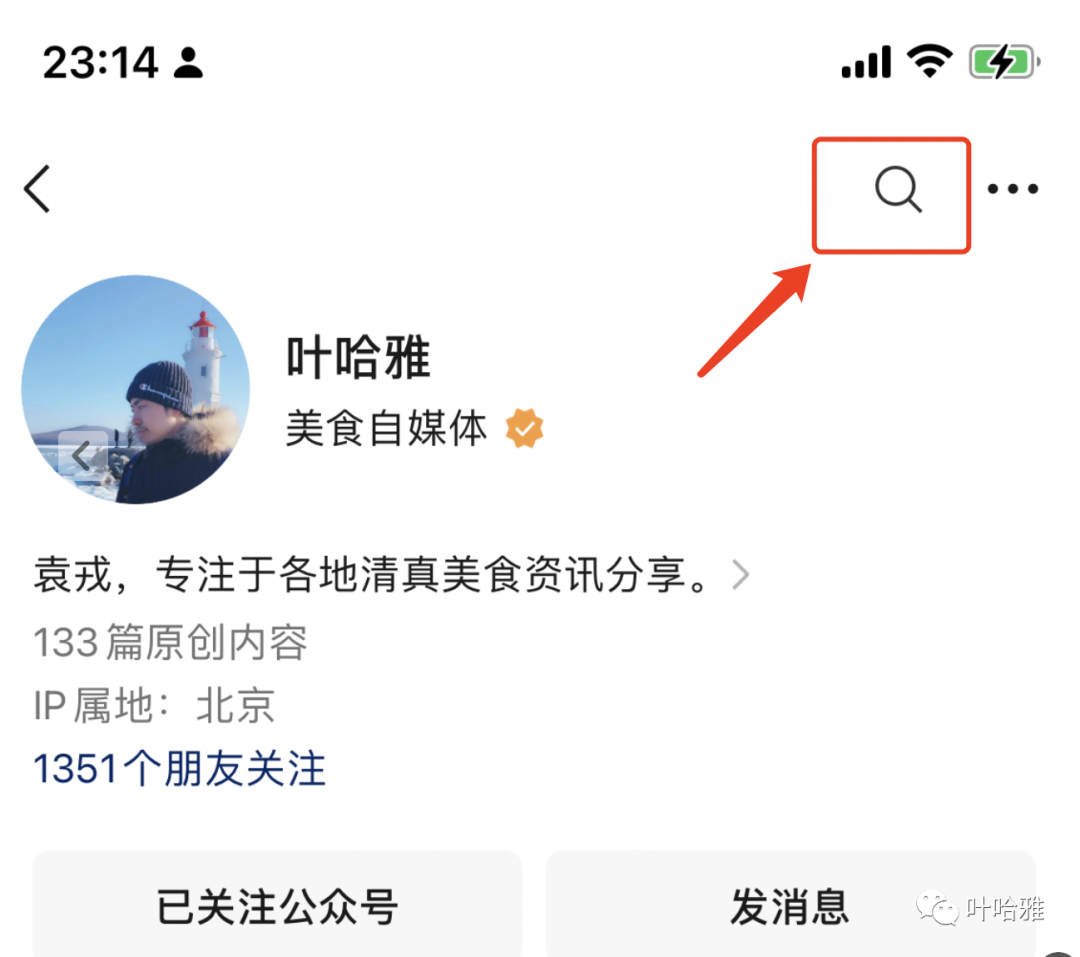
The WeChat official account has a search feature. Just tap the search icon in the top right corner of the homepage to look for articles using keywords. This works for all official accounts, so there is no need to set up automated keyword replies in the backend. I always see all sorts of strange words in the backend, and I really cannot reply to them all.
1. Hengxingxiang
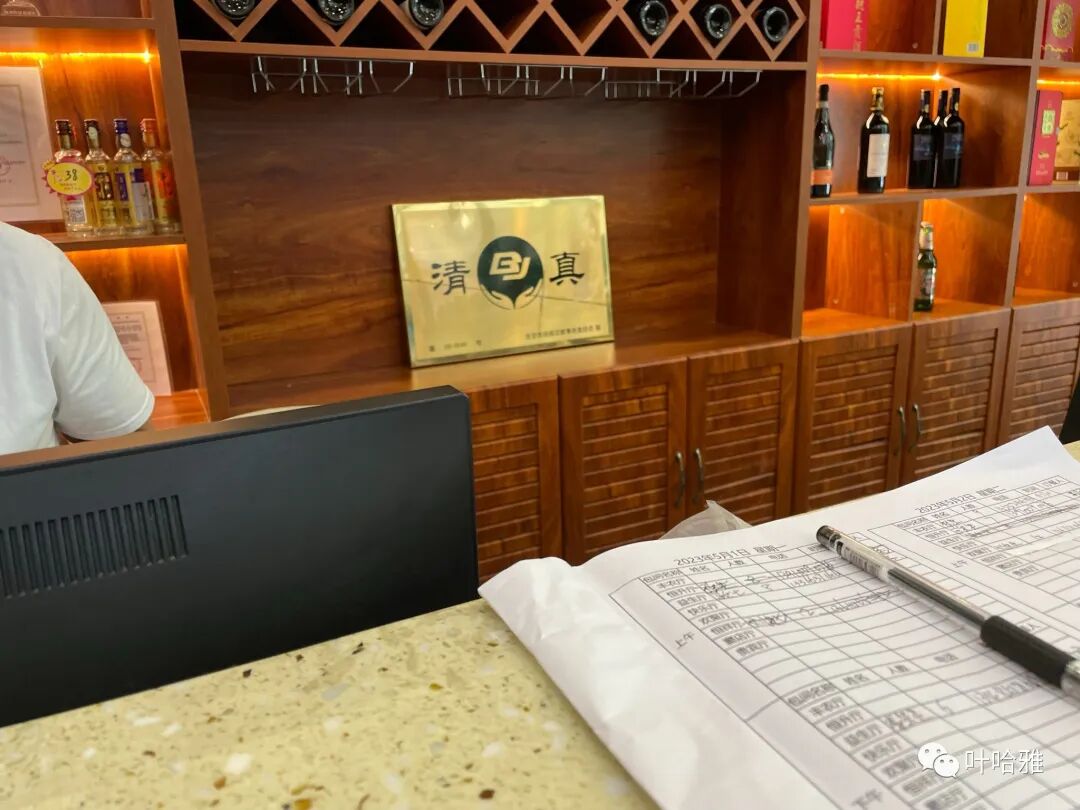
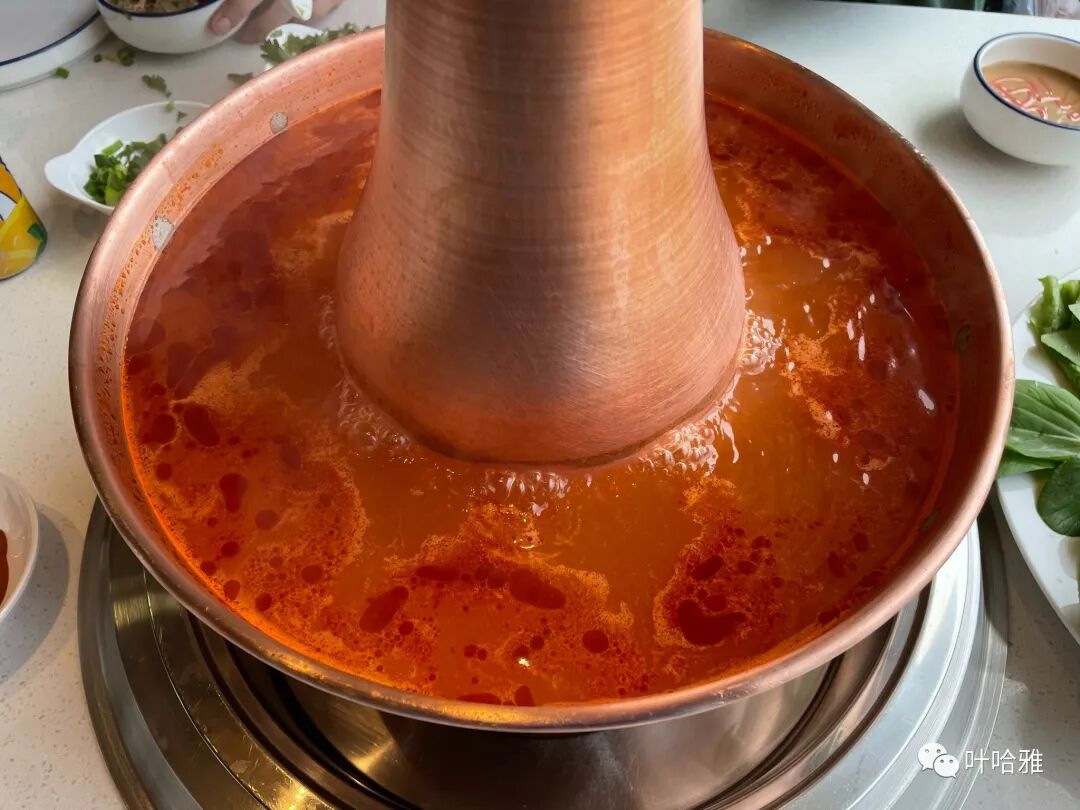
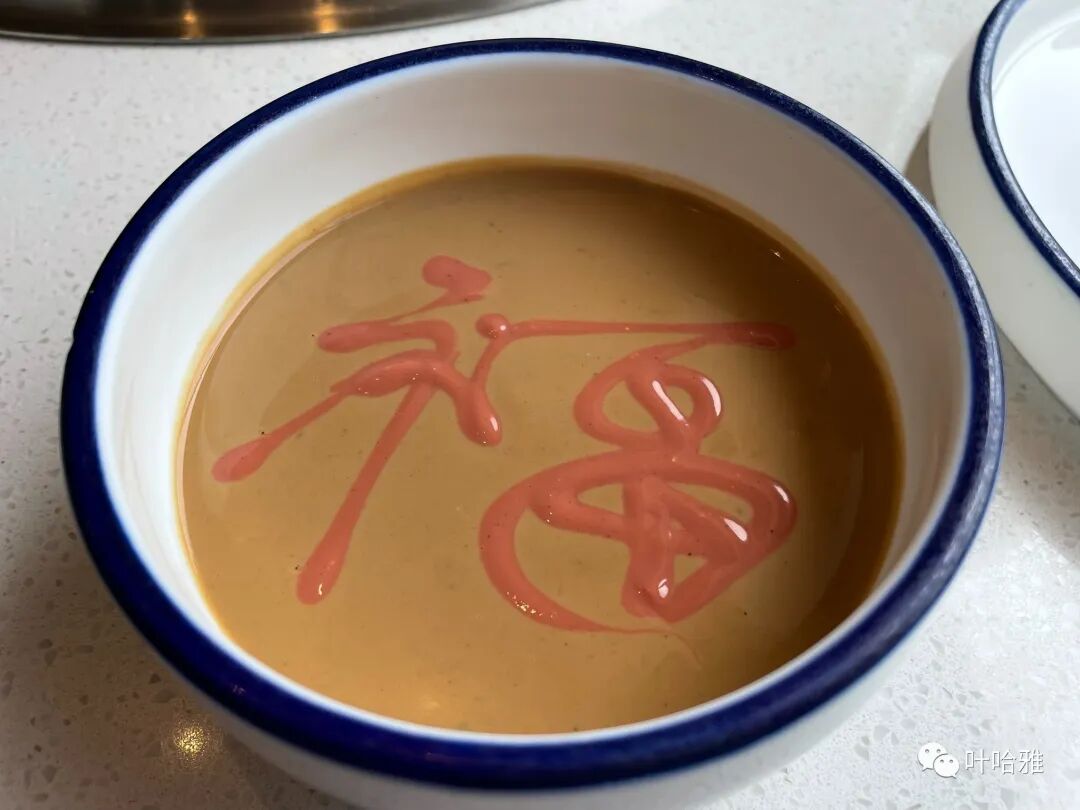
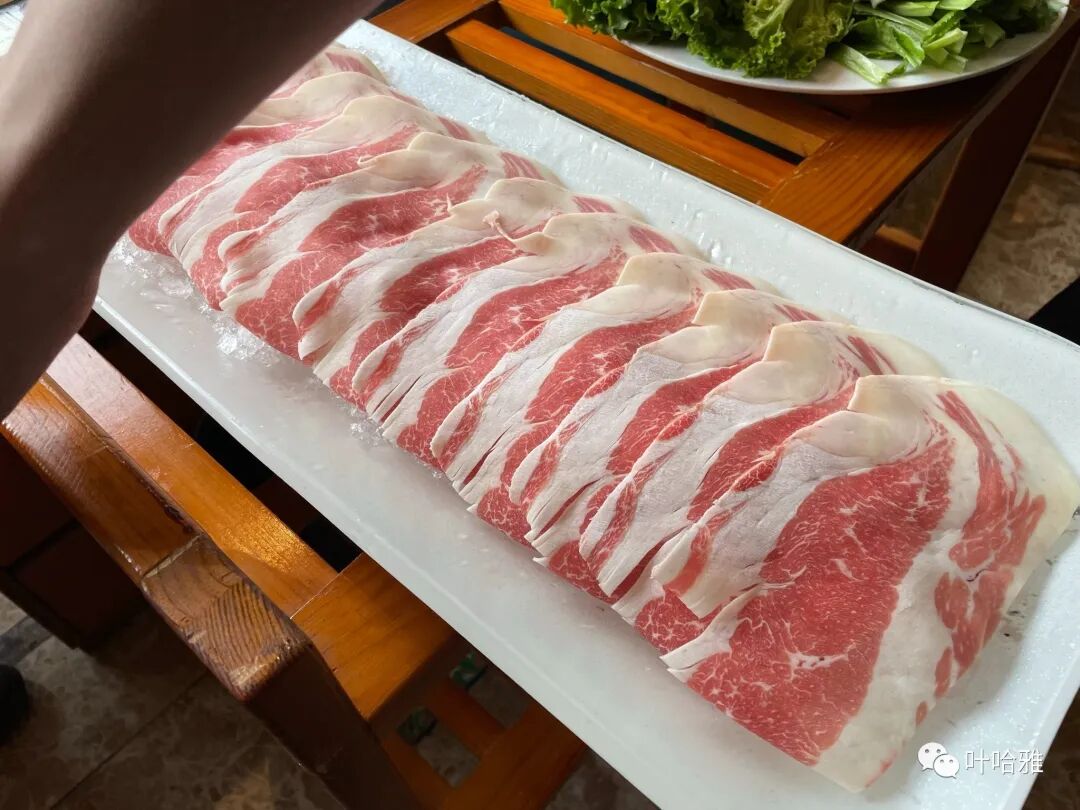
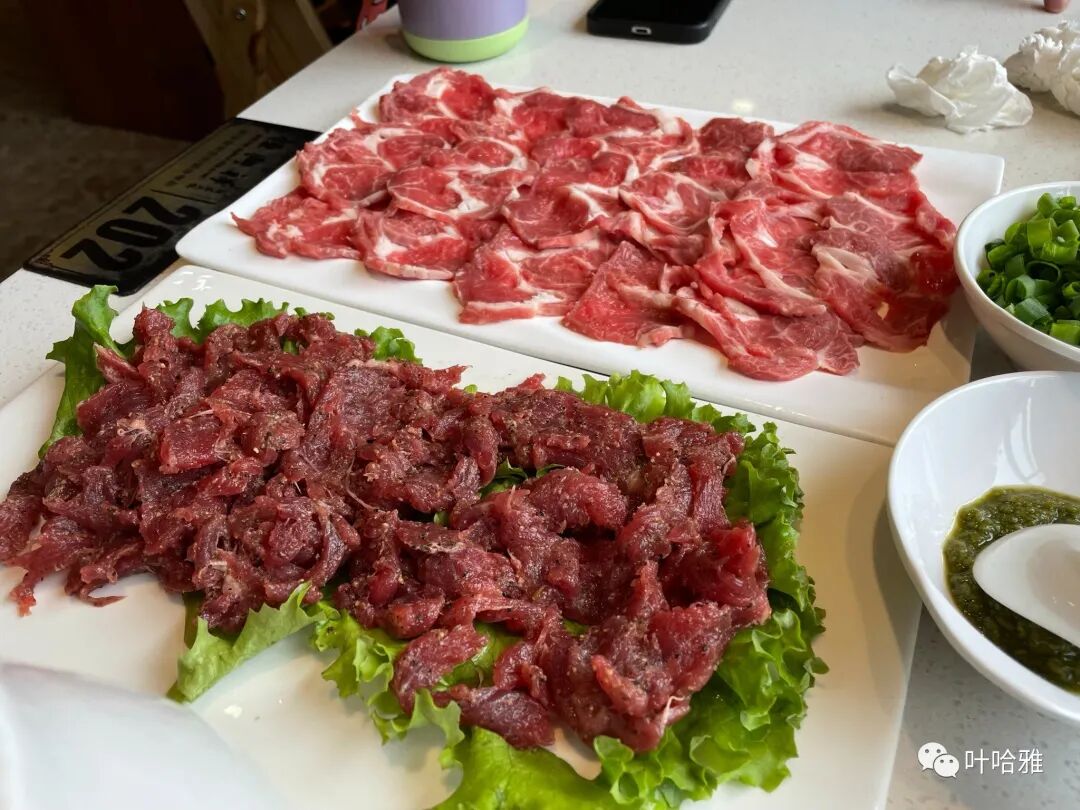
This is a Beijing-style hot pot restaurant. The meat tasted great while I was eating. When I paid the bill, I noticed the payee was Doudian Yisheng. I asked, and it turns out it is run by the Doudian Yisheng beef and mutton shop, which also has a stall selling beef and mutton on Niujie Street.
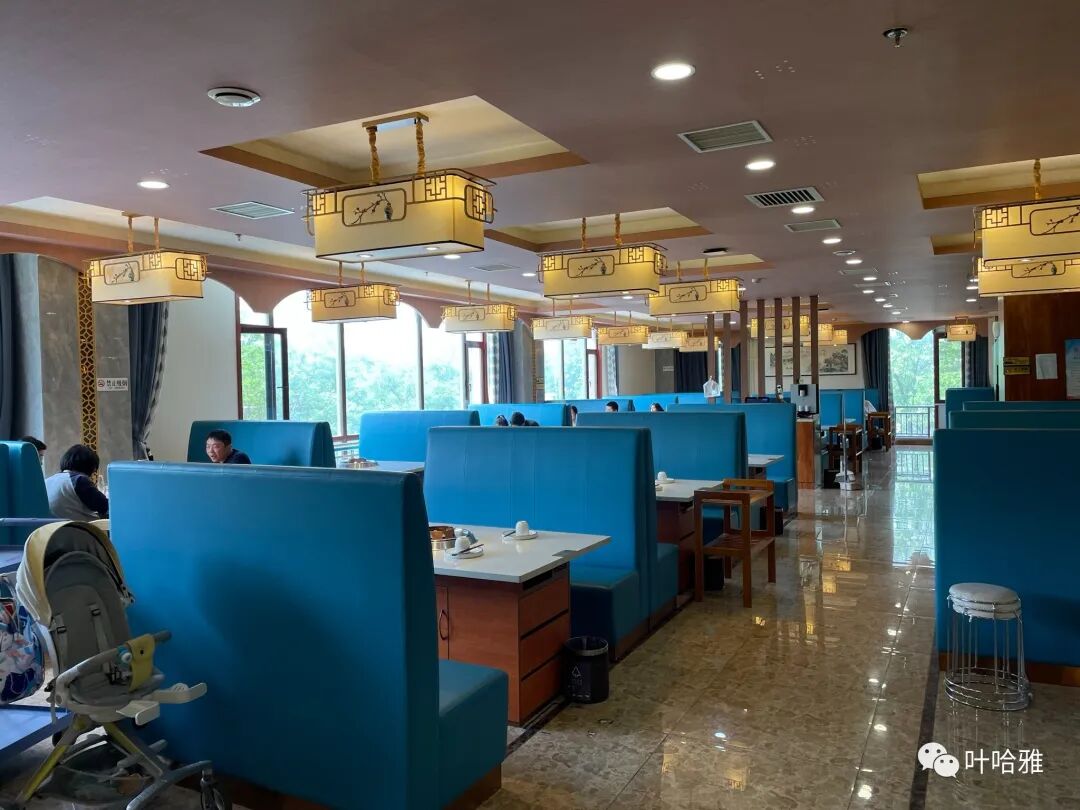
The restaurant is in Fangshan and is quite large with two floors. I heard they have live vegetables, which are hydroponic greens brought straight to your table for the hot pot. They are incredibly fresh, though I did not get to try them when I visited.
Aorta (huanghou)
Their sesame flatbread (shaobing) is delicious, soft, and unique. I recommend trying one. There is free parking at the entrance; just tell the security guard you are there to eat.
2. Yinsha Halal Restaurant
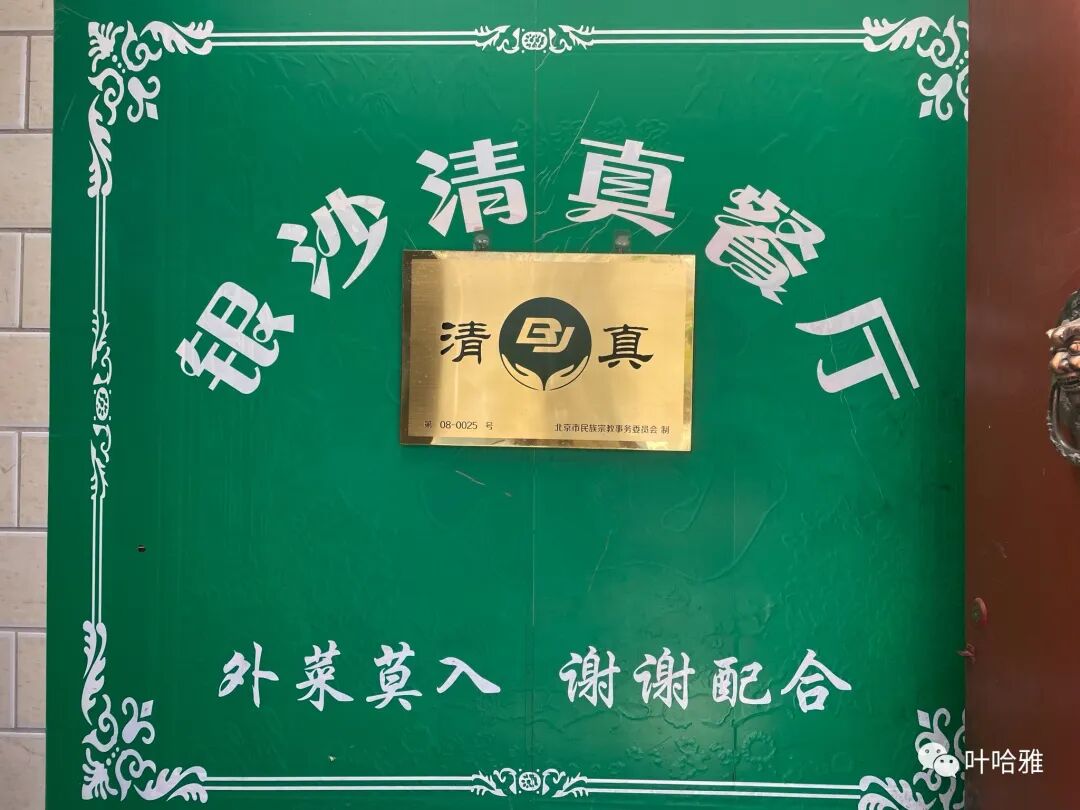
Shidu in Fangshan is a beautiful summer retreat in the Beijing suburbs. I found three halal restaurants along the road between Badu and Jiudu. This Yinsha Halal Restaurant is run by a friend from Kashgar (adaxi) and is located in Jiudu. These restaurants all offer lodging.
They serve traditional large Xinjiang dishes as well as local farm-style food, such as grilled rainbow trout and stir-fried wild vegetables.
The family from Xinjiang was preparing lung and tripe (mianfeizi) for Eid al-Fitr that day and even invited us to taste it.
Deep-fried prickly ash buds (zhahuajiaoya)
Stir-fried river shrimp (chaohexia)
Grilled rainbow trout (kaohongzunyu)
3. Muyi's House
This is a halal Beijing-style restaurant in Badu, and the owner is a Hui Muslim from Fengtai.
We ordered a few traditional stir-fried dishes, but they were all quite salty. We prefer lighter flavors, so keep that in mind. The Shidu tofu is a specialty dish and it tastes quite good.
Shidu tofu (shidudoufu)
Egg sauce noodles (jidancuanmian)
The egg sauce for these noodles is extremely salty. Add it little by little when you eat. Most people definitely cannot handle the whole serving of sauce.
4. Clam vermicelli (huajiaphen)
This is an unassuming little shop in the Xiguanshi market. It looks very ordinary, but the taste is excellent.
The clam vermicelli is made of glass noodles with clams and some side vegetables. It has a slightly numbing, salty, and savory flavor. You can add chili separately.
You can add any of these side dishes. The portions are small, and one order of large shrimp is just one single shrimp.
The ingredients are quite fresh. The vegetables and seafood cook quickly when blanched, and they taste good.
It comes wrapped in foil and sits on a bowl so you can carry it without burning your hands, because this clam vermicelli (huajiafen) is really piping hot.
5. Huawei Beijing Research Institute Halal Canteen
The Huawei Beijing Research Institute has four halal stalls, and they are owned by the same person as the halal canteen at the Bantian base in Shenzhen.
You can use cash at the big tech company's halal canteen, as long as you can find a way to get inside.
If you have job offers from many big companies and do not know which one to pick, Huawei's halal canteen is a plus.
Huawei employees have a high happiness index. Working and living on the campus is convenient, and the environment is beautiful.
The design style of the canteen and the campus is consistent with the Shenzhen headquarters.
The sour soup dumplings (suantang shuijiao) are really delicious. The last time I had such good sour soup dumplings was in the Muslim Quarter (Huifang) in Xi'an, and these dumplings at Huawei are just as good.
Crispy baked buns (supi kaobaozi)
6. Xiguanshi Halal Night Market
The parking lot at the entrance of Xiguanshi Village in Changping now hosts a halal night market from 5:00 PM to 11:30 PM, which is named Crescent Food Plaza.
The night market is quite large, with four rows of food stalls on both sides offering dozens of different halal dishes.
Various deep-fried snacks.
Grilled meat on a round iron plate (zhizi kaorou) and grilled fish.
All kinds of small snacks.
Steamed chicken in chili sauce (koushuiji).
Teppanyaki.
The grilled squid from the teppanyaki stall is delicious.
Japanese-style desserts.
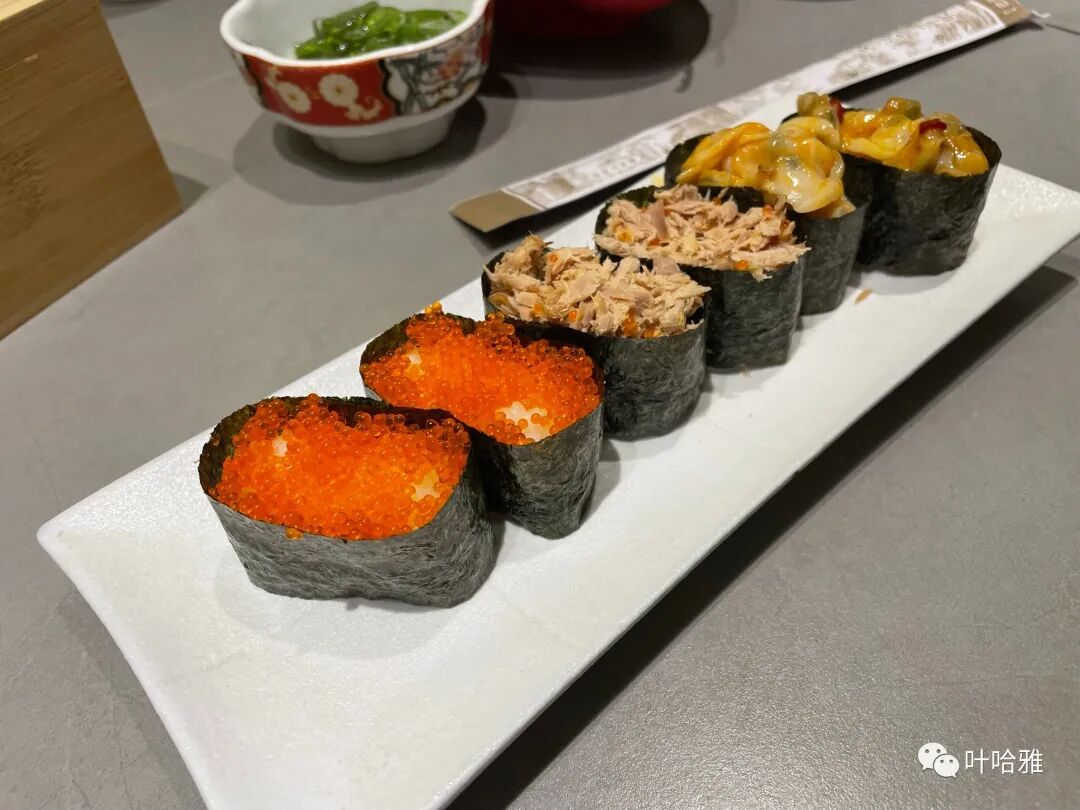
They have fresh salmon sashimi and sushi.
Electric-grilled skewers and mung bean jelly noodles (liangfen).
Deep-fried stinky tofu (zha chou doufu).
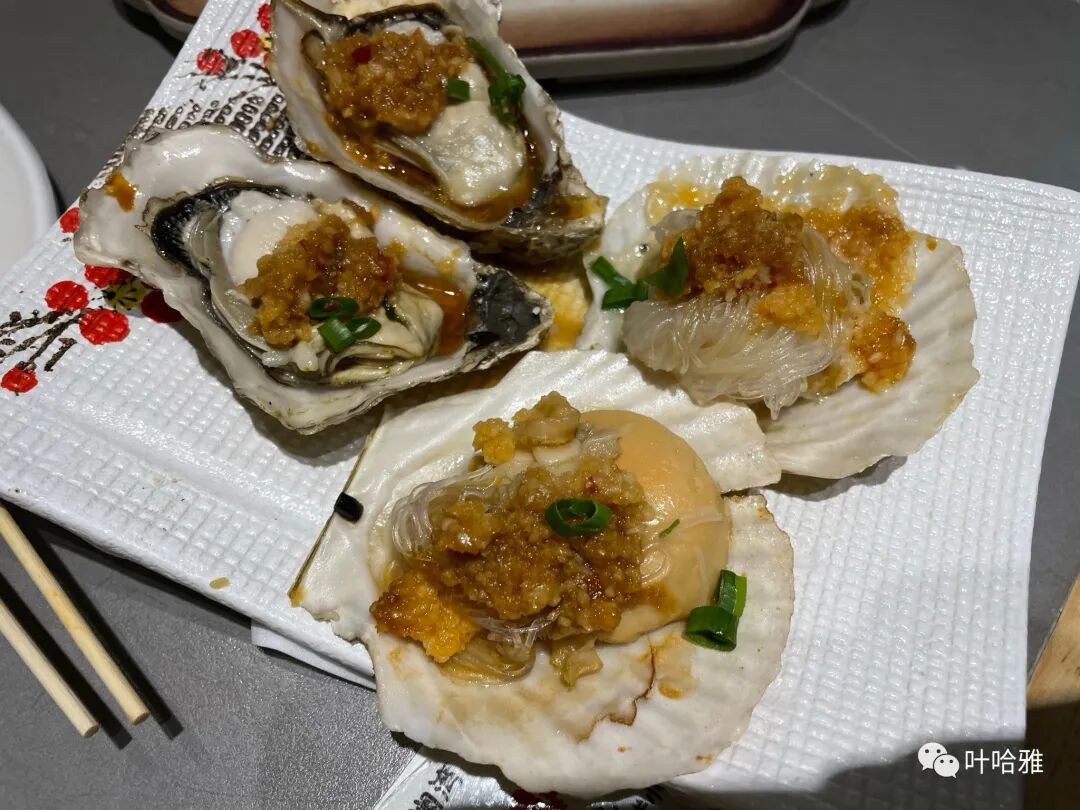
Grilled oysters and grilled scallops.
Pot-pot chicken (boboji).
Pot-pot chicken (boboji) is a dish of cold skewers that are already cooked.
Fruit salad (shuiguolao).
Charcoal-grilled skewers.
Iced jelly (bingfen) and ice cream.
We tried almost everything at the night market. It was not cheap, and the three of us spent over 400 yuan. The Japanese food and grilled skewers were the most expensive, with two stalls costing over 200 yuan. Of course, there are cheaper ways to eat there.
7. Yuejing Lanwan Japanese Buffet Restaurant.
This is a halal bathhouse that opened recently in Changying, and the Japanese buffet inside is a halal restaurant. You can choose a bath and buffet package for 199 yuan, or just come for the Japanese buffet. The buffet with sashimi is 165 yuan, and the one without is 127 yuan. You can buy group deals on Douyin by searching for "Yuejing Japanese Buffet".
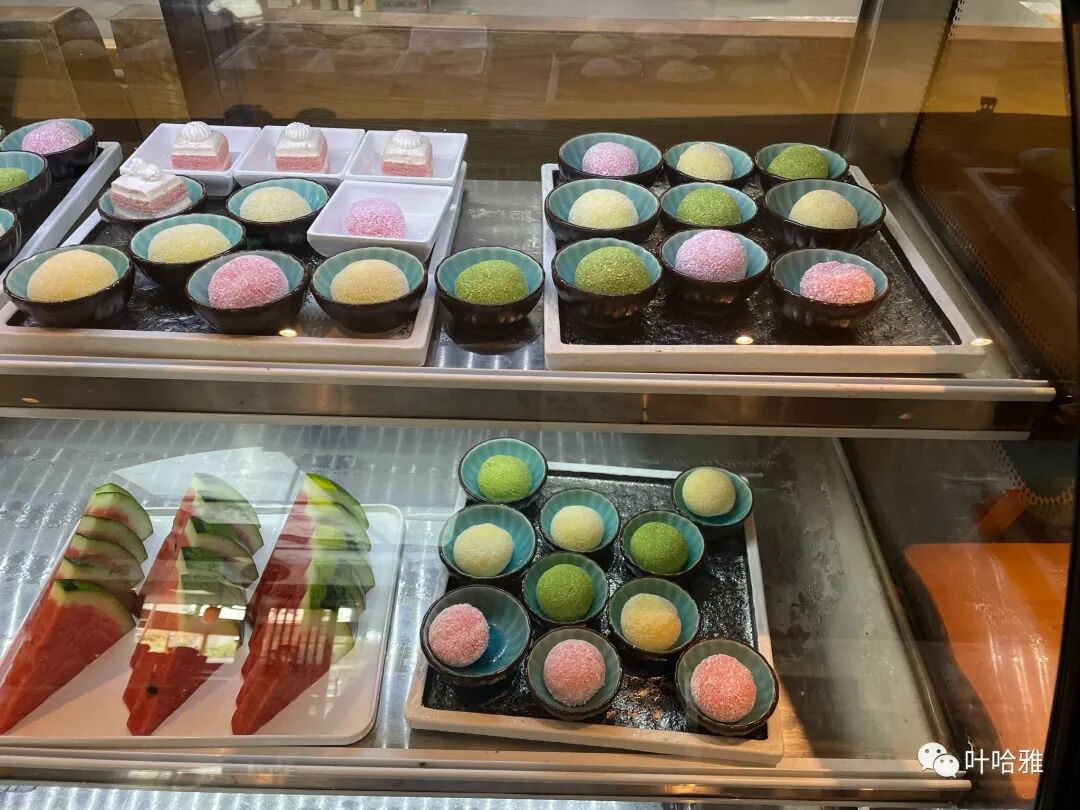
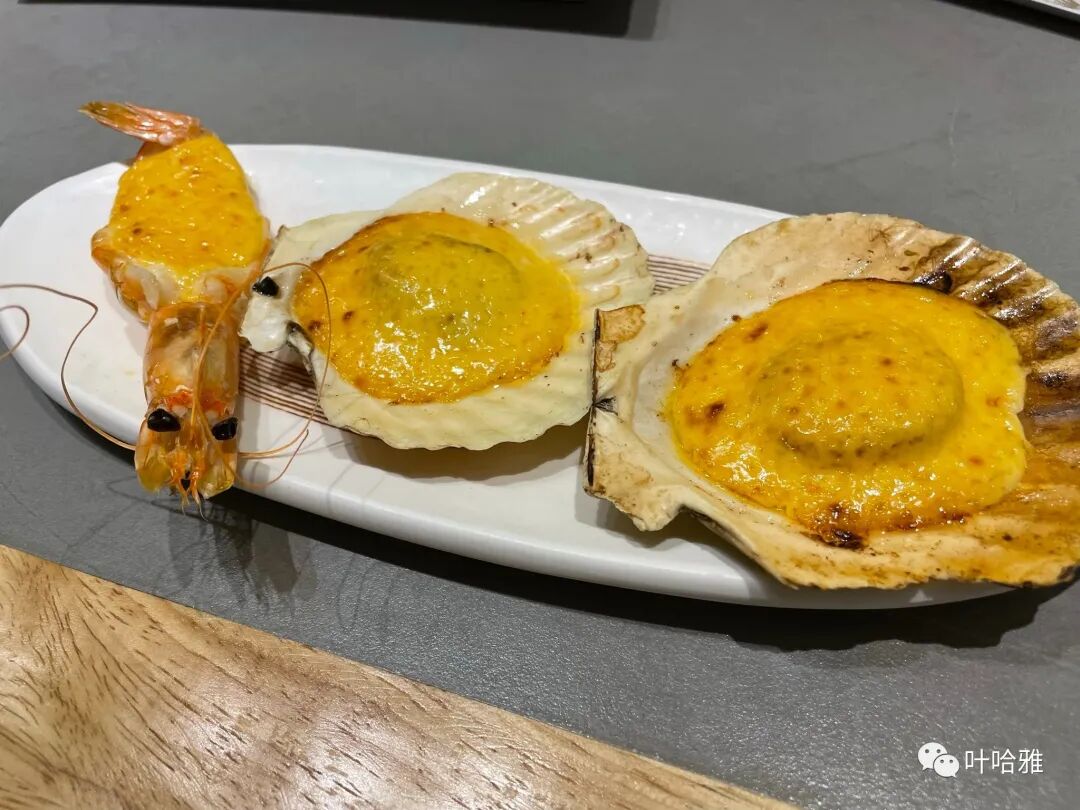
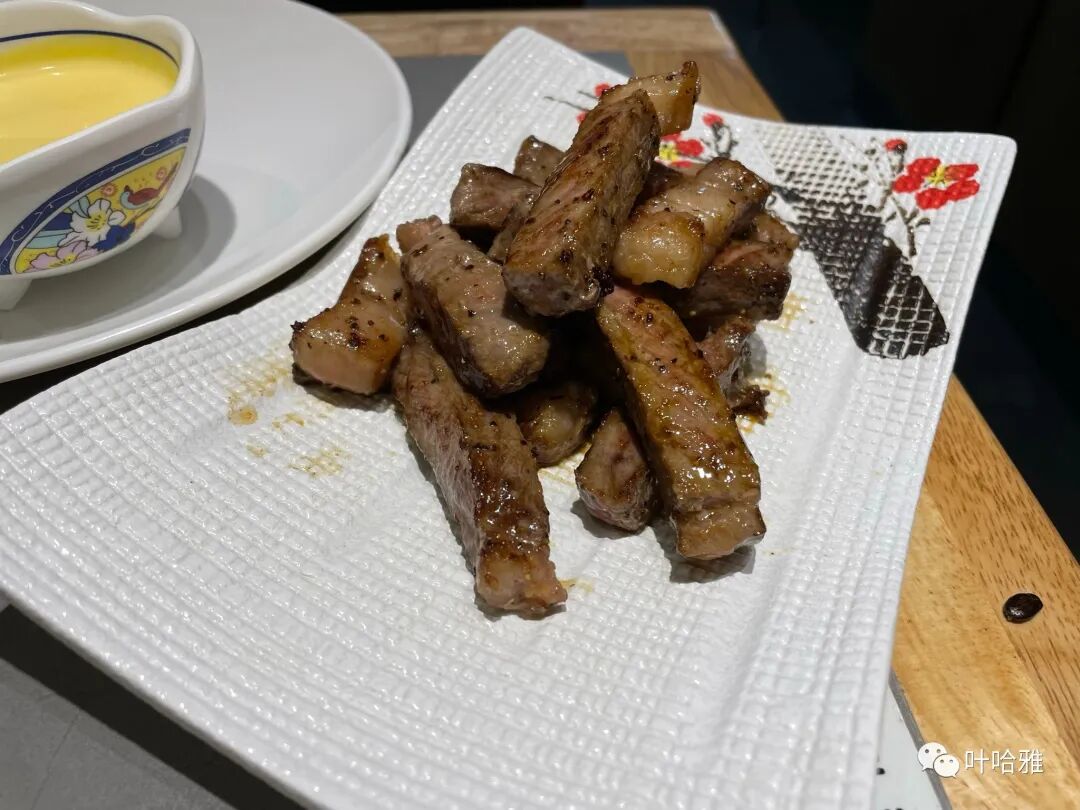
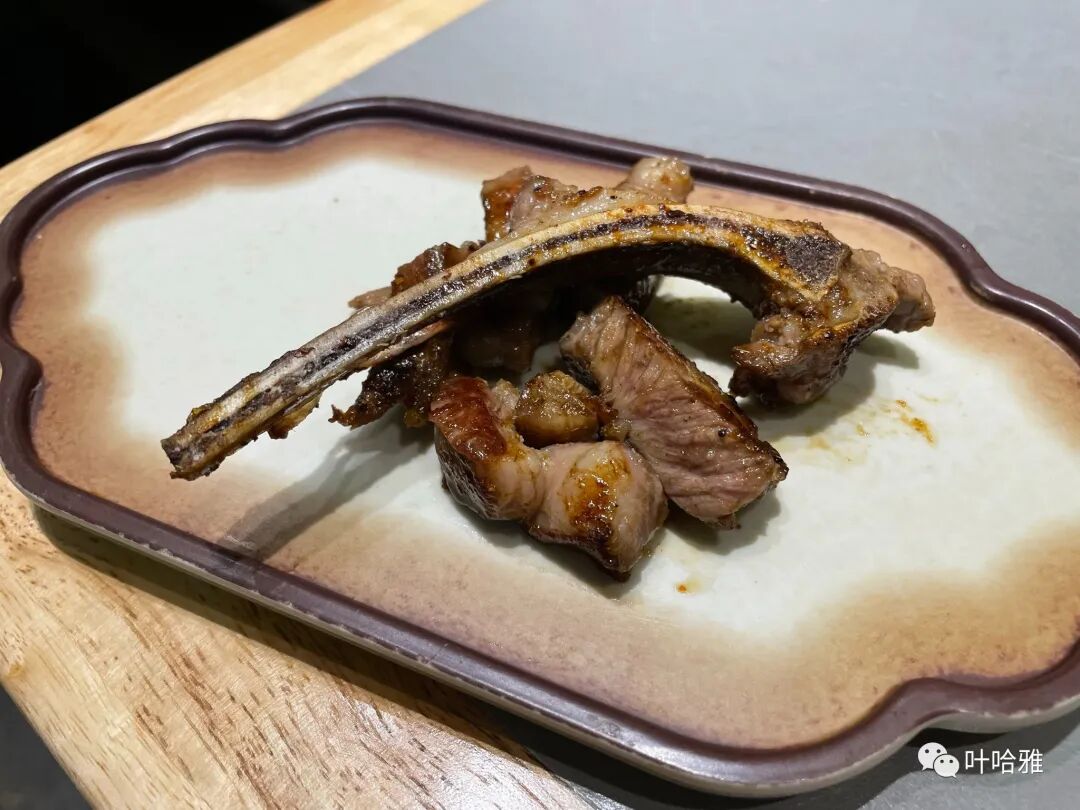
Even though it is a buffet, the food quality is just as good as ordering a la carte. You scan a code to order whatever you want. Each dish is made as a single serving, prepared fresh when you order, and you can eat as much as you like. I think the lamb and seafood at this restaurant are excellent, and the desserts are high quality too. It is a great value.
The third-floor lounge has an entertainment area and a self-service station for fruit and drinks. Everything is unlimited, and there is plenty of Yili ice cream.
The lounge at this bathhouse isn't as nice as the one at Shuiguo Tangquan, but it is much cheaper. The Japanese restaurant here is a great deal. If you ordered these dishes separately, they would be expensive, but they are very affordable as part of the set meal. There is free parking at the entrance and a children's play area, so it is a good place to bring kids.
8. Beijing University of Posts and Telecommunications Ethnic Restaurant
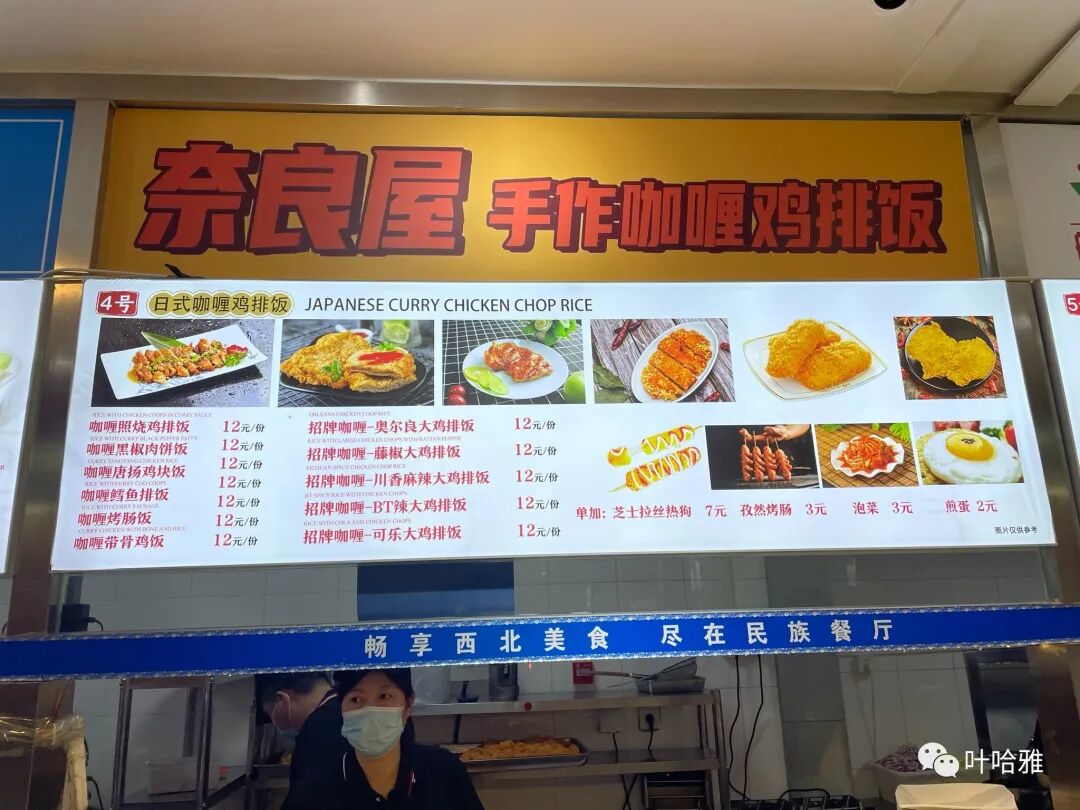
The halal canteen at BUPT is called the Ethnic Restaurant. The owner is from Lanzhou. I came to BUPT because they have halal snail rice noodles (luosifen). This is my first time eating halal luosifen in Beijing. I prepared myself mentally on the way here, thinking it would smell very strong. When I actually ate it, I didn't think it was bad at all. It just had a strong smell of pickled bamboo shoots, and it was quite tasty. You can add fried eggs and side dishes to it.
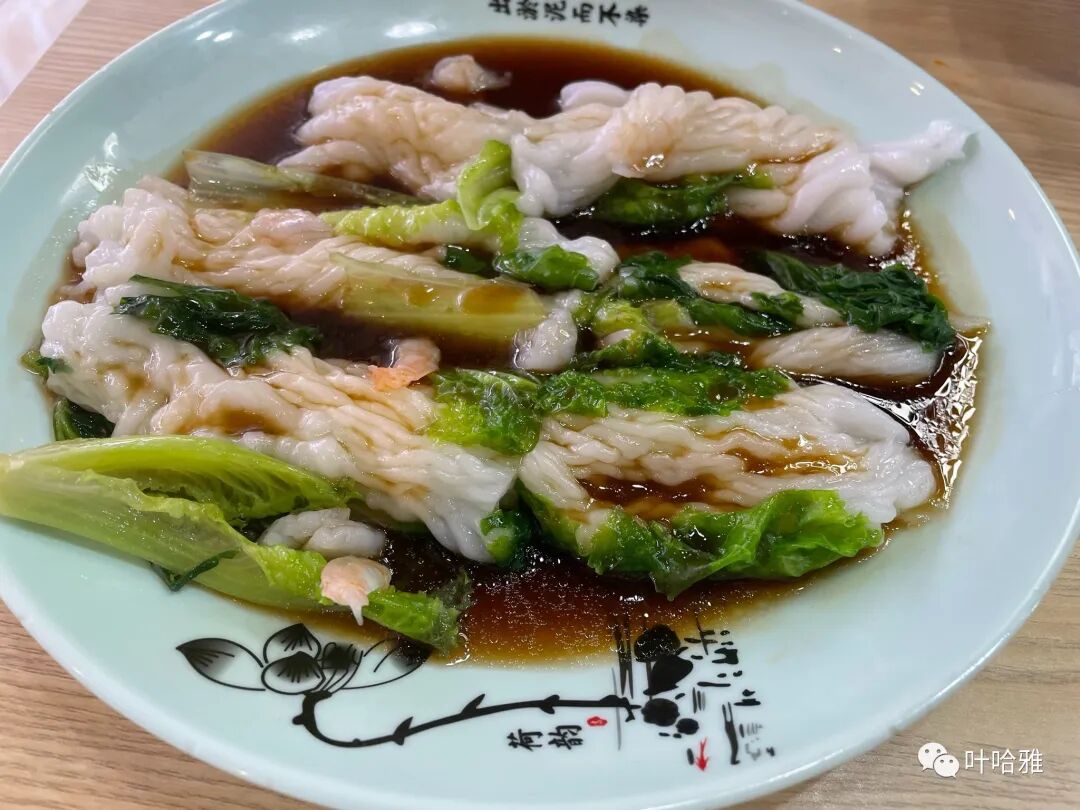
The Ethnic Restaurant has a lot of good food. We also had steamed rice rolls (changfen), and the price was so low it felt like it was free. BUPT students are really lucky.
The campus isn't fully open yet, so you have to find a way to get in if you want to eat here.
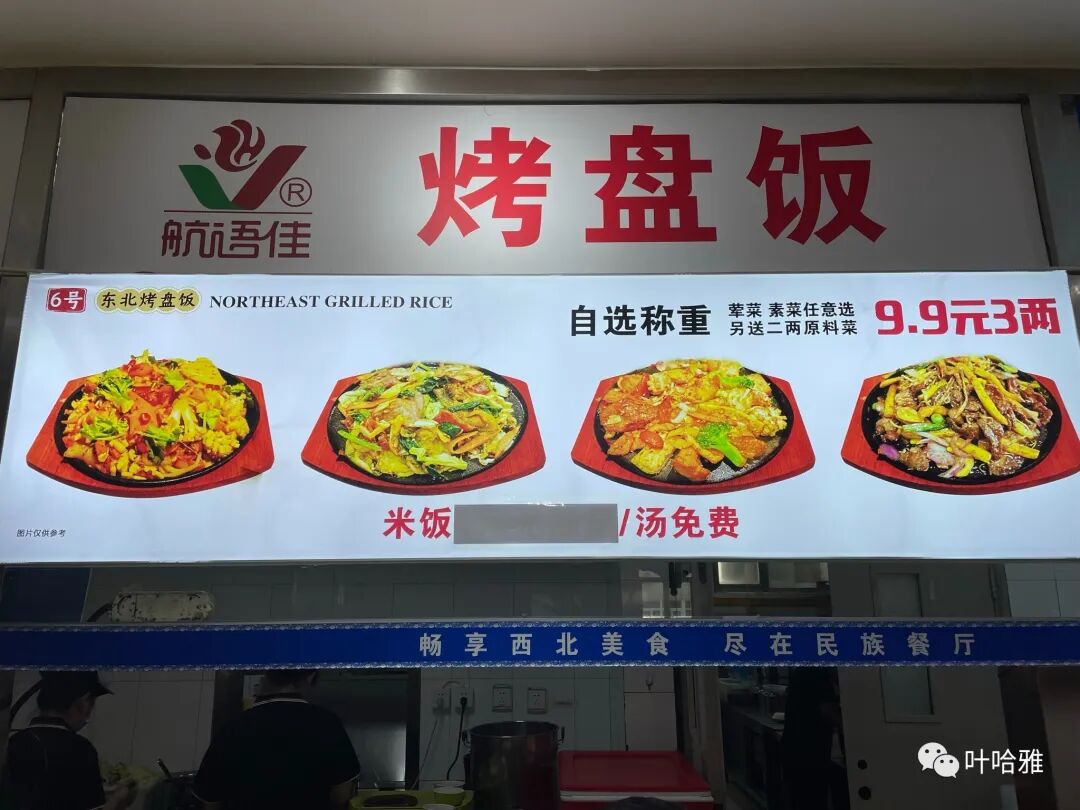
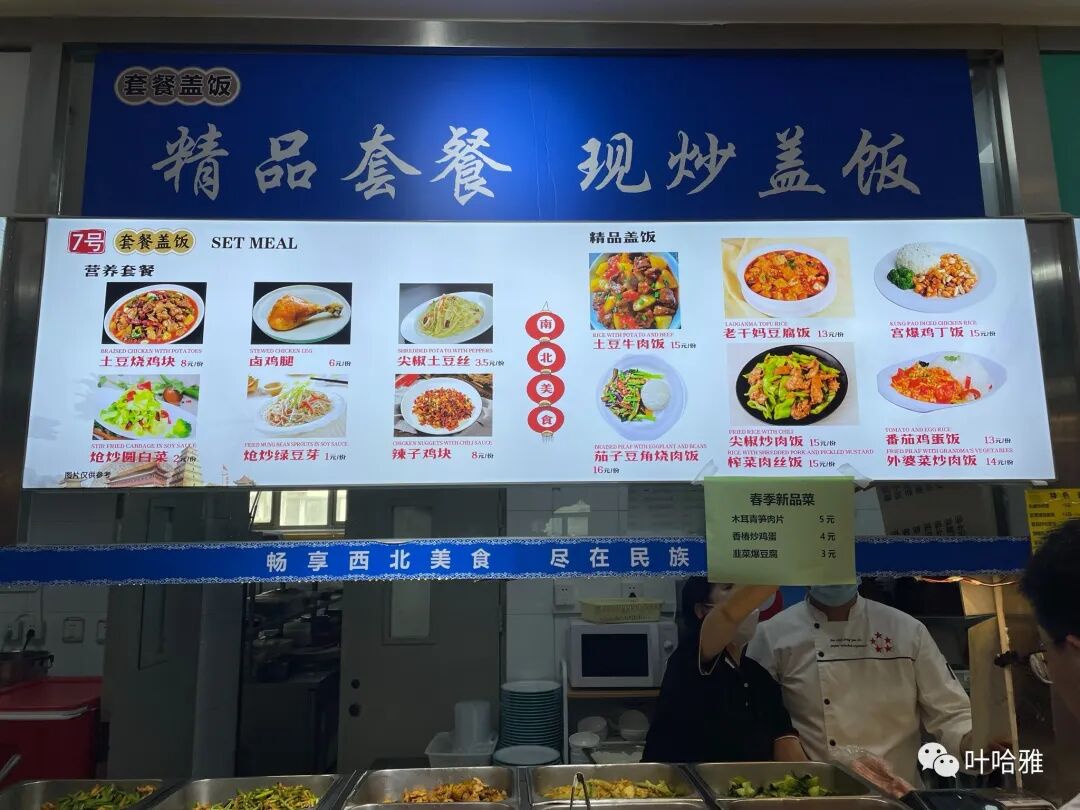
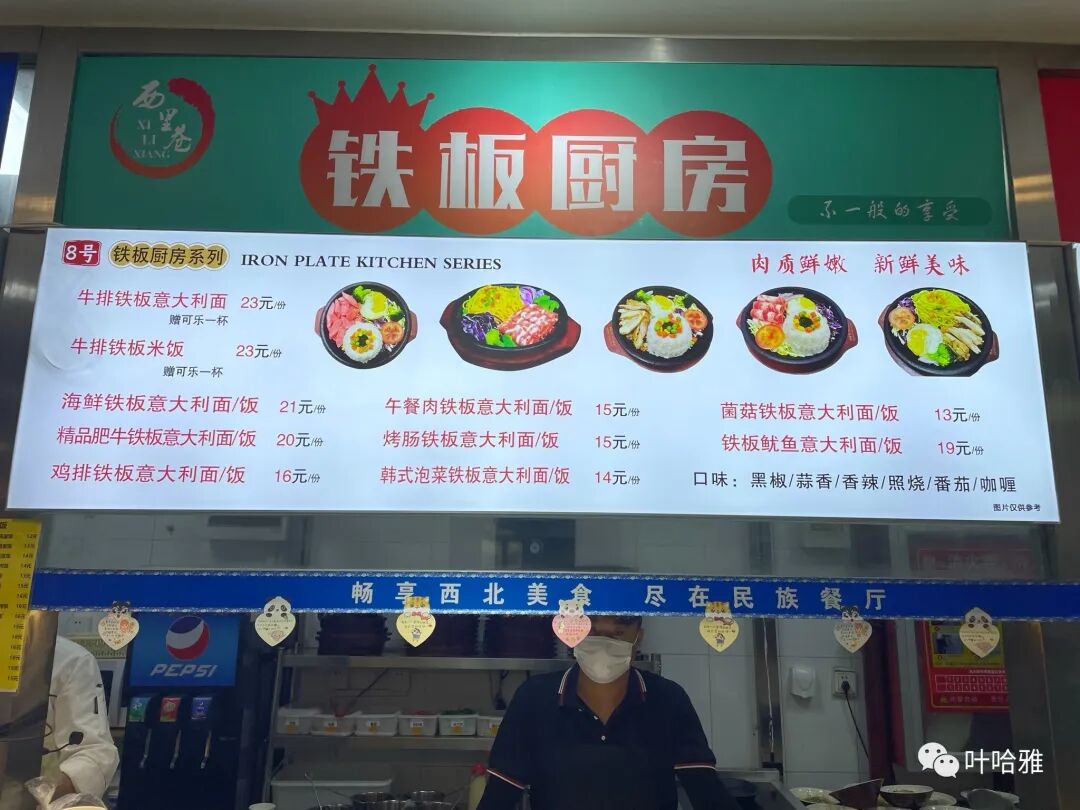
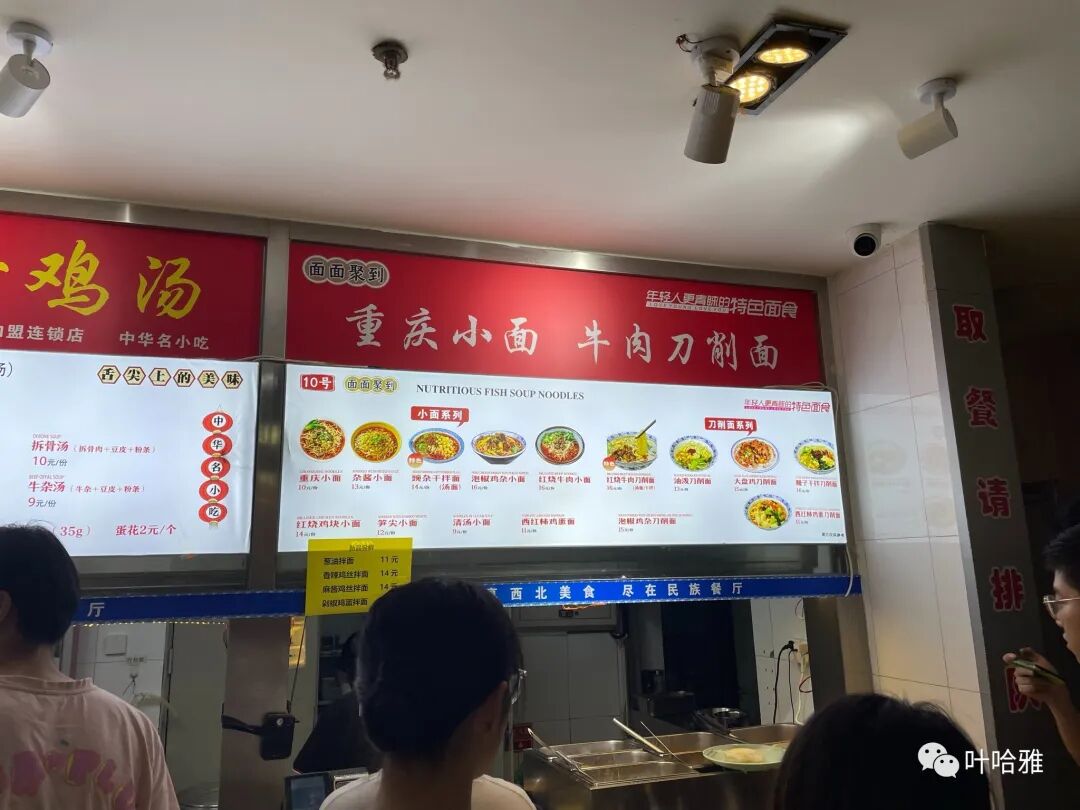
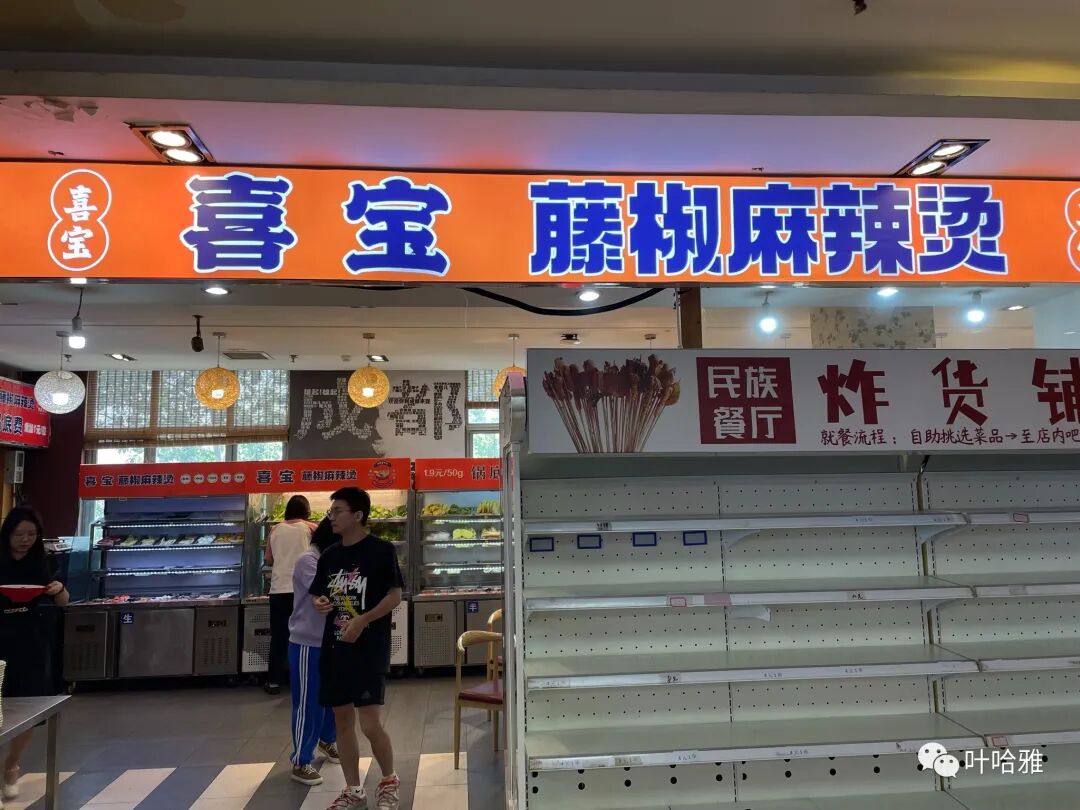
Here are some other stalls at the BUPT Ethnic Restaurant, including Chongqing spicy noodles (chongqing xiaomian). I have eaten at many university halal canteens, and BUPT has the widest variety.
9. Peking University Tongyuan
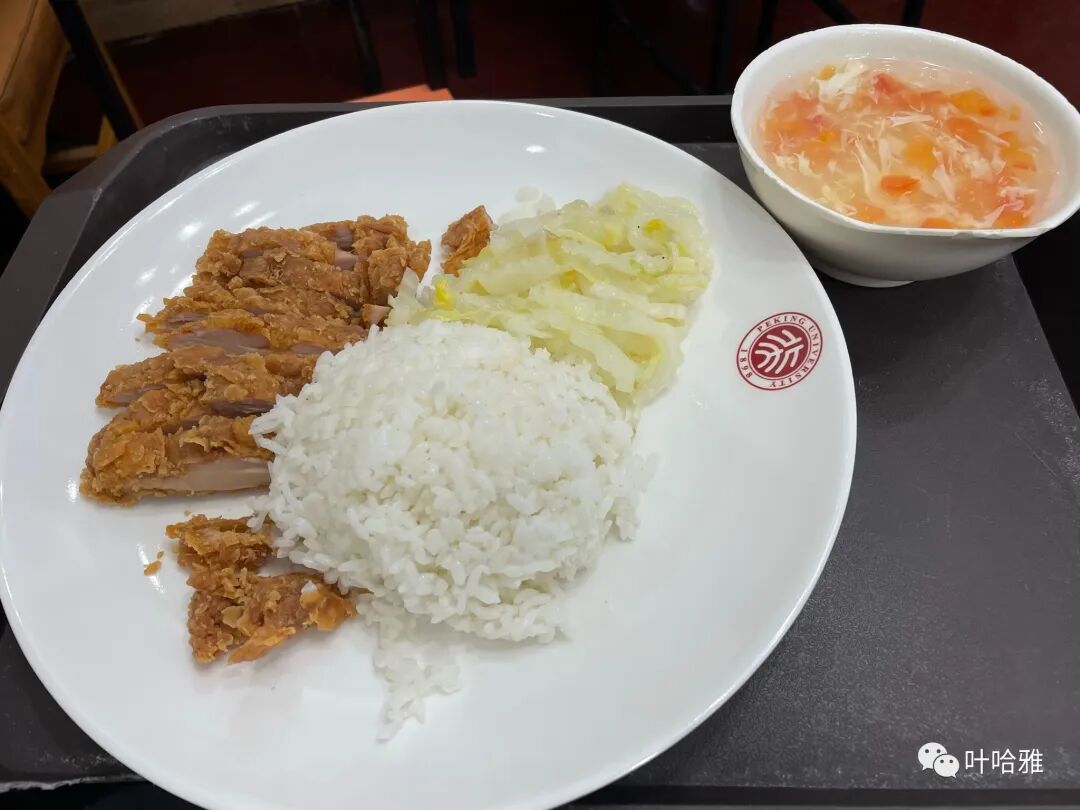
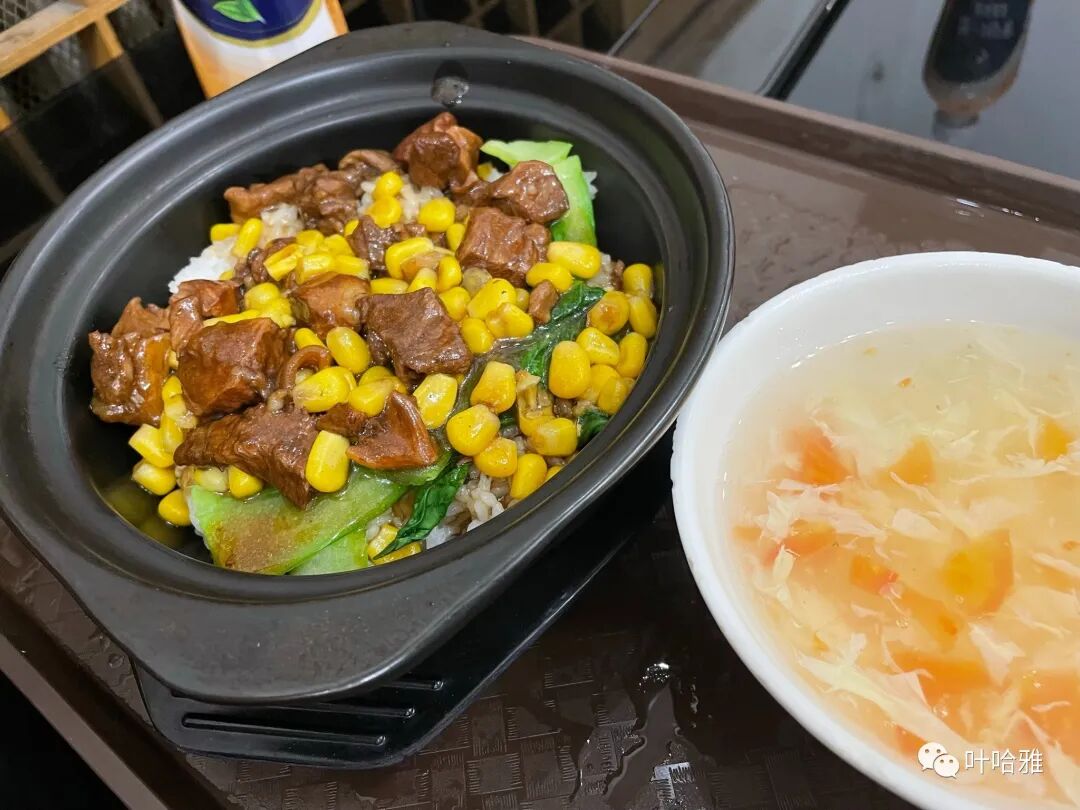
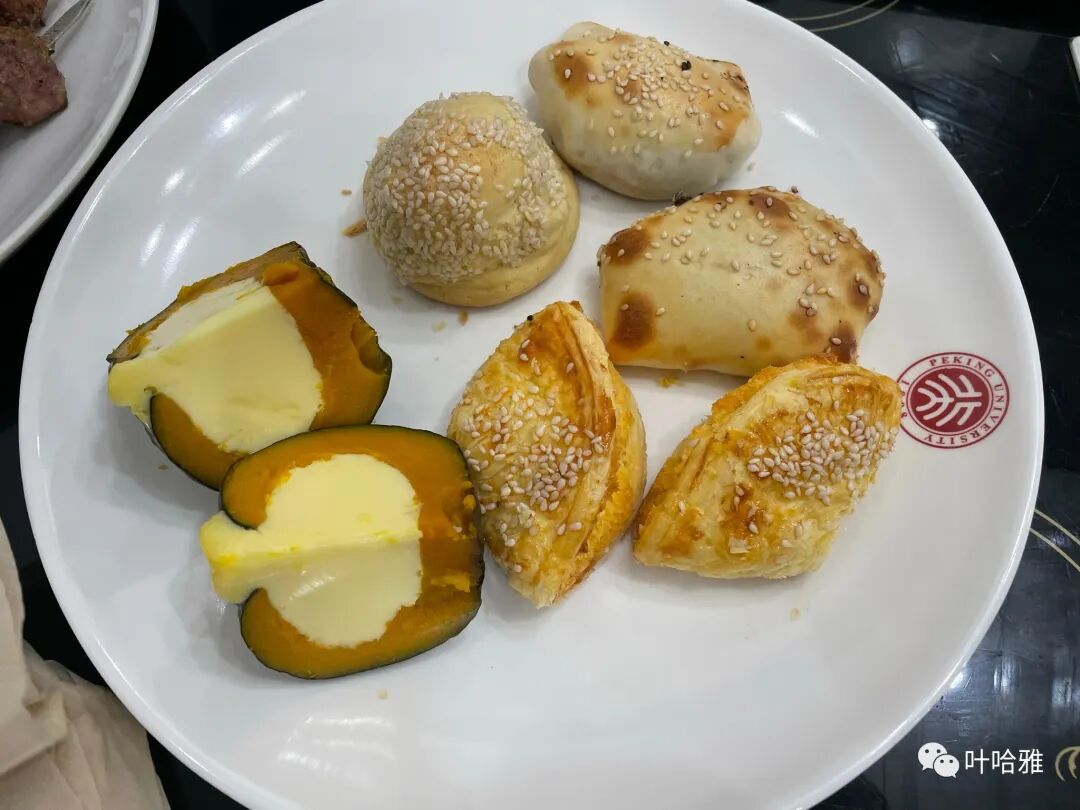
The history of PKU Tongyuan goes back to 1946. That year, PKU established the Department of Oriental Languages and the Department of Arabic. Professor Ma Jian proposed building a canteen for Hui Muslims at PKU. It was the first canteen for Hui Muslims built at a Beijing university and was named the PKU Dongfanghong Hui Muslim Canteen. Later, because the number of Muslim students at PKU increased rapidly, the canteen wasn't big enough. In 1986, PKU raised 500,000 yuan to build a new 400-square-meter halal restaurant on the site of the old Tong Mansion on campus, naming it the PKU Tongyuan Halal Restaurant.
Looking at the halal restaurants at different universities now, Tongyuan at Peking University is on the smaller side. Because it has limited space, it only serves lunch to ethnic minority students, and you cannot pay without a campus card. However, after dinner, Tongyuan opens up to all students and staff for late-night barbecue.
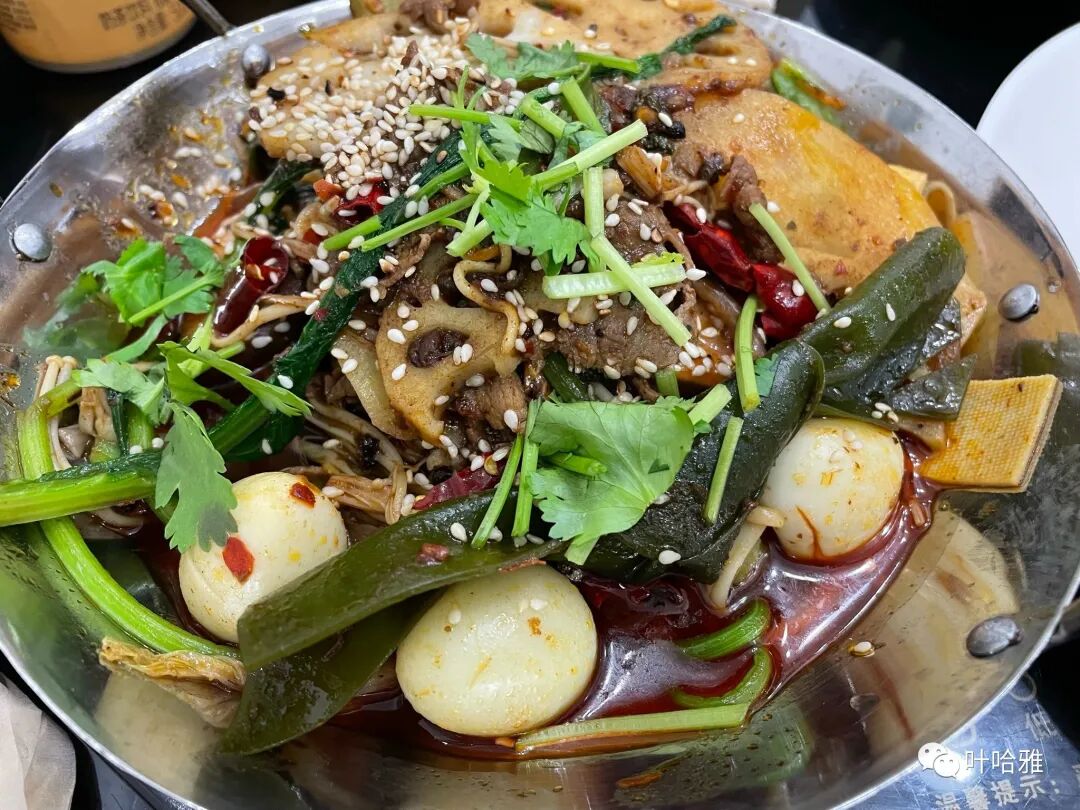
I have been to Tongyuan many times, and they recently added spicy hot pot (mala xiangguo) and spicy soup (malatang) to the menu.
That is the end of this post. The text and photos are original, and unauthorized reproduction is not allowed. view all
Summary: This Beijing halal street food guide maps issue 34, covering Fangshan hot pot, Shidu Xinjiang food, farm-style halal dishes, clam vermicelli, local snacks, and places worth saving for Muslim travelers.
Beijing Halal Food Map (34) is presented here as a firsthand travel account in clear English, beginning with this scene: The WeChat official account has a search feature. Just tap the search icon in the top right corner of the homepage to look for articles using keywords. The account keeps its focus on Beijing Halal Food, Muslim Travel, Middle Eastern Food while preserving the names, places, food, and historical details from the Chinese source.
The WeChat official account has a search feature. Just tap the search icon in the top right corner of the homepage to look for articles using keywords. This works for all official accounts, so there is no need to set up automated keyword replies in the backend. I always see all sorts of strange words in the backend, and I really cannot reply to them all.
1. Hengxingxiang
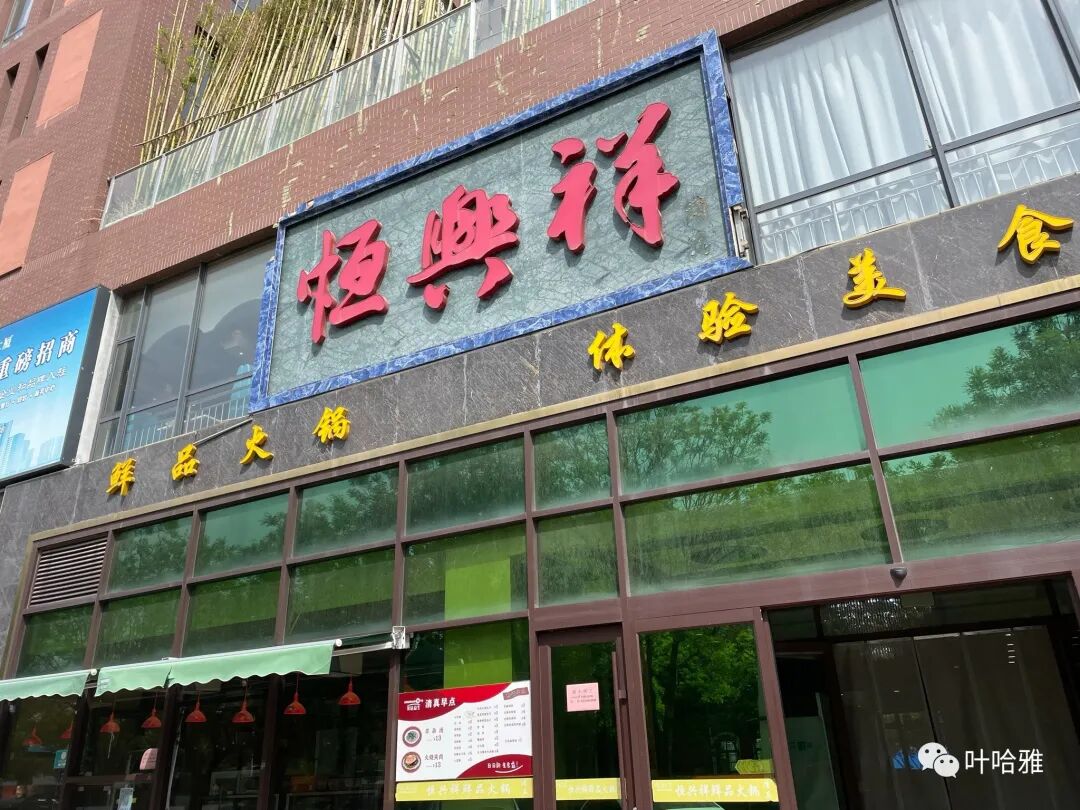
This is a Beijing-style hot pot restaurant. The meat tasted great while I was eating. When I paid the bill, I noticed the payee was Doudian Yisheng. I asked, and it turns out it is run by the Doudian Yisheng beef and mutton shop, which also has a stall selling beef and mutton on Niujie Street.
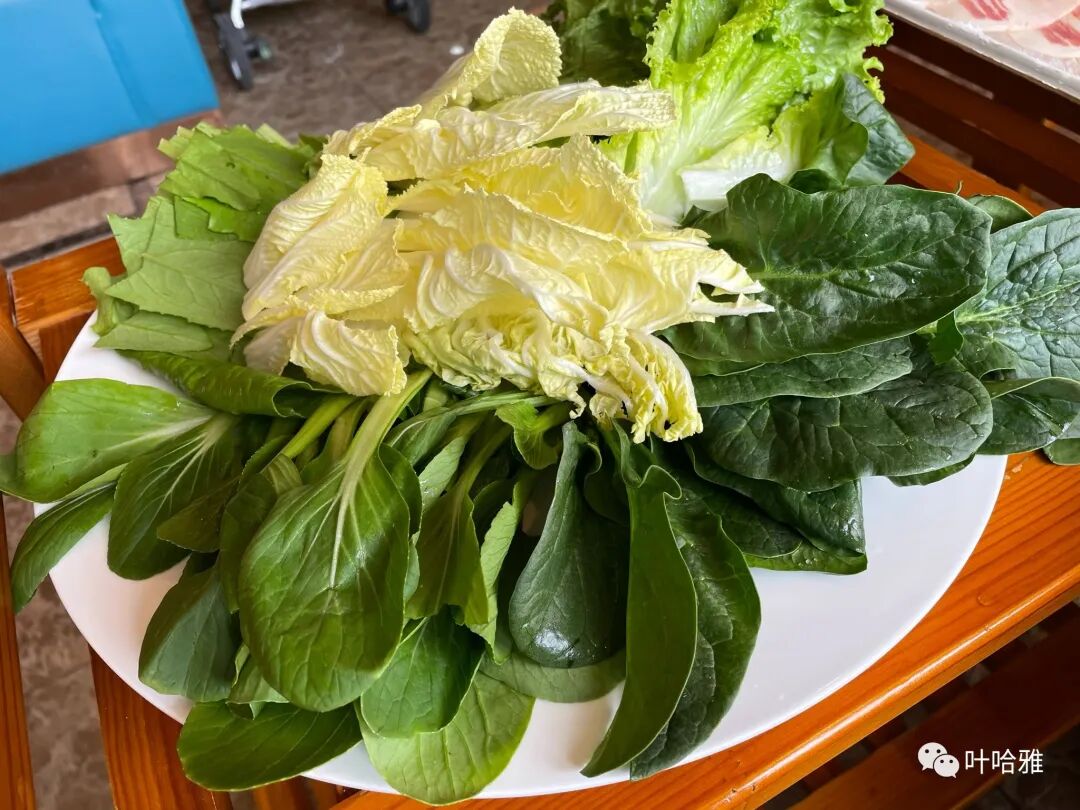
The restaurant is in Fangshan and is quite large with two floors. I heard they have live vegetables, which are hydroponic greens brought straight to your table for the hot pot. They are incredibly fresh, though I did not get to try them when I visited.
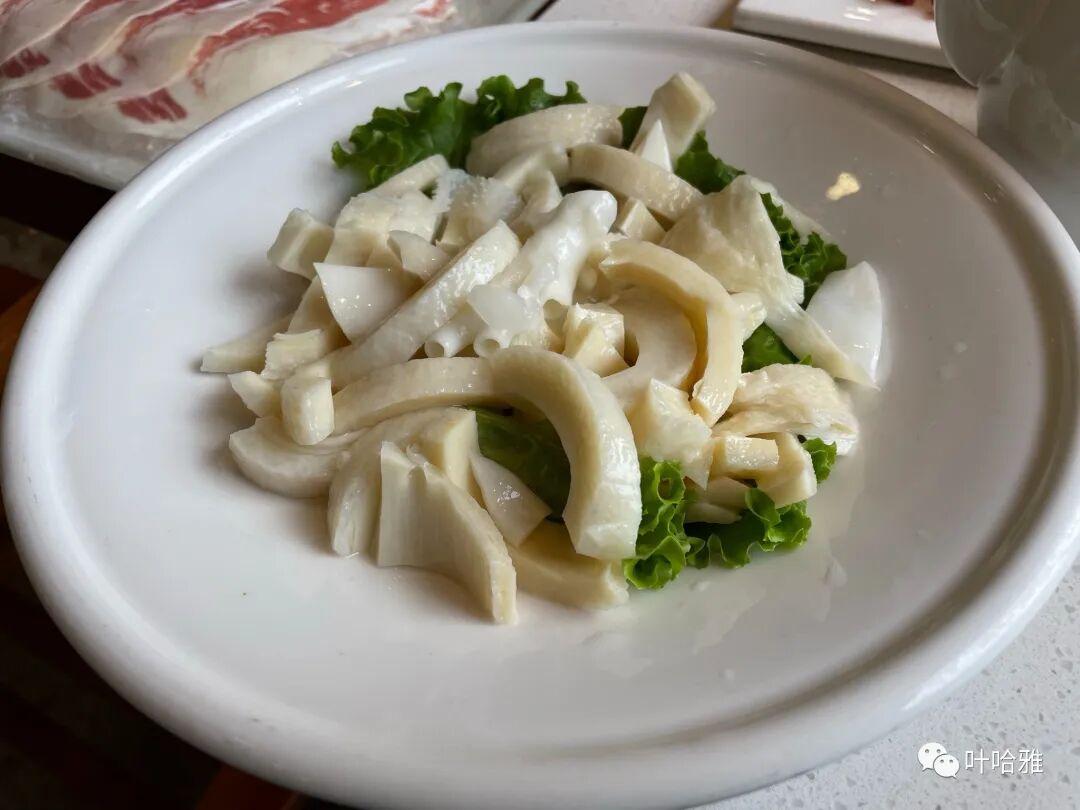
Aorta (huanghou)
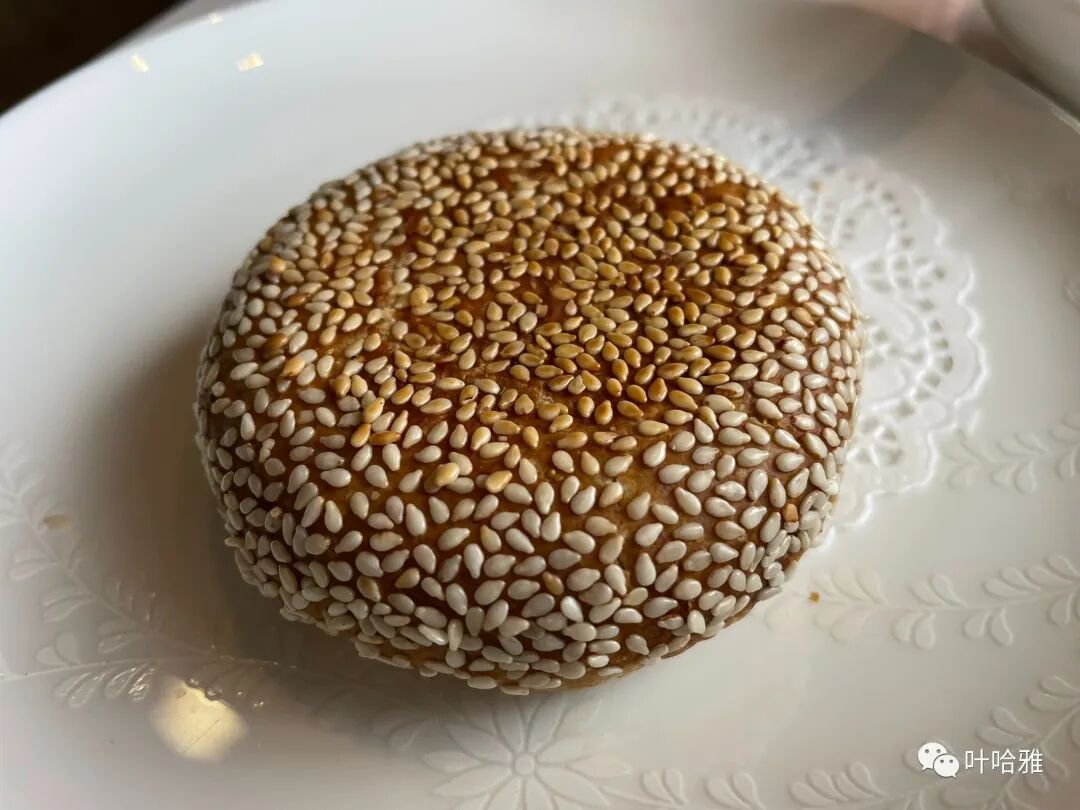
Their sesame flatbread (shaobing) is delicious, soft, and unique. I recommend trying one. There is free parking at the entrance; just tell the security guard you are there to eat.
2. Yinsha Halal Restaurant
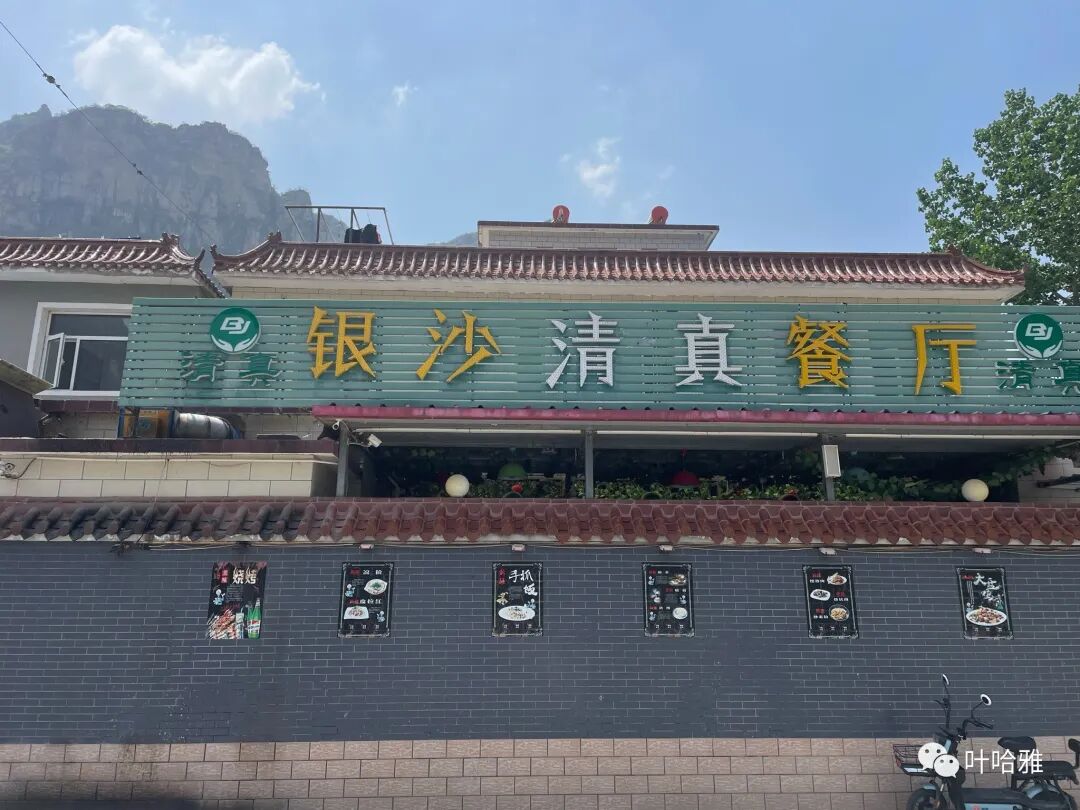
Shidu in Fangshan is a beautiful summer retreat in the Beijing suburbs. I found three halal restaurants along the road between Badu and Jiudu. This Yinsha Halal Restaurant is run by a friend from Kashgar (adaxi) and is located in Jiudu. These restaurants all offer lodging.
They serve traditional large Xinjiang dishes as well as local farm-style food, such as grilled rainbow trout and stir-fried wild vegetables.
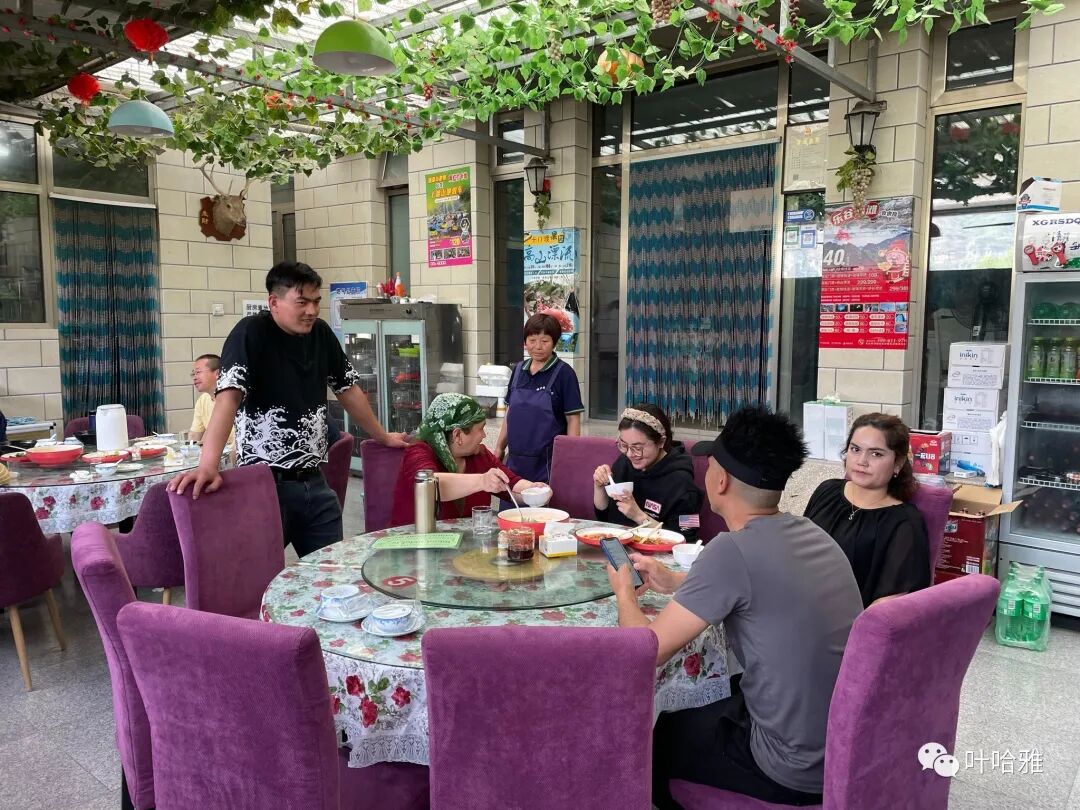
The family from Xinjiang was preparing lung and tripe (mianfeizi) for Eid al-Fitr that day and even invited us to taste it.
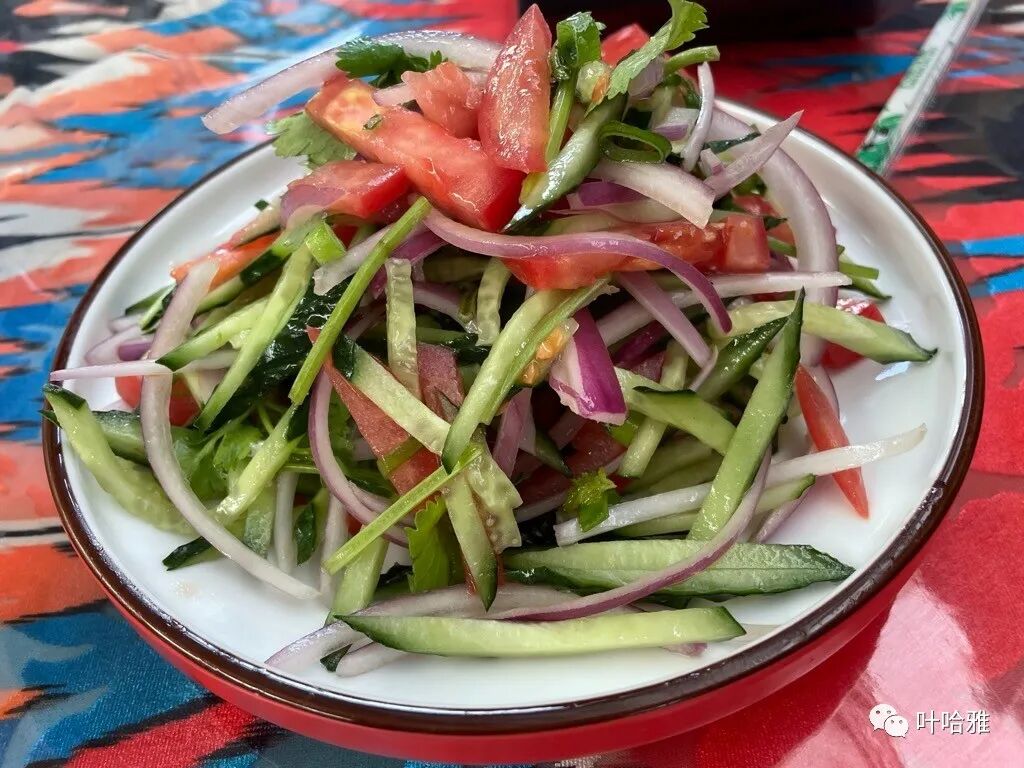
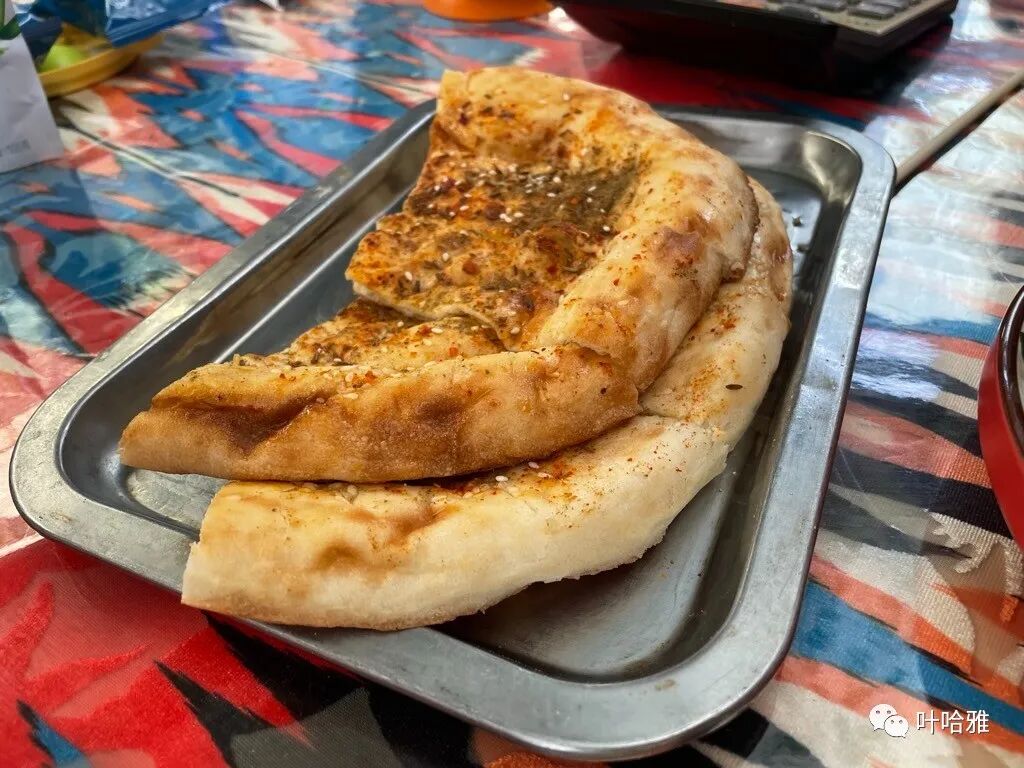
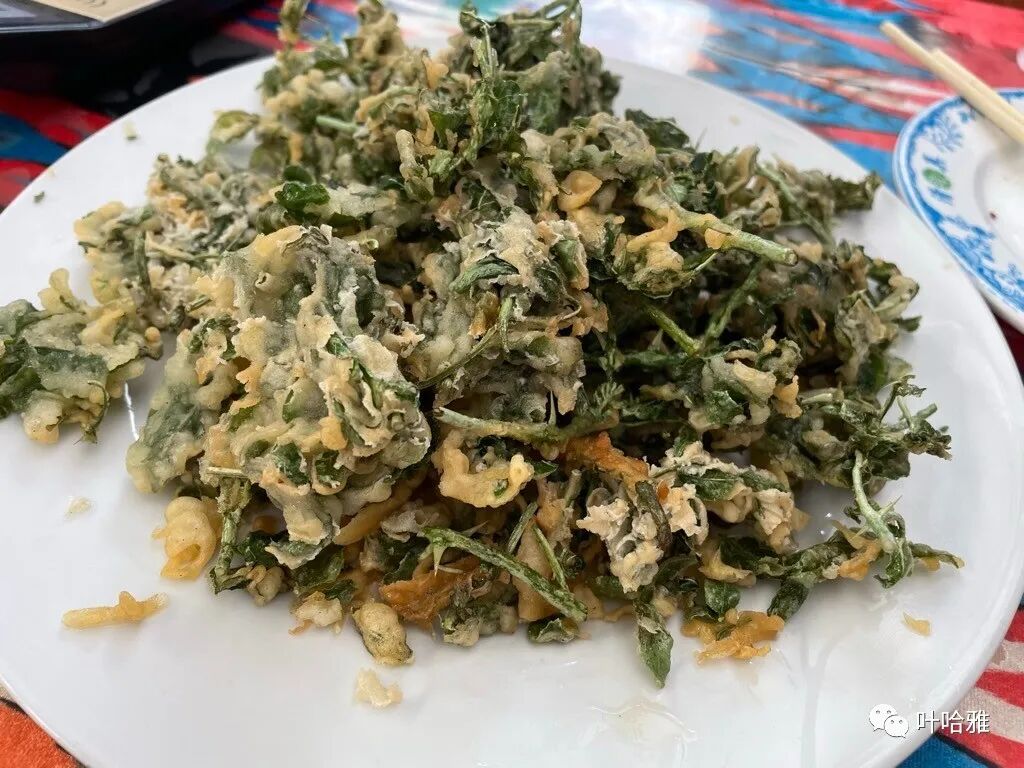
Deep-fried prickly ash buds (zhahuajiaoya)
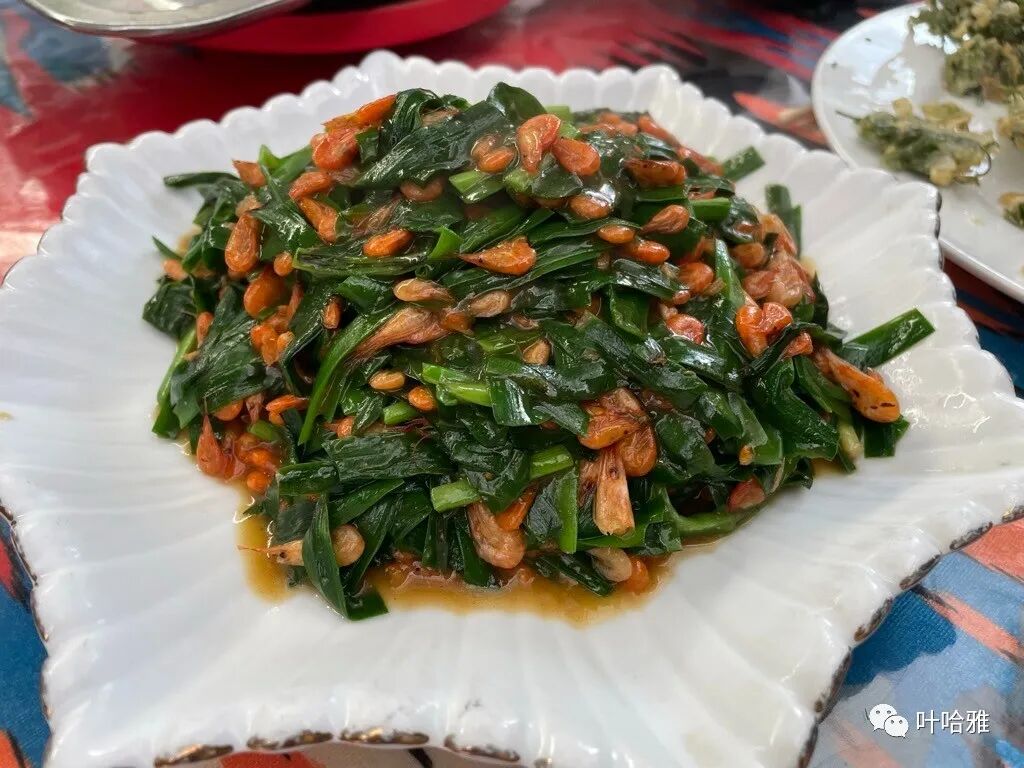
Stir-fried river shrimp (chaohexia)
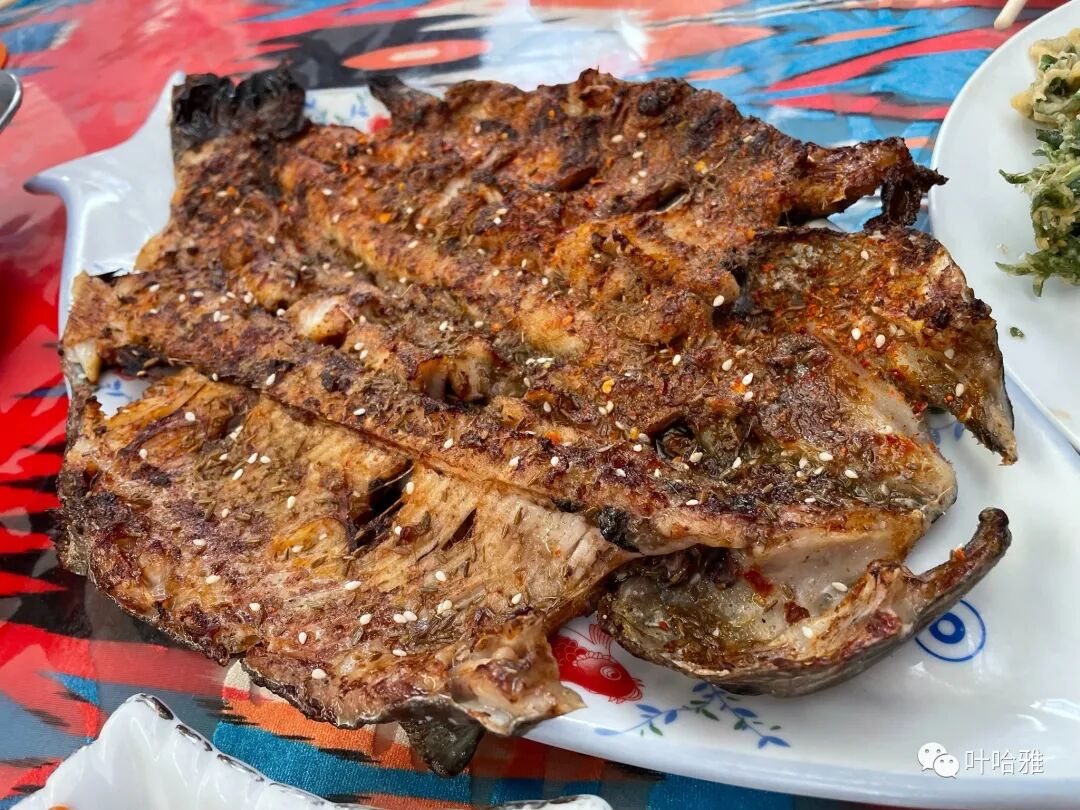
Grilled rainbow trout (kaohongzunyu)
3. Muyi's House
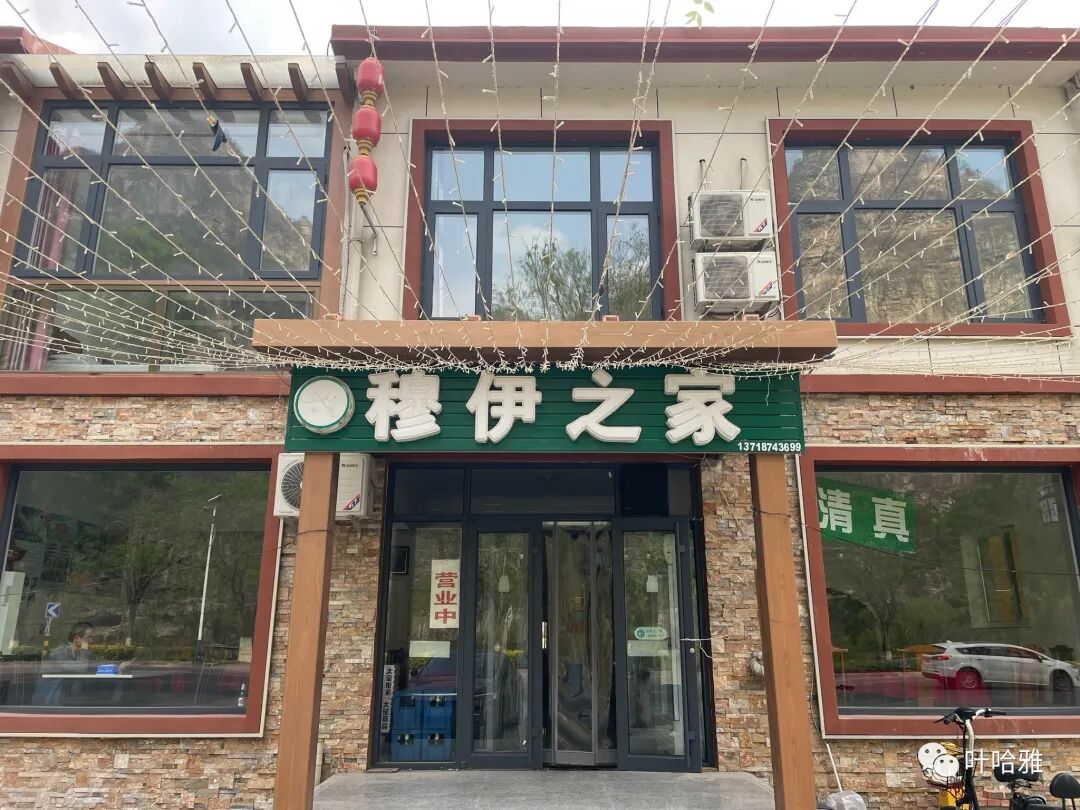
This is a halal Beijing-style restaurant in Badu, and the owner is a Hui Muslim from Fengtai.
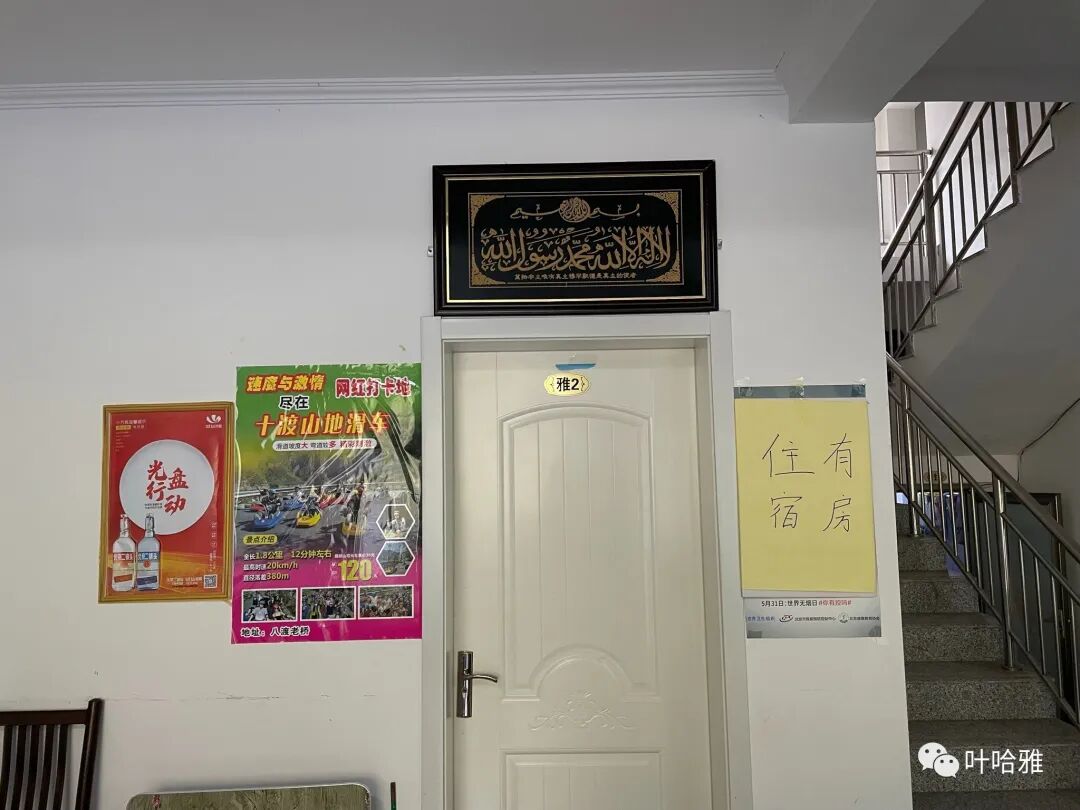
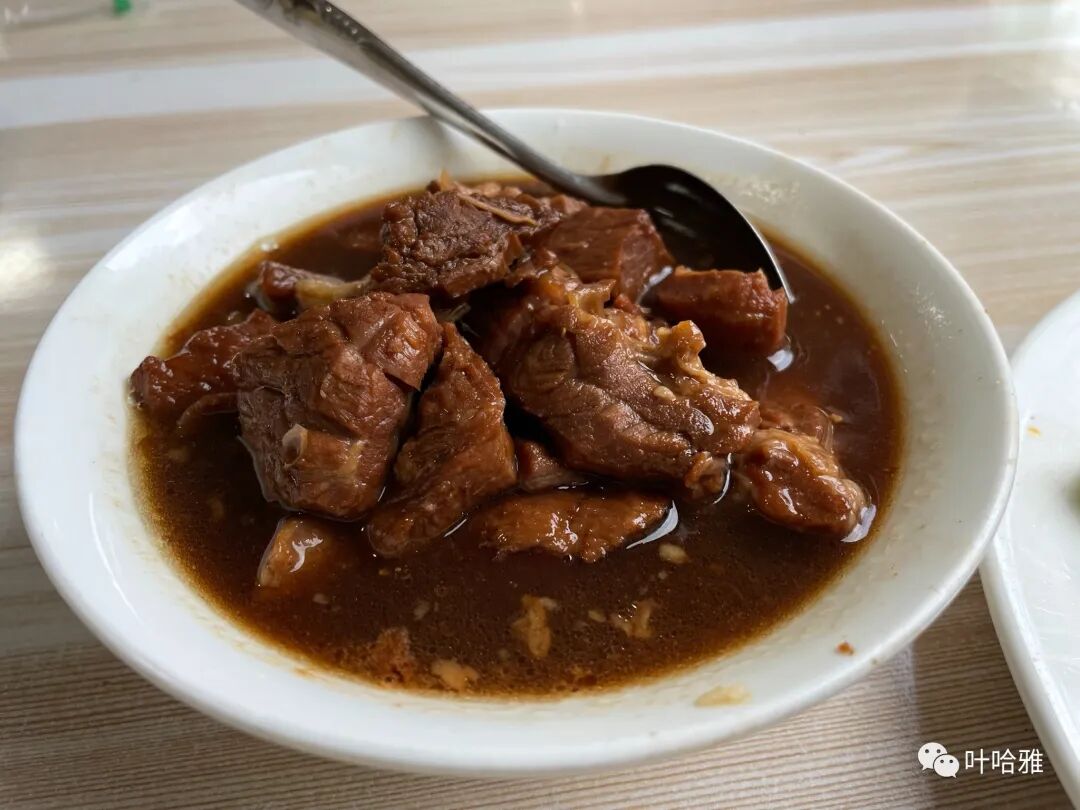
We ordered a few traditional stir-fried dishes, but they were all quite salty. We prefer lighter flavors, so keep that in mind. The Shidu tofu is a specialty dish and it tastes quite good.
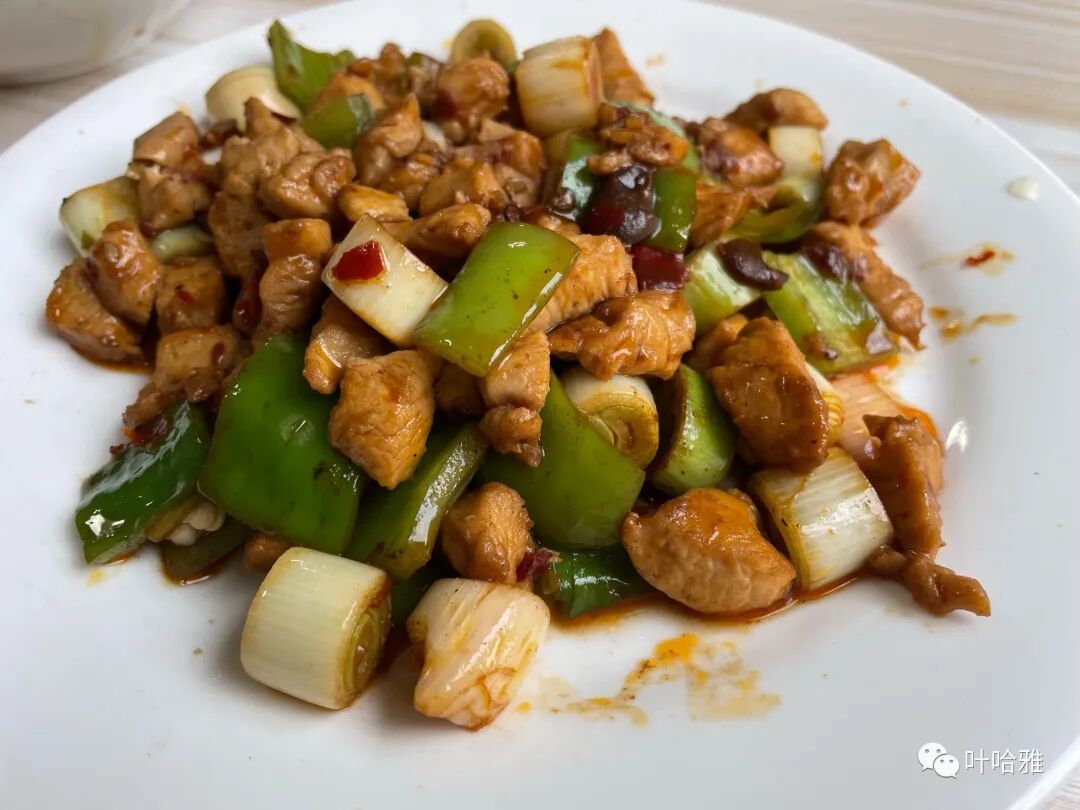
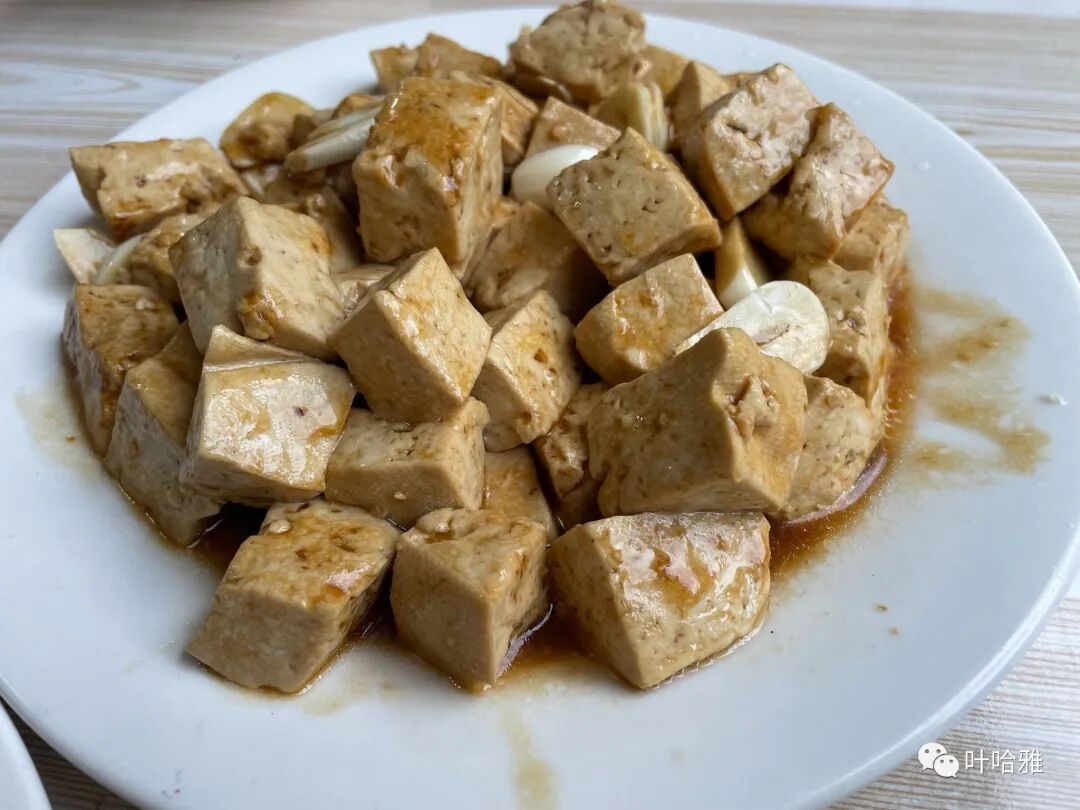
Shidu tofu (shidudoufu)
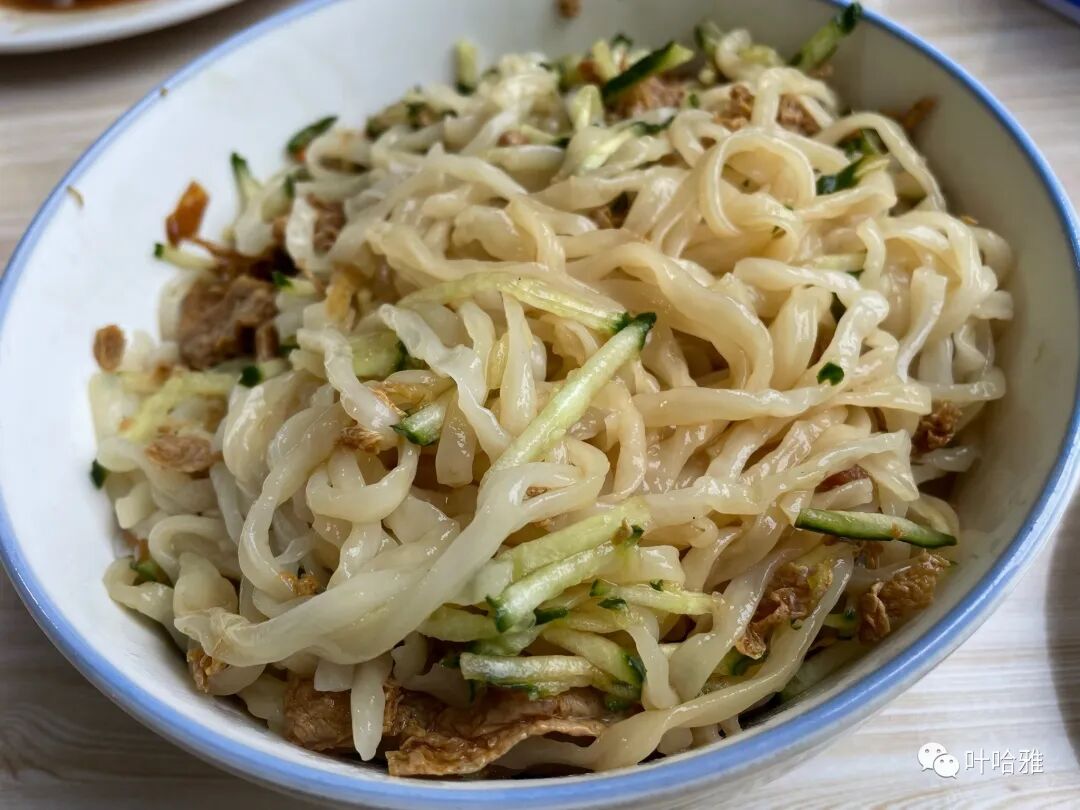
Egg sauce noodles (jidancuanmian)
The egg sauce for these noodles is extremely salty. Add it little by little when you eat. Most people definitely cannot handle the whole serving of sauce.
4. Clam vermicelli (huajiaphen)
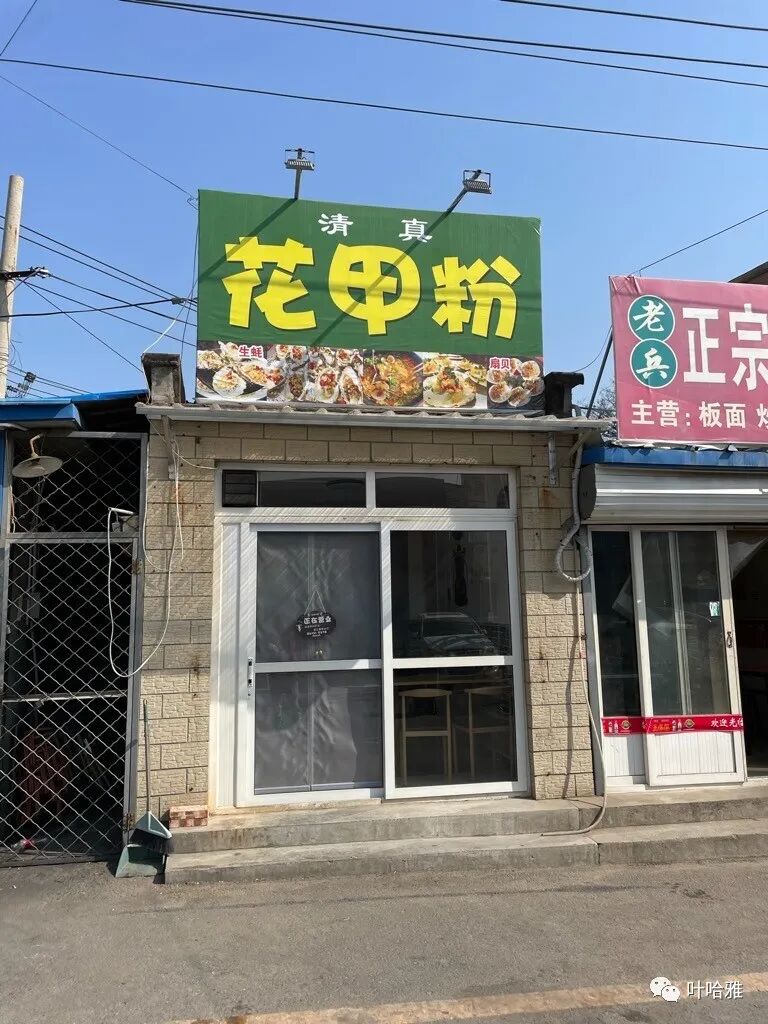
This is an unassuming little shop in the Xiguanshi market. It looks very ordinary, but the taste is excellent.
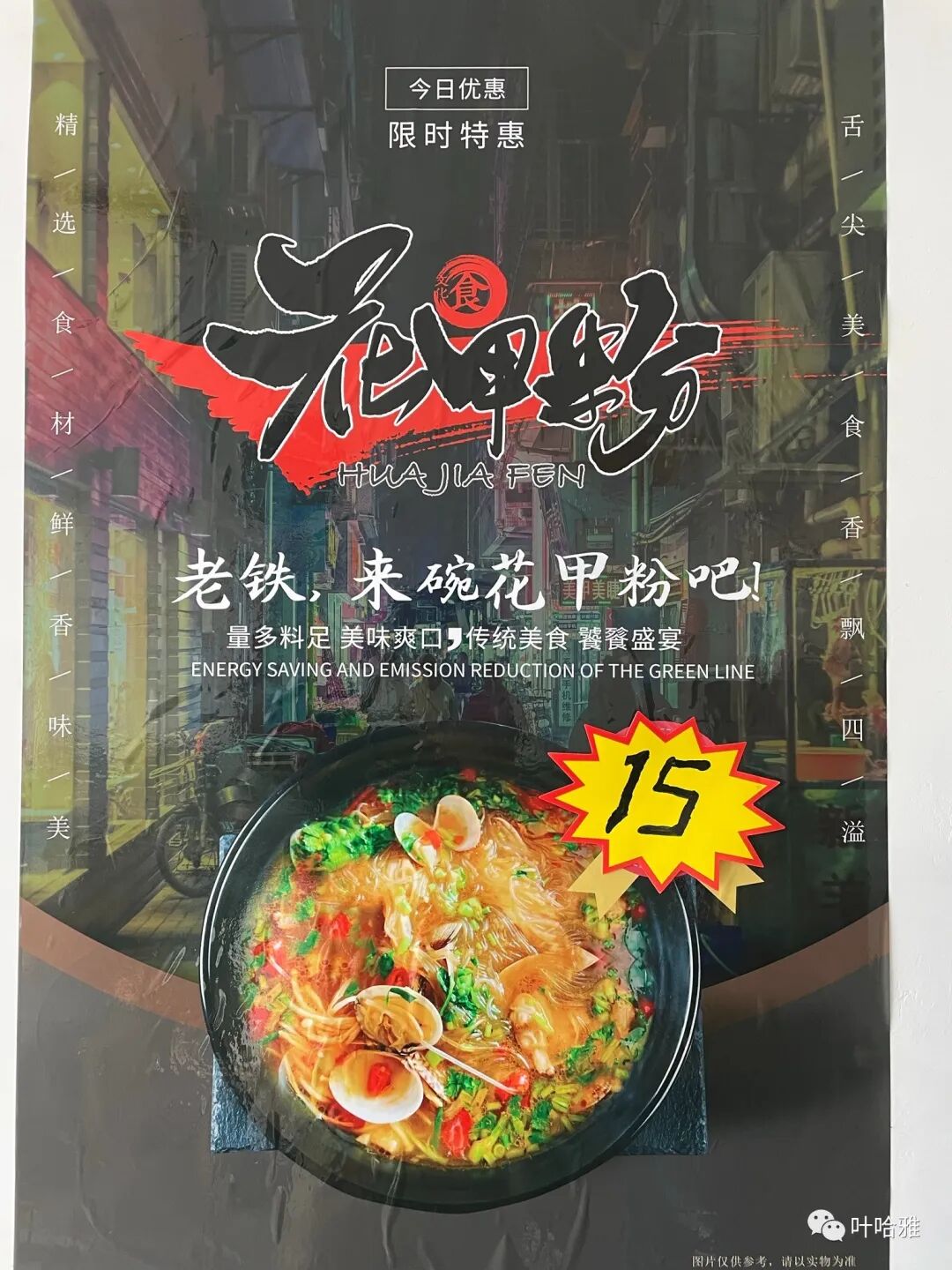
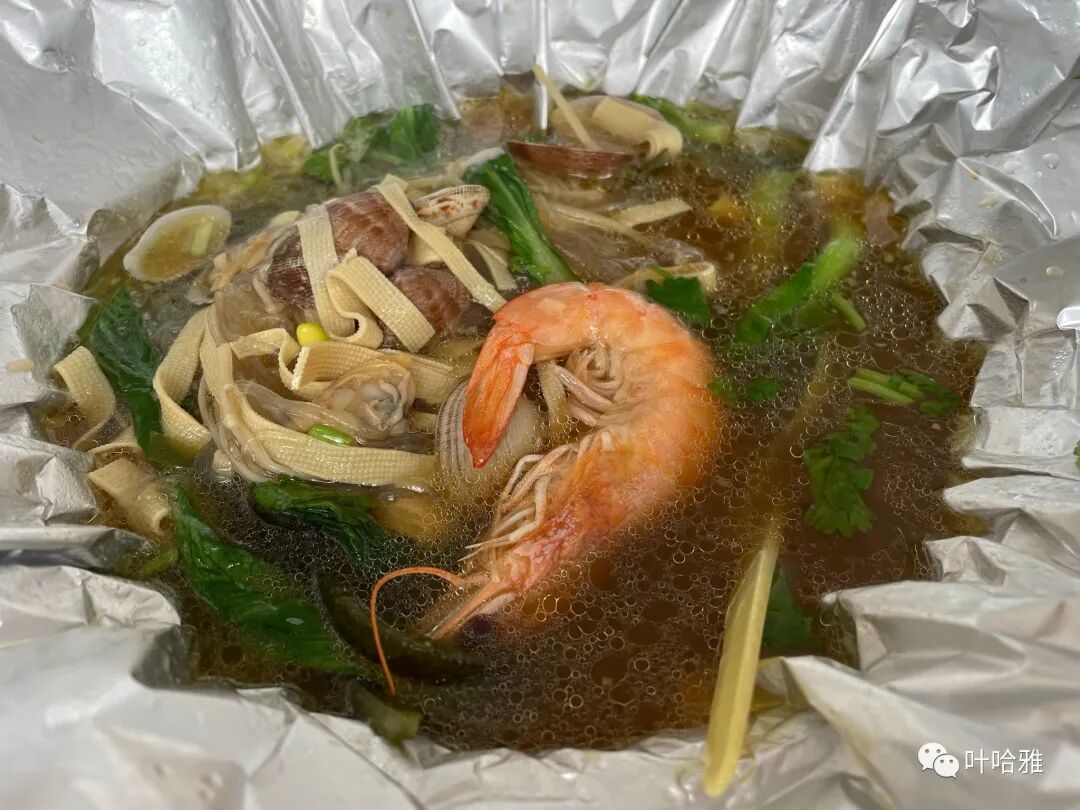
The clam vermicelli is made of glass noodles with clams and some side vegetables. It has a slightly numbing, salty, and savory flavor. You can add chili separately.
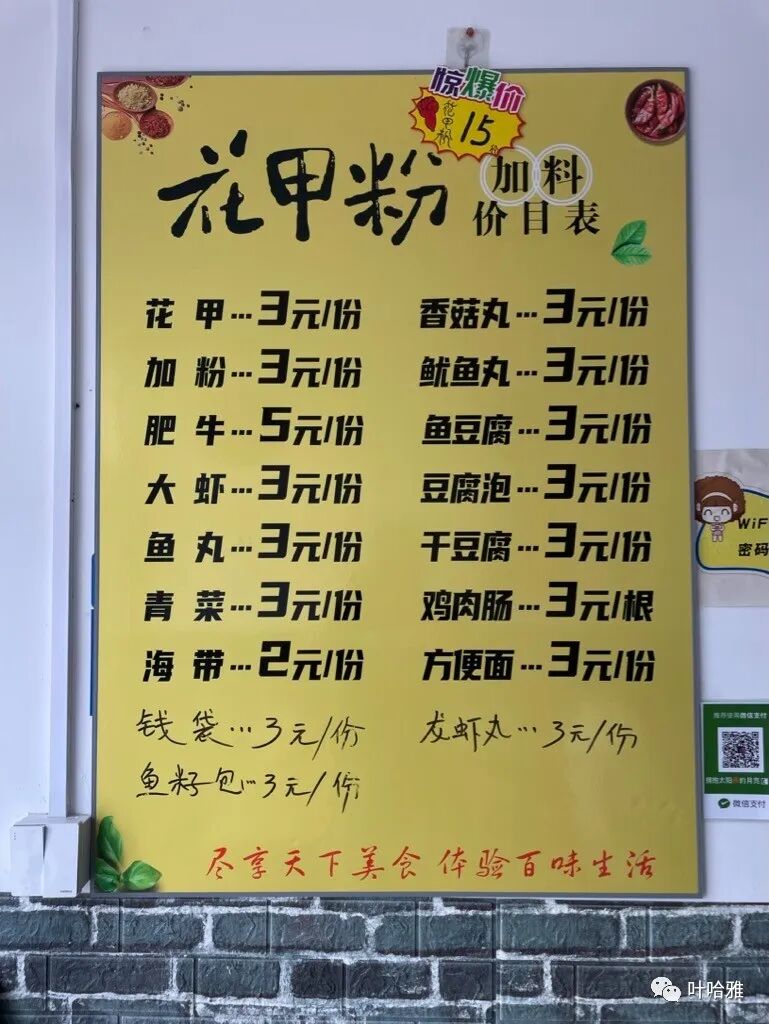
You can add any of these side dishes. The portions are small, and one order of large shrimp is just one single shrimp.
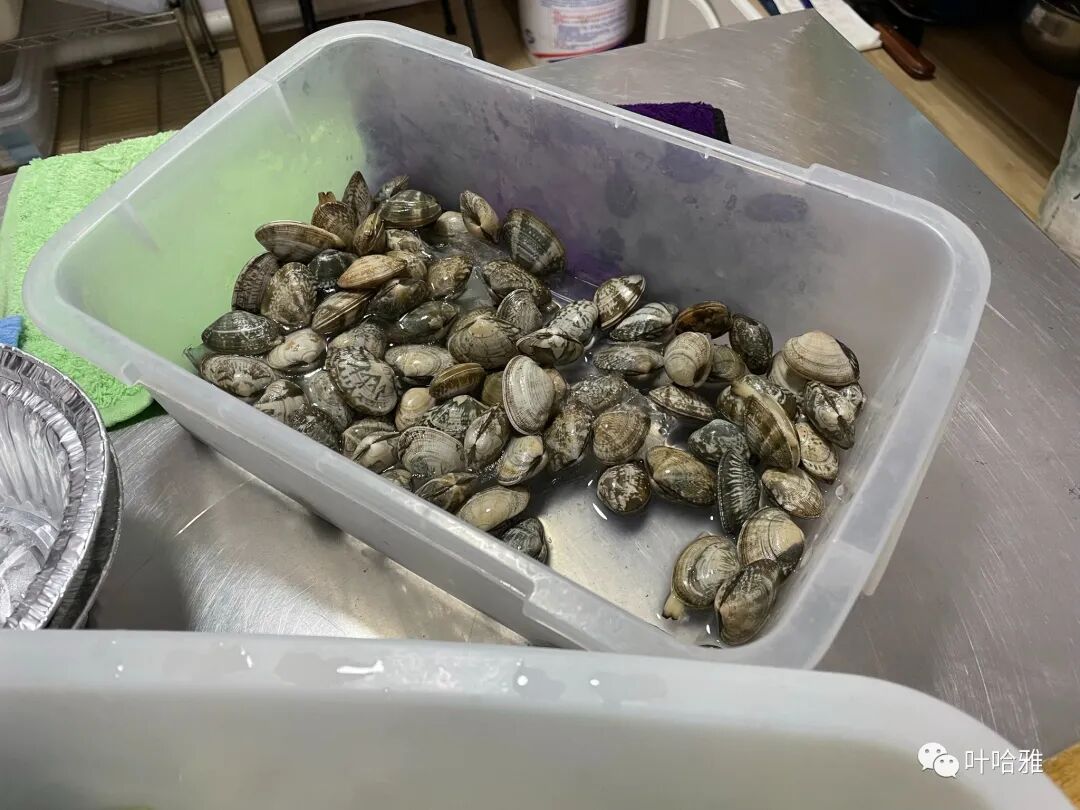
The ingredients are quite fresh. The vegetables and seafood cook quickly when blanched, and they taste good.
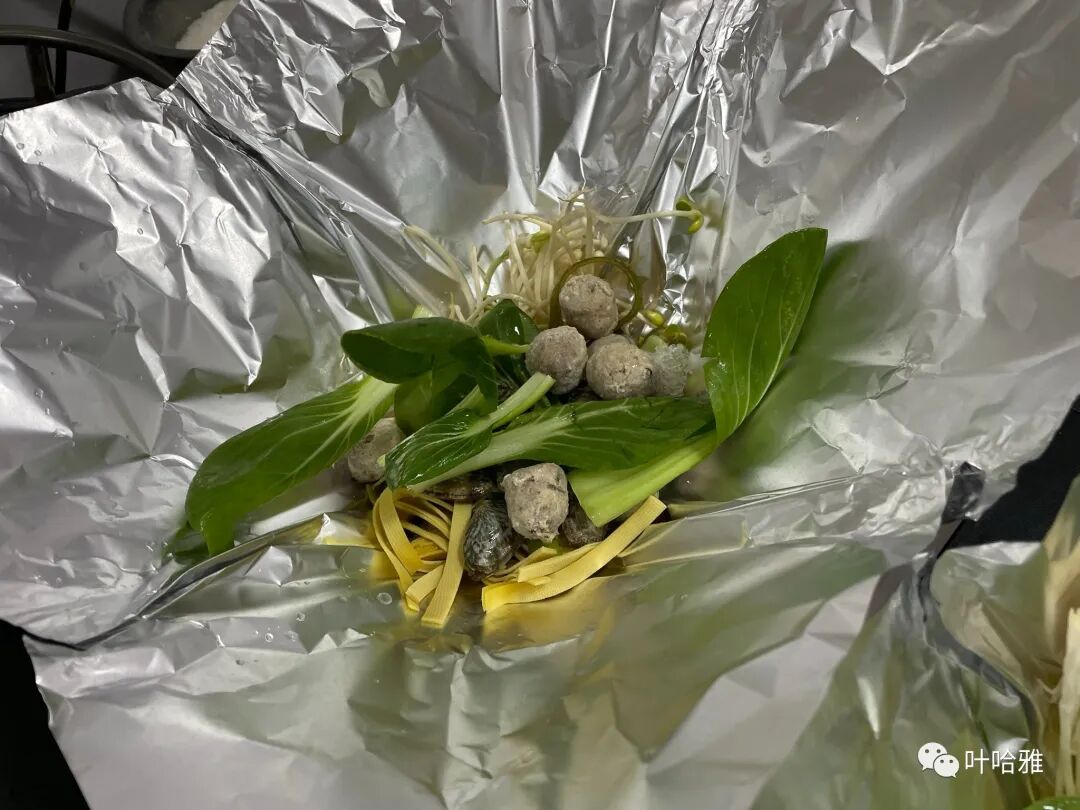
It comes wrapped in foil and sits on a bowl so you can carry it without burning your hands, because this clam vermicelli (huajiafen) is really piping hot.
5. Huawei Beijing Research Institute Halal Canteen
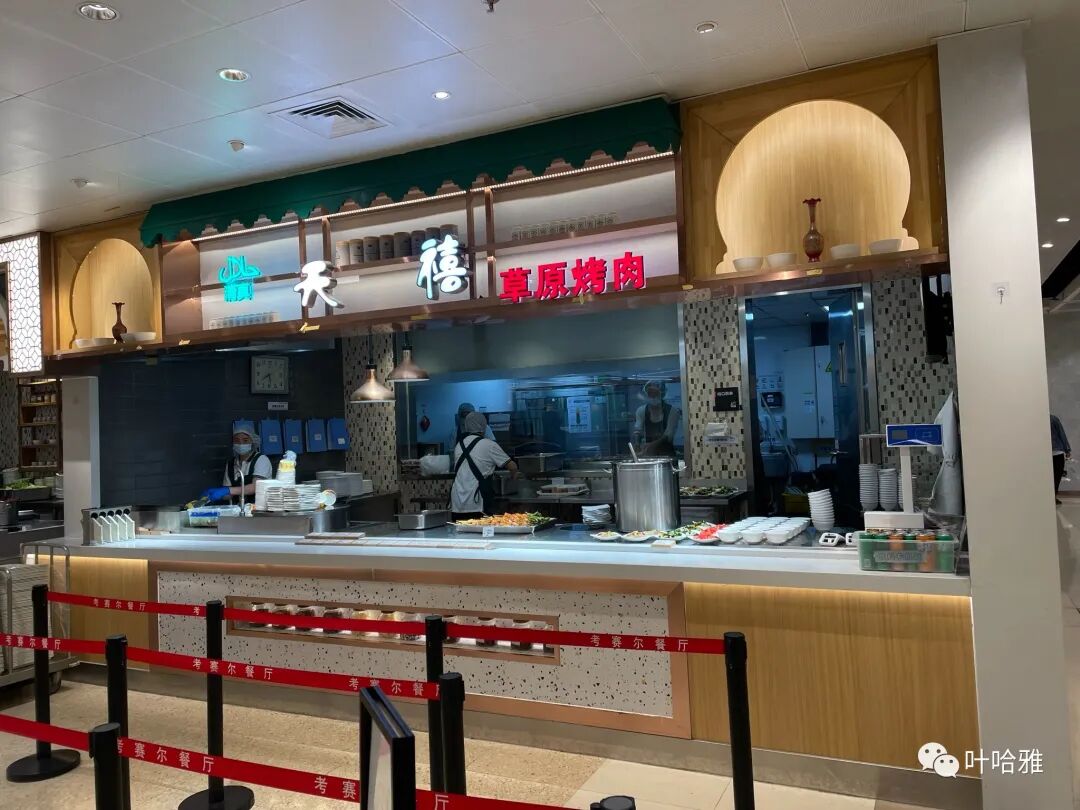
The Huawei Beijing Research Institute has four halal stalls, and they are owned by the same person as the halal canteen at the Bantian base in Shenzhen.
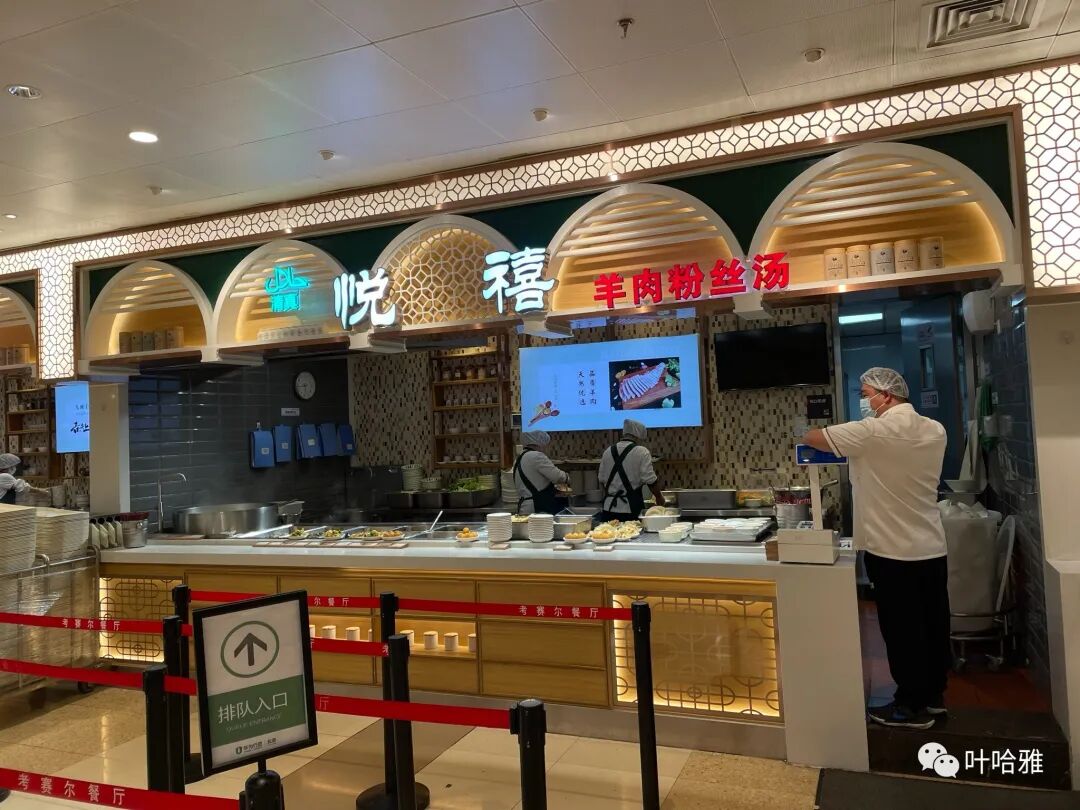
You can use cash at the big tech company's halal canteen, as long as you can find a way to get inside.
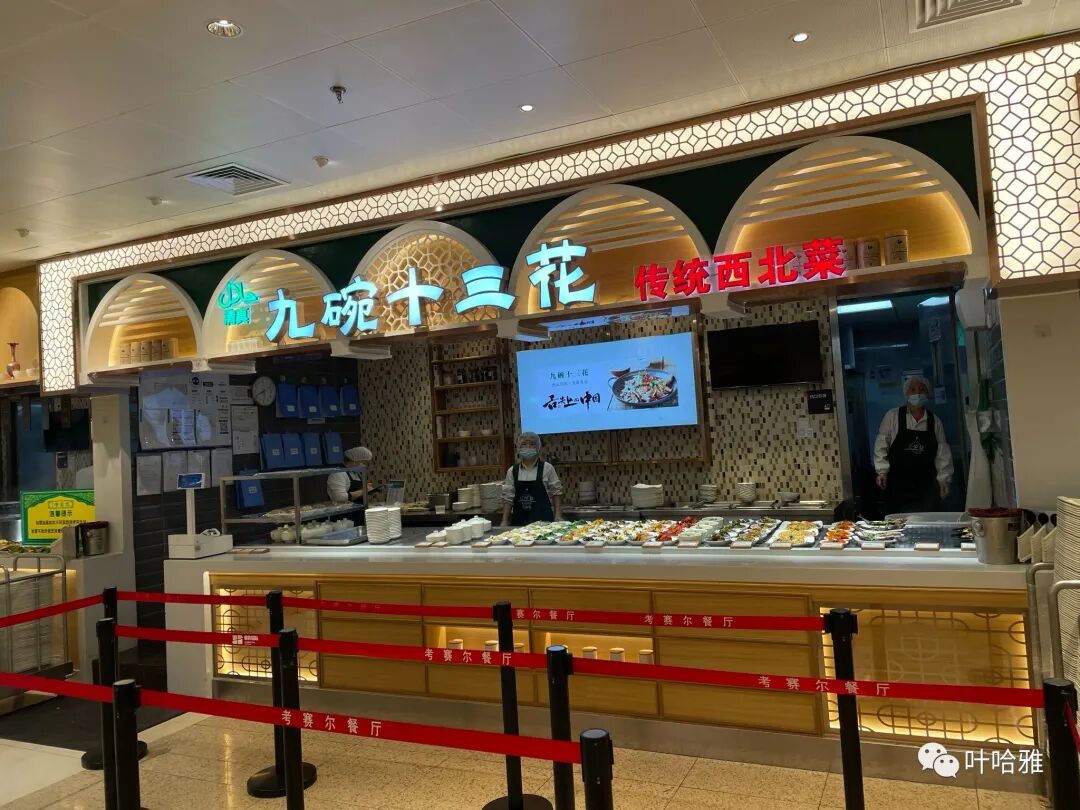
If you have job offers from many big companies and do not know which one to pick, Huawei's halal canteen is a plus.
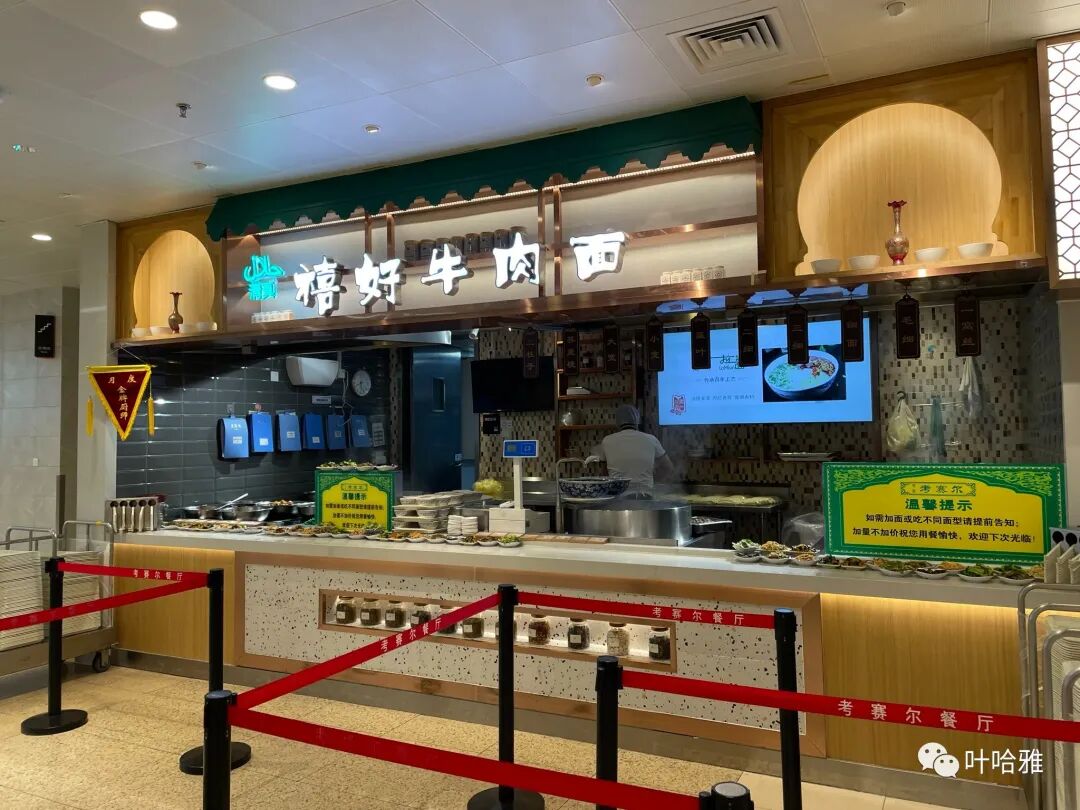
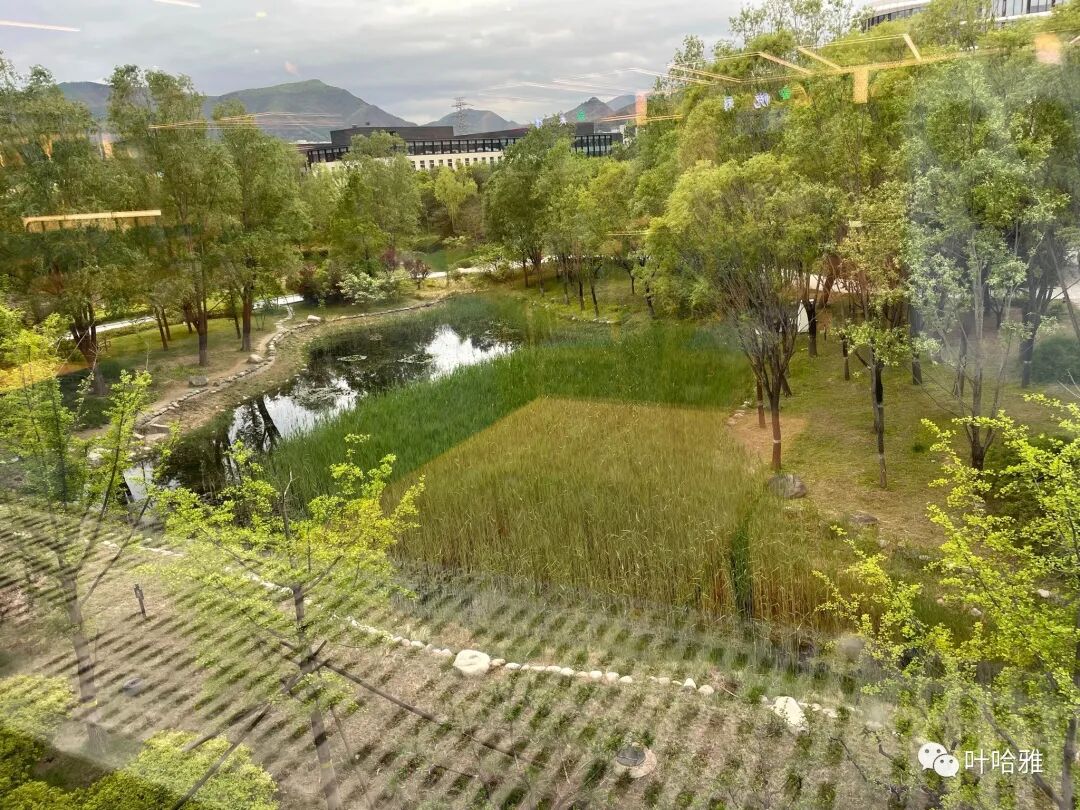
Huawei employees have a high happiness index. Working and living on the campus is convenient, and the environment is beautiful.
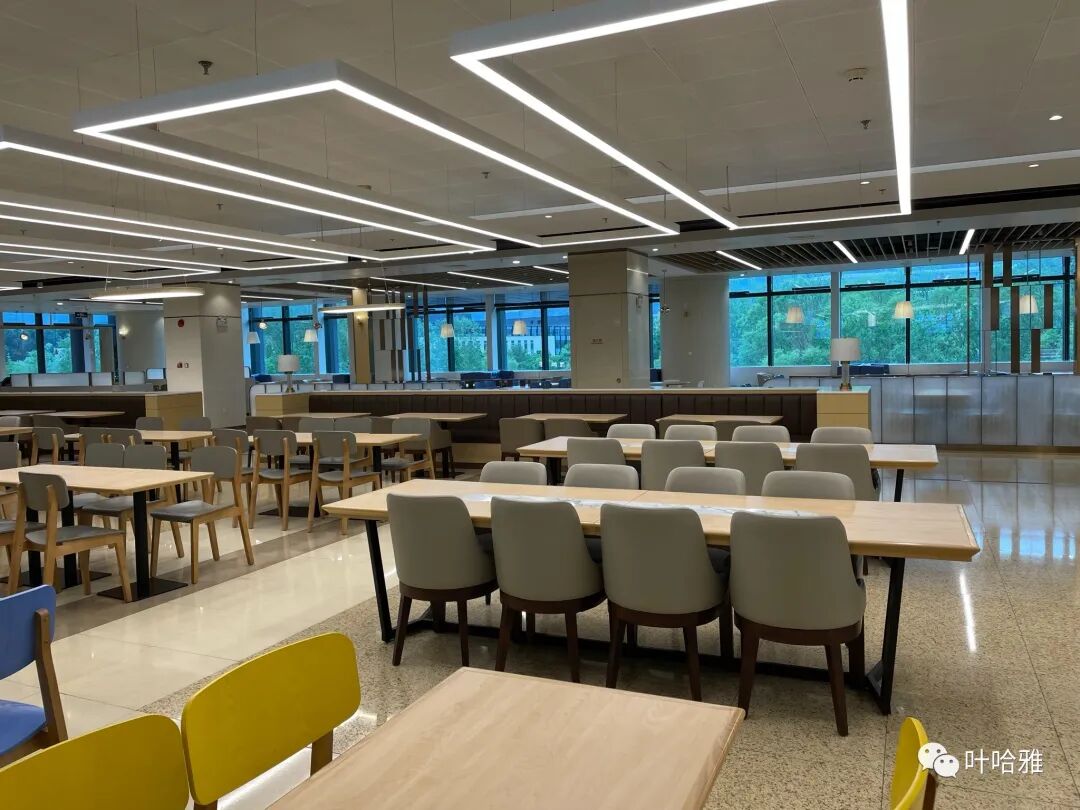
The design style of the canteen and the campus is consistent with the Shenzhen headquarters.
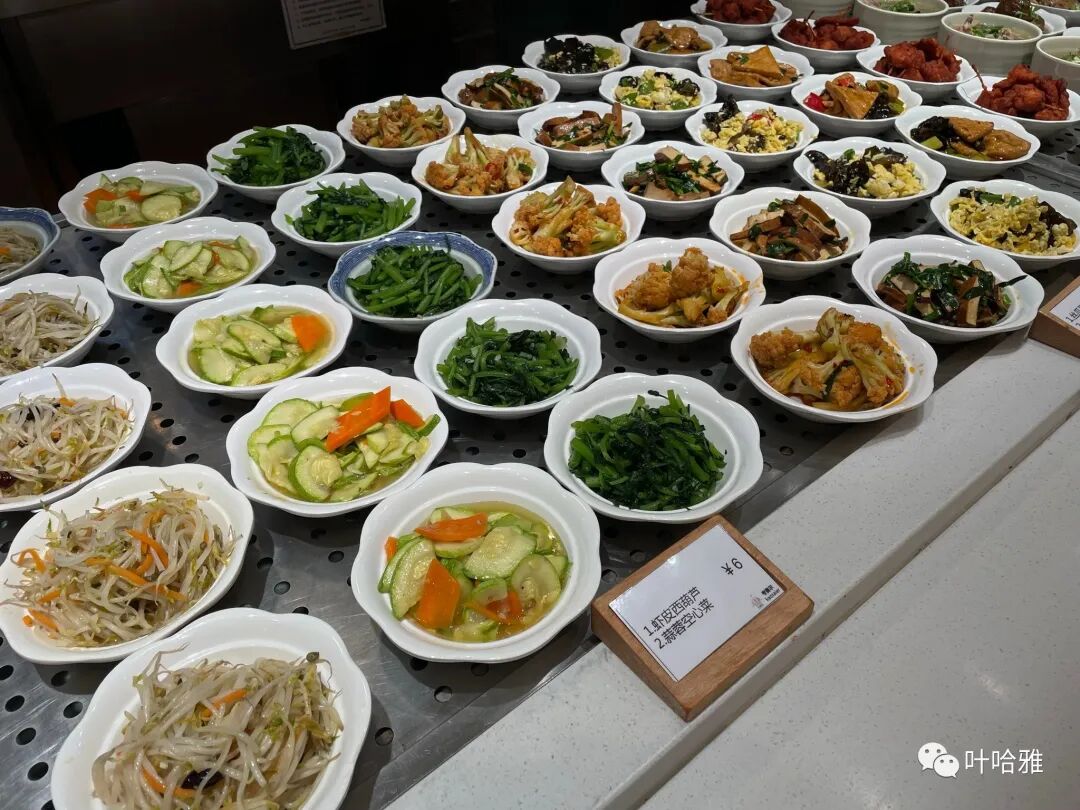
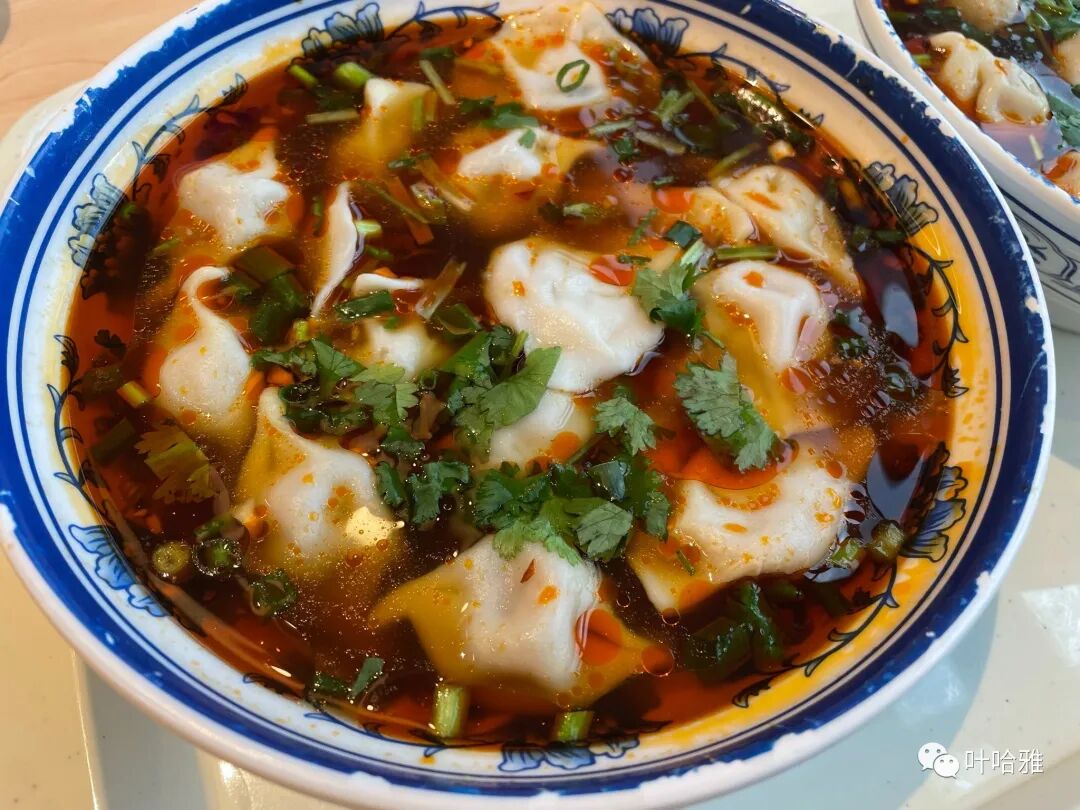
The sour soup dumplings (suantang shuijiao) are really delicious. The last time I had such good sour soup dumplings was in the Muslim Quarter (Huifang) in Xi'an, and these dumplings at Huawei are just as good.
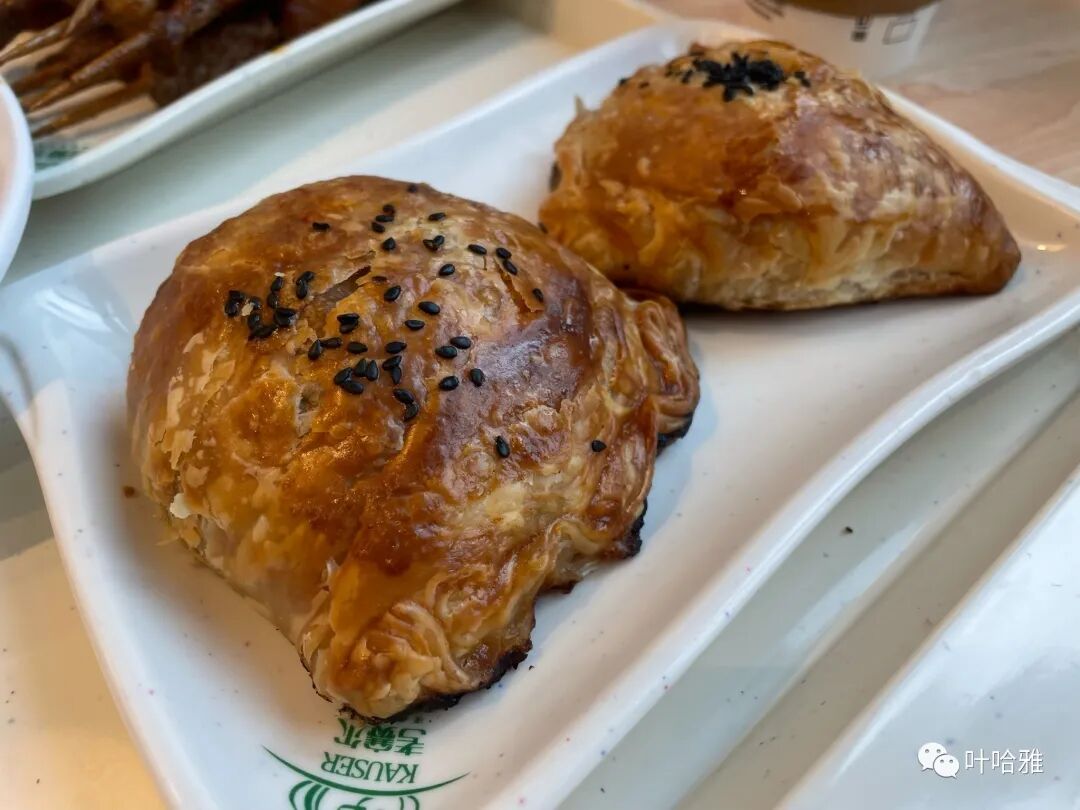
Crispy baked buns (supi kaobaozi)
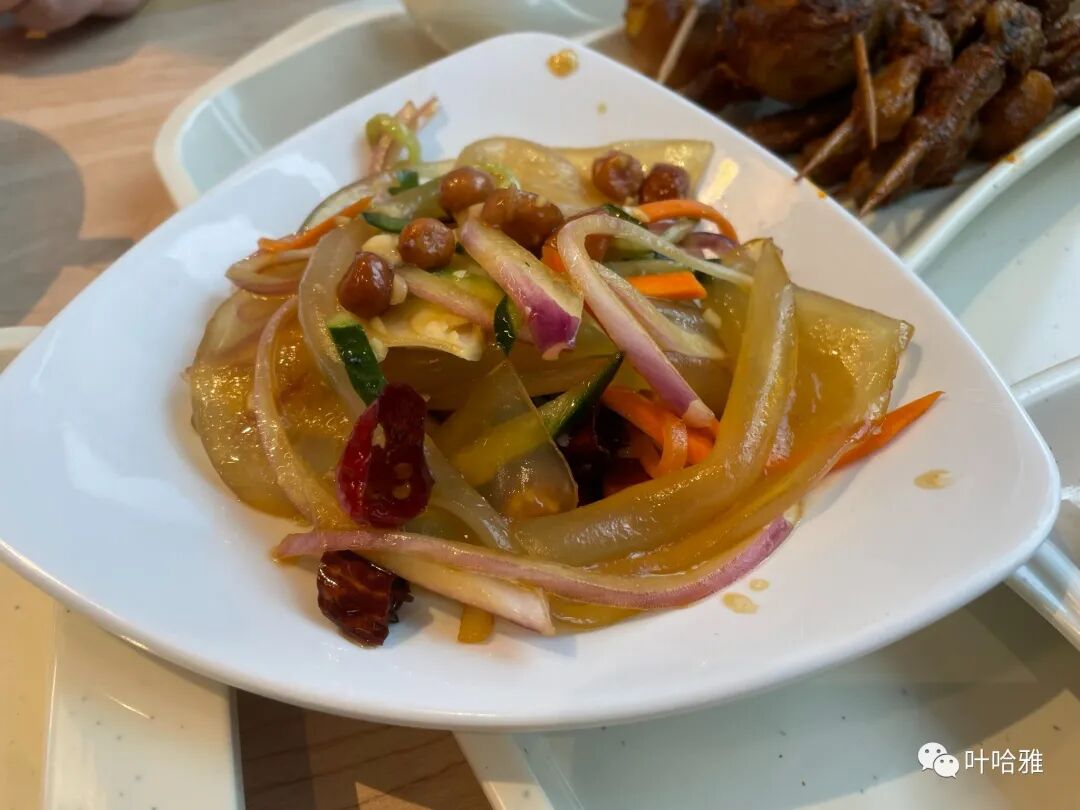
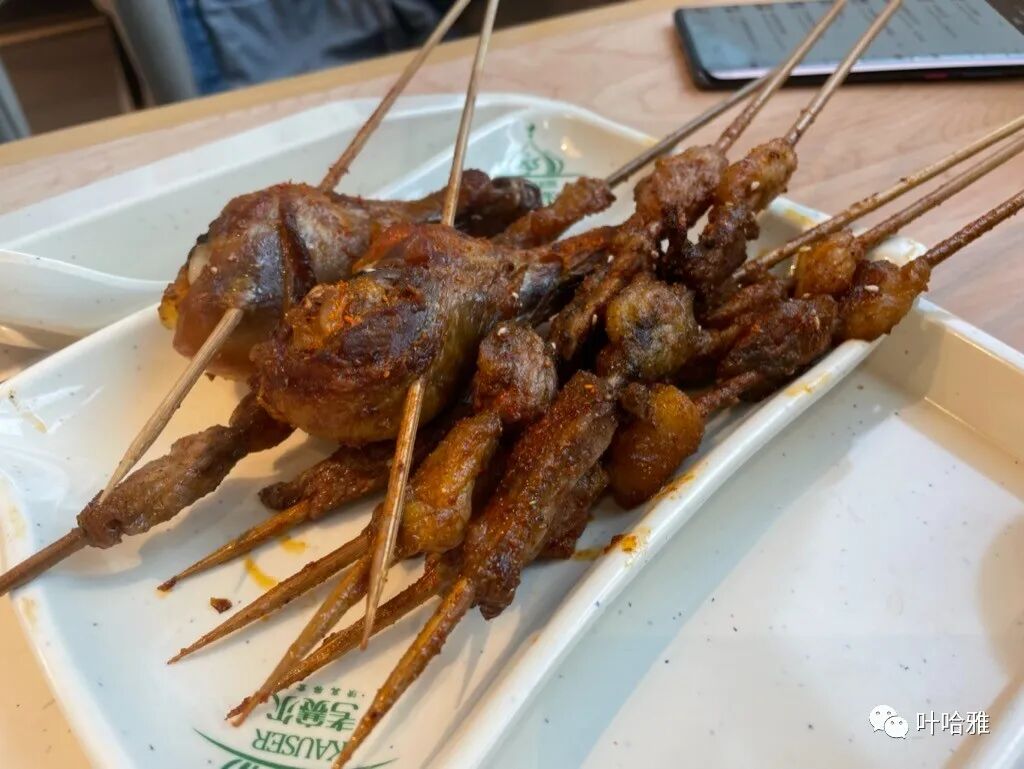
6. Xiguanshi Halal Night Market
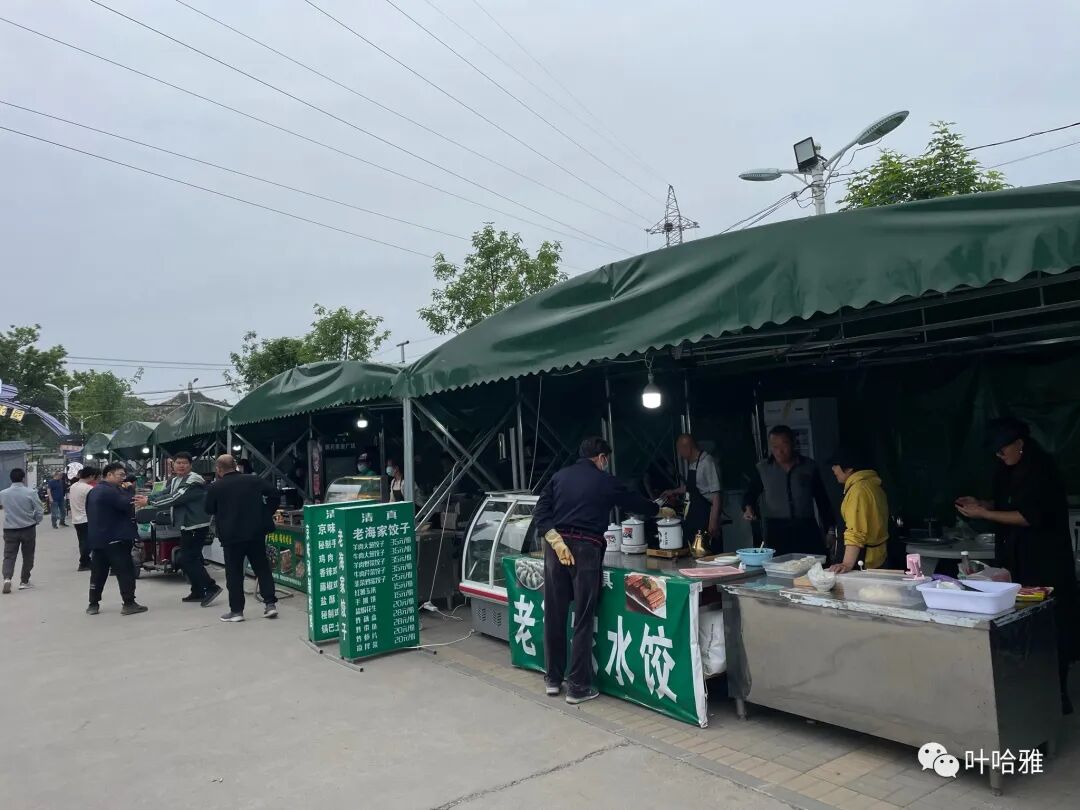
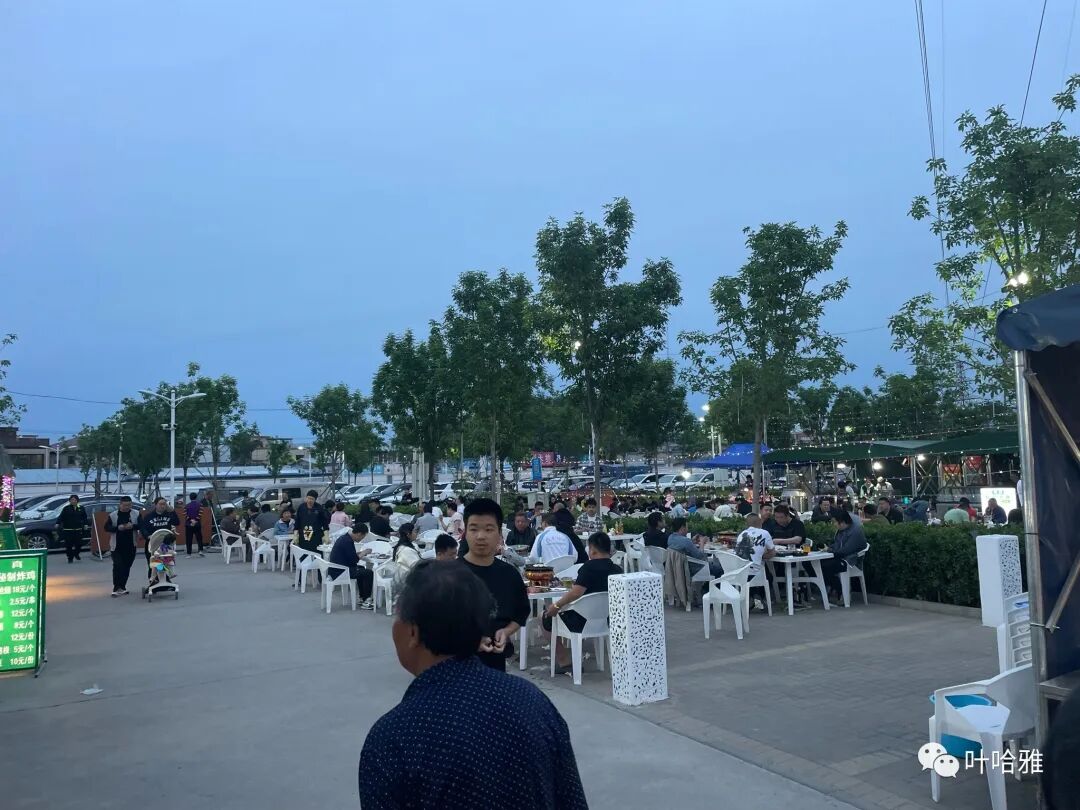
The parking lot at the entrance of Xiguanshi Village in Changping now hosts a halal night market from 5:00 PM to 11:30 PM, which is named Crescent Food Plaza.
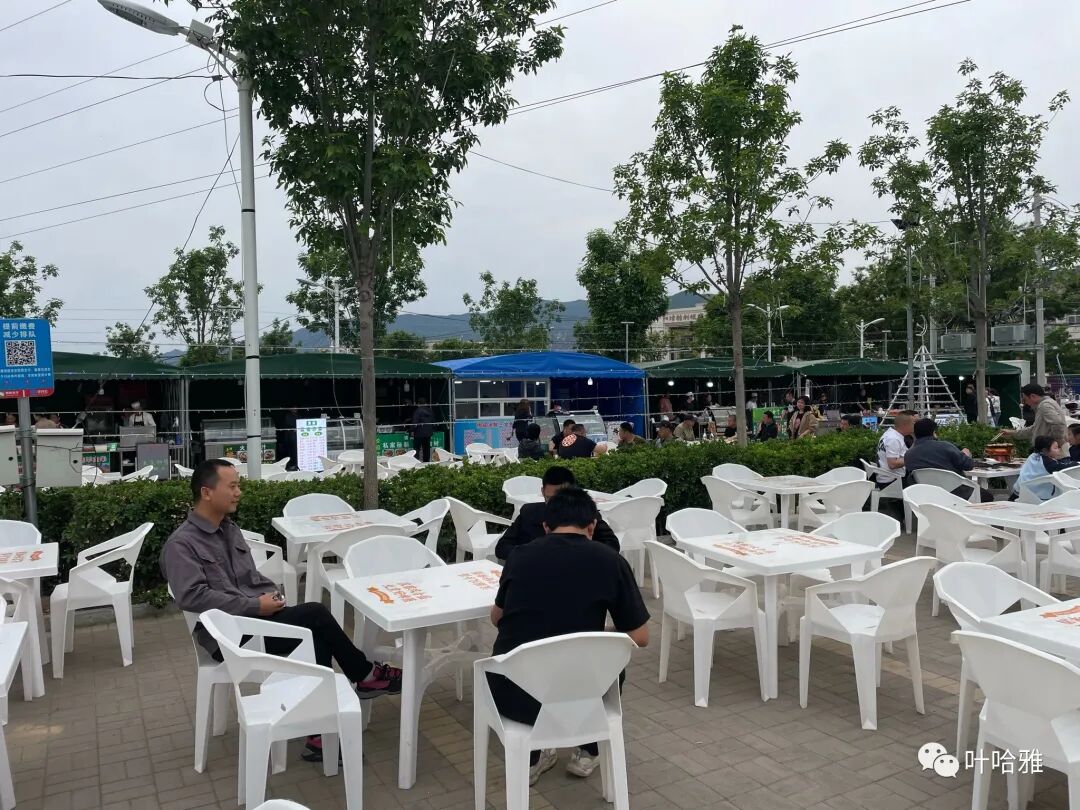
The night market is quite large, with four rows of food stalls on both sides offering dozens of different halal dishes.
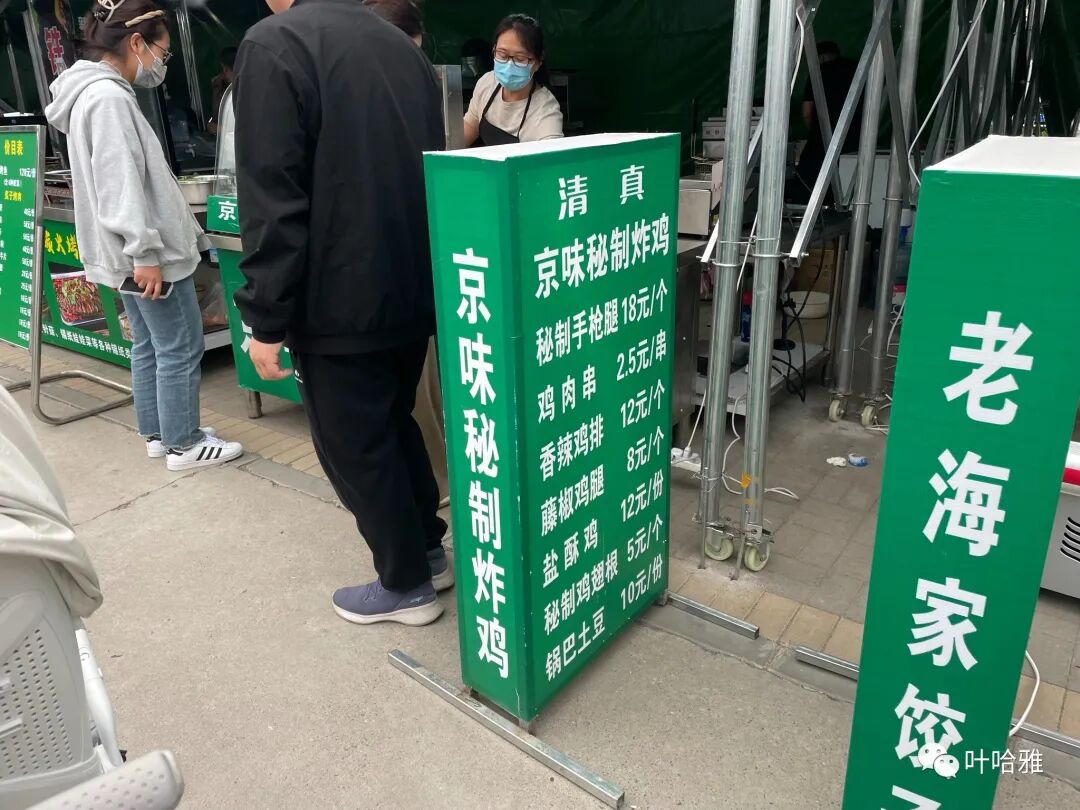
Various deep-fried snacks.
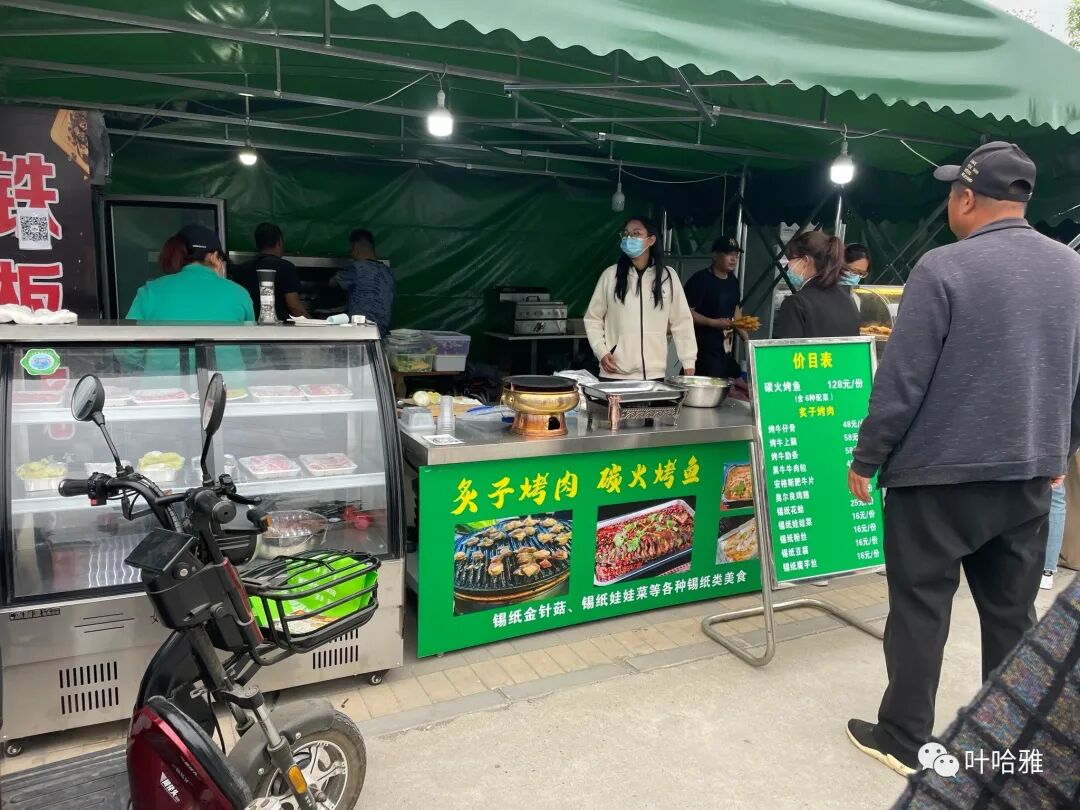
Grilled meat on a round iron plate (zhizi kaorou) and grilled fish.
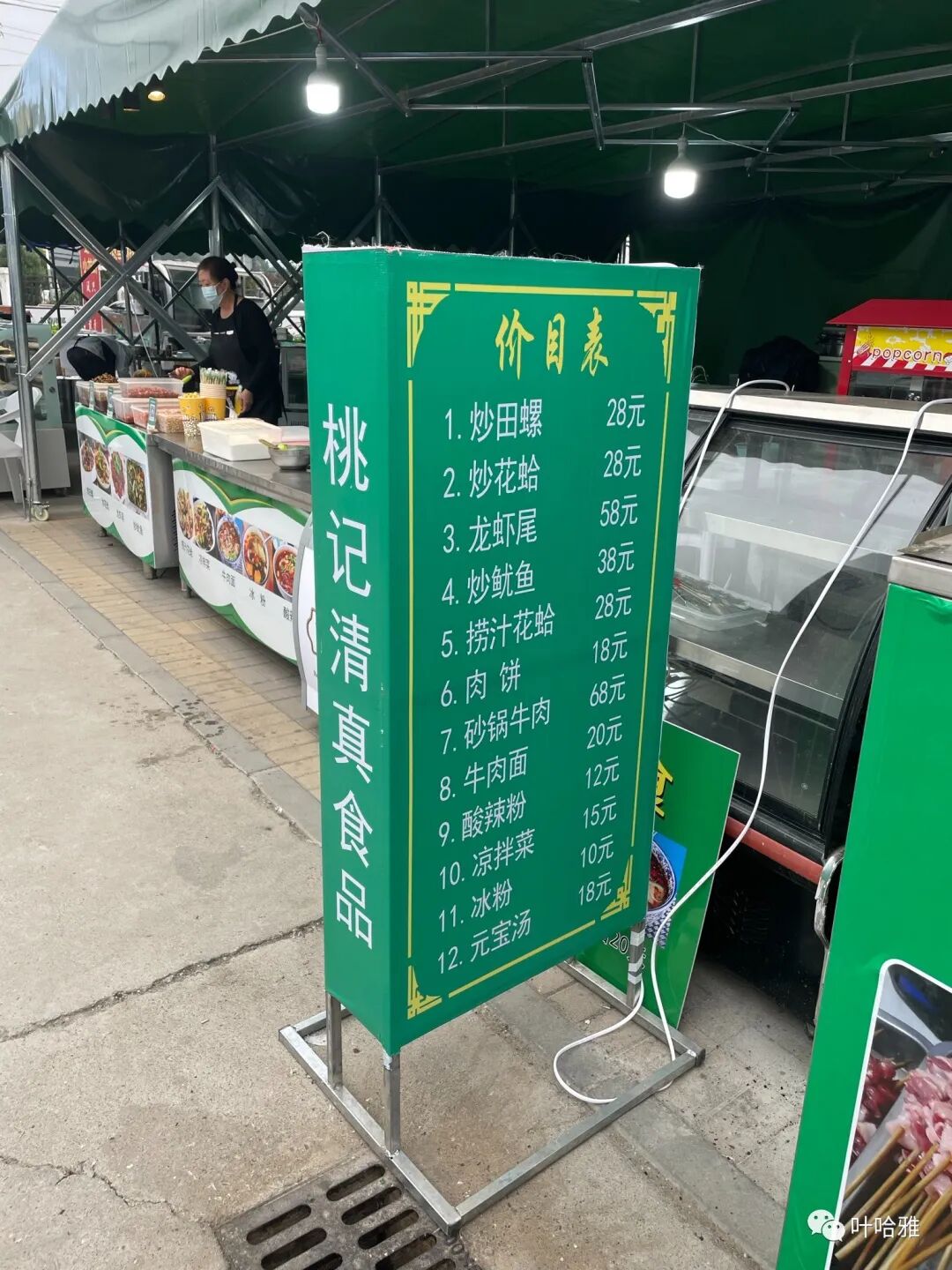
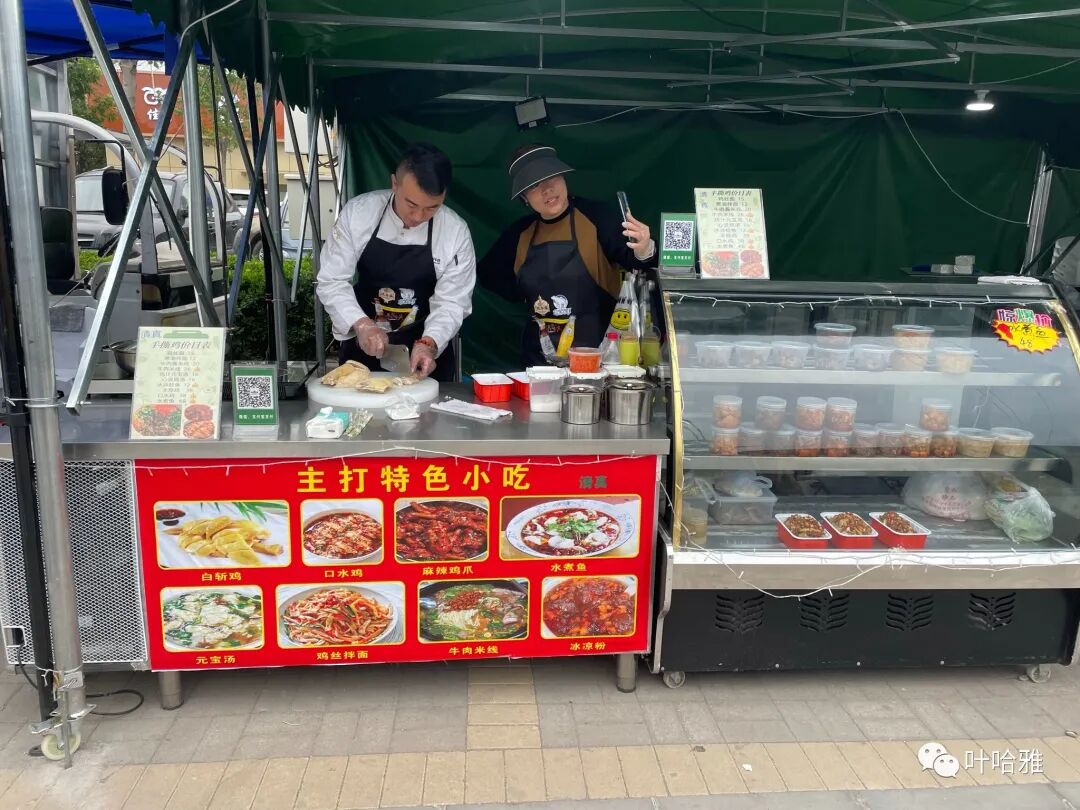
All kinds of small snacks.
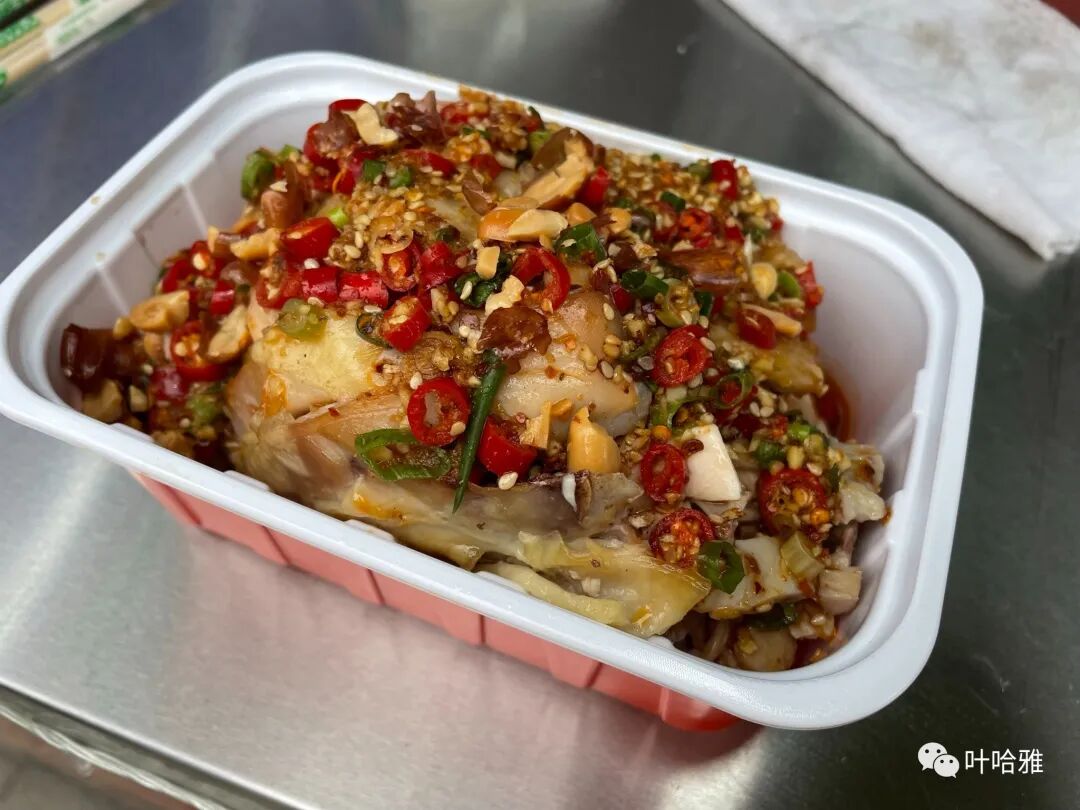
Steamed chicken in chili sauce (koushuiji).
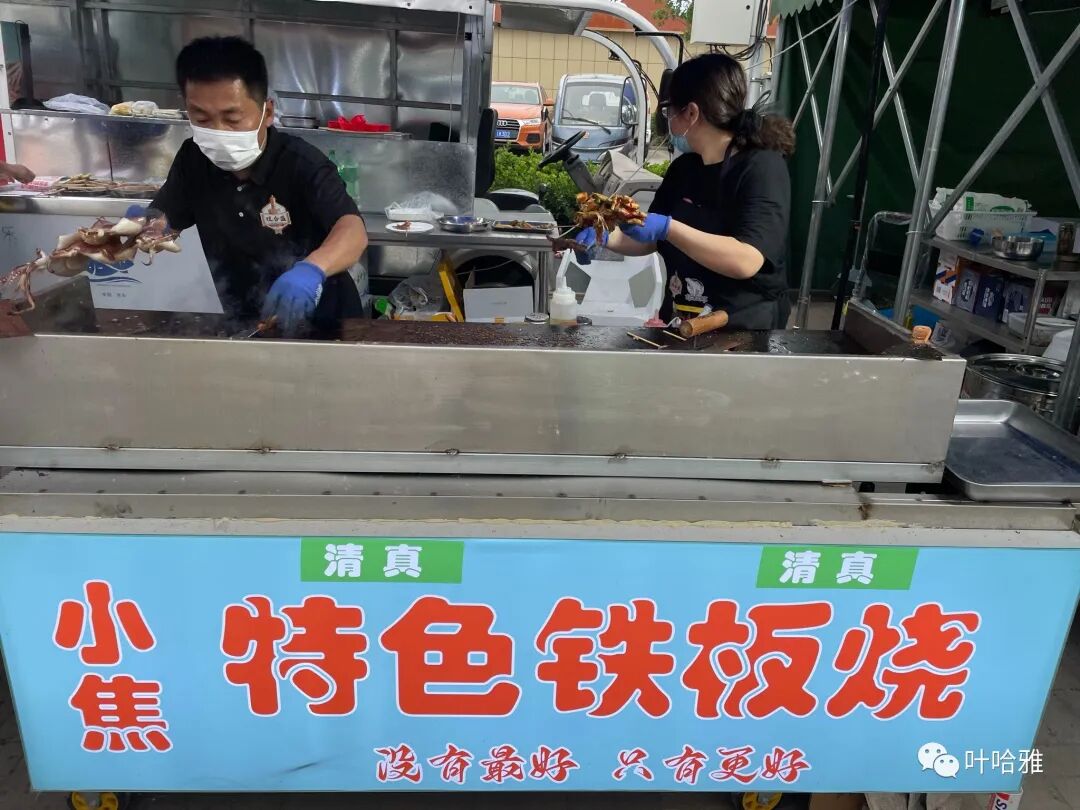
Teppanyaki.
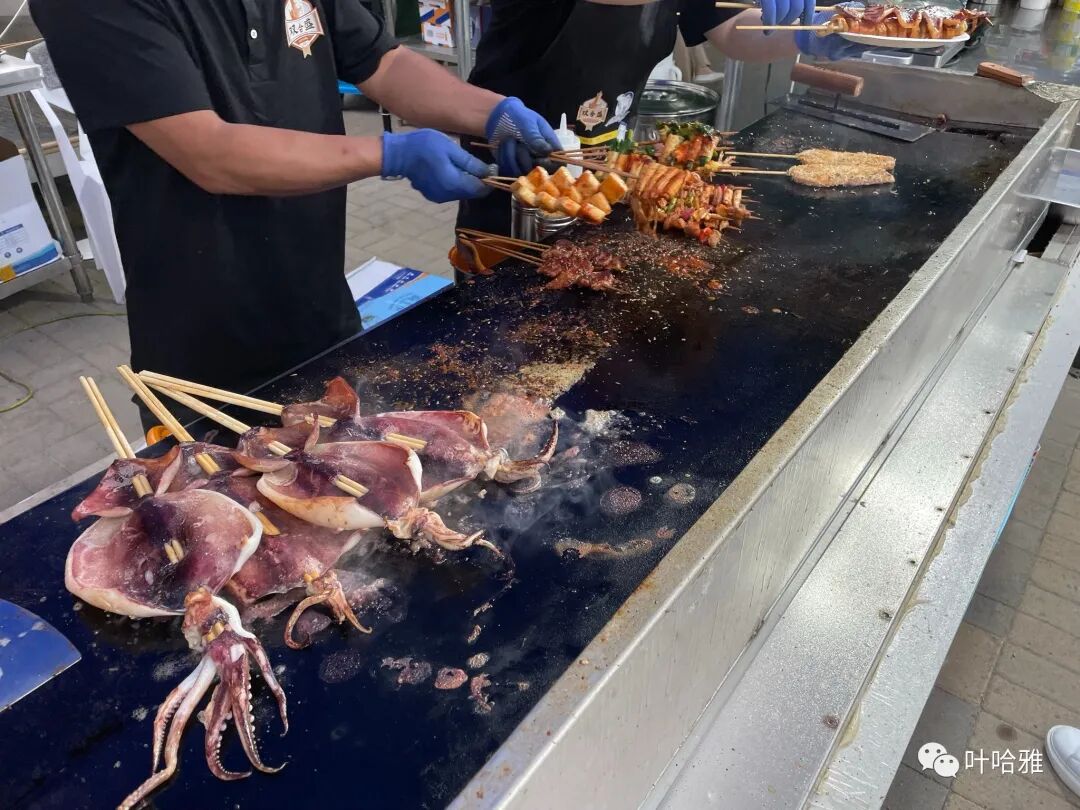
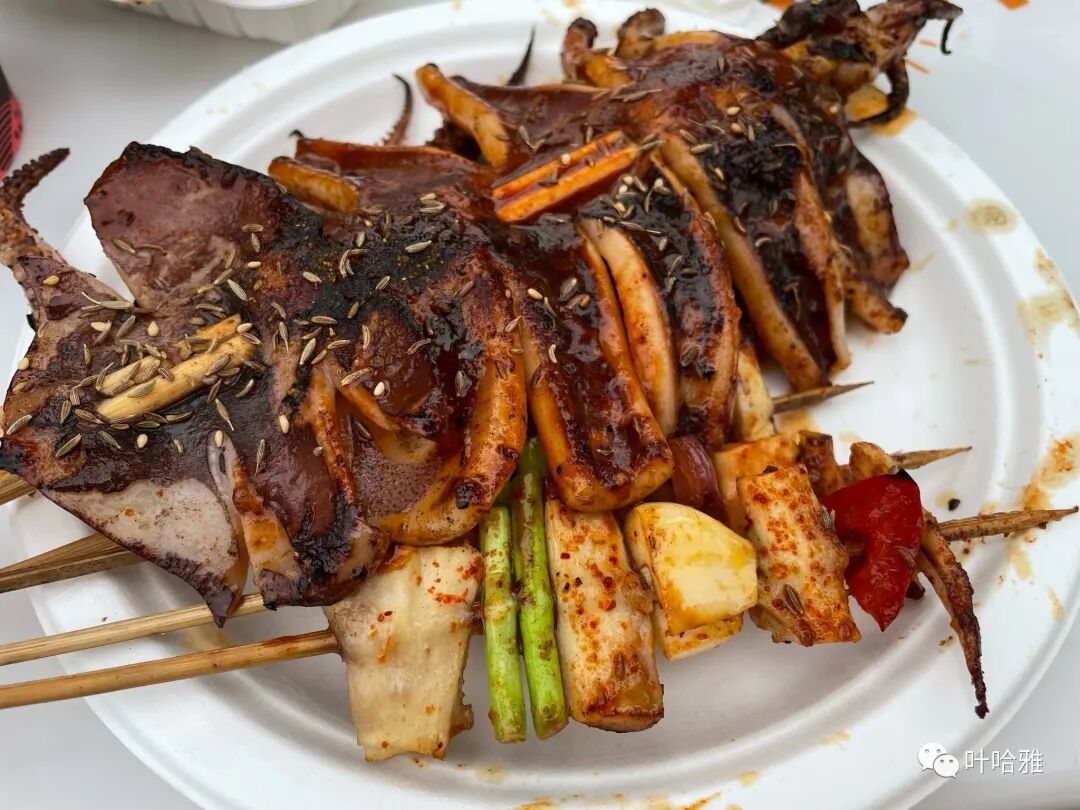
The grilled squid from the teppanyaki stall is delicious.
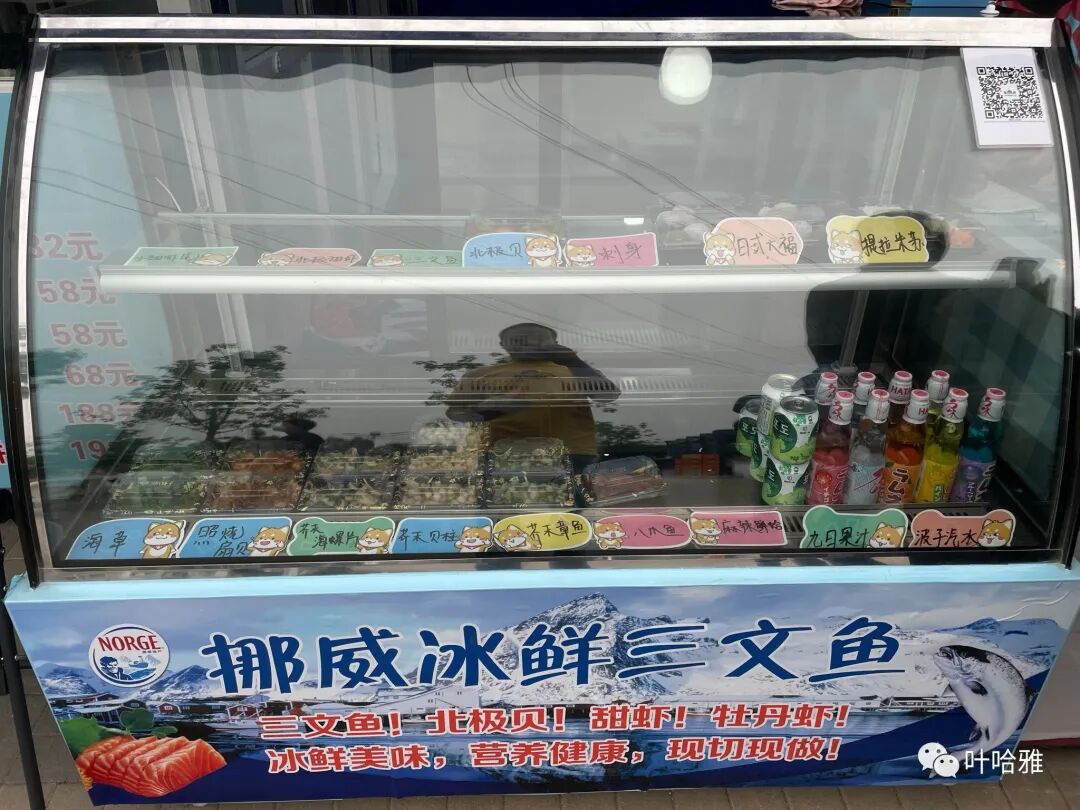
Japanese-style desserts.
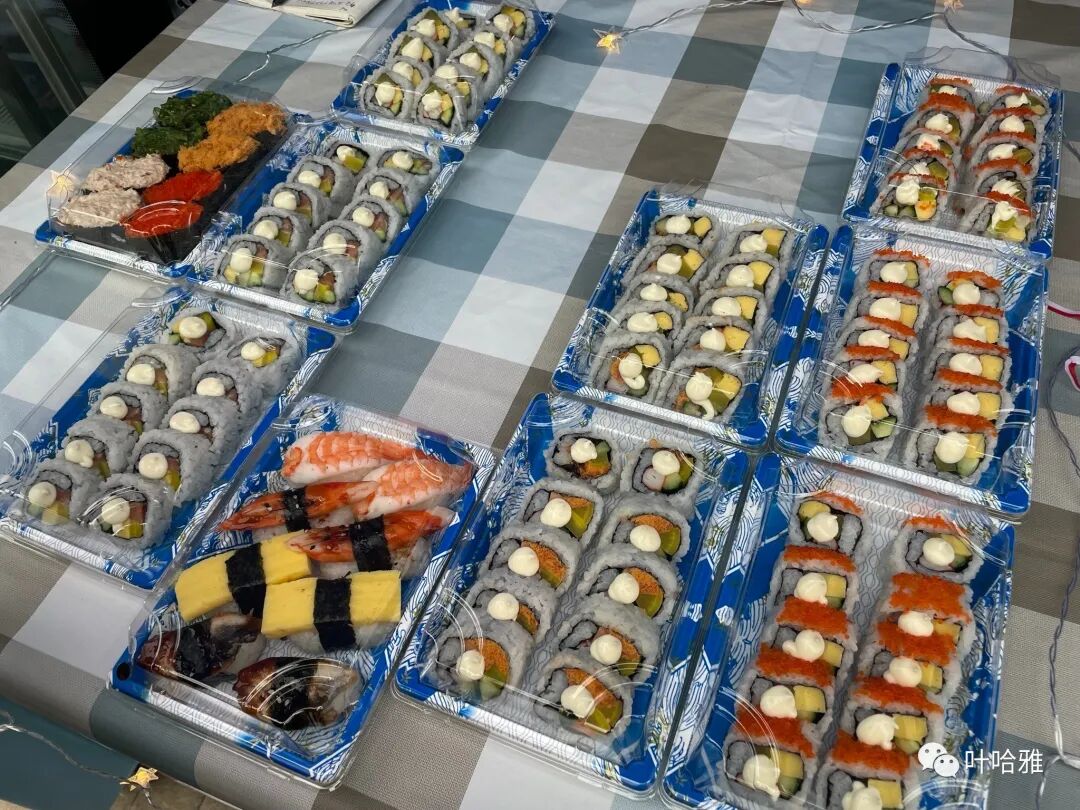
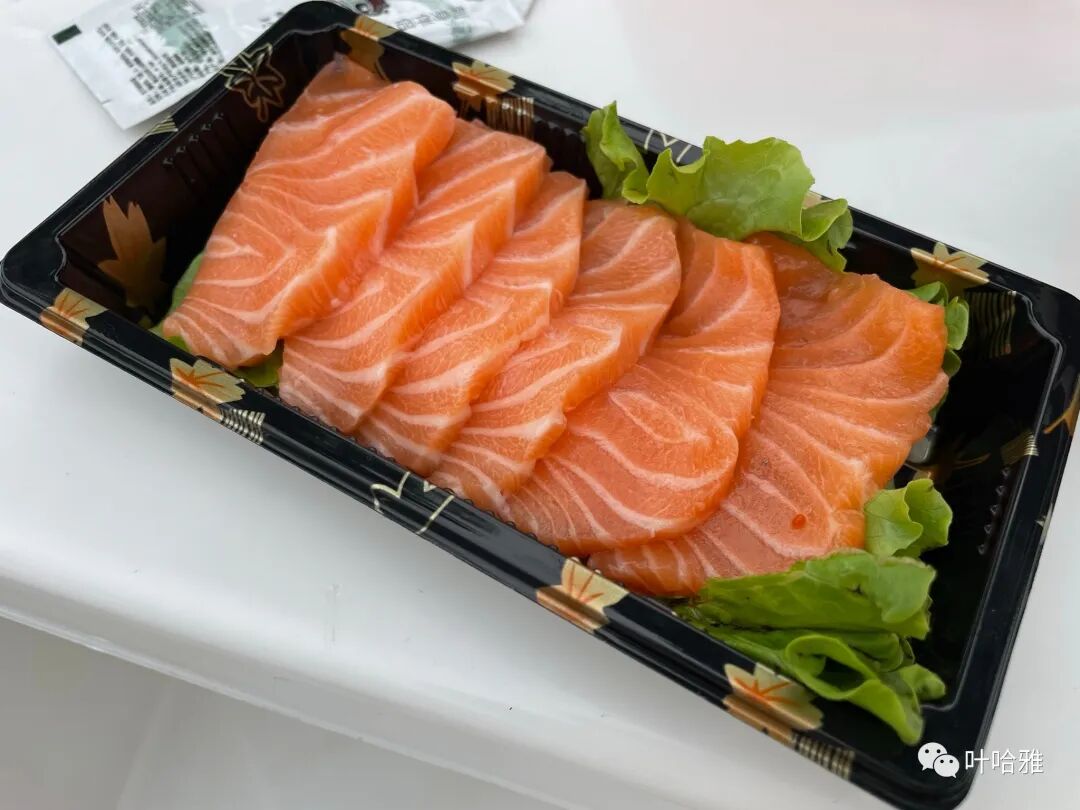
They have fresh salmon sashimi and sushi.
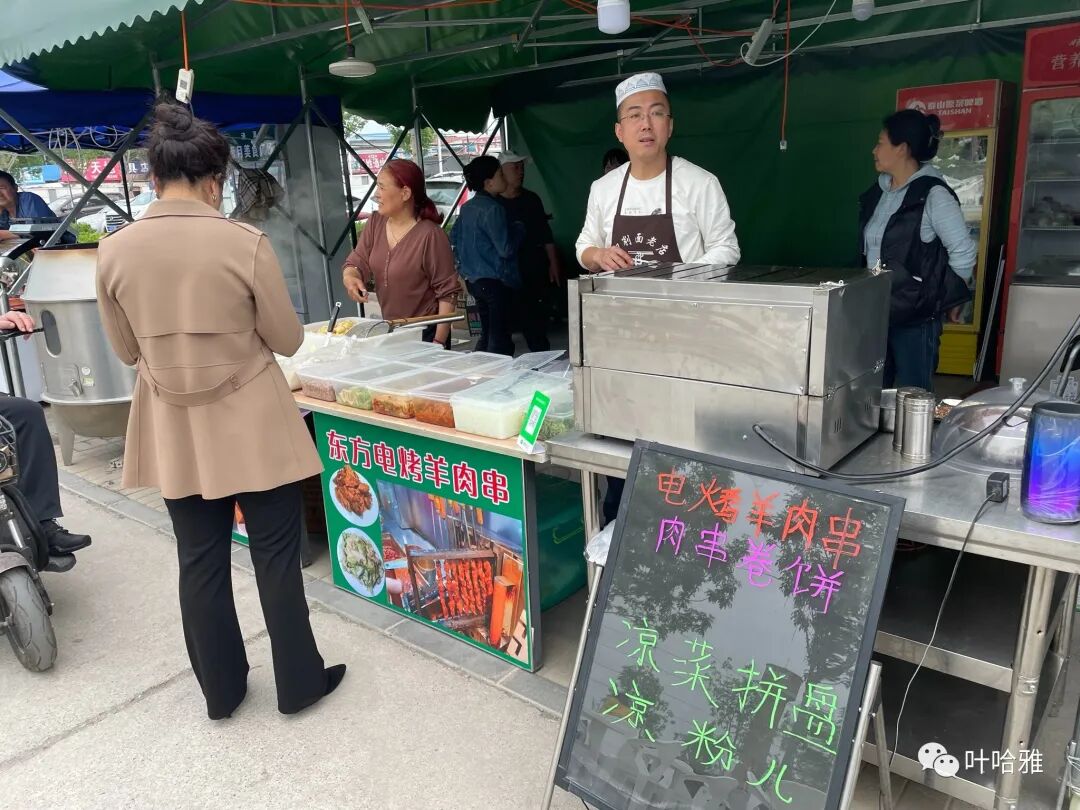
Electric-grilled skewers and mung bean jelly noodles (liangfen).
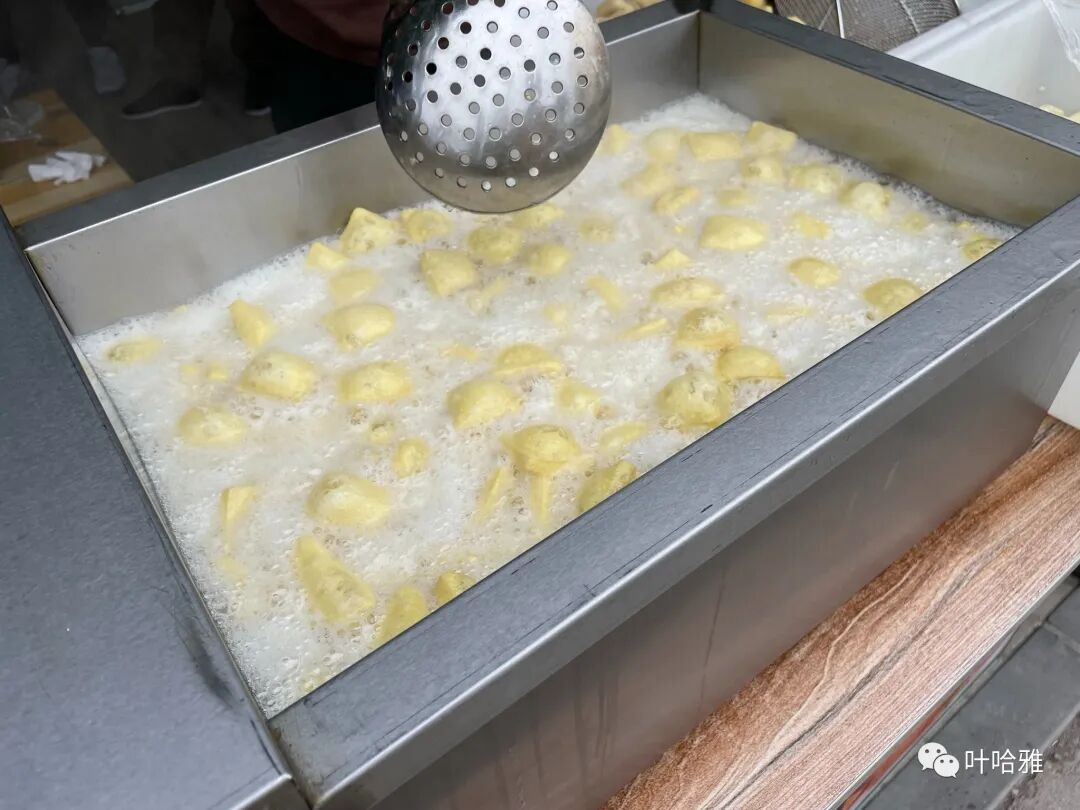
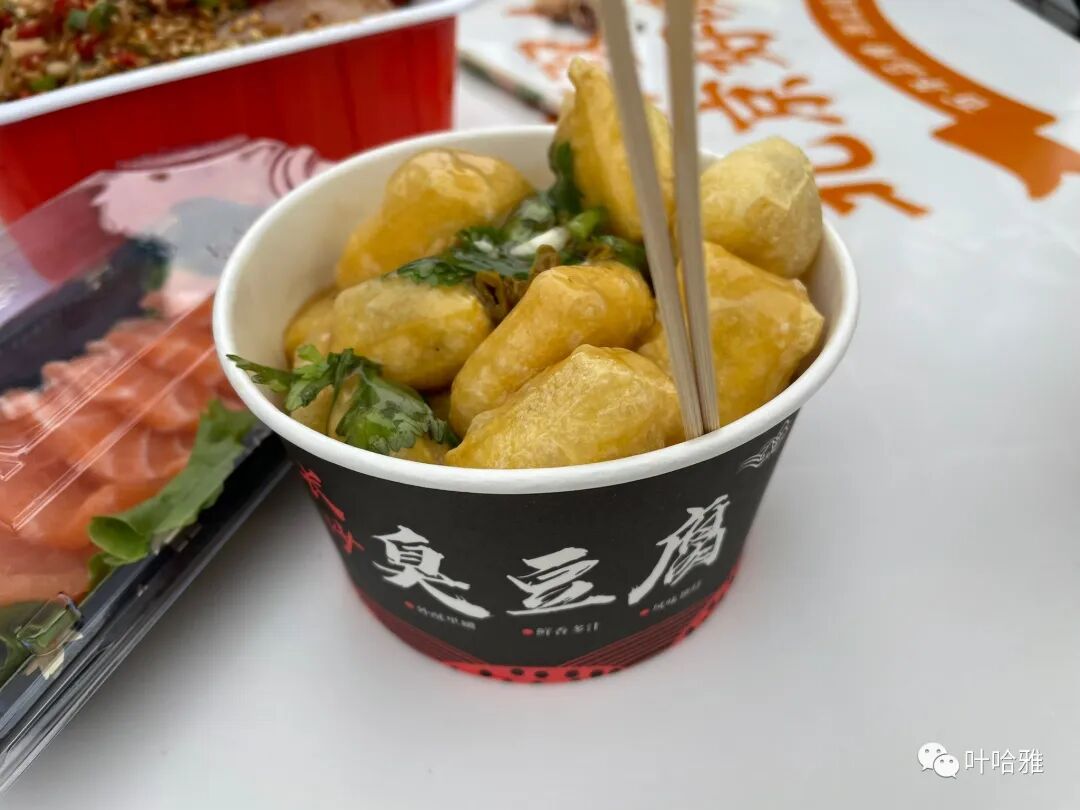
Deep-fried stinky tofu (zha chou doufu).
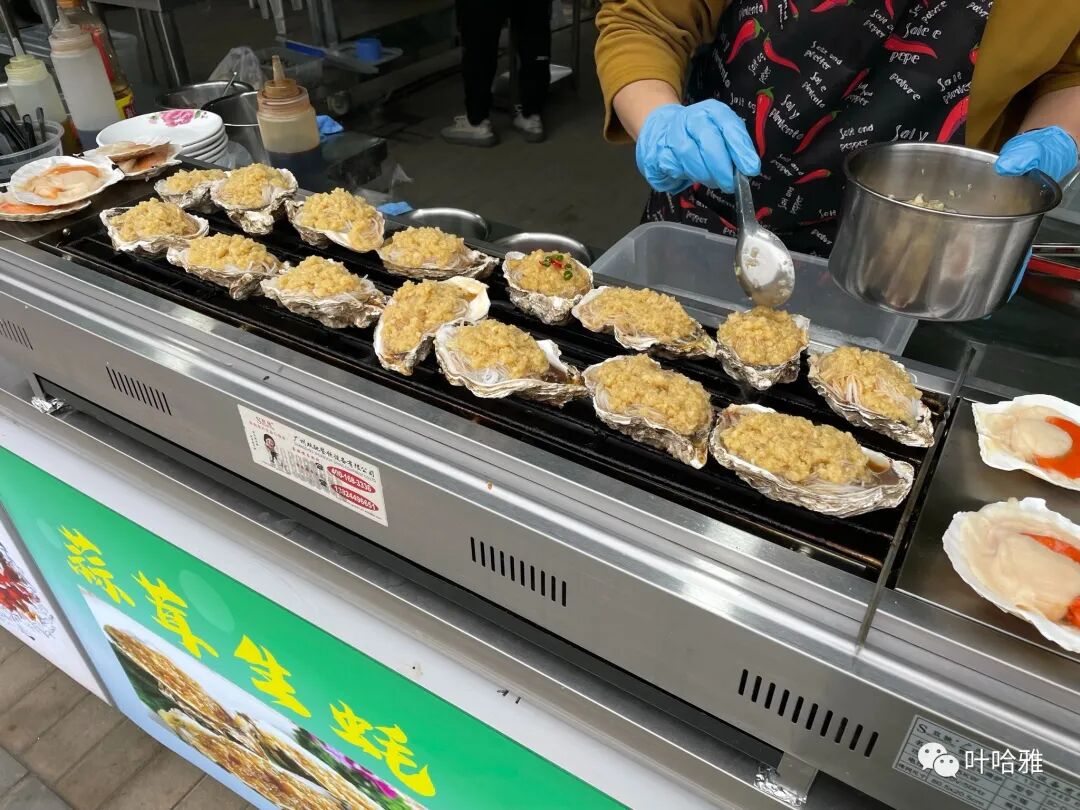
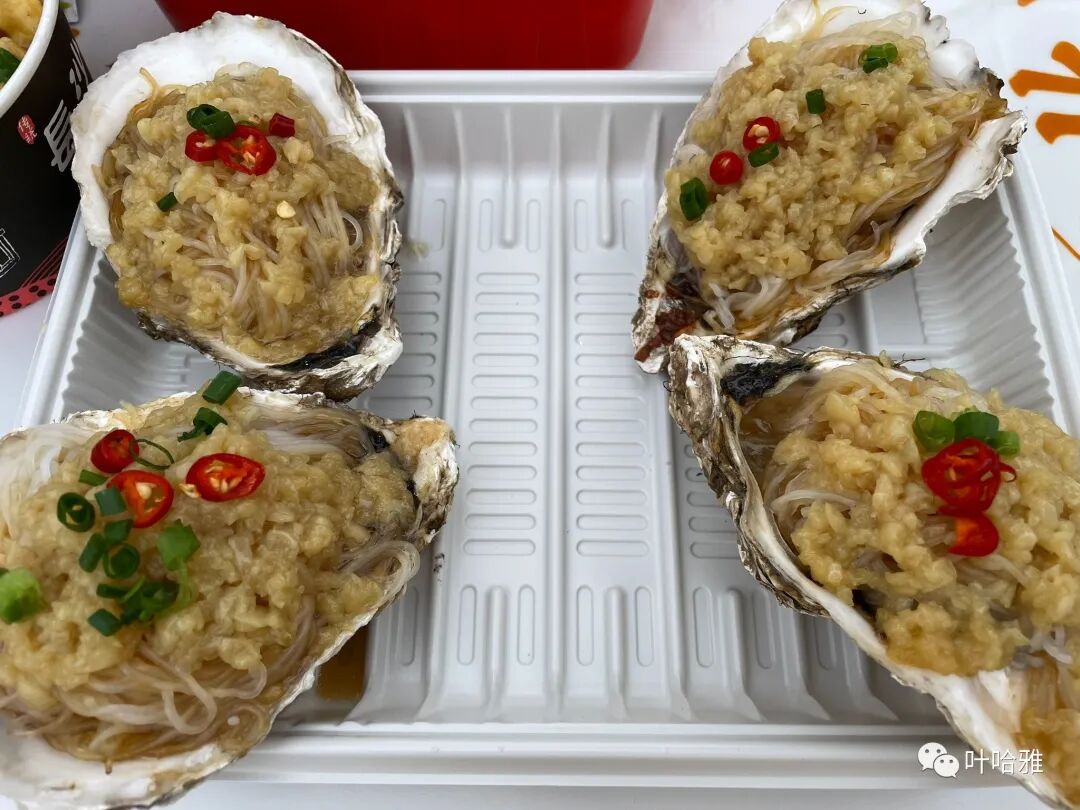
Grilled oysters and grilled scallops.
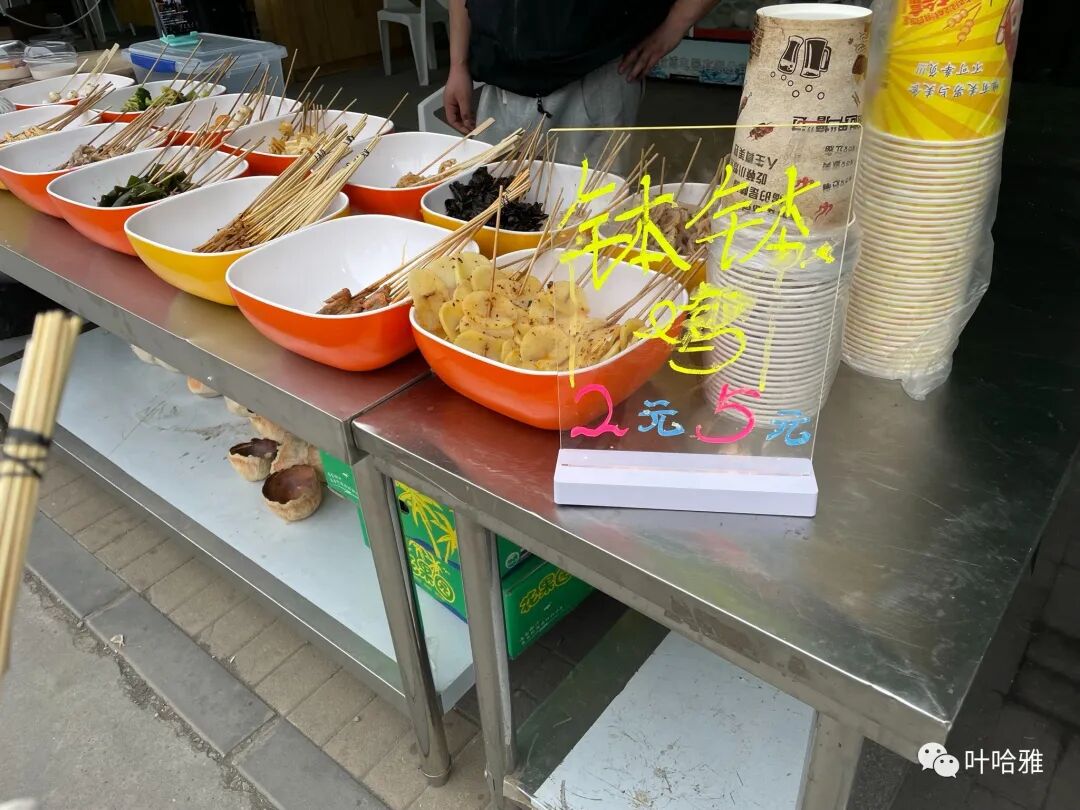
Pot-pot chicken (boboji).
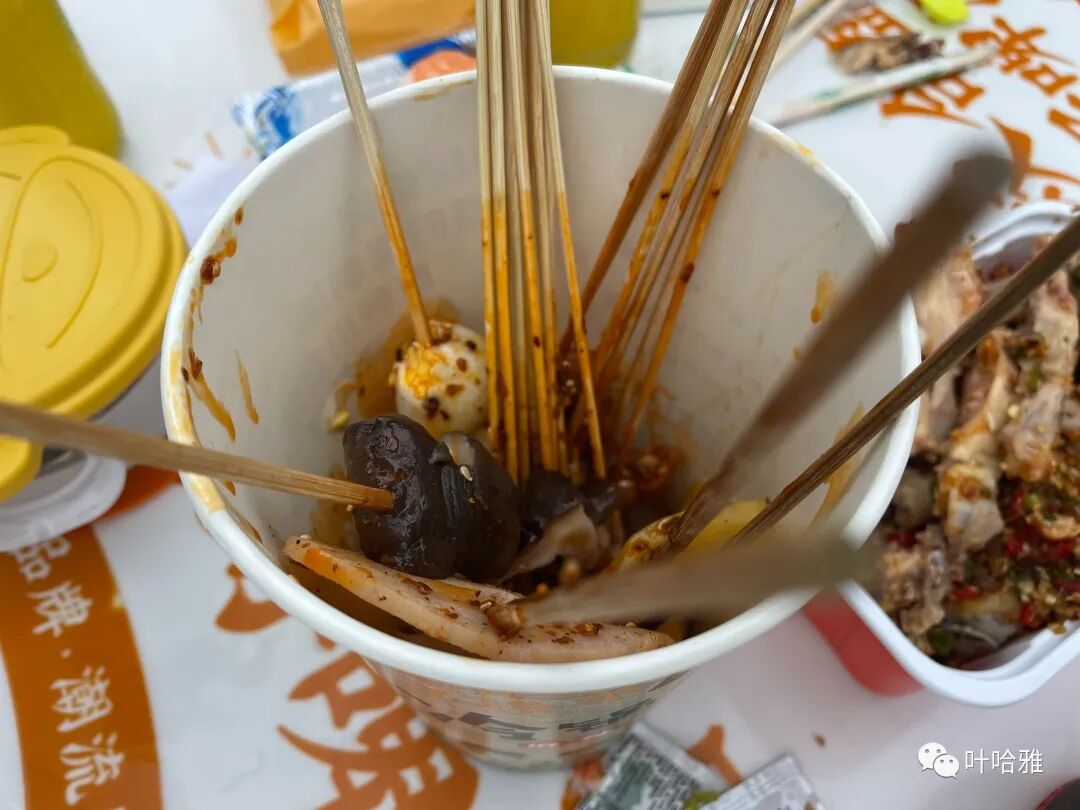
Pot-pot chicken (boboji) is a dish of cold skewers that are already cooked.
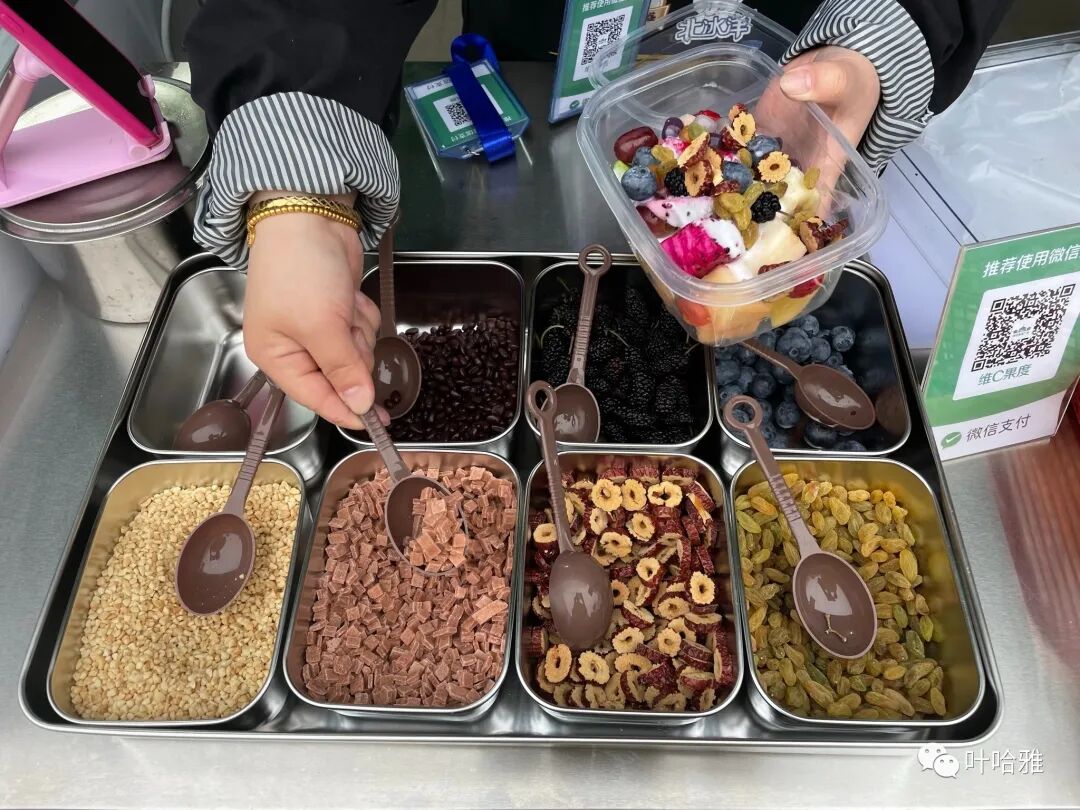
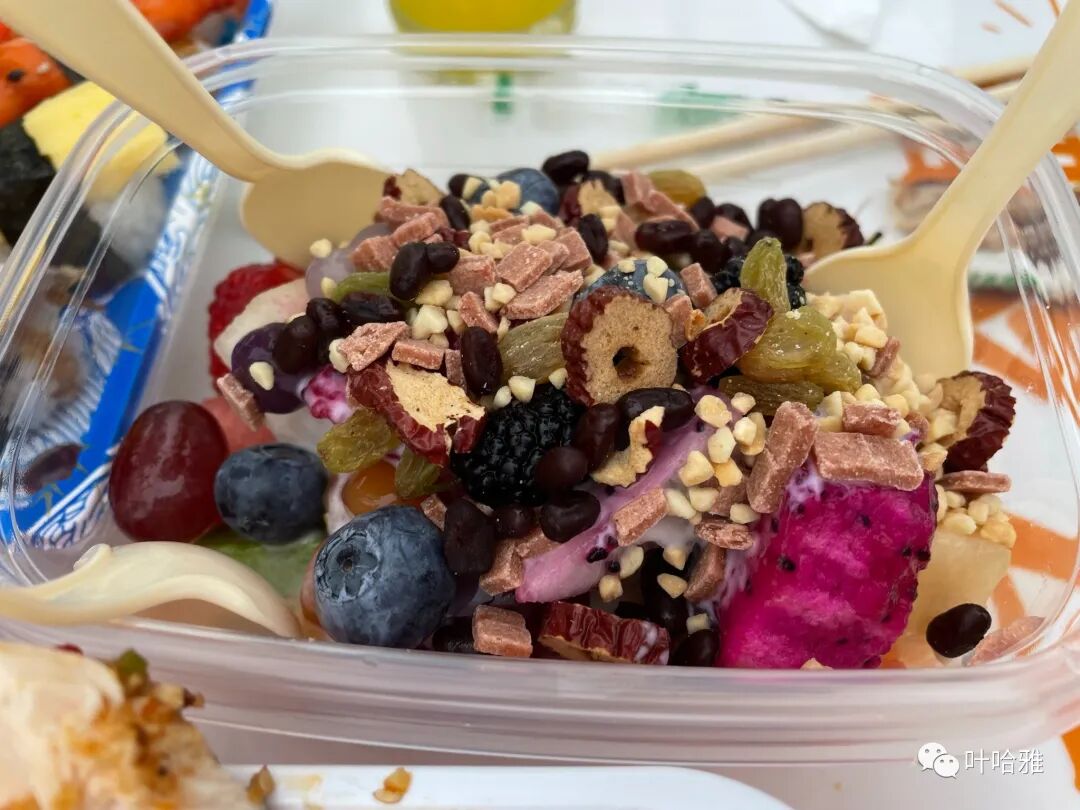
Fruit salad (shuiguolao).
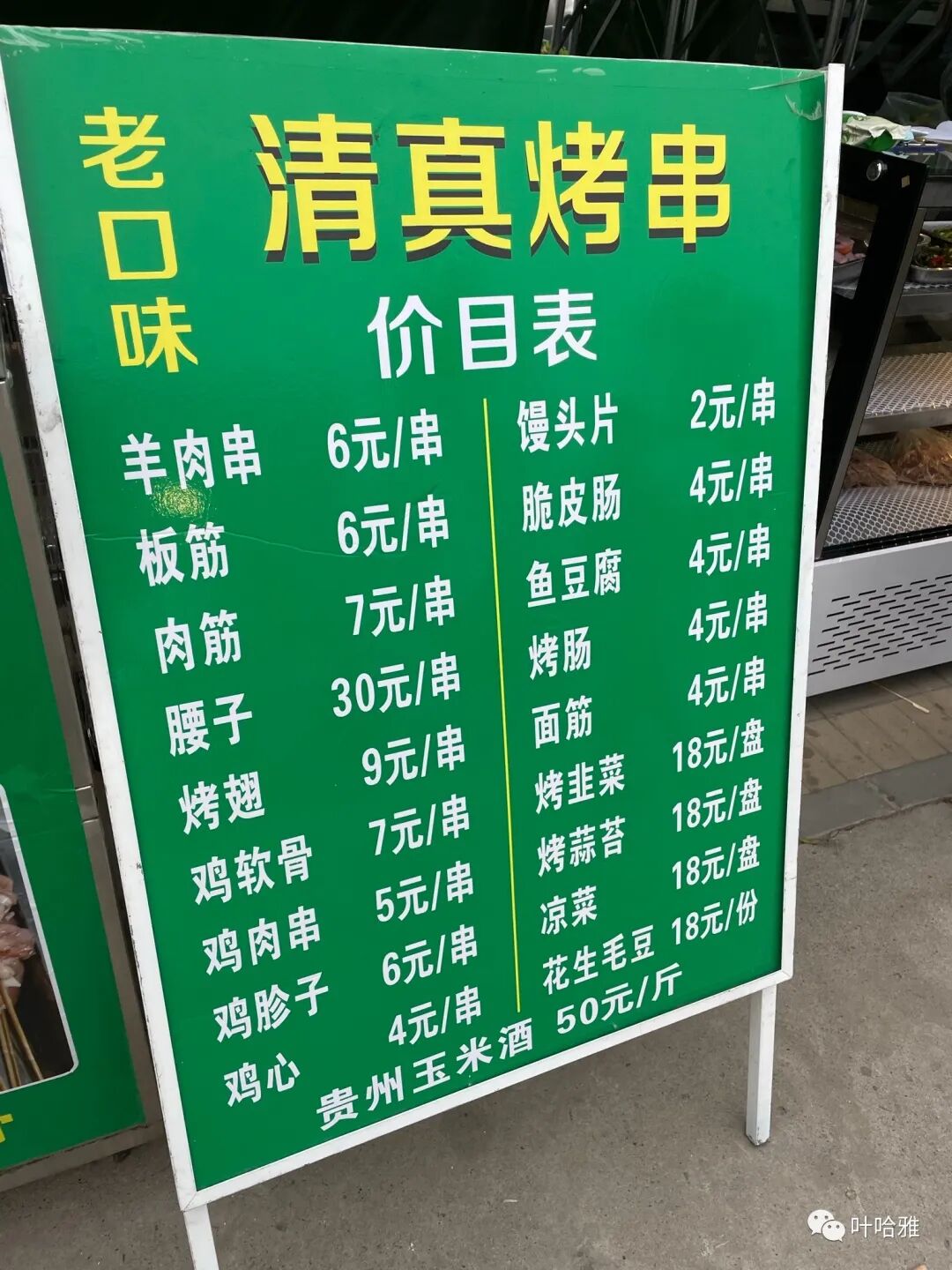
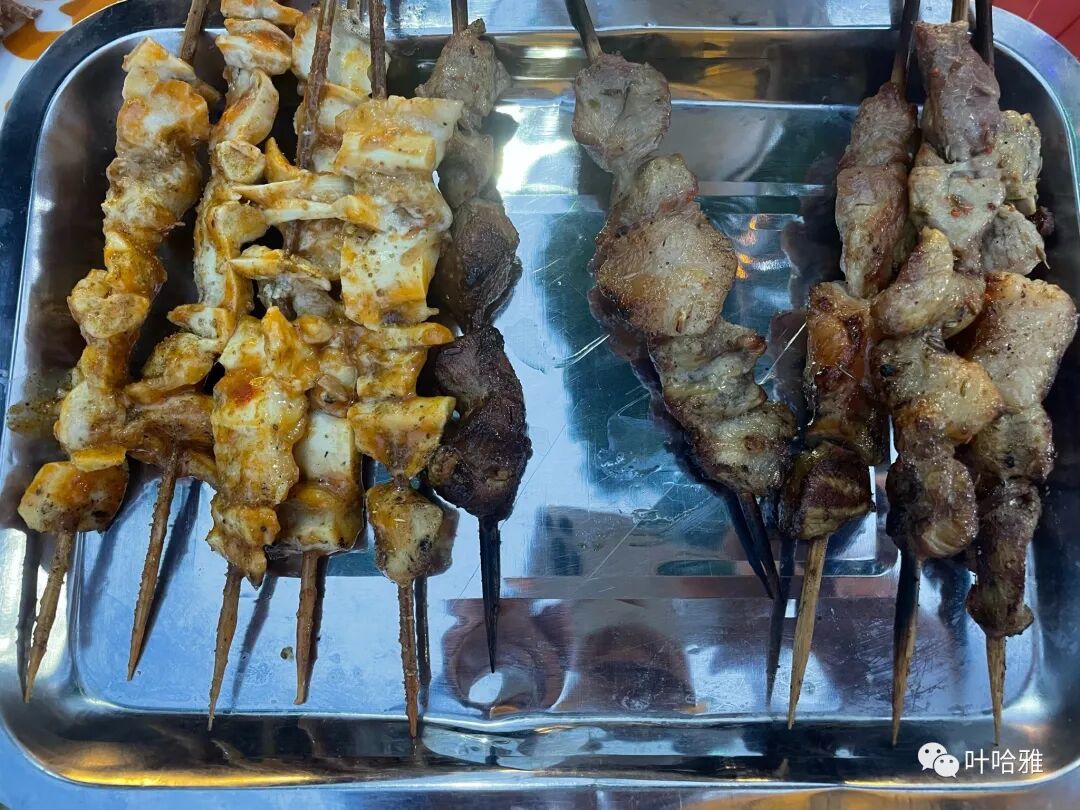
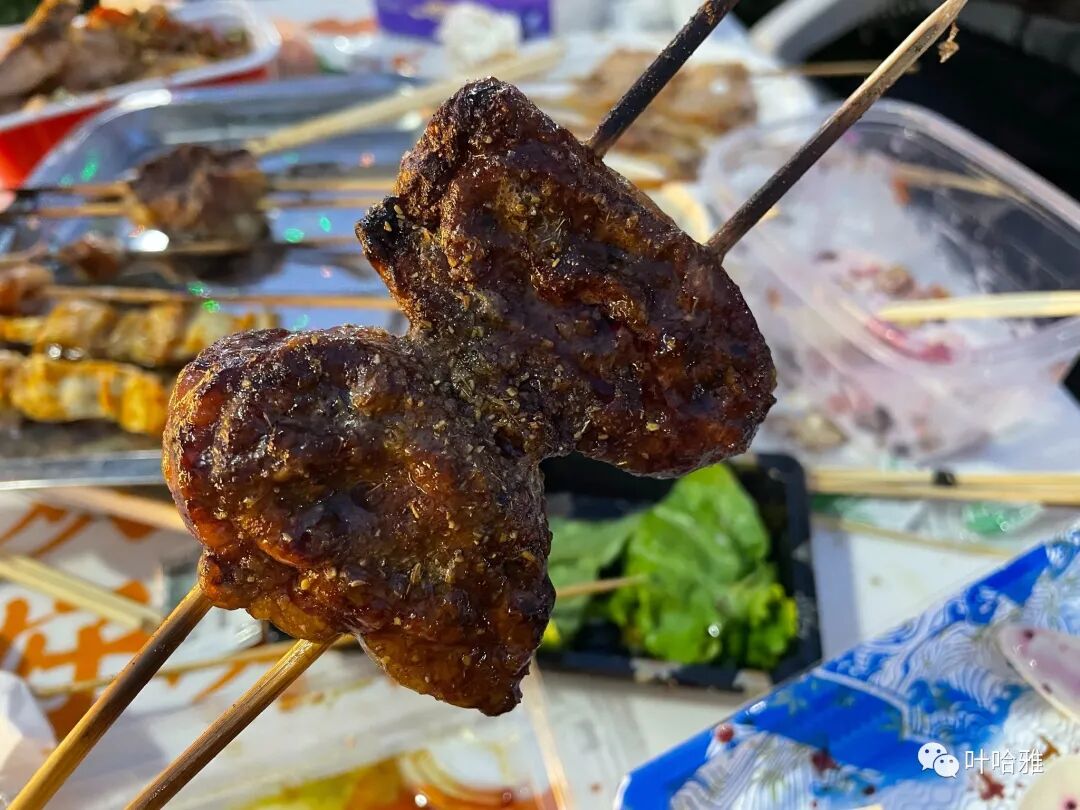
Charcoal-grilled skewers.
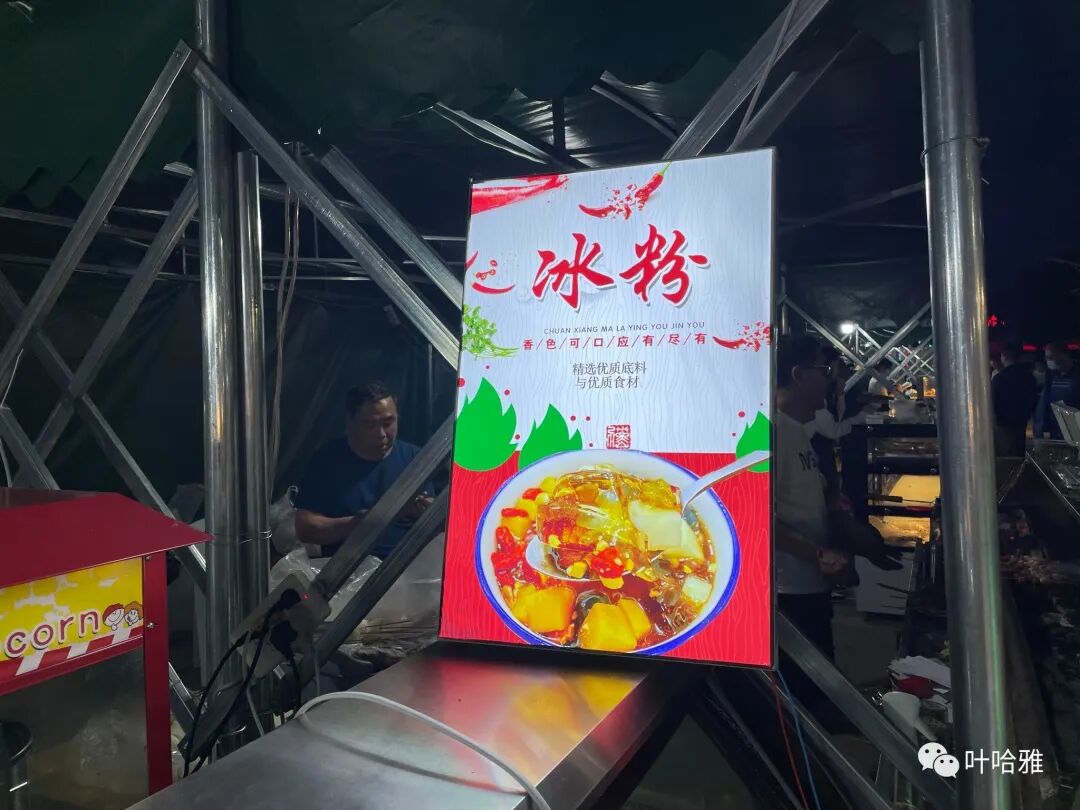
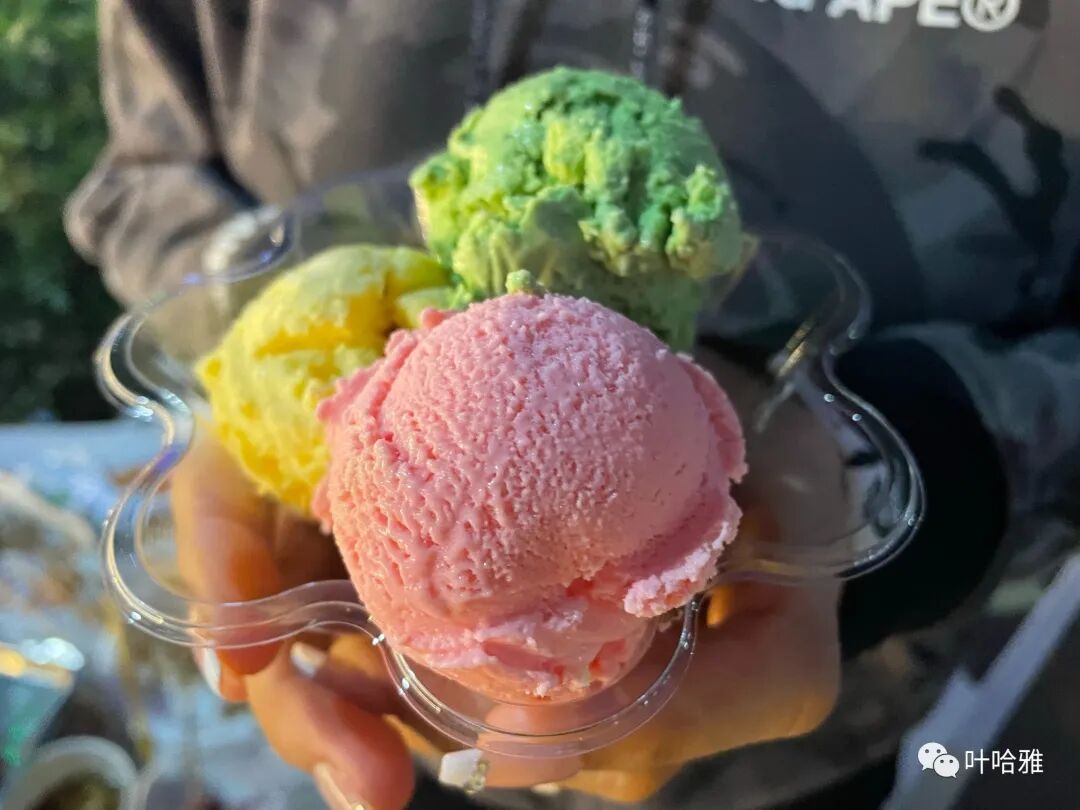
Iced jelly (bingfen) and ice cream.
We tried almost everything at the night market. It was not cheap, and the three of us spent over 400 yuan. The Japanese food and grilled skewers were the most expensive, with two stalls costing over 200 yuan. Of course, there are cheaper ways to eat there.
7. Yuejing Lanwan Japanese Buffet Restaurant.
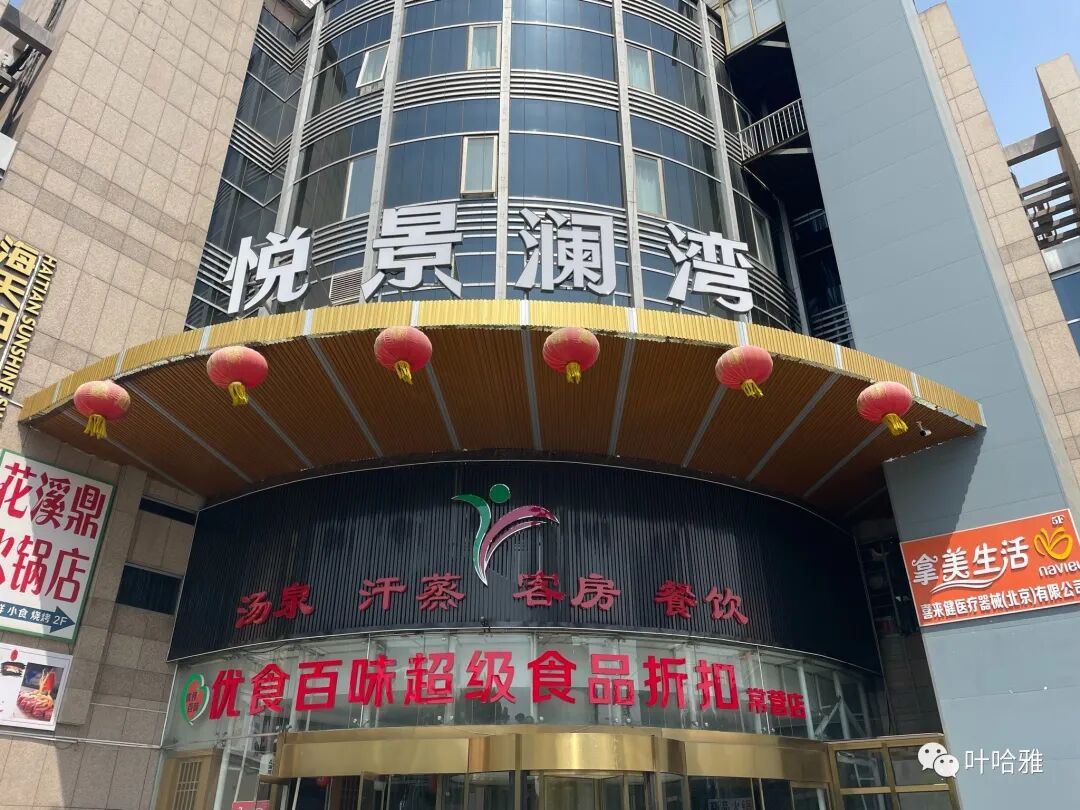
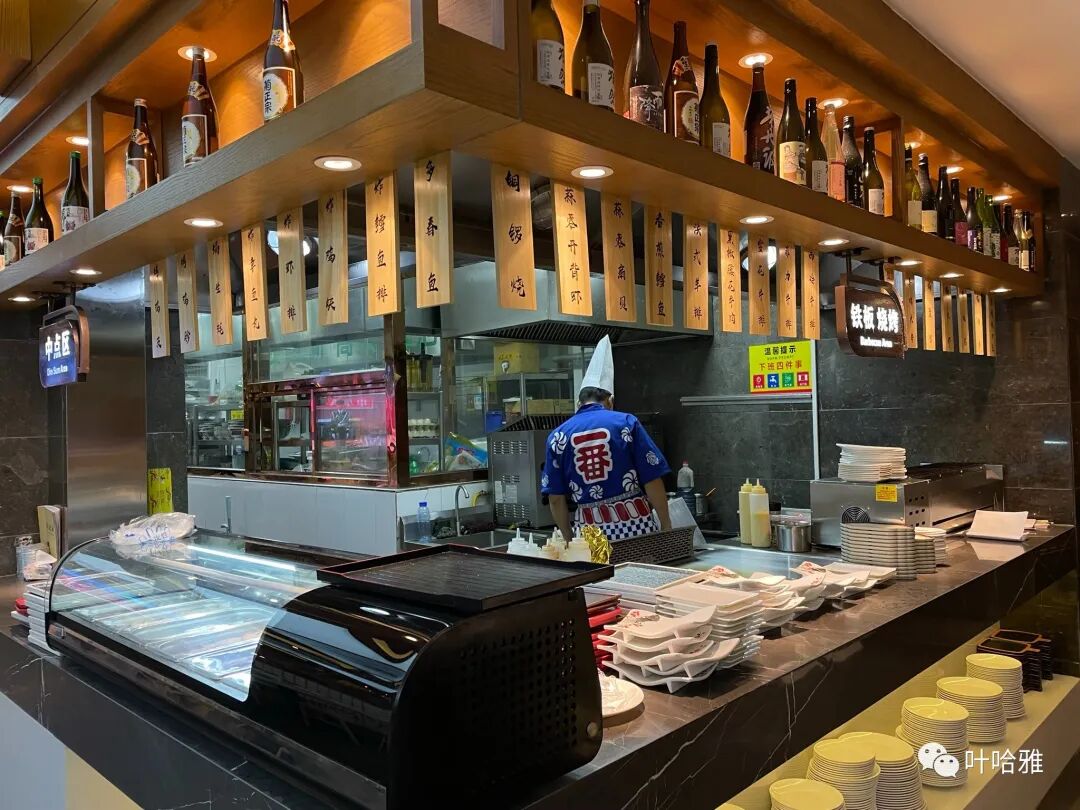
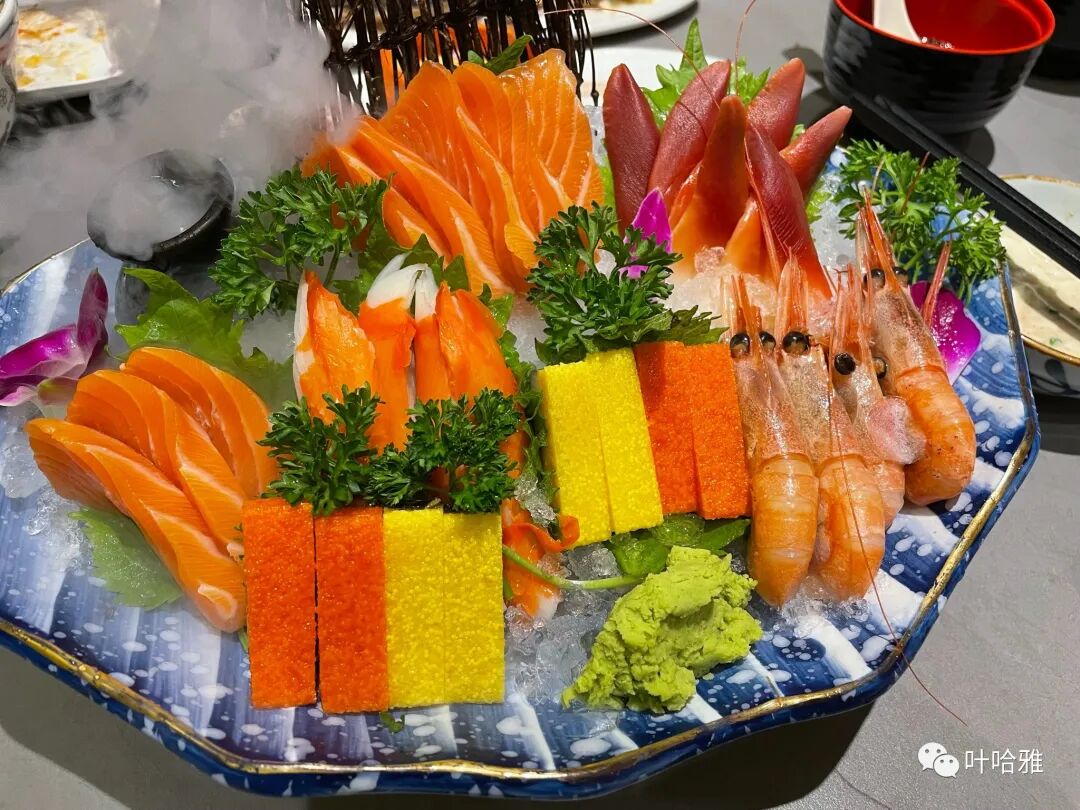
This is a halal bathhouse that opened recently in Changying, and the Japanese buffet inside is a halal restaurant. You can choose a bath and buffet package for 199 yuan, or just come for the Japanese buffet. The buffet with sashimi is 165 yuan, and the one without is 127 yuan. You can buy group deals on Douyin by searching for "Yuejing Japanese Buffet".
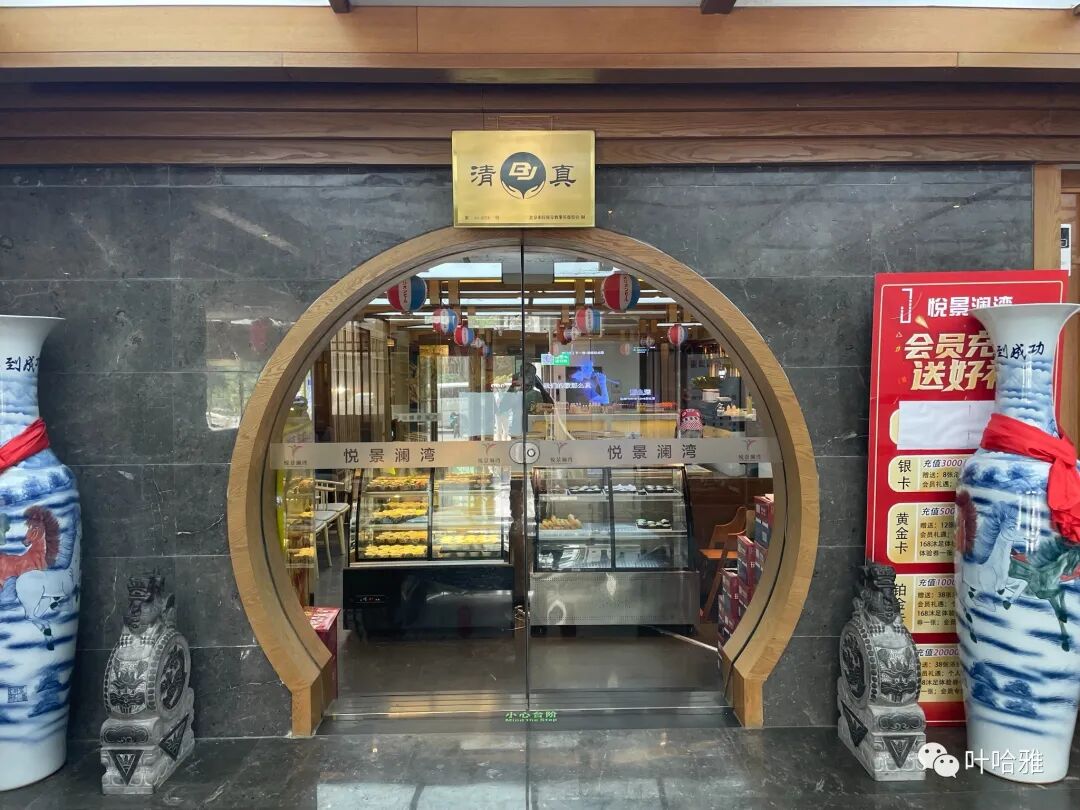
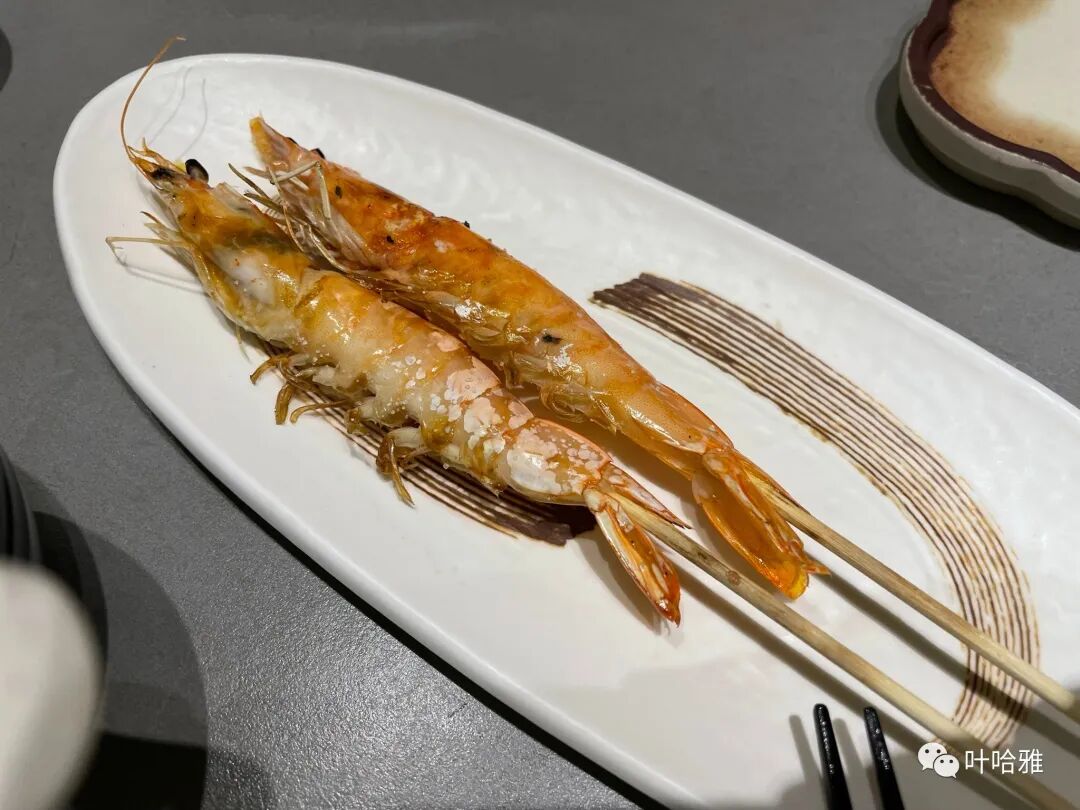
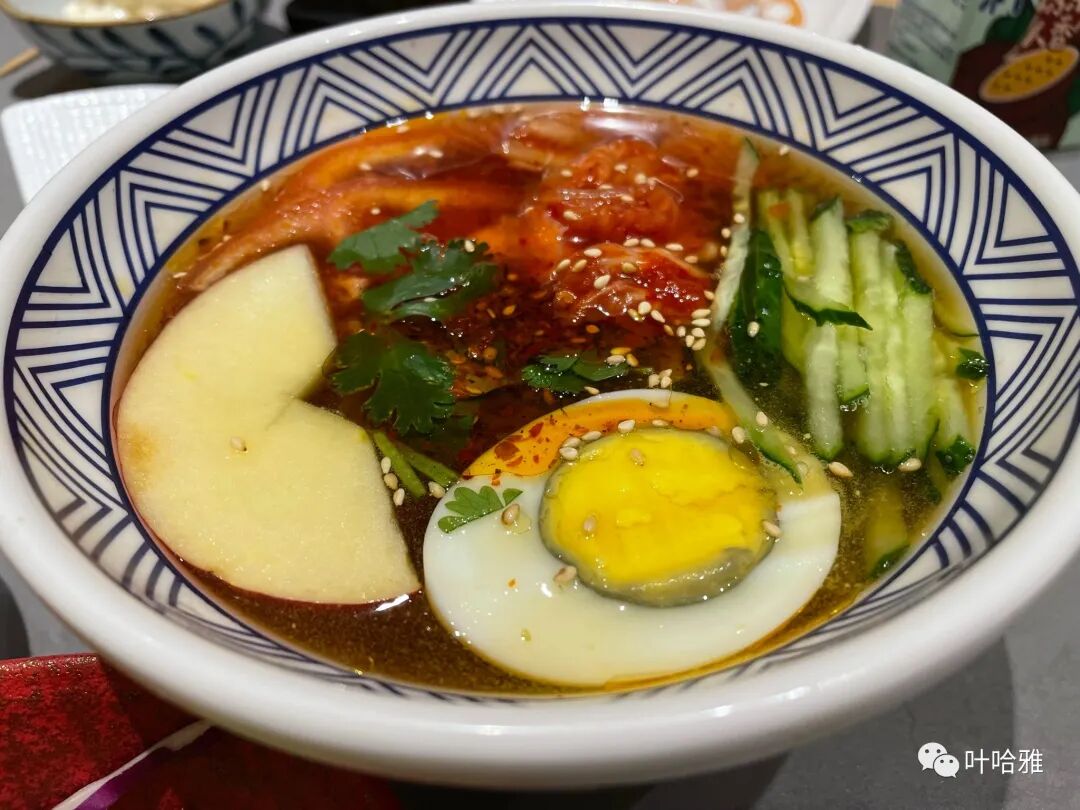
Even though it is a buffet, the food quality is just as good as ordering a la carte. You scan a code to order whatever you want. Each dish is made as a single serving, prepared fresh when you order, and you can eat as much as you like. I think the lamb and seafood at this restaurant are excellent, and the desserts are high quality too. It is a great value.
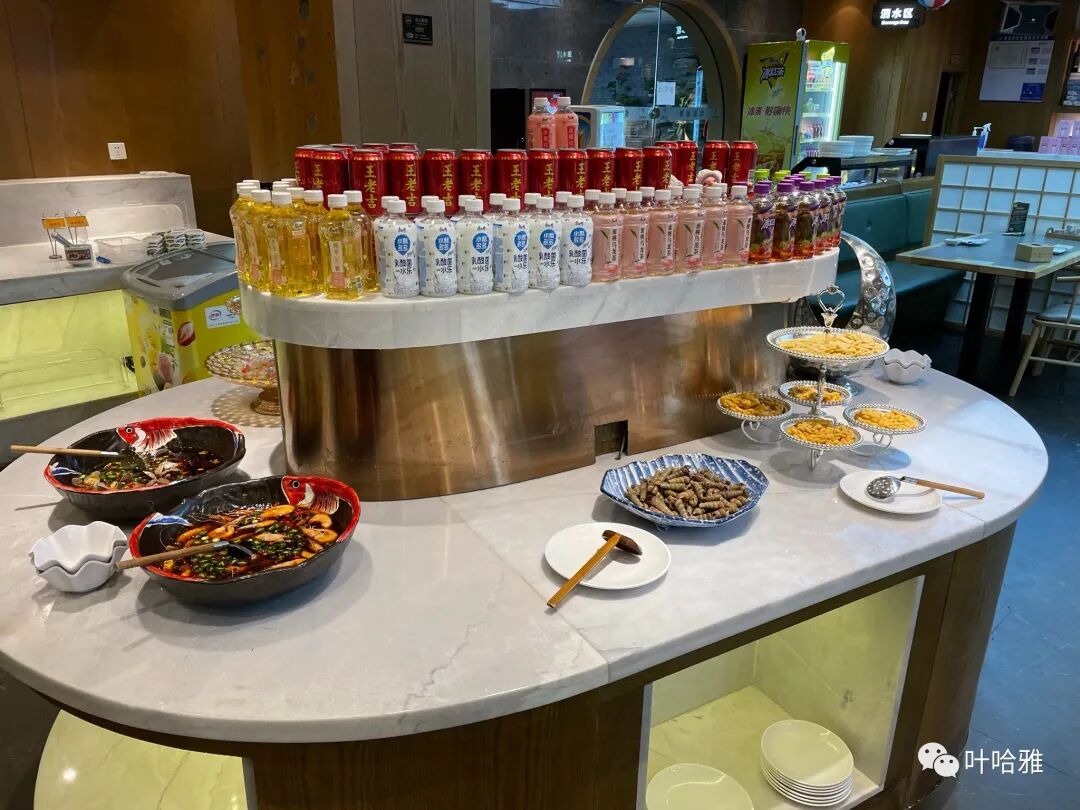
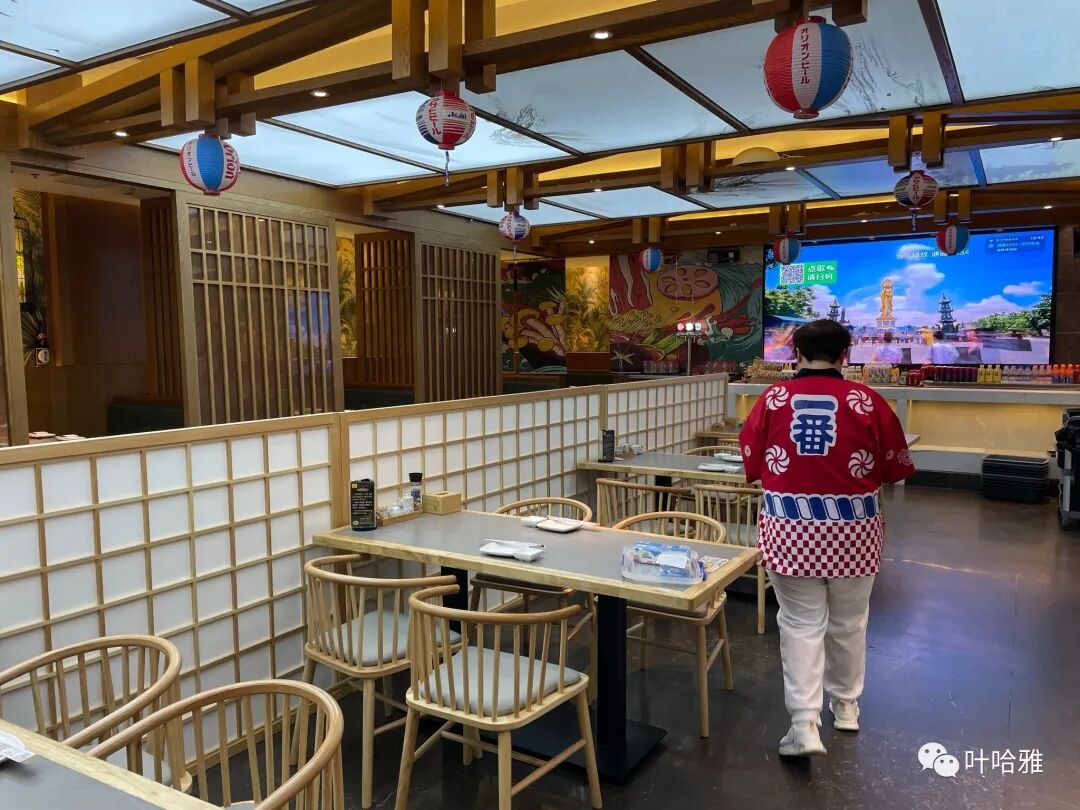
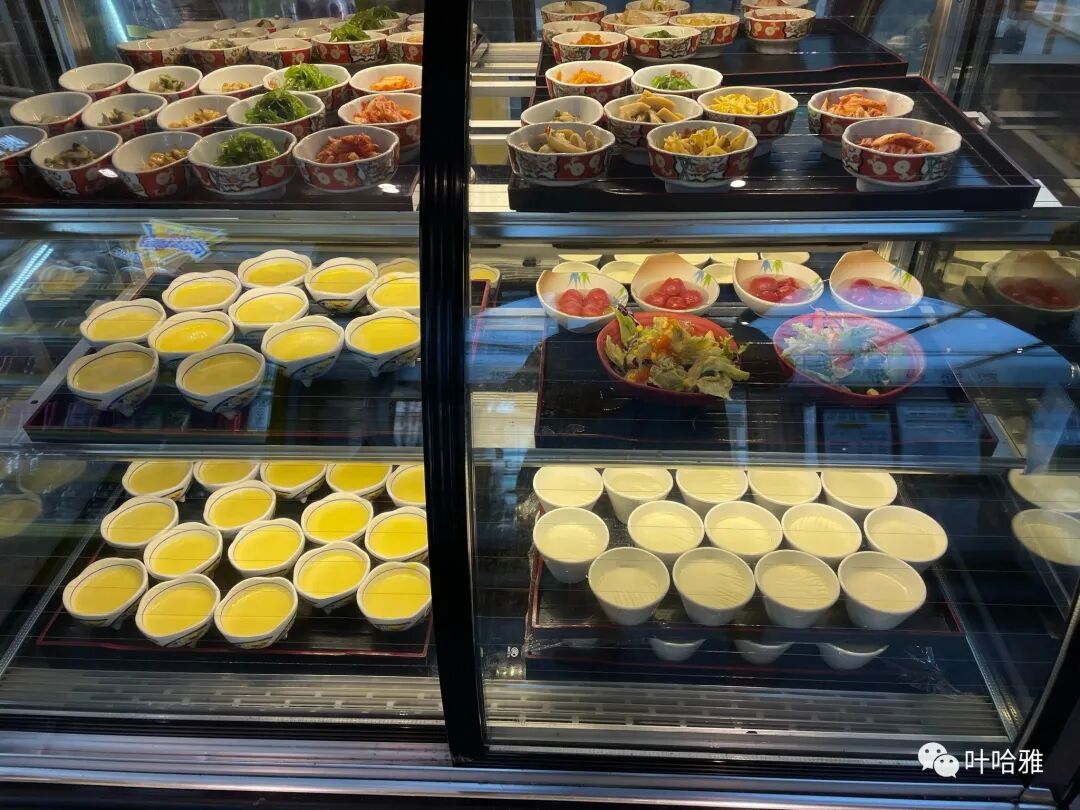
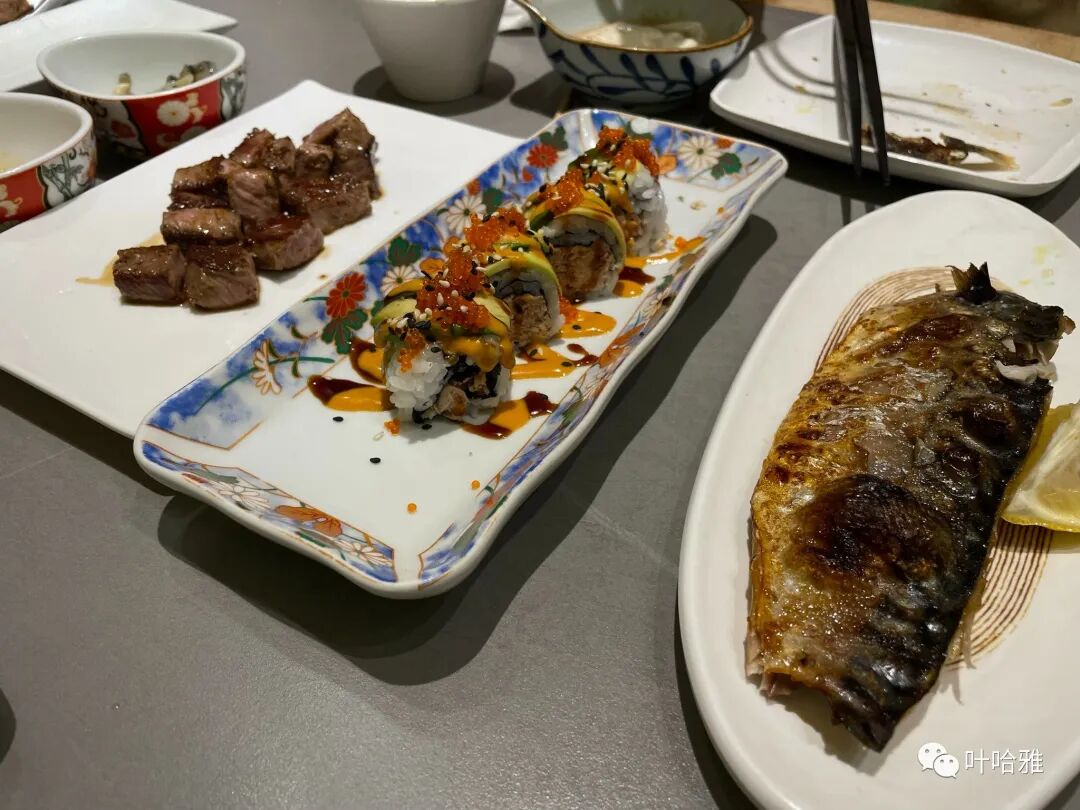
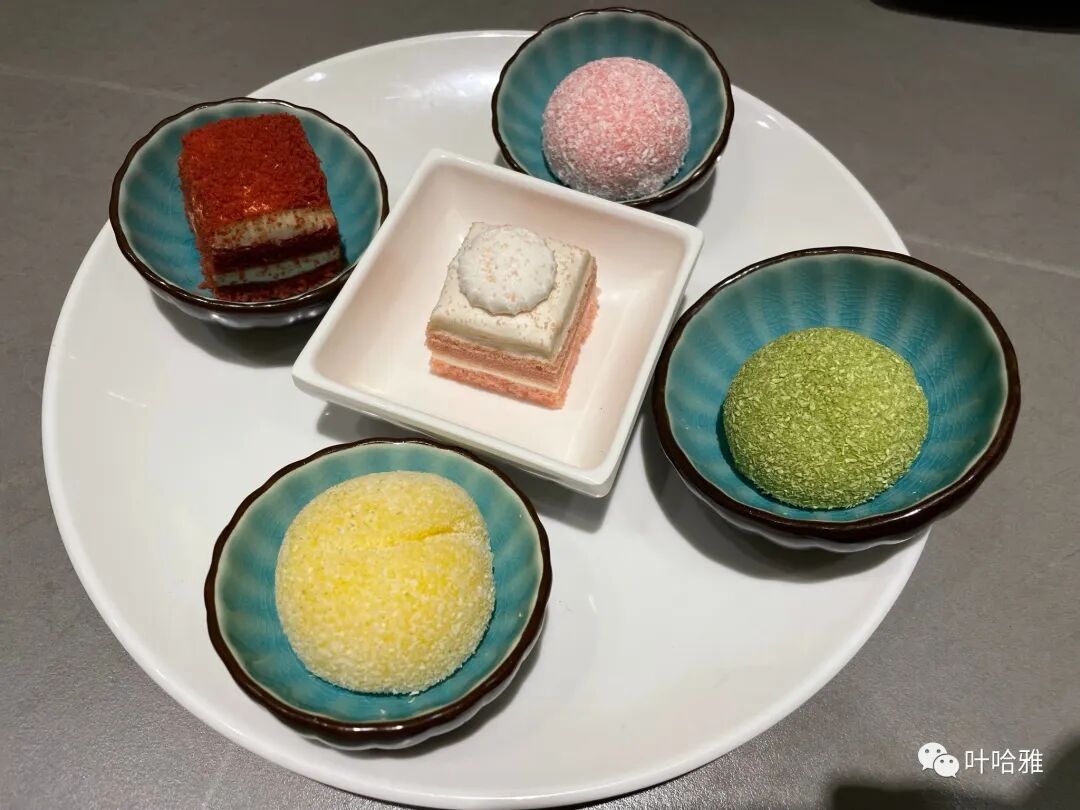
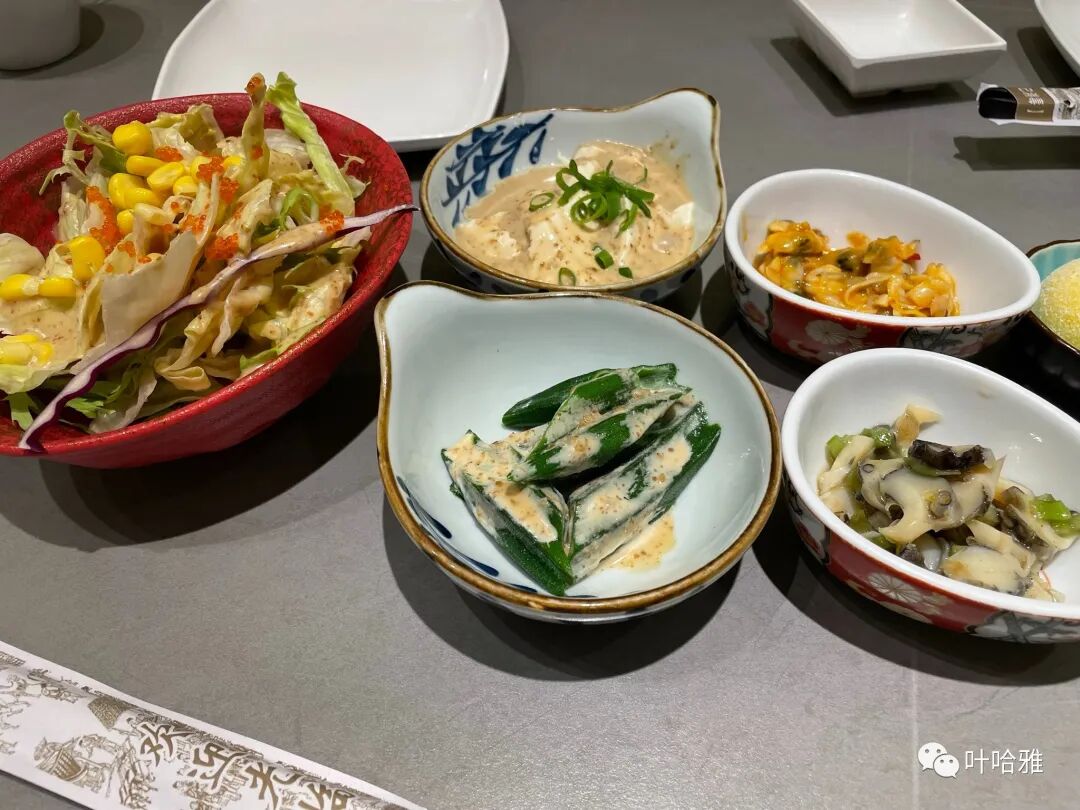
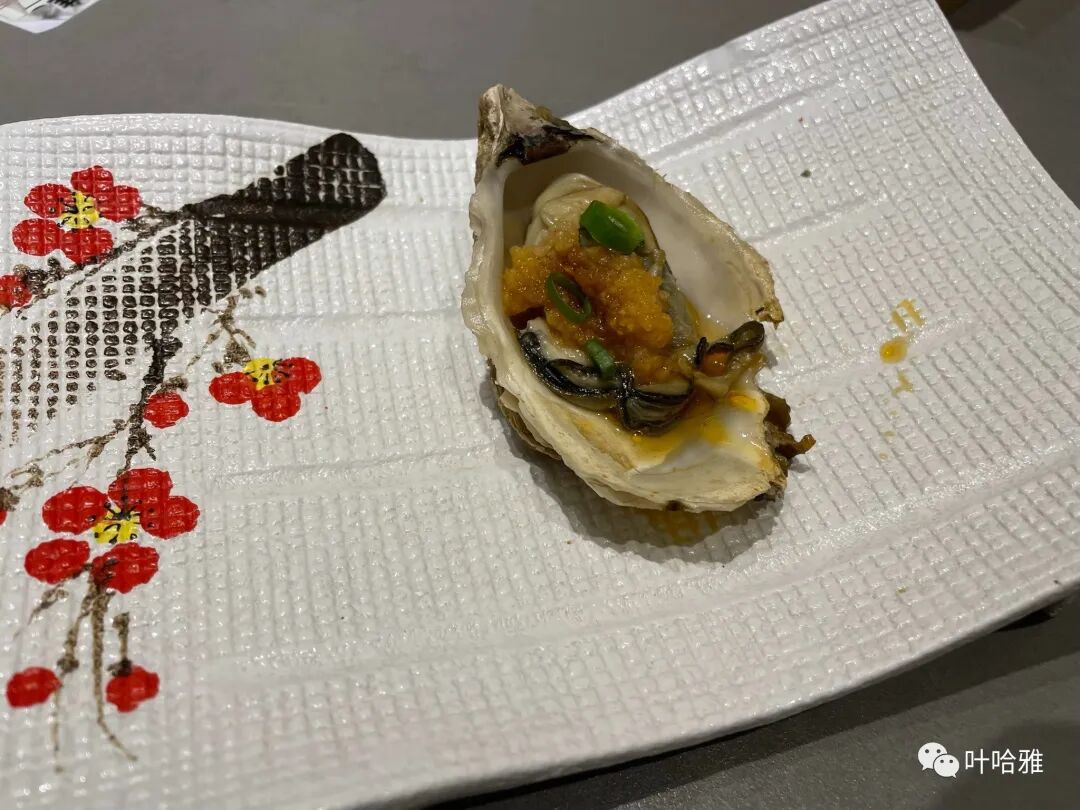
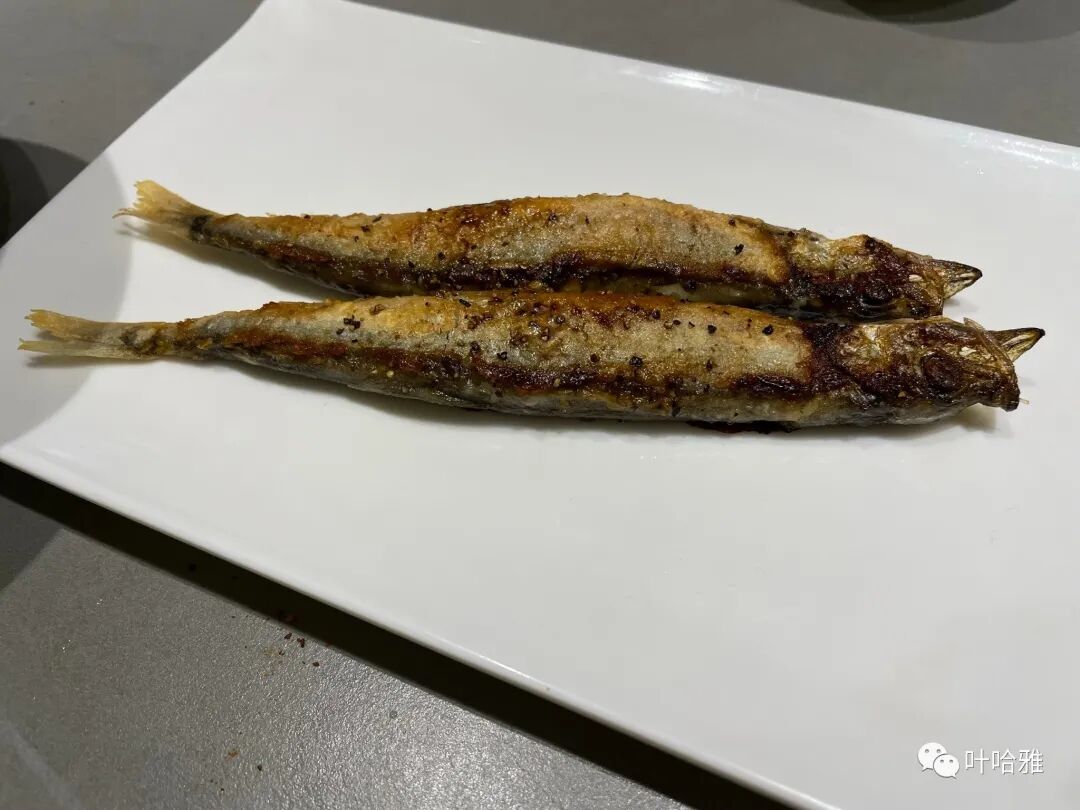
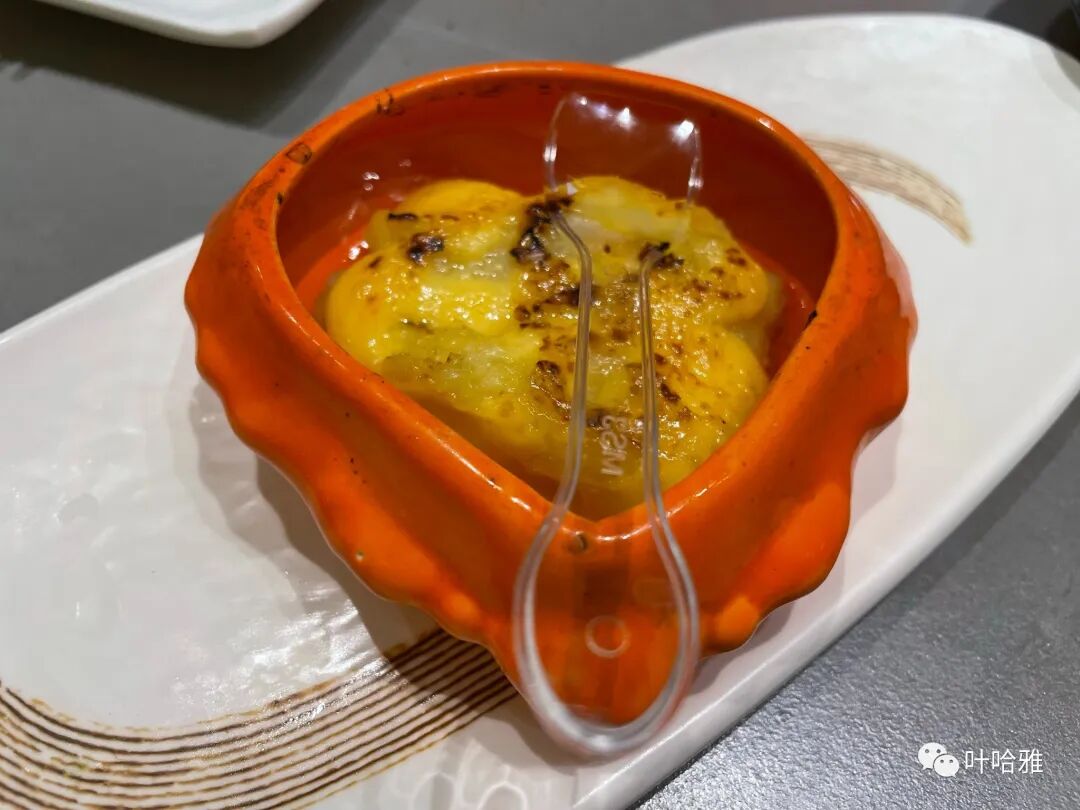
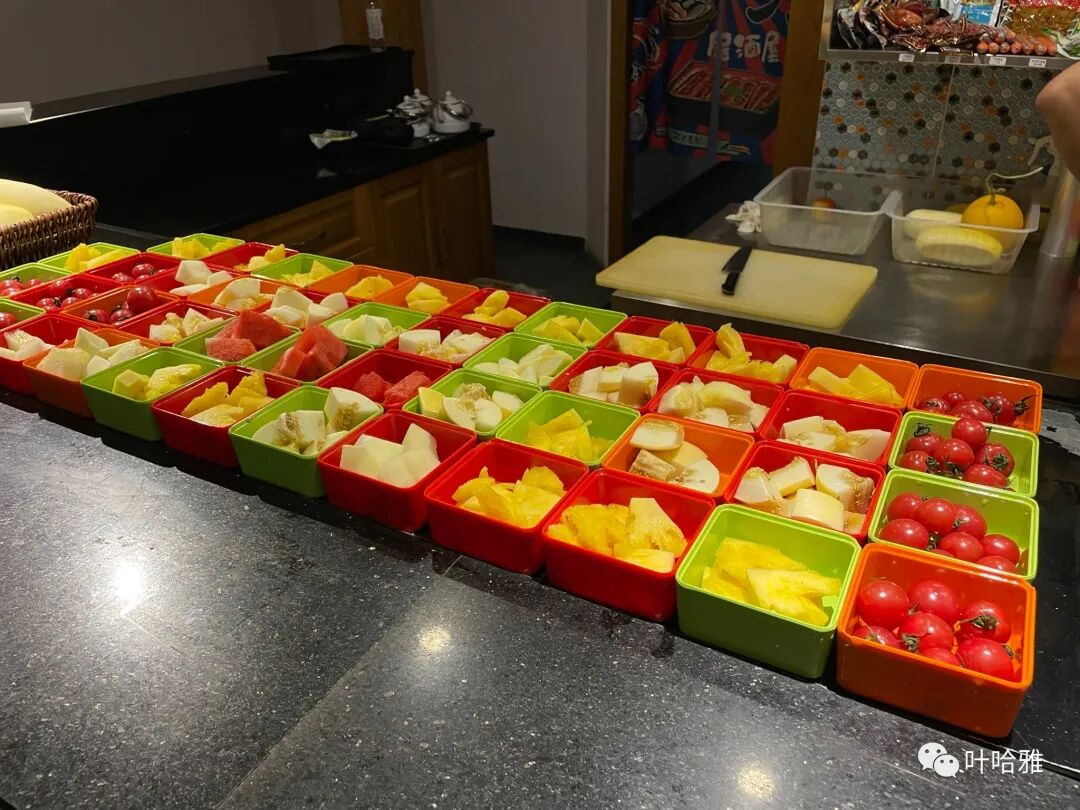
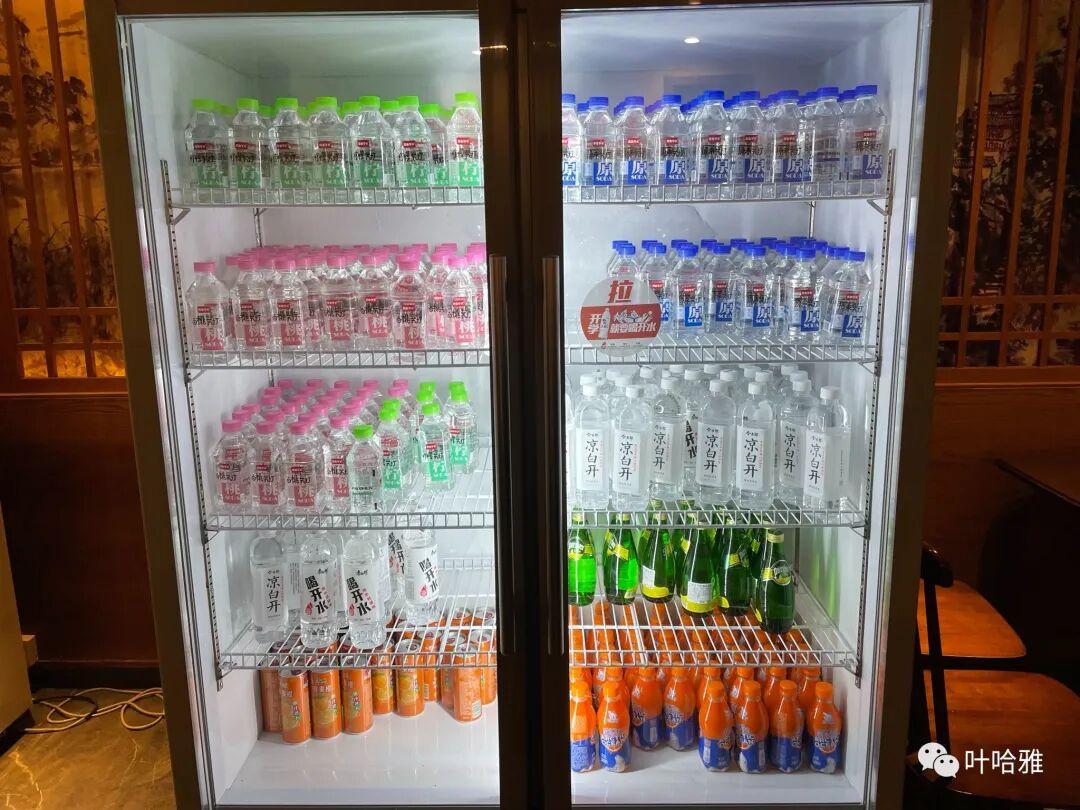
The third-floor lounge has an entertainment area and a self-service station for fruit and drinks. Everything is unlimited, and there is plenty of Yili ice cream.
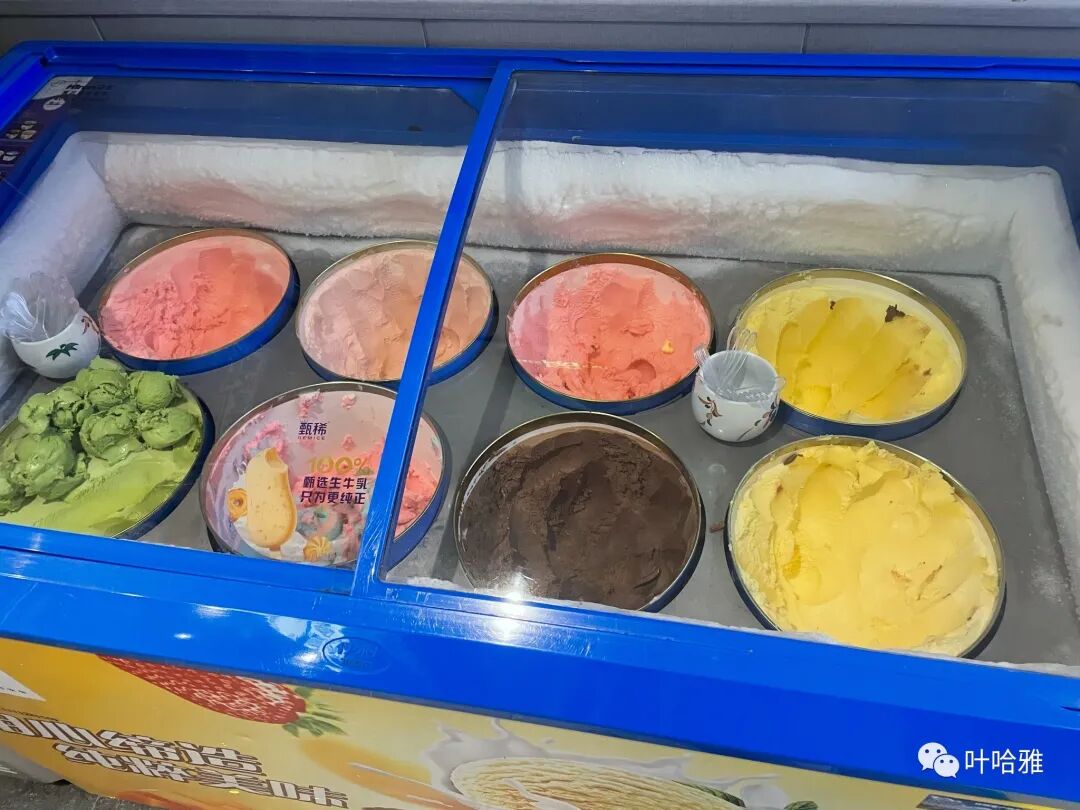
The lounge at this bathhouse isn't as nice as the one at Shuiguo Tangquan, but it is much cheaper. The Japanese restaurant here is a great deal. If you ordered these dishes separately, they would be expensive, but they are very affordable as part of the set meal. There is free parking at the entrance and a children's play area, so it is a good place to bring kids.
8. Beijing University of Posts and Telecommunications Ethnic Restaurant
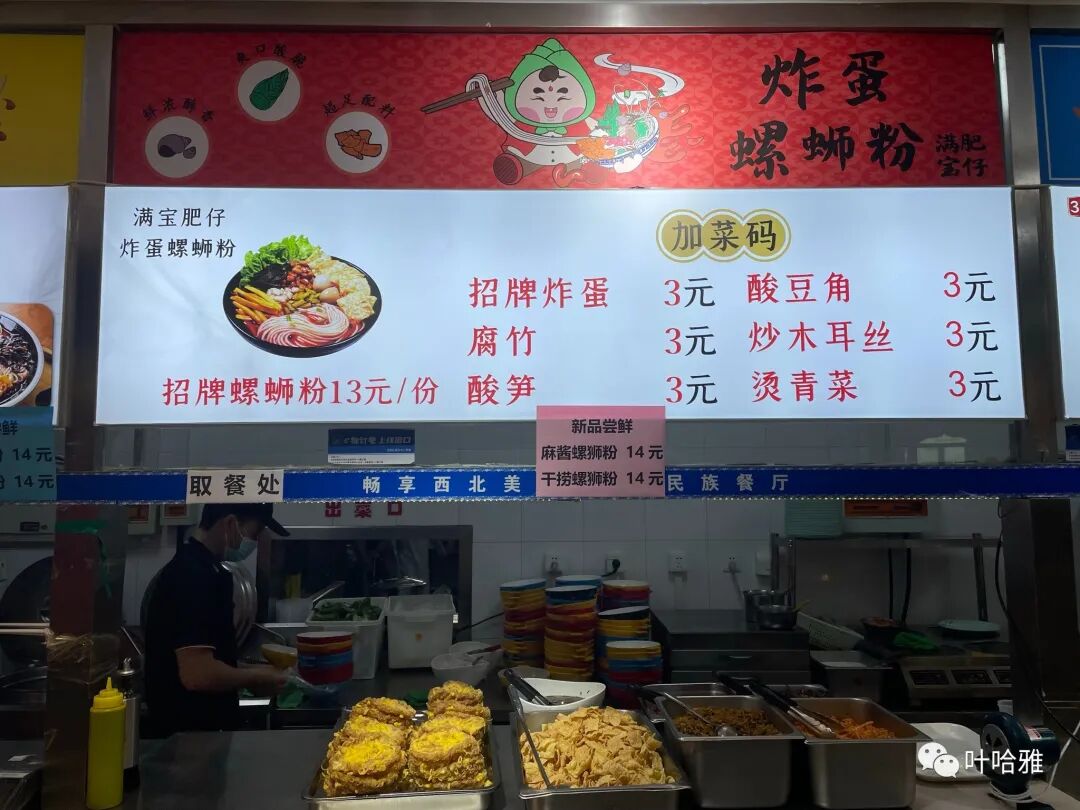
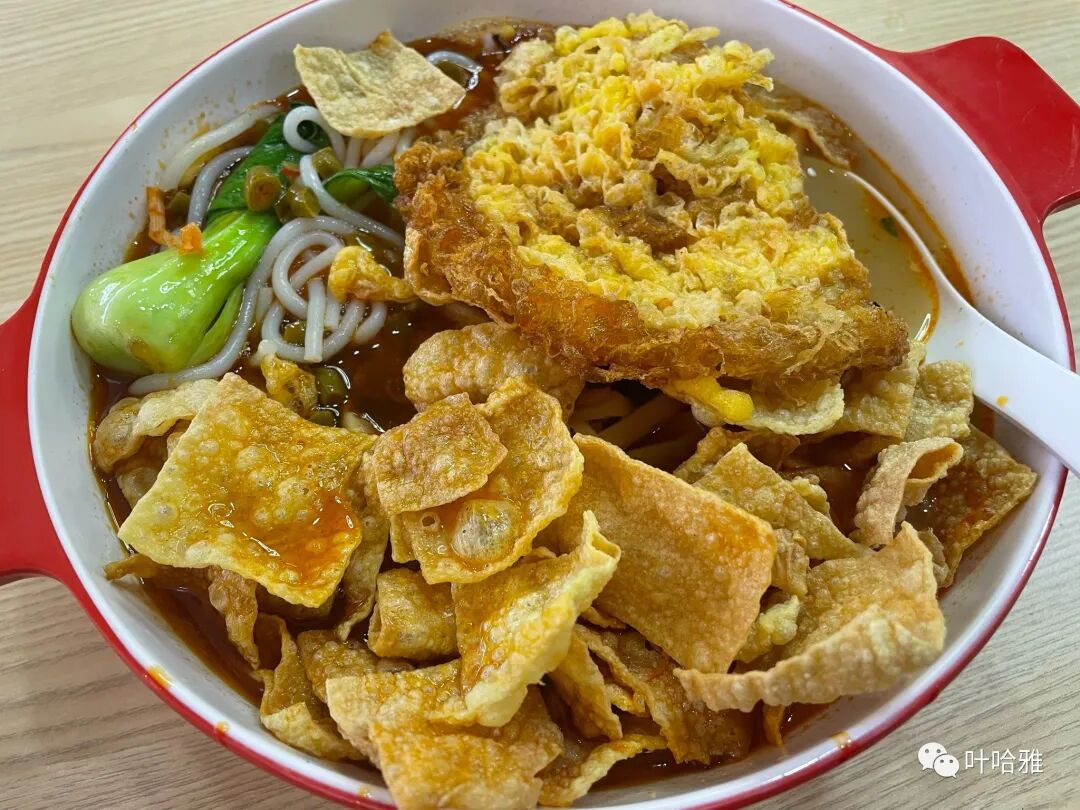
The halal canteen at BUPT is called the Ethnic Restaurant. The owner is from Lanzhou. I came to BUPT because they have halal snail rice noodles (luosifen). This is my first time eating halal luosifen in Beijing. I prepared myself mentally on the way here, thinking it would smell very strong. When I actually ate it, I didn't think it was bad at all. It just had a strong smell of pickled bamboo shoots, and it was quite tasty. You can add fried eggs and side dishes to it.
The Ethnic Restaurant has a lot of good food. We also had steamed rice rolls (changfen), and the price was so low it felt like it was free. BUPT students are really lucky.
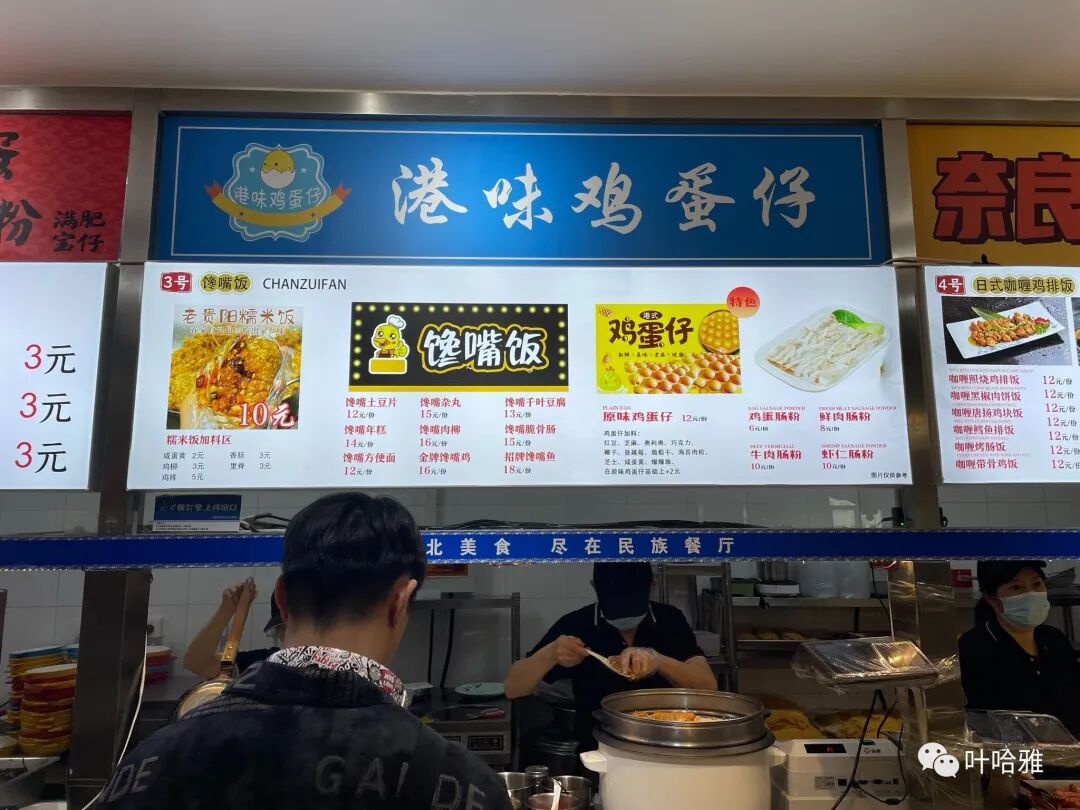
The campus isn't fully open yet, so you have to find a way to get in if you want to eat here.
Here are some other stalls at the BUPT Ethnic Restaurant, including Chongqing spicy noodles (chongqing xiaomian). I have eaten at many university halal canteens, and BUPT has the widest variety.
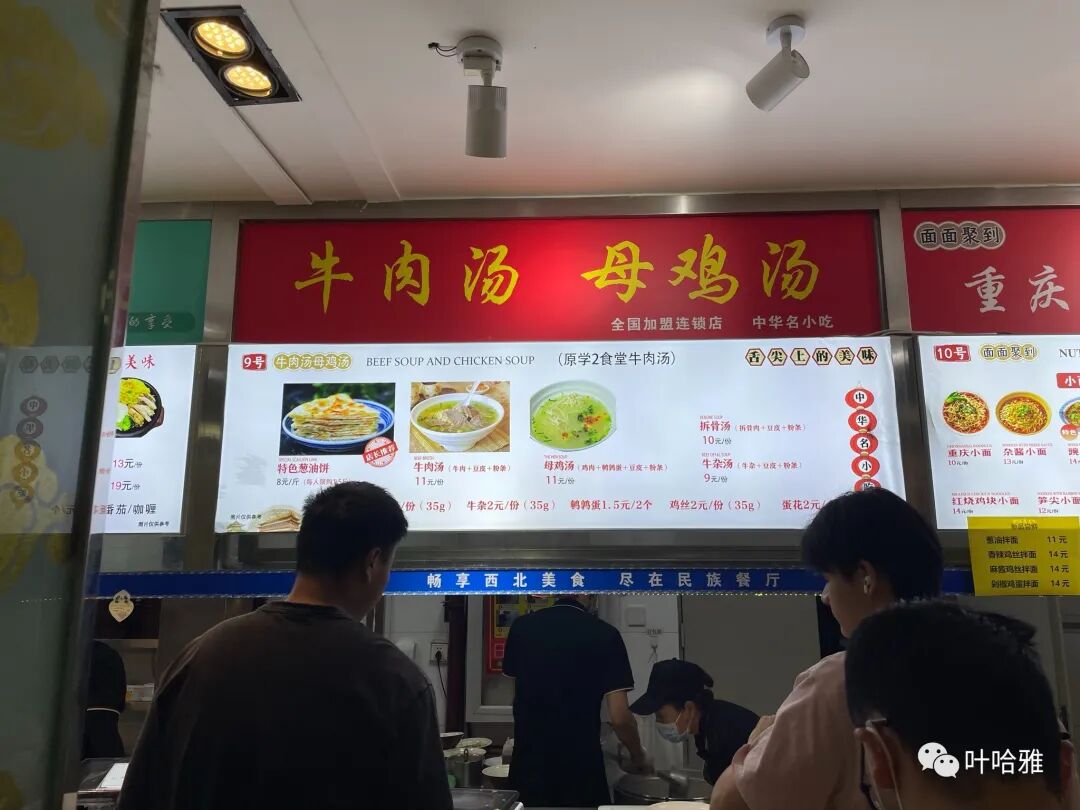
9. Peking University Tongyuan
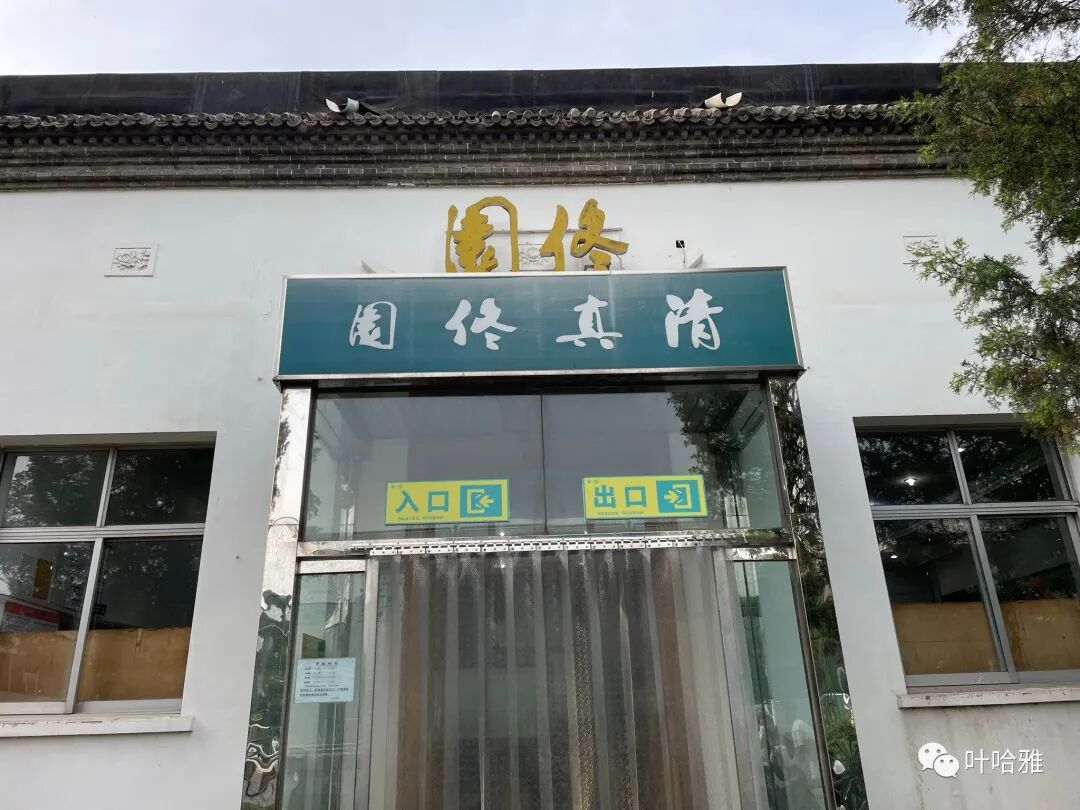
The history of PKU Tongyuan goes back to 1946. That year, PKU established the Department of Oriental Languages and the Department of Arabic. Professor Ma Jian proposed building a canteen for Hui Muslims at PKU. It was the first canteen for Hui Muslims built at a Beijing university and was named the PKU Dongfanghong Hui Muslim Canteen. Later, because the number of Muslim students at PKU increased rapidly, the canteen wasn't big enough. In 1986, PKU raised 500,000 yuan to build a new 400-square-meter halal restaurant on the site of the old Tong Mansion on campus, naming it the PKU Tongyuan Halal Restaurant.
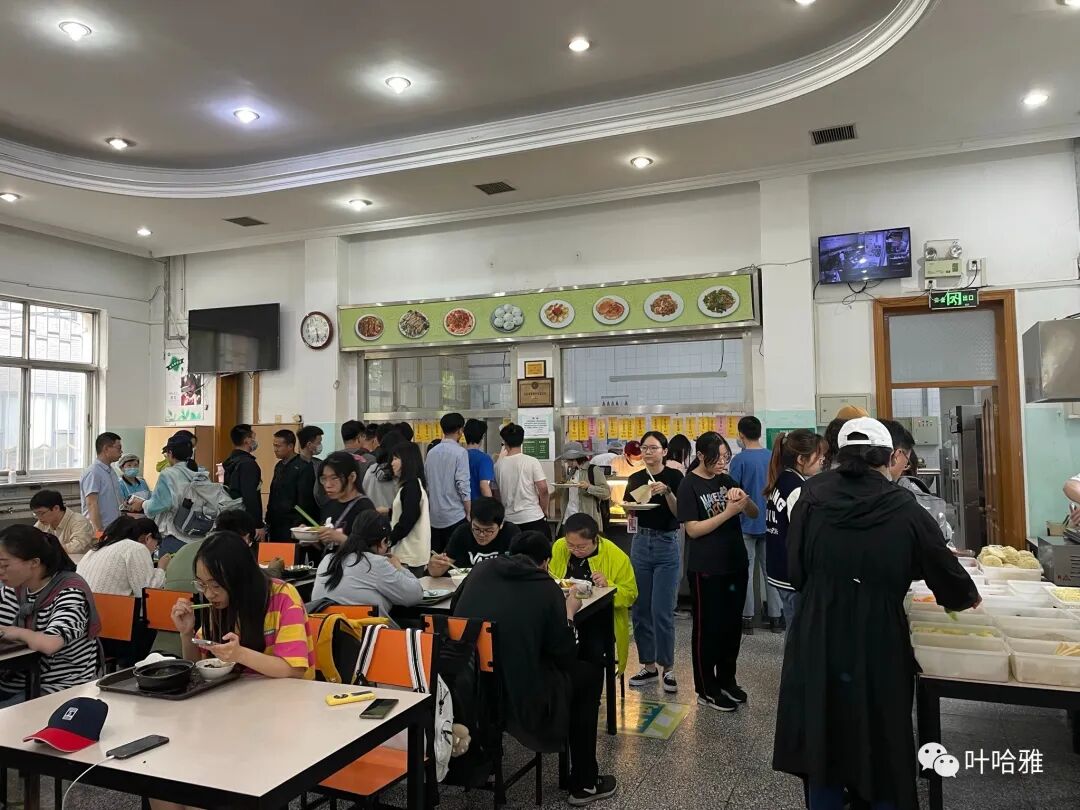
Looking at the halal restaurants at different universities now, Tongyuan at Peking University is on the smaller side. Because it has limited space, it only serves lunch to ethnic minority students, and you cannot pay without a campus card. However, after dinner, Tongyuan opens up to all students and staff for late-night barbecue.
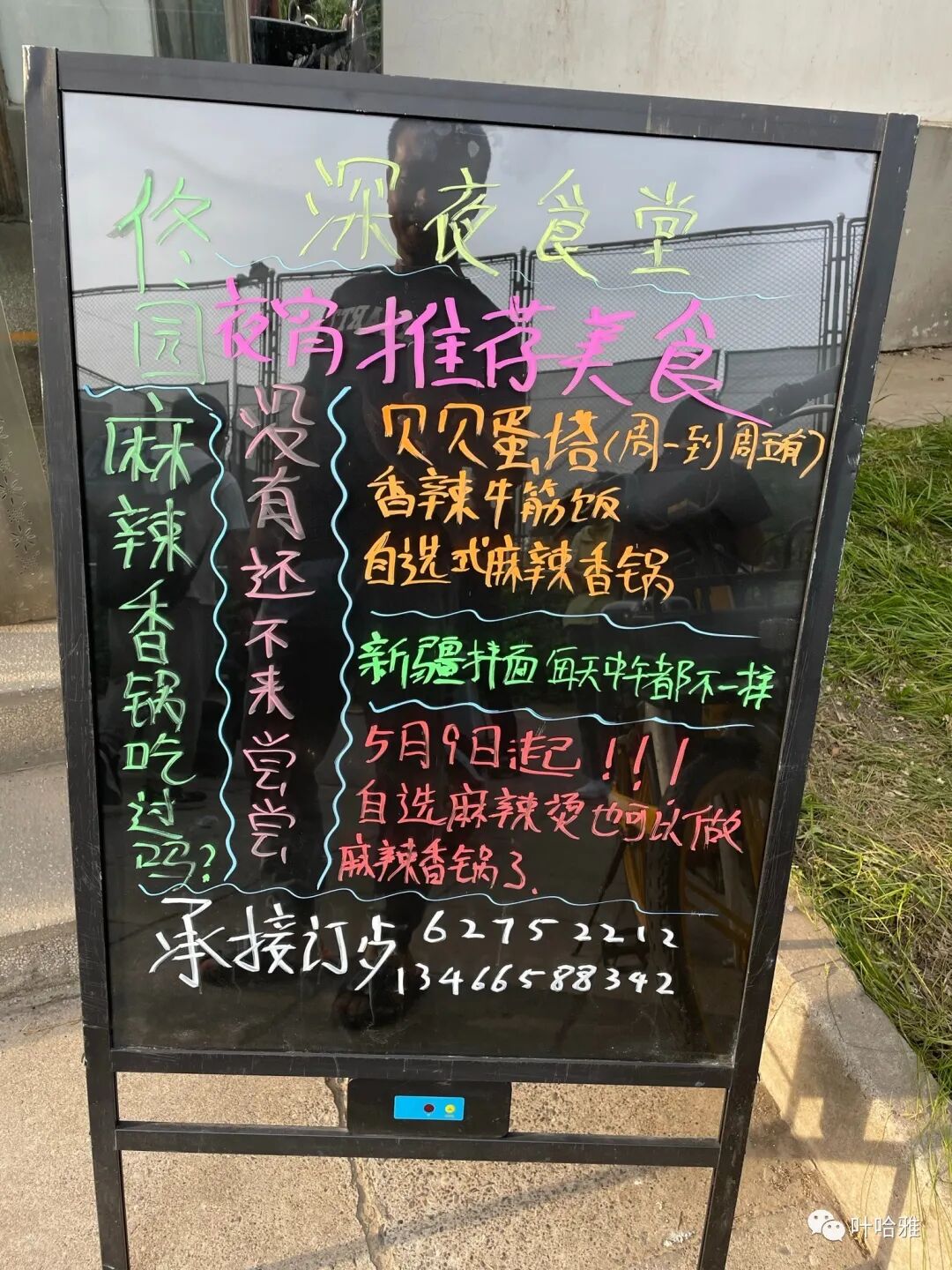
I have been to Tongyuan many times, and they recently added spicy hot pot (mala xiangguo) and spicy soup (malatang) to the menu.
That is the end of this post. The text and photos are original, and unauthorized reproduction is not allowed.
Best Halal Food Beijing: Kashgar Bazi Noodles, Nail-Head Meat Pies, Braised Noodles and Lamb Soup
Articles • yusuf908 posted the article • 0 comments • 231 views • 2026-05-23 07:26
Summary: This Beijing halal food map issue 48 follows the author's video-channel notes and covers Kashgar bazi noodles, Niuniu Bread & Coffee, nail-head meat pies, Henan braised noodles, iron pot stew, Xiting Xiuse, lamb soup, halal dumplings, and several local Beijing Muslim food spots.
I recently started working on my video channel. I think recording videos is necessary because they spread information much faster than text and images. Videos work for all age groups. Most of my WeChat official account followers are between 20 and 40, but over half of my video channel followers are over 50. Writing a WeChat article, like my Beijing halal food map series, takes at least two hours and gets an average of over 5,000 views. But I can film and post a two-minute video in under 20 minutes, and it easily gets over 10,000 views.
However, text and images carry more information and are better for deep thinking or food recommendations. I do not want to turn my video channel into a food review blog, and those who know me understand that. I also do not want to gain followers by talking about ethnic culture. I will not stop updating the food map series on my text-based account. I just found several new restaurants in Beijing. Here they are for you foodies—hurry back to Beijing from your hometowns to try them before they close.
1. Frontier Feelings (Bianjiang Qing) Kashgar-style noodles (bazi mian)
2. Niuniu Bread & Coffee
3. Diji nail-head meat pies (mending roubing)
4. Henan braised noodles (huimian)
5. Yimuyuan iron pot stew (tieguo dun)
6. Mabeier Noodle Restaurant
7. Xiting Xiuse (WF Central branch)
8. Beiping lamb soup and dumpling restaurant (yangtang jiaozi guan)
9. Huijia Sanxiongdi (Three Brothers Returning Home)
1. Frontier Feelings (Bianjiang Qing) Kashgar-style noodles (bazi mian)
Next to the Tanyang shop is a newly opened place called Kashgar Bazi Noodles. Bazi noodles are a specialty from the Bachu region of Xinjiang. Bazi refers to a hand-pulled noodle technique. They use high-gluten flour from Xinjiang, salt, and water, which makes the noodles quite chewy.
In the open kitchen, Uyghur men pull the noodles. You can choose beef broth for your Bazi noodles. It tastes a lot like the beef noodle soup you find in Beijing, but the hand-pulled noodles give it a much chewier texture.
Their spicy peppercorn chicken (jiaomaji) and plain yogurt are both delicious. The chicken includes dried stem lettuce (gongcai), and the chicken feet are boneless and crunchy. They add grapes to the yogurt, which is a nice touch. The prices are cheap. A bowl of beef Bazi noodles costs 19 yuan, and the service is very attentive.
2. Niuniu Bread & Coffee
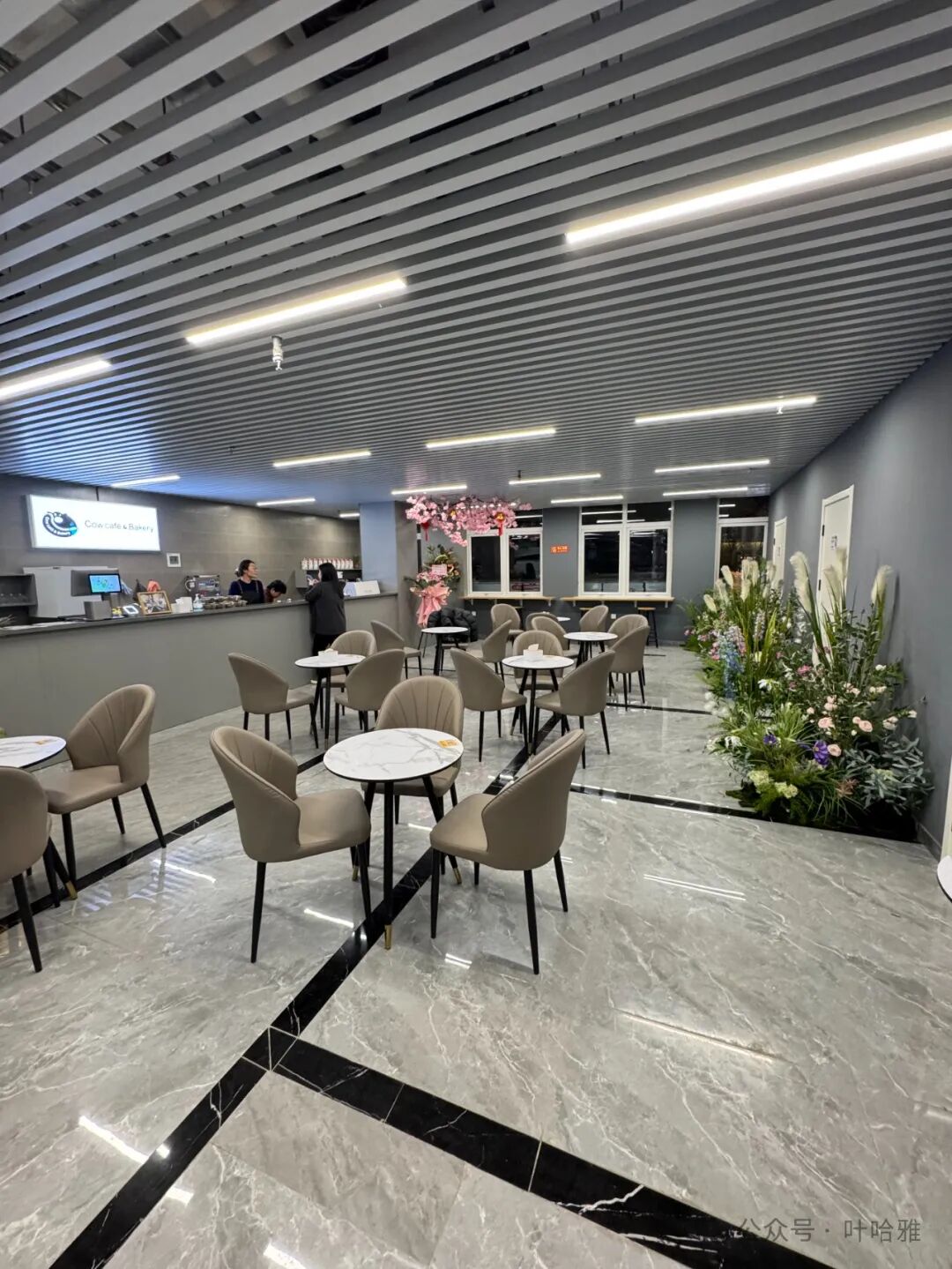
A new bakery and cafe has opened on Niujie Street. It is said to be run by a Hui Muslim named Dai. There is a takeout window for bread, and the second floor is a cafe.
When they first opened, all bread was half price. I tried a few items, but they were too sweet, and I think the baking technique needs improvement.
The cafe on the second floor has simple decor. It feels a bit amateur compared to other popular cafes around Niujie, and the location is easy to miss. They will need to work hard to survive on Niujie.
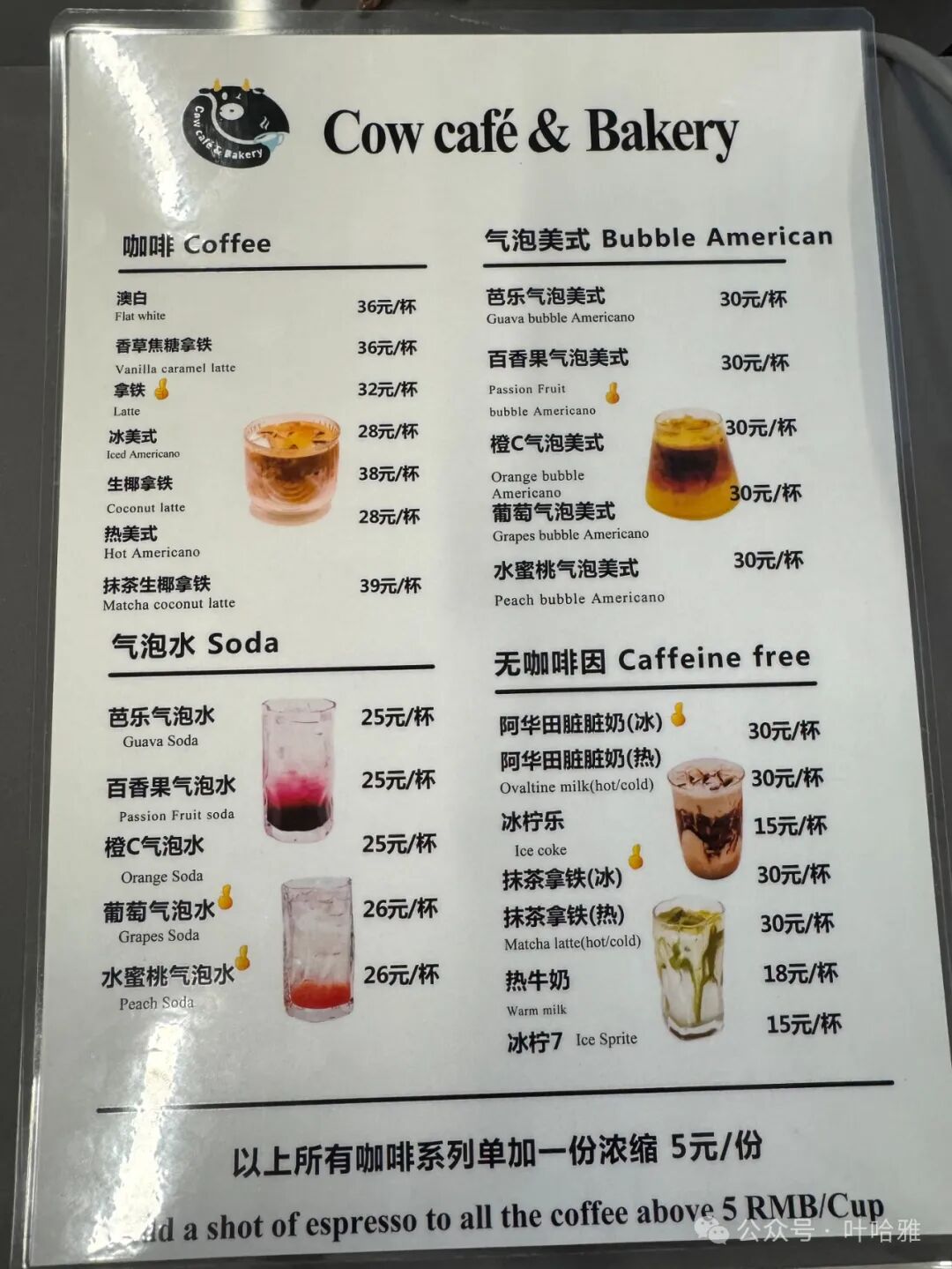
Many people saw the price list I posted and thought it was too expensive. After trying their coffee, I agree that the quality does not match the price.
3. Diji nail-head meat pies (mending roubing)
A new shop selling meat-filled buns (mending roubing) just opened on Niujie Street. They specialize in these buns and also serve some traditional snacks.
The meat-filled buns were not cooked to order when they arrived. The crust was thick, but the meat filling inside was quite solid.
The deep-fried meat strips (zha songrou) tasted good.
The vegetable toppings and the soybean paste sauce for the noodles with soybean paste (zhajiangmian) were quite good, but the texture of the noodles was lacking.
The quick-boiled tripe (baodu) tasted good.
The beef noodles and the noodles with soybean paste were about the same; the noodles were not chewy enough.
The most interesting thing here is the self-service condiment station, which has eight different kinds of vinegar for you to choose from.
The yogurt from Yikuainiu is the same brand as the one at Ziguangyuan, and it has a smooth, creamy texture.
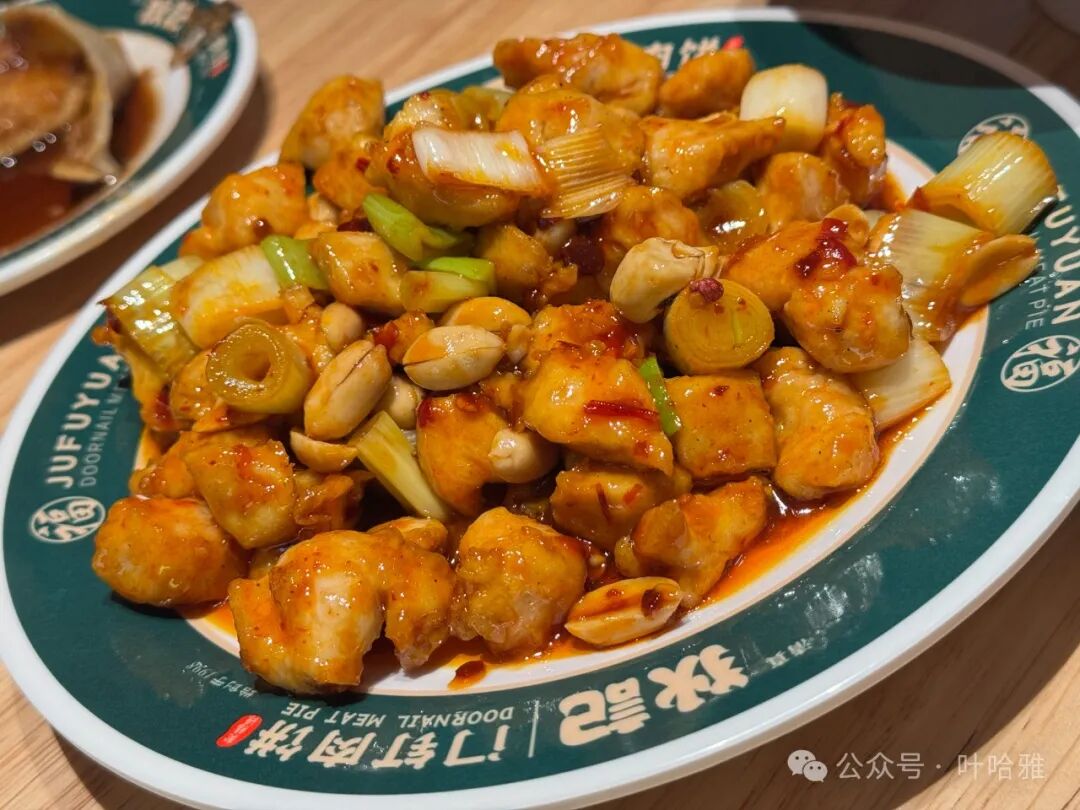
The yellow croaker and the kung pao chicken were both fine. Overall, their snacks are made quite well. Except for the noodles, the food is decent, the prices are cheap, and the portions are small, with an average cost of less than 50 yuan per person.
4. Henan Yukai Braised Noodles (huimian)
The Qingu Barbecue restaurant in Changying has closed, and it is now a Henan braised noodles shop.
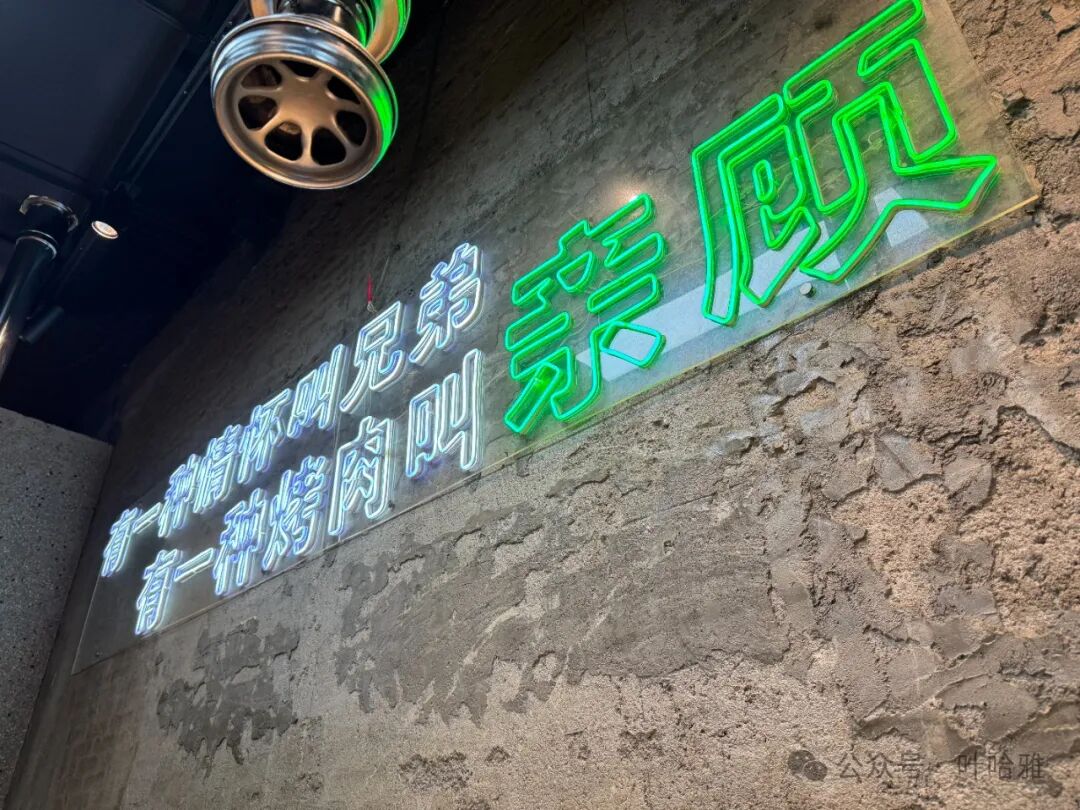
The interior decor has not changed, and the Qingu sign is still there.
Their braised noodles (huimian) are really delicious. I ordered a clay pot version, and both the noodles and the broth were great.
5. Yimuyuan iron pot stew (tieguo dun)
A new halal iron pot stew (tieguodun) restaurant just opened in Fengtai. It was half-price when I visited. The owner is a Hui Muslim from Dachang, Hebei, where he also has a chain of restaurants.
The place has a traditional Northeast floral decor vibe, the staff are very friendly, and there is a parking lot at the entrance.
I ordered my favorite Qingjiang fish, which has very few bones and plenty of meat.
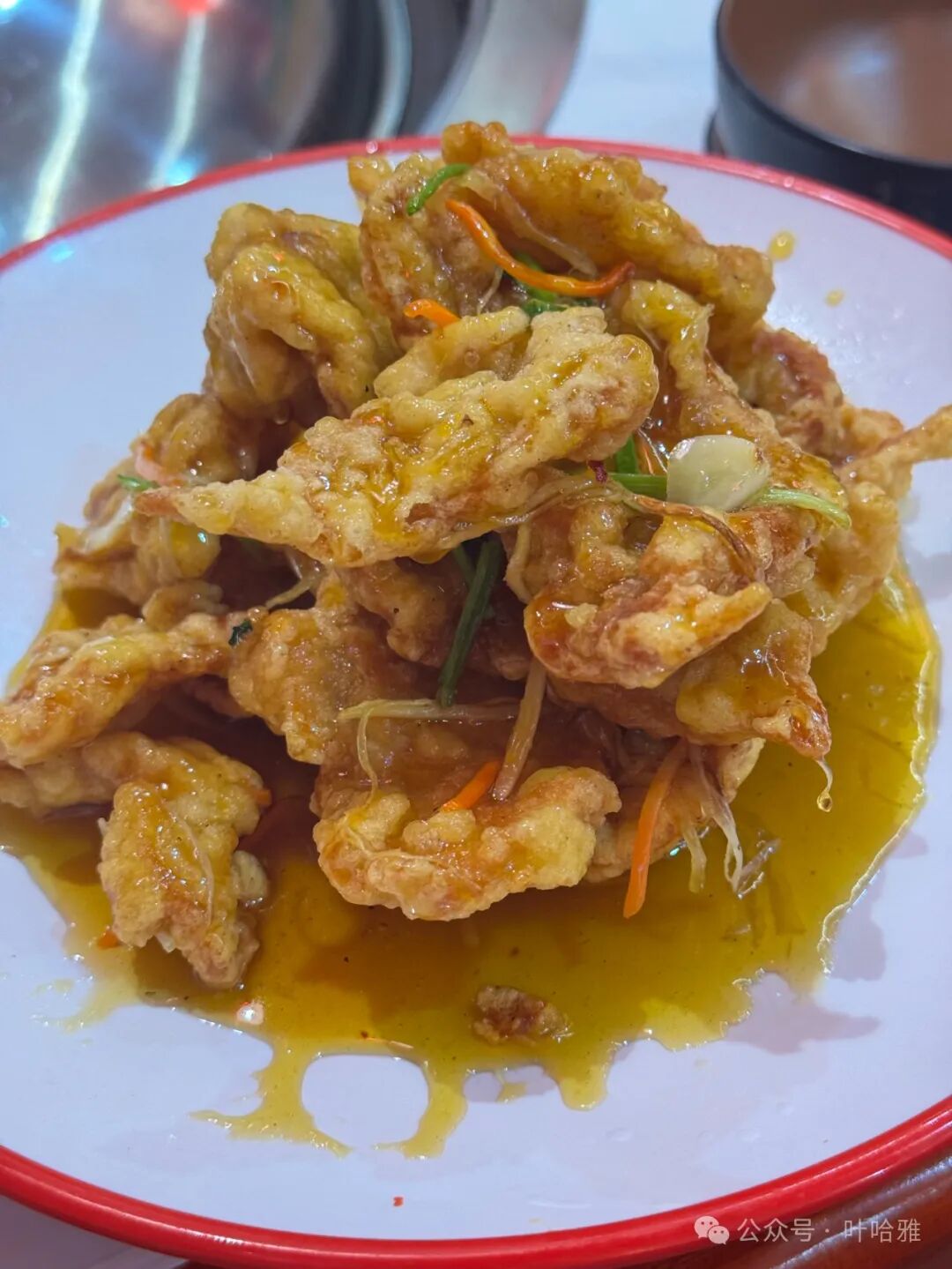
They serve sweet and sour stir-fried meat (guobaorou) that is actually quite good. Overall, this place offers great value and tasty food, so it is worth a visit.
6. Mabeier Noodle Restaurant
Mabeier Hot Pot replaced their deli section with a hand-pulled noodle shop.
The Mabeier noodle shop serves Northwest-style hand-pulled noodles (lamian). I did not have high expectations, but I was pleasantly surprised by how good it tasted.
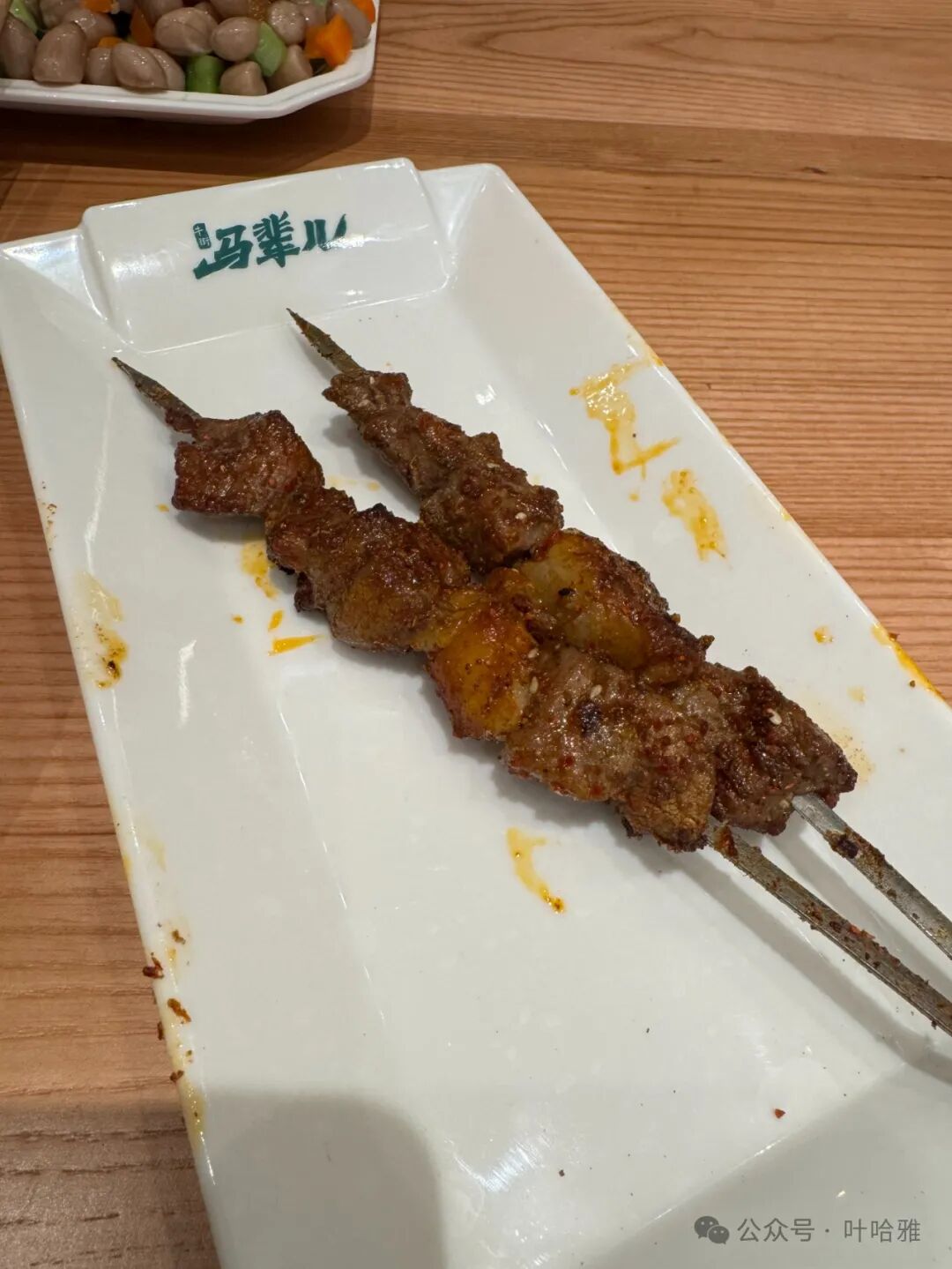
The broth and noodles are both well-made. You can tell the broth is not made from concentrates, the noodles have a great texture, and the chili oil is fragrant. Pairing them with their lamb skewers made for a very satisfying meal that far exceeded my expectations.
7. Xiting Xiuse (WF Central branch)
Wangfujing finally has a decent halal restaurant again. The new Xiting Xiuse Turkish Restaurant branch at WF Central has a different menu and atmosphere compared to their previous locations.
Overall, this place looks a bit more upscale, but the prices have actually gone down.
The servers all have an exotic look, and they are all very good-looking, both men and women.
The head chef from the original shop is now in charge here, so the food quality stays the same.
It gets busy on weekends, so you might have to wait for a table during peak hours.
There is an underground parking lot with plenty of spaces, but there are no parking discounts.
The average cost per person is over 200.
8. Beiping lamb soup and dumpling restaurant (yangtang jiaozi guan)
This is the original shop reopening; it used to be at the Workers' Stadium (Gongti) and now it is back.
Their signature lamb bone broth (yangtang) and sesame flatbread (shaobing) are both decent, but I think the flatbread is better.
I wasn't full after the lamb bone broth, so I tried their dumplings. These handmade dumplings are shaped exactly how I like them.
They have two types of chili, and both are quite good. I personally like the dry lamb fat chili.
9. Huijia Sanxiongdi (Three Brothers Returning Home)
The Three Brothers fast food restaurant has been open for a few months, but it is still just as popular as ever. My post about it on Xiaohongshu got tens of thousands of views.
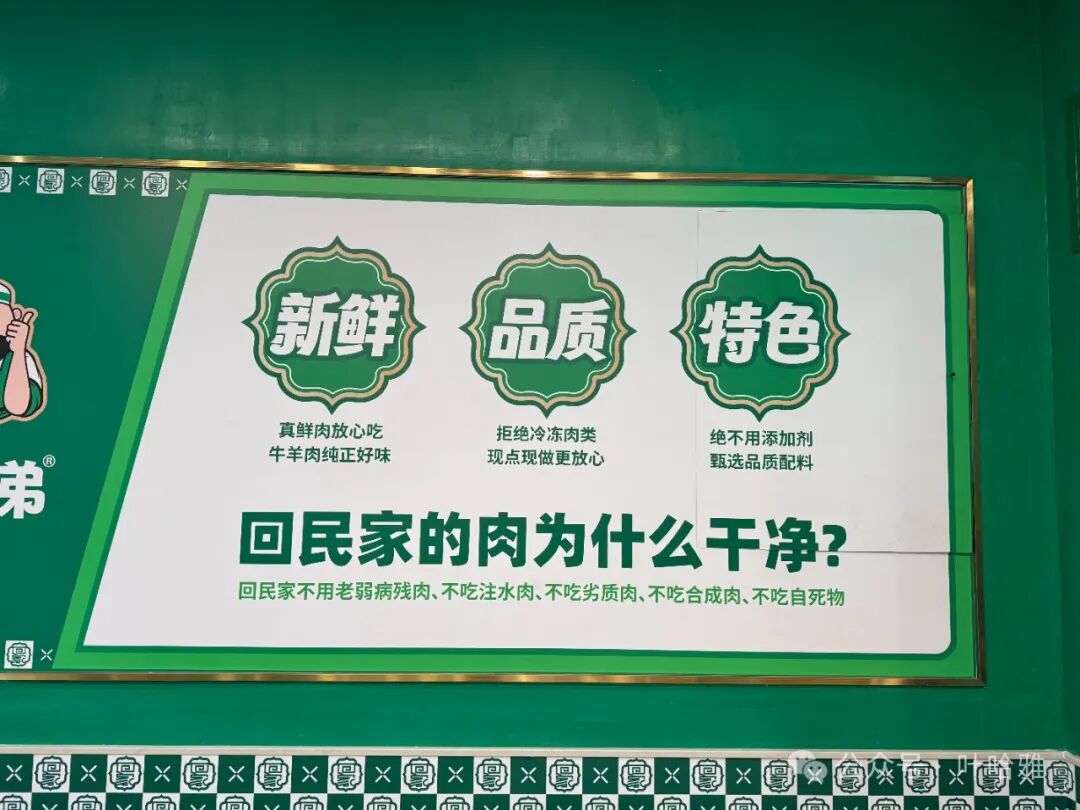
I really love the beef rice soup (tangfan) at Home Three Brothers. Many people on Xiaohongshu do not know what tangfan is. It is actually a one-pot meal made from leftover food that Beijing families eat. People used to only make it at home, so it is surprising to see someone selling it now.
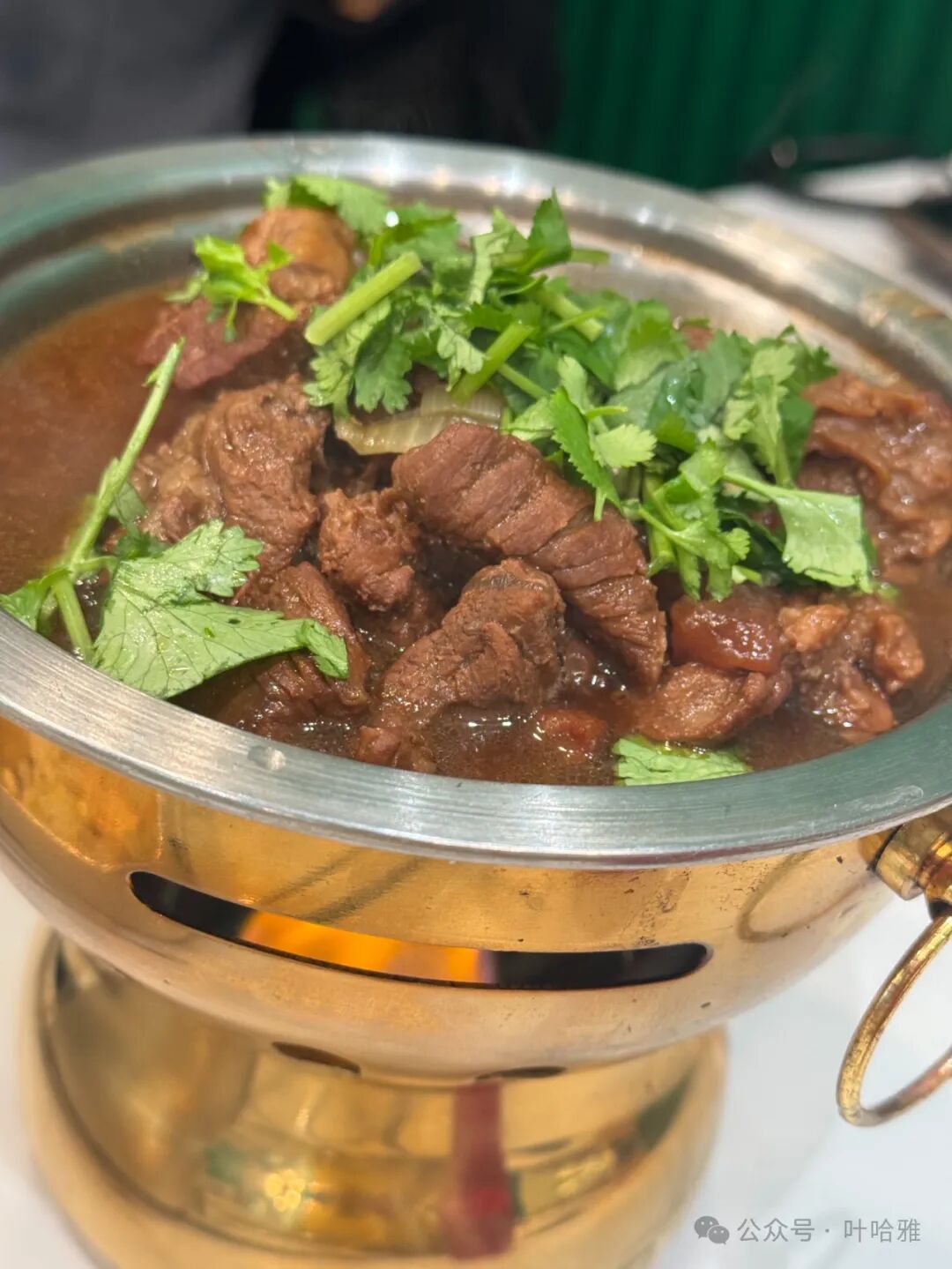
The beef at Home Three Brothers is cooked perfectly. You mix it with rice, and that makes the tangfan.
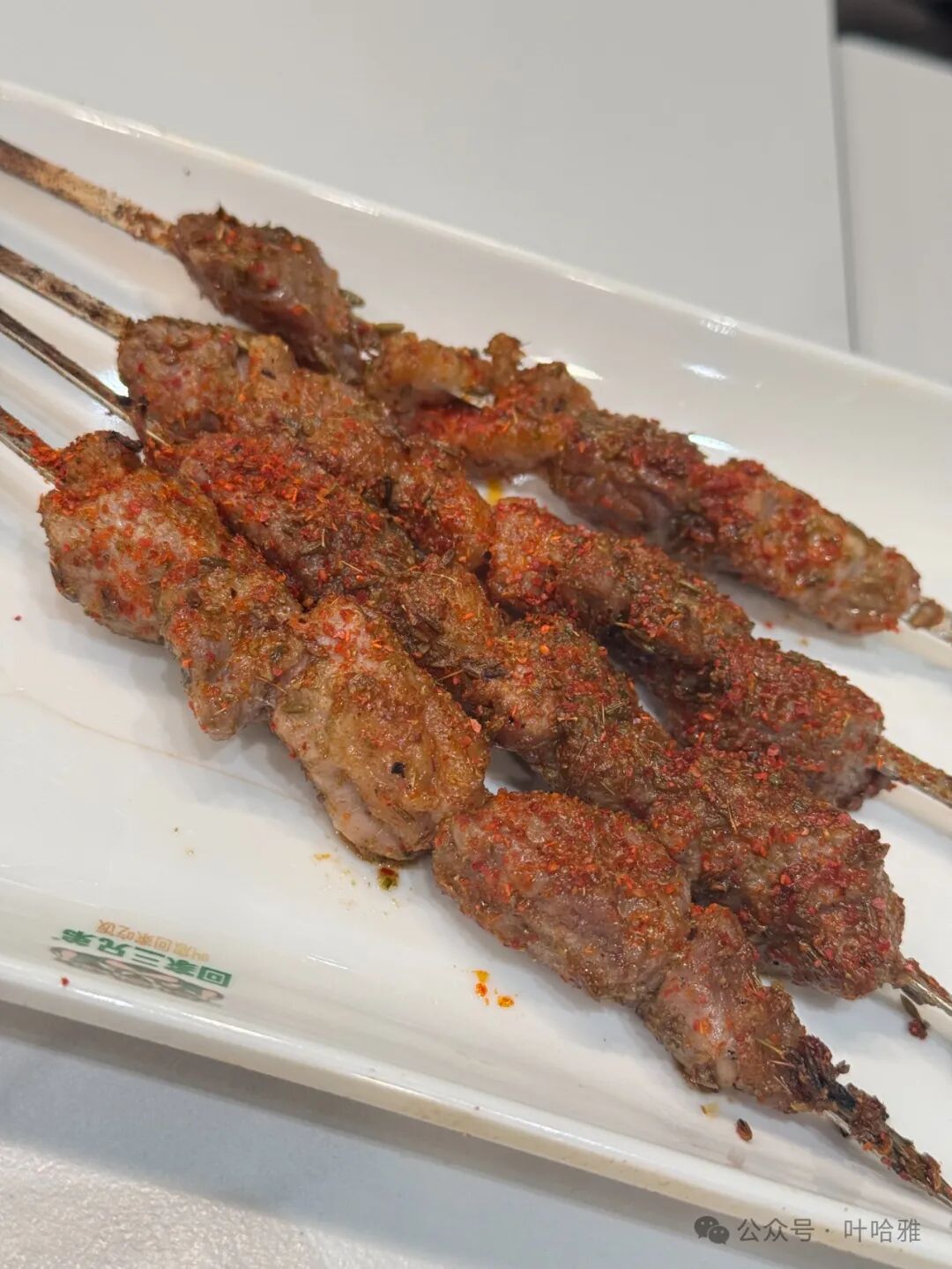
Their side dishes and barbecue (shaokao) are also quite tasty. It is a clean, affordable, and budget-friendly little restaurant. view all
Summary: This Beijing halal food map issue 48 follows the author's video-channel notes and covers Kashgar bazi noodles, Niuniu Bread & Coffee, nail-head meat pies, Henan braised noodles, iron pot stew, Xiting Xiuse, lamb soup, halal dumplings, and several local Beijing Muslim food spots.
I recently started working on my video channel. I think recording videos is necessary because they spread information much faster than text and images. Videos work for all age groups. Most of my WeChat official account followers are between 20 and 40, but over half of my video channel followers are over 50. Writing a WeChat article, like my Beijing halal food map series, takes at least two hours and gets an average of over 5,000 views. But I can film and post a two-minute video in under 20 minutes, and it easily gets over 10,000 views.
However, text and images carry more information and are better for deep thinking or food recommendations. I do not want to turn my video channel into a food review blog, and those who know me understand that. I also do not want to gain followers by talking about ethnic culture. I will not stop updating the food map series on my text-based account. I just found several new restaurants in Beijing. Here they are for you foodies—hurry back to Beijing from your hometowns to try them before they close.
1. Frontier Feelings (Bianjiang Qing) Kashgar-style noodles (bazi mian)
2. Niuniu Bread & Coffee
3. Diji nail-head meat pies (mending roubing)
4. Henan braised noodles (huimian)
5. Yimuyuan iron pot stew (tieguo dun)
6. Mabeier Noodle Restaurant
7. Xiting Xiuse (WF Central branch)
8. Beiping lamb soup and dumpling restaurant (yangtang jiaozi guan)
9. Huijia Sanxiongdi (Three Brothers Returning Home)
1. Frontier Feelings (Bianjiang Qing) Kashgar-style noodles (bazi mian)
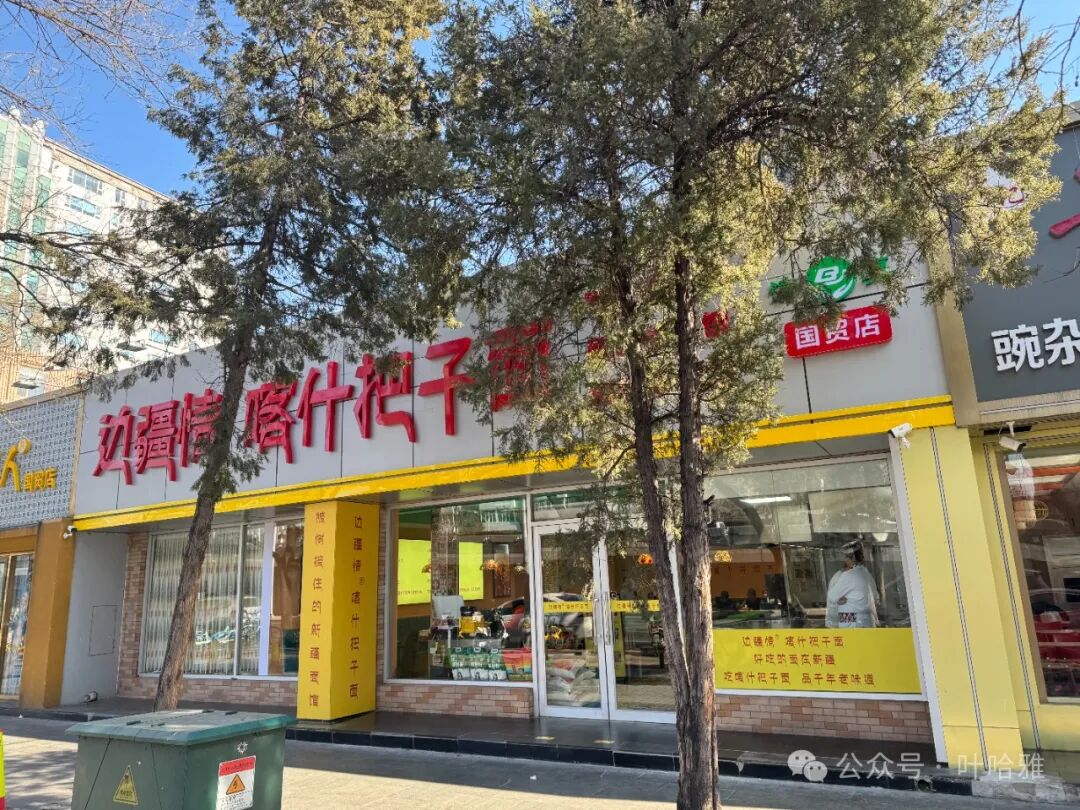
Next to the Tanyang shop is a newly opened place called Kashgar Bazi Noodles. Bazi noodles are a specialty from the Bachu region of Xinjiang. Bazi refers to a hand-pulled noodle technique. They use high-gluten flour from Xinjiang, salt, and water, which makes the noodles quite chewy.
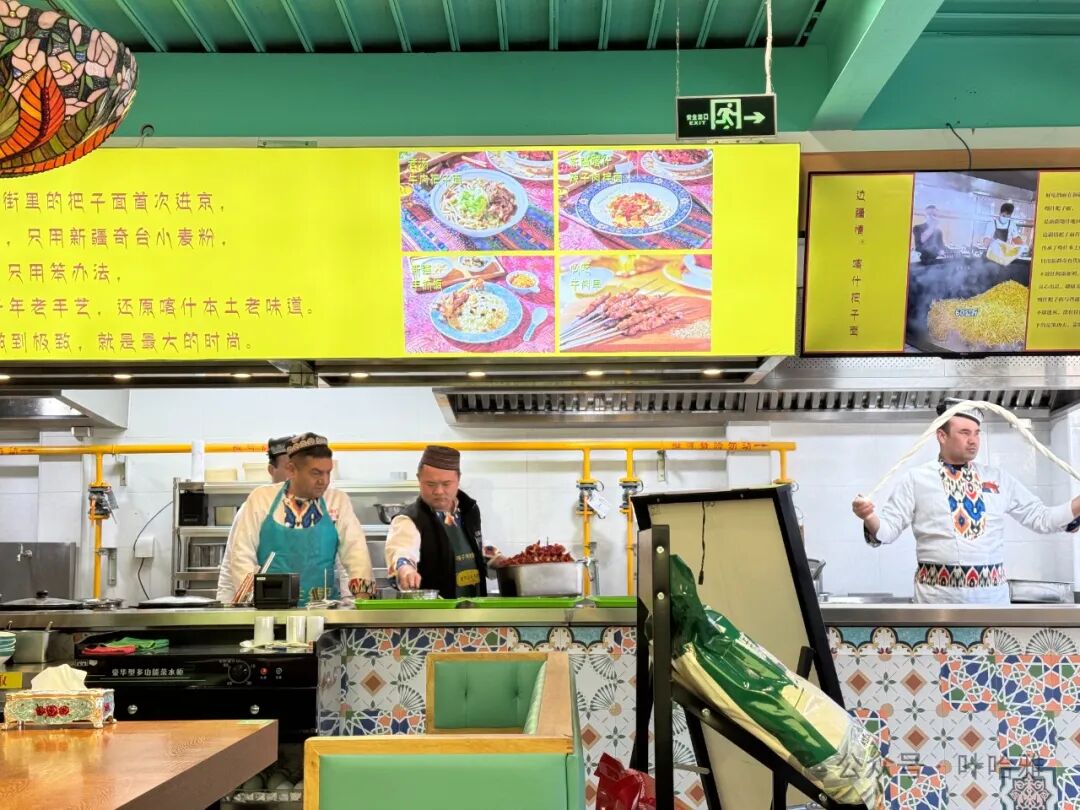
In the open kitchen, Uyghur men pull the noodles. You can choose beef broth for your Bazi noodles. It tastes a lot like the beef noodle soup you find in Beijing, but the hand-pulled noodles give it a much chewier texture.
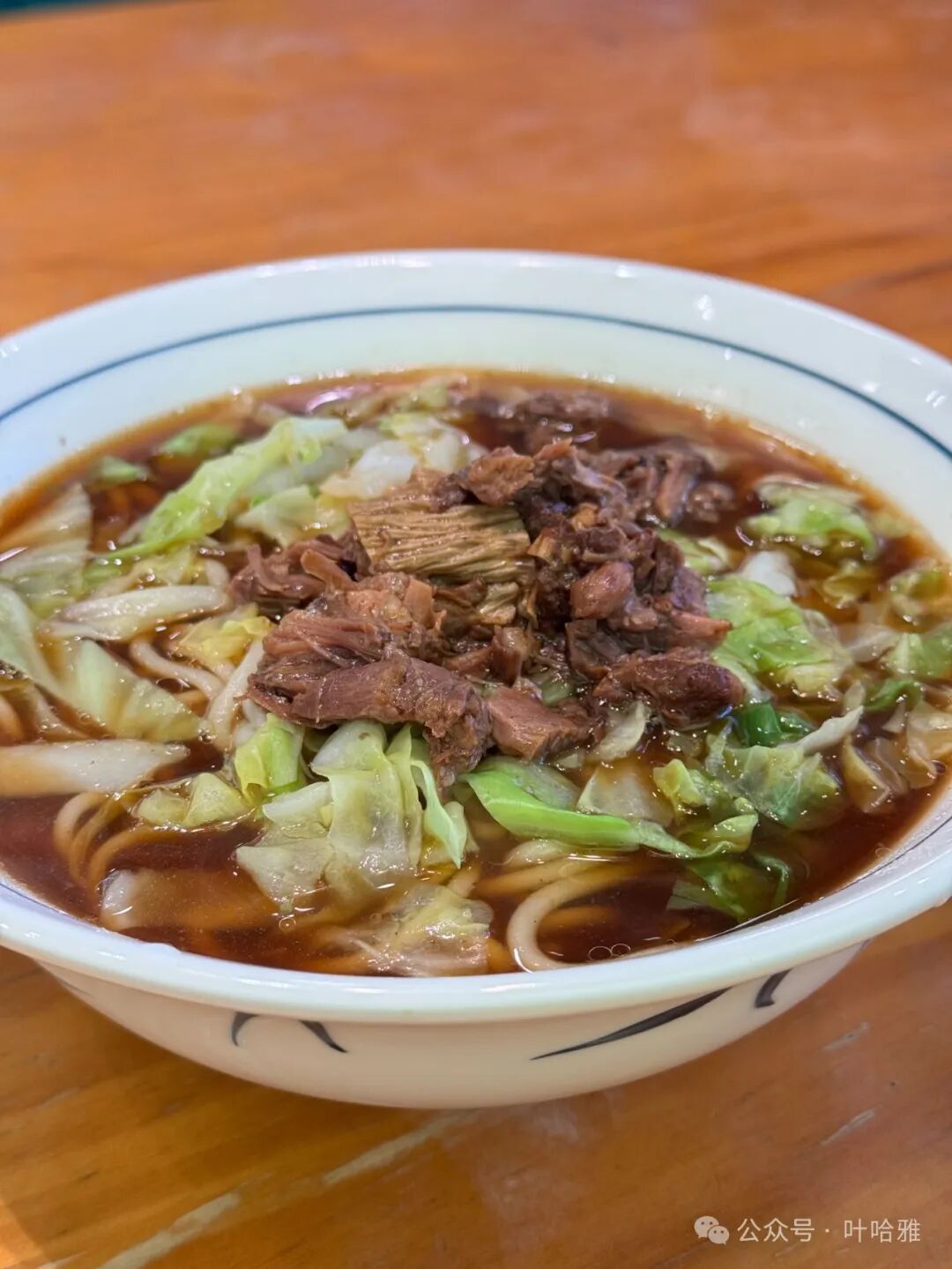
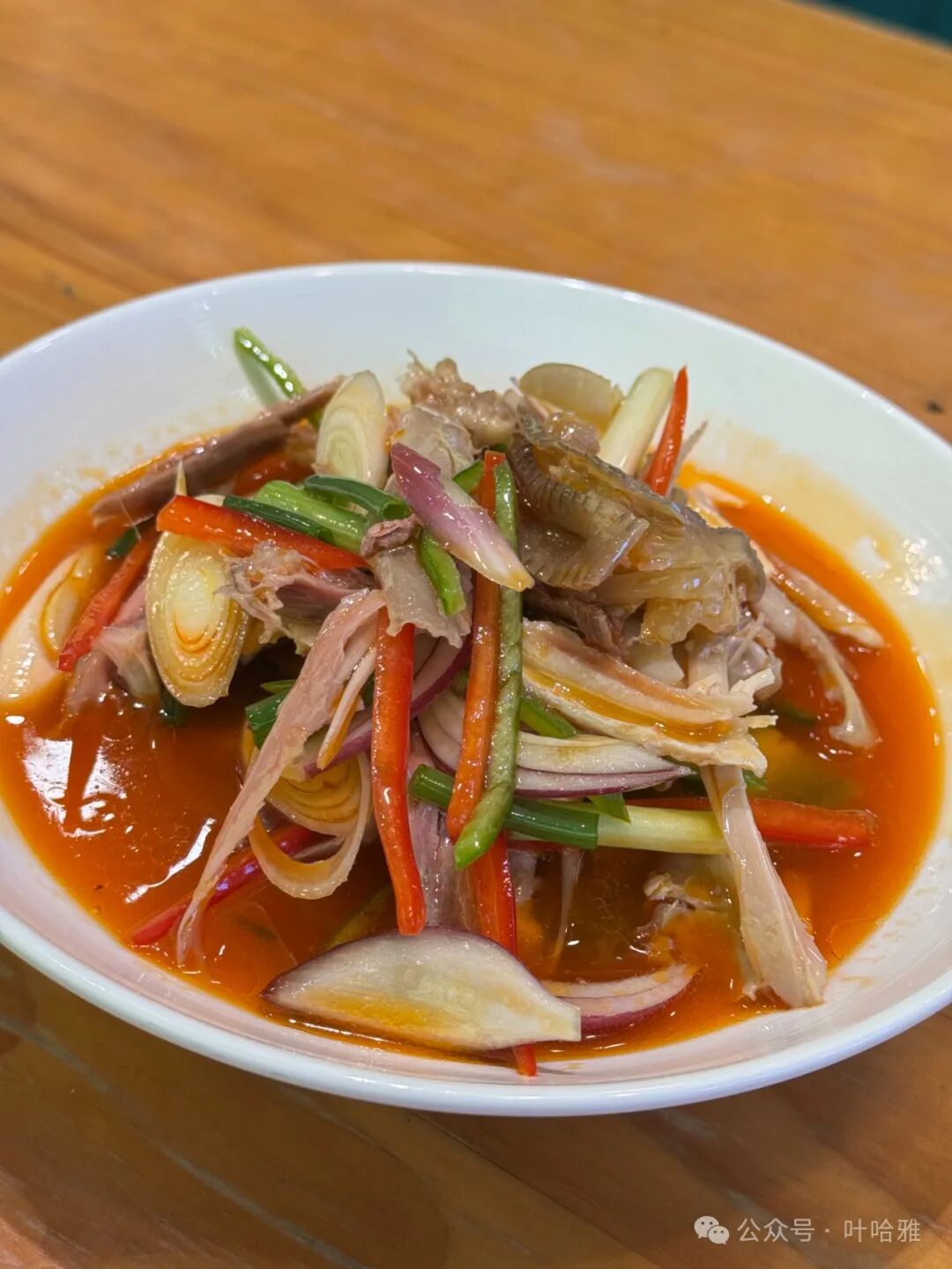
Their spicy peppercorn chicken (jiaomaji) and plain yogurt are both delicious. The chicken includes dried stem lettuce (gongcai), and the chicken feet are boneless and crunchy. They add grapes to the yogurt, which is a nice touch. The prices are cheap. A bowl of beef Bazi noodles costs 19 yuan, and the service is very attentive.
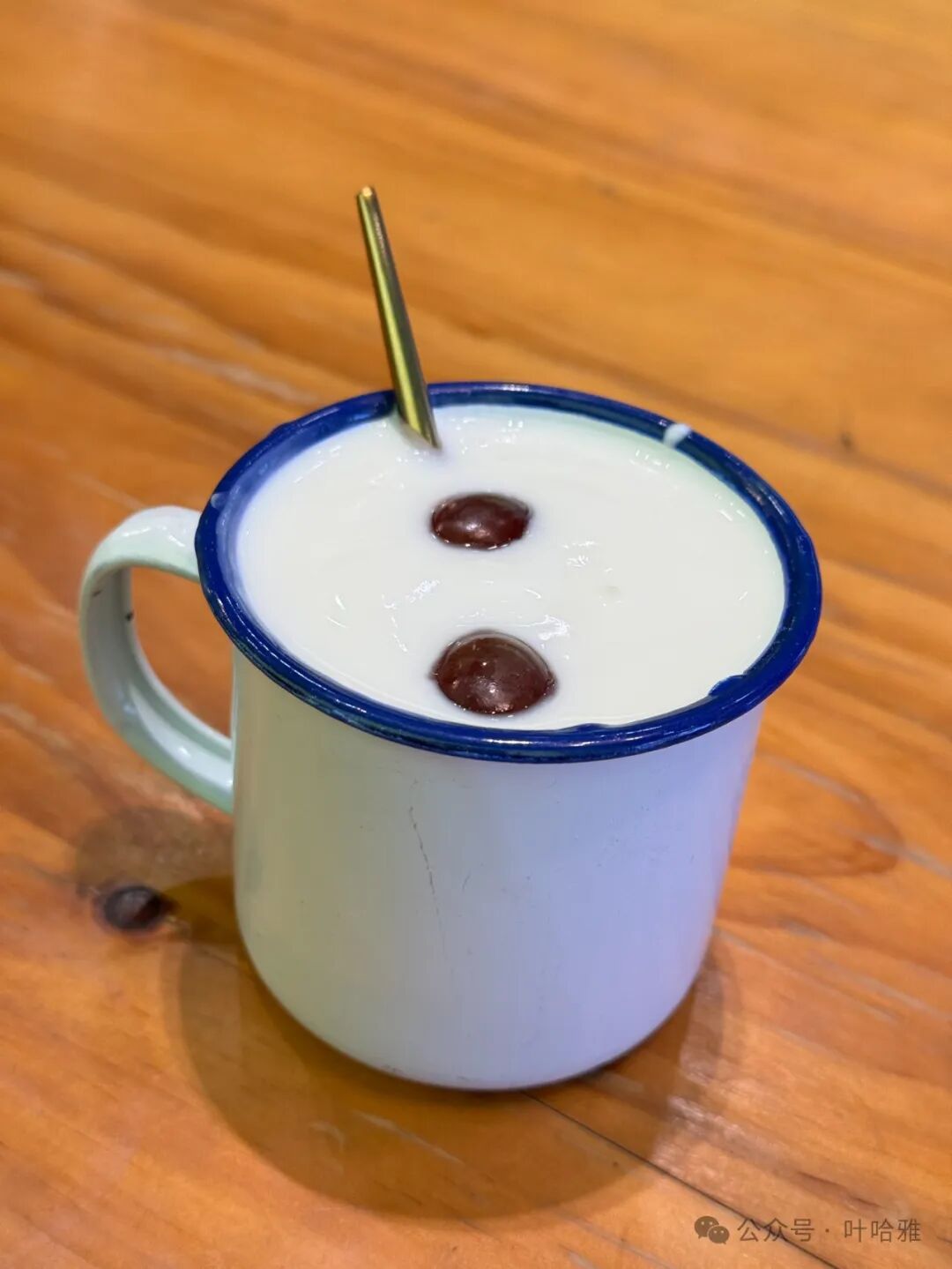
2. Niuniu Bread & Coffee
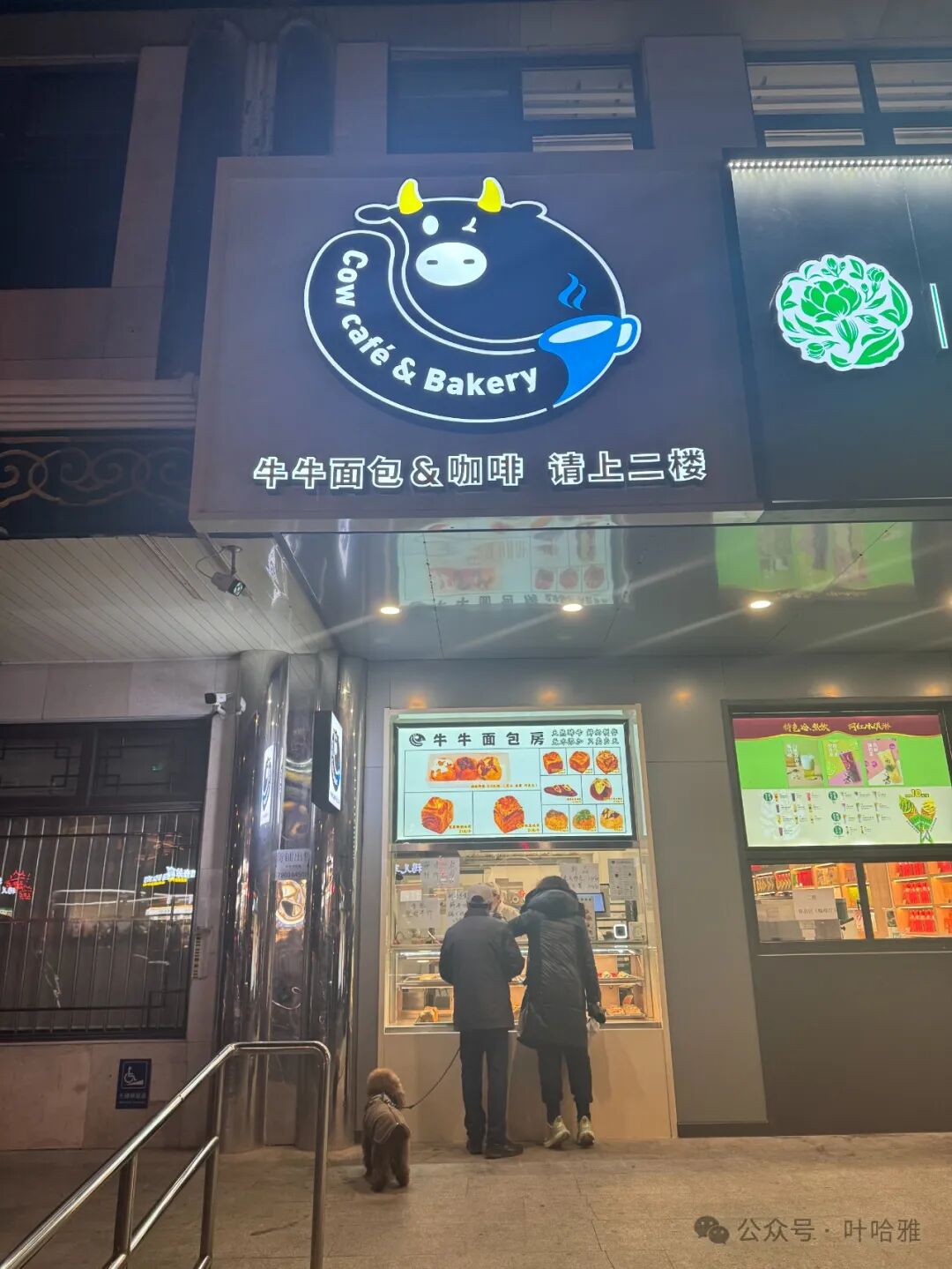
A new bakery and cafe has opened on Niujie Street. It is said to be run by a Hui Muslim named Dai. There is a takeout window for bread, and the second floor is a cafe.
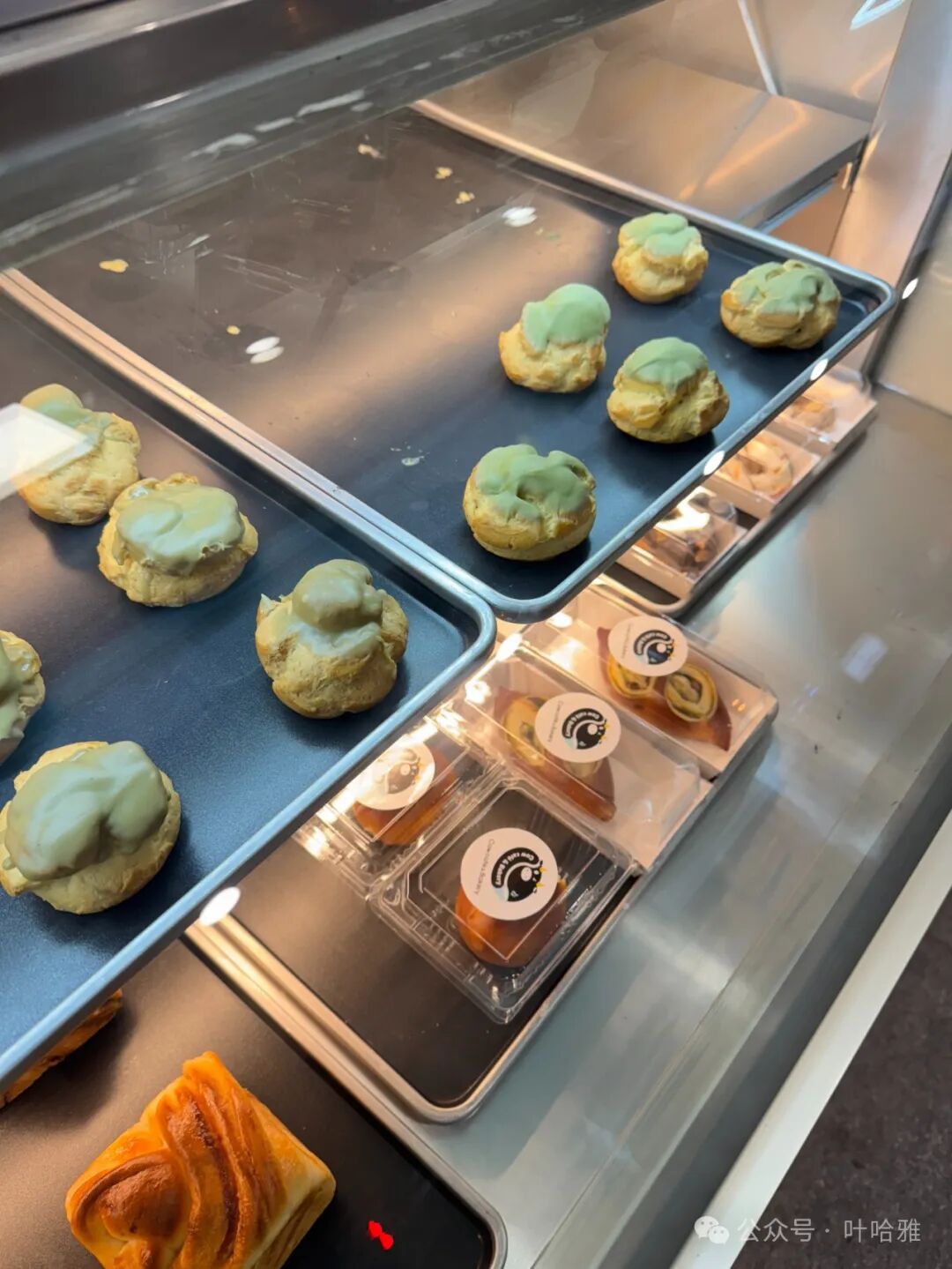
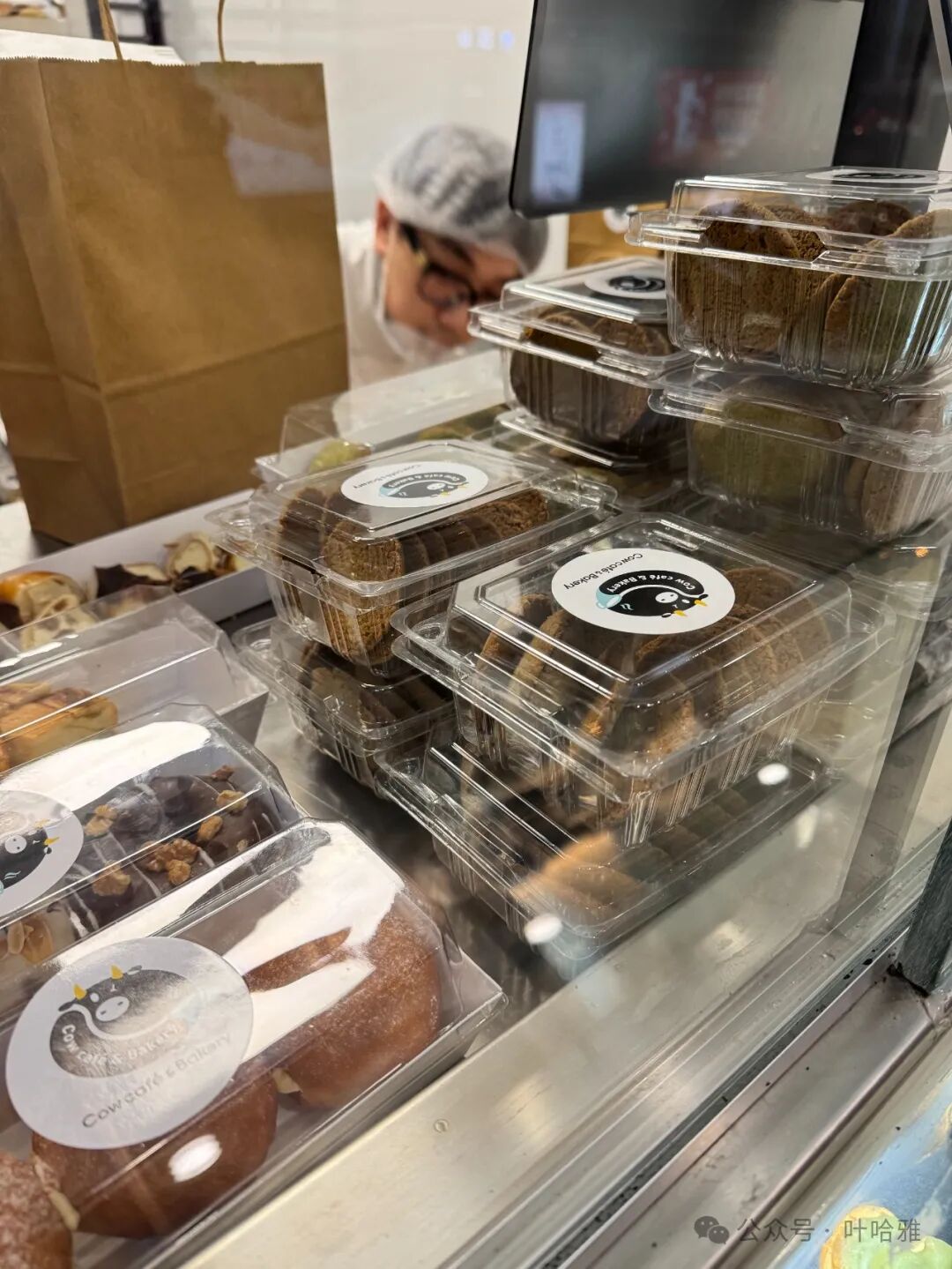
When they first opened, all bread was half price. I tried a few items, but they were too sweet, and I think the baking technique needs improvement.
The cafe on the second floor has simple decor. It feels a bit amateur compared to other popular cafes around Niujie, and the location is easy to miss. They will need to work hard to survive on Niujie.
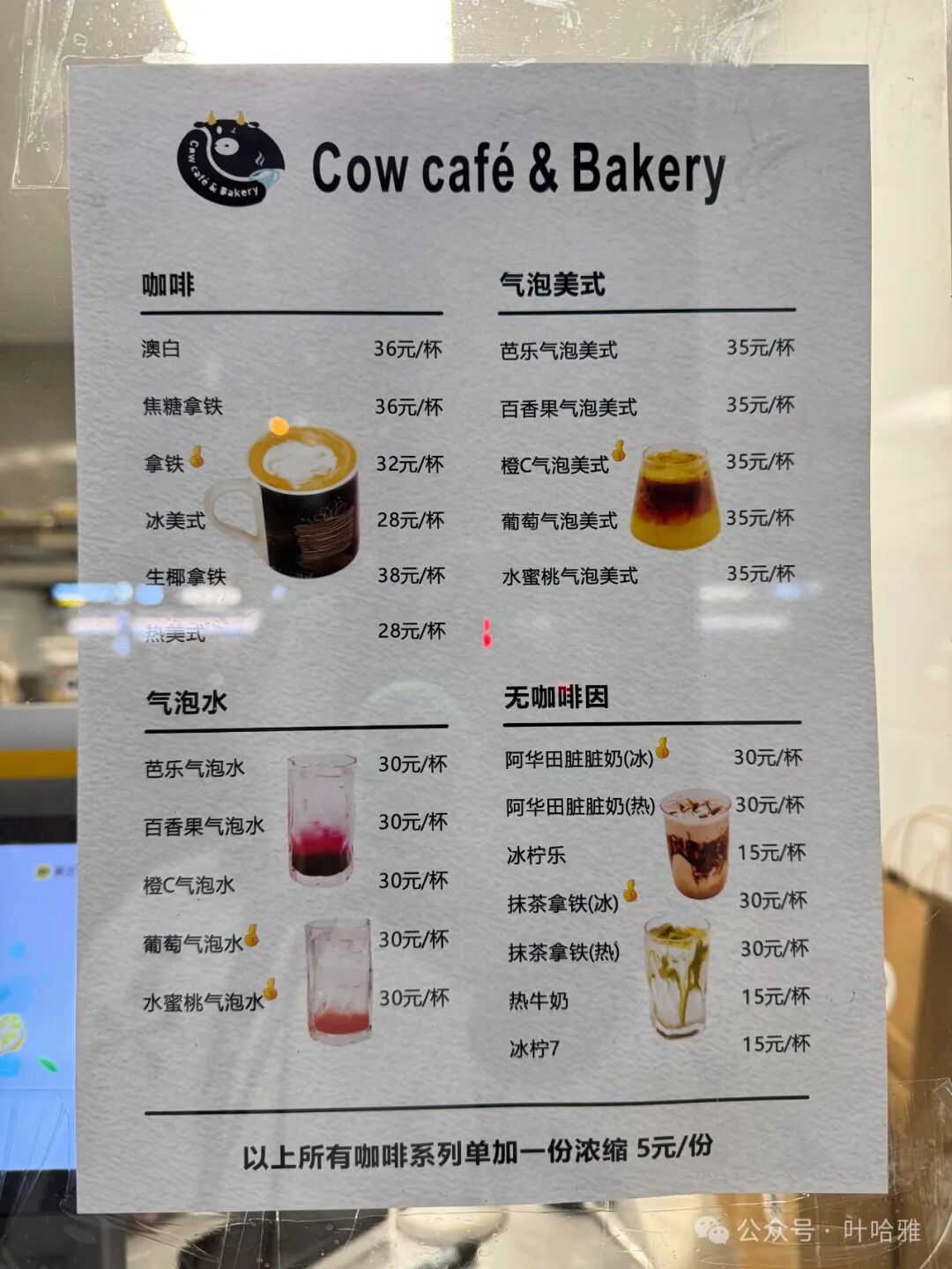
Many people saw the price list I posted and thought it was too expensive. After trying their coffee, I agree that the quality does not match the price.
3. Diji nail-head meat pies (mending roubing)
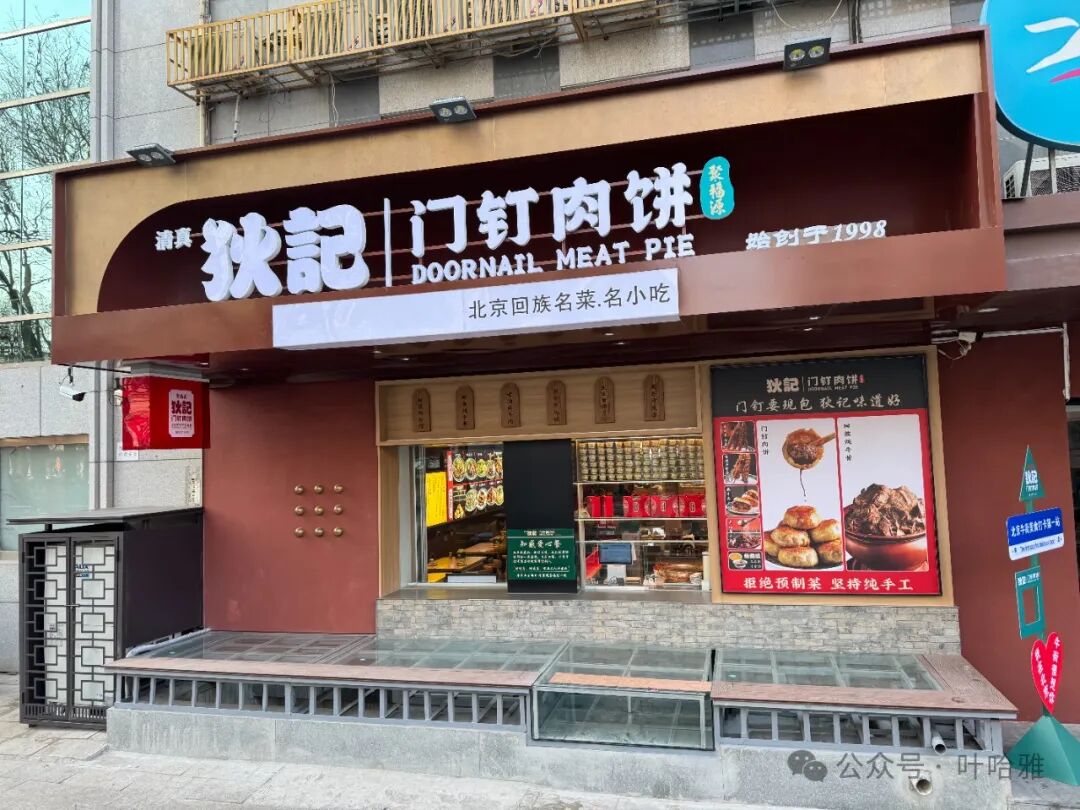
A new shop selling meat-filled buns (mending roubing) just opened on Niujie Street. They specialize in these buns and also serve some traditional snacks.
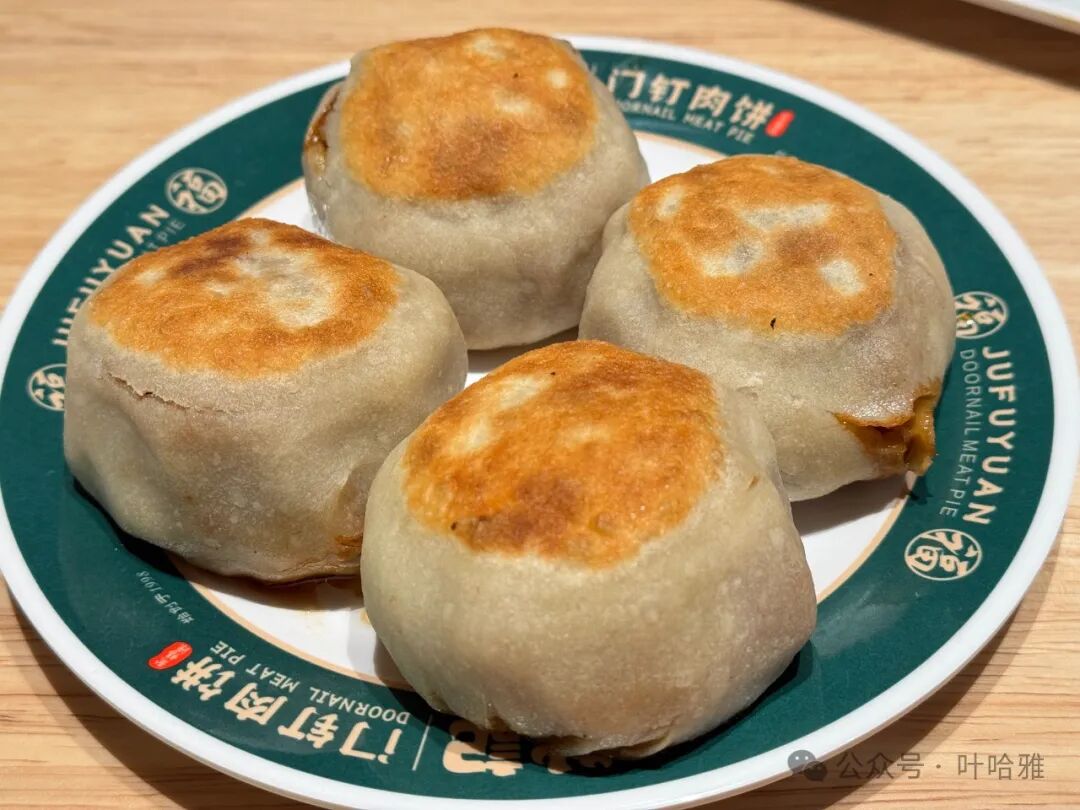
The meat-filled buns were not cooked to order when they arrived. The crust was thick, but the meat filling inside was quite solid.
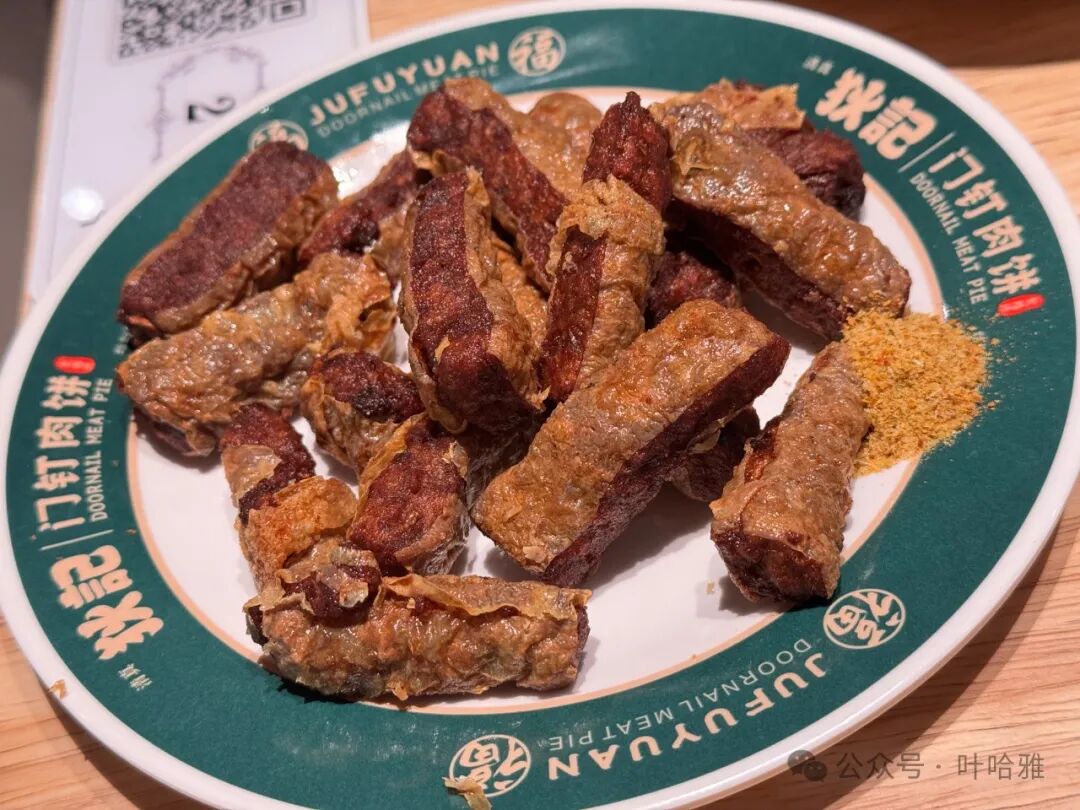
The deep-fried meat strips (zha songrou) tasted good.
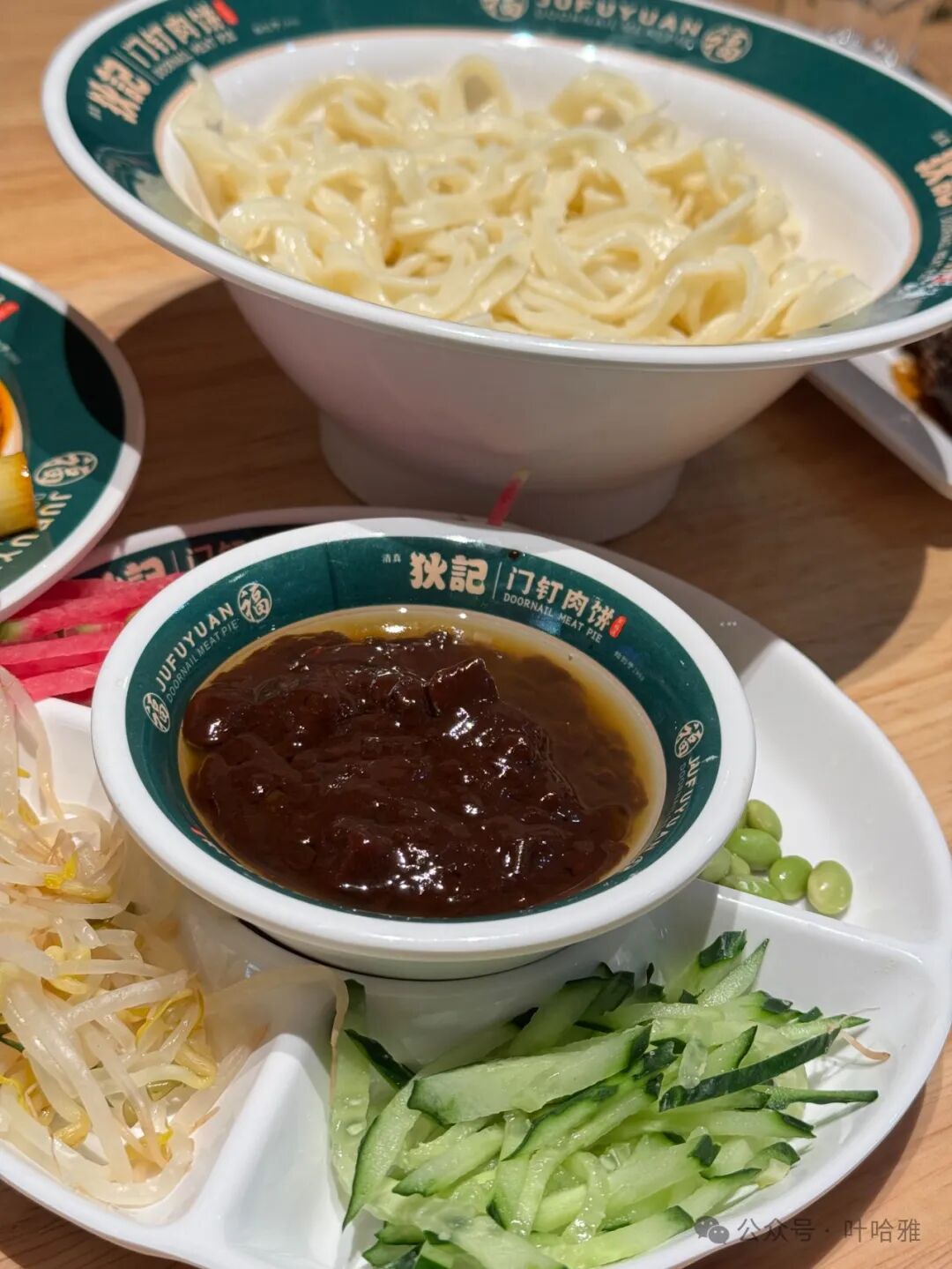
The vegetable toppings and the soybean paste sauce for the noodles with soybean paste (zhajiangmian) were quite good, but the texture of the noodles was lacking.
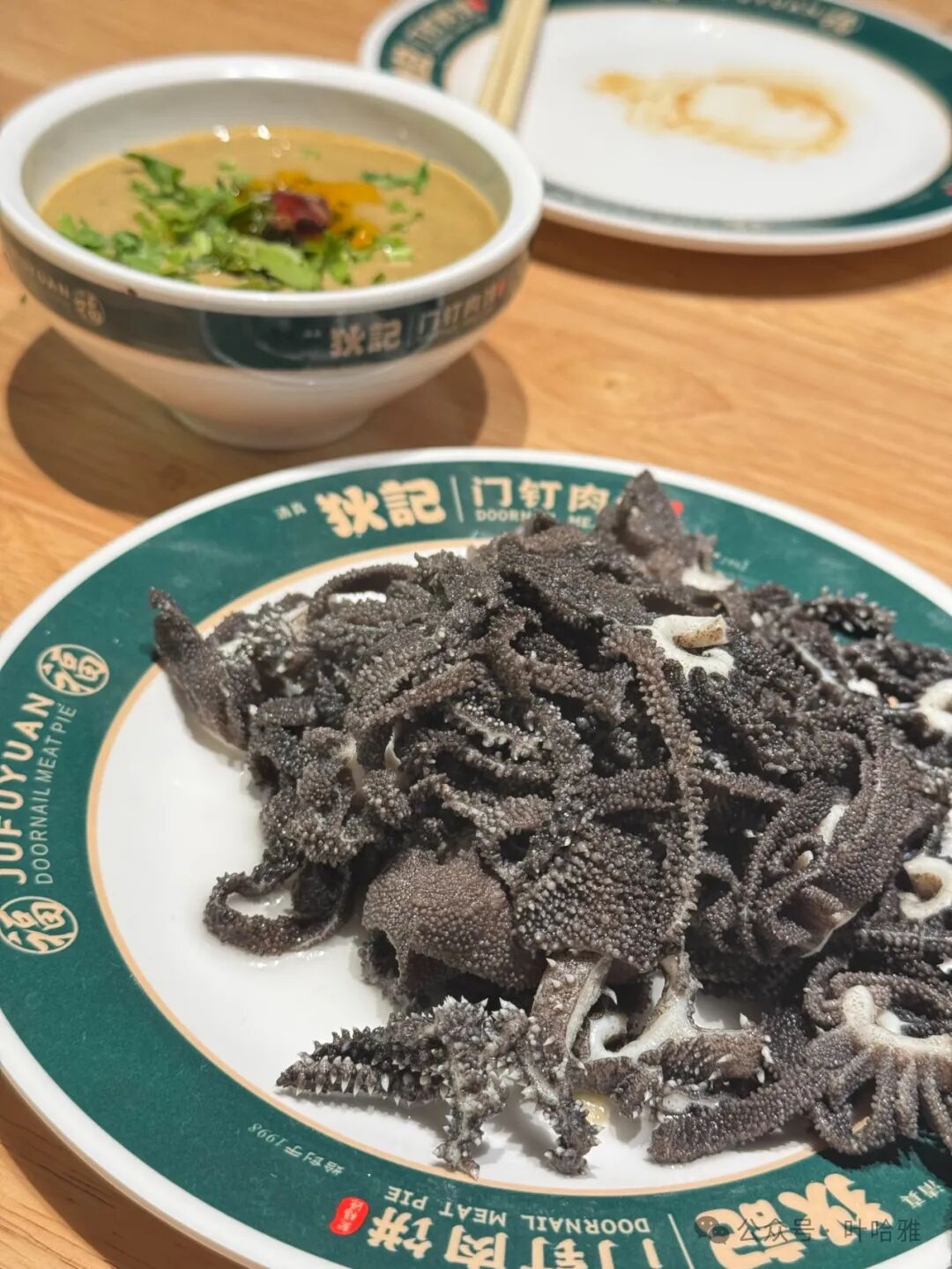
The quick-boiled tripe (baodu) tasted good.
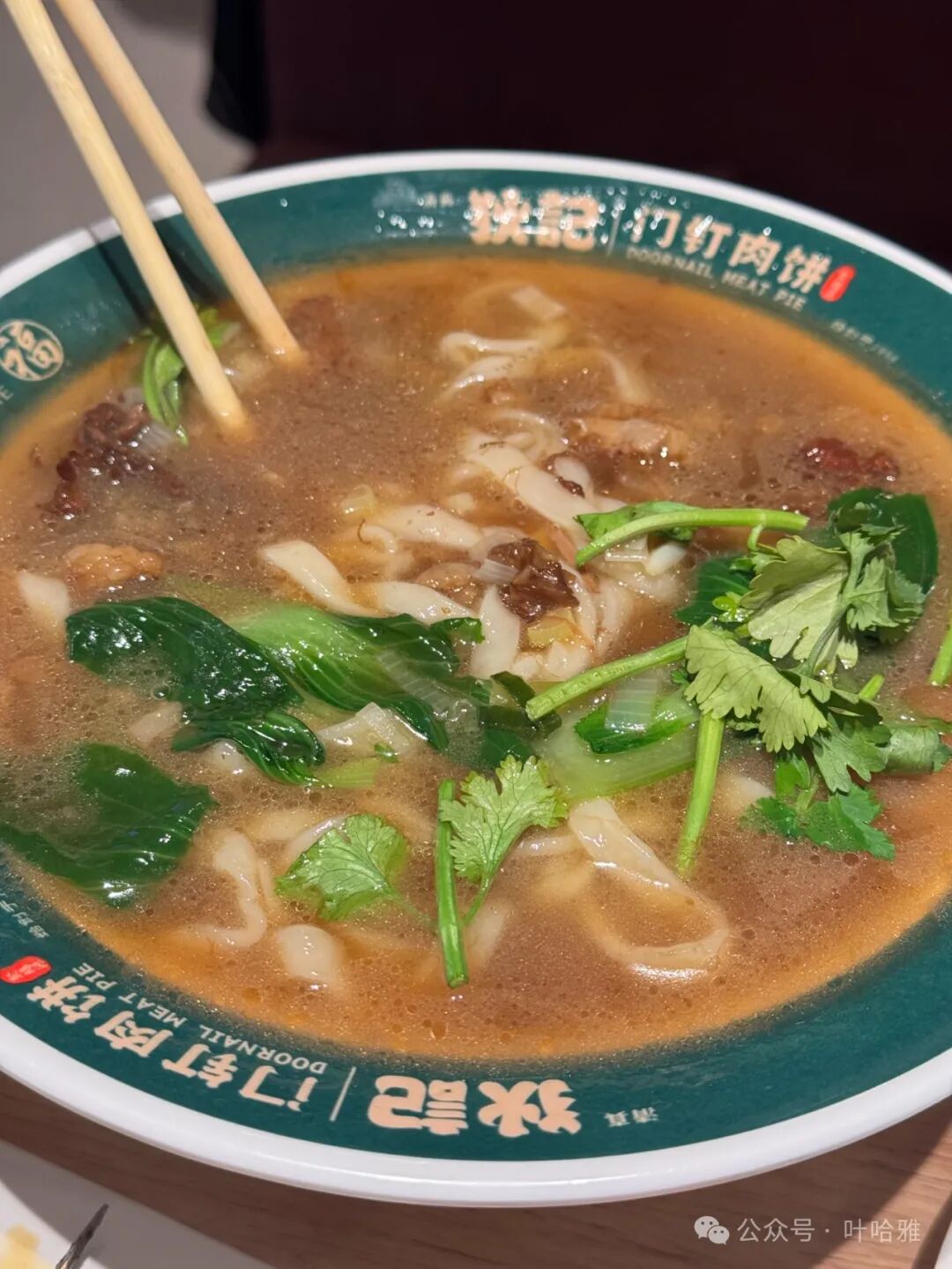
The beef noodles and the noodles with soybean paste were about the same; the noodles were not chewy enough.
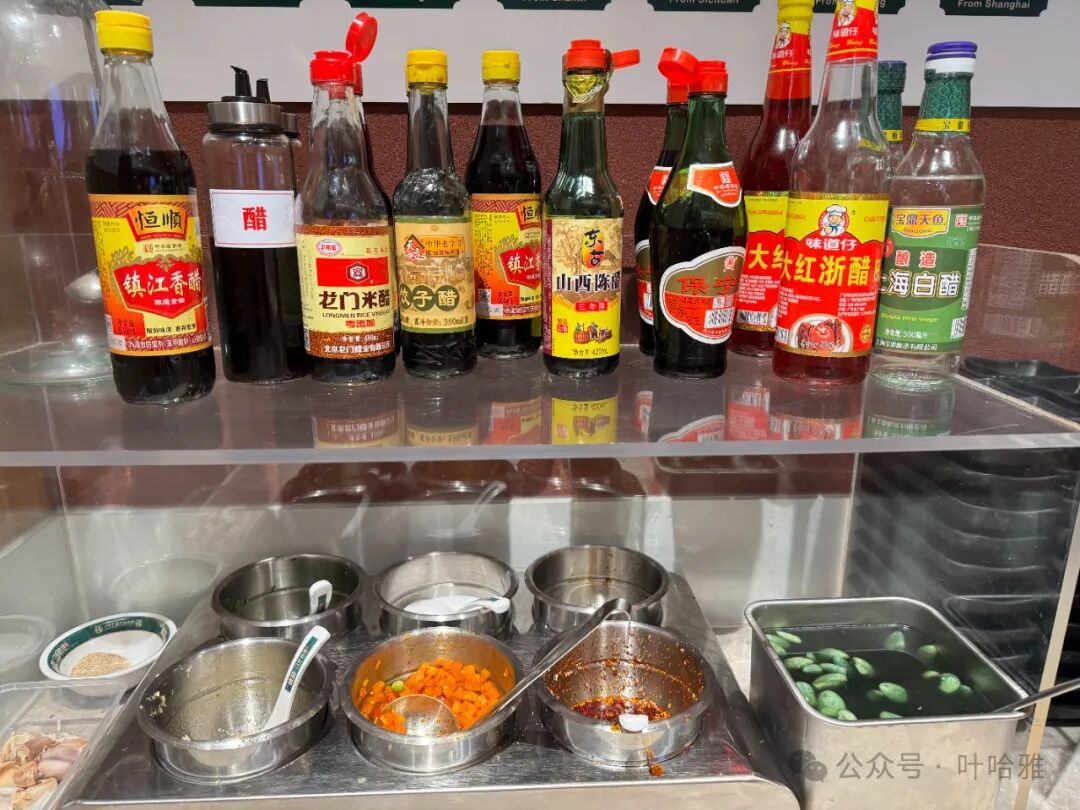
The most interesting thing here is the self-service condiment station, which has eight different kinds of vinegar for you to choose from.
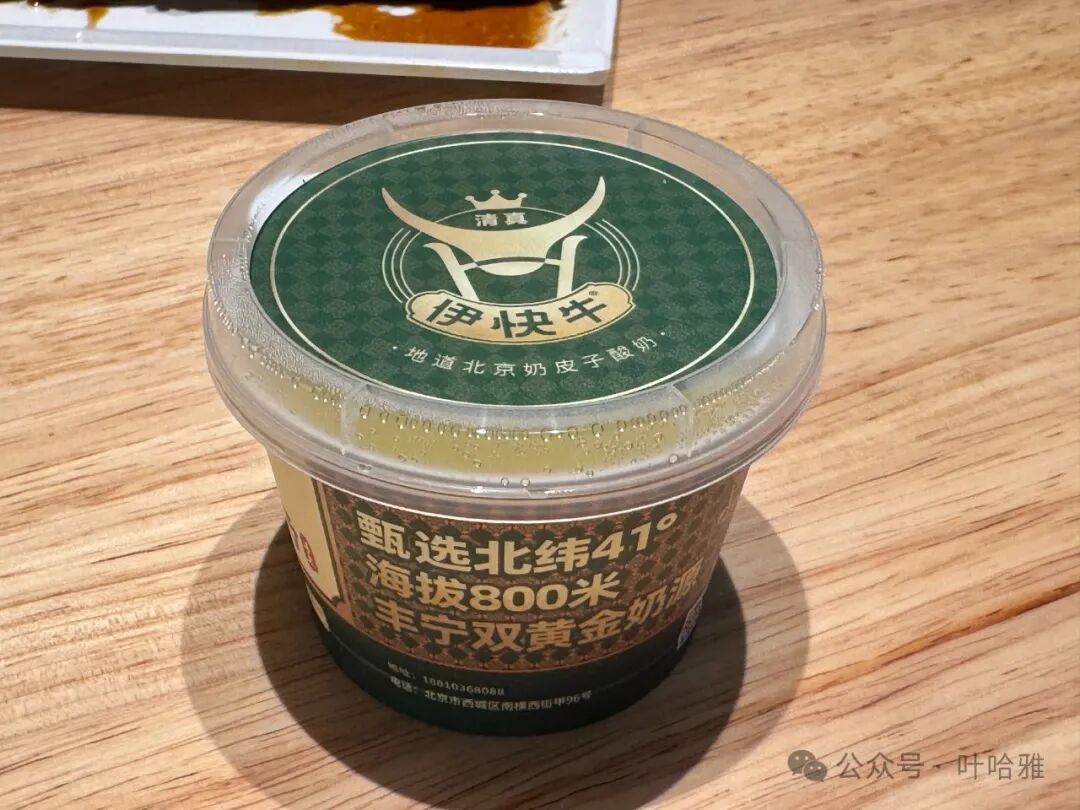
The yogurt from Yikuainiu is the same brand as the one at Ziguangyuan, and it has a smooth, creamy texture.
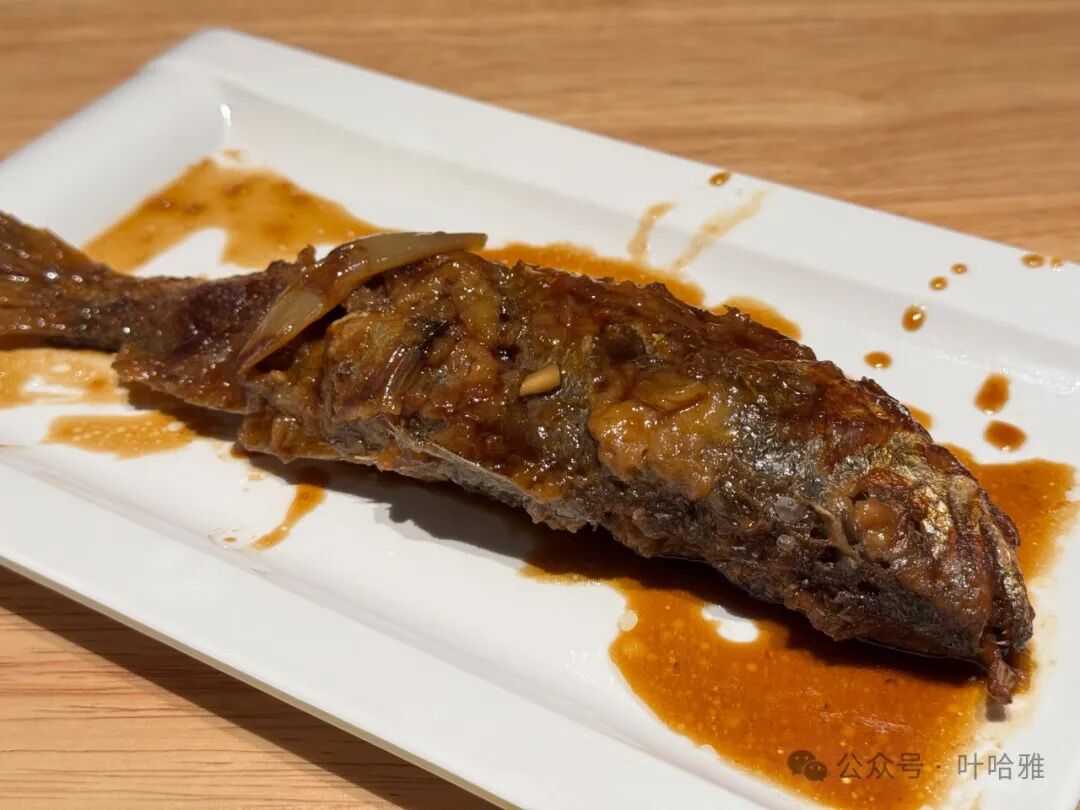
The yellow croaker and the kung pao chicken were both fine. Overall, their snacks are made quite well. Except for the noodles, the food is decent, the prices are cheap, and the portions are small, with an average cost of less than 50 yuan per person.
4. Henan Yukai Braised Noodles (huimian)
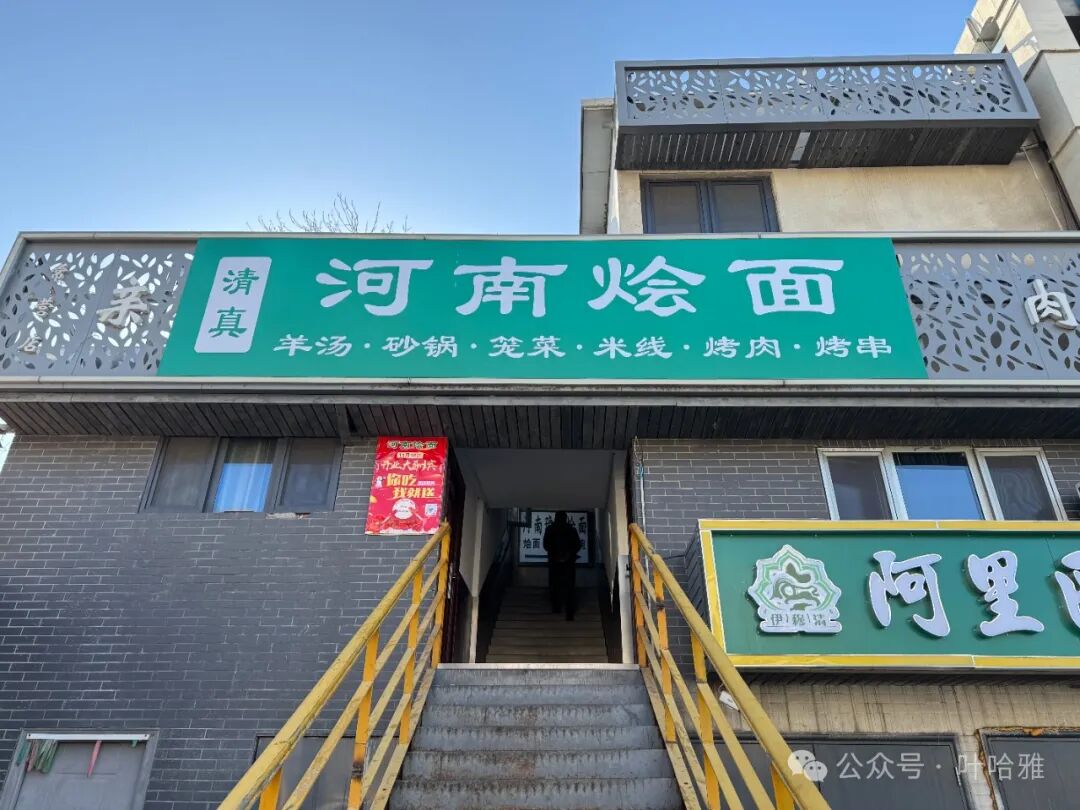
The Qingu Barbecue restaurant in Changying has closed, and it is now a Henan braised noodles shop.
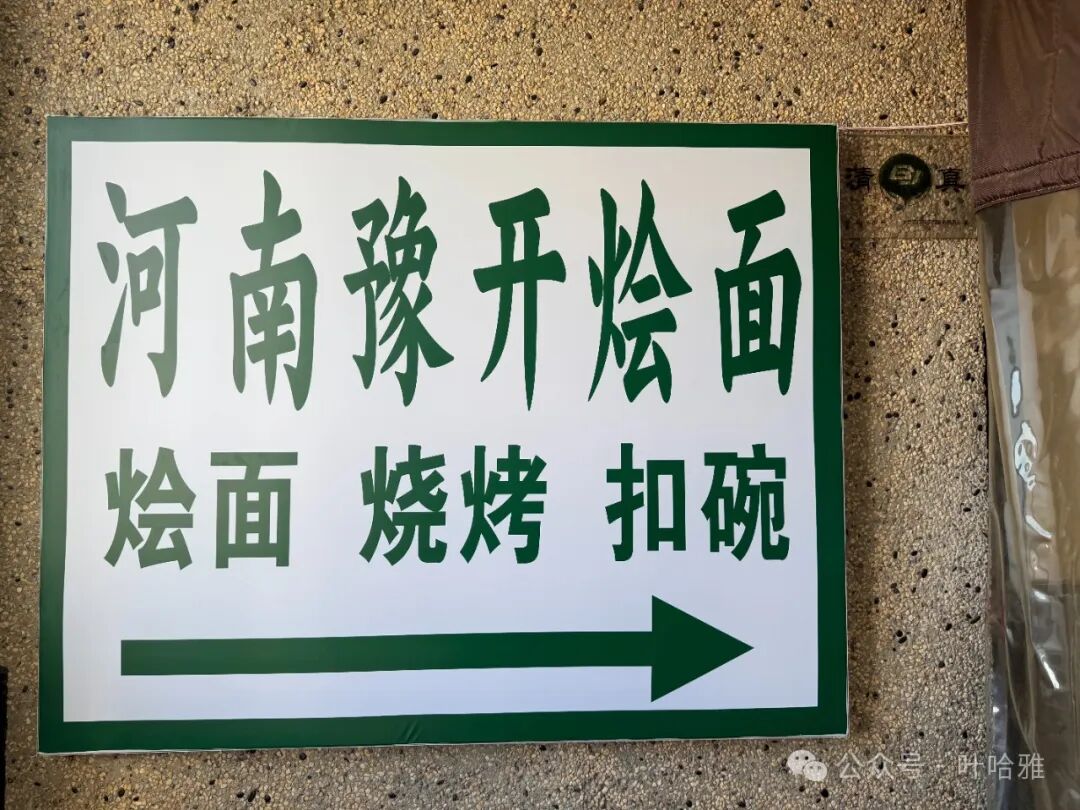
The interior decor has not changed, and the Qingu sign is still there.
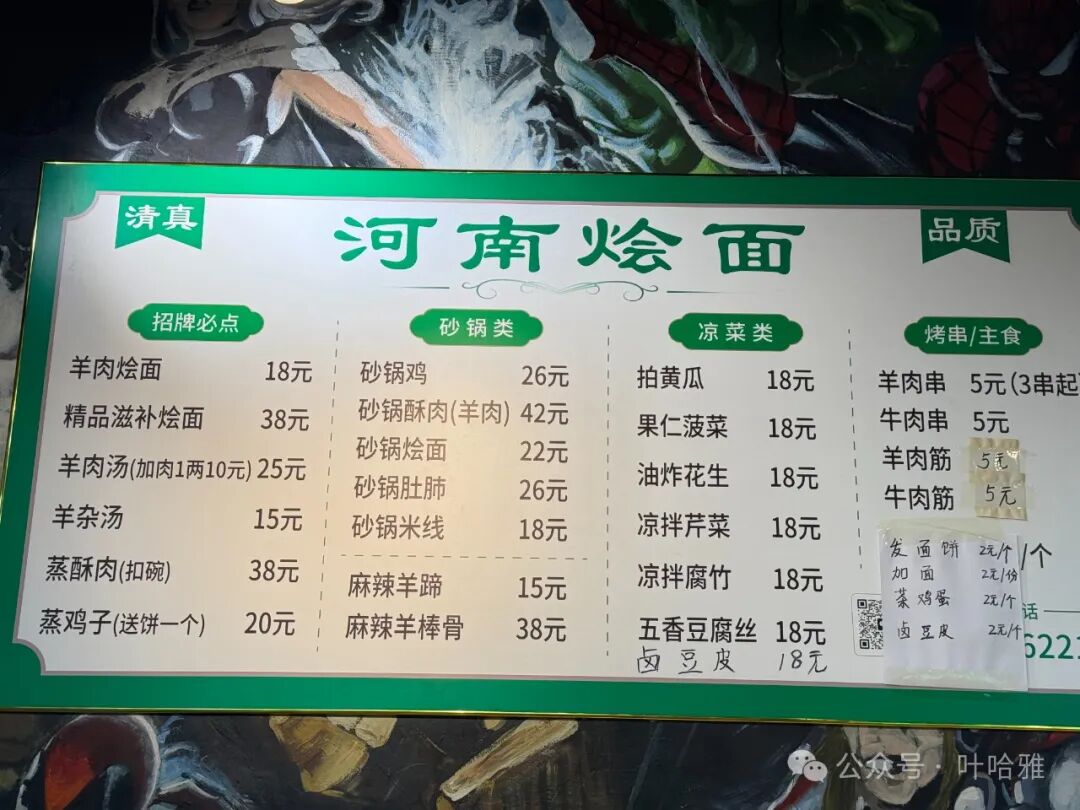
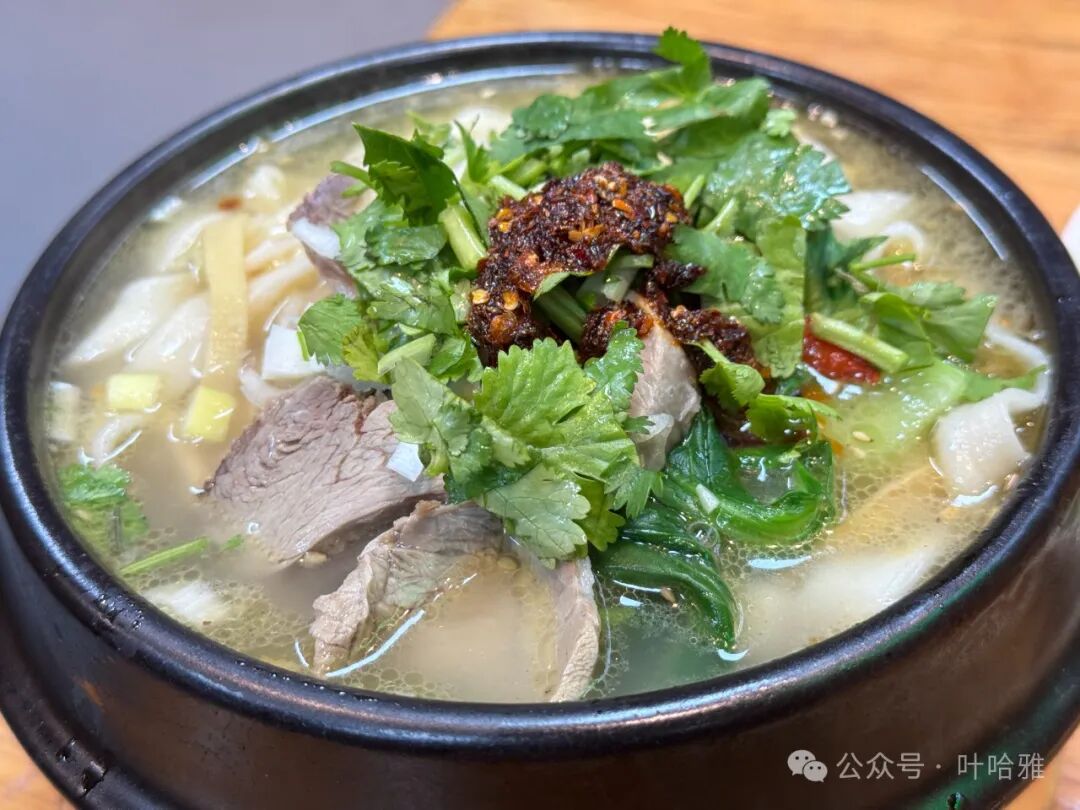
Their braised noodles (huimian) are really delicious. I ordered a clay pot version, and both the noodles and the broth were great.
5. Yimuyuan iron pot stew (tieguo dun)
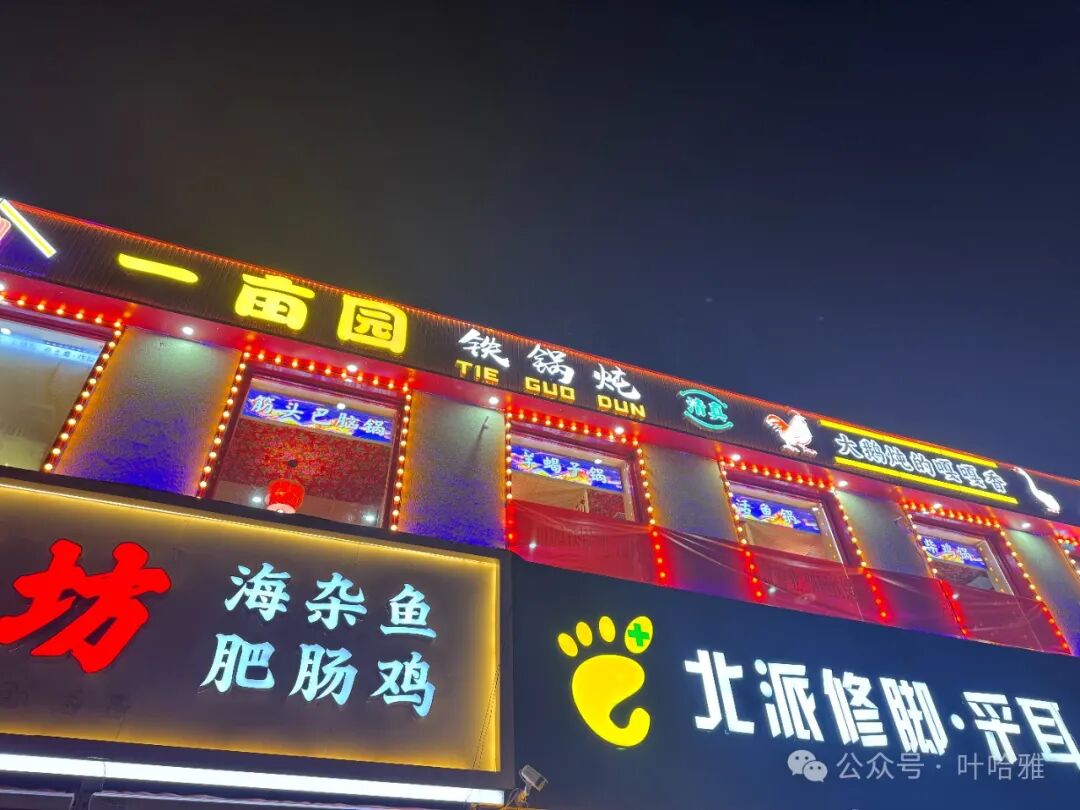
A new halal iron pot stew (tieguodun) restaurant just opened in Fengtai. It was half-price when I visited. The owner is a Hui Muslim from Dachang, Hebei, where he also has a chain of restaurants.
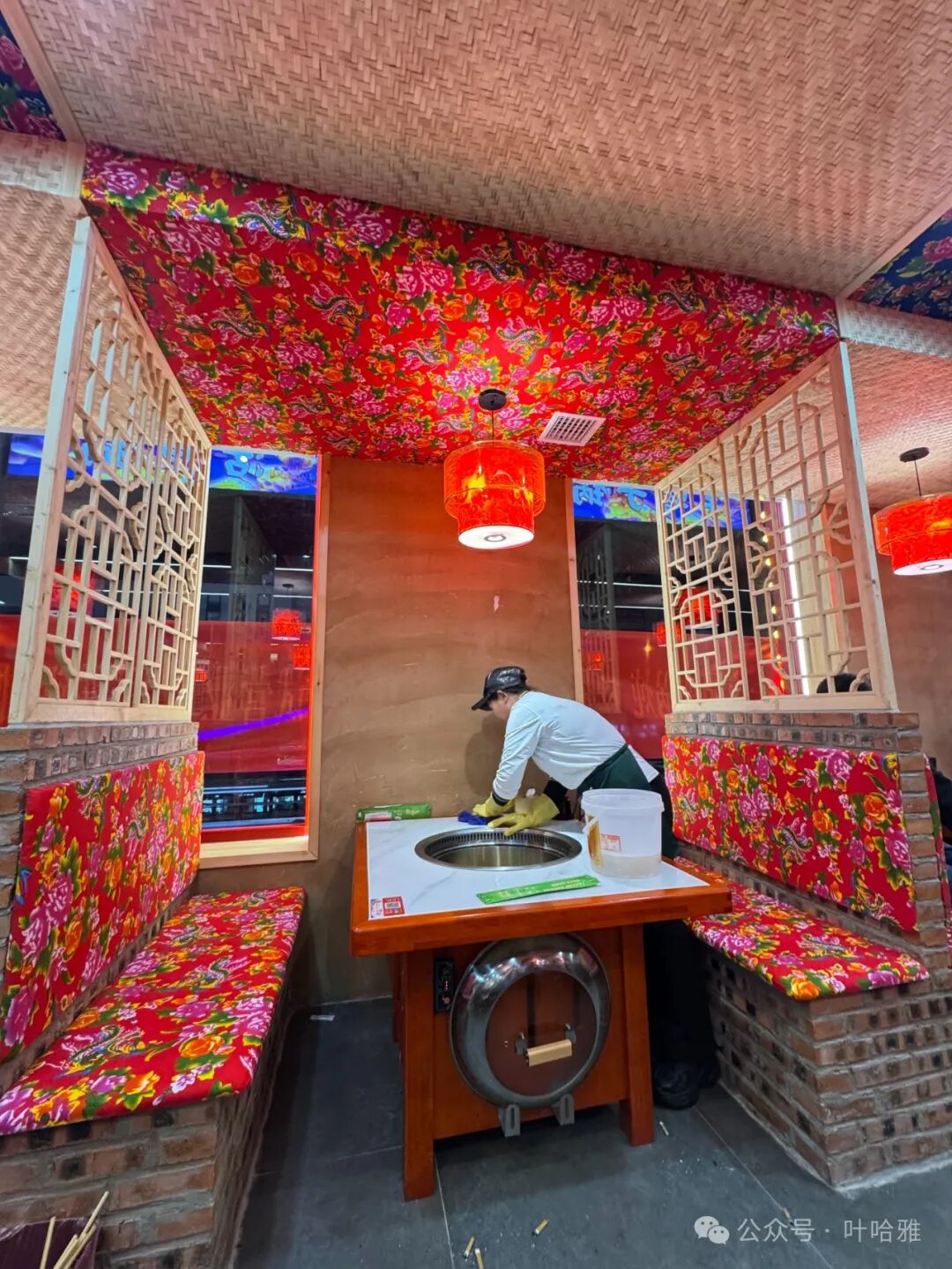
The place has a traditional Northeast floral decor vibe, the staff are very friendly, and there is a parking lot at the entrance.
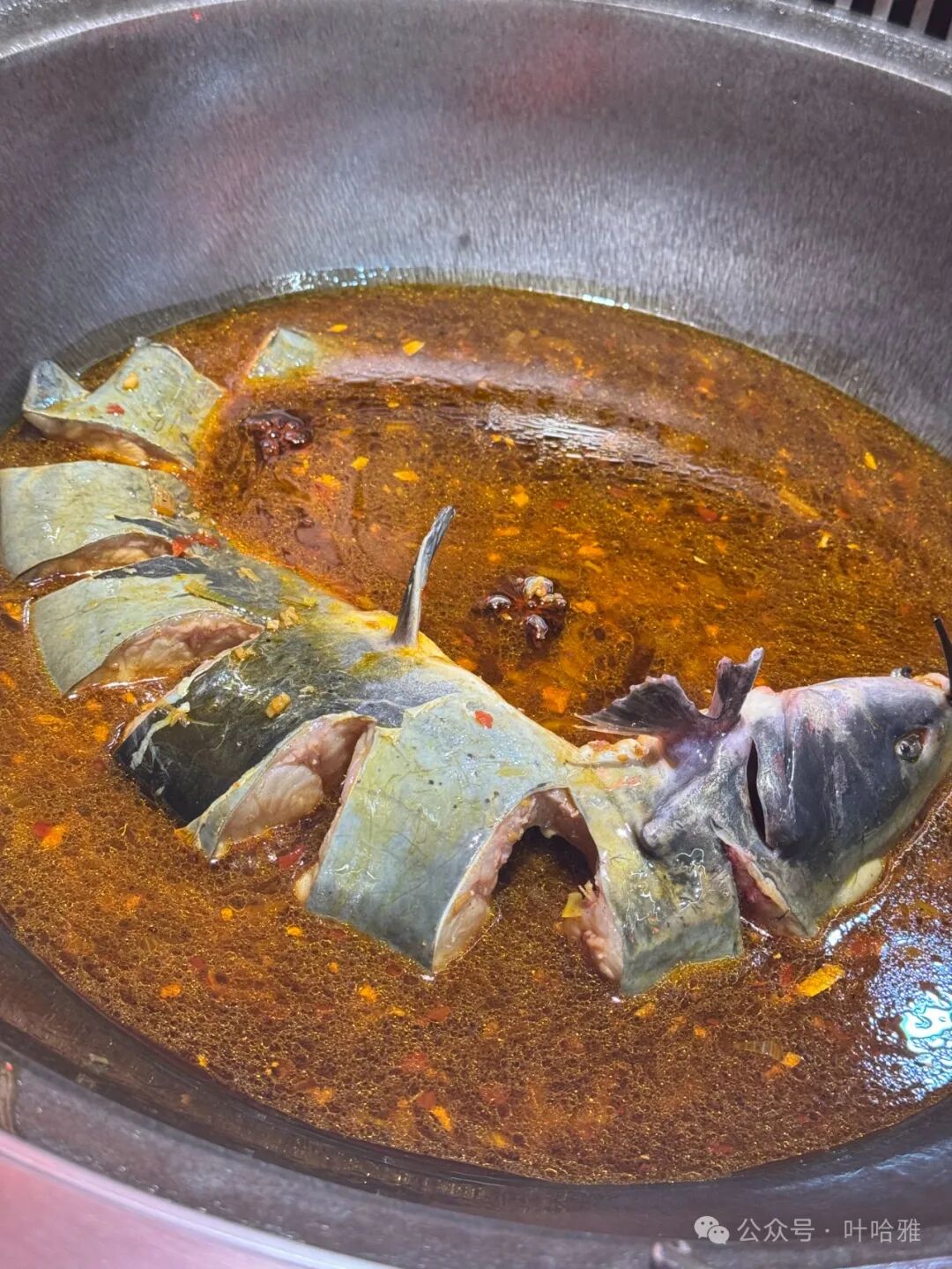
I ordered my favorite Qingjiang fish, which has very few bones and plenty of meat.
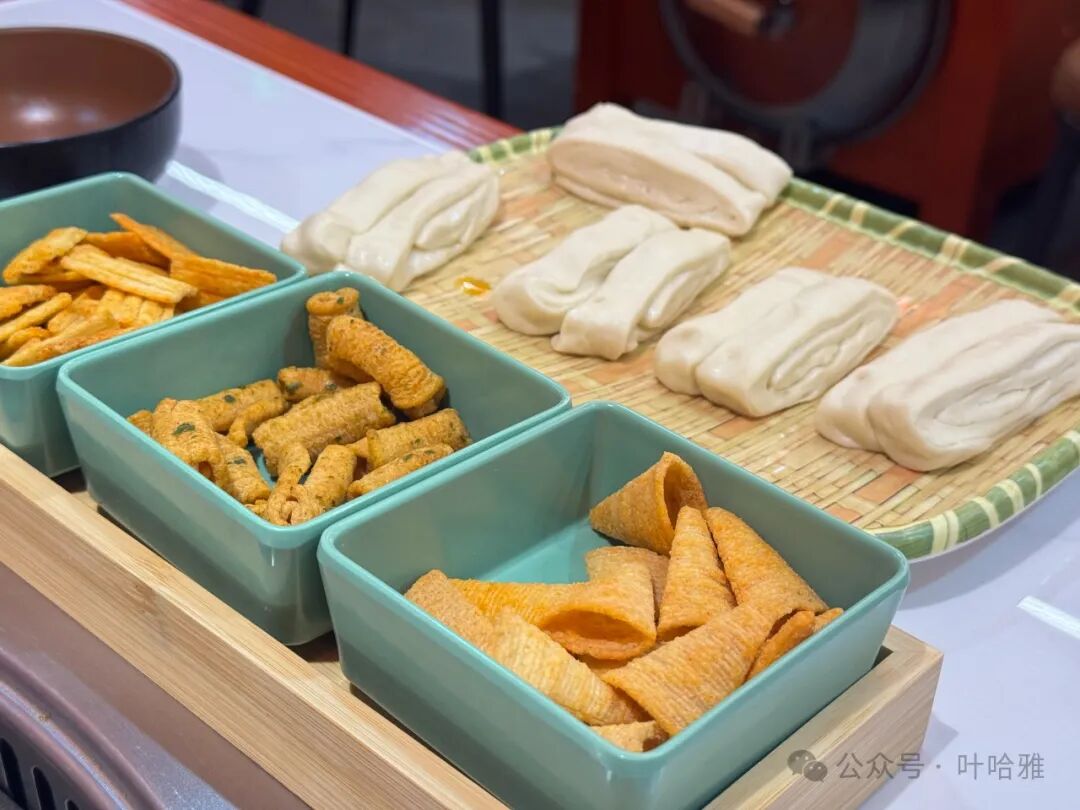
They serve sweet and sour stir-fried meat (guobaorou) that is actually quite good. Overall, this place offers great value and tasty food, so it is worth a visit.
6. Mabeier Noodle Restaurant
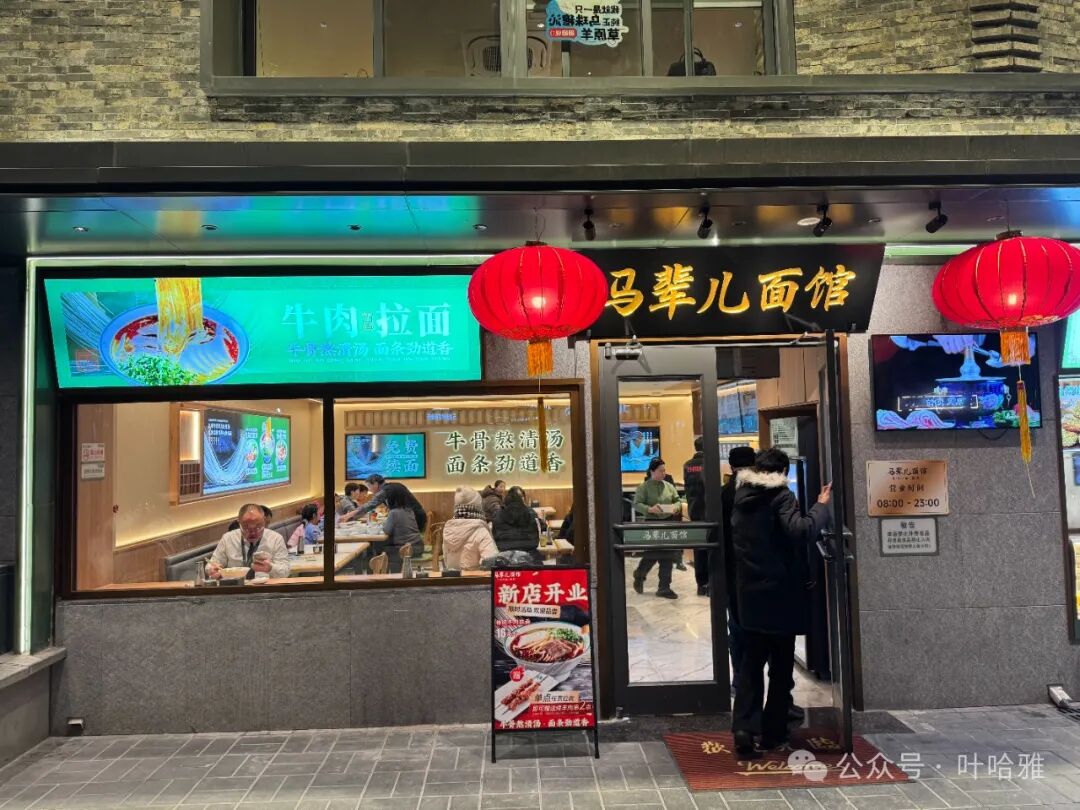
Mabeier Hot Pot replaced their deli section with a hand-pulled noodle shop.
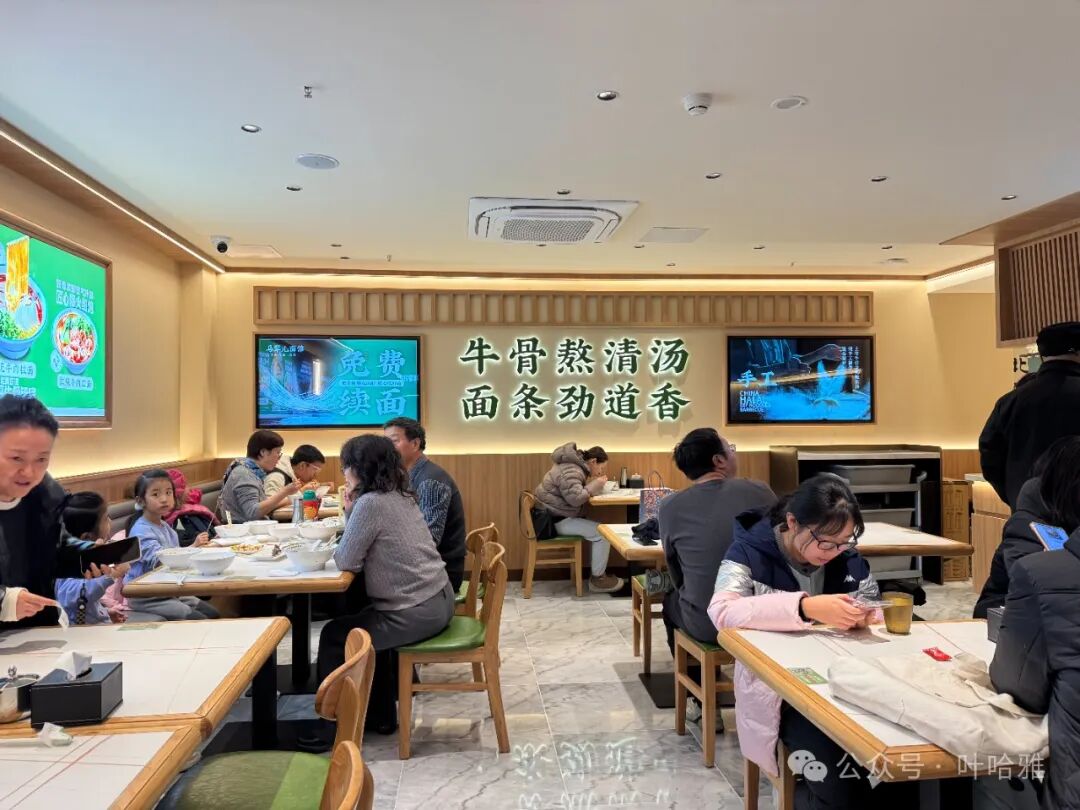
The Mabeier noodle shop serves Northwest-style hand-pulled noodles (lamian). I did not have high expectations, but I was pleasantly surprised by how good it tasted.
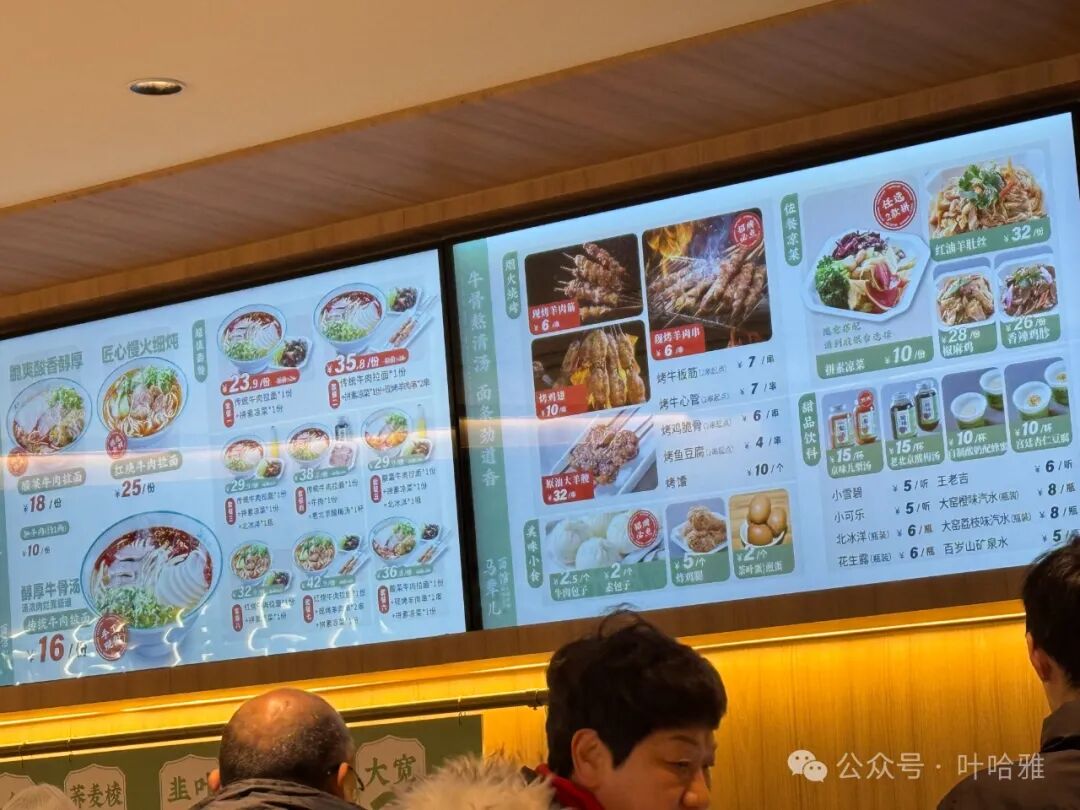
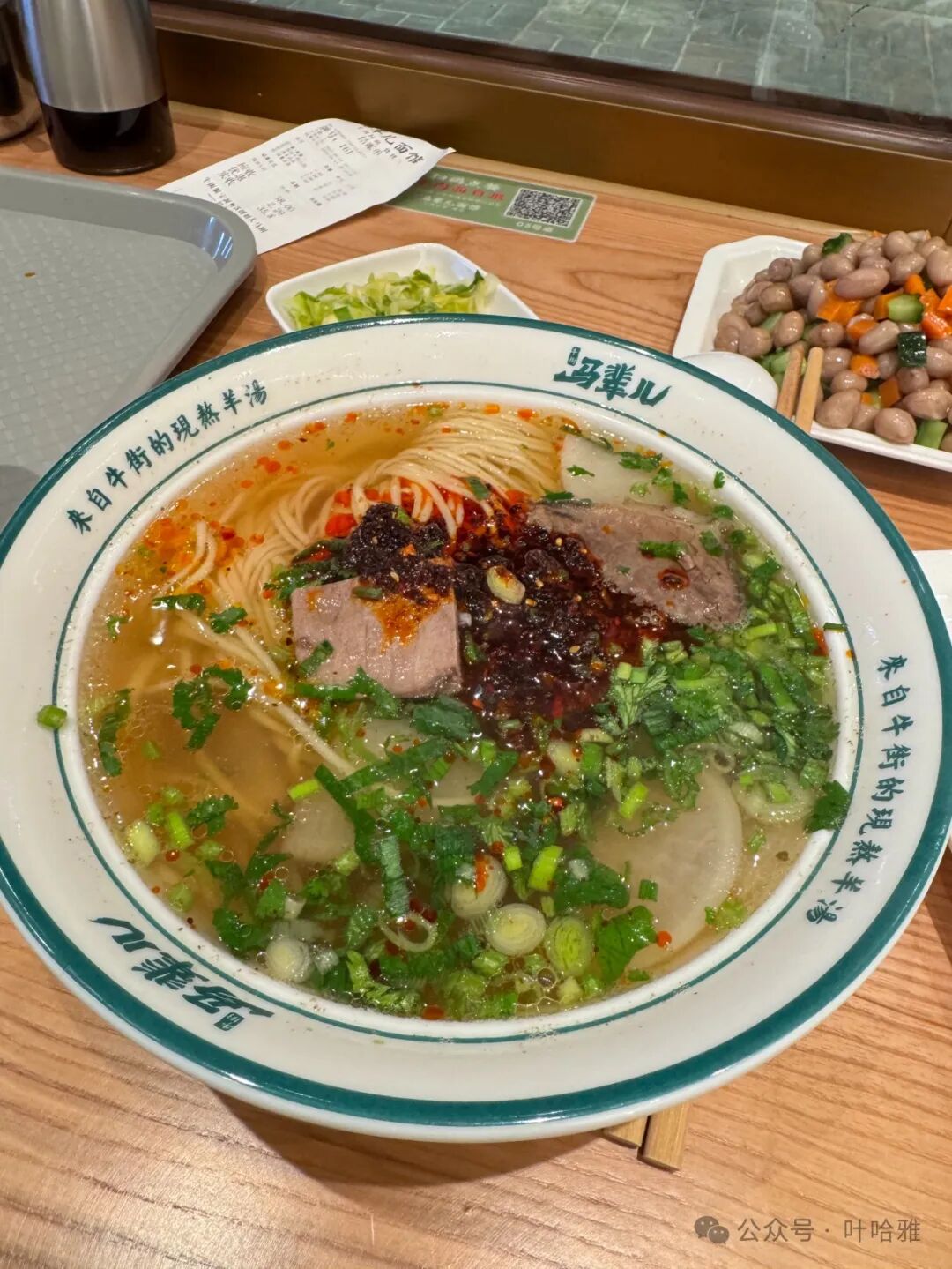
The broth and noodles are both well-made. You can tell the broth is not made from concentrates, the noodles have a great texture, and the chili oil is fragrant. Pairing them with their lamb skewers made for a very satisfying meal that far exceeded my expectations.
7. Xiting Xiuse (WF Central branch)
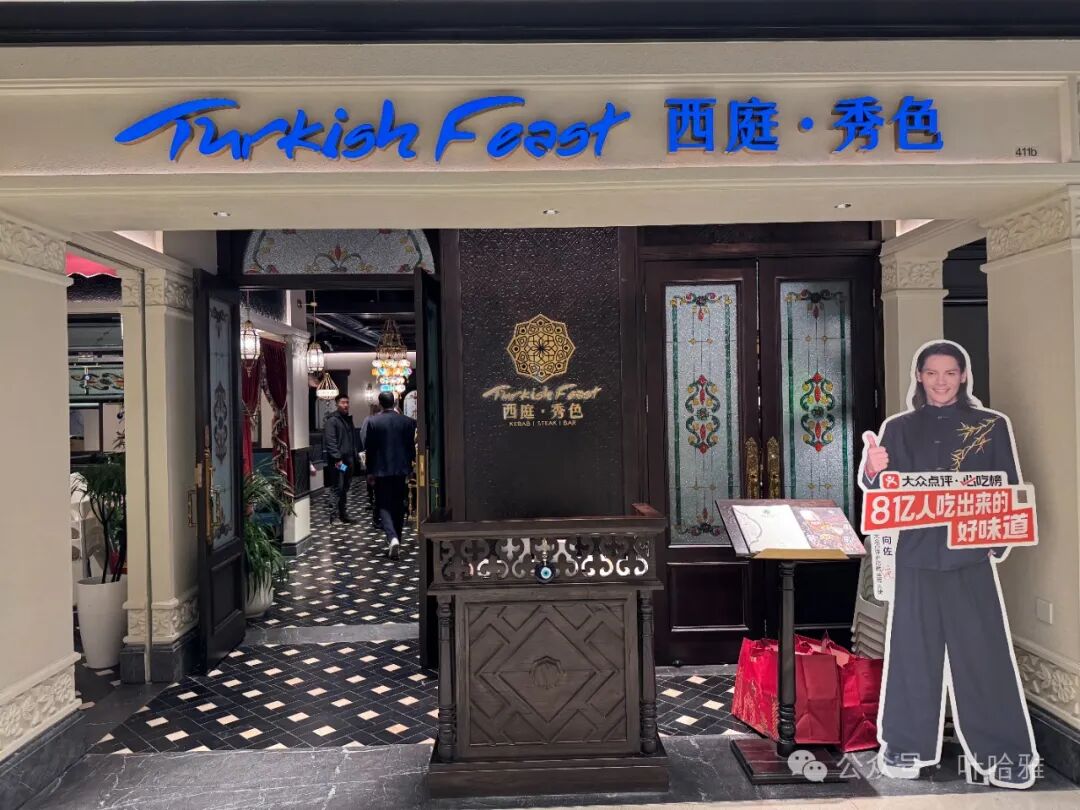
Wangfujing finally has a decent halal restaurant again. The new Xiting Xiuse Turkish Restaurant branch at WF Central has a different menu and atmosphere compared to their previous locations.
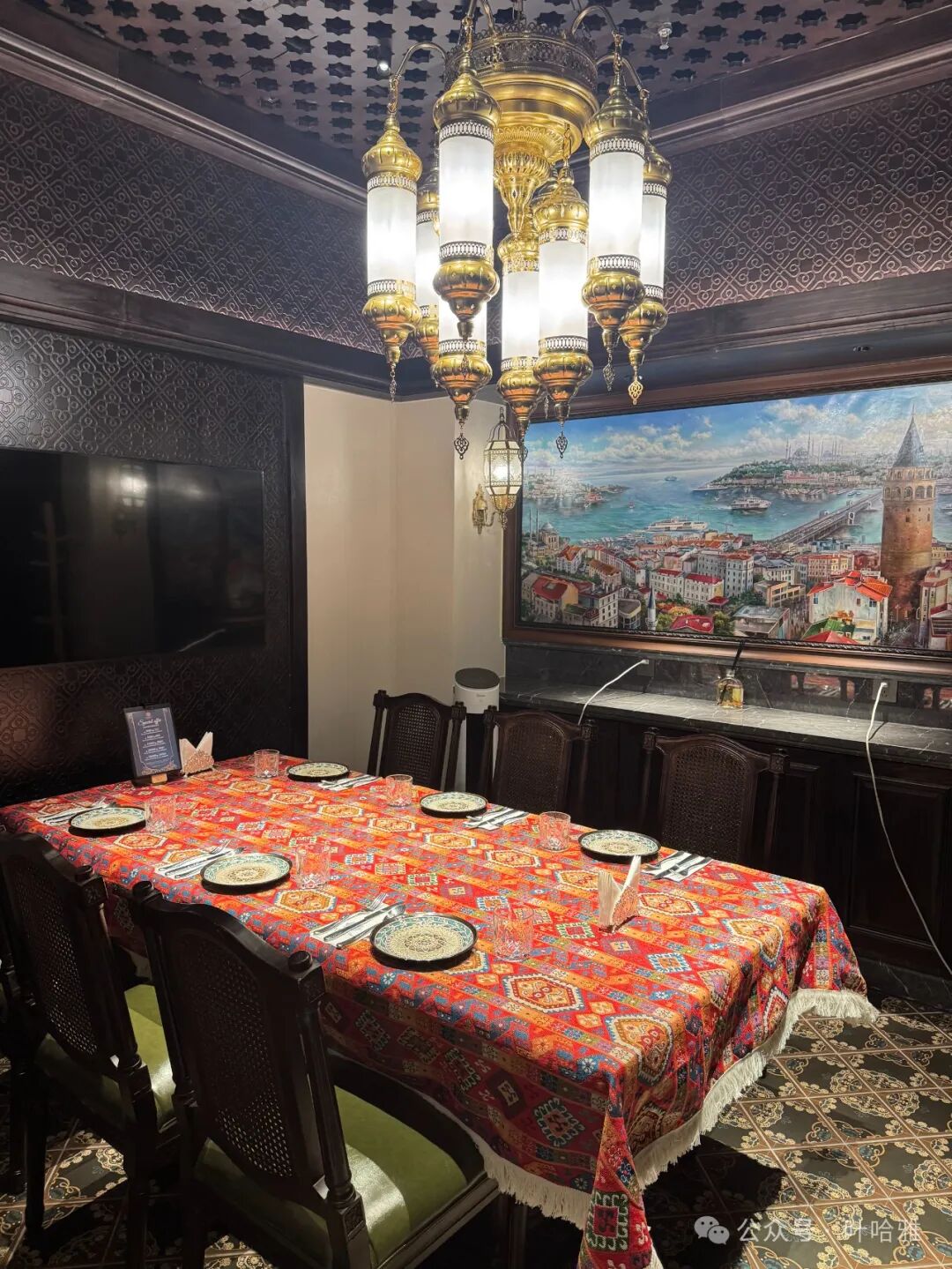
Overall, this place looks a bit more upscale, but the prices have actually gone down.
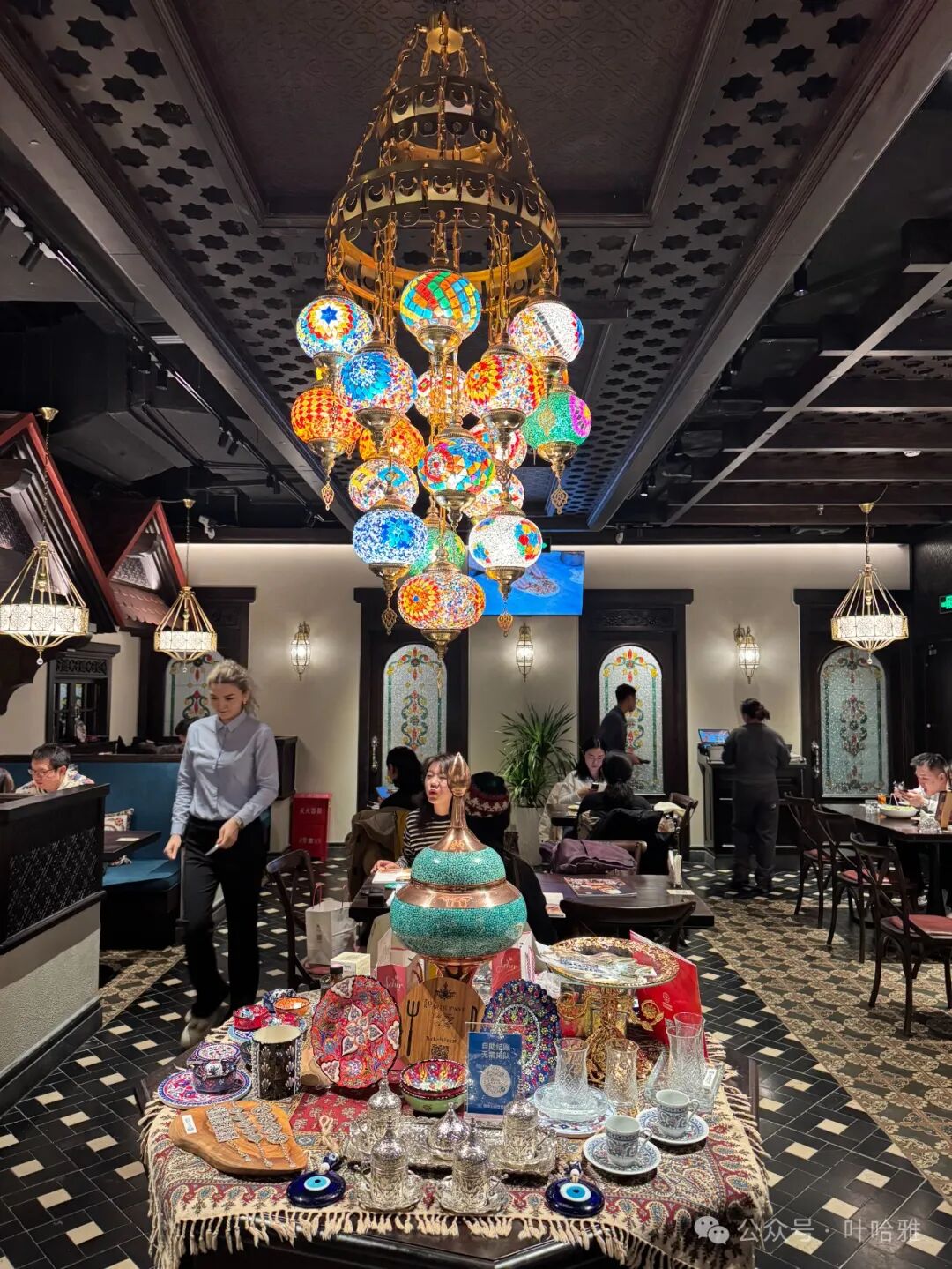
The servers all have an exotic look, and they are all very good-looking, both men and women.
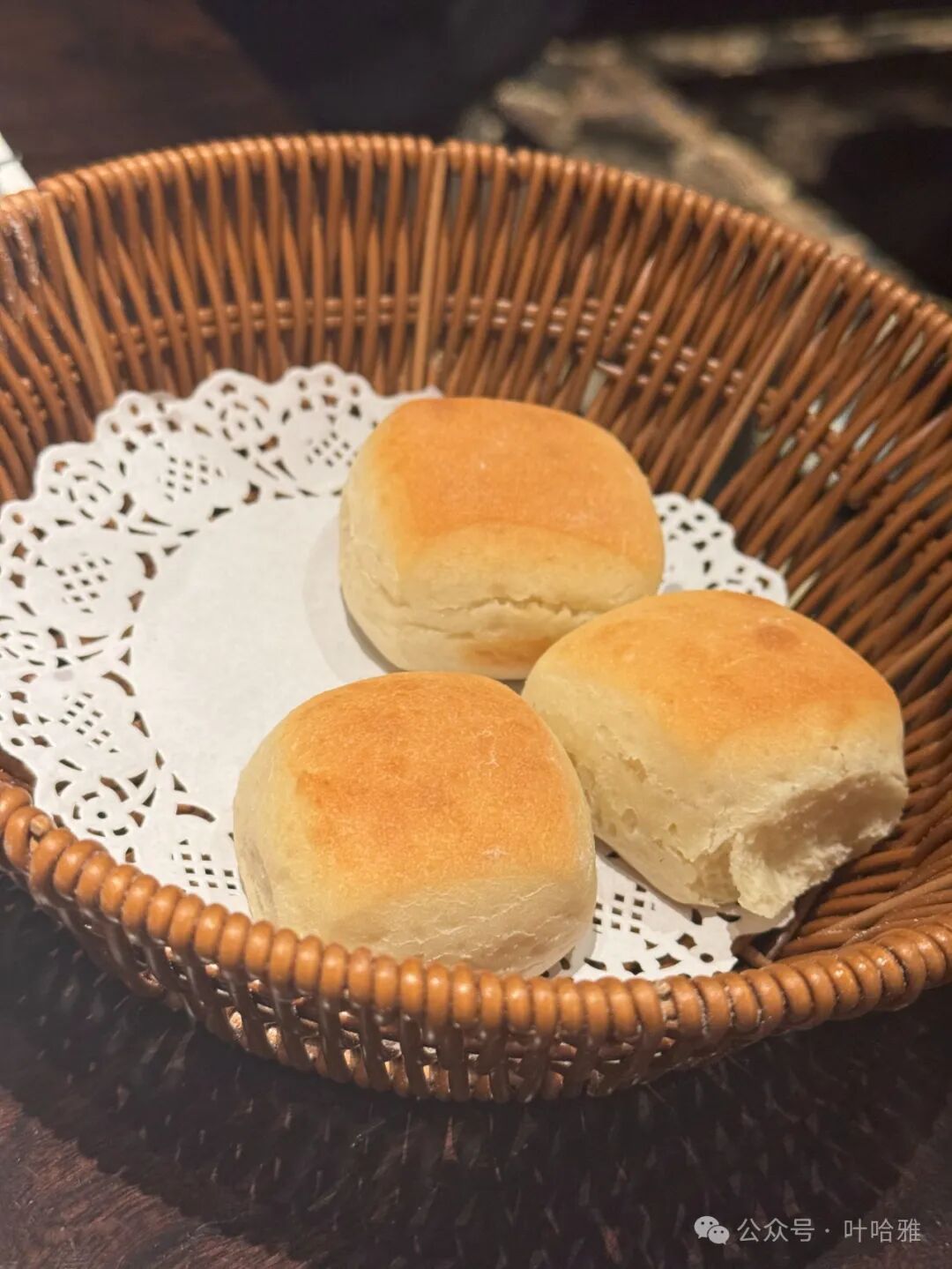
The head chef from the original shop is now in charge here, so the food quality stays the same.
It gets busy on weekends, so you might have to wait for a table during peak hours.
There is an underground parking lot with plenty of spaces, but there are no parking discounts.
The average cost per person is over 200.
8. Beiping lamb soup and dumpling restaurant (yangtang jiaozi guan)
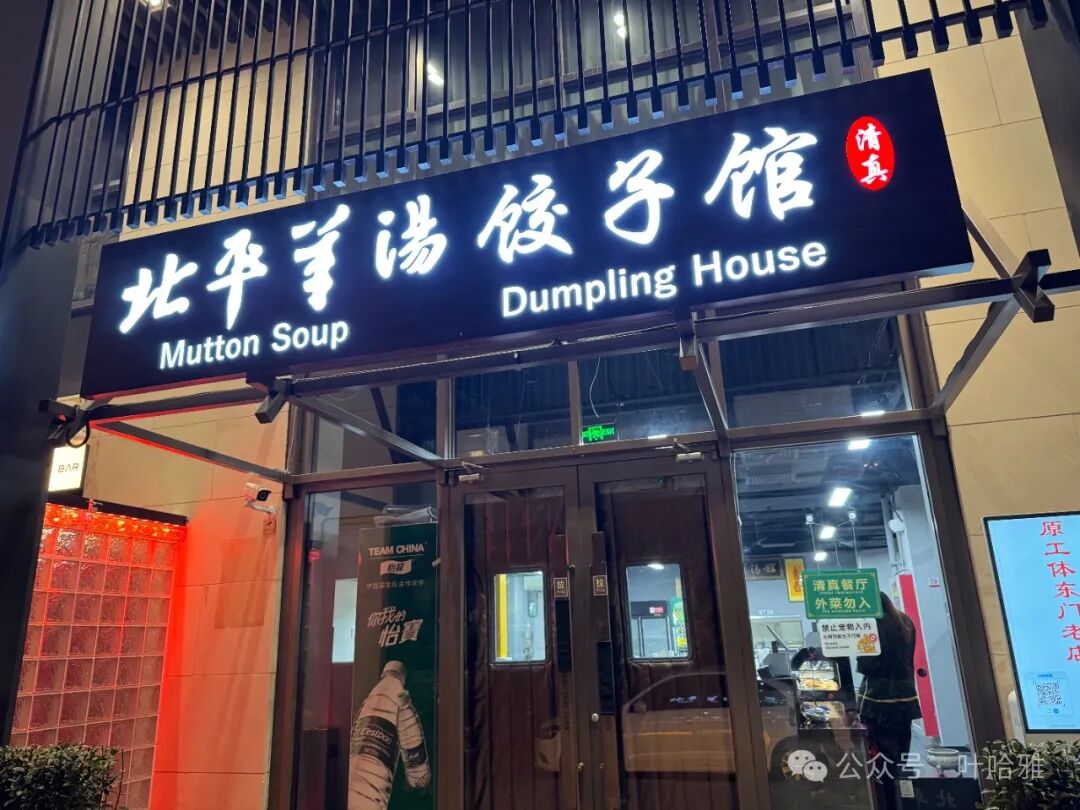
This is the original shop reopening; it used to be at the Workers' Stadium (Gongti) and now it is back.
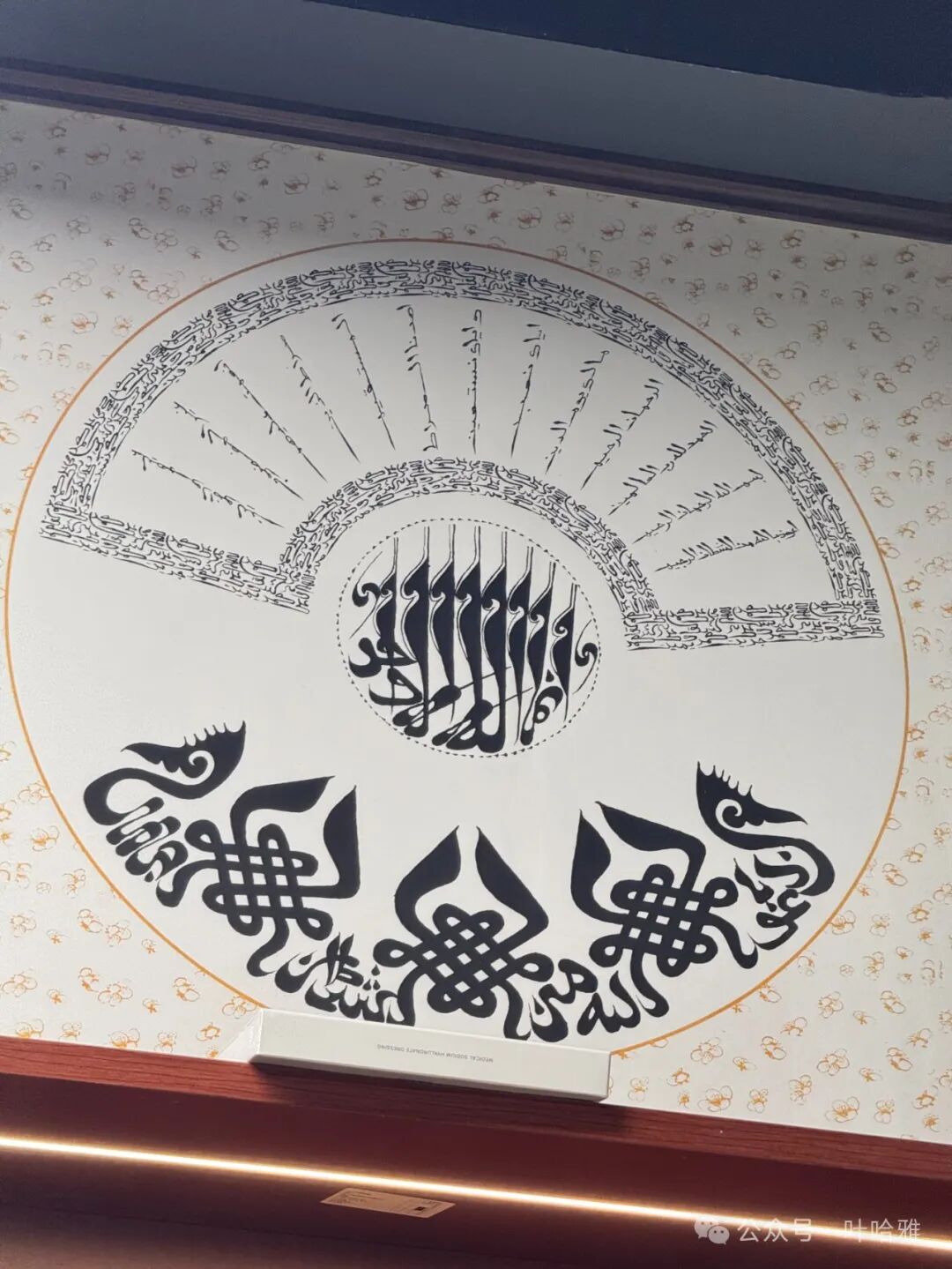
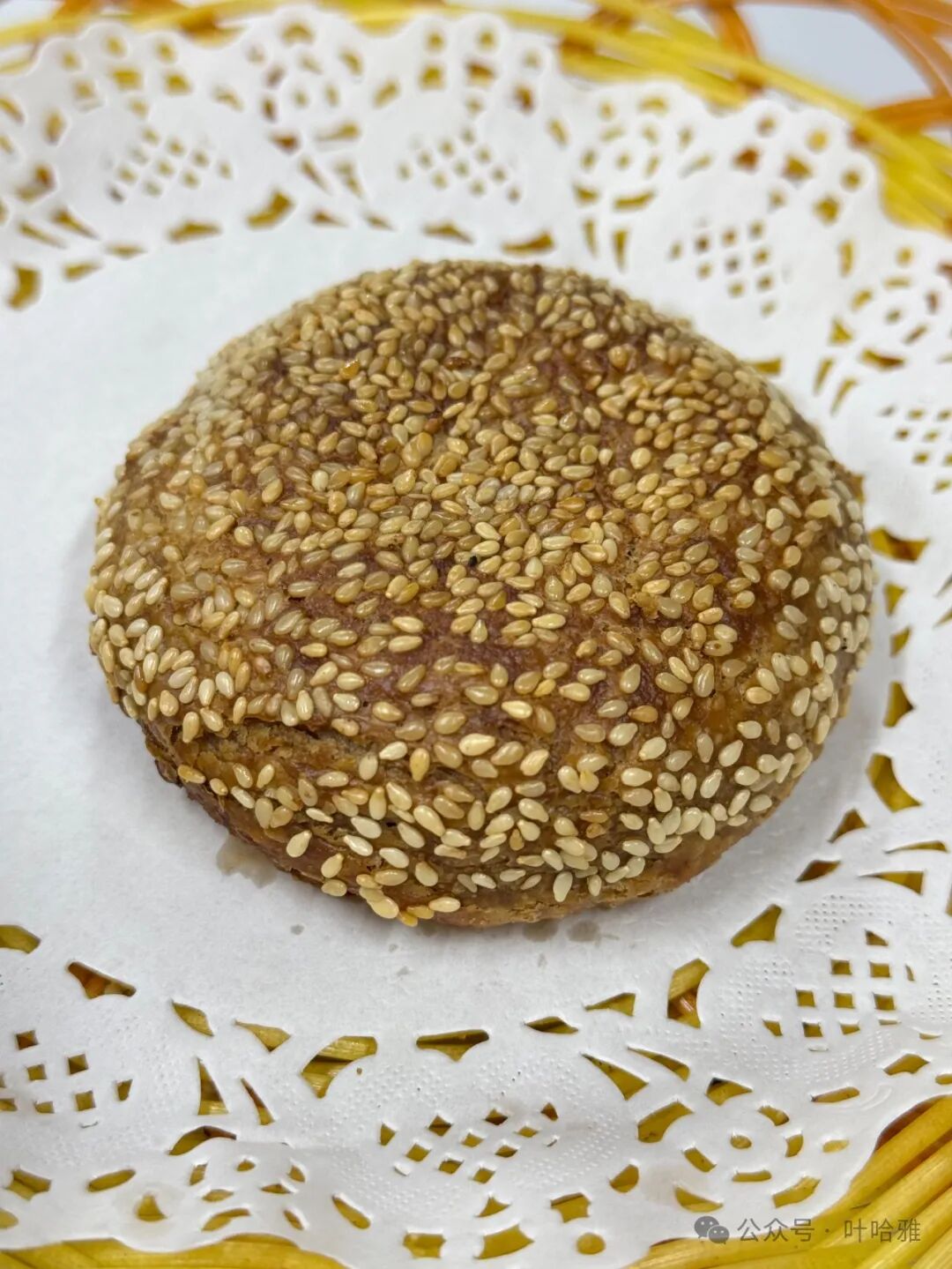
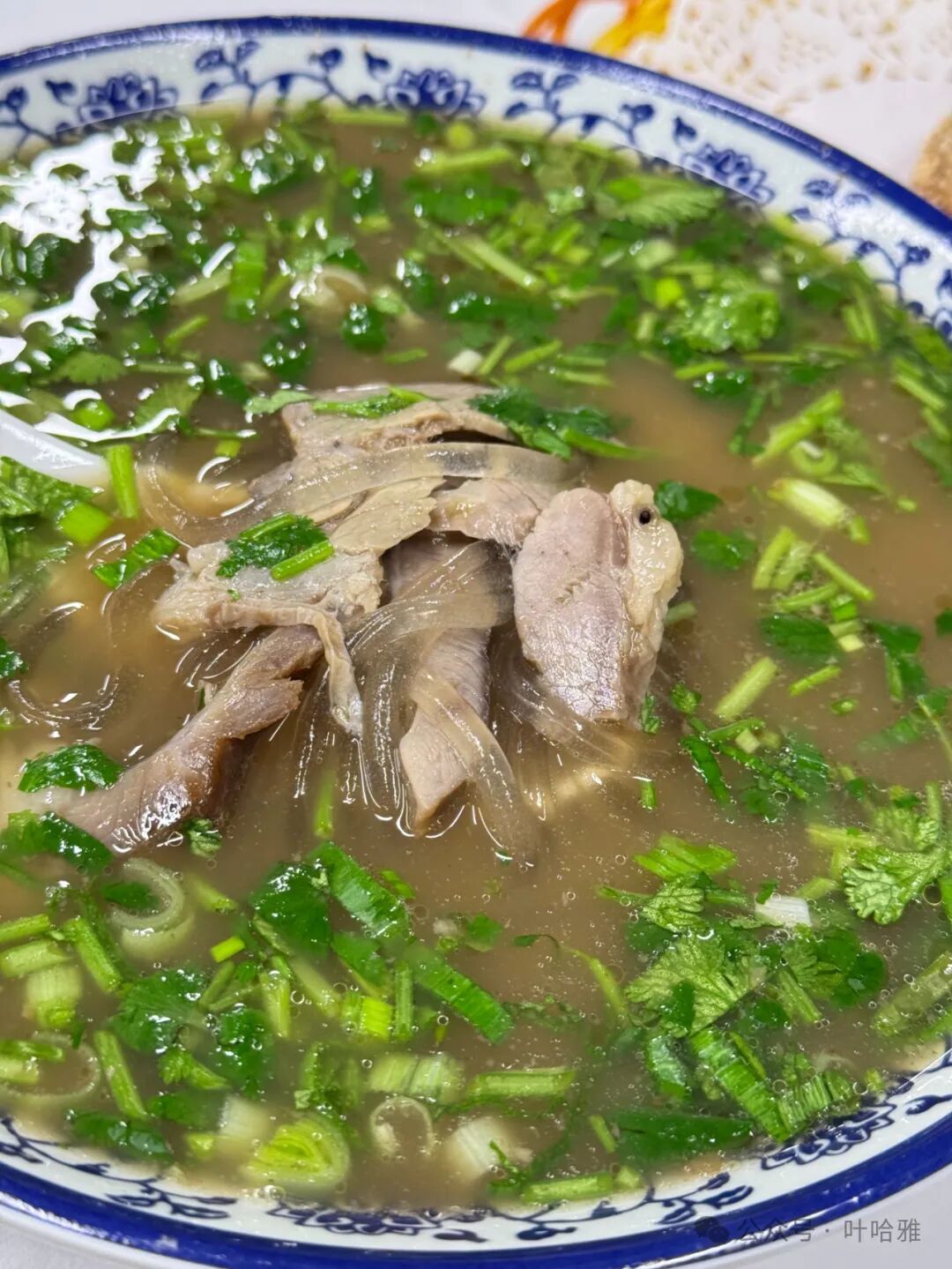
Their signature lamb bone broth (yangtang) and sesame flatbread (shaobing) are both decent, but I think the flatbread is better.
I wasn't full after the lamb bone broth, so I tried their dumplings. These handmade dumplings are shaped exactly how I like them.
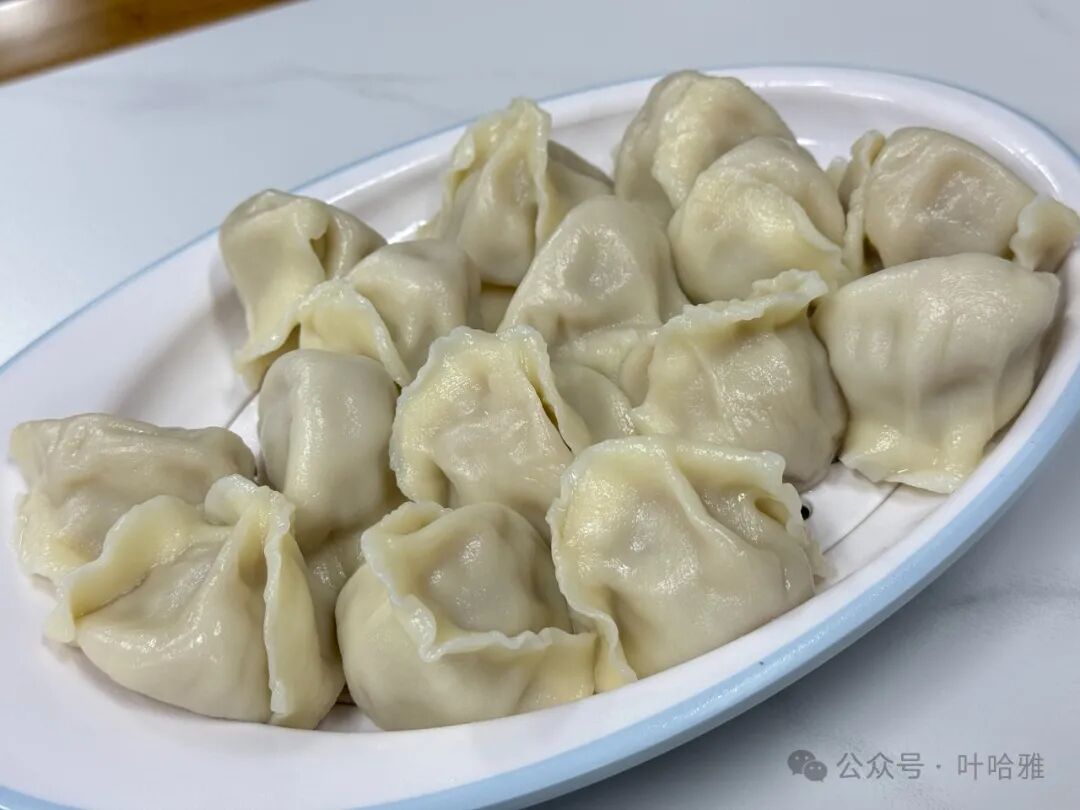
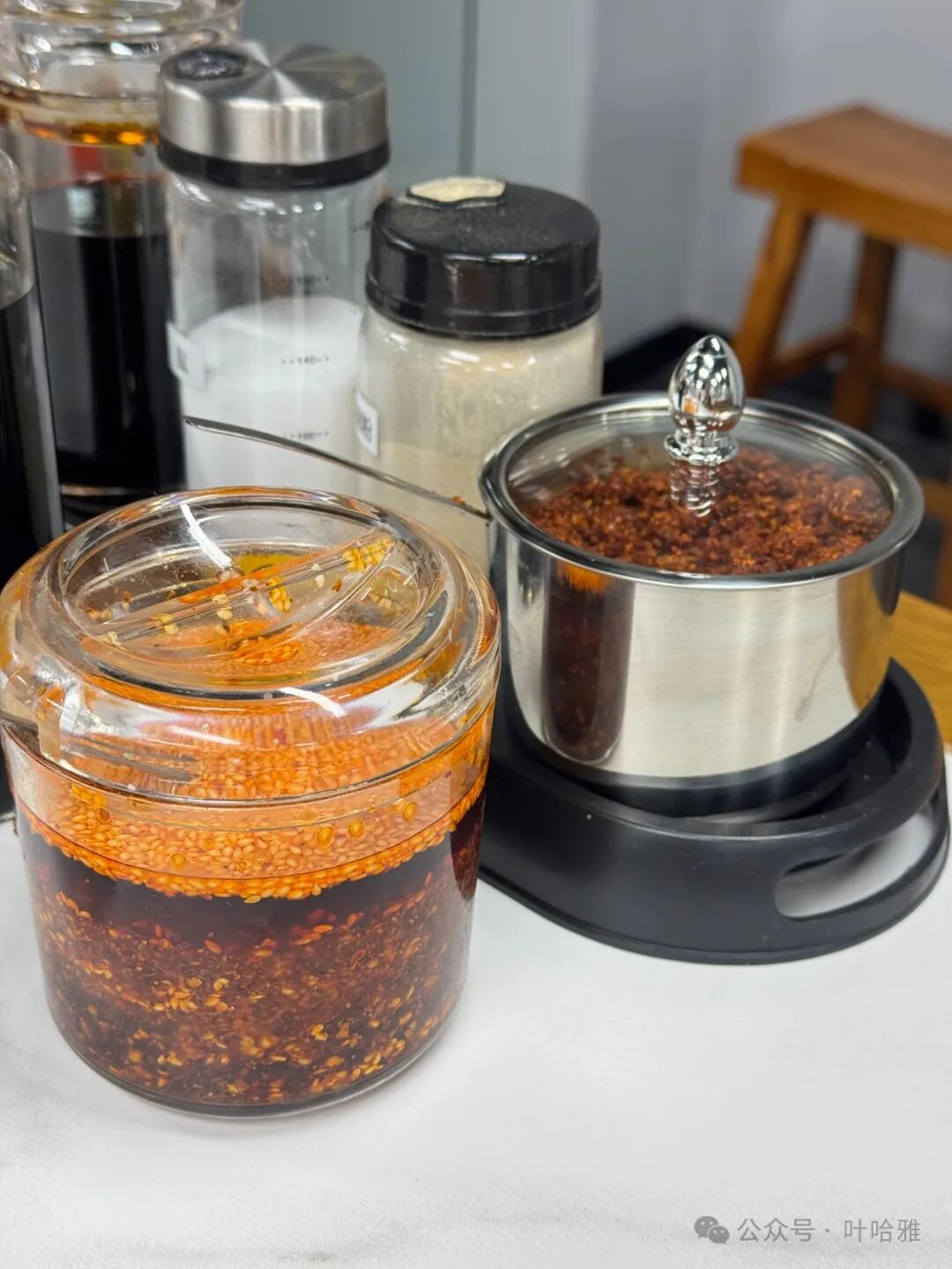
They have two types of chili, and both are quite good. I personally like the dry lamb fat chili.
9. Huijia Sanxiongdi (Three Brothers Returning Home)
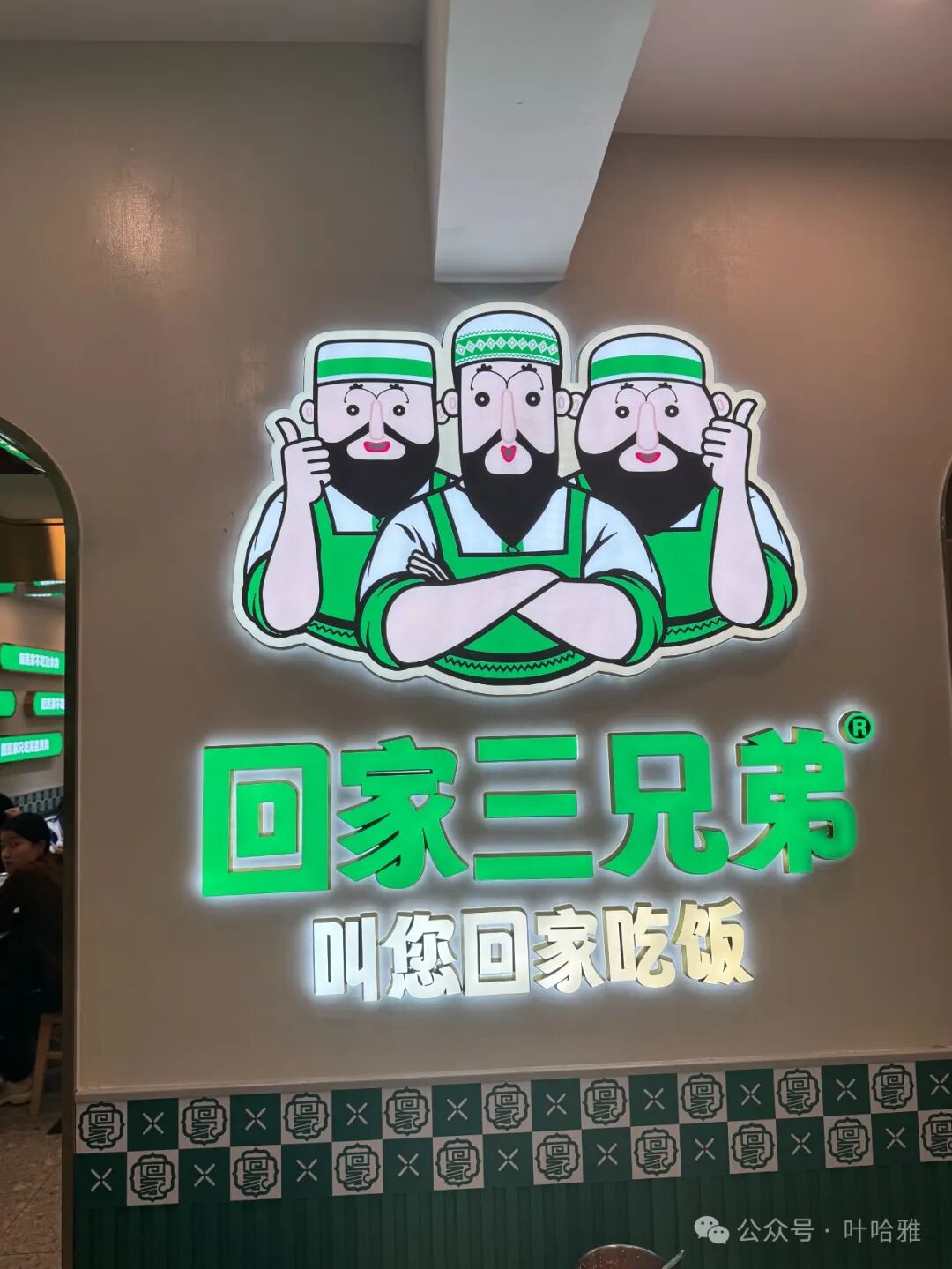
The Three Brothers fast food restaurant has been open for a few months, but it is still just as popular as ever. My post about it on Xiaohongshu got tens of thousands of views.
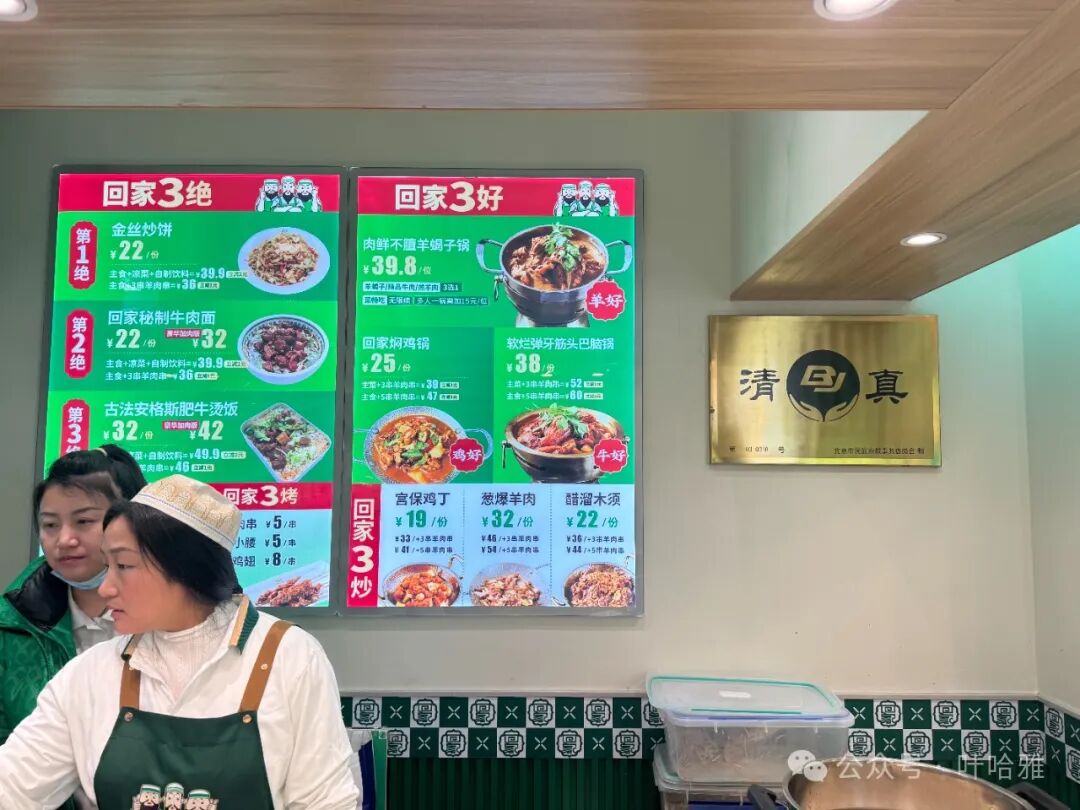
I really love the beef rice soup (tangfan) at Home Three Brothers. Many people on Xiaohongshu do not know what tangfan is. It is actually a one-pot meal made from leftover food that Beijing families eat. People used to only make it at home, so it is surprising to see someone selling it now.
The beef at Home Three Brothers is cooked perfectly. You mix it with rice, and that makes the tangfan.
Their side dishes and barbecue (shaokao) are also quite tasty. It is a clean, affordable, and budget-friendly little restaurant.
Best Halal Food Beijing: Niububi Hot Pot, Old Beijing Snacks, Xinjiang Food and Azerbaijani Dumplings
Articles • yusuf908 posted the article • 0 comments • 250 views • 2026-05-23 06:09
Summary: This Beijing halal food guide opens the 2024 must-eat list with Niububi Sichuan hot pot, old Beijing halal snacks, Xinjiang cuisine, Tatar food, Chongqing hot pot, suancai fish, roast duck, and Azerbaijani dumplings, all from places the author personally visited.
Friends familiar with my style know that I write about every place I eat. I do not write about shops I have not visited, and I have definitely eaten at every shop I write about. Regardless of whether a restaurant suits my personal taste, I still write about it. My goal is to include as many halal restaurants with different flavors as possible. I generally do not give bad reviews to halal restaurants because I want their businesses to thrive and spread everywhere, making travel easier for us. People often ask me which restaurants in Beijing are worth recommending. As a Beijinger whose family roots in the city go back at least to the Ming Dynasty, I do have a list of high-quality restaurants in my mind. My taste is very down-to-earth, so as long as you are not an extremely picky eater, you will likely find the places I enjoy delicious too.
The variety of halal dining in Beijing is arguably the richest in the world. It brings together halal versions of Chinese regional cuisines as well as halal restaurants from many other countries. I wrote a list of must-eat Beijing-style halal restaurants in 2020 and again in 2022. A few years have passed, and some restaurants on those lists have changed. Below, I present my latest must-eat list of Beijing-style halal restaurants.
The list is in no particular order. I will specifically note if a restaurant does not serve alcohol; otherwise, assume it does.
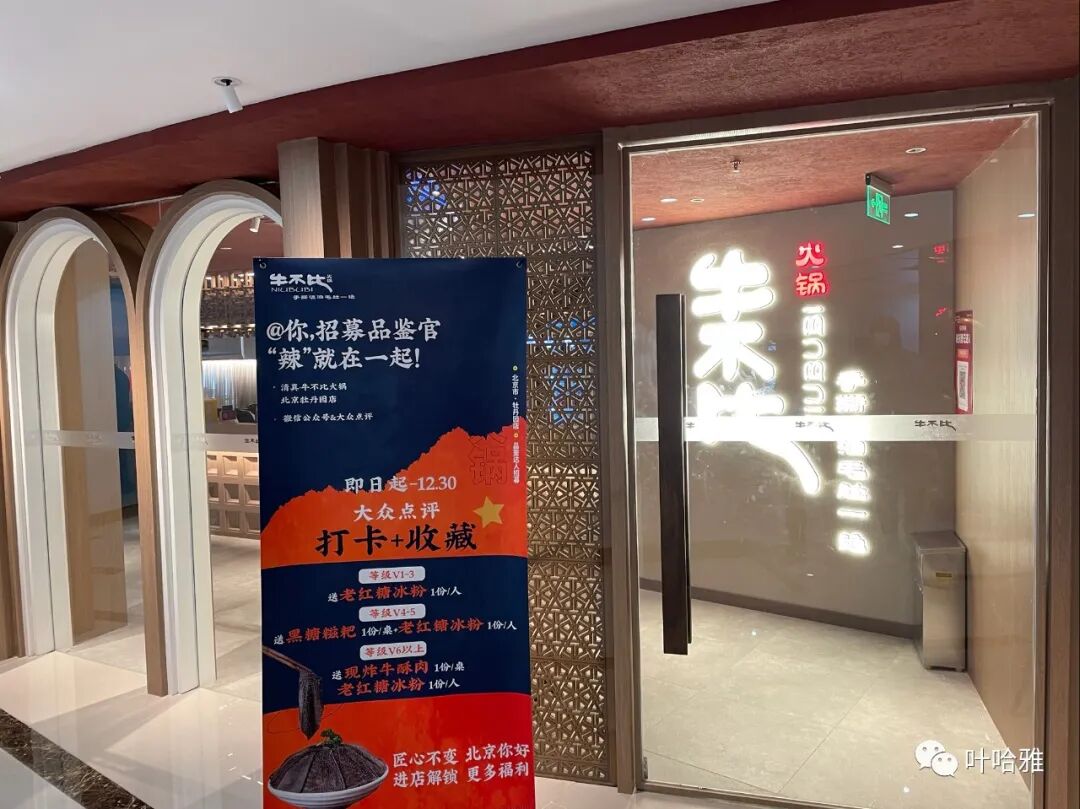
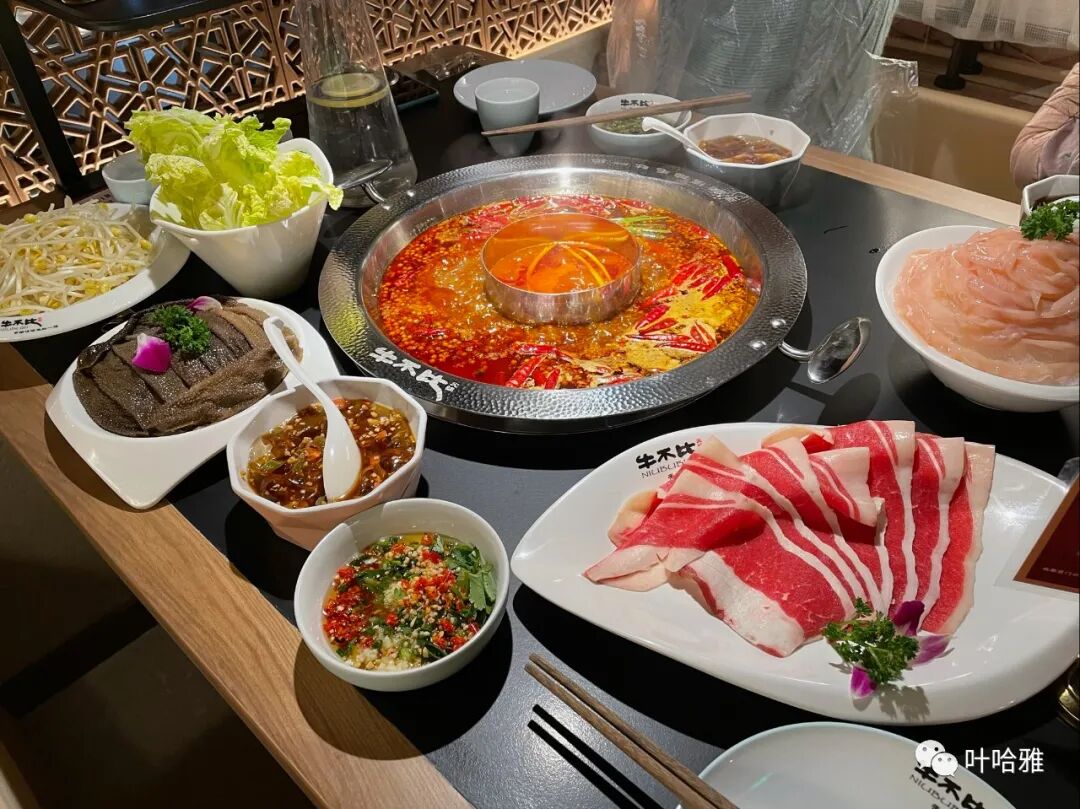
1. Niububi Hot Pot
Niububi is a halal chain brand from Sichuan. I first ate at Niububi in Chengdu in 2016. That was my first time having authentic halal Chengdu-style hot pot. I waited in line for over two hours, but it was worth it. Later, I ate at their Xining branch (which has since closed) and kept thinking about it after returning to Beijing. Now I can eat those Chengdu flavors right at my doorstep. Since the opening of Subway Line 19, I can go directly from Niujie to Niububi, giving me one less reason to travel to Chengdu.
Today, there is more than one Sichuan-style hot pot place in Beijing. Junbang Hot Pot in the Xinjiang Building is also Sichuan-style. Junbang and Xihan Meatball Soup share the same owner, and the environment and service are excellent, but Niububi remains my number one choice for Sichuan-style halal hot pot.
The restaurant is located on the second floor of Quanpin Jinsha in Mudanyuan. The space is roomy, and the interior design was reportedly created by Hui Muslim designers.
The owner of Niububi is a local Hui Muslim from Sichuan, and the head chef is also a Sichuan Hui Muslim who is skilled at making Sichuan cuisine.
Iced jelly (bingfen)
Iced jelly (bingfen) is a must-have dessert for Sichuan hot pot. It is mainly used to relieve the spiciness and is cold, sour, and sweet.
Duck intestines
Duck intestine and beef tripe are must-order dishes for Chengdu hot pot, and the duck intestine cooks as soon as it hits the water.
Beef tripe
Shabu-shabu beef tripe is a signature dish. Fresh beef tripe only needs a few seconds in the pot, a technique locals call 'seven up, eight down,' or it will get tough.
Crispy fried meat (xiaosurou)
Freshly fried crispy meat is a standard snack for Sichuan hot pot, and the beef is tender and crunchy.
Brown sugar sticky rice cake (hongtang ciba)
Unlike some shops that just heat up pre-made cakes, Niububi makes their brown sugar sticky rice cakes on the spot to ensure the best texture.
The shop is named 'Niububi' because they believe their beef doesn't need to be compared to others. It also sounds like the slang 'niubi' (awesome), and among our friends, the shop really is awesome.
2. Xinjiang Hotan Rose Pilaf (zhuafan)
Hotan Rose is a halal Xinjiang restaurant that only serves pilaf. They have chain stores in Urumqi, and this location just opened recently.
Their signature pilaf is a hit with everyone I know. Besides pilaf, the shop also serves baked buns (kaobaozi), thin-skinned buns (baopibaozi), and three types of free side dishes.
Their free side dishes are especially delicious.
The lamb and oil are both shipped from Xinjiang.
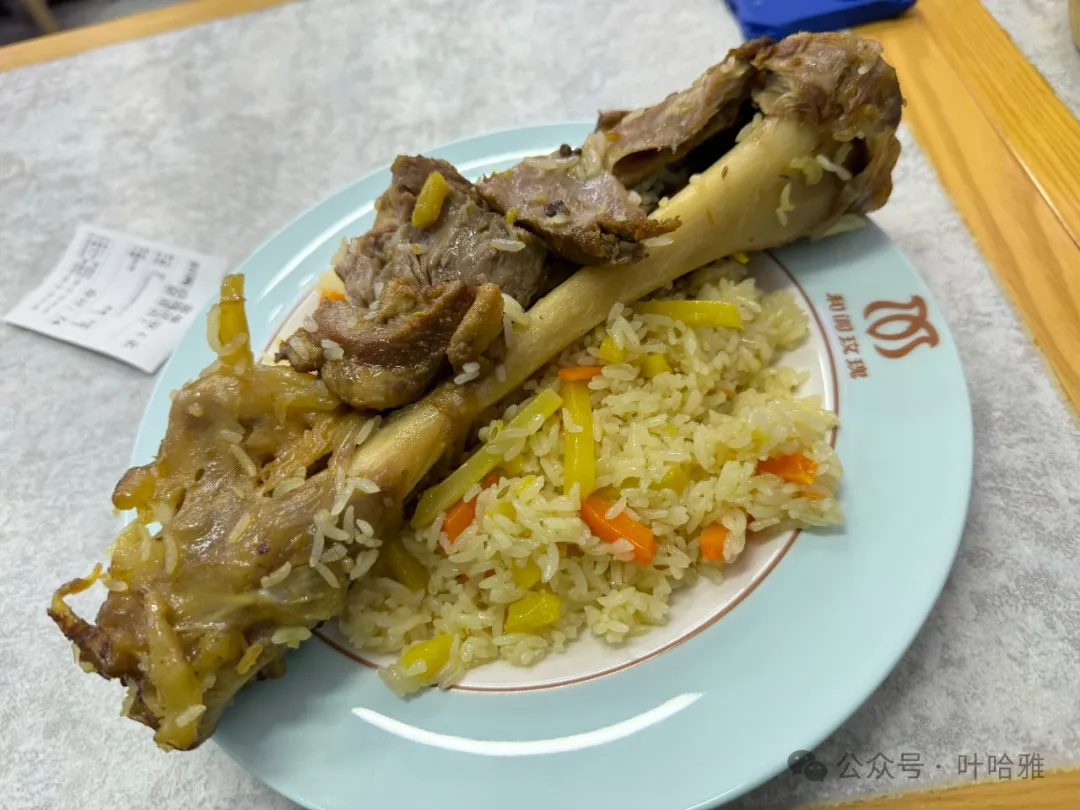
Uyghur staff run the kitchen, and the lamb leg pilaf (zhua fan) at this shop is excellent. I arrived late, so only one lamb leg was left. The meat was very tender and flavorful, and the pilaf was fragrant. It is arguably the best pilaf you can find at a Xinjiang restaurant in Beijing.
3. China-Pakistan Friendship Restaurant
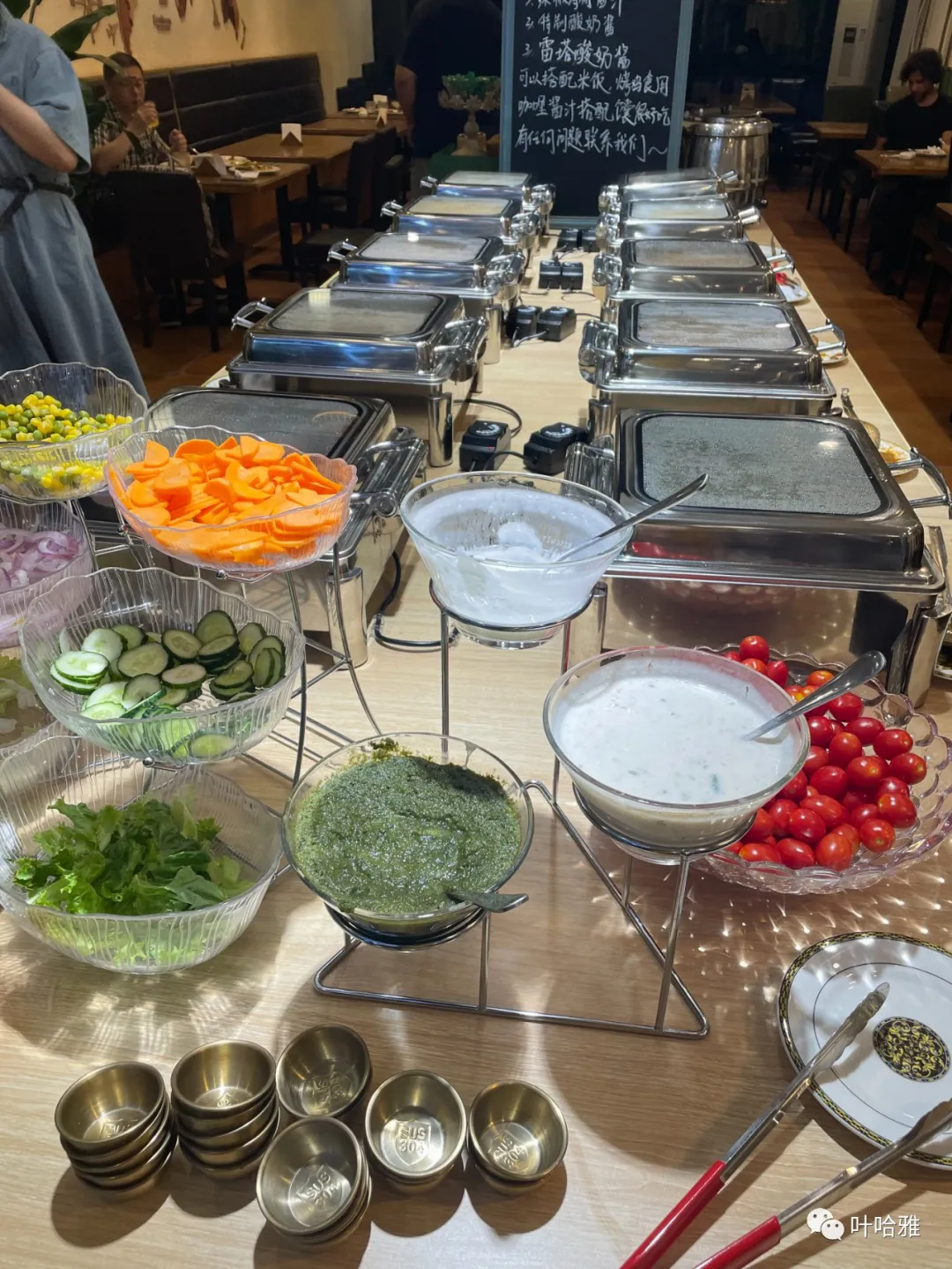
There are at least 10 Indian and Pakistani halal restaurants in Beijing. Samosa is a popular, alcohol-free spot that consistently serves good food. A samosa is a fried triangular snack in Indian and Pakistani cuisine. The owner used to run another Indian and Pakistani buffet called ZamZam, and this Samosa is located in Xibahe.
You can eat various Pakistani snacks here. Besides the buffet, you can order a la carte, and they offer halal Western fast food like pizza and pasta.
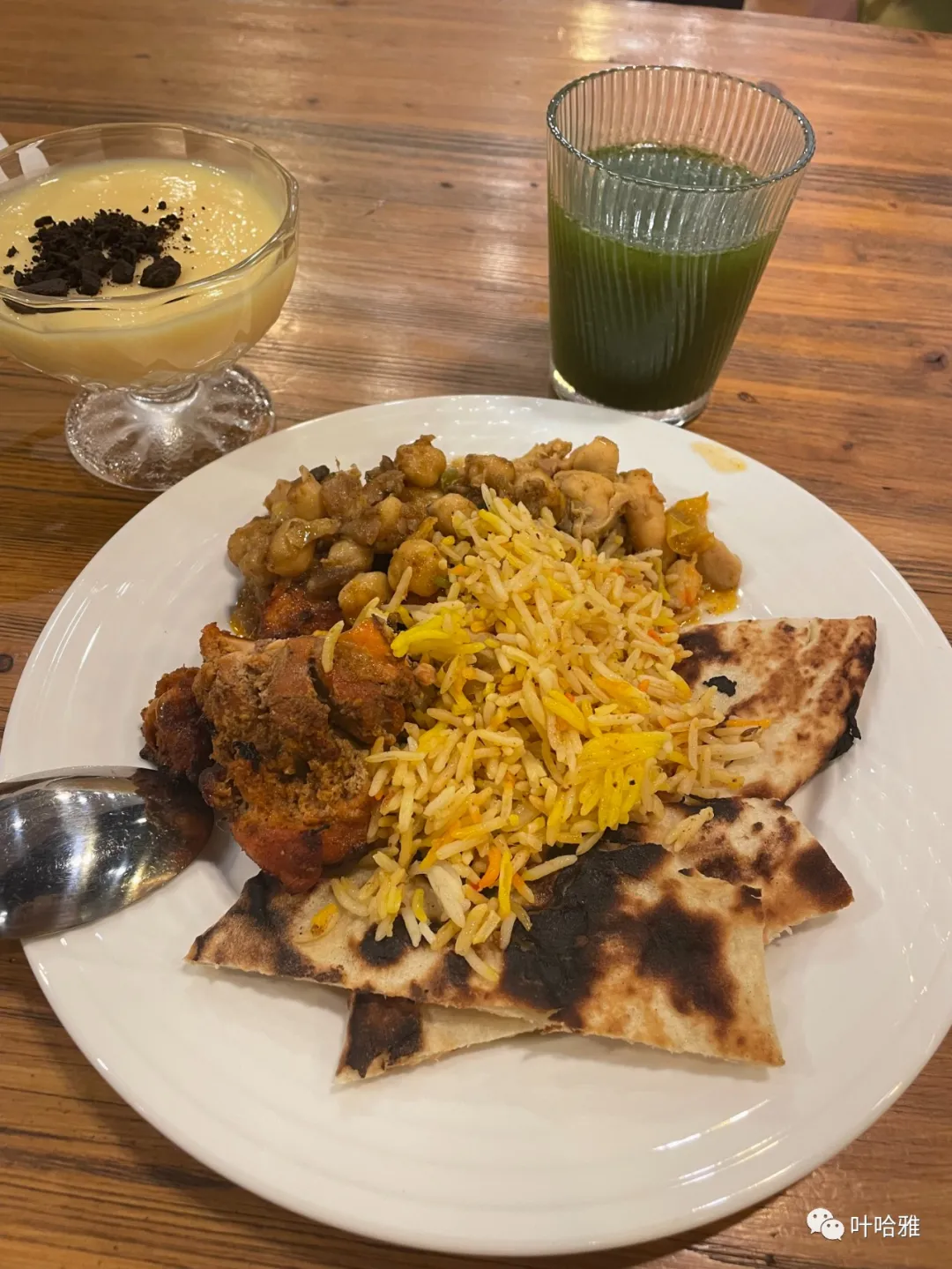
This is freshly baked butter naan, one of my favorite Indian and Pakistani treats. I can eat a whole basket of bread with curry.
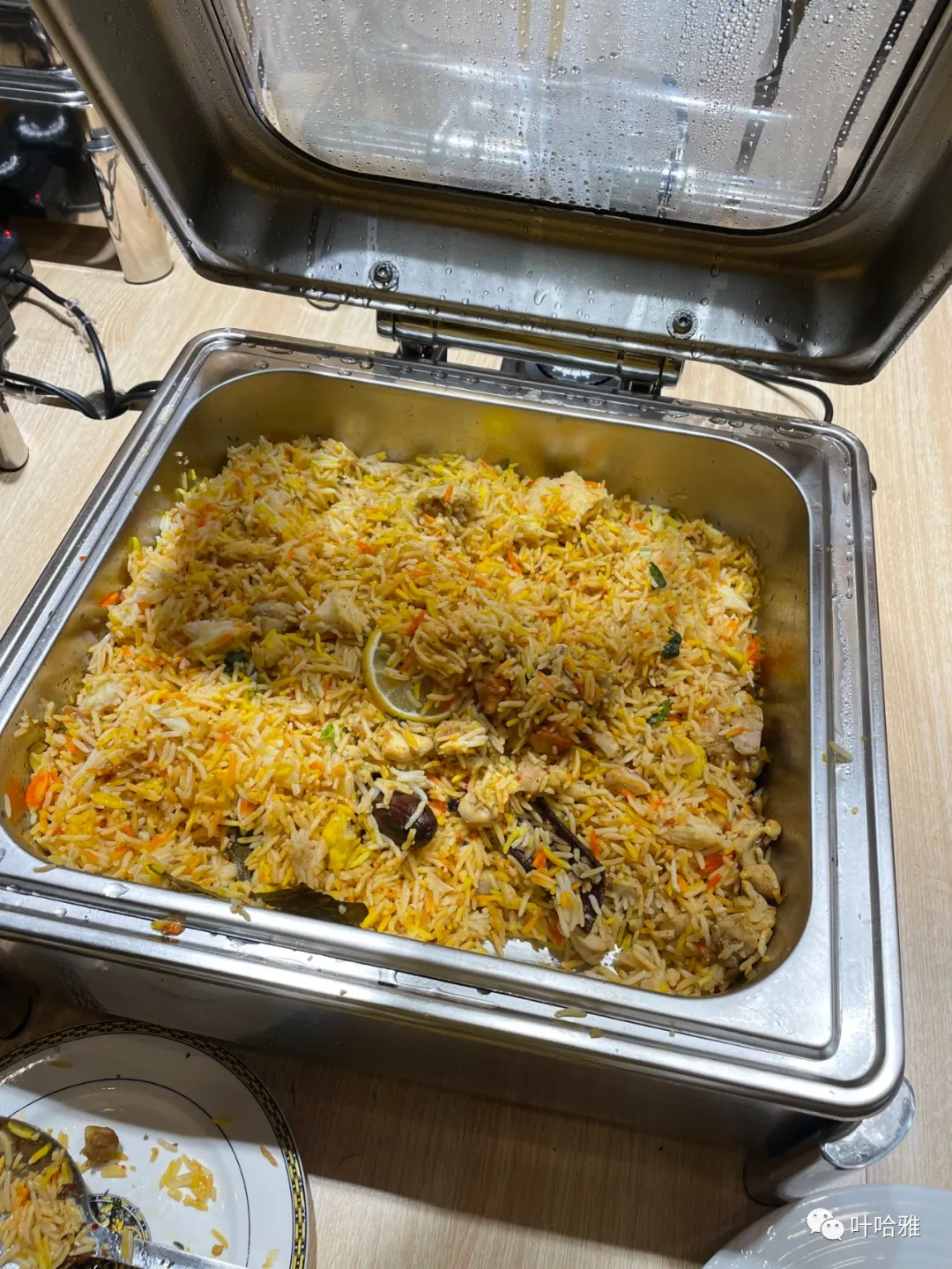
The buffet includes two desserts and three drinks. I like the green mint drink. They use high-quality ingredients, serve generous portions of meat, and the place is clean and hygienic.
The China-Pakistan Friendship Restaurant opened a new branch in Sanlitun this year, and both locations are currently open.
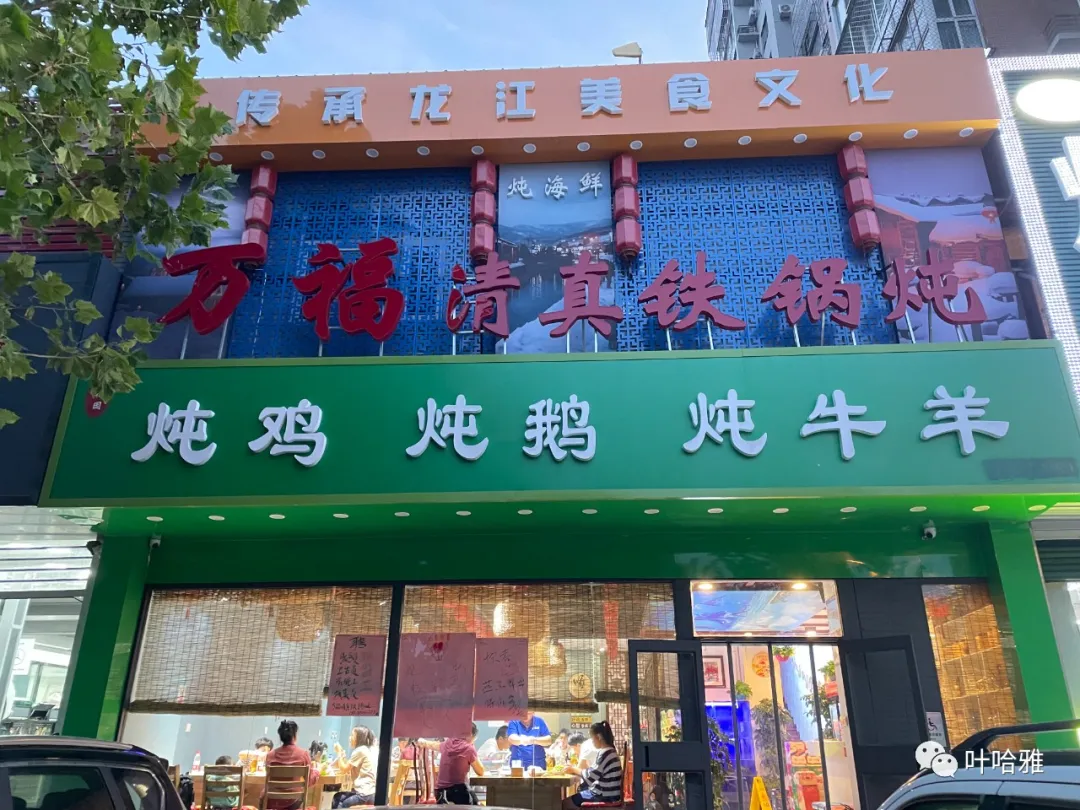
4. Wanfu Halal Iron Pot Stew
This Harbin-style halal iron pot stew in Daxing tastes very good. I think it is better than Uncle Oyster's. Beijing has another halal iron pot stew place worth recommending called Dunyishou, but it falls a bit short compared to Wanfu because it lacks the Northeast-style stir-fried dishes.
Besides the iron pot stew, the biggest surprise is their sweet and sour pork (guobaorou). They offer it in several styles, using either chicken or beef, and you can choose between a sweet or savory flavor.
This is called sticky roll (nianjuanzi). It is made with unleavened dough and dropped into the pot. After steaming with the stew for 15 minutes, it is ready to eat and tastes delicious.
The owner gave us some stone-ground tofu on the house. They make the tofu themselves, and with the savory sauce and toppings, it feels just like eating tofu pudding (doufunao), which is also very tasty.
We added dried green beans and dried potatoes to the iron pot. These two ingredients taste even better stewed than when they are fresh.
The sweet and sour pork (guobaorou) made by Hui Muslims in Harbin is savory. Their version is crispy on the outside and tender on the inside. We finished the whole plate in no time. It is great to finally have authentic savory sweet and sour pork in Beijing again.
5. La Medina Tunisian Restaurant
Beijing once had a Moroccan-style restaurant called Camel Team that was open for many years before closing due to the pandemic. However, a Tunisian-style restaurant opened during the pandemic. Since Tunisia and Morocco are both in the North African Maghreb region and have similar eating habits, this place helps fill the gap left by the Moroccan restaurant.
This shop has moved to a new location in the last two years, growing from a small space to a larger one. The chef is an Arab from Tunisia. We talked and he confirmed it is a halal restaurant, even though they do not display the sign. In China, you must get approval from the Ethnic and Religious Affairs Bureau to apply for halal certification, otherwise, individuals cannot put up the halal sign on their own.
Classic Moroccan bean soup
Couscous (Tunisian millet rice)
The most unique dish in Tunisia is this couscous. It is called millet rice and has the texture of millet, but it is actually made from ground hard wheat grains.
Tunisian pastry (brik)
shakshuka eggs (shasuka) served on a hot iron plate
beef and wheat bun
The spray nozzle in the bathroom; those who know, know what it is for.
6. Niushi Japanese BBQ
Niushi Japanese BBQ has been open in Beijing for about five years. They used to have three locations, but now only the main CBD branch remains.
The owner of Niushi is named Hei and is a Hui Muslim from Beijing. His family has been in the beef business for generations and they have their own cattle farm in Gansu. The owner knows a lot about beef and is even a consultant for the Ministry of Agriculture on beef, so the quality of the beef at Niushi is guaranteed.
The restaurant is on the high-end side. The bottle of non-alcoholic grapefruit juice I drank cost 330 yuan. The average cost per person here is over 200 yuan, and if you order some good beef, the bill can easily go over a thousand.
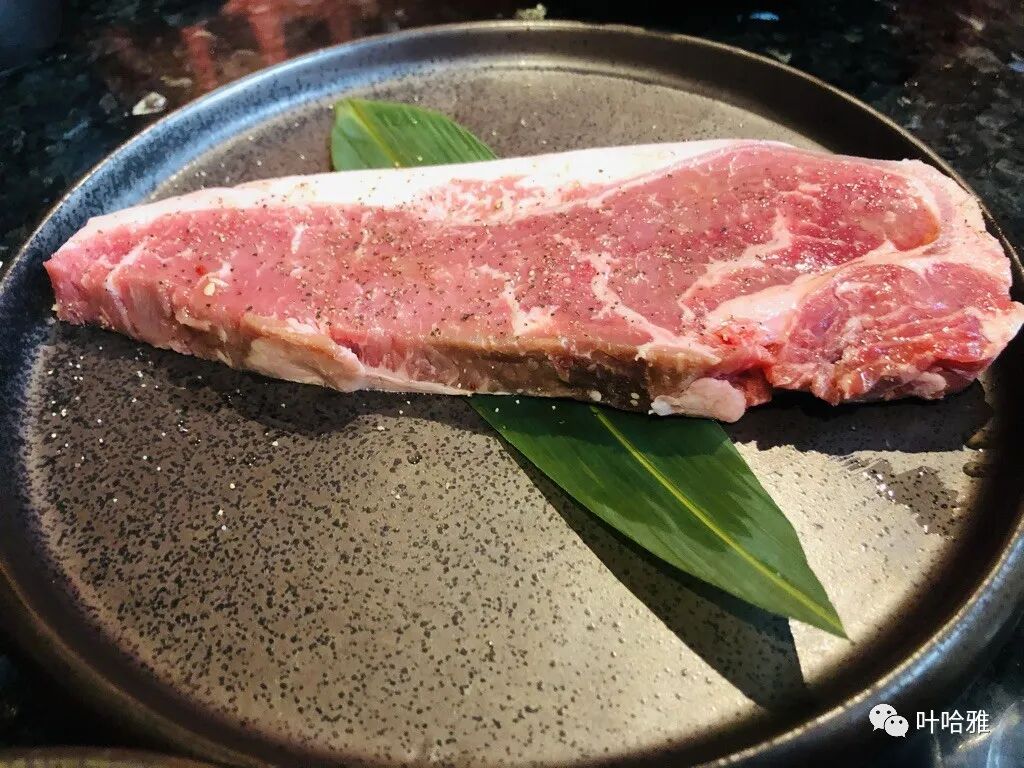
This 200g piece of marbled Wagyu beef costs 380 yuan. It is not cheap, but it is tender and juicy. Paired with the fruit sauce developed by the restaurant, it is truly a top-tier dish.
Besides expensive beef, the shop also has some affordable snacks. If you only eat meat to get full, your wallet will be empty. I suggest pairing it with staples like udon noodles, grilled meat rice, or ramen. They are not only affordable but also delicious. These portions are small, so they are perfect for one person.
Udon noodles
Grilled meat rice
Niushi does not serve raw food like sashimi. Food safety rules require strict separation between raw and cooked food preparation, which needs a lot of kitchen space, so they cannot make sashimi right now.
The private rooms have a Japanese style where you need to take off your shoes, so remember to make sure your feet are clean before you come. The restaurant moved to a new location this year not far from the old one, so regular customers should take note.
7. Tomato Pizza and Pasta
Tomato is a new fast-food chain created by the owner of the original Xihongmen Speed Pizza. They focus on made-to-order food at affordable prices. The owner is a Hui Muslim from Xueying in Daxing.
The shop became popular as soon as it opened, and you have to wait in line during peak dining hours.
Their specialties are pizza and pasta, which are both made on the spot and served quickly.
They have soda for 3.9 yuan with free refills that kids can enjoy, and Fahim especially loves their tomato pasta.
A pizza there costs just over 20 yuan and pasta is around a dozen yuan, but the quality of the ingredients is guaranteed.
We have been to the Xindongan and Changping Super Hopson One locations, and the taste was great at both. Now they have added locations at the Communication University of China and Raffles City.
8. Sultan Turkish Restaurant
Formerly Kubei Turkish Restaurant, the original team changed the place into Sultan Turkish Restaurant. Sultan is a chain brand. I ate at one in Yiwu once and the taste was excellent. You could say it is the gold standard for Turkish restaurants in China, perhaps even better than what you might eat in Turkey. It was not very crowded when it first opened, but I hear it has become a viral hit recently and you have to wait in line for a long time.
Sultan serves the famous Turkish ice cream brand MADO. It is made from goat milk without adding water, giving it a rich and creamy flavor.
Beijing also has Dardanelles Turkish Restaurant, Desert Rose Turkish Restaurant, and West Court Show Turkish Restaurant, which are all quite good. Desert Rose and Dardanelles do not sell alcohol, but personally, I think Sultan offers the best dining experience.
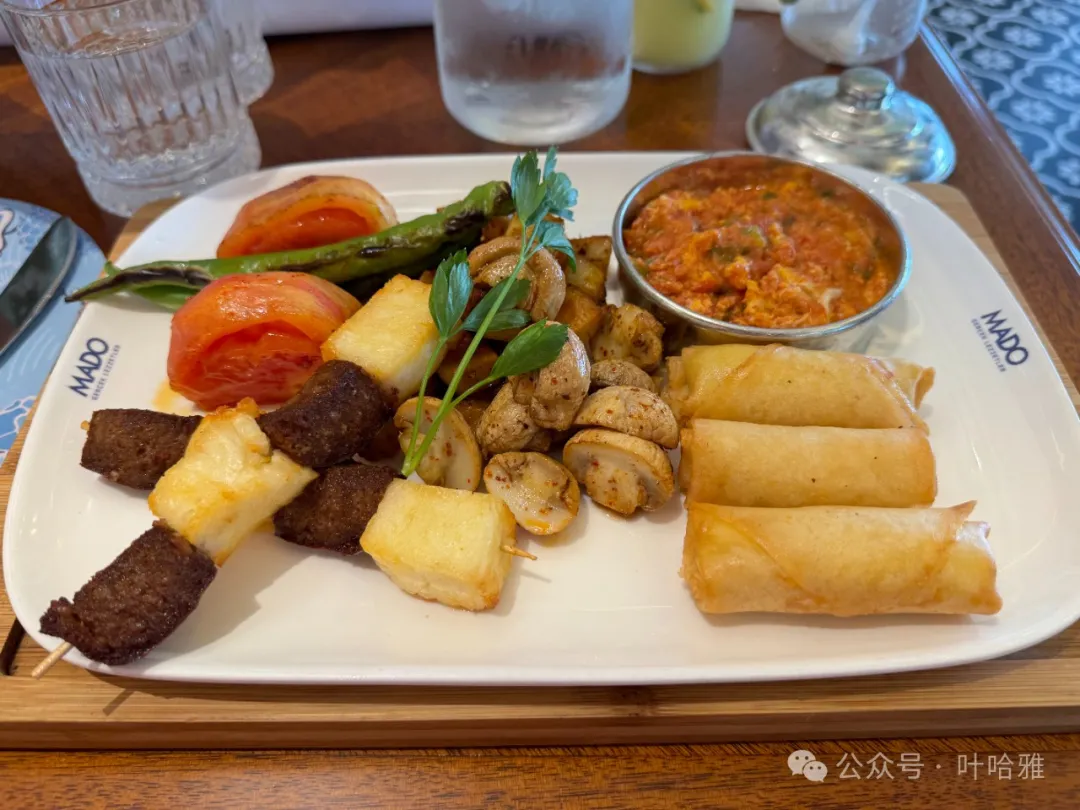
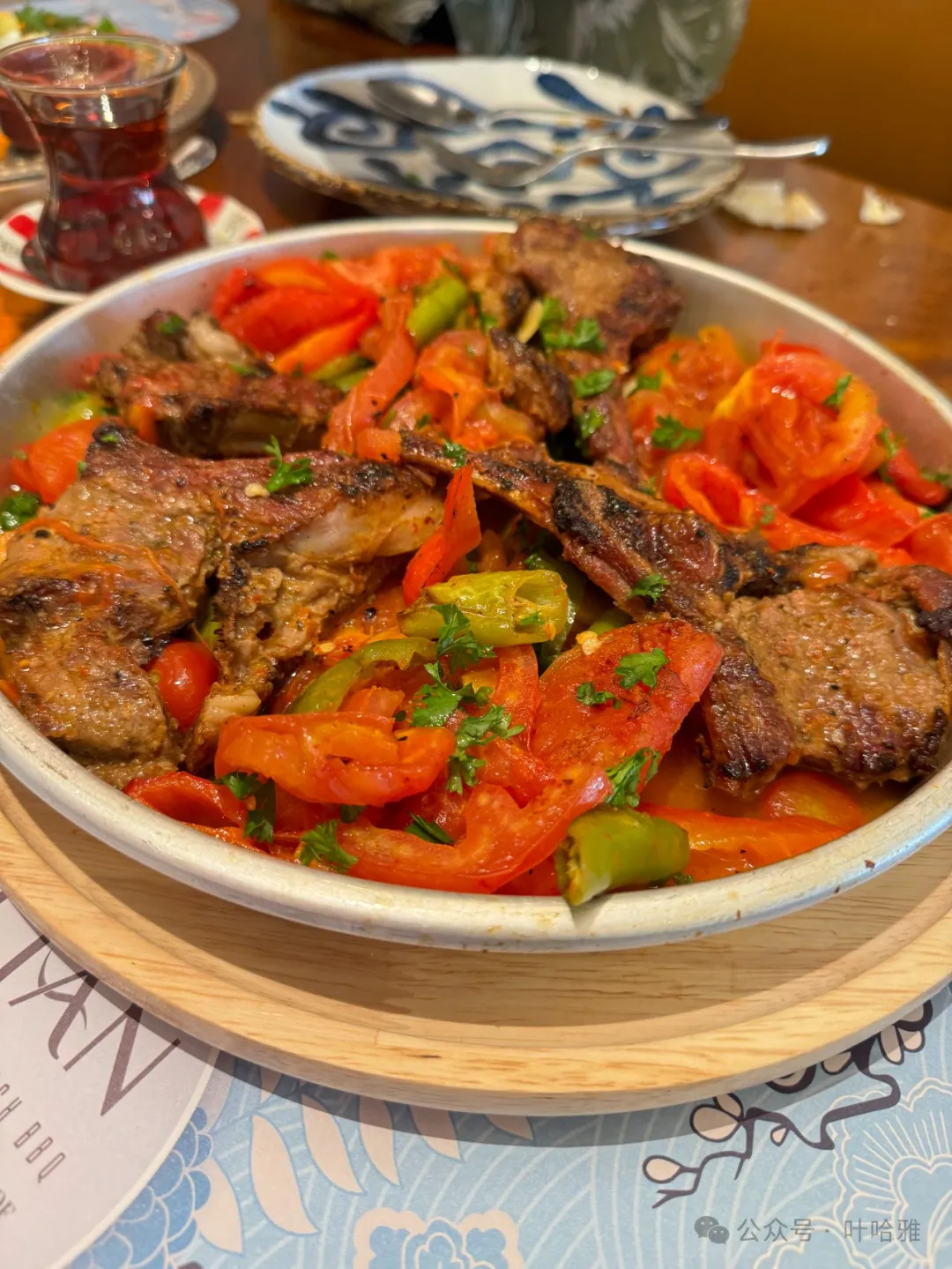
Sultan offers many types of Turkish-style breakfasts. You can choose a single or double set meal, and you can even order breakfast during regular meal times. Turkish people are used to eating two meals a day—one in the morning and one in the evening—with each meal lasting a long time.
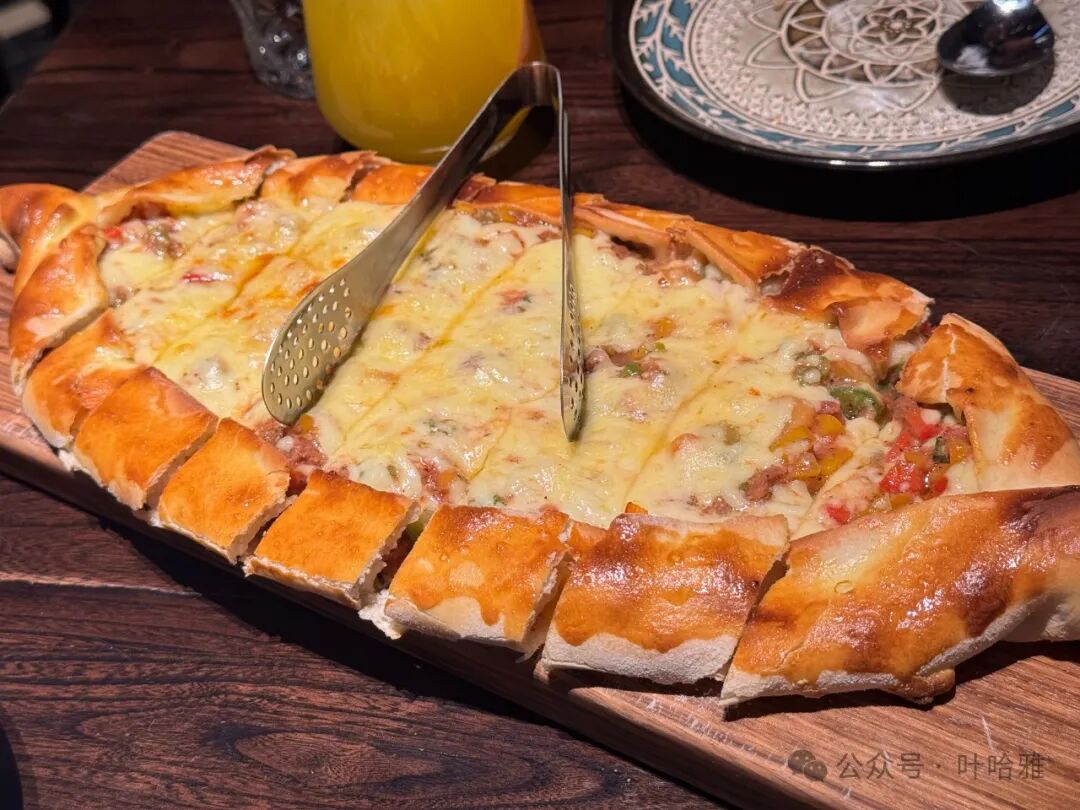
Balloon flatbread (pide)
MADO layered ice cream, with a choice of four flavors.
Just for this MADO ice cream, it is worth a visit. The quality is higher than Haagen-Dazs.
The open kitchen lets you see the chef baking naan bread by the oven.
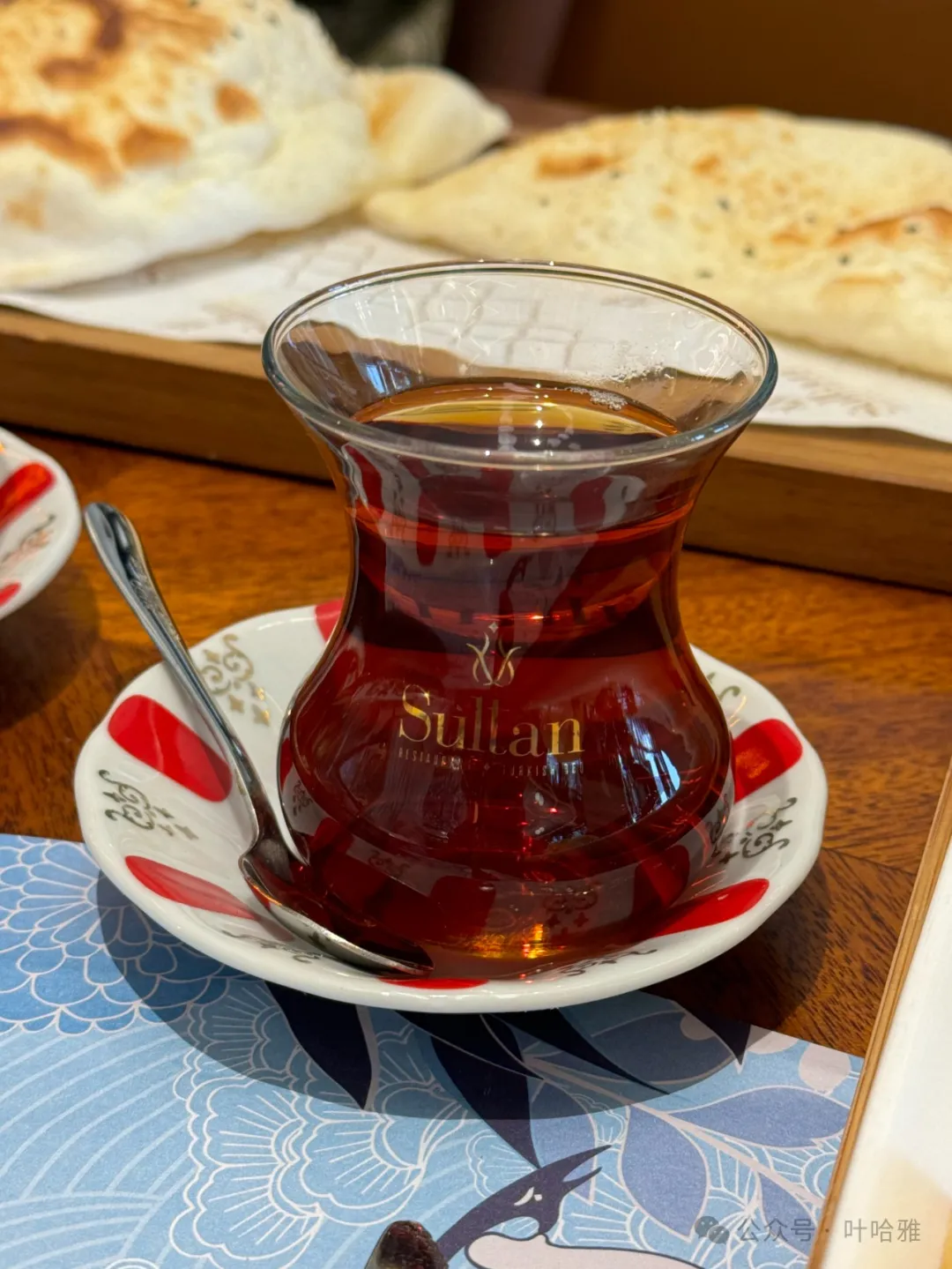
Various Turkish desserts served with tea.
9. BRBR Syrian Restaurant
This is the only Syrian restaurant in Beijing. It has been open for many years, and I have watched it grow from a small storefront into a larger space by taking over neighboring shops. At lunchtime, people line up to eat here. This year, BRBR opened a new branch in SOLANA, and business continues to boom.
Syrian food is essentially Arabic food. There are quite a few Arabic restaurants in Beijing, such as One Thousand and One Nights and Al Safir, which are both excellent. The staff there are mostly Arabs from Syria and Palestine.
Honey and nut layered pastry (baklava)
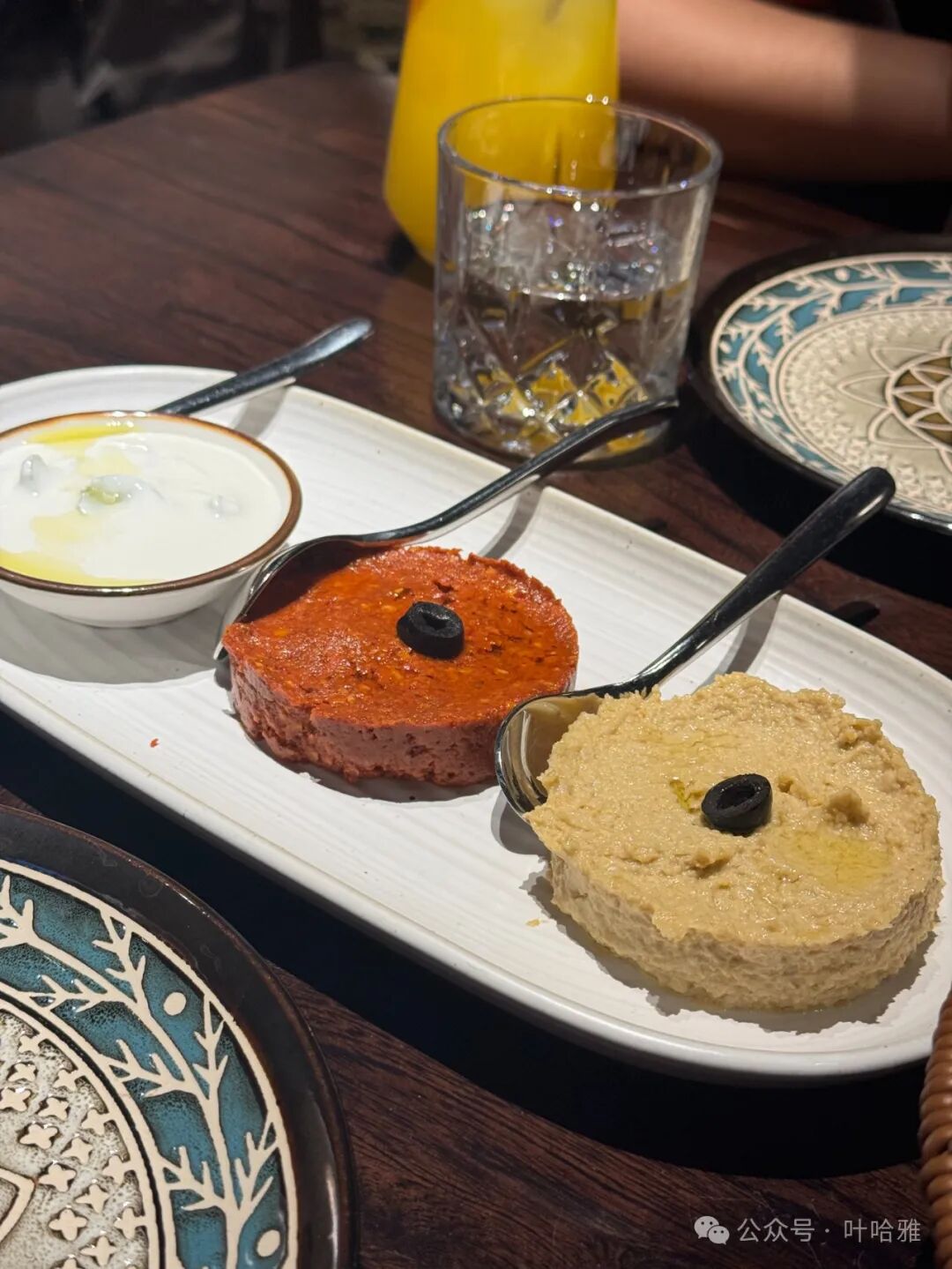
Hummus dip with flatbread.
BRBR mixed grill.
Shawarma rice.
SOLANA branch.
Ever since the Syrian restaurant in Wudaokou, Haidian became popular, the owner wanted to open a branch in Chaoyang District. He finally got his wish, choosing a spot on the second floor of the SOLANA mall near McDonald's.
The SOLANA branch is much larger, the decor is very refined, and the private rooms have a wider view than the previous ones.
The menu is exactly the same as the Wudaokou shop, and the flavors are basically the same.
I suddenly realized that Syrian barbecue and Zibo barbecue are the same thing. Syrian barbecue is also eaten by wrapping meat in thin flatbread. The difference is that Zibo barbecue uses green onions inside, while Syrian barbecue uses onions.
Kunafa.
Syria has a deep connection with coffee. The world's first coffee house was opened in Istanbul in 1554 by two Syrians, one from Aleppo and one from Damascus. It wasn't until a hundred years later that France had its first coffee house in Europe.
So, the sand-brewed coffee at BRBR is also worth trying. Next to the Wudaokou shop is a coffee house run by BRBR.
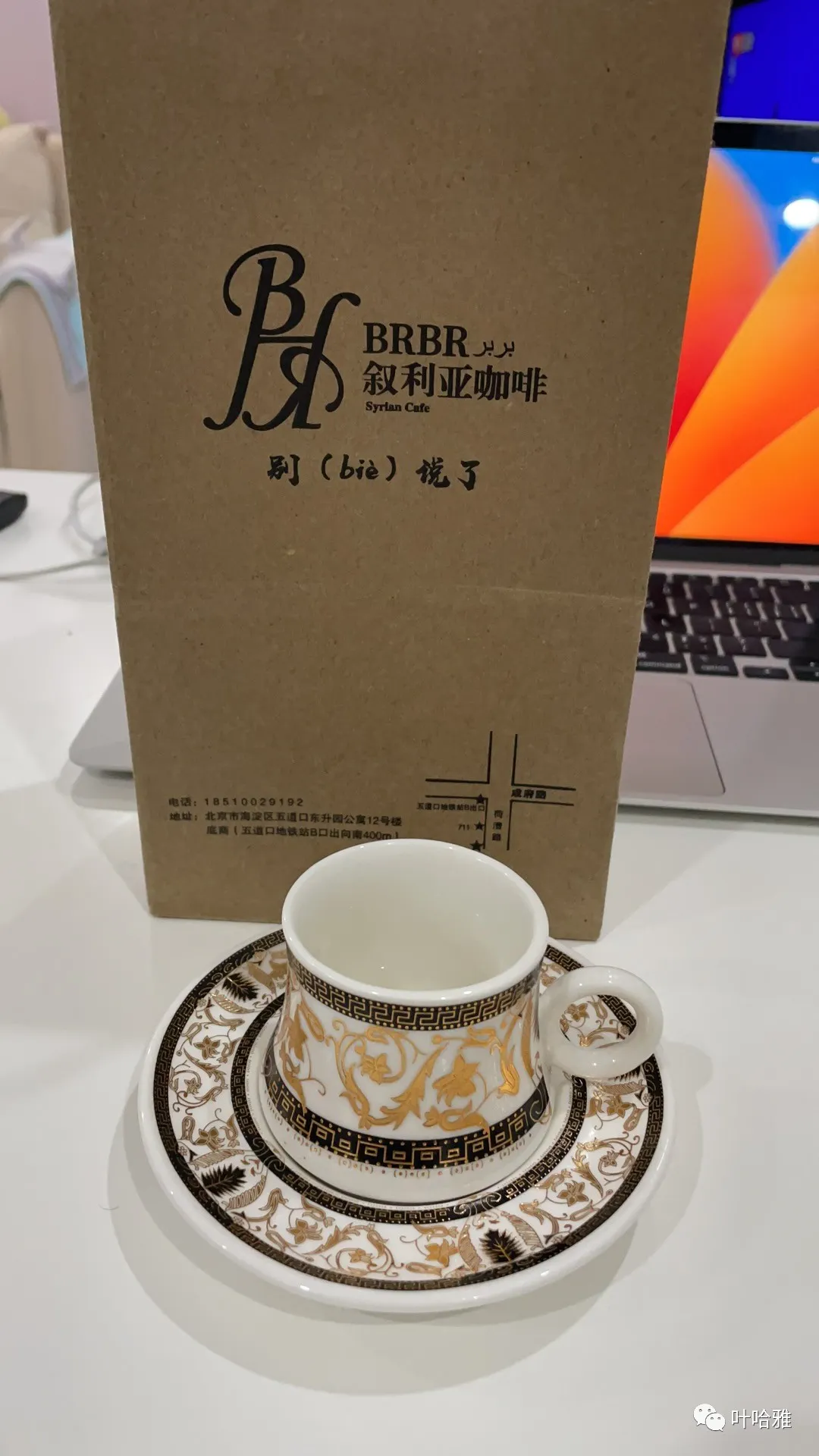
The shop sells beautiful coffee cups. We happened to be there for the opening day celebration, and the owner gave every guest who came to check in a beautiful coffee cup.
10. Yuelangzhai
In Xiguanshi Village, Changping, there is a halal restaurant with a very impressive history. Before I arrived, I learned that the restaurant was once the Imperial Escort Agency (Yuqian Biaoju), named for its role in protecting Empress Dowager Cixi during her escape to Xi'an.
Yuelangzhai Restaurant started in 2014. The Li family ancestors worked as professional escorts (biaoshi). Although that profession no longer exists, the descendants of the Li family have good cooking skills. They decided to open a restaurant, taking advantage of the prime location of their ancestral property.
A screen wall at the entrance is carved with the four characters for Imperial Escort Agency, which research confirms was a gift from the emperor. The Imperial Escort Agency was originally called Xiguangyu Escort Agency. To safely escort Empress Dowager Cixi out of Beijing, the owner, Li Entao, recommended Yang Juchuan to accompany her all the way to Xi'an, and later, they escorted her back to Beijing.
A set of dragon chairs is displayed in the front courtyard with a yellow imperial robe hanging nearby. A plaque reading Yuelangzhai hangs in the center, signifying that this shop once served the royal family.
Walking through the porch into the main hall, the space is wide and open. The interior uses a traditional Chinese style that is simple and elegant. The restaurant has two floors: the first floor is for general seating, and the second floor has private rooms.
Inside a private room, the decor remains traditional Chinese with square tables and wooden stools. Calligraphy and ink paintings hang on the walls, creating an atmosphere that feels like a trip back to the late Qing Dynasty.
Vinegar-stir-fried egg and beef (culiu muxu) is a common Beijing home-style dish found in many restaurants. It should actually be called culiu muxi because the scrambled eggs look like osmanthus flowers. It requires high culinary skill; while it looks simple, it is not easy to make well and the method is very particular.
Manager Li specifically recommended the beef meatballs. He said he is usually cautious about ordering this dish at other restaurants because he often feels they contain too many fillers and not enough beef. At Yuelangzhai, the beef meatballs are made with real, quality ingredients. I picked one up and took a bite. It was just as Manager Li said: full of beef flavor with no taste of starch or other fillers. The beef meatballs were soft, delicious, and melted in my mouth.
Pan-fried tofu (guota doufu) is a classic Beijing-Shandong dish. The tofu is cut into 5-centimeter squares, and shrimp are minced into a paste. The shrimp paste is mixed with egg liquid, and the tofu is dipped in the egg mixture and pan-fried. It is cooked over low heat, and when the oil is about 60 percent hot, the tofu is carefully slid into the pan, fried until golden brown on both sides, and then covered to simmer until the sauce is absorbed.
The main dish is grilled noodles (zhizi kaomian). I had never heard of this before. I only knew about grilled meat (zhizi kaorou), but I had never eaten noodles cooked this way. Manager Li said he invented this dish. He seasons hand-rolled noodles and stir-fries them on a hot iron grill, similar to how you make stir-fried noodles. The high heat of the grill adds a lot of aroma and texture, and it is very popular with diners.
11. Bai Xiaobei Northeast Barbecue
This is the only halal Qiqihar-style barbecue restaurant in Beijing. It has been open for over three years and just opened a second branch in Wangjing. I brought friends here to try it during the soft opening. Northeast-style barbecue is known for small skewers, which is different from Northeast-style stir-fry dishes that come in large portions.
Hot pot beef tripe (shuan niudu)
I actually do not mind small portions because it lets me try more flavors and helps avoid waste.
Stir-fried screw snails (baochao dingluo)
After the tips of the screw snails are knocked off, you just take a quick suck to pull the meat out. The texture is crunchy, tender, and chewy.
Fruit cold noodles (shuiguo lengmian). I have to say, the cold noodles here are quite authentic and taste much better than the halal Yanji cold noodles I mentioned earlier.
The skewers are called 'Five Elements Lack Skewers' (wuxing que chuan). I do not know what that means, but I can tell it is beef, and the yellow part is cheese.
This dish is called 'Wocao Super Big Salad' because it is named after the huge plate it is served on. People from the Northeast love eating raw vegetables, and the owner gave us this cold salad for free.
Grilled oysters and scallops are also a must. The ingredients are very fresh, but the price is not cheap.
Deep-sea flathead fish head (shenhai dieyutou). This fish has sharp teeth and a fierce nature. The more aggressive the fish, the firmer and tastier the meat.
The cold-tossed fish skin has no fishy smell, which shows it is very fresh, and it is crunchy when you eat it. Cold-tossed fish skin is a typical home-style dish in Northeast China. I wanted to try roasted silkworm pupae, but my friend talked me out of it because they were scared.
Shenyang chicken rack is a very famous local specialty in the Northeast. The chicken rack is fried until it is golden and crispy, and you can even chew the bones. This shop has a wide variety of small skewers, covering almost all the specialty barbecue of the Northeast. The prices are a bit expensive, with an average cost of over 150 yuan per person.
12. Dianxinyuan
Dianxinyuan is currently the only remaining halal Yunnan restaurant in Beijing. It has been open for 13 years, and the owner is from Shadian.
Beijing used to have halal Yunnan restaurants like Ayidianchang, Hailiye, and Dalifu, but they have all closed down. It is not easy for this Dianxinyuan to have lasted until today.
You can basically eat all kinds of Yunnan specialty foods here, including Mengzi small-pot rice noodles (xiaoguo mixian), copper-pot boiled fish, Dai-style tofu with sauce (baojiang doufu), Dai-style shredded chicken, Gejiu roasted tilapia, porcini mushroom fried rice, and dried beef (niuganba).
The small-pot beef rice noodles are especially close to the taste I had in Yunnan.
13. Jiasan Steamed Buns
This is the Beijing branch of the time-honored Jiasan soup-filled steamed bun (guantang baozi) shop from Xi'an, and it has been operating in Beijing for over ten years. They sell various halal snacks from Xi'an, including soaked bread in soup (paomo), barbecue, and steamed beef with rice flour (fenzheng niurou).
For the soup-filled steamed buns, you should first take a small bite to drink the soup inside, then eat the bun.
I really like eating this vegetable stew (huicai). For Xi'an food in Beijing, there is also Old Xi'an Restaurant, Xi'an Old Yang Family Restaurant, and Qin Laoda Paomo. Jiasan is an old shop with a very complete selection of Xi'an snacks, and you can even eat halal venison here. Jiasan currently has two branches in Beijing, with the other one located at Yangqiao.
14. KAVKAZ Ruilin Restaurant
This is a Caucasian-style restaurant on Shenlu Street in Chaoyang. There used to be an Azerbaijani restaurant next door called Bakuli with a similar style, but it closed. Another halal Russian-style restaurant called NAIL also closed, so it is not easy for this shop to have lasted until today.
Beet soup (borscht)
Beet soup (borscht) is a famous Russian dish. You drink it before your main meal to whet your appetite.
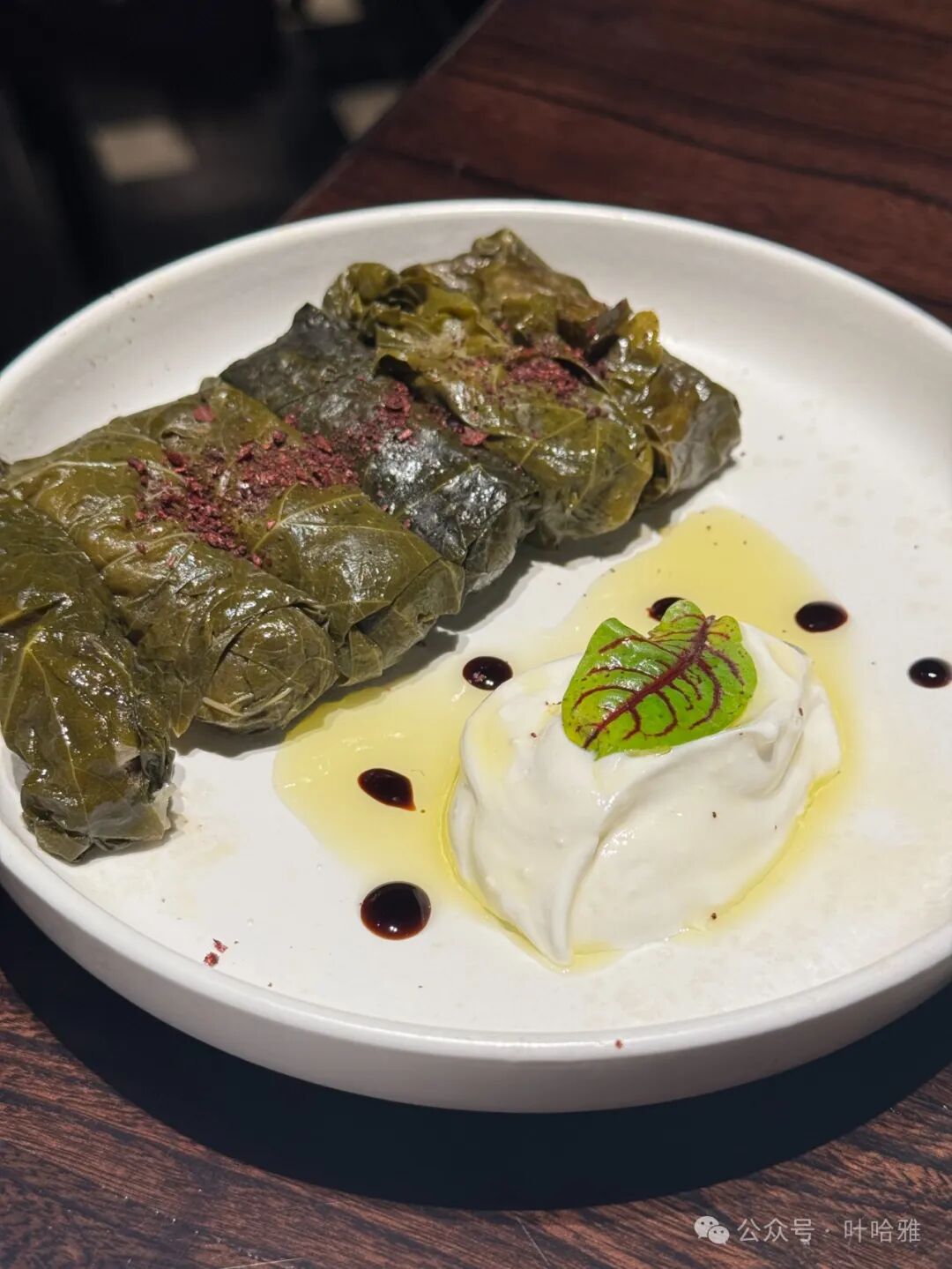
Stuffed grape leaves (dolma)
Stuffed grape leaves (dolma) use grape leaves for the outer layer with beef filling inside. This dish is also a common specialty in Central Asia.
Dumplings (pelmeni)
These are Azerbaijani dumplings (pelmeni). Historically, people in the Caucasus region have been eating dumplings for a long time, though the ones they make are much smaller. view all
Summary: This Beijing halal food guide opens the 2024 must-eat list with Niububi Sichuan hot pot, old Beijing halal snacks, Xinjiang cuisine, Tatar food, Chongqing hot pot, suancai fish, roast duck, and Azerbaijani dumplings, all from places the author personally visited.
Friends familiar with my style know that I write about every place I eat. I do not write about shops I have not visited, and I have definitely eaten at every shop I write about. Regardless of whether a restaurant suits my personal taste, I still write about it. My goal is to include as many halal restaurants with different flavors as possible. I generally do not give bad reviews to halal restaurants because I want their businesses to thrive and spread everywhere, making travel easier for us. People often ask me which restaurants in Beijing are worth recommending. As a Beijinger whose family roots in the city go back at least to the Ming Dynasty, I do have a list of high-quality restaurants in my mind. My taste is very down-to-earth, so as long as you are not an extremely picky eater, you will likely find the places I enjoy delicious too.
The variety of halal dining in Beijing is arguably the richest in the world. It brings together halal versions of Chinese regional cuisines as well as halal restaurants from many other countries. I wrote a list of must-eat Beijing-style halal restaurants in 2020 and again in 2022. A few years have passed, and some restaurants on those lists have changed. Below, I present my latest must-eat list of Beijing-style halal restaurants.
The list is in no particular order. I will specifically note if a restaurant does not serve alcohol; otherwise, assume it does.
1. Niububi Hot Pot
Niububi is a halal chain brand from Sichuan. I first ate at Niububi in Chengdu in 2016. That was my first time having authentic halal Chengdu-style hot pot. I waited in line for over two hours, but it was worth it. Later, I ate at their Xining branch (which has since closed) and kept thinking about it after returning to Beijing. Now I can eat those Chengdu flavors right at my doorstep. Since the opening of Subway Line 19, I can go directly from Niujie to Niububi, giving me one less reason to travel to Chengdu.
Today, there is more than one Sichuan-style hot pot place in Beijing. Junbang Hot Pot in the Xinjiang Building is also Sichuan-style. Junbang and Xihan Meatball Soup share the same owner, and the environment and service are excellent, but Niububi remains my number one choice for Sichuan-style halal hot pot.
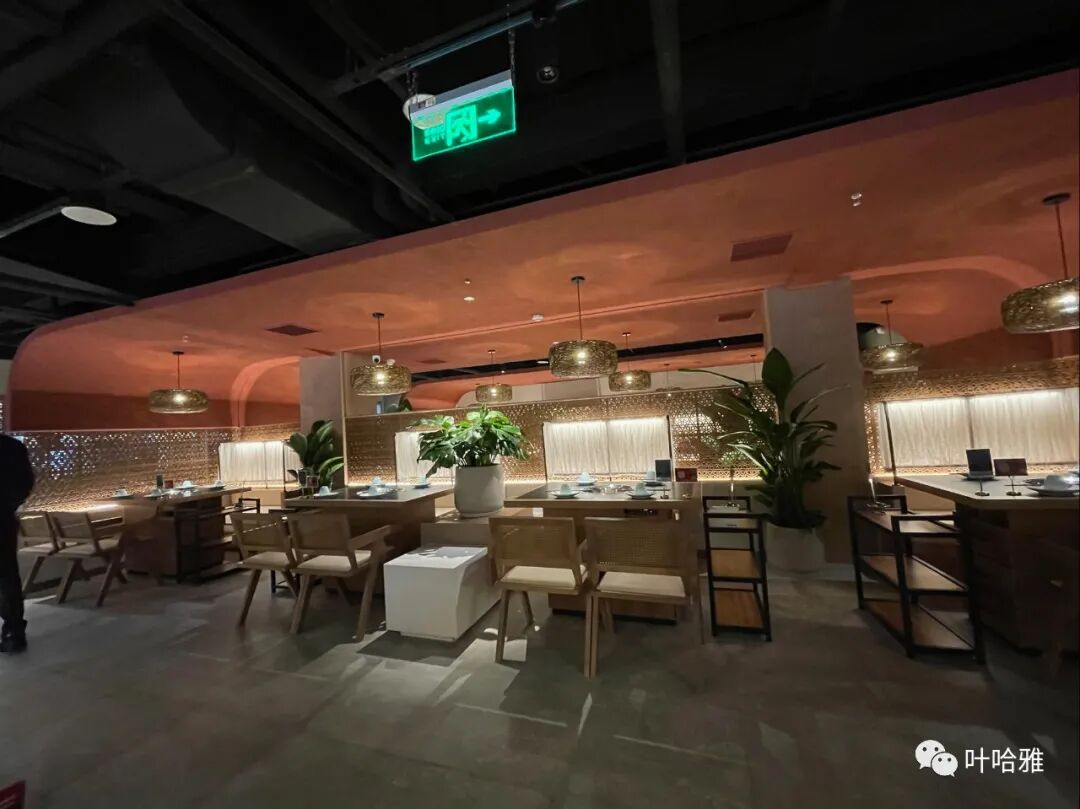
The restaurant is located on the second floor of Quanpin Jinsha in Mudanyuan. The space is roomy, and the interior design was reportedly created by Hui Muslim designers.
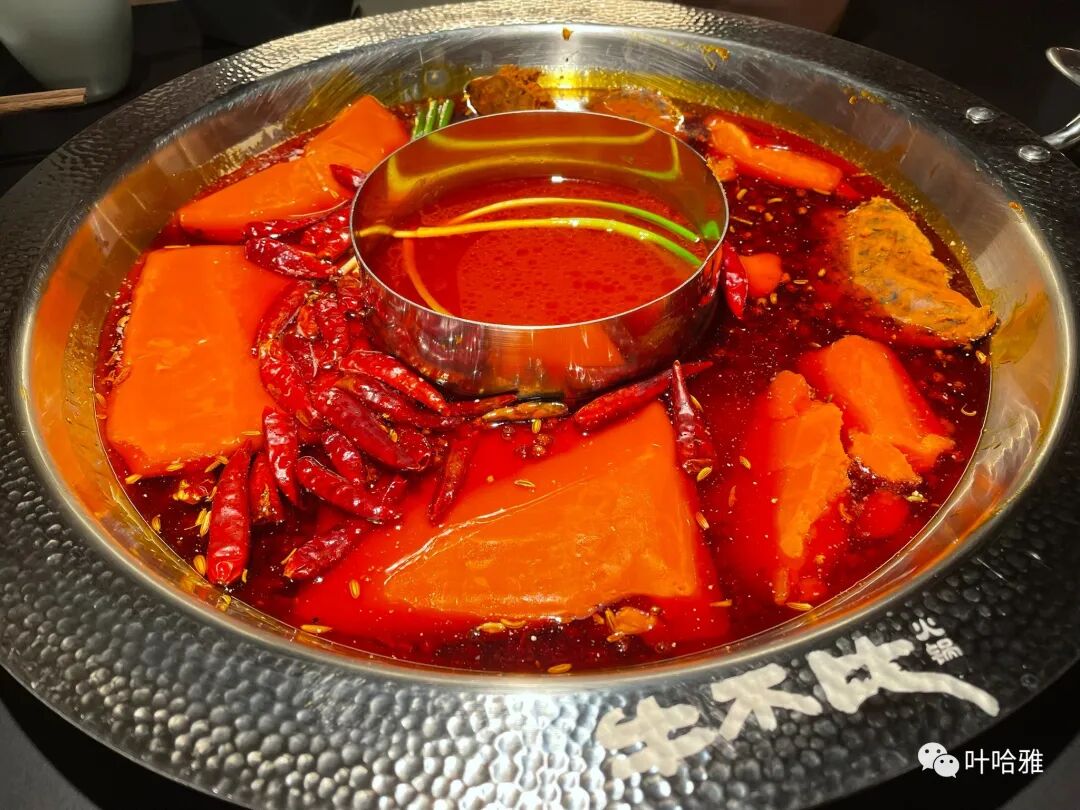
The owner of Niububi is a local Hui Muslim from Sichuan, and the head chef is also a Sichuan Hui Muslim who is skilled at making Sichuan cuisine.
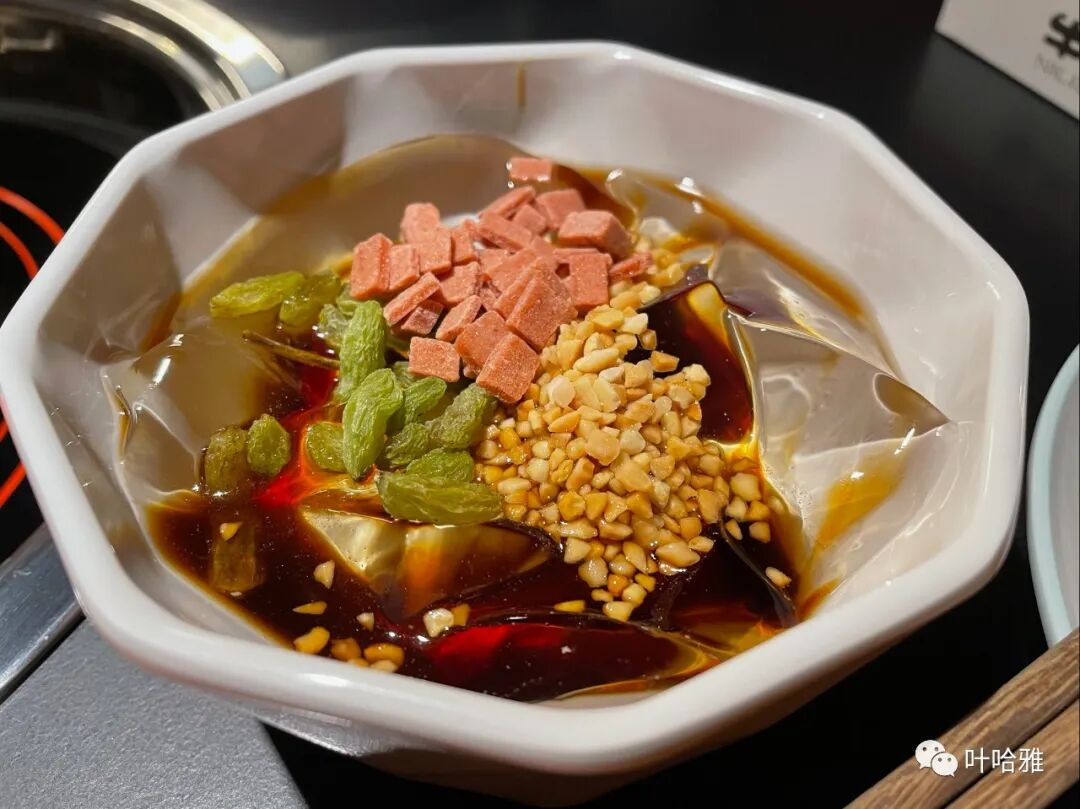
Iced jelly (bingfen)
Iced jelly (bingfen) is a must-have dessert for Sichuan hot pot. It is mainly used to relieve the spiciness and is cold, sour, and sweet.
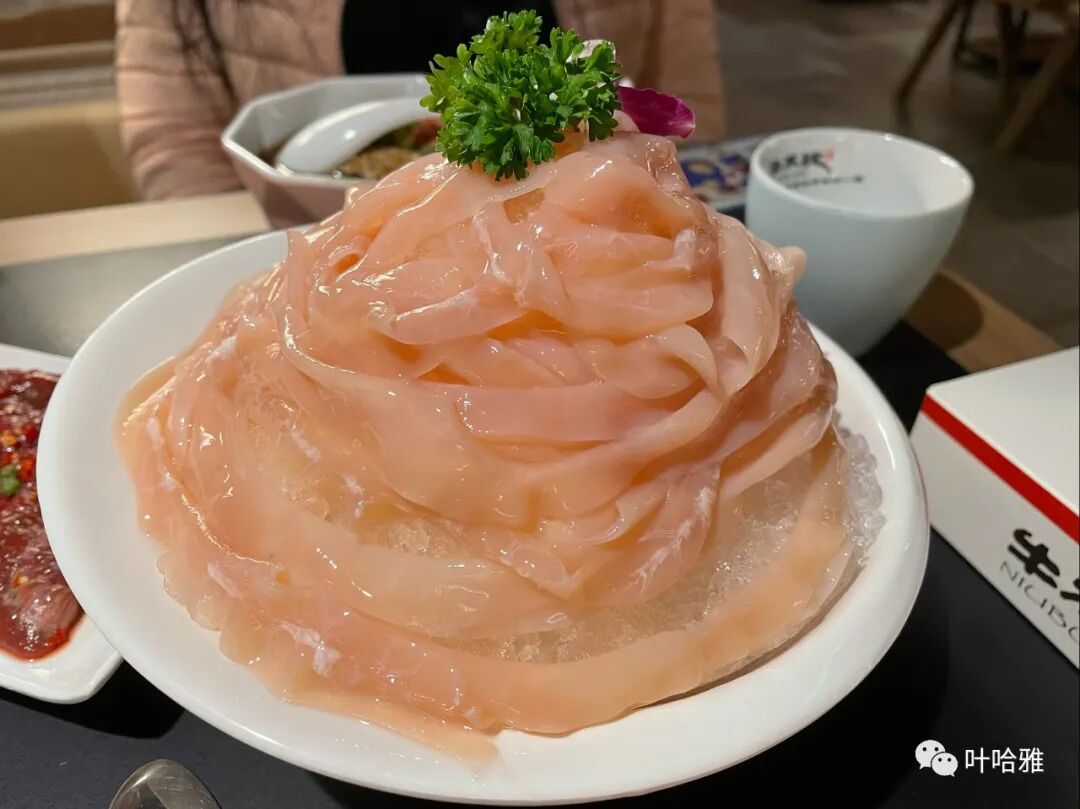
Duck intestines
Duck intestine and beef tripe are must-order dishes for Chengdu hot pot, and the duck intestine cooks as soon as it hits the water.
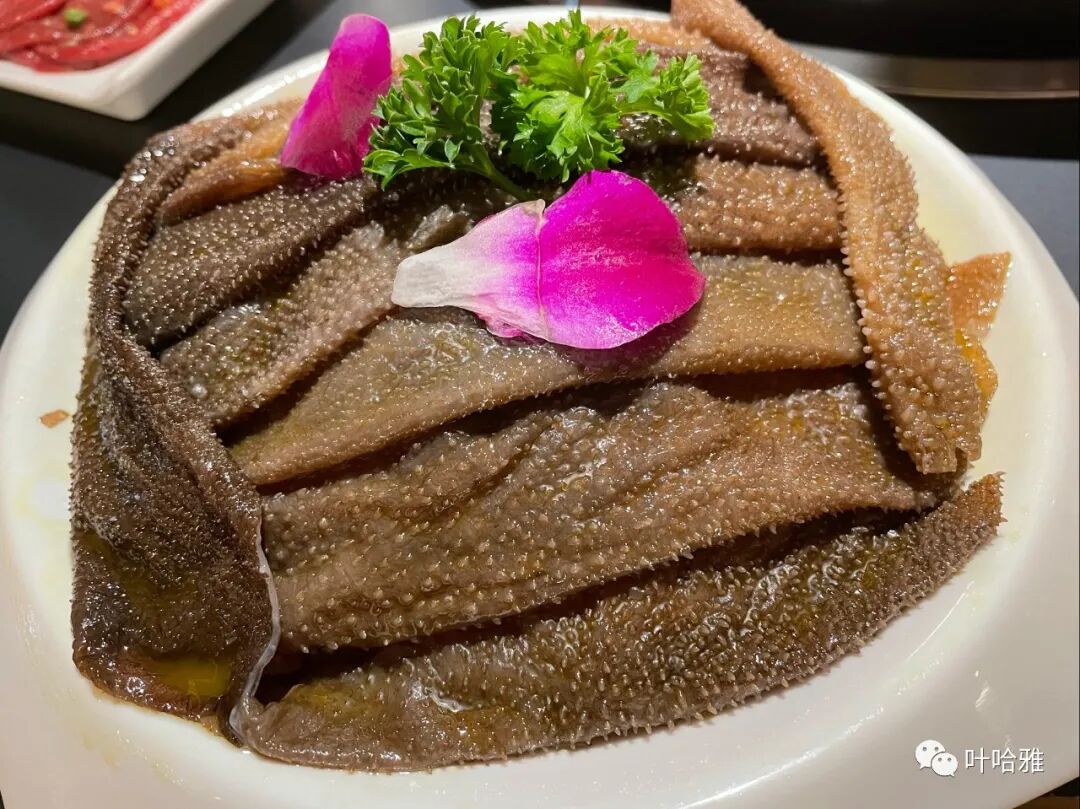
Beef tripe
Shabu-shabu beef tripe is a signature dish. Fresh beef tripe only needs a few seconds in the pot, a technique locals call 'seven up, eight down,' or it will get tough.
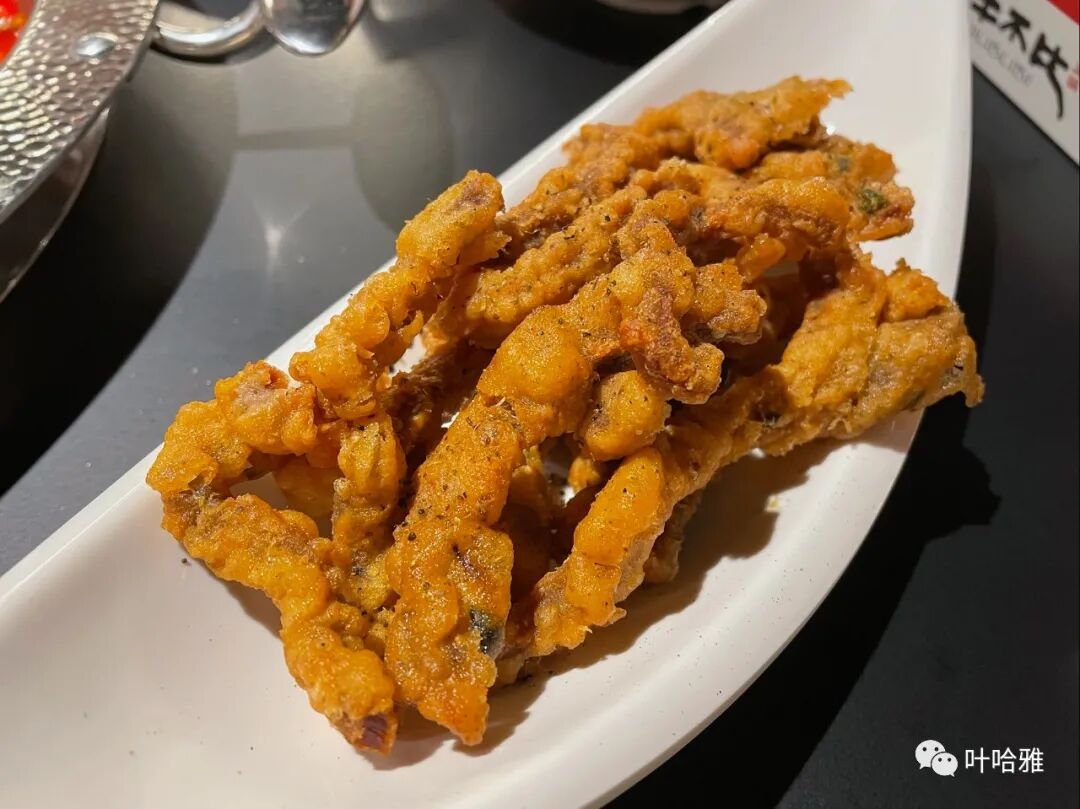
Crispy fried meat (xiaosurou)
Freshly fried crispy meat is a standard snack for Sichuan hot pot, and the beef is tender and crunchy.
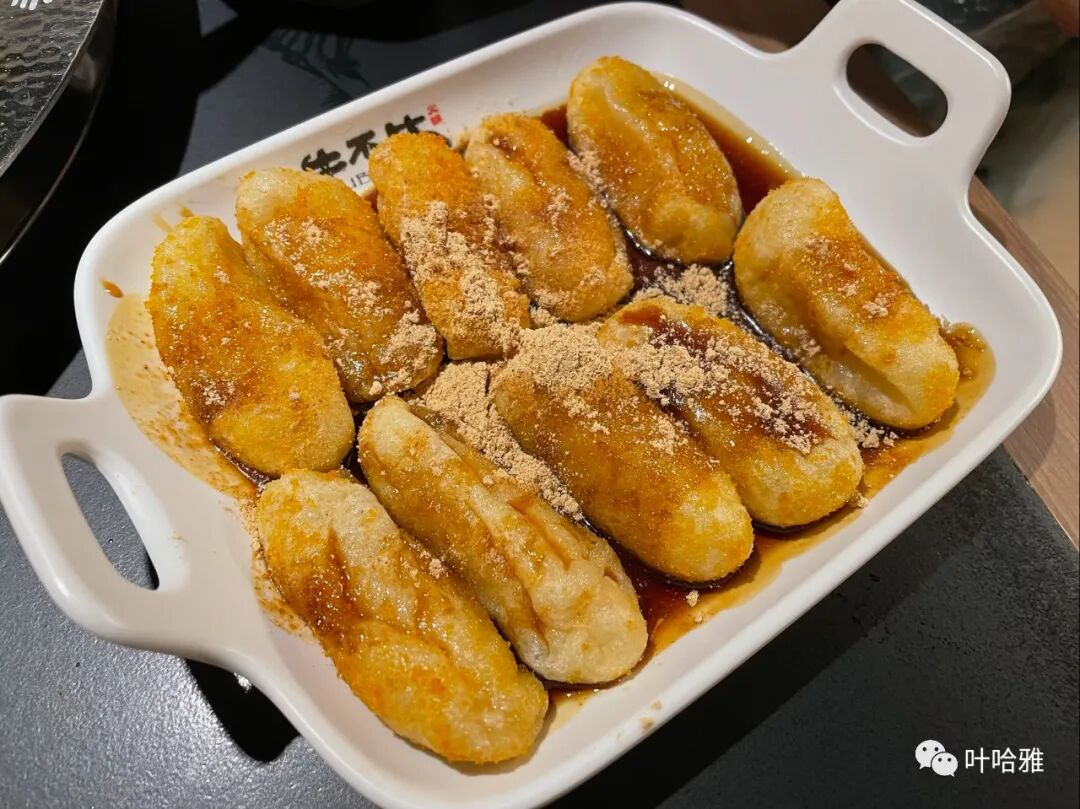
Brown sugar sticky rice cake (hongtang ciba)
Unlike some shops that just heat up pre-made cakes, Niububi makes their brown sugar sticky rice cakes on the spot to ensure the best texture.
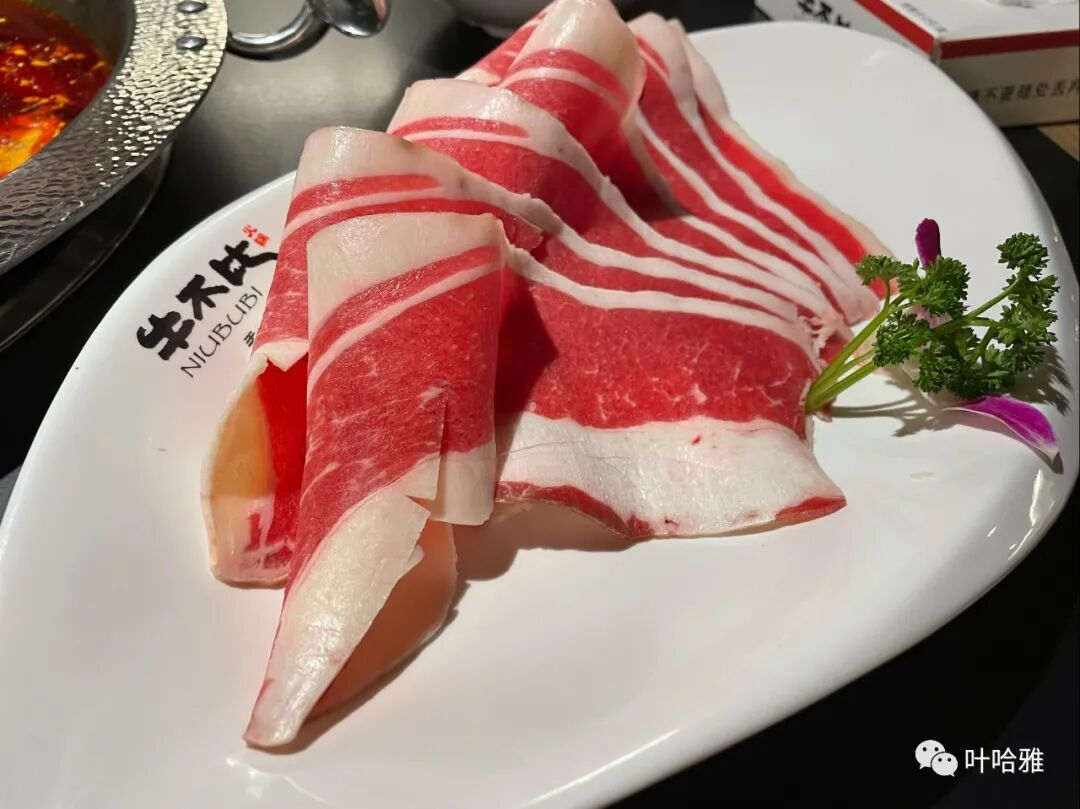
The shop is named 'Niububi' because they believe their beef doesn't need to be compared to others. It also sounds like the slang 'niubi' (awesome), and among our friends, the shop really is awesome.
2. Xinjiang Hotan Rose Pilaf (zhuafan)
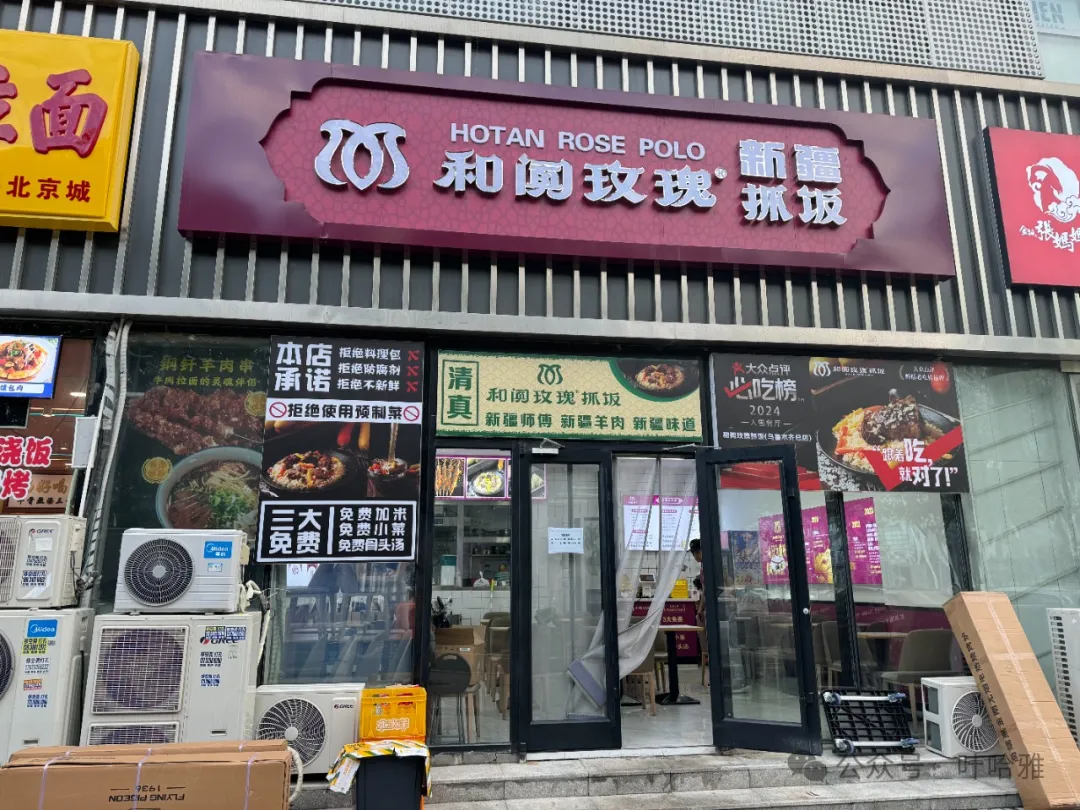
Hotan Rose is a halal Xinjiang restaurant that only serves pilaf. They have chain stores in Urumqi, and this location just opened recently.
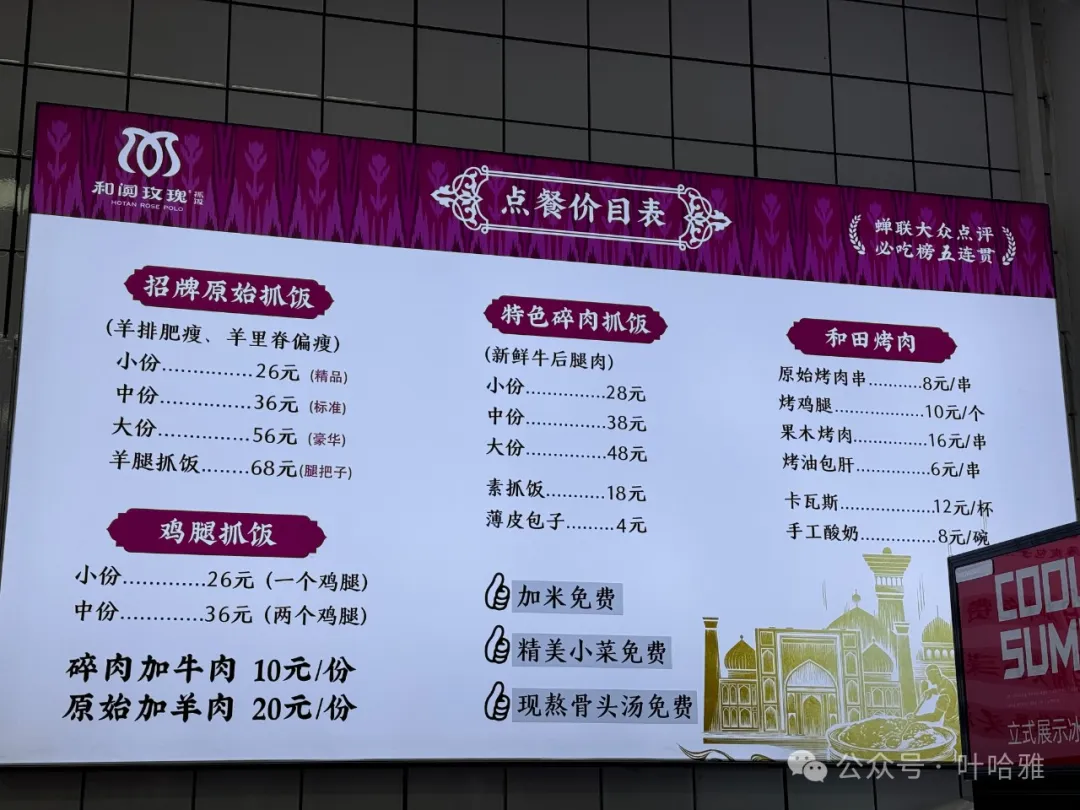
Their signature pilaf is a hit with everyone I know. Besides pilaf, the shop also serves baked buns (kaobaozi), thin-skinned buns (baopibaozi), and three types of free side dishes.
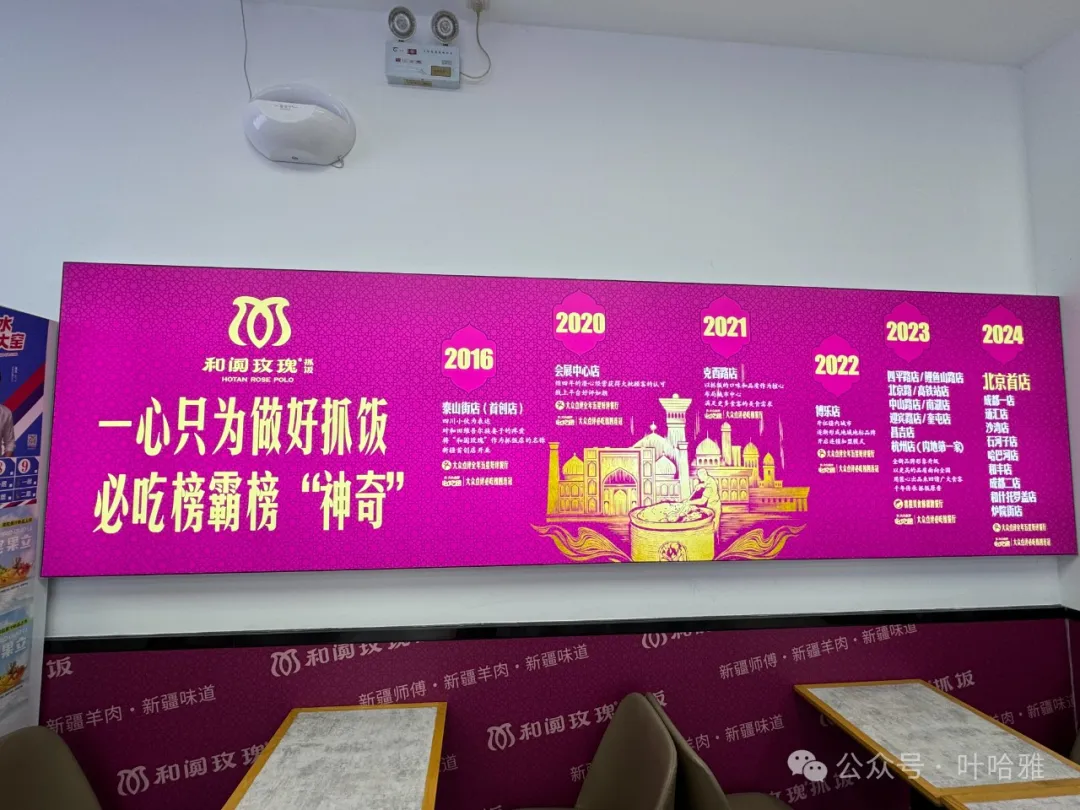
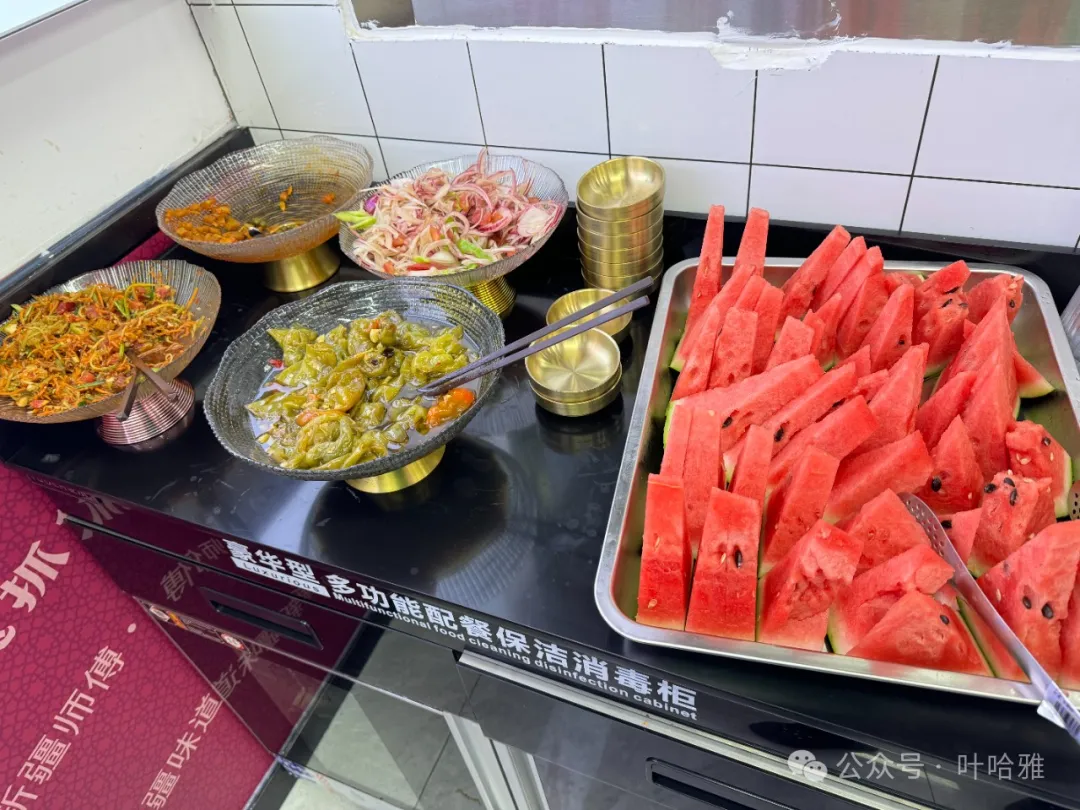
Their free side dishes are especially delicious.
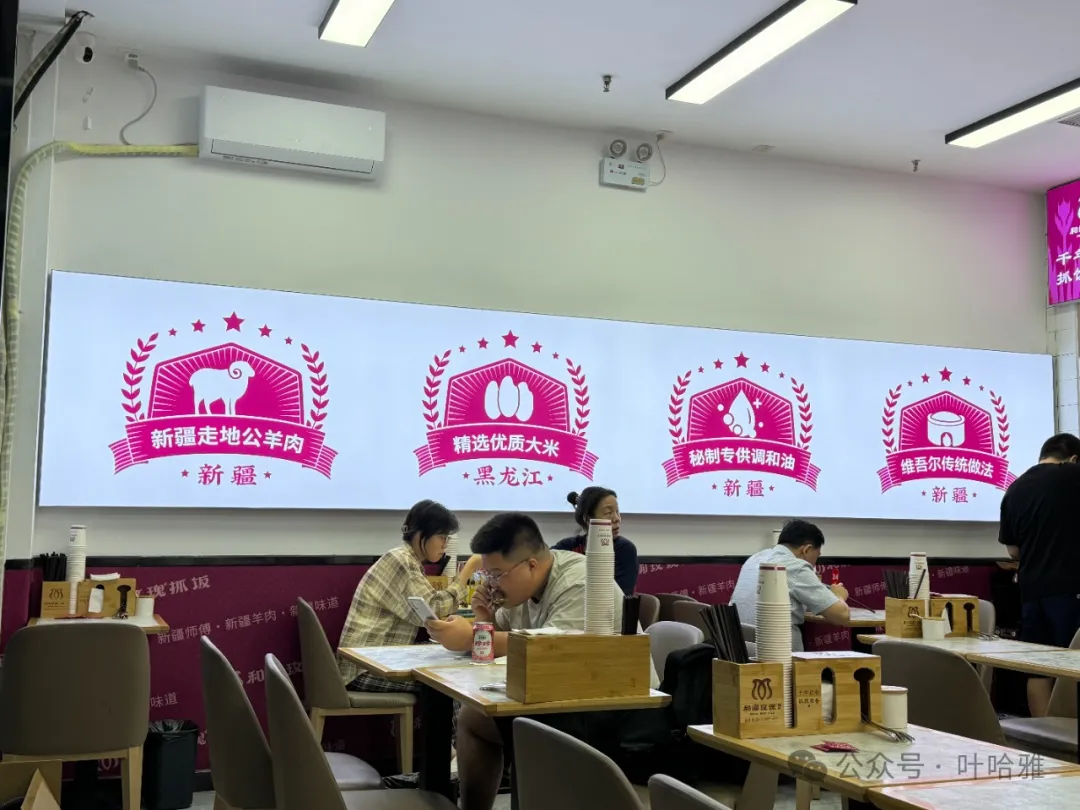
The lamb and oil are both shipped from Xinjiang.
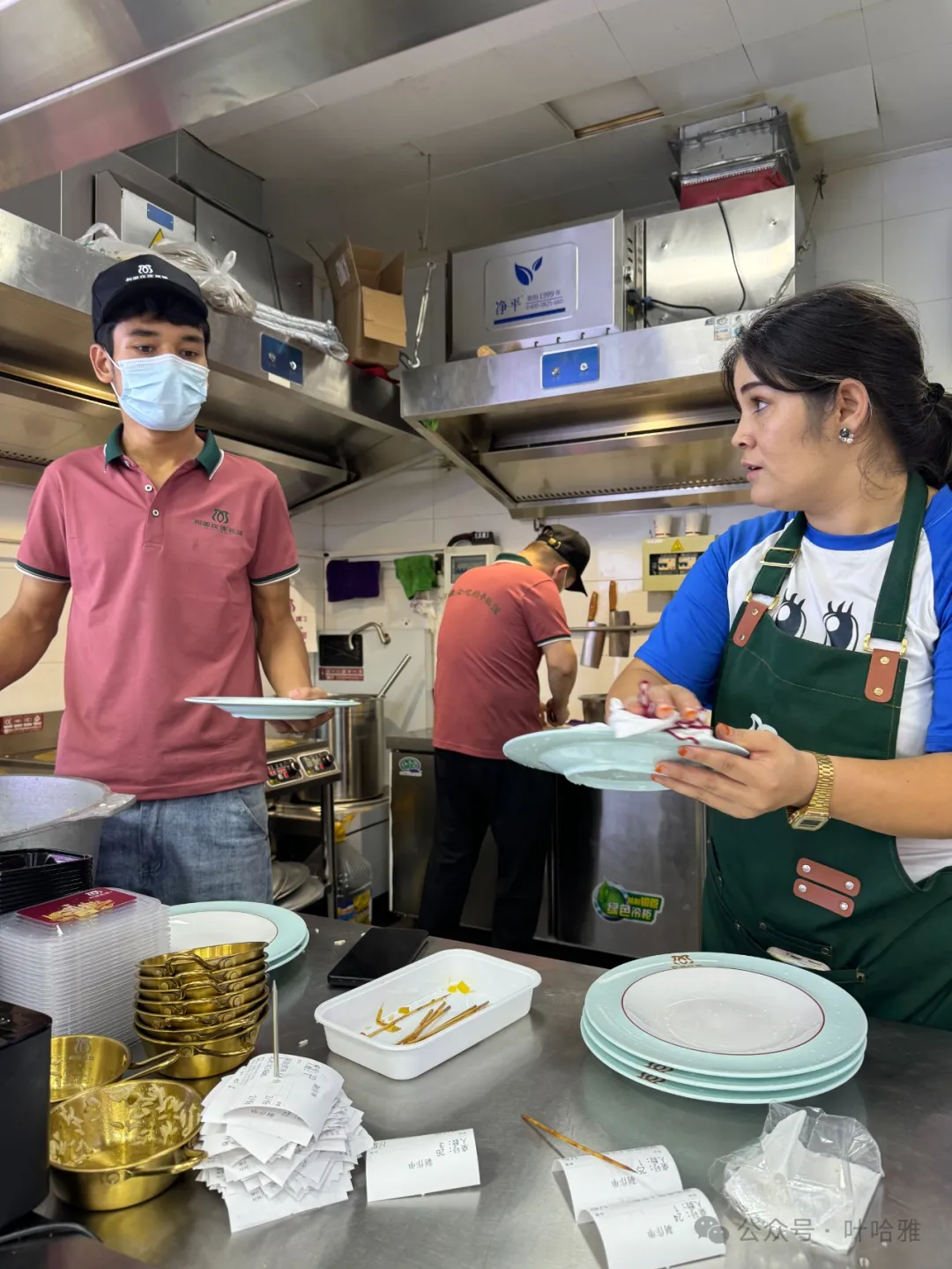
Uyghur staff run the kitchen, and the lamb leg pilaf (zhua fan) at this shop is excellent. I arrived late, so only one lamb leg was left. The meat was very tender and flavorful, and the pilaf was fragrant. It is arguably the best pilaf you can find at a Xinjiang restaurant in Beijing.
3. China-Pakistan Friendship Restaurant
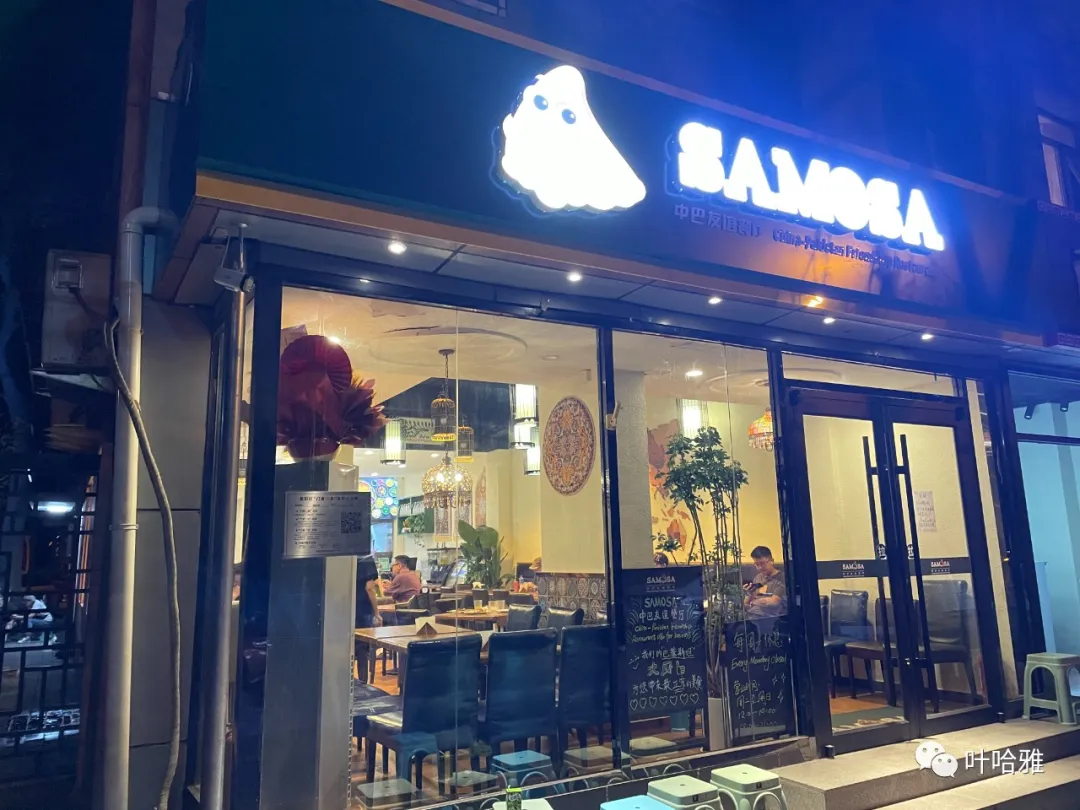
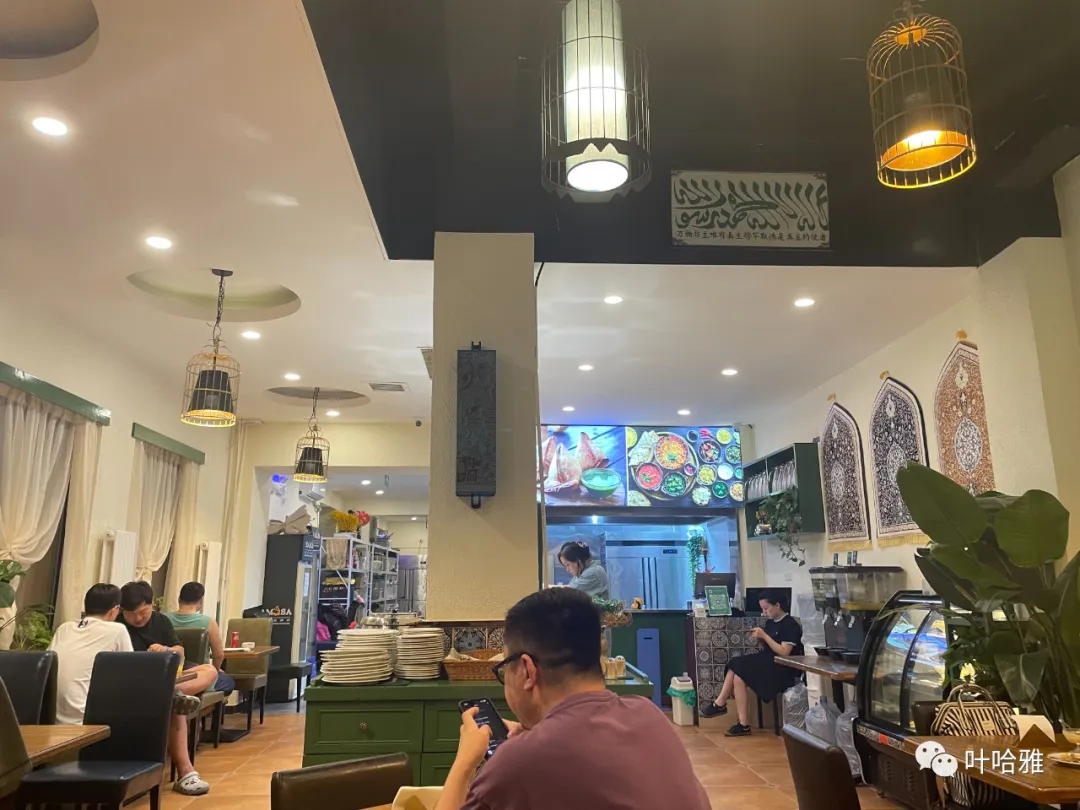
There are at least 10 Indian and Pakistani halal restaurants in Beijing. Samosa is a popular, alcohol-free spot that consistently serves good food. A samosa is a fried triangular snack in Indian and Pakistani cuisine. The owner used to run another Indian and Pakistani buffet called ZamZam, and this Samosa is located in Xibahe.
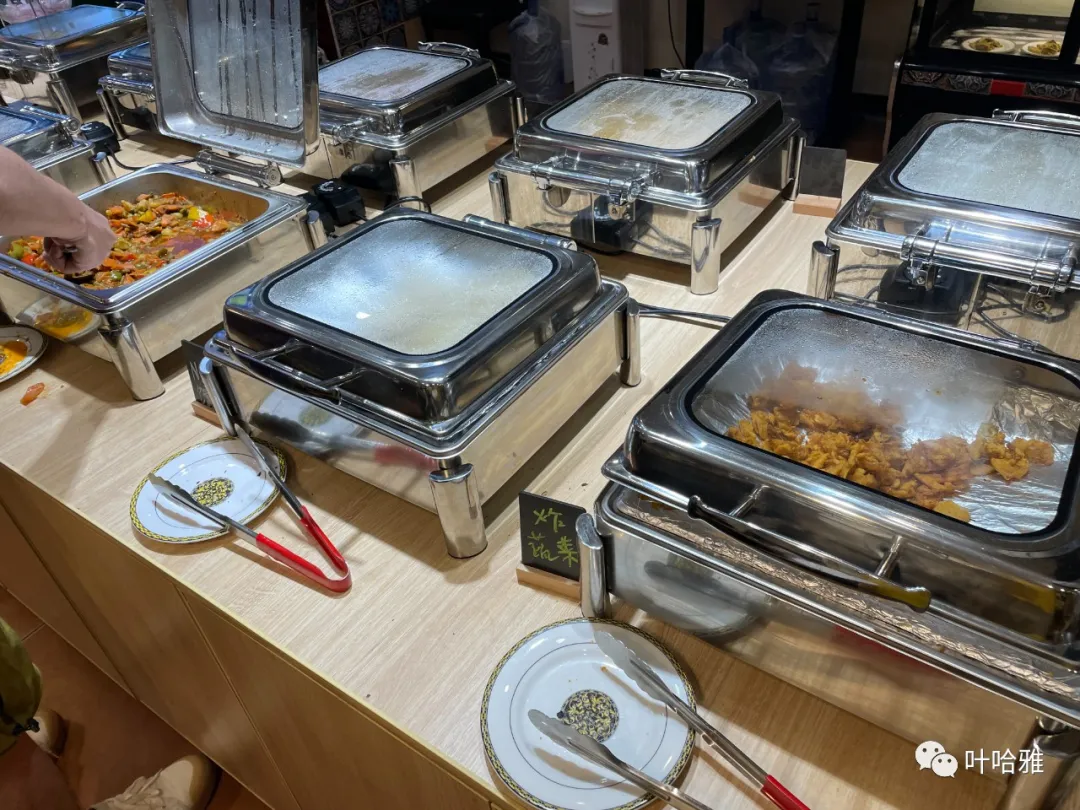
You can eat various Pakistani snacks here. Besides the buffet, you can order a la carte, and they offer halal Western fast food like pizza and pasta.
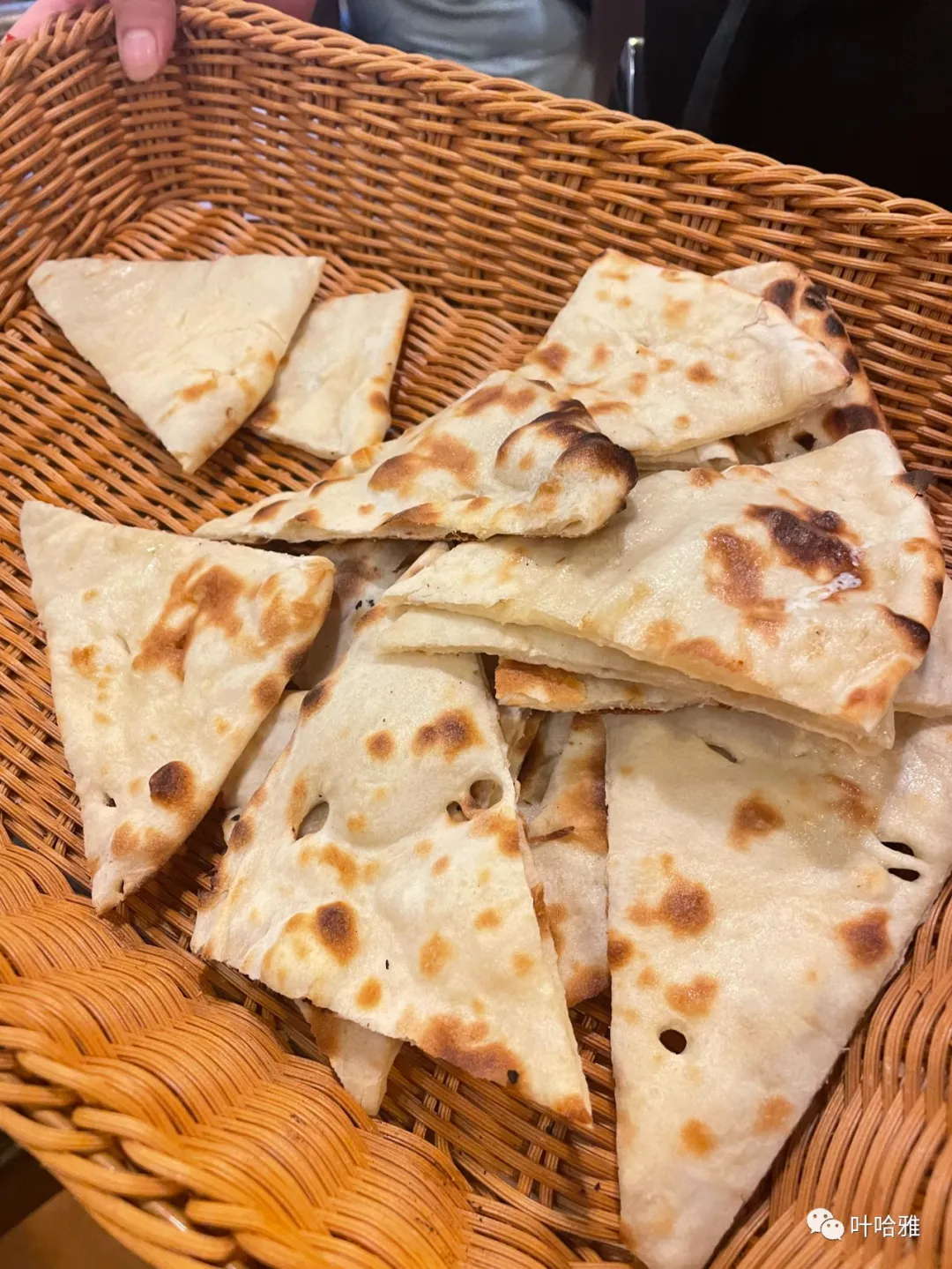
This is freshly baked butter naan, one of my favorite Indian and Pakistani treats. I can eat a whole basket of bread with curry.
The buffet includes two desserts and three drinks. I like the green mint drink. They use high-quality ingredients, serve generous portions of meat, and the place is clean and hygienic.
The China-Pakistan Friendship Restaurant opened a new branch in Sanlitun this year, and both locations are currently open.
4. Wanfu Halal Iron Pot Stew
This Harbin-style halal iron pot stew in Daxing tastes very good. I think it is better than Uncle Oyster's. Beijing has another halal iron pot stew place worth recommending called Dunyishou, but it falls a bit short compared to Wanfu because it lacks the Northeast-style stir-fried dishes.
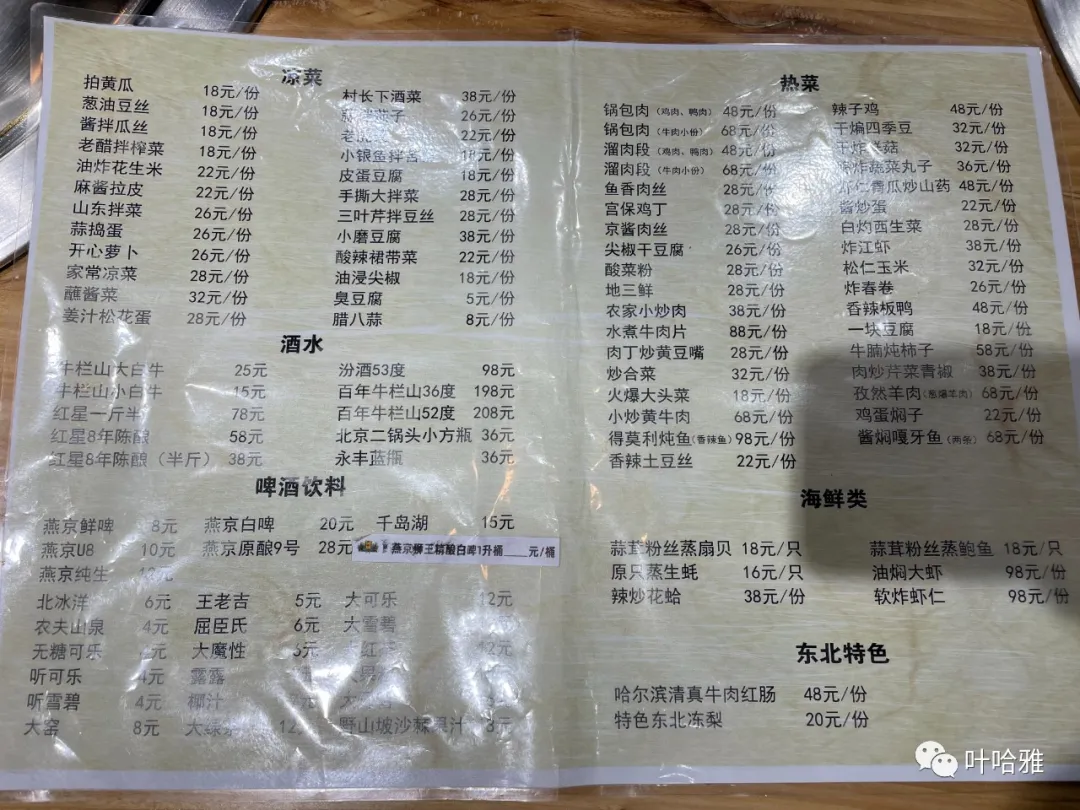
Besides the iron pot stew, the biggest surprise is their sweet and sour pork (guobaorou). They offer it in several styles, using either chicken or beef, and you can choose between a sweet or savory flavor.
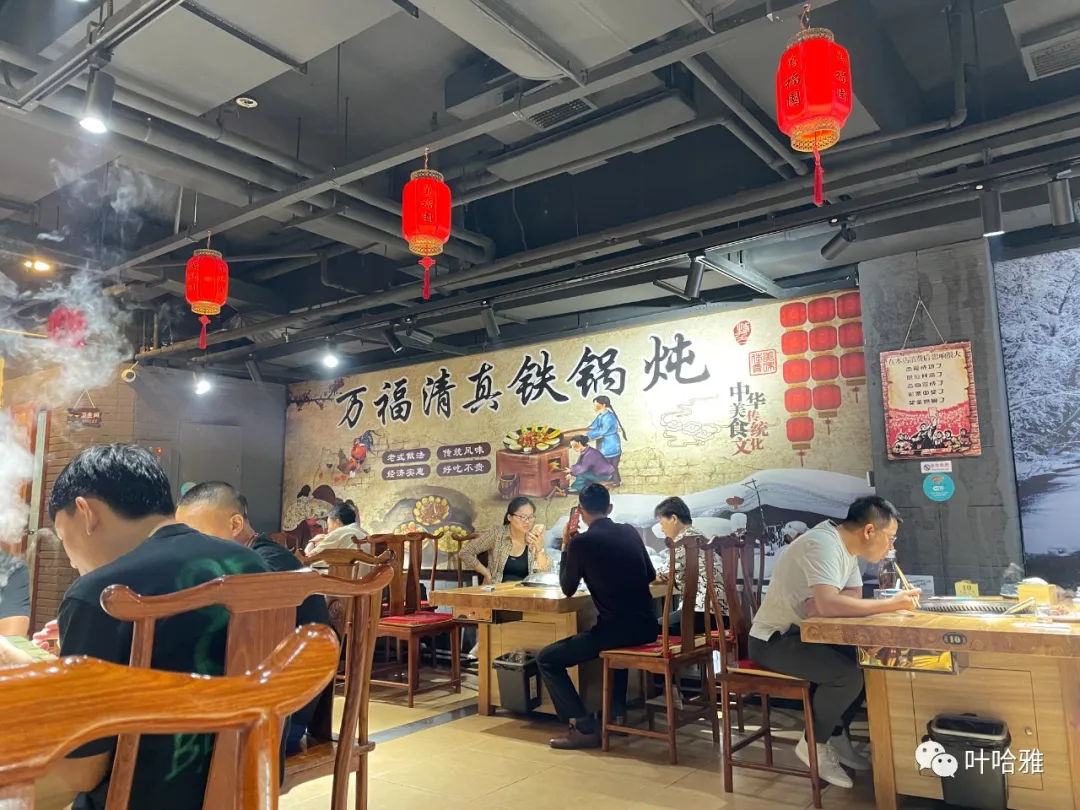
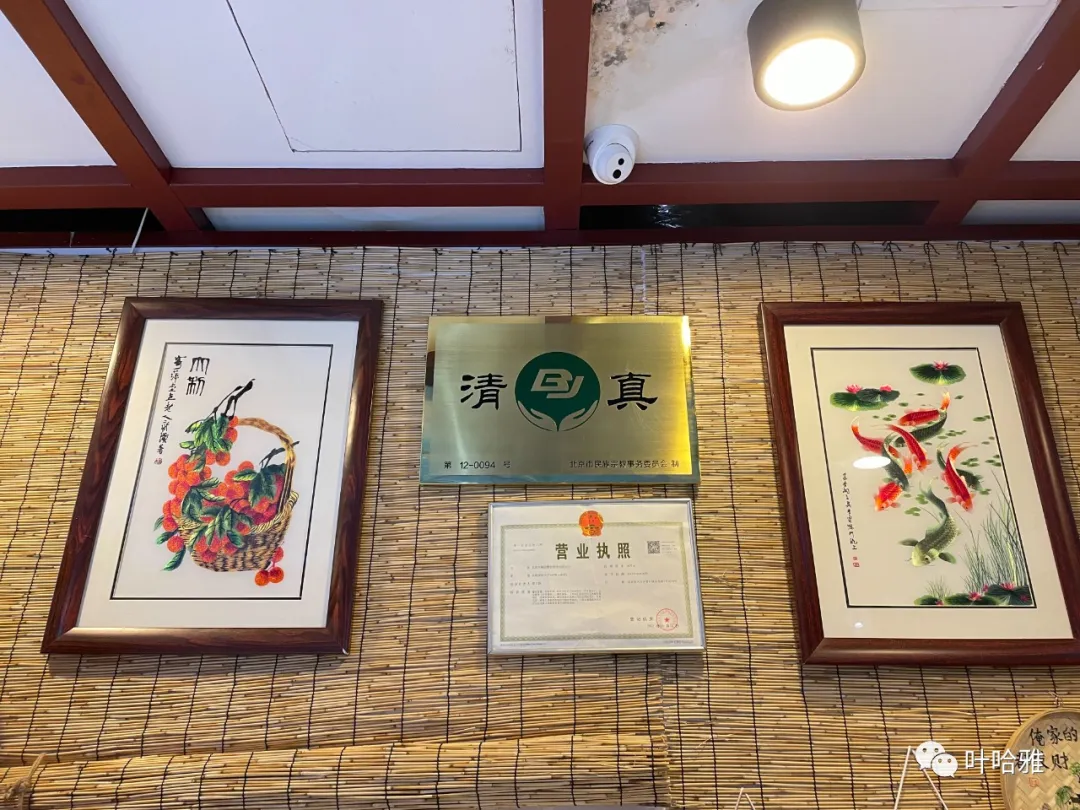
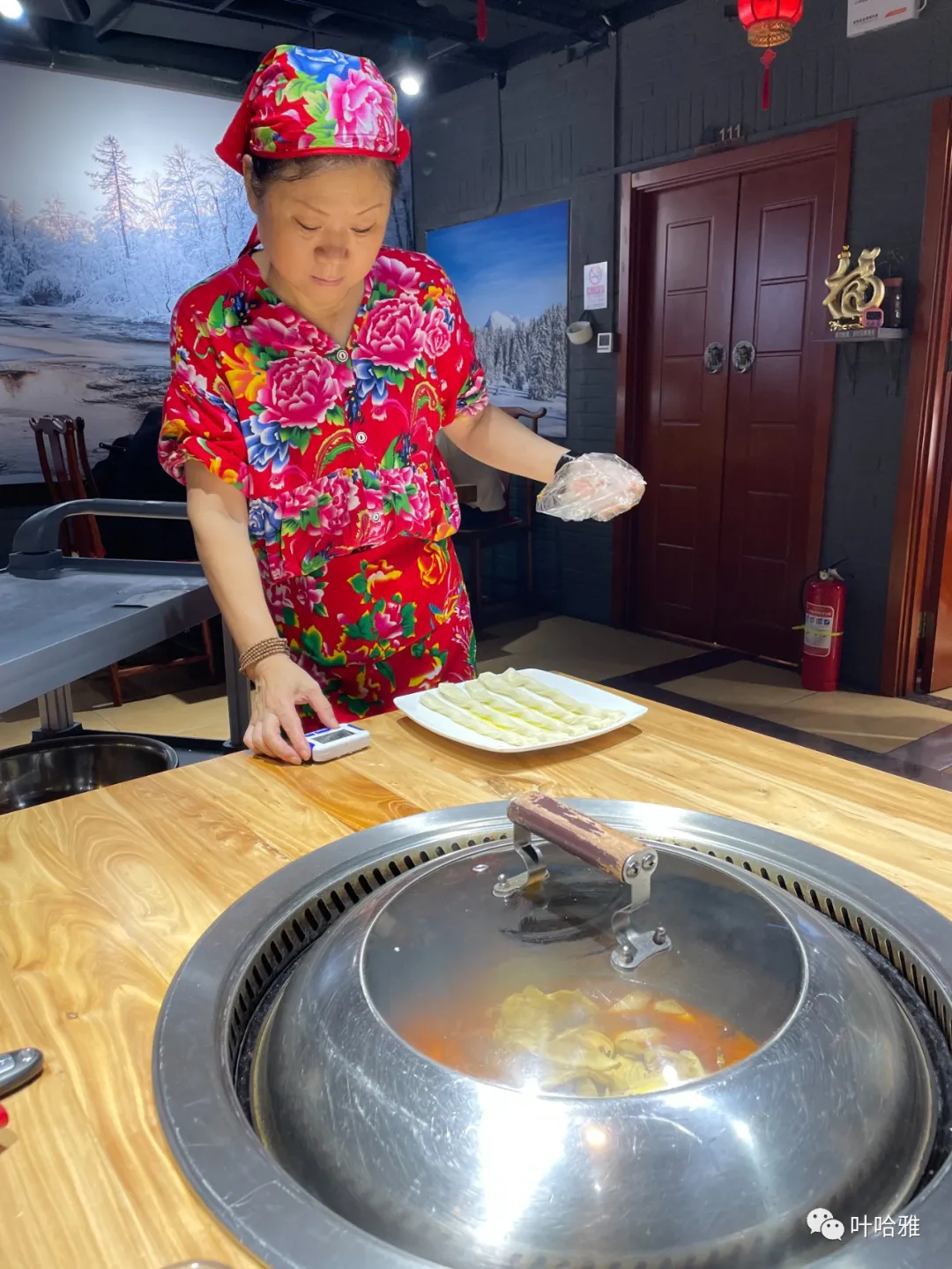
This is called sticky roll (nianjuanzi). It is made with unleavened dough and dropped into the pot. After steaming with the stew for 15 minutes, it is ready to eat and tastes delicious.
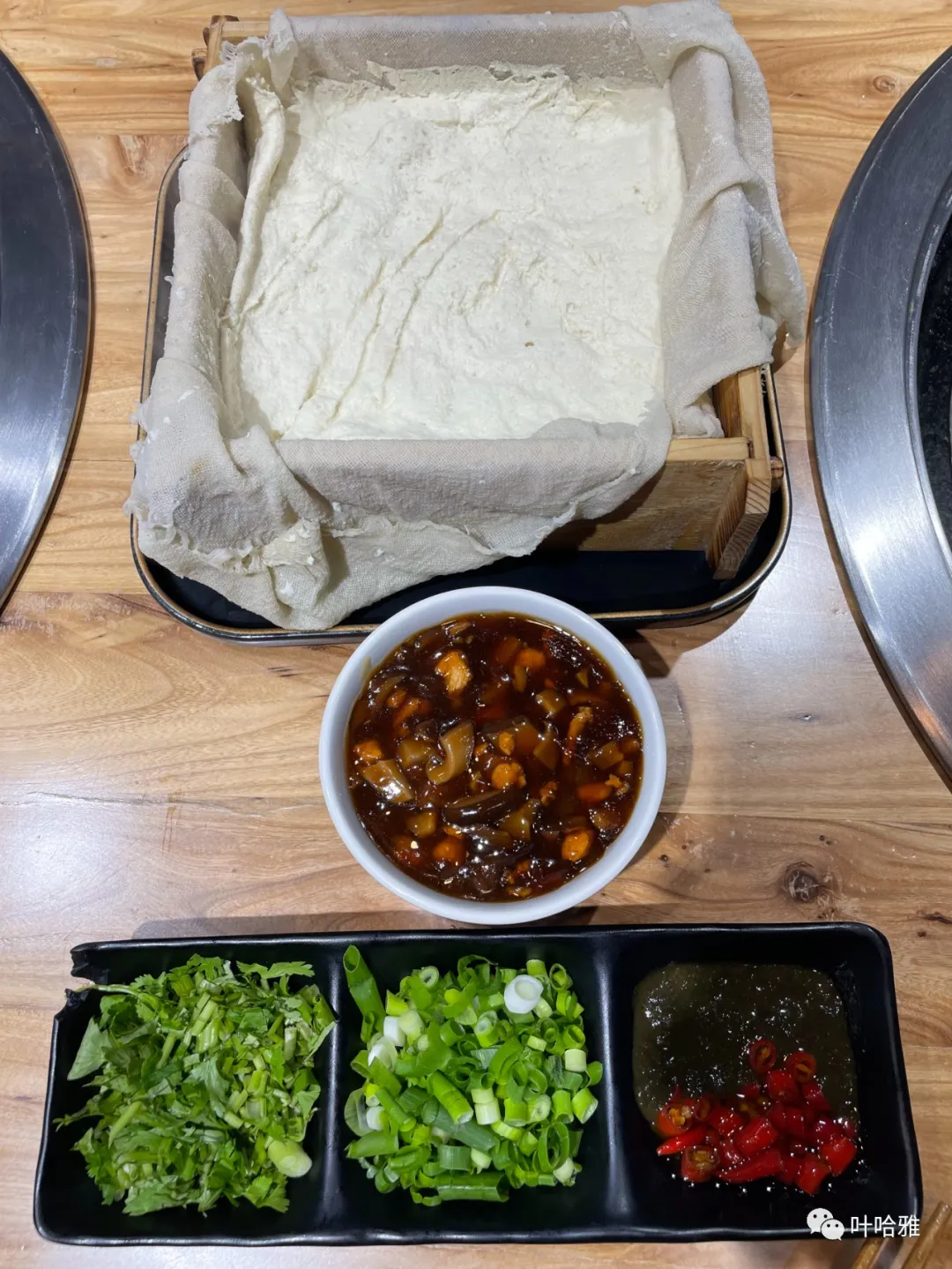
The owner gave us some stone-ground tofu on the house. They make the tofu themselves, and with the savory sauce and toppings, it feels just like eating tofu pudding (doufunao), which is also very tasty.
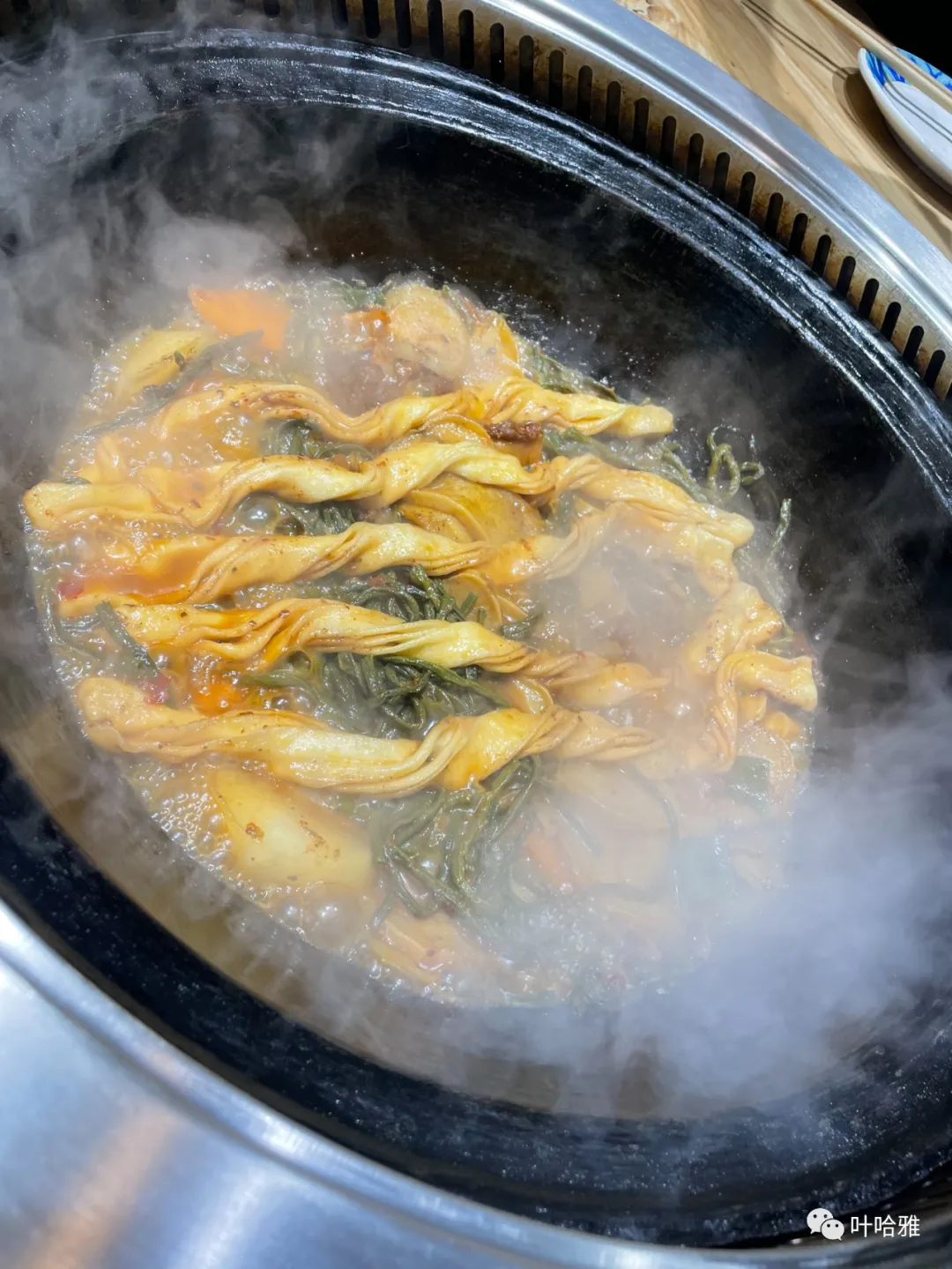
We added dried green beans and dried potatoes to the iron pot. These two ingredients taste even better stewed than when they are fresh.
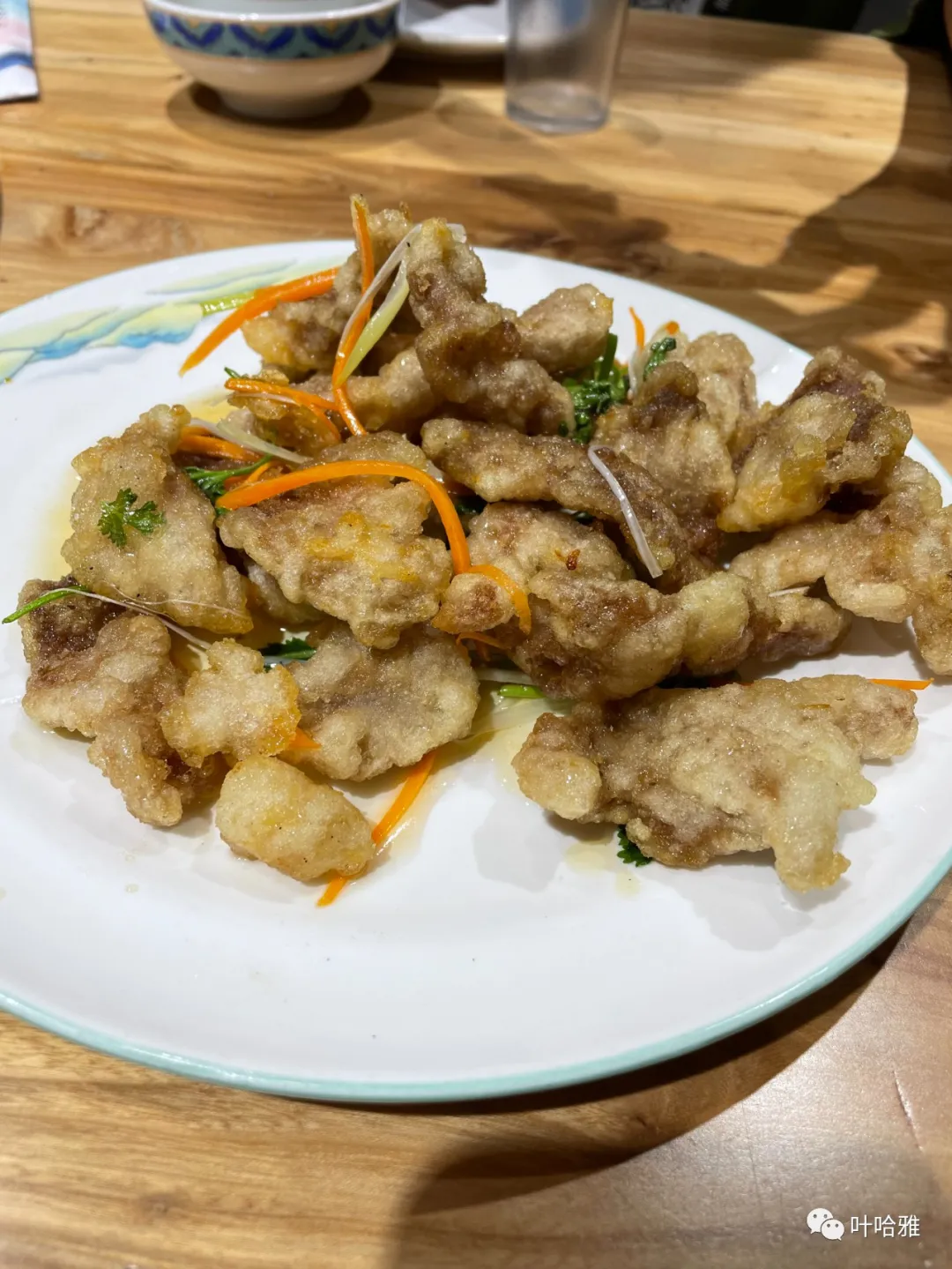
The sweet and sour pork (guobaorou) made by Hui Muslims in Harbin is savory. Their version is crispy on the outside and tender on the inside. We finished the whole plate in no time. It is great to finally have authentic savory sweet and sour pork in Beijing again.
5. La Medina Tunisian Restaurant
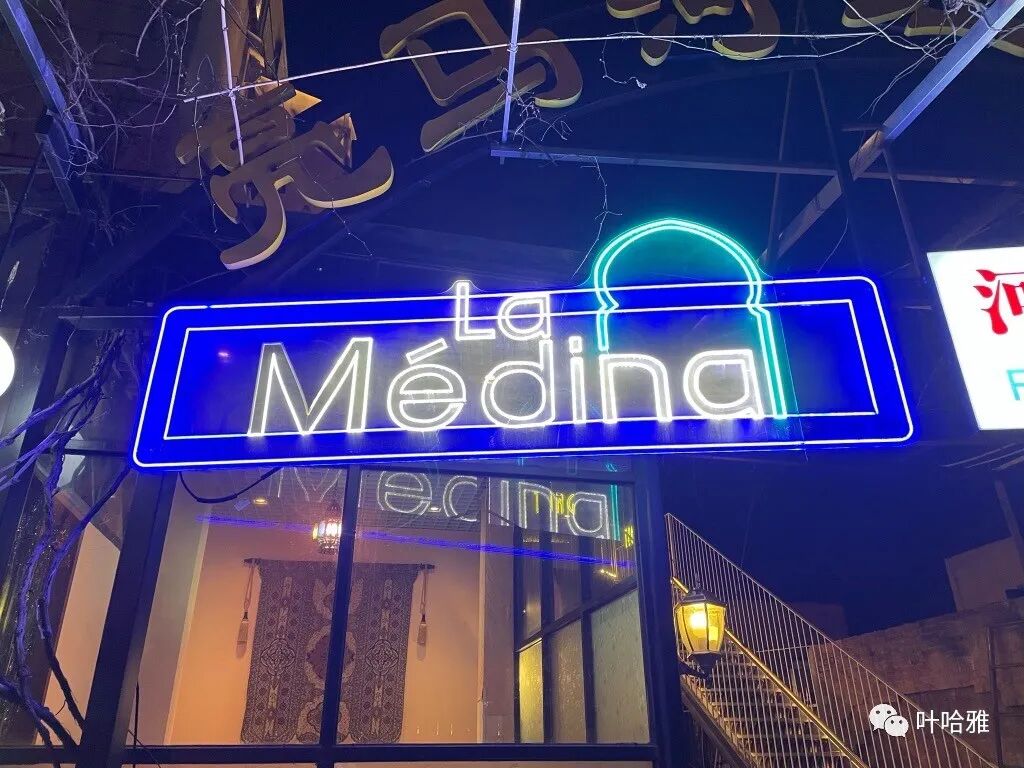
Beijing once had a Moroccan-style restaurant called Camel Team that was open for many years before closing due to the pandemic. However, a Tunisian-style restaurant opened during the pandemic. Since Tunisia and Morocco are both in the North African Maghreb region and have similar eating habits, this place helps fill the gap left by the Moroccan restaurant.
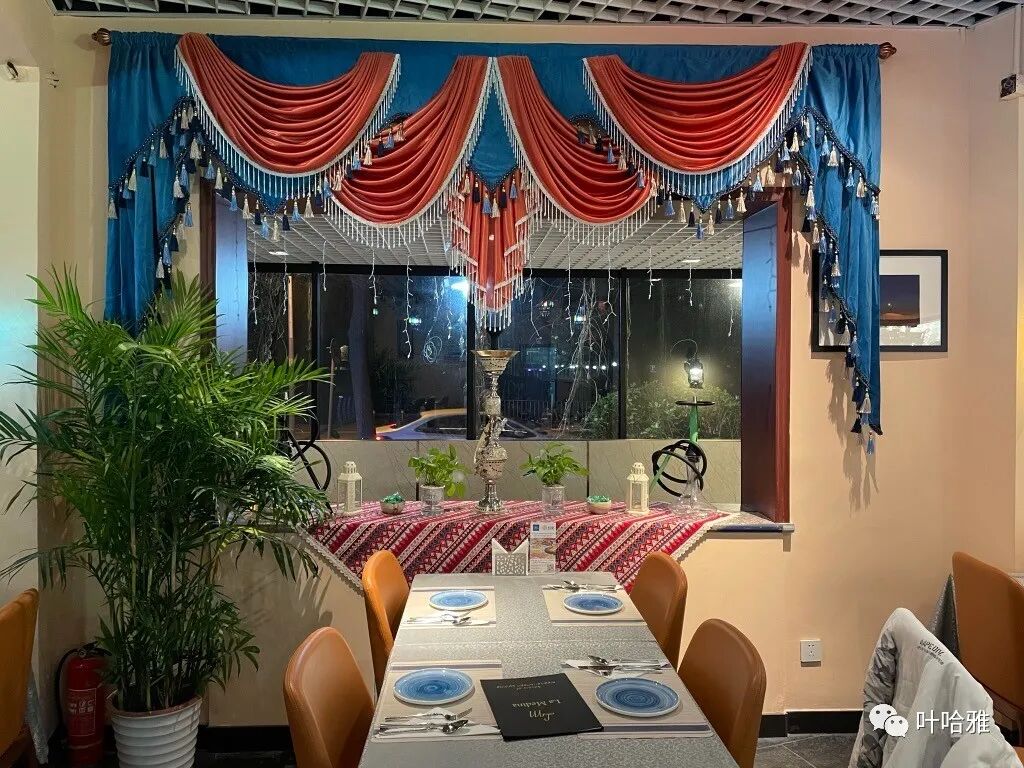
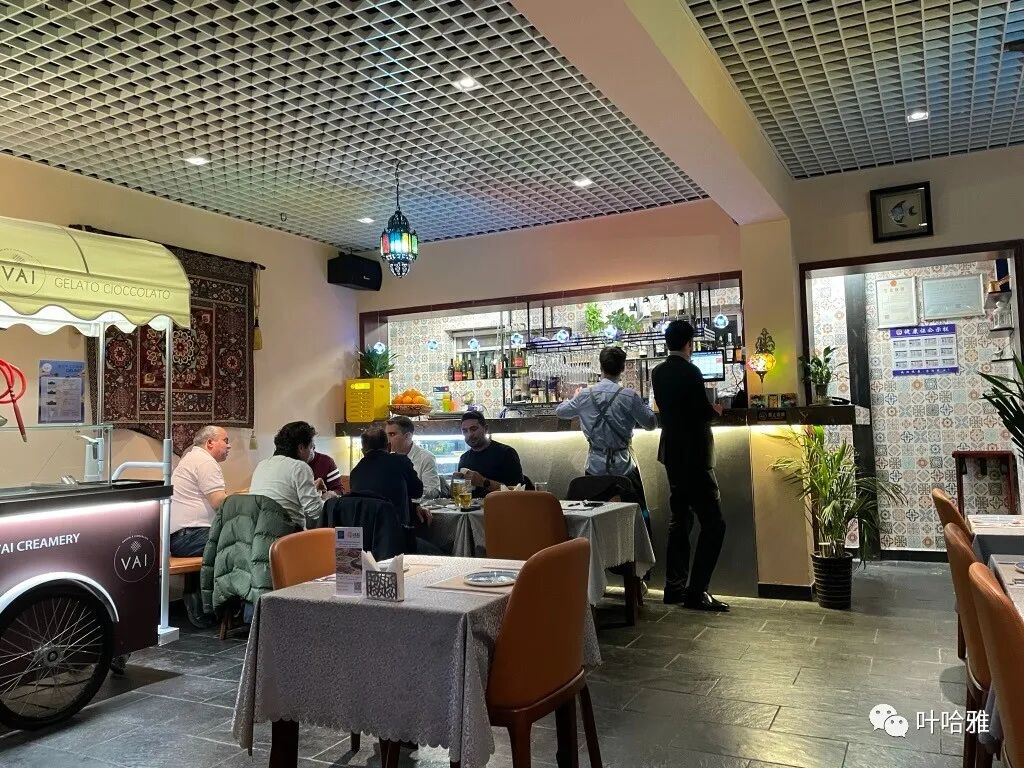
This shop has moved to a new location in the last two years, growing from a small space to a larger one. The chef is an Arab from Tunisia. We talked and he confirmed it is a halal restaurant, even though they do not display the sign. In China, you must get approval from the Ethnic and Religious Affairs Bureau to apply for halal certification, otherwise, individuals cannot put up the halal sign on their own.
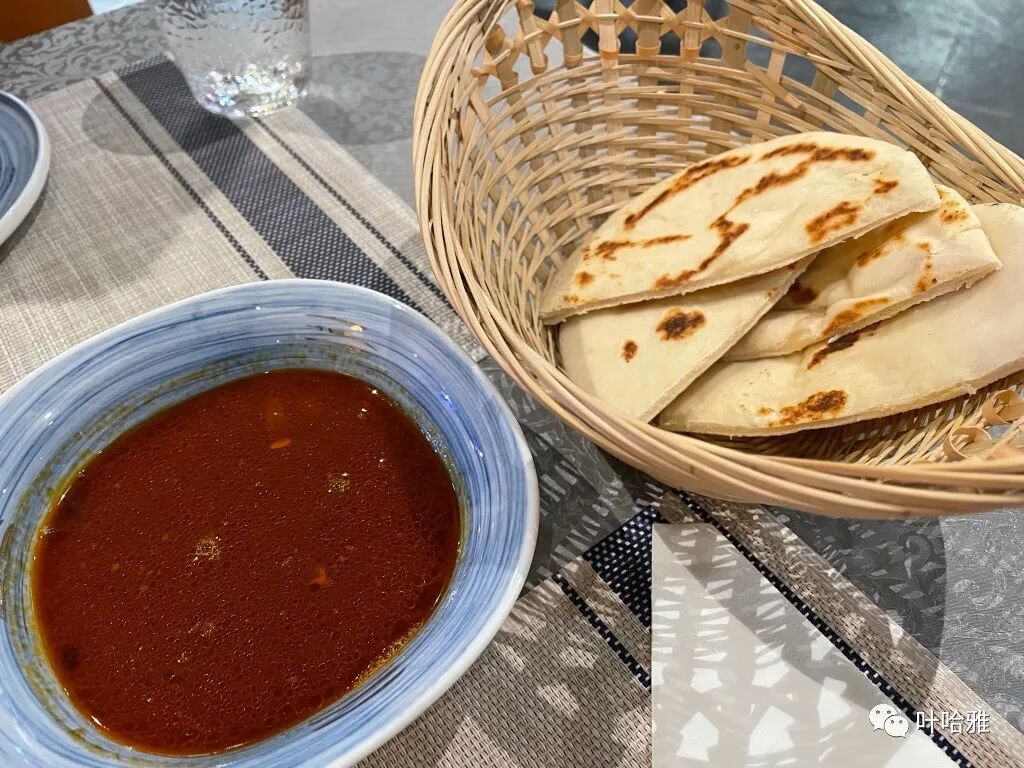
Classic Moroccan bean soup
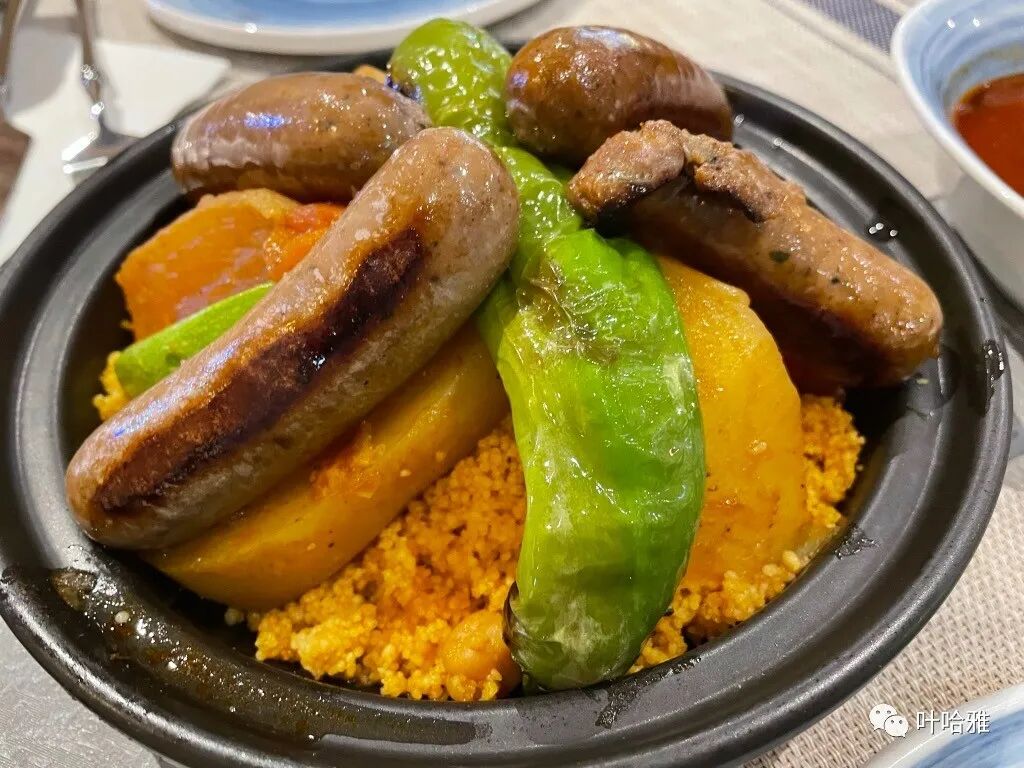
Couscous (Tunisian millet rice)
The most unique dish in Tunisia is this couscous. It is called millet rice and has the texture of millet, but it is actually made from ground hard wheat grains.
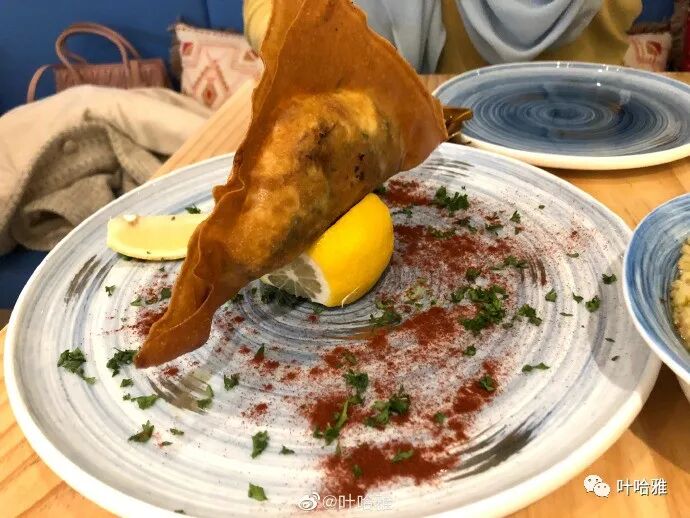
Tunisian pastry (brik)
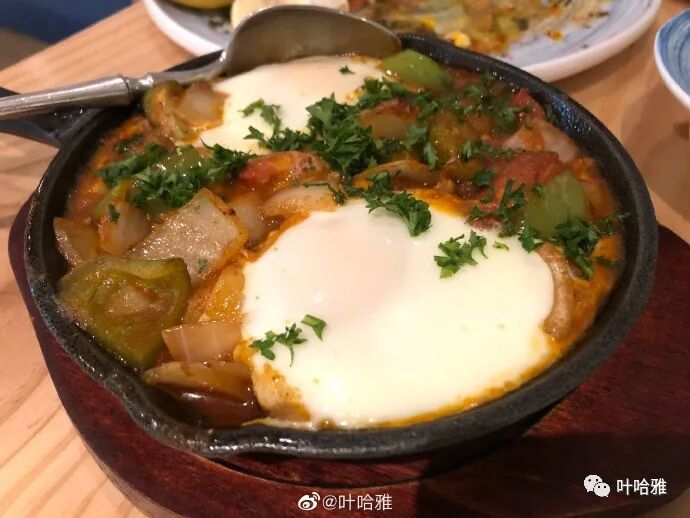
shakshuka eggs (shasuka) served on a hot iron plate
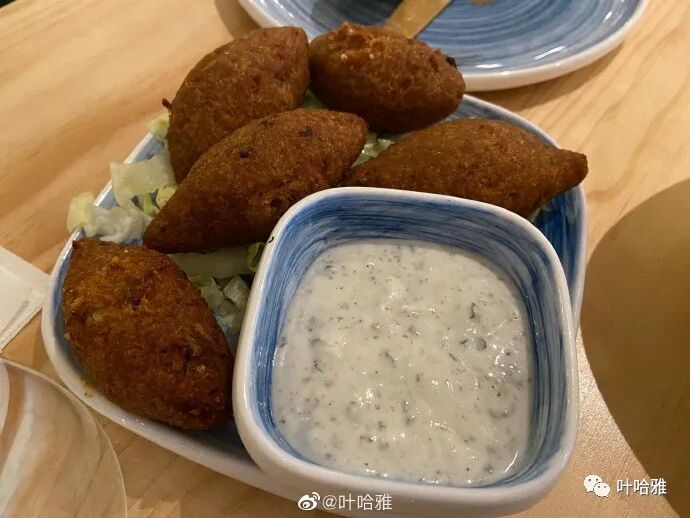
beef and wheat bun
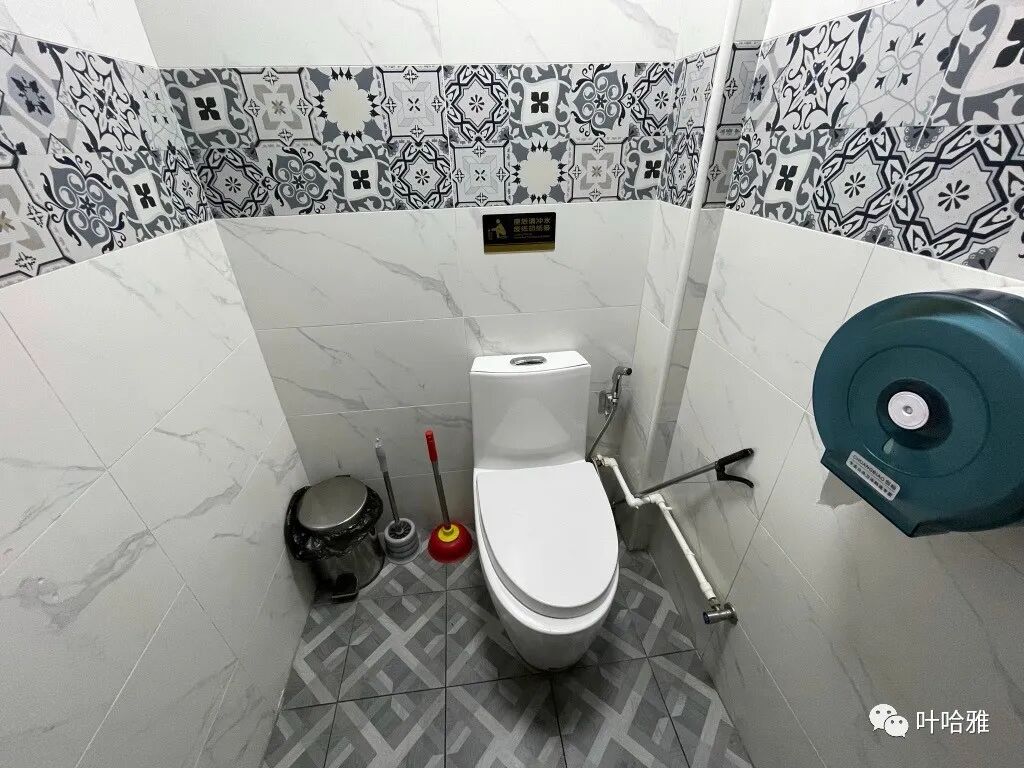
The spray nozzle in the bathroom; those who know, know what it is for.
6. Niushi Japanese BBQ
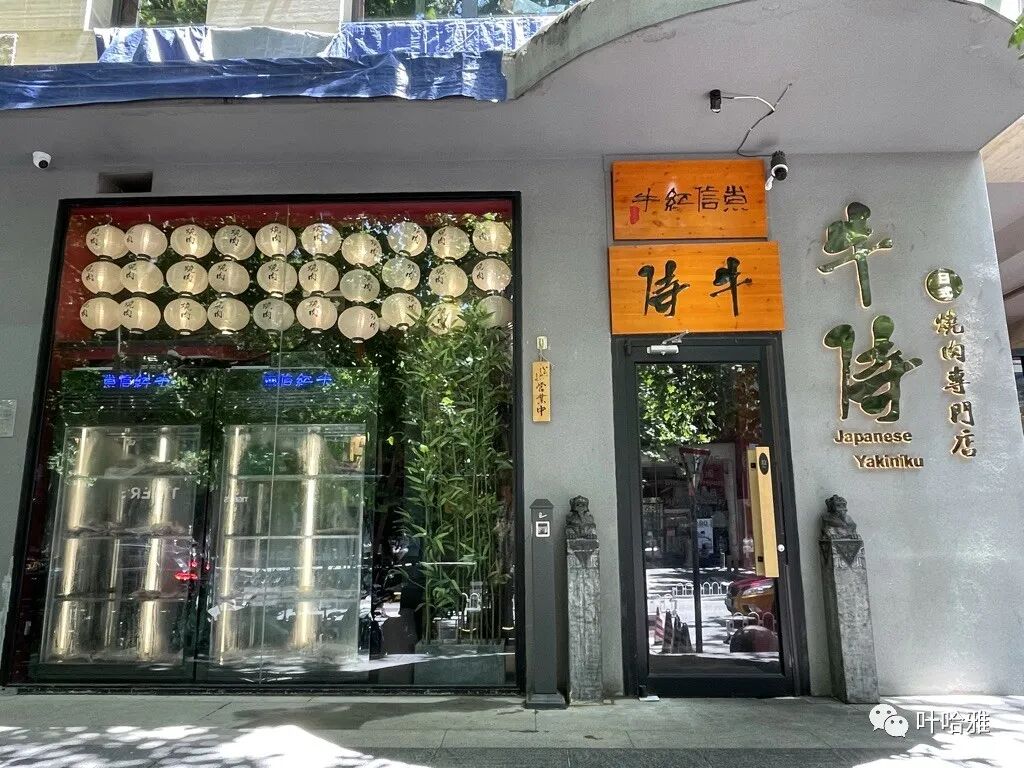
Niushi Japanese BBQ has been open in Beijing for about five years. They used to have three locations, but now only the main CBD branch remains.
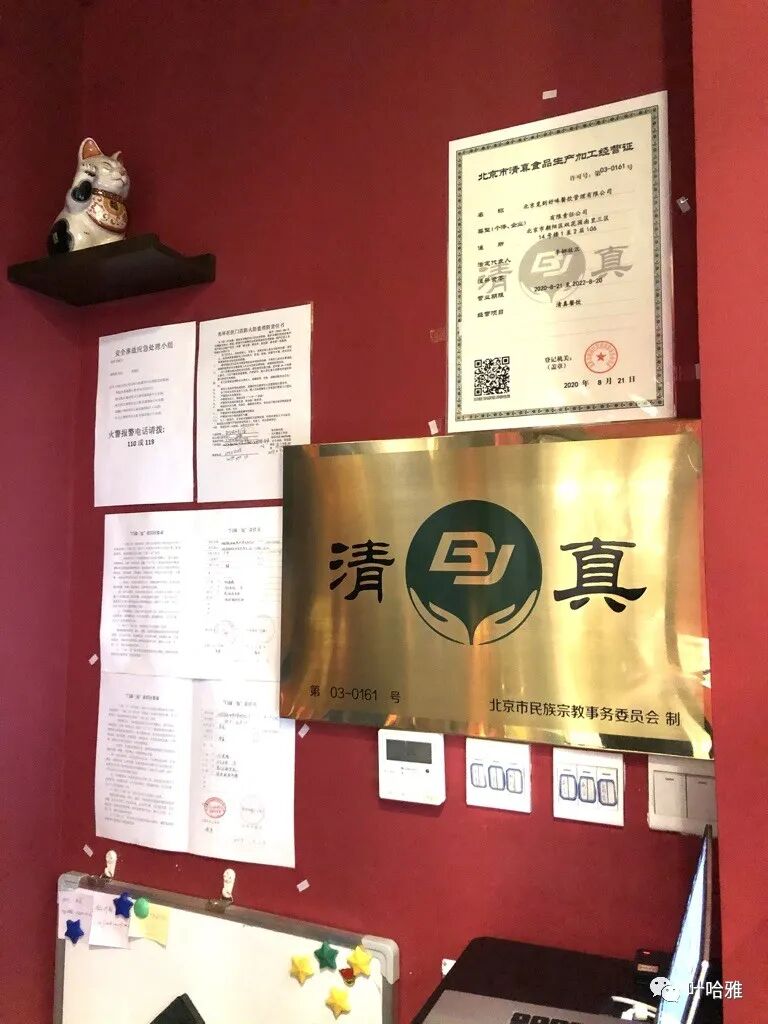
The owner of Niushi is named Hei and is a Hui Muslim from Beijing. His family has been in the beef business for generations and they have their own cattle farm in Gansu. The owner knows a lot about beef and is even a consultant for the Ministry of Agriculture on beef, so the quality of the beef at Niushi is guaranteed.
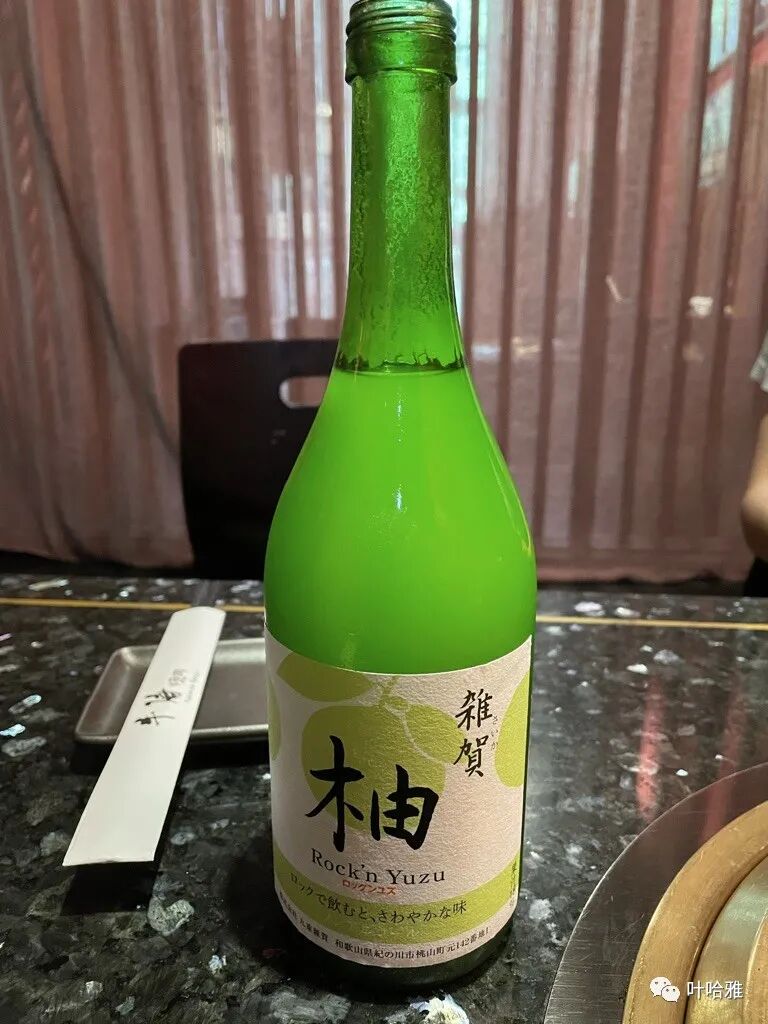
The restaurant is on the high-end side. The bottle of non-alcoholic grapefruit juice I drank cost 330 yuan. The average cost per person here is over 200 yuan, and if you order some good beef, the bill can easily go over a thousand.
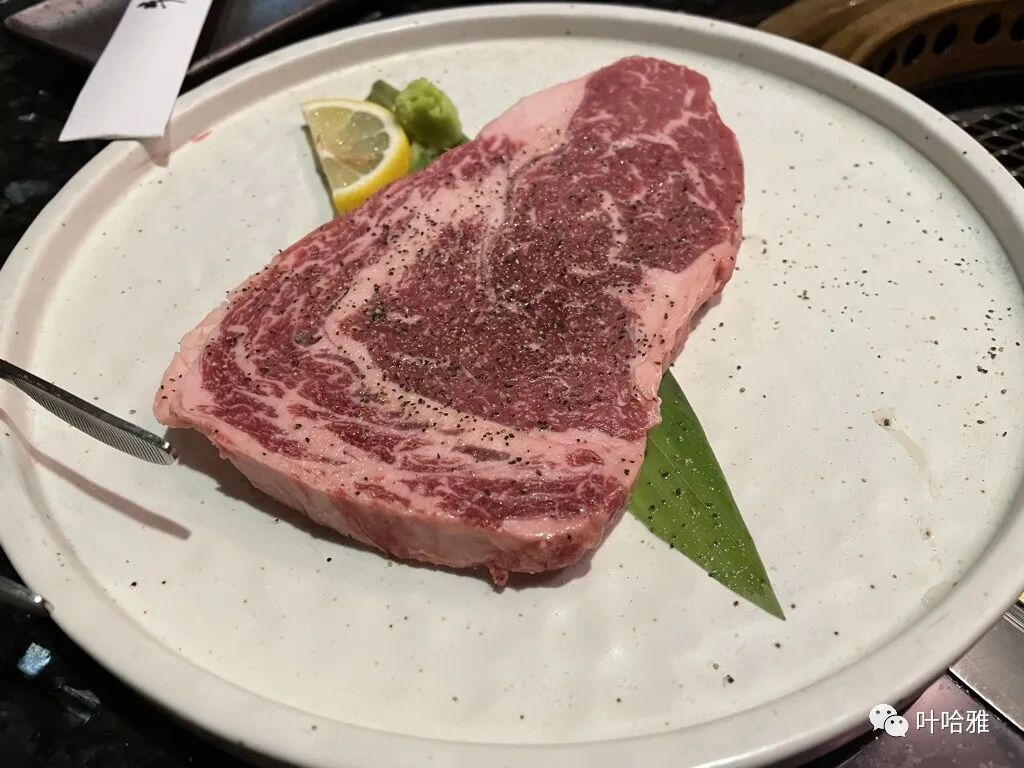
This 200g piece of marbled Wagyu beef costs 380 yuan. It is not cheap, but it is tender and juicy. Paired with the fruit sauce developed by the restaurant, it is truly a top-tier dish.
Besides expensive beef, the shop also has some affordable snacks. If you only eat meat to get full, your wallet will be empty. I suggest pairing it with staples like udon noodles, grilled meat rice, or ramen. They are not only affordable but also delicious. These portions are small, so they are perfect for one person.
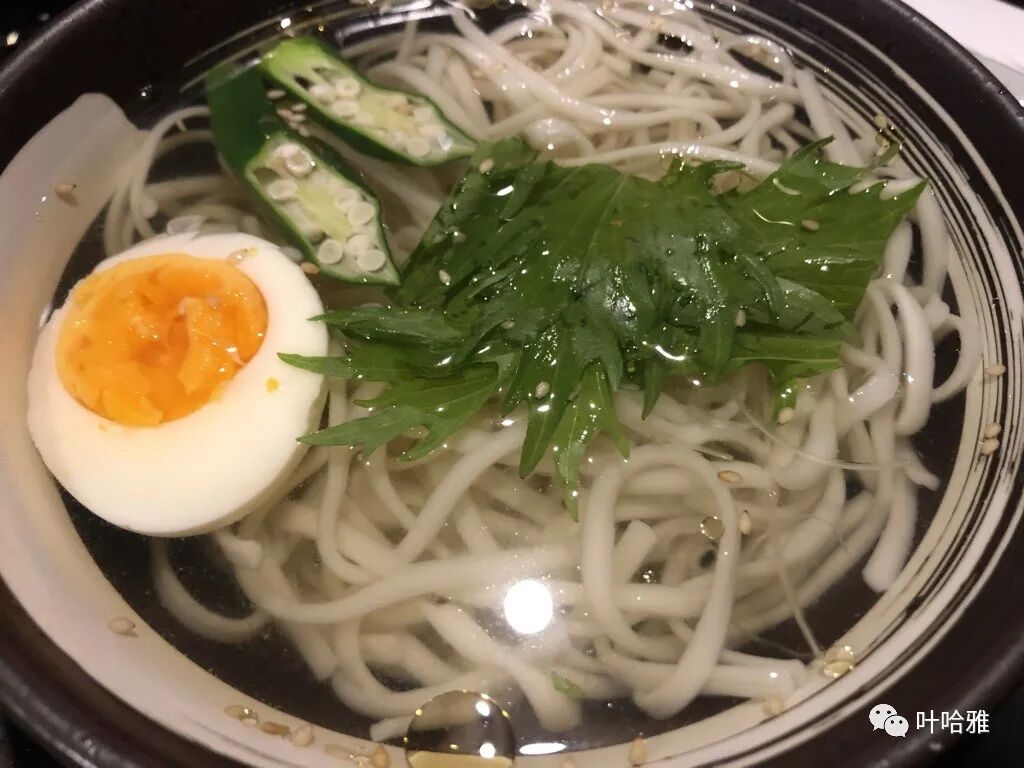
Udon noodles
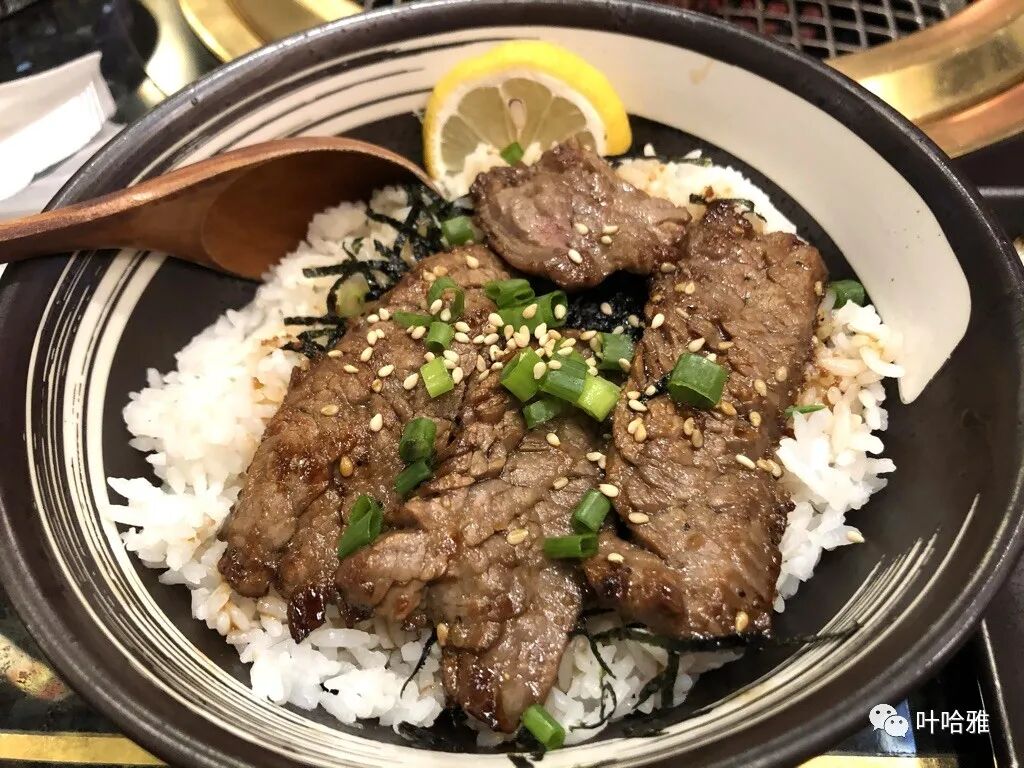
Grilled meat rice
Niushi does not serve raw food like sashimi. Food safety rules require strict separation between raw and cooked food preparation, which needs a lot of kitchen space, so they cannot make sashimi right now.
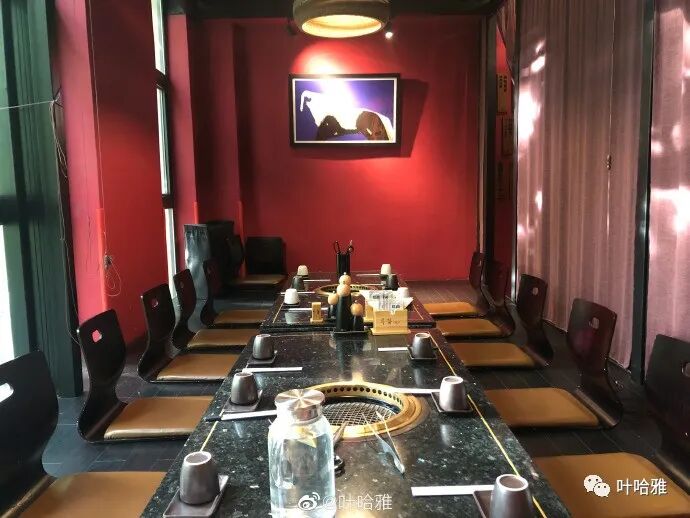
The private rooms have a Japanese style where you need to take off your shoes, so remember to make sure your feet are clean before you come. The restaurant moved to a new location this year not far from the old one, so regular customers should take note.
7. Tomato Pizza and Pasta
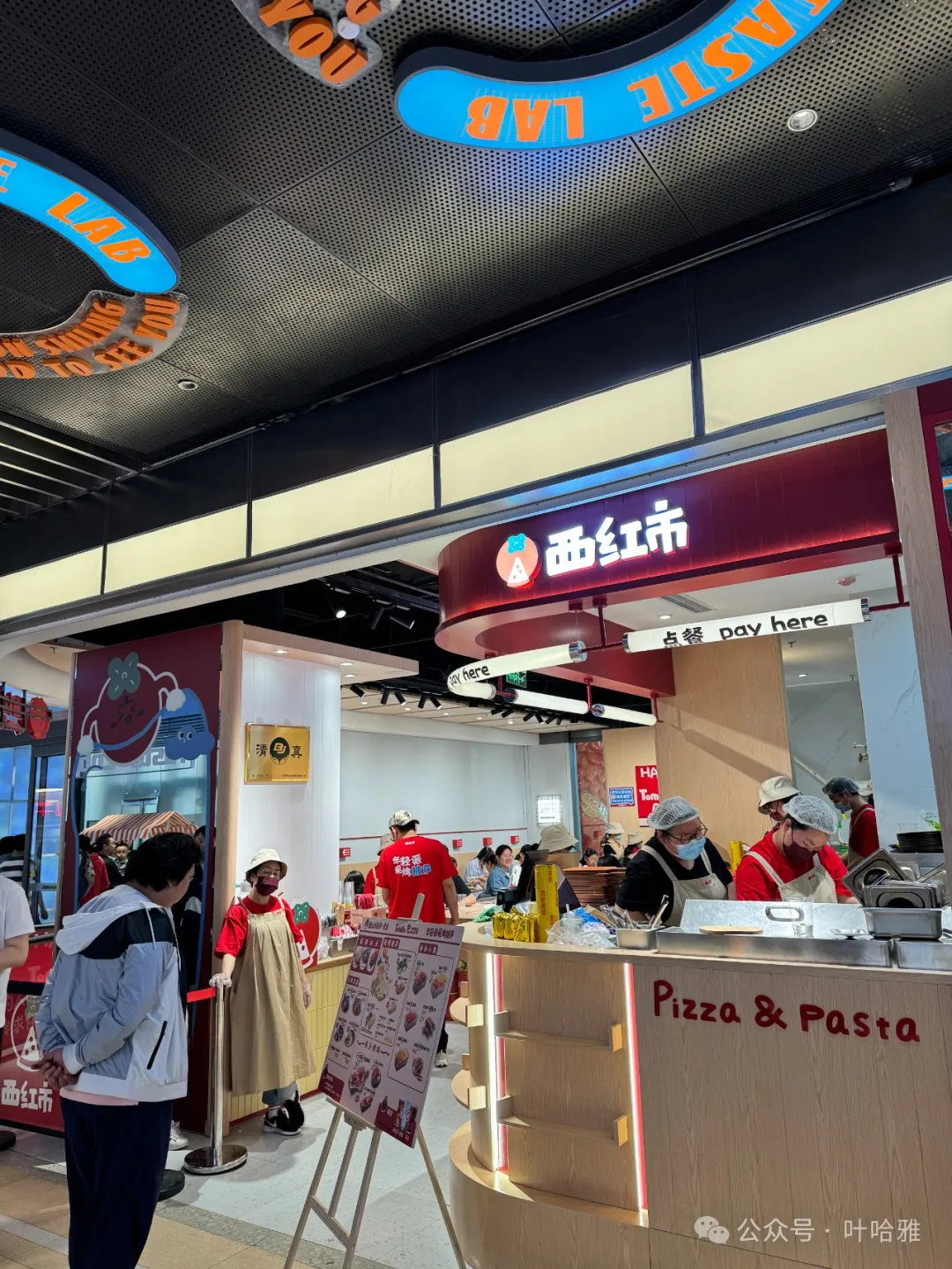
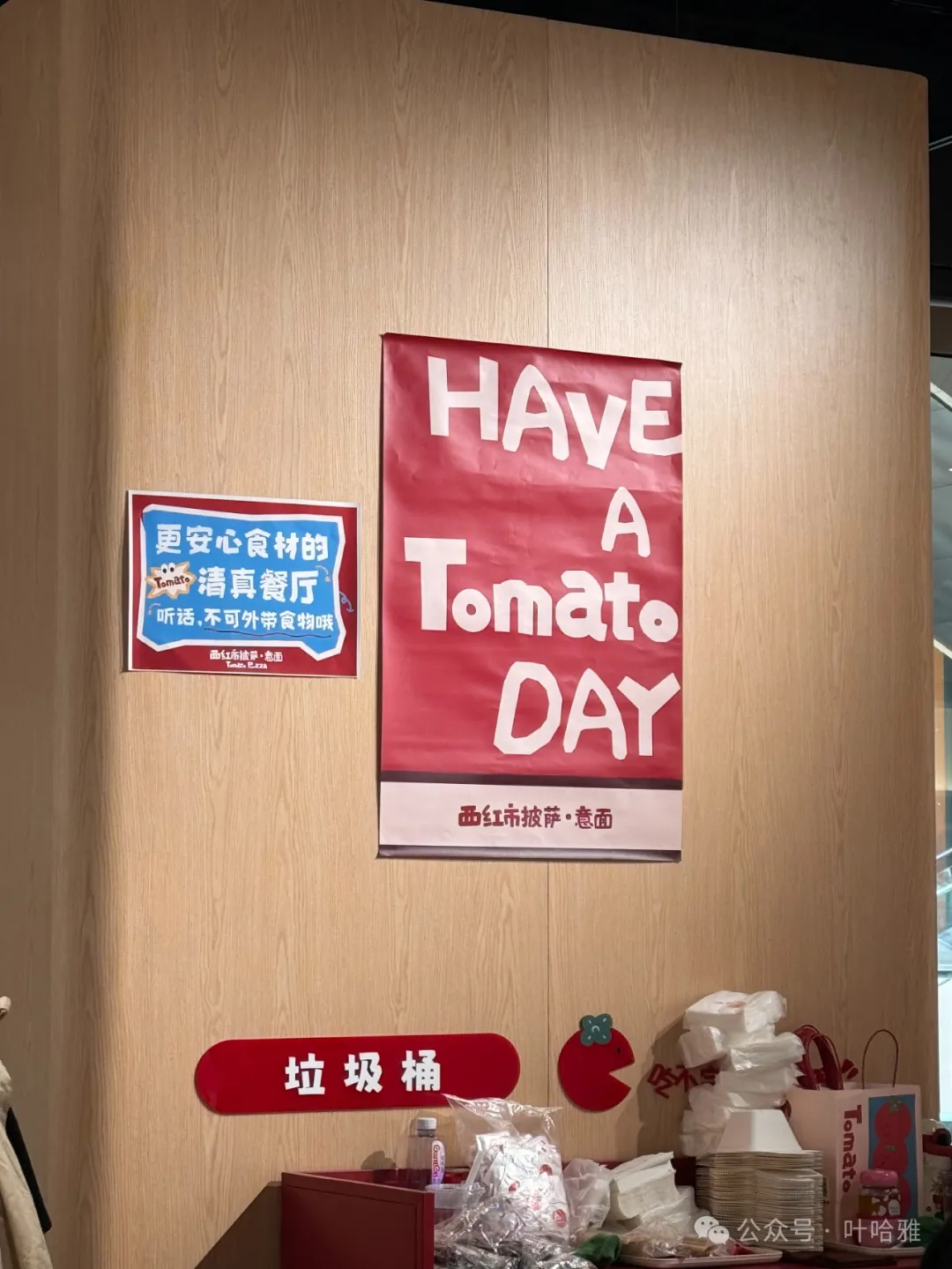
Tomato is a new fast-food chain created by the owner of the original Xihongmen Speed Pizza. They focus on made-to-order food at affordable prices. The owner is a Hui Muslim from Xueying in Daxing.
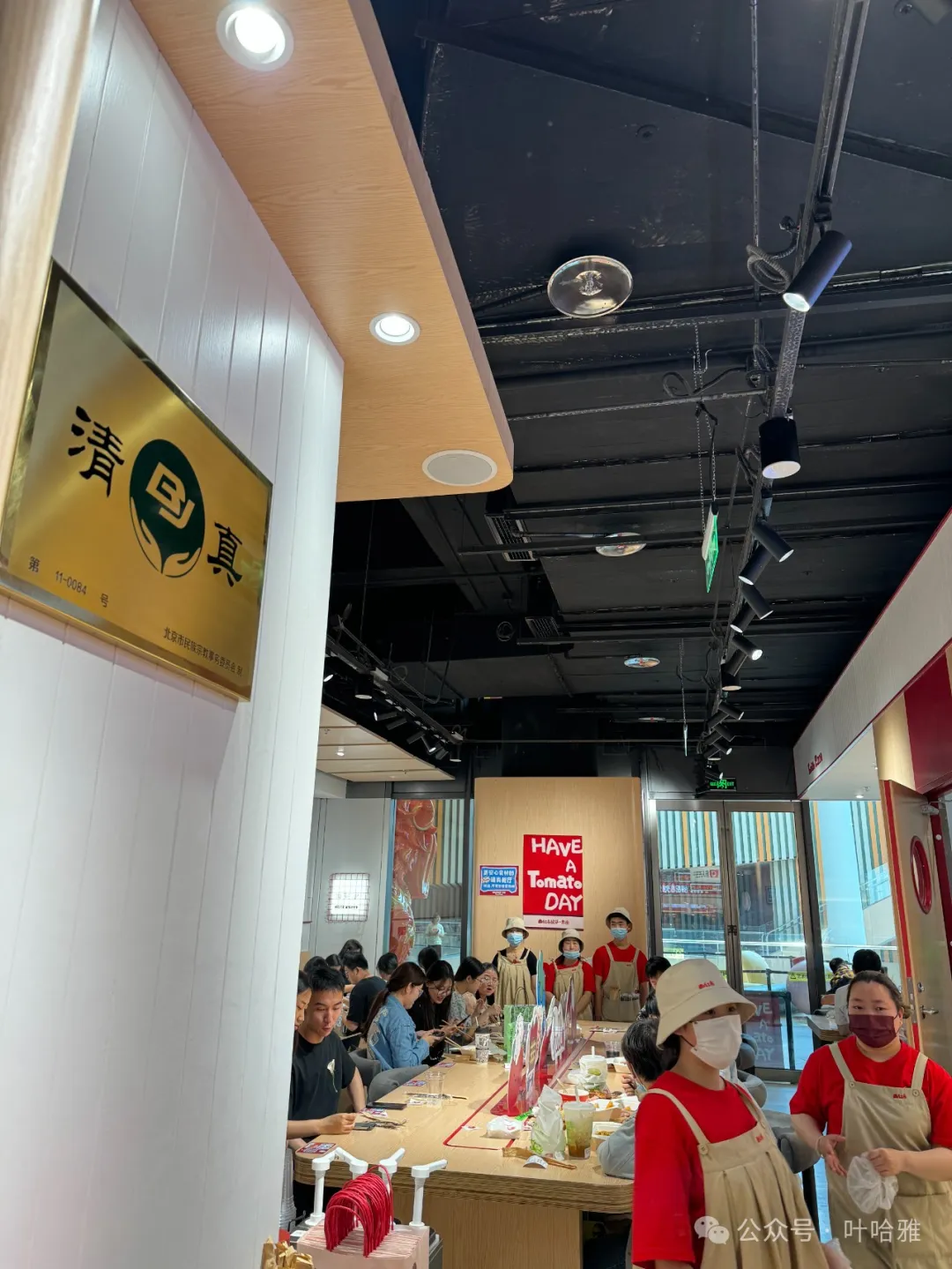
The shop became popular as soon as it opened, and you have to wait in line during peak dining hours.
Their specialties are pizza and pasta, which are both made on the spot and served quickly.
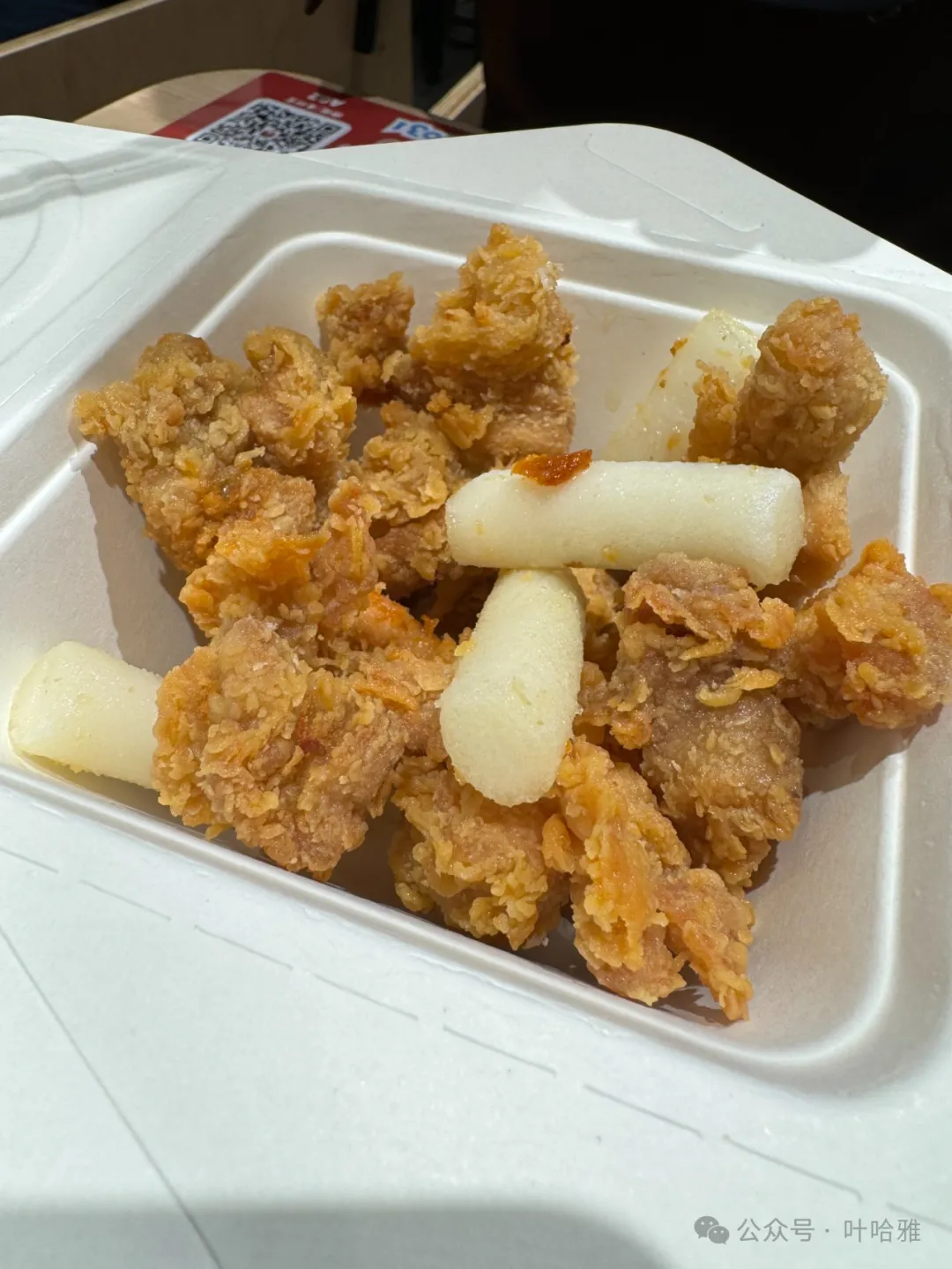
They have soda for 3.9 yuan with free refills that kids can enjoy, and Fahim especially loves their tomato pasta.
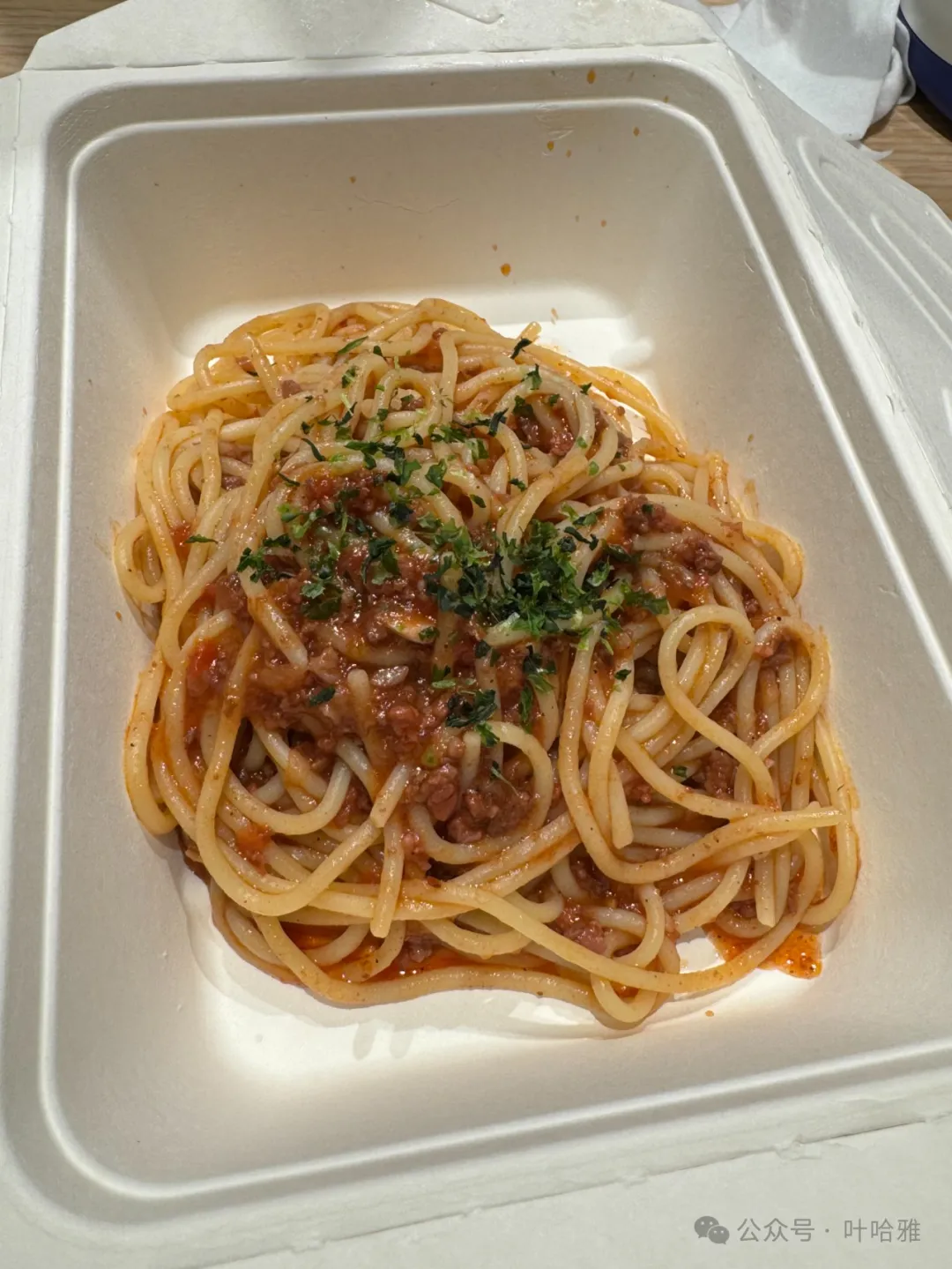
A pizza there costs just over 20 yuan and pasta is around a dozen yuan, but the quality of the ingredients is guaranteed.
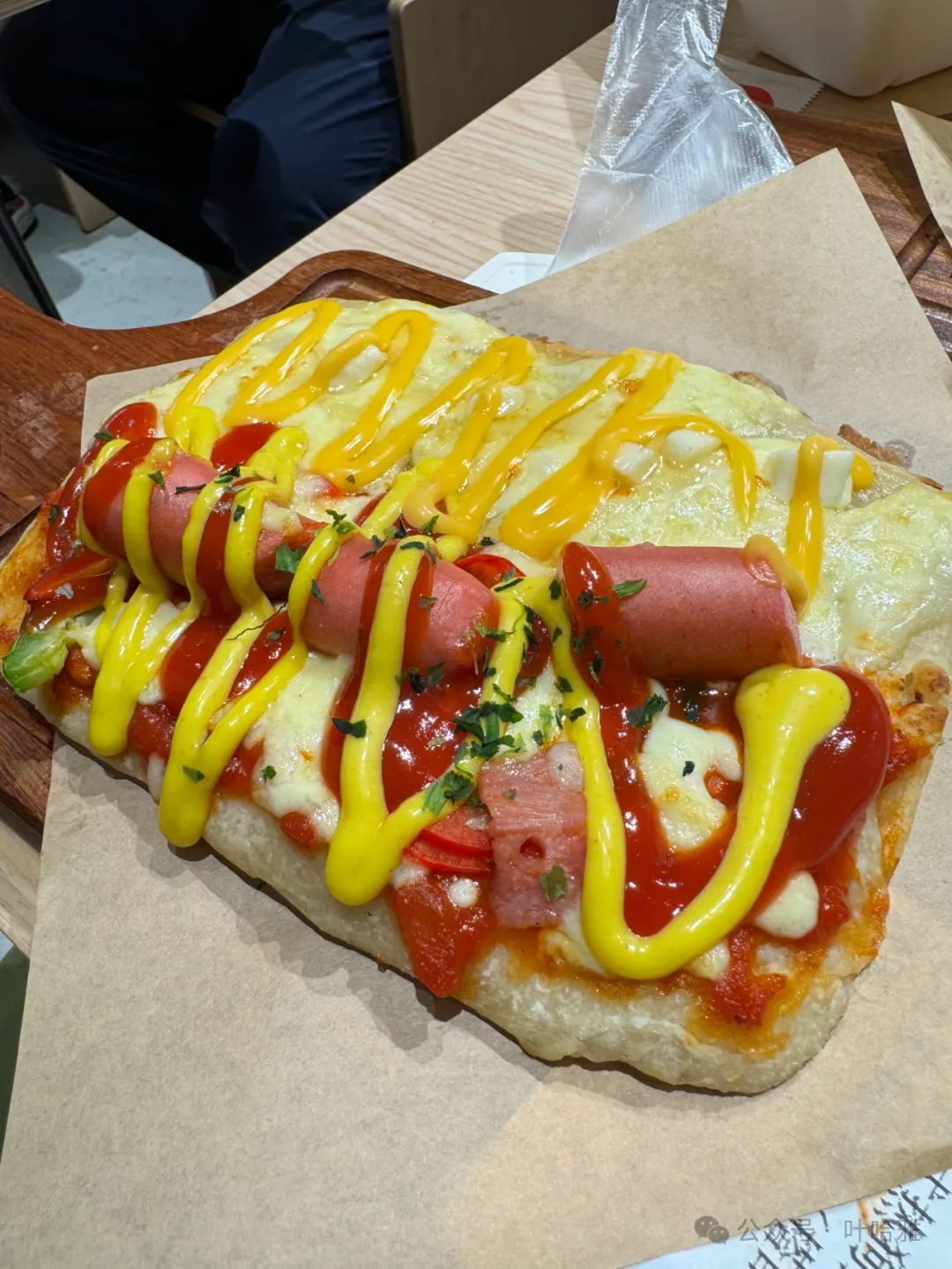
We have been to the Xindongan and Changping Super Hopson One locations, and the taste was great at both. Now they have added locations at the Communication University of China and Raffles City.
8. Sultan Turkish Restaurant
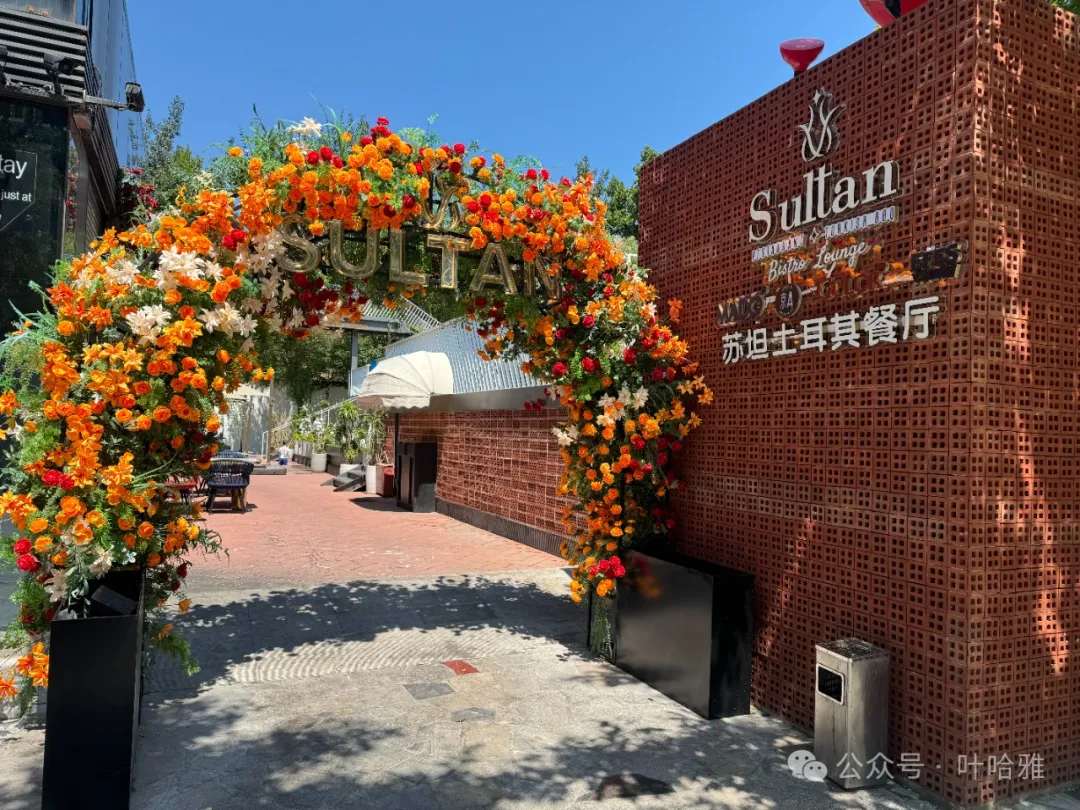
Formerly Kubei Turkish Restaurant, the original team changed the place into Sultan Turkish Restaurant. Sultan is a chain brand. I ate at one in Yiwu once and the taste was excellent. You could say it is the gold standard for Turkish restaurants in China, perhaps even better than what you might eat in Turkey. It was not very crowded when it first opened, but I hear it has become a viral hit recently and you have to wait in line for a long time.
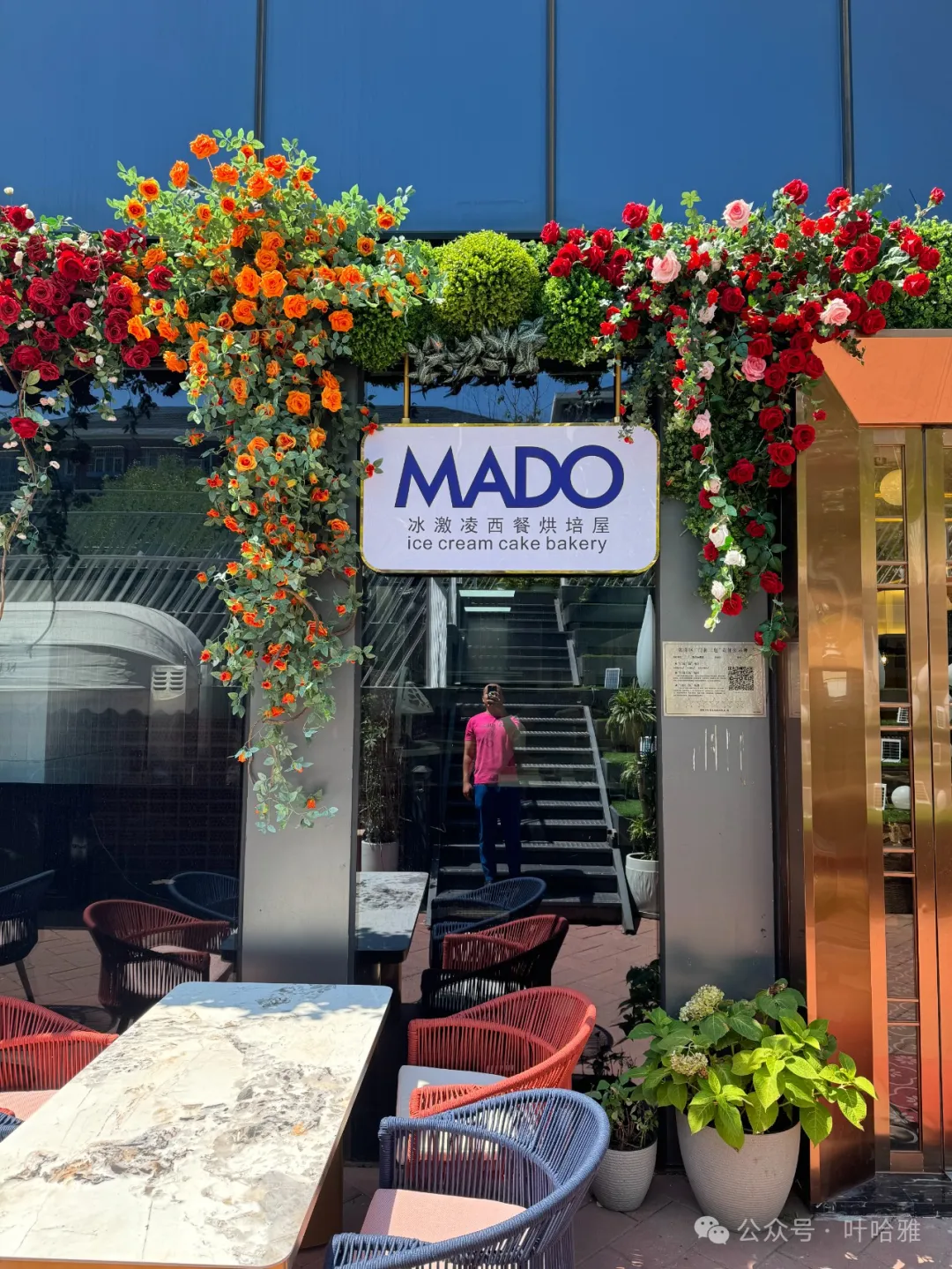
Sultan serves the famous Turkish ice cream brand MADO. It is made from goat milk without adding water, giving it a rich and creamy flavor.
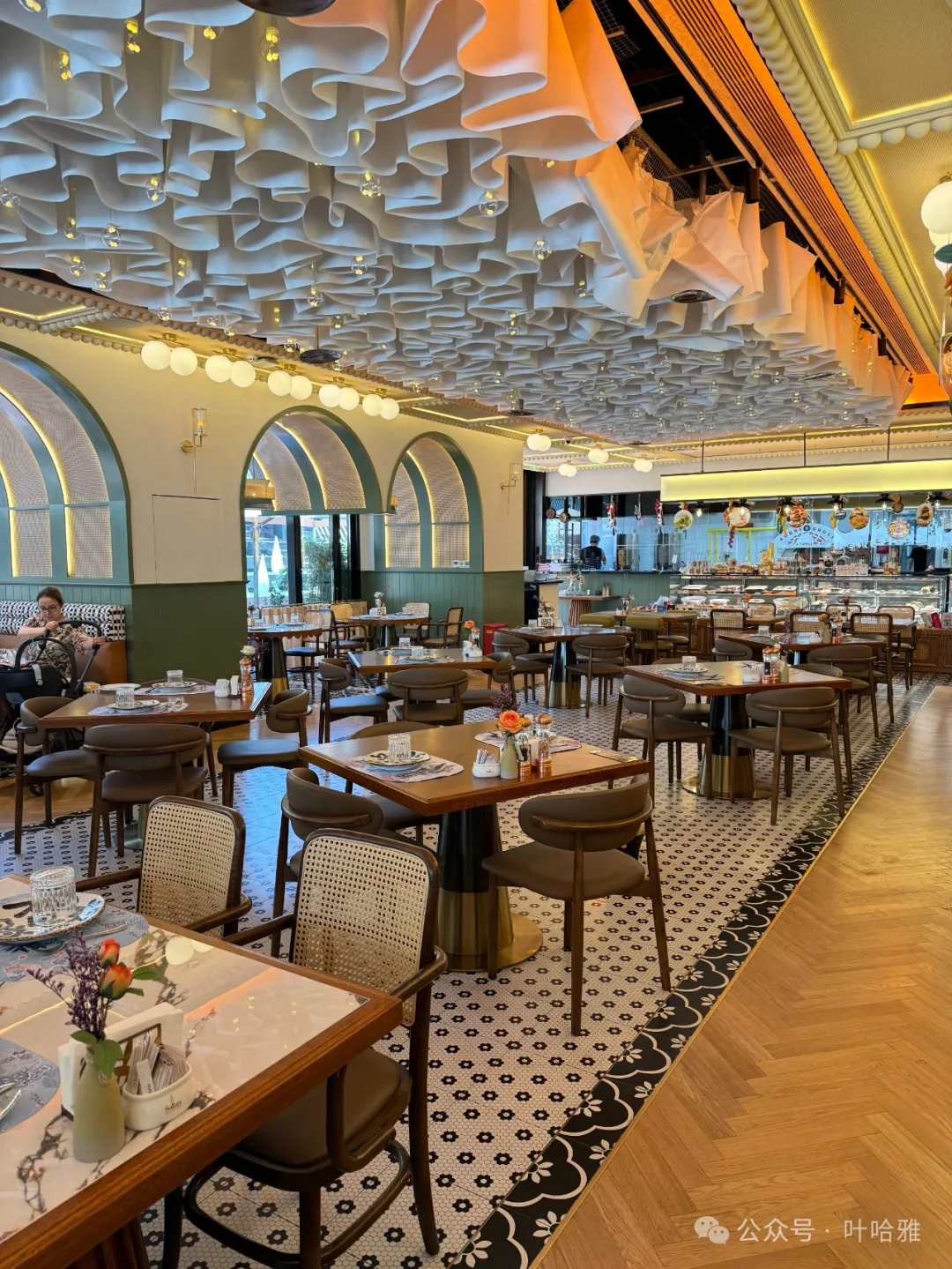
Beijing also has Dardanelles Turkish Restaurant, Desert Rose Turkish Restaurant, and West Court Show Turkish Restaurant, which are all quite good. Desert Rose and Dardanelles do not sell alcohol, but personally, I think Sultan offers the best dining experience.
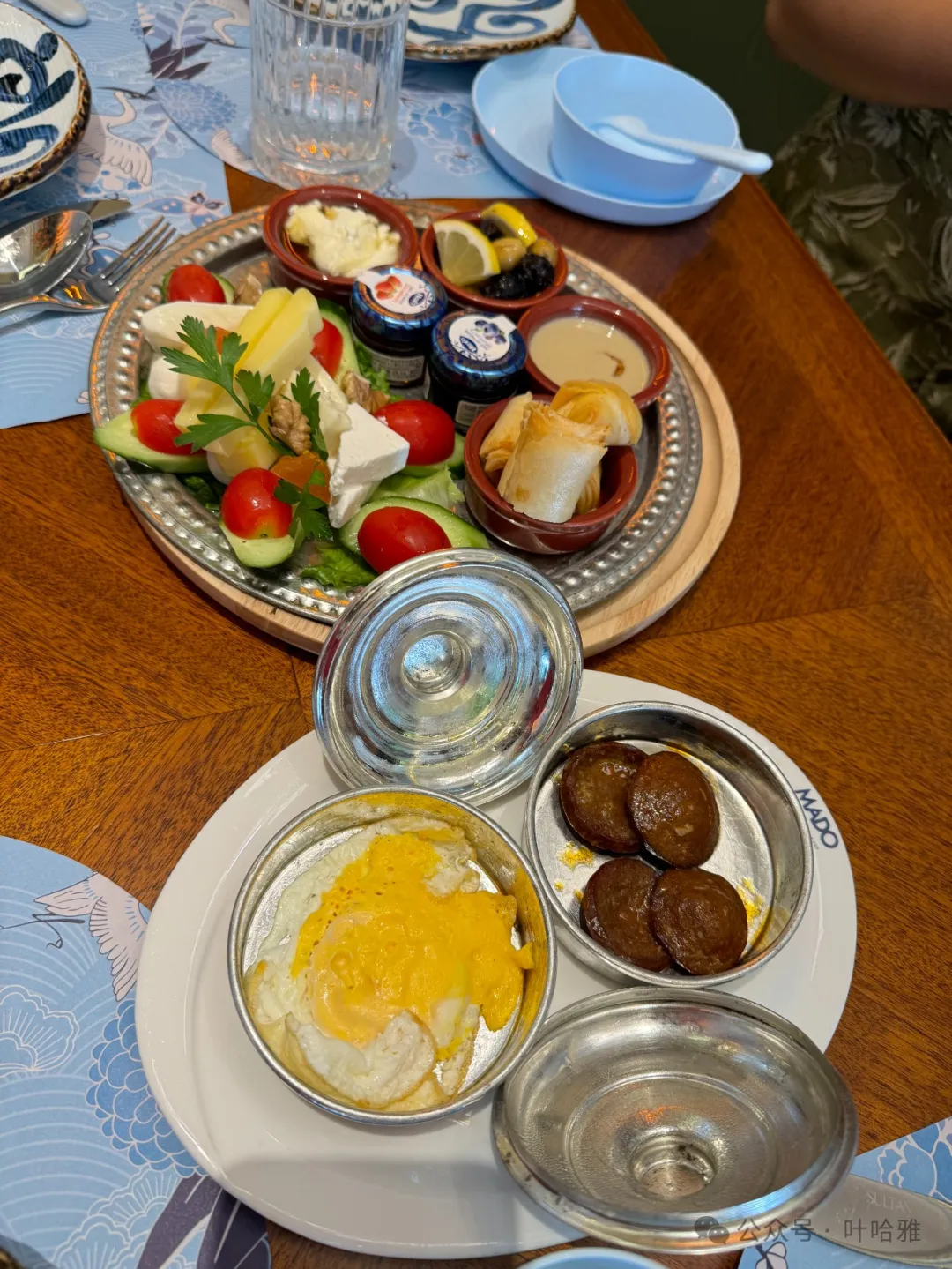
Sultan offers many types of Turkish-style breakfasts. You can choose a single or double set meal, and you can even order breakfast during regular meal times. Turkish people are used to eating two meals a day—one in the morning and one in the evening—with each meal lasting a long time.
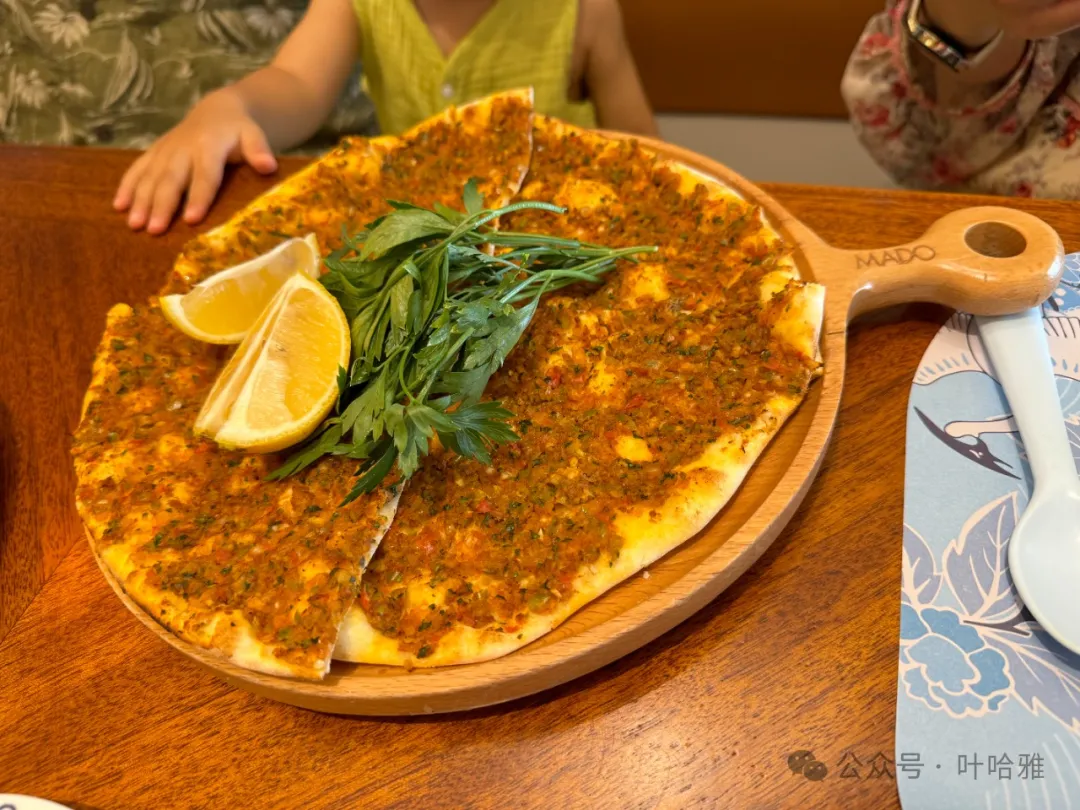
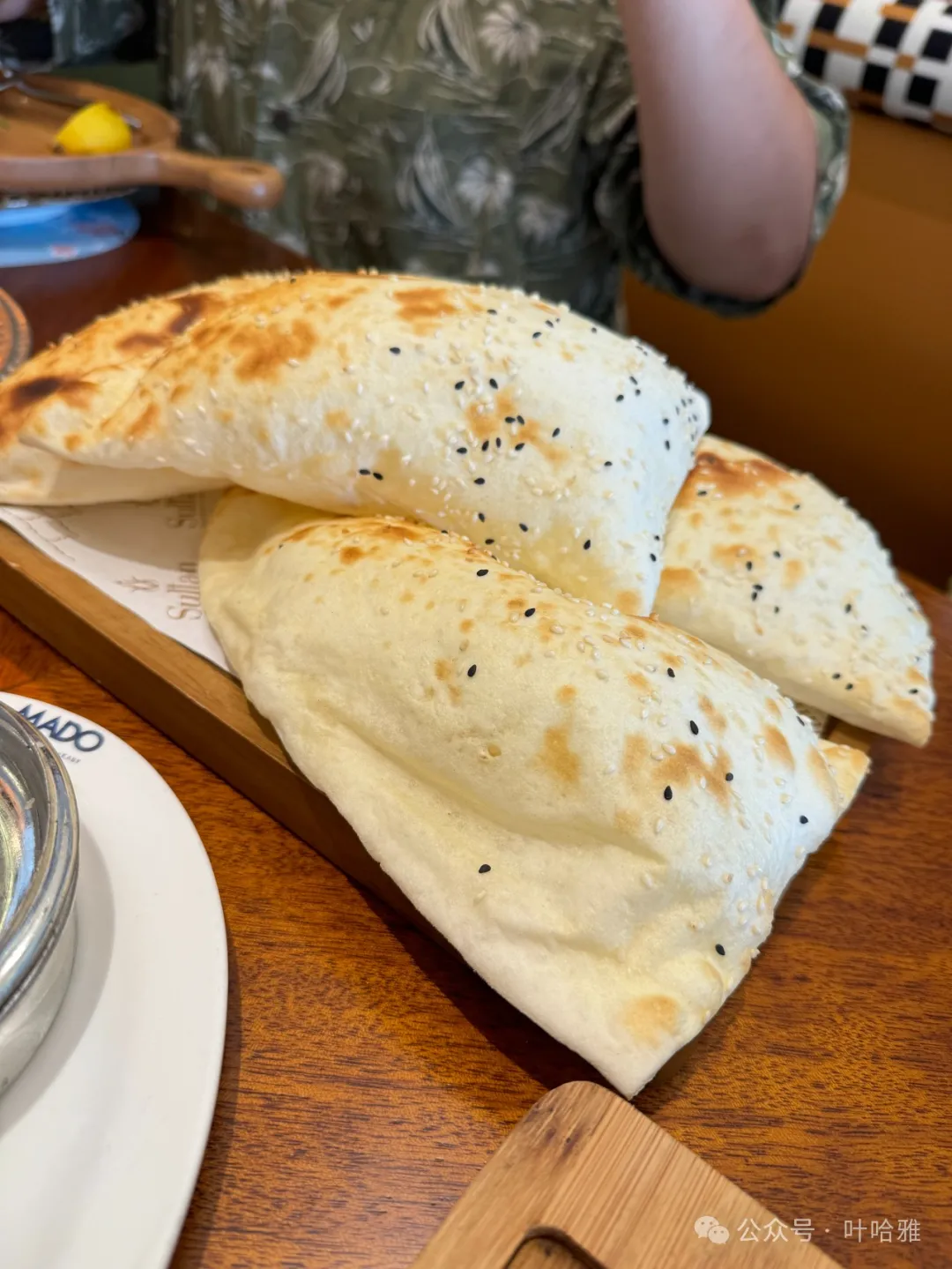
Balloon flatbread (pide)
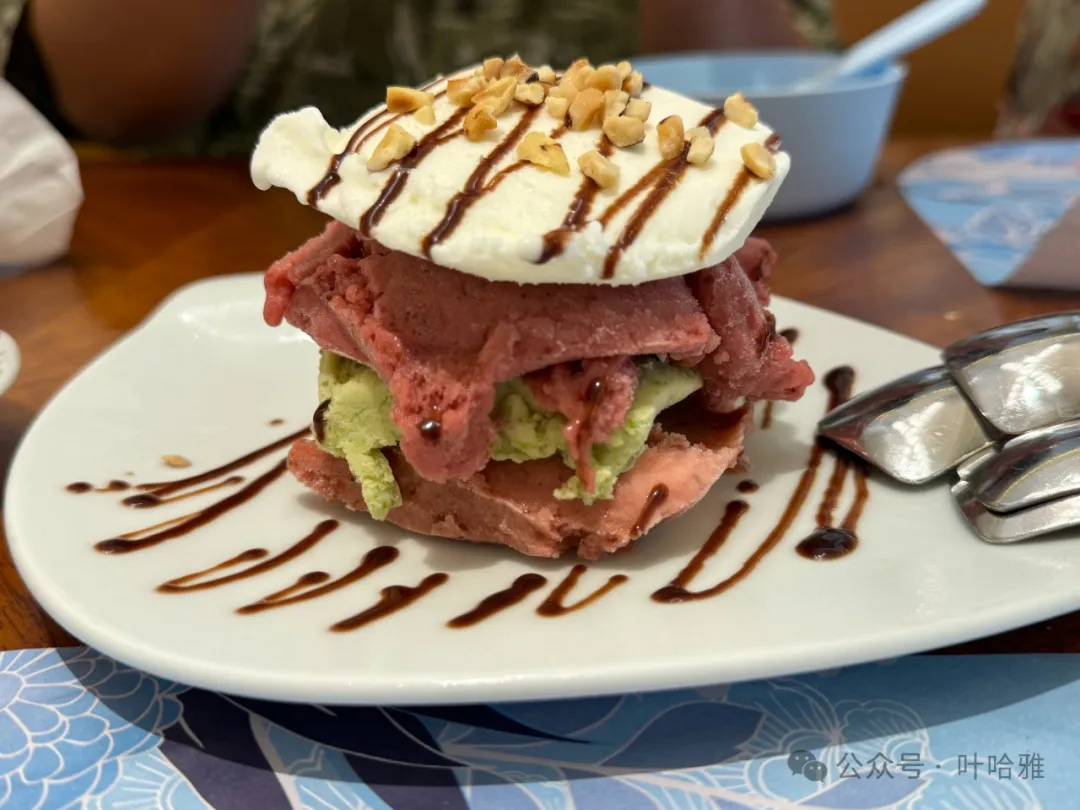
MADO layered ice cream, with a choice of four flavors.
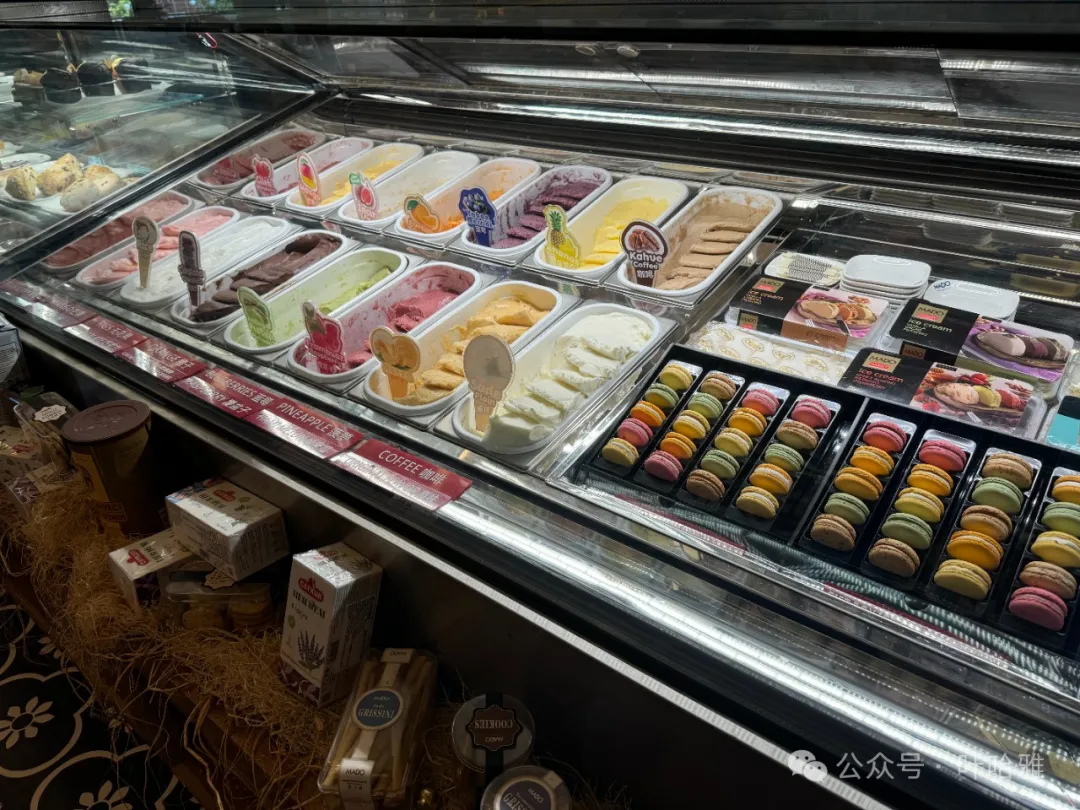
Just for this MADO ice cream, it is worth a visit. The quality is higher than Haagen-Dazs.
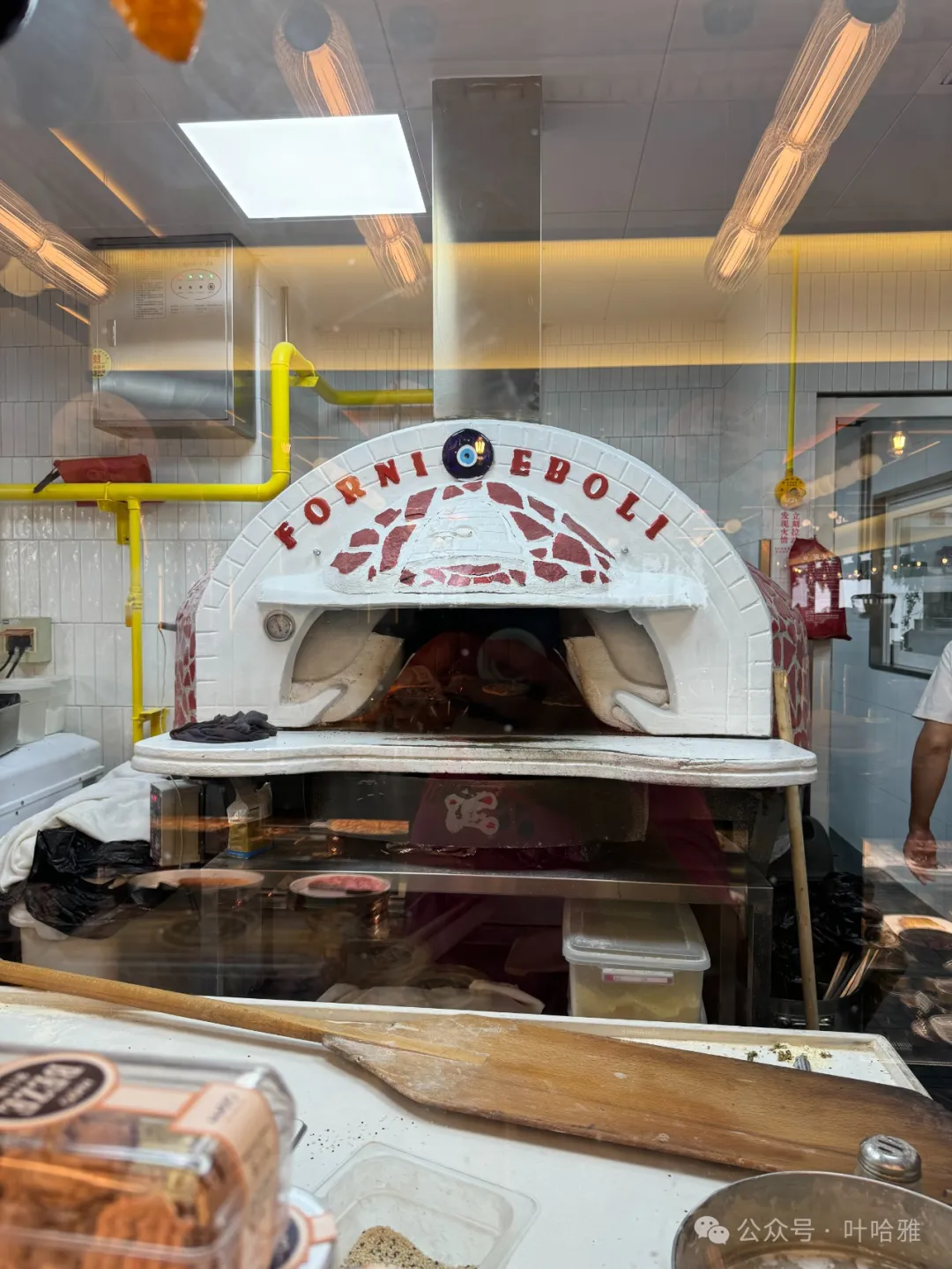
The open kitchen lets you see the chef baking naan bread by the oven.
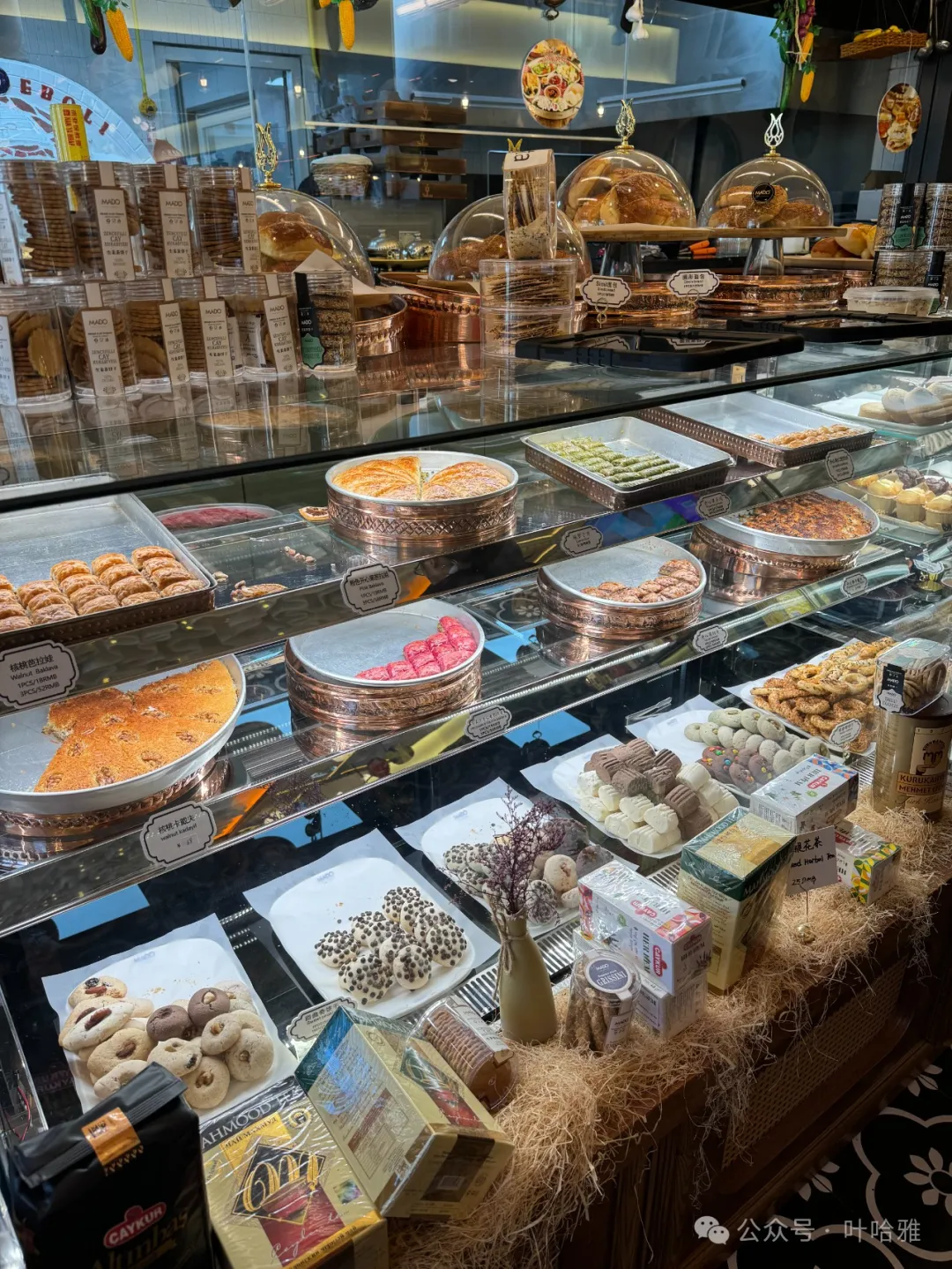
Various Turkish desserts served with tea.
9. BRBR Syrian Restaurant
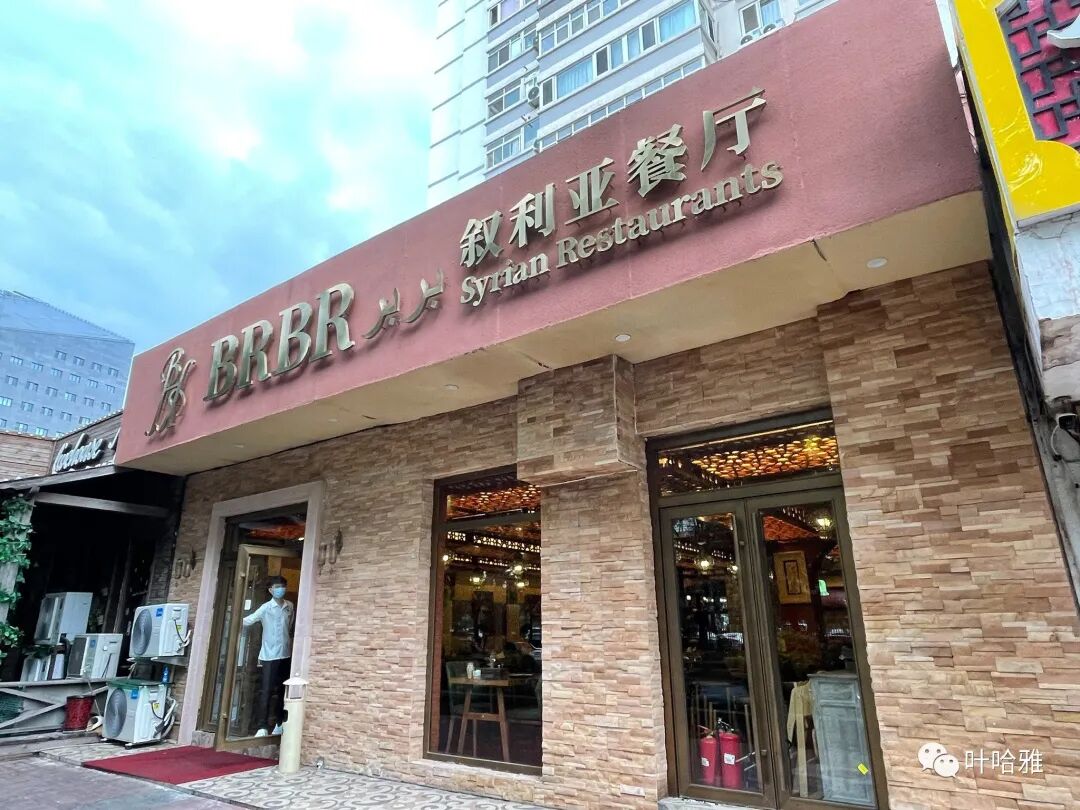
This is the only Syrian restaurant in Beijing. It has been open for many years, and I have watched it grow from a small storefront into a larger space by taking over neighboring shops. At lunchtime, people line up to eat here. This year, BRBR opened a new branch in SOLANA, and business continues to boom.
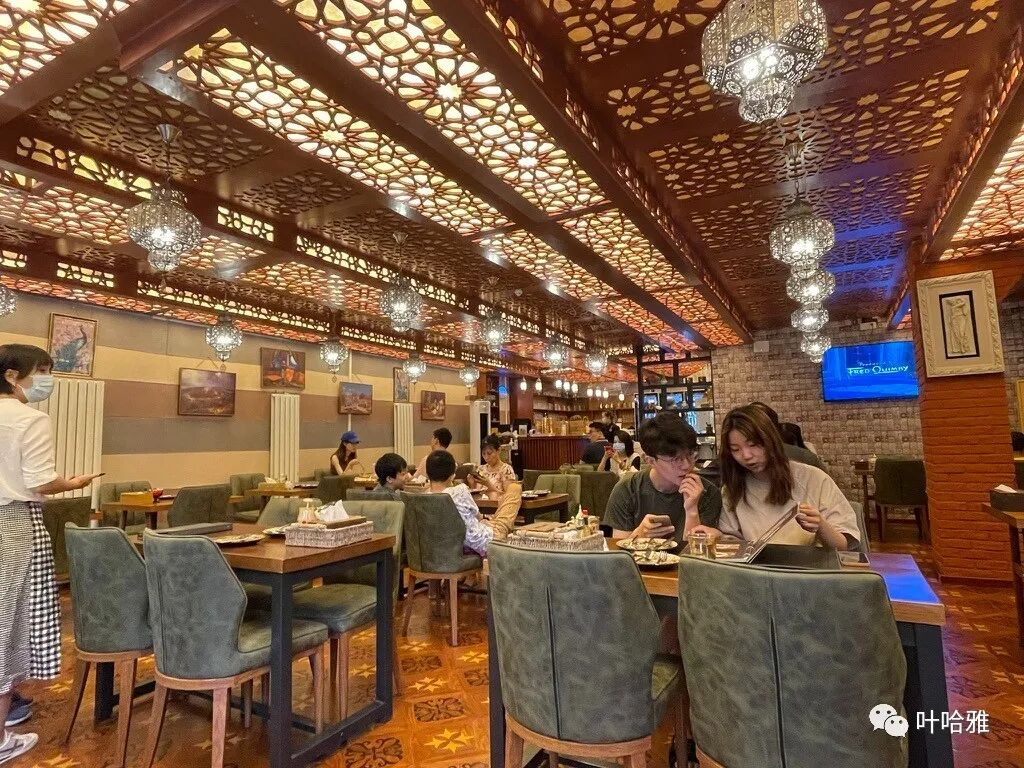
Syrian food is essentially Arabic food. There are quite a few Arabic restaurants in Beijing, such as One Thousand and One Nights and Al Safir, which are both excellent. The staff there are mostly Arabs from Syria and Palestine.
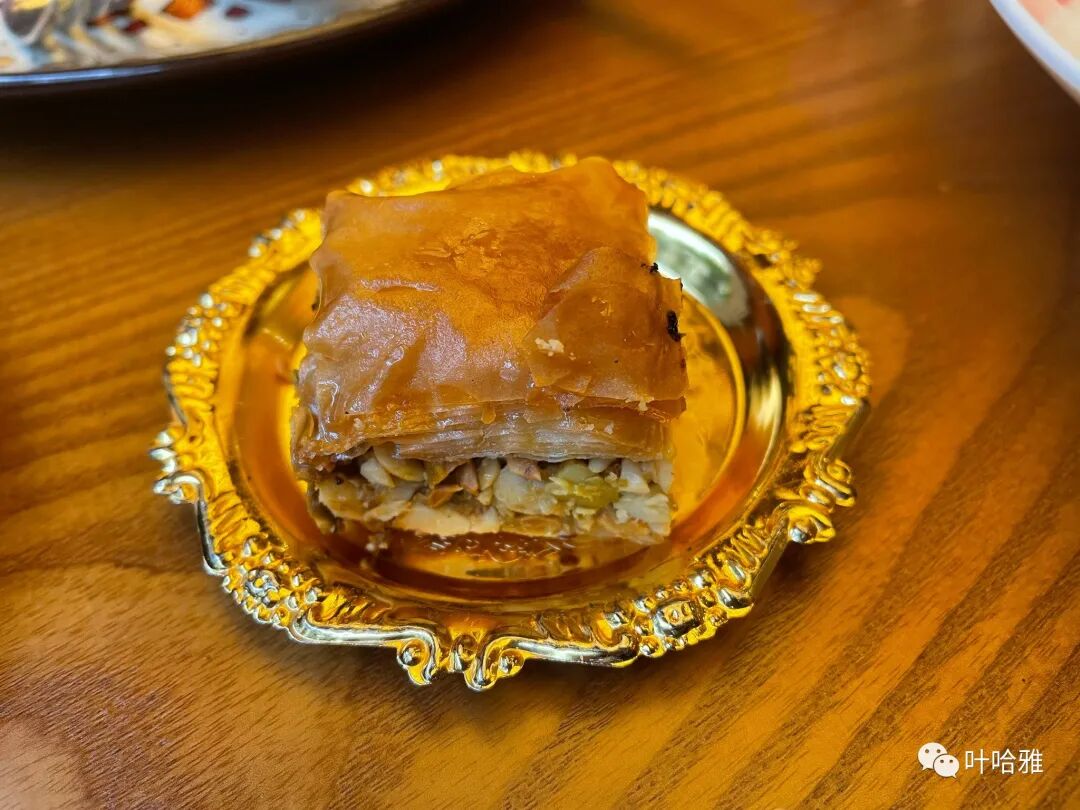
Honey and nut layered pastry (baklava)
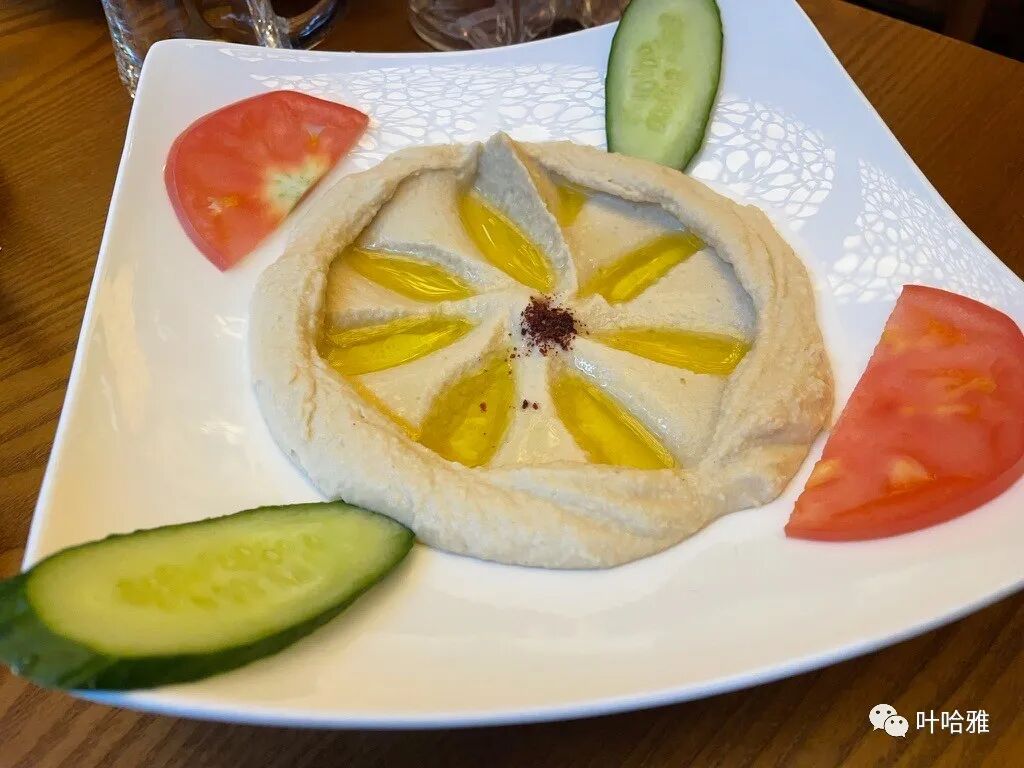
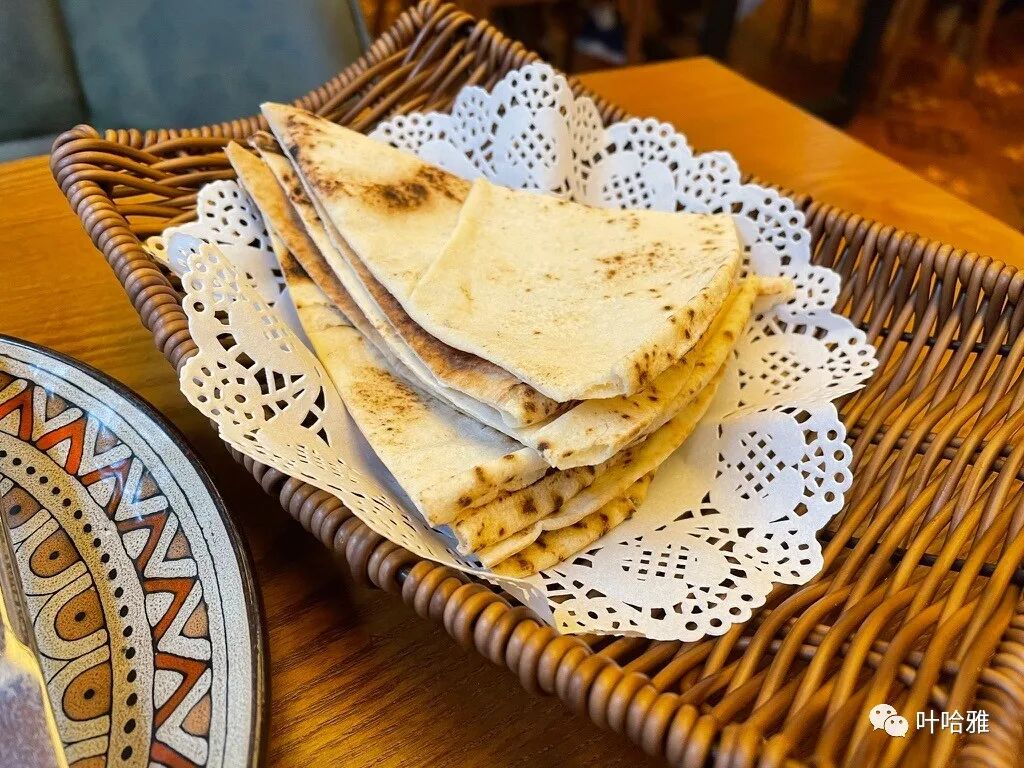
Hummus dip with flatbread.
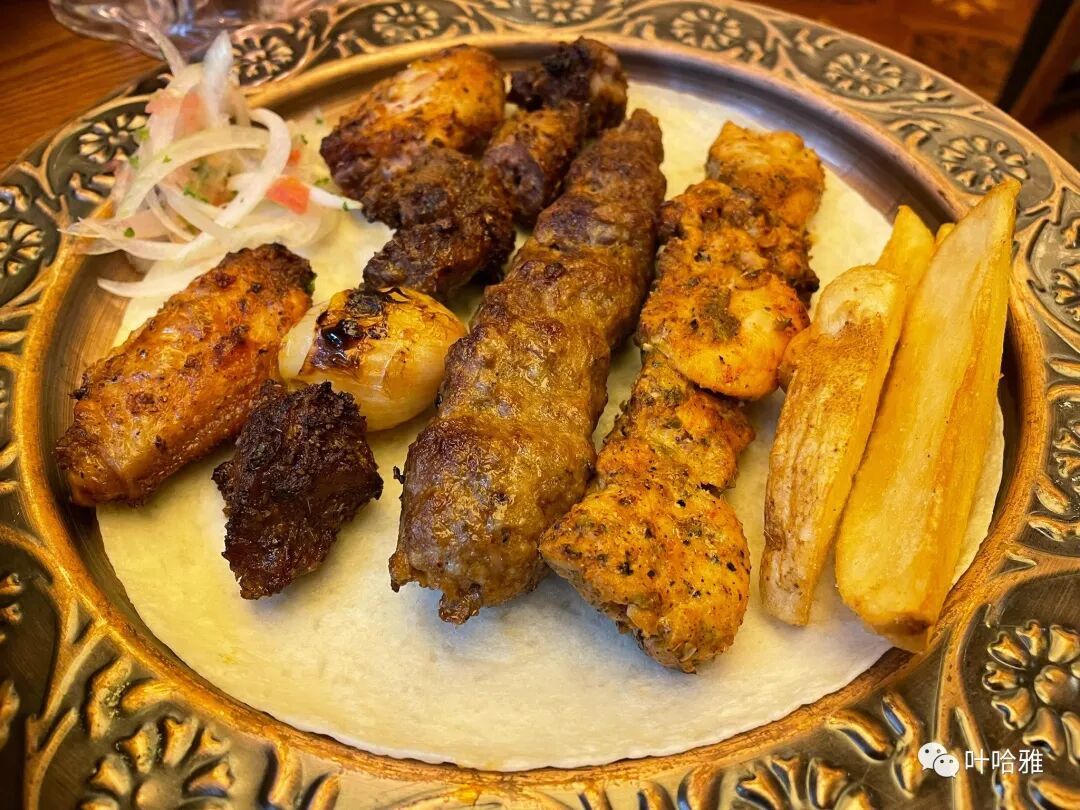
BRBR mixed grill.
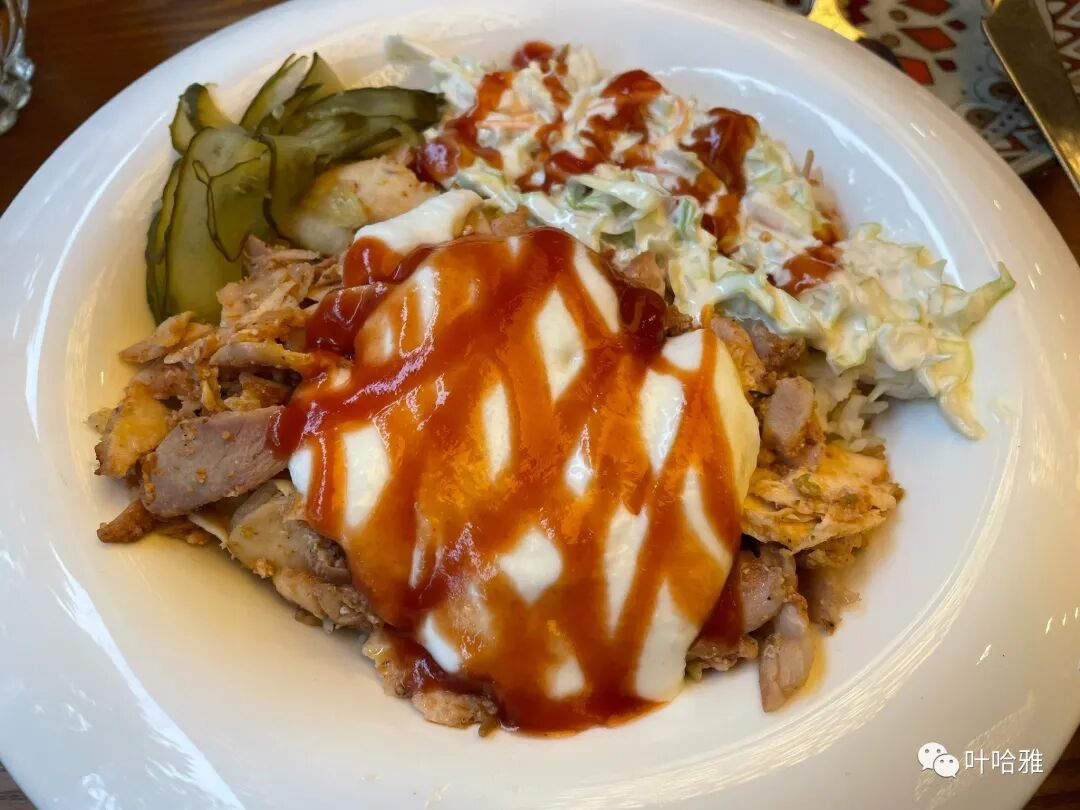
Shawarma rice.
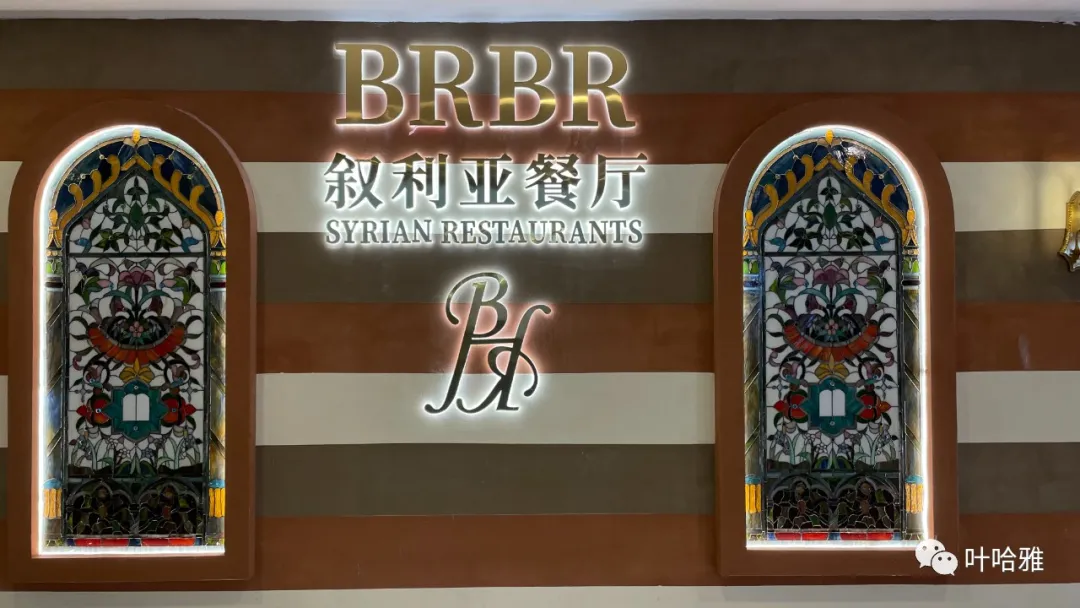
SOLANA branch.
Ever since the Syrian restaurant in Wudaokou, Haidian became popular, the owner wanted to open a branch in Chaoyang District. He finally got his wish, choosing a spot on the second floor of the SOLANA mall near McDonald's.
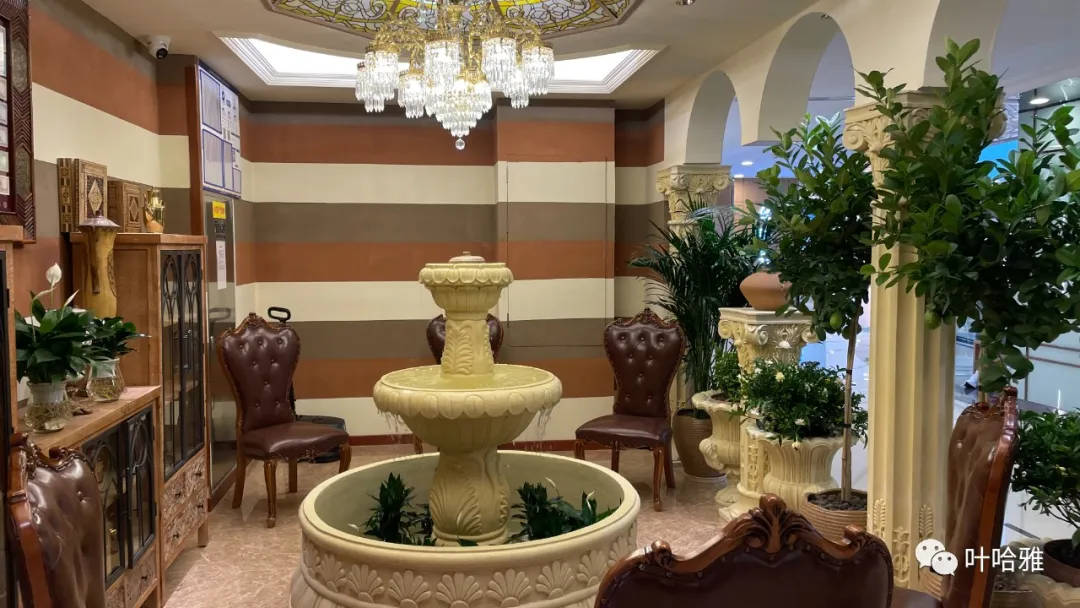
The SOLANA branch is much larger, the decor is very refined, and the private rooms have a wider view than the previous ones.
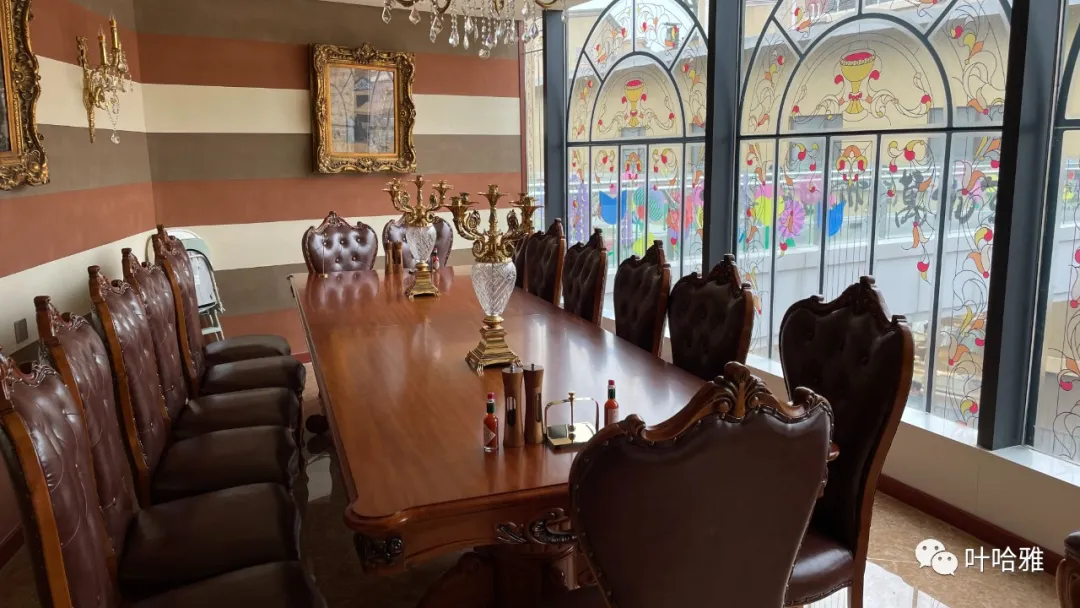
The menu is exactly the same as the Wudaokou shop, and the flavors are basically the same.
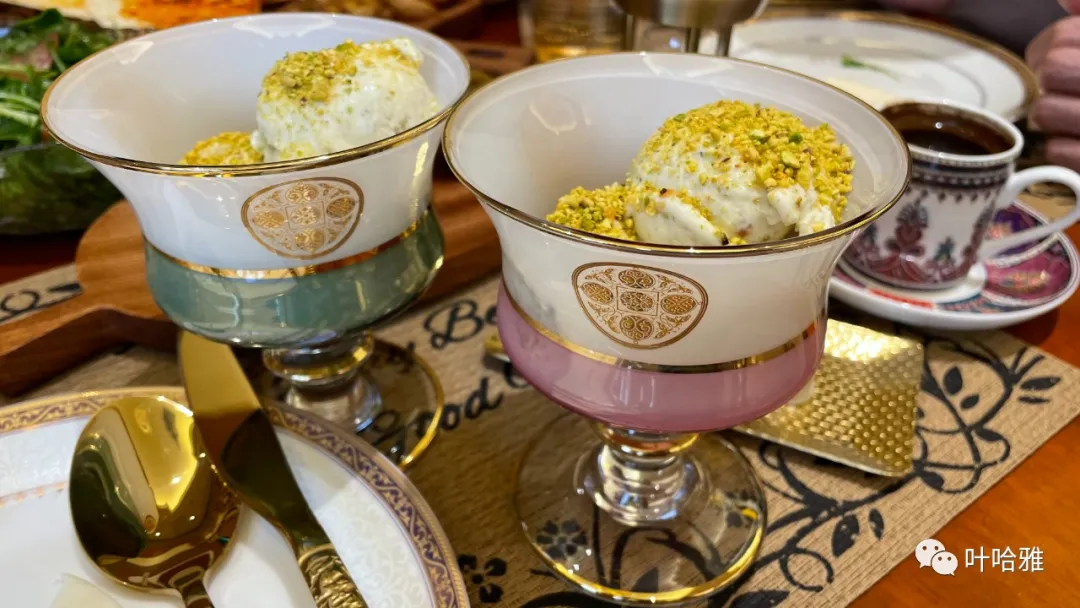
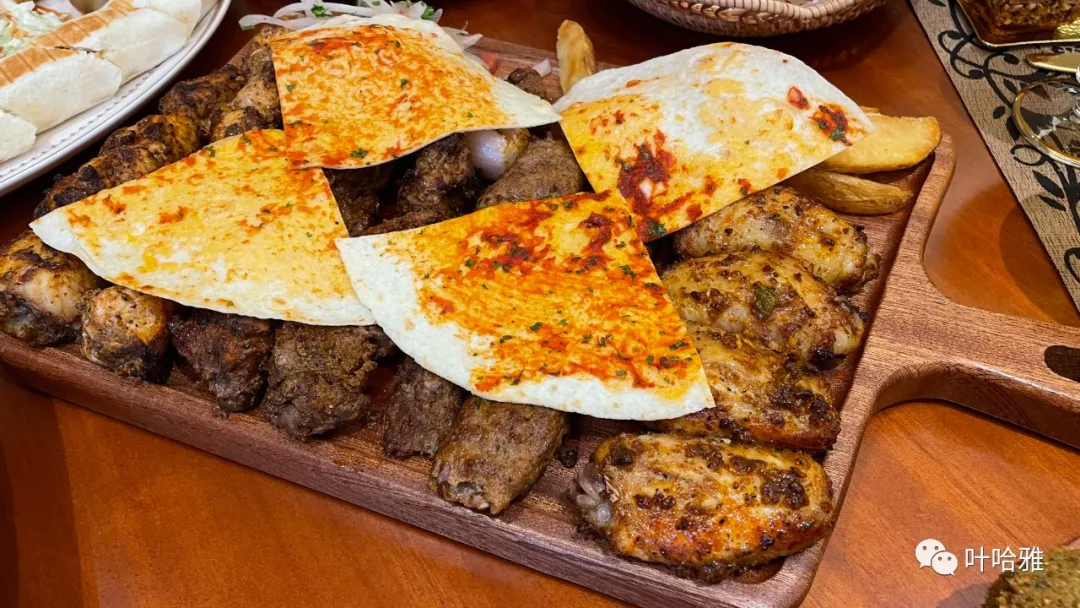
I suddenly realized that Syrian barbecue and Zibo barbecue are the same thing. Syrian barbecue is also eaten by wrapping meat in thin flatbread. The difference is that Zibo barbecue uses green onions inside, while Syrian barbecue uses onions.
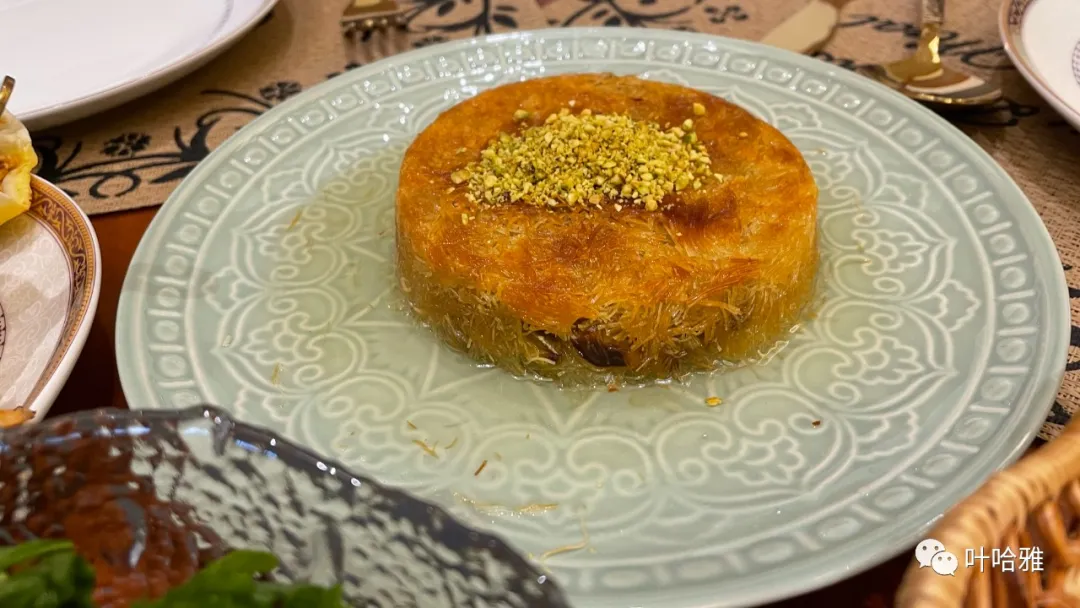
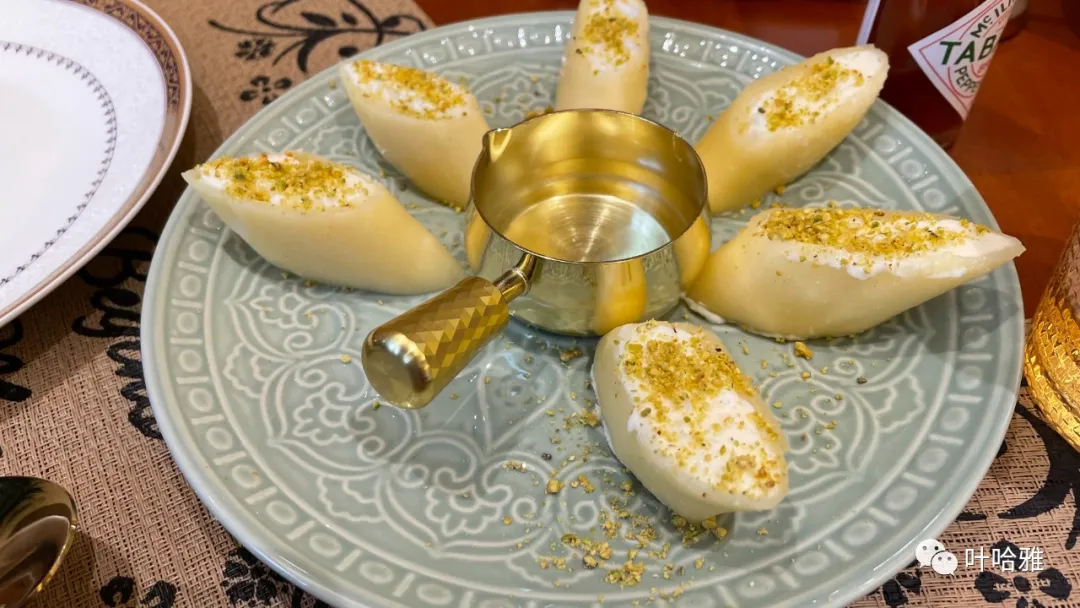
Kunafa.
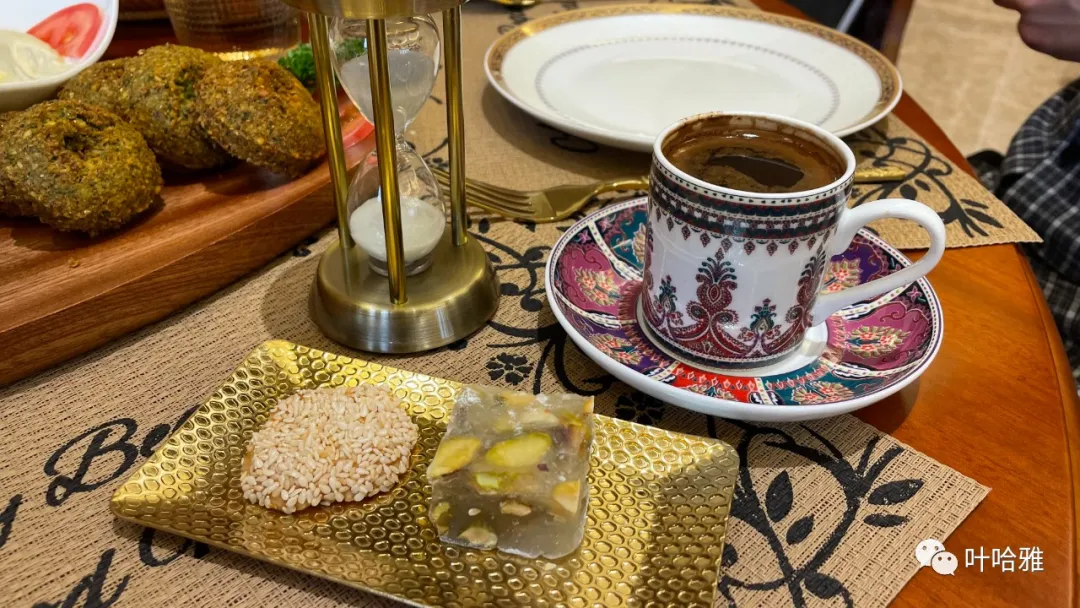
Syria has a deep connection with coffee. The world's first coffee house was opened in Istanbul in 1554 by two Syrians, one from Aleppo and one from Damascus. It wasn't until a hundred years later that France had its first coffee house in Europe.
So, the sand-brewed coffee at BRBR is also worth trying. Next to the Wudaokou shop is a coffee house run by BRBR.
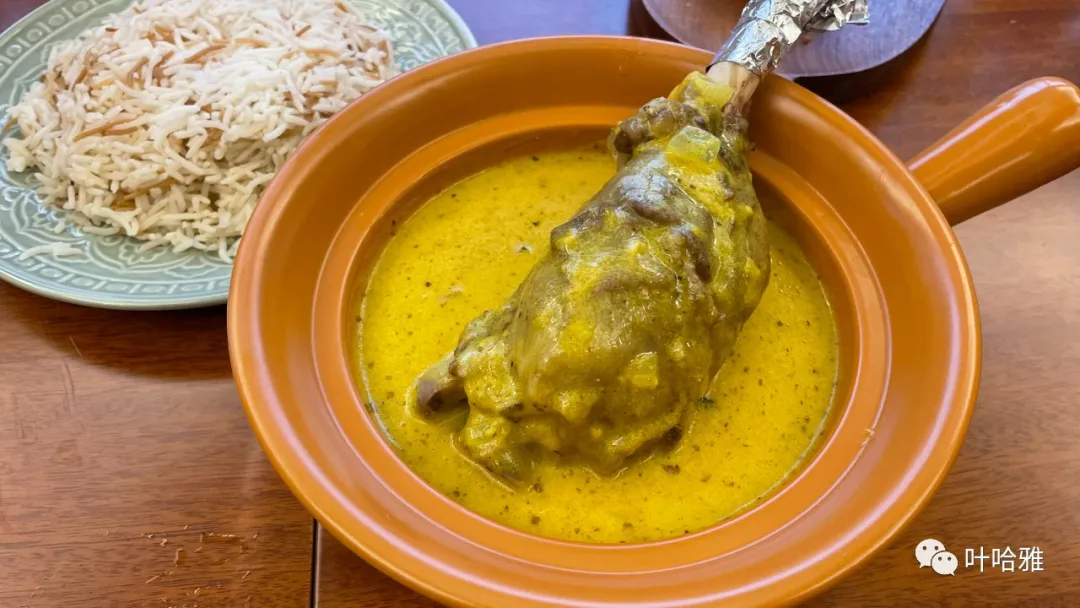
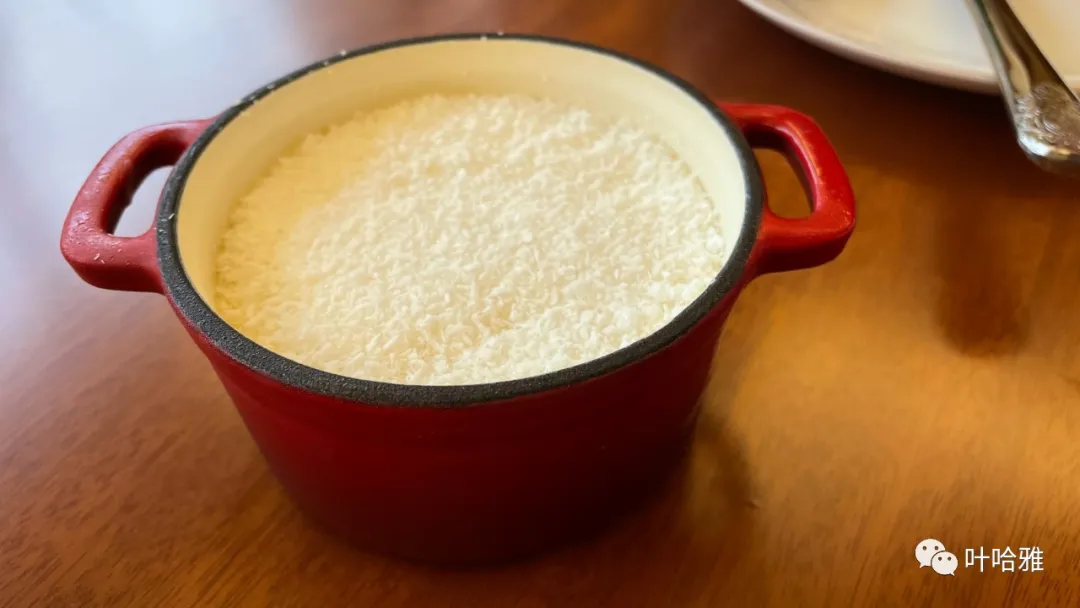
The shop sells beautiful coffee cups. We happened to be there for the opening day celebration, and the owner gave every guest who came to check in a beautiful coffee cup.
10. Yuelangzhai
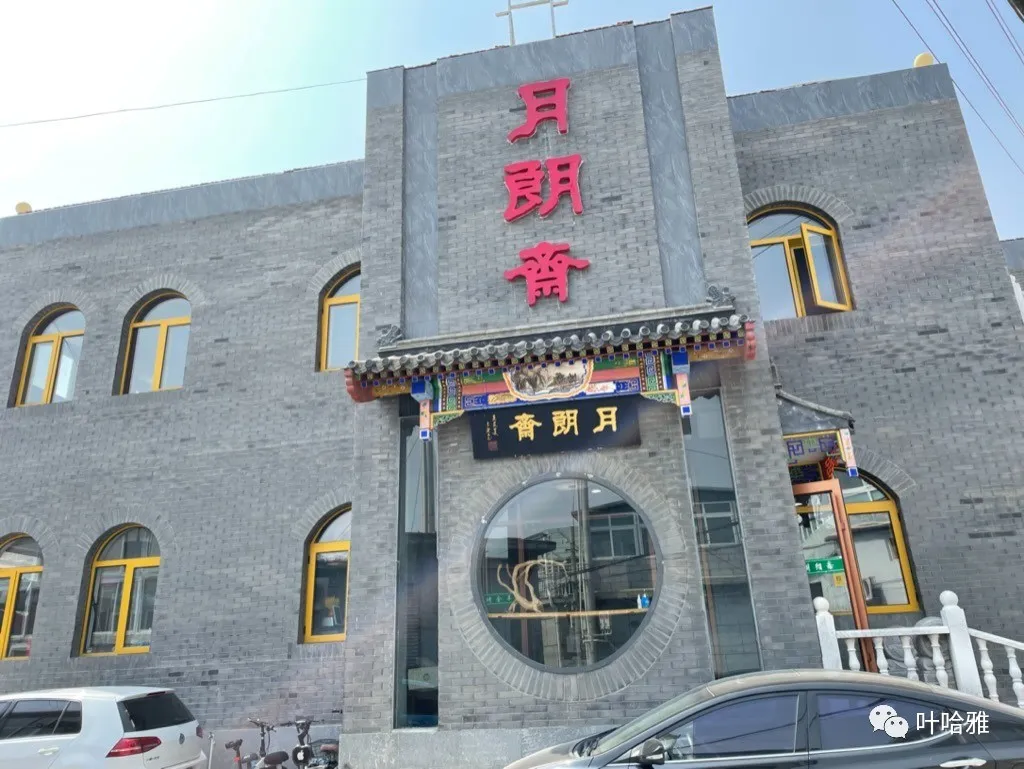
In Xiguanshi Village, Changping, there is a halal restaurant with a very impressive history. Before I arrived, I learned that the restaurant was once the Imperial Escort Agency (Yuqian Biaoju), named for its role in protecting Empress Dowager Cixi during her escape to Xi'an.
Yuelangzhai Restaurant started in 2014. The Li family ancestors worked as professional escorts (biaoshi). Although that profession no longer exists, the descendants of the Li family have good cooking skills. They decided to open a restaurant, taking advantage of the prime location of their ancestral property.
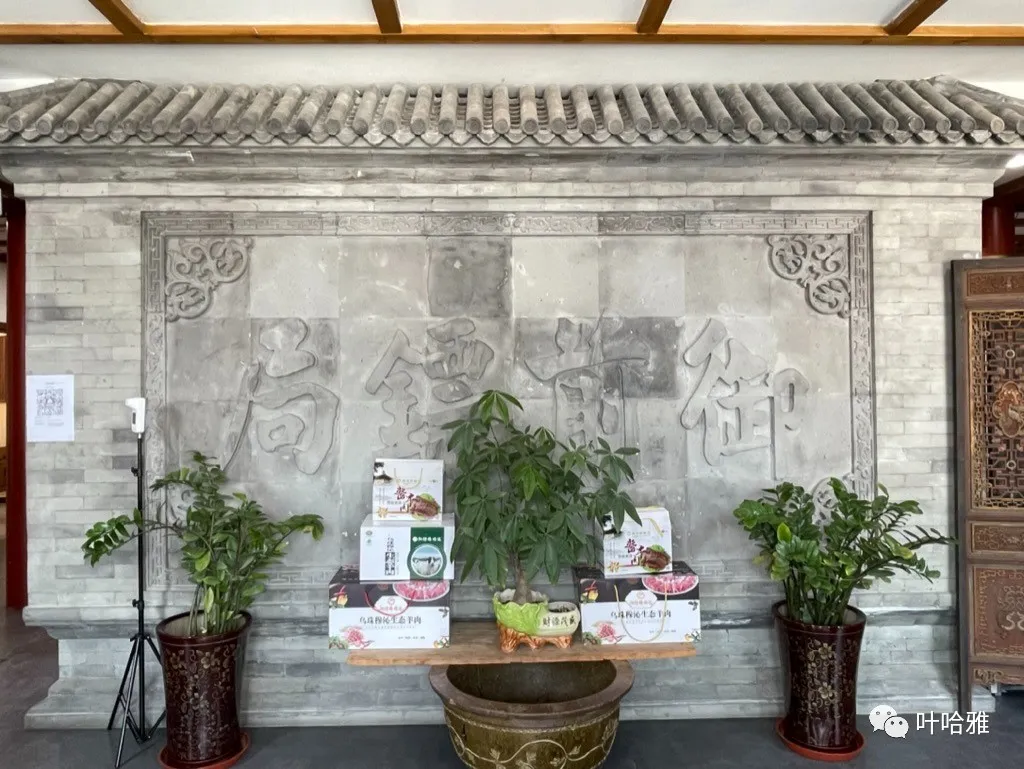
A screen wall at the entrance is carved with the four characters for Imperial Escort Agency, which research confirms was a gift from the emperor. The Imperial Escort Agency was originally called Xiguangyu Escort Agency. To safely escort Empress Dowager Cixi out of Beijing, the owner, Li Entao, recommended Yang Juchuan to accompany her all the way to Xi'an, and later, they escorted her back to Beijing.
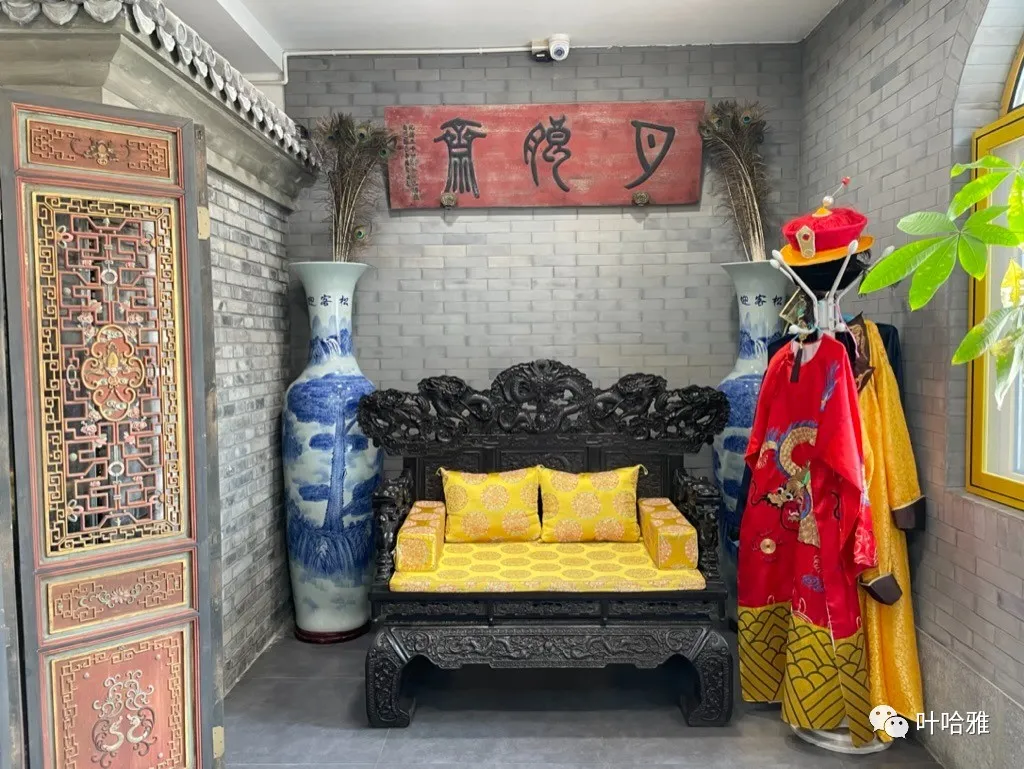
A set of dragon chairs is displayed in the front courtyard with a yellow imperial robe hanging nearby. A plaque reading Yuelangzhai hangs in the center, signifying that this shop once served the royal family.
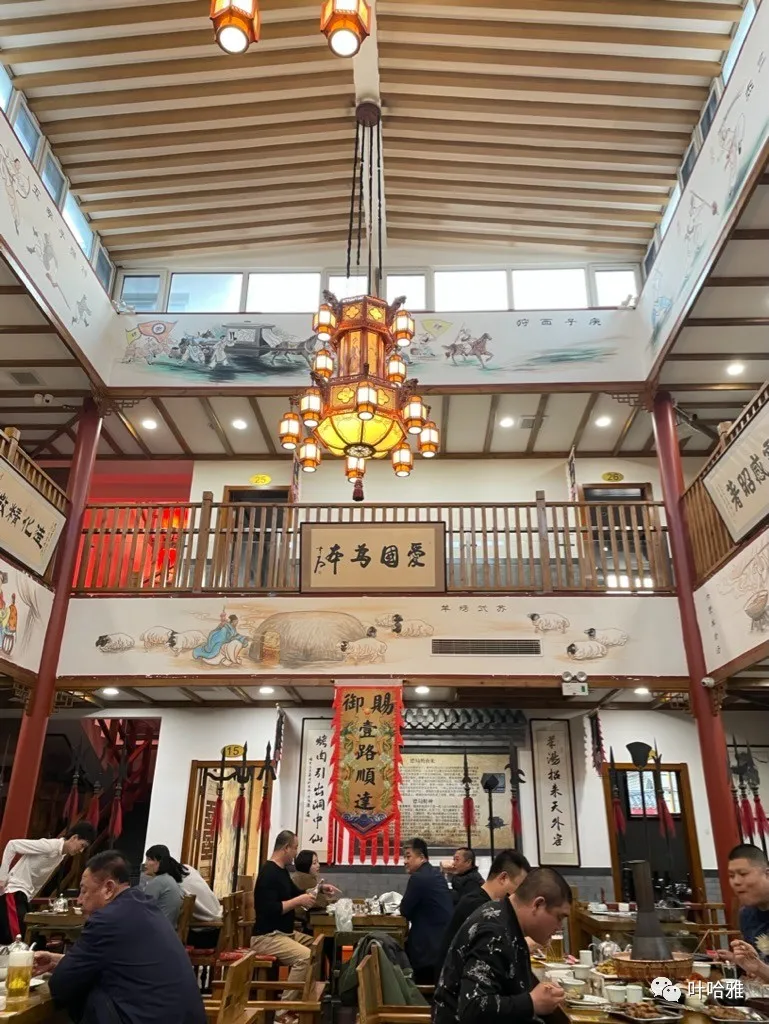
Walking through the porch into the main hall, the space is wide and open. The interior uses a traditional Chinese style that is simple and elegant. The restaurant has two floors: the first floor is for general seating, and the second floor has private rooms.
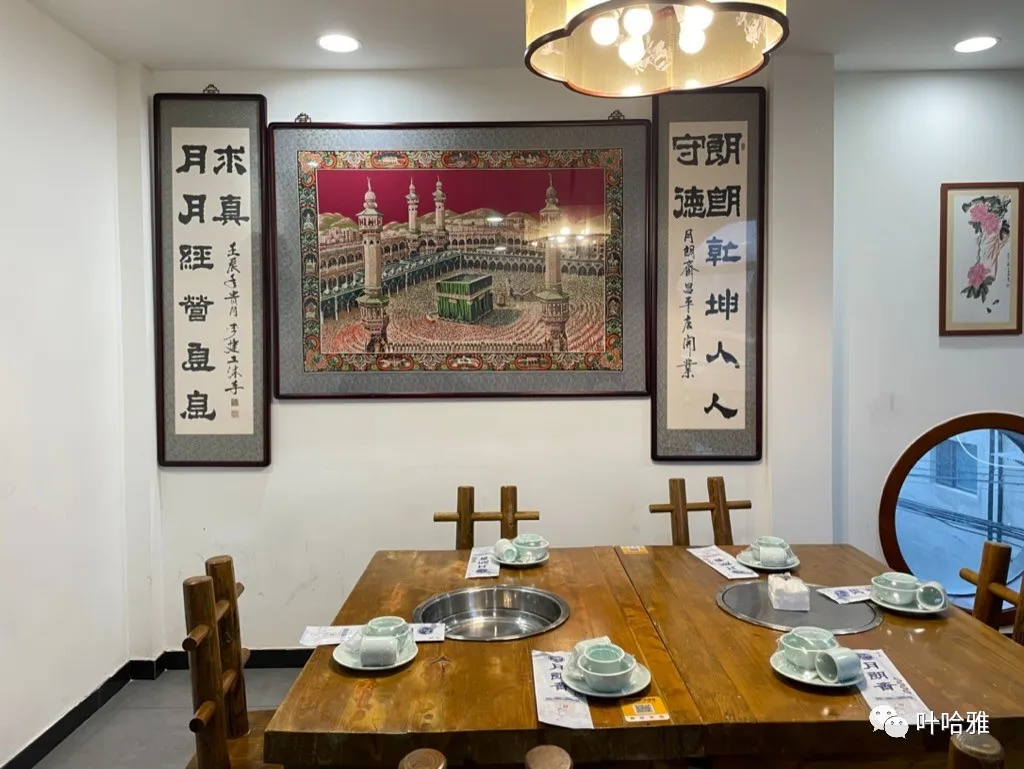
Inside a private room, the decor remains traditional Chinese with square tables and wooden stools. Calligraphy and ink paintings hang on the walls, creating an atmosphere that feels like a trip back to the late Qing Dynasty.
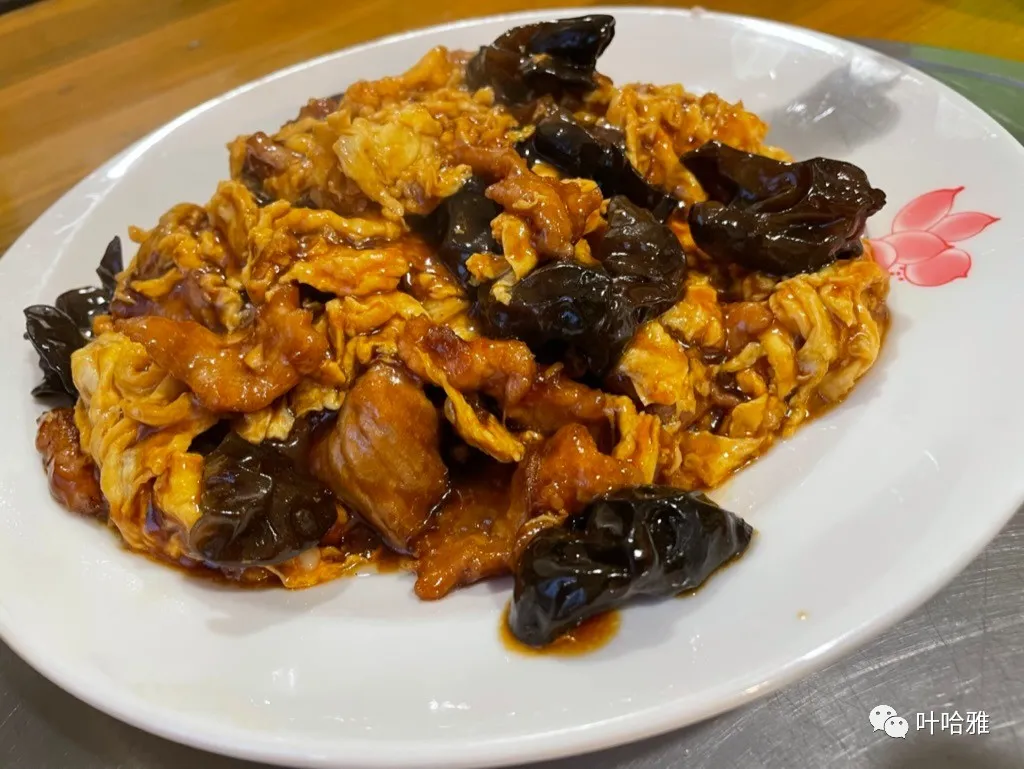
Vinegar-stir-fried egg and beef (culiu muxu) is a common Beijing home-style dish found in many restaurants. It should actually be called culiu muxi because the scrambled eggs look like osmanthus flowers. It requires high culinary skill; while it looks simple, it is not easy to make well and the method is very particular.
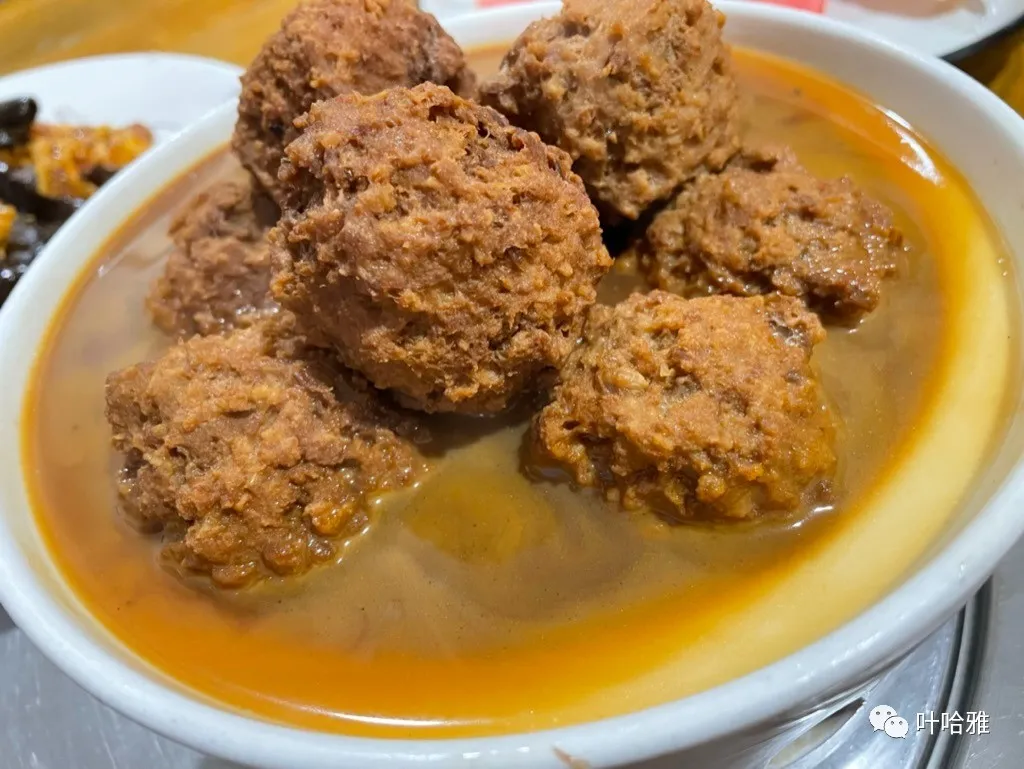
Manager Li specifically recommended the beef meatballs. He said he is usually cautious about ordering this dish at other restaurants because he often feels they contain too many fillers and not enough beef. At Yuelangzhai, the beef meatballs are made with real, quality ingredients. I picked one up and took a bite. It was just as Manager Li said: full of beef flavor with no taste of starch or other fillers. The beef meatballs were soft, delicious, and melted in my mouth.
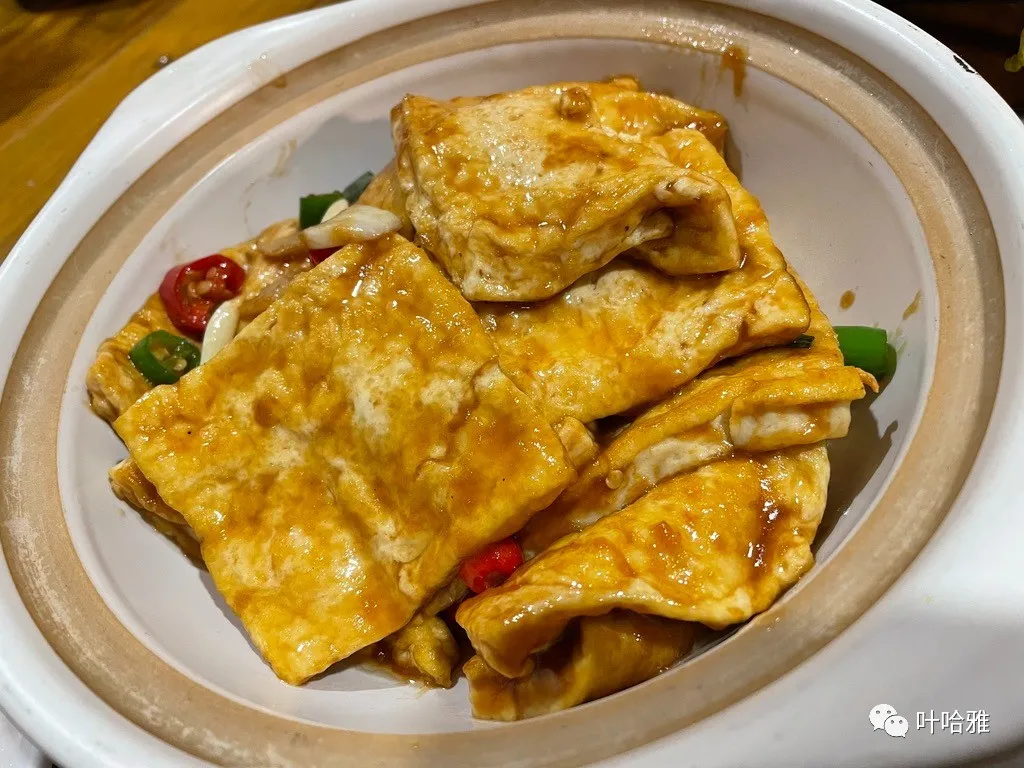
Pan-fried tofu (guota doufu) is a classic Beijing-Shandong dish. The tofu is cut into 5-centimeter squares, and shrimp are minced into a paste. The shrimp paste is mixed with egg liquid, and the tofu is dipped in the egg mixture and pan-fried. It is cooked over low heat, and when the oil is about 60 percent hot, the tofu is carefully slid into the pan, fried until golden brown on both sides, and then covered to simmer until the sauce is absorbed.
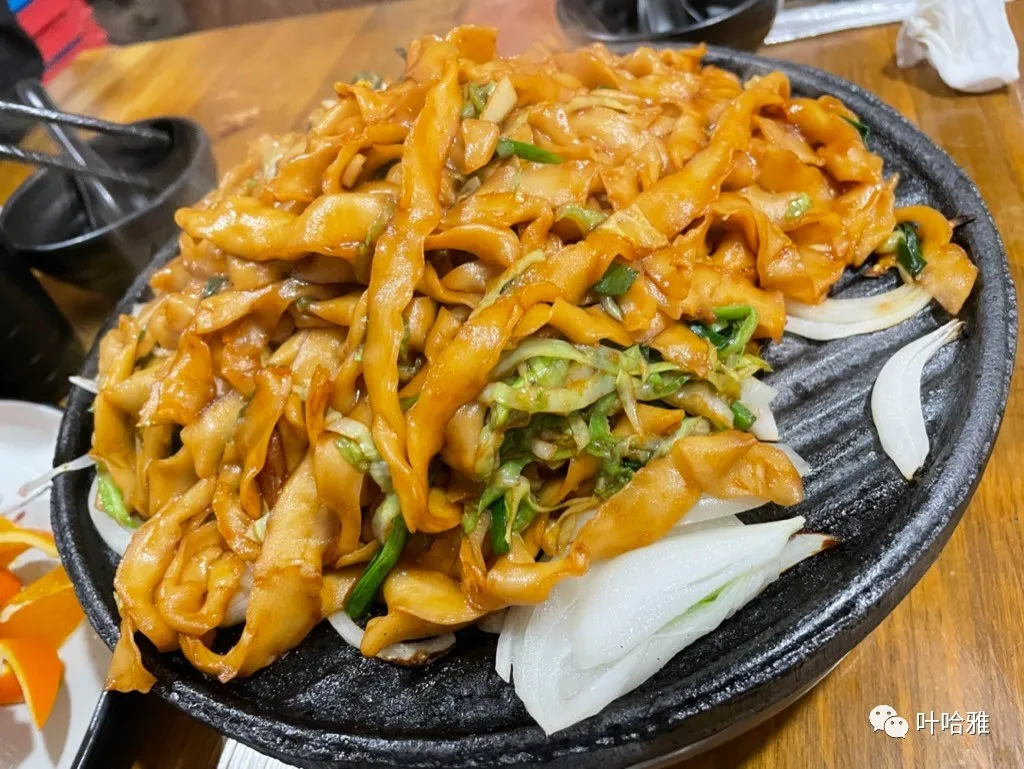
The main dish is grilled noodles (zhizi kaomian). I had never heard of this before. I only knew about grilled meat (zhizi kaorou), but I had never eaten noodles cooked this way. Manager Li said he invented this dish. He seasons hand-rolled noodles and stir-fries them on a hot iron grill, similar to how you make stir-fried noodles. The high heat of the grill adds a lot of aroma and texture, and it is very popular with diners.
11. Bai Xiaobei Northeast Barbecue
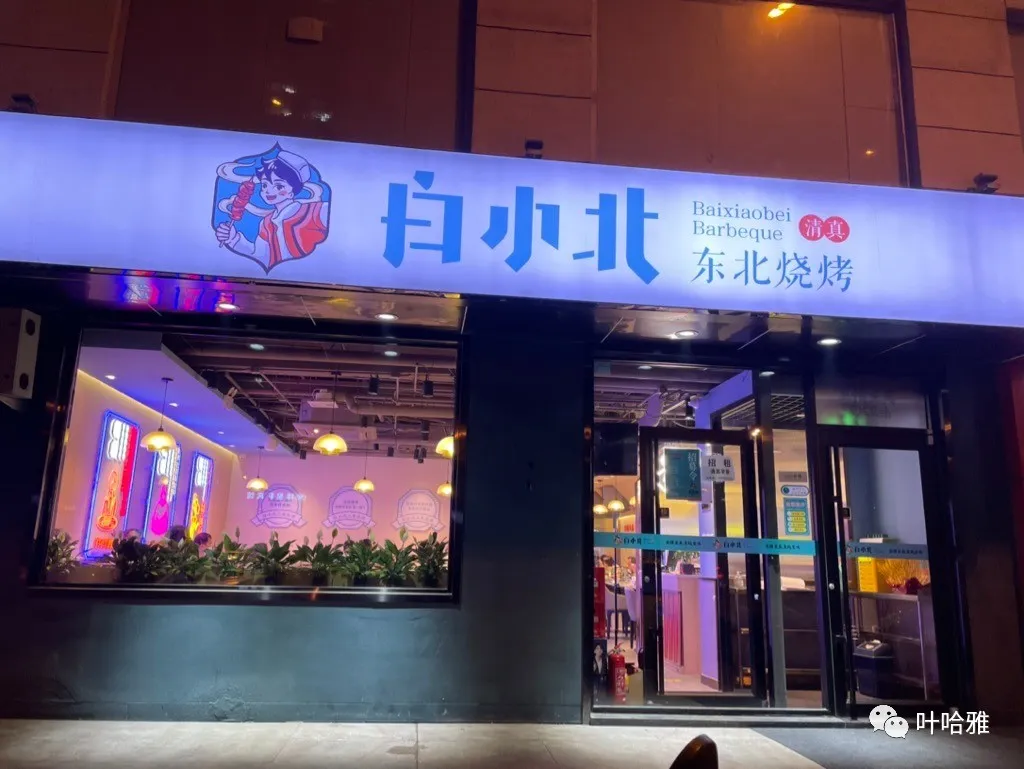
This is the only halal Qiqihar-style barbecue restaurant in Beijing. It has been open for over three years and just opened a second branch in Wangjing. I brought friends here to try it during the soft opening. Northeast-style barbecue is known for small skewers, which is different from Northeast-style stir-fry dishes that come in large portions.
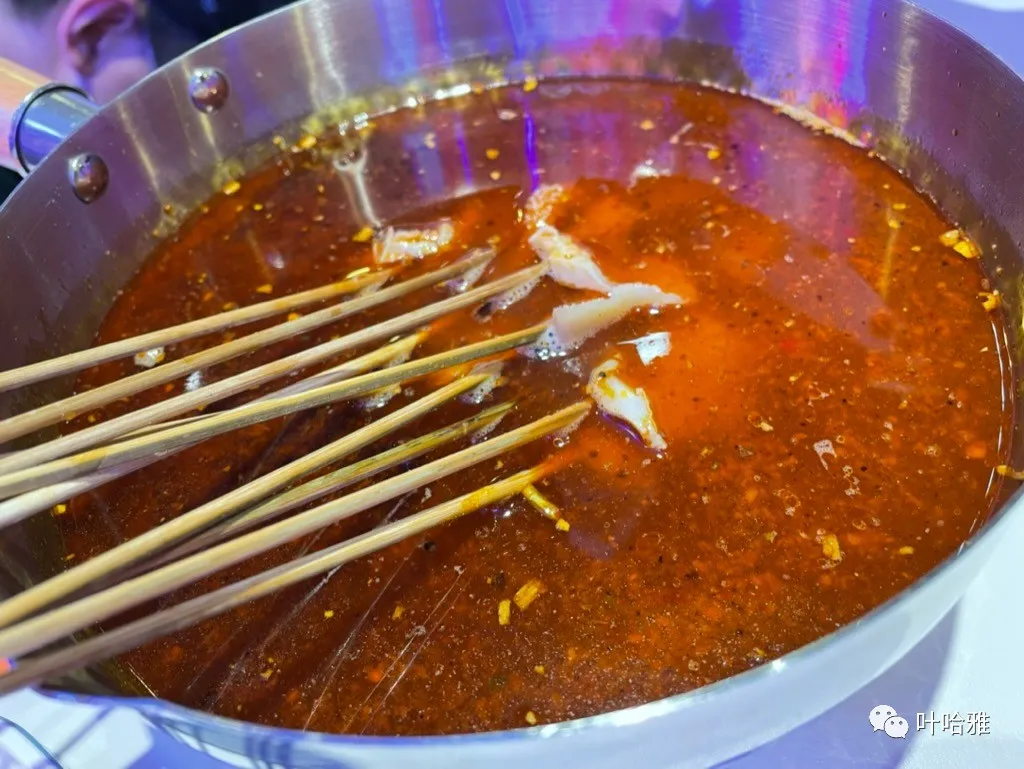
Hot pot beef tripe (shuan niudu)
I actually do not mind small portions because it lets me try more flavors and helps avoid waste.
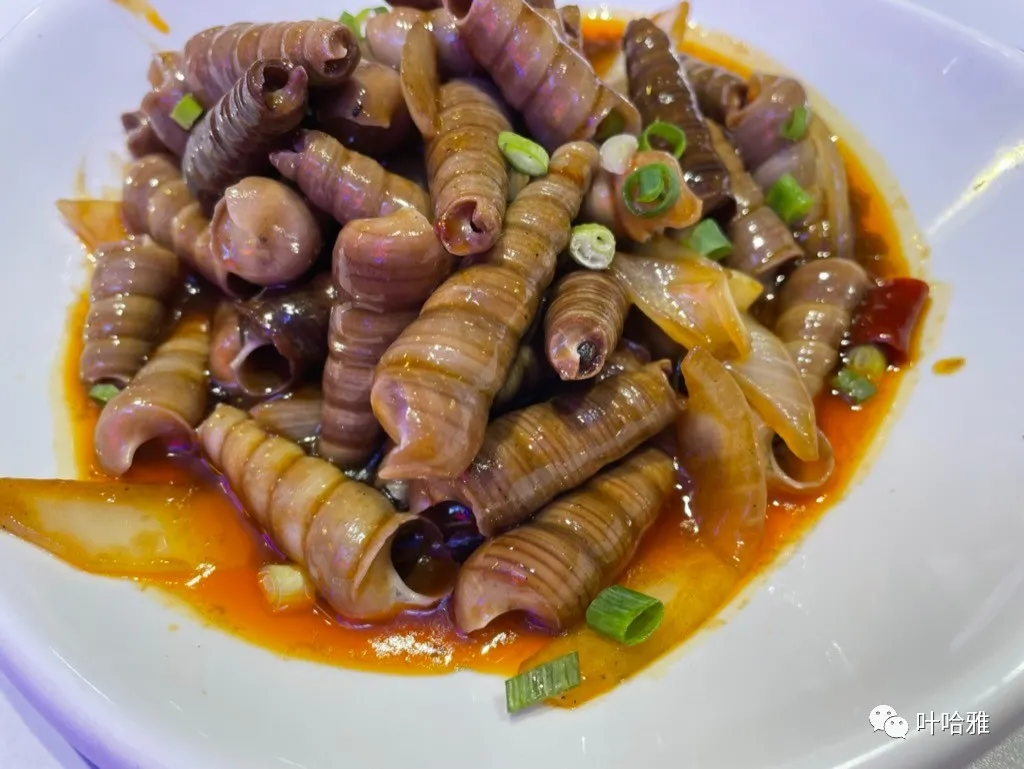
Stir-fried screw snails (baochao dingluo)
After the tips of the screw snails are knocked off, you just take a quick suck to pull the meat out. The texture is crunchy, tender, and chewy.
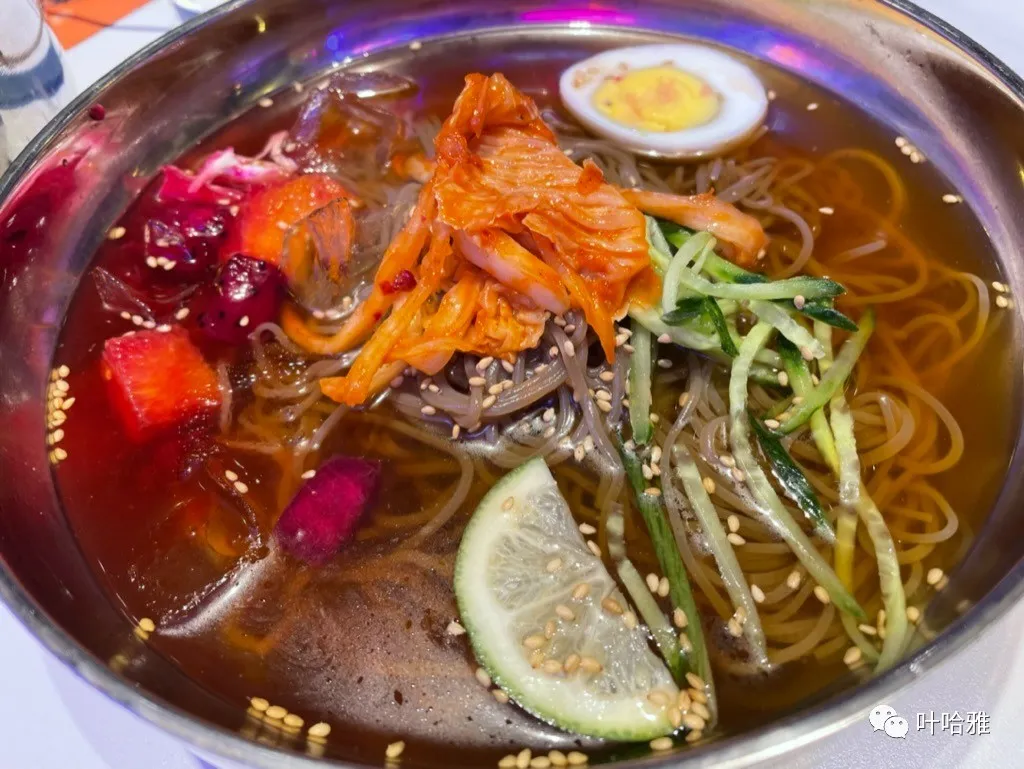
Fruit cold noodles (shuiguo lengmian). I have to say, the cold noodles here are quite authentic and taste much better than the halal Yanji cold noodles I mentioned earlier.
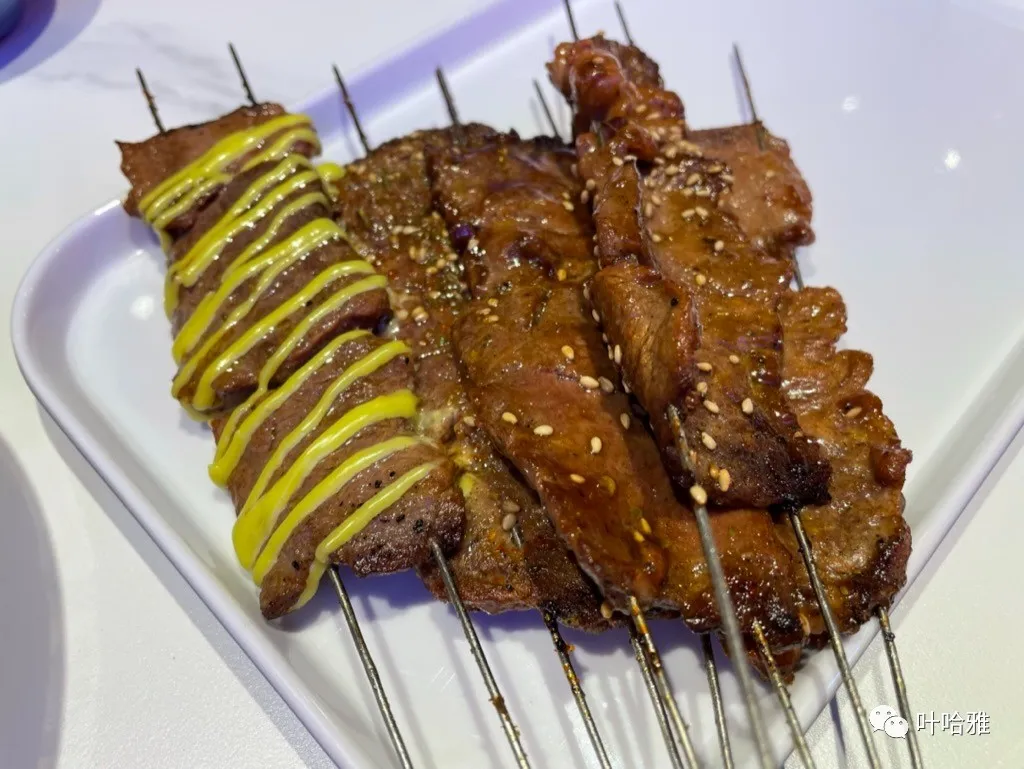
The skewers are called 'Five Elements Lack Skewers' (wuxing que chuan). I do not know what that means, but I can tell it is beef, and the yellow part is cheese.
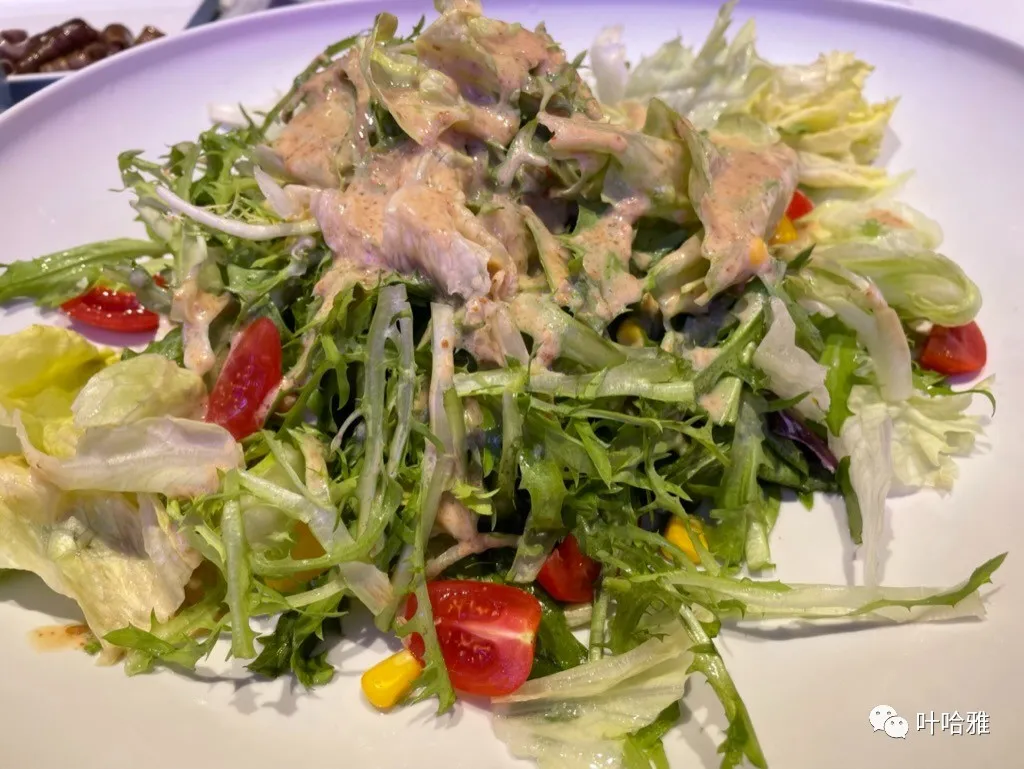
This dish is called 'Wocao Super Big Salad' because it is named after the huge plate it is served on. People from the Northeast love eating raw vegetables, and the owner gave us this cold salad for free.
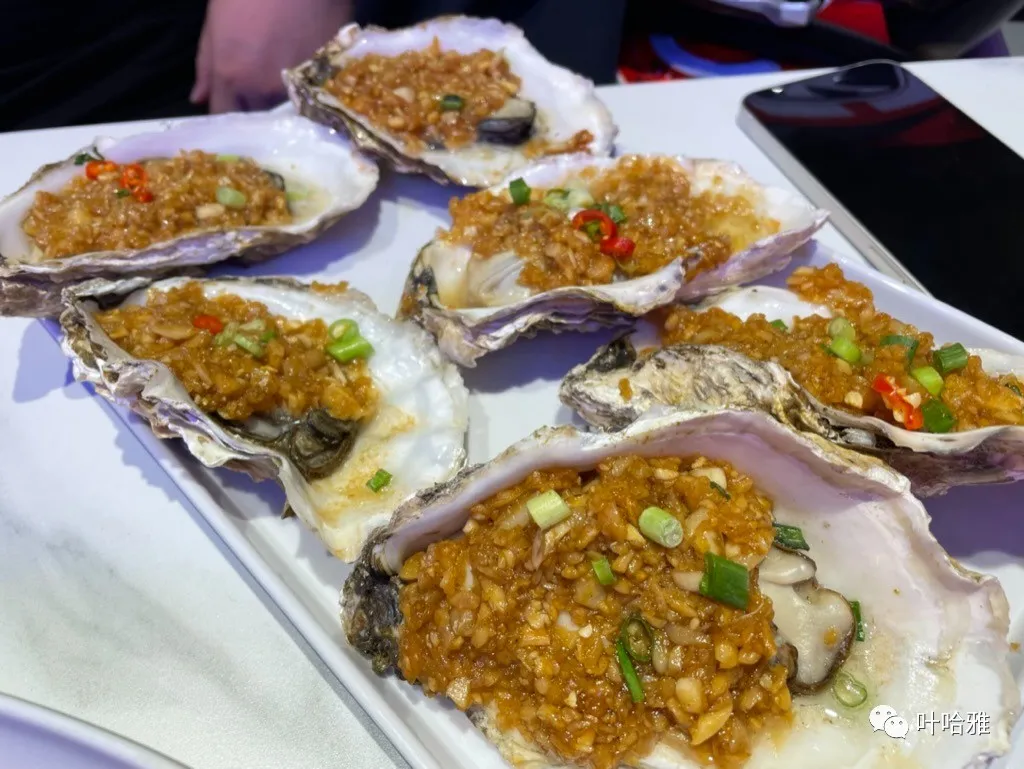
Grilled oysters and scallops are also a must. The ingredients are very fresh, but the price is not cheap.
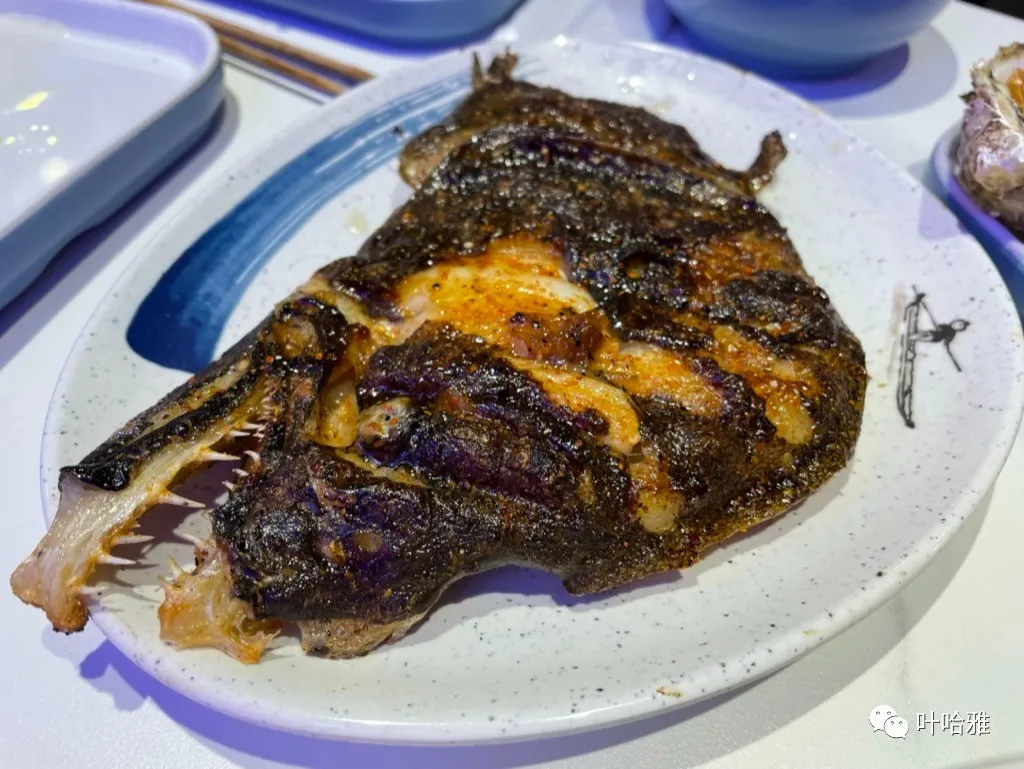
Deep-sea flathead fish head (shenhai dieyutou). This fish has sharp teeth and a fierce nature. The more aggressive the fish, the firmer and tastier the meat.
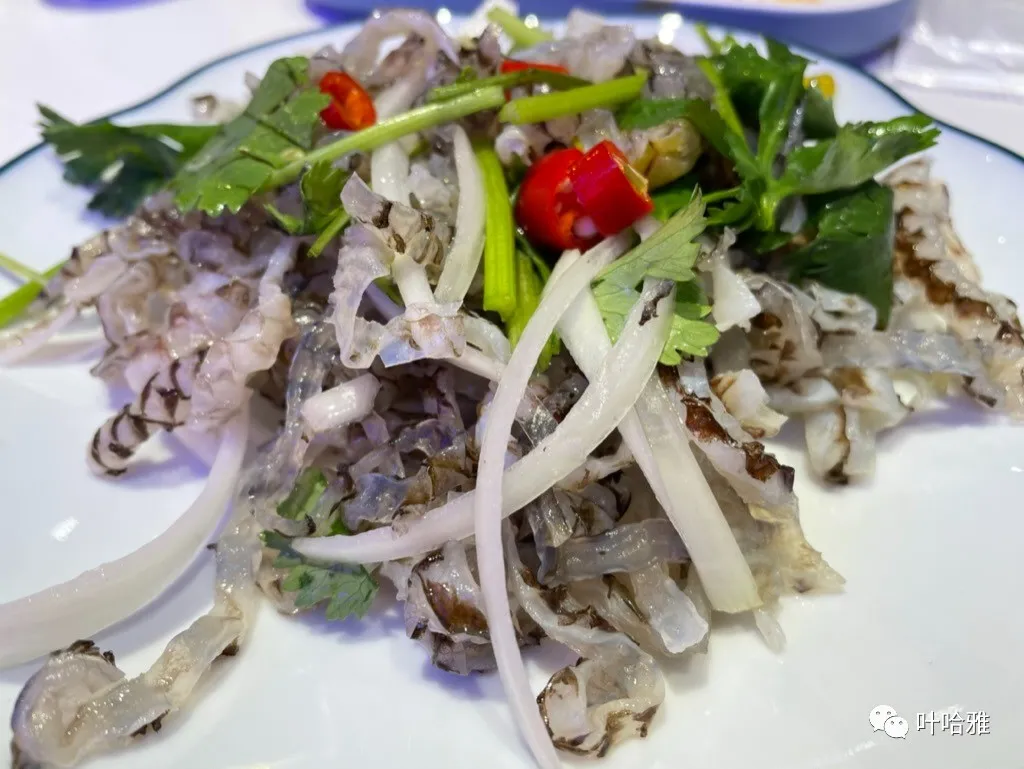
The cold-tossed fish skin has no fishy smell, which shows it is very fresh, and it is crunchy when you eat it. Cold-tossed fish skin is a typical home-style dish in Northeast China. I wanted to try roasted silkworm pupae, but my friend talked me out of it because they were scared.
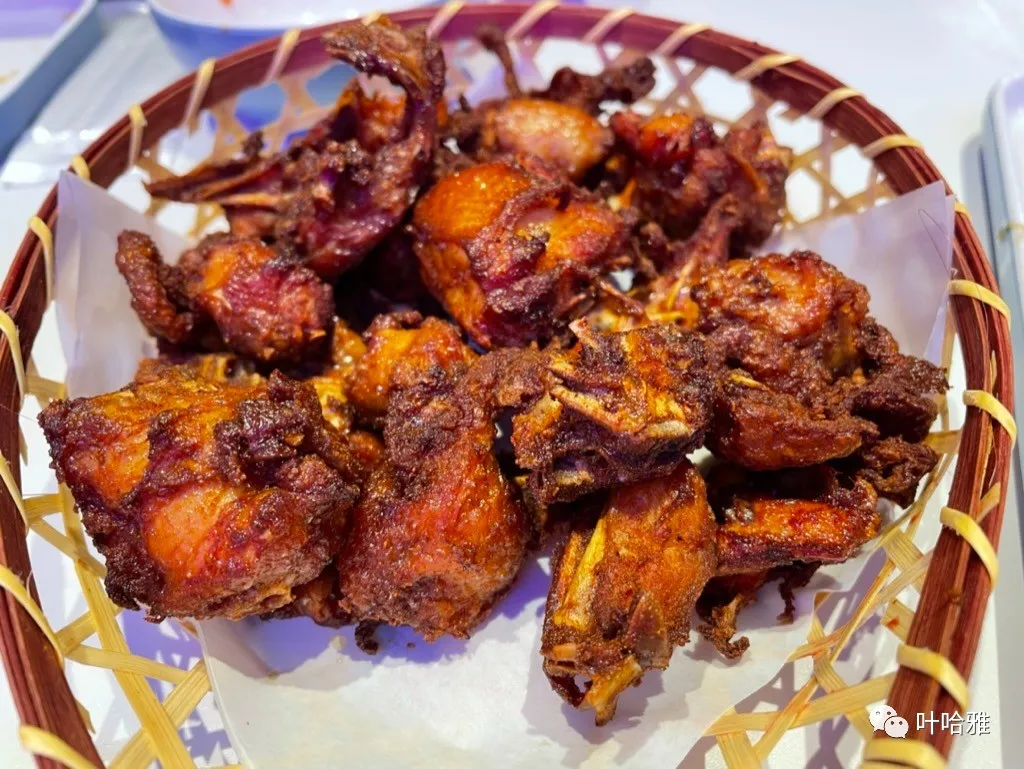
Shenyang chicken rack is a very famous local specialty in the Northeast. The chicken rack is fried until it is golden and crispy, and you can even chew the bones. This shop has a wide variety of small skewers, covering almost all the specialty barbecue of the Northeast. The prices are a bit expensive, with an average cost of over 150 yuan per person.
12. Dianxinyuan
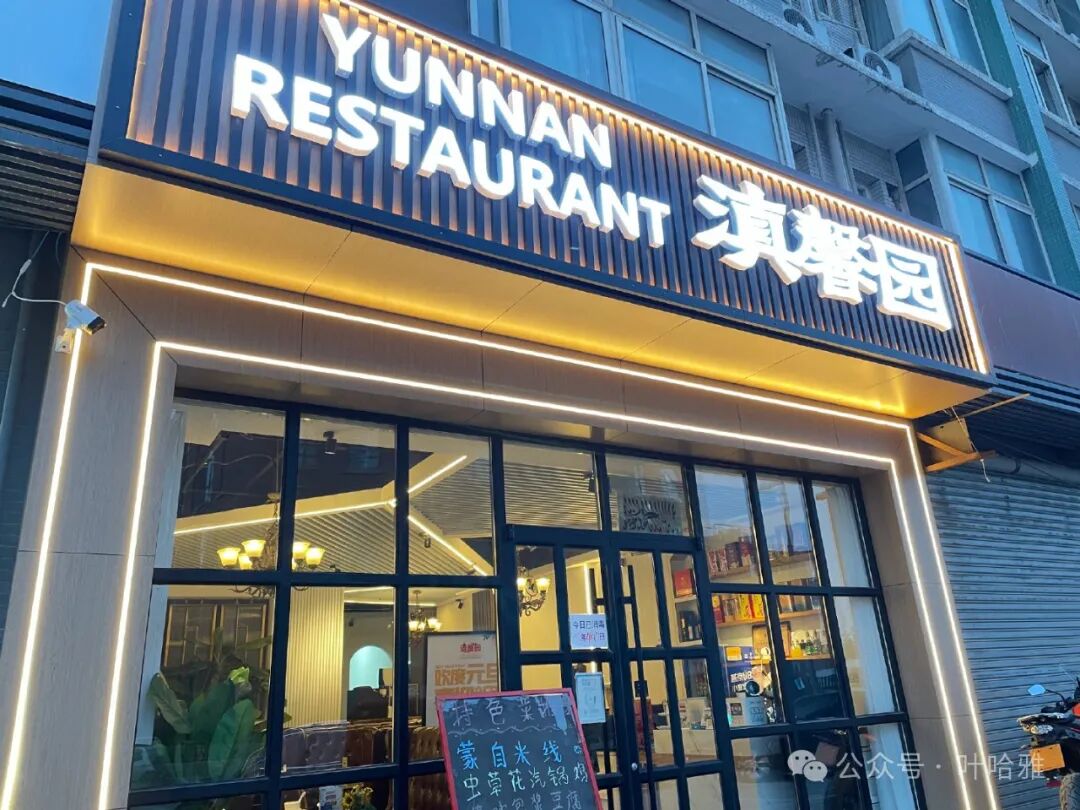
Dianxinyuan is currently the only remaining halal Yunnan restaurant in Beijing. It has been open for 13 years, and the owner is from Shadian.
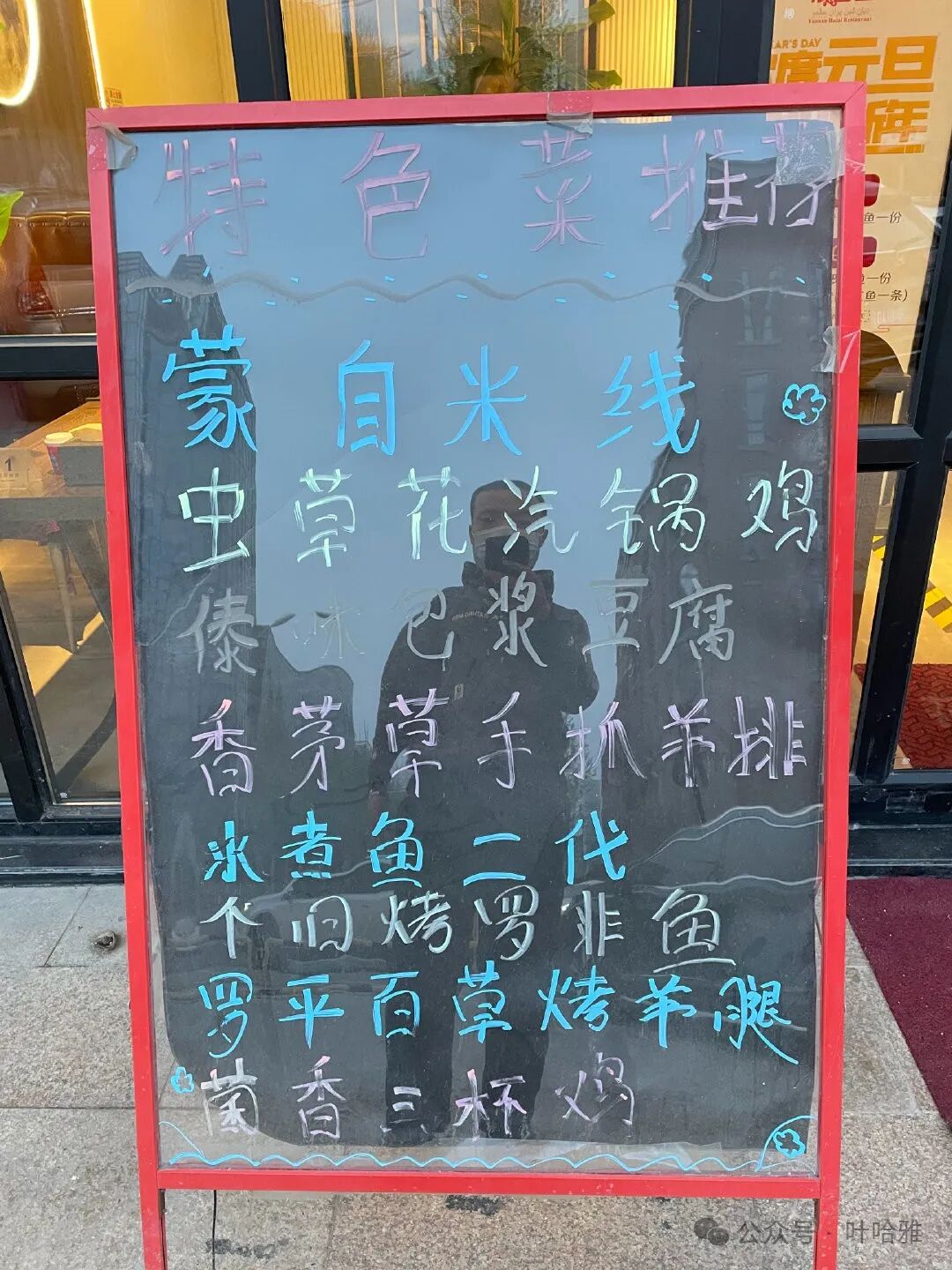
Beijing used to have halal Yunnan restaurants like Ayidianchang, Hailiye, and Dalifu, but they have all closed down. It is not easy for this Dianxinyuan to have lasted until today.
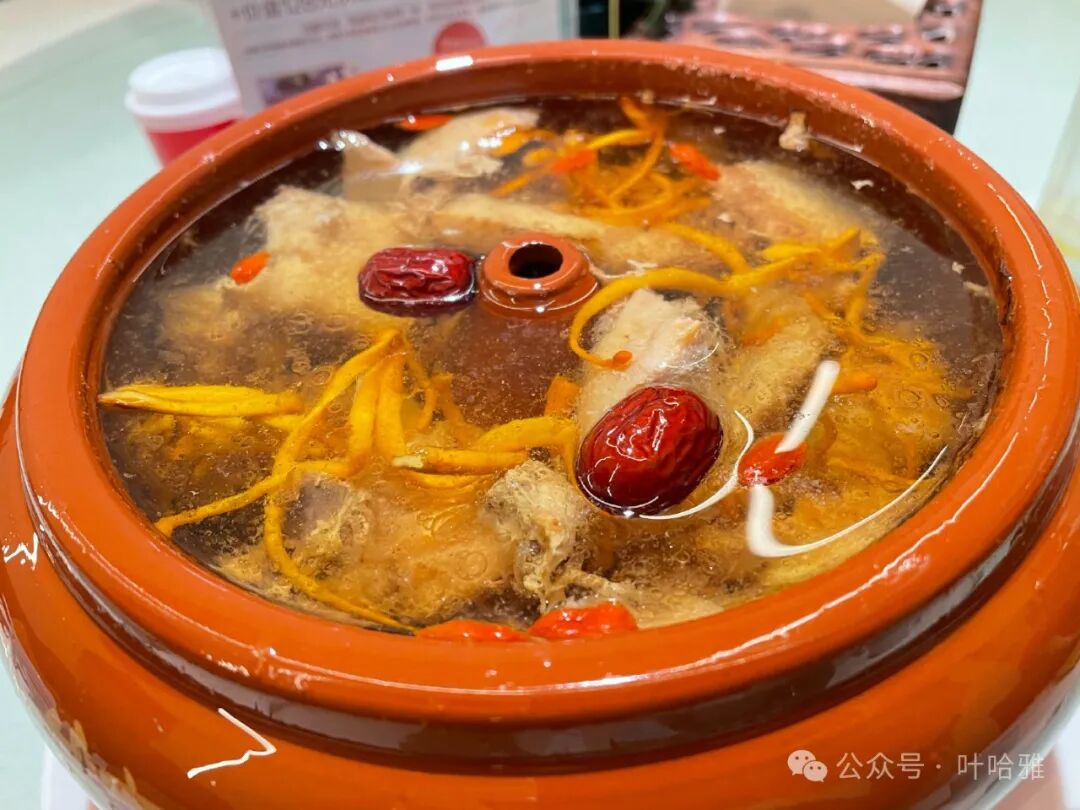
You can basically eat all kinds of Yunnan specialty foods here, including Mengzi small-pot rice noodles (xiaoguo mixian), copper-pot boiled fish, Dai-style tofu with sauce (baojiang doufu), Dai-style shredded chicken, Gejiu roasted tilapia, porcini mushroom fried rice, and dried beef (niuganba).
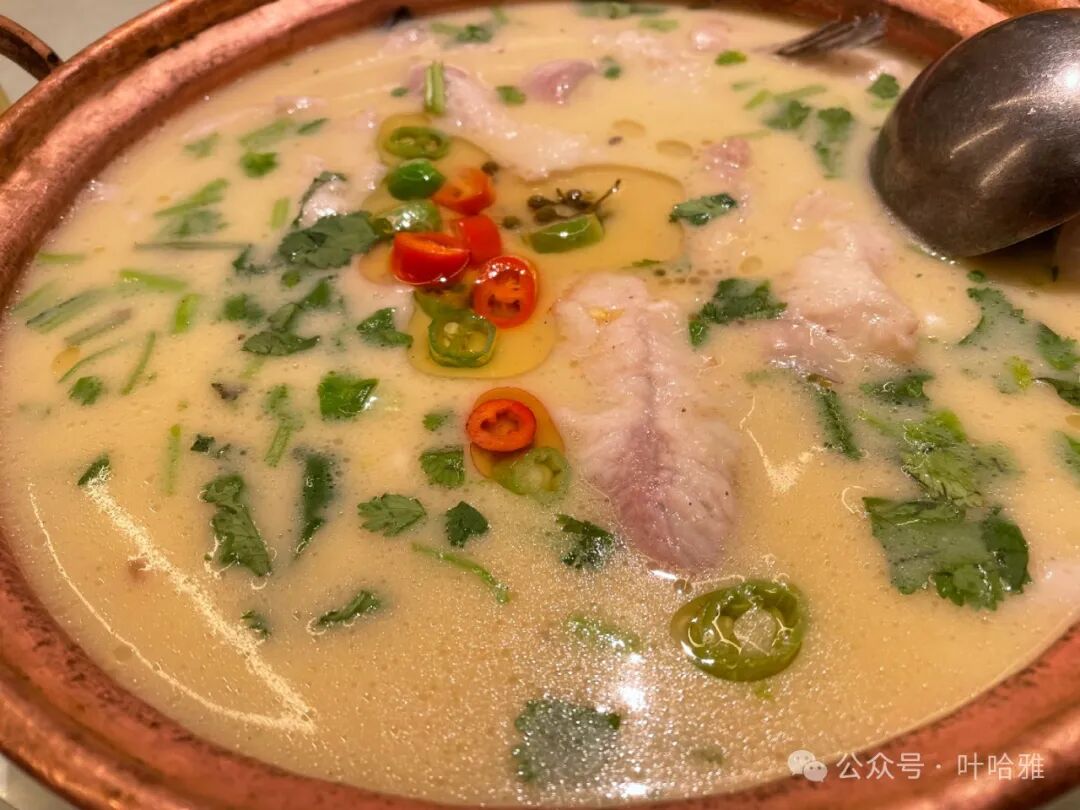
The small-pot beef rice noodles are especially close to the taste I had in Yunnan.
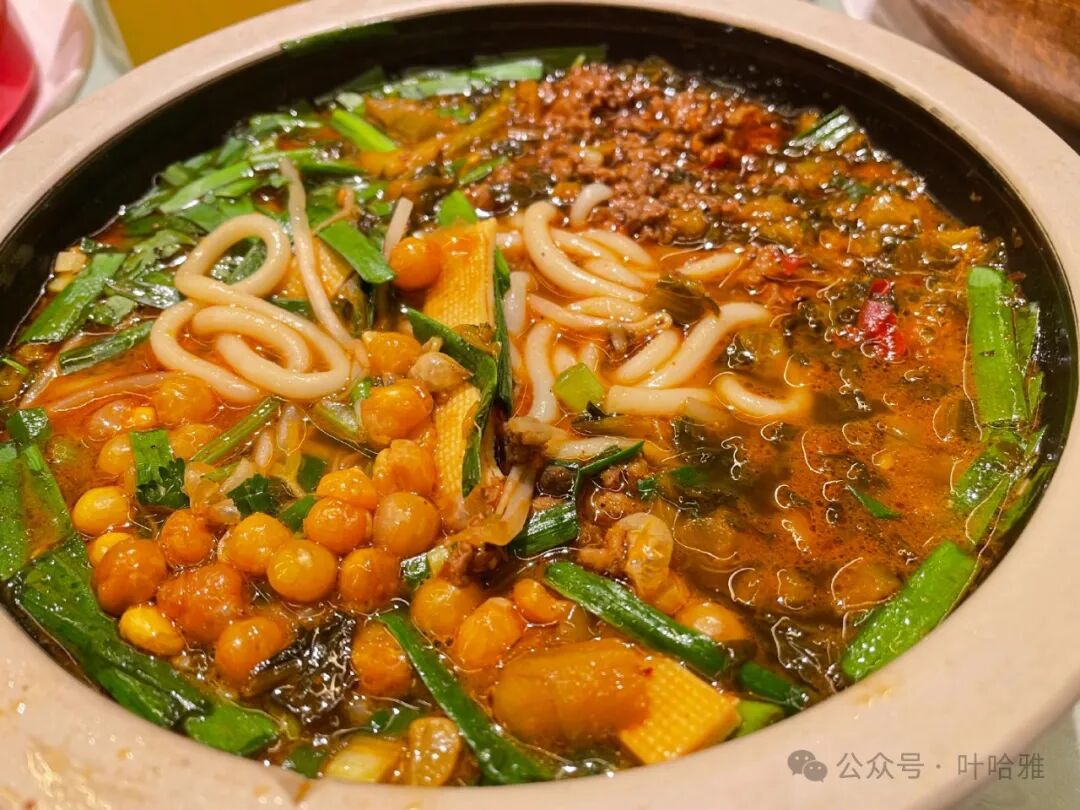
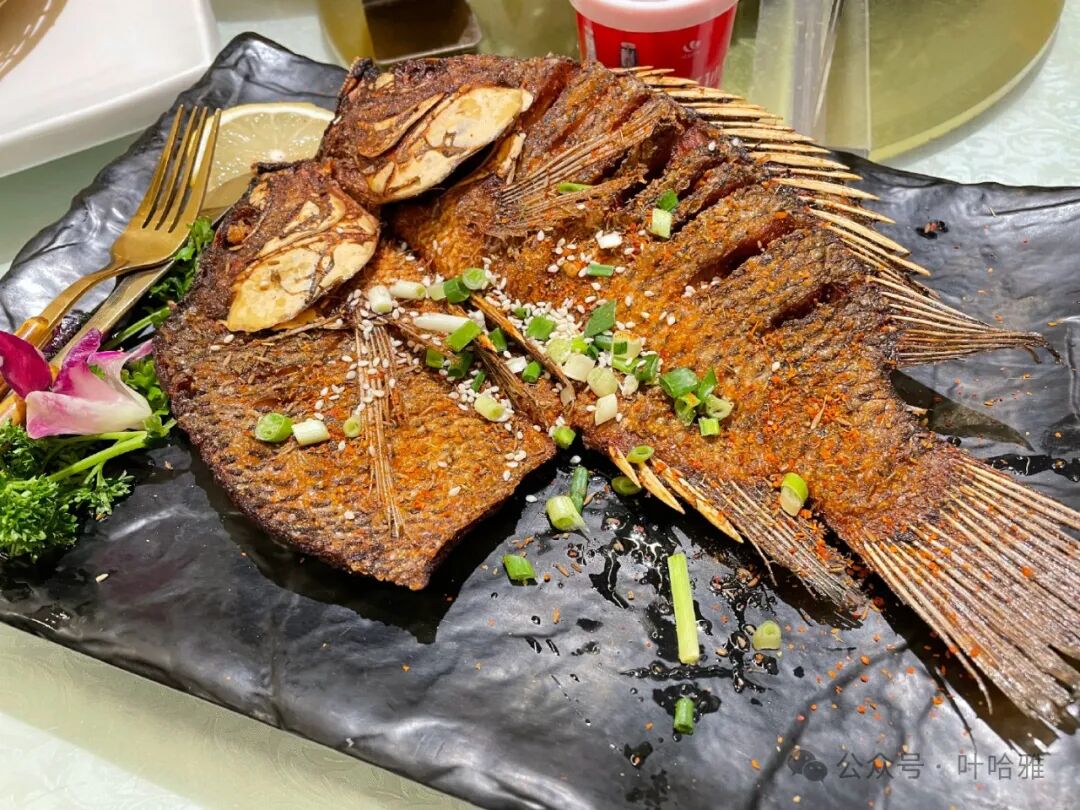
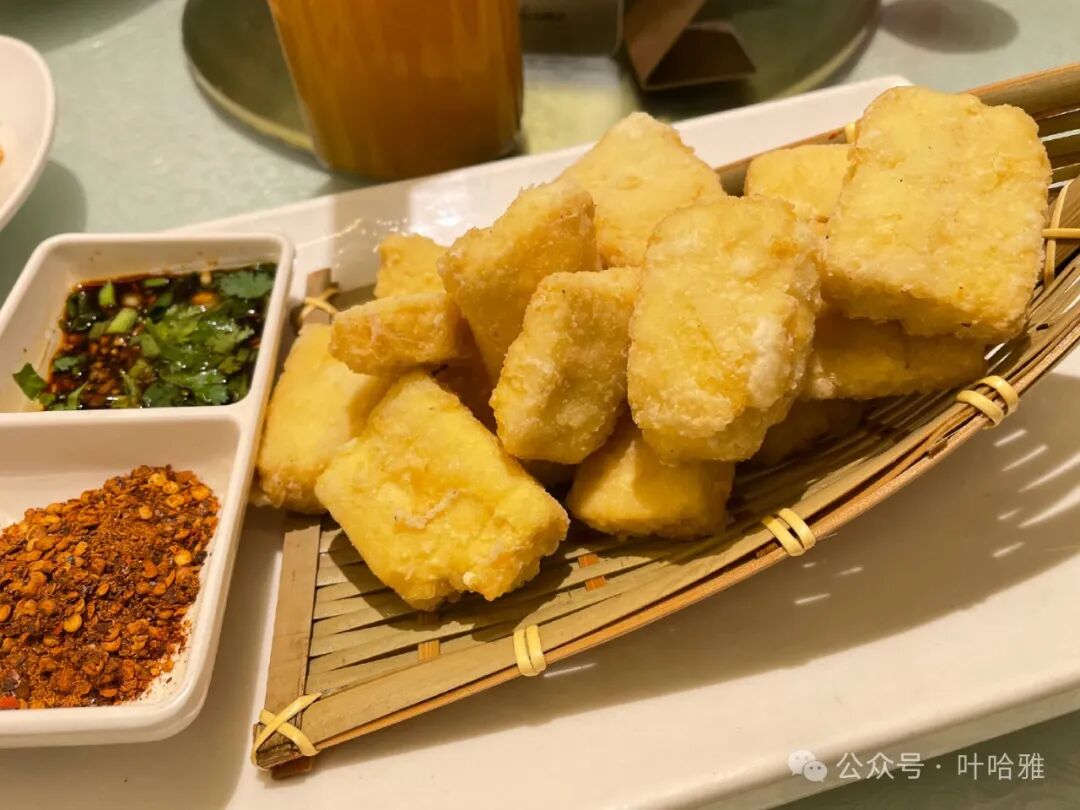
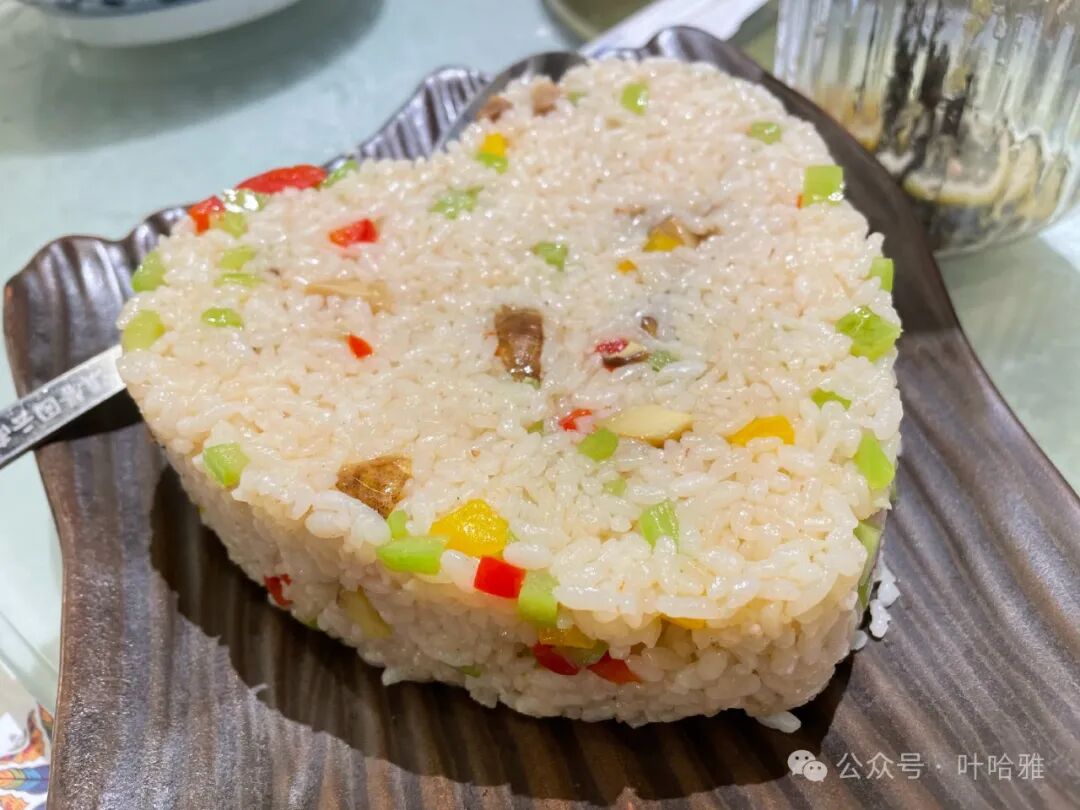
13. Jiasan Steamed Buns
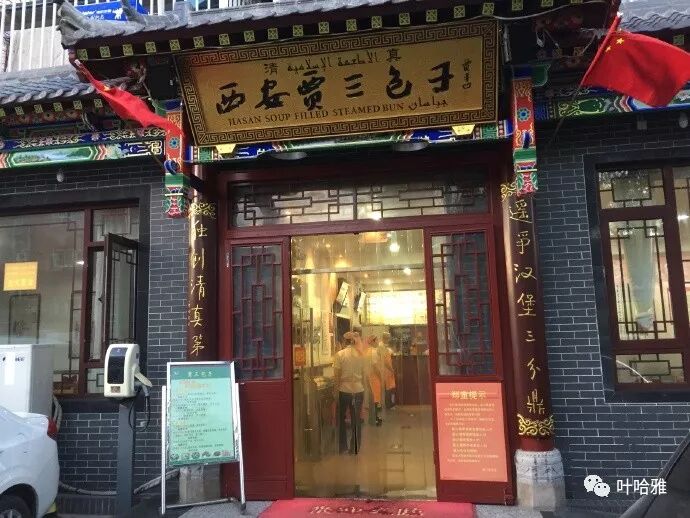
This is the Beijing branch of the time-honored Jiasan soup-filled steamed bun (guantang baozi) shop from Xi'an, and it has been operating in Beijing for over ten years. They sell various halal snacks from Xi'an, including soaked bread in soup (paomo), barbecue, and steamed beef with rice flour (fenzheng niurou).
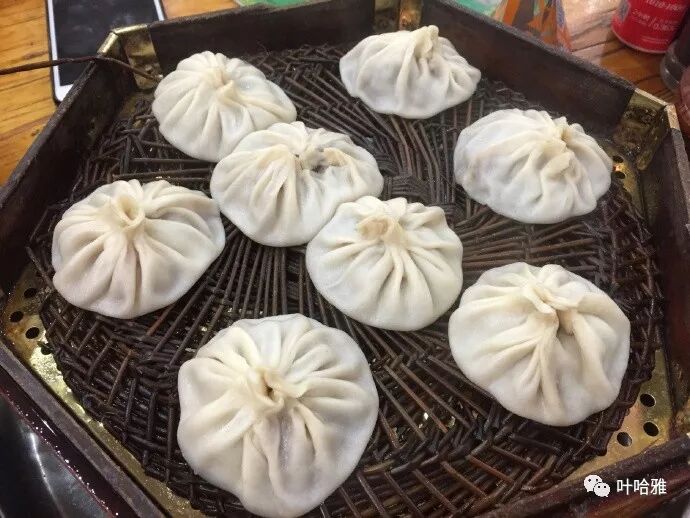
For the soup-filled steamed buns, you should first take a small bite to drink the soup inside, then eat the bun.
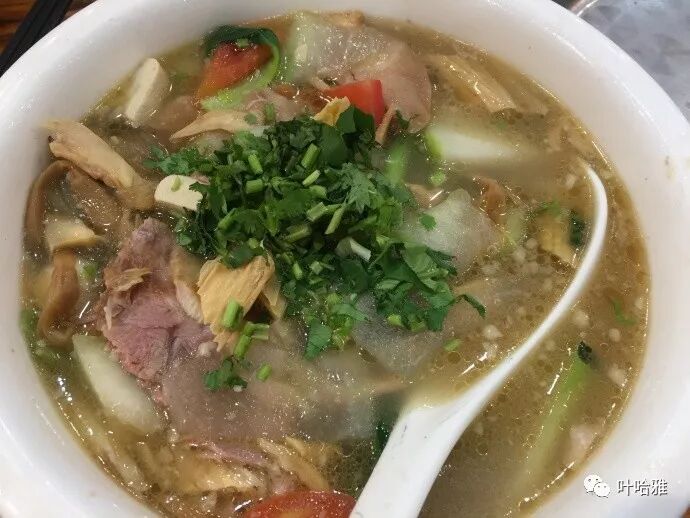
I really like eating this vegetable stew (huicai). For Xi'an food in Beijing, there is also Old Xi'an Restaurant, Xi'an Old Yang Family Restaurant, and Qin Laoda Paomo. Jiasan is an old shop with a very complete selection of Xi'an snacks, and you can even eat halal venison here. Jiasan currently has two branches in Beijing, with the other one located at Yangqiao.
14. KAVKAZ Ruilin Restaurant
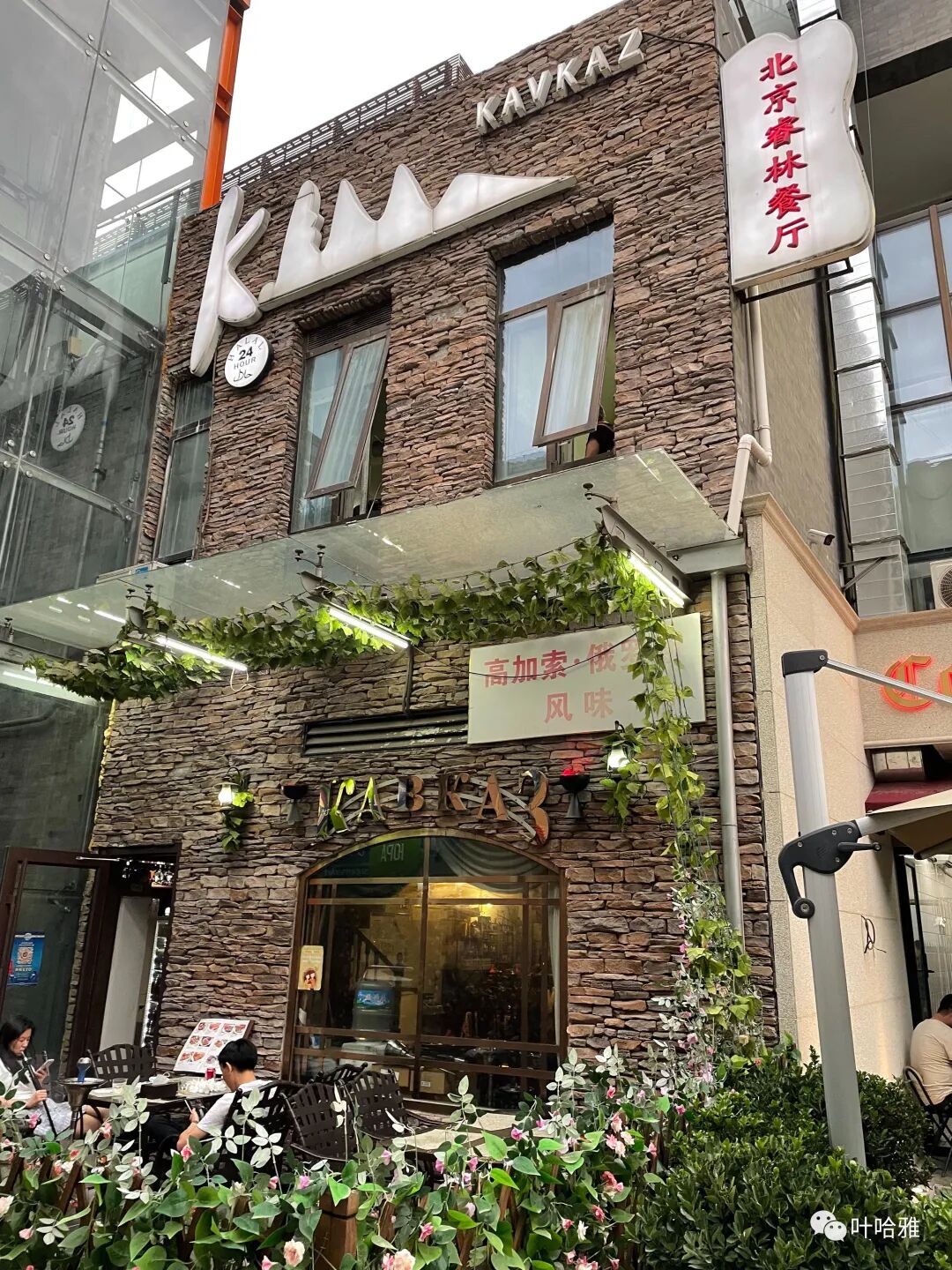
This is a Caucasian-style restaurant on Shenlu Street in Chaoyang. There used to be an Azerbaijani restaurant next door called Bakuli with a similar style, but it closed. Another halal Russian-style restaurant called NAIL also closed, so it is not easy for this shop to have lasted until today.
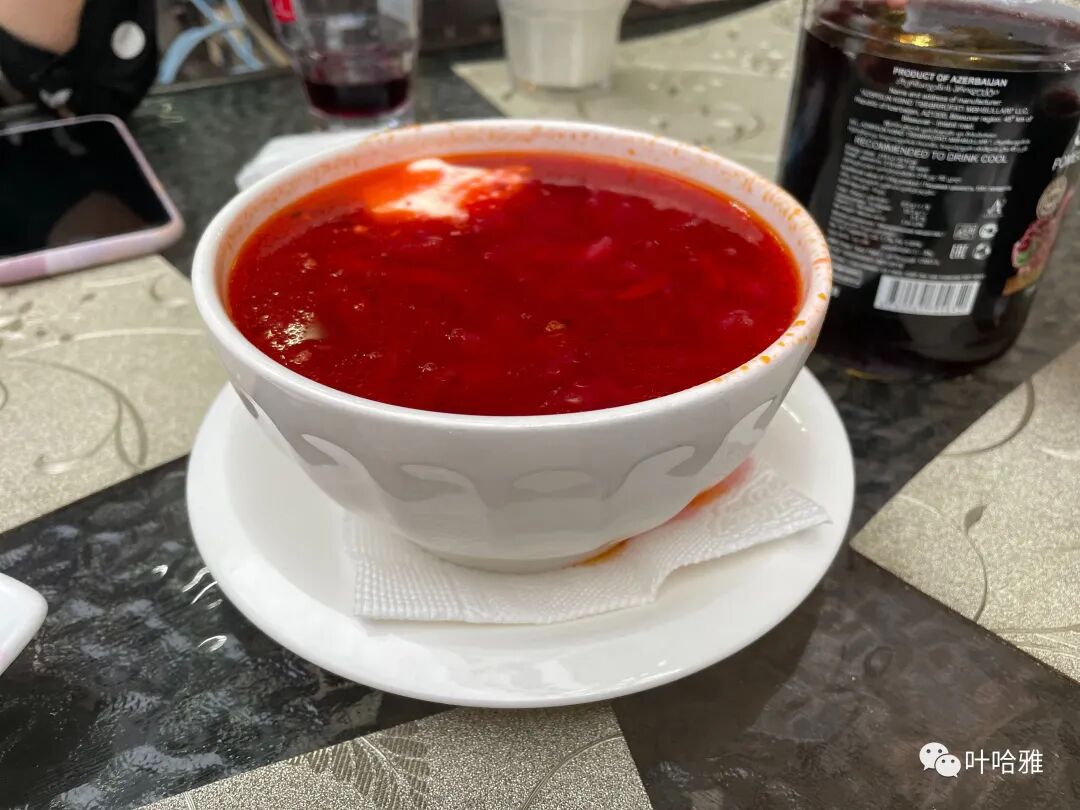
Beet soup (borscht)
Beet soup (borscht) is a famous Russian dish. You drink it before your main meal to whet your appetite.
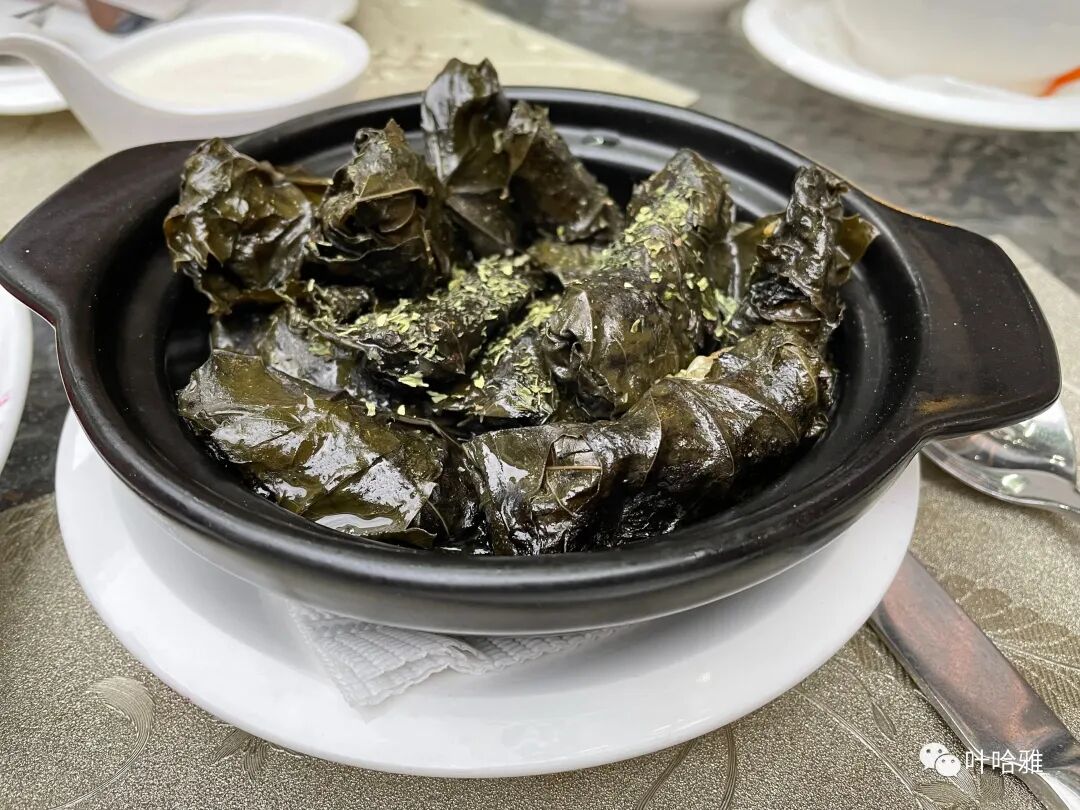
Stuffed grape leaves (dolma)
Stuffed grape leaves (dolma) use grape leaves for the outer layer with beef filling inside. This dish is also a common specialty in Central Asia.
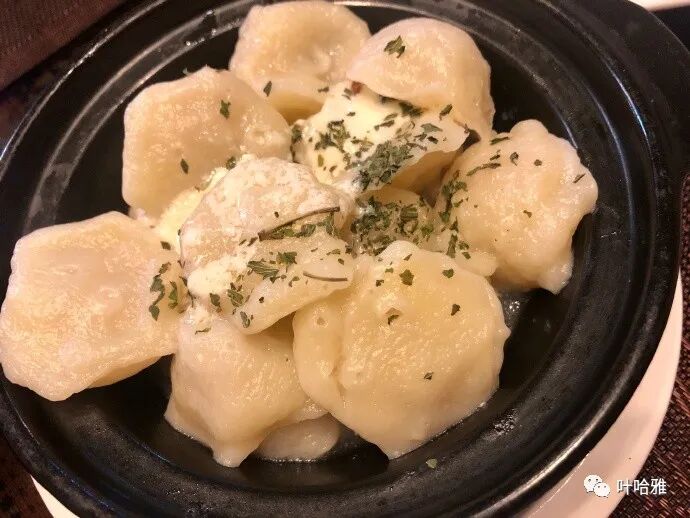
Dumplings (pelmeni)
These are Azerbaijani dumplings (pelmeni). Historically, people in the Caucasus region have been eating dumplings for a long time, though the ones they make are much smaller.
Beijing Halal Street Food Guide: Fangshan Hot Pot, Shidu Xinjiang Food and Local Snacks
Articles • yusuf908 posted the article • 0 comments • 161 views • 2026-05-22 20:55
Summary: This Beijing halal street food guide maps issue 34, covering Fangshan hot pot, Shidu Xinjiang food, farm-style halal dishes, clam vermicelli, local snacks, and places worth saving for Muslim travelers.
Beijing Halal Food Map (34) is presented here as a firsthand travel account in clear English, beginning with this scene: The WeChat official account has a search feature. Just tap the search icon in the top right corner of the homepage to look for articles using keywords. The account keeps its focus on Beijing Halal Food, Muslim Travel, Middle Eastern Food while preserving the names, places, food, and historical details from the Chinese source.
The WeChat official account has a search feature. Just tap the search icon in the top right corner of the homepage to look for articles using keywords. This works for all official accounts, so there is no need to set up automated keyword replies in the backend. I always see all sorts of strange words in the backend, and I really cannot reply to them all.
1. Hengxingxiang
This is a Beijing-style hot pot restaurant. The meat tasted great while I was eating. When I paid the bill, I noticed the payee was Doudian Yisheng. I asked, and it turns out it is run by the Doudian Yisheng beef and mutton shop, which also has a stall selling beef and mutton on Niujie Street.
The restaurant is in Fangshan and is quite large with two floors. I heard they have live vegetables, which are hydroponic greens brought straight to your table for the hot pot. They are incredibly fresh, though I did not get to try them when I visited.
Aorta (huanghou)
Their sesame flatbread (shaobing) is delicious, soft, and unique. I recommend trying one. There is free parking at the entrance; just tell the security guard you are there to eat.
2. Yinsha Halal Restaurant
Shidu in Fangshan is a beautiful summer retreat in the Beijing suburbs. I found three halal restaurants along the road between Badu and Jiudu. This Yinsha Halal Restaurant is run by a friend from Kashgar (adaxi) and is located in Jiudu. These restaurants all offer lodging.
They serve traditional large Xinjiang dishes as well as local farm-style food, such as grilled rainbow trout and stir-fried wild vegetables.
The family from Xinjiang was preparing lung and tripe (mianfeizi) for Eid al-Fitr that day and even invited us to taste it.
Deep-fried prickly ash buds (zhahuajiaoya)
Stir-fried river shrimp (chaohexia)
Grilled rainbow trout (kaohongzunyu)
3. Muyi's House
This is a halal Beijing-style restaurant in Badu, and the owner is a Hui Muslim from Fengtai.
We ordered a few traditional stir-fried dishes, but they were all quite salty. We prefer lighter flavors, so keep that in mind. The Shidu tofu is a specialty dish and it tastes quite good.
Shidu tofu (shidudoufu)
Egg sauce noodles (jidancuanmian)
The egg sauce for these noodles is extremely salty. Add it little by little when you eat. Most people definitely cannot handle the whole serving of sauce.
4. Clam vermicelli (huajiaphen)
This is an unassuming little shop in the Xiguanshi market. It looks very ordinary, but the taste is excellent.
The clam vermicelli is made of glass noodles with clams and some side vegetables. It has a slightly numbing, salty, and savory flavor. You can add chili separately.
You can add any of these side dishes. The portions are small, and one order of large shrimp is just one single shrimp.
The ingredients are quite fresh. The vegetables and seafood cook quickly when blanched, and they taste good.
It comes wrapped in foil and sits on a bowl so you can carry it without burning your hands, because this clam vermicelli (huajiafen) is really piping hot.
5. Huawei Beijing Research Institute Halal Canteen
The Huawei Beijing Research Institute has four halal stalls, and they are owned by the same person as the halal canteen at the Bantian base in Shenzhen.
You can use cash at the big tech company's halal canteen, as long as you can find a way to get inside.
If you have job offers from many big companies and do not know which one to pick, Huawei's halal canteen is a plus.
Huawei employees have a high happiness index. Working and living on the campus is convenient, and the environment is beautiful.
The design style of the canteen and the campus is consistent with the Shenzhen headquarters.
The sour soup dumplings (suantang shuijiao) are really delicious. The last time I had such good sour soup dumplings was in the Muslim Quarter (Huifang) in Xi'an, and these dumplings at Huawei are just as good.
Crispy baked buns (supi kaobaozi)
6. Xiguanshi Halal Night Market
The parking lot at the entrance of Xiguanshi Village in Changping now hosts a halal night market from 5:00 PM to 11:30 PM, which is named Crescent Food Plaza.
The night market is quite large, with four rows of food stalls on both sides offering dozens of different halal dishes.
Various deep-fried snacks.
Grilled meat on a round iron plate (zhizi kaorou) and grilled fish.
All kinds of small snacks.
Steamed chicken in chili sauce (koushuiji).
Teppanyaki.
The grilled squid from the teppanyaki stall is delicious.
Japanese-style desserts.
They have fresh salmon sashimi and sushi.
Electric-grilled skewers and mung bean jelly noodles (liangfen).
Deep-fried stinky tofu (zha chou doufu).
Grilled oysters and grilled scallops.
Pot-pot chicken (boboji).
Pot-pot chicken (boboji) is a dish of cold skewers that are already cooked.
Fruit salad (shuiguolao).
Charcoal-grilled skewers.
Iced jelly (bingfen) and ice cream.
We tried almost everything at the night market. It was not cheap, and the three of us spent over 400 yuan. The Japanese food and grilled skewers were the most expensive, with two stalls costing over 200 yuan. Of course, there are cheaper ways to eat there.
7. Yuejing Lanwan Japanese Buffet Restaurant.
This is a halal bathhouse that opened recently in Changying, and the Japanese buffet inside is a halal restaurant. You can choose a bath and buffet package for 199 yuan, or just come for the Japanese buffet. The buffet with sashimi is 165 yuan, and the one without is 127 yuan. You can buy group deals on Douyin by searching for "Yuejing Japanese Buffet".
Even though it is a buffet, the food quality is just as good as ordering a la carte. You scan a code to order whatever you want. Each dish is made as a single serving, prepared fresh when you order, and you can eat as much as you like. I think the lamb and seafood at this restaurant are excellent, and the desserts are high quality too. It is a great value.
The third-floor lounge has an entertainment area and a self-service station for fruit and drinks. Everything is unlimited, and there is plenty of Yili ice cream.
The lounge at this bathhouse isn't as nice as the one at Shuiguo Tangquan, but it is much cheaper. The Japanese restaurant here is a great deal. If you ordered these dishes separately, they would be expensive, but they are very affordable as part of the set meal. There is free parking at the entrance and a children's play area, so it is a good place to bring kids.
8. Beijing University of Posts and Telecommunications Ethnic Restaurant
The halal canteen at BUPT is called the Ethnic Restaurant. The owner is from Lanzhou. I came to BUPT because they have halal snail rice noodles (luosifen). This is my first time eating halal luosifen in Beijing. I prepared myself mentally on the way here, thinking it would smell very strong. When I actually ate it, I didn't think it was bad at all. It just had a strong smell of pickled bamboo shoots, and it was quite tasty. You can add fried eggs and side dishes to it.
The Ethnic Restaurant has a lot of good food. We also had steamed rice rolls (changfen), and the price was so low it felt like it was free. BUPT students are really lucky.
The campus isn't fully open yet, so you have to find a way to get in if you want to eat here.
Here are some other stalls at the BUPT Ethnic Restaurant, including Chongqing spicy noodles (chongqing xiaomian). I have eaten at many university halal canteens, and BUPT has the widest variety.
9. Peking University Tongyuan
The history of PKU Tongyuan goes back to 1946. That year, PKU established the Department of Oriental Languages and the Department of Arabic. Professor Ma Jian proposed building a canteen for Hui Muslims at PKU. It was the first canteen for Hui Muslims built at a Beijing university and was named the PKU Dongfanghong Hui Muslim Canteen. Later, because the number of Muslim students at PKU increased rapidly, the canteen wasn't big enough. In 1986, PKU raised 500,000 yuan to build a new 400-square-meter halal restaurant on the site of the old Tong Mansion on campus, naming it the PKU Tongyuan Halal Restaurant.
Looking at the halal restaurants at different universities now, Tongyuan at Peking University is on the smaller side. Because it has limited space, it only serves lunch to ethnic minority students, and you cannot pay without a campus card. However, after dinner, Tongyuan opens up to all students and staff for late-night barbecue.
I have been to Tongyuan many times, and they recently added spicy hot pot (mala xiangguo) and spicy soup (malatang) to the menu.
That is the end of this post. The text and photos are original, and unauthorized reproduction is not allowed. view all
Summary: This Beijing halal street food guide maps issue 34, covering Fangshan hot pot, Shidu Xinjiang food, farm-style halal dishes, clam vermicelli, local snacks, and places worth saving for Muslim travelers.
Beijing Halal Food Map (34) is presented here as a firsthand travel account in clear English, beginning with this scene: The WeChat official account has a search feature. Just tap the search icon in the top right corner of the homepage to look for articles using keywords. The account keeps its focus on Beijing Halal Food, Muslim Travel, Middle Eastern Food while preserving the names, places, food, and historical details from the Chinese source.
The WeChat official account has a search feature. Just tap the search icon in the top right corner of the homepage to look for articles using keywords. This works for all official accounts, so there is no need to set up automated keyword replies in the backend. I always see all sorts of strange words in the backend, and I really cannot reply to them all.
1. Hengxingxiang
This is a Beijing-style hot pot restaurant. The meat tasted great while I was eating. When I paid the bill, I noticed the payee was Doudian Yisheng. I asked, and it turns out it is run by the Doudian Yisheng beef and mutton shop, which also has a stall selling beef and mutton on Niujie Street.
The restaurant is in Fangshan and is quite large with two floors. I heard they have live vegetables, which are hydroponic greens brought straight to your table for the hot pot. They are incredibly fresh, though I did not get to try them when I visited.
Aorta (huanghou)
Their sesame flatbread (shaobing) is delicious, soft, and unique. I recommend trying one. There is free parking at the entrance; just tell the security guard you are there to eat.
2. Yinsha Halal Restaurant
Shidu in Fangshan is a beautiful summer retreat in the Beijing suburbs. I found three halal restaurants along the road between Badu and Jiudu. This Yinsha Halal Restaurant is run by a friend from Kashgar (adaxi) and is located in Jiudu. These restaurants all offer lodging.
They serve traditional large Xinjiang dishes as well as local farm-style food, such as grilled rainbow trout and stir-fried wild vegetables.
The family from Xinjiang was preparing lung and tripe (mianfeizi) for Eid al-Fitr that day and even invited us to taste it.
Deep-fried prickly ash buds (zhahuajiaoya)
Stir-fried river shrimp (chaohexia)
Grilled rainbow trout (kaohongzunyu)
3. Muyi's House
This is a halal Beijing-style restaurant in Badu, and the owner is a Hui Muslim from Fengtai.
We ordered a few traditional stir-fried dishes, but they were all quite salty. We prefer lighter flavors, so keep that in mind. The Shidu tofu is a specialty dish and it tastes quite good.
Shidu tofu (shidudoufu)
Egg sauce noodles (jidancuanmian)
The egg sauce for these noodles is extremely salty. Add it little by little when you eat. Most people definitely cannot handle the whole serving of sauce.
4. Clam vermicelli (huajiaphen)
This is an unassuming little shop in the Xiguanshi market. It looks very ordinary, but the taste is excellent.
The clam vermicelli is made of glass noodles with clams and some side vegetables. It has a slightly numbing, salty, and savory flavor. You can add chili separately.
You can add any of these side dishes. The portions are small, and one order of large shrimp is just one single shrimp.
The ingredients are quite fresh. The vegetables and seafood cook quickly when blanched, and they taste good.
It comes wrapped in foil and sits on a bowl so you can carry it without burning your hands, because this clam vermicelli (huajiafen) is really piping hot.
5. Huawei Beijing Research Institute Halal Canteen
The Huawei Beijing Research Institute has four halal stalls, and they are owned by the same person as the halal canteen at the Bantian base in Shenzhen.
You can use cash at the big tech company's halal canteen, as long as you can find a way to get inside.
If you have job offers from many big companies and do not know which one to pick, Huawei's halal canteen is a plus.
Huawei employees have a high happiness index. Working and living on the campus is convenient, and the environment is beautiful.
The design style of the canteen and the campus is consistent with the Shenzhen headquarters.
The sour soup dumplings (suantang shuijiao) are really delicious. The last time I had such good sour soup dumplings was in the Muslim Quarter (Huifang) in Xi'an, and these dumplings at Huawei are just as good.
Crispy baked buns (supi kaobaozi)
6. Xiguanshi Halal Night Market
The parking lot at the entrance of Xiguanshi Village in Changping now hosts a halal night market from 5:00 PM to 11:30 PM, which is named Crescent Food Plaza.
The night market is quite large, with four rows of food stalls on both sides offering dozens of different halal dishes.
Various deep-fried snacks.
Grilled meat on a round iron plate (zhizi kaorou) and grilled fish.
All kinds of small snacks.
Steamed chicken in chili sauce (koushuiji).
Teppanyaki.
The grilled squid from the teppanyaki stall is delicious.
Japanese-style desserts.
They have fresh salmon sashimi and sushi.
Electric-grilled skewers and mung bean jelly noodles (liangfen).
Deep-fried stinky tofu (zha chou doufu).
Grilled oysters and grilled scallops.
Pot-pot chicken (boboji).
Pot-pot chicken (boboji) is a dish of cold skewers that are already cooked.
Fruit salad (shuiguolao).
Charcoal-grilled skewers.
Iced jelly (bingfen) and ice cream.
We tried almost everything at the night market. It was not cheap, and the three of us spent over 400 yuan. The Japanese food and grilled skewers were the most expensive, with two stalls costing over 200 yuan. Of course, there are cheaper ways to eat there.
7. Yuejing Lanwan Japanese Buffet Restaurant.
This is a halal bathhouse that opened recently in Changying, and the Japanese buffet inside is a halal restaurant. You can choose a bath and buffet package for 199 yuan, or just come for the Japanese buffet. The buffet with sashimi is 165 yuan, and the one without is 127 yuan. You can buy group deals on Douyin by searching for "Yuejing Japanese Buffet".
Even though it is a buffet, the food quality is just as good as ordering a la carte. You scan a code to order whatever you want. Each dish is made as a single serving, prepared fresh when you order, and you can eat as much as you like. I think the lamb and seafood at this restaurant are excellent, and the desserts are high quality too. It is a great value.
The third-floor lounge has an entertainment area and a self-service station for fruit and drinks. Everything is unlimited, and there is plenty of Yili ice cream.
The lounge at this bathhouse isn't as nice as the one at Shuiguo Tangquan, but it is much cheaper. The Japanese restaurant here is a great deal. If you ordered these dishes separately, they would be expensive, but they are very affordable as part of the set meal. There is free parking at the entrance and a children's play area, so it is a good place to bring kids.
8. Beijing University of Posts and Telecommunications Ethnic Restaurant
The halal canteen at BUPT is called the Ethnic Restaurant. The owner is from Lanzhou. I came to BUPT because they have halal snail rice noodles (luosifen). This is my first time eating halal luosifen in Beijing. I prepared myself mentally on the way here, thinking it would smell very strong. When I actually ate it, I didn't think it was bad at all. It just had a strong smell of pickled bamboo shoots, and it was quite tasty. You can add fried eggs and side dishes to it.
The Ethnic Restaurant has a lot of good food. We also had steamed rice rolls (changfen), and the price was so low it felt like it was free. BUPT students are really lucky.
The campus isn't fully open yet, so you have to find a way to get in if you want to eat here.
Here are some other stalls at the BUPT Ethnic Restaurant, including Chongqing spicy noodles (chongqing xiaomian). I have eaten at many university halal canteens, and BUPT has the widest variety.
9. Peking University Tongyuan
The history of PKU Tongyuan goes back to 1946. That year, PKU established the Department of Oriental Languages and the Department of Arabic. Professor Ma Jian proposed building a canteen for Hui Muslims at PKU. It was the first canteen for Hui Muslims built at a Beijing university and was named the PKU Dongfanghong Hui Muslim Canteen. Later, because the number of Muslim students at PKU increased rapidly, the canteen wasn't big enough. In 1986, PKU raised 500,000 yuan to build a new 400-square-meter halal restaurant on the site of the old Tong Mansion on campus, naming it the PKU Tongyuan Halal Restaurant.
Looking at the halal restaurants at different universities now, Tongyuan at Peking University is on the smaller side. Because it has limited space, it only serves lunch to ethnic minority students, and you cannot pay without a campus card. However, after dinner, Tongyuan opens up to all students and staff for late-night barbecue.
I have been to Tongyuan many times, and they recently added spicy hot pot (mala xiangguo) and spicy soup (malatang) to the menu.
That is the end of this post. The text and photos are original, and unauthorized reproduction is not allowed.
Top Halal Restaurants Beijing: Xinjiang Yellow Noodles, Xunji Courtyard Hot Pot and Muslim Food Culture
Articles • yusuf908 posted the article • 0 comments • 203 views • 2026-05-22 20:53
Summary: This Beijing halal restaurant guide maps issue 35, featuring Grand Bazaar Xinjiang food, yellow noodles with grilled meat, kawas, Xunji Courtyard hot pot, premium halal dining, and the culture behind Muslim food guides.
Beijing Halal Food Map (35) is presented here as a firsthand travel account in clear English, beginning with this scene: I recently released a documentary interview about why I started writing guides for halal food. The account keeps its focus on Beijing Halal Food, Muslim Travel, Middle Eastern Food while preserving the names, places, food, and historical details from the Chinese source.
I recently released a documentary interview about why I started writing guides for halal food. Since 2016, I have visited over a thousand restaurants. My halal food journeys have given me more than just meals; they have shown me the stories and people behind the food. These elements make up the deep and broad halal food culture. Focusing only on eating and having fun won't last, as restaurants eventually close, but cultural heritage lives on forever.
1. Grand Bazaar Xinjiang Restaurant
The sign for yellow noodles with kebabs (kawapu) caught my eye. Kawapu means grilled meat, and yellow noodles with grilled meat is a classic Xinjiang specialty.
When I eat Xinjiang food, I always order a fermented drink called kawas. I also love another fermented drink called milk beer (naipi). Both are Xinjiang specialties I really enjoy.
For a cold dish, you have to get the skin, chili, and tomato salad (pilahong).
I highly recommend their yellow noodles with grilled meat. It tastes fresh and not greasy. You can add a little vinegar to make the flavors pop. The yellow noodles are served cold with the grilled meat, which is perfect for summer.
Xinjiang is also a great place for grilled fish. This is grilled luzi fish. It is a bit spicy, but the meat is firm.
Address: Building 1, Courtyard 5, Xiaotun Road, Fengtai District
2. Xunji Courtyard, Qingnian Road Branch
Xunji is a chain restaurant. There is one at the Drum Tower, and they opened another on Qingnian Road. Both have different decor styles, but both feel high-end and elegant. The Qingnian Road location has a particularly fresh and unique atmosphere. It is much larger than the Drum Tower branch and has plenty of free parking.
When you enter the courtyard, you walk through a bamboo forest. Mist rises along the path, making it feel like a fairyland.
The courtyard is full of flowers and greenery, with bright, colorful hydrangeas everywhere.
The courtyard has open-air seating and tented private rooms, each equipped with air conditioning, lights, and sound systems.
There is an indoor dining hall, but in the summer, everyone prefers to sit in the courtyard to enjoy the flowers and the food.
The dining tables in the tented rooms have microphones and sound effects; if you speak near the table, you can hear an echo, which makes chatting easy.
When friends from Shadian arrived in Beijing, I specifically brought my team here for a good meal. This place is top-tier halal dining in Beijing, costing 400-500 yuan per person. The restaurant charges by the head and currently only serves hot pot.
All ingredients are fresh and high-quality. You just wait for the servers to bring the dishes in order, and each private room has a dedicated server to provide attentive service. The dishes are served in this order: drinks, cold appetizers, hot pot items, staples, and dessert. You can order extra portions of anything you like during the meal at no additional cost.
The desserts and staples are specialties from Gansu. Since the owner is from Gansu, they serve fermented oat porridge (tianpei) and handmade dough slices (shougong mianpian).
3. Zhizi Jianghu Cuisine · Halal Barbecue
This is a newly opened barbecue shop in Xiguanshi, Changping. Their specialty is grilled fish. We ordered one grilled fish and one order of grilled prawns, both of which were delicious. If you don't mind the distance, you can come and try it.
They also serve ice jelly (bingfen) and fried mini dough sticks (zha xiao youtiao), which are usually only found in Sichuan-style hot pot restaurants.
4. Syrian Restaurant (SOLANA branch)
Ever since the Syrian restaurant in Wudaokou, Haidian, became popular, the owner wanted to open a branch in Chaoyang District. This time, the wish finally came true. The new branch is on the second floor of the SOLANA (Lanse Gangwan) shopping mall, near McDonald's.
The SOLANA branch is much larger, the decor is very stylish, and the private rooms have a wider view than the previous location.
I invited a group of foodie friends to check it out. We ordered everything on the menu, and it cost 100 yuan per person.
The menu is exactly the same as the Wudaokou shop, and the flavors are basically identical.
I suddenly realized that Syrian barbecue is the same thing as Zibo barbecue. Syrian barbecue is also eaten by wrapping meat in thin flatbread (bing). The difference is that Zibo barbecue uses green onions inside, while Syrian barbecue uses onions.
The shop sells beautiful coffee cups. We happened to visit on the opening day celebration, and the owner gave every friend who came to check in a beautiful coffee cup.
5. Northeast Barbecue and Clay Pot
This shop used to be called Xinyuezhai Steamed Bun Shop. It just changed its name and is located in the storefronts of Courtyard 32, West Chang'an No. 1, Mentougou District.
What attracted me wasn't the steamed buns, but their braised noodles with green beans (doujiao menmian). Braised noodles are a common Northeast home-style staple food. The owner is a Hui Muslim from Jixi, Heilongjiang.
Steamed buns are sold every morning at 10 o'clock. They taste pretty good, and the Northeast-style small barbecue is also decent.
I recommend their braised noodles with green beans and the clay pot lamb meatballs (shaguo yangrou wanzi). The portions aren't big, but the taste is good.
6. Fangji Snack Shop
Fangji Menting Meat Pie shop in Songjiazhuang is a small street-side eatery. The meat pies (menting roubing) are great when they come fresh out of the pan.
The shop has a sign hanging that says May Allah grant peace. Helpful followers warned me that after anti-Muslim accounts saw this photo, they featured me in their posts again. I have lost count of how many times I have been featured, so please do not forward or notify me if you see me featured in the future.
7. Feng Yaya Barbecue and Spicy Hot Pot (malatang)
This spicy hot pot shop near the Nanxiapo mosque opened recently. It serves North China-style food, which uses sesame paste in the spicy hot pot. Northwest-style would use chili oil instead.
8. Ganges Impression Indian Restaurant
This is the Ganges restaurant in Laiguangying, Shunyi. It is run by Muslims from South India, and the shop does not sell beef.
The restaurant is not big, but it has all kinds of Indian snacks.
There is another Indian and Pakistani restaurant in Shunyi called Shalima. Both of these Indian and Pakistani restaurants now sell alcohol.
The classmate who came with me insisted on trying this Indian pickle. It really tastes like medicine.
Ever since the movie Dangal became popular, almost every Indian and Pakistani restaurant in Beijing has started selling these crispy ball snacks (panipuri).
9. Mazilu Beef Noodles (Jinbaojie branch)
Mazilu Beef Noodles is the oldest beef noodle brand in Lanzhou. The Mazilu in Beijing is a direct-managed store.
I have eaten noodles at old shops in Lanzhou. They taste just like the ones in Beijing—very fragrant and very Lanzhou.
Serving vinegar in a traditional copper kettle (tangping) is a unique feature of Gansu.
There are two Mazilu shops in Beijing, and the other one is at Andingmen.
Many old friends from Lanzhou do not think much of Mazilu. I understand that, just like how I am not interested in some of the trendy snacks on Niujie. It is perfectly normal for locals and tourists to have different opinions on local food. This shows that tastes change with the environment and time, and personal feelings can even influence what a person likes.
That is the end of this post. The text and photos are original, and unauthorized reproduction is not allowed. view all
Summary: This Beijing halal restaurant guide maps issue 35, featuring Grand Bazaar Xinjiang food, yellow noodles with grilled meat, kawas, Xunji Courtyard hot pot, premium halal dining, and the culture behind Muslim food guides.
Beijing Halal Food Map (35) is presented here as a firsthand travel account in clear English, beginning with this scene: I recently released a documentary interview about why I started writing guides for halal food. The account keeps its focus on Beijing Halal Food, Muslim Travel, Middle Eastern Food while preserving the names, places, food, and historical details from the Chinese source.
I recently released a documentary interview about why I started writing guides for halal food. Since 2016, I have visited over a thousand restaurants. My halal food journeys have given me more than just meals; they have shown me the stories and people behind the food. These elements make up the deep and broad halal food culture. Focusing only on eating and having fun won't last, as restaurants eventually close, but cultural heritage lives on forever.
1. Grand Bazaar Xinjiang Restaurant
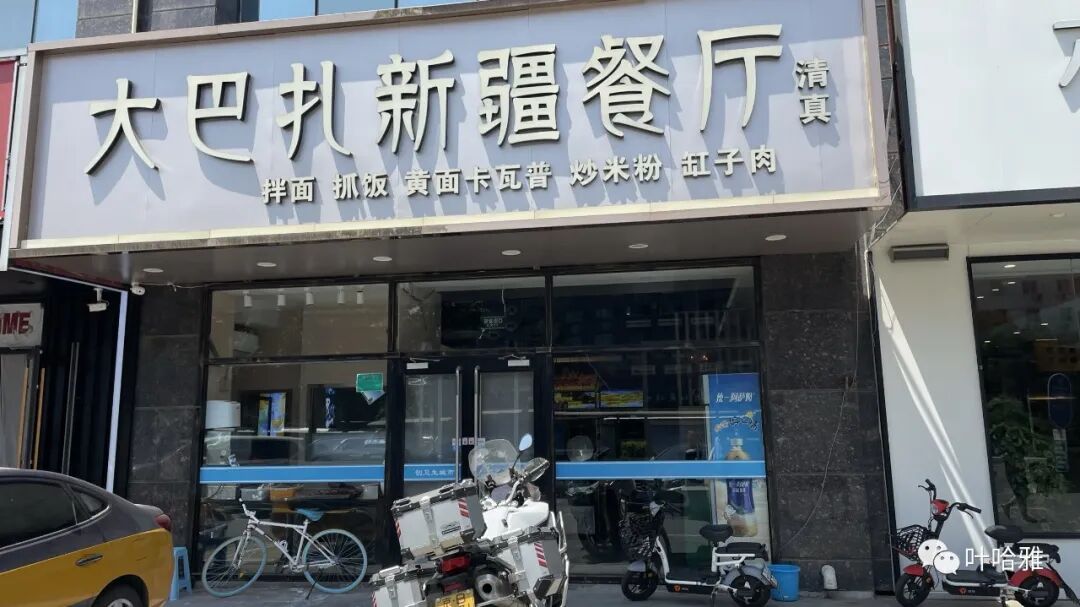
The sign for yellow noodles with kebabs (kawapu) caught my eye. Kawapu means grilled meat, and yellow noodles with grilled meat is a classic Xinjiang specialty.
When I eat Xinjiang food, I always order a fermented drink called kawas. I also love another fermented drink called milk beer (naipi). Both are Xinjiang specialties I really enjoy.
For a cold dish, you have to get the skin, chili, and tomato salad (pilahong).
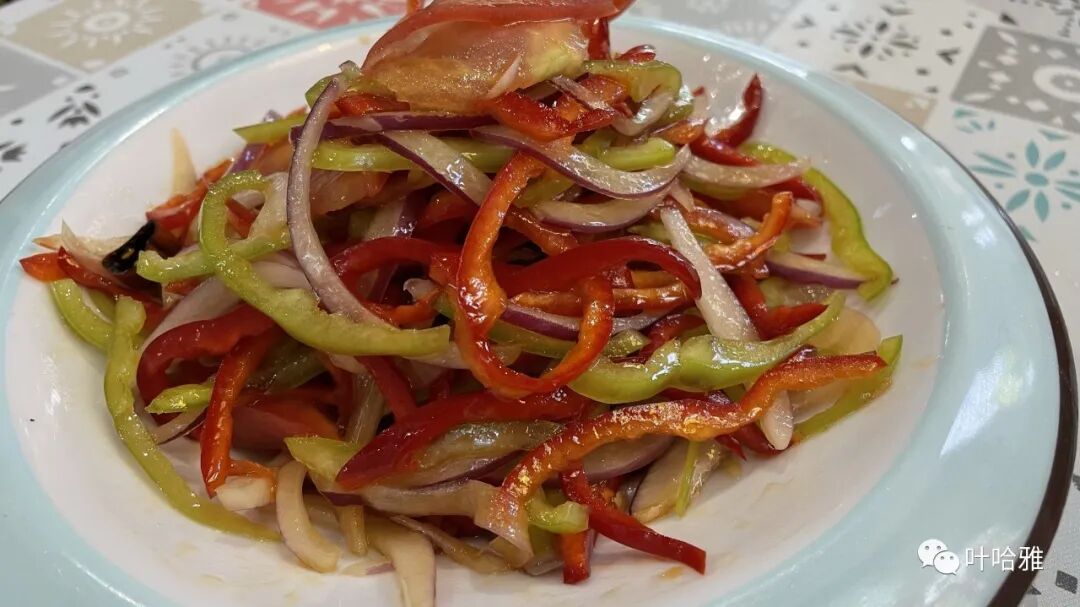
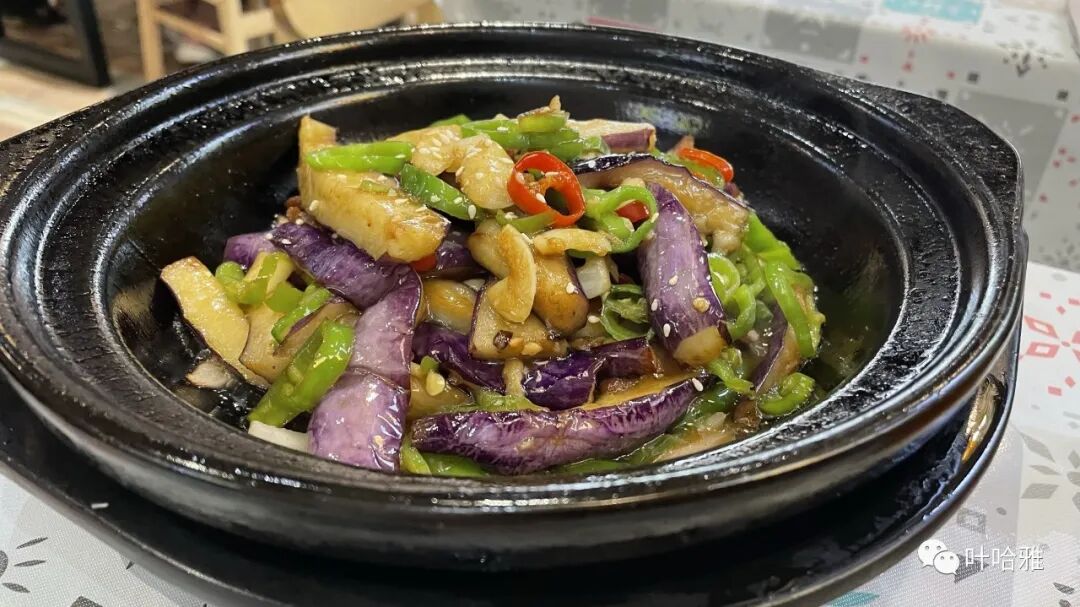
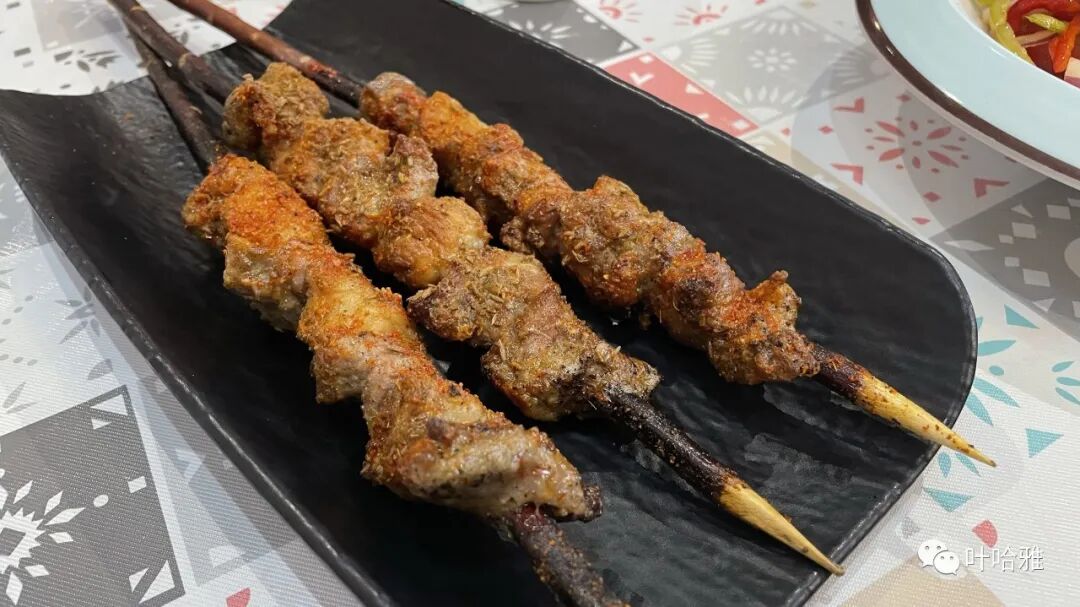
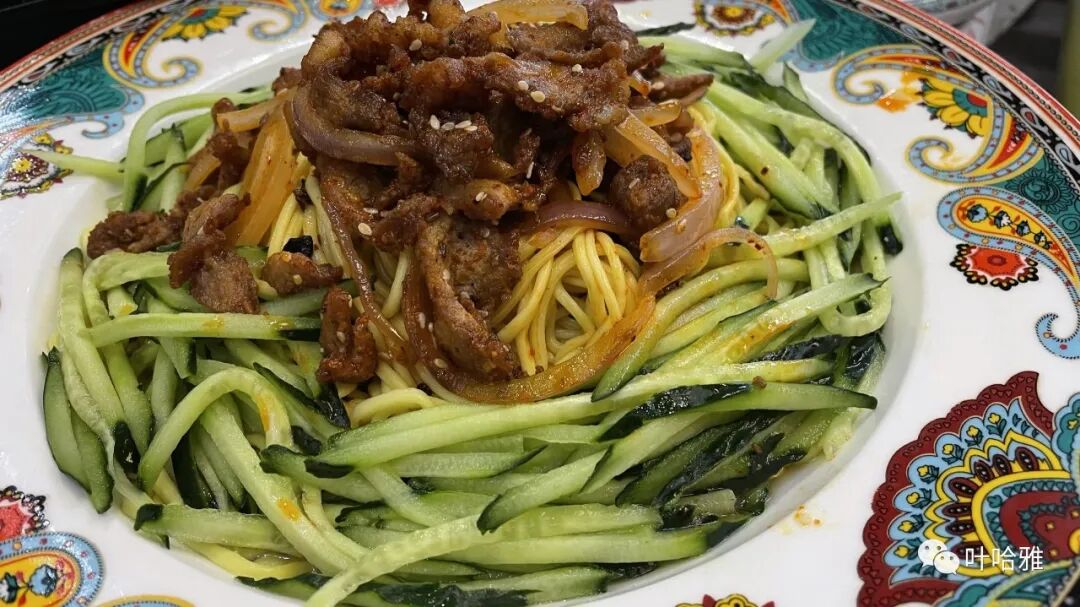
I highly recommend their yellow noodles with grilled meat. It tastes fresh and not greasy. You can add a little vinegar to make the flavors pop. The yellow noodles are served cold with the grilled meat, which is perfect for summer.
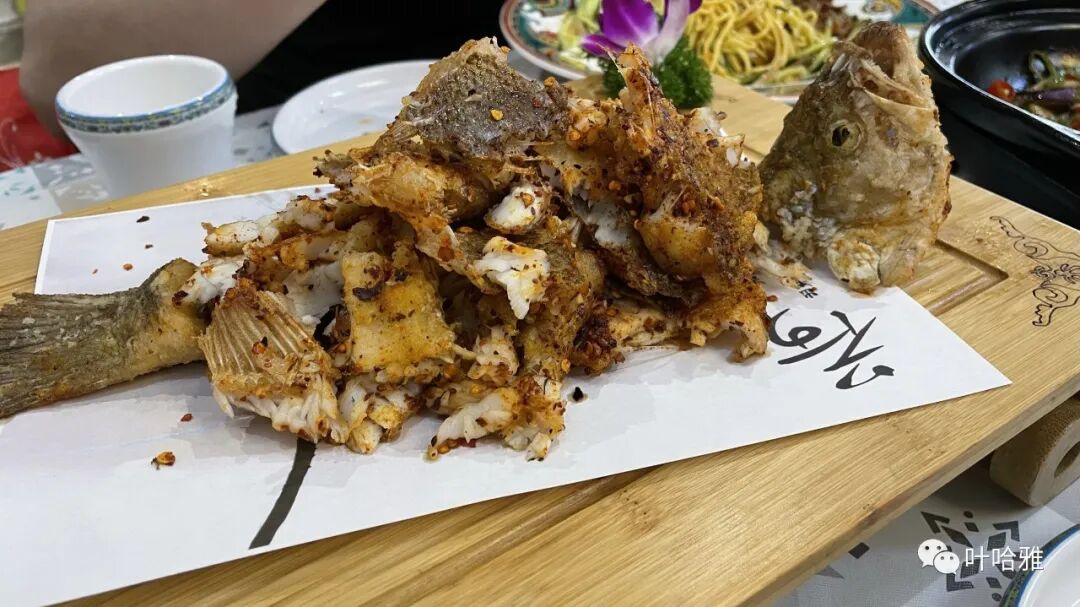
Xinjiang is also a great place for grilled fish. This is grilled luzi fish. It is a bit spicy, but the meat is firm.
Address: Building 1, Courtyard 5, Xiaotun Road, Fengtai District
2. Xunji Courtyard, Qingnian Road Branch
Xunji is a chain restaurant. There is one at the Drum Tower, and they opened another on Qingnian Road. Both have different decor styles, but both feel high-end and elegant. The Qingnian Road location has a particularly fresh and unique atmosphere. It is much larger than the Drum Tower branch and has plenty of free parking.
When you enter the courtyard, you walk through a bamboo forest. Mist rises along the path, making it feel like a fairyland.
The courtyard is full of flowers and greenery, with bright, colorful hydrangeas everywhere.
The courtyard has open-air seating and tented private rooms, each equipped with air conditioning, lights, and sound systems.
There is an indoor dining hall, but in the summer, everyone prefers to sit in the courtyard to enjoy the flowers and the food.
The dining tables in the tented rooms have microphones and sound effects; if you speak near the table, you can hear an echo, which makes chatting easy.
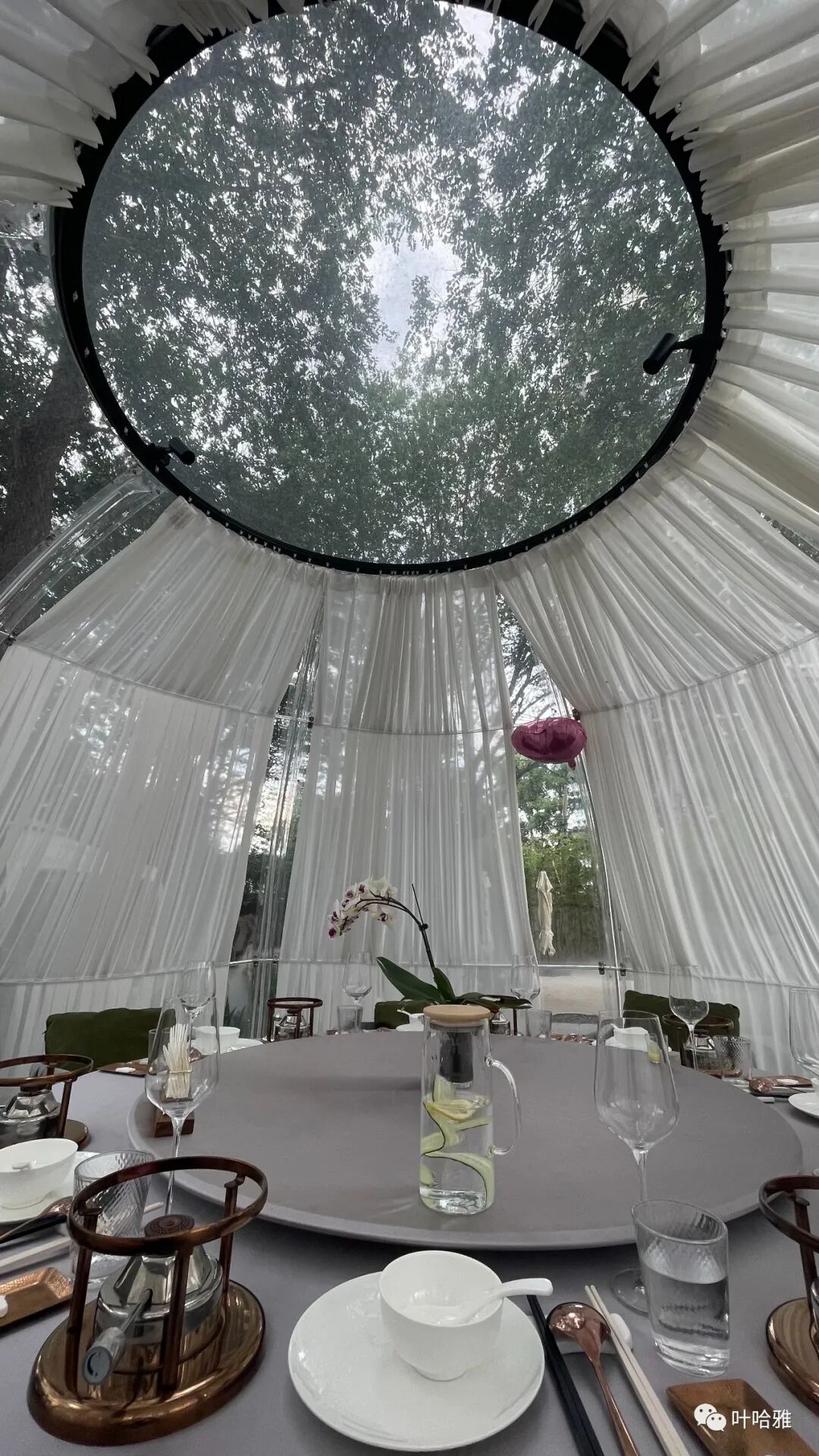
When friends from Shadian arrived in Beijing, I specifically brought my team here for a good meal. This place is top-tier halal dining in Beijing, costing 400-500 yuan per person. The restaurant charges by the head and currently only serves hot pot.
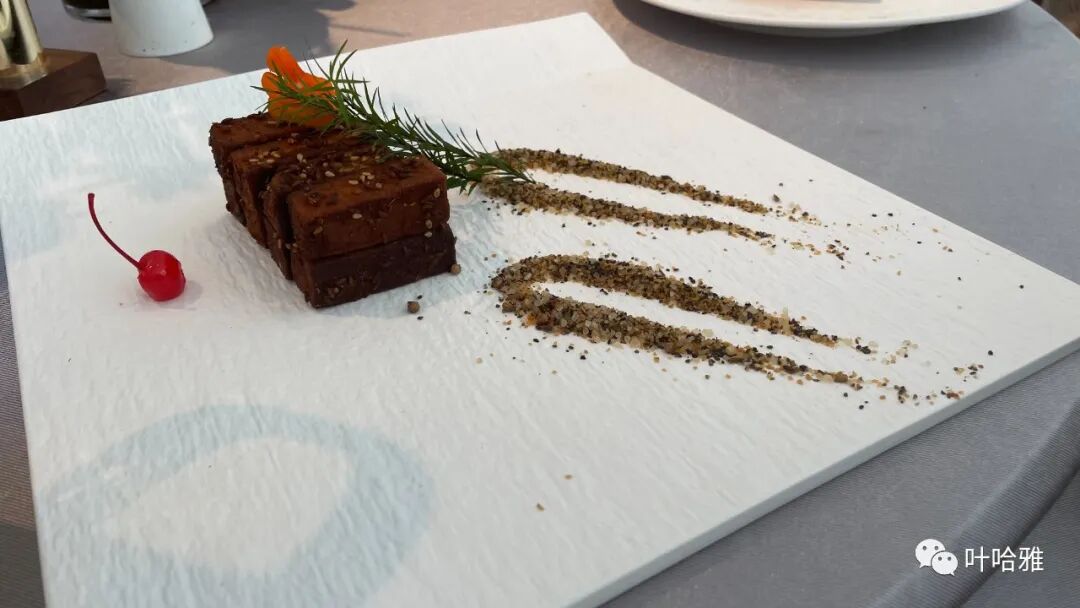
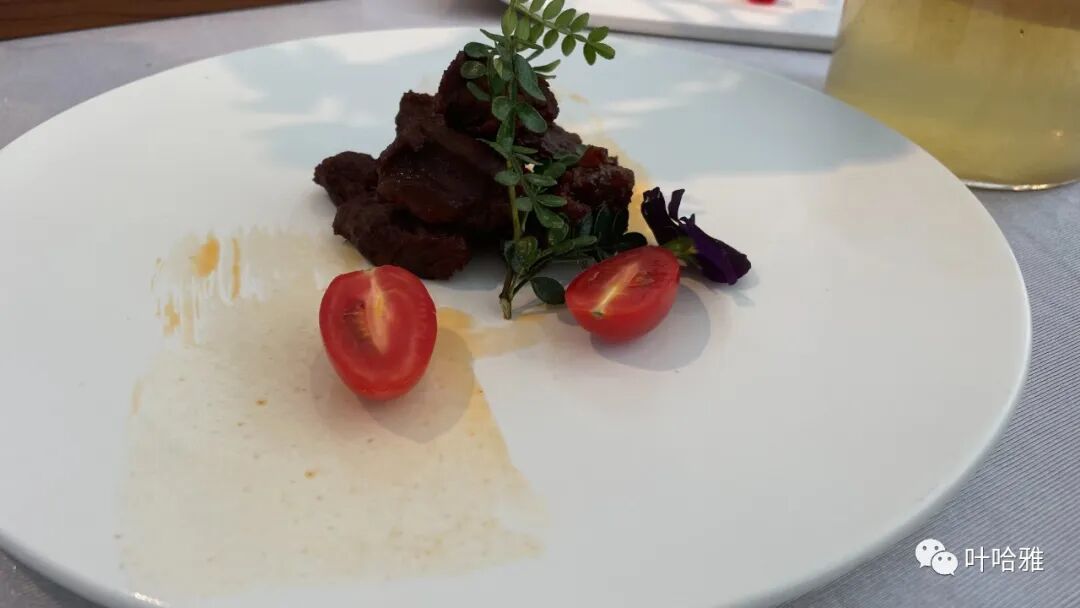
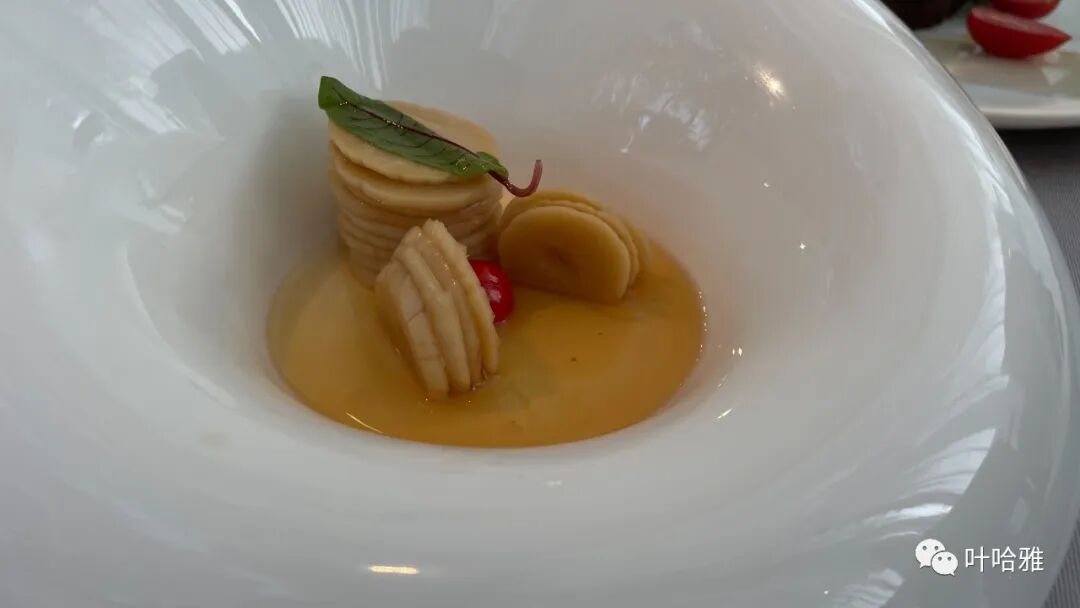
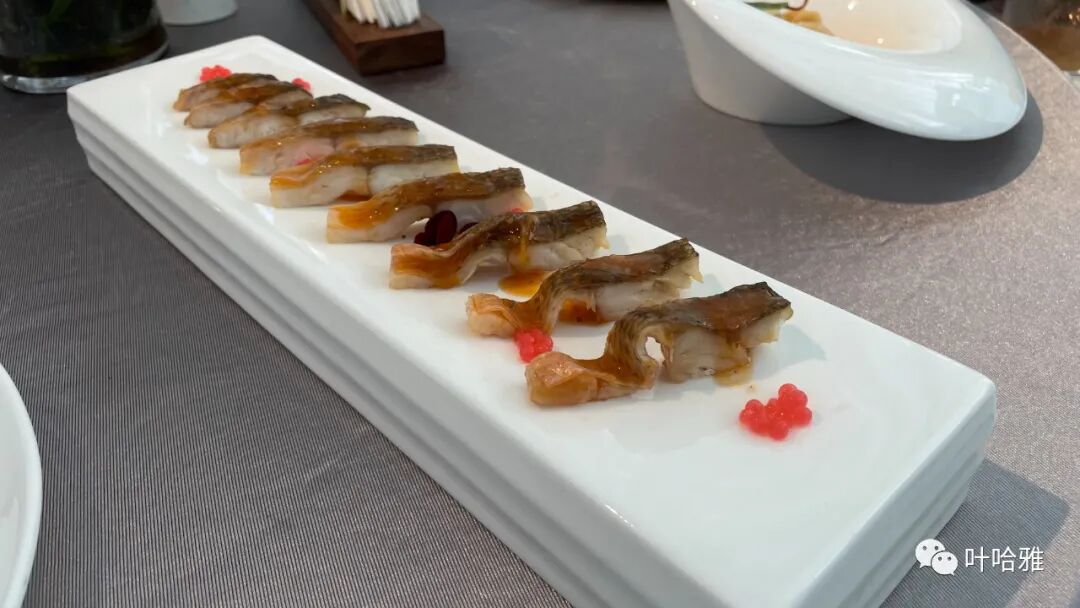
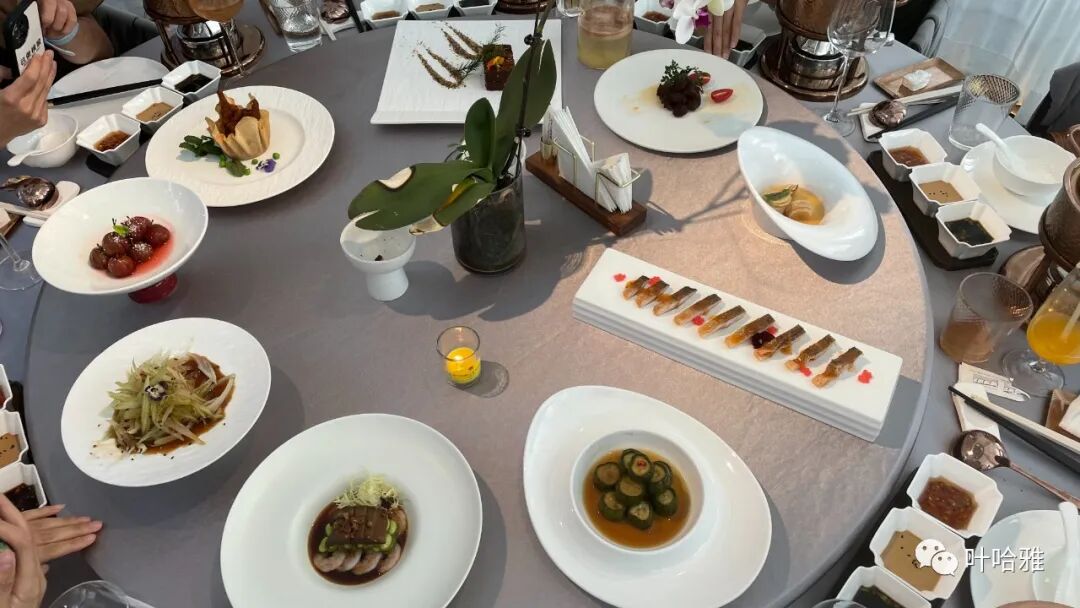
All ingredients are fresh and high-quality. You just wait for the servers to bring the dishes in order, and each private room has a dedicated server to provide attentive service. The dishes are served in this order: drinks, cold appetizers, hot pot items, staples, and dessert. You can order extra portions of anything you like during the meal at no additional cost.
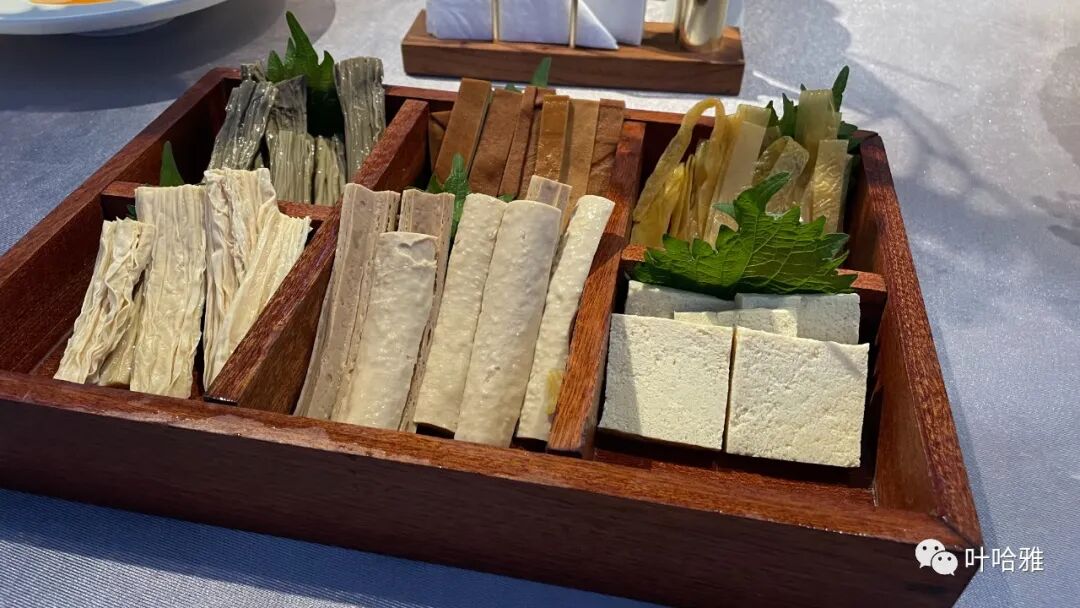
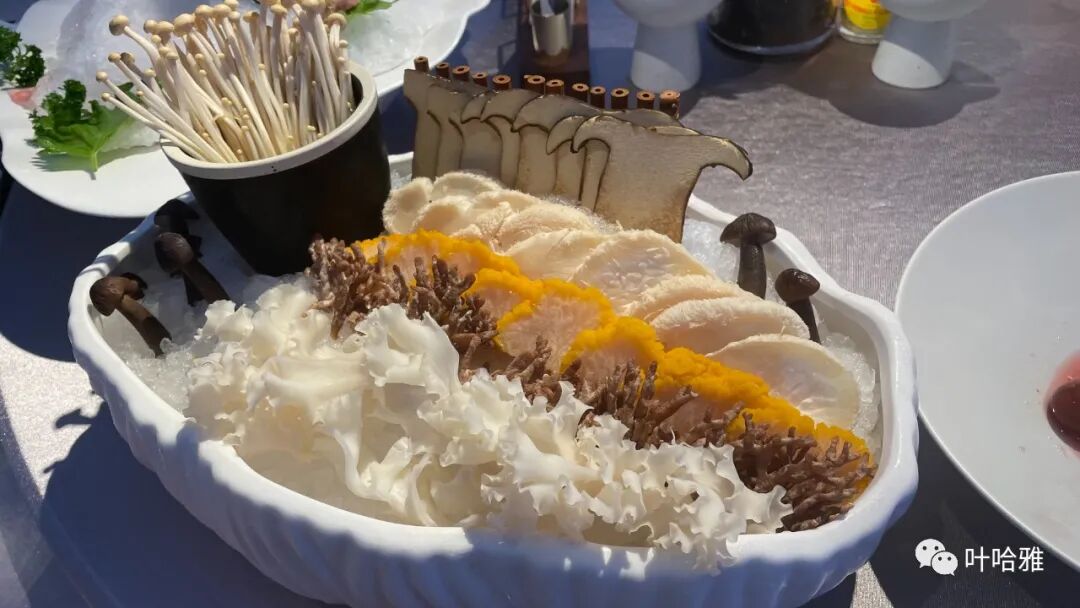
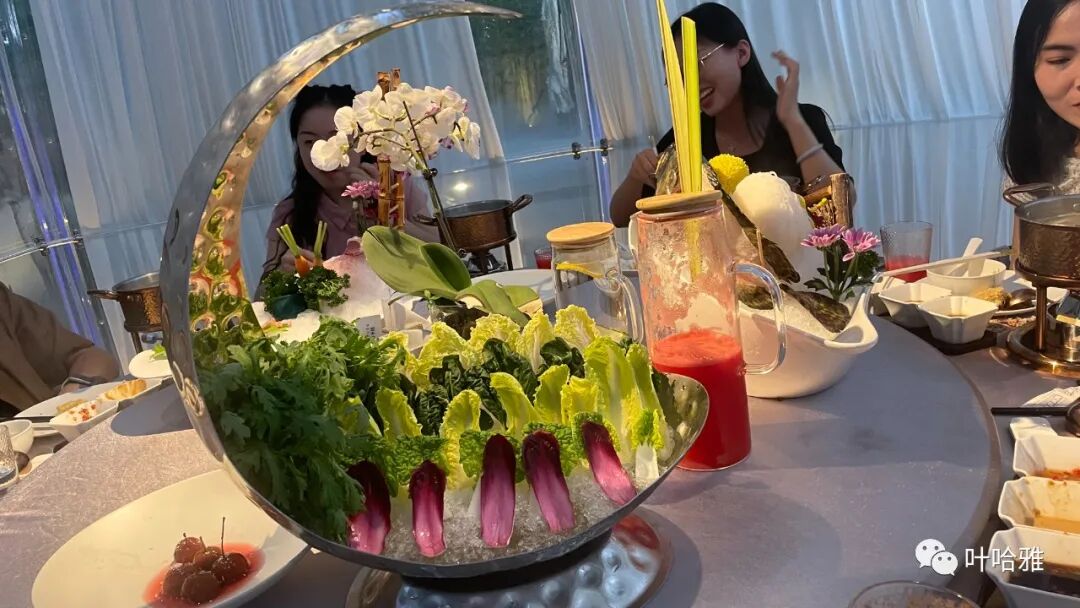
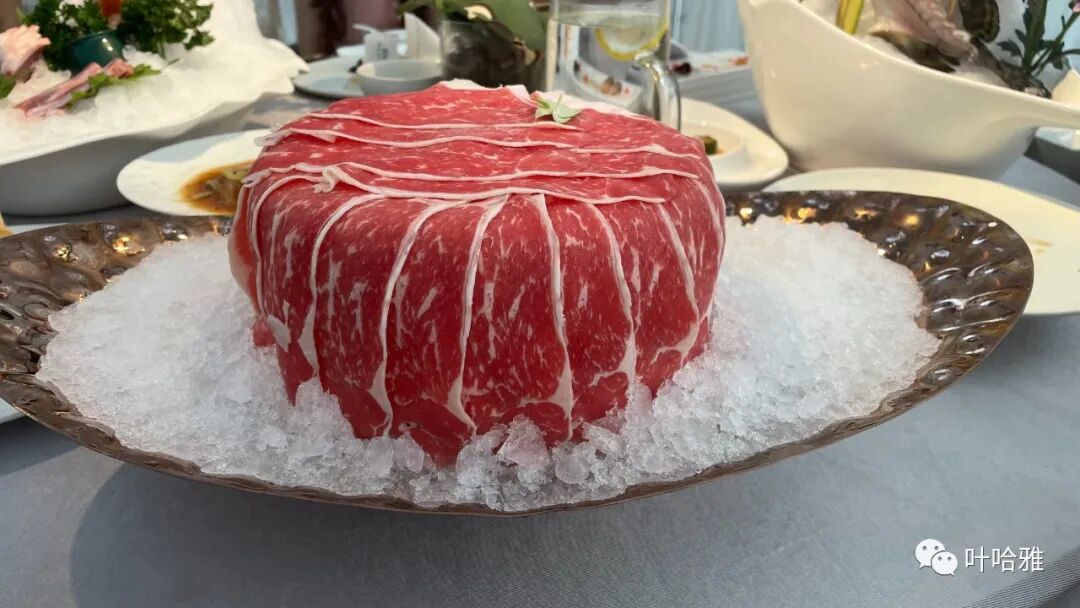
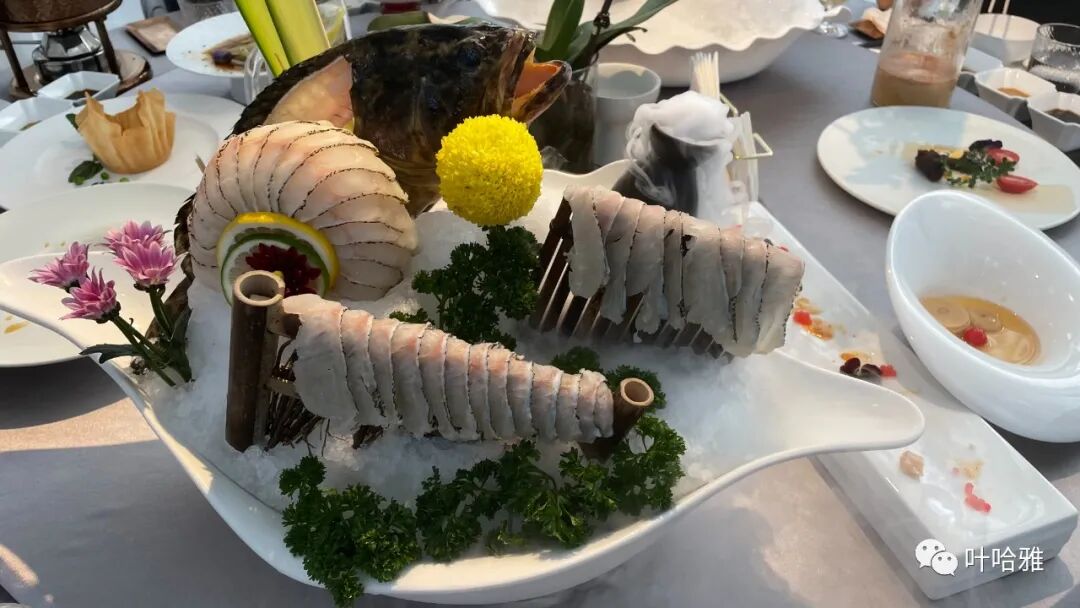
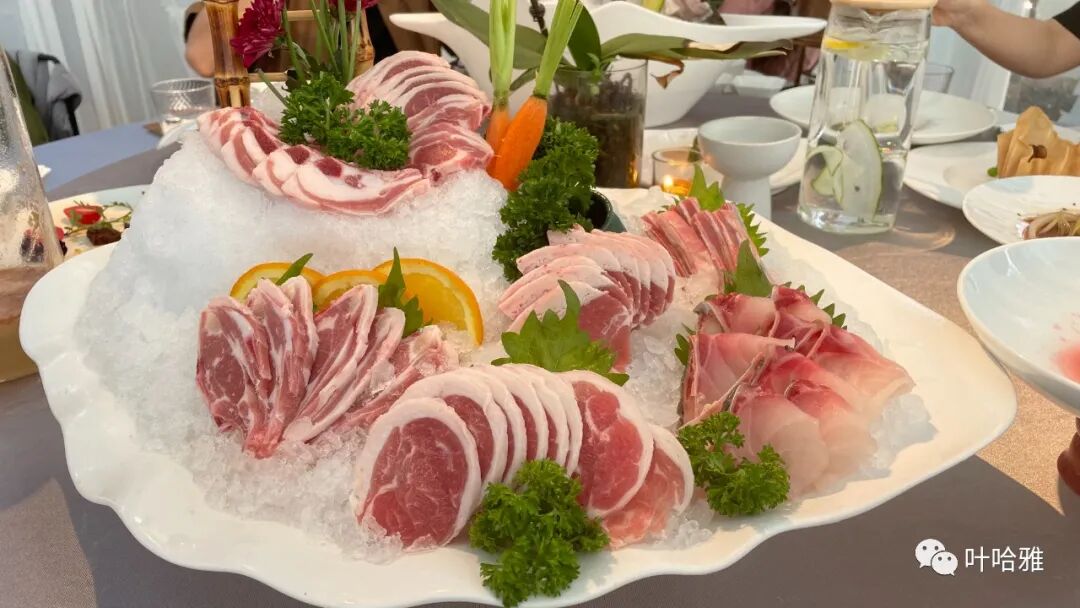
The desserts and staples are specialties from Gansu. Since the owner is from Gansu, they serve fermented oat porridge (tianpei) and handmade dough slices (shougong mianpian).
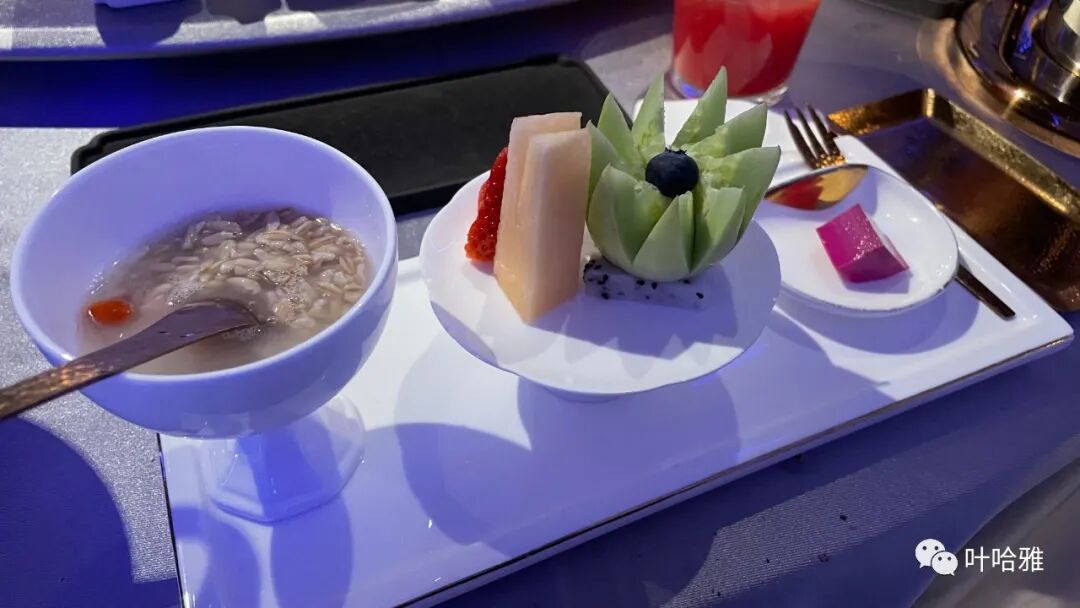
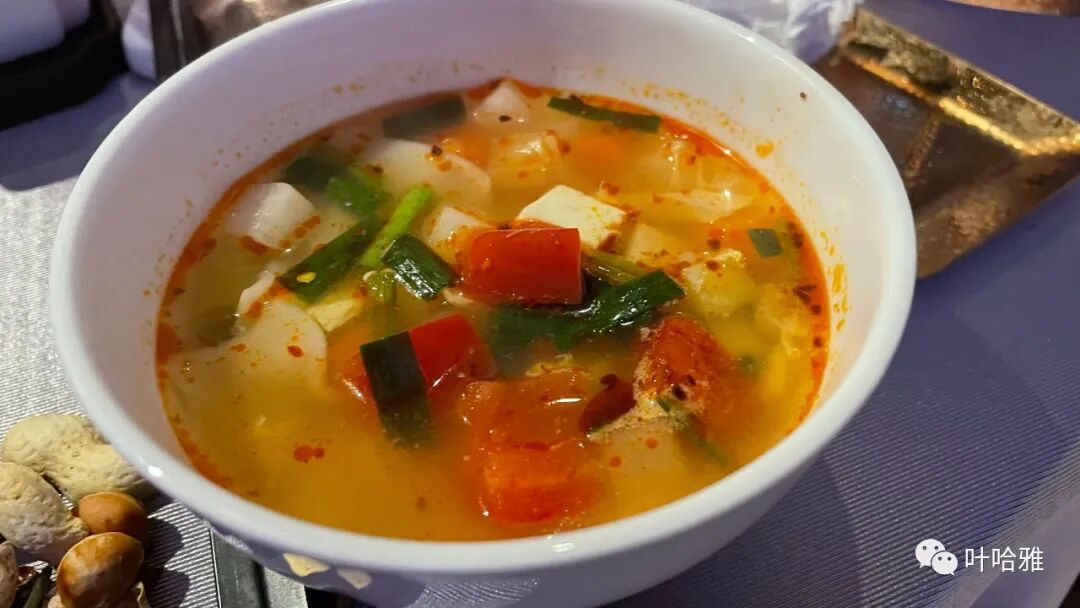
3. Zhizi Jianghu Cuisine · Halal Barbecue
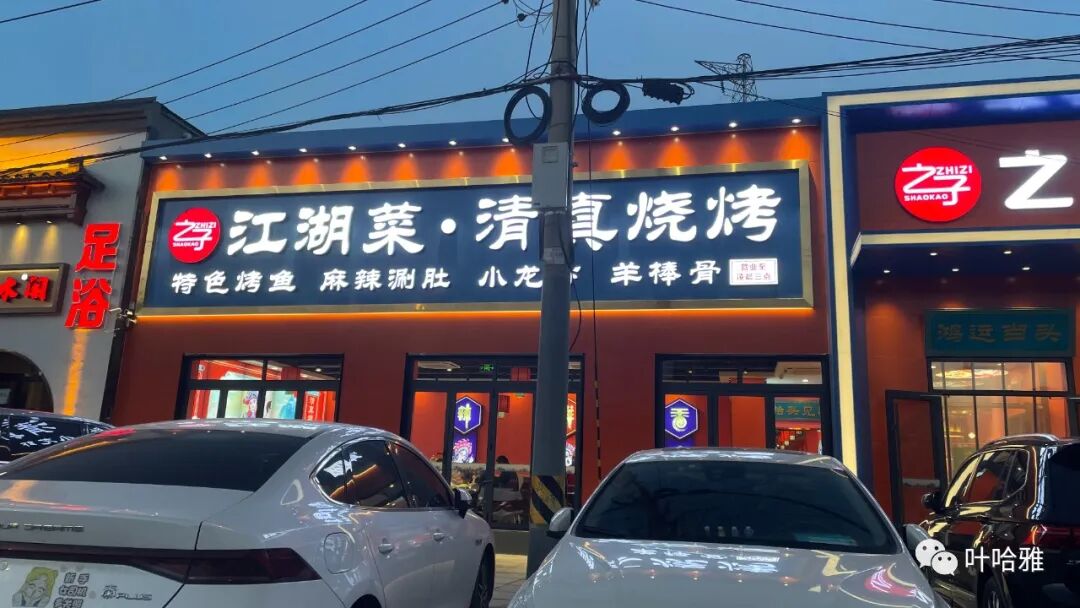
This is a newly opened barbecue shop in Xiguanshi, Changping. Their specialty is grilled fish. We ordered one grilled fish and one order of grilled prawns, both of which were delicious. If you don't mind the distance, you can come and try it.
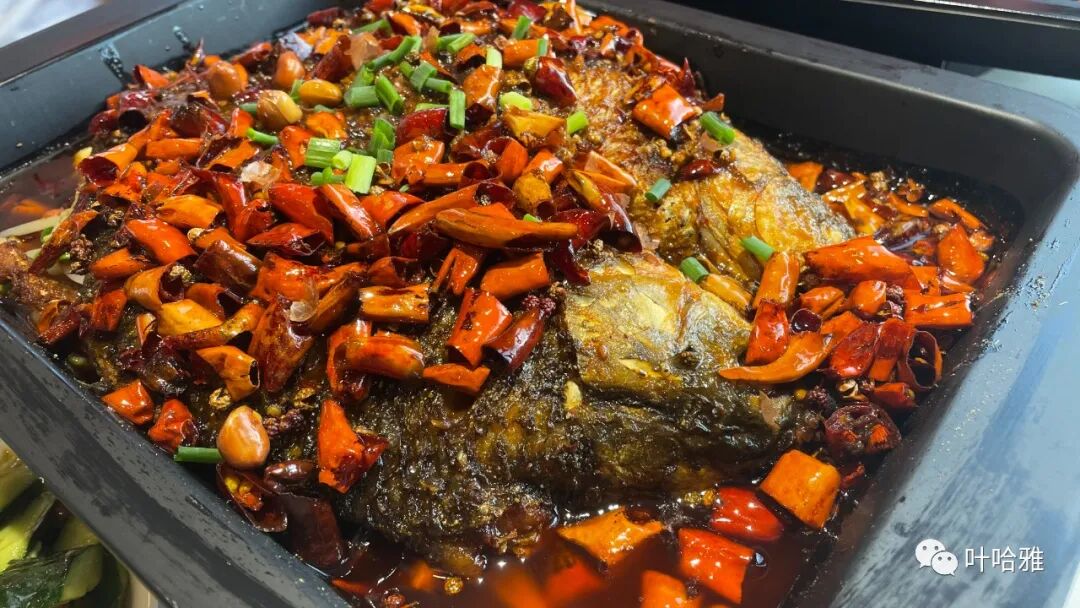
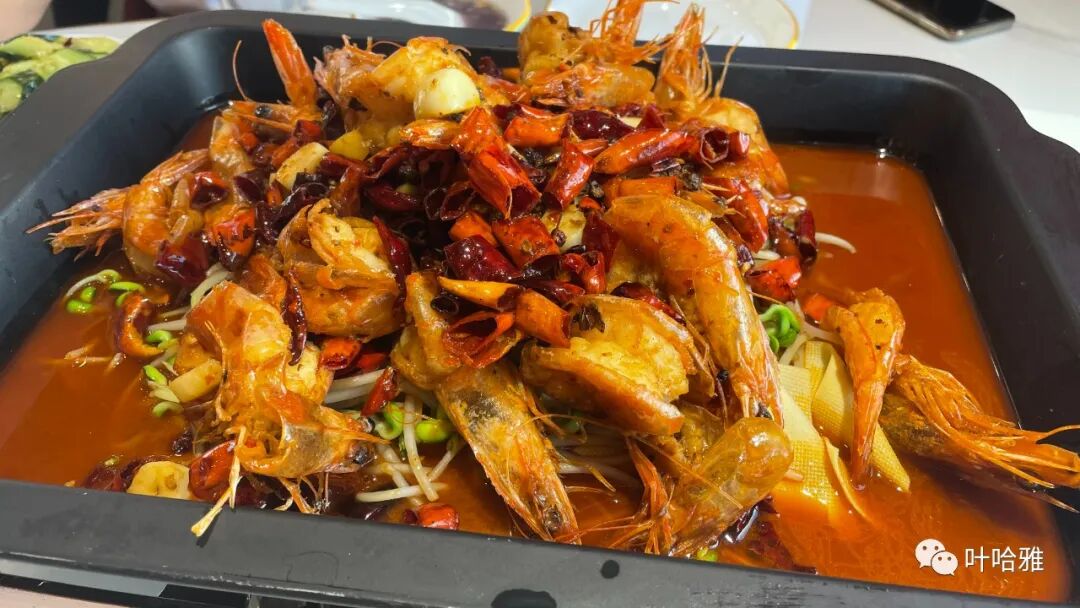
They also serve ice jelly (bingfen) and fried mini dough sticks (zha xiao youtiao), which are usually only found in Sichuan-style hot pot restaurants.
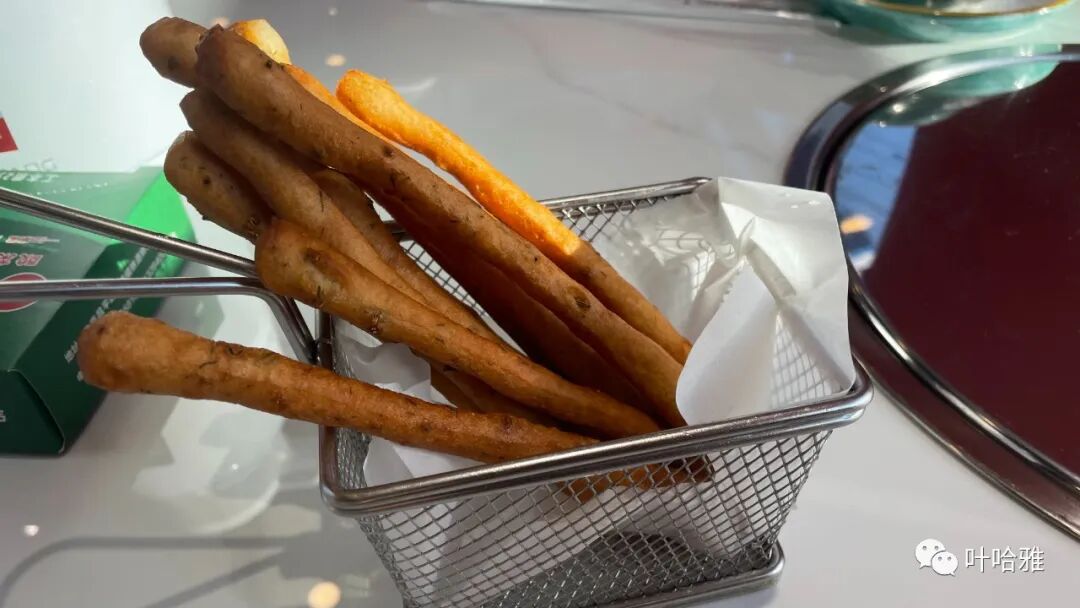
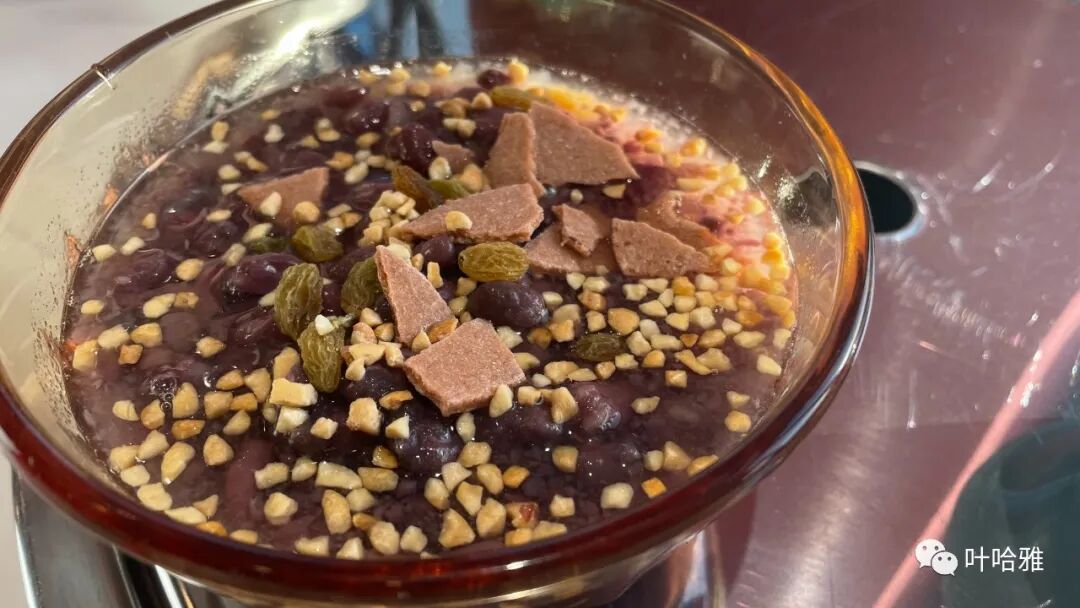
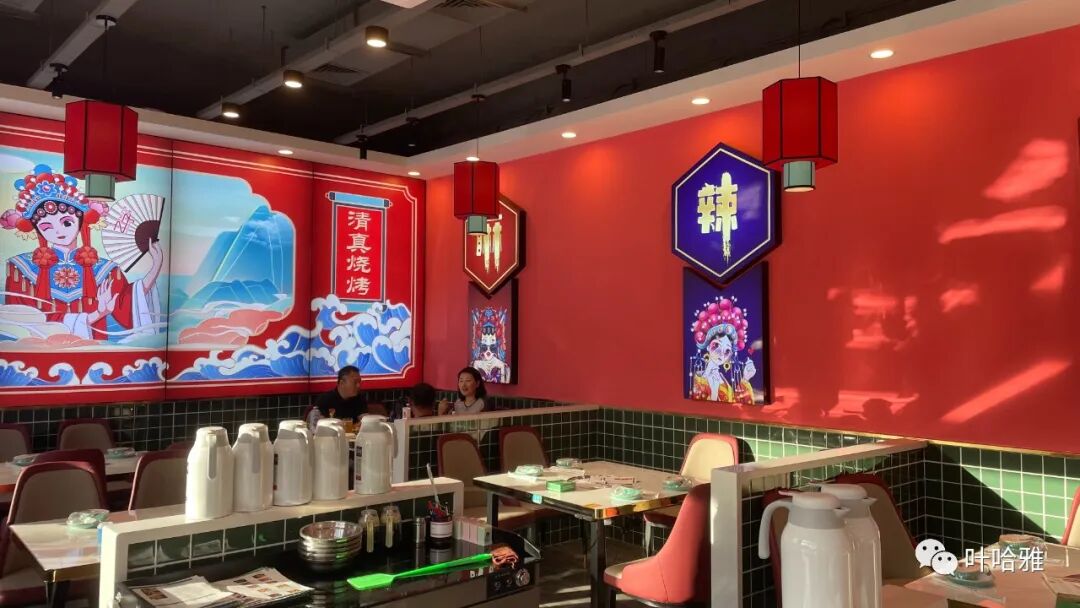
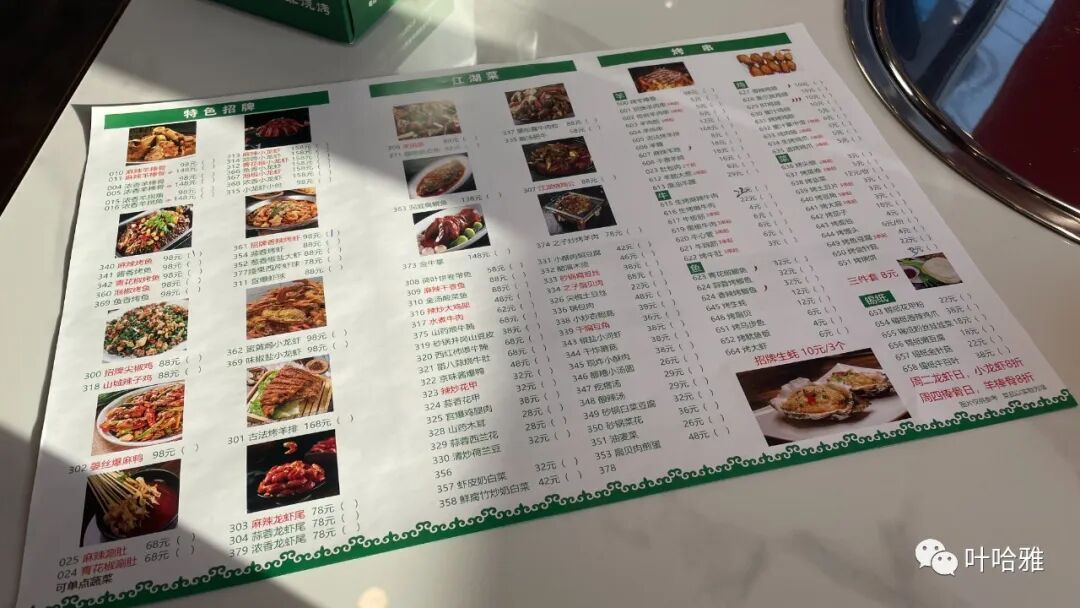
4. Syrian Restaurant (SOLANA branch)
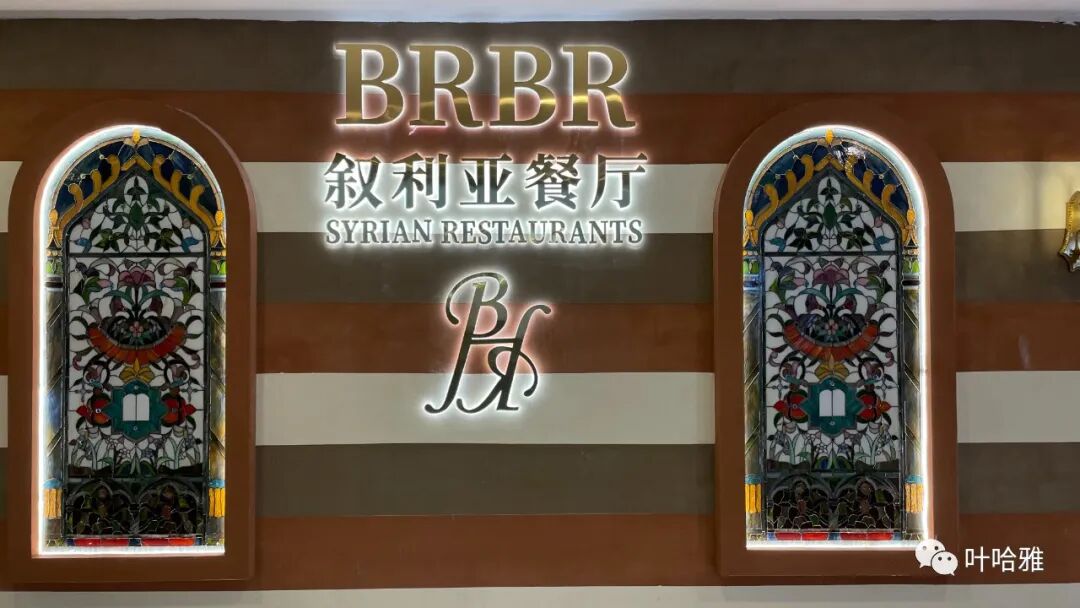
Ever since the Syrian restaurant in Wudaokou, Haidian, became popular, the owner wanted to open a branch in Chaoyang District. This time, the wish finally came true. The new branch is on the second floor of the SOLANA (Lanse Gangwan) shopping mall, near McDonald's.
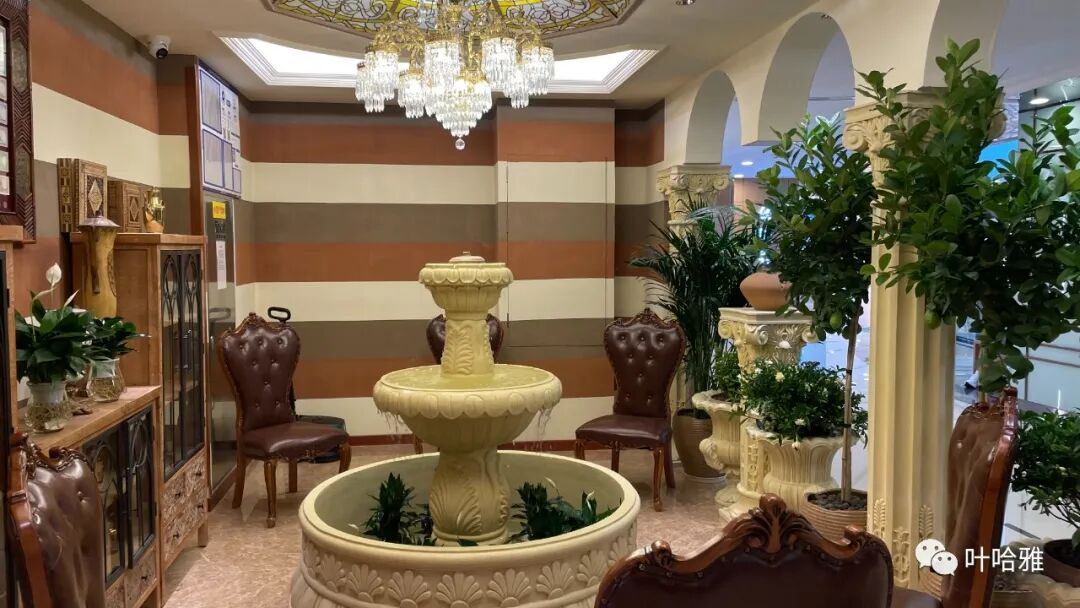
The SOLANA branch is much larger, the decor is very stylish, and the private rooms have a wider view than the previous location.
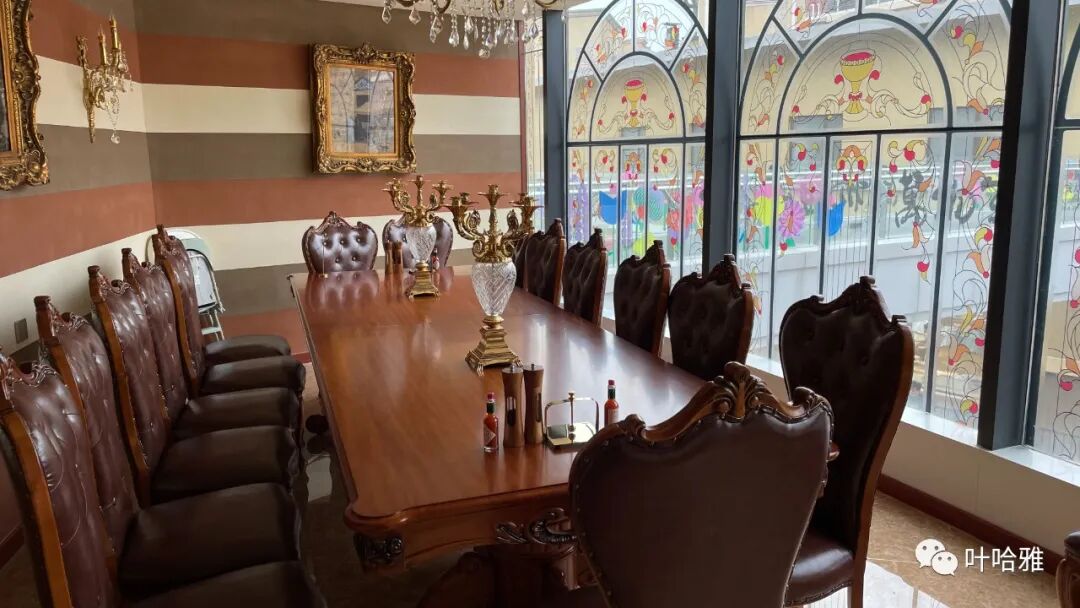
I invited a group of foodie friends to check it out. We ordered everything on the menu, and it cost 100 yuan per person.
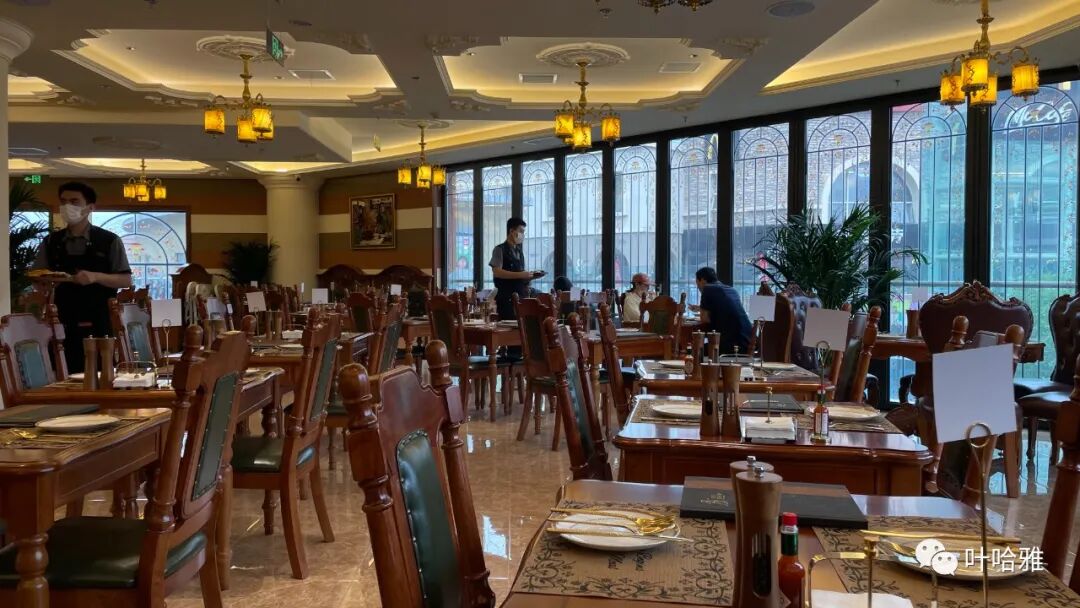
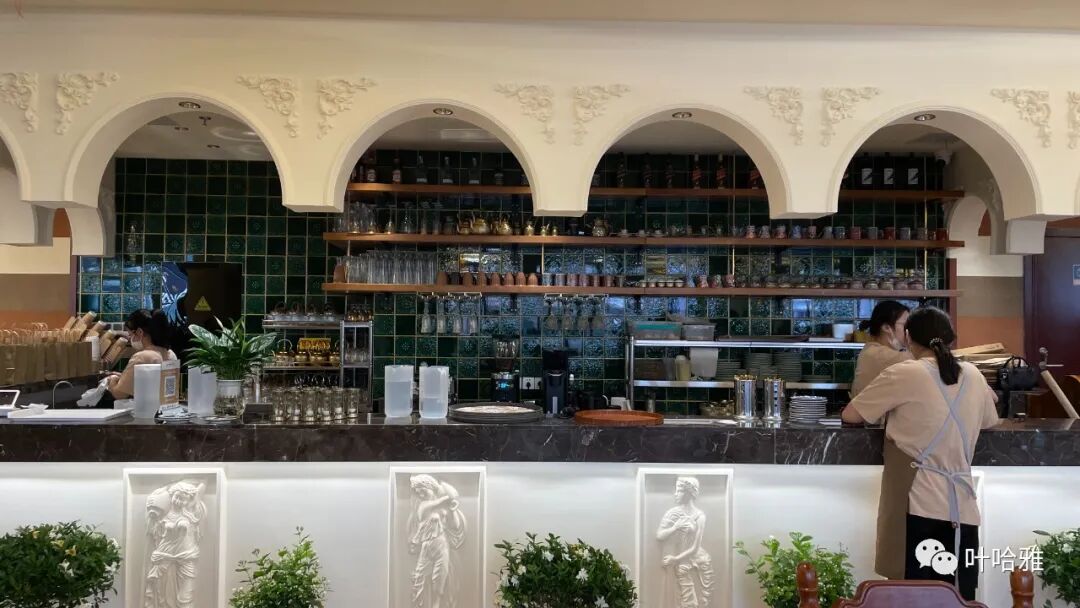
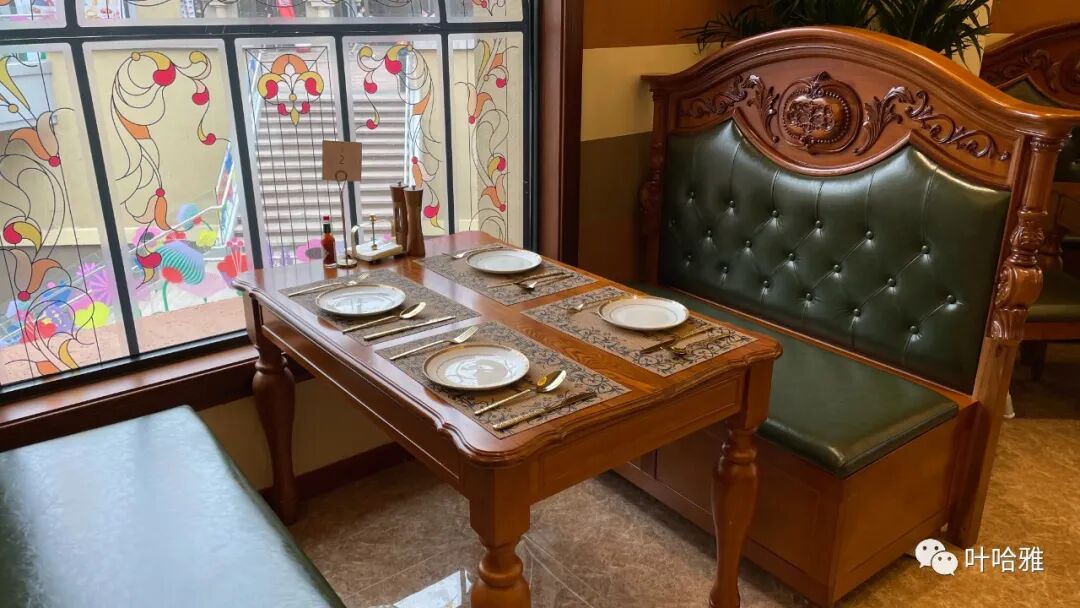
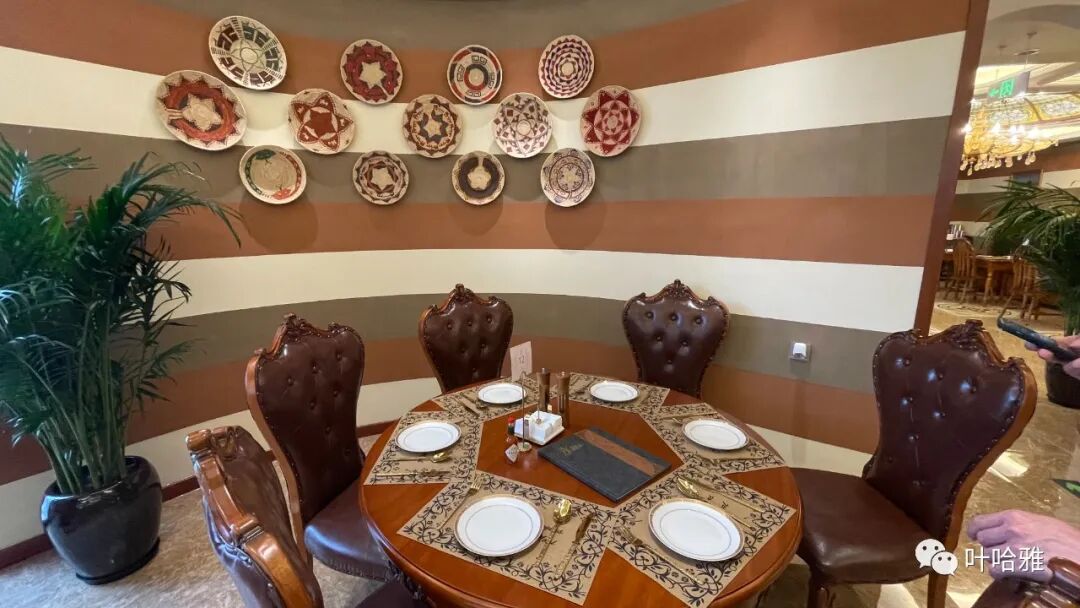
The menu is exactly the same as the Wudaokou shop, and the flavors are basically identical.
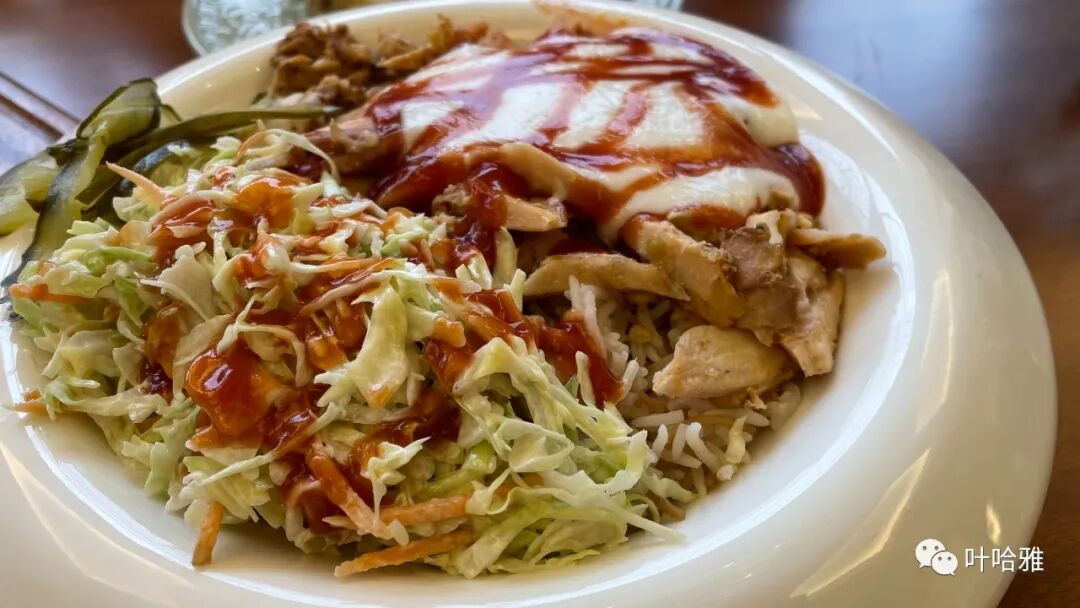
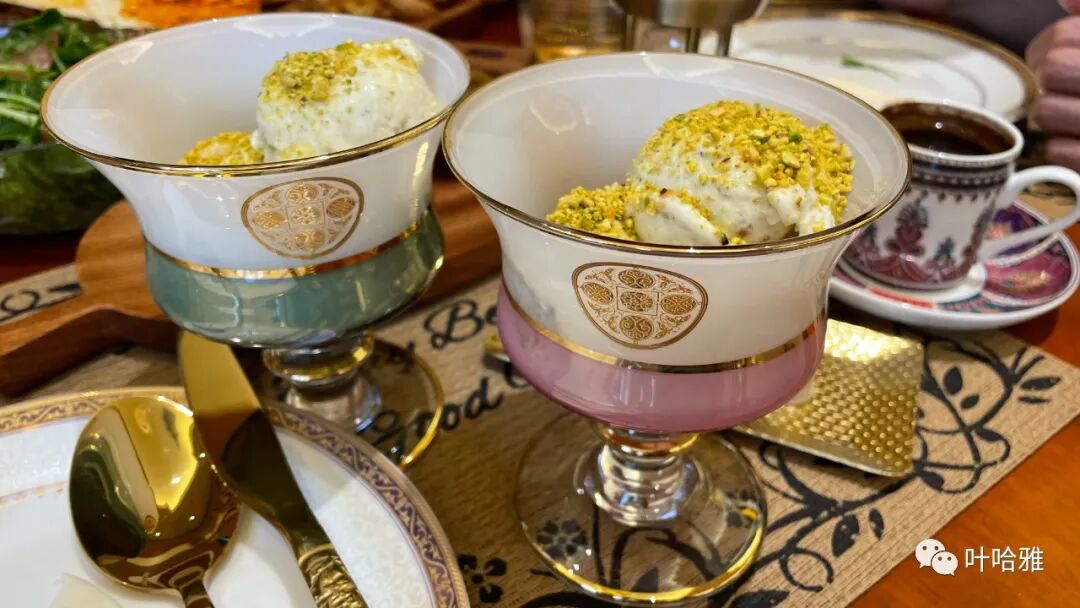
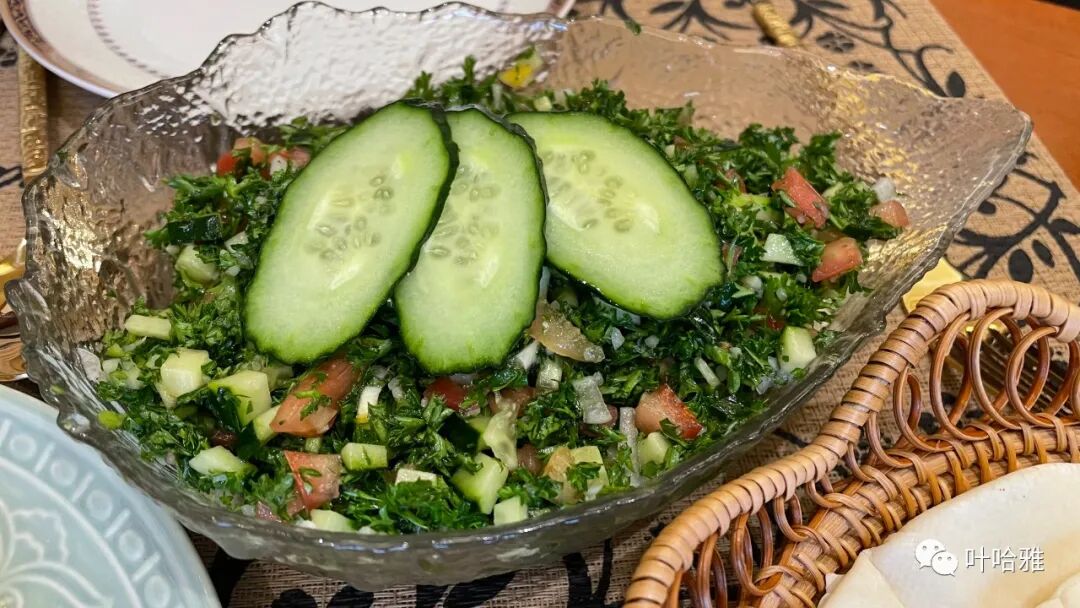
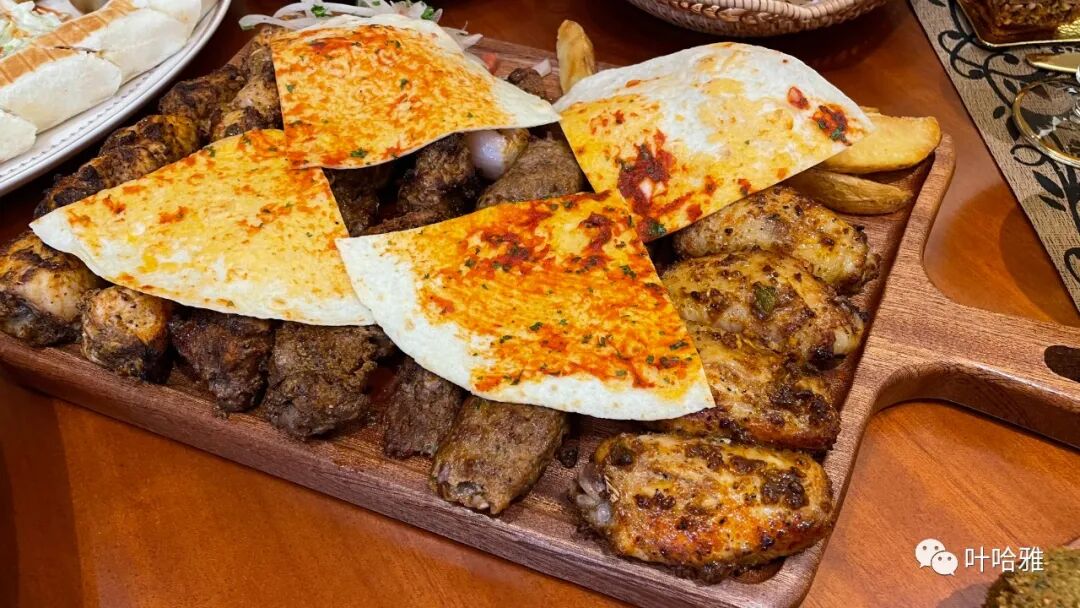
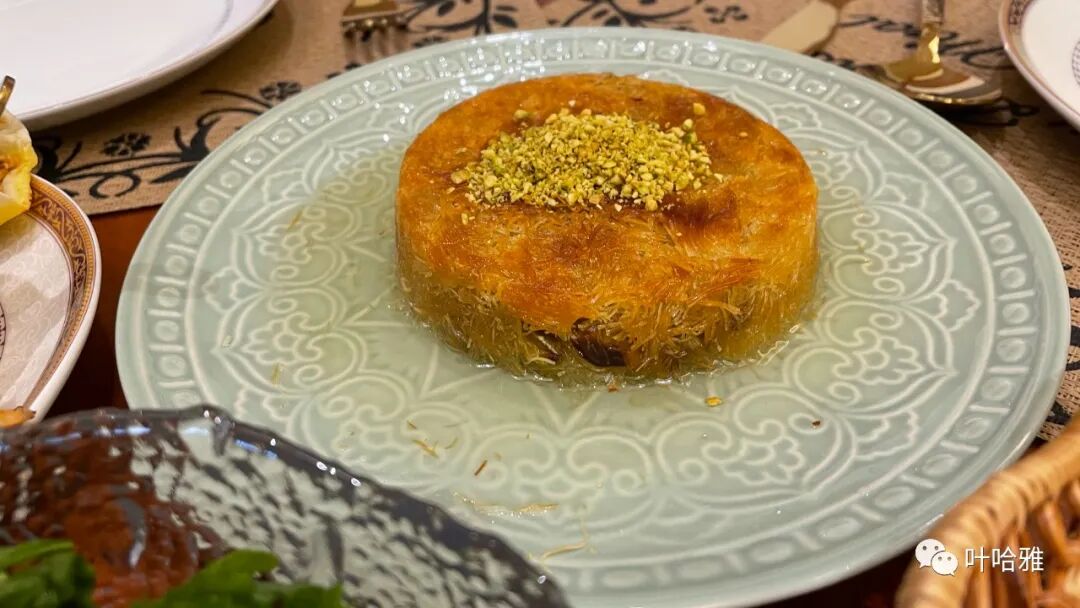
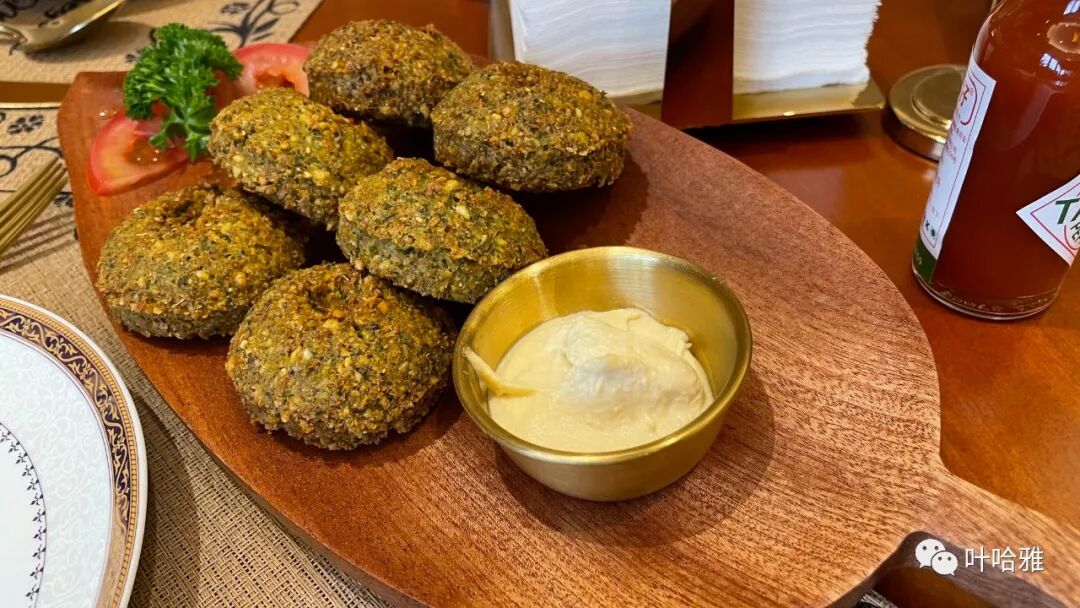
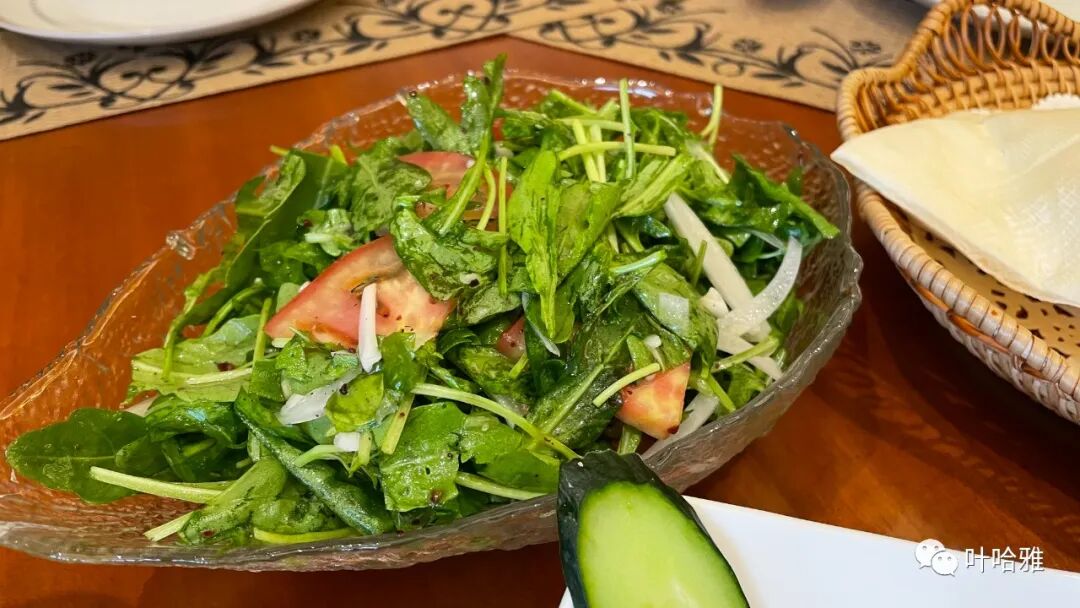
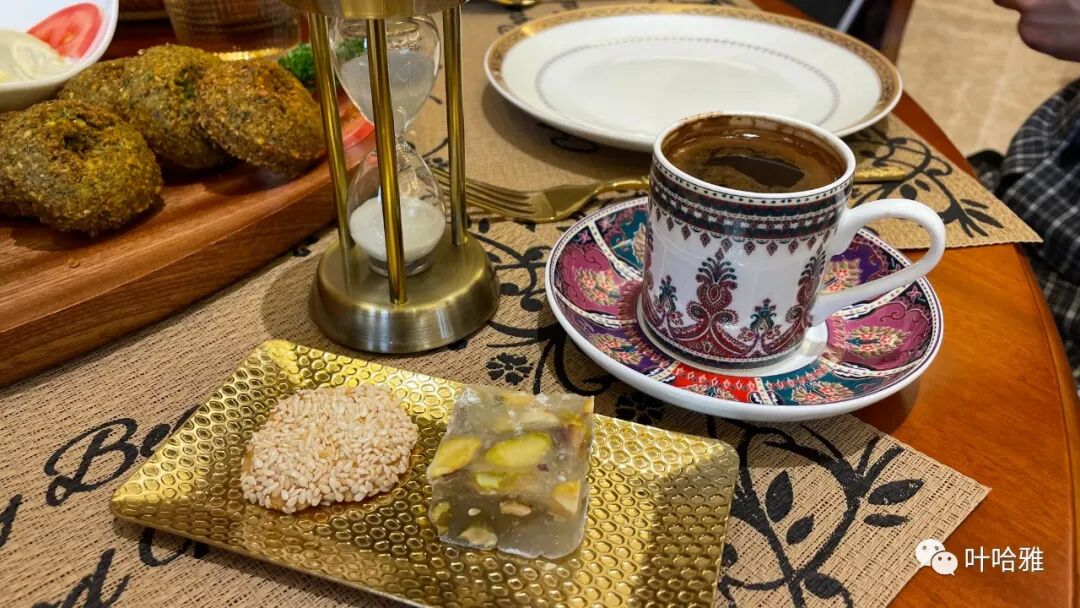
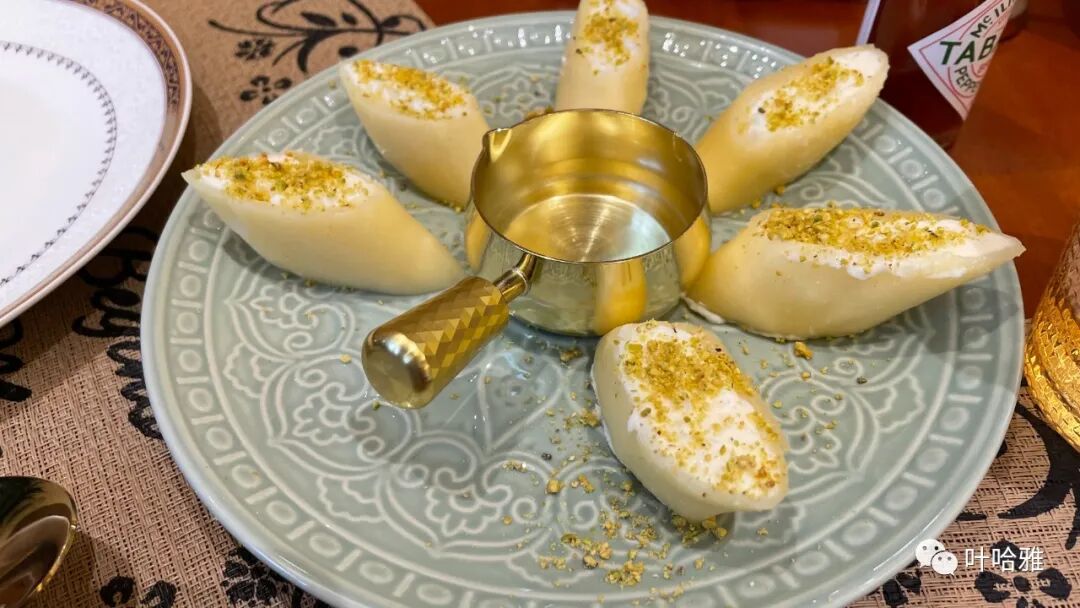
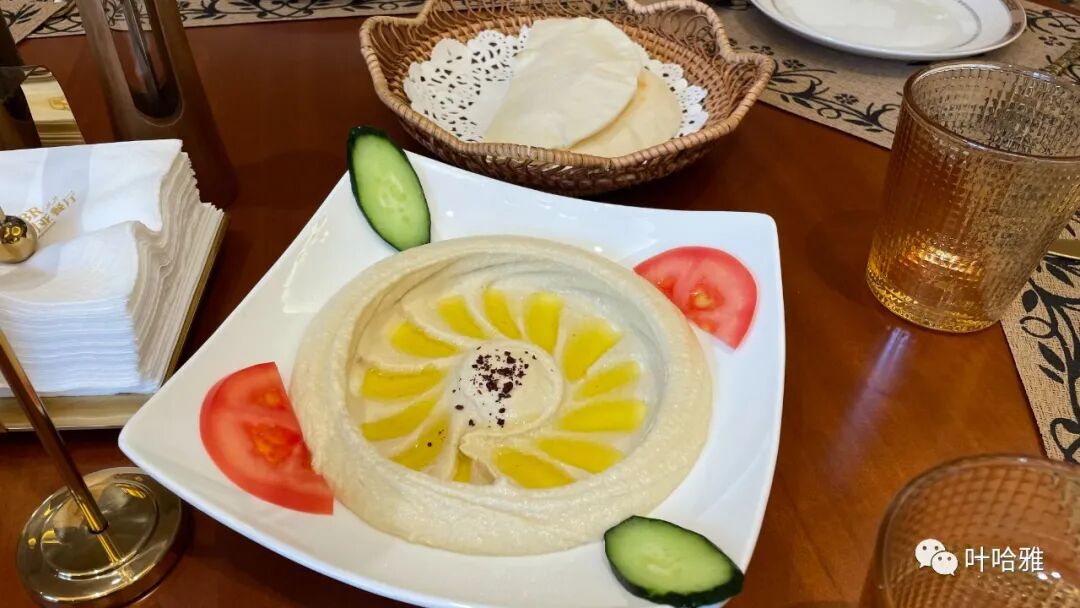
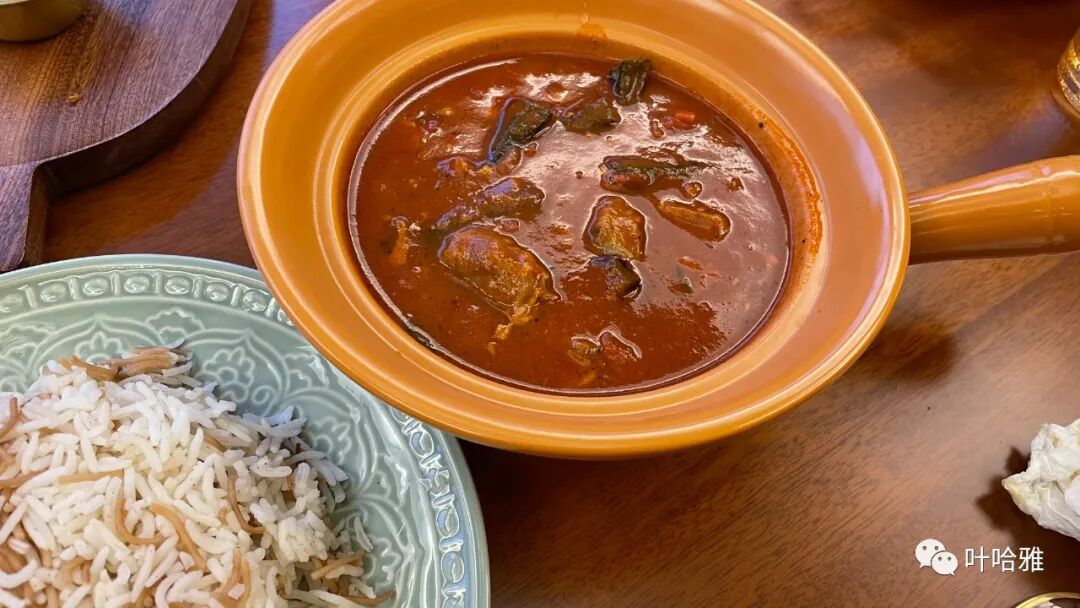
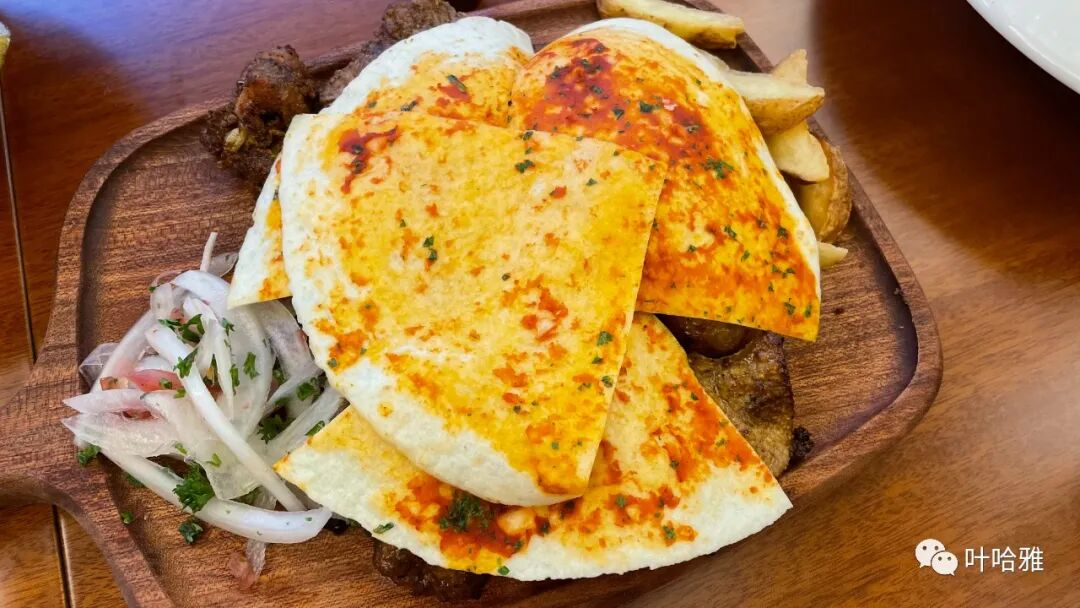
I suddenly realized that Syrian barbecue is the same thing as Zibo barbecue. Syrian barbecue is also eaten by wrapping meat in thin flatbread (bing). The difference is that Zibo barbecue uses green onions inside, while Syrian barbecue uses onions.
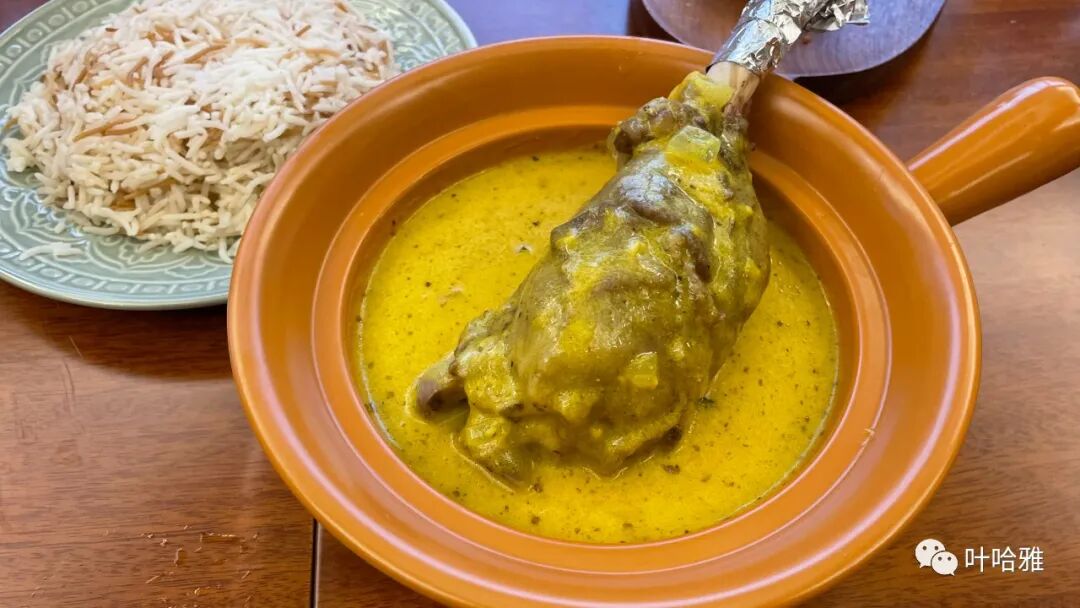
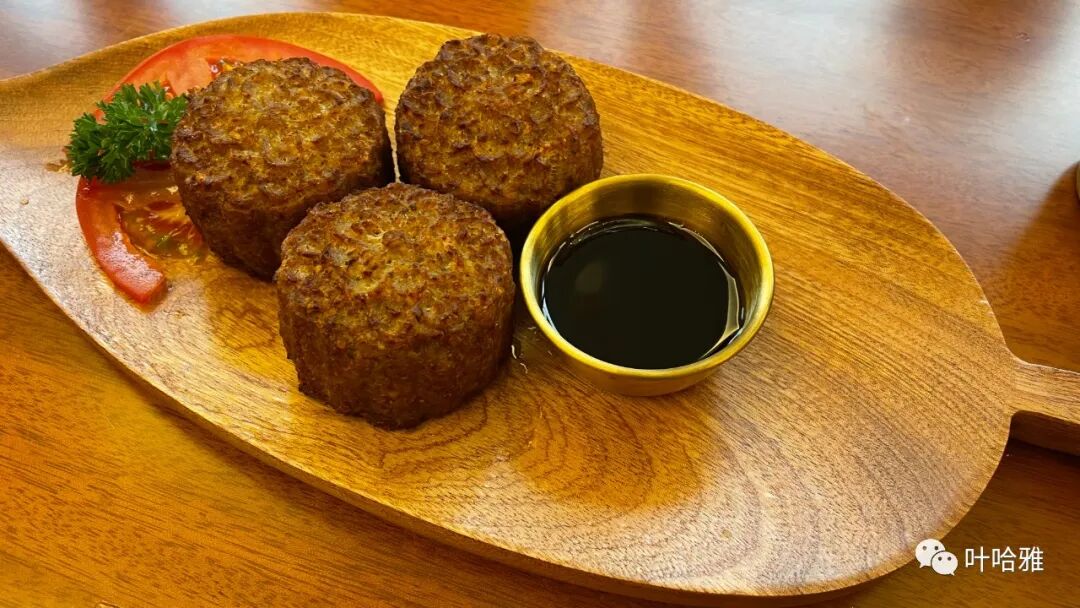
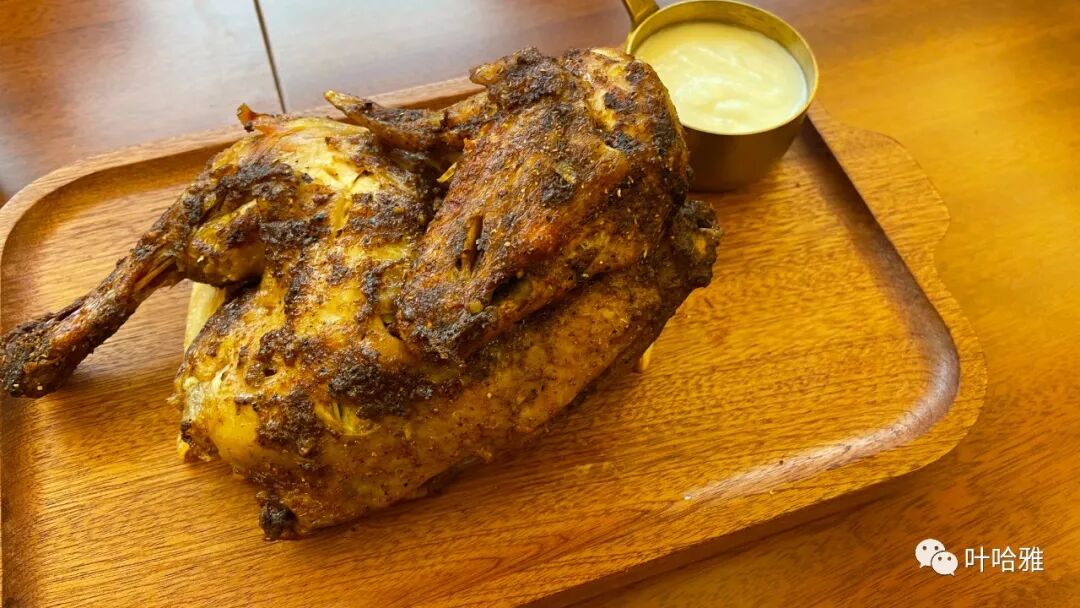
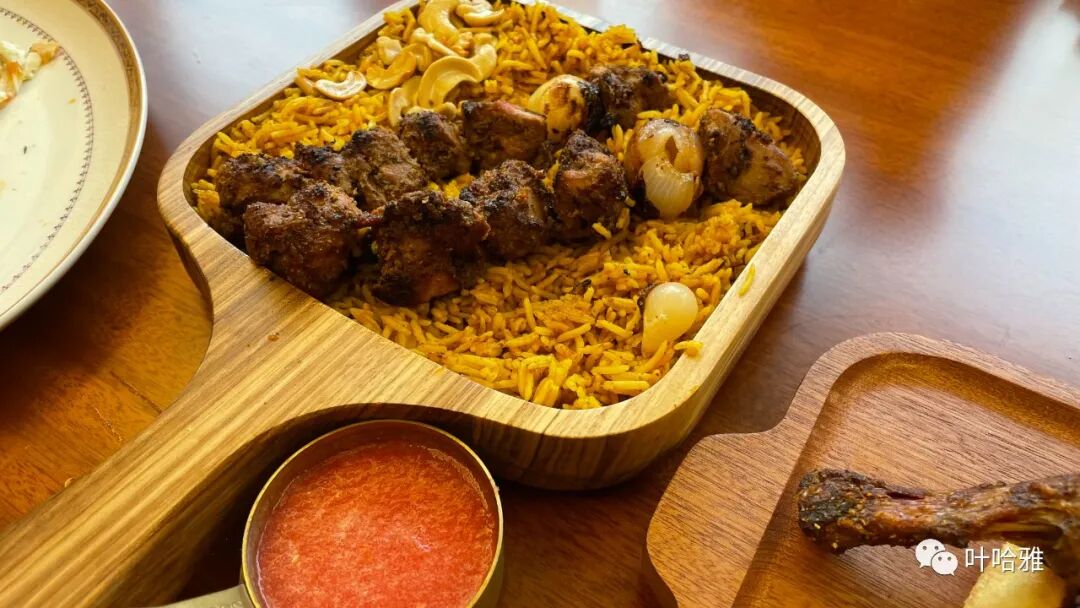
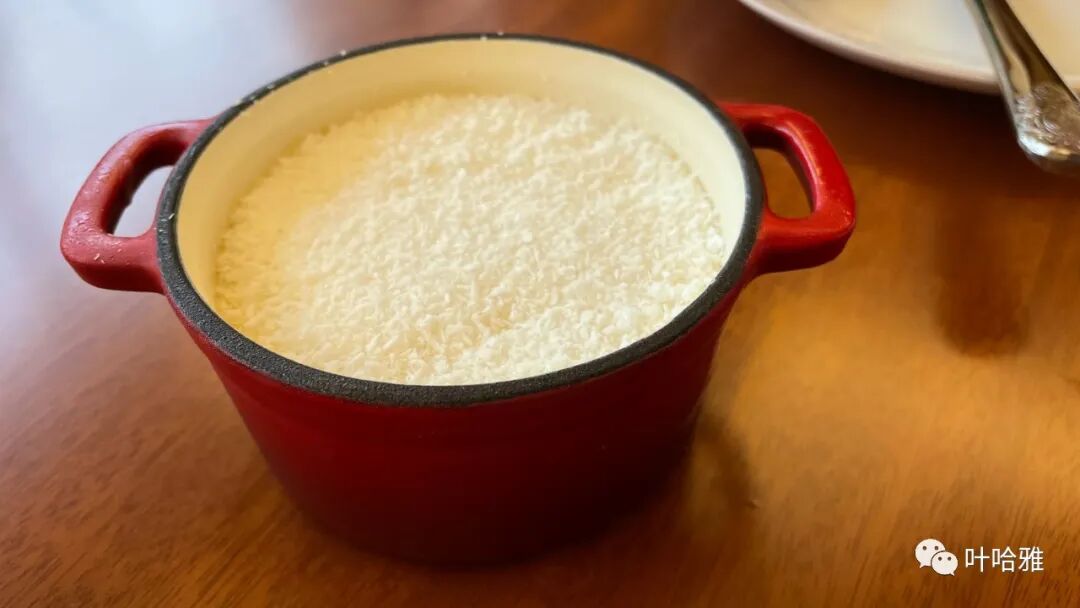
The shop sells beautiful coffee cups. We happened to visit on the opening day celebration, and the owner gave every friend who came to check in a beautiful coffee cup.
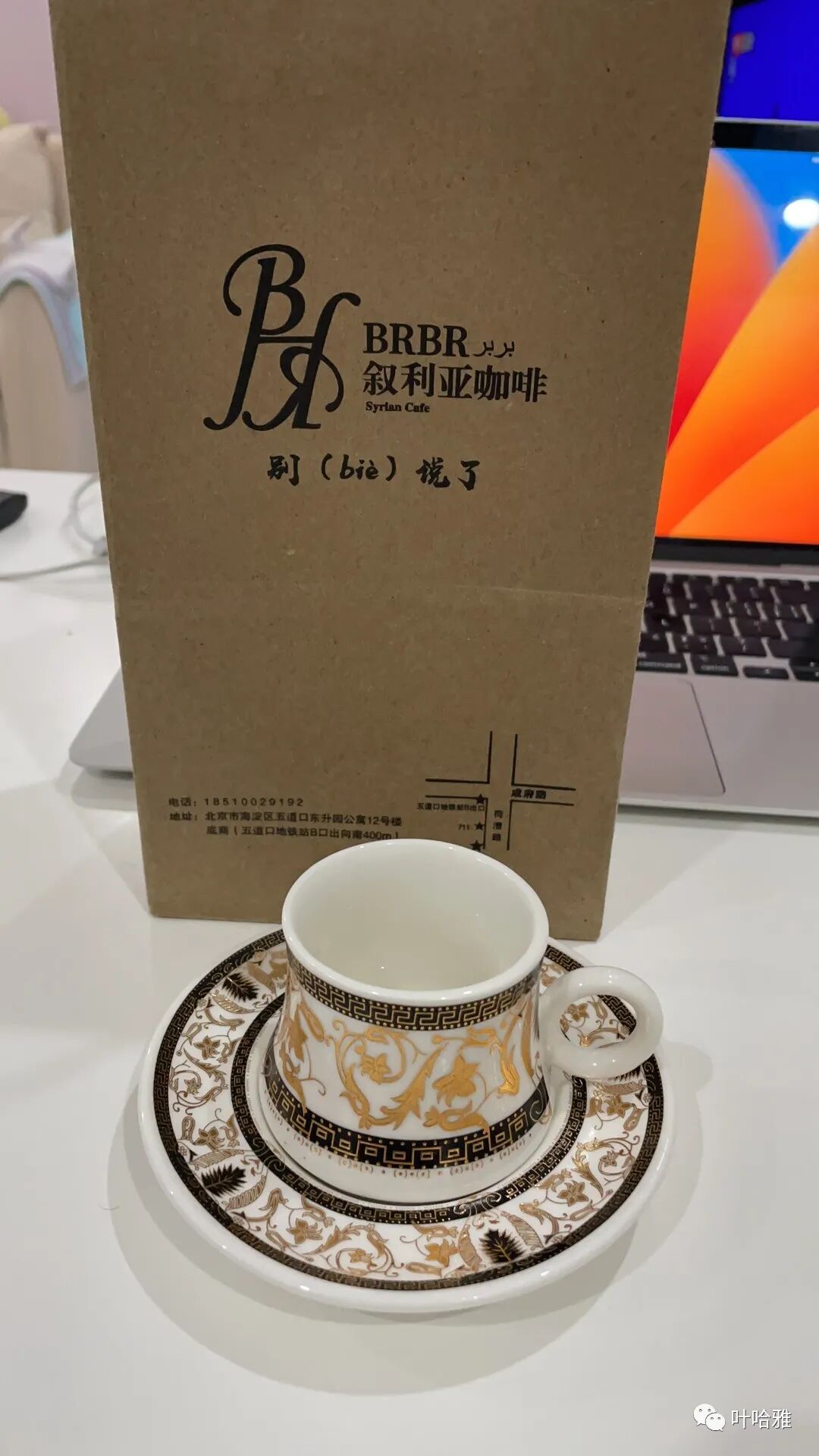
5. Northeast Barbecue and Clay Pot
This shop used to be called Xinyuezhai Steamed Bun Shop. It just changed its name and is located in the storefronts of Courtyard 32, West Chang'an No. 1, Mentougou District.
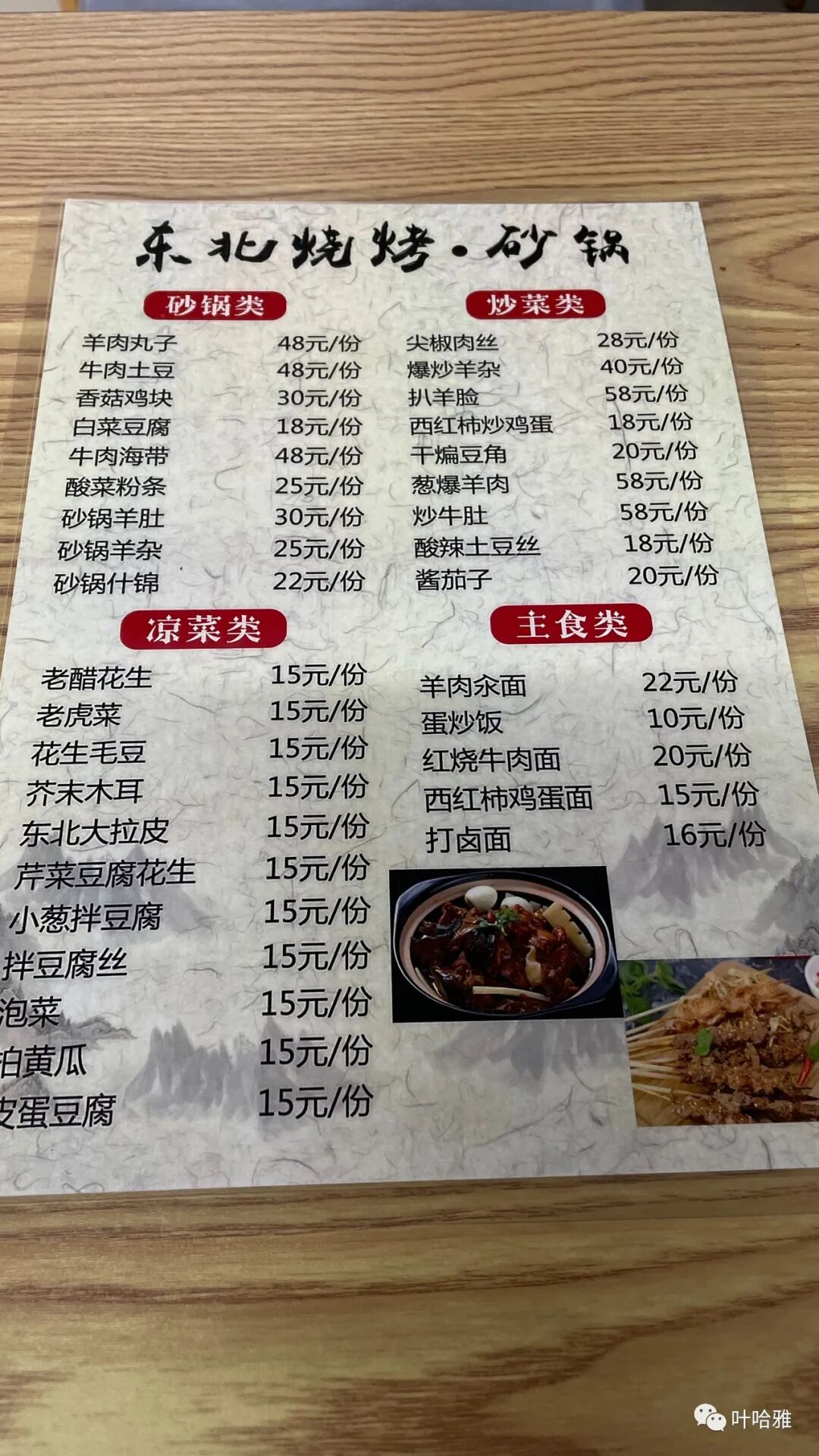
What attracted me wasn't the steamed buns, but their braised noodles with green beans (doujiao menmian). Braised noodles are a common Northeast home-style staple food. The owner is a Hui Muslim from Jixi, Heilongjiang.
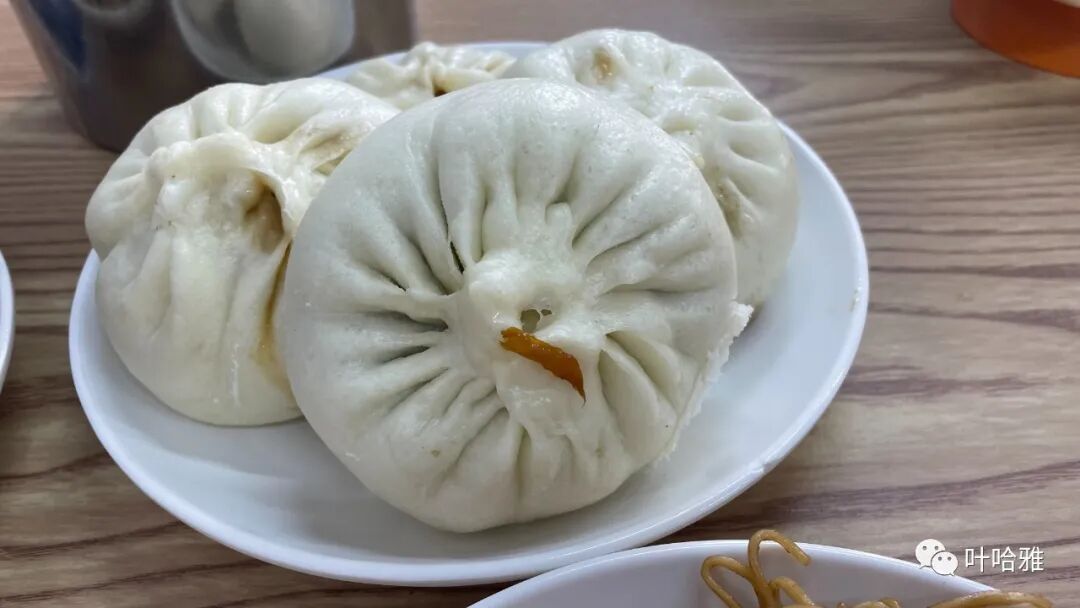
Steamed buns are sold every morning at 10 o'clock. They taste pretty good, and the Northeast-style small barbecue is also decent.
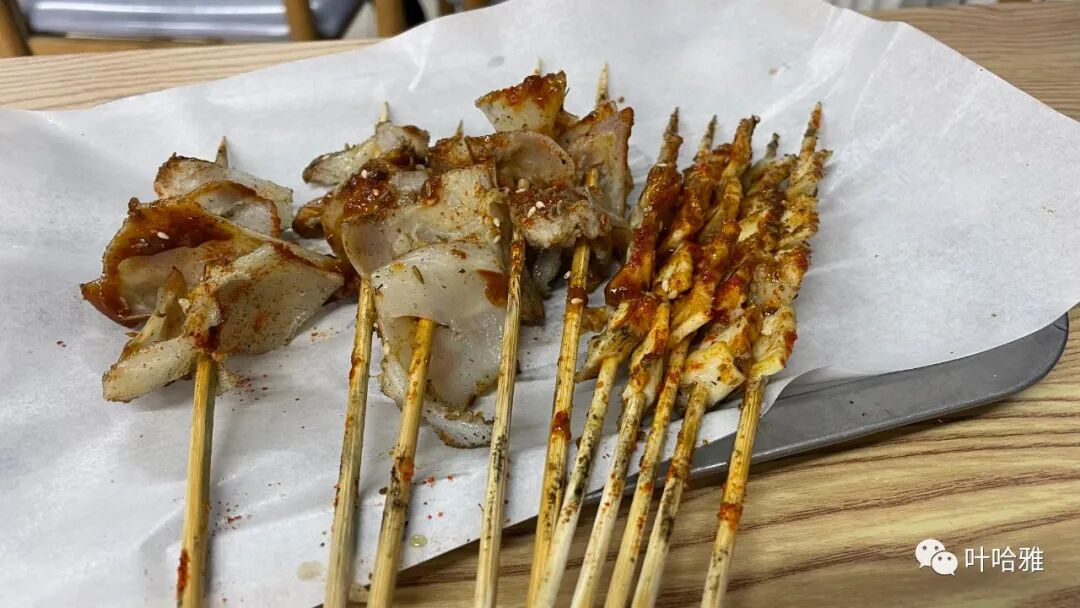
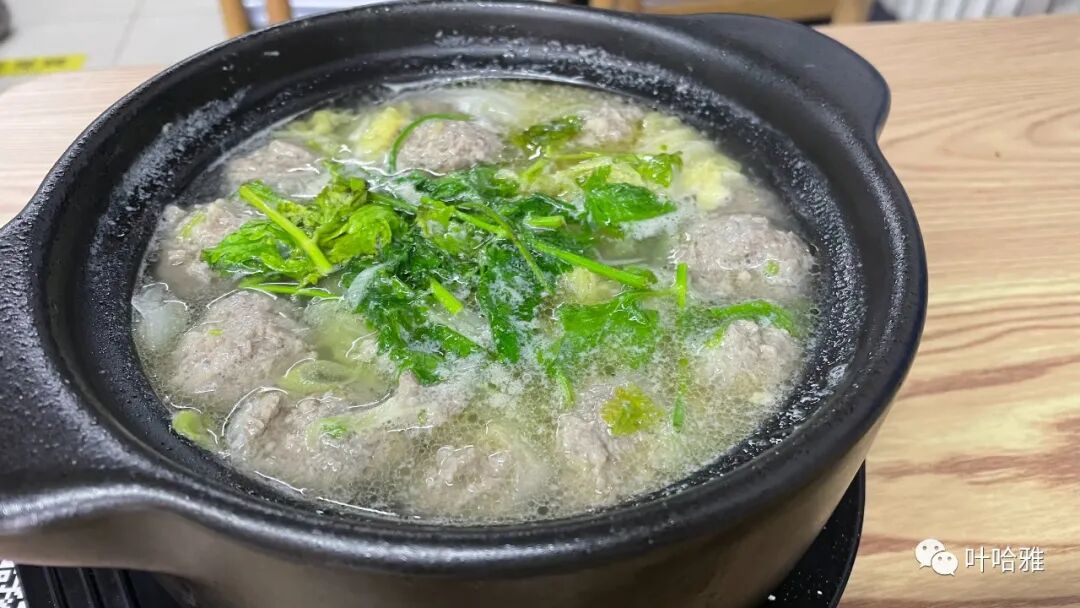
I recommend their braised noodles with green beans and the clay pot lamb meatballs (shaguo yangrou wanzi). The portions aren't big, but the taste is good.
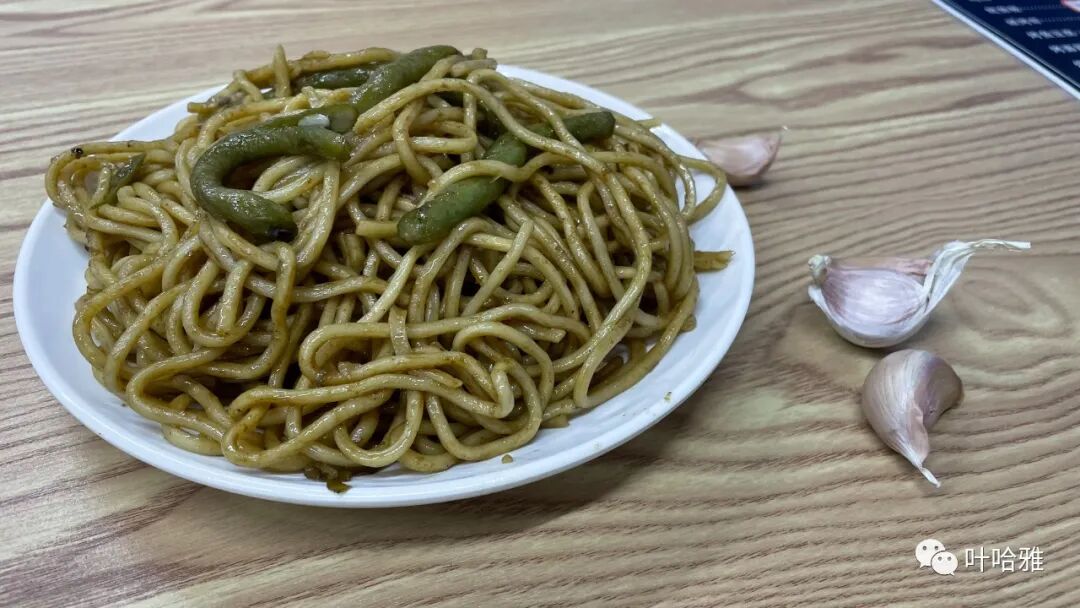
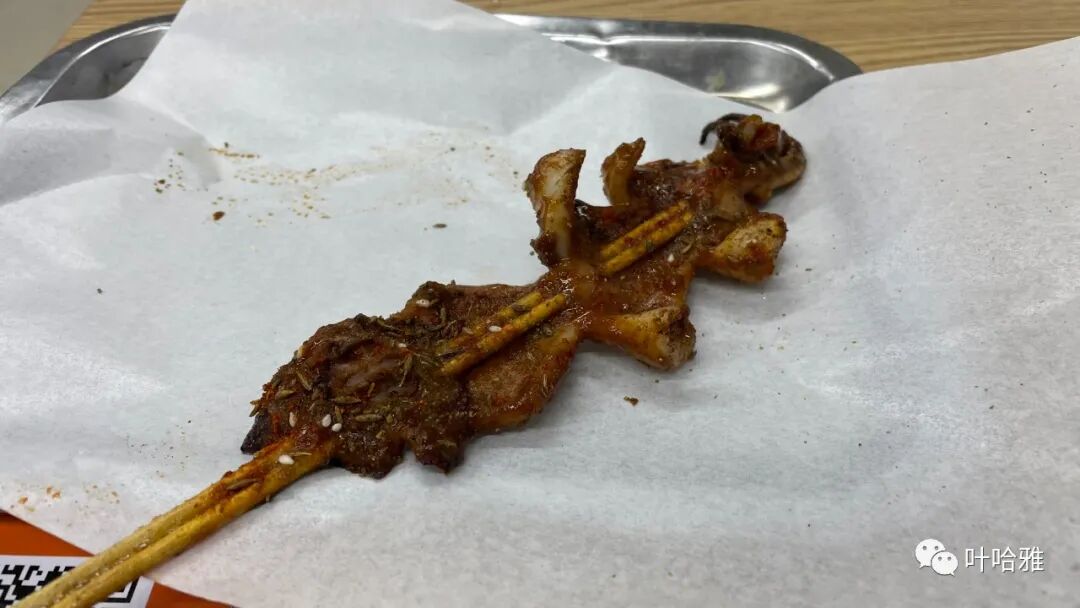
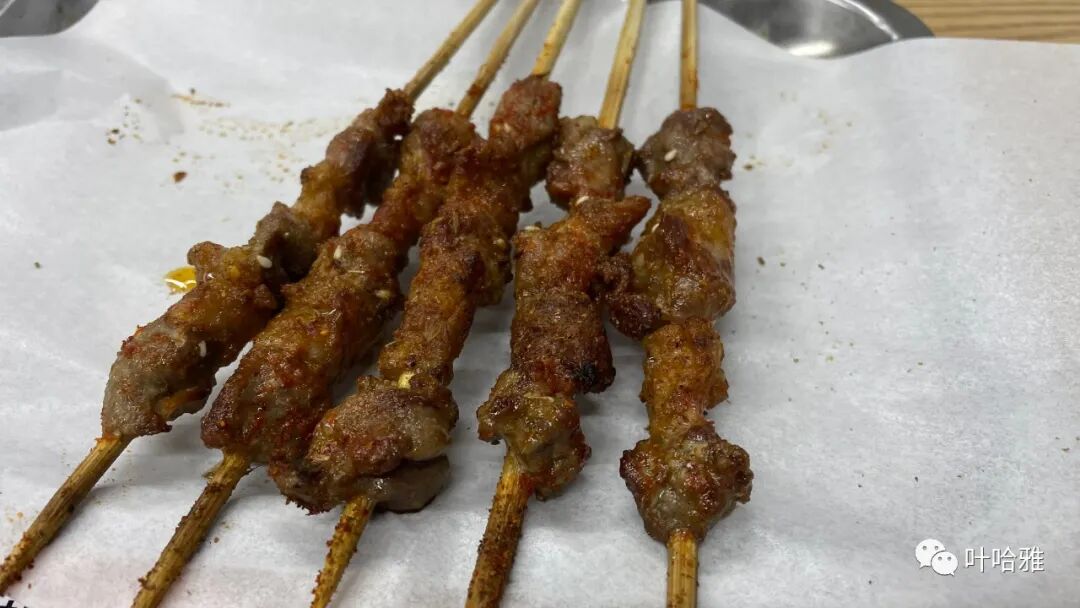
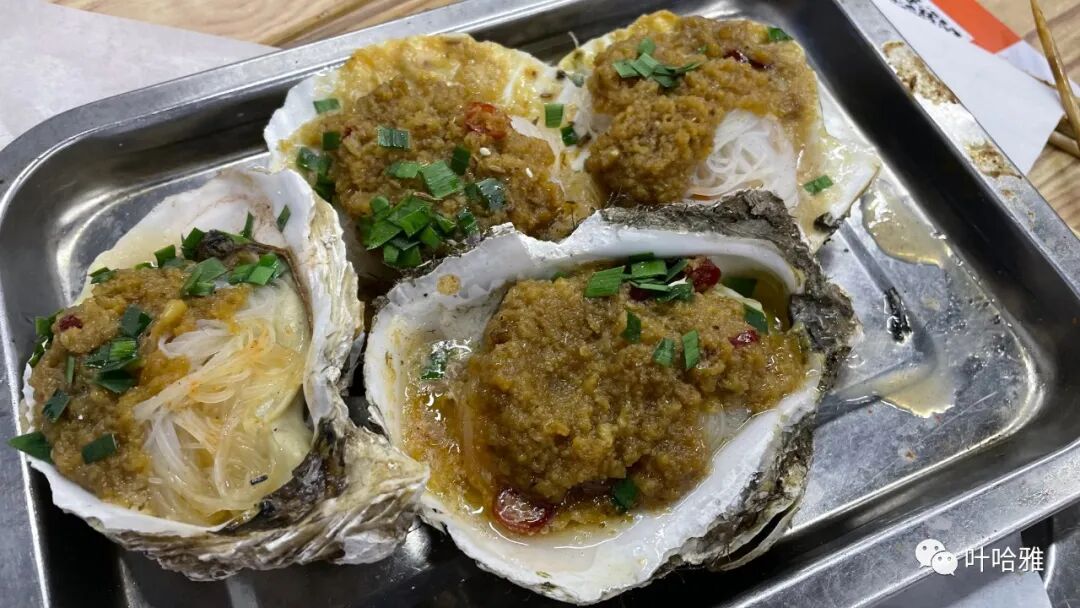
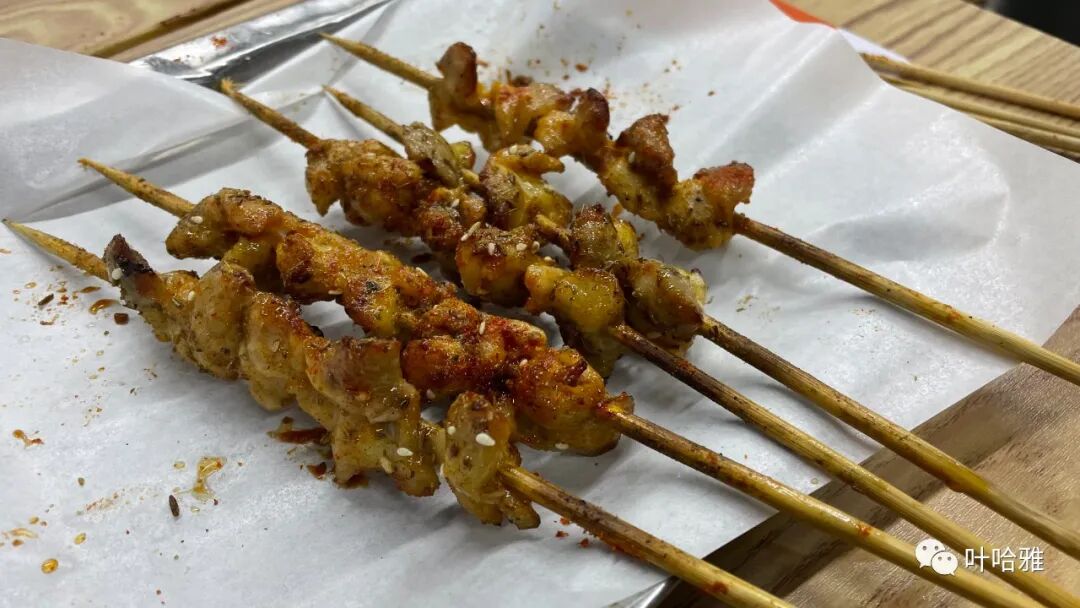
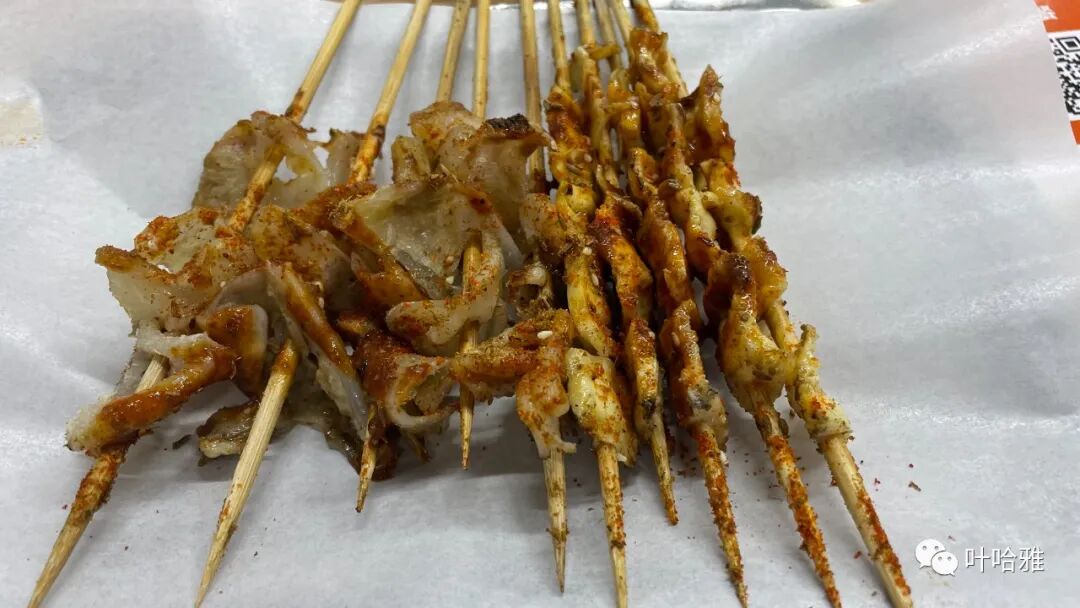
6. Fangji Snack Shop
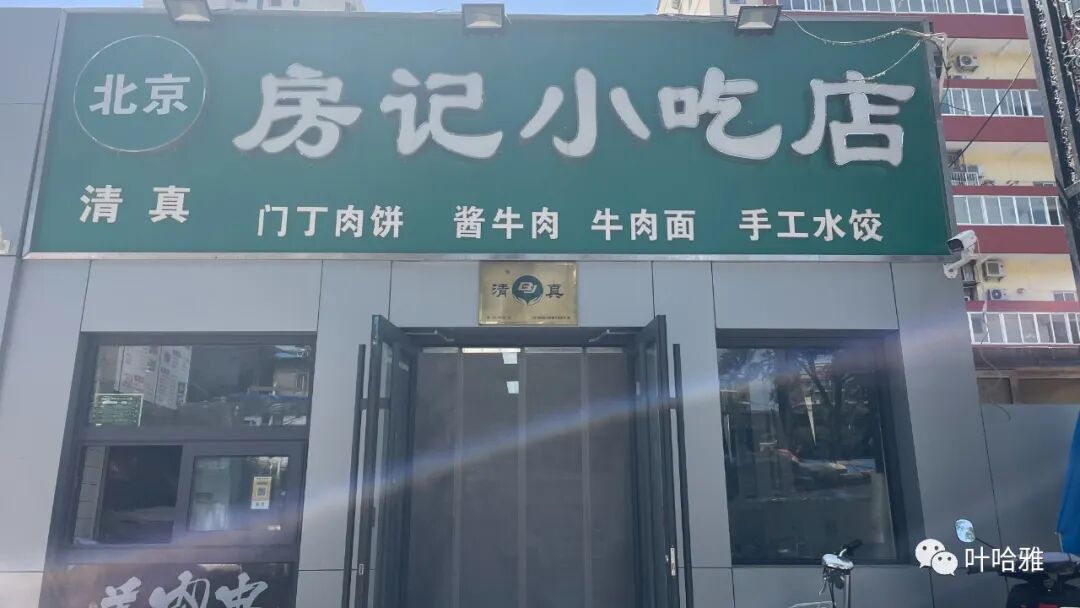
Fangji Menting Meat Pie shop in Songjiazhuang is a small street-side eatery. The meat pies (menting roubing) are great when they come fresh out of the pan.
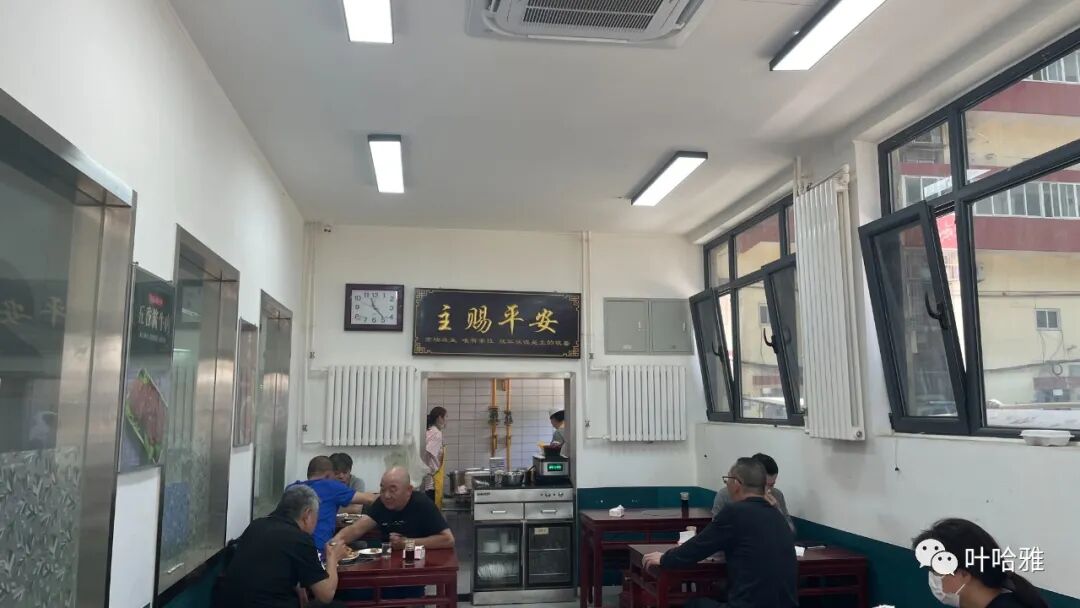
The shop has a sign hanging that says May Allah grant peace. Helpful followers warned me that after anti-Muslim accounts saw this photo, they featured me in their posts again. I have lost count of how many times I have been featured, so please do not forward or notify me if you see me featured in the future.
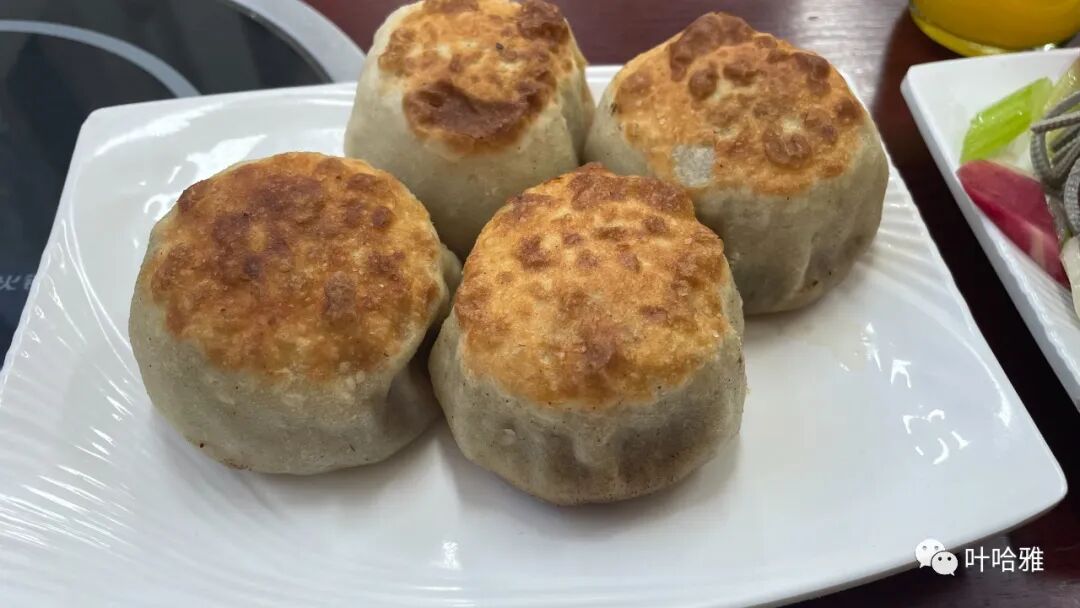
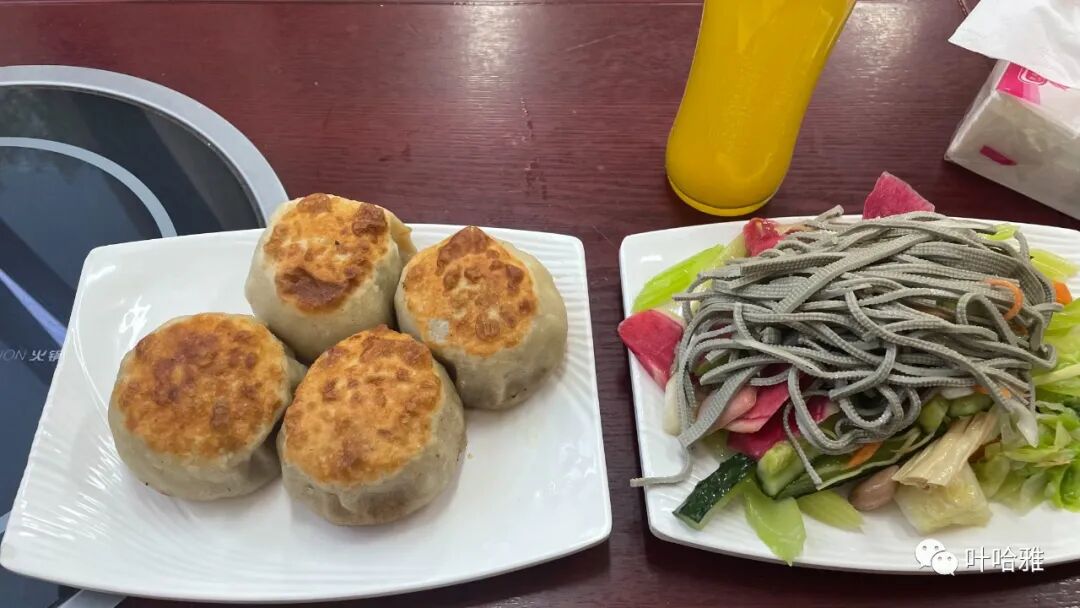
7. Feng Yaya Barbecue and Spicy Hot Pot (malatang)
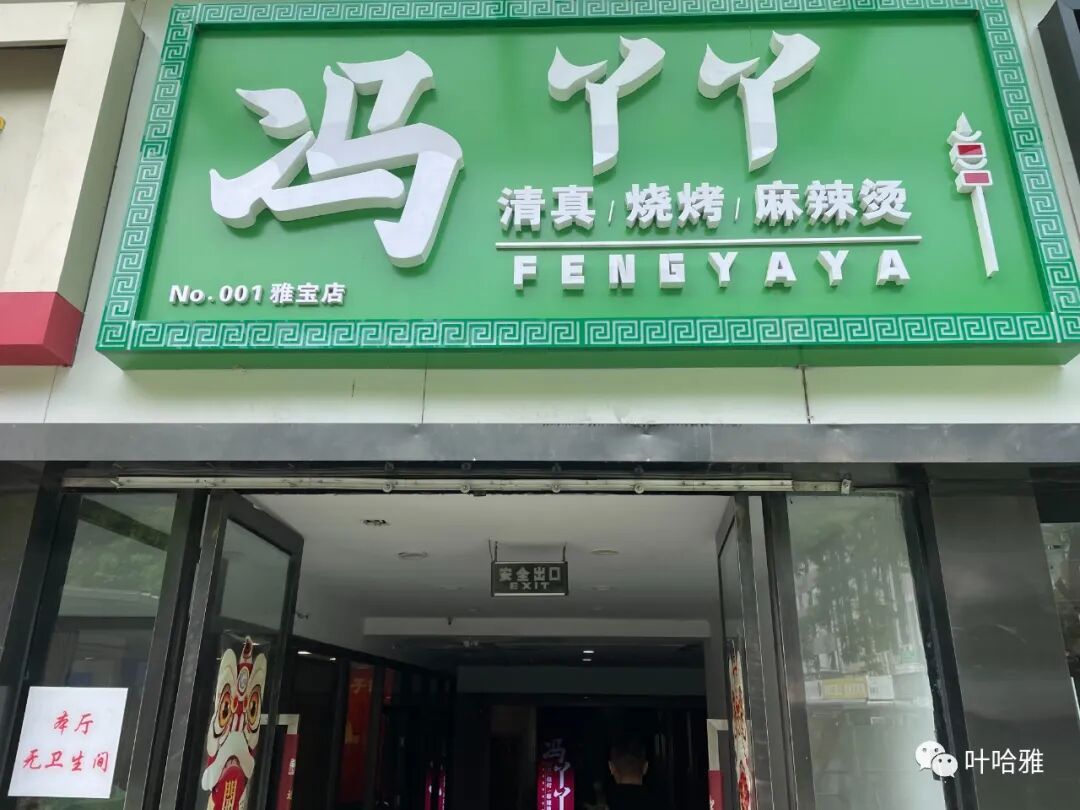
This spicy hot pot shop near the Nanxiapo mosque opened recently. It serves North China-style food, which uses sesame paste in the spicy hot pot. Northwest-style would use chili oil instead.
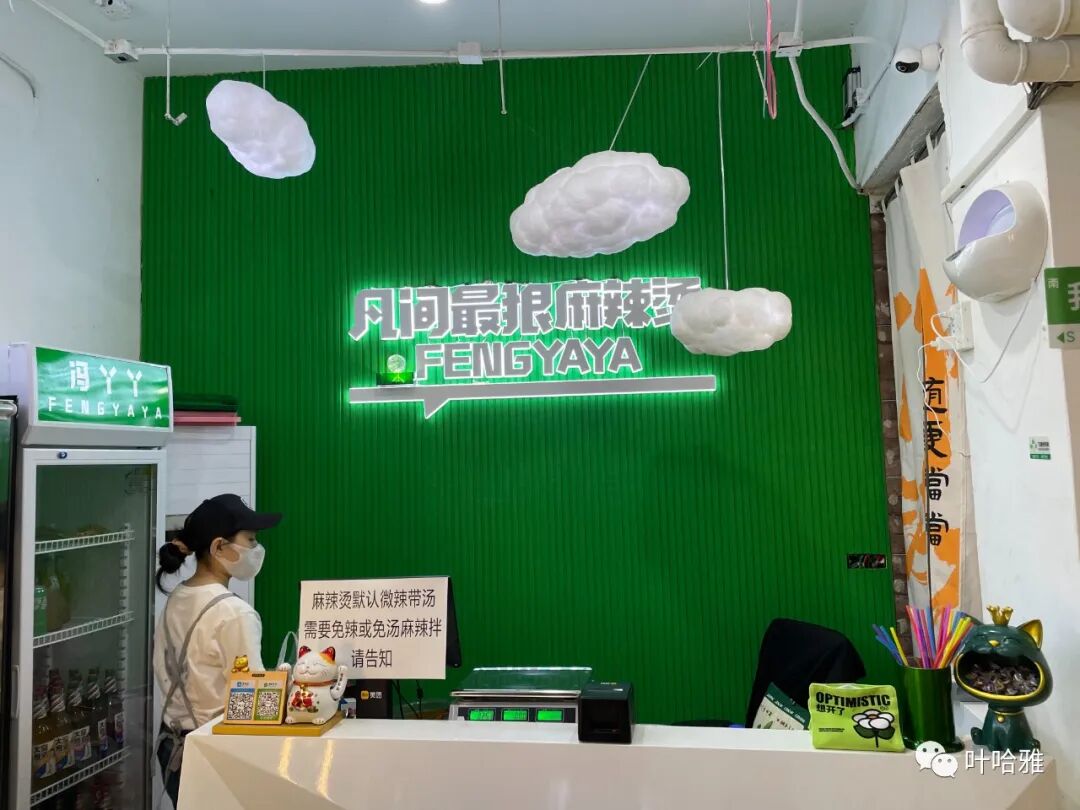
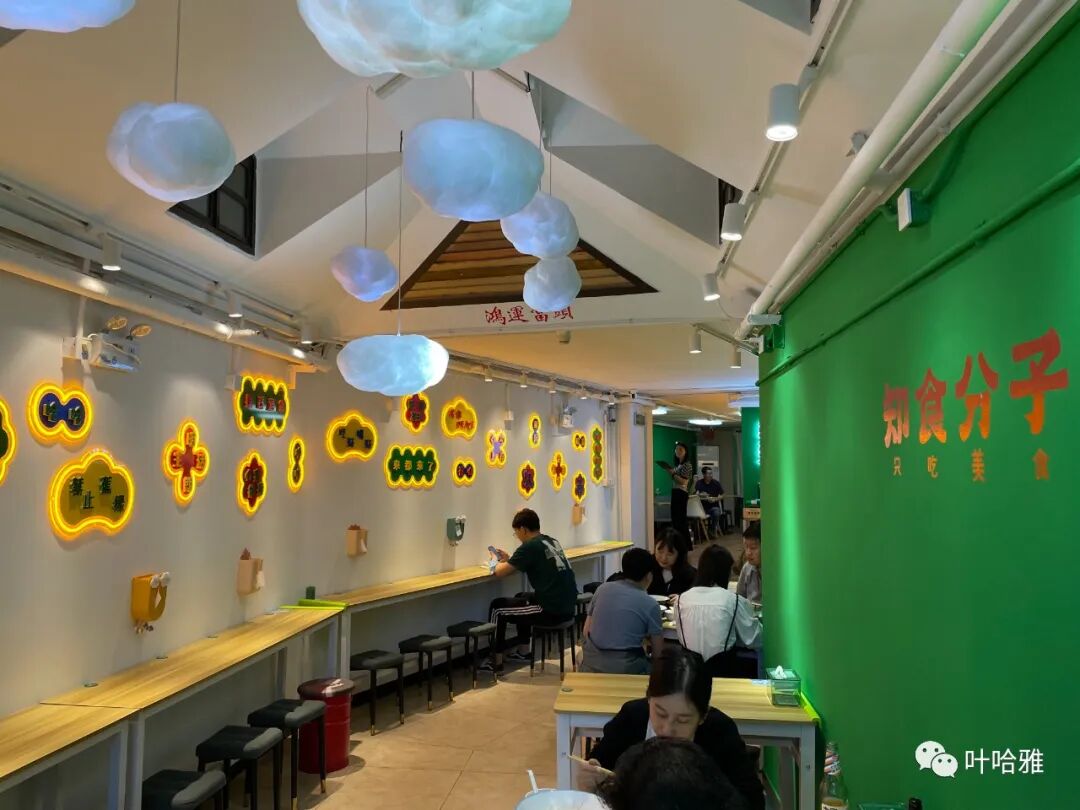
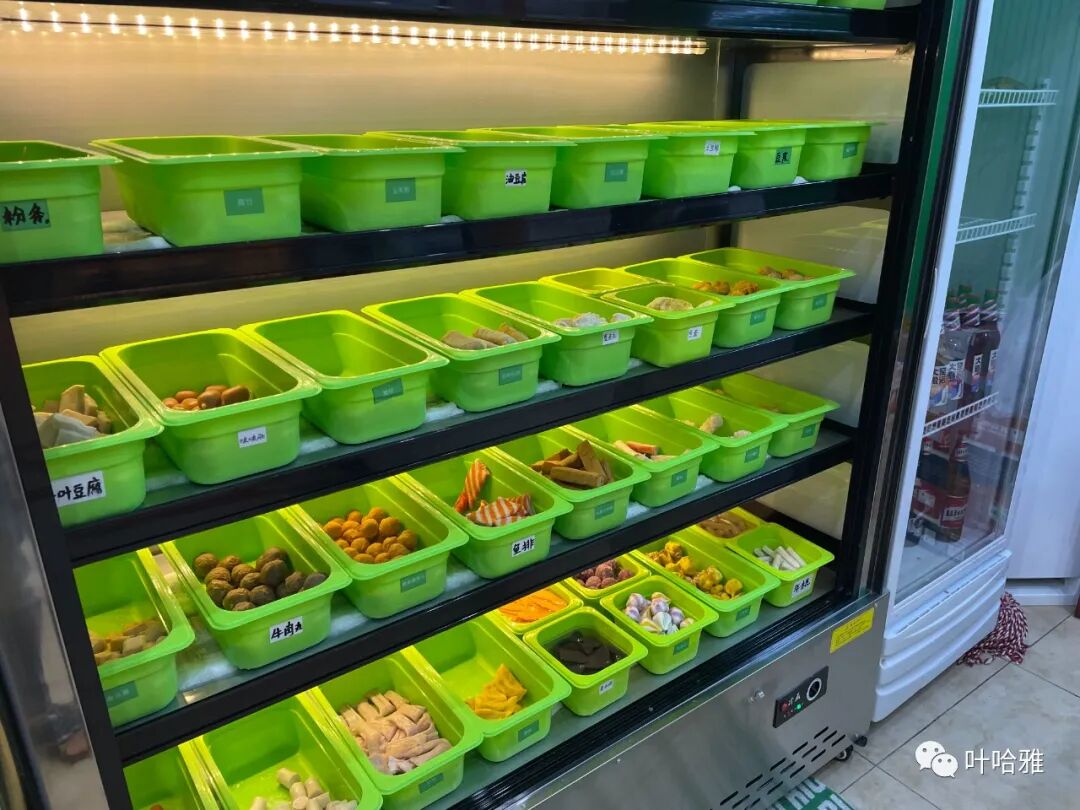
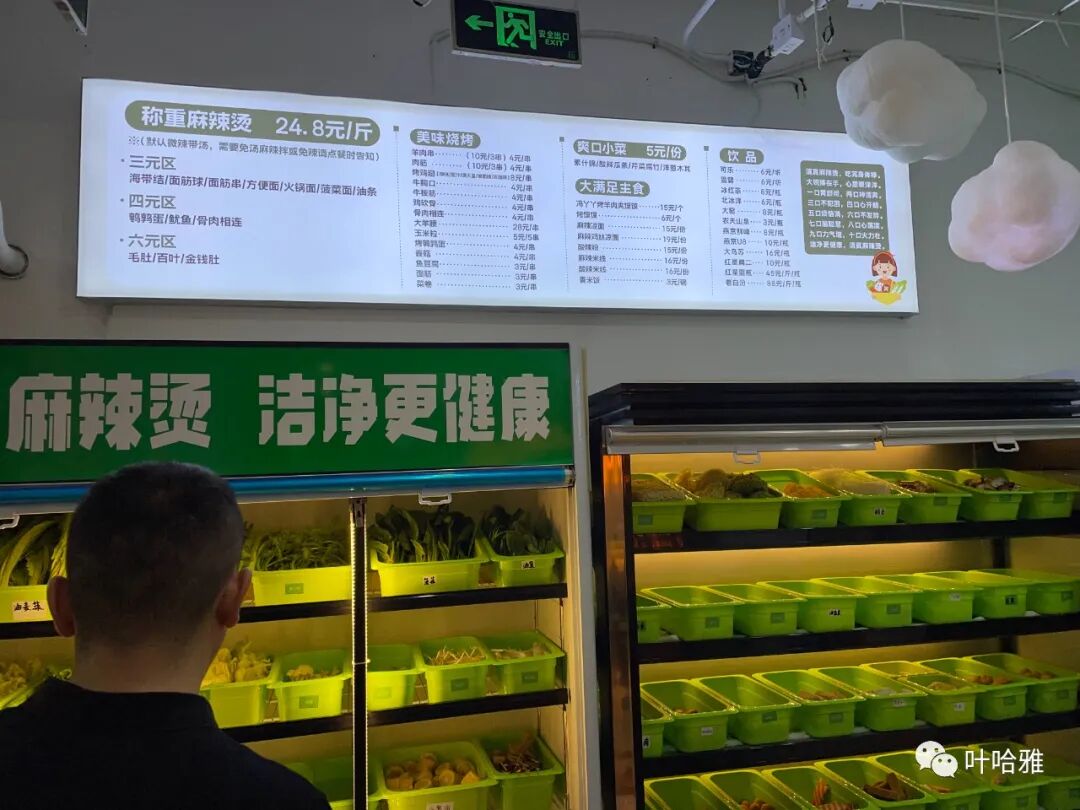
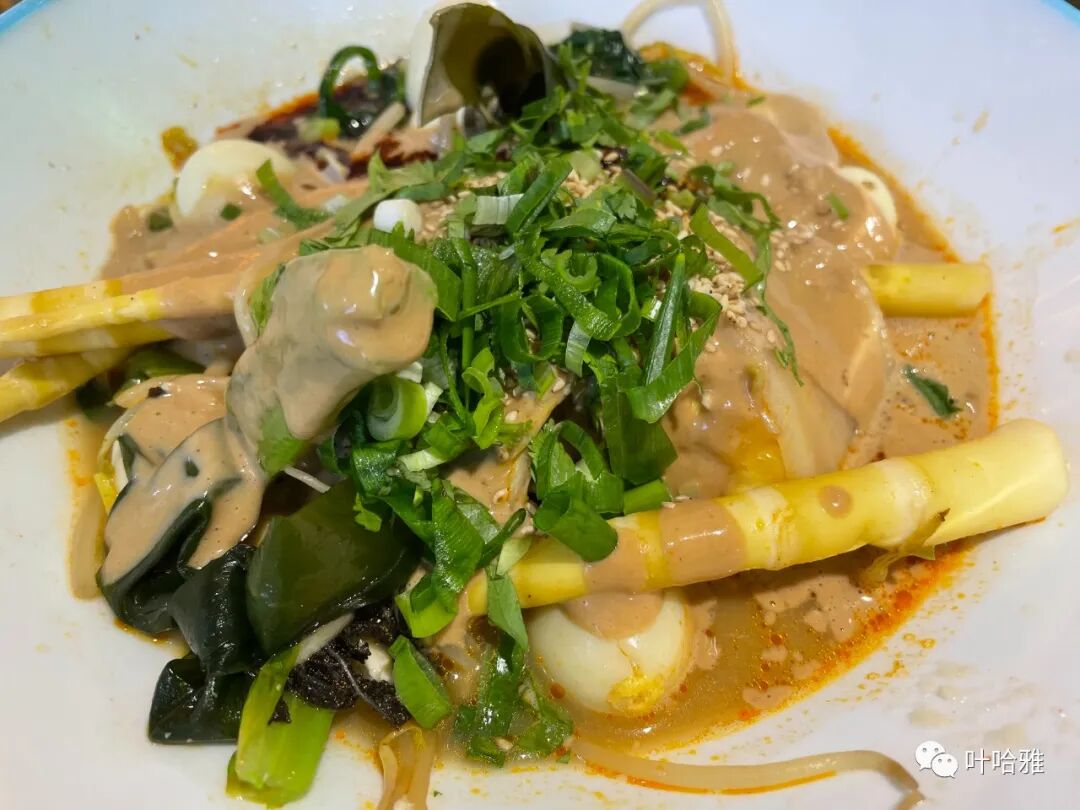
8. Ganges Impression Indian Restaurant
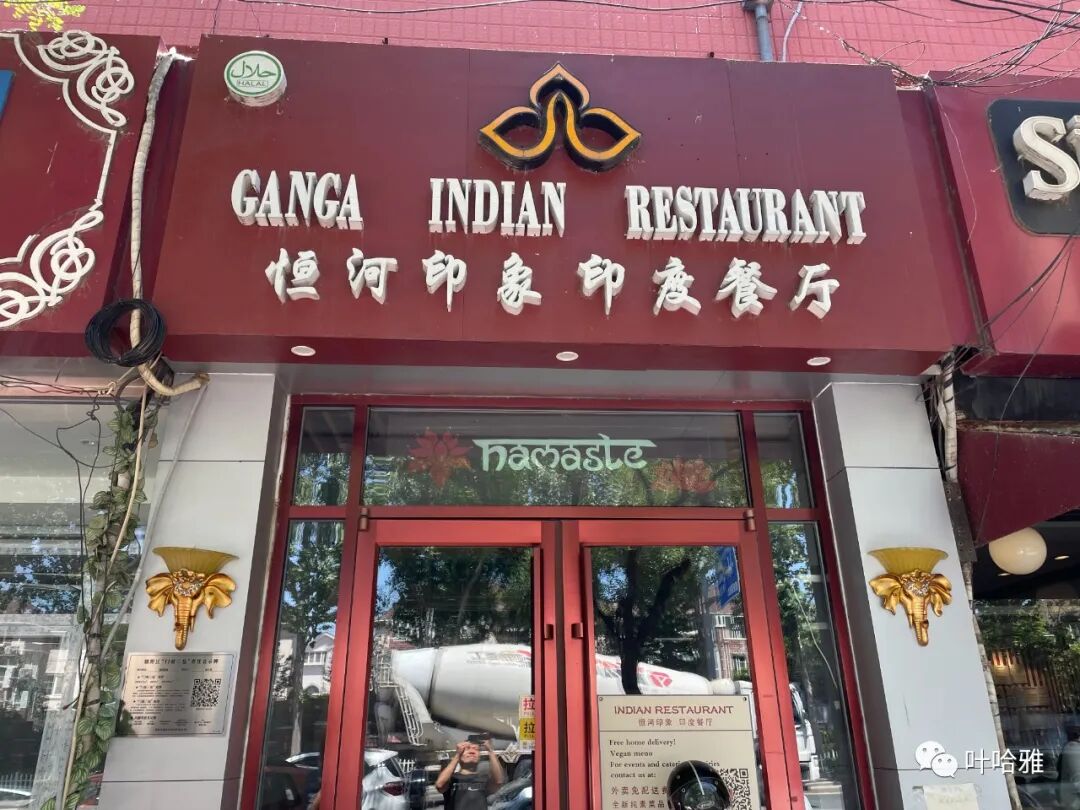
This is the Ganges restaurant in Laiguangying, Shunyi. It is run by Muslims from South India, and the shop does not sell beef.
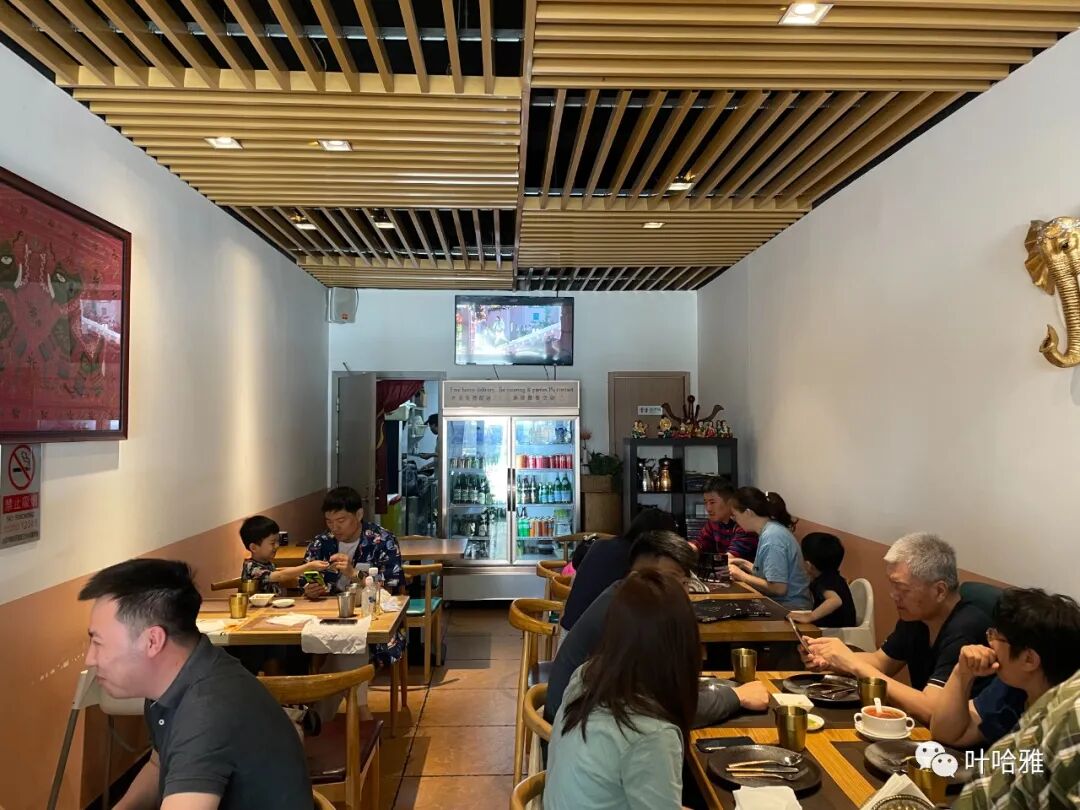
The restaurant is not big, but it has all kinds of Indian snacks.
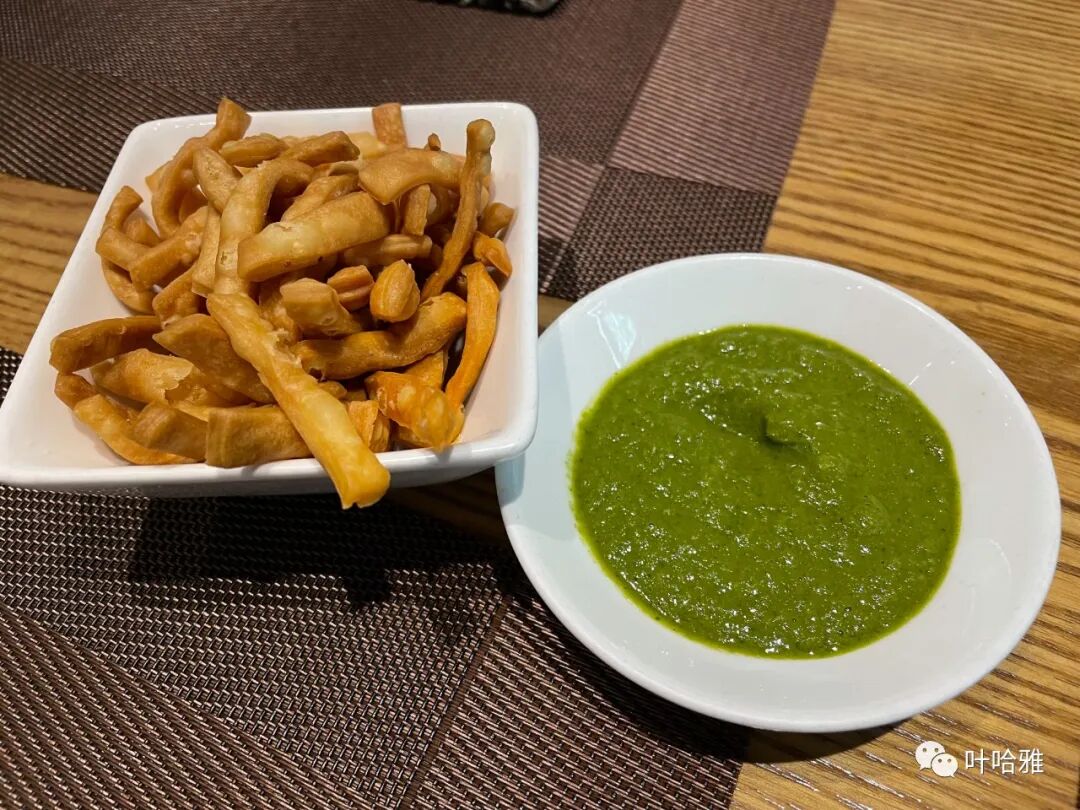
There is another Indian and Pakistani restaurant in Shunyi called Shalima. Both of these Indian and Pakistani restaurants now sell alcohol.
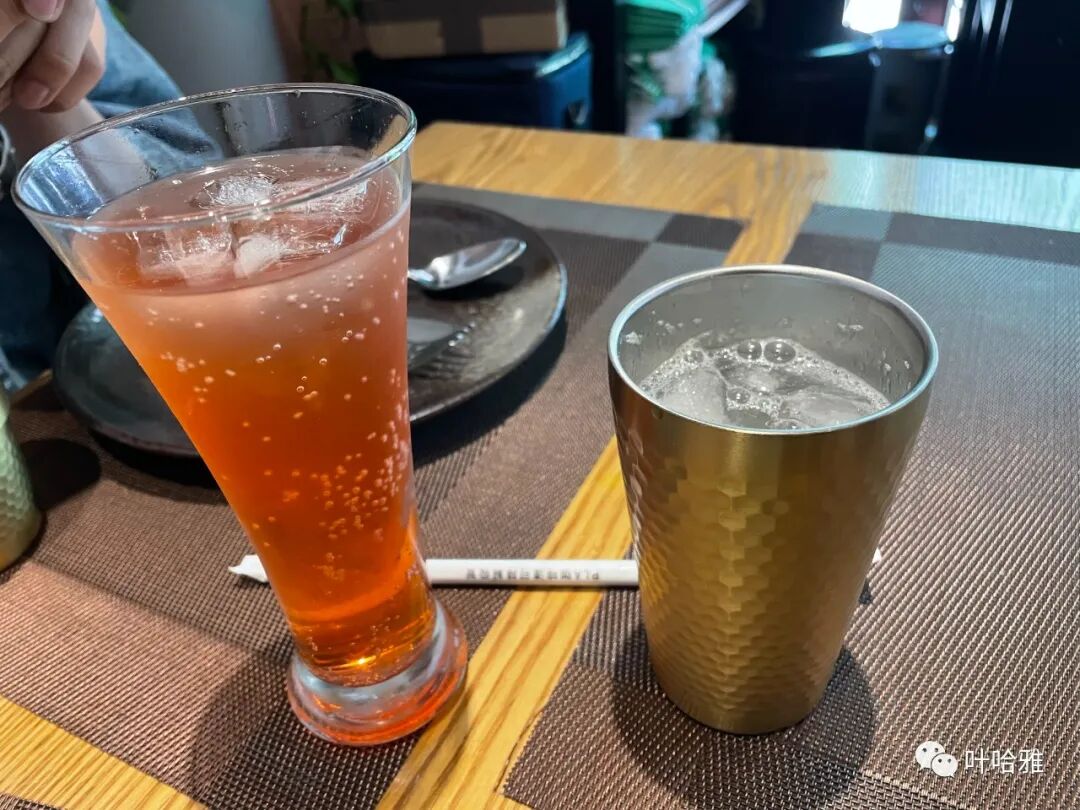
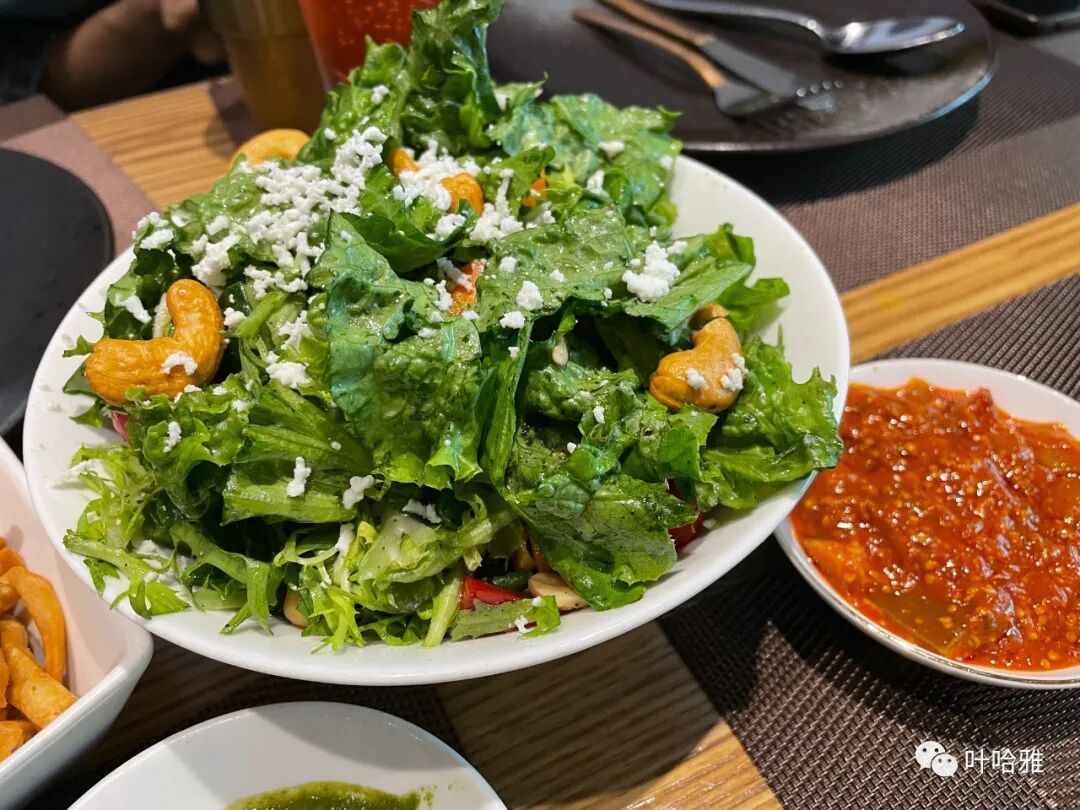
The classmate who came with me insisted on trying this Indian pickle. It really tastes like medicine.
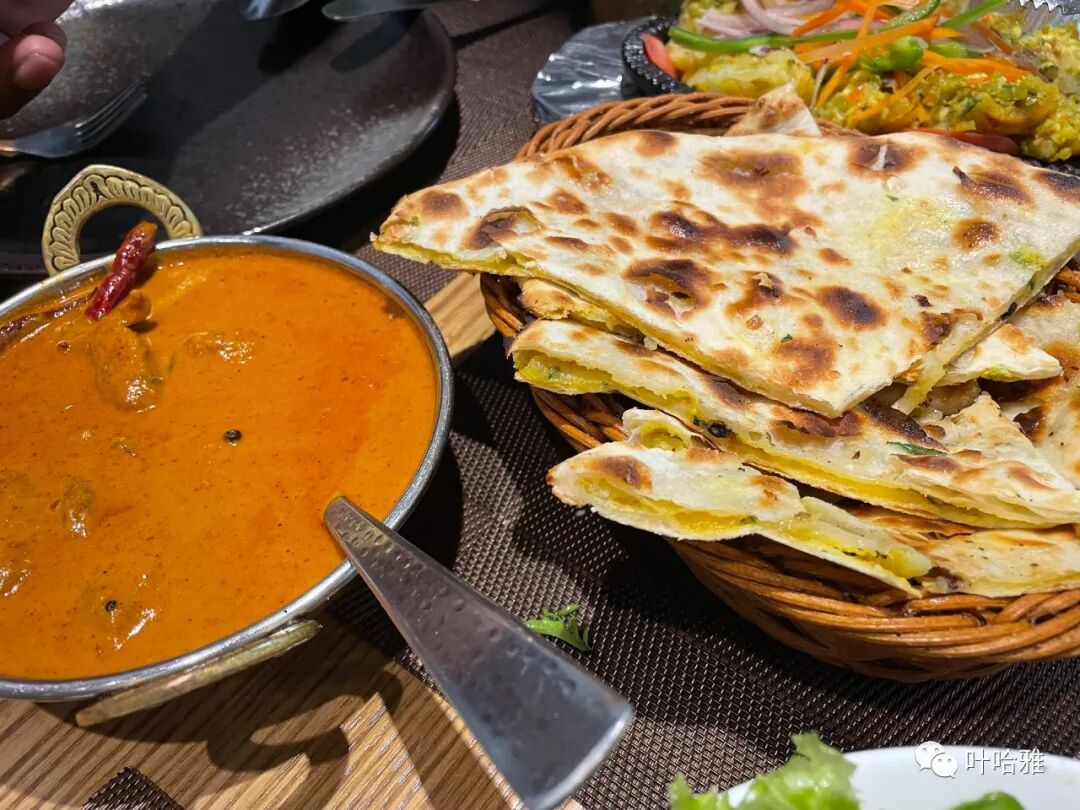
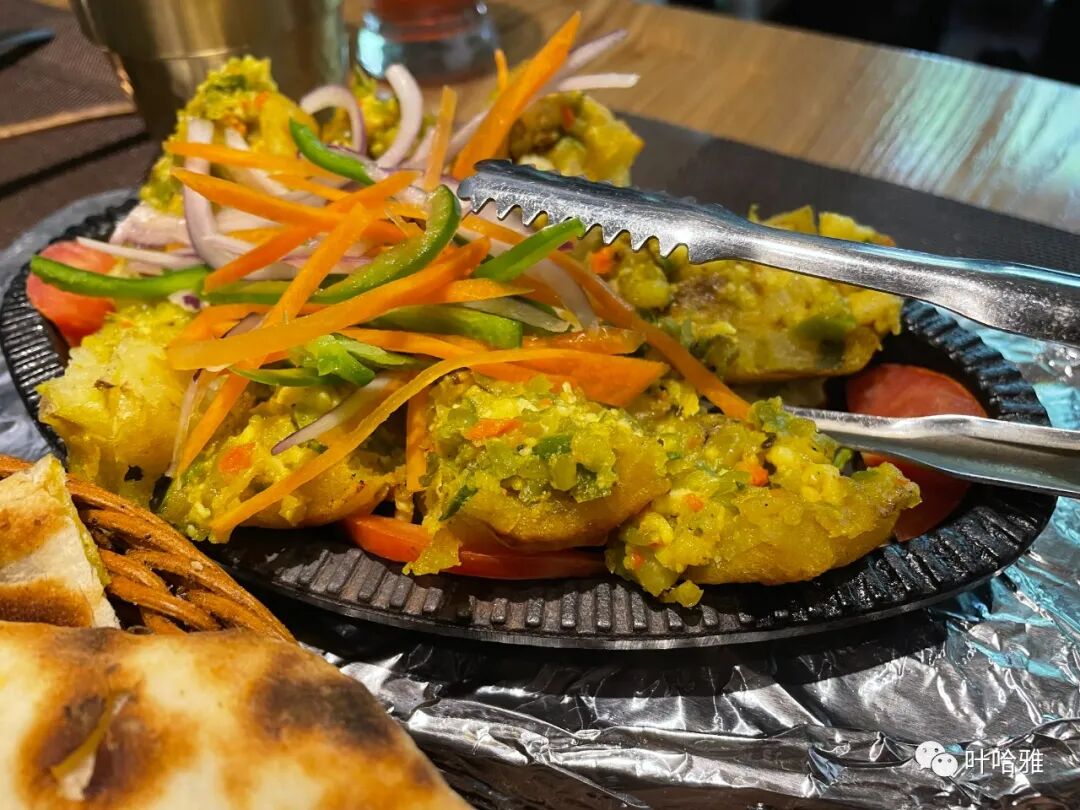
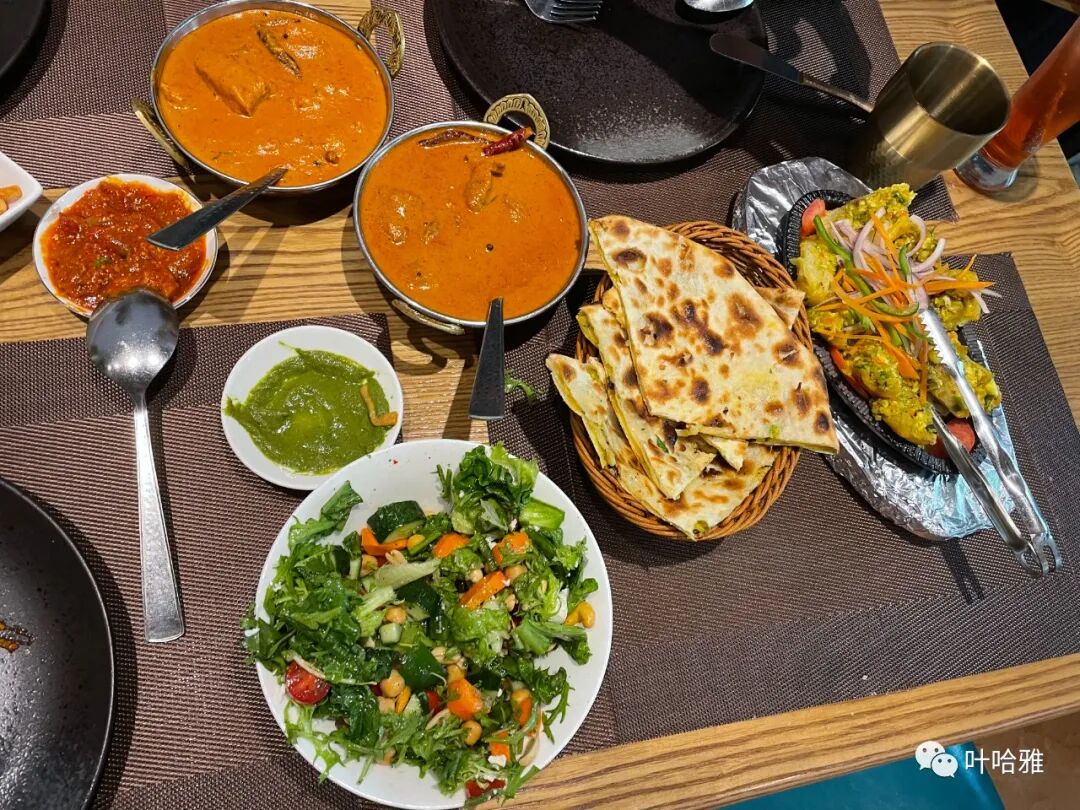
Ever since the movie Dangal became popular, almost every Indian and Pakistani restaurant in Beijing has started selling these crispy ball snacks (panipuri).
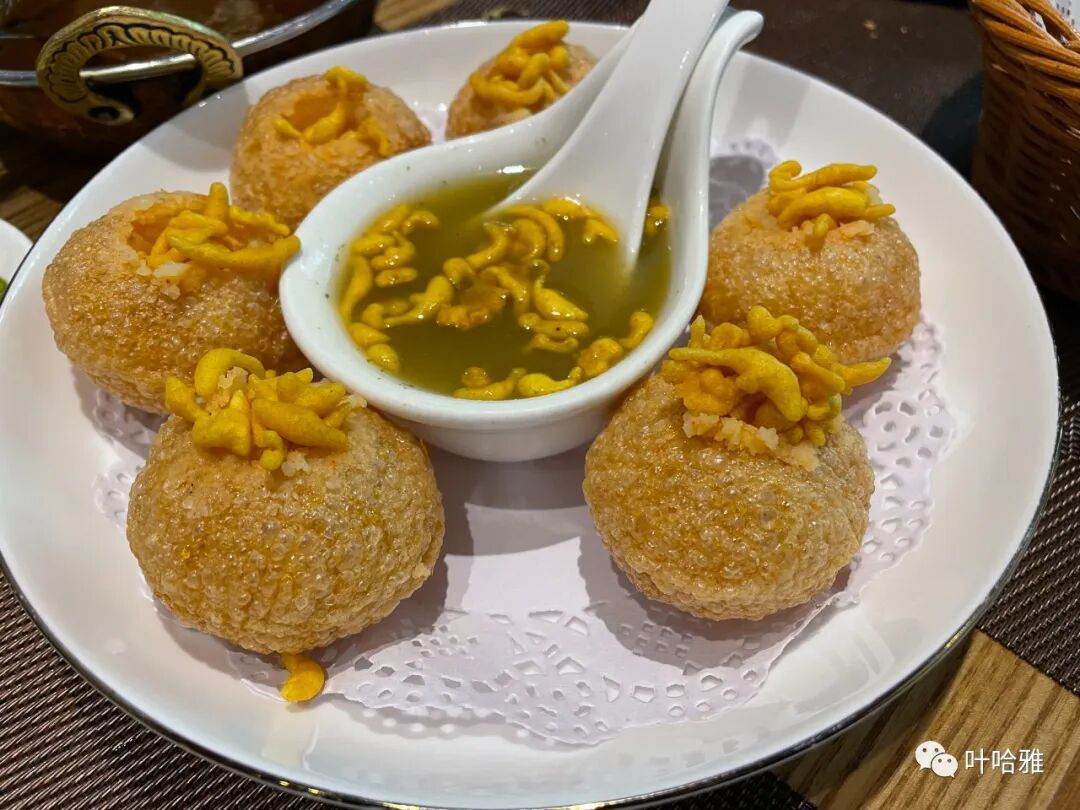
9. Mazilu Beef Noodles (Jinbaojie branch)
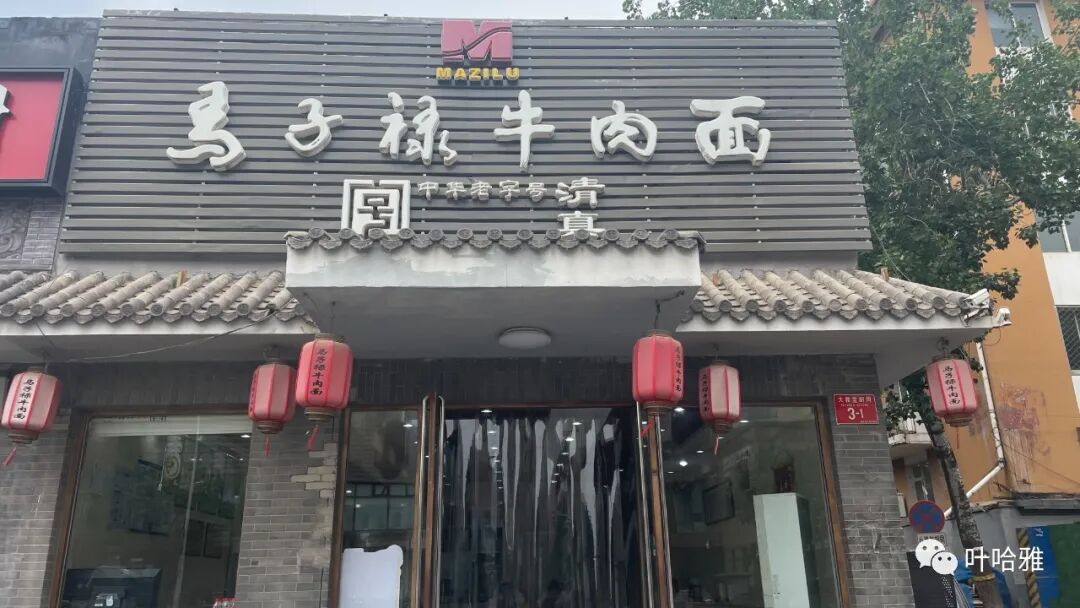
Mazilu Beef Noodles is the oldest beef noodle brand in Lanzhou. The Mazilu in Beijing is a direct-managed store.
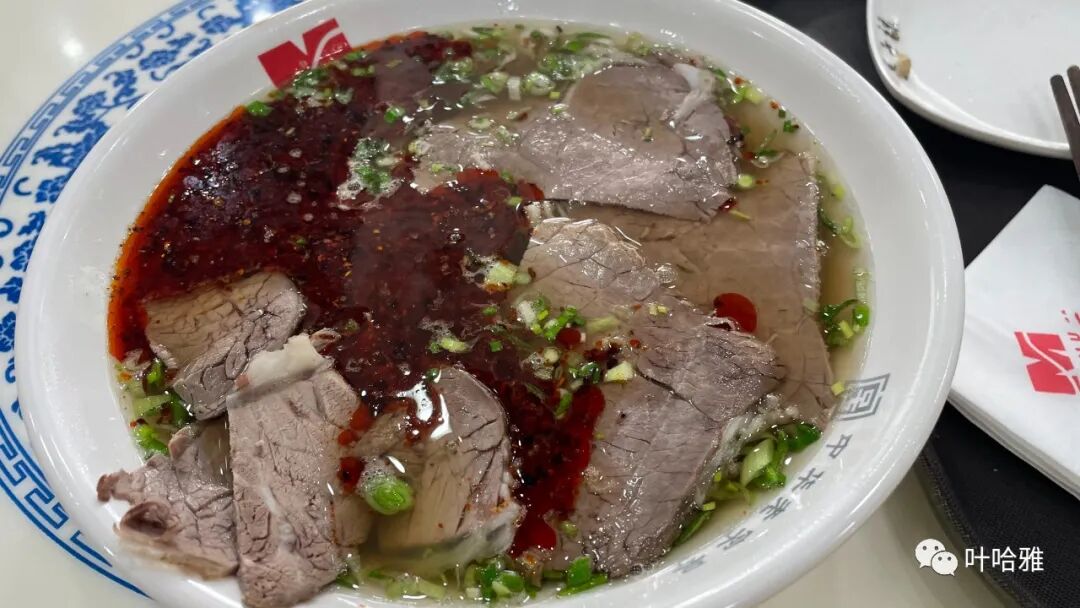
I have eaten noodles at old shops in Lanzhou. They taste just like the ones in Beijing—very fragrant and very Lanzhou.
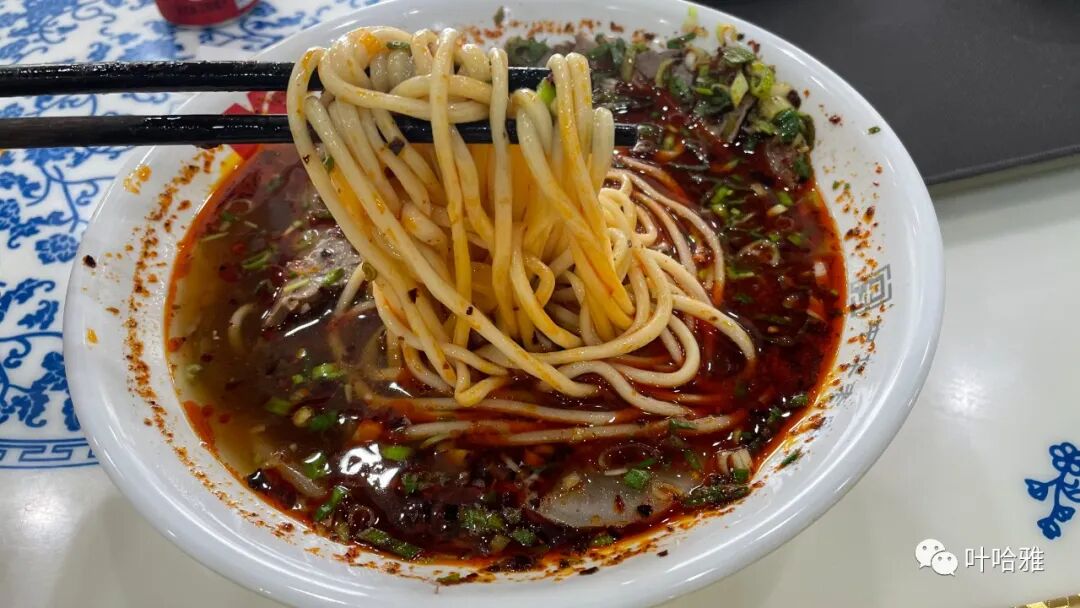
Serving vinegar in a traditional copper kettle (tangping) is a unique feature of Gansu.
There are two Mazilu shops in Beijing, and the other one is at Andingmen.
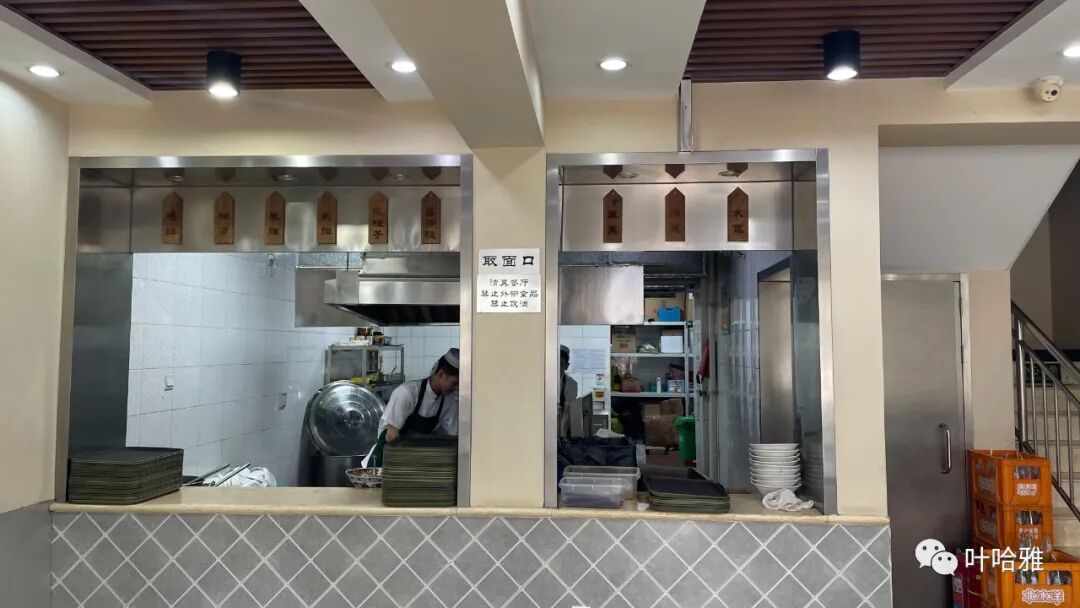
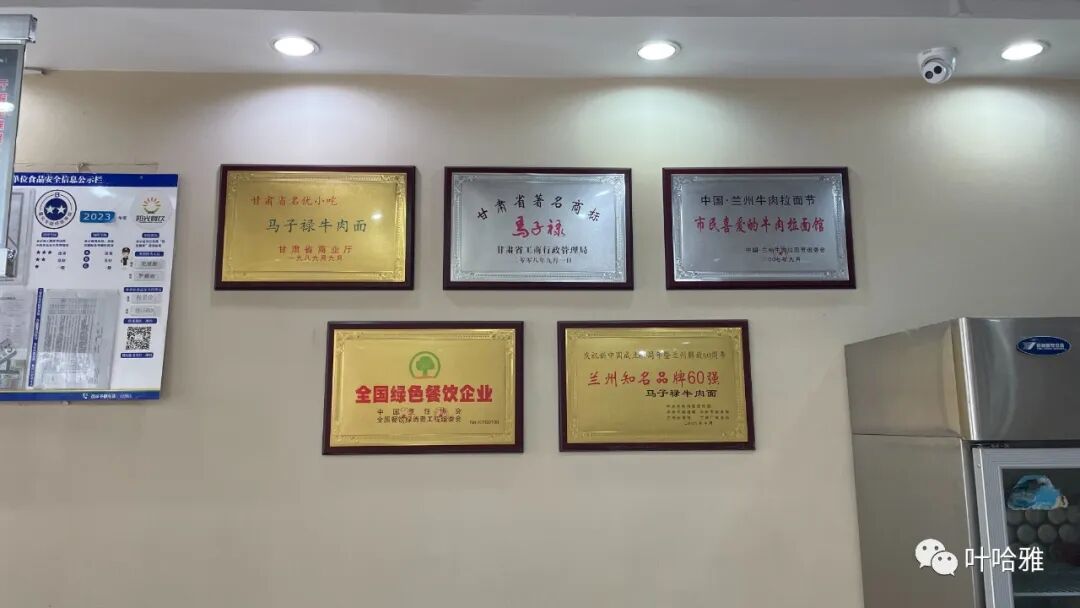
Many old friends from Lanzhou do not think much of Mazilu. I understand that, just like how I am not interested in some of the trendy snacks on Niujie. It is perfectly normal for locals and tourists to have different opinions on local food. This shows that tastes change with the environment and time, and personal feelings can even influence what a person likes.
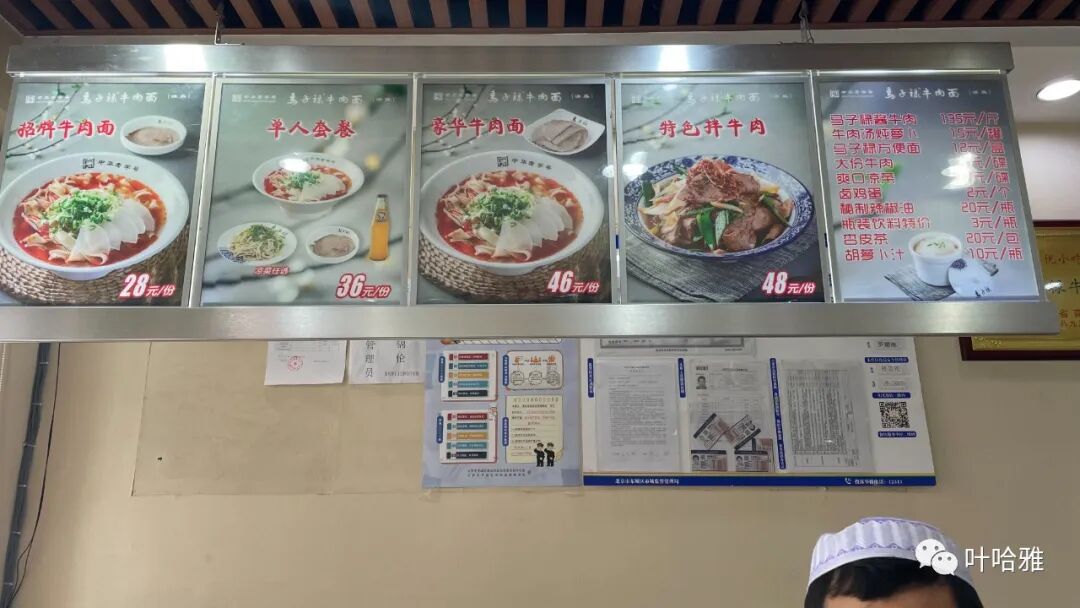
That is the end of this post. The text and photos are original, and unauthorized reproduction is not allowed.
Hidden Halal Restaurants Beijing: Chongqing Chicken Pot, Hotan Xinjiang Food and Muslim-Friendly Dining
Articles • yusuf908 posted the article • 0 comments • 241 views • 2026-05-22 11:19
Summary: This Beijing halal food guide follows the author’s post-reopening restaurant visits, featuring halal Chongqing chicken pot, Hotan-style Xinjiang food, and other local Muslim-friendly dining finds.
— Hello, Travel —
I cannot be blamed for the slow updates lately. Beijing did not allow dining in, so I had nowhere to visit for food reviews. As soon as the policy loosened, I got restless and took my family and friends to check out new restaurants one by one. I have many new discoveries this time. Life is already full of bumps, and since I cannot travel far, finding joy in tasting local delicacies right here at home is a good way to cope.
1
Sichuan-Chongqing: Yueji Chongqing Chicken Pot (Chongqing jigongbao)
Although it is called Chongqing Chicken Pot, it is actually an innovative mix of Chongqing braised rooster and Chongqing dry-pot chicken created outside of Chongqing. It has nothing to do with local Chongqing food, but in the Chongqing dialect, a rooster is called a 'jigong'. This is the first halal Chongqing Chicken Pot in Beijing.
The new shop is located on Beifaxin Road in Shunyi. The owner is from Jingyuan, Ningxia, and runs a noodle shop in Shuangjing. Making this chicken pot is a bold move, and choosing Shunyi was a decision based on lower operating costs.
It is not easy to travel from the city center to Shunyi. We chose five pots to taste: chicken pot, beef pot, chicken feet pot, lamb pot, and beef tendon and brisket pot (jintou banao).
I liked the signature chicken pot and beef pot the best. They are full of spices. You can add side dishes to the pot and eat it like a hot pot. You can choose your own spice level, and they can even make it non-spicy.
Address: No. 43, Beifaxin Section, Nanjiao Road, Shunyi.
2
Xinjiang: Hotan Canteen (Hotan shitang)
The Chaoyang branch of Hotan Canteen is where Lumi's Secret used to be. Lumi's Secret has moved to Urumqi. People say the Hotan government strongly supports the Hotan Canteen project and recommended many excellent chefs from southern Xinjiang to come to Beijing. Hotan Canteen opened two shops in Beijing at the same time; the other one is in Maliandao. I visited both. The decor is different, but the flavors are very authentic.
The Chaoyang branch has more Xinjiang elements, while the Maliandao branch feels more like a restaurant from northwestern Inner Mongolia.
Xinjiang Onion, Pepper, and Tomato Salad (pilahong)
One of the signature Xinjiang cold dishes is pilahong. 'Pi' refers to 'piyanzi', which means onion. 'La' means pepper, here using green peppers. 'Hong' means red, referring to tomatoes.
Minced meat noodles (suirou banmian) and hand-pulled noodles (latiaozi). The key to these two staples is whether the noodles are chewy. People say using salt water to knead the dough makes the texture even better.
For barbecue, we chose salt-water grilled meat and liver wrapped in fat (youbaogan). I feel the barbecue at Hotan Canteen is not as fragrant as at Ali Restaurant, but the liver wrapped in fat is still quite delicious.
Address: 39 Shenlu Street, Chaoyang District.
3
Canakkale, Turkey.
Canakkale.
Its predecessor was Doner Kebap.
The team is the same as before. The owner is from Azerbaijan, and the staff and chefs are Uyghurs from Urumqi. This time, they renovated, changed the name, and expanded the dining area.
The Doner Kebap in Sanlitun and the Canakkale on Shenlu Street are both owned by this Azerbaijani owner.
In the open kitchen, we watched this Uyghur girl make flatbread (pide) by hand. We chose the goat cheese pide.
The goat cheese was sprinkled with dill. Dill is also called tu huixiang; it looks very similar and has a nice aroma. It is a common seasoning in Central Asian cuisine.
Turkish balloon bread (qiqiu bing) is hollow inside with a thin layer. It looks round like a balloon when it is freshly made.
Rice pudding (mi buding) is a dessert made from rice that originated in the Middle East.
The Turkish roast beef platter comes with pickles and french fries. The white sauce is a savory yogurt, which is best eaten with the Turkish balloon bread.
This is a halal restaurant that does not serve alcohol. For drinks, I ordered a Turkish coffee and black tea. I have to complain that Turkish coffee should be served in a delicate cup; using a clear glass coffee cup does not look very nice.
4
Indian and Pakistani: Masala Spice Indian Restaurant.
This restaurant was originally on Xiushui Street and was open for over ten years. It just moved to Tongzhou Wanda Plaza this year. The owner is Pakistani, and his wife is from Northeast China. They have two chubby mixed-race sons.
I counted, and there are at least 11 halal Indian and Pakistani restaurants in Beijing: Shalima, Indian Kitchen, Hanbaba, Zamzam, Sultan Pakistan, Love Curry, Asian Tribe, Saduli, Ganges Indian Restaurant, Razz Music Restaurant, and this Masala Spice. These restaurants have all been in business for a long time.
When eating Indian and Pakistani food, butter naan dipped in curry sauce is a must-order for me. I usually eat three naans; it is my favorite Indian and Pakistani food combination.
I eat Indian and Pakistani barbecue sometimes, but I definitely love Chinese barbecue the most.
They also serve the Indian snack Panipuri, which became popular after the movie Dangal. The little shells are semi-finished products just like shrimp crackers; you buy them and deep-fry them. You fill them with sour sauce, pop the whole thing in your mouth, and take a bite for a complex mix of flavors.
Address: Shop 113, 1st Floor, Zone A, Jinjie, Tongzhou Wanda Plaza.
5
Henan Big Beard Skewer Shop (Dahuzi Chuanchuanxiang).
I have recommended the Big Beard Skewer Shop in Changying before. I am mentioning it again because they added spicy soup (hulatang) and pan-fried buns (shuijianbao) to their breakfast menu, and the taste is very authentic. The owner is a Hui Muslim from Henan.
After hearing this good news, we went early in the morning to have a bowl of spicy soup. It was exactly the same as what I ate in Henan, with a very authentic flavor. I also recommend their pan-fried buns. They are packed with plenty of beef filling, no vermicelli used as filler, and they are delicious.
After eating the pan-fried buns that day, we still wanted more. We heard that Qingyanfang in Changying sells small steamed buns (xiaolongbao) in the morning, so we went for a second breakfast.
The small steamed buns cost 12 yuan for a steamer of 10. I like this kind of small bun, especially the delicate style from Northwest China, but these ones did not taste as good as the pan-fried buns at Big Beard.
Address: Changying Minzu Jiayuan.
6
Xinjiang Afanti Naan Pit Baked Buns (Kaobaozi).
A Uyghur friend recommended this Xinjiang restaurant with a lot of history. It has been open for at least twenty years, though it has moved to different locations. The shop features a naan pit for charcoal grilling. Once barbecue is taken away from charcoal fire, the flavor really isn't quite the same.
We ate Xinjiang-style grilled meats at the shop, including grilled pigeon, grilled horse sausage, and grilled lamb liver.
The owner of Afanti is a Han Chinese from Beijing and is very talkative. The chefs he hires are all Uyghurs from Southern Xinjiang. He says the chefs are very strict about ingredients and will only use meat from Niujie.
The highlight of this shop is the coal fire, which allows for charcoal grilling, making the baked buns and naan very fragrant.
Address: Building D15, East District, Gaobeidian, Taojiawan.
7
Quick meal: halal grilled meat cubes (kaorouding).
When dining in was not allowed in Beijing a while ago, I found this new shop on Meituan. It is in Fengtai District. I ordered delivery twice and thought it was delicious.
They have all kinds of boxed meals. I had the grilled meat rice, chicken curry rice, and potato beef rice. They were all very tasty, with balanced flavors and not greasy, though it is a bit far from my home.
Address: Room 105, Floor 1, Building 1, Courtyard 11, Shunliutiao, Dongtiejiangying, Fengtai District.
8
Qinghai: Qingyu Yogurt.
Qingyu Yogurt is not a halal restaurant, but it is a yogurt shop run by Han Chinese people from Qinghai, and they do not serve alcohol.
The shop is in a hutong in Houhai and has been there for 10 years. The owner is from Ledu. I have tried their yogurt, cheese, and ice cream. The cheese and yogurt are especially delicious. The ice cream is also good, but it is a very small piece for over ten yuan, so it is not great value for money.
The yogurt, cheese, and ice cream can be delivered via Shansong. I suggest buying them in person to try when you are strolling and cooling off in Houhai.
The ice cream is made with milk and comes in a small rabbit mold, which looks very delicate. I have tried every flavor, and the original flavor is the best.
Address: Doujiao Hutong, Shichahai.
9
Light meal: Gudaoxiang.
Gudaoxiang is the first halal light meal delivery shop in Beijing. They only do delivery, no dine-in. There are currently three chain stores in Beijing, all of which are halal. The owner is a Hui Muslim from Dachang, and the franchise store is run by a young Hui Muslim lady from Ningxia, so you can eat there with peace of mind.
During the time when dining in was not allowed in Beijing, we ordered these light meals several times. We are used to eating big fish and meat, so we often want something light, but there are very few such light meals in Hui Muslim restaurants. I had tried a place called Yunshang Light Meal in Yanjiao before and thought it was good, but this Gudaoxiang suits the general public's taste better and has a reasonable nutritional balance.
Address: Search for "Gudaoxiang" on Meituan delivery. There is one shop at Zaojunmiao and one at Chaoyangmen. view all
Summary: This Beijing halal food guide follows the author’s post-reopening restaurant visits, featuring halal Chongqing chicken pot, Hotan-style Xinjiang food, and other local Muslim-friendly dining finds.

— Hello, Travel —
I cannot be blamed for the slow updates lately. Beijing did not allow dining in, so I had nowhere to visit for food reviews. As soon as the policy loosened, I got restless and took my family and friends to check out new restaurants one by one. I have many new discoveries this time. Life is already full of bumps, and since I cannot travel far, finding joy in tasting local delicacies right here at home is a good way to cope.
1
Sichuan-Chongqing: Yueji Chongqing Chicken Pot (Chongqing jigongbao)
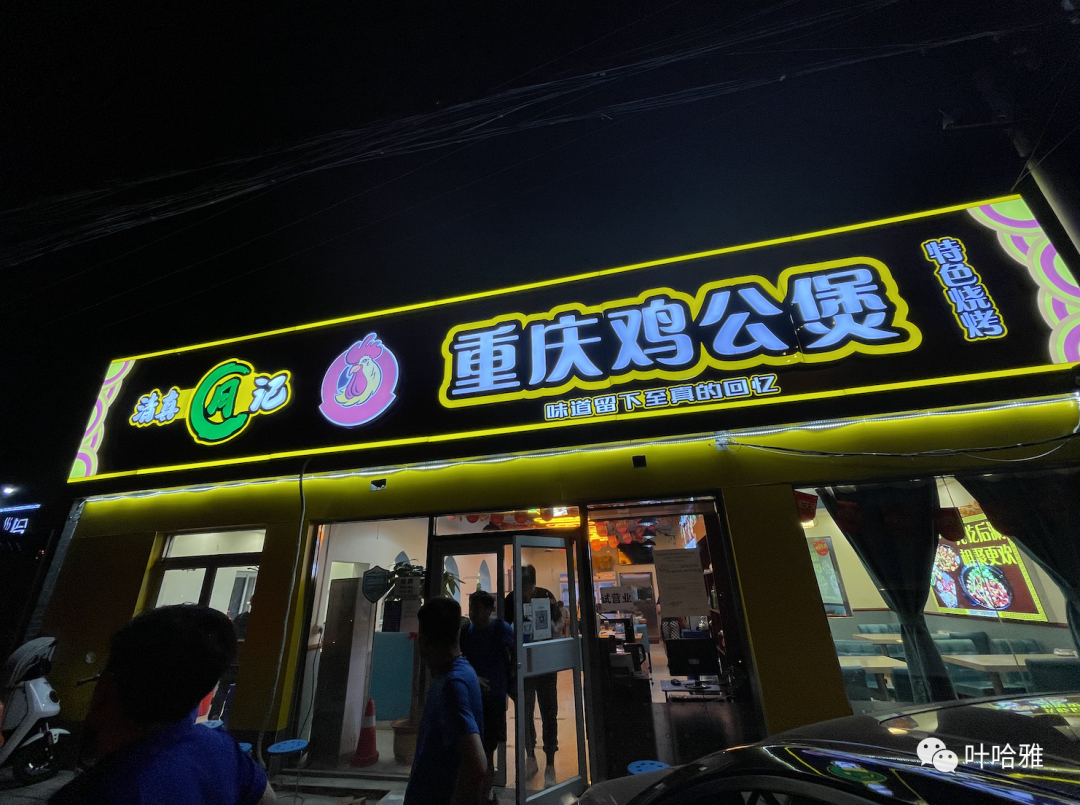
Although it is called Chongqing Chicken Pot, it is actually an innovative mix of Chongqing braised rooster and Chongqing dry-pot chicken created outside of Chongqing. It has nothing to do with local Chongqing food, but in the Chongqing dialect, a rooster is called a 'jigong'. This is the first halal Chongqing Chicken Pot in Beijing.
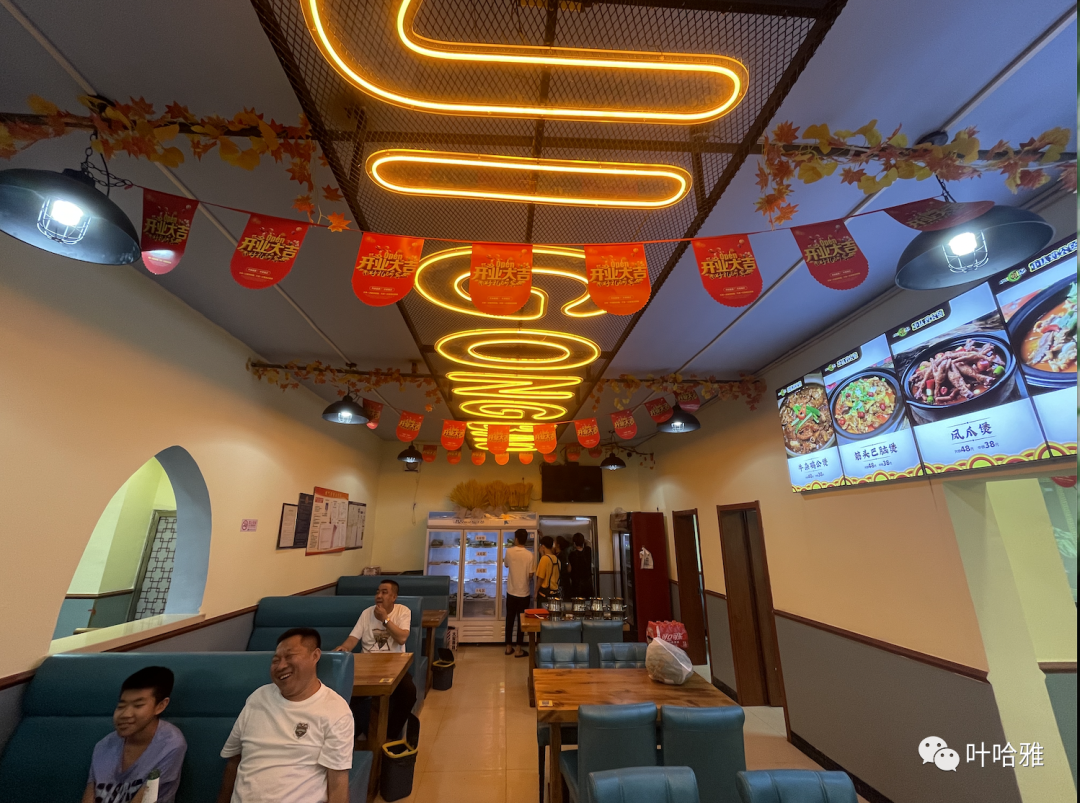
The new shop is located on Beifaxin Road in Shunyi. The owner is from Jingyuan, Ningxia, and runs a noodle shop in Shuangjing. Making this chicken pot is a bold move, and choosing Shunyi was a decision based on lower operating costs.
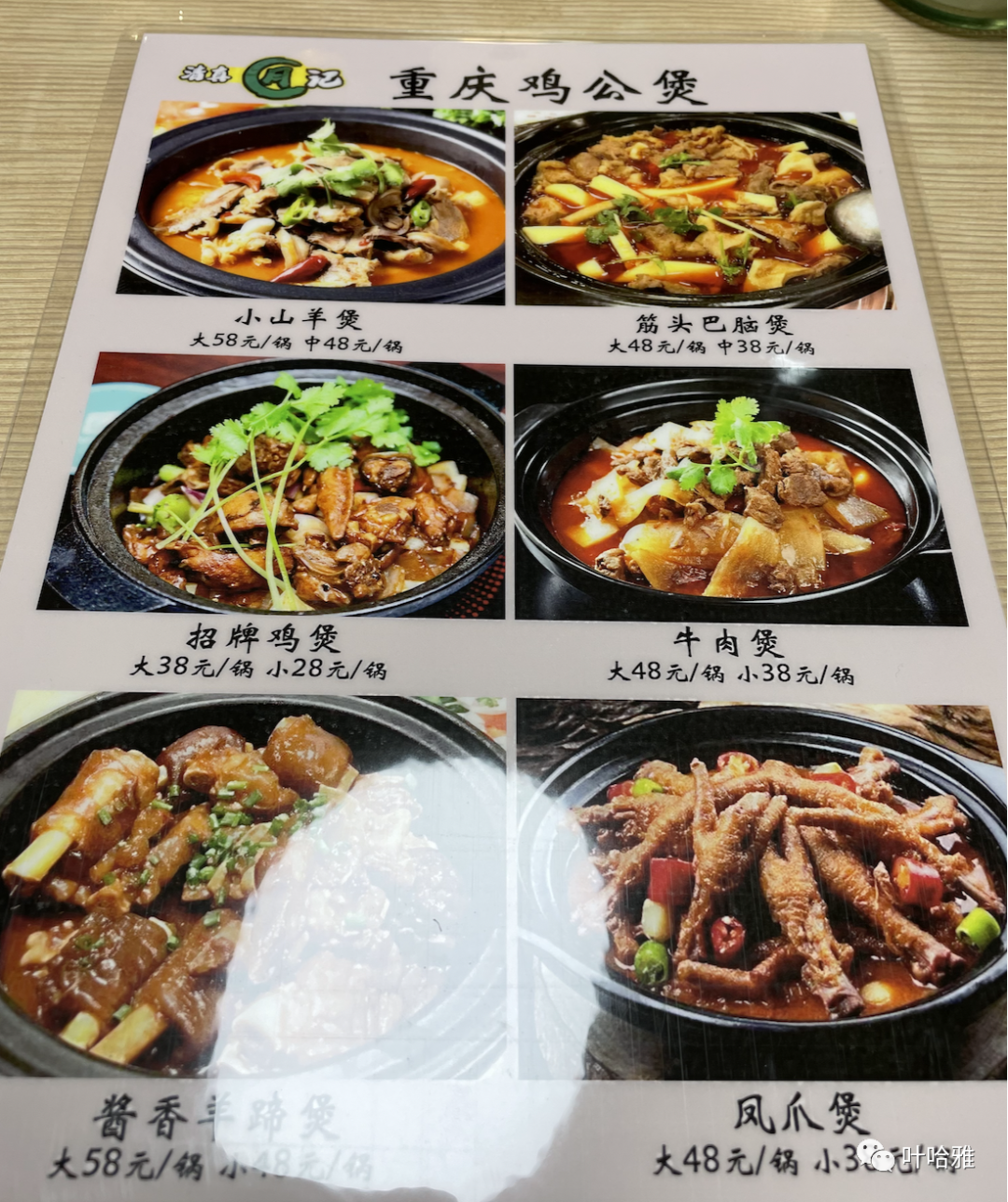
It is not easy to travel from the city center to Shunyi. We chose five pots to taste: chicken pot, beef pot, chicken feet pot, lamb pot, and beef tendon and brisket pot (jintou banao).
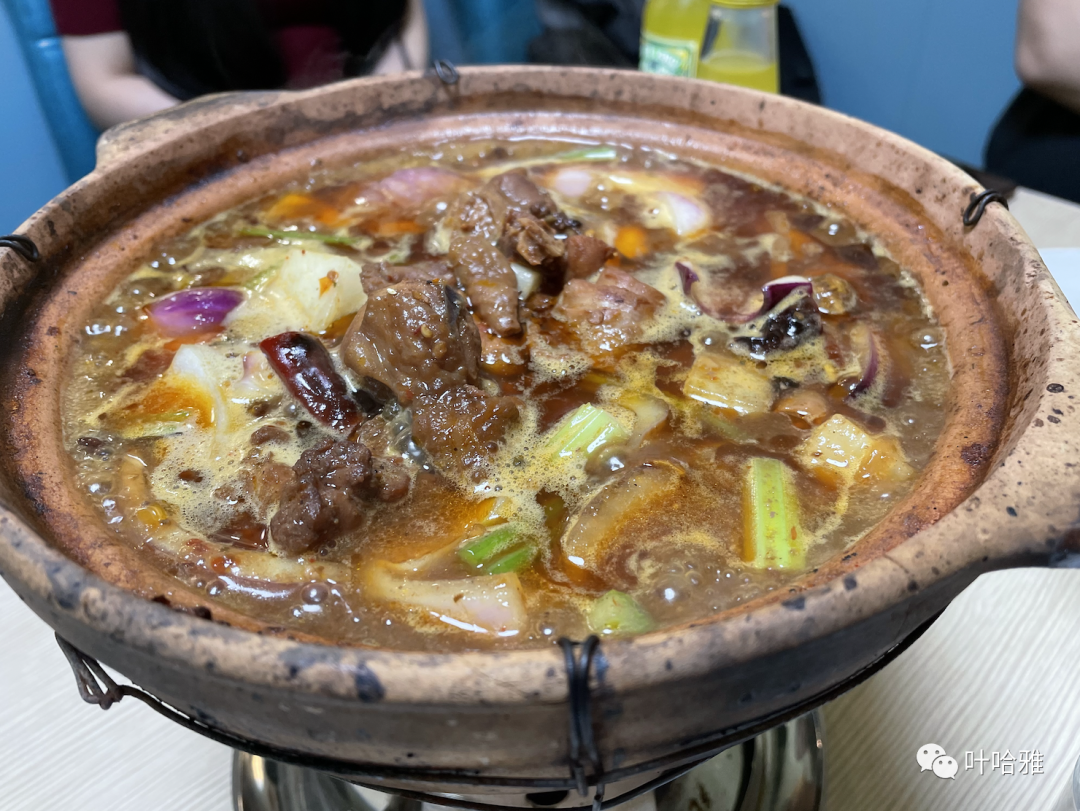
I liked the signature chicken pot and beef pot the best. They are full of spices. You can add side dishes to the pot and eat it like a hot pot. You can choose your own spice level, and they can even make it non-spicy.
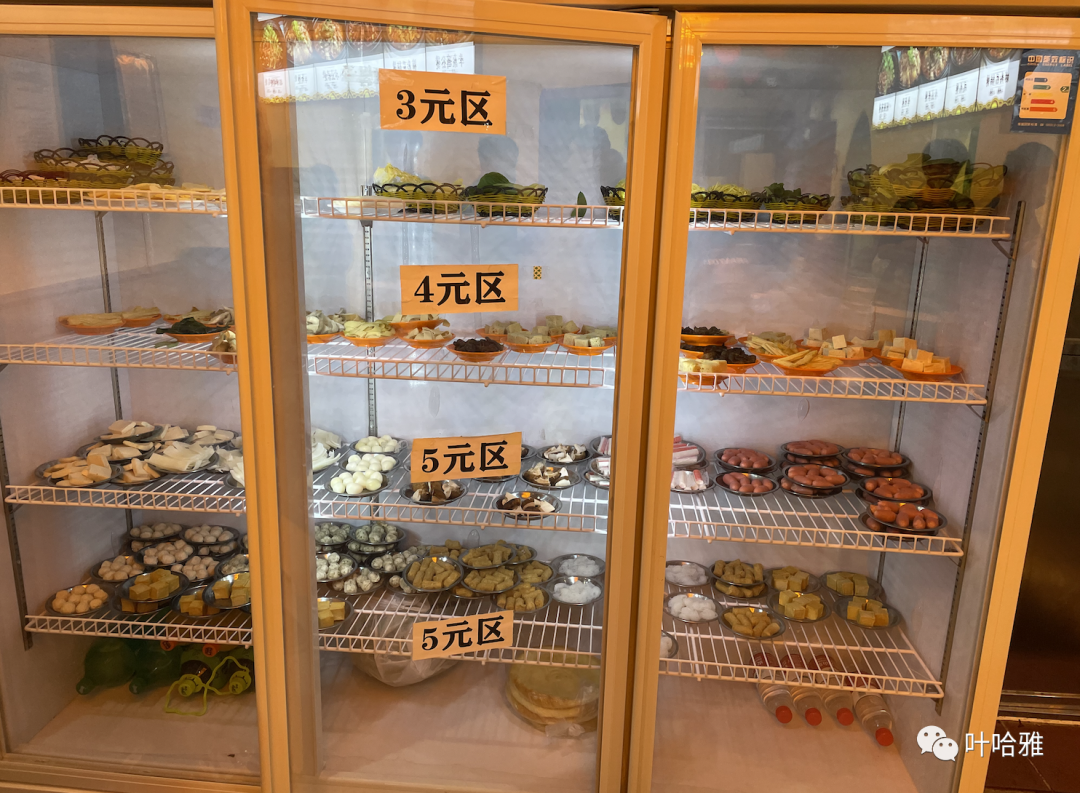
Address: No. 43, Beifaxin Section, Nanjiao Road, Shunyi.
2
Xinjiang: Hotan Canteen (Hotan shitang)
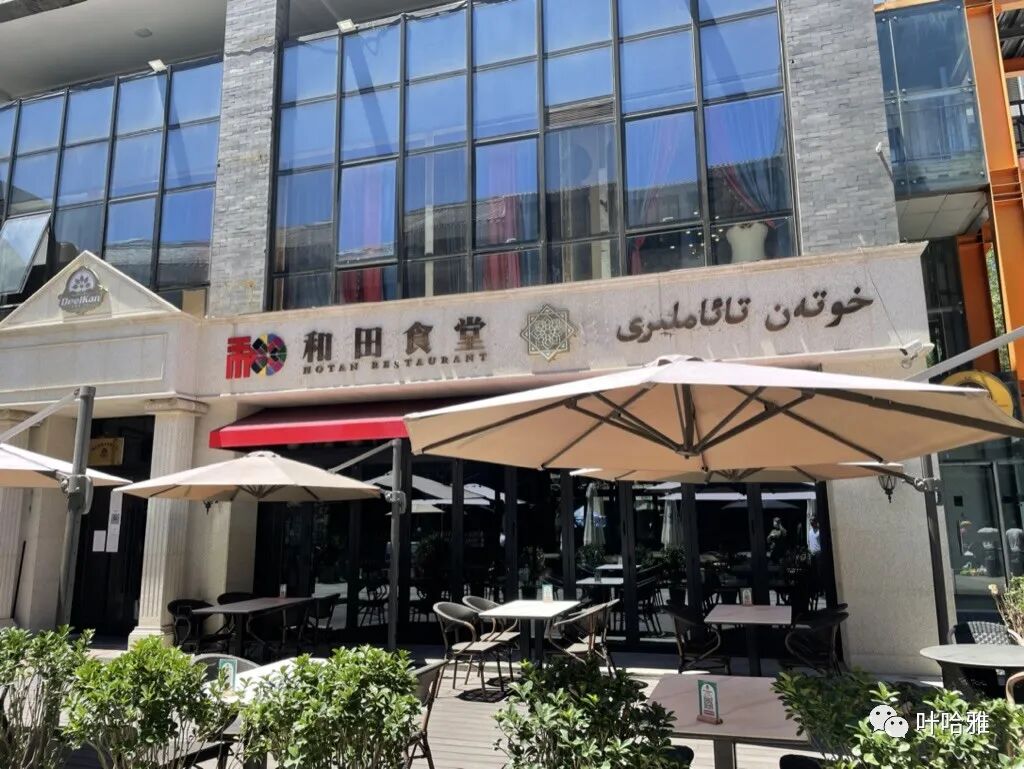
The Chaoyang branch of Hotan Canteen is where Lumi's Secret used to be. Lumi's Secret has moved to Urumqi. People say the Hotan government strongly supports the Hotan Canteen project and recommended many excellent chefs from southern Xinjiang to come to Beijing. Hotan Canteen opened two shops in Beijing at the same time; the other one is in Maliandao. I visited both. The decor is different, but the flavors are very authentic.
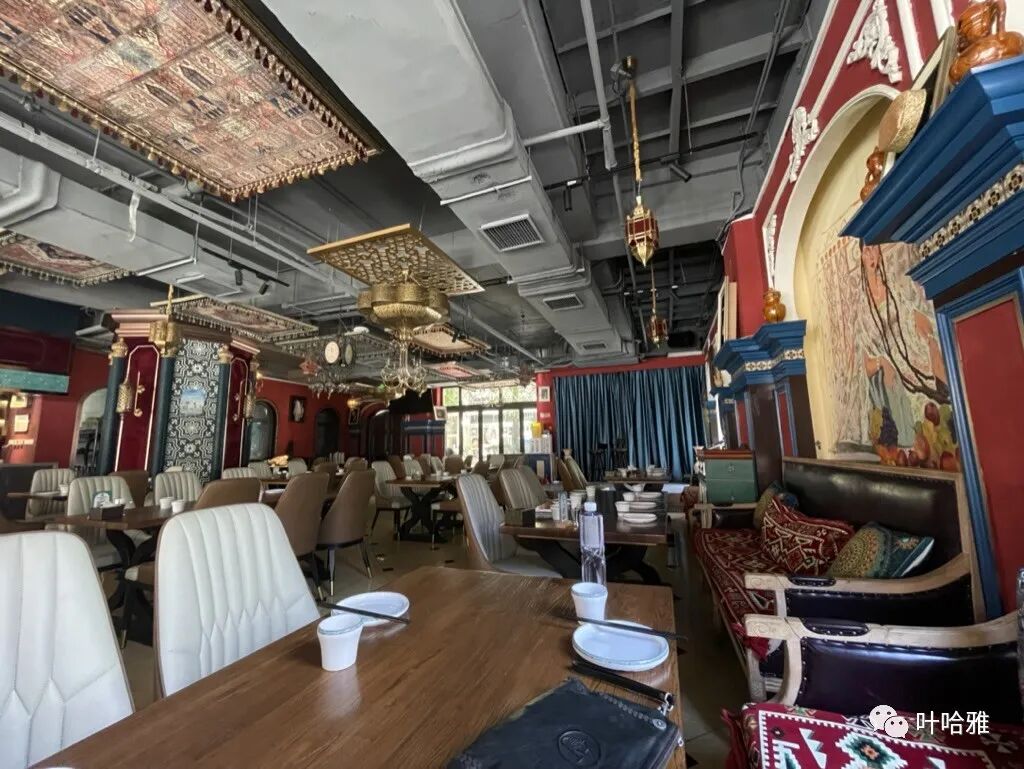
The Chaoyang branch has more Xinjiang elements, while the Maliandao branch feels more like a restaurant from northwestern Inner Mongolia.
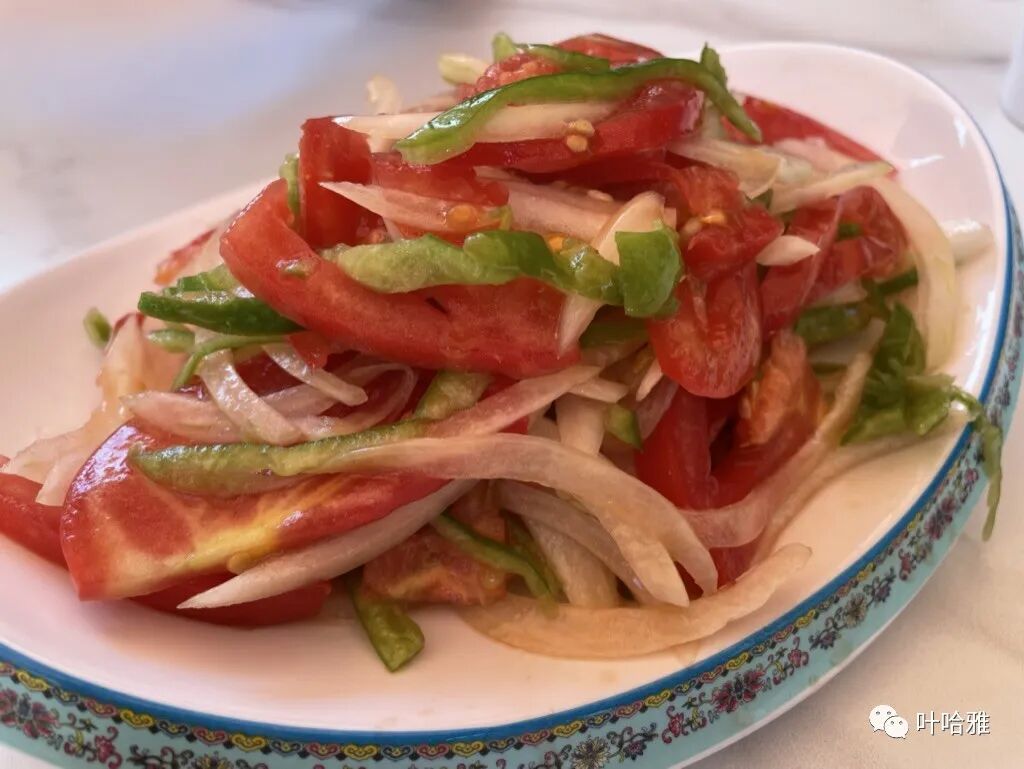
Xinjiang Onion, Pepper, and Tomato Salad (pilahong)
One of the signature Xinjiang cold dishes is pilahong. 'Pi' refers to 'piyanzi', which means onion. 'La' means pepper, here using green peppers. 'Hong' means red, referring to tomatoes.
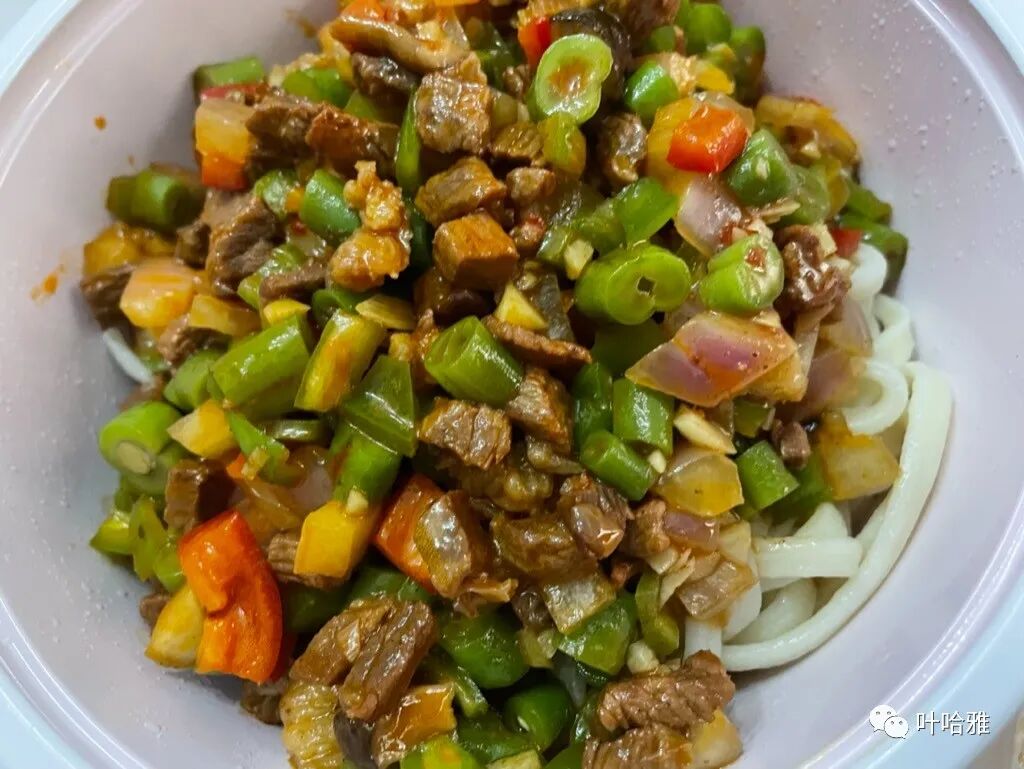
Minced meat noodles (suirou banmian) and hand-pulled noodles (latiaozi). The key to these two staples is whether the noodles are chewy. People say using salt water to knead the dough makes the texture even better.
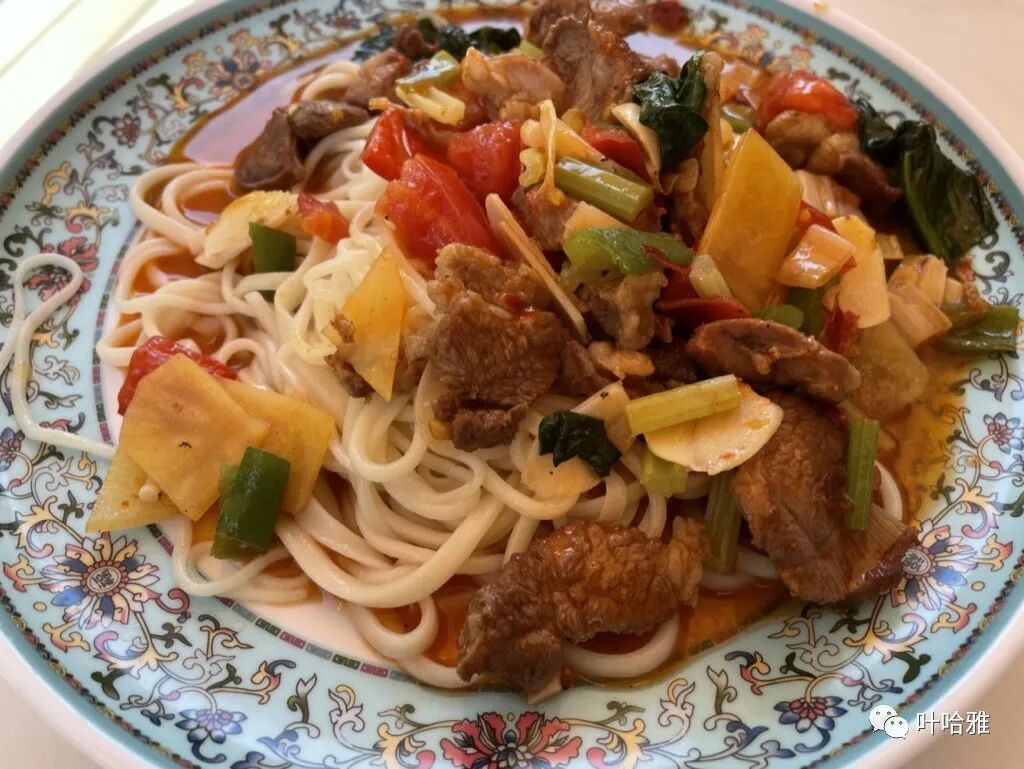
For barbecue, we chose salt-water grilled meat and liver wrapped in fat (youbaogan). I feel the barbecue at Hotan Canteen is not as fragrant as at Ali Restaurant, but the liver wrapped in fat is still quite delicious.
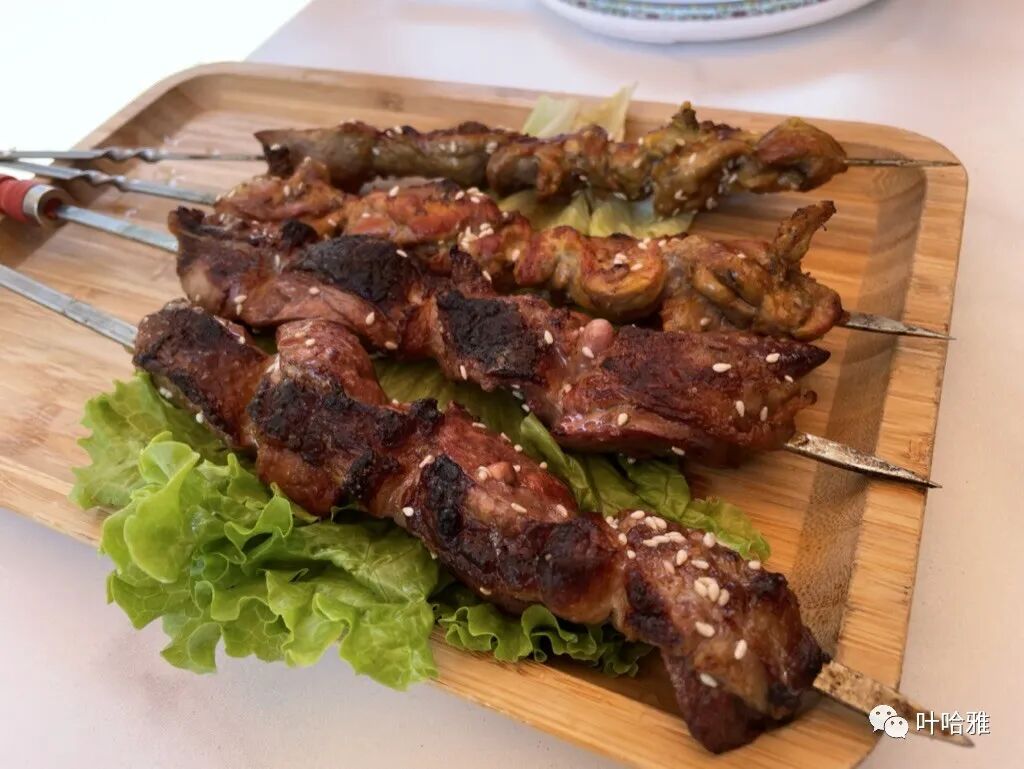
Address: 39 Shenlu Street, Chaoyang District.
3
Canakkale, Turkey.
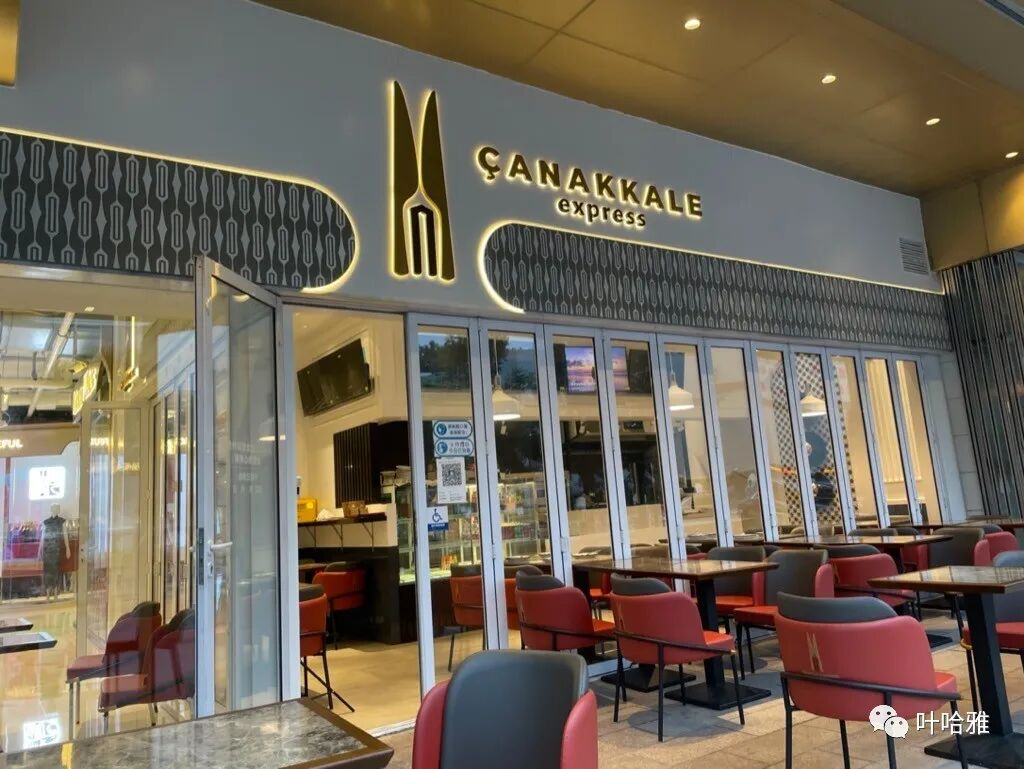
Canakkale.
Its predecessor was Doner Kebap.
The team is the same as before. The owner is from Azerbaijan, and the staff and chefs are Uyghurs from Urumqi. This time, they renovated, changed the name, and expanded the dining area.
The Doner Kebap in Sanlitun and the Canakkale on Shenlu Street are both owned by this Azerbaijani owner.
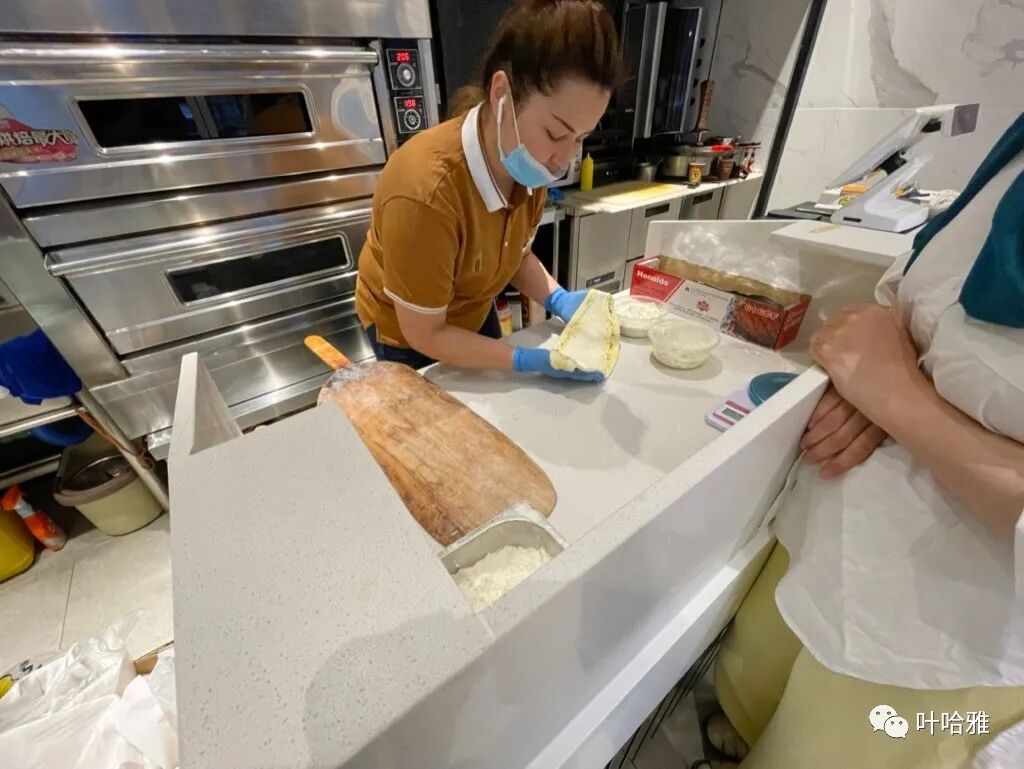
In the open kitchen, we watched this Uyghur girl make flatbread (pide) by hand. We chose the goat cheese pide.
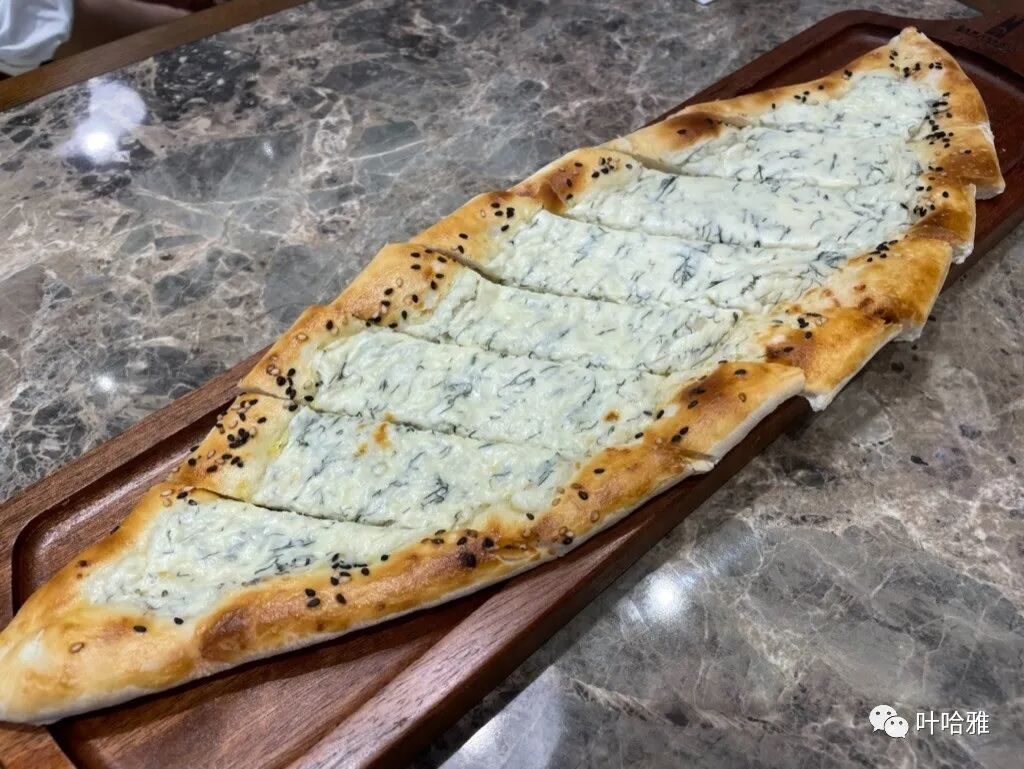
The goat cheese was sprinkled with dill. Dill is also called tu huixiang; it looks very similar and has a nice aroma. It is a common seasoning in Central Asian cuisine.
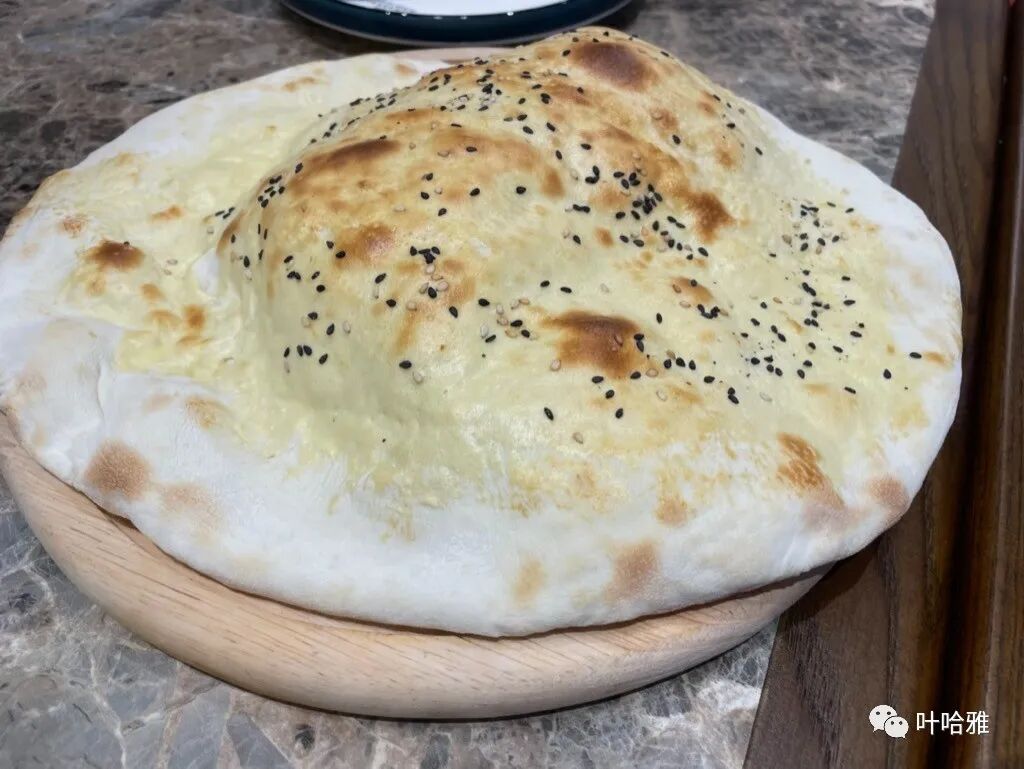
Turkish balloon bread (qiqiu bing) is hollow inside with a thin layer. It looks round like a balloon when it is freshly made.
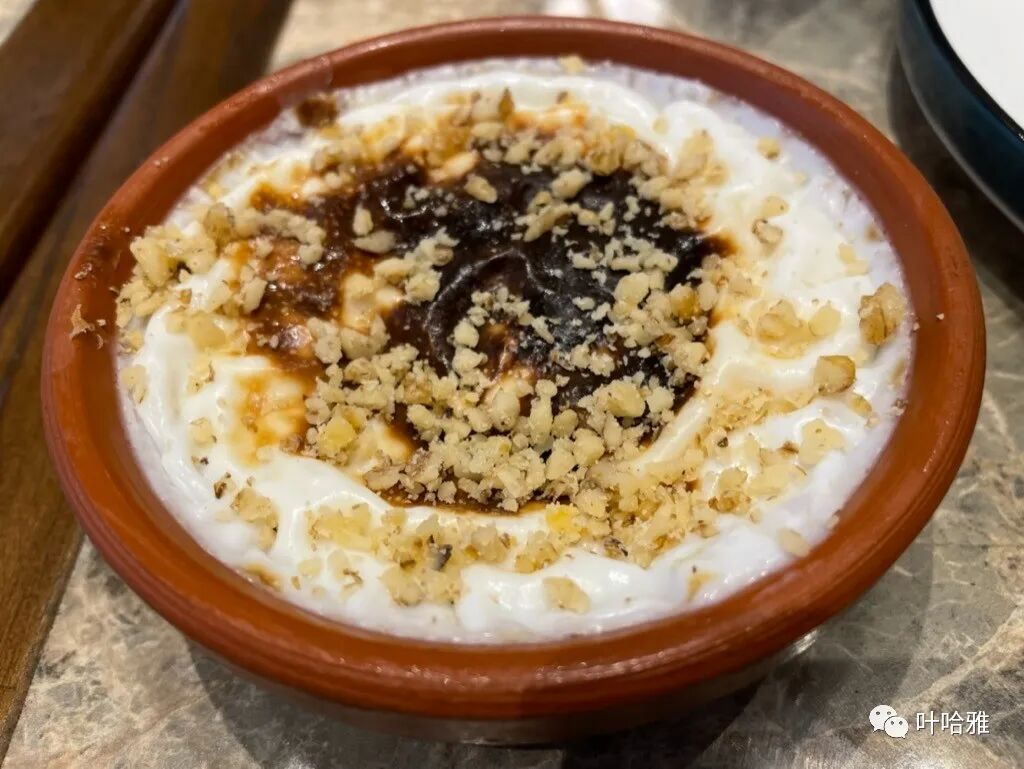
Rice pudding (mi buding) is a dessert made from rice that originated in the Middle East.
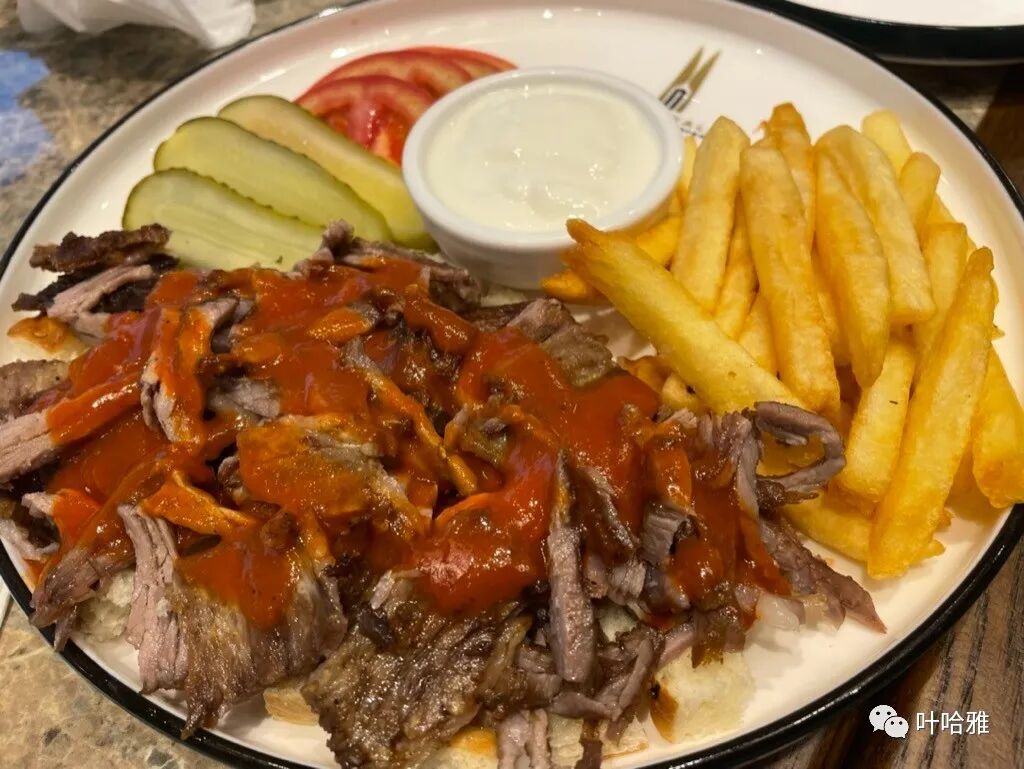
The Turkish roast beef platter comes with pickles and french fries. The white sauce is a savory yogurt, which is best eaten with the Turkish balloon bread.
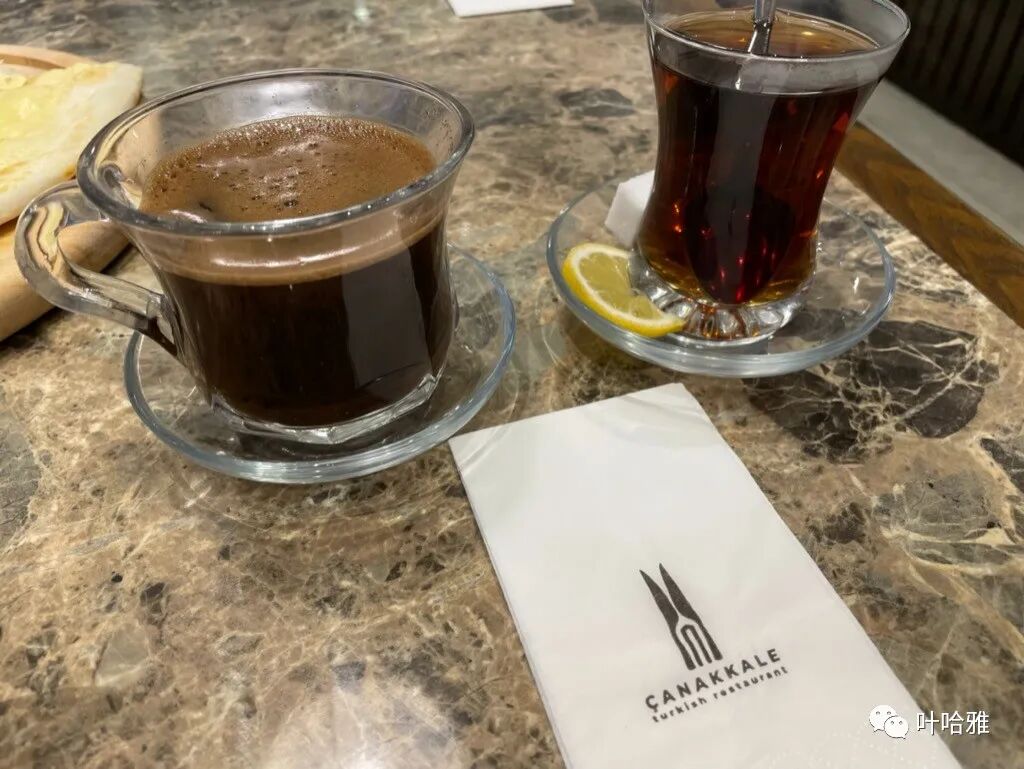
This is a halal restaurant that does not serve alcohol. For drinks, I ordered a Turkish coffee and black tea. I have to complain that Turkish coffee should be served in a delicate cup; using a clear glass coffee cup does not look very nice.
4
Indian and Pakistani: Masala Spice Indian Restaurant.
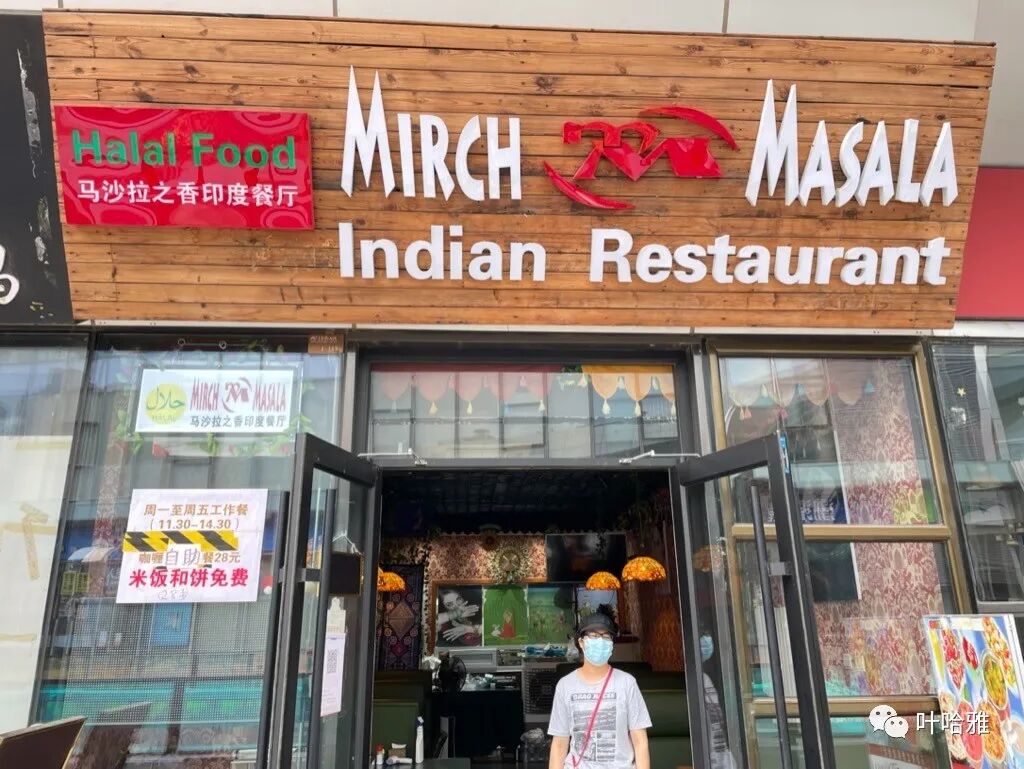
This restaurant was originally on Xiushui Street and was open for over ten years. It just moved to Tongzhou Wanda Plaza this year. The owner is Pakistani, and his wife is from Northeast China. They have two chubby mixed-race sons.
I counted, and there are at least 11 halal Indian and Pakistani restaurants in Beijing: Shalima, Indian Kitchen, Hanbaba, Zamzam, Sultan Pakistan, Love Curry, Asian Tribe, Saduli, Ganges Indian Restaurant, Razz Music Restaurant, and this Masala Spice. These restaurants have all been in business for a long time.
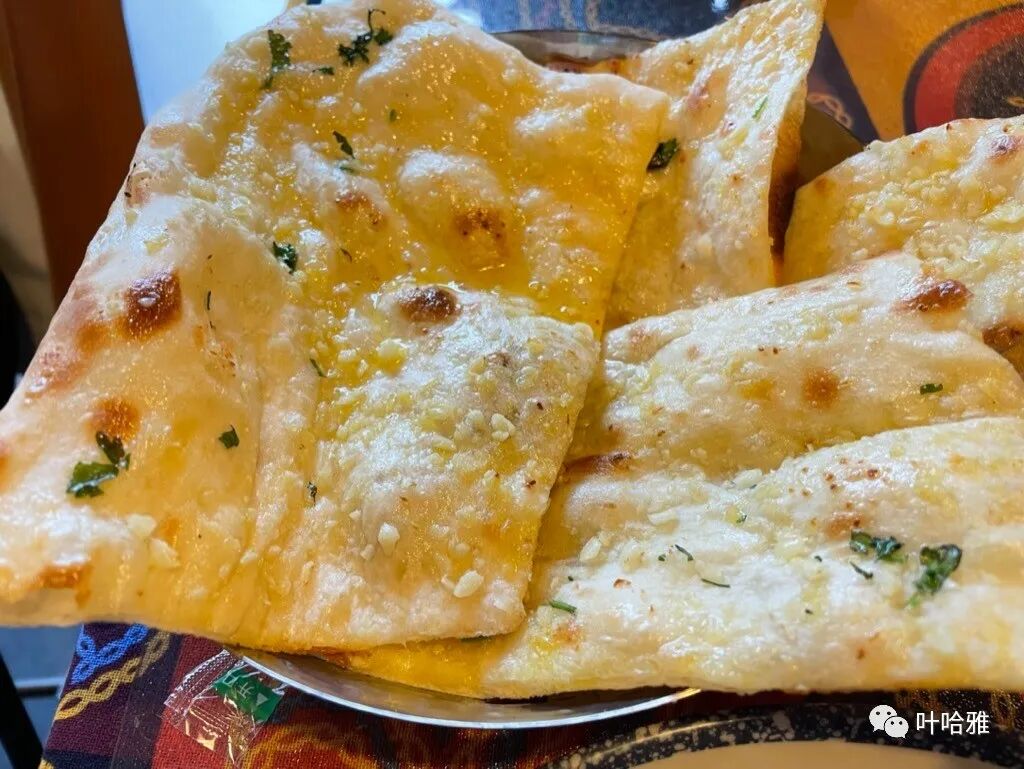
When eating Indian and Pakistani food, butter naan dipped in curry sauce is a must-order for me. I usually eat three naans; it is my favorite Indian and Pakistani food combination.
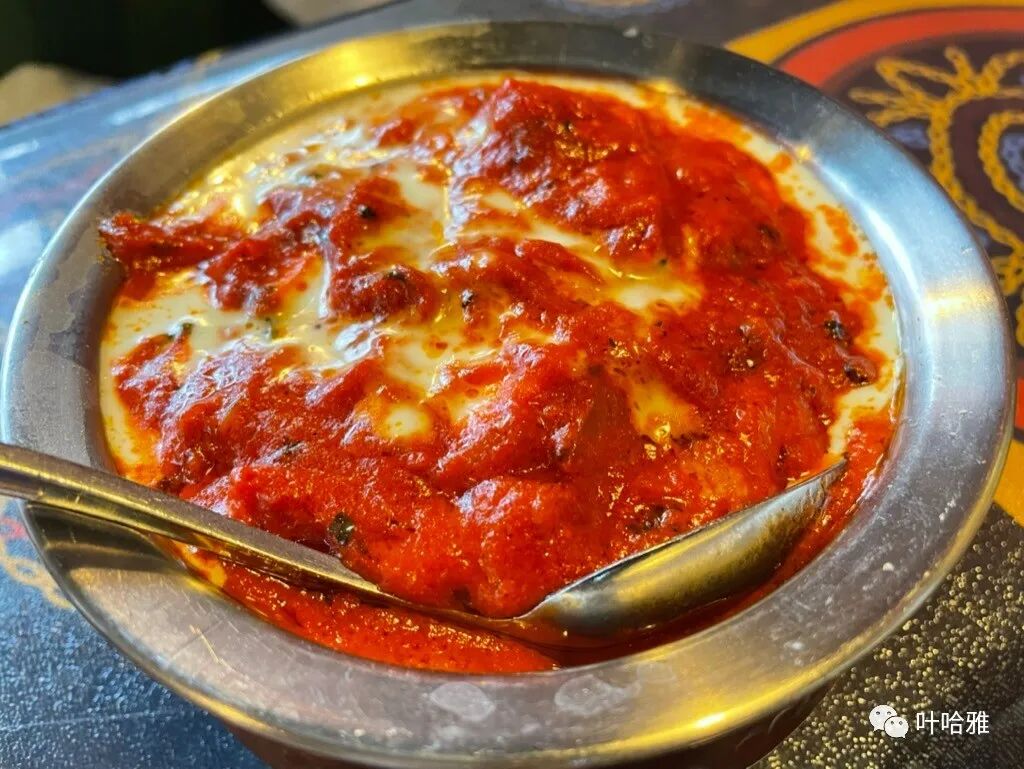
I eat Indian and Pakistani barbecue sometimes, but I definitely love Chinese barbecue the most.
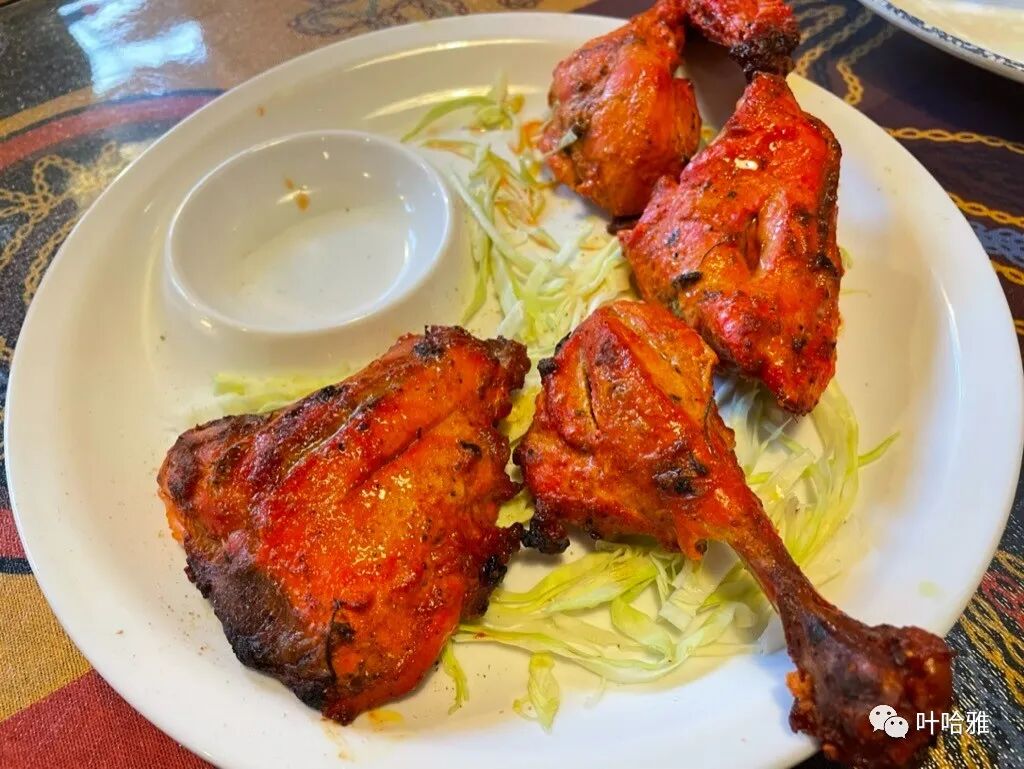
They also serve the Indian snack Panipuri, which became popular after the movie Dangal. The little shells are semi-finished products just like shrimp crackers; you buy them and deep-fry them. You fill them with sour sauce, pop the whole thing in your mouth, and take a bite for a complex mix of flavors.
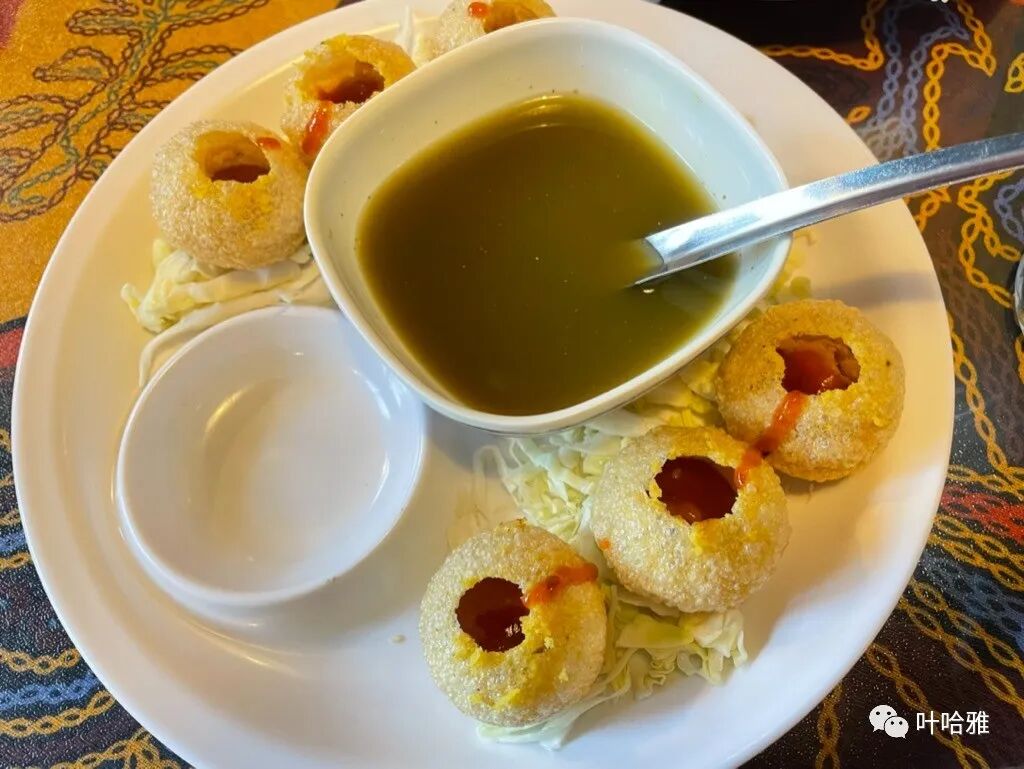
Address: Shop 113, 1st Floor, Zone A, Jinjie, Tongzhou Wanda Plaza.
5
Henan Big Beard Skewer Shop (Dahuzi Chuanchuanxiang).
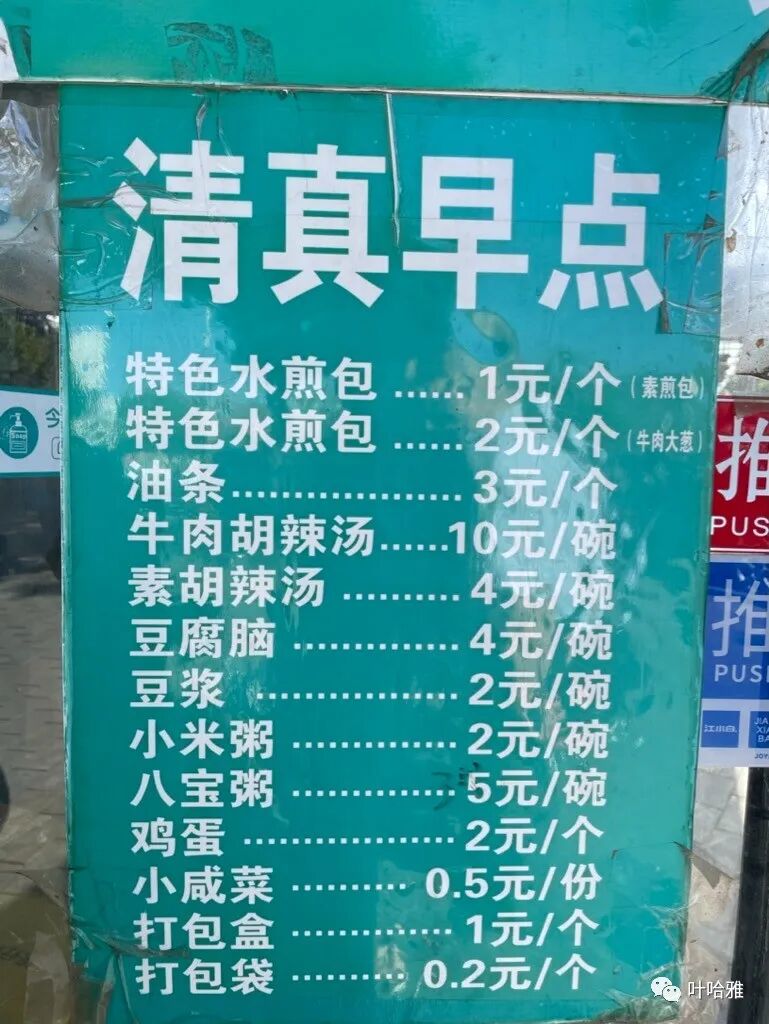
I have recommended the Big Beard Skewer Shop in Changying before. I am mentioning it again because they added spicy soup (hulatang) and pan-fried buns (shuijianbao) to their breakfast menu, and the taste is very authentic. The owner is a Hui Muslim from Henan.
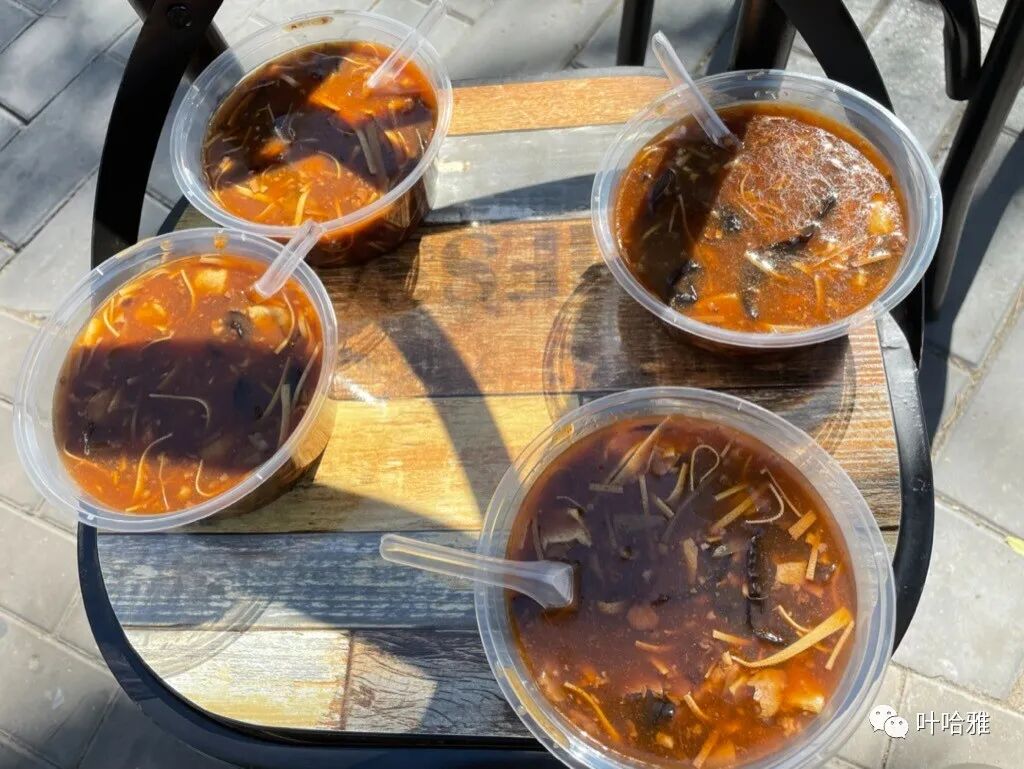
After hearing this good news, we went early in the morning to have a bowl of spicy soup. It was exactly the same as what I ate in Henan, with a very authentic flavor. I also recommend their pan-fried buns. They are packed with plenty of beef filling, no vermicelli used as filler, and they are delicious.
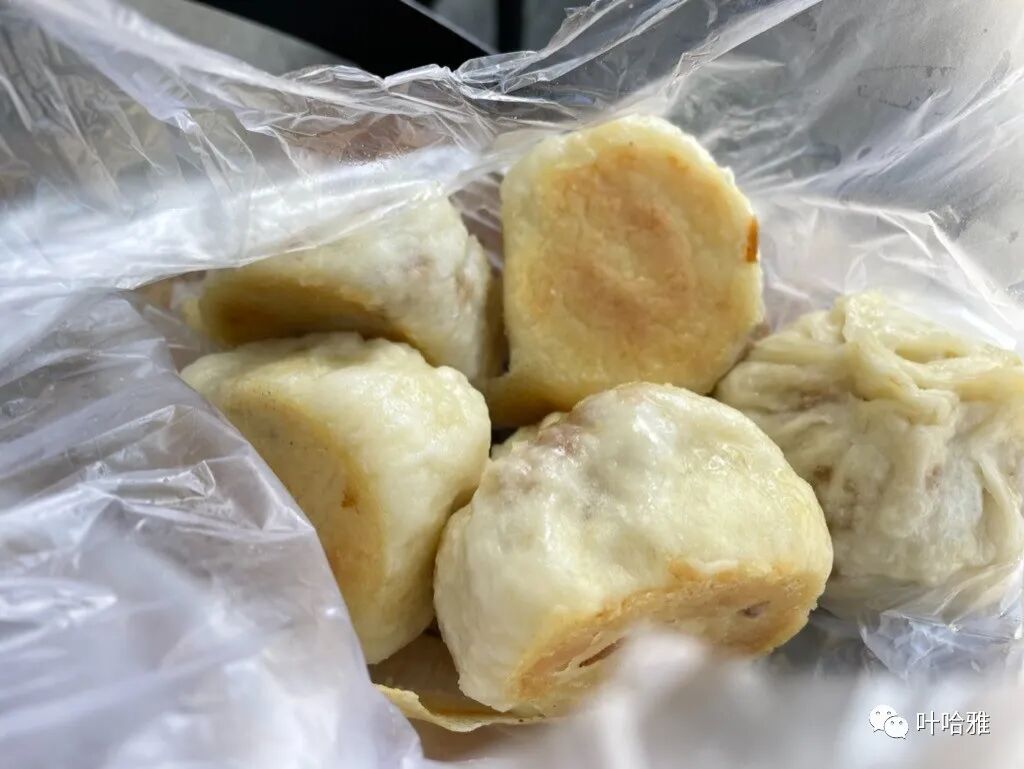
After eating the pan-fried buns that day, we still wanted more. We heard that Qingyanfang in Changying sells small steamed buns (xiaolongbao) in the morning, so we went for a second breakfast.
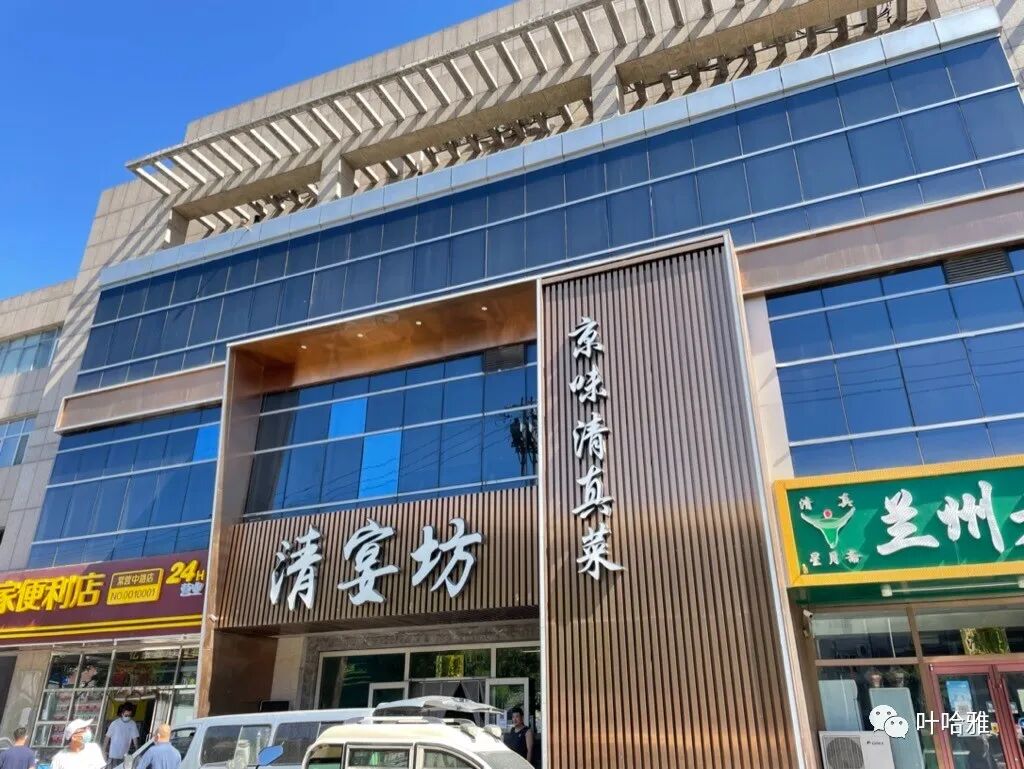
The small steamed buns cost 12 yuan for a steamer of 10. I like this kind of small bun, especially the delicate style from Northwest China, but these ones did not taste as good as the pan-fried buns at Big Beard.
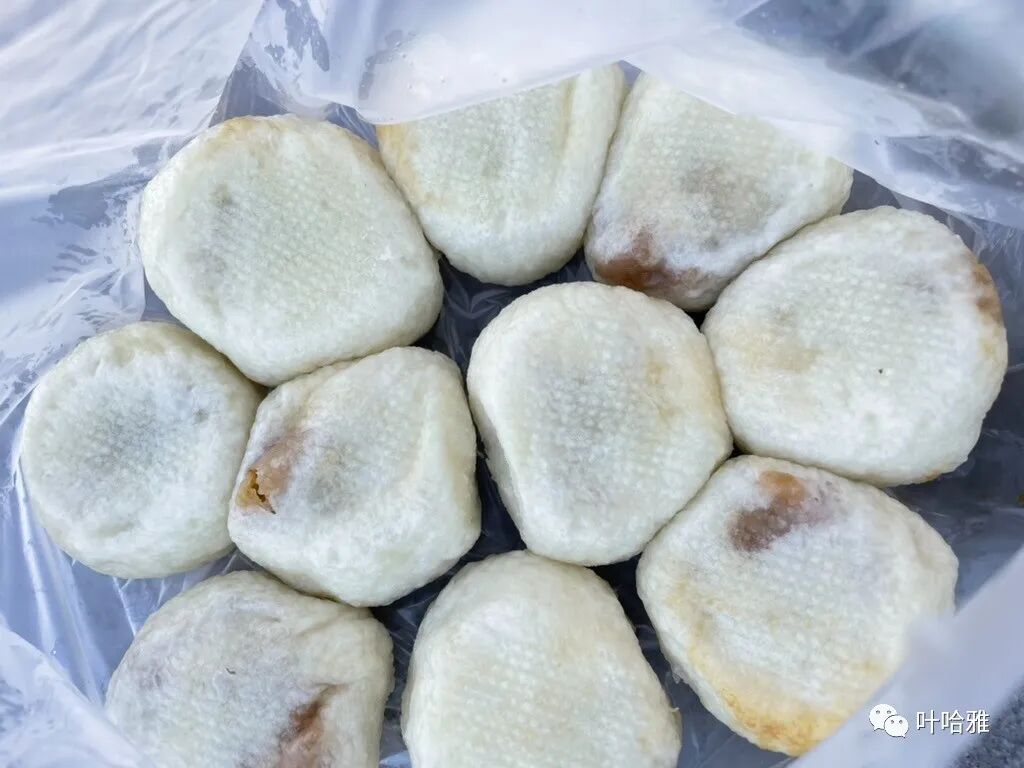
Address: Changying Minzu Jiayuan.
6
Xinjiang Afanti Naan Pit Baked Buns (Kaobaozi).
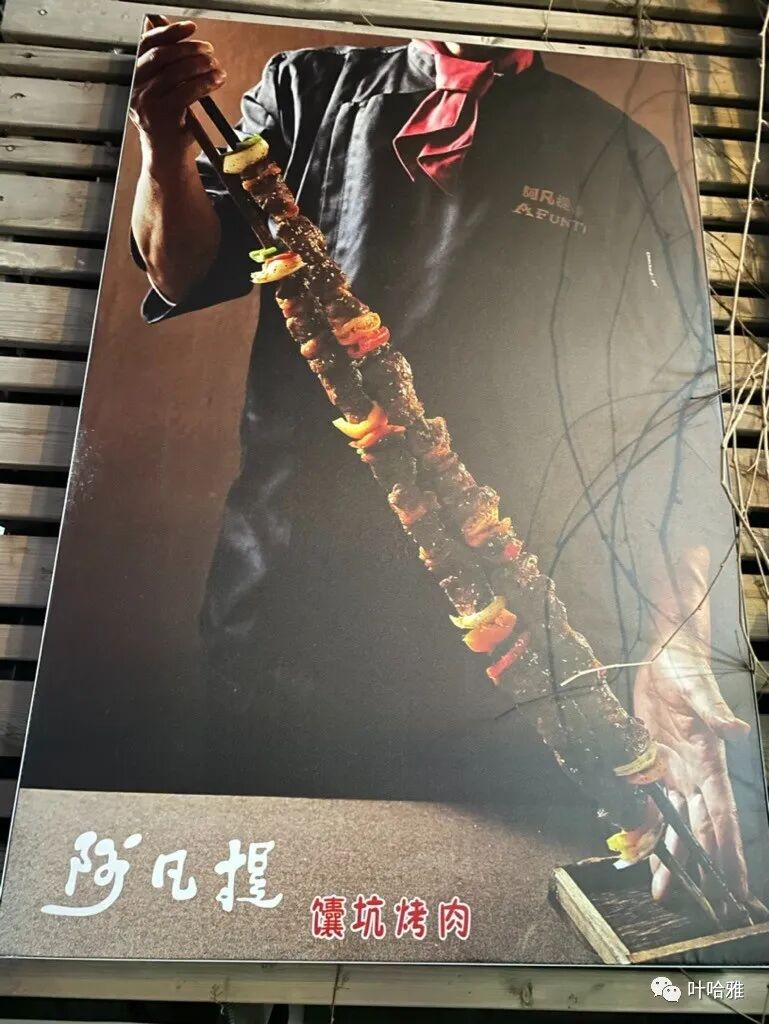
A Uyghur friend recommended this Xinjiang restaurant with a lot of history. It has been open for at least twenty years, though it has moved to different locations. The shop features a naan pit for charcoal grilling. Once barbecue is taken away from charcoal fire, the flavor really isn't quite the same.
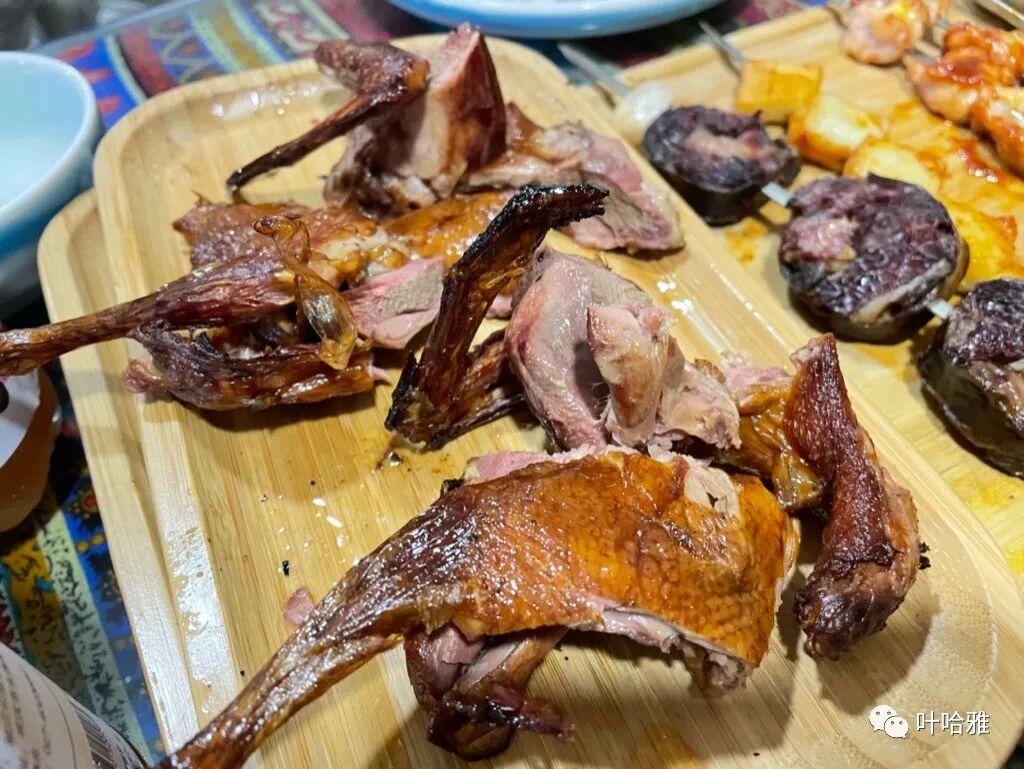
We ate Xinjiang-style grilled meats at the shop, including grilled pigeon, grilled horse sausage, and grilled lamb liver.
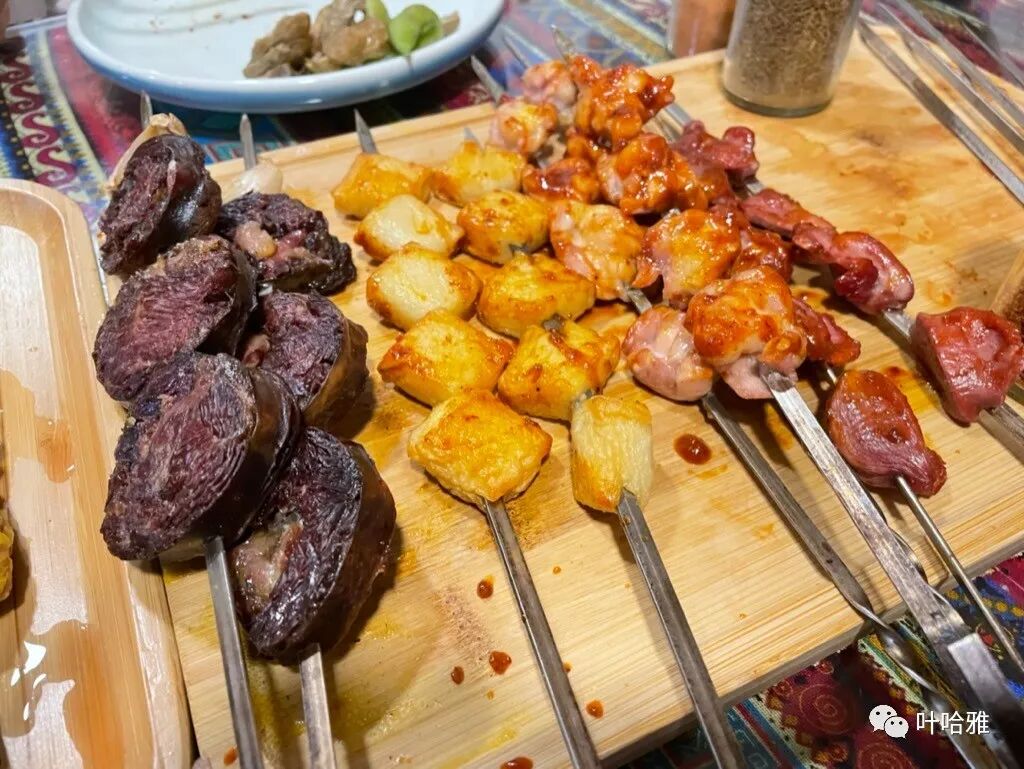
The owner of Afanti is a Han Chinese from Beijing and is very talkative. The chefs he hires are all Uyghurs from Southern Xinjiang. He says the chefs are very strict about ingredients and will only use meat from Niujie.
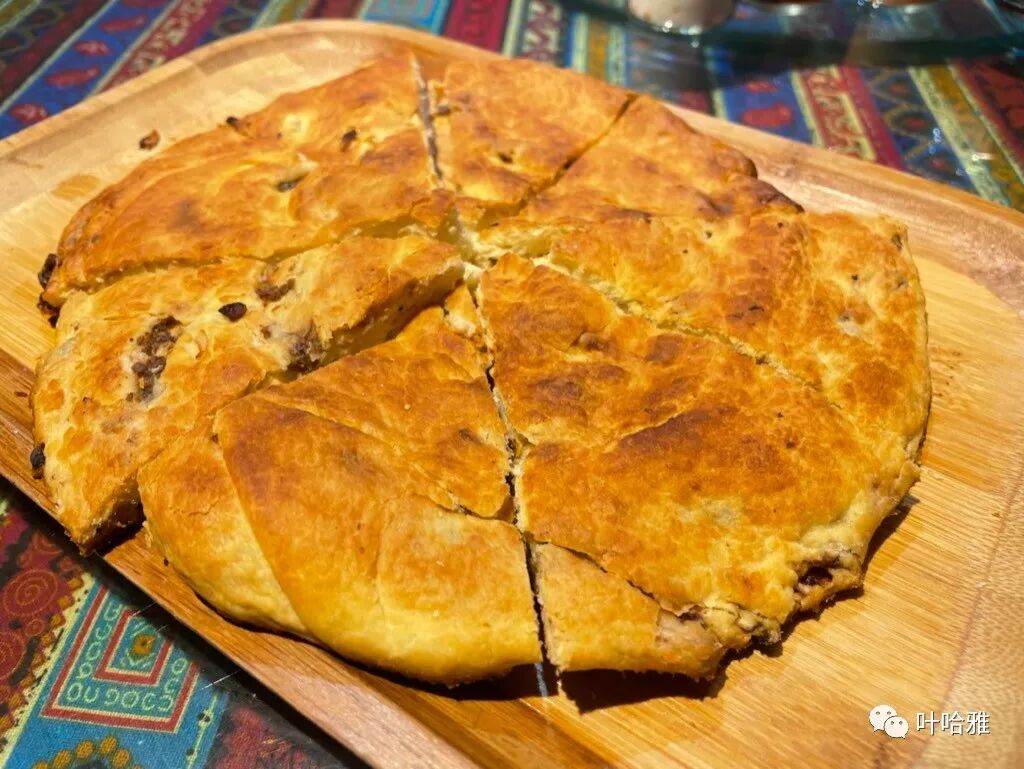
The highlight of this shop is the coal fire, which allows for charcoal grilling, making the baked buns and naan very fragrant.
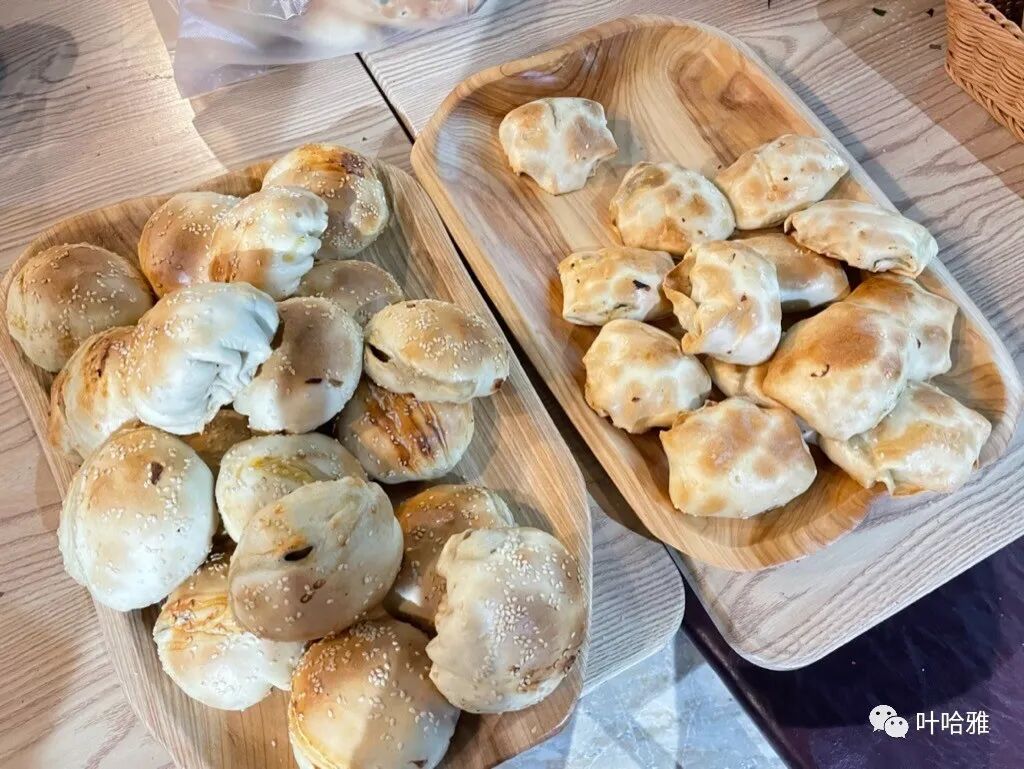
Address: Building D15, East District, Gaobeidian, Taojiawan.
7
Quick meal: halal grilled meat cubes (kaorouding).
When dining in was not allowed in Beijing a while ago, I found this new shop on Meituan. It is in Fengtai District. I ordered delivery twice and thought it was delicious.
They have all kinds of boxed meals. I had the grilled meat rice, chicken curry rice, and potato beef rice. They were all very tasty, with balanced flavors and not greasy, though it is a bit far from my home.
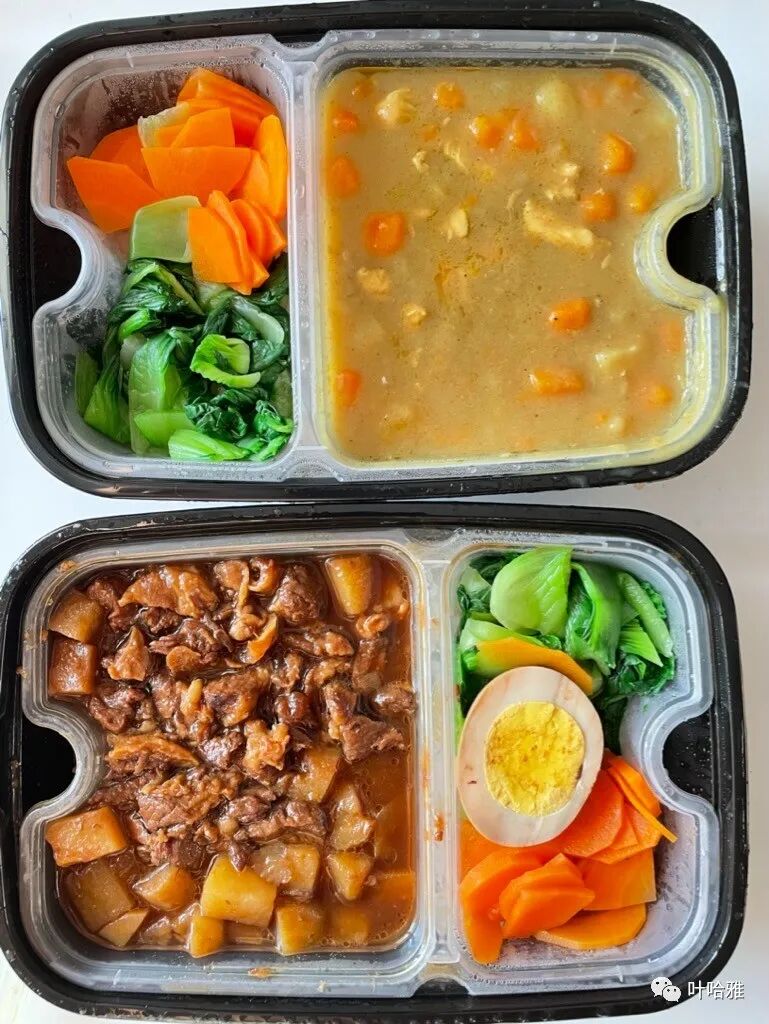
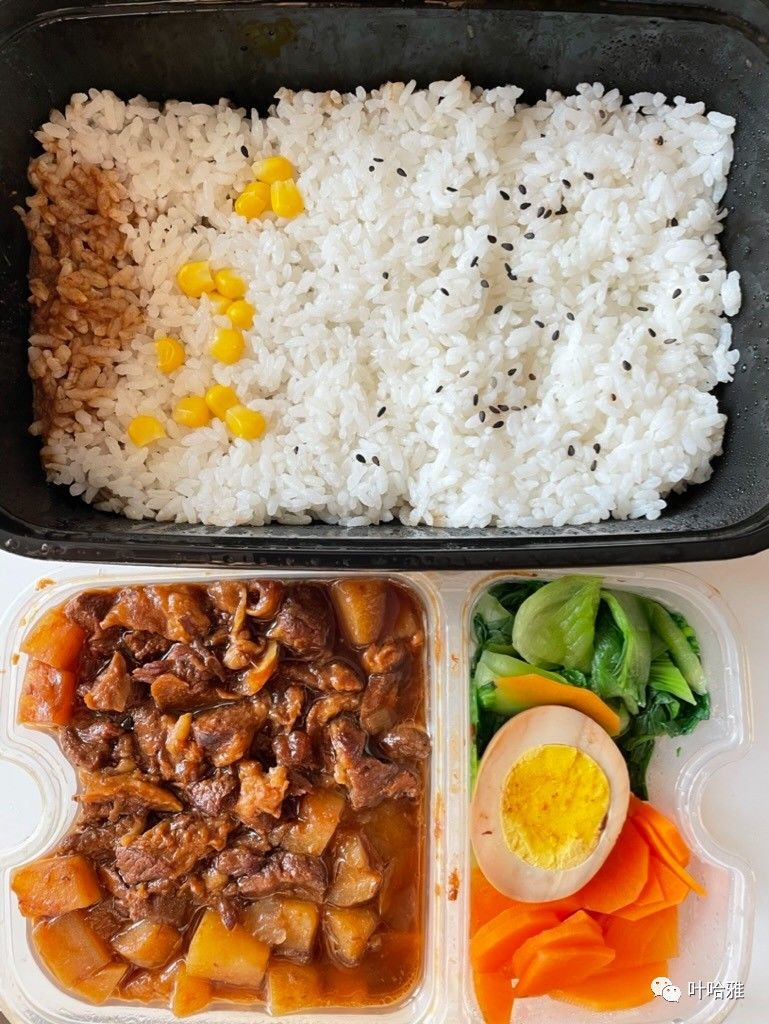
Address: Room 105, Floor 1, Building 1, Courtyard 11, Shunliutiao, Dongtiejiangying, Fengtai District.
8
Qinghai: Qingyu Yogurt.
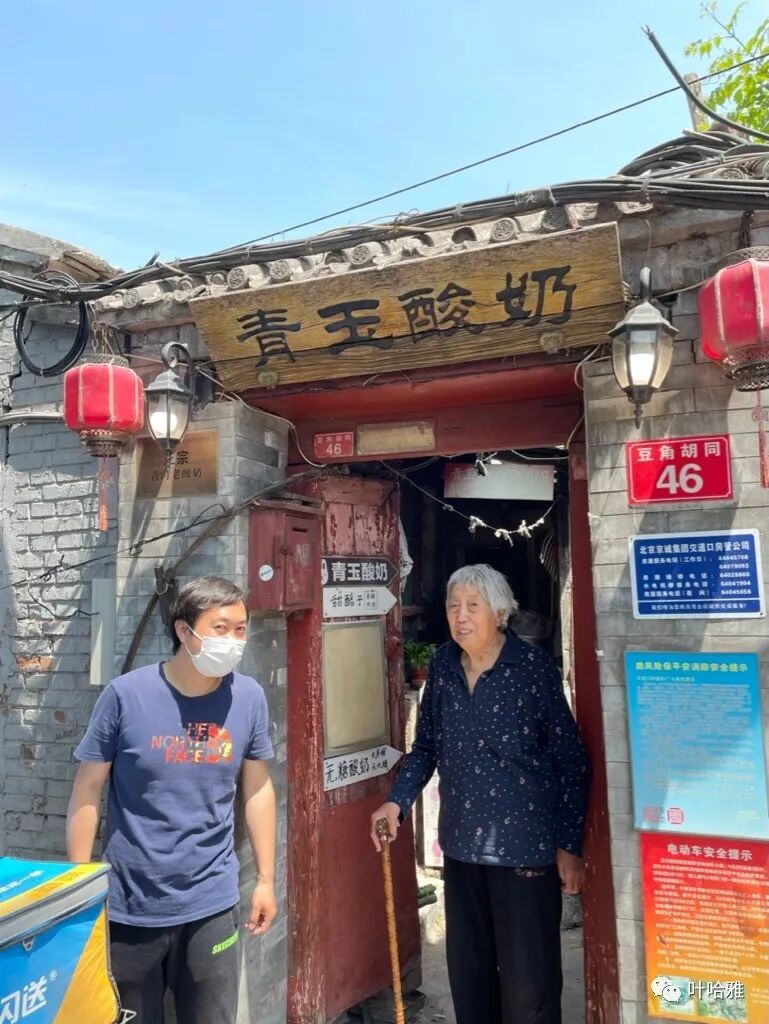
Qingyu Yogurt is not a halal restaurant, but it is a yogurt shop run by Han Chinese people from Qinghai, and they do not serve alcohol.
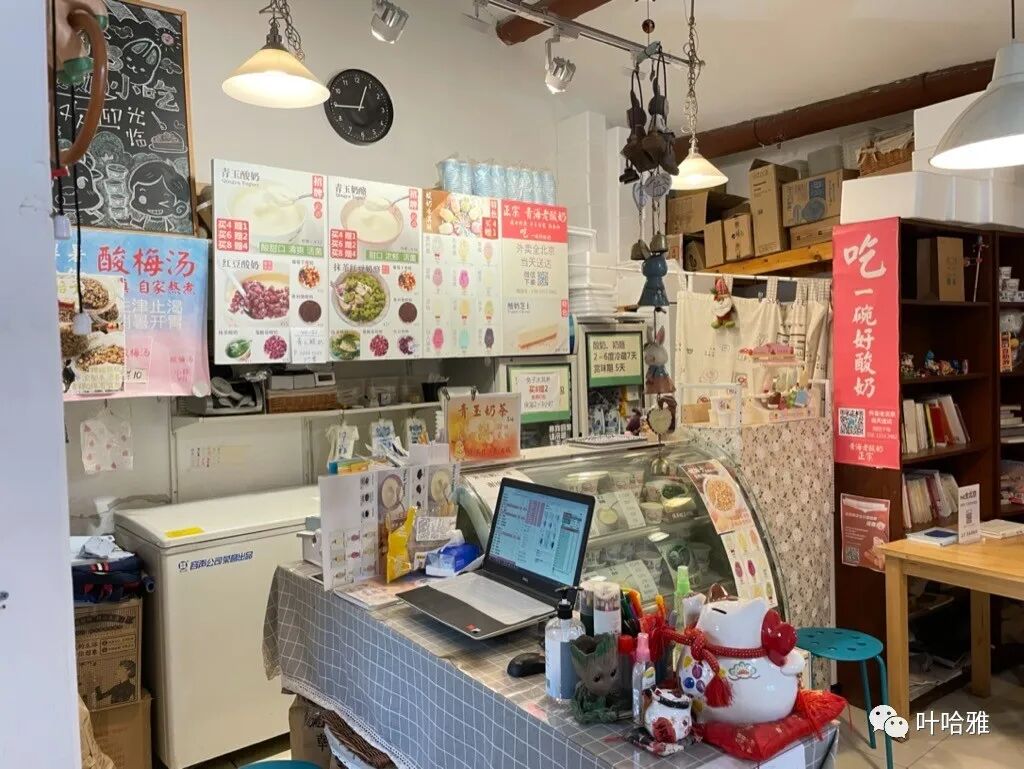
The shop is in a hutong in Houhai and has been there for 10 years. The owner is from Ledu. I have tried their yogurt, cheese, and ice cream. The cheese and yogurt are especially delicious. The ice cream is also good, but it is a very small piece for over ten yuan, so it is not great value for money.
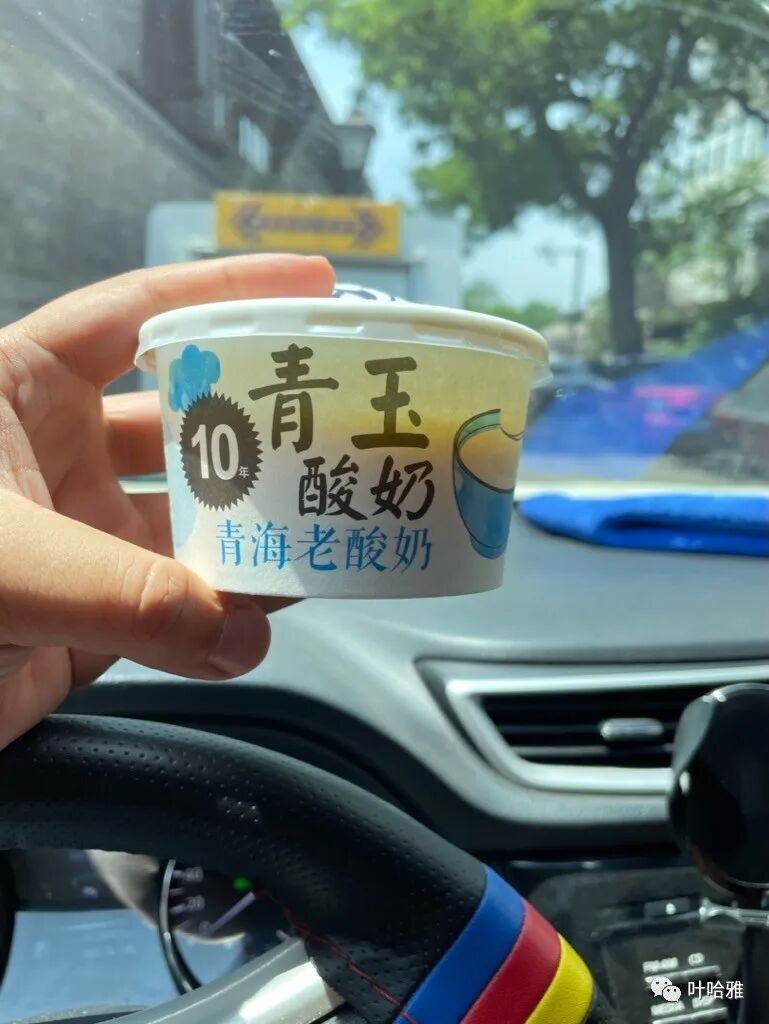
The yogurt, cheese, and ice cream can be delivered via Shansong. I suggest buying them in person to try when you are strolling and cooling off in Houhai.
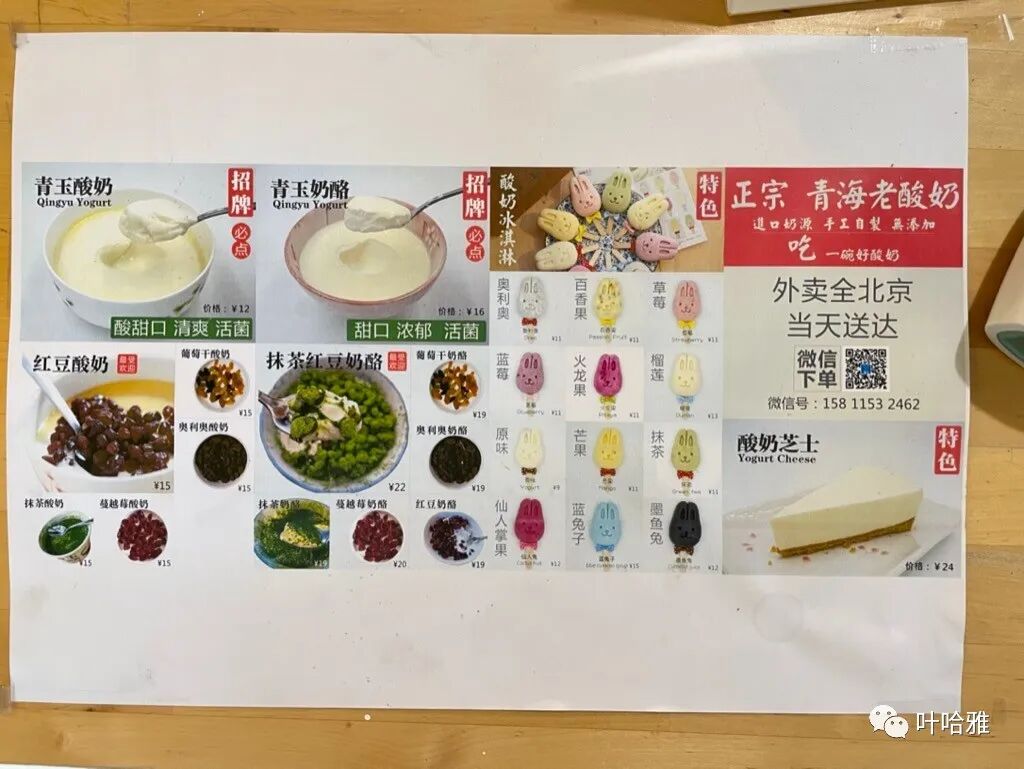
The ice cream is made with milk and comes in a small rabbit mold, which looks very delicate. I have tried every flavor, and the original flavor is the best.
Address: Doujiao Hutong, Shichahai.
9
Light meal: Gudaoxiang.
Gudaoxiang is the first halal light meal delivery shop in Beijing. They only do delivery, no dine-in. There are currently three chain stores in Beijing, all of which are halal. The owner is a Hui Muslim from Dachang, and the franchise store is run by a young Hui Muslim lady from Ningxia, so you can eat there with peace of mind.
During the time when dining in was not allowed in Beijing, we ordered these light meals several times. We are used to eating big fish and meat, so we often want something light, but there are very few such light meals in Hui Muslim restaurants. I had tried a place called Yunshang Light Meal in Yanjiao before and thought it was good, but this Gudaoxiang suits the general public's taste better and has a reasonable nutritional balance.
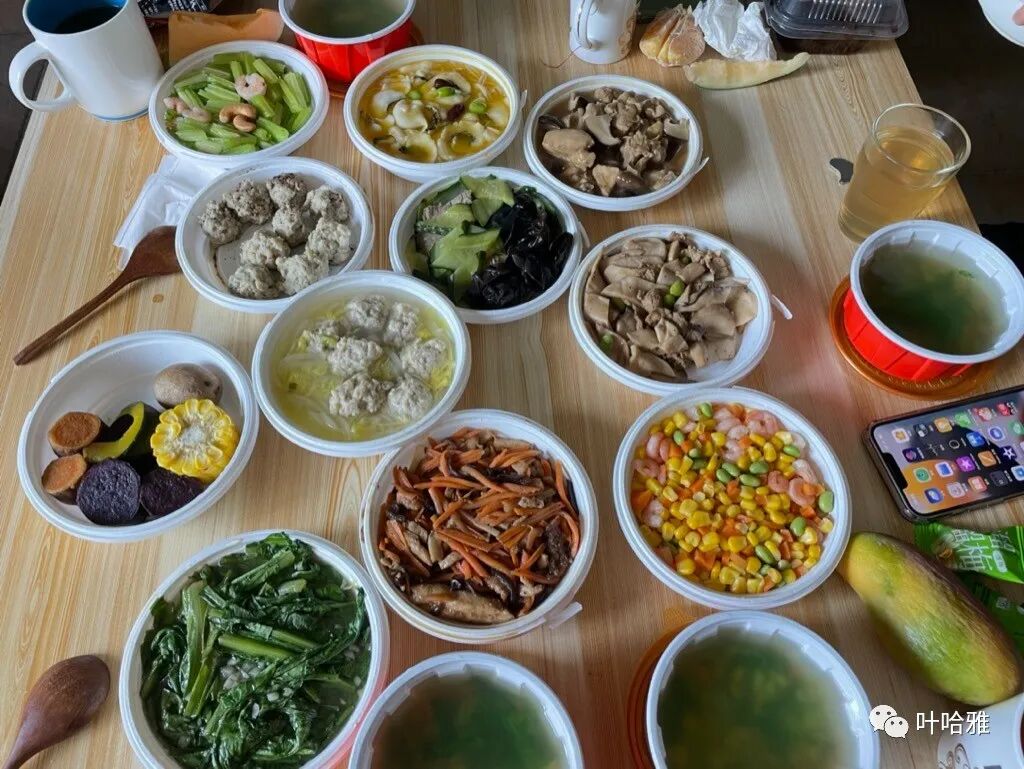
Address: Search for "Gudaoxiang" on Meituan delivery. There is one shop at Zaojunmiao and one at Chaoyangmen.
Halal Street Food China: Beijing Qingcheng, Xinjiang Rice Noodles and Zam Zam
Articles • ali2007fr posted the article • 0 comments • 179 views • 2026-05-21 11:00
Summary: This Beijing halal street food guide keeps the original part-fifteen map, including Qingcheng Hotel, Xinjiang rice noodles, Zam Zam, addresses, dishes, and photos. It helps readers find real halal food in China while preserving the original details.
1. Qingcheng Restaurant
I found a long-running Inner Mongolian restaurant in Changping. The owner is from Hohhot, which means 'blue city' in the Mongolian language.
The patterns on the restaurant's ceiling are beautiful.
Since eastern Inner Mongolia is part of Manchuria, the food styles are similar, so you can eat sweet and sour stir-fried meat (guobaorou) here.
Halal stir-fried meat (guobaorou) is not easy to find in Beijing anymore. The few Northeast-style restaurants I recommended before have all closed.
They also have potstickers (guotie) and steamed dumplings (shaomai), which are both traditional Inner Mongolian snacks.
This is called oat noodle nests (youmian wowo), a type of pasta that you dip into the lamb bone broth (yangtang) served on the side.
Address:
No. 14 Donghuan Road, Changping District
2. Crescent Moon (Wanwan Yueliang)
This is a Xinjiang restaurant with a strong Uyghur style. It has been open for many years and was recommended by my Uyghur friends.
All the staff are Uyghur.
The food is quite traditional and the prices are not expensive.
Address: No. 16, Liutiao Hutong, Dongsi North Street, Dongcheng District.
3. Lafengqin Xinjiang Rice Noodles.
It opened recently and serves stir-fried rice cakes and stir-fried fish fillets. There are more and more halal Xinjiang rice noodle shops in Beijing.
Stir-fried rice cakes with chicken.
Address:
First floor of Kaishi Building, Wudaokou.
4. ZAM ZAM Indo-Pak Cuisine.
This is a newly opened Pakistani restaurant in Wudaokou. The owner is a Hui Muslim from Beijing, while the kitchen staff and servers are from Pakistan and India. They do not sell alcohol and offer a 58 yuan buffet all day.
I only found this restaurant because I was making a phone call outside and saw women wearing headscarves going in and out.
The food is delicious. It is excellent for a buffet and offers great value.
You can choose the buffet or order a la carte. They have pizza and various Indo-Pak desserts.
Address:
Located on the first floor of Kaishi Building in Wudaokou, right next to La Feng Qin.
5. BRBR Arabic Restaurant
This shop used to be near the University of International Business and Economics. It just moved here recently, but it is already busy and the food tastes great.
Roasted lamb
Shawarma sandwich
Black tea
Address:
No. 3 East, Building 327, Zhongguancun South Second Alley, Haidian District
6. Ali Restaurant
We had our Eid al-Fitr dinner at Ali Restaurant on Jiaoda East Road. This Ningxia-style place has a great atmosphere. You can pre-order the Jingyuan steamed chicken. I ordered the spicy beef and the Yanchi salt lake hand-grabbed lamb, plus the layered steamed buns (bubu gaosheng momo). We finished every single dish.
Eight-treasure tea (babao cha)
Sour soup fish (suantang yu)
Steamed buns for success (bubugao sheng momo)
Hand-grabbed salt-lake lamb (tanyang shouzhuo)
Spicy stir-fried yellow beef
Address: Beijing
Courtyard 58, Jiaotong University East Road
6. Jinying Specialty Meatball Soup
This is a new branch of the Xinjiang-style meatball soup shop in Dongsi. It just opened, and the taste is the same as the original shop, but the twisted flower rolls (huajuan) are not as good as the ones at the old place.
Address:
Temporary No. 138, Chengfu Road, Haidian District
7. Yingfeng Yunnan Grilled Rice Cakes (shaierkuai)
Yingfeng is a chain brand from Yunnan, and this time they have opened a shop in Beijing.
The young man at the shop is a Hui Muslim from Yunnan.
Rice cake (erkua) is a Yunnan specialty, a snack made from rice.
The shop sells homemade drinks like rose sago dessert (meigui ximilu).
Address:
No. 9 Yanjingli Middle Street, Chaoyang North Road (next to Youli Youmian).
8. Maihemuti Restaurant in Kashgar, Xinjiang.
This Xinjiang restaurant has been open for many years and the staff are all Uyghurs. Restaurants run by Uyghurs like this are becoming rare in Beijing now.
The restaurant has a takeout window where you can buy lamb leg, lamb trotters, and baked flatbread (nang).
Address:
No. 5 Baiyunguan Street, Xicheng District.
9. Alijiang Xinjiang Flavors.
Alijiang is a new brand under the Western Mahua group, focusing on Xinjiang flavors.
You can watch Uyghur dancing while you eat dinner.
The food at Western Ma Hua is always good, so Alijiang is pretty decent too.
The server highly recommended the spicy peppercorn chicken (jiaomaji).
The pilaf (zhuafan) was standard and well-made.
Address:
Alijiang Spicy Peppercorn Chicken, 5th Floor, Souxiu City, 40 Chongwenmen Outer Street, Dongcheng District.
10. Hongyunlou Hong Kong-style Tea Restaurant.
Hongyunlou started as a halal Beijing-style restaurant in Tuanjiehu. Recently, they opened a new halal spot in Nanlouzizhuang that serves both Beijing dishes and Hong Kong-style tea snacks.
The environment is quite nice, and there is a private room that seats 10 people.
I looked at their menu and wanted to try many of the Cantonese-style dim sum dishes, so I invited 10 friends to come for a meal.
Fresh shrimp wonton noodles.
Steamed beef ribs with preserved mustard greens.
Stir-fried green beans with minced meat and olive vegetables (ganlan cai roumo sijidou)
Eggplant from that autumn
Curry radish with two types of meatballs (gali luobo shuangwan)
Brine-poached sea bass (yanshui gongfu luyu)
Steamed beef dumplings (ganzheng niurou shaomai)
Three-cup chicken baked with Thai basil (jinbuhuan ju sanbei ji)
Hong Kong-style shrimp dumplings (gangshi xiajiao huang)
Mango pancake (mangguo banji)
Cute bear-shaped buns (ke'ai xiaoxiong bao)
Steamed rice rolls with yellow chives and fresh shrimp (jiuhuang xianxia changfen)
Mango pomelo sago dessert (yangzhi ganlu)
We ordered almost all the signature Cantonese tea dishes on the menu. None of them were disappointing. The cooking methods were very refined, and everyone praised them highly.
Address: Take Subway Line 7 to Nanlouzizhuang Station, exit at C, walk 100 meters, and find it inside the Cool Car Town (Kuche Xiaozhen).
11. Roubing Wan
Roubing Wan first had a small shop next to the Hui Muslim Middle School. After that place closed, they moved to Majiapu, and now they are back on Niujie Street.
Niujie Street really needed a small shop like this where you can eat Beijing-style skewers.
They also serve traditional Hui Muslim Eight Great Bowls (badawan), a meal you used to have to travel all the way to Tongxian to find.
The southern-style small beef tendon (xiaoban jin) and meat pie (roubing) are their signature dishes.
Address: Next to the halal beef and mutton market on Shuru Hutong, Niujie Street.
12. Huaxi Dingxin Style Halal Hot Pot
The Yilaobaiwei dipping sauce hot pot in Changying changed its name, but the owner and staff are the same. They now serve a new style of hot pot with a slightly different menu than before.
The shop has a nice environment with two floors and private rooms. The servers are polite and greet guests when they arrive.
The dipping sauces are self-service with a wide variety to suit everyone's taste. There is also unlimited fruit and snacks available.
You can choose a small individual hot pot, which is more hygienic. I tried the mushroom hot pot and the vitamin C tomato nutrition hot pot.
You can also order beef brisket stew and some snacks.
I saw the famous Baoding beef cover pancake (niurou zhaobing) on the menu, and when I asked the owner, it turned out they are from Hebei.
Yellow peaches, watermelon, and pickled vegetables (pao cai) are all free to take, and the pickled vegetables taste great.
Address: No. 13B, Changying Minzu Jiayuan.
Previous links:
[Beijing Halal Dining Guide (Including the most complete list of foreign restaurants)] (Part 1) (Note: Baodu Wai is closed, Yang's Beef Pancake is closed, Halal Spicy Hot Pot is closed, Yuanxie Shuanrou Restaurant is closed, Dafengshou Fish Restaurant is closed, Hongliushu Roasted Lamb Scorpion is closed, Weidao Xinjiang Restaurant is closed, Shashi Castle Restaurant is closed, Badang Restaurant is closed, Barkley Caspian Western Restaurant is closed, Istanbul Restaurant is closed, Sukhothai Thai-Malaysian Restaurant is closed, and Cheese Molecule Pizza has removed its halal sign).
[Beijing Halal Dining Guide (Including the most complete list of foreign restaurants)] (Part 2) (Note: 1001 Nights Restaurant Solana branch is closed, Haitian Yise Chinese Restaurant is closed, and Changying Seafood BBQ is closed).
[Beijing Halal Dining Guide (Including the most complete list of foreign restaurants)] (Part 3) (Note: Changji Zhizi BBQ is closed and Yiding Shandouji Private Kitchen is closed).
Beijing Halal Dining Guide (Part 4) (Note: Features Ningxia cuisine, Korean BBQ, soybean paste noodles (zhajiangmian), and Yunnan cuisine; Xuezhan Dapanji is closed, Islam Lan Hot Pot is closed, and Xingyuege Muslim Restaurant is closed).
Beijing Halal Dining Guide (Part 5) (Note: Features Yunnan cuisine and Shan County lamb soup (Shanxian yangtang)).
Beijing Halal Dining Guide (Part 6) (Note: Highlights include Chongqing hot pot, Moroccan restaurants; Yijinglan Restaurant, Weidao Seafood Restaurant are closed; Laoma Lamb Spine Potstickers has been renamed Little Conch Seafood BBQ).
Beijing Halal Dining Guide (Part 7) (Note: Highlights include Turkish kebabs, Chinese tea houses; Yijinyuan, Laoduiyuan are closed).
Beijing Halal Dining Guide (Part 8) (Highlights include Korean BBQ, soup-filled dumplings (guantangbao); Fangchengshun Hot Pot, Father's New-Style Western Region Cuisine are closed).
Beijing Halal Dining Guide (Part 9) (Note: Highlights include ox head feast, Qinghai hot pot; Halimei Kitchen is closed, Meisi Coffee has removed its halal sign, Yilaobaiwei Dipping Sauce Hot Pot has been renamed Huaxiding New-Style Halal Hot Pot).
Beijing Halal Dining Guide (Part 10) (Note: Highlights include Huainan beef soup, Western fast food, pita bread in soup (paomo), octopus balls, Yunnan cuisine).
Beijing Halal Dining Guide (Part 11) (Note: Highlights include French cuisine, Sichuan-style hot pot, spicy dry pot (mala xiangguo), seafood buffet, Henan pan-fried buns (shuijianbao)).
Beijing Halal Dining Guide (Part 12) (Note: Highlights include Henan braised noodles (huimian), spicy soup (hulatang); Erjie Diguo Stew, HI HELLO Western-style grilled rice are closed).
Beijing Halal Food Map (Part 13) (Note: Highlights include beef tendon hot pot, Palestinian restaurant, Jewish restaurant, American burgers; Japanese restaurant Caicai Shidang is closed). view all
Summary: This Beijing halal street food guide keeps the original part-fifteen map, including Qingcheng Hotel, Xinjiang rice noodles, Zam Zam, addresses, dishes, and photos. It helps readers find real halal food in China while preserving the original details.
1. Qingcheng Restaurant
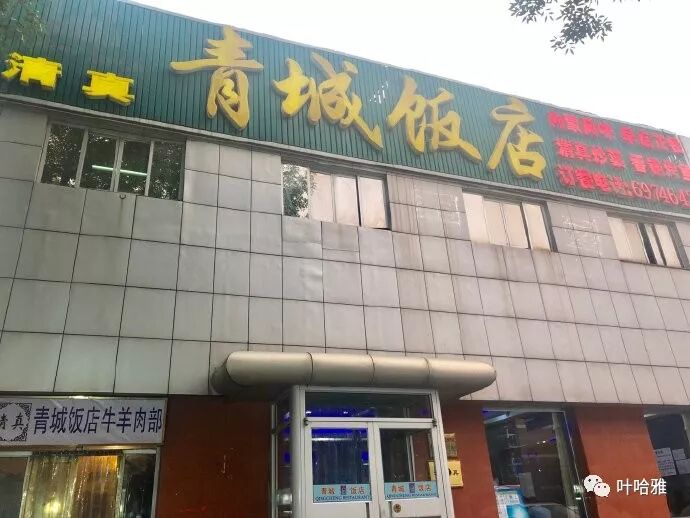
I found a long-running Inner Mongolian restaurant in Changping. The owner is from Hohhot, which means 'blue city' in the Mongolian language.
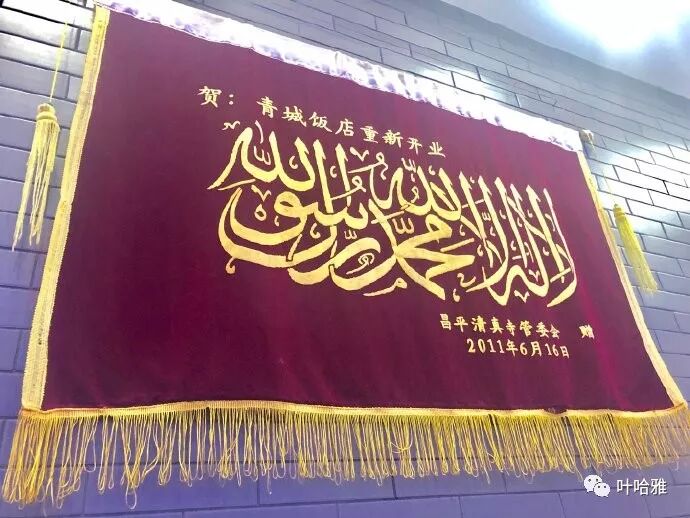
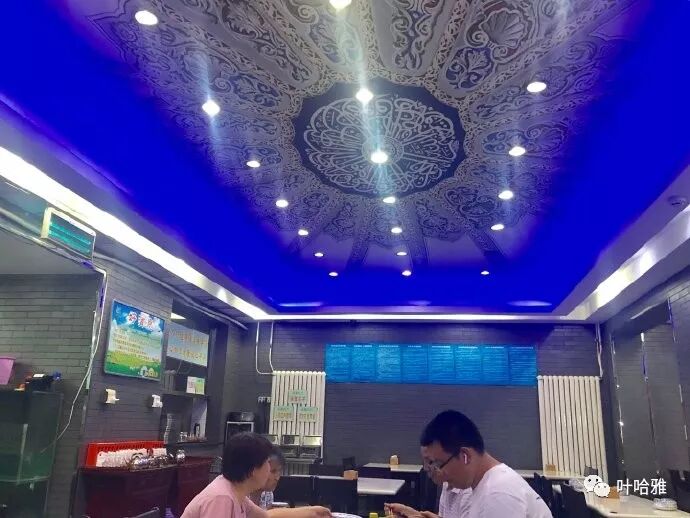
The patterns on the restaurant's ceiling are beautiful.
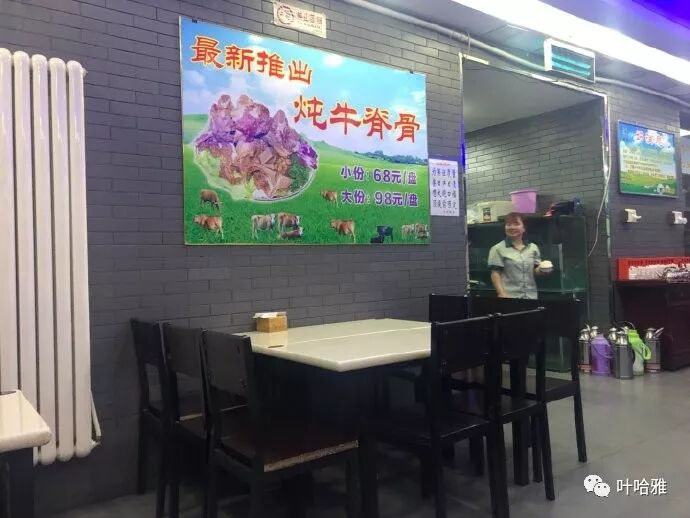
Since eastern Inner Mongolia is part of Manchuria, the food styles are similar, so you can eat sweet and sour stir-fried meat (guobaorou) here.
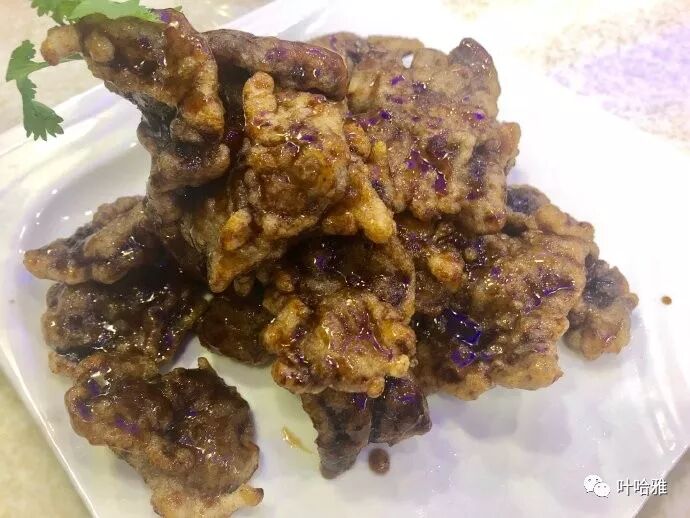
Halal stir-fried meat (guobaorou) is not easy to find in Beijing anymore. The few Northeast-style restaurants I recommended before have all closed.
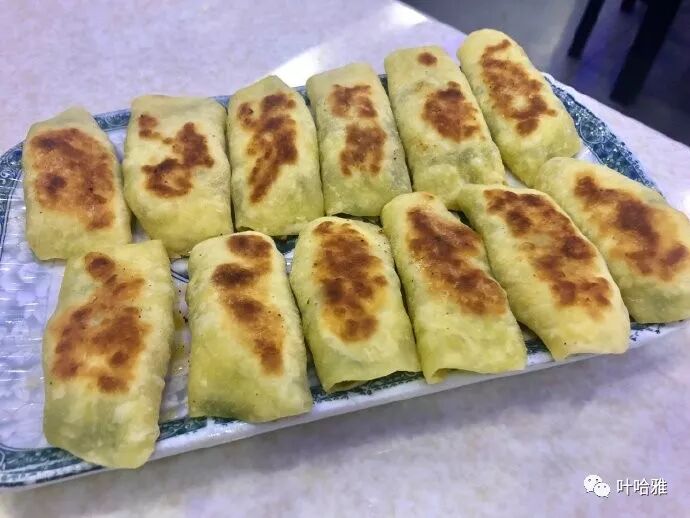
They also have potstickers (guotie) and steamed dumplings (shaomai), which are both traditional Inner Mongolian snacks.
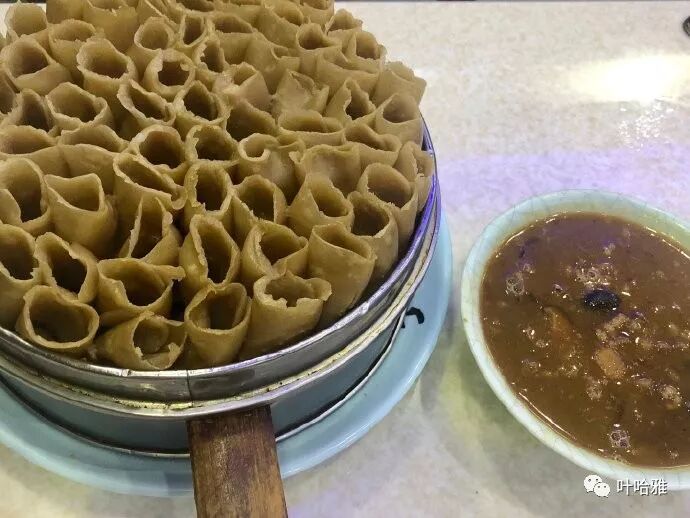
This is called oat noodle nests (youmian wowo), a type of pasta that you dip into the lamb bone broth (yangtang) served on the side.
Address:
No. 14 Donghuan Road, Changping District
2. Crescent Moon (Wanwan Yueliang)
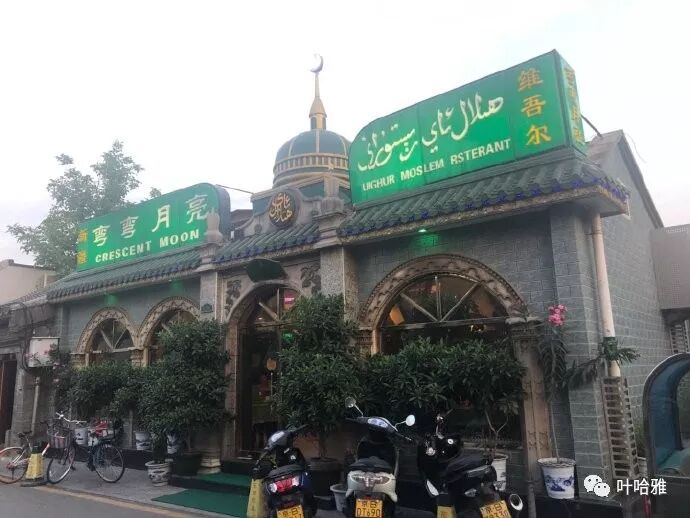
This is a Xinjiang restaurant with a strong Uyghur style. It has been open for many years and was recommended by my Uyghur friends.
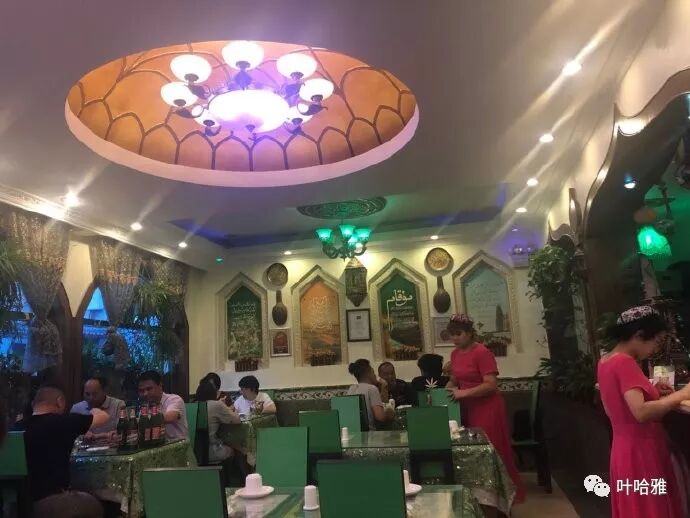
All the staff are Uyghur.
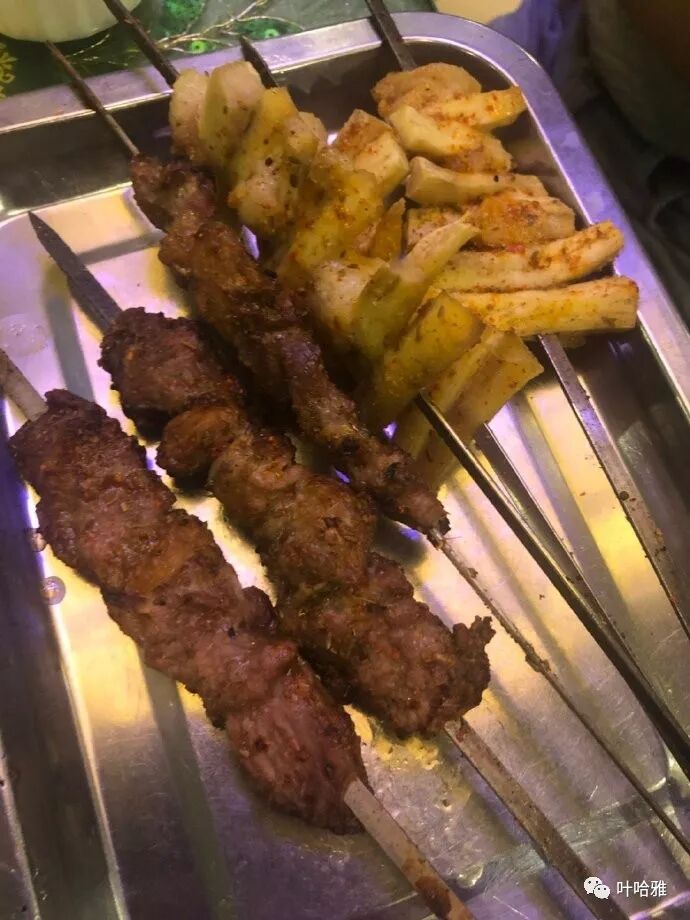
The food is quite traditional and the prices are not expensive.
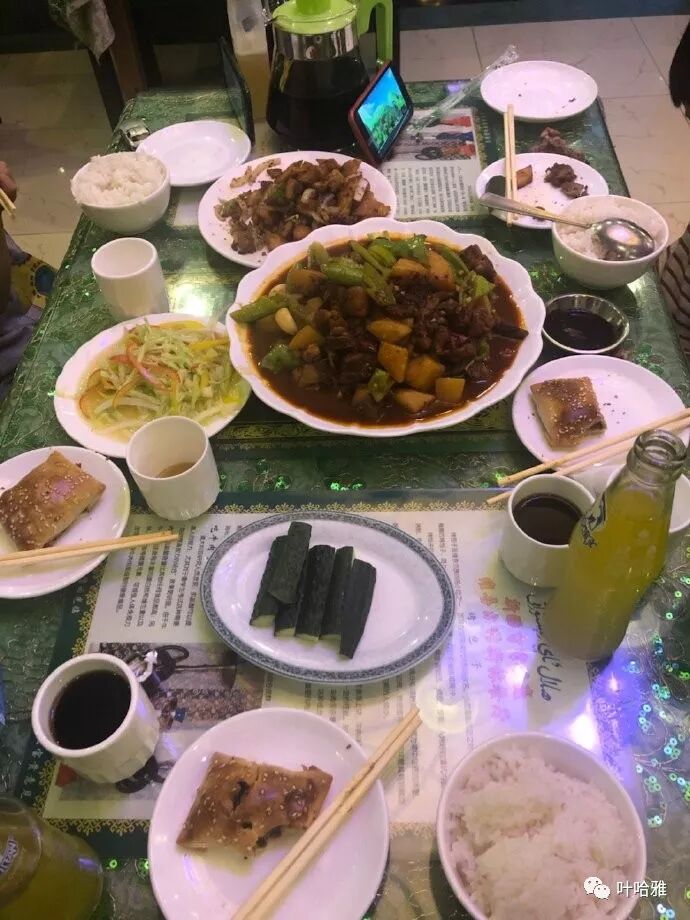
Address: No. 16, Liutiao Hutong, Dongsi North Street, Dongcheng District.
3. Lafengqin Xinjiang Rice Noodles.
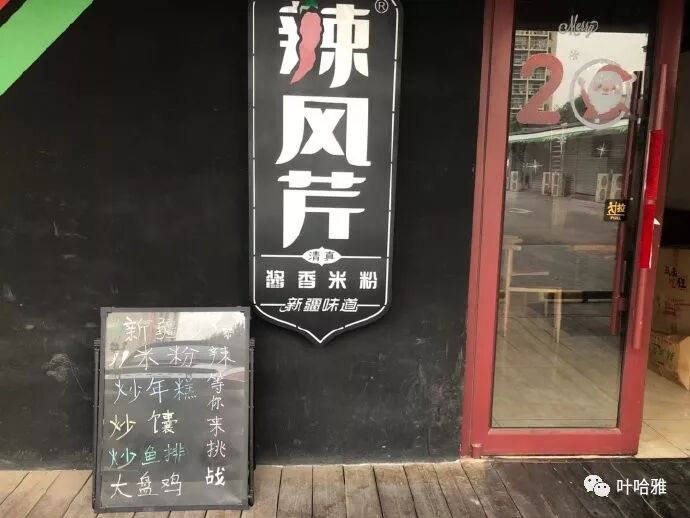
It opened recently and serves stir-fried rice cakes and stir-fried fish fillets. There are more and more halal Xinjiang rice noodle shops in Beijing.
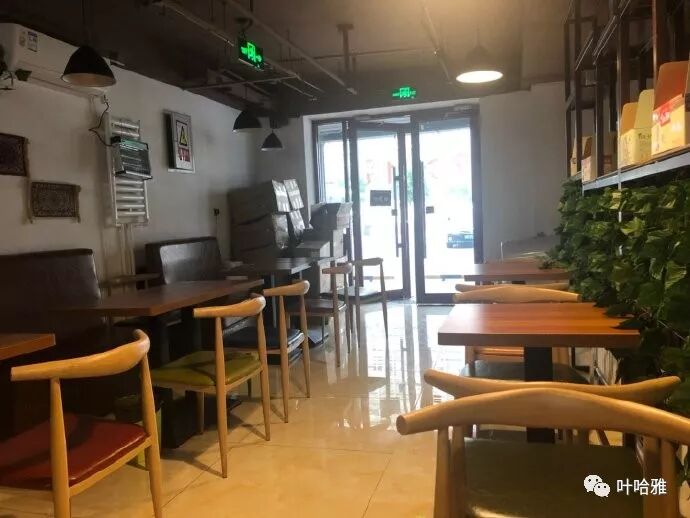
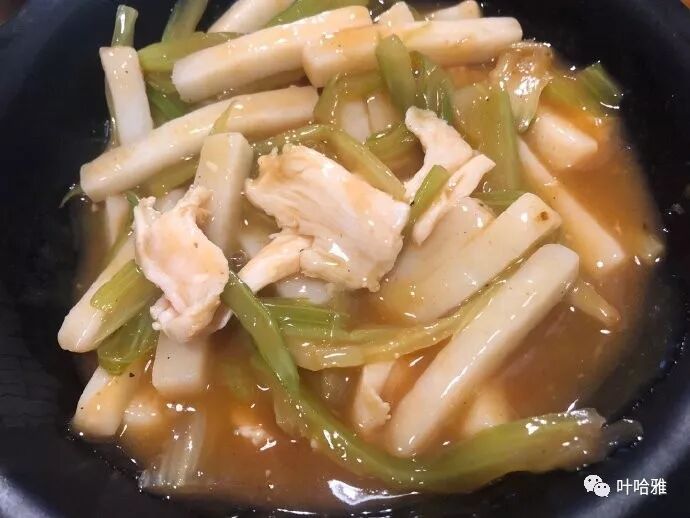
Stir-fried rice cakes with chicken.
Address:
First floor of Kaishi Building, Wudaokou.
4. ZAM ZAM Indo-Pak Cuisine.
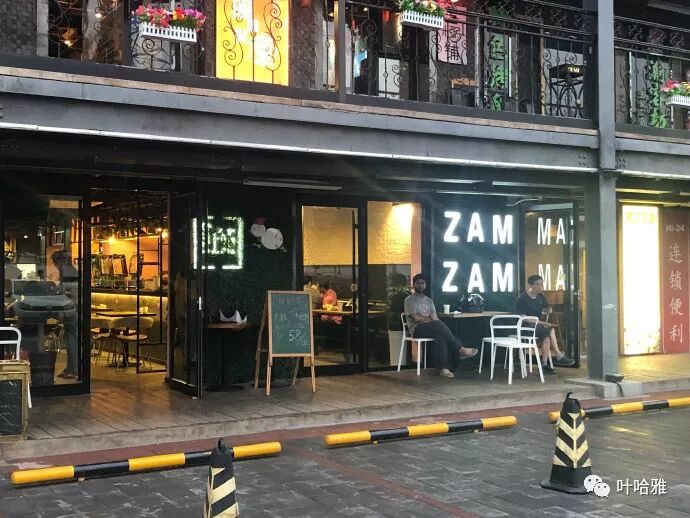
This is a newly opened Pakistani restaurant in Wudaokou. The owner is a Hui Muslim from Beijing, while the kitchen staff and servers are from Pakistan and India. They do not sell alcohol and offer a 58 yuan buffet all day.
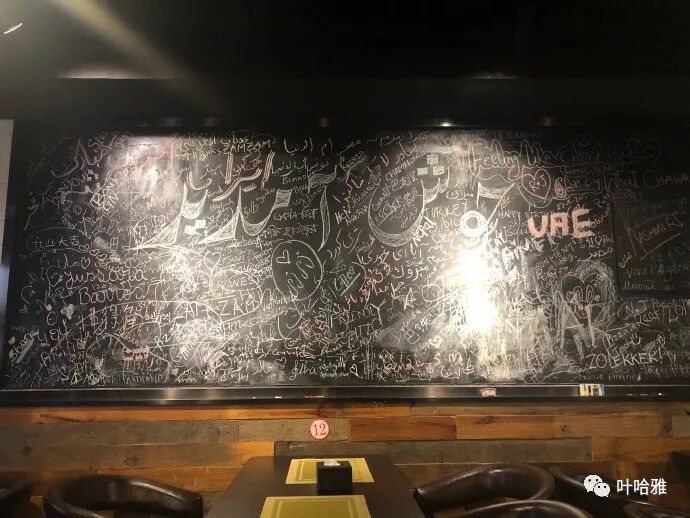
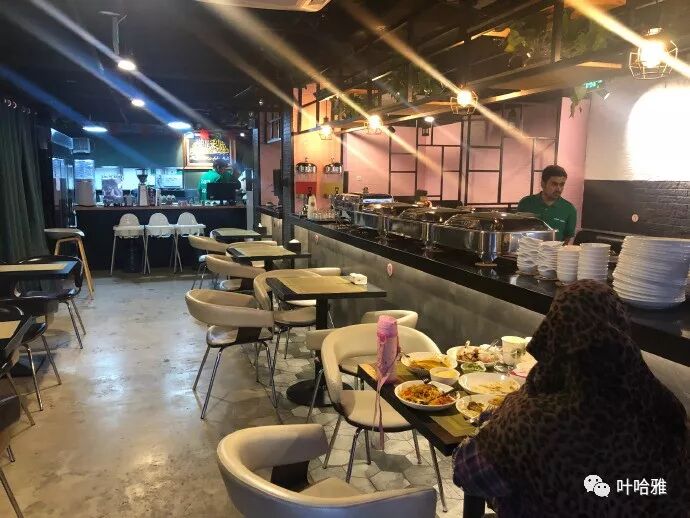
I only found this restaurant because I was making a phone call outside and saw women wearing headscarves going in and out.
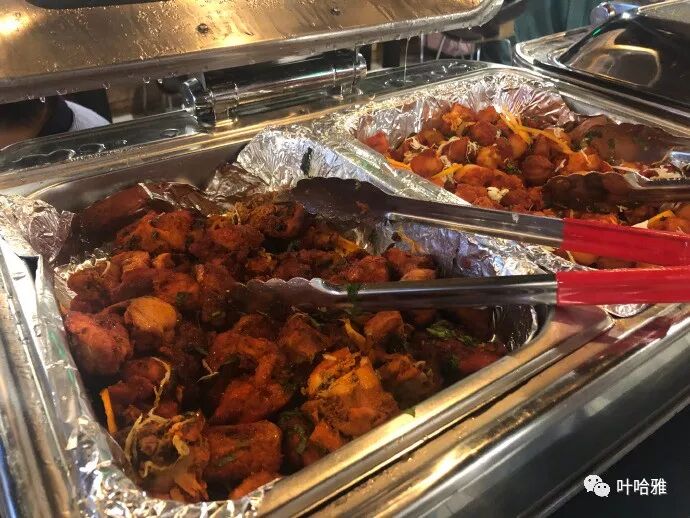
The food is delicious. It is excellent for a buffet and offers great value.
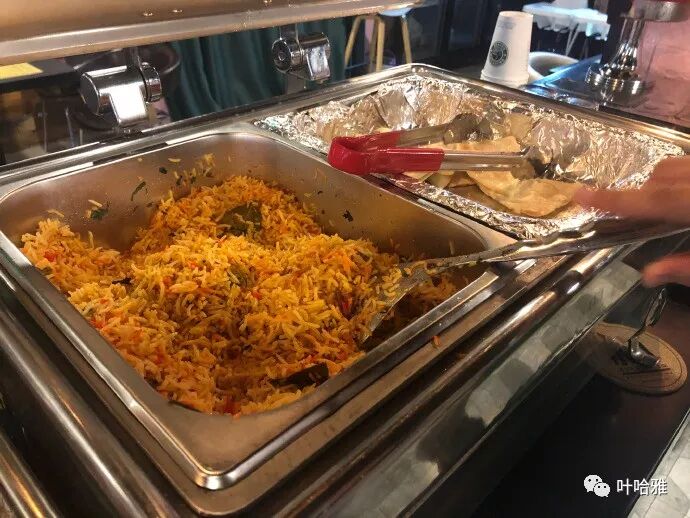
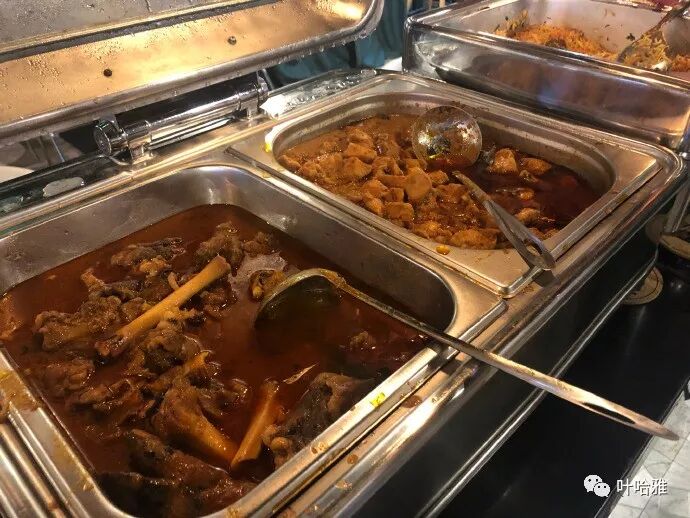
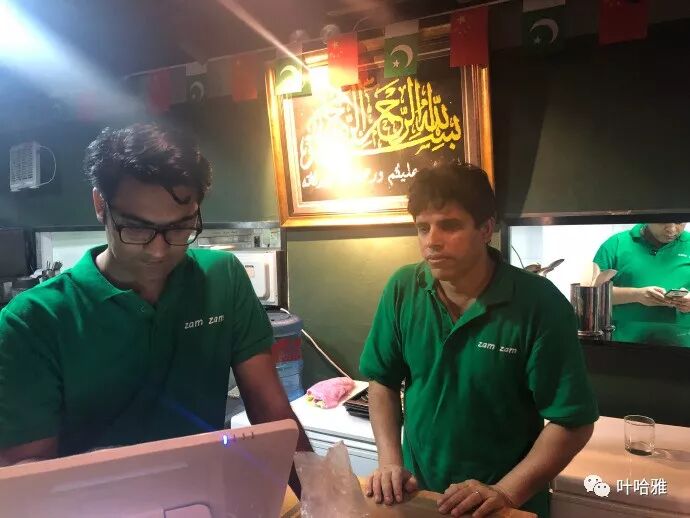
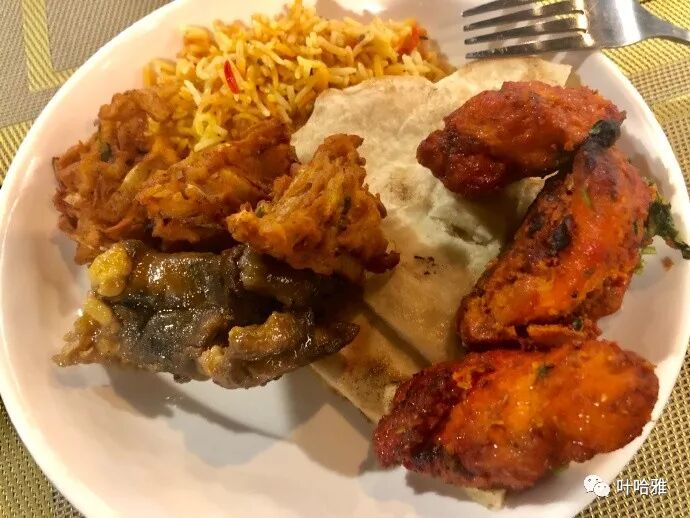
You can choose the buffet or order a la carte. They have pizza and various Indo-Pak desserts.
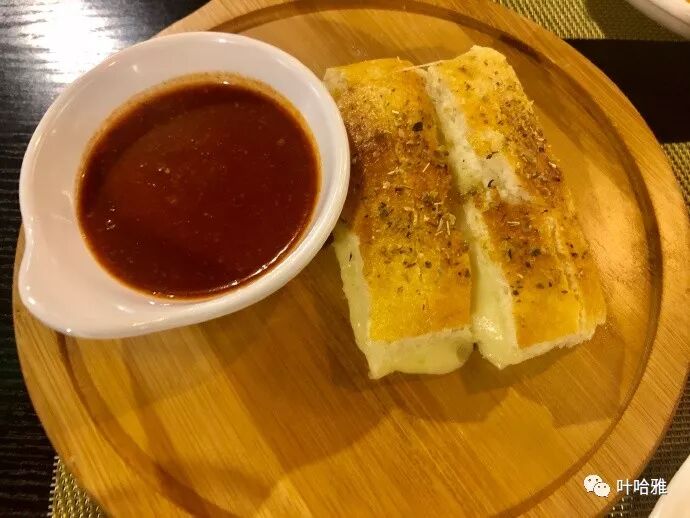
Address:
Located on the first floor of Kaishi Building in Wudaokou, right next to La Feng Qin.
5. BRBR Arabic Restaurant
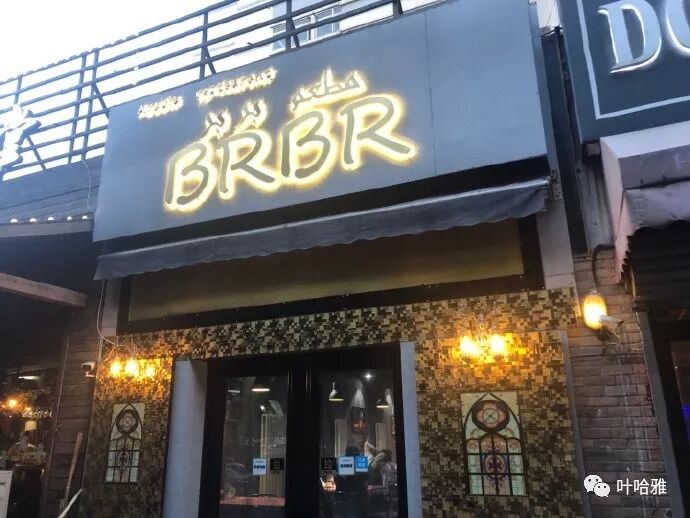
This shop used to be near the University of International Business and Economics. It just moved here recently, but it is already busy and the food tastes great.
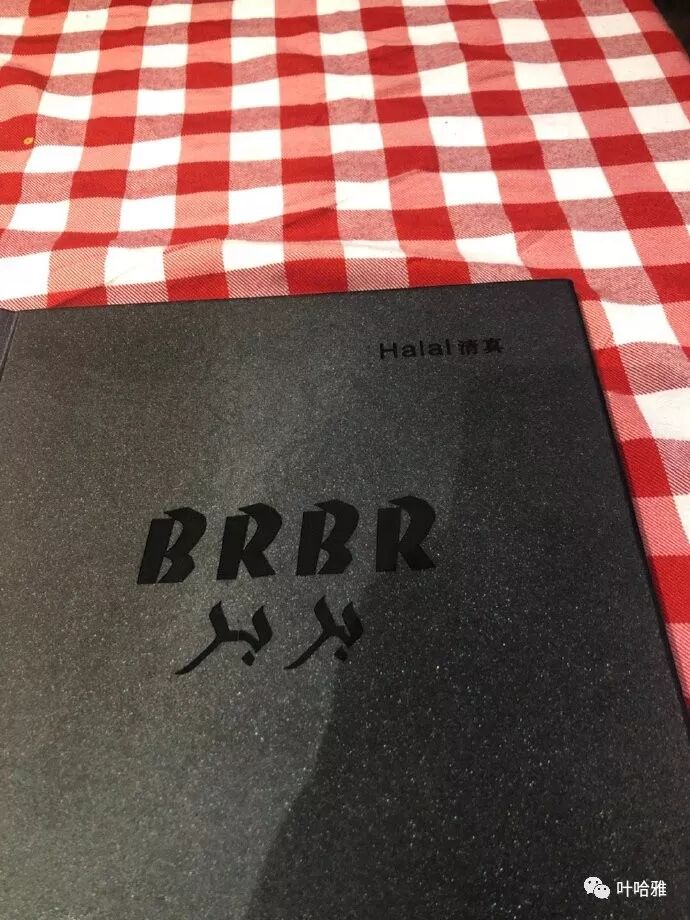
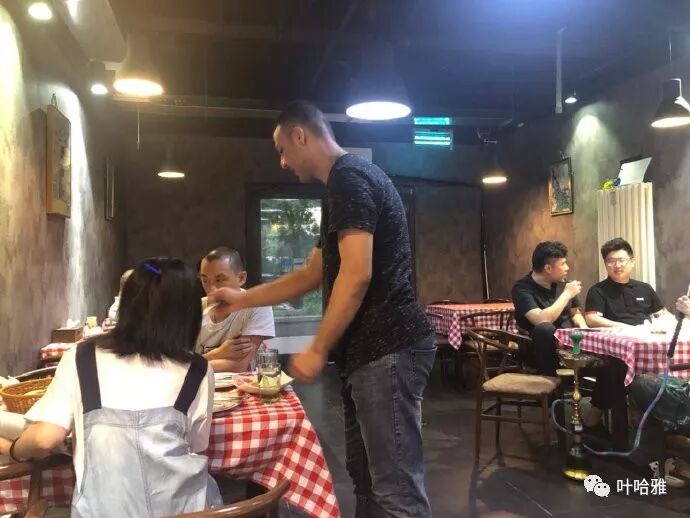
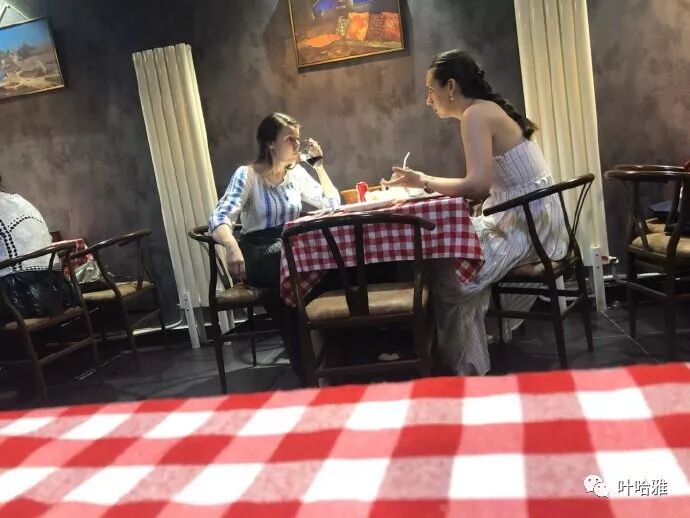
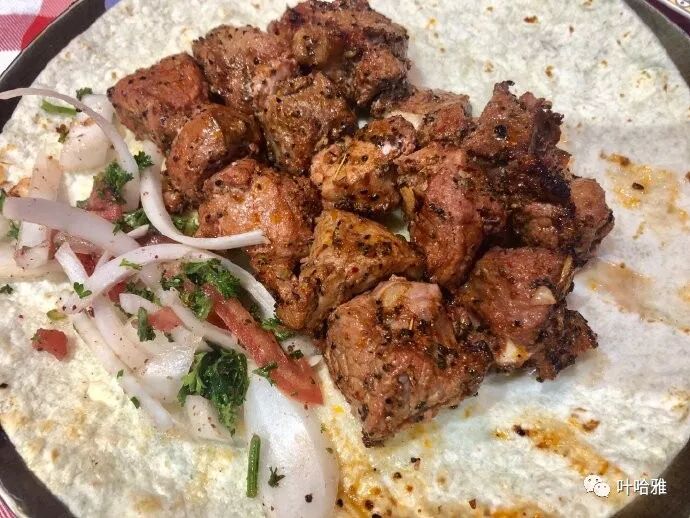
Roasted lamb
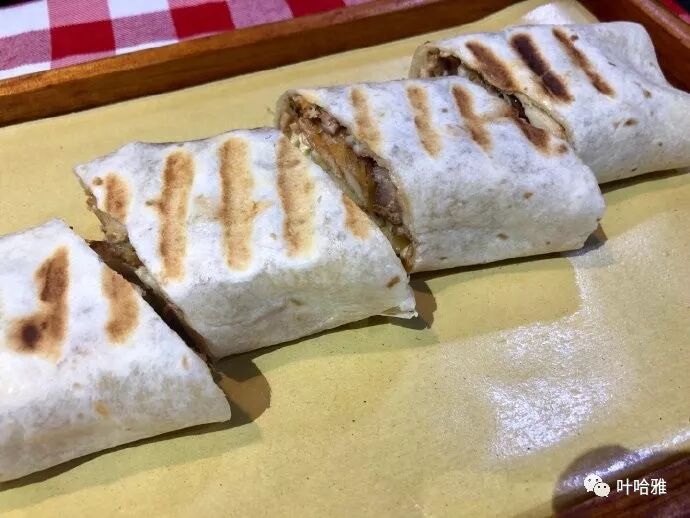
Shawarma sandwich
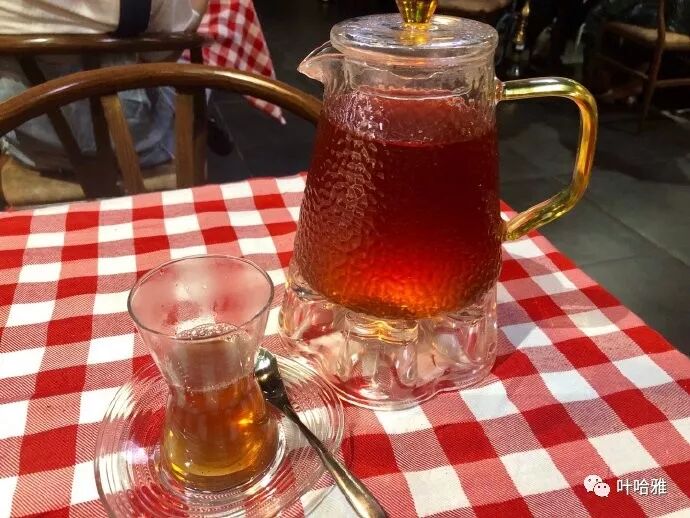
Black tea
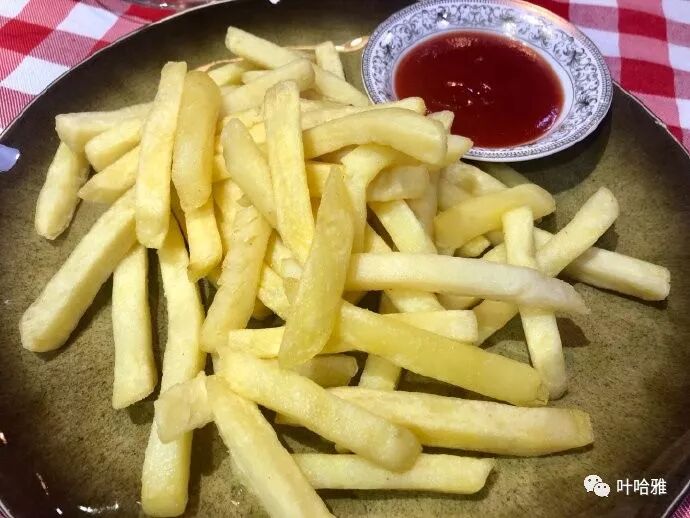
Address:
No. 3 East, Building 327, Zhongguancun South Second Alley, Haidian District
6. Ali Restaurant
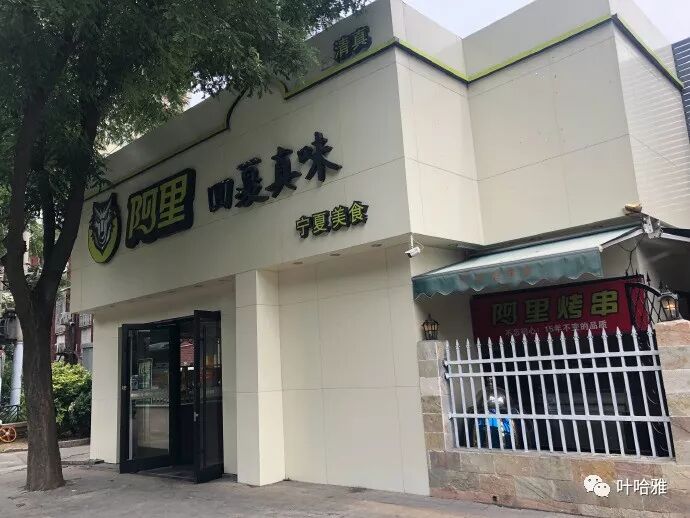
We had our Eid al-Fitr dinner at Ali Restaurant on Jiaoda East Road. This Ningxia-style place has a great atmosphere. You can pre-order the Jingyuan steamed chicken. I ordered the spicy beef and the Yanchi salt lake hand-grabbed lamb, plus the layered steamed buns (bubu gaosheng momo). We finished every single dish.
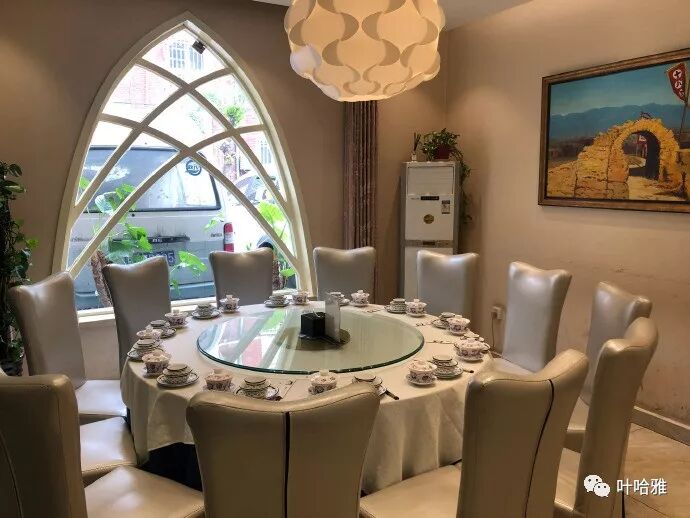
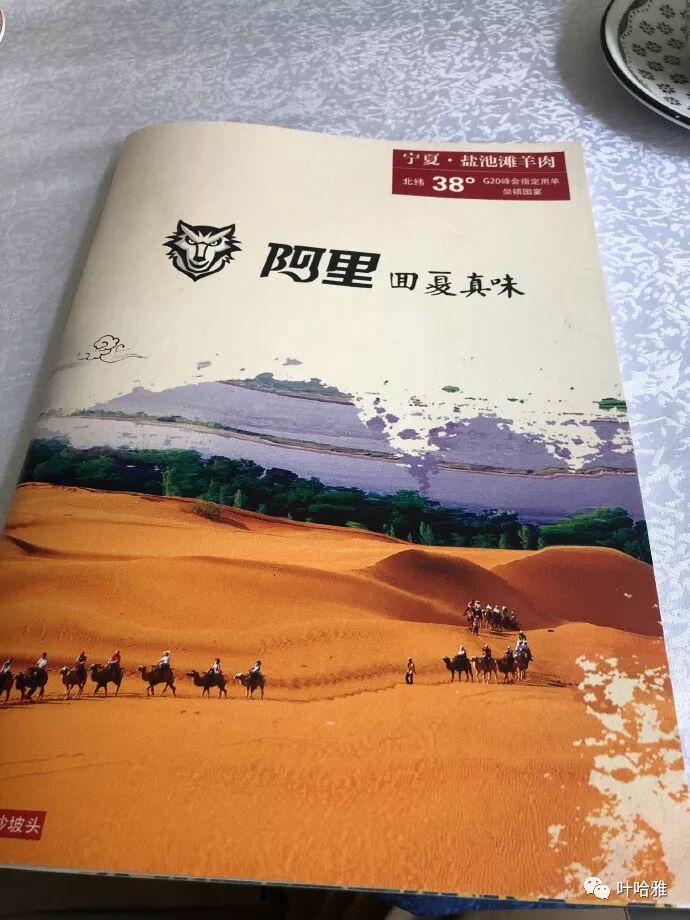
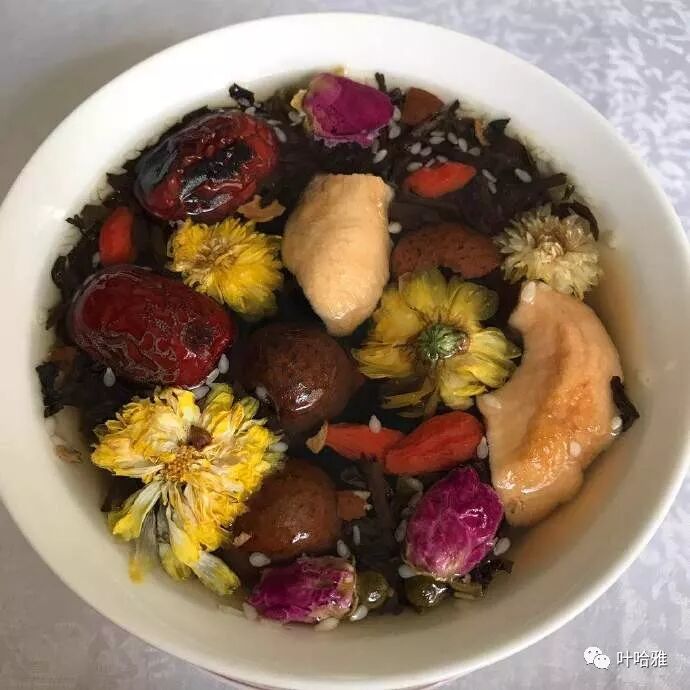
Eight-treasure tea (babao cha)
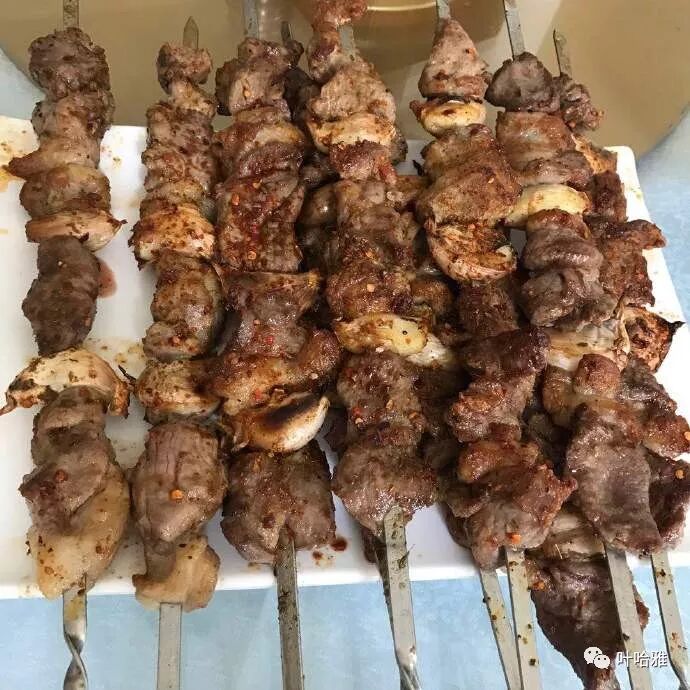
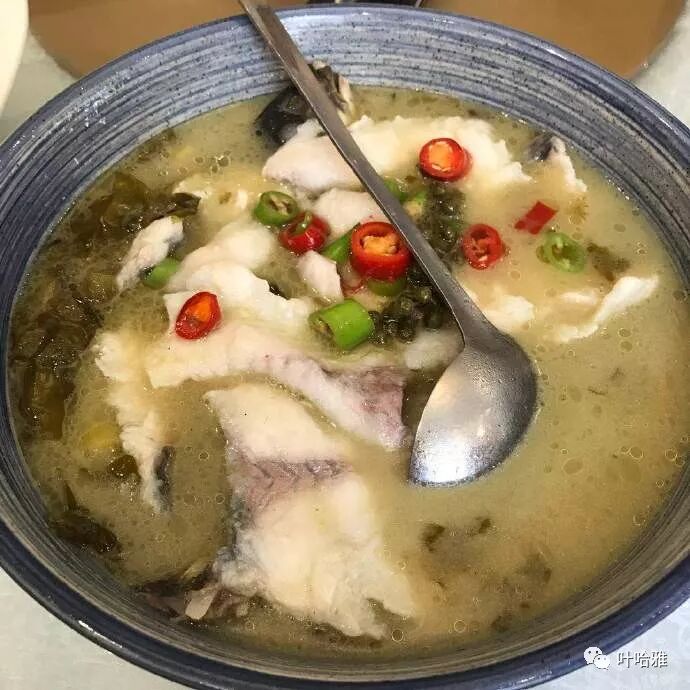
Sour soup fish (suantang yu)
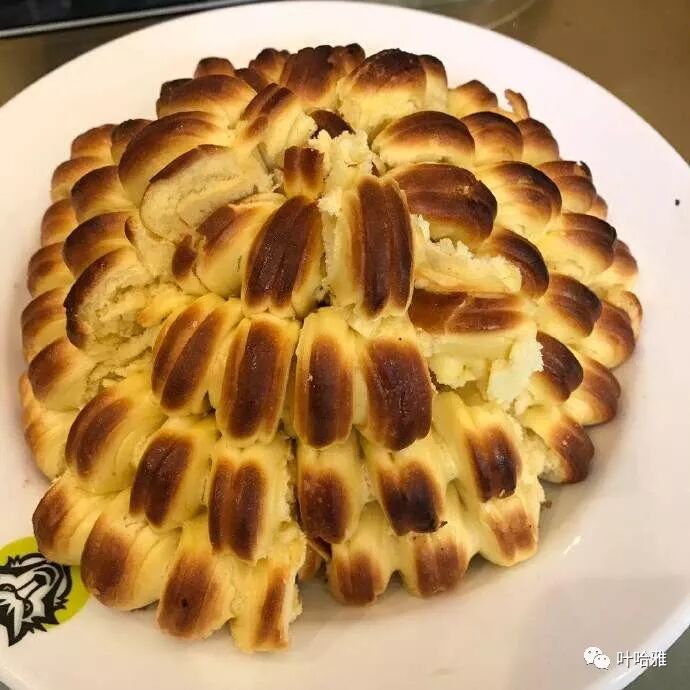
Steamed buns for success (bubugao sheng momo)
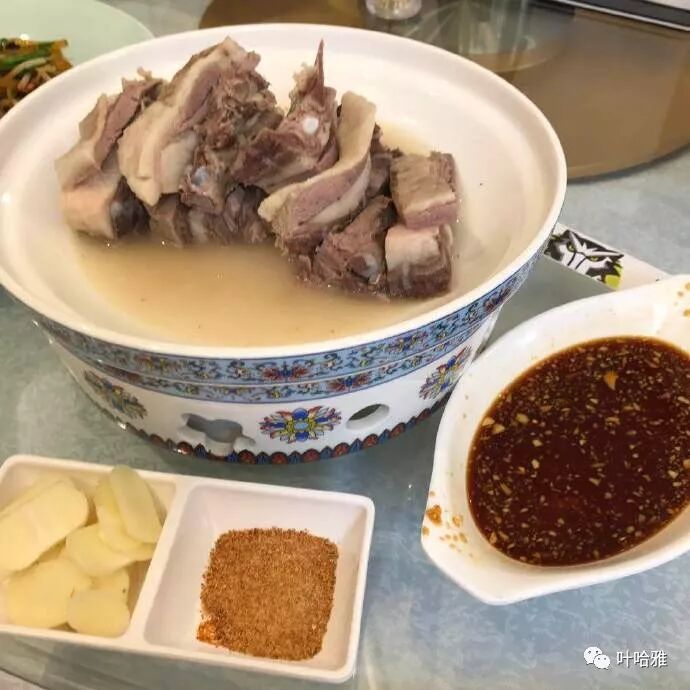
Hand-grabbed salt-lake lamb (tanyang shouzhuo)
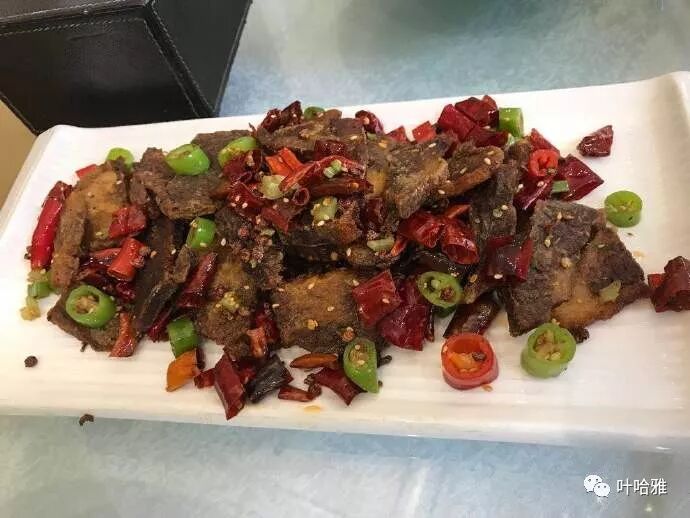
Spicy stir-fried yellow beef
Address: Beijing
Courtyard 58, Jiaotong University East Road
6. Jinying Specialty Meatball Soup
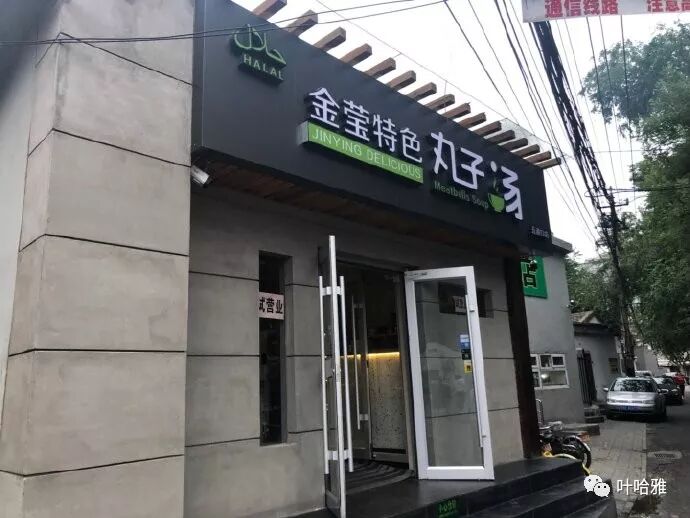
This is a new branch of the Xinjiang-style meatball soup shop in Dongsi. It just opened, and the taste is the same as the original shop, but the twisted flower rolls (huajuan) are not as good as the ones at the old place.
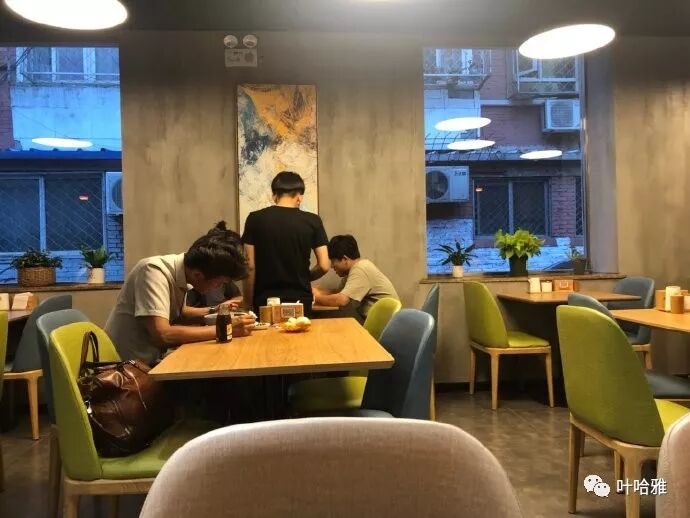
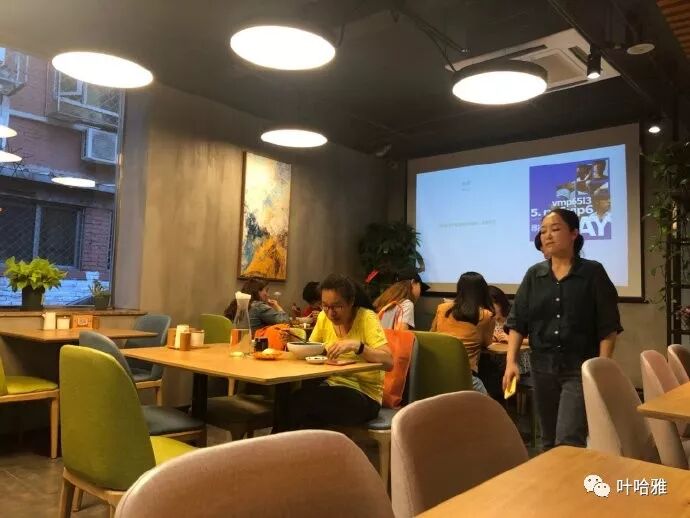
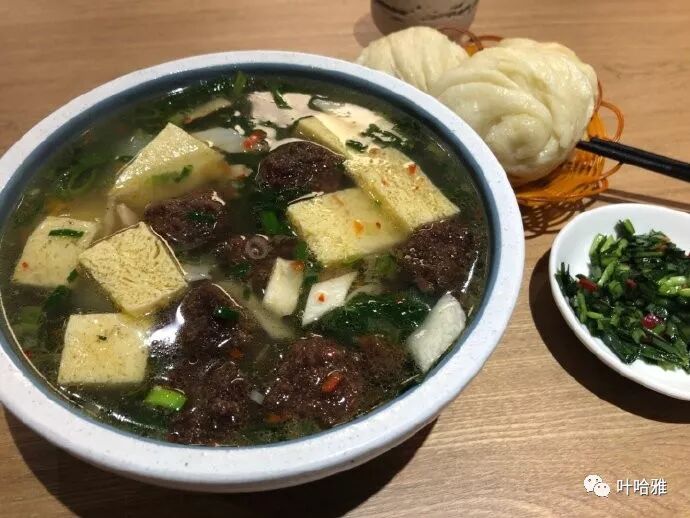
Address:
Temporary No. 138, Chengfu Road, Haidian District
7. Yingfeng Yunnan Grilled Rice Cakes (shaierkuai)
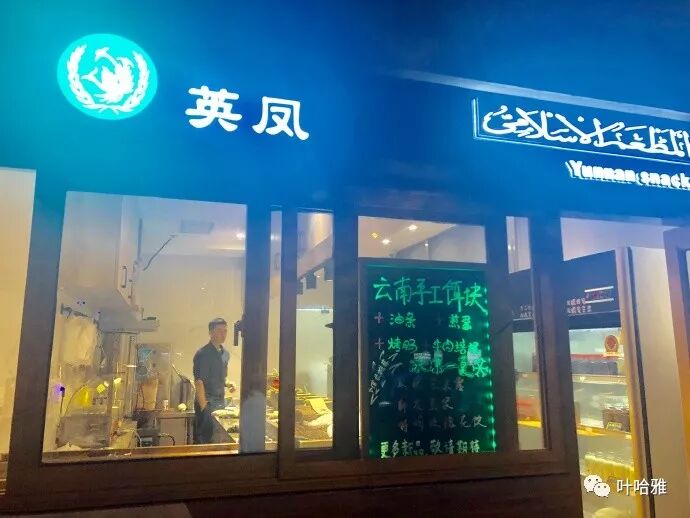
Yingfeng is a chain brand from Yunnan, and this time they have opened a shop in Beijing.
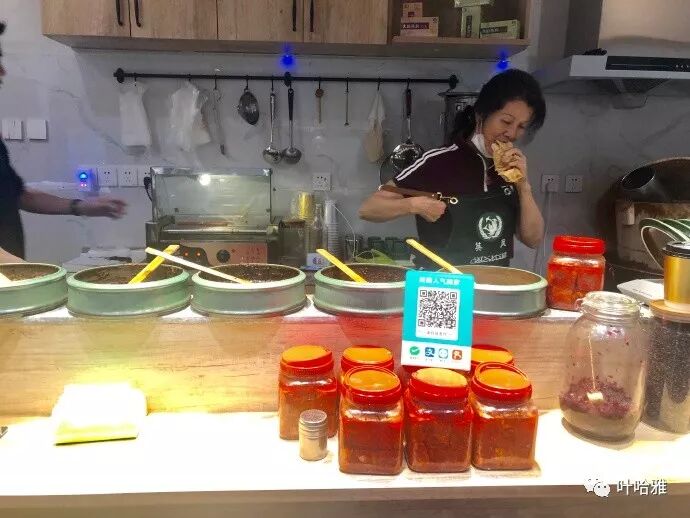
The young man at the shop is a Hui Muslim from Yunnan.
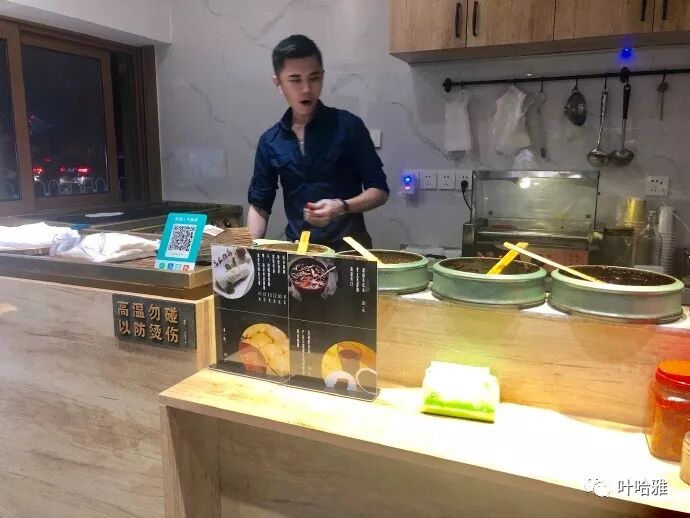
Rice cake (erkua) is a Yunnan specialty, a snack made from rice.
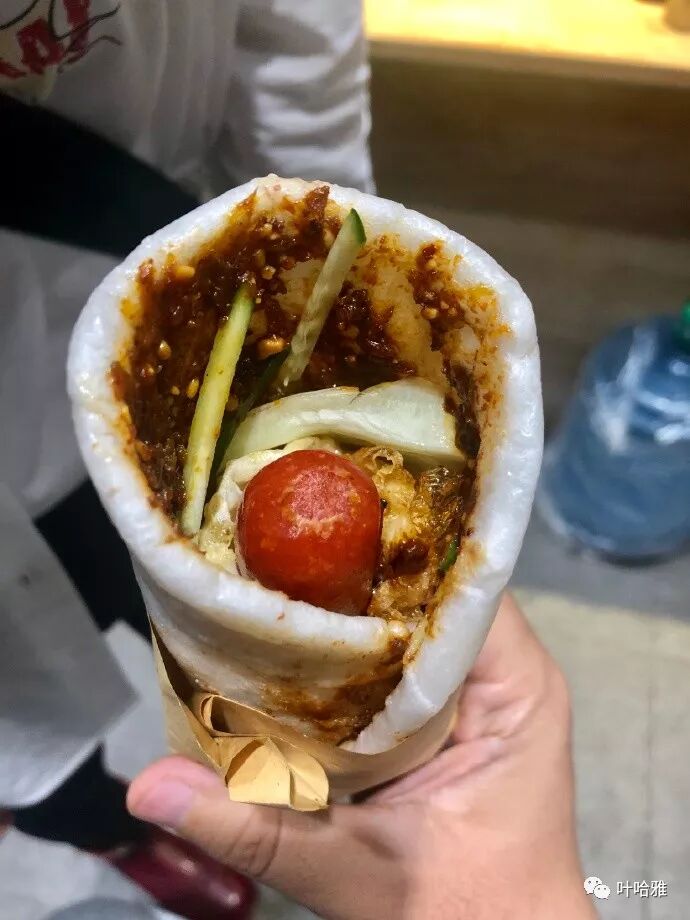
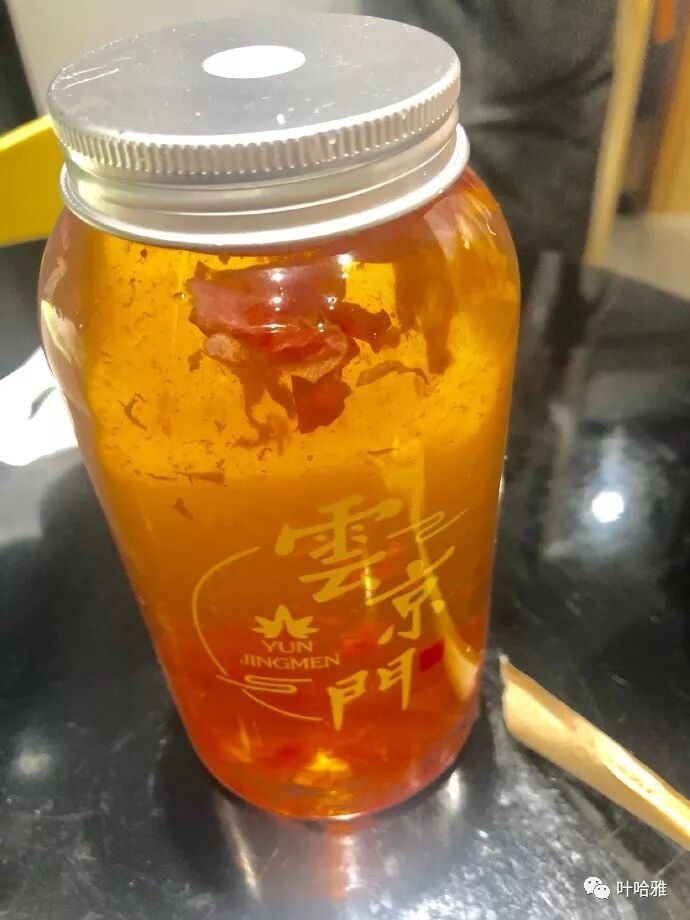
The shop sells homemade drinks like rose sago dessert (meigui ximilu).
Address:
No. 9 Yanjingli Middle Street, Chaoyang North Road (next to Youli Youmian).
8. Maihemuti Restaurant in Kashgar, Xinjiang.
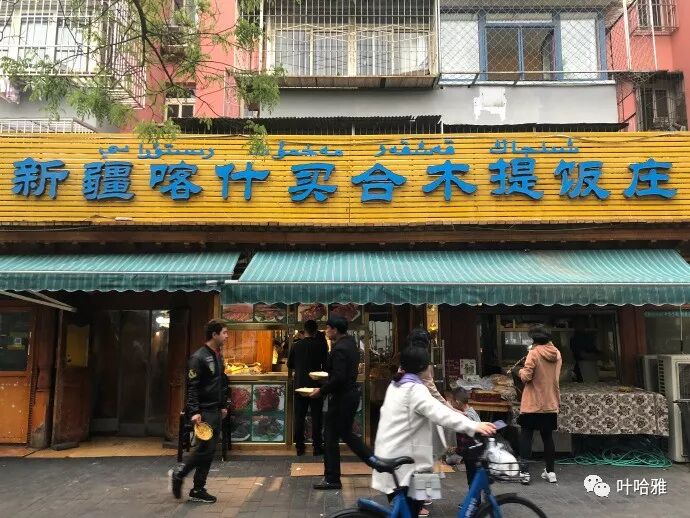
This Xinjiang restaurant has been open for many years and the staff are all Uyghurs. Restaurants run by Uyghurs like this are becoming rare in Beijing now.
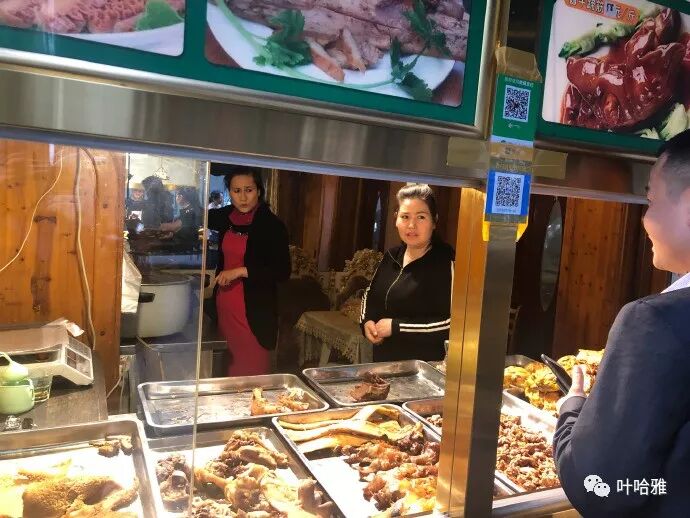
The restaurant has a takeout window where you can buy lamb leg, lamb trotters, and baked flatbread (nang).
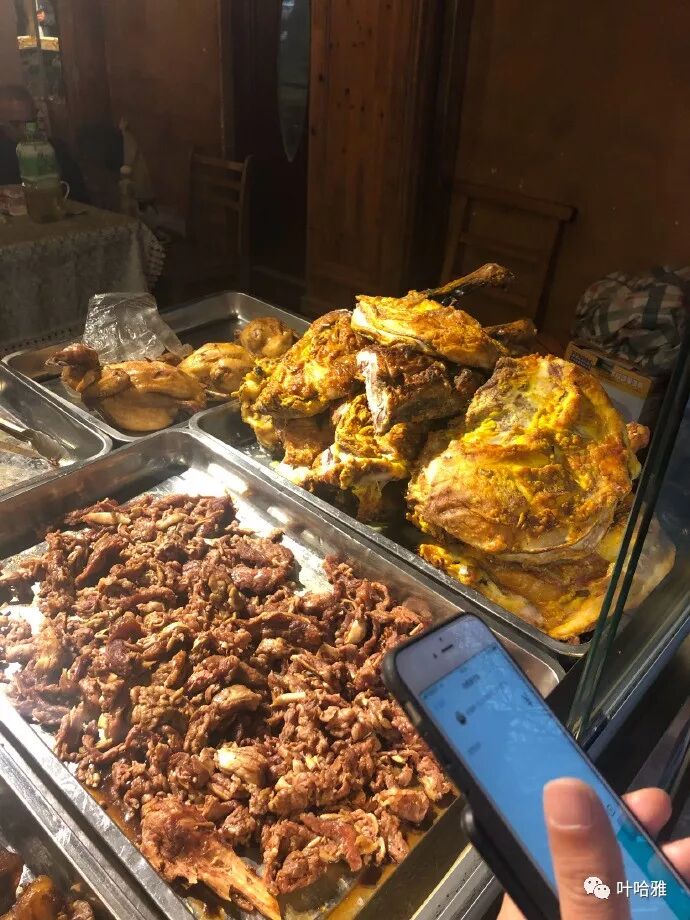
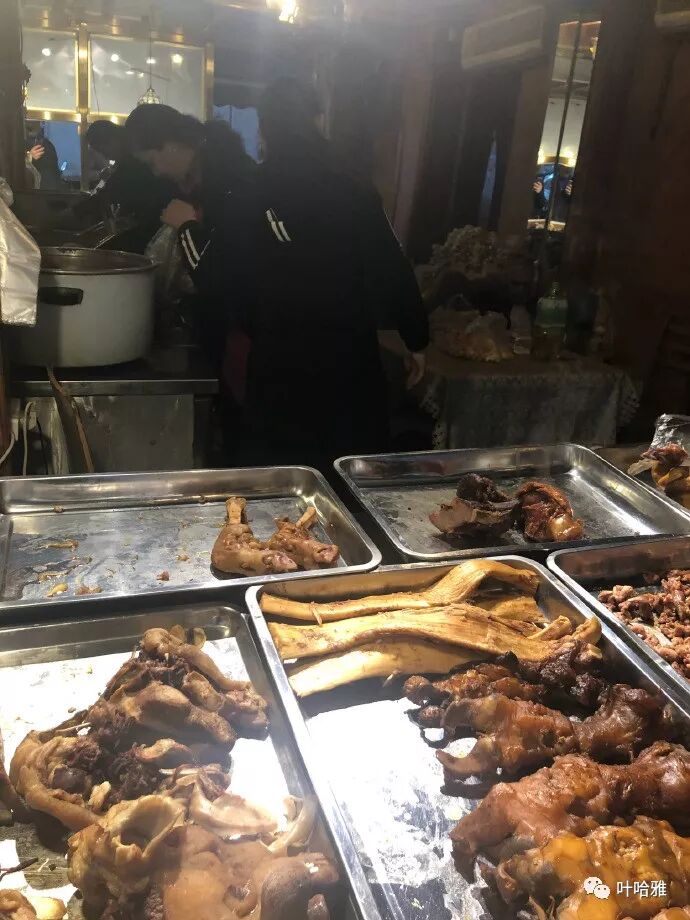
Address:
No. 5 Baiyunguan Street, Xicheng District.
9. Alijiang Xinjiang Flavors.
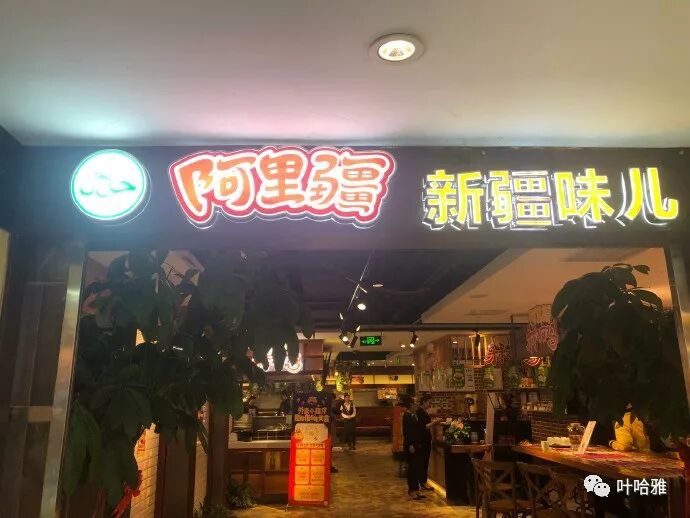
Alijiang is a new brand under the Western Mahua group, focusing on Xinjiang flavors.
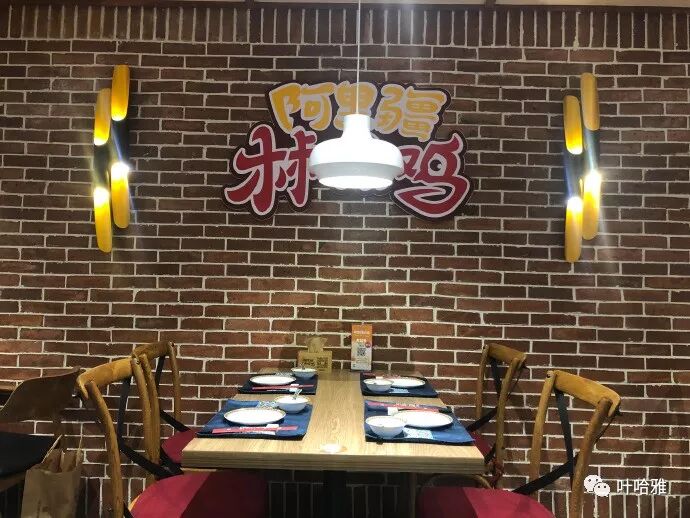
You can watch Uyghur dancing while you eat dinner.
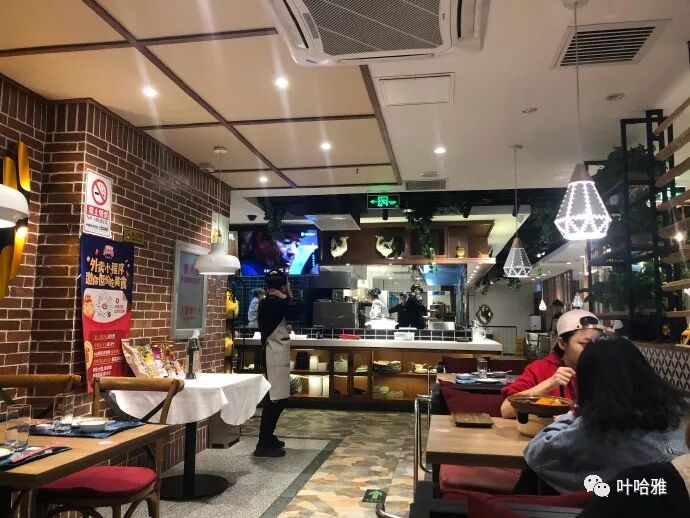
The food at Western Ma Hua is always good, so Alijiang is pretty decent too.
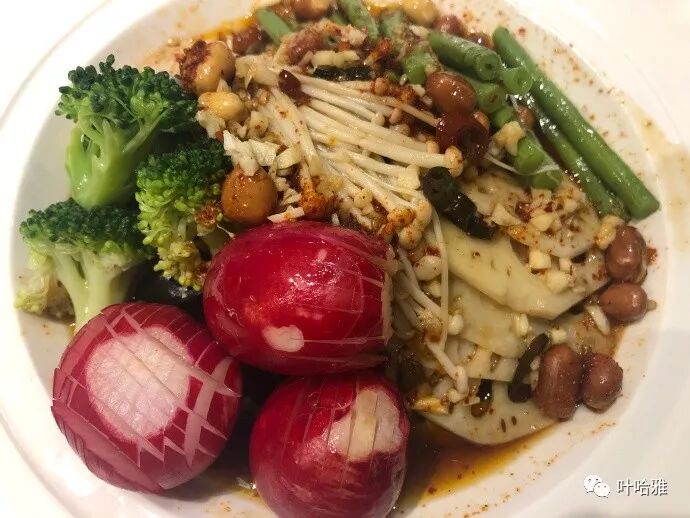
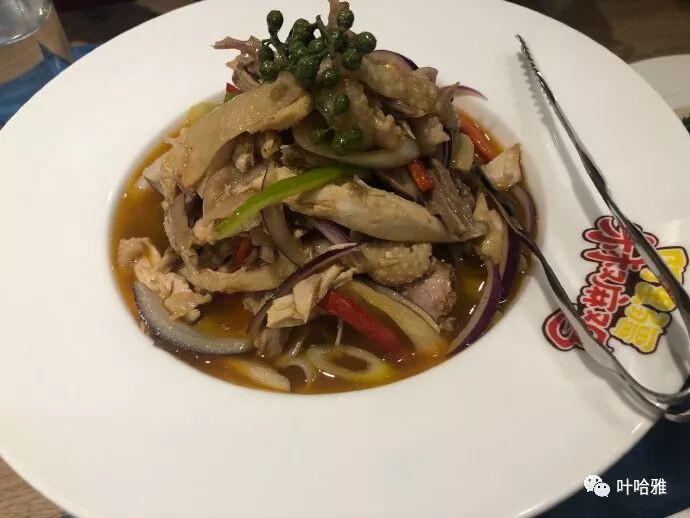
The server highly recommended the spicy peppercorn chicken (jiaomaji).
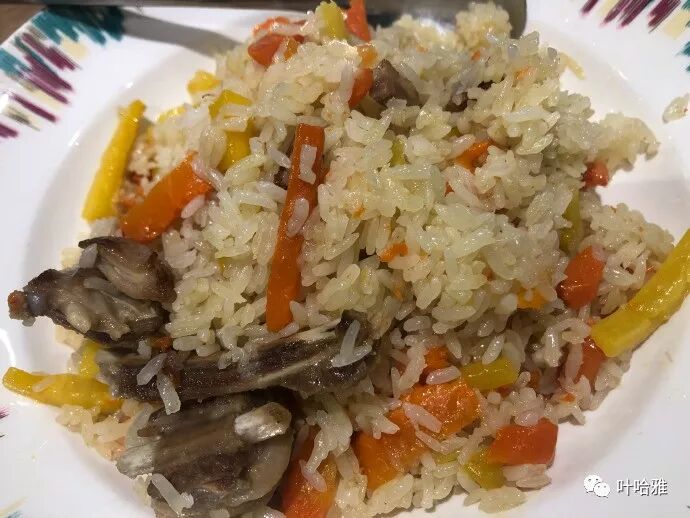
The pilaf (zhuafan) was standard and well-made.
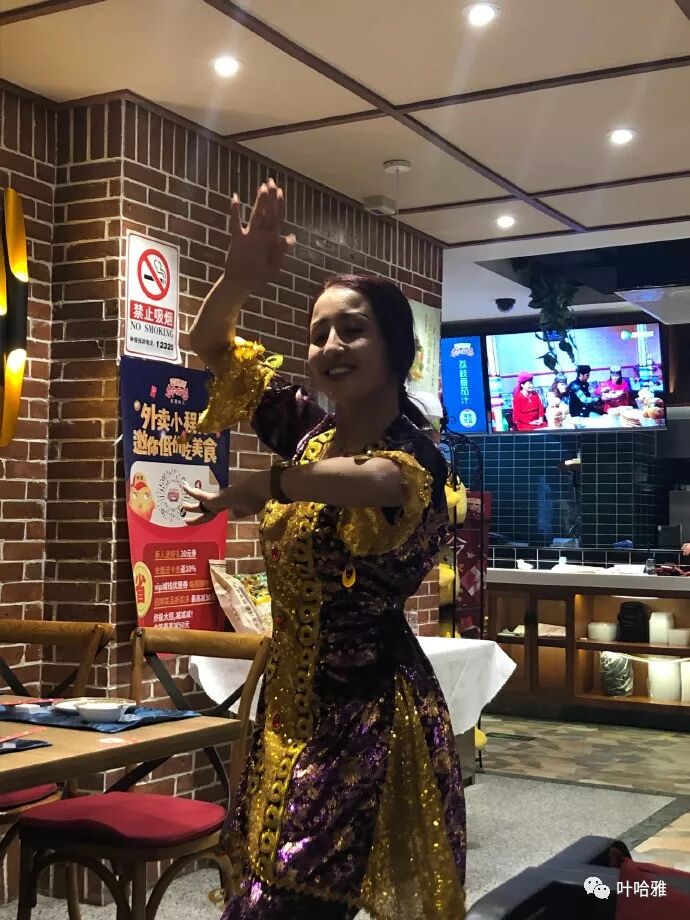
Address:
Alijiang Spicy Peppercorn Chicken, 5th Floor, Souxiu City, 40 Chongwenmen Outer Street, Dongcheng District.
10. Hongyunlou Hong Kong-style Tea Restaurant.
Hongyunlou started as a halal Beijing-style restaurant in Tuanjiehu. Recently, they opened a new halal spot in Nanlouzizhuang that serves both Beijing dishes and Hong Kong-style tea snacks.
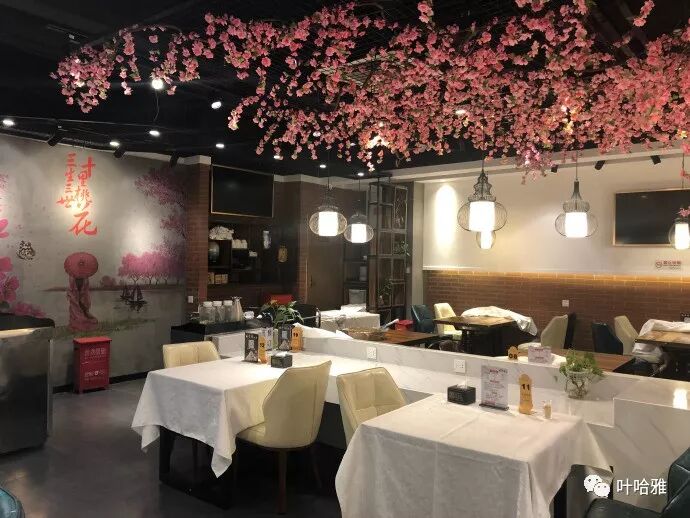
The environment is quite nice, and there is a private room that seats 10 people.
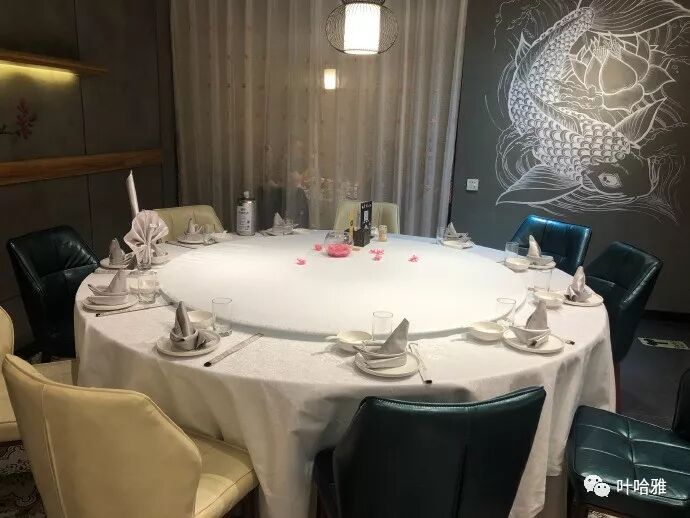
I looked at their menu and wanted to try many of the Cantonese-style dim sum dishes, so I invited 10 friends to come for a meal.
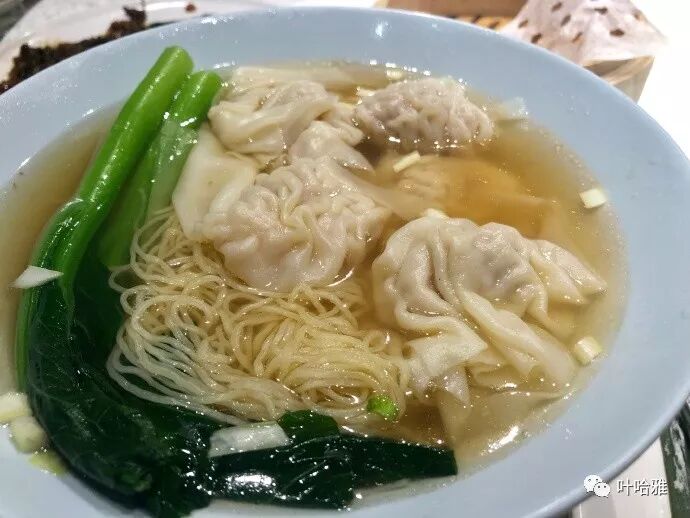
Fresh shrimp wonton noodles.
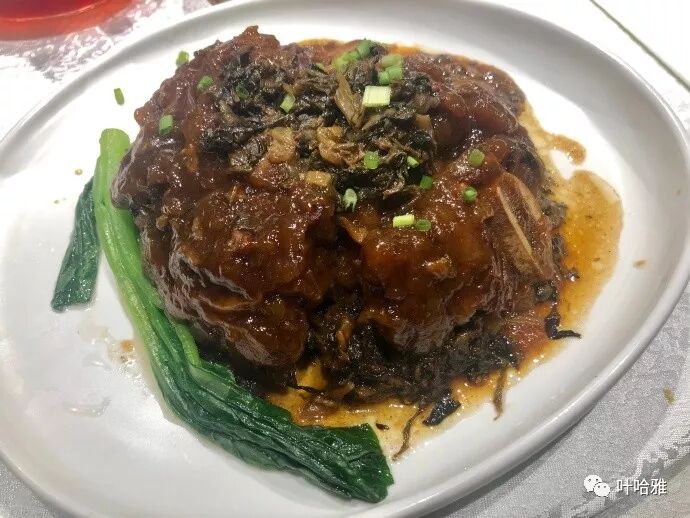
Steamed beef ribs with preserved mustard greens.
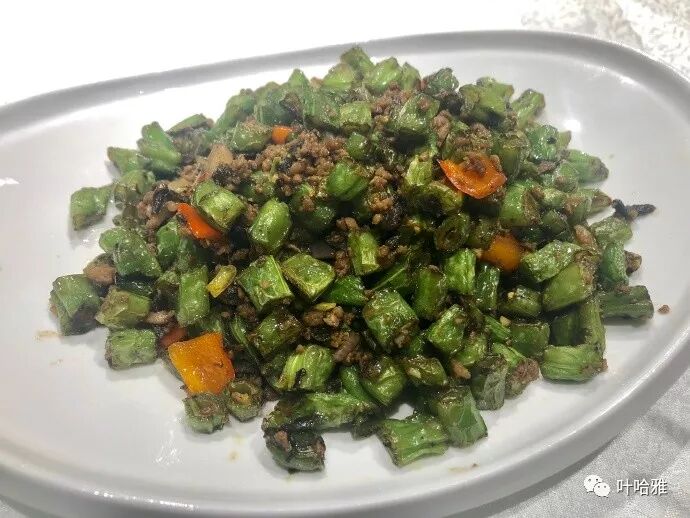
Stir-fried green beans with minced meat and olive vegetables (ganlan cai roumo sijidou)
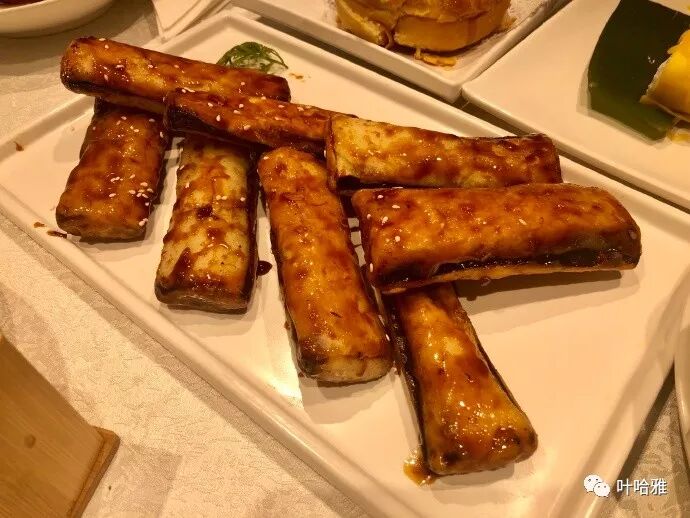
Eggplant from that autumn
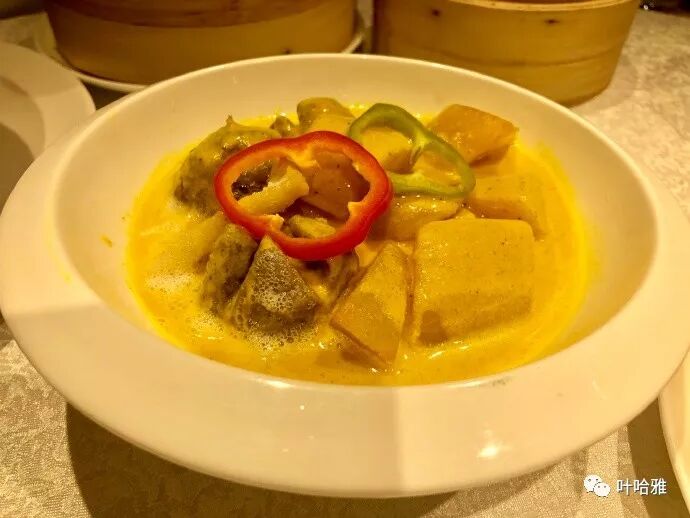
Curry radish with two types of meatballs (gali luobo shuangwan)
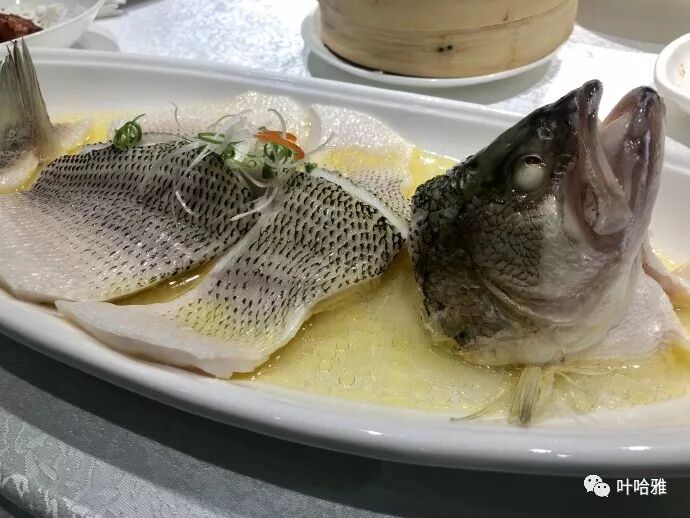
Brine-poached sea bass (yanshui gongfu luyu)
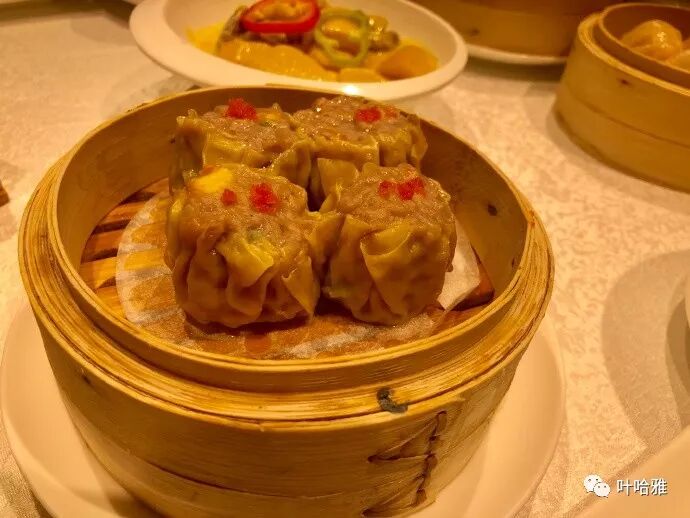
Steamed beef dumplings (ganzheng niurou shaomai)
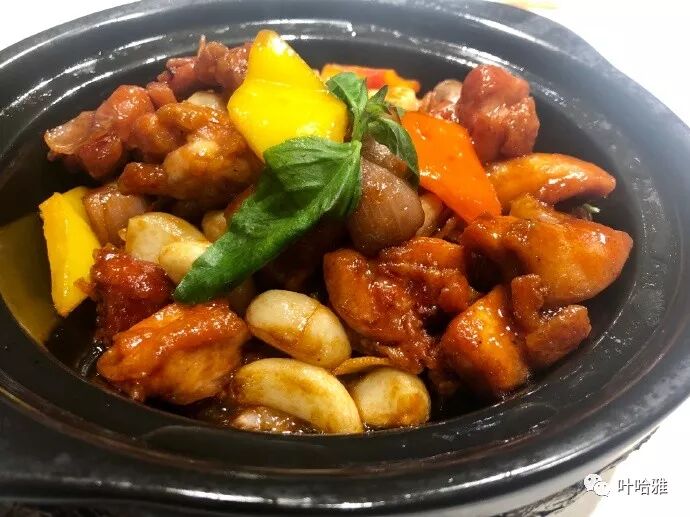
Three-cup chicken baked with Thai basil (jinbuhuan ju sanbei ji)
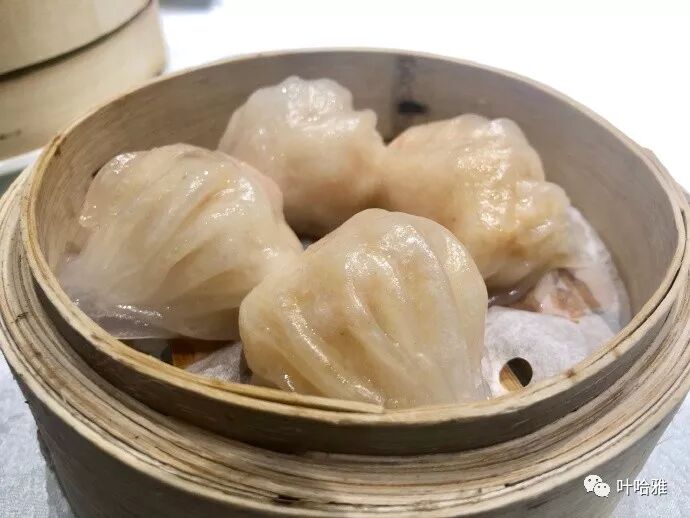
Hong Kong-style shrimp dumplings (gangshi xiajiao huang)
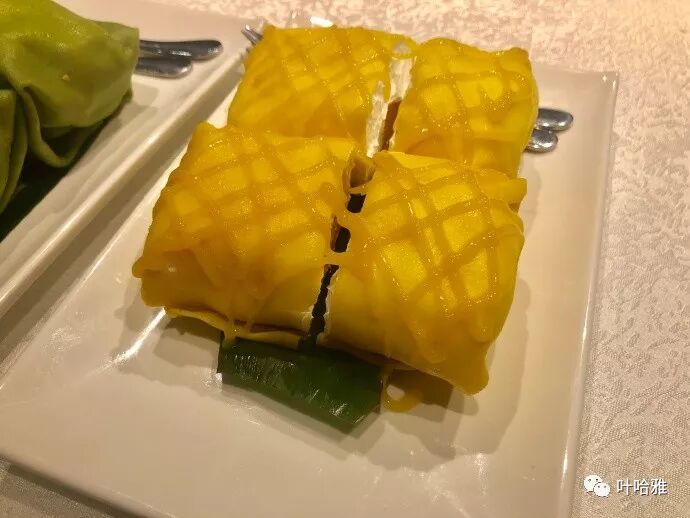
Mango pancake (mangguo banji)
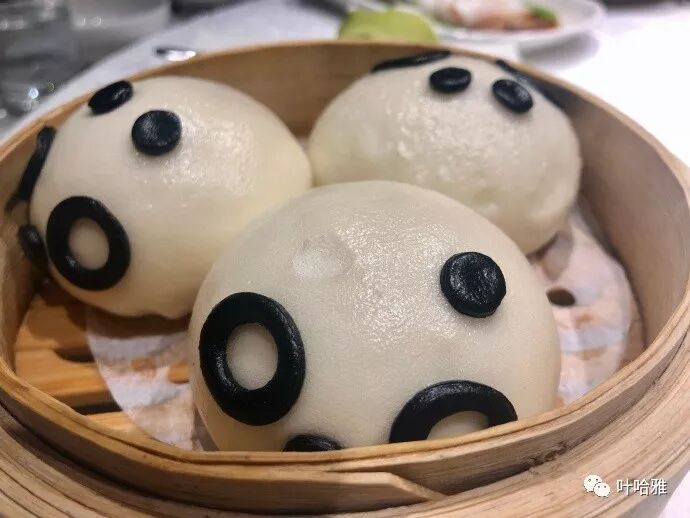
Cute bear-shaped buns (ke'ai xiaoxiong bao)
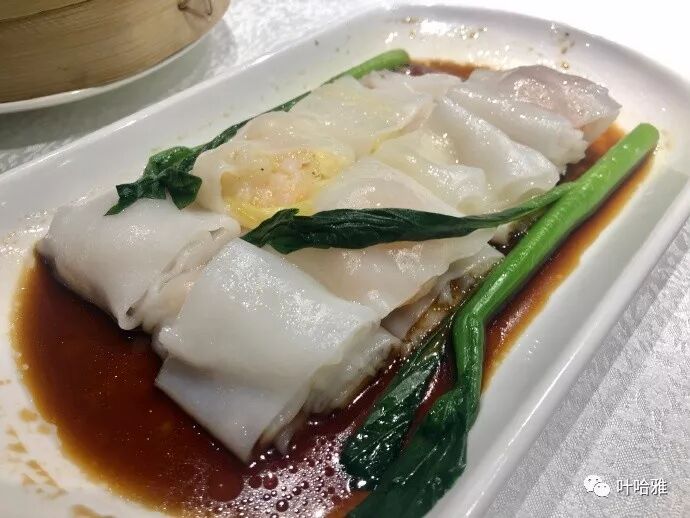
Steamed rice rolls with yellow chives and fresh shrimp (jiuhuang xianxia changfen)
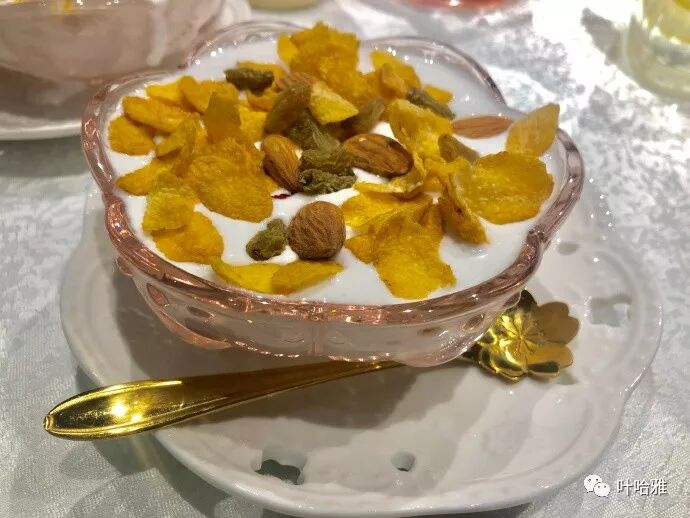
Mango pomelo sago dessert (yangzhi ganlu)
We ordered almost all the signature Cantonese tea dishes on the menu. None of them were disappointing. The cooking methods were very refined, and everyone praised them highly.
Address: Take Subway Line 7 to Nanlouzizhuang Station, exit at C, walk 100 meters, and find it inside the Cool Car Town (Kuche Xiaozhen).
11. Roubing Wan
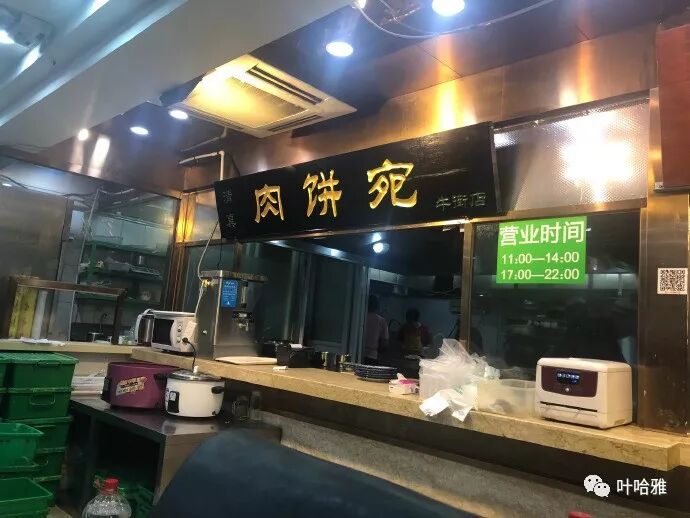
Roubing Wan first had a small shop next to the Hui Muslim Middle School. After that place closed, they moved to Majiapu, and now they are back on Niujie Street.
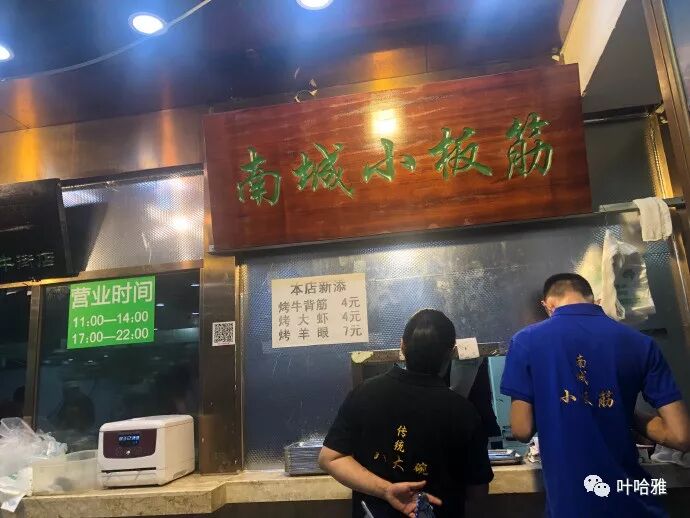
Niujie Street really needed a small shop like this where you can eat Beijing-style skewers.
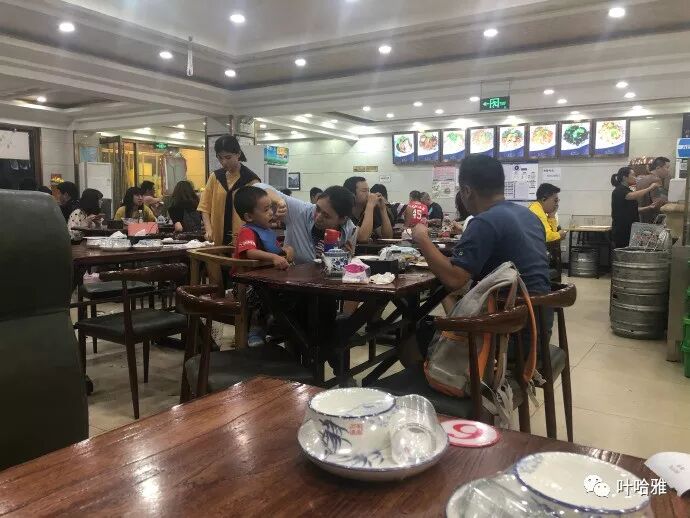
They also serve traditional Hui Muslim Eight Great Bowls (badawan), a meal you used to have to travel all the way to Tongxian to find.
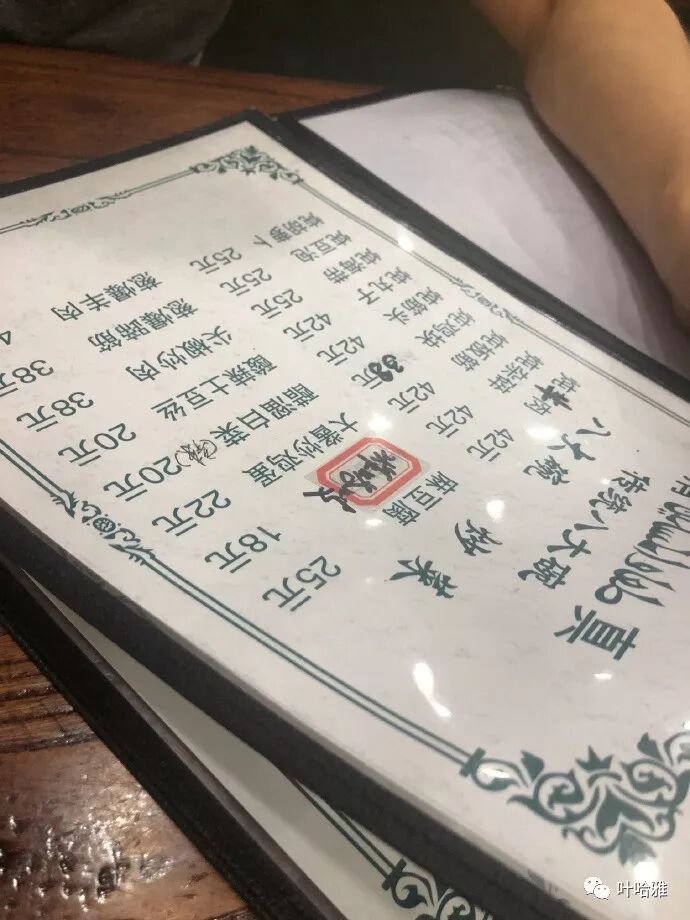
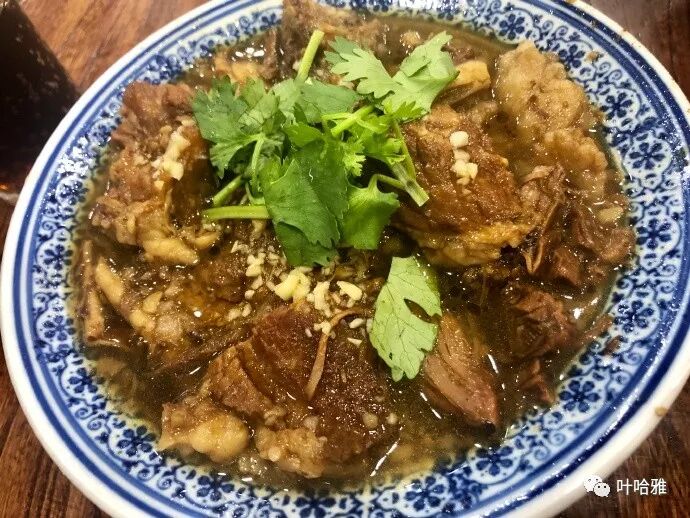
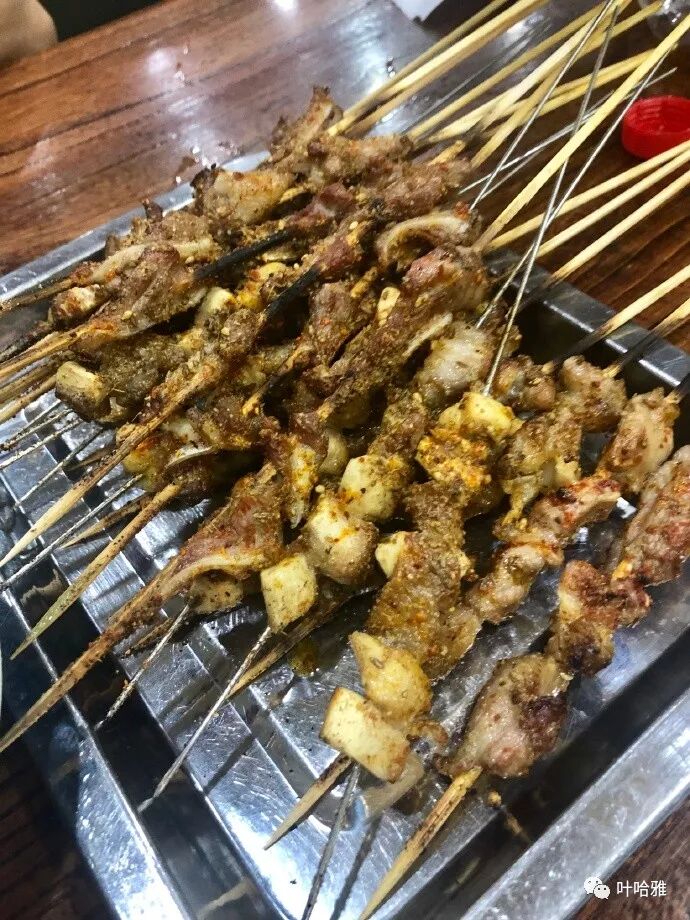
The southern-style small beef tendon (xiaoban jin) and meat pie (roubing) are their signature dishes.
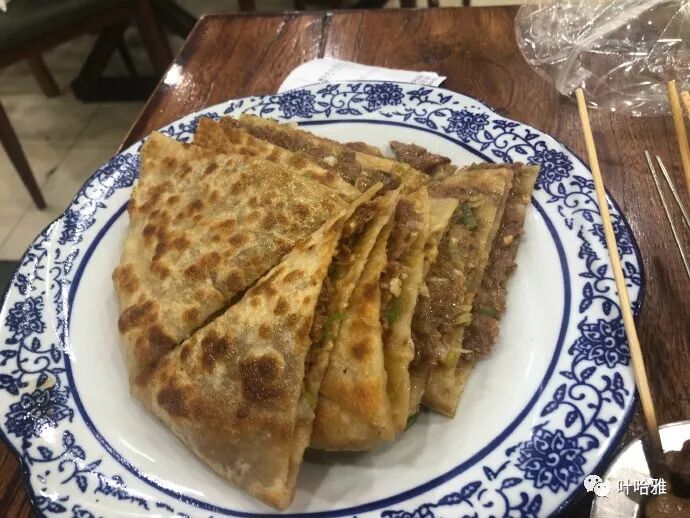
Address: Next to the halal beef and mutton market on Shuru Hutong, Niujie Street.
12. Huaxi Dingxin Style Halal Hot Pot
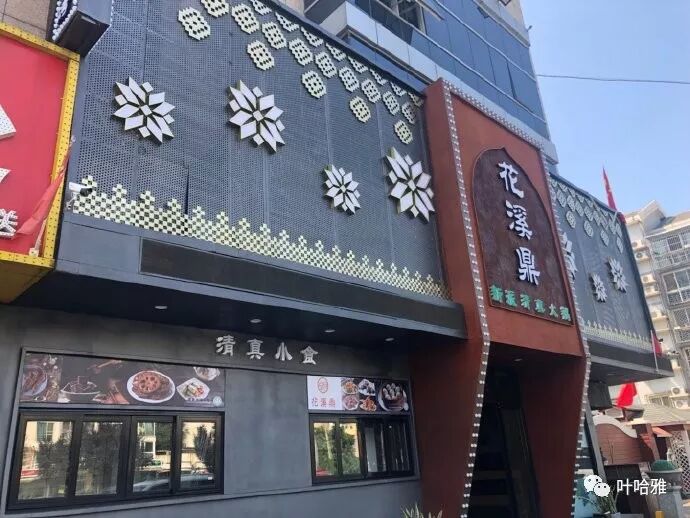
The Yilaobaiwei dipping sauce hot pot in Changying changed its name, but the owner and staff are the same. They now serve a new style of hot pot with a slightly different menu than before.
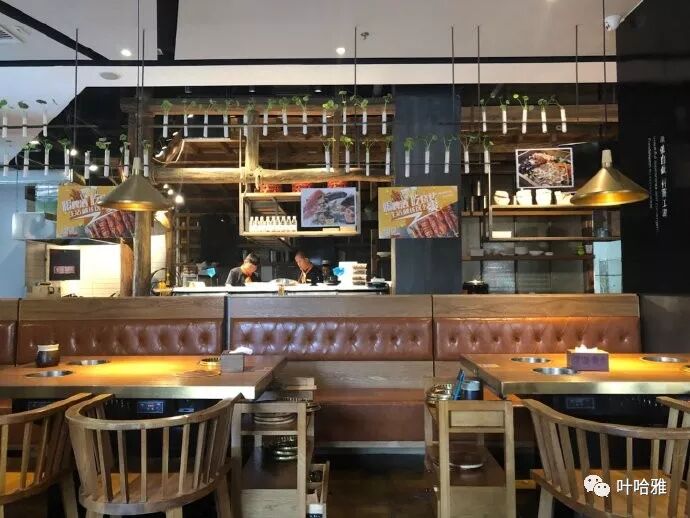
The shop has a nice environment with two floors and private rooms. The servers are polite and greet guests when they arrive.
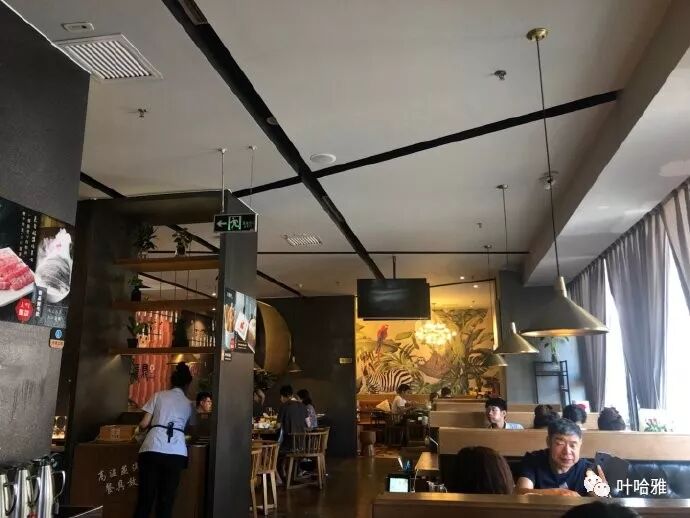
The dipping sauces are self-service with a wide variety to suit everyone's taste. There is also unlimited fruit and snacks available.
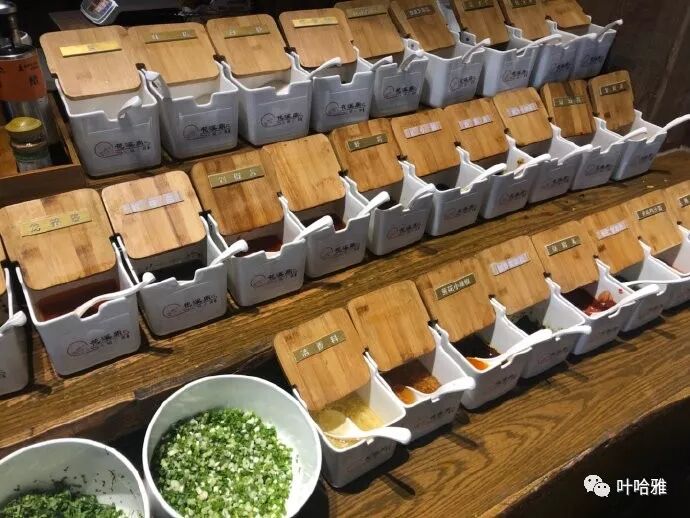
You can choose a small individual hot pot, which is more hygienic. I tried the mushroom hot pot and the vitamin C tomato nutrition hot pot.
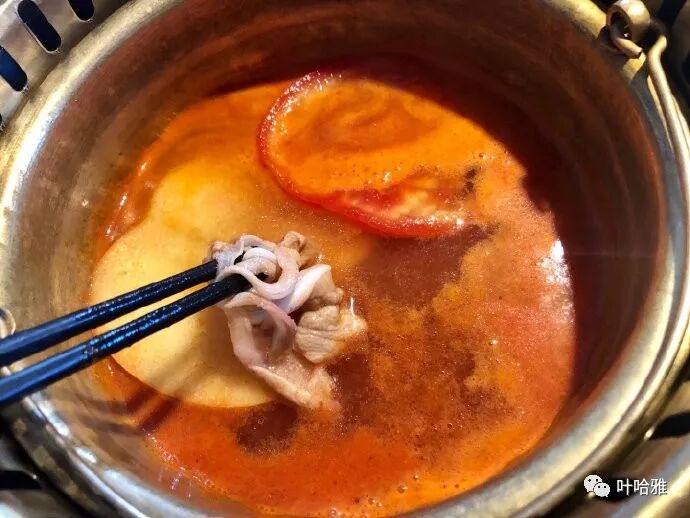
You can also order beef brisket stew and some snacks.
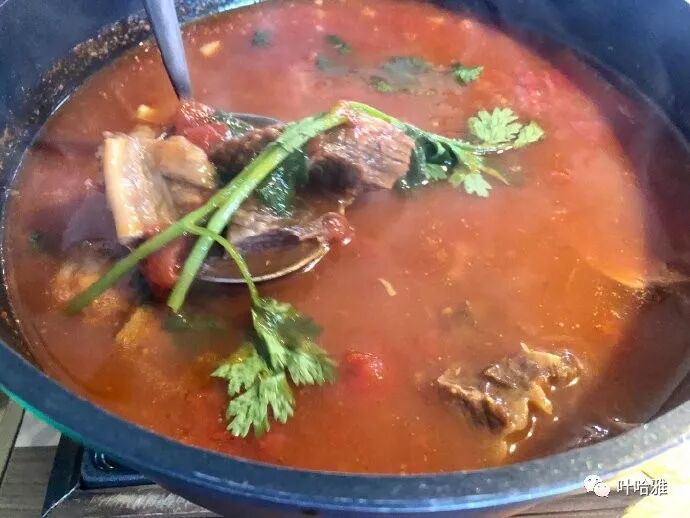
I saw the famous Baoding beef cover pancake (niurou zhaobing) on the menu, and when I asked the owner, it turned out they are from Hebei.
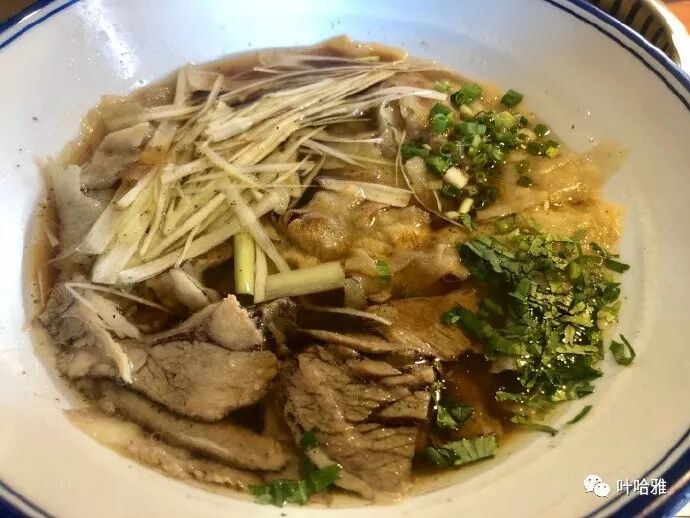
Yellow peaches, watermelon, and pickled vegetables (pao cai) are all free to take, and the pickled vegetables taste great.
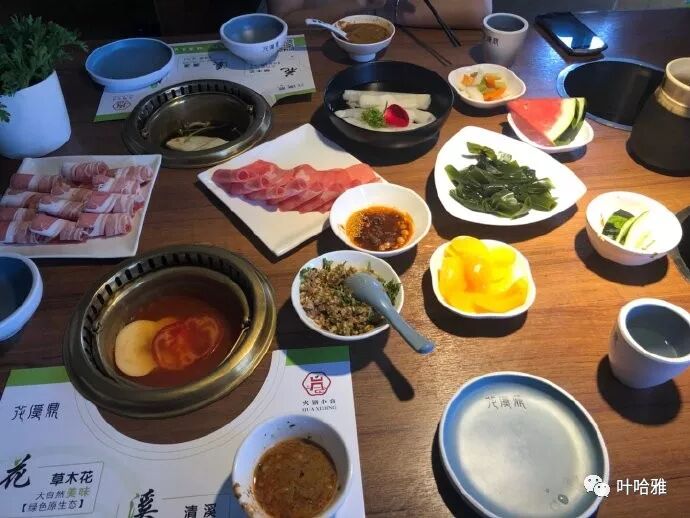
Address: No. 13B, Changying Minzu Jiayuan.
Previous links:
[Beijing Halal Dining Guide (Including the most complete list of foreign restaurants)] (Part 1) (Note: Baodu Wai is closed, Yang's Beef Pancake is closed, Halal Spicy Hot Pot is closed, Yuanxie Shuanrou Restaurant is closed, Dafengshou Fish Restaurant is closed, Hongliushu Roasted Lamb Scorpion is closed, Weidao Xinjiang Restaurant is closed, Shashi Castle Restaurant is closed, Badang Restaurant is closed, Barkley Caspian Western Restaurant is closed, Istanbul Restaurant is closed, Sukhothai Thai-Malaysian Restaurant is closed, and Cheese Molecule Pizza has removed its halal sign).
[Beijing Halal Dining Guide (Including the most complete list of foreign restaurants)] (Part 2) (Note: 1001 Nights Restaurant Solana branch is closed, Haitian Yise Chinese Restaurant is closed, and Changying Seafood BBQ is closed).
[Beijing Halal Dining Guide (Including the most complete list of foreign restaurants)] (Part 3) (Note: Changji Zhizi BBQ is closed and Yiding Shandouji Private Kitchen is closed).
Beijing Halal Dining Guide (Part 4) (Note: Features Ningxia cuisine, Korean BBQ, soybean paste noodles (zhajiangmian), and Yunnan cuisine; Xuezhan Dapanji is closed, Islam Lan Hot Pot is closed, and Xingyuege Muslim Restaurant is closed).
Beijing Halal Dining Guide (Part 5) (Note: Features Yunnan cuisine and Shan County lamb soup (Shanxian yangtang)).
Beijing Halal Dining Guide (Part 6) (Note: Highlights include Chongqing hot pot, Moroccan restaurants; Yijinglan Restaurant, Weidao Seafood Restaurant are closed; Laoma Lamb Spine Potstickers has been renamed Little Conch Seafood BBQ).
Beijing Halal Dining Guide (Part 7) (Note: Highlights include Turkish kebabs, Chinese tea houses; Yijinyuan, Laoduiyuan are closed).
Beijing Halal Dining Guide (Part 8) (Highlights include Korean BBQ, soup-filled dumplings (guantangbao); Fangchengshun Hot Pot, Father's New-Style Western Region Cuisine are closed).
Beijing Halal Dining Guide (Part 9) (Note: Highlights include ox head feast, Qinghai hot pot; Halimei Kitchen is closed, Meisi Coffee has removed its halal sign, Yilaobaiwei Dipping Sauce Hot Pot has been renamed Huaxiding New-Style Halal Hot Pot).
Beijing Halal Dining Guide (Part 10) (Note: Highlights include Huainan beef soup, Western fast food, pita bread in soup (paomo), octopus balls, Yunnan cuisine).
Beijing Halal Dining Guide (Part 11) (Note: Highlights include French cuisine, Sichuan-style hot pot, spicy dry pot (mala xiangguo), seafood buffet, Henan pan-fried buns (shuijianbao)).
Beijing Halal Dining Guide (Part 12) (Note: Highlights include Henan braised noodles (huimian), spicy soup (hulatang); Erjie Diguo Stew, HI HELLO Western-style grilled rice are closed).
Beijing Halal Food Map (Part 13) (Note: Highlights include beef tendon hot pot, Palestinian restaurant, Jewish restaurant, American burgers; Japanese restaurant Caicai Shidang is closed).
Best Halal Food in Urumqi: Xinjiang Uyghur Dishes, Hui Muslim Restaurants and Local Food
Articles • ali2007fr posted the article • 0 comments • 266 views • 2026-05-21 08:42
Summary: This Urumqi halal food map highlights Xinjiang dishes, Uyghur food, Hui Muslim restaurants, bazaars, and local food stops for Muslim travelers in the city.
1. International Grand Bazaar
When you come to Urumqi, the International Grand Bazaar is your first stop. If you want to experience local ethnic culture, head to the Tianshan District. Many ethnic minority residents live here, especially around Erdaoqiao. Grab a glass of pomegranate juice to soothe your throat or a slice of watermelon to quench your thirst. Xinjiang fruit is top-tier, and the fresh-pressed pomegranate juice is thick, sweet, and sour with no added water.
You will see fruit stands like this everywhere in Xinjiang. They display cut fruit on the roadside; you just walk up, pick it up, and eat. When you are done, you wipe your mouth and pay. A slice of watermelon is only 2 yuan, and the Hami melon is so sweet you will need water to wash it down.
The Grand Bazaar's ice porridge (muzdog) is a must-have summer cooler for Uyghurs. They use an awl to chip ice off a large block and add yogurt. It is natural and delicious.
2. Shanxi Lane
Shanxi Lane is right next to the Erdaoqiao International Grand Bazaar. You could call it a street of Xinjiang delicacies, and it is a gathering place for Uyghurs.
If you love lamb, you must come here. Lamb skewers are called roasted meat (kaorou) here because the word 'skewer' sounds too small. Xinjiang people are generous, and they eat their meat in big chunks.
Take every chance you get to try Xinjiang yogurt. Tianshan yogurt is only sold in Xinjiang.
This is authentic Xinjiang big plate chicken (dapanji). You can choose a whole or half chicken and add noodles. I heard that in the past, adding noodles was free, but it is rare to find shops that do that now.
I came here for the famous baked buns (kaobaozi). It is best to come during the day because they are often sold out by night.
A famous Xinjiang dish is pilaf (zhuafan). You do not actually have to eat it with your hands. The pilaf here is completely different from what you find in the interior of China.
I have to brag a little: a Kazakh uncle made this pilaf for me at his home. Pilaf must include raisins, dried apricots, green peppers, and carrots.
Let me share another home-cooked meal made by the Kazakh uncle. The most authentic Xinjiang food is what your Xinjiang friends cook at home.
Shanxi Lane is very short. A Uyghur friend brought me to this lamb shop. It is easy to find, and it is the best lamb I have ever eaten. The meat is topped with onions, which are called piyazi in Xinjiang.
3. Hantengri Mijiti Baked Buns
This is a long-standing shop in Urumqi. The owner is from Southern Xinjiang, where most Uyghurs in Erdaoqiao are from. He has been making baked buns for decades. They only make a limited amount each day, and they do not keep leftovers. If you come late, they are gone.
The crust of the baked bun is crispy, and it is filled with lamb. When you bite into it, it is steaming hot and smells amazing. Baked buns are the thing I miss most after leaving Xinjiang.
Address: Inside Yucai Lane, Tianshan District, Urumqi
4. Bogelahan Restaurant
A friend told me this shop closed before I published this. I am still posting it because if you eat at an ethnic restaurant in Urumqi, the authentic Xinjiang food will not taste bad, but you should try some of their specialties.
For spicy chicken (laziji), the quality of Xinjiang chili peppers and the quality of the chicken are both excellent. The two are a perfect match.
This is also a flatbread (nang). It is not just the plain white flour bread you see every day. There are many kinds of flatbread, including some for dipping in milk tea, some that are easy to carry, and this kind which has a filling.
5. Masanyuan Beef Noodles
A very popular Lanzhou beef noodle shop in Urumqi, located near Daximen.
After eating a lot of beef and lamb, sometimes I want some flour-based food to cleanse my stomach.
Address: No. 66 Renmin Road (next to the Industry and Commerce Bureau).
6. Blake Coffee
Next to Hengchang Garden in Dawan, Urumqi, there is a Blake Coffee. The shop has a resident ethnic band, and the lead singer has a unique, charming voice. Almost all the customers here are from ethnic minorities, and you hear Uyghur spoken all around you. If you want to experience local ethnic culture, you have to come to a place like this.
Uyghur people have a natural talent for music. They rarely listen to pop songs from inland China; they prefer ethnic music and Western-style music. Almost every Uyghur can dance, and they start moving as soon as they hear a rhythmic beat.
7. Qia'erbage Restaurant
The scene downstairs is typical of daily life for Uyghur people: a big group of friends and family gathering to eat, drink tea, and chat.
Qia'erbage is a Western-style restaurant opened by a friend of my Uyghur friend. Because the cultures are similar, Western food is easily accepted by Uyghurs. The environment here is quiet with many private booths, and the diners are mostly Uyghur.
This baked bun (kaobaozi) is an improved version, and it looks a bit like bread.
Address: Inside South Park, South Xinhua Road, Tianshan District.
8. Ma's Peppery Chicken (Ma Ji Jiao Ma Ji)
A friend from Turpan took me to eat this peppery chicken, and it tasted amazing. Every meal I had in Urumqi was carefully selected by friends. Actually, I should have written a guide for Han-style food in Urumqi. The Han-style restaurants here are specially marked, but some ethnic restaurants don't even have a halal sign.
Address: No. 134 Cangfanggou Road, Shayibake District, Urumqi, Xinjiang Uyghur Autonomous Region. view all
Summary: This Urumqi halal food map highlights Xinjiang dishes, Uyghur food, Hui Muslim restaurants, bazaars, and local food stops for Muslim travelers in the city.
1. International Grand Bazaar
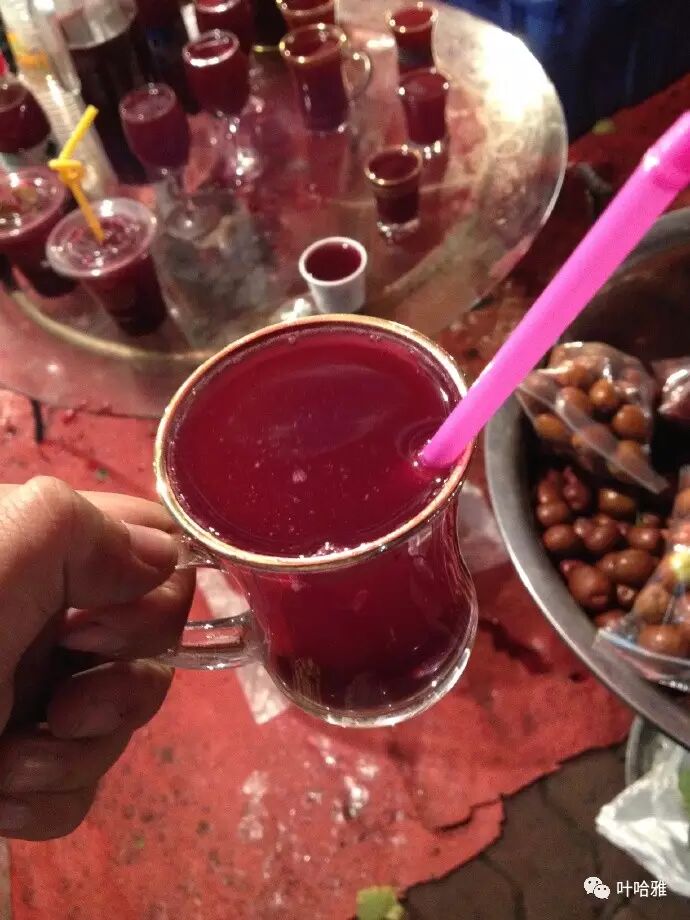
When you come to Urumqi, the International Grand Bazaar is your first stop. If you want to experience local ethnic culture, head to the Tianshan District. Many ethnic minority residents live here, especially around Erdaoqiao. Grab a glass of pomegranate juice to soothe your throat or a slice of watermelon to quench your thirst. Xinjiang fruit is top-tier, and the fresh-pressed pomegranate juice is thick, sweet, and sour with no added water.
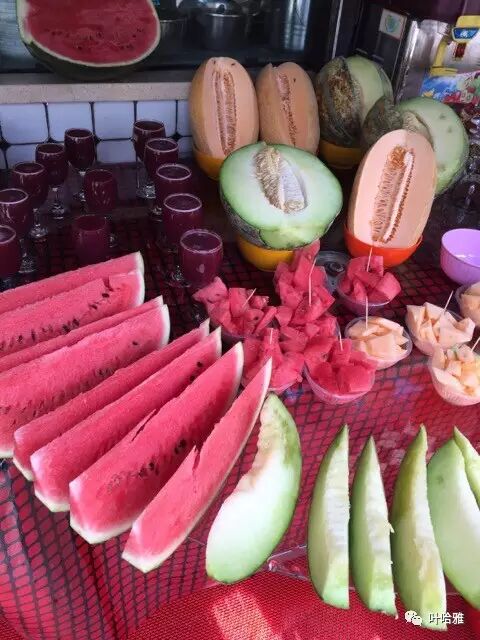
You will see fruit stands like this everywhere in Xinjiang. They display cut fruit on the roadside; you just walk up, pick it up, and eat. When you are done, you wipe your mouth and pay. A slice of watermelon is only 2 yuan, and the Hami melon is so sweet you will need water to wash it down.
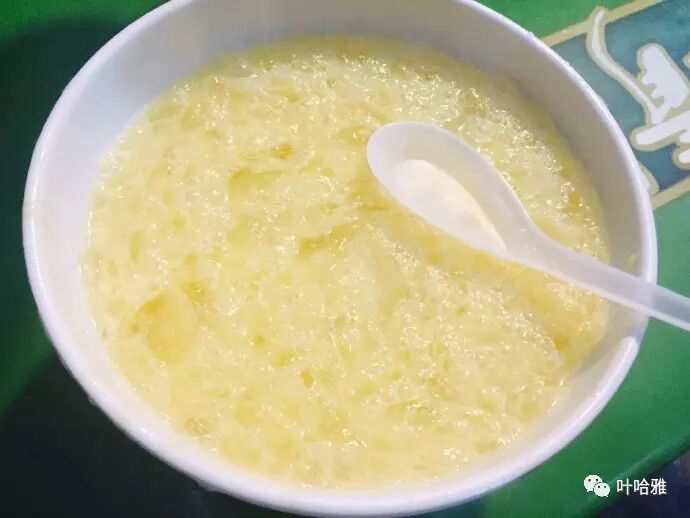
The Grand Bazaar's ice porridge (muzdog) is a must-have summer cooler for Uyghurs. They use an awl to chip ice off a large block and add yogurt. It is natural and delicious.
2. Shanxi Lane
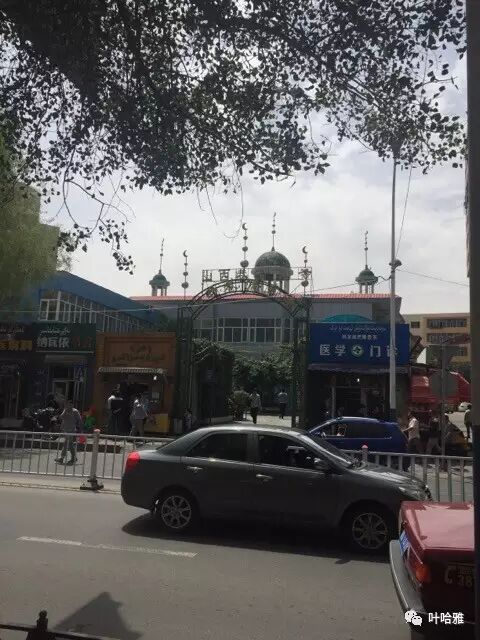
Shanxi Lane is right next to the Erdaoqiao International Grand Bazaar. You could call it a street of Xinjiang delicacies, and it is a gathering place for Uyghurs.
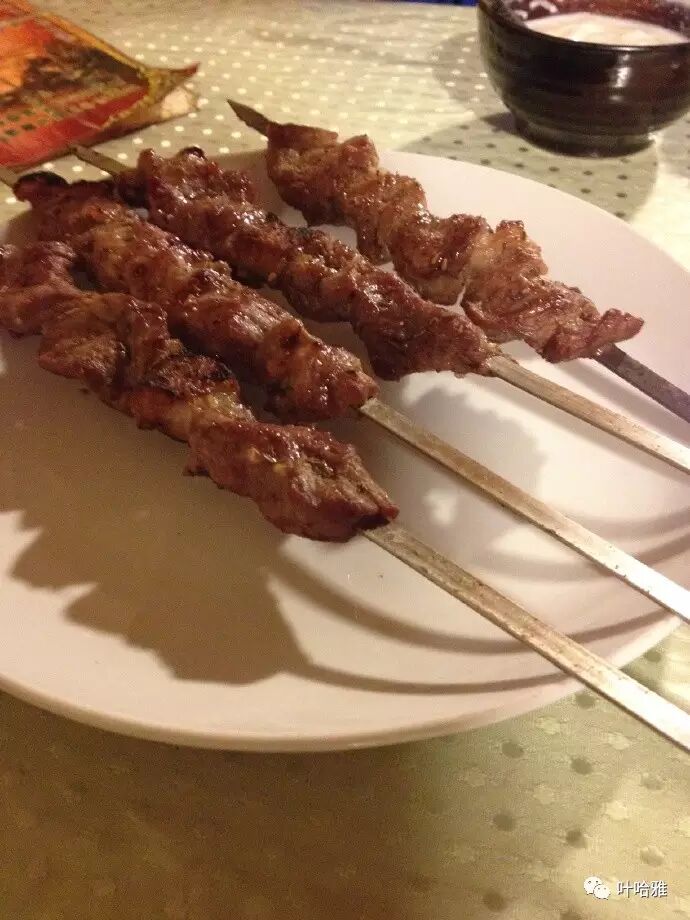
If you love lamb, you must come here. Lamb skewers are called roasted meat (kaorou) here because the word 'skewer' sounds too small. Xinjiang people are generous, and they eat their meat in big chunks.
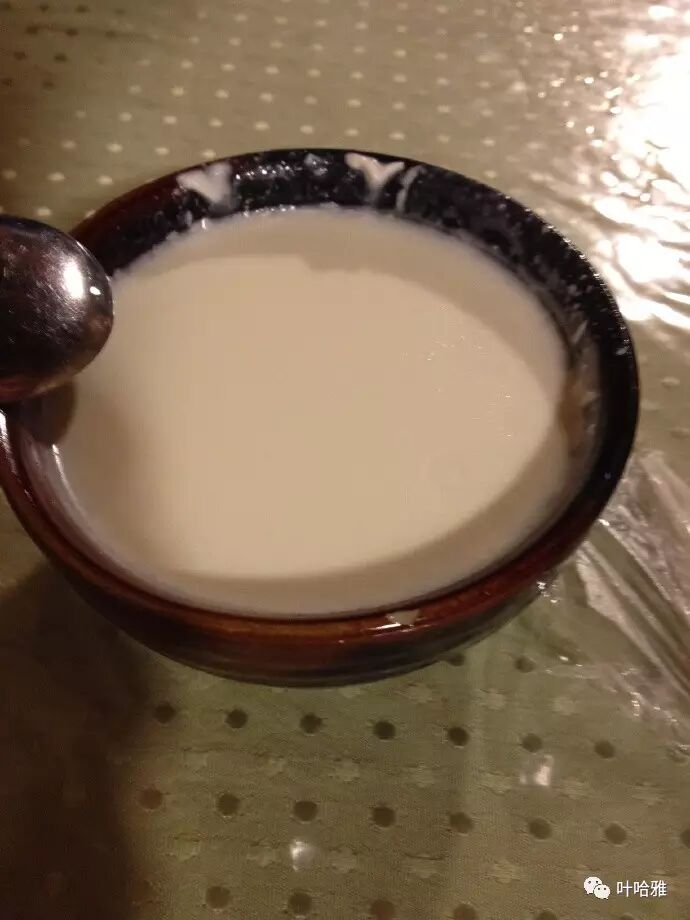
Take every chance you get to try Xinjiang yogurt. Tianshan yogurt is only sold in Xinjiang.
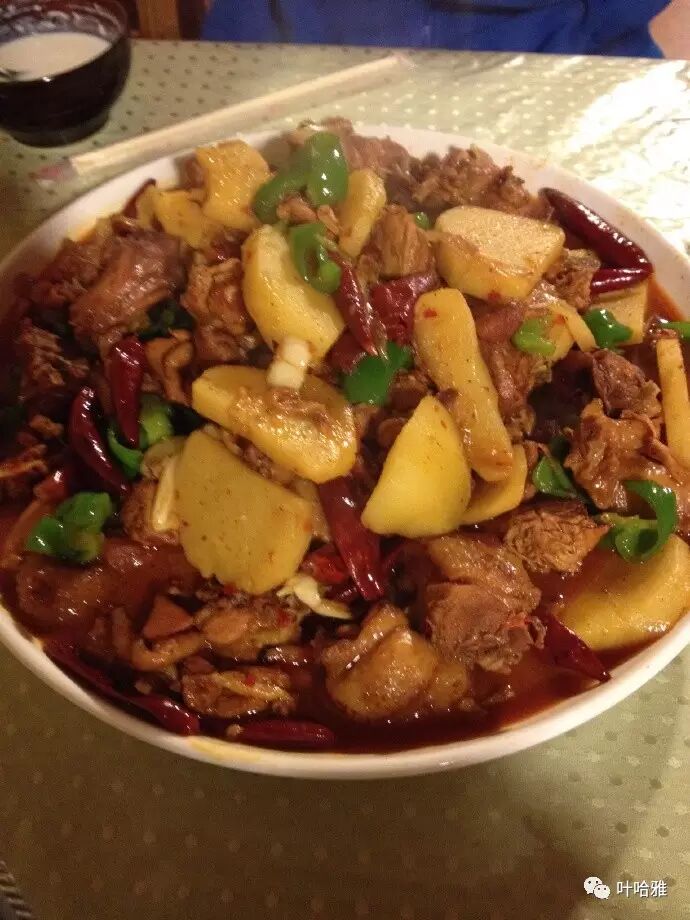
This is authentic Xinjiang big plate chicken (dapanji). You can choose a whole or half chicken and add noodles. I heard that in the past, adding noodles was free, but it is rare to find shops that do that now.
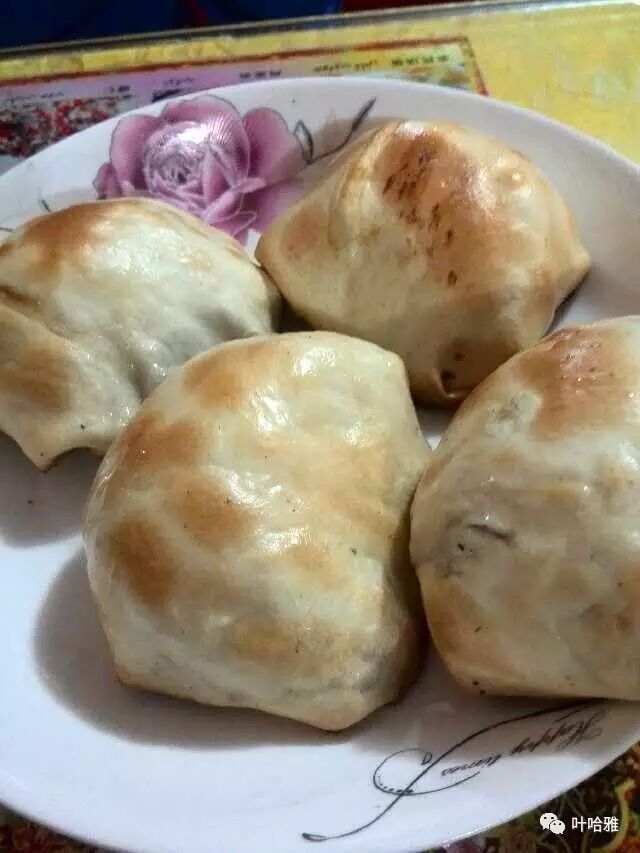
I came here for the famous baked buns (kaobaozi). It is best to come during the day because they are often sold out by night.
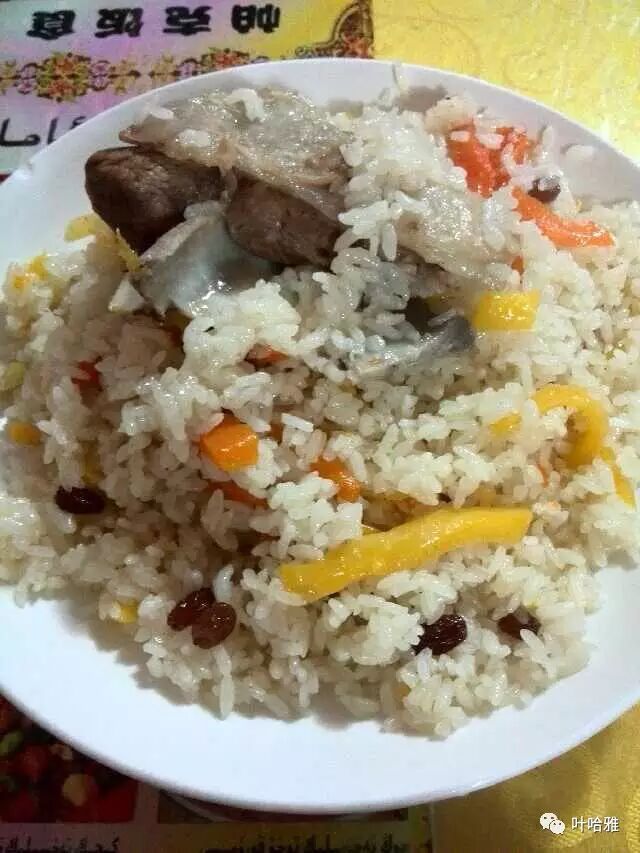
A famous Xinjiang dish is pilaf (zhuafan). You do not actually have to eat it with your hands. The pilaf here is completely different from what you find in the interior of China.
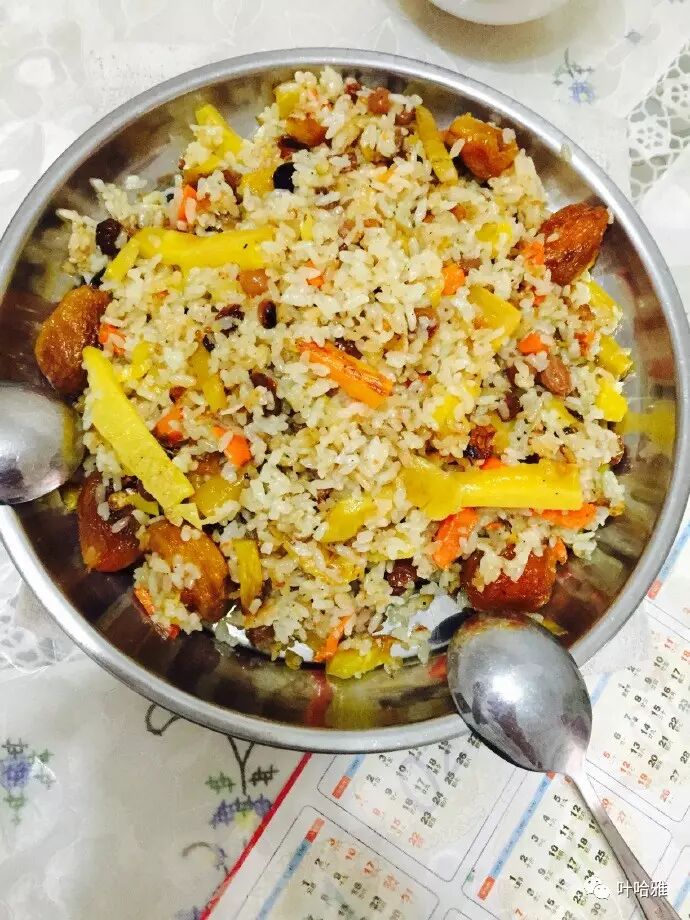
I have to brag a little: a Kazakh uncle made this pilaf for me at his home. Pilaf must include raisins, dried apricots, green peppers, and carrots.
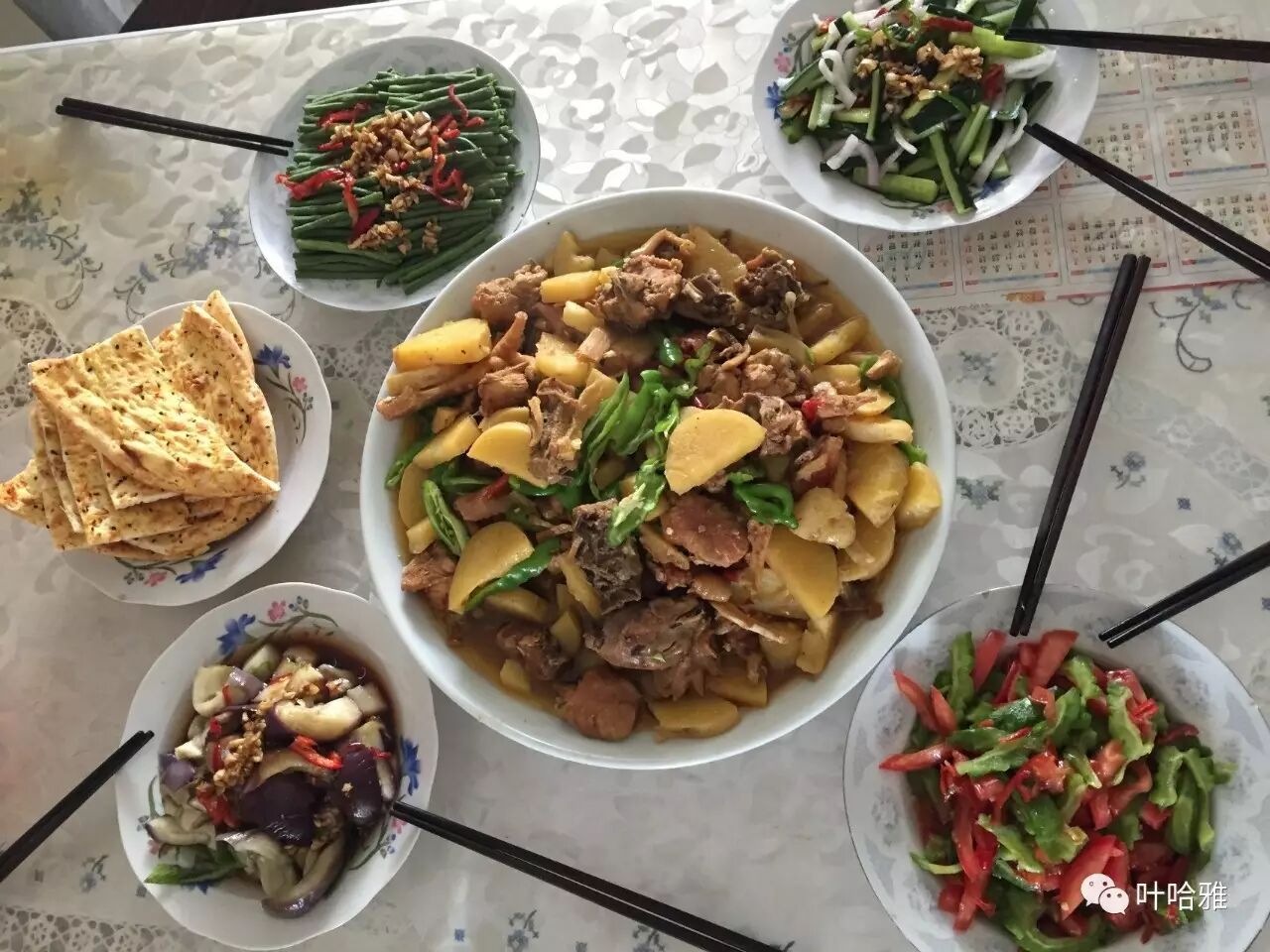
Let me share another home-cooked meal made by the Kazakh uncle. The most authentic Xinjiang food is what your Xinjiang friends cook at home.
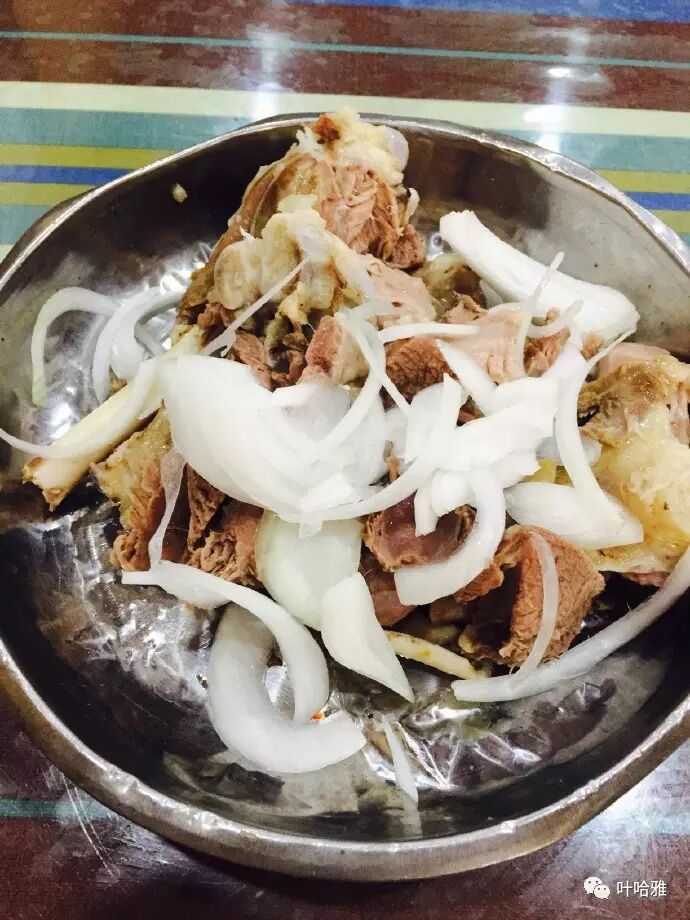
Shanxi Lane is very short. A Uyghur friend brought me to this lamb shop. It is easy to find, and it is the best lamb I have ever eaten. The meat is topped with onions, which are called piyazi in Xinjiang.
3. Hantengri Mijiti Baked Buns
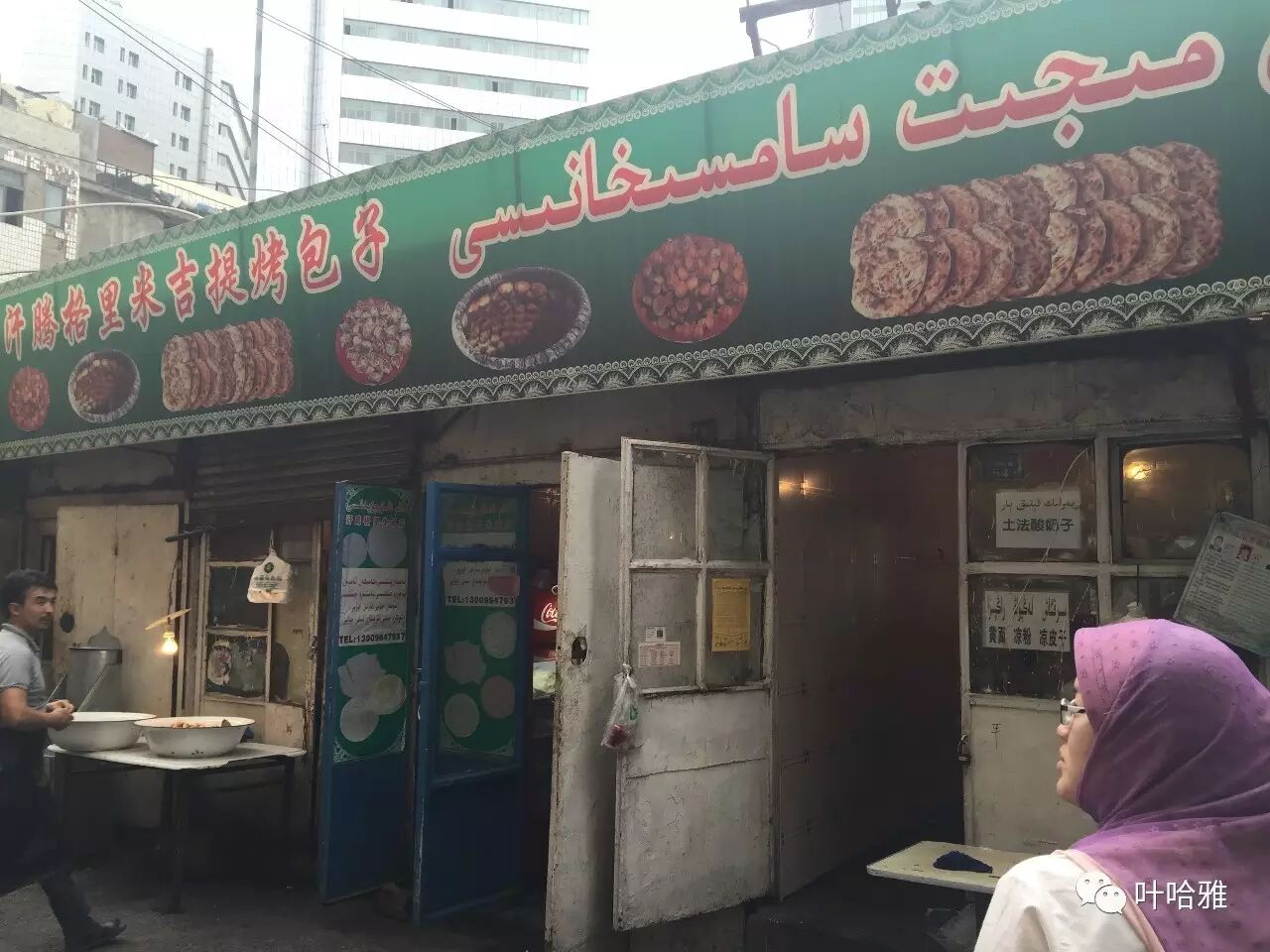
This is a long-standing shop in Urumqi. The owner is from Southern Xinjiang, where most Uyghurs in Erdaoqiao are from. He has been making baked buns for decades. They only make a limited amount each day, and they do not keep leftovers. If you come late, they are gone.
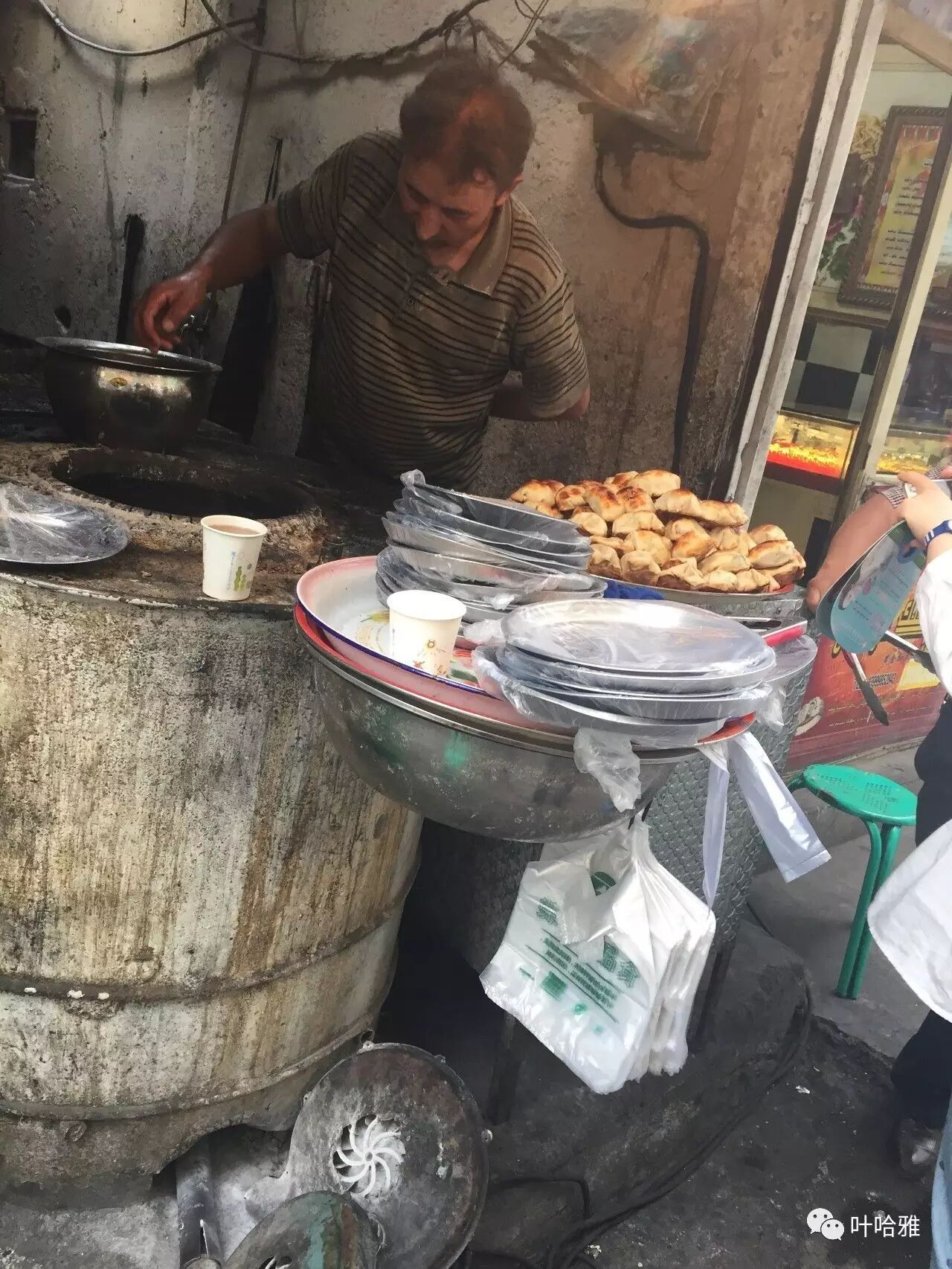
The crust of the baked bun is crispy, and it is filled with lamb. When you bite into it, it is steaming hot and smells amazing. Baked buns are the thing I miss most after leaving Xinjiang.
Address: Inside Yucai Lane, Tianshan District, Urumqi
4. Bogelahan Restaurant
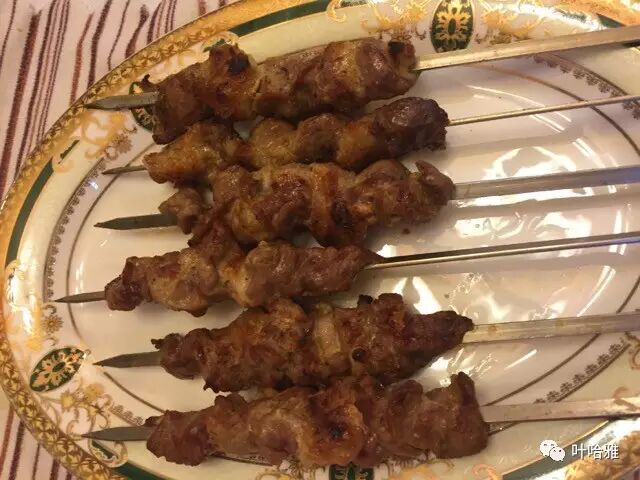
A friend told me this shop closed before I published this. I am still posting it because if you eat at an ethnic restaurant in Urumqi, the authentic Xinjiang food will not taste bad, but you should try some of their specialties.
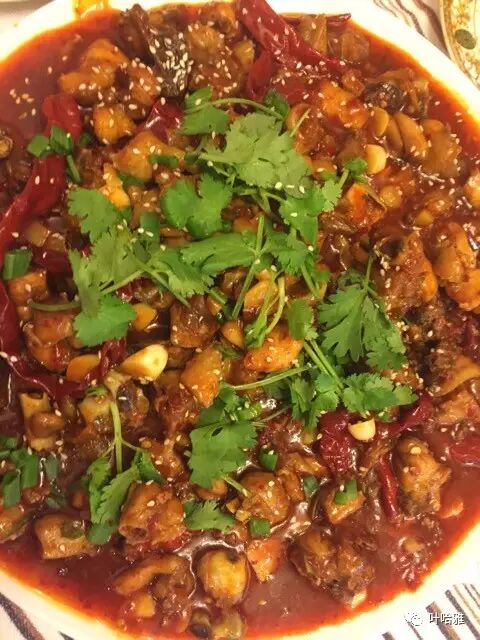
For spicy chicken (laziji), the quality of Xinjiang chili peppers and the quality of the chicken are both excellent. The two are a perfect match.
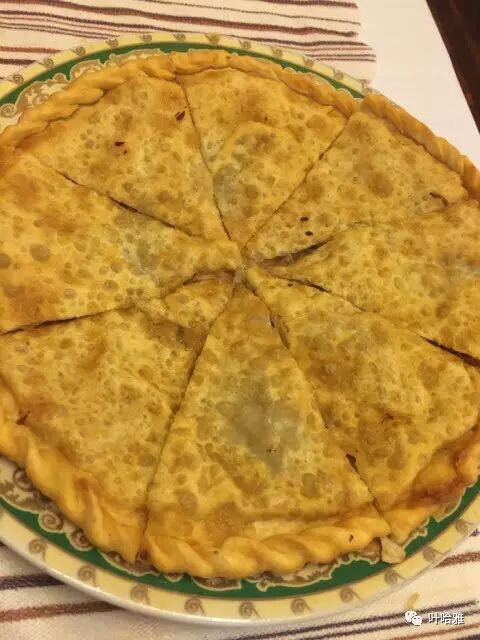
This is also a flatbread (nang). It is not just the plain white flour bread you see every day. There are many kinds of flatbread, including some for dipping in milk tea, some that are easy to carry, and this kind which has a filling.
5. Masanyuan Beef Noodles
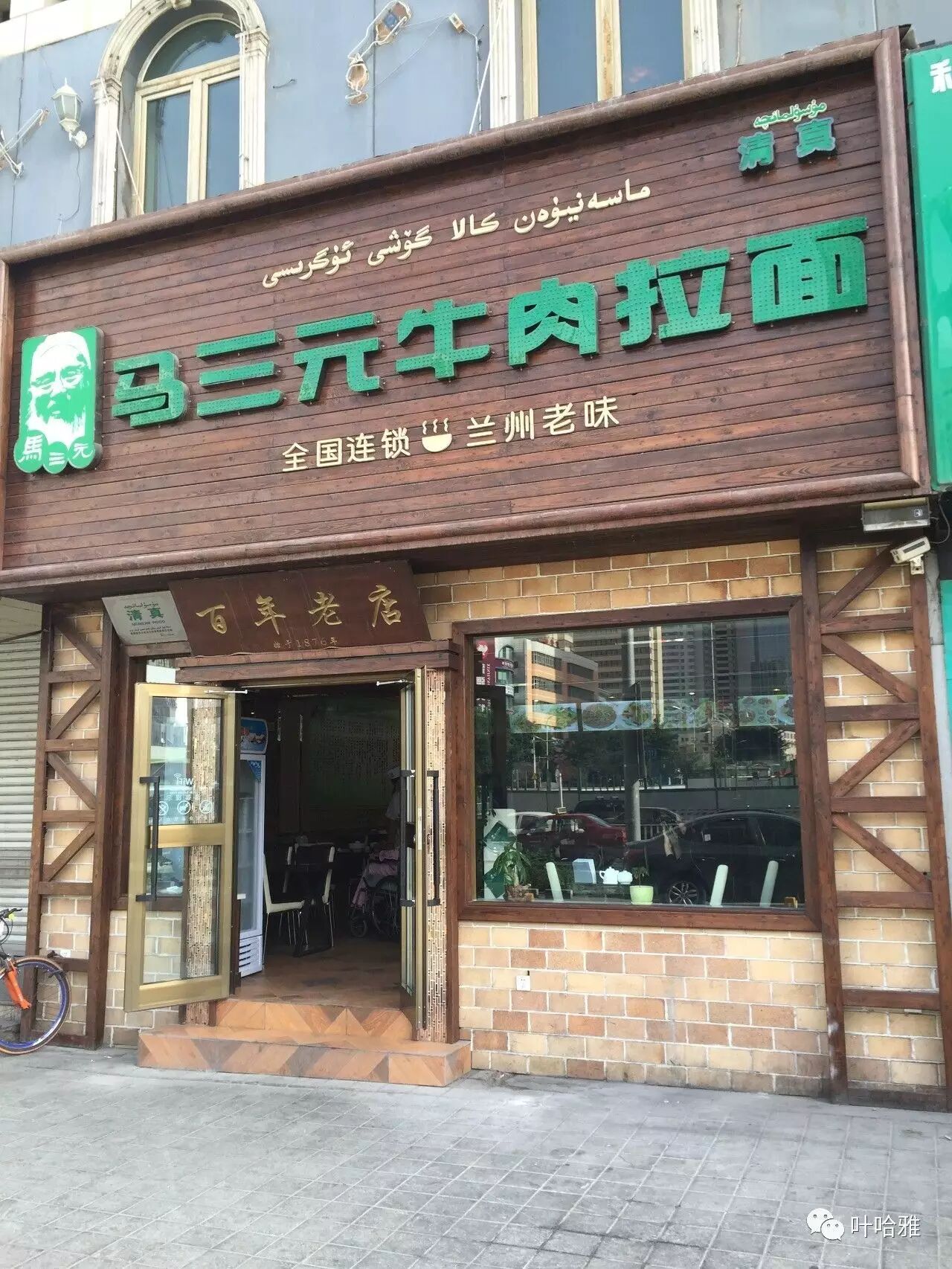
A very popular Lanzhou beef noodle shop in Urumqi, located near Daximen.
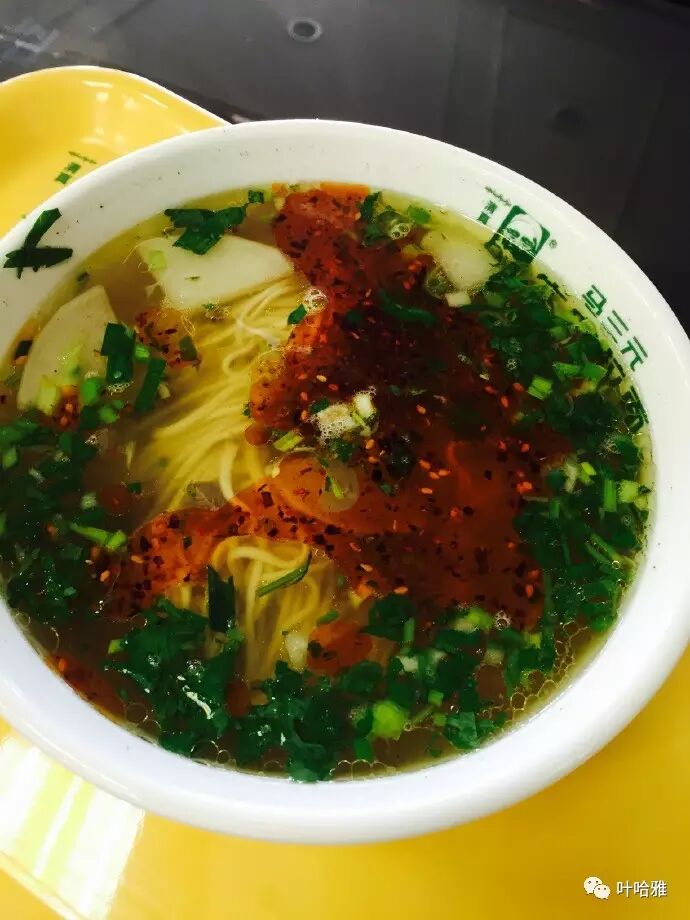
After eating a lot of beef and lamb, sometimes I want some flour-based food to cleanse my stomach.
Address: No. 66 Renmin Road (next to the Industry and Commerce Bureau).
6. Blake Coffee
Next to Hengchang Garden in Dawan, Urumqi, there is a Blake Coffee. The shop has a resident ethnic band, and the lead singer has a unique, charming voice. Almost all the customers here are from ethnic minorities, and you hear Uyghur spoken all around you. If you want to experience local ethnic culture, you have to come to a place like this.
Uyghur people have a natural talent for music. They rarely listen to pop songs from inland China; they prefer ethnic music and Western-style music. Almost every Uyghur can dance, and they start moving as soon as they hear a rhythmic beat.
7. Qia'erbage Restaurant
The scene downstairs is typical of daily life for Uyghur people: a big group of friends and family gathering to eat, drink tea, and chat.
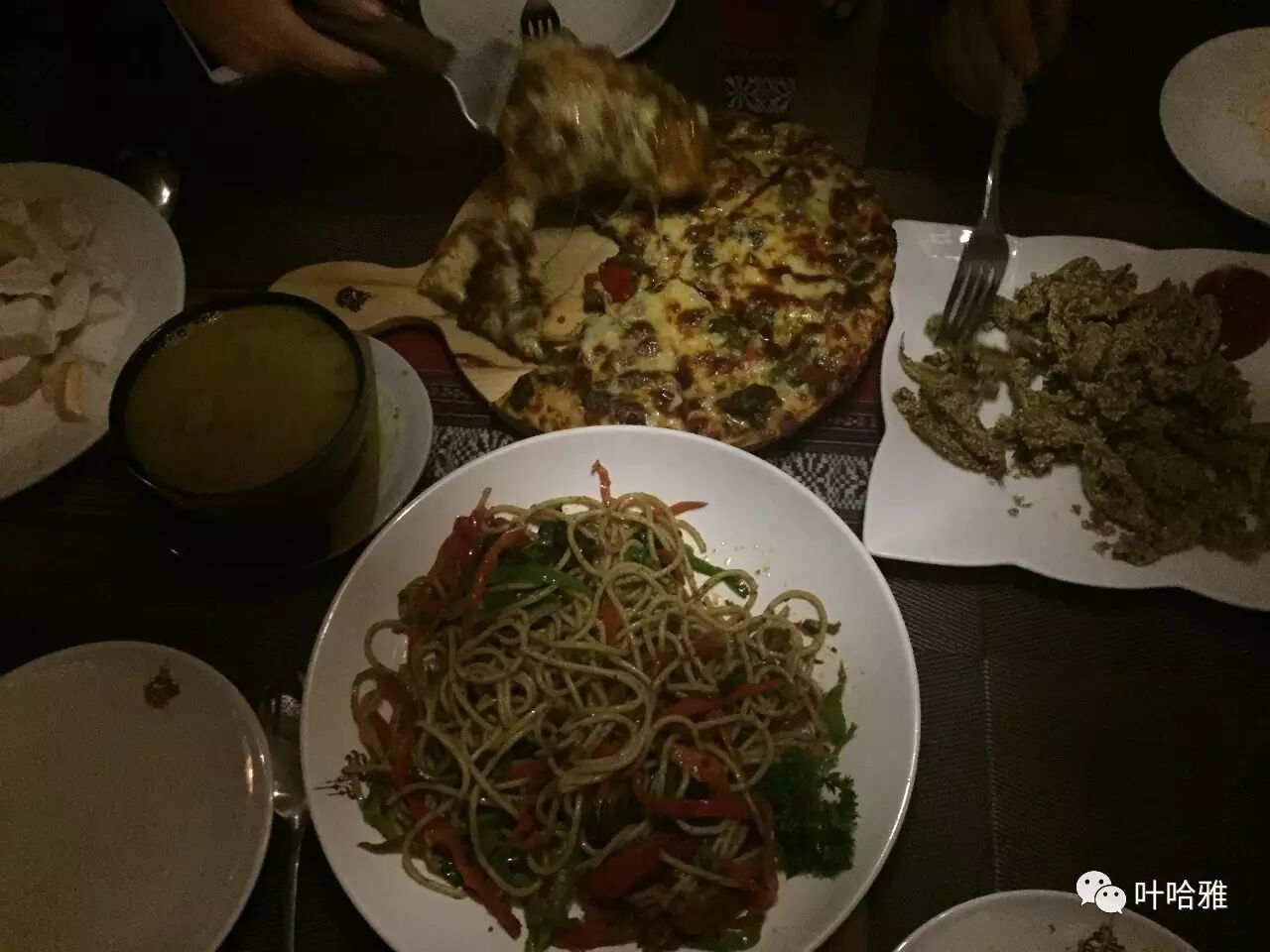
Qia'erbage is a Western-style restaurant opened by a friend of my Uyghur friend. Because the cultures are similar, Western food is easily accepted by Uyghurs. The environment here is quiet with many private booths, and the diners are mostly Uyghur.
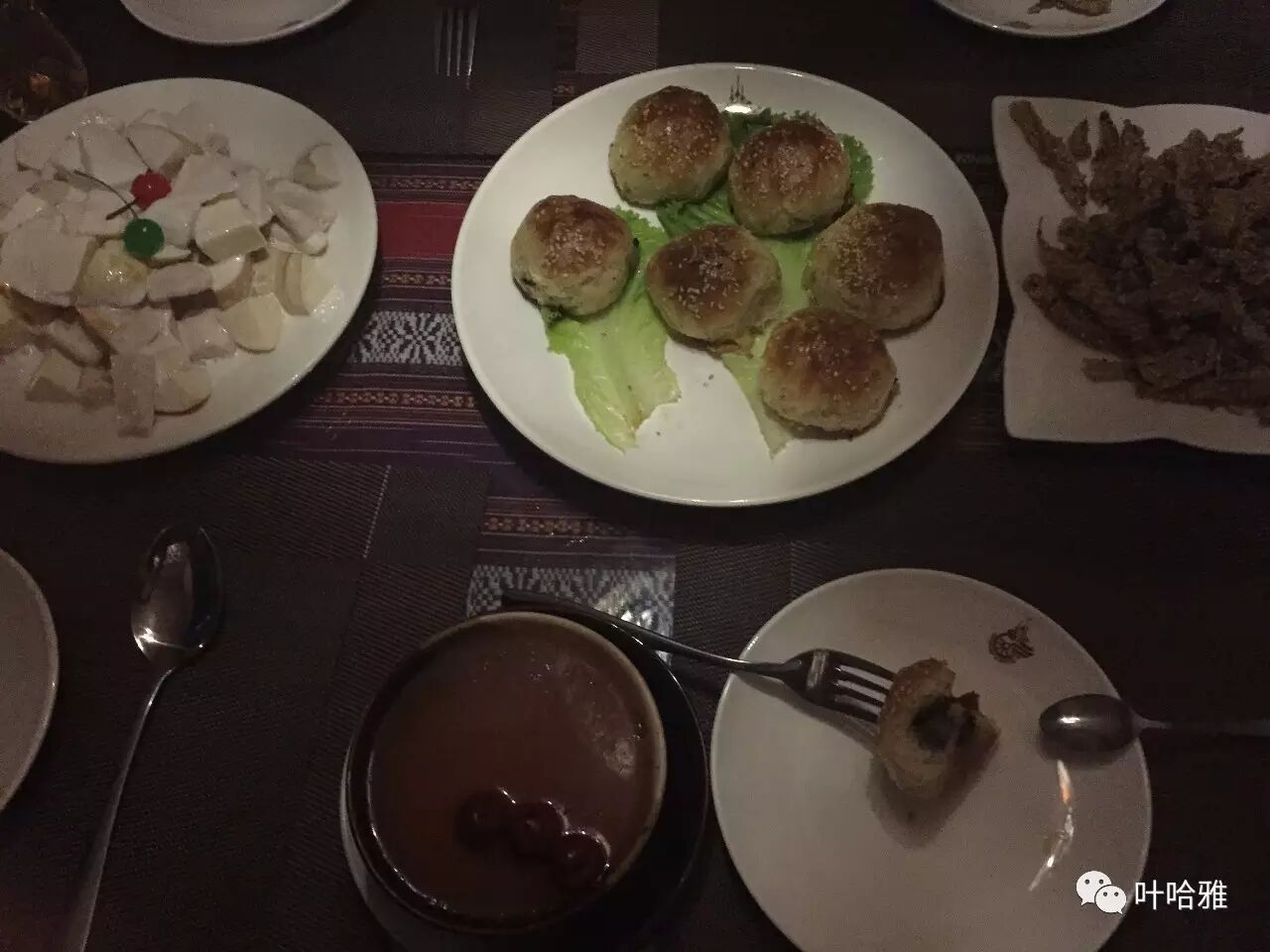
This baked bun (kaobaozi) is an improved version, and it looks a bit like bread.
Address: Inside South Park, South Xinhua Road, Tianshan District.
8. Ma's Peppery Chicken (Ma Ji Jiao Ma Ji)
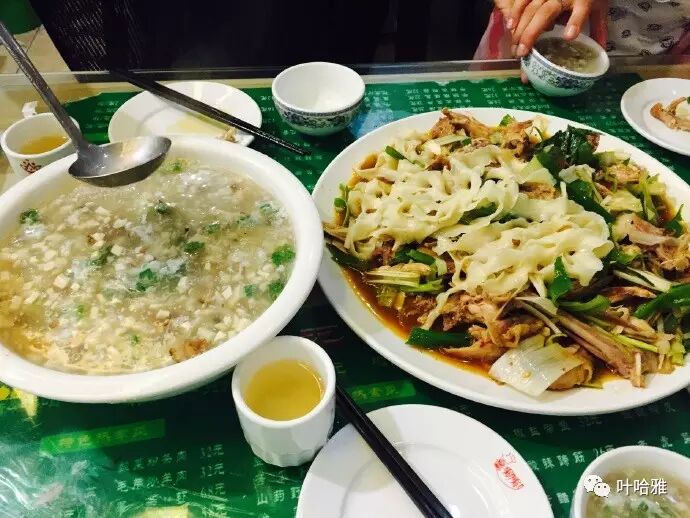
A friend from Turpan took me to eat this peppery chicken, and it tasted amazing. Every meal I had in Urumqi was carefully selected by friends. Actually, I should have written a guide for Han-style food in Urumqi. The Han-style restaurants here are specially marked, but some ethnic restaurants don't even have a halal sign.
Address: No. 134 Cangfanggou Road, Shayibake District, Urumqi, Xinjiang Uyghur Autonomous Region.
Halal Travel Guide: Xiamen - Xiamen Mosque and Malong Xinjiang Cuisine
Articles • ali2007fr posted the article • 0 comments • 150 views • 2026-05-19 09:30
Summary: Halal Travel Guide: Xiamen - Xiamen Mosque and Malong Xinjiang Cuisine is presented here as a firsthand travel account in clear, natural English. The account focuses on Xiamen, Xiamen Mosque, Xinjiang Food while preserving the names, places, food, photos, and historical details from the Chinese source.
At noon, I visited the Xiamen Mosque and felt very grateful to have some braised noodles (huimian) made by Imam Liu. Imam Liu is from Zhengzhou, Henan, and has been in Xiamen for over ten years. When we arrived, Imam Liu was hosting another friend (dost) from Henan who also lives in Xiamen. According to this friend, Imam Liu's braised noodles are unique and the best you can find in Xiamen. After tasting them, I have to agree, haha.
Xiamen Mosque was first built in 1823 (the third year of the Daoguang reign). The front building was expanded during the Tongzhi reign, rebuilt in 1924, moved and rebuilt in 1993 due to urban renewal, and finished as the current six-story building in 2002. The Xiamen Mosque currently houses two stone tablets from 1902 (the 28th year of the Guangxu reign) and 1924 (the 13th year of the Republic of China).
The Guangxu tablet records that Xiamen Mosque was built with donations initiated by the Zhejiang Provincial Commander Yang during the Daoguang reign, expanded with donations from the Xiamen Defense Commander Ma during the Tongzhi reign, and in the 22nd year of the Guangxu reign, Commander Yang again initiated donations to purchase four houses as mosque property. Yang Qizhen (1836–1903) was a Hui Muslim from Laishanji, Huainan, Anhui. He was a famous coastal defense general in the late Qing Dynasty and once heavily damaged the French fleet during the Sino-French naval war. In 1892 (the 18th year of the Guangxu reign), Yang Qizhen became the Admiral of the Fujian Navy. He built the Huli Mountain Fortress on Xiamen Island and donated money to buy property for the Xiamen mosque.
A Republic of China era stone tablet records that Tang Kesan came to Xiamen to supervise the customs and encouraged fundraising to revitalize the faith. Later, Ma Lixian, Chang Fumian, and Ma Liangji traveled to Shanghai, Nanjing, and Southeast Asia to raise funds. They repaired the Xiamen mosque and the Qingjing mosque in Quanzhou, and bought two houses in Xiamen city as mosque property. Tang Kesan was a famous Hui Muslim social activist and educator during the Republic of China. He founded the Chengda Teachers College in 1925 and served as its president. In 1938, he founded the China Islamic National Salvation Association and led the Hui Muslim movement to resist Japan and save the country. Tang Kesan served as the Xiamen Customs Superintendent in 1919. During his time in office, he made great contributions to the restoration of the faith in Xiamen and Quanzhou.
The seaside boardwalk and the arcade-style old streets of Xiamen.
Have dinner at the main branch of Ma'erlong in the evening. I was surprised to find pearl meatballs (zhenzhu wanzi) and mung bean jelly (menzi) here. This is my first time seeing these in a Xinjiang restaurant in mainland China. Both are classic banquet dishes for Hui Muslims in Xinjiang, and Uyghur chefs usually do not make them.
We ordered stir-fried lamb head meat and thin-skinned steamed buns (baopi baozi), and we also got some baked flatbread (naan) to go. These dishes were very authentic. The stir-fried lamb head meat tasted exactly like what you get in Hui Muslim restaurants in Urumqi. The filling in the thin-skinned steamed buns was perfect, and the bottom skin was very thin. It must have been made by a Uyghur chef, though the skin on the pleats was a bit thick and had a hard center. The freshly baked flatbread from the Uyghur chef was full of wheat flavor. We ordered one to take away, but we couldn't help eating it all, so we ordered another one to go. view all
Summary: Halal Travel Guide: Xiamen - Xiamen Mosque and Malong Xinjiang Cuisine is presented here as a firsthand travel account in clear, natural English. The account focuses on Xiamen, Xiamen Mosque, Xinjiang Food while preserving the names, places, food, photos, and historical details from the Chinese source.
At noon, I visited the Xiamen Mosque and felt very grateful to have some braised noodles (huimian) made by Imam Liu. Imam Liu is from Zhengzhou, Henan, and has been in Xiamen for over ten years. When we arrived, Imam Liu was hosting another friend (dost) from Henan who also lives in Xiamen. According to this friend, Imam Liu's braised noodles are unique and the best you can find in Xiamen. After tasting them, I have to agree, haha.
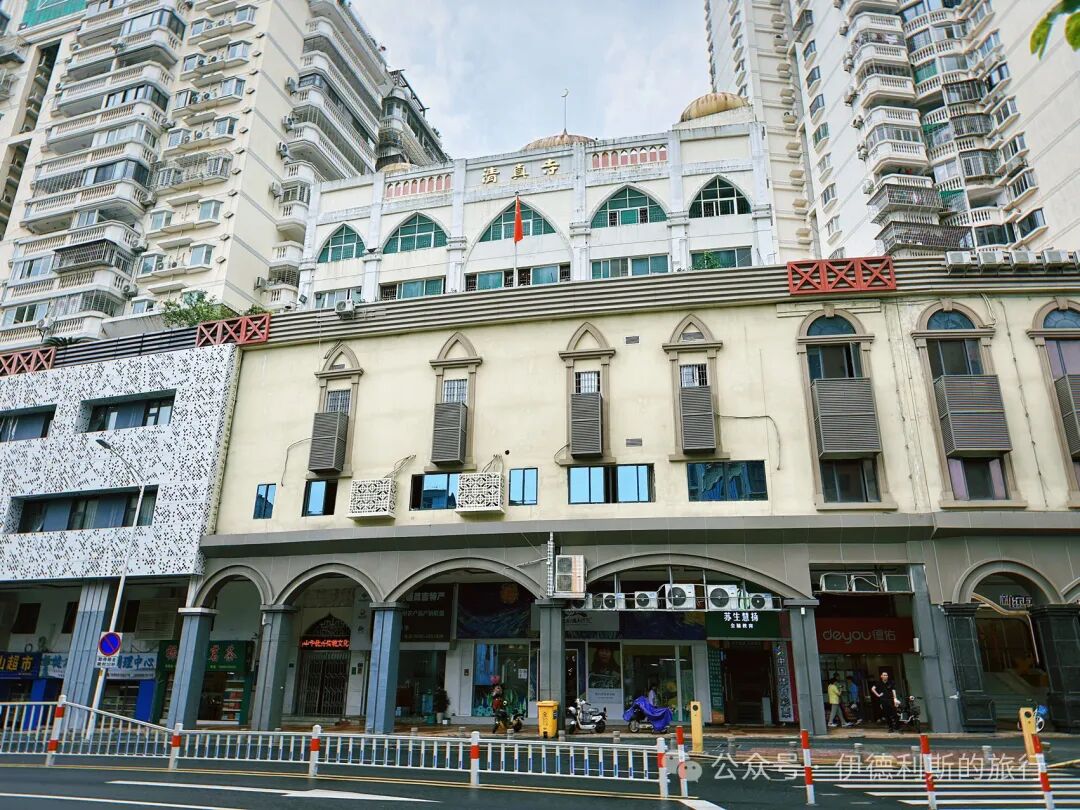
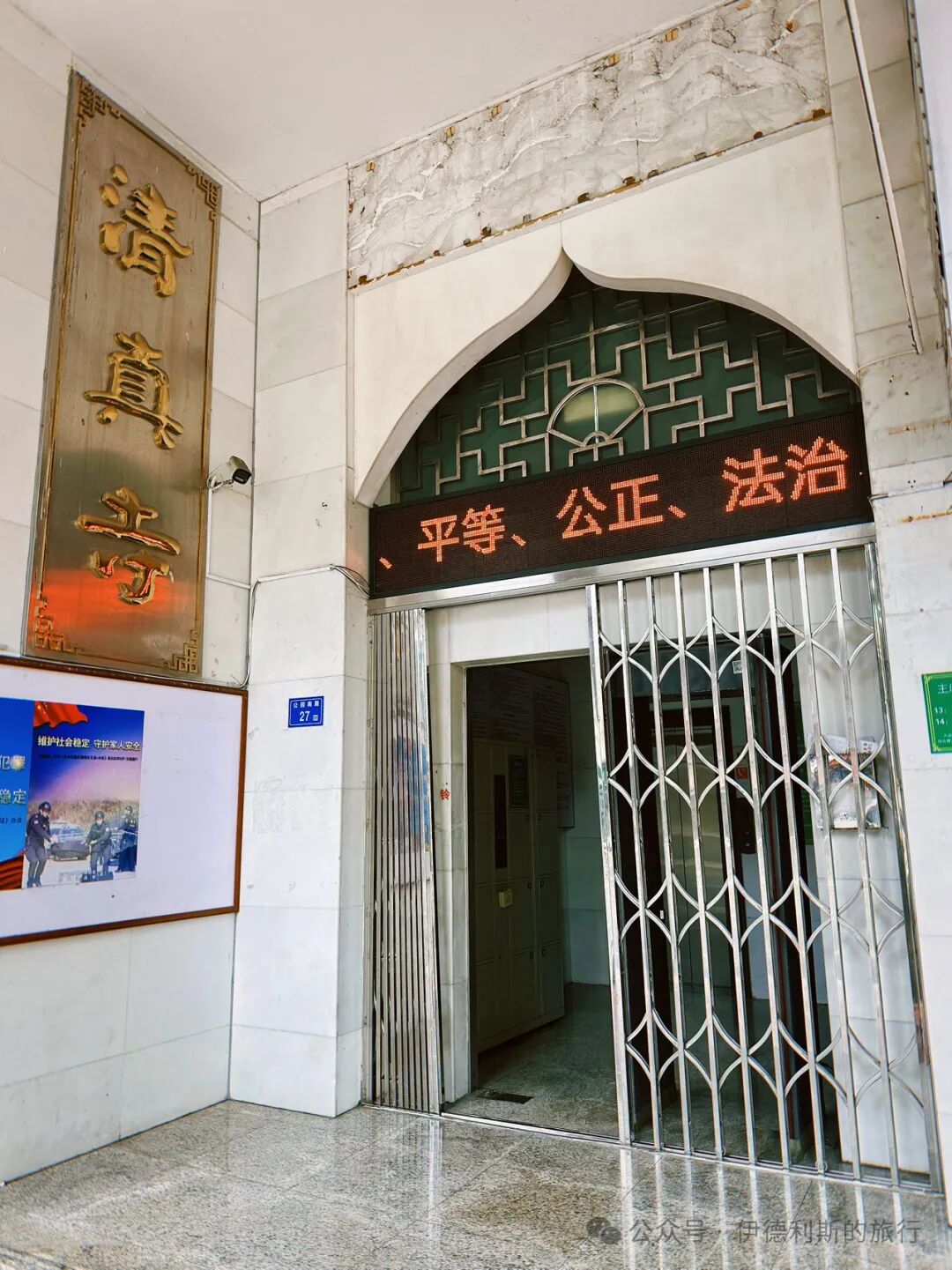
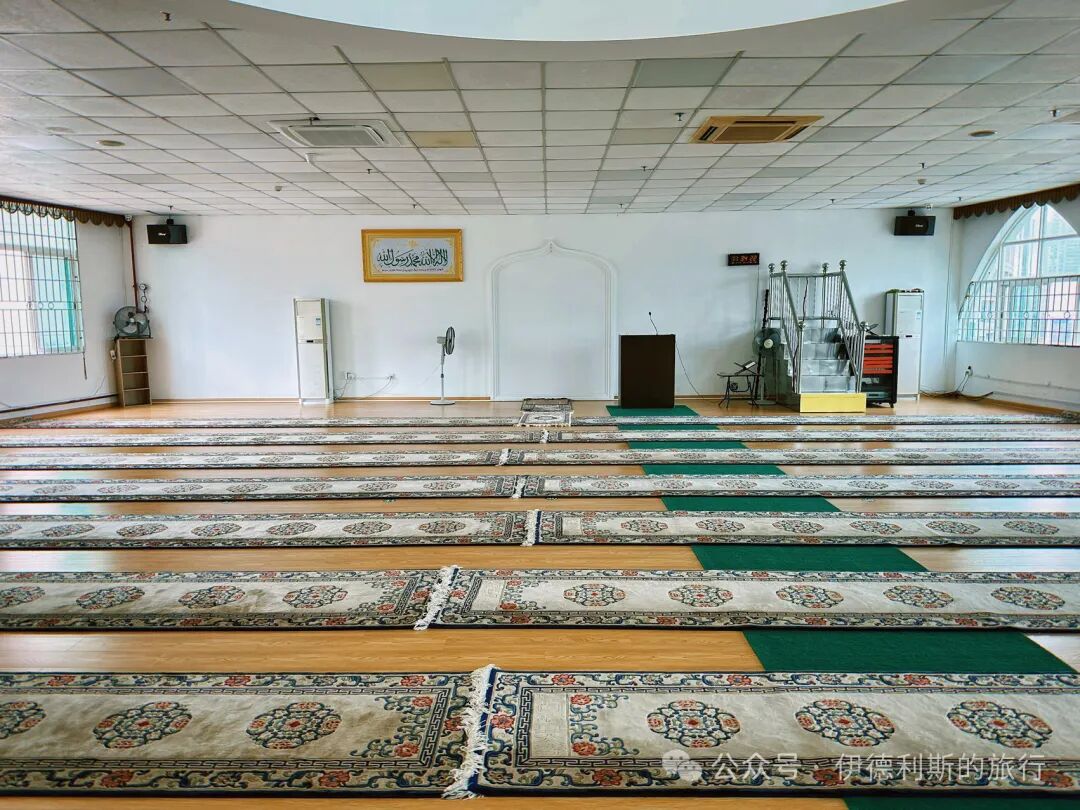
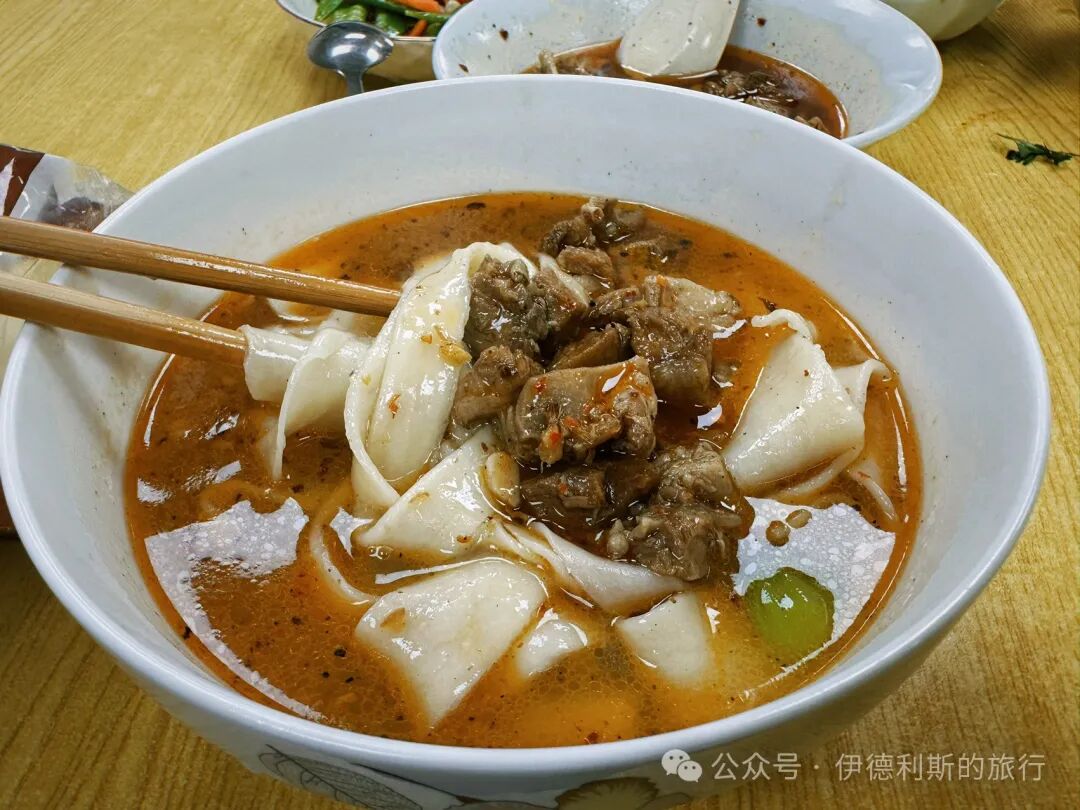
Xiamen Mosque was first built in 1823 (the third year of the Daoguang reign). The front building was expanded during the Tongzhi reign, rebuilt in 1924, moved and rebuilt in 1993 due to urban renewal, and finished as the current six-story building in 2002. The Xiamen Mosque currently houses two stone tablets from 1902 (the 28th year of the Guangxu reign) and 1924 (the 13th year of the Republic of China).
The Guangxu tablet records that Xiamen Mosque was built with donations initiated by the Zhejiang Provincial Commander Yang during the Daoguang reign, expanded with donations from the Xiamen Defense Commander Ma during the Tongzhi reign, and in the 22nd year of the Guangxu reign, Commander Yang again initiated donations to purchase four houses as mosque property. Yang Qizhen (1836–1903) was a Hui Muslim from Laishanji, Huainan, Anhui. He was a famous coastal defense general in the late Qing Dynasty and once heavily damaged the French fleet during the Sino-French naval war. In 1892 (the 18th year of the Guangxu reign), Yang Qizhen became the Admiral of the Fujian Navy. He built the Huli Mountain Fortress on Xiamen Island and donated money to buy property for the Xiamen mosque.
A Republic of China era stone tablet records that Tang Kesan came to Xiamen to supervise the customs and encouraged fundraising to revitalize the faith. Later, Ma Lixian, Chang Fumian, and Ma Liangji traveled to Shanghai, Nanjing, and Southeast Asia to raise funds. They repaired the Xiamen mosque and the Qingjing mosque in Quanzhou, and bought two houses in Xiamen city as mosque property. Tang Kesan was a famous Hui Muslim social activist and educator during the Republic of China. He founded the Chengda Teachers College in 1925 and served as its president. In 1938, he founded the China Islamic National Salvation Association and led the Hui Muslim movement to resist Japan and save the country. Tang Kesan served as the Xiamen Customs Superintendent in 1919. During his time in office, he made great contributions to the restoration of the faith in Xiamen and Quanzhou.
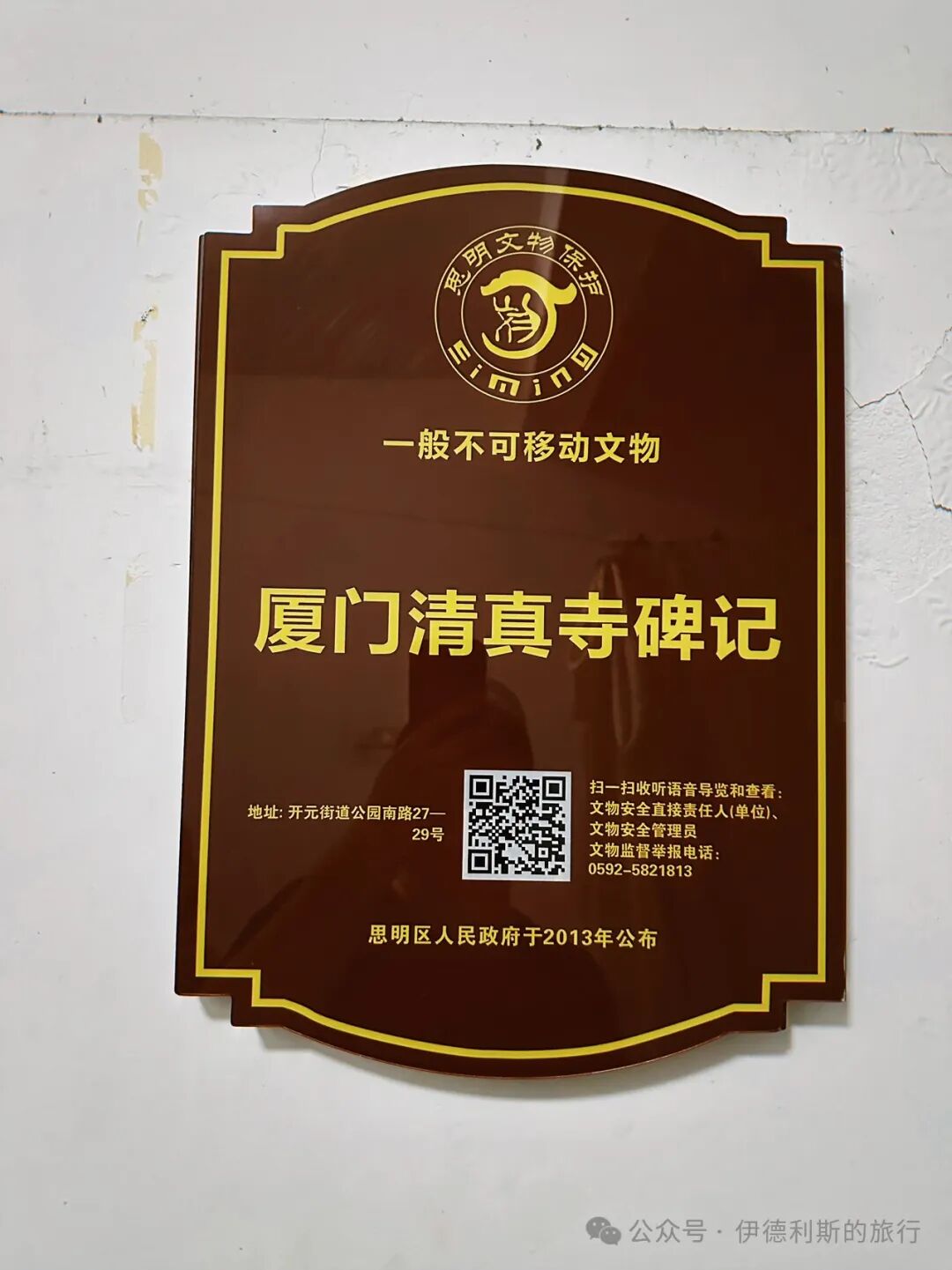
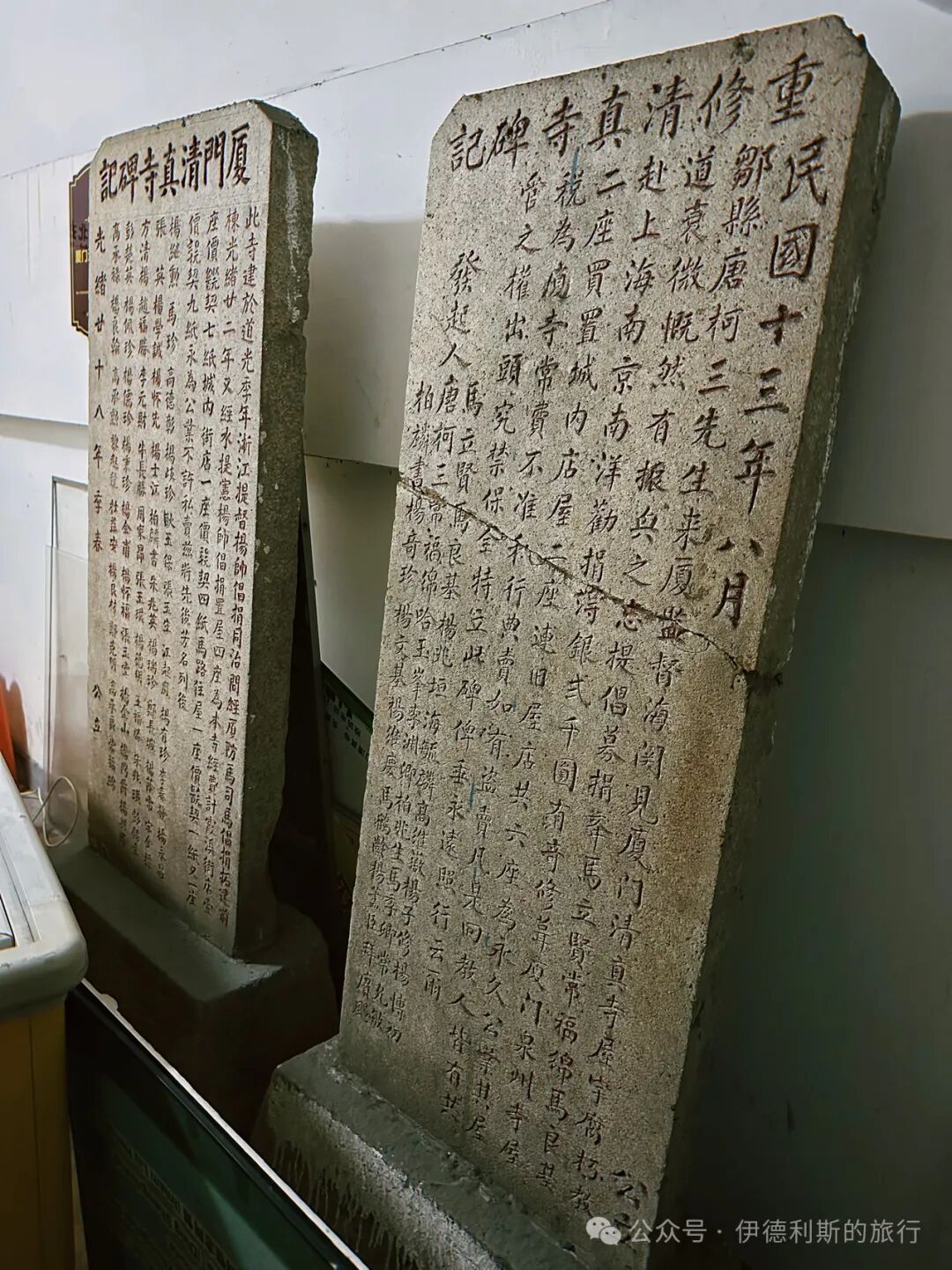
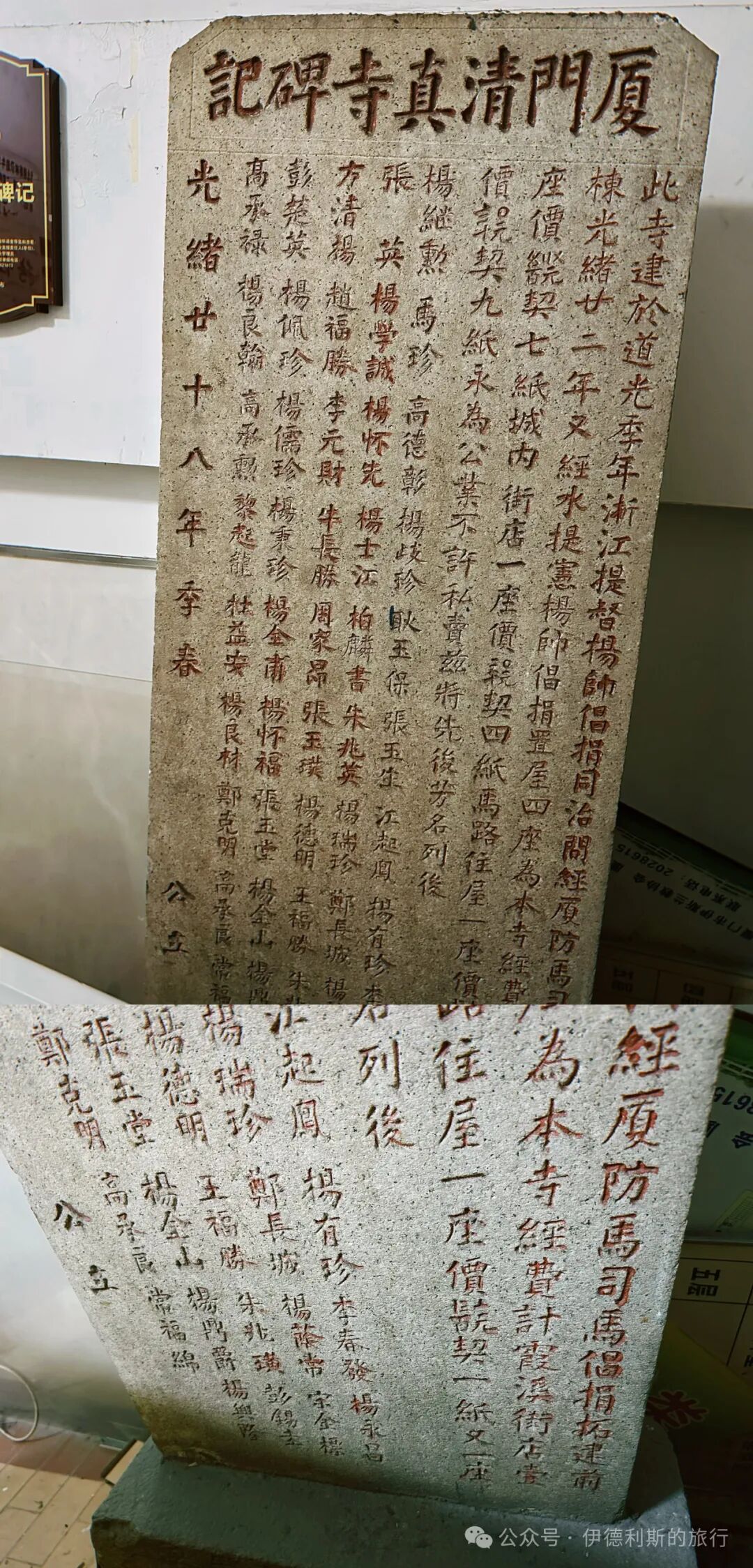
The seaside boardwalk and the arcade-style old streets of Xiamen.
Have dinner at the main branch of Ma'erlong in the evening. I was surprised to find pearl meatballs (zhenzhu wanzi) and mung bean jelly (menzi) here. This is my first time seeing these in a Xinjiang restaurant in mainland China. Both are classic banquet dishes for Hui Muslims in Xinjiang, and Uyghur chefs usually do not make them.
We ordered stir-fried lamb head meat and thin-skinned steamed buns (baopi baozi), and we also got some baked flatbread (naan) to go. These dishes were very authentic. The stir-fried lamb head meat tasted exactly like what you get in Hui Muslim restaurants in Urumqi. The filling in the thin-skinned steamed buns was perfect, and the bottom skin was very thin. It must have been made by a Uyghur chef, though the skin on the pleats was a bit thick and had a hard center. The freshly baked flatbread from the Uyghur chef was full of wheat flavor. We ordered one to take away, but we couldn't help eating it all, so we ordered another one to go.
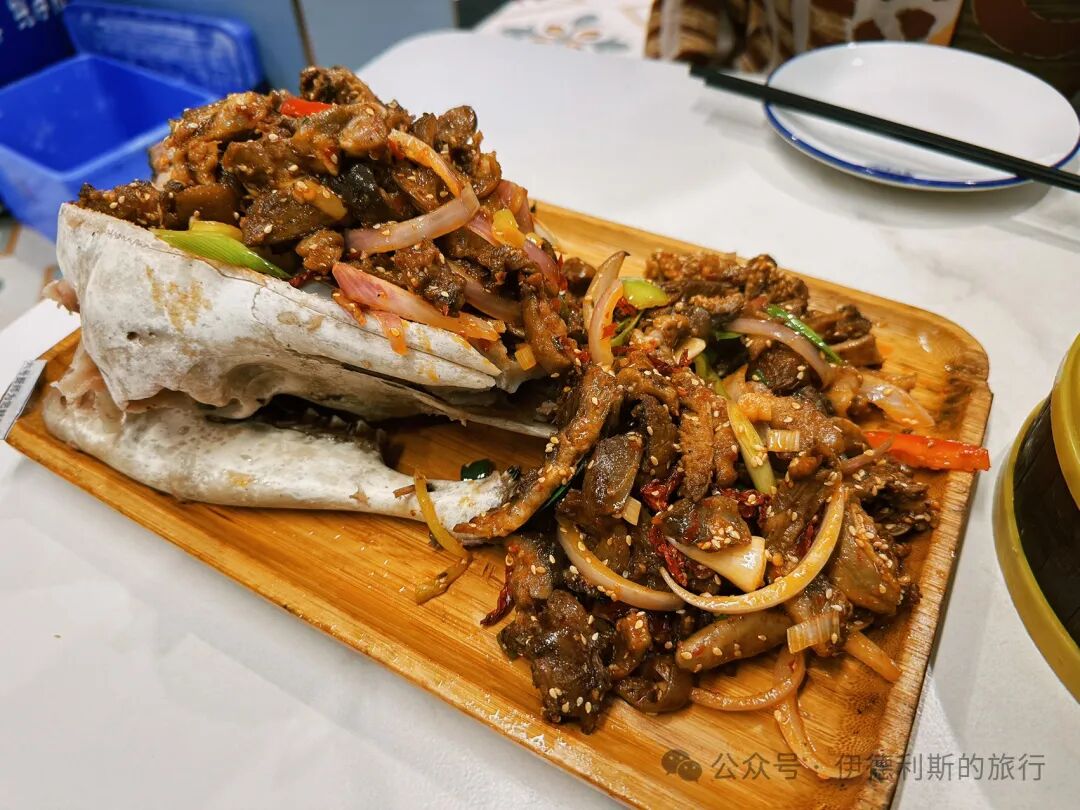
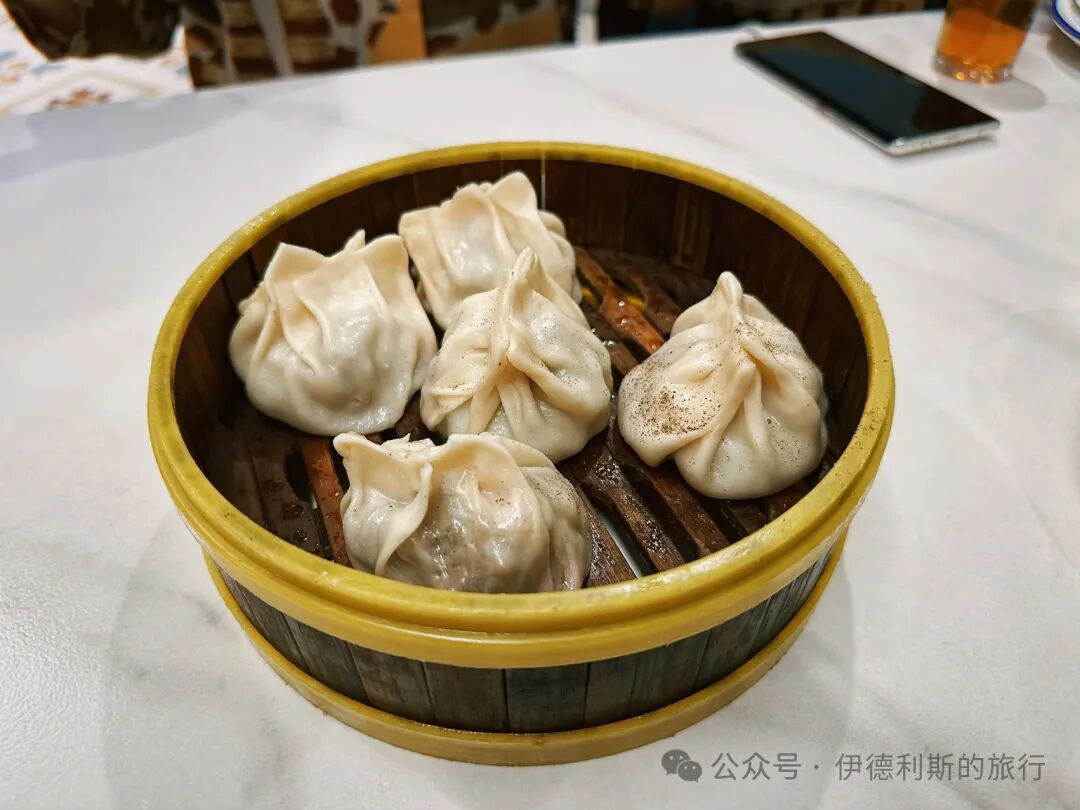
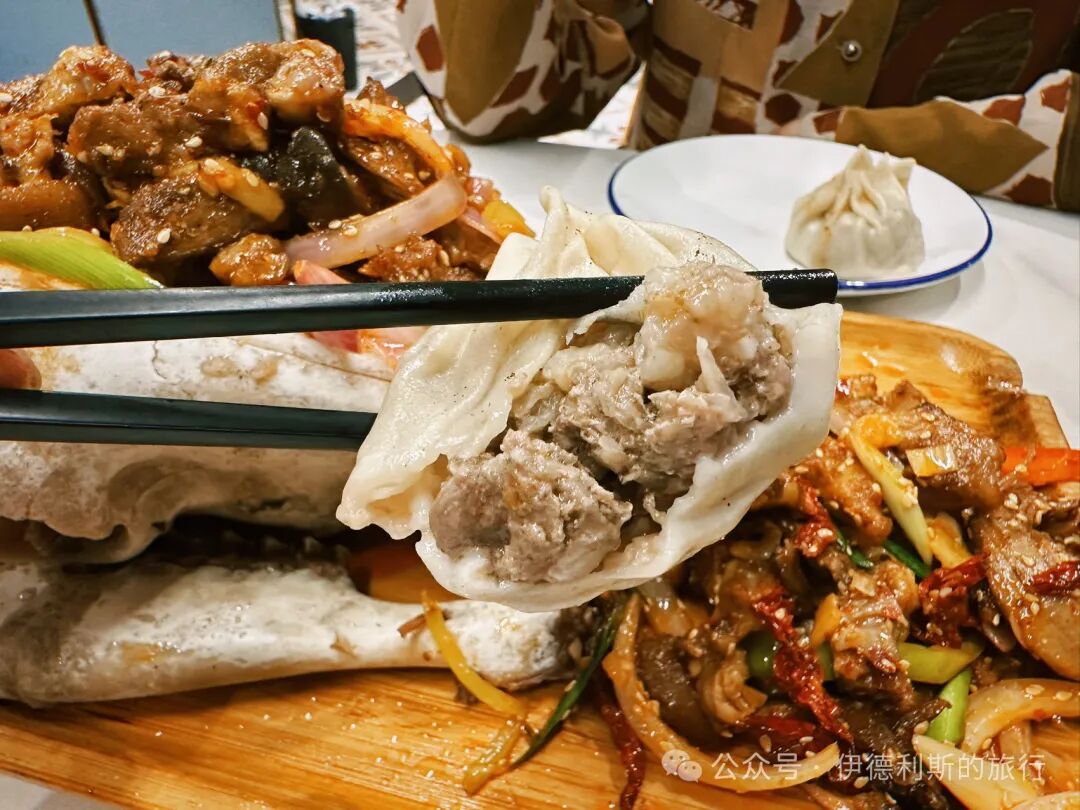
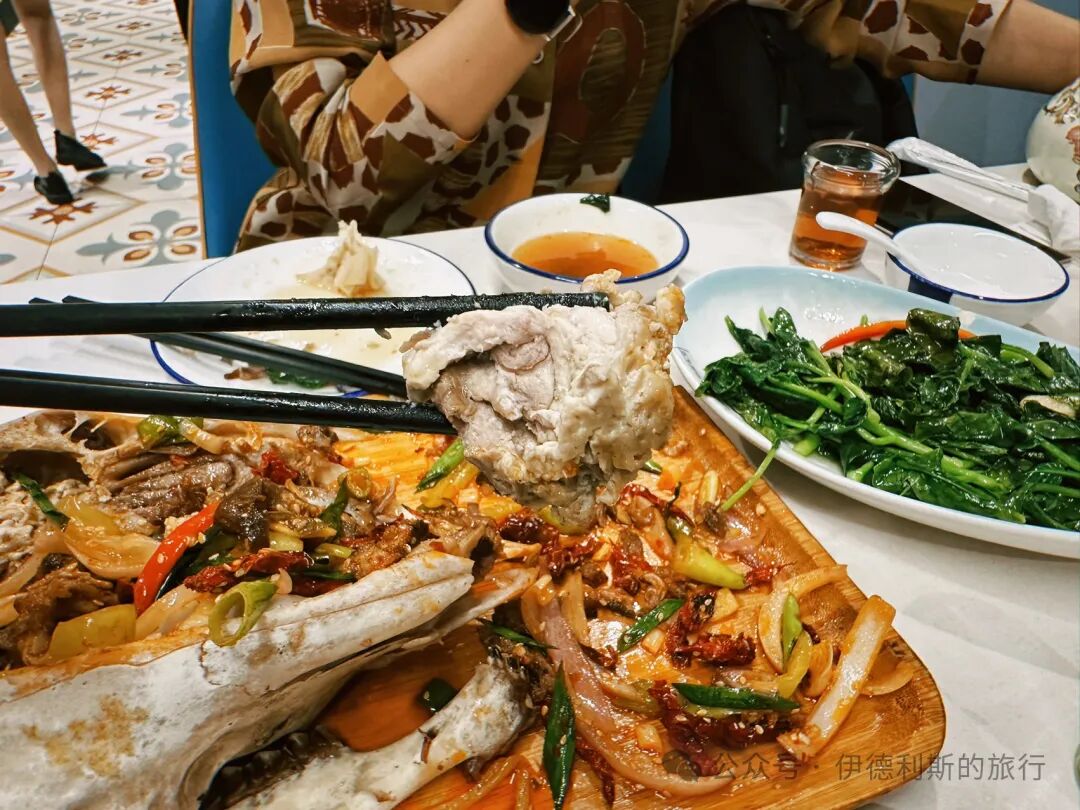
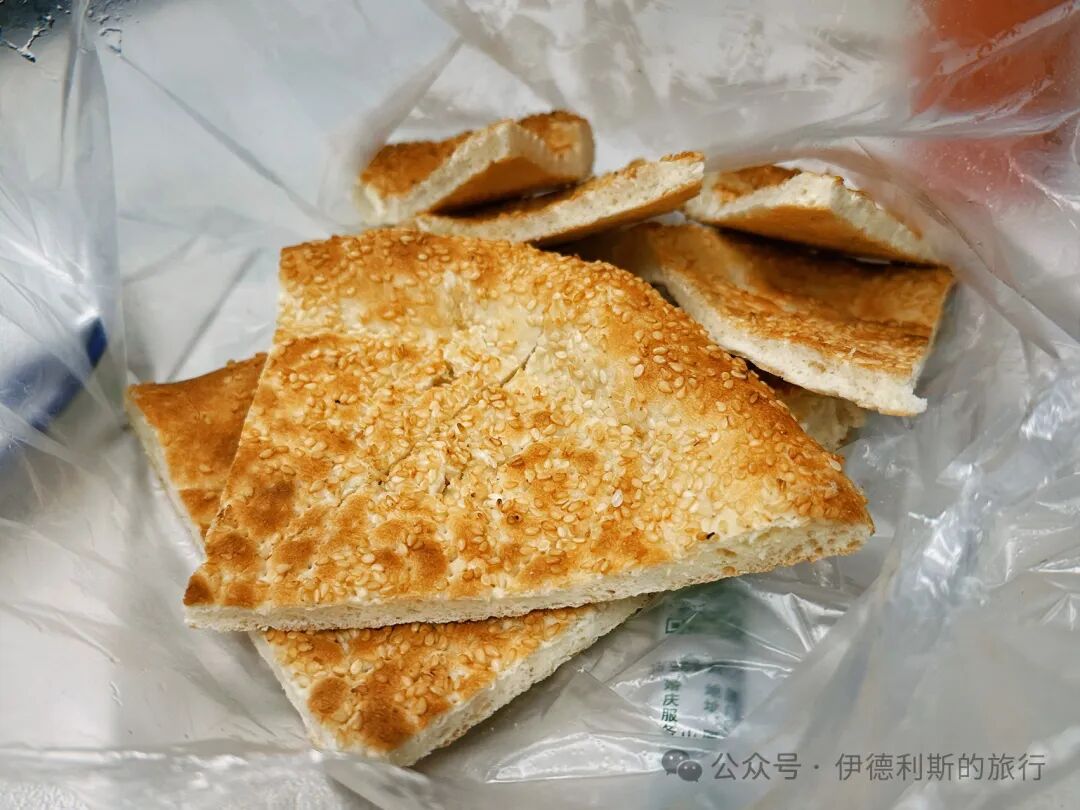
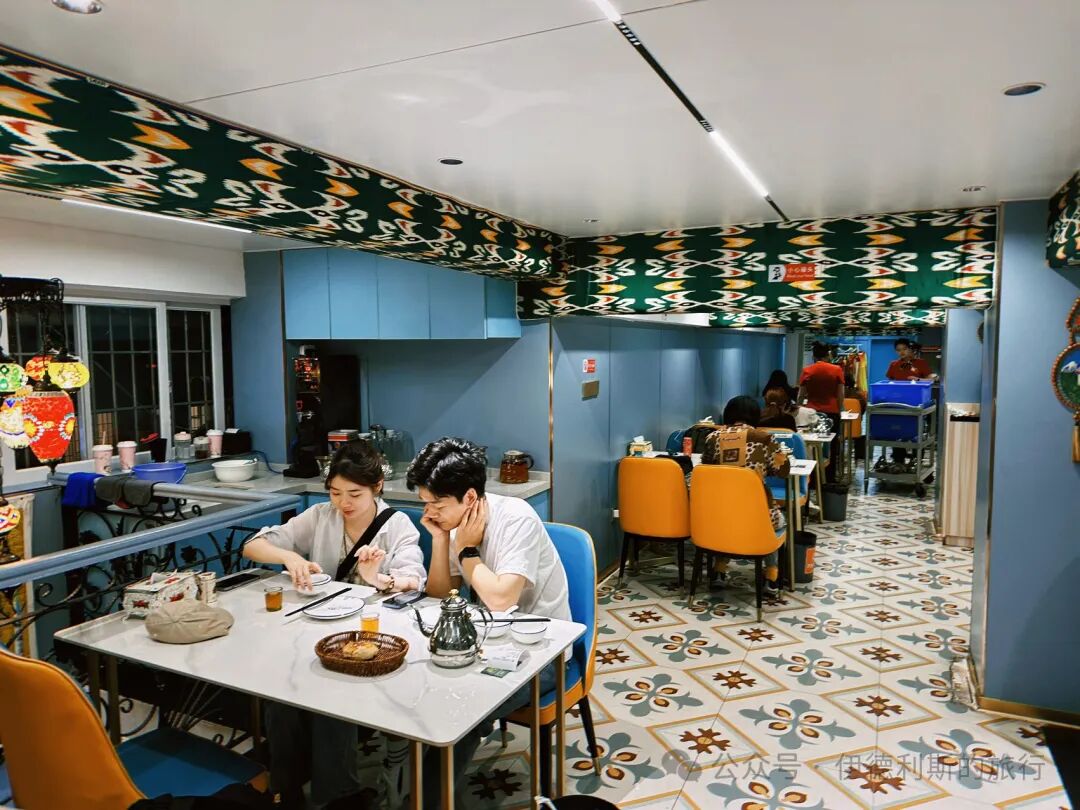
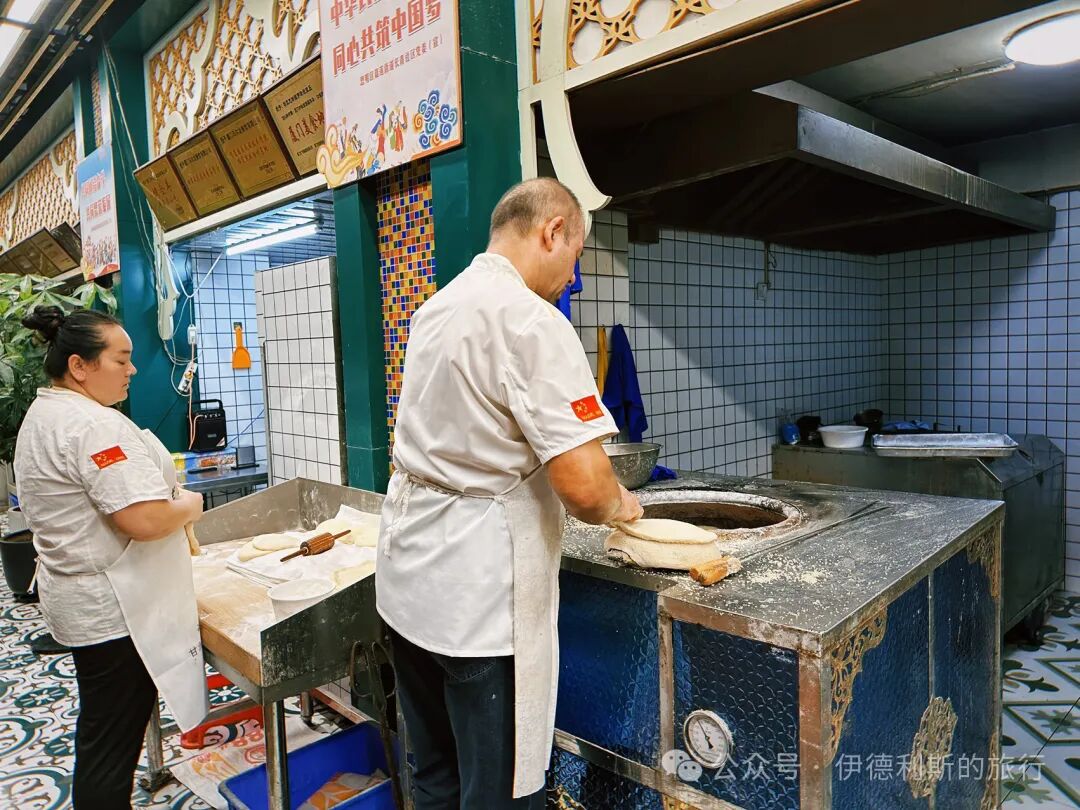
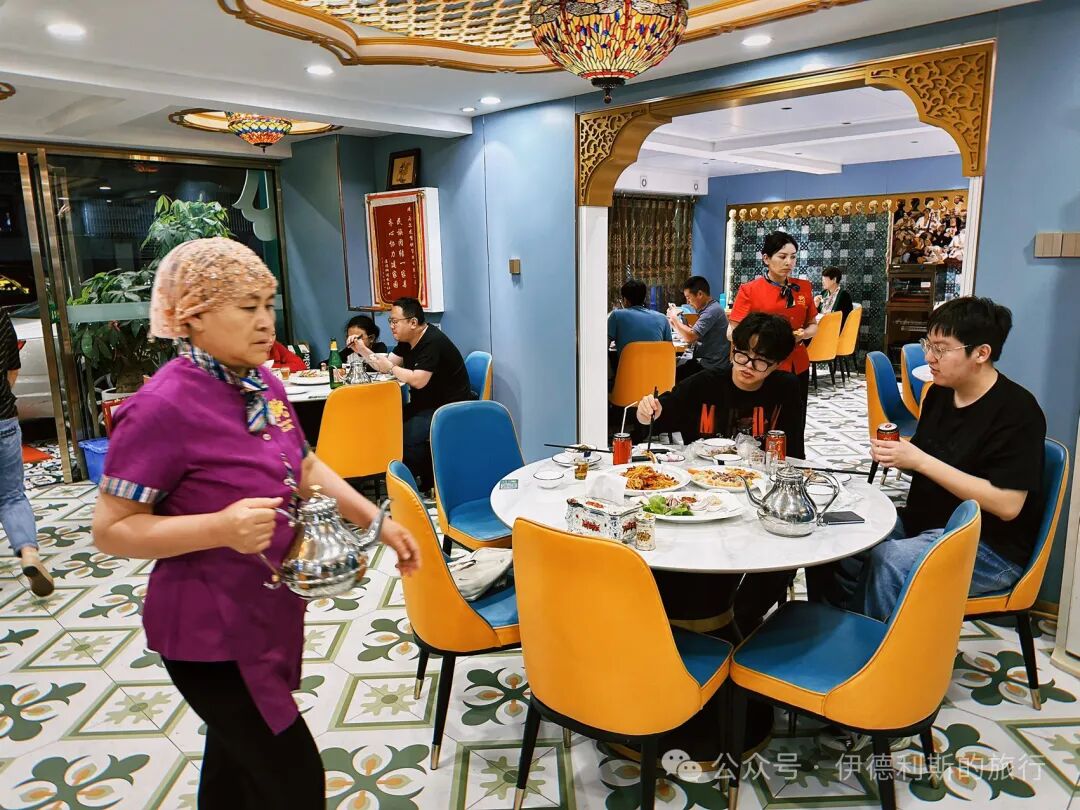
Halal Food Guide: Urumqi — Home-Style Peppercorn Chicken and Xinjiang Flavor
Articles • ali2007fr posted the article • 0 comments • 167 views • 2026-05-19 03:00
Summary: Urumqi home-style peppercorn chicken is a Xinjiang halal dish built around chicken, peppercorn aroma, and everyday family cooking. This short food note keeps the original recipe-style details and photos while presenting them in clear English.
My parents-in-law came to Beijing this weekend to visit Suleiman and made us spicy numbing chicken (jiaomaji). I want to share how Hui Muslims in Urumqi make this home-style dish, which is different from what you buy in restaurants:
1. Buy a small free-range chicken weighing about 1.5 kilograms. Wash it, chop it in half, remove the tail and the tips of the claws, and clean the neck, gizzard, and liver.
2. Put the chicken in a pressure cooker, add enough water to cover it, then add a few red chili peppers, a large handful of Sichuan peppercorns, some salt, a few bay leaves, a little cinnamon, and a few ginger slices. Stew for 15 minutes.
3. Take the chicken out, put it in a basin to cool, shred it by hand, and spread a chopped green onion over the top.
4. Heat oil in a pan. Once hot, turn off the heat and add seven chopped dried chili peppers (lapizi), four spoonfuls of Sichuan peppercorns, four spoonfuls of salt, and half a spoonful of white pepper. Stir well.
5. Pour three tablespoons of chicken broth into the chili oil, then pour the mixture over the chicken in the basin. Mix well, cover with a lid, and let it sit for a while before eating.
6. Pull a large plate of wide belt noodles (pidaimian) and put them into the basin with the spicy numbing chicken. The noodles soak up the sauce and taste amazing.
I will also share how to make the belt noodles:
Put a bowl of flour into a mixing bowl, sprinkle in half a small spoonful of salt, and add a little water. Use your fingers to stir the flour and water until it forms small, crumbly bits.
Gather the crumbly bits into a ball, adding a little water at a time to the remaining dry flour until all the bits are incorporated into one dough ball.
Knead the dough until the surface is smooth, then cover it with the mixing bowl and let it rest for 10 minutes. Repeat the resting process 2 to 3 times, then roll the dough into a large round sheet about 1 centimeter thick. Brush both sides with raw oil and cover it with the bowl again; the dough is now ready.
If you are not eating it right away, cover the dough with plastic wrap. view all
Summary: Urumqi home-style peppercorn chicken is a Xinjiang halal dish built around chicken, peppercorn aroma, and everyday family cooking. This short food note keeps the original recipe-style details and photos while presenting them in clear English.
My parents-in-law came to Beijing this weekend to visit Suleiman and made us spicy numbing chicken (jiaomaji). I want to share how Hui Muslims in Urumqi make this home-style dish, which is different from what you buy in restaurants:
1. Buy a small free-range chicken weighing about 1.5 kilograms. Wash it, chop it in half, remove the tail and the tips of the claws, and clean the neck, gizzard, and liver.
2. Put the chicken in a pressure cooker, add enough water to cover it, then add a few red chili peppers, a large handful of Sichuan peppercorns, some salt, a few bay leaves, a little cinnamon, and a few ginger slices. Stew for 15 minutes.
3. Take the chicken out, put it in a basin to cool, shred it by hand, and spread a chopped green onion over the top.
4. Heat oil in a pan. Once hot, turn off the heat and add seven chopped dried chili peppers (lapizi), four spoonfuls of Sichuan peppercorns, four spoonfuls of salt, and half a spoonful of white pepper. Stir well.
5. Pour three tablespoons of chicken broth into the chili oil, then pour the mixture over the chicken in the basin. Mix well, cover with a lid, and let it sit for a while before eating.
6. Pull a large plate of wide belt noodles (pidaimian) and put them into the basin with the spicy numbing chicken. The noodles soak up the sauce and taste amazing.
I will also share how to make the belt noodles:
Put a bowl of flour into a mixing bowl, sprinkle in half a small spoonful of salt, and add a little water. Use your fingers to stir the flour and water until it forms small, crumbly bits.
Gather the crumbly bits into a ball, adding a little water at a time to the remaining dry flour until all the bits are incorporated into one dough ball.
Knead the dough until the surface is smooth, then cover it with the mixing bowl and let it rest for 10 minutes. Repeat the resting process 2 to 3 times, then roll the dough into a large round sheet about 1 centimeter thick. Brush both sides with raw oil and cover it with the bowl again; the dough is now ready.
If you are not eating it right away, cover the dough with plastic wrap.
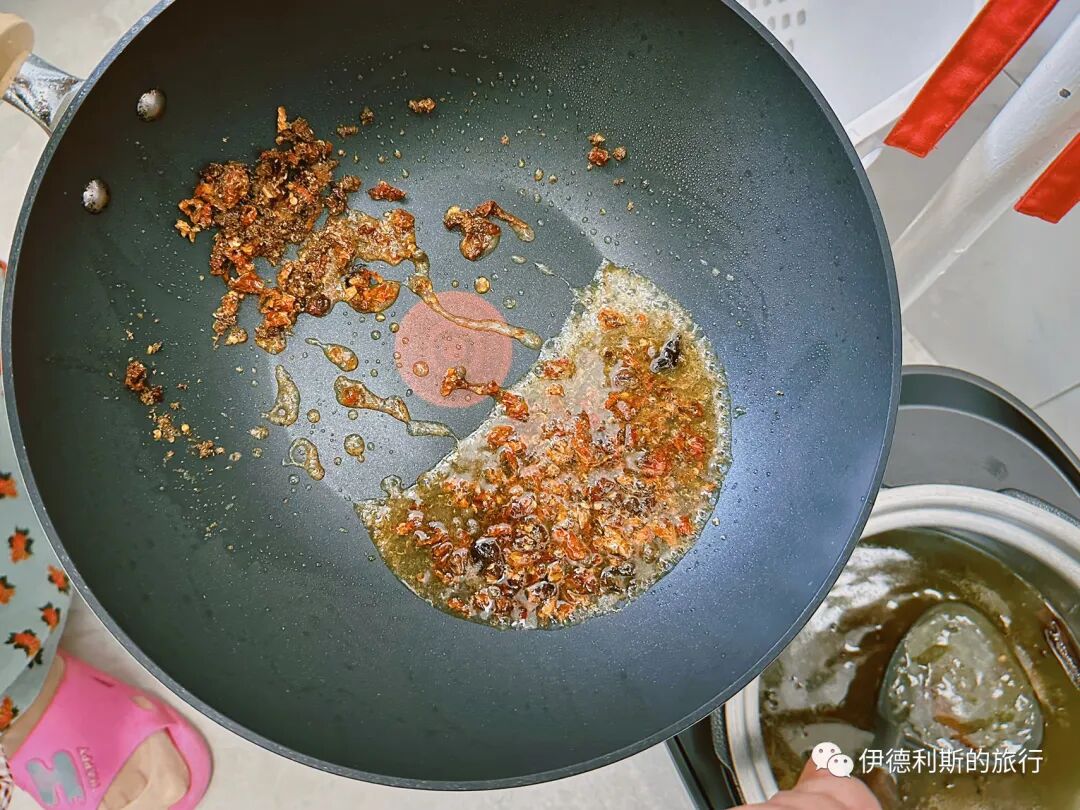
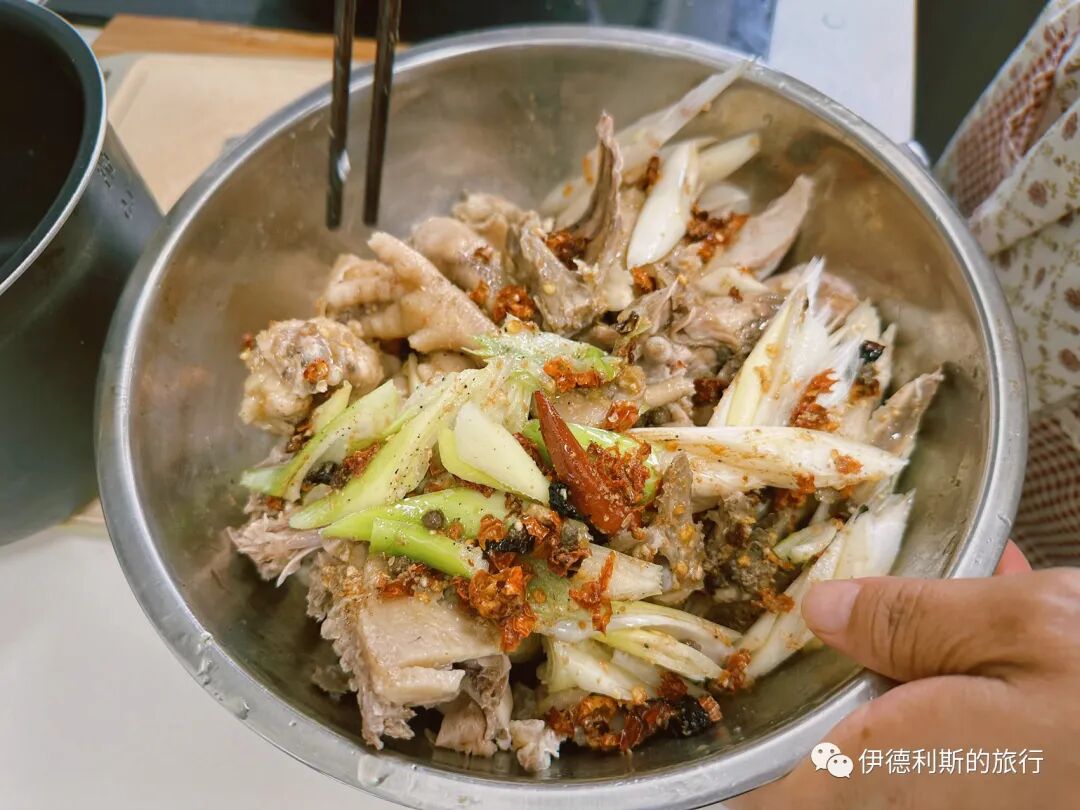
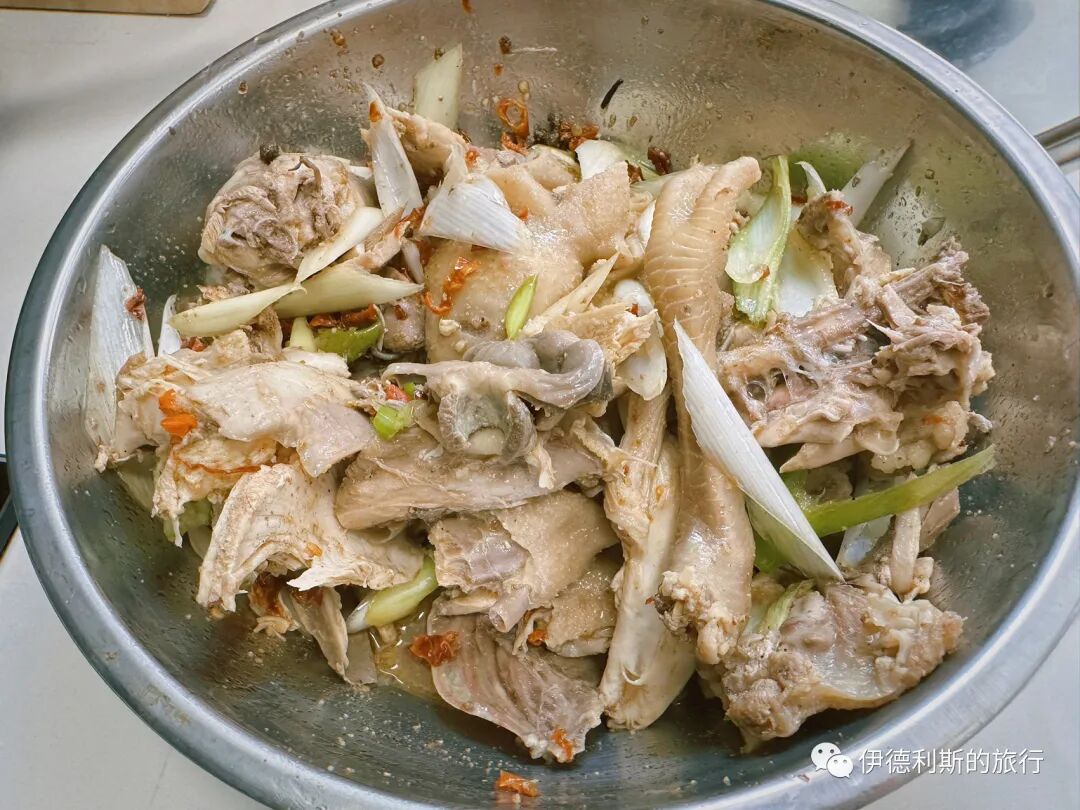
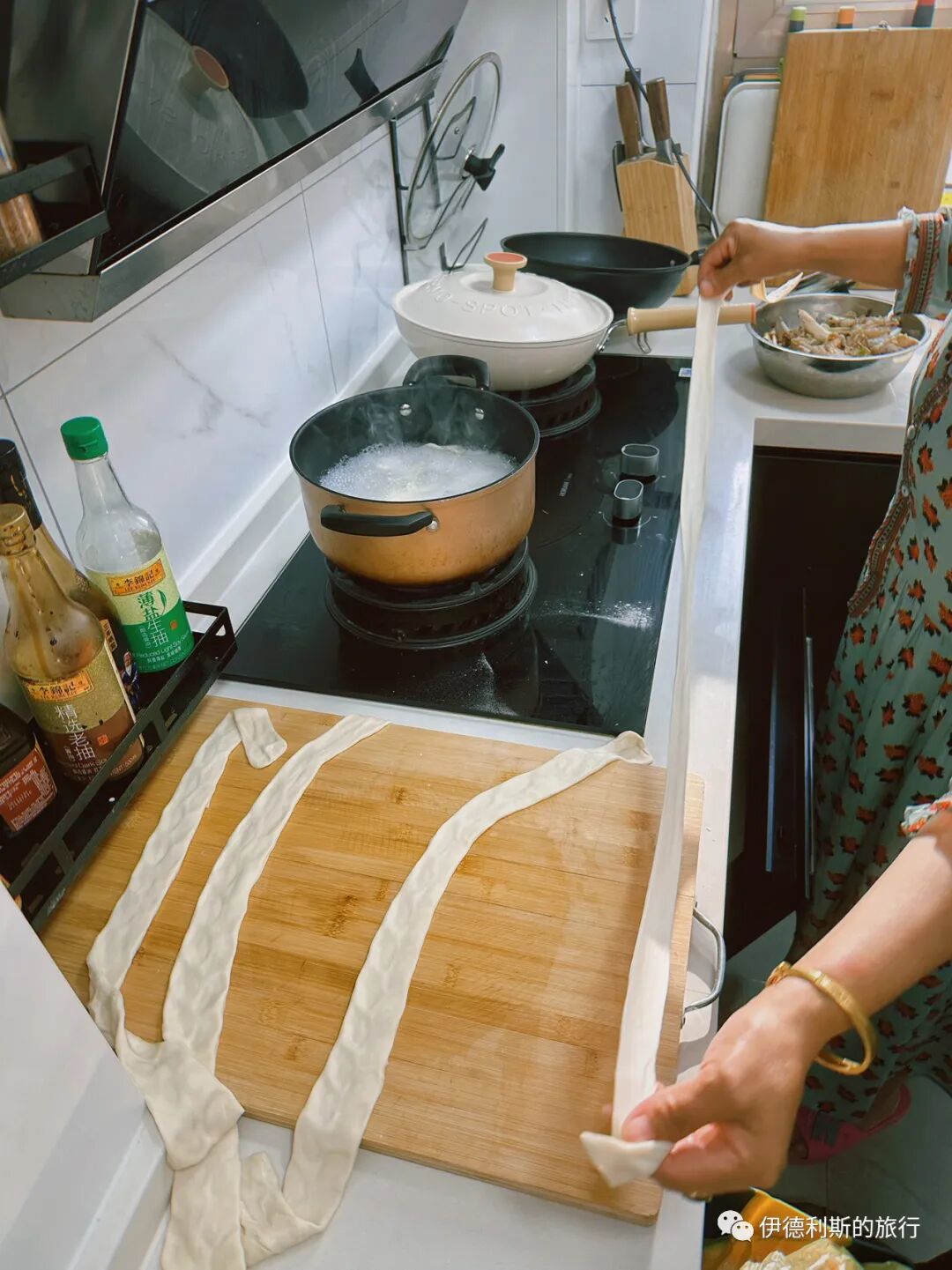
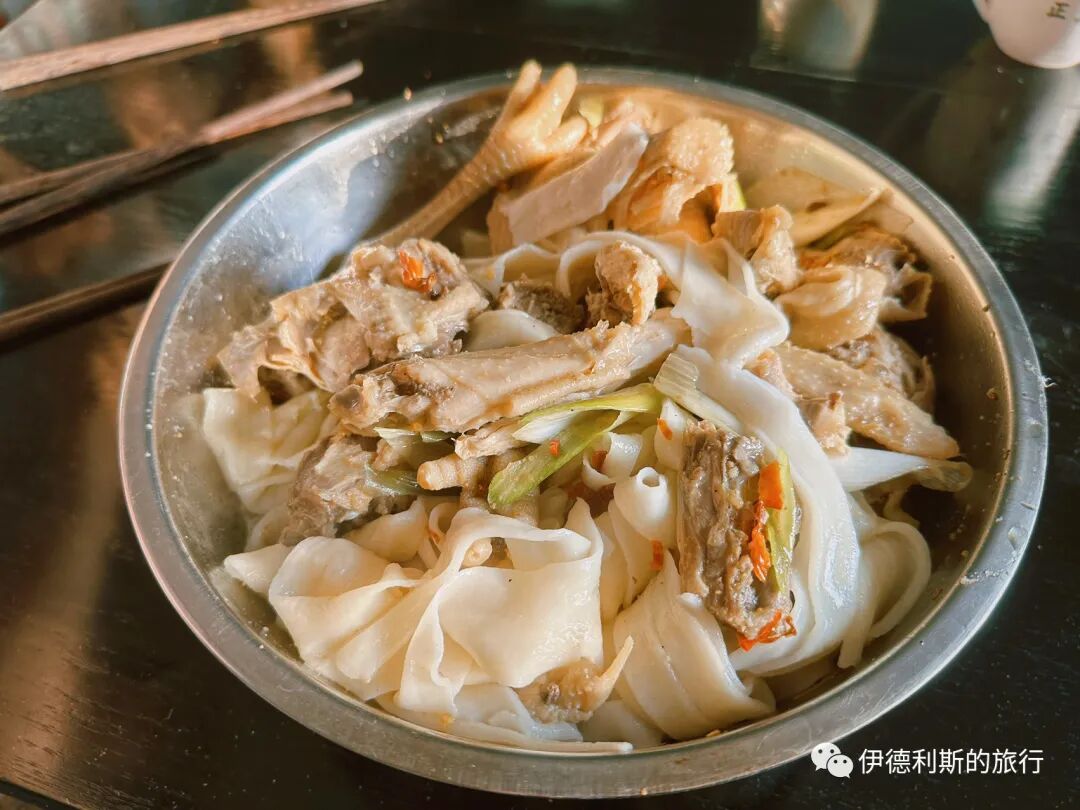
Xinjiang Home Cooking Guide: Zainab’s Halal Recipes and Uyghur Food
Articles • ali2007fr posted the article • 0 comments • 146 views • 2026-05-18 01:36
Summary: Xinjiang Home Cooking Guide: Zainab’s Halal Recipes and Uyghur Food is presented here as a firsthand travel account in clear English, beginning with this scene: Author: Zainab. The account keeps its focus on Xinjiang Food, Halal Recipes, Uyghur Food while preserving the names, places, food, and historical details from the Chinese source.
Author: Zainab
As a girl from Urumqi, I often cook Xinjiang home-style dishes. I have put together some simple recipes to share with everyone.
1. Hand-pulled noodles (latiaozi)
2. Lamb chop pilaf (yangpai zhuafan)
3. Minced meat pilaf (suirou zhuafan)
4. Uzbek black pilaf (Uzbek hei zhuafan)
5. Braised lamb bone (hongshao yangbanggu)
6. Braised beef steak (hongshao niupai)
7. Big plate chicken (dapanji)
8. Ashura bean rice (Ashura doudoufan)
9. Awakening of Insects oil tea egg (Jingzhe youcha dan)
10. Starch noodle soup (fentang)
11. Fried starch jelly (zhamenzi)
12. Soup noodles (tangfan)
13. Stir-fried barbecue meat (chao kaorou)
1. Hand-pulled noodles (latiaozi)
1. Preparation: One and a half bowls of flour (for three plates of noodles), half a small spoonful of salt, one bowl of water, a large mixing bowl, a large cutting board, and a rolling pin.
2. Start:
(1) Sprinkle: Put the flour into the mixing bowl and sprinkle in the salt.
(2) Swirl: Pour in a little water and use your fingers to swirl the flour that has touched the water until it forms small, loose crumbles.
(3) Gather: Gradually gather the crumbles into a ball. Swirling and gathering happen at the same time until all the crumbles are part of one single dough ball.
(4) Press: Take the dough out of the bowl. Use the heel of your right hand to press forward, pushing the dough against the board while your left hand guides the direction as the dough rolls forward.
(5) Rest: After about 10 presses, the surface should be smooth. Cover the dough with the mixing bowl and let it rest for 10 minutes.
(6) Knead: Repeat the action from step (4) but don't press as hard, or the surface of the dough might break and lose its smoothness. Then repeat step (5).
(7) Rolling: Repeat step (6) two or three times, then roll the dough into a large round flatbread about 1cm thick. Brush it with raw oil, cover it with a basin, and you can go cook your stir-fry.
(8) Cutting, pulling, and stretching: When the stir-fry is almost ready, find a pot for the noodles and boil water. Meanwhile, cut the dough into strips about 1cm wide. Start from one side and pull them forward bit by bit. Once the diameter is halved, fold the noodles once or twice. Use both hands to stretch and slap them against the cutting board to make the noodles thinner and chewier.
(9) Boiling: Drop them into the pot, cook for a while, and take them out. If you are making mixed noodles, rinse them in cold water. If you are serving them with big plate chicken (dapanji), you do not need cold water; just scoop them out and put them directly into the big plate chicken.
2. Lamb chop pilaf (yangpai zhuafan)
I tried an innovative way to make lamb chop pilaf (zhua fan) to save time and make the meat tender.
1. Pressure cook the lamb chops for 10 minutes (I used the rice cooking mode for 10 minutes).
2. Heat oil in a wok (use plenty of oil, about 3-4 times the amount for regular stir-fry). Add onion slices, salt (make it slightly salty), and sugar. Then add half of the carrot strips. Once the carrots shrink, add the pressure-cooked lamb chops and stir for a while.
3. In the pressure cooker, layer from bottom to top: raw carrot strips, rice, and the stir-fried meat and oil mixture. Use the rice cooking mode.
3. Minced meat pilaf (suirou zhuafan)
1. Preparation: Cut the boneless meat into pieces, cut carrots (2) into strips, cut onion (half) into chunks, wash and soak the rice (3/4 bowl for two people), and prepare salt, cumin, and sugar.
2. Start: Heat the oil, add the onion chunks, and stir-fry the meat. Add two spoons of salt and one spoon of cumin until the meat is dry. Add half of the carrot strips (I like to add a little sugar) and stir until they shrink. Pour the other half of the carrot strips, the rice, and the stir-fried meat and oil into the rice cooker. Add water (rice:water and oil = 1:1) and sugar (to make the pilaf shiny), then just steam the rice.
4. Uzbek black pilaf (Uzbek hei zhuafan)
I once made Uzbek black pilaf while working from home during the pandemic. Master Wang said he wanted to eat it, so I tried making it again, though I was a bit rusty:
1. Wash a bowl of rice and let it soak.
2. Heat the oil, add the onion chunks and a whole head of garlic. Once you smell the garlic, take it out and set it aside.
3. Continue to fry the onions until they are dry and dark brown. Stir-fry the meat, then add two spoons of salt and one spoon of cumin.
4. Once the meat is dry, add the carrot strips and stir until they shrink. Pour the stir-fried meat and oil into the rice cooker, add the rice and water (rice:water and oil = 1:1), sprinkle a little more cumin, and place the whole head of garlic you fried earlier on top. Use the rice steaming mode. *Note: Do not use too much oil, or the rice will be undercooked. That happened this time, so I poured out some oil, added half a bowl of water, and ran the rice steaming mode again to get it right.
5. Braised lamb bone (hongshao yangbanggu)
1. Wash 5-6 lamb bone marrow bones and ginger slices. Put them in a pot with half a bowl of water and boil over high heat. Keep stirring and add a spoon of salt during the process until the water boils away.
2. Add a quarter tablespoon of soy sauce and stir well.
3. Add water until the bones are covered. Once it boils, turn to low heat and simmer. Stir occasionally. After about an hour, the water should be boiled away.
6. Braised beef steak (hongshao niupai)
First, blanch the beef ribs. Once they turn white, take them out. Heat oil, add the meat, ginger, a little cinnamon, star anise, and bean paste (doubanjiang). Stir-fry for a while, then add fresh chili peppers. Once the meat has dried out, put it in a pressure cooker and stew for 25 minutes.
7. Big plate chicken (dapanji)
1. Preparation: half a chicken (use a layer hen or free-range chicken (chaiji) for a pressure cooker, or a Sanhuang chicken or broiler for a wok; we used a free-range chicken this time), 2 potatoes cut into chunks, 1 green onion cut into diagonal slices, 10 whole dried chili peppers (lapi-zi), 4 cloves of garlic sliced, sliced ginger, 2 small spoons of salt, 2 small spoons of Sichuan peppercorn powder, 2 small spoons of pepper powder, 1 small bag of tomato paste, 1 spoon of bean paste (doubanjiang), half a spoon of soy sauce, and vinegar.
2. Start: Use plenty of oil. Add the chicken pieces, dried chili peppers, and ginger slices to the wok. Add salt, Sichuan peppercorn powder, pepper powder, tomato paste, a little bit of the green onion and garlic, and the bean paste. Stir-fry until the blood has dried out from the chicken, then add soy sauce and turn off the heat.
3a. If using a layer hen or free-range chicken, use an electric pressure cooker. Add the stir-fried chicken and water (about 4 cooking spoons of water, do not cover the chicken). Place the potato chunks on top. Pressure cook for 15 minutes, then open the lid. Take out the potatoes first, add the remaining green onion and garlic, add a drop of vinegar, stir, and serve.
3b. If using a Sanhuang chicken or broiler, add all the green onion, garlic, water, and potato chunks when adding seasonings in the wok. Cook until the potatoes are soft, add a drop of vinegar, and serve.
8. Ashura bean rice (Ashura doudoufan)
On the 10th day of the first month of the Islamic calendar, Ashura, Hui Muslims have a tradition of making a mixed grain porridge. This commemorates the legend that Prophet Nuh's (Noah) ark docked on Ashura, and he gathered the remaining grains in the cabin to make porridge.
Hui Muslims in different places make Ashura porridge in different ways. In Urumqi, it is also called Ashura bean rice.
When making it, prepare at least 7 types of beans. We prepared 11. Use an electric pressure cooker to cook the beans until soft, then take them out and put them in a wok to stir with rice and glutinous rice. Then, put everything into the electric pressure cooker. Next, stir-fry diced lamb, add salt and Sichuan peppercorns, then add chopped green onion to make it fragrant. Put it all into the pressure cooker and add water until it covers the ingredients by one and a half finger-widths. After cooking and serving, the aroma of the beans mixes with the aroma of the meat. It is both a seasonal delicacy and very meaningful.
We made a simplified version. The truly traditional way is to soak the beans for two days beforehand. When cooking, you don't use a pressure cooker but keep stirring in a wok, which requires a lot of experience.
9. Awakening of Insects oil tea egg (Jingzhe youcha dan)
Before I was 18, as long as I was home during the Awakening of Insects (Jingzhe) solar term, breakfast would always be Jingzhe soup (oil tea egg). You could say it was my first memory of this solar term. I talked to my parents about it a few days ago and revisited the recipe. I didn't have time this morning, so I tried making it tonight and wanted to share it.
(1) Boil an appropriate amount of brick tea (if you don't have it, you can use black tea; today I tried using Pu'er tea).
(2) Beat 2 eggs into a liquid, and add raisins, chopped walnuts, and chopped red dates.
(3) Heat oil in a pot and stir-fry the dried fruits coated in egg liquid.
(4) Pour in the brewed tea and add rock sugar. The older generation would use lamb fat to fry the eggs for their parents' generation. In our generation, it is more common to use vegetable oil to fry the egg liquid coated with green raisins and walnut kernels. Adding a little more rock sugar makes it more popular with children.
10. Starch noodle soup (fentang)
1. First, stir-fry the meat slices, then add garlic, then add green onion, dried chili peppers, and tomatoes (yangshizi), and then add various vegetables. You can choose the vegetables as you like.
2. Add the lamb broth that was stewed and frozen earlier. After the broth melts, add pea flour blocks, then add the large pieces of stewed lamb, and finally add pepper and cilantro to enhance the flavor.
The classic way to eat starch noodle soup (fentang) is with fried dough (youxiang). After you finish the lamb, break the fried dough into the soup. This is the authentic way of life for Hui Muslims in Urumqi.
11. Fried starch jelly (zhamenzi)
Buy meat at the market and have the butcher grind it into filling (xianzi). The filling for steamed meat loaf (menzi) needs to go through the grinder twice so it is finer than the filling for fried meatballs. Once you get home, steam the filling into a meat loaf (menzi) and slice it up. To cook it, coat the slices in egg and starch, then fry them. Finally, sprinkle on cumin, chili powder, and salt.
12. Soup noodles (tangfan)
1. Stir-fry lamb slices with salt and Sichuan peppercorn powder until they are a bit dry.
2. Sauté chopped green onions and tomato chunks, then add soy sauce.
3. Stir-fry potato slices, then add water after a short while.
4. When the water boils, add garlic slices and hand-tear dough pieces into the soup. Simmer for a bit, then add pepper powder and cilantro. Finish with a splash of vinegar before serving.
13. Stir-fried barbecue meat (chao kaorou)
1. Heat oil in a pot over high heat. Add lamb fat first, then the meat slices. Stir-fry for a while, add a small spoonful of salt for one bowl of meat, and stir.
2. Add one and a half spoonfuls of chili powder.
3. Add one spoonful of cumin powder. view all
Summary: Xinjiang Home Cooking Guide: Zainab’s Halal Recipes and Uyghur Food is presented here as a firsthand travel account in clear English, beginning with this scene: Author: Zainab. The account keeps its focus on Xinjiang Food, Halal Recipes, Uyghur Food while preserving the names, places, food, and historical details from the Chinese source.
Author: Zainab
As a girl from Urumqi, I often cook Xinjiang home-style dishes. I have put together some simple recipes to share with everyone.
1. Hand-pulled noodles (latiaozi)
2. Lamb chop pilaf (yangpai zhuafan)
3. Minced meat pilaf (suirou zhuafan)
4. Uzbek black pilaf (Uzbek hei zhuafan)
5. Braised lamb bone (hongshao yangbanggu)
6. Braised beef steak (hongshao niupai)
7. Big plate chicken (dapanji)
8. Ashura bean rice (Ashura doudoufan)
9. Awakening of Insects oil tea egg (Jingzhe youcha dan)
10. Starch noodle soup (fentang)
11. Fried starch jelly (zhamenzi)
12. Soup noodles (tangfan)
13. Stir-fried barbecue meat (chao kaorou)
1. Hand-pulled noodles (latiaozi)
1. Preparation: One and a half bowls of flour (for three plates of noodles), half a small spoonful of salt, one bowl of water, a large mixing bowl, a large cutting board, and a rolling pin.
2. Start:
(1) Sprinkle: Put the flour into the mixing bowl and sprinkle in the salt.
(2) Swirl: Pour in a little water and use your fingers to swirl the flour that has touched the water until it forms small, loose crumbles.
(3) Gather: Gradually gather the crumbles into a ball. Swirling and gathering happen at the same time until all the crumbles are part of one single dough ball.
(4) Press: Take the dough out of the bowl. Use the heel of your right hand to press forward, pushing the dough against the board while your left hand guides the direction as the dough rolls forward.
(5) Rest: After about 10 presses, the surface should be smooth. Cover the dough with the mixing bowl and let it rest for 10 minutes.
(6) Knead: Repeat the action from step (4) but don't press as hard, or the surface of the dough might break and lose its smoothness. Then repeat step (5).
(7) Rolling: Repeat step (6) two or three times, then roll the dough into a large round flatbread about 1cm thick. Brush it with raw oil, cover it with a basin, and you can go cook your stir-fry.
(8) Cutting, pulling, and stretching: When the stir-fry is almost ready, find a pot for the noodles and boil water. Meanwhile, cut the dough into strips about 1cm wide. Start from one side and pull them forward bit by bit. Once the diameter is halved, fold the noodles once or twice. Use both hands to stretch and slap them against the cutting board to make the noodles thinner and chewier.
(9) Boiling: Drop them into the pot, cook for a while, and take them out. If you are making mixed noodles, rinse them in cold water. If you are serving them with big plate chicken (dapanji), you do not need cold water; just scoop them out and put them directly into the big plate chicken.
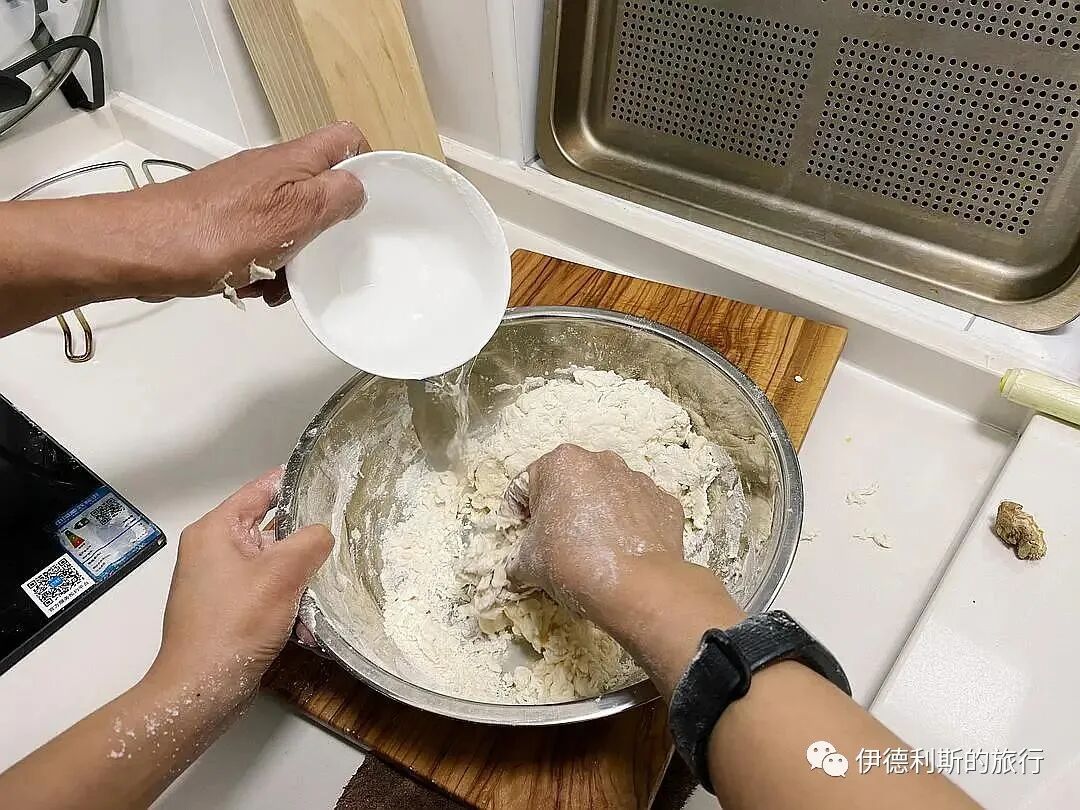
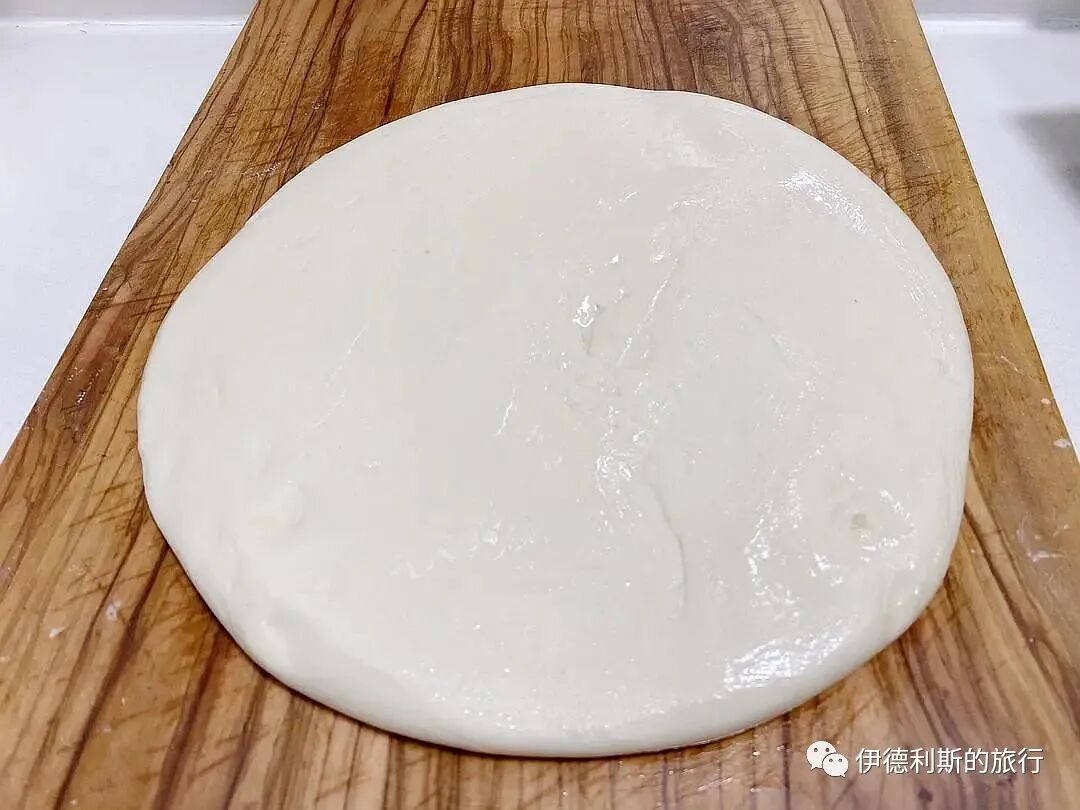
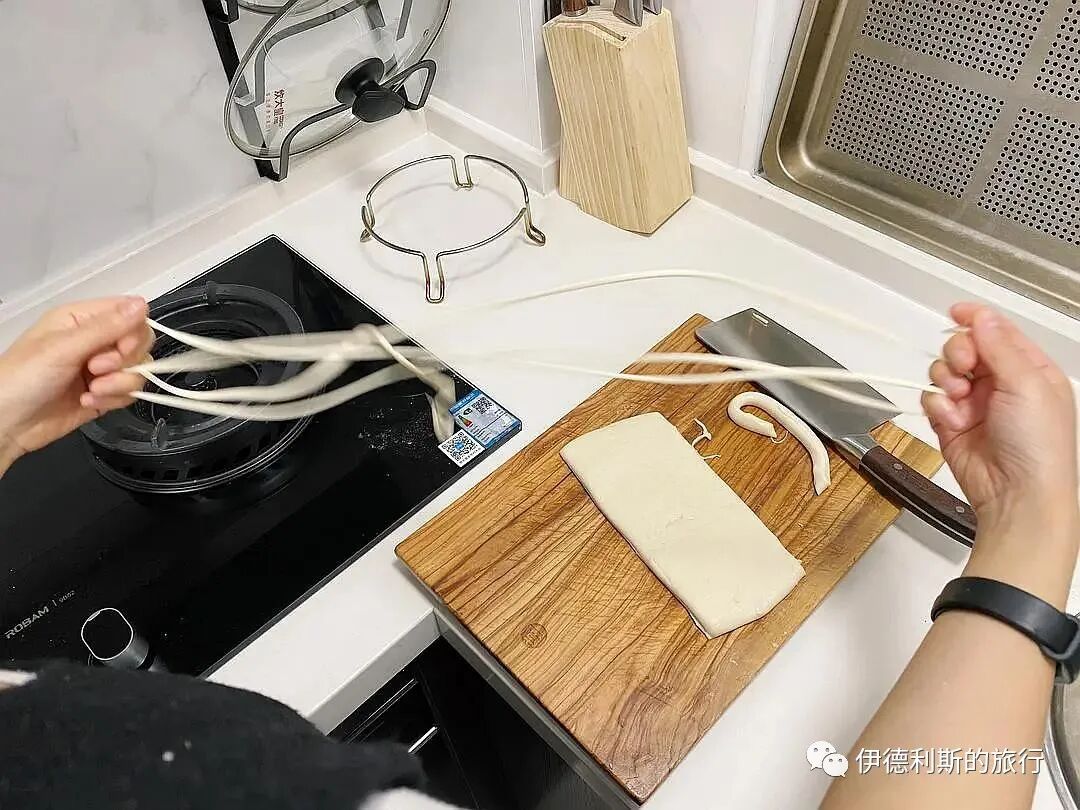
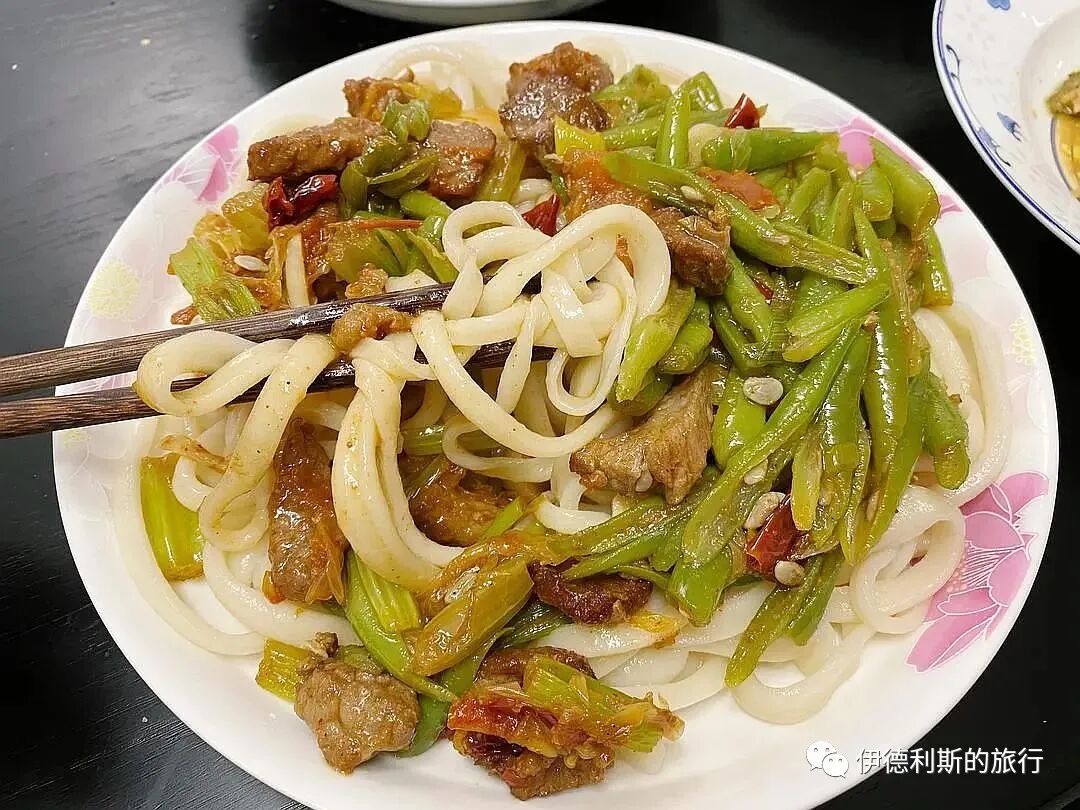
2. Lamb chop pilaf (yangpai zhuafan)
I tried an innovative way to make lamb chop pilaf (zhua fan) to save time and make the meat tender.
1. Pressure cook the lamb chops for 10 minutes (I used the rice cooking mode for 10 minutes).
2. Heat oil in a wok (use plenty of oil, about 3-4 times the amount for regular stir-fry). Add onion slices, salt (make it slightly salty), and sugar. Then add half of the carrot strips. Once the carrots shrink, add the pressure-cooked lamb chops and stir for a while.
3. In the pressure cooker, layer from bottom to top: raw carrot strips, rice, and the stir-fried meat and oil mixture. Use the rice cooking mode.
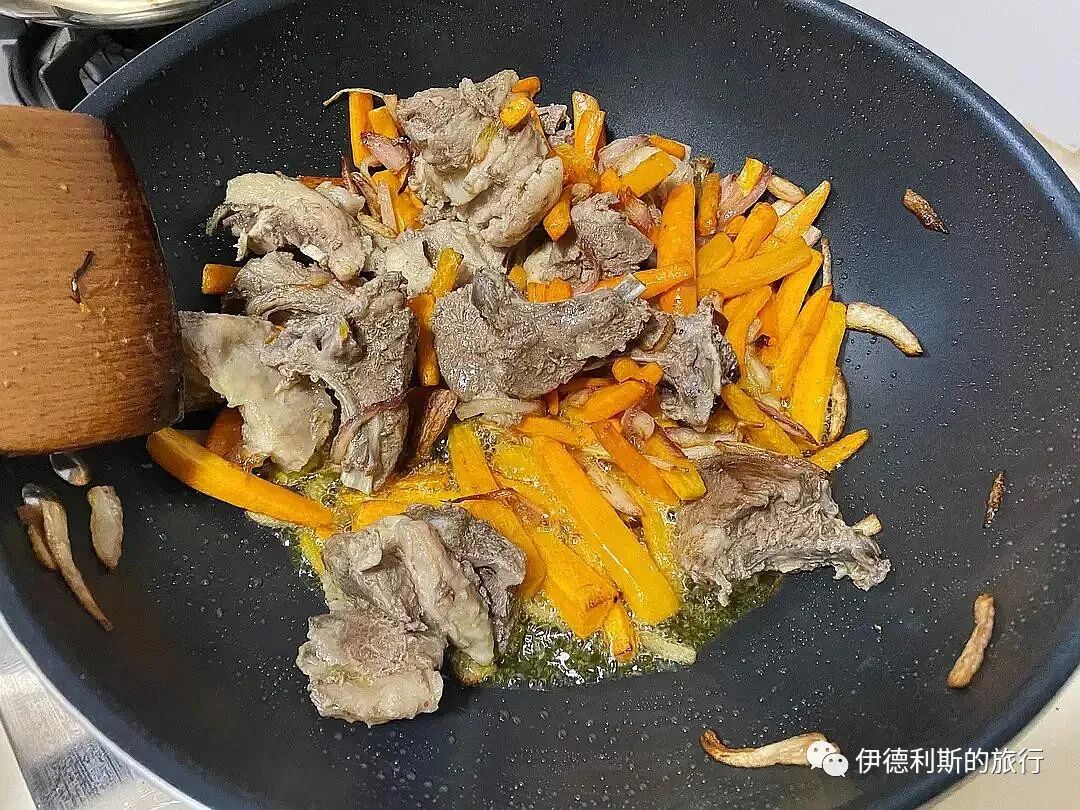
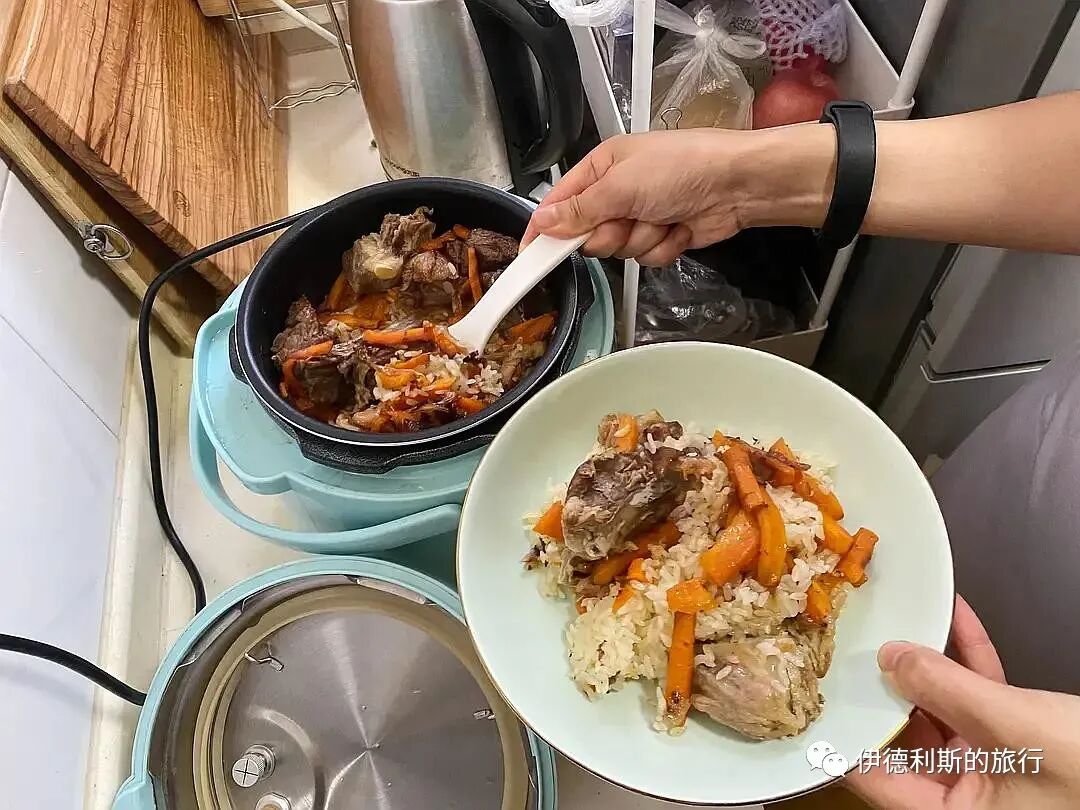
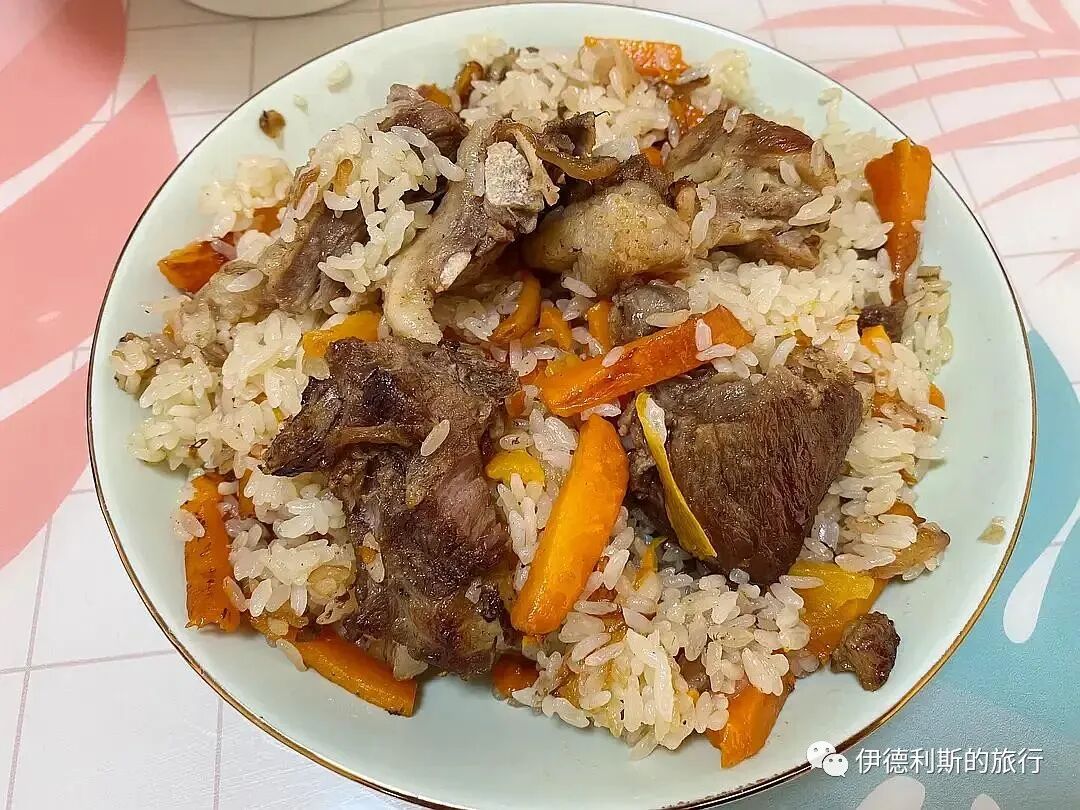
3. Minced meat pilaf (suirou zhuafan)
1. Preparation: Cut the boneless meat into pieces, cut carrots (2) into strips, cut onion (half) into chunks, wash and soak the rice (3/4 bowl for two people), and prepare salt, cumin, and sugar.
2. Start: Heat the oil, add the onion chunks, and stir-fry the meat. Add two spoons of salt and one spoon of cumin until the meat is dry. Add half of the carrot strips (I like to add a little sugar) and stir until they shrink. Pour the other half of the carrot strips, the rice, and the stir-fried meat and oil into the rice cooker. Add water (rice:water and oil = 1:1) and sugar (to make the pilaf shiny), then just steam the rice.
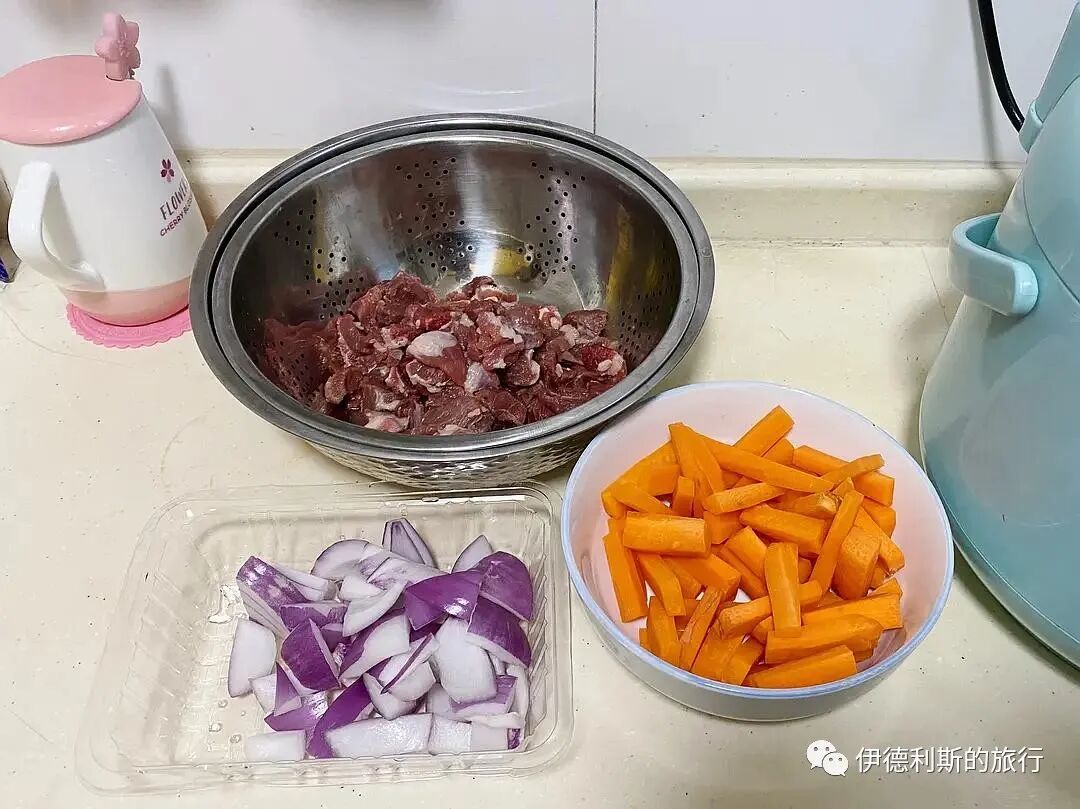
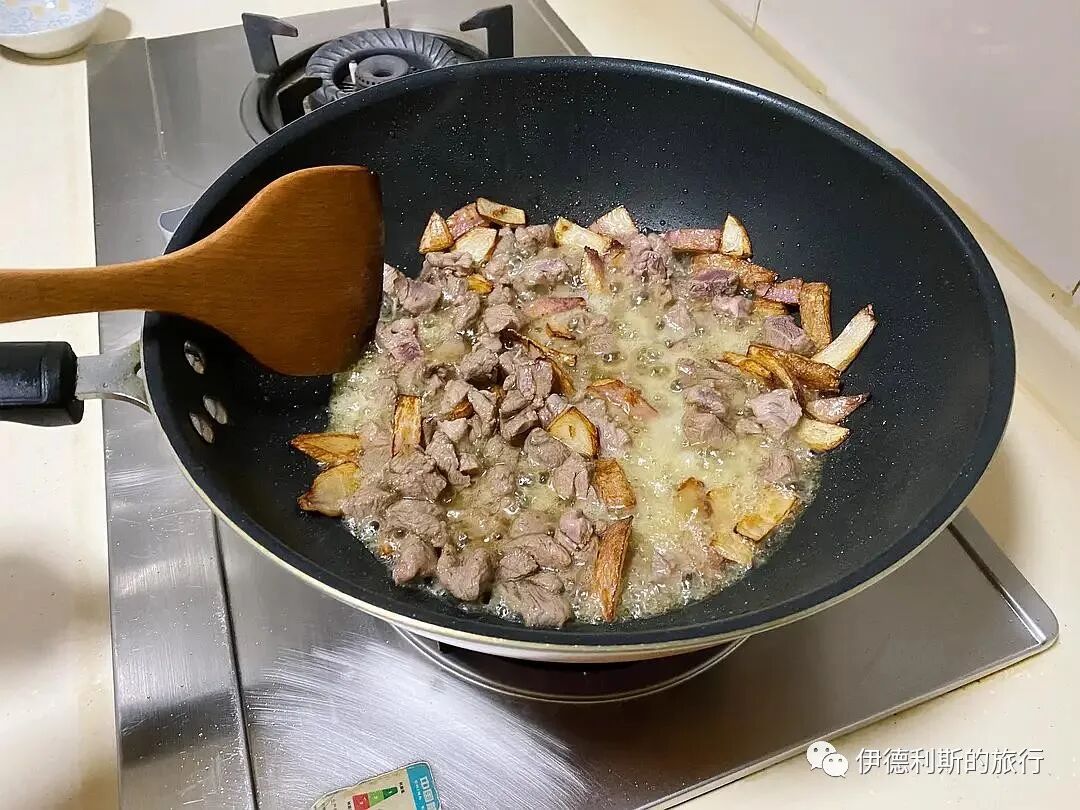
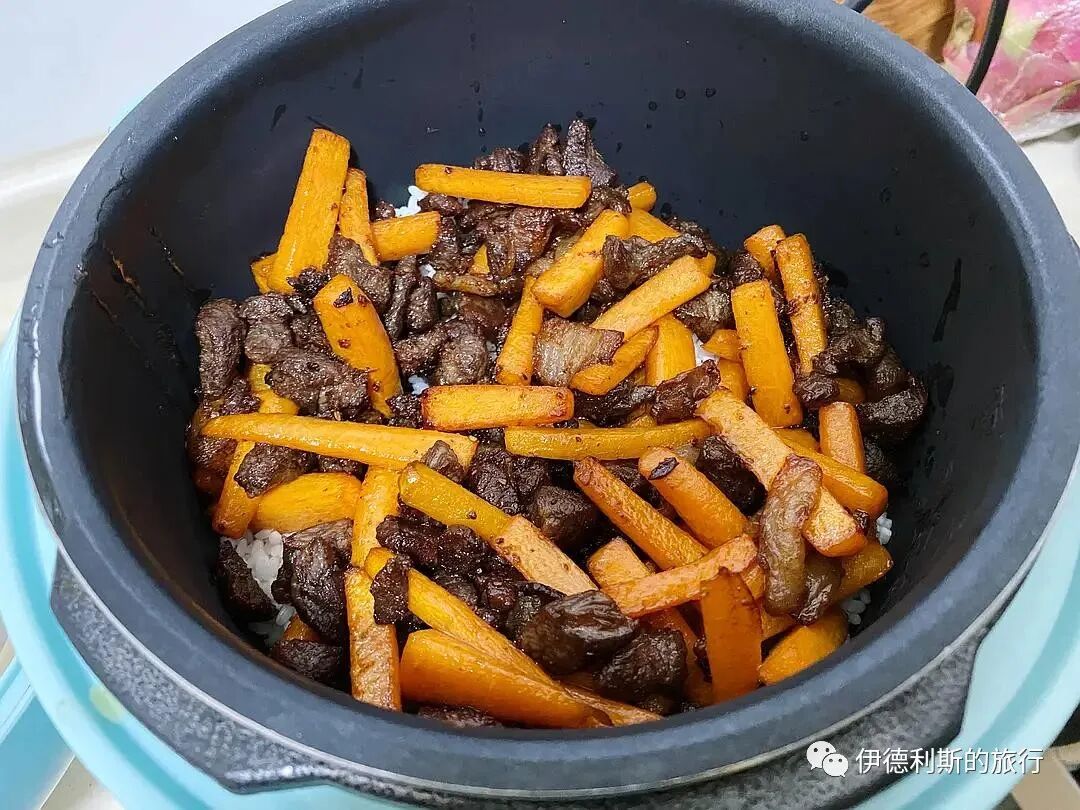
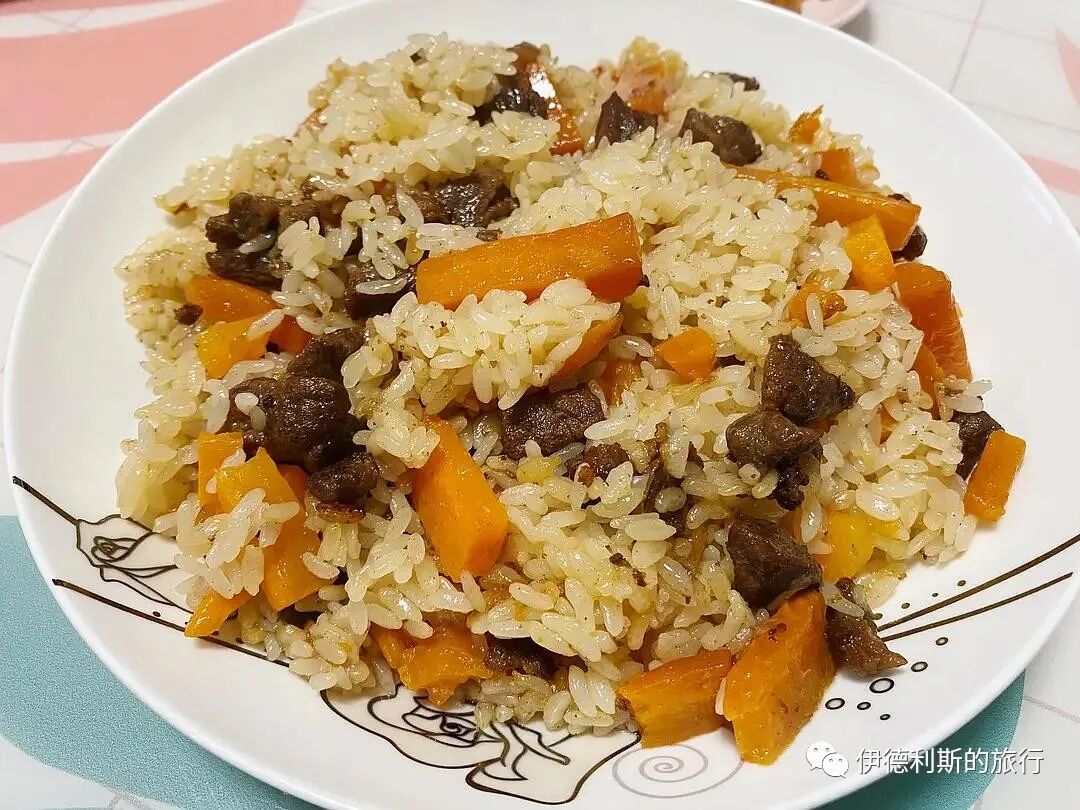
4. Uzbek black pilaf (Uzbek hei zhuafan)
I once made Uzbek black pilaf while working from home during the pandemic. Master Wang said he wanted to eat it, so I tried making it again, though I was a bit rusty:
1. Wash a bowl of rice and let it soak.
2. Heat the oil, add the onion chunks and a whole head of garlic. Once you smell the garlic, take it out and set it aside.
3. Continue to fry the onions until they are dry and dark brown. Stir-fry the meat, then add two spoons of salt and one spoon of cumin.
4. Once the meat is dry, add the carrot strips and stir until they shrink. Pour the stir-fried meat and oil into the rice cooker, add the rice and water (rice:water and oil = 1:1), sprinkle a little more cumin, and place the whole head of garlic you fried earlier on top. Use the rice steaming mode. *Note: Do not use too much oil, or the rice will be undercooked. That happened this time, so I poured out some oil, added half a bowl of water, and ran the rice steaming mode again to get it right.
5. Braised lamb bone (hongshao yangbanggu)
1. Wash 5-6 lamb bone marrow bones and ginger slices. Put them in a pot with half a bowl of water and boil over high heat. Keep stirring and add a spoon of salt during the process until the water boils away.
2. Add a quarter tablespoon of soy sauce and stir well.
3. Add water until the bones are covered. Once it boils, turn to low heat and simmer. Stir occasionally. After about an hour, the water should be boiled away.
6. Braised beef steak (hongshao niupai)
First, blanch the beef ribs. Once they turn white, take them out. Heat oil, add the meat, ginger, a little cinnamon, star anise, and bean paste (doubanjiang). Stir-fry for a while, then add fresh chili peppers. Once the meat has dried out, put it in a pressure cooker and stew for 25 minutes.
7. Big plate chicken (dapanji)
1. Preparation: half a chicken (use a layer hen or free-range chicken (chaiji) for a pressure cooker, or a Sanhuang chicken or broiler for a wok; we used a free-range chicken this time), 2 potatoes cut into chunks, 1 green onion cut into diagonal slices, 10 whole dried chili peppers (lapi-zi), 4 cloves of garlic sliced, sliced ginger, 2 small spoons of salt, 2 small spoons of Sichuan peppercorn powder, 2 small spoons of pepper powder, 1 small bag of tomato paste, 1 spoon of bean paste (doubanjiang), half a spoon of soy sauce, and vinegar.
2. Start: Use plenty of oil. Add the chicken pieces, dried chili peppers, and ginger slices to the wok. Add salt, Sichuan peppercorn powder, pepper powder, tomato paste, a little bit of the green onion and garlic, and the bean paste. Stir-fry until the blood has dried out from the chicken, then add soy sauce and turn off the heat.
3a. If using a layer hen or free-range chicken, use an electric pressure cooker. Add the stir-fried chicken and water (about 4 cooking spoons of water, do not cover the chicken). Place the potato chunks on top. Pressure cook for 15 minutes, then open the lid. Take out the potatoes first, add the remaining green onion and garlic, add a drop of vinegar, stir, and serve.
3b. If using a Sanhuang chicken or broiler, add all the green onion, garlic, water, and potato chunks when adding seasonings in the wok. Cook until the potatoes are soft, add a drop of vinegar, and serve.
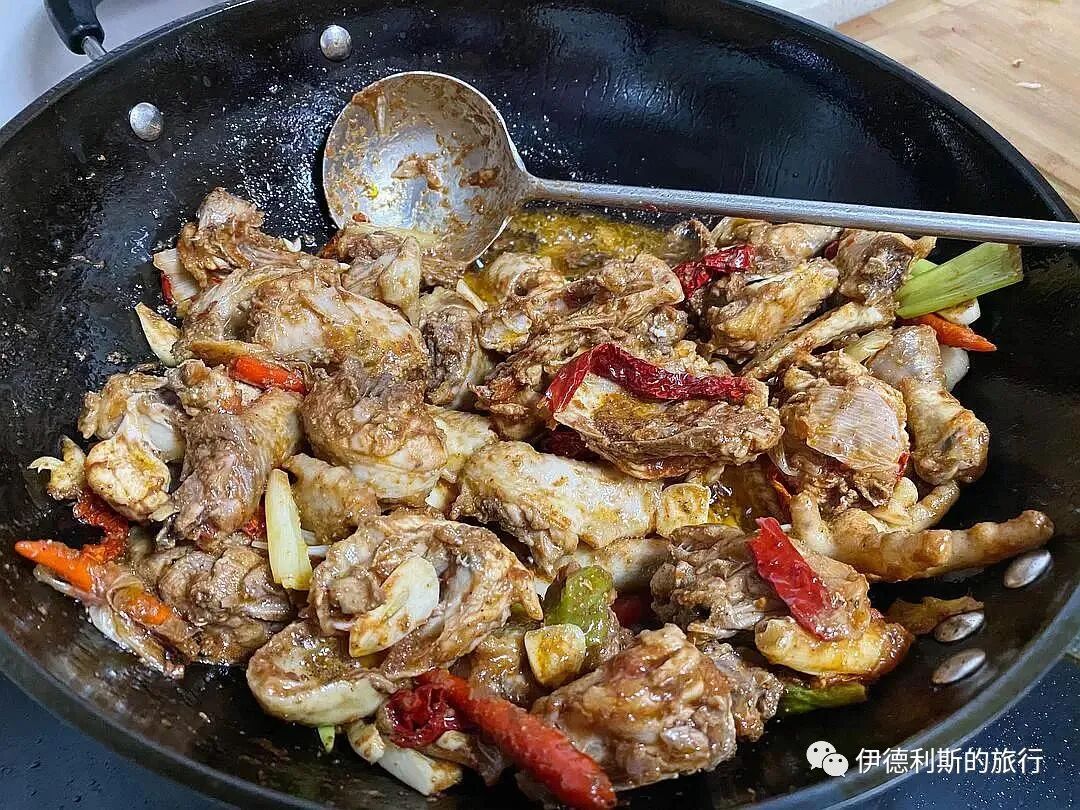
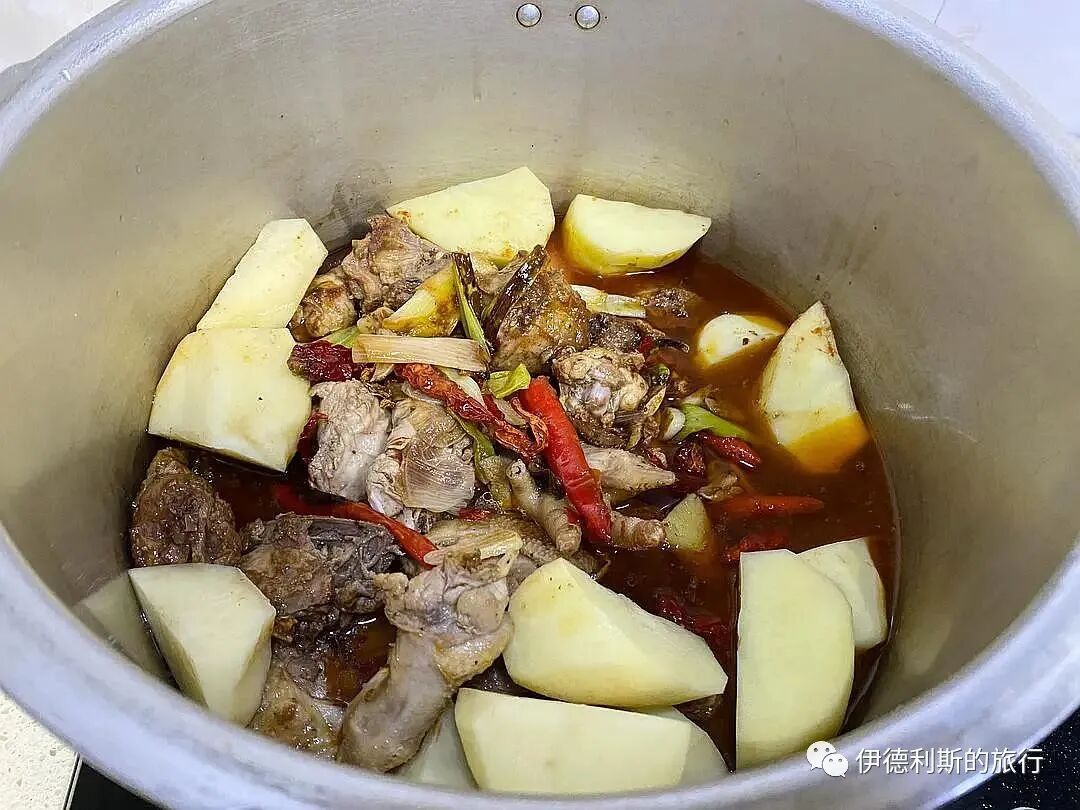
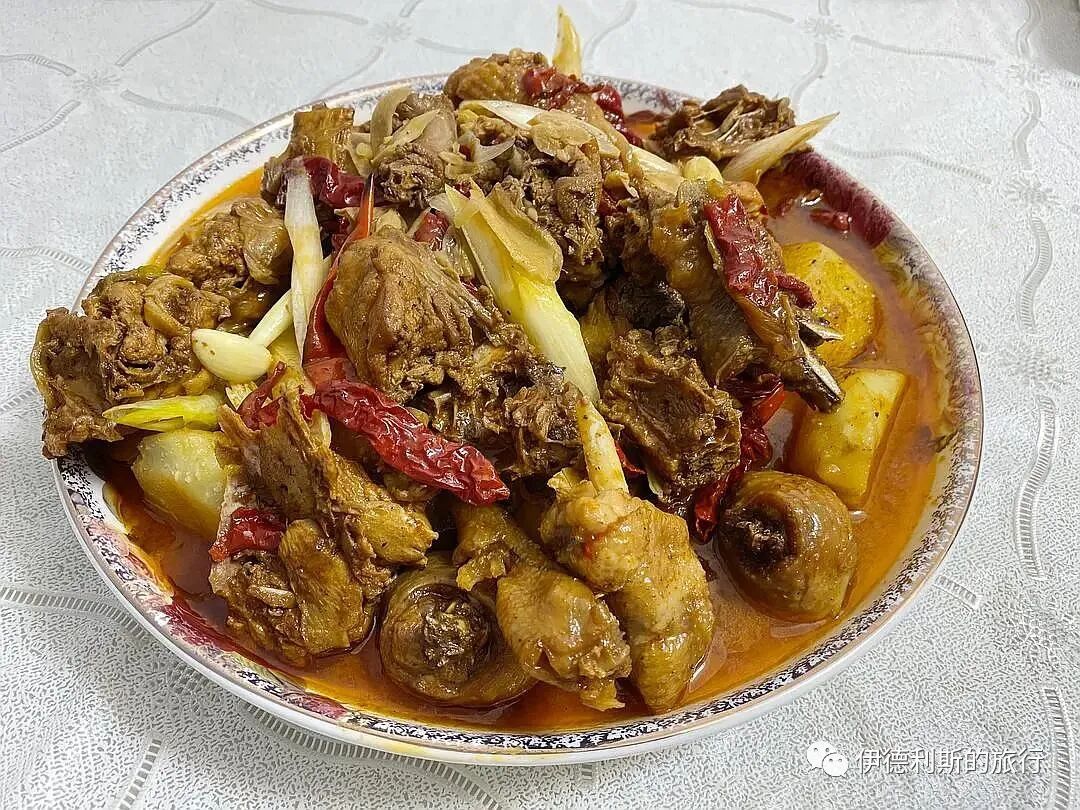
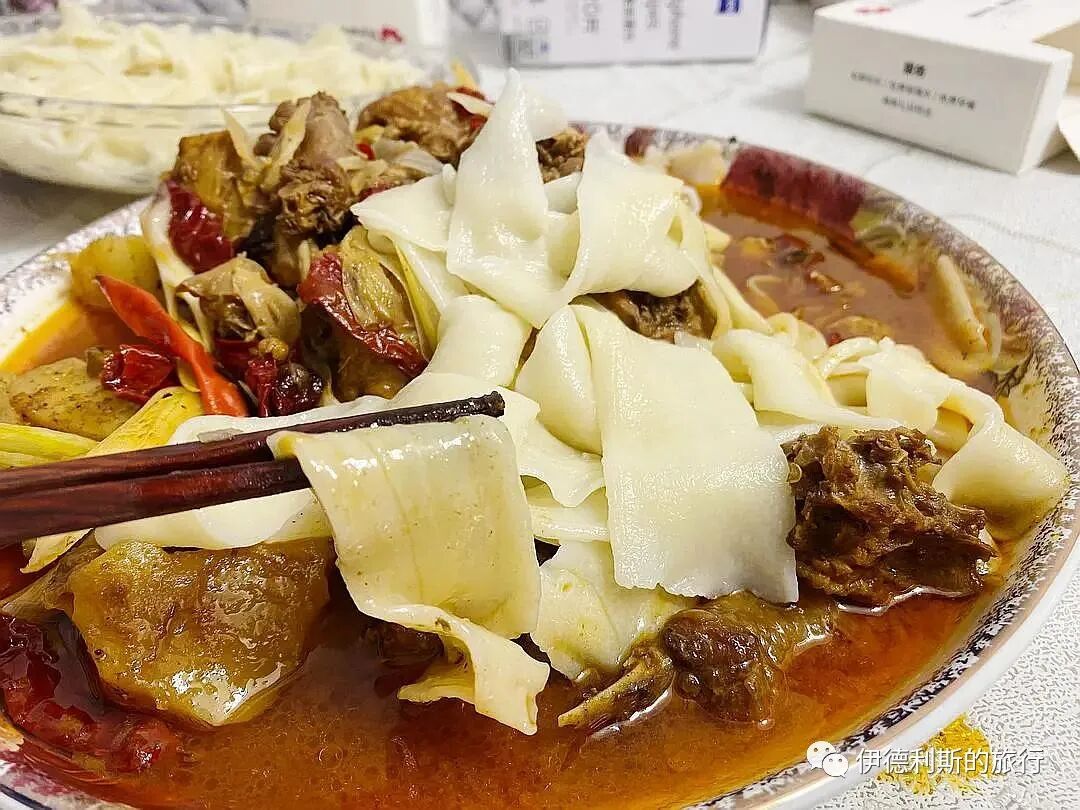
8. Ashura bean rice (Ashura doudoufan)
On the 10th day of the first month of the Islamic calendar, Ashura, Hui Muslims have a tradition of making a mixed grain porridge. This commemorates the legend that Prophet Nuh's (Noah) ark docked on Ashura, and he gathered the remaining grains in the cabin to make porridge.
Hui Muslims in different places make Ashura porridge in different ways. In Urumqi, it is also called Ashura bean rice.
When making it, prepare at least 7 types of beans. We prepared 11. Use an electric pressure cooker to cook the beans until soft, then take them out and put them in a wok to stir with rice and glutinous rice. Then, put everything into the electric pressure cooker. Next, stir-fry diced lamb, add salt and Sichuan peppercorns, then add chopped green onion to make it fragrant. Put it all into the pressure cooker and add water until it covers the ingredients by one and a half finger-widths. After cooking and serving, the aroma of the beans mixes with the aroma of the meat. It is both a seasonal delicacy and very meaningful.
We made a simplified version. The truly traditional way is to soak the beans for two days beforehand. When cooking, you don't use a pressure cooker but keep stirring in a wok, which requires a lot of experience.
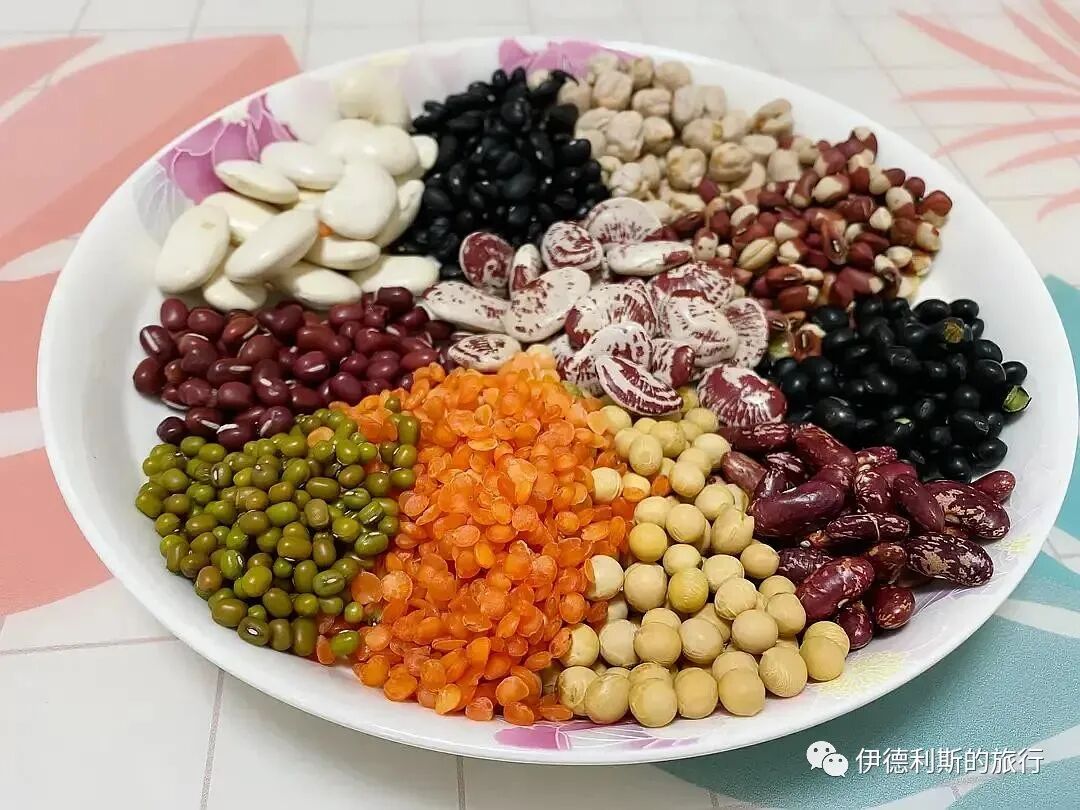
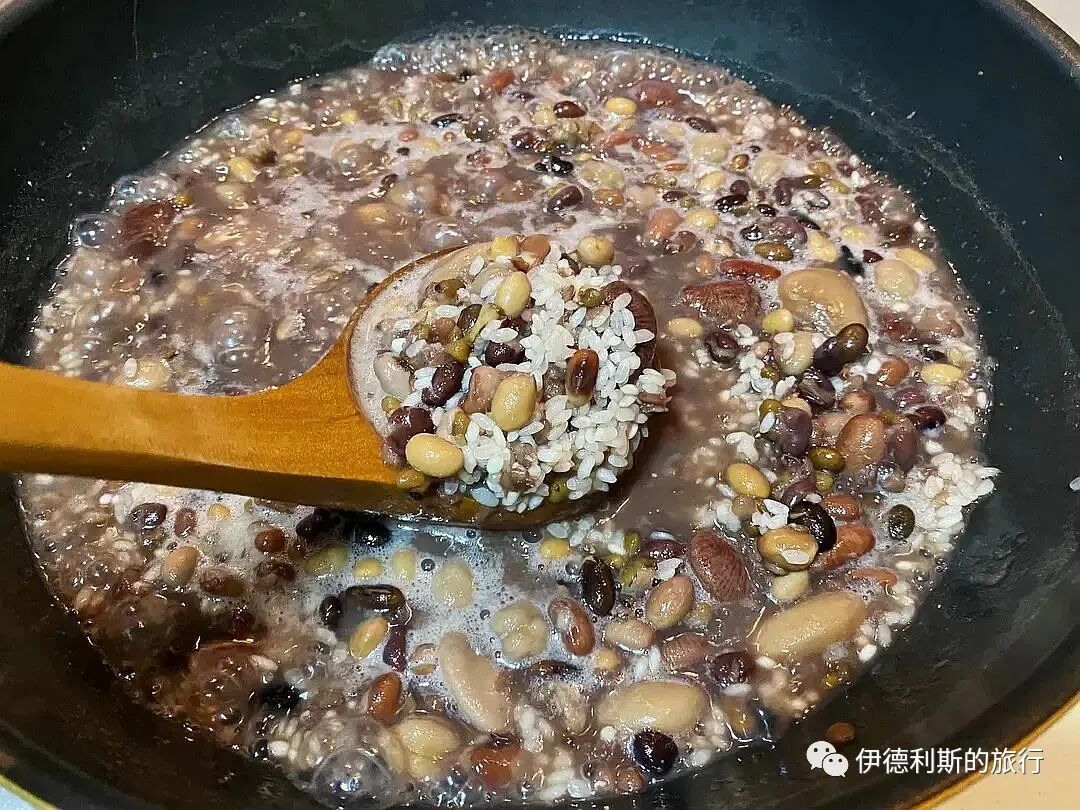
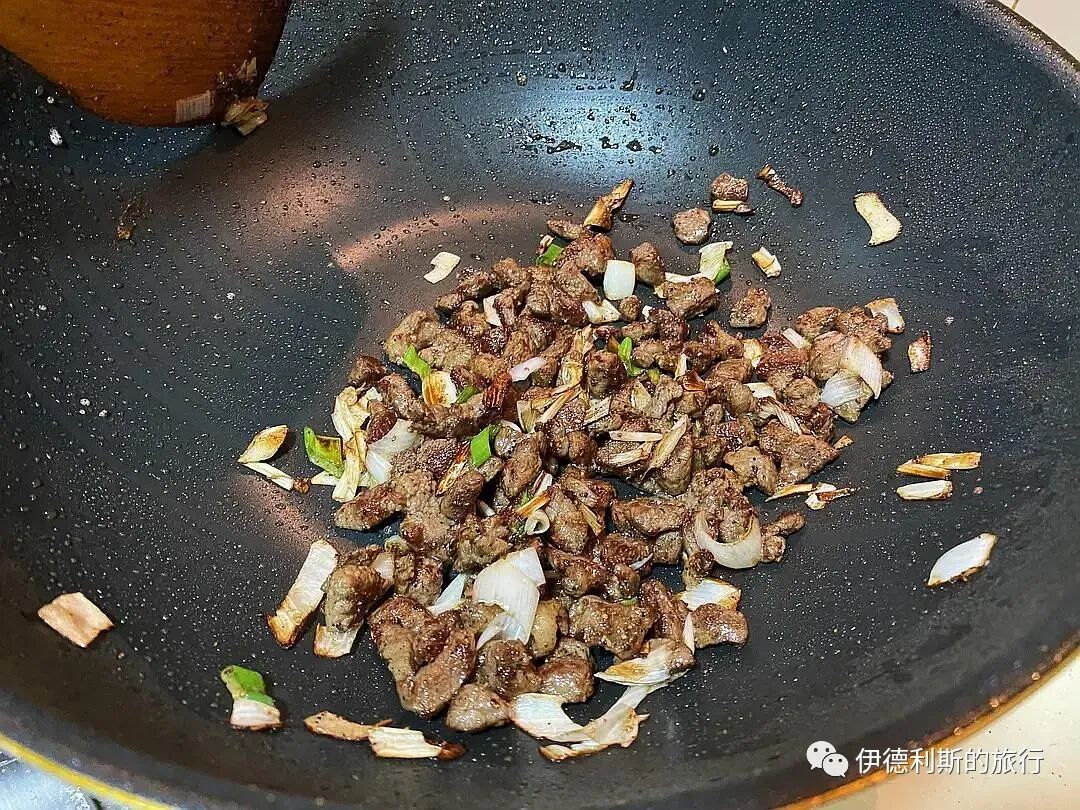
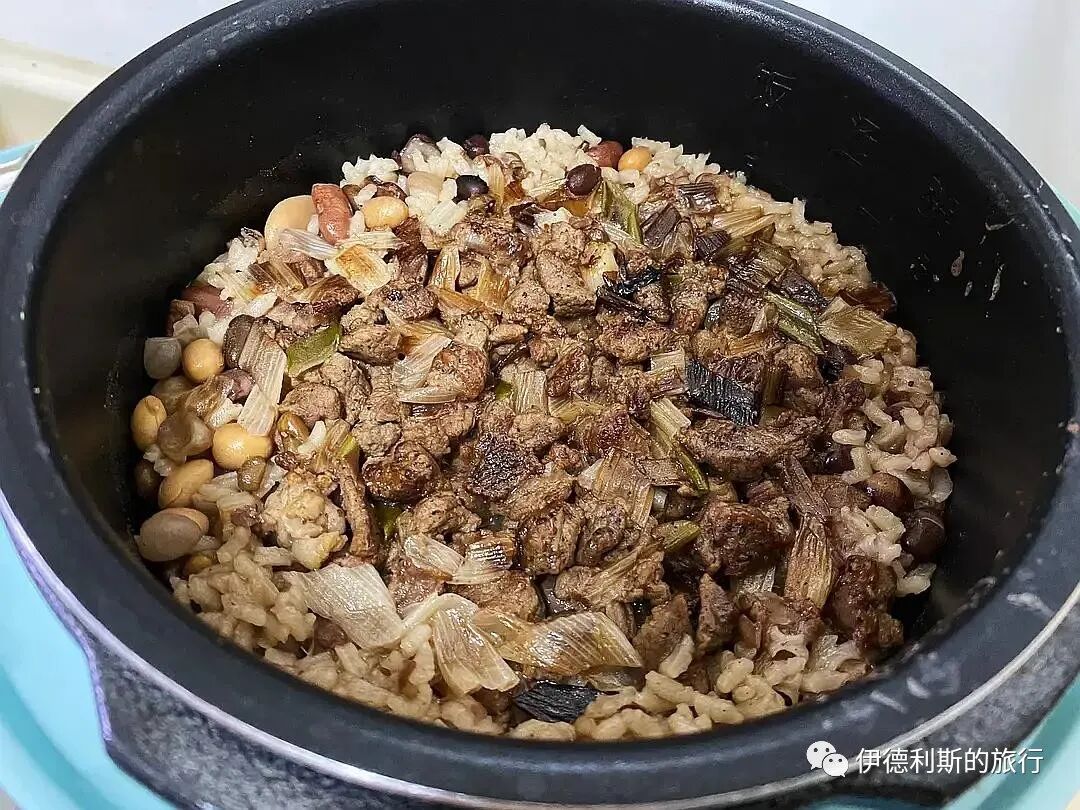
9. Awakening of Insects oil tea egg (Jingzhe youcha dan)
Before I was 18, as long as I was home during the Awakening of Insects (Jingzhe) solar term, breakfast would always be Jingzhe soup (oil tea egg). You could say it was my first memory of this solar term. I talked to my parents about it a few days ago and revisited the recipe. I didn't have time this morning, so I tried making it tonight and wanted to share it.
(1) Boil an appropriate amount of brick tea (if you don't have it, you can use black tea; today I tried using Pu'er tea).
(2) Beat 2 eggs into a liquid, and add raisins, chopped walnuts, and chopped red dates.
(3) Heat oil in a pot and stir-fry the dried fruits coated in egg liquid.
(4) Pour in the brewed tea and add rock sugar. The older generation would use lamb fat to fry the eggs for their parents' generation. In our generation, it is more common to use vegetable oil to fry the egg liquid coated with green raisins and walnut kernels. Adding a little more rock sugar makes it more popular with children.
10. Starch noodle soup (fentang)
1. First, stir-fry the meat slices, then add garlic, then add green onion, dried chili peppers, and tomatoes (yangshizi), and then add various vegetables. You can choose the vegetables as you like.
2. Add the lamb broth that was stewed and frozen earlier. After the broth melts, add pea flour blocks, then add the large pieces of stewed lamb, and finally add pepper and cilantro to enhance the flavor.
The classic way to eat starch noodle soup (fentang) is with fried dough (youxiang). After you finish the lamb, break the fried dough into the soup. This is the authentic way of life for Hui Muslims in Urumqi.
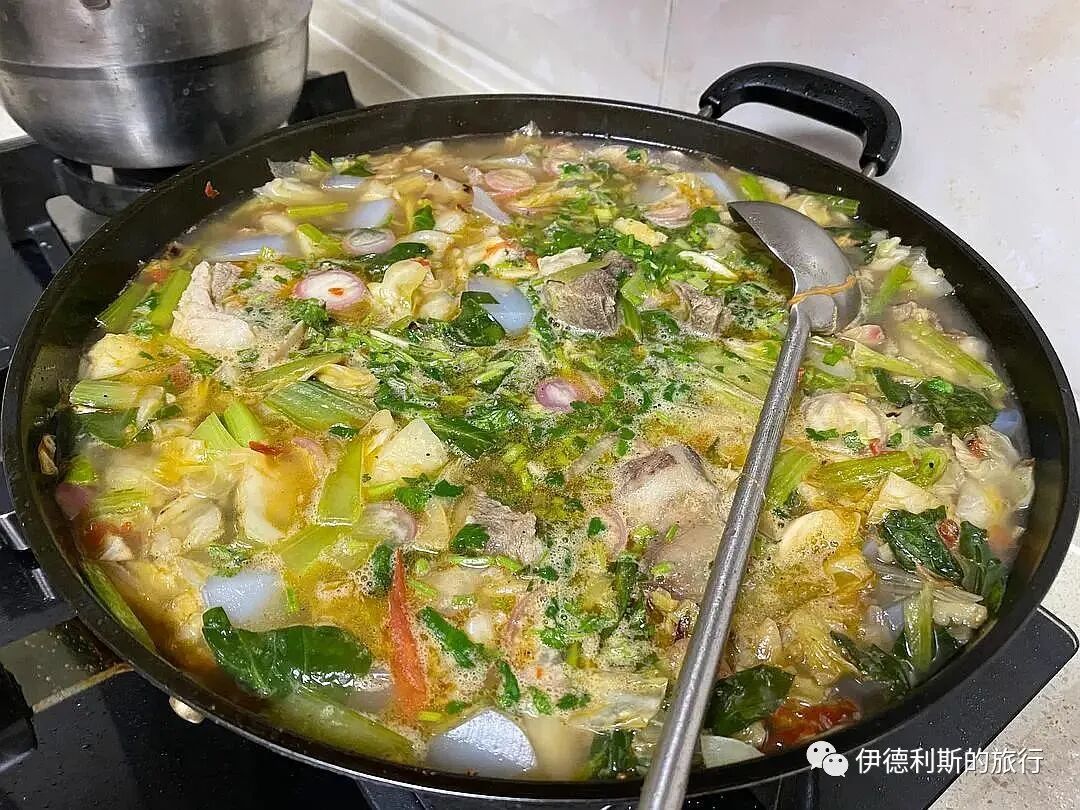
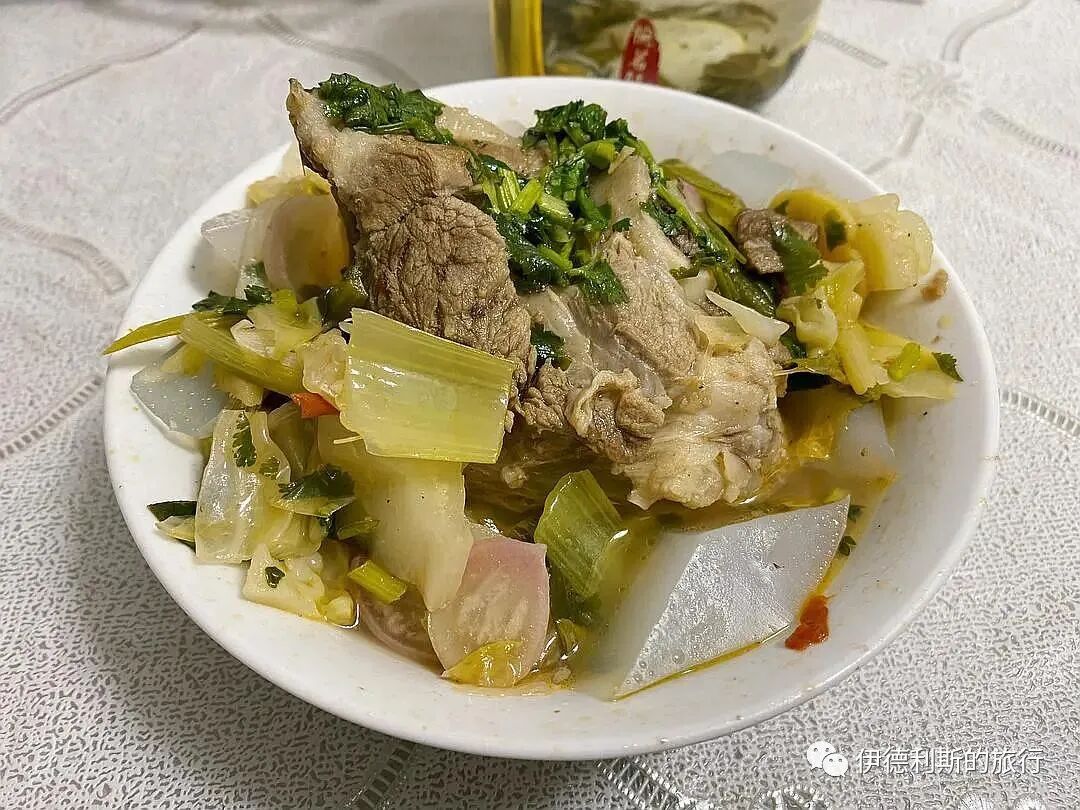
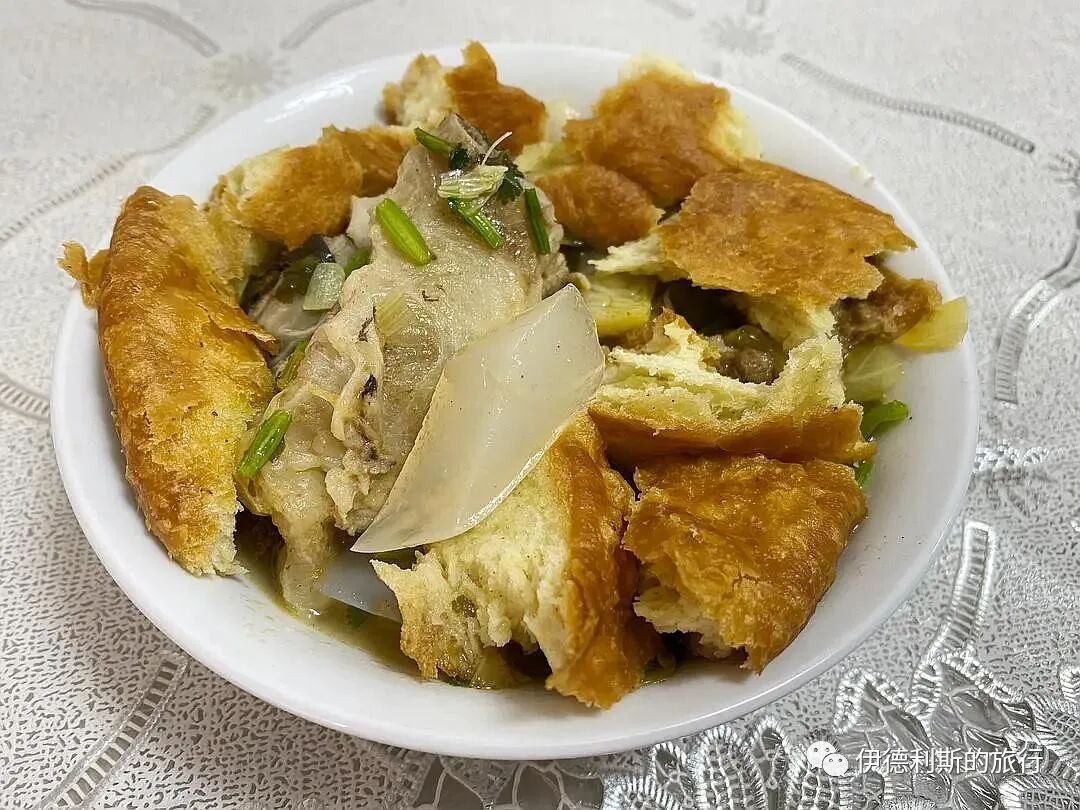
11. Fried starch jelly (zhamenzi)
Buy meat at the market and have the butcher grind it into filling (xianzi). The filling for steamed meat loaf (menzi) needs to go through the grinder twice so it is finer than the filling for fried meatballs. Once you get home, steam the filling into a meat loaf (menzi) and slice it up. To cook it, coat the slices in egg and starch, then fry them. Finally, sprinkle on cumin, chili powder, and salt.
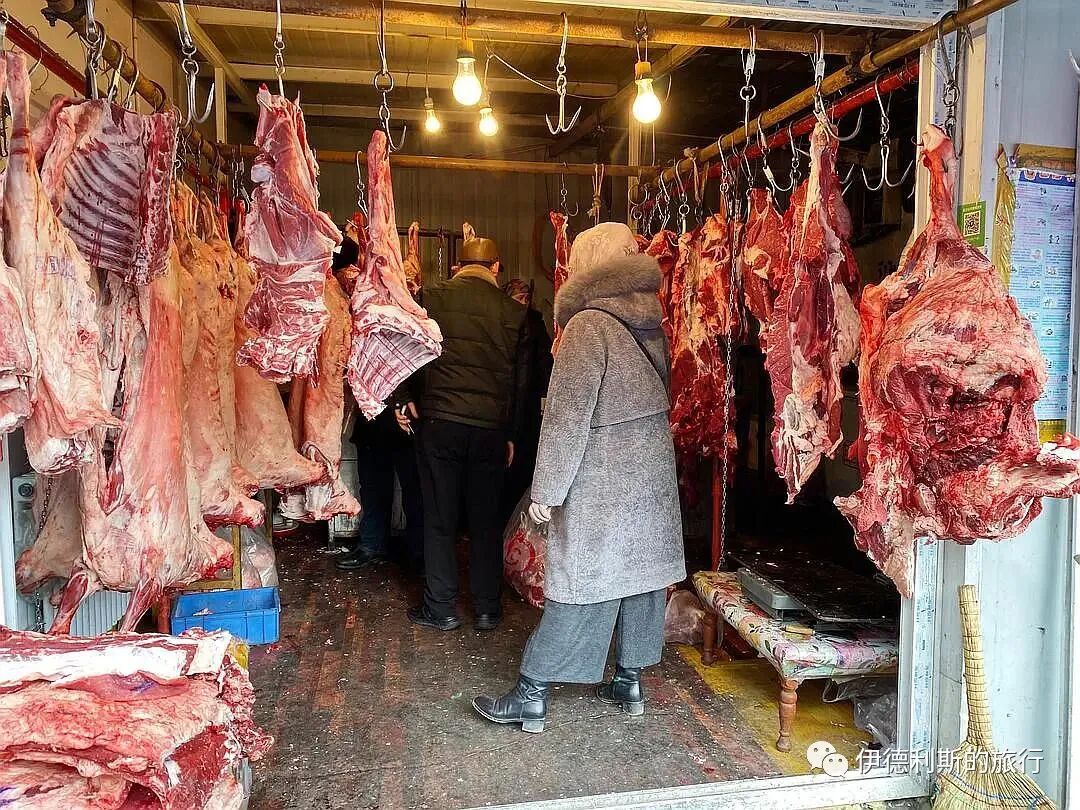
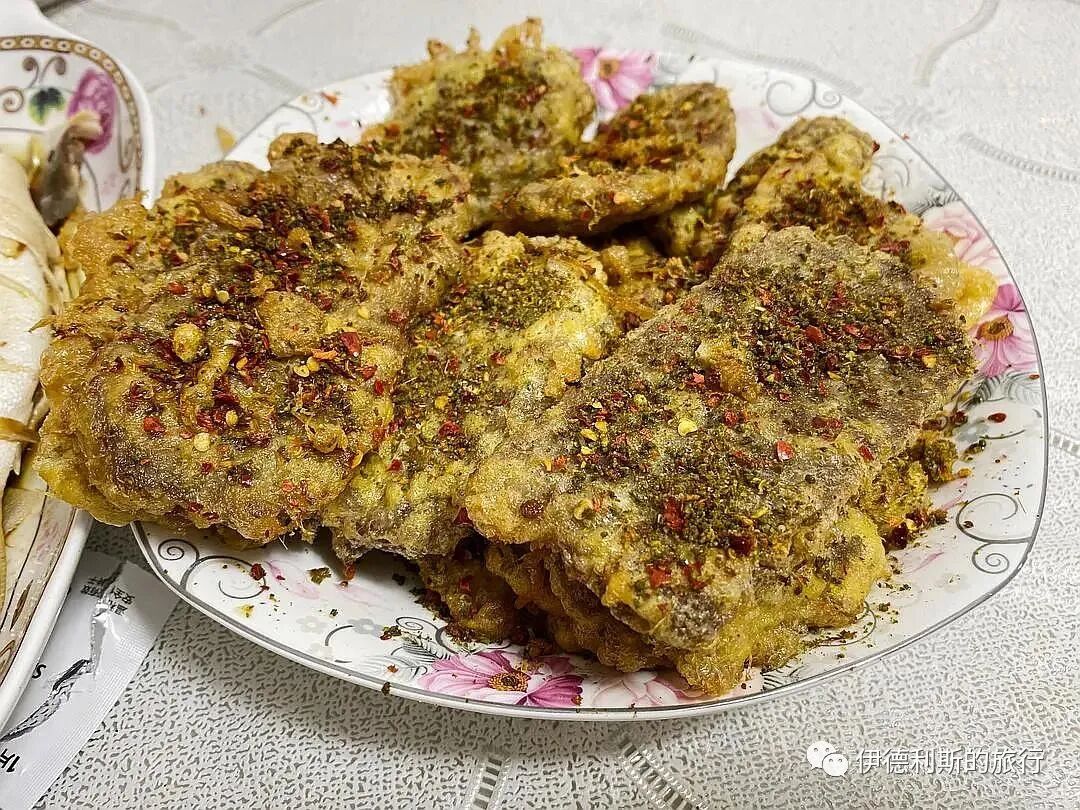
12. Soup noodles (tangfan)
1. Stir-fry lamb slices with salt and Sichuan peppercorn powder until they are a bit dry.
2. Sauté chopped green onions and tomato chunks, then add soy sauce.
3. Stir-fry potato slices, then add water after a short while.
4. When the water boils, add garlic slices and hand-tear dough pieces into the soup. Simmer for a bit, then add pepper powder and cilantro. Finish with a splash of vinegar before serving.
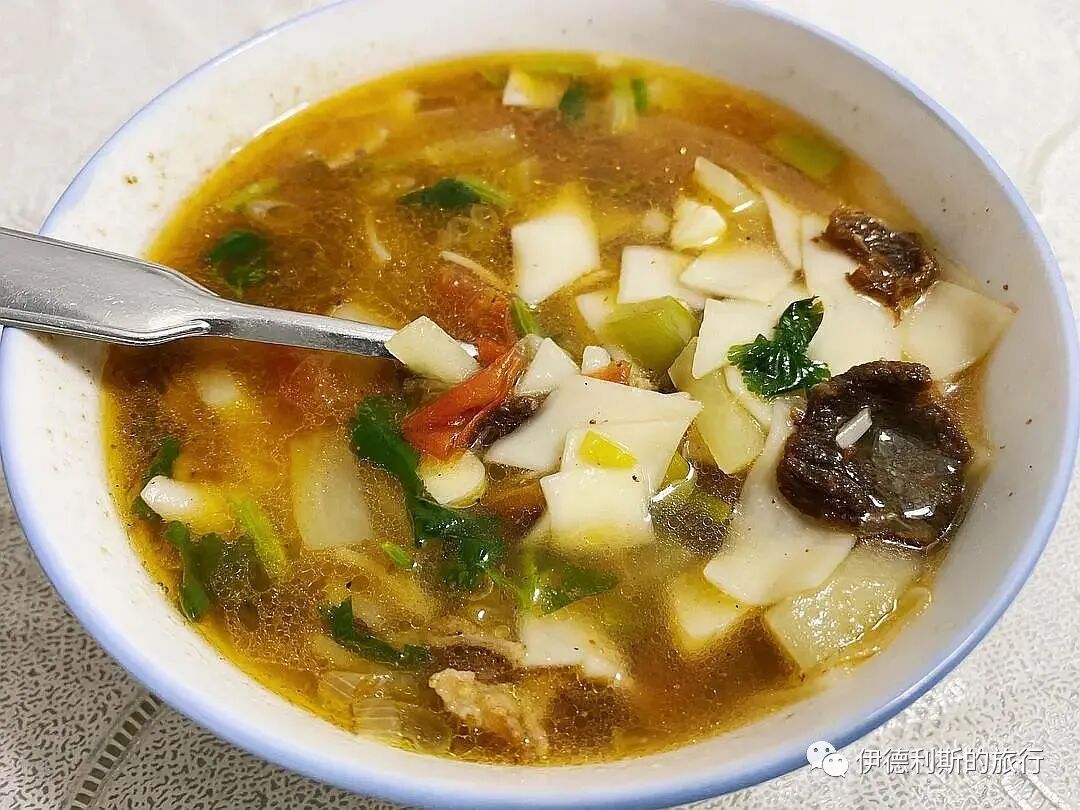
13. Stir-fried barbecue meat (chao kaorou)
1. Heat oil in a pot over high heat. Add lamb fat first, then the meat slices. Stir-fry for a while, add a small spoonful of salt for one bowl of meat, and stir.
2. Add one and a half spoonfuls of chili powder.
3. Add one spoonful of cumin powder.
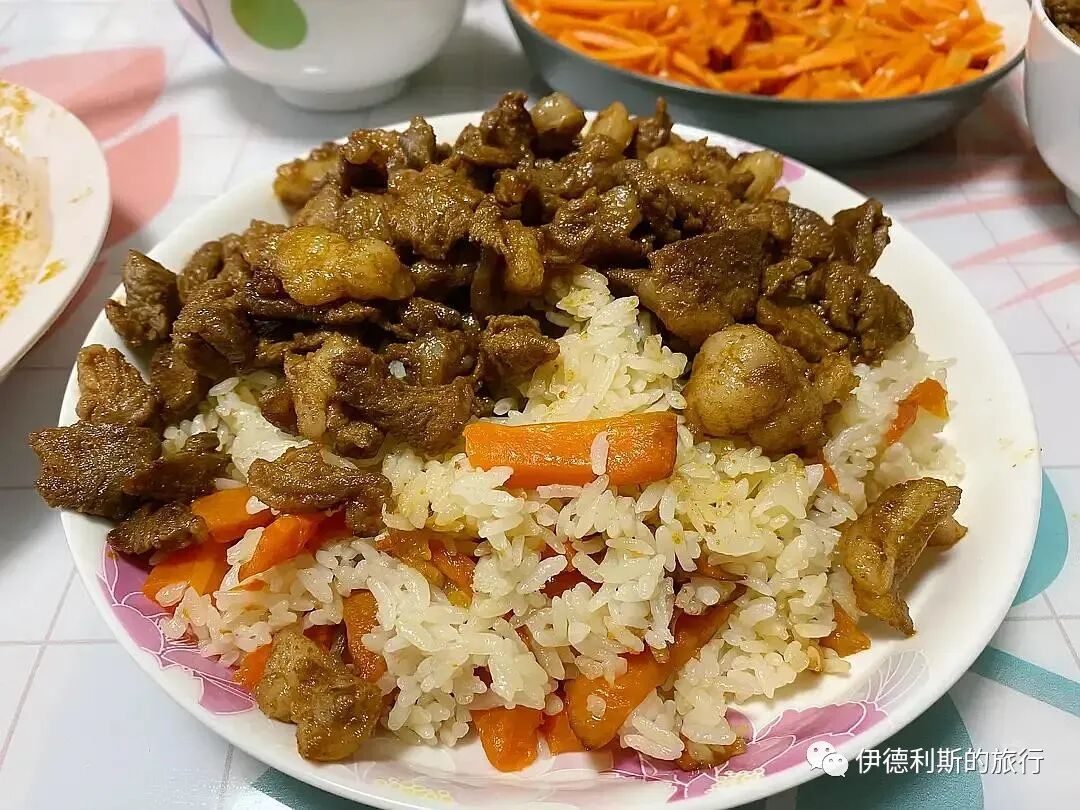
Xinjiang Home Cooking Guide: Zainab’s Halal Recipes and Uyghur Food
Articles • ali2007fr posted the article • 0 comments • 146 views • 2026-05-18 01:30
Summary: Xinjiang Home Cooking Guide: Zainab’s Halal Recipes and Uyghur Food is presented here as a firsthand travel account in clear English, beginning with this scene: Author: Zainab. The account keeps its focus on Xinjiang Food, Halal Recipes, Uyghur Food while preserving the names, places, food, and historical details from the Chinese source.
Author: Zainab
As a girl from Urumqi, I often cook Xinjiang home-style dishes. I have put together some simple recipes to share with everyone.
1. Hand-pulled noodles (latiaozi)
2. Lamb chop pilaf (yangpai zhuafan)
3. Minced meat pilaf (suirou zhuafan)
4. Uzbek black pilaf (Uzbek hei zhuafan)
5. Braised lamb bone (hongshao yangbanggu)
6. Braised beef steak (hongshao niupai)
7. Big plate chicken (dapanji)
8. Ashura bean rice (Ashura doudoufan)
9. Awakening of Insects oil tea egg (Jingzhe youcha dan)
10. Starch noodle soup (fentang)
11. Fried starch jelly (zhamenzi)
12. Soup noodles (tangfan)
13. Stir-fried barbecue meat (chao kaorou)
1. Hand-pulled noodles (latiaozi)
1. Preparation: One and a half bowls of flour (for three plates of noodles), half a small spoonful of salt, one bowl of water, a large mixing bowl, a large cutting board, and a rolling pin.
2. Start:
(1) Sprinkle: Put the flour into the mixing bowl and sprinkle in the salt.
(2) Swirl: Pour in a little water and use your fingers to swirl the flour that has touched the water until it forms small, loose crumbles.
(3) Gather: Gradually gather the crumbles into a ball. Swirling and gathering happen at the same time until all the crumbles are part of one single dough ball.
(4) Press: Take the dough out of the bowl. Use the heel of your right hand to press forward, pushing the dough against the board while your left hand guides the direction as the dough rolls forward.
(5) Rest: After about 10 presses, the surface should be smooth. Cover the dough with the mixing bowl and let it rest for 10 minutes.
(6) Knead: Repeat the action from step (4) but don't press as hard, or the surface of the dough might break and lose its smoothness. Then repeat step (5).
(7) Rolling: Repeat step (6) two or three times, then roll the dough into a large round flatbread about 1cm thick. Brush it with raw oil, cover it with a basin, and you can go cook your stir-fry.
(8) Cutting, pulling, and stretching: When the stir-fry is almost ready, find a pot for the noodles and boil water. Meanwhile, cut the dough into strips about 1cm wide. Start from one side and pull them forward bit by bit. Once the diameter is halved, fold the noodles once or twice. Use both hands to stretch and slap them against the cutting board to make the noodles thinner and chewier.
(9) Boiling: Drop them into the pot, cook for a while, and take them out. If you are making mixed noodles, rinse them in cold water. If you are serving them with big plate chicken (dapanji), you do not need cold water; just scoop them out and put them directly into the big plate chicken.
2. Lamb chop pilaf (yangpai zhuafan)
I tried an innovative way to make lamb chop pilaf (zhua fan) to save time and make the meat tender.
1. Pressure cook the lamb chops for 10 minutes (I used the rice cooking mode for 10 minutes).
2. Heat oil in a wok (use plenty of oil, about 3-4 times the amount for regular stir-fry). Add onion slices, salt (make it slightly salty), and sugar. Then add half of the carrot strips. Once the carrots shrink, add the pressure-cooked lamb chops and stir for a while.
3. In the pressure cooker, layer from bottom to top: raw carrot strips, rice, and the stir-fried meat and oil mixture. Use the rice cooking mode.
3. Minced meat pilaf (suirou zhuafan)
1. Preparation: Cut the boneless meat into pieces, cut carrots (2) into strips, cut onion (half) into chunks, wash and soak the rice (3/4 bowl for two people), and prepare salt, cumin, and sugar.
2. Start: Heat the oil, add the onion chunks, and stir-fry the meat. Add two spoons of salt and one spoon of cumin until the meat is dry. Add half of the carrot strips (I like to add a little sugar) and stir until they shrink. Pour the other half of the carrot strips, the rice, and the stir-fried meat and oil into the rice cooker. Add water (rice:water and oil = 1:1) and sugar (to make the pilaf shiny), then just steam the rice.
4. Uzbek black pilaf (Uzbek hei zhuafan)
I once made Uzbek black pilaf while working from home during the pandemic. Master Wang said he wanted to eat it, so I tried making it again, though I was a bit rusty:
1. Wash a bowl of rice and let it soak.
2. Heat the oil, add the onion chunks and a whole head of garlic. Once you smell the garlic, take it out and set it aside.
3. Continue to fry the onions until they are dry and dark brown. Stir-fry the meat, then add two spoons of salt and one spoon of cumin.
4. Once the meat is dry, add the carrot strips and stir until they shrink. Pour the stir-fried meat and oil into the rice cooker, add the rice and water (rice:water and oil = 1:1), sprinkle a little more cumin, and place the whole head of garlic you fried earlier on top. Use the rice steaming mode. *Note: Do not use too much oil, or the rice will be undercooked. That happened this time, so I poured out some oil, added half a bowl of water, and ran the rice steaming mode again to get it right.
5. Braised lamb bone (hongshao yangbanggu)
1. Wash 5-6 lamb bone marrow bones and ginger slices. Put them in a pot with half a bowl of water and boil over high heat. Keep stirring and add a spoon of salt during the process until the water boils away.
2. Add a quarter tablespoon of soy sauce and stir well.
3. Add water until the bones are covered. Once it boils, turn to low heat and simmer. Stir occasionally. After about an hour, the water should be boiled away.
6. Braised beef steak (hongshao niupai)
First, blanch the beef ribs. Once they turn white, take them out. Heat oil, add the meat, ginger, a little cinnamon, star anise, and bean paste (doubanjiang). Stir-fry for a while, then add fresh chili peppers. Once the meat has dried out, put it in a pressure cooker and stew for 25 minutes.
7. Big plate chicken (dapanji)
1. Preparation: half a chicken (use a layer hen or free-range chicken (chaiji) for a pressure cooker, or a Sanhuang chicken or broiler for a wok; we used a free-range chicken this time), 2 potatoes cut into chunks, 1 green onion cut into diagonal slices, 10 whole dried chili peppers (lapi-zi), 4 cloves of garlic sliced, sliced ginger, 2 small spoons of salt, 2 small spoons of Sichuan peppercorn powder, 2 small spoons of pepper powder, 1 small bag of tomato paste, 1 spoon of bean paste (doubanjiang), half a spoon of soy sauce, and vinegar.
2. Start: Use plenty of oil. Add the chicken pieces, dried chili peppers, and ginger slices to the wok. Add salt, Sichuan peppercorn powder, pepper powder, tomato paste, a little bit of the green onion and garlic, and the bean paste. Stir-fry until the blood has dried out from the chicken, then add soy sauce and turn off the heat.
3a. If using a layer hen or free-range chicken, use an electric pressure cooker. Add the stir-fried chicken and water (about 4 cooking spoons of water, do not cover the chicken). Place the potato chunks on top. Pressure cook for 15 minutes, then open the lid. Take out the potatoes first, add the remaining green onion and garlic, add a drop of vinegar, stir, and serve.
3b. If using a Sanhuang chicken or broiler, add all the green onion, garlic, water, and potato chunks when adding seasonings in the wok. Cook until the potatoes are soft, add a drop of vinegar, and serve.
8. Ashura bean rice (Ashura doudoufan)
On the 10th day of the first month of the Islamic calendar, Ashura, Hui Muslims have a tradition of making a mixed grain porridge. This commemorates the legend that Prophet Nuh's (Noah) ark docked on Ashura, and he gathered the remaining grains in the cabin to make porridge.
Hui Muslims in different places make Ashura porridge in different ways. In Urumqi, it is also called Ashura bean rice.
When making it, prepare at least 7 types of beans. We prepared 11. Use an electric pressure cooker to cook the beans until soft, then take them out and put them in a wok to stir with rice and glutinous rice. Then, put everything into the electric pressure cooker. Next, stir-fry diced lamb, add salt and Sichuan peppercorns, then add chopped green onion to make it fragrant. Put it all into the pressure cooker and add water until it covers the ingredients by one and a half finger-widths. After cooking and serving, the aroma of the beans mixes with the aroma of the meat. It is both a seasonal delicacy and very meaningful.
We made a simplified version. The truly traditional way is to soak the beans for two days beforehand. When cooking, you don't use a pressure cooker but keep stirring in a wok, which requires a lot of experience.
9. Awakening of Insects oil tea egg (Jingzhe youcha dan)
Before I was 18, as long as I was home during the Awakening of Insects (Jingzhe) solar term, breakfast would always be Jingzhe soup (oil tea egg). You could say it was my first memory of this solar term. I talked to my parents about it a few days ago and revisited the recipe. I didn't have time this morning, so I tried making it tonight and wanted to share it.
(1) Boil an appropriate amount of brick tea (if you don't have it, you can use black tea; today I tried using Pu'er tea).
(2) Beat 2 eggs into a liquid, and add raisins, chopped walnuts, and chopped red dates.
(3) Heat oil in a pot and stir-fry the dried fruits coated in egg liquid.
(4) Pour in the brewed tea and add rock sugar. The older generation would use lamb fat to fry the eggs for their parents' generation. In our generation, it is more common to use vegetable oil to fry the egg liquid coated with green raisins and walnut kernels. Adding a little more rock sugar makes it more popular with children.
10. Starch noodle soup (fentang)
1. First, stir-fry the meat slices, then add garlic, then add green onion, dried chili peppers, and tomatoes (yangshizi), and then add various vegetables. You can choose the vegetables as you like.
2. Add the lamb broth that was stewed and frozen earlier. After the broth melts, add pea flour blocks, then add the large pieces of stewed lamb, and finally add pepper and cilantro to enhance the flavor.
The classic way to eat starch noodle soup (fentang) is with fried dough (youxiang). After you finish the lamb, break the fried dough into the soup. This is the authentic way of life for Hui Muslims in Urumqi.
11. Fried starch jelly (zhamenzi)
Buy meat at the market and have the butcher grind it into filling (xianzi). The filling for steamed meat loaf (menzi) needs to go through the grinder twice so it is finer than the filling for fried meatballs. Once you get home, steam the filling into a meat loaf (menzi) and slice it up. To cook it, coat the slices in egg and starch, then fry them. Finally, sprinkle on cumin, chili powder, and salt.
12. Soup noodles (tangfan)
1. Stir-fry lamb slices with salt and Sichuan peppercorn powder until they are a bit dry.
2. Sauté chopped green onions and tomato chunks, then add soy sauce.
3. Stir-fry potato slices, then add water after a short while.
4. When the water boils, add garlic slices and hand-tear dough pieces into the soup. Simmer for a bit, then add pepper powder and cilantro. Finish with a splash of vinegar before serving.
13. Stir-fried barbecue meat (chao kaorou)
1. Heat oil in a pot over high heat. Add lamb fat first, then the meat slices. Stir-fry for a while, add a small spoonful of salt for one bowl of meat, and stir.
2. Add one and a half spoonfuls of chili powder.
3. Add one spoonful of cumin powder. view all
Summary: Xinjiang Home Cooking Guide: Zainab’s Halal Recipes and Uyghur Food is presented here as a firsthand travel account in clear English, beginning with this scene: Author: Zainab. The account keeps its focus on Xinjiang Food, Halal Recipes, Uyghur Food while preserving the names, places, food, and historical details from the Chinese source.
Author: Zainab
As a girl from Urumqi, I often cook Xinjiang home-style dishes. I have put together some simple recipes to share with everyone.
1. Hand-pulled noodles (latiaozi)
2. Lamb chop pilaf (yangpai zhuafan)
3. Minced meat pilaf (suirou zhuafan)
4. Uzbek black pilaf (Uzbek hei zhuafan)
5. Braised lamb bone (hongshao yangbanggu)
6. Braised beef steak (hongshao niupai)
7. Big plate chicken (dapanji)
8. Ashura bean rice (Ashura doudoufan)
9. Awakening of Insects oil tea egg (Jingzhe youcha dan)
10. Starch noodle soup (fentang)
11. Fried starch jelly (zhamenzi)
12. Soup noodles (tangfan)
13. Stir-fried barbecue meat (chao kaorou)
1. Hand-pulled noodles (latiaozi)
1. Preparation: One and a half bowls of flour (for three plates of noodles), half a small spoonful of salt, one bowl of water, a large mixing bowl, a large cutting board, and a rolling pin.
2. Start:
(1) Sprinkle: Put the flour into the mixing bowl and sprinkle in the salt.
(2) Swirl: Pour in a little water and use your fingers to swirl the flour that has touched the water until it forms small, loose crumbles.
(3) Gather: Gradually gather the crumbles into a ball. Swirling and gathering happen at the same time until all the crumbles are part of one single dough ball.
(4) Press: Take the dough out of the bowl. Use the heel of your right hand to press forward, pushing the dough against the board while your left hand guides the direction as the dough rolls forward.
(5) Rest: After about 10 presses, the surface should be smooth. Cover the dough with the mixing bowl and let it rest for 10 minutes.
(6) Knead: Repeat the action from step (4) but don't press as hard, or the surface of the dough might break and lose its smoothness. Then repeat step (5).
(7) Rolling: Repeat step (6) two or three times, then roll the dough into a large round flatbread about 1cm thick. Brush it with raw oil, cover it with a basin, and you can go cook your stir-fry.
(8) Cutting, pulling, and stretching: When the stir-fry is almost ready, find a pot for the noodles and boil water. Meanwhile, cut the dough into strips about 1cm wide. Start from one side and pull them forward bit by bit. Once the diameter is halved, fold the noodles once or twice. Use both hands to stretch and slap them against the cutting board to make the noodles thinner and chewier.
(9) Boiling: Drop them into the pot, cook for a while, and take them out. If you are making mixed noodles, rinse them in cold water. If you are serving them with big plate chicken (dapanji), you do not need cold water; just scoop them out and put them directly into the big plate chicken.
2. Lamb chop pilaf (yangpai zhuafan)
I tried an innovative way to make lamb chop pilaf (zhua fan) to save time and make the meat tender.
1. Pressure cook the lamb chops for 10 minutes (I used the rice cooking mode for 10 minutes).
2. Heat oil in a wok (use plenty of oil, about 3-4 times the amount for regular stir-fry). Add onion slices, salt (make it slightly salty), and sugar. Then add half of the carrot strips. Once the carrots shrink, add the pressure-cooked lamb chops and stir for a while.
3. In the pressure cooker, layer from bottom to top: raw carrot strips, rice, and the stir-fried meat and oil mixture. Use the rice cooking mode.
3. Minced meat pilaf (suirou zhuafan)
1. Preparation: Cut the boneless meat into pieces, cut carrots (2) into strips, cut onion (half) into chunks, wash and soak the rice (3/4 bowl for two people), and prepare salt, cumin, and sugar.
2. Start: Heat the oil, add the onion chunks, and stir-fry the meat. Add two spoons of salt and one spoon of cumin until the meat is dry. Add half of the carrot strips (I like to add a little sugar) and stir until they shrink. Pour the other half of the carrot strips, the rice, and the stir-fried meat and oil into the rice cooker. Add water (rice:water and oil = 1:1) and sugar (to make the pilaf shiny), then just steam the rice.
4. Uzbek black pilaf (Uzbek hei zhuafan)
I once made Uzbek black pilaf while working from home during the pandemic. Master Wang said he wanted to eat it, so I tried making it again, though I was a bit rusty:
1. Wash a bowl of rice and let it soak.
2. Heat the oil, add the onion chunks and a whole head of garlic. Once you smell the garlic, take it out and set it aside.
3. Continue to fry the onions until they are dry and dark brown. Stir-fry the meat, then add two spoons of salt and one spoon of cumin.
4. Once the meat is dry, add the carrot strips and stir until they shrink. Pour the stir-fried meat and oil into the rice cooker, add the rice and water (rice:water and oil = 1:1), sprinkle a little more cumin, and place the whole head of garlic you fried earlier on top. Use the rice steaming mode. *Note: Do not use too much oil, or the rice will be undercooked. That happened this time, so I poured out some oil, added half a bowl of water, and ran the rice steaming mode again to get it right.
5. Braised lamb bone (hongshao yangbanggu)
1. Wash 5-6 lamb bone marrow bones and ginger slices. Put them in a pot with half a bowl of water and boil over high heat. Keep stirring and add a spoon of salt during the process until the water boils away.
2. Add a quarter tablespoon of soy sauce and stir well.
3. Add water until the bones are covered. Once it boils, turn to low heat and simmer. Stir occasionally. After about an hour, the water should be boiled away.
6. Braised beef steak (hongshao niupai)
First, blanch the beef ribs. Once they turn white, take them out. Heat oil, add the meat, ginger, a little cinnamon, star anise, and bean paste (doubanjiang). Stir-fry for a while, then add fresh chili peppers. Once the meat has dried out, put it in a pressure cooker and stew for 25 minutes.
7. Big plate chicken (dapanji)
1. Preparation: half a chicken (use a layer hen or free-range chicken (chaiji) for a pressure cooker, or a Sanhuang chicken or broiler for a wok; we used a free-range chicken this time), 2 potatoes cut into chunks, 1 green onion cut into diagonal slices, 10 whole dried chili peppers (lapi-zi), 4 cloves of garlic sliced, sliced ginger, 2 small spoons of salt, 2 small spoons of Sichuan peppercorn powder, 2 small spoons of pepper powder, 1 small bag of tomato paste, 1 spoon of bean paste (doubanjiang), half a spoon of soy sauce, and vinegar.
2. Start: Use plenty of oil. Add the chicken pieces, dried chili peppers, and ginger slices to the wok. Add salt, Sichuan peppercorn powder, pepper powder, tomato paste, a little bit of the green onion and garlic, and the bean paste. Stir-fry until the blood has dried out from the chicken, then add soy sauce and turn off the heat.
3a. If using a layer hen or free-range chicken, use an electric pressure cooker. Add the stir-fried chicken and water (about 4 cooking spoons of water, do not cover the chicken). Place the potato chunks on top. Pressure cook for 15 minutes, then open the lid. Take out the potatoes first, add the remaining green onion and garlic, add a drop of vinegar, stir, and serve.
3b. If using a Sanhuang chicken or broiler, add all the green onion, garlic, water, and potato chunks when adding seasonings in the wok. Cook until the potatoes are soft, add a drop of vinegar, and serve.
8. Ashura bean rice (Ashura doudoufan)
On the 10th day of the first month of the Islamic calendar, Ashura, Hui Muslims have a tradition of making a mixed grain porridge. This commemorates the legend that Prophet Nuh's (Noah) ark docked on Ashura, and he gathered the remaining grains in the cabin to make porridge.
Hui Muslims in different places make Ashura porridge in different ways. In Urumqi, it is also called Ashura bean rice.
When making it, prepare at least 7 types of beans. We prepared 11. Use an electric pressure cooker to cook the beans until soft, then take them out and put them in a wok to stir with rice and glutinous rice. Then, put everything into the electric pressure cooker. Next, stir-fry diced lamb, add salt and Sichuan peppercorns, then add chopped green onion to make it fragrant. Put it all into the pressure cooker and add water until it covers the ingredients by one and a half finger-widths. After cooking and serving, the aroma of the beans mixes with the aroma of the meat. It is both a seasonal delicacy and very meaningful.
We made a simplified version. The truly traditional way is to soak the beans for two days beforehand. When cooking, you don't use a pressure cooker but keep stirring in a wok, which requires a lot of experience.
9. Awakening of Insects oil tea egg (Jingzhe youcha dan)
Before I was 18, as long as I was home during the Awakening of Insects (Jingzhe) solar term, breakfast would always be Jingzhe soup (oil tea egg). You could say it was my first memory of this solar term. I talked to my parents about it a few days ago and revisited the recipe. I didn't have time this morning, so I tried making it tonight and wanted to share it.
(1) Boil an appropriate amount of brick tea (if you don't have it, you can use black tea; today I tried using Pu'er tea).
(2) Beat 2 eggs into a liquid, and add raisins, chopped walnuts, and chopped red dates.
(3) Heat oil in a pot and stir-fry the dried fruits coated in egg liquid.
(4) Pour in the brewed tea and add rock sugar. The older generation would use lamb fat to fry the eggs for their parents' generation. In our generation, it is more common to use vegetable oil to fry the egg liquid coated with green raisins and walnut kernels. Adding a little more rock sugar makes it more popular with children.
10. Starch noodle soup (fentang)
1. First, stir-fry the meat slices, then add garlic, then add green onion, dried chili peppers, and tomatoes (yangshizi), and then add various vegetables. You can choose the vegetables as you like.
2. Add the lamb broth that was stewed and frozen earlier. After the broth melts, add pea flour blocks, then add the large pieces of stewed lamb, and finally add pepper and cilantro to enhance the flavor.
The classic way to eat starch noodle soup (fentang) is with fried dough (youxiang). After you finish the lamb, break the fried dough into the soup. This is the authentic way of life for Hui Muslims in Urumqi.
11. Fried starch jelly (zhamenzi)
Buy meat at the market and have the butcher grind it into filling (xianzi). The filling for steamed meat loaf (menzi) needs to go through the grinder twice so it is finer than the filling for fried meatballs. Once you get home, steam the filling into a meat loaf (menzi) and slice it up. To cook it, coat the slices in egg and starch, then fry them. Finally, sprinkle on cumin, chili powder, and salt.
12. Soup noodles (tangfan)
1. Stir-fry lamb slices with salt and Sichuan peppercorn powder until they are a bit dry.
2. Sauté chopped green onions and tomato chunks, then add soy sauce.
3. Stir-fry potato slices, then add water after a short while.
4. When the water boils, add garlic slices and hand-tear dough pieces into the soup. Simmer for a bit, then add pepper powder and cilantro. Finish with a splash of vinegar before serving.
13. Stir-fried barbecue meat (chao kaorou)
1. Heat oil in a pot over high heat. Add lamb fat first, then the meat slices. Stir-fry for a while, add a small spoonful of salt for one bowl of meat, and stir.
2. Add one and a half spoonfuls of chili powder.
3. Add one spoonful of cumin powder.
Beijing Halal Street Food Guide: Fangshan Hot Pot, Shidu Xinjiang Food and Local Snacks
Articles • yusuf908 posted the article • 0 comments • 209 views • 2026-05-24 00:17
Summary: This Beijing halal street food guide maps issue 34, covering Fangshan hot pot, Shidu Xinjiang food, farm-style halal dishes, clam vermicelli, local snacks, and places worth saving for Muslim travelers.
Beijing Halal Food Map (34) is presented here as a firsthand travel account in clear English, beginning with this scene: The WeChat official account has a search feature. Just tap the search icon in the top right corner of the homepage to look for articles using keywords. The account keeps its focus on Beijing Halal Food, Muslim Travel, Middle Eastern Food while preserving the names, places, food, and historical details from the Chinese source.
The WeChat official account has a search feature. Just tap the search icon in the top right corner of the homepage to look for articles using keywords. This works for all official accounts, so there is no need to set up automated keyword replies in the backend. I always see all sorts of strange words in the backend, and I really cannot reply to them all.
1. Hengxingxiang
This is a Beijing-style hot pot restaurant. The meat tasted great while I was eating. When I paid the bill, I noticed the payee was Doudian Yisheng. I asked, and it turns out it is run by the Doudian Yisheng beef and mutton shop, which also has a stall selling beef and mutton on Niujie Street.
The restaurant is in Fangshan and is quite large with two floors. I heard they have live vegetables, which are hydroponic greens brought straight to your table for the hot pot. They are incredibly fresh, though I did not get to try them when I visited.
Aorta (huanghou)
Their sesame flatbread (shaobing) is delicious, soft, and unique. I recommend trying one. There is free parking at the entrance; just tell the security guard you are there to eat.
2. Yinsha Halal Restaurant
Shidu in Fangshan is a beautiful summer retreat in the Beijing suburbs. I found three halal restaurants along the road between Badu and Jiudu. This Yinsha Halal Restaurant is run by a friend from Kashgar (adaxi) and is located in Jiudu. These restaurants all offer lodging.
They serve traditional large Xinjiang dishes as well as local farm-style food, such as grilled rainbow trout and stir-fried wild vegetables.
The family from Xinjiang was preparing lung and tripe (mianfeizi) for Eid al-Fitr that day and even invited us to taste it.
Deep-fried prickly ash buds (zhahuajiaoya)
Stir-fried river shrimp (chaohexia)
Grilled rainbow trout (kaohongzunyu)
3. Muyi's House
This is a halal Beijing-style restaurant in Badu, and the owner is a Hui Muslim from Fengtai.
We ordered a few traditional stir-fried dishes, but they were all quite salty. We prefer lighter flavors, so keep that in mind. The Shidu tofu is a specialty dish and it tastes quite good.
Shidu tofu (shidudoufu)
Egg sauce noodles (jidancuanmian)
The egg sauce for these noodles is extremely salty. Add it little by little when you eat. Most people definitely cannot handle the whole serving of sauce.
4. Clam vermicelli (huajiaphen)
This is an unassuming little shop in the Xiguanshi market. It looks very ordinary, but the taste is excellent.
The clam vermicelli is made of glass noodles with clams and some side vegetables. It has a slightly numbing, salty, and savory flavor. You can add chili separately.
You can add any of these side dishes. The portions are small, and one order of large shrimp is just one single shrimp.
The ingredients are quite fresh. The vegetables and seafood cook quickly when blanched, and they taste good.
It comes wrapped in foil and sits on a bowl so you can carry it without burning your hands, because this clam vermicelli (huajiafen) is really piping hot.
5. Huawei Beijing Research Institute Halal Canteen
The Huawei Beijing Research Institute has four halal stalls, and they are owned by the same person as the halal canteen at the Bantian base in Shenzhen.
You can use cash at the big tech company's halal canteen, as long as you can find a way to get inside.
If you have job offers from many big companies and do not know which one to pick, Huawei's halal canteen is a plus.
Huawei employees have a high happiness index. Working and living on the campus is convenient, and the environment is beautiful.
The design style of the canteen and the campus is consistent with the Shenzhen headquarters.
The sour soup dumplings (suantang shuijiao) are really delicious. The last time I had such good sour soup dumplings was in the Muslim Quarter (Huifang) in Xi'an, and these dumplings at Huawei are just as good.
Crispy baked buns (supi kaobaozi)
6. Xiguanshi Halal Night Market
The parking lot at the entrance of Xiguanshi Village in Changping now hosts a halal night market from 5:00 PM to 11:30 PM, which is named Crescent Food Plaza.
The night market is quite large, with four rows of food stalls on both sides offering dozens of different halal dishes.
Various deep-fried snacks.
Grilled meat on a round iron plate (zhizi kaorou) and grilled fish.
All kinds of small snacks.
Steamed chicken in chili sauce (koushuiji).
Teppanyaki.
The grilled squid from the teppanyaki stall is delicious.
Japanese-style desserts.
They have fresh salmon sashimi and sushi.
Electric-grilled skewers and mung bean jelly noodles (liangfen).
Deep-fried stinky tofu (zha chou doufu).
Grilled oysters and grilled scallops.
Pot-pot chicken (boboji).
Pot-pot chicken (boboji) is a dish of cold skewers that are already cooked.
Fruit salad (shuiguolao).
Charcoal-grilled skewers.
Iced jelly (bingfen) and ice cream.
We tried almost everything at the night market. It was not cheap, and the three of us spent over 400 yuan. The Japanese food and grilled skewers were the most expensive, with two stalls costing over 200 yuan. Of course, there are cheaper ways to eat there.
7. Yuejing Lanwan Japanese Buffet Restaurant.
This is a halal bathhouse that opened recently in Changying, and the Japanese buffet inside is a halal restaurant. You can choose a bath and buffet package for 199 yuan, or just come for the Japanese buffet. The buffet with sashimi is 165 yuan, and the one without is 127 yuan. You can buy group deals on Douyin by searching for "Yuejing Japanese Buffet".
Even though it is a buffet, the food quality is just as good as ordering a la carte. You scan a code to order whatever you want. Each dish is made as a single serving, prepared fresh when you order, and you can eat as much as you like. I think the lamb and seafood at this restaurant are excellent, and the desserts are high quality too. It is a great value.
The third-floor lounge has an entertainment area and a self-service station for fruit and drinks. Everything is unlimited, and there is plenty of Yili ice cream.
The lounge at this bathhouse isn't as nice as the one at Shuiguo Tangquan, but it is much cheaper. The Japanese restaurant here is a great deal. If you ordered these dishes separately, they would be expensive, but they are very affordable as part of the set meal. There is free parking at the entrance and a children's play area, so it is a good place to bring kids.
8. Beijing University of Posts and Telecommunications Ethnic Restaurant
The halal canteen at BUPT is called the Ethnic Restaurant. The owner is from Lanzhou. I came to BUPT because they have halal snail rice noodles (luosifen). This is my first time eating halal luosifen in Beijing. I prepared myself mentally on the way here, thinking it would smell very strong. When I actually ate it, I didn't think it was bad at all. It just had a strong smell of pickled bamboo shoots, and it was quite tasty. You can add fried eggs and side dishes to it.
The Ethnic Restaurant has a lot of good food. We also had steamed rice rolls (changfen), and the price was so low it felt like it was free. BUPT students are really lucky.
The campus isn't fully open yet, so you have to find a way to get in if you want to eat here.
Here are some other stalls at the BUPT Ethnic Restaurant, including Chongqing spicy noodles (chongqing xiaomian). I have eaten at many university halal canteens, and BUPT has the widest variety.
9. Peking University Tongyuan
The history of PKU Tongyuan goes back to 1946. That year, PKU established the Department of Oriental Languages and the Department of Arabic. Professor Ma Jian proposed building a canteen for Hui Muslims at PKU. It was the first canteen for Hui Muslims built at a Beijing university and was named the PKU Dongfanghong Hui Muslim Canteen. Later, because the number of Muslim students at PKU increased rapidly, the canteen wasn't big enough. In 1986, PKU raised 500,000 yuan to build a new 400-square-meter halal restaurant on the site of the old Tong Mansion on campus, naming it the PKU Tongyuan Halal Restaurant.
Looking at the halal restaurants at different universities now, Tongyuan at Peking University is on the smaller side. Because it has limited space, it only serves lunch to ethnic minority students, and you cannot pay without a campus card. However, after dinner, Tongyuan opens up to all students and staff for late-night barbecue.
I have been to Tongyuan many times, and they recently added spicy hot pot (mala xiangguo) and spicy soup (malatang) to the menu.
That is the end of this post. The text and photos are original, and unauthorized reproduction is not allowed. view all
Summary: This Beijing halal street food guide maps issue 34, covering Fangshan hot pot, Shidu Xinjiang food, farm-style halal dishes, clam vermicelli, local snacks, and places worth saving for Muslim travelers.
Beijing Halal Food Map (34) is presented here as a firsthand travel account in clear English, beginning with this scene: The WeChat official account has a search feature. Just tap the search icon in the top right corner of the homepage to look for articles using keywords. The account keeps its focus on Beijing Halal Food, Muslim Travel, Middle Eastern Food while preserving the names, places, food, and historical details from the Chinese source.
The WeChat official account has a search feature. Just tap the search icon in the top right corner of the homepage to look for articles using keywords. This works for all official accounts, so there is no need to set up automated keyword replies in the backend. I always see all sorts of strange words in the backend, and I really cannot reply to them all.
1. Hengxingxiang
This is a Beijing-style hot pot restaurant. The meat tasted great while I was eating. When I paid the bill, I noticed the payee was Doudian Yisheng. I asked, and it turns out it is run by the Doudian Yisheng beef and mutton shop, which also has a stall selling beef and mutton on Niujie Street.
The restaurant is in Fangshan and is quite large with two floors. I heard they have live vegetables, which are hydroponic greens brought straight to your table for the hot pot. They are incredibly fresh, though I did not get to try them when I visited.
Aorta (huanghou)
Their sesame flatbread (shaobing) is delicious, soft, and unique. I recommend trying one. There is free parking at the entrance; just tell the security guard you are there to eat.
2. Yinsha Halal Restaurant
Shidu in Fangshan is a beautiful summer retreat in the Beijing suburbs. I found three halal restaurants along the road between Badu and Jiudu. This Yinsha Halal Restaurant is run by a friend from Kashgar (adaxi) and is located in Jiudu. These restaurants all offer lodging.
They serve traditional large Xinjiang dishes as well as local farm-style food, such as grilled rainbow trout and stir-fried wild vegetables.
The family from Xinjiang was preparing lung and tripe (mianfeizi) for Eid al-Fitr that day and even invited us to taste it.
Deep-fried prickly ash buds (zhahuajiaoya)
Stir-fried river shrimp (chaohexia)
Grilled rainbow trout (kaohongzunyu)
3. Muyi's House
This is a halal Beijing-style restaurant in Badu, and the owner is a Hui Muslim from Fengtai.
We ordered a few traditional stir-fried dishes, but they were all quite salty. We prefer lighter flavors, so keep that in mind. The Shidu tofu is a specialty dish and it tastes quite good.
Shidu tofu (shidudoufu)
Egg sauce noodles (jidancuanmian)
The egg sauce for these noodles is extremely salty. Add it little by little when you eat. Most people definitely cannot handle the whole serving of sauce.
4. Clam vermicelli (huajiaphen)
This is an unassuming little shop in the Xiguanshi market. It looks very ordinary, but the taste is excellent.
The clam vermicelli is made of glass noodles with clams and some side vegetables. It has a slightly numbing, salty, and savory flavor. You can add chili separately.
You can add any of these side dishes. The portions are small, and one order of large shrimp is just one single shrimp.
The ingredients are quite fresh. The vegetables and seafood cook quickly when blanched, and they taste good.
It comes wrapped in foil and sits on a bowl so you can carry it without burning your hands, because this clam vermicelli (huajiafen) is really piping hot.
5. Huawei Beijing Research Institute Halal Canteen
The Huawei Beijing Research Institute has four halal stalls, and they are owned by the same person as the halal canteen at the Bantian base in Shenzhen.
You can use cash at the big tech company's halal canteen, as long as you can find a way to get inside.
If you have job offers from many big companies and do not know which one to pick, Huawei's halal canteen is a plus.
Huawei employees have a high happiness index. Working and living on the campus is convenient, and the environment is beautiful.
The design style of the canteen and the campus is consistent with the Shenzhen headquarters.
The sour soup dumplings (suantang shuijiao) are really delicious. The last time I had such good sour soup dumplings was in the Muslim Quarter (Huifang) in Xi'an, and these dumplings at Huawei are just as good.
Crispy baked buns (supi kaobaozi)
6. Xiguanshi Halal Night Market
The parking lot at the entrance of Xiguanshi Village in Changping now hosts a halal night market from 5:00 PM to 11:30 PM, which is named Crescent Food Plaza.
The night market is quite large, with four rows of food stalls on both sides offering dozens of different halal dishes.
Various deep-fried snacks.
Grilled meat on a round iron plate (zhizi kaorou) and grilled fish.
All kinds of small snacks.
Steamed chicken in chili sauce (koushuiji).
Teppanyaki.
The grilled squid from the teppanyaki stall is delicious.
Japanese-style desserts.
They have fresh salmon sashimi and sushi.
Electric-grilled skewers and mung bean jelly noodles (liangfen).
Deep-fried stinky tofu (zha chou doufu).
Grilled oysters and grilled scallops.
Pot-pot chicken (boboji).
Pot-pot chicken (boboji) is a dish of cold skewers that are already cooked.
Fruit salad (shuiguolao).
Charcoal-grilled skewers.
Iced jelly (bingfen) and ice cream.
We tried almost everything at the night market. It was not cheap, and the three of us spent over 400 yuan. The Japanese food and grilled skewers were the most expensive, with two stalls costing over 200 yuan. Of course, there are cheaper ways to eat there.
7. Yuejing Lanwan Japanese Buffet Restaurant.
This is a halal bathhouse that opened recently in Changying, and the Japanese buffet inside is a halal restaurant. You can choose a bath and buffet package for 199 yuan, or just come for the Japanese buffet. The buffet with sashimi is 165 yuan, and the one without is 127 yuan. You can buy group deals on Douyin by searching for "Yuejing Japanese Buffet".
Even though it is a buffet, the food quality is just as good as ordering a la carte. You scan a code to order whatever you want. Each dish is made as a single serving, prepared fresh when you order, and you can eat as much as you like. I think the lamb and seafood at this restaurant are excellent, and the desserts are high quality too. It is a great value.
The third-floor lounge has an entertainment area and a self-service station for fruit and drinks. Everything is unlimited, and there is plenty of Yili ice cream.
The lounge at this bathhouse isn't as nice as the one at Shuiguo Tangquan, but it is much cheaper. The Japanese restaurant here is a great deal. If you ordered these dishes separately, they would be expensive, but they are very affordable as part of the set meal. There is free parking at the entrance and a children's play area, so it is a good place to bring kids.
8. Beijing University of Posts and Telecommunications Ethnic Restaurant
The halal canteen at BUPT is called the Ethnic Restaurant. The owner is from Lanzhou. I came to BUPT because they have halal snail rice noodles (luosifen). This is my first time eating halal luosifen in Beijing. I prepared myself mentally on the way here, thinking it would smell very strong. When I actually ate it, I didn't think it was bad at all. It just had a strong smell of pickled bamboo shoots, and it was quite tasty. You can add fried eggs and side dishes to it.
The Ethnic Restaurant has a lot of good food. We also had steamed rice rolls (changfen), and the price was so low it felt like it was free. BUPT students are really lucky.
The campus isn't fully open yet, so you have to find a way to get in if you want to eat here.
Here are some other stalls at the BUPT Ethnic Restaurant, including Chongqing spicy noodles (chongqing xiaomian). I have eaten at many university halal canteens, and BUPT has the widest variety.
9. Peking University Tongyuan
The history of PKU Tongyuan goes back to 1946. That year, PKU established the Department of Oriental Languages and the Department of Arabic. Professor Ma Jian proposed building a canteen for Hui Muslims at PKU. It was the first canteen for Hui Muslims built at a Beijing university and was named the PKU Dongfanghong Hui Muslim Canteen. Later, because the number of Muslim students at PKU increased rapidly, the canteen wasn't big enough. In 1986, PKU raised 500,000 yuan to build a new 400-square-meter halal restaurant on the site of the old Tong Mansion on campus, naming it the PKU Tongyuan Halal Restaurant.
Looking at the halal restaurants at different universities now, Tongyuan at Peking University is on the smaller side. Because it has limited space, it only serves lunch to ethnic minority students, and you cannot pay without a campus card. However, after dinner, Tongyuan opens up to all students and staff for late-night barbecue.
I have been to Tongyuan many times, and they recently added spicy hot pot (mala xiangguo) and spicy soup (malatang) to the menu.
That is the end of this post. The text and photos are original, and unauthorized reproduction is not allowed.
Best Halal Food Beijing: Kashgar Bazi Noodles, Nail-Head Meat Pies, Braised Noodles and Lamb Soup
Articles • yusuf908 posted the article • 0 comments • 231 views • 2026-05-23 07:26
Summary: This Beijing halal food map issue 48 follows the author's video-channel notes and covers Kashgar bazi noodles, Niuniu Bread & Coffee, nail-head meat pies, Henan braised noodles, iron pot stew, Xiting Xiuse, lamb soup, halal dumplings, and several local Beijing Muslim food spots.
I recently started working on my video channel. I think recording videos is necessary because they spread information much faster than text and images. Videos work for all age groups. Most of my WeChat official account followers are between 20 and 40, but over half of my video channel followers are over 50. Writing a WeChat article, like my Beijing halal food map series, takes at least two hours and gets an average of over 5,000 views. But I can film and post a two-minute video in under 20 minutes, and it easily gets over 10,000 views.
However, text and images carry more information and are better for deep thinking or food recommendations. I do not want to turn my video channel into a food review blog, and those who know me understand that. I also do not want to gain followers by talking about ethnic culture. I will not stop updating the food map series on my text-based account. I just found several new restaurants in Beijing. Here they are for you foodies—hurry back to Beijing from your hometowns to try them before they close.
1. Frontier Feelings (Bianjiang Qing) Kashgar-style noodles (bazi mian)
2. Niuniu Bread & Coffee
3. Diji nail-head meat pies (mending roubing)
4. Henan braised noodles (huimian)
5. Yimuyuan iron pot stew (tieguo dun)
6. Mabeier Noodle Restaurant
7. Xiting Xiuse (WF Central branch)
8. Beiping lamb soup and dumpling restaurant (yangtang jiaozi guan)
9. Huijia Sanxiongdi (Three Brothers Returning Home)
1. Frontier Feelings (Bianjiang Qing) Kashgar-style noodles (bazi mian)
Next to the Tanyang shop is a newly opened place called Kashgar Bazi Noodles. Bazi noodles are a specialty from the Bachu region of Xinjiang. Bazi refers to a hand-pulled noodle technique. They use high-gluten flour from Xinjiang, salt, and water, which makes the noodles quite chewy.
In the open kitchen, Uyghur men pull the noodles. You can choose beef broth for your Bazi noodles. It tastes a lot like the beef noodle soup you find in Beijing, but the hand-pulled noodles give it a much chewier texture.
Their spicy peppercorn chicken (jiaomaji) and plain yogurt are both delicious. The chicken includes dried stem lettuce (gongcai), and the chicken feet are boneless and crunchy. They add grapes to the yogurt, which is a nice touch. The prices are cheap. A bowl of beef Bazi noodles costs 19 yuan, and the service is very attentive.
2. Niuniu Bread & Coffee
A new bakery and cafe has opened on Niujie Street. It is said to be run by a Hui Muslim named Dai. There is a takeout window for bread, and the second floor is a cafe.
When they first opened, all bread was half price. I tried a few items, but they were too sweet, and I think the baking technique needs improvement.
The cafe on the second floor has simple decor. It feels a bit amateur compared to other popular cafes around Niujie, and the location is easy to miss. They will need to work hard to survive on Niujie.
Many people saw the price list I posted and thought it was too expensive. After trying their coffee, I agree that the quality does not match the price.
3. Diji nail-head meat pies (mending roubing)
A new shop selling meat-filled buns (mending roubing) just opened on Niujie Street. They specialize in these buns and also serve some traditional snacks.
The meat-filled buns were not cooked to order when they arrived. The crust was thick, but the meat filling inside was quite solid.
The deep-fried meat strips (zha songrou) tasted good.
The vegetable toppings and the soybean paste sauce for the noodles with soybean paste (zhajiangmian) were quite good, but the texture of the noodles was lacking.
The quick-boiled tripe (baodu) tasted good.
The beef noodles and the noodles with soybean paste were about the same; the noodles were not chewy enough.
The most interesting thing here is the self-service condiment station, which has eight different kinds of vinegar for you to choose from.
The yogurt from Yikuainiu is the same brand as the one at Ziguangyuan, and it has a smooth, creamy texture.
The yellow croaker and the kung pao chicken were both fine. Overall, their snacks are made quite well. Except for the noodles, the food is decent, the prices are cheap, and the portions are small, with an average cost of less than 50 yuan per person.
4. Henan Yukai Braised Noodles (huimian)
The Qingu Barbecue restaurant in Changying has closed, and it is now a Henan braised noodles shop.
The interior decor has not changed, and the Qingu sign is still there.
Their braised noodles (huimian) are really delicious. I ordered a clay pot version, and both the noodles and the broth were great.
5. Yimuyuan iron pot stew (tieguo dun)
A new halal iron pot stew (tieguodun) restaurant just opened in Fengtai. It was half-price when I visited. The owner is a Hui Muslim from Dachang, Hebei, where he also has a chain of restaurants.
The place has a traditional Northeast floral decor vibe, the staff are very friendly, and there is a parking lot at the entrance.
I ordered my favorite Qingjiang fish, which has very few bones and plenty of meat.
They serve sweet and sour stir-fried meat (guobaorou) that is actually quite good. Overall, this place offers great value and tasty food, so it is worth a visit.
6. Mabeier Noodle Restaurant
Mabeier Hot Pot replaced their deli section with a hand-pulled noodle shop.
The Mabeier noodle shop serves Northwest-style hand-pulled noodles (lamian). I did not have high expectations, but I was pleasantly surprised by how good it tasted.
The broth and noodles are both well-made. You can tell the broth is not made from concentrates, the noodles have a great texture, and the chili oil is fragrant. Pairing them with their lamb skewers made for a very satisfying meal that far exceeded my expectations.
7. Xiting Xiuse (WF Central branch)
Wangfujing finally has a decent halal restaurant again. The new Xiting Xiuse Turkish Restaurant branch at WF Central has a different menu and atmosphere compared to their previous locations.
Overall, this place looks a bit more upscale, but the prices have actually gone down.
The servers all have an exotic look, and they are all very good-looking, both men and women.
The head chef from the original shop is now in charge here, so the food quality stays the same.
It gets busy on weekends, so you might have to wait for a table during peak hours.
There is an underground parking lot with plenty of spaces, but there are no parking discounts.
The average cost per person is over 200.
8. Beiping lamb soup and dumpling restaurant (yangtang jiaozi guan)
This is the original shop reopening; it used to be at the Workers' Stadium (Gongti) and now it is back.
Their signature lamb bone broth (yangtang) and sesame flatbread (shaobing) are both decent, but I think the flatbread is better.
I wasn't full after the lamb bone broth, so I tried their dumplings. These handmade dumplings are shaped exactly how I like them.
They have two types of chili, and both are quite good. I personally like the dry lamb fat chili.
9. Huijia Sanxiongdi (Three Brothers Returning Home)
The Three Brothers fast food restaurant has been open for a few months, but it is still just as popular as ever. My post about it on Xiaohongshu got tens of thousands of views.
I really love the beef rice soup (tangfan) at Home Three Brothers. Many people on Xiaohongshu do not know what tangfan is. It is actually a one-pot meal made from leftover food that Beijing families eat. People used to only make it at home, so it is surprising to see someone selling it now.
The beef at Home Three Brothers is cooked perfectly. You mix it with rice, and that makes the tangfan.
Their side dishes and barbecue (shaokao) are also quite tasty. It is a clean, affordable, and budget-friendly little restaurant. view all
Summary: This Beijing halal food map issue 48 follows the author's video-channel notes and covers Kashgar bazi noodles, Niuniu Bread & Coffee, nail-head meat pies, Henan braised noodles, iron pot stew, Xiting Xiuse, lamb soup, halal dumplings, and several local Beijing Muslim food spots.
I recently started working on my video channel. I think recording videos is necessary because they spread information much faster than text and images. Videos work for all age groups. Most of my WeChat official account followers are between 20 and 40, but over half of my video channel followers are over 50. Writing a WeChat article, like my Beijing halal food map series, takes at least two hours and gets an average of over 5,000 views. But I can film and post a two-minute video in under 20 minutes, and it easily gets over 10,000 views.
However, text and images carry more information and are better for deep thinking or food recommendations. I do not want to turn my video channel into a food review blog, and those who know me understand that. I also do not want to gain followers by talking about ethnic culture. I will not stop updating the food map series on my text-based account. I just found several new restaurants in Beijing. Here they are for you foodies—hurry back to Beijing from your hometowns to try them before they close.
1. Frontier Feelings (Bianjiang Qing) Kashgar-style noodles (bazi mian)
2. Niuniu Bread & Coffee
3. Diji nail-head meat pies (mending roubing)
4. Henan braised noodles (huimian)
5. Yimuyuan iron pot stew (tieguo dun)
6. Mabeier Noodle Restaurant
7. Xiting Xiuse (WF Central branch)
8. Beiping lamb soup and dumpling restaurant (yangtang jiaozi guan)
9. Huijia Sanxiongdi (Three Brothers Returning Home)
1. Frontier Feelings (Bianjiang Qing) Kashgar-style noodles (bazi mian)
Next to the Tanyang shop is a newly opened place called Kashgar Bazi Noodles. Bazi noodles are a specialty from the Bachu region of Xinjiang. Bazi refers to a hand-pulled noodle technique. They use high-gluten flour from Xinjiang, salt, and water, which makes the noodles quite chewy.
In the open kitchen, Uyghur men pull the noodles. You can choose beef broth for your Bazi noodles. It tastes a lot like the beef noodle soup you find in Beijing, but the hand-pulled noodles give it a much chewier texture.
Their spicy peppercorn chicken (jiaomaji) and plain yogurt are both delicious. The chicken includes dried stem lettuce (gongcai), and the chicken feet are boneless and crunchy. They add grapes to the yogurt, which is a nice touch. The prices are cheap. A bowl of beef Bazi noodles costs 19 yuan, and the service is very attentive.
2. Niuniu Bread & Coffee
A new bakery and cafe has opened on Niujie Street. It is said to be run by a Hui Muslim named Dai. There is a takeout window for bread, and the second floor is a cafe.
When they first opened, all bread was half price. I tried a few items, but they were too sweet, and I think the baking technique needs improvement.
The cafe on the second floor has simple decor. It feels a bit amateur compared to other popular cafes around Niujie, and the location is easy to miss. They will need to work hard to survive on Niujie.
Many people saw the price list I posted and thought it was too expensive. After trying their coffee, I agree that the quality does not match the price.
3. Diji nail-head meat pies (mending roubing)
A new shop selling meat-filled buns (mending roubing) just opened on Niujie Street. They specialize in these buns and also serve some traditional snacks.
The meat-filled buns were not cooked to order when they arrived. The crust was thick, but the meat filling inside was quite solid.
The deep-fried meat strips (zha songrou) tasted good.
The vegetable toppings and the soybean paste sauce for the noodles with soybean paste (zhajiangmian) were quite good, but the texture of the noodles was lacking.
The quick-boiled tripe (baodu) tasted good.
The beef noodles and the noodles with soybean paste were about the same; the noodles were not chewy enough.
The most interesting thing here is the self-service condiment station, which has eight different kinds of vinegar for you to choose from.
The yogurt from Yikuainiu is the same brand as the one at Ziguangyuan, and it has a smooth, creamy texture.
The yellow croaker and the kung pao chicken were both fine. Overall, their snacks are made quite well. Except for the noodles, the food is decent, the prices are cheap, and the portions are small, with an average cost of less than 50 yuan per person.
4. Henan Yukai Braised Noodles (huimian)
The Qingu Barbecue restaurant in Changying has closed, and it is now a Henan braised noodles shop.
The interior decor has not changed, and the Qingu sign is still there.
Their braised noodles (huimian) are really delicious. I ordered a clay pot version, and both the noodles and the broth were great.
5. Yimuyuan iron pot stew (tieguo dun)
A new halal iron pot stew (tieguodun) restaurant just opened in Fengtai. It was half-price when I visited. The owner is a Hui Muslim from Dachang, Hebei, where he also has a chain of restaurants.
The place has a traditional Northeast floral decor vibe, the staff are very friendly, and there is a parking lot at the entrance.
I ordered my favorite Qingjiang fish, which has very few bones and plenty of meat.
They serve sweet and sour stir-fried meat (guobaorou) that is actually quite good. Overall, this place offers great value and tasty food, so it is worth a visit.
6. Mabeier Noodle Restaurant
Mabeier Hot Pot replaced their deli section with a hand-pulled noodle shop.
The Mabeier noodle shop serves Northwest-style hand-pulled noodles (lamian). I did not have high expectations, but I was pleasantly surprised by how good it tasted.
The broth and noodles are both well-made. You can tell the broth is not made from concentrates, the noodles have a great texture, and the chili oil is fragrant. Pairing them with their lamb skewers made for a very satisfying meal that far exceeded my expectations.
7. Xiting Xiuse (WF Central branch)
Wangfujing finally has a decent halal restaurant again. The new Xiting Xiuse Turkish Restaurant branch at WF Central has a different menu and atmosphere compared to their previous locations.
Overall, this place looks a bit more upscale, but the prices have actually gone down.
The servers all have an exotic look, and they are all very good-looking, both men and women.
The head chef from the original shop is now in charge here, so the food quality stays the same.
It gets busy on weekends, so you might have to wait for a table during peak hours.
There is an underground parking lot with plenty of spaces, but there are no parking discounts.
The average cost per person is over 200.
8. Beiping lamb soup and dumpling restaurant (yangtang jiaozi guan)
This is the original shop reopening; it used to be at the Workers' Stadium (Gongti) and now it is back.
Their signature lamb bone broth (yangtang) and sesame flatbread (shaobing) are both decent, but I think the flatbread is better.
I wasn't full after the lamb bone broth, so I tried their dumplings. These handmade dumplings are shaped exactly how I like them.
They have two types of chili, and both are quite good. I personally like the dry lamb fat chili.
9. Huijia Sanxiongdi (Three Brothers Returning Home)
The Three Brothers fast food restaurant has been open for a few months, but it is still just as popular as ever. My post about it on Xiaohongshu got tens of thousands of views.
I really love the beef rice soup (tangfan) at Home Three Brothers. Many people on Xiaohongshu do not know what tangfan is. It is actually a one-pot meal made from leftover food that Beijing families eat. People used to only make it at home, so it is surprising to see someone selling it now.
The beef at Home Three Brothers is cooked perfectly. You mix it with rice, and that makes the tangfan.
Their side dishes and barbecue (shaokao) are also quite tasty. It is a clean, affordable, and budget-friendly little restaurant.
Best Halal Food Beijing: Niububi Hot Pot, Old Beijing Snacks, Xinjiang Food and Azerbaijani Dumplings
Articles • yusuf908 posted the article • 0 comments • 250 views • 2026-05-23 06:09
Summary: This Beijing halal food guide opens the 2024 must-eat list with Niububi Sichuan hot pot, old Beijing halal snacks, Xinjiang cuisine, Tatar food, Chongqing hot pot, suancai fish, roast duck, and Azerbaijani dumplings, all from places the author personally visited.
Friends familiar with my style know that I write about every place I eat. I do not write about shops I have not visited, and I have definitely eaten at every shop I write about. Regardless of whether a restaurant suits my personal taste, I still write about it. My goal is to include as many halal restaurants with different flavors as possible. I generally do not give bad reviews to halal restaurants because I want their businesses to thrive and spread everywhere, making travel easier for us. People often ask me which restaurants in Beijing are worth recommending. As a Beijinger whose family roots in the city go back at least to the Ming Dynasty, I do have a list of high-quality restaurants in my mind. My taste is very down-to-earth, so as long as you are not an extremely picky eater, you will likely find the places I enjoy delicious too.
The variety of halal dining in Beijing is arguably the richest in the world. It brings together halal versions of Chinese regional cuisines as well as halal restaurants from many other countries. I wrote a list of must-eat Beijing-style halal restaurants in 2020 and again in 2022. A few years have passed, and some restaurants on those lists have changed. Below, I present my latest must-eat list of Beijing-style halal restaurants.
The list is in no particular order. I will specifically note if a restaurant does not serve alcohol; otherwise, assume it does.
1. Niububi Hot Pot
Niububi is a halal chain brand from Sichuan. I first ate at Niububi in Chengdu in 2016. That was my first time having authentic halal Chengdu-style hot pot. I waited in line for over two hours, but it was worth it. Later, I ate at their Xining branch (which has since closed) and kept thinking about it after returning to Beijing. Now I can eat those Chengdu flavors right at my doorstep. Since the opening of Subway Line 19, I can go directly from Niujie to Niububi, giving me one less reason to travel to Chengdu.
Today, there is more than one Sichuan-style hot pot place in Beijing. Junbang Hot Pot in the Xinjiang Building is also Sichuan-style. Junbang and Xihan Meatball Soup share the same owner, and the environment and service are excellent, but Niububi remains my number one choice for Sichuan-style halal hot pot.
The restaurant is located on the second floor of Quanpin Jinsha in Mudanyuan. The space is roomy, and the interior design was reportedly created by Hui Muslim designers.
The owner of Niububi is a local Hui Muslim from Sichuan, and the head chef is also a Sichuan Hui Muslim who is skilled at making Sichuan cuisine.
Iced jelly (bingfen)
Iced jelly (bingfen) is a must-have dessert for Sichuan hot pot. It is mainly used to relieve the spiciness and is cold, sour, and sweet.
Duck intestines
Duck intestine and beef tripe are must-order dishes for Chengdu hot pot, and the duck intestine cooks as soon as it hits the water.
Beef tripe
Shabu-shabu beef tripe is a signature dish. Fresh beef tripe only needs a few seconds in the pot, a technique locals call 'seven up, eight down,' or it will get tough.
Crispy fried meat (xiaosurou)
Freshly fried crispy meat is a standard snack for Sichuan hot pot, and the beef is tender and crunchy.
Brown sugar sticky rice cake (hongtang ciba)
Unlike some shops that just heat up pre-made cakes, Niububi makes their brown sugar sticky rice cakes on the spot to ensure the best texture.
The shop is named 'Niububi' because they believe their beef doesn't need to be compared to others. It also sounds like the slang 'niubi' (awesome), and among our friends, the shop really is awesome.
2. Xinjiang Hotan Rose Pilaf (zhuafan)
Hotan Rose is a halal Xinjiang restaurant that only serves pilaf. They have chain stores in Urumqi, and this location just opened recently.
Their signature pilaf is a hit with everyone I know. Besides pilaf, the shop also serves baked buns (kaobaozi), thin-skinned buns (baopibaozi), and three types of free side dishes.
Their free side dishes are especially delicious.
The lamb and oil are both shipped from Xinjiang.
Uyghur staff run the kitchen, and the lamb leg pilaf (zhua fan) at this shop is excellent. I arrived late, so only one lamb leg was left. The meat was very tender and flavorful, and the pilaf was fragrant. It is arguably the best pilaf you can find at a Xinjiang restaurant in Beijing.
3. China-Pakistan Friendship Restaurant
There are at least 10 Indian and Pakistani halal restaurants in Beijing. Samosa is a popular, alcohol-free spot that consistently serves good food. A samosa is a fried triangular snack in Indian and Pakistani cuisine. The owner used to run another Indian and Pakistani buffet called ZamZam, and this Samosa is located in Xibahe.
You can eat various Pakistani snacks here. Besides the buffet, you can order a la carte, and they offer halal Western fast food like pizza and pasta.
This is freshly baked butter naan, one of my favorite Indian and Pakistani treats. I can eat a whole basket of bread with curry.
The buffet includes two desserts and three drinks. I like the green mint drink. They use high-quality ingredients, serve generous portions of meat, and the place is clean and hygienic.
The China-Pakistan Friendship Restaurant opened a new branch in Sanlitun this year, and both locations are currently open.
4. Wanfu Halal Iron Pot Stew
This Harbin-style halal iron pot stew in Daxing tastes very good. I think it is better than Uncle Oyster's. Beijing has another halal iron pot stew place worth recommending called Dunyishou, but it falls a bit short compared to Wanfu because it lacks the Northeast-style stir-fried dishes.
Besides the iron pot stew, the biggest surprise is their sweet and sour pork (guobaorou). They offer it in several styles, using either chicken or beef, and you can choose between a sweet or savory flavor.
This is called sticky roll (nianjuanzi). It is made with unleavened dough and dropped into the pot. After steaming with the stew for 15 minutes, it is ready to eat and tastes delicious.
The owner gave us some stone-ground tofu on the house. They make the tofu themselves, and with the savory sauce and toppings, it feels just like eating tofu pudding (doufunao), which is also very tasty.
We added dried green beans and dried potatoes to the iron pot. These two ingredients taste even better stewed than when they are fresh.
The sweet and sour pork (guobaorou) made by Hui Muslims in Harbin is savory. Their version is crispy on the outside and tender on the inside. We finished the whole plate in no time. It is great to finally have authentic savory sweet and sour pork in Beijing again.
5. La Medina Tunisian Restaurant
Beijing once had a Moroccan-style restaurant called Camel Team that was open for many years before closing due to the pandemic. However, a Tunisian-style restaurant opened during the pandemic. Since Tunisia and Morocco are both in the North African Maghreb region and have similar eating habits, this place helps fill the gap left by the Moroccan restaurant.
This shop has moved to a new location in the last two years, growing from a small space to a larger one. The chef is an Arab from Tunisia. We talked and he confirmed it is a halal restaurant, even though they do not display the sign. In China, you must get approval from the Ethnic and Religious Affairs Bureau to apply for halal certification, otherwise, individuals cannot put up the halal sign on their own.
Classic Moroccan bean soup
Couscous (Tunisian millet rice)
The most unique dish in Tunisia is this couscous. It is called millet rice and has the texture of millet, but it is actually made from ground hard wheat grains.
Tunisian pastry (brik)
shakshuka eggs (shasuka) served on a hot iron plate
beef and wheat bun
The spray nozzle in the bathroom; those who know, know what it is for.
6. Niushi Japanese BBQ
Niushi Japanese BBQ has been open in Beijing for about five years. They used to have three locations, but now only the main CBD branch remains.
The owner of Niushi is named Hei and is a Hui Muslim from Beijing. His family has been in the beef business for generations and they have their own cattle farm in Gansu. The owner knows a lot about beef and is even a consultant for the Ministry of Agriculture on beef, so the quality of the beef at Niushi is guaranteed.
The restaurant is on the high-end side. The bottle of non-alcoholic grapefruit juice I drank cost 330 yuan. The average cost per person here is over 200 yuan, and if you order some good beef, the bill can easily go over a thousand.
This 200g piece of marbled Wagyu beef costs 380 yuan. It is not cheap, but it is tender and juicy. Paired with the fruit sauce developed by the restaurant, it is truly a top-tier dish.
Besides expensive beef, the shop also has some affordable snacks. If you only eat meat to get full, your wallet will be empty. I suggest pairing it with staples like udon noodles, grilled meat rice, or ramen. They are not only affordable but also delicious. These portions are small, so they are perfect for one person.
Udon noodles
Grilled meat rice
Niushi does not serve raw food like sashimi. Food safety rules require strict separation between raw and cooked food preparation, which needs a lot of kitchen space, so they cannot make sashimi right now.
The private rooms have a Japanese style where you need to take off your shoes, so remember to make sure your feet are clean before you come. The restaurant moved to a new location this year not far from the old one, so regular customers should take note.
7. Tomato Pizza and Pasta
Tomato is a new fast-food chain created by the owner of the original Xihongmen Speed Pizza. They focus on made-to-order food at affordable prices. The owner is a Hui Muslim from Xueying in Daxing.
The shop became popular as soon as it opened, and you have to wait in line during peak dining hours.
Their specialties are pizza and pasta, which are both made on the spot and served quickly.
They have soda for 3.9 yuan with free refills that kids can enjoy, and Fahim especially loves their tomato pasta.
A pizza there costs just over 20 yuan and pasta is around a dozen yuan, but the quality of the ingredients is guaranteed.
We have been to the Xindongan and Changping Super Hopson One locations, and the taste was great at both. Now they have added locations at the Communication University of China and Raffles City.
8. Sultan Turkish Restaurant
Formerly Kubei Turkish Restaurant, the original team changed the place into Sultan Turkish Restaurant. Sultan is a chain brand. I ate at one in Yiwu once and the taste was excellent. You could say it is the gold standard for Turkish restaurants in China, perhaps even better than what you might eat in Turkey. It was not very crowded when it first opened, but I hear it has become a viral hit recently and you have to wait in line for a long time.
Sultan serves the famous Turkish ice cream brand MADO. It is made from goat milk without adding water, giving it a rich and creamy flavor.
Beijing also has Dardanelles Turkish Restaurant, Desert Rose Turkish Restaurant, and West Court Show Turkish Restaurant, which are all quite good. Desert Rose and Dardanelles do not sell alcohol, but personally, I think Sultan offers the best dining experience.
Sultan offers many types of Turkish-style breakfasts. You can choose a single or double set meal, and you can even order breakfast during regular meal times. Turkish people are used to eating two meals a day—one in the morning and one in the evening—with each meal lasting a long time.
Balloon flatbread (pide)
MADO layered ice cream, with a choice of four flavors.
Just for this MADO ice cream, it is worth a visit. The quality is higher than Haagen-Dazs.
The open kitchen lets you see the chef baking naan bread by the oven.
Various Turkish desserts served with tea.
9. BRBR Syrian Restaurant
This is the only Syrian restaurant in Beijing. It has been open for many years, and I have watched it grow from a small storefront into a larger space by taking over neighboring shops. At lunchtime, people line up to eat here. This year, BRBR opened a new branch in SOLANA, and business continues to boom.
Syrian food is essentially Arabic food. There are quite a few Arabic restaurants in Beijing, such as One Thousand and One Nights and Al Safir, which are both excellent. The staff there are mostly Arabs from Syria and Palestine.
Honey and nut layered pastry (baklava)
Hummus dip with flatbread.
BRBR mixed grill.
Shawarma rice.
SOLANA branch.
Ever since the Syrian restaurant in Wudaokou, Haidian became popular, the owner wanted to open a branch in Chaoyang District. He finally got his wish, choosing a spot on the second floor of the SOLANA mall near McDonald's.
The SOLANA branch is much larger, the decor is very refined, and the private rooms have a wider view than the previous ones.
The menu is exactly the same as the Wudaokou shop, and the flavors are basically the same.
I suddenly realized that Syrian barbecue and Zibo barbecue are the same thing. Syrian barbecue is also eaten by wrapping meat in thin flatbread. The difference is that Zibo barbecue uses green onions inside, while Syrian barbecue uses onions.
Kunafa.
Syria has a deep connection with coffee. The world's first coffee house was opened in Istanbul in 1554 by two Syrians, one from Aleppo and one from Damascus. It wasn't until a hundred years later that France had its first coffee house in Europe.
So, the sand-brewed coffee at BRBR is also worth trying. Next to the Wudaokou shop is a coffee house run by BRBR.
The shop sells beautiful coffee cups. We happened to be there for the opening day celebration, and the owner gave every guest who came to check in a beautiful coffee cup.
10. Yuelangzhai
In Xiguanshi Village, Changping, there is a halal restaurant with a very impressive history. Before I arrived, I learned that the restaurant was once the Imperial Escort Agency (Yuqian Biaoju), named for its role in protecting Empress Dowager Cixi during her escape to Xi'an.
Yuelangzhai Restaurant started in 2014. The Li family ancestors worked as professional escorts (biaoshi). Although that profession no longer exists, the descendants of the Li family have good cooking skills. They decided to open a restaurant, taking advantage of the prime location of their ancestral property.
A screen wall at the entrance is carved with the four characters for Imperial Escort Agency, which research confirms was a gift from the emperor. The Imperial Escort Agency was originally called Xiguangyu Escort Agency. To safely escort Empress Dowager Cixi out of Beijing, the owner, Li Entao, recommended Yang Juchuan to accompany her all the way to Xi'an, and later, they escorted her back to Beijing.
A set of dragon chairs is displayed in the front courtyard with a yellow imperial robe hanging nearby. A plaque reading Yuelangzhai hangs in the center, signifying that this shop once served the royal family.
Walking through the porch into the main hall, the space is wide and open. The interior uses a traditional Chinese style that is simple and elegant. The restaurant has two floors: the first floor is for general seating, and the second floor has private rooms.
Inside a private room, the decor remains traditional Chinese with square tables and wooden stools. Calligraphy and ink paintings hang on the walls, creating an atmosphere that feels like a trip back to the late Qing Dynasty.
Vinegar-stir-fried egg and beef (culiu muxu) is a common Beijing home-style dish found in many restaurants. It should actually be called culiu muxi because the scrambled eggs look like osmanthus flowers. It requires high culinary skill; while it looks simple, it is not easy to make well and the method is very particular.
Manager Li specifically recommended the beef meatballs. He said he is usually cautious about ordering this dish at other restaurants because he often feels they contain too many fillers and not enough beef. At Yuelangzhai, the beef meatballs are made with real, quality ingredients. I picked one up and took a bite. It was just as Manager Li said: full of beef flavor with no taste of starch or other fillers. The beef meatballs were soft, delicious, and melted in my mouth.
Pan-fried tofu (guota doufu) is a classic Beijing-Shandong dish. The tofu is cut into 5-centimeter squares, and shrimp are minced into a paste. The shrimp paste is mixed with egg liquid, and the tofu is dipped in the egg mixture and pan-fried. It is cooked over low heat, and when the oil is about 60 percent hot, the tofu is carefully slid into the pan, fried until golden brown on both sides, and then covered to simmer until the sauce is absorbed.
The main dish is grilled noodles (zhizi kaomian). I had never heard of this before. I only knew about grilled meat (zhizi kaorou), but I had never eaten noodles cooked this way. Manager Li said he invented this dish. He seasons hand-rolled noodles and stir-fries them on a hot iron grill, similar to how you make stir-fried noodles. The high heat of the grill adds a lot of aroma and texture, and it is very popular with diners.
11. Bai Xiaobei Northeast Barbecue
This is the only halal Qiqihar-style barbecue restaurant in Beijing. It has been open for over three years and just opened a second branch in Wangjing. I brought friends here to try it during the soft opening. Northeast-style barbecue is known for small skewers, which is different from Northeast-style stir-fry dishes that come in large portions.
Hot pot beef tripe (shuan niudu)
I actually do not mind small portions because it lets me try more flavors and helps avoid waste.
Stir-fried screw snails (baochao dingluo)
After the tips of the screw snails are knocked off, you just take a quick suck to pull the meat out. The texture is crunchy, tender, and chewy.
Fruit cold noodles (shuiguo lengmian). I have to say, the cold noodles here are quite authentic and taste much better than the halal Yanji cold noodles I mentioned earlier.
The skewers are called 'Five Elements Lack Skewers' (wuxing que chuan). I do not know what that means, but I can tell it is beef, and the yellow part is cheese.
This dish is called 'Wocao Super Big Salad' because it is named after the huge plate it is served on. People from the Northeast love eating raw vegetables, and the owner gave us this cold salad for free.
Grilled oysters and scallops are also a must. The ingredients are very fresh, but the price is not cheap.
Deep-sea flathead fish head (shenhai dieyutou). This fish has sharp teeth and a fierce nature. The more aggressive the fish, the firmer and tastier the meat.
The cold-tossed fish skin has no fishy smell, which shows it is very fresh, and it is crunchy when you eat it. Cold-tossed fish skin is a typical home-style dish in Northeast China. I wanted to try roasted silkworm pupae, but my friend talked me out of it because they were scared.
Shenyang chicken rack is a very famous local specialty in the Northeast. The chicken rack is fried until it is golden and crispy, and you can even chew the bones. This shop has a wide variety of small skewers, covering almost all the specialty barbecue of the Northeast. The prices are a bit expensive, with an average cost of over 150 yuan per person.
12. Dianxinyuan
Dianxinyuan is currently the only remaining halal Yunnan restaurant in Beijing. It has been open for 13 years, and the owner is from Shadian.
Beijing used to have halal Yunnan restaurants like Ayidianchang, Hailiye, and Dalifu, but they have all closed down. It is not easy for this Dianxinyuan to have lasted until today.
You can basically eat all kinds of Yunnan specialty foods here, including Mengzi small-pot rice noodles (xiaoguo mixian), copper-pot boiled fish, Dai-style tofu with sauce (baojiang doufu), Dai-style shredded chicken, Gejiu roasted tilapia, porcini mushroom fried rice, and dried beef (niuganba).
The small-pot beef rice noodles are especially close to the taste I had in Yunnan.
13. Jiasan Steamed Buns
This is the Beijing branch of the time-honored Jiasan soup-filled steamed bun (guantang baozi) shop from Xi'an, and it has been operating in Beijing for over ten years. They sell various halal snacks from Xi'an, including soaked bread in soup (paomo), barbecue, and steamed beef with rice flour (fenzheng niurou).
For the soup-filled steamed buns, you should first take a small bite to drink the soup inside, then eat the bun.
I really like eating this vegetable stew (huicai). For Xi'an food in Beijing, there is also Old Xi'an Restaurant, Xi'an Old Yang Family Restaurant, and Qin Laoda Paomo. Jiasan is an old shop with a very complete selection of Xi'an snacks, and you can even eat halal venison here. Jiasan currently has two branches in Beijing, with the other one located at Yangqiao.
14. KAVKAZ Ruilin Restaurant
This is a Caucasian-style restaurant on Shenlu Street in Chaoyang. There used to be an Azerbaijani restaurant next door called Bakuli with a similar style, but it closed. Another halal Russian-style restaurant called NAIL also closed, so it is not easy for this shop to have lasted until today.
Beet soup (borscht)
Beet soup (borscht) is a famous Russian dish. You drink it before your main meal to whet your appetite.
Stuffed grape leaves (dolma)
Stuffed grape leaves (dolma) use grape leaves for the outer layer with beef filling inside. This dish is also a common specialty in Central Asia.
Dumplings (pelmeni)
These are Azerbaijani dumplings (pelmeni). Historically, people in the Caucasus region have been eating dumplings for a long time, though the ones they make are much smaller. view all
Summary: This Beijing halal food guide opens the 2024 must-eat list with Niububi Sichuan hot pot, old Beijing halal snacks, Xinjiang cuisine, Tatar food, Chongqing hot pot, suancai fish, roast duck, and Azerbaijani dumplings, all from places the author personally visited.
Friends familiar with my style know that I write about every place I eat. I do not write about shops I have not visited, and I have definitely eaten at every shop I write about. Regardless of whether a restaurant suits my personal taste, I still write about it. My goal is to include as many halal restaurants with different flavors as possible. I generally do not give bad reviews to halal restaurants because I want their businesses to thrive and spread everywhere, making travel easier for us. People often ask me which restaurants in Beijing are worth recommending. As a Beijinger whose family roots in the city go back at least to the Ming Dynasty, I do have a list of high-quality restaurants in my mind. My taste is very down-to-earth, so as long as you are not an extremely picky eater, you will likely find the places I enjoy delicious too.
The variety of halal dining in Beijing is arguably the richest in the world. It brings together halal versions of Chinese regional cuisines as well as halal restaurants from many other countries. I wrote a list of must-eat Beijing-style halal restaurants in 2020 and again in 2022. A few years have passed, and some restaurants on those lists have changed. Below, I present my latest must-eat list of Beijing-style halal restaurants.
The list is in no particular order. I will specifically note if a restaurant does not serve alcohol; otherwise, assume it does.
1. Niububi Hot Pot
Niububi is a halal chain brand from Sichuan. I first ate at Niububi in Chengdu in 2016. That was my first time having authentic halal Chengdu-style hot pot. I waited in line for over two hours, but it was worth it. Later, I ate at their Xining branch (which has since closed) and kept thinking about it after returning to Beijing. Now I can eat those Chengdu flavors right at my doorstep. Since the opening of Subway Line 19, I can go directly from Niujie to Niububi, giving me one less reason to travel to Chengdu.
Today, there is more than one Sichuan-style hot pot place in Beijing. Junbang Hot Pot in the Xinjiang Building is also Sichuan-style. Junbang and Xihan Meatball Soup share the same owner, and the environment and service are excellent, but Niububi remains my number one choice for Sichuan-style halal hot pot.
The restaurant is located on the second floor of Quanpin Jinsha in Mudanyuan. The space is roomy, and the interior design was reportedly created by Hui Muslim designers.
The owner of Niububi is a local Hui Muslim from Sichuan, and the head chef is also a Sichuan Hui Muslim who is skilled at making Sichuan cuisine.
Iced jelly (bingfen)
Iced jelly (bingfen) is a must-have dessert for Sichuan hot pot. It is mainly used to relieve the spiciness and is cold, sour, and sweet.
Duck intestines
Duck intestine and beef tripe are must-order dishes for Chengdu hot pot, and the duck intestine cooks as soon as it hits the water.
Beef tripe
Shabu-shabu beef tripe is a signature dish. Fresh beef tripe only needs a few seconds in the pot, a technique locals call 'seven up, eight down,' or it will get tough.
Crispy fried meat (xiaosurou)
Freshly fried crispy meat is a standard snack for Sichuan hot pot, and the beef is tender and crunchy.
Brown sugar sticky rice cake (hongtang ciba)
Unlike some shops that just heat up pre-made cakes, Niububi makes their brown sugar sticky rice cakes on the spot to ensure the best texture.
The shop is named 'Niububi' because they believe their beef doesn't need to be compared to others. It also sounds like the slang 'niubi' (awesome), and among our friends, the shop really is awesome.
2. Xinjiang Hotan Rose Pilaf (zhuafan)
Hotan Rose is a halal Xinjiang restaurant that only serves pilaf. They have chain stores in Urumqi, and this location just opened recently.
Their signature pilaf is a hit with everyone I know. Besides pilaf, the shop also serves baked buns (kaobaozi), thin-skinned buns (baopibaozi), and three types of free side dishes.
Their free side dishes are especially delicious.
The lamb and oil are both shipped from Xinjiang.
Uyghur staff run the kitchen, and the lamb leg pilaf (zhua fan) at this shop is excellent. I arrived late, so only one lamb leg was left. The meat was very tender and flavorful, and the pilaf was fragrant. It is arguably the best pilaf you can find at a Xinjiang restaurant in Beijing.
3. China-Pakistan Friendship Restaurant
There are at least 10 Indian and Pakistani halal restaurants in Beijing. Samosa is a popular, alcohol-free spot that consistently serves good food. A samosa is a fried triangular snack in Indian and Pakistani cuisine. The owner used to run another Indian and Pakistani buffet called ZamZam, and this Samosa is located in Xibahe.
You can eat various Pakistani snacks here. Besides the buffet, you can order a la carte, and they offer halal Western fast food like pizza and pasta.
This is freshly baked butter naan, one of my favorite Indian and Pakistani treats. I can eat a whole basket of bread with curry.
The buffet includes two desserts and three drinks. I like the green mint drink. They use high-quality ingredients, serve generous portions of meat, and the place is clean and hygienic.
The China-Pakistan Friendship Restaurant opened a new branch in Sanlitun this year, and both locations are currently open.
4. Wanfu Halal Iron Pot Stew
This Harbin-style halal iron pot stew in Daxing tastes very good. I think it is better than Uncle Oyster's. Beijing has another halal iron pot stew place worth recommending called Dunyishou, but it falls a bit short compared to Wanfu because it lacks the Northeast-style stir-fried dishes.
Besides the iron pot stew, the biggest surprise is their sweet and sour pork (guobaorou). They offer it in several styles, using either chicken or beef, and you can choose between a sweet or savory flavor.
This is called sticky roll (nianjuanzi). It is made with unleavened dough and dropped into the pot. After steaming with the stew for 15 minutes, it is ready to eat and tastes delicious.
The owner gave us some stone-ground tofu on the house. They make the tofu themselves, and with the savory sauce and toppings, it feels just like eating tofu pudding (doufunao), which is also very tasty.
We added dried green beans and dried potatoes to the iron pot. These two ingredients taste even better stewed than when they are fresh.
The sweet and sour pork (guobaorou) made by Hui Muslims in Harbin is savory. Their version is crispy on the outside and tender on the inside. We finished the whole plate in no time. It is great to finally have authentic savory sweet and sour pork in Beijing again.
5. La Medina Tunisian Restaurant
Beijing once had a Moroccan-style restaurant called Camel Team that was open for many years before closing due to the pandemic. However, a Tunisian-style restaurant opened during the pandemic. Since Tunisia and Morocco are both in the North African Maghreb region and have similar eating habits, this place helps fill the gap left by the Moroccan restaurant.
This shop has moved to a new location in the last two years, growing from a small space to a larger one. The chef is an Arab from Tunisia. We talked and he confirmed it is a halal restaurant, even though they do not display the sign. In China, you must get approval from the Ethnic and Religious Affairs Bureau to apply for halal certification, otherwise, individuals cannot put up the halal sign on their own.
Classic Moroccan bean soup
Couscous (Tunisian millet rice)
The most unique dish in Tunisia is this couscous. It is called millet rice and has the texture of millet, but it is actually made from ground hard wheat grains.
Tunisian pastry (brik)
shakshuka eggs (shasuka) served on a hot iron plate
beef and wheat bun
The spray nozzle in the bathroom; those who know, know what it is for.
6. Niushi Japanese BBQ
Niushi Japanese BBQ has been open in Beijing for about five years. They used to have three locations, but now only the main CBD branch remains.
The owner of Niushi is named Hei and is a Hui Muslim from Beijing. His family has been in the beef business for generations and they have their own cattle farm in Gansu. The owner knows a lot about beef and is even a consultant for the Ministry of Agriculture on beef, so the quality of the beef at Niushi is guaranteed.
The restaurant is on the high-end side. The bottle of non-alcoholic grapefruit juice I drank cost 330 yuan. The average cost per person here is over 200 yuan, and if you order some good beef, the bill can easily go over a thousand.
This 200g piece of marbled Wagyu beef costs 380 yuan. It is not cheap, but it is tender and juicy. Paired with the fruit sauce developed by the restaurant, it is truly a top-tier dish.
Besides expensive beef, the shop also has some affordable snacks. If you only eat meat to get full, your wallet will be empty. I suggest pairing it with staples like udon noodles, grilled meat rice, or ramen. They are not only affordable but also delicious. These portions are small, so they are perfect for one person.
Udon noodles
Grilled meat rice
Niushi does not serve raw food like sashimi. Food safety rules require strict separation between raw and cooked food preparation, which needs a lot of kitchen space, so they cannot make sashimi right now.
The private rooms have a Japanese style where you need to take off your shoes, so remember to make sure your feet are clean before you come. The restaurant moved to a new location this year not far from the old one, so regular customers should take note.
7. Tomato Pizza and Pasta
Tomato is a new fast-food chain created by the owner of the original Xihongmen Speed Pizza. They focus on made-to-order food at affordable prices. The owner is a Hui Muslim from Xueying in Daxing.
The shop became popular as soon as it opened, and you have to wait in line during peak dining hours.
Their specialties are pizza and pasta, which are both made on the spot and served quickly.
They have soda for 3.9 yuan with free refills that kids can enjoy, and Fahim especially loves their tomato pasta.
A pizza there costs just over 20 yuan and pasta is around a dozen yuan, but the quality of the ingredients is guaranteed.
We have been to the Xindongan and Changping Super Hopson One locations, and the taste was great at both. Now they have added locations at the Communication University of China and Raffles City.
8. Sultan Turkish Restaurant
Formerly Kubei Turkish Restaurant, the original team changed the place into Sultan Turkish Restaurant. Sultan is a chain brand. I ate at one in Yiwu once and the taste was excellent. You could say it is the gold standard for Turkish restaurants in China, perhaps even better than what you might eat in Turkey. It was not very crowded when it first opened, but I hear it has become a viral hit recently and you have to wait in line for a long time.
Sultan serves the famous Turkish ice cream brand MADO. It is made from goat milk without adding water, giving it a rich and creamy flavor.
Beijing also has Dardanelles Turkish Restaurant, Desert Rose Turkish Restaurant, and West Court Show Turkish Restaurant, which are all quite good. Desert Rose and Dardanelles do not sell alcohol, but personally, I think Sultan offers the best dining experience.
Sultan offers many types of Turkish-style breakfasts. You can choose a single or double set meal, and you can even order breakfast during regular meal times. Turkish people are used to eating two meals a day—one in the morning and one in the evening—with each meal lasting a long time.
Balloon flatbread (pide)
MADO layered ice cream, with a choice of four flavors.
Just for this MADO ice cream, it is worth a visit. The quality is higher than Haagen-Dazs.
The open kitchen lets you see the chef baking naan bread by the oven.
Various Turkish desserts served with tea.
9. BRBR Syrian Restaurant
This is the only Syrian restaurant in Beijing. It has been open for many years, and I have watched it grow from a small storefront into a larger space by taking over neighboring shops. At lunchtime, people line up to eat here. This year, BRBR opened a new branch in SOLANA, and business continues to boom.
Syrian food is essentially Arabic food. There are quite a few Arabic restaurants in Beijing, such as One Thousand and One Nights and Al Safir, which are both excellent. The staff there are mostly Arabs from Syria and Palestine.
Honey and nut layered pastry (baklava)
Hummus dip with flatbread.
BRBR mixed grill.
Shawarma rice.
SOLANA branch.
Ever since the Syrian restaurant in Wudaokou, Haidian became popular, the owner wanted to open a branch in Chaoyang District. He finally got his wish, choosing a spot on the second floor of the SOLANA mall near McDonald's.
The SOLANA branch is much larger, the decor is very refined, and the private rooms have a wider view than the previous ones.
The menu is exactly the same as the Wudaokou shop, and the flavors are basically the same.
I suddenly realized that Syrian barbecue and Zibo barbecue are the same thing. Syrian barbecue is also eaten by wrapping meat in thin flatbread. The difference is that Zibo barbecue uses green onions inside, while Syrian barbecue uses onions.
Kunafa.
Syria has a deep connection with coffee. The world's first coffee house was opened in Istanbul in 1554 by two Syrians, one from Aleppo and one from Damascus. It wasn't until a hundred years later that France had its first coffee house in Europe.
So, the sand-brewed coffee at BRBR is also worth trying. Next to the Wudaokou shop is a coffee house run by BRBR.
The shop sells beautiful coffee cups. We happened to be there for the opening day celebration, and the owner gave every guest who came to check in a beautiful coffee cup.
10. Yuelangzhai
In Xiguanshi Village, Changping, there is a halal restaurant with a very impressive history. Before I arrived, I learned that the restaurant was once the Imperial Escort Agency (Yuqian Biaoju), named for its role in protecting Empress Dowager Cixi during her escape to Xi'an.
Yuelangzhai Restaurant started in 2014. The Li family ancestors worked as professional escorts (biaoshi). Although that profession no longer exists, the descendants of the Li family have good cooking skills. They decided to open a restaurant, taking advantage of the prime location of their ancestral property.
A screen wall at the entrance is carved with the four characters for Imperial Escort Agency, which research confirms was a gift from the emperor. The Imperial Escort Agency was originally called Xiguangyu Escort Agency. To safely escort Empress Dowager Cixi out of Beijing, the owner, Li Entao, recommended Yang Juchuan to accompany her all the way to Xi'an, and later, they escorted her back to Beijing.
A set of dragon chairs is displayed in the front courtyard with a yellow imperial robe hanging nearby. A plaque reading Yuelangzhai hangs in the center, signifying that this shop once served the royal family.
Walking through the porch into the main hall, the space is wide and open. The interior uses a traditional Chinese style that is simple and elegant. The restaurant has two floors: the first floor is for general seating, and the second floor has private rooms.
Inside a private room, the decor remains traditional Chinese with square tables and wooden stools. Calligraphy and ink paintings hang on the walls, creating an atmosphere that feels like a trip back to the late Qing Dynasty.
Vinegar-stir-fried egg and beef (culiu muxu) is a common Beijing home-style dish found in many restaurants. It should actually be called culiu muxi because the scrambled eggs look like osmanthus flowers. It requires high culinary skill; while it looks simple, it is not easy to make well and the method is very particular.
Manager Li specifically recommended the beef meatballs. He said he is usually cautious about ordering this dish at other restaurants because he often feels they contain too many fillers and not enough beef. At Yuelangzhai, the beef meatballs are made with real, quality ingredients. I picked one up and took a bite. It was just as Manager Li said: full of beef flavor with no taste of starch or other fillers. The beef meatballs were soft, delicious, and melted in my mouth.
Pan-fried tofu (guota doufu) is a classic Beijing-Shandong dish. The tofu is cut into 5-centimeter squares, and shrimp are minced into a paste. The shrimp paste is mixed with egg liquid, and the tofu is dipped in the egg mixture and pan-fried. It is cooked over low heat, and when the oil is about 60 percent hot, the tofu is carefully slid into the pan, fried until golden brown on both sides, and then covered to simmer until the sauce is absorbed.
The main dish is grilled noodles (zhizi kaomian). I had never heard of this before. I only knew about grilled meat (zhizi kaorou), but I had never eaten noodles cooked this way. Manager Li said he invented this dish. He seasons hand-rolled noodles and stir-fries them on a hot iron grill, similar to how you make stir-fried noodles. The high heat of the grill adds a lot of aroma and texture, and it is very popular with diners.
11. Bai Xiaobei Northeast Barbecue
This is the only halal Qiqihar-style barbecue restaurant in Beijing. It has been open for over three years and just opened a second branch in Wangjing. I brought friends here to try it during the soft opening. Northeast-style barbecue is known for small skewers, which is different from Northeast-style stir-fry dishes that come in large portions.
Hot pot beef tripe (shuan niudu)
I actually do not mind small portions because it lets me try more flavors and helps avoid waste.
Stir-fried screw snails (baochao dingluo)
After the tips of the screw snails are knocked off, you just take a quick suck to pull the meat out. The texture is crunchy, tender, and chewy.
Fruit cold noodles (shuiguo lengmian). I have to say, the cold noodles here are quite authentic and taste much better than the halal Yanji cold noodles I mentioned earlier.
The skewers are called 'Five Elements Lack Skewers' (wuxing que chuan). I do not know what that means, but I can tell it is beef, and the yellow part is cheese.
This dish is called 'Wocao Super Big Salad' because it is named after the huge plate it is served on. People from the Northeast love eating raw vegetables, and the owner gave us this cold salad for free.
Grilled oysters and scallops are also a must. The ingredients are very fresh, but the price is not cheap.
Deep-sea flathead fish head (shenhai dieyutou). This fish has sharp teeth and a fierce nature. The more aggressive the fish, the firmer and tastier the meat.
The cold-tossed fish skin has no fishy smell, which shows it is very fresh, and it is crunchy when you eat it. Cold-tossed fish skin is a typical home-style dish in Northeast China. I wanted to try roasted silkworm pupae, but my friend talked me out of it because they were scared.
Shenyang chicken rack is a very famous local specialty in the Northeast. The chicken rack is fried until it is golden and crispy, and you can even chew the bones. This shop has a wide variety of small skewers, covering almost all the specialty barbecue of the Northeast. The prices are a bit expensive, with an average cost of over 150 yuan per person.
12. Dianxinyuan
Dianxinyuan is currently the only remaining halal Yunnan restaurant in Beijing. It has been open for 13 years, and the owner is from Shadian.
Beijing used to have halal Yunnan restaurants like Ayidianchang, Hailiye, and Dalifu, but they have all closed down. It is not easy for this Dianxinyuan to have lasted until today.
You can basically eat all kinds of Yunnan specialty foods here, including Mengzi small-pot rice noodles (xiaoguo mixian), copper-pot boiled fish, Dai-style tofu with sauce (baojiang doufu), Dai-style shredded chicken, Gejiu roasted tilapia, porcini mushroom fried rice, and dried beef (niuganba).
The small-pot beef rice noodles are especially close to the taste I had in Yunnan.
13. Jiasan Steamed Buns
This is the Beijing branch of the time-honored Jiasan soup-filled steamed bun (guantang baozi) shop from Xi'an, and it has been operating in Beijing for over ten years. They sell various halal snacks from Xi'an, including soaked bread in soup (paomo), barbecue, and steamed beef with rice flour (fenzheng niurou).
For the soup-filled steamed buns, you should first take a small bite to drink the soup inside, then eat the bun.
I really like eating this vegetable stew (huicai). For Xi'an food in Beijing, there is also Old Xi'an Restaurant, Xi'an Old Yang Family Restaurant, and Qin Laoda Paomo. Jiasan is an old shop with a very complete selection of Xi'an snacks, and you can even eat halal venison here. Jiasan currently has two branches in Beijing, with the other one located at Yangqiao.
14. KAVKAZ Ruilin Restaurant
This is a Caucasian-style restaurant on Shenlu Street in Chaoyang. There used to be an Azerbaijani restaurant next door called Bakuli with a similar style, but it closed. Another halal Russian-style restaurant called NAIL also closed, so it is not easy for this shop to have lasted until today.
Beet soup (borscht)
Beet soup (borscht) is a famous Russian dish. You drink it before your main meal to whet your appetite.
Stuffed grape leaves (dolma)
Stuffed grape leaves (dolma) use grape leaves for the outer layer with beef filling inside. This dish is also a common specialty in Central Asia.
Dumplings (pelmeni)
These are Azerbaijani dumplings (pelmeni). Historically, people in the Caucasus region have been eating dumplings for a long time, though the ones they make are much smaller.
Beijing Halal Street Food Guide: Fangshan Hot Pot, Shidu Xinjiang Food and Local Snacks
Articles • yusuf908 posted the article • 0 comments • 161 views • 2026-05-22 20:55
Summary: This Beijing halal street food guide maps issue 34, covering Fangshan hot pot, Shidu Xinjiang food, farm-style halal dishes, clam vermicelli, local snacks, and places worth saving for Muslim travelers.
Beijing Halal Food Map (34) is presented here as a firsthand travel account in clear English, beginning with this scene: The WeChat official account has a search feature. Just tap the search icon in the top right corner of the homepage to look for articles using keywords. The account keeps its focus on Beijing Halal Food, Muslim Travel, Middle Eastern Food while preserving the names, places, food, and historical details from the Chinese source.
The WeChat official account has a search feature. Just tap the search icon in the top right corner of the homepage to look for articles using keywords. This works for all official accounts, so there is no need to set up automated keyword replies in the backend. I always see all sorts of strange words in the backend, and I really cannot reply to them all.
1. Hengxingxiang
This is a Beijing-style hot pot restaurant. The meat tasted great while I was eating. When I paid the bill, I noticed the payee was Doudian Yisheng. I asked, and it turns out it is run by the Doudian Yisheng beef and mutton shop, which also has a stall selling beef and mutton on Niujie Street.
The restaurant is in Fangshan and is quite large with two floors. I heard they have live vegetables, which are hydroponic greens brought straight to your table for the hot pot. They are incredibly fresh, though I did not get to try them when I visited.
Aorta (huanghou)
Their sesame flatbread (shaobing) is delicious, soft, and unique. I recommend trying one. There is free parking at the entrance; just tell the security guard you are there to eat.
2. Yinsha Halal Restaurant
Shidu in Fangshan is a beautiful summer retreat in the Beijing suburbs. I found three halal restaurants along the road between Badu and Jiudu. This Yinsha Halal Restaurant is run by a friend from Kashgar (adaxi) and is located in Jiudu. These restaurants all offer lodging.
They serve traditional large Xinjiang dishes as well as local farm-style food, such as grilled rainbow trout and stir-fried wild vegetables.
The family from Xinjiang was preparing lung and tripe (mianfeizi) for Eid al-Fitr that day and even invited us to taste it.
Deep-fried prickly ash buds (zhahuajiaoya)
Stir-fried river shrimp (chaohexia)
Grilled rainbow trout (kaohongzunyu)
3. Muyi's House
This is a halal Beijing-style restaurant in Badu, and the owner is a Hui Muslim from Fengtai.
We ordered a few traditional stir-fried dishes, but they were all quite salty. We prefer lighter flavors, so keep that in mind. The Shidu tofu is a specialty dish and it tastes quite good.
Shidu tofu (shidudoufu)
Egg sauce noodles (jidancuanmian)
The egg sauce for these noodles is extremely salty. Add it little by little when you eat. Most people definitely cannot handle the whole serving of sauce.
4. Clam vermicelli (huajiaphen)
This is an unassuming little shop in the Xiguanshi market. It looks very ordinary, but the taste is excellent.
The clam vermicelli is made of glass noodles with clams and some side vegetables. It has a slightly numbing, salty, and savory flavor. You can add chili separately.
You can add any of these side dishes. The portions are small, and one order of large shrimp is just one single shrimp.
The ingredients are quite fresh. The vegetables and seafood cook quickly when blanched, and they taste good.
It comes wrapped in foil and sits on a bowl so you can carry it without burning your hands, because this clam vermicelli (huajiafen) is really piping hot.
5. Huawei Beijing Research Institute Halal Canteen
The Huawei Beijing Research Institute has four halal stalls, and they are owned by the same person as the halal canteen at the Bantian base in Shenzhen.
You can use cash at the big tech company's halal canteen, as long as you can find a way to get inside.
If you have job offers from many big companies and do not know which one to pick, Huawei's halal canteen is a plus.
Huawei employees have a high happiness index. Working and living on the campus is convenient, and the environment is beautiful.
The design style of the canteen and the campus is consistent with the Shenzhen headquarters.
The sour soup dumplings (suantang shuijiao) are really delicious. The last time I had such good sour soup dumplings was in the Muslim Quarter (Huifang) in Xi'an, and these dumplings at Huawei are just as good.
Crispy baked buns (supi kaobaozi)
6. Xiguanshi Halal Night Market
The parking lot at the entrance of Xiguanshi Village in Changping now hosts a halal night market from 5:00 PM to 11:30 PM, which is named Crescent Food Plaza.
The night market is quite large, with four rows of food stalls on both sides offering dozens of different halal dishes.
Various deep-fried snacks.
Grilled meat on a round iron plate (zhizi kaorou) and grilled fish.
All kinds of small snacks.
Steamed chicken in chili sauce (koushuiji).
Teppanyaki.
The grilled squid from the teppanyaki stall is delicious.
Japanese-style desserts.
They have fresh salmon sashimi and sushi.
Electric-grilled skewers and mung bean jelly noodles (liangfen).
Deep-fried stinky tofu (zha chou doufu).
Grilled oysters and grilled scallops.
Pot-pot chicken (boboji).
Pot-pot chicken (boboji) is a dish of cold skewers that are already cooked.
Fruit salad (shuiguolao).
Charcoal-grilled skewers.
Iced jelly (bingfen) and ice cream.
We tried almost everything at the night market. It was not cheap, and the three of us spent over 400 yuan. The Japanese food and grilled skewers were the most expensive, with two stalls costing over 200 yuan. Of course, there are cheaper ways to eat there.
7. Yuejing Lanwan Japanese Buffet Restaurant.
This is a halal bathhouse that opened recently in Changying, and the Japanese buffet inside is a halal restaurant. You can choose a bath and buffet package for 199 yuan, or just come for the Japanese buffet. The buffet with sashimi is 165 yuan, and the one without is 127 yuan. You can buy group deals on Douyin by searching for "Yuejing Japanese Buffet".
Even though it is a buffet, the food quality is just as good as ordering a la carte. You scan a code to order whatever you want. Each dish is made as a single serving, prepared fresh when you order, and you can eat as much as you like. I think the lamb and seafood at this restaurant are excellent, and the desserts are high quality too. It is a great value.
The third-floor lounge has an entertainment area and a self-service station for fruit and drinks. Everything is unlimited, and there is plenty of Yili ice cream.
The lounge at this bathhouse isn't as nice as the one at Shuiguo Tangquan, but it is much cheaper. The Japanese restaurant here is a great deal. If you ordered these dishes separately, they would be expensive, but they are very affordable as part of the set meal. There is free parking at the entrance and a children's play area, so it is a good place to bring kids.
8. Beijing University of Posts and Telecommunications Ethnic Restaurant
The halal canteen at BUPT is called the Ethnic Restaurant. The owner is from Lanzhou. I came to BUPT because they have halal snail rice noodles (luosifen). This is my first time eating halal luosifen in Beijing. I prepared myself mentally on the way here, thinking it would smell very strong. When I actually ate it, I didn't think it was bad at all. It just had a strong smell of pickled bamboo shoots, and it was quite tasty. You can add fried eggs and side dishes to it.
The Ethnic Restaurant has a lot of good food. We also had steamed rice rolls (changfen), and the price was so low it felt like it was free. BUPT students are really lucky.
The campus isn't fully open yet, so you have to find a way to get in if you want to eat here.
Here are some other stalls at the BUPT Ethnic Restaurant, including Chongqing spicy noodles (chongqing xiaomian). I have eaten at many university halal canteens, and BUPT has the widest variety.
9. Peking University Tongyuan
The history of PKU Tongyuan goes back to 1946. That year, PKU established the Department of Oriental Languages and the Department of Arabic. Professor Ma Jian proposed building a canteen for Hui Muslims at PKU. It was the first canteen for Hui Muslims built at a Beijing university and was named the PKU Dongfanghong Hui Muslim Canteen. Later, because the number of Muslim students at PKU increased rapidly, the canteen wasn't big enough. In 1986, PKU raised 500,000 yuan to build a new 400-square-meter halal restaurant on the site of the old Tong Mansion on campus, naming it the PKU Tongyuan Halal Restaurant.
Looking at the halal restaurants at different universities now, Tongyuan at Peking University is on the smaller side. Because it has limited space, it only serves lunch to ethnic minority students, and you cannot pay without a campus card. However, after dinner, Tongyuan opens up to all students and staff for late-night barbecue.
I have been to Tongyuan many times, and they recently added spicy hot pot (mala xiangguo) and spicy soup (malatang) to the menu.
That is the end of this post. The text and photos are original, and unauthorized reproduction is not allowed. view all
Summary: This Beijing halal street food guide maps issue 34, covering Fangshan hot pot, Shidu Xinjiang food, farm-style halal dishes, clam vermicelli, local snacks, and places worth saving for Muslim travelers.
Beijing Halal Food Map (34) is presented here as a firsthand travel account in clear English, beginning with this scene: The WeChat official account has a search feature. Just tap the search icon in the top right corner of the homepage to look for articles using keywords. The account keeps its focus on Beijing Halal Food, Muslim Travel, Middle Eastern Food while preserving the names, places, food, and historical details from the Chinese source.
The WeChat official account has a search feature. Just tap the search icon in the top right corner of the homepage to look for articles using keywords. This works for all official accounts, so there is no need to set up automated keyword replies in the backend. I always see all sorts of strange words in the backend, and I really cannot reply to them all.
1. Hengxingxiang
This is a Beijing-style hot pot restaurant. The meat tasted great while I was eating. When I paid the bill, I noticed the payee was Doudian Yisheng. I asked, and it turns out it is run by the Doudian Yisheng beef and mutton shop, which also has a stall selling beef and mutton on Niujie Street.
The restaurant is in Fangshan and is quite large with two floors. I heard they have live vegetables, which are hydroponic greens brought straight to your table for the hot pot. They are incredibly fresh, though I did not get to try them when I visited.
Aorta (huanghou)
Their sesame flatbread (shaobing) is delicious, soft, and unique. I recommend trying one. There is free parking at the entrance; just tell the security guard you are there to eat.
2. Yinsha Halal Restaurant
Shidu in Fangshan is a beautiful summer retreat in the Beijing suburbs. I found three halal restaurants along the road between Badu and Jiudu. This Yinsha Halal Restaurant is run by a friend from Kashgar (adaxi) and is located in Jiudu. These restaurants all offer lodging.
They serve traditional large Xinjiang dishes as well as local farm-style food, such as grilled rainbow trout and stir-fried wild vegetables.
The family from Xinjiang was preparing lung and tripe (mianfeizi) for Eid al-Fitr that day and even invited us to taste it.
Deep-fried prickly ash buds (zhahuajiaoya)
Stir-fried river shrimp (chaohexia)
Grilled rainbow trout (kaohongzunyu)
3. Muyi's House
This is a halal Beijing-style restaurant in Badu, and the owner is a Hui Muslim from Fengtai.
We ordered a few traditional stir-fried dishes, but they were all quite salty. We prefer lighter flavors, so keep that in mind. The Shidu tofu is a specialty dish and it tastes quite good.
Shidu tofu (shidudoufu)
Egg sauce noodles (jidancuanmian)
The egg sauce for these noodles is extremely salty. Add it little by little when you eat. Most people definitely cannot handle the whole serving of sauce.
4. Clam vermicelli (huajiaphen)
This is an unassuming little shop in the Xiguanshi market. It looks very ordinary, but the taste is excellent.
The clam vermicelli is made of glass noodles with clams and some side vegetables. It has a slightly numbing, salty, and savory flavor. You can add chili separately.
You can add any of these side dishes. The portions are small, and one order of large shrimp is just one single shrimp.
The ingredients are quite fresh. The vegetables and seafood cook quickly when blanched, and they taste good.
It comes wrapped in foil and sits on a bowl so you can carry it without burning your hands, because this clam vermicelli (huajiafen) is really piping hot.
5. Huawei Beijing Research Institute Halal Canteen
The Huawei Beijing Research Institute has four halal stalls, and they are owned by the same person as the halal canteen at the Bantian base in Shenzhen.
You can use cash at the big tech company's halal canteen, as long as you can find a way to get inside.
If you have job offers from many big companies and do not know which one to pick, Huawei's halal canteen is a plus.
Huawei employees have a high happiness index. Working and living on the campus is convenient, and the environment is beautiful.
The design style of the canteen and the campus is consistent with the Shenzhen headquarters.
The sour soup dumplings (suantang shuijiao) are really delicious. The last time I had such good sour soup dumplings was in the Muslim Quarter (Huifang) in Xi'an, and these dumplings at Huawei are just as good.
Crispy baked buns (supi kaobaozi)
6. Xiguanshi Halal Night Market
The parking lot at the entrance of Xiguanshi Village in Changping now hosts a halal night market from 5:00 PM to 11:30 PM, which is named Crescent Food Plaza.
The night market is quite large, with four rows of food stalls on both sides offering dozens of different halal dishes.
Various deep-fried snacks.
Grilled meat on a round iron plate (zhizi kaorou) and grilled fish.
All kinds of small snacks.
Steamed chicken in chili sauce (koushuiji).
Teppanyaki.
The grilled squid from the teppanyaki stall is delicious.
Japanese-style desserts.
They have fresh salmon sashimi and sushi.
Electric-grilled skewers and mung bean jelly noodles (liangfen).
Deep-fried stinky tofu (zha chou doufu).
Grilled oysters and grilled scallops.
Pot-pot chicken (boboji).
Pot-pot chicken (boboji) is a dish of cold skewers that are already cooked.
Fruit salad (shuiguolao).
Charcoal-grilled skewers.
Iced jelly (bingfen) and ice cream.
We tried almost everything at the night market. It was not cheap, and the three of us spent over 400 yuan. The Japanese food and grilled skewers were the most expensive, with two stalls costing over 200 yuan. Of course, there are cheaper ways to eat there.
7. Yuejing Lanwan Japanese Buffet Restaurant.
This is a halal bathhouse that opened recently in Changying, and the Japanese buffet inside is a halal restaurant. You can choose a bath and buffet package for 199 yuan, or just come for the Japanese buffet. The buffet with sashimi is 165 yuan, and the one without is 127 yuan. You can buy group deals on Douyin by searching for "Yuejing Japanese Buffet".
Even though it is a buffet, the food quality is just as good as ordering a la carte. You scan a code to order whatever you want. Each dish is made as a single serving, prepared fresh when you order, and you can eat as much as you like. I think the lamb and seafood at this restaurant are excellent, and the desserts are high quality too. It is a great value.
The third-floor lounge has an entertainment area and a self-service station for fruit and drinks. Everything is unlimited, and there is plenty of Yili ice cream.
The lounge at this bathhouse isn't as nice as the one at Shuiguo Tangquan, but it is much cheaper. The Japanese restaurant here is a great deal. If you ordered these dishes separately, they would be expensive, but they are very affordable as part of the set meal. There is free parking at the entrance and a children's play area, so it is a good place to bring kids.
8. Beijing University of Posts and Telecommunications Ethnic Restaurant
The halal canteen at BUPT is called the Ethnic Restaurant. The owner is from Lanzhou. I came to BUPT because they have halal snail rice noodles (luosifen). This is my first time eating halal luosifen in Beijing. I prepared myself mentally on the way here, thinking it would smell very strong. When I actually ate it, I didn't think it was bad at all. It just had a strong smell of pickled bamboo shoots, and it was quite tasty. You can add fried eggs and side dishes to it.
The Ethnic Restaurant has a lot of good food. We also had steamed rice rolls (changfen), and the price was so low it felt like it was free. BUPT students are really lucky.
The campus isn't fully open yet, so you have to find a way to get in if you want to eat here.
Here are some other stalls at the BUPT Ethnic Restaurant, including Chongqing spicy noodles (chongqing xiaomian). I have eaten at many university halal canteens, and BUPT has the widest variety.
9. Peking University Tongyuan
The history of PKU Tongyuan goes back to 1946. That year, PKU established the Department of Oriental Languages and the Department of Arabic. Professor Ma Jian proposed building a canteen for Hui Muslims at PKU. It was the first canteen for Hui Muslims built at a Beijing university and was named the PKU Dongfanghong Hui Muslim Canteen. Later, because the number of Muslim students at PKU increased rapidly, the canteen wasn't big enough. In 1986, PKU raised 500,000 yuan to build a new 400-square-meter halal restaurant on the site of the old Tong Mansion on campus, naming it the PKU Tongyuan Halal Restaurant.
Looking at the halal restaurants at different universities now, Tongyuan at Peking University is on the smaller side. Because it has limited space, it only serves lunch to ethnic minority students, and you cannot pay without a campus card. However, after dinner, Tongyuan opens up to all students and staff for late-night barbecue.
I have been to Tongyuan many times, and they recently added spicy hot pot (mala xiangguo) and spicy soup (malatang) to the menu.
That is the end of this post. The text and photos are original, and unauthorized reproduction is not allowed.
Top Halal Restaurants Beijing: Xinjiang Yellow Noodles, Xunji Courtyard Hot Pot and Muslim Food Culture
Articles • yusuf908 posted the article • 0 comments • 203 views • 2026-05-22 20:53
Summary: This Beijing halal restaurant guide maps issue 35, featuring Grand Bazaar Xinjiang food, yellow noodles with grilled meat, kawas, Xunji Courtyard hot pot, premium halal dining, and the culture behind Muslim food guides.
Beijing Halal Food Map (35) is presented here as a firsthand travel account in clear English, beginning with this scene: I recently released a documentary interview about why I started writing guides for halal food. The account keeps its focus on Beijing Halal Food, Muslim Travel, Middle Eastern Food while preserving the names, places, food, and historical details from the Chinese source.
I recently released a documentary interview about why I started writing guides for halal food. Since 2016, I have visited over a thousand restaurants. My halal food journeys have given me more than just meals; they have shown me the stories and people behind the food. These elements make up the deep and broad halal food culture. Focusing only on eating and having fun won't last, as restaurants eventually close, but cultural heritage lives on forever.
1. Grand Bazaar Xinjiang Restaurant
The sign for yellow noodles with kebabs (kawapu) caught my eye. Kawapu means grilled meat, and yellow noodles with grilled meat is a classic Xinjiang specialty.
When I eat Xinjiang food, I always order a fermented drink called kawas. I also love another fermented drink called milk beer (naipi). Both are Xinjiang specialties I really enjoy.
For a cold dish, you have to get the skin, chili, and tomato salad (pilahong).
I highly recommend their yellow noodles with grilled meat. It tastes fresh and not greasy. You can add a little vinegar to make the flavors pop. The yellow noodles are served cold with the grilled meat, which is perfect for summer.
Xinjiang is also a great place for grilled fish. This is grilled luzi fish. It is a bit spicy, but the meat is firm.
Address: Building 1, Courtyard 5, Xiaotun Road, Fengtai District
2. Xunji Courtyard, Qingnian Road Branch
Xunji is a chain restaurant. There is one at the Drum Tower, and they opened another on Qingnian Road. Both have different decor styles, but both feel high-end and elegant. The Qingnian Road location has a particularly fresh and unique atmosphere. It is much larger than the Drum Tower branch and has plenty of free parking.
When you enter the courtyard, you walk through a bamboo forest. Mist rises along the path, making it feel like a fairyland.
The courtyard is full of flowers and greenery, with bright, colorful hydrangeas everywhere.
The courtyard has open-air seating and tented private rooms, each equipped with air conditioning, lights, and sound systems.
There is an indoor dining hall, but in the summer, everyone prefers to sit in the courtyard to enjoy the flowers and the food.
The dining tables in the tented rooms have microphones and sound effects; if you speak near the table, you can hear an echo, which makes chatting easy.
When friends from Shadian arrived in Beijing, I specifically brought my team here for a good meal. This place is top-tier halal dining in Beijing, costing 400-500 yuan per person. The restaurant charges by the head and currently only serves hot pot.
All ingredients are fresh and high-quality. You just wait for the servers to bring the dishes in order, and each private room has a dedicated server to provide attentive service. The dishes are served in this order: drinks, cold appetizers, hot pot items, staples, and dessert. You can order extra portions of anything you like during the meal at no additional cost.
The desserts and staples are specialties from Gansu. Since the owner is from Gansu, they serve fermented oat porridge (tianpei) and handmade dough slices (shougong mianpian).
3. Zhizi Jianghu Cuisine · Halal Barbecue
This is a newly opened barbecue shop in Xiguanshi, Changping. Their specialty is grilled fish. We ordered one grilled fish and one order of grilled prawns, both of which were delicious. If you don't mind the distance, you can come and try it.
They also serve ice jelly (bingfen) and fried mini dough sticks (zha xiao youtiao), which are usually only found in Sichuan-style hot pot restaurants.
4. Syrian Restaurant (SOLANA branch)
Ever since the Syrian restaurant in Wudaokou, Haidian, became popular, the owner wanted to open a branch in Chaoyang District. This time, the wish finally came true. The new branch is on the second floor of the SOLANA (Lanse Gangwan) shopping mall, near McDonald's.
The SOLANA branch is much larger, the decor is very stylish, and the private rooms have a wider view than the previous location.
I invited a group of foodie friends to check it out. We ordered everything on the menu, and it cost 100 yuan per person.
The menu is exactly the same as the Wudaokou shop, and the flavors are basically identical.
I suddenly realized that Syrian barbecue is the same thing as Zibo barbecue. Syrian barbecue is also eaten by wrapping meat in thin flatbread (bing). The difference is that Zibo barbecue uses green onions inside, while Syrian barbecue uses onions.
The shop sells beautiful coffee cups. We happened to visit on the opening day celebration, and the owner gave every friend who came to check in a beautiful coffee cup.
5. Northeast Barbecue and Clay Pot
This shop used to be called Xinyuezhai Steamed Bun Shop. It just changed its name and is located in the storefronts of Courtyard 32, West Chang'an No. 1, Mentougou District.
What attracted me wasn't the steamed buns, but their braised noodles with green beans (doujiao menmian). Braised noodles are a common Northeast home-style staple food. The owner is a Hui Muslim from Jixi, Heilongjiang.
Steamed buns are sold every morning at 10 o'clock. They taste pretty good, and the Northeast-style small barbecue is also decent.
I recommend their braised noodles with green beans and the clay pot lamb meatballs (shaguo yangrou wanzi). The portions aren't big, but the taste is good.
6. Fangji Snack Shop
Fangji Menting Meat Pie shop in Songjiazhuang is a small street-side eatery. The meat pies (menting roubing) are great when they come fresh out of the pan.
The shop has a sign hanging that says May Allah grant peace. Helpful followers warned me that after anti-Muslim accounts saw this photo, they featured me in their posts again. I have lost count of how many times I have been featured, so please do not forward or notify me if you see me featured in the future.
7. Feng Yaya Barbecue and Spicy Hot Pot (malatang)
This spicy hot pot shop near the Nanxiapo mosque opened recently. It serves North China-style food, which uses sesame paste in the spicy hot pot. Northwest-style would use chili oil instead.
8. Ganges Impression Indian Restaurant
This is the Ganges restaurant in Laiguangying, Shunyi. It is run by Muslims from South India, and the shop does not sell beef.
The restaurant is not big, but it has all kinds of Indian snacks.
There is another Indian and Pakistani restaurant in Shunyi called Shalima. Both of these Indian and Pakistani restaurants now sell alcohol.
The classmate who came with me insisted on trying this Indian pickle. It really tastes like medicine.
Ever since the movie Dangal became popular, almost every Indian and Pakistani restaurant in Beijing has started selling these crispy ball snacks (panipuri).
9. Mazilu Beef Noodles (Jinbaojie branch)
Mazilu Beef Noodles is the oldest beef noodle brand in Lanzhou. The Mazilu in Beijing is a direct-managed store.
I have eaten noodles at old shops in Lanzhou. They taste just like the ones in Beijing—very fragrant and very Lanzhou.
Serving vinegar in a traditional copper kettle (tangping) is a unique feature of Gansu.
There are two Mazilu shops in Beijing, and the other one is at Andingmen.
Many old friends from Lanzhou do not think much of Mazilu. I understand that, just like how I am not interested in some of the trendy snacks on Niujie. It is perfectly normal for locals and tourists to have different opinions on local food. This shows that tastes change with the environment and time, and personal feelings can even influence what a person likes.
That is the end of this post. The text and photos are original, and unauthorized reproduction is not allowed. view all
Summary: This Beijing halal restaurant guide maps issue 35, featuring Grand Bazaar Xinjiang food, yellow noodles with grilled meat, kawas, Xunji Courtyard hot pot, premium halal dining, and the culture behind Muslim food guides.
Beijing Halal Food Map (35) is presented here as a firsthand travel account in clear English, beginning with this scene: I recently released a documentary interview about why I started writing guides for halal food. The account keeps its focus on Beijing Halal Food, Muslim Travel, Middle Eastern Food while preserving the names, places, food, and historical details from the Chinese source.
I recently released a documentary interview about why I started writing guides for halal food. Since 2016, I have visited over a thousand restaurants. My halal food journeys have given me more than just meals; they have shown me the stories and people behind the food. These elements make up the deep and broad halal food culture. Focusing only on eating and having fun won't last, as restaurants eventually close, but cultural heritage lives on forever.
1. Grand Bazaar Xinjiang Restaurant
The sign for yellow noodles with kebabs (kawapu) caught my eye. Kawapu means grilled meat, and yellow noodles with grilled meat is a classic Xinjiang specialty.
When I eat Xinjiang food, I always order a fermented drink called kawas. I also love another fermented drink called milk beer (naipi). Both are Xinjiang specialties I really enjoy.
For a cold dish, you have to get the skin, chili, and tomato salad (pilahong).
I highly recommend their yellow noodles with grilled meat. It tastes fresh and not greasy. You can add a little vinegar to make the flavors pop. The yellow noodles are served cold with the grilled meat, which is perfect for summer.
Xinjiang is also a great place for grilled fish. This is grilled luzi fish. It is a bit spicy, but the meat is firm.
Address: Building 1, Courtyard 5, Xiaotun Road, Fengtai District
2. Xunji Courtyard, Qingnian Road Branch
Xunji is a chain restaurant. There is one at the Drum Tower, and they opened another on Qingnian Road. Both have different decor styles, but both feel high-end and elegant. The Qingnian Road location has a particularly fresh and unique atmosphere. It is much larger than the Drum Tower branch and has plenty of free parking.
When you enter the courtyard, you walk through a bamboo forest. Mist rises along the path, making it feel like a fairyland.
The courtyard is full of flowers and greenery, with bright, colorful hydrangeas everywhere.
The courtyard has open-air seating and tented private rooms, each equipped with air conditioning, lights, and sound systems.
There is an indoor dining hall, but in the summer, everyone prefers to sit in the courtyard to enjoy the flowers and the food.
The dining tables in the tented rooms have microphones and sound effects; if you speak near the table, you can hear an echo, which makes chatting easy.
When friends from Shadian arrived in Beijing, I specifically brought my team here for a good meal. This place is top-tier halal dining in Beijing, costing 400-500 yuan per person. The restaurant charges by the head and currently only serves hot pot.
All ingredients are fresh and high-quality. You just wait for the servers to bring the dishes in order, and each private room has a dedicated server to provide attentive service. The dishes are served in this order: drinks, cold appetizers, hot pot items, staples, and dessert. You can order extra portions of anything you like during the meal at no additional cost.
The desserts and staples are specialties from Gansu. Since the owner is from Gansu, they serve fermented oat porridge (tianpei) and handmade dough slices (shougong mianpian).
3. Zhizi Jianghu Cuisine · Halal Barbecue
This is a newly opened barbecue shop in Xiguanshi, Changping. Their specialty is grilled fish. We ordered one grilled fish and one order of grilled prawns, both of which were delicious. If you don't mind the distance, you can come and try it.
They also serve ice jelly (bingfen) and fried mini dough sticks (zha xiao youtiao), which are usually only found in Sichuan-style hot pot restaurants.
4. Syrian Restaurant (SOLANA branch)
Ever since the Syrian restaurant in Wudaokou, Haidian, became popular, the owner wanted to open a branch in Chaoyang District. This time, the wish finally came true. The new branch is on the second floor of the SOLANA (Lanse Gangwan) shopping mall, near McDonald's.
The SOLANA branch is much larger, the decor is very stylish, and the private rooms have a wider view than the previous location.
I invited a group of foodie friends to check it out. We ordered everything on the menu, and it cost 100 yuan per person.
The menu is exactly the same as the Wudaokou shop, and the flavors are basically identical.
I suddenly realized that Syrian barbecue is the same thing as Zibo barbecue. Syrian barbecue is also eaten by wrapping meat in thin flatbread (bing). The difference is that Zibo barbecue uses green onions inside, while Syrian barbecue uses onions.
The shop sells beautiful coffee cups. We happened to visit on the opening day celebration, and the owner gave every friend who came to check in a beautiful coffee cup.
5. Northeast Barbecue and Clay Pot
This shop used to be called Xinyuezhai Steamed Bun Shop. It just changed its name and is located in the storefronts of Courtyard 32, West Chang'an No. 1, Mentougou District.
What attracted me wasn't the steamed buns, but their braised noodles with green beans (doujiao menmian). Braised noodles are a common Northeast home-style staple food. The owner is a Hui Muslim from Jixi, Heilongjiang.
Steamed buns are sold every morning at 10 o'clock. They taste pretty good, and the Northeast-style small barbecue is also decent.
I recommend their braised noodles with green beans and the clay pot lamb meatballs (shaguo yangrou wanzi). The portions aren't big, but the taste is good.
6. Fangji Snack Shop
Fangji Menting Meat Pie shop in Songjiazhuang is a small street-side eatery. The meat pies (menting roubing) are great when they come fresh out of the pan.
The shop has a sign hanging that says May Allah grant peace. Helpful followers warned me that after anti-Muslim accounts saw this photo, they featured me in their posts again. I have lost count of how many times I have been featured, so please do not forward or notify me if you see me featured in the future.
7. Feng Yaya Barbecue and Spicy Hot Pot (malatang)
This spicy hot pot shop near the Nanxiapo mosque opened recently. It serves North China-style food, which uses sesame paste in the spicy hot pot. Northwest-style would use chili oil instead.
8. Ganges Impression Indian Restaurant
This is the Ganges restaurant in Laiguangying, Shunyi. It is run by Muslims from South India, and the shop does not sell beef.
The restaurant is not big, but it has all kinds of Indian snacks.
There is another Indian and Pakistani restaurant in Shunyi called Shalima. Both of these Indian and Pakistani restaurants now sell alcohol.
The classmate who came with me insisted on trying this Indian pickle. It really tastes like medicine.
Ever since the movie Dangal became popular, almost every Indian and Pakistani restaurant in Beijing has started selling these crispy ball snacks (panipuri).
9. Mazilu Beef Noodles (Jinbaojie branch)
Mazilu Beef Noodles is the oldest beef noodle brand in Lanzhou. The Mazilu in Beijing is a direct-managed store.
I have eaten noodles at old shops in Lanzhou. They taste just like the ones in Beijing—very fragrant and very Lanzhou.
Serving vinegar in a traditional copper kettle (tangping) is a unique feature of Gansu.
There are two Mazilu shops in Beijing, and the other one is at Andingmen.
Many old friends from Lanzhou do not think much of Mazilu. I understand that, just like how I am not interested in some of the trendy snacks on Niujie. It is perfectly normal for locals and tourists to have different opinions on local food. This shows that tastes change with the environment and time, and personal feelings can even influence what a person likes.
That is the end of this post. The text and photos are original, and unauthorized reproduction is not allowed.
Hidden Halal Restaurants Beijing: Chongqing Chicken Pot, Hotan Xinjiang Food and Muslim-Friendly Dining
Articles • yusuf908 posted the article • 0 comments • 241 views • 2026-05-22 11:19
Summary: This Beijing halal food guide follows the author’s post-reopening restaurant visits, featuring halal Chongqing chicken pot, Hotan-style Xinjiang food, and other local Muslim-friendly dining finds.
— Hello, Travel —
I cannot be blamed for the slow updates lately. Beijing did not allow dining in, so I had nowhere to visit for food reviews. As soon as the policy loosened, I got restless and took my family and friends to check out new restaurants one by one. I have many new discoveries this time. Life is already full of bumps, and since I cannot travel far, finding joy in tasting local delicacies right here at home is a good way to cope.
1
Sichuan-Chongqing: Yueji Chongqing Chicken Pot (Chongqing jigongbao)
Although it is called Chongqing Chicken Pot, it is actually an innovative mix of Chongqing braised rooster and Chongqing dry-pot chicken created outside of Chongqing. It has nothing to do with local Chongqing food, but in the Chongqing dialect, a rooster is called a 'jigong'. This is the first halal Chongqing Chicken Pot in Beijing.
The new shop is located on Beifaxin Road in Shunyi. The owner is from Jingyuan, Ningxia, and runs a noodle shop in Shuangjing. Making this chicken pot is a bold move, and choosing Shunyi was a decision based on lower operating costs.
It is not easy to travel from the city center to Shunyi. We chose five pots to taste: chicken pot, beef pot, chicken feet pot, lamb pot, and beef tendon and brisket pot (jintou banao).
I liked the signature chicken pot and beef pot the best. They are full of spices. You can add side dishes to the pot and eat it like a hot pot. You can choose your own spice level, and they can even make it non-spicy.
Address: No. 43, Beifaxin Section, Nanjiao Road, Shunyi.
2
Xinjiang: Hotan Canteen (Hotan shitang)
The Chaoyang branch of Hotan Canteen is where Lumi's Secret used to be. Lumi's Secret has moved to Urumqi. People say the Hotan government strongly supports the Hotan Canteen project and recommended many excellent chefs from southern Xinjiang to come to Beijing. Hotan Canteen opened two shops in Beijing at the same time; the other one is in Maliandao. I visited both. The decor is different, but the flavors are very authentic.
The Chaoyang branch has more Xinjiang elements, while the Maliandao branch feels more like a restaurant from northwestern Inner Mongolia.
Xinjiang Onion, Pepper, and Tomato Salad (pilahong)
One of the signature Xinjiang cold dishes is pilahong. 'Pi' refers to 'piyanzi', which means onion. 'La' means pepper, here using green peppers. 'Hong' means red, referring to tomatoes.
Minced meat noodles (suirou banmian) and hand-pulled noodles (latiaozi). The key to these two staples is whether the noodles are chewy. People say using salt water to knead the dough makes the texture even better.
For barbecue, we chose salt-water grilled meat and liver wrapped in fat (youbaogan). I feel the barbecue at Hotan Canteen is not as fragrant as at Ali Restaurant, but the liver wrapped in fat is still quite delicious.
Address: 39 Shenlu Street, Chaoyang District.
3
Canakkale, Turkey.
Canakkale.
Its predecessor was Doner Kebap.
The team is the same as before. The owner is from Azerbaijan, and the staff and chefs are Uyghurs from Urumqi. This time, they renovated, changed the name, and expanded the dining area.
The Doner Kebap in Sanlitun and the Canakkale on Shenlu Street are both owned by this Azerbaijani owner.
In the open kitchen, we watched this Uyghur girl make flatbread (pide) by hand. We chose the goat cheese pide.
The goat cheese was sprinkled with dill. Dill is also called tu huixiang; it looks very similar and has a nice aroma. It is a common seasoning in Central Asian cuisine.
Turkish balloon bread (qiqiu bing) is hollow inside with a thin layer. It looks round like a balloon when it is freshly made.
Rice pudding (mi buding) is a dessert made from rice that originated in the Middle East.
The Turkish roast beef platter comes with pickles and french fries. The white sauce is a savory yogurt, which is best eaten with the Turkish balloon bread.
This is a halal restaurant that does not serve alcohol. For drinks, I ordered a Turkish coffee and black tea. I have to complain that Turkish coffee should be served in a delicate cup; using a clear glass coffee cup does not look very nice.
4
Indian and Pakistani: Masala Spice Indian Restaurant.
This restaurant was originally on Xiushui Street and was open for over ten years. It just moved to Tongzhou Wanda Plaza this year. The owner is Pakistani, and his wife is from Northeast China. They have two chubby mixed-race sons.
I counted, and there are at least 11 halal Indian and Pakistani restaurants in Beijing: Shalima, Indian Kitchen, Hanbaba, Zamzam, Sultan Pakistan, Love Curry, Asian Tribe, Saduli, Ganges Indian Restaurant, Razz Music Restaurant, and this Masala Spice. These restaurants have all been in business for a long time.
When eating Indian and Pakistani food, butter naan dipped in curry sauce is a must-order for me. I usually eat three naans; it is my favorite Indian and Pakistani food combination.
I eat Indian and Pakistani barbecue sometimes, but I definitely love Chinese barbecue the most.
They also serve the Indian snack Panipuri, which became popular after the movie Dangal. The little shells are semi-finished products just like shrimp crackers; you buy them and deep-fry them. You fill them with sour sauce, pop the whole thing in your mouth, and take a bite for a complex mix of flavors.
Address: Shop 113, 1st Floor, Zone A, Jinjie, Tongzhou Wanda Plaza.
5
Henan Big Beard Skewer Shop (Dahuzi Chuanchuanxiang).
I have recommended the Big Beard Skewer Shop in Changying before. I am mentioning it again because they added spicy soup (hulatang) and pan-fried buns (shuijianbao) to their breakfast menu, and the taste is very authentic. The owner is a Hui Muslim from Henan.
After hearing this good news, we went early in the morning to have a bowl of spicy soup. It was exactly the same as what I ate in Henan, with a very authentic flavor. I also recommend their pan-fried buns. They are packed with plenty of beef filling, no vermicelli used as filler, and they are delicious.
After eating the pan-fried buns that day, we still wanted more. We heard that Qingyanfang in Changying sells small steamed buns (xiaolongbao) in the morning, so we went for a second breakfast.
The small steamed buns cost 12 yuan for a steamer of 10. I like this kind of small bun, especially the delicate style from Northwest China, but these ones did not taste as good as the pan-fried buns at Big Beard.
Address: Changying Minzu Jiayuan.
6
Xinjiang Afanti Naan Pit Baked Buns (Kaobaozi).
A Uyghur friend recommended this Xinjiang restaurant with a lot of history. It has been open for at least twenty years, though it has moved to different locations. The shop features a naan pit for charcoal grilling. Once barbecue is taken away from charcoal fire, the flavor really isn't quite the same.
We ate Xinjiang-style grilled meats at the shop, including grilled pigeon, grilled horse sausage, and grilled lamb liver.
The owner of Afanti is a Han Chinese from Beijing and is very talkative. The chefs he hires are all Uyghurs from Southern Xinjiang. He says the chefs are very strict about ingredients and will only use meat from Niujie.
The highlight of this shop is the coal fire, which allows for charcoal grilling, making the baked buns and naan very fragrant.
Address: Building D15, East District, Gaobeidian, Taojiawan.
7
Quick meal: halal grilled meat cubes (kaorouding).
When dining in was not allowed in Beijing a while ago, I found this new shop on Meituan. It is in Fengtai District. I ordered delivery twice and thought it was delicious.
They have all kinds of boxed meals. I had the grilled meat rice, chicken curry rice, and potato beef rice. They were all very tasty, with balanced flavors and not greasy, though it is a bit far from my home.
Address: Room 105, Floor 1, Building 1, Courtyard 11, Shunliutiao, Dongtiejiangying, Fengtai District.
8
Qinghai: Qingyu Yogurt.
Qingyu Yogurt is not a halal restaurant, but it is a yogurt shop run by Han Chinese people from Qinghai, and they do not serve alcohol.
The shop is in a hutong in Houhai and has been there for 10 years. The owner is from Ledu. I have tried their yogurt, cheese, and ice cream. The cheese and yogurt are especially delicious. The ice cream is also good, but it is a very small piece for over ten yuan, so it is not great value for money.
The yogurt, cheese, and ice cream can be delivered via Shansong. I suggest buying them in person to try when you are strolling and cooling off in Houhai.
The ice cream is made with milk and comes in a small rabbit mold, which looks very delicate. I have tried every flavor, and the original flavor is the best.
Address: Doujiao Hutong, Shichahai.
9
Light meal: Gudaoxiang.
Gudaoxiang is the first halal light meal delivery shop in Beijing. They only do delivery, no dine-in. There are currently three chain stores in Beijing, all of which are halal. The owner is a Hui Muslim from Dachang, and the franchise store is run by a young Hui Muslim lady from Ningxia, so you can eat there with peace of mind.
During the time when dining in was not allowed in Beijing, we ordered these light meals several times. We are used to eating big fish and meat, so we often want something light, but there are very few such light meals in Hui Muslim restaurants. I had tried a place called Yunshang Light Meal in Yanjiao before and thought it was good, but this Gudaoxiang suits the general public's taste better and has a reasonable nutritional balance.
Address: Search for "Gudaoxiang" on Meituan delivery. There is one shop at Zaojunmiao and one at Chaoyangmen. view all
Summary: This Beijing halal food guide follows the author’s post-reopening restaurant visits, featuring halal Chongqing chicken pot, Hotan-style Xinjiang food, and other local Muslim-friendly dining finds.
— Hello, Travel —
I cannot be blamed for the slow updates lately. Beijing did not allow dining in, so I had nowhere to visit for food reviews. As soon as the policy loosened, I got restless and took my family and friends to check out new restaurants one by one. I have many new discoveries this time. Life is already full of bumps, and since I cannot travel far, finding joy in tasting local delicacies right here at home is a good way to cope.
1
Sichuan-Chongqing: Yueji Chongqing Chicken Pot (Chongqing jigongbao)
Although it is called Chongqing Chicken Pot, it is actually an innovative mix of Chongqing braised rooster and Chongqing dry-pot chicken created outside of Chongqing. It has nothing to do with local Chongqing food, but in the Chongqing dialect, a rooster is called a 'jigong'. This is the first halal Chongqing Chicken Pot in Beijing.
The new shop is located on Beifaxin Road in Shunyi. The owner is from Jingyuan, Ningxia, and runs a noodle shop in Shuangjing. Making this chicken pot is a bold move, and choosing Shunyi was a decision based on lower operating costs.
It is not easy to travel from the city center to Shunyi. We chose five pots to taste: chicken pot, beef pot, chicken feet pot, lamb pot, and beef tendon and brisket pot (jintou banao).
I liked the signature chicken pot and beef pot the best. They are full of spices. You can add side dishes to the pot and eat it like a hot pot. You can choose your own spice level, and they can even make it non-spicy.
Address: No. 43, Beifaxin Section, Nanjiao Road, Shunyi.
2
Xinjiang: Hotan Canteen (Hotan shitang)
The Chaoyang branch of Hotan Canteen is where Lumi's Secret used to be. Lumi's Secret has moved to Urumqi. People say the Hotan government strongly supports the Hotan Canteen project and recommended many excellent chefs from southern Xinjiang to come to Beijing. Hotan Canteen opened two shops in Beijing at the same time; the other one is in Maliandao. I visited both. The decor is different, but the flavors are very authentic.
The Chaoyang branch has more Xinjiang elements, while the Maliandao branch feels more like a restaurant from northwestern Inner Mongolia.
Xinjiang Onion, Pepper, and Tomato Salad (pilahong)
One of the signature Xinjiang cold dishes is pilahong. 'Pi' refers to 'piyanzi', which means onion. 'La' means pepper, here using green peppers. 'Hong' means red, referring to tomatoes.
Minced meat noodles (suirou banmian) and hand-pulled noodles (latiaozi). The key to these two staples is whether the noodles are chewy. People say using salt water to knead the dough makes the texture even better.
For barbecue, we chose salt-water grilled meat and liver wrapped in fat (youbaogan). I feel the barbecue at Hotan Canteen is not as fragrant as at Ali Restaurant, but the liver wrapped in fat is still quite delicious.
Address: 39 Shenlu Street, Chaoyang District.
3
Canakkale, Turkey.
Canakkale.
Its predecessor was Doner Kebap.
The team is the same as before. The owner is from Azerbaijan, and the staff and chefs are Uyghurs from Urumqi. This time, they renovated, changed the name, and expanded the dining area.
The Doner Kebap in Sanlitun and the Canakkale on Shenlu Street are both owned by this Azerbaijani owner.
In the open kitchen, we watched this Uyghur girl make flatbread (pide) by hand. We chose the goat cheese pide.
The goat cheese was sprinkled with dill. Dill is also called tu huixiang; it looks very similar and has a nice aroma. It is a common seasoning in Central Asian cuisine.
Turkish balloon bread (qiqiu bing) is hollow inside with a thin layer. It looks round like a balloon when it is freshly made.
Rice pudding (mi buding) is a dessert made from rice that originated in the Middle East.
The Turkish roast beef platter comes with pickles and french fries. The white sauce is a savory yogurt, which is best eaten with the Turkish balloon bread.
This is a halal restaurant that does not serve alcohol. For drinks, I ordered a Turkish coffee and black tea. I have to complain that Turkish coffee should be served in a delicate cup; using a clear glass coffee cup does not look very nice.
4
Indian and Pakistani: Masala Spice Indian Restaurant.
This restaurant was originally on Xiushui Street and was open for over ten years. It just moved to Tongzhou Wanda Plaza this year. The owner is Pakistani, and his wife is from Northeast China. They have two chubby mixed-race sons.
I counted, and there are at least 11 halal Indian and Pakistani restaurants in Beijing: Shalima, Indian Kitchen, Hanbaba, Zamzam, Sultan Pakistan, Love Curry, Asian Tribe, Saduli, Ganges Indian Restaurant, Razz Music Restaurant, and this Masala Spice. These restaurants have all been in business for a long time.
When eating Indian and Pakistani food, butter naan dipped in curry sauce is a must-order for me. I usually eat three naans; it is my favorite Indian and Pakistani food combination.
I eat Indian and Pakistani barbecue sometimes, but I definitely love Chinese barbecue the most.
They also serve the Indian snack Panipuri, which became popular after the movie Dangal. The little shells are semi-finished products just like shrimp crackers; you buy them and deep-fry them. You fill them with sour sauce, pop the whole thing in your mouth, and take a bite for a complex mix of flavors.
Address: Shop 113, 1st Floor, Zone A, Jinjie, Tongzhou Wanda Plaza.
5
Henan Big Beard Skewer Shop (Dahuzi Chuanchuanxiang).
I have recommended the Big Beard Skewer Shop in Changying before. I am mentioning it again because they added spicy soup (hulatang) and pan-fried buns (shuijianbao) to their breakfast menu, and the taste is very authentic. The owner is a Hui Muslim from Henan.
After hearing this good news, we went early in the morning to have a bowl of spicy soup. It was exactly the same as what I ate in Henan, with a very authentic flavor. I also recommend their pan-fried buns. They are packed with plenty of beef filling, no vermicelli used as filler, and they are delicious.
After eating the pan-fried buns that day, we still wanted more. We heard that Qingyanfang in Changying sells small steamed buns (xiaolongbao) in the morning, so we went for a second breakfast.
The small steamed buns cost 12 yuan for a steamer of 10. I like this kind of small bun, especially the delicate style from Northwest China, but these ones did not taste as good as the pan-fried buns at Big Beard.
Address: Changying Minzu Jiayuan.
6
Xinjiang Afanti Naan Pit Baked Buns (Kaobaozi).
A Uyghur friend recommended this Xinjiang restaurant with a lot of history. It has been open for at least twenty years, though it has moved to different locations. The shop features a naan pit for charcoal grilling. Once barbecue is taken away from charcoal fire, the flavor really isn't quite the same.
We ate Xinjiang-style grilled meats at the shop, including grilled pigeon, grilled horse sausage, and grilled lamb liver.
The owner of Afanti is a Han Chinese from Beijing and is very talkative. The chefs he hires are all Uyghurs from Southern Xinjiang. He says the chefs are very strict about ingredients and will only use meat from Niujie.
The highlight of this shop is the coal fire, which allows for charcoal grilling, making the baked buns and naan very fragrant.
Address: Building D15, East District, Gaobeidian, Taojiawan.
7
Quick meal: halal grilled meat cubes (kaorouding).
When dining in was not allowed in Beijing a while ago, I found this new shop on Meituan. It is in Fengtai District. I ordered delivery twice and thought it was delicious.
They have all kinds of boxed meals. I had the grilled meat rice, chicken curry rice, and potato beef rice. They were all very tasty, with balanced flavors and not greasy, though it is a bit far from my home.
Address: Room 105, Floor 1, Building 1, Courtyard 11, Shunliutiao, Dongtiejiangying, Fengtai District.
8
Qinghai: Qingyu Yogurt.
Qingyu Yogurt is not a halal restaurant, but it is a yogurt shop run by Han Chinese people from Qinghai, and they do not serve alcohol.
The shop is in a hutong in Houhai and has been there for 10 years. The owner is from Ledu. I have tried their yogurt, cheese, and ice cream. The cheese and yogurt are especially delicious. The ice cream is also good, but it is a very small piece for over ten yuan, so it is not great value for money.
The yogurt, cheese, and ice cream can be delivered via Shansong. I suggest buying them in person to try when you are strolling and cooling off in Houhai.
The ice cream is made with milk and comes in a small rabbit mold, which looks very delicate. I have tried every flavor, and the original flavor is the best.
Address: Doujiao Hutong, Shichahai.
9
Light meal: Gudaoxiang.
Gudaoxiang is the first halal light meal delivery shop in Beijing. They only do delivery, no dine-in. There are currently three chain stores in Beijing, all of which are halal. The owner is a Hui Muslim from Dachang, and the franchise store is run by a young Hui Muslim lady from Ningxia, so you can eat there with peace of mind.
During the time when dining in was not allowed in Beijing, we ordered these light meals several times. We are used to eating big fish and meat, so we often want something light, but there are very few such light meals in Hui Muslim restaurants. I had tried a place called Yunshang Light Meal in Yanjiao before and thought it was good, but this Gudaoxiang suits the general public's taste better and has a reasonable nutritional balance.
Address: Search for "Gudaoxiang" on Meituan delivery. There is one shop at Zaojunmiao and one at Chaoyangmen.
Halal Street Food China: Beijing Qingcheng, Xinjiang Rice Noodles and Zam Zam
Articles • ali2007fr posted the article • 0 comments • 179 views • 2026-05-21 11:00
Summary: This Beijing halal street food guide keeps the original part-fifteen map, including Qingcheng Hotel, Xinjiang rice noodles, Zam Zam, addresses, dishes, and photos. It helps readers find real halal food in China while preserving the original details.
1. Qingcheng Restaurant
I found a long-running Inner Mongolian restaurant in Changping. The owner is from Hohhot, which means 'blue city' in the Mongolian language.
The patterns on the restaurant's ceiling are beautiful.
Since eastern Inner Mongolia is part of Manchuria, the food styles are similar, so you can eat sweet and sour stir-fried meat (guobaorou) here.
Halal stir-fried meat (guobaorou) is not easy to find in Beijing anymore. The few Northeast-style restaurants I recommended before have all closed.
They also have potstickers (guotie) and steamed dumplings (shaomai), which are both traditional Inner Mongolian snacks.
This is called oat noodle nests (youmian wowo), a type of pasta that you dip into the lamb bone broth (yangtang) served on the side.
Address:
No. 14 Donghuan Road, Changping District
2. Crescent Moon (Wanwan Yueliang)
This is a Xinjiang restaurant with a strong Uyghur style. It has been open for many years and was recommended by my Uyghur friends.
All the staff are Uyghur.
The food is quite traditional and the prices are not expensive.
Address: No. 16, Liutiao Hutong, Dongsi North Street, Dongcheng District.
3. Lafengqin Xinjiang Rice Noodles.
It opened recently and serves stir-fried rice cakes and stir-fried fish fillets. There are more and more halal Xinjiang rice noodle shops in Beijing.
Stir-fried rice cakes with chicken.
Address:
First floor of Kaishi Building, Wudaokou.
4. ZAM ZAM Indo-Pak Cuisine.
This is a newly opened Pakistani restaurant in Wudaokou. The owner is a Hui Muslim from Beijing, while the kitchen staff and servers are from Pakistan and India. They do not sell alcohol and offer a 58 yuan buffet all day.
I only found this restaurant because I was making a phone call outside and saw women wearing headscarves going in and out.
The food is delicious. It is excellent for a buffet and offers great value.
You can choose the buffet or order a la carte. They have pizza and various Indo-Pak desserts.
Address:
Located on the first floor of Kaishi Building in Wudaokou, right next to La Feng Qin.
5. BRBR Arabic Restaurant
This shop used to be near the University of International Business and Economics. It just moved here recently, but it is already busy and the food tastes great.
Roasted lamb
Shawarma sandwich
Black tea
Address:
No. 3 East, Building 327, Zhongguancun South Second Alley, Haidian District
6. Ali Restaurant
We had our Eid al-Fitr dinner at Ali Restaurant on Jiaoda East Road. This Ningxia-style place has a great atmosphere. You can pre-order the Jingyuan steamed chicken. I ordered the spicy beef and the Yanchi salt lake hand-grabbed lamb, plus the layered steamed buns (bubu gaosheng momo). We finished every single dish.
Eight-treasure tea (babao cha)
Sour soup fish (suantang yu)
Steamed buns for success (bubugao sheng momo)
Hand-grabbed salt-lake lamb (tanyang shouzhuo)
Spicy stir-fried yellow beef
Address: Beijing
Courtyard 58, Jiaotong University East Road
6. Jinying Specialty Meatball Soup
This is a new branch of the Xinjiang-style meatball soup shop in Dongsi. It just opened, and the taste is the same as the original shop, but the twisted flower rolls (huajuan) are not as good as the ones at the old place.
Address:
Temporary No. 138, Chengfu Road, Haidian District
7. Yingfeng Yunnan Grilled Rice Cakes (shaierkuai)
Yingfeng is a chain brand from Yunnan, and this time they have opened a shop in Beijing.
The young man at the shop is a Hui Muslim from Yunnan.
Rice cake (erkua) is a Yunnan specialty, a snack made from rice.
The shop sells homemade drinks like rose sago dessert (meigui ximilu).
Address:
No. 9 Yanjingli Middle Street, Chaoyang North Road (next to Youli Youmian).
8. Maihemuti Restaurant in Kashgar, Xinjiang.
This Xinjiang restaurant has been open for many years and the staff are all Uyghurs. Restaurants run by Uyghurs like this are becoming rare in Beijing now.
The restaurant has a takeout window where you can buy lamb leg, lamb trotters, and baked flatbread (nang).
Address:
No. 5 Baiyunguan Street, Xicheng District.
9. Alijiang Xinjiang Flavors.
Alijiang is a new brand under the Western Mahua group, focusing on Xinjiang flavors.
You can watch Uyghur dancing while you eat dinner.
The food at Western Ma Hua is always good, so Alijiang is pretty decent too.
The server highly recommended the spicy peppercorn chicken (jiaomaji).
The pilaf (zhuafan) was standard and well-made.
Address:
Alijiang Spicy Peppercorn Chicken, 5th Floor, Souxiu City, 40 Chongwenmen Outer Street, Dongcheng District.
10. Hongyunlou Hong Kong-style Tea Restaurant.
Hongyunlou started as a halal Beijing-style restaurant in Tuanjiehu. Recently, they opened a new halal spot in Nanlouzizhuang that serves both Beijing dishes and Hong Kong-style tea snacks.
The environment is quite nice, and there is a private room that seats 10 people.
I looked at their menu and wanted to try many of the Cantonese-style dim sum dishes, so I invited 10 friends to come for a meal.
Fresh shrimp wonton noodles.
Steamed beef ribs with preserved mustard greens.
Stir-fried green beans with minced meat and olive vegetables (ganlan cai roumo sijidou)
Eggplant from that autumn
Curry radish with two types of meatballs (gali luobo shuangwan)
Brine-poached sea bass (yanshui gongfu luyu)
Steamed beef dumplings (ganzheng niurou shaomai)
Three-cup chicken baked with Thai basil (jinbuhuan ju sanbei ji)
Hong Kong-style shrimp dumplings (gangshi xiajiao huang)
Mango pancake (mangguo banji)
Cute bear-shaped buns (ke'ai xiaoxiong bao)
Steamed rice rolls with yellow chives and fresh shrimp (jiuhuang xianxia changfen)
Mango pomelo sago dessert (yangzhi ganlu)
We ordered almost all the signature Cantonese tea dishes on the menu. None of them were disappointing. The cooking methods were very refined, and everyone praised them highly.
Address: Take Subway Line 7 to Nanlouzizhuang Station, exit at C, walk 100 meters, and find it inside the Cool Car Town (Kuche Xiaozhen).
11. Roubing Wan
Roubing Wan first had a small shop next to the Hui Muslim Middle School. After that place closed, they moved to Majiapu, and now they are back on Niujie Street.
Niujie Street really needed a small shop like this where you can eat Beijing-style skewers.
They also serve traditional Hui Muslim Eight Great Bowls (badawan), a meal you used to have to travel all the way to Tongxian to find.
The southern-style small beef tendon (xiaoban jin) and meat pie (roubing) are their signature dishes.
Address: Next to the halal beef and mutton market on Shuru Hutong, Niujie Street.
12. Huaxi Dingxin Style Halal Hot Pot
The Yilaobaiwei dipping sauce hot pot in Changying changed its name, but the owner and staff are the same. They now serve a new style of hot pot with a slightly different menu than before.
The shop has a nice environment with two floors and private rooms. The servers are polite and greet guests when they arrive.
The dipping sauces are self-service with a wide variety to suit everyone's taste. There is also unlimited fruit and snacks available.
You can choose a small individual hot pot, which is more hygienic. I tried the mushroom hot pot and the vitamin C tomato nutrition hot pot.
You can also order beef brisket stew and some snacks.
I saw the famous Baoding beef cover pancake (niurou zhaobing) on the menu, and when I asked the owner, it turned out they are from Hebei.
Yellow peaches, watermelon, and pickled vegetables (pao cai) are all free to take, and the pickled vegetables taste great.
Address: No. 13B, Changying Minzu Jiayuan.
Previous links:
[Beijing Halal Dining Guide (Including the most complete list of foreign restaurants)] (Part 1) (Note: Baodu Wai is closed, Yang's Beef Pancake is closed, Halal Spicy Hot Pot is closed, Yuanxie Shuanrou Restaurant is closed, Dafengshou Fish Restaurant is closed, Hongliushu Roasted Lamb Scorpion is closed, Weidao Xinjiang Restaurant is closed, Shashi Castle Restaurant is closed, Badang Restaurant is closed, Barkley Caspian Western Restaurant is closed, Istanbul Restaurant is closed, Sukhothai Thai-Malaysian Restaurant is closed, and Cheese Molecule Pizza has removed its halal sign).
[Beijing Halal Dining Guide (Including the most complete list of foreign restaurants)] (Part 2) (Note: 1001 Nights Restaurant Solana branch is closed, Haitian Yise Chinese Restaurant is closed, and Changying Seafood BBQ is closed).
[Beijing Halal Dining Guide (Including the most complete list of foreign restaurants)] (Part 3) (Note: Changji Zhizi BBQ is closed and Yiding Shandouji Private Kitchen is closed).
Beijing Halal Dining Guide (Part 4) (Note: Features Ningxia cuisine, Korean BBQ, soybean paste noodles (zhajiangmian), and Yunnan cuisine; Xuezhan Dapanji is closed, Islam Lan Hot Pot is closed, and Xingyuege Muslim Restaurant is closed).
Beijing Halal Dining Guide (Part 5) (Note: Features Yunnan cuisine and Shan County lamb soup (Shanxian yangtang)).
Beijing Halal Dining Guide (Part 6) (Note: Highlights include Chongqing hot pot, Moroccan restaurants; Yijinglan Restaurant, Weidao Seafood Restaurant are closed; Laoma Lamb Spine Potstickers has been renamed Little Conch Seafood BBQ).
Beijing Halal Dining Guide (Part 7) (Note: Highlights include Turkish kebabs, Chinese tea houses; Yijinyuan, Laoduiyuan are closed).
Beijing Halal Dining Guide (Part 8) (Highlights include Korean BBQ, soup-filled dumplings (guantangbao); Fangchengshun Hot Pot, Father's New-Style Western Region Cuisine are closed).
Beijing Halal Dining Guide (Part 9) (Note: Highlights include ox head feast, Qinghai hot pot; Halimei Kitchen is closed, Meisi Coffee has removed its halal sign, Yilaobaiwei Dipping Sauce Hot Pot has been renamed Huaxiding New-Style Halal Hot Pot).
Beijing Halal Dining Guide (Part 10) (Note: Highlights include Huainan beef soup, Western fast food, pita bread in soup (paomo), octopus balls, Yunnan cuisine).
Beijing Halal Dining Guide (Part 11) (Note: Highlights include French cuisine, Sichuan-style hot pot, spicy dry pot (mala xiangguo), seafood buffet, Henan pan-fried buns (shuijianbao)).
Beijing Halal Dining Guide (Part 12) (Note: Highlights include Henan braised noodles (huimian), spicy soup (hulatang); Erjie Diguo Stew, HI HELLO Western-style grilled rice are closed).
Beijing Halal Food Map (Part 13) (Note: Highlights include beef tendon hot pot, Palestinian restaurant, Jewish restaurant, American burgers; Japanese restaurant Caicai Shidang is closed). view all
Summary: This Beijing halal street food guide keeps the original part-fifteen map, including Qingcheng Hotel, Xinjiang rice noodles, Zam Zam, addresses, dishes, and photos. It helps readers find real halal food in China while preserving the original details.
1. Qingcheng Restaurant
I found a long-running Inner Mongolian restaurant in Changping. The owner is from Hohhot, which means 'blue city' in the Mongolian language.
The patterns on the restaurant's ceiling are beautiful.
Since eastern Inner Mongolia is part of Manchuria, the food styles are similar, so you can eat sweet and sour stir-fried meat (guobaorou) here.
Halal stir-fried meat (guobaorou) is not easy to find in Beijing anymore. The few Northeast-style restaurants I recommended before have all closed.
They also have potstickers (guotie) and steamed dumplings (shaomai), which are both traditional Inner Mongolian snacks.
This is called oat noodle nests (youmian wowo), a type of pasta that you dip into the lamb bone broth (yangtang) served on the side.
Address:
No. 14 Donghuan Road, Changping District
2. Crescent Moon (Wanwan Yueliang)
This is a Xinjiang restaurant with a strong Uyghur style. It has been open for many years and was recommended by my Uyghur friends.
All the staff are Uyghur.
The food is quite traditional and the prices are not expensive.
Address: No. 16, Liutiao Hutong, Dongsi North Street, Dongcheng District.
3. Lafengqin Xinjiang Rice Noodles.
It opened recently and serves stir-fried rice cakes and stir-fried fish fillets. There are more and more halal Xinjiang rice noodle shops in Beijing.
Stir-fried rice cakes with chicken.
Address:
First floor of Kaishi Building, Wudaokou.
4. ZAM ZAM Indo-Pak Cuisine.
This is a newly opened Pakistani restaurant in Wudaokou. The owner is a Hui Muslim from Beijing, while the kitchen staff and servers are from Pakistan and India. They do not sell alcohol and offer a 58 yuan buffet all day.
I only found this restaurant because I was making a phone call outside and saw women wearing headscarves going in and out.
The food is delicious. It is excellent for a buffet and offers great value.
You can choose the buffet or order a la carte. They have pizza and various Indo-Pak desserts.
Address:
Located on the first floor of Kaishi Building in Wudaokou, right next to La Feng Qin.
5. BRBR Arabic Restaurant
This shop used to be near the University of International Business and Economics. It just moved here recently, but it is already busy and the food tastes great.
Roasted lamb
Shawarma sandwich
Black tea
Address:
No. 3 East, Building 327, Zhongguancun South Second Alley, Haidian District
6. Ali Restaurant
We had our Eid al-Fitr dinner at Ali Restaurant on Jiaoda East Road. This Ningxia-style place has a great atmosphere. You can pre-order the Jingyuan steamed chicken. I ordered the spicy beef and the Yanchi salt lake hand-grabbed lamb, plus the layered steamed buns (bubu gaosheng momo). We finished every single dish.
Eight-treasure tea (babao cha)
Sour soup fish (suantang yu)
Steamed buns for success (bubugao sheng momo)
Hand-grabbed salt-lake lamb (tanyang shouzhuo)
Spicy stir-fried yellow beef
Address: Beijing
Courtyard 58, Jiaotong University East Road
6. Jinying Specialty Meatball Soup
This is a new branch of the Xinjiang-style meatball soup shop in Dongsi. It just opened, and the taste is the same as the original shop, but the twisted flower rolls (huajuan) are not as good as the ones at the old place.
Address:
Temporary No. 138, Chengfu Road, Haidian District
7. Yingfeng Yunnan Grilled Rice Cakes (shaierkuai)
Yingfeng is a chain brand from Yunnan, and this time they have opened a shop in Beijing.
The young man at the shop is a Hui Muslim from Yunnan.
Rice cake (erkua) is a Yunnan specialty, a snack made from rice.
The shop sells homemade drinks like rose sago dessert (meigui ximilu).
Address:
No. 9 Yanjingli Middle Street, Chaoyang North Road (next to Youli Youmian).
8. Maihemuti Restaurant in Kashgar, Xinjiang.
This Xinjiang restaurant has been open for many years and the staff are all Uyghurs. Restaurants run by Uyghurs like this are becoming rare in Beijing now.
The restaurant has a takeout window where you can buy lamb leg, lamb trotters, and baked flatbread (nang).
Address:
No. 5 Baiyunguan Street, Xicheng District.
9. Alijiang Xinjiang Flavors.
Alijiang is a new brand under the Western Mahua group, focusing on Xinjiang flavors.
You can watch Uyghur dancing while you eat dinner.
The food at Western Ma Hua is always good, so Alijiang is pretty decent too.
The server highly recommended the spicy peppercorn chicken (jiaomaji).
The pilaf (zhuafan) was standard and well-made.
Address:
Alijiang Spicy Peppercorn Chicken, 5th Floor, Souxiu City, 40 Chongwenmen Outer Street, Dongcheng District.
10. Hongyunlou Hong Kong-style Tea Restaurant.
Hongyunlou started as a halal Beijing-style restaurant in Tuanjiehu. Recently, they opened a new halal spot in Nanlouzizhuang that serves both Beijing dishes and Hong Kong-style tea snacks.
The environment is quite nice, and there is a private room that seats 10 people.
I looked at their menu and wanted to try many of the Cantonese-style dim sum dishes, so I invited 10 friends to come for a meal.
Fresh shrimp wonton noodles.
Steamed beef ribs with preserved mustard greens.
Stir-fried green beans with minced meat and olive vegetables (ganlan cai roumo sijidou)
Eggplant from that autumn
Curry radish with two types of meatballs (gali luobo shuangwan)
Brine-poached sea bass (yanshui gongfu luyu)
Steamed beef dumplings (ganzheng niurou shaomai)
Three-cup chicken baked with Thai basil (jinbuhuan ju sanbei ji)
Hong Kong-style shrimp dumplings (gangshi xiajiao huang)
Mango pancake (mangguo banji)
Cute bear-shaped buns (ke'ai xiaoxiong bao)
Steamed rice rolls with yellow chives and fresh shrimp (jiuhuang xianxia changfen)
Mango pomelo sago dessert (yangzhi ganlu)
We ordered almost all the signature Cantonese tea dishes on the menu. None of them were disappointing. The cooking methods were very refined, and everyone praised them highly.
Address: Take Subway Line 7 to Nanlouzizhuang Station, exit at C, walk 100 meters, and find it inside the Cool Car Town (Kuche Xiaozhen).
11. Roubing Wan
Roubing Wan first had a small shop next to the Hui Muslim Middle School. After that place closed, they moved to Majiapu, and now they are back on Niujie Street.
Niujie Street really needed a small shop like this where you can eat Beijing-style skewers.
They also serve traditional Hui Muslim Eight Great Bowls (badawan), a meal you used to have to travel all the way to Tongxian to find.
The southern-style small beef tendon (xiaoban jin) and meat pie (roubing) are their signature dishes.
Address: Next to the halal beef and mutton market on Shuru Hutong, Niujie Street.
12. Huaxi Dingxin Style Halal Hot Pot
The Yilaobaiwei dipping sauce hot pot in Changying changed its name, but the owner and staff are the same. They now serve a new style of hot pot with a slightly different menu than before.
The shop has a nice environment with two floors and private rooms. The servers are polite and greet guests when they arrive.
The dipping sauces are self-service with a wide variety to suit everyone's taste. There is also unlimited fruit and snacks available.
You can choose a small individual hot pot, which is more hygienic. I tried the mushroom hot pot and the vitamin C tomato nutrition hot pot.
You can also order beef brisket stew and some snacks.
I saw the famous Baoding beef cover pancake (niurou zhaobing) on the menu, and when I asked the owner, it turned out they are from Hebei.
Yellow peaches, watermelon, and pickled vegetables (pao cai) are all free to take, and the pickled vegetables taste great.
Address: No. 13B, Changying Minzu Jiayuan.
Previous links:
[Beijing Halal Dining Guide (Including the most complete list of foreign restaurants)] (Part 1) (Note: Baodu Wai is closed, Yang's Beef Pancake is closed, Halal Spicy Hot Pot is closed, Yuanxie Shuanrou Restaurant is closed, Dafengshou Fish Restaurant is closed, Hongliushu Roasted Lamb Scorpion is closed, Weidao Xinjiang Restaurant is closed, Shashi Castle Restaurant is closed, Badang Restaurant is closed, Barkley Caspian Western Restaurant is closed, Istanbul Restaurant is closed, Sukhothai Thai-Malaysian Restaurant is closed, and Cheese Molecule Pizza has removed its halal sign).
[Beijing Halal Dining Guide (Including the most complete list of foreign restaurants)] (Part 2) (Note: 1001 Nights Restaurant Solana branch is closed, Haitian Yise Chinese Restaurant is closed, and Changying Seafood BBQ is closed).
[Beijing Halal Dining Guide (Including the most complete list of foreign restaurants)] (Part 3) (Note: Changji Zhizi BBQ is closed and Yiding Shandouji Private Kitchen is closed).
Beijing Halal Dining Guide (Part 4) (Note: Features Ningxia cuisine, Korean BBQ, soybean paste noodles (zhajiangmian), and Yunnan cuisine; Xuezhan Dapanji is closed, Islam Lan Hot Pot is closed, and Xingyuege Muslim Restaurant is closed).
Beijing Halal Dining Guide (Part 5) (Note: Features Yunnan cuisine and Shan County lamb soup (Shanxian yangtang)).
Beijing Halal Dining Guide (Part 6) (Note: Highlights include Chongqing hot pot, Moroccan restaurants; Yijinglan Restaurant, Weidao Seafood Restaurant are closed; Laoma Lamb Spine Potstickers has been renamed Little Conch Seafood BBQ).
Beijing Halal Dining Guide (Part 7) (Note: Highlights include Turkish kebabs, Chinese tea houses; Yijinyuan, Laoduiyuan are closed).
Beijing Halal Dining Guide (Part 8) (Highlights include Korean BBQ, soup-filled dumplings (guantangbao); Fangchengshun Hot Pot, Father's New-Style Western Region Cuisine are closed).
Beijing Halal Dining Guide (Part 9) (Note: Highlights include ox head feast, Qinghai hot pot; Halimei Kitchen is closed, Meisi Coffee has removed its halal sign, Yilaobaiwei Dipping Sauce Hot Pot has been renamed Huaxiding New-Style Halal Hot Pot).
Beijing Halal Dining Guide (Part 10) (Note: Highlights include Huainan beef soup, Western fast food, pita bread in soup (paomo), octopus balls, Yunnan cuisine).
Beijing Halal Dining Guide (Part 11) (Note: Highlights include French cuisine, Sichuan-style hot pot, spicy dry pot (mala xiangguo), seafood buffet, Henan pan-fried buns (shuijianbao)).
Beijing Halal Dining Guide (Part 12) (Note: Highlights include Henan braised noodles (huimian), spicy soup (hulatang); Erjie Diguo Stew, HI HELLO Western-style grilled rice are closed).
Beijing Halal Food Map (Part 13) (Note: Highlights include beef tendon hot pot, Palestinian restaurant, Jewish restaurant, American burgers; Japanese restaurant Caicai Shidang is closed).
Best Halal Food in Urumqi: Xinjiang Uyghur Dishes, Hui Muslim Restaurants and Local Food
Articles • ali2007fr posted the article • 0 comments • 266 views • 2026-05-21 08:42
Summary: This Urumqi halal food map highlights Xinjiang dishes, Uyghur food, Hui Muslim restaurants, bazaars, and local food stops for Muslim travelers in the city.
1. International Grand Bazaar
When you come to Urumqi, the International Grand Bazaar is your first stop. If you want to experience local ethnic culture, head to the Tianshan District. Many ethnic minority residents live here, especially around Erdaoqiao. Grab a glass of pomegranate juice to soothe your throat or a slice of watermelon to quench your thirst. Xinjiang fruit is top-tier, and the fresh-pressed pomegranate juice is thick, sweet, and sour with no added water.
You will see fruit stands like this everywhere in Xinjiang. They display cut fruit on the roadside; you just walk up, pick it up, and eat. When you are done, you wipe your mouth and pay. A slice of watermelon is only 2 yuan, and the Hami melon is so sweet you will need water to wash it down.
The Grand Bazaar's ice porridge (muzdog) is a must-have summer cooler for Uyghurs. They use an awl to chip ice off a large block and add yogurt. It is natural and delicious.
2. Shanxi Lane
Shanxi Lane is right next to the Erdaoqiao International Grand Bazaar. You could call it a street of Xinjiang delicacies, and it is a gathering place for Uyghurs.
If you love lamb, you must come here. Lamb skewers are called roasted meat (kaorou) here because the word 'skewer' sounds too small. Xinjiang people are generous, and they eat their meat in big chunks.
Take every chance you get to try Xinjiang yogurt. Tianshan yogurt is only sold in Xinjiang.
This is authentic Xinjiang big plate chicken (dapanji). You can choose a whole or half chicken and add noodles. I heard that in the past, adding noodles was free, but it is rare to find shops that do that now.
I came here for the famous baked buns (kaobaozi). It is best to come during the day because they are often sold out by night.
A famous Xinjiang dish is pilaf (zhuafan). You do not actually have to eat it with your hands. The pilaf here is completely different from what you find in the interior of China.
I have to brag a little: a Kazakh uncle made this pilaf for me at his home. Pilaf must include raisins, dried apricots, green peppers, and carrots.
Let me share another home-cooked meal made by the Kazakh uncle. The most authentic Xinjiang food is what your Xinjiang friends cook at home.
Shanxi Lane is very short. A Uyghur friend brought me to this lamb shop. It is easy to find, and it is the best lamb I have ever eaten. The meat is topped with onions, which are called piyazi in Xinjiang.
3. Hantengri Mijiti Baked Buns
This is a long-standing shop in Urumqi. The owner is from Southern Xinjiang, where most Uyghurs in Erdaoqiao are from. He has been making baked buns for decades. They only make a limited amount each day, and they do not keep leftovers. If you come late, they are gone.
The crust of the baked bun is crispy, and it is filled with lamb. When you bite into it, it is steaming hot and smells amazing. Baked buns are the thing I miss most after leaving Xinjiang.
Address: Inside Yucai Lane, Tianshan District, Urumqi
4. Bogelahan Restaurant
A friend told me this shop closed before I published this. I am still posting it because if you eat at an ethnic restaurant in Urumqi, the authentic Xinjiang food will not taste bad, but you should try some of their specialties.
For spicy chicken (laziji), the quality of Xinjiang chili peppers and the quality of the chicken are both excellent. The two are a perfect match.
This is also a flatbread (nang). It is not just the plain white flour bread you see every day. There are many kinds of flatbread, including some for dipping in milk tea, some that are easy to carry, and this kind which has a filling.
5. Masanyuan Beef Noodles
A very popular Lanzhou beef noodle shop in Urumqi, located near Daximen.
After eating a lot of beef and lamb, sometimes I want some flour-based food to cleanse my stomach.
Address: No. 66 Renmin Road (next to the Industry and Commerce Bureau).
6. Blake Coffee
Next to Hengchang Garden in Dawan, Urumqi, there is a Blake Coffee. The shop has a resident ethnic band, and the lead singer has a unique, charming voice. Almost all the customers here are from ethnic minorities, and you hear Uyghur spoken all around you. If you want to experience local ethnic culture, you have to come to a place like this.
Uyghur people have a natural talent for music. They rarely listen to pop songs from inland China; they prefer ethnic music and Western-style music. Almost every Uyghur can dance, and they start moving as soon as they hear a rhythmic beat.
7. Qia'erbage Restaurant
The scene downstairs is typical of daily life for Uyghur people: a big group of friends and family gathering to eat, drink tea, and chat.
Qia'erbage is a Western-style restaurant opened by a friend of my Uyghur friend. Because the cultures are similar, Western food is easily accepted by Uyghurs. The environment here is quiet with many private booths, and the diners are mostly Uyghur.
This baked bun (kaobaozi) is an improved version, and it looks a bit like bread.
Address: Inside South Park, South Xinhua Road, Tianshan District.
8. Ma's Peppery Chicken (Ma Ji Jiao Ma Ji)
A friend from Turpan took me to eat this peppery chicken, and it tasted amazing. Every meal I had in Urumqi was carefully selected by friends. Actually, I should have written a guide for Han-style food in Urumqi. The Han-style restaurants here are specially marked, but some ethnic restaurants don't even have a halal sign.
Address: No. 134 Cangfanggou Road, Shayibake District, Urumqi, Xinjiang Uyghur Autonomous Region. view all
Summary: This Urumqi halal food map highlights Xinjiang dishes, Uyghur food, Hui Muslim restaurants, bazaars, and local food stops for Muslim travelers in the city.
1. International Grand Bazaar
When you come to Urumqi, the International Grand Bazaar is your first stop. If you want to experience local ethnic culture, head to the Tianshan District. Many ethnic minority residents live here, especially around Erdaoqiao. Grab a glass of pomegranate juice to soothe your throat or a slice of watermelon to quench your thirst. Xinjiang fruit is top-tier, and the fresh-pressed pomegranate juice is thick, sweet, and sour with no added water.
You will see fruit stands like this everywhere in Xinjiang. They display cut fruit on the roadside; you just walk up, pick it up, and eat. When you are done, you wipe your mouth and pay. A slice of watermelon is only 2 yuan, and the Hami melon is so sweet you will need water to wash it down.
The Grand Bazaar's ice porridge (muzdog) is a must-have summer cooler for Uyghurs. They use an awl to chip ice off a large block and add yogurt. It is natural and delicious.
2. Shanxi Lane
Shanxi Lane is right next to the Erdaoqiao International Grand Bazaar. You could call it a street of Xinjiang delicacies, and it is a gathering place for Uyghurs.
If you love lamb, you must come here. Lamb skewers are called roasted meat (kaorou) here because the word 'skewer' sounds too small. Xinjiang people are generous, and they eat their meat in big chunks.
Take every chance you get to try Xinjiang yogurt. Tianshan yogurt is only sold in Xinjiang.
This is authentic Xinjiang big plate chicken (dapanji). You can choose a whole or half chicken and add noodles. I heard that in the past, adding noodles was free, but it is rare to find shops that do that now.
I came here for the famous baked buns (kaobaozi). It is best to come during the day because they are often sold out by night.
A famous Xinjiang dish is pilaf (zhuafan). You do not actually have to eat it with your hands. The pilaf here is completely different from what you find in the interior of China.
I have to brag a little: a Kazakh uncle made this pilaf for me at his home. Pilaf must include raisins, dried apricots, green peppers, and carrots.
Let me share another home-cooked meal made by the Kazakh uncle. The most authentic Xinjiang food is what your Xinjiang friends cook at home.
Shanxi Lane is very short. A Uyghur friend brought me to this lamb shop. It is easy to find, and it is the best lamb I have ever eaten. The meat is topped with onions, which are called piyazi in Xinjiang.
3. Hantengri Mijiti Baked Buns
This is a long-standing shop in Urumqi. The owner is from Southern Xinjiang, where most Uyghurs in Erdaoqiao are from. He has been making baked buns for decades. They only make a limited amount each day, and they do not keep leftovers. If you come late, they are gone.
The crust of the baked bun is crispy, and it is filled with lamb. When you bite into it, it is steaming hot and smells amazing. Baked buns are the thing I miss most after leaving Xinjiang.
Address: Inside Yucai Lane, Tianshan District, Urumqi
4. Bogelahan Restaurant
A friend told me this shop closed before I published this. I am still posting it because if you eat at an ethnic restaurant in Urumqi, the authentic Xinjiang food will not taste bad, but you should try some of their specialties.
For spicy chicken (laziji), the quality of Xinjiang chili peppers and the quality of the chicken are both excellent. The two are a perfect match.
This is also a flatbread (nang). It is not just the plain white flour bread you see every day. There are many kinds of flatbread, including some for dipping in milk tea, some that are easy to carry, and this kind which has a filling.
5. Masanyuan Beef Noodles
A very popular Lanzhou beef noodle shop in Urumqi, located near Daximen.
After eating a lot of beef and lamb, sometimes I want some flour-based food to cleanse my stomach.
Address: No. 66 Renmin Road (next to the Industry and Commerce Bureau).
6. Blake Coffee
Next to Hengchang Garden in Dawan, Urumqi, there is a Blake Coffee. The shop has a resident ethnic band, and the lead singer has a unique, charming voice. Almost all the customers here are from ethnic minorities, and you hear Uyghur spoken all around you. If you want to experience local ethnic culture, you have to come to a place like this.
Uyghur people have a natural talent for music. They rarely listen to pop songs from inland China; they prefer ethnic music and Western-style music. Almost every Uyghur can dance, and they start moving as soon as they hear a rhythmic beat.
7. Qia'erbage Restaurant
The scene downstairs is typical of daily life for Uyghur people: a big group of friends and family gathering to eat, drink tea, and chat.
Qia'erbage is a Western-style restaurant opened by a friend of my Uyghur friend. Because the cultures are similar, Western food is easily accepted by Uyghurs. The environment here is quiet with many private booths, and the diners are mostly Uyghur.
This baked bun (kaobaozi) is an improved version, and it looks a bit like bread.
Address: Inside South Park, South Xinhua Road, Tianshan District.
8. Ma's Peppery Chicken (Ma Ji Jiao Ma Ji)
A friend from Turpan took me to eat this peppery chicken, and it tasted amazing. Every meal I had in Urumqi was carefully selected by friends. Actually, I should have written a guide for Han-style food in Urumqi. The Han-style restaurants here are specially marked, but some ethnic restaurants don't even have a halal sign.
Address: No. 134 Cangfanggou Road, Shayibake District, Urumqi, Xinjiang Uyghur Autonomous Region.
Halal Travel Guide: Xiamen - Xiamen Mosque and Malong Xinjiang Cuisine
Articles • ali2007fr posted the article • 0 comments • 150 views • 2026-05-19 09:30
Summary: Halal Travel Guide: Xiamen - Xiamen Mosque and Malong Xinjiang Cuisine is presented here as a firsthand travel account in clear, natural English. The account focuses on Xiamen, Xiamen Mosque, Xinjiang Food while preserving the names, places, food, photos, and historical details from the Chinese source.
At noon, I visited the Xiamen Mosque and felt very grateful to have some braised noodles (huimian) made by Imam Liu. Imam Liu is from Zhengzhou, Henan, and has been in Xiamen for over ten years. When we arrived, Imam Liu was hosting another friend (dost) from Henan who also lives in Xiamen. According to this friend, Imam Liu's braised noodles are unique and the best you can find in Xiamen. After tasting them, I have to agree, haha.
Xiamen Mosque was first built in 1823 (the third year of the Daoguang reign). The front building was expanded during the Tongzhi reign, rebuilt in 1924, moved and rebuilt in 1993 due to urban renewal, and finished as the current six-story building in 2002. The Xiamen Mosque currently houses two stone tablets from 1902 (the 28th year of the Guangxu reign) and 1924 (the 13th year of the Republic of China).
The Guangxu tablet records that Xiamen Mosque was built with donations initiated by the Zhejiang Provincial Commander Yang during the Daoguang reign, expanded with donations from the Xiamen Defense Commander Ma during the Tongzhi reign, and in the 22nd year of the Guangxu reign, Commander Yang again initiated donations to purchase four houses as mosque property. Yang Qizhen (1836–1903) was a Hui Muslim from Laishanji, Huainan, Anhui. He was a famous coastal defense general in the late Qing Dynasty and once heavily damaged the French fleet during the Sino-French naval war. In 1892 (the 18th year of the Guangxu reign), Yang Qizhen became the Admiral of the Fujian Navy. He built the Huli Mountain Fortress on Xiamen Island and donated money to buy property for the Xiamen mosque.
A Republic of China era stone tablet records that Tang Kesan came to Xiamen to supervise the customs and encouraged fundraising to revitalize the faith. Later, Ma Lixian, Chang Fumian, and Ma Liangji traveled to Shanghai, Nanjing, and Southeast Asia to raise funds. They repaired the Xiamen mosque and the Qingjing mosque in Quanzhou, and bought two houses in Xiamen city as mosque property. Tang Kesan was a famous Hui Muslim social activist and educator during the Republic of China. He founded the Chengda Teachers College in 1925 and served as its president. In 1938, he founded the China Islamic National Salvation Association and led the Hui Muslim movement to resist Japan and save the country. Tang Kesan served as the Xiamen Customs Superintendent in 1919. During his time in office, he made great contributions to the restoration of the faith in Xiamen and Quanzhou.
The seaside boardwalk and the arcade-style old streets of Xiamen.
Have dinner at the main branch of Ma'erlong in the evening. I was surprised to find pearl meatballs (zhenzhu wanzi) and mung bean jelly (menzi) here. This is my first time seeing these in a Xinjiang restaurant in mainland China. Both are classic banquet dishes for Hui Muslims in Xinjiang, and Uyghur chefs usually do not make them.
We ordered stir-fried lamb head meat and thin-skinned steamed buns (baopi baozi), and we also got some baked flatbread (naan) to go. These dishes were very authentic. The stir-fried lamb head meat tasted exactly like what you get in Hui Muslim restaurants in Urumqi. The filling in the thin-skinned steamed buns was perfect, and the bottom skin was very thin. It must have been made by a Uyghur chef, though the skin on the pleats was a bit thick and had a hard center. The freshly baked flatbread from the Uyghur chef was full of wheat flavor. We ordered one to take away, but we couldn't help eating it all, so we ordered another one to go. view all
Summary: Halal Travel Guide: Xiamen - Xiamen Mosque and Malong Xinjiang Cuisine is presented here as a firsthand travel account in clear, natural English. The account focuses on Xiamen, Xiamen Mosque, Xinjiang Food while preserving the names, places, food, photos, and historical details from the Chinese source.
At noon, I visited the Xiamen Mosque and felt very grateful to have some braised noodles (huimian) made by Imam Liu. Imam Liu is from Zhengzhou, Henan, and has been in Xiamen for over ten years. When we arrived, Imam Liu was hosting another friend (dost) from Henan who also lives in Xiamen. According to this friend, Imam Liu's braised noodles are unique and the best you can find in Xiamen. After tasting them, I have to agree, haha.
Xiamen Mosque was first built in 1823 (the third year of the Daoguang reign). The front building was expanded during the Tongzhi reign, rebuilt in 1924, moved and rebuilt in 1993 due to urban renewal, and finished as the current six-story building in 2002. The Xiamen Mosque currently houses two stone tablets from 1902 (the 28th year of the Guangxu reign) and 1924 (the 13th year of the Republic of China).
The Guangxu tablet records that Xiamen Mosque was built with donations initiated by the Zhejiang Provincial Commander Yang during the Daoguang reign, expanded with donations from the Xiamen Defense Commander Ma during the Tongzhi reign, and in the 22nd year of the Guangxu reign, Commander Yang again initiated donations to purchase four houses as mosque property. Yang Qizhen (1836–1903) was a Hui Muslim from Laishanji, Huainan, Anhui. He was a famous coastal defense general in the late Qing Dynasty and once heavily damaged the French fleet during the Sino-French naval war. In 1892 (the 18th year of the Guangxu reign), Yang Qizhen became the Admiral of the Fujian Navy. He built the Huli Mountain Fortress on Xiamen Island and donated money to buy property for the Xiamen mosque.
A Republic of China era stone tablet records that Tang Kesan came to Xiamen to supervise the customs and encouraged fundraising to revitalize the faith. Later, Ma Lixian, Chang Fumian, and Ma Liangji traveled to Shanghai, Nanjing, and Southeast Asia to raise funds. They repaired the Xiamen mosque and the Qingjing mosque in Quanzhou, and bought two houses in Xiamen city as mosque property. Tang Kesan was a famous Hui Muslim social activist and educator during the Republic of China. He founded the Chengda Teachers College in 1925 and served as its president. In 1938, he founded the China Islamic National Salvation Association and led the Hui Muslim movement to resist Japan and save the country. Tang Kesan served as the Xiamen Customs Superintendent in 1919. During his time in office, he made great contributions to the restoration of the faith in Xiamen and Quanzhou.
The seaside boardwalk and the arcade-style old streets of Xiamen.
Have dinner at the main branch of Ma'erlong in the evening. I was surprised to find pearl meatballs (zhenzhu wanzi) and mung bean jelly (menzi) here. This is my first time seeing these in a Xinjiang restaurant in mainland China. Both are classic banquet dishes for Hui Muslims in Xinjiang, and Uyghur chefs usually do not make them.
We ordered stir-fried lamb head meat and thin-skinned steamed buns (baopi baozi), and we also got some baked flatbread (naan) to go. These dishes were very authentic. The stir-fried lamb head meat tasted exactly like what you get in Hui Muslim restaurants in Urumqi. The filling in the thin-skinned steamed buns was perfect, and the bottom skin was very thin. It must have been made by a Uyghur chef, though the skin on the pleats was a bit thick and had a hard center. The freshly baked flatbread from the Uyghur chef was full of wheat flavor. We ordered one to take away, but we couldn't help eating it all, so we ordered another one to go.
Halal Food Guide: Urumqi — Home-Style Peppercorn Chicken and Xinjiang Flavor
Articles • ali2007fr posted the article • 0 comments • 167 views • 2026-05-19 03:00
Summary: Urumqi home-style peppercorn chicken is a Xinjiang halal dish built around chicken, peppercorn aroma, and everyday family cooking. This short food note keeps the original recipe-style details and photos while presenting them in clear English.
My parents-in-law came to Beijing this weekend to visit Suleiman and made us spicy numbing chicken (jiaomaji). I want to share how Hui Muslims in Urumqi make this home-style dish, which is different from what you buy in restaurants:
1. Buy a small free-range chicken weighing about 1.5 kilograms. Wash it, chop it in half, remove the tail and the tips of the claws, and clean the neck, gizzard, and liver.
2. Put the chicken in a pressure cooker, add enough water to cover it, then add a few red chili peppers, a large handful of Sichuan peppercorns, some salt, a few bay leaves, a little cinnamon, and a few ginger slices. Stew for 15 minutes.
3. Take the chicken out, put it in a basin to cool, shred it by hand, and spread a chopped green onion over the top.
4. Heat oil in a pan. Once hot, turn off the heat and add seven chopped dried chili peppers (lapizi), four spoonfuls of Sichuan peppercorns, four spoonfuls of salt, and half a spoonful of white pepper. Stir well.
5. Pour three tablespoons of chicken broth into the chili oil, then pour the mixture over the chicken in the basin. Mix well, cover with a lid, and let it sit for a while before eating.
6. Pull a large plate of wide belt noodles (pidaimian) and put them into the basin with the spicy numbing chicken. The noodles soak up the sauce and taste amazing.
I will also share how to make the belt noodles:
Put a bowl of flour into a mixing bowl, sprinkle in half a small spoonful of salt, and add a little water. Use your fingers to stir the flour and water until it forms small, crumbly bits.
Gather the crumbly bits into a ball, adding a little water at a time to the remaining dry flour until all the bits are incorporated into one dough ball.
Knead the dough until the surface is smooth, then cover it with the mixing bowl and let it rest for 10 minutes. Repeat the resting process 2 to 3 times, then roll the dough into a large round sheet about 1 centimeter thick. Brush both sides with raw oil and cover it with the bowl again; the dough is now ready.
If you are not eating it right away, cover the dough with plastic wrap. view all
Summary: Urumqi home-style peppercorn chicken is a Xinjiang halal dish built around chicken, peppercorn aroma, and everyday family cooking. This short food note keeps the original recipe-style details and photos while presenting them in clear English.
My parents-in-law came to Beijing this weekend to visit Suleiman and made us spicy numbing chicken (jiaomaji). I want to share how Hui Muslims in Urumqi make this home-style dish, which is different from what you buy in restaurants:
1. Buy a small free-range chicken weighing about 1.5 kilograms. Wash it, chop it in half, remove the tail and the tips of the claws, and clean the neck, gizzard, and liver.
2. Put the chicken in a pressure cooker, add enough water to cover it, then add a few red chili peppers, a large handful of Sichuan peppercorns, some salt, a few bay leaves, a little cinnamon, and a few ginger slices. Stew for 15 minutes.
3. Take the chicken out, put it in a basin to cool, shred it by hand, and spread a chopped green onion over the top.
4. Heat oil in a pan. Once hot, turn off the heat and add seven chopped dried chili peppers (lapizi), four spoonfuls of Sichuan peppercorns, four spoonfuls of salt, and half a spoonful of white pepper. Stir well.
5. Pour three tablespoons of chicken broth into the chili oil, then pour the mixture over the chicken in the basin. Mix well, cover with a lid, and let it sit for a while before eating.
6. Pull a large plate of wide belt noodles (pidaimian) and put them into the basin with the spicy numbing chicken. The noodles soak up the sauce and taste amazing.
I will also share how to make the belt noodles:
Put a bowl of flour into a mixing bowl, sprinkle in half a small spoonful of salt, and add a little water. Use your fingers to stir the flour and water until it forms small, crumbly bits.
Gather the crumbly bits into a ball, adding a little water at a time to the remaining dry flour until all the bits are incorporated into one dough ball.
Knead the dough until the surface is smooth, then cover it with the mixing bowl and let it rest for 10 minutes. Repeat the resting process 2 to 3 times, then roll the dough into a large round sheet about 1 centimeter thick. Brush both sides with raw oil and cover it with the bowl again; the dough is now ready.
If you are not eating it right away, cover the dough with plastic wrap.
Xinjiang Home Cooking Guide: Zainab’s Halal Recipes and Uyghur Food
Articles • ali2007fr posted the article • 0 comments • 146 views • 2026-05-18 01:36
Summary: Xinjiang Home Cooking Guide: Zainab’s Halal Recipes and Uyghur Food is presented here as a firsthand travel account in clear English, beginning with this scene: Author: Zainab. The account keeps its focus on Xinjiang Food, Halal Recipes, Uyghur Food while preserving the names, places, food, and historical details from the Chinese source.
Author: Zainab
As a girl from Urumqi, I often cook Xinjiang home-style dishes. I have put together some simple recipes to share with everyone.
1. Hand-pulled noodles (latiaozi)
2. Lamb chop pilaf (yangpai zhuafan)
3. Minced meat pilaf (suirou zhuafan)
4. Uzbek black pilaf (Uzbek hei zhuafan)
5. Braised lamb bone (hongshao yangbanggu)
6. Braised beef steak (hongshao niupai)
7. Big plate chicken (dapanji)
8. Ashura bean rice (Ashura doudoufan)
9. Awakening of Insects oil tea egg (Jingzhe youcha dan)
10. Starch noodle soup (fentang)
11. Fried starch jelly (zhamenzi)
12. Soup noodles (tangfan)
13. Stir-fried barbecue meat (chao kaorou)
1. Hand-pulled noodles (latiaozi)
1. Preparation: One and a half bowls of flour (for three plates of noodles), half a small spoonful of salt, one bowl of water, a large mixing bowl, a large cutting board, and a rolling pin.
2. Start:
(1) Sprinkle: Put the flour into the mixing bowl and sprinkle in the salt.
(2) Swirl: Pour in a little water and use your fingers to swirl the flour that has touched the water until it forms small, loose crumbles.
(3) Gather: Gradually gather the crumbles into a ball. Swirling and gathering happen at the same time until all the crumbles are part of one single dough ball.
(4) Press: Take the dough out of the bowl. Use the heel of your right hand to press forward, pushing the dough against the board while your left hand guides the direction as the dough rolls forward.
(5) Rest: After about 10 presses, the surface should be smooth. Cover the dough with the mixing bowl and let it rest for 10 minutes.
(6) Knead: Repeat the action from step (4) but don't press as hard, or the surface of the dough might break and lose its smoothness. Then repeat step (5).
(7) Rolling: Repeat step (6) two or three times, then roll the dough into a large round flatbread about 1cm thick. Brush it with raw oil, cover it with a basin, and you can go cook your stir-fry.
(8) Cutting, pulling, and stretching: When the stir-fry is almost ready, find a pot for the noodles and boil water. Meanwhile, cut the dough into strips about 1cm wide. Start from one side and pull them forward bit by bit. Once the diameter is halved, fold the noodles once or twice. Use both hands to stretch and slap them against the cutting board to make the noodles thinner and chewier.
(9) Boiling: Drop them into the pot, cook for a while, and take them out. If you are making mixed noodles, rinse them in cold water. If you are serving them with big plate chicken (dapanji), you do not need cold water; just scoop them out and put them directly into the big plate chicken.
2. Lamb chop pilaf (yangpai zhuafan)
I tried an innovative way to make lamb chop pilaf (zhua fan) to save time and make the meat tender.
1. Pressure cook the lamb chops for 10 minutes (I used the rice cooking mode for 10 minutes).
2. Heat oil in a wok (use plenty of oil, about 3-4 times the amount for regular stir-fry). Add onion slices, salt (make it slightly salty), and sugar. Then add half of the carrot strips. Once the carrots shrink, add the pressure-cooked lamb chops and stir for a while.
3. In the pressure cooker, layer from bottom to top: raw carrot strips, rice, and the stir-fried meat and oil mixture. Use the rice cooking mode.
3. Minced meat pilaf (suirou zhuafan)
1. Preparation: Cut the boneless meat into pieces, cut carrots (2) into strips, cut onion (half) into chunks, wash and soak the rice (3/4 bowl for two people), and prepare salt, cumin, and sugar.
2. Start: Heat the oil, add the onion chunks, and stir-fry the meat. Add two spoons of salt and one spoon of cumin until the meat is dry. Add half of the carrot strips (I like to add a little sugar) and stir until they shrink. Pour the other half of the carrot strips, the rice, and the stir-fried meat and oil into the rice cooker. Add water (rice:water and oil = 1:1) and sugar (to make the pilaf shiny), then just steam the rice.
4. Uzbek black pilaf (Uzbek hei zhuafan)
I once made Uzbek black pilaf while working from home during the pandemic. Master Wang said he wanted to eat it, so I tried making it again, though I was a bit rusty:
1. Wash a bowl of rice and let it soak.
2. Heat the oil, add the onion chunks and a whole head of garlic. Once you smell the garlic, take it out and set it aside.
3. Continue to fry the onions until they are dry and dark brown. Stir-fry the meat, then add two spoons of salt and one spoon of cumin.
4. Once the meat is dry, add the carrot strips and stir until they shrink. Pour the stir-fried meat and oil into the rice cooker, add the rice and water (rice:water and oil = 1:1), sprinkle a little more cumin, and place the whole head of garlic you fried earlier on top. Use the rice steaming mode. *Note: Do not use too much oil, or the rice will be undercooked. That happened this time, so I poured out some oil, added half a bowl of water, and ran the rice steaming mode again to get it right.
5. Braised lamb bone (hongshao yangbanggu)
1. Wash 5-6 lamb bone marrow bones and ginger slices. Put them in a pot with half a bowl of water and boil over high heat. Keep stirring and add a spoon of salt during the process until the water boils away.
2. Add a quarter tablespoon of soy sauce and stir well.
3. Add water until the bones are covered. Once it boils, turn to low heat and simmer. Stir occasionally. After about an hour, the water should be boiled away.
6. Braised beef steak (hongshao niupai)
First, blanch the beef ribs. Once they turn white, take them out. Heat oil, add the meat, ginger, a little cinnamon, star anise, and bean paste (doubanjiang). Stir-fry for a while, then add fresh chili peppers. Once the meat has dried out, put it in a pressure cooker and stew for 25 minutes.
7. Big plate chicken (dapanji)
1. Preparation: half a chicken (use a layer hen or free-range chicken (chaiji) for a pressure cooker, or a Sanhuang chicken or broiler for a wok; we used a free-range chicken this time), 2 potatoes cut into chunks, 1 green onion cut into diagonal slices, 10 whole dried chili peppers (lapi-zi), 4 cloves of garlic sliced, sliced ginger, 2 small spoons of salt, 2 small spoons of Sichuan peppercorn powder, 2 small spoons of pepper powder, 1 small bag of tomato paste, 1 spoon of bean paste (doubanjiang), half a spoon of soy sauce, and vinegar.
2. Start: Use plenty of oil. Add the chicken pieces, dried chili peppers, and ginger slices to the wok. Add salt, Sichuan peppercorn powder, pepper powder, tomato paste, a little bit of the green onion and garlic, and the bean paste. Stir-fry until the blood has dried out from the chicken, then add soy sauce and turn off the heat.
3a. If using a layer hen or free-range chicken, use an electric pressure cooker. Add the stir-fried chicken and water (about 4 cooking spoons of water, do not cover the chicken). Place the potato chunks on top. Pressure cook for 15 minutes, then open the lid. Take out the potatoes first, add the remaining green onion and garlic, add a drop of vinegar, stir, and serve.
3b. If using a Sanhuang chicken or broiler, add all the green onion, garlic, water, and potato chunks when adding seasonings in the wok. Cook until the potatoes are soft, add a drop of vinegar, and serve.
8. Ashura bean rice (Ashura doudoufan)
On the 10th day of the first month of the Islamic calendar, Ashura, Hui Muslims have a tradition of making a mixed grain porridge. This commemorates the legend that Prophet Nuh's (Noah) ark docked on Ashura, and he gathered the remaining grains in the cabin to make porridge.
Hui Muslims in different places make Ashura porridge in different ways. In Urumqi, it is also called Ashura bean rice.
When making it, prepare at least 7 types of beans. We prepared 11. Use an electric pressure cooker to cook the beans until soft, then take them out and put them in a wok to stir with rice and glutinous rice. Then, put everything into the electric pressure cooker. Next, stir-fry diced lamb, add salt and Sichuan peppercorns, then add chopped green onion to make it fragrant. Put it all into the pressure cooker and add water until it covers the ingredients by one and a half finger-widths. After cooking and serving, the aroma of the beans mixes with the aroma of the meat. It is both a seasonal delicacy and very meaningful.
We made a simplified version. The truly traditional way is to soak the beans for two days beforehand. When cooking, you don't use a pressure cooker but keep stirring in a wok, which requires a lot of experience.
9. Awakening of Insects oil tea egg (Jingzhe youcha dan)
Before I was 18, as long as I was home during the Awakening of Insects (Jingzhe) solar term, breakfast would always be Jingzhe soup (oil tea egg). You could say it was my first memory of this solar term. I talked to my parents about it a few days ago and revisited the recipe. I didn't have time this morning, so I tried making it tonight and wanted to share it.
(1) Boil an appropriate amount of brick tea (if you don't have it, you can use black tea; today I tried using Pu'er tea).
(2) Beat 2 eggs into a liquid, and add raisins, chopped walnuts, and chopped red dates.
(3) Heat oil in a pot and stir-fry the dried fruits coated in egg liquid.
(4) Pour in the brewed tea and add rock sugar. The older generation would use lamb fat to fry the eggs for their parents' generation. In our generation, it is more common to use vegetable oil to fry the egg liquid coated with green raisins and walnut kernels. Adding a little more rock sugar makes it more popular with children.
10. Starch noodle soup (fentang)
1. First, stir-fry the meat slices, then add garlic, then add green onion, dried chili peppers, and tomatoes (yangshizi), and then add various vegetables. You can choose the vegetables as you like.
2. Add the lamb broth that was stewed and frozen earlier. After the broth melts, add pea flour blocks, then add the large pieces of stewed lamb, and finally add pepper and cilantro to enhance the flavor.
The classic way to eat starch noodle soup (fentang) is with fried dough (youxiang). After you finish the lamb, break the fried dough into the soup. This is the authentic way of life for Hui Muslims in Urumqi.
11. Fried starch jelly (zhamenzi)
Buy meat at the market and have the butcher grind it into filling (xianzi). The filling for steamed meat loaf (menzi) needs to go through the grinder twice so it is finer than the filling for fried meatballs. Once you get home, steam the filling into a meat loaf (menzi) and slice it up. To cook it, coat the slices in egg and starch, then fry them. Finally, sprinkle on cumin, chili powder, and salt.
12. Soup noodles (tangfan)
1. Stir-fry lamb slices with salt and Sichuan peppercorn powder until they are a bit dry.
2. Sauté chopped green onions and tomato chunks, then add soy sauce.
3. Stir-fry potato slices, then add water after a short while.
4. When the water boils, add garlic slices and hand-tear dough pieces into the soup. Simmer for a bit, then add pepper powder and cilantro. Finish with a splash of vinegar before serving.
13. Stir-fried barbecue meat (chao kaorou)
1. Heat oil in a pot over high heat. Add lamb fat first, then the meat slices. Stir-fry for a while, add a small spoonful of salt for one bowl of meat, and stir.
2. Add one and a half spoonfuls of chili powder.
3. Add one spoonful of cumin powder. view all
Summary: Xinjiang Home Cooking Guide: Zainab’s Halal Recipes and Uyghur Food is presented here as a firsthand travel account in clear English, beginning with this scene: Author: Zainab. The account keeps its focus on Xinjiang Food, Halal Recipes, Uyghur Food while preserving the names, places, food, and historical details from the Chinese source.
Author: Zainab
As a girl from Urumqi, I often cook Xinjiang home-style dishes. I have put together some simple recipes to share with everyone.
1. Hand-pulled noodles (latiaozi)
2. Lamb chop pilaf (yangpai zhuafan)
3. Minced meat pilaf (suirou zhuafan)
4. Uzbek black pilaf (Uzbek hei zhuafan)
5. Braised lamb bone (hongshao yangbanggu)
6. Braised beef steak (hongshao niupai)
7. Big plate chicken (dapanji)
8. Ashura bean rice (Ashura doudoufan)
9. Awakening of Insects oil tea egg (Jingzhe youcha dan)
10. Starch noodle soup (fentang)
11. Fried starch jelly (zhamenzi)
12. Soup noodles (tangfan)
13. Stir-fried barbecue meat (chao kaorou)
1. Hand-pulled noodles (latiaozi)
1. Preparation: One and a half bowls of flour (for three plates of noodles), half a small spoonful of salt, one bowl of water, a large mixing bowl, a large cutting board, and a rolling pin.
2. Start:
(1) Sprinkle: Put the flour into the mixing bowl and sprinkle in the salt.
(2) Swirl: Pour in a little water and use your fingers to swirl the flour that has touched the water until it forms small, loose crumbles.
(3) Gather: Gradually gather the crumbles into a ball. Swirling and gathering happen at the same time until all the crumbles are part of one single dough ball.
(4) Press: Take the dough out of the bowl. Use the heel of your right hand to press forward, pushing the dough against the board while your left hand guides the direction as the dough rolls forward.
(5) Rest: After about 10 presses, the surface should be smooth. Cover the dough with the mixing bowl and let it rest for 10 minutes.
(6) Knead: Repeat the action from step (4) but don't press as hard, or the surface of the dough might break and lose its smoothness. Then repeat step (5).
(7) Rolling: Repeat step (6) two or three times, then roll the dough into a large round flatbread about 1cm thick. Brush it with raw oil, cover it with a basin, and you can go cook your stir-fry.
(8) Cutting, pulling, and stretching: When the stir-fry is almost ready, find a pot for the noodles and boil water. Meanwhile, cut the dough into strips about 1cm wide. Start from one side and pull them forward bit by bit. Once the diameter is halved, fold the noodles once or twice. Use both hands to stretch and slap them against the cutting board to make the noodles thinner and chewier.
(9) Boiling: Drop them into the pot, cook for a while, and take them out. If you are making mixed noodles, rinse them in cold water. If you are serving them with big plate chicken (dapanji), you do not need cold water; just scoop them out and put them directly into the big plate chicken.
2. Lamb chop pilaf (yangpai zhuafan)
I tried an innovative way to make lamb chop pilaf (zhua fan) to save time and make the meat tender.
1. Pressure cook the lamb chops for 10 minutes (I used the rice cooking mode for 10 minutes).
2. Heat oil in a wok (use plenty of oil, about 3-4 times the amount for regular stir-fry). Add onion slices, salt (make it slightly salty), and sugar. Then add half of the carrot strips. Once the carrots shrink, add the pressure-cooked lamb chops and stir for a while.
3. In the pressure cooker, layer from bottom to top: raw carrot strips, rice, and the stir-fried meat and oil mixture. Use the rice cooking mode.
3. Minced meat pilaf (suirou zhuafan)
1. Preparation: Cut the boneless meat into pieces, cut carrots (2) into strips, cut onion (half) into chunks, wash and soak the rice (3/4 bowl for two people), and prepare salt, cumin, and sugar.
2. Start: Heat the oil, add the onion chunks, and stir-fry the meat. Add two spoons of salt and one spoon of cumin until the meat is dry. Add half of the carrot strips (I like to add a little sugar) and stir until they shrink. Pour the other half of the carrot strips, the rice, and the stir-fried meat and oil into the rice cooker. Add water (rice:water and oil = 1:1) and sugar (to make the pilaf shiny), then just steam the rice.
4. Uzbek black pilaf (Uzbek hei zhuafan)
I once made Uzbek black pilaf while working from home during the pandemic. Master Wang said he wanted to eat it, so I tried making it again, though I was a bit rusty:
1. Wash a bowl of rice and let it soak.
2. Heat the oil, add the onion chunks and a whole head of garlic. Once you smell the garlic, take it out and set it aside.
3. Continue to fry the onions until they are dry and dark brown. Stir-fry the meat, then add two spoons of salt and one spoon of cumin.
4. Once the meat is dry, add the carrot strips and stir until they shrink. Pour the stir-fried meat and oil into the rice cooker, add the rice and water (rice:water and oil = 1:1), sprinkle a little more cumin, and place the whole head of garlic you fried earlier on top. Use the rice steaming mode. *Note: Do not use too much oil, or the rice will be undercooked. That happened this time, so I poured out some oil, added half a bowl of water, and ran the rice steaming mode again to get it right.
5. Braised lamb bone (hongshao yangbanggu)
1. Wash 5-6 lamb bone marrow bones and ginger slices. Put them in a pot with half a bowl of water and boil over high heat. Keep stirring and add a spoon of salt during the process until the water boils away.
2. Add a quarter tablespoon of soy sauce and stir well.
3. Add water until the bones are covered. Once it boils, turn to low heat and simmer. Stir occasionally. After about an hour, the water should be boiled away.
6. Braised beef steak (hongshao niupai)
First, blanch the beef ribs. Once they turn white, take them out. Heat oil, add the meat, ginger, a little cinnamon, star anise, and bean paste (doubanjiang). Stir-fry for a while, then add fresh chili peppers. Once the meat has dried out, put it in a pressure cooker and stew for 25 minutes.
7. Big plate chicken (dapanji)
1. Preparation: half a chicken (use a layer hen or free-range chicken (chaiji) for a pressure cooker, or a Sanhuang chicken or broiler for a wok; we used a free-range chicken this time), 2 potatoes cut into chunks, 1 green onion cut into diagonal slices, 10 whole dried chili peppers (lapi-zi), 4 cloves of garlic sliced, sliced ginger, 2 small spoons of salt, 2 small spoons of Sichuan peppercorn powder, 2 small spoons of pepper powder, 1 small bag of tomato paste, 1 spoon of bean paste (doubanjiang), half a spoon of soy sauce, and vinegar.
2. Start: Use plenty of oil. Add the chicken pieces, dried chili peppers, and ginger slices to the wok. Add salt, Sichuan peppercorn powder, pepper powder, tomato paste, a little bit of the green onion and garlic, and the bean paste. Stir-fry until the blood has dried out from the chicken, then add soy sauce and turn off the heat.
3a. If using a layer hen or free-range chicken, use an electric pressure cooker. Add the stir-fried chicken and water (about 4 cooking spoons of water, do not cover the chicken). Place the potato chunks on top. Pressure cook for 15 minutes, then open the lid. Take out the potatoes first, add the remaining green onion and garlic, add a drop of vinegar, stir, and serve.
3b. If using a Sanhuang chicken or broiler, add all the green onion, garlic, water, and potato chunks when adding seasonings in the wok. Cook until the potatoes are soft, add a drop of vinegar, and serve.
8. Ashura bean rice (Ashura doudoufan)
On the 10th day of the first month of the Islamic calendar, Ashura, Hui Muslims have a tradition of making a mixed grain porridge. This commemorates the legend that Prophet Nuh's (Noah) ark docked on Ashura, and he gathered the remaining grains in the cabin to make porridge.
Hui Muslims in different places make Ashura porridge in different ways. In Urumqi, it is also called Ashura bean rice.
When making it, prepare at least 7 types of beans. We prepared 11. Use an electric pressure cooker to cook the beans until soft, then take them out and put them in a wok to stir with rice and glutinous rice. Then, put everything into the electric pressure cooker. Next, stir-fry diced lamb, add salt and Sichuan peppercorns, then add chopped green onion to make it fragrant. Put it all into the pressure cooker and add water until it covers the ingredients by one and a half finger-widths. After cooking and serving, the aroma of the beans mixes with the aroma of the meat. It is both a seasonal delicacy and very meaningful.
We made a simplified version. The truly traditional way is to soak the beans for two days beforehand. When cooking, you don't use a pressure cooker but keep stirring in a wok, which requires a lot of experience.
9. Awakening of Insects oil tea egg (Jingzhe youcha dan)
Before I was 18, as long as I was home during the Awakening of Insects (Jingzhe) solar term, breakfast would always be Jingzhe soup (oil tea egg). You could say it was my first memory of this solar term. I talked to my parents about it a few days ago and revisited the recipe. I didn't have time this morning, so I tried making it tonight and wanted to share it.
(1) Boil an appropriate amount of brick tea (if you don't have it, you can use black tea; today I tried using Pu'er tea).
(2) Beat 2 eggs into a liquid, and add raisins, chopped walnuts, and chopped red dates.
(3) Heat oil in a pot and stir-fry the dried fruits coated in egg liquid.
(4) Pour in the brewed tea and add rock sugar. The older generation would use lamb fat to fry the eggs for their parents' generation. In our generation, it is more common to use vegetable oil to fry the egg liquid coated with green raisins and walnut kernels. Adding a little more rock sugar makes it more popular with children.
10. Starch noodle soup (fentang)
1. First, stir-fry the meat slices, then add garlic, then add green onion, dried chili peppers, and tomatoes (yangshizi), and then add various vegetables. You can choose the vegetables as you like.
2. Add the lamb broth that was stewed and frozen earlier. After the broth melts, add pea flour blocks, then add the large pieces of stewed lamb, and finally add pepper and cilantro to enhance the flavor.
The classic way to eat starch noodle soup (fentang) is with fried dough (youxiang). After you finish the lamb, break the fried dough into the soup. This is the authentic way of life for Hui Muslims in Urumqi.
11. Fried starch jelly (zhamenzi)
Buy meat at the market and have the butcher grind it into filling (xianzi). The filling for steamed meat loaf (menzi) needs to go through the grinder twice so it is finer than the filling for fried meatballs. Once you get home, steam the filling into a meat loaf (menzi) and slice it up. To cook it, coat the slices in egg and starch, then fry them. Finally, sprinkle on cumin, chili powder, and salt.
12. Soup noodles (tangfan)
1. Stir-fry lamb slices with salt and Sichuan peppercorn powder until they are a bit dry.
2. Sauté chopped green onions and tomato chunks, then add soy sauce.
3. Stir-fry potato slices, then add water after a short while.
4. When the water boils, add garlic slices and hand-tear dough pieces into the soup. Simmer for a bit, then add pepper powder and cilantro. Finish with a splash of vinegar before serving.
13. Stir-fried barbecue meat (chao kaorou)
1. Heat oil in a pot over high heat. Add lamb fat first, then the meat slices. Stir-fry for a while, add a small spoonful of salt for one bowl of meat, and stir.
2. Add one and a half spoonfuls of chili powder.
3. Add one spoonful of cumin powder.
Xinjiang Home Cooking Guide: Zainab’s Halal Recipes and Uyghur Food
Articles • ali2007fr posted the article • 0 comments • 146 views • 2026-05-18 01:30
Summary: Xinjiang Home Cooking Guide: Zainab’s Halal Recipes and Uyghur Food is presented here as a firsthand travel account in clear English, beginning with this scene: Author: Zainab. The account keeps its focus on Xinjiang Food, Halal Recipes, Uyghur Food while preserving the names, places, food, and historical details from the Chinese source.
Author: Zainab
As a girl from Urumqi, I often cook Xinjiang home-style dishes. I have put together some simple recipes to share with everyone.
1. Hand-pulled noodles (latiaozi)
2. Lamb chop pilaf (yangpai zhuafan)
3. Minced meat pilaf (suirou zhuafan)
4. Uzbek black pilaf (Uzbek hei zhuafan)
5. Braised lamb bone (hongshao yangbanggu)
6. Braised beef steak (hongshao niupai)
7. Big plate chicken (dapanji)
8. Ashura bean rice (Ashura doudoufan)
9. Awakening of Insects oil tea egg (Jingzhe youcha dan)
10. Starch noodle soup (fentang)
11. Fried starch jelly (zhamenzi)
12. Soup noodles (tangfan)
13. Stir-fried barbecue meat (chao kaorou)
1. Hand-pulled noodles (latiaozi)
1. Preparation: One and a half bowls of flour (for three plates of noodles), half a small spoonful of salt, one bowl of water, a large mixing bowl, a large cutting board, and a rolling pin.
2. Start:
(1) Sprinkle: Put the flour into the mixing bowl and sprinkle in the salt.
(2) Swirl: Pour in a little water and use your fingers to swirl the flour that has touched the water until it forms small, loose crumbles.
(3) Gather: Gradually gather the crumbles into a ball. Swirling and gathering happen at the same time until all the crumbles are part of one single dough ball.
(4) Press: Take the dough out of the bowl. Use the heel of your right hand to press forward, pushing the dough against the board while your left hand guides the direction as the dough rolls forward.
(5) Rest: After about 10 presses, the surface should be smooth. Cover the dough with the mixing bowl and let it rest for 10 minutes.
(6) Knead: Repeat the action from step (4) but don't press as hard, or the surface of the dough might break and lose its smoothness. Then repeat step (5).
(7) Rolling: Repeat step (6) two or three times, then roll the dough into a large round flatbread about 1cm thick. Brush it with raw oil, cover it with a basin, and you can go cook your stir-fry.
(8) Cutting, pulling, and stretching: When the stir-fry is almost ready, find a pot for the noodles and boil water. Meanwhile, cut the dough into strips about 1cm wide. Start from one side and pull them forward bit by bit. Once the diameter is halved, fold the noodles once or twice. Use both hands to stretch and slap them against the cutting board to make the noodles thinner and chewier.
(9) Boiling: Drop them into the pot, cook for a while, and take them out. If you are making mixed noodles, rinse them in cold water. If you are serving them with big plate chicken (dapanji), you do not need cold water; just scoop them out and put them directly into the big plate chicken.
2. Lamb chop pilaf (yangpai zhuafan)
I tried an innovative way to make lamb chop pilaf (zhua fan) to save time and make the meat tender.
1. Pressure cook the lamb chops for 10 minutes (I used the rice cooking mode for 10 minutes).
2. Heat oil in a wok (use plenty of oil, about 3-4 times the amount for regular stir-fry). Add onion slices, salt (make it slightly salty), and sugar. Then add half of the carrot strips. Once the carrots shrink, add the pressure-cooked lamb chops and stir for a while.
3. In the pressure cooker, layer from bottom to top: raw carrot strips, rice, and the stir-fried meat and oil mixture. Use the rice cooking mode.
3. Minced meat pilaf (suirou zhuafan)
1. Preparation: Cut the boneless meat into pieces, cut carrots (2) into strips, cut onion (half) into chunks, wash and soak the rice (3/4 bowl for two people), and prepare salt, cumin, and sugar.
2. Start: Heat the oil, add the onion chunks, and stir-fry the meat. Add two spoons of salt and one spoon of cumin until the meat is dry. Add half of the carrot strips (I like to add a little sugar) and stir until they shrink. Pour the other half of the carrot strips, the rice, and the stir-fried meat and oil into the rice cooker. Add water (rice:water and oil = 1:1) and sugar (to make the pilaf shiny), then just steam the rice.
4. Uzbek black pilaf (Uzbek hei zhuafan)
I once made Uzbek black pilaf while working from home during the pandemic. Master Wang said he wanted to eat it, so I tried making it again, though I was a bit rusty:
1. Wash a bowl of rice and let it soak.
2. Heat the oil, add the onion chunks and a whole head of garlic. Once you smell the garlic, take it out and set it aside.
3. Continue to fry the onions until they are dry and dark brown. Stir-fry the meat, then add two spoons of salt and one spoon of cumin.
4. Once the meat is dry, add the carrot strips and stir until they shrink. Pour the stir-fried meat and oil into the rice cooker, add the rice and water (rice:water and oil = 1:1), sprinkle a little more cumin, and place the whole head of garlic you fried earlier on top. Use the rice steaming mode. *Note: Do not use too much oil, or the rice will be undercooked. That happened this time, so I poured out some oil, added half a bowl of water, and ran the rice steaming mode again to get it right.
5. Braised lamb bone (hongshao yangbanggu)
1. Wash 5-6 lamb bone marrow bones and ginger slices. Put them in a pot with half a bowl of water and boil over high heat. Keep stirring and add a spoon of salt during the process until the water boils away.
2. Add a quarter tablespoon of soy sauce and stir well.
3. Add water until the bones are covered. Once it boils, turn to low heat and simmer. Stir occasionally. After about an hour, the water should be boiled away.
6. Braised beef steak (hongshao niupai)
First, blanch the beef ribs. Once they turn white, take them out. Heat oil, add the meat, ginger, a little cinnamon, star anise, and bean paste (doubanjiang). Stir-fry for a while, then add fresh chili peppers. Once the meat has dried out, put it in a pressure cooker and stew for 25 minutes.
7. Big plate chicken (dapanji)
1. Preparation: half a chicken (use a layer hen or free-range chicken (chaiji) for a pressure cooker, or a Sanhuang chicken or broiler for a wok; we used a free-range chicken this time), 2 potatoes cut into chunks, 1 green onion cut into diagonal slices, 10 whole dried chili peppers (lapi-zi), 4 cloves of garlic sliced, sliced ginger, 2 small spoons of salt, 2 small spoons of Sichuan peppercorn powder, 2 small spoons of pepper powder, 1 small bag of tomato paste, 1 spoon of bean paste (doubanjiang), half a spoon of soy sauce, and vinegar.
2. Start: Use plenty of oil. Add the chicken pieces, dried chili peppers, and ginger slices to the wok. Add salt, Sichuan peppercorn powder, pepper powder, tomato paste, a little bit of the green onion and garlic, and the bean paste. Stir-fry until the blood has dried out from the chicken, then add soy sauce and turn off the heat.
3a. If using a layer hen or free-range chicken, use an electric pressure cooker. Add the stir-fried chicken and water (about 4 cooking spoons of water, do not cover the chicken). Place the potato chunks on top. Pressure cook for 15 minutes, then open the lid. Take out the potatoes first, add the remaining green onion and garlic, add a drop of vinegar, stir, and serve.
3b. If using a Sanhuang chicken or broiler, add all the green onion, garlic, water, and potato chunks when adding seasonings in the wok. Cook until the potatoes are soft, add a drop of vinegar, and serve.
8. Ashura bean rice (Ashura doudoufan)
On the 10th day of the first month of the Islamic calendar, Ashura, Hui Muslims have a tradition of making a mixed grain porridge. This commemorates the legend that Prophet Nuh's (Noah) ark docked on Ashura, and he gathered the remaining grains in the cabin to make porridge.
Hui Muslims in different places make Ashura porridge in different ways. In Urumqi, it is also called Ashura bean rice.
When making it, prepare at least 7 types of beans. We prepared 11. Use an electric pressure cooker to cook the beans until soft, then take them out and put them in a wok to stir with rice and glutinous rice. Then, put everything into the electric pressure cooker. Next, stir-fry diced lamb, add salt and Sichuan peppercorns, then add chopped green onion to make it fragrant. Put it all into the pressure cooker and add water until it covers the ingredients by one and a half finger-widths. After cooking and serving, the aroma of the beans mixes with the aroma of the meat. It is both a seasonal delicacy and very meaningful.
We made a simplified version. The truly traditional way is to soak the beans for two days beforehand. When cooking, you don't use a pressure cooker but keep stirring in a wok, which requires a lot of experience.
9. Awakening of Insects oil tea egg (Jingzhe youcha dan)
Before I was 18, as long as I was home during the Awakening of Insects (Jingzhe) solar term, breakfast would always be Jingzhe soup (oil tea egg). You could say it was my first memory of this solar term. I talked to my parents about it a few days ago and revisited the recipe. I didn't have time this morning, so I tried making it tonight and wanted to share it.
(1) Boil an appropriate amount of brick tea (if you don't have it, you can use black tea; today I tried using Pu'er tea).
(2) Beat 2 eggs into a liquid, and add raisins, chopped walnuts, and chopped red dates.
(3) Heat oil in a pot and stir-fry the dried fruits coated in egg liquid.
(4) Pour in the brewed tea and add rock sugar. The older generation would use lamb fat to fry the eggs for their parents' generation. In our generation, it is more common to use vegetable oil to fry the egg liquid coated with green raisins and walnut kernels. Adding a little more rock sugar makes it more popular with children.
10. Starch noodle soup (fentang)
1. First, stir-fry the meat slices, then add garlic, then add green onion, dried chili peppers, and tomatoes (yangshizi), and then add various vegetables. You can choose the vegetables as you like.
2. Add the lamb broth that was stewed and frozen earlier. After the broth melts, add pea flour blocks, then add the large pieces of stewed lamb, and finally add pepper and cilantro to enhance the flavor.
The classic way to eat starch noodle soup (fentang) is with fried dough (youxiang). After you finish the lamb, break the fried dough into the soup. This is the authentic way of life for Hui Muslims in Urumqi.
11. Fried starch jelly (zhamenzi)
Buy meat at the market and have the butcher grind it into filling (xianzi). The filling for steamed meat loaf (menzi) needs to go through the grinder twice so it is finer than the filling for fried meatballs. Once you get home, steam the filling into a meat loaf (menzi) and slice it up. To cook it, coat the slices in egg and starch, then fry them. Finally, sprinkle on cumin, chili powder, and salt.
12. Soup noodles (tangfan)
1. Stir-fry lamb slices with salt and Sichuan peppercorn powder until they are a bit dry.
2. Sauté chopped green onions and tomato chunks, then add soy sauce.
3. Stir-fry potato slices, then add water after a short while.
4. When the water boils, add garlic slices and hand-tear dough pieces into the soup. Simmer for a bit, then add pepper powder and cilantro. Finish with a splash of vinegar before serving.
13. Stir-fried barbecue meat (chao kaorou)
1. Heat oil in a pot over high heat. Add lamb fat first, then the meat slices. Stir-fry for a while, add a small spoonful of salt for one bowl of meat, and stir.
2. Add one and a half spoonfuls of chili powder.
3. Add one spoonful of cumin powder. view all
Summary: Xinjiang Home Cooking Guide: Zainab’s Halal Recipes and Uyghur Food is presented here as a firsthand travel account in clear English, beginning with this scene: Author: Zainab. The account keeps its focus on Xinjiang Food, Halal Recipes, Uyghur Food while preserving the names, places, food, and historical details from the Chinese source.
Author: Zainab
As a girl from Urumqi, I often cook Xinjiang home-style dishes. I have put together some simple recipes to share with everyone.
1. Hand-pulled noodles (latiaozi)
2. Lamb chop pilaf (yangpai zhuafan)
3. Minced meat pilaf (suirou zhuafan)
4. Uzbek black pilaf (Uzbek hei zhuafan)
5. Braised lamb bone (hongshao yangbanggu)
6. Braised beef steak (hongshao niupai)
7. Big plate chicken (dapanji)
8. Ashura bean rice (Ashura doudoufan)
9. Awakening of Insects oil tea egg (Jingzhe youcha dan)
10. Starch noodle soup (fentang)
11. Fried starch jelly (zhamenzi)
12. Soup noodles (tangfan)
13. Stir-fried barbecue meat (chao kaorou)
1. Hand-pulled noodles (latiaozi)
1. Preparation: One and a half bowls of flour (for three plates of noodles), half a small spoonful of salt, one bowl of water, a large mixing bowl, a large cutting board, and a rolling pin.
2. Start:
(1) Sprinkle: Put the flour into the mixing bowl and sprinkle in the salt.
(2) Swirl: Pour in a little water and use your fingers to swirl the flour that has touched the water until it forms small, loose crumbles.
(3) Gather: Gradually gather the crumbles into a ball. Swirling and gathering happen at the same time until all the crumbles are part of one single dough ball.
(4) Press: Take the dough out of the bowl. Use the heel of your right hand to press forward, pushing the dough against the board while your left hand guides the direction as the dough rolls forward.
(5) Rest: After about 10 presses, the surface should be smooth. Cover the dough with the mixing bowl and let it rest for 10 minutes.
(6) Knead: Repeat the action from step (4) but don't press as hard, or the surface of the dough might break and lose its smoothness. Then repeat step (5).
(7) Rolling: Repeat step (6) two or three times, then roll the dough into a large round flatbread about 1cm thick. Brush it with raw oil, cover it with a basin, and you can go cook your stir-fry.
(8) Cutting, pulling, and stretching: When the stir-fry is almost ready, find a pot for the noodles and boil water. Meanwhile, cut the dough into strips about 1cm wide. Start from one side and pull them forward bit by bit. Once the diameter is halved, fold the noodles once or twice. Use both hands to stretch and slap them against the cutting board to make the noodles thinner and chewier.
(9) Boiling: Drop them into the pot, cook for a while, and take them out. If you are making mixed noodles, rinse them in cold water. If you are serving them with big plate chicken (dapanji), you do not need cold water; just scoop them out and put them directly into the big plate chicken.
2. Lamb chop pilaf (yangpai zhuafan)
I tried an innovative way to make lamb chop pilaf (zhua fan) to save time and make the meat tender.
1. Pressure cook the lamb chops for 10 minutes (I used the rice cooking mode for 10 minutes).
2. Heat oil in a wok (use plenty of oil, about 3-4 times the amount for regular stir-fry). Add onion slices, salt (make it slightly salty), and sugar. Then add half of the carrot strips. Once the carrots shrink, add the pressure-cooked lamb chops and stir for a while.
3. In the pressure cooker, layer from bottom to top: raw carrot strips, rice, and the stir-fried meat and oil mixture. Use the rice cooking mode.
3. Minced meat pilaf (suirou zhuafan)
1. Preparation: Cut the boneless meat into pieces, cut carrots (2) into strips, cut onion (half) into chunks, wash and soak the rice (3/4 bowl for two people), and prepare salt, cumin, and sugar.
2. Start: Heat the oil, add the onion chunks, and stir-fry the meat. Add two spoons of salt and one spoon of cumin until the meat is dry. Add half of the carrot strips (I like to add a little sugar) and stir until they shrink. Pour the other half of the carrot strips, the rice, and the stir-fried meat and oil into the rice cooker. Add water (rice:water and oil = 1:1) and sugar (to make the pilaf shiny), then just steam the rice.
4. Uzbek black pilaf (Uzbek hei zhuafan)
I once made Uzbek black pilaf while working from home during the pandemic. Master Wang said he wanted to eat it, so I tried making it again, though I was a bit rusty:
1. Wash a bowl of rice and let it soak.
2. Heat the oil, add the onion chunks and a whole head of garlic. Once you smell the garlic, take it out and set it aside.
3. Continue to fry the onions until they are dry and dark brown. Stir-fry the meat, then add two spoons of salt and one spoon of cumin.
4. Once the meat is dry, add the carrot strips and stir until they shrink. Pour the stir-fried meat and oil into the rice cooker, add the rice and water (rice:water and oil = 1:1), sprinkle a little more cumin, and place the whole head of garlic you fried earlier on top. Use the rice steaming mode. *Note: Do not use too much oil, or the rice will be undercooked. That happened this time, so I poured out some oil, added half a bowl of water, and ran the rice steaming mode again to get it right.
5. Braised lamb bone (hongshao yangbanggu)
1. Wash 5-6 lamb bone marrow bones and ginger slices. Put them in a pot with half a bowl of water and boil over high heat. Keep stirring and add a spoon of salt during the process until the water boils away.
2. Add a quarter tablespoon of soy sauce and stir well.
3. Add water until the bones are covered. Once it boils, turn to low heat and simmer. Stir occasionally. After about an hour, the water should be boiled away.
6. Braised beef steak (hongshao niupai)
First, blanch the beef ribs. Once they turn white, take them out. Heat oil, add the meat, ginger, a little cinnamon, star anise, and bean paste (doubanjiang). Stir-fry for a while, then add fresh chili peppers. Once the meat has dried out, put it in a pressure cooker and stew for 25 minutes.
7. Big plate chicken (dapanji)
1. Preparation: half a chicken (use a layer hen or free-range chicken (chaiji) for a pressure cooker, or a Sanhuang chicken or broiler for a wok; we used a free-range chicken this time), 2 potatoes cut into chunks, 1 green onion cut into diagonal slices, 10 whole dried chili peppers (lapi-zi), 4 cloves of garlic sliced, sliced ginger, 2 small spoons of salt, 2 small spoons of Sichuan peppercorn powder, 2 small spoons of pepper powder, 1 small bag of tomato paste, 1 spoon of bean paste (doubanjiang), half a spoon of soy sauce, and vinegar.
2. Start: Use plenty of oil. Add the chicken pieces, dried chili peppers, and ginger slices to the wok. Add salt, Sichuan peppercorn powder, pepper powder, tomato paste, a little bit of the green onion and garlic, and the bean paste. Stir-fry until the blood has dried out from the chicken, then add soy sauce and turn off the heat.
3a. If using a layer hen or free-range chicken, use an electric pressure cooker. Add the stir-fried chicken and water (about 4 cooking spoons of water, do not cover the chicken). Place the potato chunks on top. Pressure cook for 15 minutes, then open the lid. Take out the potatoes first, add the remaining green onion and garlic, add a drop of vinegar, stir, and serve.
3b. If using a Sanhuang chicken or broiler, add all the green onion, garlic, water, and potato chunks when adding seasonings in the wok. Cook until the potatoes are soft, add a drop of vinegar, and serve.
8. Ashura bean rice (Ashura doudoufan)
On the 10th day of the first month of the Islamic calendar, Ashura, Hui Muslims have a tradition of making a mixed grain porridge. This commemorates the legend that Prophet Nuh's (Noah) ark docked on Ashura, and he gathered the remaining grains in the cabin to make porridge.
Hui Muslims in different places make Ashura porridge in different ways. In Urumqi, it is also called Ashura bean rice.
When making it, prepare at least 7 types of beans. We prepared 11. Use an electric pressure cooker to cook the beans until soft, then take them out and put them in a wok to stir with rice and glutinous rice. Then, put everything into the electric pressure cooker. Next, stir-fry diced lamb, add salt and Sichuan peppercorns, then add chopped green onion to make it fragrant. Put it all into the pressure cooker and add water until it covers the ingredients by one and a half finger-widths. After cooking and serving, the aroma of the beans mixes with the aroma of the meat. It is both a seasonal delicacy and very meaningful.
We made a simplified version. The truly traditional way is to soak the beans for two days beforehand. When cooking, you don't use a pressure cooker but keep stirring in a wok, which requires a lot of experience.
9. Awakening of Insects oil tea egg (Jingzhe youcha dan)
Before I was 18, as long as I was home during the Awakening of Insects (Jingzhe) solar term, breakfast would always be Jingzhe soup (oil tea egg). You could say it was my first memory of this solar term. I talked to my parents about it a few days ago and revisited the recipe. I didn't have time this morning, so I tried making it tonight and wanted to share it.
(1) Boil an appropriate amount of brick tea (if you don't have it, you can use black tea; today I tried using Pu'er tea).
(2) Beat 2 eggs into a liquid, and add raisins, chopped walnuts, and chopped red dates.
(3) Heat oil in a pot and stir-fry the dried fruits coated in egg liquid.
(4) Pour in the brewed tea and add rock sugar. The older generation would use lamb fat to fry the eggs for their parents' generation. In our generation, it is more common to use vegetable oil to fry the egg liquid coated with green raisins and walnut kernels. Adding a little more rock sugar makes it more popular with children.
10. Starch noodle soup (fentang)
1. First, stir-fry the meat slices, then add garlic, then add green onion, dried chili peppers, and tomatoes (yangshizi), and then add various vegetables. You can choose the vegetables as you like.
2. Add the lamb broth that was stewed and frozen earlier. After the broth melts, add pea flour blocks, then add the large pieces of stewed lamb, and finally add pepper and cilantro to enhance the flavor.
The classic way to eat starch noodle soup (fentang) is with fried dough (youxiang). After you finish the lamb, break the fried dough into the soup. This is the authentic way of life for Hui Muslims in Urumqi.
11. Fried starch jelly (zhamenzi)
Buy meat at the market and have the butcher grind it into filling (xianzi). The filling for steamed meat loaf (menzi) needs to go through the grinder twice so it is finer than the filling for fried meatballs. Once you get home, steam the filling into a meat loaf (menzi) and slice it up. To cook it, coat the slices in egg and starch, then fry them. Finally, sprinkle on cumin, chili powder, and salt.
12. Soup noodles (tangfan)
1. Stir-fry lamb slices with salt and Sichuan peppercorn powder until they are a bit dry.
2. Sauté chopped green onions and tomato chunks, then add soy sauce.
3. Stir-fry potato slices, then add water after a short while.
4. When the water boils, add garlic slices and hand-tear dough pieces into the soup. Simmer for a bit, then add pepper powder and cilantro. Finish with a splash of vinegar before serving.
13. Stir-fried barbecue meat (chao kaorou)
1. Heat oil in a pot over high heat. Add lamb fat first, then the meat slices. Stir-fry for a while, add a small spoonful of salt for one bowl of meat, and stir.
2. Add one and a half spoonfuls of chili powder.
3. Add one spoonful of cumin powder.