

Halal Chinese Food
Best Halal Food Nanjing 2025: Maxingxing, Qifangge, Duck Shops, Potstickers and Islamic Heritage
Articles • yusuf908 posted the article • 0 comments • 200 views • 2026-05-24 00:17
Summary: This 2025 Nanjing halal food map covers old halal brands and local stops such as Maxingxing, Qifangge, Lvliuju, duck shops, beef potstickers, crispy flatbread, the Tomb of Liu Zhi, the Tomb of the King of Boni, and Nanjing's Islamic heritage.
I wrote a map of halal food in Nanjing in 2017. Eight years later, the halal food scene in Nanjing has grown even more. During my trip to Nanjing for an annual meeting this year, I visited a few new spots and updated the information from my old post. I noticed that the sugar lotus root porridge shop (tangzhou ou) mentioned in my old post, Lan Laoda, no longer displays a halal sign. Since they also sell duck blood vermicelli soup (yaxue fensi tang), there is no need to visit it.
The list of halal restaurants featured in this post is as follows:
1. Maxingxing
2. Qifangge
3. Lvliuju
4. Anleyuan
5. Jiangyouji
6. Halal Yiguangge
7. Liji Halal Restaurant
8. Jinhongxing
9. Taoyuancun
10. Hanfuxing
11. Xiong's Braised Duck Shop
12. Old Ma's Duck Shop
13. Northwest Dongxianglou
14. Caoqiao Halal Beef Potsticker and Dumpling Shop
15. Little Wang's Crispy Flatbread (shaobing)
1. Maxingxing
Maxingxing Restaurant is the oldest halal restaurant in Nanjing. It has been around for over 160 years, dating back to the Daoguang era of the Qing Dynasty in 1845. It is one of the four famous old halal brands in Nanjing. Its four signature dishes are beauty liver (meiren gan), phoenix tail shrimp (fengwei xia), egg steamed dumplings (dan shaomai), and squirrel fish (songshu yu). Today, Maxingxing is listed as a piece of intangible cultural heritage in Jiangsu Province and was among the first group of time-honored Chinese brands recognized by the Ministry of Commerce. Most visitors to Nanjing want to try the local snacks. The potstickers (guotie) and soup dumplings (xiaolongbao) at Maxingxing are delicious treats you should not miss.
2. Qifangge
Qifangge is one of the four famous old halal brands in Nanjing. It was founded in 1917 by socialites and business leaders including Li Yangchao, Zhu Shouren, Liu Hairu, and Yu Zikuan. They pooled their money to open the Qifangge Halal Tea House near Chengsi Mosque on what was then Qiwang Street (now Jiankang Road), focusing on halal snacks. The century-old snack set offered by Qifangge serves small portions of many items, allowing you to try all the famous Qinhuai River snacks at once.
3. Green Willow House (Lvliuju)
Green Willow House started in 1912. It is a Jiangsu Province Intangible Cultural Heritage site famous for its vegetarian and halal dishes. Records show that Bai Chongxi, Sun Yat-sen, and the Soong sisters were all regular customers at Green Willow House. The first floor is a supermarket for their homemade food, with hundreds of finished or semi-finished products. The second floor serves snacks, the third floor serves stir-fried dishes, and the floors above that have private dining rooms.
4. Anleyuan
Anleyuan is the largest halal restaurant in Nanjing. It is known as the number one halal restaurant in the Jiangnan region. The building in the picture is only for stir-fried dishes. Next to it, there is another building for snacks and one for hot pot. You can eat famous Nanjing dishes here like salt-water duck (yanshui ya) and squirrel-shaped mandarin fish (songshu guiyu).
5. Jiang Youji
Jiang Youji is another century-old halal brand in Nanjing. Its most famous dish is beef potstickers (niurou guotie), which are known as one of the Eight Wonders of Qinhuai. A few years ago, there was a lawsuit over the brand name. That does not matter to diners, though. We do not care if the successor is the official one; if the food does not taste good, it is useless no matter how official they are.
6. Yiguangge
Yiguangge is a long-standing shop in Nanjing. The owner owns the building, so they do not pay rent and the prices are cheap. I came here to eat crayfish. Crayfish is a common home-cooked dish in the Jiangnan region, and you naturally have to eat authentic halal crayfish when you come to Nanjing.
7. Liji Halal Restaurant
Liji Halal Restaurant only has this one location in Nanjing with no other branches. It is a long-established shop that sells various Nanjing snacks. There are too many varieties, and each snack comes in different flavors. When eating Nanjing soup dumplings (xiaolongbao), the skin is thin and there is a hole on top. You can suck the soup out from the top before eating the dumpling, but be careful not to burn your mouth.
8. Taoyuancun
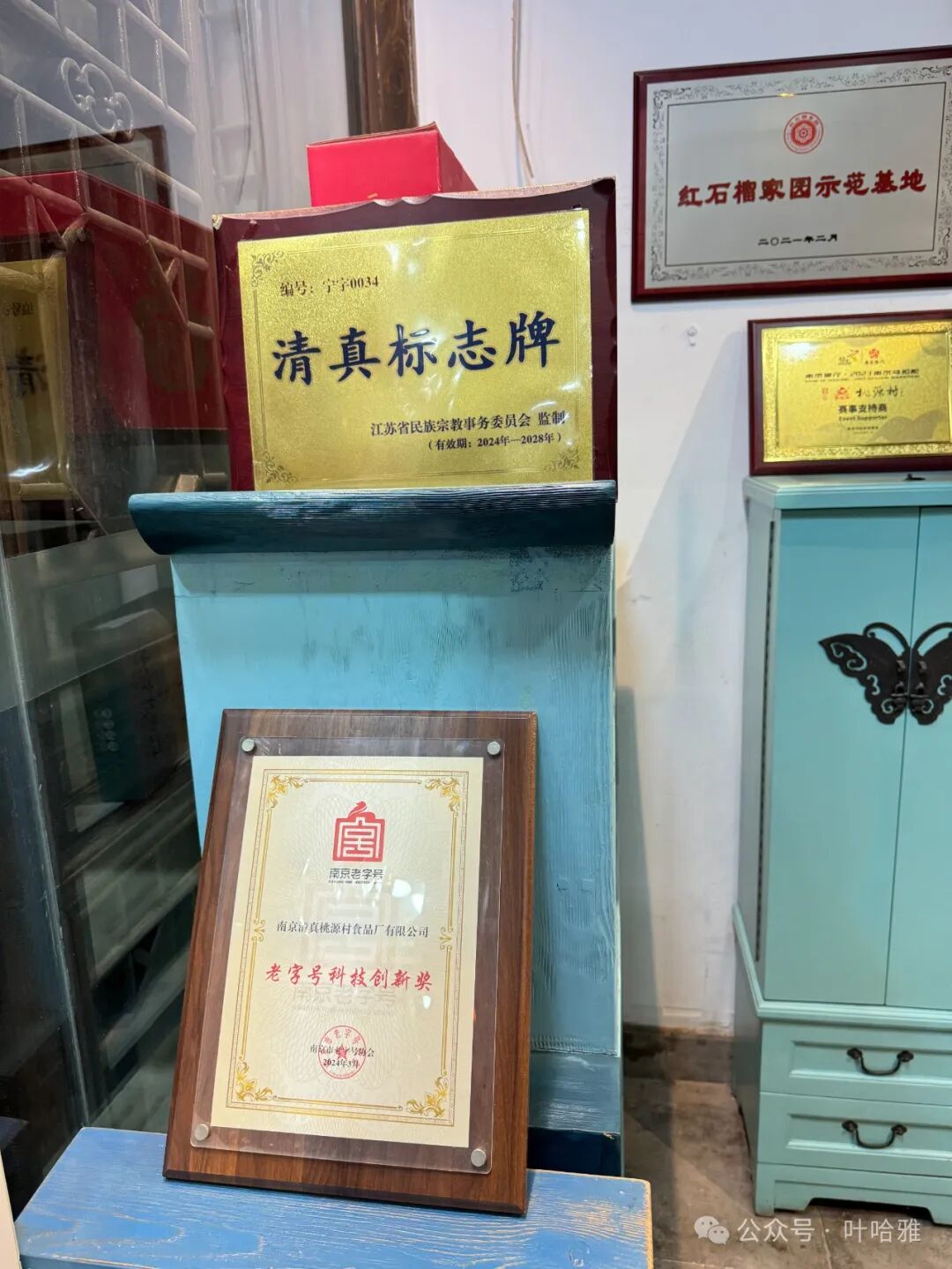
Taoyuancun pastries originated on Niujie Street in Beijing over 150 years ago. Later, they moved to Shanghai and opened a factory near the Xiaotaoyuan Mosque, which is why they were named Taoyuancun. During the Republic of China era, Taoyuancun was invited by the government to enter the Nanjing Central Shopping Mall and officially became a local Nanjing halal pastry brand.
9. Jinhongxing Duck Shop
Jinhongxing's duck is as popular as the deli food at Jubaoyuan, with people lining up all day long. You must try authentic Nanjing roast duck when in Nanjing. It is very different from the Beijing style. Nanjing roast duck can be sliced and eaten by dipping it directly into the sauce. This shop is for takeout, and you can have the owner vacuum-pack it on the spot to take away.
10. Hanfuxing
Founded during the Tongzhi reign of the Qing Dynasty, Hanfuxing Salted Duck Shop is the largest halal food company in Nanjing. It is a time-honored Chinese brand that specializes in products like salted duck (banya). Hanfuxing Duck Shop now has many branches in Nanjing, and the Han family's sweet-scented osmanthus duck (guihuaya) is their signature dish.
11. Xiongji Braised Duck Shop
Xiongji is a duck shop that locals love. The duck has a slightly sweet taste. There are a few other shops in Nanjing that display halal duck signs, but People say they do not guarantee they are truly halal.
12. Malaosan Duck Shop
Malaosan's duck is salty and savory. They also sell braised duck wings and duck necks, and they can vacuum-pack them for nationwide delivery.
13. Xibei Dongxianglou
If you are invited to an iftar meal during Ramadan, choose this place. It is a Dongxiang hand-grabbed mutton (shouzhu) restaurant with three floors and plenty of space. They do not sell alcohol, and there is a parking lot at the entrance.
14. Caoqiao Halal Beef Potsticker and Dumpling Shop
Dumplings are called bianshi in Nanjing. The potstickers (guotie) at this shop are also quite delicious, and the Caoqiao Mosque is nearby.
15. Xiaowang Crispy Flatbread
This is a halal flatbread (shaobing) shop right at the main entrance of the Caoqiao Mosque. They bake their crispy flatbreads in traditional coal ovens, which is rare and very tasty.
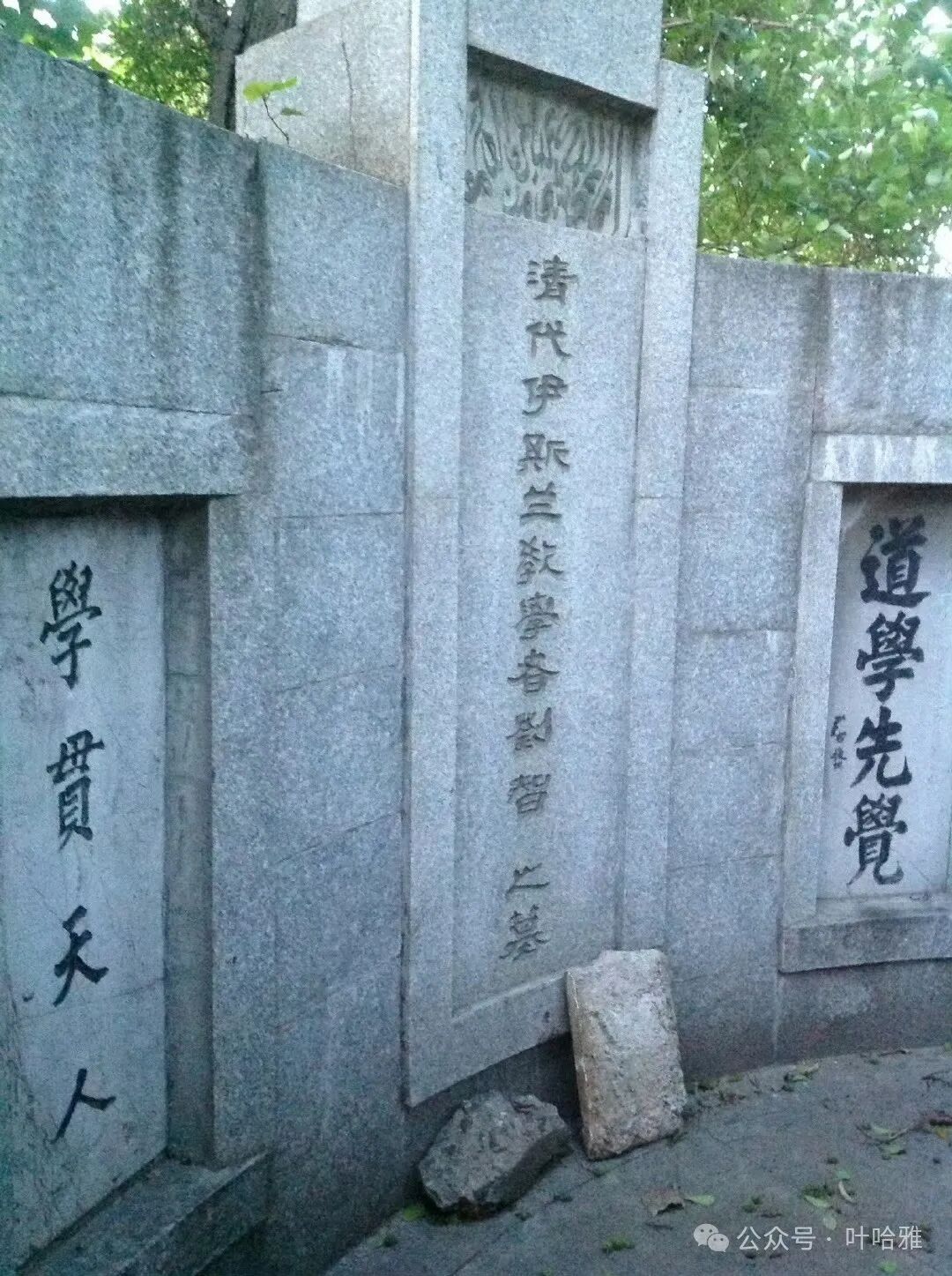
For friends who enjoy halal travel, the tomb of Liu Zhi is a must-visit spot in Nanjing. Liu Zhi, also known as Liu Jielian Baba, was a Nanjing local and the pioneer of the theory of Sinicization of Islam.
There is also the Tomb of the King of Boni. Boni is Brunei, and the King of Brunei once visited Nanjing. The area around this tomb was originally planned to be a Brunei cultural park, but it has since been abandoned. view all
Summary: This 2025 Nanjing halal food map covers old halal brands and local stops such as Maxingxing, Qifangge, Lvliuju, duck shops, beef potstickers, crispy flatbread, the Tomb of Liu Zhi, the Tomb of the King of Boni, and Nanjing's Islamic heritage.
I wrote a map of halal food in Nanjing in 2017. Eight years later, the halal food scene in Nanjing has grown even more. During my trip to Nanjing for an annual meeting this year, I visited a few new spots and updated the information from my old post. I noticed that the sugar lotus root porridge shop (tangzhou ou) mentioned in my old post, Lan Laoda, no longer displays a halal sign. Since they also sell duck blood vermicelli soup (yaxue fensi tang), there is no need to visit it.
The list of halal restaurants featured in this post is as follows:
1. Maxingxing
2. Qifangge
3. Lvliuju
4. Anleyuan
5. Jiangyouji
6. Halal Yiguangge
7. Liji Halal Restaurant
8. Jinhongxing
9. Taoyuancun
10. Hanfuxing
11. Xiong's Braised Duck Shop
12. Old Ma's Duck Shop
13. Northwest Dongxianglou
14. Caoqiao Halal Beef Potsticker and Dumpling Shop
15. Little Wang's Crispy Flatbread (shaobing)
1. Maxingxing
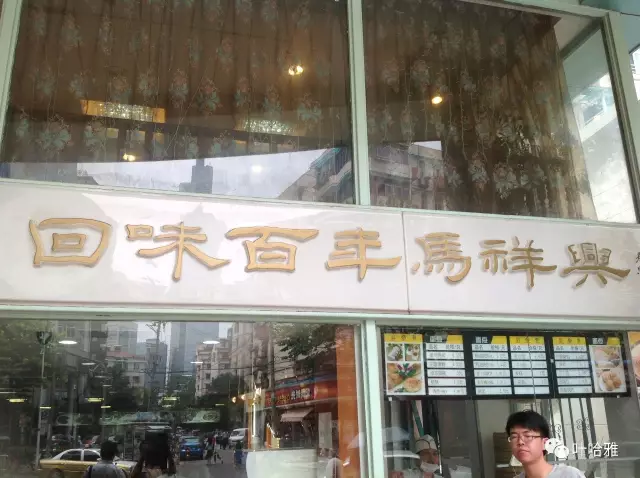
Maxingxing Restaurant is the oldest halal restaurant in Nanjing. It has been around for over 160 years, dating back to the Daoguang era of the Qing Dynasty in 1845. It is one of the four famous old halal brands in Nanjing. Its four signature dishes are beauty liver (meiren gan), phoenix tail shrimp (fengwei xia), egg steamed dumplings (dan shaomai), and squirrel fish (songshu yu). Today, Maxingxing is listed as a piece of intangible cultural heritage in Jiangsu Province and was among the first group of time-honored Chinese brands recognized by the Ministry of Commerce. Most visitors to Nanjing want to try the local snacks. The potstickers (guotie) and soup dumplings (xiaolongbao) at Maxingxing are delicious treats you should not miss.
2. Qifangge
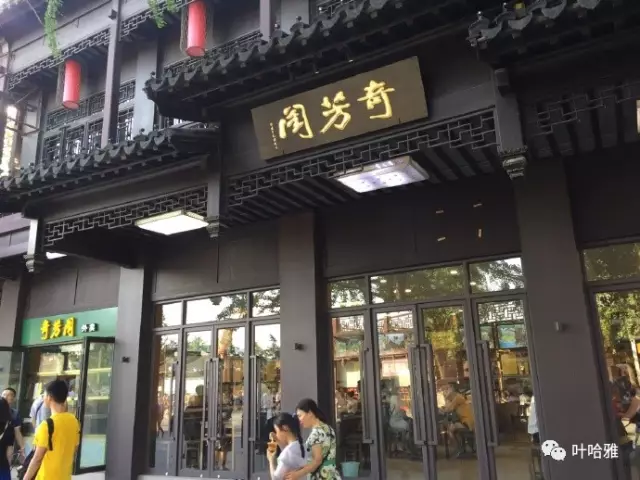
Qifangge is one of the four famous old halal brands in Nanjing. It was founded in 1917 by socialites and business leaders including Li Yangchao, Zhu Shouren, Liu Hairu, and Yu Zikuan. They pooled their money to open the Qifangge Halal Tea House near Chengsi Mosque on what was then Qiwang Street (now Jiankang Road), focusing on halal snacks. The century-old snack set offered by Qifangge serves small portions of many items, allowing you to try all the famous Qinhuai River snacks at once.
3. Green Willow House (Lvliuju)
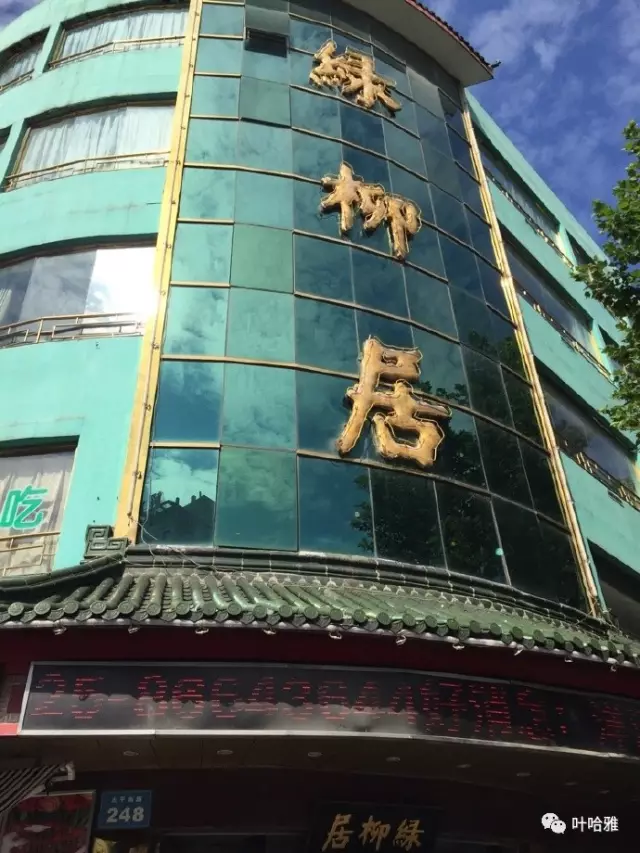
Green Willow House started in 1912. It is a Jiangsu Province Intangible Cultural Heritage site famous for its vegetarian and halal dishes. Records show that Bai Chongxi, Sun Yat-sen, and the Soong sisters were all regular customers at Green Willow House. The first floor is a supermarket for their homemade food, with hundreds of finished or semi-finished products. The second floor serves snacks, the third floor serves stir-fried dishes, and the floors above that have private dining rooms.
4. Anleyuan
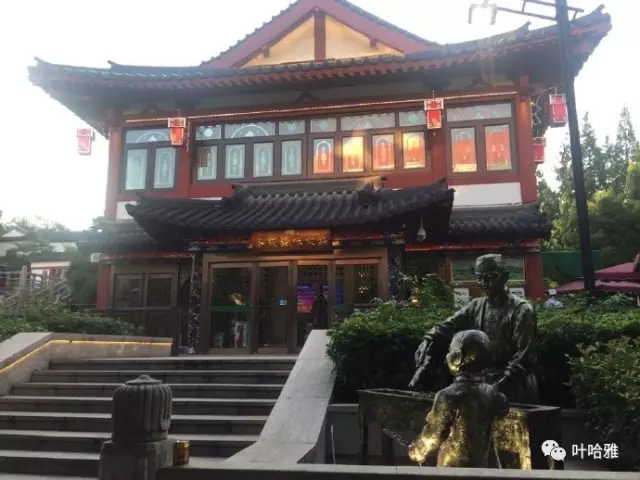
Anleyuan is the largest halal restaurant in Nanjing. It is known as the number one halal restaurant in the Jiangnan region. The building in the picture is only for stir-fried dishes. Next to it, there is another building for snacks and one for hot pot. You can eat famous Nanjing dishes here like salt-water duck (yanshui ya) and squirrel-shaped mandarin fish (songshu guiyu).
5. Jiang Youji
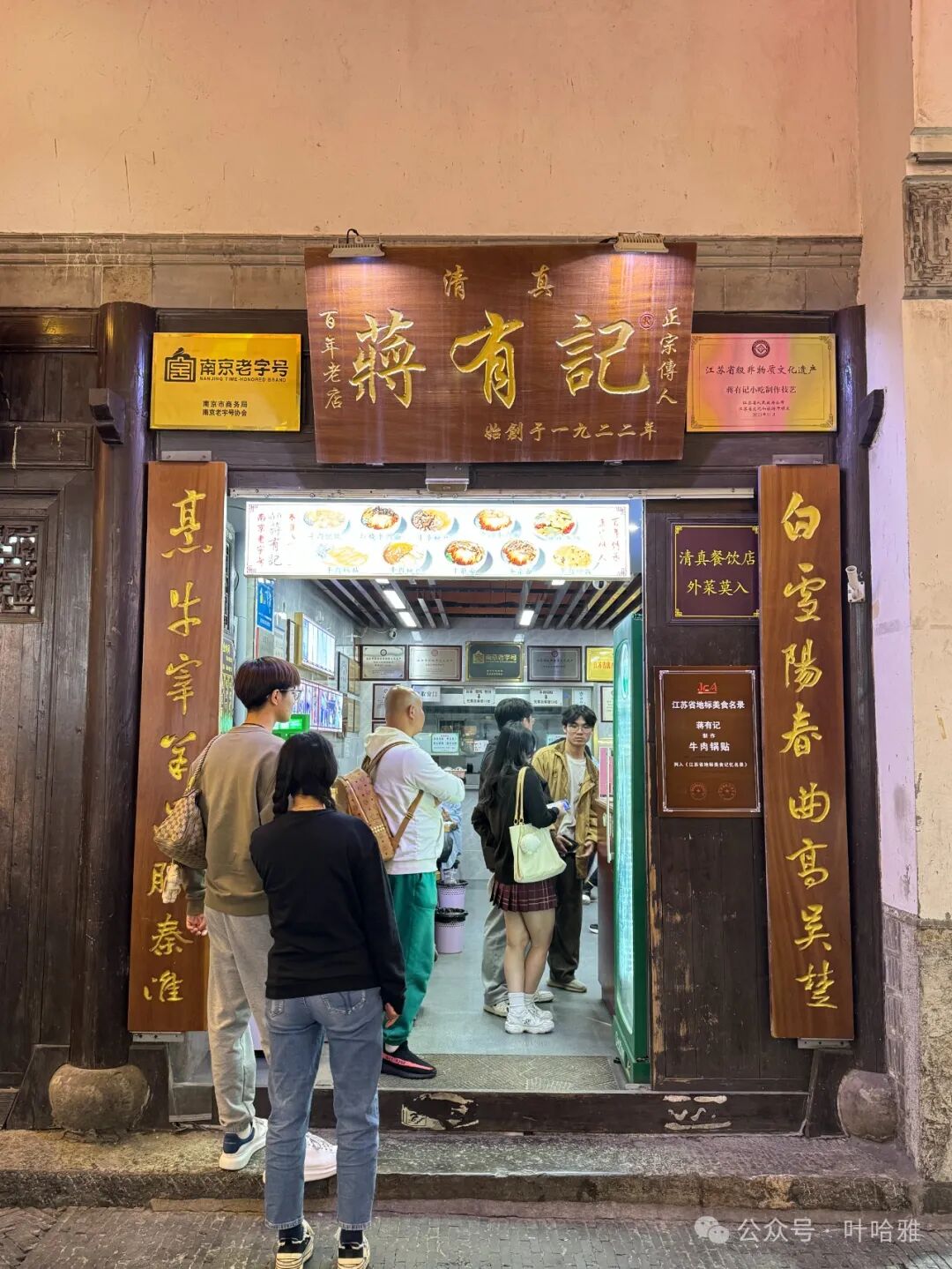
Jiang Youji is another century-old halal brand in Nanjing. Its most famous dish is beef potstickers (niurou guotie), which are known as one of the Eight Wonders of Qinhuai. A few years ago, there was a lawsuit over the brand name. That does not matter to diners, though. We do not care if the successor is the official one; if the food does not taste good, it is useless no matter how official they are.
6. Yiguangge
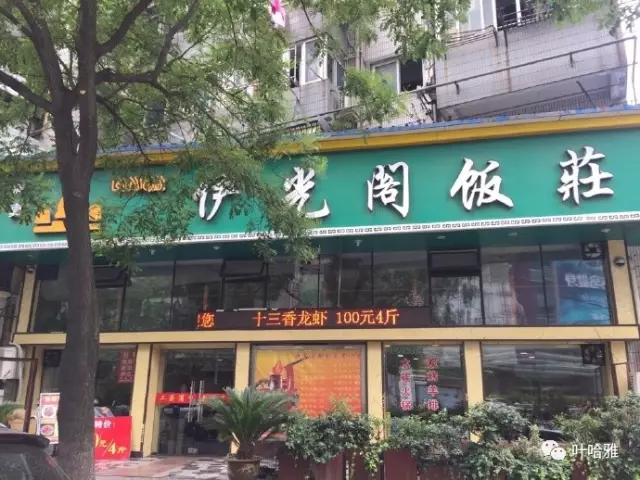
Yiguangge is a long-standing shop in Nanjing. The owner owns the building, so they do not pay rent and the prices are cheap. I came here to eat crayfish. Crayfish is a common home-cooked dish in the Jiangnan region, and you naturally have to eat authentic halal crayfish when you come to Nanjing.
7. Liji Halal Restaurant
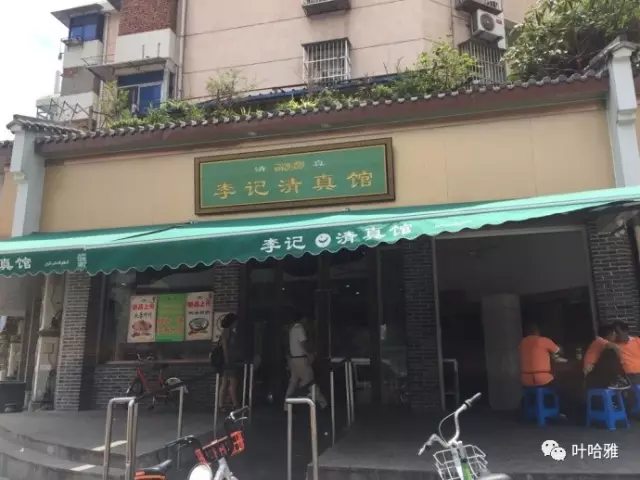
Liji Halal Restaurant only has this one location in Nanjing with no other branches. It is a long-established shop that sells various Nanjing snacks. There are too many varieties, and each snack comes in different flavors. When eating Nanjing soup dumplings (xiaolongbao), the skin is thin and there is a hole on top. You can suck the soup out from the top before eating the dumpling, but be careful not to burn your mouth.
8. Taoyuancun
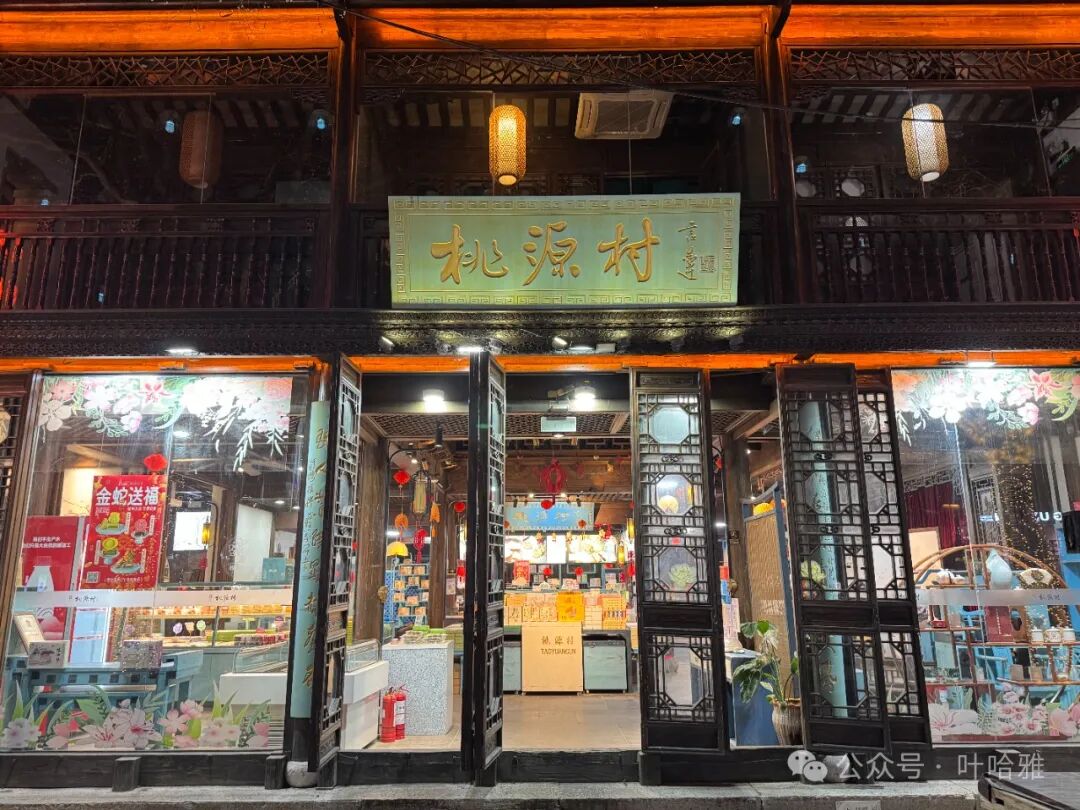
Taoyuancun pastries originated on Niujie Street in Beijing over 150 years ago. Later, they moved to Shanghai and opened a factory near the Xiaotaoyuan Mosque, which is why they were named Taoyuancun. During the Republic of China era, Taoyuancun was invited by the government to enter the Nanjing Central Shopping Mall and officially became a local Nanjing halal pastry brand.
9. Jinhongxing Duck Shop
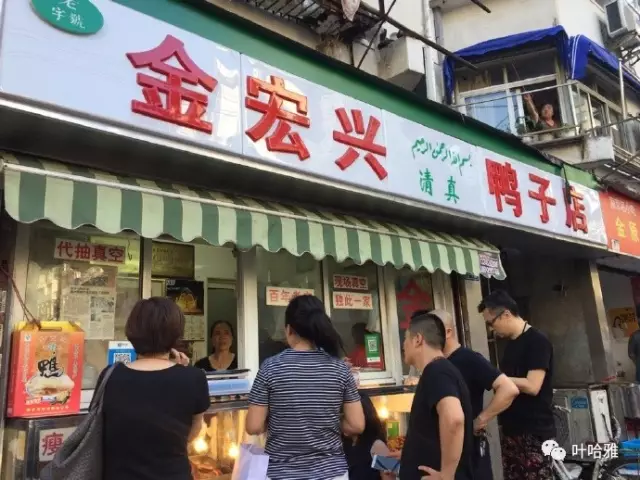
Jinhongxing's duck is as popular as the deli food at Jubaoyuan, with people lining up all day long. You must try authentic Nanjing roast duck when in Nanjing. It is very different from the Beijing style. Nanjing roast duck can be sliced and eaten by dipping it directly into the sauce. This shop is for takeout, and you can have the owner vacuum-pack it on the spot to take away.
10. Hanfuxing
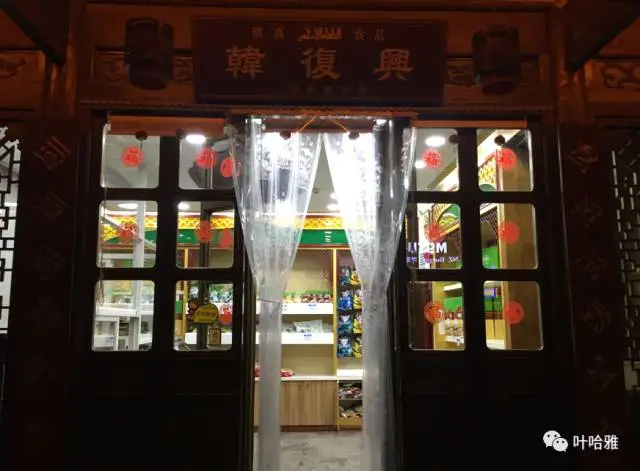
Founded during the Tongzhi reign of the Qing Dynasty, Hanfuxing Salted Duck Shop is the largest halal food company in Nanjing. It is a time-honored Chinese brand that specializes in products like salted duck (banya). Hanfuxing Duck Shop now has many branches in Nanjing, and the Han family's sweet-scented osmanthus duck (guihuaya) is their signature dish.
11. Xiongji Braised Duck Shop
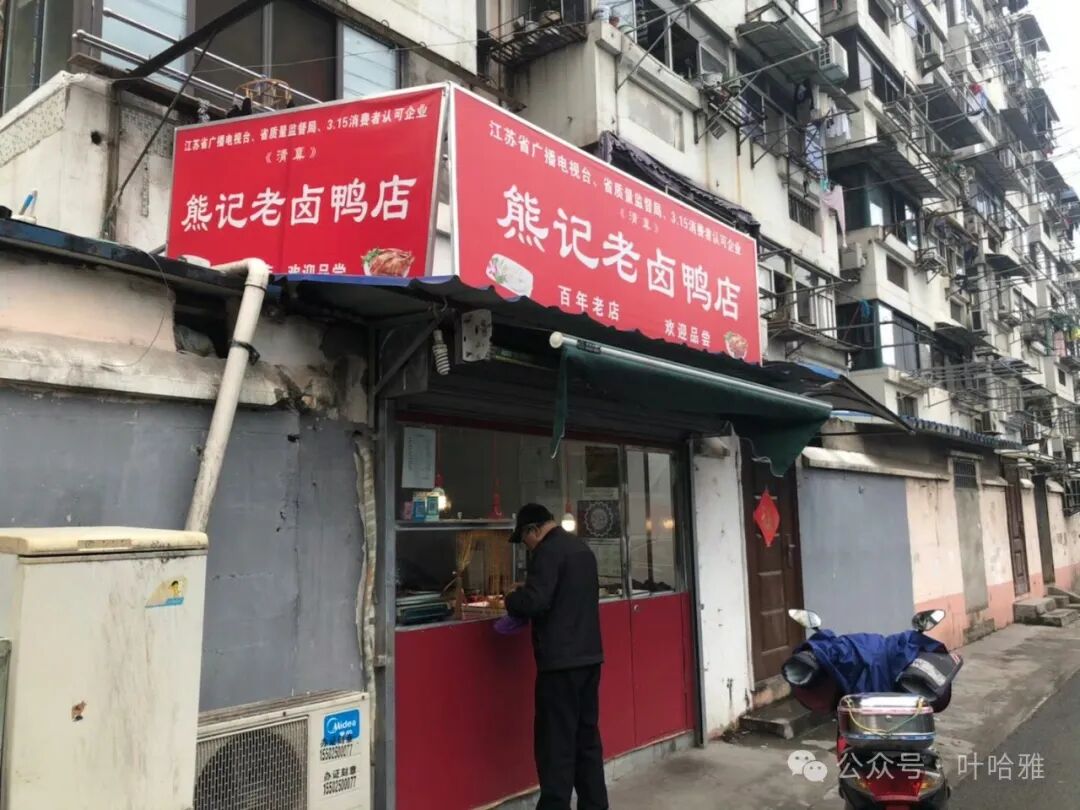
Xiongji is a duck shop that locals love. The duck has a slightly sweet taste. There are a few other shops in Nanjing that display halal duck signs, but People say they do not guarantee they are truly halal.
12. Malaosan Duck Shop
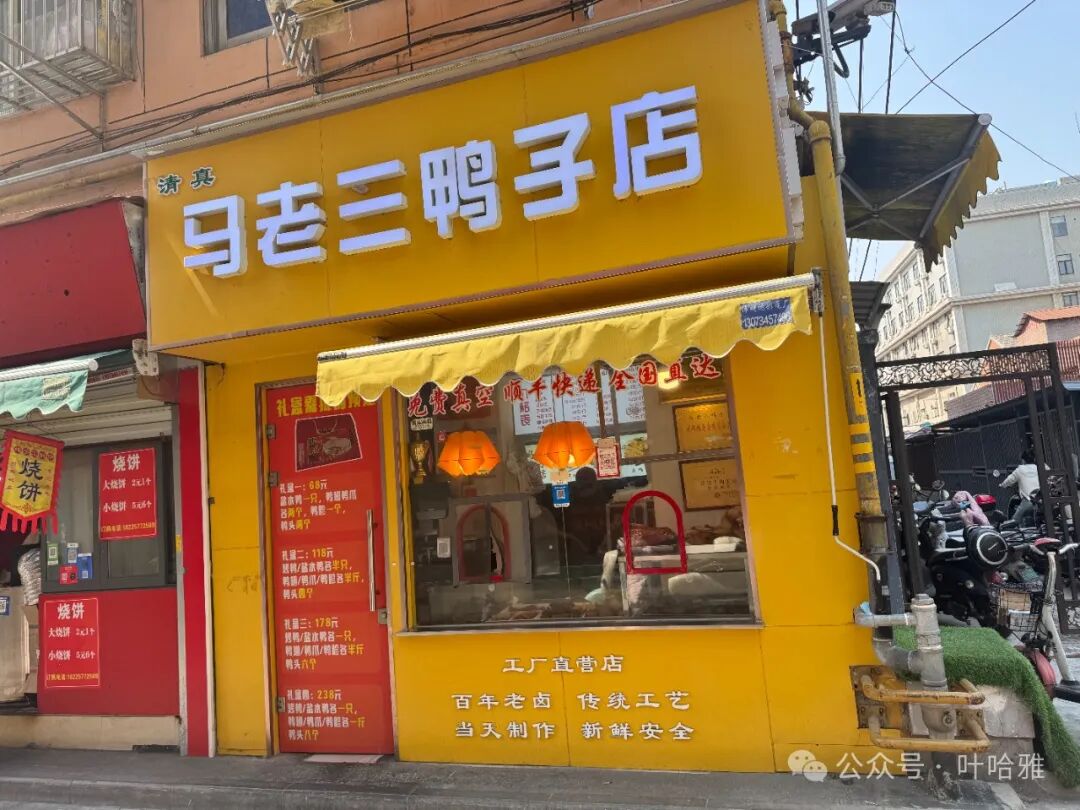
Malaosan's duck is salty and savory. They also sell braised duck wings and duck necks, and they can vacuum-pack them for nationwide delivery.
13. Xibei Dongxianglou
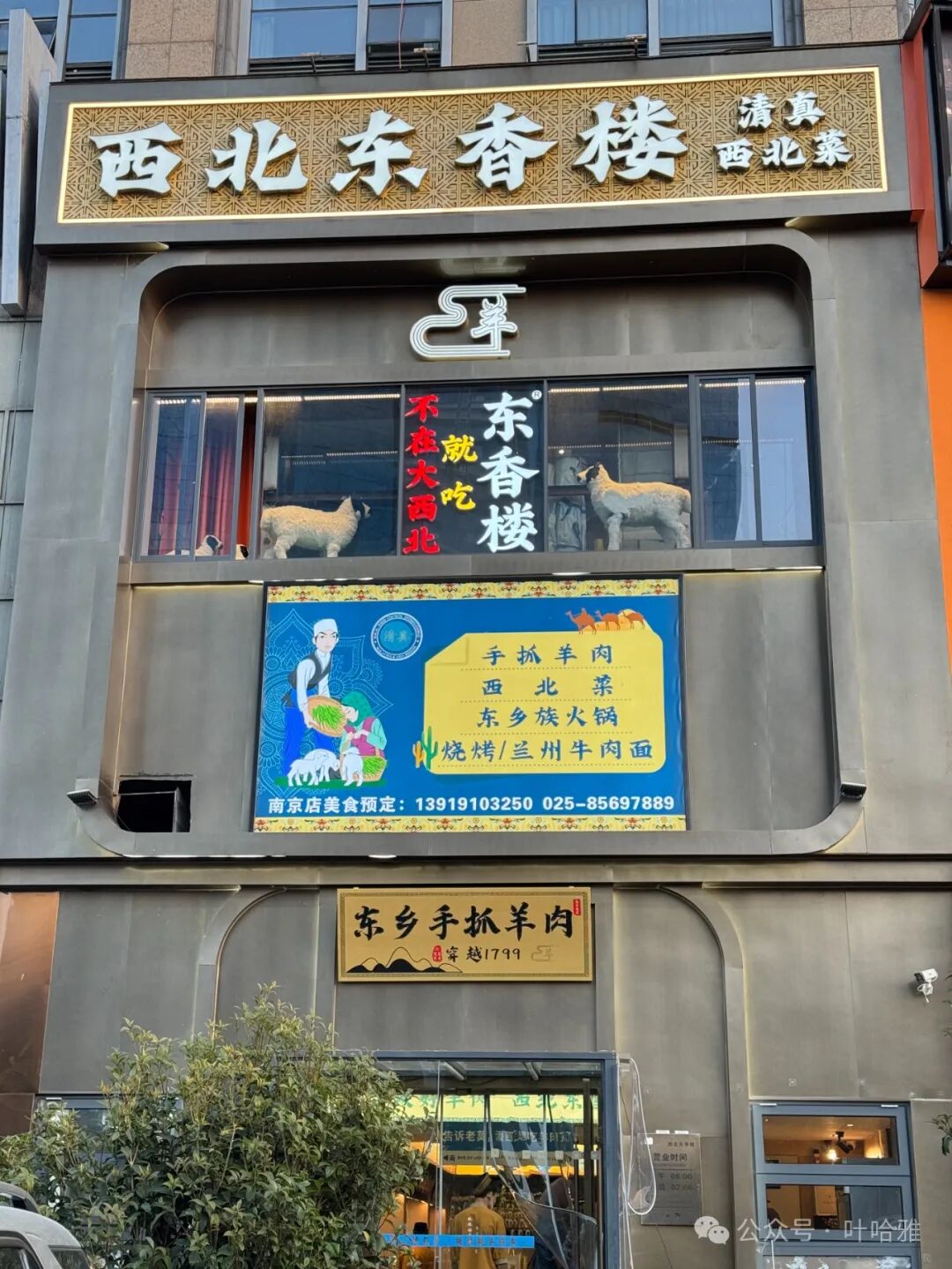
If you are invited to an iftar meal during Ramadan, choose this place. It is a Dongxiang hand-grabbed mutton (shouzhu) restaurant with three floors and plenty of space. They do not sell alcohol, and there is a parking lot at the entrance.
14. Caoqiao Halal Beef Potsticker and Dumpling Shop
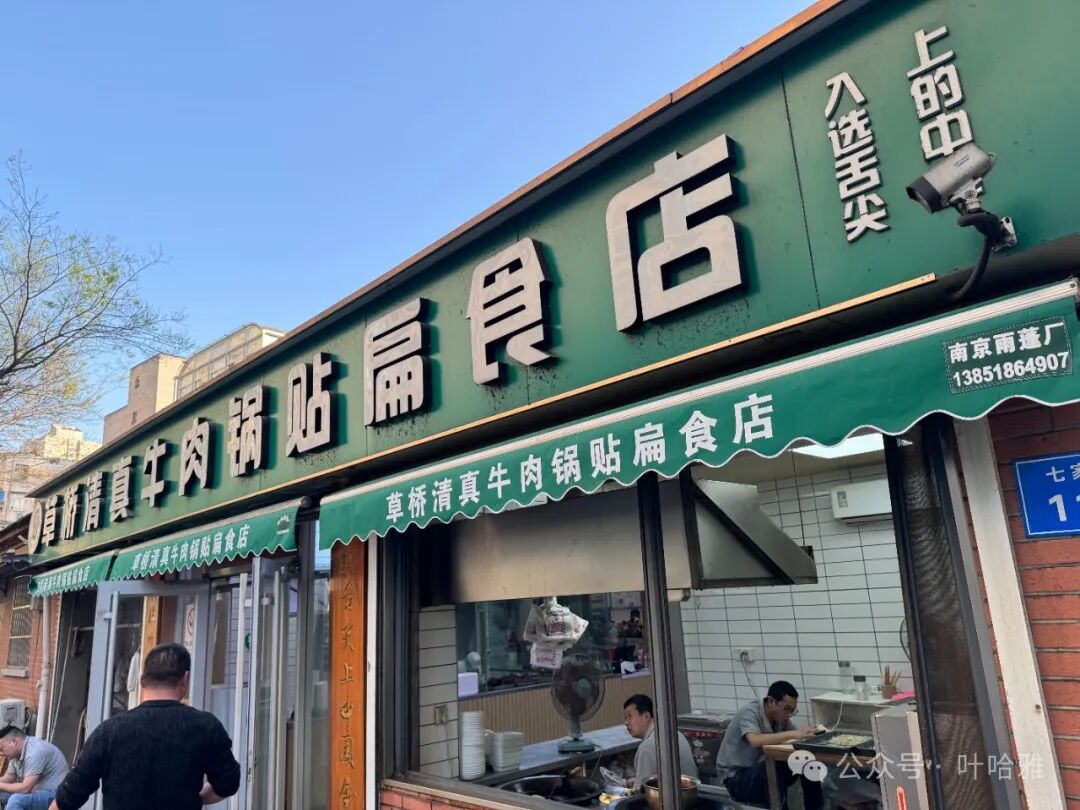
Dumplings are called bianshi in Nanjing. The potstickers (guotie) at this shop are also quite delicious, and the Caoqiao Mosque is nearby.
15. Xiaowang Crispy Flatbread
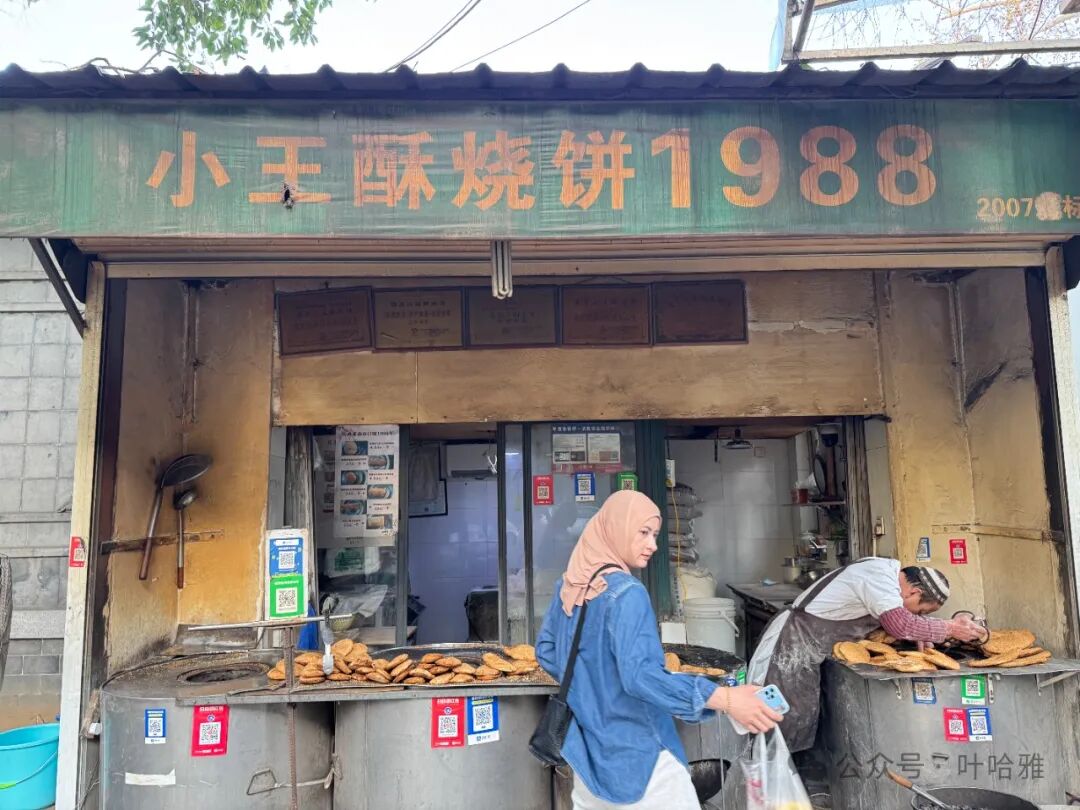
This is a halal flatbread (shaobing) shop right at the main entrance of the Caoqiao Mosque. They bake their crispy flatbreads in traditional coal ovens, which is rare and very tasty.
For friends who enjoy halal travel, the tomb of Liu Zhi is a must-visit spot in Nanjing. Liu Zhi, also known as Liu Jielian Baba, was a Nanjing local and the pioneer of the theory of Sinicization of Islam.
There is also the Tomb of the King of Boni. Boni is Brunei, and the King of Brunei once visited Nanjing. The area around this tomb was originally planned to be a Brunei cultural park, but it has since been abandoned.
Best Halal Food Kuala Lumpur: Arabic Grill, Laksa, Hakka Cuisine and Halal Chinese Food
Articles • yusuf908 posted the article • 0 comments • 191 views • 2026-05-24 00:17
Summary: This Kuala Lumpur halal food guide issue 3 maps Malay, Chinese, and international halal restaurants, including Arabic grilled meat, laksa, Hakka cuisine, Cantonese-style tea food, seafood, French food, Japanese ramen, hot pot, Chinese dishes, and Paris Baguette.
Kuala Lumpur has a surprising number of halal restaurants. If you do not know where to start, you can choose from the three categories I have divided them into. The first category is Malay food, or Southeast Asian cuisine, which includes Thai food. Malay people are spread widely across Southeast Asia; they live not only in Malaysia but also in Singapore, Brunei, Indonesia, and Thailand. The second category is Chinese food, or Chinese cuisine. This is mainly halal food made by Chinese people who moved south to Southeast Asia, based on Fujian and Guangdong styles with some improvements. The third category is foreign restaurants. The most common ones here are Japanese and Korean food, followed by Western food, South Asian restaurants, and Middle Eastern restaurants. There might be some niche halal restaurants, but they basically fall into these three categories. The number of halal restaurants here definitely exceeds that of Beijing, but in terms of variety, it is still not as diverse as Beijing. Beijing's halal Chinese food and foreign restaurant categories still lead the world.
The restaurant information for this issue is as follows:
1. WRAP'NROLL (Arabian grilled meat)
2. AH CHENG LAKSA (Malay food)
3. Maifenju (Hakka cuisine)
4. FRIDAYS (North American style food)
5. Samtai Yamch'a (Cantonese-style tea restaurant)
6. TWO SONS (seafood, afternoon tea)
7. BACHA COFFEE (coffee shop)
8. TEA ROASTERY (Japanese matcha)
9. Arte 66 Restaurant & Bar (French food)
10. Teppanyaki (tieban shao)
11. Shrimp Noodle Bar (Japanese ramen)
12. The Fish Bowl (light meals)
13. Cili Kampung (Malay cuisine)
14. Fresh (airport light meal fast food)
15. Tengyu (Chinese food, hot pot)
16. Paris Baguette (Western pastries and bread)
1. Wrap'nroll
This is an Arabic fast food restaurant on the B1 floor of Avenue K mall. People call this mall AK. It sits just across the street from the north side of the Petronas Twin Towers. The B1 floor has many halal fast food shops.
You can eat Arabic specialty desserts like kunafa and baklava here.
Address: By the elevator on the B1 floor of AK mall
2. Ah Cheng Laksa
Laksa is a specialty of Malaysia. It is a type of noodle soup that comes in many varieties and flavors. Because many Malay people live in Singapore and Indonesia, you can find laksa there too.
The broth for this noodle soup has many ingredients and a wide range of flavors. I did not quite understand the taste, so I just ordered the signature laksa. I could not finish it after two bites. If you have a conservative palate, be careful when ordering.
Address: AK Mall, B1
3. Ma Fen Ju
This is a small Hakka restaurant. You can probably only find halal Hakka food in Southeast Asia, and this was my first time trying it.
The menu says no pork. In Malaysia, getting an official halal certification costs over 50,000 Malaysian ringgit. Small shops cannot afford that, so they just write no pork instead of paying the fee.
Sambal okra (yangjiaodou) is just okra.
Dried shrimp tofu with minced meat rice, which is a little spicy.
Address: AK Mall, B1
4. FRIDAYS
This is an American-style halal restaurant. You can tell by the decor that it has a Western cowboy vibe.
American restaurants are known for large portions and high calories. I chose this place because my son cannot eat spicy food, but the black pepper in the American dishes still has a bit of a kick.
Fahim took one bite of the salmon and stopped, so I ordered him a kids' meal instead.
Tomato pasta is his absolute favorite.
Address: 4th Floor, KLCC
5. Samtai Yamch'a
This is a halal-certified Cantonese dim sum restaurant.
They have freshly made dim sum available for takeout.
The restaurant is in the newly opened TRX Mall and is very busy with many Malay customers, but I don't think it is as refined as the dim sum in KLCC.
Spicy wontons in chili oil (hongyou chaoshou) and their signature hand-pulled noodles (lamian).
Fresh shrimp rice noodle rolls (changfen).
Custard buns (liushabao).
Chicken barbecue pork buns (chashaobao). I still think the ones from the Hui Muslim restaurant in Guangzhou that split open at the top are better.
Address: Concourse Level, TRX Mall
6. TWO SONS
Two Sons is a seafood afternoon tea restaurant on the third floor of TRX.
You order by scanning a QR code here, and they serve tea and coffee.
The main meals focus on seafood, which tastes fresh and delicious. You often have to queue for a table, but waiting in line to eat is very common in Kuala Lumpur.
Address: 3rd Floor, TRX Mall.
7. BACHA COFFEE
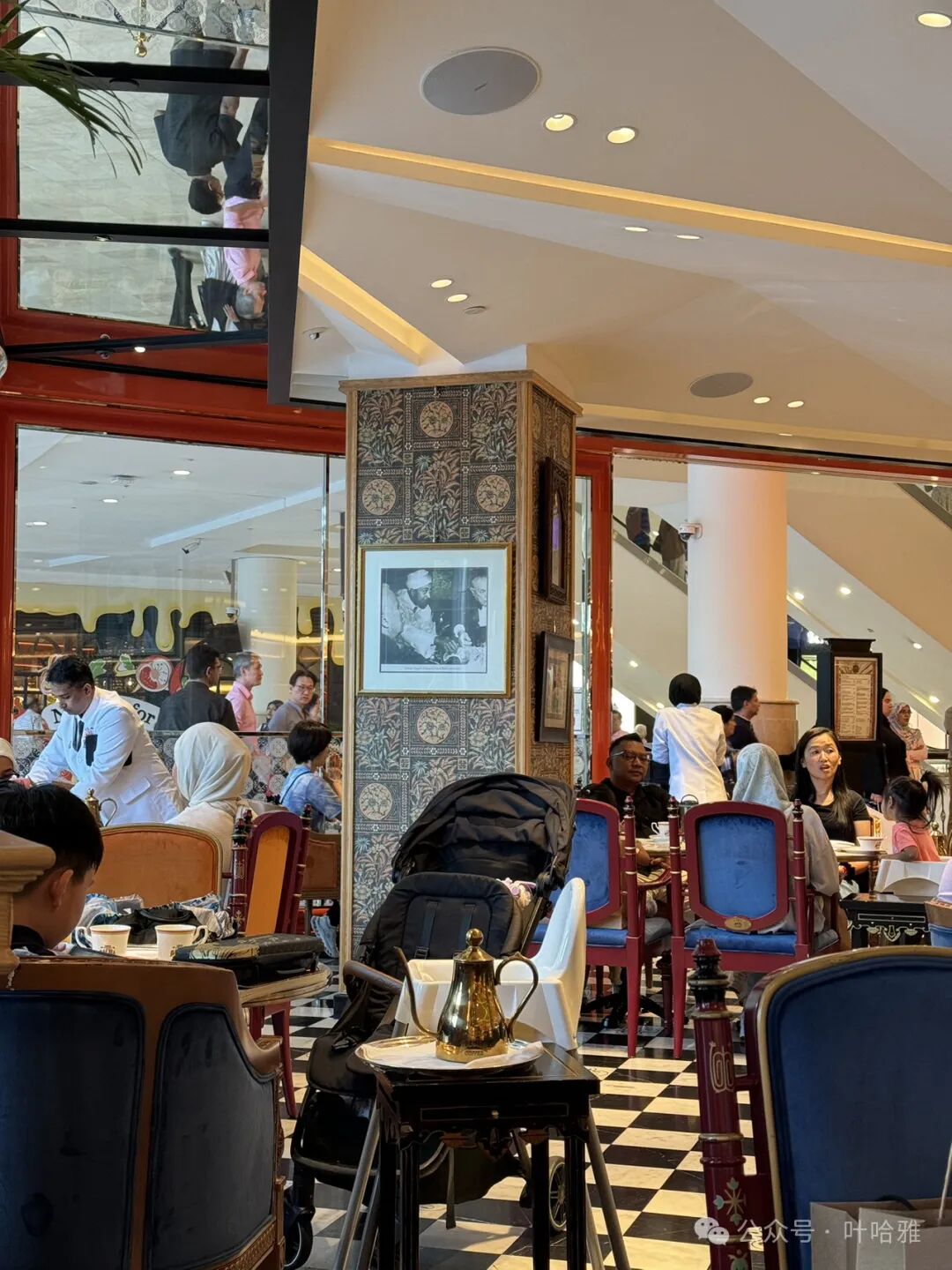
This is a very popular cafe that also has locations in Hong Kong. It is known as the Hermes of the coffee world, but the prices are not actually that high. A pot of coffee costs about 30 to 60 Malaysian Ringgit.
We visited the branch on the ground floor of KLCC, and I also saw one in the TRX mall.
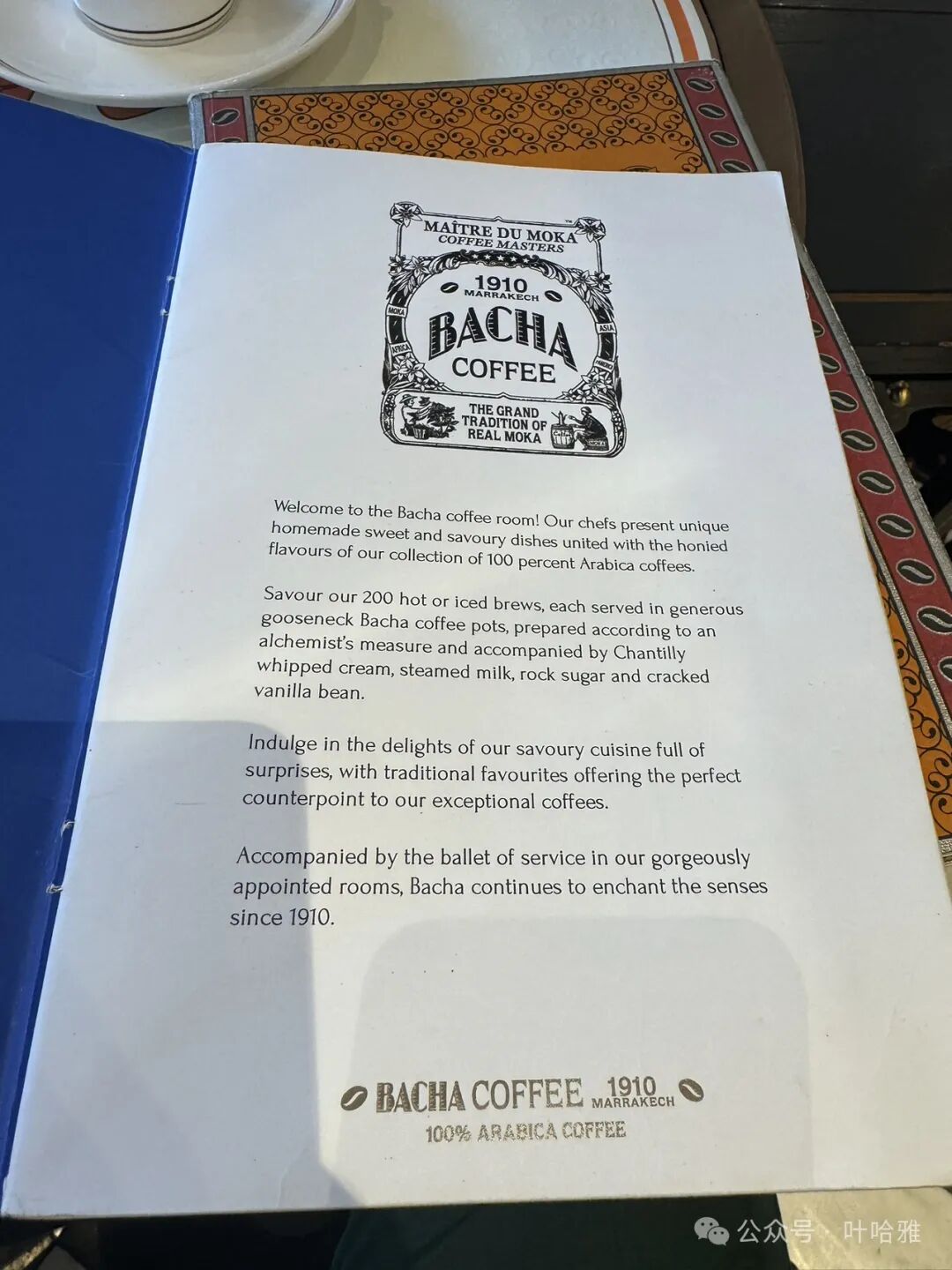
They have hundreds of coffee varieties, and the menu is as thick as a book. I do not have any specific recommendations, but keep in mind that one order is a whole pot, which is enough for two people. We accidentally ordered two pots, but luckily they were not filled to the brim, so we managed to finish them.
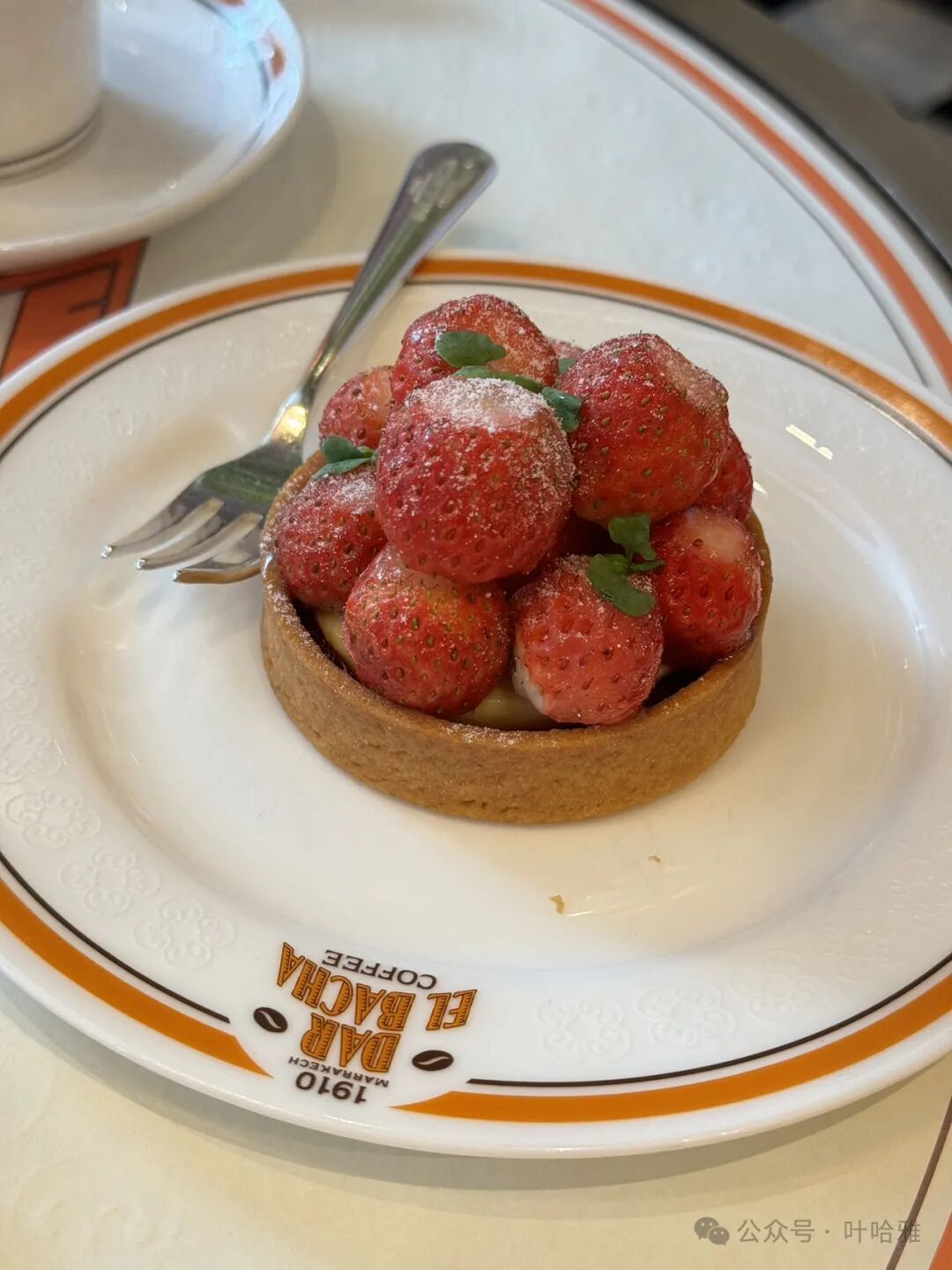
You can pair the coffee with cream and desserts, which are of excellent quality.
Address: Ground Floor, KLCC, near the entrance by the musical fountain.
8. TEA ROASTERY CHA-BA-SHI-RA
A new Japanese matcha shop just opened at the entrance of the B1 supermarket in Isetan Department Store.
The owner is Malaysian. He went to Japan to learn the art of matcha, and because he loves it himself, he came back home to open this shop.
I have tasted matcha in Hokkaido, where it was smooth and rich, and the quality at this shop is also very good.
Address: Exit of the B1 supermarket in Isetan Department Store.
9. Arte 66 Restaurant & Bar
This is a very luxurious French restaurant located just a few hundred meters from the Kuala Lumpur Convention Centre.
You can only find this kind of halal French dining in Kuala Lumpur. I saw one in Dubai, but it was ridiculously expensive at 3,000 yuan per person. This place is about 500 RMB per person.
The restaurant is on the 66th floor of the building, offering a panoramic view of Kuala Lumpur with the Petronas Twin Towers visible in the distance.
They charge per person, and you choose your items from the menu. The dishes are served in order, and the whole meal takes about an hour.
They serve TWG brand tea bags, which cost over a hundred yuan online.
The first dish was raw oyster sashimi. The taste was very average and a bit fishy; I still don't like eating raw oysters.
The two of us chose different set menus, and the other one was salmon sashimi.
Seafood soup with scallop meat, large shrimp, and mussels.
Creamy vegetable soup.
This is a French-style duck dish. The meat is quite tender and very lean.
The French-style pan-seared lamb chops taste good. It is a pity I did not get to eat French escargot here; I will have to wait until I am back in Tianjin to eat snails.
The coffee and desserts are high quality, but the main dishes taste very ordinary and a bit rough. They do not seem to match the decor.
Address: Level 66, Jalan Sultan Haji Ahmad Shah, Mont Kiara, 50480 Kuala Lumpur, Wilayah Persekutuan Kuala Lumpur
10. Teppanyaki
A Japanese teppanyaki restaurant. I remember the last time I had halal teppanyaki was in Hokkaido.
A chef cooks the meat for you, then you eat it with vegetables and rice. The meal comes with jelly and edamame.
Address: 52100, Wilayah Persekutuan Kuala Lumpur, Kuala Lumpur, Taman Kepong, Jalan Metro Prima, F28, L1, AEON Mall, Metro Prima
11. Shrimp Noodle Bar
This is a Japanese-style shrimp broth ramen shop.
Their shrimp soup is incredibly rich and authentic, made with real, quality ingredients. The shrimp tails are already peeled, which is a perfect touch.
12. THE FISH BOWL
This is a light meal shop on the fourth floor of KLCC. After living in Malaysia for a while, you will really crave this kind of light, healthy food. This shop is also halal certified.
Their drinks are all fresh-pressed fruit and vegetable juices.
You order by selecting your ingredients on a piece of paper.
If you cannot read the menu, you can also choose a set meal by looking at the pictures.
13. cili kampung
This is a Malay restaurant on the fourth floor of KLCC. It is a chain store that is very popular, so you will need to wait in line.
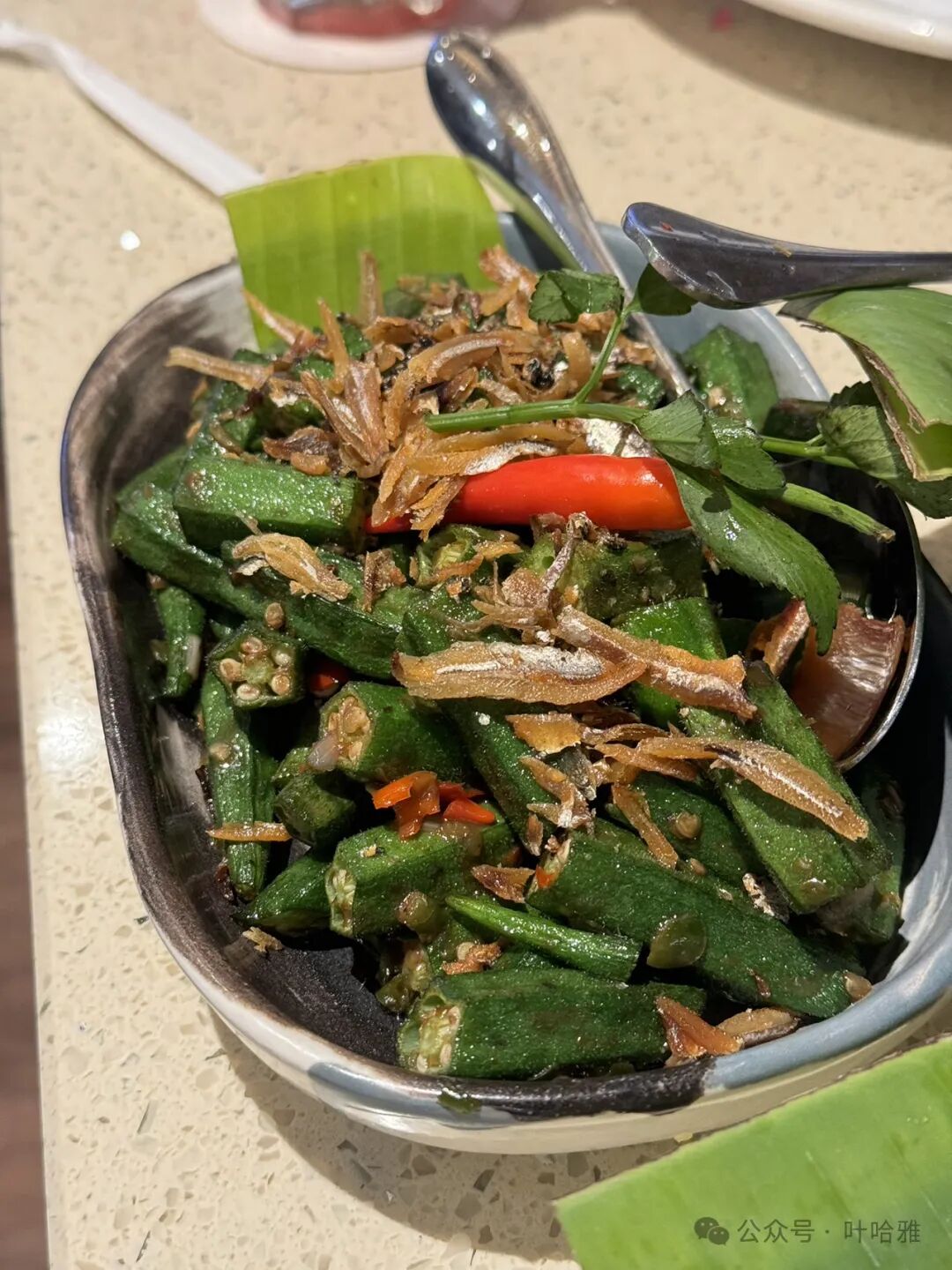
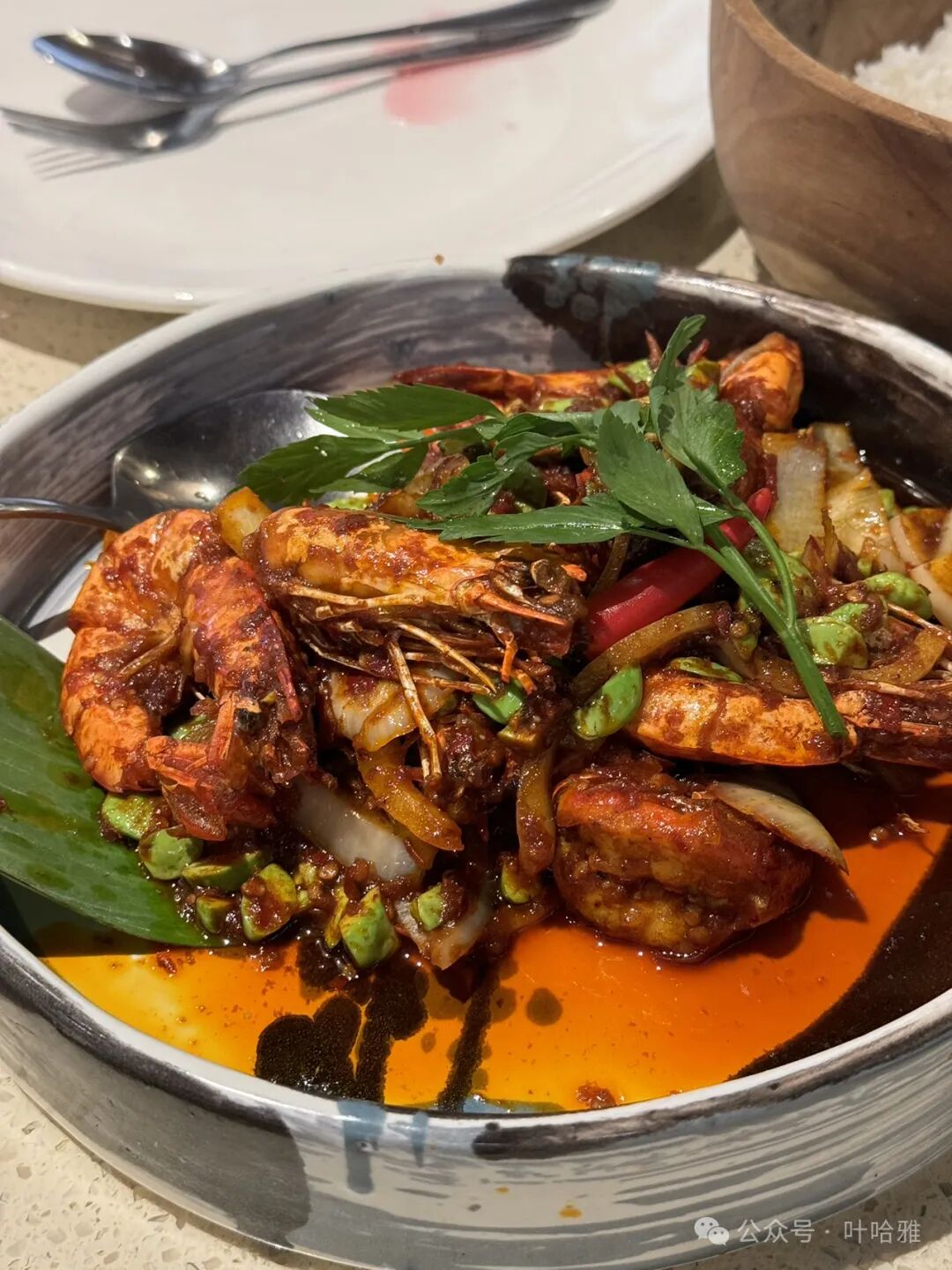
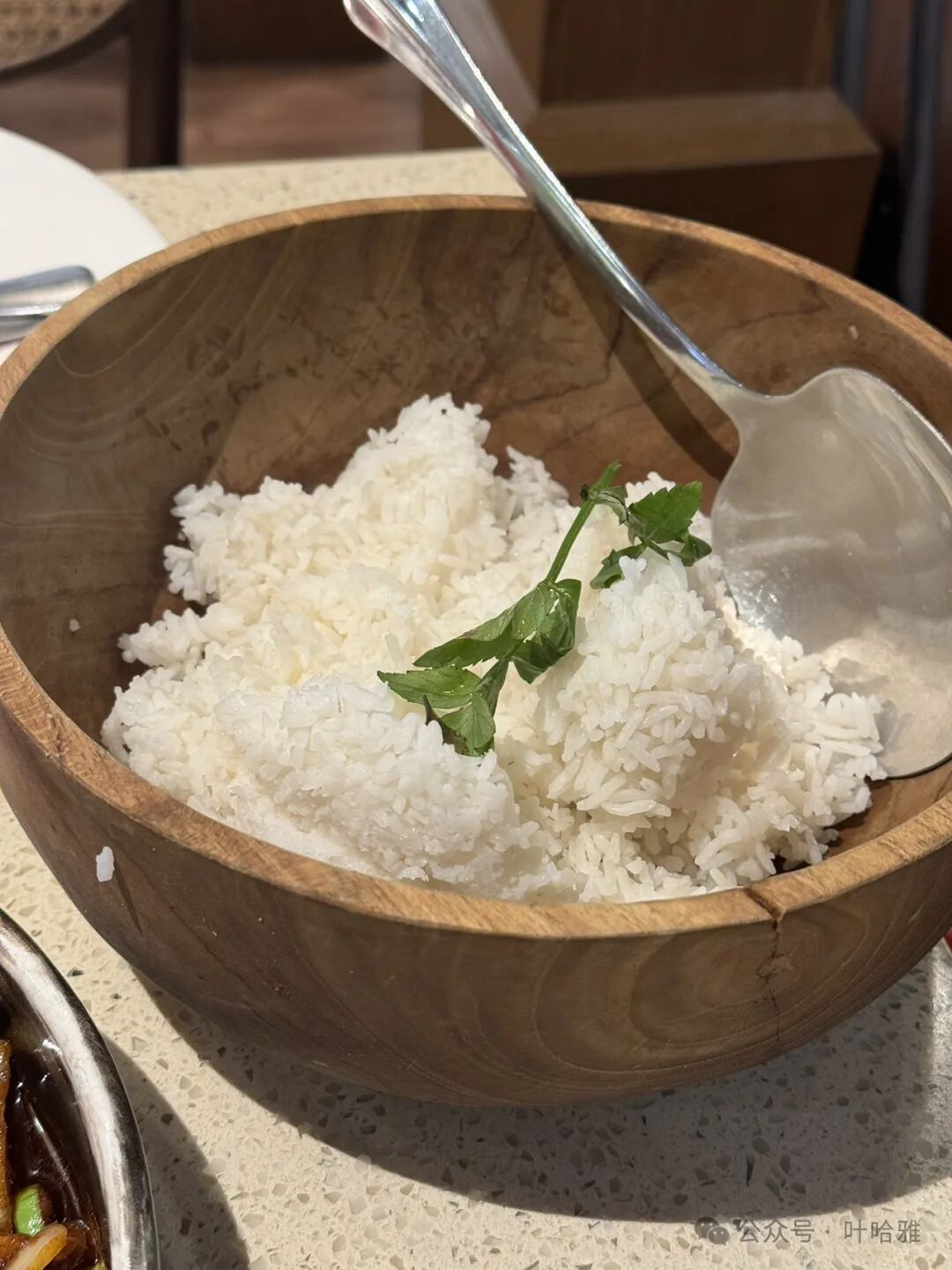
The large shrimp and squid are delicious. The salty and spicy flavors go perfectly with rice; the two of us ate a whole bucket of it.
Address: 4th Floor, KLCC
14. FRESH
This is a fast-food restaurant located after the international security checkpoint at Kuala Lumpur Airport.
There are not many good food options after security. Besides McDonald's, KFC, and Pizza Hut, this is the only healthy restaurant worth visiting.
Address: After international security, Terminal 2, Kuala Lumpur International Airport.
15. Tengyu Chinese Hot Pot Restaurant
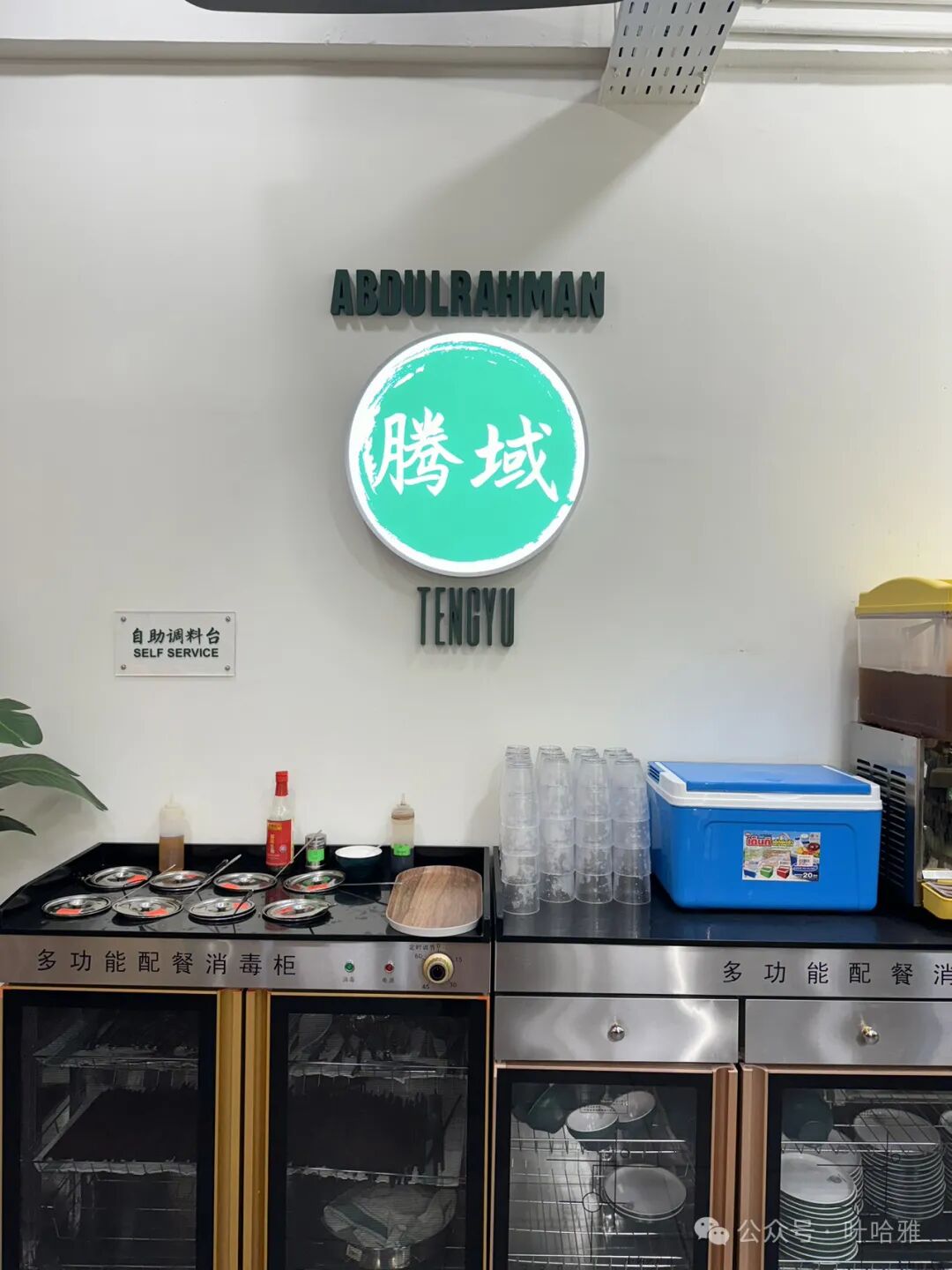
Tengyu is a hot pot restaurant in Kuala Lumpur opened by Hui Muslims from Xi'an. They also serve stir-fried dishes.
The restaurant has a nice, spacious environment and even includes a prayer room.
They use traditional copper pots with charcoal fire, and the taste is very good.
Their stir-fried dishes are prepared in the Sichuan style and go very well with rice.
Fermented glutinous rice soup (laozao tang)
Shredded pork in sweet bean sauce (jingjiang rousi)
Fish with pickled mustard greens (suancai yu)
Address: 83-G PLATINUM WALK NO 2 JALAN LANGKAWI SETAPAK, KUALA LUMPUR. (Next to the side entrance of Setapak Central)
16. PARIS BAGUETTE
A halal Paris Baguette store in Kuala Lumpur.
They have bread, light meals, and coffee.
Address: Level C, The Exchange TRX mall view all
Summary: This Kuala Lumpur halal food guide issue 3 maps Malay, Chinese, and international halal restaurants, including Arabic grilled meat, laksa, Hakka cuisine, Cantonese-style tea food, seafood, French food, Japanese ramen, hot pot, Chinese dishes, and Paris Baguette.
Kuala Lumpur has a surprising number of halal restaurants. If you do not know where to start, you can choose from the three categories I have divided them into. The first category is Malay food, or Southeast Asian cuisine, which includes Thai food. Malay people are spread widely across Southeast Asia; they live not only in Malaysia but also in Singapore, Brunei, Indonesia, and Thailand. The second category is Chinese food, or Chinese cuisine. This is mainly halal food made by Chinese people who moved south to Southeast Asia, based on Fujian and Guangdong styles with some improvements. The third category is foreign restaurants. The most common ones here are Japanese and Korean food, followed by Western food, South Asian restaurants, and Middle Eastern restaurants. There might be some niche halal restaurants, but they basically fall into these three categories. The number of halal restaurants here definitely exceeds that of Beijing, but in terms of variety, it is still not as diverse as Beijing. Beijing's halal Chinese food and foreign restaurant categories still lead the world.
The restaurant information for this issue is as follows:
1. WRAP'NROLL (Arabian grilled meat)
2. AH CHENG LAKSA (Malay food)
3. Maifenju (Hakka cuisine)
4. FRIDAYS (North American style food)
5. Samtai Yamch'a (Cantonese-style tea restaurant)
6. TWO SONS (seafood, afternoon tea)
7. BACHA COFFEE (coffee shop)
8. TEA ROASTERY (Japanese matcha)
9. Arte 66 Restaurant & Bar (French food)
10. Teppanyaki (tieban shao)
11. Shrimp Noodle Bar (Japanese ramen)
12. The Fish Bowl (light meals)
13. Cili Kampung (Malay cuisine)
14. Fresh (airport light meal fast food)
15. Tengyu (Chinese food, hot pot)
16. Paris Baguette (Western pastries and bread)
1. Wrap'nroll
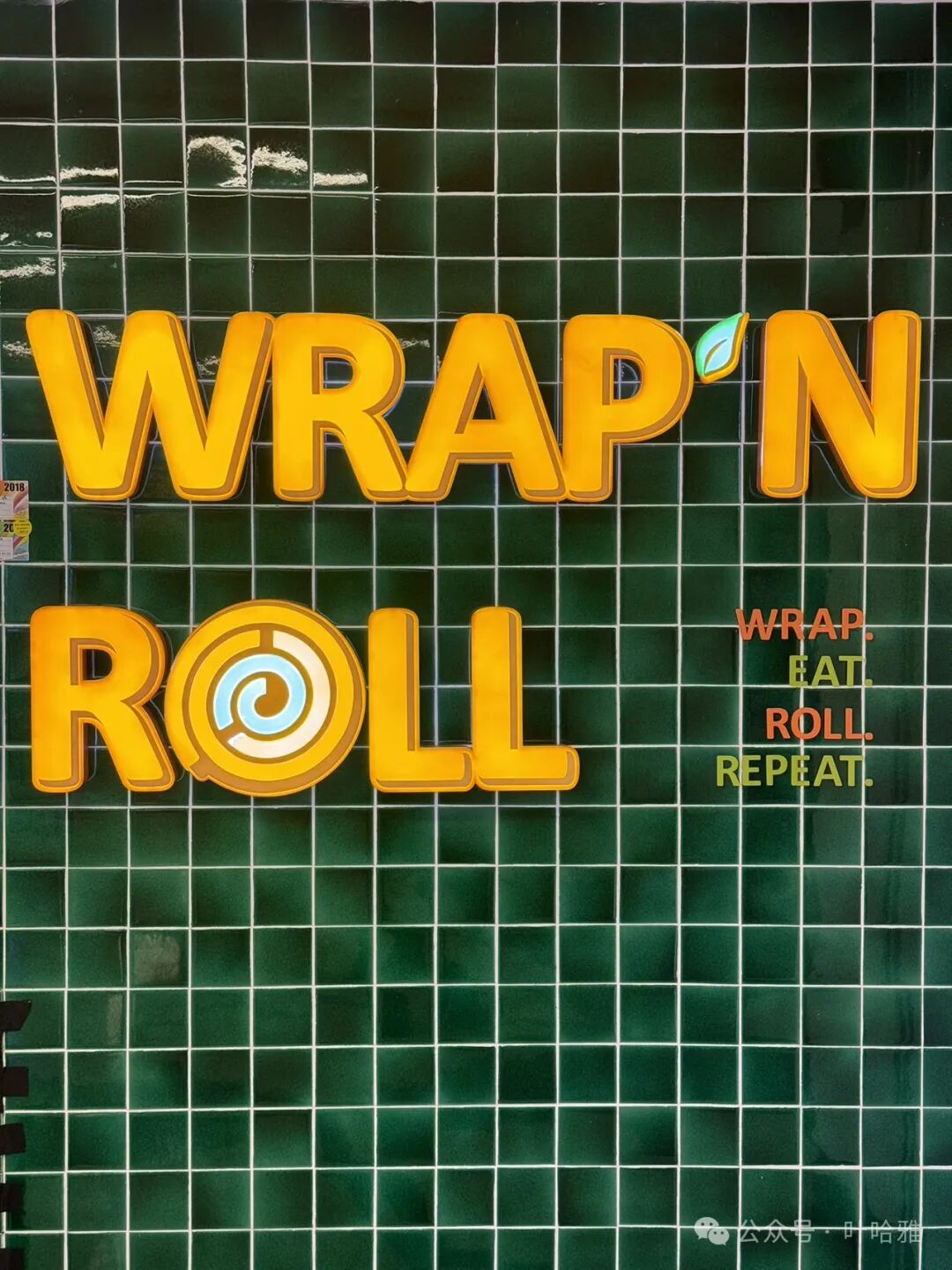
This is an Arabic fast food restaurant on the B1 floor of Avenue K mall. People call this mall AK. It sits just across the street from the north side of the Petronas Twin Towers. The B1 floor has many halal fast food shops.
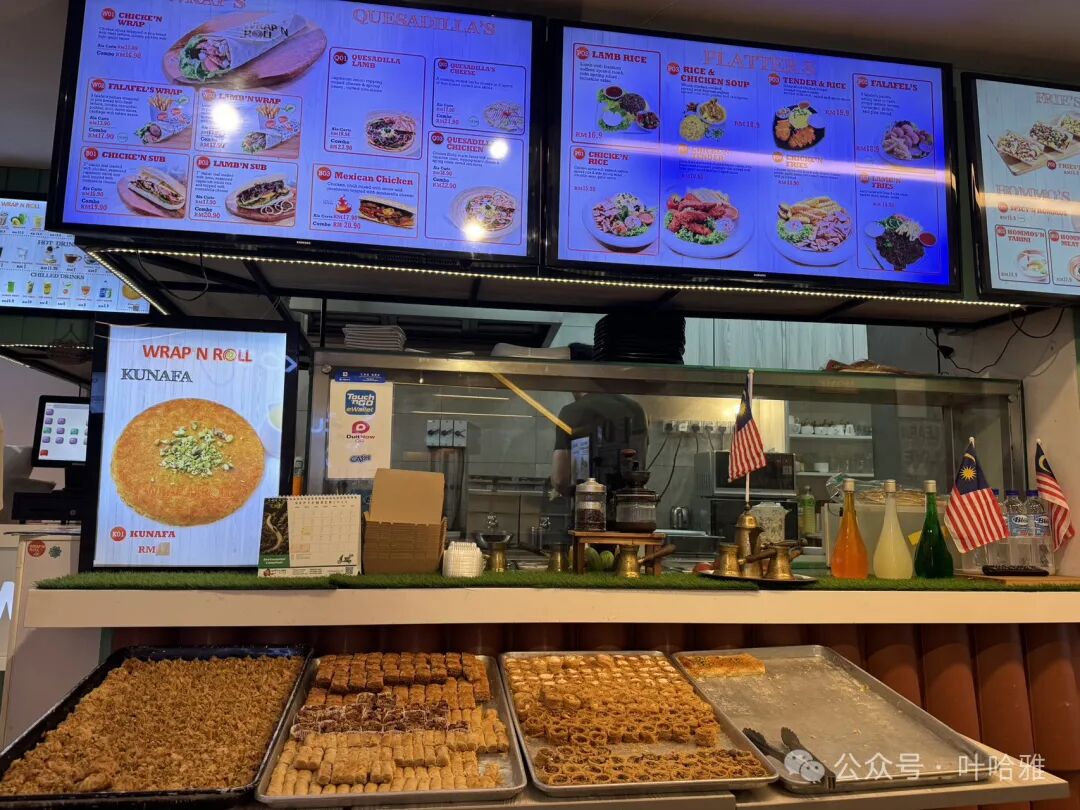
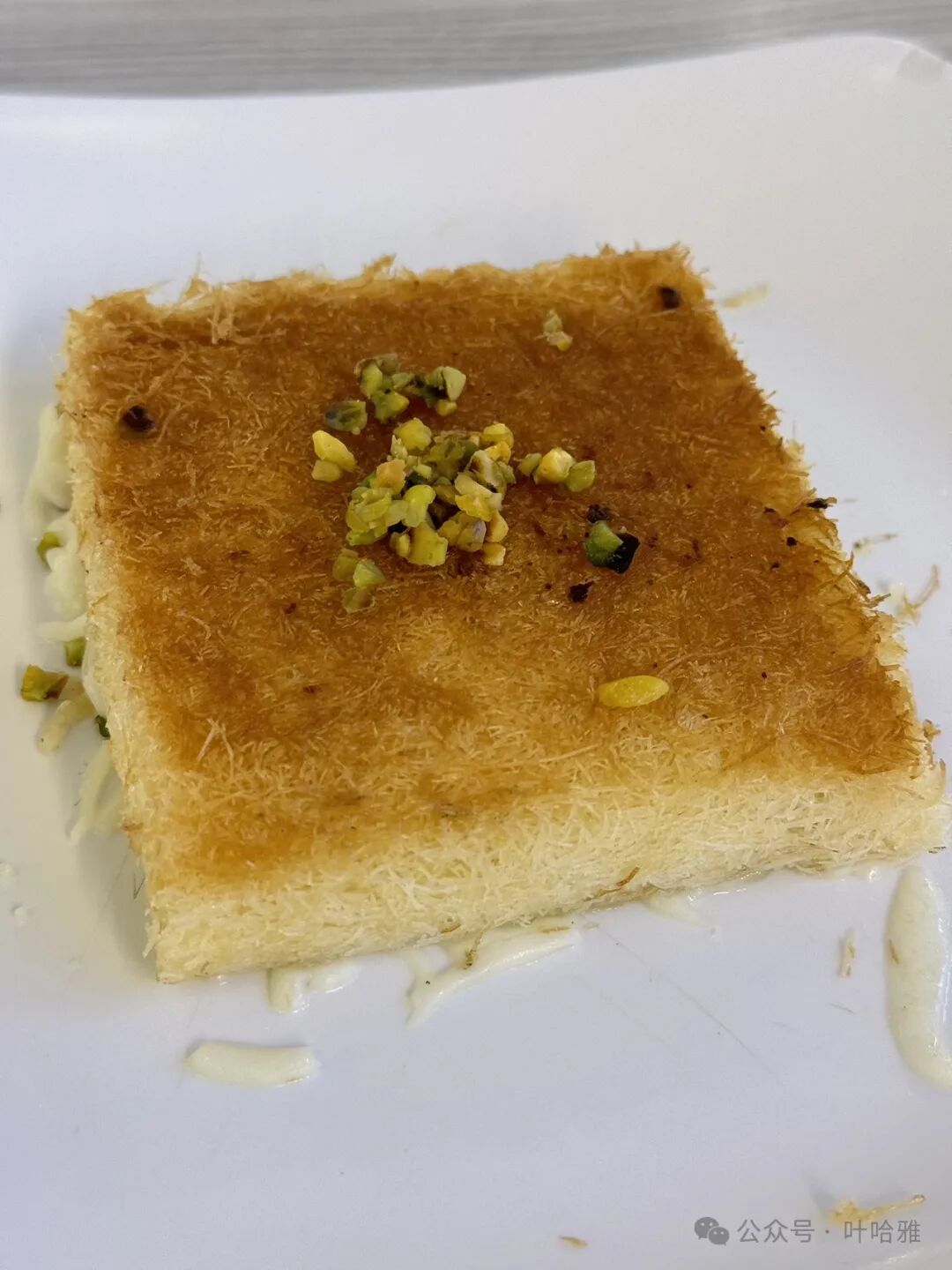
You can eat Arabic specialty desserts like kunafa and baklava here.
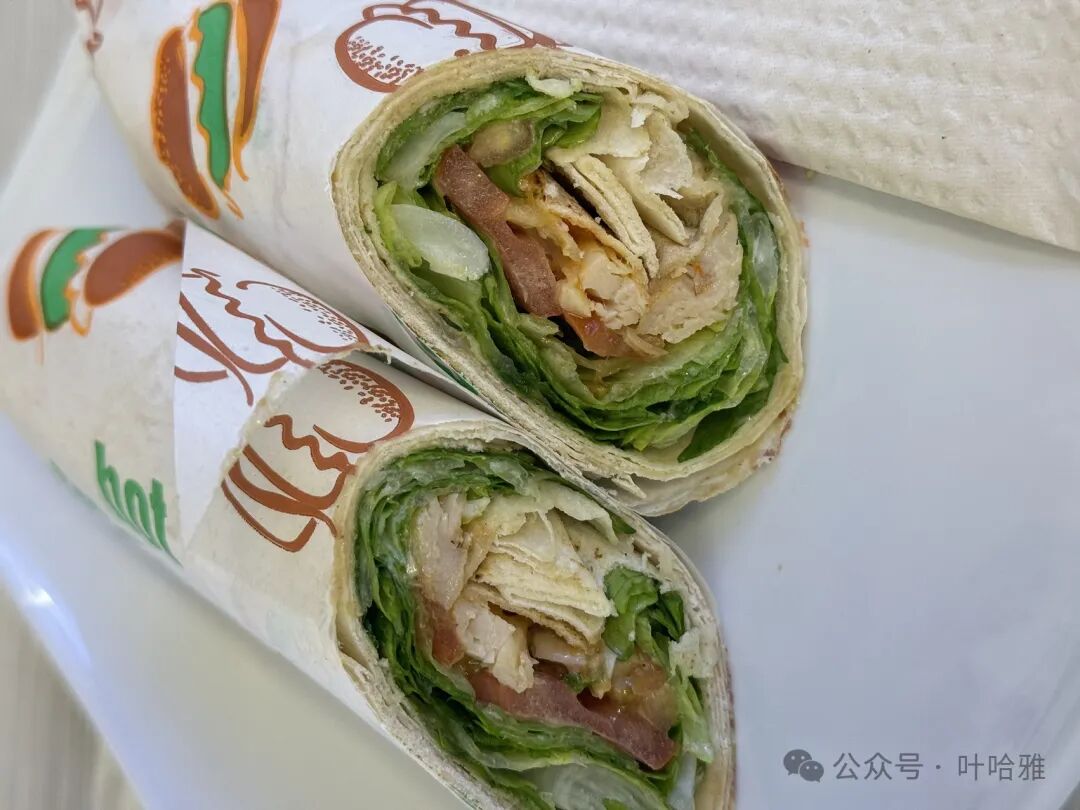
Address: By the elevator on the B1 floor of AK mall
2. Ah Cheng Laksa
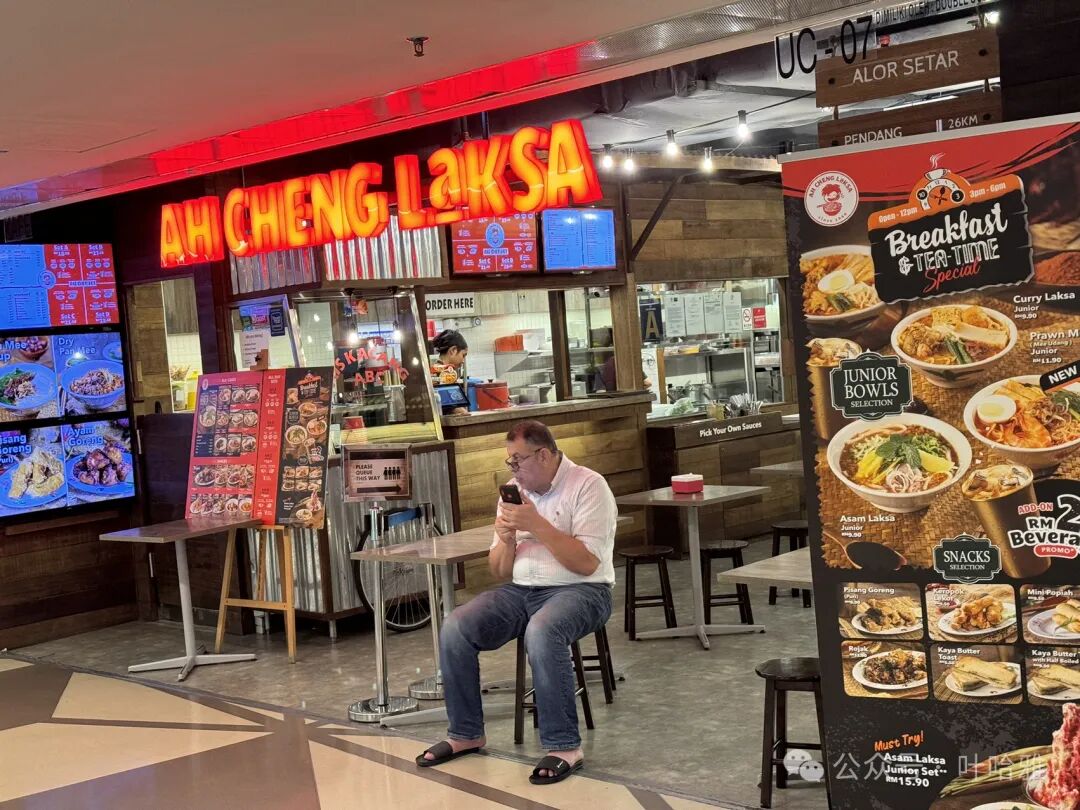
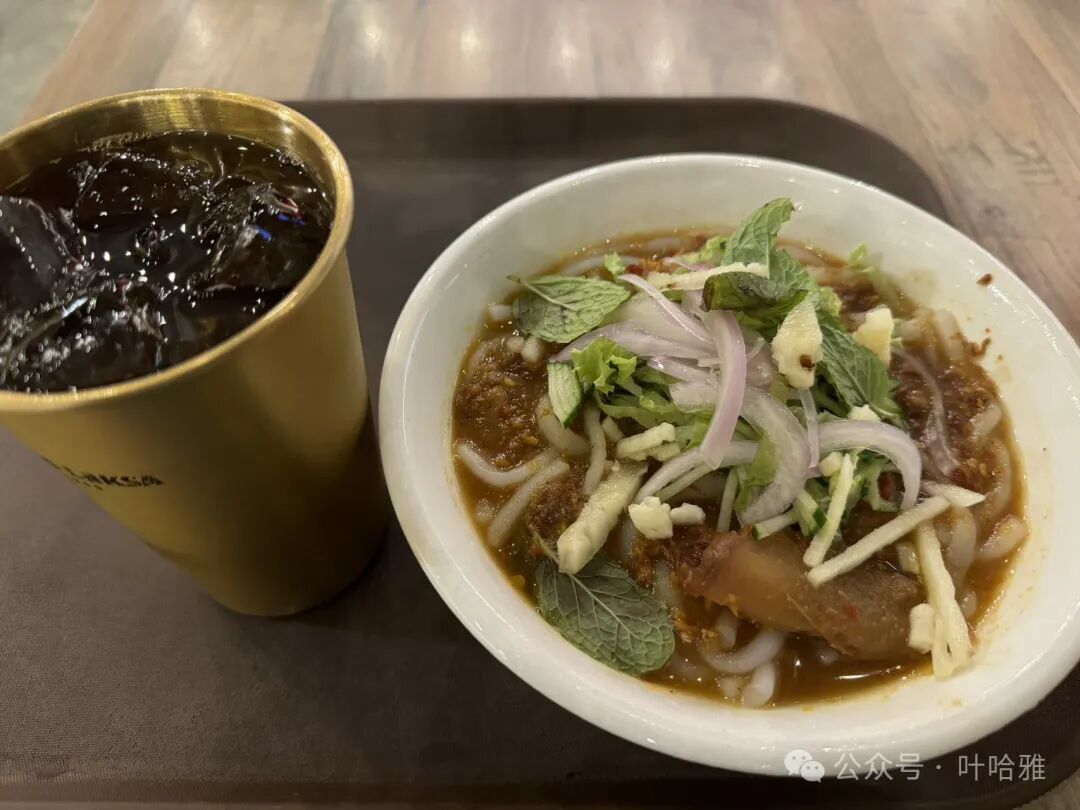
Laksa is a specialty of Malaysia. It is a type of noodle soup that comes in many varieties and flavors. Because many Malay people live in Singapore and Indonesia, you can find laksa there too.
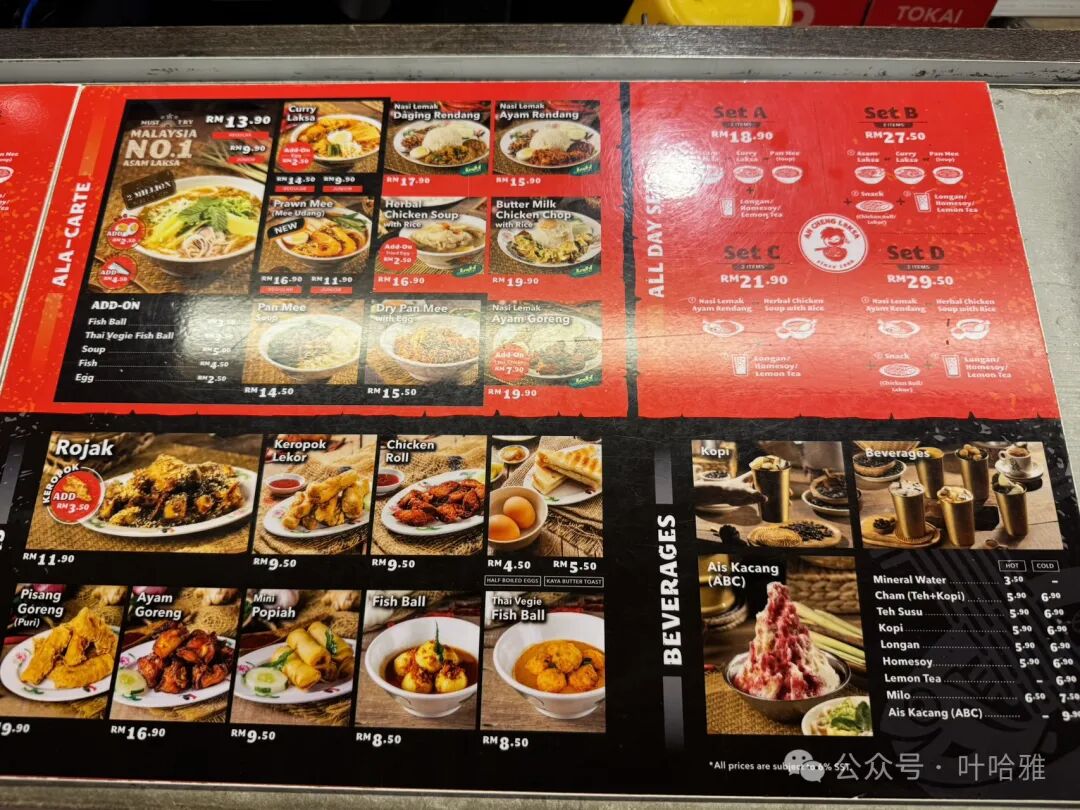
The broth for this noodle soup has many ingredients and a wide range of flavors. I did not quite understand the taste, so I just ordered the signature laksa. I could not finish it after two bites. If you have a conservative palate, be careful when ordering.
Address: AK Mall, B1
3. Ma Fen Ju
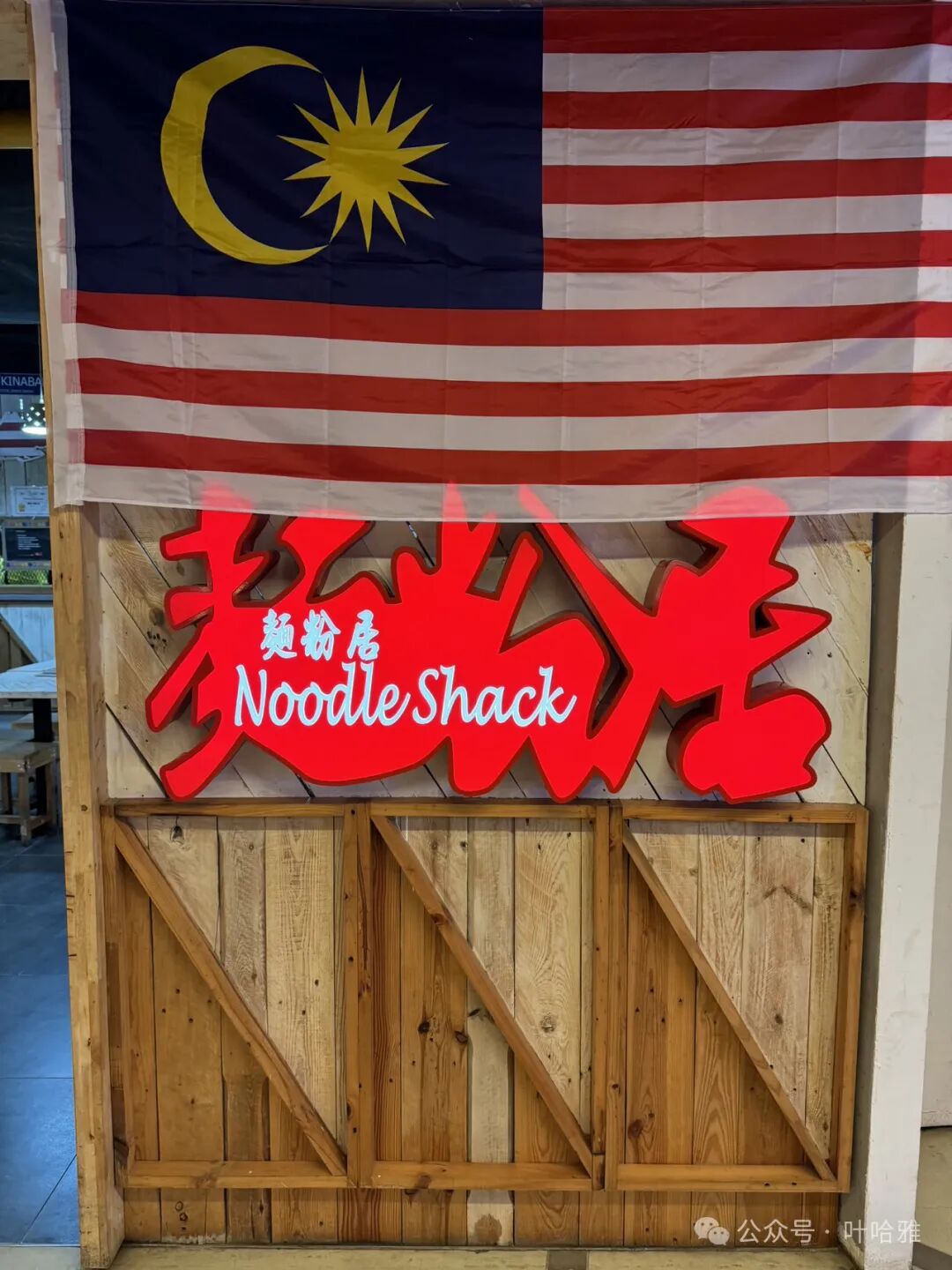
This is a small Hakka restaurant. You can probably only find halal Hakka food in Southeast Asia, and this was my first time trying it.
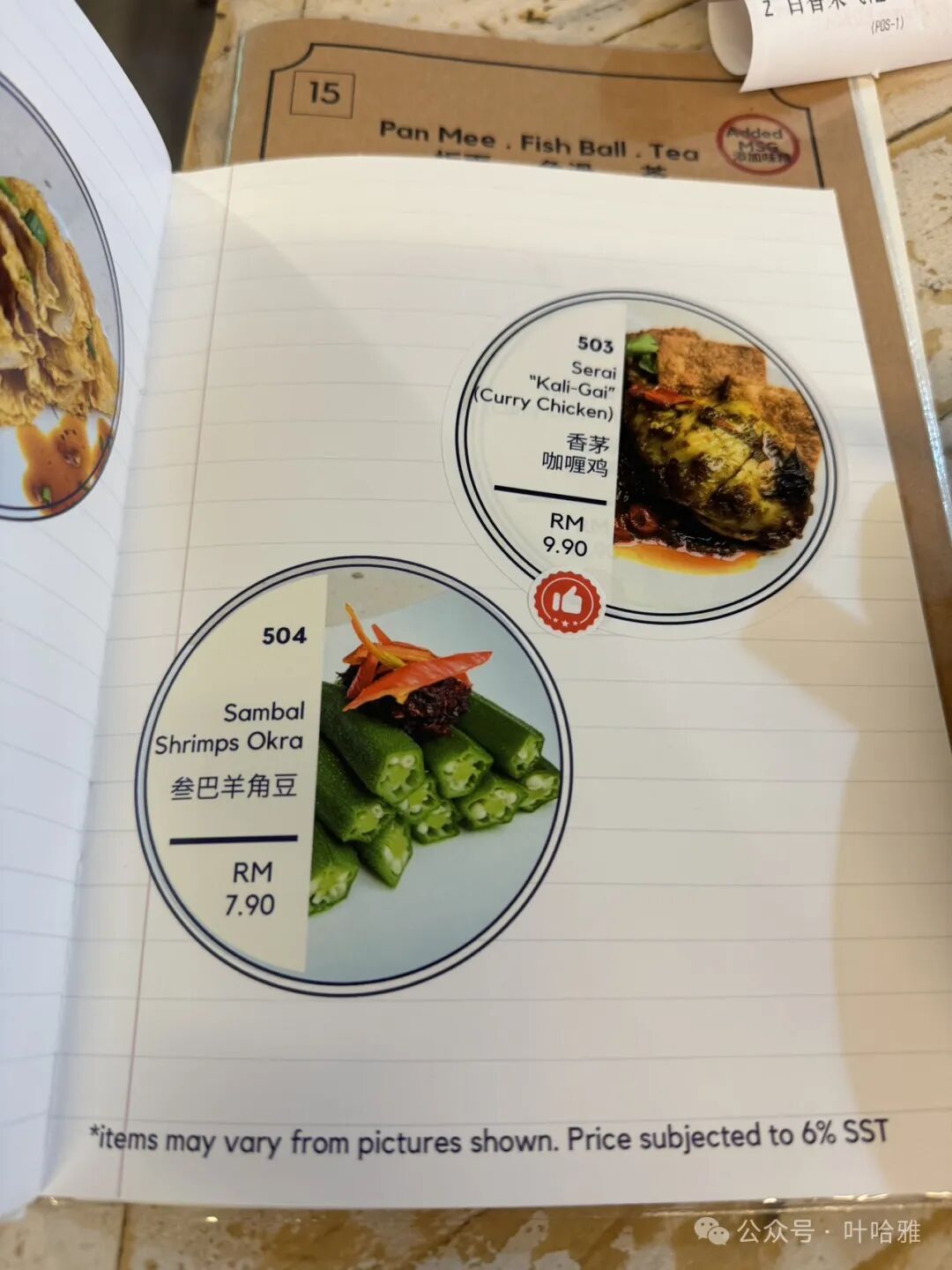
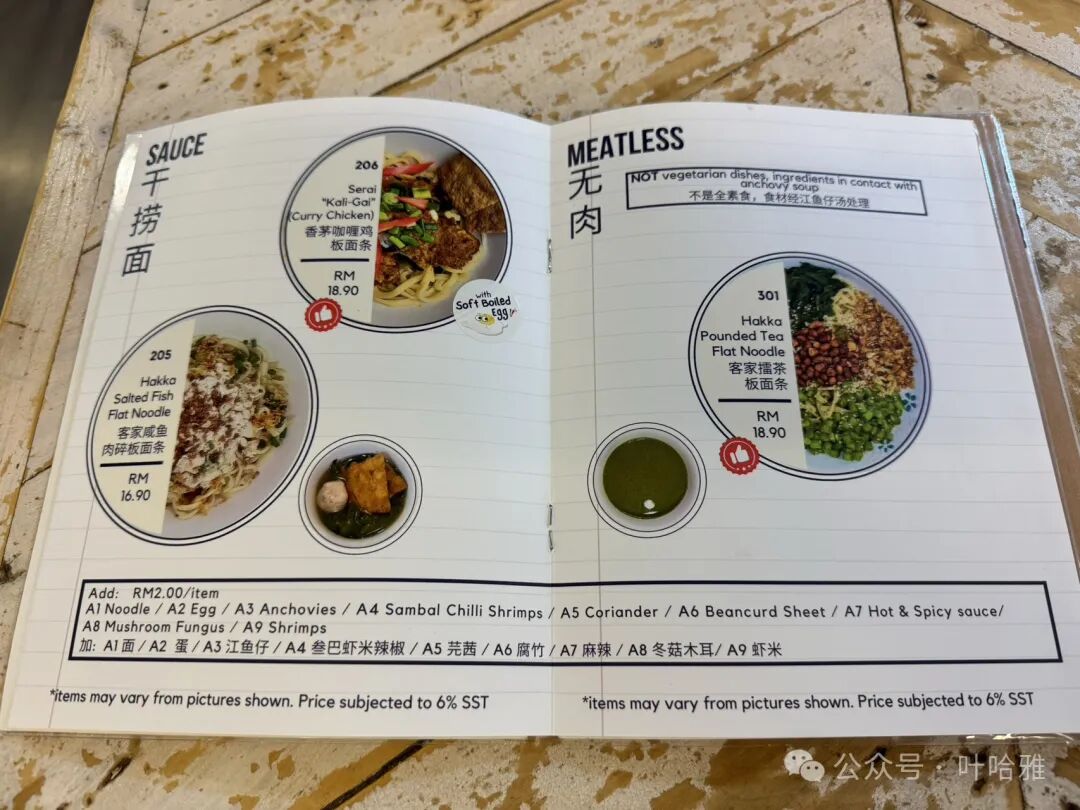
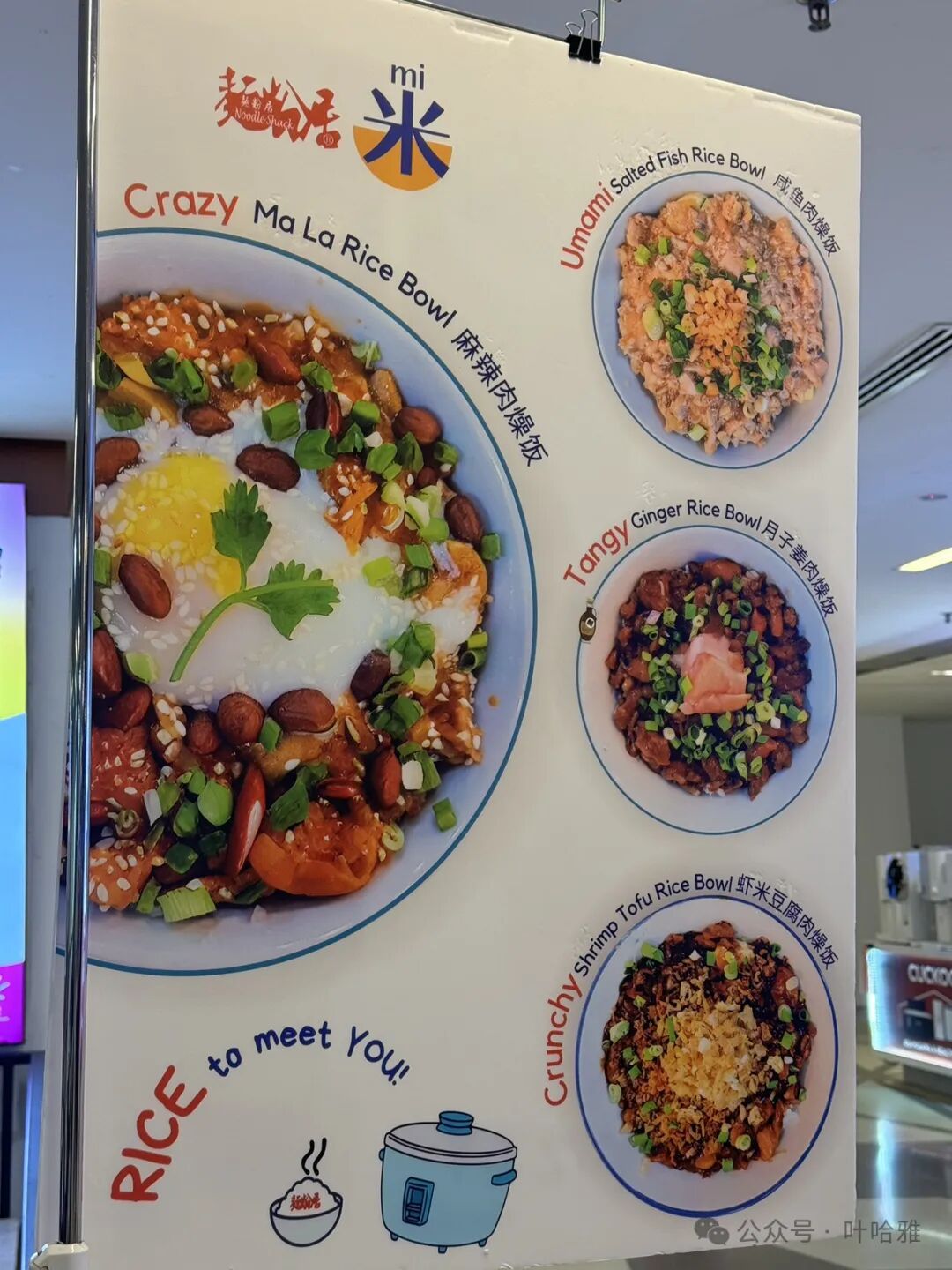
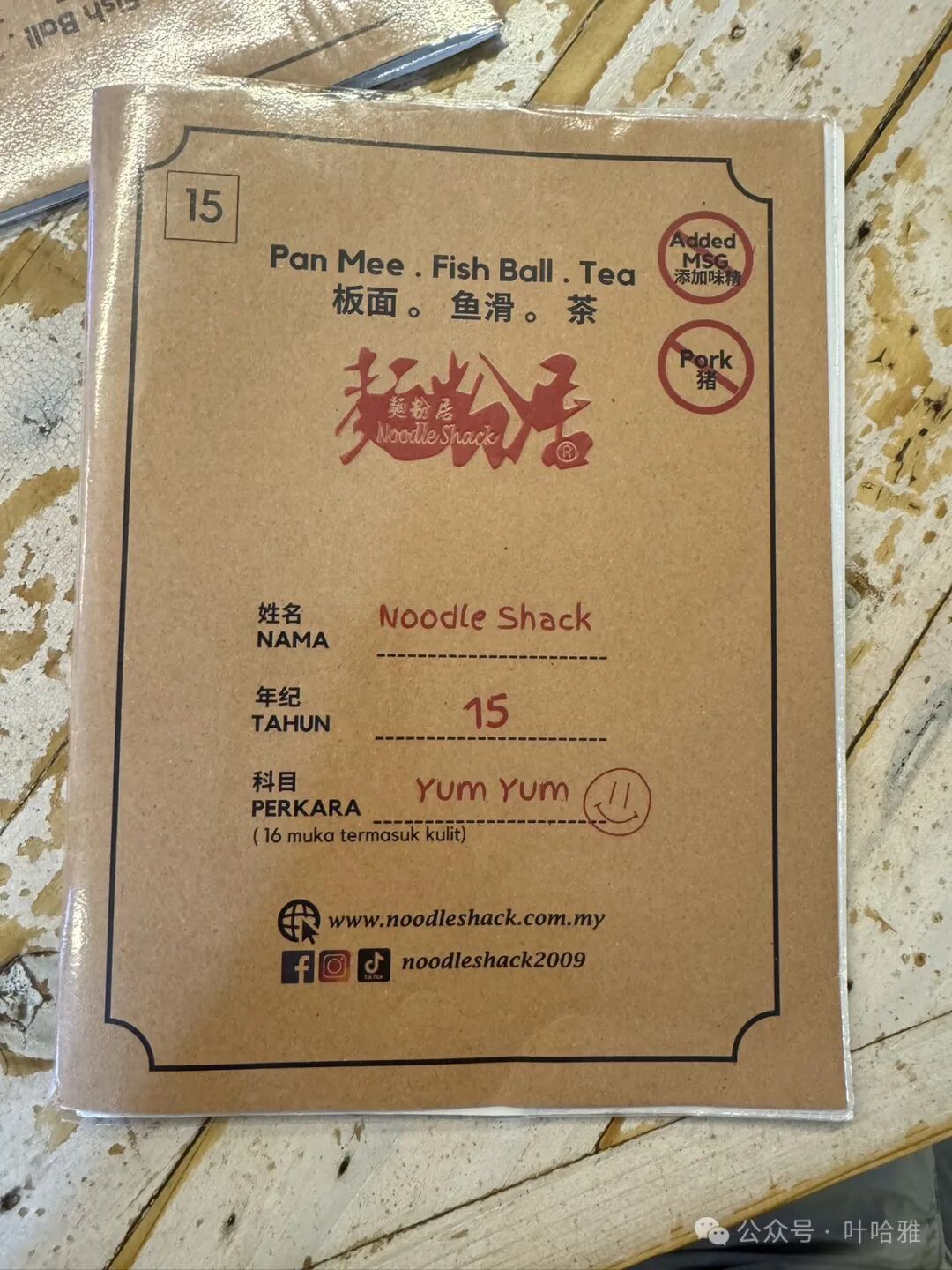
The menu says no pork. In Malaysia, getting an official halal certification costs over 50,000 Malaysian ringgit. Small shops cannot afford that, so they just write no pork instead of paying the fee.
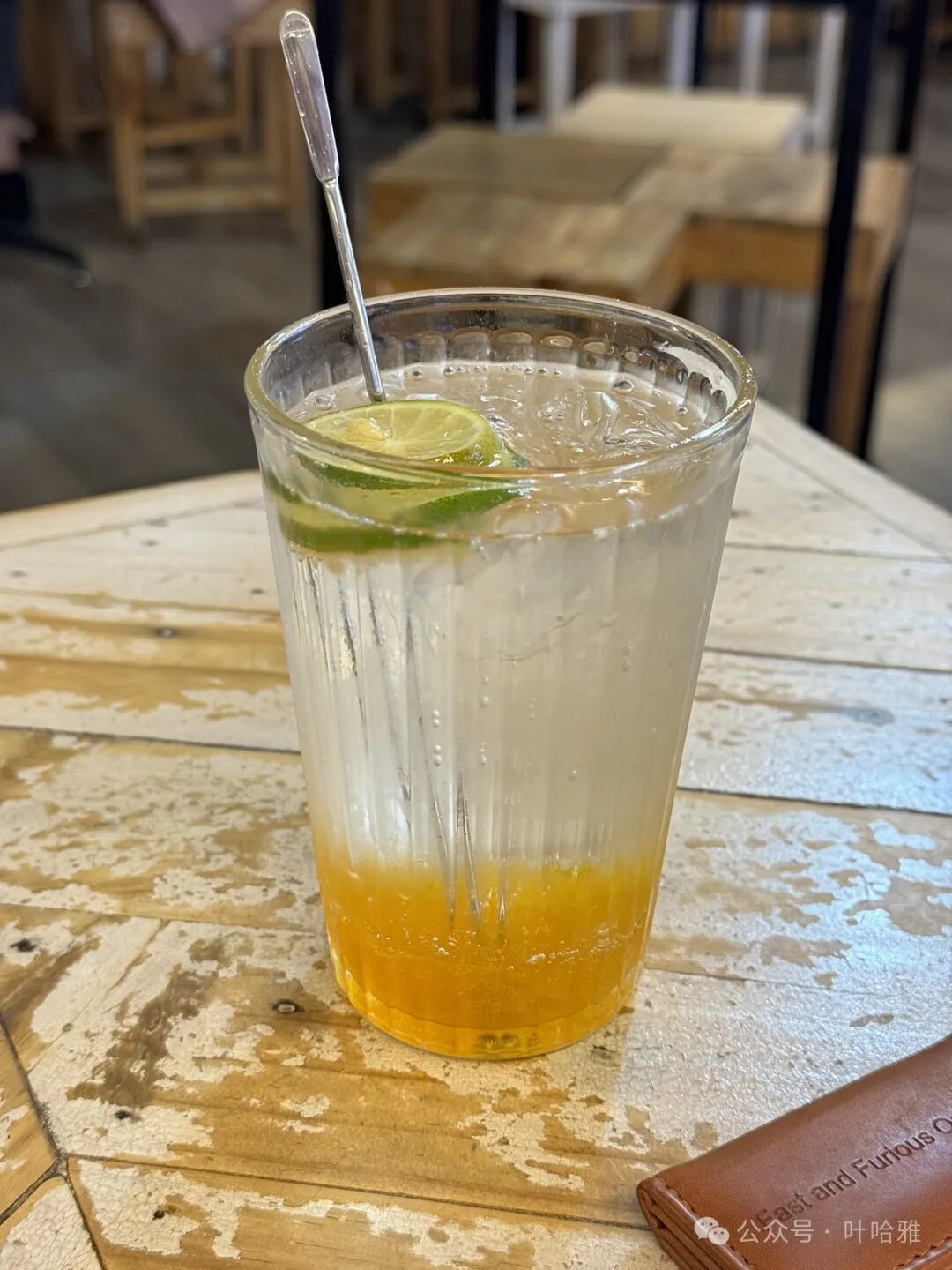
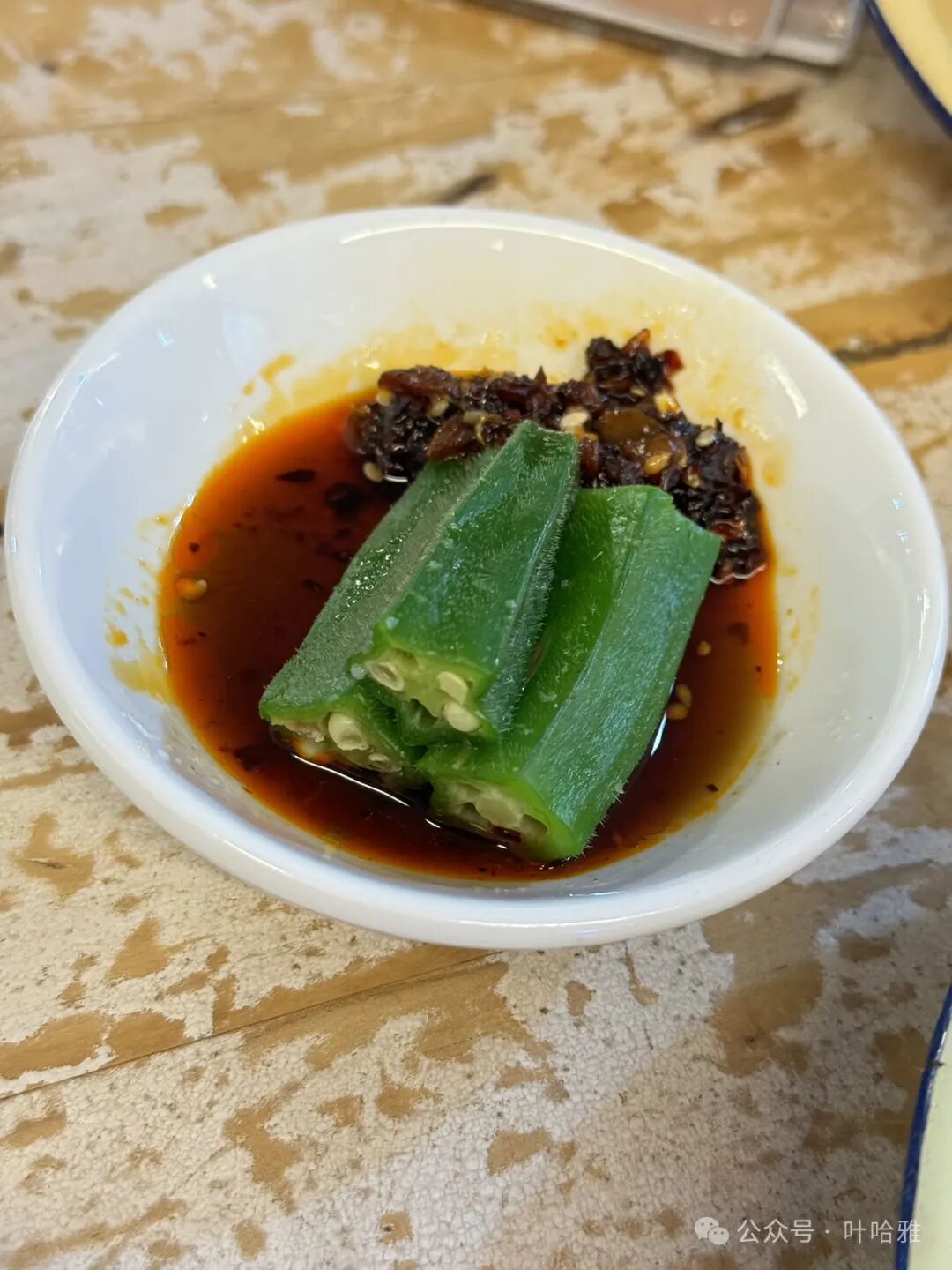
Sambal okra (yangjiaodou) is just okra.
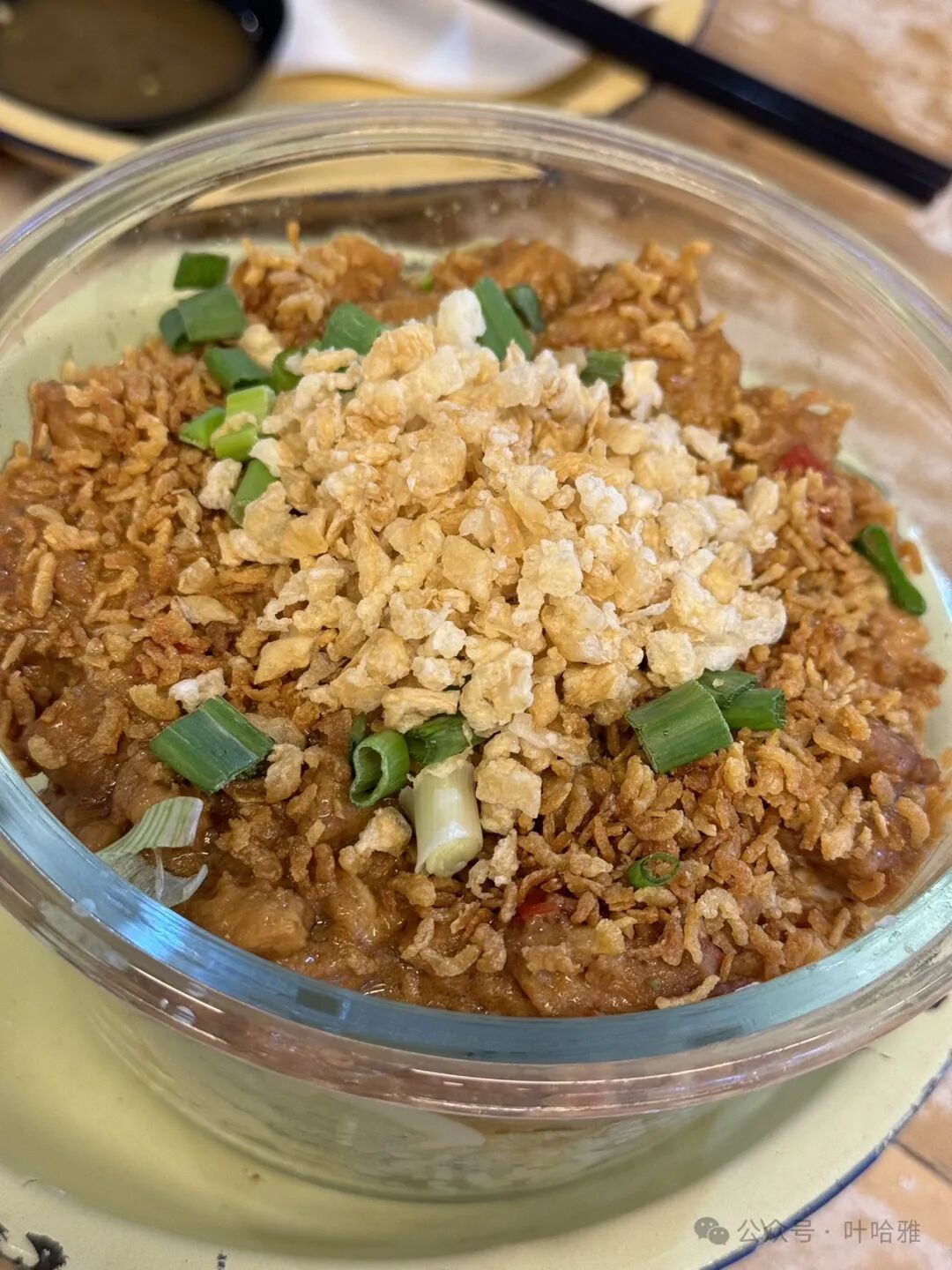
Dried shrimp tofu with minced meat rice, which is a little spicy.
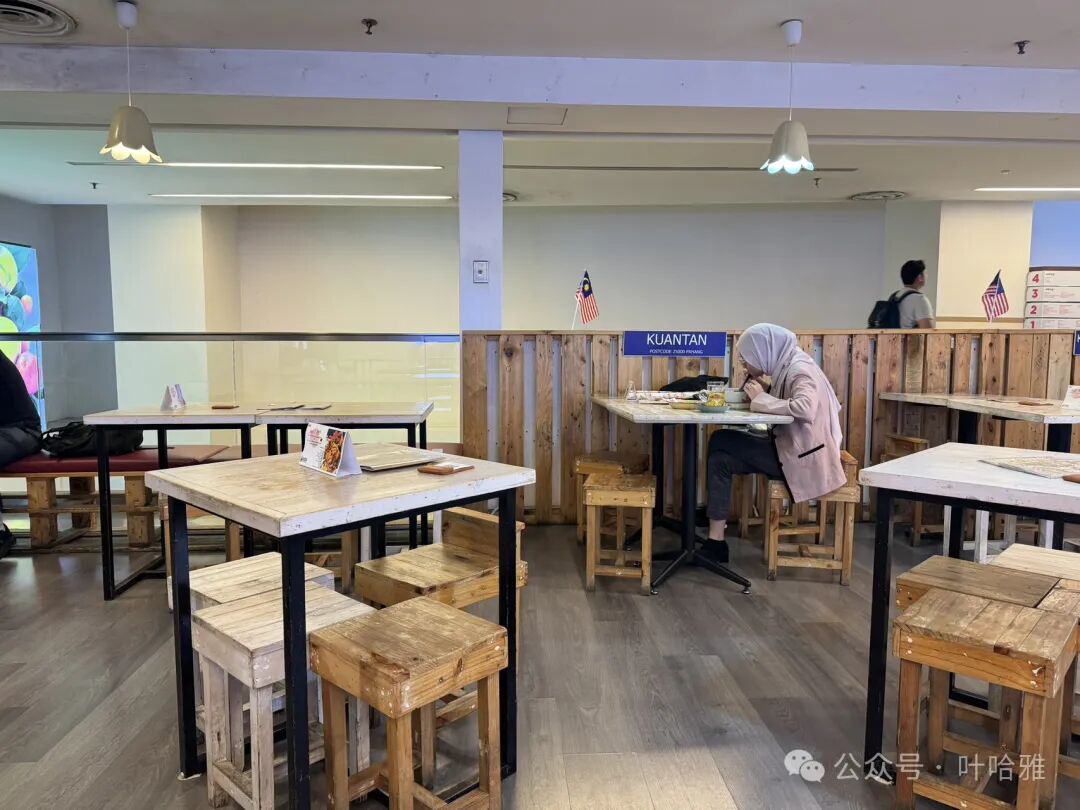
Address: AK Mall, B1
4. FRIDAYS
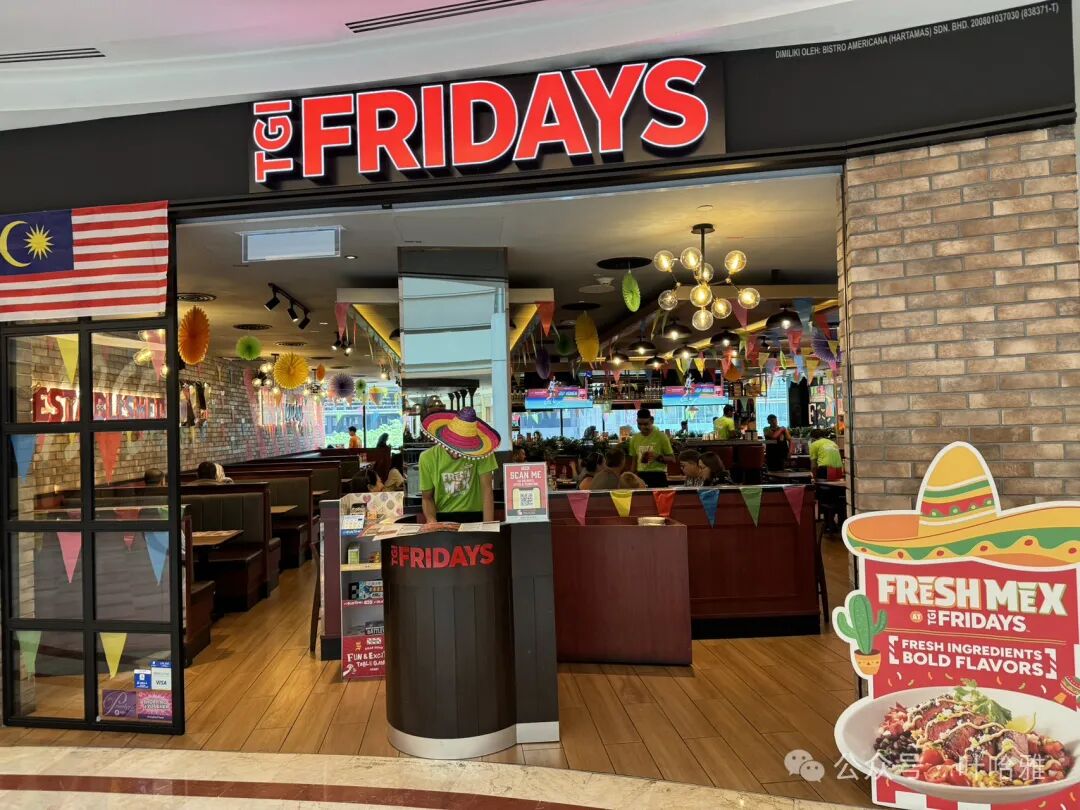
This is an American-style halal restaurant. You can tell by the decor that it has a Western cowboy vibe.
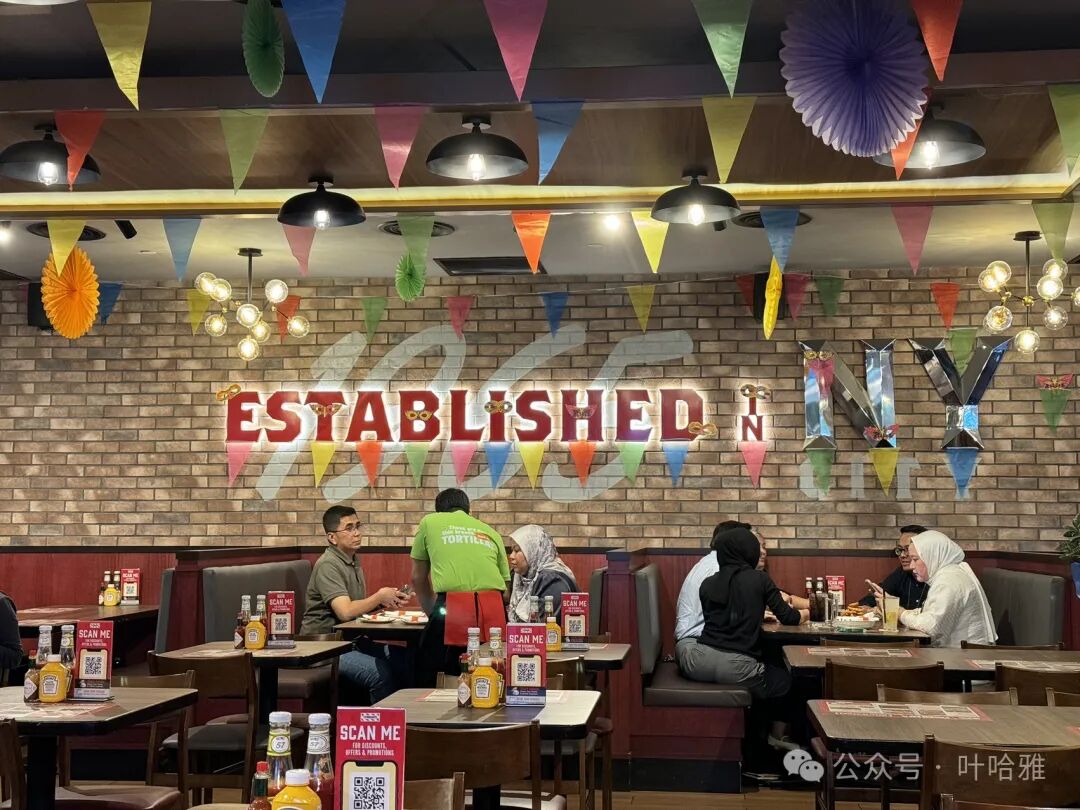
American restaurants are known for large portions and high calories. I chose this place because my son cannot eat spicy food, but the black pepper in the American dishes still has a bit of a kick.
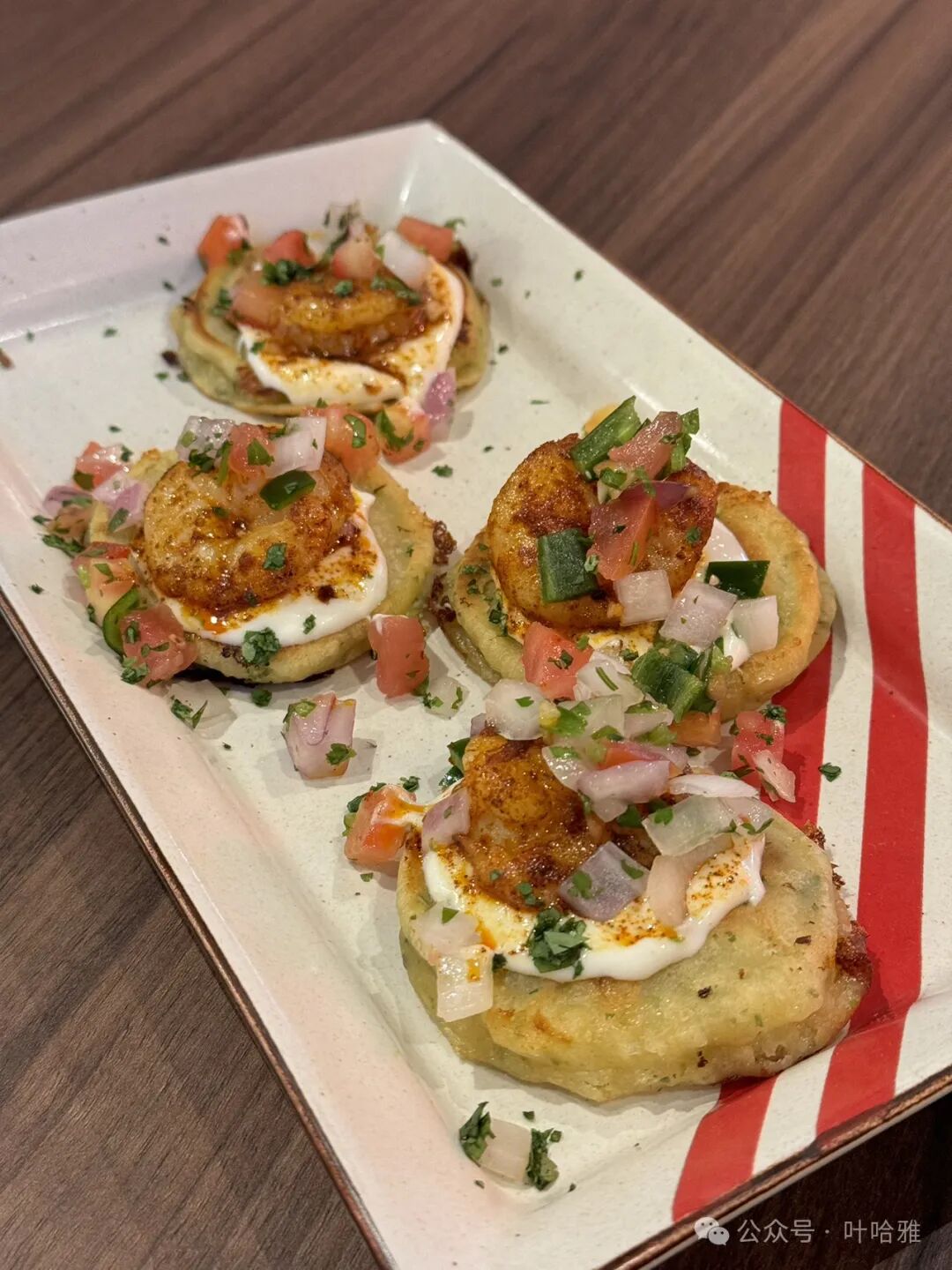
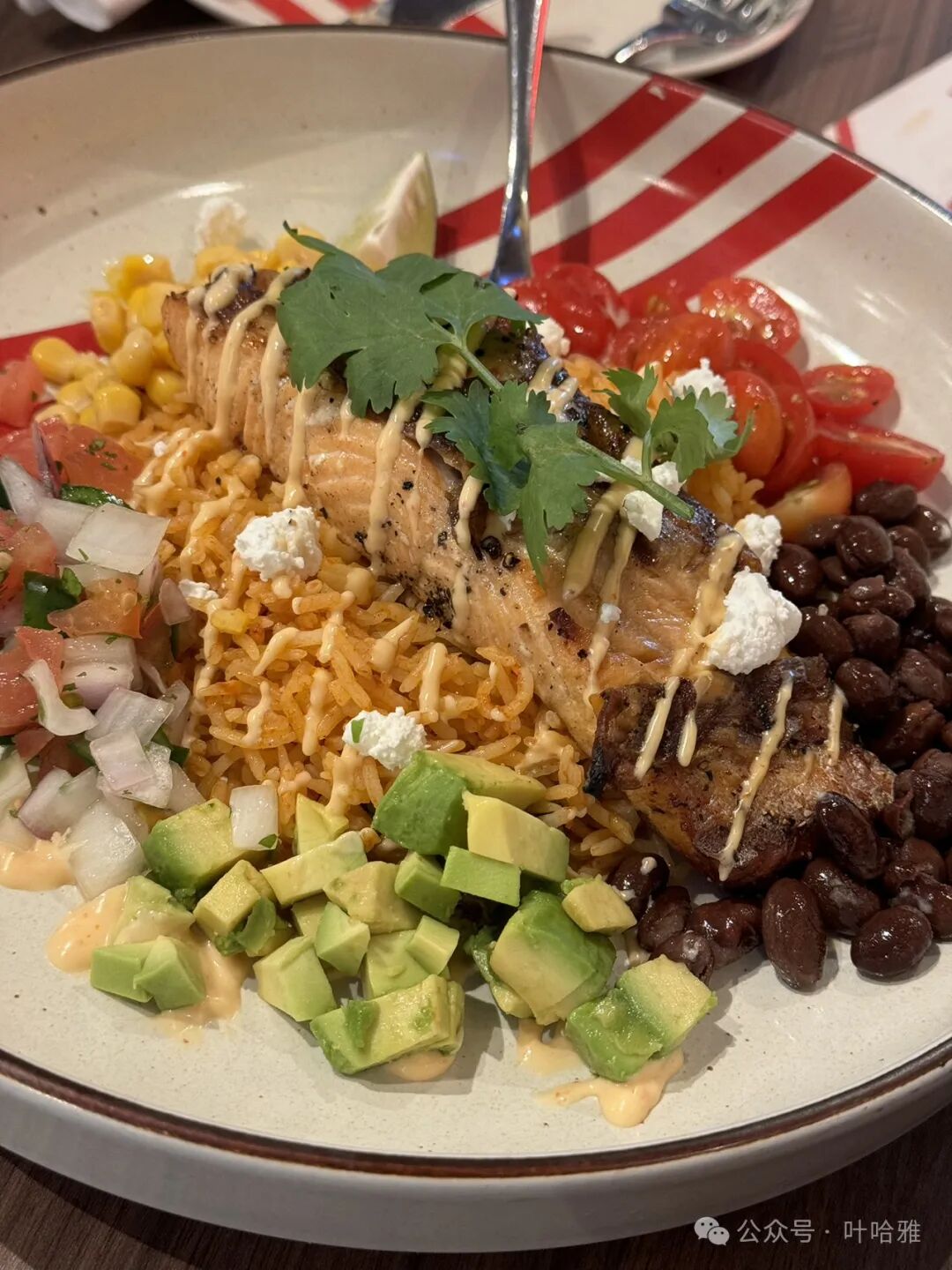
Fahim took one bite of the salmon and stopped, so I ordered him a kids' meal instead.
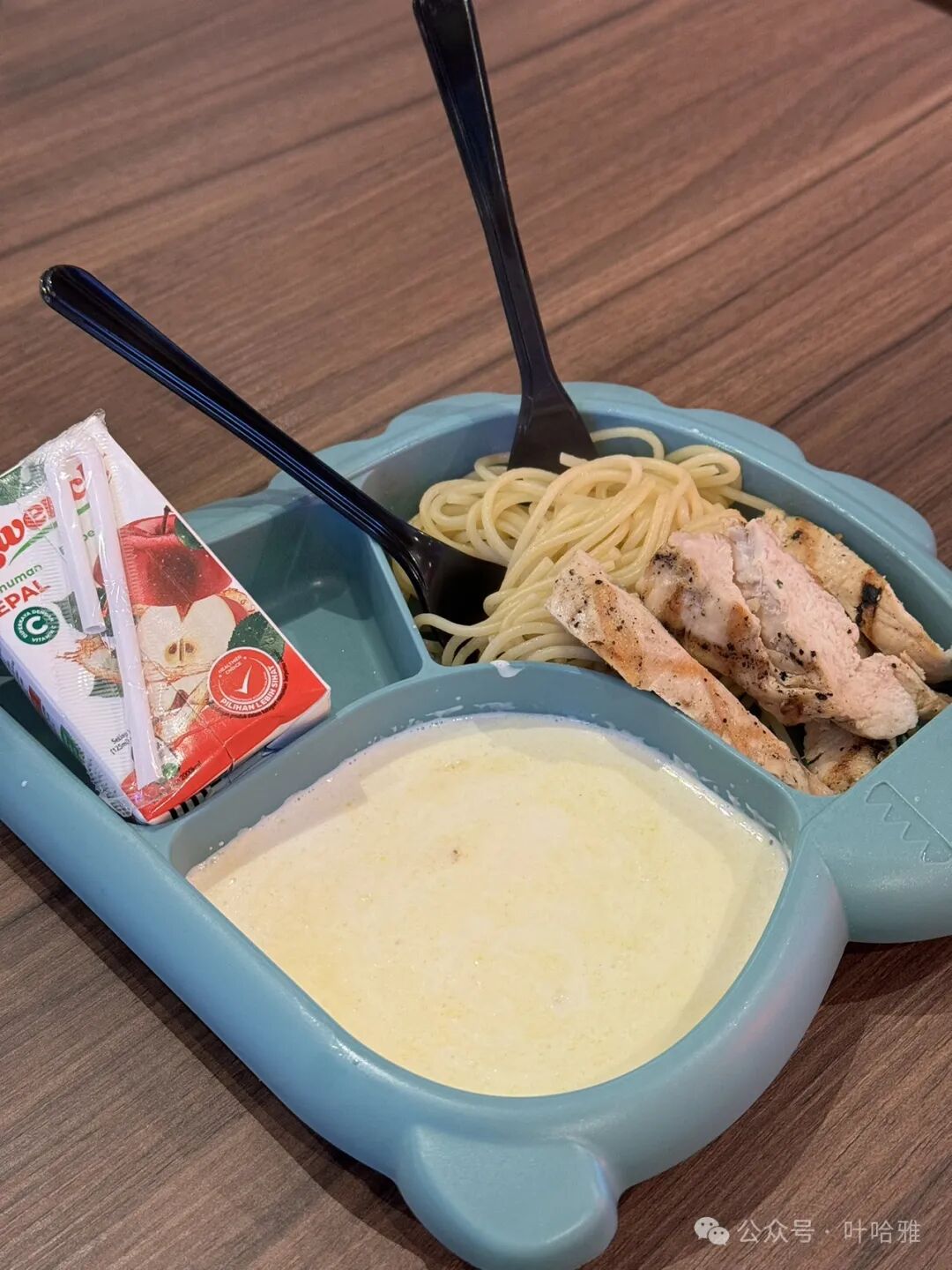
Tomato pasta is his absolute favorite.
Address: 4th Floor, KLCC
5. Samtai Yamch'a
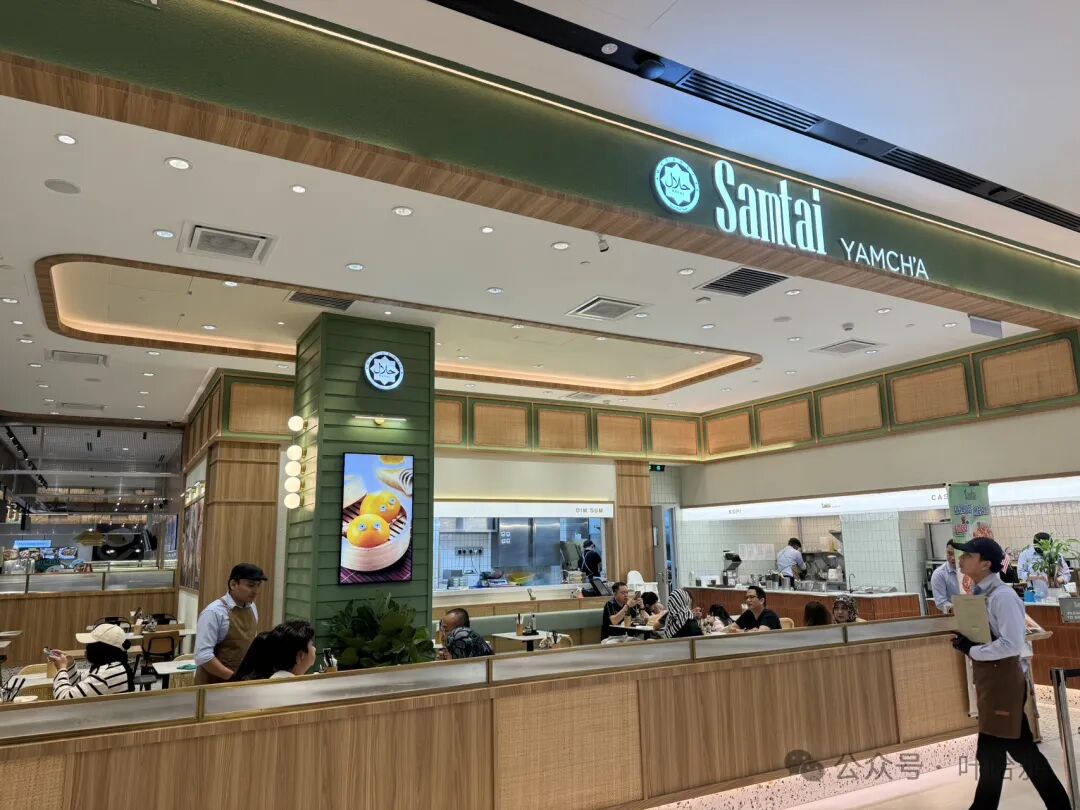
This is a halal-certified Cantonese dim sum restaurant.
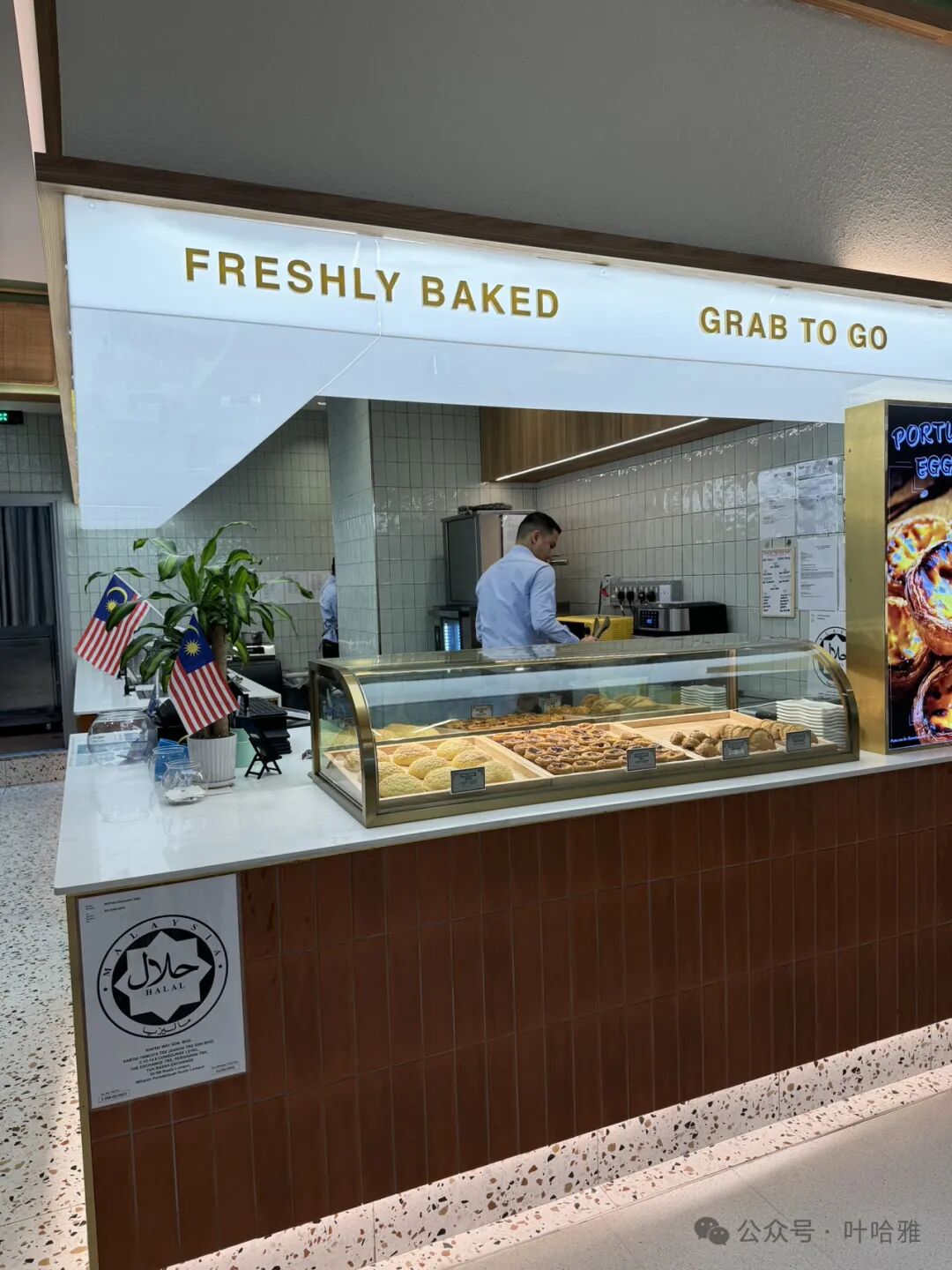
They have freshly made dim sum available for takeout.
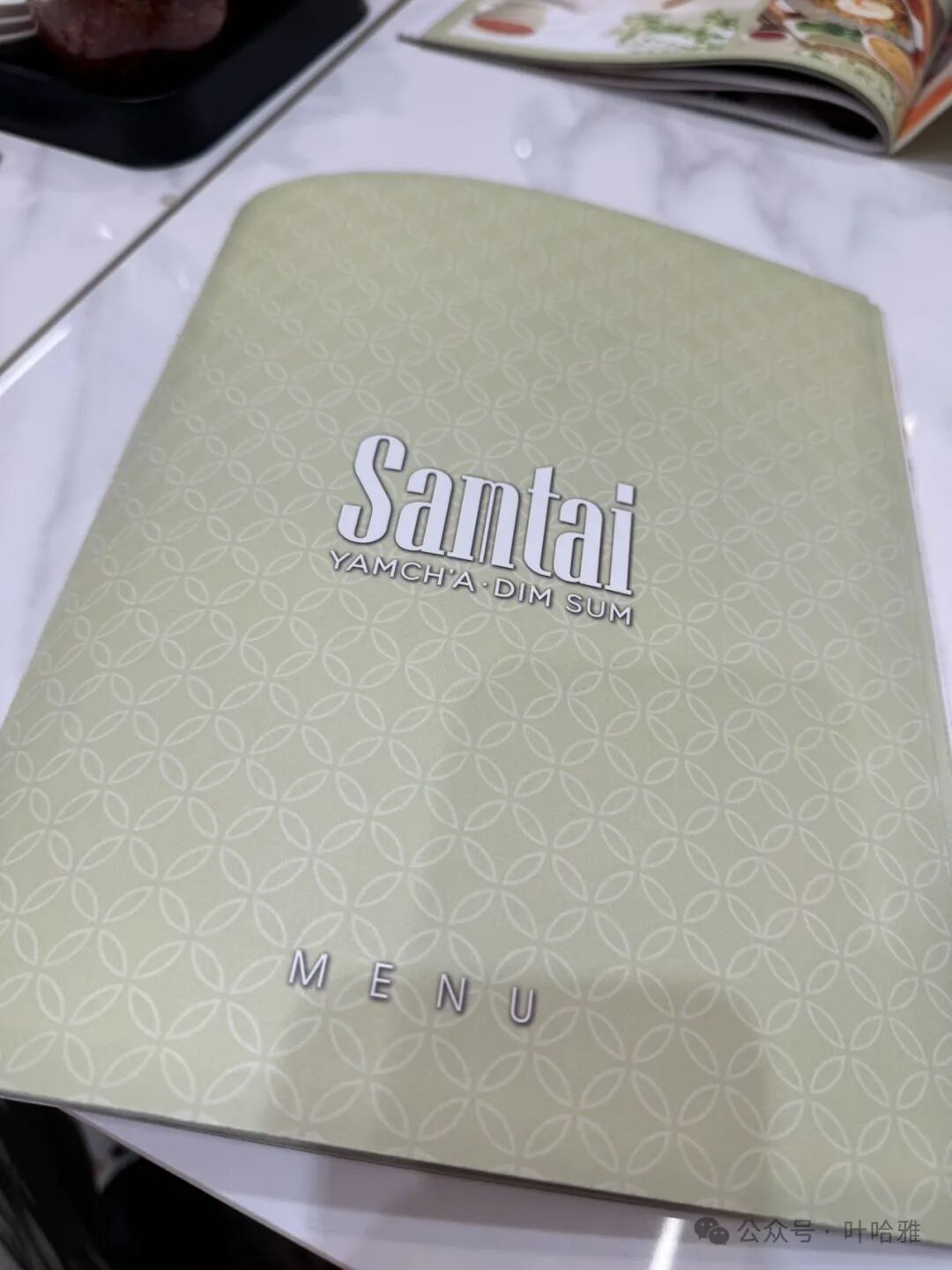
The restaurant is in the newly opened TRX Mall and is very busy with many Malay customers, but I don't think it is as refined as the dim sum in KLCC.
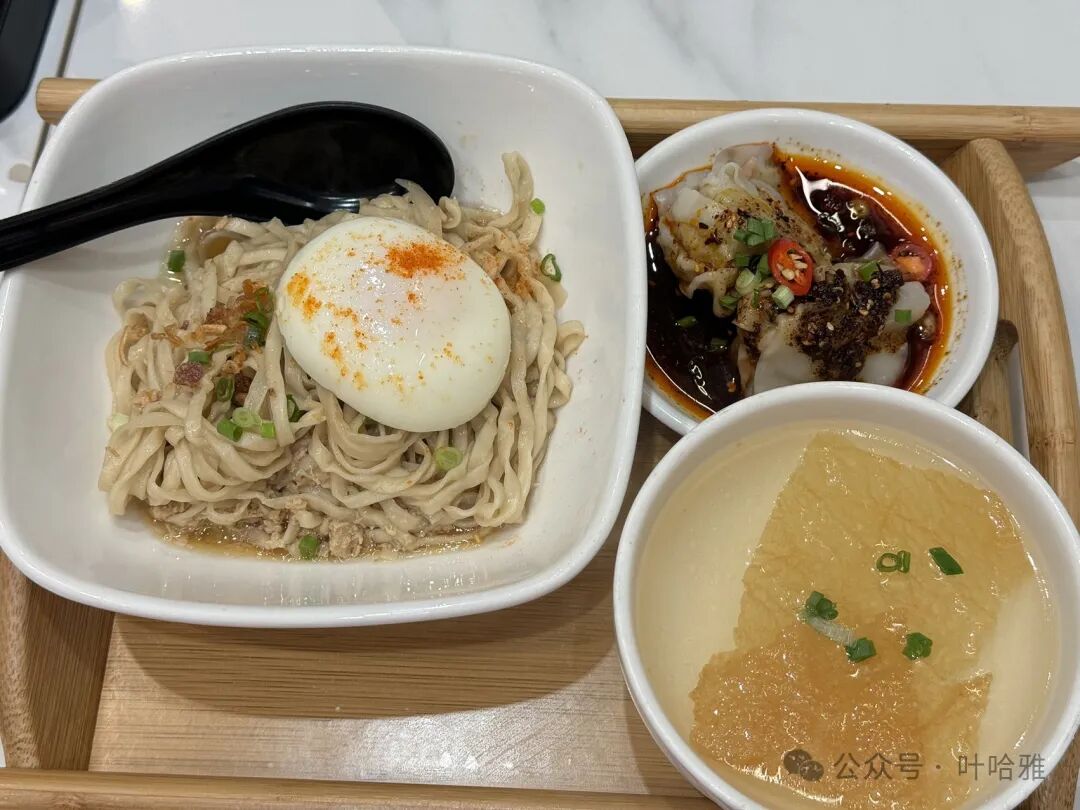
Spicy wontons in chili oil (hongyou chaoshou) and their signature hand-pulled noodles (lamian).
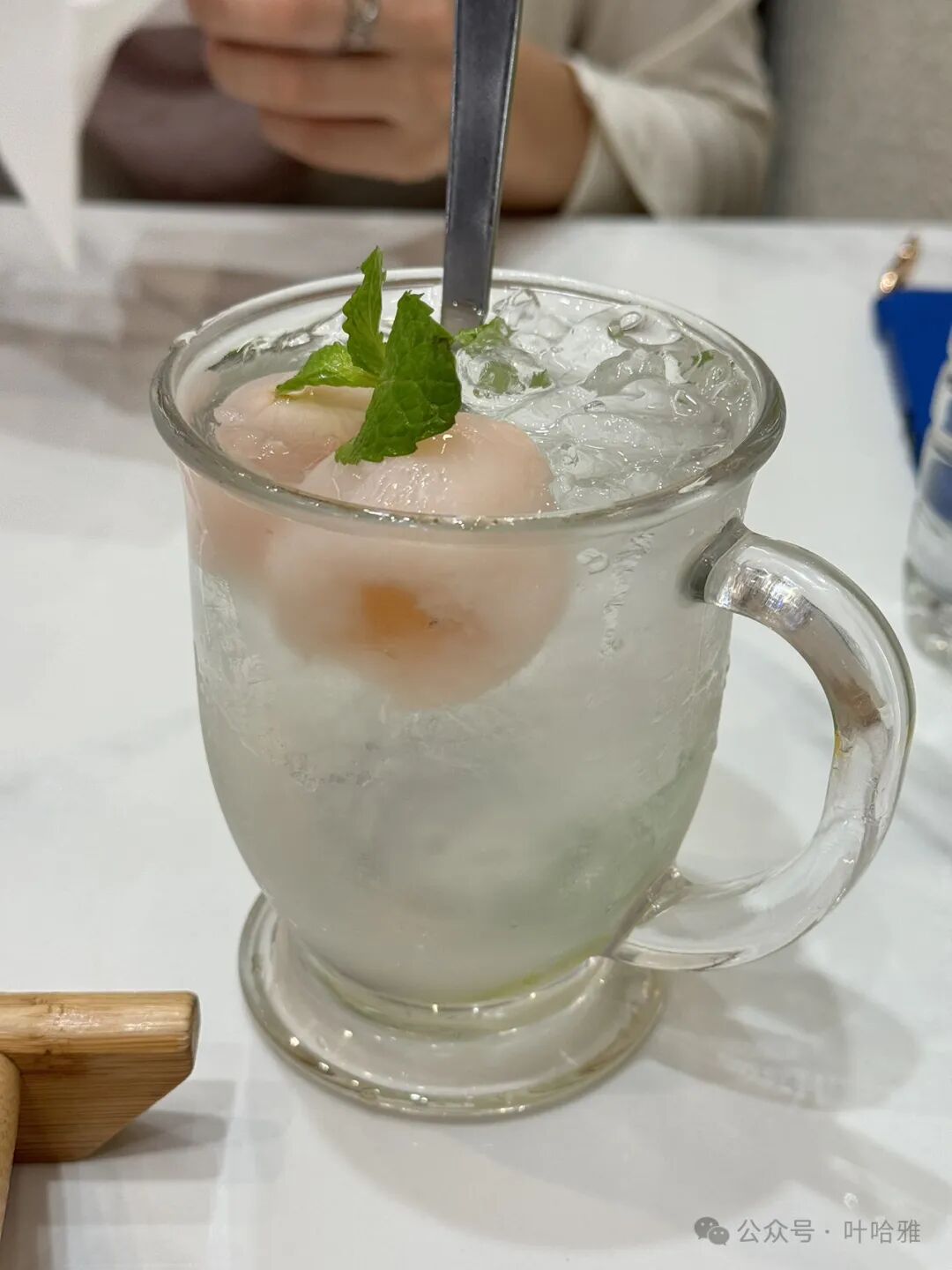
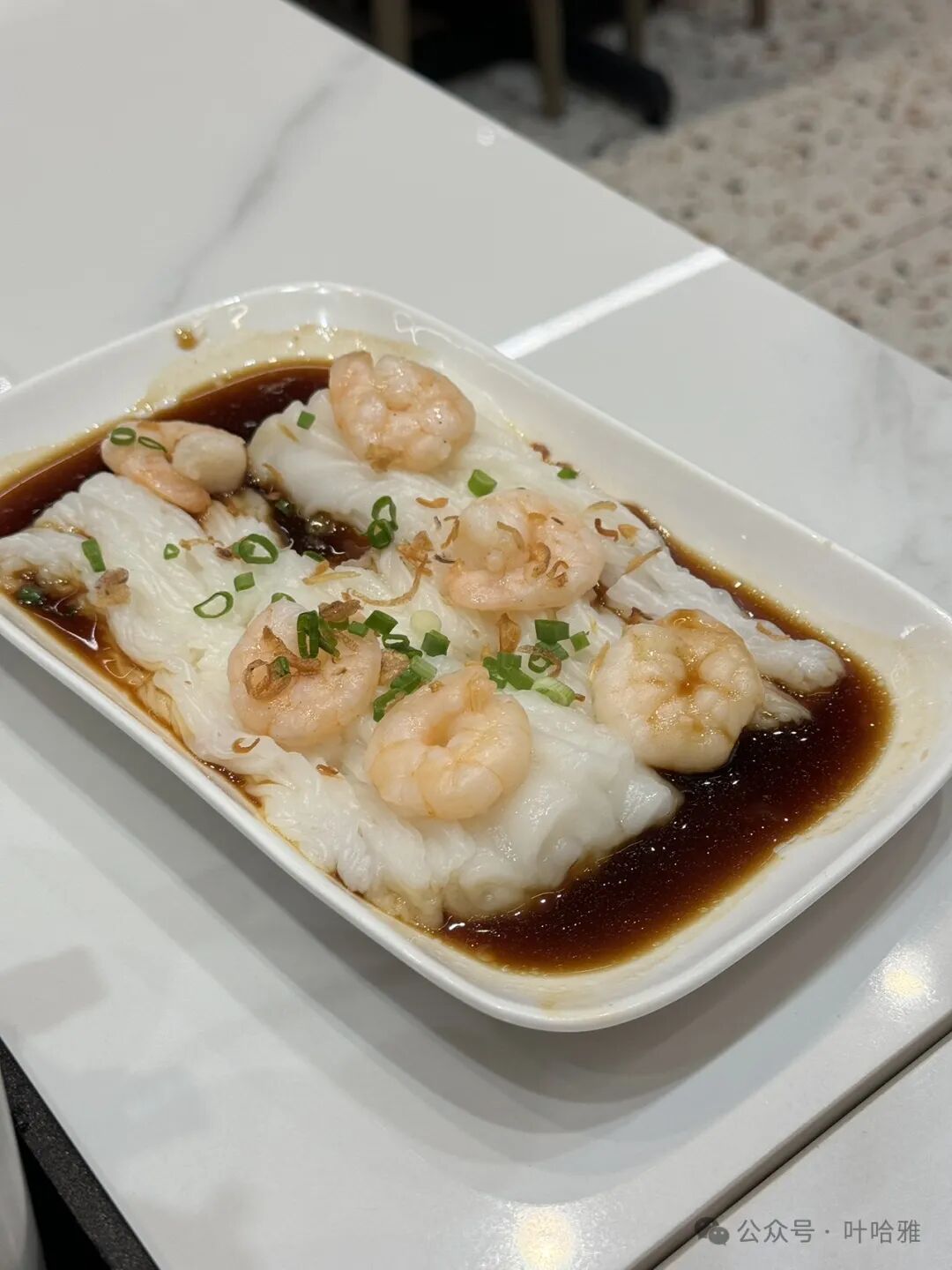
Fresh shrimp rice noodle rolls (changfen).
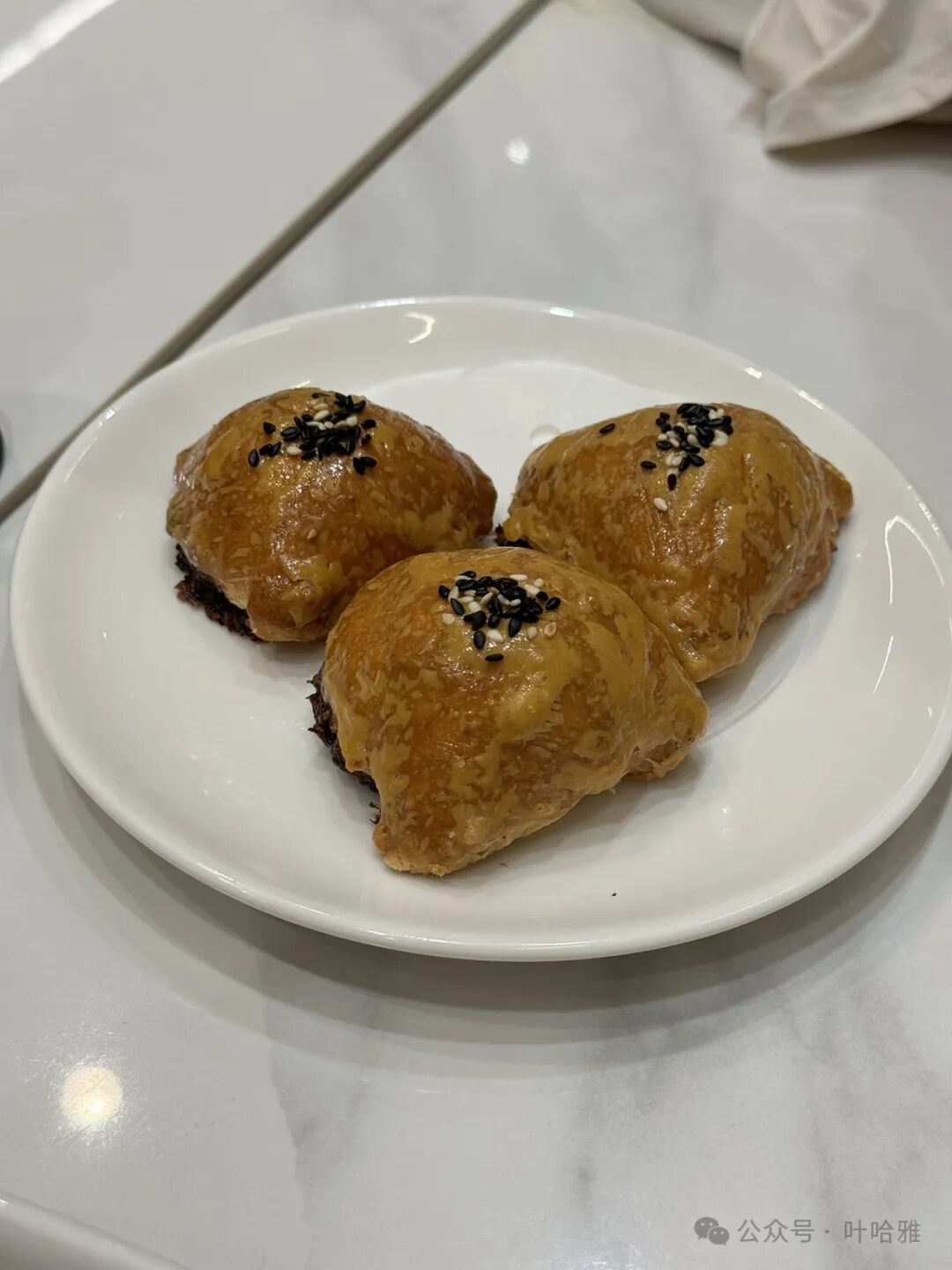
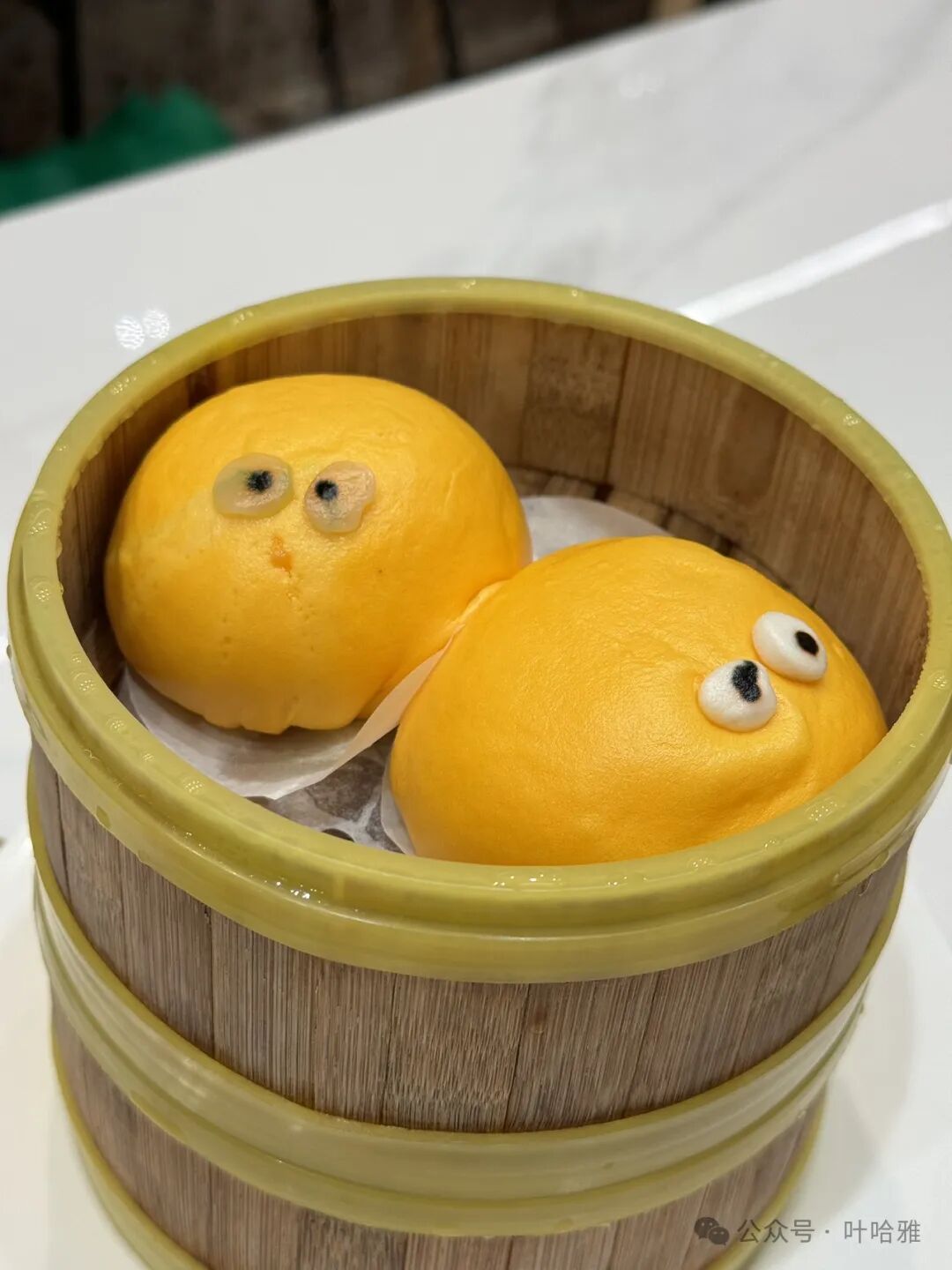
Custard buns (liushabao).
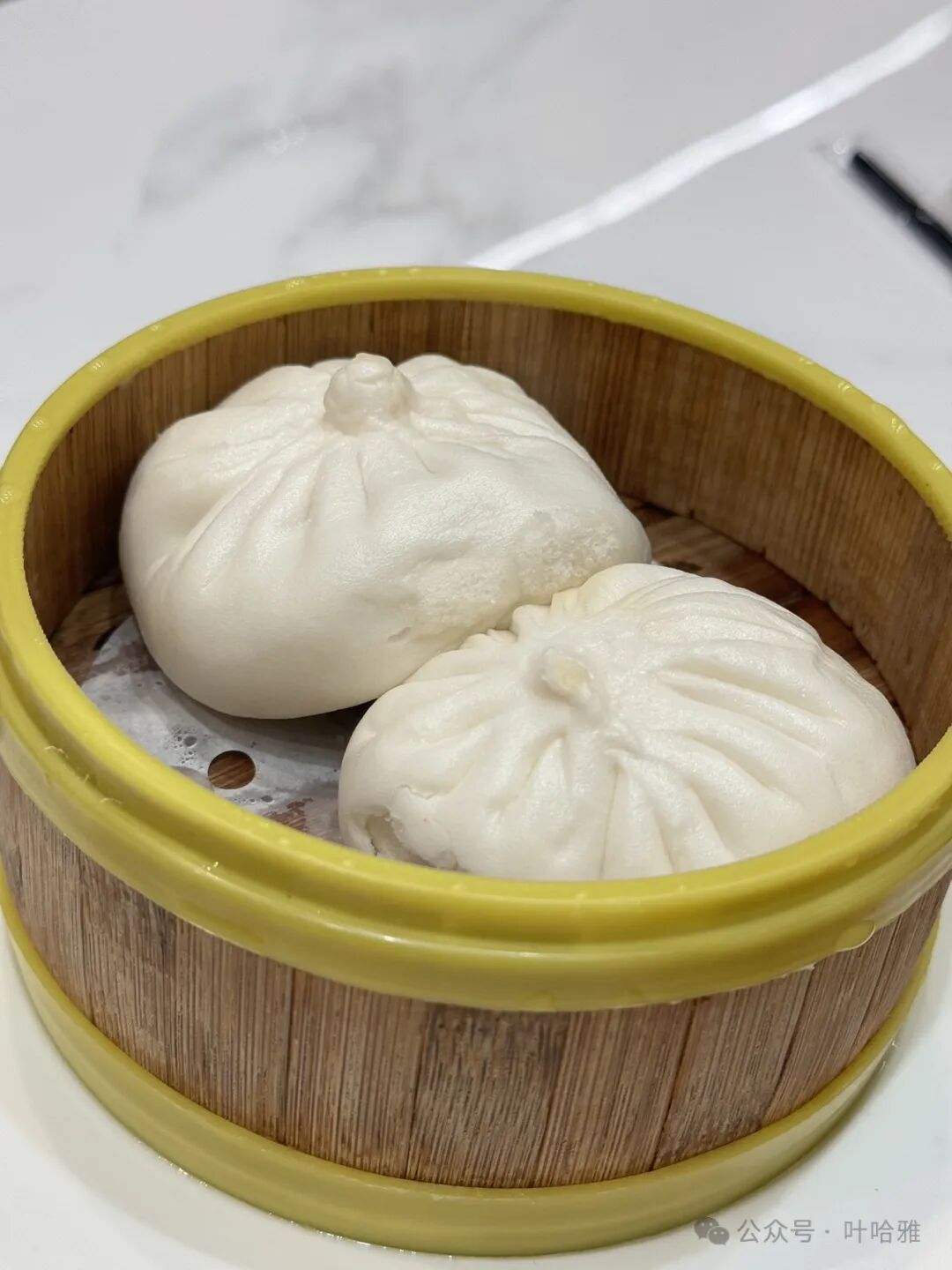
Chicken barbecue pork buns (chashaobao). I still think the ones from the Hui Muslim restaurant in Guangzhou that split open at the top are better.
Address: Concourse Level, TRX Mall
6. TWO SONS
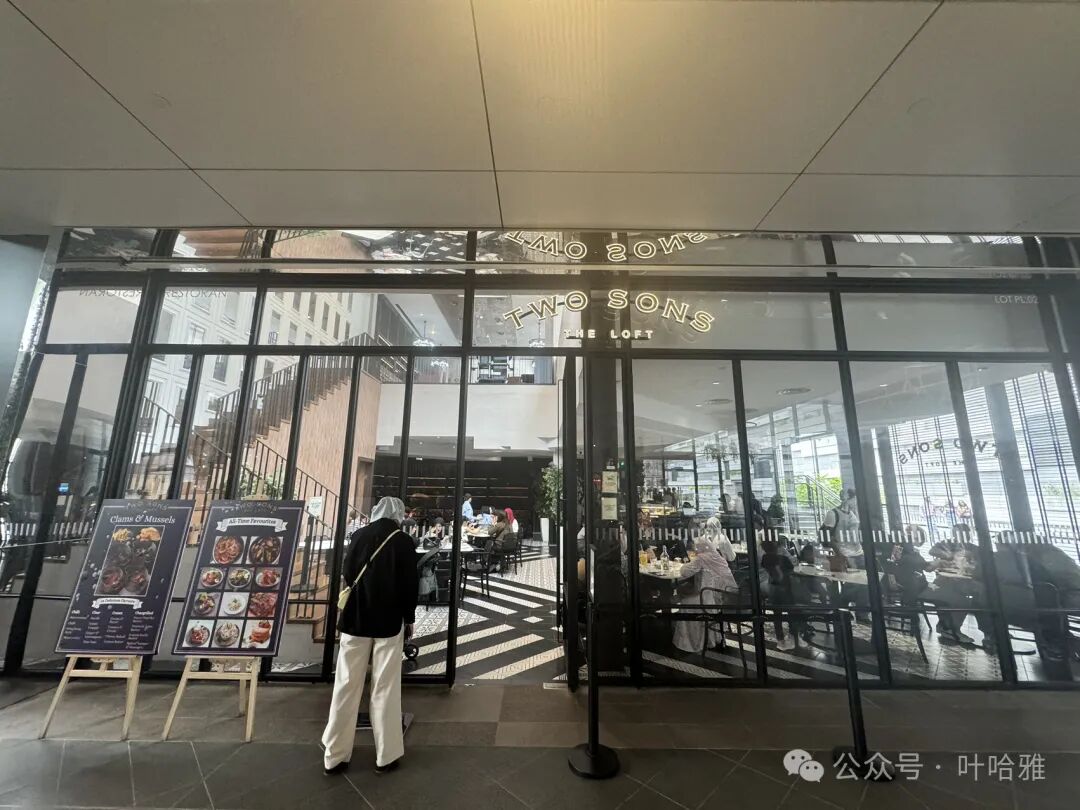
Two Sons is a seafood afternoon tea restaurant on the third floor of TRX.
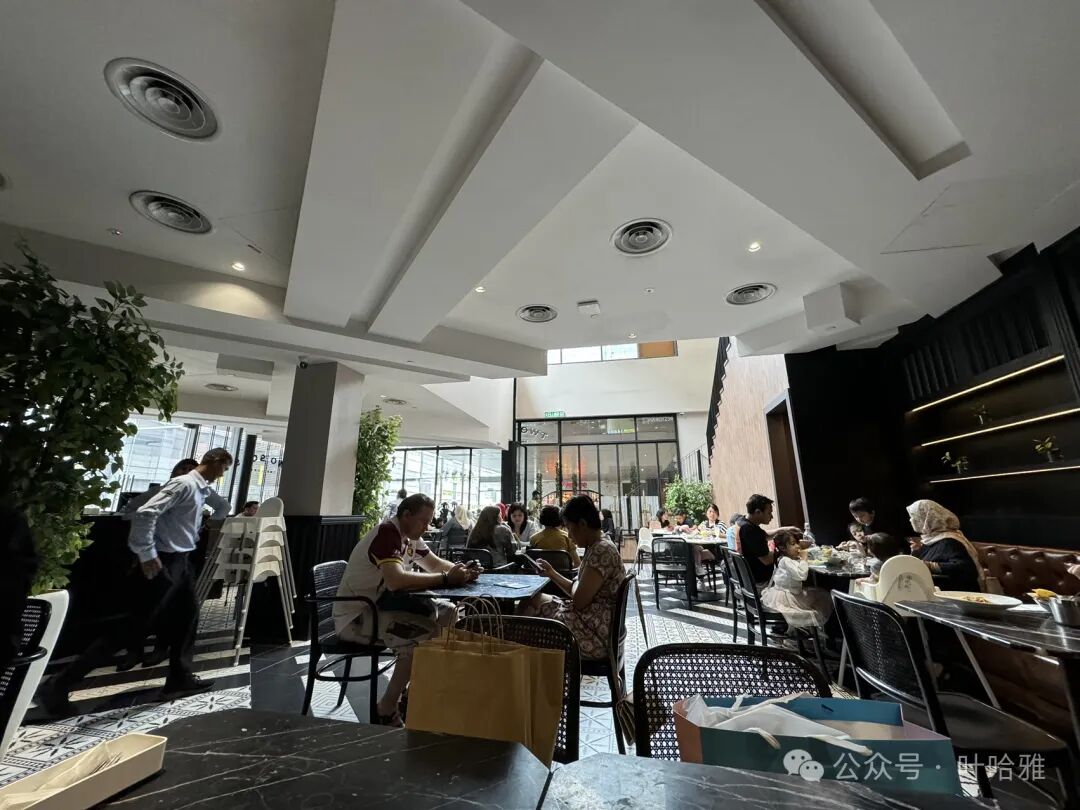
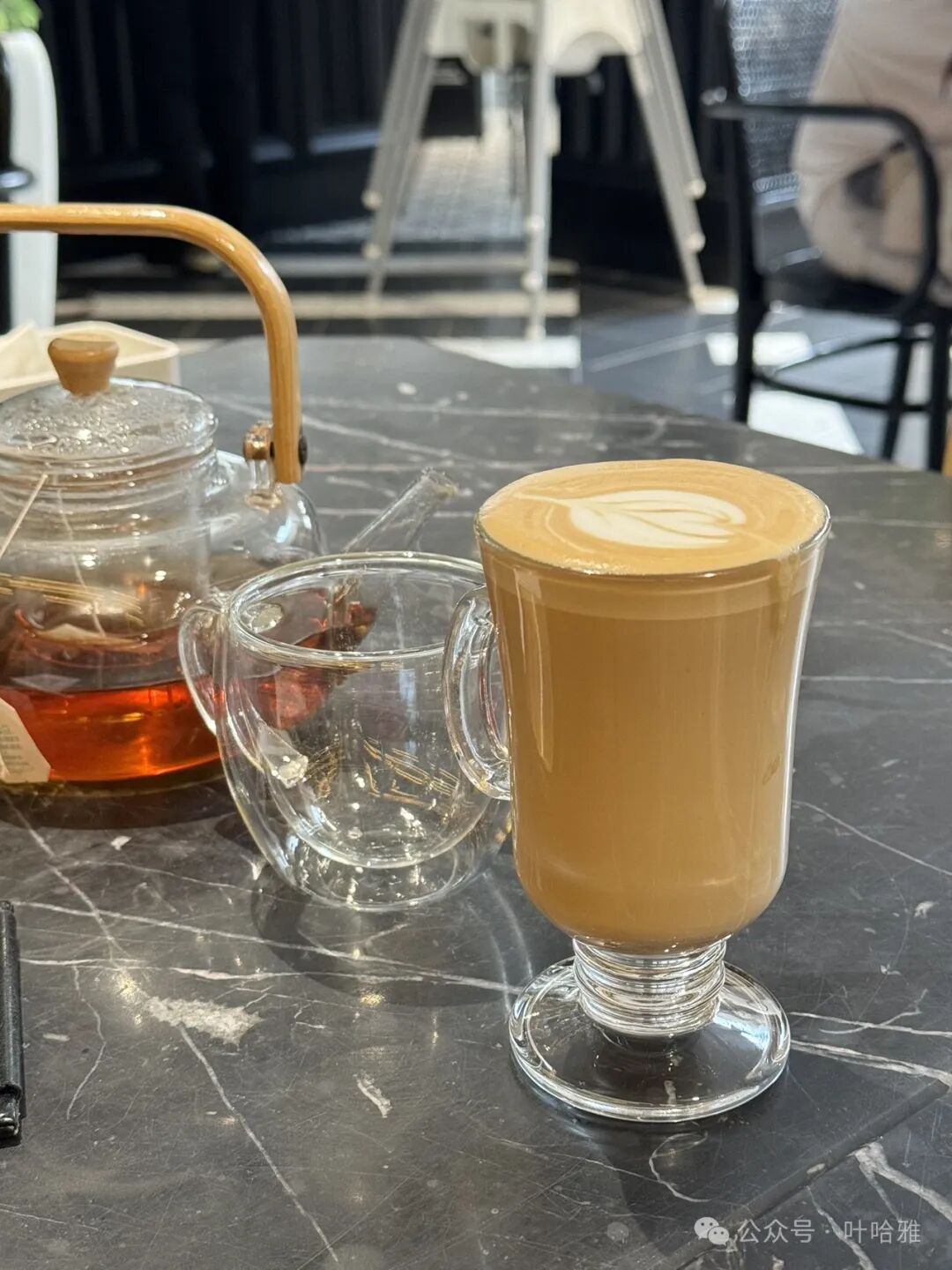
You order by scanning a QR code here, and they serve tea and coffee.
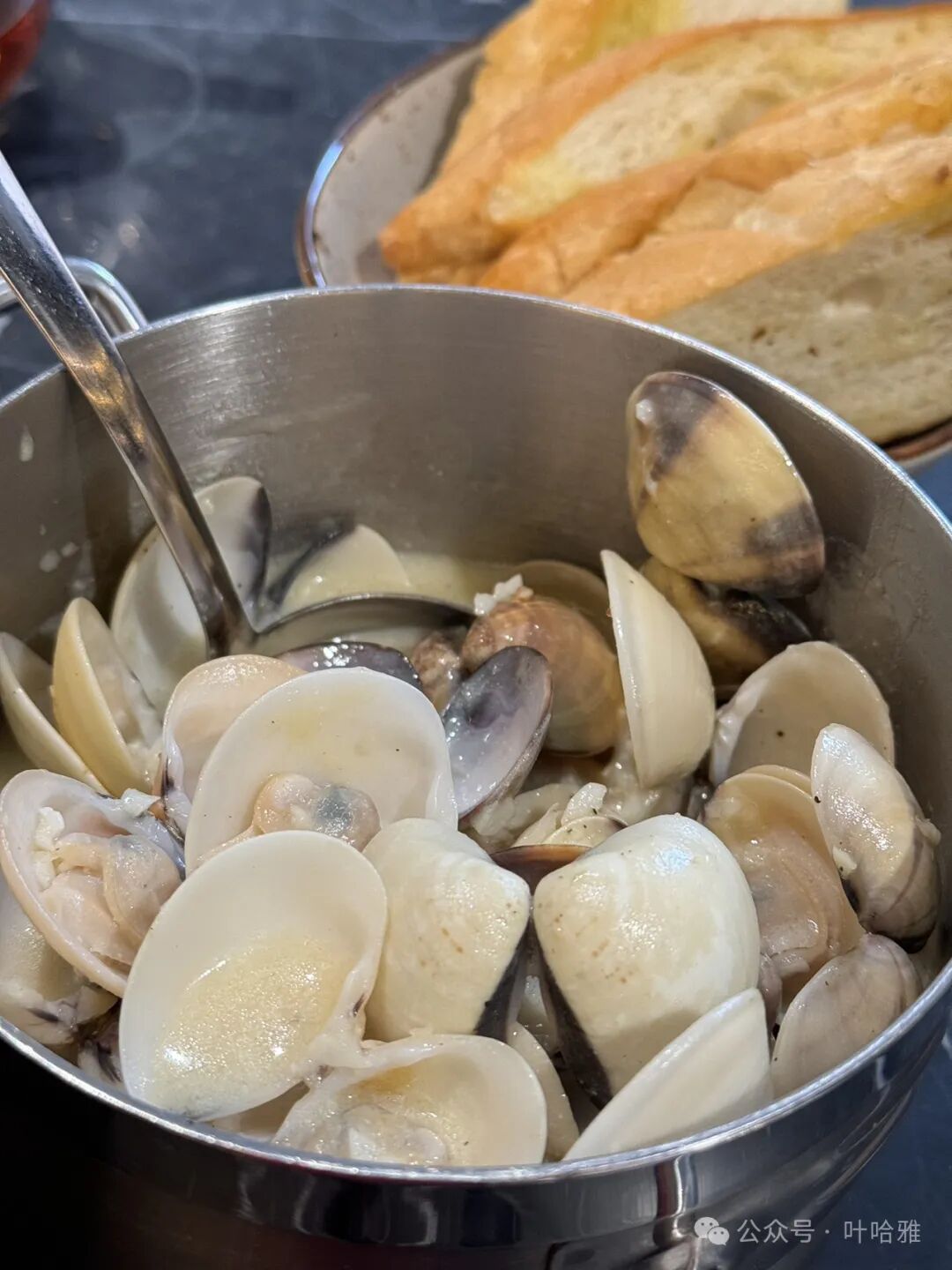
The main meals focus on seafood, which tastes fresh and delicious. You often have to queue for a table, but waiting in line to eat is very common in Kuala Lumpur.
Address: 3rd Floor, TRX Mall.
7. BACHA COFFEE
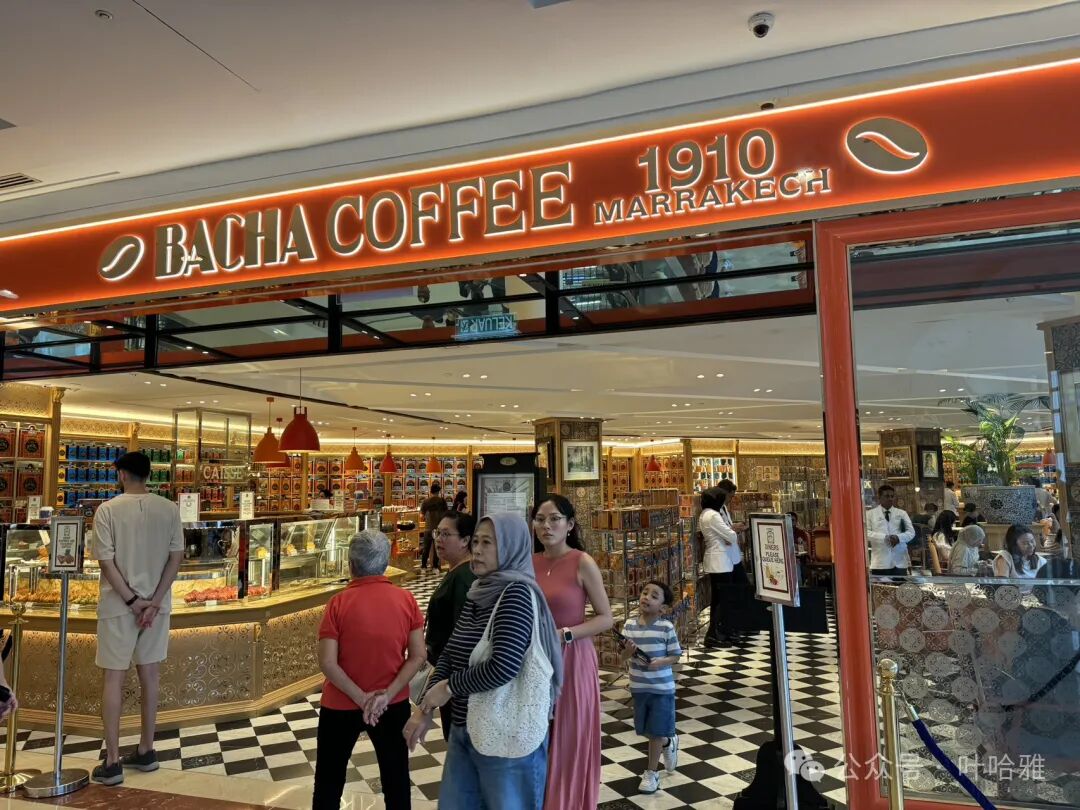
This is a very popular cafe that also has locations in Hong Kong. It is known as the Hermes of the coffee world, but the prices are not actually that high. A pot of coffee costs about 30 to 60 Malaysian Ringgit.
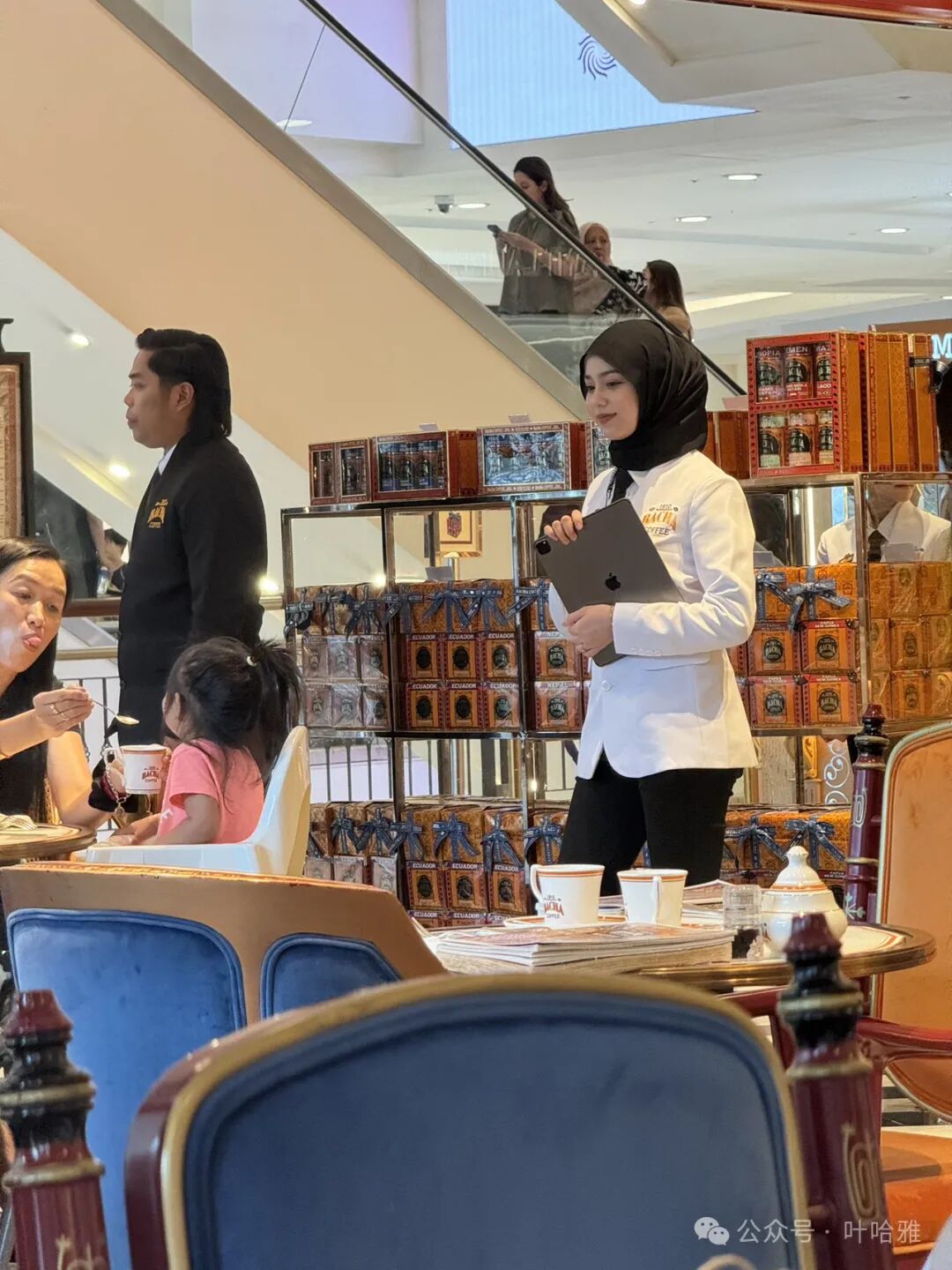
We visited the branch on the ground floor of KLCC, and I also saw one in the TRX mall.
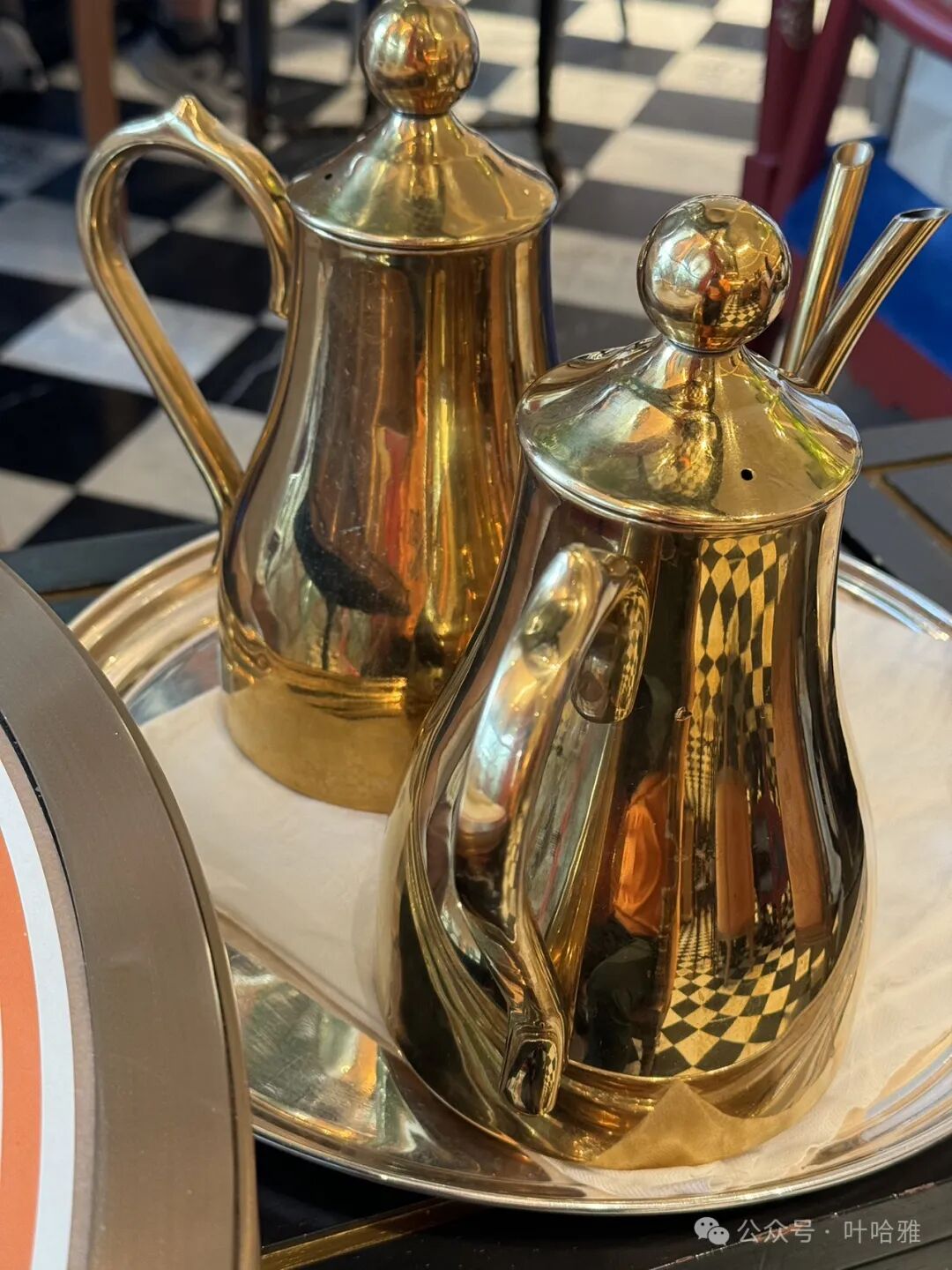
They have hundreds of coffee varieties, and the menu is as thick as a book. I do not have any specific recommendations, but keep in mind that one order is a whole pot, which is enough for two people. We accidentally ordered two pots, but luckily they were not filled to the brim, so we managed to finish them.
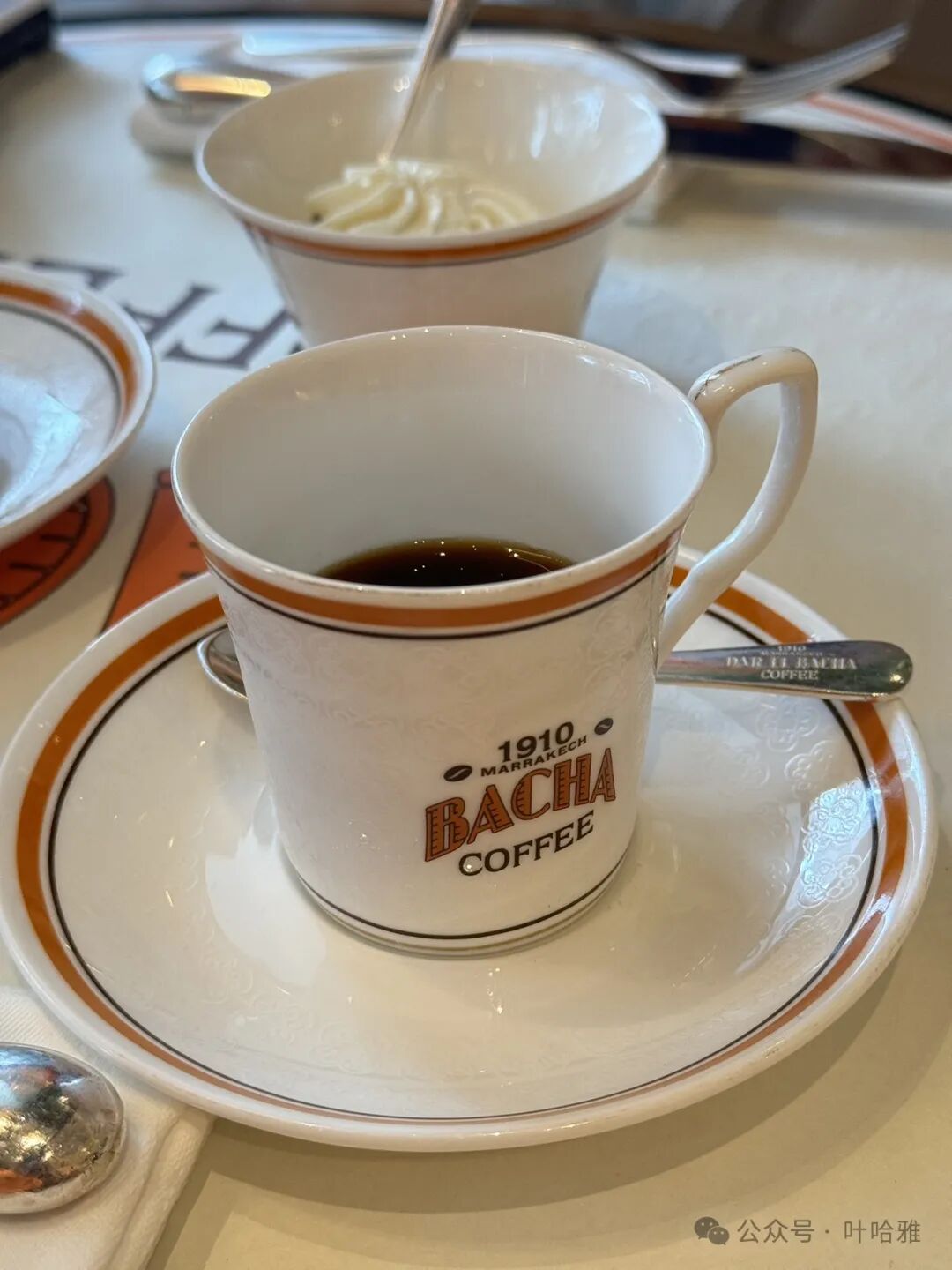
You can pair the coffee with cream and desserts, which are of excellent quality.
Address: Ground Floor, KLCC, near the entrance by the musical fountain.
8. TEA ROASTERY CHA-BA-SHI-RA
A new Japanese matcha shop just opened at the entrance of the B1 supermarket in Isetan Department Store.
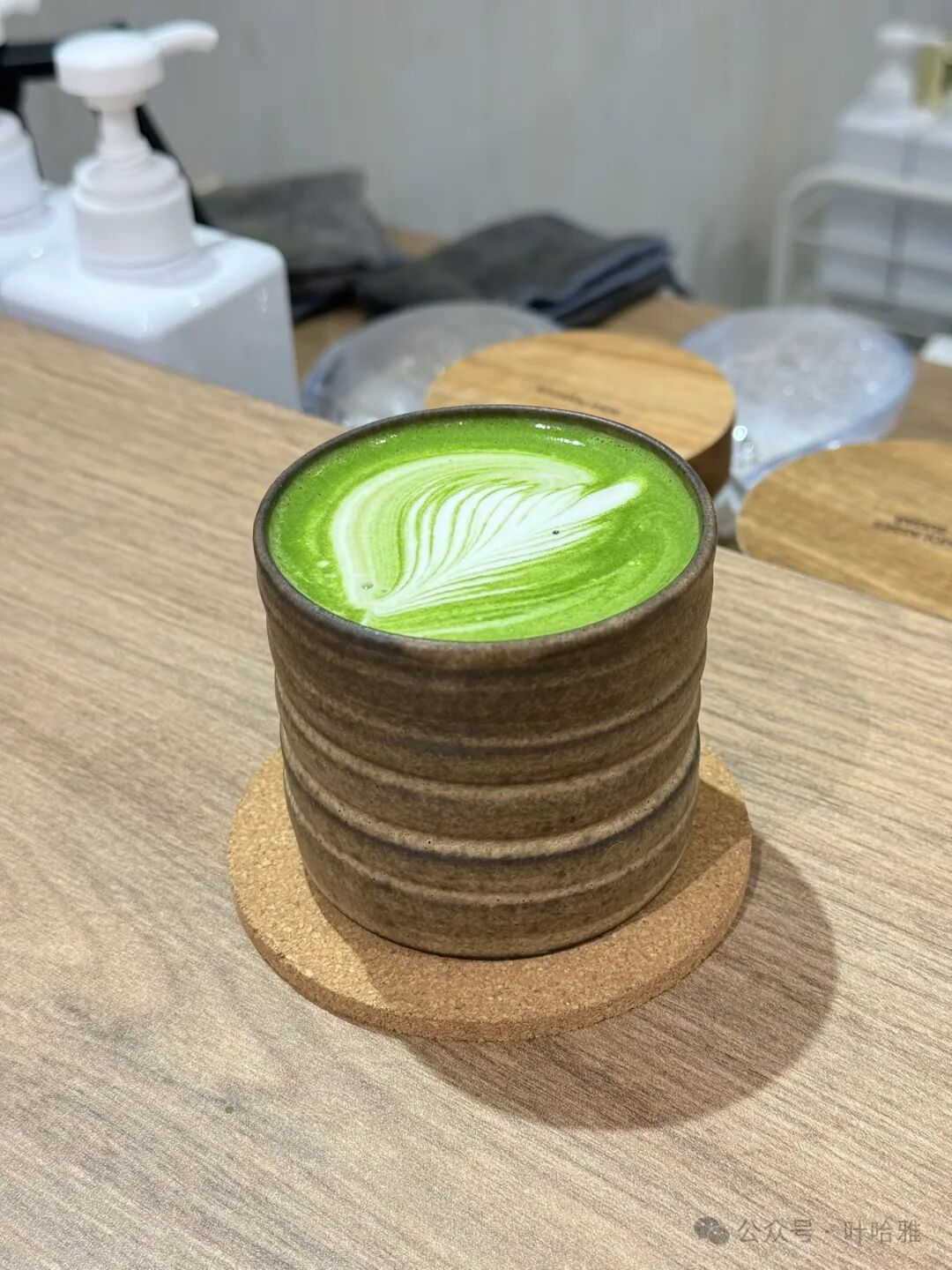
The owner is Malaysian. He went to Japan to learn the art of matcha, and because he loves it himself, he came back home to open this shop.
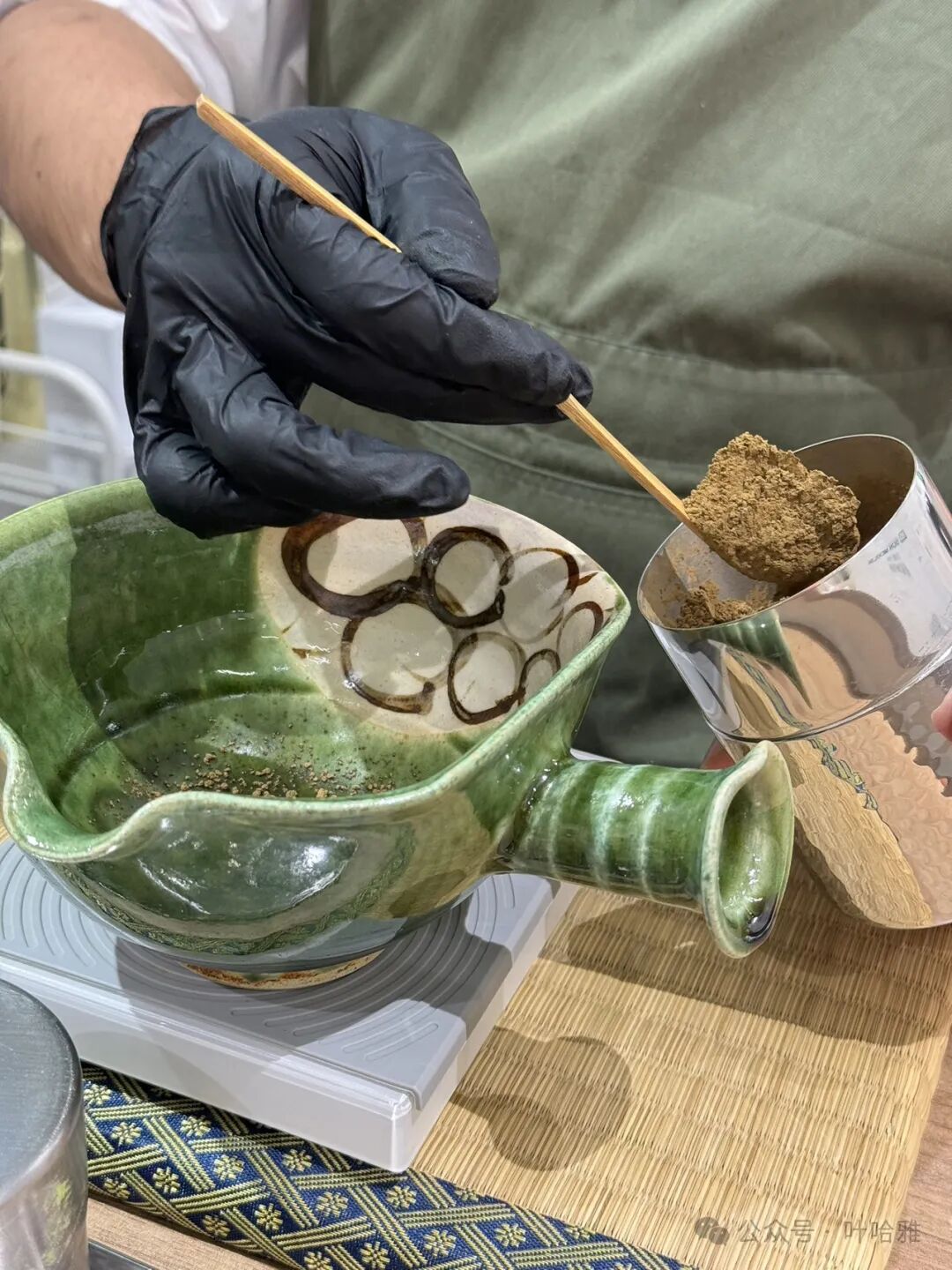
I have tasted matcha in Hokkaido, where it was smooth and rich, and the quality at this shop is also very good.
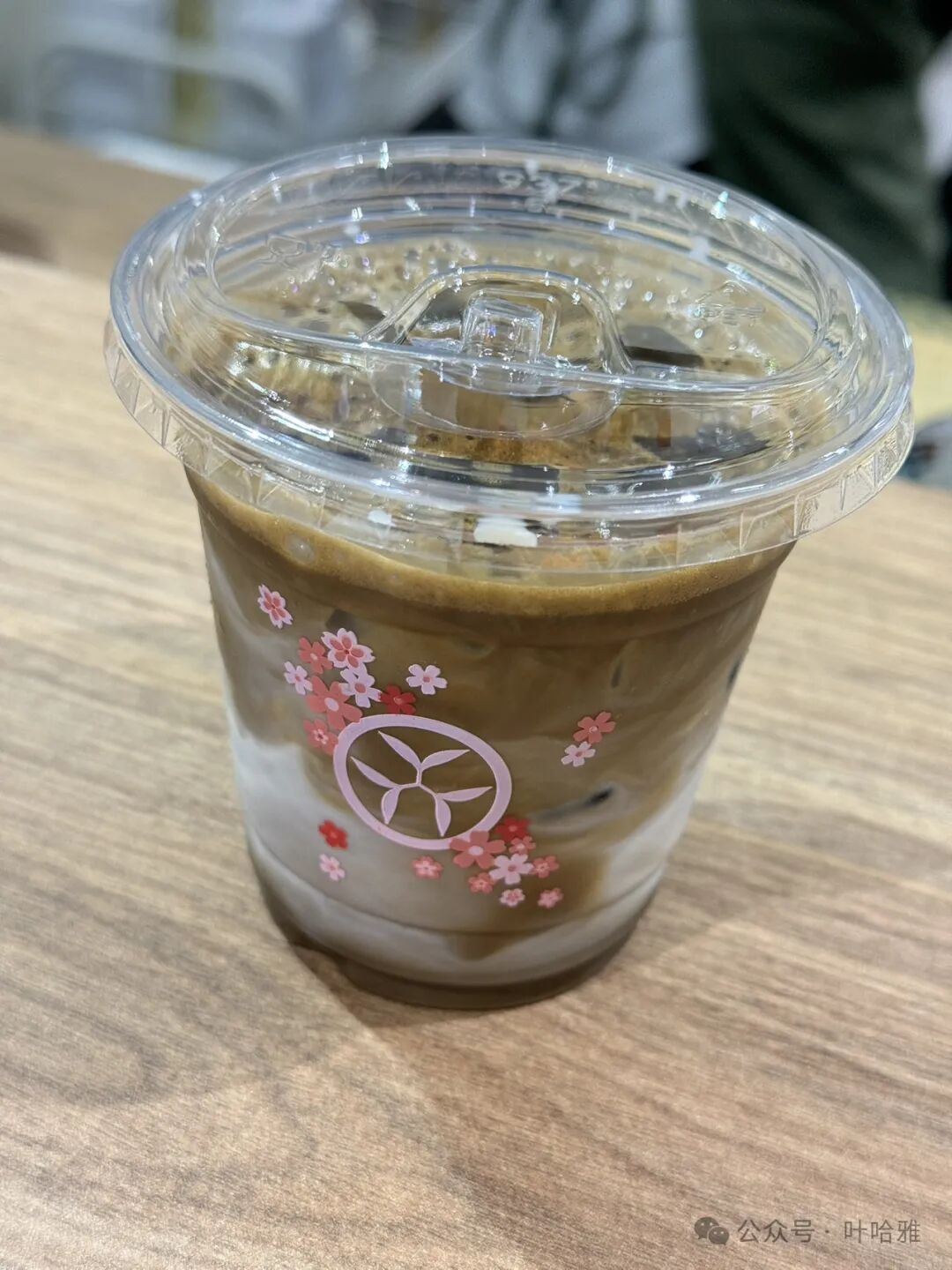
Address: Exit of the B1 supermarket in Isetan Department Store.
9. Arte 66 Restaurant & Bar
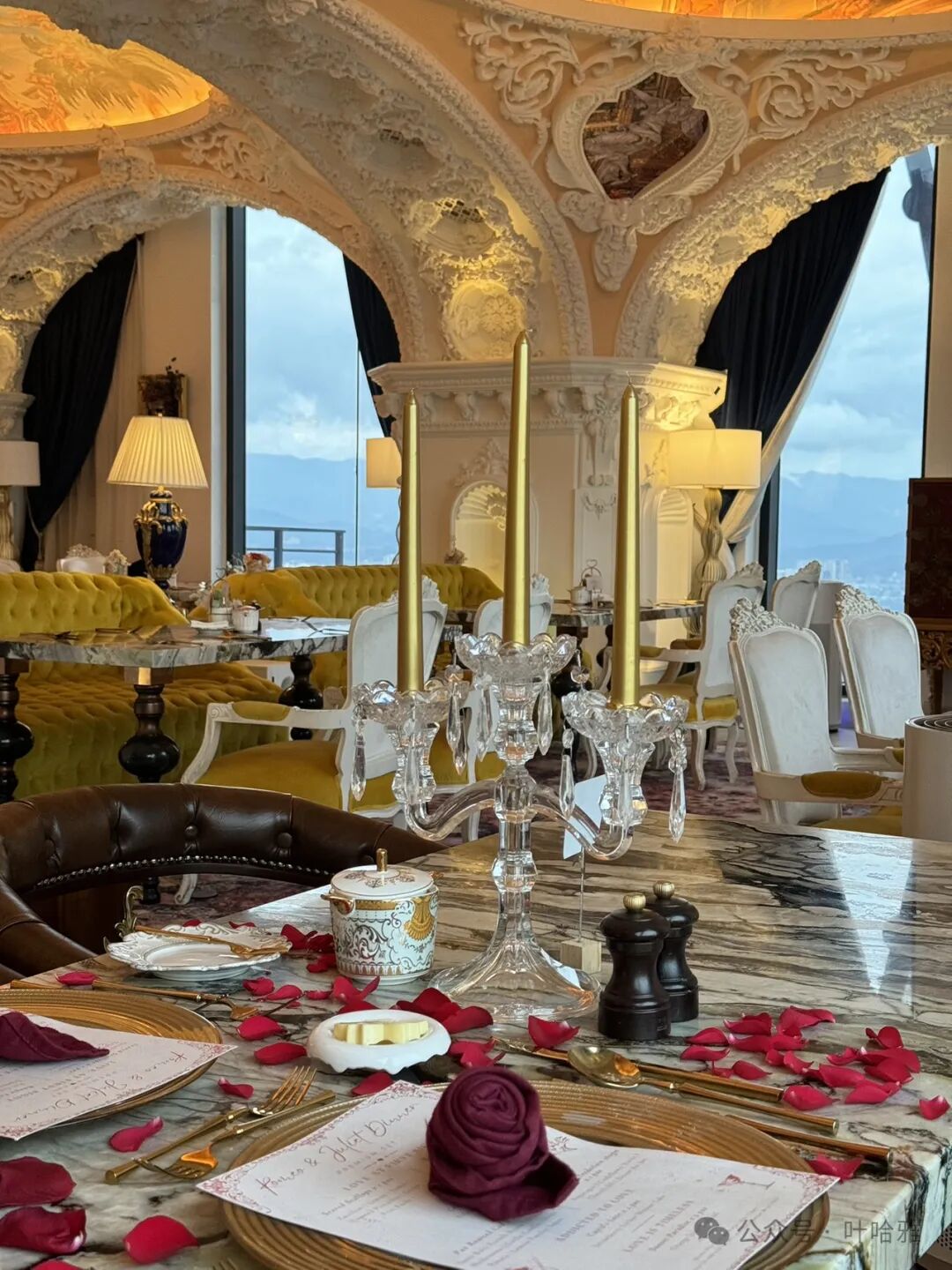
This is a very luxurious French restaurant located just a few hundred meters from the Kuala Lumpur Convention Centre.
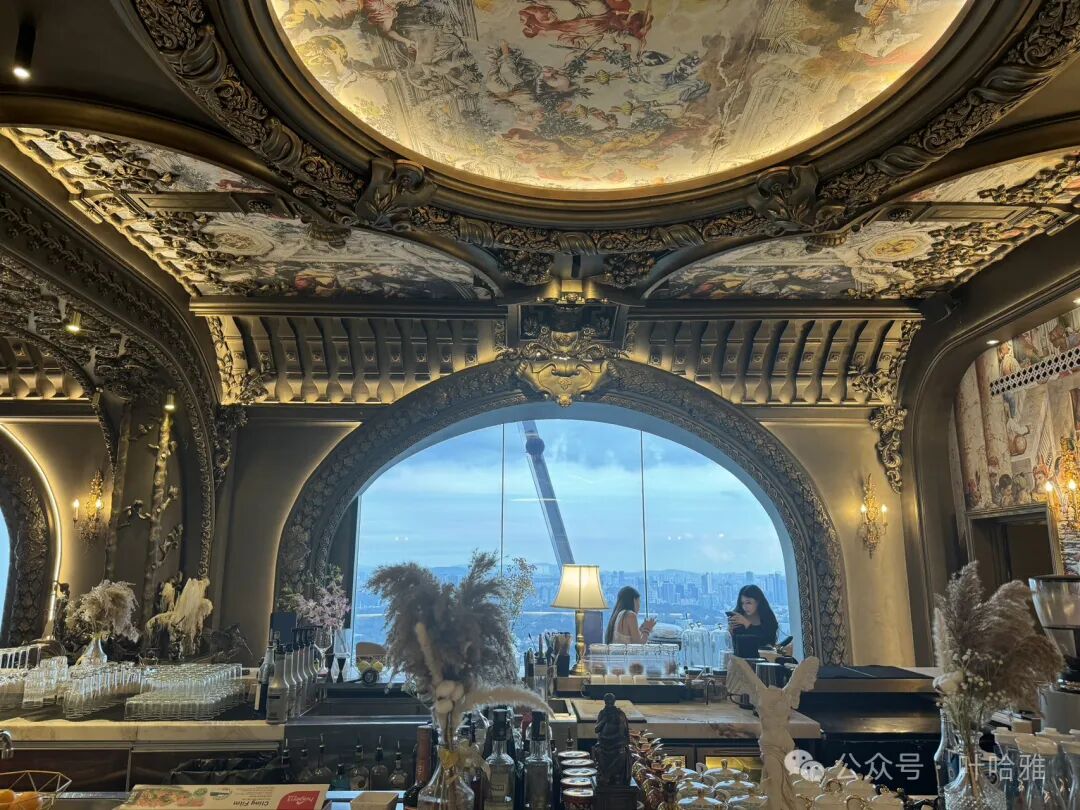
You can only find this kind of halal French dining in Kuala Lumpur. I saw one in Dubai, but it was ridiculously expensive at 3,000 yuan per person. This place is about 500 RMB per person.
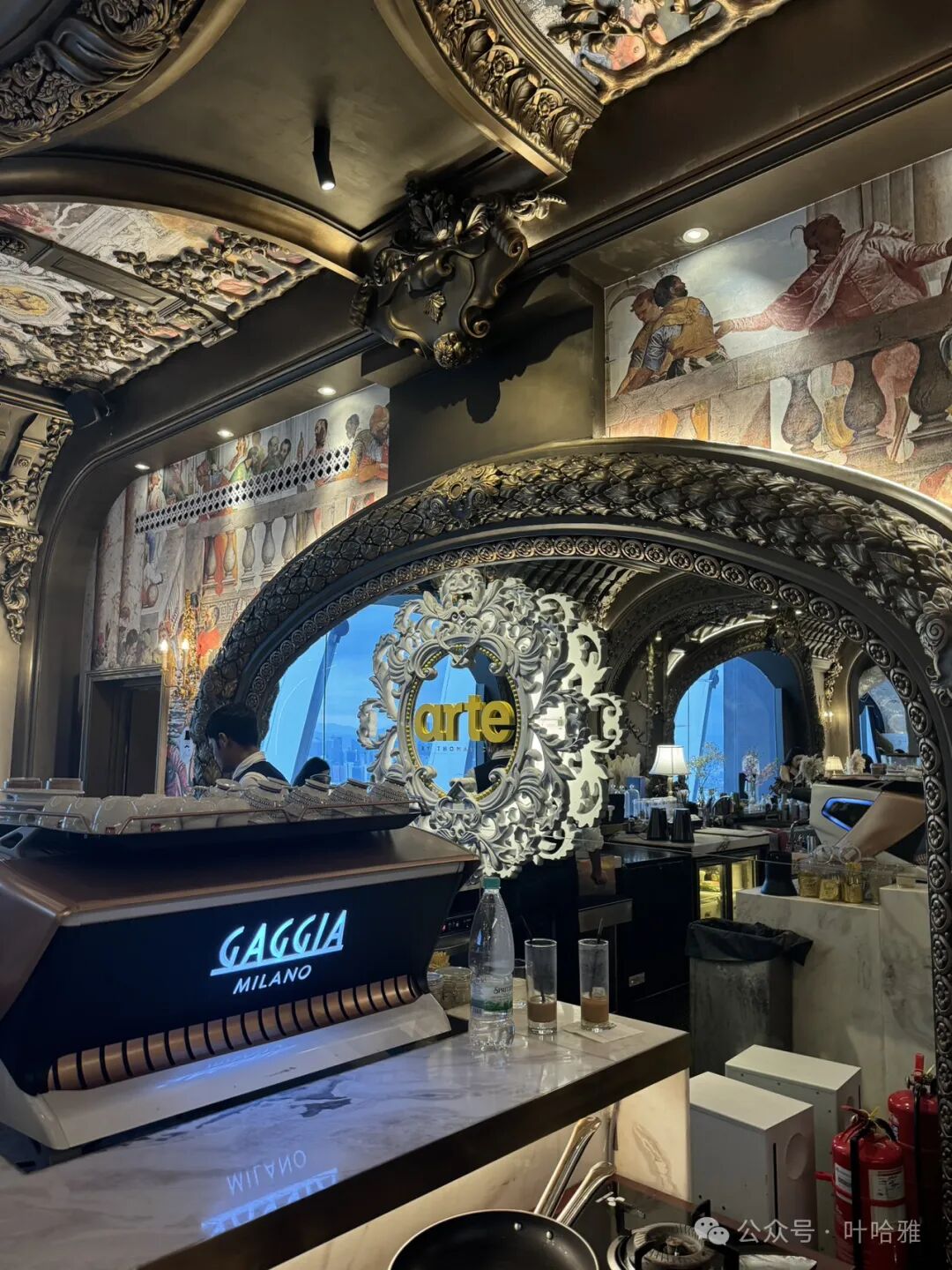
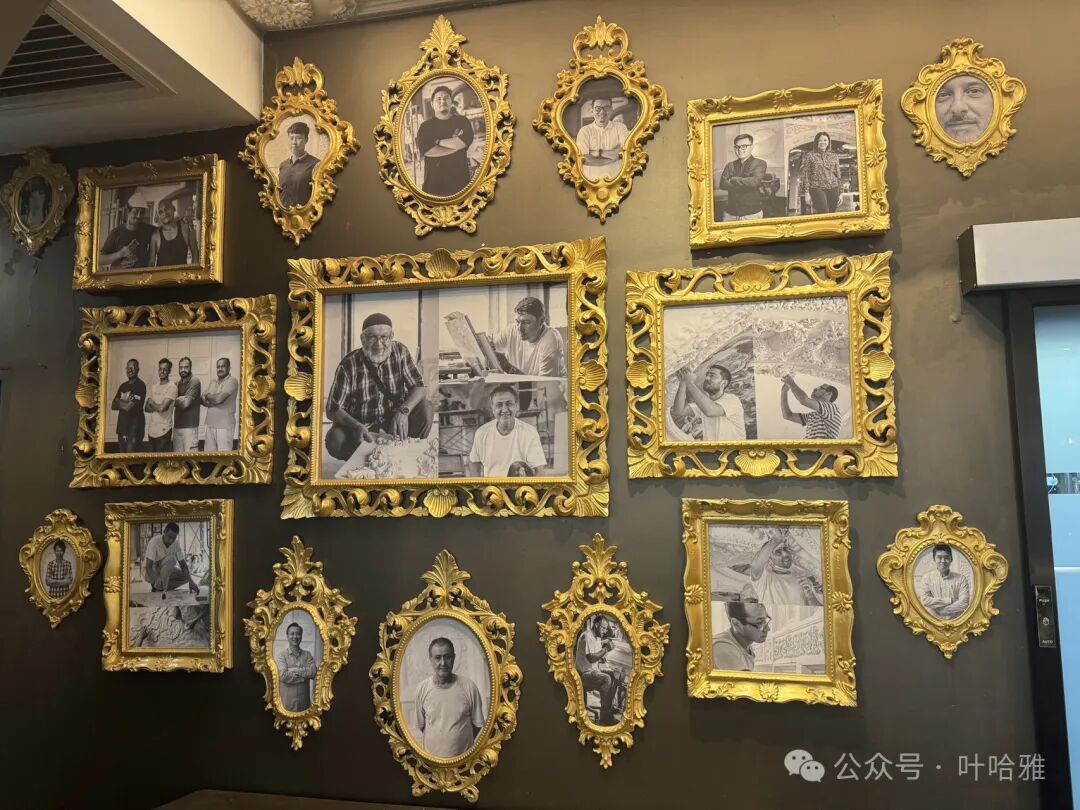
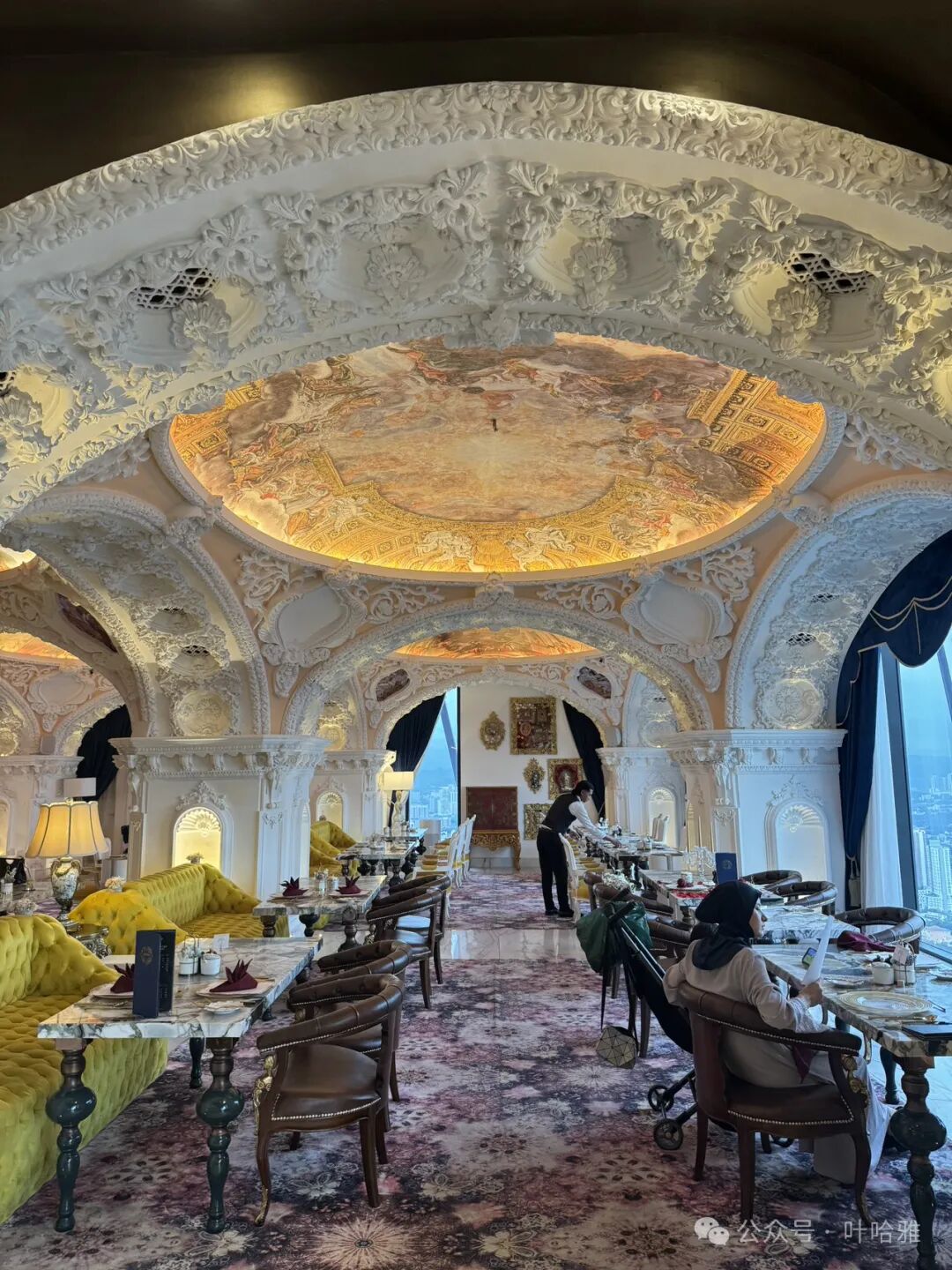
The restaurant is on the 66th floor of the building, offering a panoramic view of Kuala Lumpur with the Petronas Twin Towers visible in the distance.
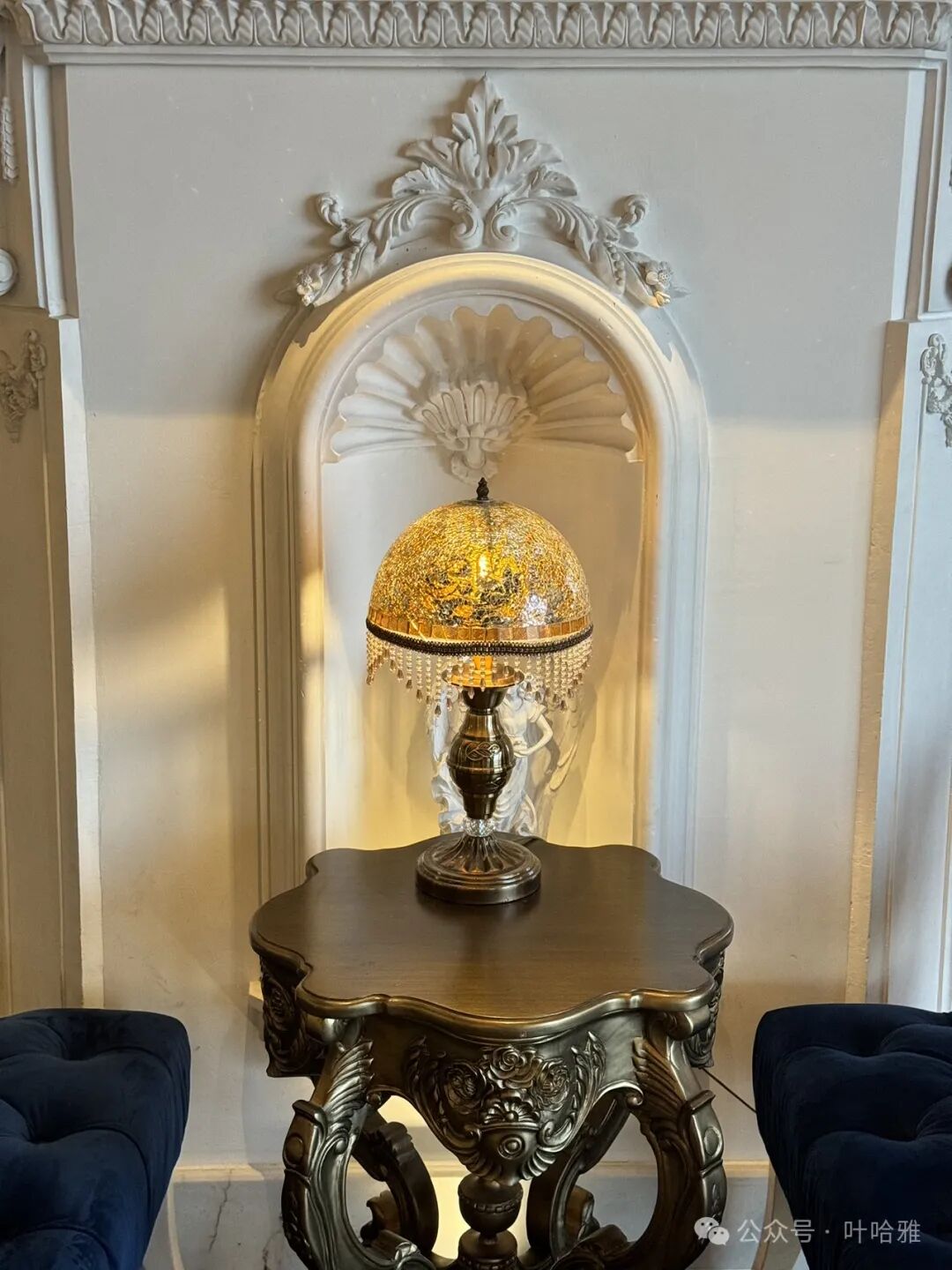
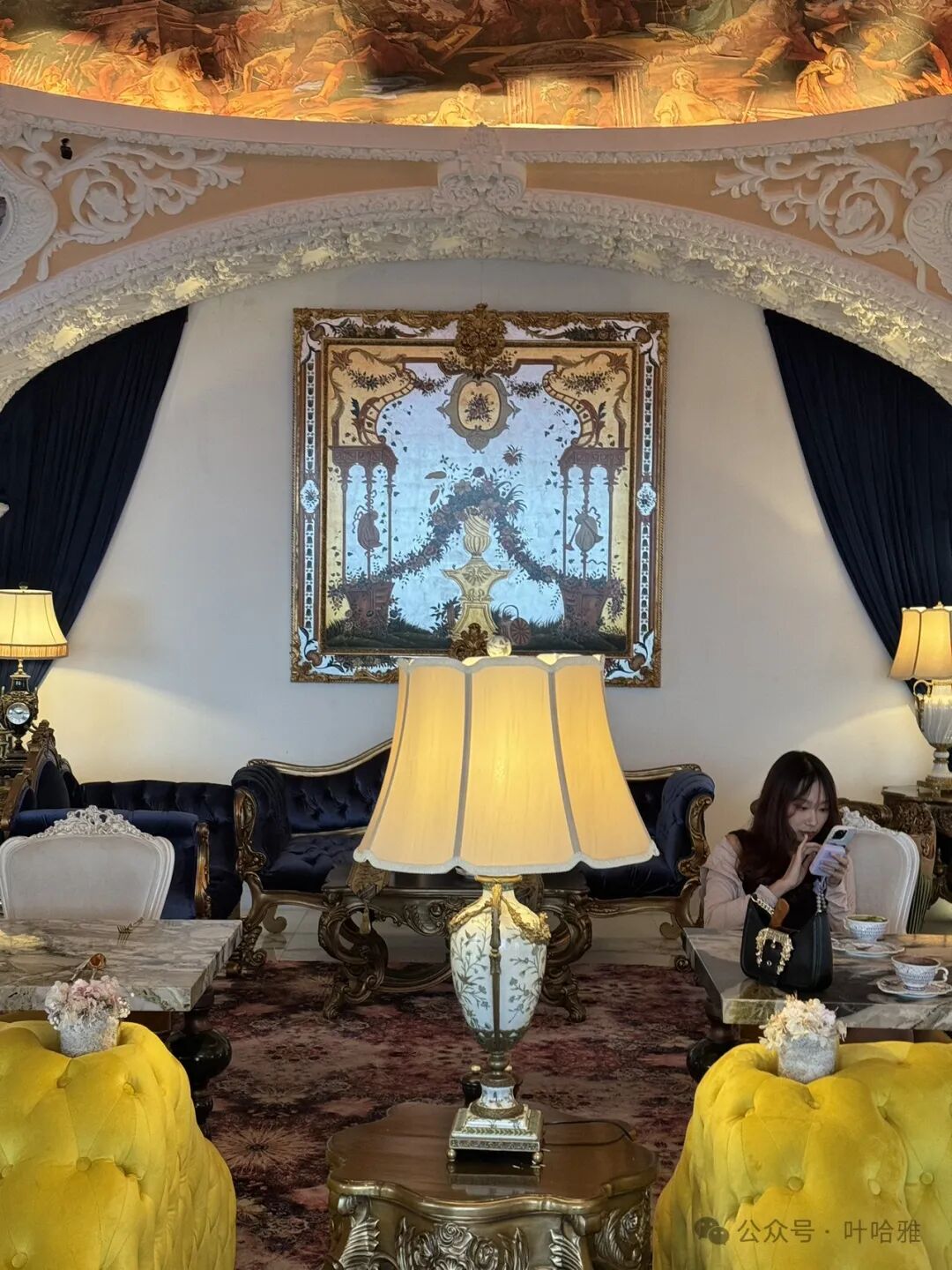
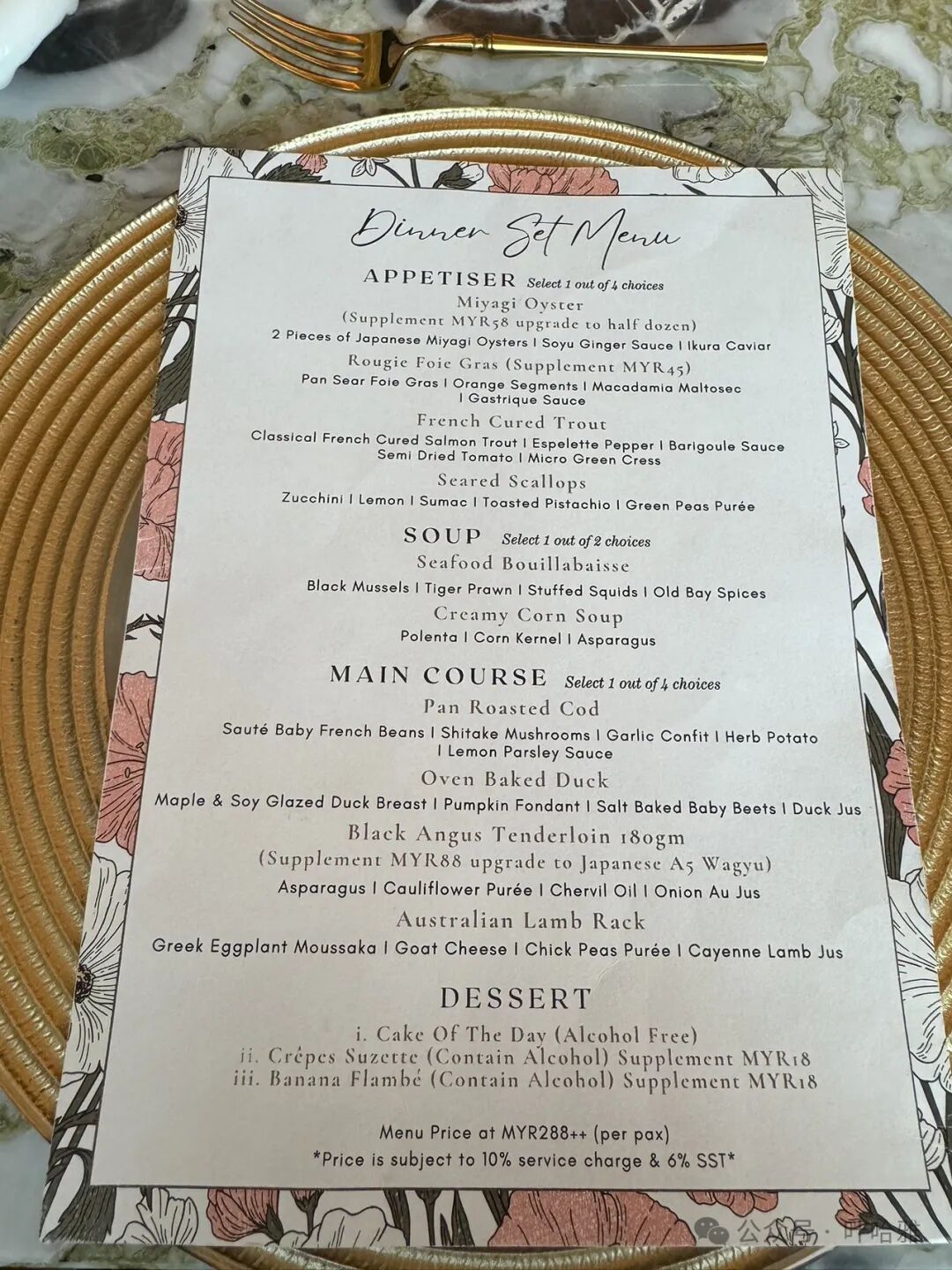
They charge per person, and you choose your items from the menu. The dishes are served in order, and the whole meal takes about an hour.
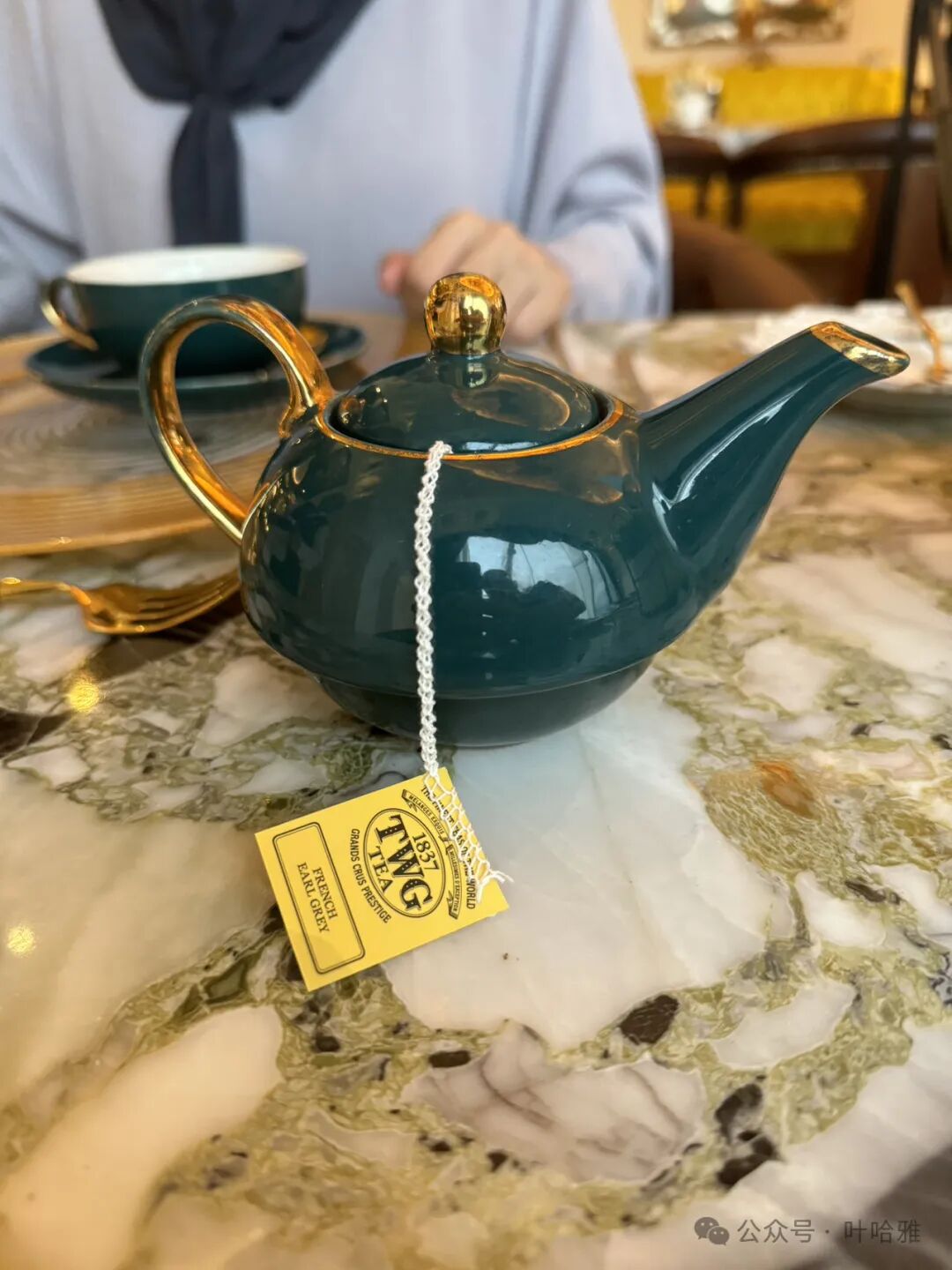
They serve TWG brand tea bags, which cost over a hundred yuan online.
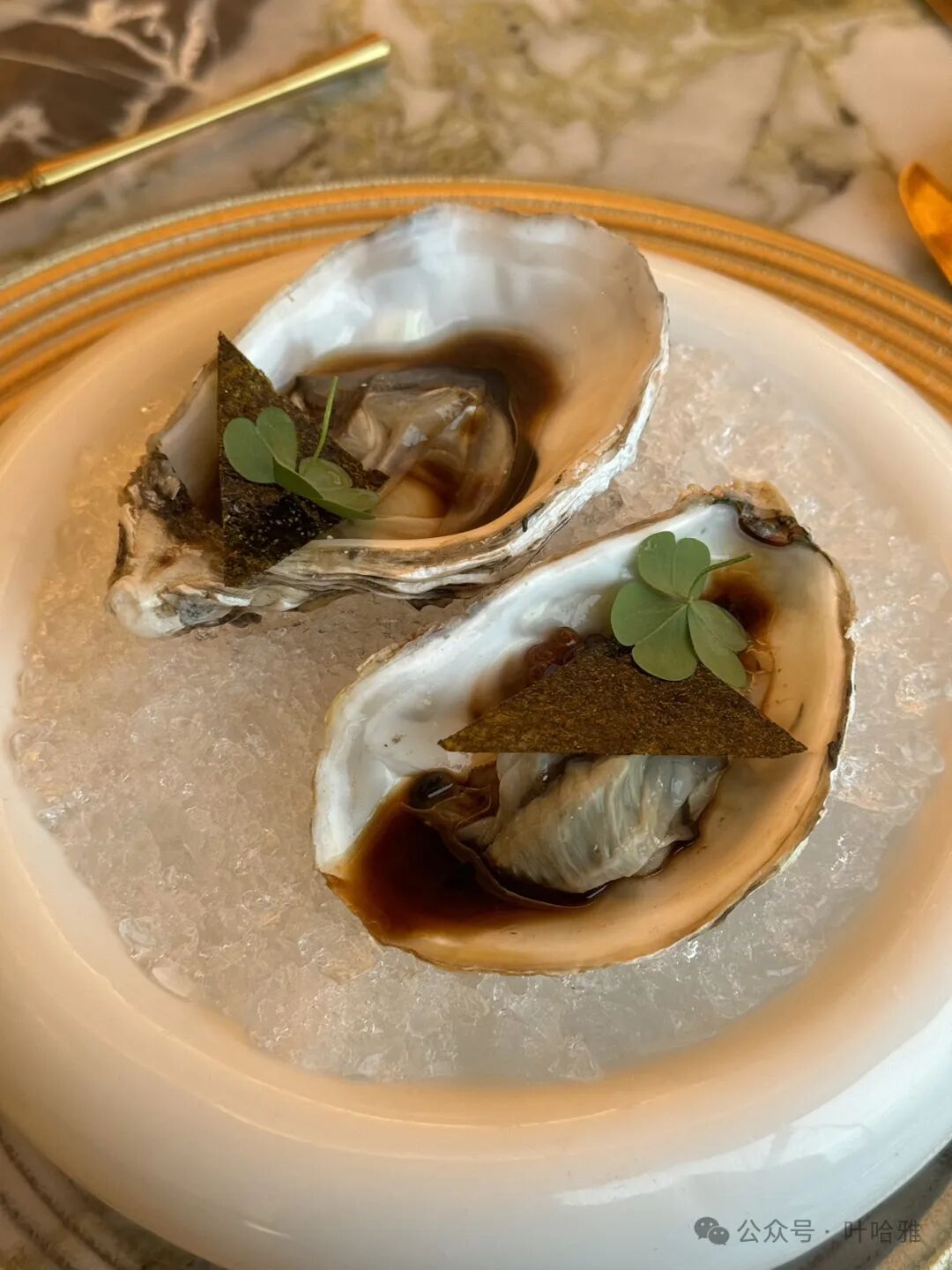
The first dish was raw oyster sashimi. The taste was very average and a bit fishy; I still don't like eating raw oysters.
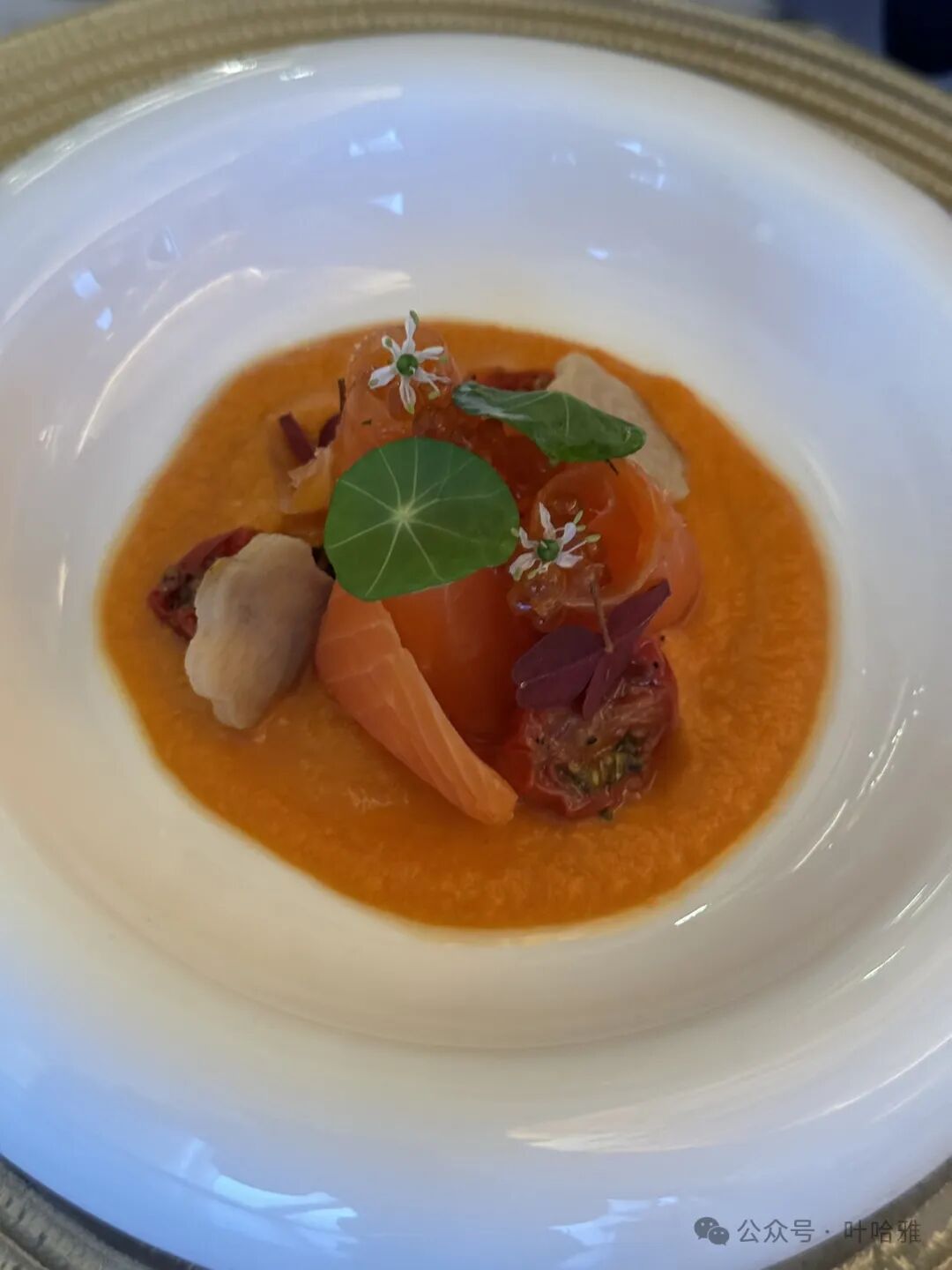
The two of us chose different set menus, and the other one was salmon sashimi.
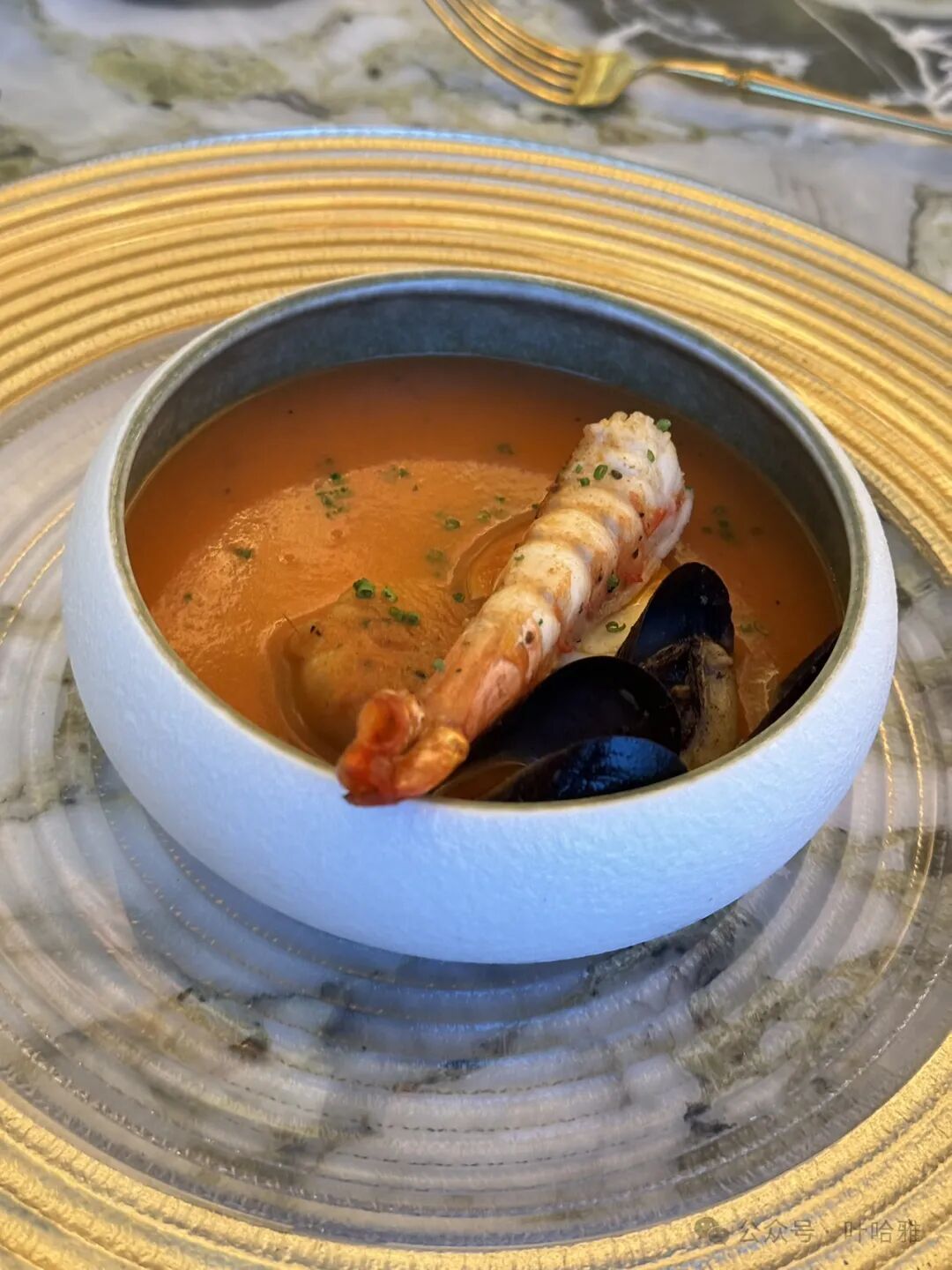
Seafood soup with scallop meat, large shrimp, and mussels.
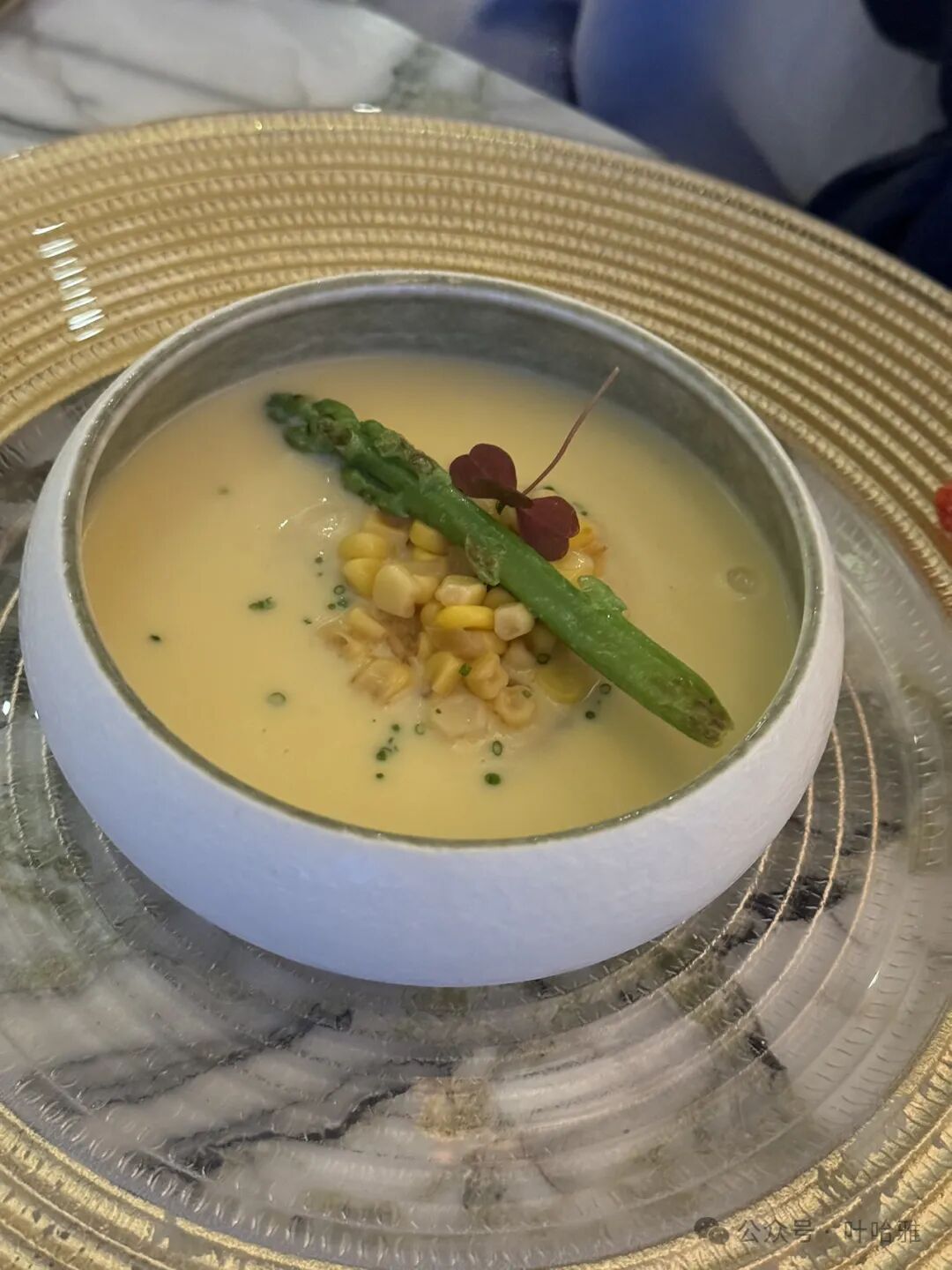
Creamy vegetable soup.
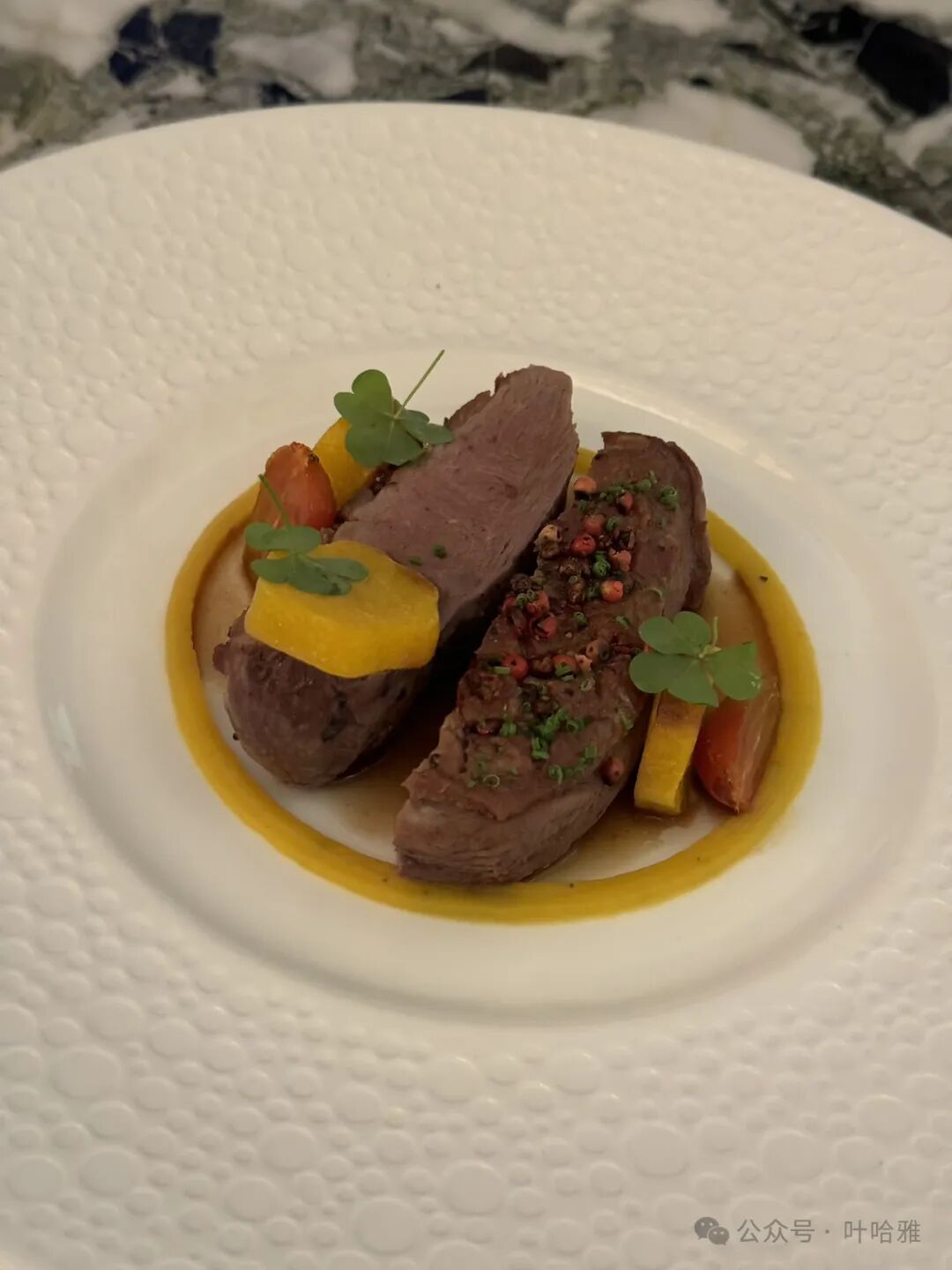
This is a French-style duck dish. The meat is quite tender and very lean.
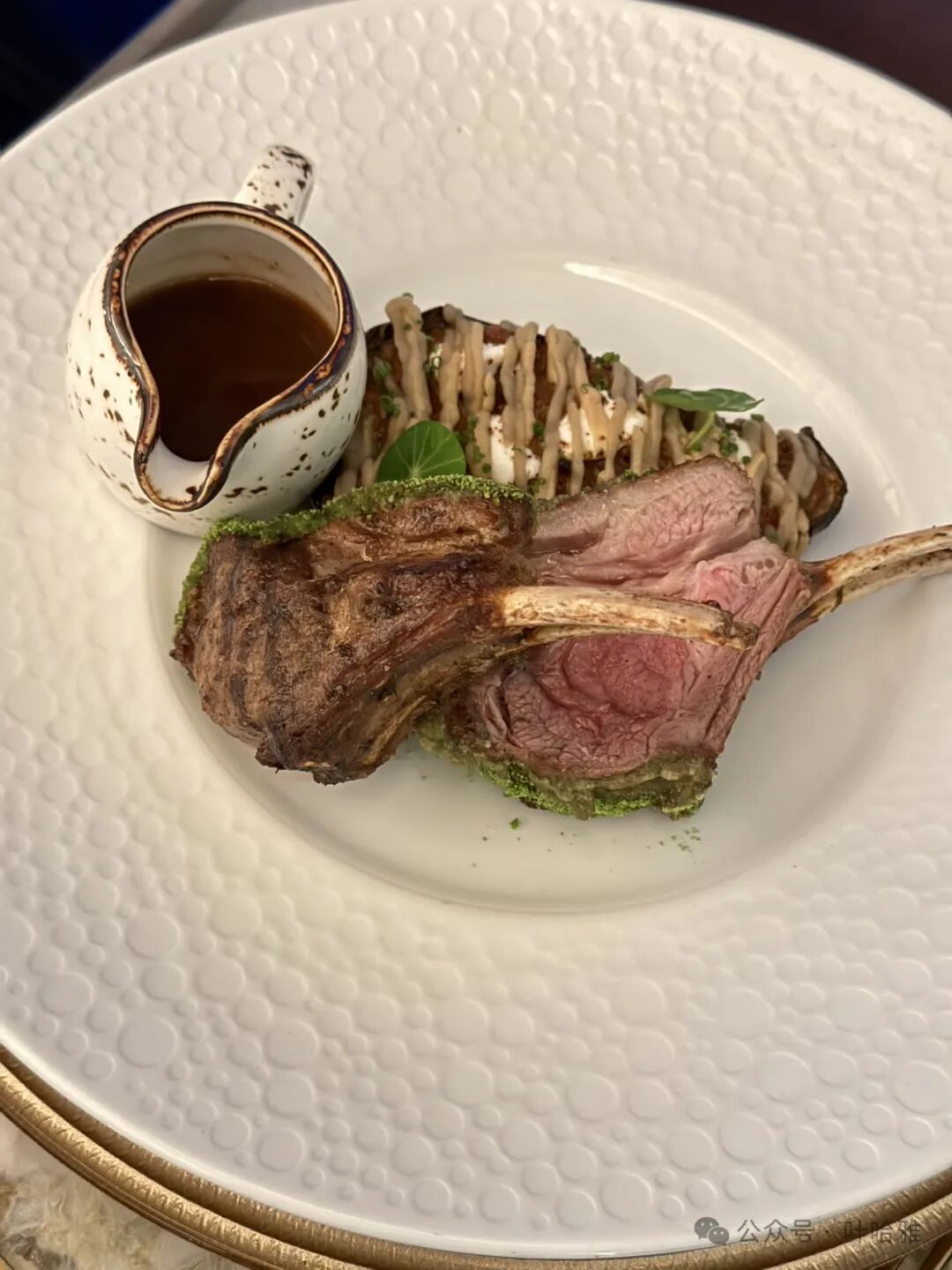
The French-style pan-seared lamb chops taste good. It is a pity I did not get to eat French escargot here; I will have to wait until I am back in Tianjin to eat snails.
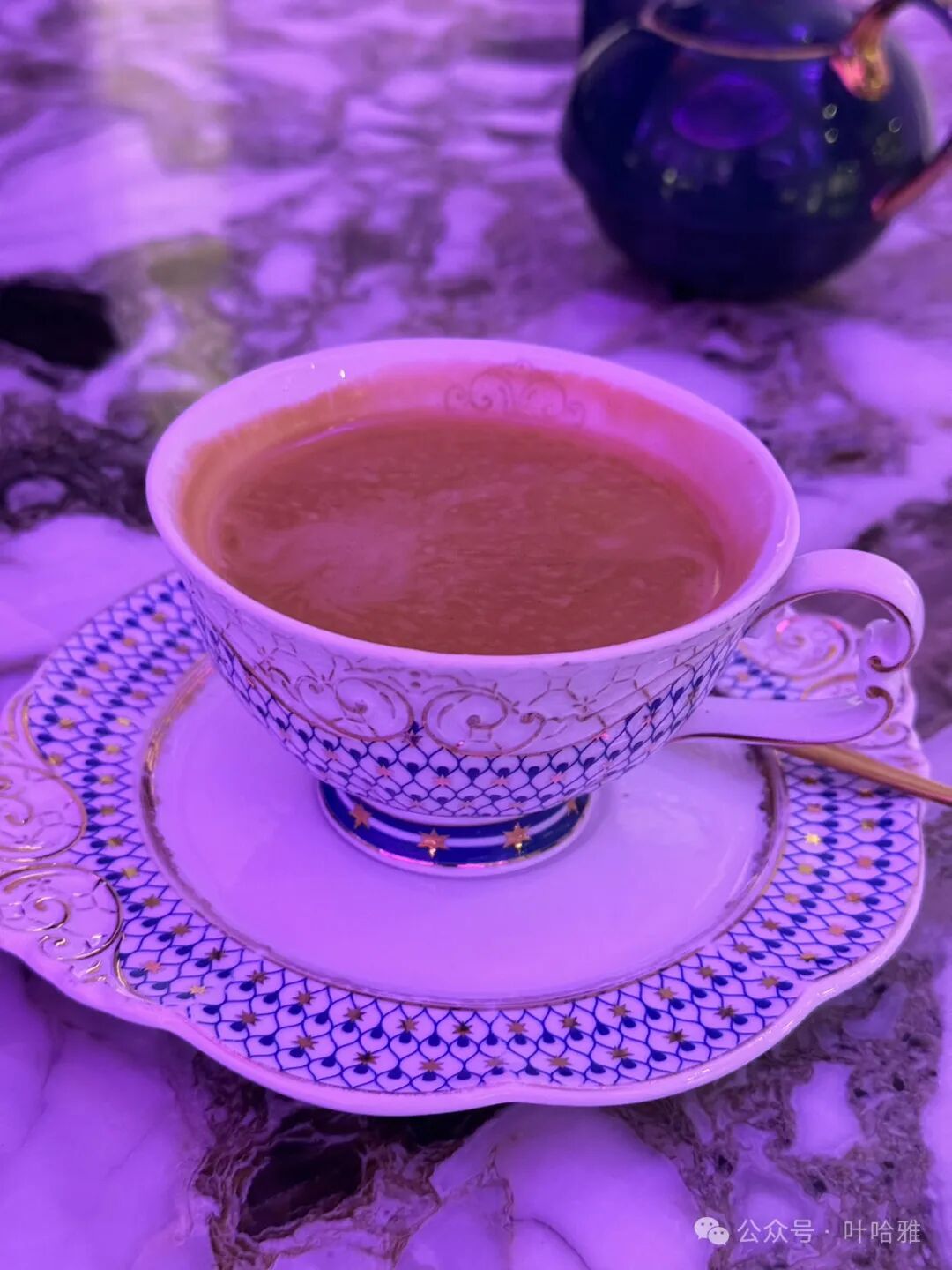
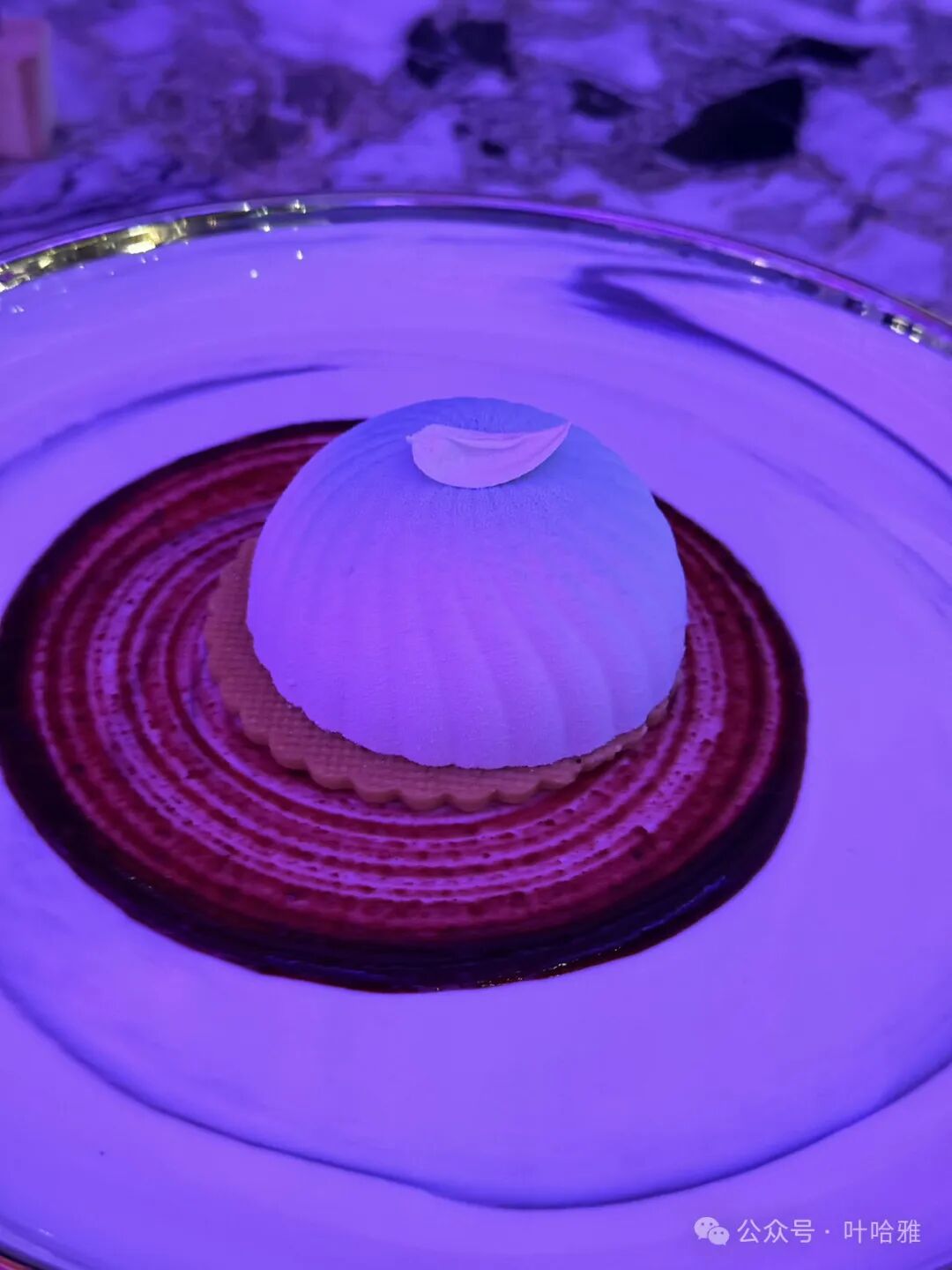
The coffee and desserts are high quality, but the main dishes taste very ordinary and a bit rough. They do not seem to match the decor.
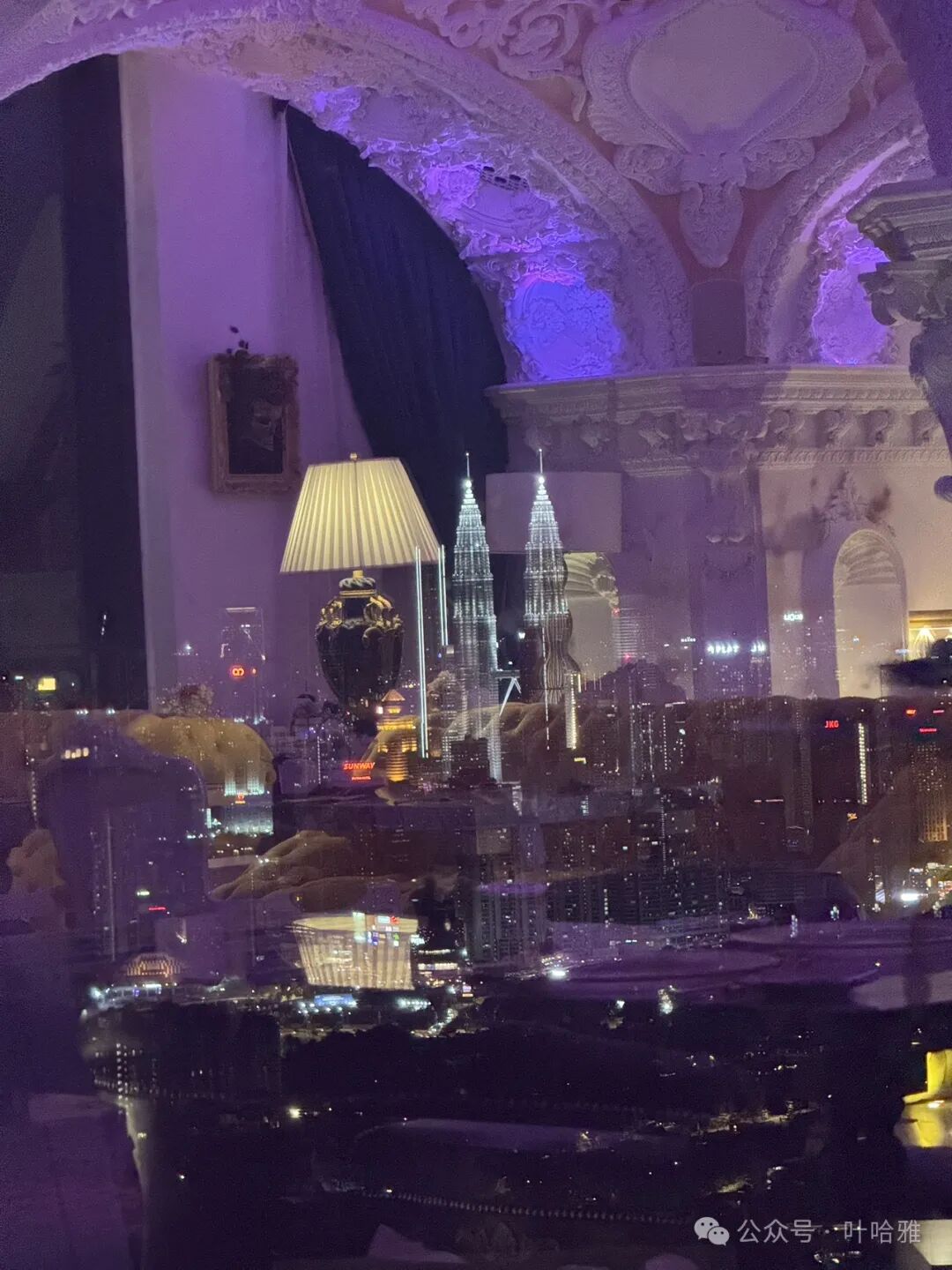
Address: Level 66, Jalan Sultan Haji Ahmad Shah, Mont Kiara, 50480 Kuala Lumpur, Wilayah Persekutuan Kuala Lumpur
10. Teppanyaki
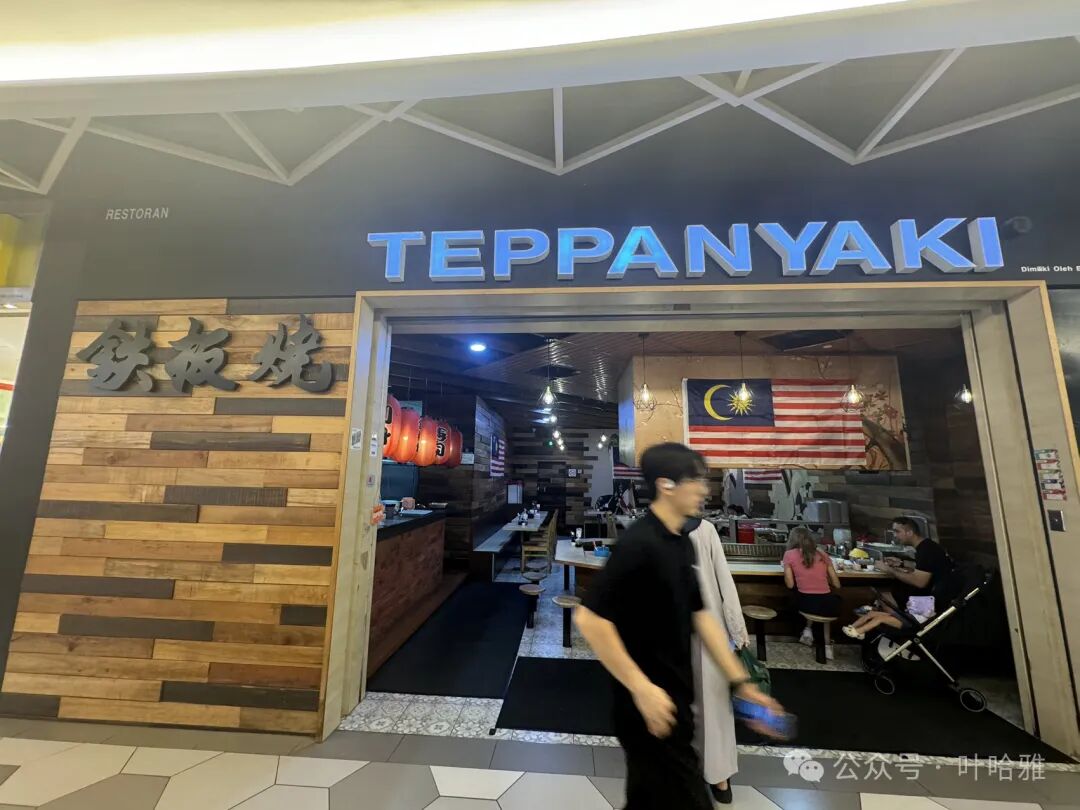
A Japanese teppanyaki restaurant. I remember the last time I had halal teppanyaki was in Hokkaido.
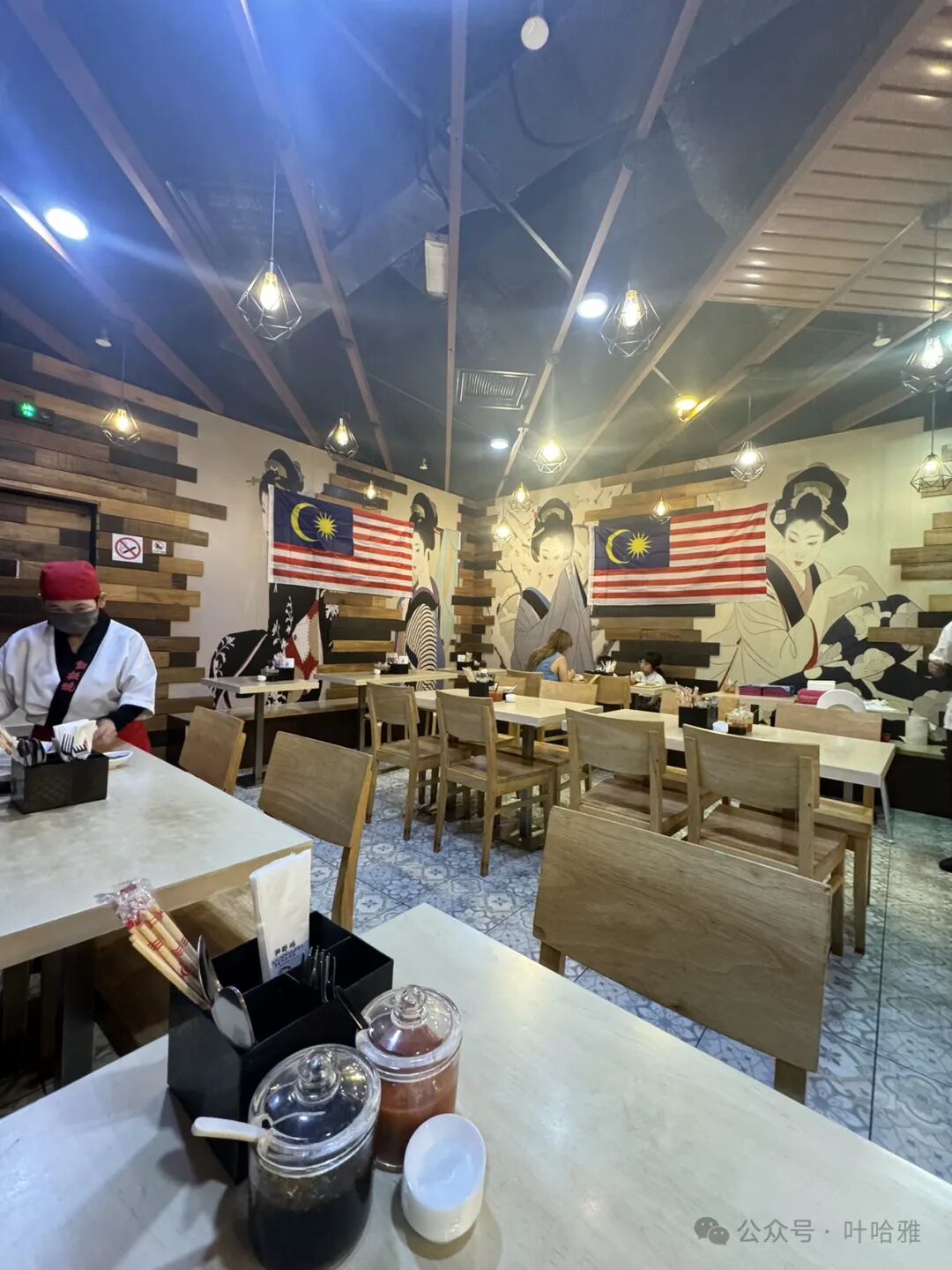
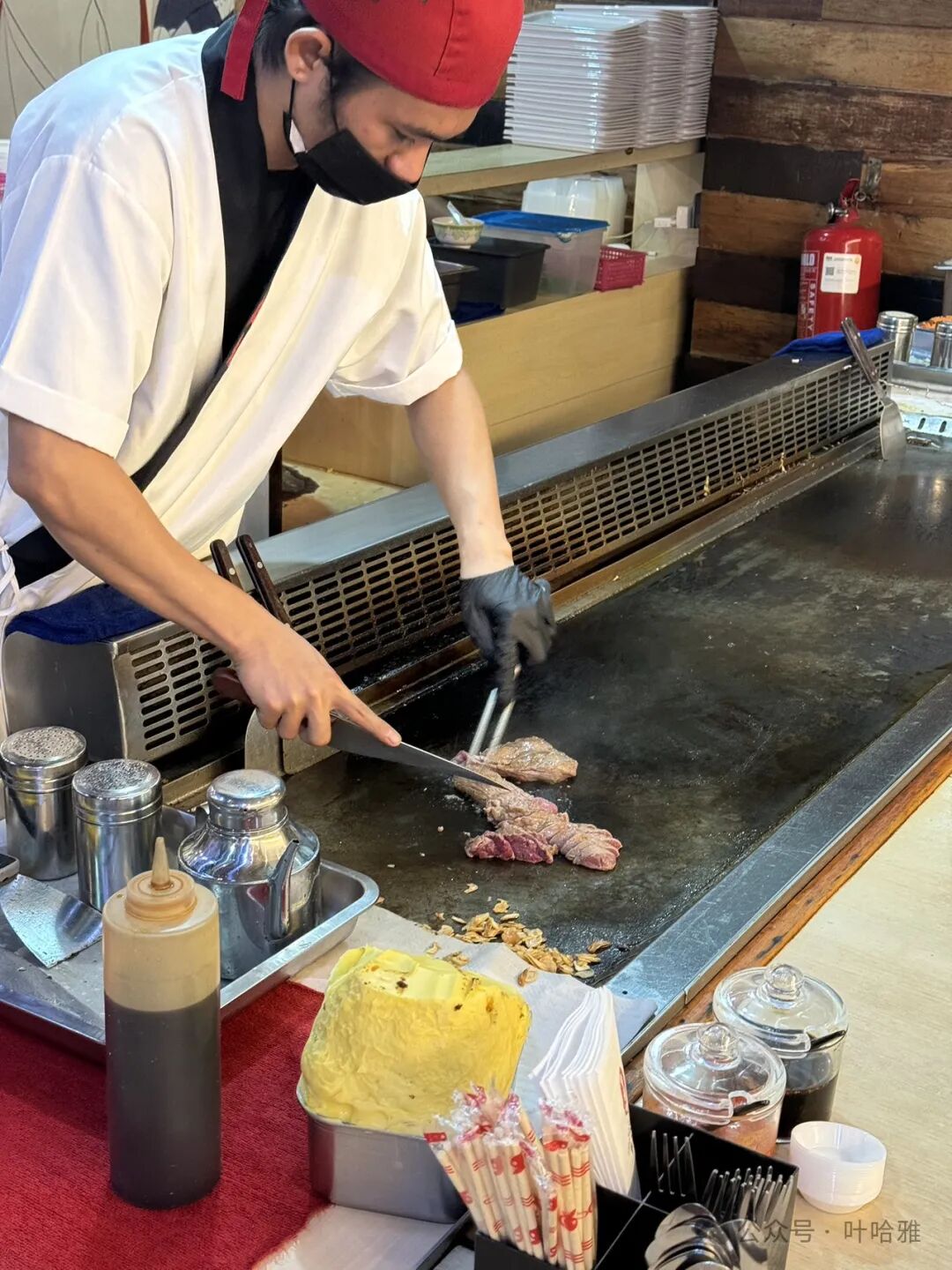
A chef cooks the meat for you, then you eat it with vegetables and rice. The meal comes with jelly and edamame.
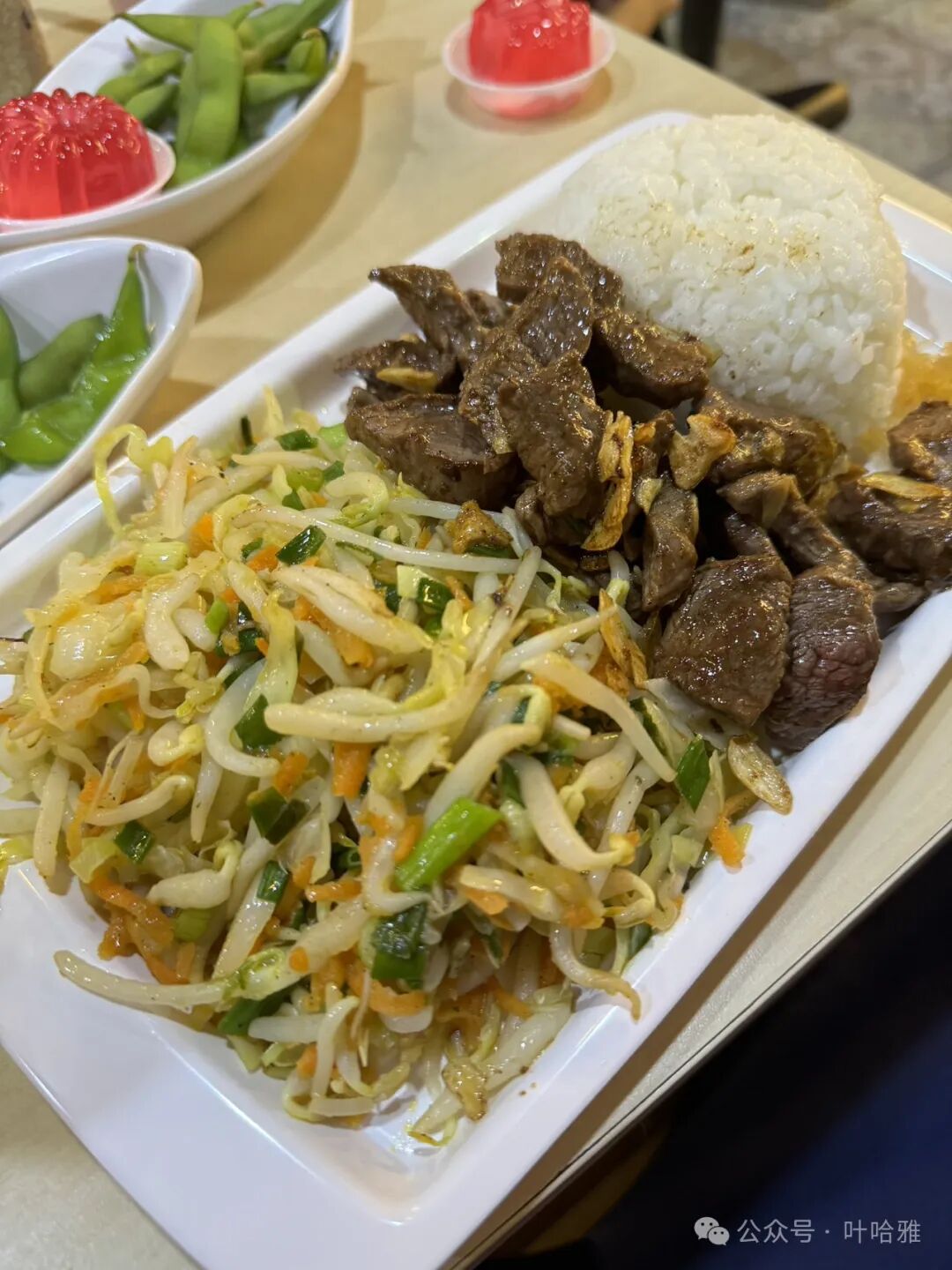
Address: 52100, Wilayah Persekutuan Kuala Lumpur, Kuala Lumpur, Taman Kepong, Jalan Metro Prima, F28, L1, AEON Mall, Metro Prima
11. Shrimp Noodle Bar
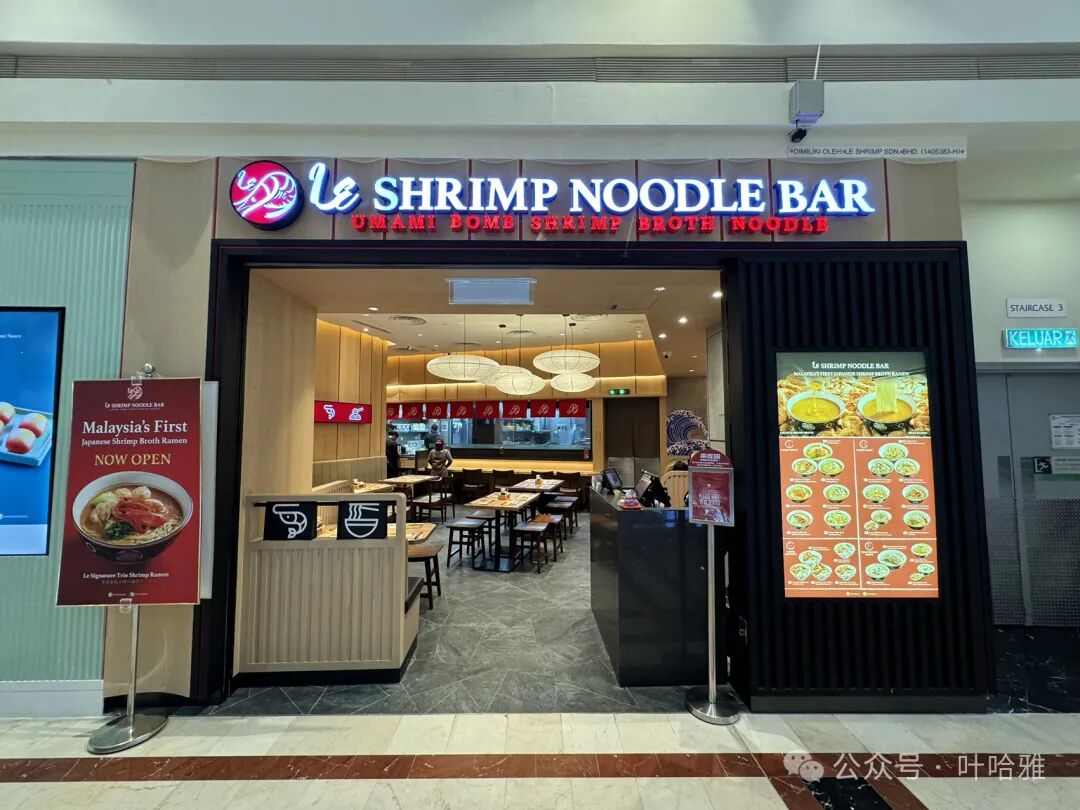
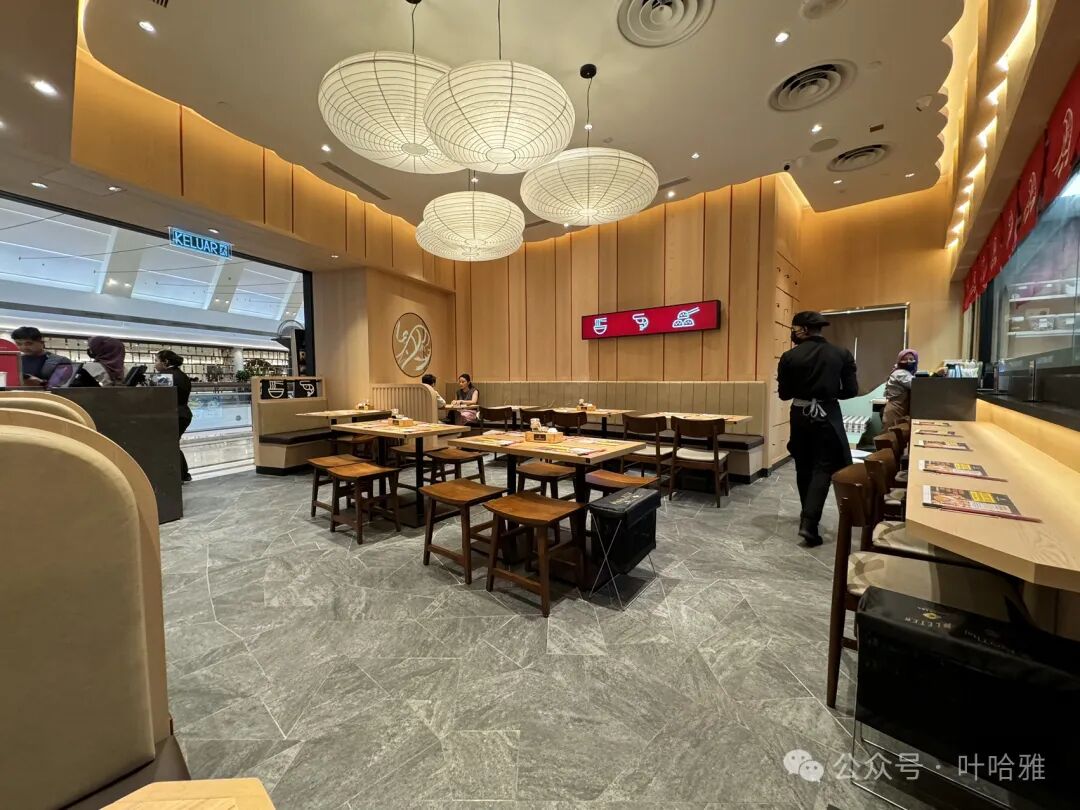
This is a Japanese-style shrimp broth ramen shop.
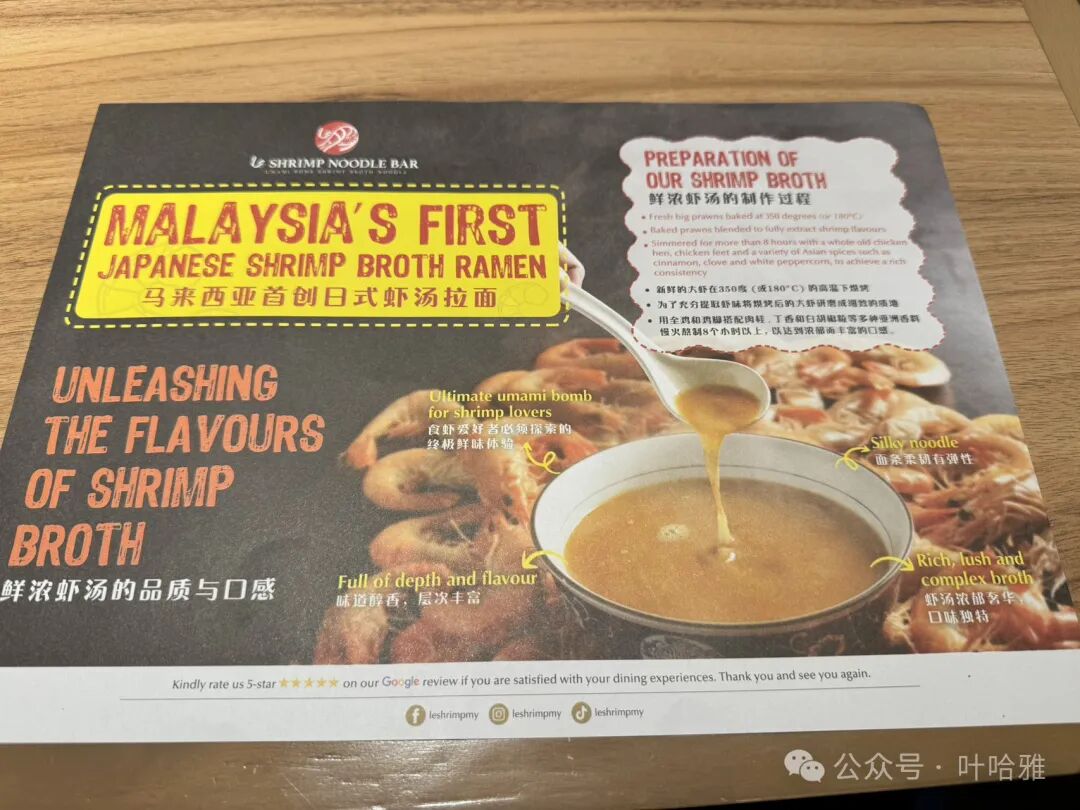
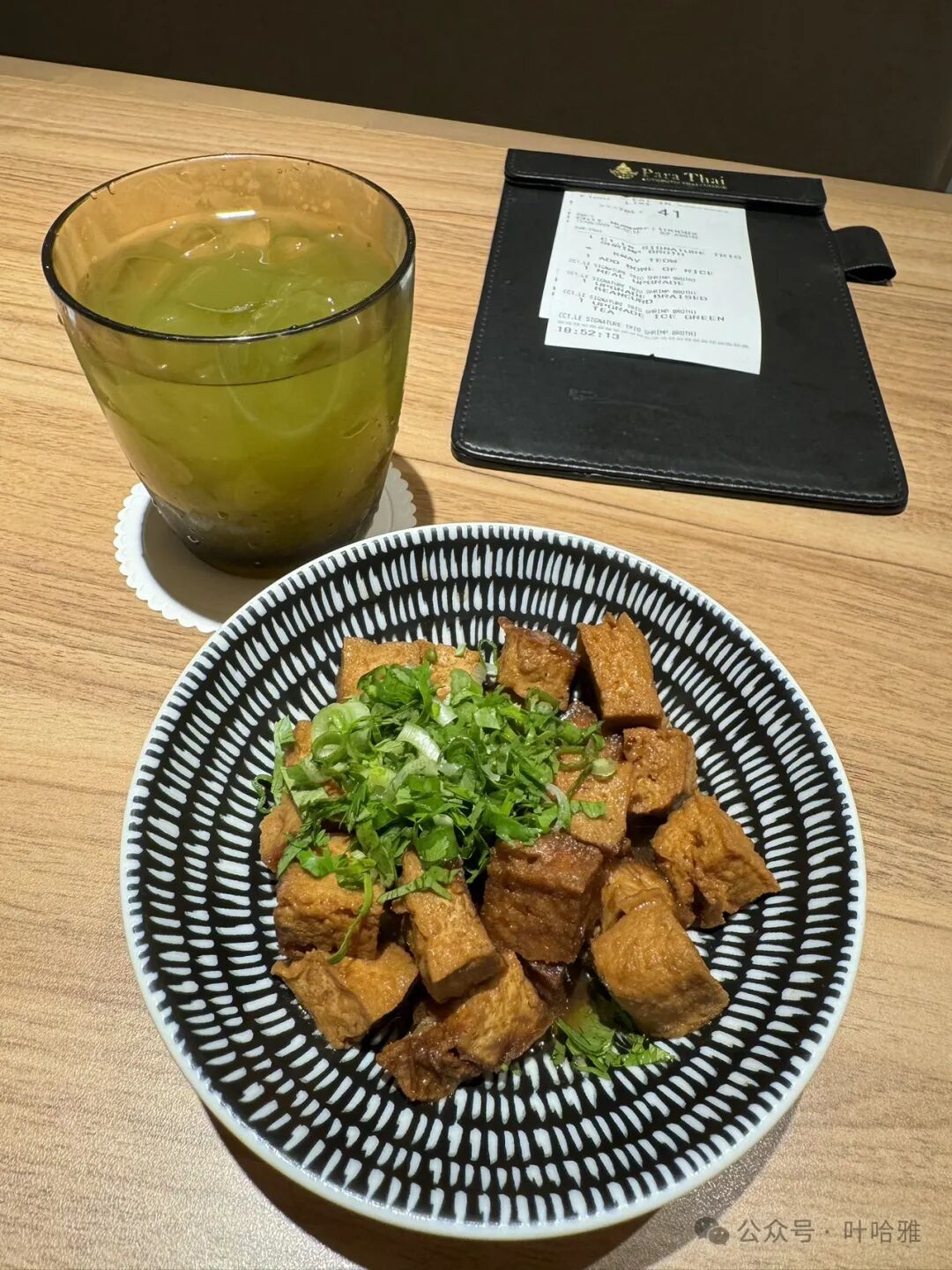
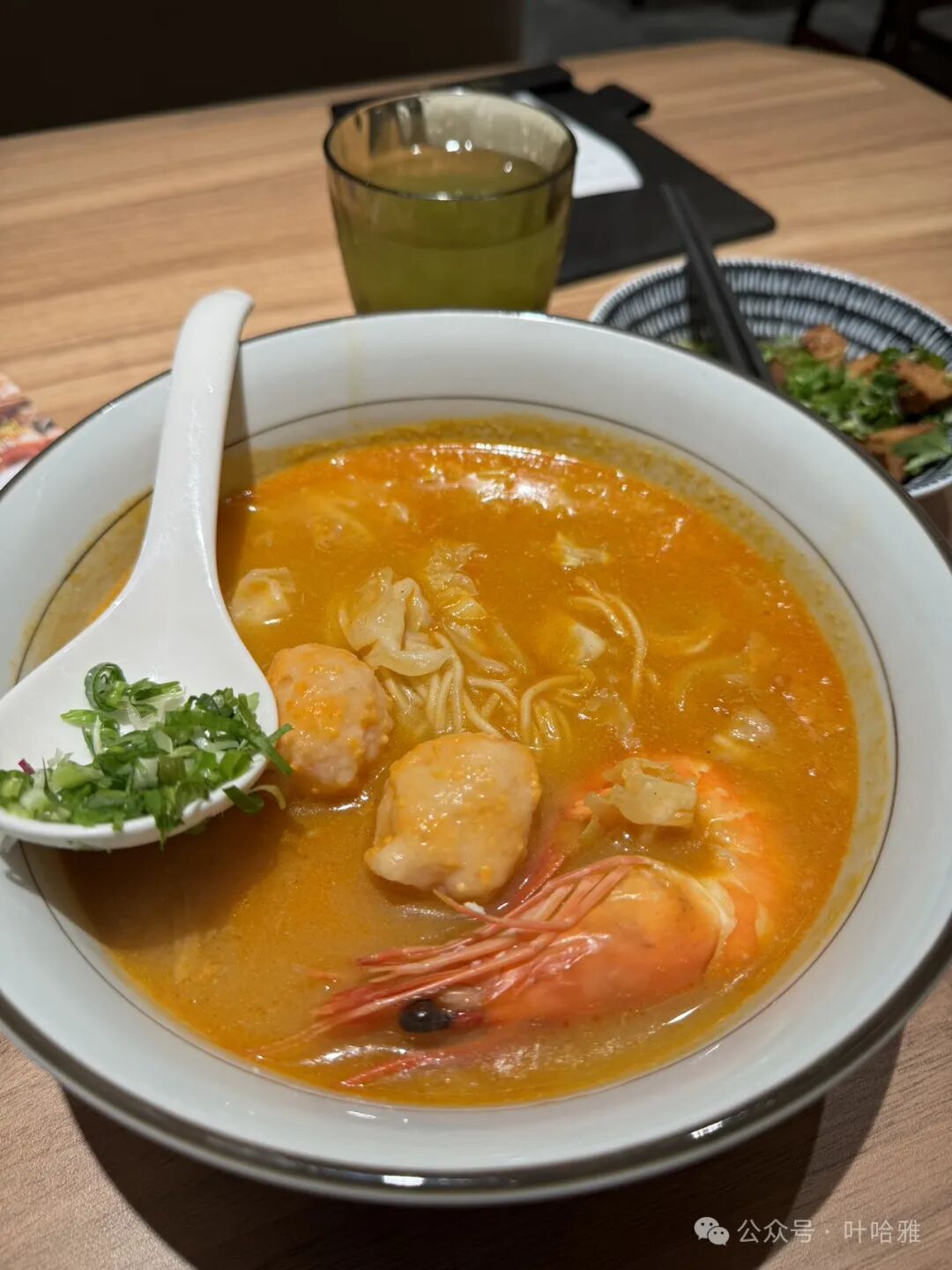
Their shrimp soup is incredibly rich and authentic, made with real, quality ingredients. The shrimp tails are already peeled, which is a perfect touch.
12. THE FISH BOWL
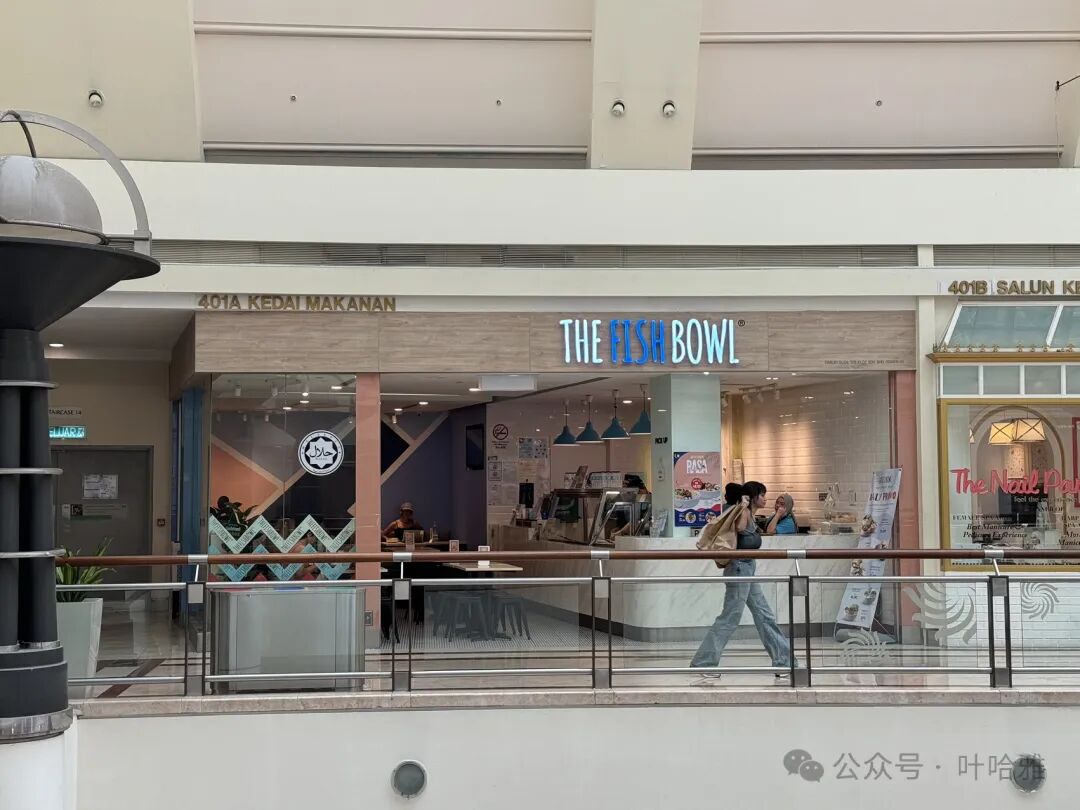
This is a light meal shop on the fourth floor of KLCC. After living in Malaysia for a while, you will really crave this kind of light, healthy food. This shop is also halal certified.
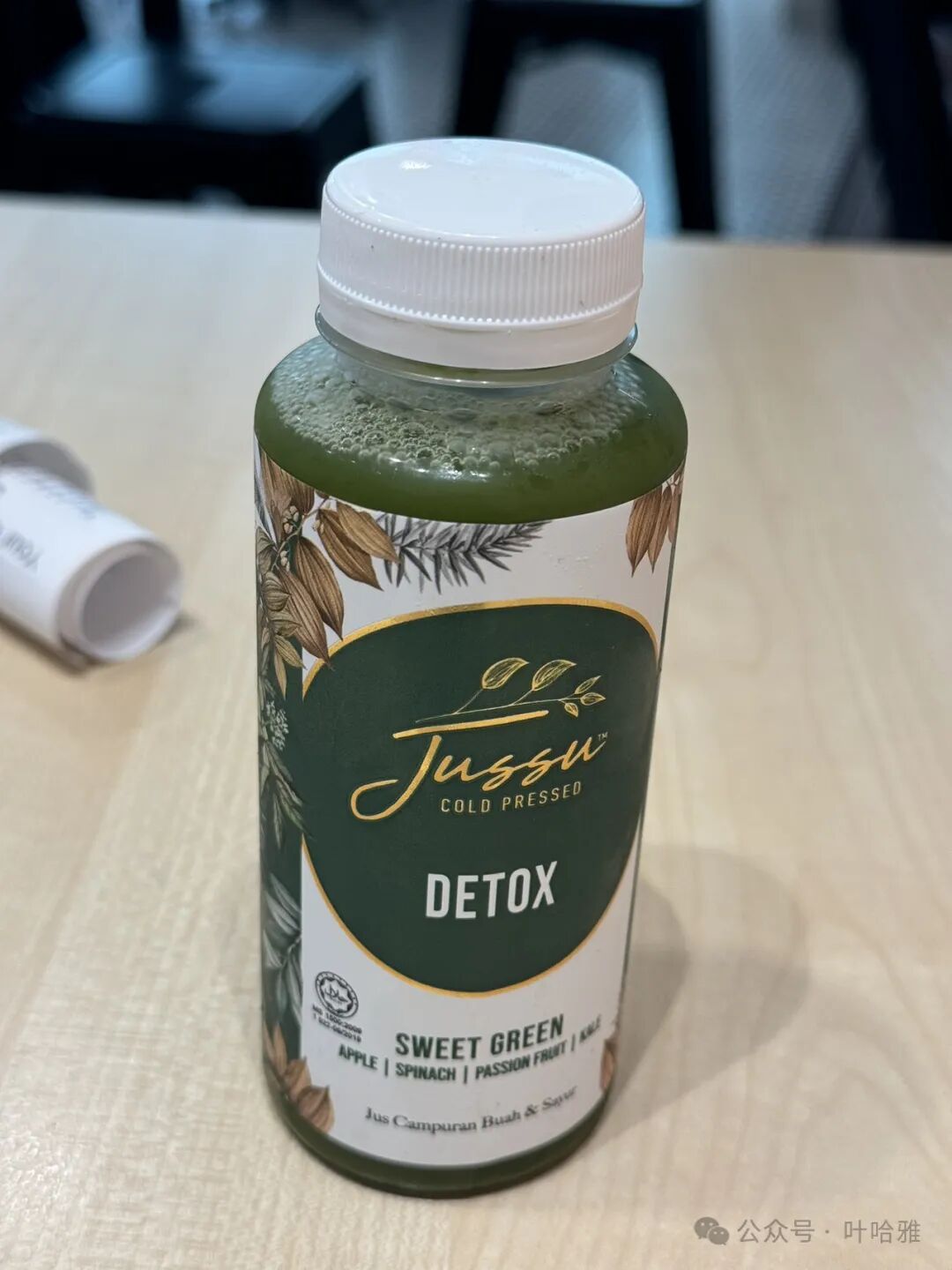
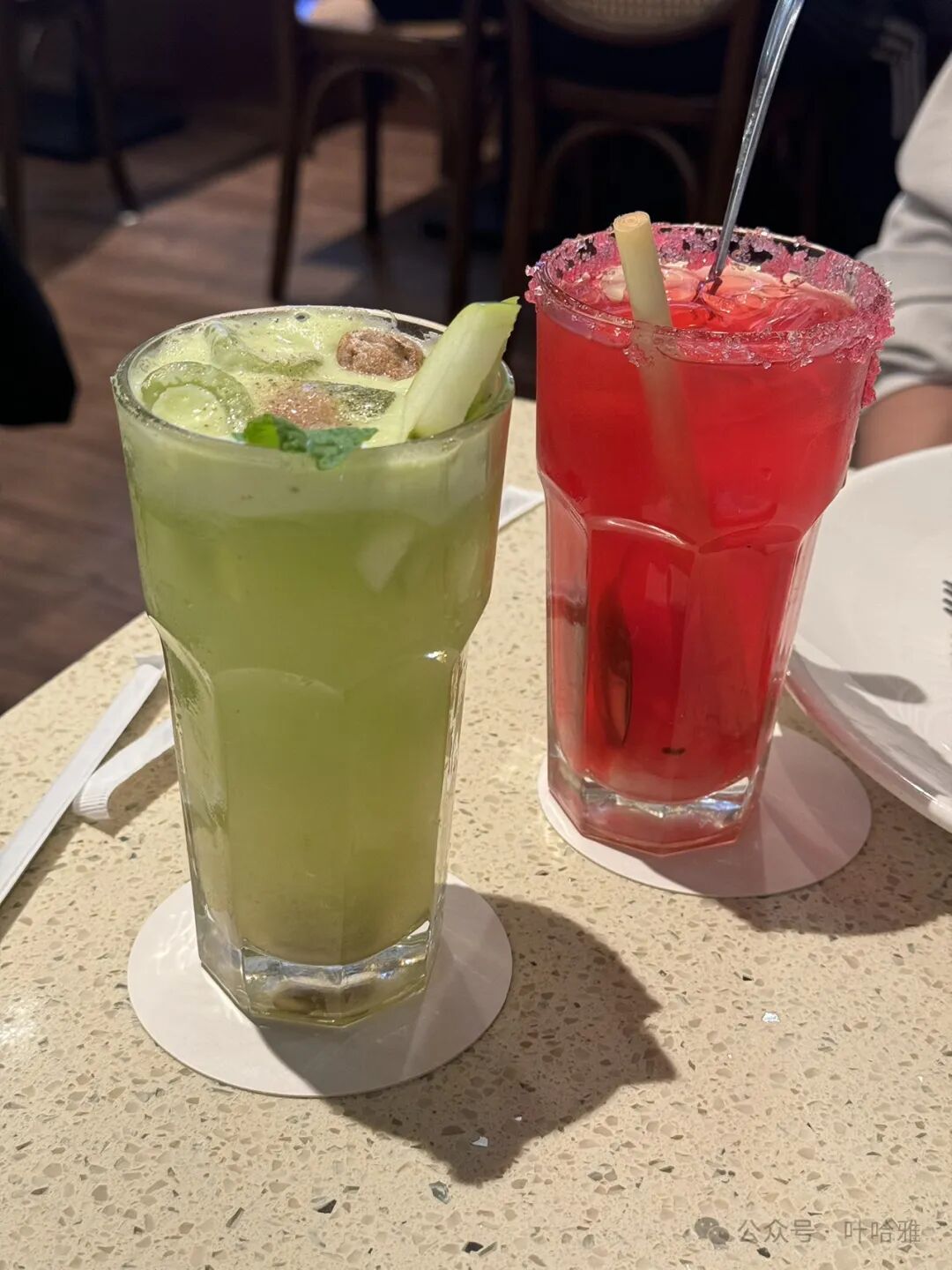
Their drinks are all fresh-pressed fruit and vegetable juices.
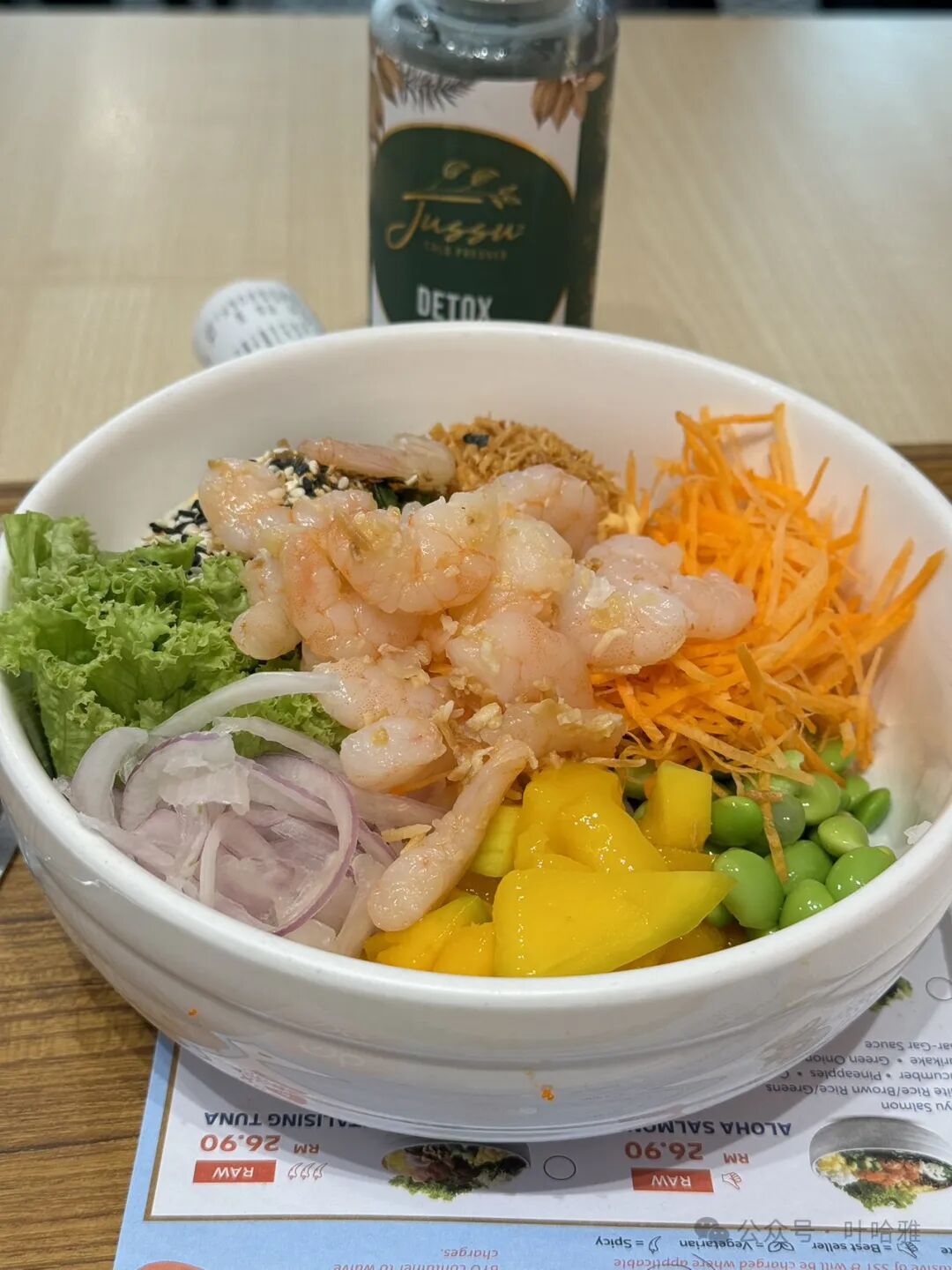
You order by selecting your ingredients on a piece of paper.
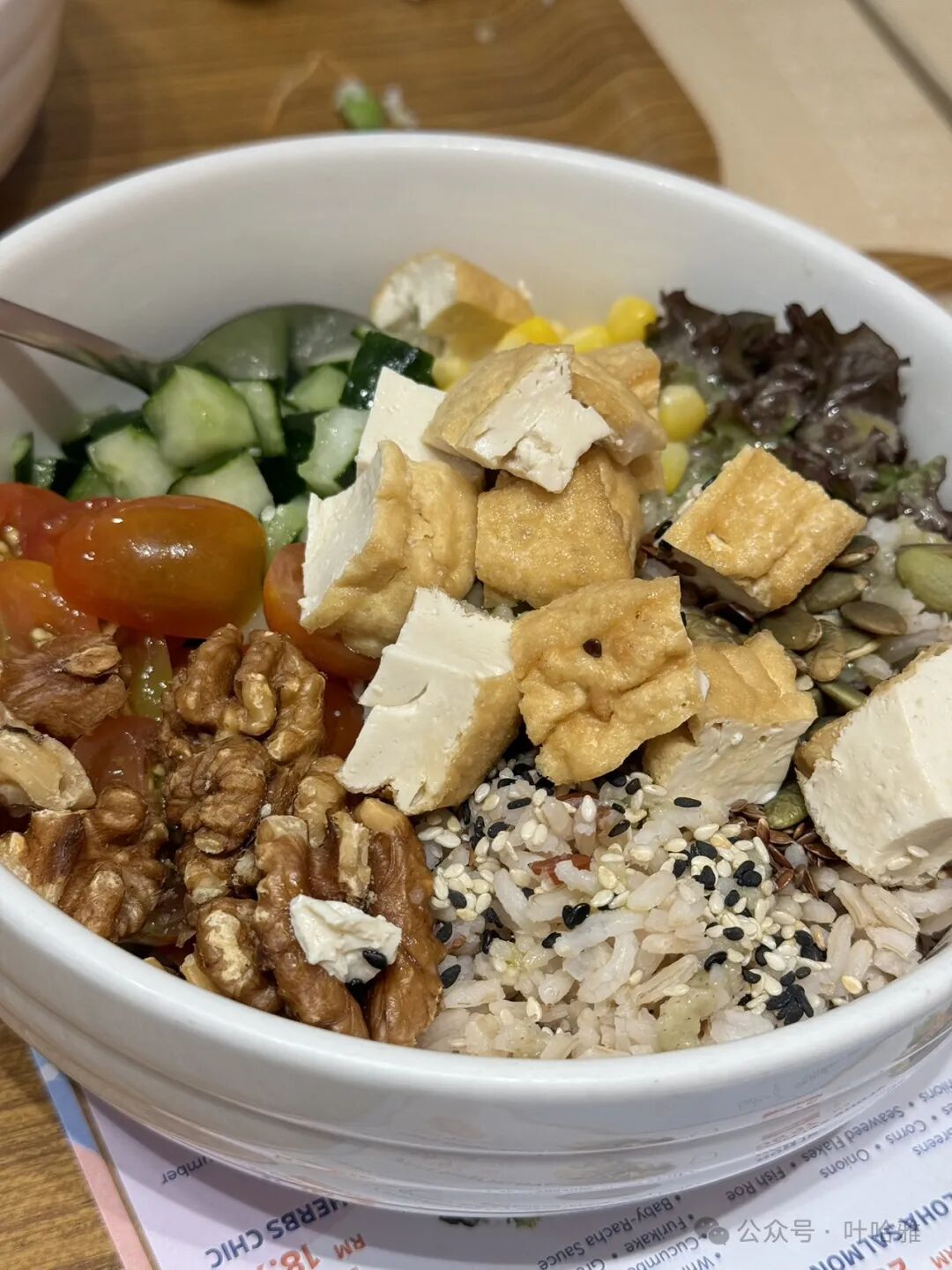
If you cannot read the menu, you can also choose a set meal by looking at the pictures.
13. cili kampung
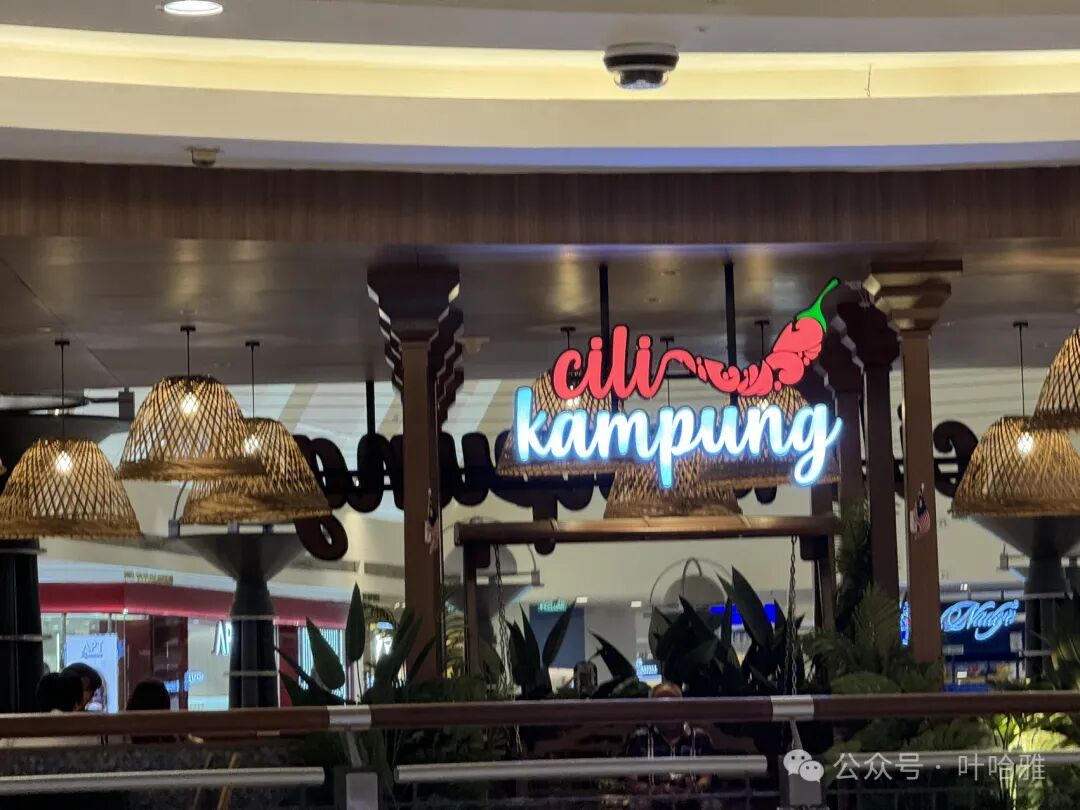
This is a Malay restaurant on the fourth floor of KLCC. It is a chain store that is very popular, so you will need to wait in line.
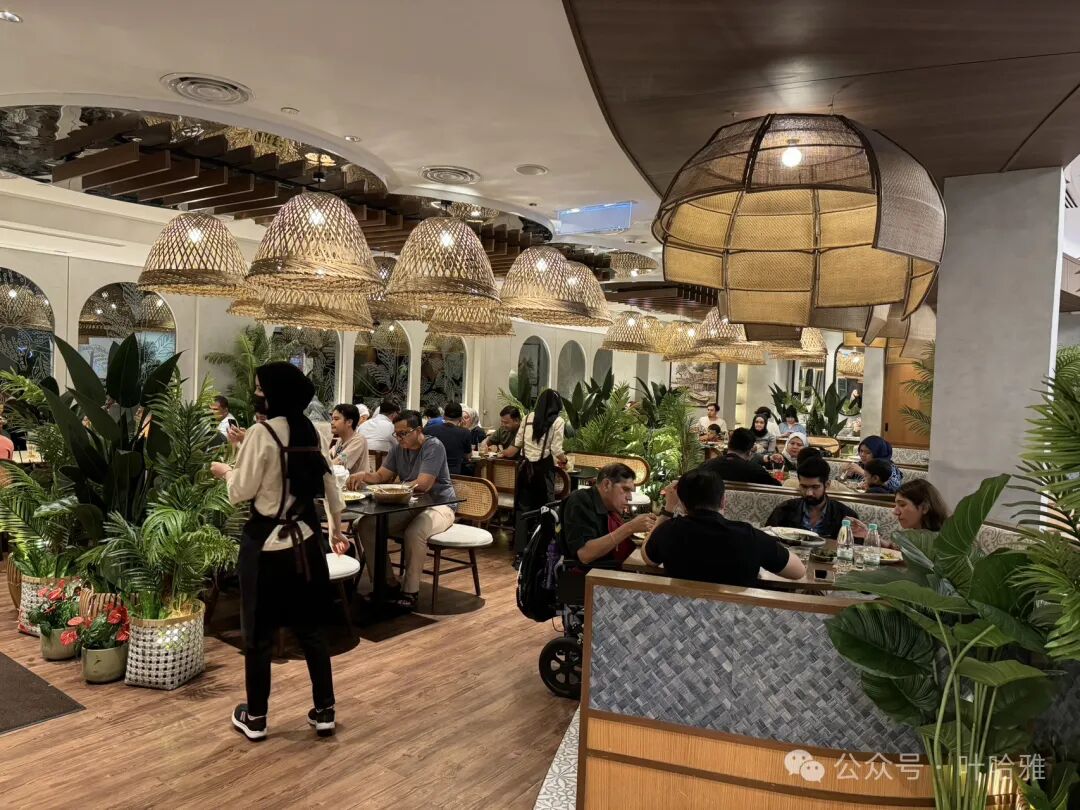
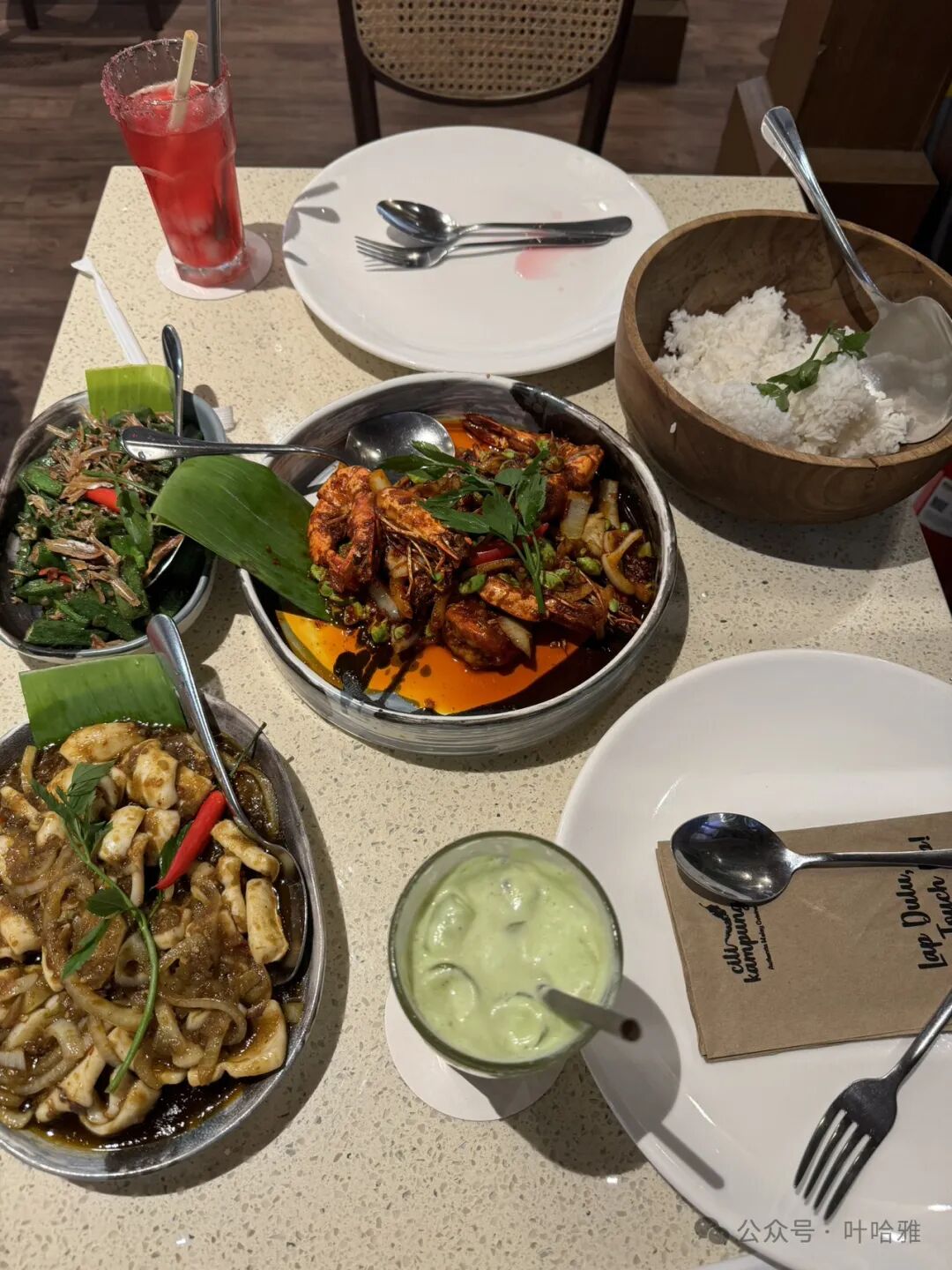
The large shrimp and squid are delicious. The salty and spicy flavors go perfectly with rice; the two of us ate a whole bucket of it.
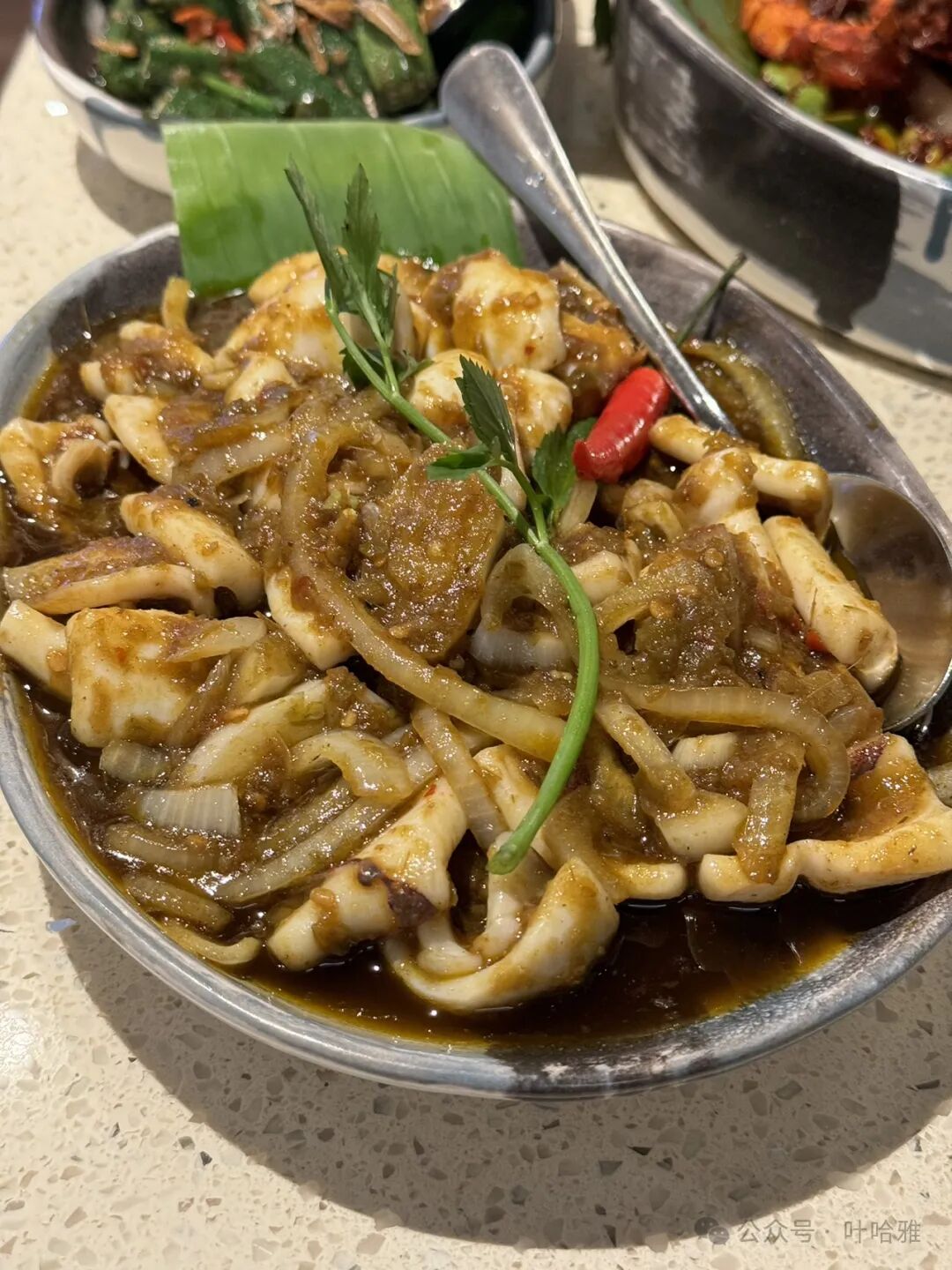
Address: 4th Floor, KLCC
14. FRESH
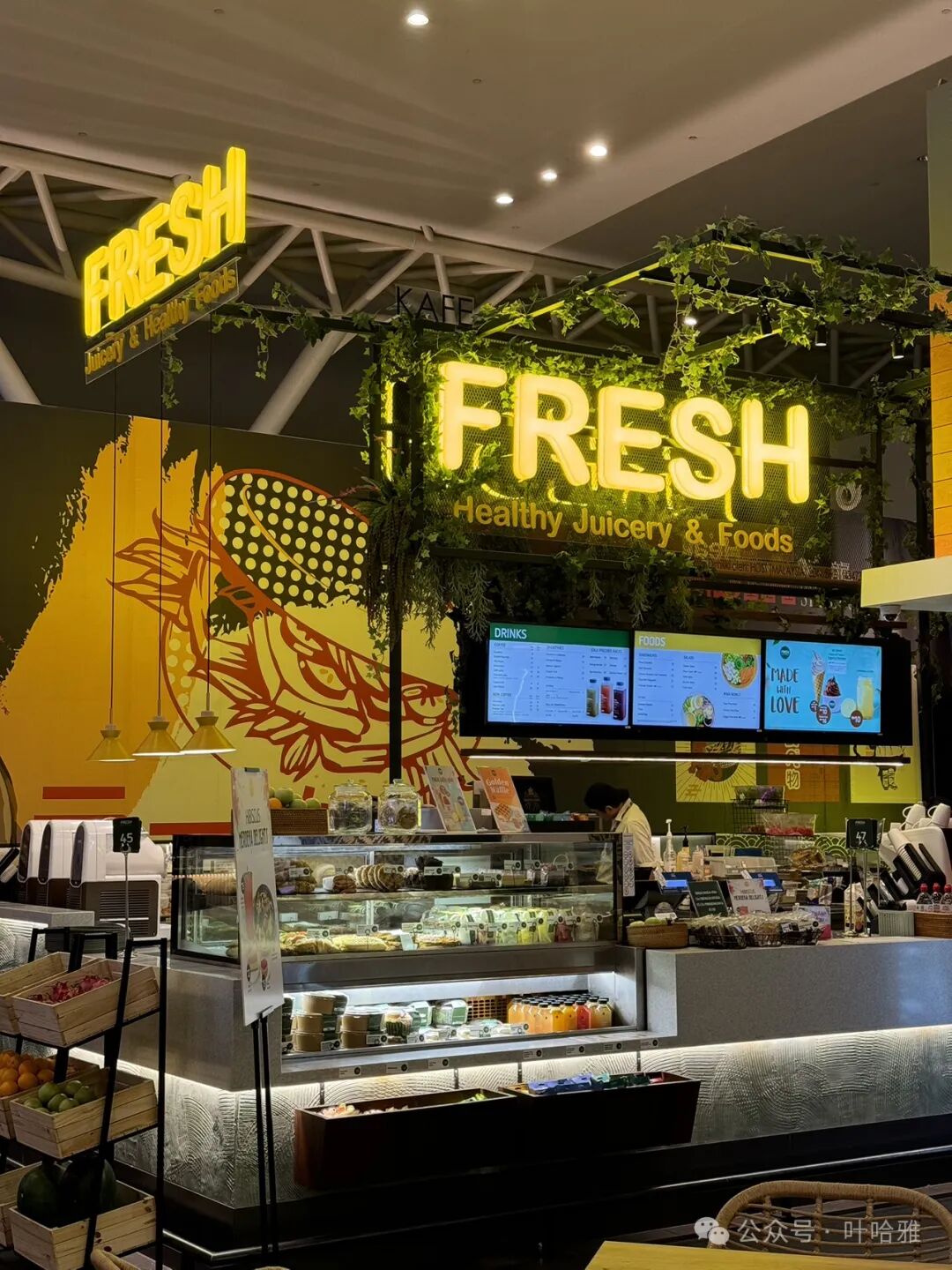
This is a fast-food restaurant located after the international security checkpoint at Kuala Lumpur Airport.
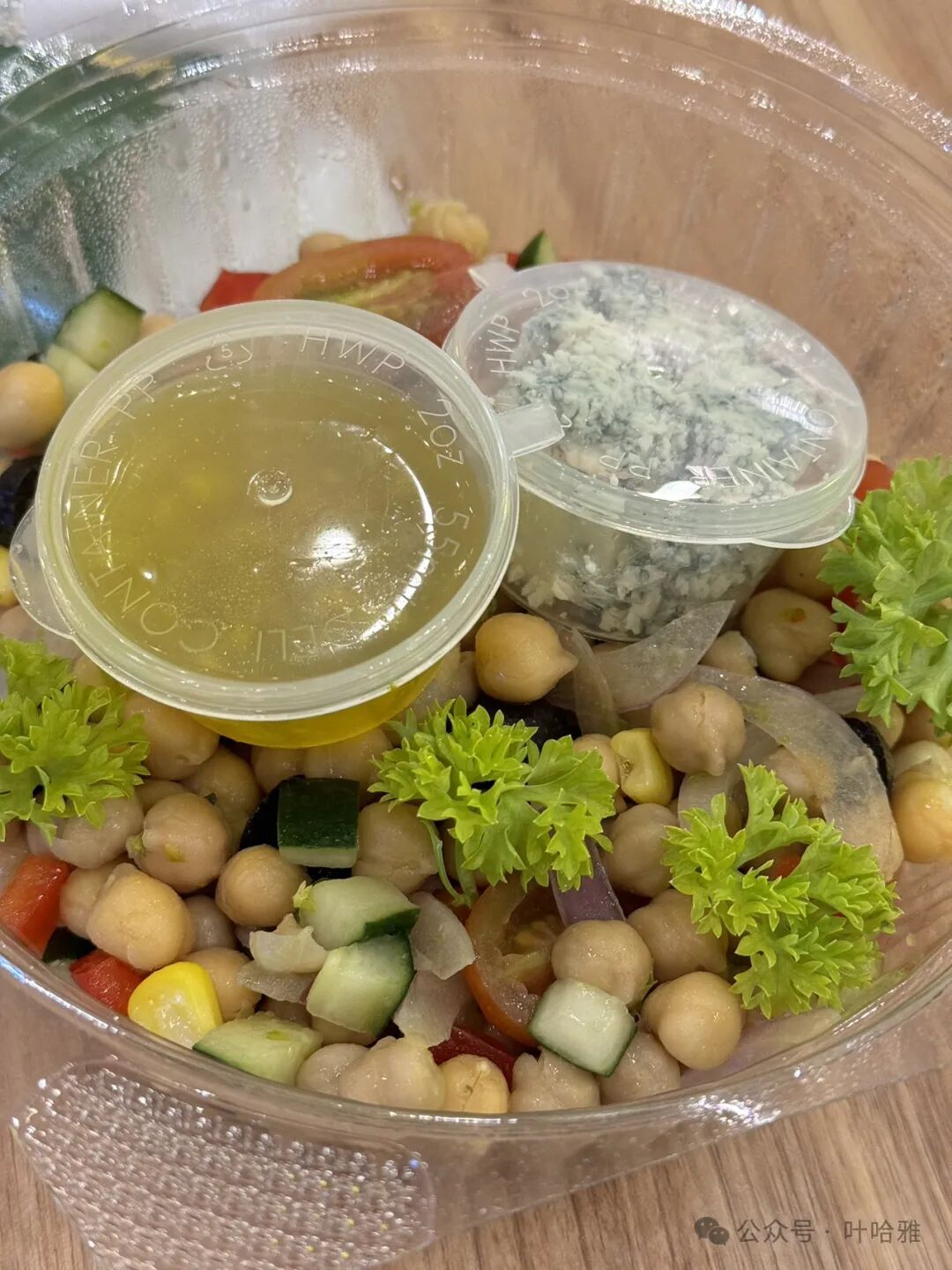
There are not many good food options after security. Besides McDonald's, KFC, and Pizza Hut, this is the only healthy restaurant worth visiting.
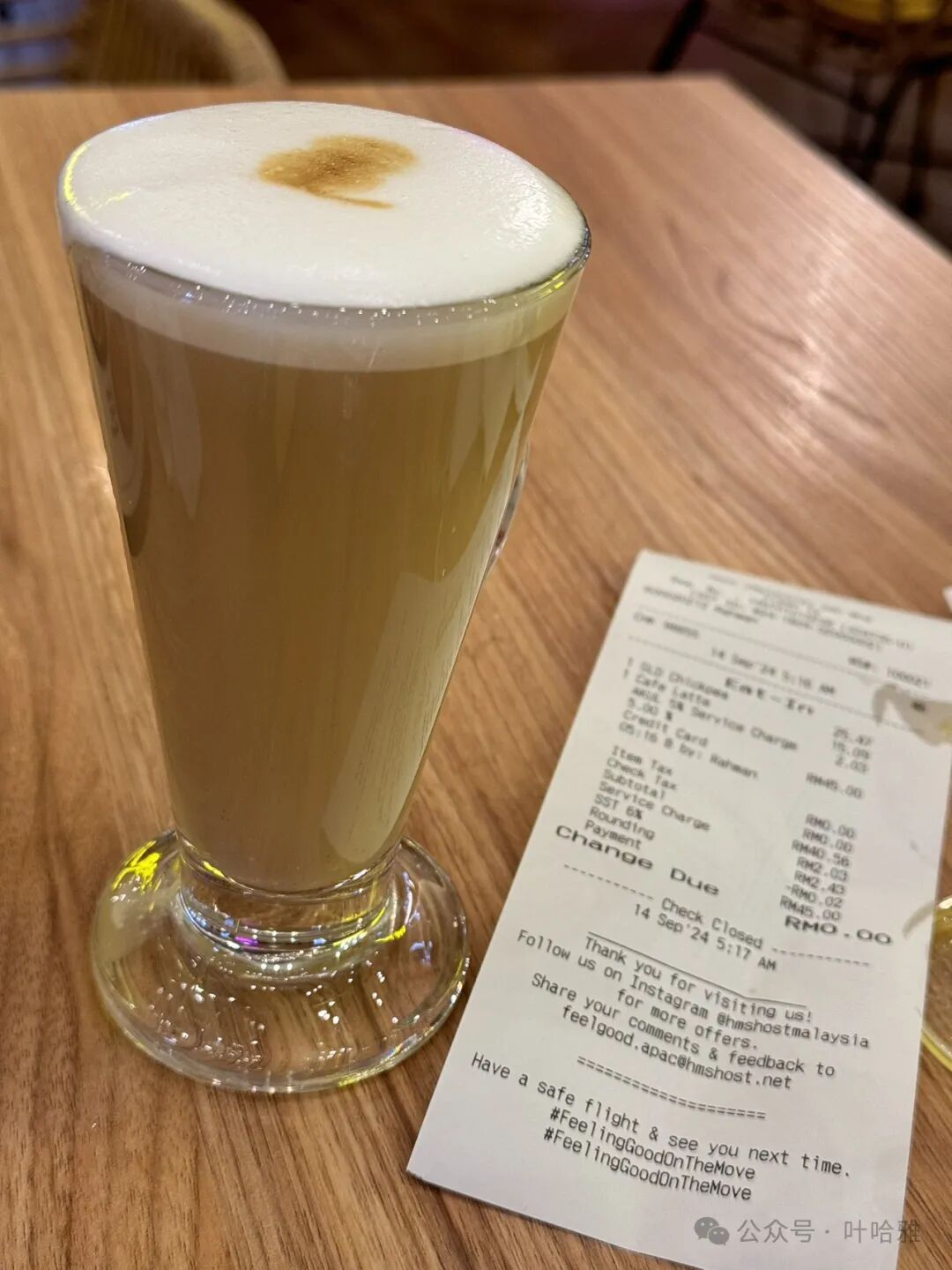
Address: After international security, Terminal 2, Kuala Lumpur International Airport.
15. Tengyu Chinese Hot Pot Restaurant
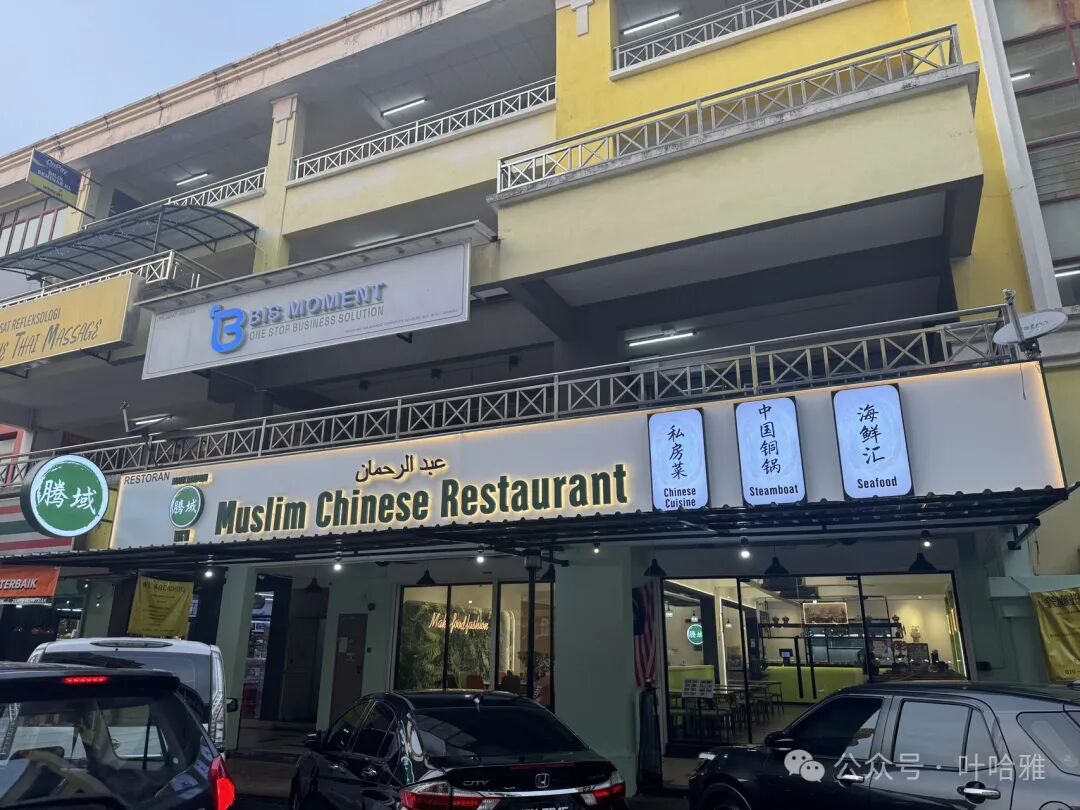
Tengyu is a hot pot restaurant in Kuala Lumpur opened by Hui Muslims from Xi'an. They also serve stir-fried dishes.
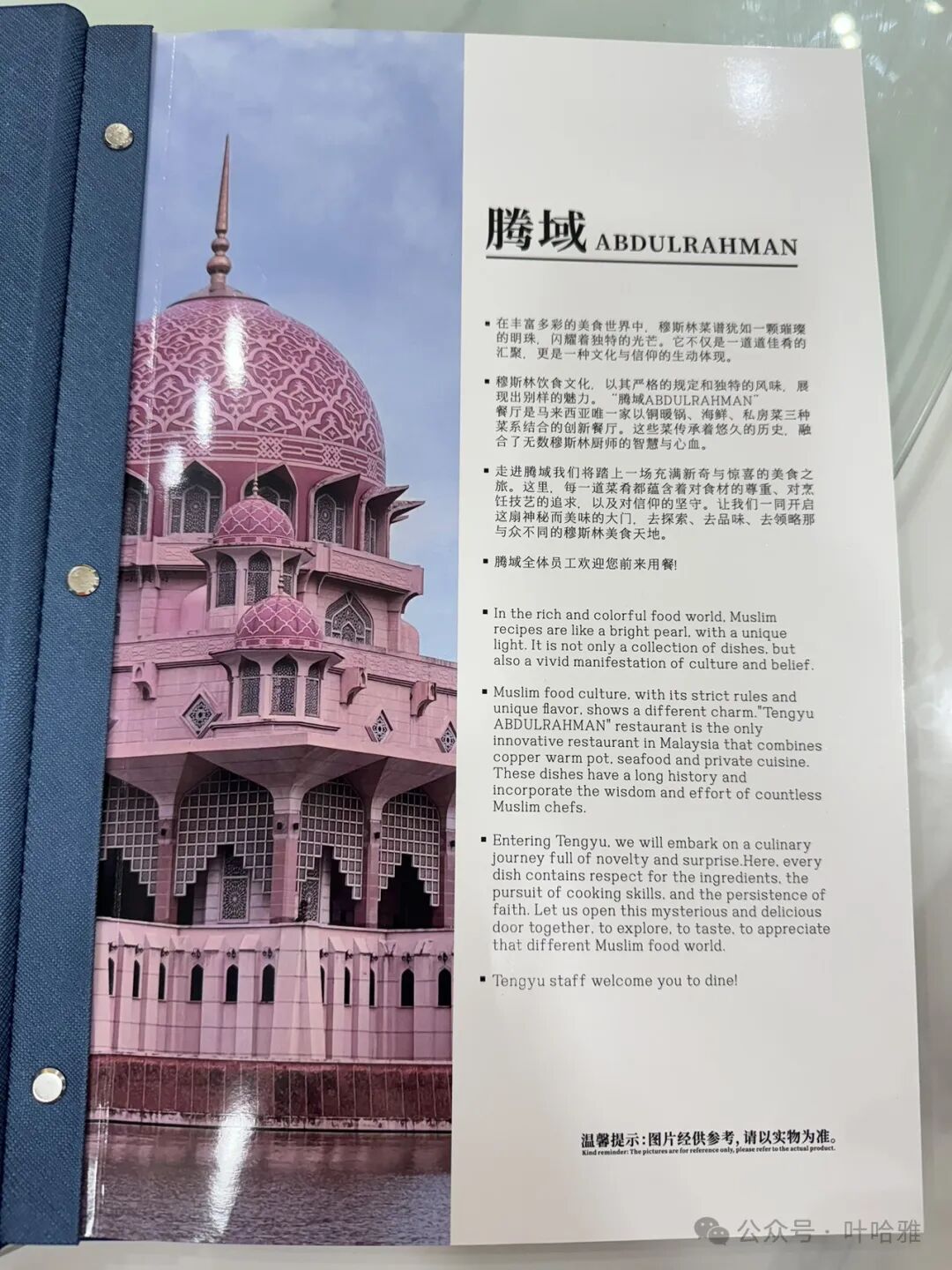
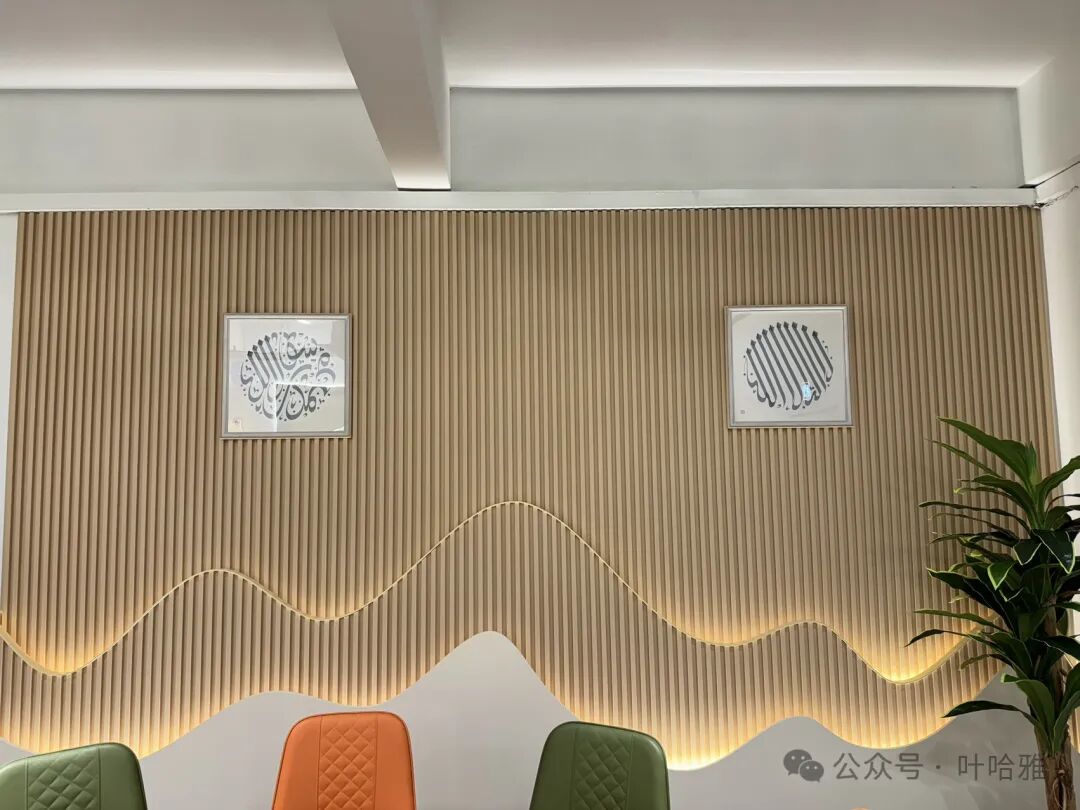
The restaurant has a nice, spacious environment and even includes a prayer room.
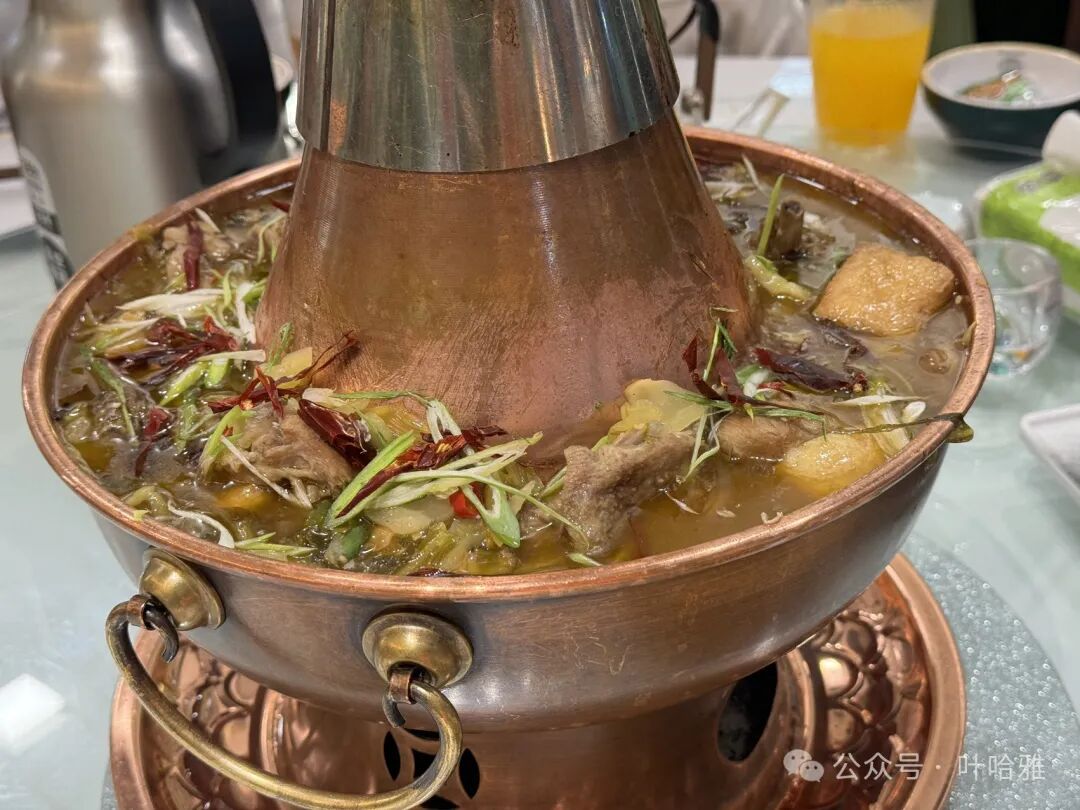
They use traditional copper pots with charcoal fire, and the taste is very good.
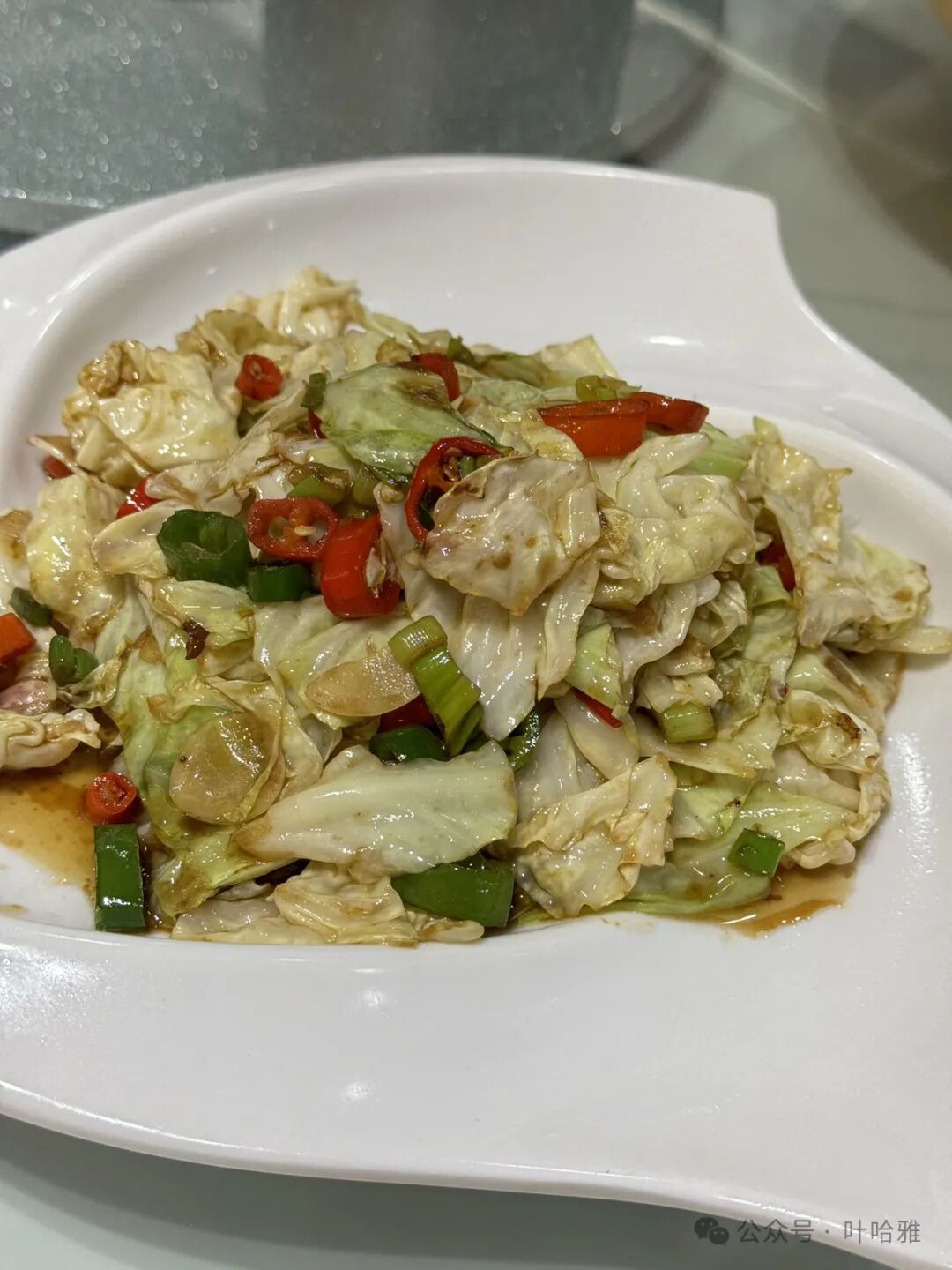
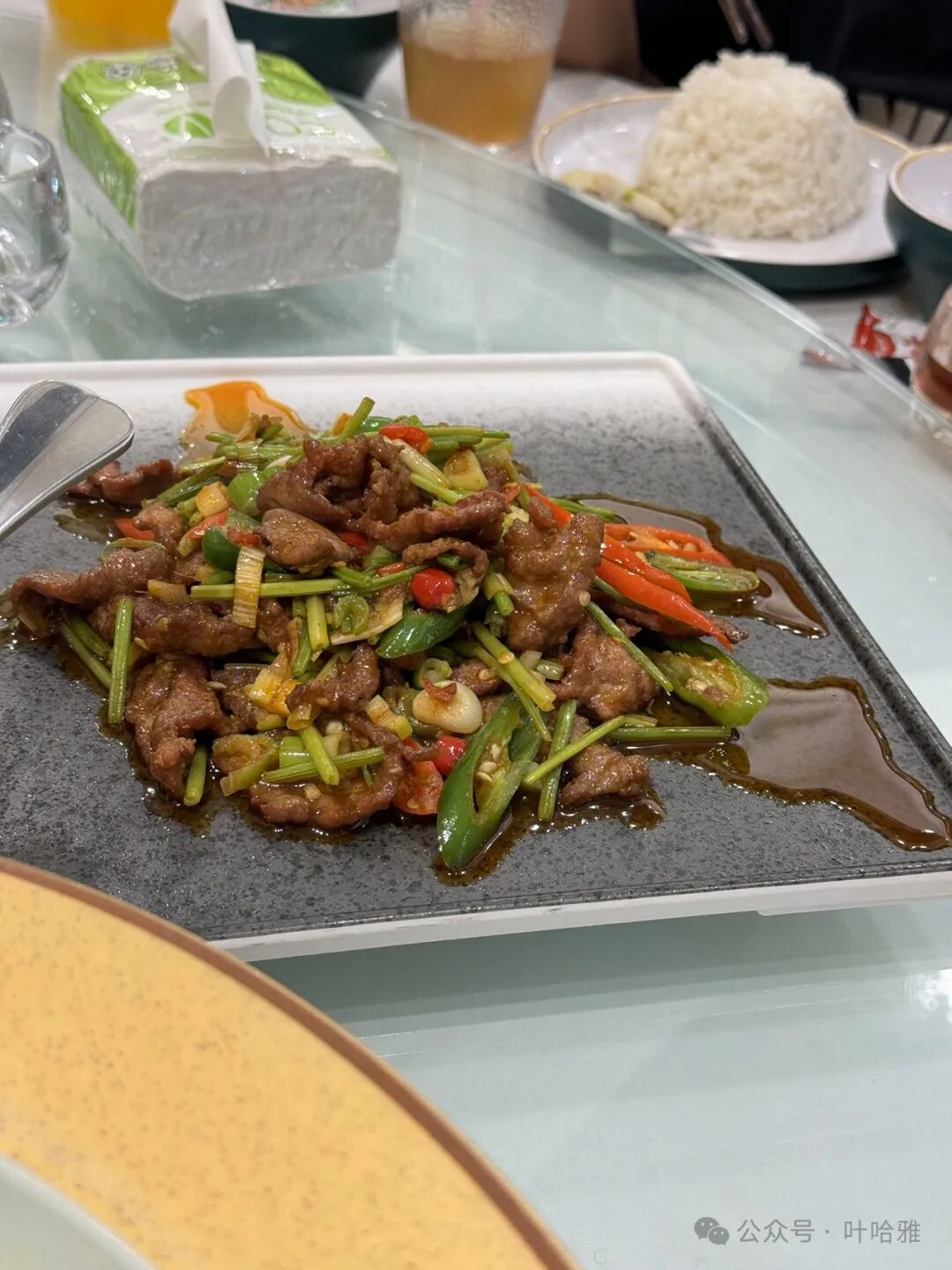
Their stir-fried dishes are prepared in the Sichuan style and go very well with rice.
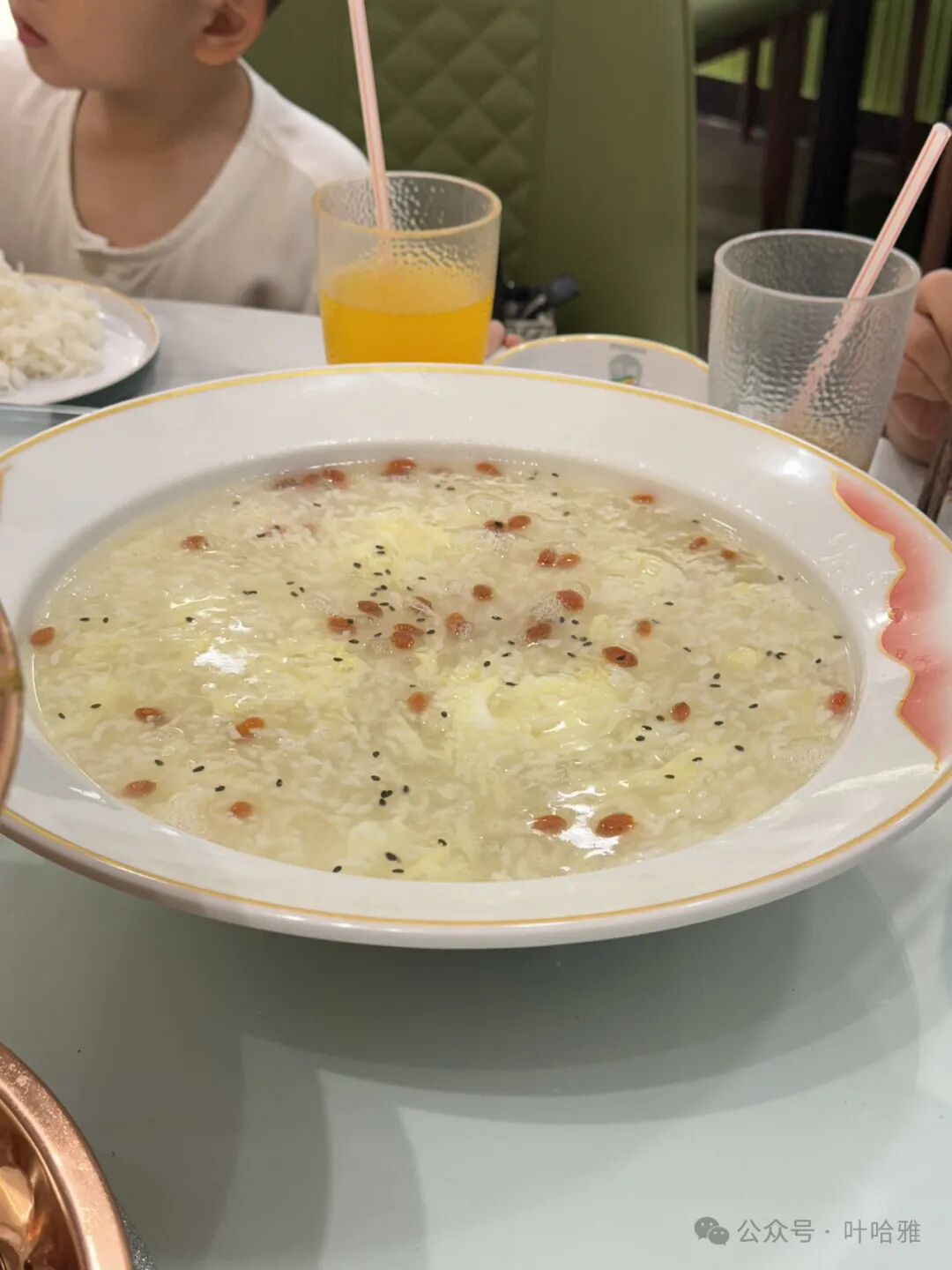
Fermented glutinous rice soup (laozao tang)
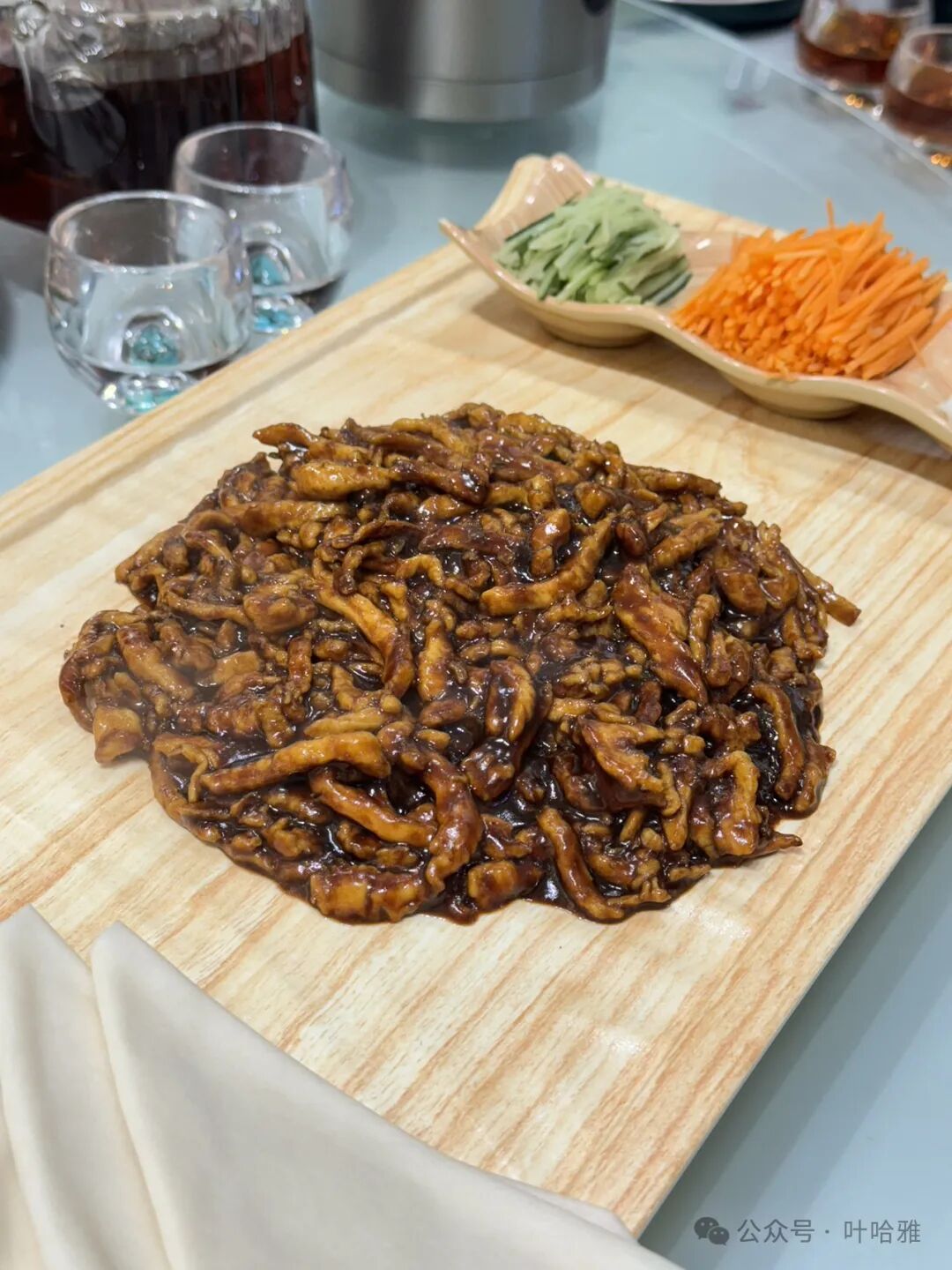
Shredded pork in sweet bean sauce (jingjiang rousi)
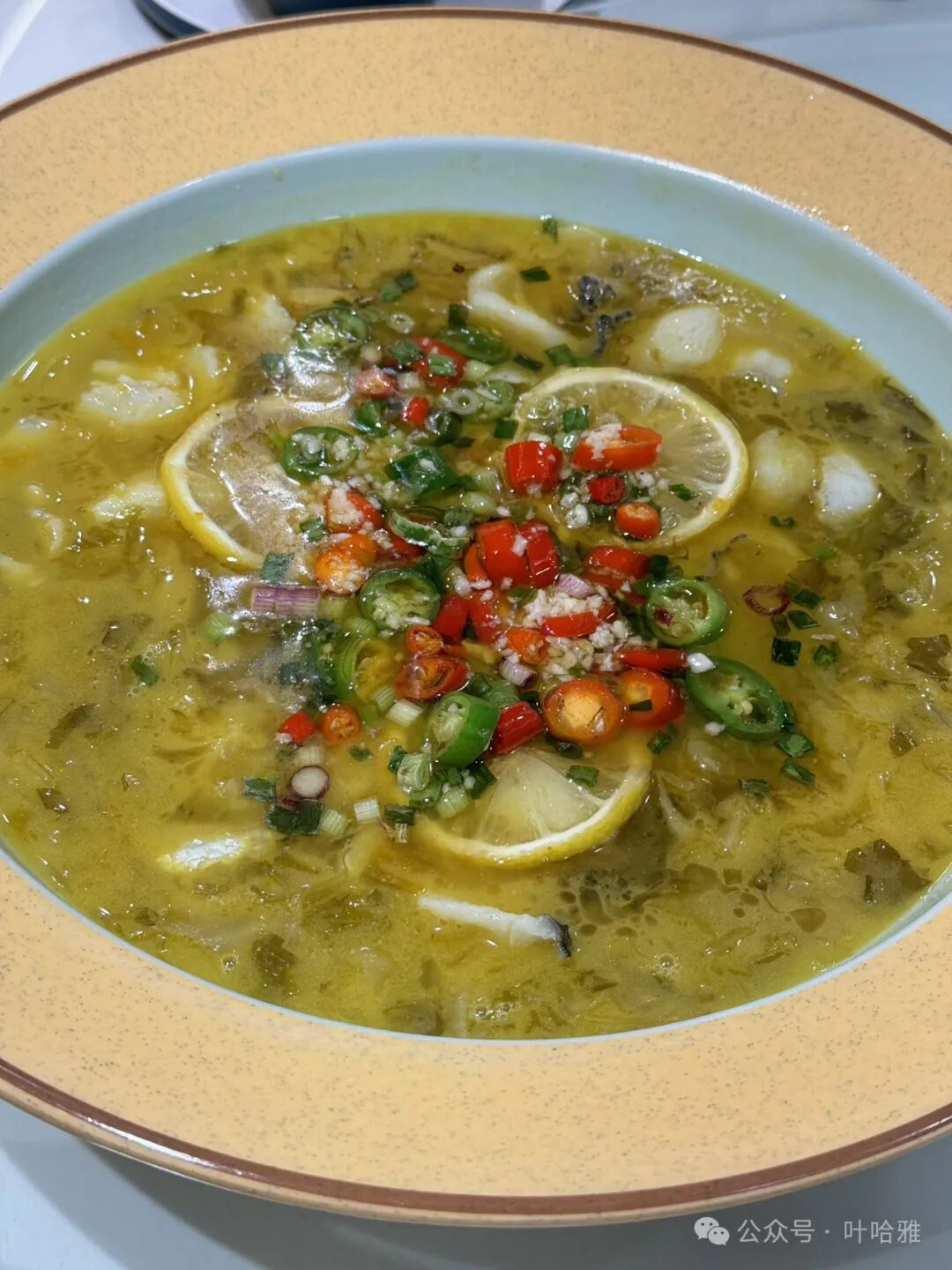
Fish with pickled mustard greens (suancai yu)
Address: 83-G PLATINUM WALK NO 2 JALAN LANGKAWI SETAPAK, KUALA LUMPUR. (Next to the side entrance of Setapak Central)
16. PARIS BAGUETTE
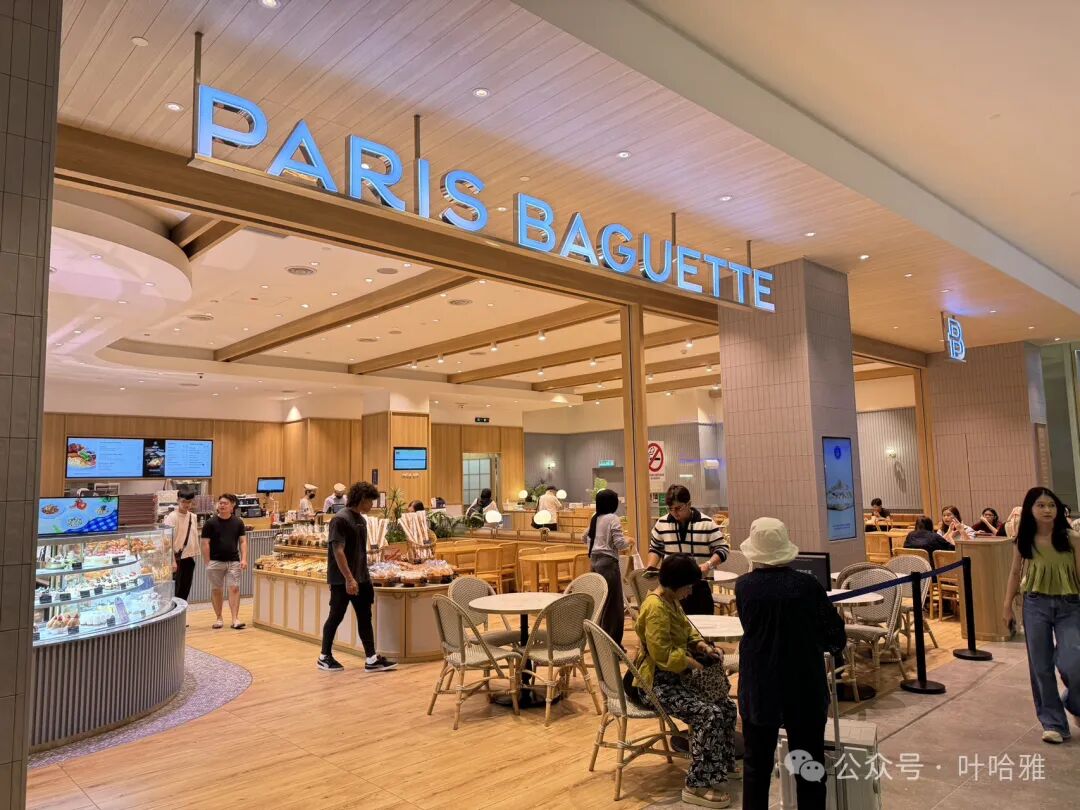
A halal Paris Baguette store in Kuala Lumpur.
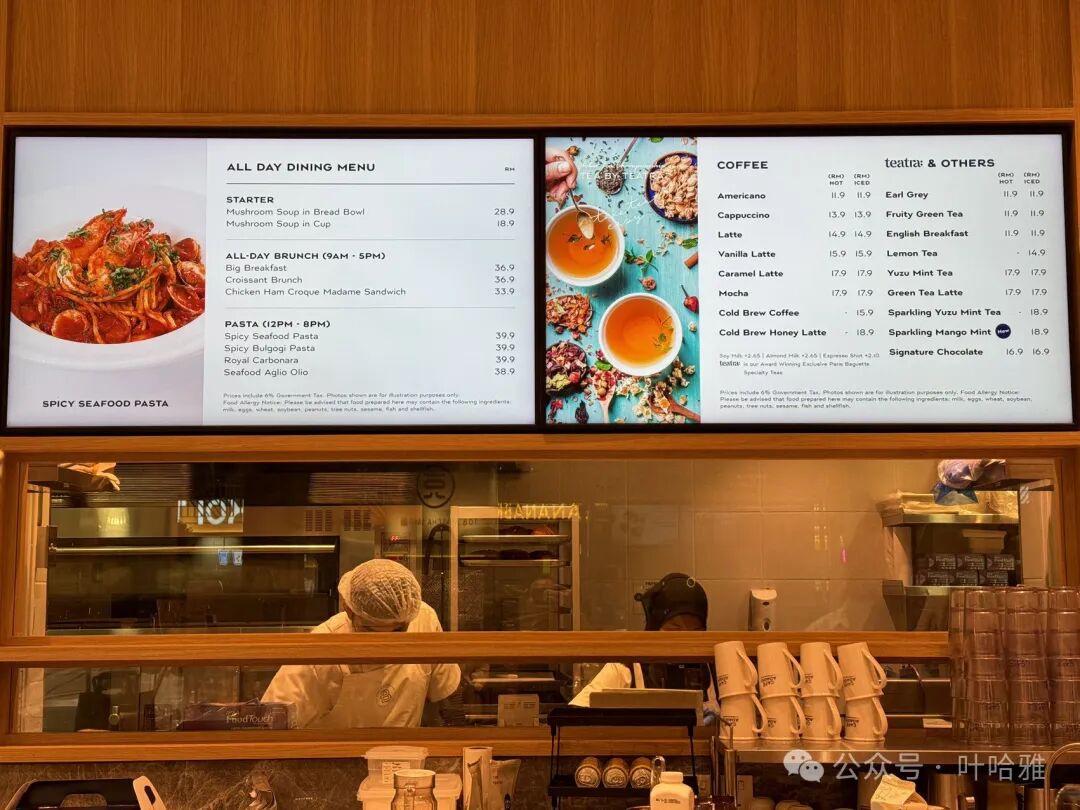
They have bread, light meals, and coffee.
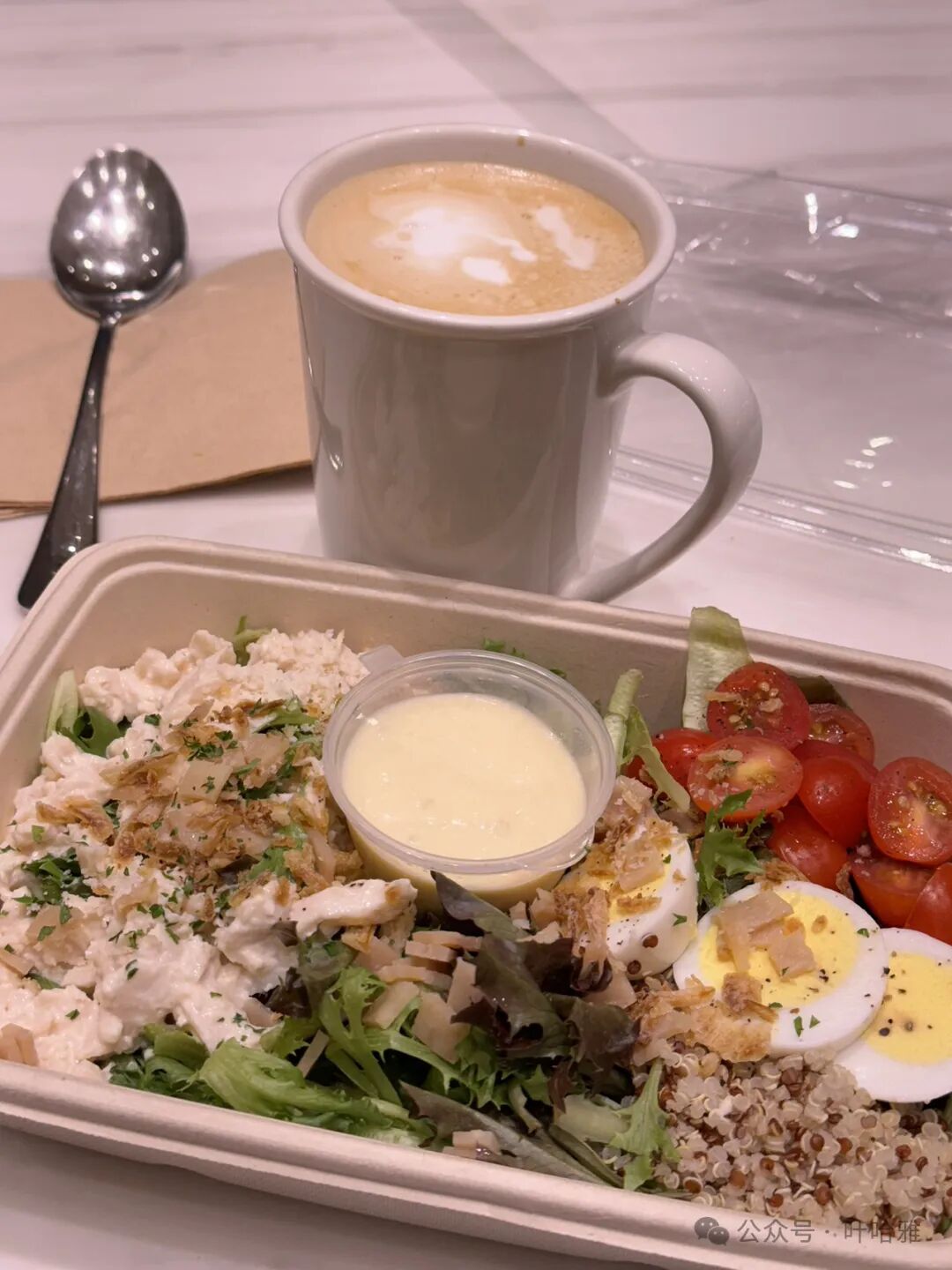
Address: Level C, The Exchange TRX mall
Best Halal Food Kuala Lumpur: Lanzhou Beef Noodles, Halal Dim Sum and Muslim Street Dining
Articles • yusuf908 posted the article • 0 comments • 182 views • 2026-05-24 00:17
Summary: This Kuala Lumpur halal food guide introduces local Muslim dining, Musa Lanzhou Beef Noodles, Arabic barbecue, mamak food, MOZA, Nyonya flavors, street dining, Japanese, Korean, Thai options, and Cantonese-style dim sum.
A Guide to Halal Food in Kuala Lumpur is presented here as a firsthand travel account in clear English, beginning with this scene: This is my third time visiting Malaysia. I spent a long time in Kuala Lumpur, totaling 15 days, plus three days on Redang Island and one day in Malacca. The account keeps its focus on Halal Travel, Yiwu Food, Muslim Travel while preserving the names, places, food, and historical details from the Chinese source.
This is my third time visiting Malaysia. I spent a long time in Kuala Lumpur, totaling 15 days, plus three days on Redang Island and one day in Malacca. I ate at 16 restaurants in Kuala Lumpur and tried 16 different flavors. The food in Kuala Lumpur is so rich, delicious, and affordable that my love for Malaysia has grown even more.
The list of Kuala Lumpur restaurants featured in this post is as follows:
1. Musa Lanzhou Beef Noodles (Musa Lanzhou niurou lamian)
2. HABIBI SURIA Arabic BBQ
3. SELERA AMPANG Indian Mamak stall
4. Islamic Arts Museum MOZA Restaurant
5. KENNY HILLS BISTRO Four Seasons Hotel Afternoon Tea
6. RasaNya Nyonya Restaurant
7. Tapak Urban Street Dining night market
8. DOZO Japanese Cuisine
9. Hong Kong Xuan Chuan Cantonese Restaurant
10. KUNG JUNG Korean BBQ
11. Absolute Thai restaurant
12. PEONY CANTON BOY Cantonese dim sum
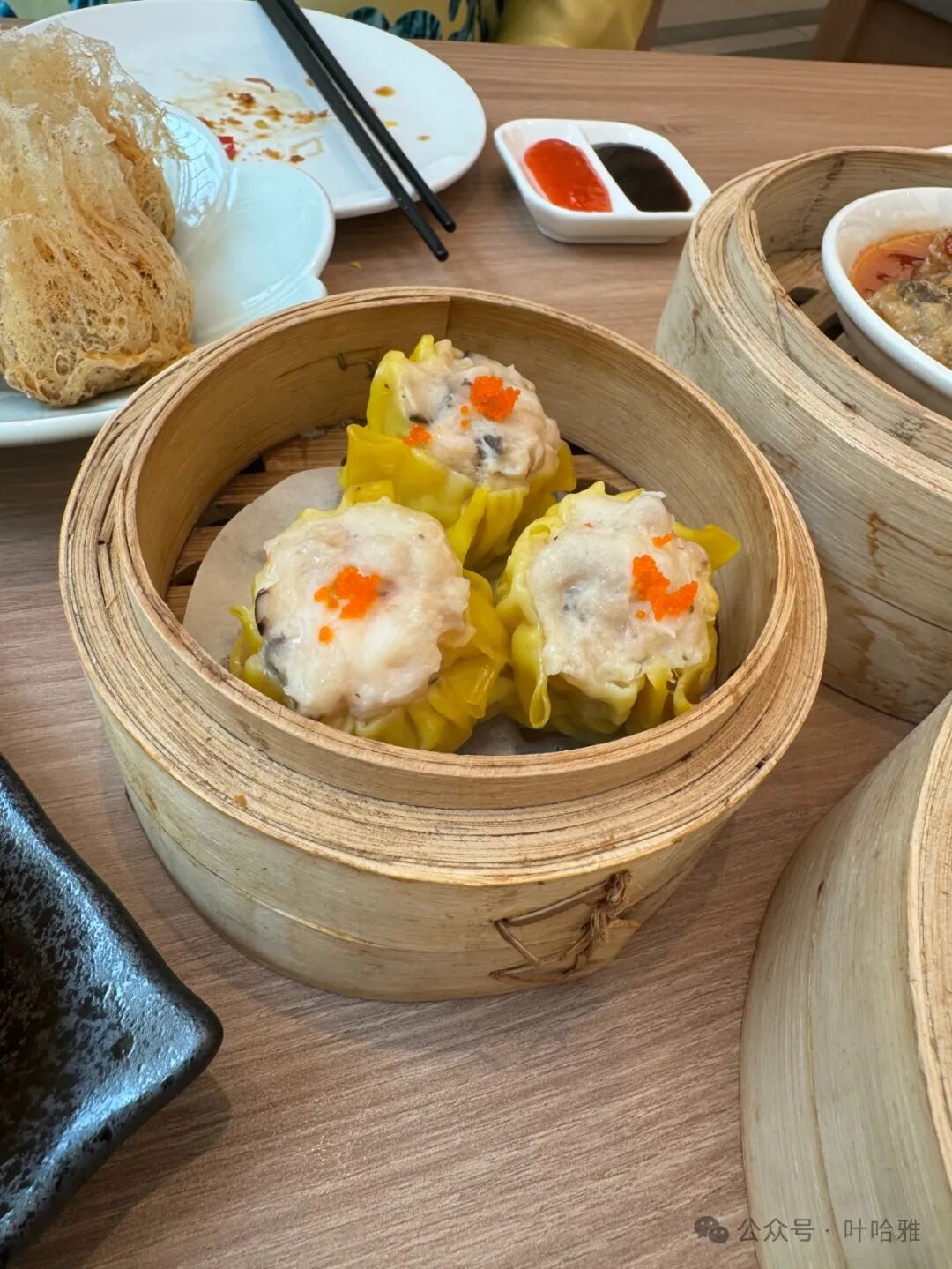
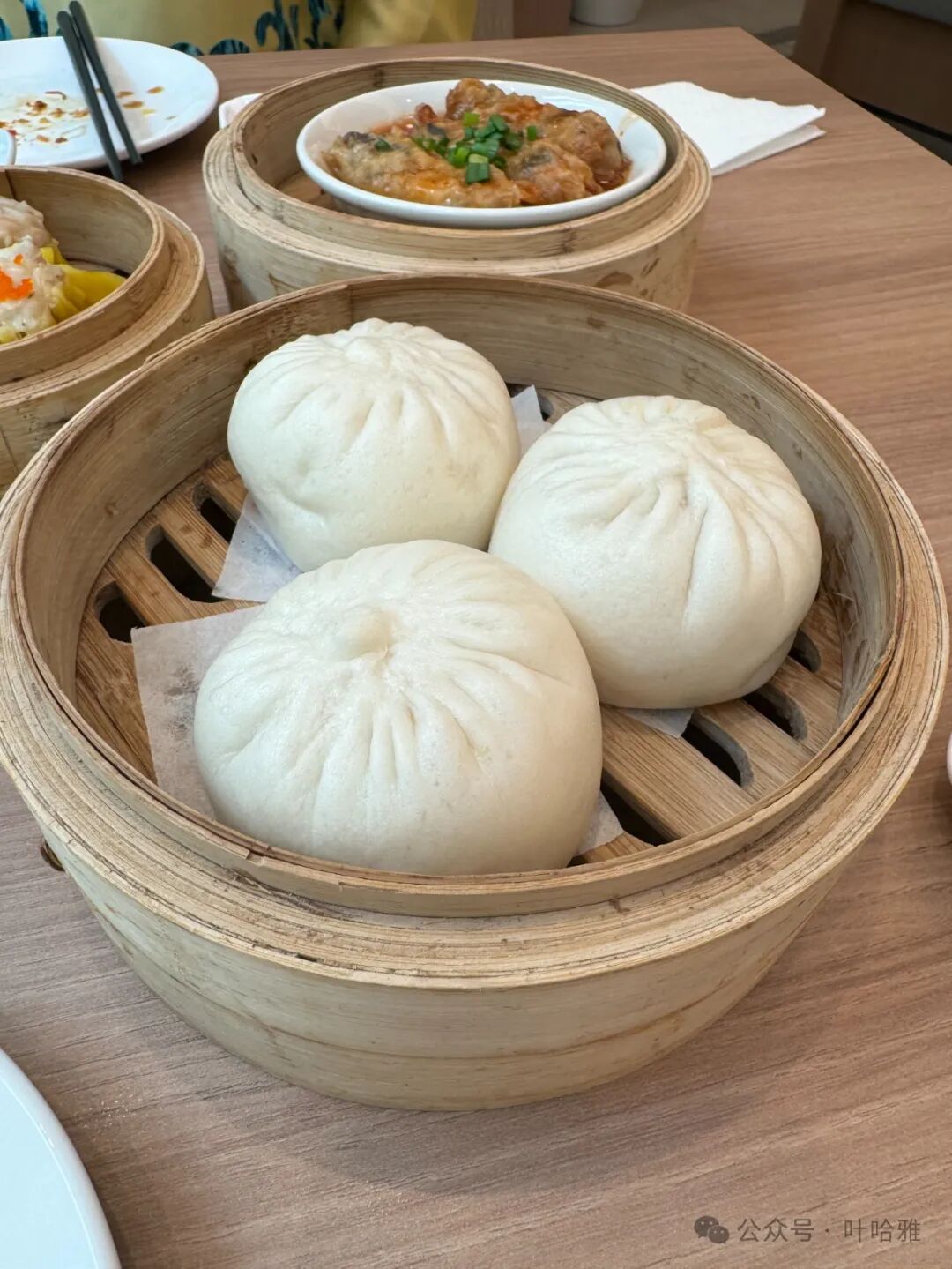
13. DOLLY DIM SUM Cantonese dim sum
14. Taco Bell Mexican fast food
15. Din Tai Fung Taiwanese food
16. MAKAN Malaysian buffet
1. Musa Lanzhou Ramen
Musa Lanzhou Ramen is located on the ground floor of Wisma Central, right along the street. It is the first ramen shop my mother-in-law opened in Kuala Lumpur. The shop is right next to the Petronas Twin Towers (KLCC), so it is very easy to find. The restaurant is smoke-free and alcohol-free, and it is clean and hygienic.
I know many friends struggle with Southeast Asian food, so you can choose to come here for a bowl of ramen.
Besides ramen, they also serve mixed noodles, big plate chicken (dapanji), dumplings, and kebabs. The restaurant has been open for over a year and is doing great business, with most customers being Malay.
I have hosted many friends from Kuala Lumpur at the shop, and the most popular dishes are the ramen and the kebabs.
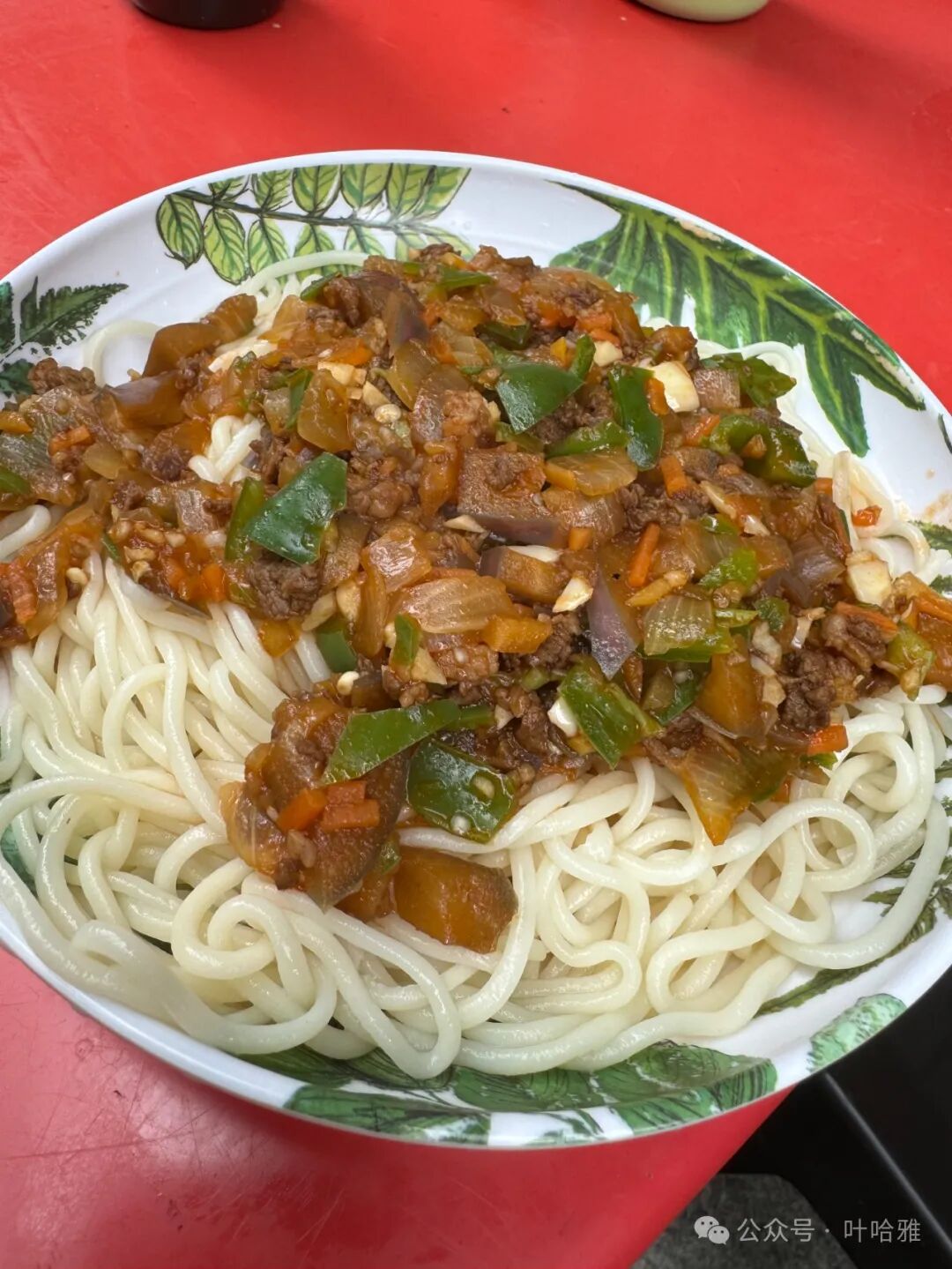
A fresh pot of big plate chicken (dapanji) with wide belt noodles (pidaimian) is also very satisfying, though Malay people prefer mixed noodles (banmian).
2. Habibi Suria
Next door to Musalan Beef Ramen is an Arab-owned grilled meat and pizza shop. Their signature grilled meat wrap (shawarma) isn't as good as their pizza, so when I've had too much ramen, I occasionally go there to order a pizza.
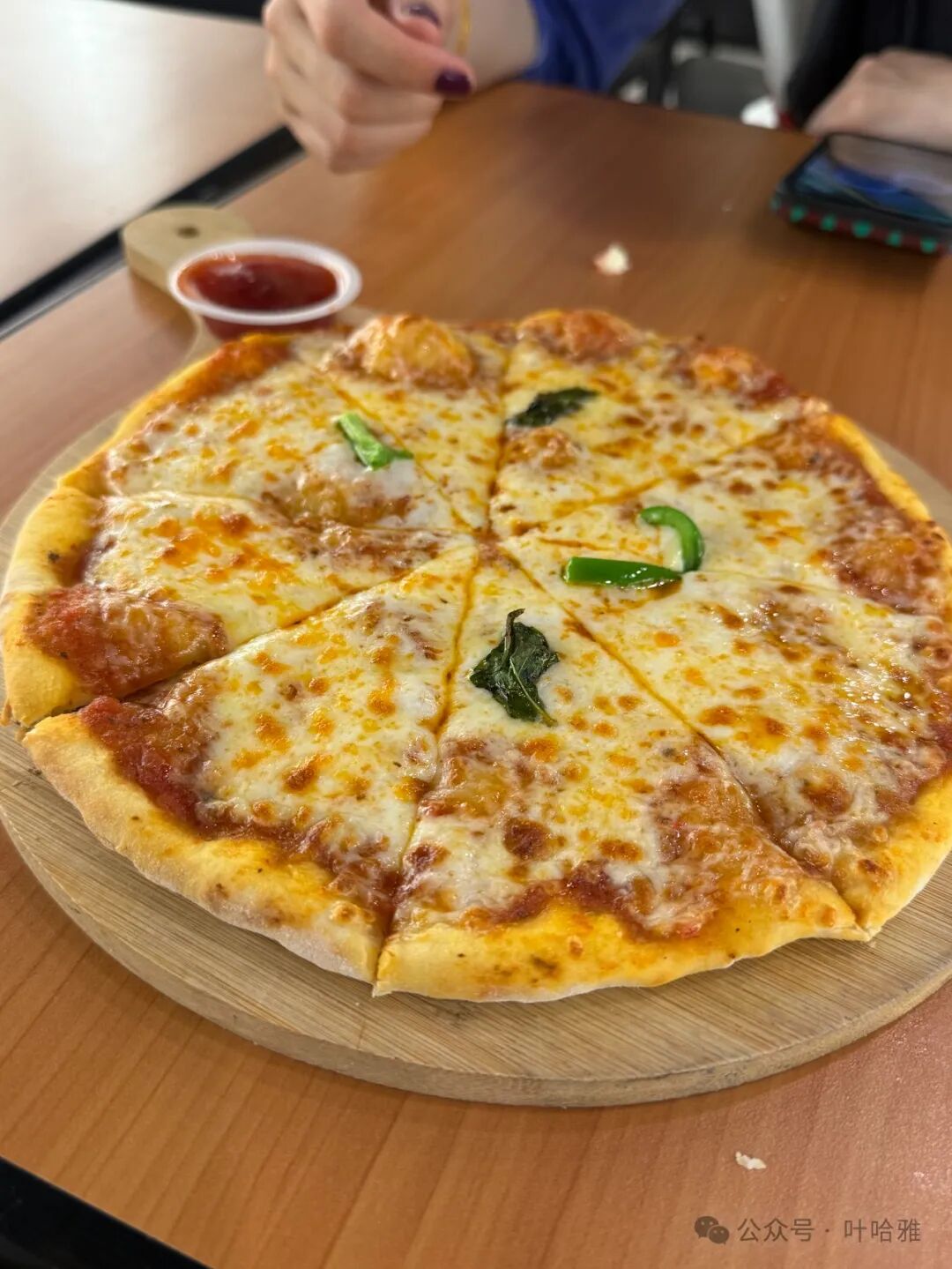
Their pizza is definitely much better than their shawarma. It is always freshly baked and very cheap.
3. SELERA AMPANG Indian Stall
This shop is on the ground floor at the front of the Wisma Central building, while the ramen shop is on the side. This is an Indian fast-food spot. We all like their flatbread wraps (roti). A wrap with a side of grilled chicken makes a great lunch for many office workers, and with a drink, it costs around 20 ringgit.
4. Islamic Arts Museum MOZA Restaurant
There is an Islamic Arts Museum next to the National Mosque in Kuala Lumpur. This is my second time visiting. My friend from Beijing had an event there, so we met up. After touring the museum, he recommended the MOZA restaurant inside.
The design of MOZA restaurant incorporates many Islamic historical elements. It is full of style and is the biggest highlight of the restaurant.
My friend told me that this museum is actually private and houses many precious Islamic artifacts.
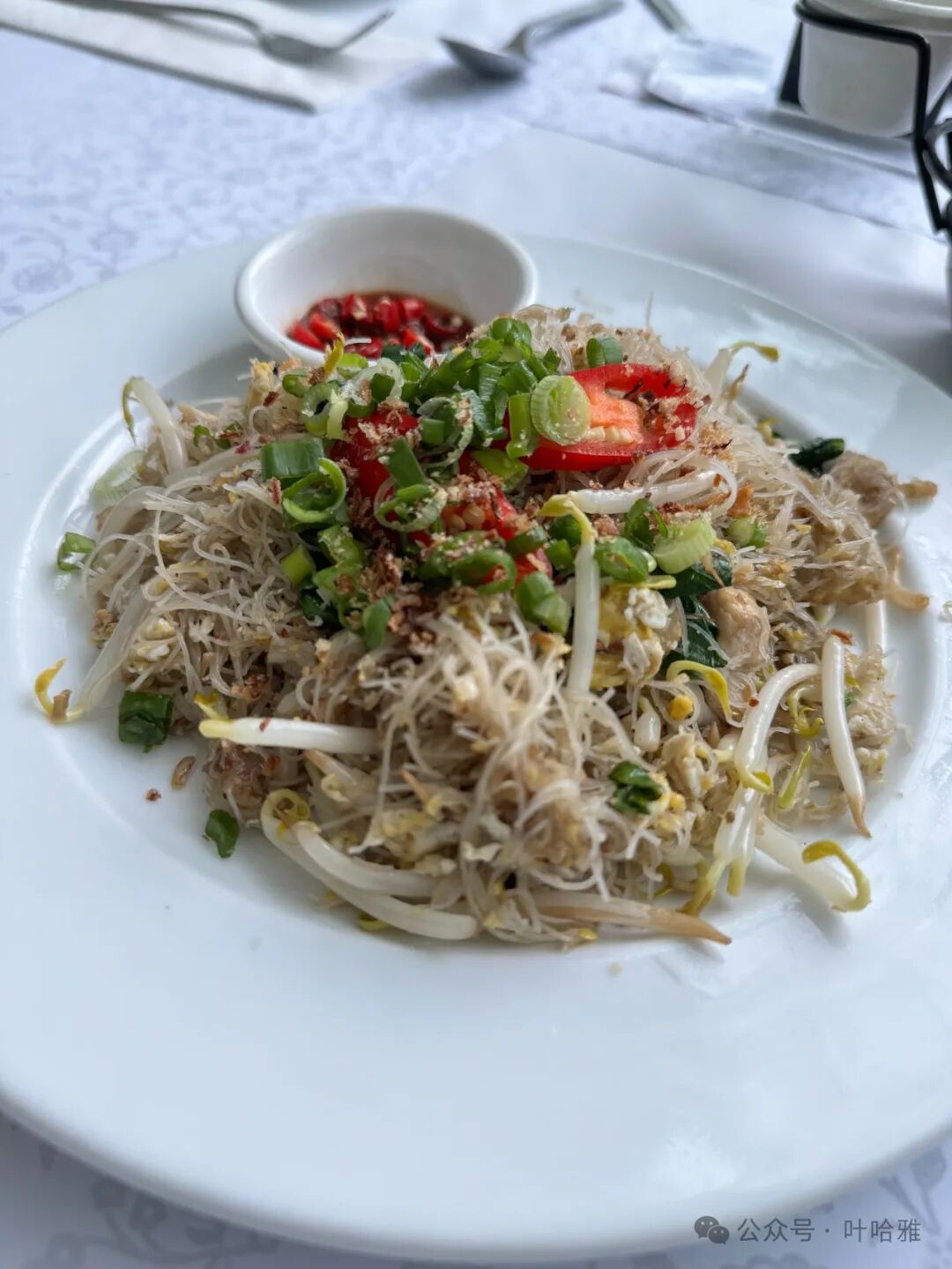
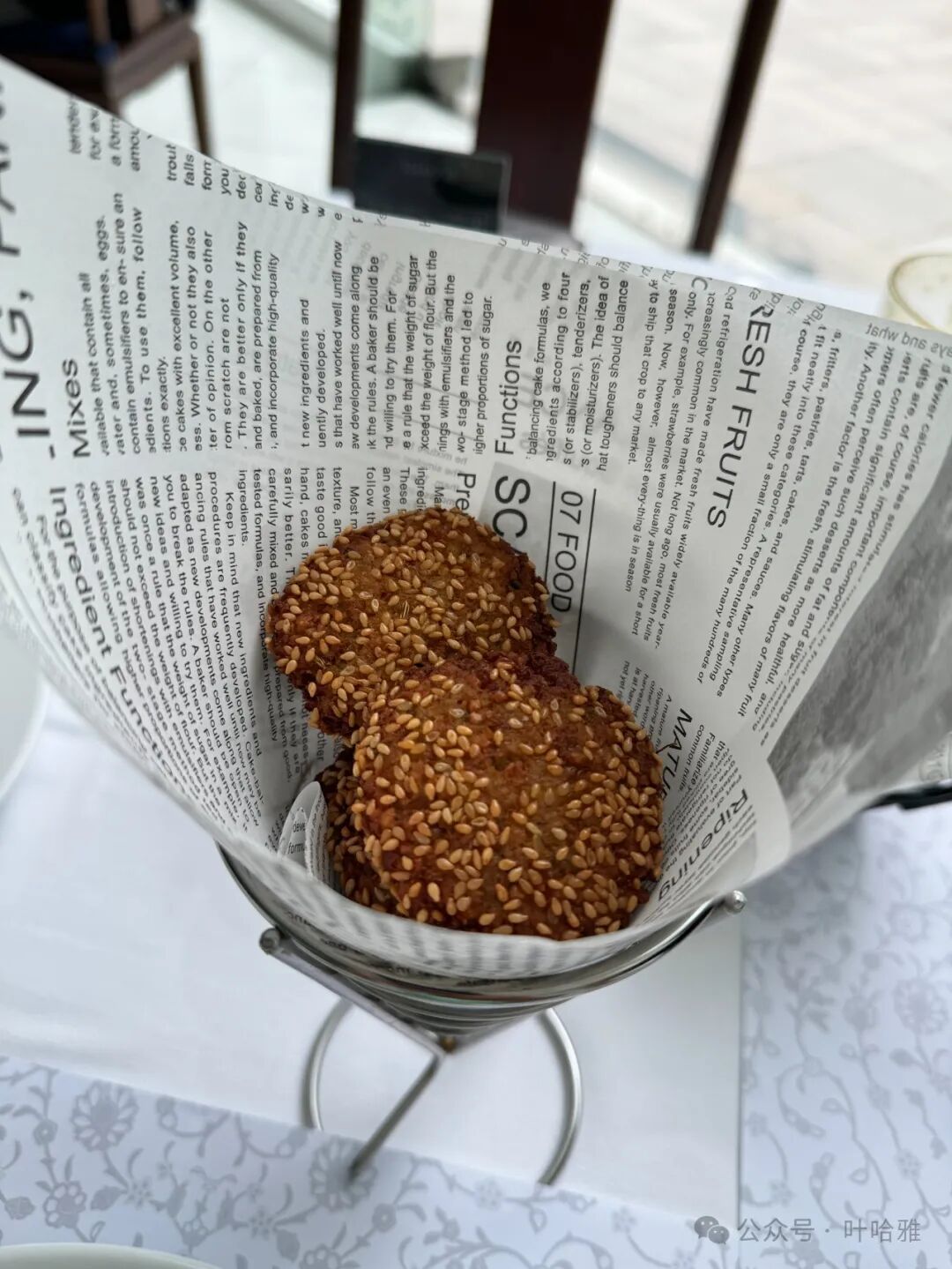
The restaurant serves mostly Southeast Asian fusion food along with some Arab-style dishes. The prices are quite affordable, with an average cost of no more than 50 Malaysian ringgit, which is less than 80 Chinese yuan. If you visit the Islamic Arts Museum, remember to eat at the restaurant. The museum entrance fee is only 20 ringgit.
5. KENNY HILLS BISTRO Four Seasons Hotel breakfast and afternoon tea
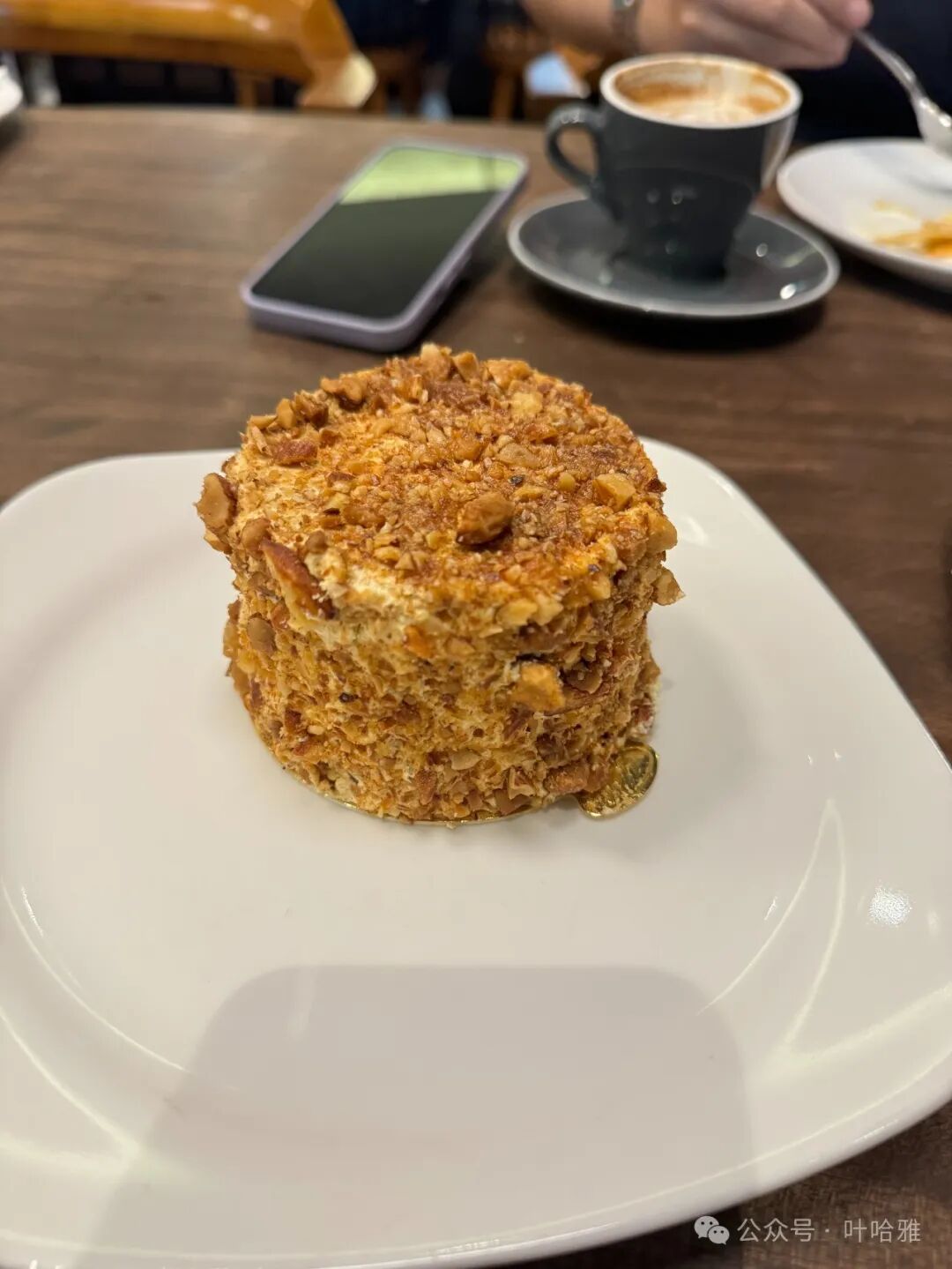
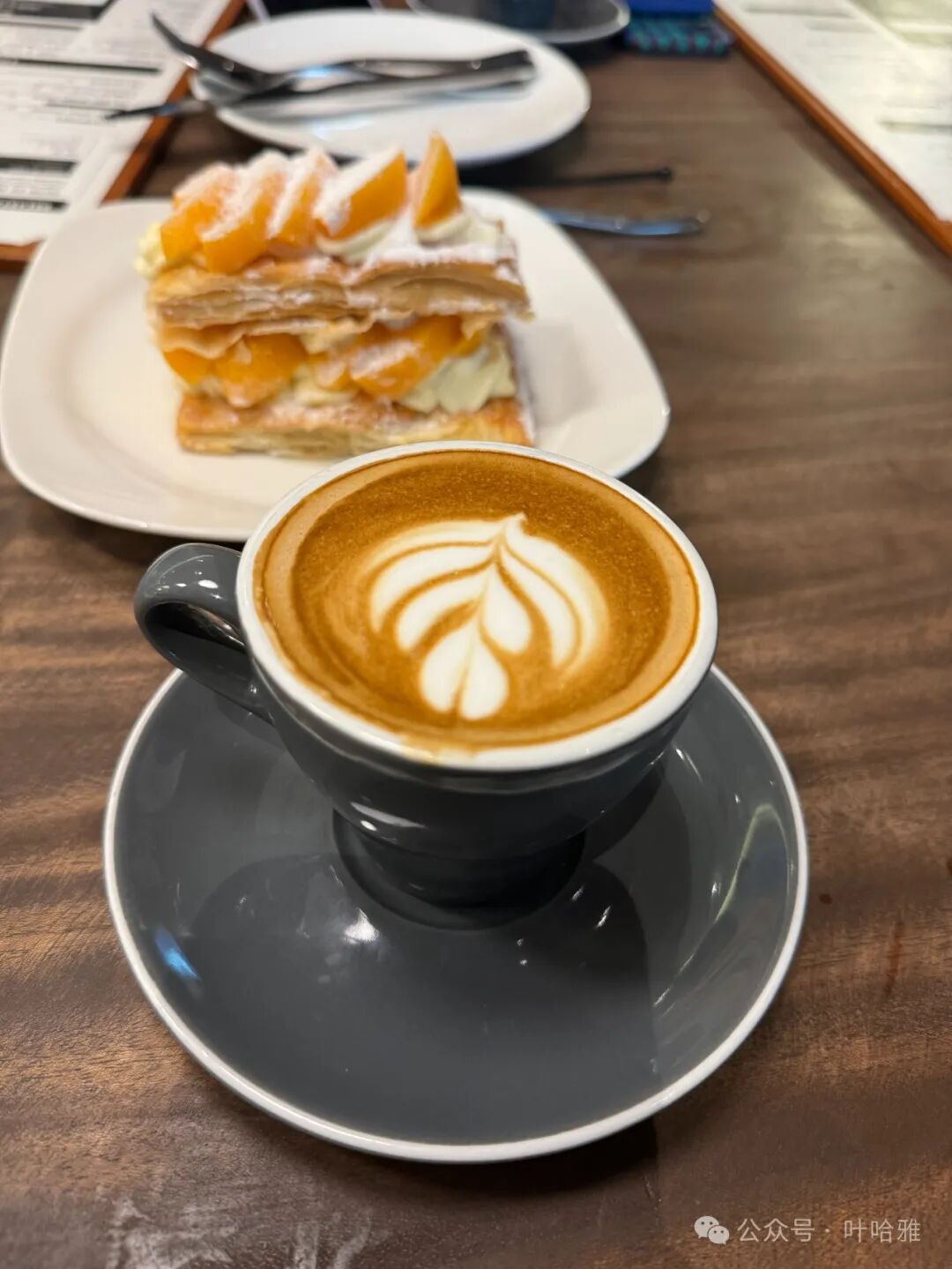
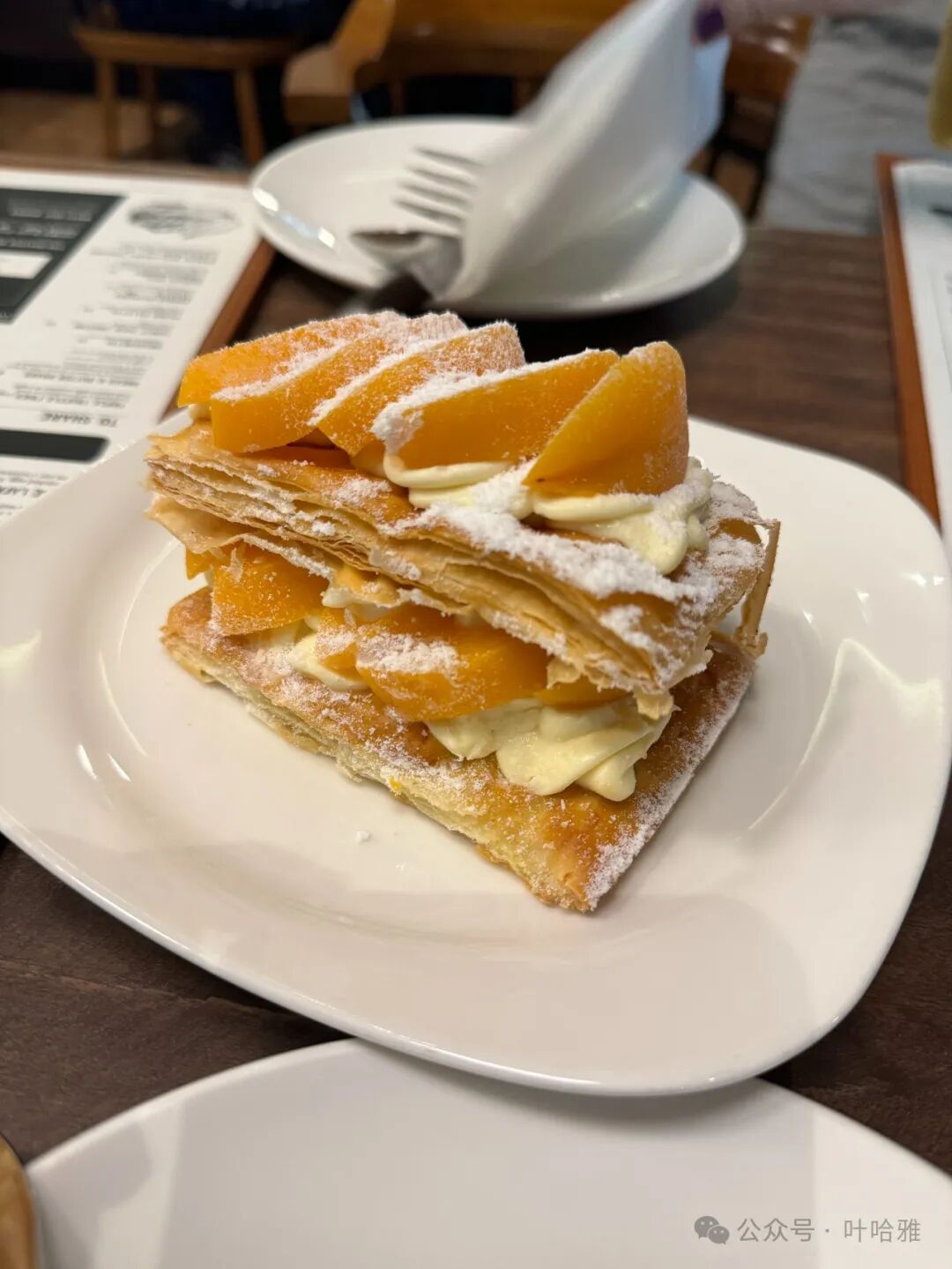
My wife and sister-in-law brought me to this local trendy restaurant on the ground floor of the Four Seasons Hotel. It has a Western style and is famous for its afternoon tea desserts. This shop is near our home in Kuala Lumpur, just a 5-minute walk from KLCC, and they have other chain locations too.
You can see many beautiful Malay ladies taking photos here. The desserts and coffee taste good, and they serve breakfast starting at 8:00 AM.
6. RasaNya Nyonya restaurant
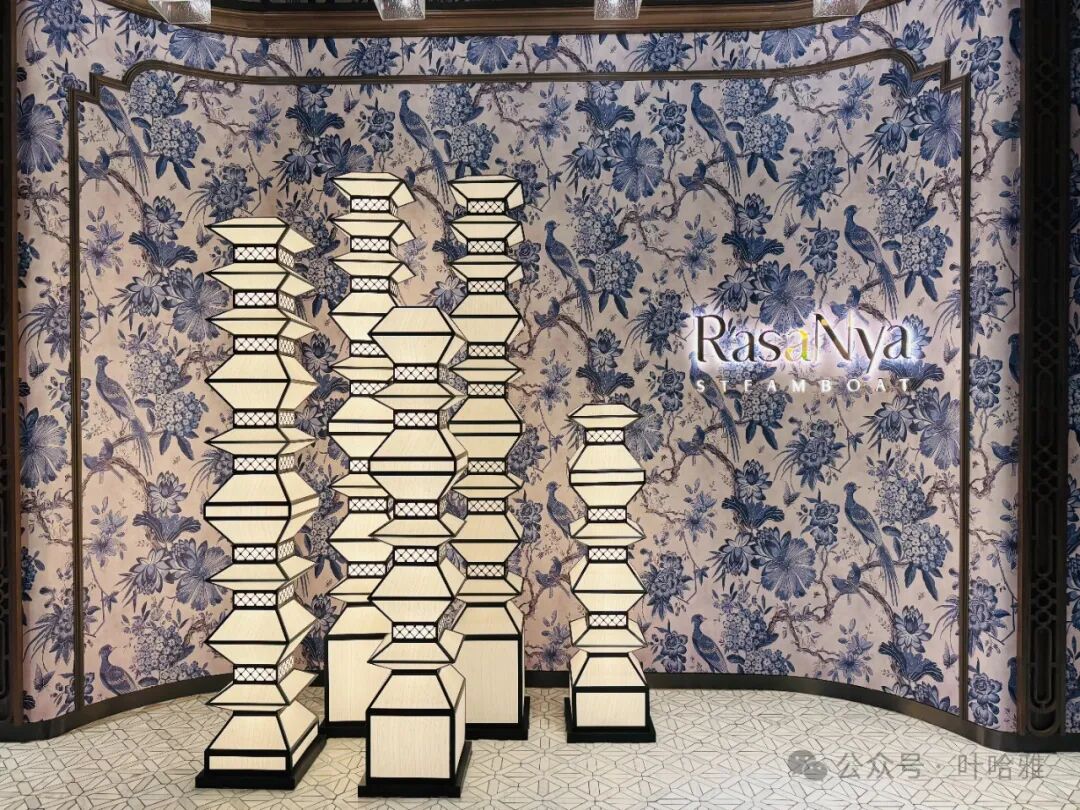
This Nyonya restaurant is on the 8th floor of the Pavilion shopping center. Nyonya people are the descendants of mixed Malay and Chinese heritage, and they have a unique food culture. If you travel to Malaysia, you must try halal Nyonya food, as most Nyonya dishes are not halal. I once ate at one in Malacca, but this Kuala Lumpur location is more upscale and worth a try.
The restaurant's decor caught my eye; it has the elegant vibe of a Nanyang noblewoman.
The menu says Muslim Friendly, which means it is a pork-free restaurant. Some restaurants write Pork Free, which also means no pork. In Malaysia, as long as a restaurant has no pork, you can eat there because other meats like chicken, beef, and lamb are halal.
You might wonder why they don't just display a halal certification label. Applying for a Malaysian halal label involves a complicated process and high certification fees. Once certified, restaurants face regular and surprise inspections. Inspectors check that every ingredient has a halal certificate. Even additives without non-halal ingredients are not allowed if they lack certification. Businesses face penalties for non-compliance. That is why you will notice that most restaurants with official halal labels are large chains. Many small and medium-sized restaurants do not display the label and instead hang a dua in the shop. This does not stop Malay people from eating there. You can feel safe eating there if you see Malay people wearing headscarves dining in the shop.
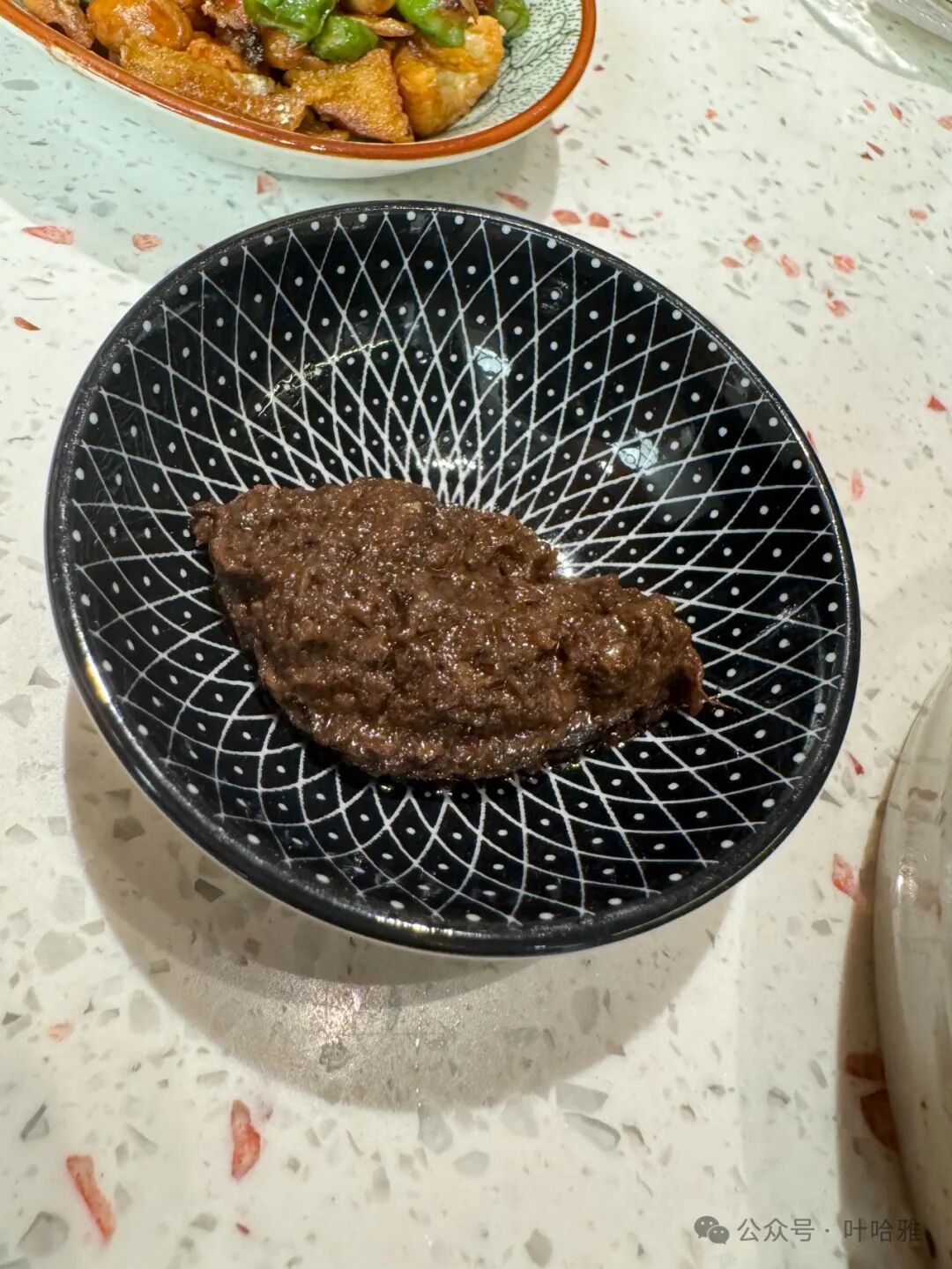
This Nyonya restaurant serves Nanyang-style hot pot with very fresh ingredients, and the dipping sauce bowls come in different colors.
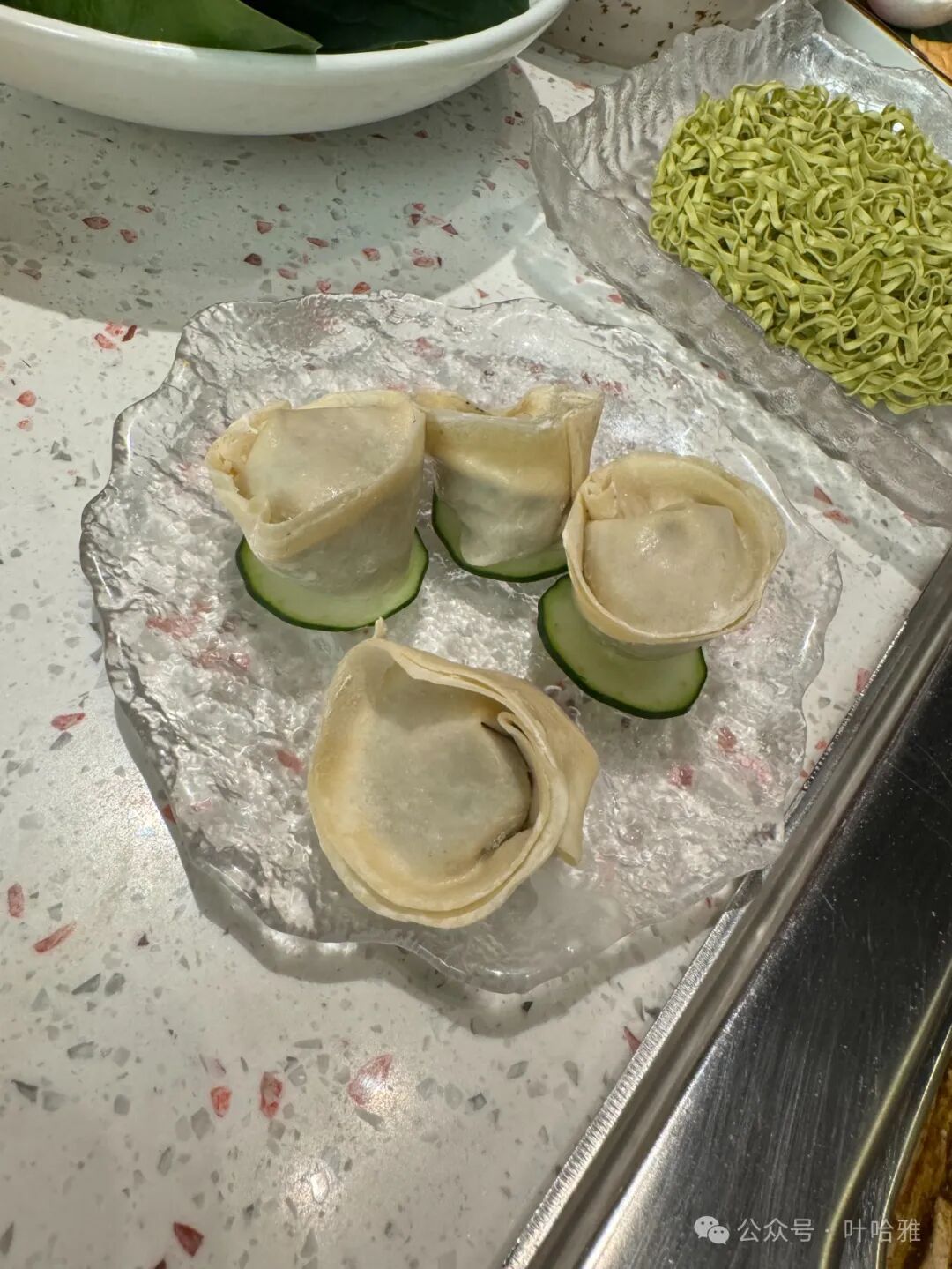
We chose a split pot with tomato broth and black truffle broth. I was surprised when we asked for a refill; the server brought two different pitchers to add broth separately instead of just adding water. It was very thoughtful.
Wagyu beef is expensive in Malaysia, and this was the most expensive meal I had in Kuala Lumpur, costing about 250 yuan per person.
The restaurant adds a 10% service charge. If you skip the hot pot and just order Nyonya cuisine (niangre cai), you won't actually spend that much. The rice and seasonings in the Nyonya cuisine are quite delicious.
7. Tapak Urban Street Dining night market
We stayed near KLCC, so our activities were mostly within a one-kilometer radius. You will notice that the restaurants I recommend are all near KLCC, including this night market. You can see the lit-up Petronas Twin Towers not far from the market.
This night market opens at 18:00. It is entirely halal and stays open until the early morning every day. There is even a live band performing, mostly singing Chinese pop songs.
I tried many snacks at this night market myself, and they were all delicious with no bad surprises. Just be sure to bring some small change, as some stalls do not accept Alipay.
What attracted me most was the fruit juice at the night market. I accidentally bought a cup of apple juice at this stall and it was incredibly good. Since then, I have wandered over here every few days to buy juice. In Malaysia, I love drinking juice the most because it is all freshly squeezed from real fruit with no artificial additives.
One day, while I was holding a cup of juice downstairs at KLCC, a Chinese girl stopped me to ask where I bought the drink.
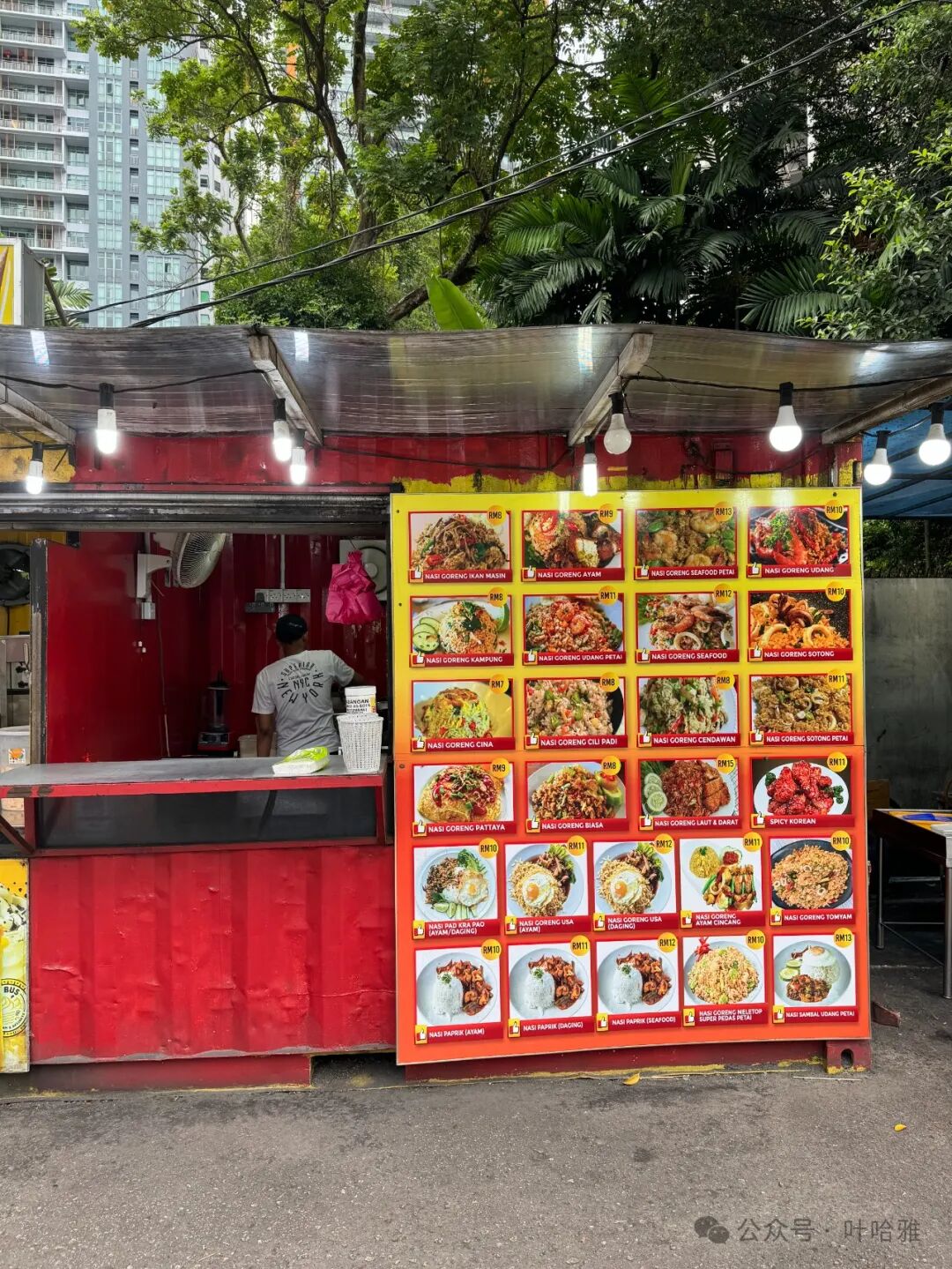
I bought the fried rice shown in the picture below. Paired with the apple juice I bought earlier, this meal only cost 10 yuan.
8. DOZO Japanese Restaurant
Don't miss the halal Japanese food that is common in Malaysia but rare back home. Since Malaysia was once a Japanese colony, it was influenced by Japanese culture, and the Japanese food here is very close to the quality you find in Japan. The name of this shop means 'please come in' in Japanese. It has high ratings and reasonable prices.
You can eat a full range of famous Japanese dishes here, including grilled meat, sushi, sashimi, udon noodles, tempura, and more.
I have to praise the texture of this salmon sashimi; it is excellent. One bite and you know it is not rainbow trout.
I really love the drinks in Malaysia. This peach juice was buy-one-get-one-free, so both cups are mine.
9. Hong Kong Xuan Chuan Cantonese Restaurant
This Hong Kong Xuan restaurant is right across the street from where we are staying. I pass by every day and see it packed with people, mostly Malay locals.
This shop serves dim sum (zaocha) after 11:00 a.m. I do not know why it starts so late; maybe people in Kuala Lumpur are not used to waking up early. Where I live, the earliest you can get breakfast is after 8:00 a.m.
I must say the dim sum at Hong Kong Xuan tastes very authentic. Even the restaurant atmosphere feels like a Hong Kong tea house, and the staff look like traditional Cantonese people. Each dim sum dish only costs a few ringgit. The three of us spent about 100 ringgit for this meal. I have tried three dim sum places in Kuala Lumpur, and every one of them is better than the Hui Muslim restaurant in Guangzhou.
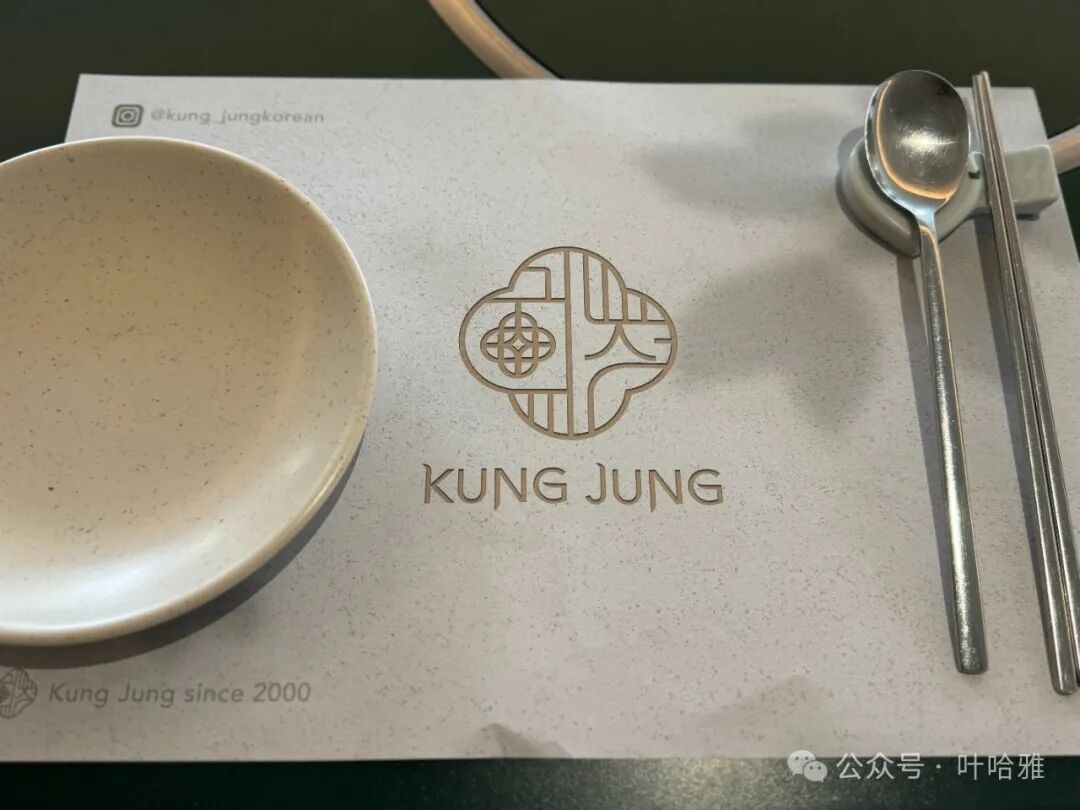
10. KUNG JUNG Korean BBQ
There is a Korean barbecue restaurant upstairs from Hong Kong Xuan that is incredibly busy. You need to book in advance, or you will have to wait in line. We are lucky to stay in this area. We just walk downstairs for 5 to 10 minutes to find all kinds of delicious restaurants.
The contact information and address are on the business card.
Malay people really like eating Korean barbecue. It seems like they are not very picky about what they eat.
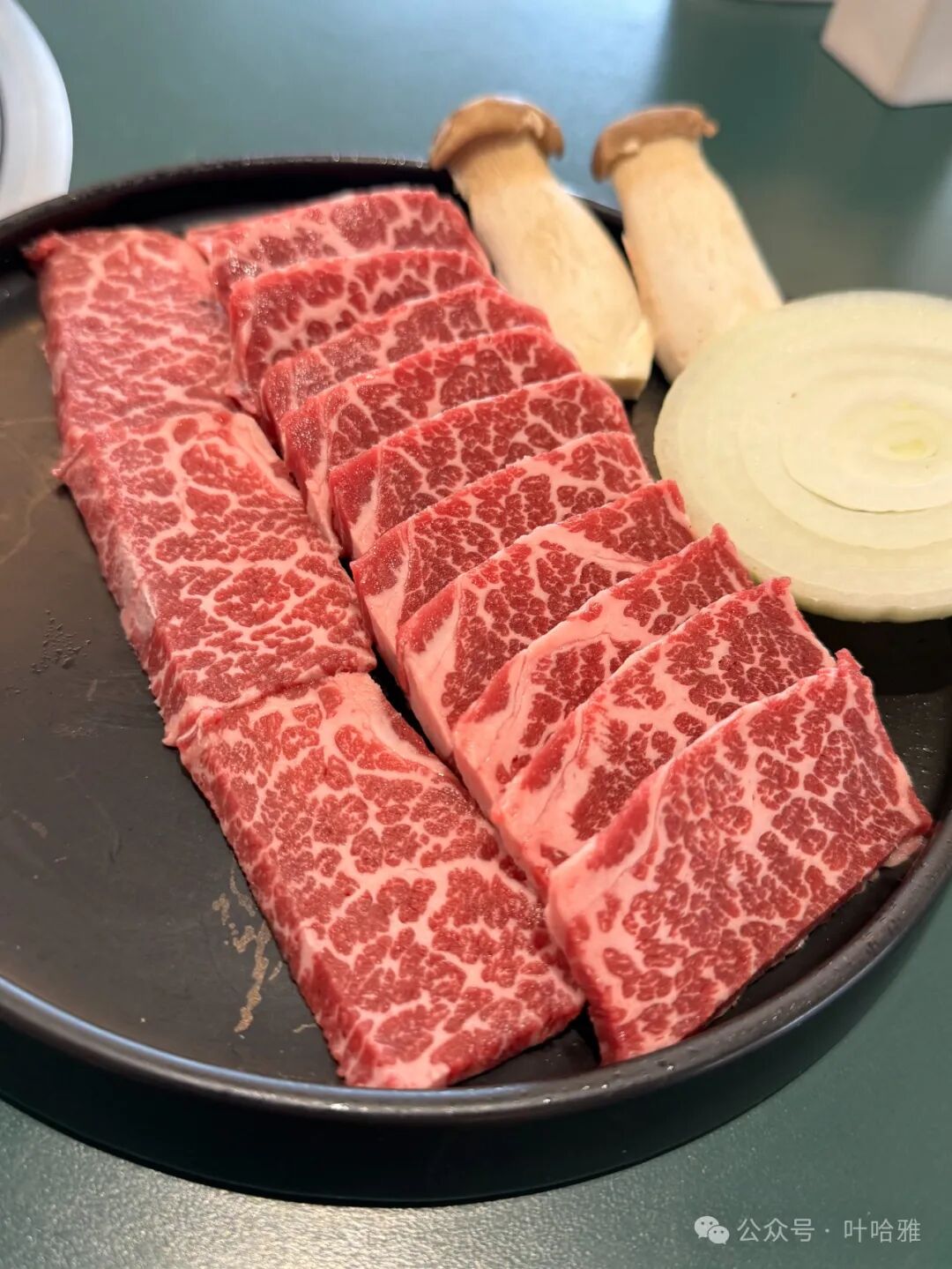
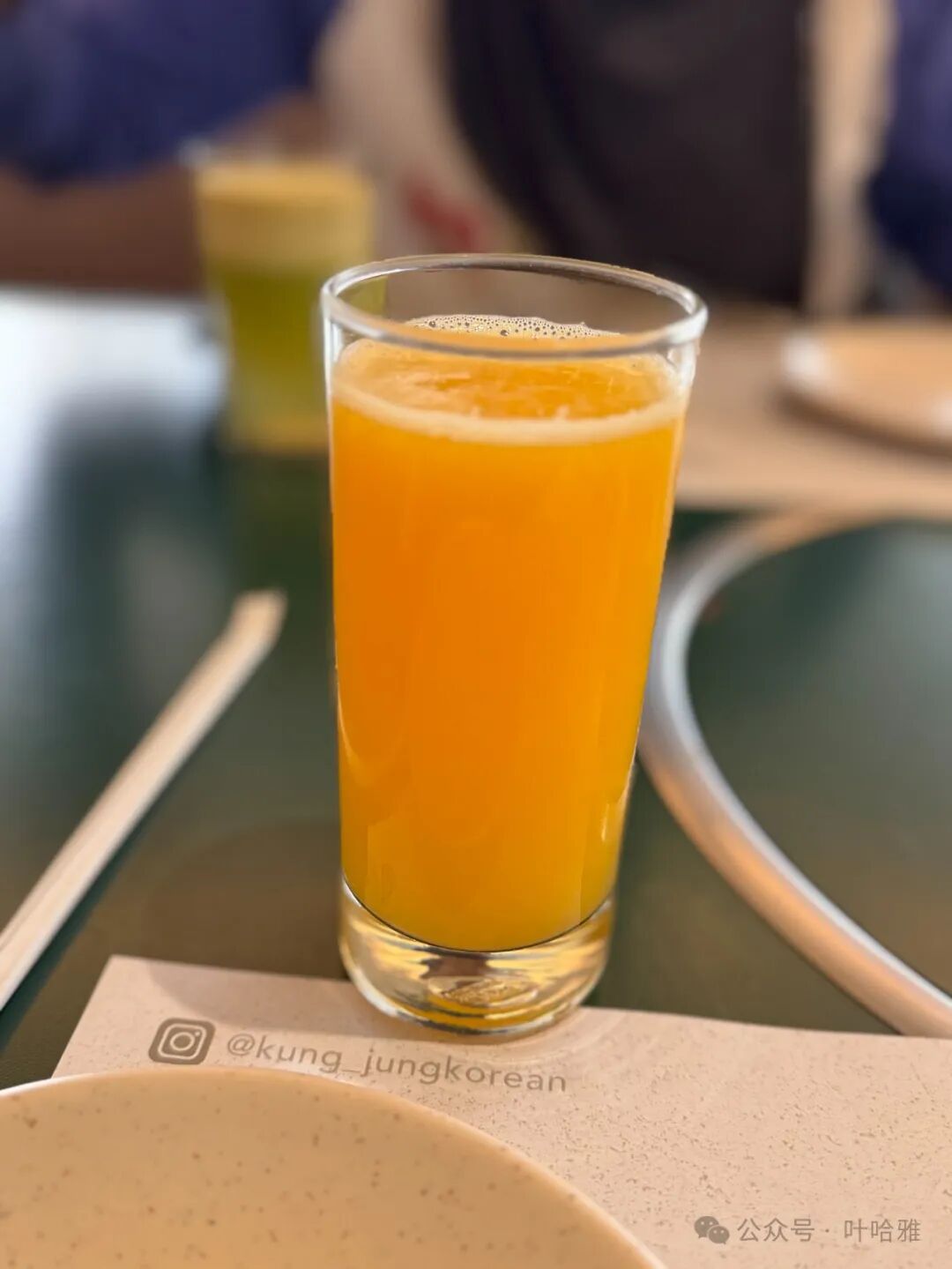
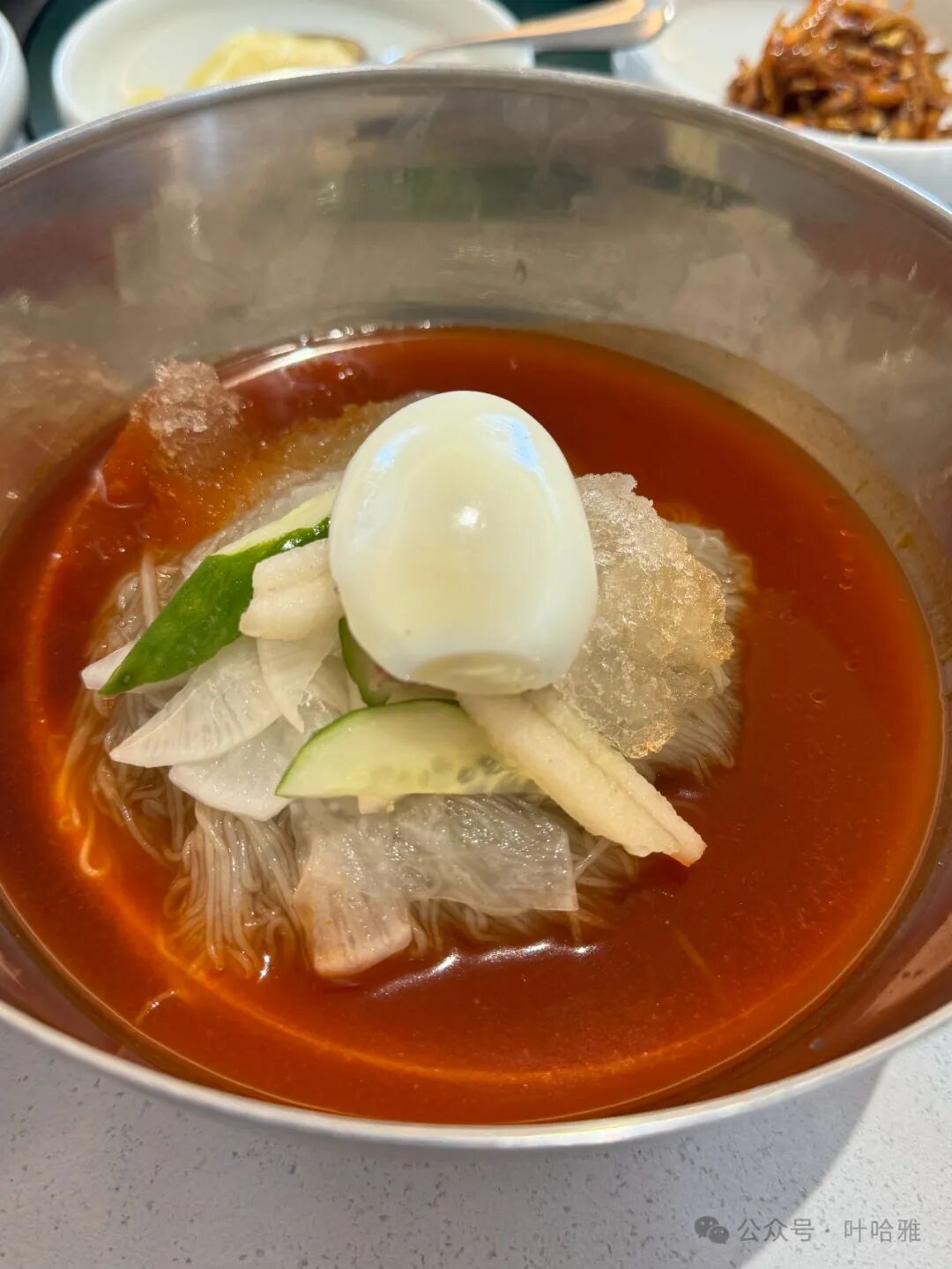
The barbecue at this shop tastes great, but I didn't really like the cold noodles. Compared to barbecue back home, I still prefer eating in Beijing, where you get better value for your money. The average cost per person at this shop is over 150 yuan. If the price were a bit lower, I would feel it was a great deal.
11. Absolute Thai restaurant
I want to make up for the halal Thai food I can't get in Beijing while I'm in Kuala Lumpur. Thai food in Kuala Lumpur is basically all halal.
This refined Thai restaurant inside the TRX mall suits my taste perfectly. The pineapple fried rice and the seasoning of the desserts were also amazing.
12. PEONY CANTON BOY
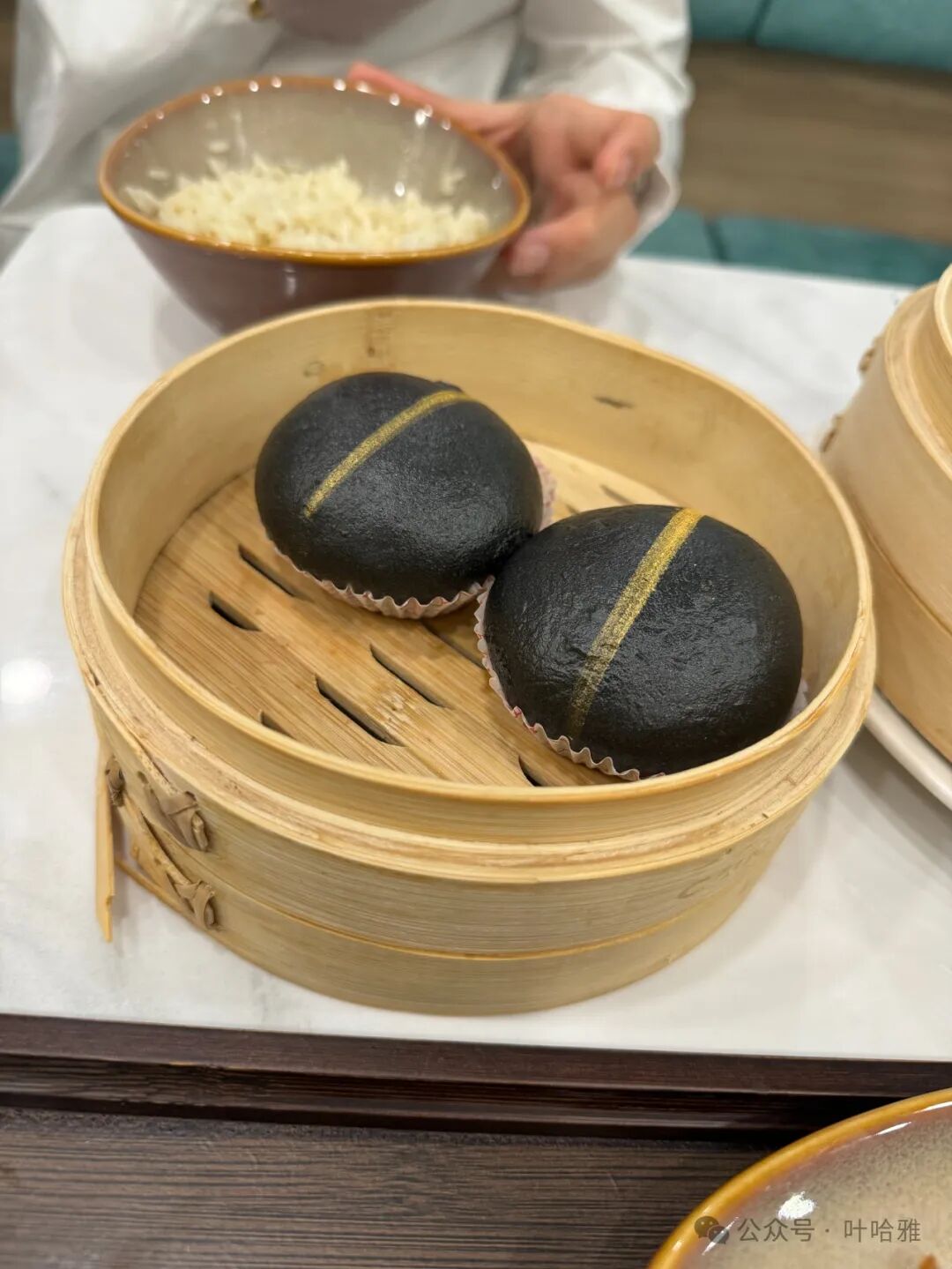
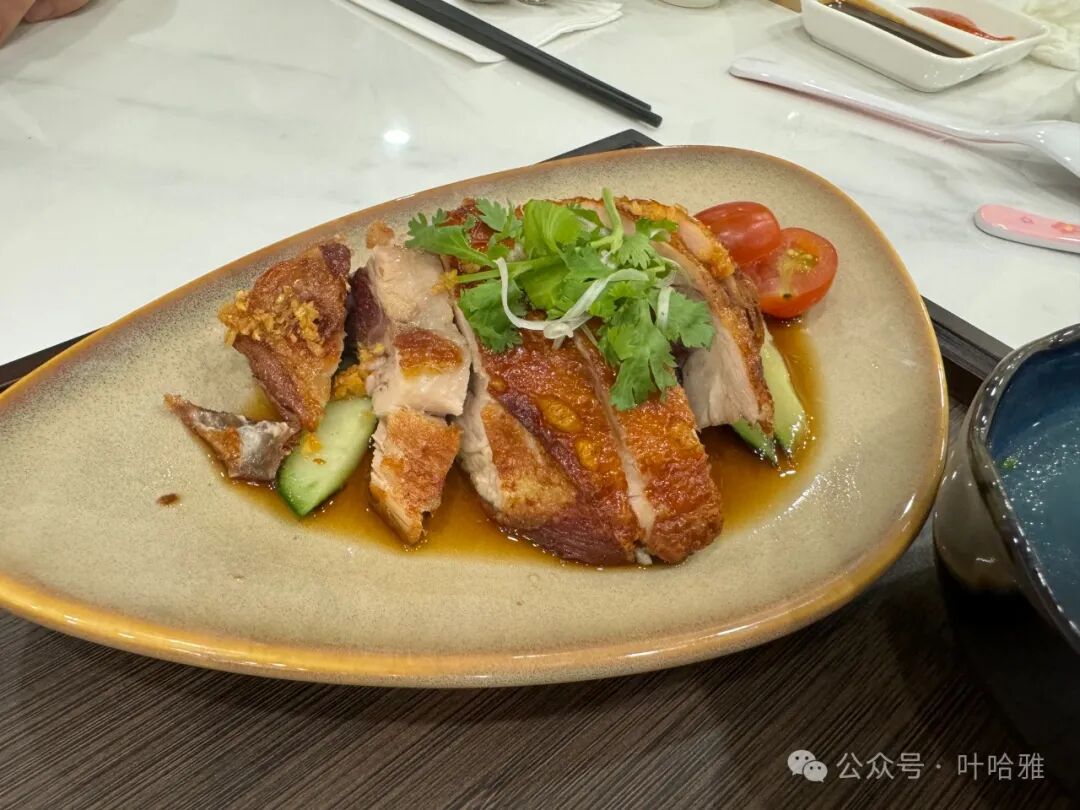
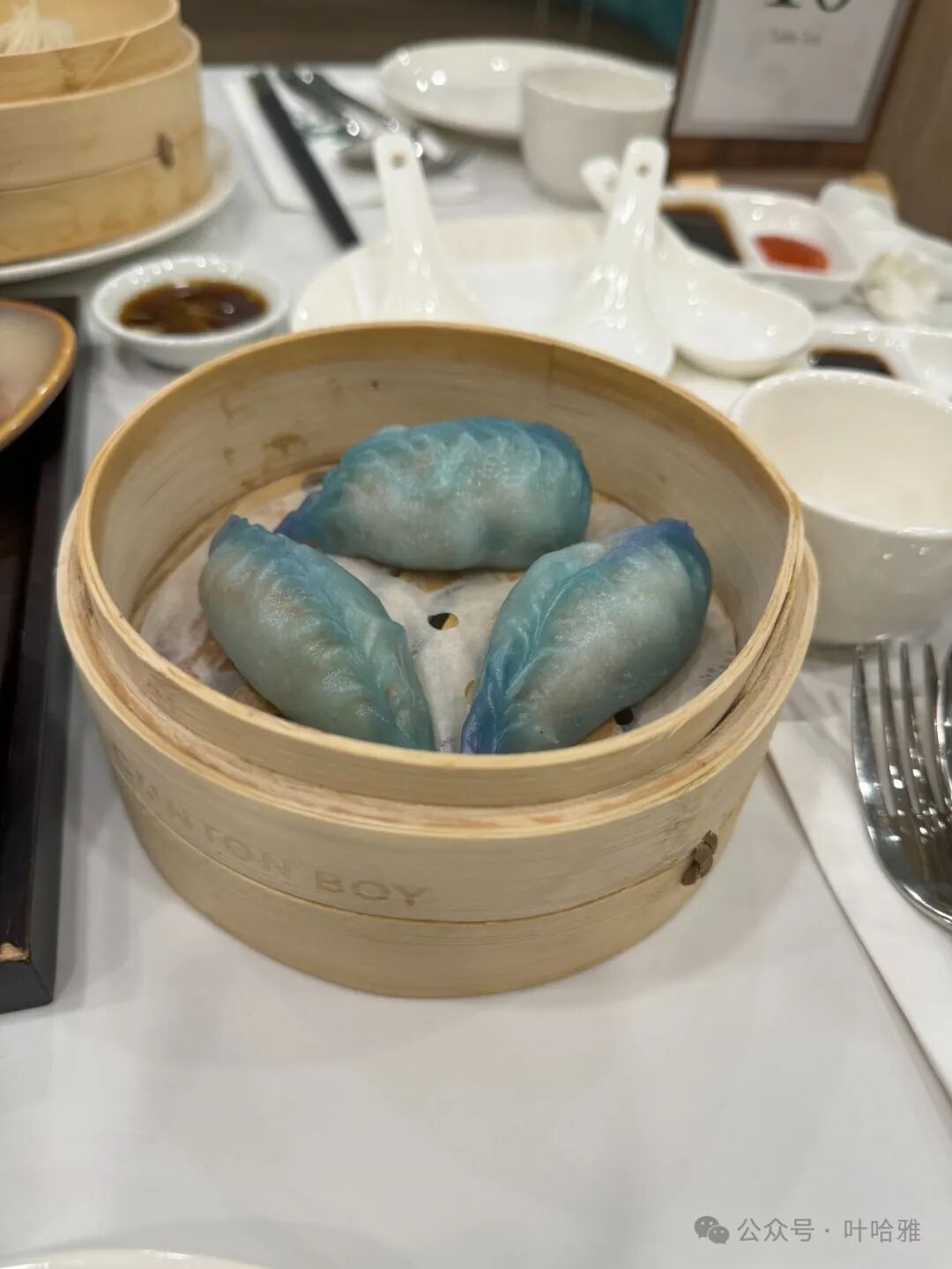
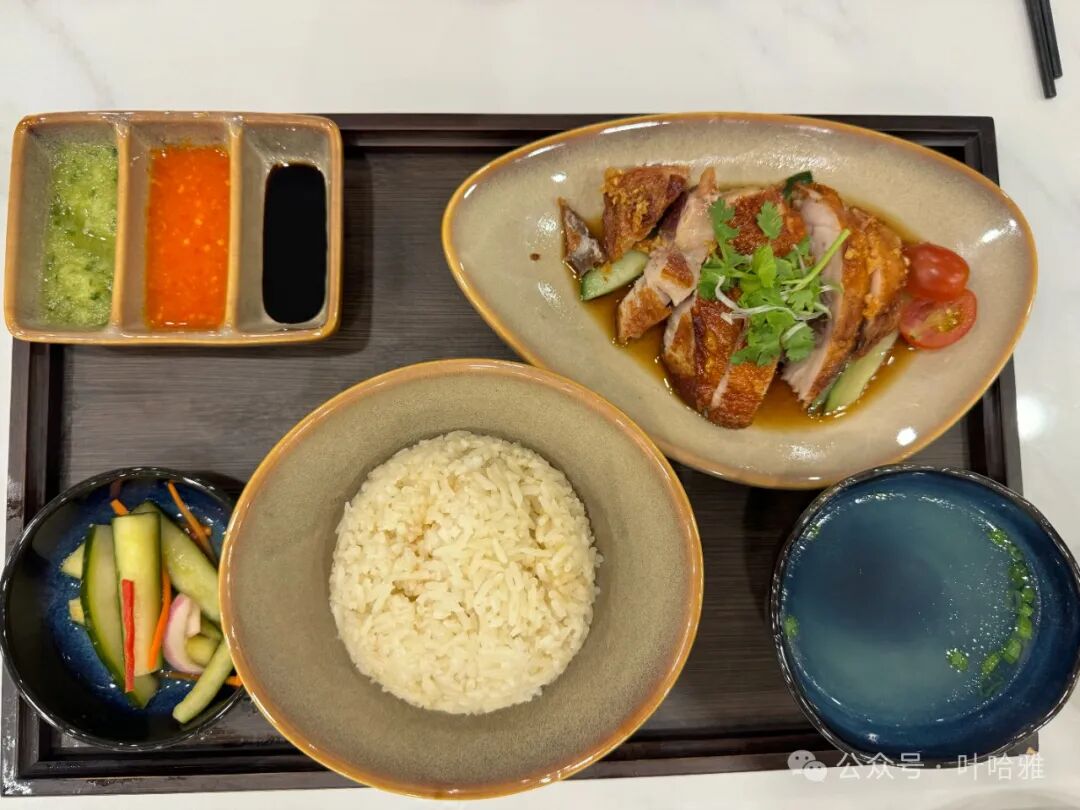
One of my biggest joys in Kuala Lumpur is trying out different styles of morning tea (yum cha). I love eating a rich meal in the morning, which is something I can't enjoy in Beijing. This newly opened Canton Boy is an authentic Cantonese restaurant. Besides morning tea, they also serve main courses. We ate here twice, and I have to say the morning tea satisfied me more.
The shop is at the entrance on the first floor of the AK mall. The huge floor-to-ceiling windows and fresh decor are a delight to the eyes. Some staff are Chinese and can speak Chinese, and every server in the restaurant wears a headscarf, which means this is a halal restaurant.
Morning tea starts at 9:00, but that's a bit too late for me. I've already been up for 3 hours by then and am starving, but you don't see many people on the streets here at 9 o'clock.
Besides morning tea, I also hosted my brother-in-law's family here. They are second-generation Pakistani immigrants from the UK. They didn't seem used to this Cantonese food; they preferred the mixed noodles at Musa Lanzhou Ramen.
13. DOLLY DIM SUM
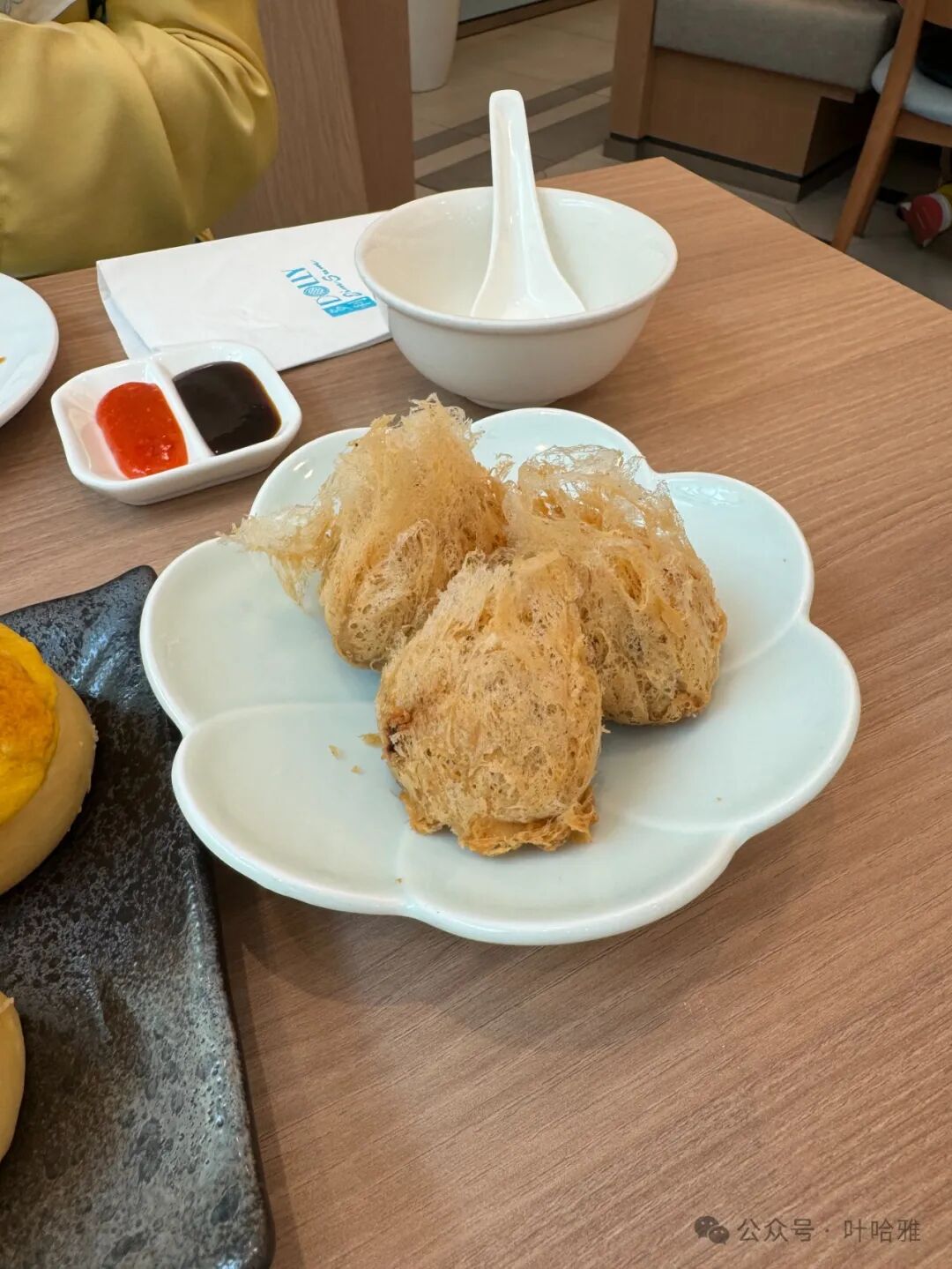
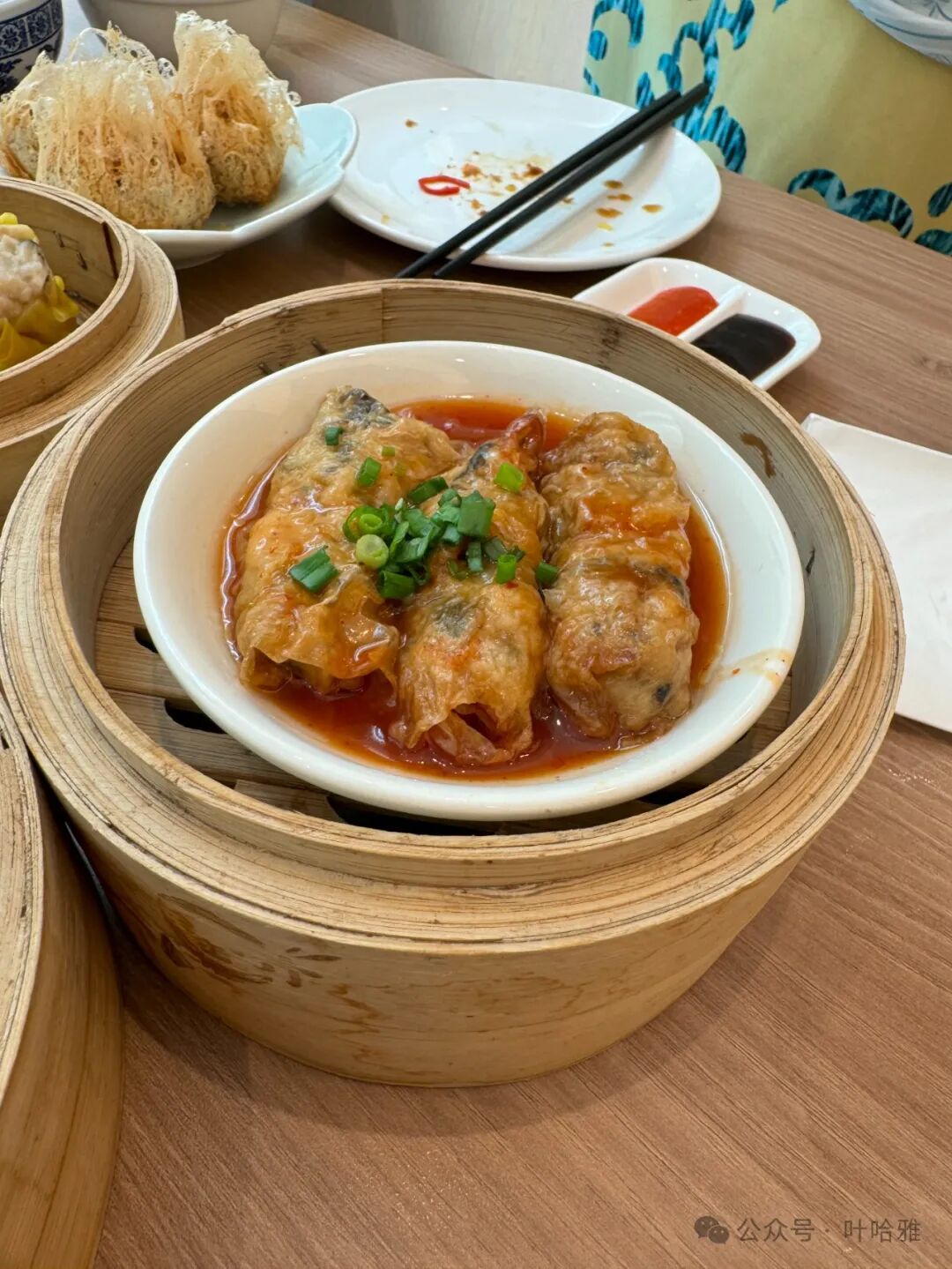
There are so many choices for morning tea in Kuala Lumpur that you could eat something different every day. Nearly half the people here are Chinese, mostly with roots in Guangdong, Guangxi, and Fujian, so you can trust the quality of their morning tea. Dolly Dim Sum (Duo Li) is a chain restaurant. This location is on the fourth floor of KLCC, and you will need to wait in line during peak hours. view all
Summary: This Kuala Lumpur halal food guide introduces local Muslim dining, Musa Lanzhou Beef Noodles, Arabic barbecue, mamak food, MOZA, Nyonya flavors, street dining, Japanese, Korean, Thai options, and Cantonese-style dim sum.
A Guide to Halal Food in Kuala Lumpur is presented here as a firsthand travel account in clear English, beginning with this scene: This is my third time visiting Malaysia. I spent a long time in Kuala Lumpur, totaling 15 days, plus three days on Redang Island and one day in Malacca. The account keeps its focus on Halal Travel, Yiwu Food, Muslim Travel while preserving the names, places, food, and historical details from the Chinese source.
This is my third time visiting Malaysia. I spent a long time in Kuala Lumpur, totaling 15 days, plus three days on Redang Island and one day in Malacca. I ate at 16 restaurants in Kuala Lumpur and tried 16 different flavors. The food in Kuala Lumpur is so rich, delicious, and affordable that my love for Malaysia has grown even more.
The list of Kuala Lumpur restaurants featured in this post is as follows:
1. Musa Lanzhou Beef Noodles (Musa Lanzhou niurou lamian)
2. HABIBI SURIA Arabic BBQ
3. SELERA AMPANG Indian Mamak stall
4. Islamic Arts Museum MOZA Restaurant
5. KENNY HILLS BISTRO Four Seasons Hotel Afternoon Tea
6. RasaNya Nyonya Restaurant
7. Tapak Urban Street Dining night market
8. DOZO Japanese Cuisine
9. Hong Kong Xuan Chuan Cantonese Restaurant
10. KUNG JUNG Korean BBQ
11. Absolute Thai restaurant
12. PEONY CANTON BOY Cantonese dim sum
13. DOLLY DIM SUM Cantonese dim sum
14. Taco Bell Mexican fast food
15. Din Tai Fung Taiwanese food
16. MAKAN Malaysian buffet
1. Musa Lanzhou Ramen
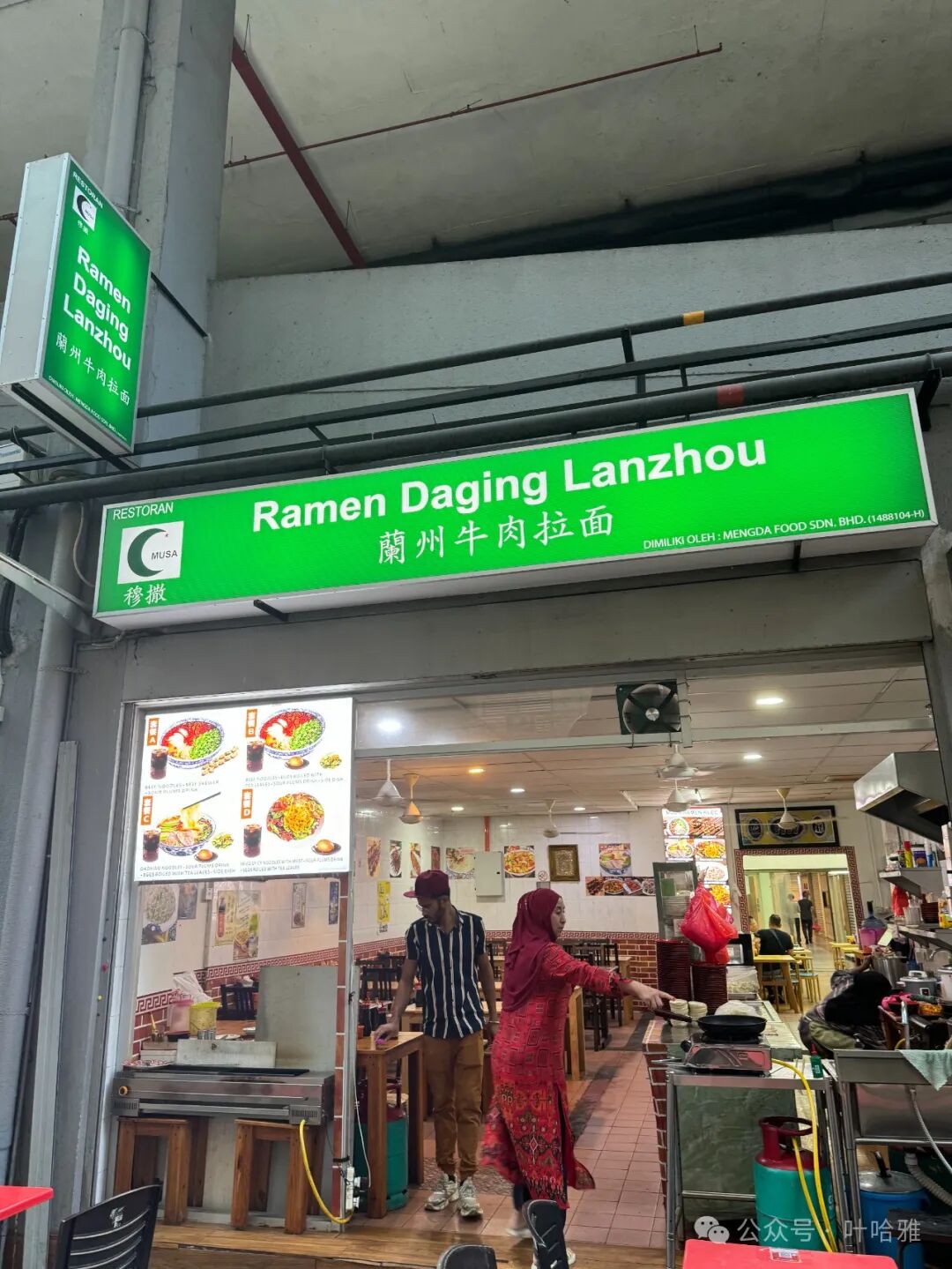
Musa Lanzhou Ramen is located on the ground floor of Wisma Central, right along the street. It is the first ramen shop my mother-in-law opened in Kuala Lumpur. The shop is right next to the Petronas Twin Towers (KLCC), so it is very easy to find. The restaurant is smoke-free and alcohol-free, and it is clean and hygienic.
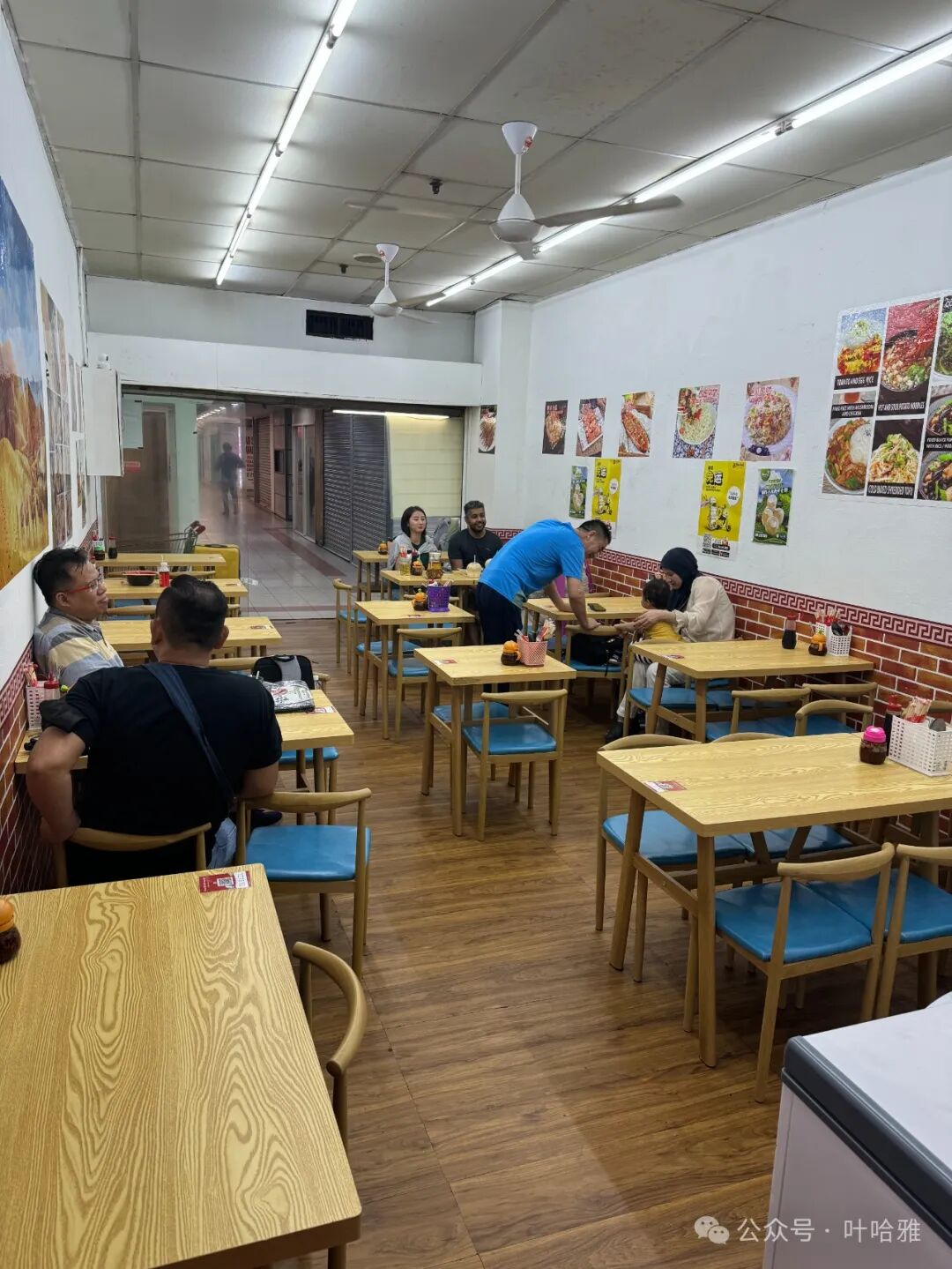
I know many friends struggle with Southeast Asian food, so you can choose to come here for a bowl of ramen.
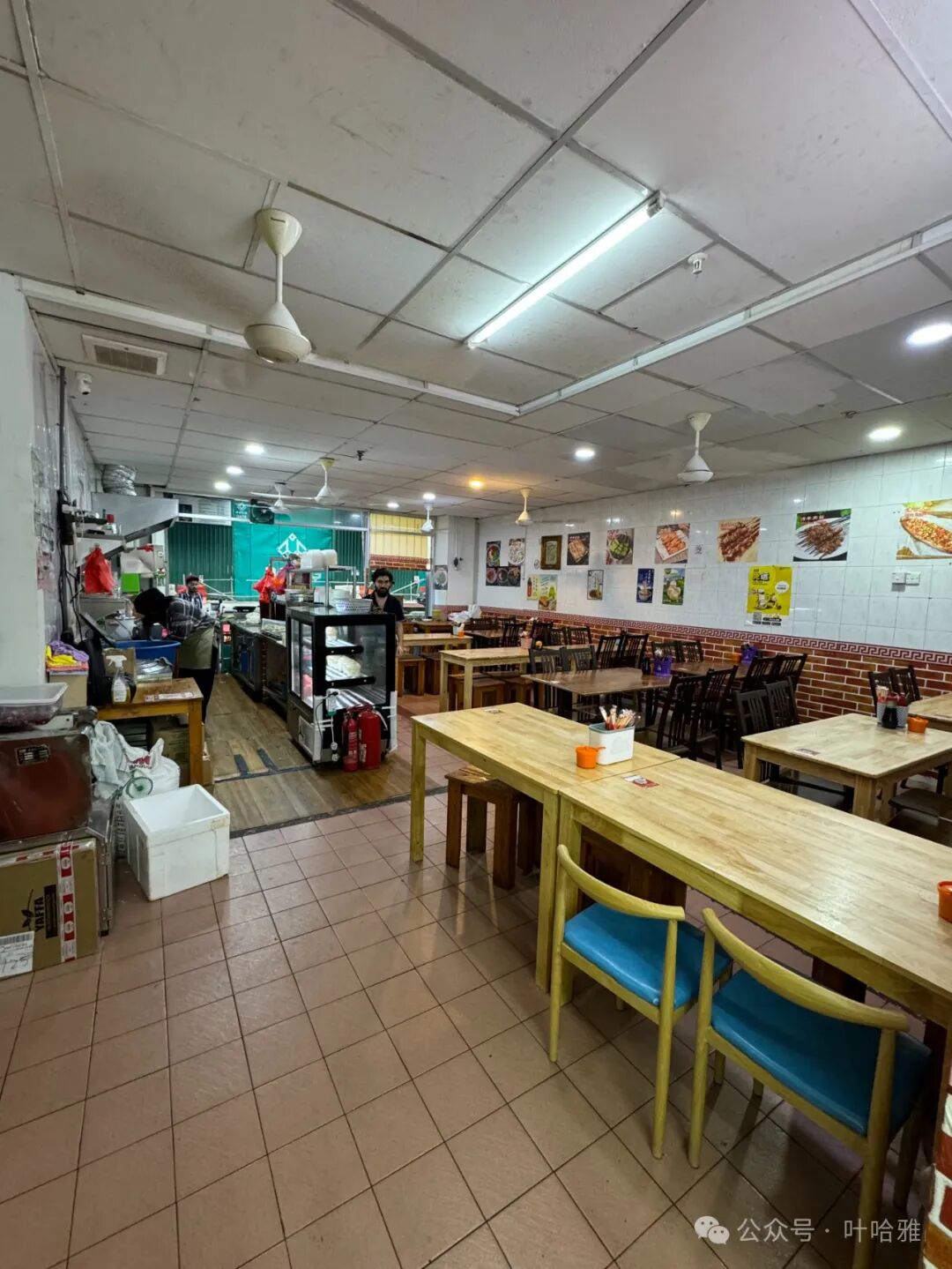
Besides ramen, they also serve mixed noodles, big plate chicken (dapanji), dumplings, and kebabs. The restaurant has been open for over a year and is doing great business, with most customers being Malay.
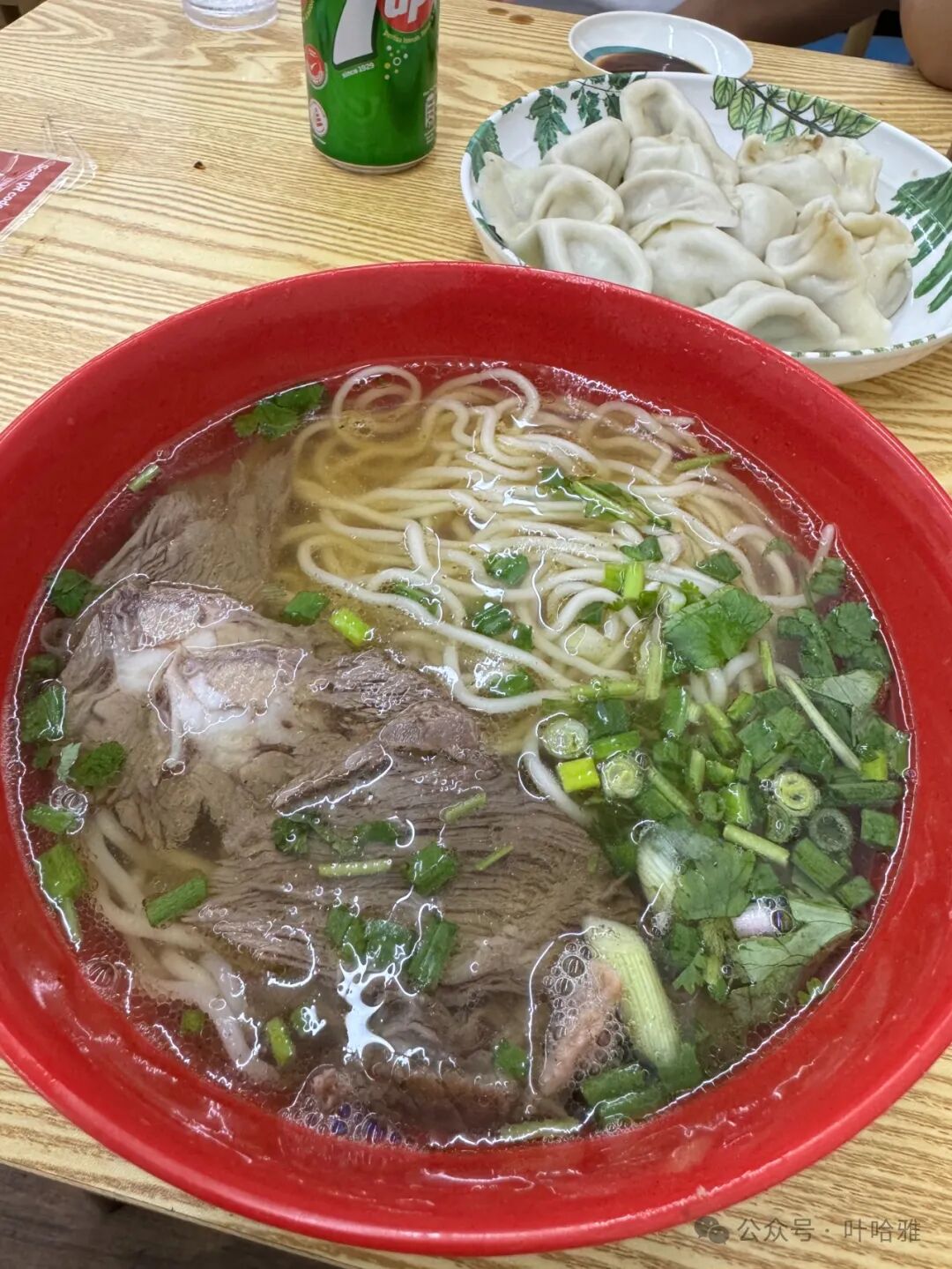
I have hosted many friends from Kuala Lumpur at the shop, and the most popular dishes are the ramen and the kebabs.
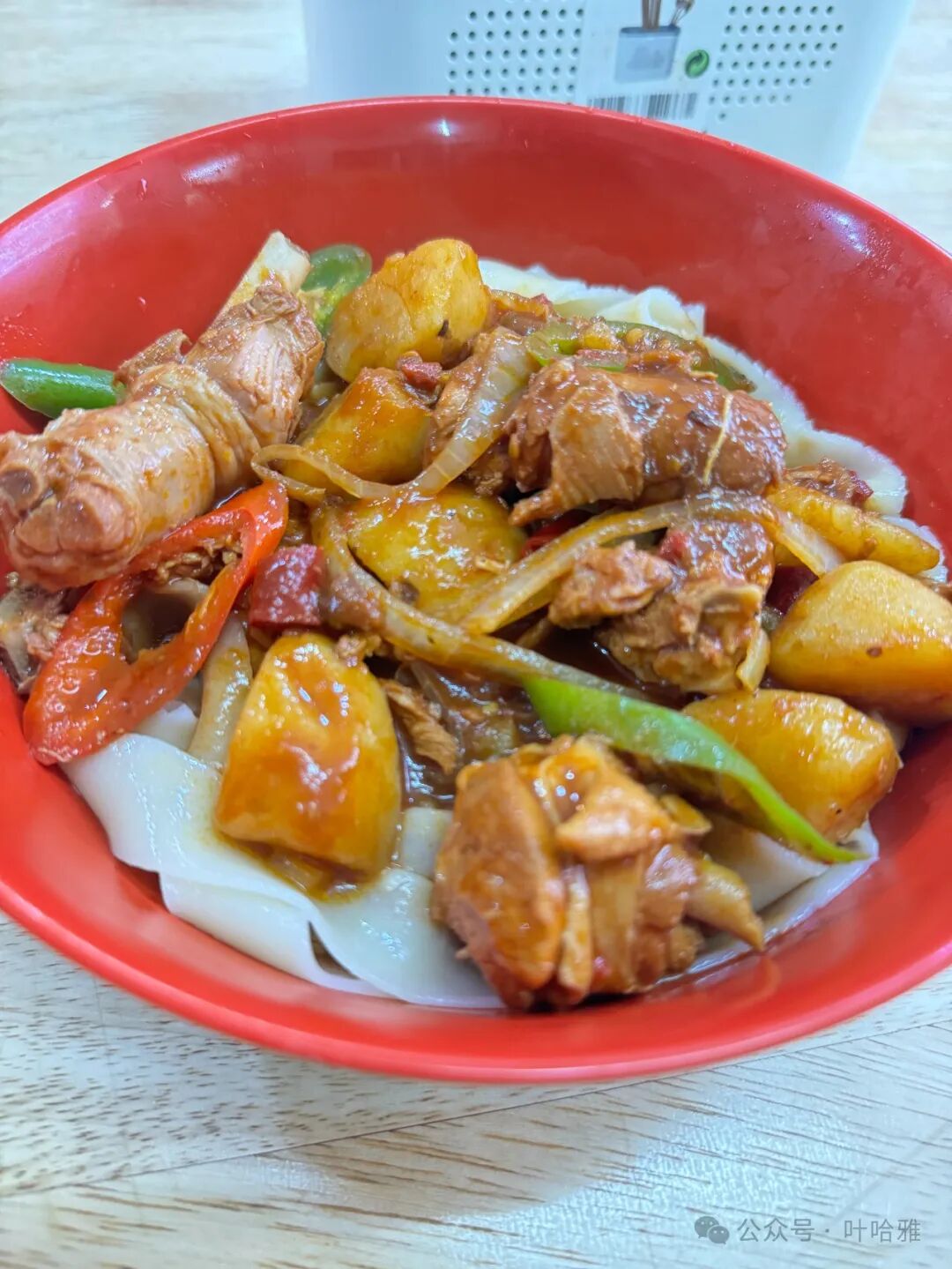
A fresh pot of big plate chicken (dapanji) with wide belt noodles (pidaimian) is also very satisfying, though Malay people prefer mixed noodles (banmian).
2. Habibi Suria
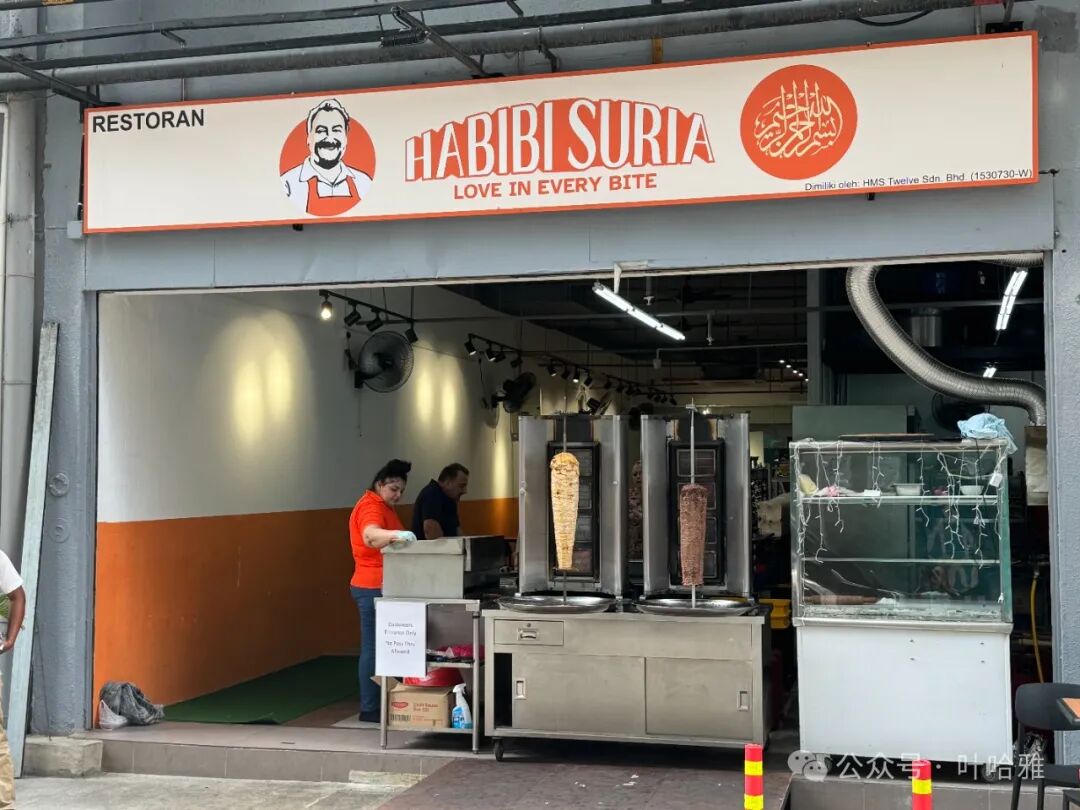
Next door to Musalan Beef Ramen is an Arab-owned grilled meat and pizza shop. Their signature grilled meat wrap (shawarma) isn't as good as their pizza, so when I've had too much ramen, I occasionally go there to order a pizza.
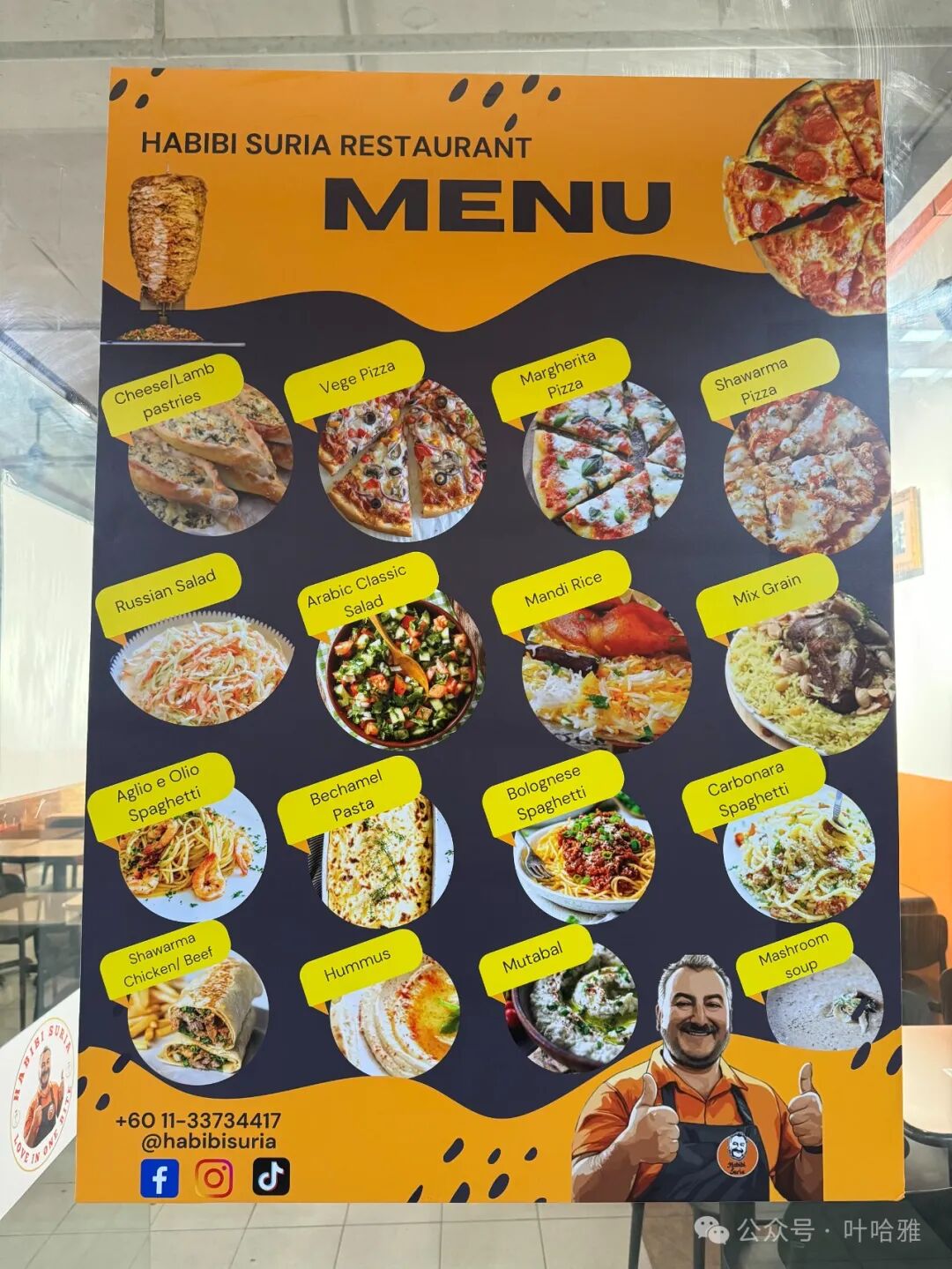
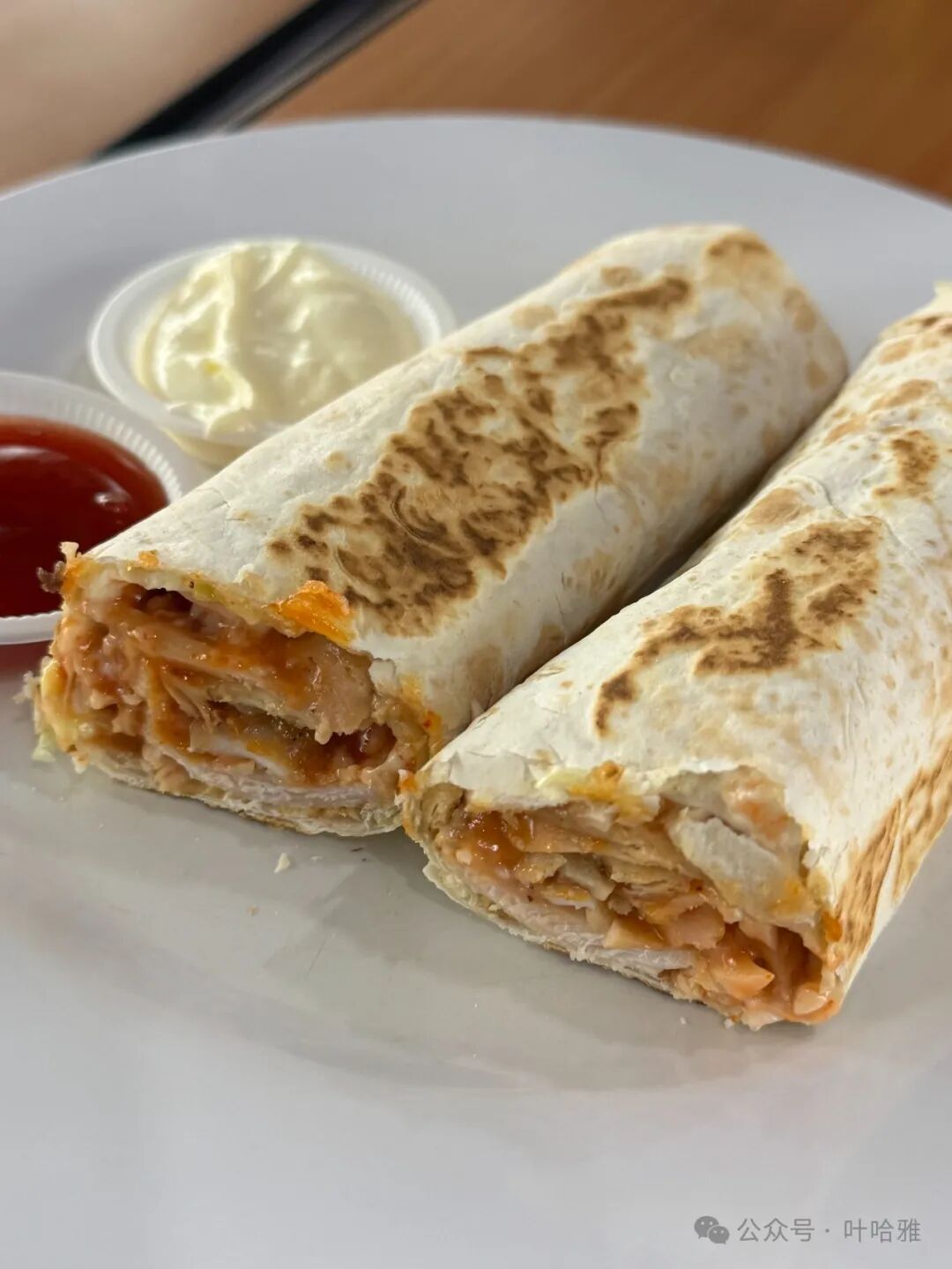
Their pizza is definitely much better than their shawarma. It is always freshly baked and very cheap.
3. SELERA AMPANG Indian Stall
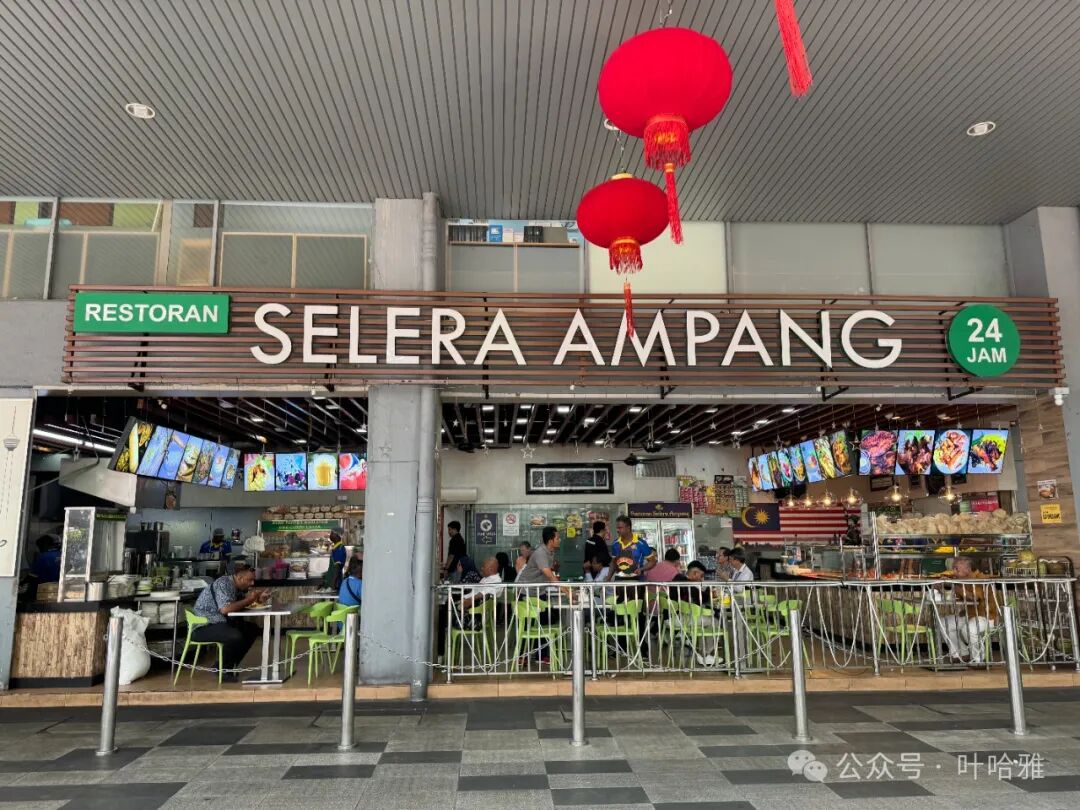
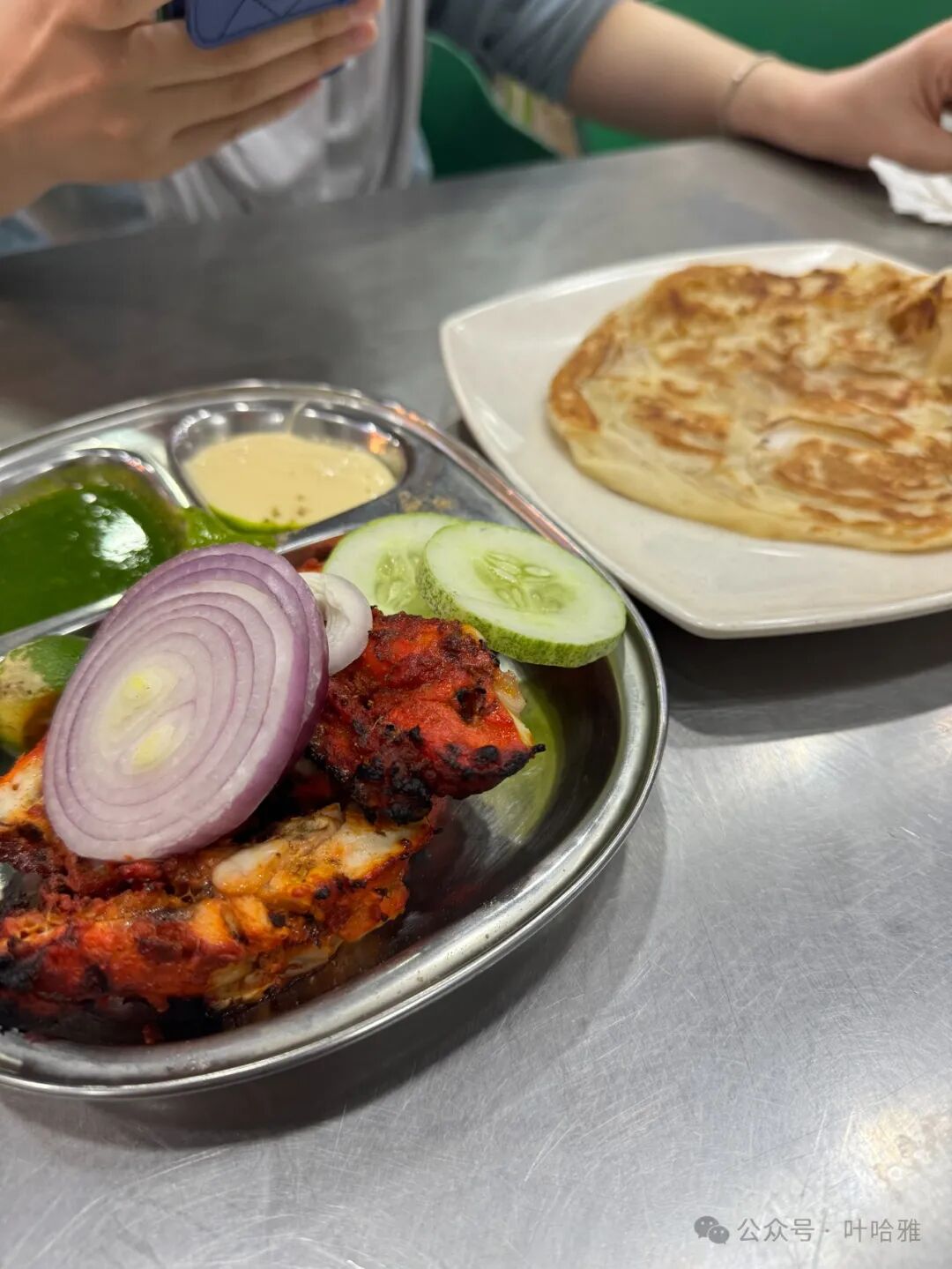
This shop is on the ground floor at the front of the Wisma Central building, while the ramen shop is on the side. This is an Indian fast-food spot. We all like their flatbread wraps (roti). A wrap with a side of grilled chicken makes a great lunch for many office workers, and with a drink, it costs around 20 ringgit.
4. Islamic Arts Museum MOZA Restaurant
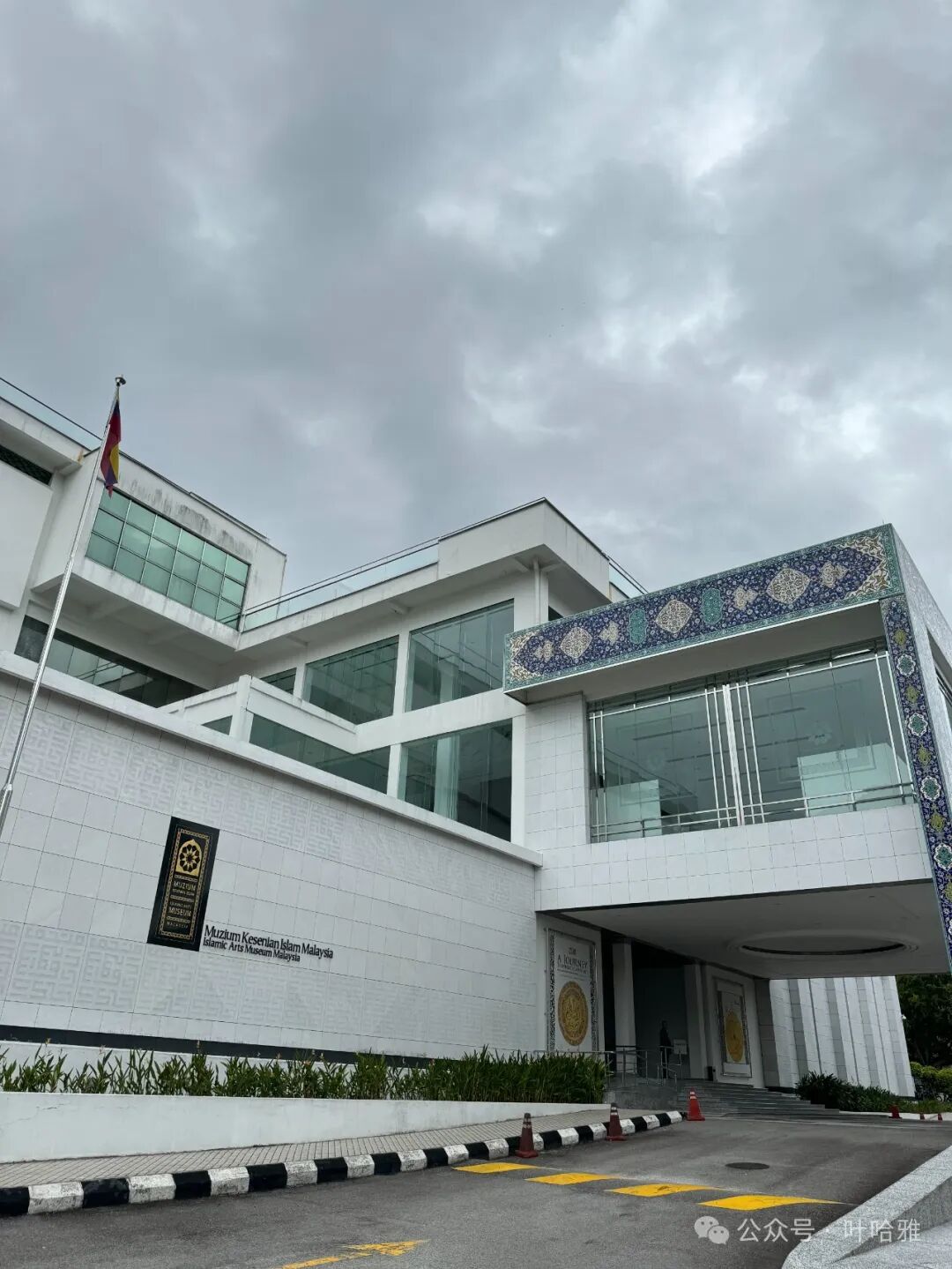
There is an Islamic Arts Museum next to the National Mosque in Kuala Lumpur. This is my second time visiting. My friend from Beijing had an event there, so we met up. After touring the museum, he recommended the MOZA restaurant inside.
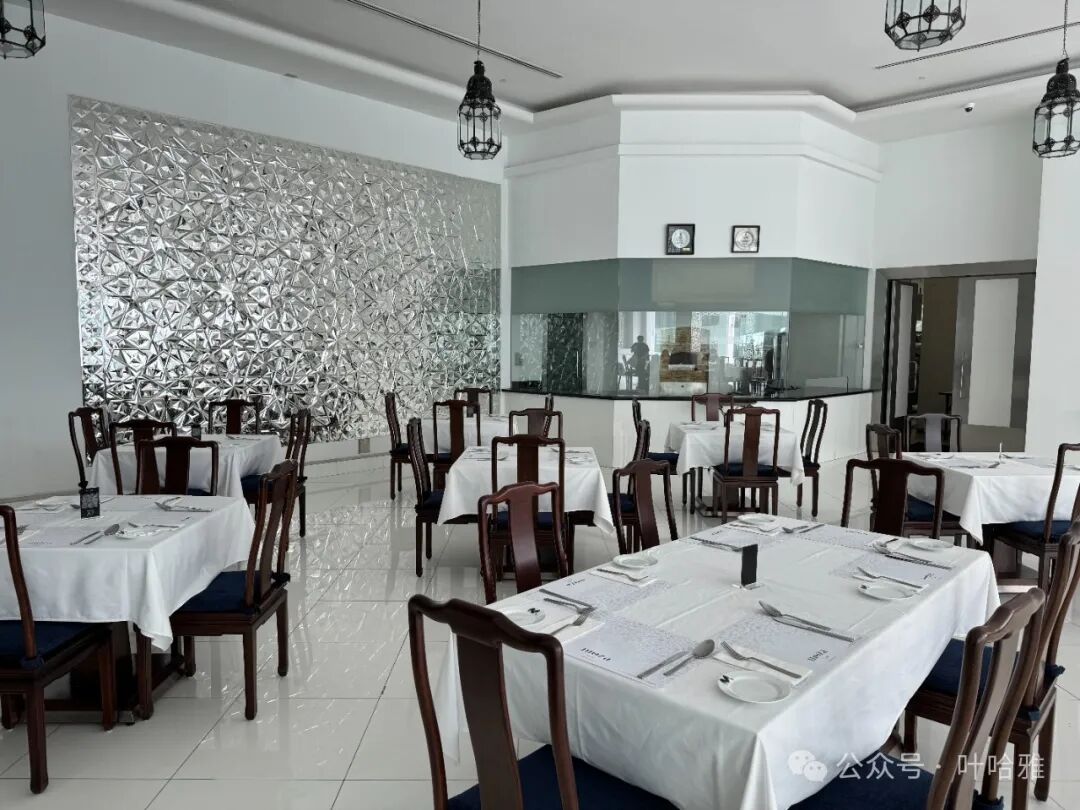
The design of MOZA restaurant incorporates many Islamic historical elements. It is full of style and is the biggest highlight of the restaurant.
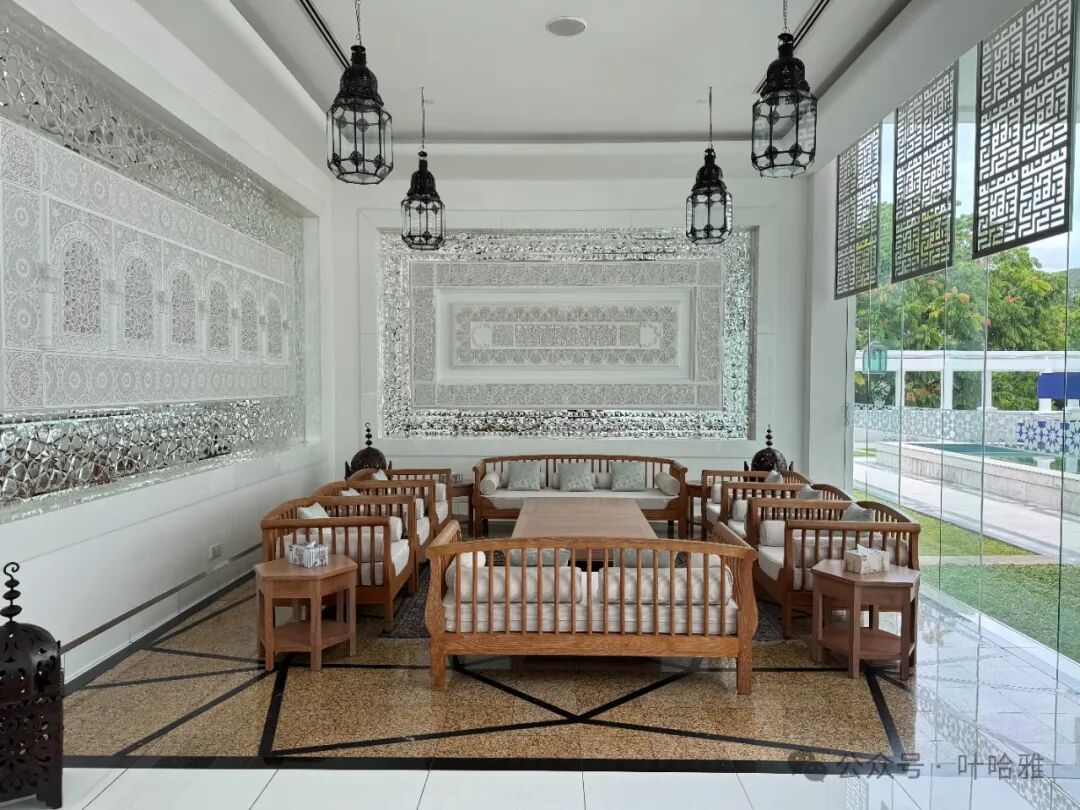
My friend told me that this museum is actually private and houses many precious Islamic artifacts.
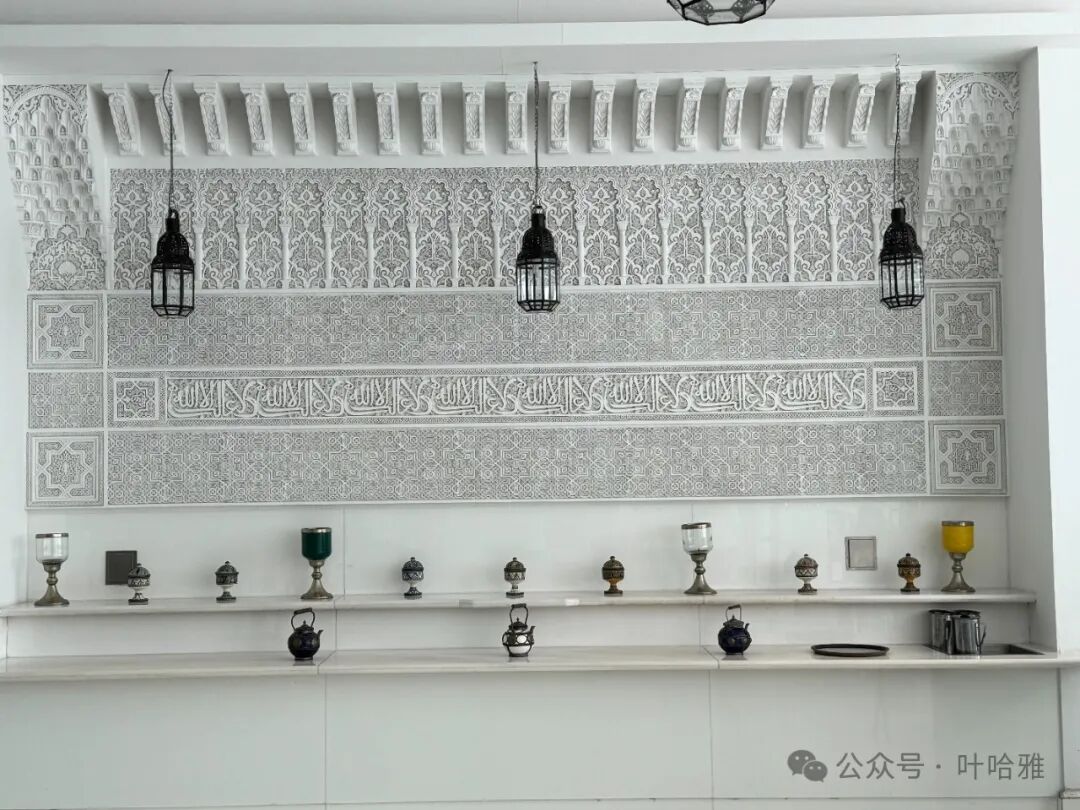
The restaurant serves mostly Southeast Asian fusion food along with some Arab-style dishes. The prices are quite affordable, with an average cost of no more than 50 Malaysian ringgit, which is less than 80 Chinese yuan. If you visit the Islamic Arts Museum, remember to eat at the restaurant. The museum entrance fee is only 20 ringgit.
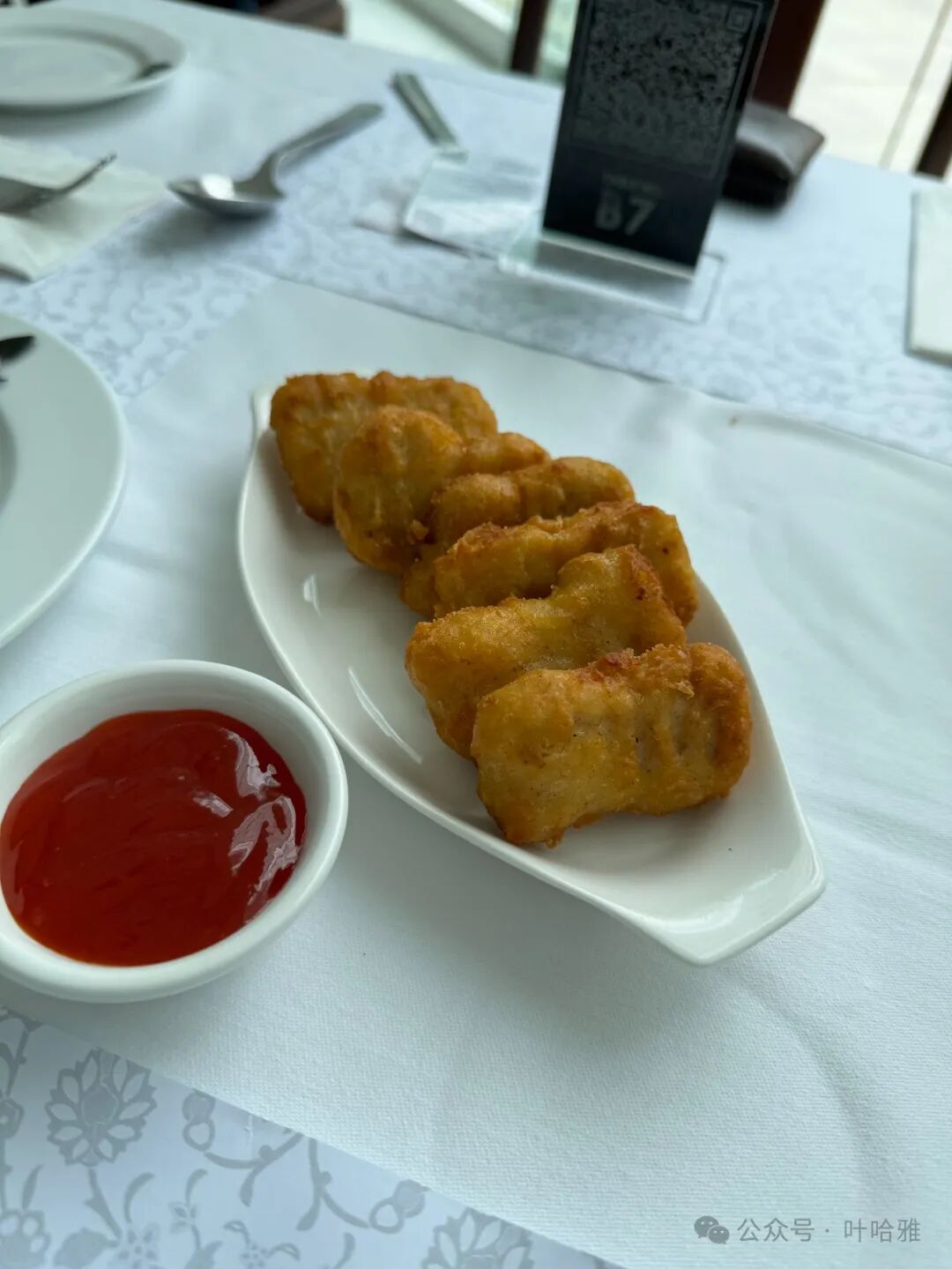
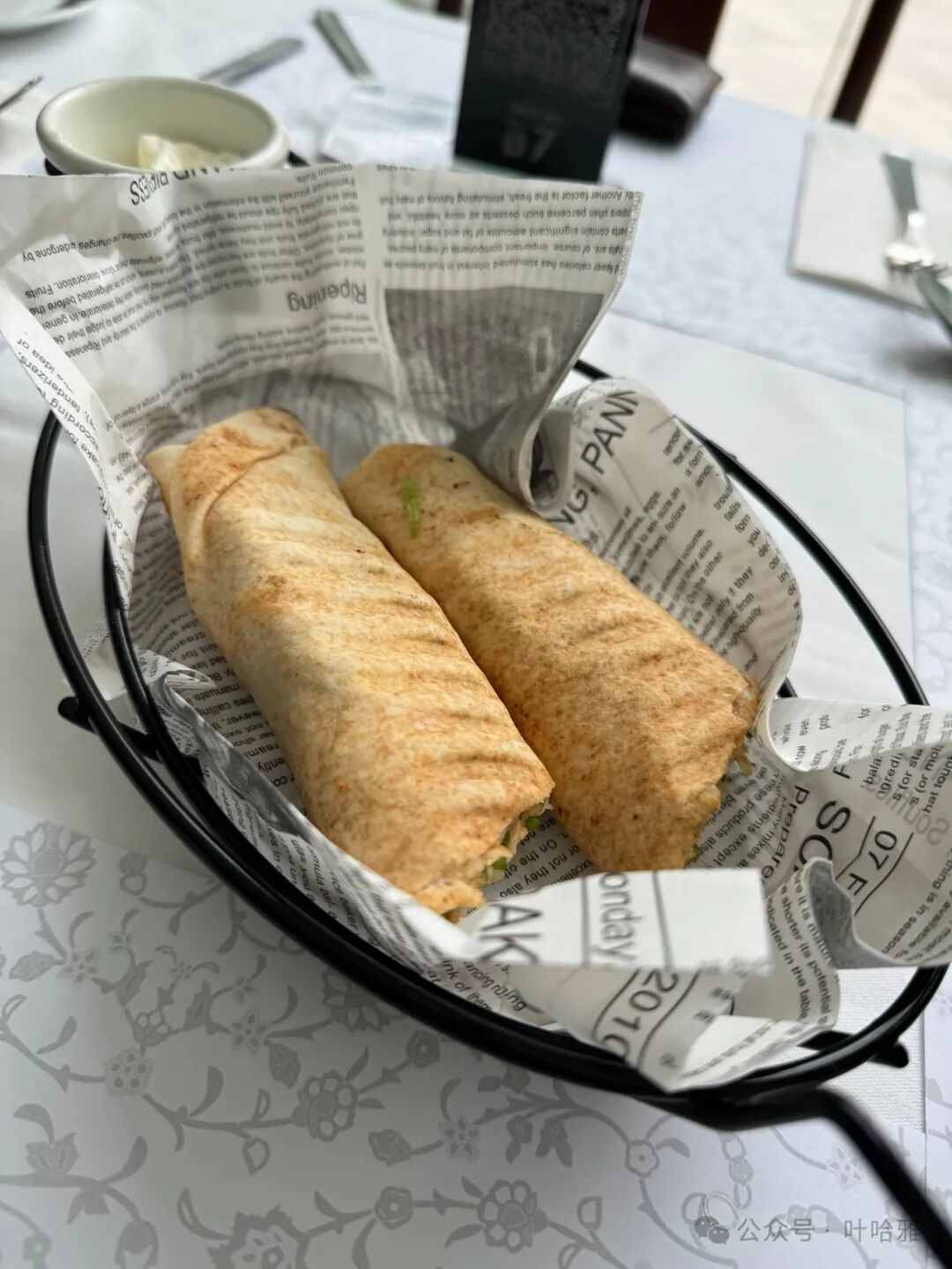
5. KENNY HILLS BISTRO Four Seasons Hotel breakfast and afternoon tea
My wife and sister-in-law brought me to this local trendy restaurant on the ground floor of the Four Seasons Hotel. It has a Western style and is famous for its afternoon tea desserts. This shop is near our home in Kuala Lumpur, just a 5-minute walk from KLCC, and they have other chain locations too.
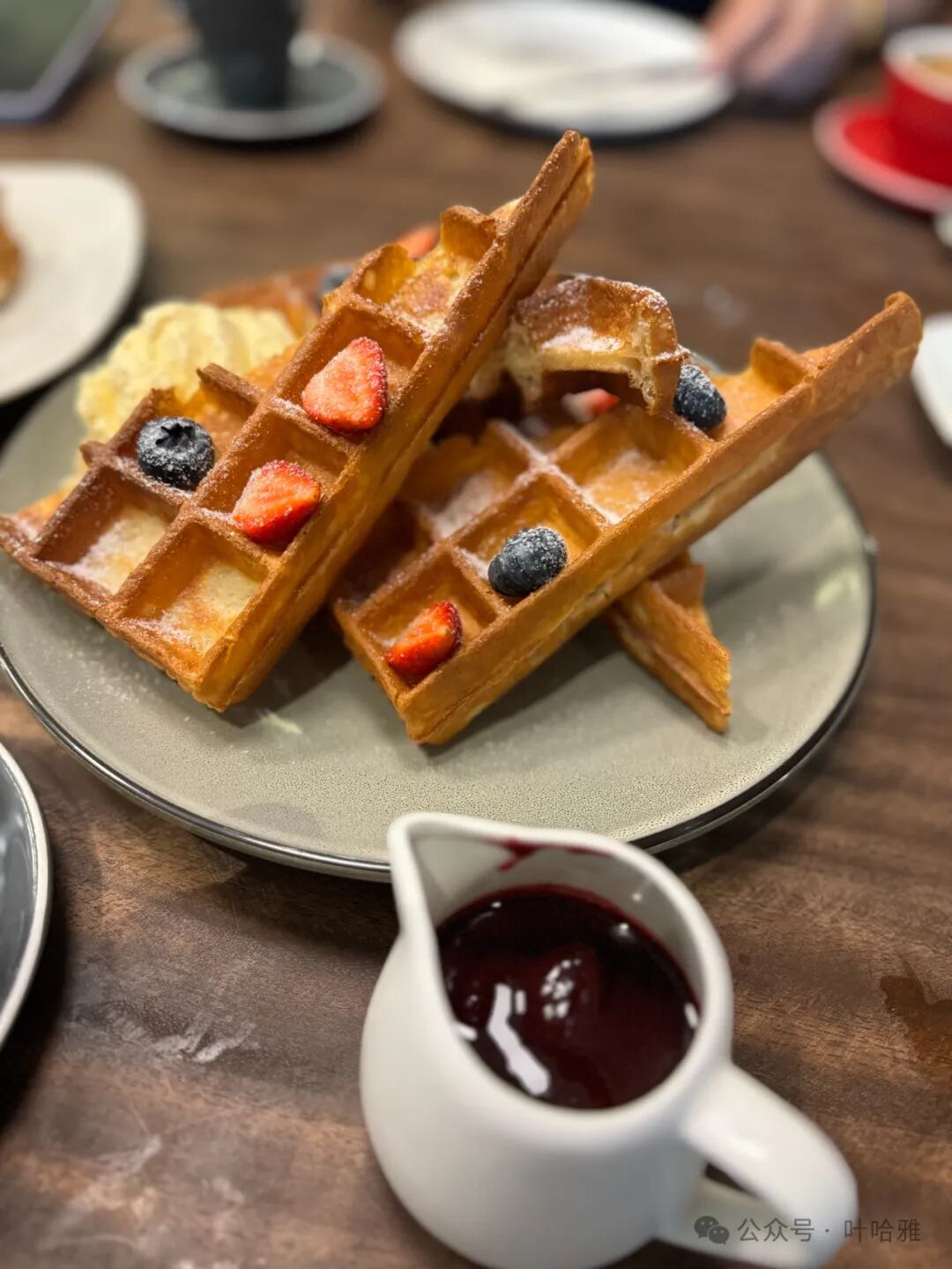
You can see many beautiful Malay ladies taking photos here. The desserts and coffee taste good, and they serve breakfast starting at 8:00 AM.
6. RasaNya Nyonya restaurant
This Nyonya restaurant is on the 8th floor of the Pavilion shopping center. Nyonya people are the descendants of mixed Malay and Chinese heritage, and they have a unique food culture. If you travel to Malaysia, you must try halal Nyonya food, as most Nyonya dishes are not halal. I once ate at one in Malacca, but this Kuala Lumpur location is more upscale and worth a try.
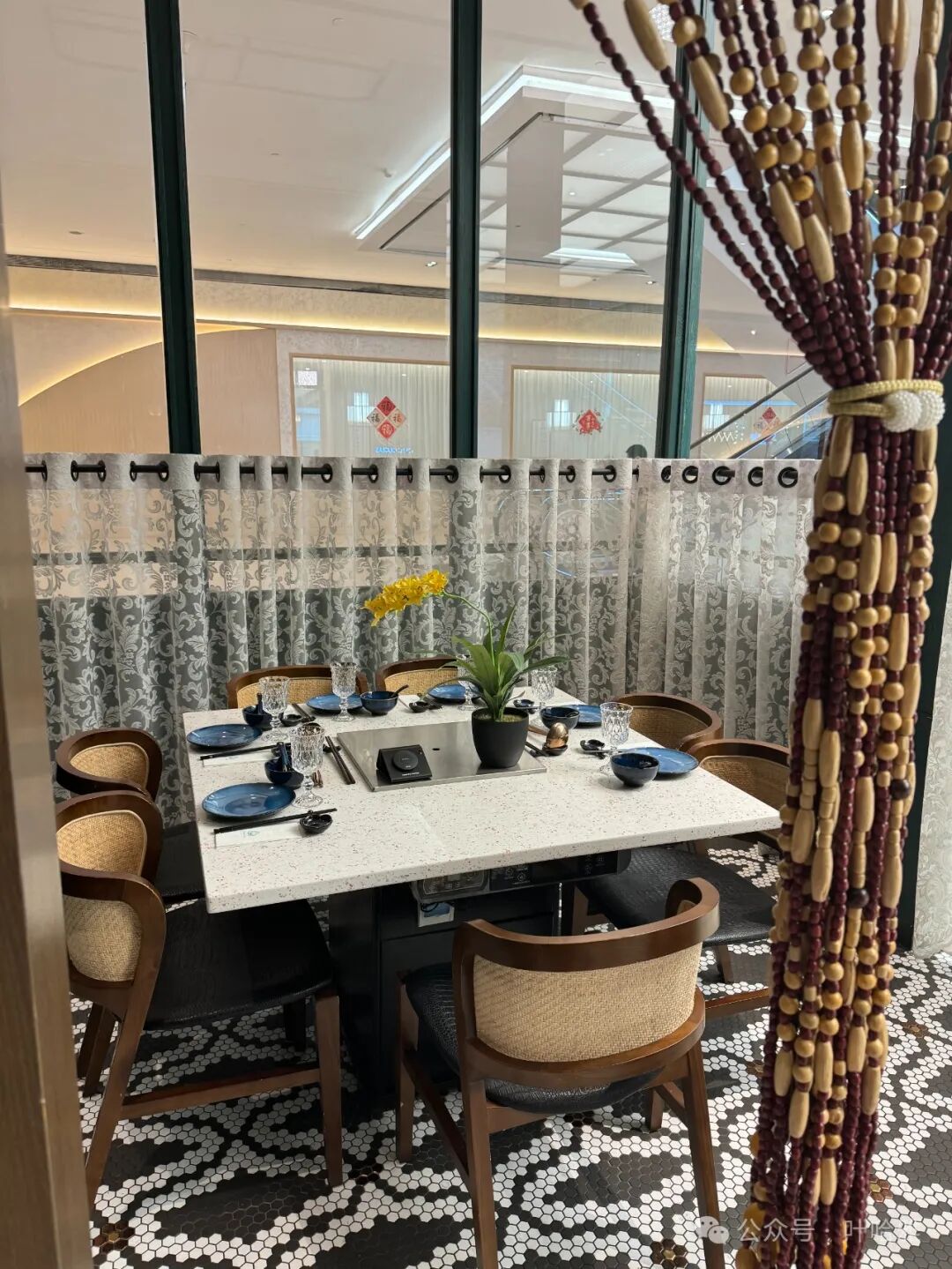
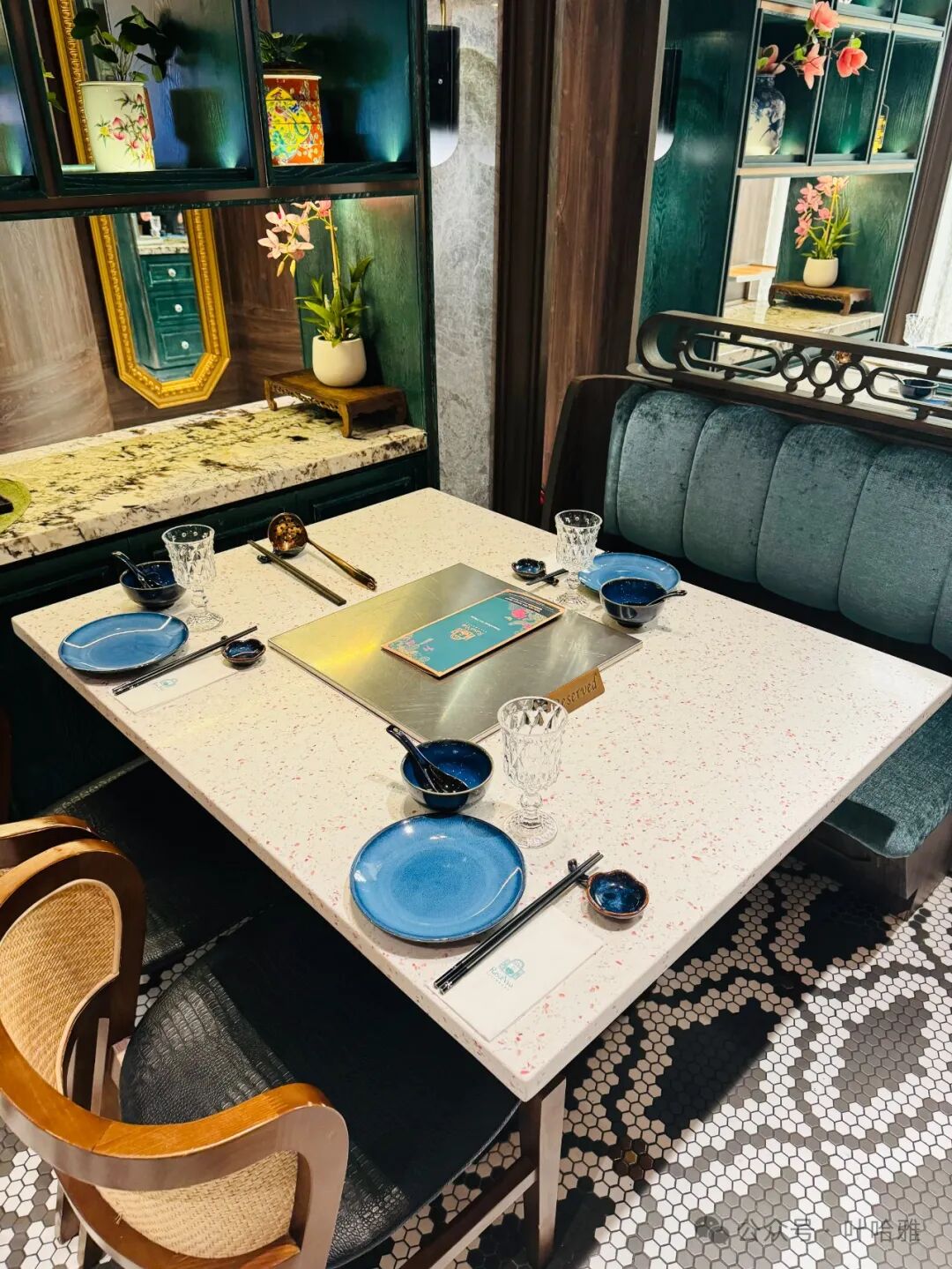
The restaurant's decor caught my eye; it has the elegant vibe of a Nanyang noblewoman.
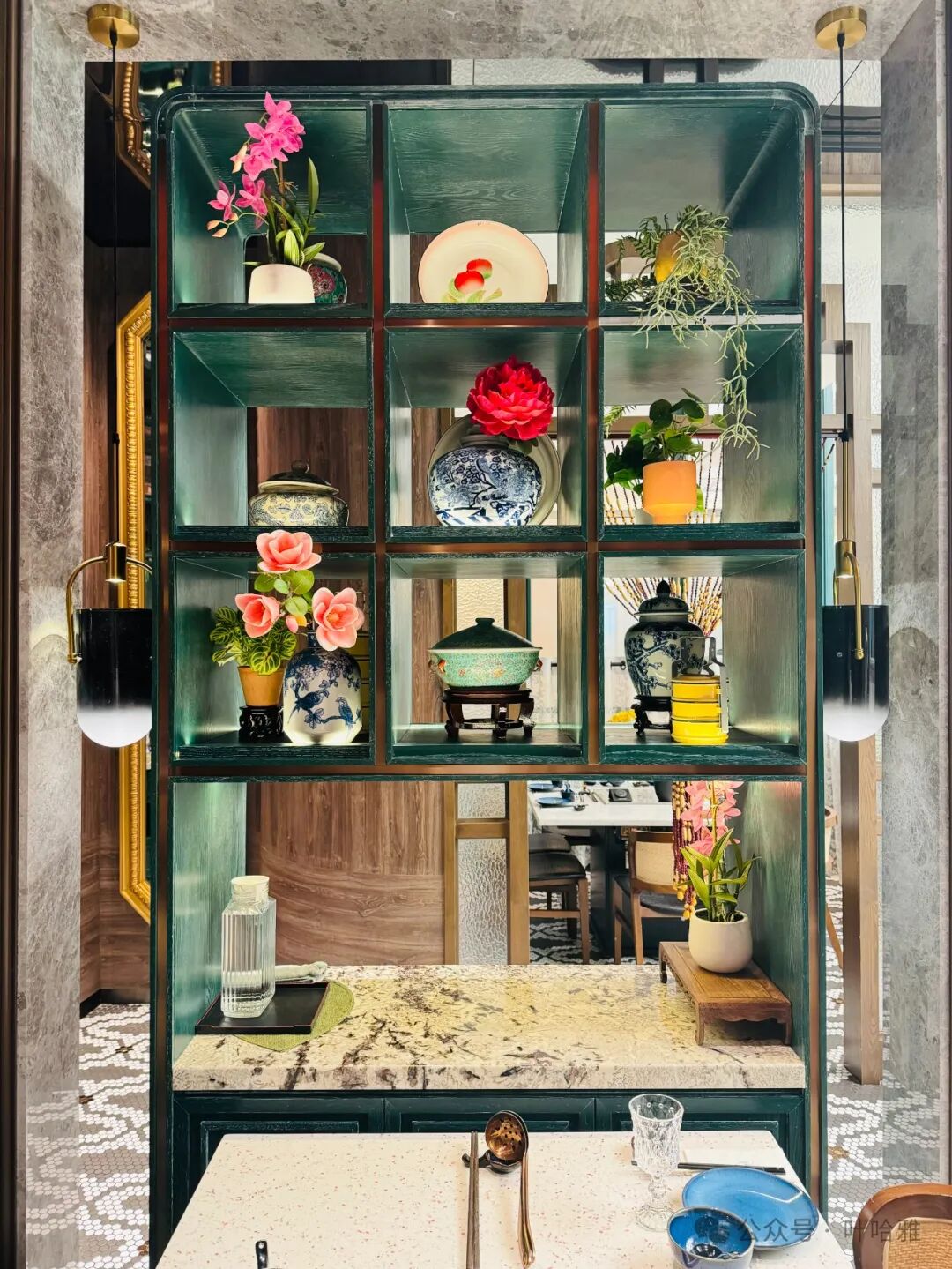
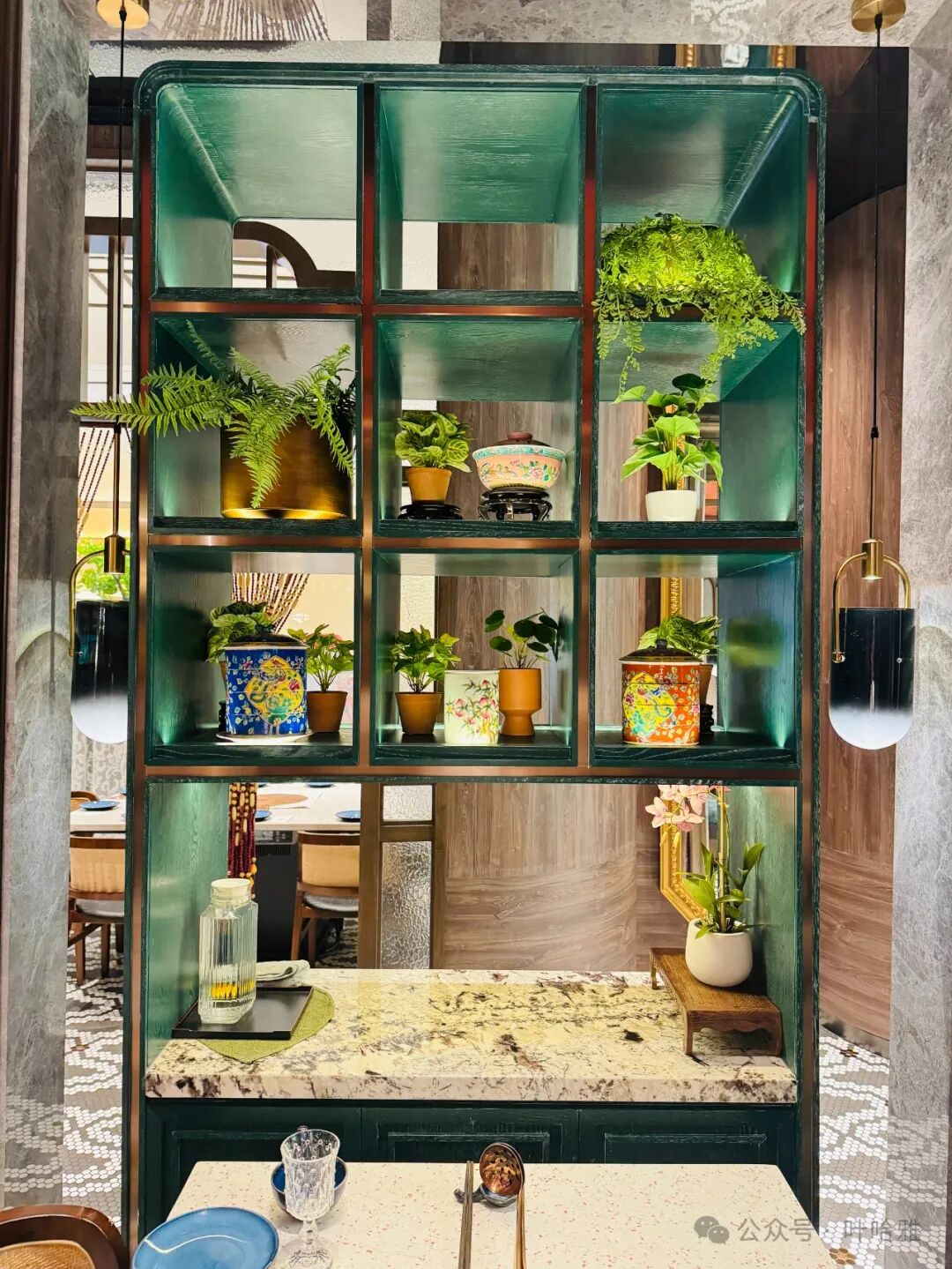
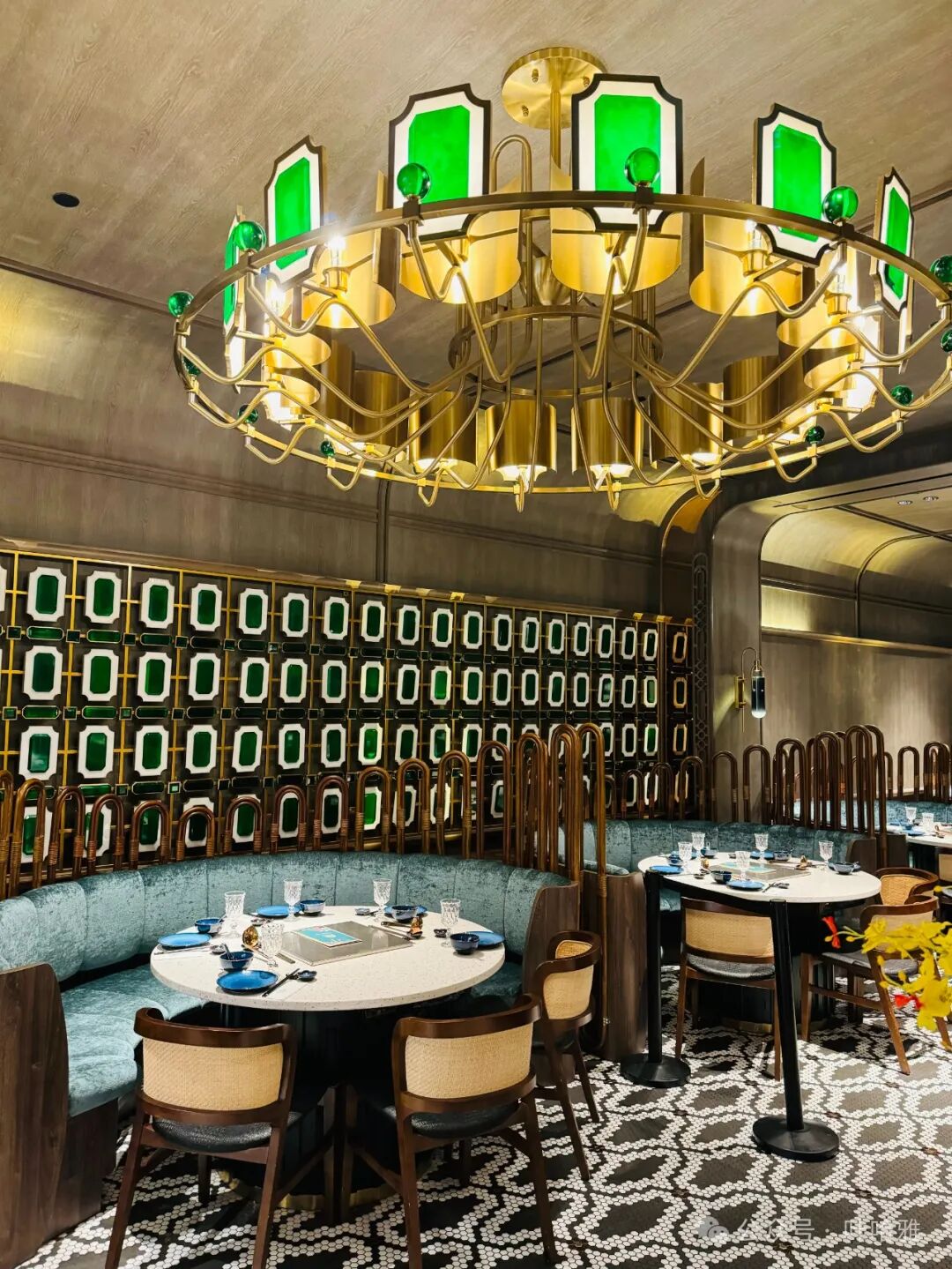
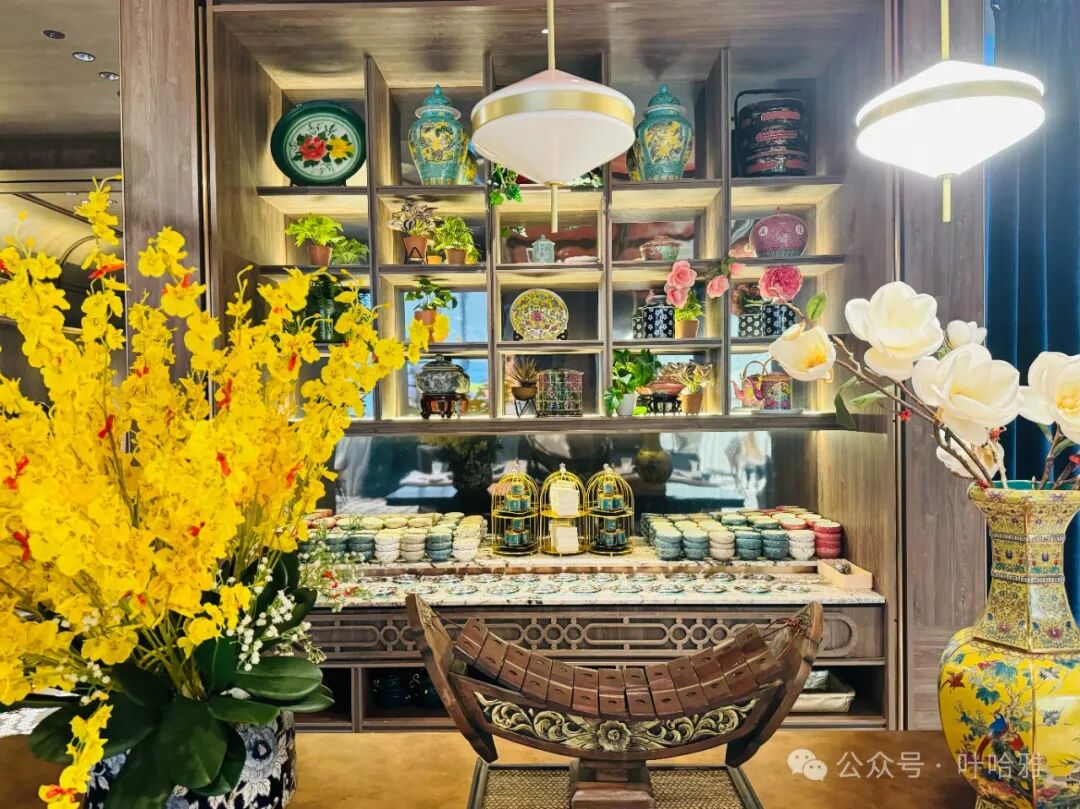
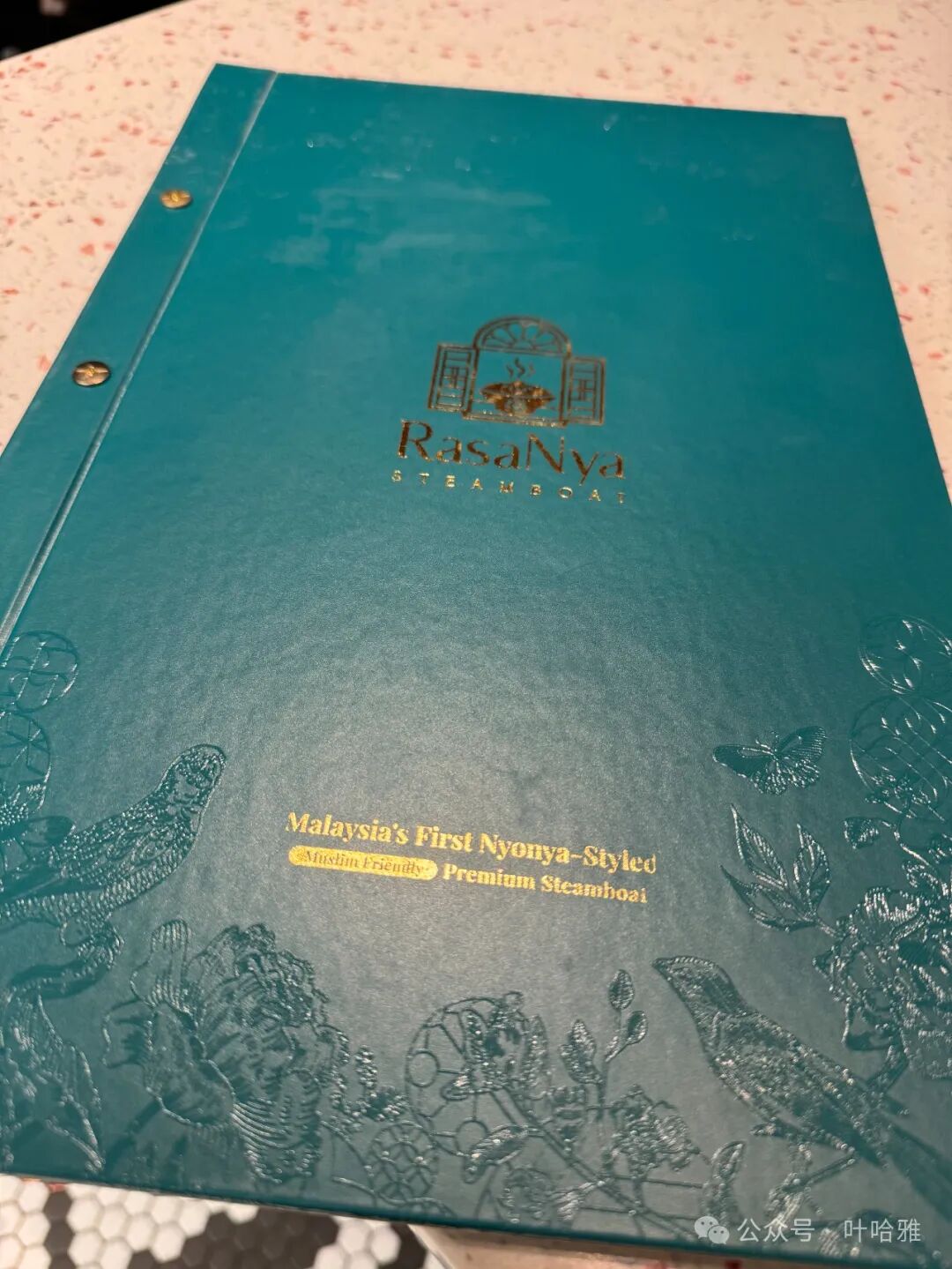
The menu says Muslim Friendly, which means it is a pork-free restaurant. Some restaurants write Pork Free, which also means no pork. In Malaysia, as long as a restaurant has no pork, you can eat there because other meats like chicken, beef, and lamb are halal.
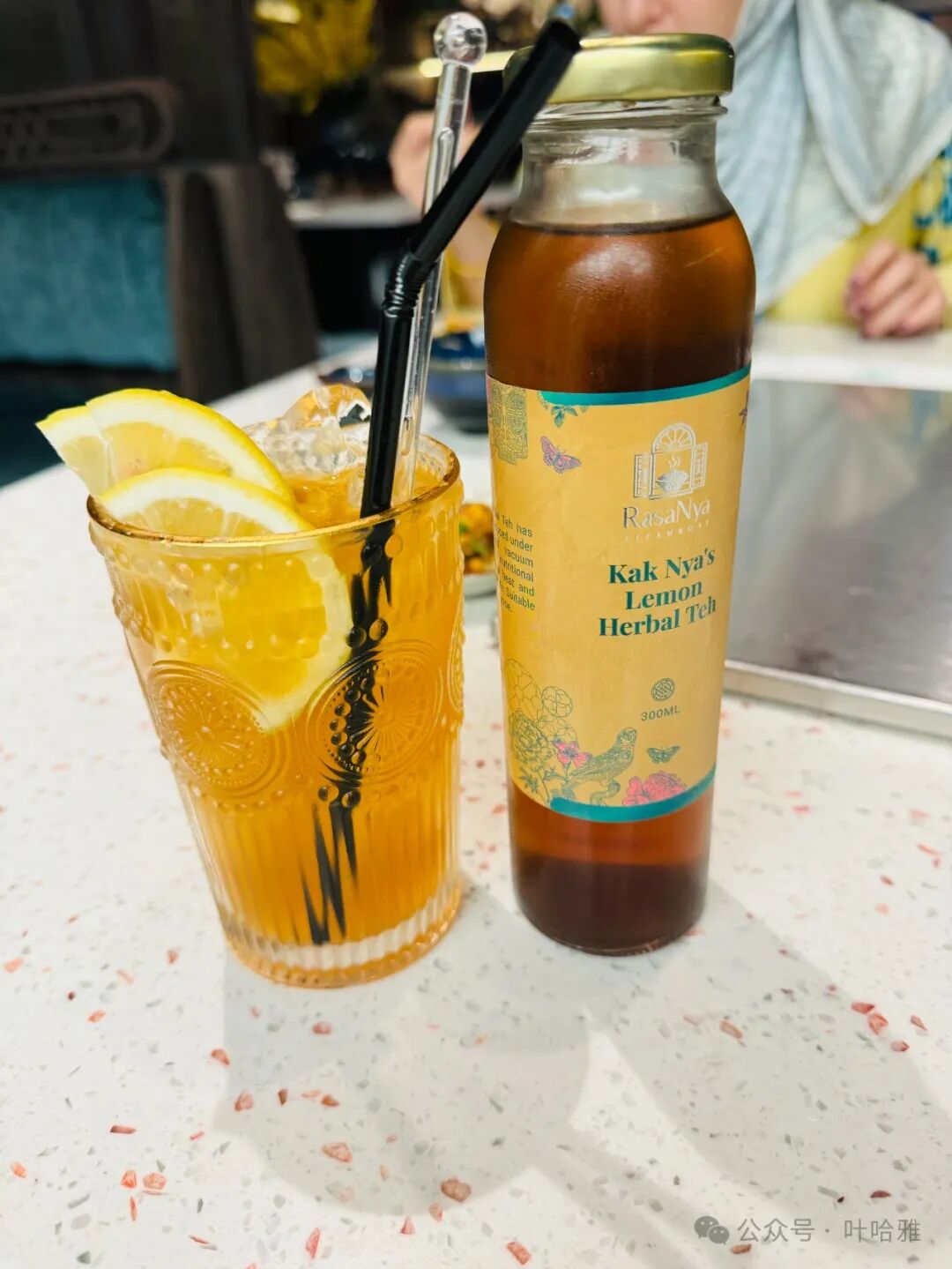
You might wonder why they don't just display a halal certification label. Applying for a Malaysian halal label involves a complicated process and high certification fees. Once certified, restaurants face regular and surprise inspections. Inspectors check that every ingredient has a halal certificate. Even additives without non-halal ingredients are not allowed if they lack certification. Businesses face penalties for non-compliance. That is why you will notice that most restaurants with official halal labels are large chains. Many small and medium-sized restaurants do not display the label and instead hang a dua in the shop. This does not stop Malay people from eating there. You can feel safe eating there if you see Malay people wearing headscarves dining in the shop.
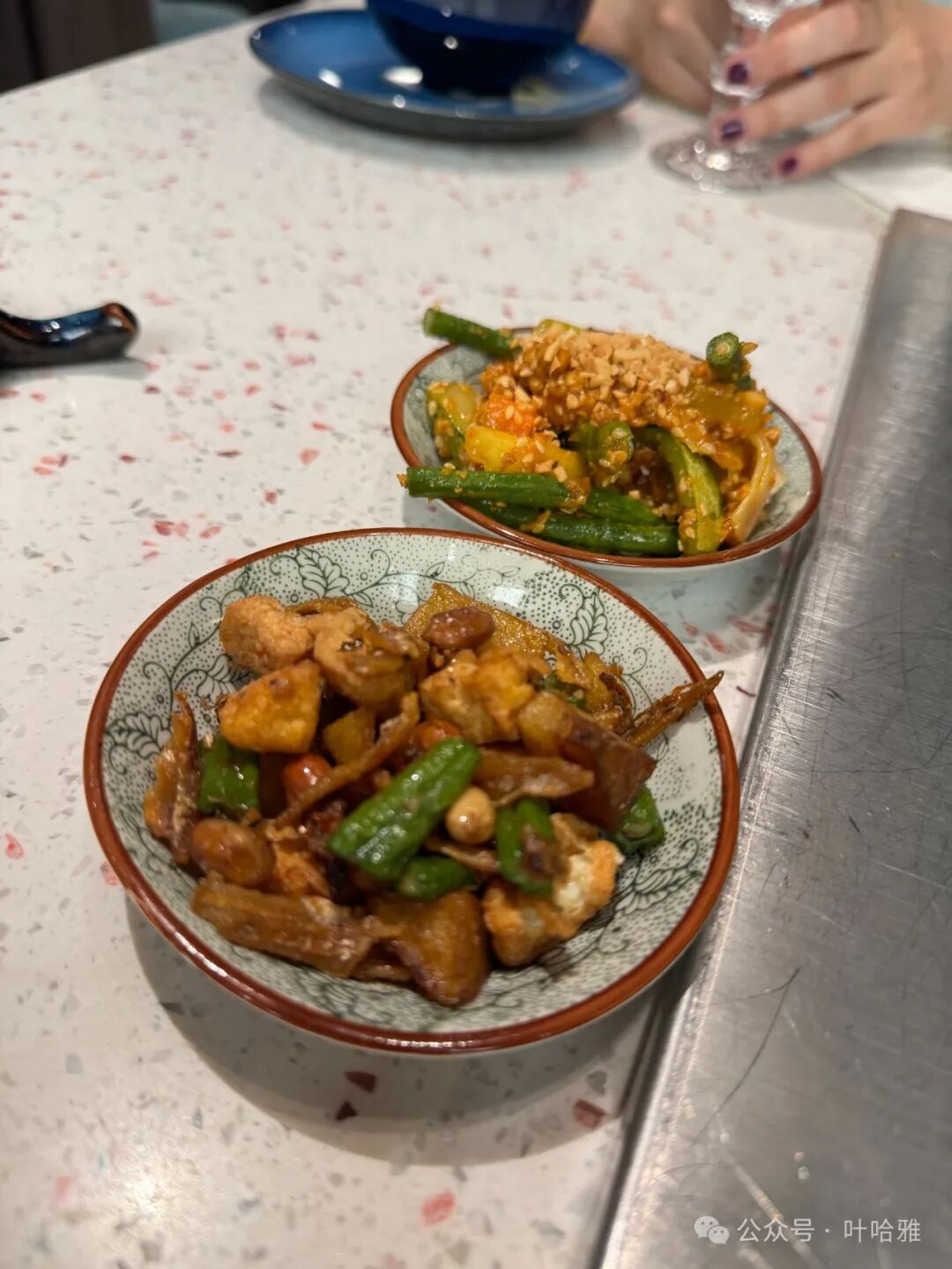
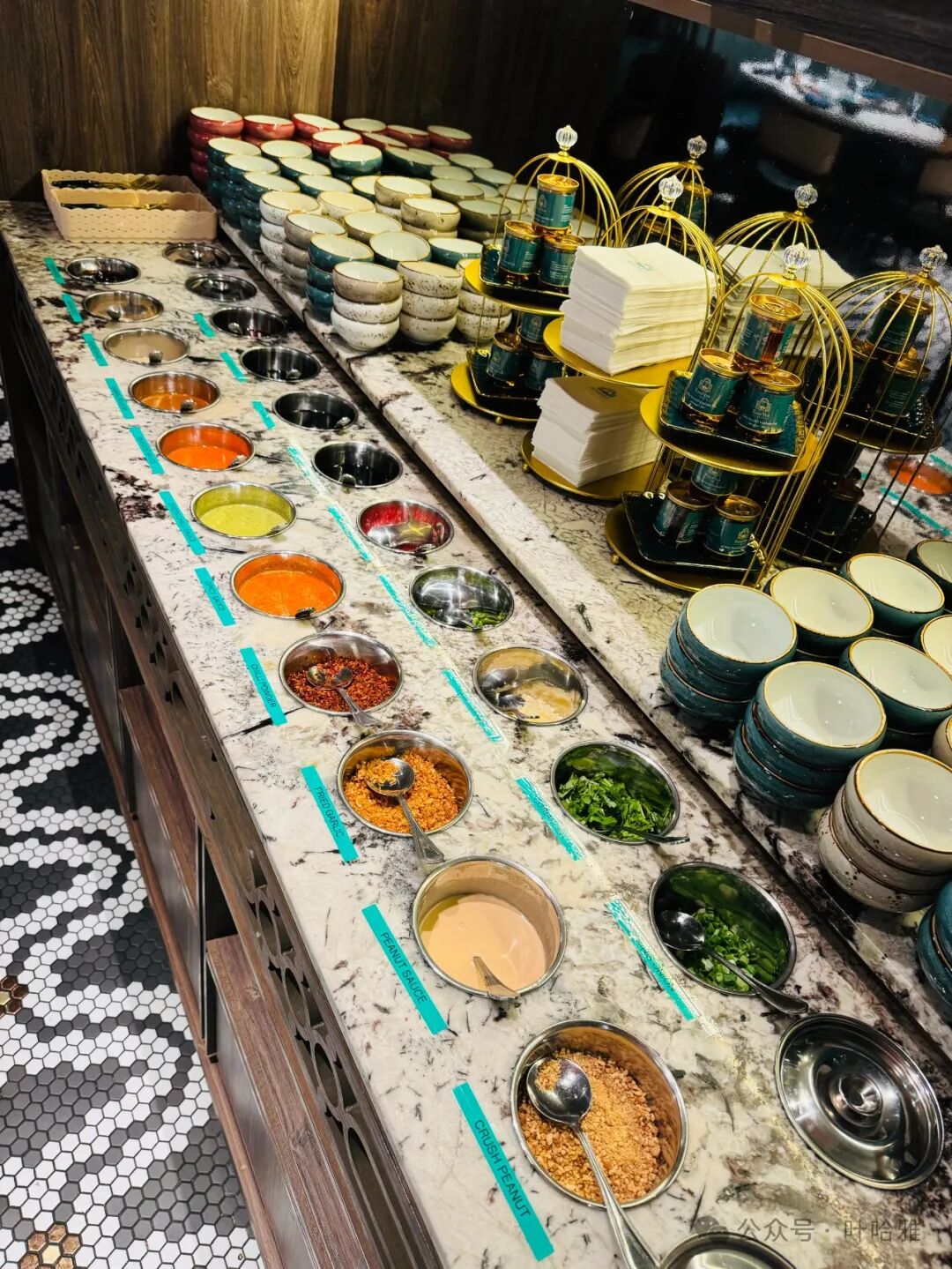
This Nyonya restaurant serves Nanyang-style hot pot with very fresh ingredients, and the dipping sauce bowls come in different colors.
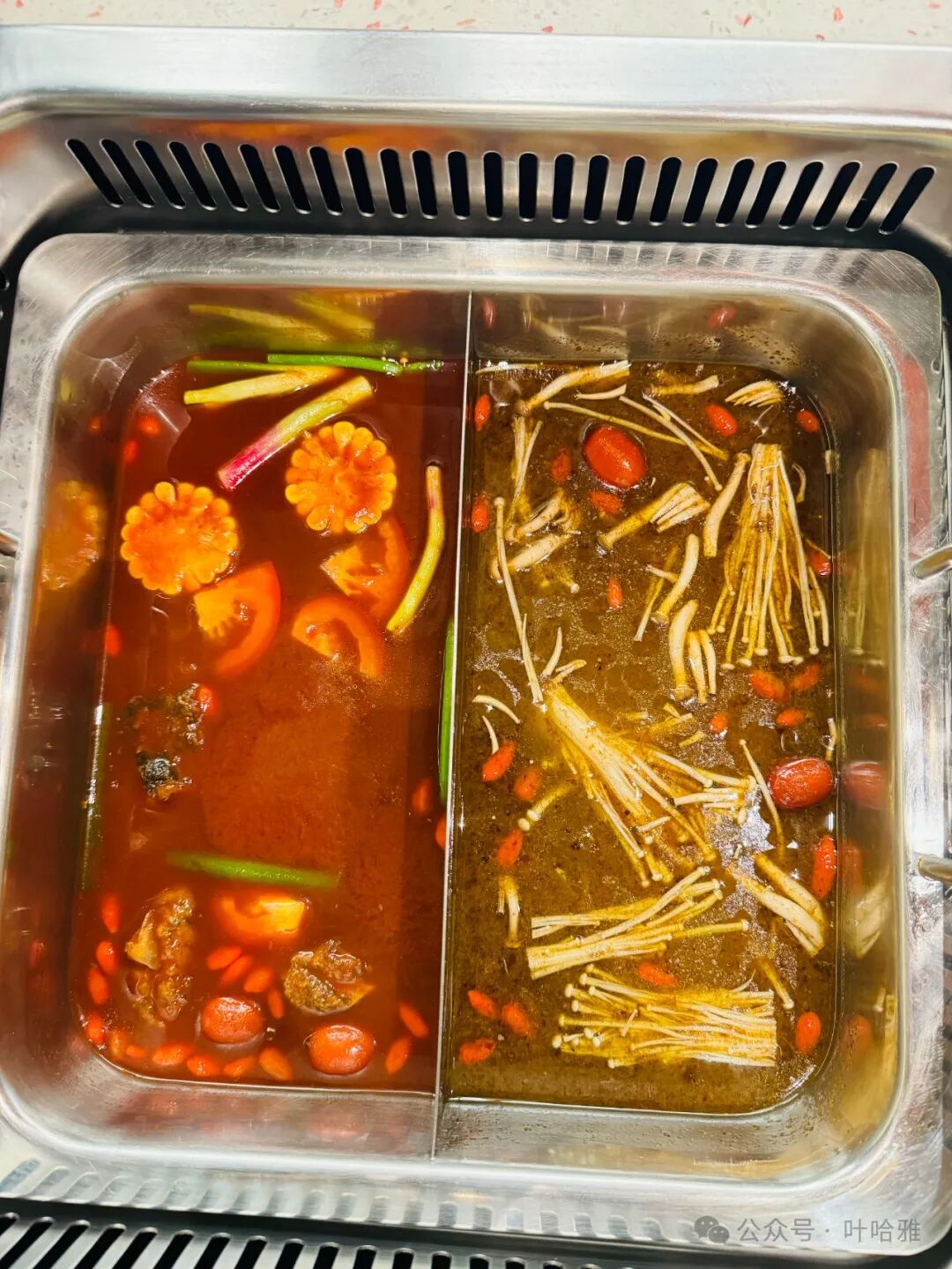
We chose a split pot with tomato broth and black truffle broth. I was surprised when we asked for a refill; the server brought two different pitchers to add broth separately instead of just adding water. It was very thoughtful.
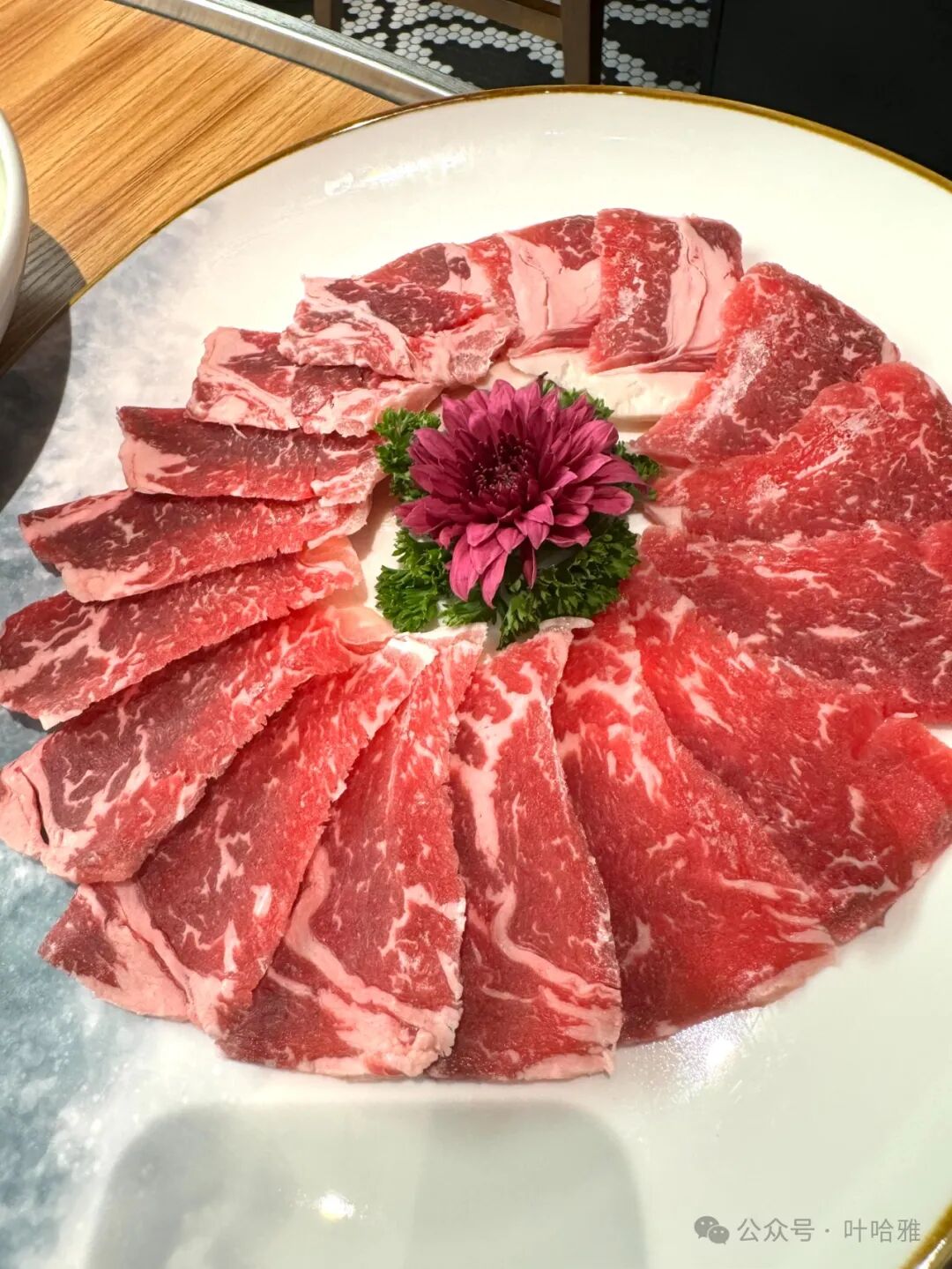
Wagyu beef is expensive in Malaysia, and this was the most expensive meal I had in Kuala Lumpur, costing about 250 yuan per person.
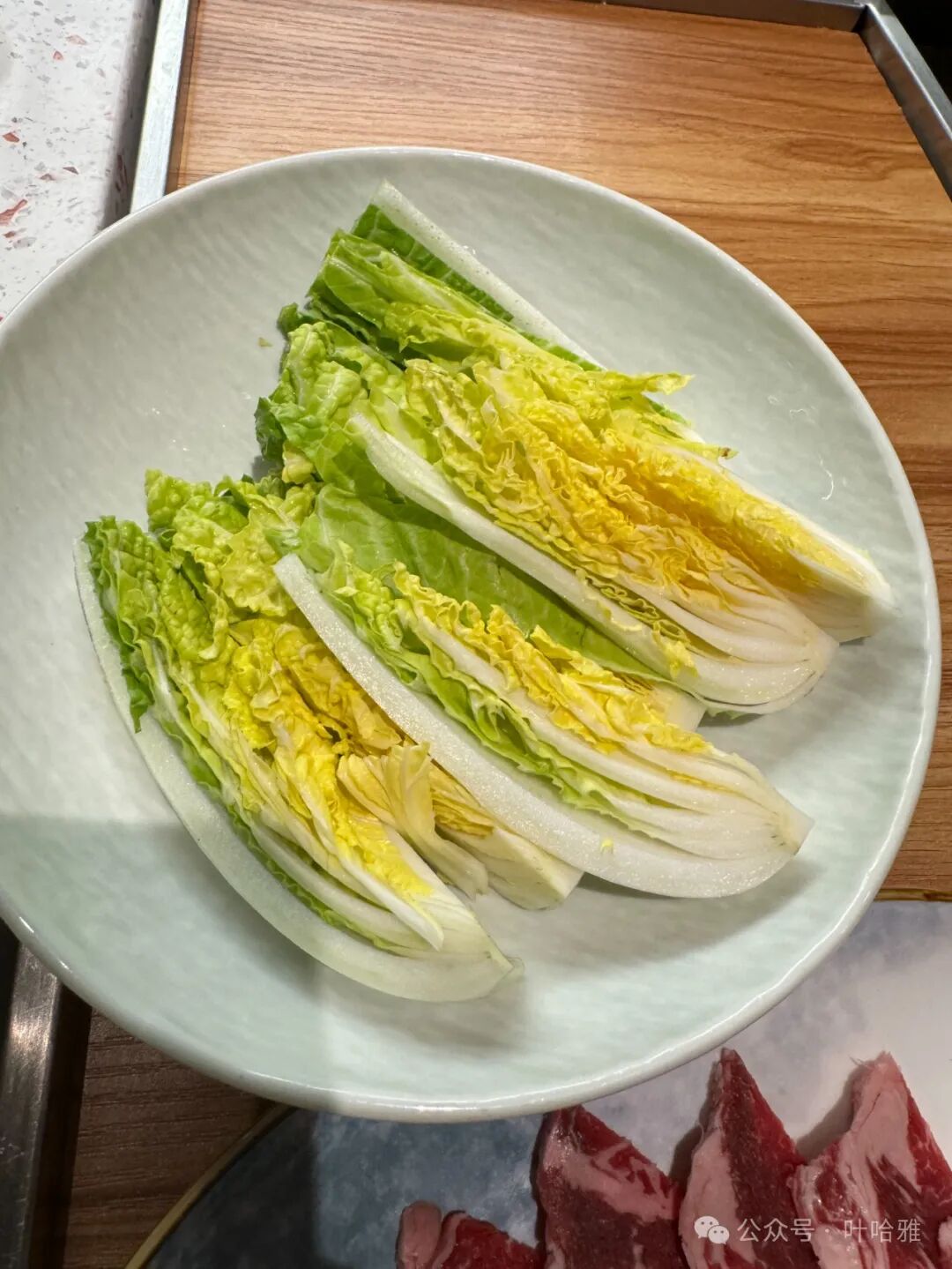
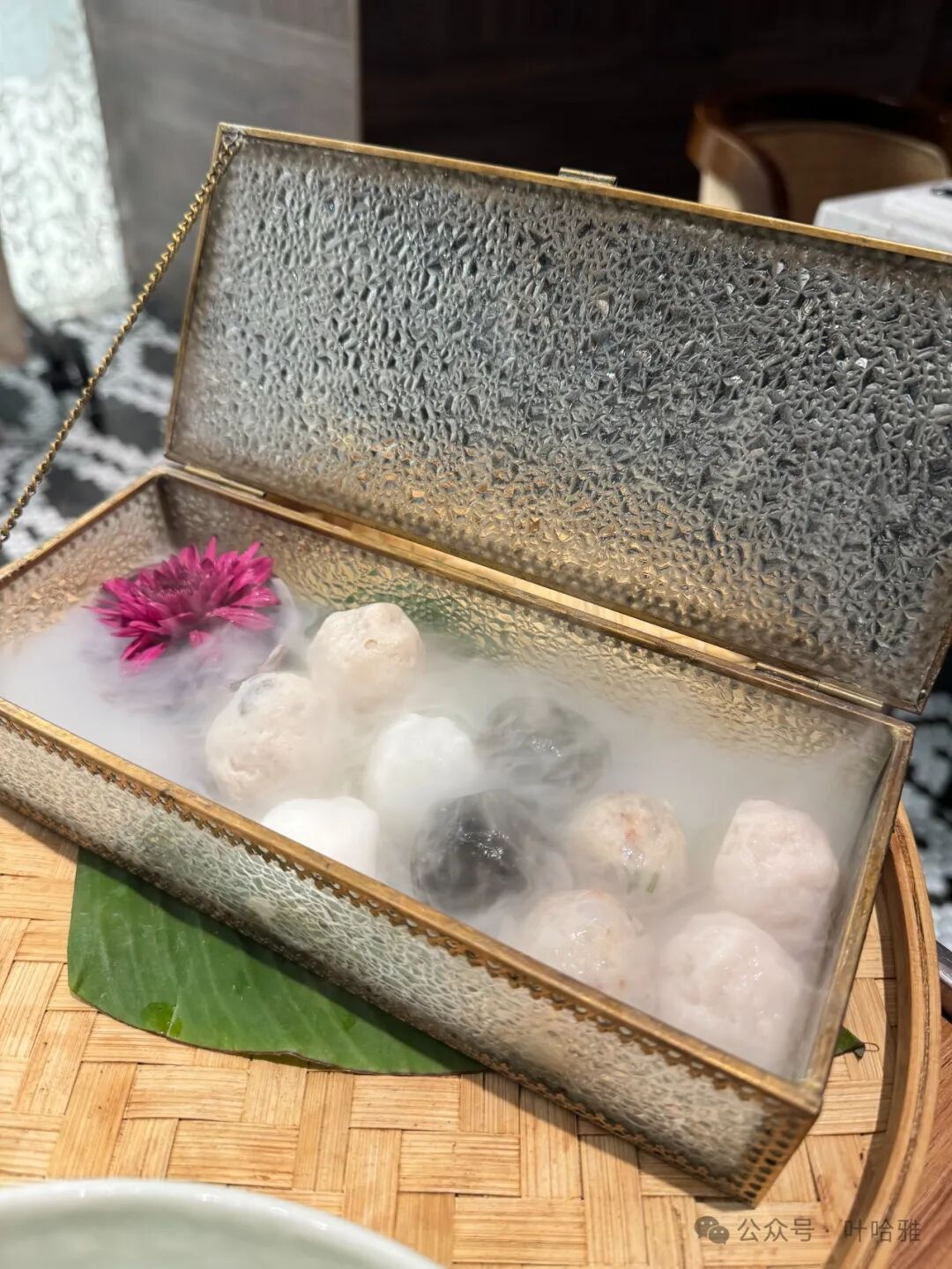
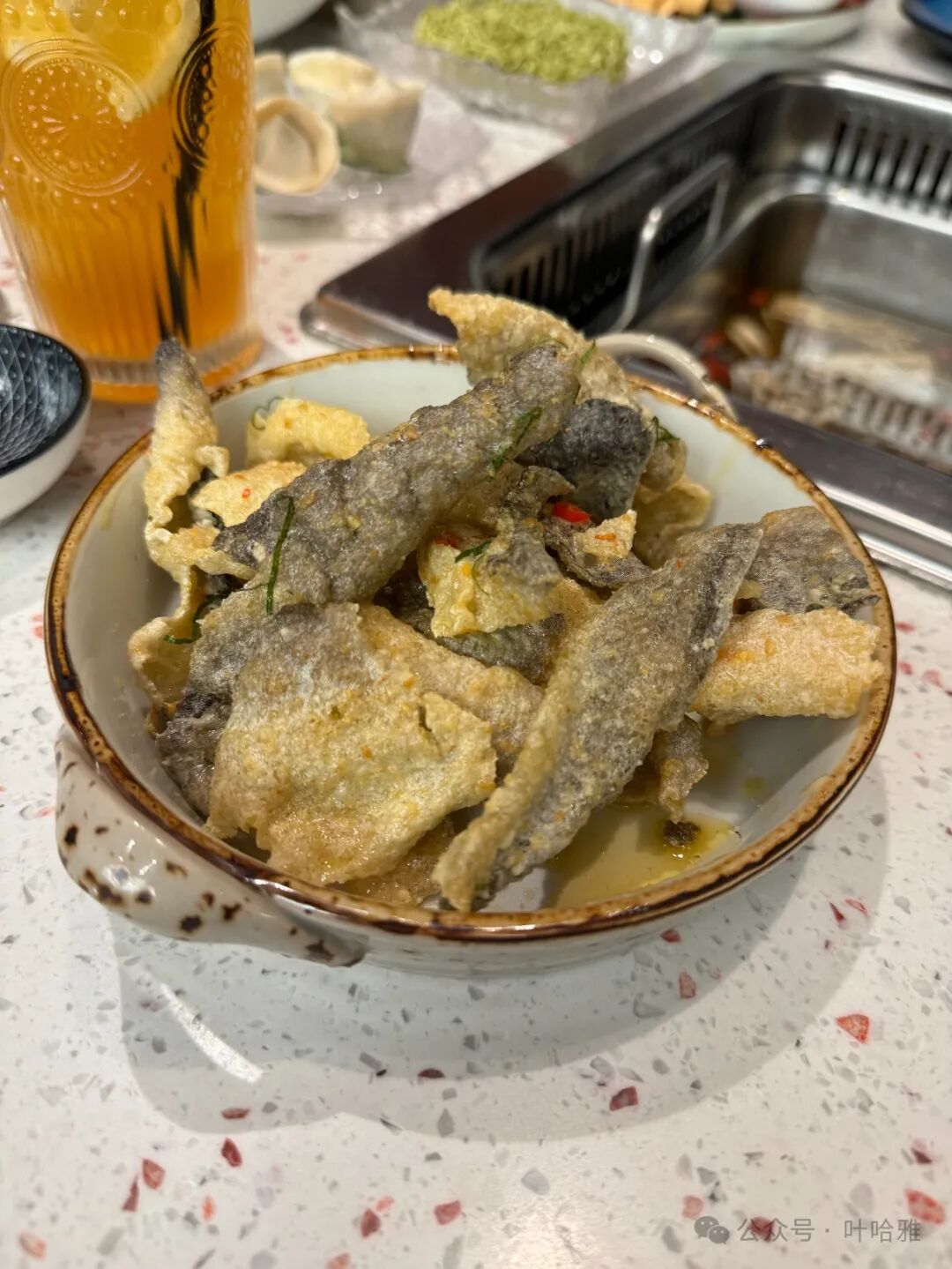
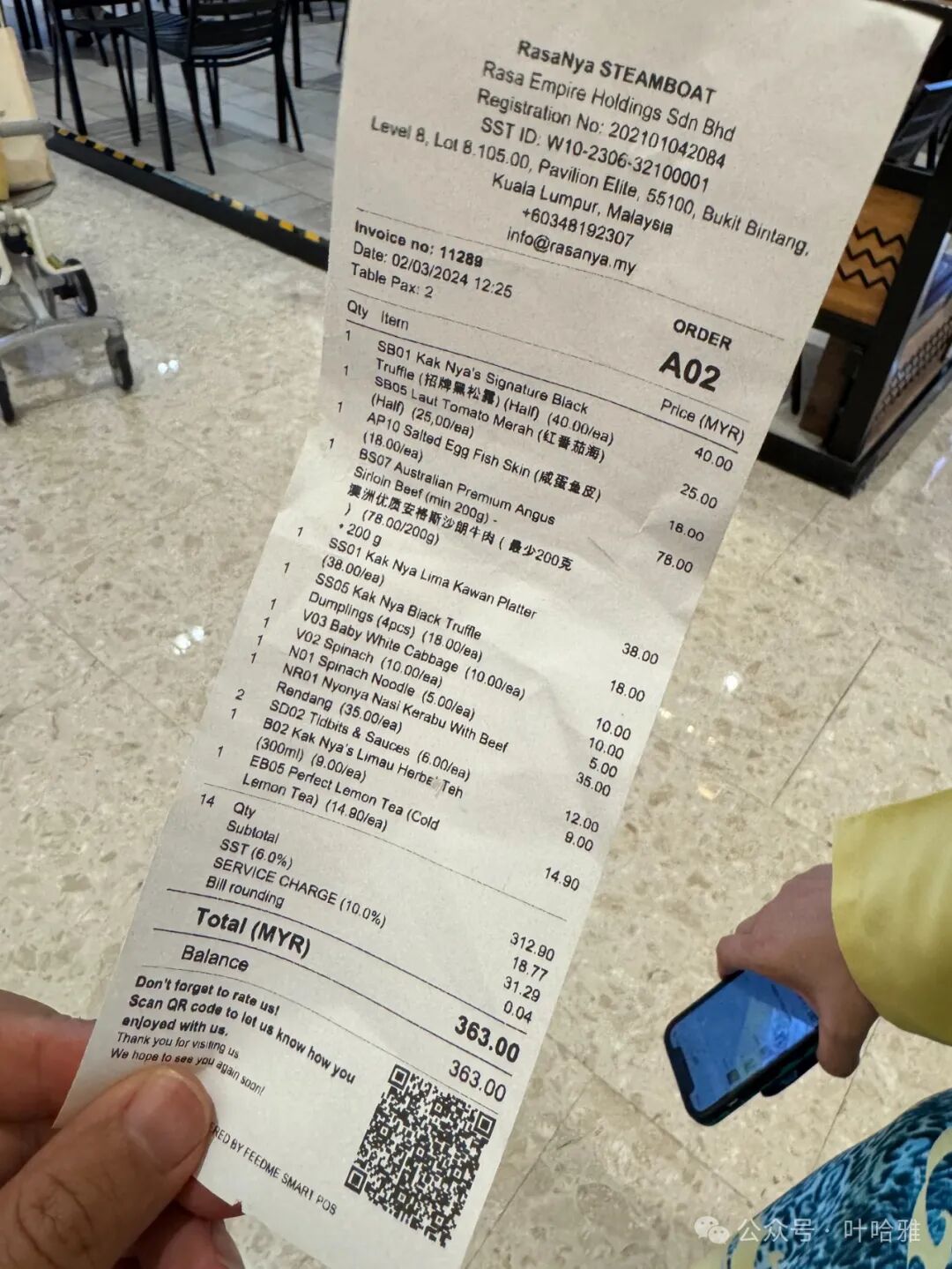
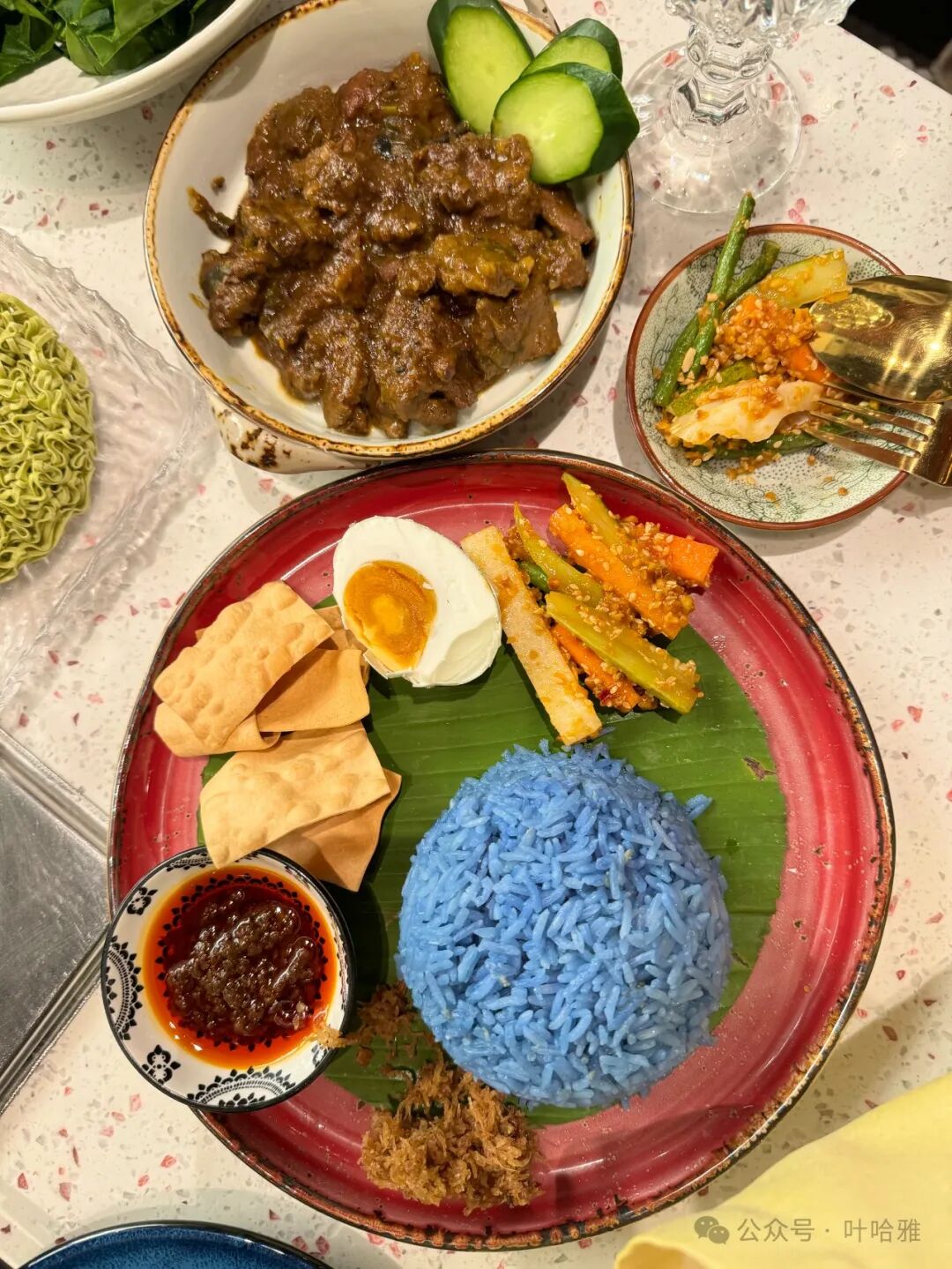
The restaurant adds a 10% service charge. If you skip the hot pot and just order Nyonya cuisine (niangre cai), you won't actually spend that much. The rice and seasonings in the Nyonya cuisine are quite delicious.
7. Tapak Urban Street Dining night market
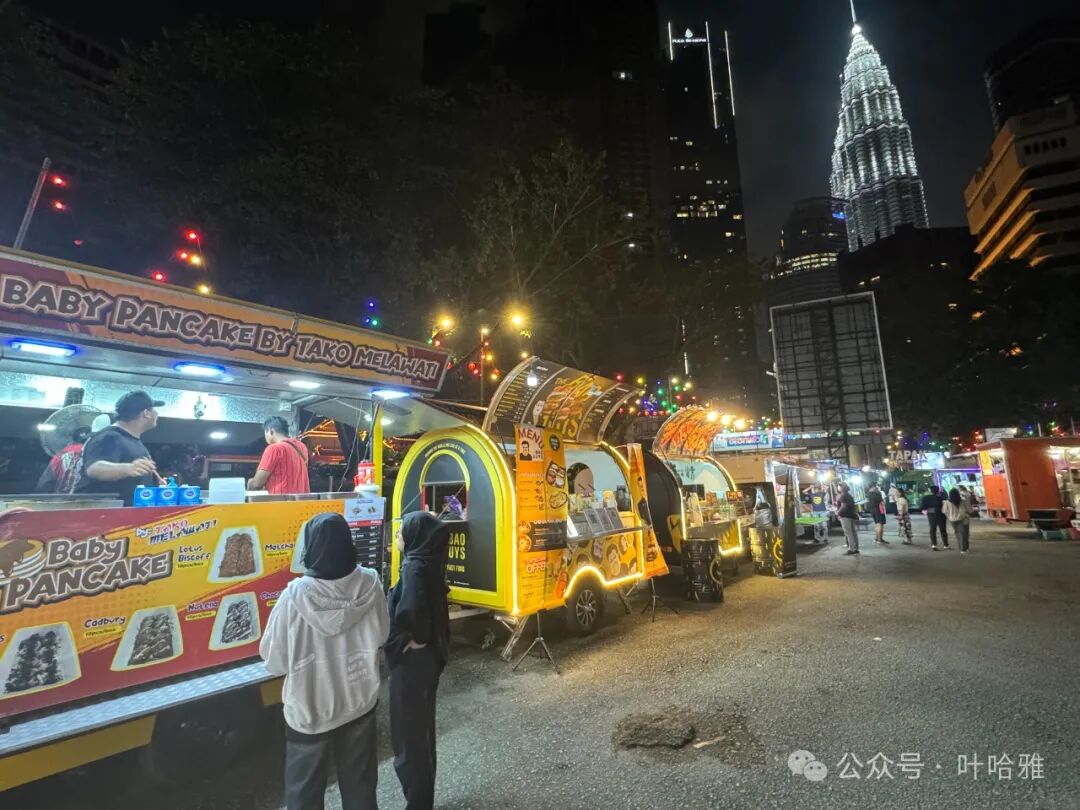
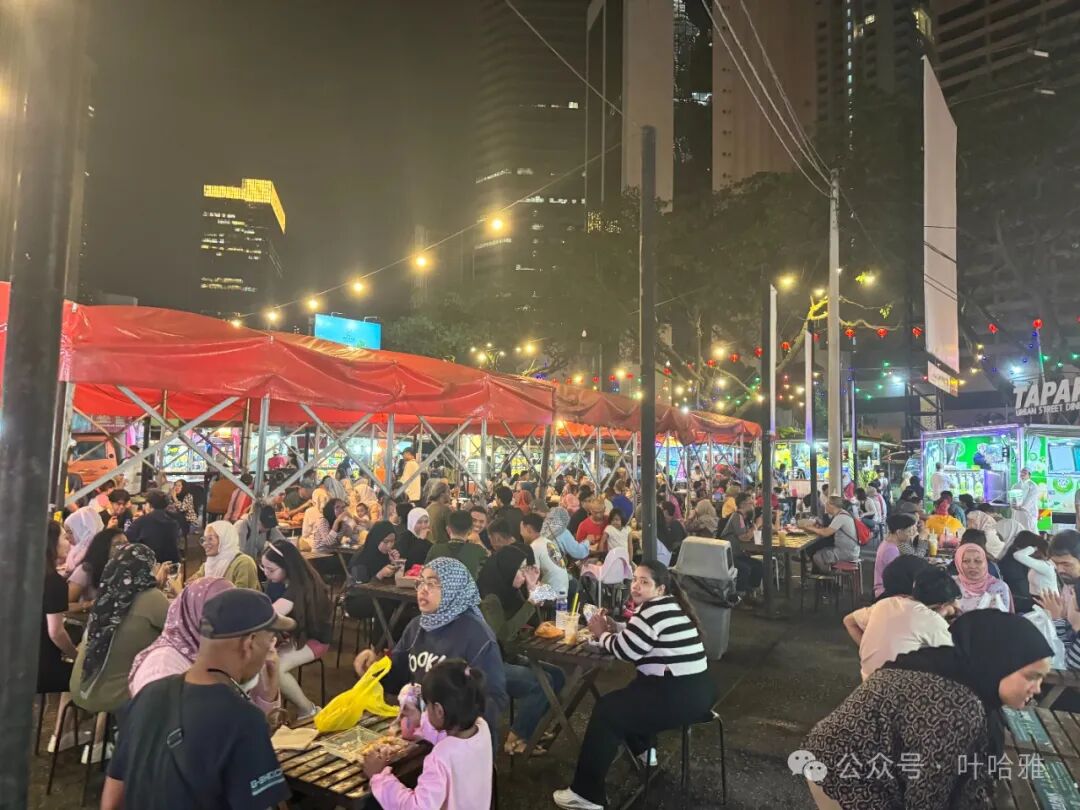
We stayed near KLCC, so our activities were mostly within a one-kilometer radius. You will notice that the restaurants I recommend are all near KLCC, including this night market. You can see the lit-up Petronas Twin Towers not far from the market.
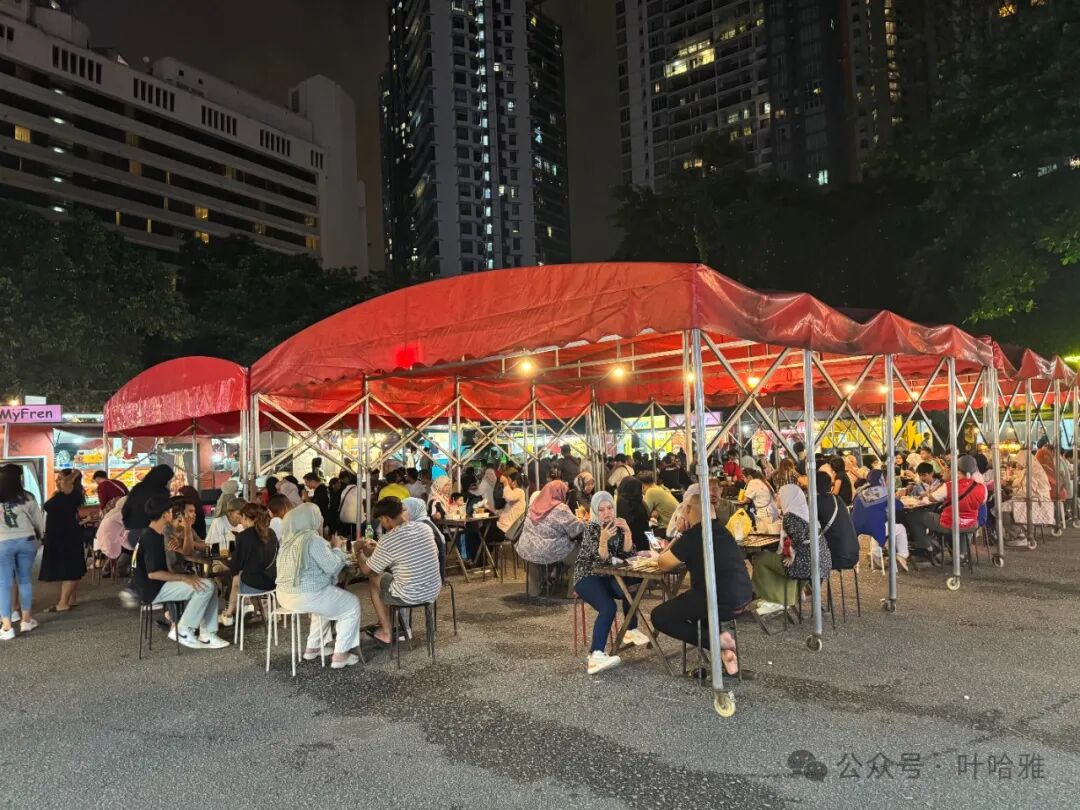
This night market opens at 18:00. It is entirely halal and stays open until the early morning every day. There is even a live band performing, mostly singing Chinese pop songs.
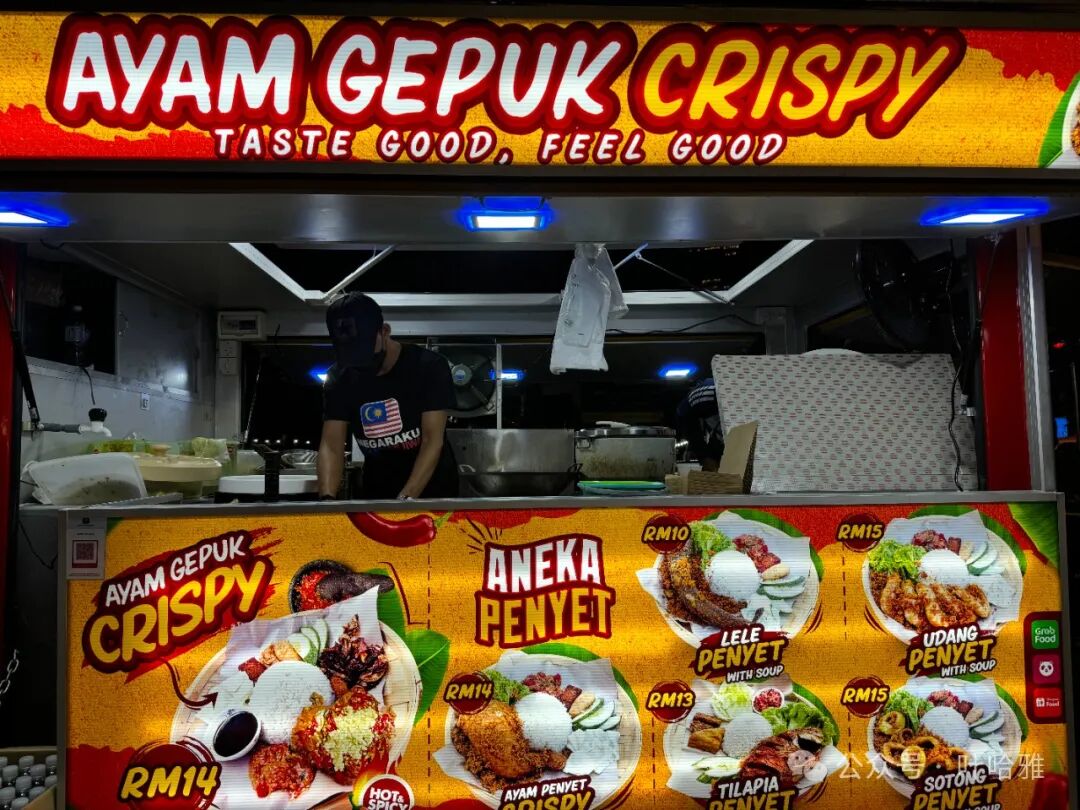
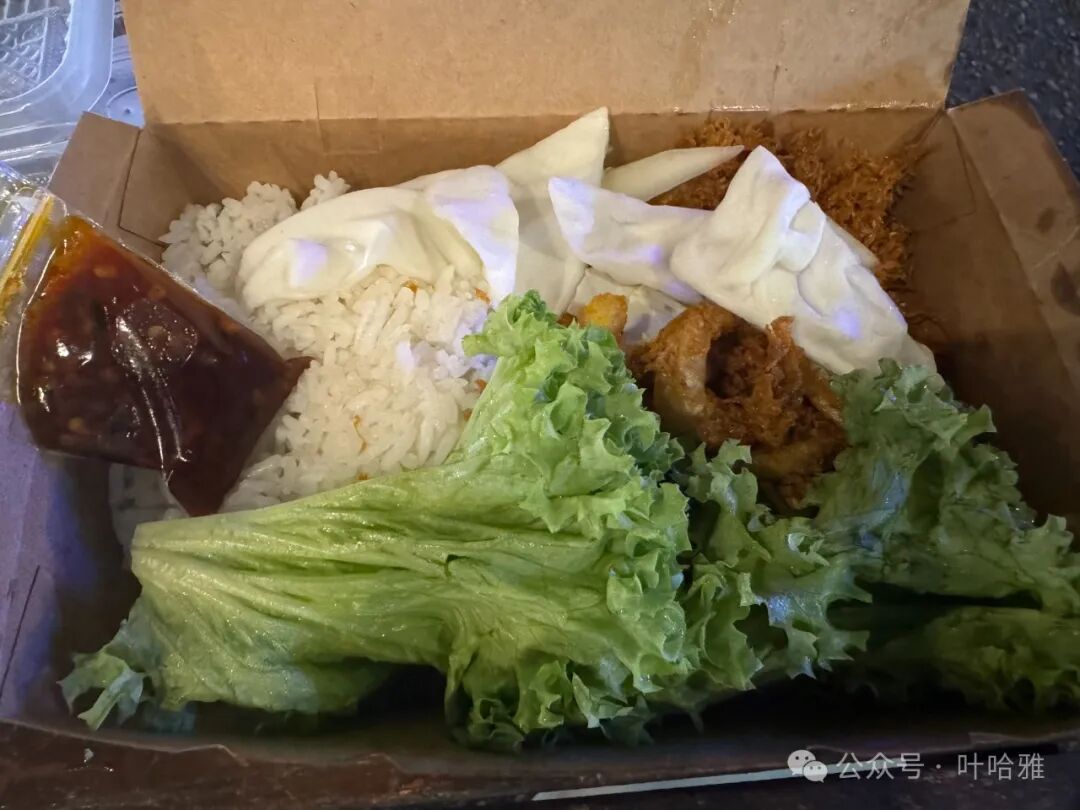
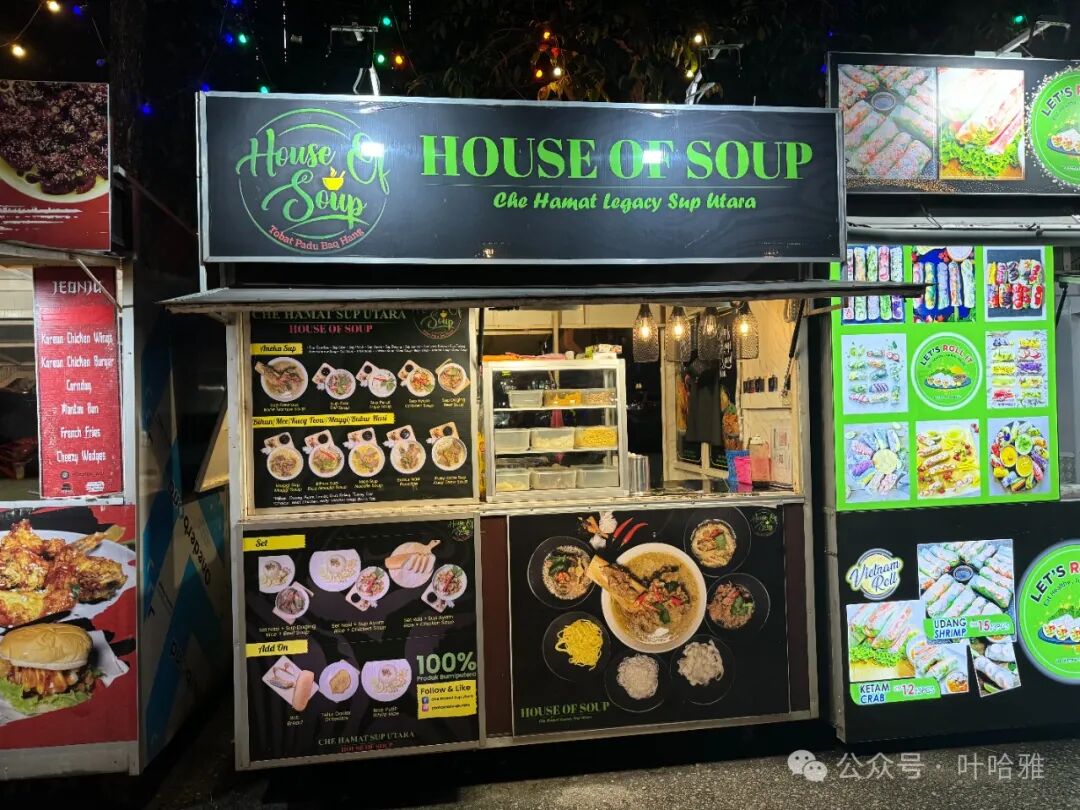
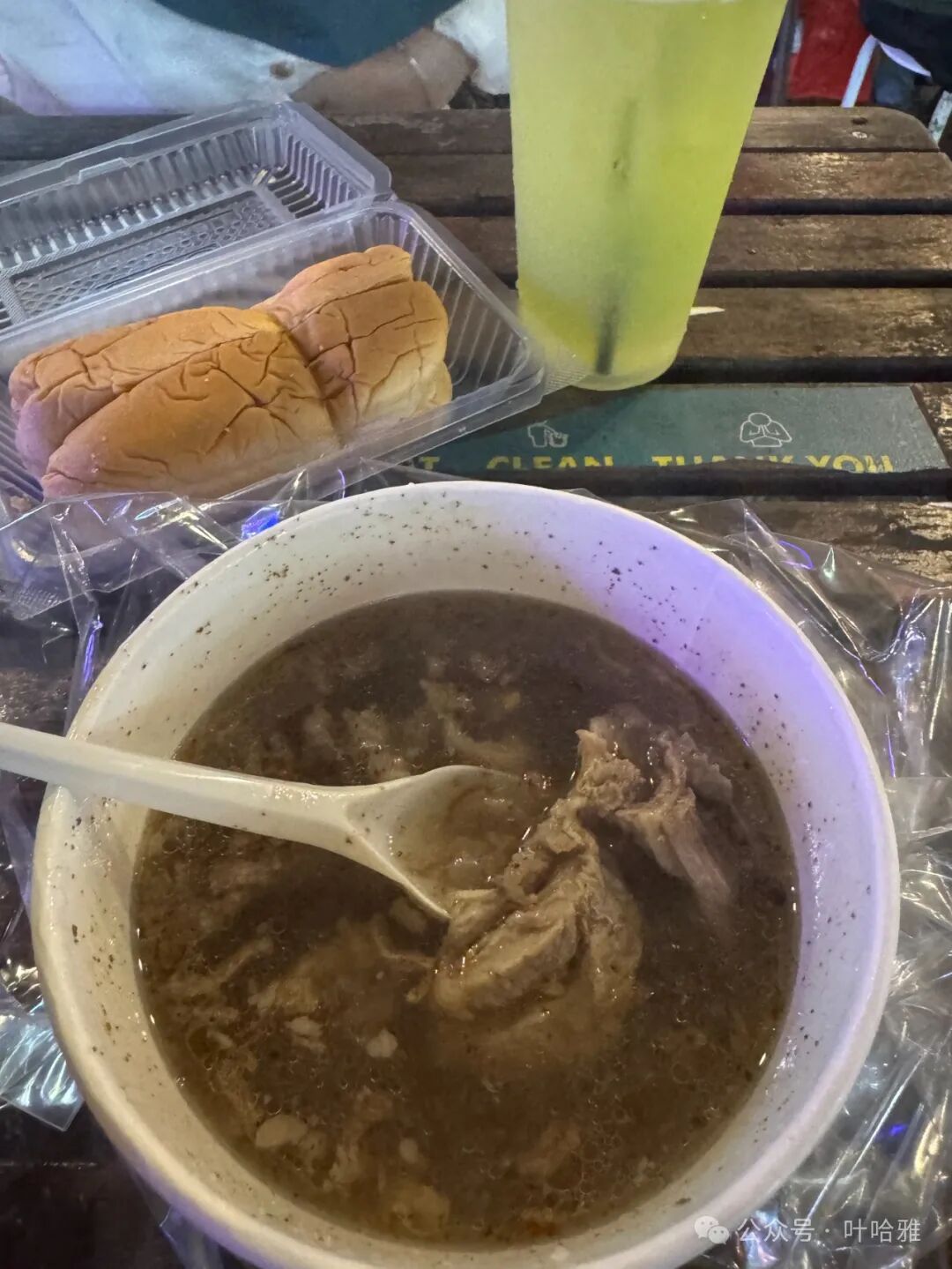
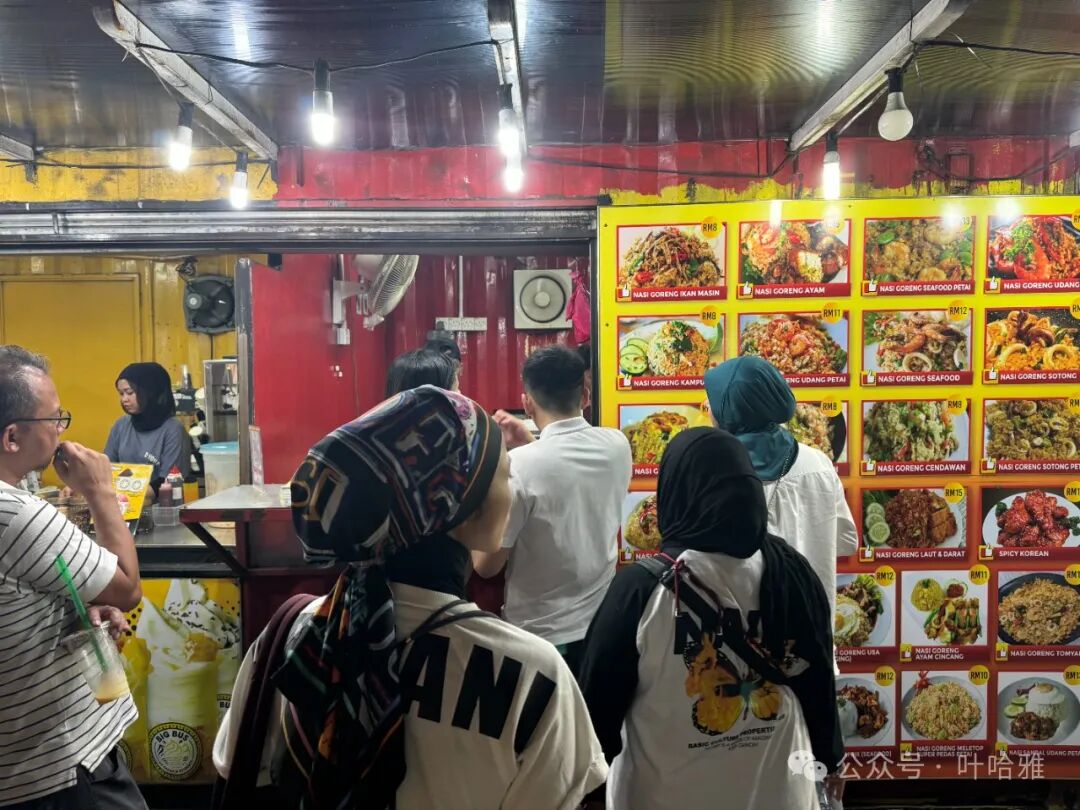
I tried many snacks at this night market myself, and they were all delicious with no bad surprises. Just be sure to bring some small change, as some stalls do not accept Alipay.
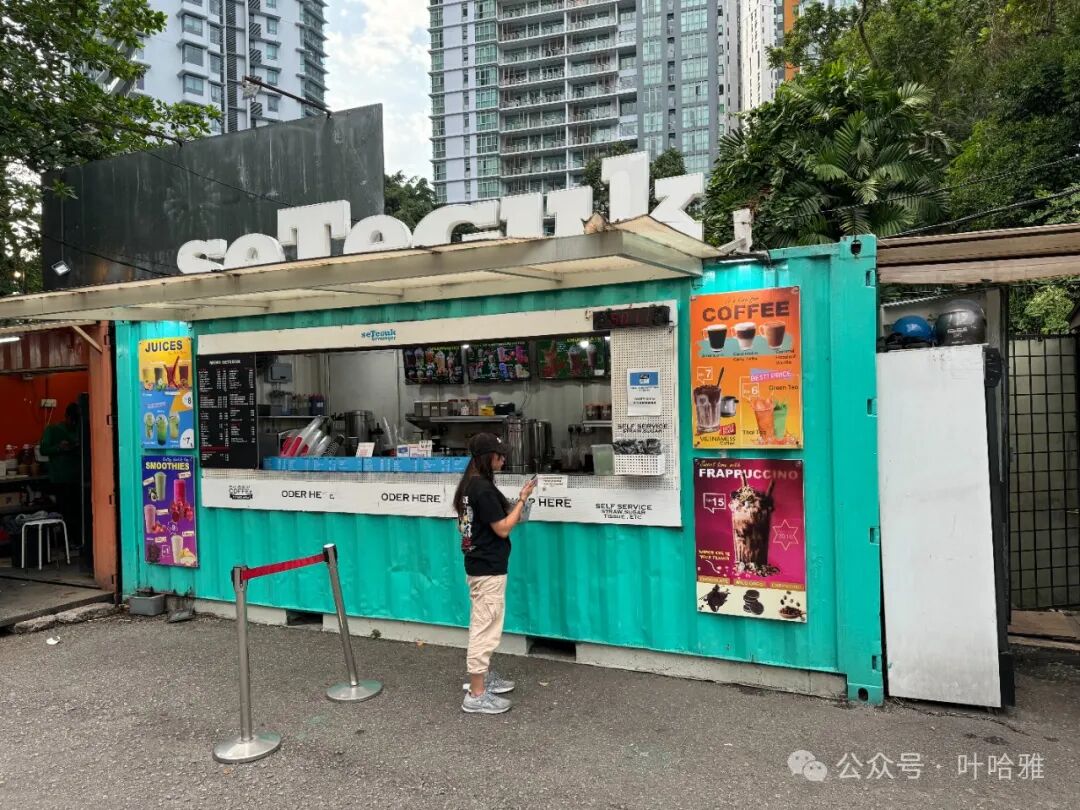
What attracted me most was the fruit juice at the night market. I accidentally bought a cup of apple juice at this stall and it was incredibly good. Since then, I have wandered over here every few days to buy juice. In Malaysia, I love drinking juice the most because it is all freshly squeezed from real fruit with no artificial additives.
One day, while I was holding a cup of juice downstairs at KLCC, a Chinese girl stopped me to ask where I bought the drink.
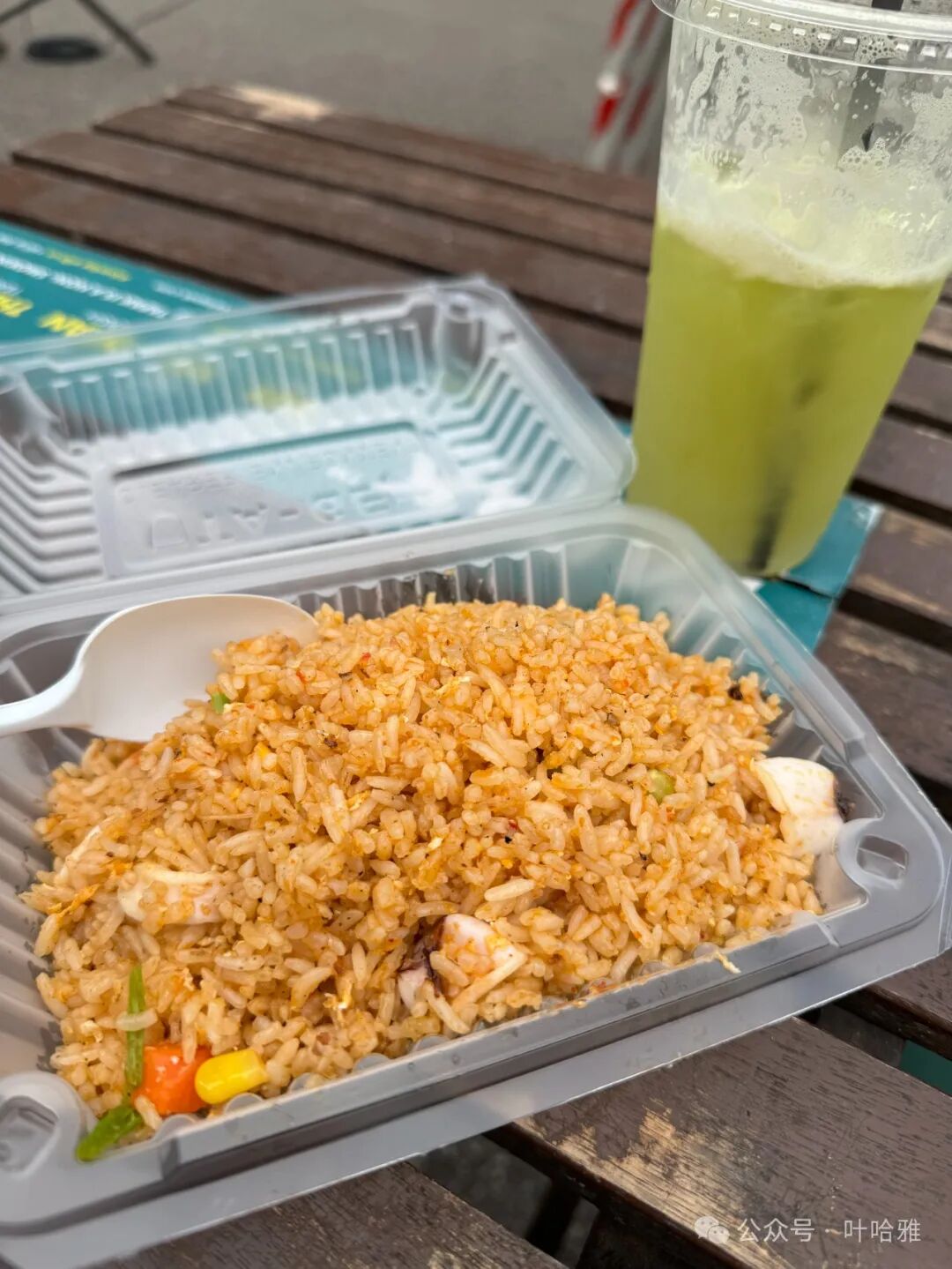
I bought the fried rice shown in the picture below. Paired with the apple juice I bought earlier, this meal only cost 10 yuan.
8. DOZO Japanese Restaurant
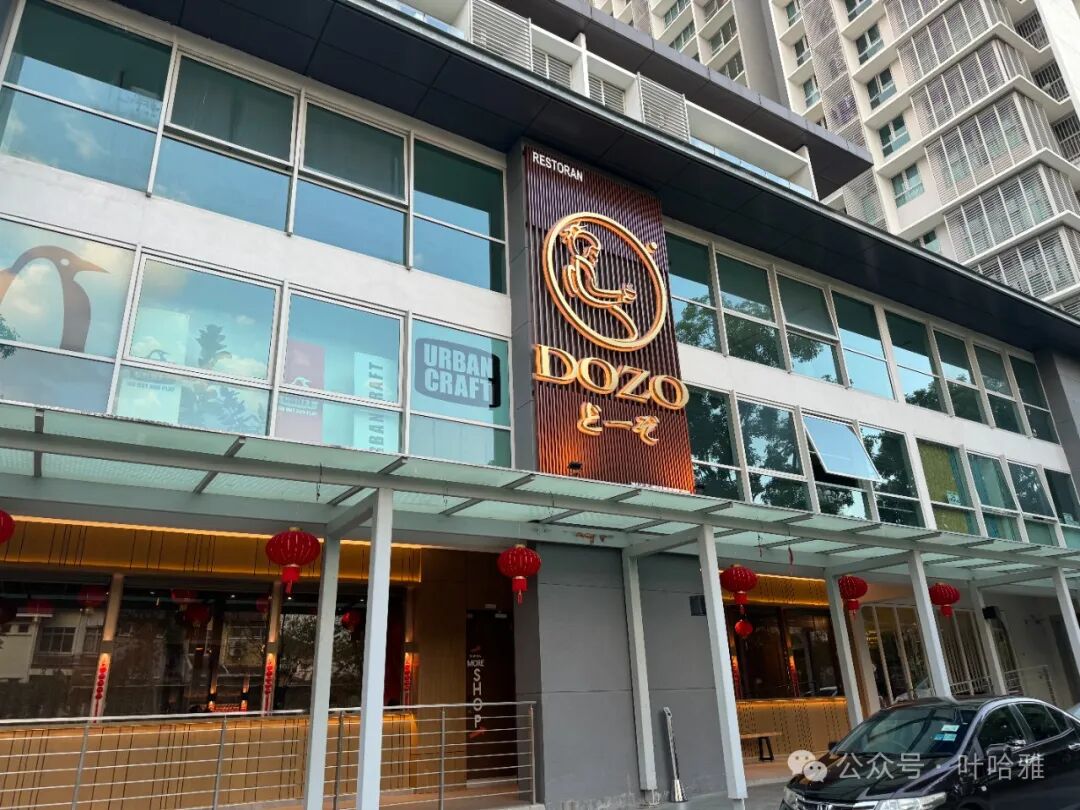
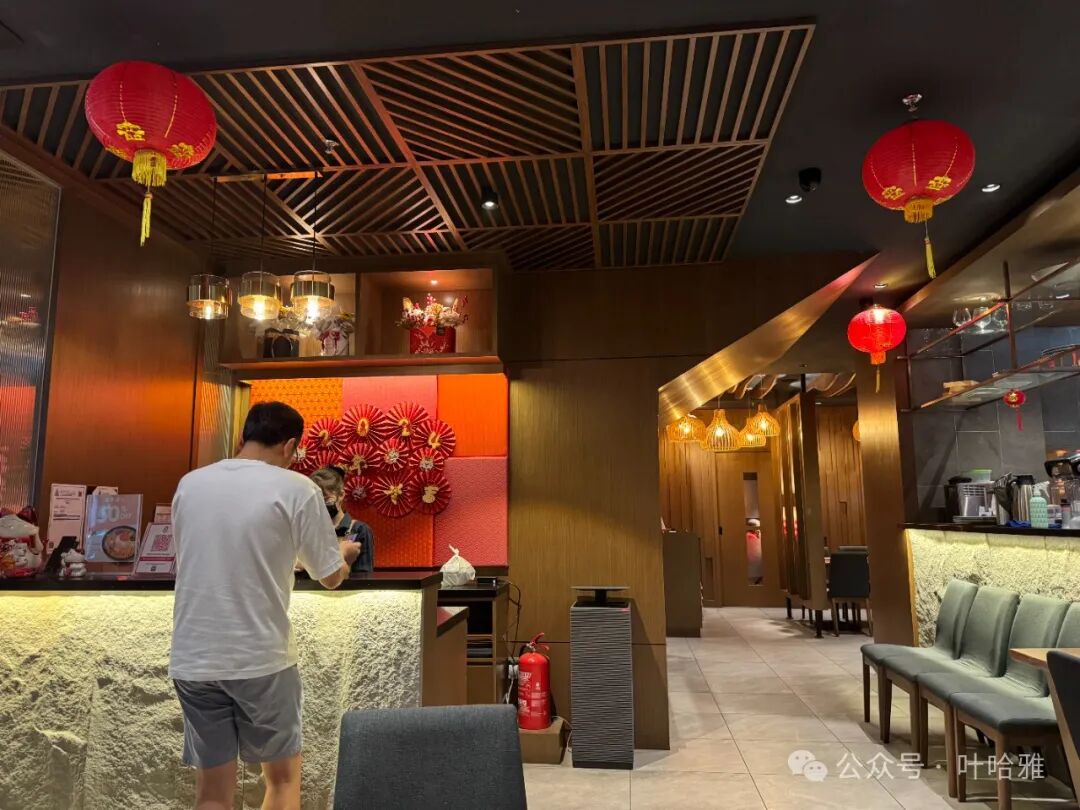
Don't miss the halal Japanese food that is common in Malaysia but rare back home. Since Malaysia was once a Japanese colony, it was influenced by Japanese culture, and the Japanese food here is very close to the quality you find in Japan. The name of this shop means 'please come in' in Japanese. It has high ratings and reasonable prices.
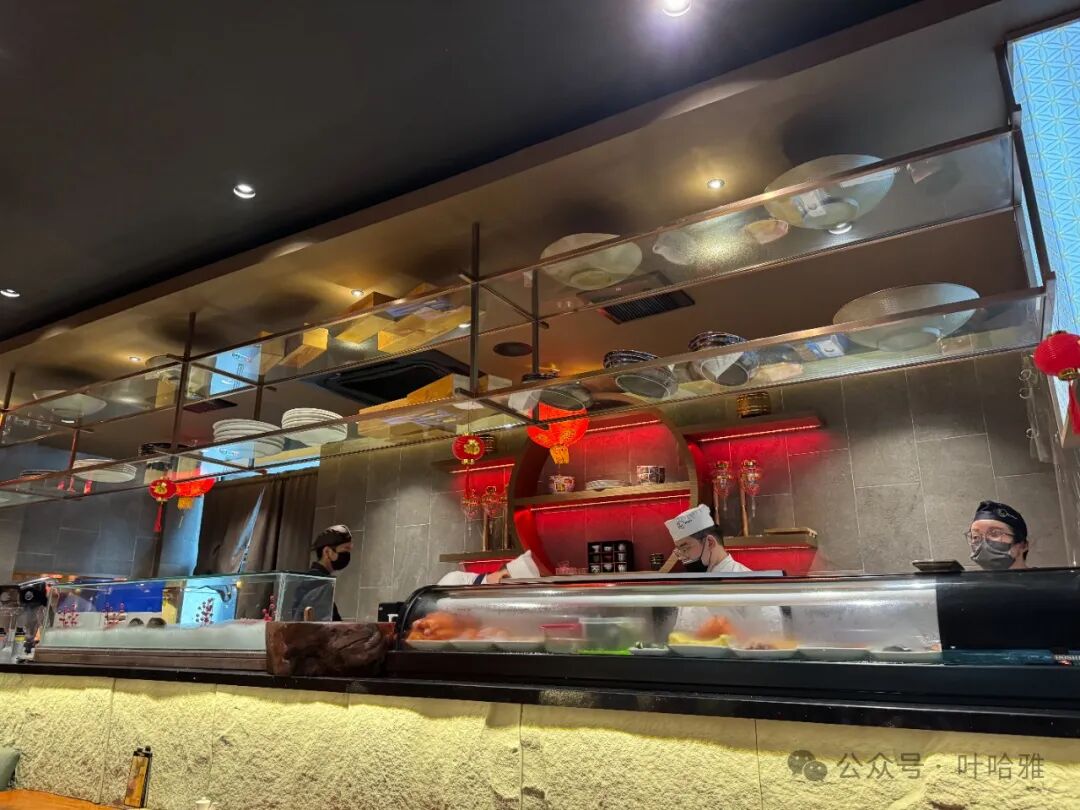
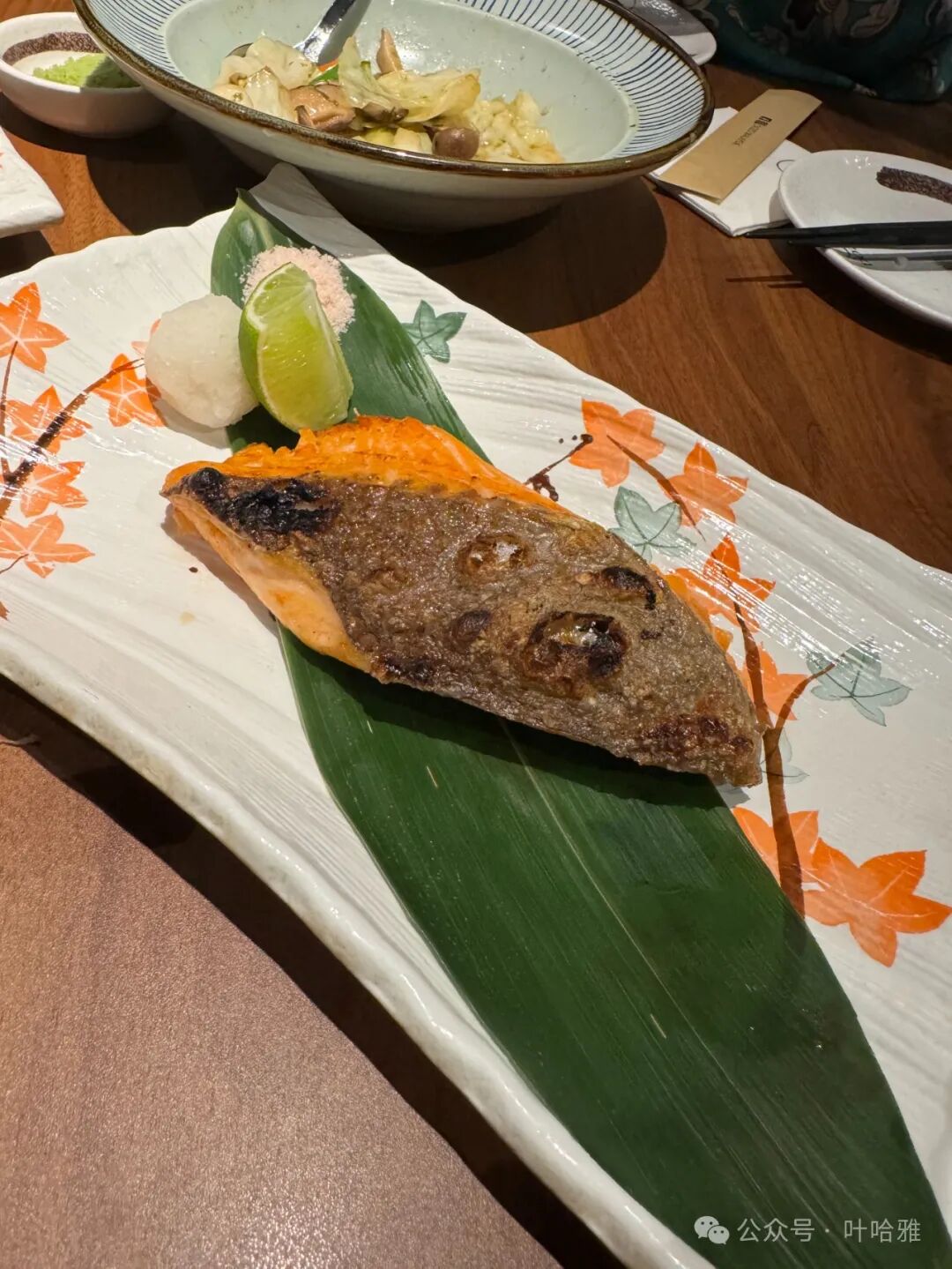
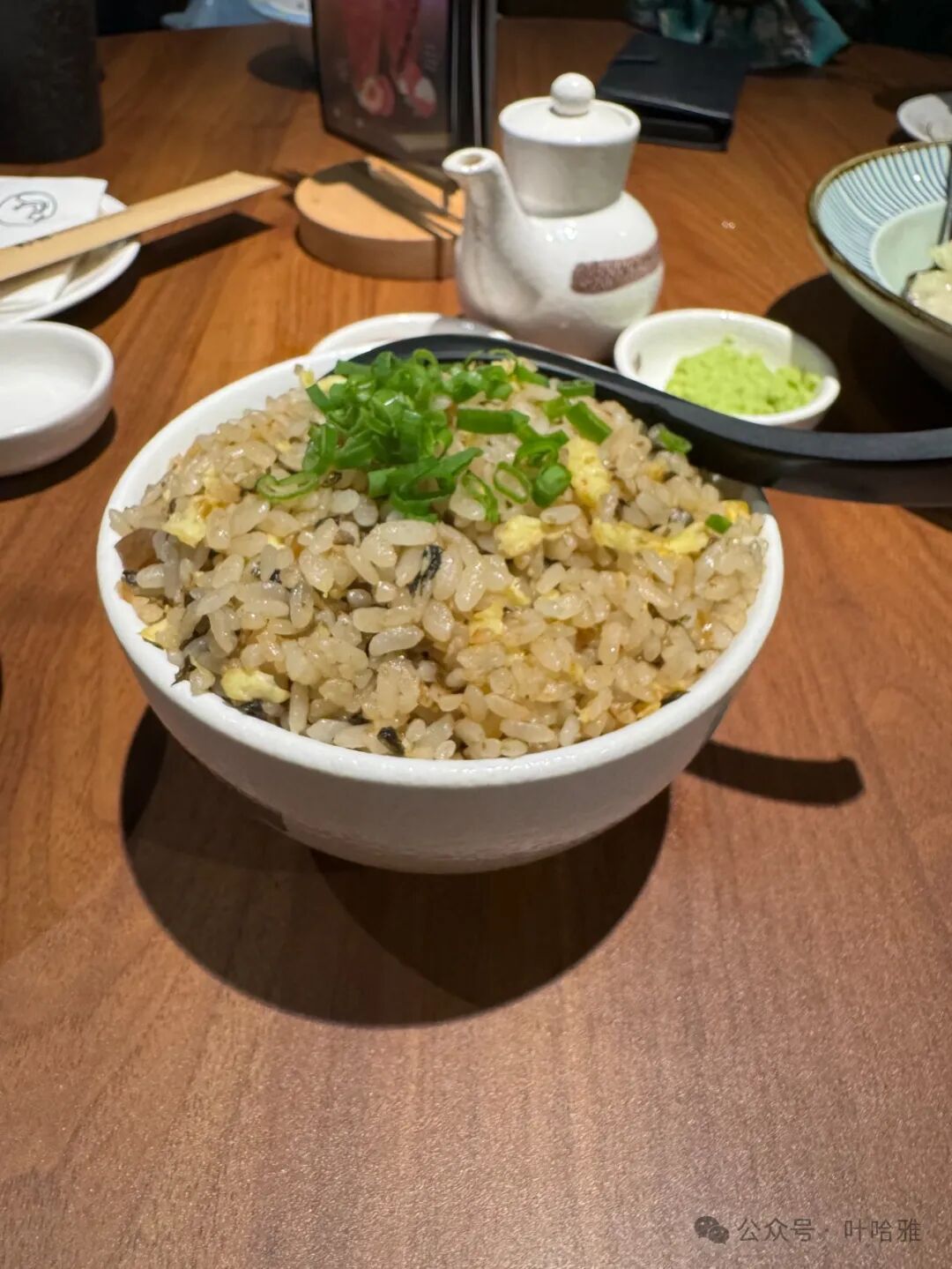
You can eat a full range of famous Japanese dishes here, including grilled meat, sushi, sashimi, udon noodles, tempura, and more.
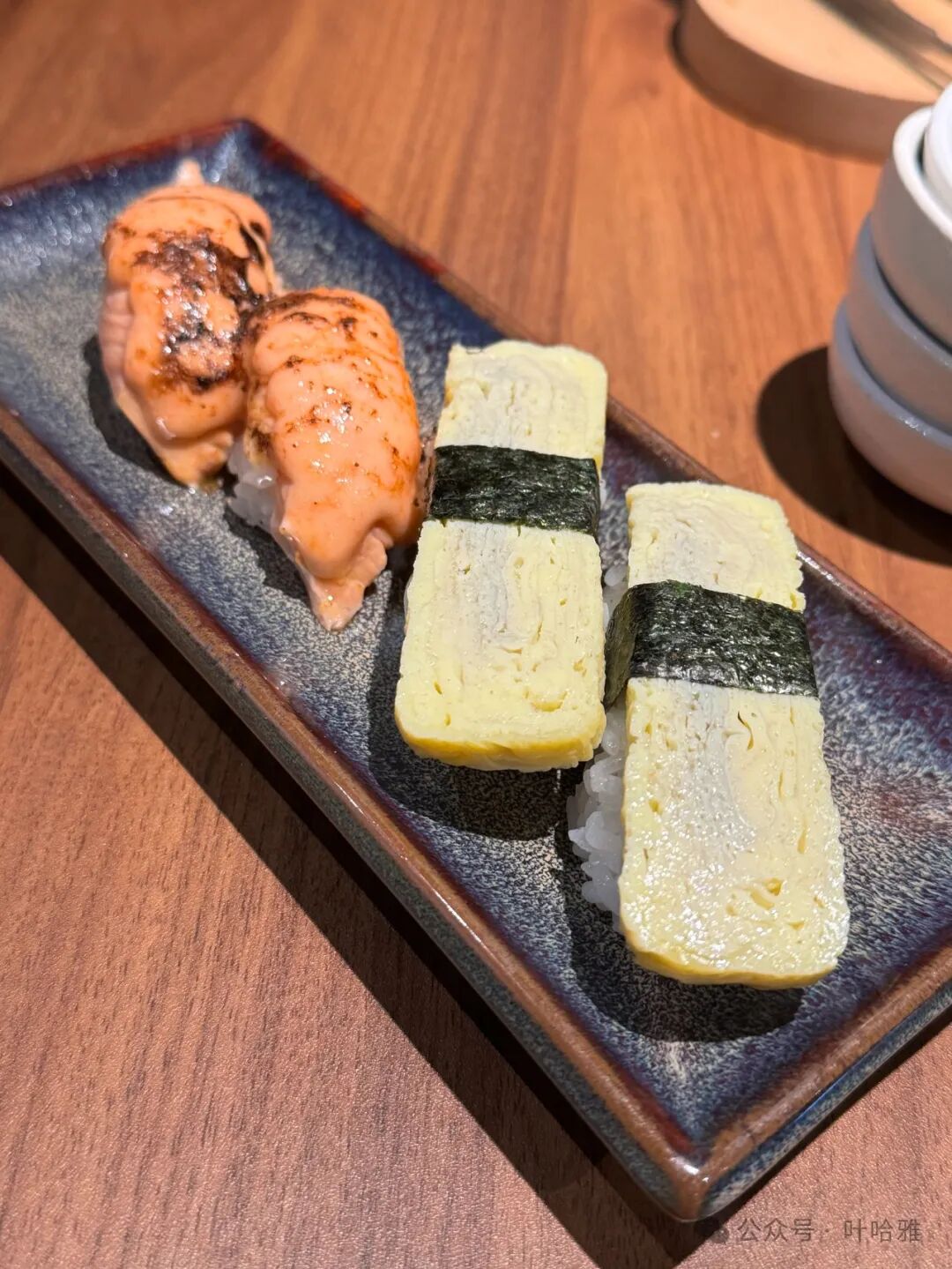
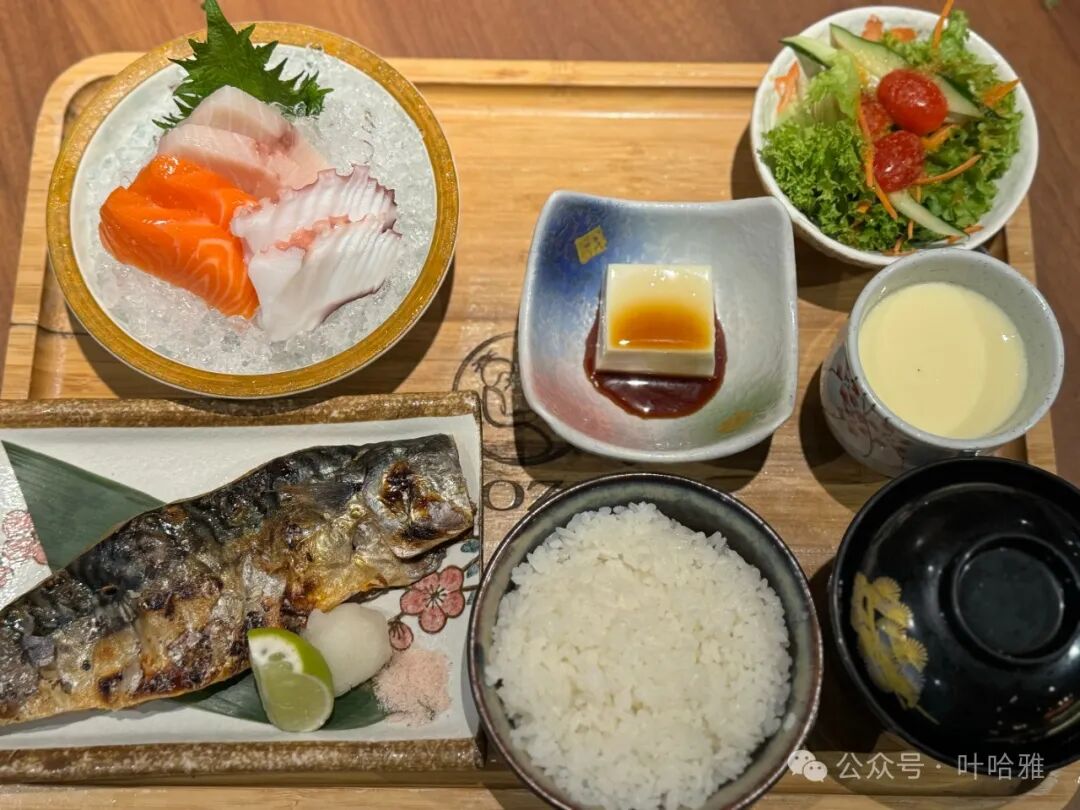
I have to praise the texture of this salmon sashimi; it is excellent. One bite and you know it is not rainbow trout.
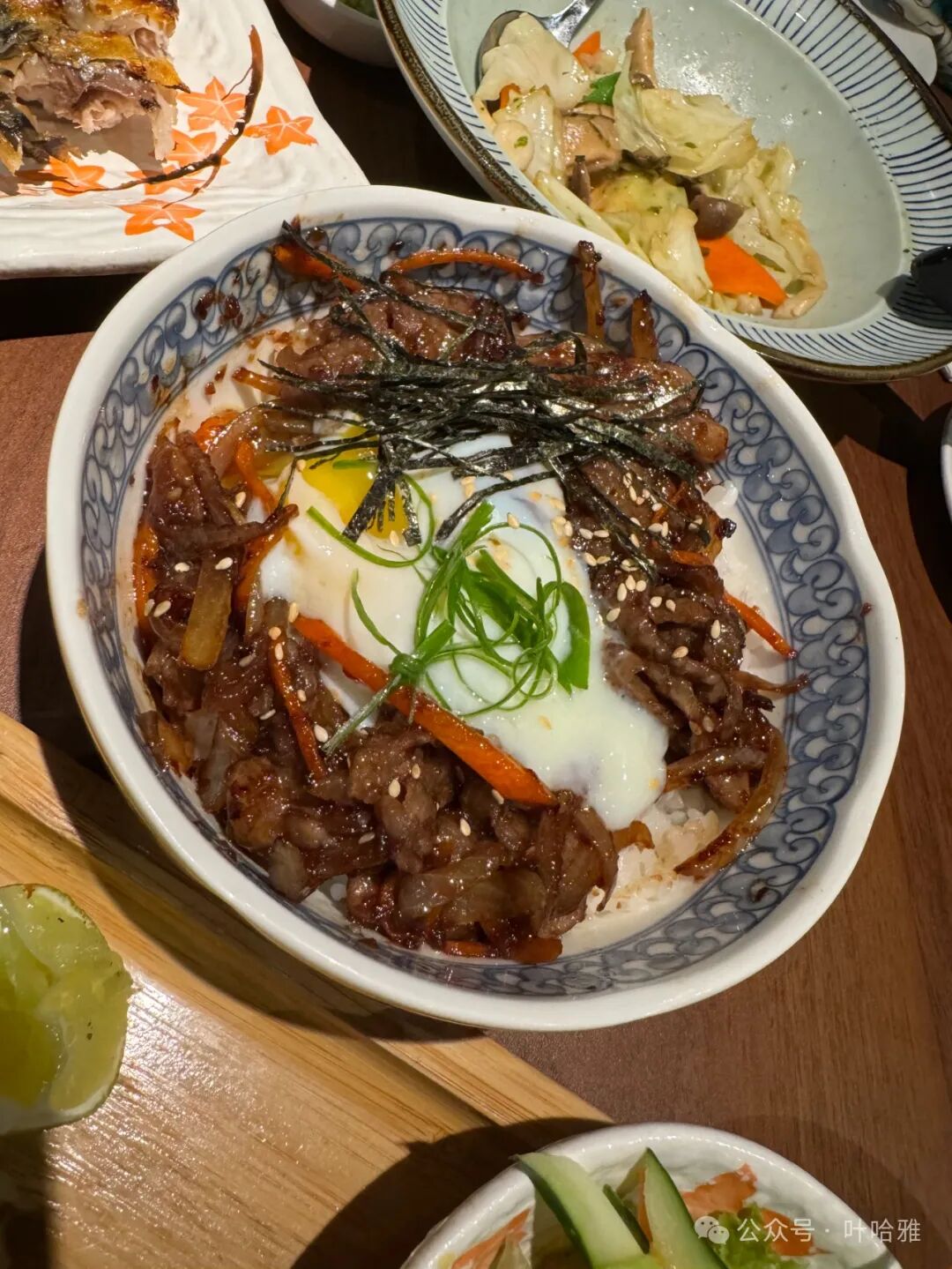
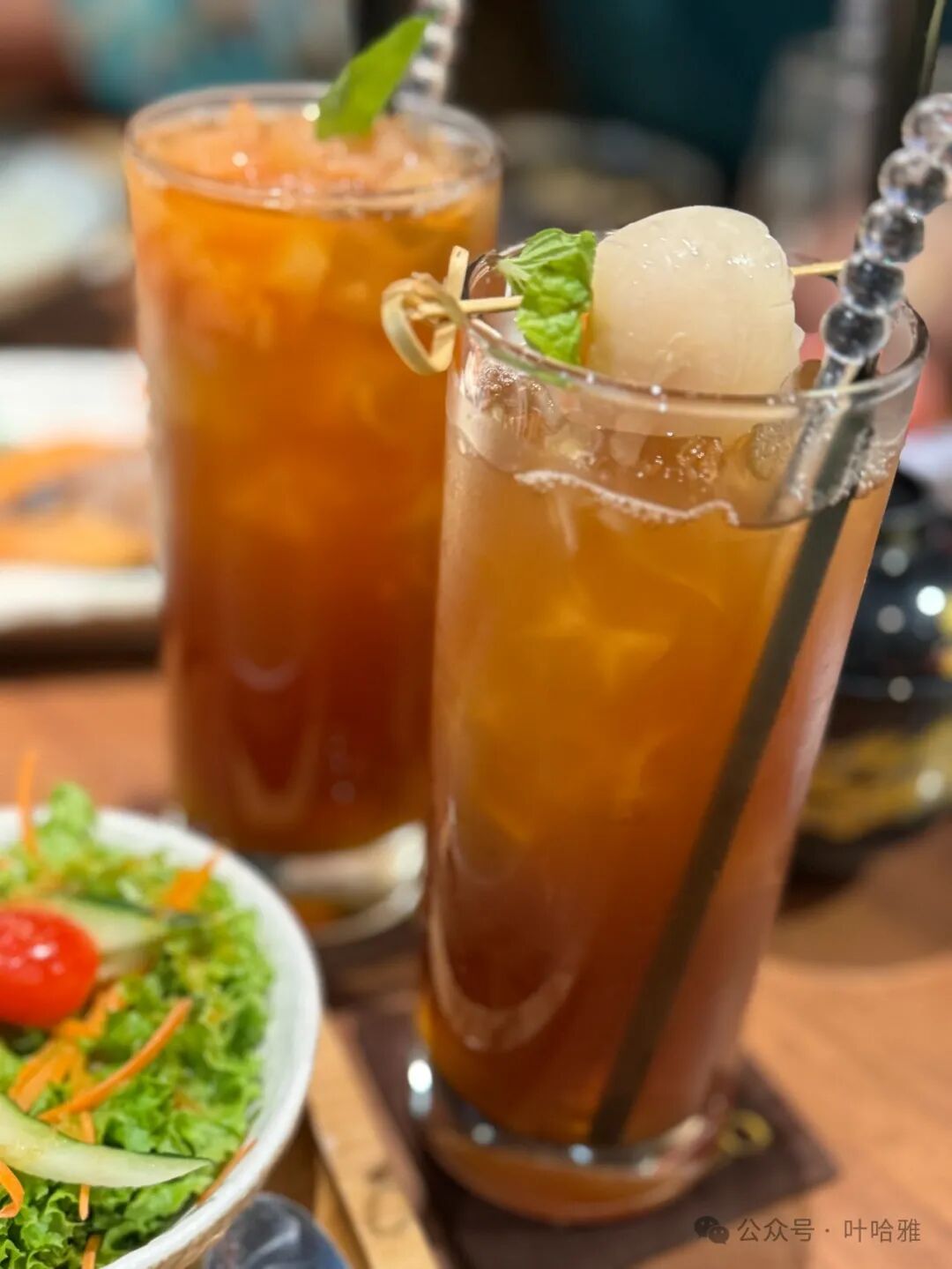
I really love the drinks in Malaysia. This peach juice was buy-one-get-one-free, so both cups are mine.
9. Hong Kong Xuan Chuan Cantonese Restaurant
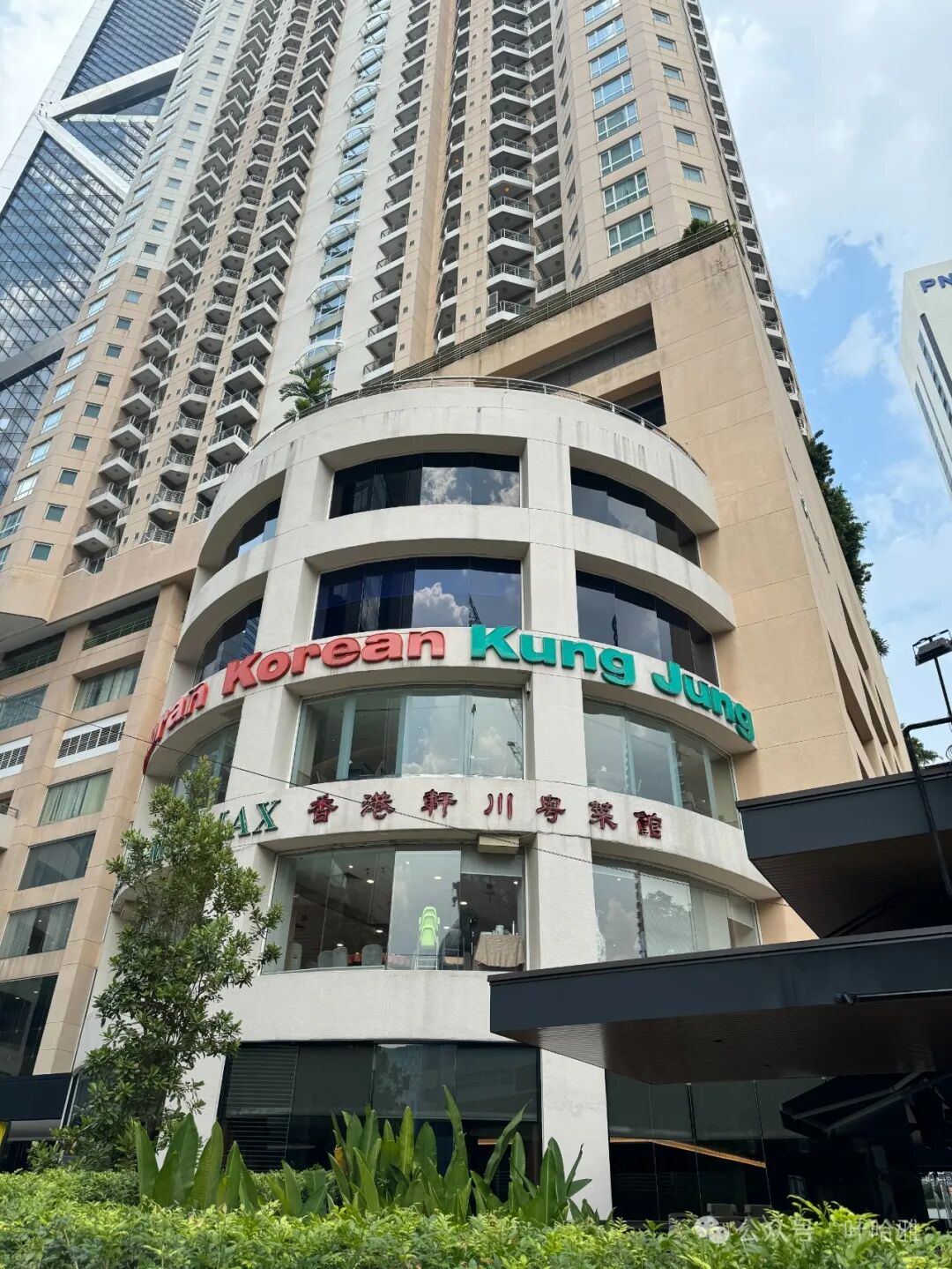
This Hong Kong Xuan restaurant is right across the street from where we are staying. I pass by every day and see it packed with people, mostly Malay locals.
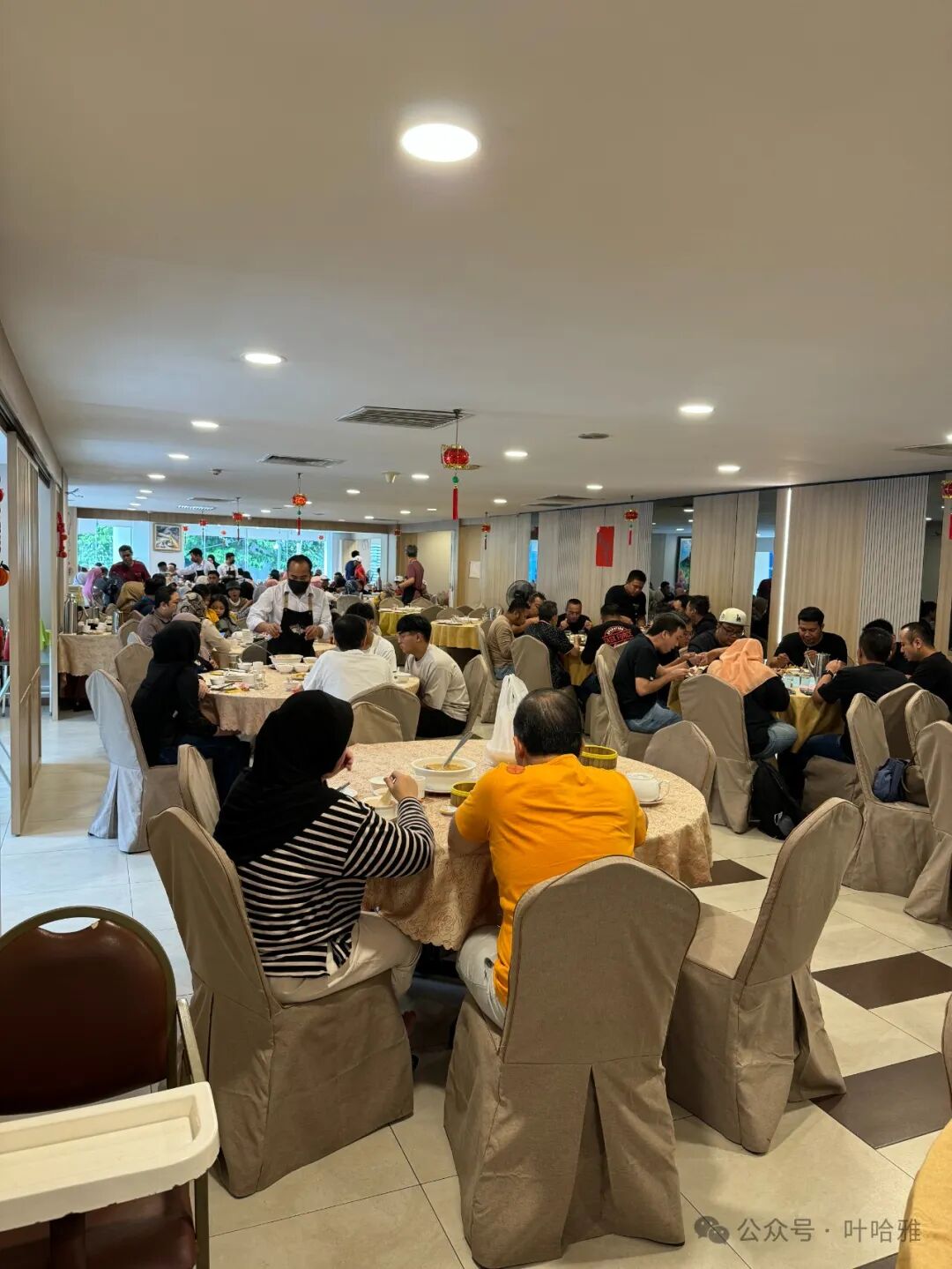
This shop serves dim sum (zaocha) after 11:00 a.m. I do not know why it starts so late; maybe people in Kuala Lumpur are not used to waking up early. Where I live, the earliest you can get breakfast is after 8:00 a.m.
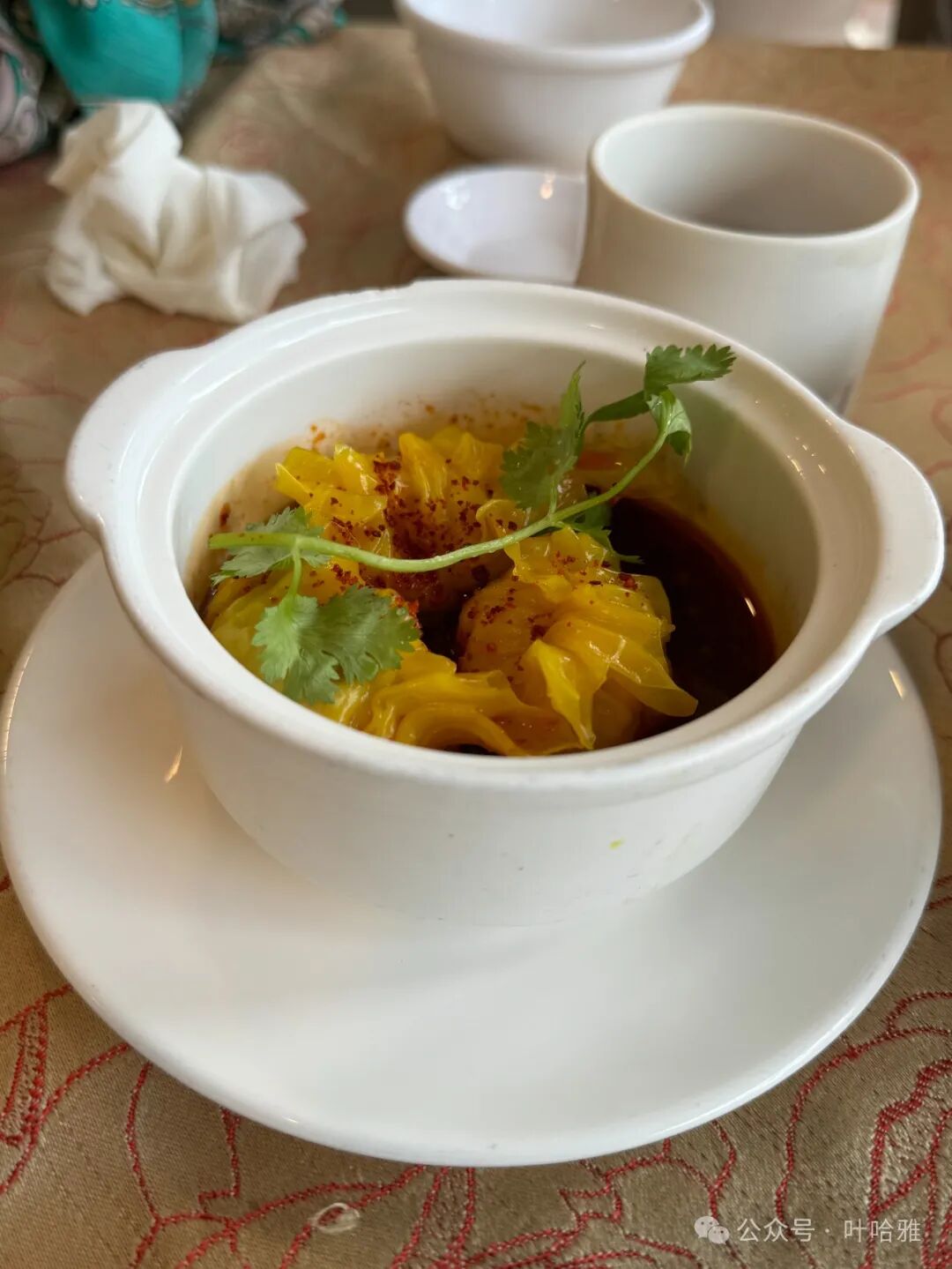
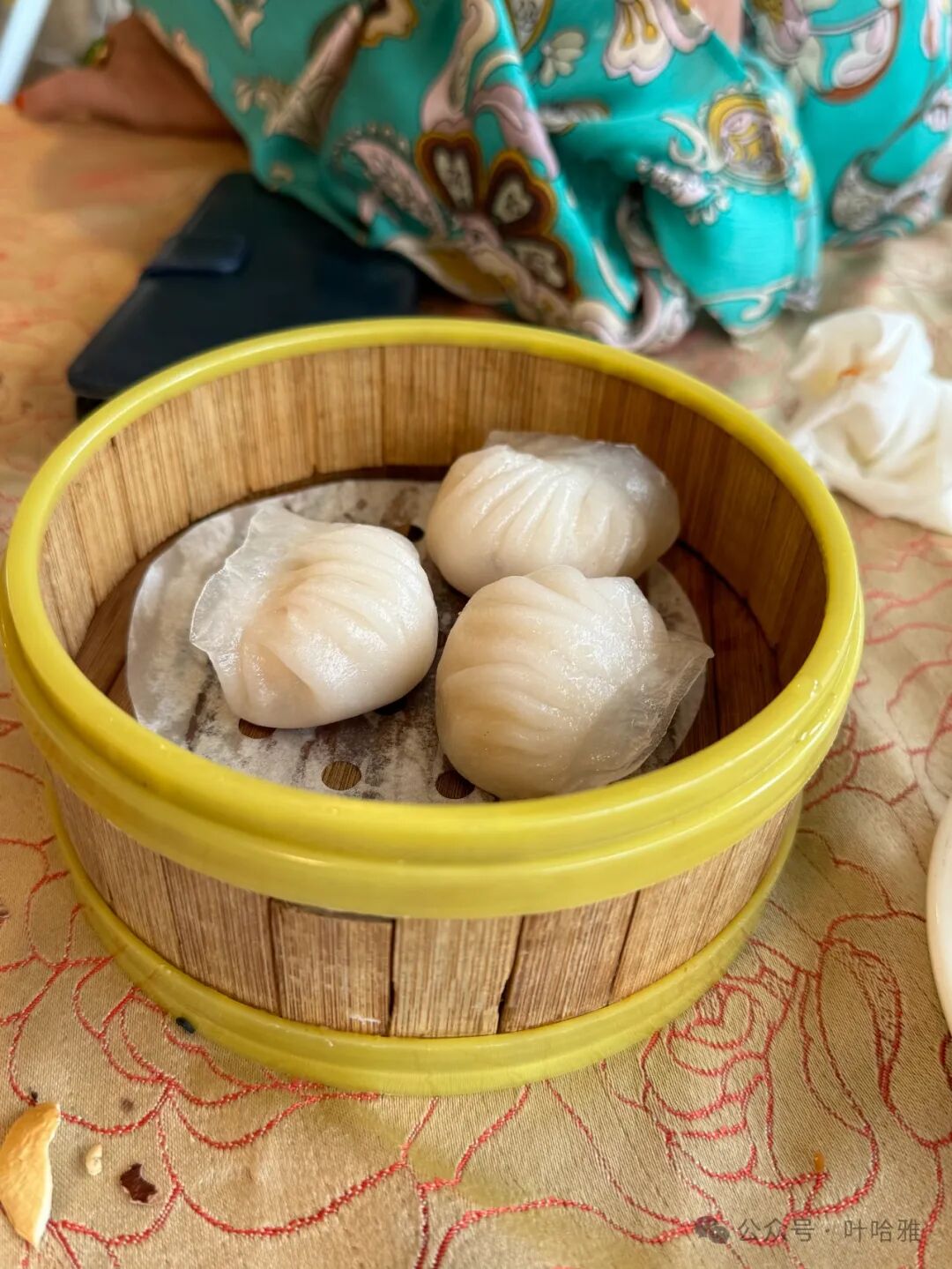
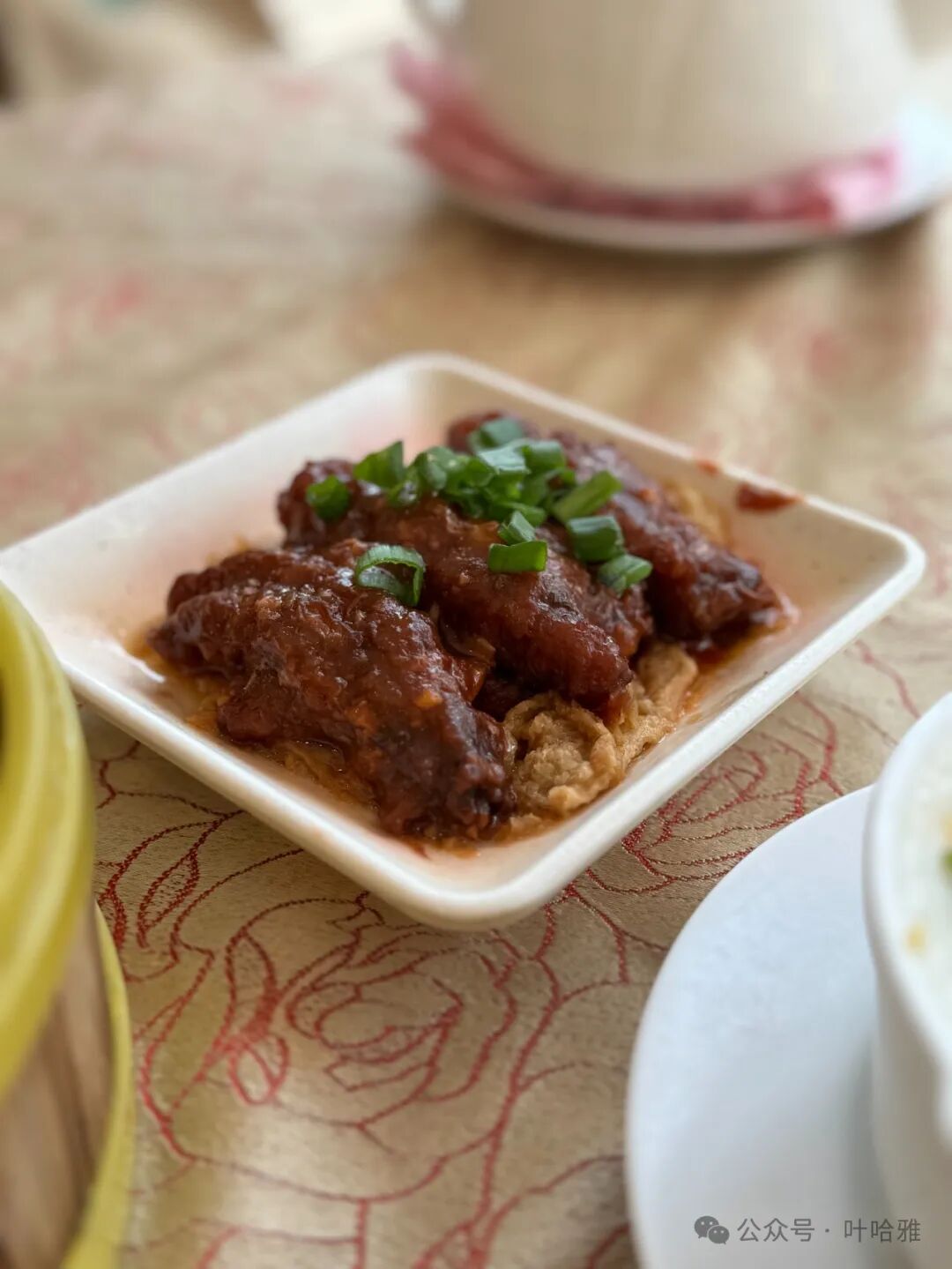
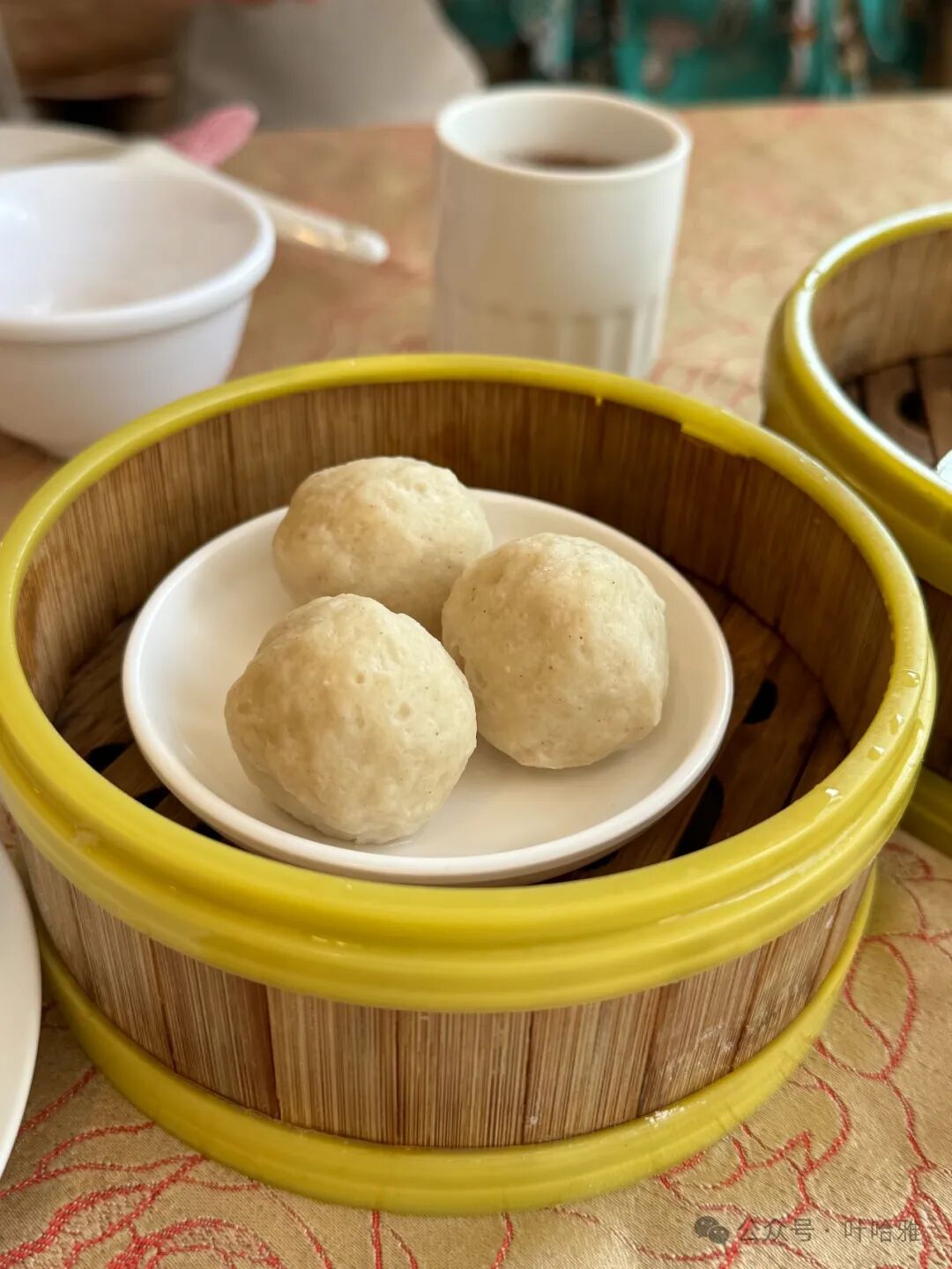
I must say the dim sum at Hong Kong Xuan tastes very authentic. Even the restaurant atmosphere feels like a Hong Kong tea house, and the staff look like traditional Cantonese people. Each dim sum dish only costs a few ringgit. The three of us spent about 100 ringgit for this meal. I have tried three dim sum places in Kuala Lumpur, and every one of them is better than the Hui Muslim restaurant in Guangzhou.
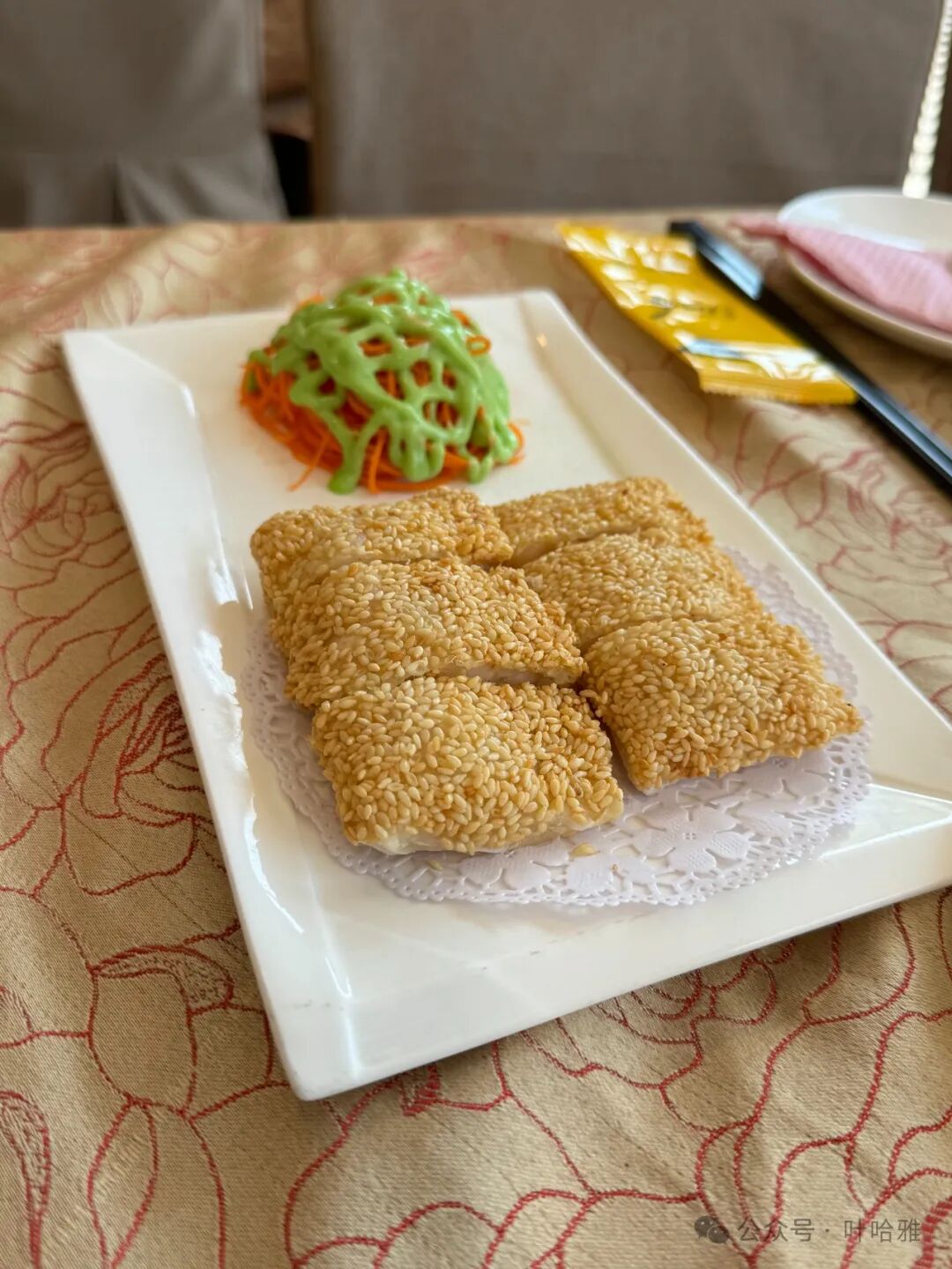
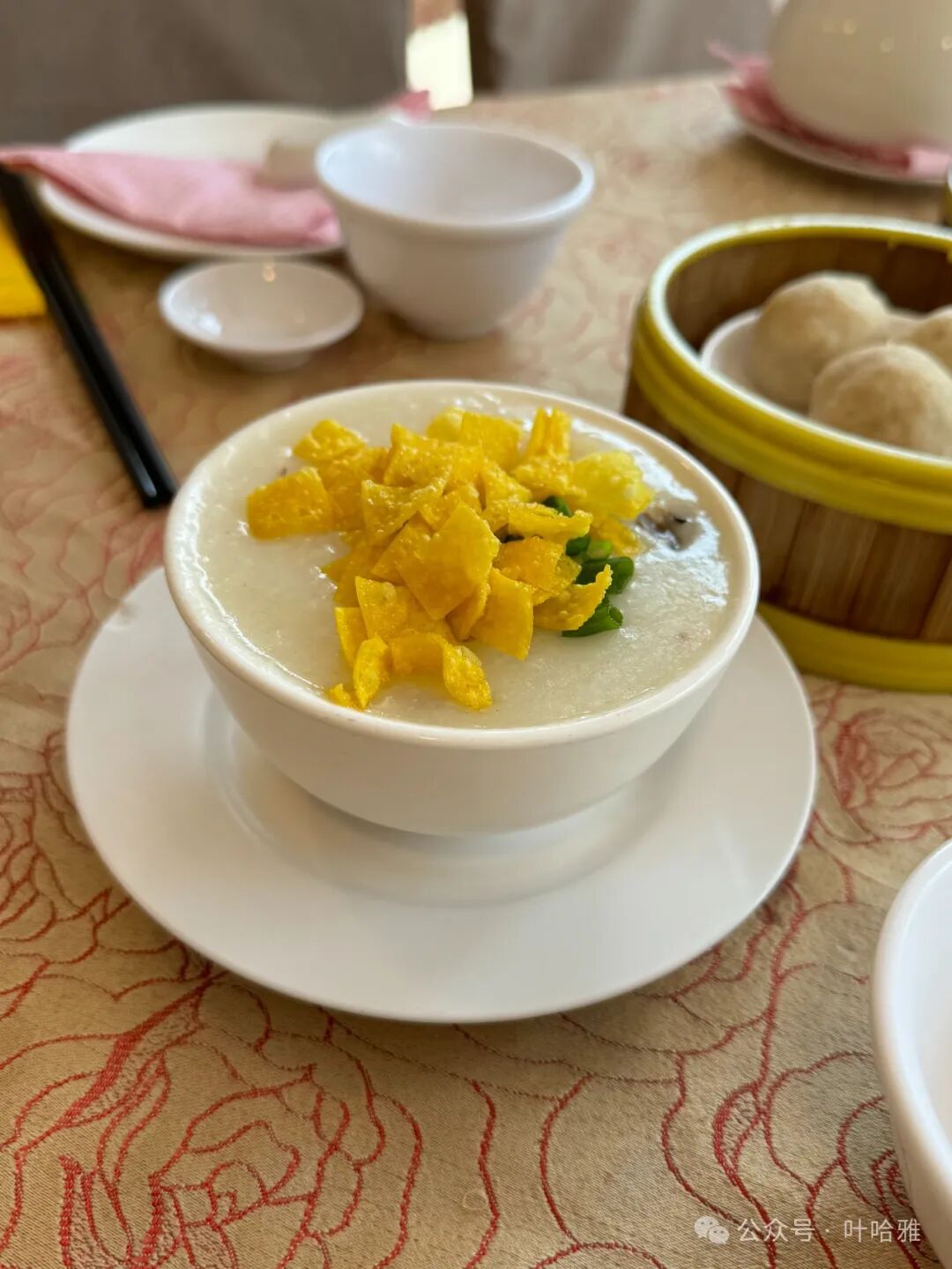
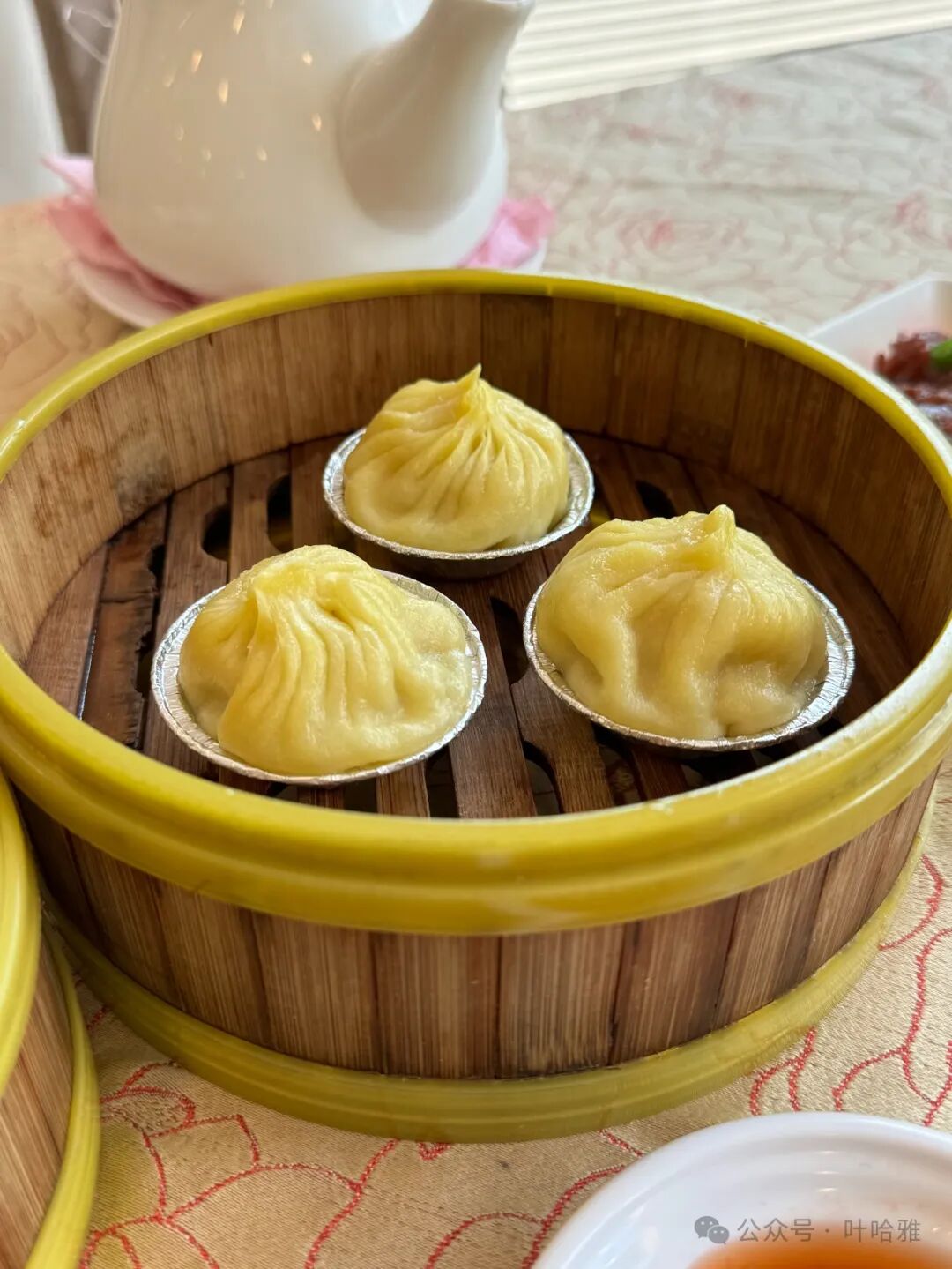
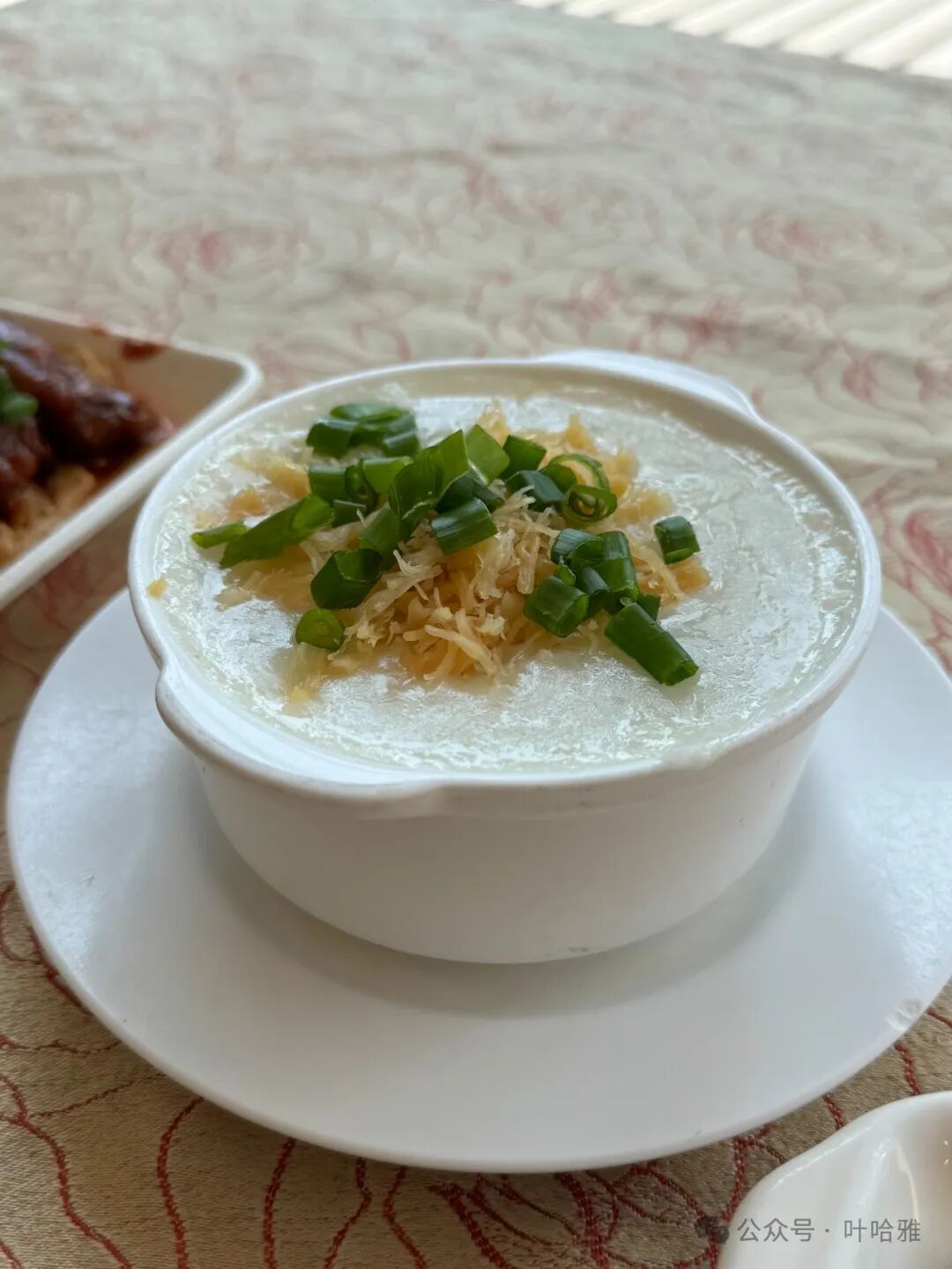
10. KUNG JUNG Korean BBQ
There is a Korean barbecue restaurant upstairs from Hong Kong Xuan that is incredibly busy. You need to book in advance, or you will have to wait in line. We are lucky to stay in this area. We just walk downstairs for 5 to 10 minutes to find all kinds of delicious restaurants.
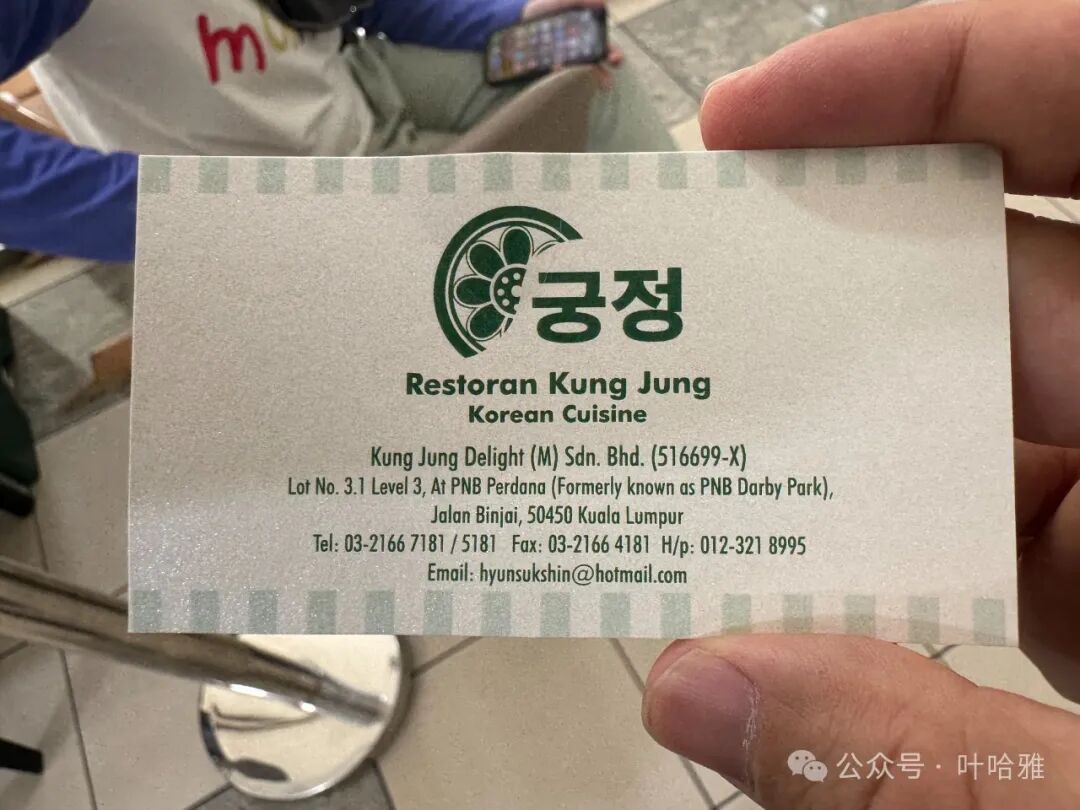
The contact information and address are on the business card.
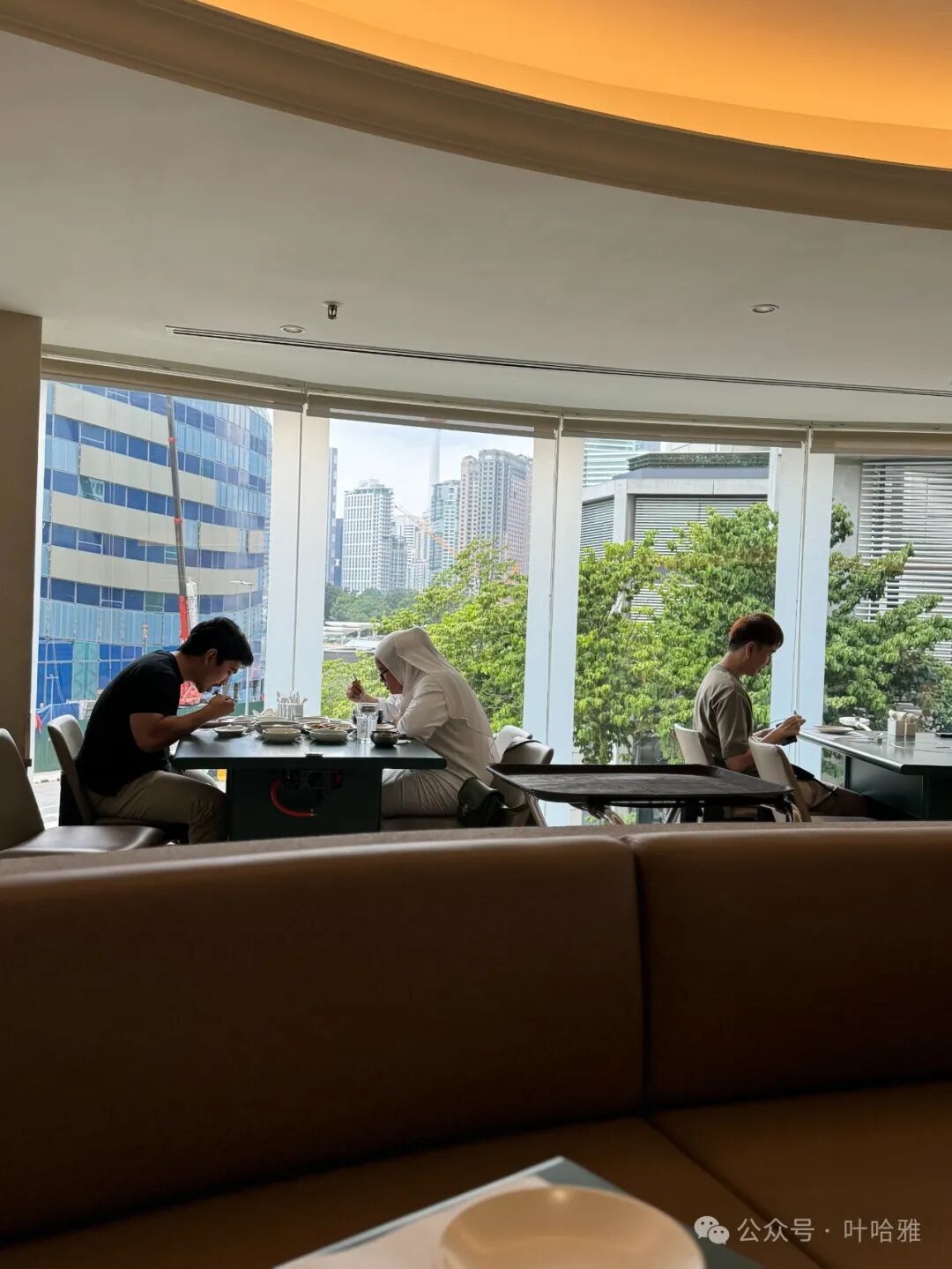
Malay people really like eating Korean barbecue. It seems like they are not very picky about what they eat.
The barbecue at this shop tastes great, but I didn't really like the cold noodles. Compared to barbecue back home, I still prefer eating in Beijing, where you get better value for your money. The average cost per person at this shop is over 150 yuan. If the price were a bit lower, I would feel it was a great deal.
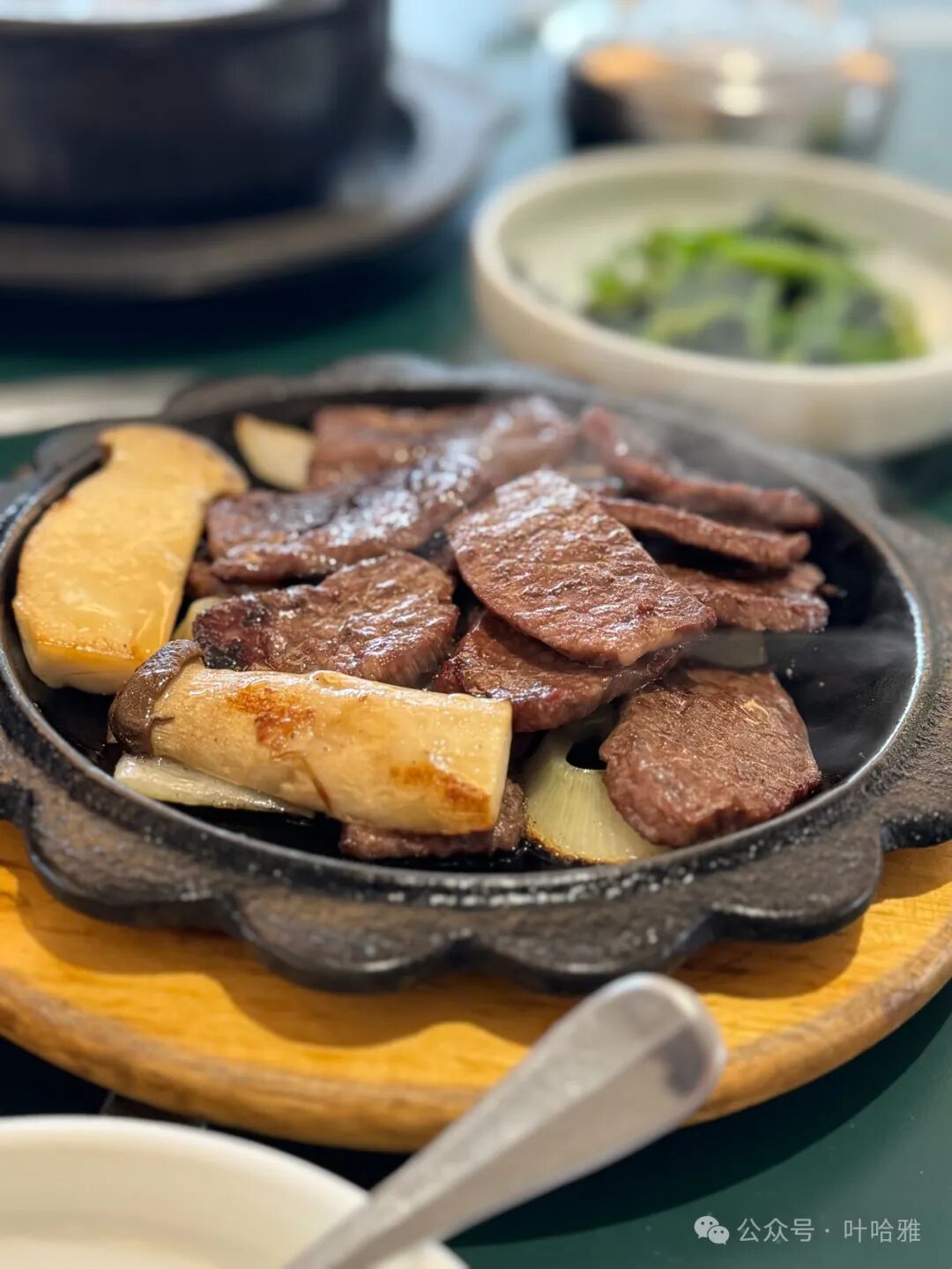
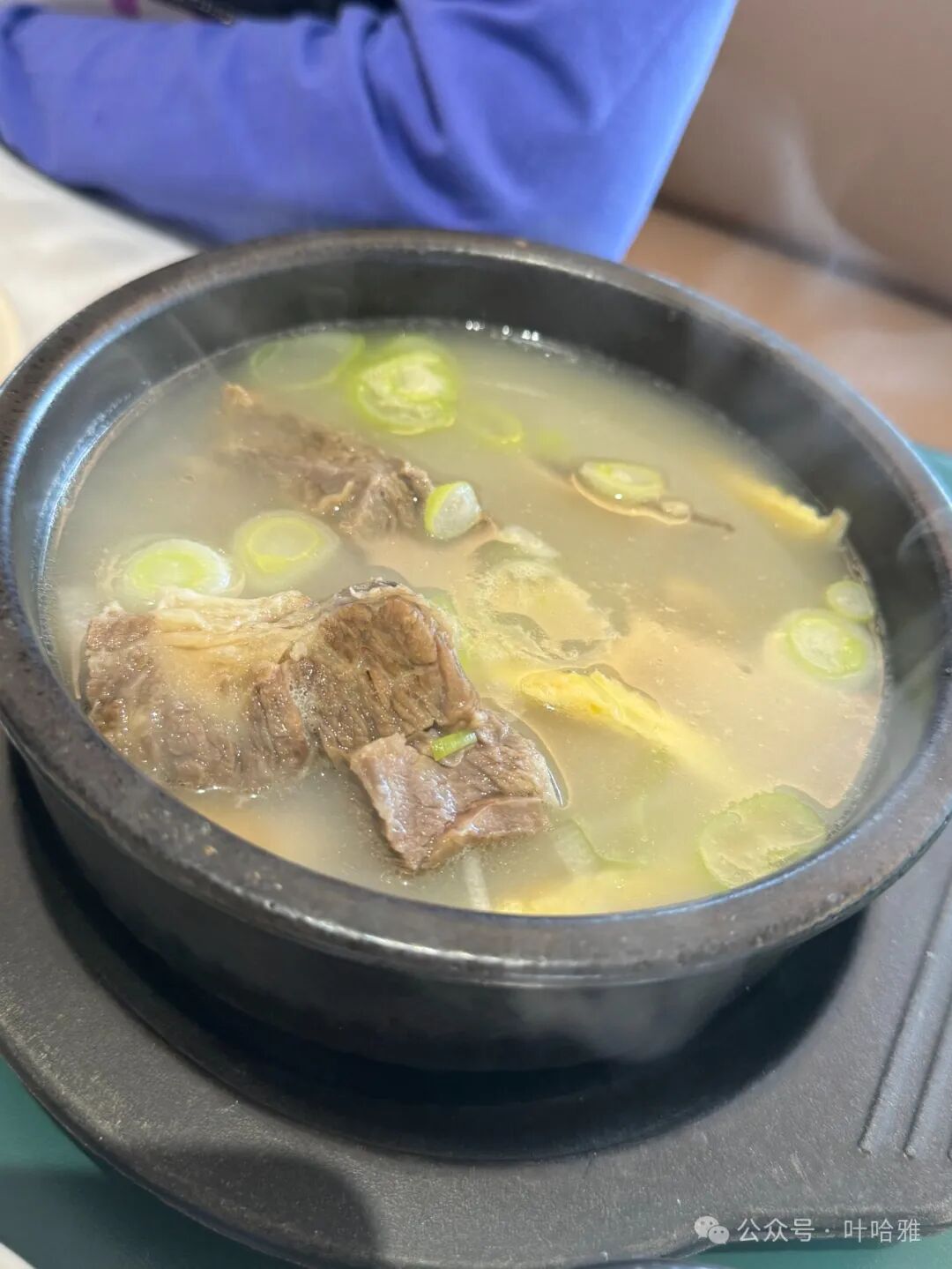
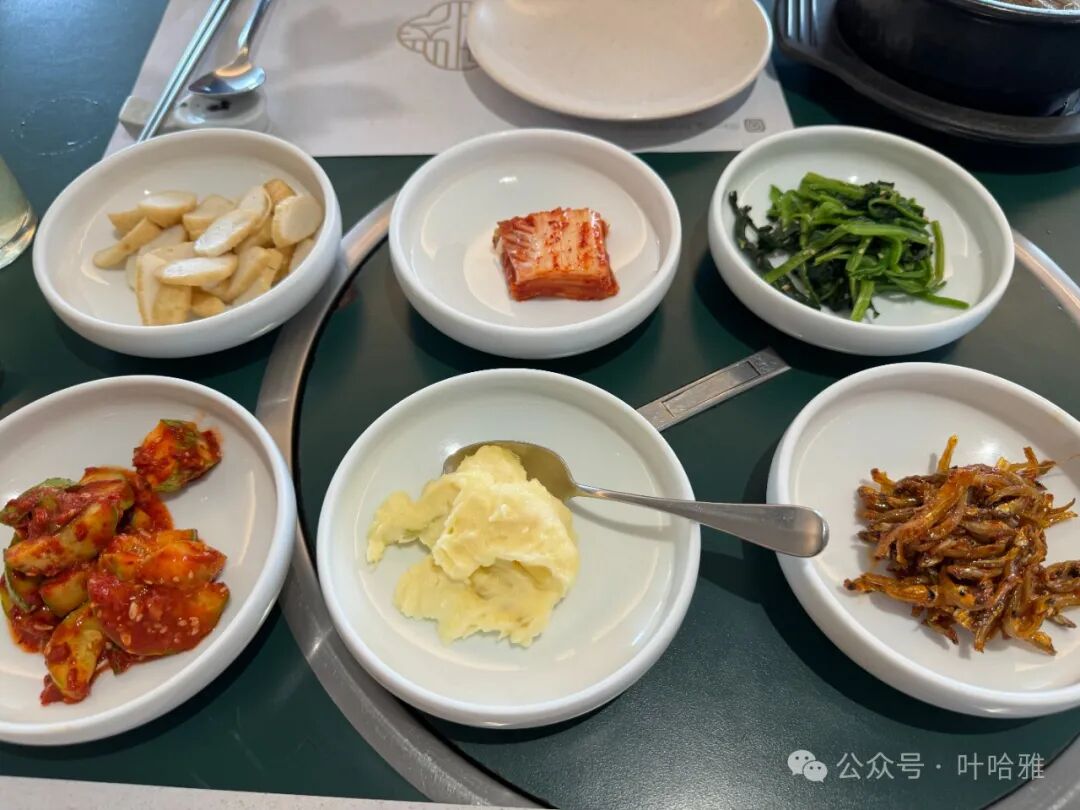
11. Absolute Thai restaurant
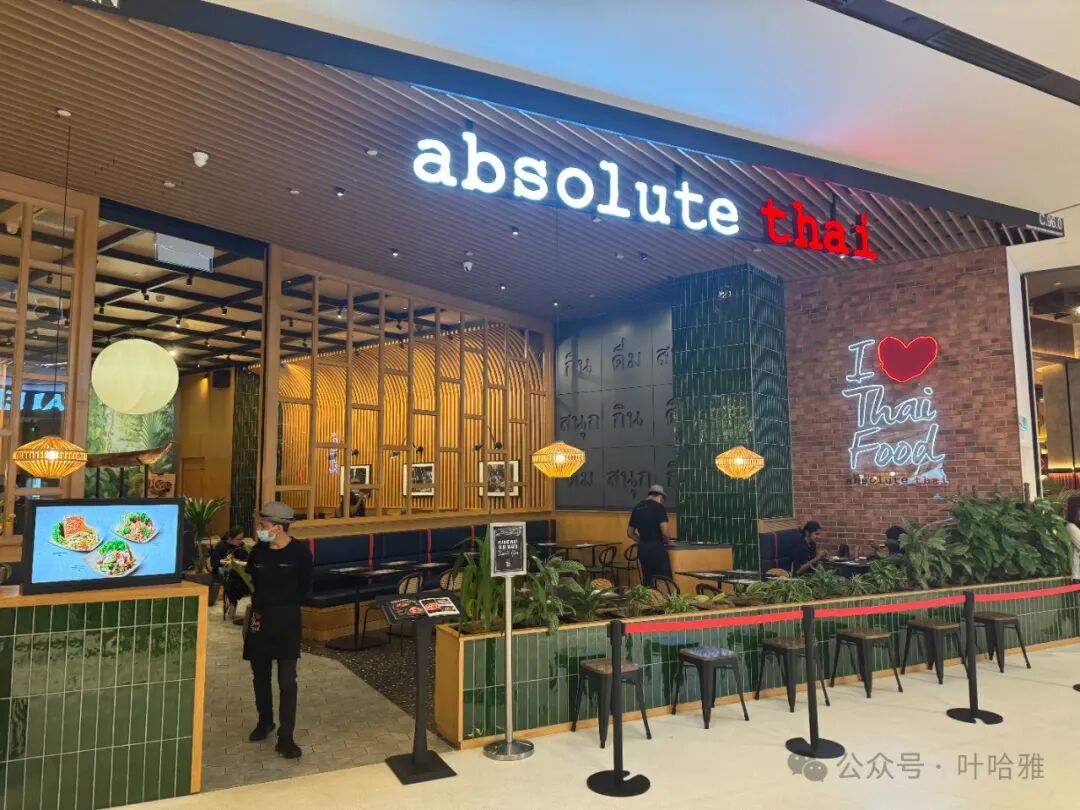
I want to make up for the halal Thai food I can't get in Beijing while I'm in Kuala Lumpur. Thai food in Kuala Lumpur is basically all halal.
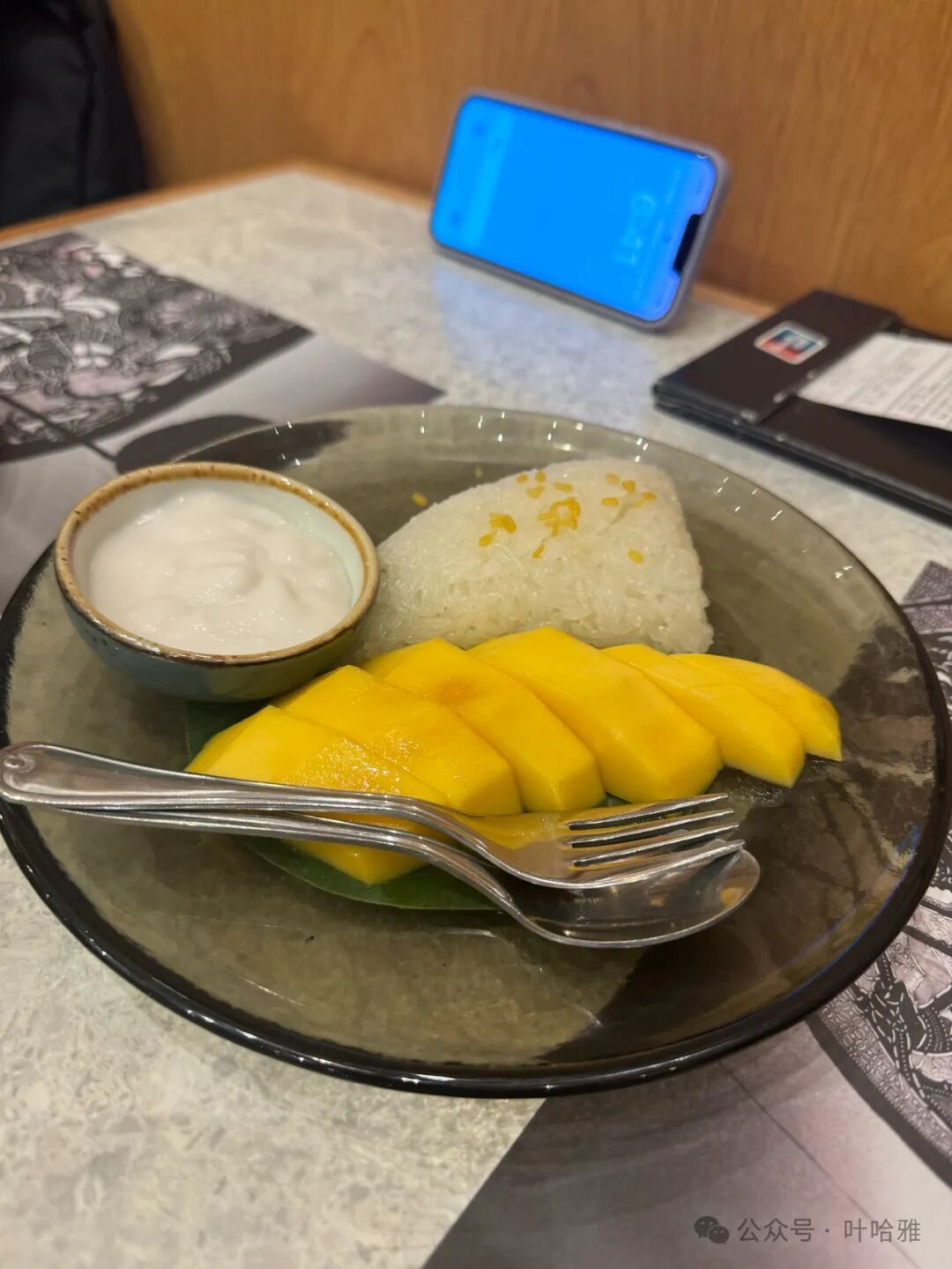
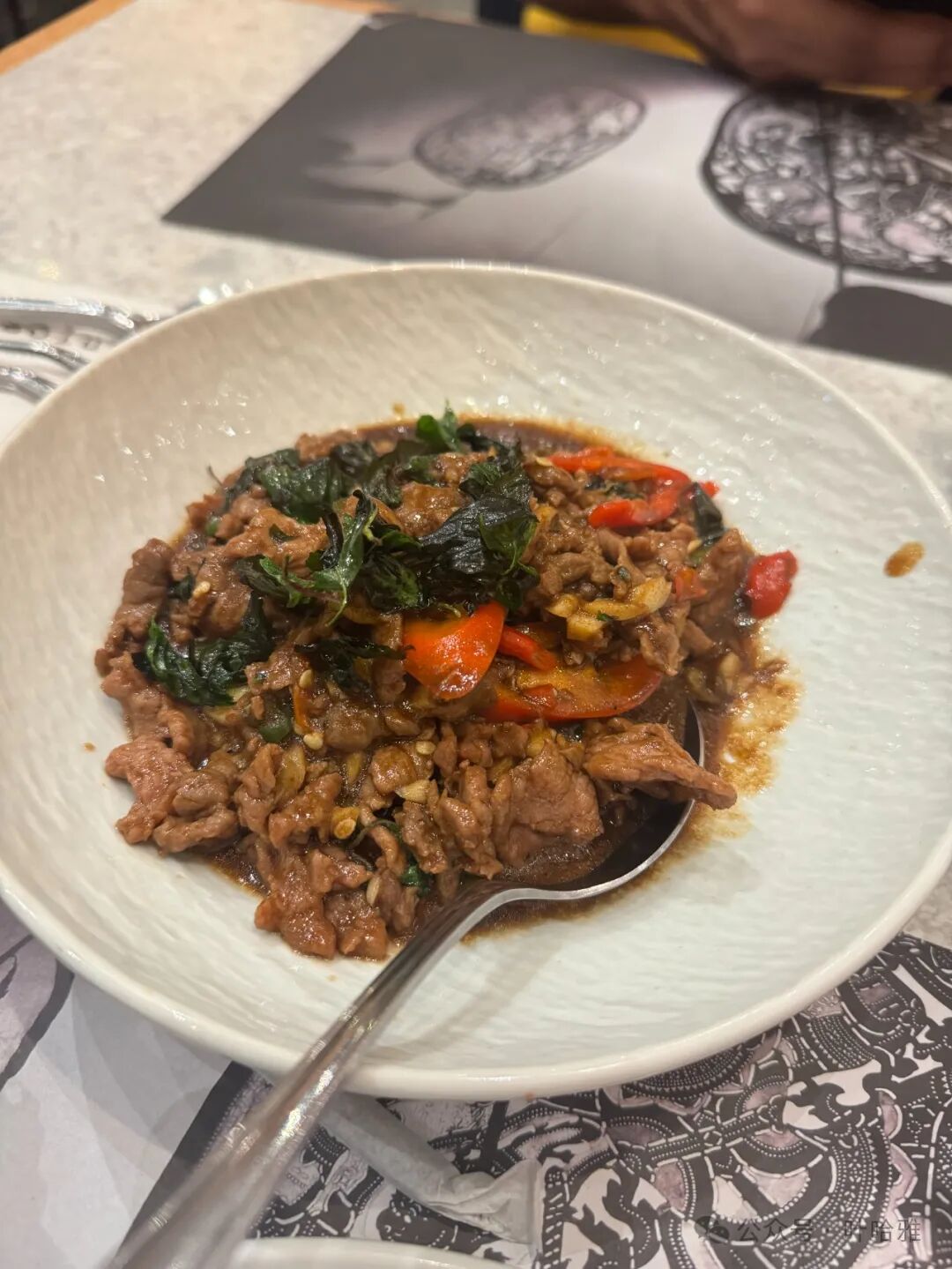
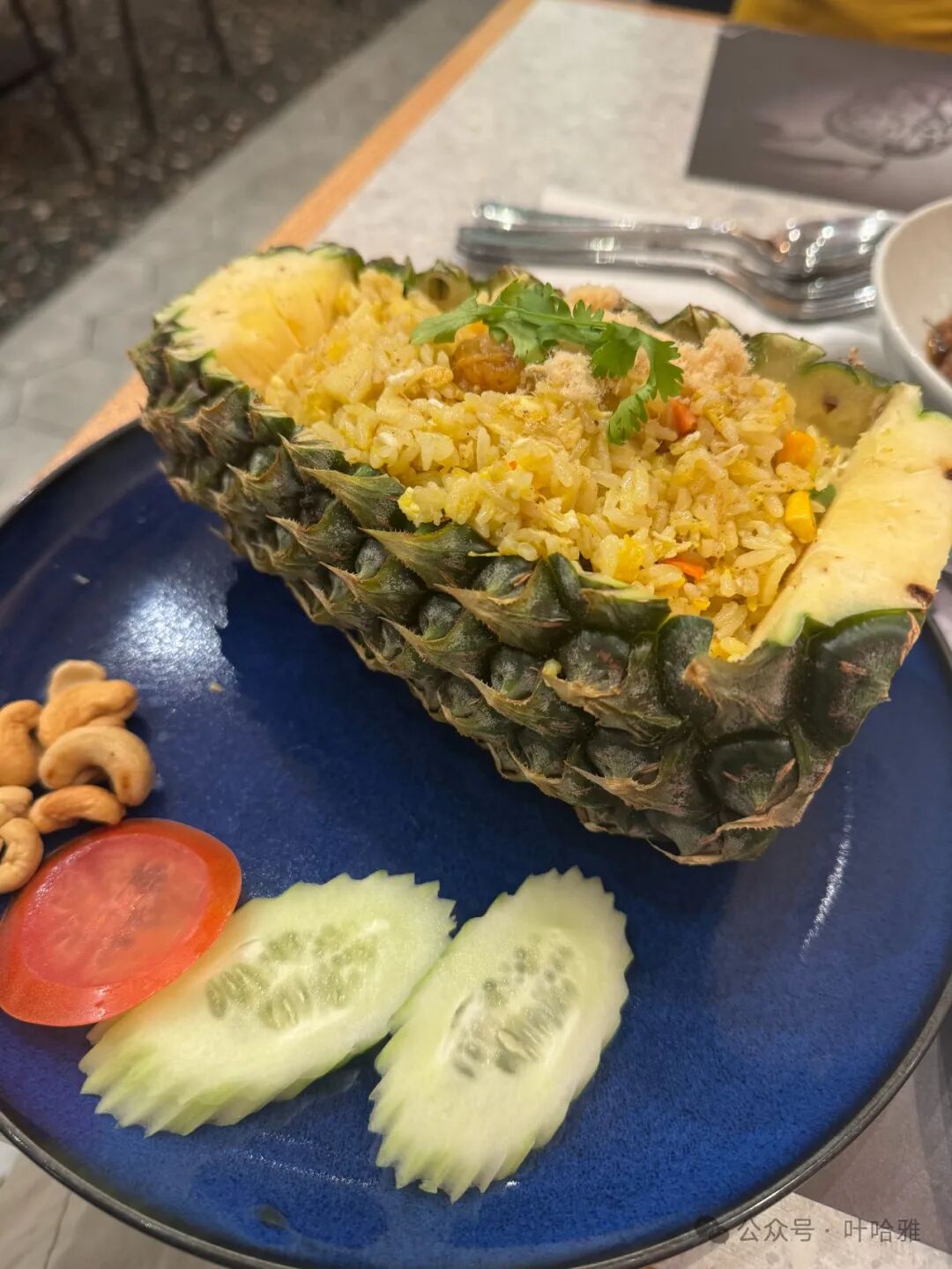
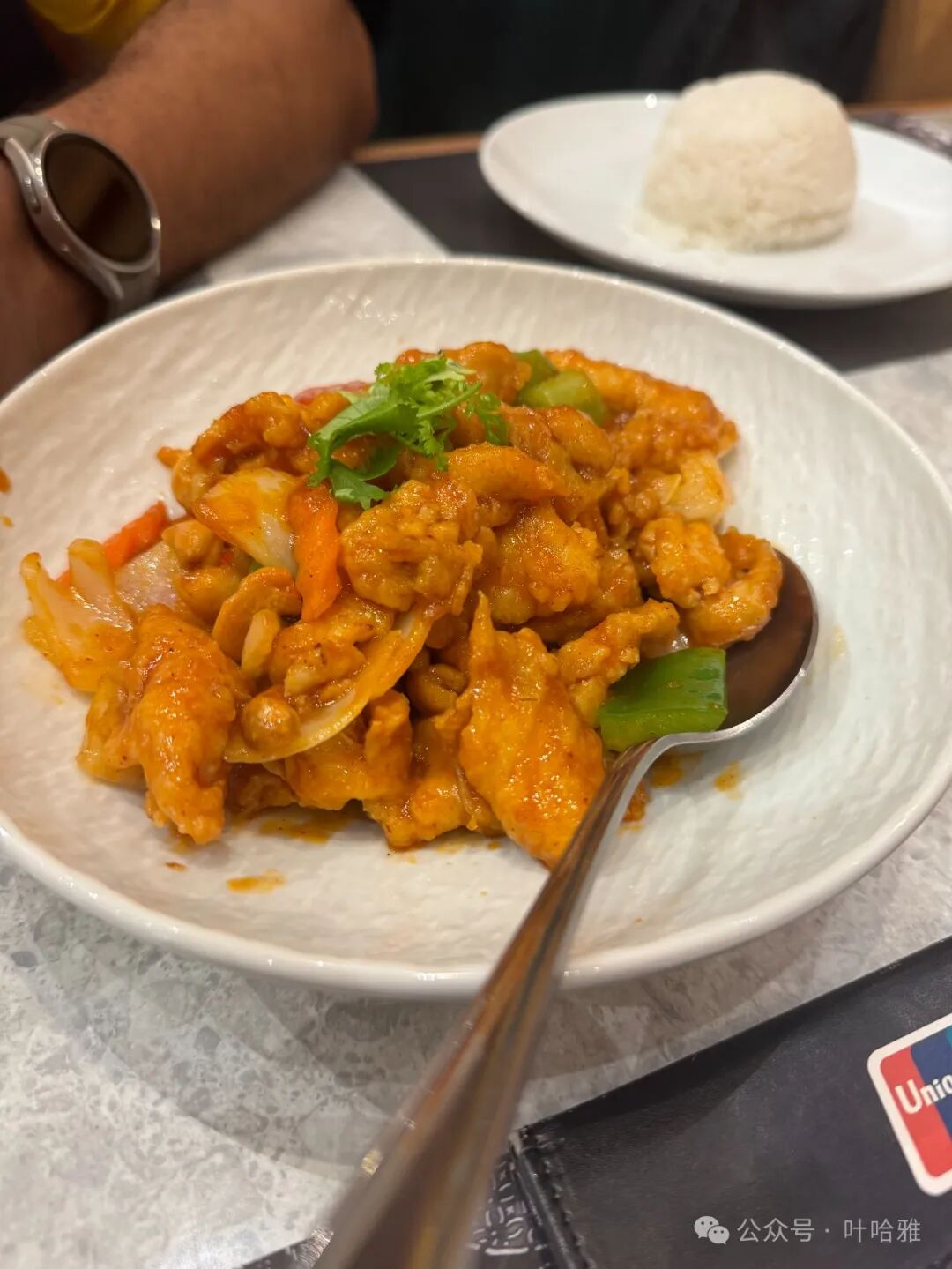
This refined Thai restaurant inside the TRX mall suits my taste perfectly. The pineapple fried rice and the seasoning of the desserts were also amazing.
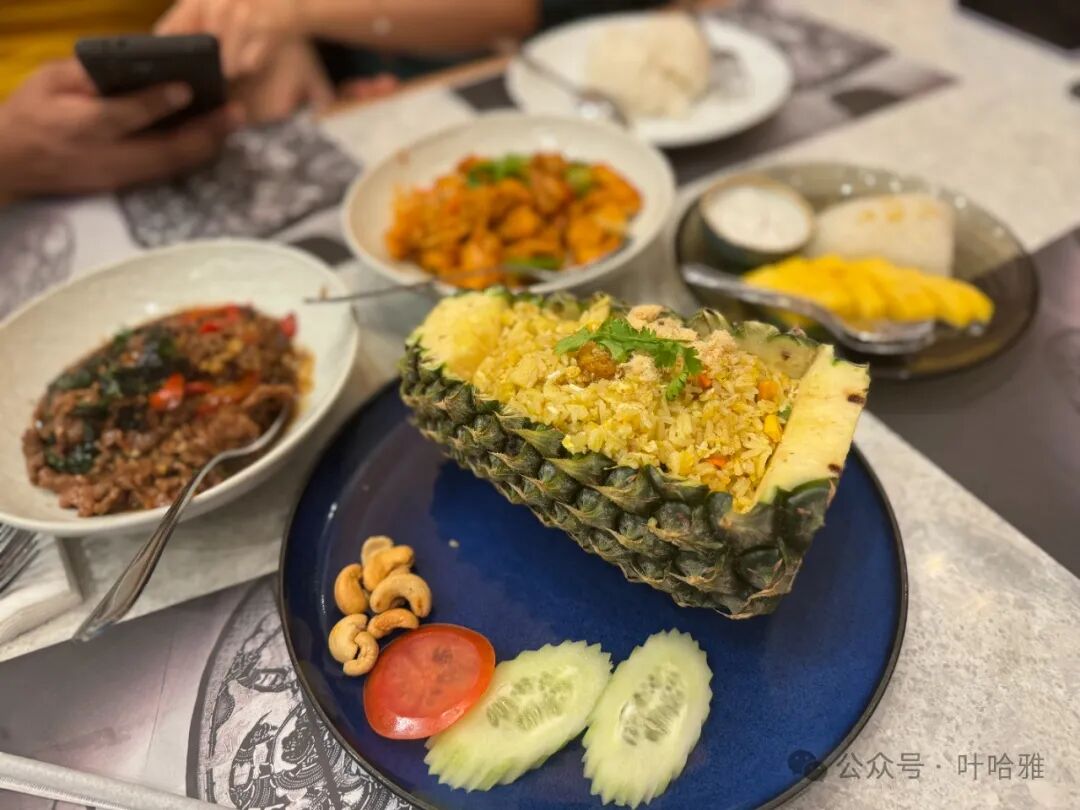
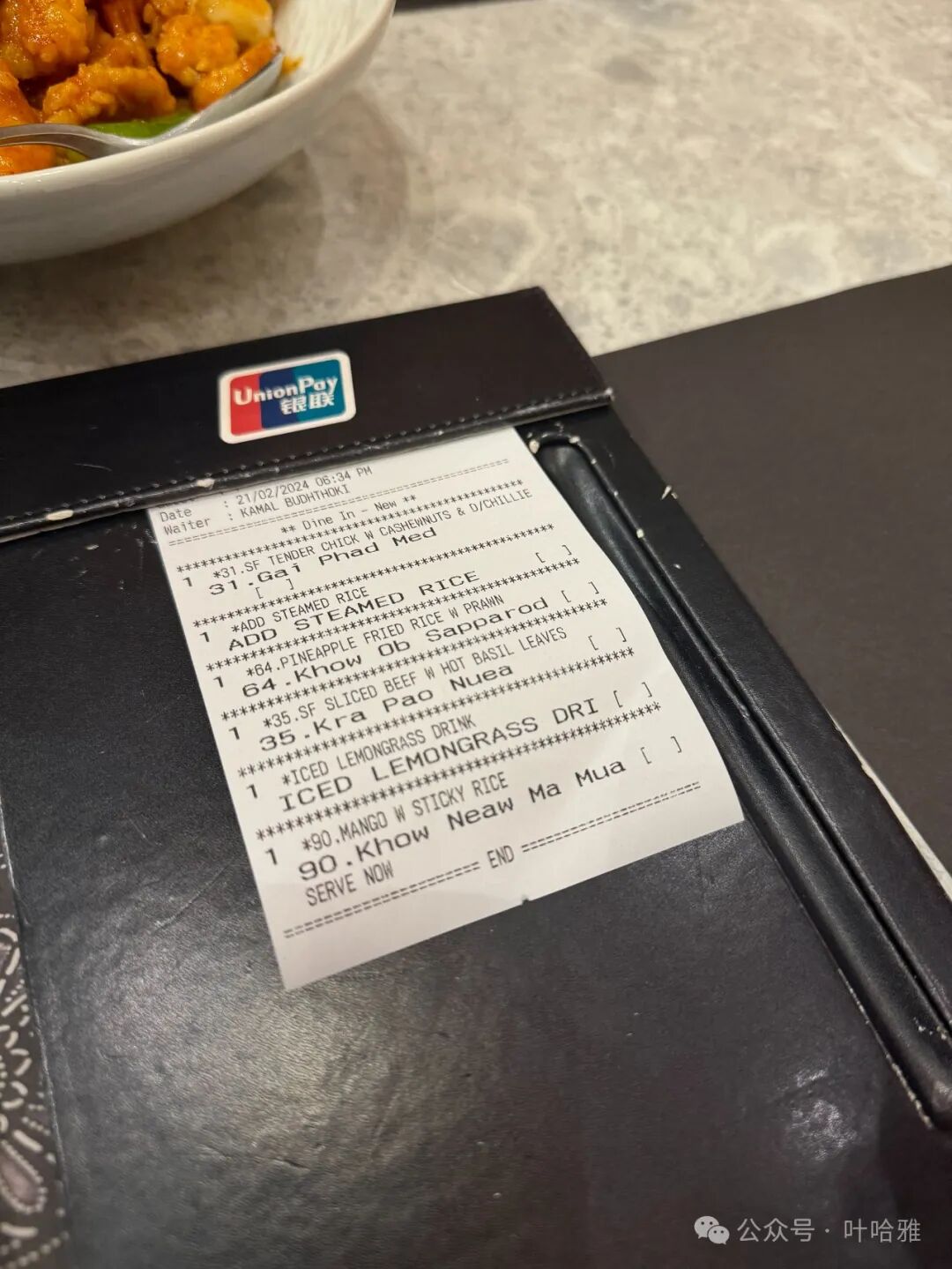
12. PEONY CANTON BOY
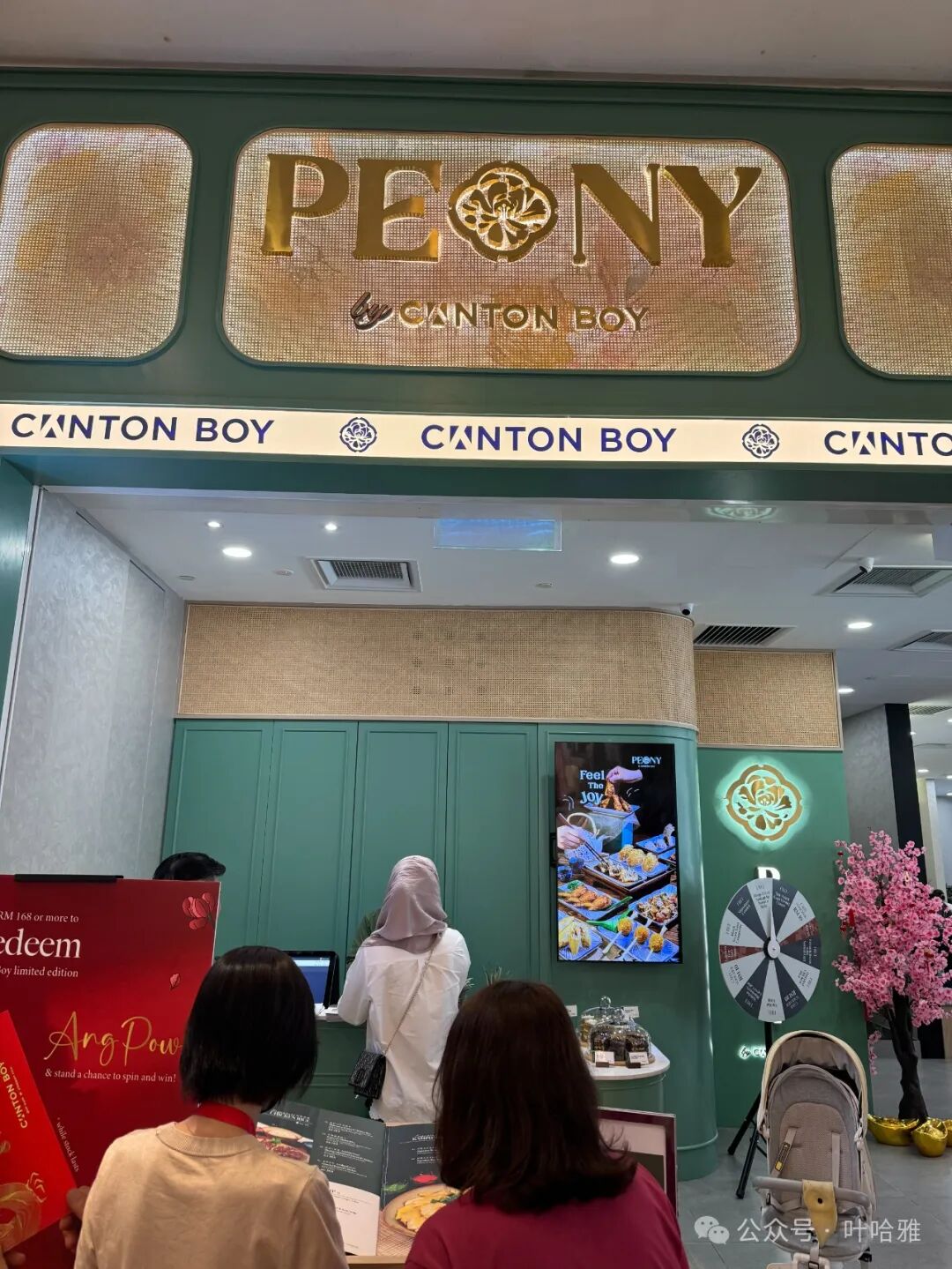
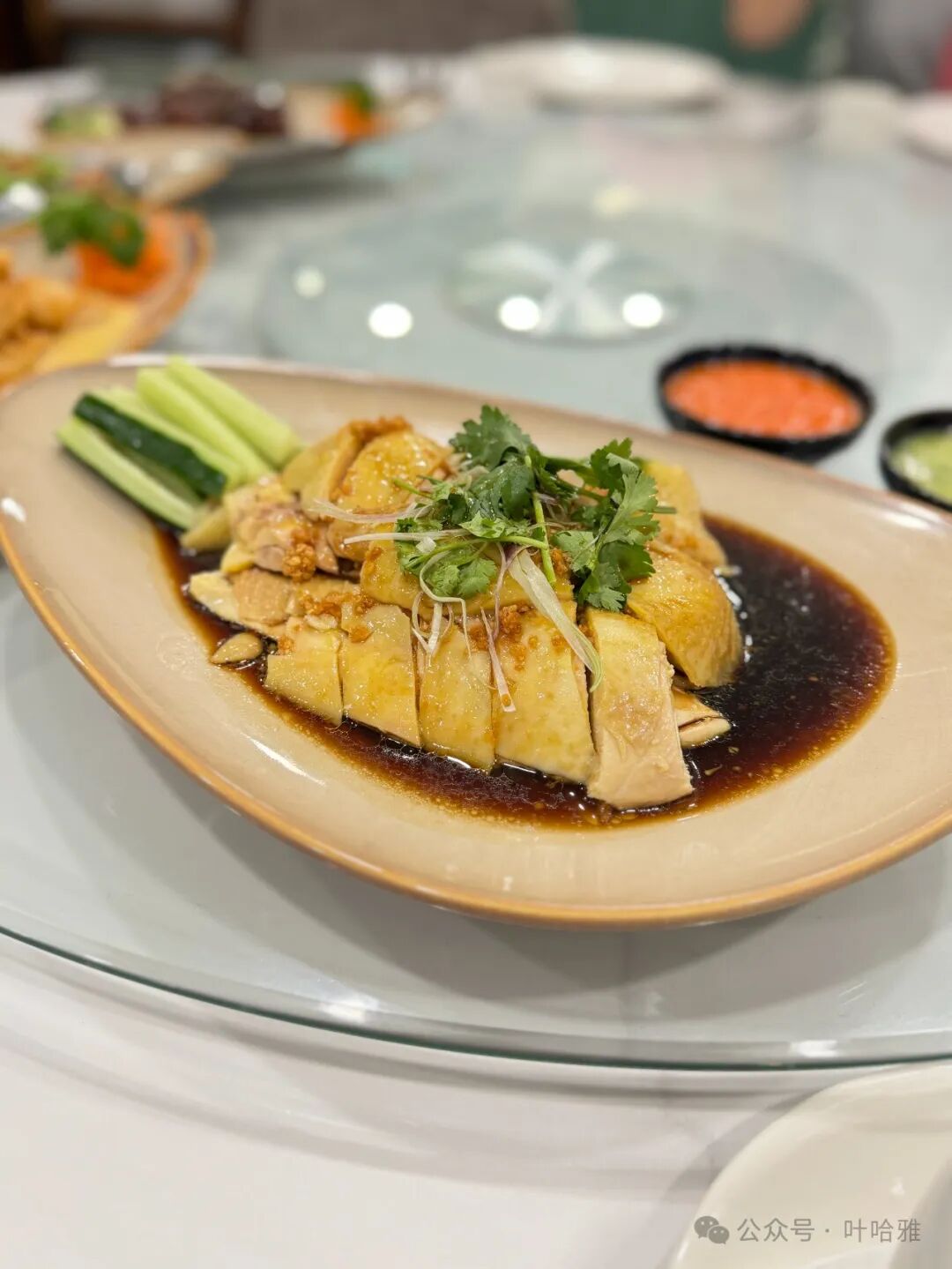
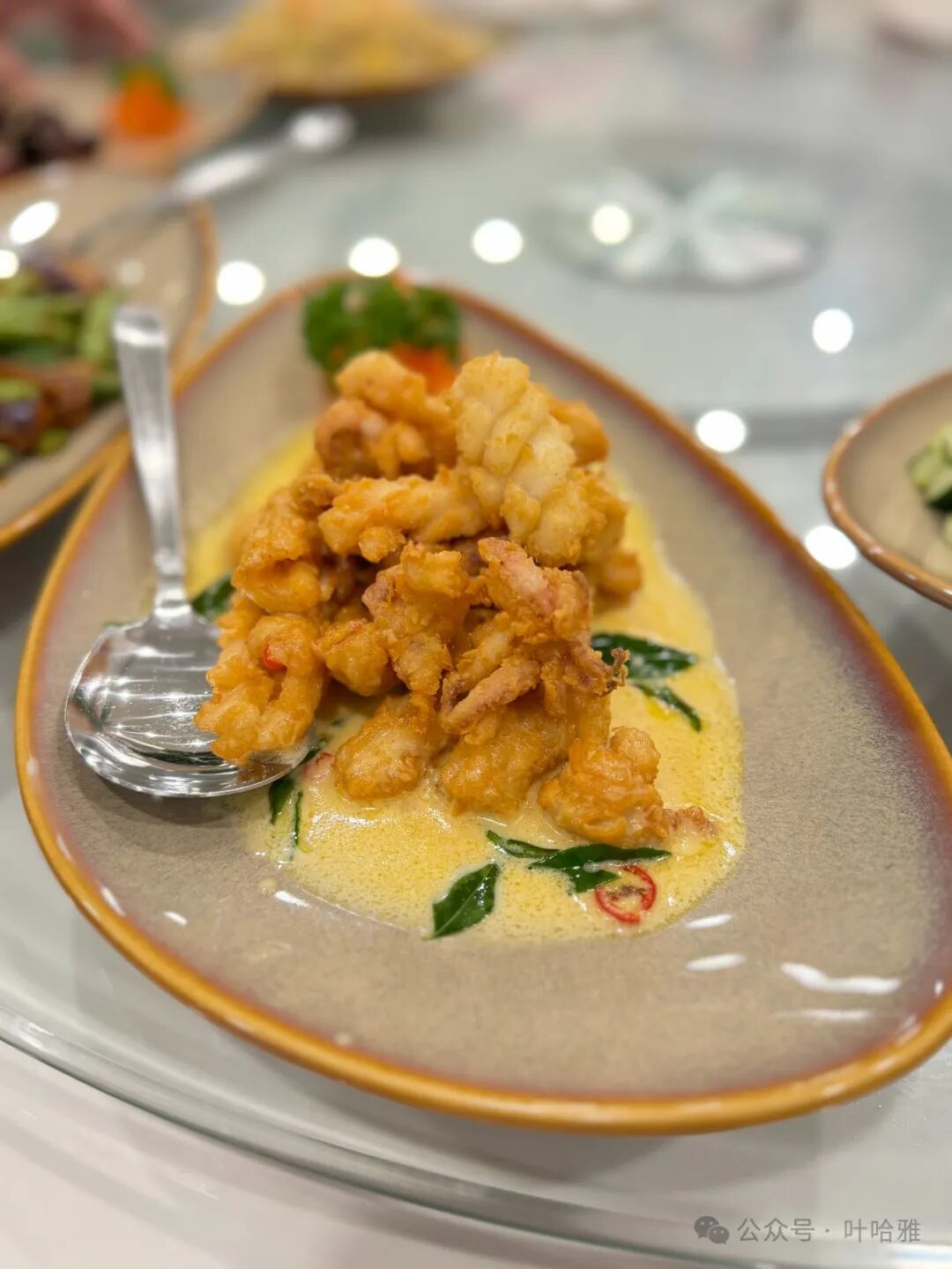
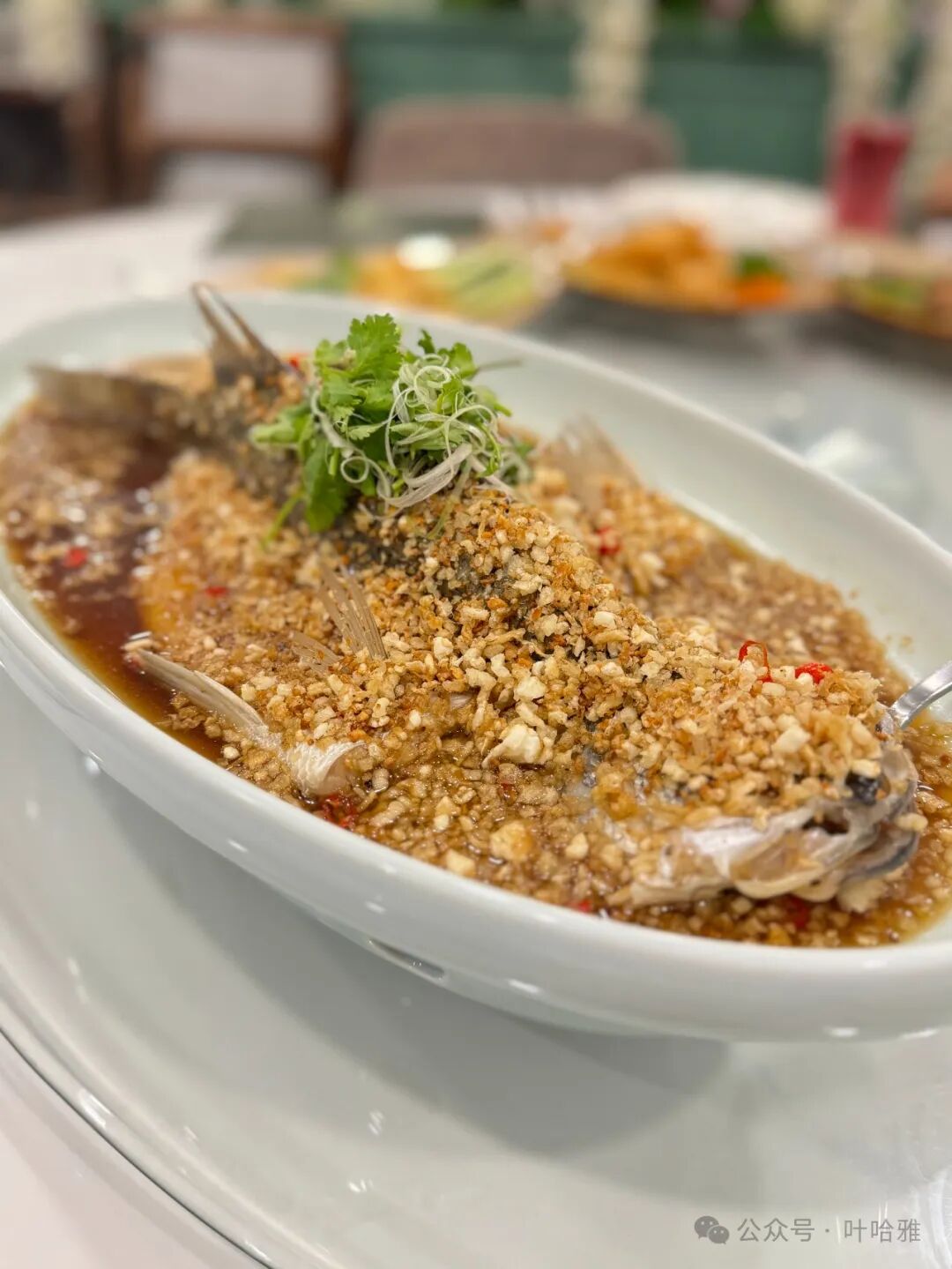
One of my biggest joys in Kuala Lumpur is trying out different styles of morning tea (yum cha). I love eating a rich meal in the morning, which is something I can't enjoy in Beijing. This newly opened Canton Boy is an authentic Cantonese restaurant. Besides morning tea, they also serve main courses. We ate here twice, and I have to say the morning tea satisfied me more.
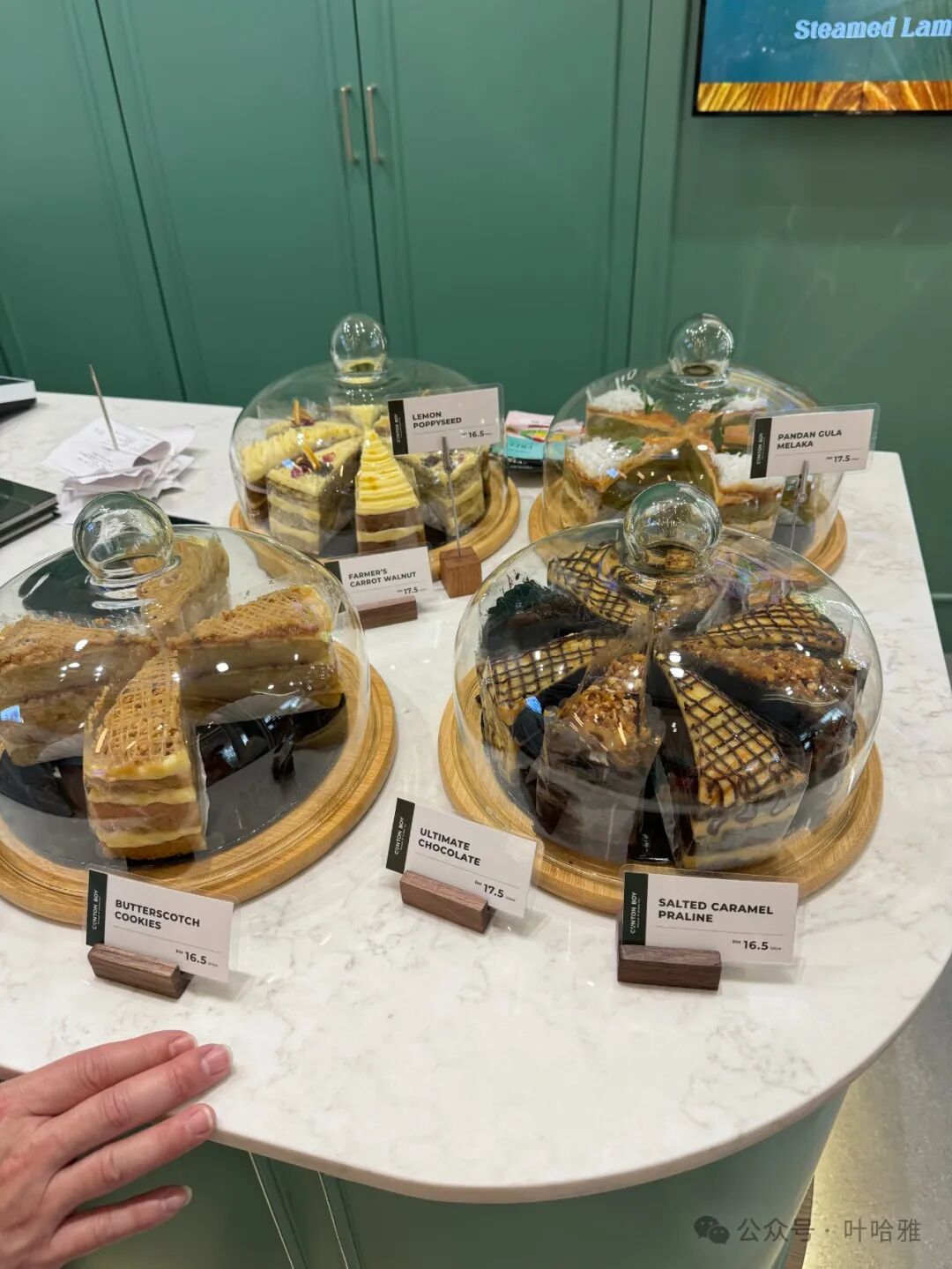
The shop is at the entrance on the first floor of the AK mall. The huge floor-to-ceiling windows and fresh decor are a delight to the eyes. Some staff are Chinese and can speak Chinese, and every server in the restaurant wears a headscarf, which means this is a halal restaurant.
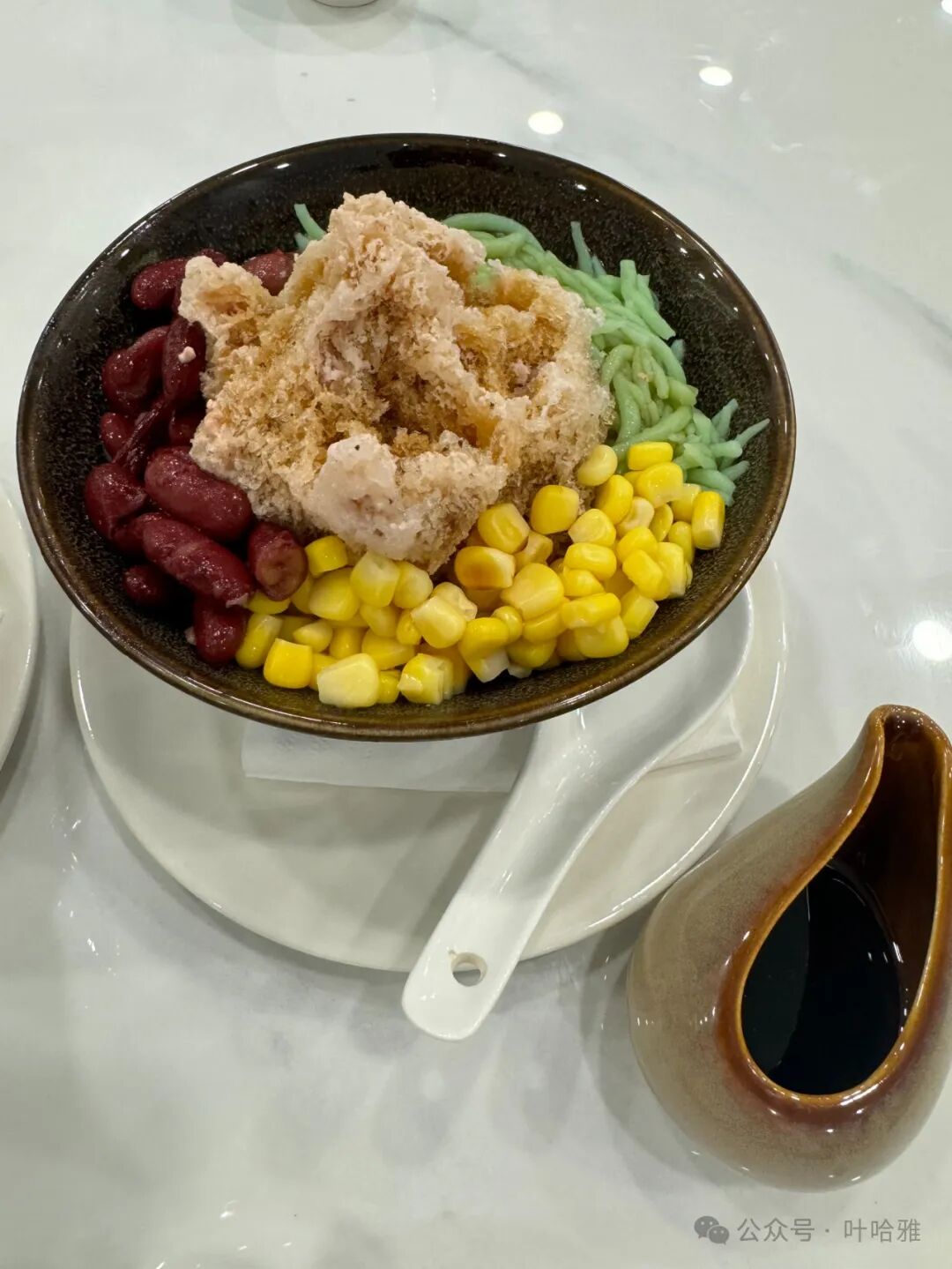
Morning tea starts at 9:00, but that's a bit too late for me. I've already been up for 3 hours by then and am starving, but you don't see many people on the streets here at 9 o'clock.
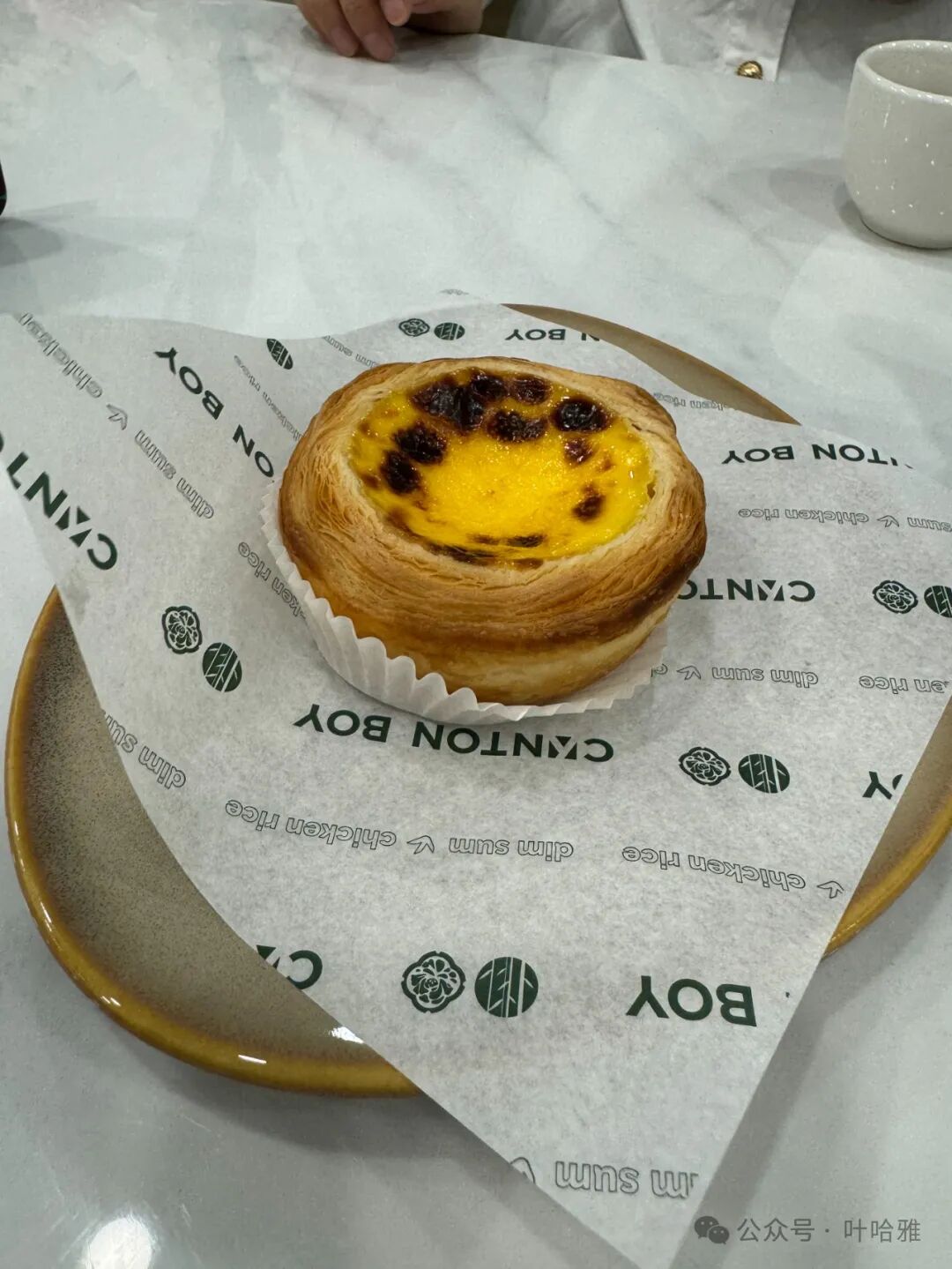
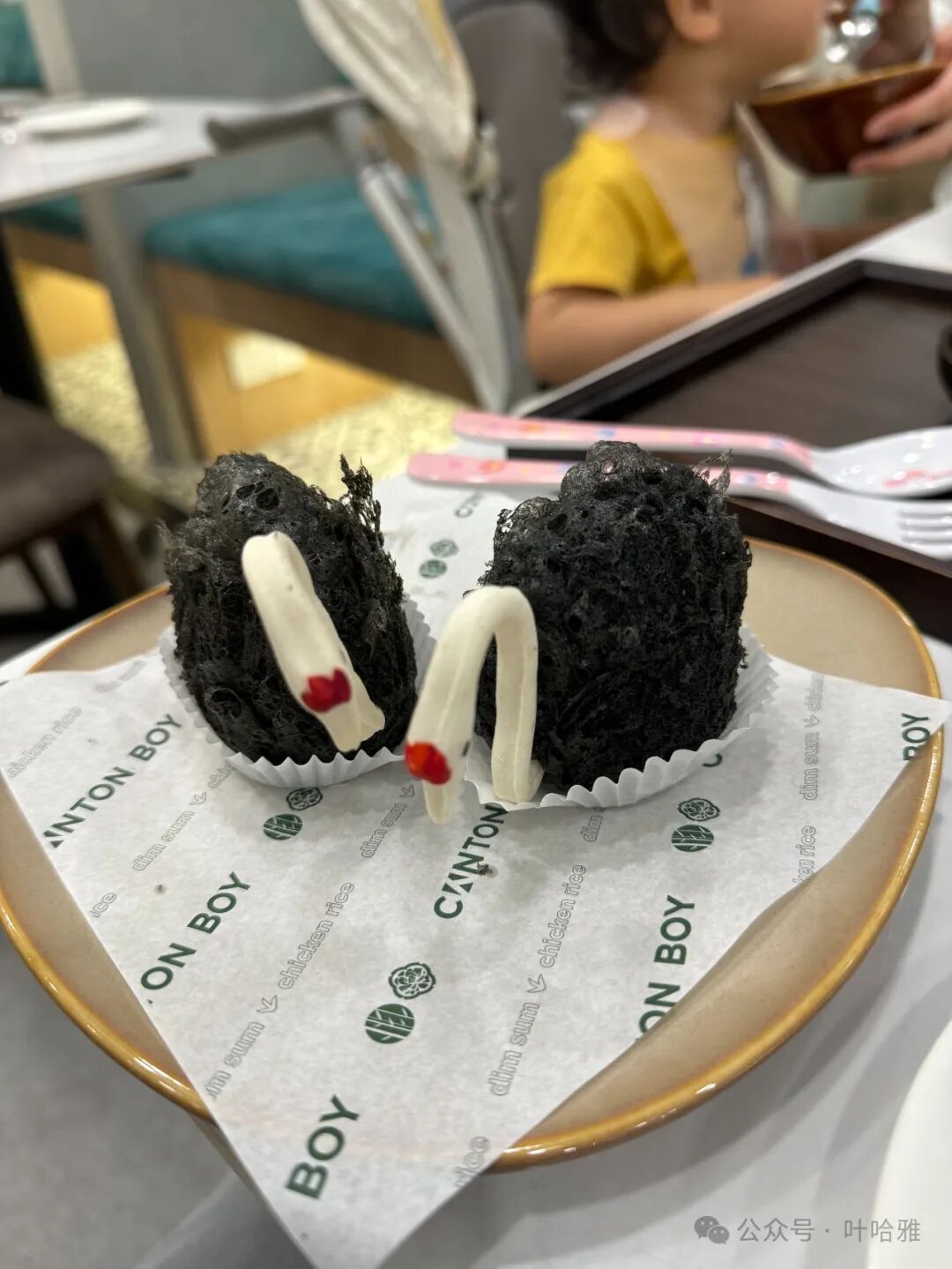
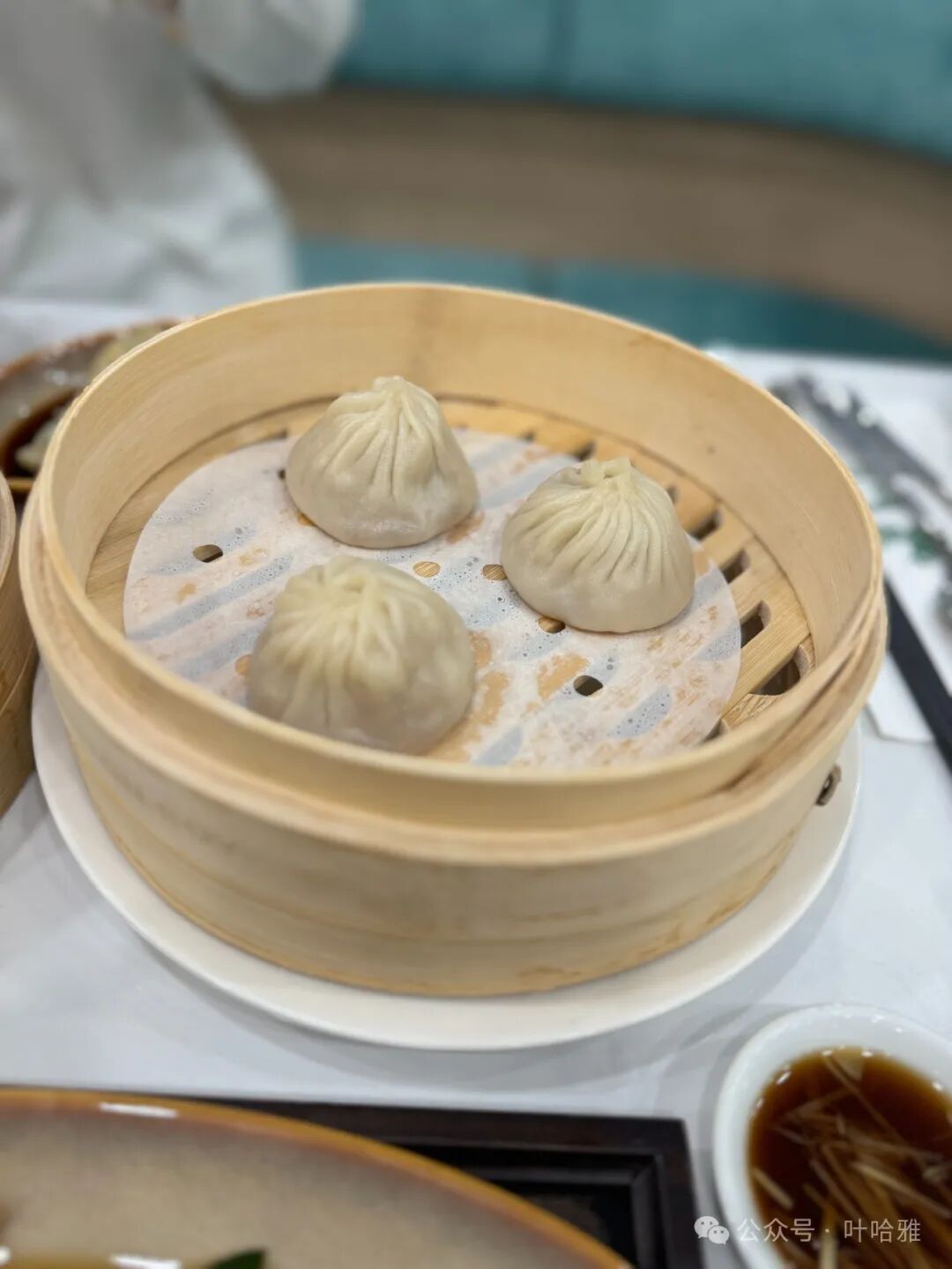
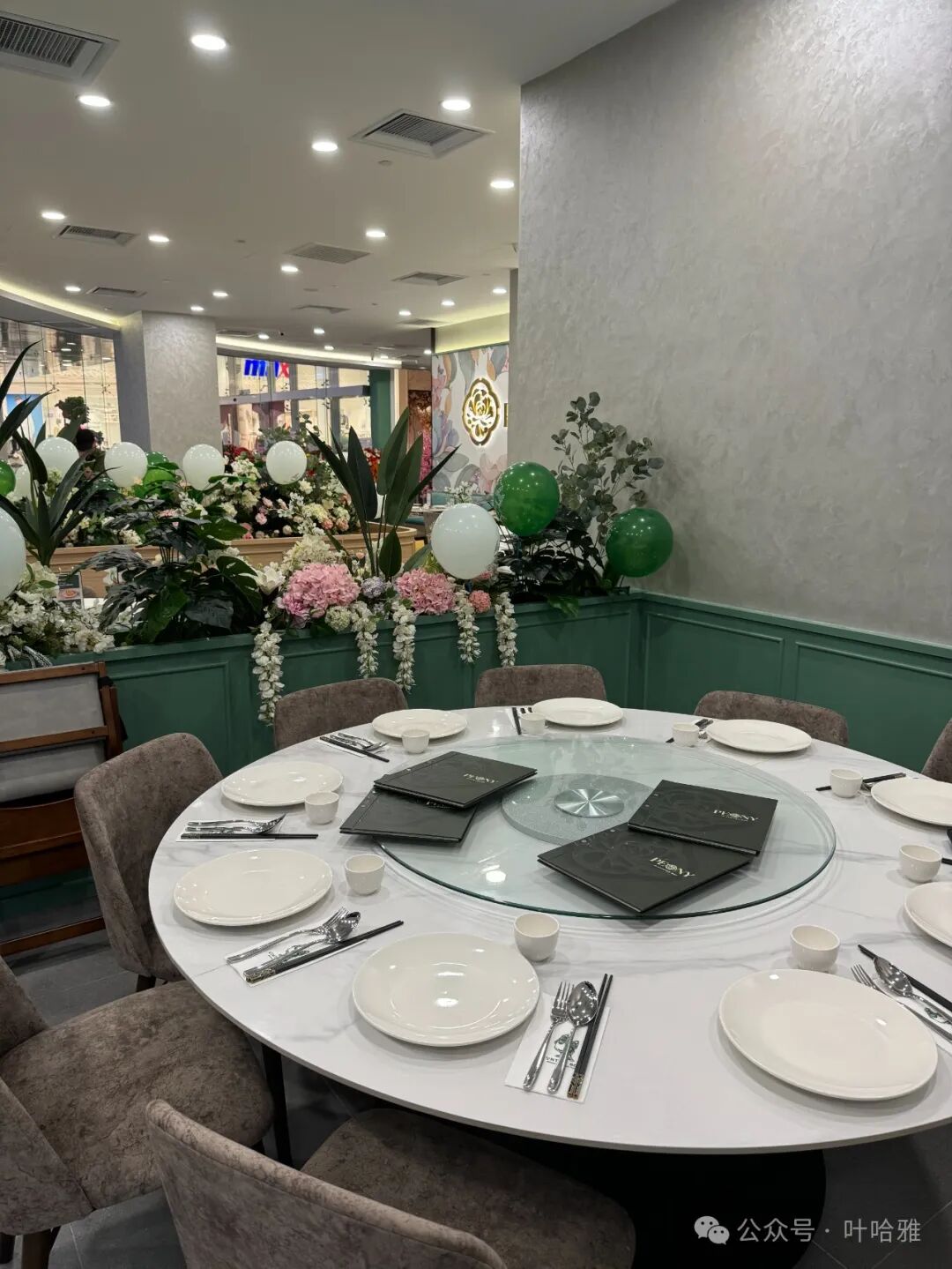
Besides morning tea, I also hosted my brother-in-law's family here. They are second-generation Pakistani immigrants from the UK. They didn't seem used to this Cantonese food; they preferred the mixed noodles at Musa Lanzhou Ramen.
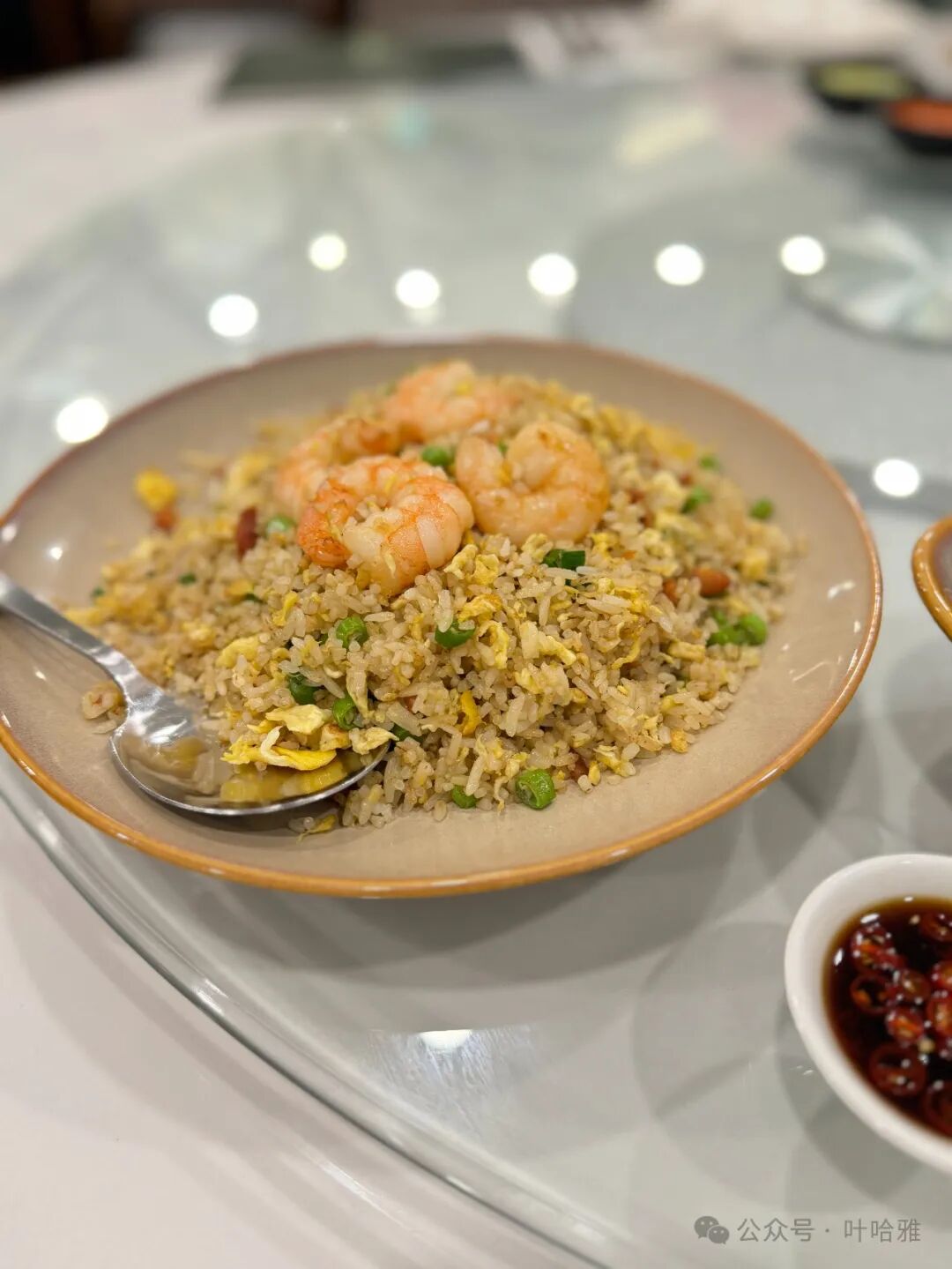
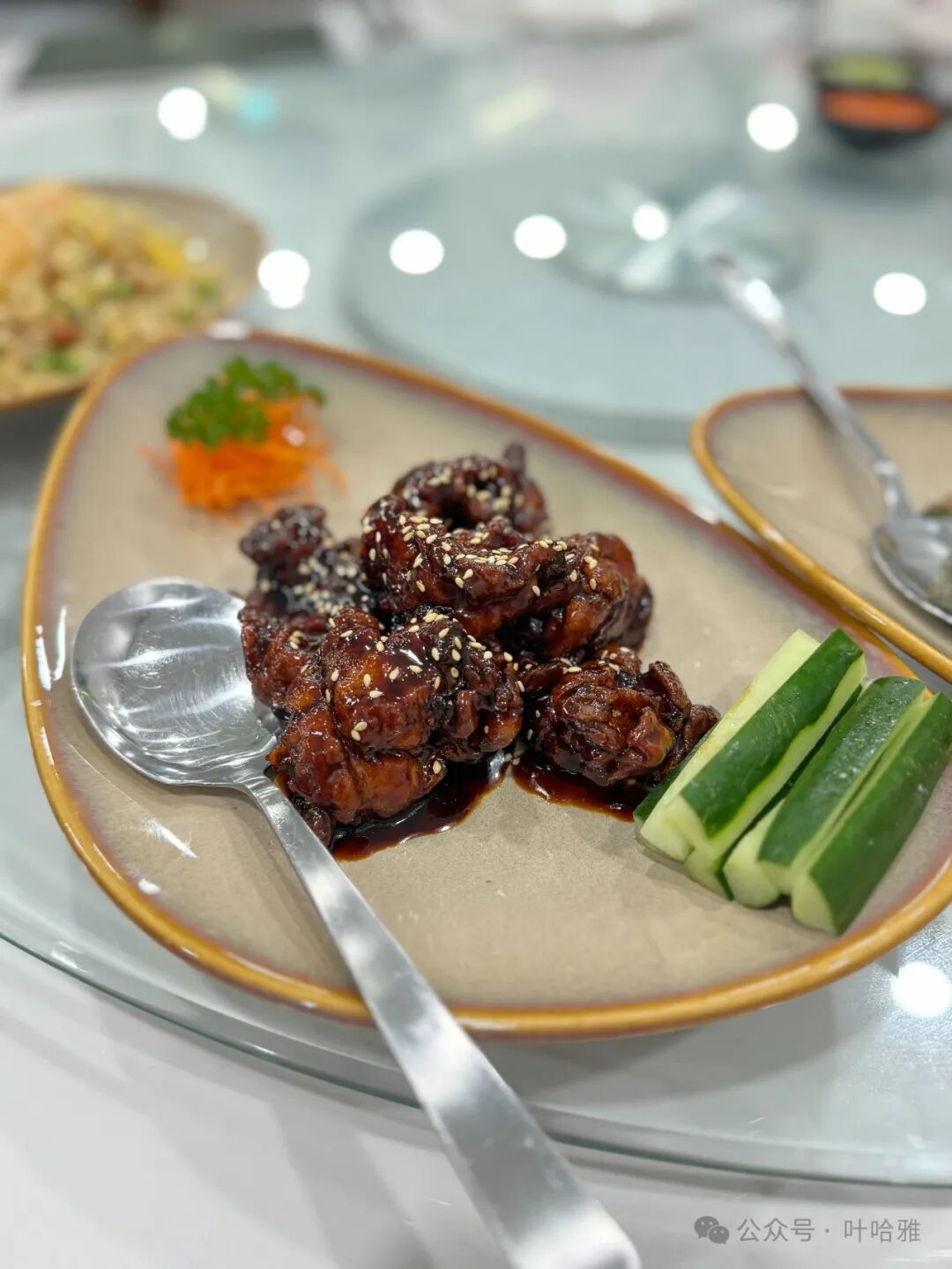
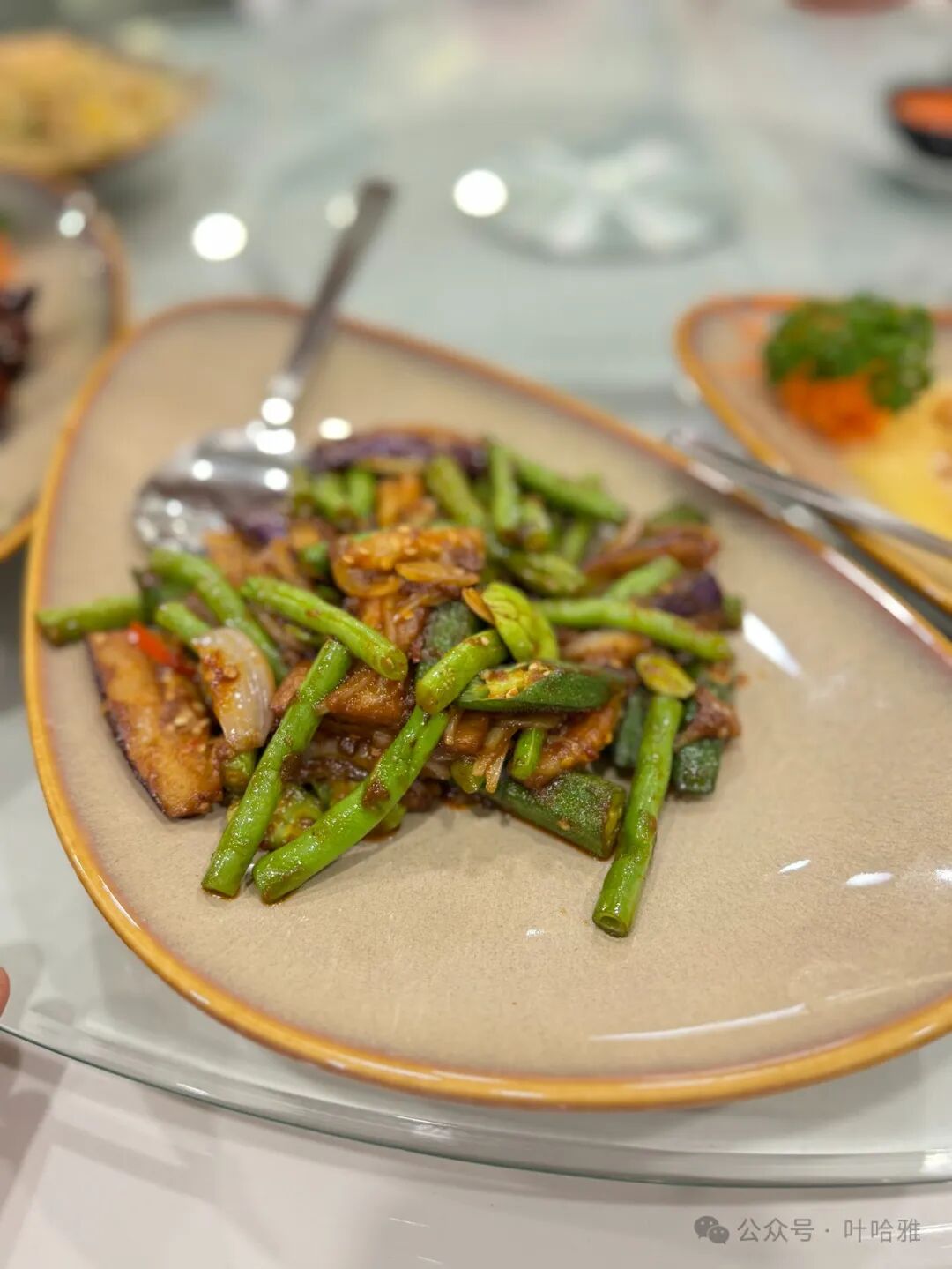
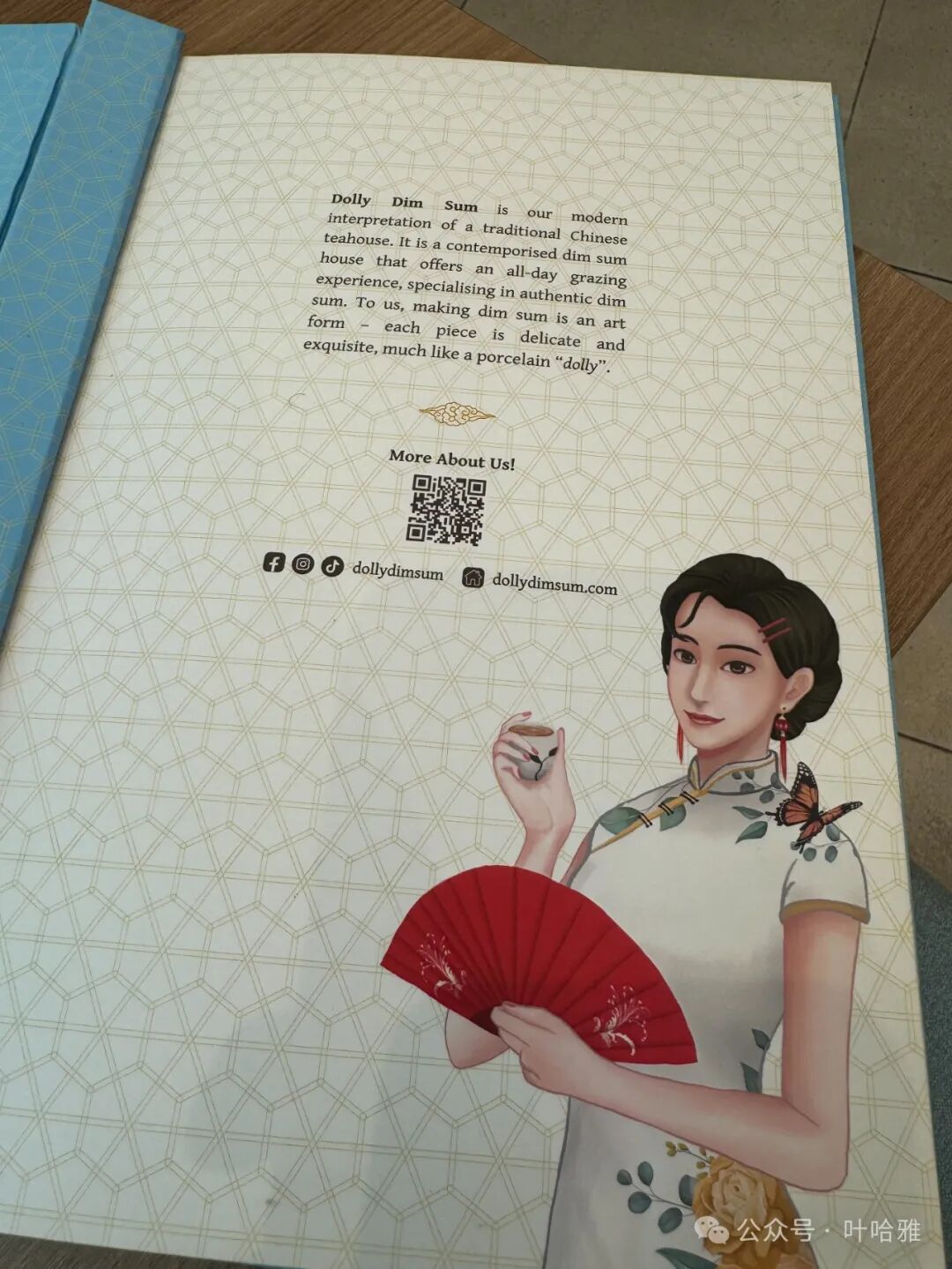
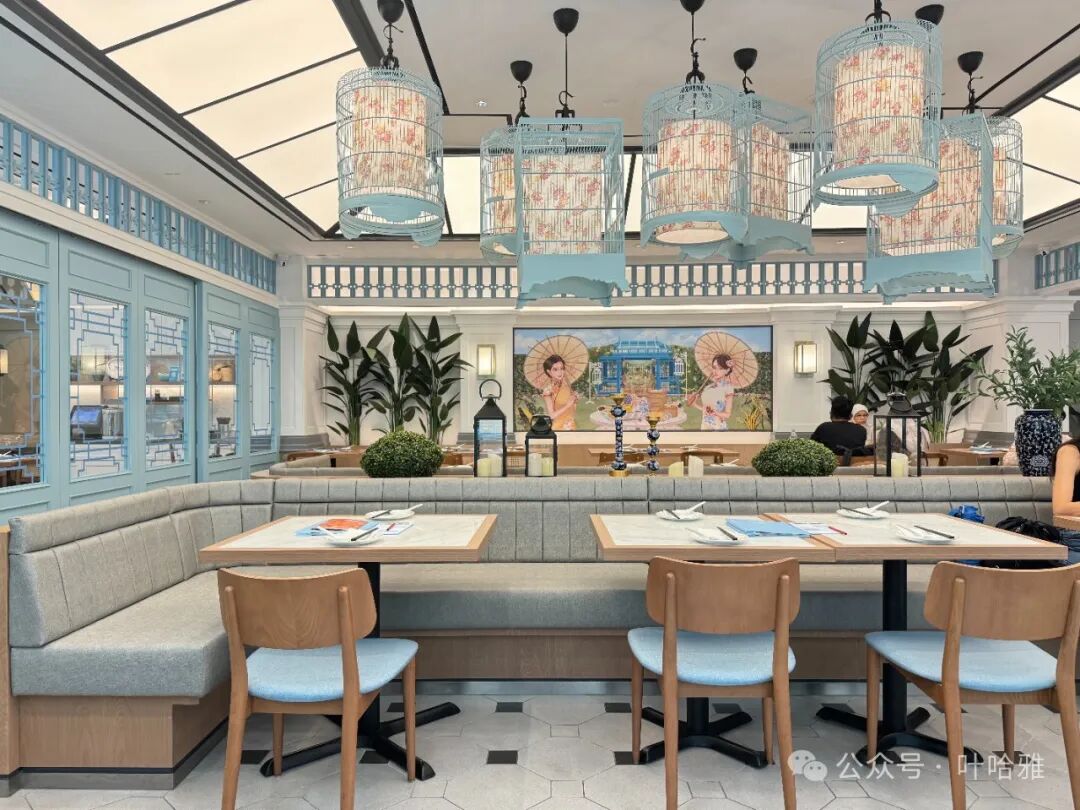
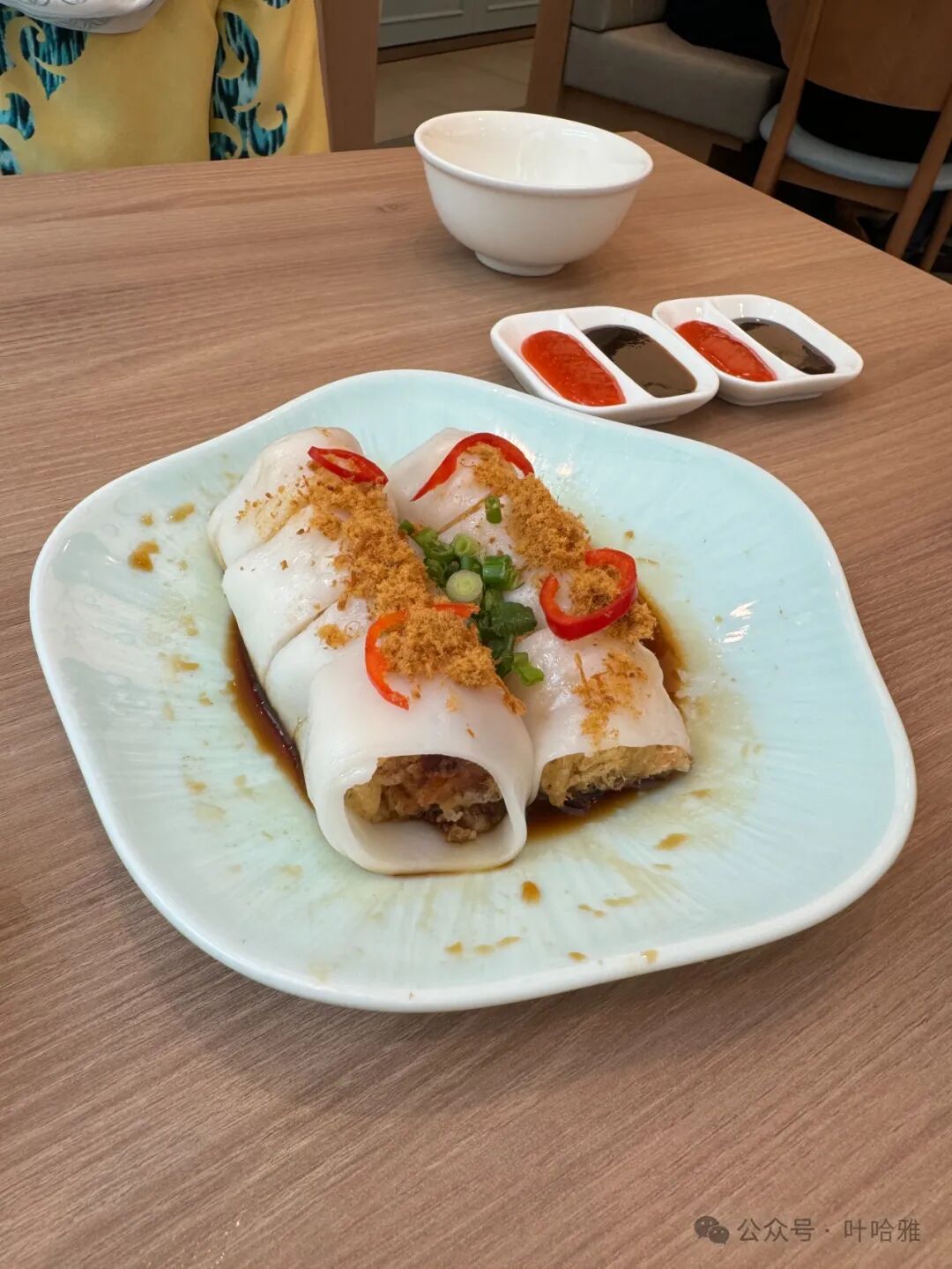
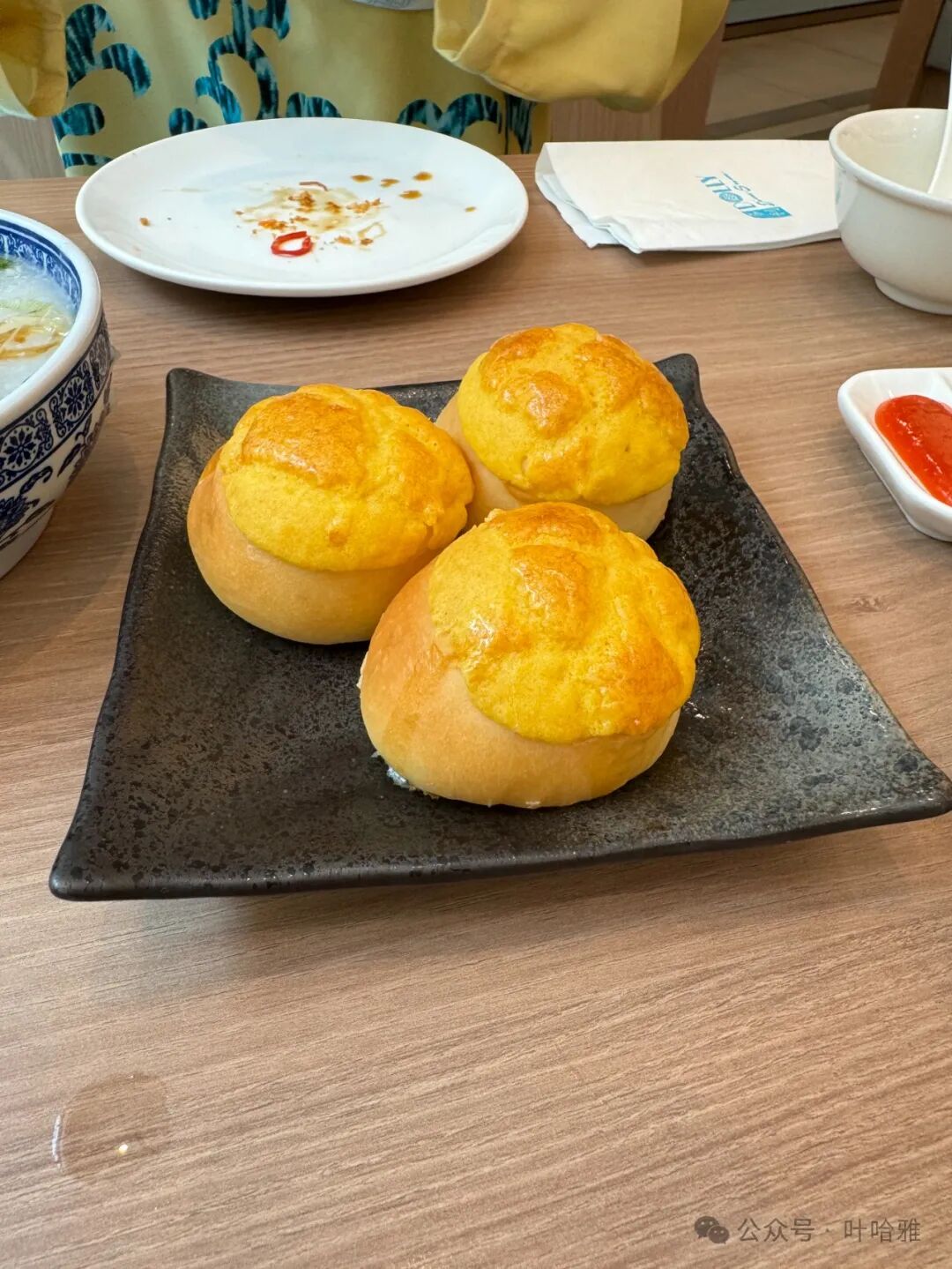
13. DOLLY DIM SUM
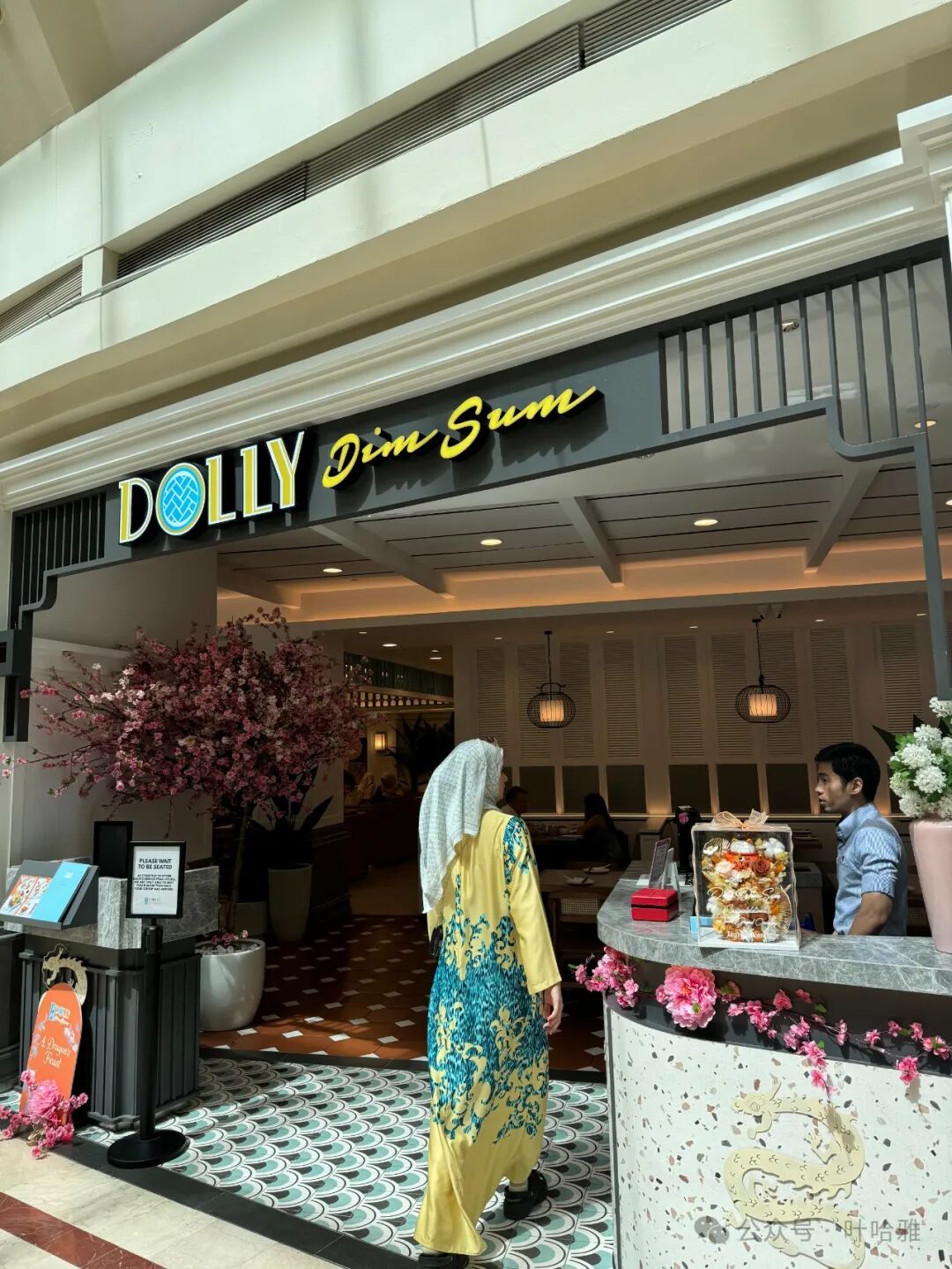
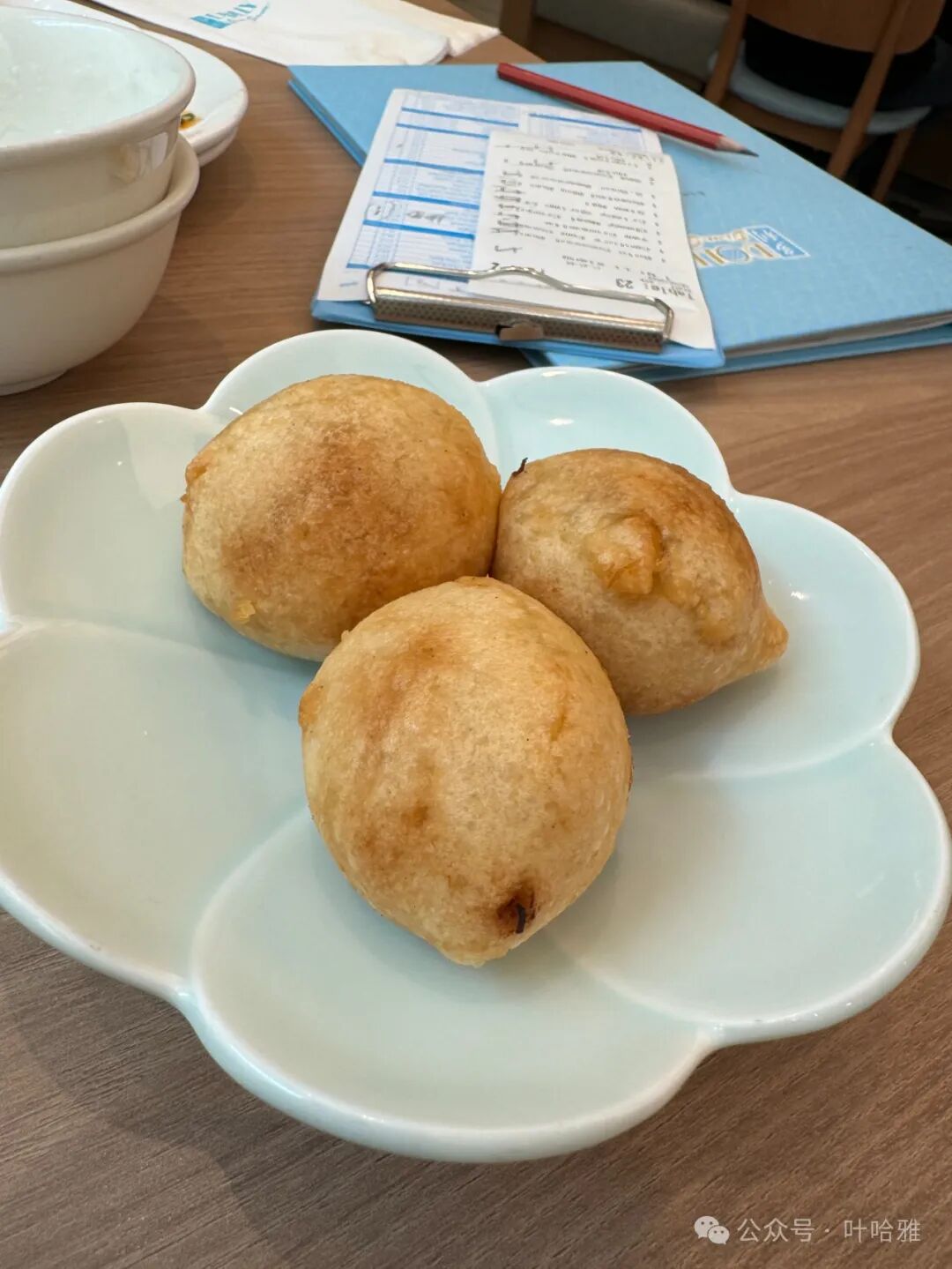
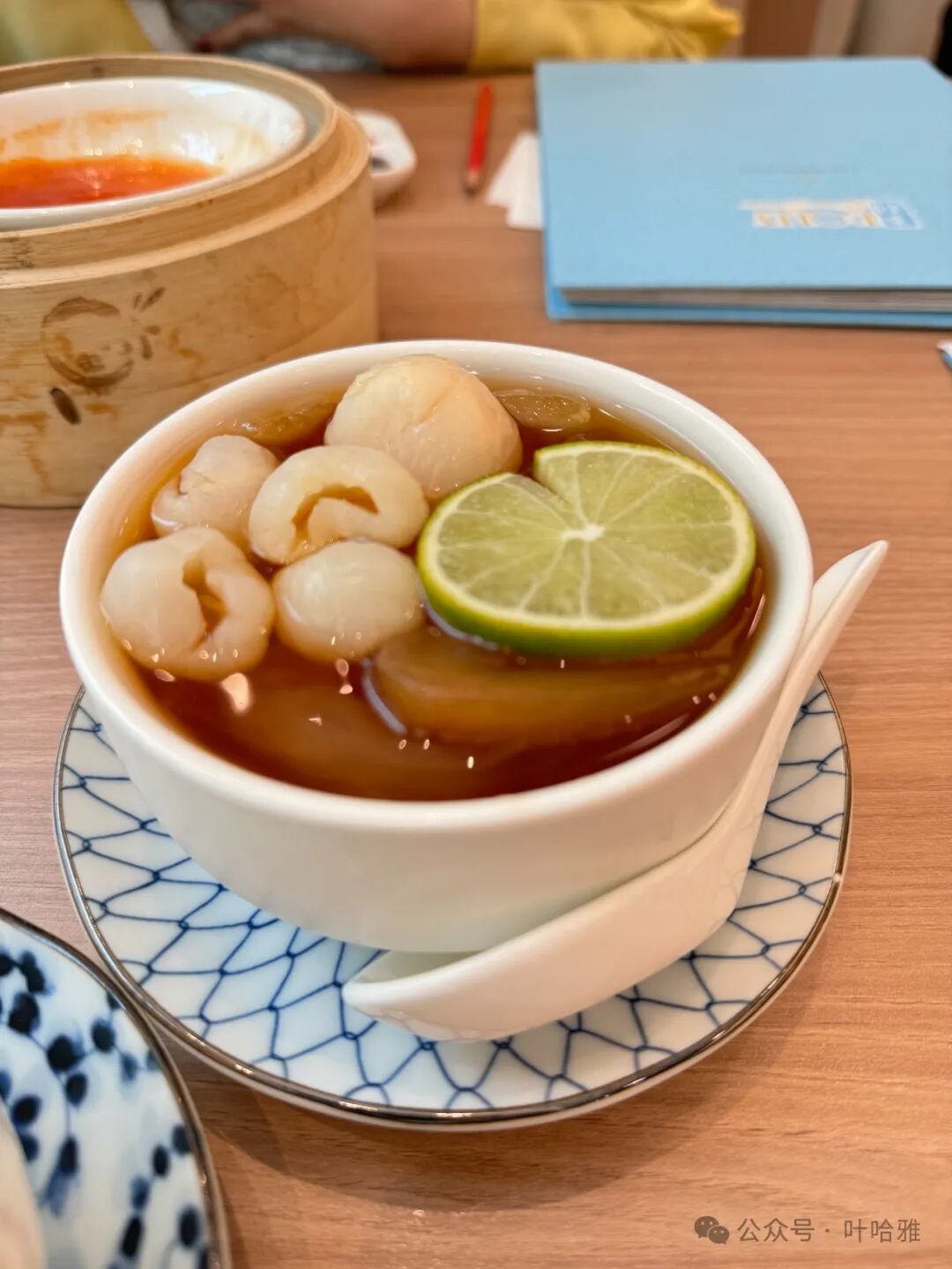
There are so many choices for morning tea in Kuala Lumpur that you could eat something different every day. Nearly half the people here are Chinese, mostly with roots in Guangdong, Guangxi, and Fujian, so you can trust the quality of their morning tea. Dolly Dim Sum (Duo Li) is a chain restaurant. This location is on the fourth floor of KLCC, and you will need to wait in line during peak hours.
Authentic Halal Chinese Food Beijing: Xinjiang Restaurant, Yunnan Dishes & Niujie Snacks
Articles • yusuf908 posted the article • 0 comments • 177 views • 2026-05-24 00:17
Summary: A Beijing halal food guide focused on Xinjiang restaurants, Yunnan Muslim dishes, Niujie snacks, beef noodles, and other local qingzhen (halal) finds, keeping the original restaurant names, addresses, and photos in order.
[Beijing Special Halal Dining Guide (Including the Most Complete List of Foreign Restaurants)] (Part 1)
[Beijing Special Halal Dining Guide (Including the Most Complete List of Foreign Restaurants)] (Part 2)
[Beijing Special Halal Dining Guide (Including the Most Complete List of Foreign Restaurants)] (Part 3)
A Guide to Halal Dining in Beijing (Part 4)
101. Jinjiang Western Regions Restaurant
This is a high-end Xinjiang restaurant very close to Olympic Forest Park.
The space is quite large with a nice dining atmosphere, making it suitable for banquets and group meals.
The lamb chops are a bit gamey, but the overall taste of the dishes is decent, costing about 100 yuan per person.
Address: No. 411, Zone 4, Huizhong Beili, Asian Games Village, Chaoyang District.
102. Ayidian Chang Halal Yunnan Cuisine
It is not easy to find authentic halal Yunnan food in Beijing, but this restaurant, which opened recently, is quite genuine.
The decor is fresh and elegant, and the owner is a young woman from Yunnan.
Tamarind (suanjiao) is a local specialty of Yunnan, so I chose to try the tamarind juice.
Beef wrapped in mint leaves; mint is as common in Yunnan as cilantro and is delicious even when eaten raw.
This is fried grasshopper.
Ibn Abi Awfa narrated: We went on seven expeditions with the Prophet, and we ate locusts. Sunan an-Nasa'i, Hadith 37;
The Prophet described the sea, saying: 'Its water is pure, and its dead creatures are halal.' He also said: 'We are permitted two types of dead creatures: fish and locusts;' and two types of blood: liver and spleen.' (Musnad Ahmad)
Sour soup beef jerky (niuganba); you must eat beef jerky in Yunnan cuisine because the most famous beef jerky in Yunnan is made by Hui Muslims.
It happened to be just before the Dragon Boat Festival, and the restaurant was developing beef rice dumplings (zongzi). The manager gave me two; I had only eaten sweet ones before, so this was my first time trying a meat version.
Yunnan cold rice noodles (mixian); the broth is rich and fragrant, and the noodles are chewy.
Address: First floor, north commercial section, axes 19-21, west side of Fengyayuan Zone 2, Huilongguan Town.
103. Dai Family Savory Crepe (jianbing) on Niujie Street.
This savory crepe is made by Hui Muslims from Niujie, and the neighbors all say it tastes great.
The savory crepe is a breakfast item, sold only in the morning, and they are closed on Mondays.
Address: Niujie Xili, in front of the barbershop.
104. Old Neighborhood Beef Noodles (laojiefang niuroumian).
The row of snack shops on Jiaozihu Hutong in Niujie has been mostly cleared out due to wall-breaking renovations. Only this Old Neighborhood Beef Noodles remains. The owner, Uncle Ma, is a true old neighbor who lived on the same Shouliu Hutong as my family. His beef noodles and small bowls of beef are excellent. It is not easy to find an authentic bowl of Beijing-style beef noodles these days.
Address: Ground floor shops on the west side of Jiaozihu Hutong.
105. Old Ma Halal Lamb Spine Potstickers (guotie).
Halal lamb spine is easy to find, but halal potstickers are rare these days. This shop makes pretty good ones.
Beef and green onion potstickers were my childhood favorite. There used to be a tent in Xuanwu District that sold halal snacks, but after it was torn down, I never found good potstickers again. I later heard the old man who made them passed away (wuchang), so that authentic skill is likely lost forever.
I was surprised to find they also sell spicy hot pot (maocai), a Chengdu snack similar to spicy soup (malatang), but you can drink the broth.
Address: South entrance of Hongju Street, Xicheng District.
106. Noodles at the Drum Tower.
I found this popular restaurant on Dazhong Dianping. At first, I thought it was categorized incorrectly because it had no obvious halal sign. I learned from the reviews that it is a halal shop owned by a Beijing Hui Muslim, and the halal sign is in a very inconspicuous spot inside.
This is a Western-style rock music restaurant.
They have mushrooms with foie gras.
Roasted chicken leg, but it is named Eight Hammers (badachui).
It is called Gold Medal Meat Sauce Noodles, but when it arrived, it was just soybean paste noodles (zhajiangmian).
Vegetable salad. Overall, the taste suits women, and the environment is good for dates.
Address: No. 25 Gongjie, Gulou East Street.
107. Old Yang's Halal Restaurant.
This is the highest-rated restaurant in the Changping area and is highly recommended.
Let's start with the environment: they have small semicircular tables that make it easy to chat.
I told the owner I came here specifically to break my fast. He recommended the house-made sour plum drink (suanmeitang). It was very thirst-quenching, sweet, and tart. I ordered two pitchers and took the second one to go.
I ordered the restaurant's signature dishes, starting with the cold shredded bottle gourd with sesame paste (majiang liangban hulusi), which was crisp and refreshing.
Fairy tofu (shenxian doufu) is another popular delicacy, and the tofu is made in-house.
Old Yang's beef pie (lao yangjia niuroubing) is crispy on the outside and tender on the inside. You have to eat it with raw garlic.
The dry-pot duck heads (ganguo yatou) are spicy, numbing, and fragrant.
The stir-fried radish sprouts (qingchao luobomiao) were great. Another feature of Old Yang's restaurant is the attentive service. They greet you with a smile and check in on how you like the food. It is rare to see such good service in a place that is so busy. I didn't get to eat the fish head with flatbread (yutou paobing) at Old Yang's today, so I will have to try it next time.
Address: No. 30, West Lane 1, Xiguanshi Village, Yangfang Town, Changping District.
108. Cheng's Shan County Lamb Soup Restaurant (Chengji Shanxian Yangtangguan).
I didn't expect to find such good lamb soup in Beijing. Shan County is a place in Shandong famous for its lamb soup.
The oil and salt flatbread (yousuan shaobing) is hollow inside, perfect for soaking in lamb soup or stuffing with spiced beef.
The soup is milky white, a natural color from boiling lamb bones.
Large starch noodles (dalapi).
Half a jin of spiced beef (jiang niurou) stuffed into a freshly baked flatbread is delicious.
I also had some grilled fish tofu and seafood skewers.
Address: Sanzhong Lane (near Xingfeng Street), about 525 meters from Huangcun West Street Station.
109. Huguosi Snack Shop (Airport Branch).
I found a Huguosi Snack Shop at Terminal 2 of Capital Airport. Many traveling friends (dostis) are used to eating hand-pulled noodles (lamian) at the airport, but now with Huguosi, there are more options.
The prices are relatively cheap compared to noodles, and most importantly, there is a wider variety of dishes.
Address: B1, Terminal 2, Capital Airport.
110. Northwest Muslim Restaurant.
There are not many restaurants in the Niujie area that don't have a line. This Northwest Muslim Restaurant has become even more popular after a renovation, and it is still packed every day since switching to 24-hour service.
Summer is the season for skewers. There are all kinds of large skewers to choose from. Since the small alley shops were cleared out, you have to choose these mid-range restaurants for skewers in Niujie, but at least the meat quality is guaranteed.
It is popular because everyone comes for the skewers. What annoys me is that I used to be able to eat without waiting, but now I have to wait at least half an hour.
Address: Nanheng West Street, ground floor shops on the north side
[Beijing Special Halal Dining Guide (Including the Most Complete List of Foreign Restaurants)] (Part 1)
[Beijing Special Halal Dining Guide (Including the Most Complete List of Foreign Restaurants)] (Part 2)
[Beijing Special Halal Dining Guide (Including the Most Complete List of Foreign Restaurants)] (Part 3)
A Guide to Halal Dining in Beijing (Part 4) view all
Summary: A Beijing halal food guide focused on Xinjiang restaurants, Yunnan Muslim dishes, Niujie snacks, beef noodles, and other local qingzhen (halal) finds, keeping the original restaurant names, addresses, and photos in order.
[Beijing Special Halal Dining Guide (Including the Most Complete List of Foreign Restaurants)] (Part 1)
[Beijing Special Halal Dining Guide (Including the Most Complete List of Foreign Restaurants)] (Part 2)
[Beijing Special Halal Dining Guide (Including the Most Complete List of Foreign Restaurants)] (Part 3)
A Guide to Halal Dining in Beijing (Part 4)
101. Jinjiang Western Regions Restaurant
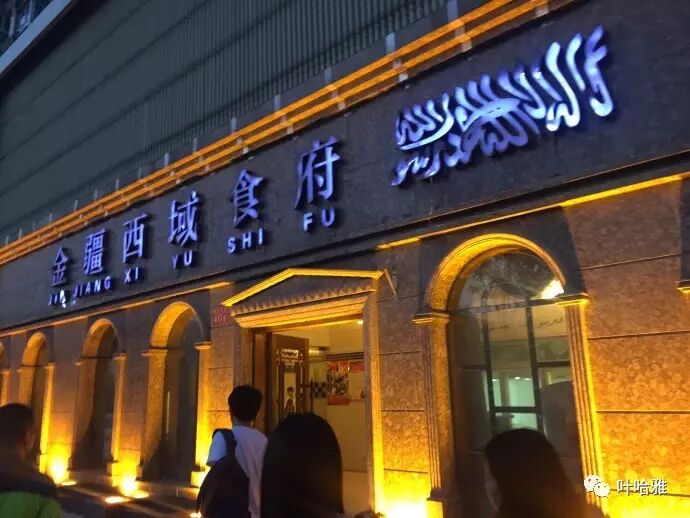
This is a high-end Xinjiang restaurant very close to Olympic Forest Park.
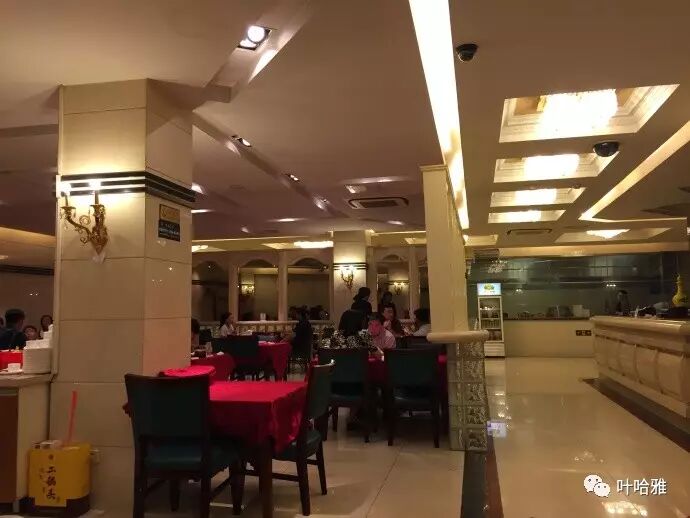
The space is quite large with a nice dining atmosphere, making it suitable for banquets and group meals.
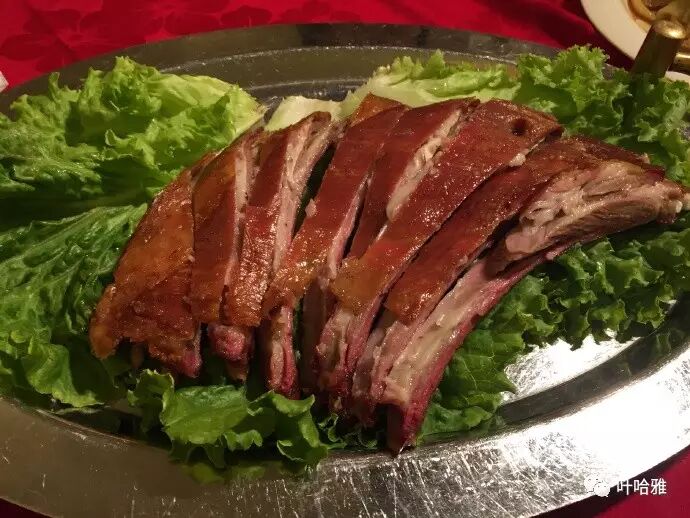
The lamb chops are a bit gamey, but the overall taste of the dishes is decent, costing about 100 yuan per person.
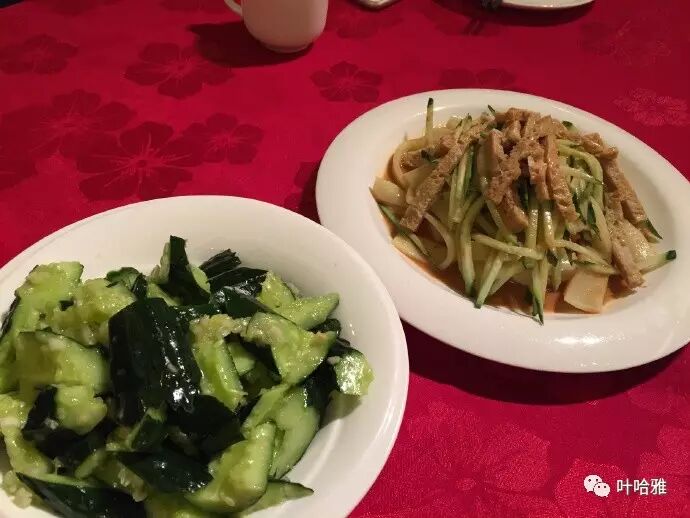
Address: No. 411, Zone 4, Huizhong Beili, Asian Games Village, Chaoyang District.
102. Ayidian Chang Halal Yunnan Cuisine
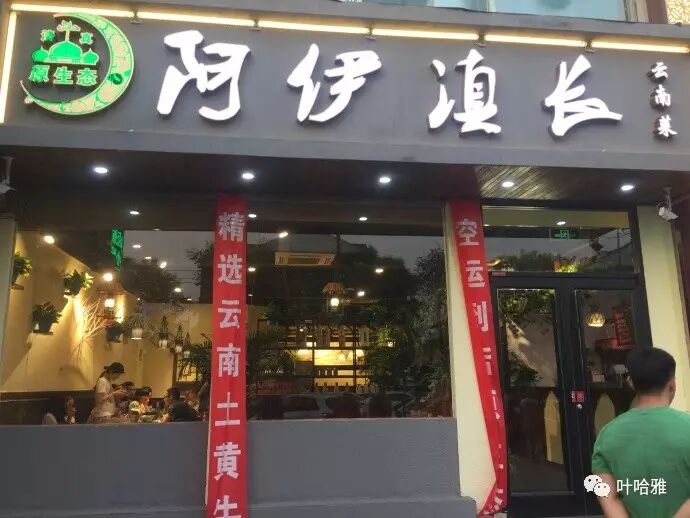
It is not easy to find authentic halal Yunnan food in Beijing, but this restaurant, which opened recently, is quite genuine.
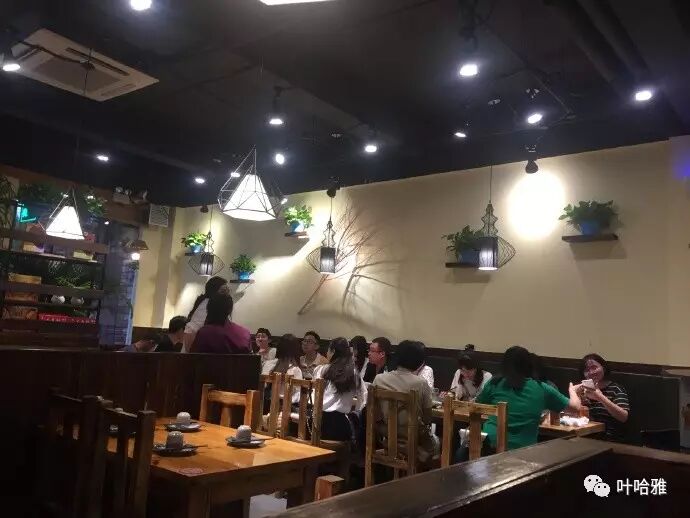
The decor is fresh and elegant, and the owner is a young woman from Yunnan.
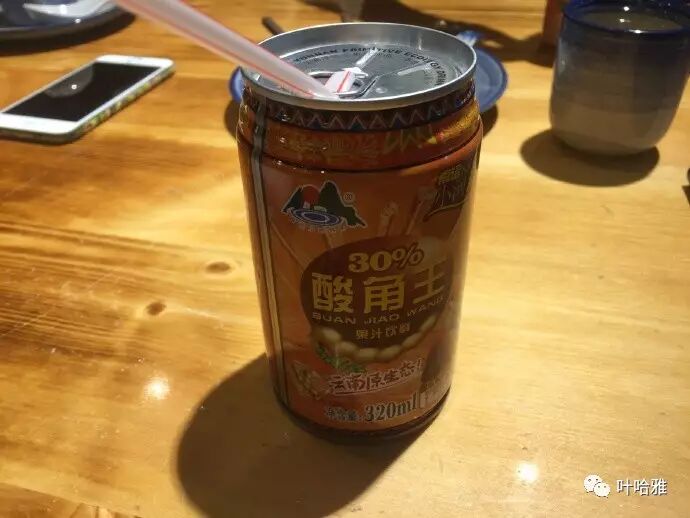
Tamarind (suanjiao) is a local specialty of Yunnan, so I chose to try the tamarind juice.
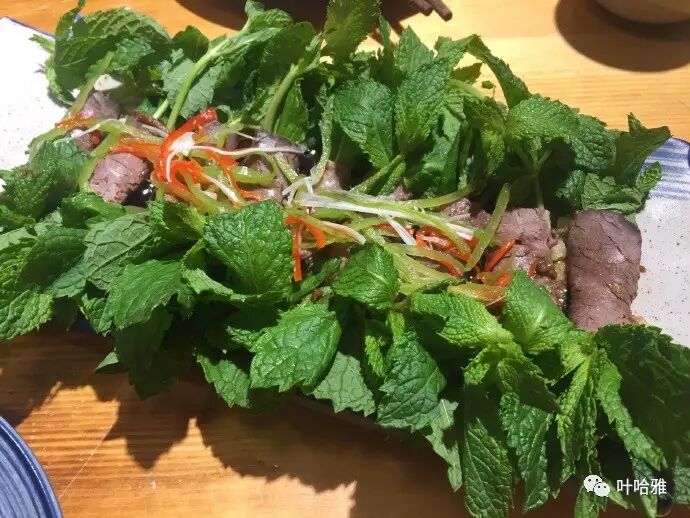
Beef wrapped in mint leaves; mint is as common in Yunnan as cilantro and is delicious even when eaten raw.
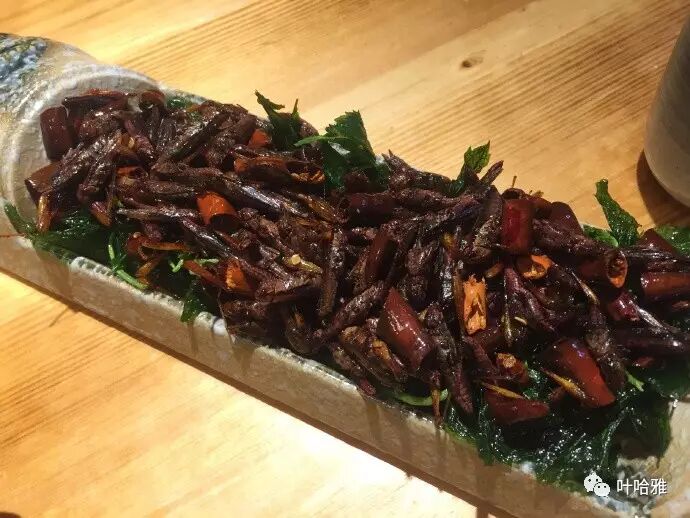
This is fried grasshopper.
Ibn Abi Awfa narrated: We went on seven expeditions with the Prophet, and we ate locusts. Sunan an-Nasa'i, Hadith 37;
The Prophet described the sea, saying: 'Its water is pure, and its dead creatures are halal.' He also said: 'We are permitted two types of dead creatures: fish and locusts;' and two types of blood: liver and spleen.' (Musnad Ahmad)
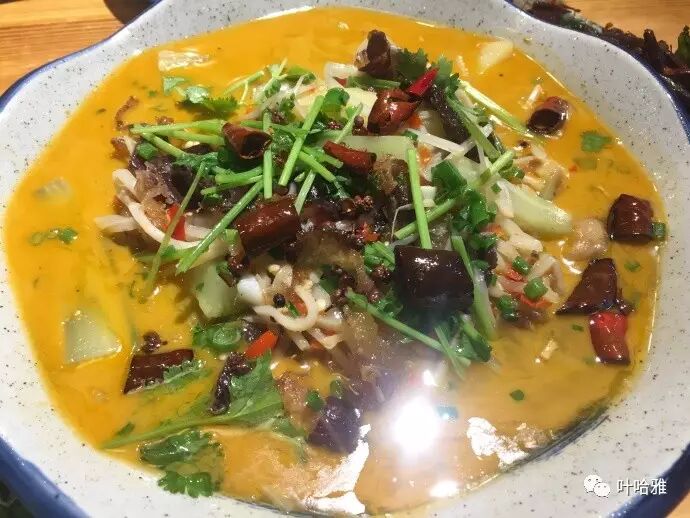
Sour soup beef jerky (niuganba); you must eat beef jerky in Yunnan cuisine because the most famous beef jerky in Yunnan is made by Hui Muslims.
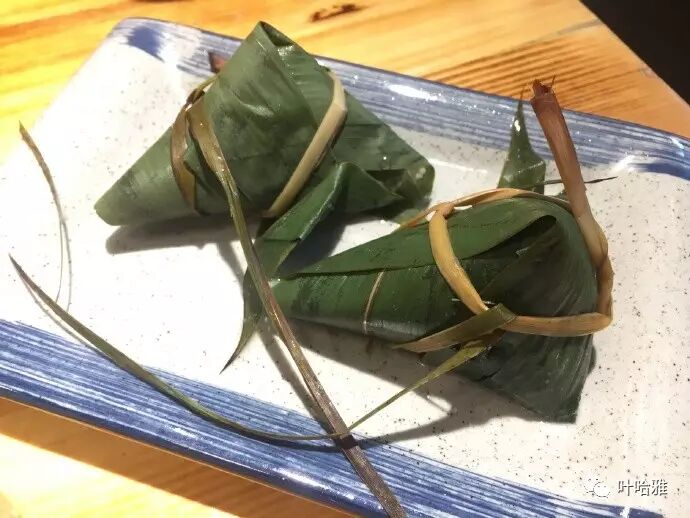
It happened to be just before the Dragon Boat Festival, and the restaurant was developing beef rice dumplings (zongzi). The manager gave me two; I had only eaten sweet ones before, so this was my first time trying a meat version.
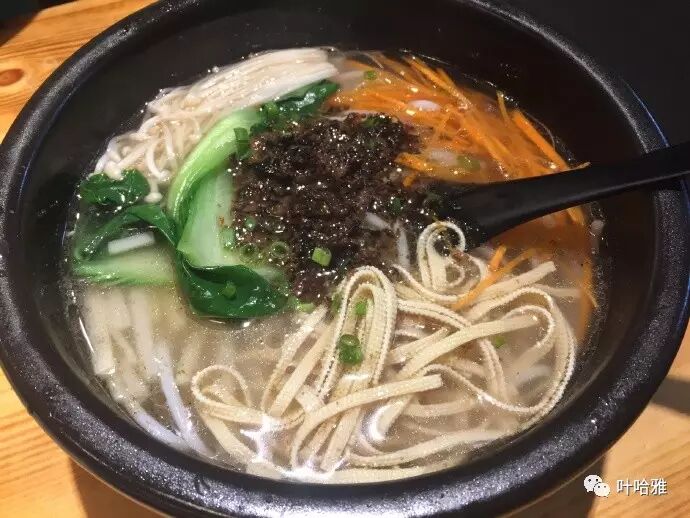
Yunnan cold rice noodles (mixian); the broth is rich and fragrant, and the noodles are chewy.
Address: First floor, north commercial section, axes 19-21, west side of Fengyayuan Zone 2, Huilongguan Town.
103. Dai Family Savory Crepe (jianbing) on Niujie Street.
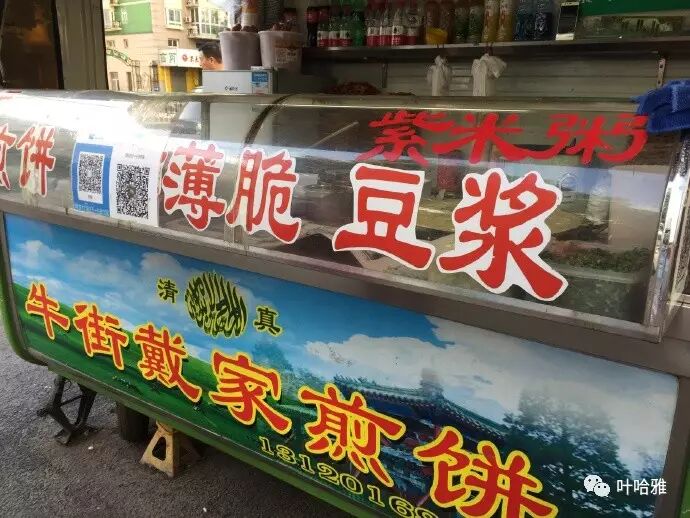
This savory crepe is made by Hui Muslims from Niujie, and the neighbors all say it tastes great.
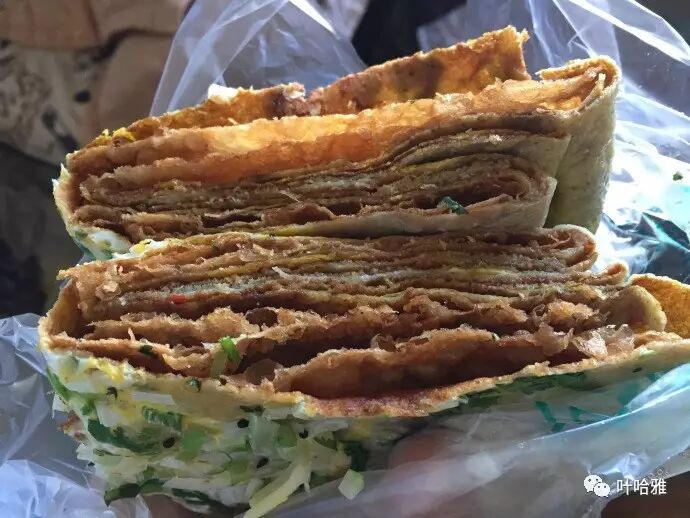
The savory crepe is a breakfast item, sold only in the morning, and they are closed on Mondays.
Address: Niujie Xili, in front of the barbershop.
104. Old Neighborhood Beef Noodles (laojiefang niuroumian).
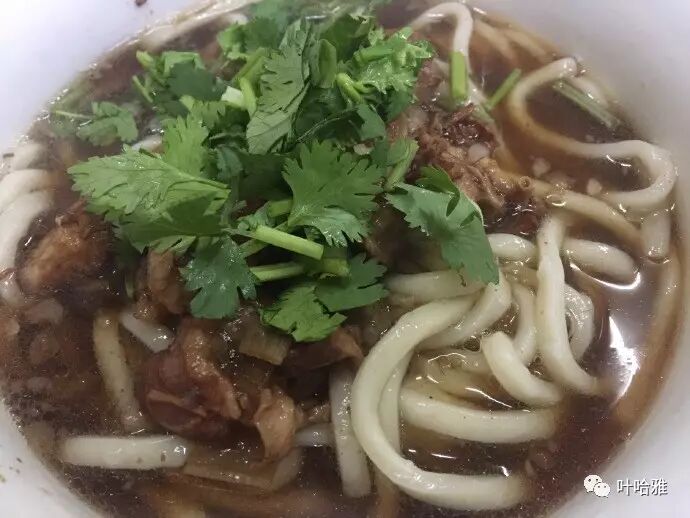
The row of snack shops on Jiaozihu Hutong in Niujie has been mostly cleared out due to wall-breaking renovations. Only this Old Neighborhood Beef Noodles remains. The owner, Uncle Ma, is a true old neighbor who lived on the same Shouliu Hutong as my family. His beef noodles and small bowls of beef are excellent. It is not easy to find an authentic bowl of Beijing-style beef noodles these days.
Address: Ground floor shops on the west side of Jiaozihu Hutong.
105. Old Ma Halal Lamb Spine Potstickers (guotie).
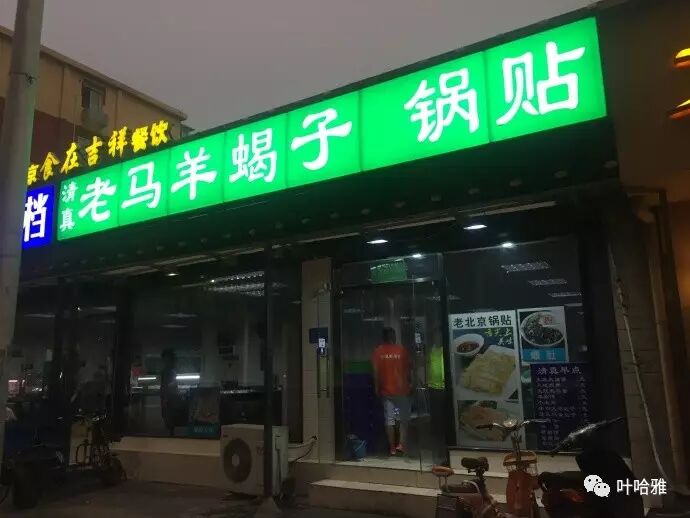
Halal lamb spine is easy to find, but halal potstickers are rare these days. This shop makes pretty good ones.
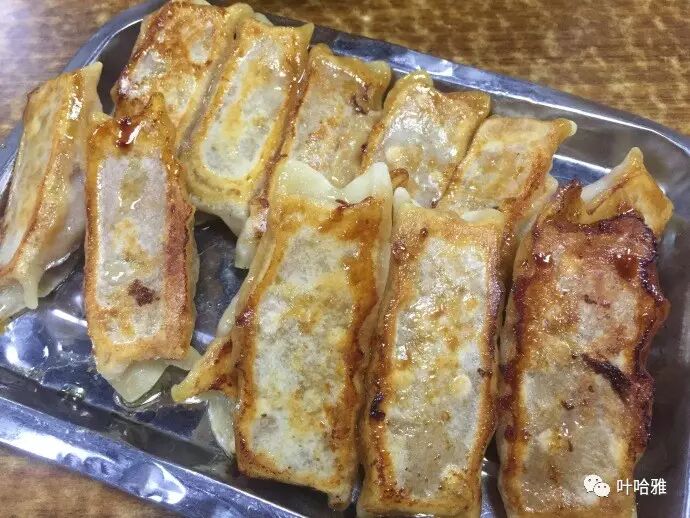
Beef and green onion potstickers were my childhood favorite. There used to be a tent in Xuanwu District that sold halal snacks, but after it was torn down, I never found good potstickers again. I later heard the old man who made them passed away (wuchang), so that authentic skill is likely lost forever.
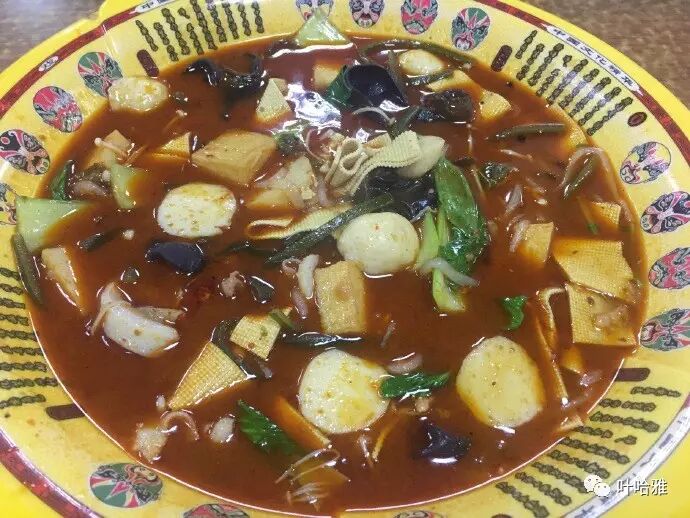
I was surprised to find they also sell spicy hot pot (maocai), a Chengdu snack similar to spicy soup (malatang), but you can drink the broth.
Address: South entrance of Hongju Street, Xicheng District.
106. Noodles at the Drum Tower.
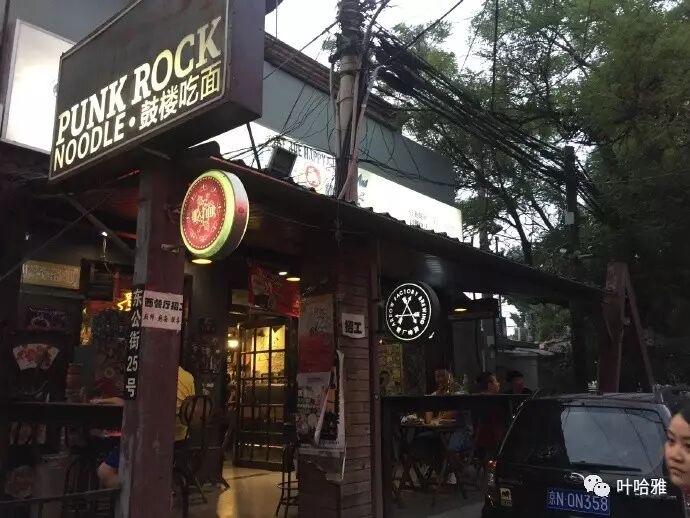
I found this popular restaurant on Dazhong Dianping. At first, I thought it was categorized incorrectly because it had no obvious halal sign. I learned from the reviews that it is a halal shop owned by a Beijing Hui Muslim, and the halal sign is in a very inconspicuous spot inside.
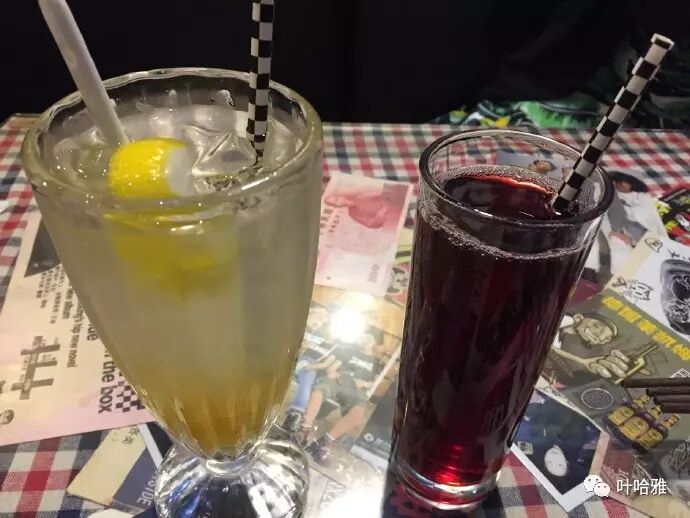
This is a Western-style rock music restaurant.
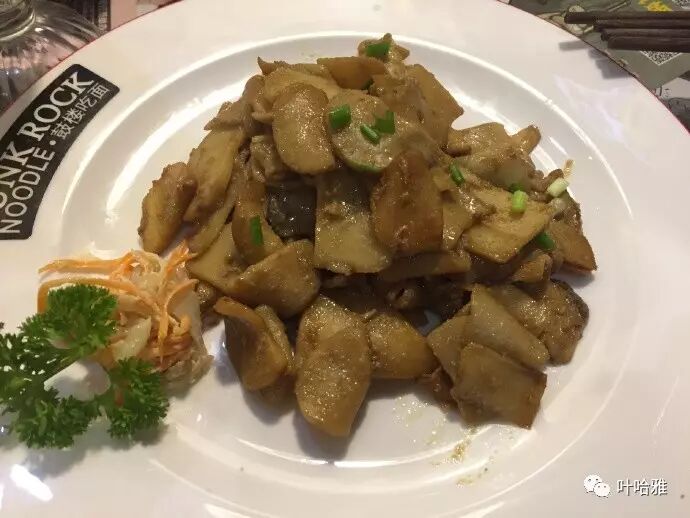
They have mushrooms with foie gras.
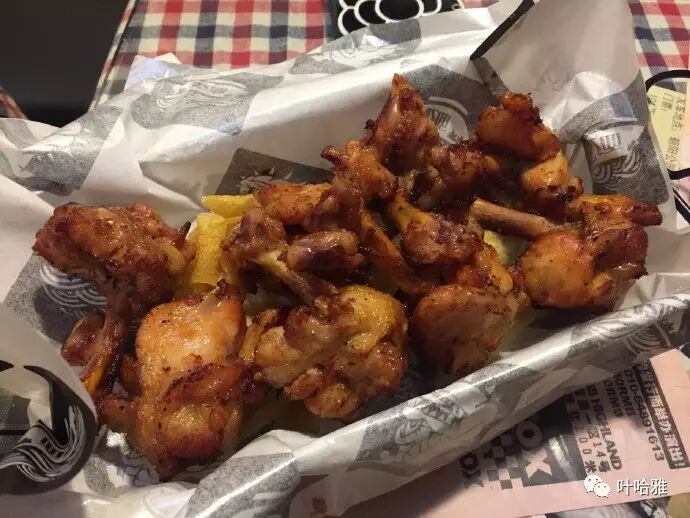
Roasted chicken leg, but it is named Eight Hammers (badachui).
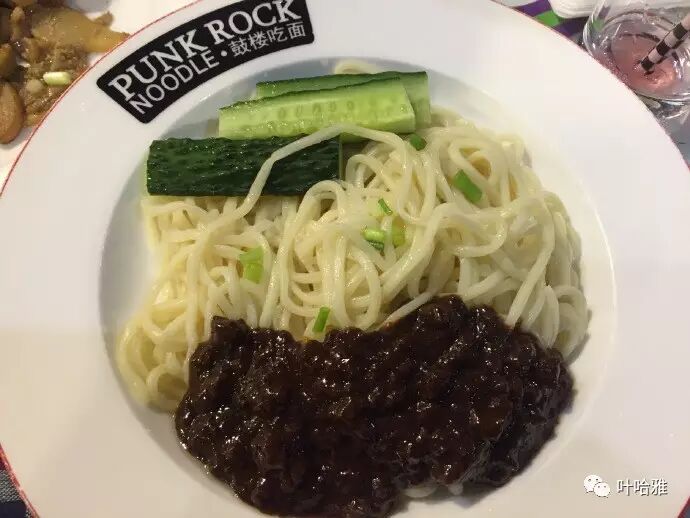
It is called Gold Medal Meat Sauce Noodles, but when it arrived, it was just soybean paste noodles (zhajiangmian).
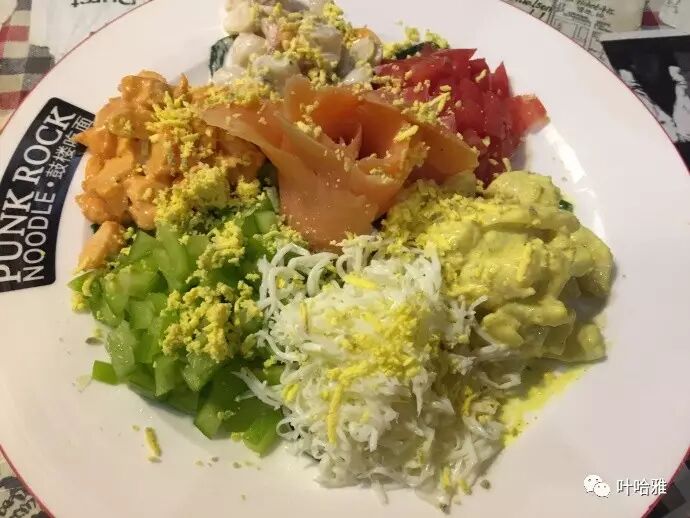
Vegetable salad. Overall, the taste suits women, and the environment is good for dates.
Address: No. 25 Gongjie, Gulou East Street.
107. Old Yang's Halal Restaurant.
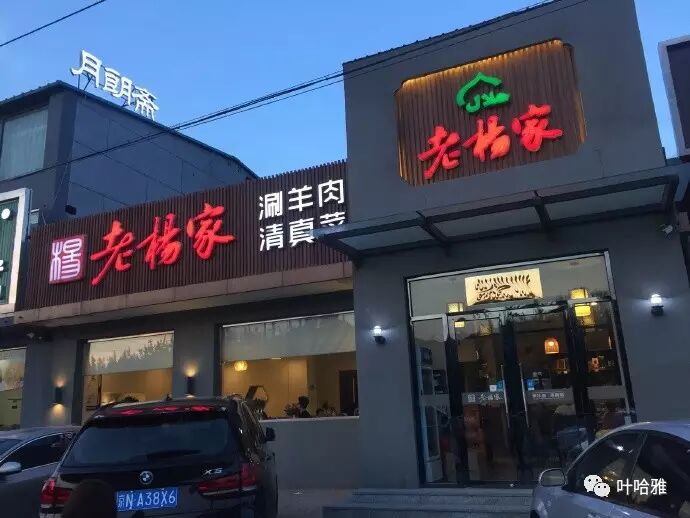
This is the highest-rated restaurant in the Changping area and is highly recommended.
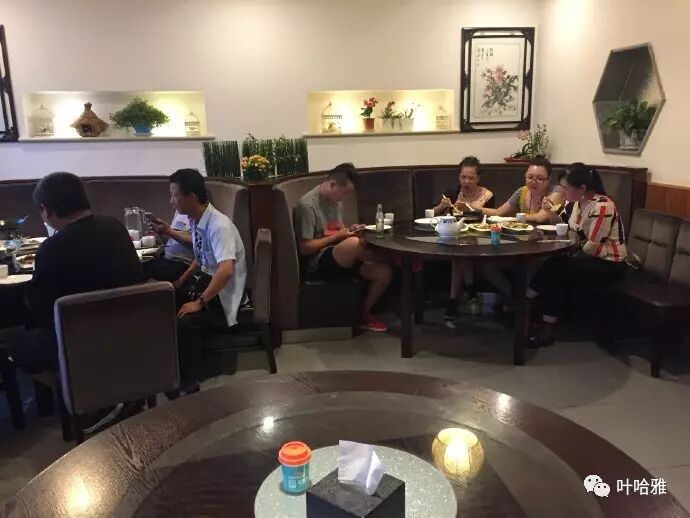
Let's start with the environment: they have small semicircular tables that make it easy to chat.
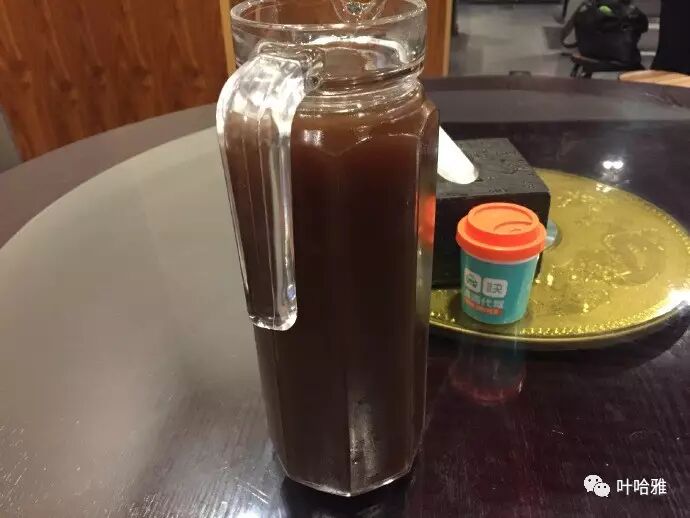
I told the owner I came here specifically to break my fast. He recommended the house-made sour plum drink (suanmeitang). It was very thirst-quenching, sweet, and tart. I ordered two pitchers and took the second one to go.
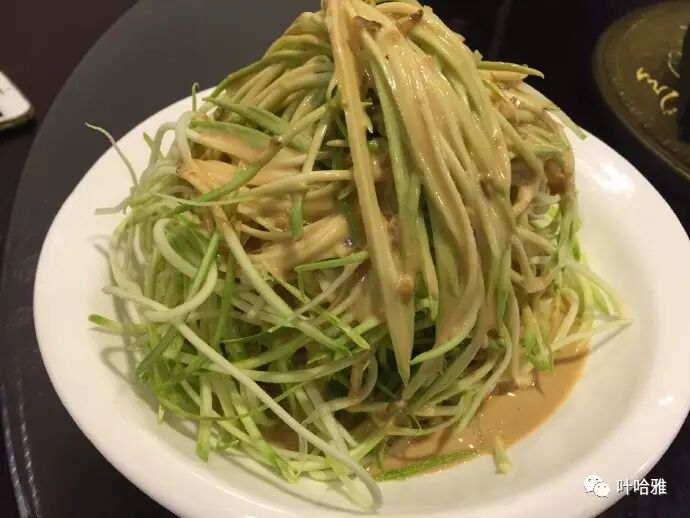
I ordered the restaurant's signature dishes, starting with the cold shredded bottle gourd with sesame paste (majiang liangban hulusi), which was crisp and refreshing.
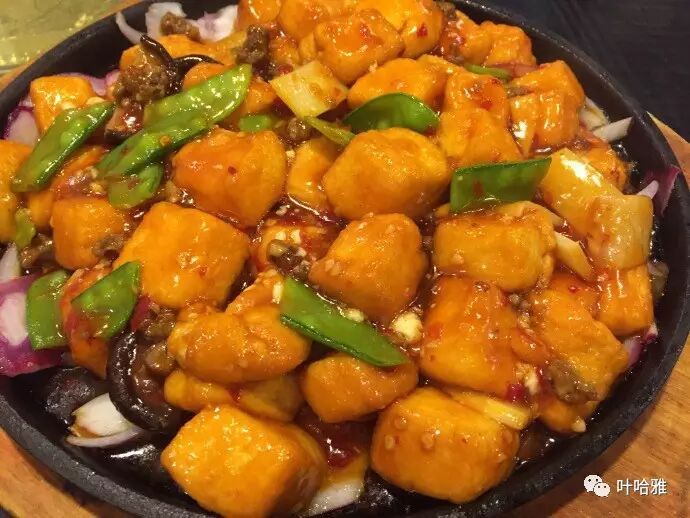
Fairy tofu (shenxian doufu) is another popular delicacy, and the tofu is made in-house.
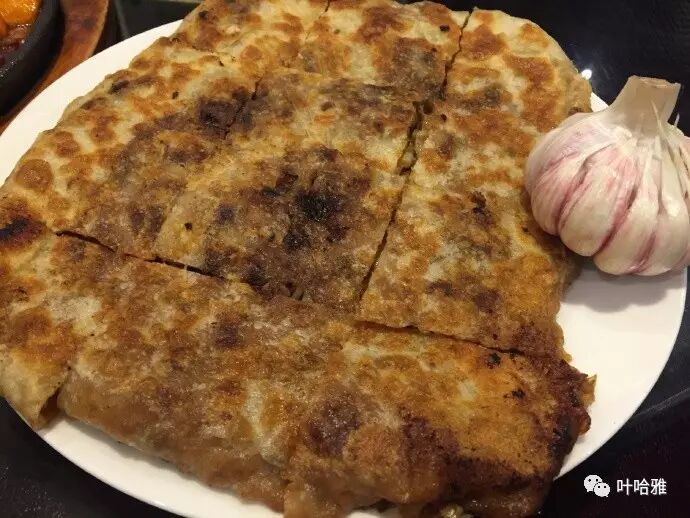
Old Yang's beef pie (lao yangjia niuroubing) is crispy on the outside and tender on the inside. You have to eat it with raw garlic.
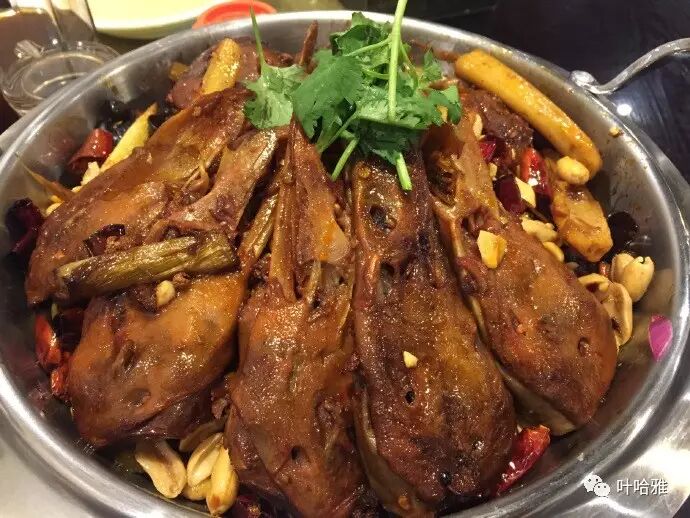
The dry-pot duck heads (ganguo yatou) are spicy, numbing, and fragrant.
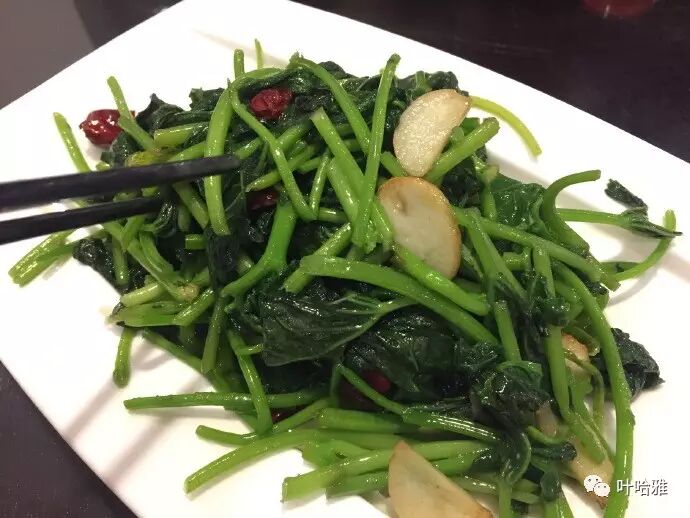
The stir-fried radish sprouts (qingchao luobomiao) were great. Another feature of Old Yang's restaurant is the attentive service. They greet you with a smile and check in on how you like the food. It is rare to see such good service in a place that is so busy. I didn't get to eat the fish head with flatbread (yutou paobing) at Old Yang's today, so I will have to try it next time.
Address: No. 30, West Lane 1, Xiguanshi Village, Yangfang Town, Changping District.
108. Cheng's Shan County Lamb Soup Restaurant (Chengji Shanxian Yangtangguan).
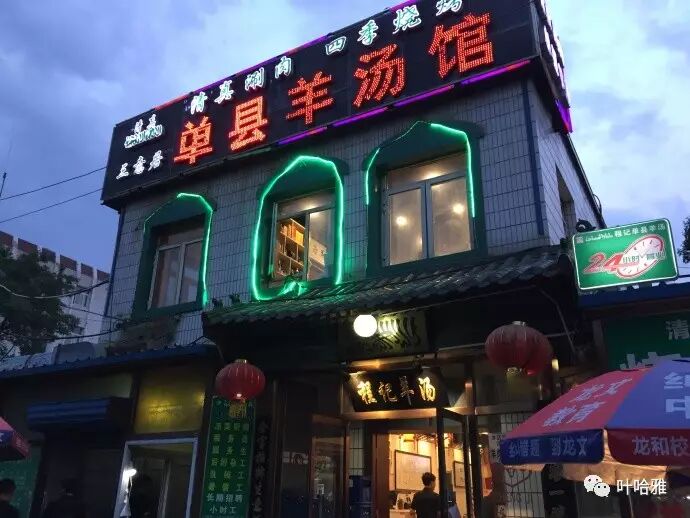
I didn't expect to find such good lamb soup in Beijing. Shan County is a place in Shandong famous for its lamb soup.
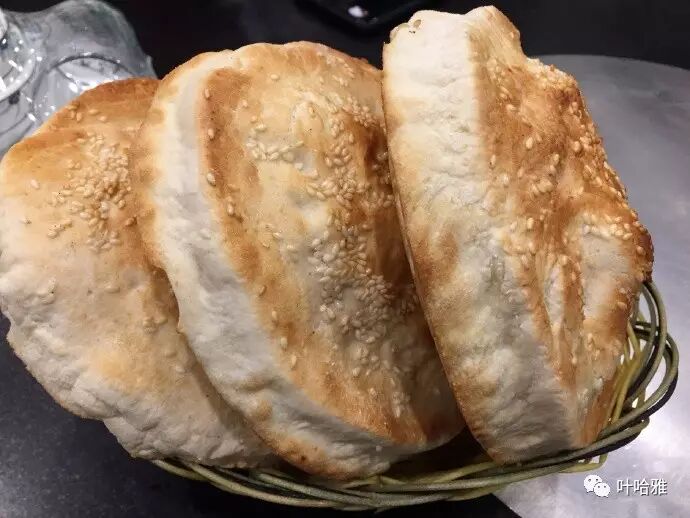
The oil and salt flatbread (yousuan shaobing) is hollow inside, perfect for soaking in lamb soup or stuffing with spiced beef.
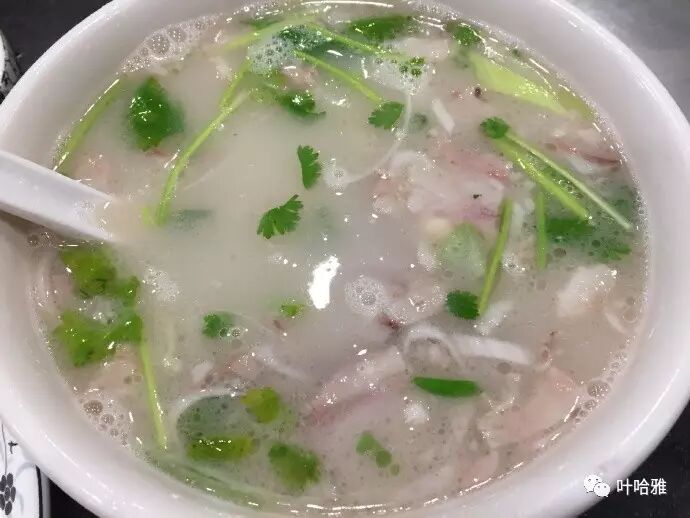
The soup is milky white, a natural color from boiling lamb bones.
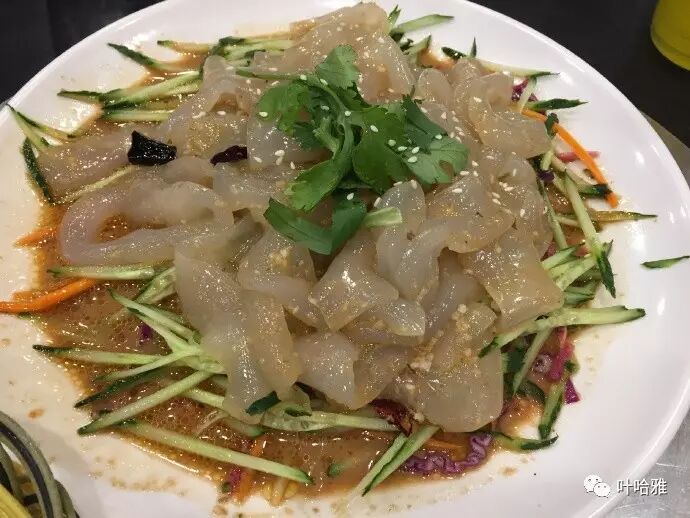
Large starch noodles (dalapi).
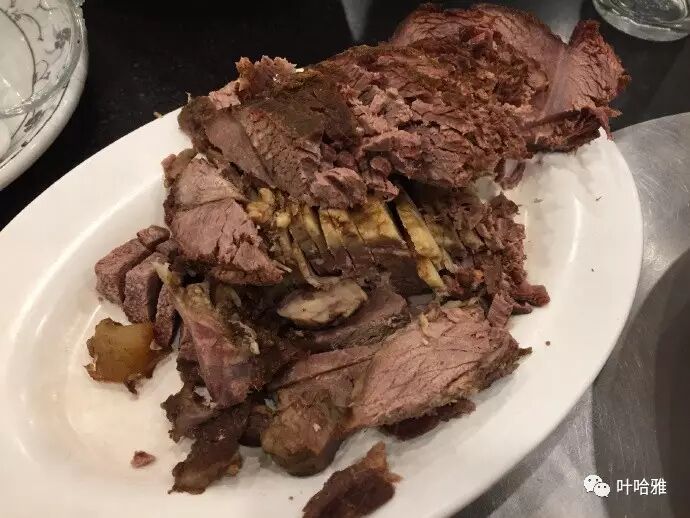
Half a jin of spiced beef (jiang niurou) stuffed into a freshly baked flatbread is delicious.
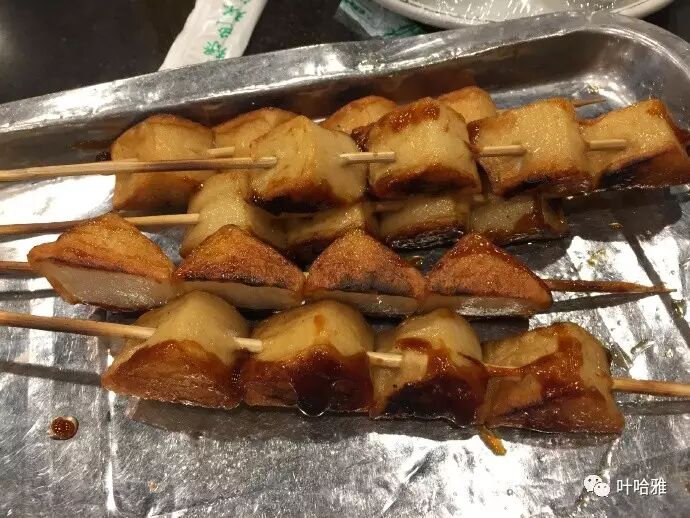
I also had some grilled fish tofu and seafood skewers.
Address: Sanzhong Lane (near Xingfeng Street), about 525 meters from Huangcun West Street Station.
109. Huguosi Snack Shop (Airport Branch).
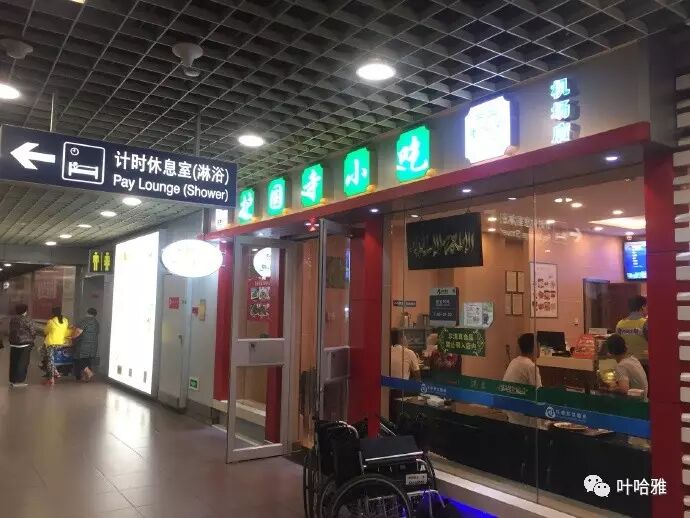
I found a Huguosi Snack Shop at Terminal 2 of Capital Airport. Many traveling friends (dostis) are used to eating hand-pulled noodles (lamian) at the airport, but now with Huguosi, there are more options.
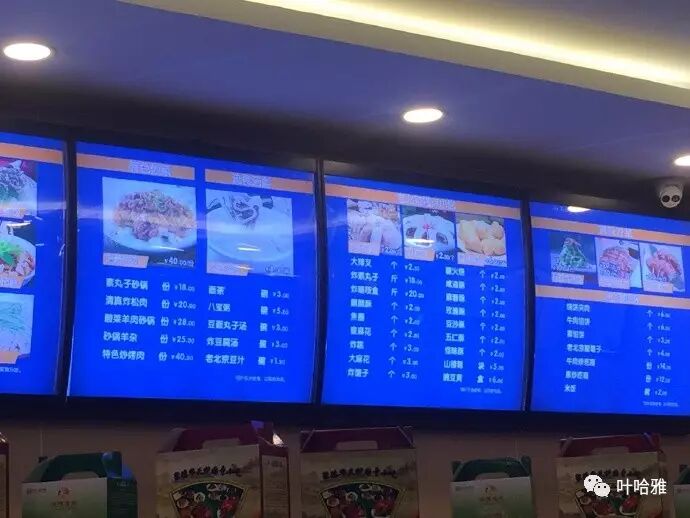
The prices are relatively cheap compared to noodles, and most importantly, there is a wider variety of dishes.
Address: B1, Terminal 2, Capital Airport.
110. Northwest Muslim Restaurant.
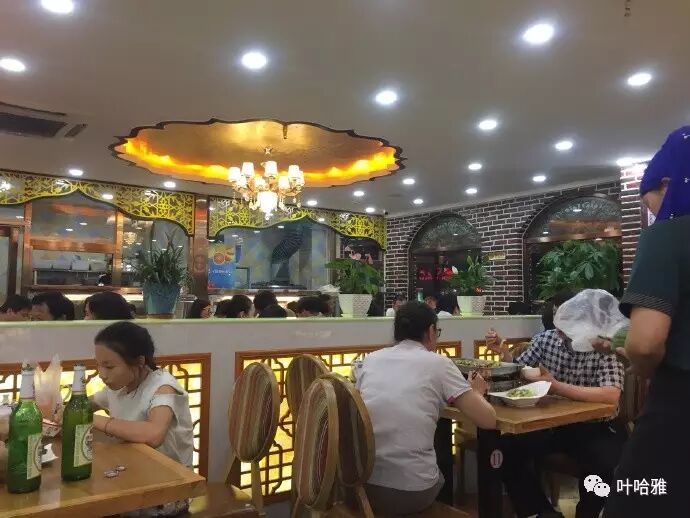
There are not many restaurants in the Niujie area that don't have a line. This Northwest Muslim Restaurant has become even more popular after a renovation, and it is still packed every day since switching to 24-hour service.
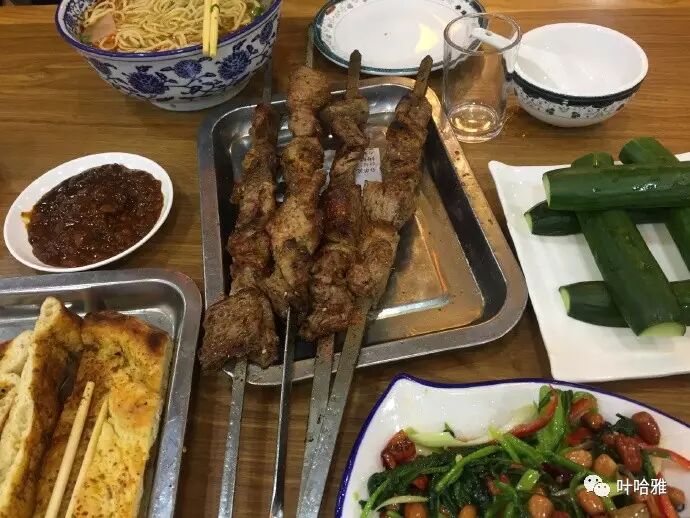
Summer is the season for skewers. There are all kinds of large skewers to choose from. Since the small alley shops were cleared out, you have to choose these mid-range restaurants for skewers in Niujie, but at least the meat quality is guaranteed.
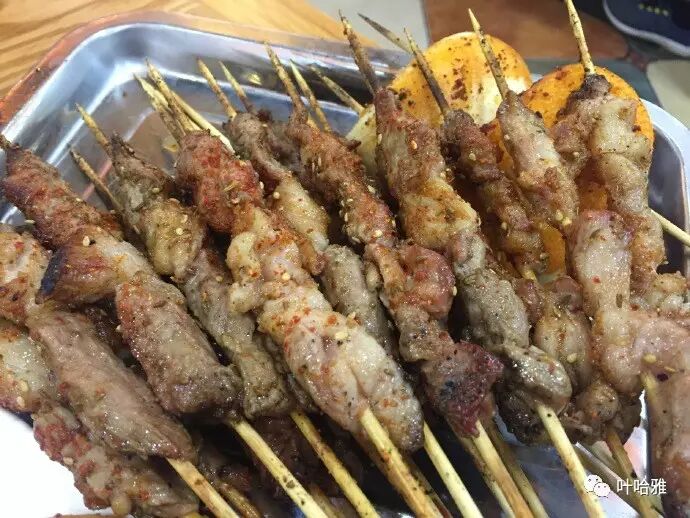
It is popular because everyone comes for the skewers. What annoys me is that I used to be able to eat without waiting, but now I have to wait at least half an hour.
Address: Nanheng West Street, ground floor shops on the north side
[Beijing Special Halal Dining Guide (Including the Most Complete List of Foreign Restaurants)] (Part 1)
[Beijing Special Halal Dining Guide (Including the Most Complete List of Foreign Restaurants)] (Part 2)
[Beijing Special Halal Dining Guide (Including the Most Complete List of Foreign Restaurants)] (Part 3)
A Guide to Halal Dining in Beijing (Part 4)
Best Halal Food Nanjing 2025: Maxingxing, Qifangge, Duck Shops, Potstickers and Islamic Heritage
Articles • yusuf908 posted the article • 0 comments • 271 views • 2026-05-23 08:23
Summary: This 2025 Nanjing halal food map covers old halal brands and local stops such as Maxingxing, Qifangge, Lvliuju, duck shops, beef potstickers, crispy flatbread, the Tomb of Liu Zhi, the Tomb of the King of Boni, and Nanjing's Islamic heritage.
I wrote a map of halal food in Nanjing in 2017. Eight years later, the halal food scene in Nanjing has grown even more. During my trip to Nanjing for an annual meeting this year, I visited a few new spots and updated the information from my old post. I noticed that the sugar lotus root porridge shop (tangzhou ou) mentioned in my old post, Lan Laoda, no longer displays a halal sign. Since they also sell duck blood vermicelli soup (yaxue fensi tang), there is no need to visit it.
The list of halal restaurants featured in this post is as follows:
1. Maxingxing
2. Qifangge
3. Lvliuju
4. Anleyuan
5. Jiangyouji
6. Halal Yiguangge
7. Liji Halal Restaurant
8. Jinhongxing
9. Taoyuancun
10. Hanfuxing
11. Xiong's Braised Duck Shop
12. Old Ma's Duck Shop
13. Northwest Dongxianglou
14. Caoqiao Halal Beef Potsticker and Dumpling Shop
15. Little Wang's Crispy Flatbread (shaobing)
1. Maxingxing
Maxingxing Restaurant is the oldest halal restaurant in Nanjing. It has been around for over 160 years, dating back to the Daoguang era of the Qing Dynasty in 1845. It is one of the four famous old halal brands in Nanjing. Its four signature dishes are beauty liver (meiren gan), phoenix tail shrimp (fengwei xia), egg steamed dumplings (dan shaomai), and squirrel fish (songshu yu). Today, Maxingxing is listed as a piece of intangible cultural heritage in Jiangsu Province and was among the first group of time-honored Chinese brands recognized by the Ministry of Commerce. Most visitors to Nanjing want to try the local snacks. The potstickers (guotie) and soup dumplings (xiaolongbao) at Maxingxing are delicious treats you should not miss.
2. Qifangge
Qifangge is one of the four famous old halal brands in Nanjing. It was founded in 1917 by socialites and business leaders including Li Yangchao, Zhu Shouren, Liu Hairu, and Yu Zikuan. They pooled their money to open the Qifangge Halal Tea House near Chengsi Mosque on what was then Qiwang Street (now Jiankang Road), focusing on halal snacks. The century-old snack set offered by Qifangge serves small portions of many items, allowing you to try all the famous Qinhuai River snacks at once.
3. Green Willow House (Lvliuju)
Green Willow House started in 1912. It is a Jiangsu Province Intangible Cultural Heritage site famous for its vegetarian and halal dishes. Records show that Bai Chongxi, Sun Yat-sen, and the Soong sisters were all regular customers at Green Willow House. The first floor is a supermarket for their homemade food, with hundreds of finished or semi-finished products. The second floor serves snacks, the third floor serves stir-fried dishes, and the floors above that have private dining rooms.
4. Anleyuan
Anleyuan is the largest halal restaurant in Nanjing. It is known as the number one halal restaurant in the Jiangnan region. The building in the picture is only for stir-fried dishes. Next to it, there is another building for snacks and one for hot pot. You can eat famous Nanjing dishes here like salt-water duck (yanshui ya) and squirrel-shaped mandarin fish (songshu guiyu).
5. Jiang Youji
Jiang Youji is another century-old halal brand in Nanjing. Its most famous dish is beef potstickers (niurou guotie), which are known as one of the Eight Wonders of Qinhuai. A few years ago, there was a lawsuit over the brand name. That does not matter to diners, though. We do not care if the successor is the official one; if the food does not taste good, it is useless no matter how official they are.
6. Yiguangge
Yiguangge is a long-standing shop in Nanjing. The owner owns the building, so they do not pay rent and the prices are cheap. I came here to eat crayfish. Crayfish is a common home-cooked dish in the Jiangnan region, and you naturally have to eat authentic halal crayfish when you come to Nanjing.
7. Liji Halal Restaurant
Liji Halal Restaurant only has this one location in Nanjing with no other branches. It is a long-established shop that sells various Nanjing snacks. There are too many varieties, and each snack comes in different flavors. When eating Nanjing soup dumplings (xiaolongbao), the skin is thin and there is a hole on top. You can suck the soup out from the top before eating the dumpling, but be careful not to burn your mouth.
8. Taoyuancun
Taoyuancun pastries originated on Niujie Street in Beijing over 150 years ago. Later, they moved to Shanghai and opened a factory near the Xiaotaoyuan Mosque, which is why they were named Taoyuancun. During the Republic of China era, Taoyuancun was invited by the government to enter the Nanjing Central Shopping Mall and officially became a local Nanjing halal pastry brand.
9. Jinhongxing Duck Shop
Jinhongxing's duck is as popular as the deli food at Jubaoyuan, with people lining up all day long. You must try authentic Nanjing roast duck when in Nanjing. It is very different from the Beijing style. Nanjing roast duck can be sliced and eaten by dipping it directly into the sauce. This shop is for takeout, and you can have the owner vacuum-pack it on the spot to take away.
10. Hanfuxing
Founded during the Tongzhi reign of the Qing Dynasty, Hanfuxing Salted Duck Shop is the largest halal food company in Nanjing. It is a time-honored Chinese brand that specializes in products like salted duck (banya). Hanfuxing Duck Shop now has many branches in Nanjing, and the Han family's sweet-scented osmanthus duck (guihuaya) is their signature dish.
11. Xiongji Braised Duck Shop
Xiongji is a duck shop that locals love. The duck has a slightly sweet taste. There are a few other shops in Nanjing that display halal duck signs, but People say they do not guarantee they are truly halal.
12. Malaosan Duck Shop
Malaosan's duck is salty and savory. They also sell braised duck wings and duck necks, and they can vacuum-pack them for nationwide delivery.
13. Xibei Dongxianglou
If you are invited to an iftar meal during Ramadan, choose this place. It is a Dongxiang hand-grabbed mutton (shouzhu) restaurant with three floors and plenty of space. They do not sell alcohol, and there is a parking lot at the entrance.
14. Caoqiao Halal Beef Potsticker and Dumpling Shop
Dumplings are called bianshi in Nanjing. The potstickers (guotie) at this shop are also quite delicious, and the Caoqiao Mosque is nearby.
15. Xiaowang Crispy Flatbread
This is a halal flatbread (shaobing) shop right at the main entrance of the Caoqiao Mosque. They bake their crispy flatbreads in traditional coal ovens, which is rare and very tasty.
For friends who enjoy halal travel, the tomb of Liu Zhi is a must-visit spot in Nanjing. Liu Zhi, also known as Liu Jielian Baba, was a Nanjing local and the pioneer of the theory of Sinicization of Islam.
There is also the Tomb of the King of Boni. Boni is Brunei, and the King of Brunei once visited Nanjing. The area around this tomb was originally planned to be a Brunei cultural park, but it has since been abandoned. view all
Summary: This 2025 Nanjing halal food map covers old halal brands and local stops such as Maxingxing, Qifangge, Lvliuju, duck shops, beef potstickers, crispy flatbread, the Tomb of Liu Zhi, the Tomb of the King of Boni, and Nanjing's Islamic heritage.
I wrote a map of halal food in Nanjing in 2017. Eight years later, the halal food scene in Nanjing has grown even more. During my trip to Nanjing for an annual meeting this year, I visited a few new spots and updated the information from my old post. I noticed that the sugar lotus root porridge shop (tangzhou ou) mentioned in my old post, Lan Laoda, no longer displays a halal sign. Since they also sell duck blood vermicelli soup (yaxue fensi tang), there is no need to visit it.
The list of halal restaurants featured in this post is as follows:
1. Maxingxing
2. Qifangge
3. Lvliuju
4. Anleyuan
5. Jiangyouji
6. Halal Yiguangge
7. Liji Halal Restaurant
8. Jinhongxing
9. Taoyuancun
10. Hanfuxing
11. Xiong's Braised Duck Shop
12. Old Ma's Duck Shop
13. Northwest Dongxianglou
14. Caoqiao Halal Beef Potsticker and Dumpling Shop
15. Little Wang's Crispy Flatbread (shaobing)
1. Maxingxing
Maxingxing Restaurant is the oldest halal restaurant in Nanjing. It has been around for over 160 years, dating back to the Daoguang era of the Qing Dynasty in 1845. It is one of the four famous old halal brands in Nanjing. Its four signature dishes are beauty liver (meiren gan), phoenix tail shrimp (fengwei xia), egg steamed dumplings (dan shaomai), and squirrel fish (songshu yu). Today, Maxingxing is listed as a piece of intangible cultural heritage in Jiangsu Province and was among the first group of time-honored Chinese brands recognized by the Ministry of Commerce. Most visitors to Nanjing want to try the local snacks. The potstickers (guotie) and soup dumplings (xiaolongbao) at Maxingxing are delicious treats you should not miss.
2. Qifangge
Qifangge is one of the four famous old halal brands in Nanjing. It was founded in 1917 by socialites and business leaders including Li Yangchao, Zhu Shouren, Liu Hairu, and Yu Zikuan. They pooled their money to open the Qifangge Halal Tea House near Chengsi Mosque on what was then Qiwang Street (now Jiankang Road), focusing on halal snacks. The century-old snack set offered by Qifangge serves small portions of many items, allowing you to try all the famous Qinhuai River snacks at once.
3. Green Willow House (Lvliuju)
Green Willow House started in 1912. It is a Jiangsu Province Intangible Cultural Heritage site famous for its vegetarian and halal dishes. Records show that Bai Chongxi, Sun Yat-sen, and the Soong sisters were all regular customers at Green Willow House. The first floor is a supermarket for their homemade food, with hundreds of finished or semi-finished products. The second floor serves snacks, the third floor serves stir-fried dishes, and the floors above that have private dining rooms.
4. Anleyuan
Anleyuan is the largest halal restaurant in Nanjing. It is known as the number one halal restaurant in the Jiangnan region. The building in the picture is only for stir-fried dishes. Next to it, there is another building for snacks and one for hot pot. You can eat famous Nanjing dishes here like salt-water duck (yanshui ya) and squirrel-shaped mandarin fish (songshu guiyu).
5. Jiang Youji
Jiang Youji is another century-old halal brand in Nanjing. Its most famous dish is beef potstickers (niurou guotie), which are known as one of the Eight Wonders of Qinhuai. A few years ago, there was a lawsuit over the brand name. That does not matter to diners, though. We do not care if the successor is the official one; if the food does not taste good, it is useless no matter how official they are.
6. Yiguangge
Yiguangge is a long-standing shop in Nanjing. The owner owns the building, so they do not pay rent and the prices are cheap. I came here to eat crayfish. Crayfish is a common home-cooked dish in the Jiangnan region, and you naturally have to eat authentic halal crayfish when you come to Nanjing.
7. Liji Halal Restaurant
Liji Halal Restaurant only has this one location in Nanjing with no other branches. It is a long-established shop that sells various Nanjing snacks. There are too many varieties, and each snack comes in different flavors. When eating Nanjing soup dumplings (xiaolongbao), the skin is thin and there is a hole on top. You can suck the soup out from the top before eating the dumpling, but be careful not to burn your mouth.
8. Taoyuancun
Taoyuancun pastries originated on Niujie Street in Beijing over 150 years ago. Later, they moved to Shanghai and opened a factory near the Xiaotaoyuan Mosque, which is why they were named Taoyuancun. During the Republic of China era, Taoyuancun was invited by the government to enter the Nanjing Central Shopping Mall and officially became a local Nanjing halal pastry brand.
9. Jinhongxing Duck Shop
Jinhongxing's duck is as popular as the deli food at Jubaoyuan, with people lining up all day long. You must try authentic Nanjing roast duck when in Nanjing. It is very different from the Beijing style. Nanjing roast duck can be sliced and eaten by dipping it directly into the sauce. This shop is for takeout, and you can have the owner vacuum-pack it on the spot to take away.
10. Hanfuxing
Founded during the Tongzhi reign of the Qing Dynasty, Hanfuxing Salted Duck Shop is the largest halal food company in Nanjing. It is a time-honored Chinese brand that specializes in products like salted duck (banya). Hanfuxing Duck Shop now has many branches in Nanjing, and the Han family's sweet-scented osmanthus duck (guihuaya) is their signature dish.
11. Xiongji Braised Duck Shop
Xiongji is a duck shop that locals love. The duck has a slightly sweet taste. There are a few other shops in Nanjing that display halal duck signs, but People say they do not guarantee they are truly halal.
12. Malaosan Duck Shop
Malaosan's duck is salty and savory. They also sell braised duck wings and duck necks, and they can vacuum-pack them for nationwide delivery.
13. Xibei Dongxianglou
If you are invited to an iftar meal during Ramadan, choose this place. It is a Dongxiang hand-grabbed mutton (shouzhu) restaurant with three floors and plenty of space. They do not sell alcohol, and there is a parking lot at the entrance.
14. Caoqiao Halal Beef Potsticker and Dumpling Shop
Dumplings are called bianshi in Nanjing. The potstickers (guotie) at this shop are also quite delicious, and the Caoqiao Mosque is nearby.
15. Xiaowang Crispy Flatbread
This is a halal flatbread (shaobing) shop right at the main entrance of the Caoqiao Mosque. They bake their crispy flatbreads in traditional coal ovens, which is rare and very tasty.
For friends who enjoy halal travel, the tomb of Liu Zhi is a must-visit spot in Nanjing. Liu Zhi, also known as Liu Jielian Baba, was a Nanjing local and the pioneer of the theory of Sinicization of Islam.
There is also the Tomb of the King of Boni. Boni is Brunei, and the King of Brunei once visited Nanjing. The area around this tomb was originally planned to be a Brunei cultural park, but it has since been abandoned.
Best Halal Food Beijing: Iranian Food, African Cuisine, Hot Pot, Peking Duck and Shabu-Shabu
Articles • yusuf908 posted the article • 0 comments • 214 views • 2026-05-23 06:09
Summary: This Beijing halal food guide covers the middle part of the 2024 must-eat list, including Azerbaijani dumplings, Iranian food, Ghanaian and West African cuisine, halal Peking duck, shabu-shabu, Yunnan flavors, hot pot, and halal Chaoshan beef hot pot.
Caucasian soup dumplings (gaojiaosuotangbao)
These are Azerbaijani soup dumplings. The owner is from Azerbaijan, so most of the servers are too. Their Chinese isn't great, but it has improved over the last few years.
15. Iranian Cuisine
It used to be called Persepolis, but now it is named Iranian Cuisine. The cooking style hasn't changed, but I think it tastes better now than before. This is the only Iranian restaurant in Beijing, excluding the one inside the Iranian embassy.
I like this spot in their courtyard; it is a typical Iranian residential style.
Saffron pilaf (zanghonghuazhuafan)
I have been here many times. They have a buffet at lunch, and for dinner, they serve Western food like grilled meat and burgers, plus coffee and afternoon tea.
16. TRIBE GARDEN African Tribe Garden Restaurant
A new halal restaurant featuring West African specialties recently opened on the first basement level of the Sanlitun SOHO mall, focusing on Ghanaian cuisine. The staff are all Black Muslims who speak fluent Chinese, and one young lady from Kenya is especially lovely.
Ghana is a country in West Africa where about 15% of the population is Muslim, yet their national banknote features a picture of a mosque with a unique style.
Larabanga Mosque
The Larabanga Mosque (Larabanga Mosque) on the banknote was built between the 14th and 15th centuries. It is the oldest mosque in Ghana. Its architectural style is unique to West Africa, built with yellow mud and wood, making it very iconic.
The restaurant decor also has a strong African feel, including the wall hangings.
African goat meat mixed rice
African goat meat is a bit tough, but it has no gamey smell. The mixed rice tastes salty and spicy.
Non-alcoholic mojito and fruit punch
African specialty egusi (egusi)
This dish is meant to be eaten mixed with the cassava flour paste shown in the picture below. Eating the cassava flour paste is just like eating rice cake.
Fufu (fufu)
The white one is called fufu, which translates to rice flour paste in Chinese. It is the staple food for Ghanaians.
Friday special dish
They have a special dish every day. This Friday special is made with beans and rice, served with some noodles and dipping sauce. It tastes sour, salty, and spicy all at once.
Grilled tilapia
This is African-style grilled fish. It tastes great. Don't let the charred skin fool you; the meat inside is white.
A young lady from Kenya recommended this milkshake to us. It is very creamy and delicious. The total for this meal was 530 yuan for four people, which comes to 130 yuan per person.
17. Rongqing Laoman Guizhou Sour Soup Fish Hot Pot
This Guizhou sour soup hot pot restaurant changed its style and is the only halal Guizhou restaurant in Beijing. Their signature dishes are beef hot pot and fish hot pot. When we visited, the business was already starting to take off, and I hear there are long lines now, with an average wait time of over an hour.
The owner originally planned to serve Guizhou-style stir-fried dishes, but the hot pot business became so popular that they stopped making stir-fries. Now, they only serve hot pot.
We had three glasses of homemade prickly pear juice (cili zhi). It was sweet, sour, and icy cold. They only had three of these glasses, so we took them all, and other customers had to order different drinks.
The dipping sauce (zhanshui) is the soul of the meal. I suggest following the guide posted by the shop to mix your sauce. You must try the litsea cubeba oil (mujiangzi you), mint leaves, chili powder (hu lajiao mian), and fish mint (zhe'ergen).
The full beef feast set includes beef and various beef offal. The ingredients are very fresh. If you like fish, choose the river catfish (jiangtuan). One fish weighs about 1.15 kilograms, and the meat is firm with no small bones.
If you save the shop on your map and check in, you get free iced jelly (bingfen). The jelly is just okay, but the signature beef and fish hot pot are worth a try.
18. Xunji Tan Sheep Hot Pot
Xunji is a chain restaurant. There is one in Gulou and another one in Qingnian Road. The two shops have very different decor, but both are high-end and elegant. The Qingnian Road location has a particularly fresh and unique atmosphere. It is much larger than the Gulou shop and has plenty of free parking.
When you enter the courtyard, you first walk through a bamboo grove. Mist floats along both sides of the path, making it feel like a fairyland.
The courtyard is filled with flowers and green plants, including many brightly colored hydrangeas.
The courtyard has open-air seating and tented private rooms. Each tent is equipped with air conditioning, lights, and a sound system.
There is an indoor dining hall, but in the summer, everyone prefers to sit in the courtyard to enjoy the flowers and food.
The dining tables in the tented rooms have microphones. If you speak near the table, you can hear an echo, which makes chatting easier.
This restaurant is a top-tier halal establishment in Beijing. The average cost per person is between 400 and 500 yuan. The restaurant charges per head and currently only serves hot pot. They can host wedding banquets for about 150 people. Wedding banquets are also charged per head, so a wedding for 100 people costs only 50,000 to 60,000 yuan, which is very affordable for Beijing.
Xunji Gulou Courtyard has a different, classical style. You can sit on the terrace and eat hot pot with the Drum Tower behind you.
At sunset, the scene of eating hot pot with the Drum Tower in the background is stunning. Oriental Selection even came here to host a live stream.
All ingredients are fresh and high-quality. You just wait for the servers to bring the dishes in order. Each private room has a dedicated server to provide attentive service. The dishes are served in this order: drinks, cold appetizers, hot pot ingredients, staples, and dessert. You can order extra portions of anything you like without extra charges. It is like paying 300 to 500 yuan for a high-end buffet, so it is not expensive.
19. Baoding beef covered pancake (niurou zhaobing)
I once drove all the way to Miyun just to eat halal covered pancake (zhaobing). When I heard a halal zhaobing shop opened in Baiziwan, I came to try it. The taste is even better than the one in Miyun. Now, this shop has also opened a branch in Daxing.
One cover two means one liang of meat and two liang of flatbread. I chose the single set meal of one cover three, which is two liang of beef and three liang of flatbread. The shop just opened and they are still hiring staff. They only serve covered flatbread (zhaobing) and braised chicken (luzhuji), which is also a specialty of Baoding.
I have eaten covered flatbread in Baoding, and the taste is basically the same as this place.
20. Azerbaijan National Pavilion Maiden Tower Restaurant
A new restaurant opened on the third floor of the Azerbaijan National Pavilion. It is named after the Maiden Tower, which is a tourist attraction in Azerbaijan. This is the only halal Azerbaijani restaurant in Beijing, so it is worth noting.
The restaurant is inside the pavilion, so you can enjoy Azerbaijani folk handicrafts while you eat.
Many Azerbaijani chefs work abroad. Many of the Turkish restaurants we often eat at are actually run by Azerbaijanis.
The dishes here suit our tastes well, including these snacks, which are also good for babies to eat.
Creamy eggplant rolls (xiangnai qiezijuan)
Jeliteme roast chicken (jeliteme kaoji)
Beef rice with chestnut and pomegranate sauce (lizi shiliujiang niuroufan)
Nut cake
The restaurant is near Sanyuanqiao. It costs about 150 yuan per person. It is good for business dinners and dates.
21. Alkhaleej Mandi Kitchen
This is a newly opened Dubai halal restaurant in Sanlitun. The owner is an Arab from Dubai and has another shop there. The staff said the ingredients are imported from the Middle East. After eating here, I can say that is true. It reminds me of the mandi I ate in Makkah last year. It is a perfect recreation of Middle Eastern flavors.
This is a non-alcoholic restaurant. I worry about whether it can stay open for a long time because the owner is spending a lot of money, but the Beijing restaurant market is slow this year. Even in Sanlitun on the weekend, there are not many people.
You can smell the familiar scent of agarwood in the shop.
The small cup of Arabic milk tea the waiter brought tastes exactly like the one I had in Abu Dhabi.
The handmade Yemeni flatbread (khubz) comes with various dips and is delicious. The chefs are all Arabs from the Middle East.
Desert colorful chicken mandi
The special handmade Yemeni flatbread is very tasty, has a strong wheat aroma, and is very large.
Royal pastry, it has a texture like sticky rice and contains banana. This dessert is not sweet at all.
Lamb mandi
Grilled fish served with rice. The fish itself has no flavor, so you need to eat it with three different dipping sauces.
The mandi is amazing. The chicken inside is stewed until it is extremely soft and tender, and the rice gets its color from added spices.
22. Stinky Star Snail Rice Noodle (luosifen) Hot Pot
This halal snail rice noodle shop is on the ground floor of the Golden Street in the West District of Tongzhou Wanda Plaza. The owner is a Hui Muslim from Changchun who used to work at iQIYI before opening this physical shop. The small shop has two floors and mainly serves halal snail rice noodles and clam (huajia) noodle hot pots.
The snail rice noodle hot pot comes with a wide variety of ingredients that you can add to the pot to cook together.
Halal snail rice noodles are rare, but you can find them at the halal canteen of Beijing University of Posts and Telecommunications. However, you need a student or teacher from inside to guide you in. If you don't have any connections, just come to Tongzhou Wanda.
This hot pot set for two costs 78 yuan and is enough for two or three people to eat.
The set comes with Guangxi cassava sweet soup.
Add all the side dishes to the pot and cook for 1 minute to start eating. The taste is quite authentic.
23. Fanshen Lobster Restaurant
A newly opened crayfish restaurant in Baiziwan. The owner is from Langfang, and it is currently only open for dinner until the early morning.
You can eat aquatic products like crayfish. For details, you can check my previous article, How does the Hanafi school view shrimp? They also serve local specialties from Cangzhou, Hebei, like hot pot chicken (huoguo ji) and spicy crab (xiangla xie).
The restaurant has a great atmosphere with plenty of space and wide gaps between tables. There is a large private courtyard at the entrance that serves as a free parking lot.
Write a review, save the shop, and check in to get a free glass of fresh-squeezed juice.
The most popular dish is the garlic crawfish. You can really taste how fresh the shrimp is. The golden sauce from the crawfish is great for dipping the hand-torn flatbread (shoushibing), which is freshly griddled and tastes excellent.
The grilled squid is also delicious. Their ingredients are definitely fresh.
The spicy beef tripe (chanzui niudu) has a numbing and spicy flavor that is very good. Overall, this place has the potential to become a viral restaurant thanks to its service, environment, and taste. It is a bit pricey, with an average cost of over 200 yuan per person.
24. Maimaihong Beef Sliced Noodles
Don't underestimate this noodle shop. I will drive 40 minutes from Niujie to Haidian just for a bowl of these noodles. Maimaihong's beef sliced noodles (daoxiao mian) are definitely worth a visit. If you like this style, you won't be disappointed.
The shop is run by Hui Muslims from Jiaozuo, Henan. Their cold dishes are a specialty, and if you come for breakfast, you can have spicy soup (hulatang) in the Xiaoyao Town style, but with less spice to suit Beijing tastes.
Another specialty is their beef steamed buns (niurou baozi). These aren't pan-fried, but the large steamed kind, which you can also get in the morning.
I had a bowl of the deluxe beef sliced noodles. They give you plenty of meat, the broth is rich, the beef is tender, and the noodles are chewy.
For the cold dishes, you pick what you want, and they take it to the kitchen to add seasoning and mix it, which keeps everything fresh and tasty.
25. Hulun Aile Halal Hand-held Meat (shouba rou)
This shop used to be a hot pot place, but it recently changed into a Mongolian restaurant. The change was very successful.
They get their beef and lamb from Hulunbuir. The meat quality from the Inner Mongolian grasslands is excellent.
What drew us here was their afternoon tea with Inner Mongolian flair.
The milk tea comes with a plate of dairy products. This combination is truly tempting.
The Mongolian-style milk tea contains roasted millet (chaomi) and is served in a thermos to keep it warm.
For the hand-held beef steak (shouba niupai), you cut a piece with a small knife and spread chive flower sauce (jiucaihua) on it. It is delicious, and their three types of dipping sauces are all very authentic.
Buryat steamed buns (Buliya baozi) look like the thin-skinned buns from Xinjiang, but the dough is slightly thicker. They are filled with large chunks of lamb, full of broth, and taste great.
This is the most popular afternoon tea dairy platter of the day. The white part on top is cream, which you eat with the dairy products. The four cups contain concentrated milk; it tastes like ice bock (bingboke), which is milk concentrated by evaporating most of the water.
The Inner Mongolian milk ice cream is simple and bold. It is made of large chunks of milk ice, just like a popsicle, but no extra water is added. The texture is smooth and the milky flavor is rich. It is highly recommended. With the Mongolian food being so good, their hot pot seems plain, so I suggest you stick to the Mongolian dishes here.
26. Sanliujiu Wan Halal Beef Brisket Pot
This shop offers Cantonese-style Qingyuan chicken pot, beef brisket and offal pot, and Tianhu chicken pot, along with Cantonese dim sum. It is currently the only halal Cantonese restaurant in Beijing.
Claypot rice (baozai fan)
Claypot rice (baozai fan) is also a new dish. It must be made to order and takes 25 minutes to prepare. It uses Thai jasmine rice topped with beef sausage, and you can choose how many grams of sausage to add based on your preference.
The curry fish balls are very bouncy. The owner says he developed the recipe himself. He is a Hui Muslim from Shandong and the son of an imam.
Our group of 12 people ate through the new dim sum menu twice, and the cost was about 120 yuan per person.
After eating this Hong Kong-style dim sum, you could say there are no gaps left in Beijing's halal food scene. You can find a halal version of every major cuisine in Beijing now.
27. Zaizai Niu Chaoshan Beef Hot Pot
This newly opened Chaoshan beef hot pot place in Xiguanshi, Changping, is even better than the one in Pingle Yuan. The Yushanfang restaurant in Pingle Yuan has closed, so this is currently the only halal Chaoshan beef hot pot in Beijing.
We came at noon and it wasn't crowded. There was only one waitress, a kind lady who could help us cook the meat.
Every dish in the three-person set meal we bought was delicious. The shrimp paste gets a thumbs up, and the beef was especially fragrant. view all
Summary: This Beijing halal food guide covers the middle part of the 2024 must-eat list, including Azerbaijani dumplings, Iranian food, Ghanaian and West African cuisine, halal Peking duck, shabu-shabu, Yunnan flavors, hot pot, and halal Chaoshan beef hot pot.
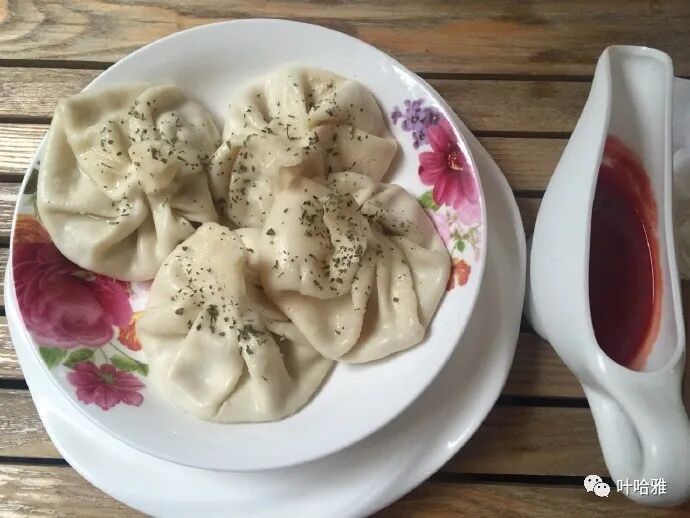
Caucasian soup dumplings (gaojiaosuotangbao)
These are Azerbaijani soup dumplings. The owner is from Azerbaijan, so most of the servers are too. Their Chinese isn't great, but it has improved over the last few years.
15. Iranian Cuisine
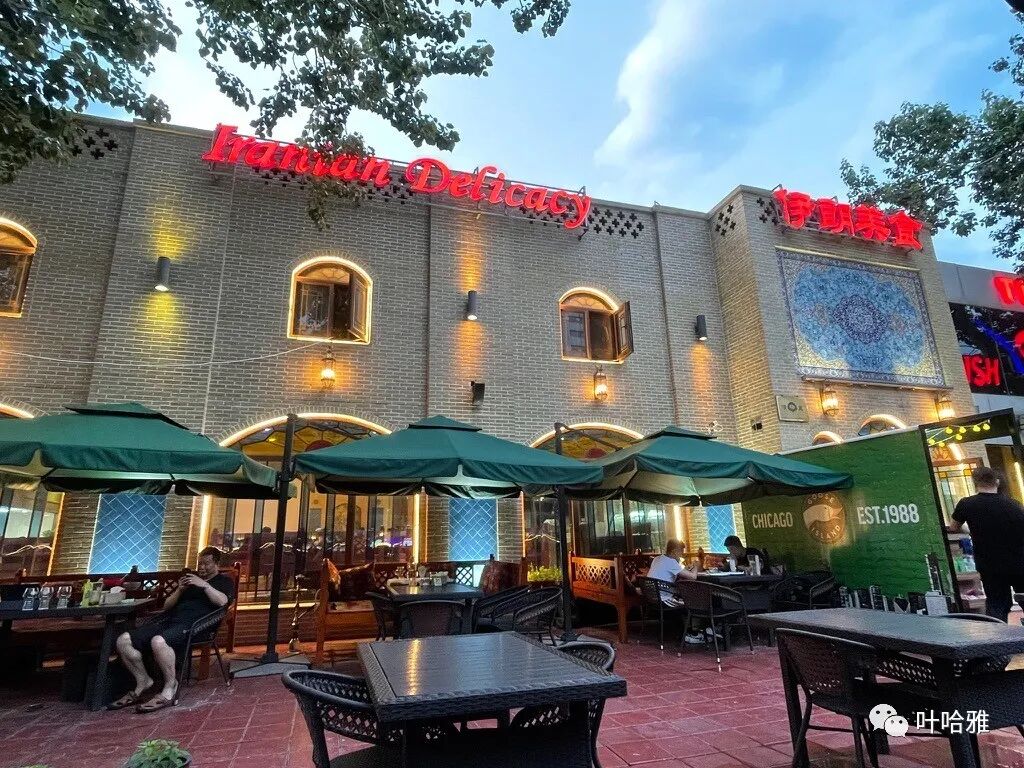
It used to be called Persepolis, but now it is named Iranian Cuisine. The cooking style hasn't changed, but I think it tastes better now than before. This is the only Iranian restaurant in Beijing, excluding the one inside the Iranian embassy.
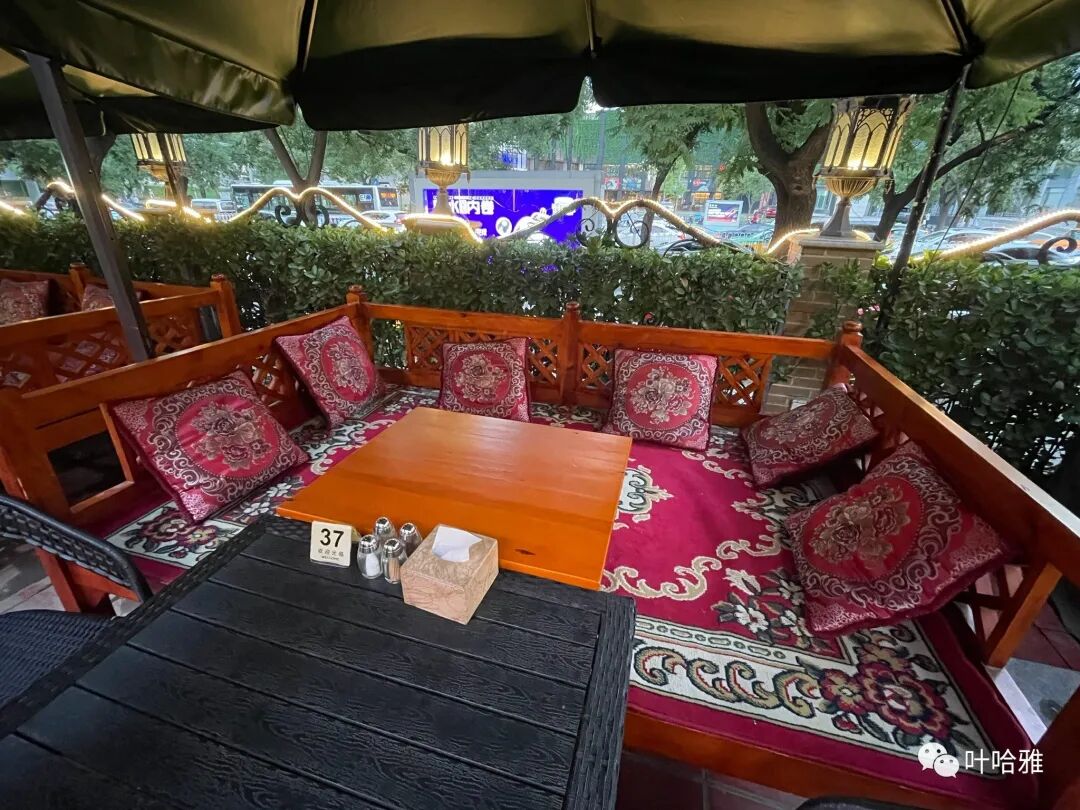
I like this spot in their courtyard; it is a typical Iranian residential style.
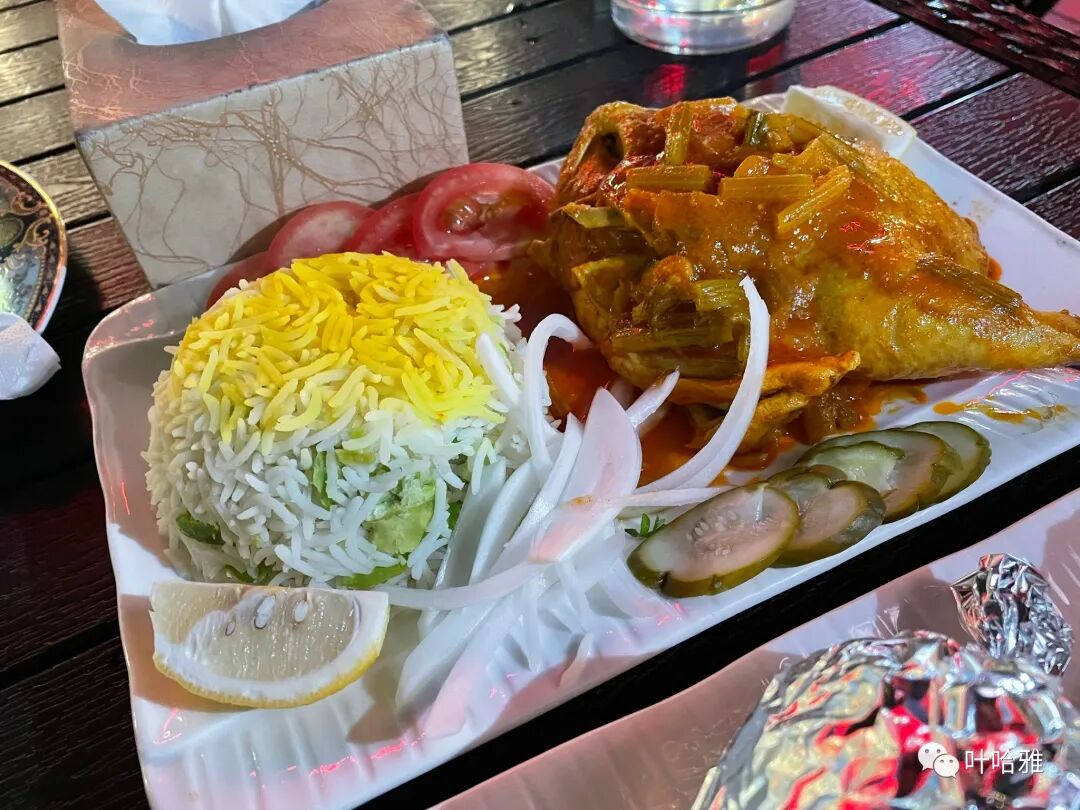
Saffron pilaf (zanghonghuazhuafan)
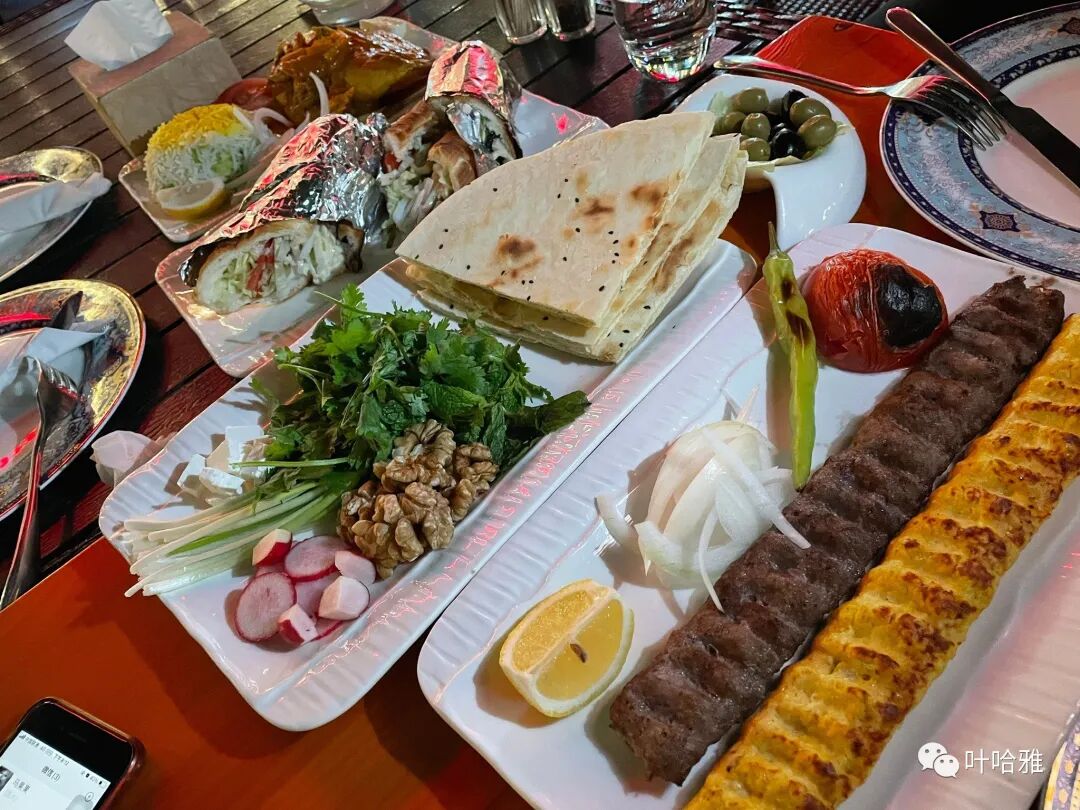
I have been here many times. They have a buffet at lunch, and for dinner, they serve Western food like grilled meat and burgers, plus coffee and afternoon tea.
16. TRIBE GARDEN African Tribe Garden Restaurant
A new halal restaurant featuring West African specialties recently opened on the first basement level of the Sanlitun SOHO mall, focusing on Ghanaian cuisine. The staff are all Black Muslims who speak fluent Chinese, and one young lady from Kenya is especially lovely.
Ghana is a country in West Africa where about 15% of the population is Muslim, yet their national banknote features a picture of a mosque with a unique style.

Larabanga Mosque
The Larabanga Mosque (Larabanga Mosque) on the banknote was built between the 14th and 15th centuries. It is the oldest mosque in Ghana. Its architectural style is unique to West Africa, built with yellow mud and wood, making it very iconic.
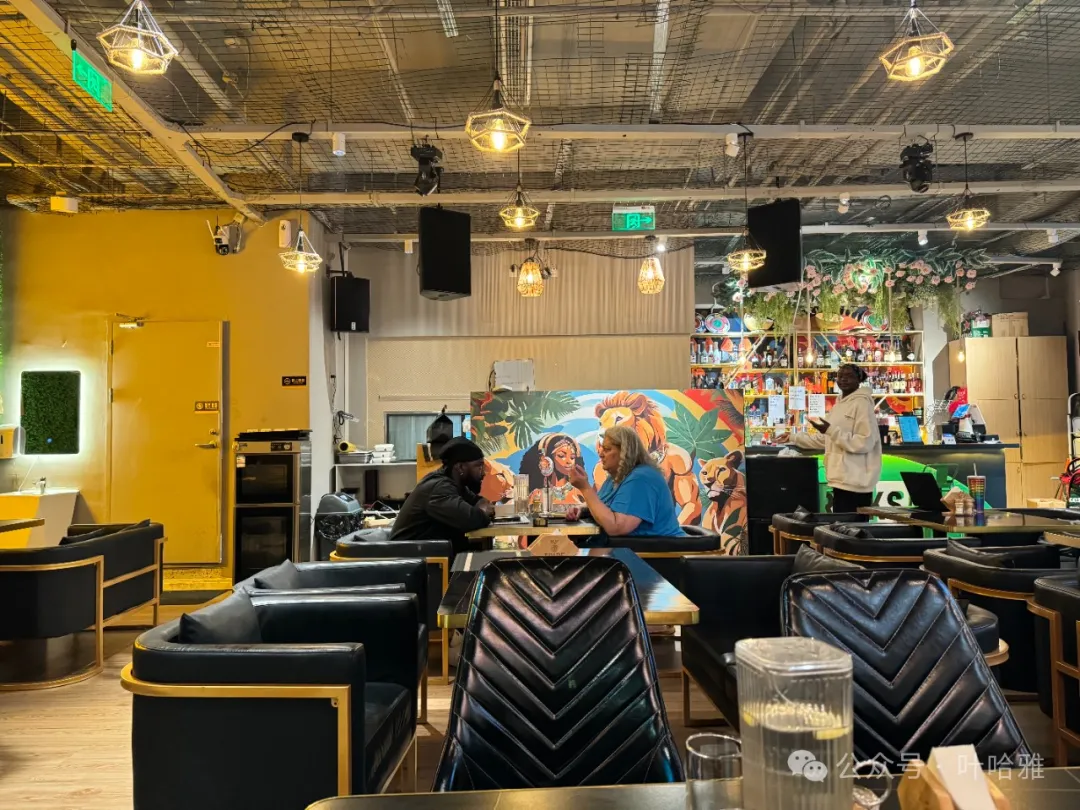
The restaurant decor also has a strong African feel, including the wall hangings.
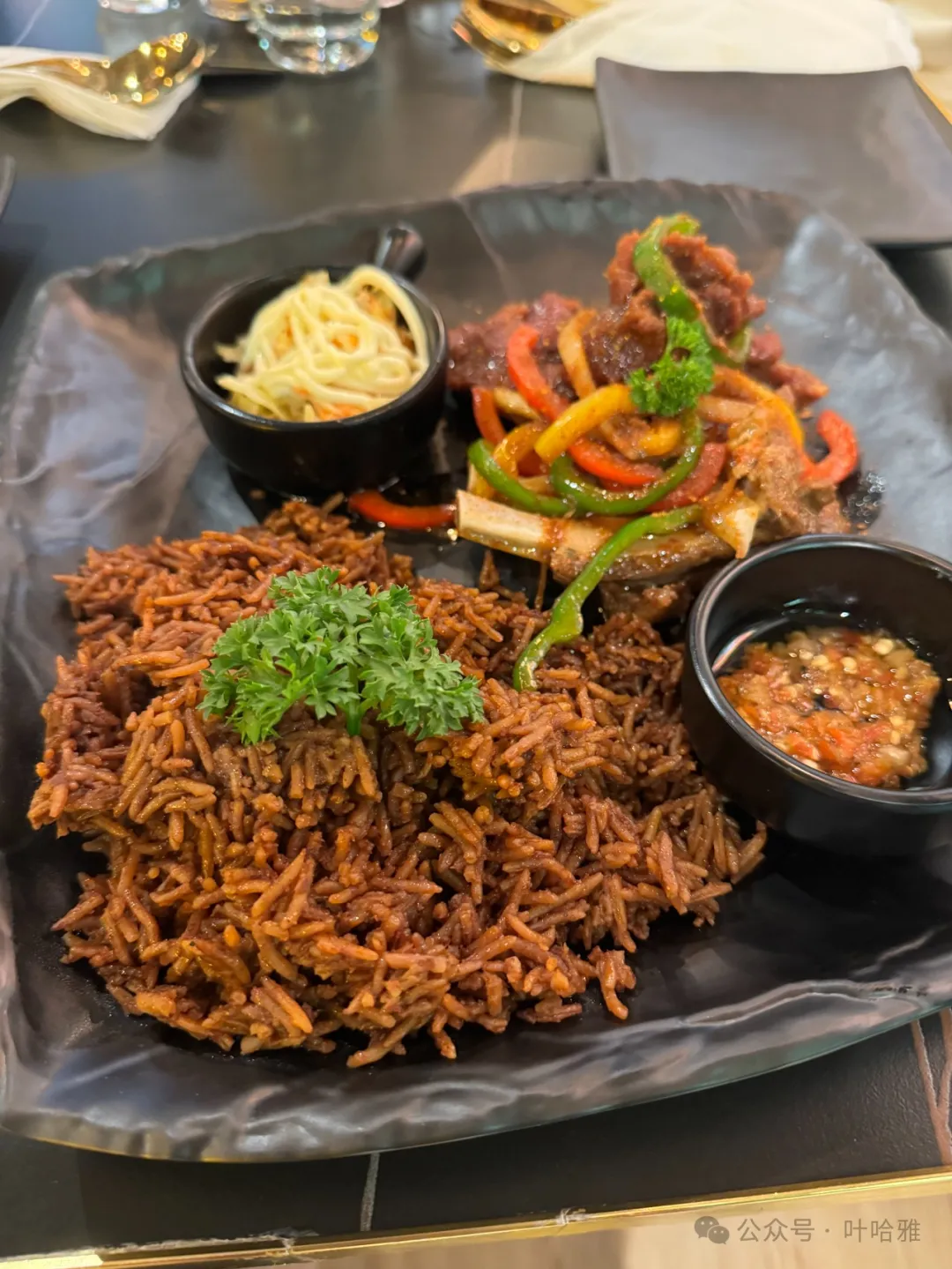
African goat meat mixed rice
African goat meat is a bit tough, but it has no gamey smell. The mixed rice tastes salty and spicy.
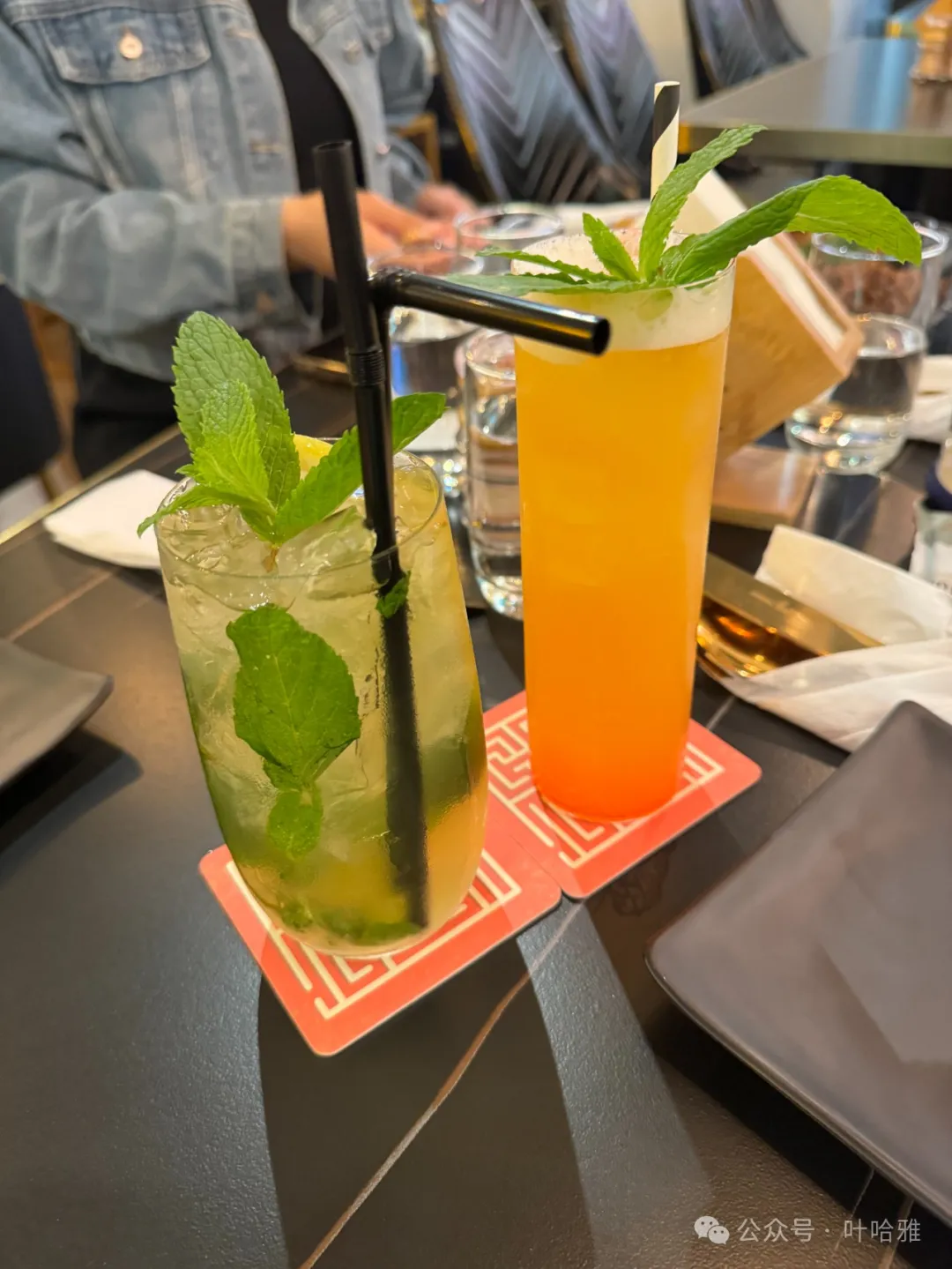
Non-alcoholic mojito and fruit punch
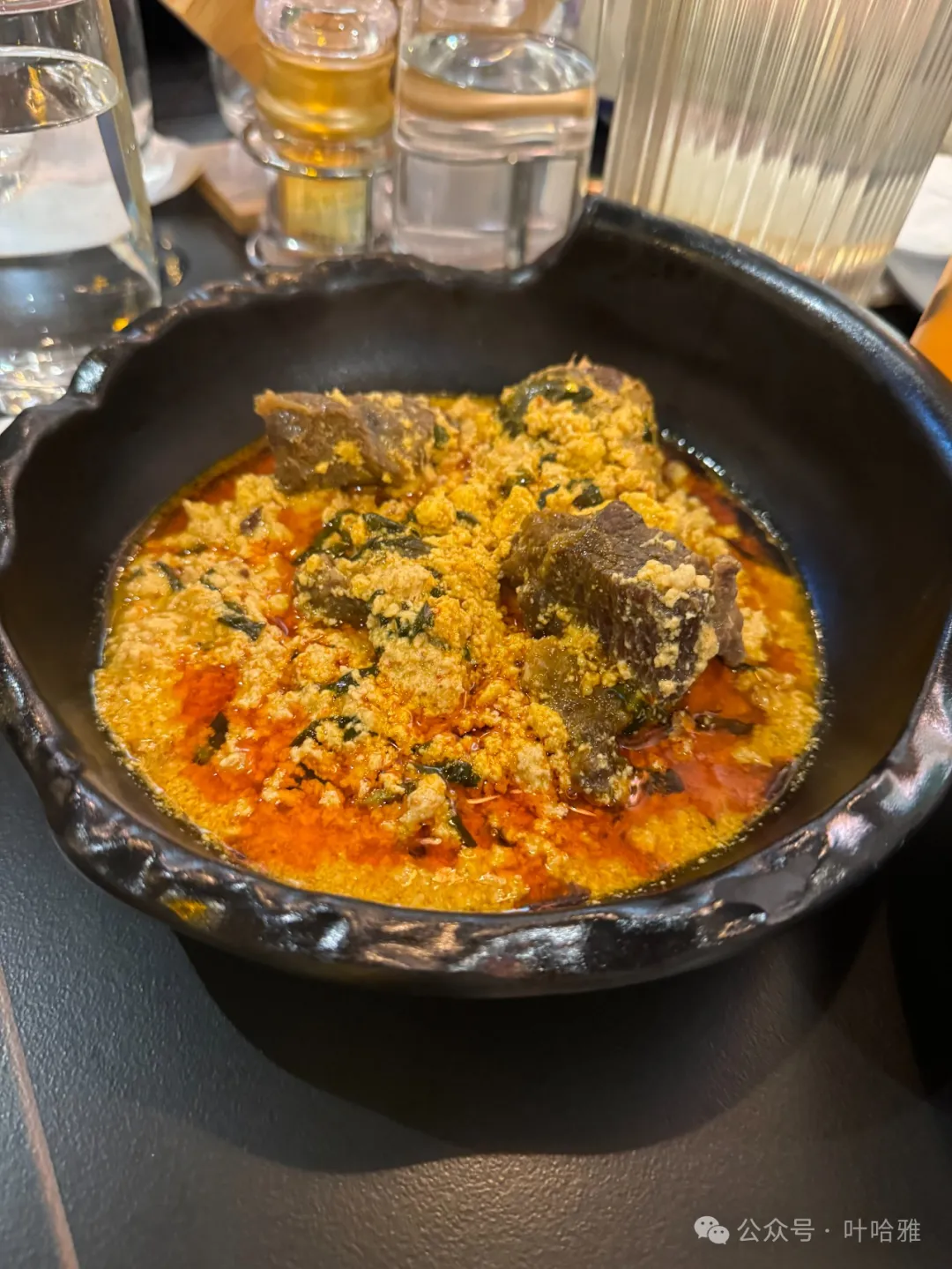
African specialty egusi (egusi)
This dish is meant to be eaten mixed with the cassava flour paste shown in the picture below. Eating the cassava flour paste is just like eating rice cake.
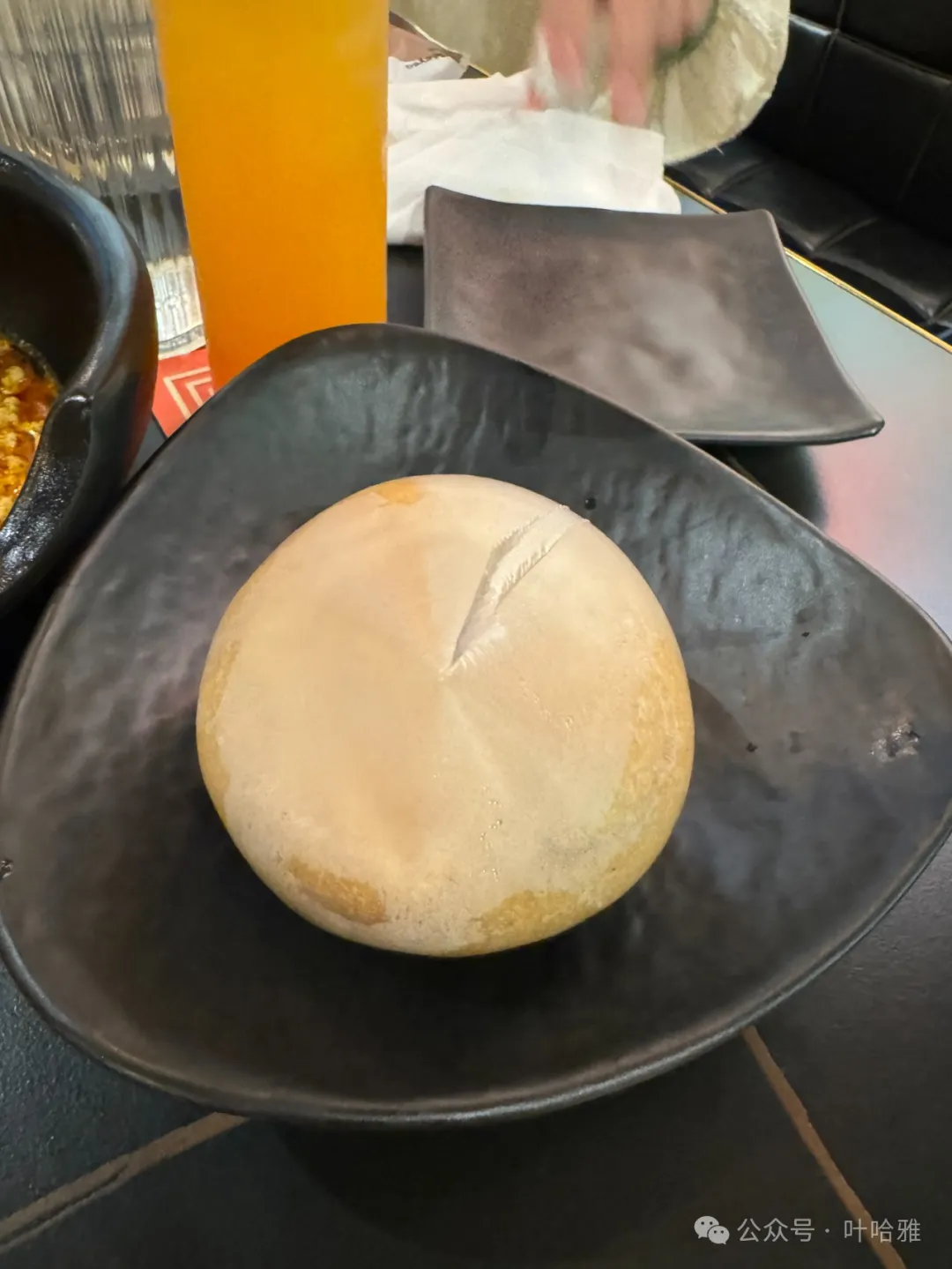
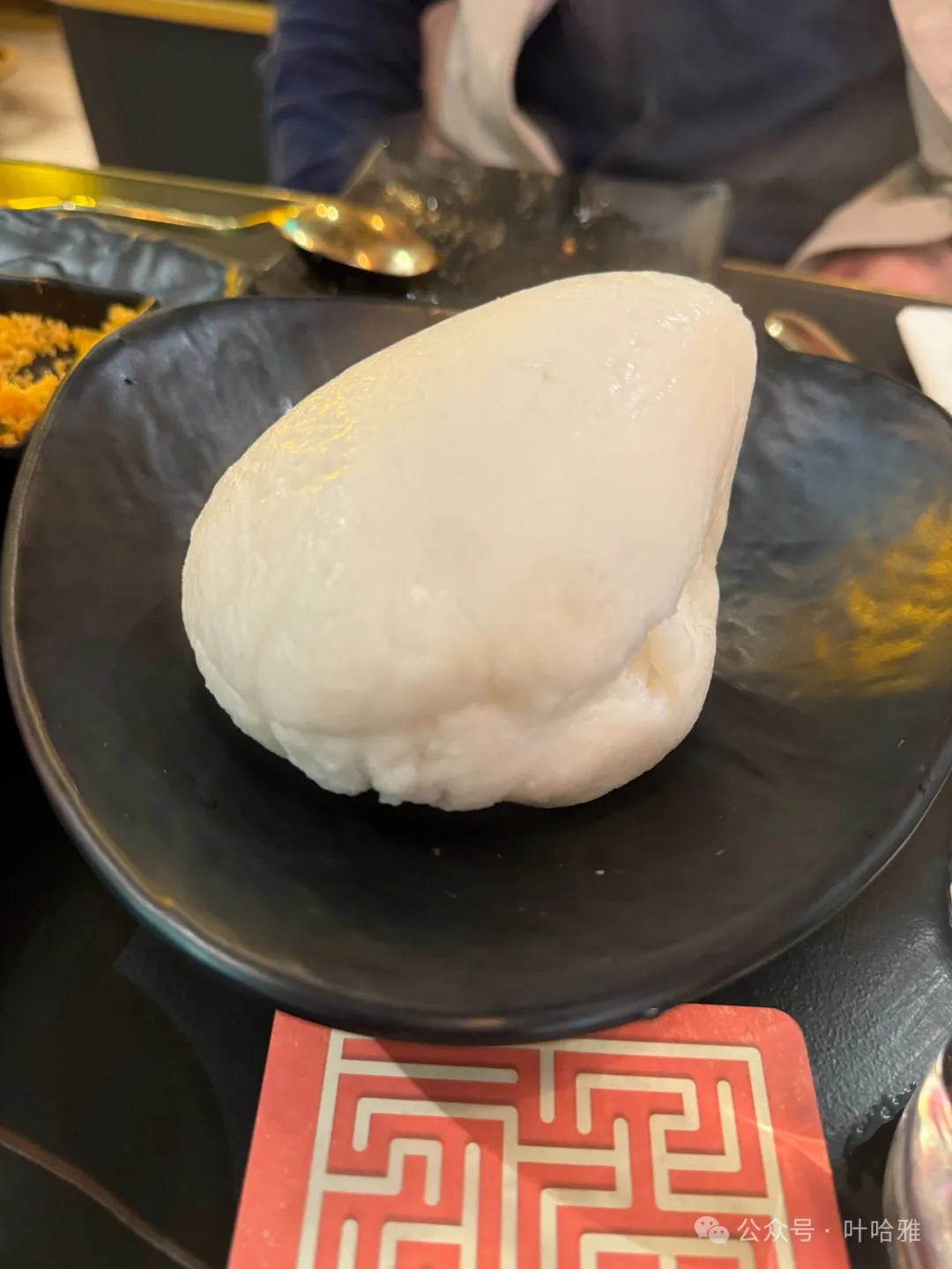
Fufu (fufu)
The white one is called fufu, which translates to rice flour paste in Chinese. It is the staple food for Ghanaians.
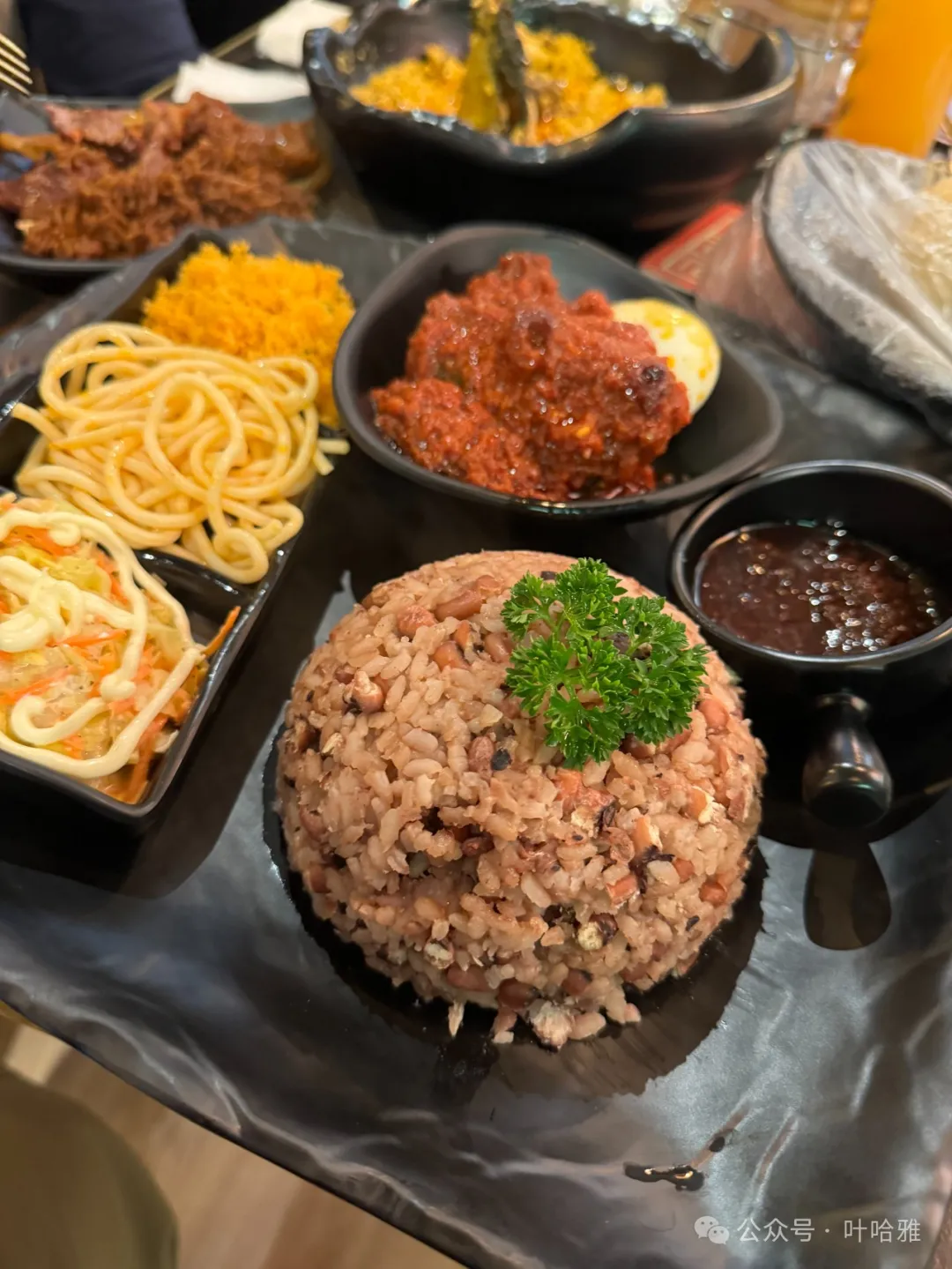
Friday special dish
They have a special dish every day. This Friday special is made with beans and rice, served with some noodles and dipping sauce. It tastes sour, salty, and spicy all at once.
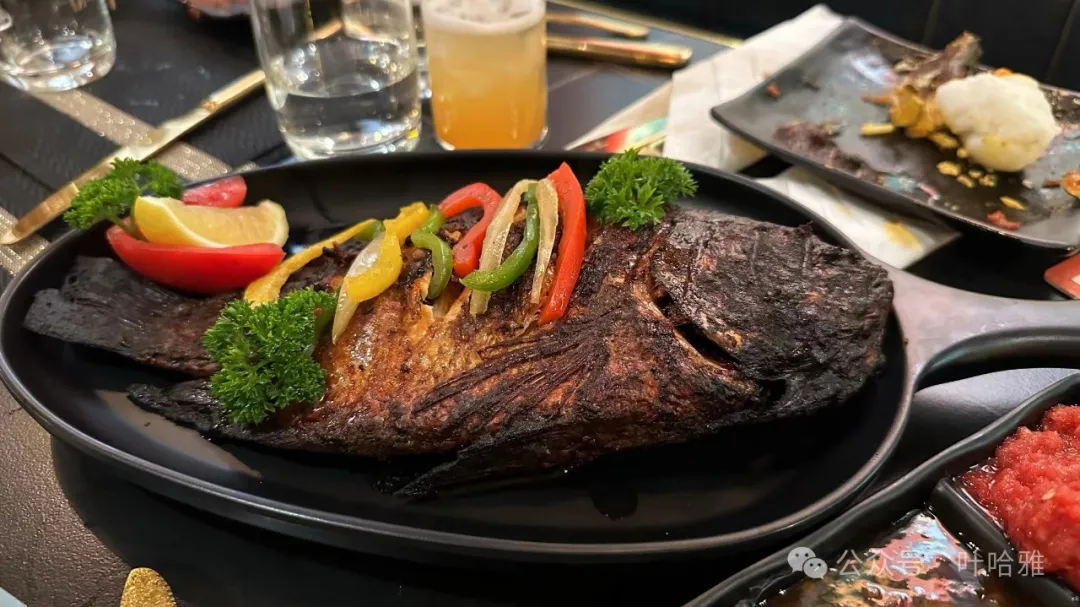
Grilled tilapia
This is African-style grilled fish. It tastes great. Don't let the charred skin fool you; the meat inside is white.
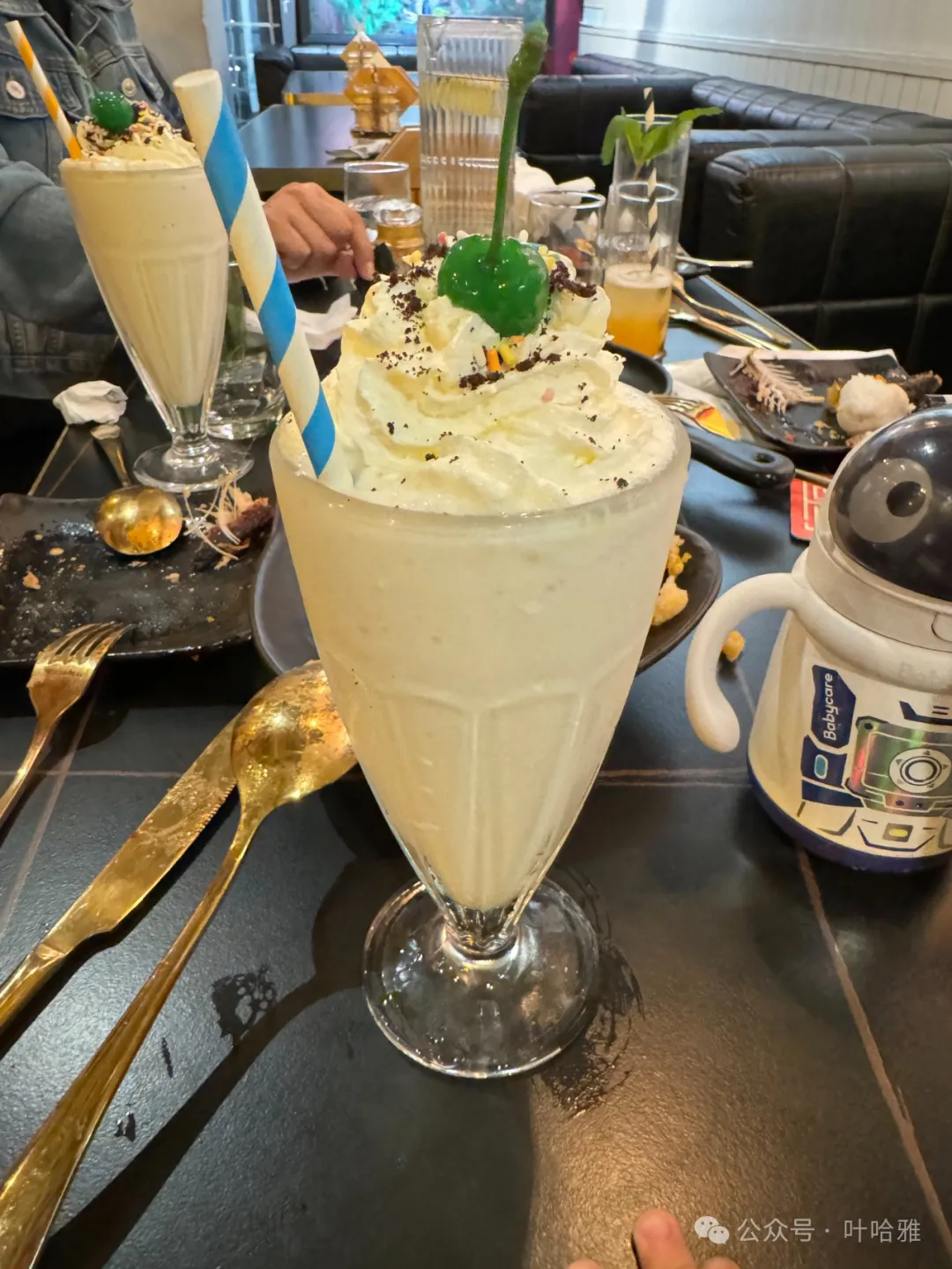
A young lady from Kenya recommended this milkshake to us. It is very creamy and delicious. The total for this meal was 530 yuan for four people, which comes to 130 yuan per person.
17. Rongqing Laoman Guizhou Sour Soup Fish Hot Pot
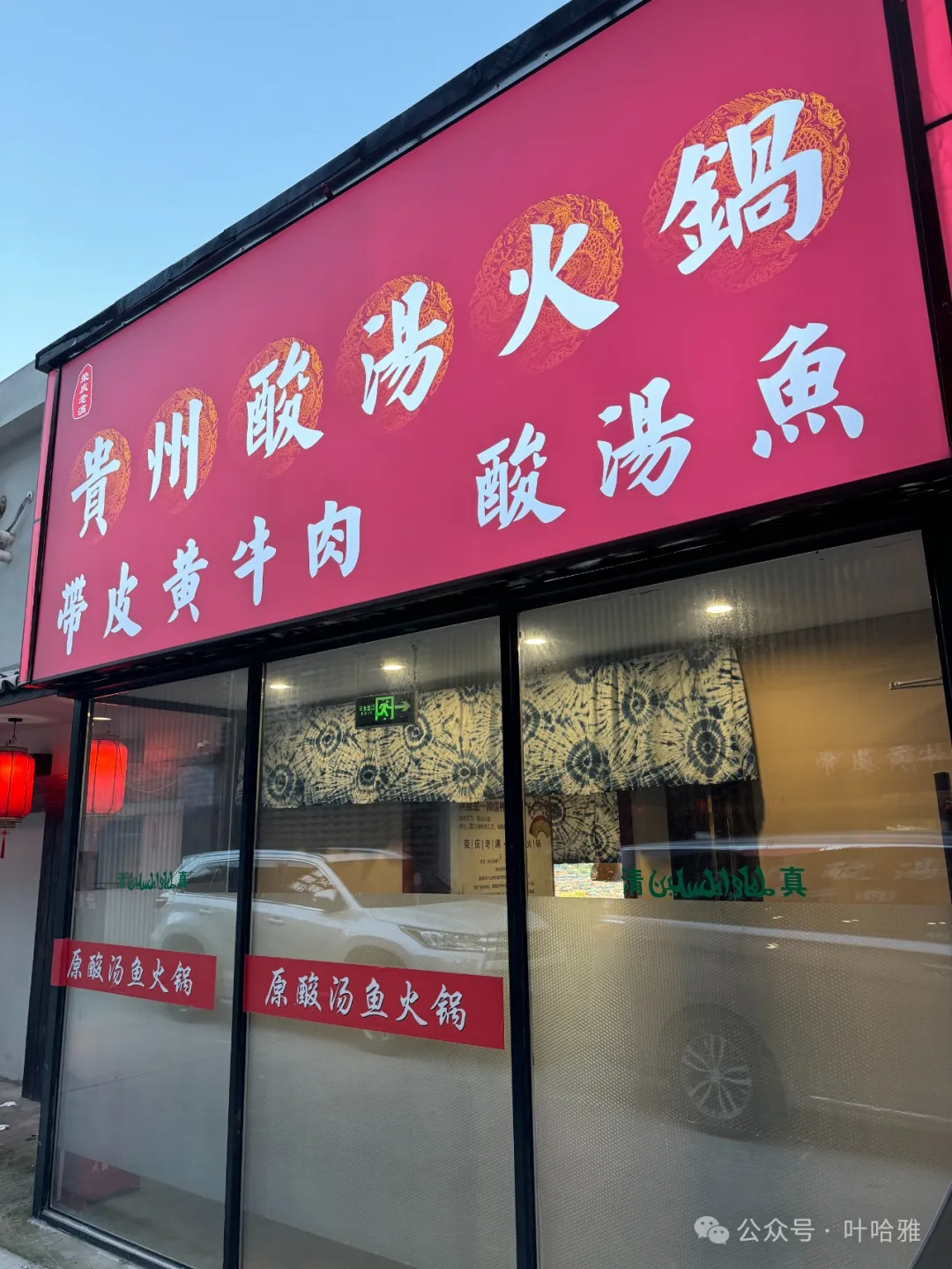
This Guizhou sour soup hot pot restaurant changed its style and is the only halal Guizhou restaurant in Beijing. Their signature dishes are beef hot pot and fish hot pot. When we visited, the business was already starting to take off, and I hear there are long lines now, with an average wait time of over an hour.
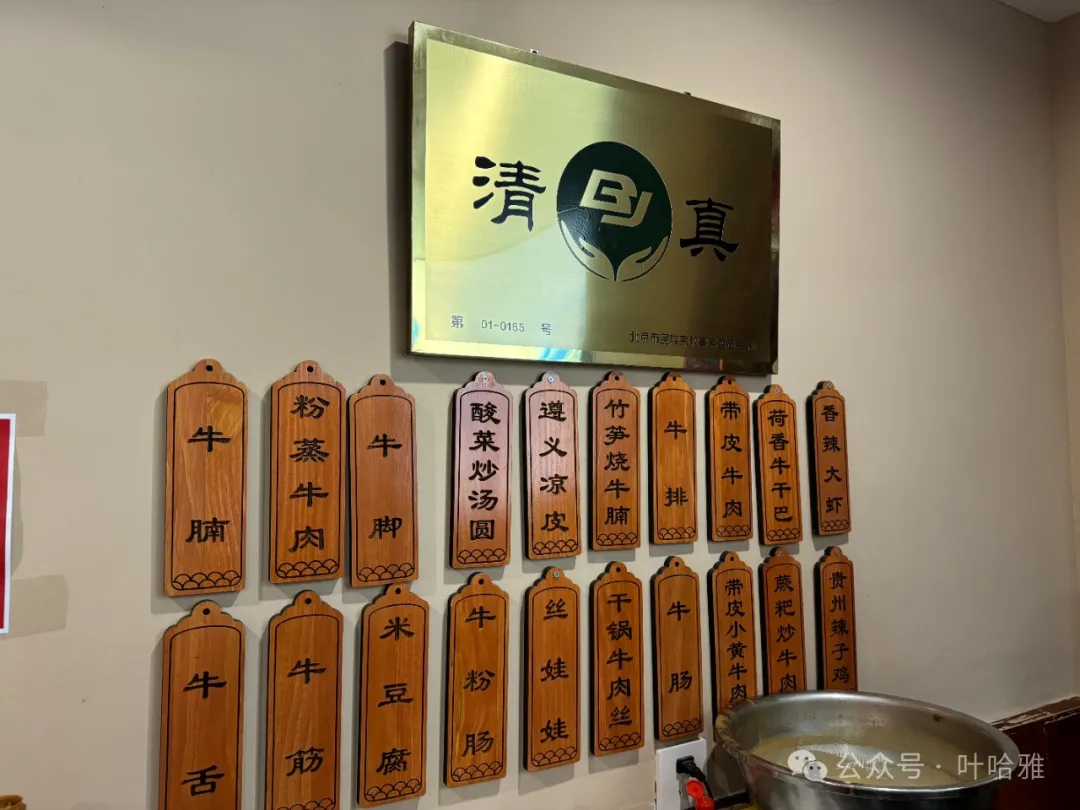
The owner originally planned to serve Guizhou-style stir-fried dishes, but the hot pot business became so popular that they stopped making stir-fries. Now, they only serve hot pot.
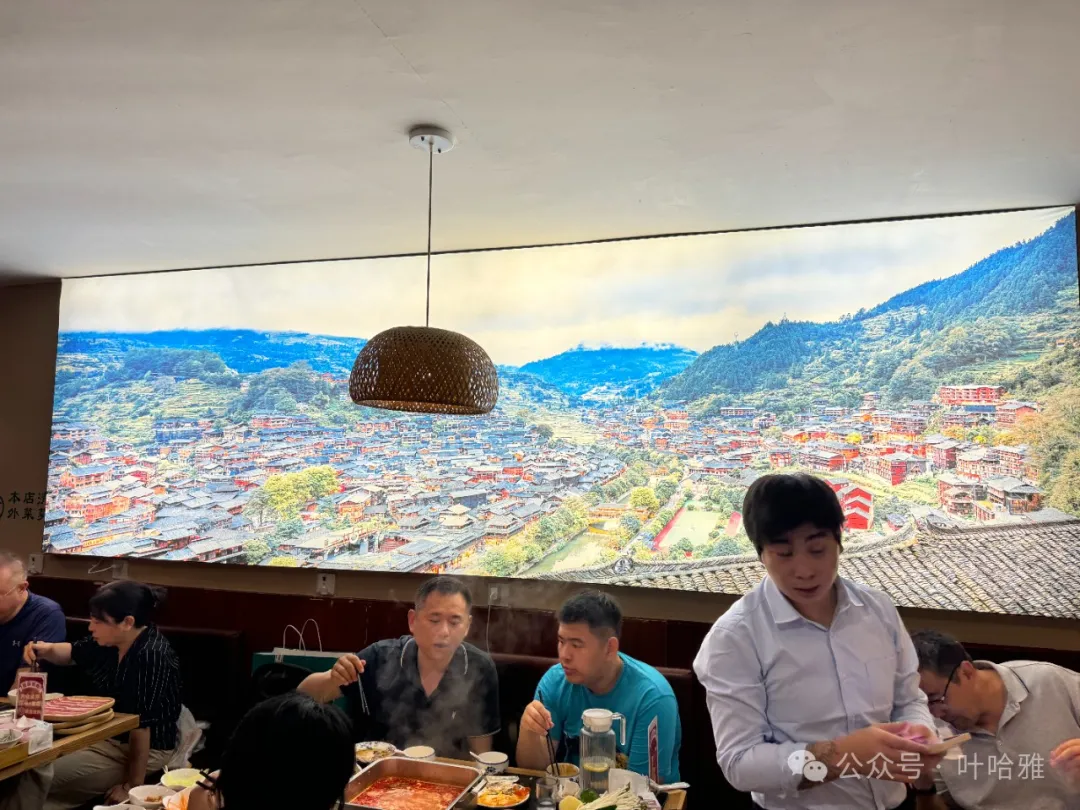
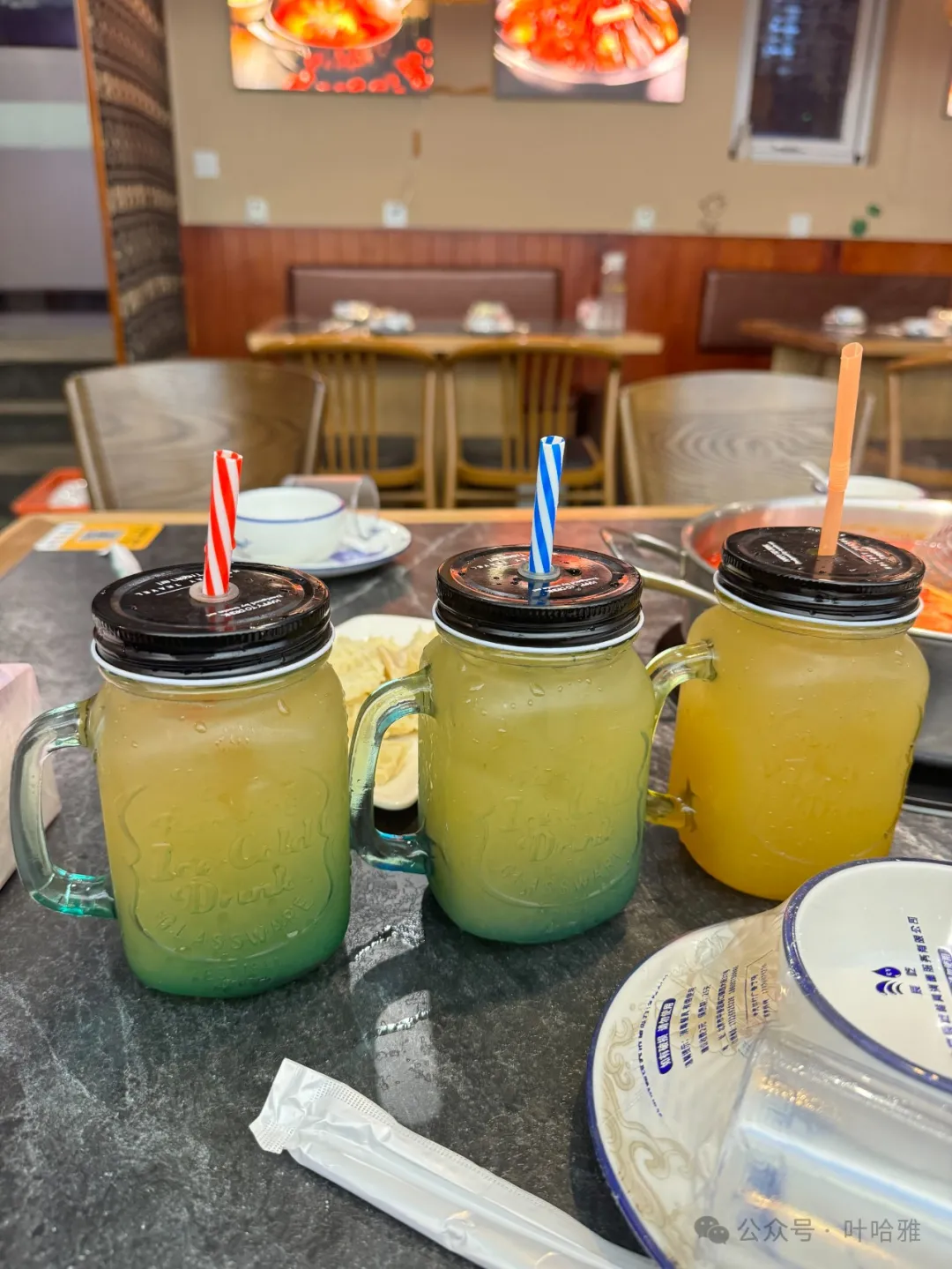
We had three glasses of homemade prickly pear juice (cili zhi). It was sweet, sour, and icy cold. They only had three of these glasses, so we took them all, and other customers had to order different drinks.
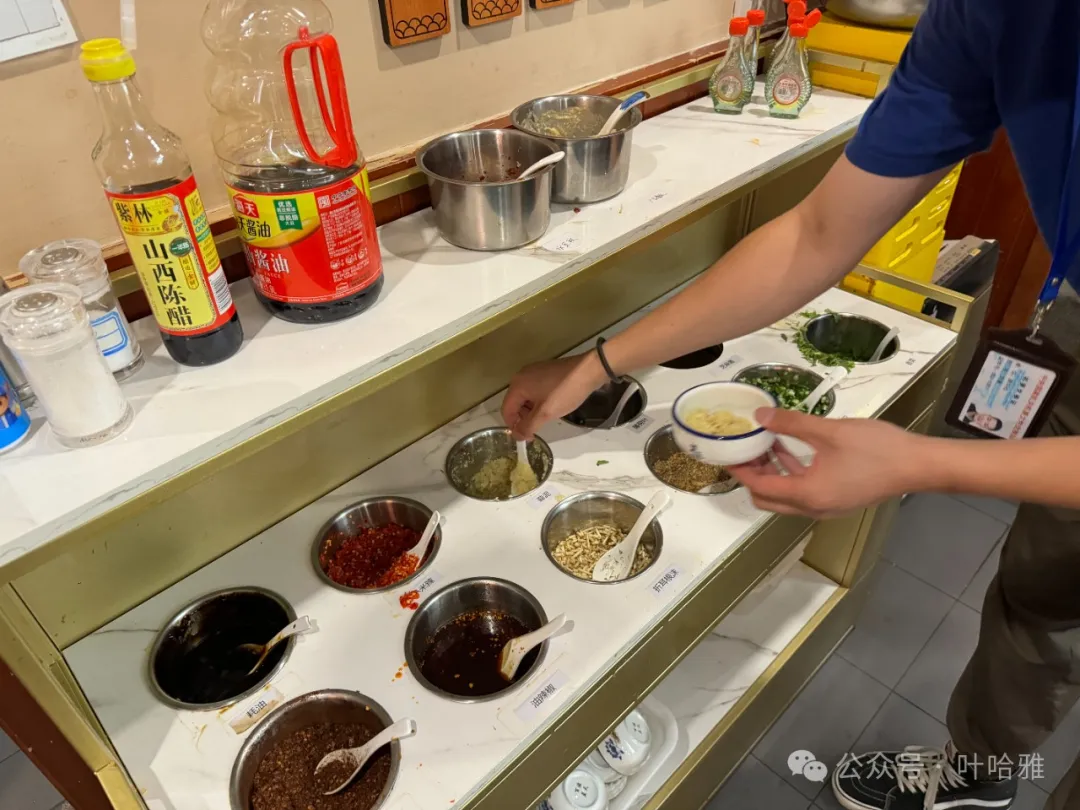
The dipping sauce (zhanshui) is the soul of the meal. I suggest following the guide posted by the shop to mix your sauce. You must try the litsea cubeba oil (mujiangzi you), mint leaves, chili powder (hu lajiao mian), and fish mint (zhe'ergen).
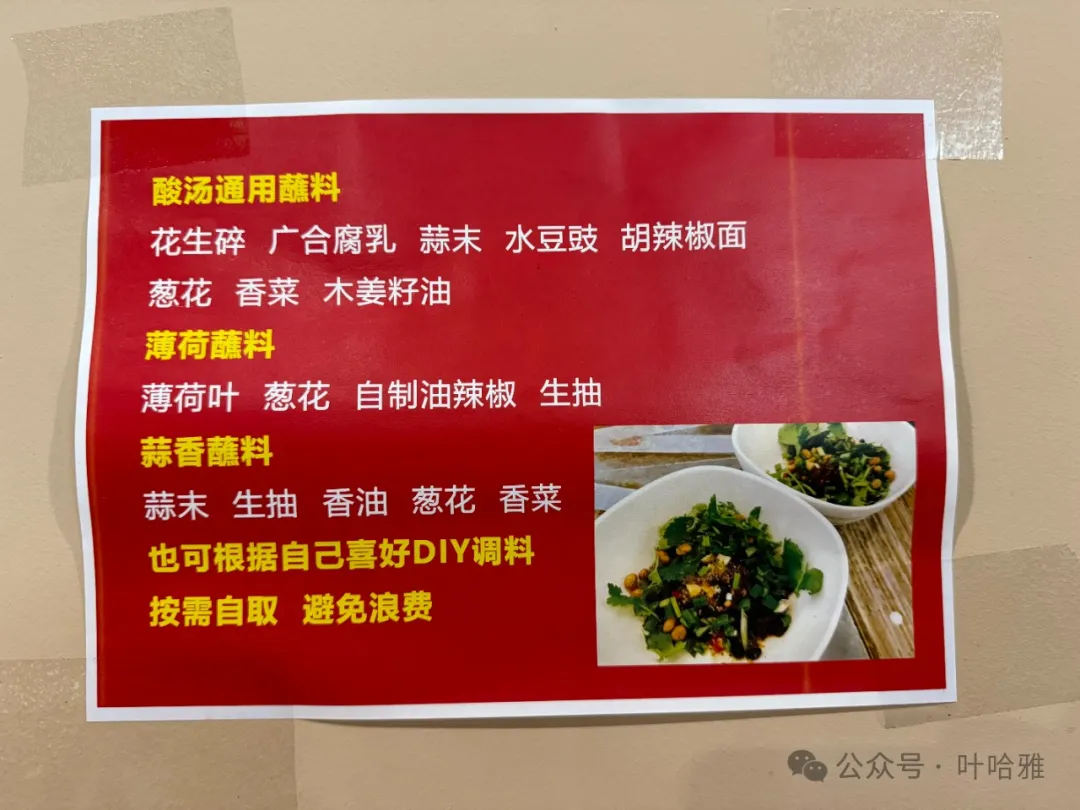
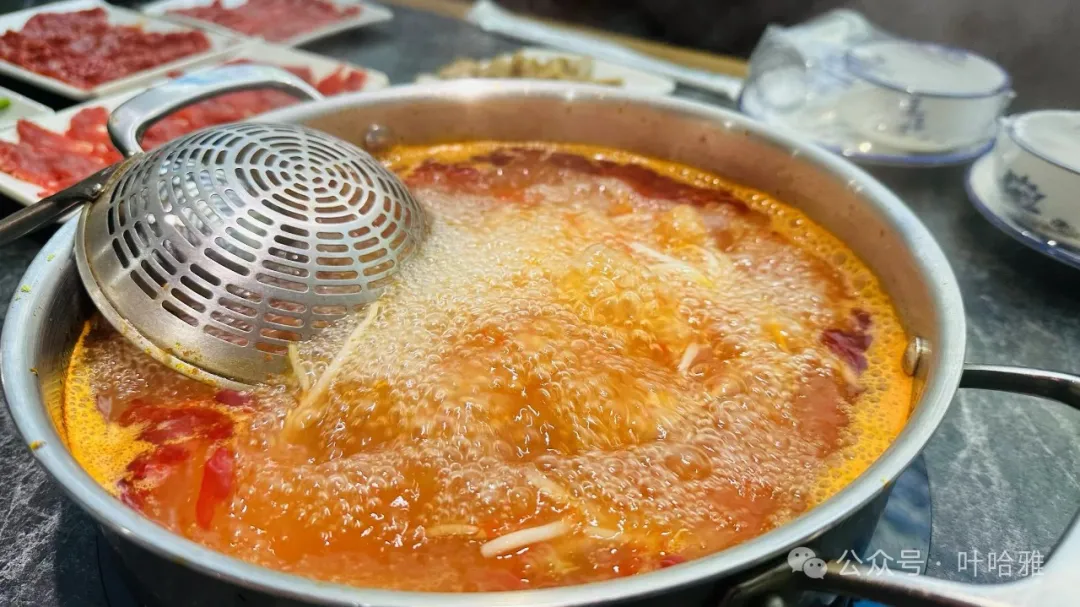
The full beef feast set includes beef and various beef offal. The ingredients are very fresh. If you like fish, choose the river catfish (jiangtuan). One fish weighs about 1.15 kilograms, and the meat is firm with no small bones.
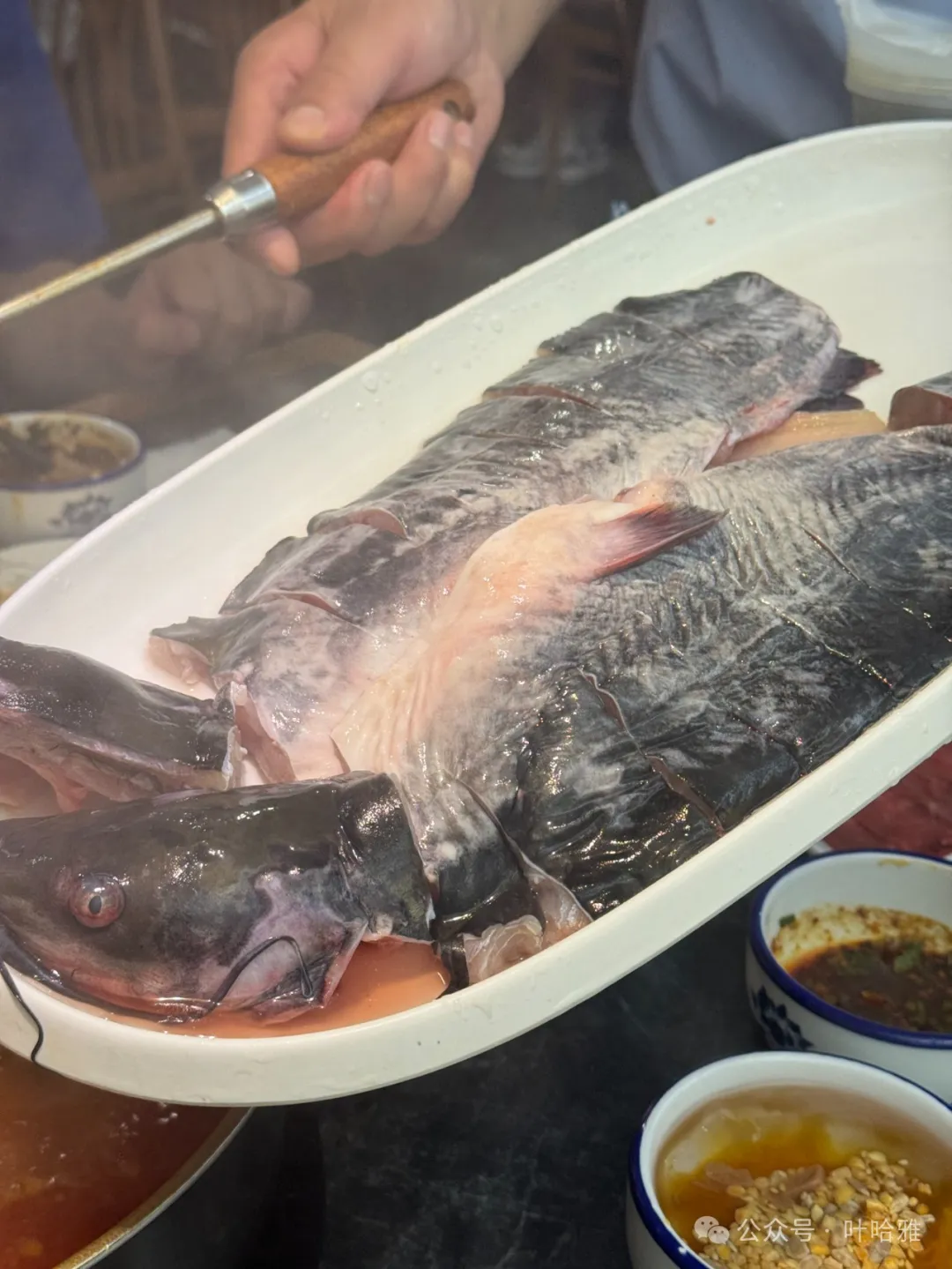
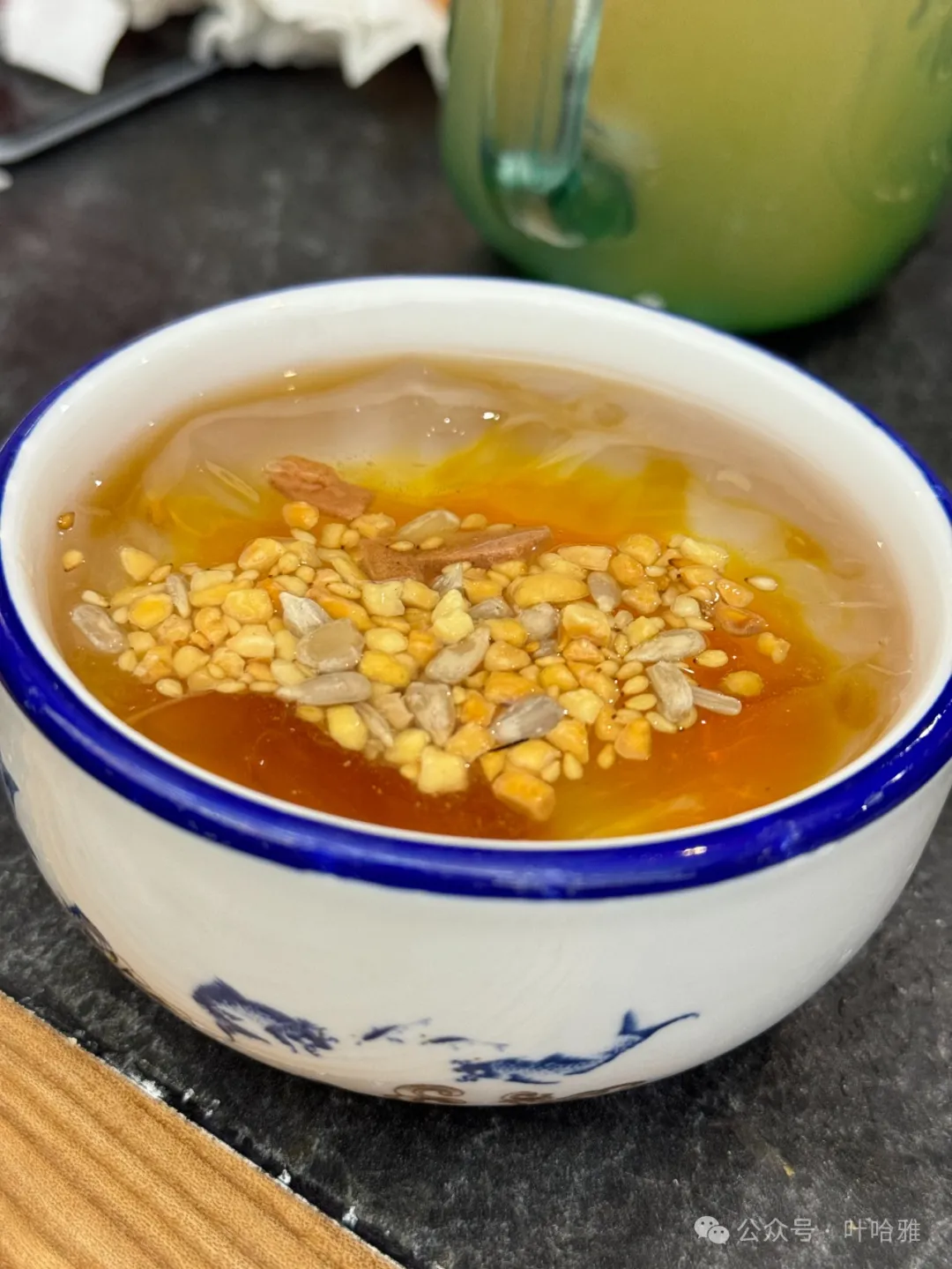
If you save the shop on your map and check in, you get free iced jelly (bingfen). The jelly is just okay, but the signature beef and fish hot pot are worth a try.
18. Xunji Tan Sheep Hot Pot
Xunji is a chain restaurant. There is one in Gulou and another one in Qingnian Road. The two shops have very different decor, but both are high-end and elegant. The Qingnian Road location has a particularly fresh and unique atmosphere. It is much larger than the Gulou shop and has plenty of free parking.
When you enter the courtyard, you first walk through a bamboo grove. Mist floats along both sides of the path, making it feel like a fairyland.
The courtyard is filled with flowers and green plants, including many brightly colored hydrangeas.
The courtyard has open-air seating and tented private rooms. Each tent is equipped with air conditioning, lights, and a sound system.
There is an indoor dining hall, but in the summer, everyone prefers to sit in the courtyard to enjoy the flowers and food.
The dining tables in the tented rooms have microphones. If you speak near the table, you can hear an echo, which makes chatting easier.
This restaurant is a top-tier halal establishment in Beijing. The average cost per person is between 400 and 500 yuan. The restaurant charges per head and currently only serves hot pot. They can host wedding banquets for about 150 people. Wedding banquets are also charged per head, so a wedding for 100 people costs only 50,000 to 60,000 yuan, which is very affordable for Beijing.
Xunji Gulou Courtyard has a different, classical style. You can sit on the terrace and eat hot pot with the Drum Tower behind you.
At sunset, the scene of eating hot pot with the Drum Tower in the background is stunning. Oriental Selection even came here to host a live stream.
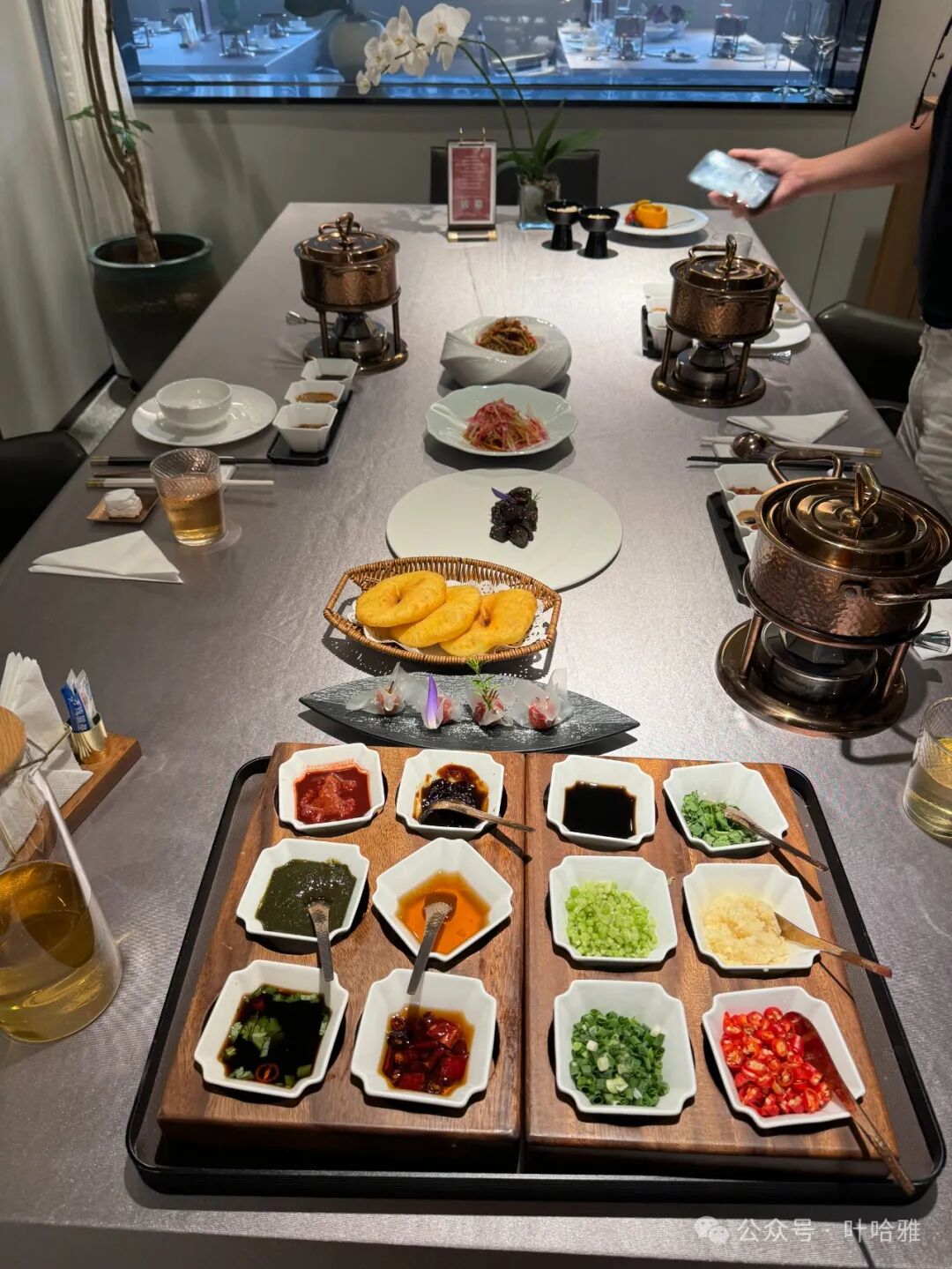
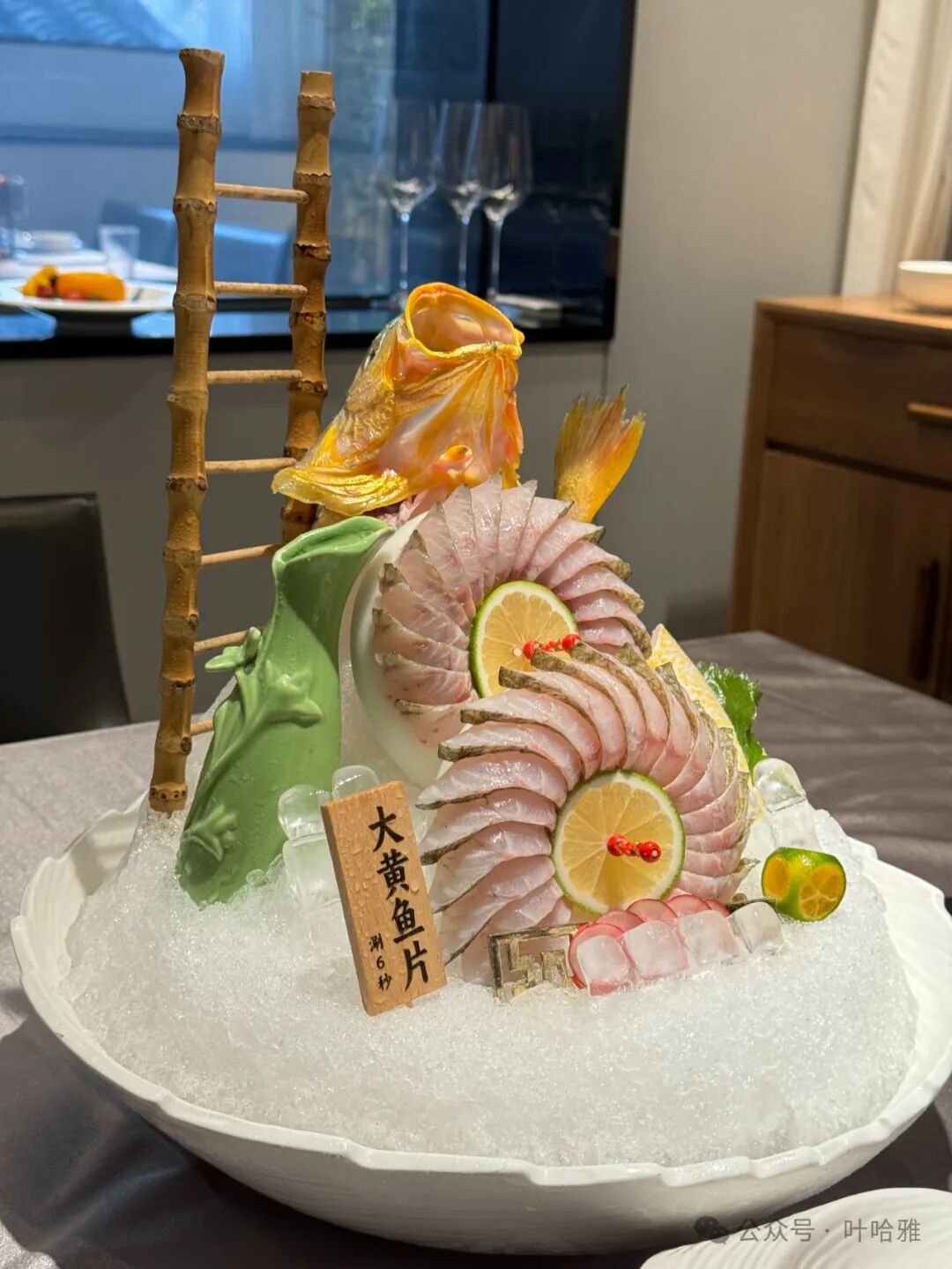
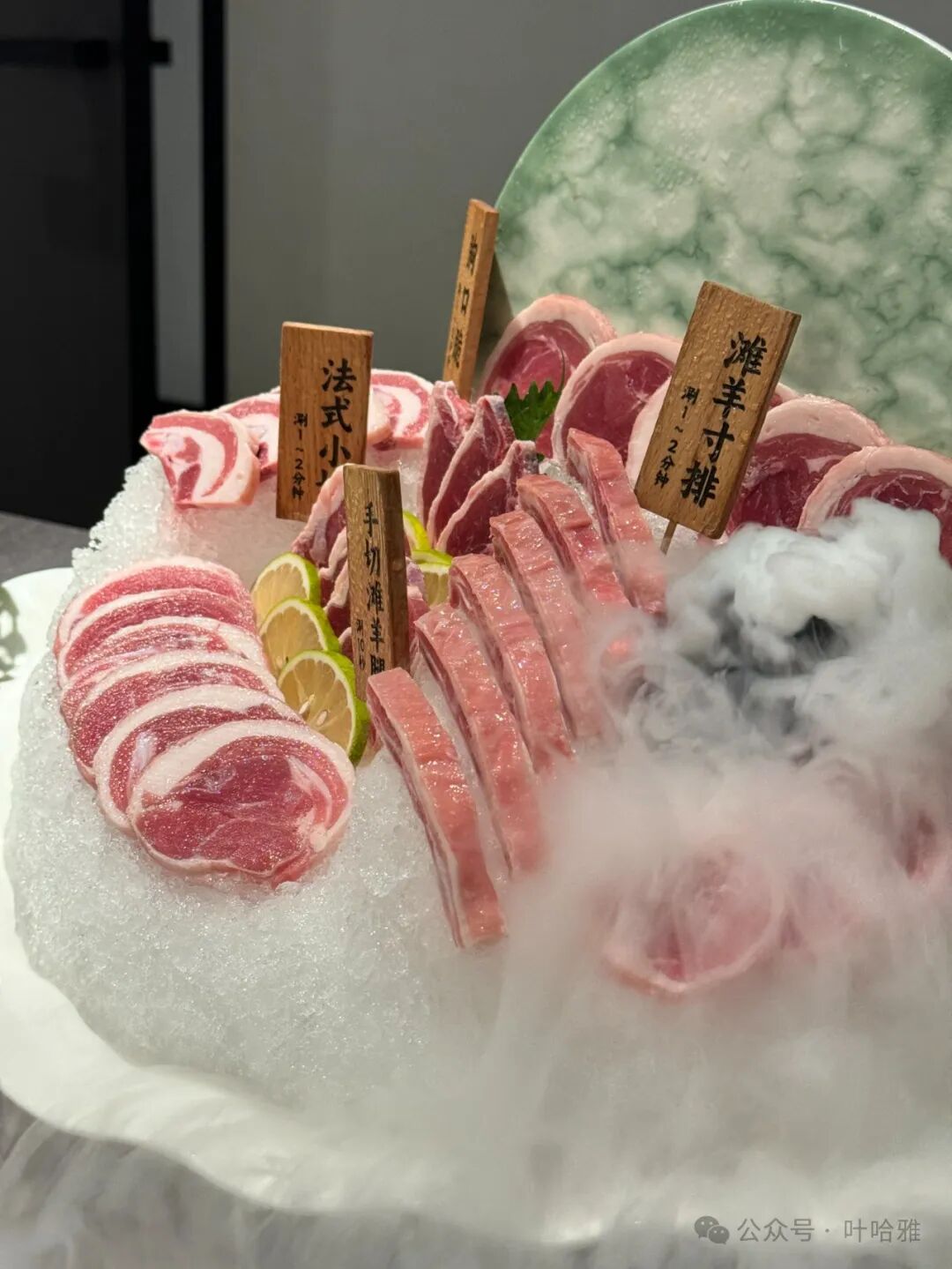
All ingredients are fresh and high-quality. You just wait for the servers to bring the dishes in order. Each private room has a dedicated server to provide attentive service. The dishes are served in this order: drinks, cold appetizers, hot pot ingredients, staples, and dessert. You can order extra portions of anything you like without extra charges. It is like paying 300 to 500 yuan for a high-end buffet, so it is not expensive.
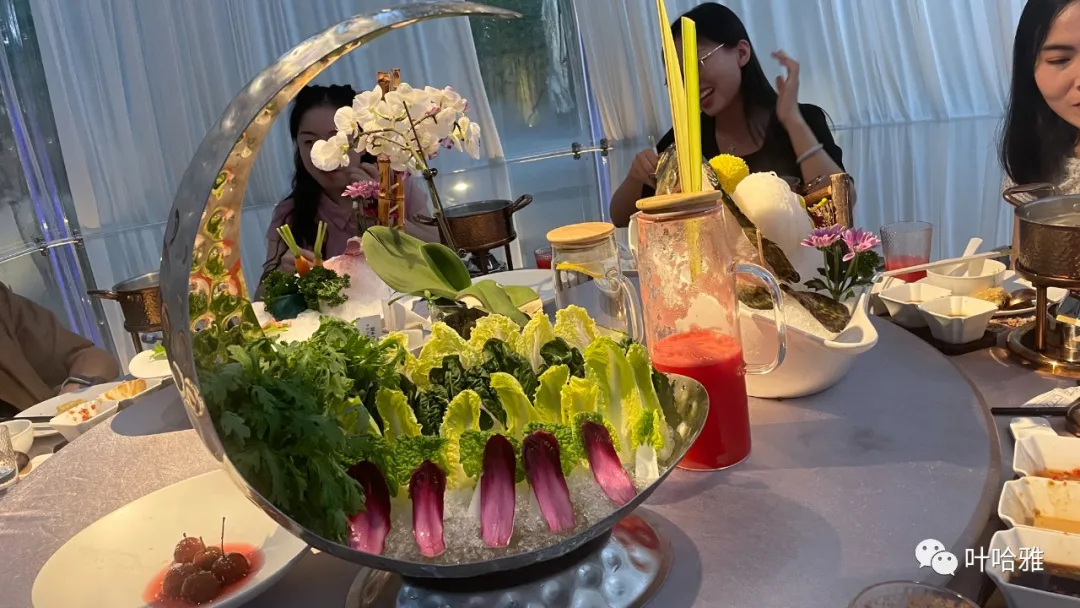
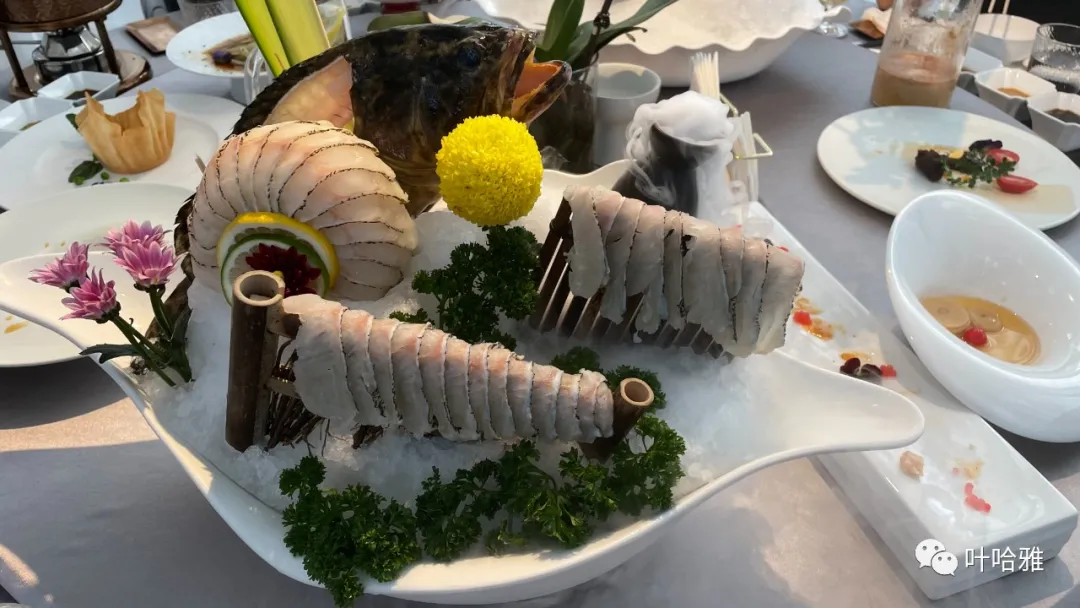
19. Baoding beef covered pancake (niurou zhaobing)
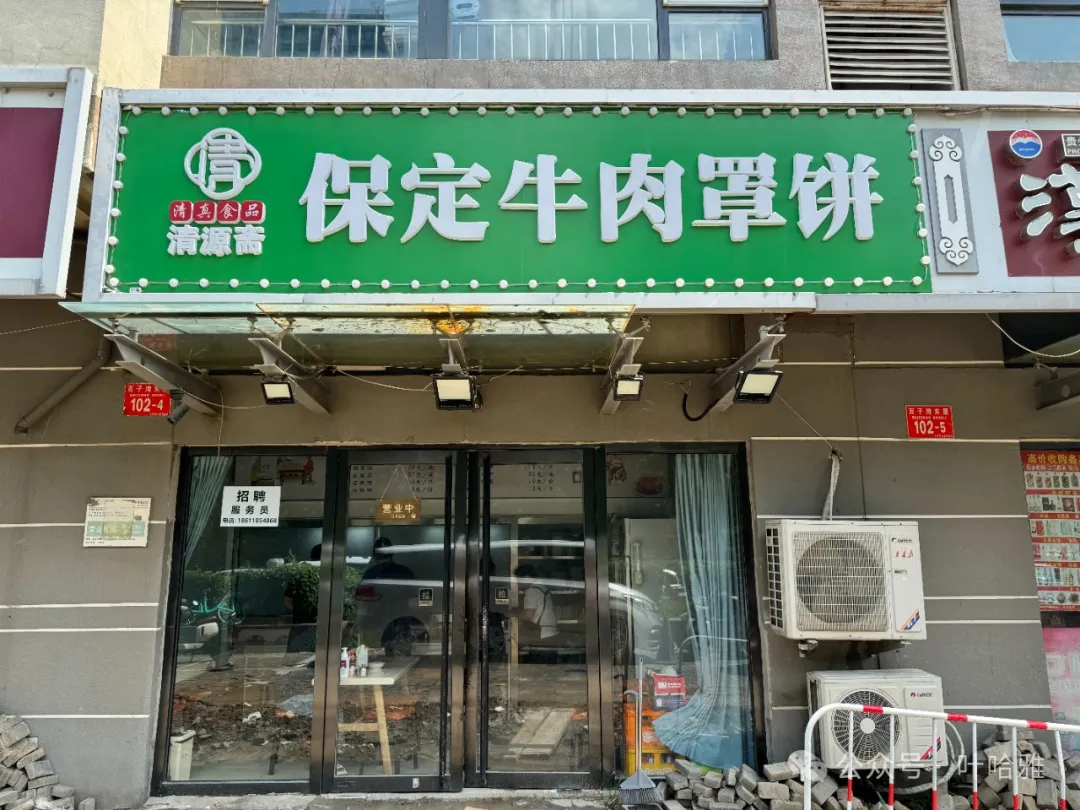
I once drove all the way to Miyun just to eat halal covered pancake (zhaobing). When I heard a halal zhaobing shop opened in Baiziwan, I came to try it. The taste is even better than the one in Miyun. Now, this shop has also opened a branch in Daxing.
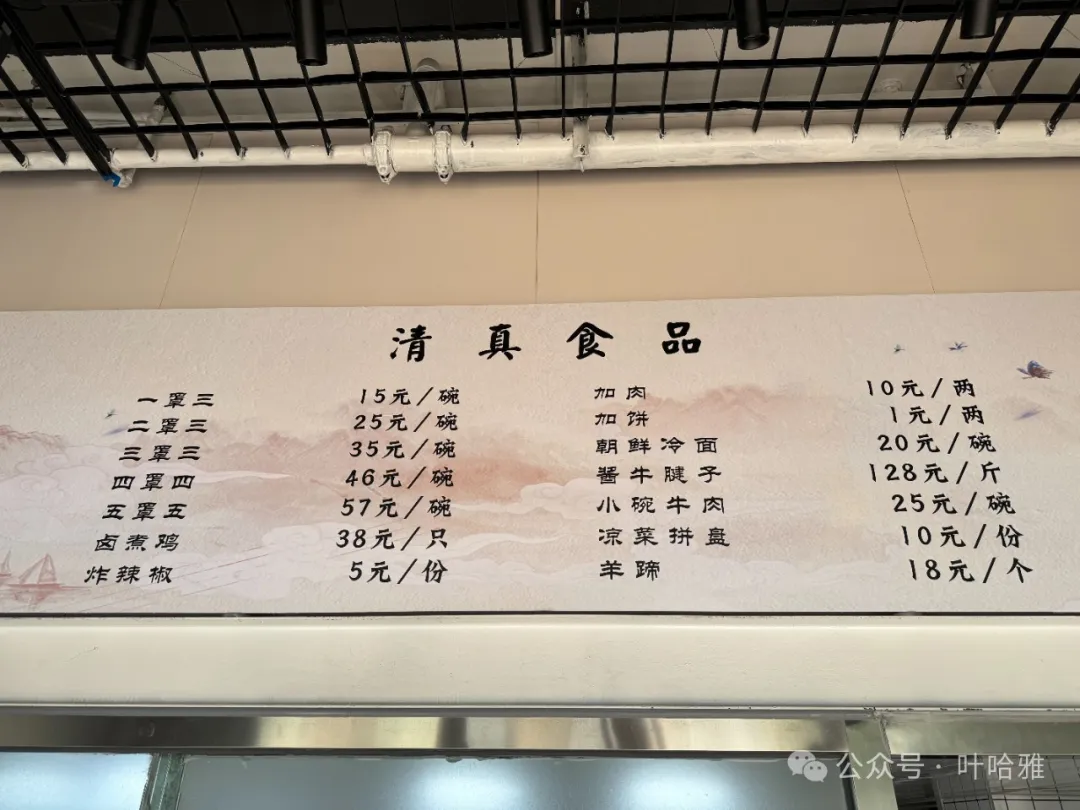
One cover two means one liang of meat and two liang of flatbread. I chose the single set meal of one cover three, which is two liang of beef and three liang of flatbread. The shop just opened and they are still hiring staff. They only serve covered flatbread (zhaobing) and braised chicken (luzhuji), which is also a specialty of Baoding.
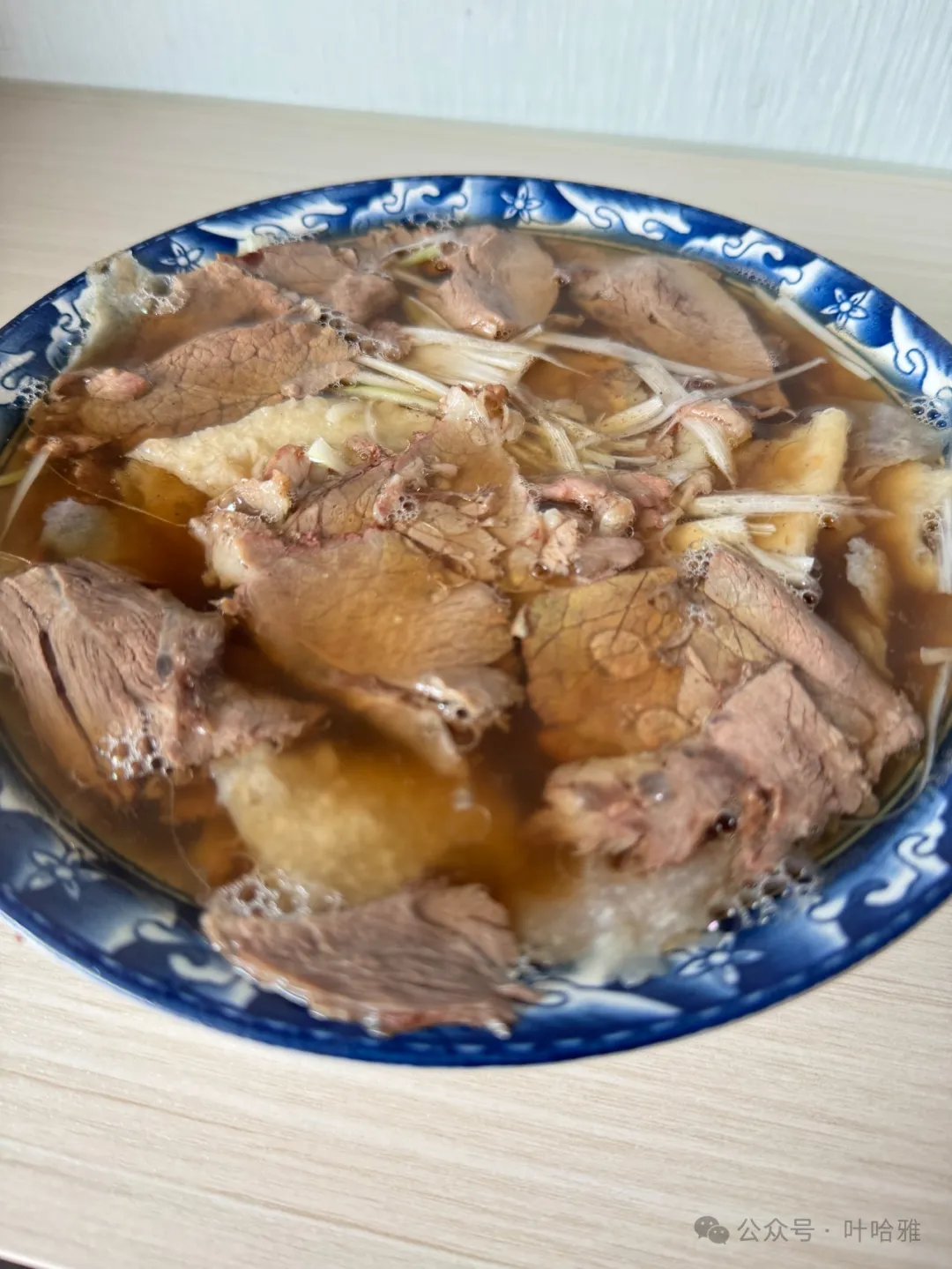
I have eaten covered flatbread in Baoding, and the taste is basically the same as this place.
20. Azerbaijan National Pavilion Maiden Tower Restaurant
A new restaurant opened on the third floor of the Azerbaijan National Pavilion. It is named after the Maiden Tower, which is a tourist attraction in Azerbaijan. This is the only halal Azerbaijani restaurant in Beijing, so it is worth noting.
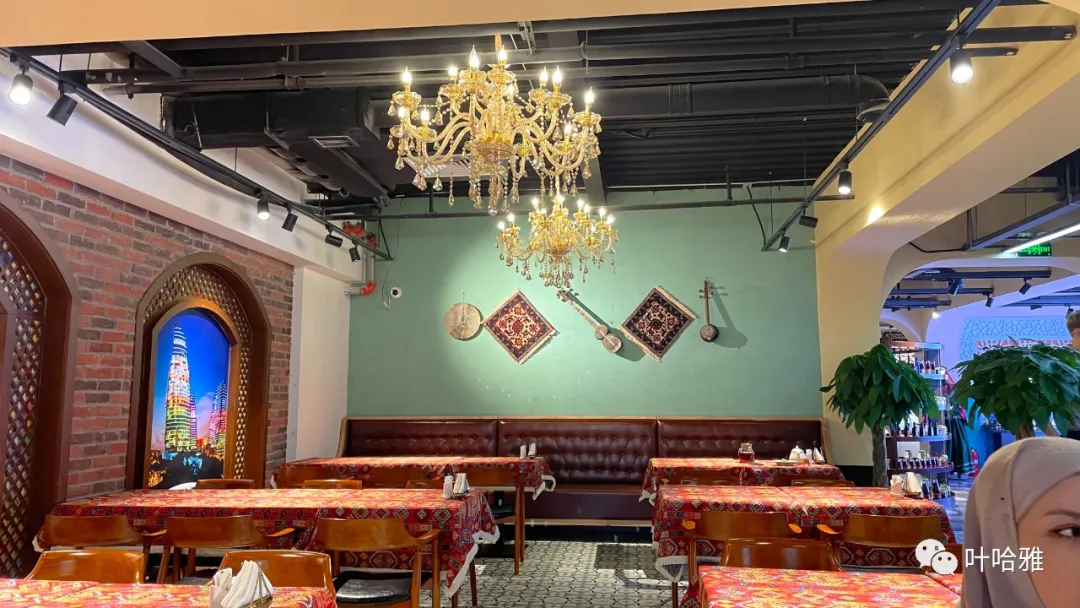
The restaurant is inside the pavilion, so you can enjoy Azerbaijani folk handicrafts while you eat.
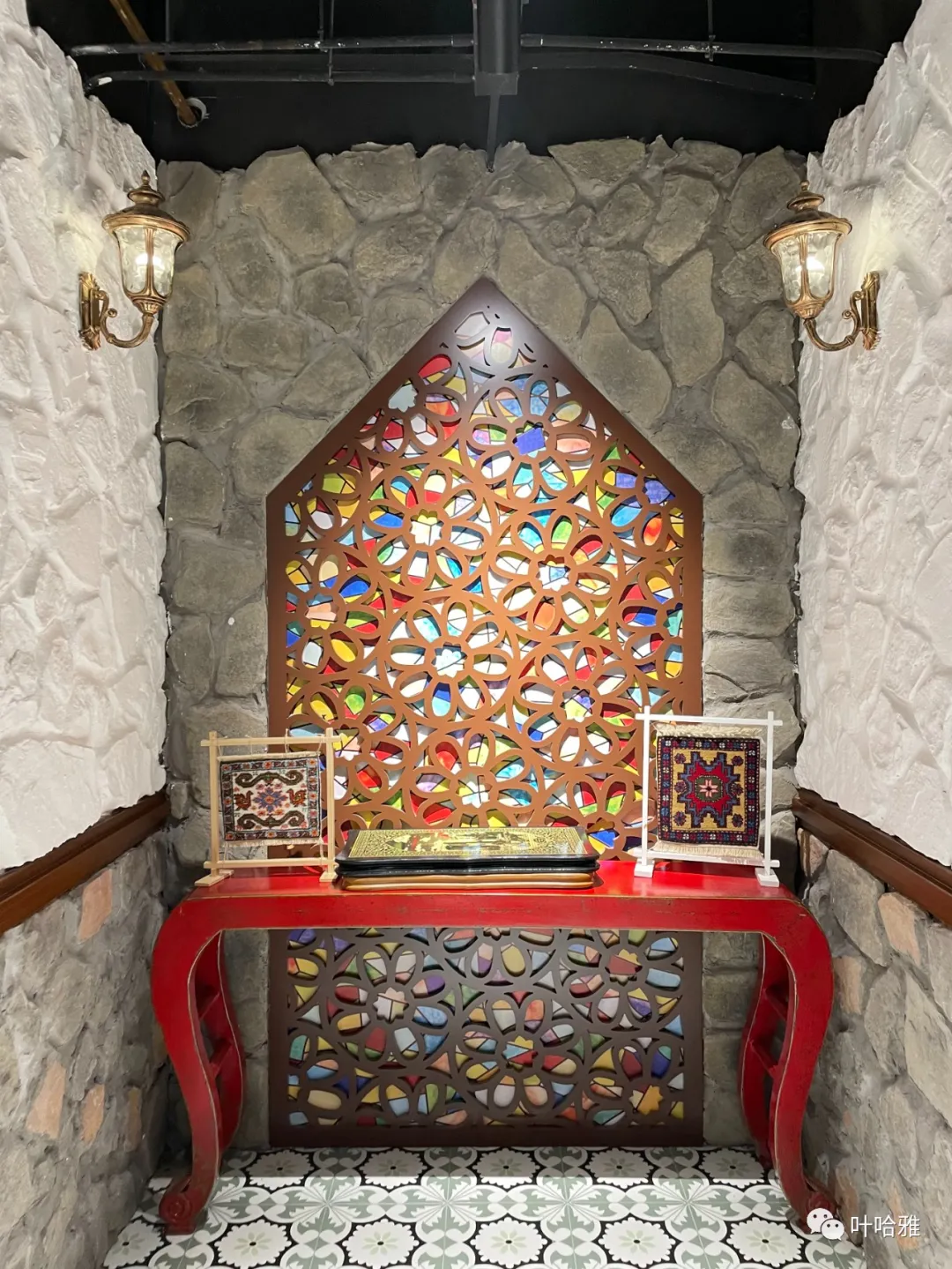
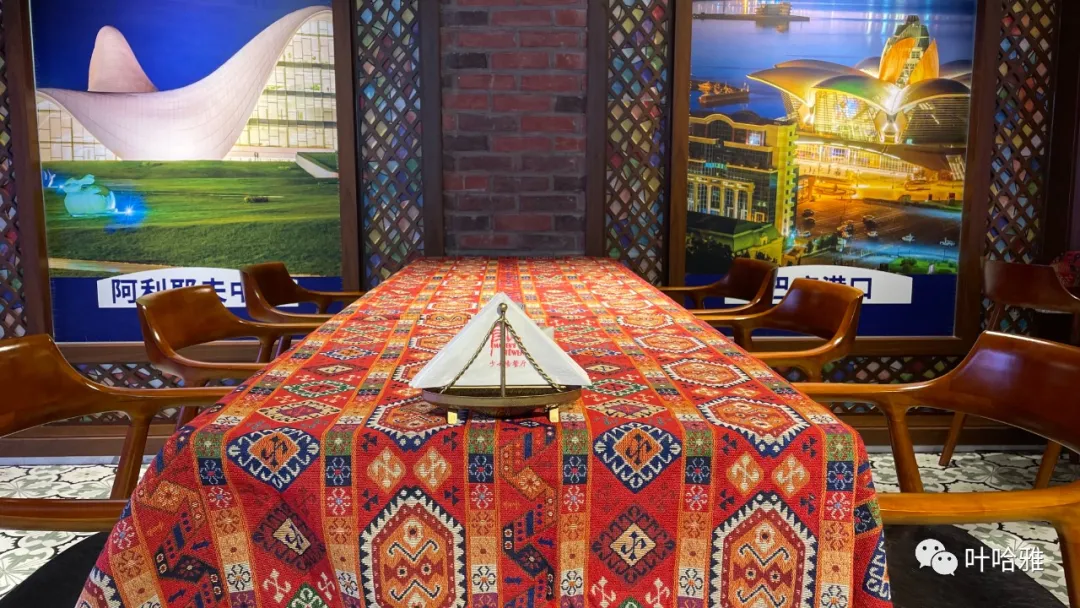
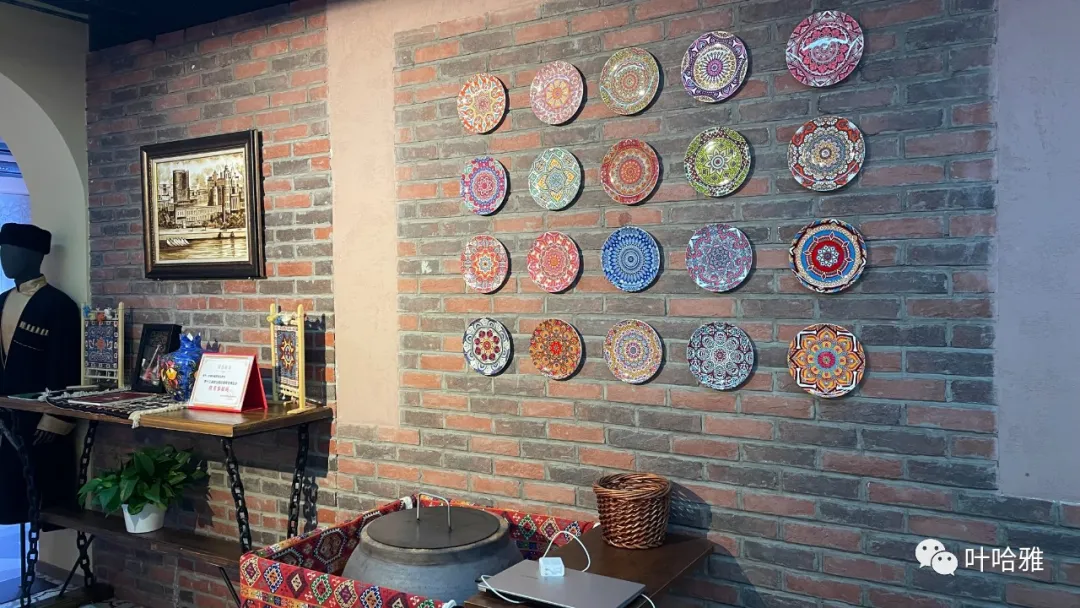
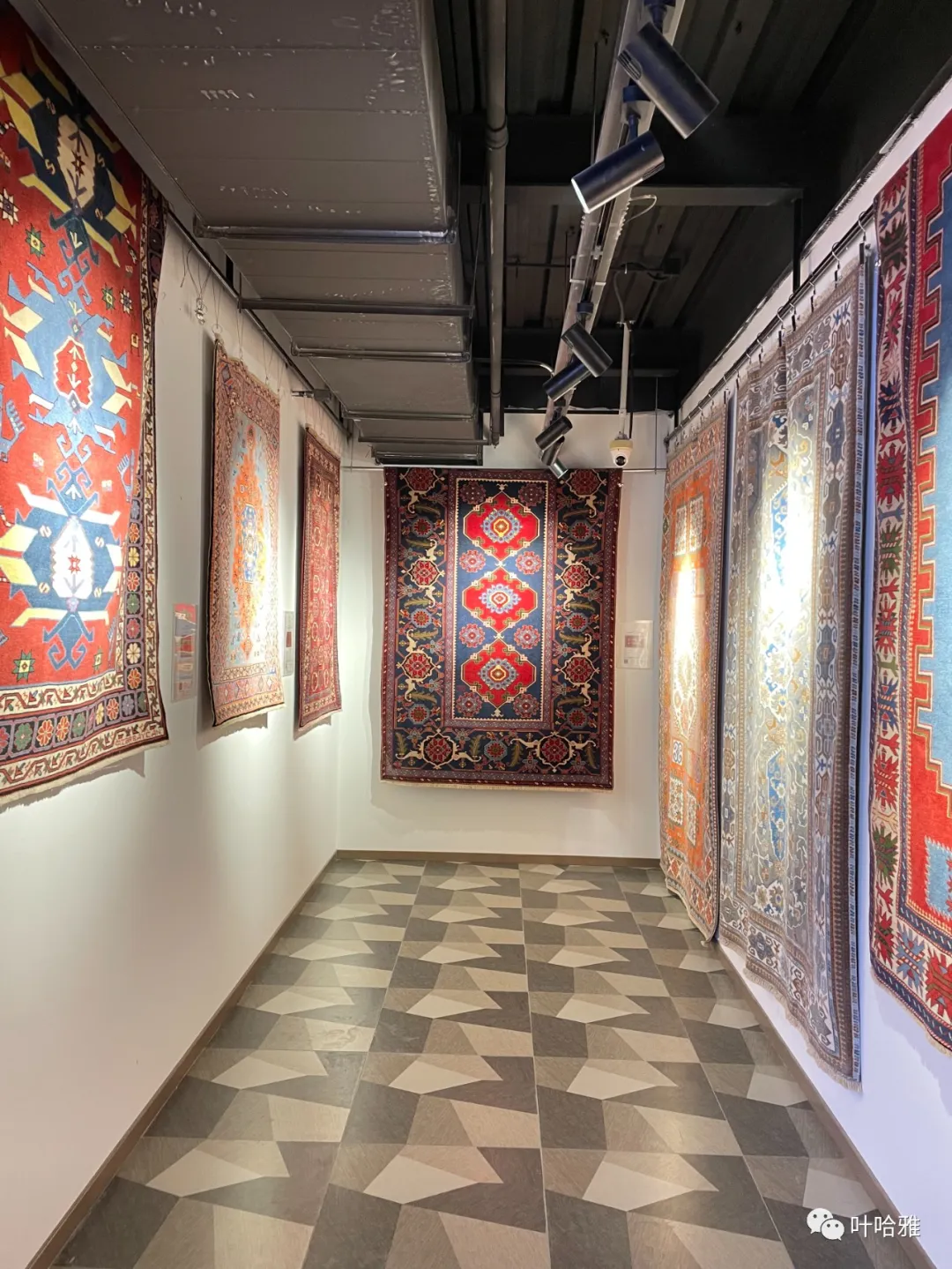
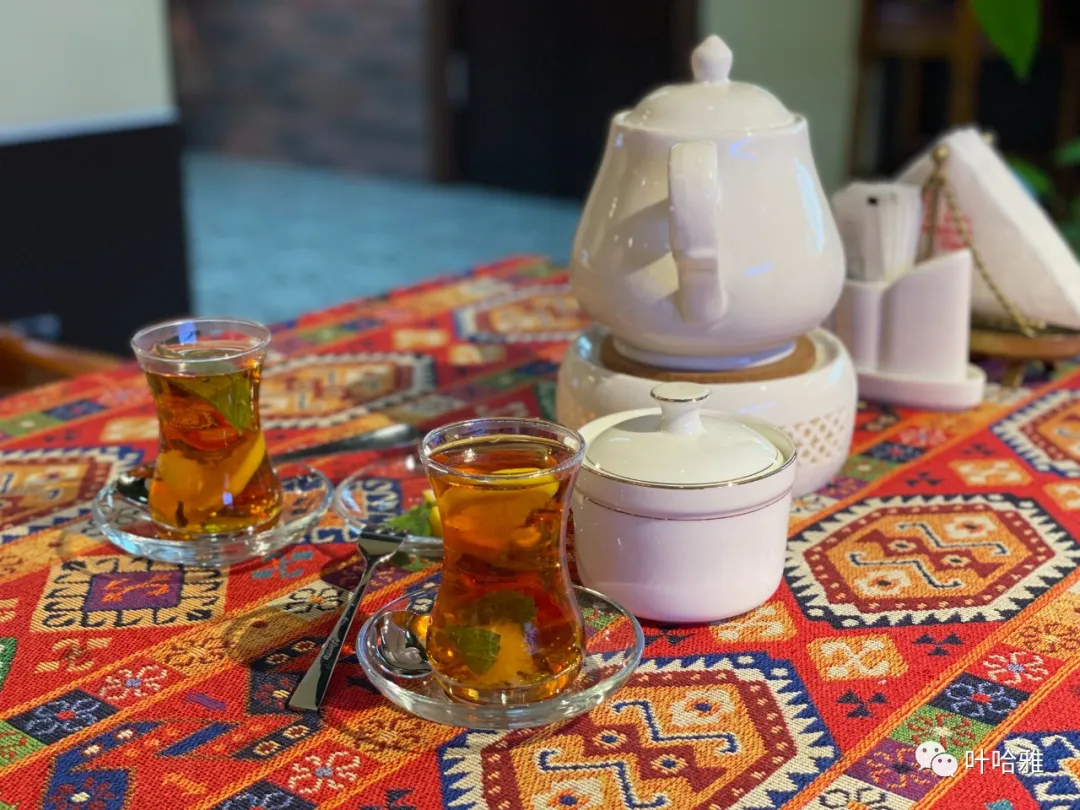
Many Azerbaijani chefs work abroad. Many of the Turkish restaurants we often eat at are actually run by Azerbaijanis.
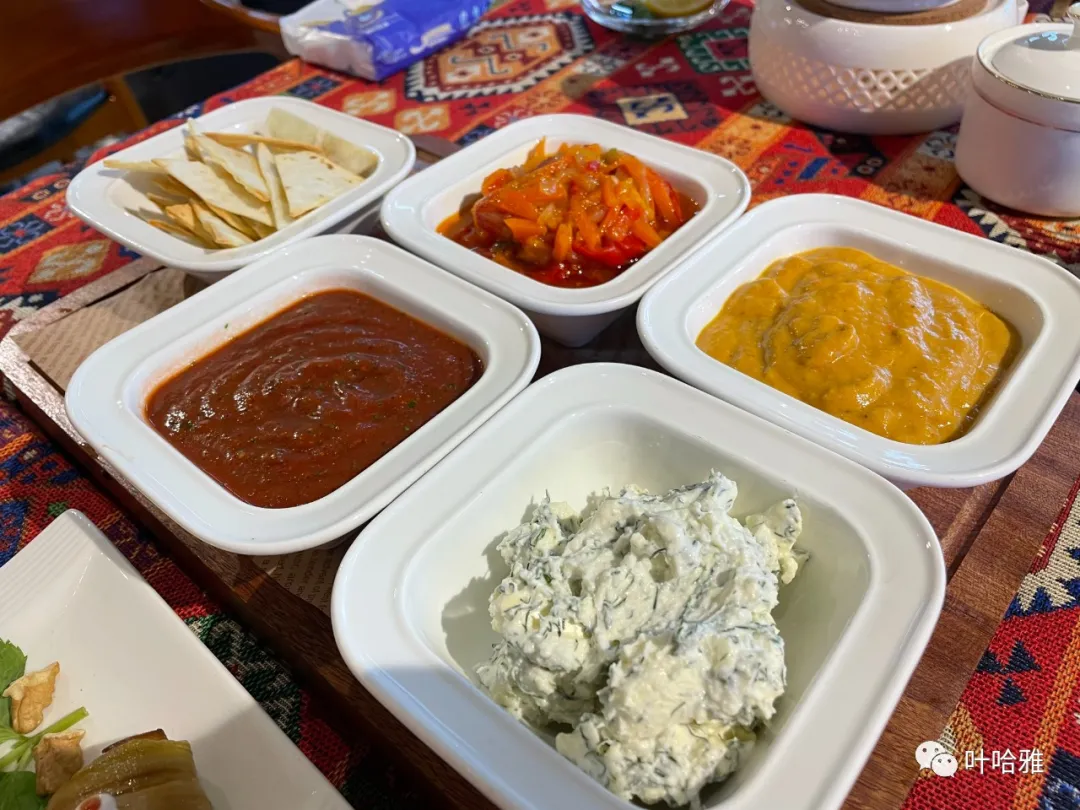
The dishes here suit our tastes well, including these snacks, which are also good for babies to eat.
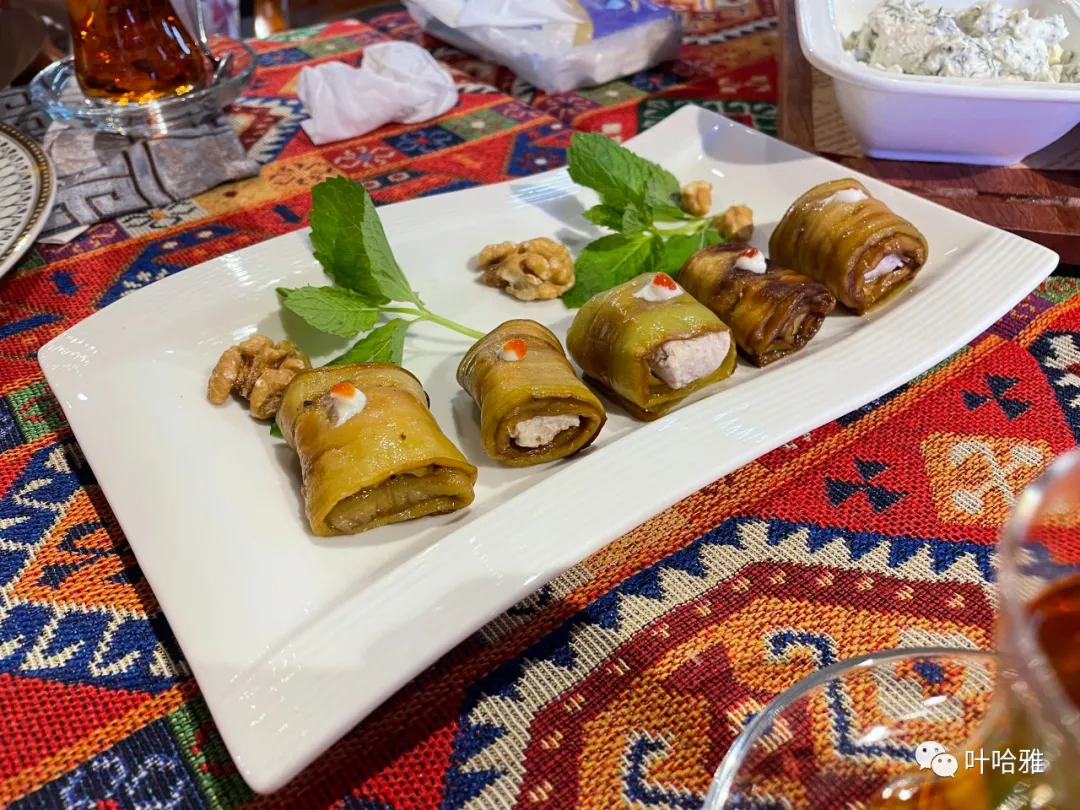
Creamy eggplant rolls (xiangnai qiezijuan)
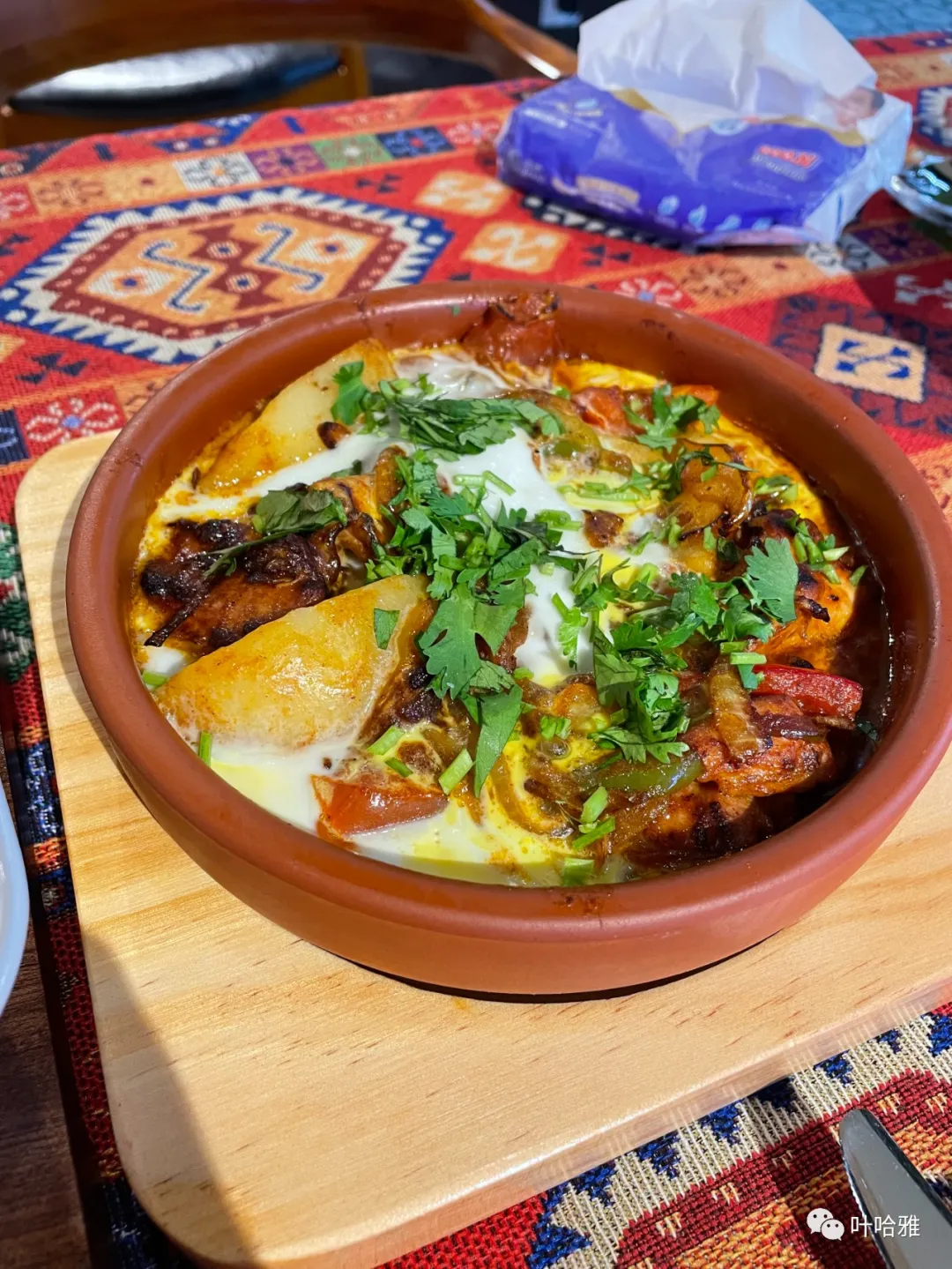
Jeliteme roast chicken (jeliteme kaoji)
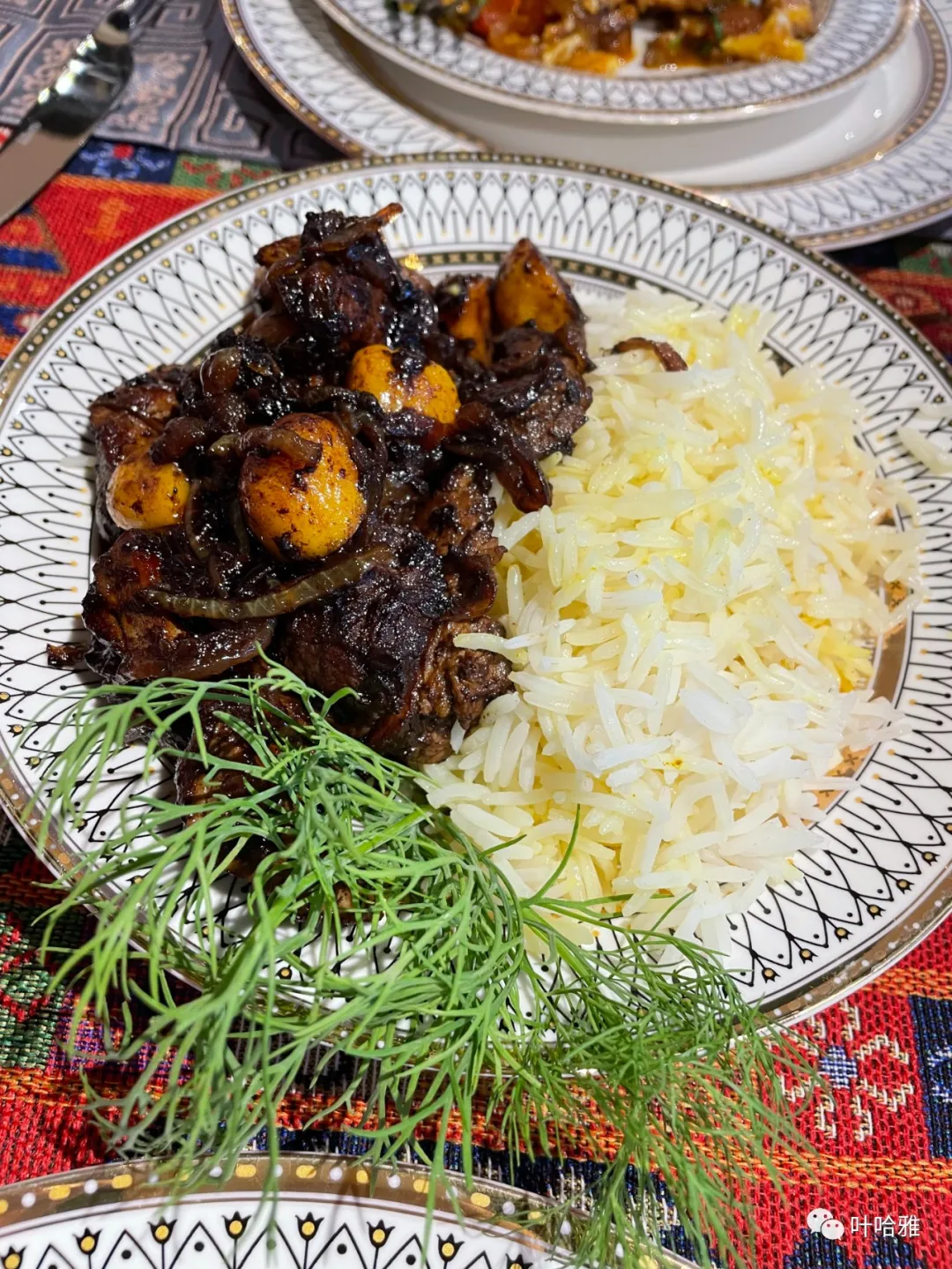
Beef rice with chestnut and pomegranate sauce (lizi shiliujiang niuroufan)
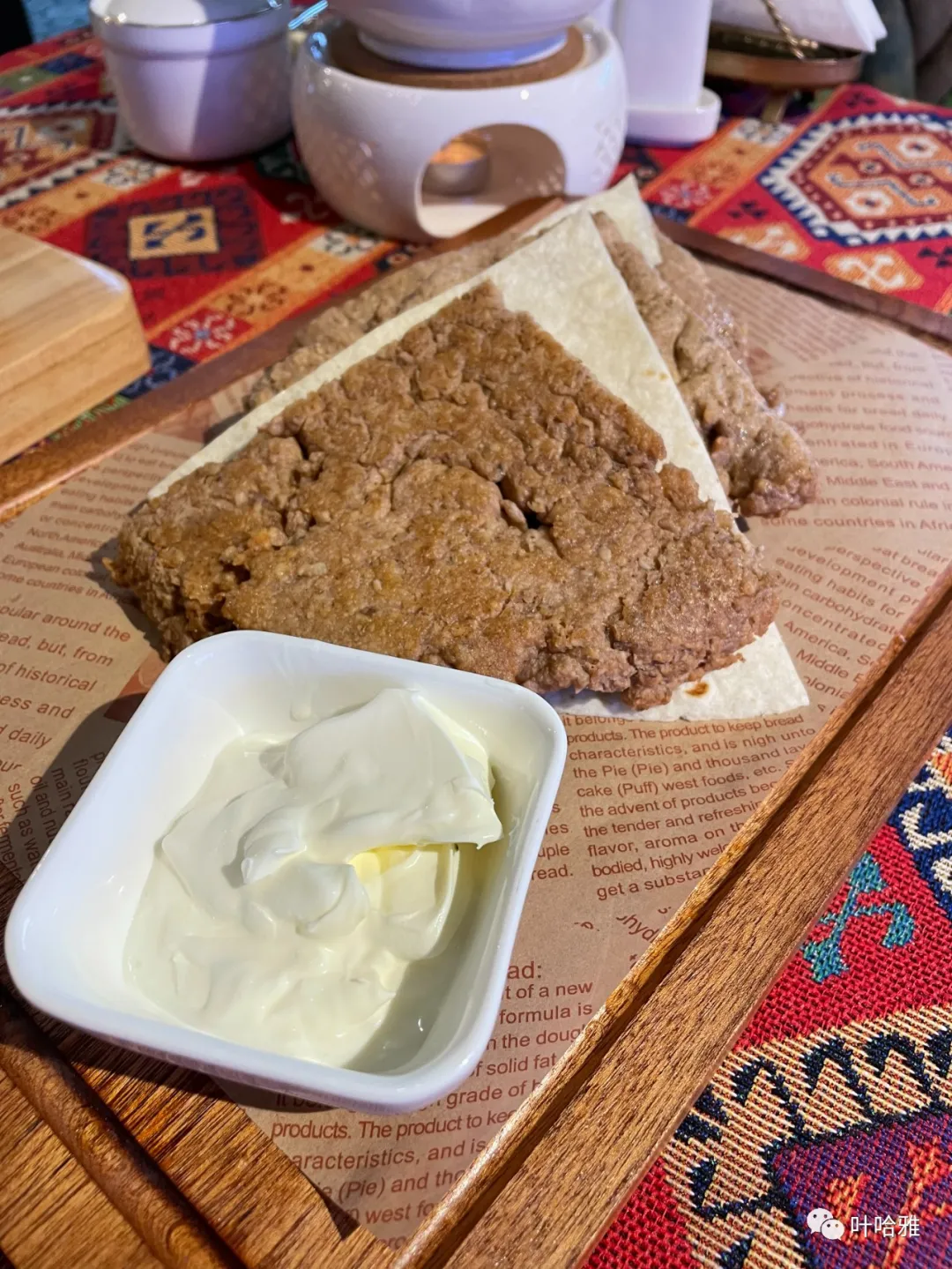
Nut cake
The restaurant is near Sanyuanqiao. It costs about 150 yuan per person. It is good for business dinners and dates.
21. Alkhaleej Mandi Kitchen
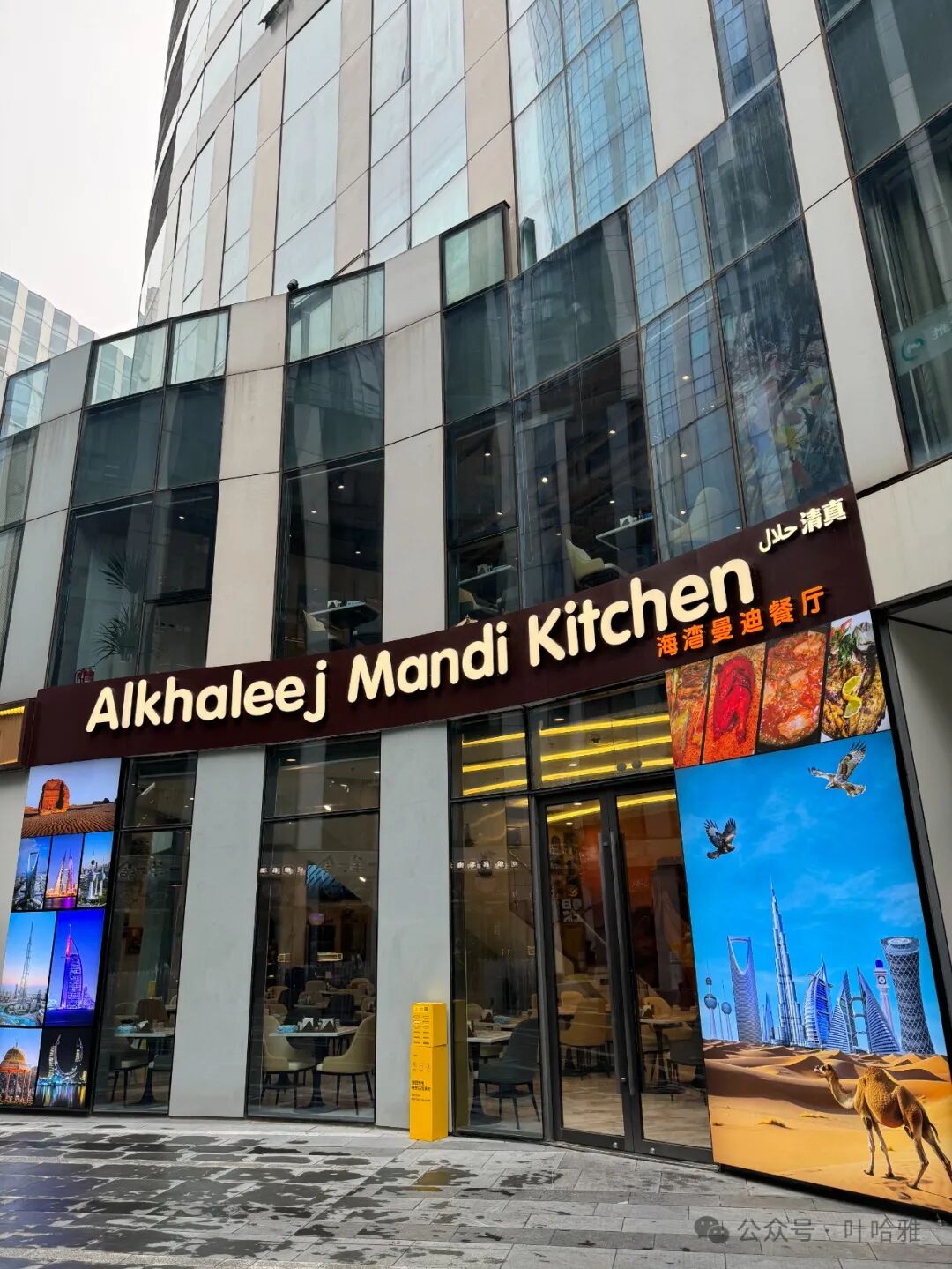
This is a newly opened Dubai halal restaurant in Sanlitun. The owner is an Arab from Dubai and has another shop there. The staff said the ingredients are imported from the Middle East. After eating here, I can say that is true. It reminds me of the mandi I ate in Makkah last year. It is a perfect recreation of Middle Eastern flavors.
This is a non-alcoholic restaurant. I worry about whether it can stay open for a long time because the owner is spending a lot of money, but the Beijing restaurant market is slow this year. Even in Sanlitun on the weekend, there are not many people.
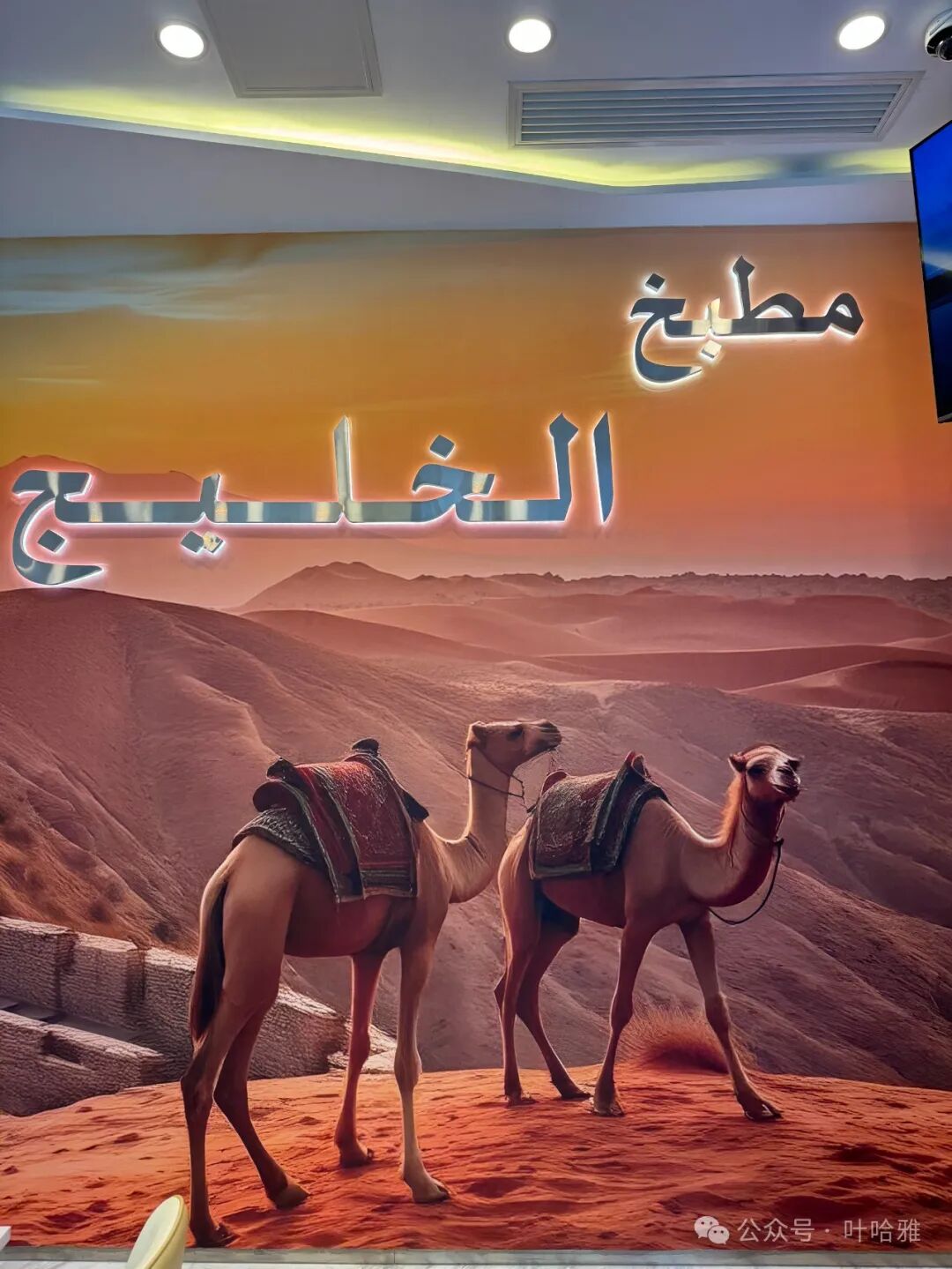
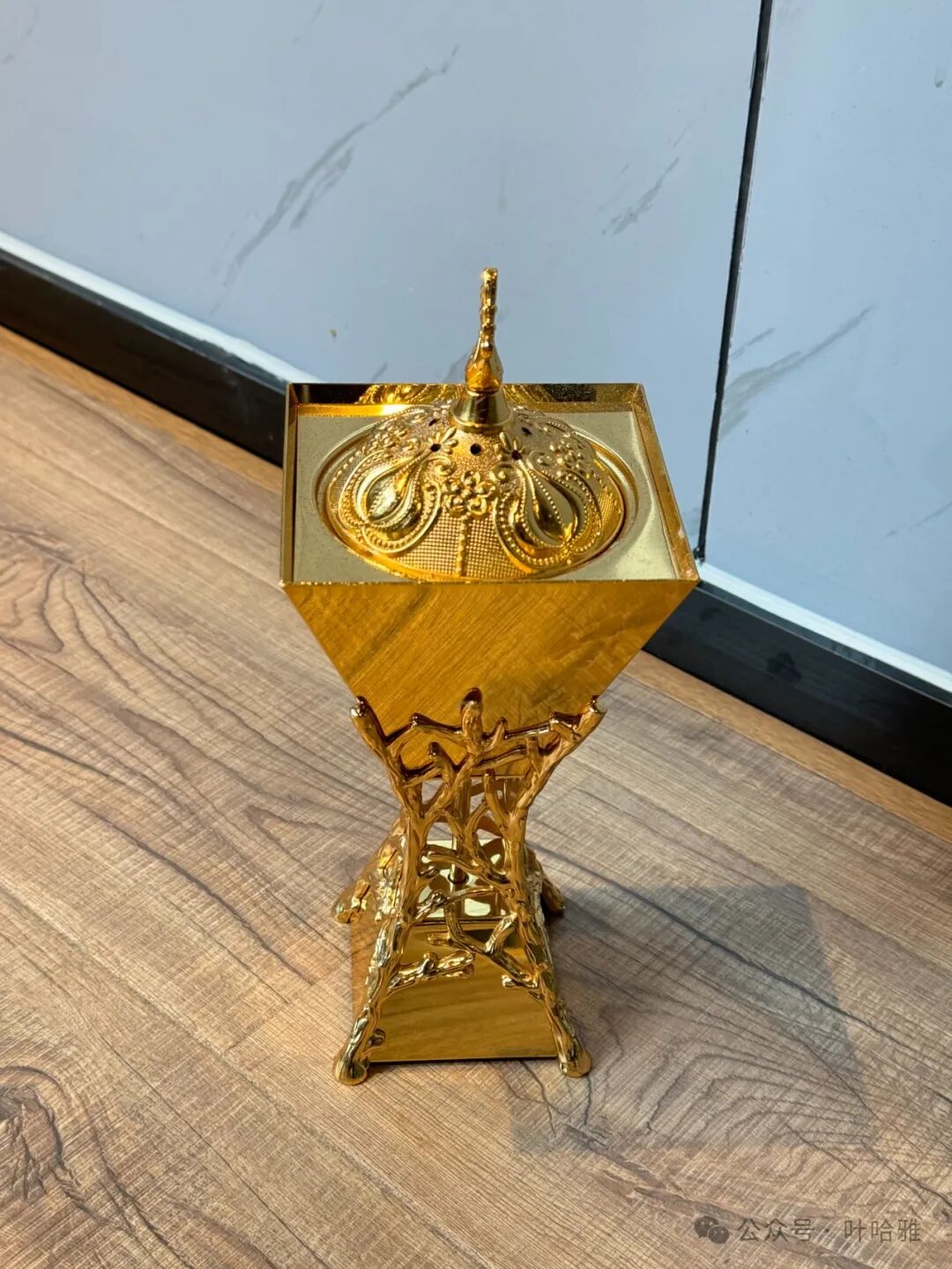
You can smell the familiar scent of agarwood in the shop.
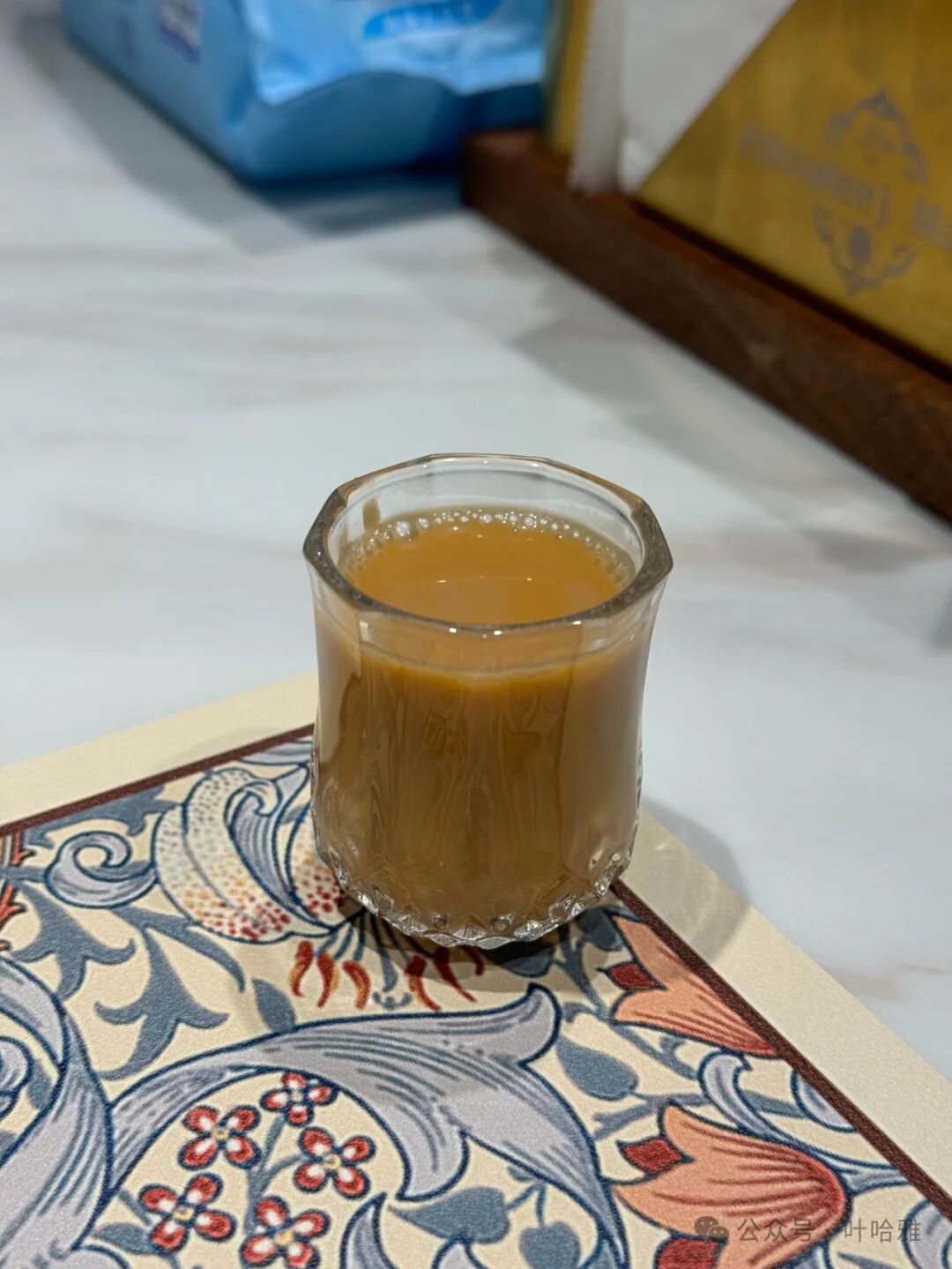
The small cup of Arabic milk tea the waiter brought tastes exactly like the one I had in Abu Dhabi.
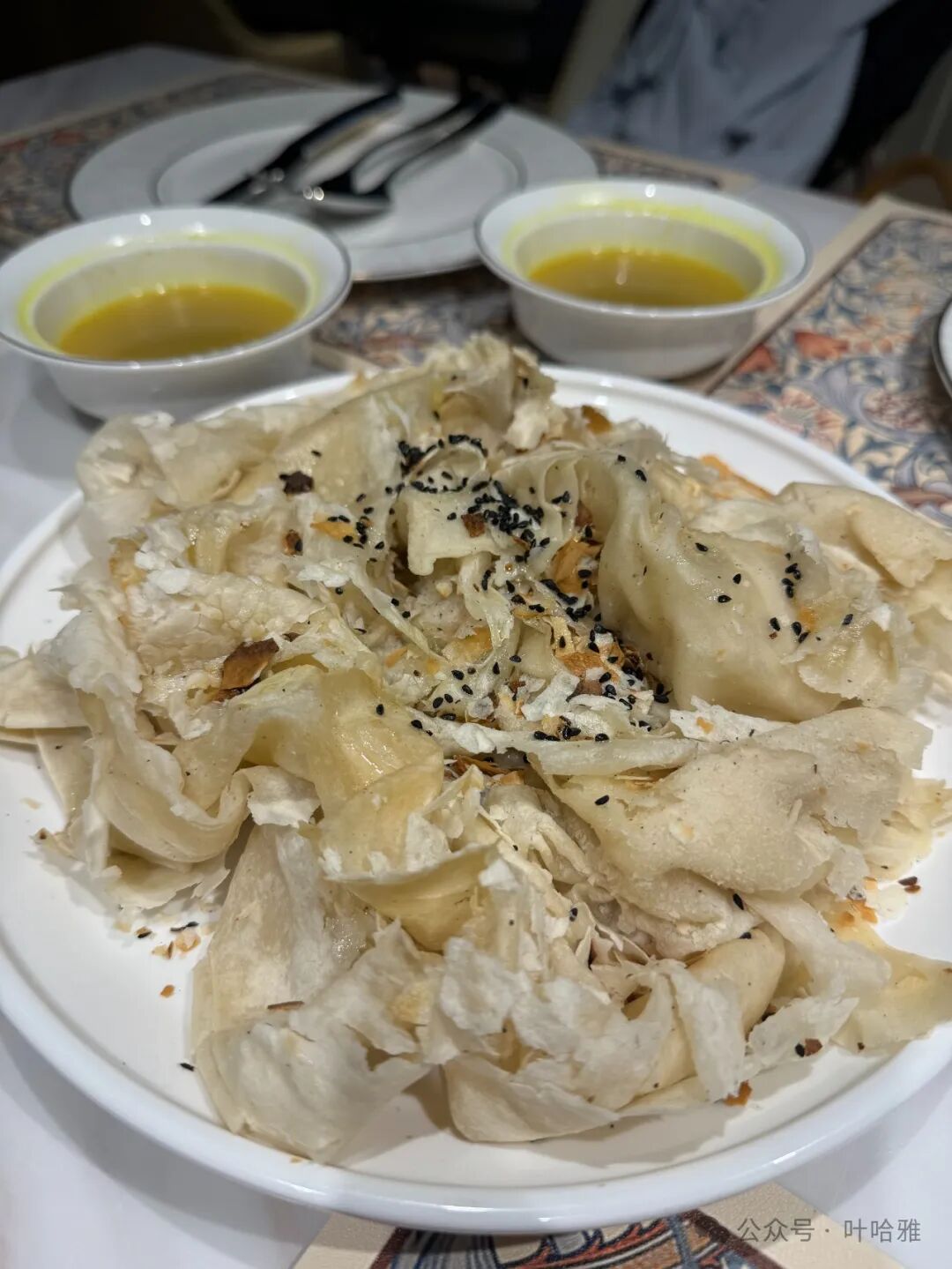
The handmade Yemeni flatbread (khubz) comes with various dips and is delicious. The chefs are all Arabs from the Middle East.
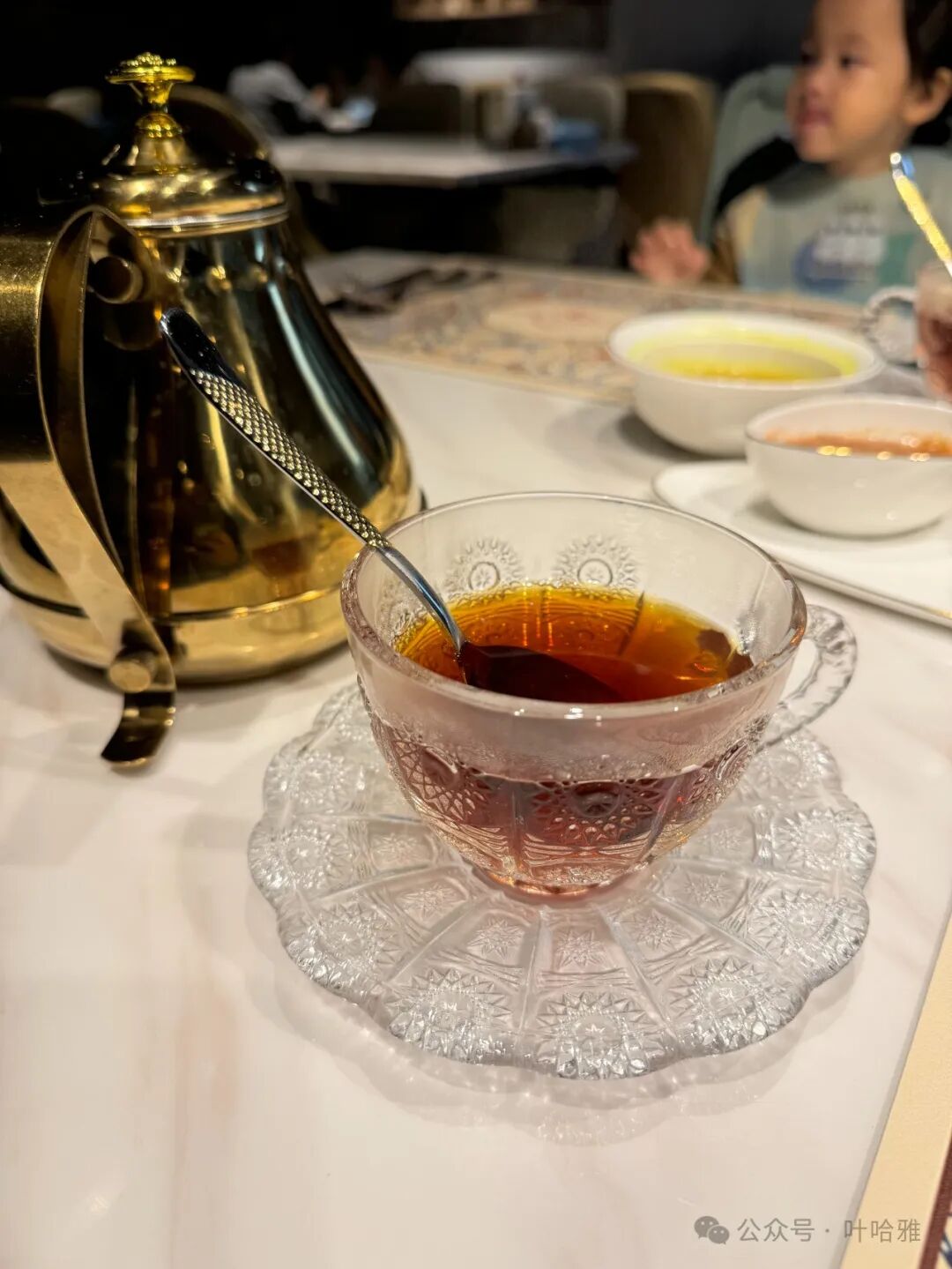
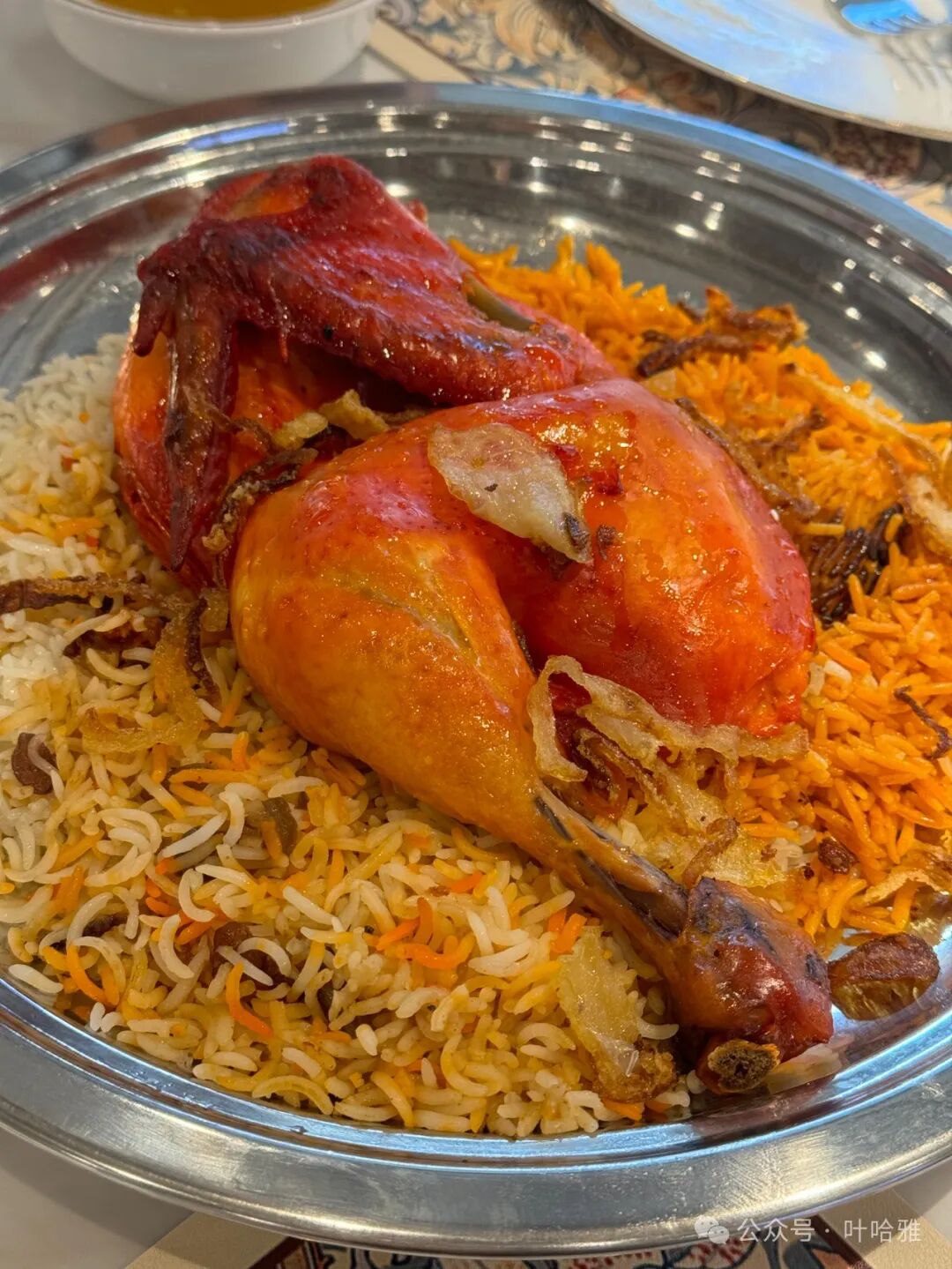
Desert colorful chicken mandi
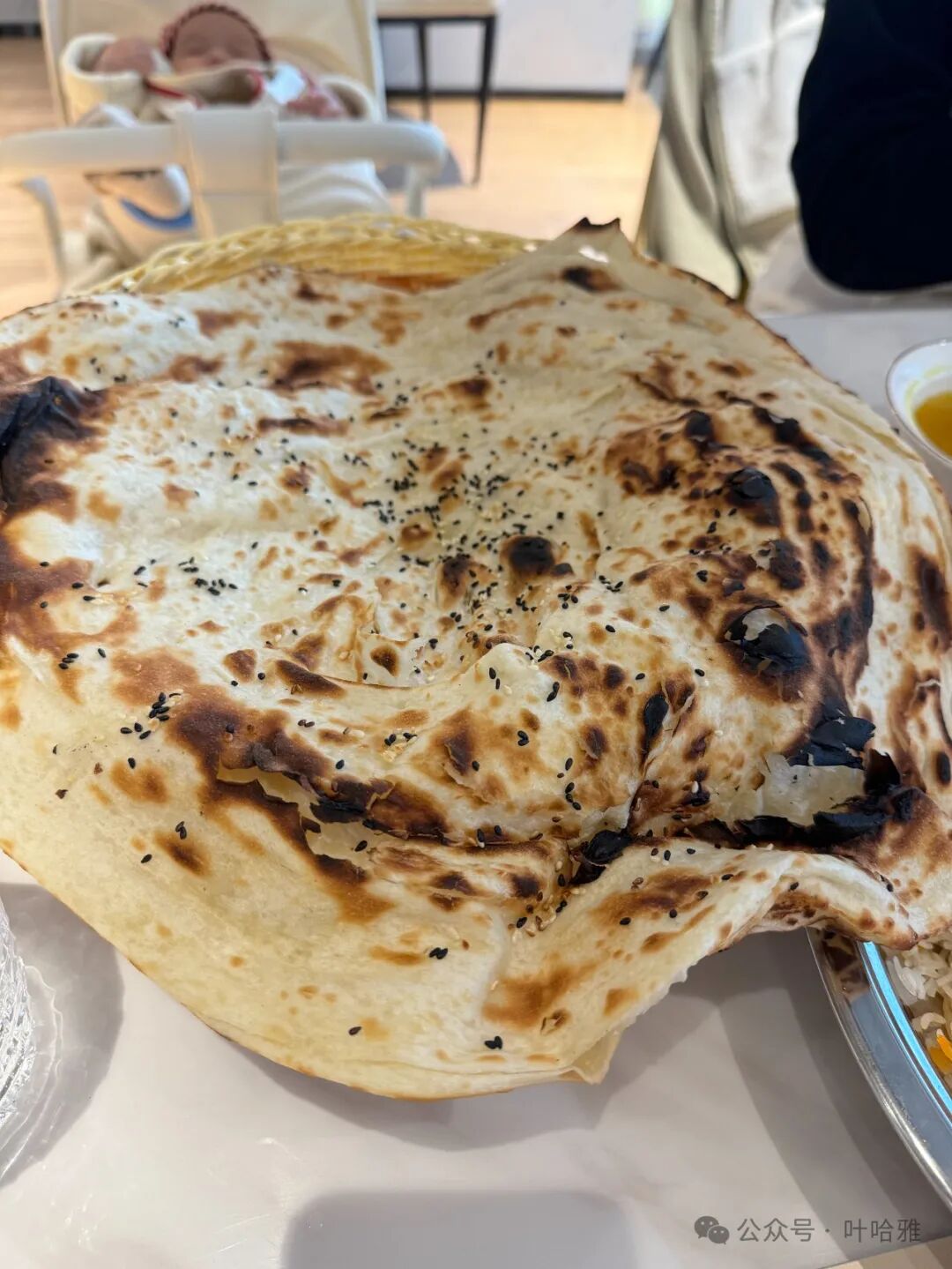
The special handmade Yemeni flatbread is very tasty, has a strong wheat aroma, and is very large.
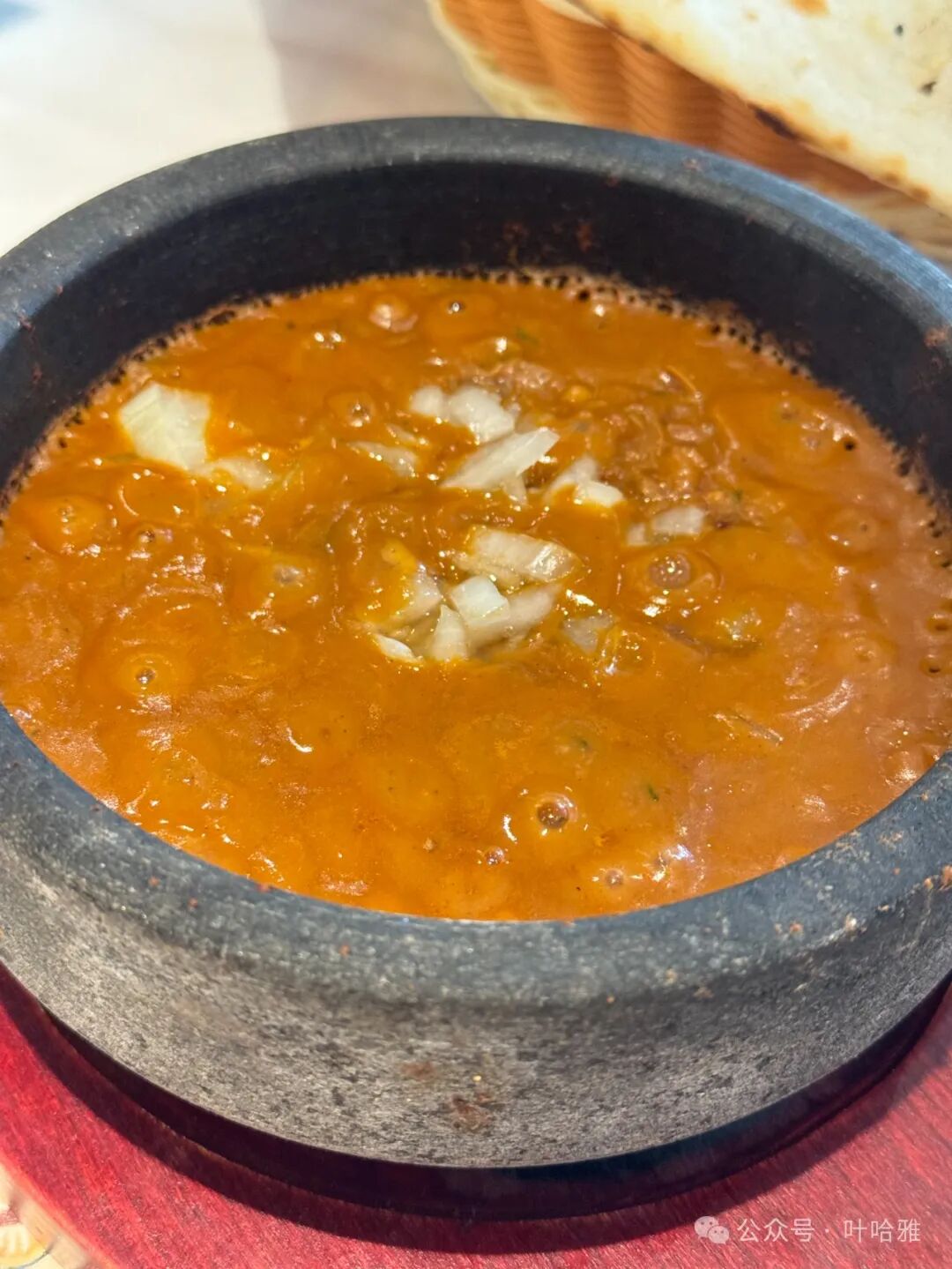
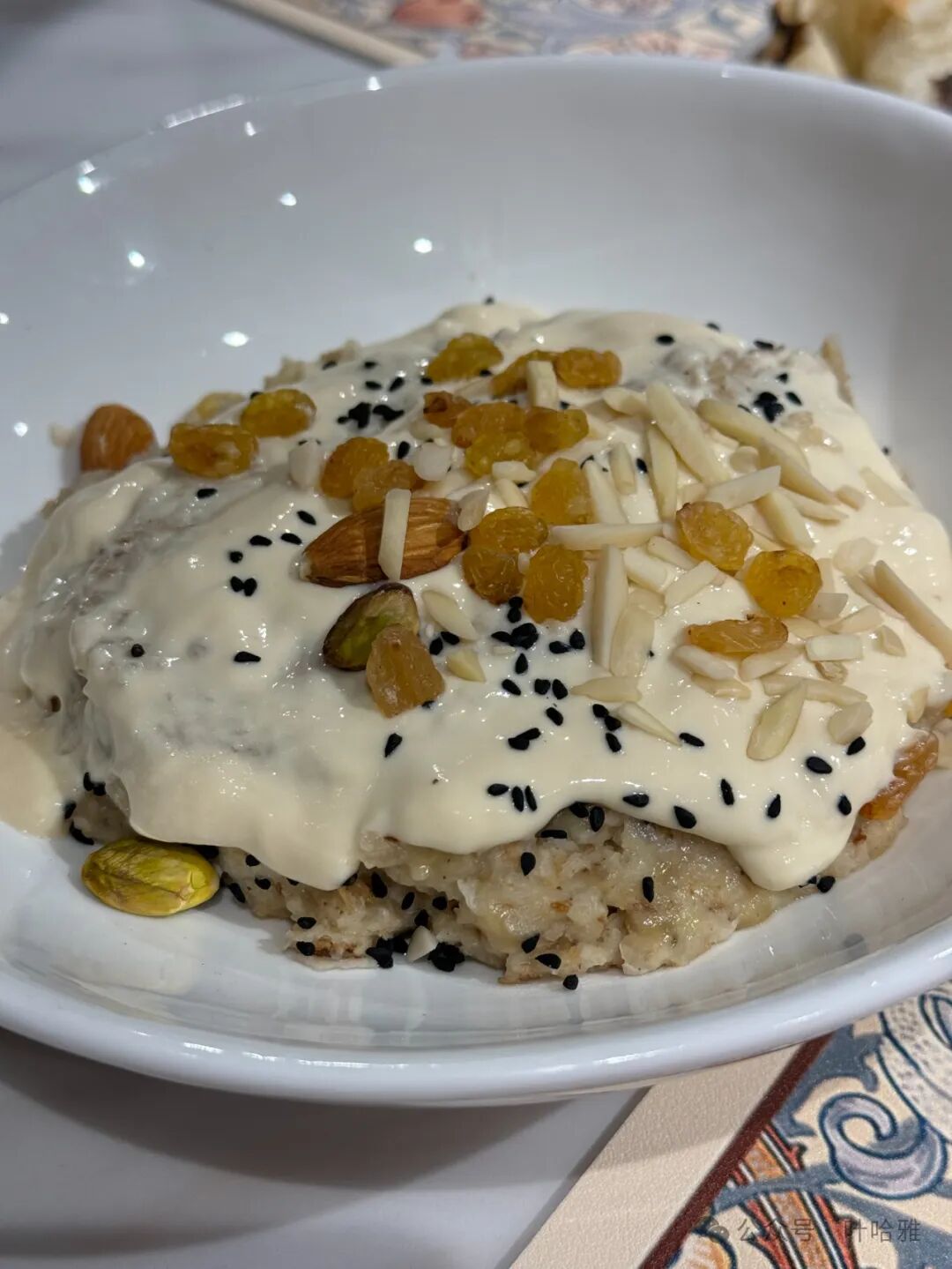
Royal pastry, it has a texture like sticky rice and contains banana. This dessert is not sweet at all.
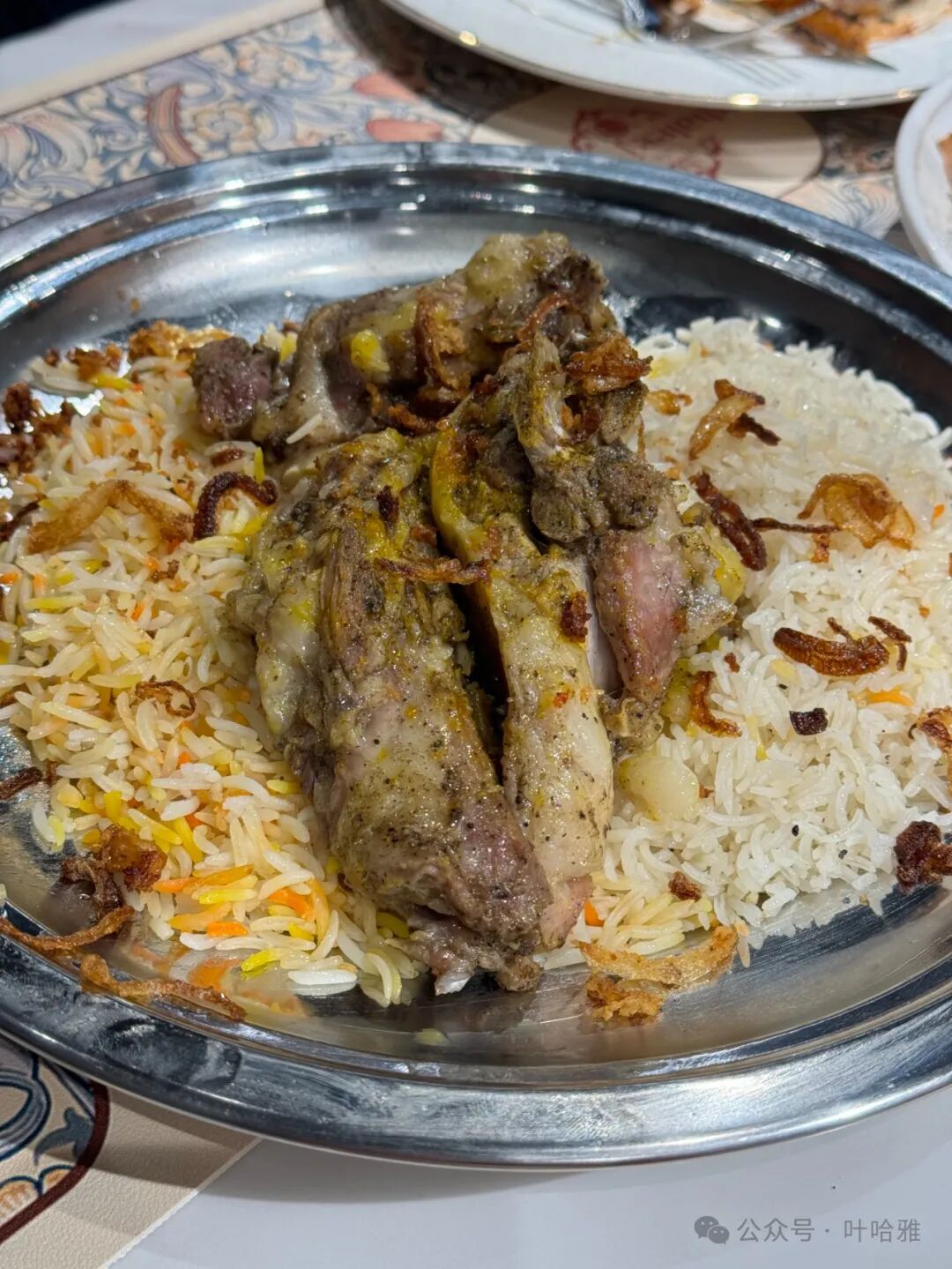
Lamb mandi
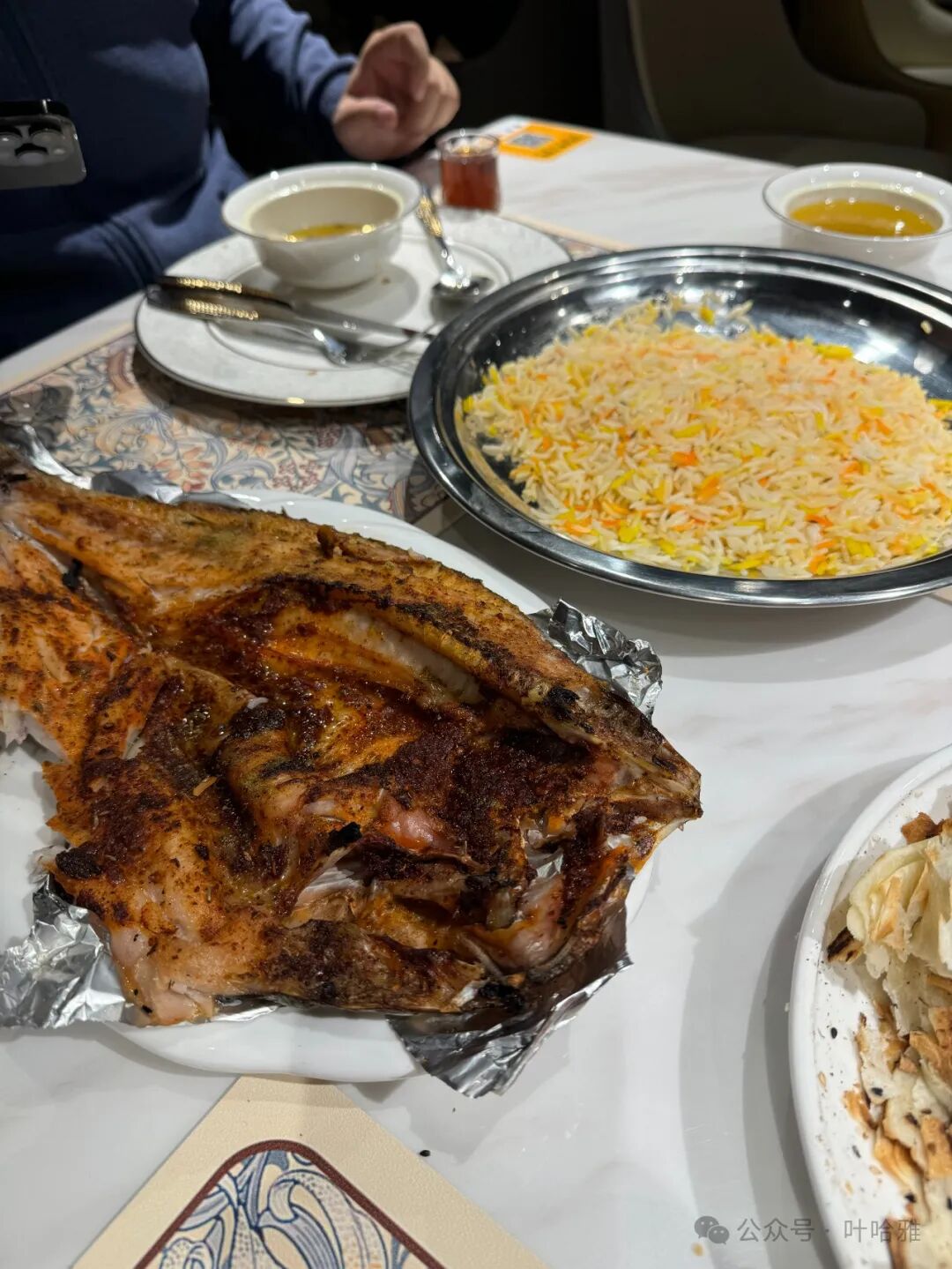
Grilled fish served with rice. The fish itself has no flavor, so you need to eat it with three different dipping sauces.
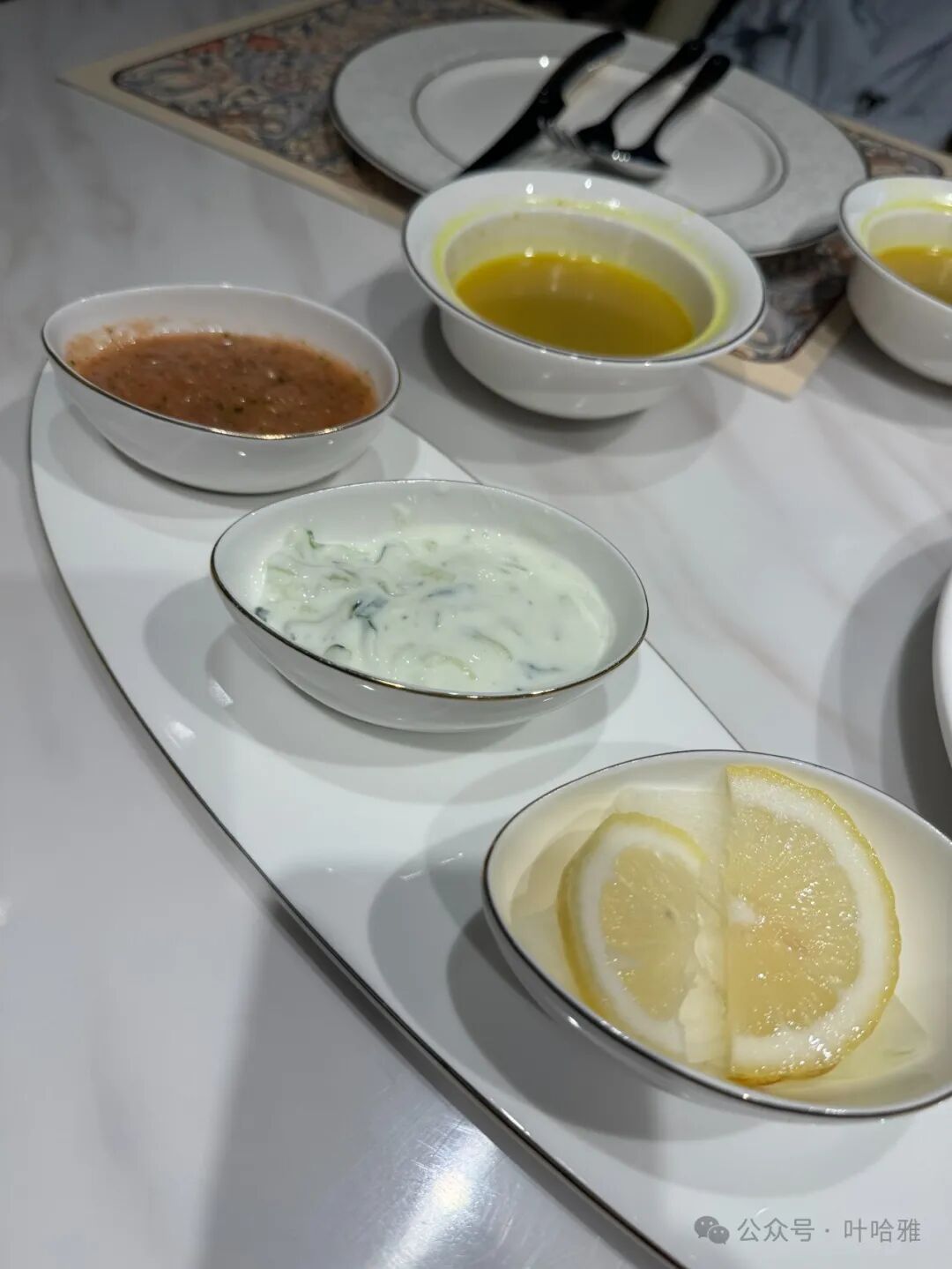
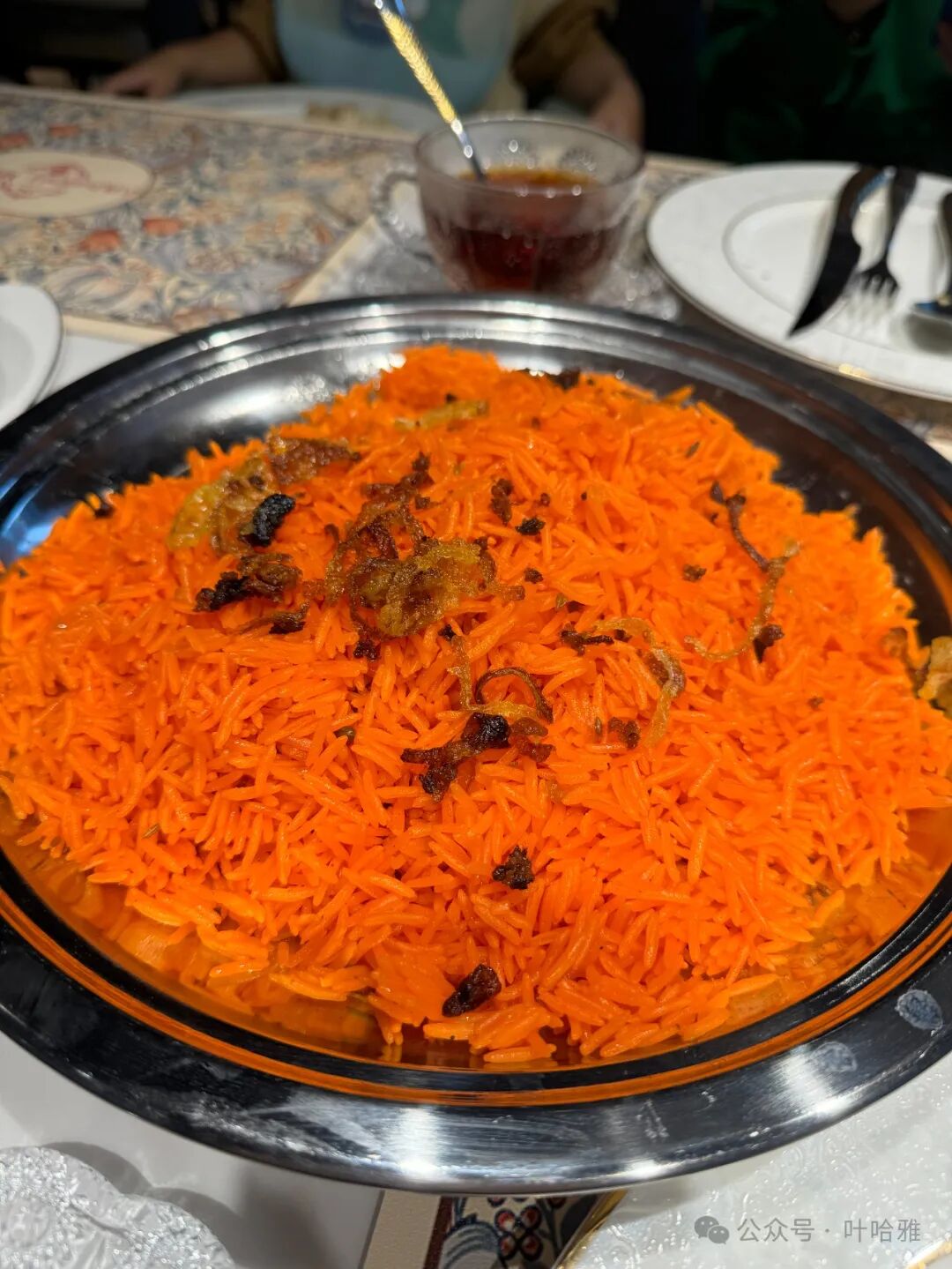
The mandi is amazing. The chicken inside is stewed until it is extremely soft and tender, and the rice gets its color from added spices.
22. Stinky Star Snail Rice Noodle (luosifen) Hot Pot
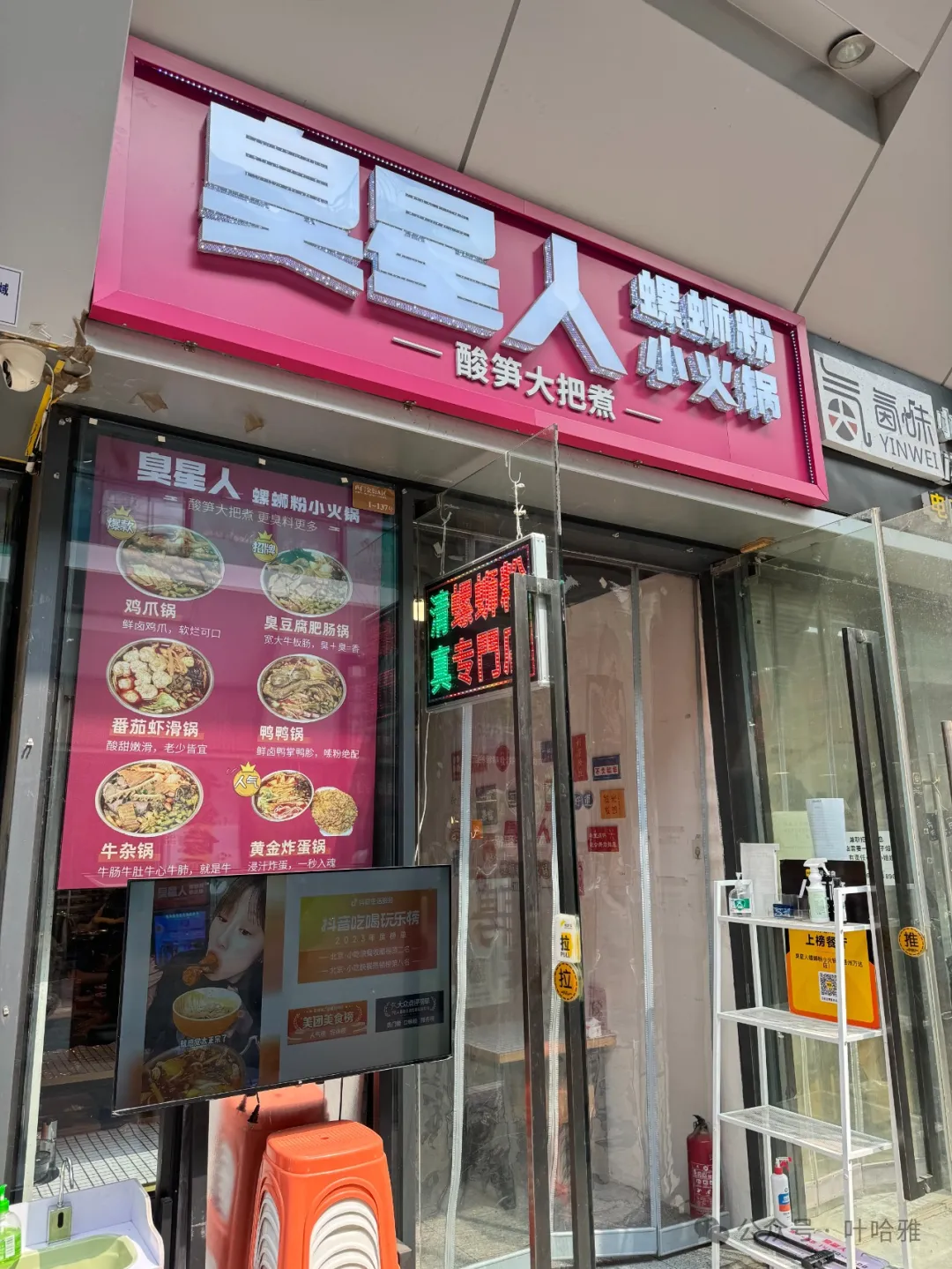
This halal snail rice noodle shop is on the ground floor of the Golden Street in the West District of Tongzhou Wanda Plaza. The owner is a Hui Muslim from Changchun who used to work at iQIYI before opening this physical shop. The small shop has two floors and mainly serves halal snail rice noodles and clam (huajia) noodle hot pots.
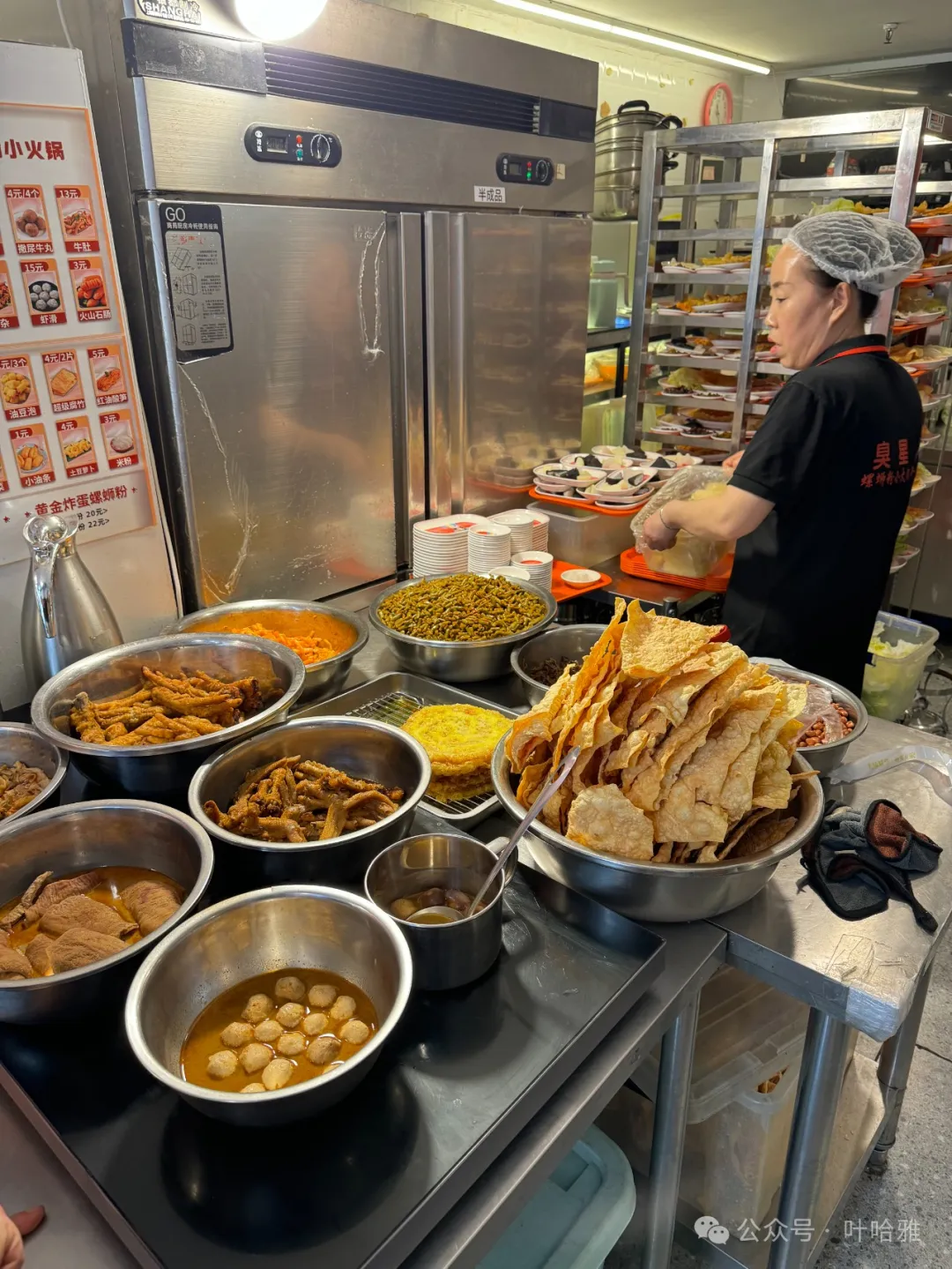
The snail rice noodle hot pot comes with a wide variety of ingredients that you can add to the pot to cook together.
Halal snail rice noodles are rare, but you can find them at the halal canteen of Beijing University of Posts and Telecommunications. However, you need a student or teacher from inside to guide you in. If you don't have any connections, just come to Tongzhou Wanda.
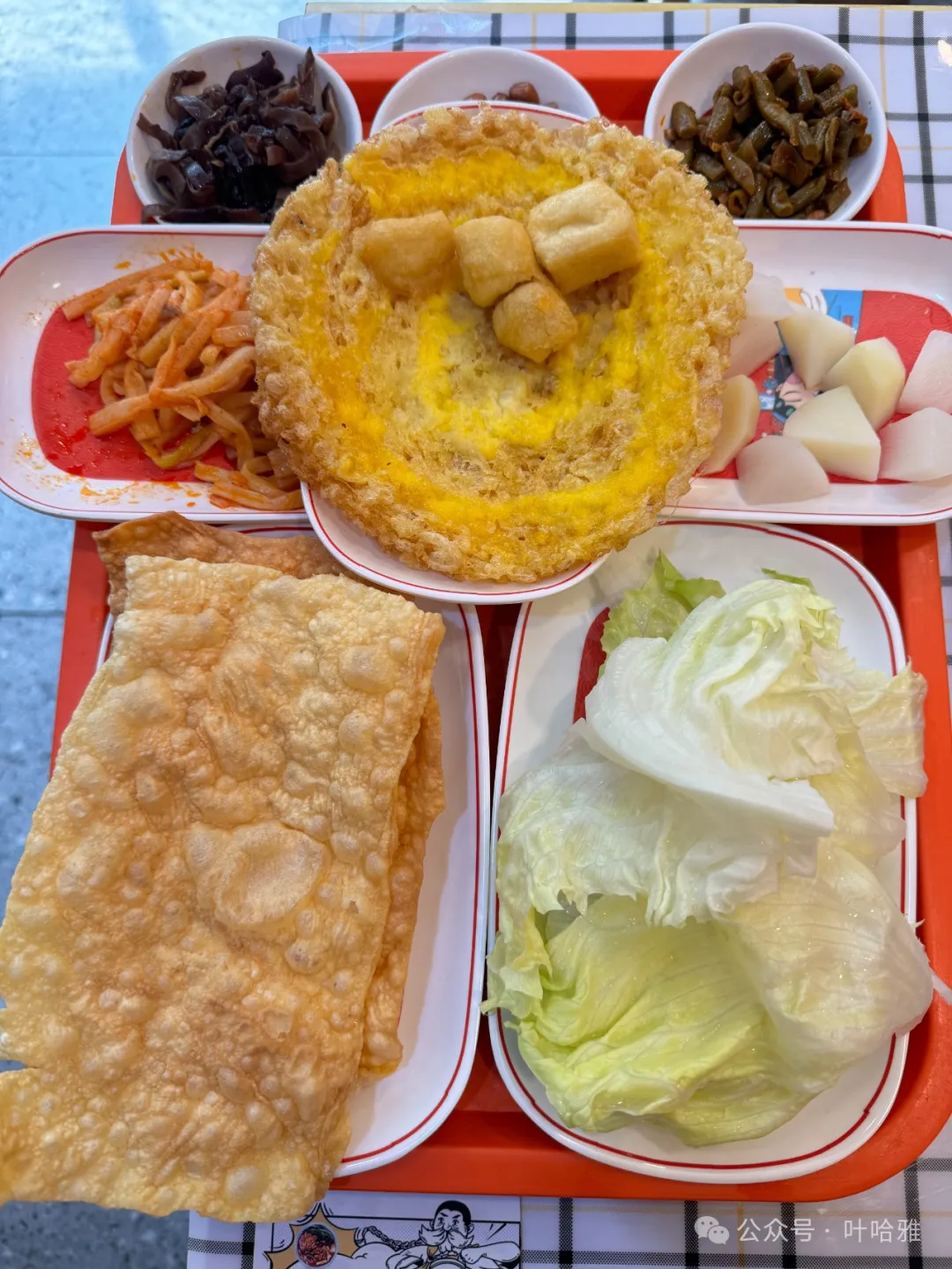
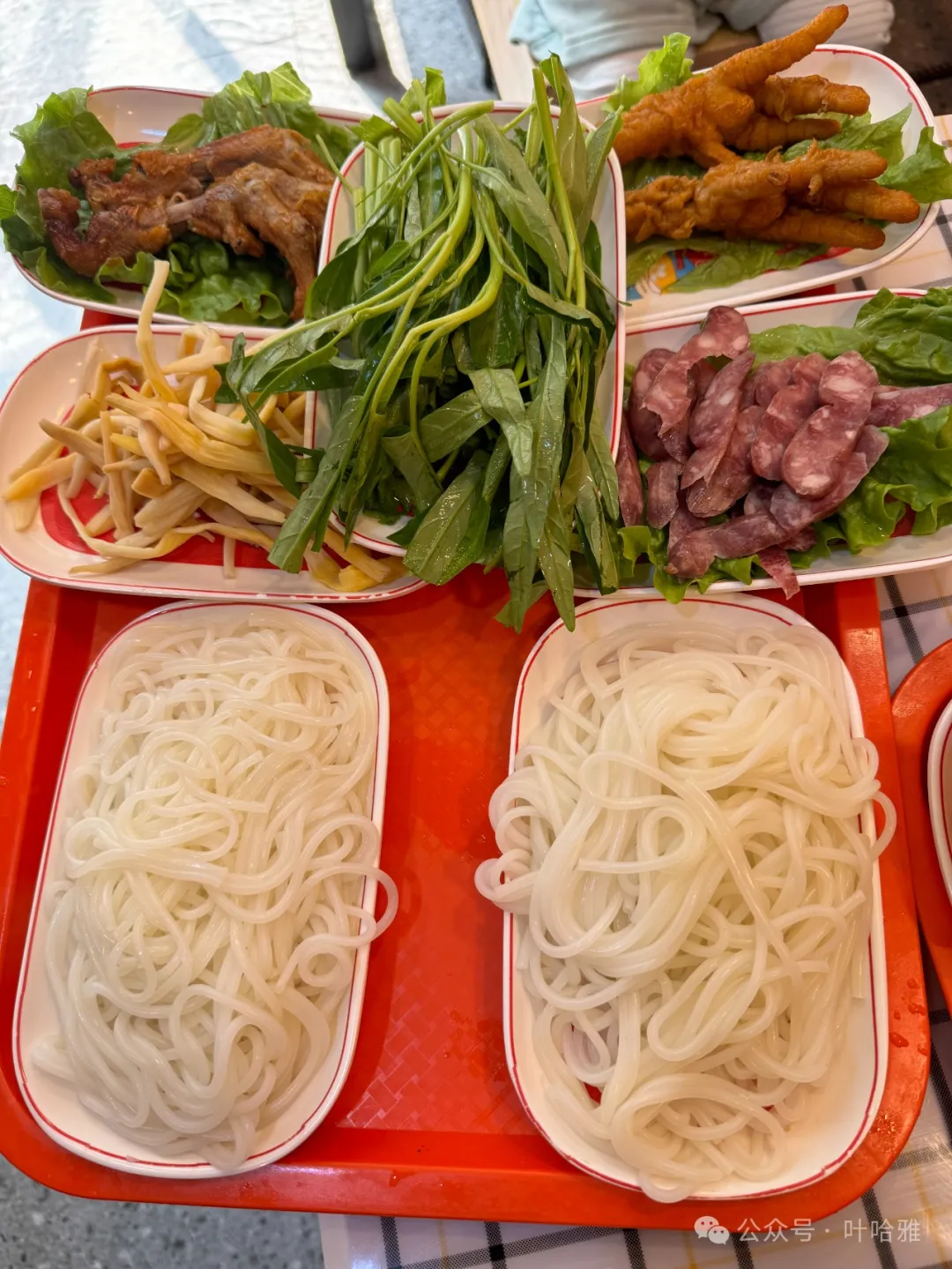
This hot pot set for two costs 78 yuan and is enough for two or three people to eat.
The set comes with Guangxi cassava sweet soup.
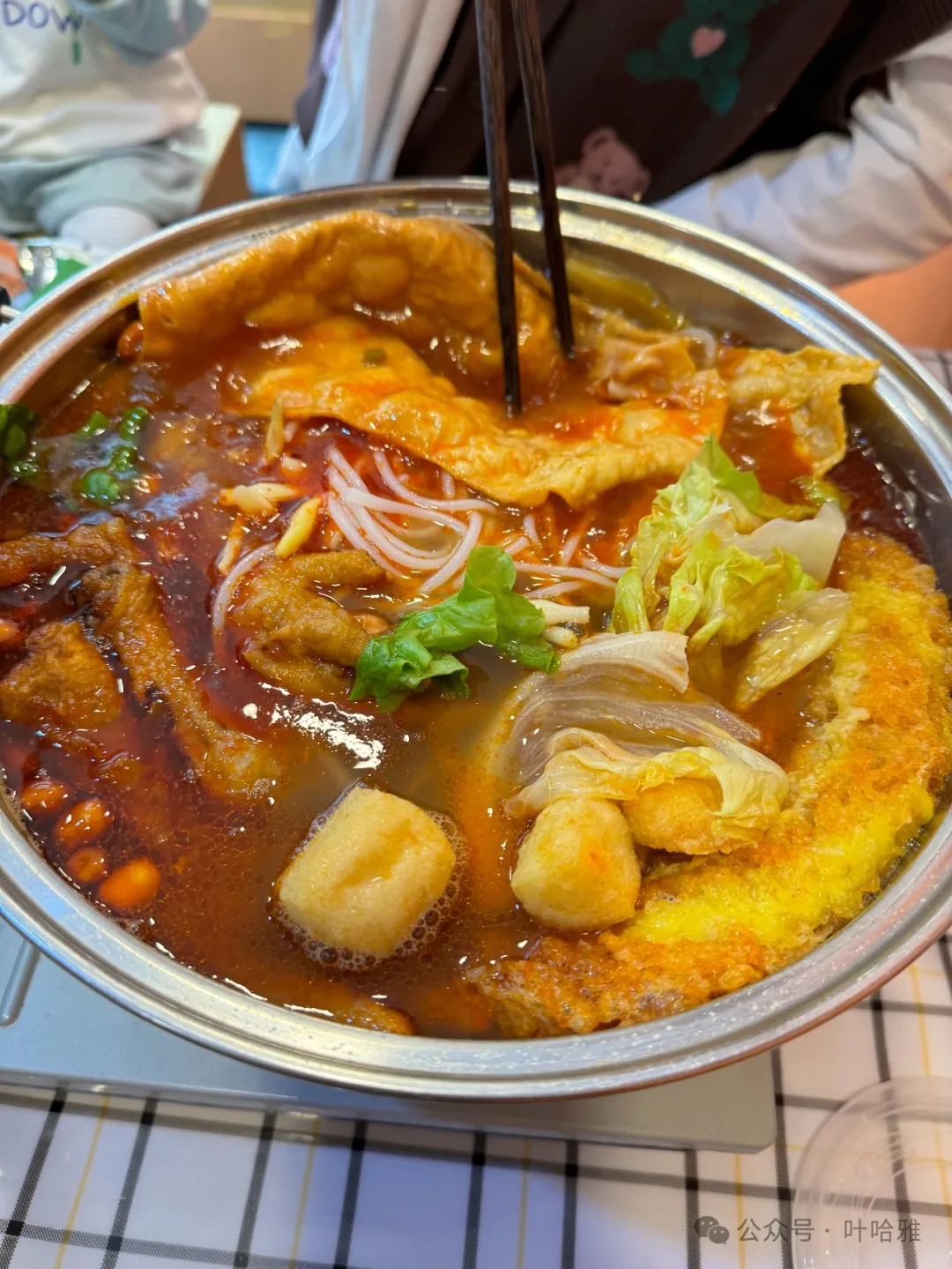
Add all the side dishes to the pot and cook for 1 minute to start eating. The taste is quite authentic.
23. Fanshen Lobster Restaurant
A newly opened crayfish restaurant in Baiziwan. The owner is from Langfang, and it is currently only open for dinner until the early morning.
You can eat aquatic products like crayfish. For details, you can check my previous article, How does the Hanafi school view shrimp? They also serve local specialties from Cangzhou, Hebei, like hot pot chicken (huoguo ji) and spicy crab (xiangla xie).
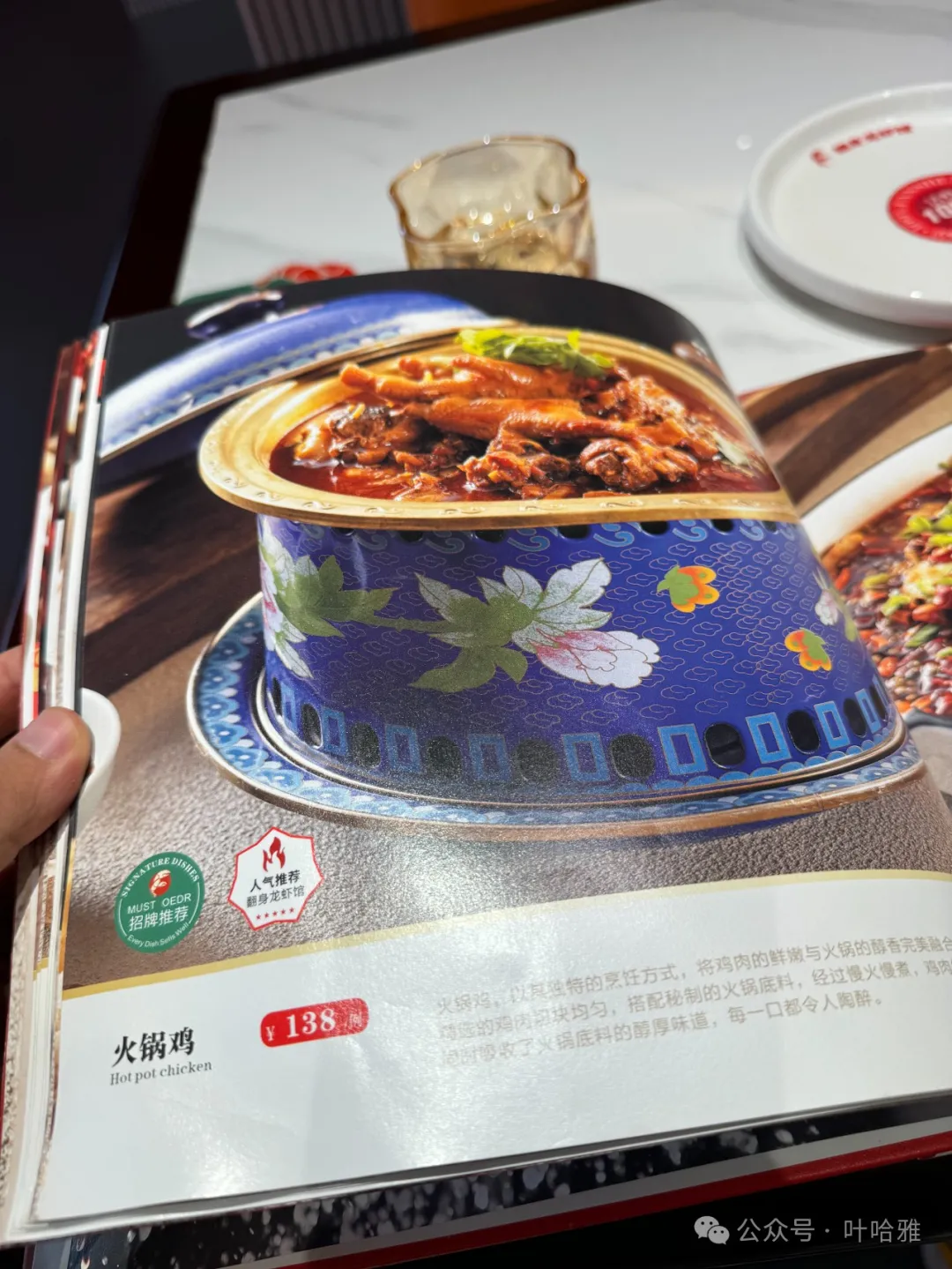
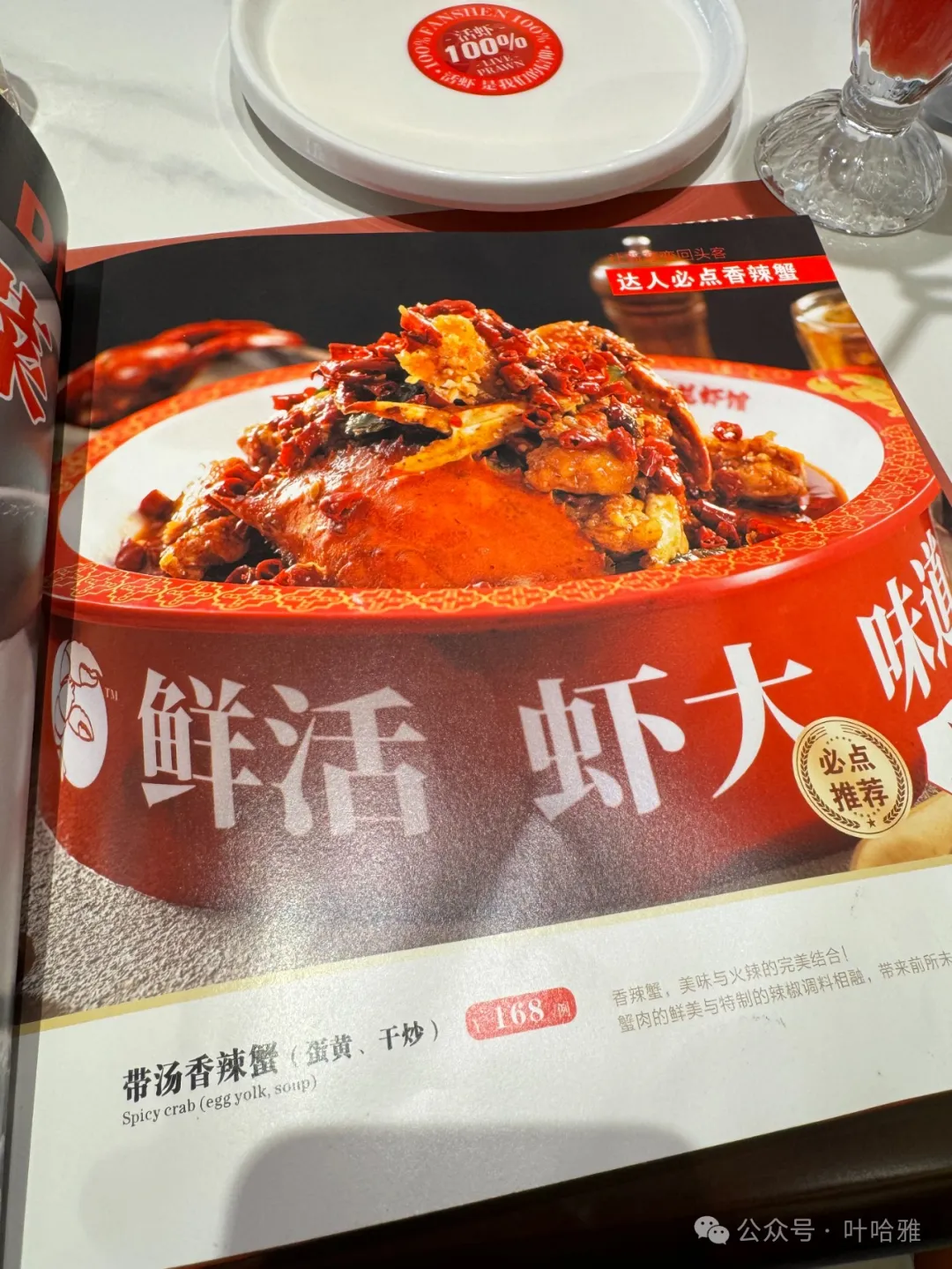
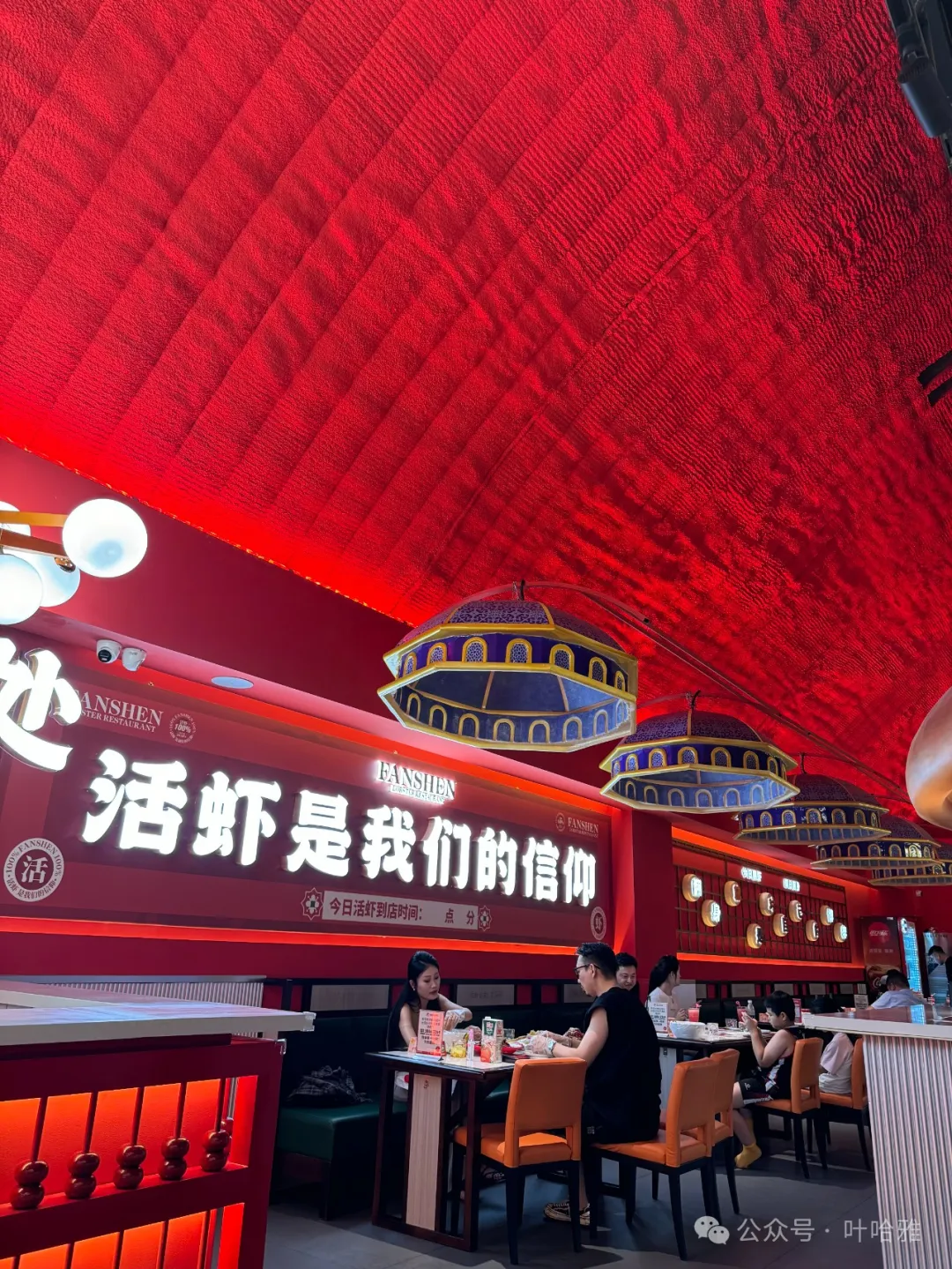
The restaurant has a great atmosphere with plenty of space and wide gaps between tables. There is a large private courtyard at the entrance that serves as a free parking lot.
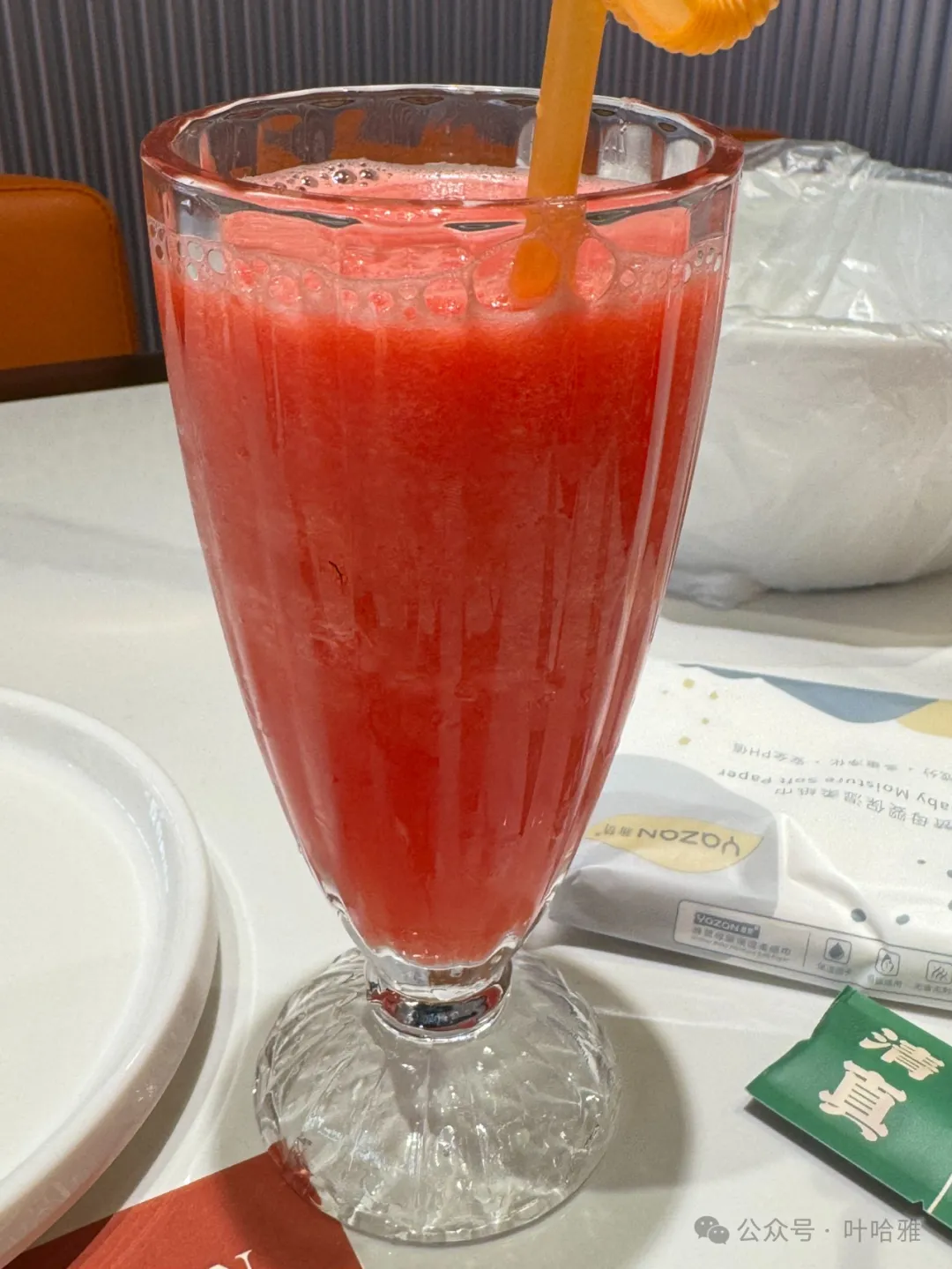
Write a review, save the shop, and check in to get a free glass of fresh-squeezed juice.
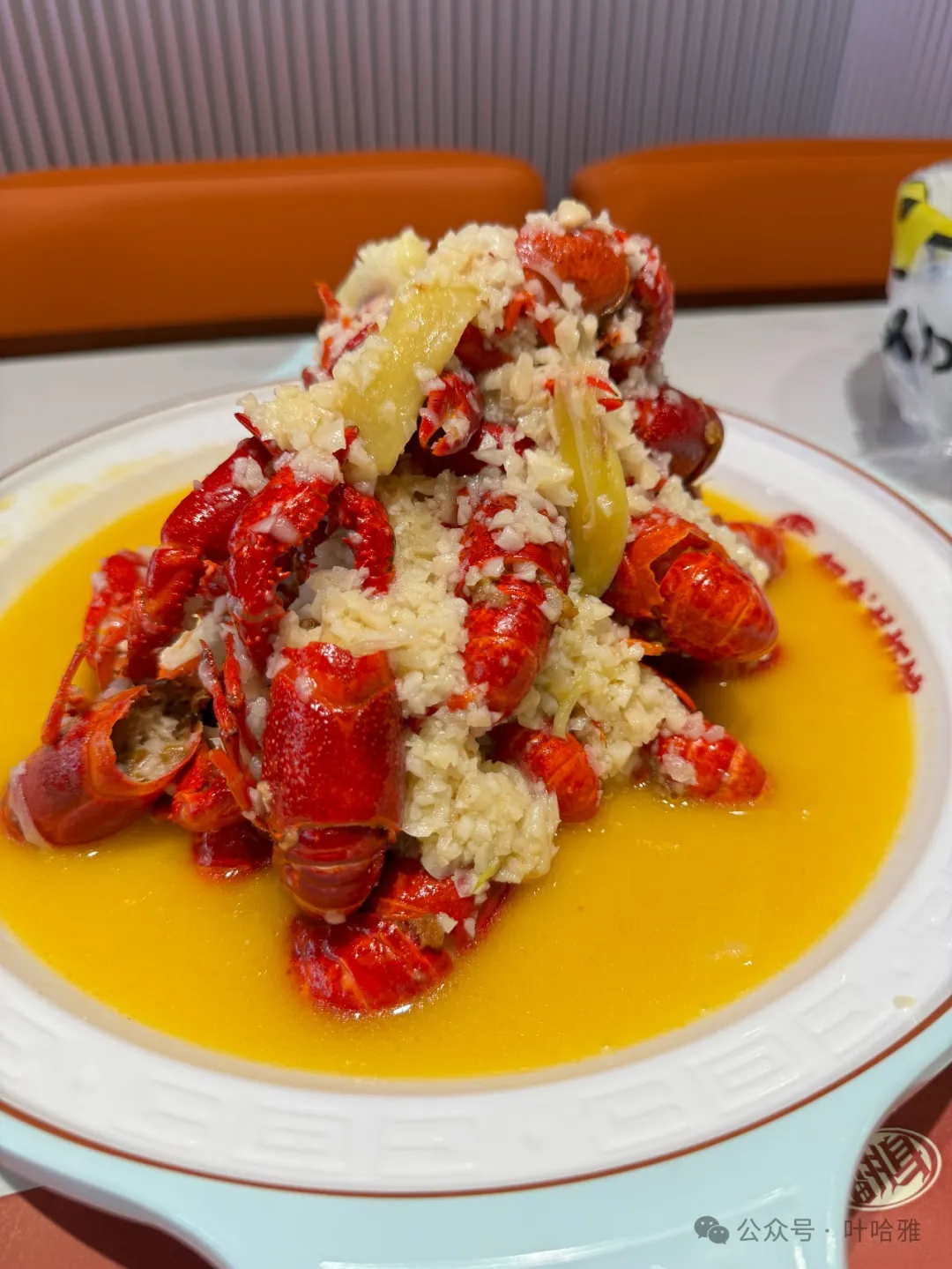
The most popular dish is the garlic crawfish. You can really taste how fresh the shrimp is. The golden sauce from the crawfish is great for dipping the hand-torn flatbread (shoushibing), which is freshly griddled and tastes excellent.
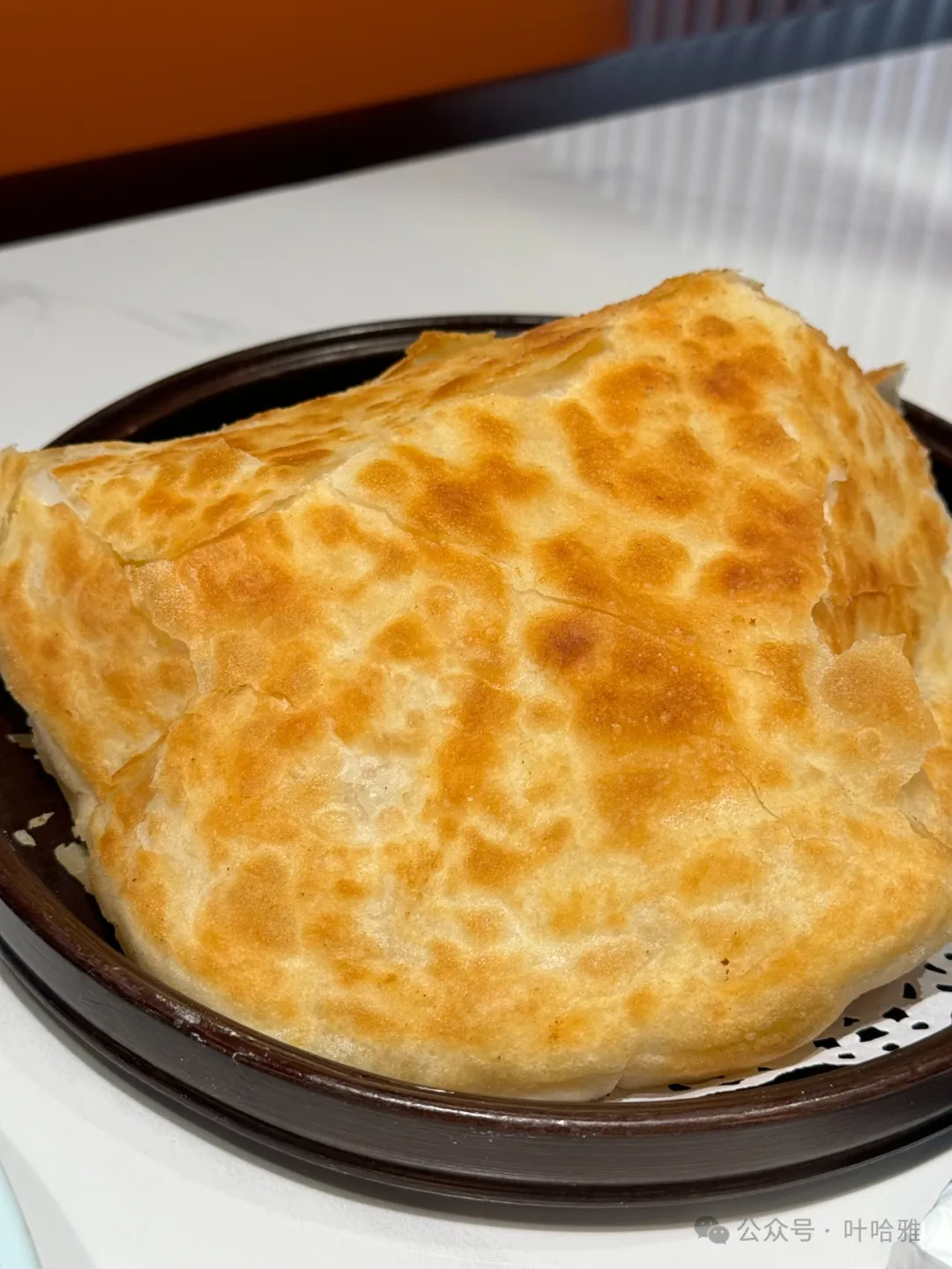
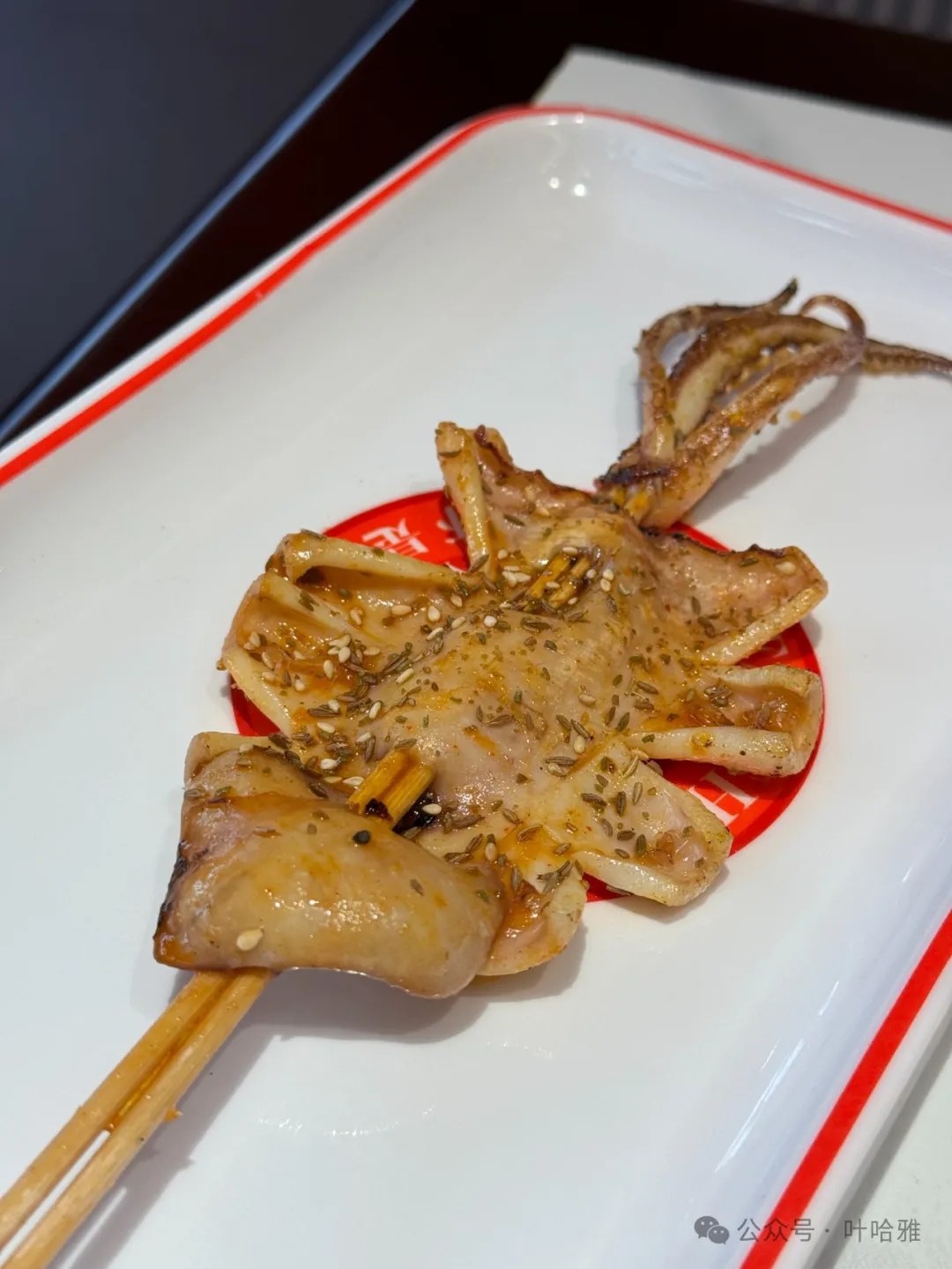
The grilled squid is also delicious. Their ingredients are definitely fresh.
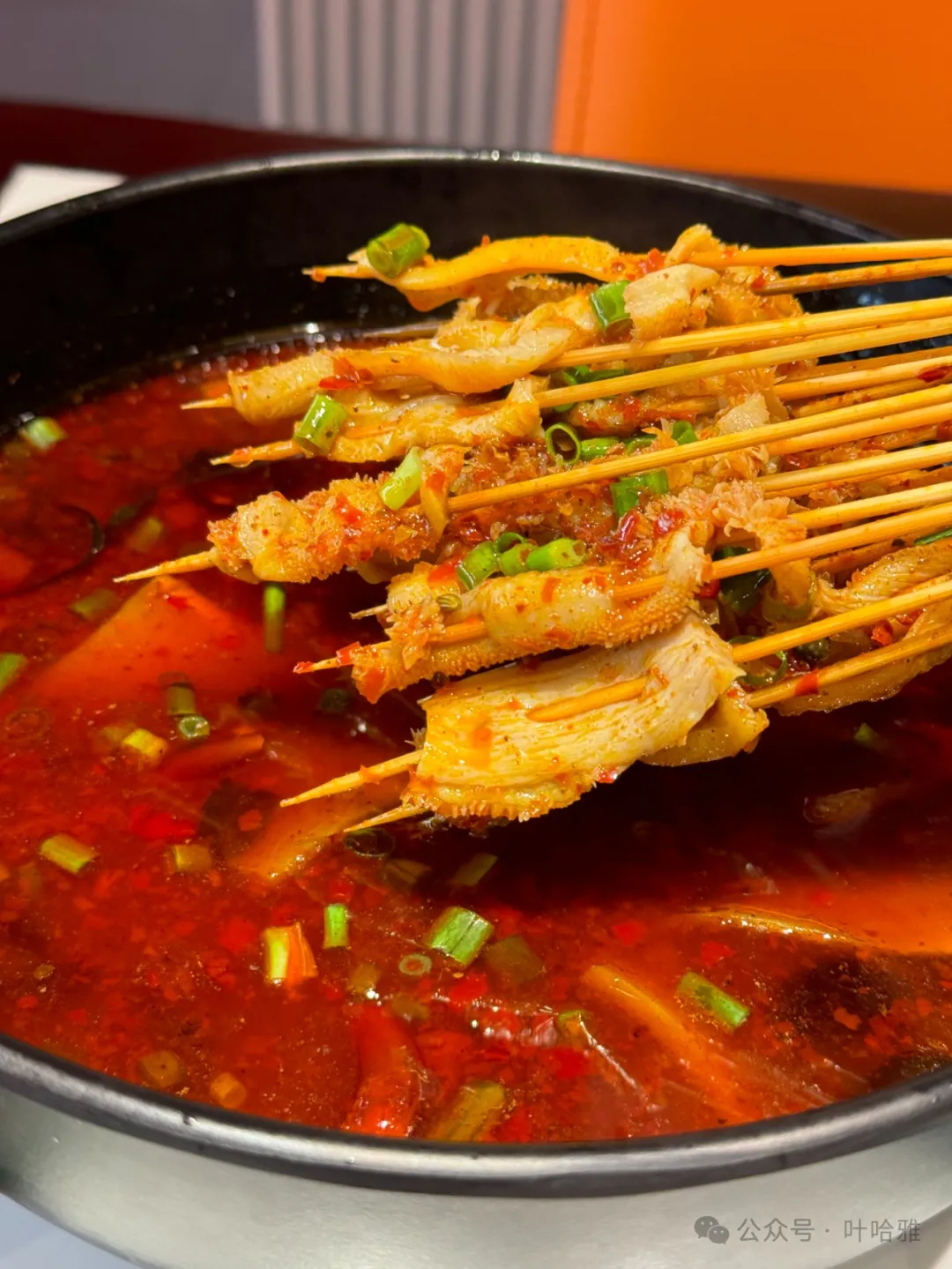
The spicy beef tripe (chanzui niudu) has a numbing and spicy flavor that is very good. Overall, this place has the potential to become a viral restaurant thanks to its service, environment, and taste. It is a bit pricey, with an average cost of over 200 yuan per person.
24. Maimaihong Beef Sliced Noodles
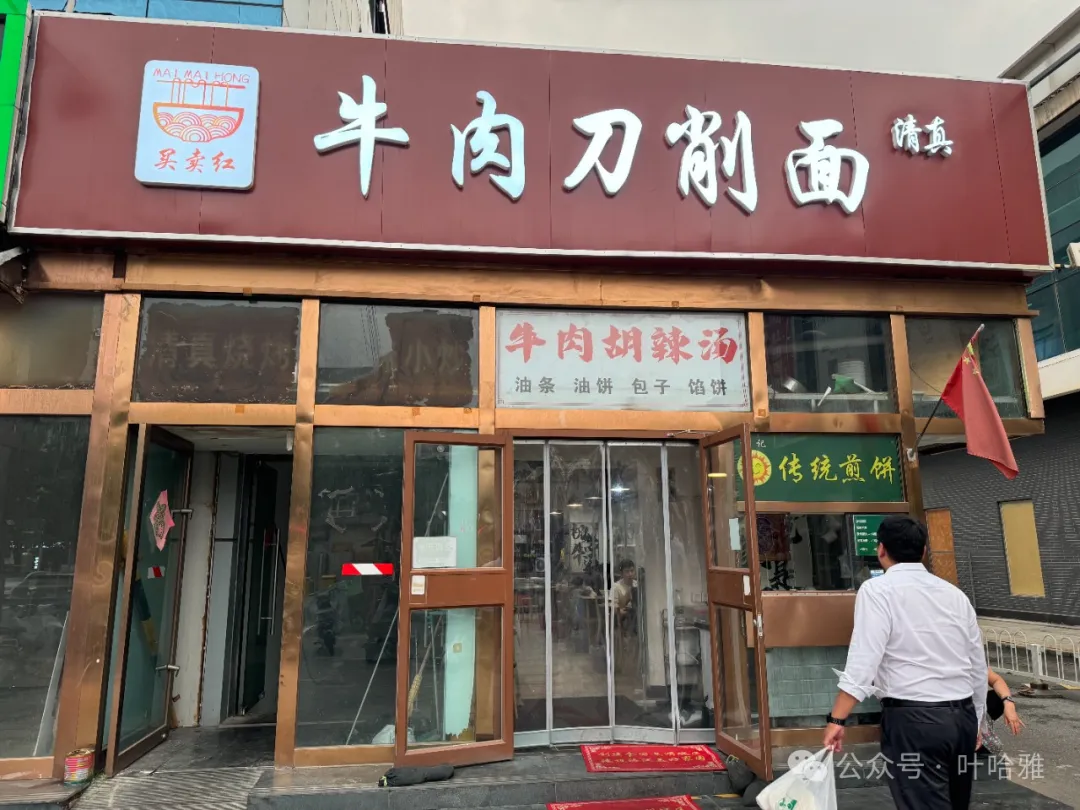
Don't underestimate this noodle shop. I will drive 40 minutes from Niujie to Haidian just for a bowl of these noodles. Maimaihong's beef sliced noodles (daoxiao mian) are definitely worth a visit. If you like this style, you won't be disappointed.
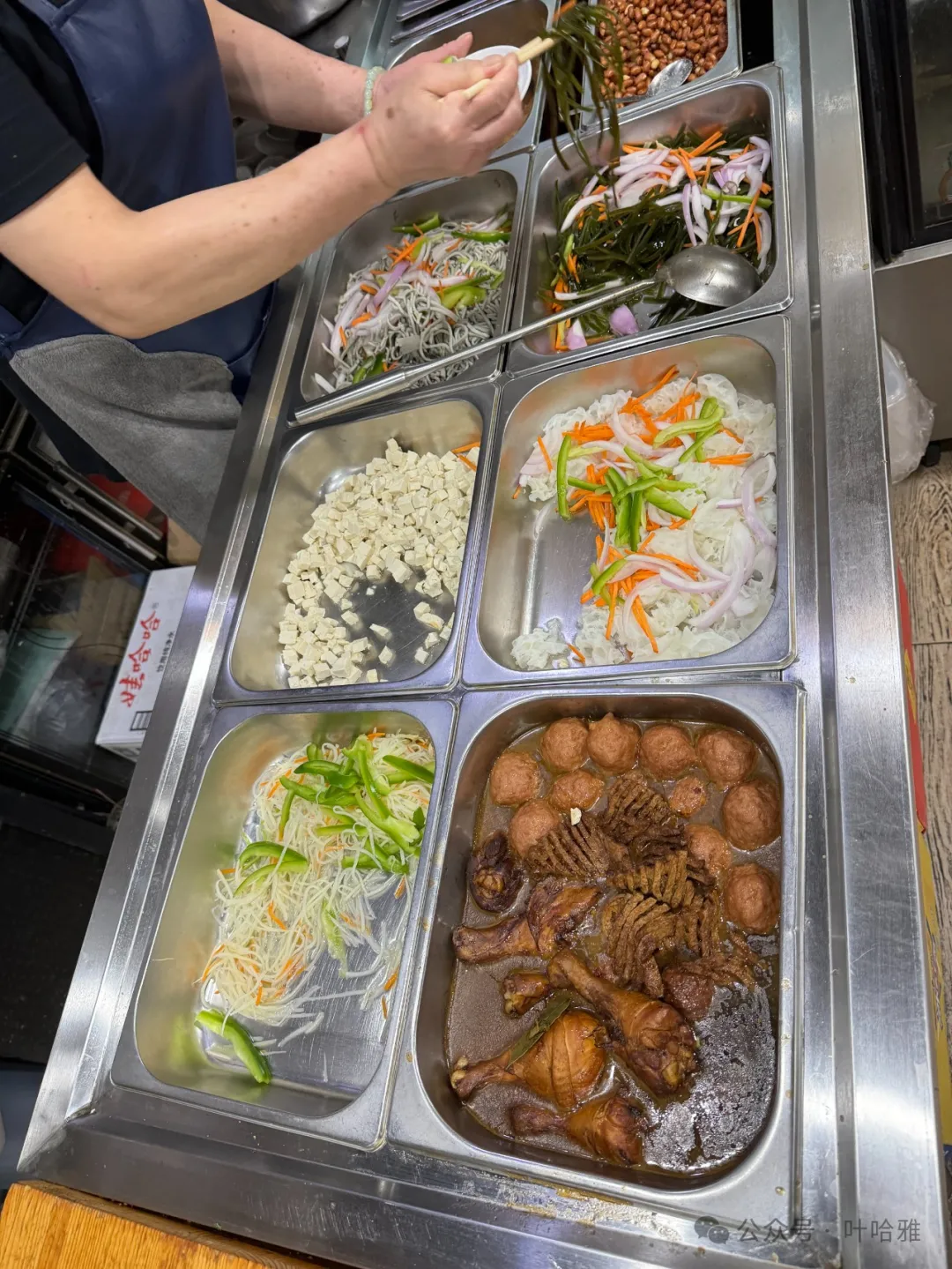
The shop is run by Hui Muslims from Jiaozuo, Henan. Their cold dishes are a specialty, and if you come for breakfast, you can have spicy soup (hulatang) in the Xiaoyao Town style, but with less spice to suit Beijing tastes.
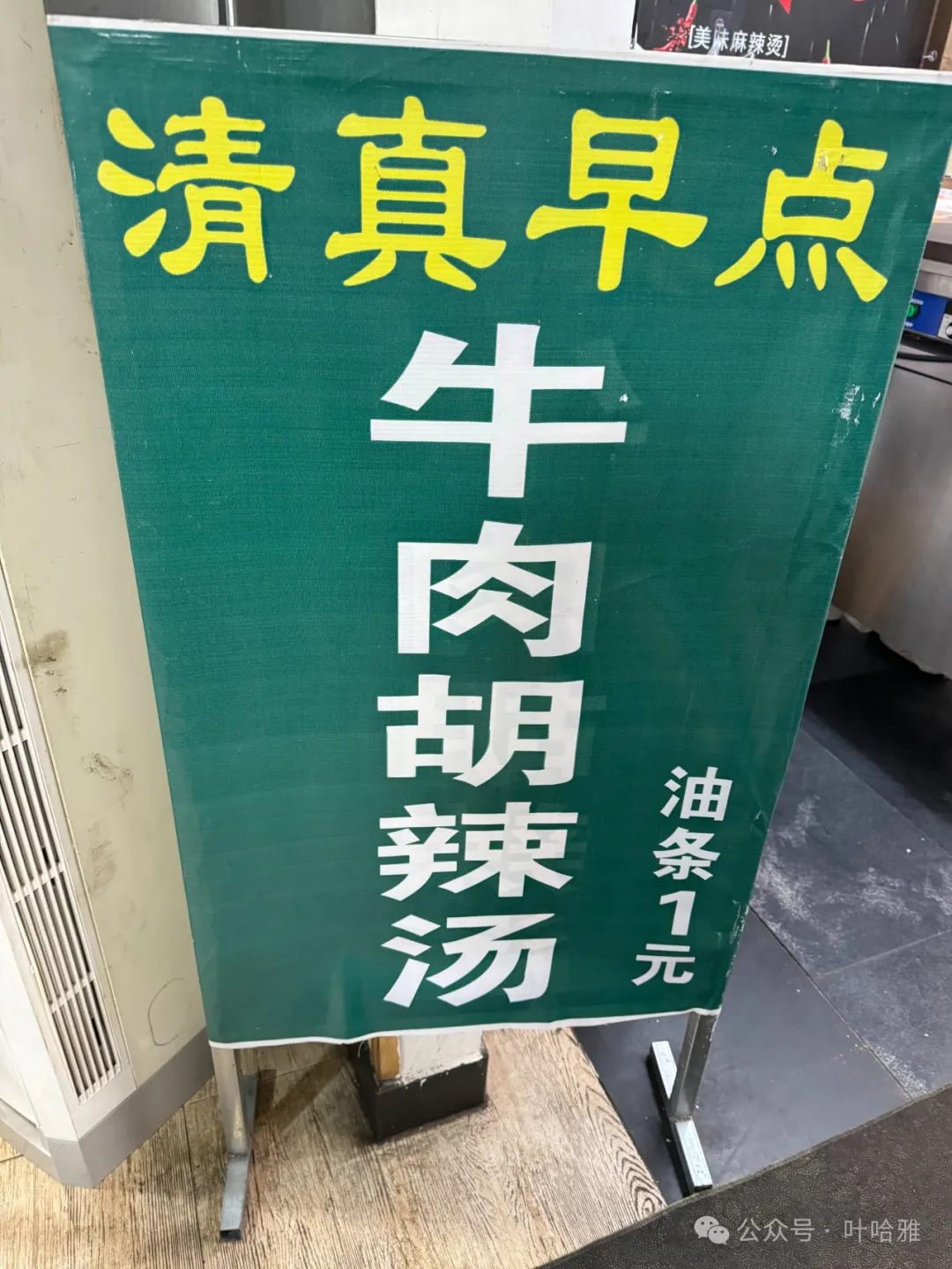
Another specialty is their beef steamed buns (niurou baozi). These aren't pan-fried, but the large steamed kind, which you can also get in the morning.
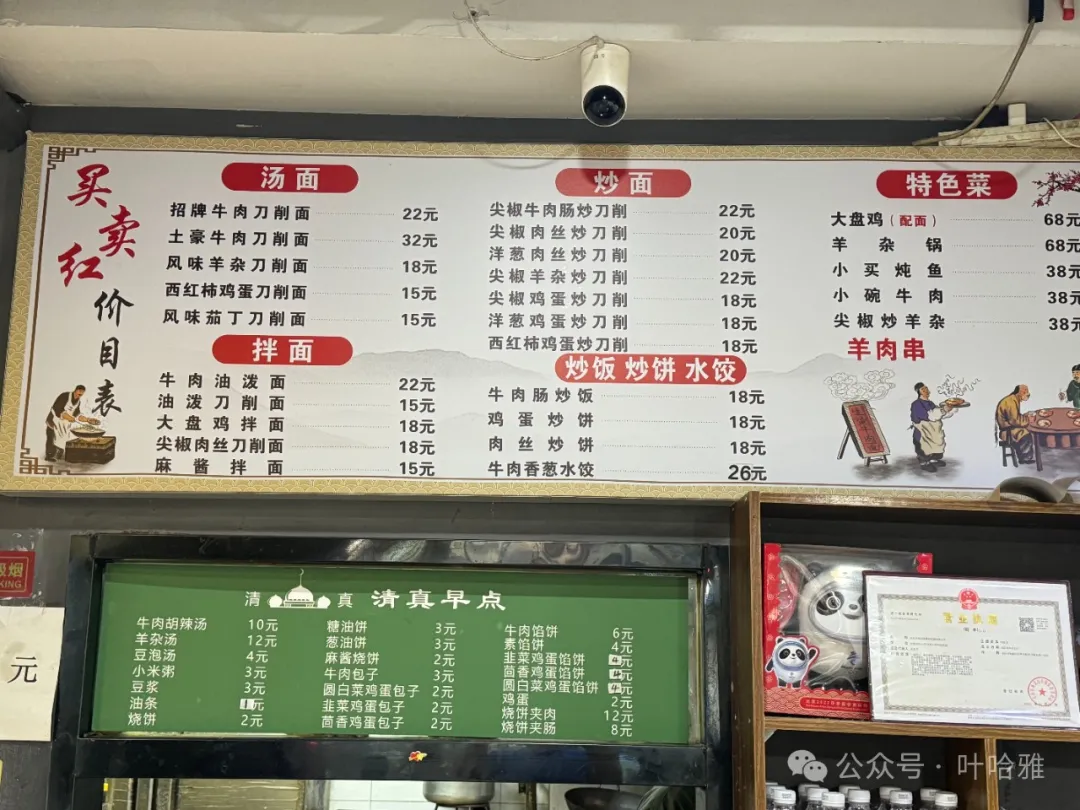
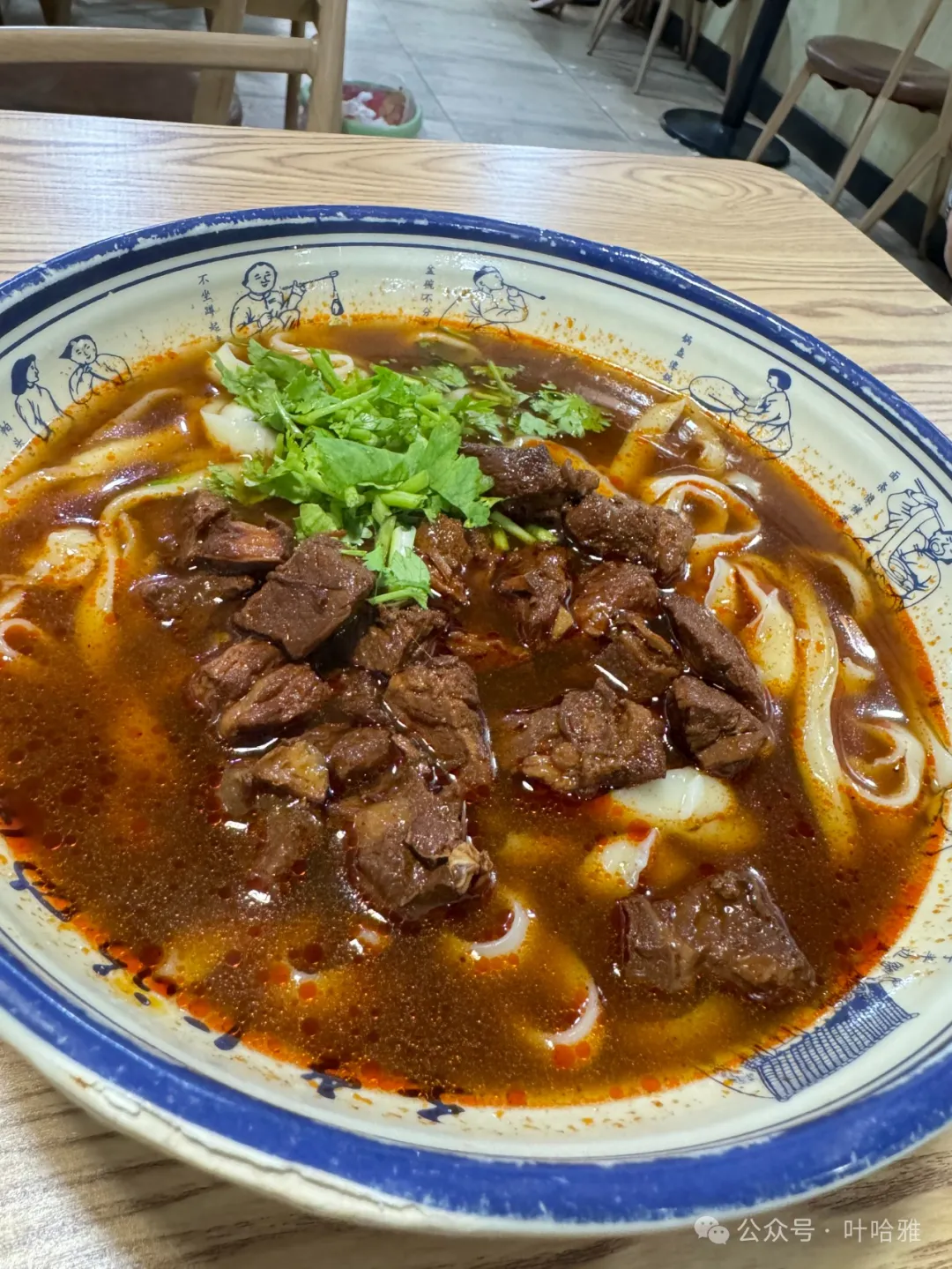
I had a bowl of the deluxe beef sliced noodles. They give you plenty of meat, the broth is rich, the beef is tender, and the noodles are chewy.
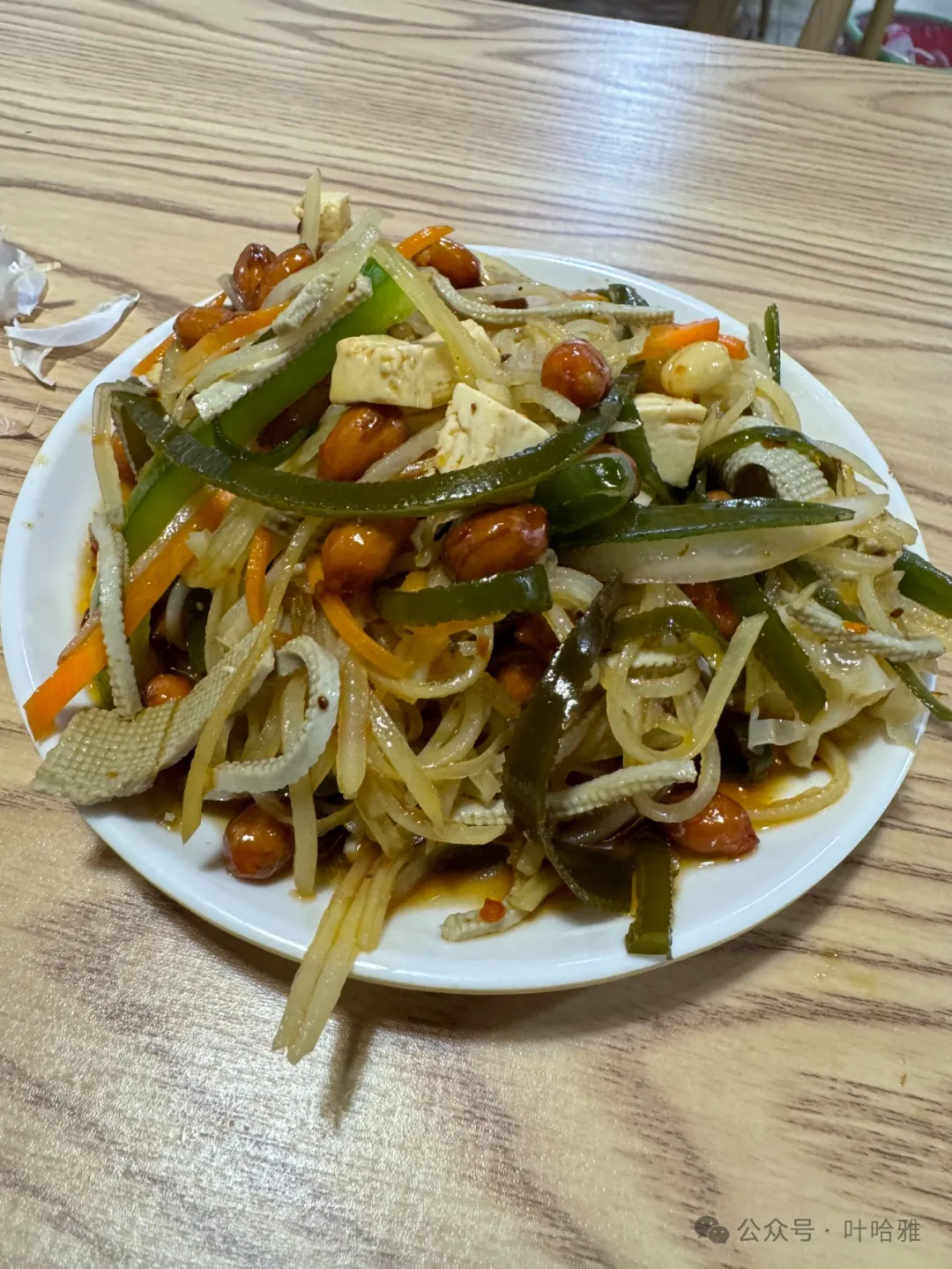
For the cold dishes, you pick what you want, and they take it to the kitchen to add seasoning and mix it, which keeps everything fresh and tasty.
25. Hulun Aile Halal Hand-held Meat (shouba rou)
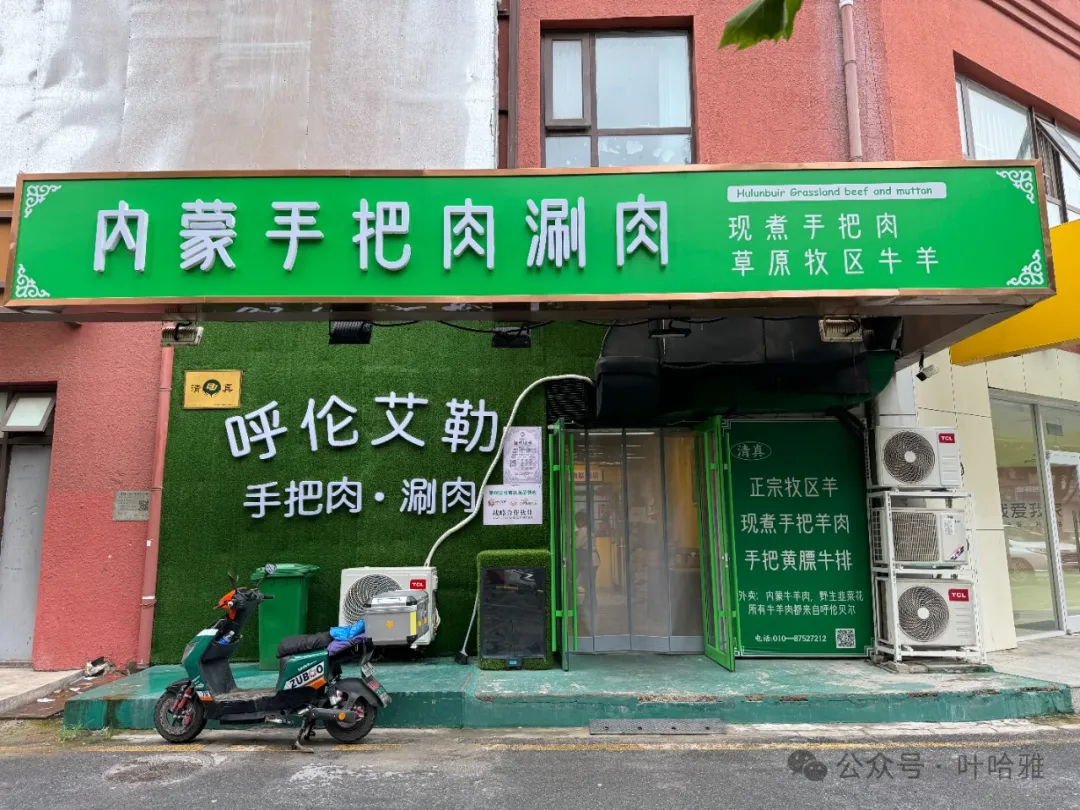
This shop used to be a hot pot place, but it recently changed into a Mongolian restaurant. The change was very successful.
They get their beef and lamb from Hulunbuir. The meat quality from the Inner Mongolian grasslands is excellent.
What drew us here was their afternoon tea with Inner Mongolian flair.
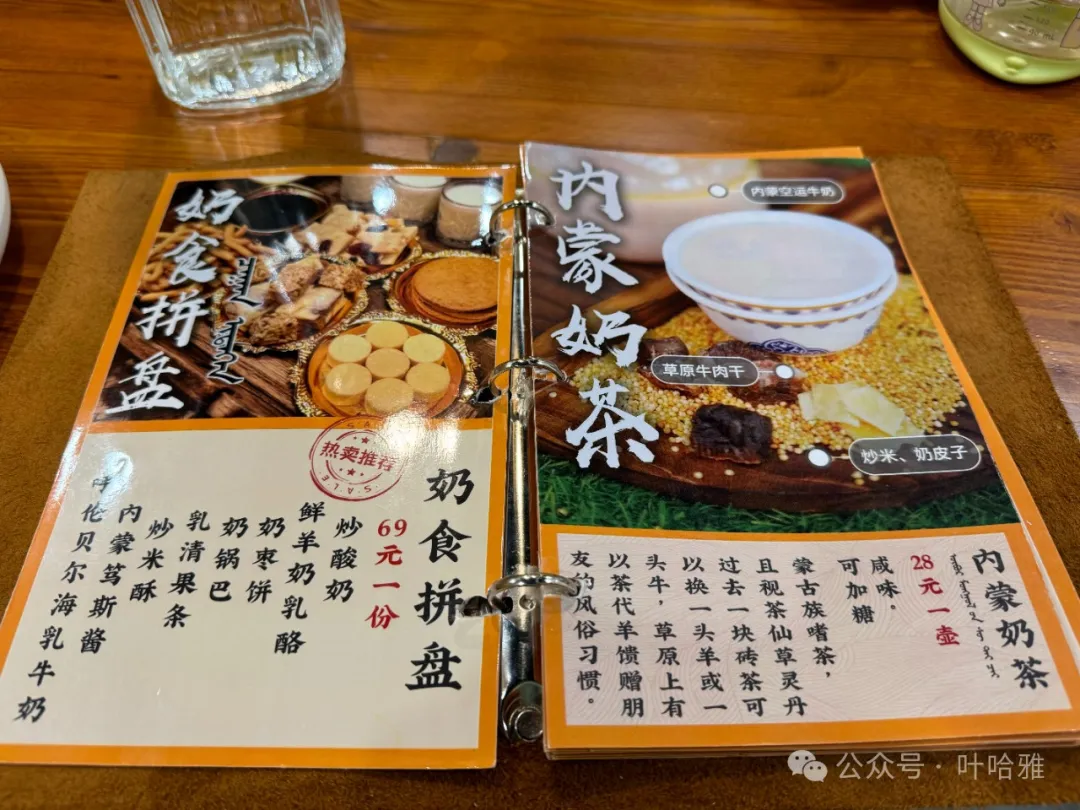
The milk tea comes with a plate of dairy products. This combination is truly tempting.
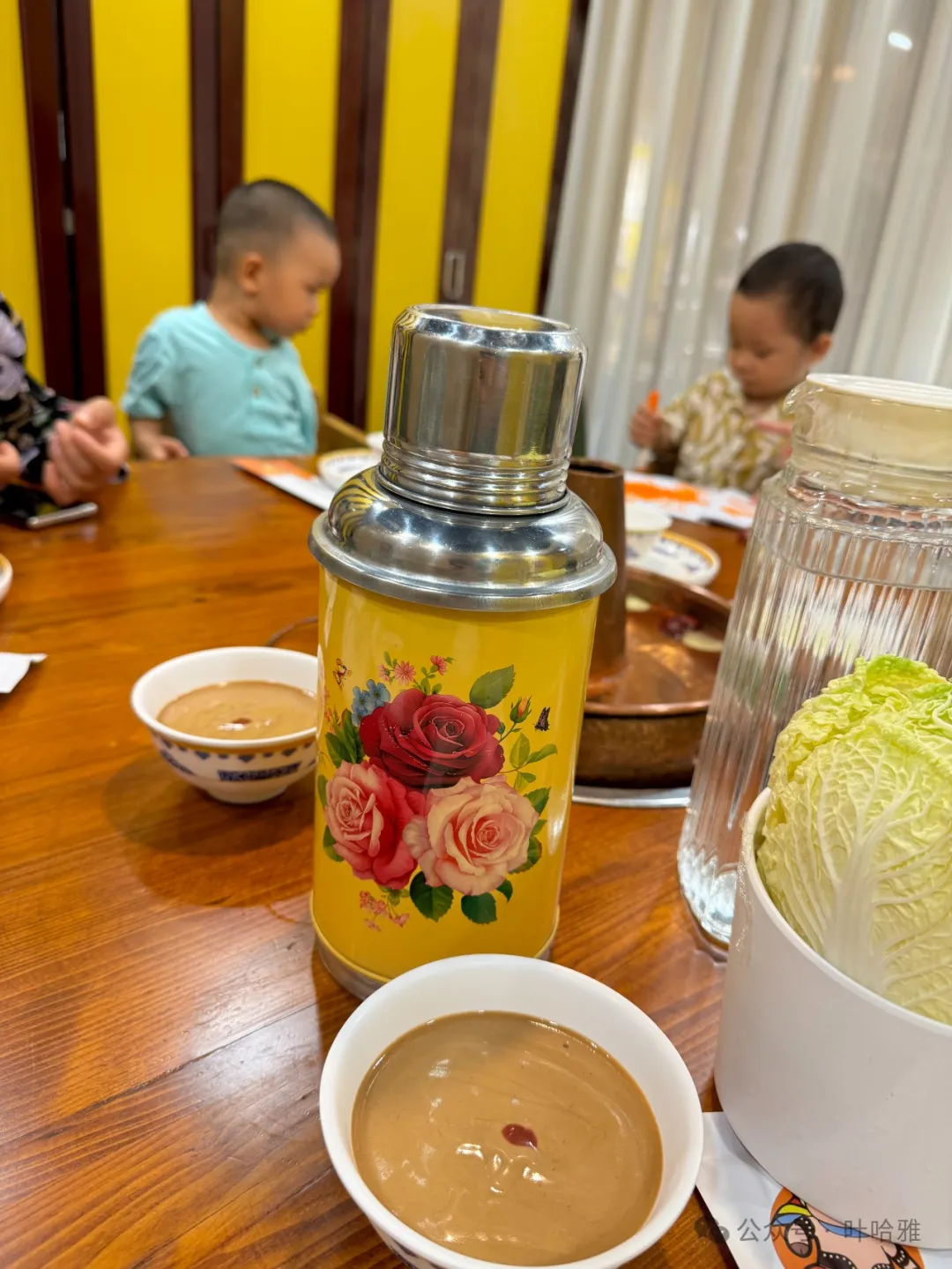
The Mongolian-style milk tea contains roasted millet (chaomi) and is served in a thermos to keep it warm.
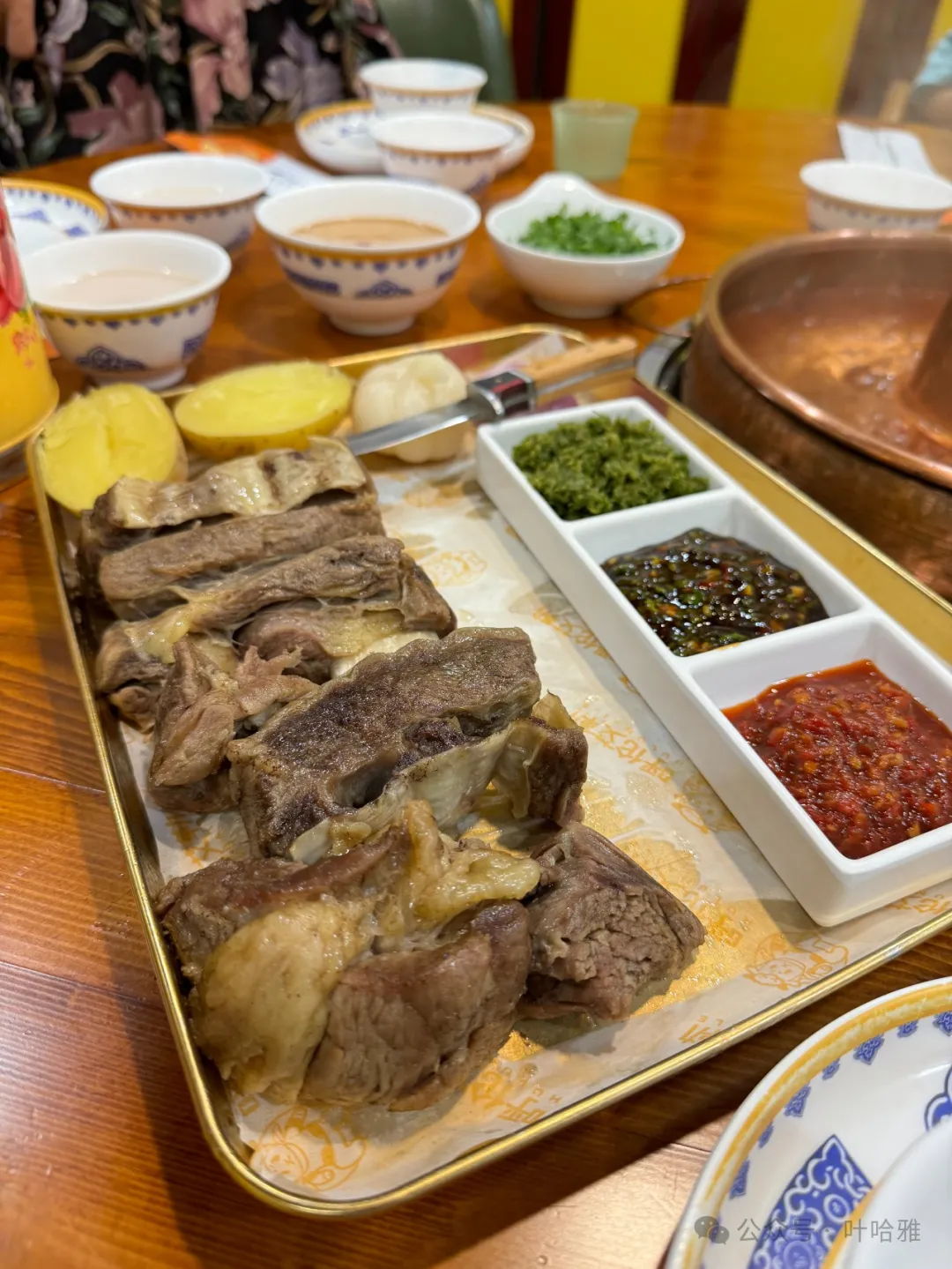
For the hand-held beef steak (shouba niupai), you cut a piece with a small knife and spread chive flower sauce (jiucaihua) on it. It is delicious, and their three types of dipping sauces are all very authentic.
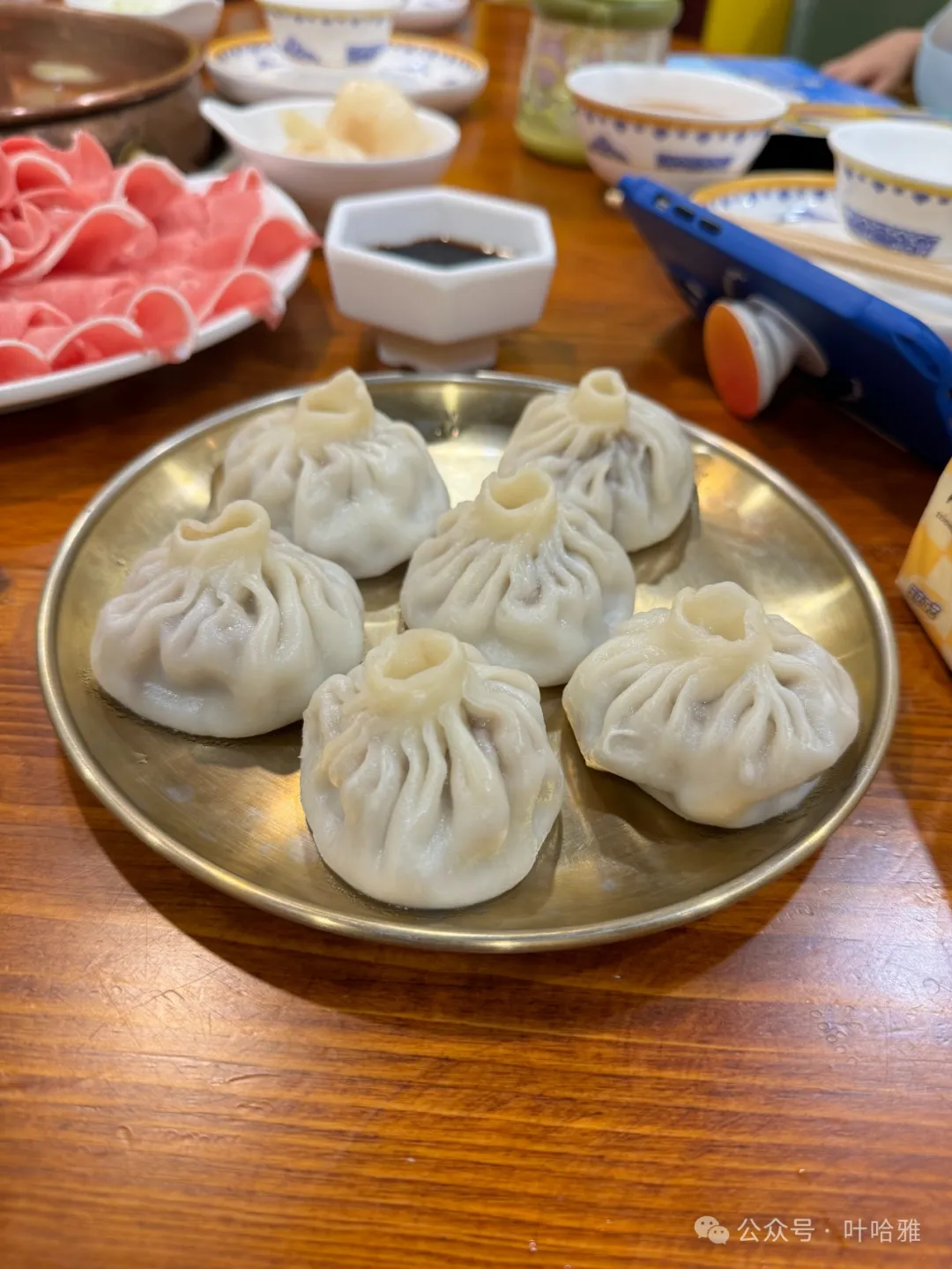
Buryat steamed buns (Buliya baozi) look like the thin-skinned buns from Xinjiang, but the dough is slightly thicker. They are filled with large chunks of lamb, full of broth, and taste great.
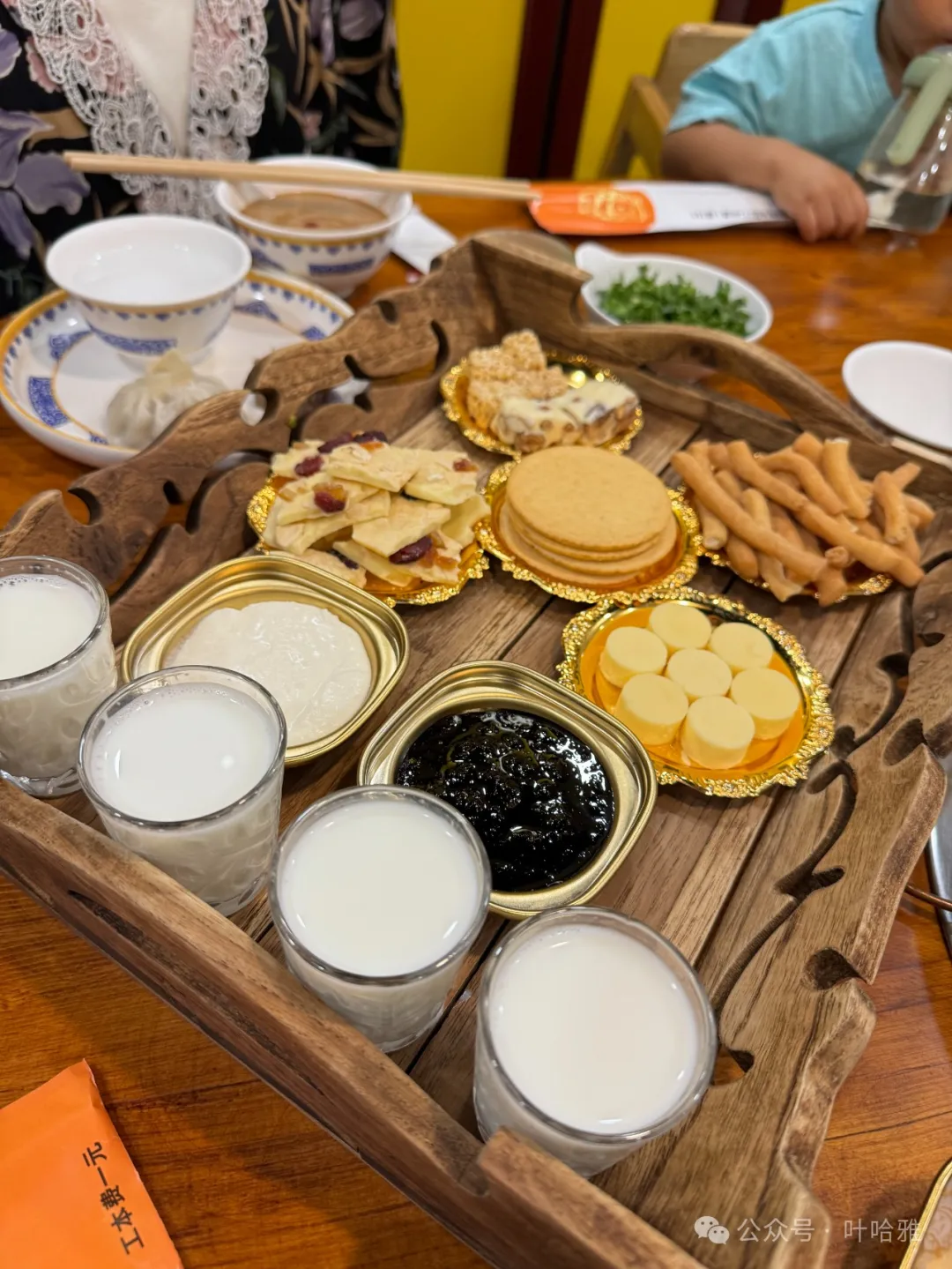
This is the most popular afternoon tea dairy platter of the day. The white part on top is cream, which you eat with the dairy products. The four cups contain concentrated milk; it tastes like ice bock (bingboke), which is milk concentrated by evaporating most of the water.
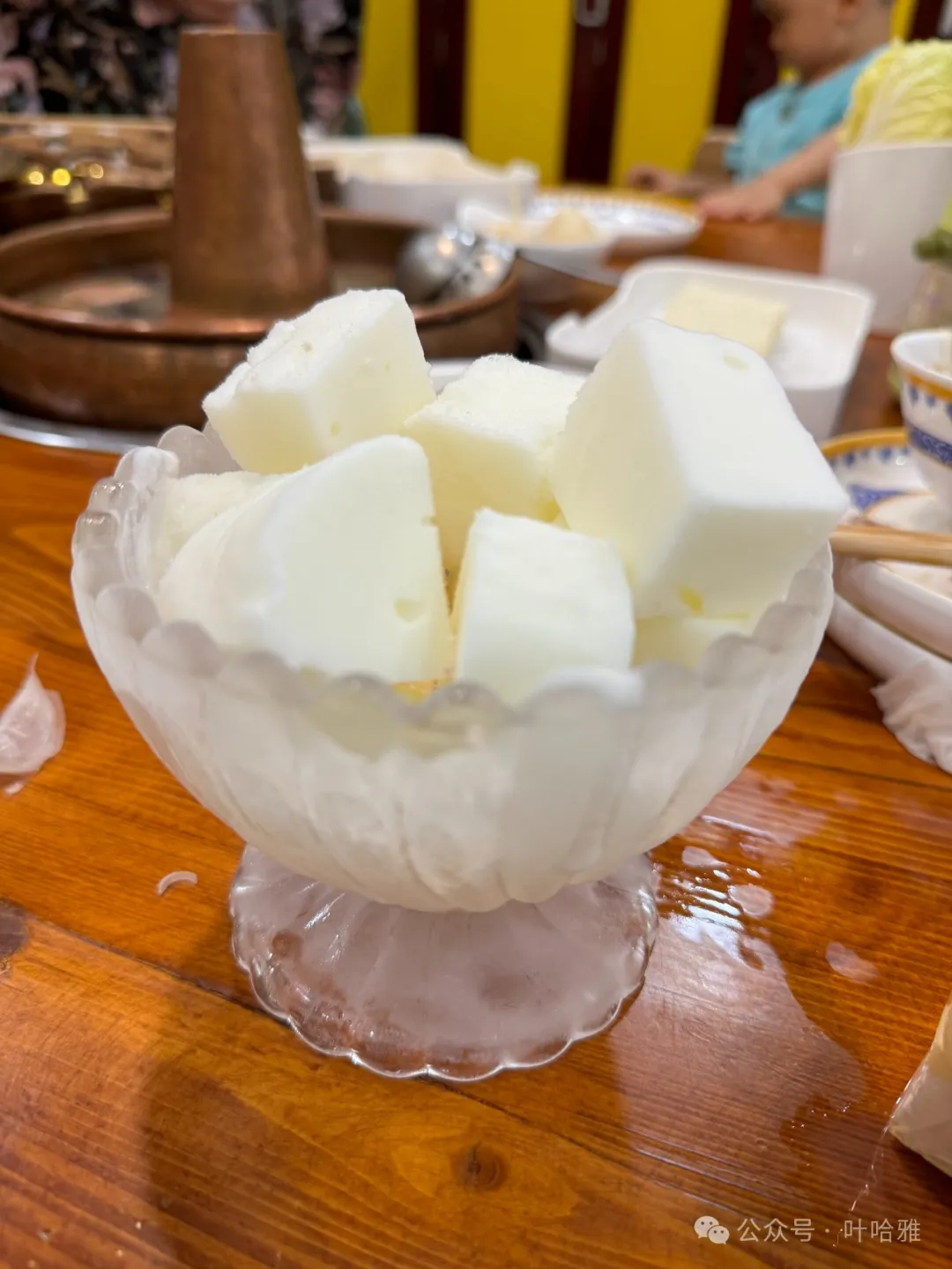
The Inner Mongolian milk ice cream is simple and bold. It is made of large chunks of milk ice, just like a popsicle, but no extra water is added. The texture is smooth and the milky flavor is rich. It is highly recommended. With the Mongolian food being so good, their hot pot seems plain, so I suggest you stick to the Mongolian dishes here.
26. Sanliujiu Wan Halal Beef Brisket Pot
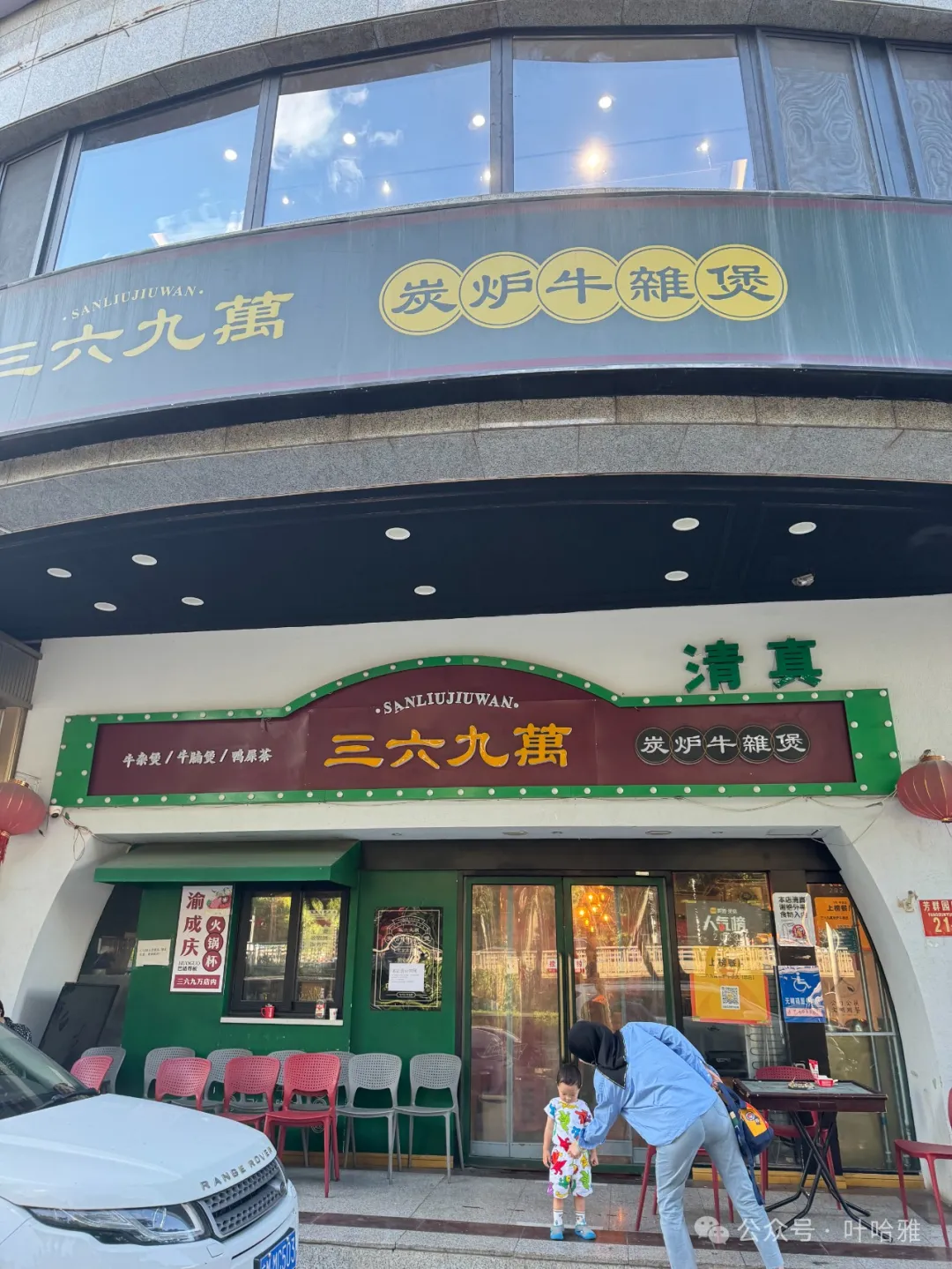
This shop offers Cantonese-style Qingyuan chicken pot, beef brisket and offal pot, and Tianhu chicken pot, along with Cantonese dim sum. It is currently the only halal Cantonese restaurant in Beijing.
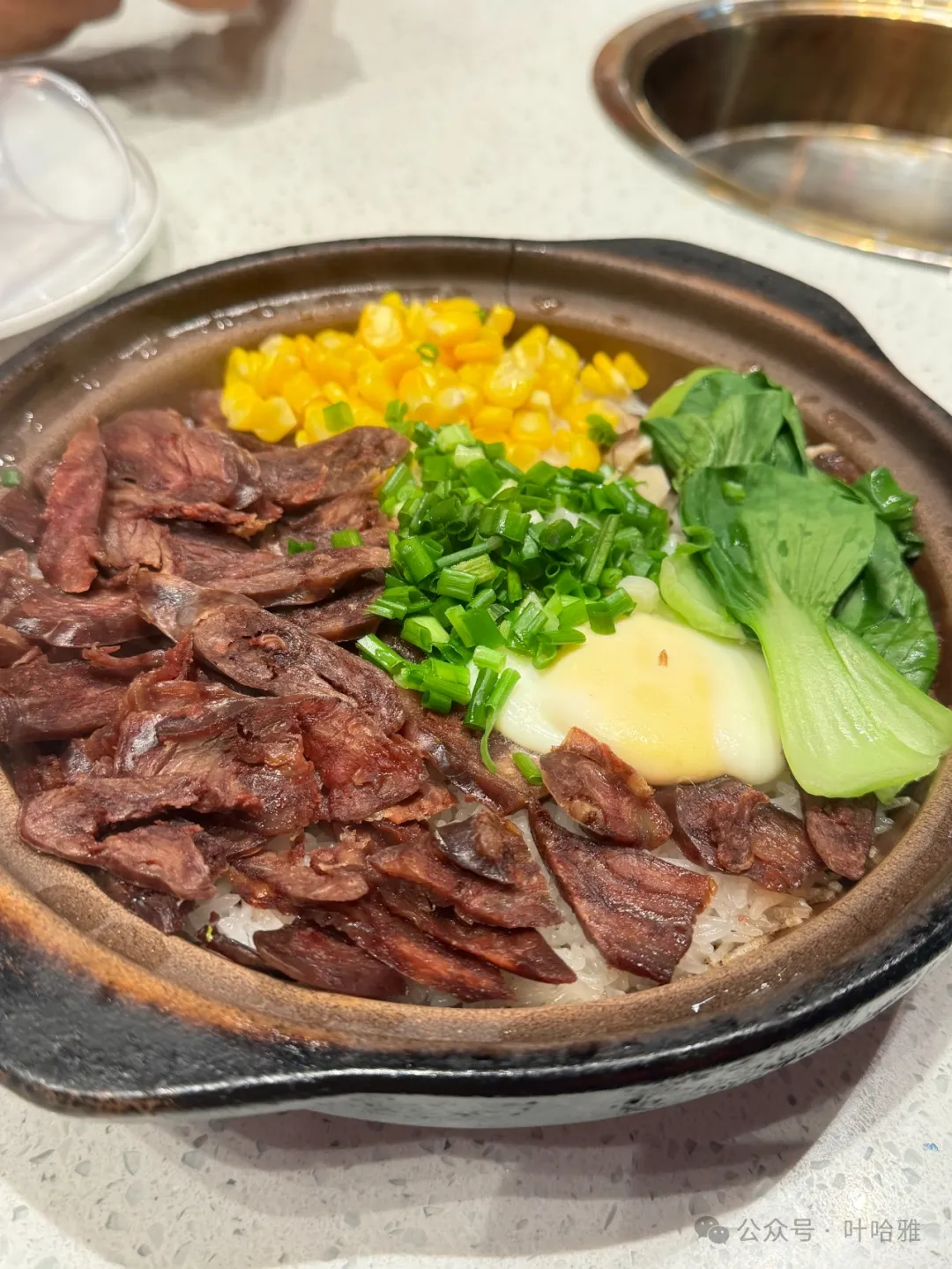
Claypot rice (baozai fan)
Claypot rice (baozai fan) is also a new dish. It must be made to order and takes 25 minutes to prepare. It uses Thai jasmine rice topped with beef sausage, and you can choose how many grams of sausage to add based on your preference.
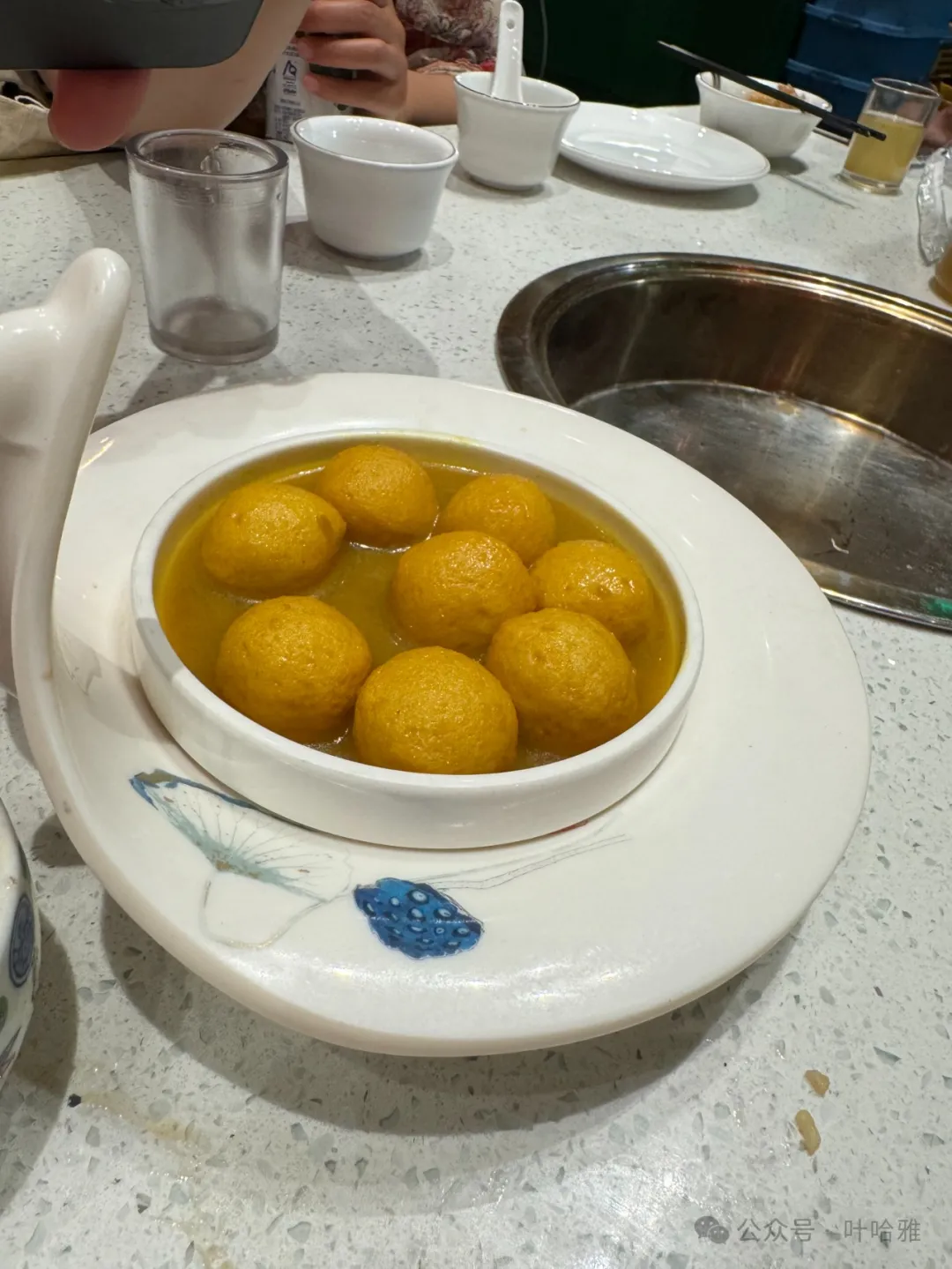
The curry fish balls are very bouncy. The owner says he developed the recipe himself. He is a Hui Muslim from Shandong and the son of an imam.
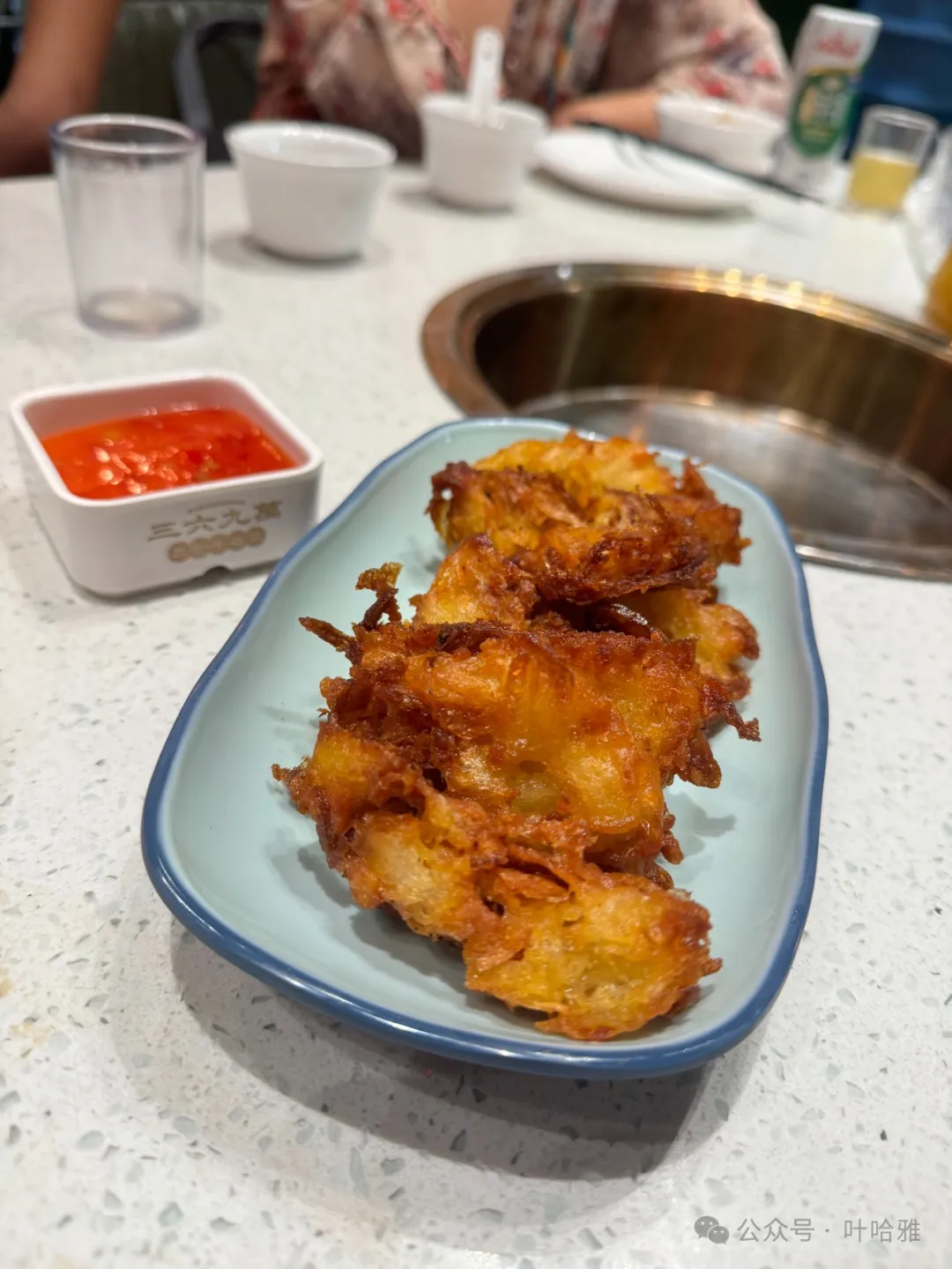
Our group of 12 people ate through the new dim sum menu twice, and the cost was about 120 yuan per person.
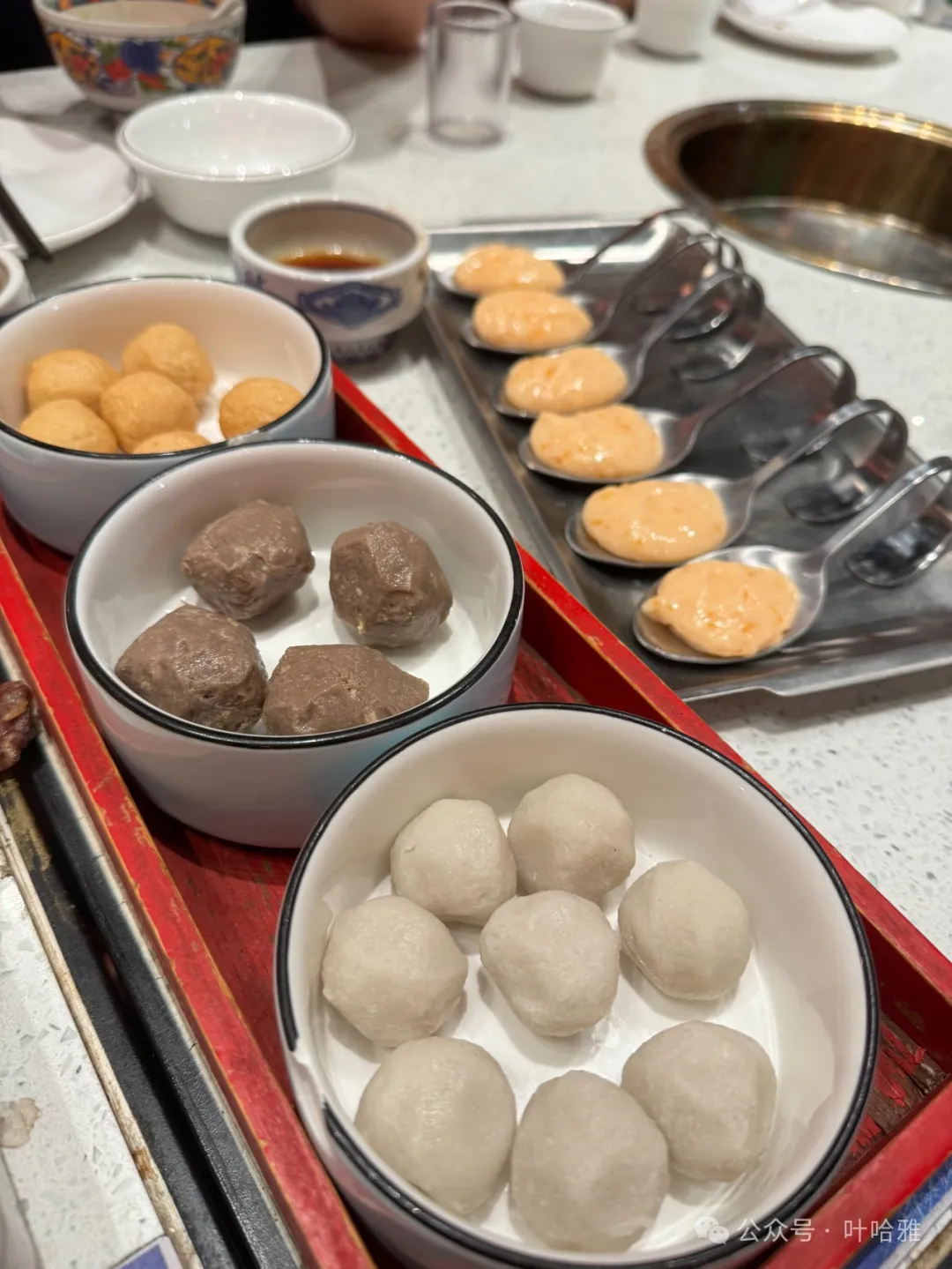
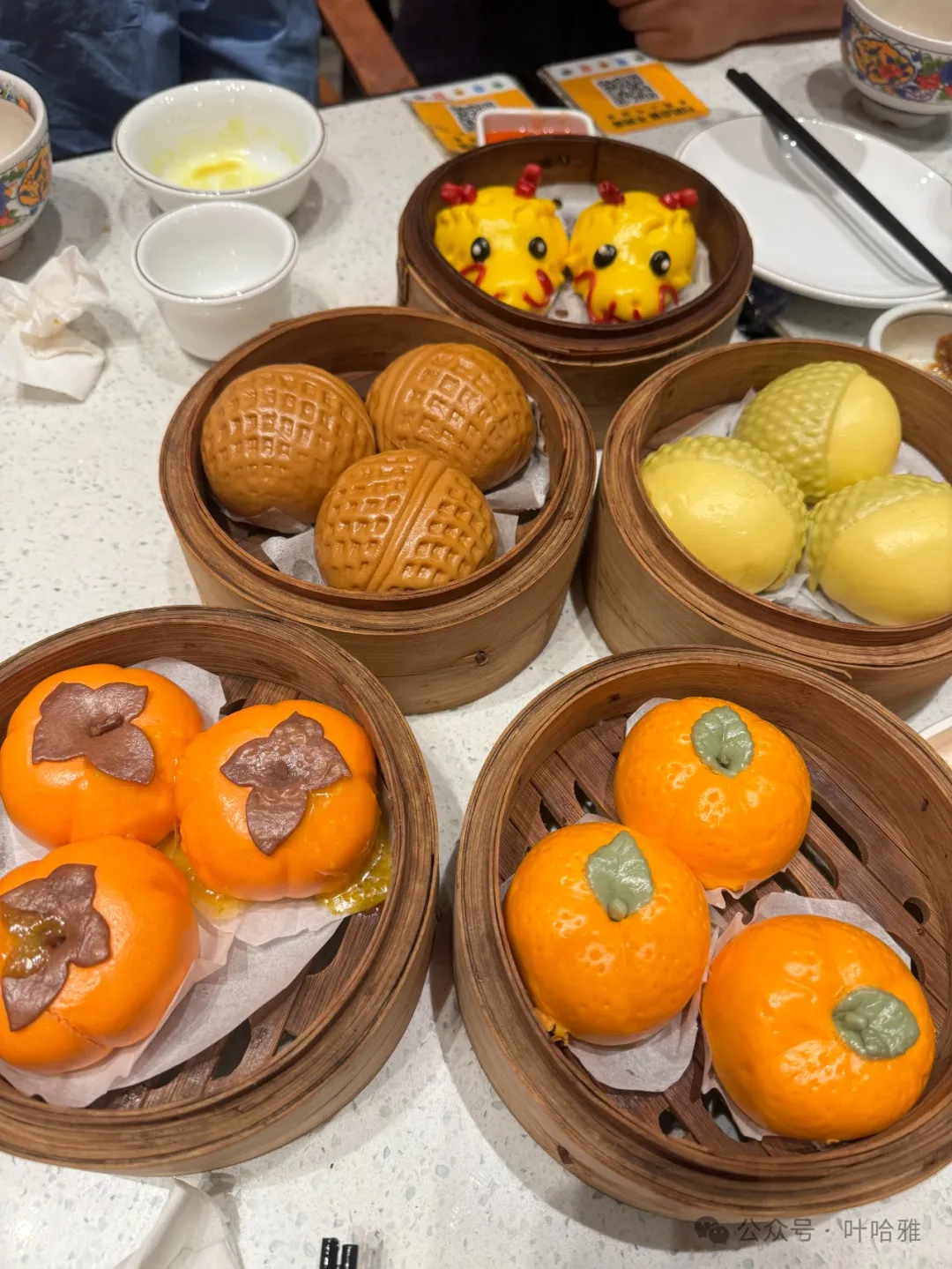
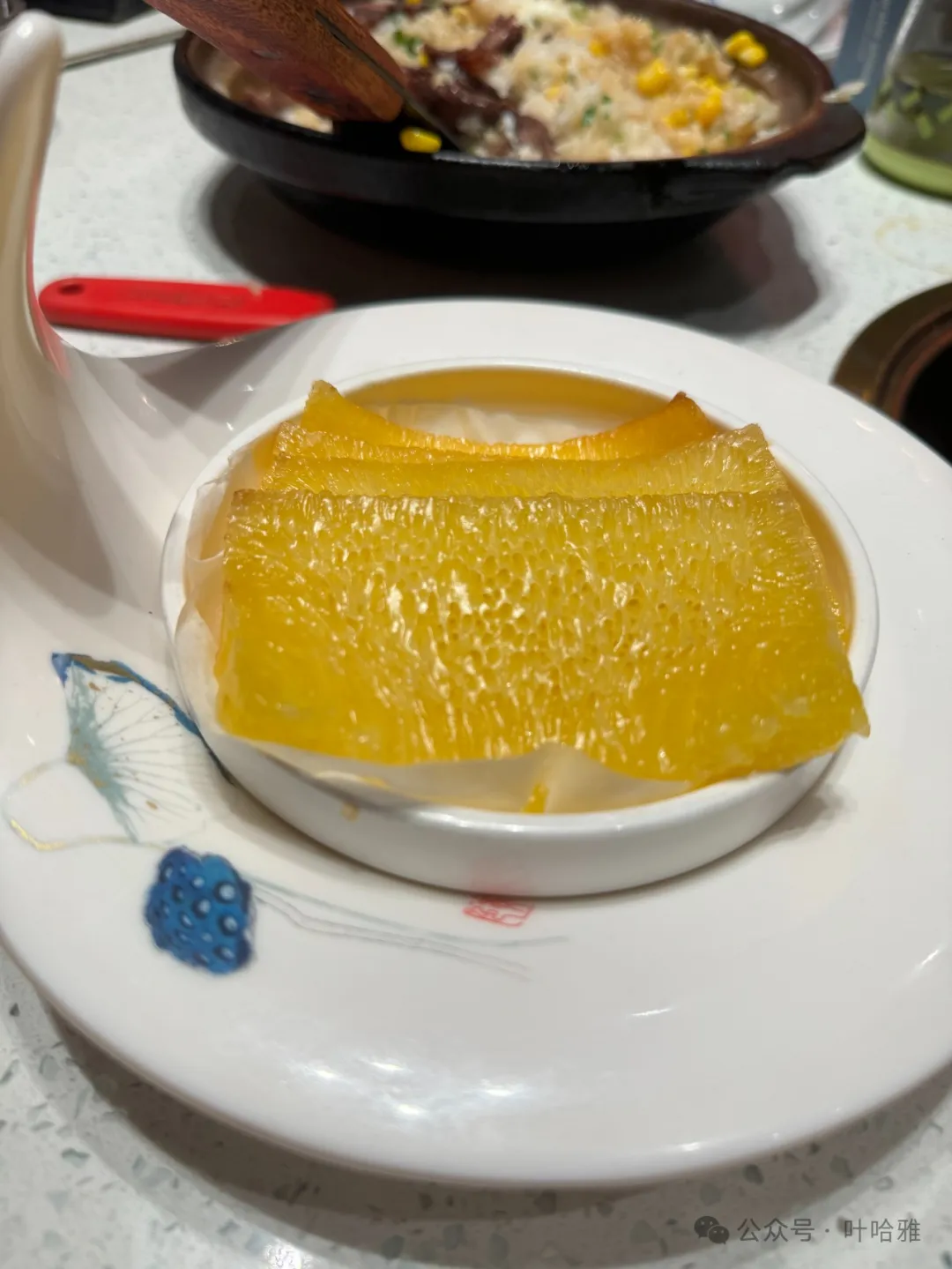
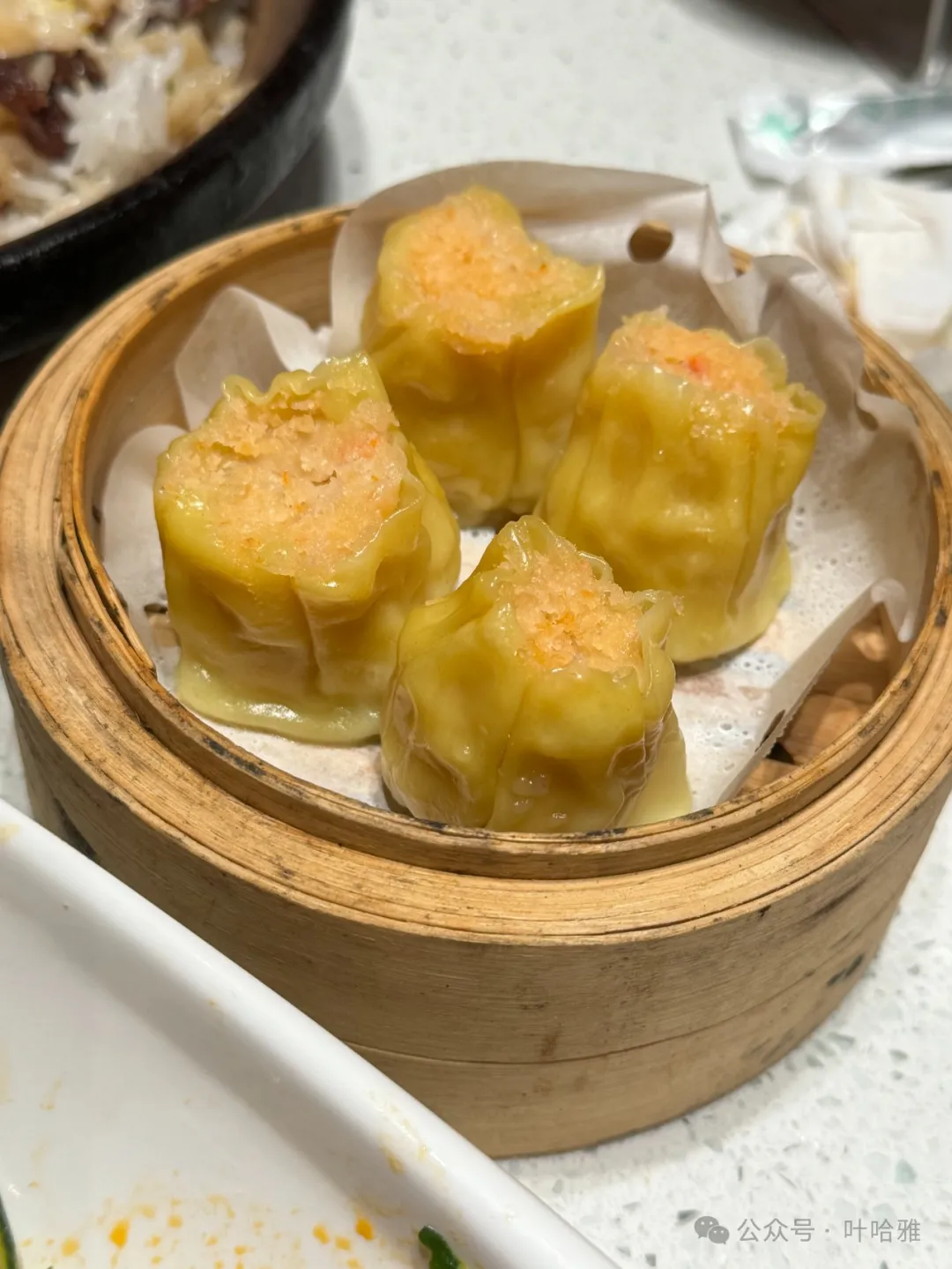
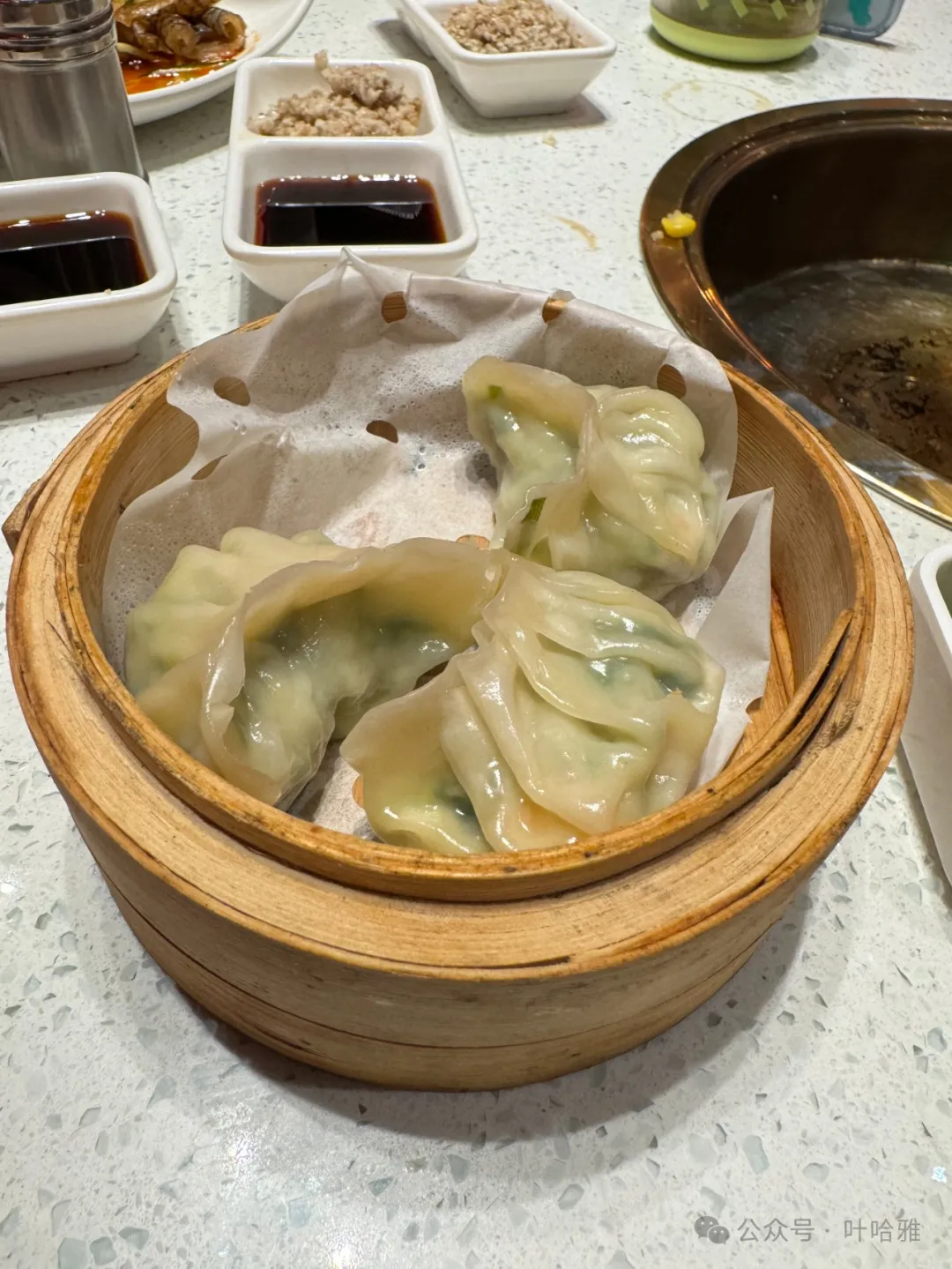
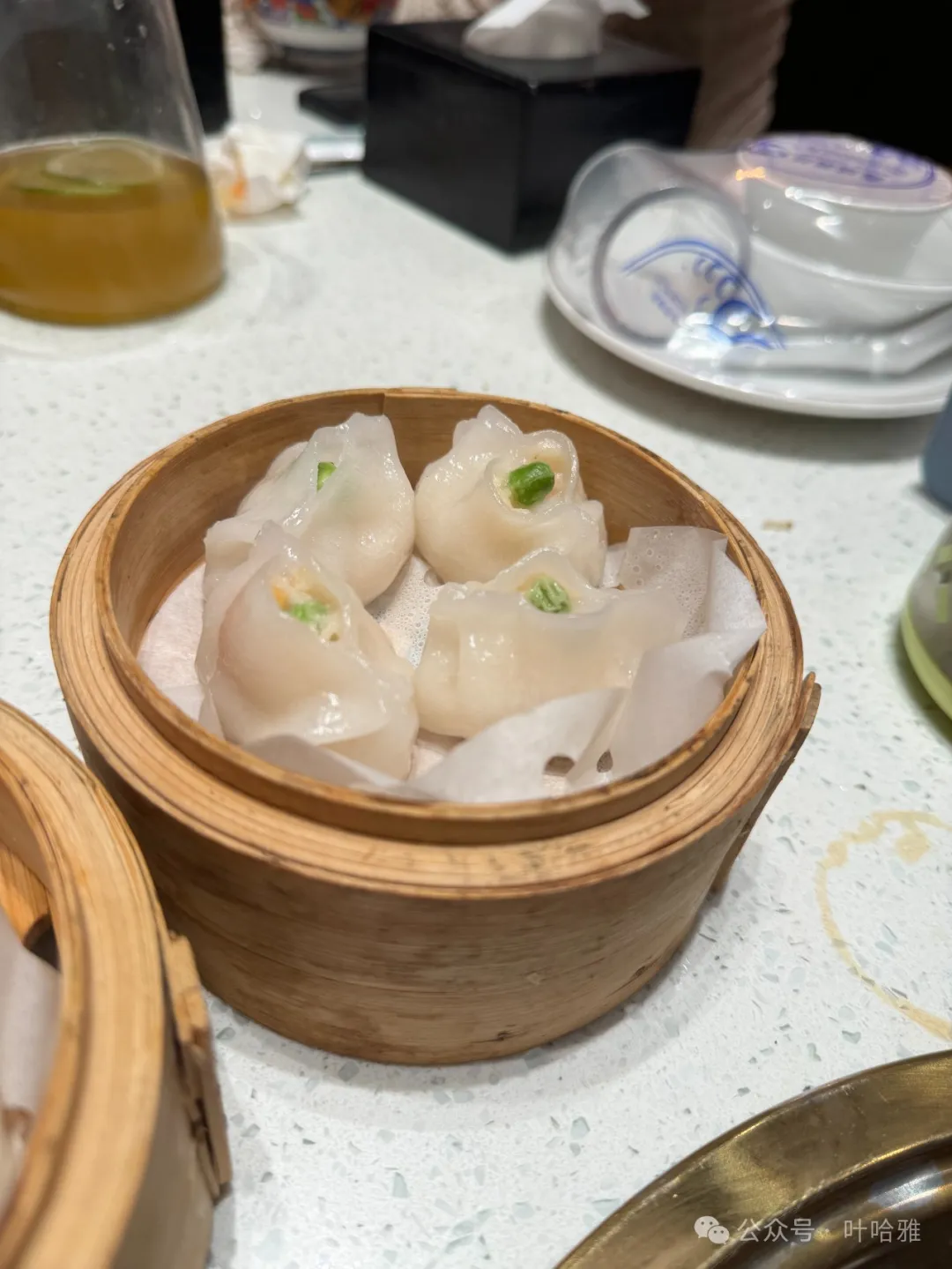
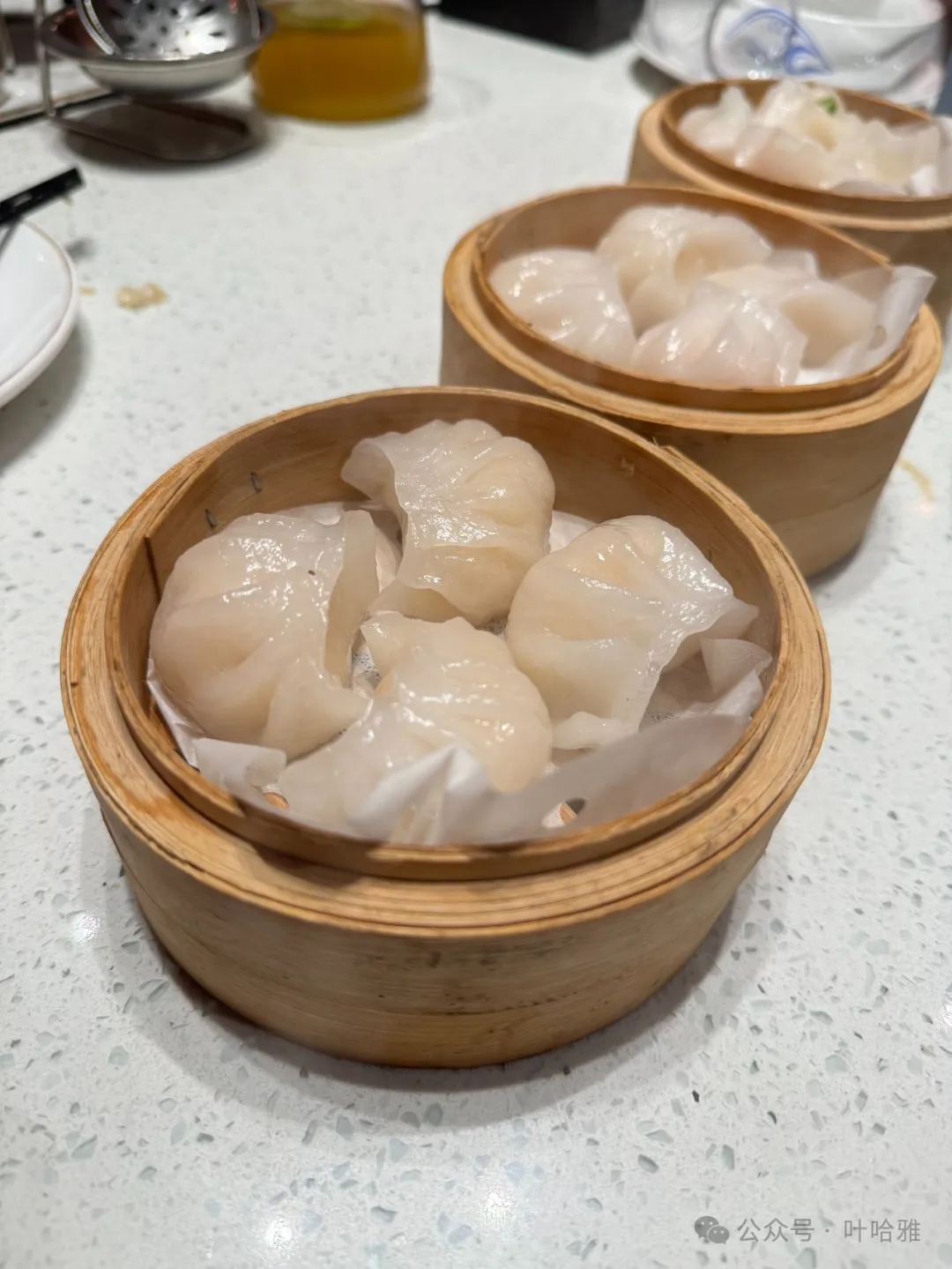
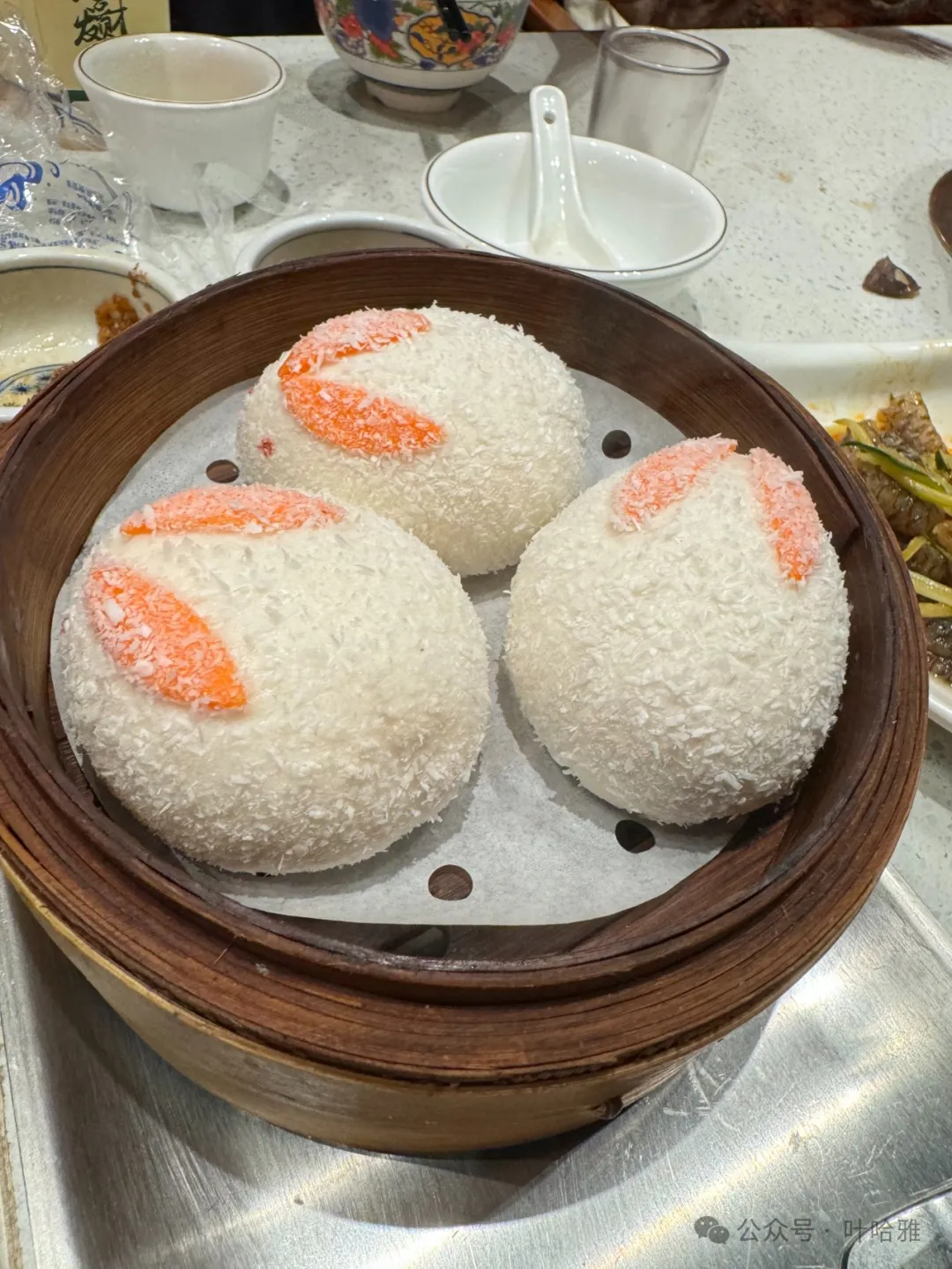
After eating this Hong Kong-style dim sum, you could say there are no gaps left in Beijing's halal food scene. You can find a halal version of every major cuisine in Beijing now.
27. Zaizai Niu Chaoshan Beef Hot Pot
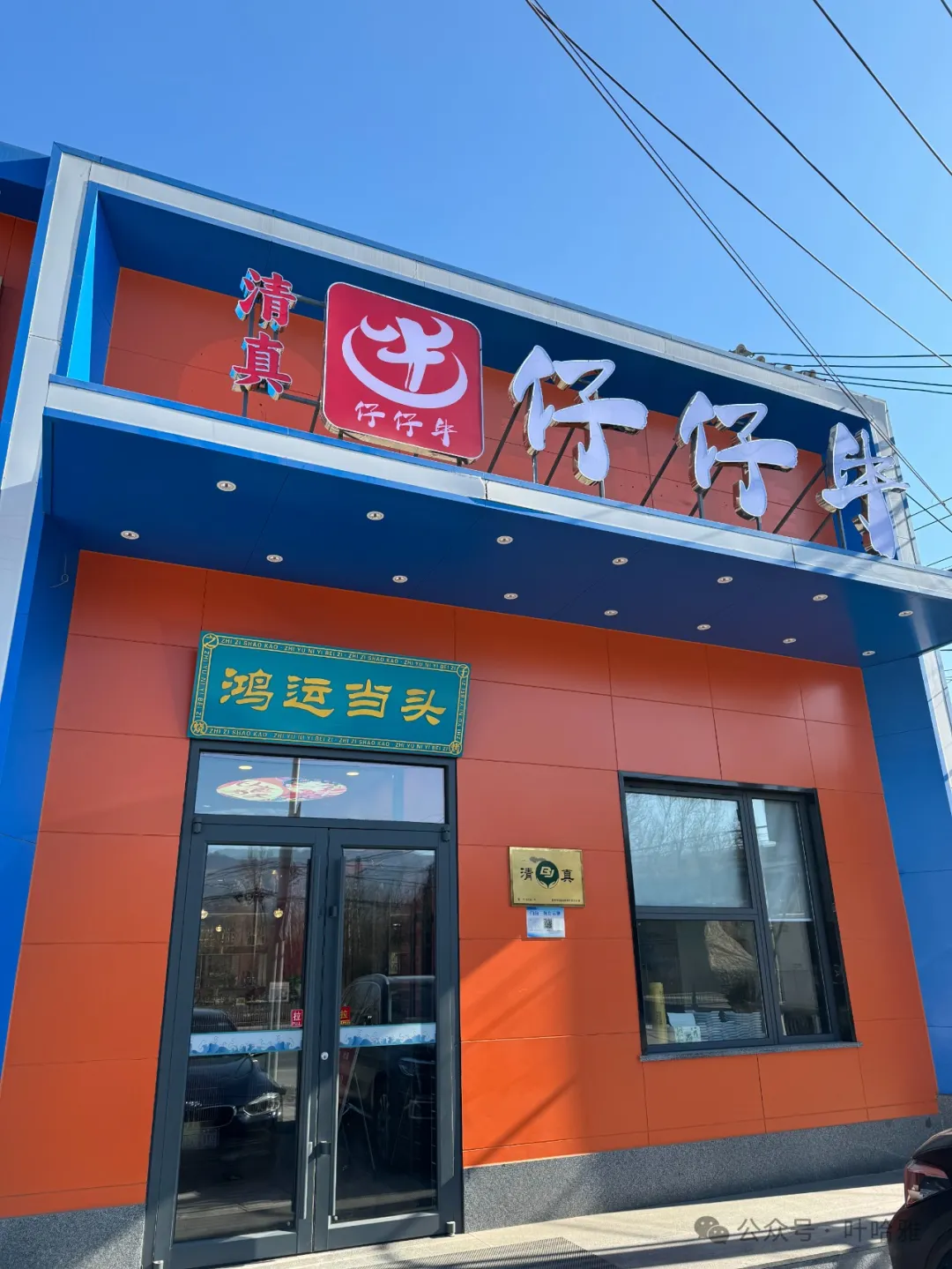
This newly opened Chaoshan beef hot pot place in Xiguanshi, Changping, is even better than the one in Pingle Yuan. The Yushanfang restaurant in Pingle Yuan has closed, so this is currently the only halal Chaoshan beef hot pot in Beijing.
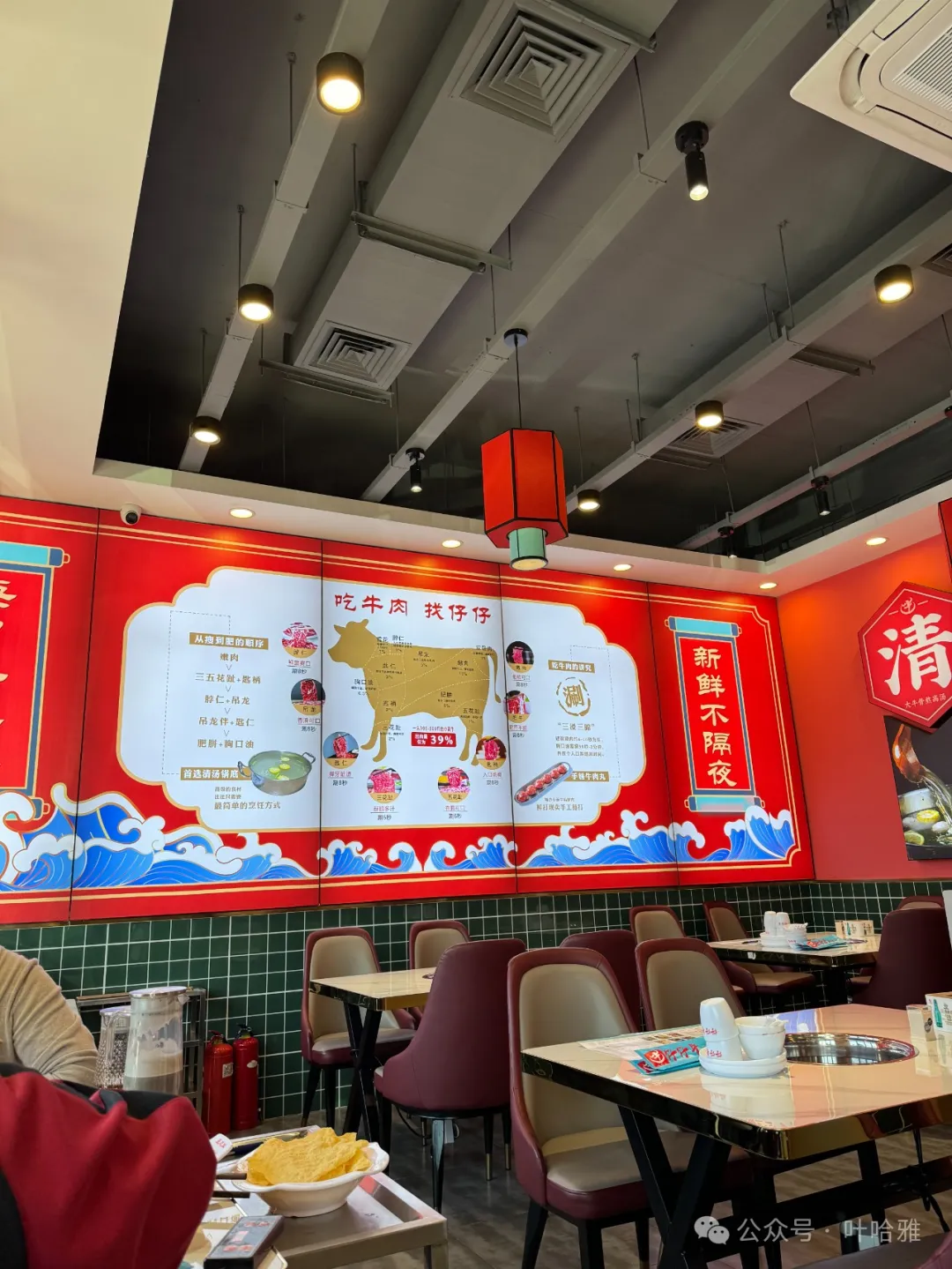
We came at noon and it wasn't crowded. There was only one waitress, a kind lady who could help us cook the meat.
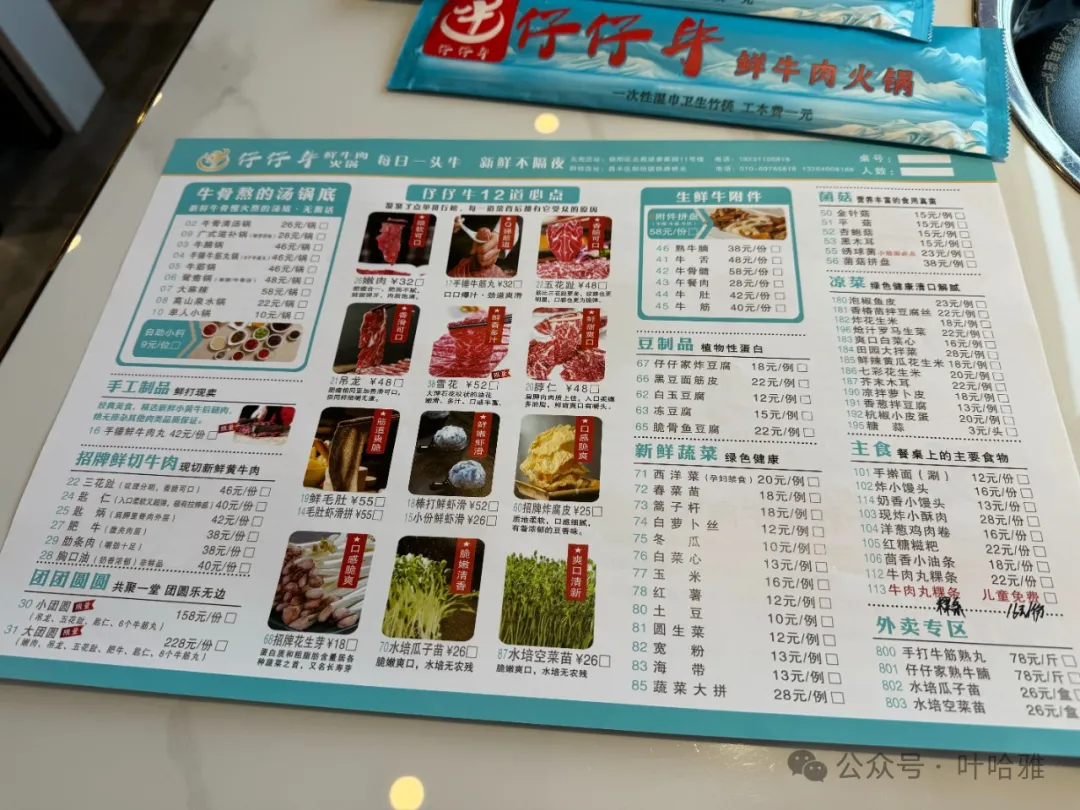
Every dish in the three-person set meal we bought was delicious. The shrimp paste gets a thumbs up, and the beef was especially fragrant.
Best Halal Food Kuala Lumpur: Arabic Grill, Laksa, Hakka Cuisine and Halal Chinese Food
Articles • yusuf908 posted the article • 0 comments • 210 views • 2026-05-23 03:09
Summary: This Kuala Lumpur halal food guide issue 3 maps Malay, Chinese, and international halal restaurants, including Arabic grilled meat, laksa, Hakka cuisine, Cantonese-style tea food, seafood, French food, Japanese ramen, hot pot, Chinese dishes, and Paris Baguette.
Kuala Lumpur has a surprising number of halal restaurants. If you do not know where to start, you can choose from the three categories I have divided them into. The first category is Malay food, or Southeast Asian cuisine, which includes Thai food. Malay people are spread widely across Southeast Asia; they live not only in Malaysia but also in Singapore, Brunei, Indonesia, and Thailand. The second category is Chinese food, or Chinese cuisine. This is mainly halal food made by Chinese people who moved south to Southeast Asia, based on Fujian and Guangdong styles with some improvements. The third category is foreign restaurants. The most common ones here are Japanese and Korean food, followed by Western food, South Asian restaurants, and Middle Eastern restaurants. There might be some niche halal restaurants, but they basically fall into these three categories. The number of halal restaurants here definitely exceeds that of Beijing, but in terms of variety, it is still not as diverse as Beijing. Beijing's halal Chinese food and foreign restaurant categories still lead the world.
The restaurant information for this issue is as follows:
1. WRAP'NROLL (Arabian grilled meat)
2. AH CHENG LAKSA (Malay food)
3. Maifenju (Hakka cuisine)
4. FRIDAYS (North American style food)
5. Samtai Yamch'a (Cantonese-style tea restaurant)
6. TWO SONS (seafood, afternoon tea)
7. BACHA COFFEE (coffee shop)
8. TEA ROASTERY (Japanese matcha)
9. Arte 66 Restaurant & Bar (French food)
10. Teppanyaki (tieban shao)
11. Shrimp Noodle Bar (Japanese ramen)
12. The Fish Bowl (light meals)
13. Cili Kampung (Malay cuisine)
14. Fresh (airport light meal fast food)
15. Tengyu (Chinese food, hot pot)
16. Paris Baguette (Western pastries and bread)
1. Wrap'nroll
This is an Arabic fast food restaurant on the B1 floor of Avenue K mall. People call this mall AK. It sits just across the street from the north side of the Petronas Twin Towers. The B1 floor has many halal fast food shops.
You can eat Arabic specialty desserts like kunafa and baklava here.
Address: By the elevator on the B1 floor of AK mall
2. Ah Cheng Laksa
Laksa is a specialty of Malaysia. It is a type of noodle soup that comes in many varieties and flavors. Because many Malay people live in Singapore and Indonesia, you can find laksa there too.
The broth for this noodle soup has many ingredients and a wide range of flavors. I did not quite understand the taste, so I just ordered the signature laksa. I could not finish it after two bites. If you have a conservative palate, be careful when ordering.
Address: AK Mall, B1
3. Ma Fen Ju
This is a small Hakka restaurant. You can probably only find halal Hakka food in Southeast Asia, and this was my first time trying it.
The menu says no pork. In Malaysia, getting an official halal certification costs over 50,000 Malaysian ringgit. Small shops cannot afford that, so they just write no pork instead of paying the fee.
Sambal okra (yangjiaodou) is just okra.
Dried shrimp tofu with minced meat rice, which is a little spicy.
Address: AK Mall, B1
4. FRIDAYS
This is an American-style halal restaurant. You can tell by the decor that it has a Western cowboy vibe.
American restaurants are known for large portions and high calories. I chose this place because my son cannot eat spicy food, but the black pepper in the American dishes still has a bit of a kick.
Fahim took one bite of the salmon and stopped, so I ordered him a kids' meal instead.
Tomato pasta is his absolute favorite.
Address: 4th Floor, KLCC
5. Samtai Yamch'a
This is a halal-certified Cantonese dim sum restaurant.
They have freshly made dim sum available for takeout.
The restaurant is in the newly opened TRX Mall and is very busy with many Malay customers, but I don't think it is as refined as the dim sum in KLCC.
Spicy wontons in chili oil (hongyou chaoshou) and their signature hand-pulled noodles (lamian).
Fresh shrimp rice noodle rolls (changfen).
Custard buns (liushabao).
Chicken barbecue pork buns (chashaobao). I still think the ones from the Hui Muslim restaurant in Guangzhou that split open at the top are better.
Address: Concourse Level, TRX Mall
6. TWO SONS
Two Sons is a seafood afternoon tea restaurant on the third floor of TRX.
You order by scanning a QR code here, and they serve tea and coffee.
The main meals focus on seafood, which tastes fresh and delicious. You often have to queue for a table, but waiting in line to eat is very common in Kuala Lumpur.
Address: 3rd Floor, TRX Mall.
7. BACHA COFFEE
This is a very popular cafe that also has locations in Hong Kong. It is known as the Hermes of the coffee world, but the prices are not actually that high. A pot of coffee costs about 30 to 60 Malaysian Ringgit.
We visited the branch on the ground floor of KLCC, and I also saw one in the TRX mall.
They have hundreds of coffee varieties, and the menu is as thick as a book. I do not have any specific recommendations, but keep in mind that one order is a whole pot, which is enough for two people. We accidentally ordered two pots, but luckily they were not filled to the brim, so we managed to finish them.
You can pair the coffee with cream and desserts, which are of excellent quality.
Address: Ground Floor, KLCC, near the entrance by the musical fountain.
8. TEA ROASTERY CHA-BA-SHI-RA
A new Japanese matcha shop just opened at the entrance of the B1 supermarket in Isetan Department Store.
The owner is Malaysian. He went to Japan to learn the art of matcha, and because he loves it himself, he came back home to open this shop.
I have tasted matcha in Hokkaido, where it was smooth and rich, and the quality at this shop is also very good.
Address: Exit of the B1 supermarket in Isetan Department Store.
9. Arte 66 Restaurant & Bar
This is a very luxurious French restaurant located just a few hundred meters from the Kuala Lumpur Convention Centre.
You can only find this kind of halal French dining in Kuala Lumpur. I saw one in Dubai, but it was ridiculously expensive at 3,000 yuan per person. This place is about 500 RMB per person.
The restaurant is on the 66th floor of the building, offering a panoramic view of Kuala Lumpur with the Petronas Twin Towers visible in the distance.
They charge per person, and you choose your items from the menu. The dishes are served in order, and the whole meal takes about an hour.
They serve TWG brand tea bags, which cost over a hundred yuan online.
The first dish was raw oyster sashimi. The taste was very average and a bit fishy; I still don't like eating raw oysters.
The two of us chose different set menus, and the other one was salmon sashimi.
Seafood soup with scallop meat, large shrimp, and mussels.
Creamy vegetable soup.
This is a French-style duck dish. The meat is quite tender and very lean.
The French-style pan-seared lamb chops taste good. It is a pity I did not get to eat French escargot here; I will have to wait until I am back in Tianjin to eat snails.
The coffee and desserts are high quality, but the main dishes taste very ordinary and a bit rough. They do not seem to match the decor.
Address: Level 66, Jalan Sultan Haji Ahmad Shah, Mont Kiara, 50480 Kuala Lumpur, Wilayah Persekutuan Kuala Lumpur
10. Teppanyaki
A Japanese teppanyaki restaurant. I remember the last time I had halal teppanyaki was in Hokkaido.
A chef cooks the meat for you, then you eat it with vegetables and rice. The meal comes with jelly and edamame.
Address: 52100, Wilayah Persekutuan Kuala Lumpur, Kuala Lumpur, Taman Kepong, Jalan Metro Prima, F28, L1, AEON Mall, Metro Prima
11. Shrimp Noodle Bar
This is a Japanese-style shrimp broth ramen shop.
Their shrimp soup is incredibly rich and authentic, made with real, quality ingredients. The shrimp tails are already peeled, which is a perfect touch.
12. THE FISH BOWL
This is a light meal shop on the fourth floor of KLCC. After living in Malaysia for a while, you will really crave this kind of light, healthy food. This shop is also halal certified.
Their drinks are all fresh-pressed fruit and vegetable juices.
You order by selecting your ingredients on a piece of paper.
If you cannot read the menu, you can also choose a set meal by looking at the pictures.
13. cili kampung
This is a Malay restaurant on the fourth floor of KLCC. It is a chain store that is very popular, so you will need to wait in line.
The large shrimp and squid are delicious. The salty and spicy flavors go perfectly with rice; the two of us ate a whole bucket of it.
Address: 4th Floor, KLCC
14. FRESH
This is a fast-food restaurant located after the international security checkpoint at Kuala Lumpur Airport.
There are not many good food options after security. Besides McDonald's, KFC, and Pizza Hut, this is the only healthy restaurant worth visiting.
Address: After international security, Terminal 2, Kuala Lumpur International Airport.
15. Tengyu Chinese Hot Pot Restaurant
Tengyu is a hot pot restaurant in Kuala Lumpur opened by Hui Muslims from Xi'an. They also serve stir-fried dishes.
The restaurant has a nice, spacious environment and even includes a prayer room.
They use traditional copper pots with charcoal fire, and the taste is very good.
Their stir-fried dishes are prepared in the Sichuan style and go very well with rice.
Fermented glutinous rice soup (laozao tang)
Shredded pork in sweet bean sauce (jingjiang rousi)
Fish with pickled mustard greens (suancai yu)
Address: 83-G PLATINUM WALK NO 2 JALAN LANGKAWI SETAPAK, KUALA LUMPUR. (Next to the side entrance of Setapak Central)
16. PARIS BAGUETTE
A halal Paris Baguette store in Kuala Lumpur.
They have bread, light meals, and coffee.
Address: Level C, The Exchange TRX mall view all
Summary: This Kuala Lumpur halal food guide issue 3 maps Malay, Chinese, and international halal restaurants, including Arabic grilled meat, laksa, Hakka cuisine, Cantonese-style tea food, seafood, French food, Japanese ramen, hot pot, Chinese dishes, and Paris Baguette.
Kuala Lumpur has a surprising number of halal restaurants. If you do not know where to start, you can choose from the three categories I have divided them into. The first category is Malay food, or Southeast Asian cuisine, which includes Thai food. Malay people are spread widely across Southeast Asia; they live not only in Malaysia but also in Singapore, Brunei, Indonesia, and Thailand. The second category is Chinese food, or Chinese cuisine. This is mainly halal food made by Chinese people who moved south to Southeast Asia, based on Fujian and Guangdong styles with some improvements. The third category is foreign restaurants. The most common ones here are Japanese and Korean food, followed by Western food, South Asian restaurants, and Middle Eastern restaurants. There might be some niche halal restaurants, but they basically fall into these three categories. The number of halal restaurants here definitely exceeds that of Beijing, but in terms of variety, it is still not as diverse as Beijing. Beijing's halal Chinese food and foreign restaurant categories still lead the world.
The restaurant information for this issue is as follows:
1. WRAP'NROLL (Arabian grilled meat)
2. AH CHENG LAKSA (Malay food)
3. Maifenju (Hakka cuisine)
4. FRIDAYS (North American style food)
5. Samtai Yamch'a (Cantonese-style tea restaurant)
6. TWO SONS (seafood, afternoon tea)
7. BACHA COFFEE (coffee shop)
8. TEA ROASTERY (Japanese matcha)
9. Arte 66 Restaurant & Bar (French food)
10. Teppanyaki (tieban shao)
11. Shrimp Noodle Bar (Japanese ramen)
12. The Fish Bowl (light meals)
13. Cili Kampung (Malay cuisine)
14. Fresh (airport light meal fast food)
15. Tengyu (Chinese food, hot pot)
16. Paris Baguette (Western pastries and bread)
1. Wrap'nroll
This is an Arabic fast food restaurant on the B1 floor of Avenue K mall. People call this mall AK. It sits just across the street from the north side of the Petronas Twin Towers. The B1 floor has many halal fast food shops.
You can eat Arabic specialty desserts like kunafa and baklava here.
Address: By the elevator on the B1 floor of AK mall
2. Ah Cheng Laksa
Laksa is a specialty of Malaysia. It is a type of noodle soup that comes in many varieties and flavors. Because many Malay people live in Singapore and Indonesia, you can find laksa there too.
The broth for this noodle soup has many ingredients and a wide range of flavors. I did not quite understand the taste, so I just ordered the signature laksa. I could not finish it after two bites. If you have a conservative palate, be careful when ordering.
Address: AK Mall, B1
3. Ma Fen Ju
This is a small Hakka restaurant. You can probably only find halal Hakka food in Southeast Asia, and this was my first time trying it.
The menu says no pork. In Malaysia, getting an official halal certification costs over 50,000 Malaysian ringgit. Small shops cannot afford that, so they just write no pork instead of paying the fee.
Sambal okra (yangjiaodou) is just okra.
Dried shrimp tofu with minced meat rice, which is a little spicy.
Address: AK Mall, B1
4. FRIDAYS
This is an American-style halal restaurant. You can tell by the decor that it has a Western cowboy vibe.
American restaurants are known for large portions and high calories. I chose this place because my son cannot eat spicy food, but the black pepper in the American dishes still has a bit of a kick.
Fahim took one bite of the salmon and stopped, so I ordered him a kids' meal instead.
Tomato pasta is his absolute favorite.
Address: 4th Floor, KLCC
5. Samtai Yamch'a
This is a halal-certified Cantonese dim sum restaurant.
They have freshly made dim sum available for takeout.
The restaurant is in the newly opened TRX Mall and is very busy with many Malay customers, but I don't think it is as refined as the dim sum in KLCC.
Spicy wontons in chili oil (hongyou chaoshou) and their signature hand-pulled noodles (lamian).
Fresh shrimp rice noodle rolls (changfen).
Custard buns (liushabao).
Chicken barbecue pork buns (chashaobao). I still think the ones from the Hui Muslim restaurant in Guangzhou that split open at the top are better.
Address: Concourse Level, TRX Mall
6. TWO SONS
Two Sons is a seafood afternoon tea restaurant on the third floor of TRX.
You order by scanning a QR code here, and they serve tea and coffee.
The main meals focus on seafood, which tastes fresh and delicious. You often have to queue for a table, but waiting in line to eat is very common in Kuala Lumpur.
Address: 3rd Floor, TRX Mall.
7. BACHA COFFEE
This is a very popular cafe that also has locations in Hong Kong. It is known as the Hermes of the coffee world, but the prices are not actually that high. A pot of coffee costs about 30 to 60 Malaysian Ringgit.
We visited the branch on the ground floor of KLCC, and I also saw one in the TRX mall.
They have hundreds of coffee varieties, and the menu is as thick as a book. I do not have any specific recommendations, but keep in mind that one order is a whole pot, which is enough for two people. We accidentally ordered two pots, but luckily they were not filled to the brim, so we managed to finish them.
You can pair the coffee with cream and desserts, which are of excellent quality.
Address: Ground Floor, KLCC, near the entrance by the musical fountain.
8. TEA ROASTERY CHA-BA-SHI-RA
A new Japanese matcha shop just opened at the entrance of the B1 supermarket in Isetan Department Store.
The owner is Malaysian. He went to Japan to learn the art of matcha, and because he loves it himself, he came back home to open this shop.
I have tasted matcha in Hokkaido, where it was smooth and rich, and the quality at this shop is also very good.
Address: Exit of the B1 supermarket in Isetan Department Store.
9. Arte 66 Restaurant & Bar
This is a very luxurious French restaurant located just a few hundred meters from the Kuala Lumpur Convention Centre.
You can only find this kind of halal French dining in Kuala Lumpur. I saw one in Dubai, but it was ridiculously expensive at 3,000 yuan per person. This place is about 500 RMB per person.
The restaurant is on the 66th floor of the building, offering a panoramic view of Kuala Lumpur with the Petronas Twin Towers visible in the distance.
They charge per person, and you choose your items from the menu. The dishes are served in order, and the whole meal takes about an hour.
They serve TWG brand tea bags, which cost over a hundred yuan online.
The first dish was raw oyster sashimi. The taste was very average and a bit fishy; I still don't like eating raw oysters.
The two of us chose different set menus, and the other one was salmon sashimi.
Seafood soup with scallop meat, large shrimp, and mussels.
Creamy vegetable soup.
This is a French-style duck dish. The meat is quite tender and very lean.
The French-style pan-seared lamb chops taste good. It is a pity I did not get to eat French escargot here; I will have to wait until I am back in Tianjin to eat snails.
The coffee and desserts are high quality, but the main dishes taste very ordinary and a bit rough. They do not seem to match the decor.
Address: Level 66, Jalan Sultan Haji Ahmad Shah, Mont Kiara, 50480 Kuala Lumpur, Wilayah Persekutuan Kuala Lumpur
10. Teppanyaki
A Japanese teppanyaki restaurant. I remember the last time I had halal teppanyaki was in Hokkaido.
A chef cooks the meat for you, then you eat it with vegetables and rice. The meal comes with jelly and edamame.
Address: 52100, Wilayah Persekutuan Kuala Lumpur, Kuala Lumpur, Taman Kepong, Jalan Metro Prima, F28, L1, AEON Mall, Metro Prima
11. Shrimp Noodle Bar
This is a Japanese-style shrimp broth ramen shop.
Their shrimp soup is incredibly rich and authentic, made with real, quality ingredients. The shrimp tails are already peeled, which is a perfect touch.
12. THE FISH BOWL
This is a light meal shop on the fourth floor of KLCC. After living in Malaysia for a while, you will really crave this kind of light, healthy food. This shop is also halal certified.
Their drinks are all fresh-pressed fruit and vegetable juices.
You order by selecting your ingredients on a piece of paper.
If you cannot read the menu, you can also choose a set meal by looking at the pictures.
13. cili kampung
This is a Malay restaurant on the fourth floor of KLCC. It is a chain store that is very popular, so you will need to wait in line.
The large shrimp and squid are delicious. The salty and spicy flavors go perfectly with rice; the two of us ate a whole bucket of it.
Address: 4th Floor, KLCC
14. FRESH
This is a fast-food restaurant located after the international security checkpoint at Kuala Lumpur Airport.
There are not many good food options after security. Besides McDonald's, KFC, and Pizza Hut, this is the only healthy restaurant worth visiting.
Address: After international security, Terminal 2, Kuala Lumpur International Airport.
15. Tengyu Chinese Hot Pot Restaurant
Tengyu is a hot pot restaurant in Kuala Lumpur opened by Hui Muslims from Xi'an. They also serve stir-fried dishes.
The restaurant has a nice, spacious environment and even includes a prayer room.
They use traditional copper pots with charcoal fire, and the taste is very good.
Their stir-fried dishes are prepared in the Sichuan style and go very well with rice.
Fermented glutinous rice soup (laozao tang)
Shredded pork in sweet bean sauce (jingjiang rousi)
Fish with pickled mustard greens (suancai yu)
Address: 83-G PLATINUM WALK NO 2 JALAN LANGKAWI SETAPAK, KUALA LUMPUR. (Next to the side entrance of Setapak Central)
16. PARIS BAGUETTE
A halal Paris Baguette store in Kuala Lumpur.
They have bread, light meals, and coffee.
Address: Level C, The Exchange TRX mall
Best Halal Food Kuala Lumpur: Pizza Hut, Nasi Lemak, Indian Meals, Thai Food and Dragon-i
Articles • yusuf908 posted the article • 0 comments • 252 views • 2026-05-23 02:38
Summary: This Kuala Lumpur halal food guide issue 4 continues the city series with airport Pizza Hut, nasi lemak, Indian meals, beef roti, Thai food, Japanese supermarket snacks, coffee, yong tau foo, Italian food, Dragon-i, and practical halal dining notes around KLCC and the airport.
Since my son started kindergarten in Kuala Lumpur, I have to travel back and forth between Beijing and Kuala Lumpur. Because of this, my Kuala Lumpur Halal Food Series will keep updating.
Kuala Lumpur Halal Food Map (Part 2)
Kuala Lumpur Halal Food Map (Part 3)
The restaurant information for this issue is as follows:
1. Pizza Hut (American-style pizza fast food)
2. Nasi Lemak Royale Kedah (Malay coconut milk rice)
3. Amman Mess (Indian main meal)
4. Beef Roti (beef flatbread)
5. Thai Cuisine (Thai food)
6. Don Don Donki (Japanese supermarket)
7. Jardin Coffee (coffee and desserts)
8. Yong Tau Foo (spicy hot pot)
9. NATALINA ITALIAN KITCHEN (Italian food)
10. Dragon-i (Chinese food)
1. Pizza Hut (American-style pizza fast food)
Just like in Singapore, international fast-food chains in Kuala Lumpur are 100% halal. Some people ask why I didn't list McDonald's or KFC. It's because those shops are everywhere, so I don't need to recommend them. However, these American brands, especially Starbucks, don't do very well in Kuala Lumpur. They face widespread boycotts in the Islamic world due to their Jewish background and public support for the LGBT community.
I personally don't boycott any products, but I don't oppose those who do. I just feel that boycotting is a bit like a child throwing a tantrum and rarely achieves much. First, most employees of these companies in Islamic countries are Muslims, so you end up hurting your own people while trying to hurt the enemy. Second, the global economy is interconnected. Even without considering that boycotts don't have much effect, there are always ways to bypass economic sanctions imposed by the U.S. I think it is better to improve our own skills and defeat our opponents with real strength.
This is the Pizza Hut in the international departure dining area of the airport. Their pizzas are baked to order and take about 10 minutes. The fresh pizza is delicious and the price is not expensive. Keep in mind that at Kuala Lumpur airport, you go through security right before boarding, not before entering the gate area. You also cannot bring water through security, so leave enough time to walk to your gate to avoid missing your flight.
2. Nasi Lemak Royale Kedah (Malay coconut milk rice)
I have been to this shop so many times that I pass by almost every day to buy a glass of fresh fruit juice. A glass only costs 6 RM, while it would cost at least 20 back home.
The staff here are almost all of South Asian descent and know me well. Even though their wages aren't high, they live happily every day. They greet me when we meet and love to joke around. This optimistic personality is easy to catch.
This Pakistani brother can speak a little Chinese, and when he serves my food, he always saves the biggest shrimp for me.
Address: Ground floor shop at Wisma Centre.
3. Amman Mess (Indian main meal)
This is probably the most Indian-style restaurant I have ever visited. It is located on Little India street near Kuala Lumpur Sentral. This street has a strong Indian vibe, is quite clean, and you can find all kinds of Indian snacks here.
The restaurant displays photos of the Malaysian royal family and is halal certified.
All the servers are Indian, and they wear the traditional red dot on their foreheads.
If you are familiar with Western society, you will have a lot of respect for Indian people. They often do better abroad than Chinese people. Many top companies in the U.S. have Indian CEOs, which is something worth thinking about.
There was a pot on the table. To avoid any misunderstanding, I specifically asked the server if the water inside was for washing hands, and I learned that it was drinking water.
They serve Indian milk tea and curry. One server walks around with a curry pot, specifically to add curry dipping sauce for diners. The food is served on banana leaves. Most of the customers here are Indian, and they eat directly with their hands.
There is a slight difference between Indian food and Pakistani food. Indian food is spicier, while some Pakistani food incorporates characteristics of Arab cuisine.
I specifically ordered this curry shrimp dish, which was very spicy. I mentioned in a previous post that it is very common for Hanafi Muslims in South Asia to eat shrimp. This was confirmed in Malaysia, as every Indian restaurant I have seen in Malaysia sells shrimp. See details in: How do Hanafis view shrimp?
After the meal, I strolled over to Little India street to buy some crispy snacks called panipuri. These are street snacks and are not sold inside the restaurant.
Address: The ground-floor shops on one side of the large archway at the entrance to Little India.
4. Beef Roti (beef flatbread)
There is a beef pancake (niuroubing) shop in the food court on the third floor of NU Sentral Shopping Mall near the central station. It sells the kind of beef pancakes you find in Northwest China for 6 RM each, and there is often a long line.
Address: The food court on the third floor of NU Sentral Shopping Mall.
5. Thai Cuisine (Thai food)
Next to the beef pancake shop is a Thai food stall. Thai food feels a bit fresher than Malay food.
I ordered a beef fried rice and tom yum soup, and both were quite tasty.
This mall is a few hundred meters from Little India and close to the train station, making the area great for walking around.
Address: The food court on the third floor of NU Sentral Shopping Mall.
6. Don Don Donki (Japanese supermarket)
The Japanese supermarket inside NU Sentral Shopping Mall has mostly halal products, and they are clearly marked on the shelves. We bought some cookies and chocolate here, which Fahim loves to eat.
Many Japanese goods in Southeast Asia are halal and very popular with the locals.
Address: GF floor, NU Sentral Shopping Mall
7. Jardin Coffee (coffee and desserts)
There are many coffee shops in NU Sentral Shopping Mall, including some domestic chains, but I find this one has a better vibe, and the desserts and coffee are good too.
This shop is right at the entrance of the Japanese supermarket, so it is a perfect place to sit and rest when you are tired from shopping.
Address: GF floor, NU Sentral Shopping Mall
8. Yong Tau Foo (spicy hot pot)
This shop is called Yongtaifeng in Chinese. It is a spicy hot pot (malatang) chain that mixes in Southeast Asian flavors. You grab a bowl, pick your own ingredients, and the staff will cut the vegetables for you, weigh them to calculate the price, cook them, and then ask which soup base you want.
I could not recognize many of the ingredients. It felt like there were a lot of soy products and gluten, but not much meat, so it leans toward vegetarian.
I chose a tom yum soup base. The sour and spicy flavor is very appetizing, and I think girls who dislike greasy food will like this place.
Address: Food court on the second floor of the KLCC Twin Towers
9. NATALINA ITALIAN KITCHEN (Italian food)
This is a very charming Italian restaurant located in AK Mall.
I feel a sense of familiarity with Italian restaurants now because my son loves pasta. When I worry about what to feed him because he is a picky eater, the safest choice is always pasta.
He ate the whole bowl of noodles, so I didn't get a single bite and cannot comment on the taste.
This dish is called GNOCCHI TARTUFO, which you can think of as Italian potato dumplings. I originally wanted to order pizza, but the waiter misunderstood me. I decided to just go with it and try them, but the texture was sticky and I don't think many people would like it.
The octopus salad tasted pretty good, and it is certainly healthier than eating fried food.
Address: 4th Floor, AK Mall.
10. Dragon-i (Chinese food)
This is a Chinese restaurant serving southern cuisine. It is positioned as a mid-to-high-end spot, specializing in various soup dumplings (tangbao) and also serving Beijing roast duck.
It is also a pork-free restaurant.
The white fungus and poria jelly (yin'er fuling gao) is light and healthy.
This bowl of noodles is called Shanghai ramen. It looks very light, and it tastes very light too.
Their custard buns (liusha bao) and soup dumplings (tangbao) are truly delicious. The skins are thin, the fillings are generous, and the broth is savory. The taste is just as good as Din Tai Fung.
The fried chicken cutlet served with the ramen is also delicious. This shop is worth recommending; it is not crowded and the service is great.
Address: The food court on the second floor of the KLCC Twin Towers. view all
Summary: This Kuala Lumpur halal food guide issue 4 continues the city series with airport Pizza Hut, nasi lemak, Indian meals, beef roti, Thai food, Japanese supermarket snacks, coffee, yong tau foo, Italian food, Dragon-i, and practical halal dining notes around KLCC and the airport.
Since my son started kindergarten in Kuala Lumpur, I have to travel back and forth between Beijing and Kuala Lumpur. Because of this, my Kuala Lumpur Halal Food Series will keep updating.
Kuala Lumpur Halal Food Map (Part 2)
Kuala Lumpur Halal Food Map (Part 3)
The restaurant information for this issue is as follows:
1. Pizza Hut (American-style pizza fast food)
2. Nasi Lemak Royale Kedah (Malay coconut milk rice)
3. Amman Mess (Indian main meal)
4. Beef Roti (beef flatbread)
5. Thai Cuisine (Thai food)
6. Don Don Donki (Japanese supermarket)
7. Jardin Coffee (coffee and desserts)
8. Yong Tau Foo (spicy hot pot)
9. NATALINA ITALIAN KITCHEN (Italian food)
10. Dragon-i (Chinese food)
1. Pizza Hut (American-style pizza fast food)
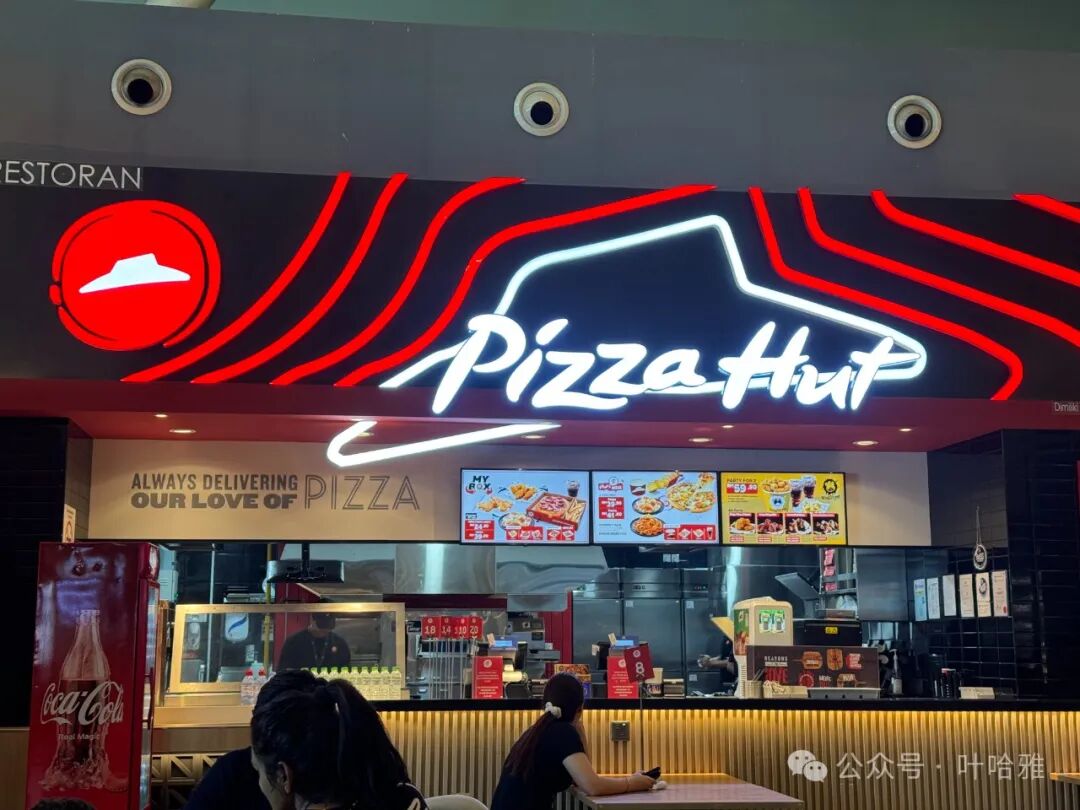
Just like in Singapore, international fast-food chains in Kuala Lumpur are 100% halal. Some people ask why I didn't list McDonald's or KFC. It's because those shops are everywhere, so I don't need to recommend them. However, these American brands, especially Starbucks, don't do very well in Kuala Lumpur. They face widespread boycotts in the Islamic world due to their Jewish background and public support for the LGBT community.
I personally don't boycott any products, but I don't oppose those who do. I just feel that boycotting is a bit like a child throwing a tantrum and rarely achieves much. First, most employees of these companies in Islamic countries are Muslims, so you end up hurting your own people while trying to hurt the enemy. Second, the global economy is interconnected. Even without considering that boycotts don't have much effect, there are always ways to bypass economic sanctions imposed by the U.S. I think it is better to improve our own skills and defeat our opponents with real strength.
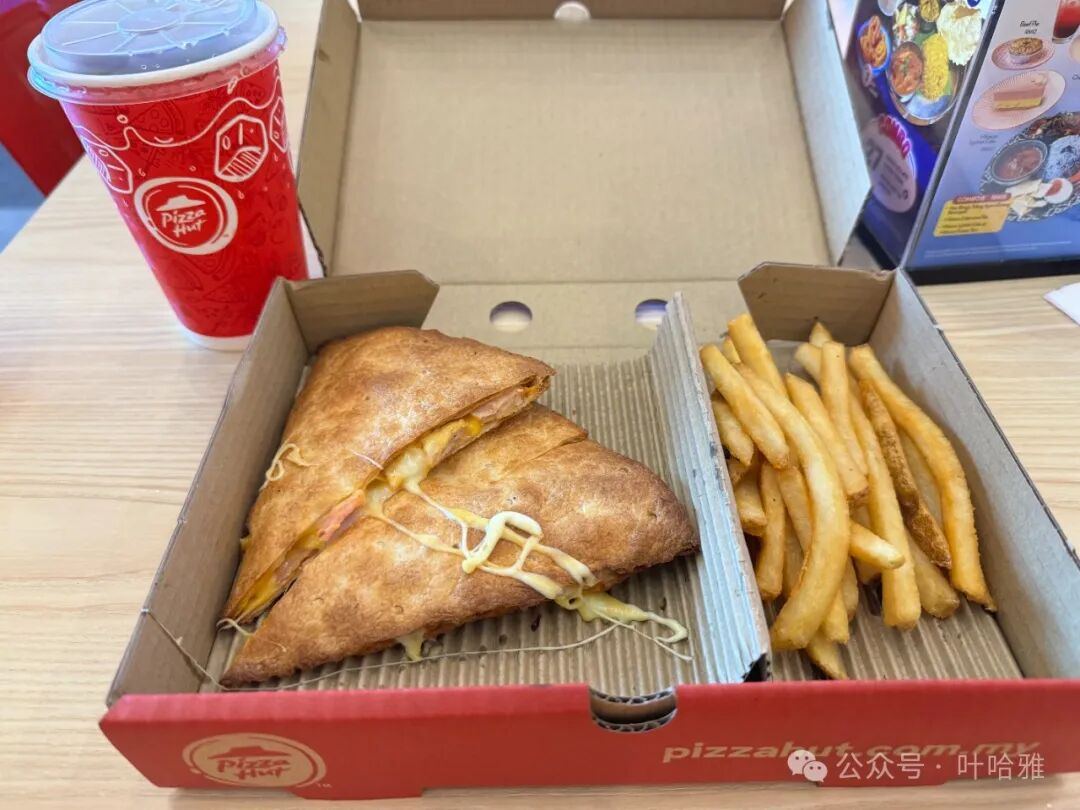
This is the Pizza Hut in the international departure dining area of the airport. Their pizzas are baked to order and take about 10 minutes. The fresh pizza is delicious and the price is not expensive. Keep in mind that at Kuala Lumpur airport, you go through security right before boarding, not before entering the gate area. You also cannot bring water through security, so leave enough time to walk to your gate to avoid missing your flight.
2. Nasi Lemak Royale Kedah (Malay coconut milk rice)
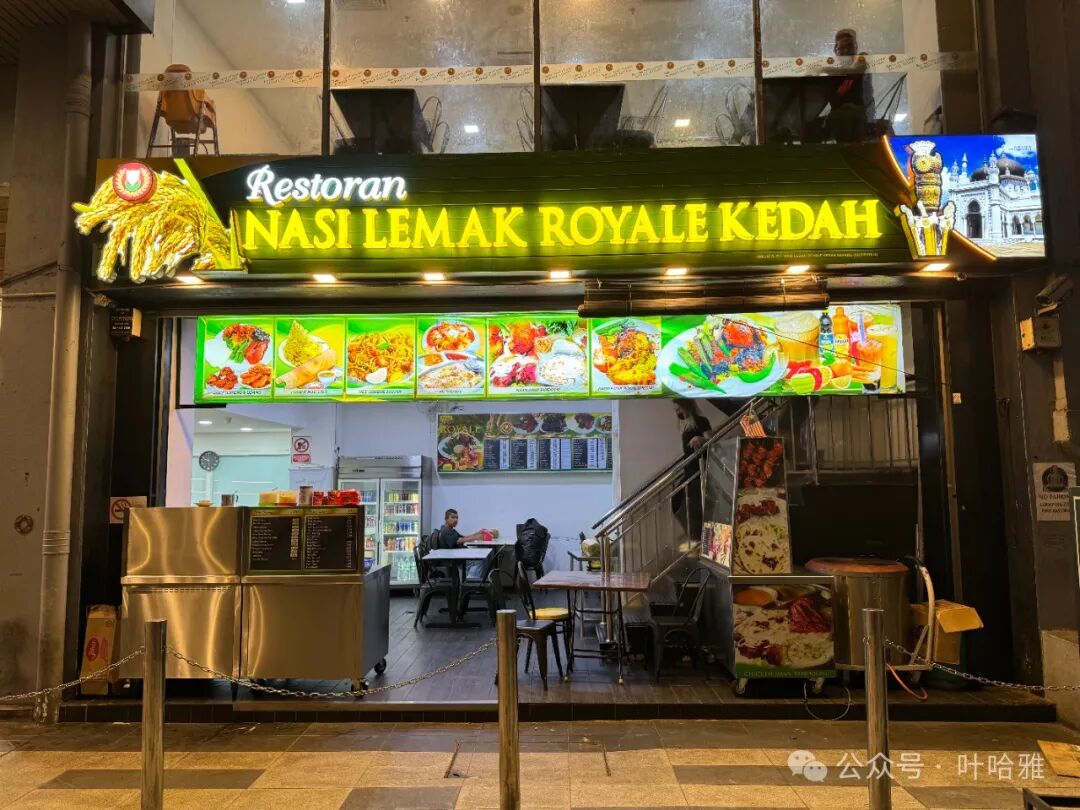
I have been to this shop so many times that I pass by almost every day to buy a glass of fresh fruit juice. A glass only costs 6 RM, while it would cost at least 20 back home.
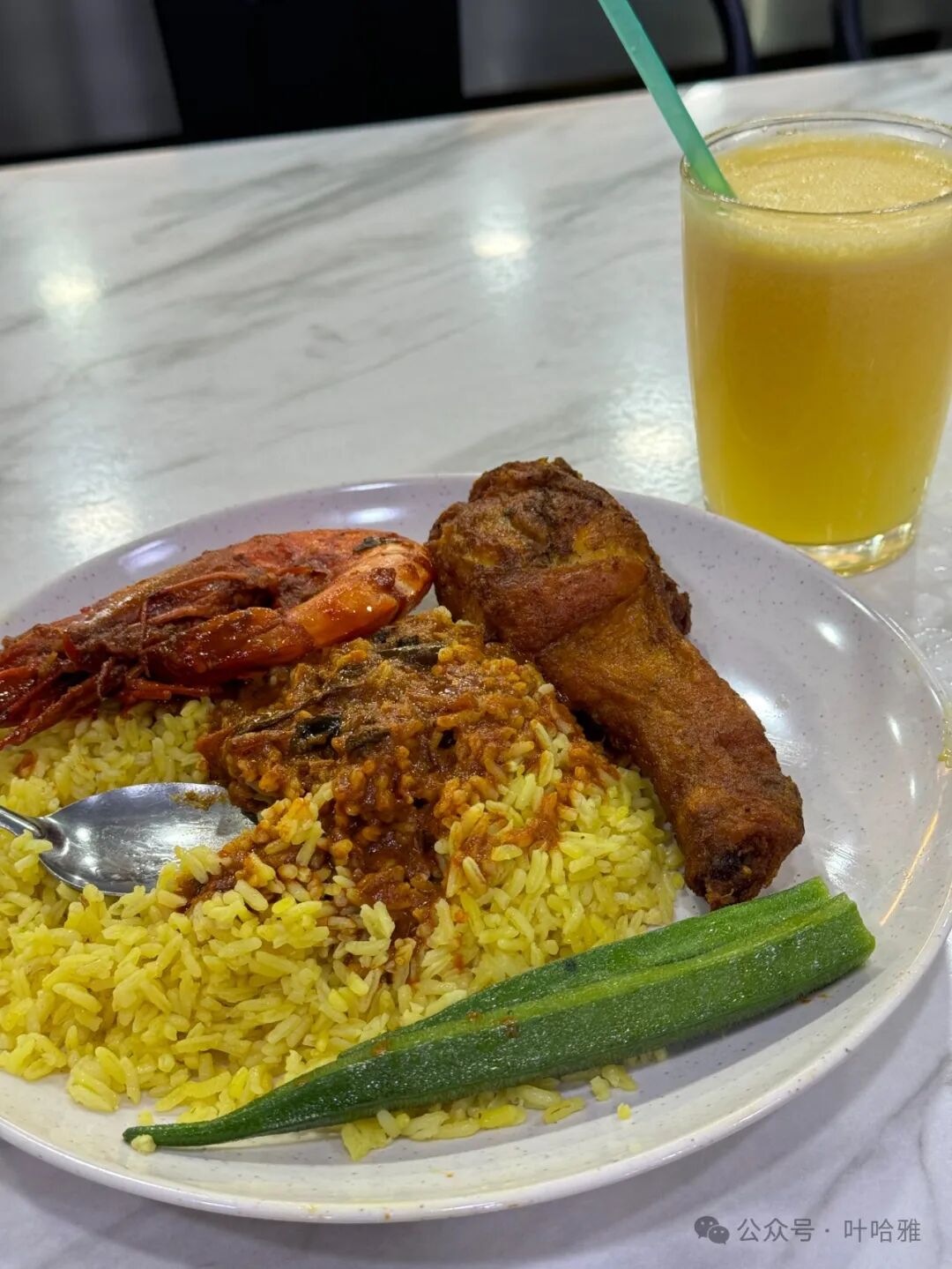
The staff here are almost all of South Asian descent and know me well. Even though their wages aren't high, they live happily every day. They greet me when we meet and love to joke around. This optimistic personality is easy to catch.
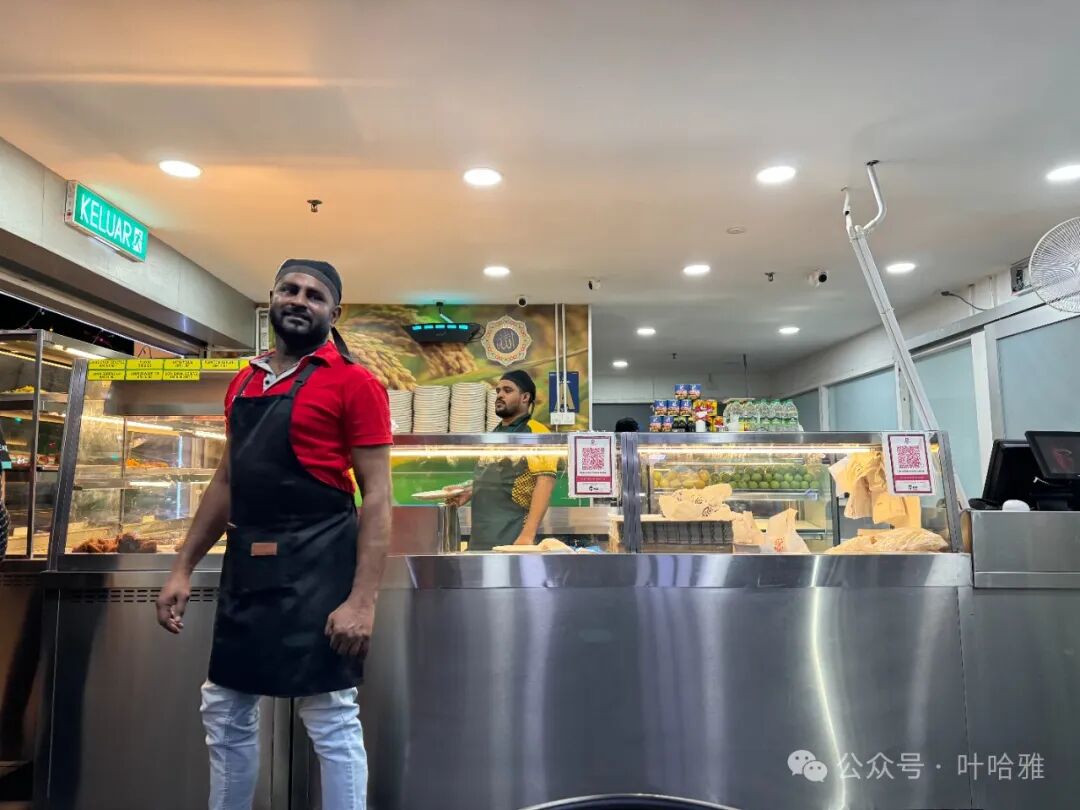
This Pakistani brother can speak a little Chinese, and when he serves my food, he always saves the biggest shrimp for me.
Address: Ground floor shop at Wisma Centre.
3. Amman Mess (Indian main meal)
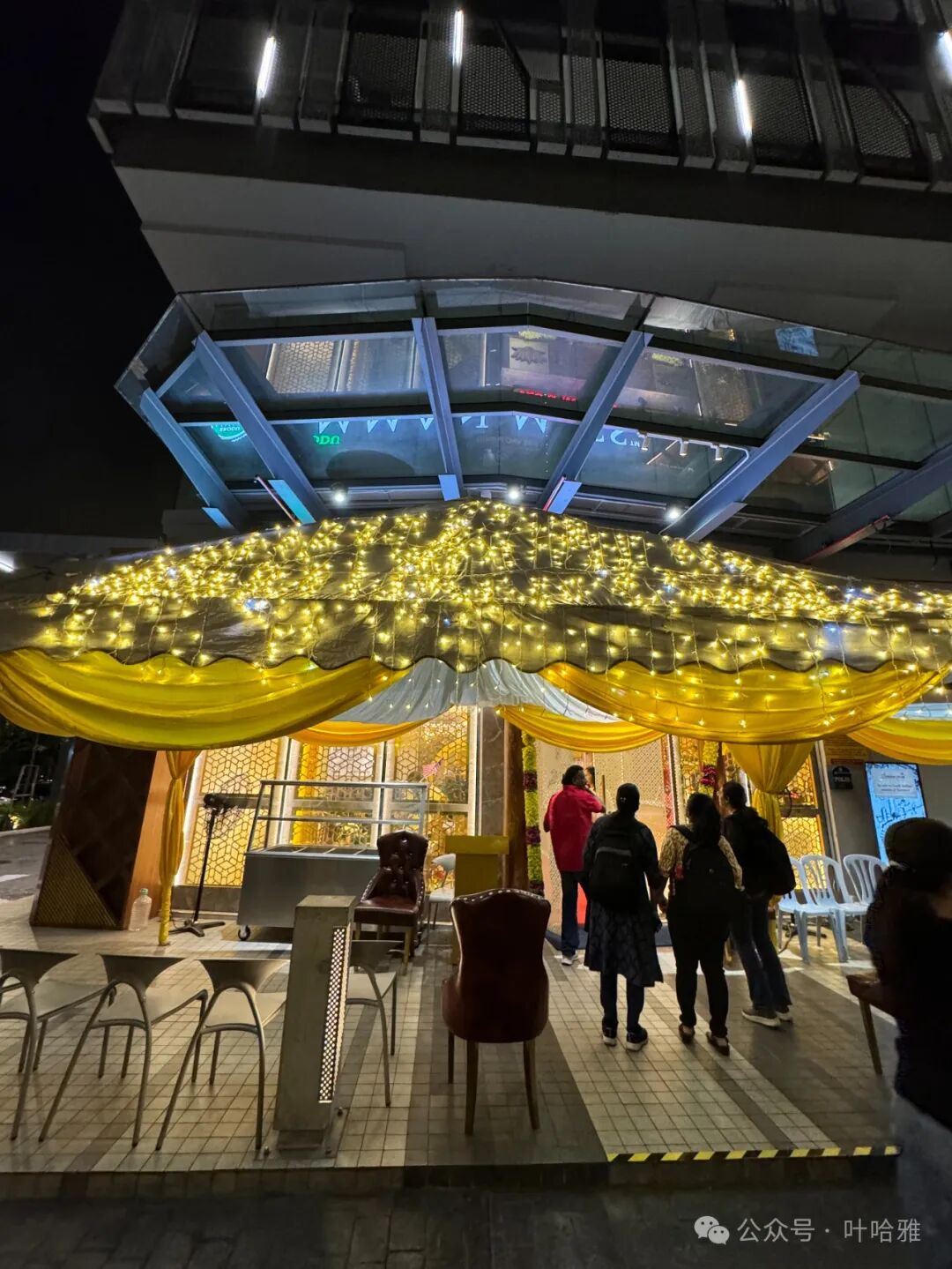
This is probably the most Indian-style restaurant I have ever visited. It is located on Little India street near Kuala Lumpur Sentral. This street has a strong Indian vibe, is quite clean, and you can find all kinds of Indian snacks here.
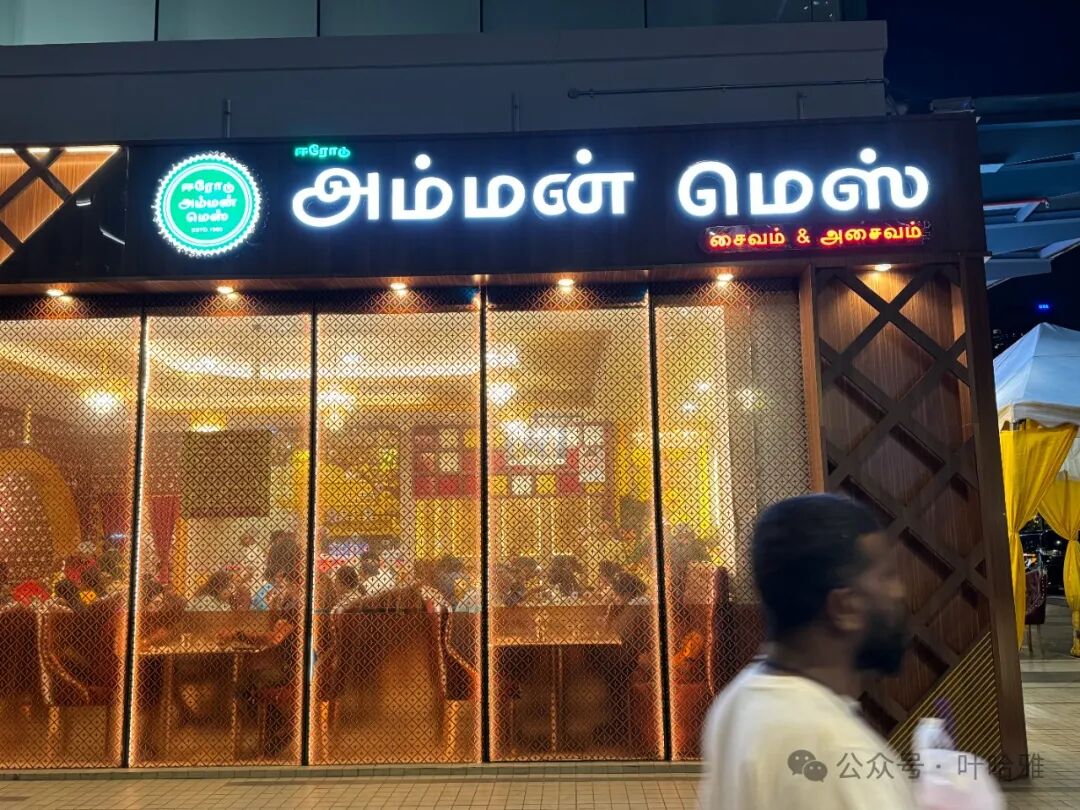
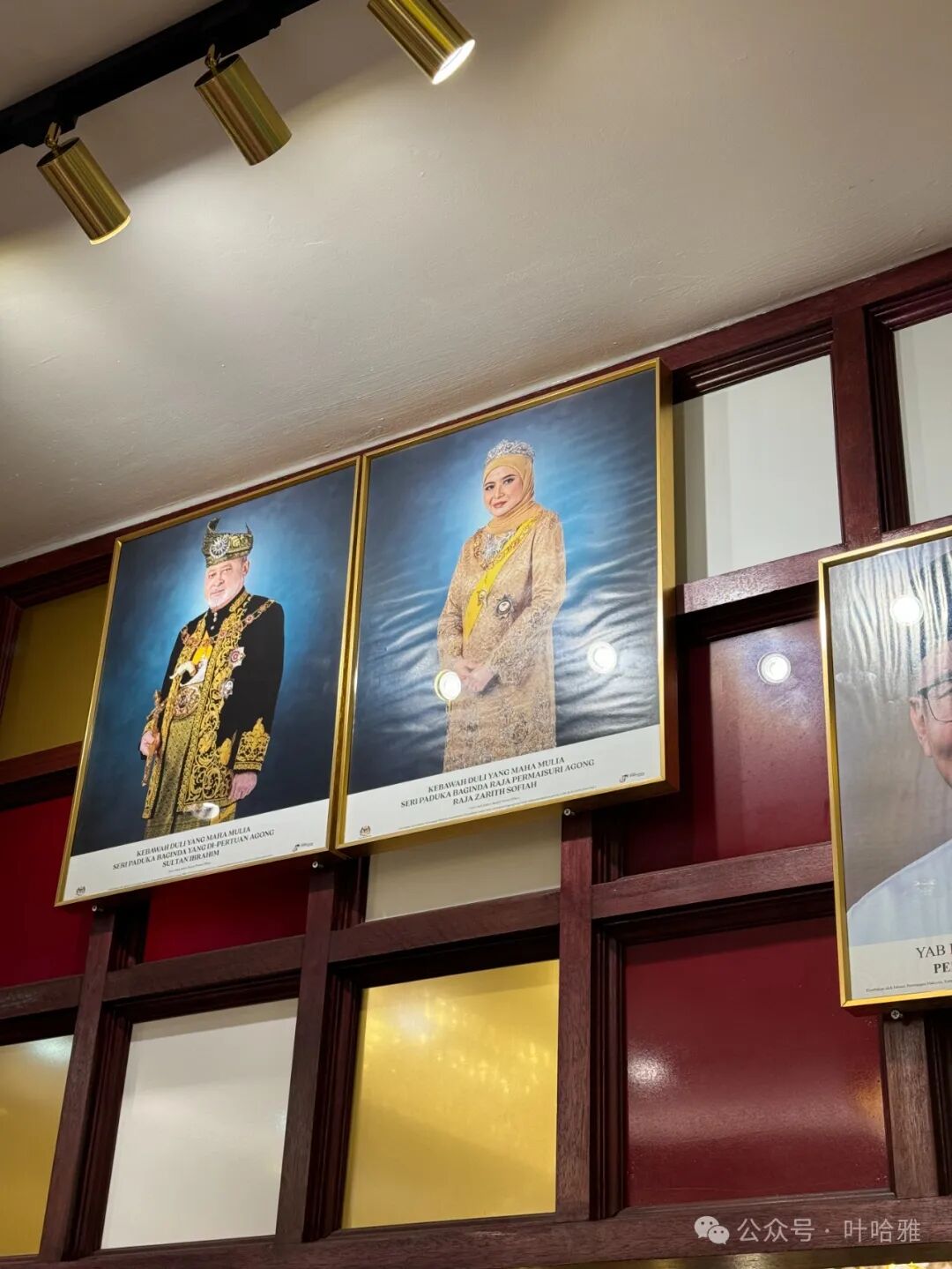
The restaurant displays photos of the Malaysian royal family and is halal certified.
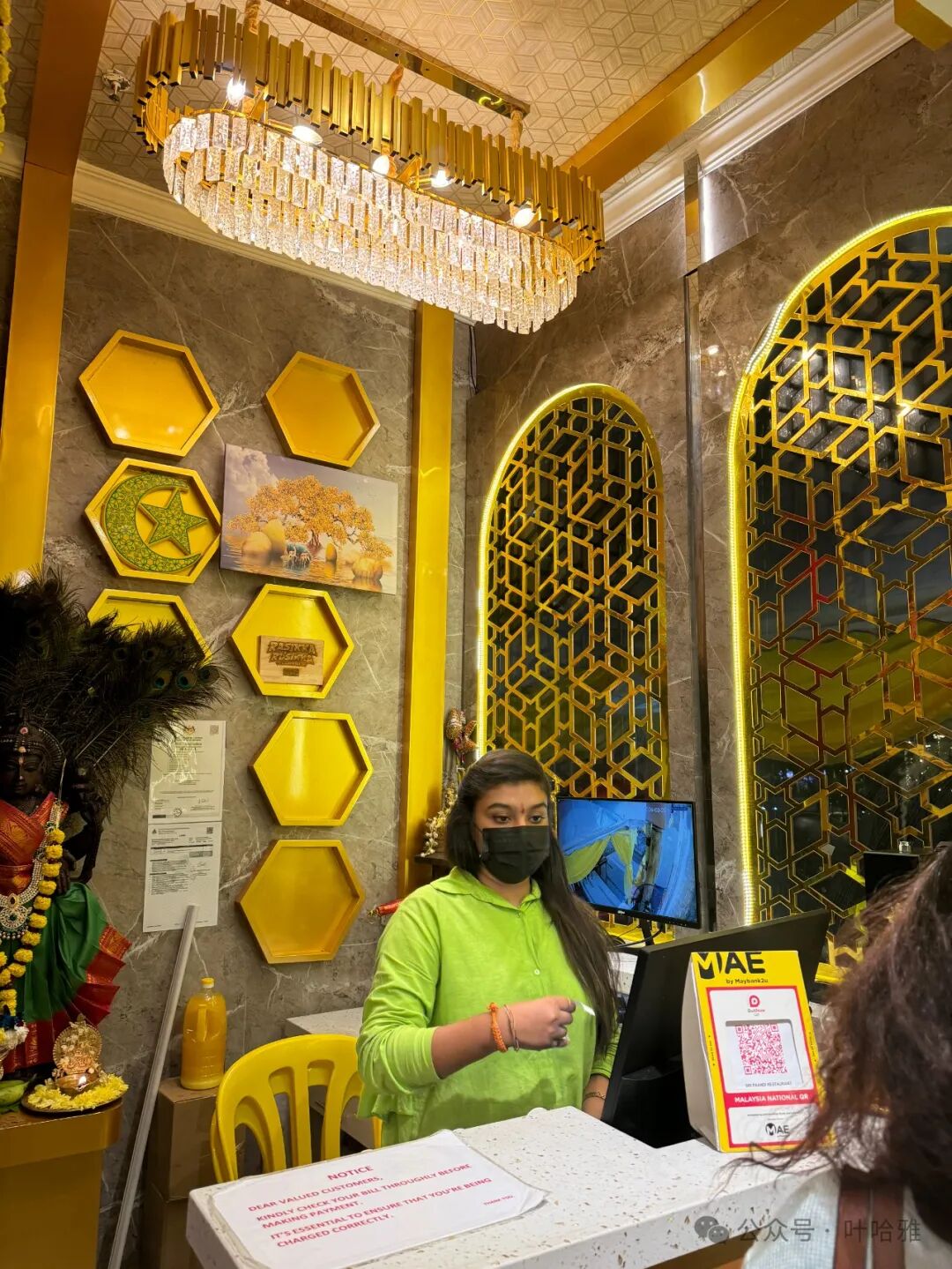
All the servers are Indian, and they wear the traditional red dot on their foreheads.
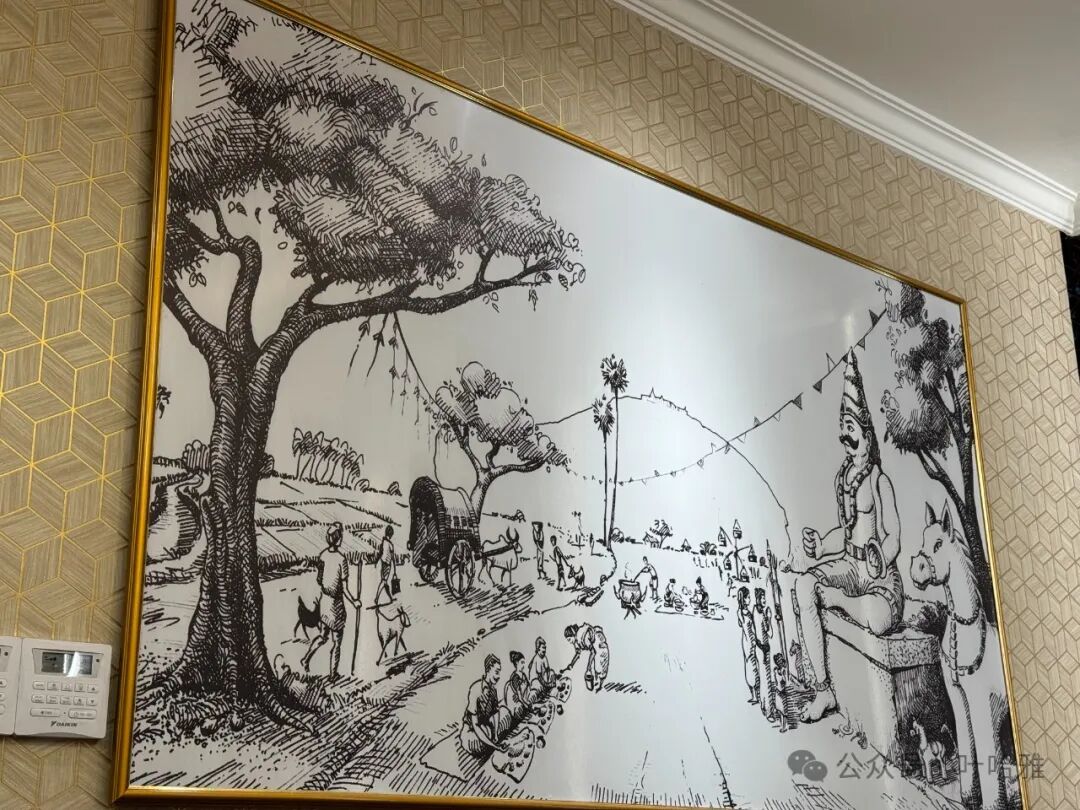
If you are familiar with Western society, you will have a lot of respect for Indian people. They often do better abroad than Chinese people. Many top companies in the U.S. have Indian CEOs, which is something worth thinking about.
There was a pot on the table. To avoid any misunderstanding, I specifically asked the server if the water inside was for washing hands, and I learned that it was drinking water.
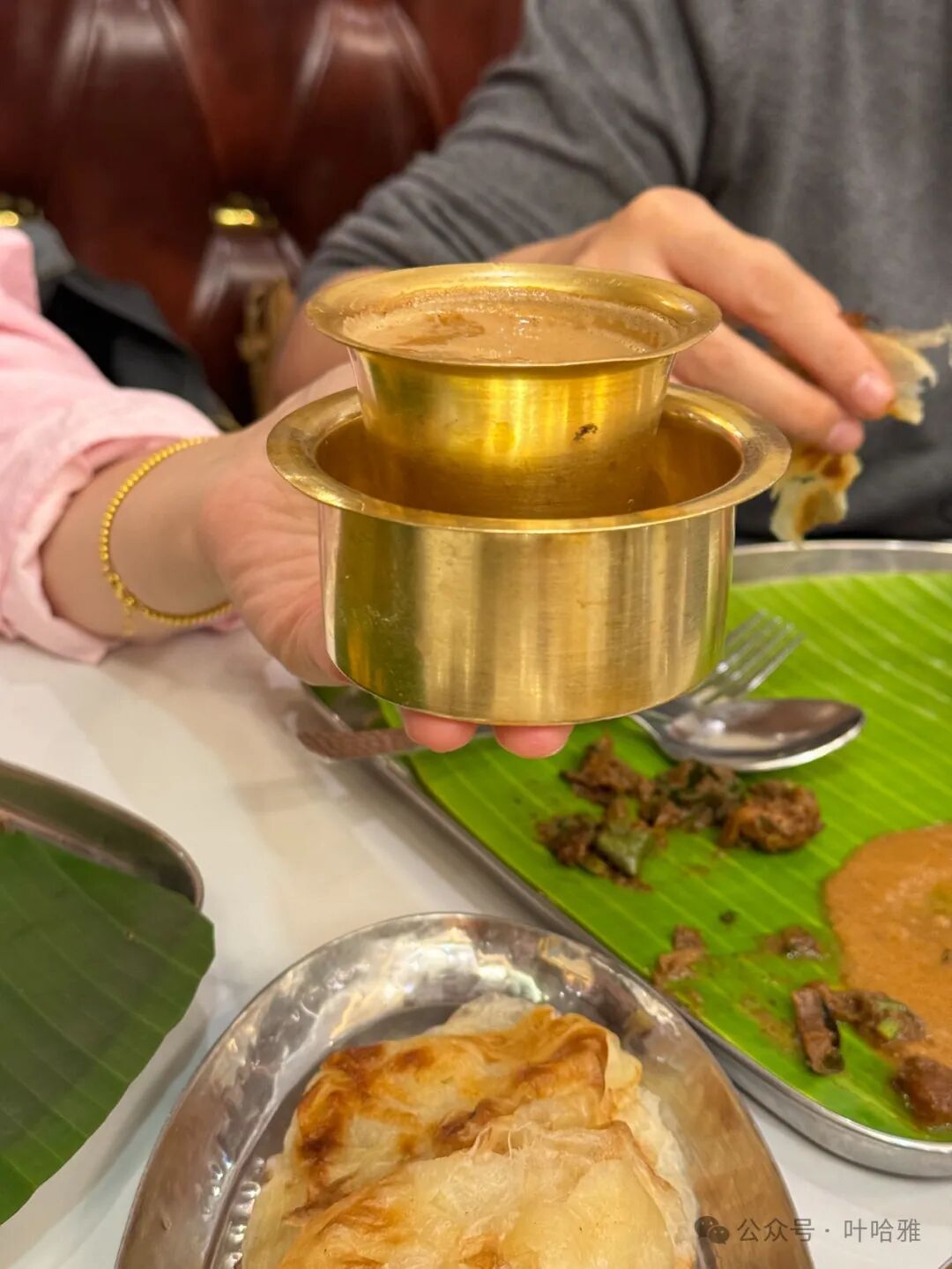
They serve Indian milk tea and curry. One server walks around with a curry pot, specifically to add curry dipping sauce for diners. The food is served on banana leaves. Most of the customers here are Indian, and they eat directly with their hands.
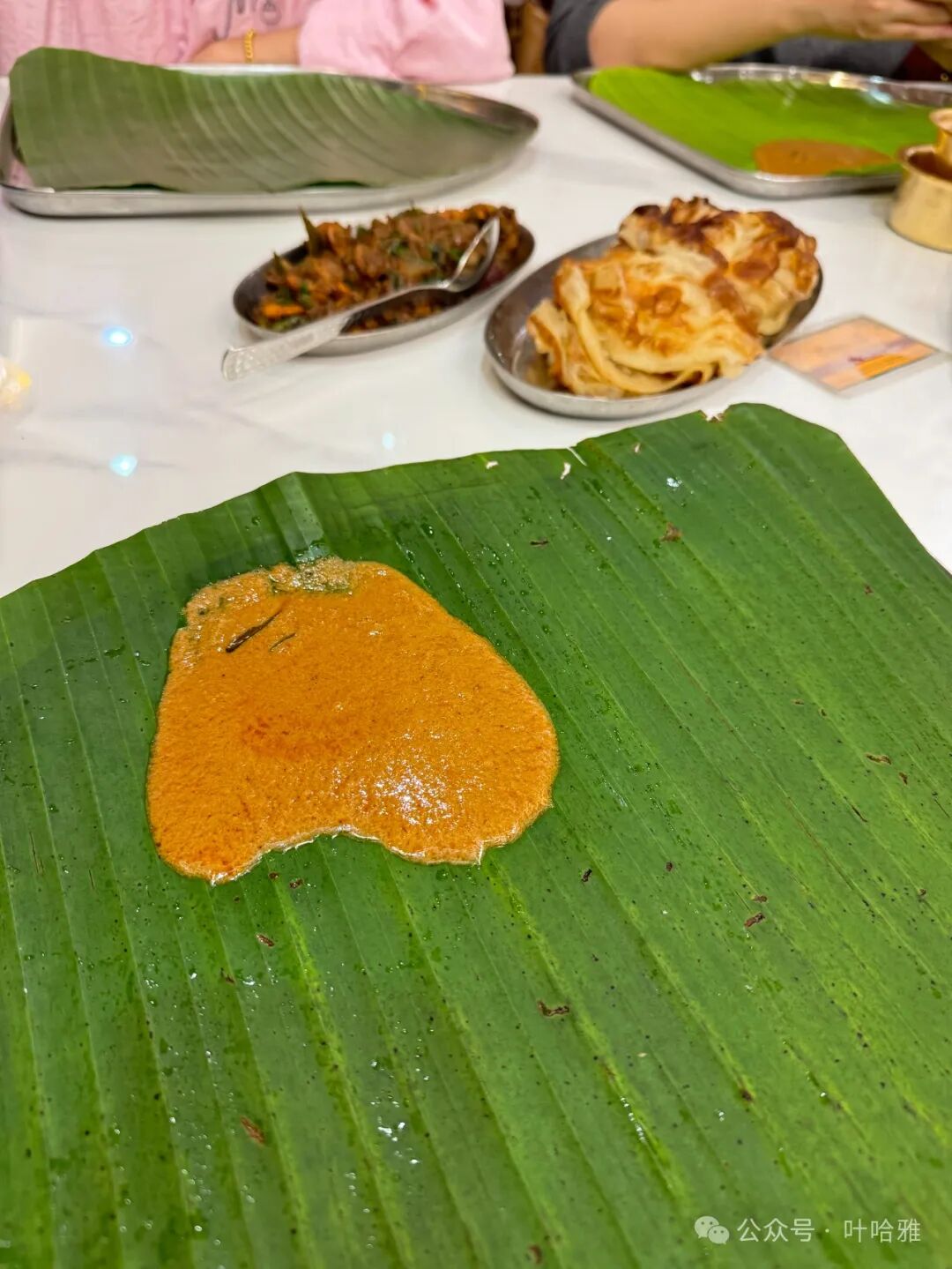
There is a slight difference between Indian food and Pakistani food. Indian food is spicier, while some Pakistani food incorporates characteristics of Arab cuisine.
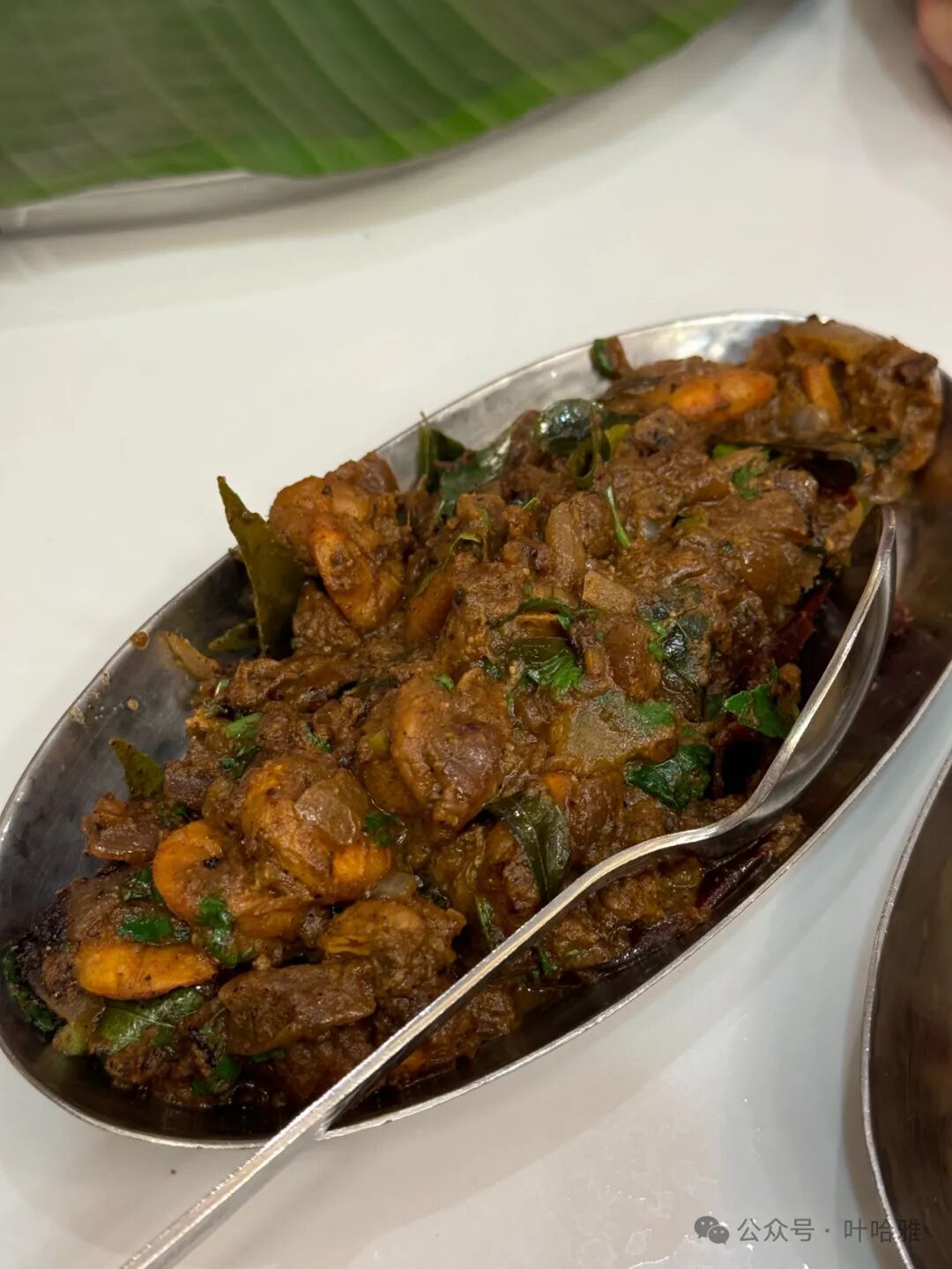
I specifically ordered this curry shrimp dish, which was very spicy. I mentioned in a previous post that it is very common for Hanafi Muslims in South Asia to eat shrimp. This was confirmed in Malaysia, as every Indian restaurant I have seen in Malaysia sells shrimp. See details in: How do Hanafis view shrimp?
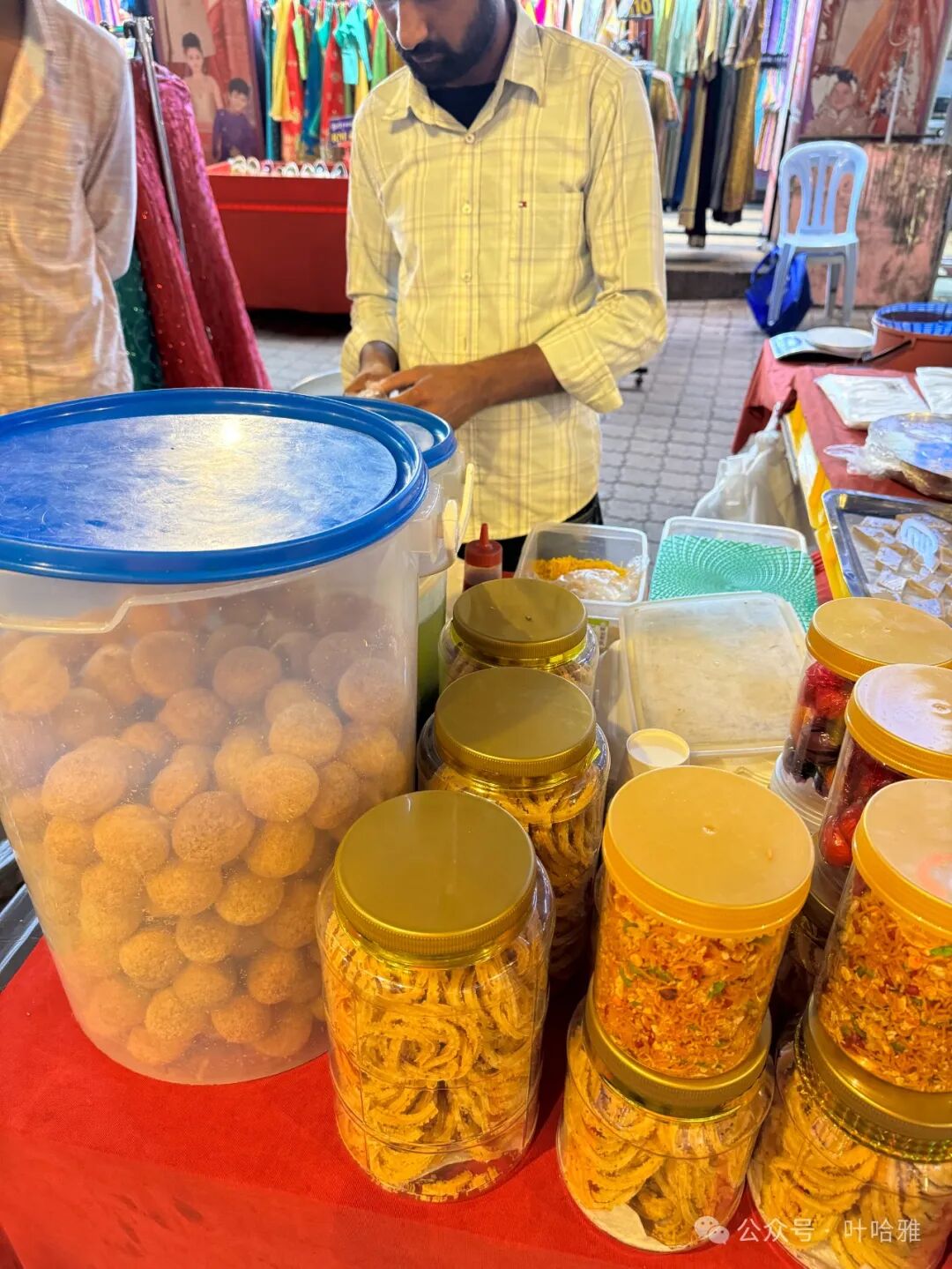
After the meal, I strolled over to Little India street to buy some crispy snacks called panipuri. These are street snacks and are not sold inside the restaurant.
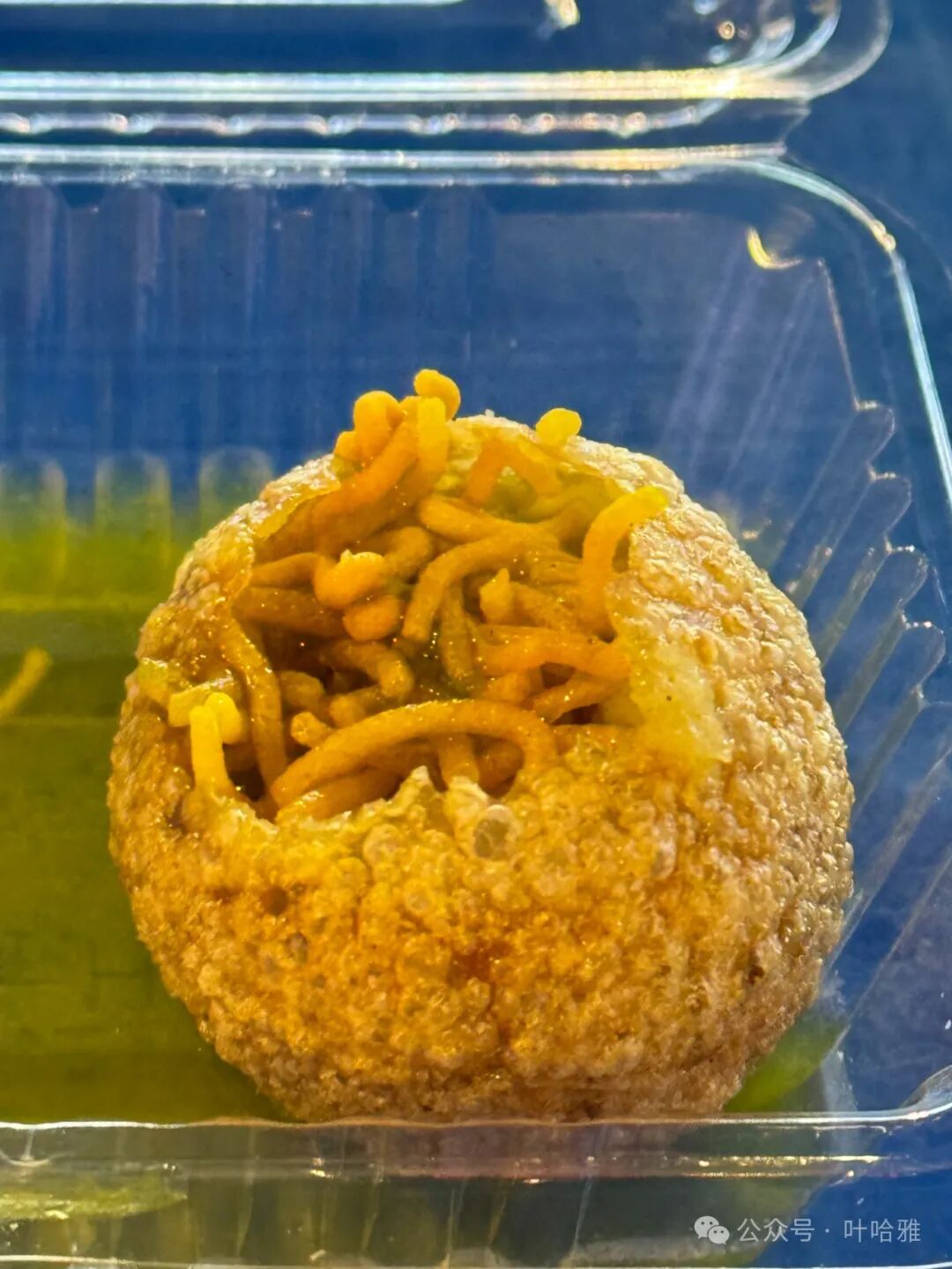
Address: The ground-floor shops on one side of the large archway at the entrance to Little India.
4. Beef Roti (beef flatbread)
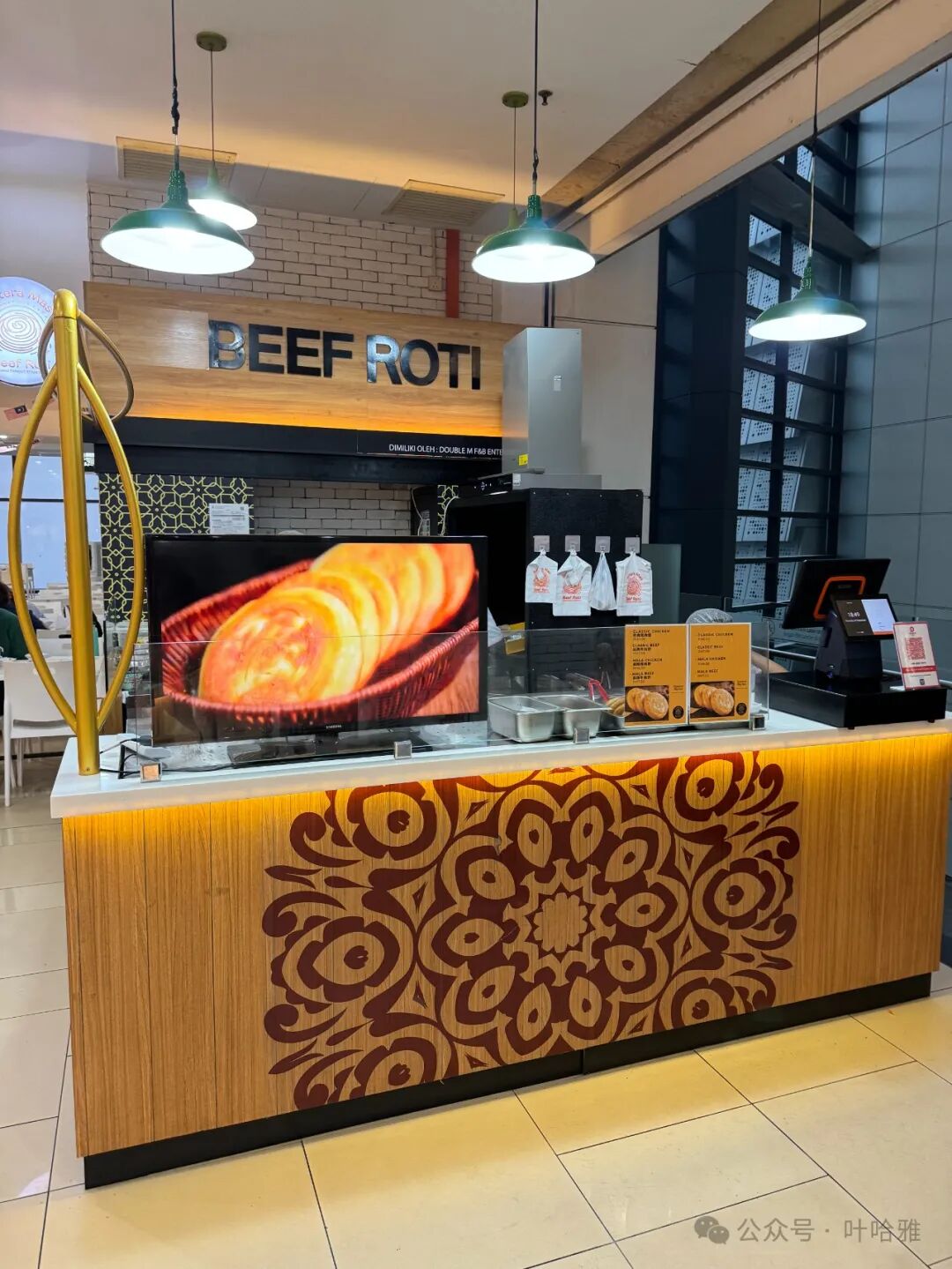
There is a beef pancake (niuroubing) shop in the food court on the third floor of NU Sentral Shopping Mall near the central station. It sells the kind of beef pancakes you find in Northwest China for 6 RM each, and there is often a long line.
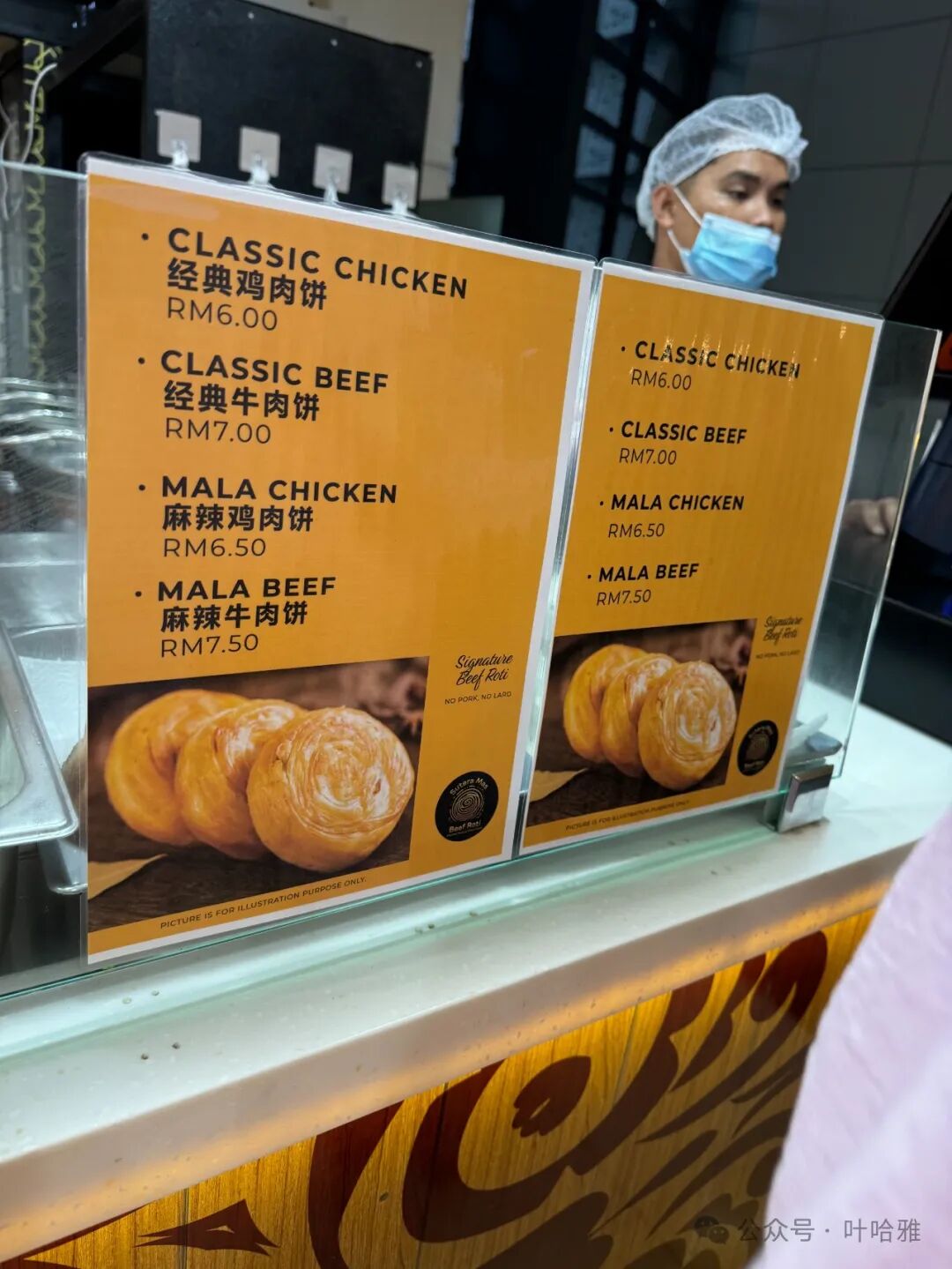
Address: The food court on the third floor of NU Sentral Shopping Mall.
5. Thai Cuisine (Thai food)
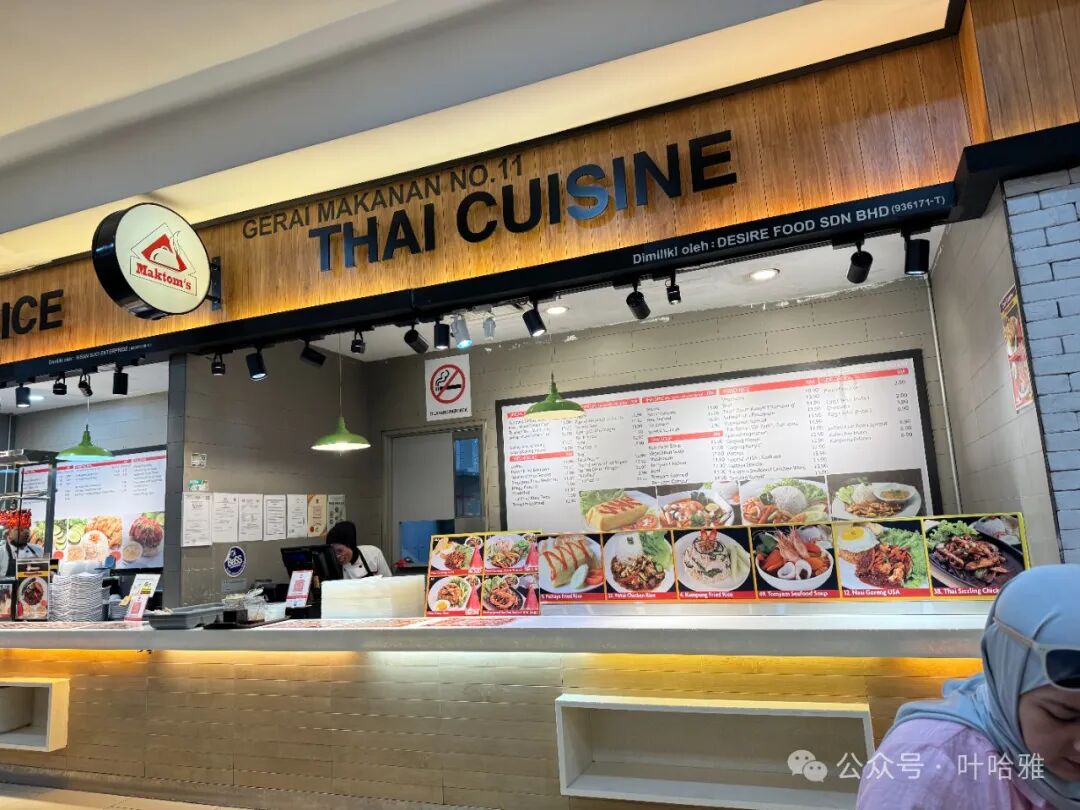
Next to the beef pancake shop is a Thai food stall. Thai food feels a bit fresher than Malay food.
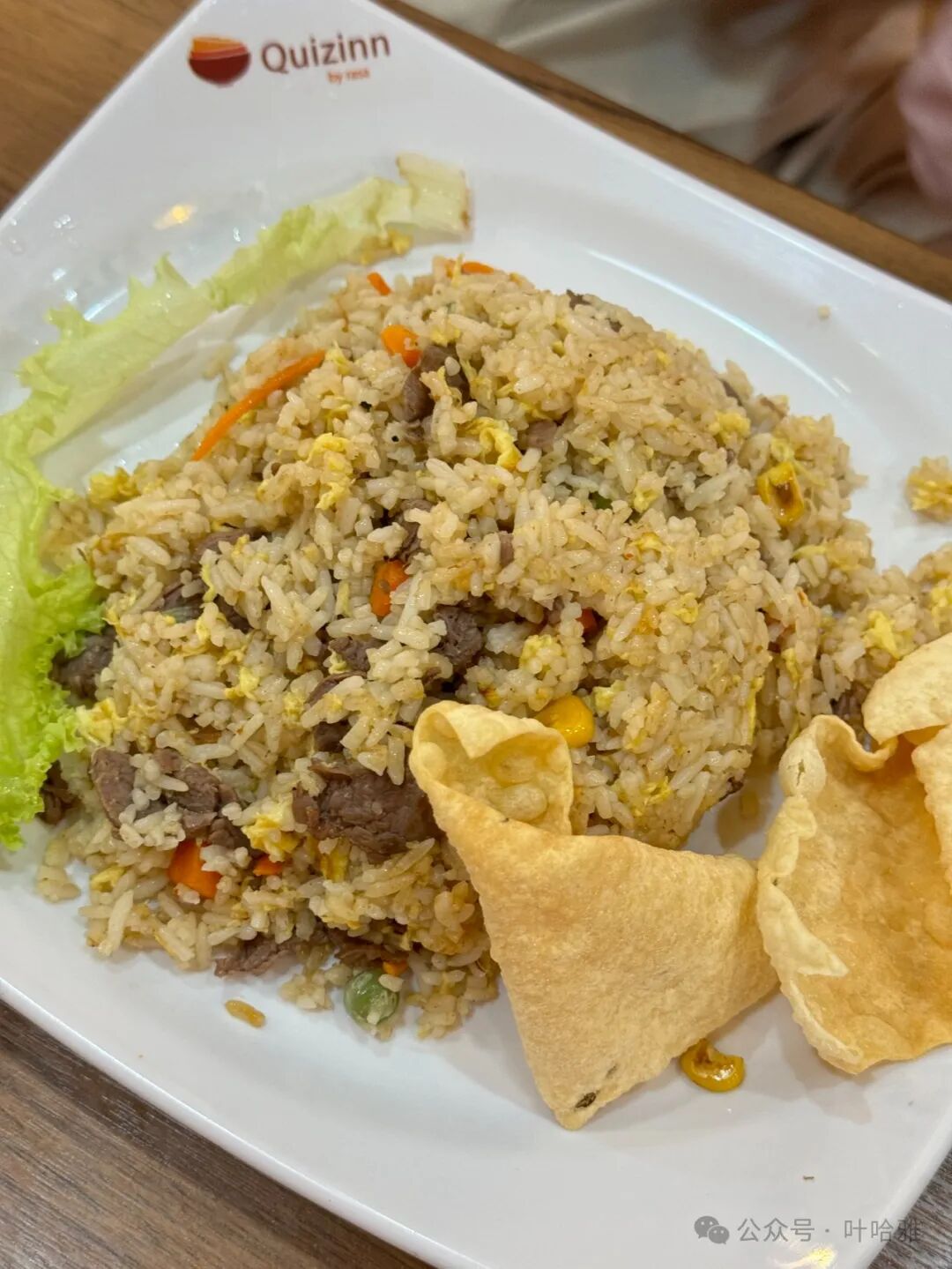
I ordered a beef fried rice and tom yum soup, and both were quite tasty.
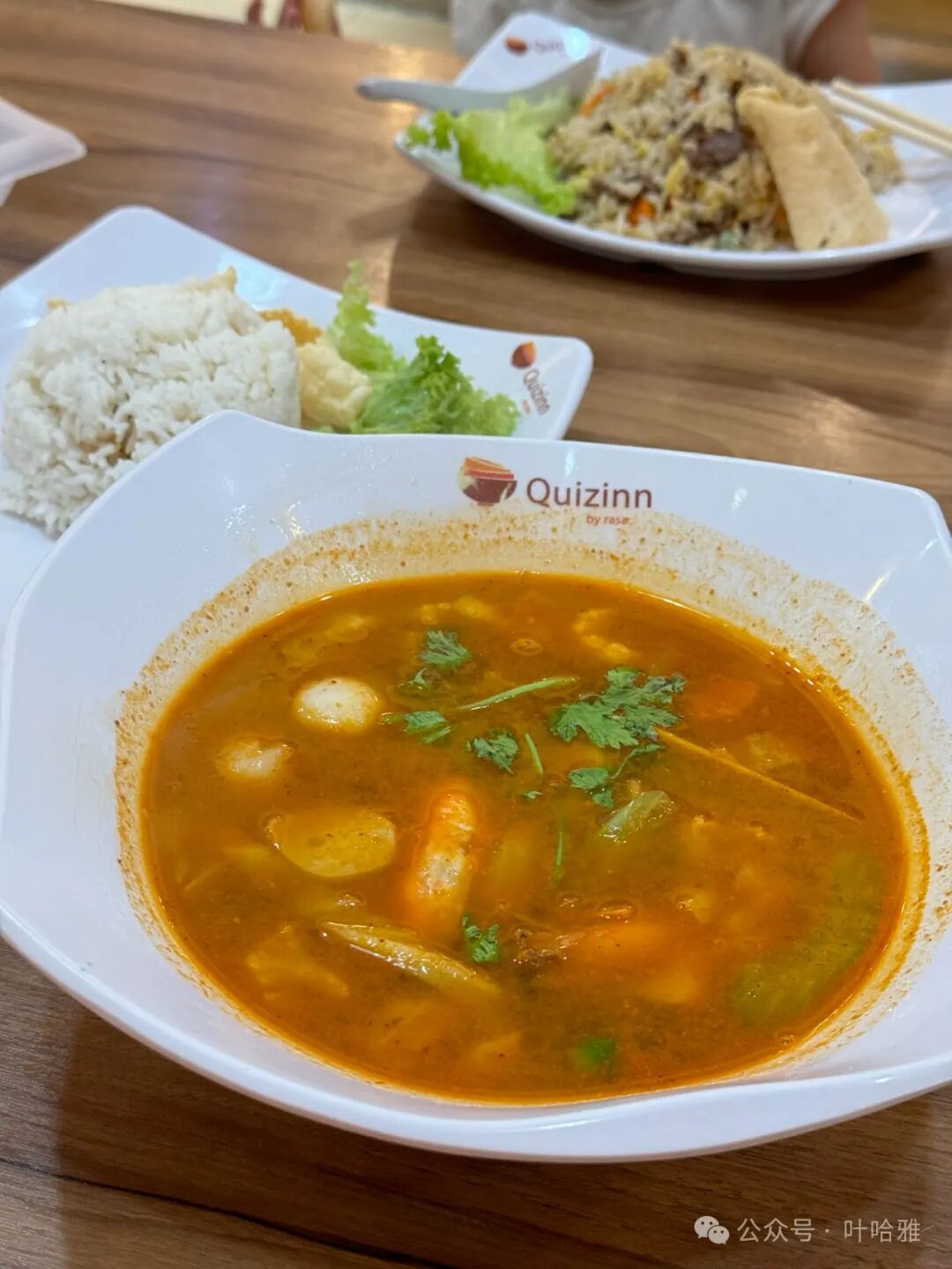
This mall is a few hundred meters from Little India and close to the train station, making the area great for walking around.
Address: The food court on the third floor of NU Sentral Shopping Mall.
6. Don Don Donki (Japanese supermarket)
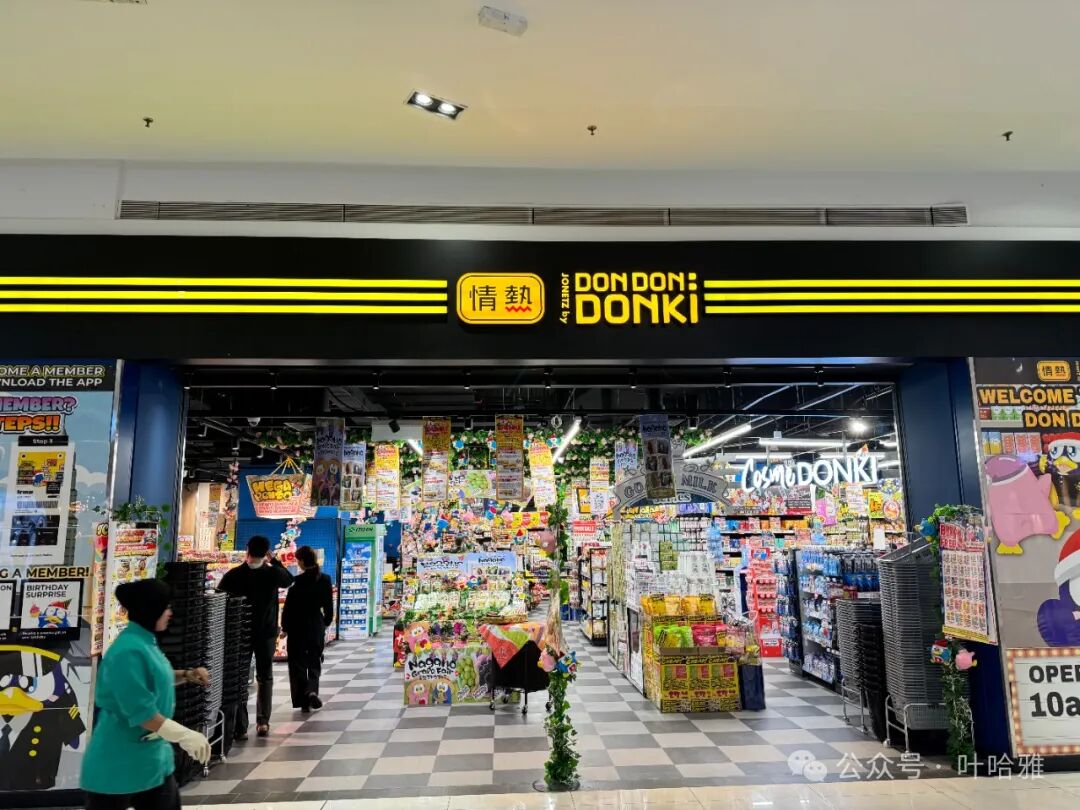
The Japanese supermarket inside NU Sentral Shopping Mall has mostly halal products, and they are clearly marked on the shelves. We bought some cookies and chocolate here, which Fahim loves to eat.
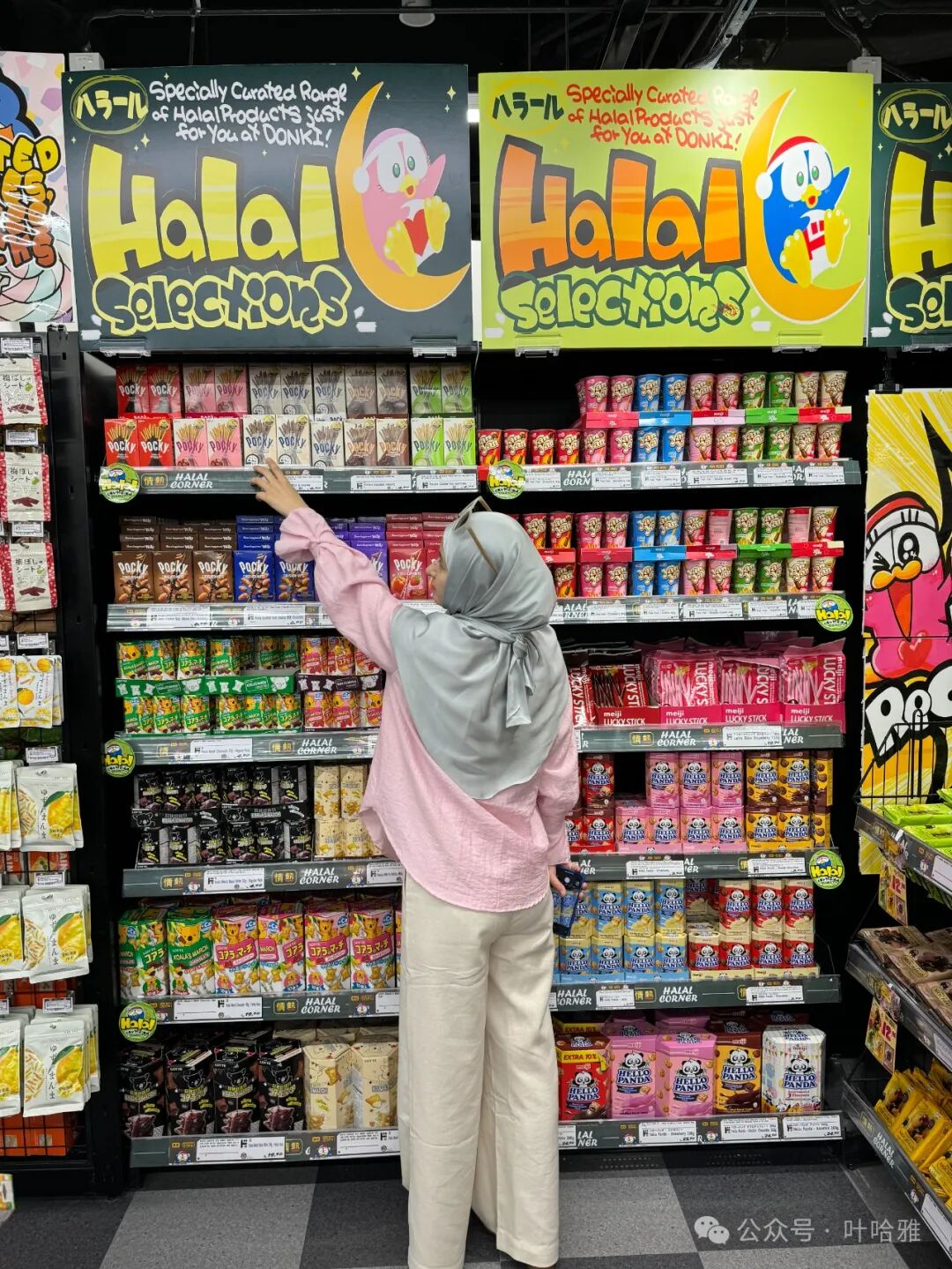
Many Japanese goods in Southeast Asia are halal and very popular with the locals.
Address: GF floor, NU Sentral Shopping Mall
7. Jardin Coffee (coffee and desserts)
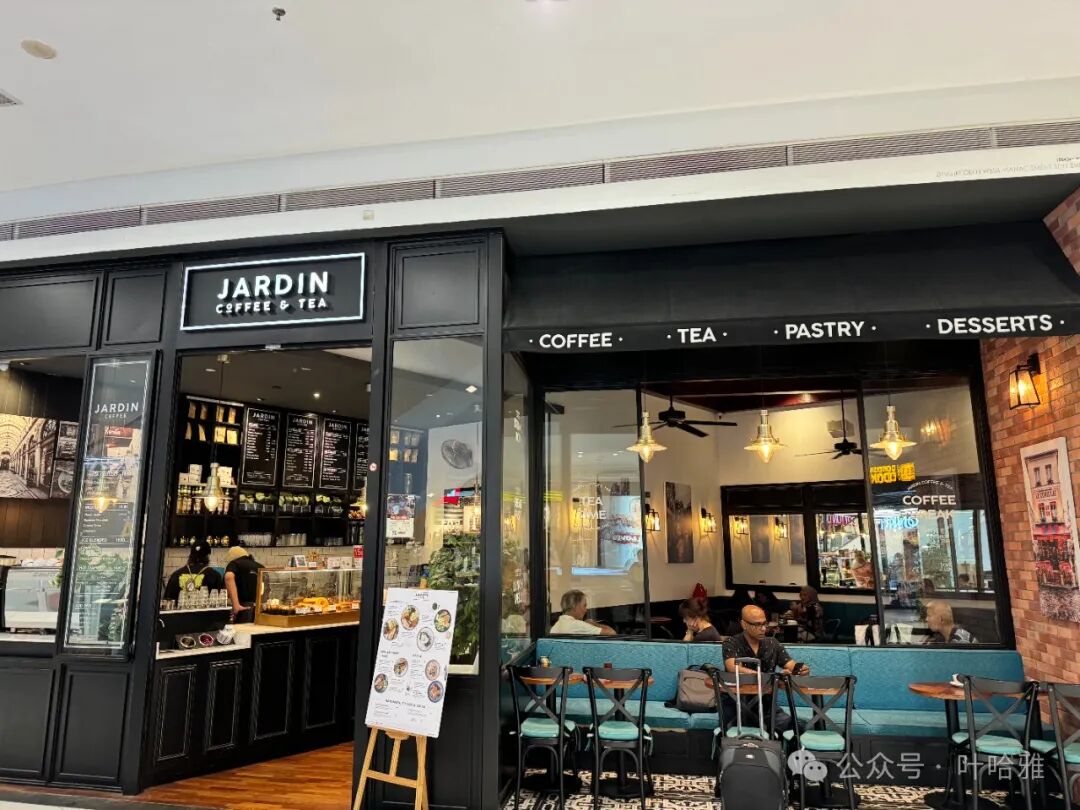
There are many coffee shops in NU Sentral Shopping Mall, including some domestic chains, but I find this one has a better vibe, and the desserts and coffee are good too.
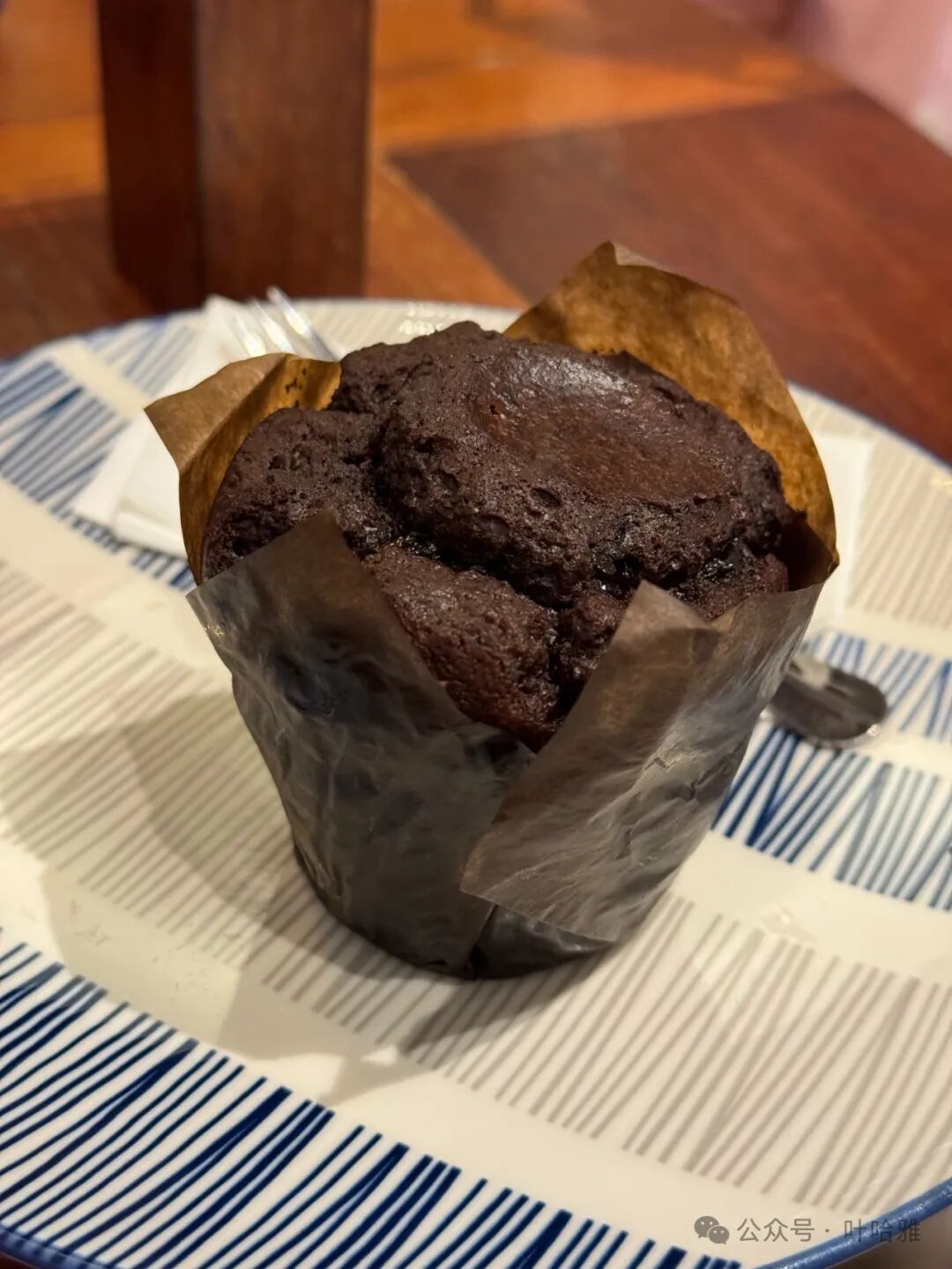
This shop is right at the entrance of the Japanese supermarket, so it is a perfect place to sit and rest when you are tired from shopping.
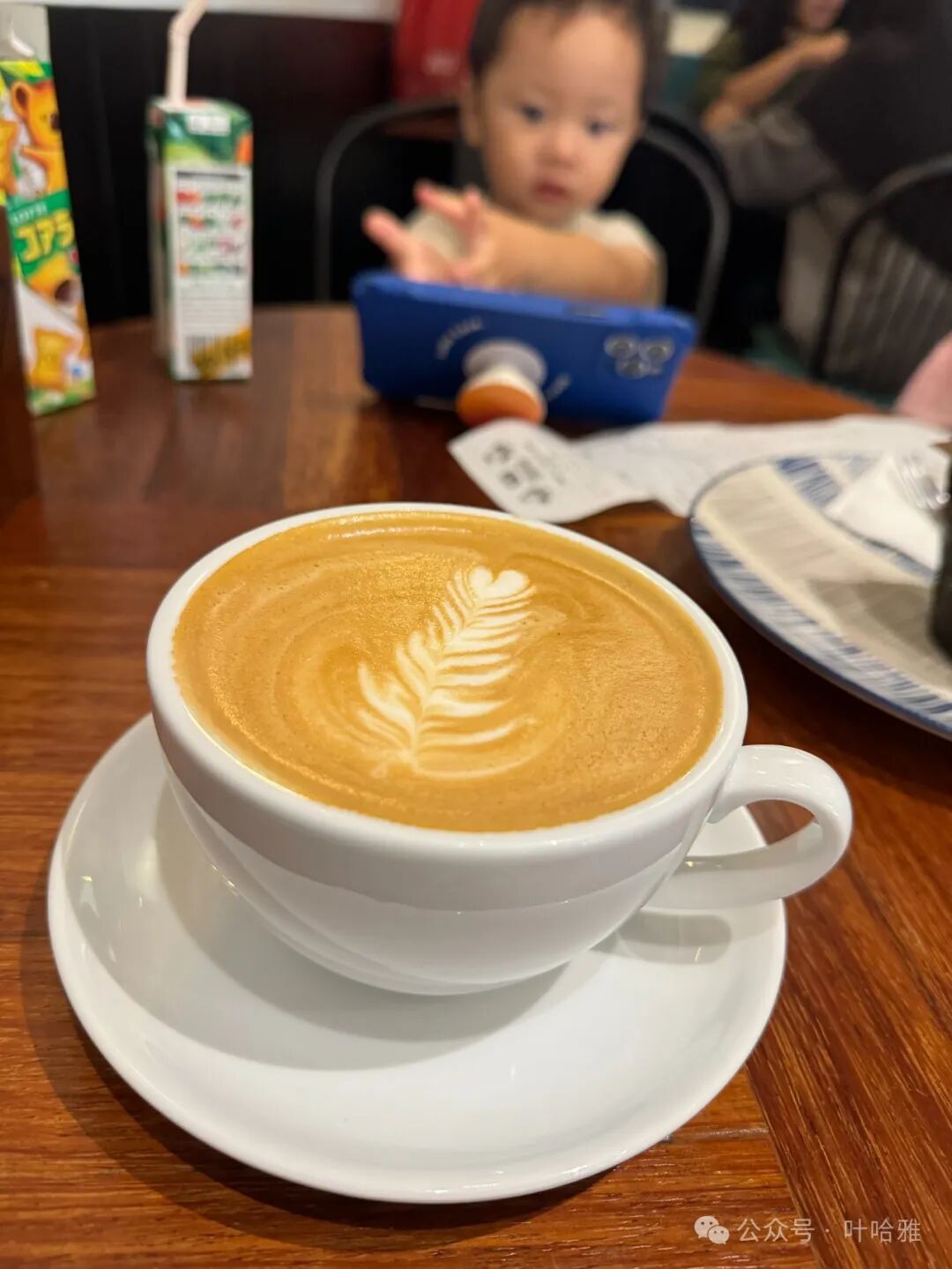
Address: GF floor, NU Sentral Shopping Mall
8. Yong Tau Foo (spicy hot pot)
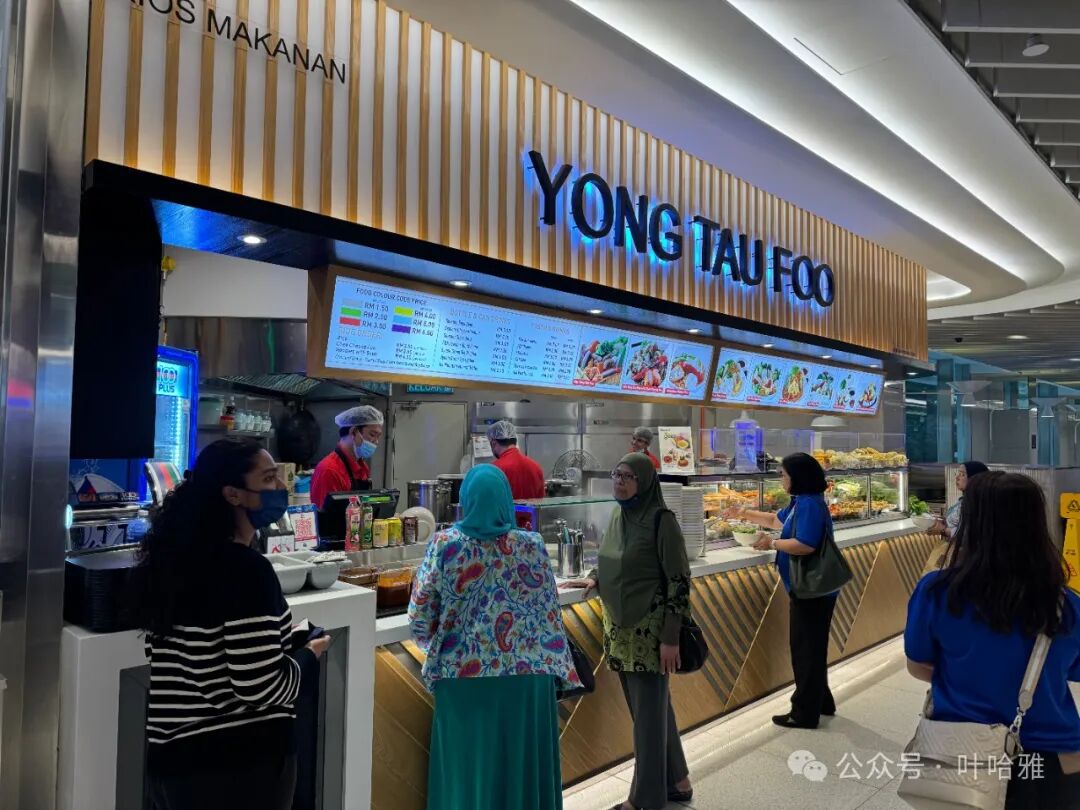
This shop is called Yongtaifeng in Chinese. It is a spicy hot pot (malatang) chain that mixes in Southeast Asian flavors. You grab a bowl, pick your own ingredients, and the staff will cut the vegetables for you, weigh them to calculate the price, cook them, and then ask which soup base you want.
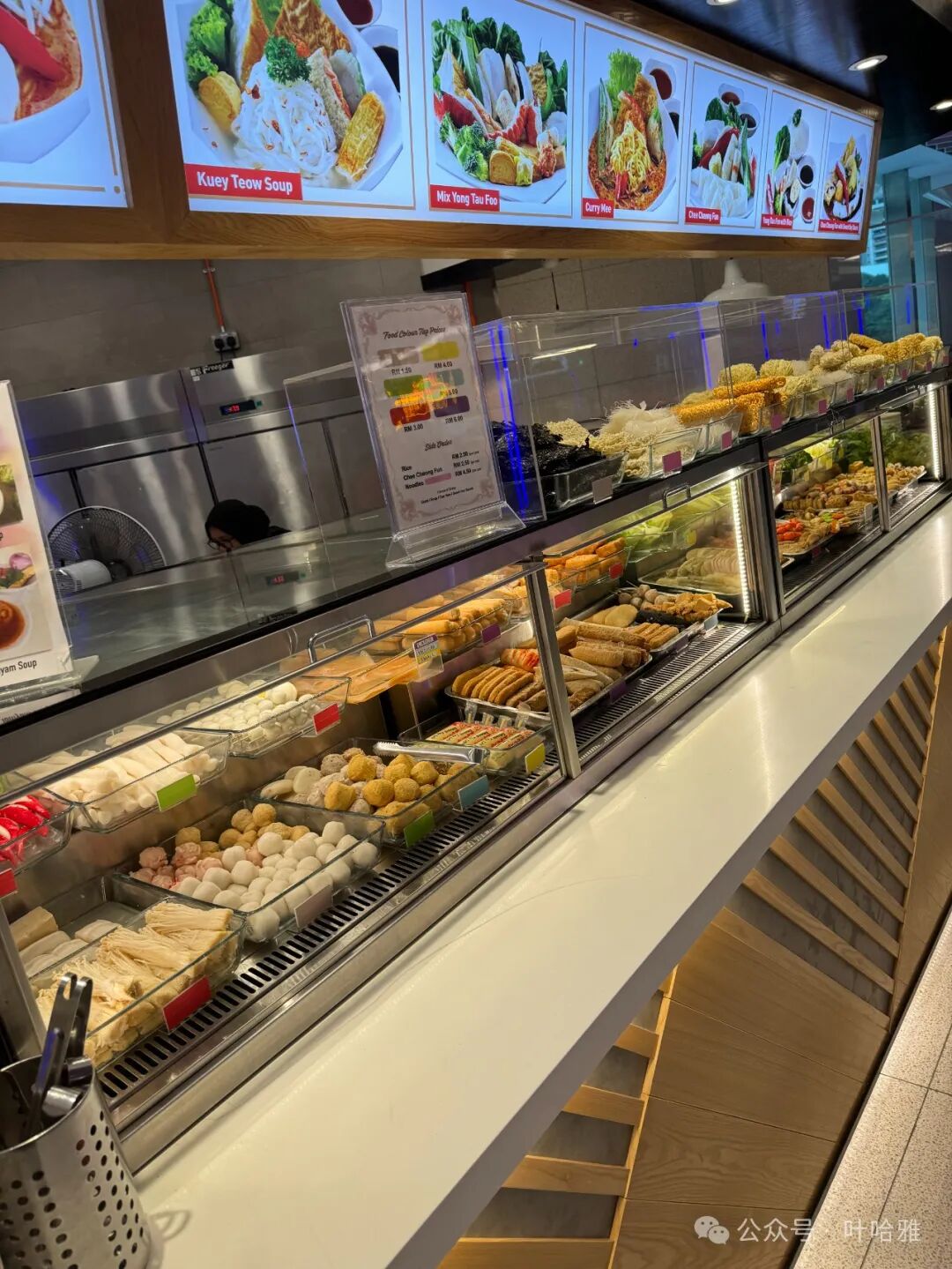
I could not recognize many of the ingredients. It felt like there were a lot of soy products and gluten, but not much meat, so it leans toward vegetarian.
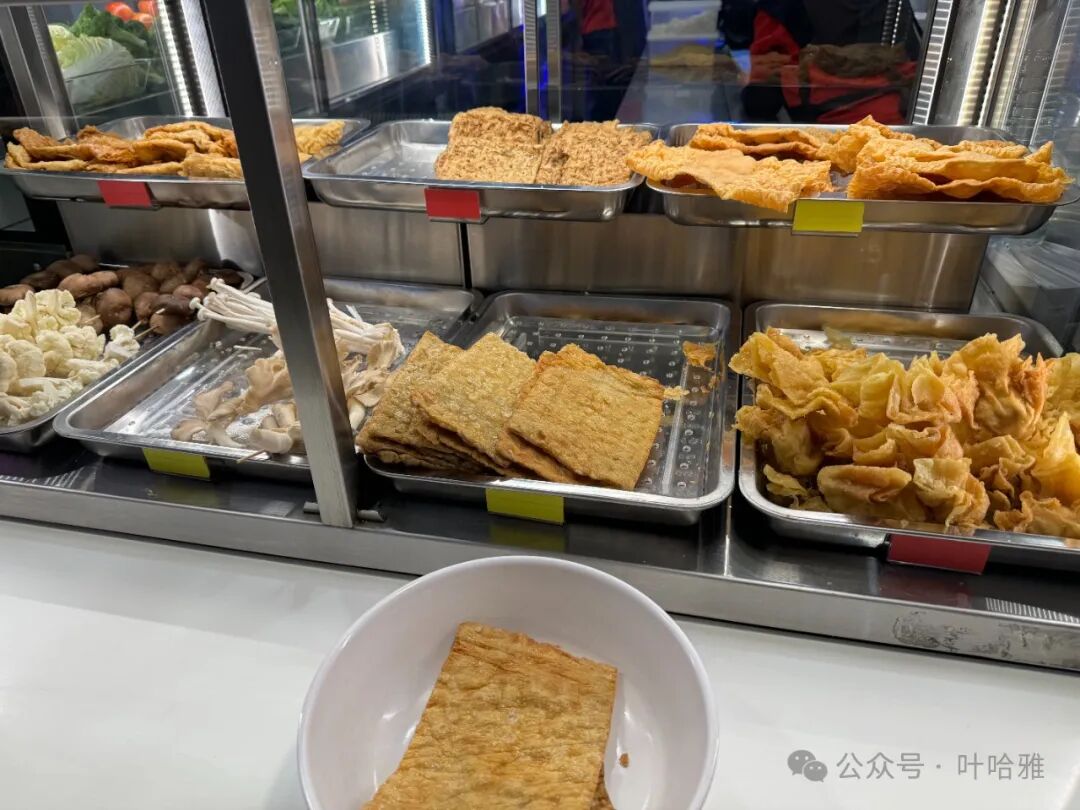
I chose a tom yum soup base. The sour and spicy flavor is very appetizing, and I think girls who dislike greasy food will like this place.
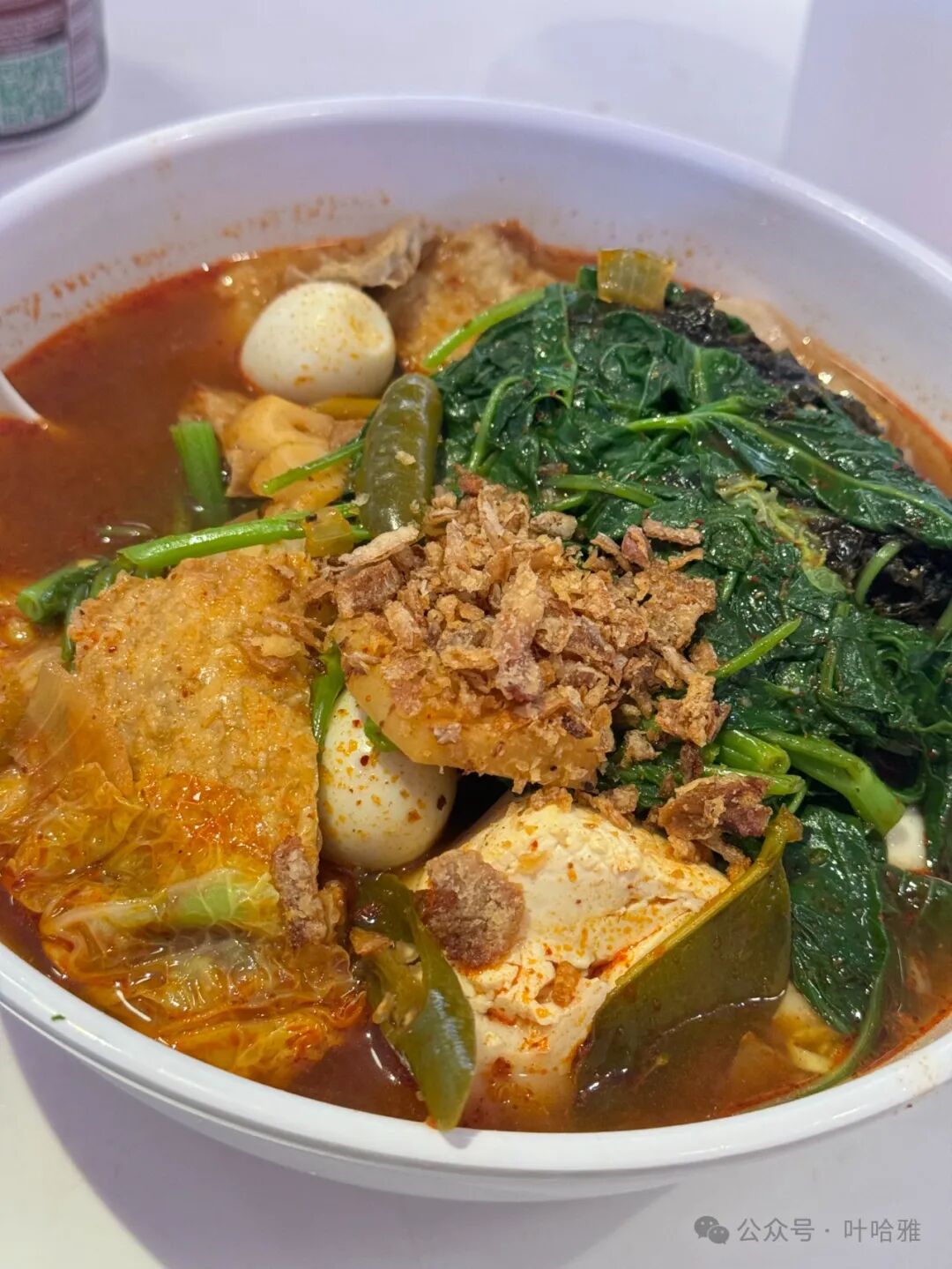
Address: Food court on the second floor of the KLCC Twin Towers
9. NATALINA ITALIAN KITCHEN (Italian food)
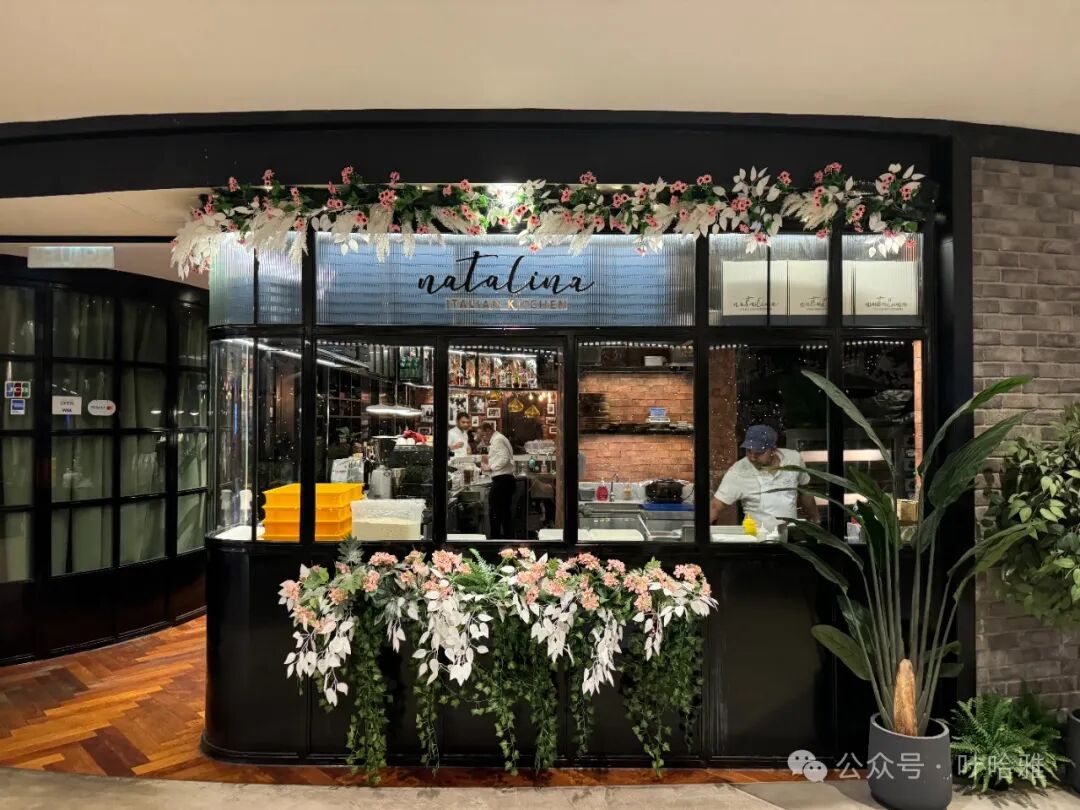
This is a very charming Italian restaurant located in AK Mall.
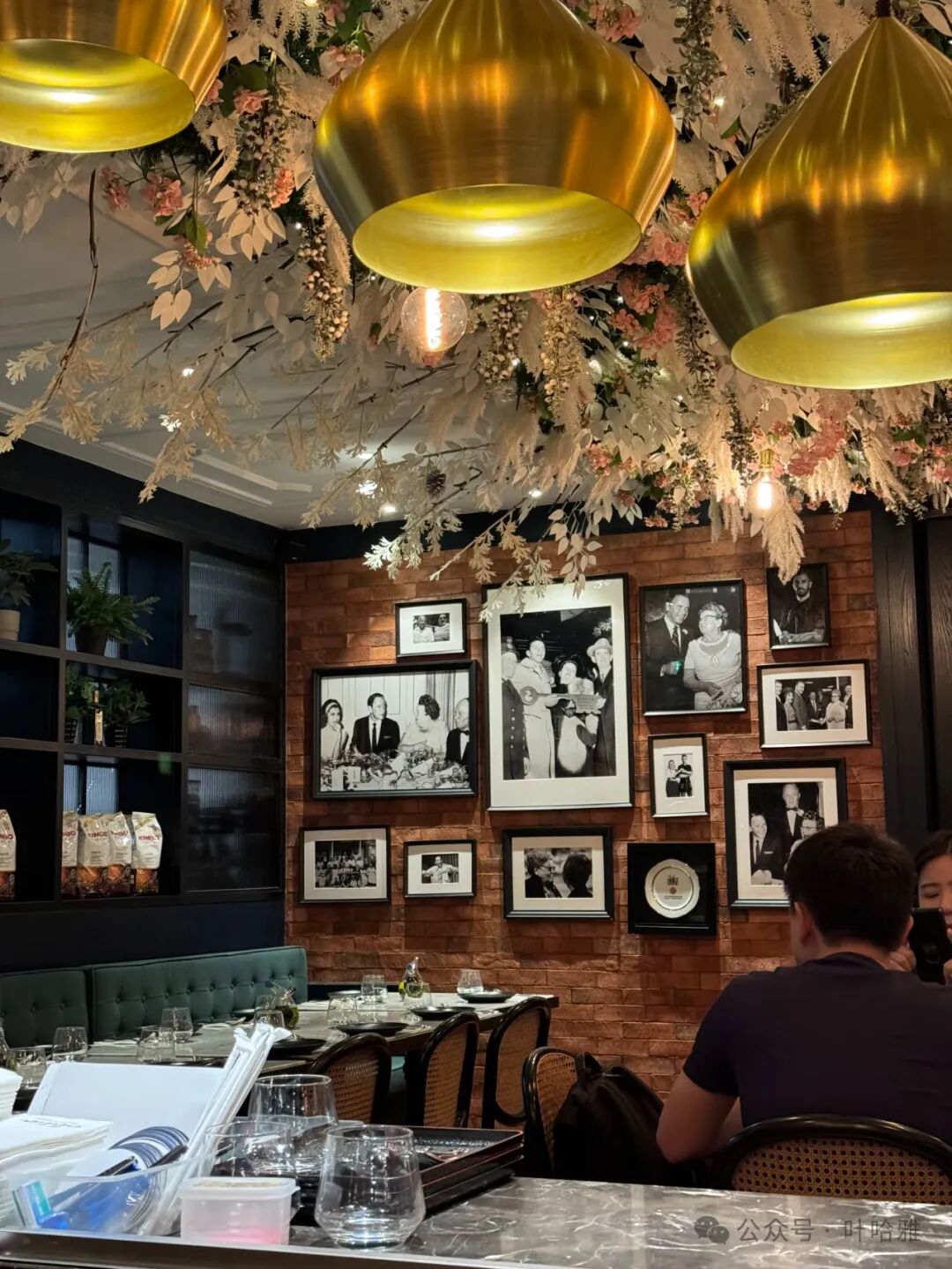
I feel a sense of familiarity with Italian restaurants now because my son loves pasta. When I worry about what to feed him because he is a picky eater, the safest choice is always pasta.
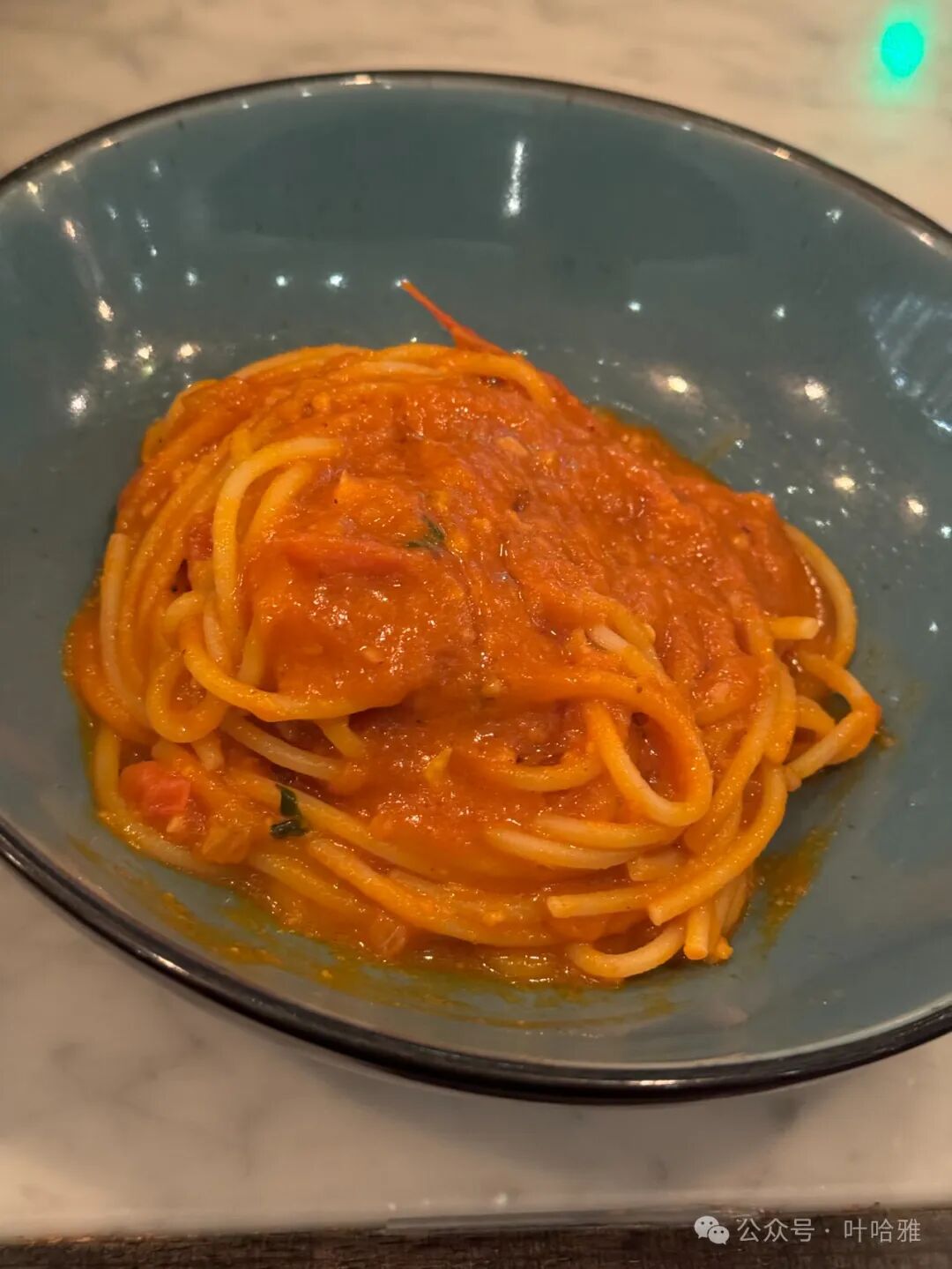
He ate the whole bowl of noodles, so I didn't get a single bite and cannot comment on the taste.
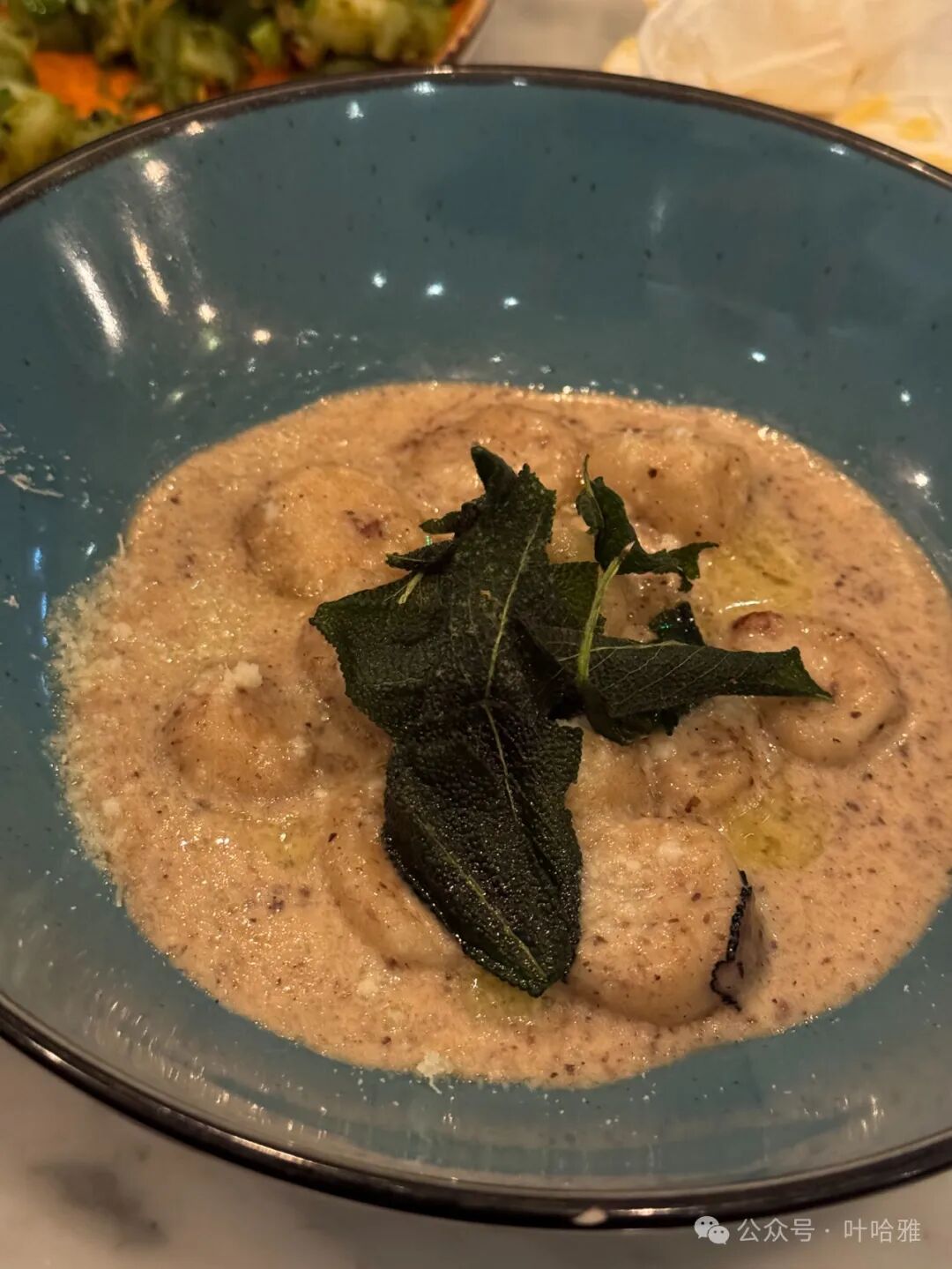
This dish is called GNOCCHI TARTUFO, which you can think of as Italian potato dumplings. I originally wanted to order pizza, but the waiter misunderstood me. I decided to just go with it and try them, but the texture was sticky and I don't think many people would like it.
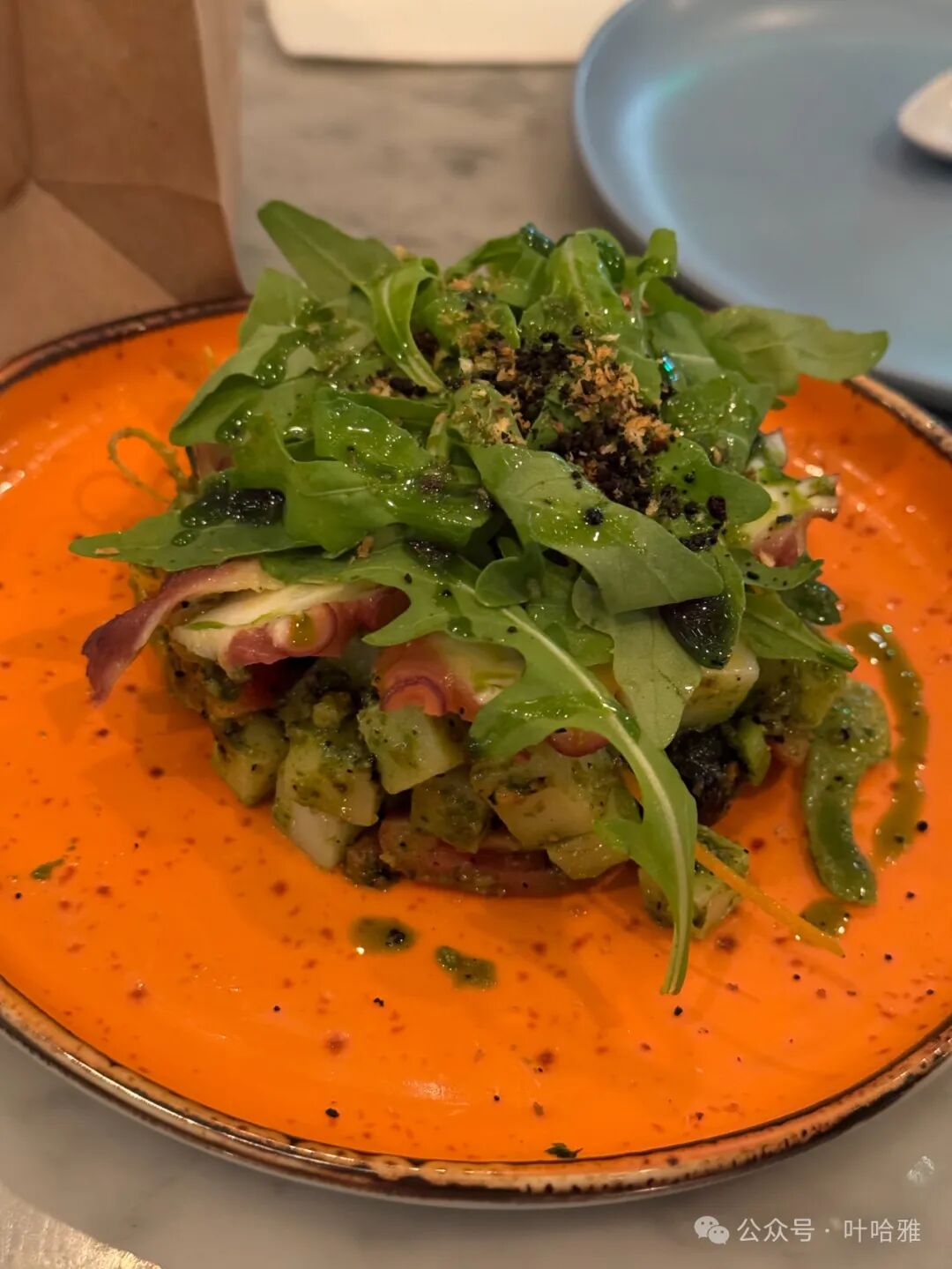
The octopus salad tasted pretty good, and it is certainly healthier than eating fried food.
Address: 4th Floor, AK Mall.
10. Dragon-i (Chinese food)
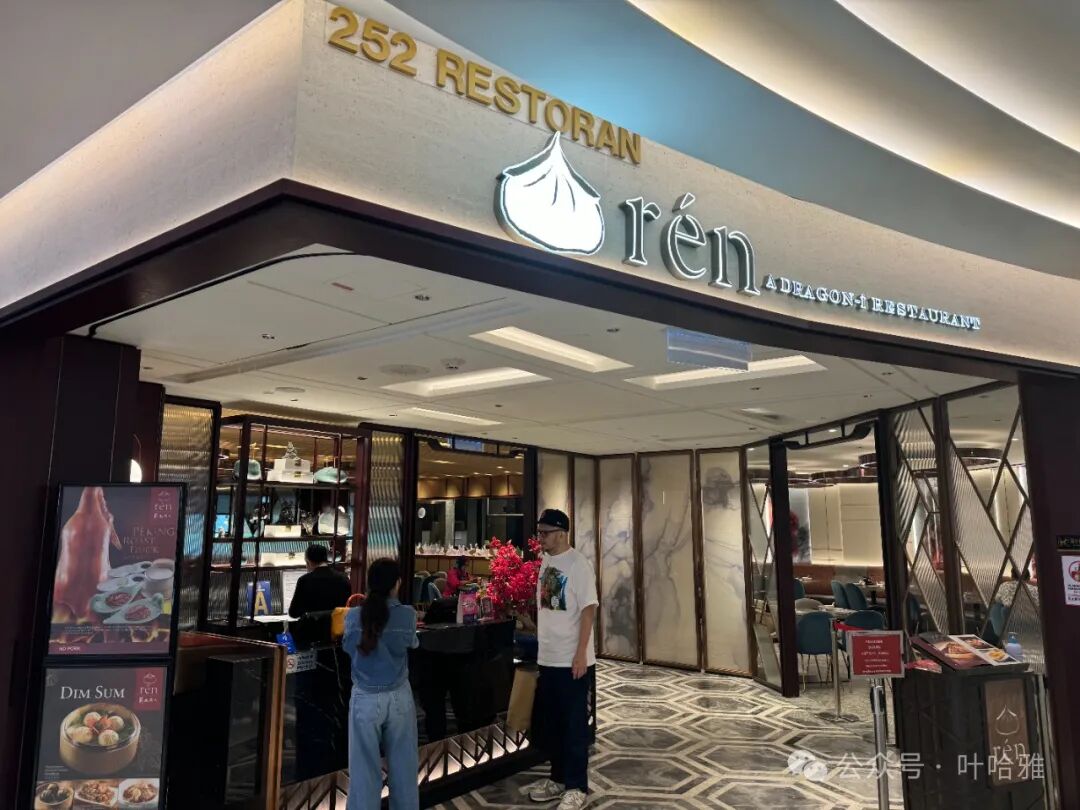
This is a Chinese restaurant serving southern cuisine. It is positioned as a mid-to-high-end spot, specializing in various soup dumplings (tangbao) and also serving Beijing roast duck.
It is also a pork-free restaurant.
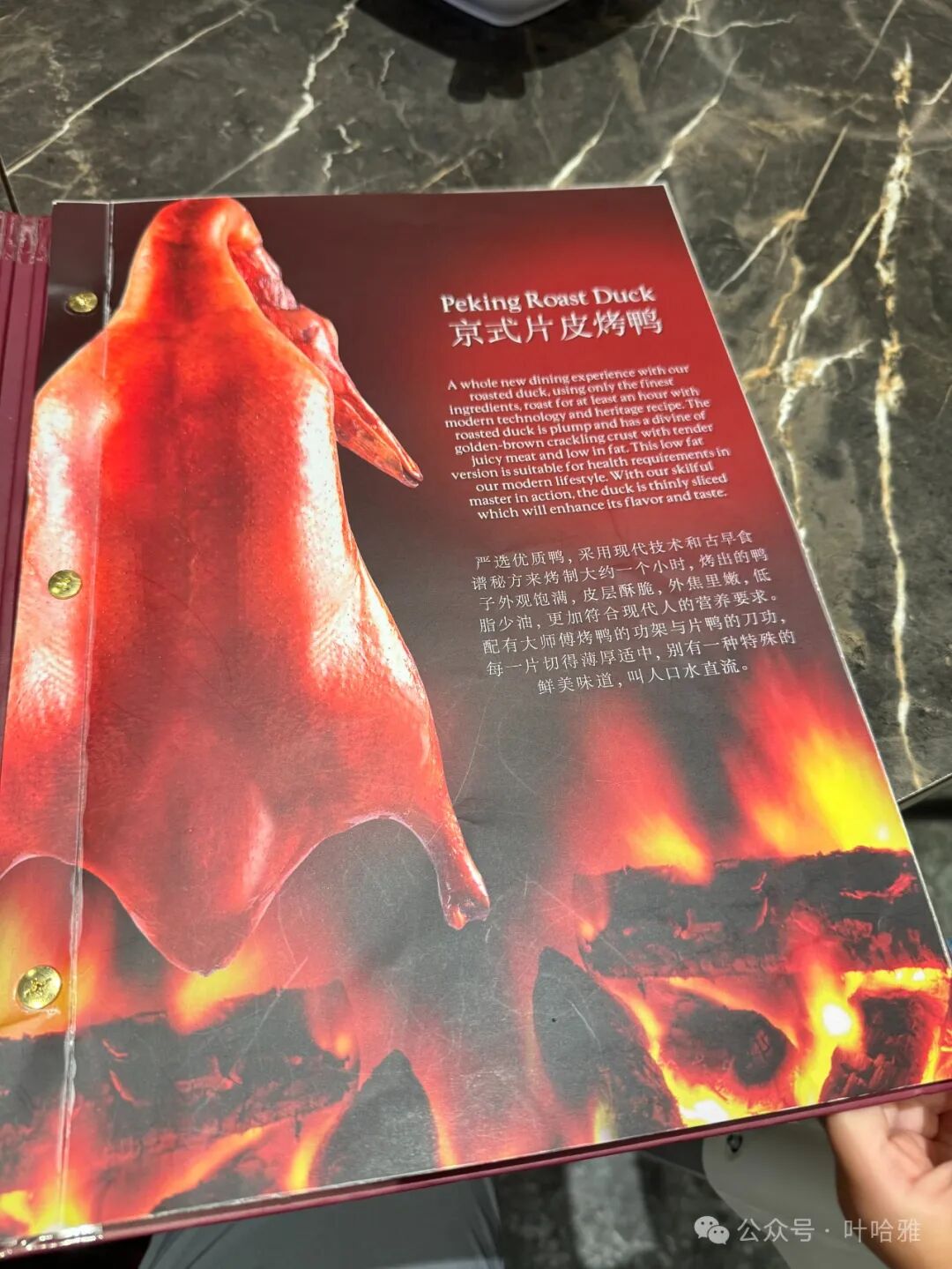
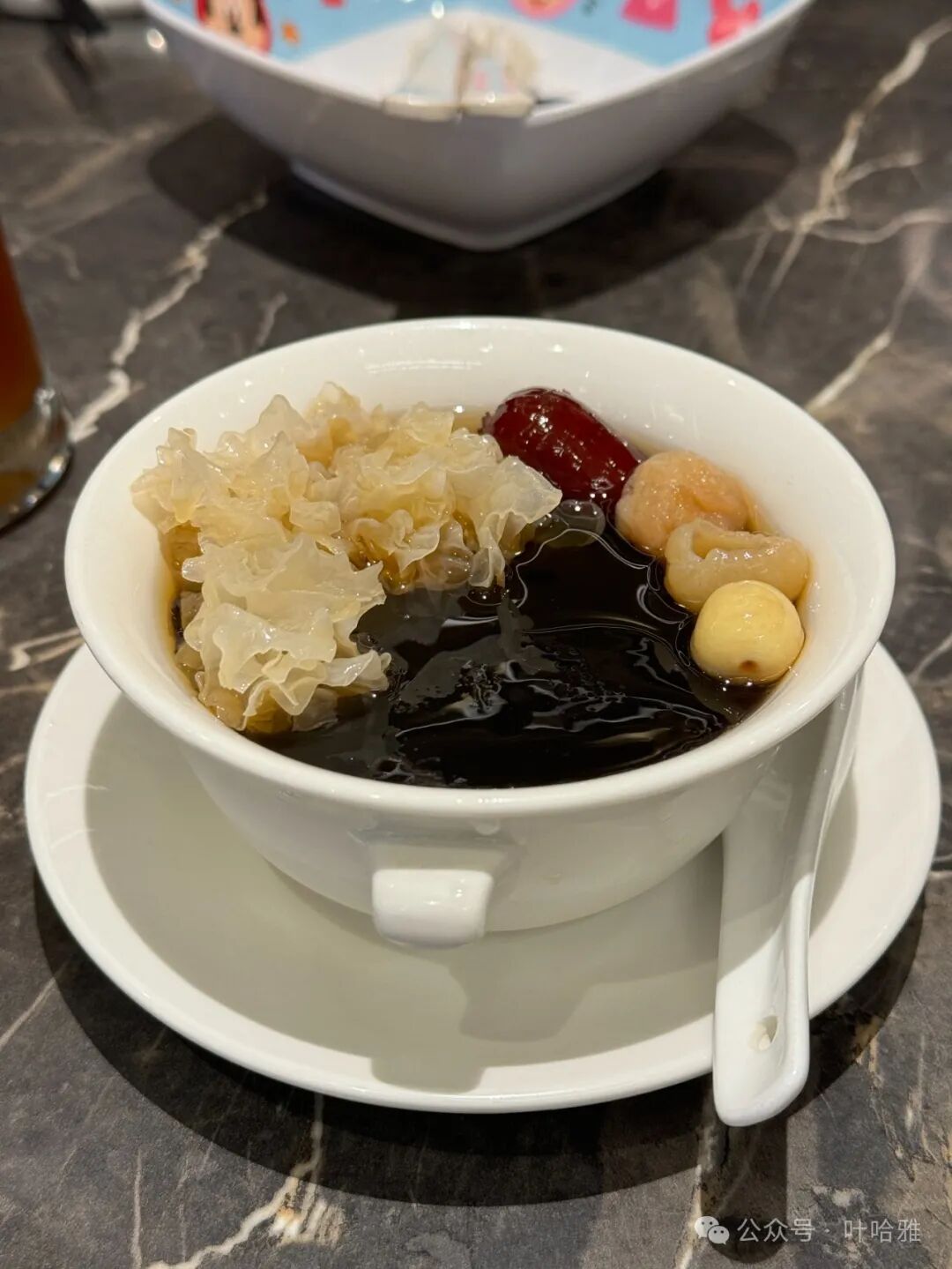
The white fungus and poria jelly (yin'er fuling gao) is light and healthy.
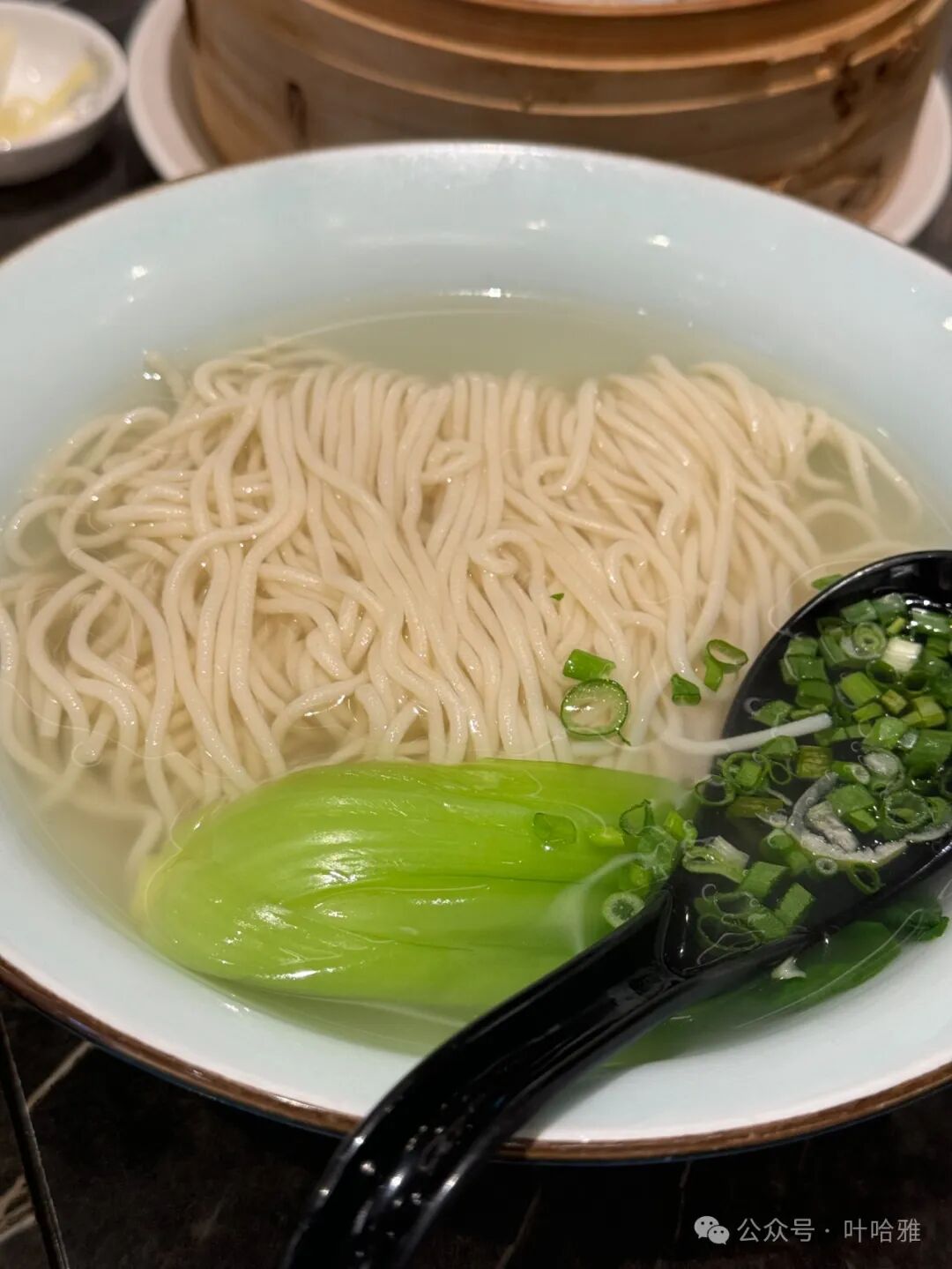
This bowl of noodles is called Shanghai ramen. It looks very light, and it tastes very light too.
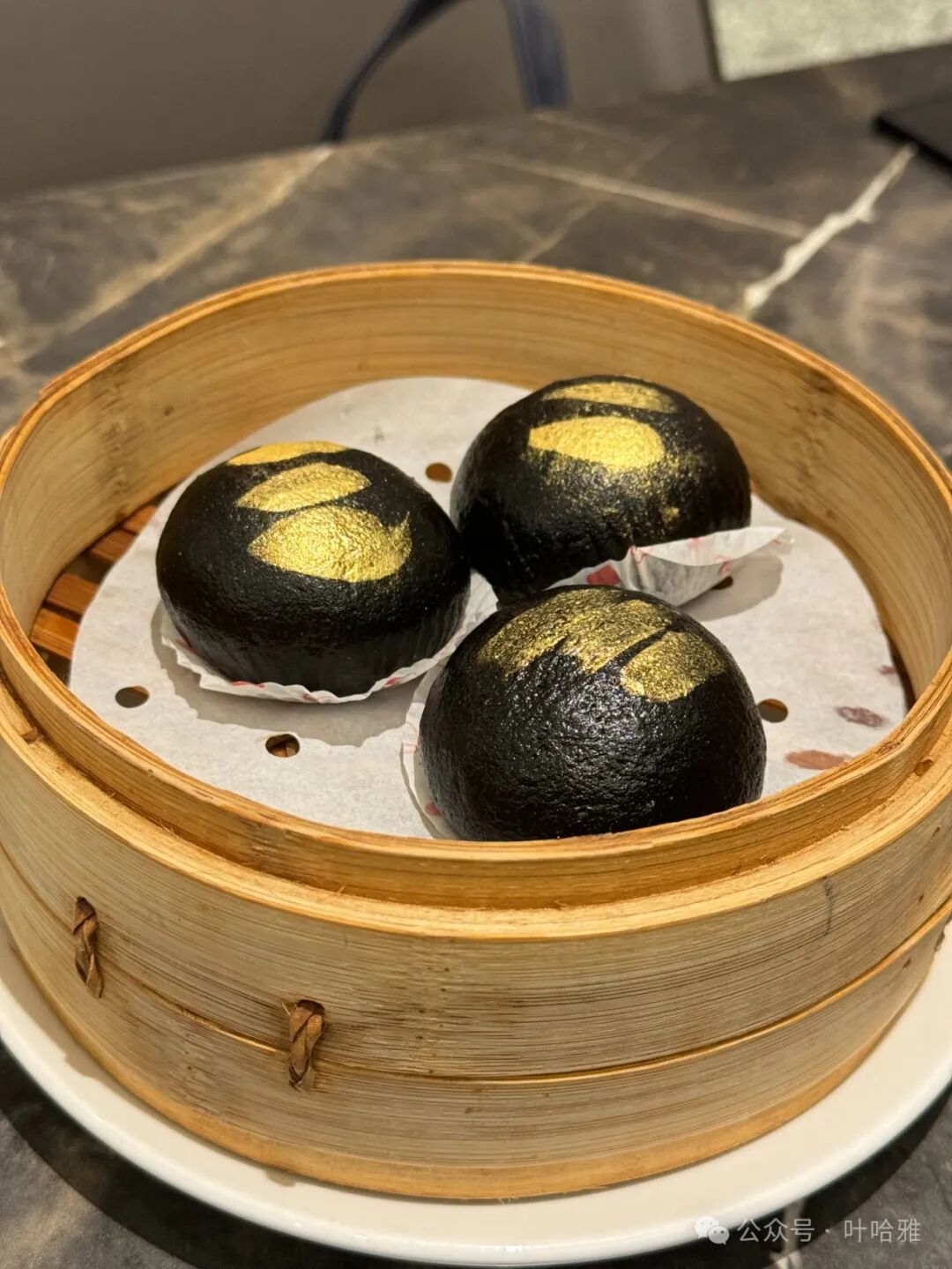
Their custard buns (liusha bao) and soup dumplings (tangbao) are truly delicious. The skins are thin, the fillings are generous, and the broth is savory. The taste is just as good as Din Tai Fung.
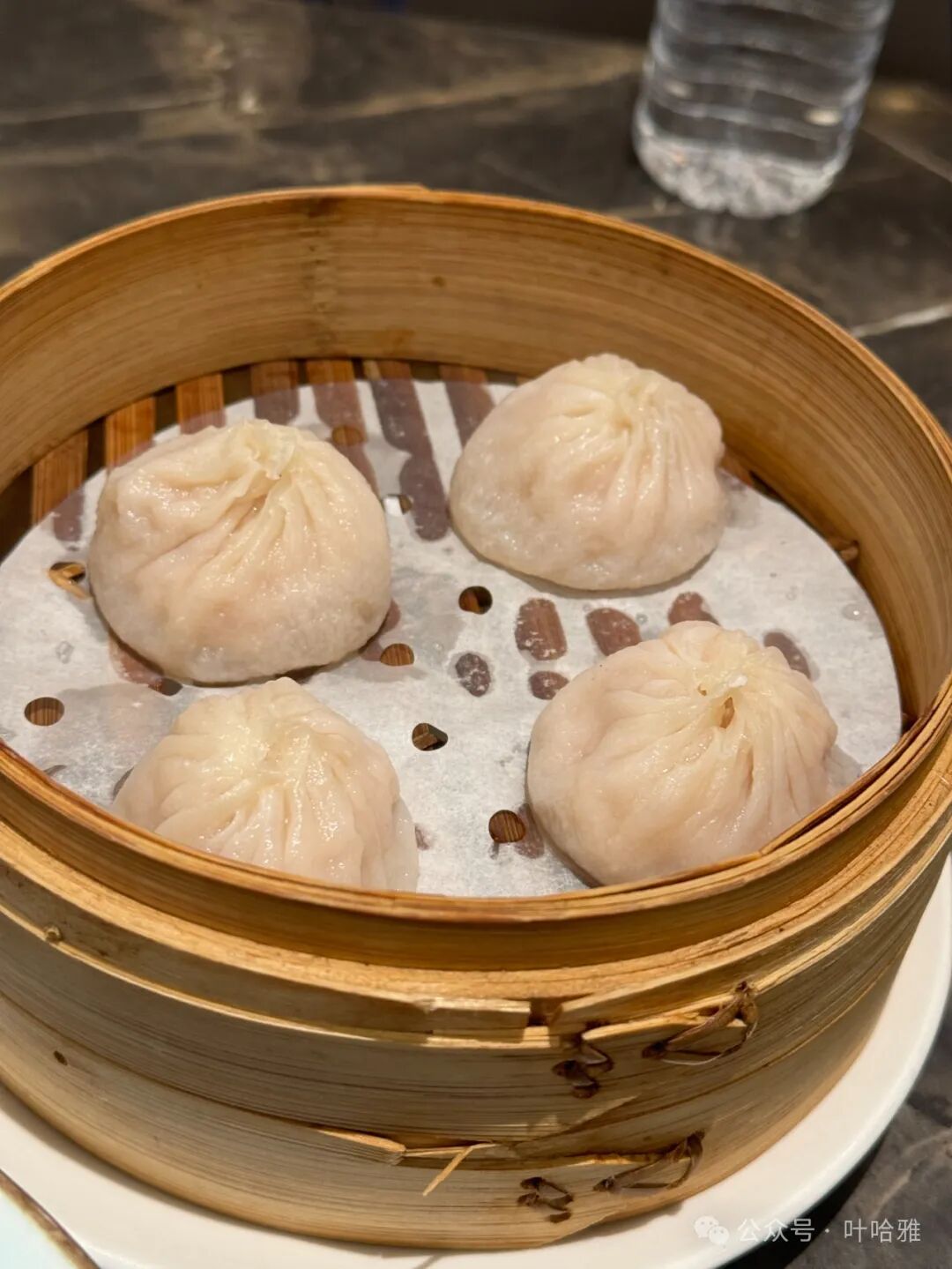
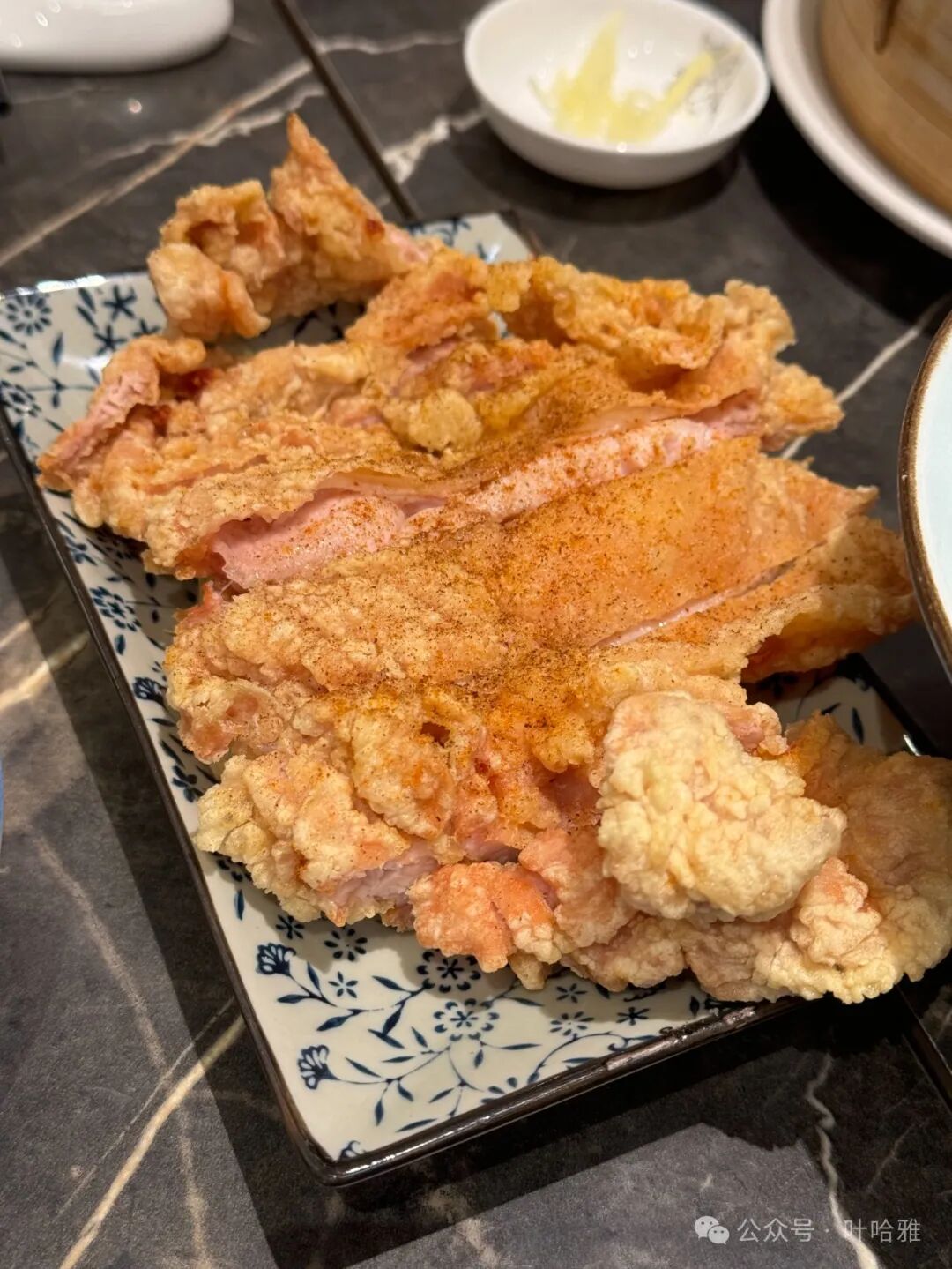
The fried chicken cutlet served with the ramen is also delicious. This shop is worth recommending; it is not crowded and the service is great.
Address: The food court on the second floor of the KLCC Twin Towers.
Muslim Travel Guide Ottawa: First Mosque, Halal Chinese Food and Canada Muslim History
Articles • yusuf908 posted the article • 0 comments • 156 views • 2026-05-23 01:18
Summary: This Ottawa Muslim travel guide follows the city from Parliament Hill and public transit to a halal Chinese restaurant, the first local mosque, hotel breakfast notes, and the author's reflections on Canada's capital, Chinese students, Muslim life, and halal travel in Canada.
Many people may not know that Canada's capital is Ottawa. Its low profile shows that Ottawa lacks a strong presence in Canada. In countries with strong central power, capitals are usually massive cities. However, Canada has a federal parliamentary system that even allows Quebec to hold referendums on independence. This shows the central government has little power to interfere, which seems unthinkable and rebellious from our perspective.
It takes two hours to drive from Montreal to Ottawa. Ottawa is in Ontario and is an English-speaking area, while Montreal is in Quebec and is a French-speaking area. Ottawa sits right on the border of the two provinces, so both English and French are spoken here.
Coming from the bustle of Montreal, you can clearly feel the relaxed pace of Ottawa. The street scenes are not as busy and there are fewer people. Most people here work as government civil servants, and those jobs are generally quite relaxed.
As usual, I went to the subway station and used my credit card to buy a one-day transit pass to experience the daily life of Ottawa residents.
There are very few people on Ottawa's buses, and their buses can carry bicycles.
I passed by the University of Ottawa by chance and saw tents set up on campus in support of Palestine.
Almost every university in North America has activities supporting Palestine, and I have seen them in other Canadian cities as well.
The University of Ottawa was founded in 1848. It has over a hundred years of history and is the oldest English-French bilingual university in North America.
Parliament Hill is Ottawa's landmark building and the seat of Canada's central government. It is also a popular spot for tourists, and you do not need a reservation because the gates are completely open.
Walk along the road in front of the Parliament buildings and pass through a commercial street to reach the halal Chinese restaurant shown in the picture below.
The staff are all of Chinese descent. The owner was not there, and when I asked the new staff member where the owner was from, they said they were not sure, only that they were also Chinese.
I watched the staff wrap wontons, and I could tell from their conversation that the diners nearby were Chinese students studying abroad.
You can order in Chinese. After being away for a long time, it feels natural to feel close to a place where people speak Chinese.
Multiply the prices on the menu by seven to get the cost in RMB. Since you also have to leave a tip, each dish averages about 100 yuan.
I looked at the menu and guessed the owner probably isn't from Northwest China because there are very few flour-based dishes. They might be from the South.
It is also popular in Canada to write a positive review to get a free gift.
A serving of chive and egg potstickers (guotie) tasted really good. Aside from being expensive, there was nothing wrong with it.
One serving of potstickers wasn't enough, so I ordered a bowl of beef vermicelli soup (niurou fensi tang). The portions were small, and I finished everything.
A Black couple sat across from me. They spent 20 minutes just looking at the menu. I had already finished my meal, and they still didn't know what to order.
I arrived at the Ottawa mosque in the evening. The mosque is built quite far from the city center and is an Ottoman-style building.
The earliest Muslims to settle in Ottawa date back to the 1950s. As the number of Muslim immigrants in Ottawa gradually increased, the first mosque was built in 1977.
The mosque has three floors. The basement is used for the washroom, and the two floors above ground are separated for men and women.
Diagram for wudu (small ablution).
The mosque rules state that sleeping in the main prayer hall is forbidden because it is a place for namaz.
Jumu'ah in Ottawa is set for 1:30, just like on Beef Street (Niurou Jie).
Isha is near 11:00 PM and Fajr is after 3:00 AM. During Ramadan, this means fasting for nearly 20 hours a day. Some scholars say Muslims in extreme locations can follow Mecca time, where prayer times are more balanced. Others disagree, arguing that we should follow the literal meaning of the Hadith and that those who cannot handle it should leave these extreme environments.
This creates a problem in the Arctic Circle, such as in Norway, Finland, or Russia, where there is polar day and polar night. It is either dark for 24 hours or light for 24 hours. Then there are astronauts in space who orbit the Earth over a dozen times a day. If they followed the literal rules, they would have to pray nearly a hundred times a day.
If we listen to the scholars who oppose changing the rules, we would have to leave the polar regions and leave that land to the People of the Book. We also shouldn't go into space, because if we did, we would have to pray constantly and couldn't get any work done.
Food and lodging in Ottawa are more comfortable and offer better value than in Montreal. I really like their slow-paced atmosphere.
I observed the breakfast habits in Western hotels. They like to eat hard-boiled eggs, and they are always peeled in advance.
Bread, cheese, coffee, and milk are standard. Coffee is a must, and at breakfast, white people will line up to get their coffee first, refilling cup after cup.
You can eat these bagel breads; Westerners almost never use lard when making bread.
They have all kinds of cereal with milk, and they eat butter like it is a main dish. I usually find two enough, but white people can eat five or six.
After a wonderful day in Ottawa, I am getting ready to fly to Vancouver. It is a flight of over 5 hours, which is like flying from Guangzhou to Xinjiang, crossing two time zones. Vancouver is a beautiful city, and I will introduce its mosques and halal food in the next post. view all
Summary: This Ottawa Muslim travel guide follows the city from Parliament Hill and public transit to a halal Chinese restaurant, the first local mosque, hotel breakfast notes, and the author's reflections on Canada's capital, Chinese students, Muslim life, and halal travel in Canada.
Many people may not know that Canada's capital is Ottawa. Its low profile shows that Ottawa lacks a strong presence in Canada. In countries with strong central power, capitals are usually massive cities. However, Canada has a federal parliamentary system that even allows Quebec to hold referendums on independence. This shows the central government has little power to interfere, which seems unthinkable and rebellious from our perspective.

It takes two hours to drive from Montreal to Ottawa. Ottawa is in Ontario and is an English-speaking area, while Montreal is in Quebec and is a French-speaking area. Ottawa sits right on the border of the two provinces, so both English and French are spoken here.
Coming from the bustle of Montreal, you can clearly feel the relaxed pace of Ottawa. The street scenes are not as busy and there are fewer people. Most people here work as government civil servants, and those jobs are generally quite relaxed.
As usual, I went to the subway station and used my credit card to buy a one-day transit pass to experience the daily life of Ottawa residents.
There are very few people on Ottawa's buses, and their buses can carry bicycles.
I passed by the University of Ottawa by chance and saw tents set up on campus in support of Palestine.
Almost every university in North America has activities supporting Palestine, and I have seen them in other Canadian cities as well.
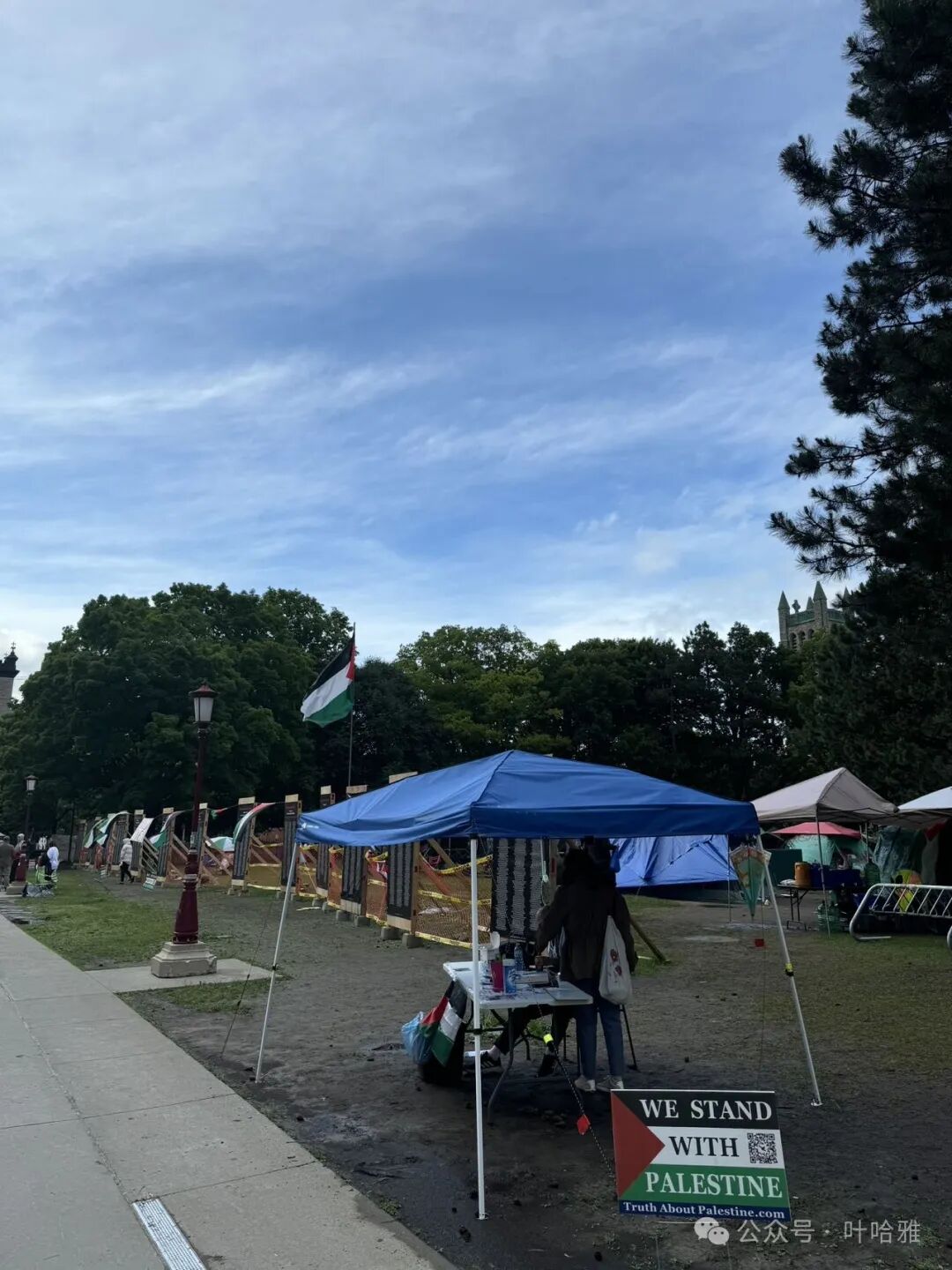
The University of Ottawa was founded in 1848. It has over a hundred years of history and is the oldest English-French bilingual university in North America.
Parliament Hill is Ottawa's landmark building and the seat of Canada's central government. It is also a popular spot for tourists, and you do not need a reservation because the gates are completely open.
Walk along the road in front of the Parliament buildings and pass through a commercial street to reach the halal Chinese restaurant shown in the picture below.
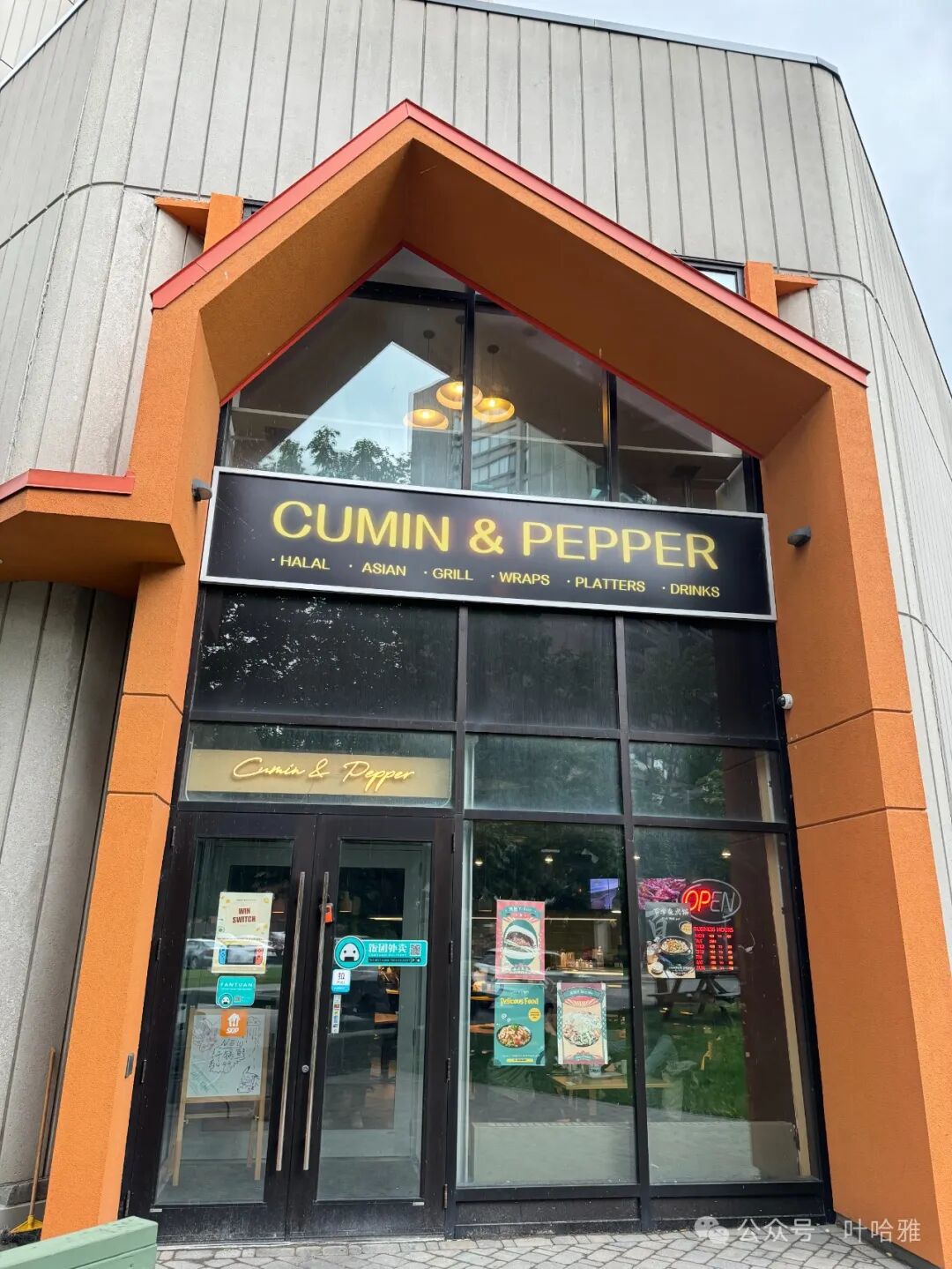
The staff are all of Chinese descent. The owner was not there, and when I asked the new staff member where the owner was from, they said they were not sure, only that they were also Chinese.
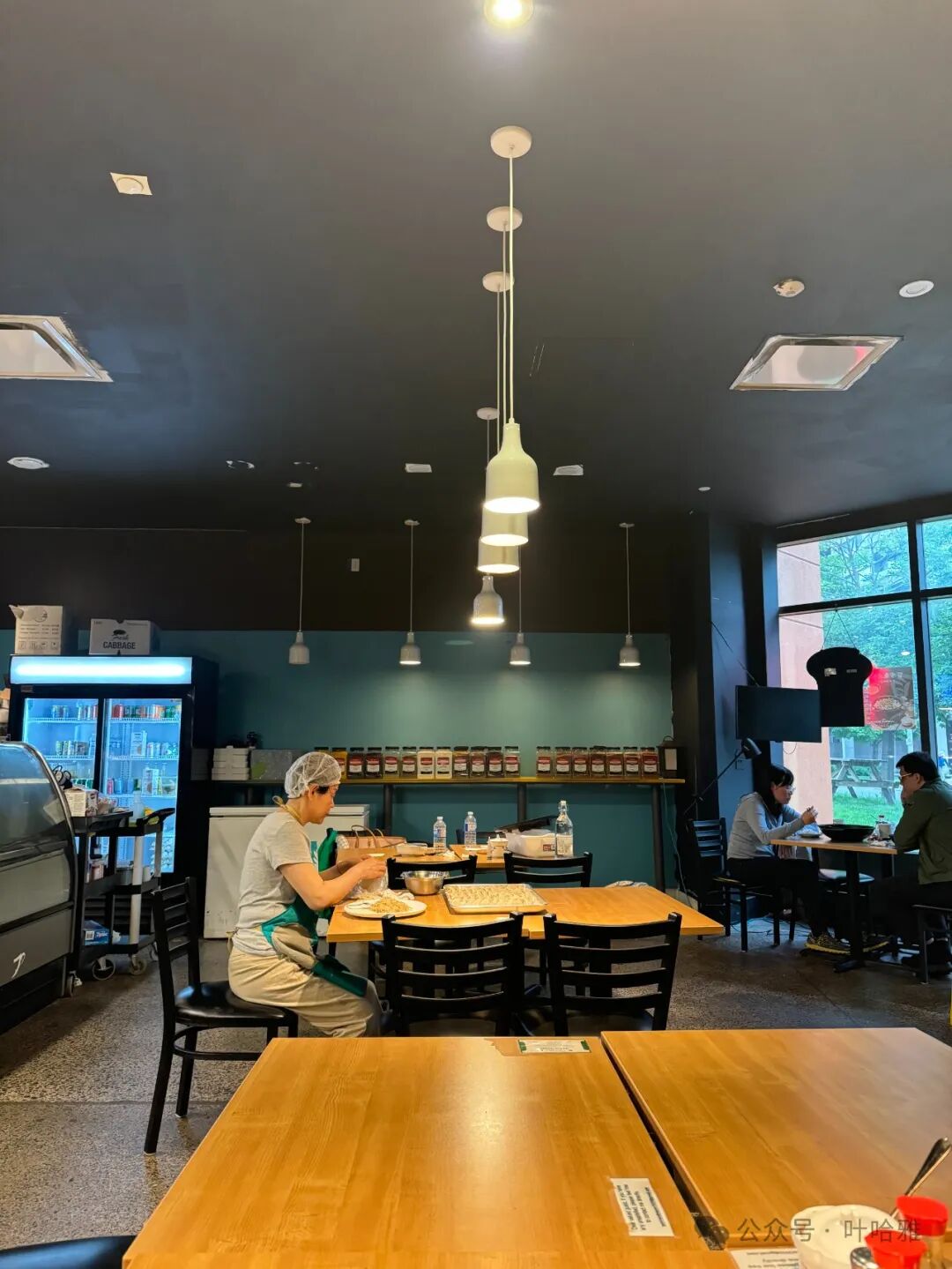
I watched the staff wrap wontons, and I could tell from their conversation that the diners nearby were Chinese students studying abroad.
You can order in Chinese. After being away for a long time, it feels natural to feel close to a place where people speak Chinese.
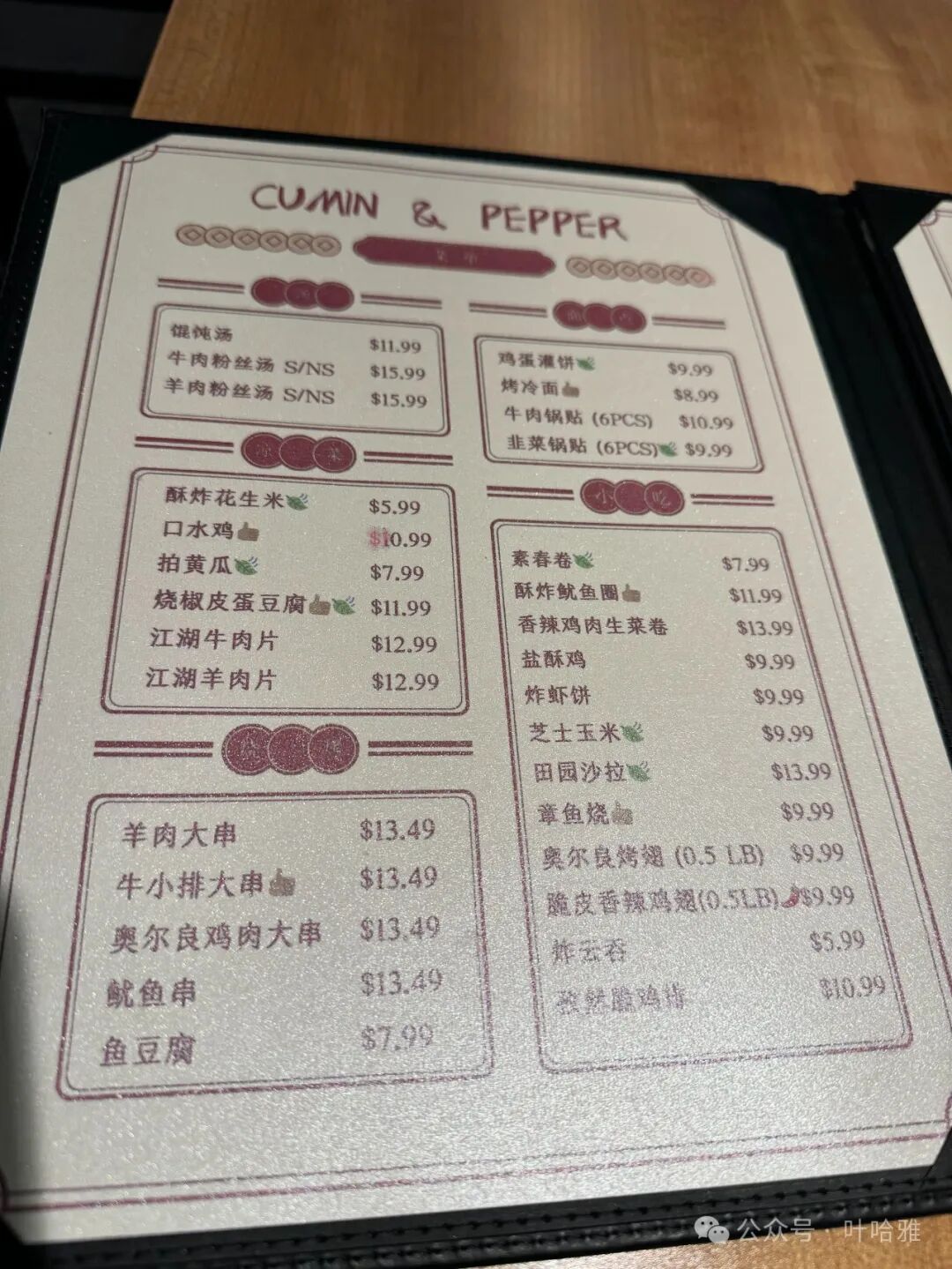
Multiply the prices on the menu by seven to get the cost in RMB. Since you also have to leave a tip, each dish averages about 100 yuan.
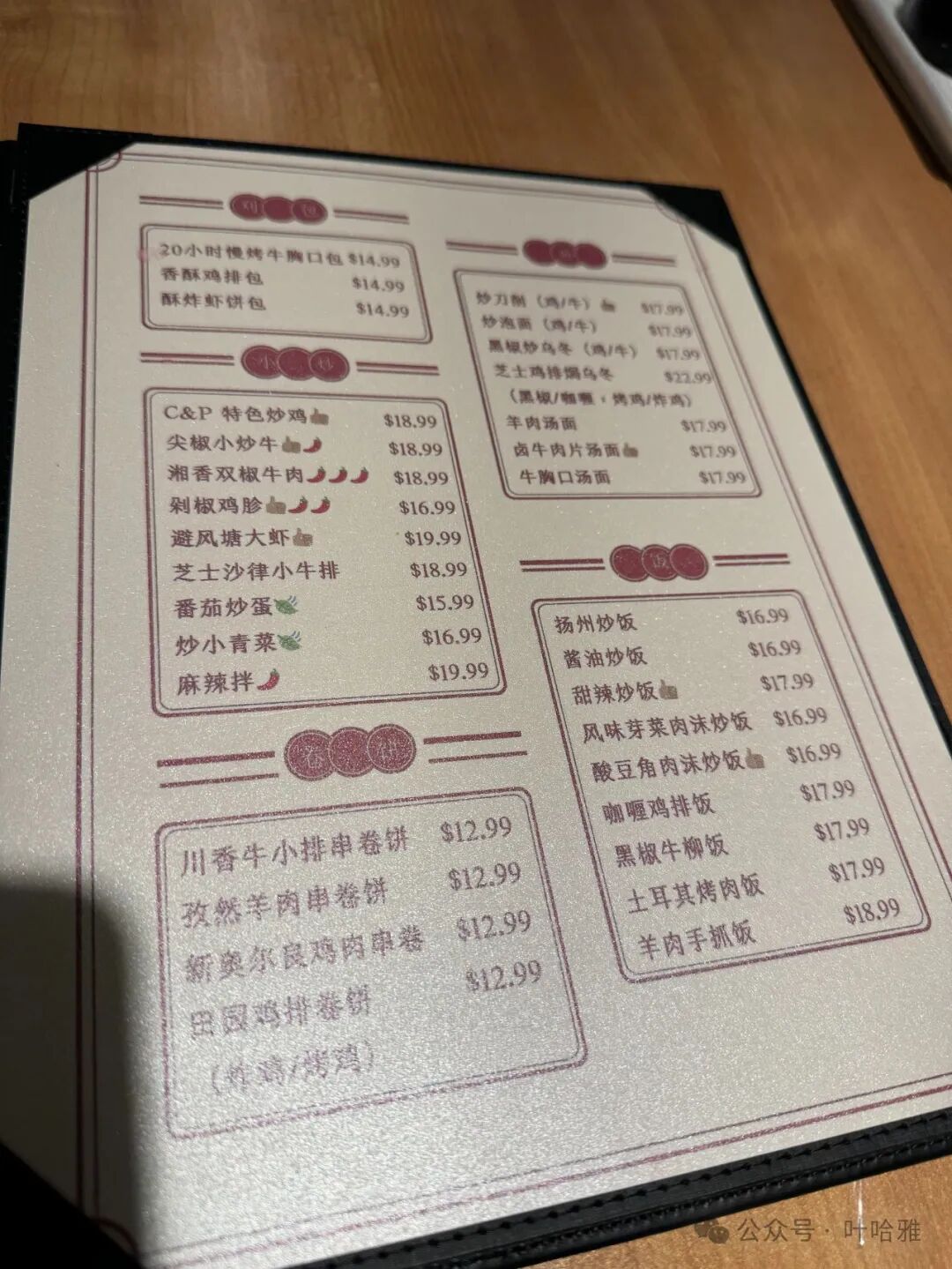
I looked at the menu and guessed the owner probably isn't from Northwest China because there are very few flour-based dishes. They might be from the South.
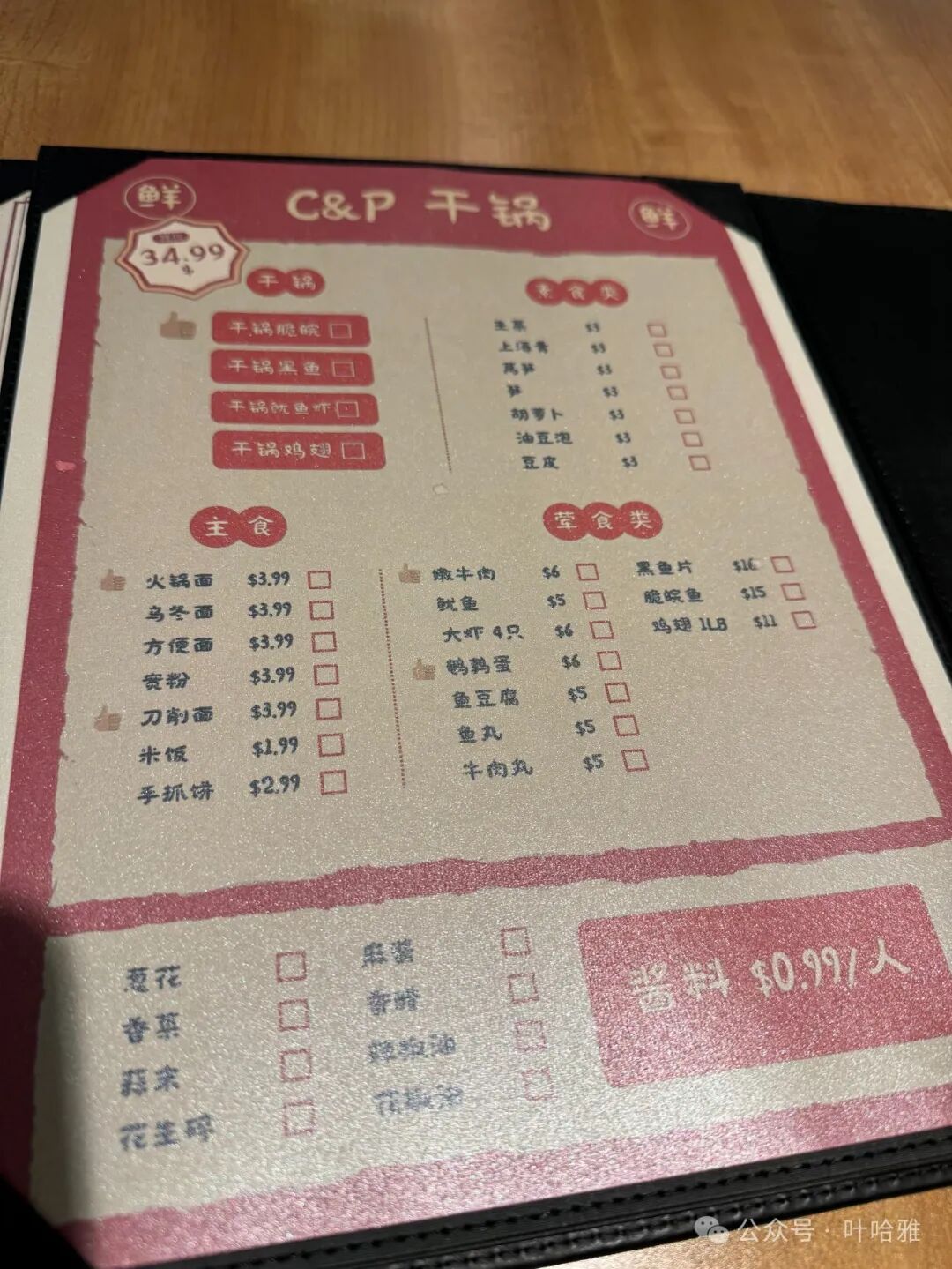
It is also popular in Canada to write a positive review to get a free gift.
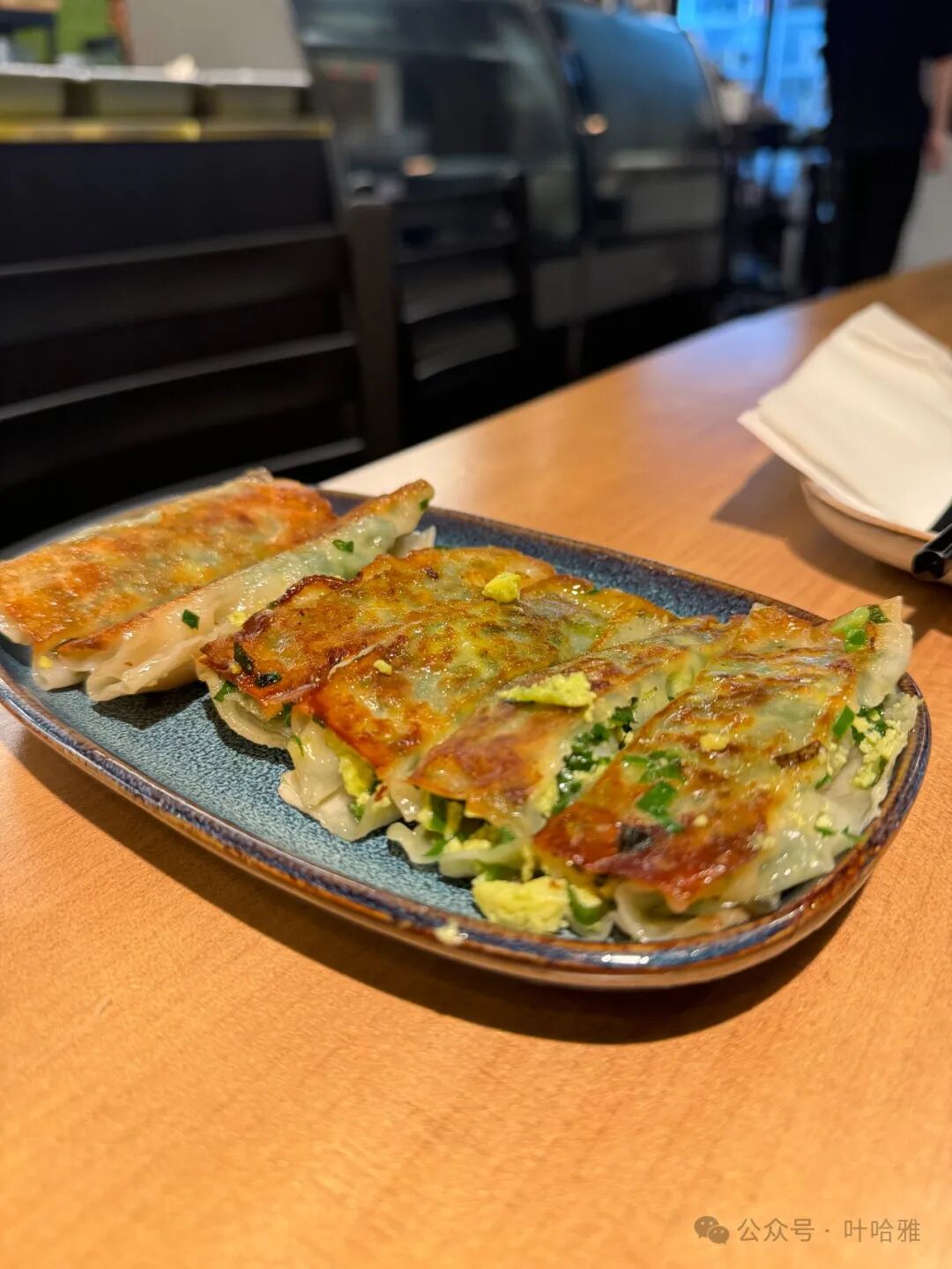
A serving of chive and egg potstickers (guotie) tasted really good. Aside from being expensive, there was nothing wrong with it.
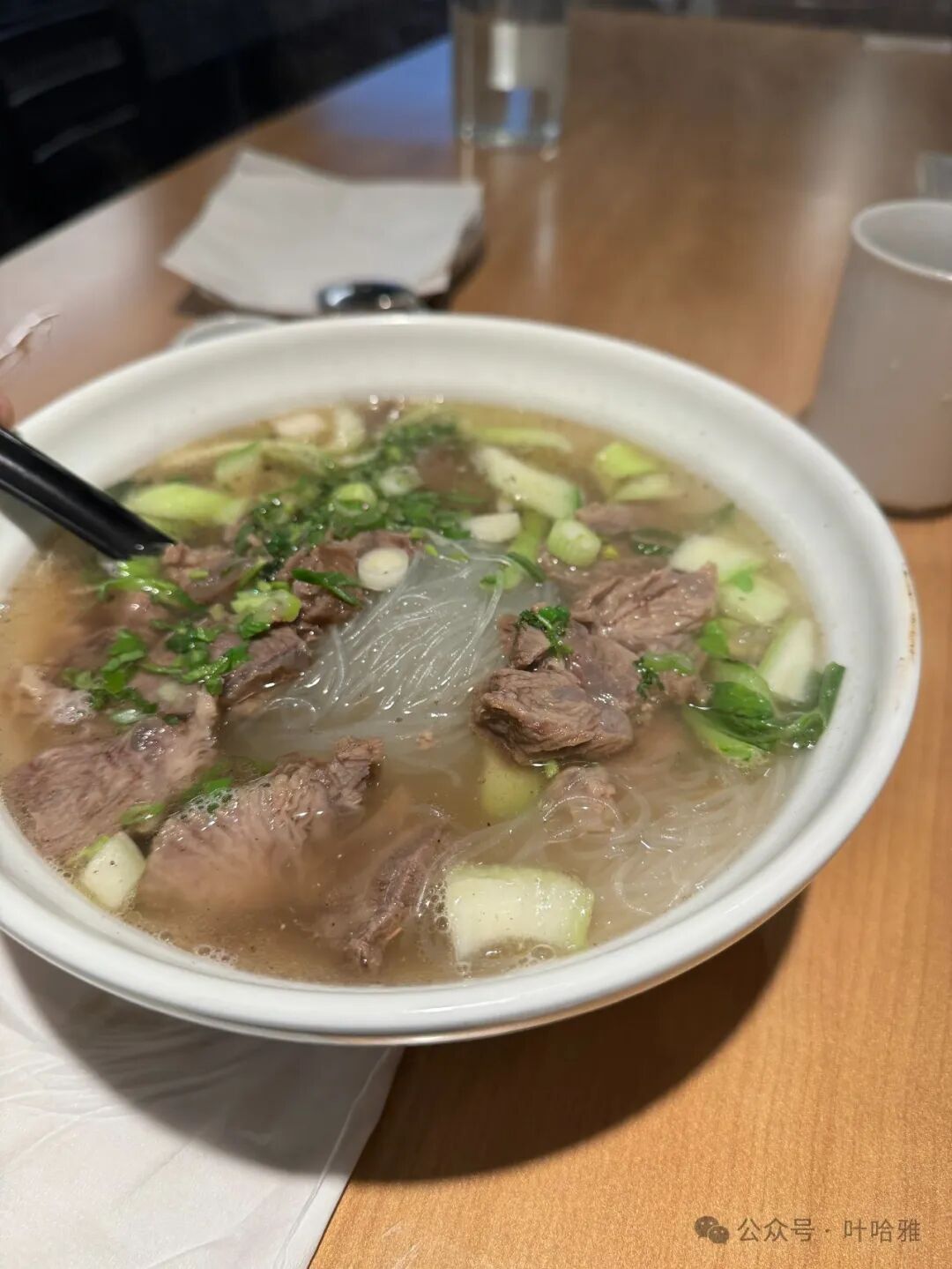
One serving of potstickers wasn't enough, so I ordered a bowl of beef vermicelli soup (niurou fensi tang). The portions were small, and I finished everything.
A Black couple sat across from me. They spent 20 minutes just looking at the menu. I had already finished my meal, and they still didn't know what to order.
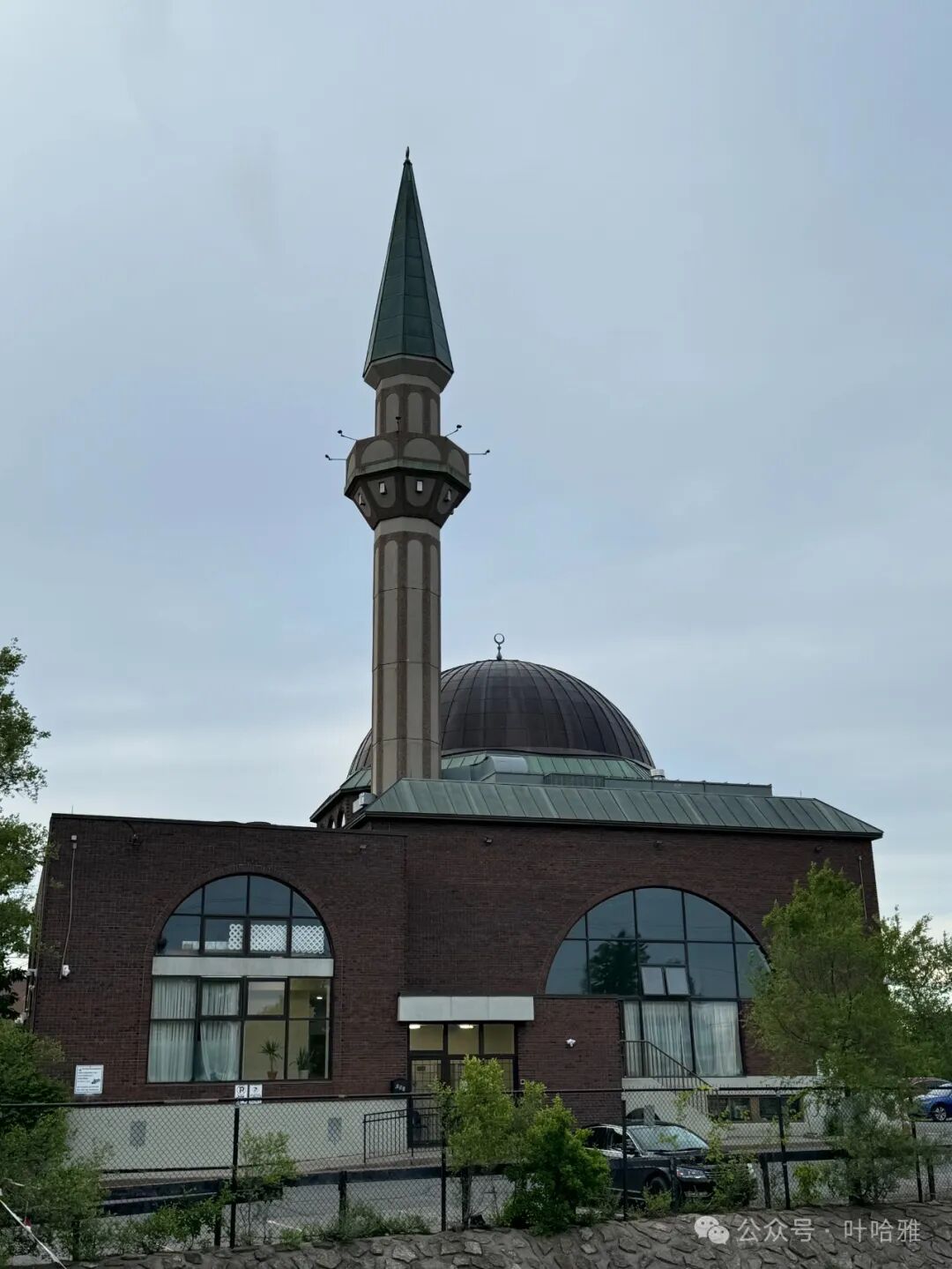
I arrived at the Ottawa mosque in the evening. The mosque is built quite far from the city center and is an Ottoman-style building.
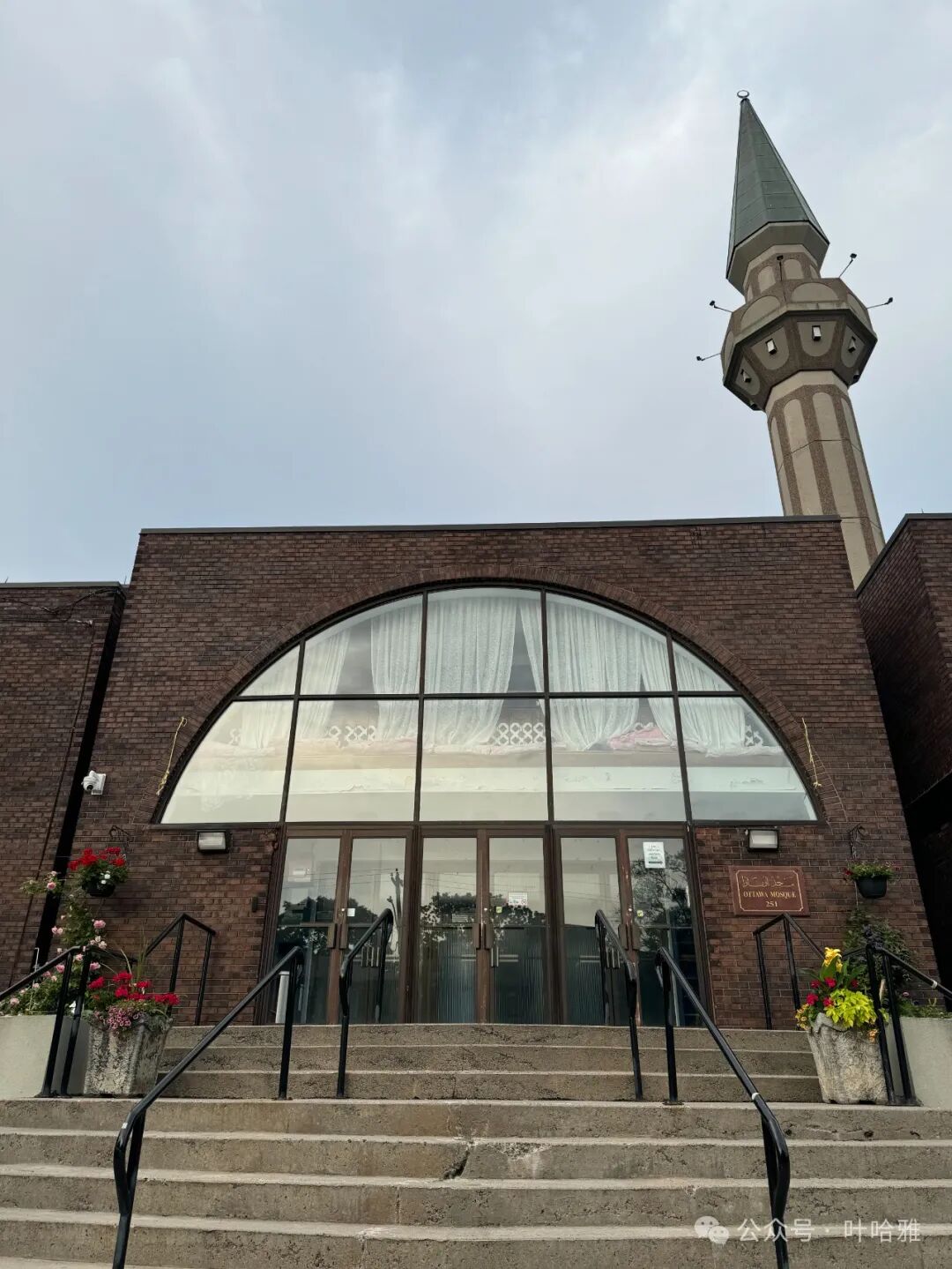
The earliest Muslims to settle in Ottawa date back to the 1950s. As the number of Muslim immigrants in Ottawa gradually increased, the first mosque was built in 1977.
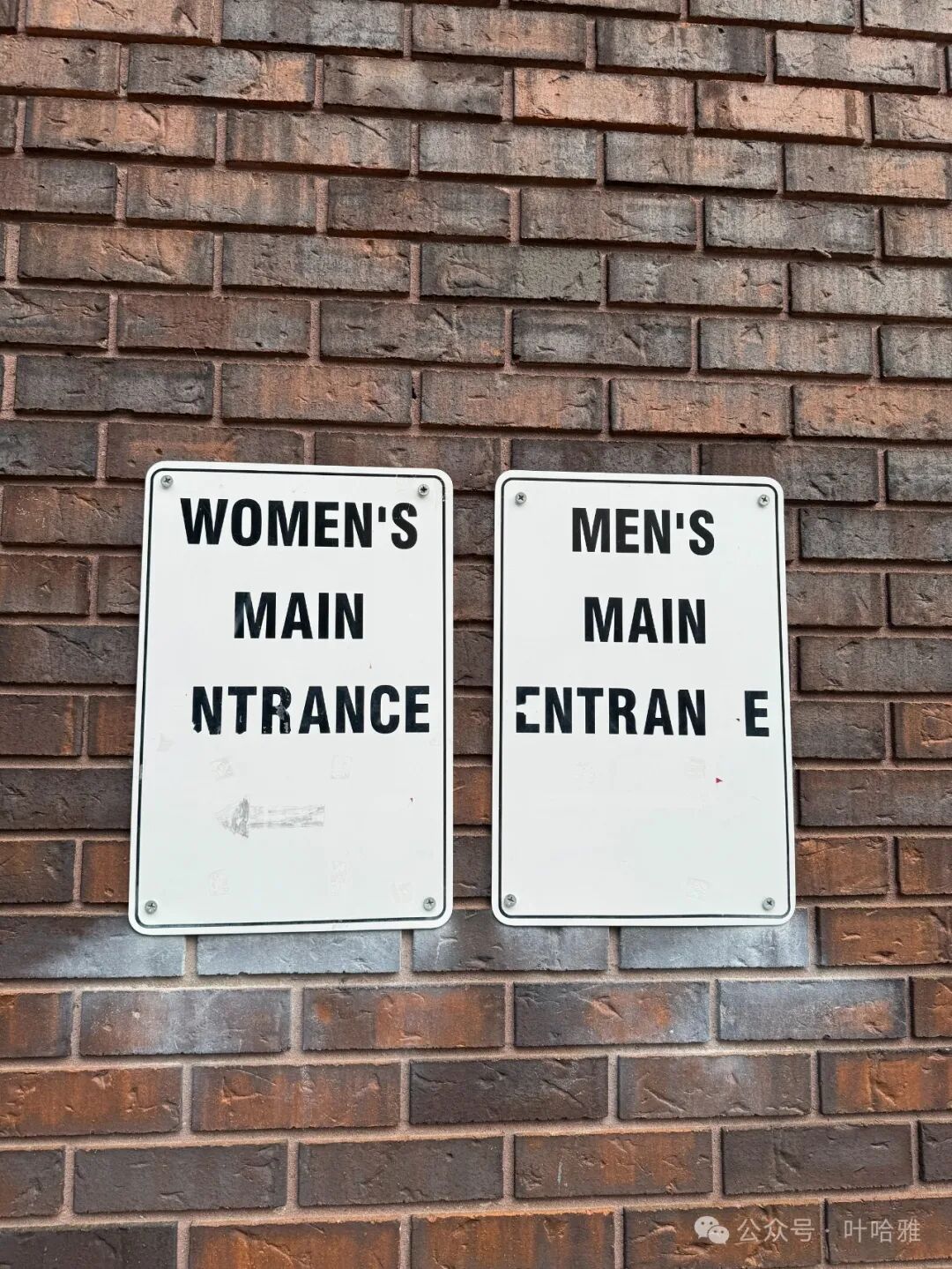
The mosque has three floors. The basement is used for the washroom, and the two floors above ground are separated for men and women.
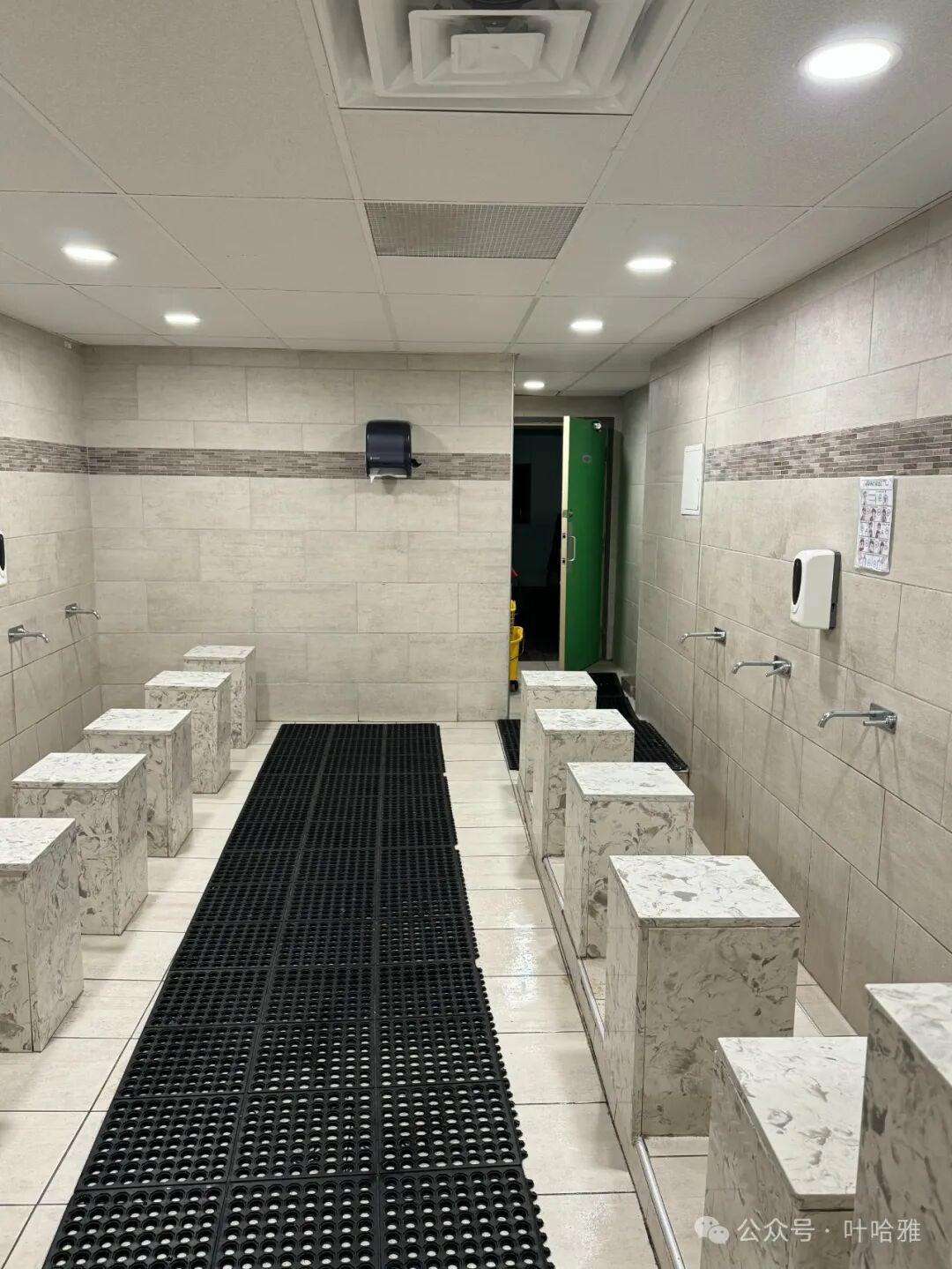
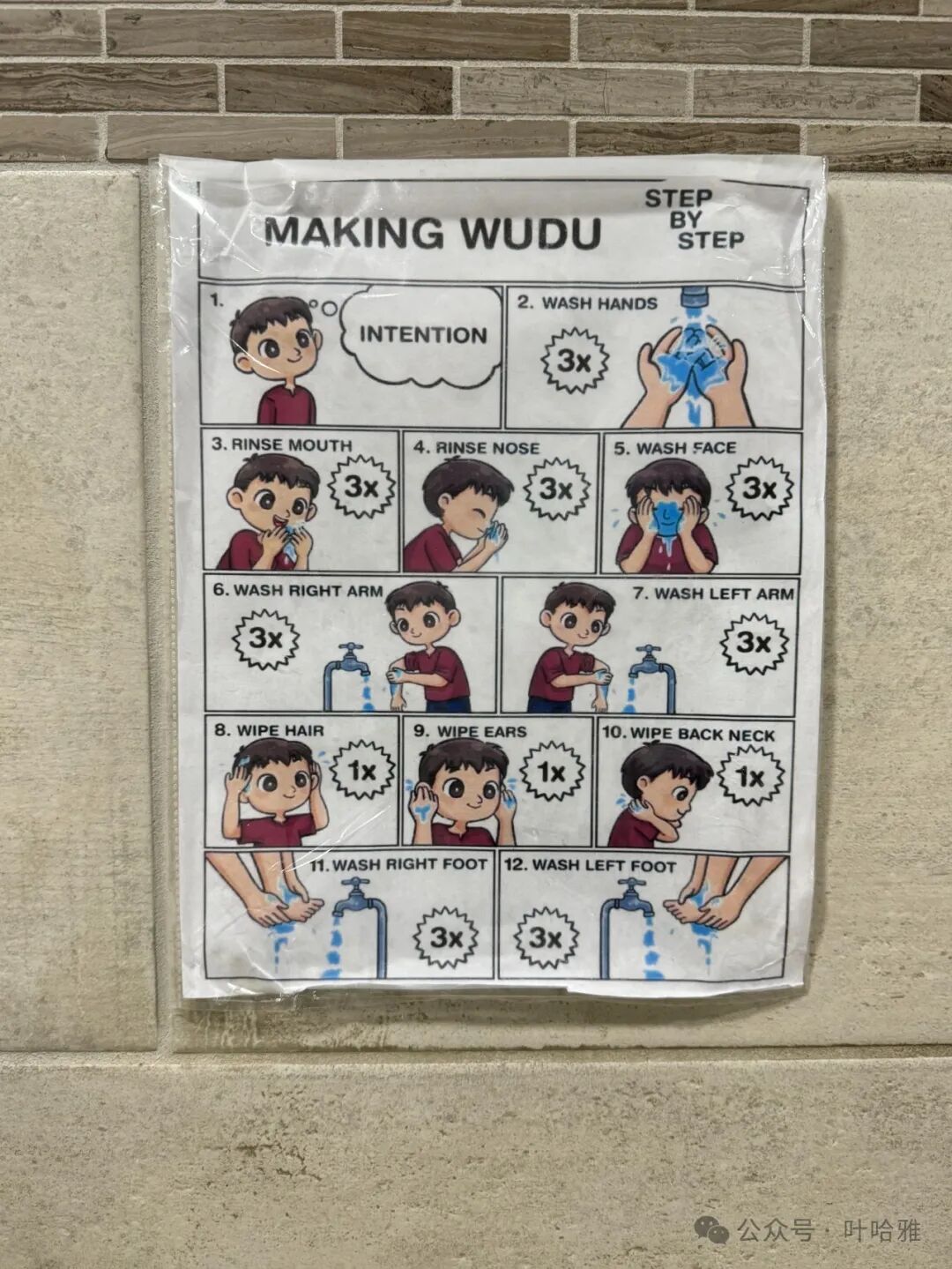
Diagram for wudu (small ablution).
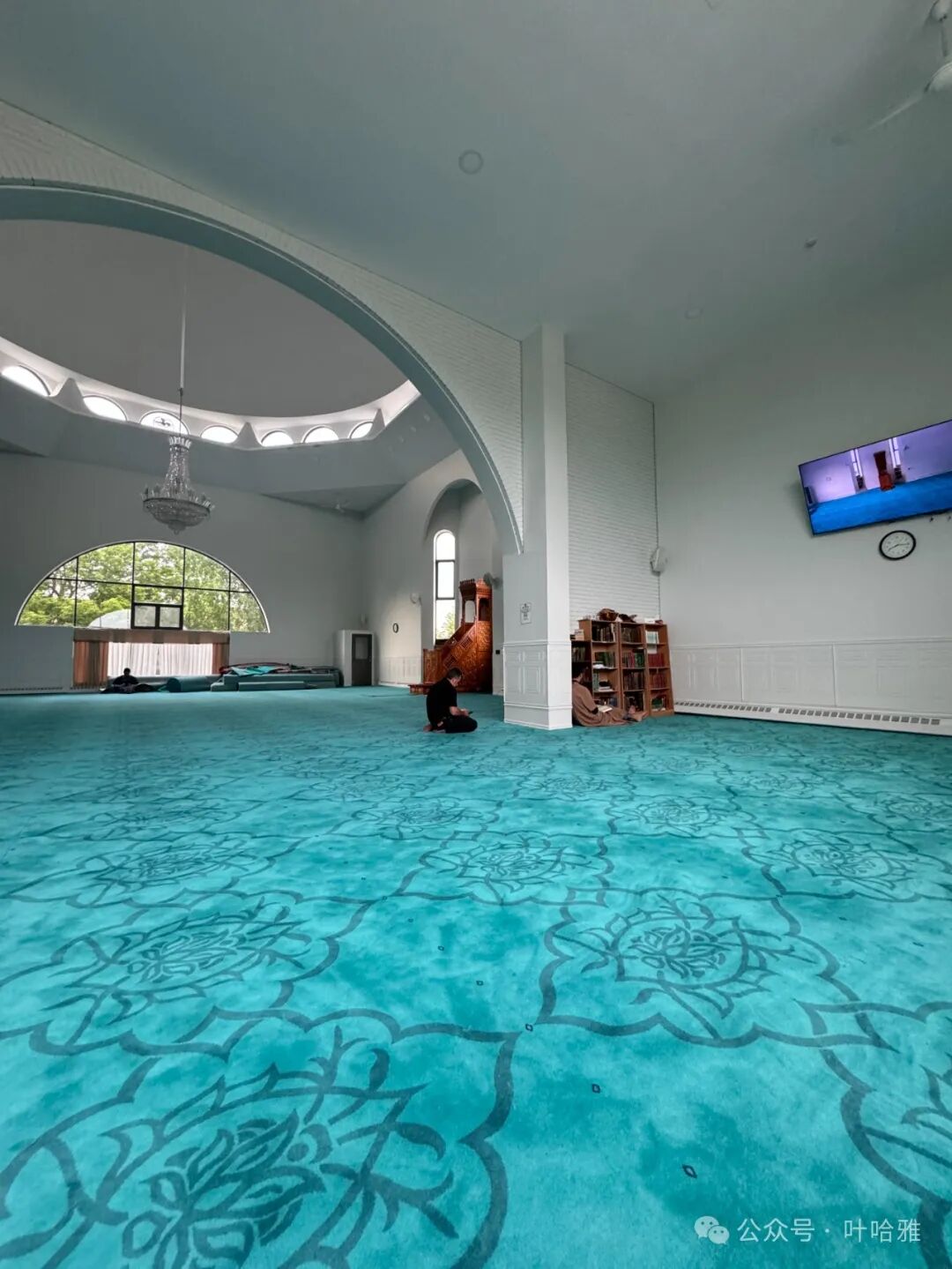
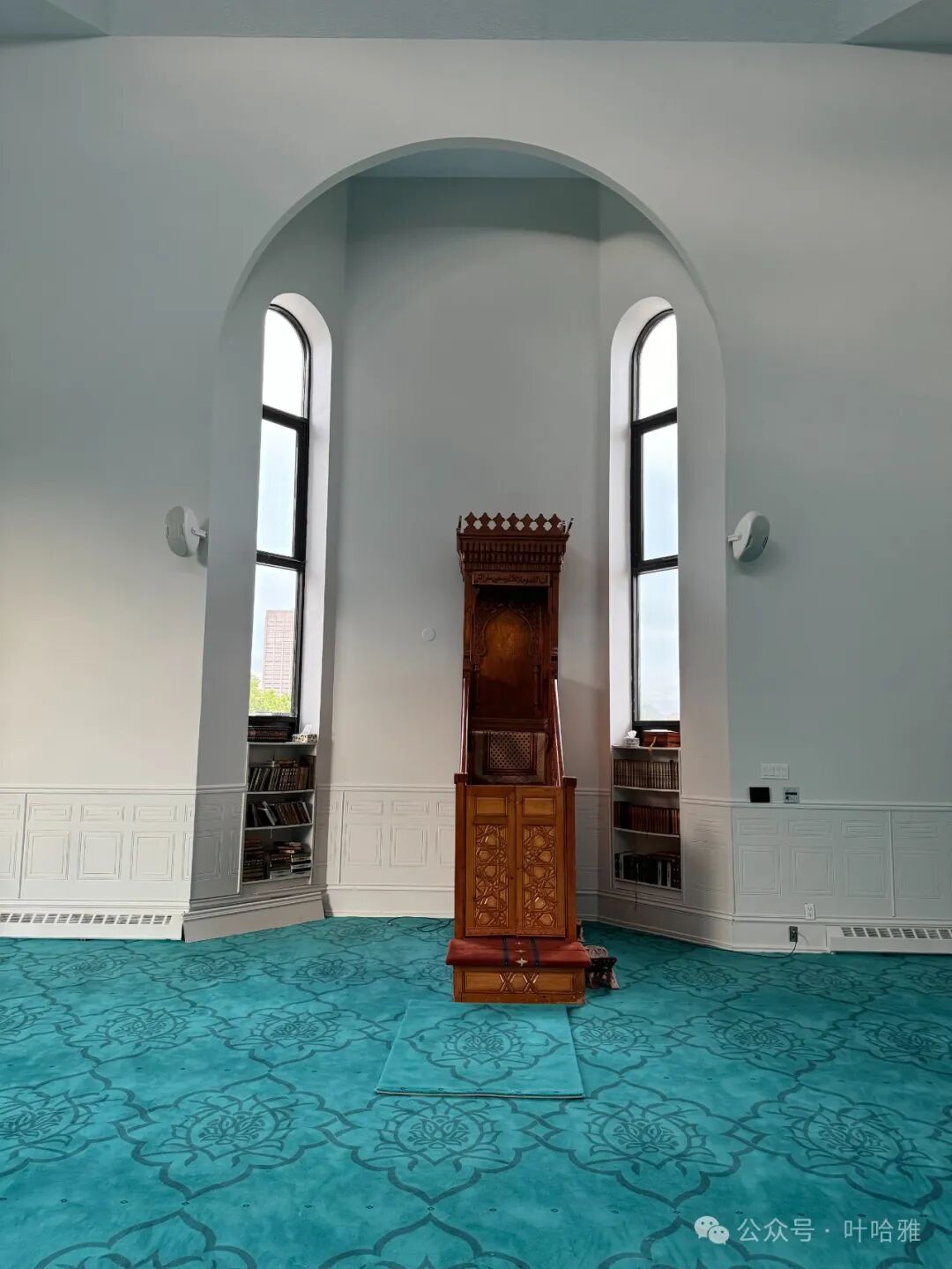
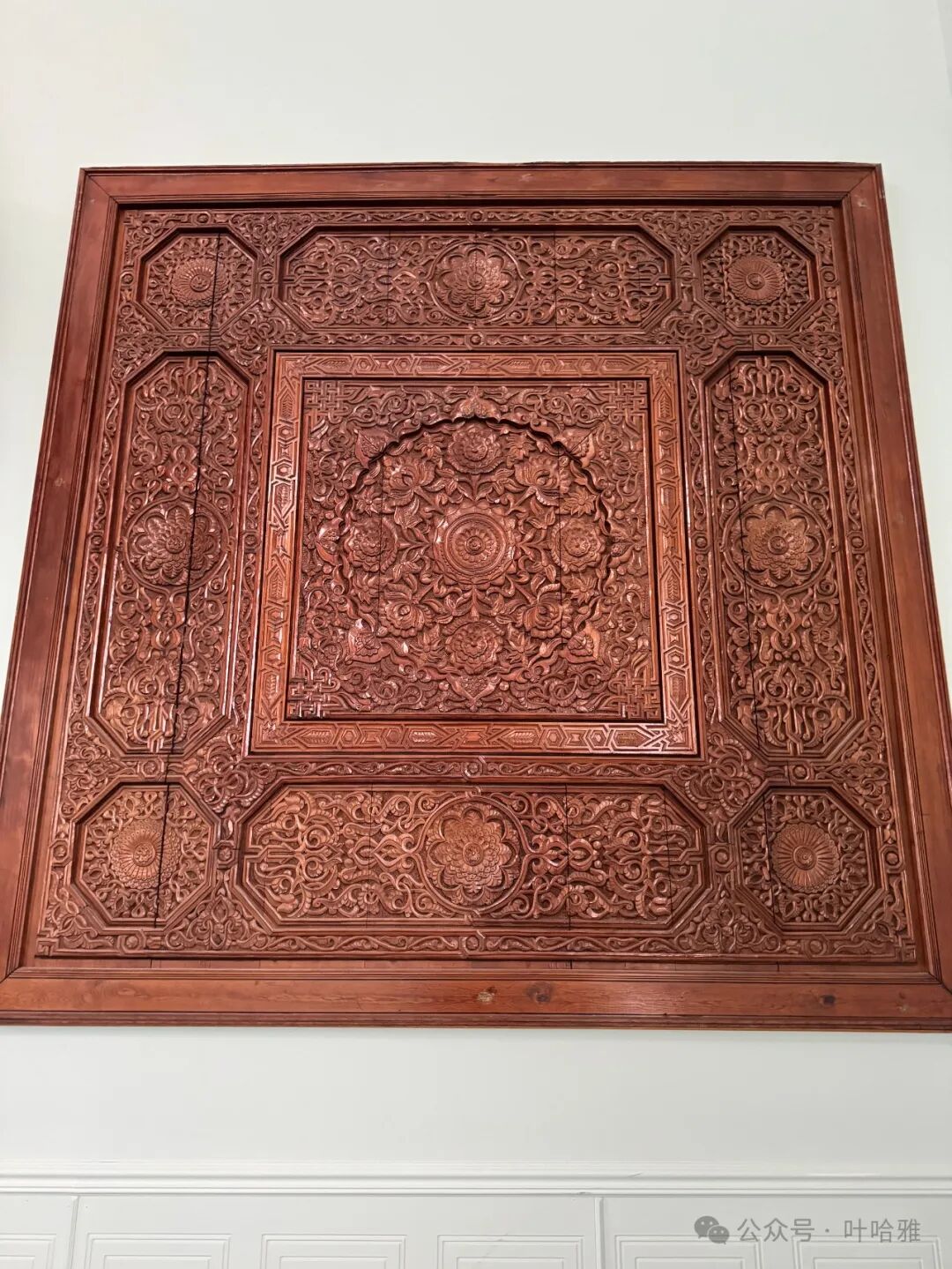
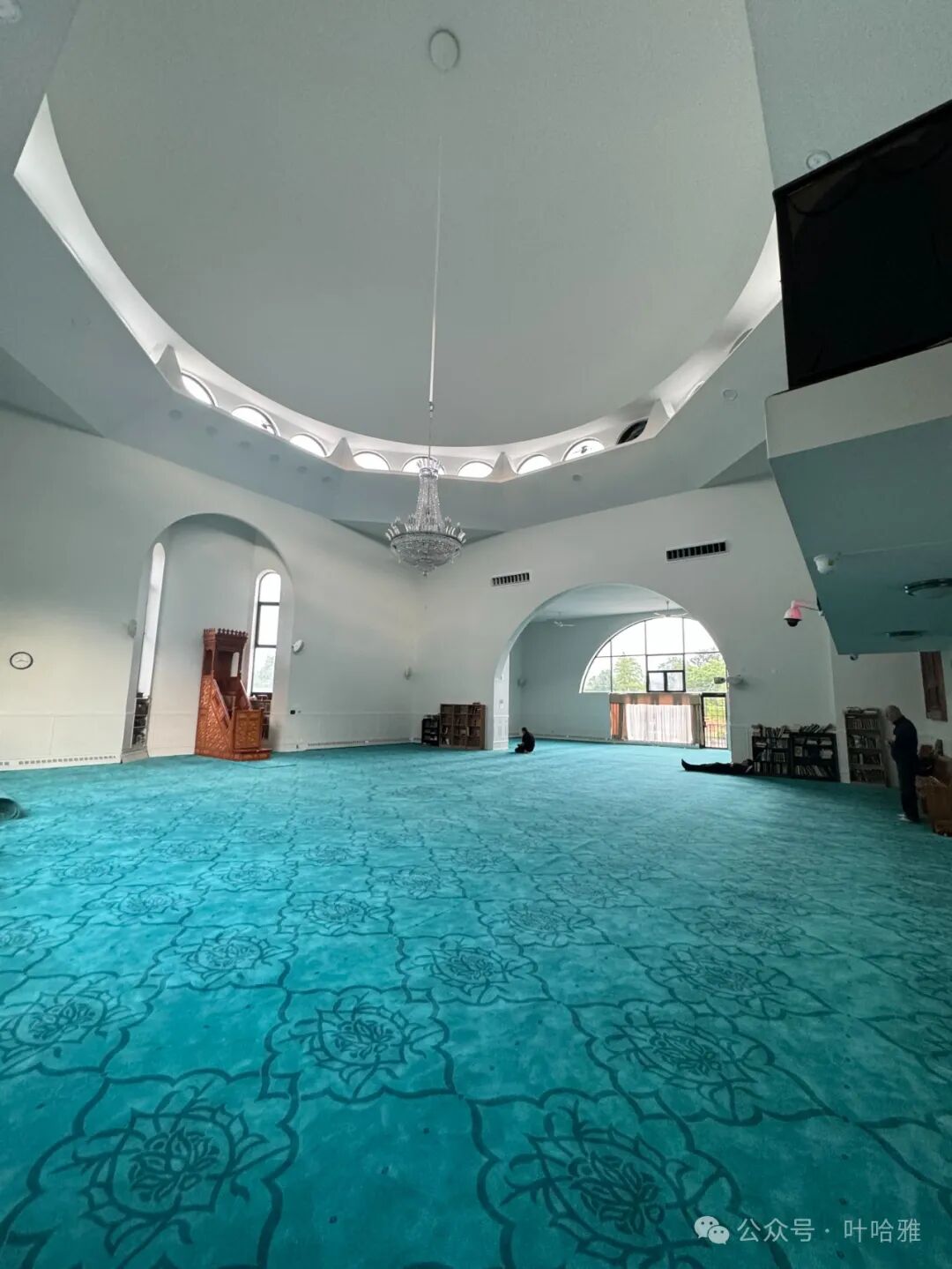
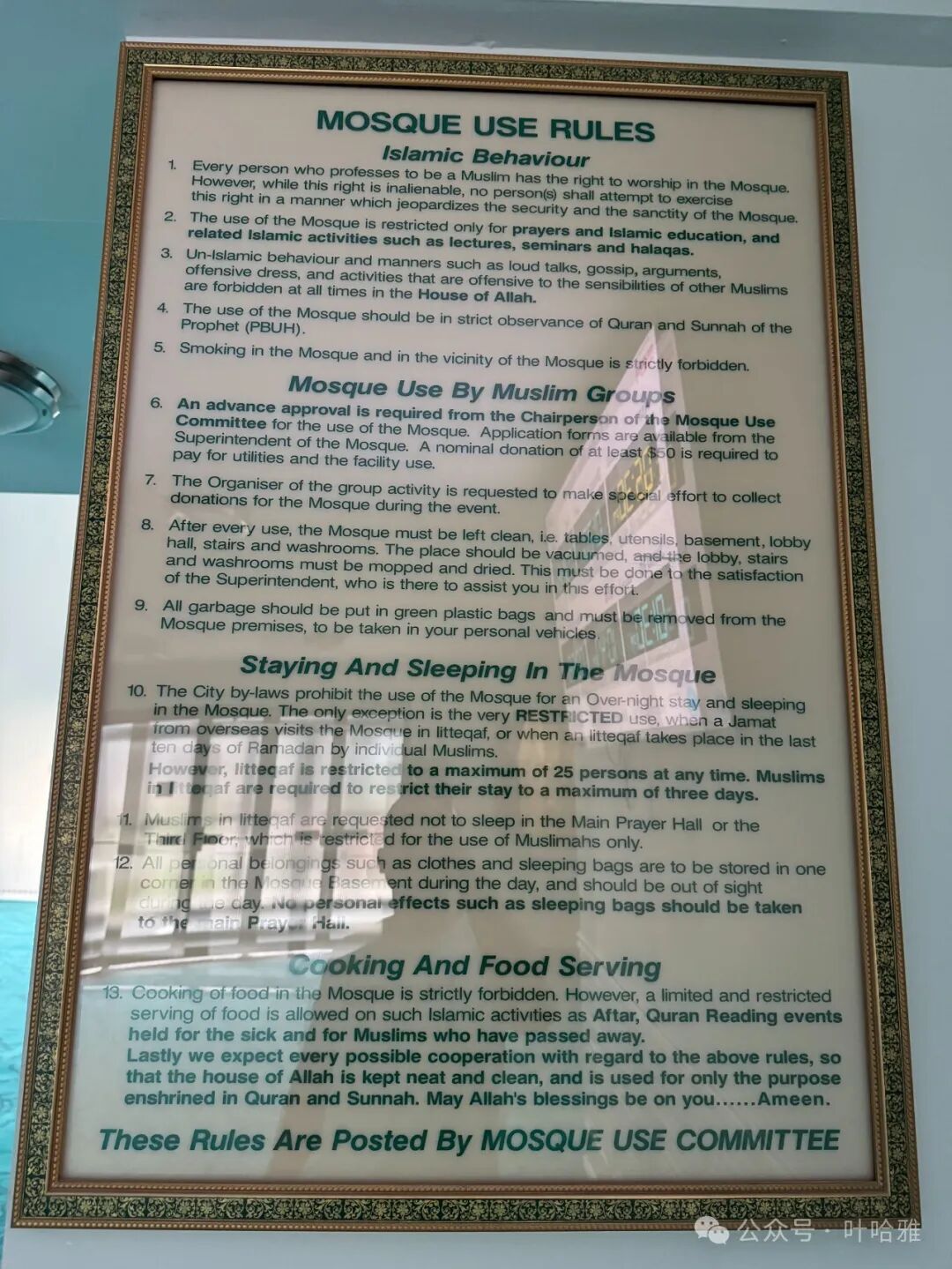
The mosque rules state that sleeping in the main prayer hall is forbidden because it is a place for namaz.
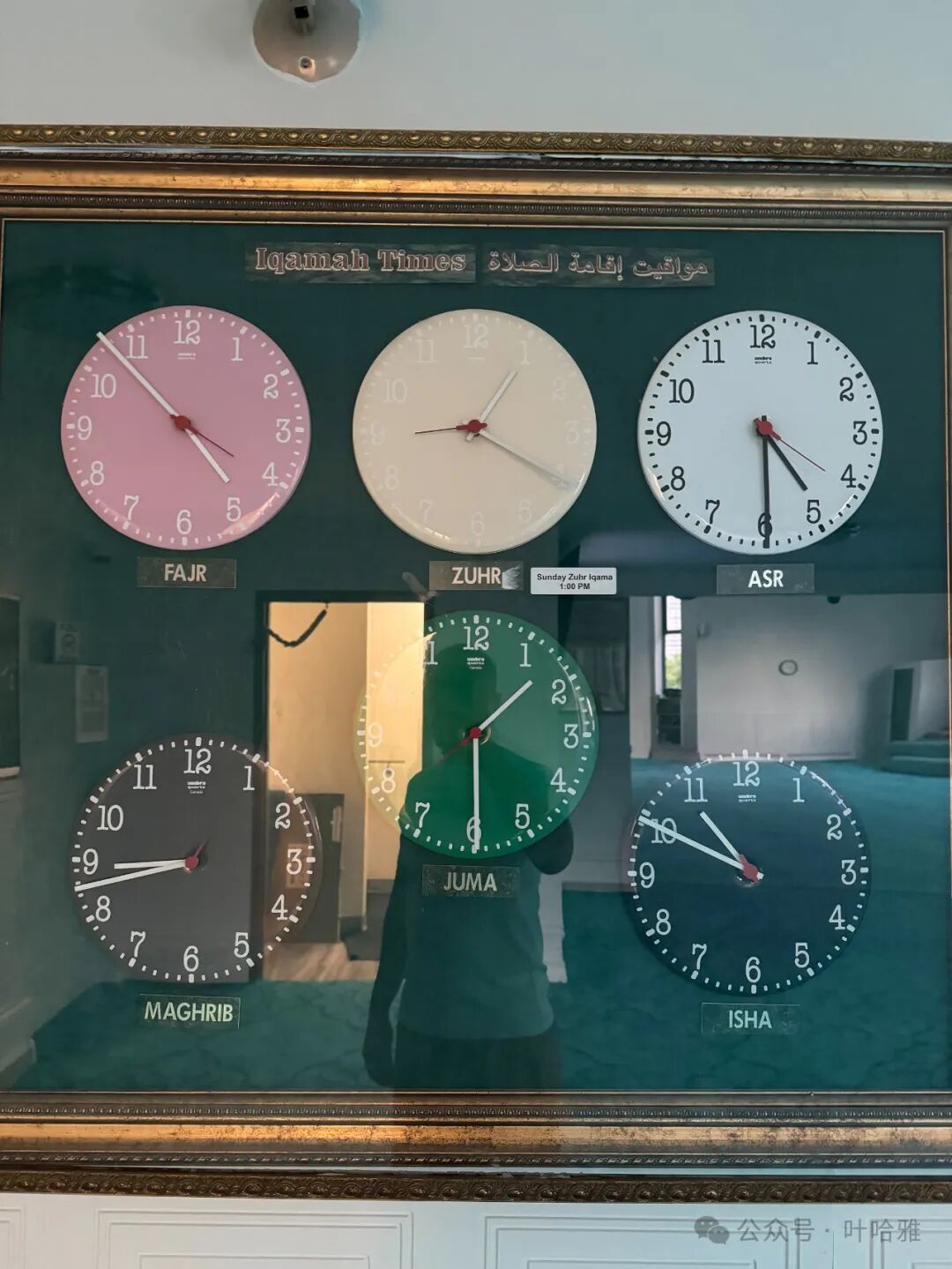
Jumu'ah in Ottawa is set for 1:30, just like on Beef Street (Niurou Jie).
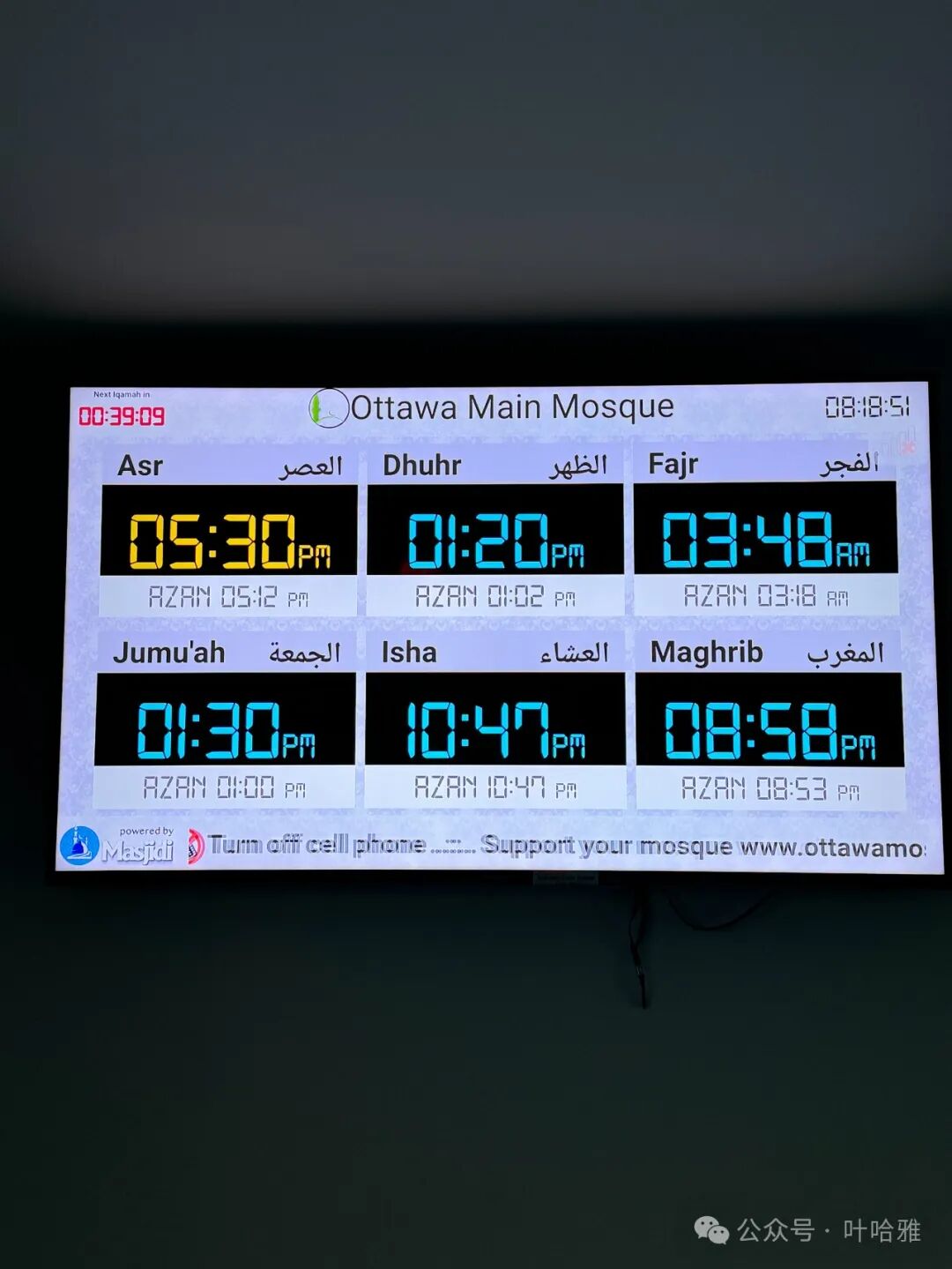
Isha is near 11:00 PM and Fajr is after 3:00 AM. During Ramadan, this means fasting for nearly 20 hours a day. Some scholars say Muslims in extreme locations can follow Mecca time, where prayer times are more balanced. Others disagree, arguing that we should follow the literal meaning of the Hadith and that those who cannot handle it should leave these extreme environments.
This creates a problem in the Arctic Circle, such as in Norway, Finland, or Russia, where there is polar day and polar night. It is either dark for 24 hours or light for 24 hours. Then there are astronauts in space who orbit the Earth over a dozen times a day. If they followed the literal rules, they would have to pray nearly a hundred times a day.
If we listen to the scholars who oppose changing the rules, we would have to leave the polar regions and leave that land to the People of the Book. We also shouldn't go into space, because if we did, we would have to pray constantly and couldn't get any work done.
Food and lodging in Ottawa are more comfortable and offer better value than in Montreal. I really like their slow-paced atmosphere.
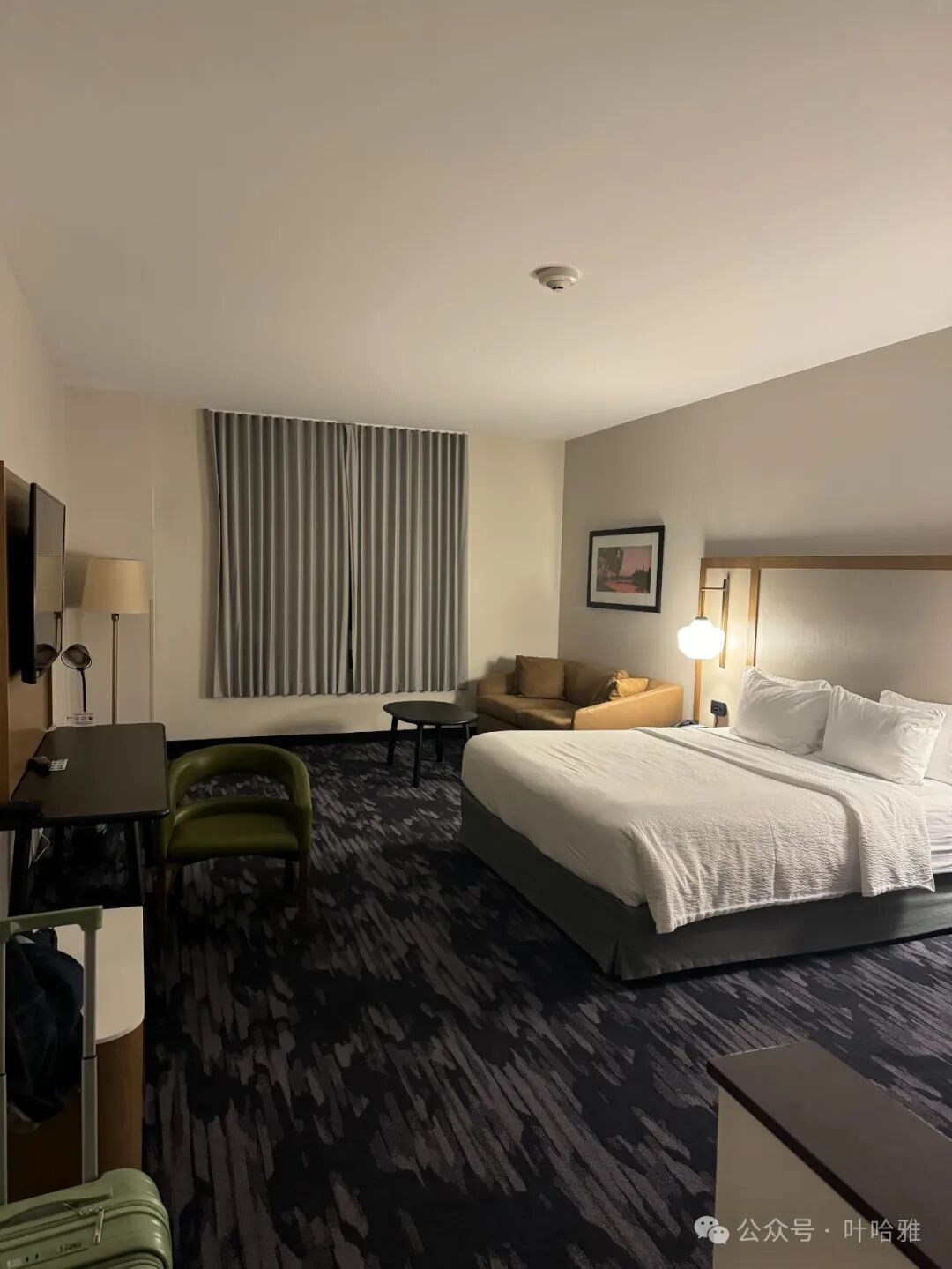
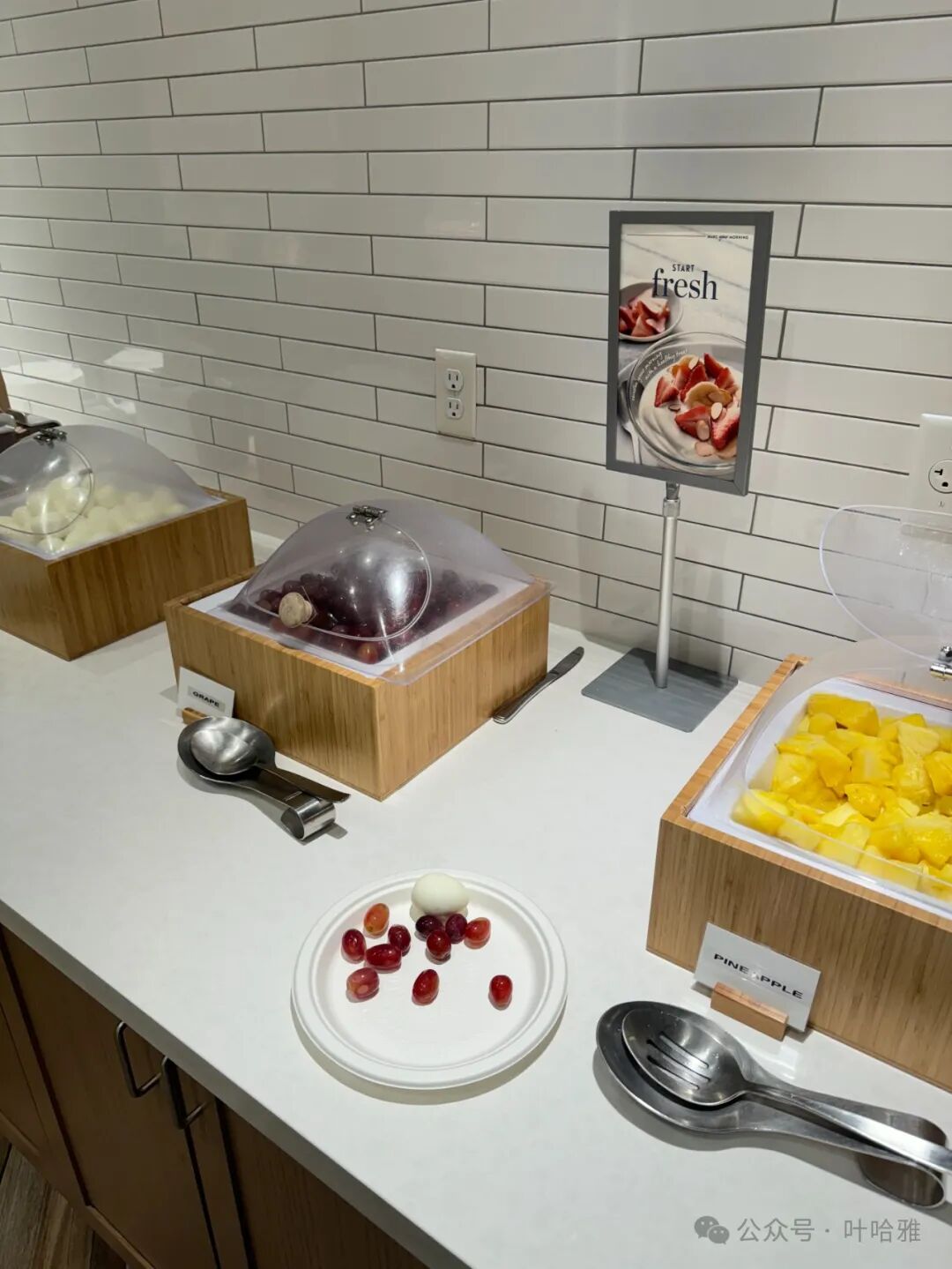
I observed the breakfast habits in Western hotels. They like to eat hard-boiled eggs, and they are always peeled in advance.
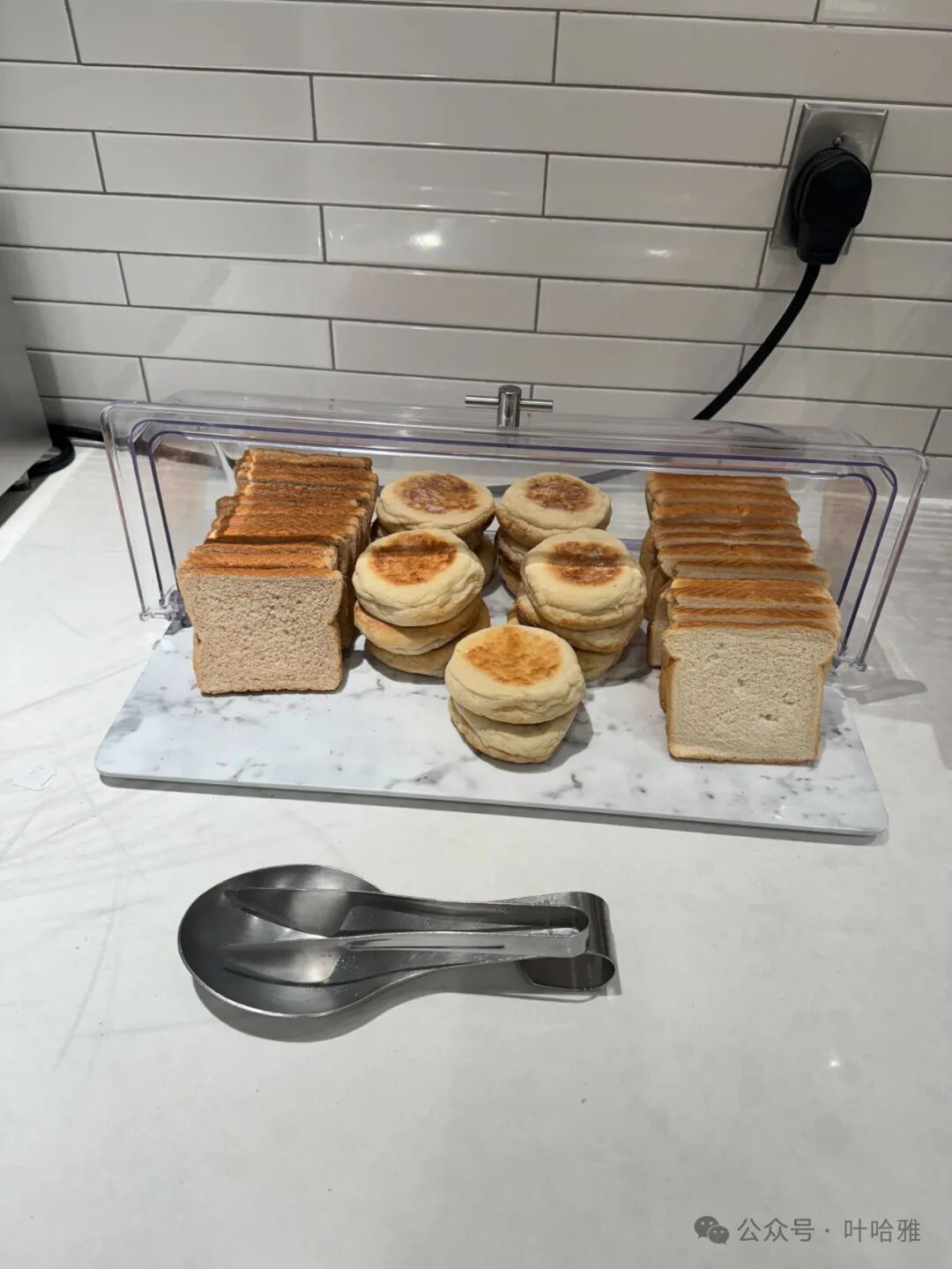
Bread, cheese, coffee, and milk are standard. Coffee is a must, and at breakfast, white people will line up to get their coffee first, refilling cup after cup.
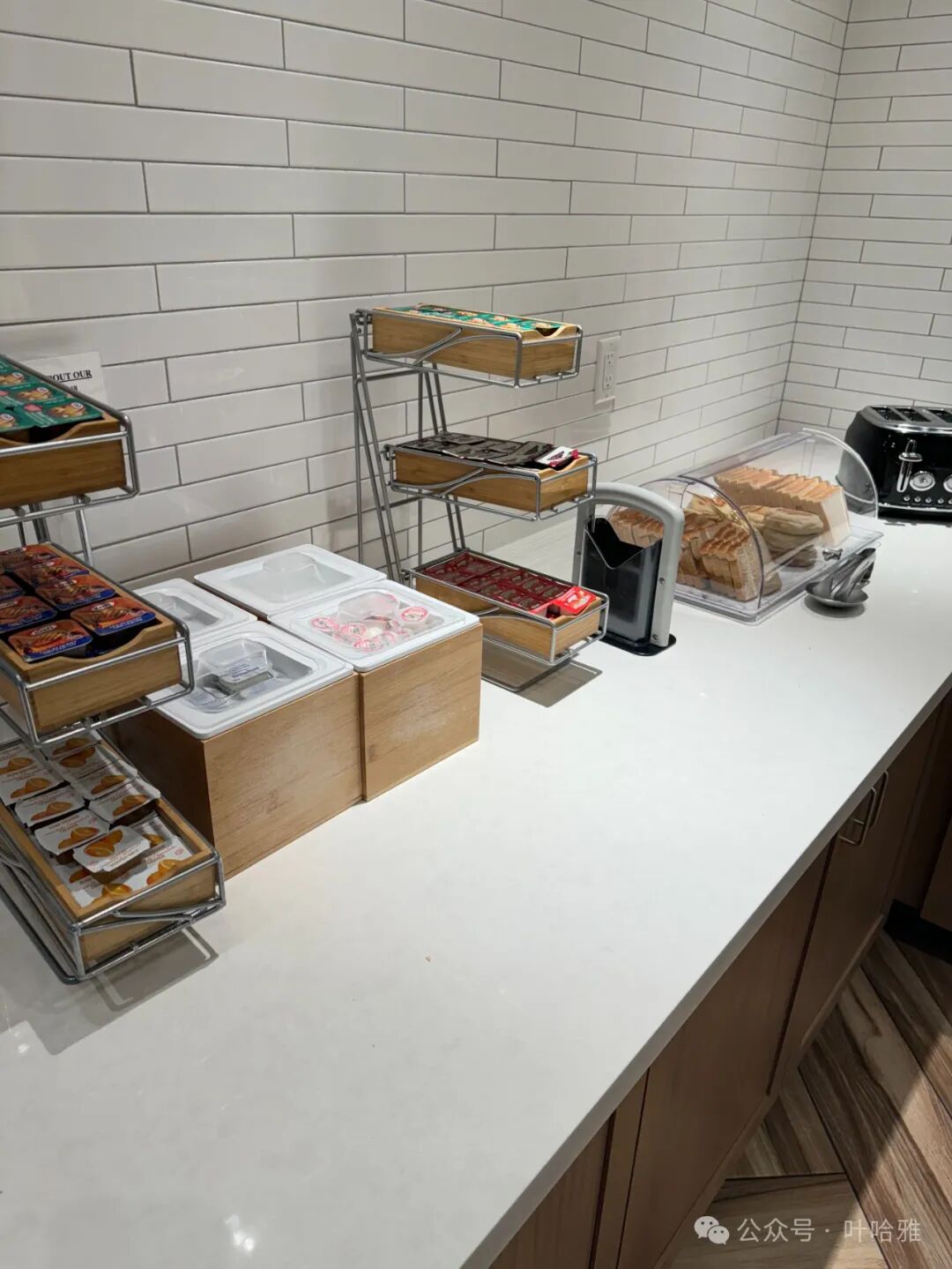
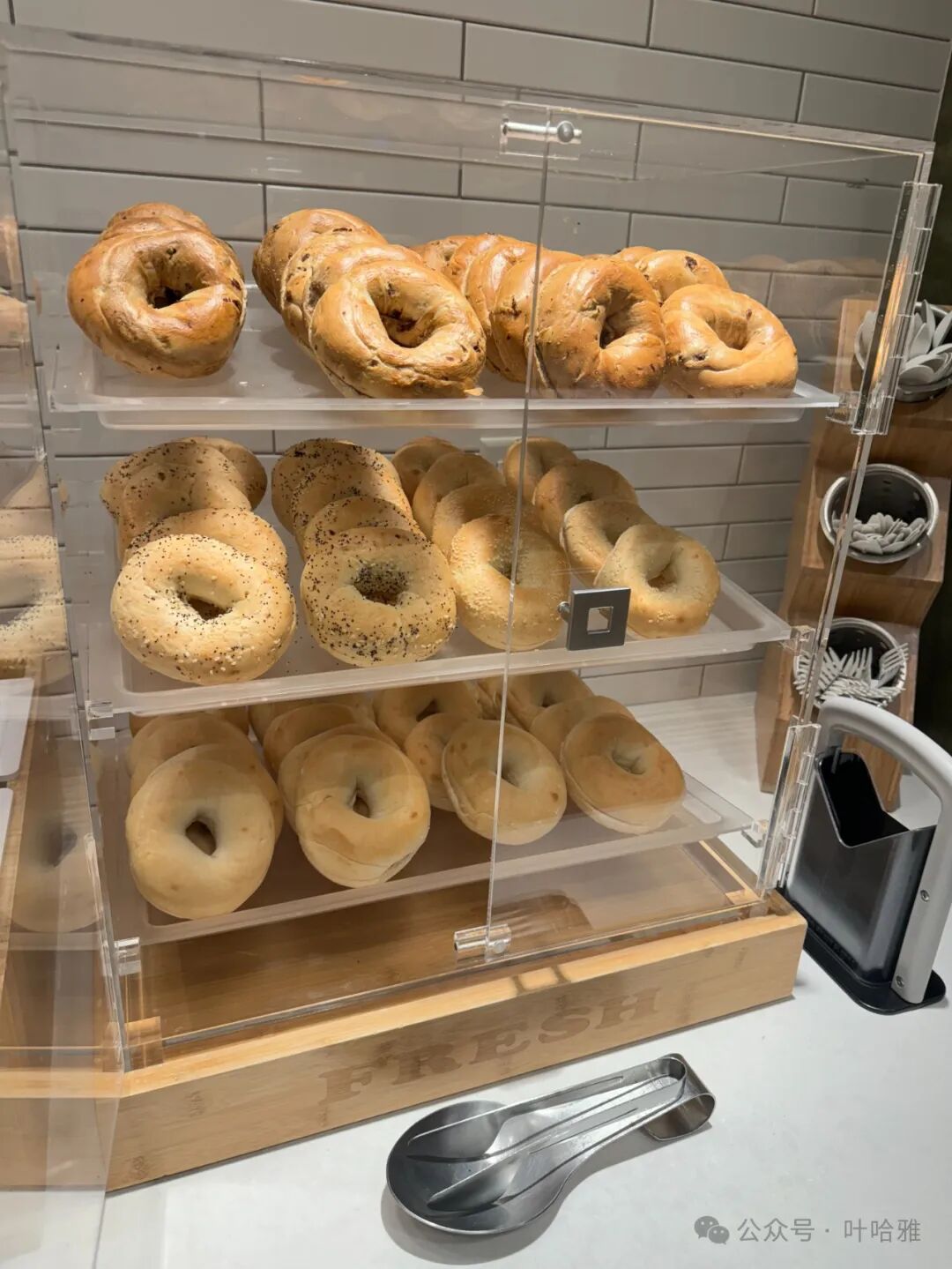
You can eat these bagel breads; Westerners almost never use lard when making bread.
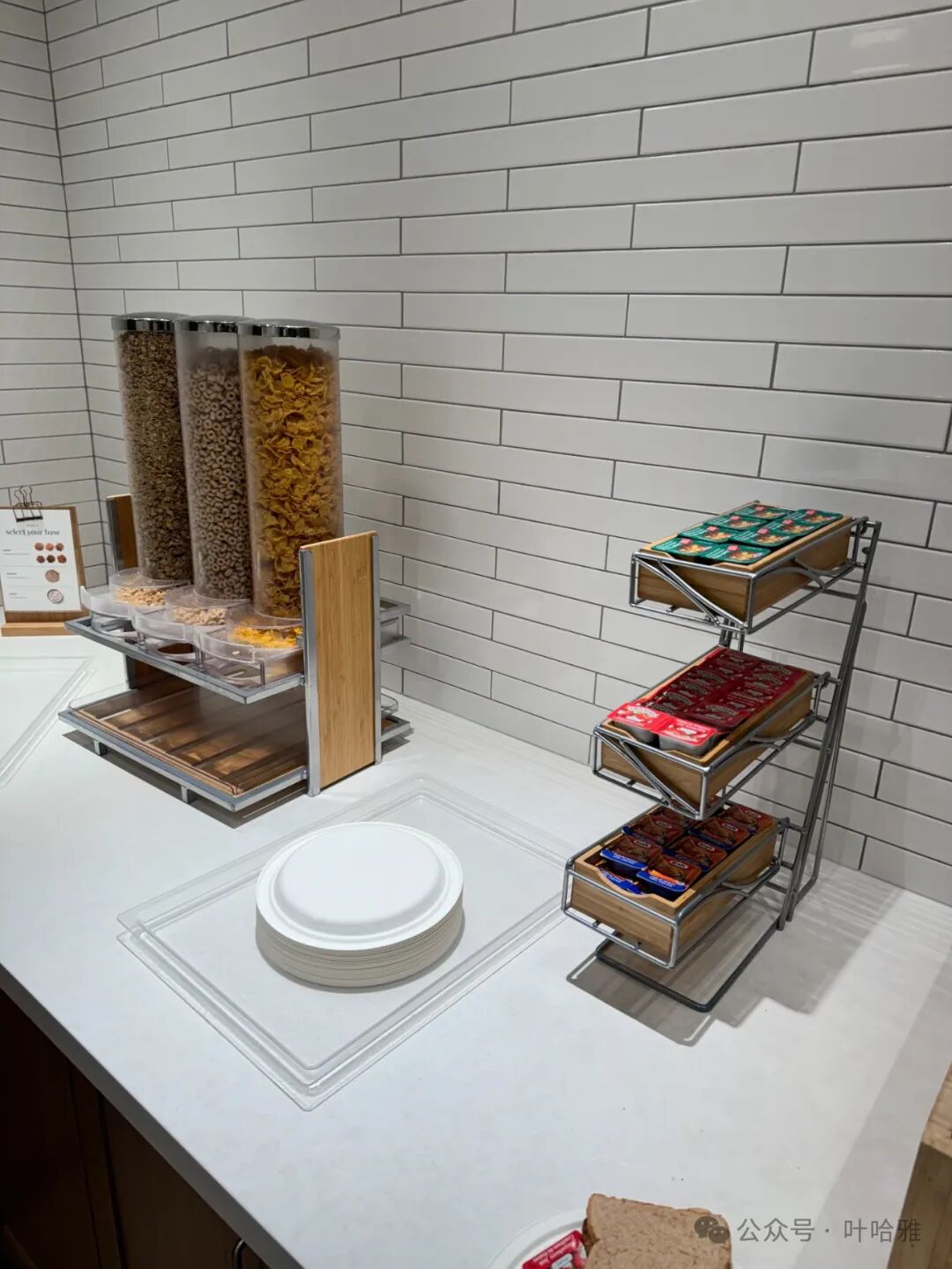
They have all kinds of cereal with milk, and they eat butter like it is a main dish. I usually find two enough, but white people can eat five or six.
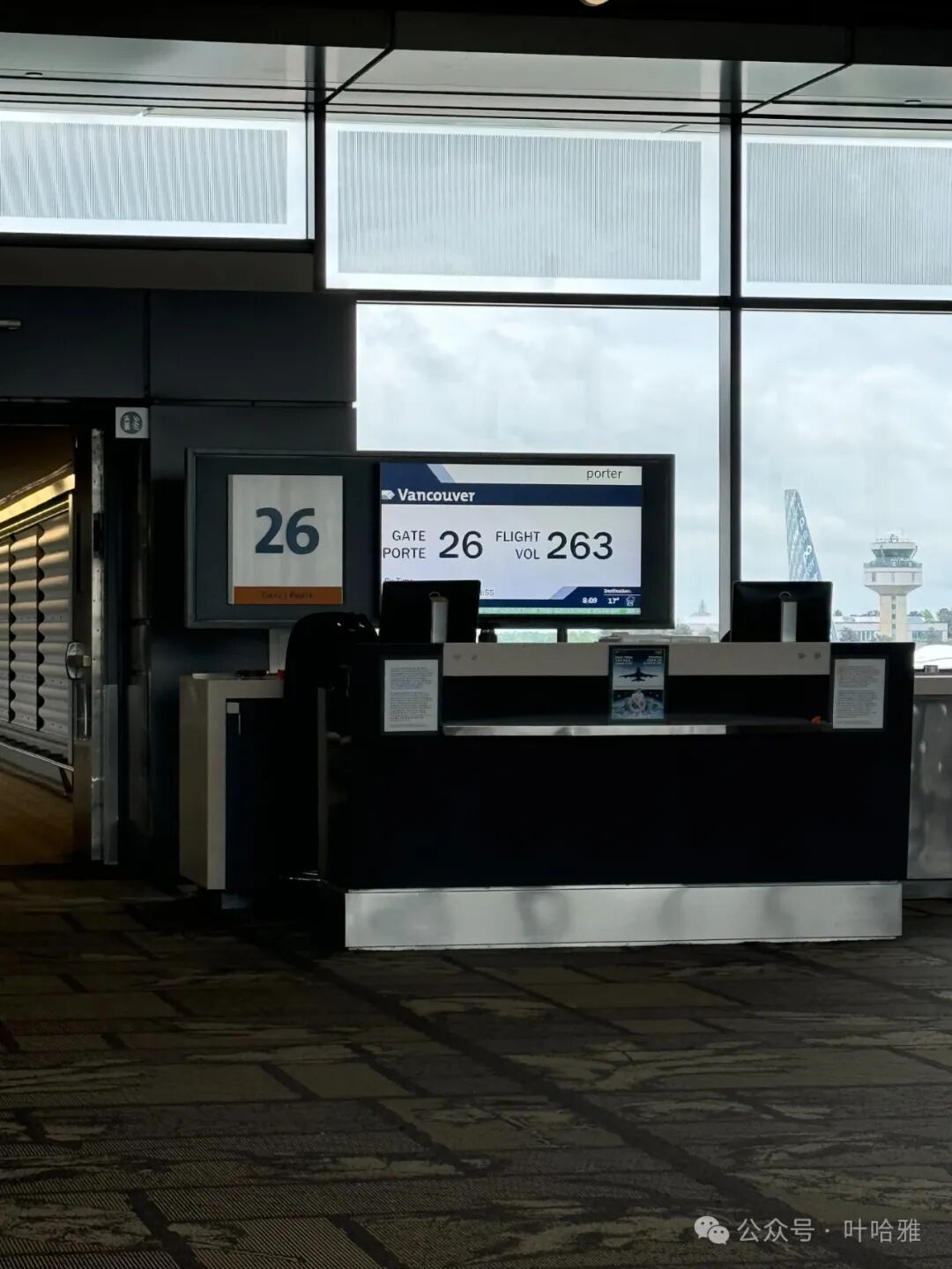
After a wonderful day in Ottawa, I am getting ready to fly to Vancouver. It is a flight of over 5 hours, which is like flying from Guangzhou to Xinjiang, crossing two time zones. Vancouver is a beautiful city, and I will introduce its mosques and halal food in the next post.
Best Halal Food Kuala Lumpur: Lanzhou Beef Noodles, Halal Dim Sum and Muslim Street Dining
Articles • yusuf908 posted the article • 0 comments • 238 views • 2026-05-22 23:08
Summary: This Kuala Lumpur halal food guide introduces local Muslim dining, Musa Lanzhou Beef Noodles, Arabic barbecue, mamak food, MOZA, Nyonya flavors, street dining, Japanese, Korean, Thai options, and Cantonese-style dim sum.
A Guide to Halal Food in Kuala Lumpur is presented here as a firsthand travel account in clear English, beginning with this scene: This is my third time visiting Malaysia. I spent a long time in Kuala Lumpur, totaling 15 days, plus three days on Redang Island and one day in Malacca. The account keeps its focus on Halal Travel, Yiwu Food, Muslim Travel while preserving the names, places, food, and historical details from the Chinese source.
This is my third time visiting Malaysia. I spent a long time in Kuala Lumpur, totaling 15 days, plus three days on Redang Island and one day in Malacca. I ate at 16 restaurants in Kuala Lumpur and tried 16 different flavors. The food in Kuala Lumpur is so rich, delicious, and affordable that my love for Malaysia has grown even more.
The list of Kuala Lumpur restaurants featured in this post is as follows:
1. Musa Lanzhou Beef Noodles (Musa Lanzhou niurou lamian)
2. HABIBI SURIA Arabic BBQ
3. SELERA AMPANG Indian Mamak stall
4. Islamic Arts Museum MOZA Restaurant
5. KENNY HILLS BISTRO Four Seasons Hotel Afternoon Tea
6. RasaNya Nyonya Restaurant
7. Tapak Urban Street Dining night market
8. DOZO Japanese Cuisine
9. Hong Kong Xuan Chuan Cantonese Restaurant
10. KUNG JUNG Korean BBQ
11. Absolute Thai restaurant
12. PEONY CANTON BOY Cantonese dim sum
13. DOLLY DIM SUM Cantonese dim sum
14. Taco Bell Mexican fast food
15. Din Tai Fung Taiwanese food
16. MAKAN Malaysian buffet
1. Musa Lanzhou Ramen
Musa Lanzhou Ramen is located on the ground floor of Wisma Central, right along the street. It is the first ramen shop my mother-in-law opened in Kuala Lumpur. The shop is right next to the Petronas Twin Towers (KLCC), so it is very easy to find. The restaurant is smoke-free and alcohol-free, and it is clean and hygienic.
I know many friends struggle with Southeast Asian food, so you can choose to come here for a bowl of ramen.
Besides ramen, they also serve mixed noodles, big plate chicken (dapanji), dumplings, and kebabs. The restaurant has been open for over a year and is doing great business, with most customers being Malay.
I have hosted many friends from Kuala Lumpur at the shop, and the most popular dishes are the ramen and the kebabs.
A fresh pot of big plate chicken (dapanji) with wide belt noodles (pidaimian) is also very satisfying, though Malay people prefer mixed noodles (banmian).
2. Habibi Suria
Next door to Musalan Beef Ramen is an Arab-owned grilled meat and pizza shop. Their signature grilled meat wrap (shawarma) isn't as good as their pizza, so when I've had too much ramen, I occasionally go there to order a pizza.
Their pizza is definitely much better than their shawarma. It is always freshly baked and very cheap.
3. SELERA AMPANG Indian Stall
This shop is on the ground floor at the front of the Wisma Central building, while the ramen shop is on the side. This is an Indian fast-food spot. We all like their flatbread wraps (roti). A wrap with a side of grilled chicken makes a great lunch for many office workers, and with a drink, it costs around 20 ringgit.
4. Islamic Arts Museum MOZA Restaurant
There is an Islamic Arts Museum next to the National Mosque in Kuala Lumpur. This is my second time visiting. My friend from Beijing had an event there, so we met up. After touring the museum, he recommended the MOZA restaurant inside.
The design of MOZA restaurant incorporates many Islamic historical elements. It is full of style and is the biggest highlight of the restaurant.
My friend told me that this museum is actually private and houses many precious Islamic artifacts.
The restaurant serves mostly Southeast Asian fusion food along with some Arab-style dishes. The prices are quite affordable, with an average cost of no more than 50 Malaysian ringgit, which is less than 80 Chinese yuan. If you visit the Islamic Arts Museum, remember to eat at the restaurant. The museum entrance fee is only 20 ringgit.
5. KENNY HILLS BISTRO Four Seasons Hotel breakfast and afternoon tea
My wife and sister-in-law brought me to this local trendy restaurant on the ground floor of the Four Seasons Hotel. It has a Western style and is famous for its afternoon tea desserts. This shop is near our home in Kuala Lumpur, just a 5-minute walk from KLCC, and they have other chain locations too.
You can see many beautiful Malay ladies taking photos here. The desserts and coffee taste good, and they serve breakfast starting at 8:00 AM.
6. RasaNya Nyonya restaurant
This Nyonya restaurant is on the 8th floor of the Pavilion shopping center. Nyonya people are the descendants of mixed Malay and Chinese heritage, and they have a unique food culture. If you travel to Malaysia, you must try halal Nyonya food, as most Nyonya dishes are not halal. I once ate at one in Malacca, but this Kuala Lumpur location is more upscale and worth a try.
The restaurant's decor caught my eye; it has the elegant vibe of a Nanyang noblewoman.
The menu says Muslim Friendly, which means it is a pork-free restaurant. Some restaurants write Pork Free, which also means no pork. In Malaysia, as long as a restaurant has no pork, you can eat there because other meats like chicken, beef, and lamb are halal.
You might wonder why they don't just display a halal certification label. Applying for a Malaysian halal label involves a complicated process and high certification fees. Once certified, restaurants face regular and surprise inspections. Inspectors check that every ingredient has a halal certificate. Even additives without non-halal ingredients are not allowed if they lack certification. Businesses face penalties for non-compliance. That is why you will notice that most restaurants with official halal labels are large chains. Many small and medium-sized restaurants do not display the label and instead hang a dua in the shop. This does not stop Malay people from eating there. You can feel safe eating there if you see Malay people wearing headscarves dining in the shop.
This Nyonya restaurant serves Nanyang-style hot pot with very fresh ingredients, and the dipping sauce bowls come in different colors.
We chose a split pot with tomato broth and black truffle broth. I was surprised when we asked for a refill; the server brought two different pitchers to add broth separately instead of just adding water. It was very thoughtful.
Wagyu beef is expensive in Malaysia, and this was the most expensive meal I had in Kuala Lumpur, costing about 250 yuan per person.
The restaurant adds a 10% service charge. If you skip the hot pot and just order Nyonya cuisine (niangre cai), you won't actually spend that much. The rice and seasonings in the Nyonya cuisine are quite delicious.
7. Tapak Urban Street Dining night market
We stayed near KLCC, so our activities were mostly within a one-kilometer radius. You will notice that the restaurants I recommend are all near KLCC, including this night market. You can see the lit-up Petronas Twin Towers not far from the market.
This night market opens at 18:00. It is entirely halal and stays open until the early morning every day. There is even a live band performing, mostly singing Chinese pop songs.
I tried many snacks at this night market myself, and they were all delicious with no bad surprises. Just be sure to bring some small change, as some stalls do not accept Alipay.
What attracted me most was the fruit juice at the night market. I accidentally bought a cup of apple juice at this stall and it was incredibly good. Since then, I have wandered over here every few days to buy juice. In Malaysia, I love drinking juice the most because it is all freshly squeezed from real fruit with no artificial additives.
One day, while I was holding a cup of juice downstairs at KLCC, a Chinese girl stopped me to ask where I bought the drink.
I bought the fried rice shown in the picture below. Paired with the apple juice I bought earlier, this meal only cost 10 yuan.
8. DOZO Japanese Restaurant
Don't miss the halal Japanese food that is common in Malaysia but rare back home. Since Malaysia was once a Japanese colony, it was influenced by Japanese culture, and the Japanese food here is very close to the quality you find in Japan. The name of this shop means 'please come in' in Japanese. It has high ratings and reasonable prices.
You can eat a full range of famous Japanese dishes here, including grilled meat, sushi, sashimi, udon noodles, tempura, and more.
I have to praise the texture of this salmon sashimi; it is excellent. One bite and you know it is not rainbow trout.
I really love the drinks in Malaysia. This peach juice was buy-one-get-one-free, so both cups are mine.
9. Hong Kong Xuan Chuan Cantonese Restaurant
This Hong Kong Xuan restaurant is right across the street from where we are staying. I pass by every day and see it packed with people, mostly Malay locals.
This shop serves dim sum (zaocha) after 11:00 a.m. I do not know why it starts so late; maybe people in Kuala Lumpur are not used to waking up early. Where I live, the earliest you can get breakfast is after 8:00 a.m.
I must say the dim sum at Hong Kong Xuan tastes very authentic. Even the restaurant atmosphere feels like a Hong Kong tea house, and the staff look like traditional Cantonese people. Each dim sum dish only costs a few ringgit. The three of us spent about 100 ringgit for this meal. I have tried three dim sum places in Kuala Lumpur, and every one of them is better than the Hui Muslim restaurant in Guangzhou.
10. KUNG JUNG Korean BBQ
There is a Korean barbecue restaurant upstairs from Hong Kong Xuan that is incredibly busy. You need to book in advance, or you will have to wait in line. We are lucky to stay in this area. We just walk downstairs for 5 to 10 minutes to find all kinds of delicious restaurants.
The contact information and address are on the business card.
Malay people really like eating Korean barbecue. It seems like they are not very picky about what they eat.
The barbecue at this shop tastes great, but I didn't really like the cold noodles. Compared to barbecue back home, I still prefer eating in Beijing, where you get better value for your money. The average cost per person at this shop is over 150 yuan. If the price were a bit lower, I would feel it was a great deal.
11. Absolute Thai restaurant
I want to make up for the halal Thai food I can't get in Beijing while I'm in Kuala Lumpur. Thai food in Kuala Lumpur is basically all halal.
This refined Thai restaurant inside the TRX mall suits my taste perfectly. The pineapple fried rice and the seasoning of the desserts were also amazing.
12. PEONY CANTON BOY
One of my biggest joys in Kuala Lumpur is trying out different styles of morning tea (yum cha). I love eating a rich meal in the morning, which is something I can't enjoy in Beijing. This newly opened Canton Boy is an authentic Cantonese restaurant. Besides morning tea, they also serve main courses. We ate here twice, and I have to say the morning tea satisfied me more.
The shop is at the entrance on the first floor of the AK mall. The huge floor-to-ceiling windows and fresh decor are a delight to the eyes. Some staff are Chinese and can speak Chinese, and every server in the restaurant wears a headscarf, which means this is a halal restaurant.
Morning tea starts at 9:00, but that's a bit too late for me. I've already been up for 3 hours by then and am starving, but you don't see many people on the streets here at 9 o'clock.
Besides morning tea, I also hosted my brother-in-law's family here. They are second-generation Pakistani immigrants from the UK. They didn't seem used to this Cantonese food; they preferred the mixed noodles at Musa Lanzhou Ramen.
13. DOLLY DIM SUM
There are so many choices for morning tea in Kuala Lumpur that you could eat something different every day. Nearly half the people here are Chinese, mostly with roots in Guangdong, Guangxi, and Fujian, so you can trust the quality of their morning tea. Dolly Dim Sum (Duo Li) is a chain restaurant. This location is on the fourth floor of KLCC, and you will need to wait in line during peak hours. view all
Summary: This Kuala Lumpur halal food guide introduces local Muslim dining, Musa Lanzhou Beef Noodles, Arabic barbecue, mamak food, MOZA, Nyonya flavors, street dining, Japanese, Korean, Thai options, and Cantonese-style dim sum.
A Guide to Halal Food in Kuala Lumpur is presented here as a firsthand travel account in clear English, beginning with this scene: This is my third time visiting Malaysia. I spent a long time in Kuala Lumpur, totaling 15 days, plus three days on Redang Island and one day in Malacca. The account keeps its focus on Halal Travel, Yiwu Food, Muslim Travel while preserving the names, places, food, and historical details from the Chinese source.
This is my third time visiting Malaysia. I spent a long time in Kuala Lumpur, totaling 15 days, plus three days on Redang Island and one day in Malacca. I ate at 16 restaurants in Kuala Lumpur and tried 16 different flavors. The food in Kuala Lumpur is so rich, delicious, and affordable that my love for Malaysia has grown even more.
The list of Kuala Lumpur restaurants featured in this post is as follows:
1. Musa Lanzhou Beef Noodles (Musa Lanzhou niurou lamian)
2. HABIBI SURIA Arabic BBQ
3. SELERA AMPANG Indian Mamak stall
4. Islamic Arts Museum MOZA Restaurant
5. KENNY HILLS BISTRO Four Seasons Hotel Afternoon Tea
6. RasaNya Nyonya Restaurant
7. Tapak Urban Street Dining night market
8. DOZO Japanese Cuisine
9. Hong Kong Xuan Chuan Cantonese Restaurant
10. KUNG JUNG Korean BBQ
11. Absolute Thai restaurant
12. PEONY CANTON BOY Cantonese dim sum
13. DOLLY DIM SUM Cantonese dim sum
14. Taco Bell Mexican fast food
15. Din Tai Fung Taiwanese food
16. MAKAN Malaysian buffet
1. Musa Lanzhou Ramen
Musa Lanzhou Ramen is located on the ground floor of Wisma Central, right along the street. It is the first ramen shop my mother-in-law opened in Kuala Lumpur. The shop is right next to the Petronas Twin Towers (KLCC), so it is very easy to find. The restaurant is smoke-free and alcohol-free, and it is clean and hygienic.
I know many friends struggle with Southeast Asian food, so you can choose to come here for a bowl of ramen.
Besides ramen, they also serve mixed noodles, big plate chicken (dapanji), dumplings, and kebabs. The restaurant has been open for over a year and is doing great business, with most customers being Malay.
I have hosted many friends from Kuala Lumpur at the shop, and the most popular dishes are the ramen and the kebabs.
A fresh pot of big plate chicken (dapanji) with wide belt noodles (pidaimian) is also very satisfying, though Malay people prefer mixed noodles (banmian).
2. Habibi Suria
Next door to Musalan Beef Ramen is an Arab-owned grilled meat and pizza shop. Their signature grilled meat wrap (shawarma) isn't as good as their pizza, so when I've had too much ramen, I occasionally go there to order a pizza.
Their pizza is definitely much better than their shawarma. It is always freshly baked and very cheap.
3. SELERA AMPANG Indian Stall
This shop is on the ground floor at the front of the Wisma Central building, while the ramen shop is on the side. This is an Indian fast-food spot. We all like their flatbread wraps (roti). A wrap with a side of grilled chicken makes a great lunch for many office workers, and with a drink, it costs around 20 ringgit.
4. Islamic Arts Museum MOZA Restaurant
There is an Islamic Arts Museum next to the National Mosque in Kuala Lumpur. This is my second time visiting. My friend from Beijing had an event there, so we met up. After touring the museum, he recommended the MOZA restaurant inside.
The design of MOZA restaurant incorporates many Islamic historical elements. It is full of style and is the biggest highlight of the restaurant.
My friend told me that this museum is actually private and houses many precious Islamic artifacts.
The restaurant serves mostly Southeast Asian fusion food along with some Arab-style dishes. The prices are quite affordable, with an average cost of no more than 50 Malaysian ringgit, which is less than 80 Chinese yuan. If you visit the Islamic Arts Museum, remember to eat at the restaurant. The museum entrance fee is only 20 ringgit.
5. KENNY HILLS BISTRO Four Seasons Hotel breakfast and afternoon tea
My wife and sister-in-law brought me to this local trendy restaurant on the ground floor of the Four Seasons Hotel. It has a Western style and is famous for its afternoon tea desserts. This shop is near our home in Kuala Lumpur, just a 5-minute walk from KLCC, and they have other chain locations too.
You can see many beautiful Malay ladies taking photos here. The desserts and coffee taste good, and they serve breakfast starting at 8:00 AM.
6. RasaNya Nyonya restaurant
This Nyonya restaurant is on the 8th floor of the Pavilion shopping center. Nyonya people are the descendants of mixed Malay and Chinese heritage, and they have a unique food culture. If you travel to Malaysia, you must try halal Nyonya food, as most Nyonya dishes are not halal. I once ate at one in Malacca, but this Kuala Lumpur location is more upscale and worth a try.
The restaurant's decor caught my eye; it has the elegant vibe of a Nanyang noblewoman.
The menu says Muslim Friendly, which means it is a pork-free restaurant. Some restaurants write Pork Free, which also means no pork. In Malaysia, as long as a restaurant has no pork, you can eat there because other meats like chicken, beef, and lamb are halal.
You might wonder why they don't just display a halal certification label. Applying for a Malaysian halal label involves a complicated process and high certification fees. Once certified, restaurants face regular and surprise inspections. Inspectors check that every ingredient has a halal certificate. Even additives without non-halal ingredients are not allowed if they lack certification. Businesses face penalties for non-compliance. That is why you will notice that most restaurants with official halal labels are large chains. Many small and medium-sized restaurants do not display the label and instead hang a dua in the shop. This does not stop Malay people from eating there. You can feel safe eating there if you see Malay people wearing headscarves dining in the shop.
This Nyonya restaurant serves Nanyang-style hot pot with very fresh ingredients, and the dipping sauce bowls come in different colors.
We chose a split pot with tomato broth and black truffle broth. I was surprised when we asked for a refill; the server brought two different pitchers to add broth separately instead of just adding water. It was very thoughtful.
Wagyu beef is expensive in Malaysia, and this was the most expensive meal I had in Kuala Lumpur, costing about 250 yuan per person.
The restaurant adds a 10% service charge. If you skip the hot pot and just order Nyonya cuisine (niangre cai), you won't actually spend that much. The rice and seasonings in the Nyonya cuisine are quite delicious.
7. Tapak Urban Street Dining night market
We stayed near KLCC, so our activities were mostly within a one-kilometer radius. You will notice that the restaurants I recommend are all near KLCC, including this night market. You can see the lit-up Petronas Twin Towers not far from the market.
This night market opens at 18:00. It is entirely halal and stays open until the early morning every day. There is even a live band performing, mostly singing Chinese pop songs.
I tried many snacks at this night market myself, and they were all delicious with no bad surprises. Just be sure to bring some small change, as some stalls do not accept Alipay.
What attracted me most was the fruit juice at the night market. I accidentally bought a cup of apple juice at this stall and it was incredibly good. Since then, I have wandered over here every few days to buy juice. In Malaysia, I love drinking juice the most because it is all freshly squeezed from real fruit with no artificial additives.
One day, while I was holding a cup of juice downstairs at KLCC, a Chinese girl stopped me to ask where I bought the drink.
I bought the fried rice shown in the picture below. Paired with the apple juice I bought earlier, this meal only cost 10 yuan.
8. DOZO Japanese Restaurant
Don't miss the halal Japanese food that is common in Malaysia but rare back home. Since Malaysia was once a Japanese colony, it was influenced by Japanese culture, and the Japanese food here is very close to the quality you find in Japan. The name of this shop means 'please come in' in Japanese. It has high ratings and reasonable prices.
You can eat a full range of famous Japanese dishes here, including grilled meat, sushi, sashimi, udon noodles, tempura, and more.
I have to praise the texture of this salmon sashimi; it is excellent. One bite and you know it is not rainbow trout.
I really love the drinks in Malaysia. This peach juice was buy-one-get-one-free, so both cups are mine.
9. Hong Kong Xuan Chuan Cantonese Restaurant
This Hong Kong Xuan restaurant is right across the street from where we are staying. I pass by every day and see it packed with people, mostly Malay locals.
This shop serves dim sum (zaocha) after 11:00 a.m. I do not know why it starts so late; maybe people in Kuala Lumpur are not used to waking up early. Where I live, the earliest you can get breakfast is after 8:00 a.m.
I must say the dim sum at Hong Kong Xuan tastes very authentic. Even the restaurant atmosphere feels like a Hong Kong tea house, and the staff look like traditional Cantonese people. Each dim sum dish only costs a few ringgit. The three of us spent about 100 ringgit for this meal. I have tried three dim sum places in Kuala Lumpur, and every one of them is better than the Hui Muslim restaurant in Guangzhou.
10. KUNG JUNG Korean BBQ
There is a Korean barbecue restaurant upstairs from Hong Kong Xuan that is incredibly busy. You need to book in advance, or you will have to wait in line. We are lucky to stay in this area. We just walk downstairs for 5 to 10 minutes to find all kinds of delicious restaurants.
The contact information and address are on the business card.
Malay people really like eating Korean barbecue. It seems like they are not very picky about what they eat.
The barbecue at this shop tastes great, but I didn't really like the cold noodles. Compared to barbecue back home, I still prefer eating in Beijing, where you get better value for your money. The average cost per person at this shop is over 150 yuan. If the price were a bit lower, I would feel it was a great deal.
11. Absolute Thai restaurant
I want to make up for the halal Thai food I can't get in Beijing while I'm in Kuala Lumpur. Thai food in Kuala Lumpur is basically all halal.
This refined Thai restaurant inside the TRX mall suits my taste perfectly. The pineapple fried rice and the seasoning of the desserts were also amazing.
12. PEONY CANTON BOY
One of my biggest joys in Kuala Lumpur is trying out different styles of morning tea (yum cha). I love eating a rich meal in the morning, which is something I can't enjoy in Beijing. This newly opened Canton Boy is an authentic Cantonese restaurant. Besides morning tea, they also serve main courses. We ate here twice, and I have to say the morning tea satisfied me more.
The shop is at the entrance on the first floor of the AK mall. The huge floor-to-ceiling windows and fresh decor are a delight to the eyes. Some staff are Chinese and can speak Chinese, and every server in the restaurant wears a headscarf, which means this is a halal restaurant.
Morning tea starts at 9:00, but that's a bit too late for me. I've already been up for 3 hours by then and am starving, but you don't see many people on the streets here at 9 o'clock.
Besides morning tea, I also hosted my brother-in-law's family here. They are second-generation Pakistani immigrants from the UK. They didn't seem used to this Cantonese food; they preferred the mixed noodles at Musa Lanzhou Ramen.
13. DOLLY DIM SUM
There are so many choices for morning tea in Kuala Lumpur that you could eat something different every day. Nearly half the people here are Chinese, mostly with roots in Guangdong, Guangxi, and Fujian, so you can trust the quality of their morning tea. Dolly Dim Sum (Duo Li) is a chain restaurant. This location is on the fourth floor of KLCC, and you will need to wait in line during peak hours.
Authentic Halal Chinese Food Beijing: Hotpot, Sushi and Mosque-Area Restaurants
Articles • ali2007fr posted the article • 0 comments • 157 views • 2026-05-21 11:00
Summary: This authentic halal Chinese food guide for Beijing follows the original part-fourteen map, from local restaurant names to dishes, addresses, and photos. It is written for readers searching for halal food and mosque-area restaurants in Beijing.
My Beijing halal food map series is updating slowly because the restaurants I find are getting further away. Most restaurants in this issue are in the far suburbs, as fewer new ones are opening in the city. Some restaurants I introduced in recent years have closed, including Shashi Castle Restaurant, the Blue Harbor branch of One Thousand and One Nights, Nanyang Youyicheng Malaysian Restaurant, Indonesian Padang Restaurant, Sukhothai Thai Restaurant, Yijinyuan, Meisi Coffee which removed its halal sign, Niannian Dafengshou Fish Restaurant, Xingyuege Harbin Restaurant, Red Willow Lamb Scorpion, Barkley Caspian Western Restaurant, Istanbul Restaurant, Hefeng Zhiyan which saw its Hui Muslim shareholders withdraw, Cheese Molecule which removed its halal sign, Haitian Yise, and Changying Seafood Barbecue.
It is not easy for these shops to stay open. If you friends have any new discoveries, please leave me a message.
Jingnan Baozi Catering
Located on the halal food street in Xueying Hui Muslim Village in Daxing, it mainly serves hot pot (shuanrou) and various halal snacks, including meat pies (roubing), steamed dumplings (zhengjiao), beef noodles, and barbecue.
I tried the lamb bone (yangbanggu) this time. It comes out cooked with charcoal underneath. The lamb bone has marrow inside, and it is very satisfying to eat it with a straw. After finishing the lamb bone, you can use the broth to cook vegetables. Many people come to eat in the evening, and the place is usually full. The price is not expensive, averaging 80 yuan per person.
Xueying is a large Hui Muslim village 40 kilometers from downtown Beijing. There are many halal restaurants in the village. Besides small shops scattered around, there is a whole street full of halal restaurants, and parking nearby is easy.
Address: Xuefu Road, Xueying Village, Daxing District
Tsinghua Tongfang Technology Plaza - Halal Eight Great Bowls (Badawan)
Xingyuan Food is a large cafeteria in the B1 level of Tsinghua Tongfang Technology Plaza. Halal Eight Great Bowls is one of the stalls there. It is open to the public and you can get a card. One meat and two vegetable dishes cost 17 yuan, and two meat and one vegetable dish cost 19 yuan. Rice and porridge are free. They serve over ten types of dishes every day, which is great for people working nearby.
Address: B1, Tsinghua Tongfang Technology Plaza, Wudaokou
Hecai Canteen
Hecai Canteen is the second halal Japanese restaurant in Beijing. It opened at the end of 2018 right next to Dachangying and is owned by the same person. They serve traditional Japanese dishes like sushi, sashimi, and tempura (tianfuluo). You can choose the buffet or order individual dishes. It is a bit pricey, with an average cost of over 150 yuan per person.
Eel rice (manyufan)
Mashed potato salad
It is called flaming conch because it is served on fire.
Mango sushi
Matcha cake
Eel sushi
Tempura (tianfuluo)
Address: Shop 109, Floor 1, Building A, Weilaiyu, Changying Guanzhuang Road, Chaoyang District
Kaorou Liu
Kaorou Liu is a long-standing shop for iron griddle barbecue (zhizi kaorou). The taste is just average, but they are very busy. I personally prefer the iron griddle barbecue at Houweiju.
Address: No. 41 Qian'er Hutong, Hufangqiao.
Fook Burger and Irish Sandwich.
Fook Burger is an American chain with two locations in Beijing. One is at Liangmaqiao and the other is at Financial Street. The Financial Street branch shares a space with the Irish Sandwich shop, and they do not serve alcohol here.
They use halal meat from Australia, and the halal certification is displayed in the shop.
Buy eight burgers and get one free. You can trade in eight receipts for a free burger.
You can choose between thick or thin fries. For burgers, you can pick one, two, or three beef patties and add cheese. Fook Burger is the best burger I have ever eaten.
Note that the Financial Street location has shorter hours, closing at 8:00 PM and staying closed on weekends. The Liangma River branch has longer hours.
The picture below shows the chicken salad sold at the Irish Sandwich shop next door; the portion is very large.
Address: Basement Level 1, Block B, Financial Street Center, Xicheng District.
Biteapitta Jewish Restaurant.
The owner of this shop is a Middle Eastern Jew, but the ingredients are halal. The owner has a halal certificate on his desk. There was only one other restaurant in Beijing with kosher-certified ingredients on Jiangtai Road, but it is no longer open to the public.
The shop has many books in Hebrew.
Most of the diners are foreigners.
The pita bread (bada bing) is very soft and fluffy, and eating it with hummus is a traditional Middle Eastern way to enjoy it.
The food is prepared with care and tastes good, costing about 100 yuan per person.
Address: 2nd Floor, Tongli Building, Sanlitun North Street.
Al Safir Arabic Restaurant.
This Middle Eastern Arabic restaurant is run by Palestinians. The shop is small, but you can sit outside.
The shop does not sell alcohol, and the food prices are cheap, offering great value.
The average cost per person is only 50 to 60 yuan.
A map of Palestine hangs inside the shop. All Palestinian restaurants in Beijing have this map.
Address: No. 66 Xiaguangli (Shop 6-12, No. 35, Yuanyang Xinganxian Food Street).
ASHRAF Arabic Restaurant.
There is a Palestinian Arab restaurant near the Shunyi New China International Exhibition Center. This is the best Arab restaurant I have eaten at in Beijing.
Like other Palestinian restaurants, they do not sell alcohol and focus on traditional Arab dishes.
Most of the diners are foreigners, which makes sense since many foreigners live in the local community.
The lentil soup (adasi) has a rich flavor.
The chicken kabsa (kabsa) is fragrant and tender, and the rice has a perfect texture.
The business license shows the owner is named Ashraf, which is also the name of the restaurant. The average cost is 70 yuan per person.
Address: Next to the Chaoshan beef hotpot restaurant in Rongxiang Plaza, Shunyi. You cannot find it on the map.
Cai Ding Ke Beef Tendon Hotpot.
This is a halal chain restaurant. The halal sign is small and located under the storefront sign, likely because it was recently replaced. There are also halal signs inside the shop. All other branches are halal, but they are far from the city center, mostly in Changping, with one in Yanqing.
The group-buy meal for two costs 125 yuan. The beef tendon was piled high, and two people could not finish it. The owner said it is enough for four people. The beef tendon is stewed until soft and does not get stuck in your teeth. The beef is also very flavorful. The meal comes with flatbread (laobing), which you can soak in the hotpot broth.
Address: 200 meters south of the GreenTree Inn on Baisha Road, Shahe University Town, Changping.
Previous links:
[Beijing Specialty Halal Dining Guide (Including the most complete list of foreign restaurants)] (Part 1)
[Beijing Specialty Halal Dining Guide (Including the most complete list of foreign restaurants)] (Part 2)
Beijing Halal Dining Guide (Including the most complete list of foreign restaurants) (Part 3)
Beijing Halal Dining Guide (Part 4)
Beijing Halal Dining Guide (Part 5)
Beijing Halal Dining Guide (Part 6)
Beijing Halal Dining Guide (Part 7)
Beijing Halal Dining Guide (Part 8)
Beijing Halal Dining Guide (Part 9)
Beijing Halal Dining Guide (Part 10)
Beijing Halal Dining Guide (Part 11)
Beijing Halal Dining Guide (Part 12)
A Map of Specialty Halal Food in Beijing (Part 13) view all
Summary: This authentic halal Chinese food guide for Beijing follows the original part-fourteen map, from local restaurant names to dishes, addresses, and photos. It is written for readers searching for halal food and mosque-area restaurants in Beijing.
My Beijing halal food map series is updating slowly because the restaurants I find are getting further away. Most restaurants in this issue are in the far suburbs, as fewer new ones are opening in the city. Some restaurants I introduced in recent years have closed, including Shashi Castle Restaurant, the Blue Harbor branch of One Thousand and One Nights, Nanyang Youyicheng Malaysian Restaurant, Indonesian Padang Restaurant, Sukhothai Thai Restaurant, Yijinyuan, Meisi Coffee which removed its halal sign, Niannian Dafengshou Fish Restaurant, Xingyuege Harbin Restaurant, Red Willow Lamb Scorpion, Barkley Caspian Western Restaurant, Istanbul Restaurant, Hefeng Zhiyan which saw its Hui Muslim shareholders withdraw, Cheese Molecule which removed its halal sign, Haitian Yise, and Changying Seafood Barbecue.
It is not easy for these shops to stay open. If you friends have any new discoveries, please leave me a message.
Jingnan Baozi Catering
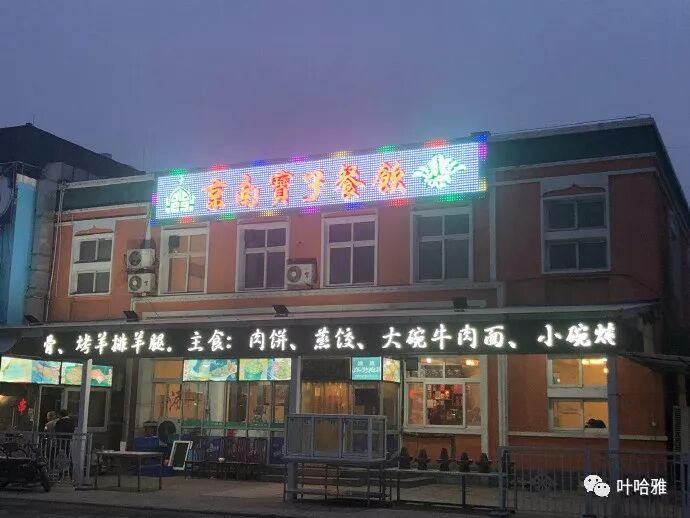
Located on the halal food street in Xueying Hui Muslim Village in Daxing, it mainly serves hot pot (shuanrou) and various halal snacks, including meat pies (roubing), steamed dumplings (zhengjiao), beef noodles, and barbecue.
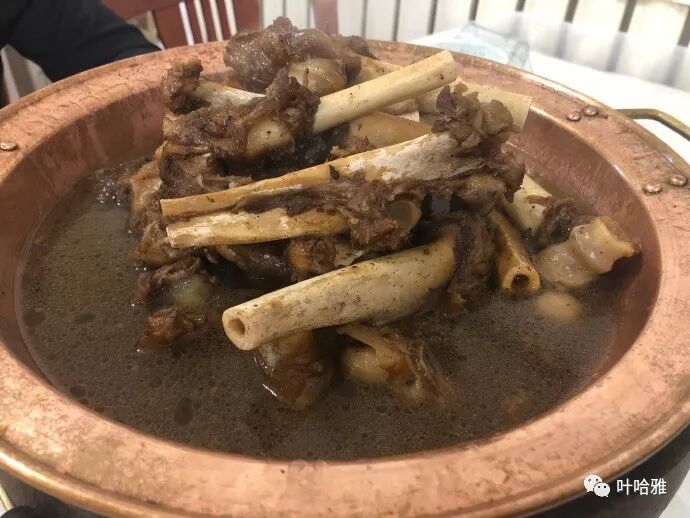
I tried the lamb bone (yangbanggu) this time. It comes out cooked with charcoal underneath. The lamb bone has marrow inside, and it is very satisfying to eat it with a straw. After finishing the lamb bone, you can use the broth to cook vegetables. Many people come to eat in the evening, and the place is usually full. The price is not expensive, averaging 80 yuan per person.
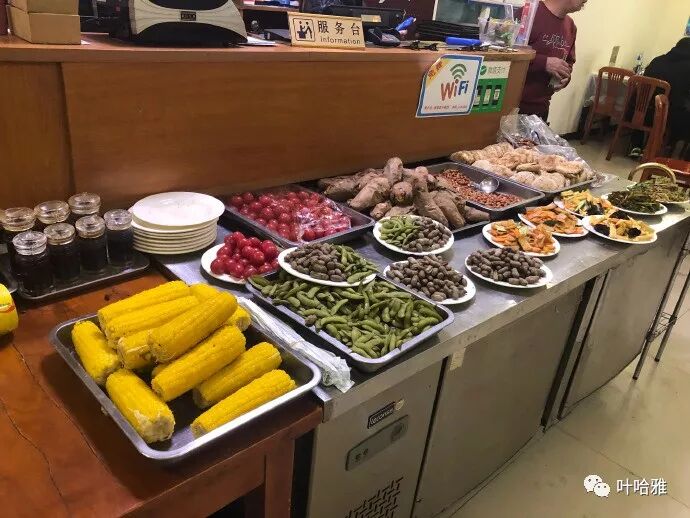
Xueying is a large Hui Muslim village 40 kilometers from downtown Beijing. There are many halal restaurants in the village. Besides small shops scattered around, there is a whole street full of halal restaurants, and parking nearby is easy.
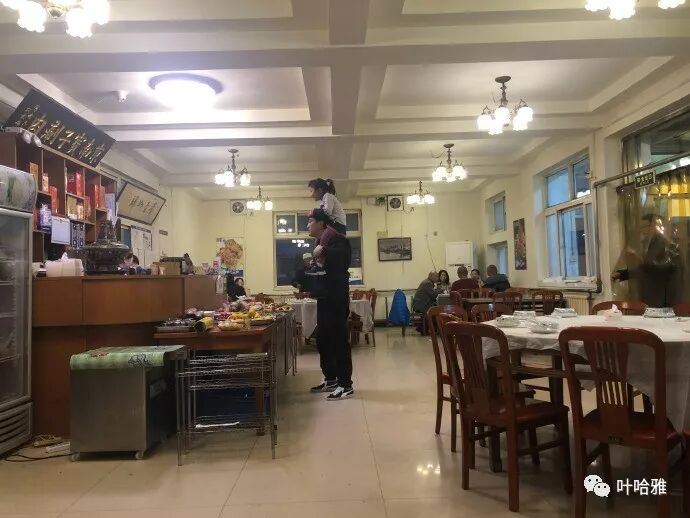
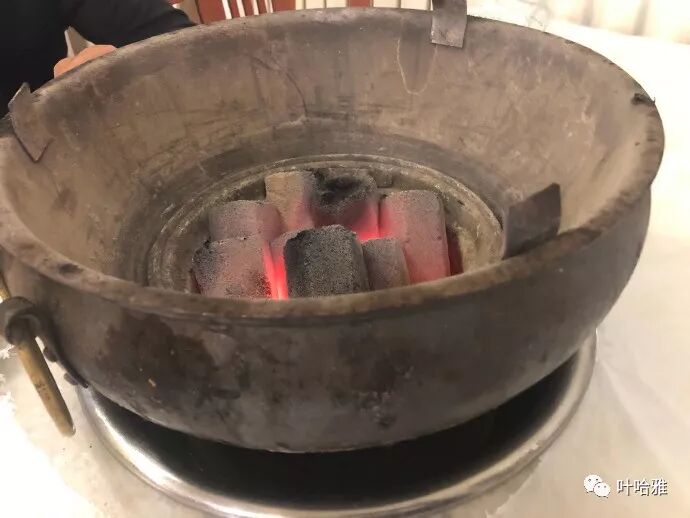
Address: Xuefu Road, Xueying Village, Daxing District
Tsinghua Tongfang Technology Plaza - Halal Eight Great Bowls (Badawan)
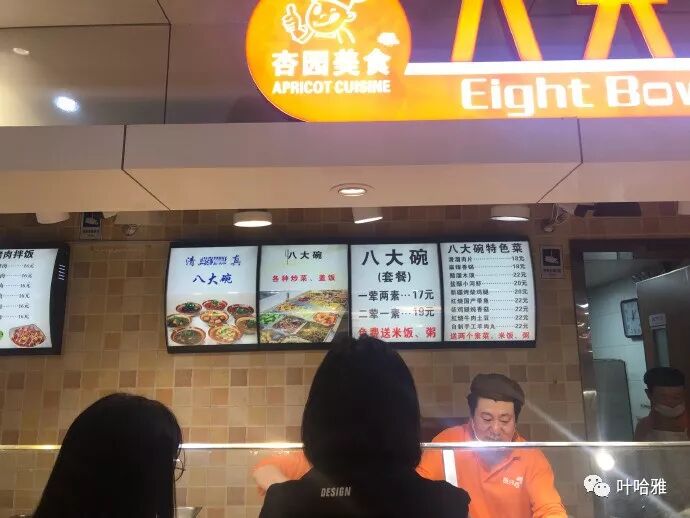
Xingyuan Food is a large cafeteria in the B1 level of Tsinghua Tongfang Technology Plaza. Halal Eight Great Bowls is one of the stalls there. It is open to the public and you can get a card. One meat and two vegetable dishes cost 17 yuan, and two meat and one vegetable dish cost 19 yuan. Rice and porridge are free. They serve over ten types of dishes every day, which is great for people working nearby.
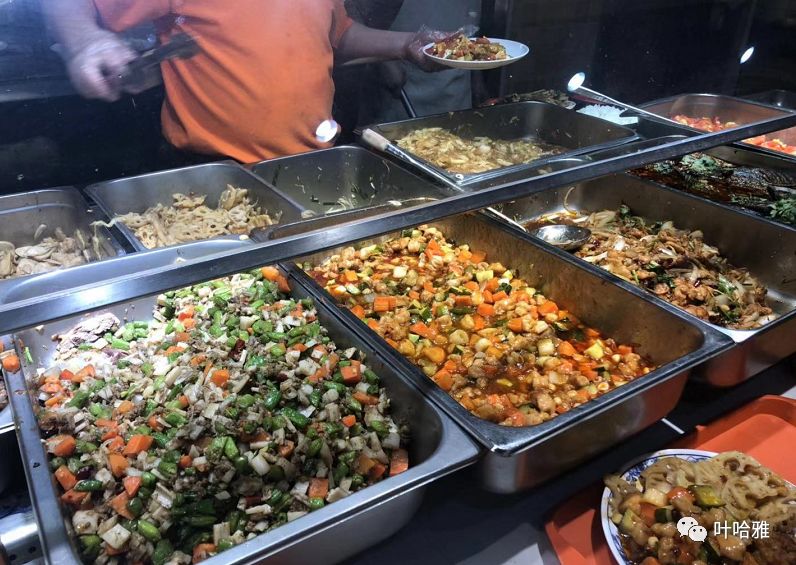
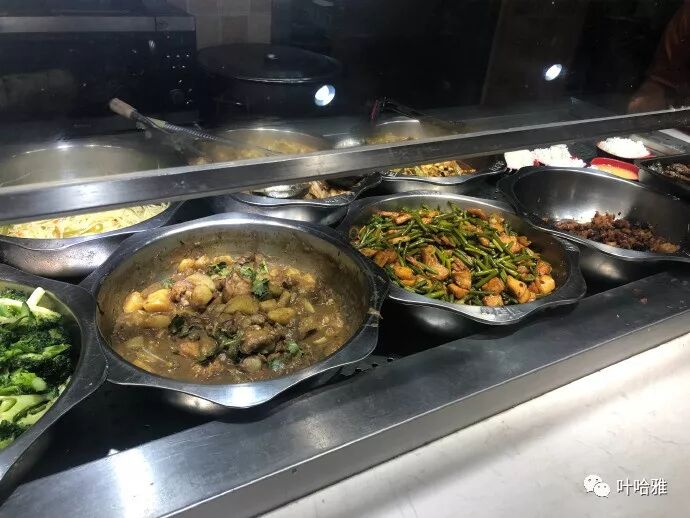
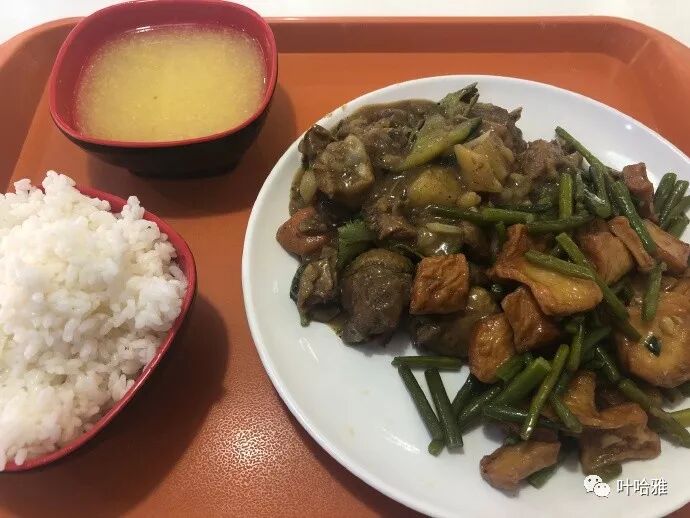
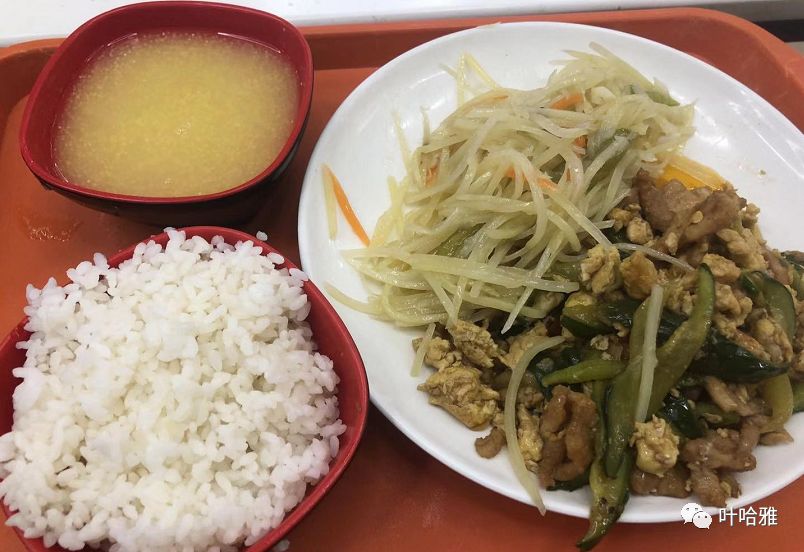
Address: B1, Tsinghua Tongfang Technology Plaza, Wudaokou
Hecai Canteen
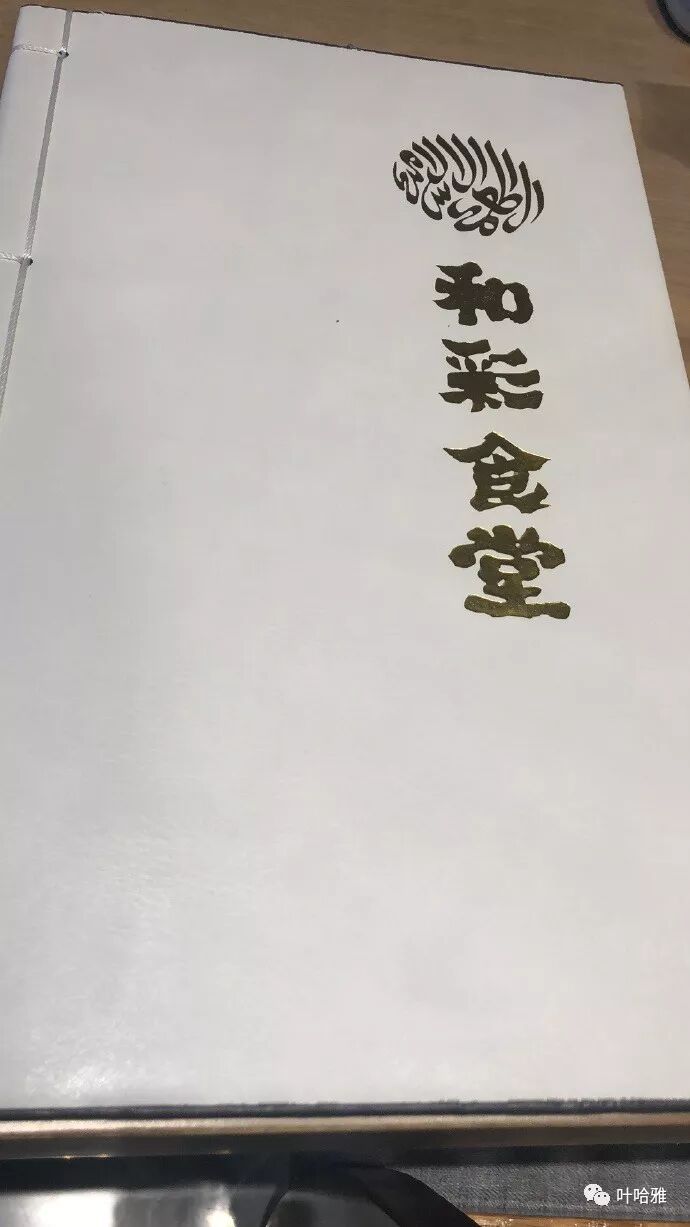
Hecai Canteen is the second halal Japanese restaurant in Beijing. It opened at the end of 2018 right next to Dachangying and is owned by the same person. They serve traditional Japanese dishes like sushi, sashimi, and tempura (tianfuluo). You can choose the buffet or order individual dishes. It is a bit pricey, with an average cost of over 150 yuan per person.
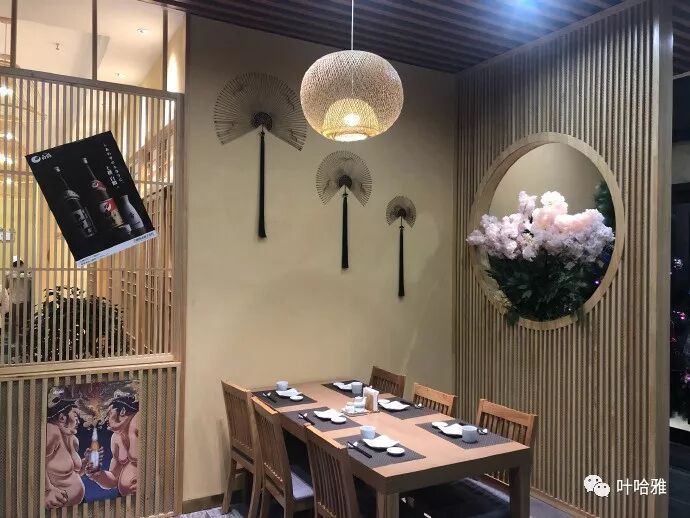
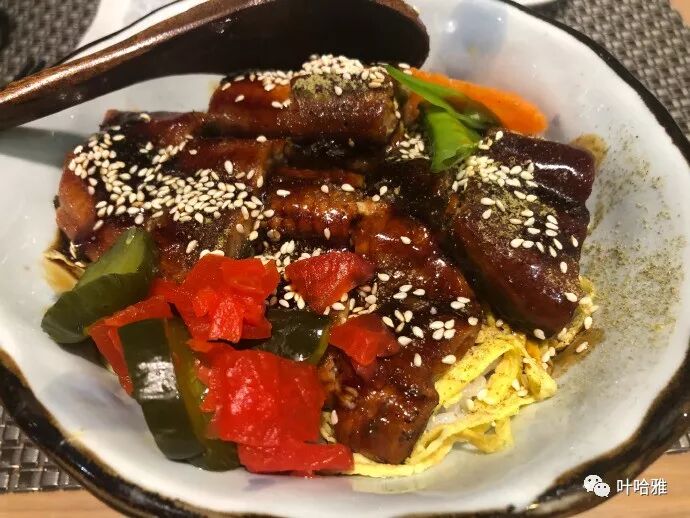
Eel rice (manyufan)
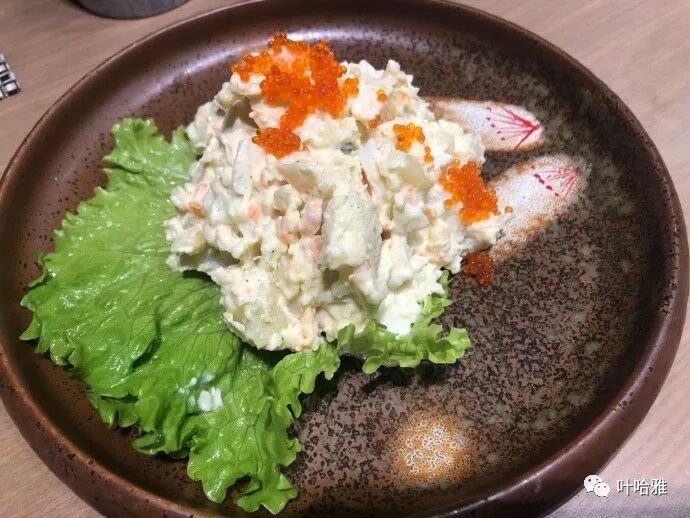
Mashed potato salad
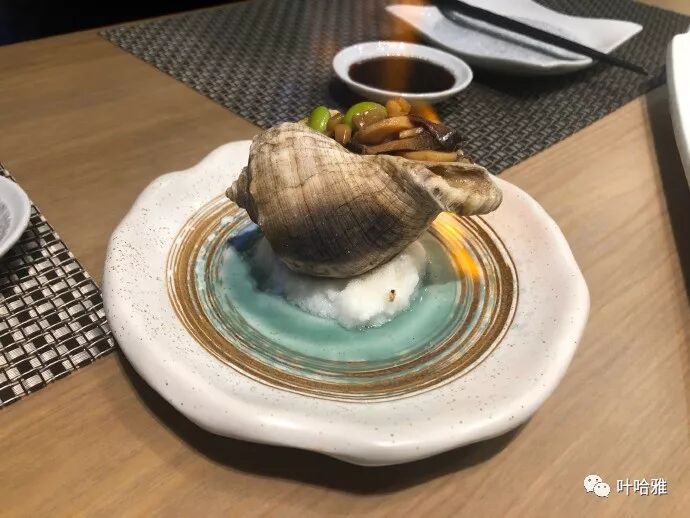
It is called flaming conch because it is served on fire.
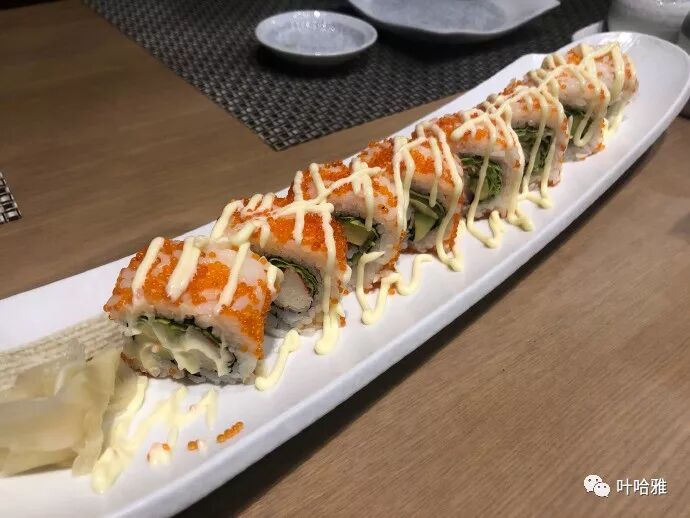
Mango sushi
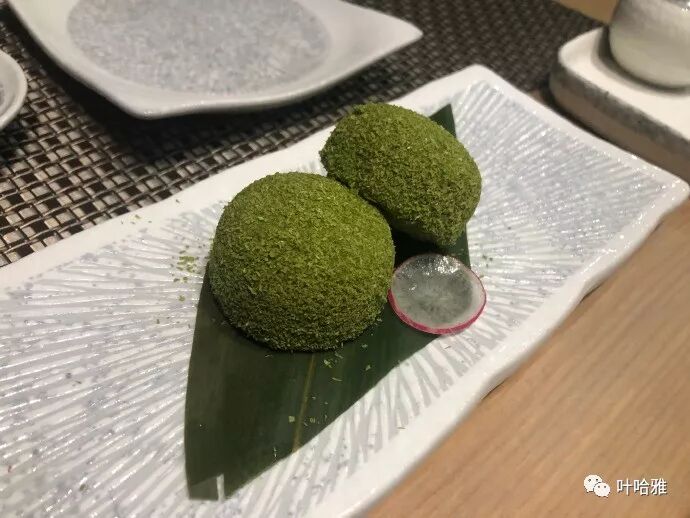
Matcha cake
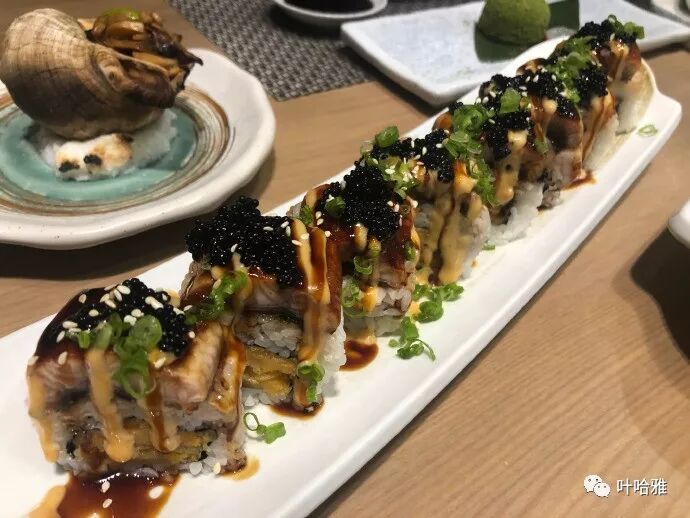
Eel sushi
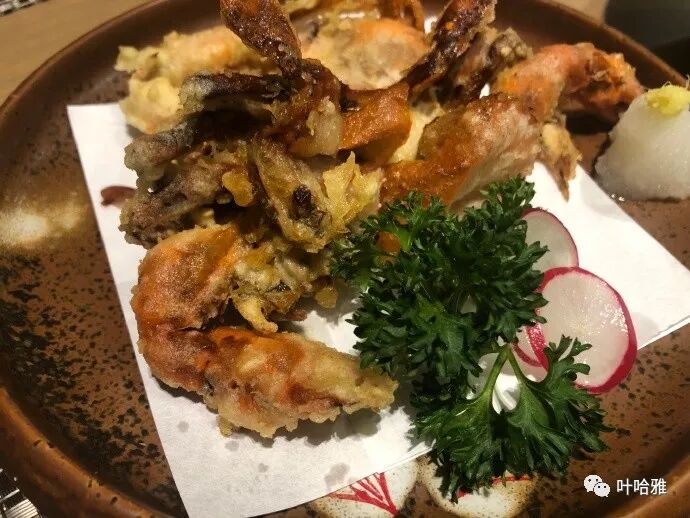
Tempura (tianfuluo)
Address: Shop 109, Floor 1, Building A, Weilaiyu, Changying Guanzhuang Road, Chaoyang District
Kaorou Liu
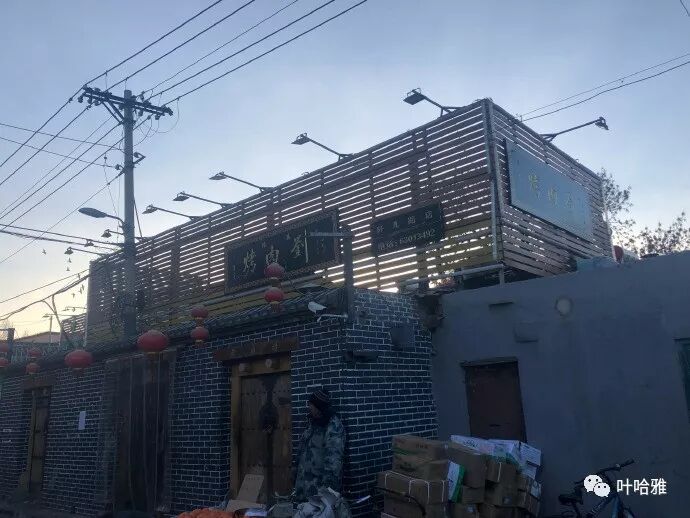
Kaorou Liu is a long-standing shop for iron griddle barbecue (zhizi kaorou). The taste is just average, but they are very busy. I personally prefer the iron griddle barbecue at Houweiju.
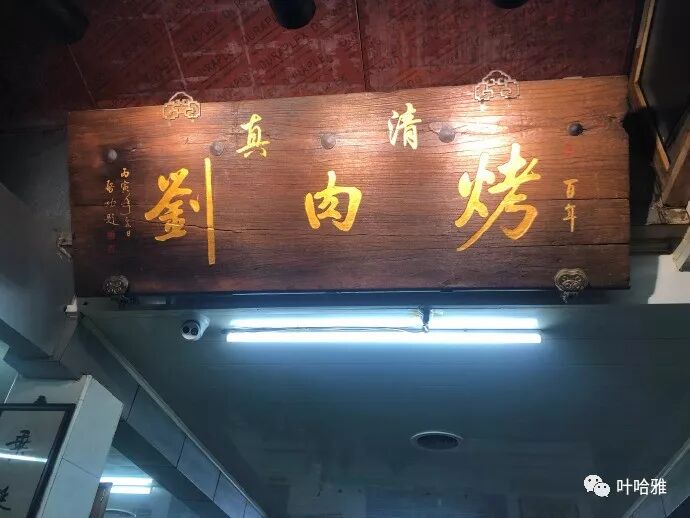
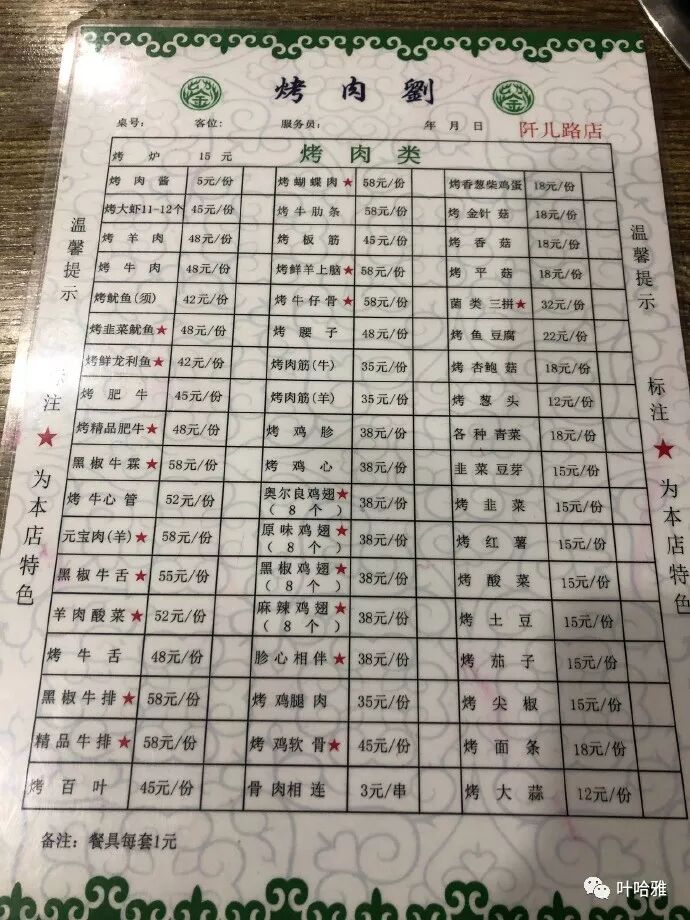
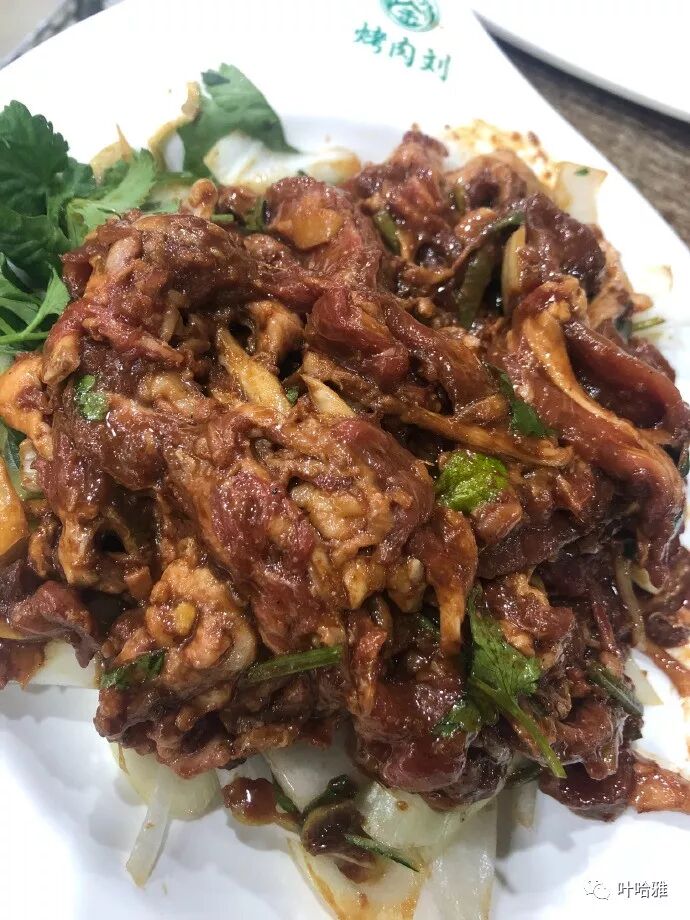
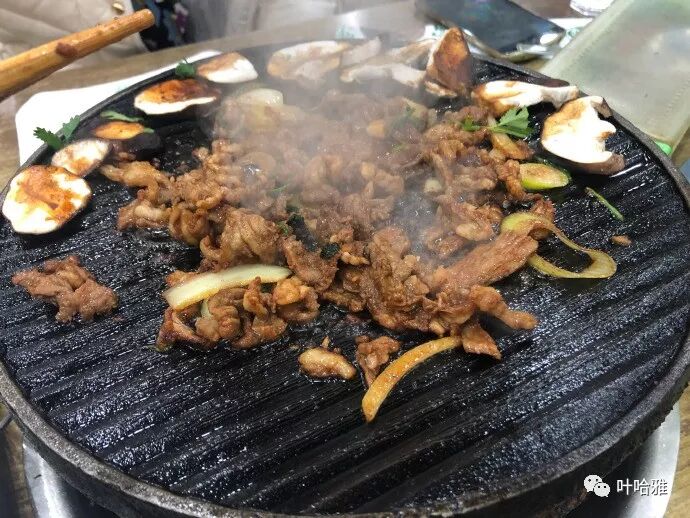
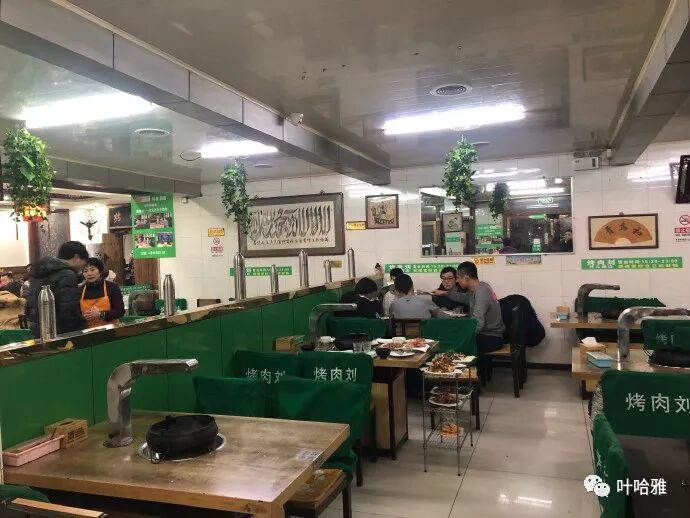
Address: No. 41 Qian'er Hutong, Hufangqiao.
Fook Burger and Irish Sandwich.
Fook Burger is an American chain with two locations in Beijing. One is at Liangmaqiao and the other is at Financial Street. The Financial Street branch shares a space with the Irish Sandwich shop, and they do not serve alcohol here.
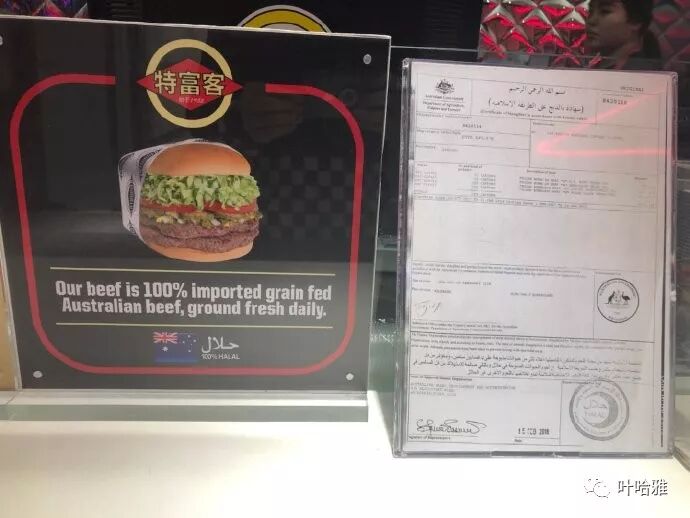
They use halal meat from Australia, and the halal certification is displayed in the shop.
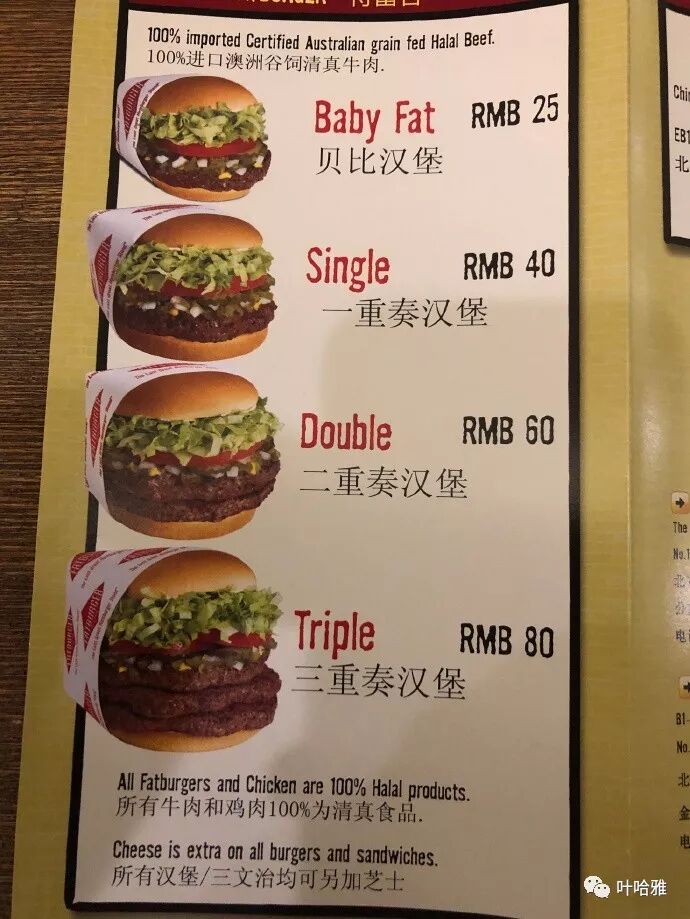
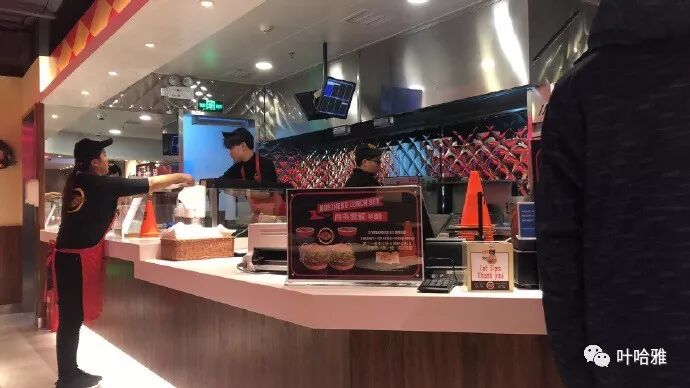
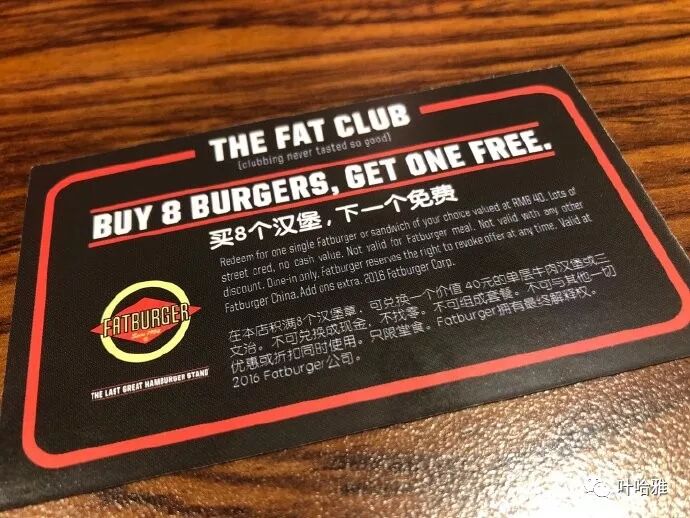
Buy eight burgers and get one free. You can trade in eight receipts for a free burger.
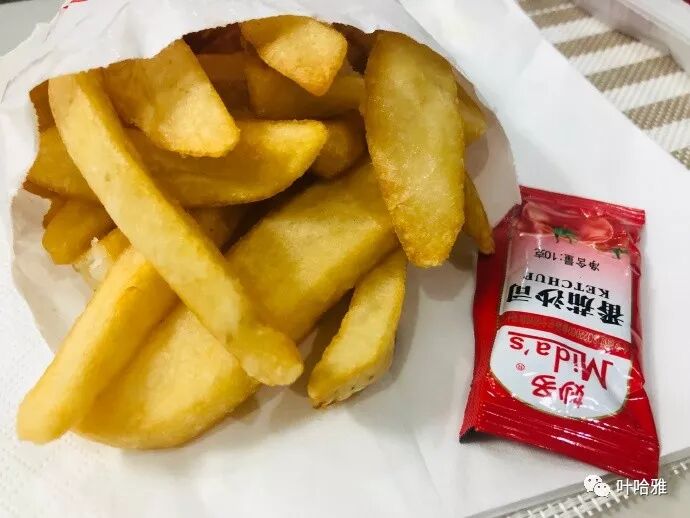
You can choose between thick or thin fries. For burgers, you can pick one, two, or three beef patties and add cheese. Fook Burger is the best burger I have ever eaten.
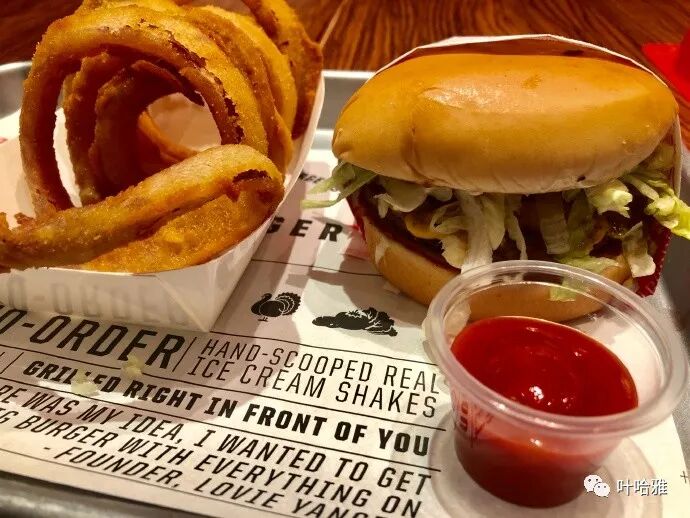
Note that the Financial Street location has shorter hours, closing at 8:00 PM and staying closed on weekends. The Liangma River branch has longer hours.
The picture below shows the chicken salad sold at the Irish Sandwich shop next door; the portion is very large.
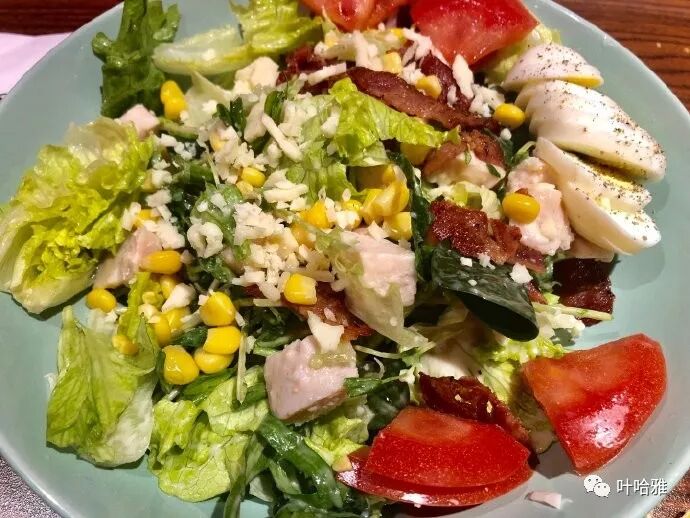
Address: Basement Level 1, Block B, Financial Street Center, Xicheng District.
Biteapitta Jewish Restaurant.
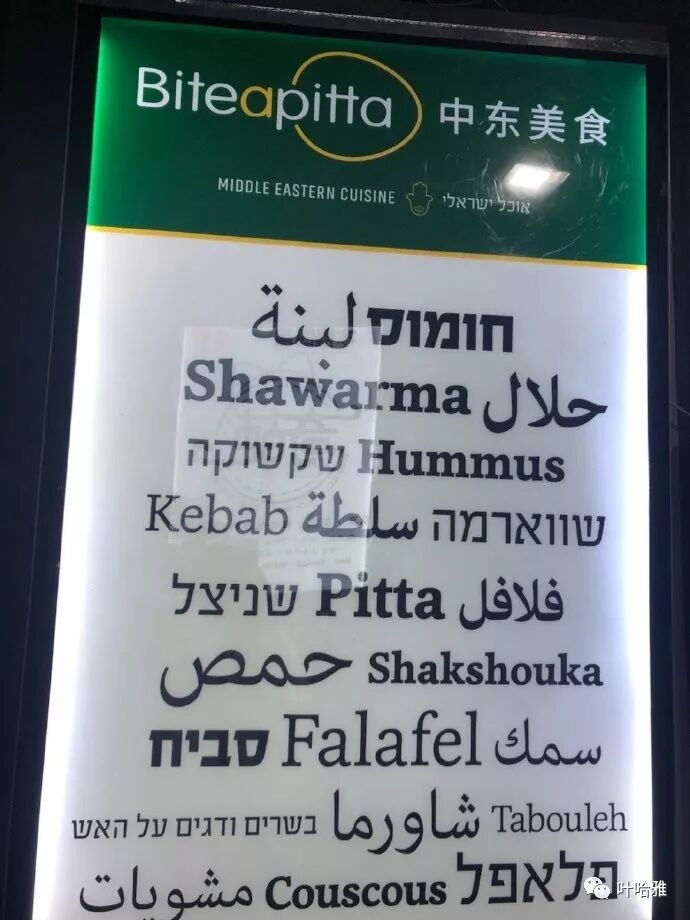
The owner of this shop is a Middle Eastern Jew, but the ingredients are halal. The owner has a halal certificate on his desk. There was only one other restaurant in Beijing with kosher-certified ingredients on Jiangtai Road, but it is no longer open to the public.
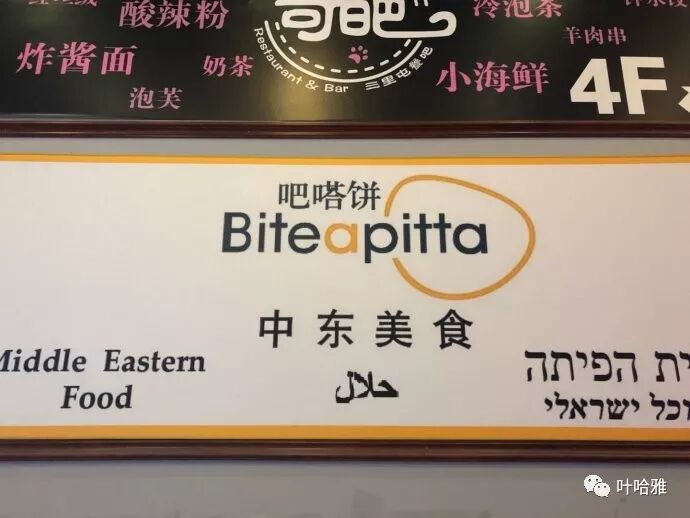
The shop has many books in Hebrew.
Most of the diners are foreigners.
The pita bread (bada bing) is very soft and fluffy, and eating it with hummus is a traditional Middle Eastern way to enjoy it.
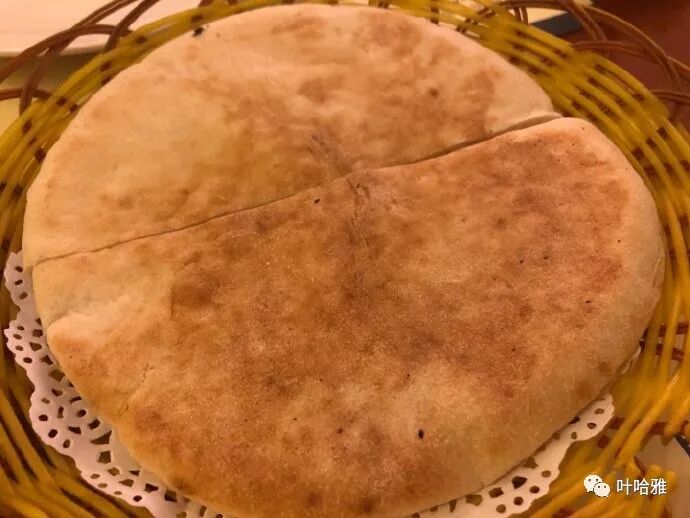
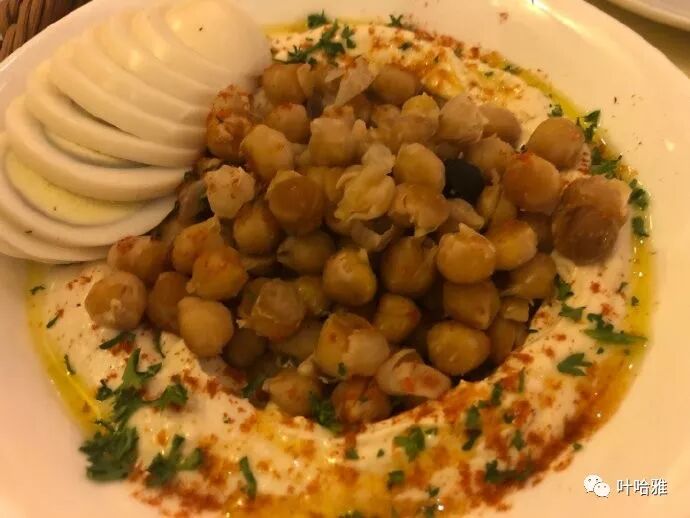
The food is prepared with care and tastes good, costing about 100 yuan per person.
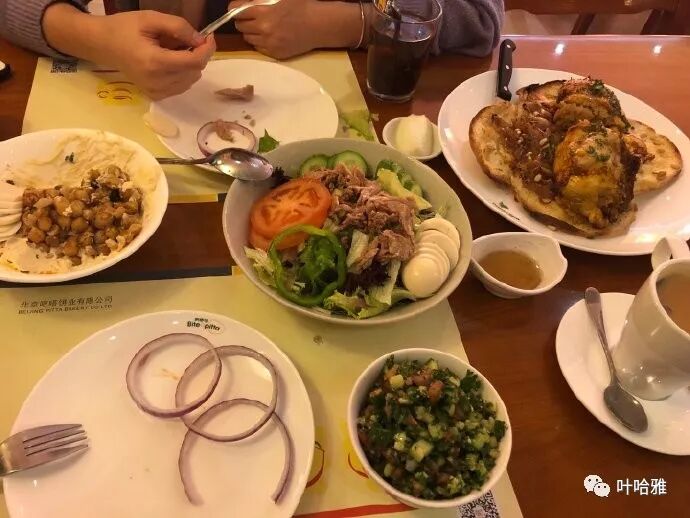
Address: 2nd Floor, Tongli Building, Sanlitun North Street.
Al Safir Arabic Restaurant.
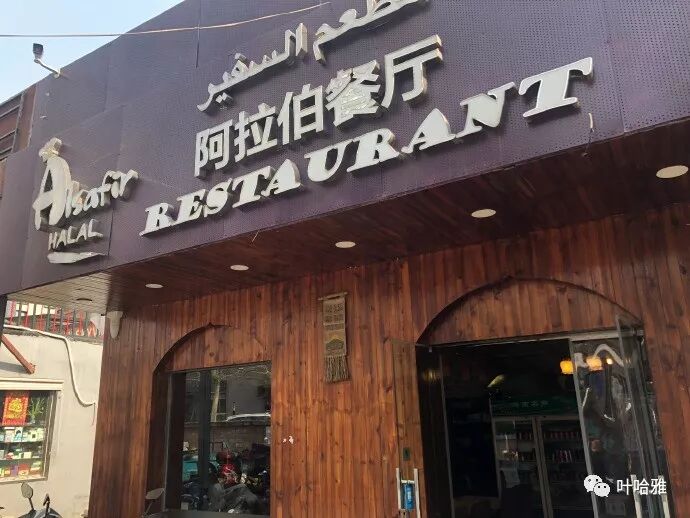
This Middle Eastern Arabic restaurant is run by Palestinians. The shop is small, but you can sit outside.
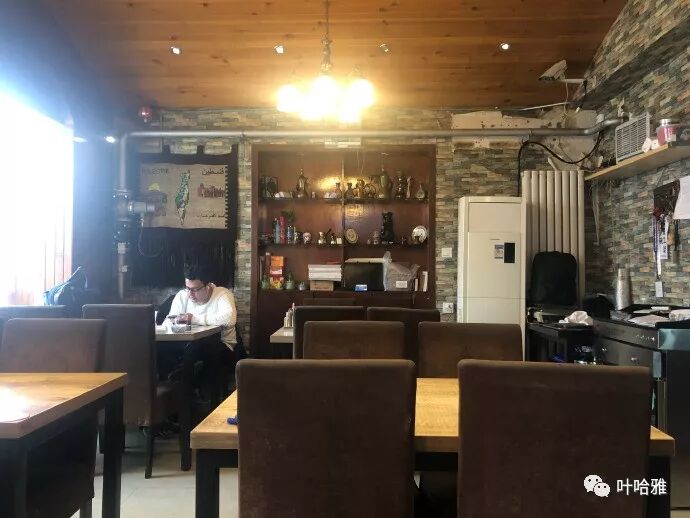
The shop does not sell alcohol, and the food prices are cheap, offering great value.
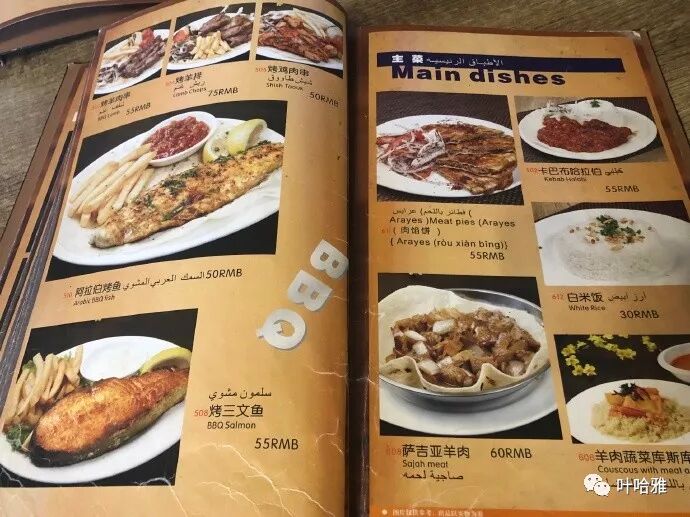
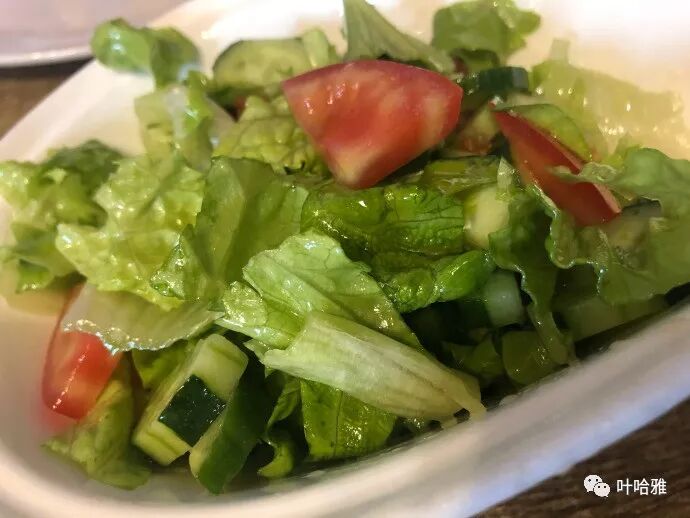
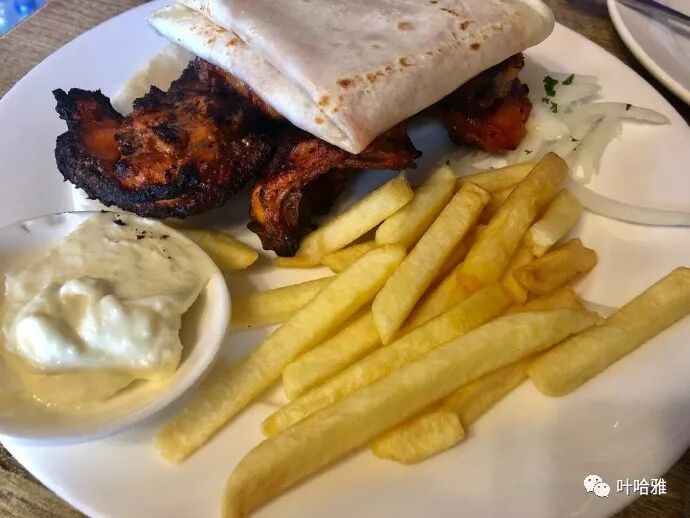
The average cost per person is only 50 to 60 yuan.
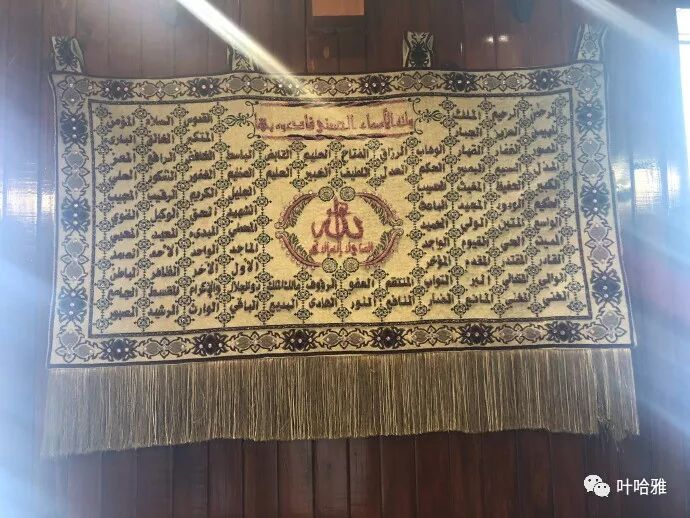
A map of Palestine hangs inside the shop. All Palestinian restaurants in Beijing have this map.
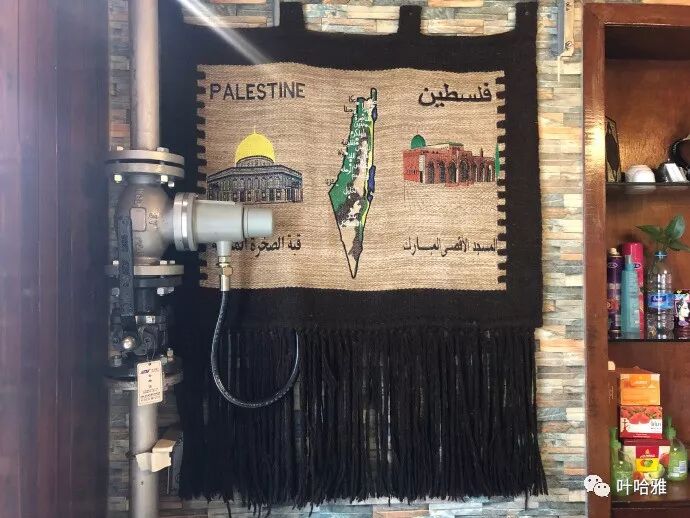
Address: No. 66 Xiaguangli (Shop 6-12, No. 35, Yuanyang Xinganxian Food Street).
ASHRAF Arabic Restaurant.
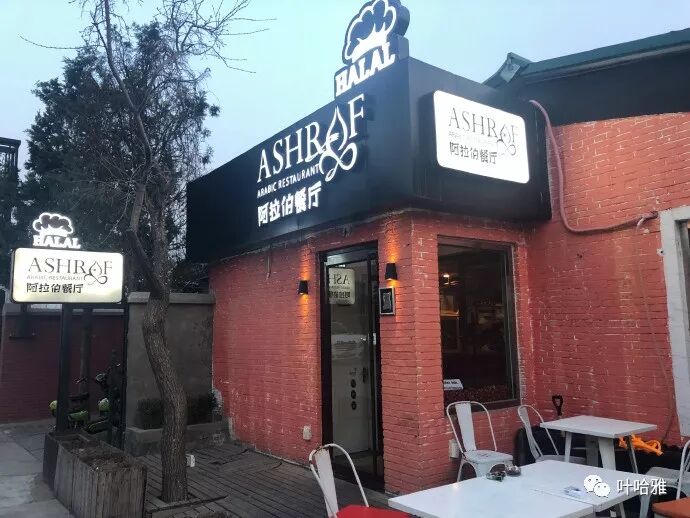
There is a Palestinian Arab restaurant near the Shunyi New China International Exhibition Center. This is the best Arab restaurant I have eaten at in Beijing.
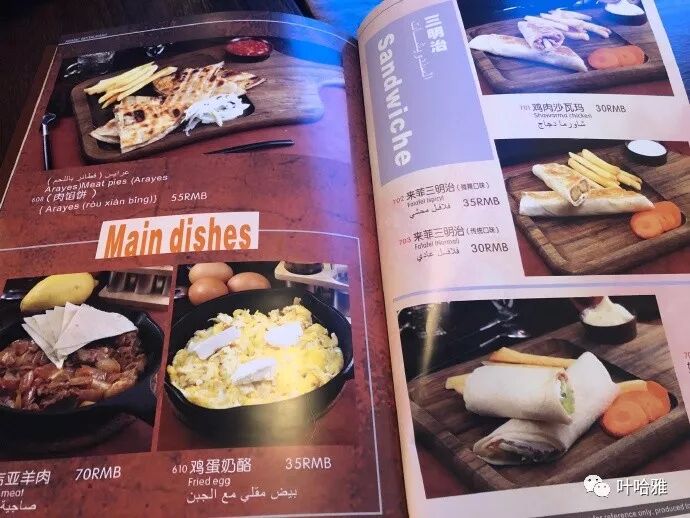
Like other Palestinian restaurants, they do not sell alcohol and focus on traditional Arab dishes.
Most of the diners are foreigners, which makes sense since many foreigners live in the local community.
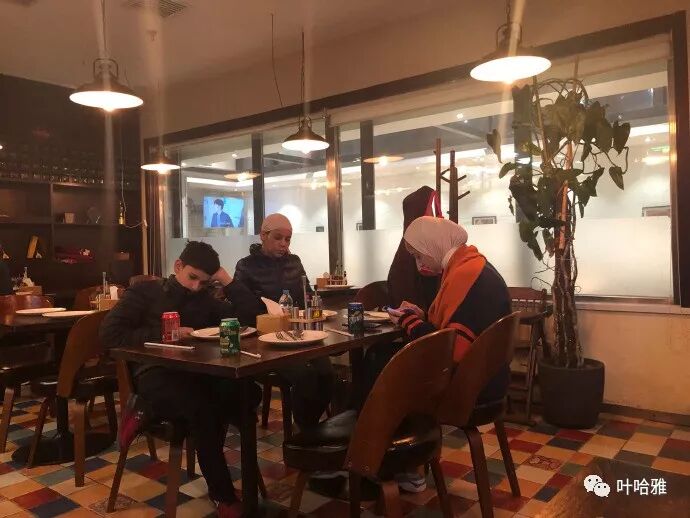
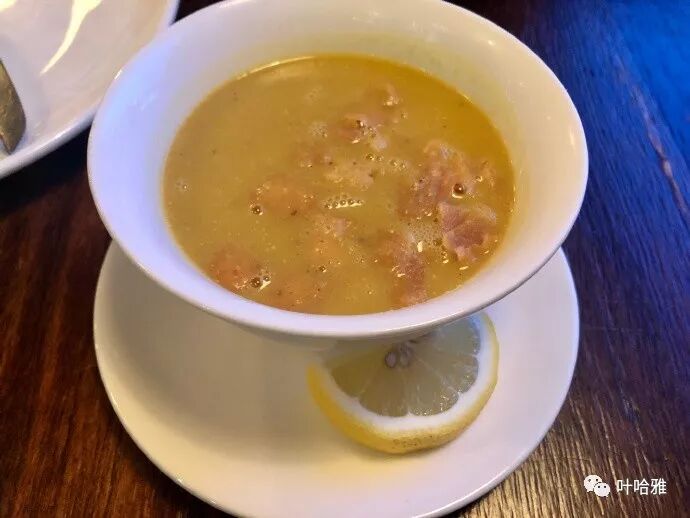
The lentil soup (adasi) has a rich flavor.
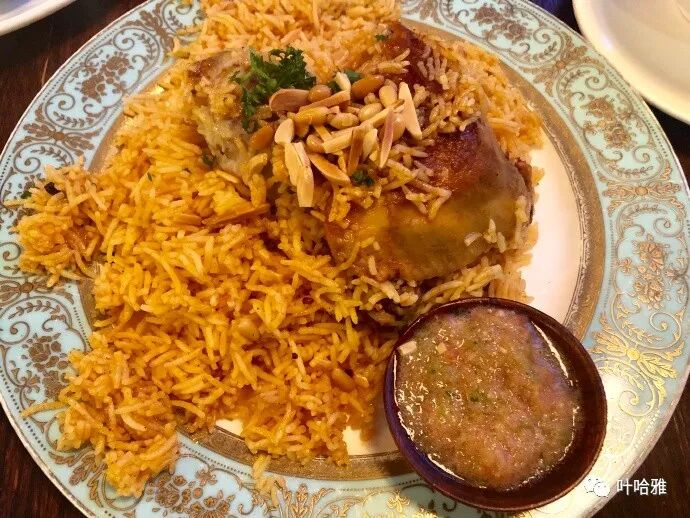
The chicken kabsa (kabsa) is fragrant and tender, and the rice has a perfect texture.
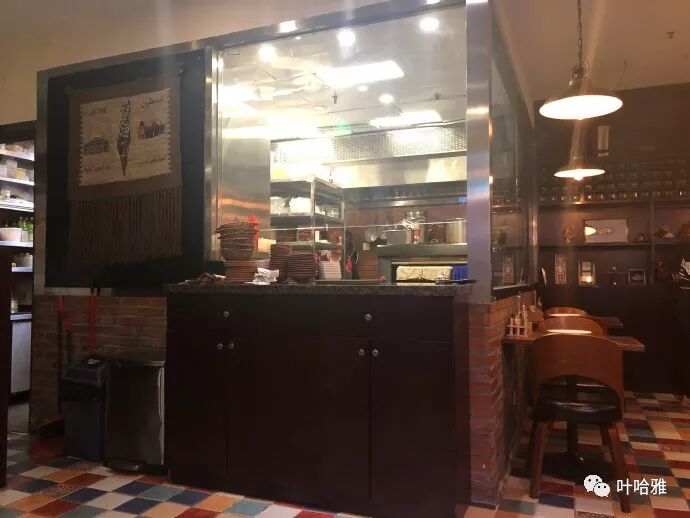
The business license shows the owner is named Ashraf, which is also the name of the restaurant. The average cost is 70 yuan per person.
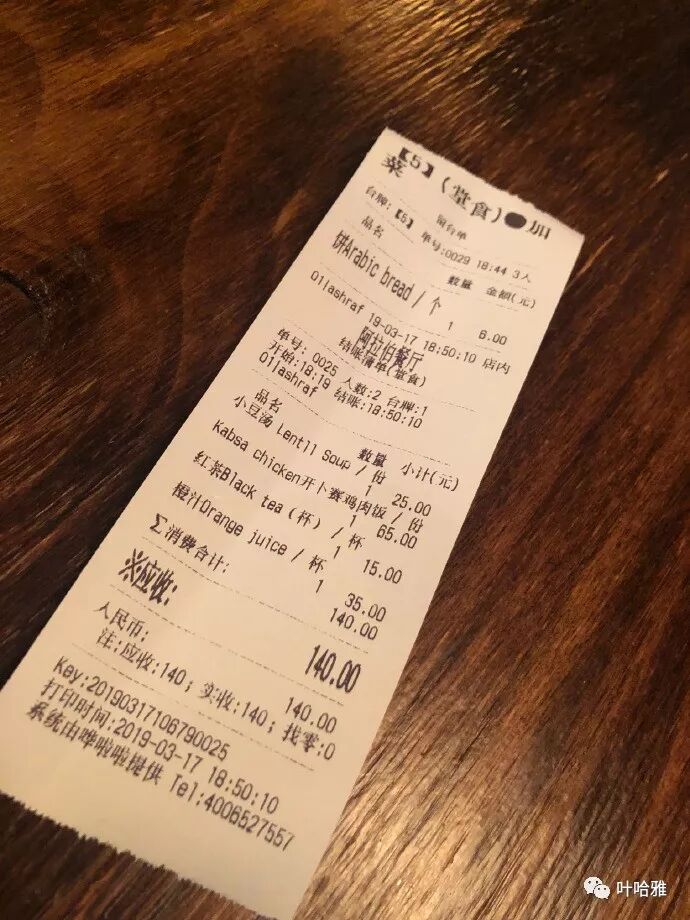
Address: Next to the Chaoshan beef hotpot restaurant in Rongxiang Plaza, Shunyi. You cannot find it on the map.
Cai Ding Ke Beef Tendon Hotpot.
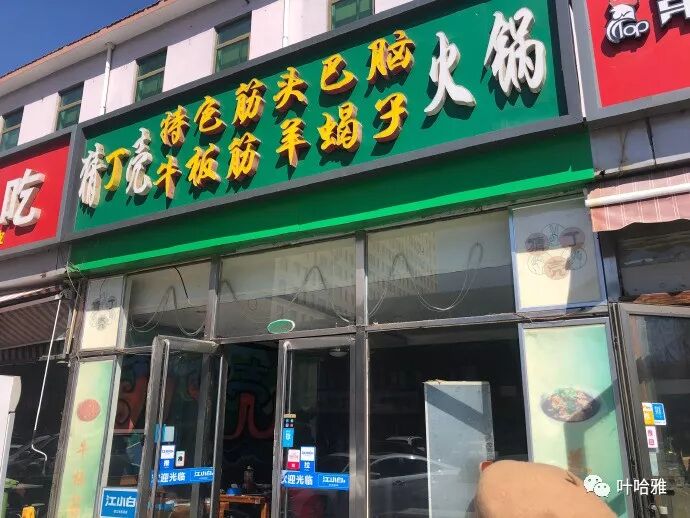
This is a halal chain restaurant. The halal sign is small and located under the storefront sign, likely because it was recently replaced. There are also halal signs inside the shop. All other branches are halal, but they are far from the city center, mostly in Changping, with one in Yanqing.
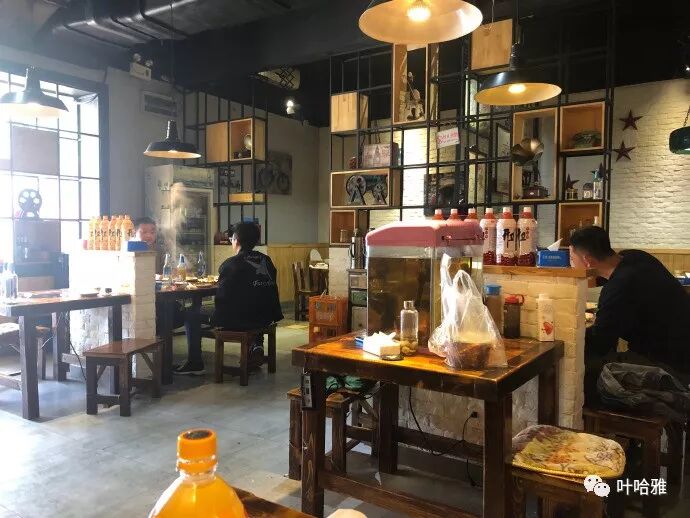
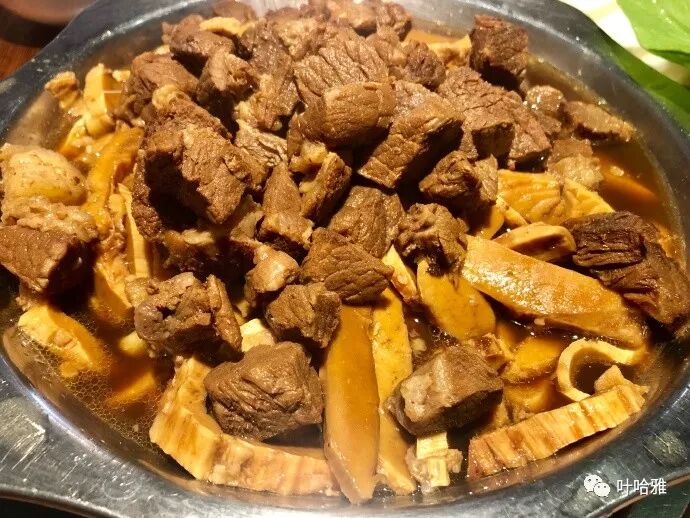
The group-buy meal for two costs 125 yuan. The beef tendon was piled high, and two people could not finish it. The owner said it is enough for four people. The beef tendon is stewed until soft and does not get stuck in your teeth. The beef is also very flavorful. The meal comes with flatbread (laobing), which you can soak in the hotpot broth.
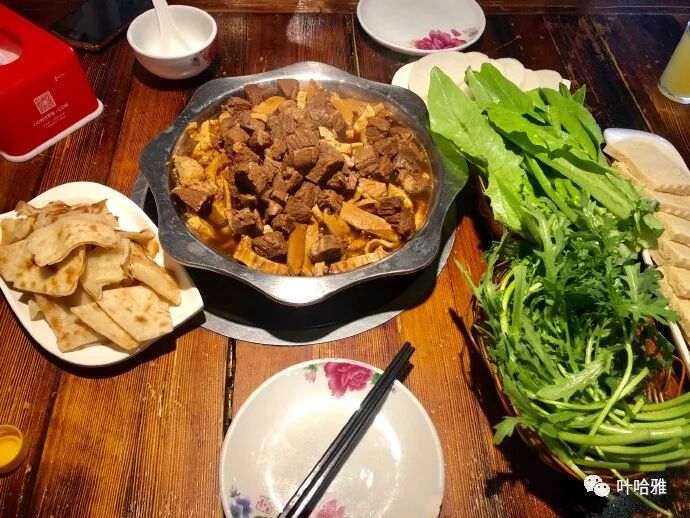
Address: 200 meters south of the GreenTree Inn on Baisha Road, Shahe University Town, Changping.
Previous links:
[Beijing Specialty Halal Dining Guide (Including the most complete list of foreign restaurants)] (Part 1)
[Beijing Specialty Halal Dining Guide (Including the most complete list of foreign restaurants)] (Part 2)
Beijing Halal Dining Guide (Including the most complete list of foreign restaurants) (Part 3)
Beijing Halal Dining Guide (Part 4)
Beijing Halal Dining Guide (Part 5)
Beijing Halal Dining Guide (Part 6)
Beijing Halal Dining Guide (Part 7)
Beijing Halal Dining Guide (Part 8)
Beijing Halal Dining Guide (Part 9)
Beijing Halal Dining Guide (Part 10)
Beijing Halal Dining Guide (Part 11)
Beijing Halal Dining Guide (Part 12)
A Map of Specialty Halal Food in Beijing (Part 13)
Authentic Halal Chinese Food Beijing: Xinjiang Restaurant, Yunnan Dishes & Niujie Snacks
Articles • ali2007fr posted the article • 0 comments • 181 views • 2026-05-21 10:17
Summary: A Beijing halal food guide focused on Xinjiang restaurants, Yunnan Muslim dishes, Niujie snacks, beef noodles, and other local qingzhen (halal) finds, keeping the original restaurant names, addresses, and photos in order.
[Beijing Special Halal Dining Guide (Including the Most Complete List of Foreign Restaurants)] (Part 1)
[Beijing Special Halal Dining Guide (Including the Most Complete List of Foreign Restaurants)] (Part 2)
[Beijing Special Halal Dining Guide (Including the Most Complete List of Foreign Restaurants)] (Part 3)
A Guide to Halal Dining in Beijing (Part 4)
101. Jinjiang Western Regions Restaurant
This is a high-end Xinjiang restaurant very close to Olympic Forest Park.
The space is quite large with a nice dining atmosphere, making it suitable for banquets and group meals.
The lamb chops are a bit gamey, but the overall taste of the dishes is decent, costing about 100 yuan per person.
Address: No. 411, Zone 4, Huizhong Beili, Asian Games Village, Chaoyang District.
102. Ayidian Chang Halal Yunnan Cuisine
It is not easy to find authentic halal Yunnan food in Beijing, but this restaurant, which opened recently, is quite genuine.
The decor is fresh and elegant, and the owner is a young woman from Yunnan.
Tamarind (suanjiao) is a local specialty of Yunnan, so I chose to try the tamarind juice.
Beef wrapped in mint leaves; mint is as common in Yunnan as cilantro and is delicious even when eaten raw.
This is fried grasshopper.
Ibn Abi Awfa narrated: We went on seven expeditions with the Prophet, and we ate locusts. Sunan an-Nasa'i, Hadith 37;
The Prophet described the sea, saying: 'Its water is pure, and its dead creatures are halal.' He also said: 'We are permitted two types of dead creatures: fish and locusts;' and two types of blood: liver and spleen.' (Musnad Ahmad)
Sour soup beef jerky (niuganba); you must eat beef jerky in Yunnan cuisine because the most famous beef jerky in Yunnan is made by Hui Muslims.
It happened to be just before the Dragon Boat Festival, and the restaurant was developing beef rice dumplings (zongzi). The manager gave me two; I had only eaten sweet ones before, so this was my first time trying a meat version.
Yunnan cold rice noodles (mixian); the broth is rich and fragrant, and the noodles are chewy.
Address: First floor, north commercial section, axes 19-21, west side of Fengyayuan Zone 2, Huilongguan Town.
103. Dai Family Savory Crepe (jianbing) on Niujie Street.
This savory crepe is made by Hui Muslims from Niujie, and the neighbors all say it tastes great.
The savory crepe is a breakfast item, sold only in the morning, and they are closed on Mondays.
Address: Niujie Xili, in front of the barbershop.
104. Old Neighborhood Beef Noodles (laojiefang niuroumian).
The row of snack shops on Jiaozihu Hutong in Niujie has been mostly cleared out due to wall-breaking renovations. Only this Old Neighborhood Beef Noodles remains. The owner, Uncle Ma, is a true old neighbor who lived on the same Shouliu Hutong as my family. His beef noodles and small bowls of beef are excellent. It is not easy to find an authentic bowl of Beijing-style beef noodles these days.
Address: Ground floor shops on the west side of Jiaozihu Hutong.
105. Old Ma Halal Lamb Spine Potstickers (guotie).
Halal lamb spine is easy to find, but halal potstickers are rare these days. This shop makes pretty good ones.
Beef and green onion potstickers were my childhood favorite. There used to be a tent in Xuanwu District that sold halal snacks, but after it was torn down, I never found good potstickers again. I later heard the old man who made them passed away (wuchang), so that authentic skill is likely lost forever.
I was surprised to find they also sell spicy hot pot (maocai), a Chengdu snack similar to spicy soup (malatang), but you can drink the broth.
Address: South entrance of Hongju Street, Xicheng District.
106. Noodles at the Drum Tower.
I found this popular restaurant on Dazhong Dianping. At first, I thought it was categorized incorrectly because it had no obvious halal sign. I learned from the reviews that it is a halal shop owned by a Beijing Hui Muslim, and the halal sign is in a very inconspicuous spot inside.
This is a Western-style rock music restaurant.
They have mushrooms with foie gras.
Roasted chicken leg, but it is named Eight Hammers (badachui).
It is called Gold Medal Meat Sauce Noodles, but when it arrived, it was just soybean paste noodles (zhajiangmian).
Vegetable salad. Overall, the taste suits women, and the environment is good for dates.
Address: No. 25 Gongjie, Gulou East Street.
107. Old Yang's Halal Restaurant.
This is the highest-rated restaurant in the Changping area and is highly recommended.
Let's start with the environment: they have small semicircular tables that make it easy to chat.
I told the owner I came here specifically to break my fast. He recommended the house-made sour plum drink (suanmeitang). It was very thirst-quenching, sweet, and tart. I ordered two pitchers and took the second one to go.
I ordered the restaurant's signature dishes, starting with the cold shredded bottle gourd with sesame paste (majiang liangban hulusi), which was crisp and refreshing.
Fairy tofu (shenxian doufu) is another popular delicacy, and the tofu is made in-house.
Old Yang's beef pie (lao yangjia niuroubing) is crispy on the outside and tender on the inside. You have to eat it with raw garlic.
The dry-pot duck heads (ganguo yatou) are spicy, numbing, and fragrant.
The stir-fried radish sprouts (qingchao luobomiao) were great. Another feature of Old Yang's restaurant is the attentive service. They greet you with a smile and check in on how you like the food. It is rare to see such good service in a place that is so busy. I didn't get to eat the fish head with flatbread (yutou paobing) at Old Yang's today, so I will have to try it next time.
Address: No. 30, West Lane 1, Xiguanshi Village, Yangfang Town, Changping District.
108. Cheng's Shan County Lamb Soup Restaurant (Chengji Shanxian Yangtangguan).
I didn't expect to find such good lamb soup in Beijing. Shan County is a place in Shandong famous for its lamb soup.
The oil and salt flatbread (yousuan shaobing) is hollow inside, perfect for soaking in lamb soup or stuffing with spiced beef.
The soup is milky white, a natural color from boiling lamb bones.
Large starch noodles (dalapi).
Half a jin of spiced beef (jiang niurou) stuffed into a freshly baked flatbread is delicious.
I also had some grilled fish tofu and seafood skewers.
Address: Sanzhong Lane (near Xingfeng Street), about 525 meters from Huangcun West Street Station.
109. Huguosi Snack Shop (Airport Branch).
I found a Huguosi Snack Shop at Terminal 2 of Capital Airport. Many traveling friends (dostis) are used to eating hand-pulled noodles (lamian) at the airport, but now with Huguosi, there are more options.
The prices are relatively cheap compared to noodles, and most importantly, there is a wider variety of dishes.
Address: B1, Terminal 2, Capital Airport.
110. Northwest Muslim Restaurant.
There are not many restaurants in the Niujie area that don't have a line. This Northwest Muslim Restaurant has become even more popular after a renovation, and it is still packed every day since switching to 24-hour service.
Summer is the season for skewers. There are all kinds of large skewers to choose from. Since the small alley shops were cleared out, you have to choose these mid-range restaurants for skewers in Niujie, but at least the meat quality is guaranteed.
It is popular because everyone comes for the skewers. What annoys me is that I used to be able to eat without waiting, but now I have to wait at least half an hour.
Address: Nanheng West Street, ground floor shops on the north side
[Beijing Special Halal Dining Guide (Including the Most Complete List of Foreign Restaurants)] (Part 1)
[Beijing Special Halal Dining Guide (Including the Most Complete List of Foreign Restaurants)] (Part 2)
[Beijing Special Halal Dining Guide (Including the Most Complete List of Foreign Restaurants)] (Part 3)
A Guide to Halal Dining in Beijing (Part 4) view all
Summary: A Beijing halal food guide focused on Xinjiang restaurants, Yunnan Muslim dishes, Niujie snacks, beef noodles, and other local qingzhen (halal) finds, keeping the original restaurant names, addresses, and photos in order.
[Beijing Special Halal Dining Guide (Including the Most Complete List of Foreign Restaurants)] (Part 1)
[Beijing Special Halal Dining Guide (Including the Most Complete List of Foreign Restaurants)] (Part 2)
[Beijing Special Halal Dining Guide (Including the Most Complete List of Foreign Restaurants)] (Part 3)
A Guide to Halal Dining in Beijing (Part 4)
101. Jinjiang Western Regions Restaurant
This is a high-end Xinjiang restaurant very close to Olympic Forest Park.
The space is quite large with a nice dining atmosphere, making it suitable for banquets and group meals.
The lamb chops are a bit gamey, but the overall taste of the dishes is decent, costing about 100 yuan per person.
Address: No. 411, Zone 4, Huizhong Beili, Asian Games Village, Chaoyang District.
102. Ayidian Chang Halal Yunnan Cuisine
It is not easy to find authentic halal Yunnan food in Beijing, but this restaurant, which opened recently, is quite genuine.
The decor is fresh and elegant, and the owner is a young woman from Yunnan.
Tamarind (suanjiao) is a local specialty of Yunnan, so I chose to try the tamarind juice.
Beef wrapped in mint leaves; mint is as common in Yunnan as cilantro and is delicious even when eaten raw.
This is fried grasshopper.
Ibn Abi Awfa narrated: We went on seven expeditions with the Prophet, and we ate locusts. Sunan an-Nasa'i, Hadith 37;
The Prophet described the sea, saying: 'Its water is pure, and its dead creatures are halal.' He also said: 'We are permitted two types of dead creatures: fish and locusts;' and two types of blood: liver and spleen.' (Musnad Ahmad)
Sour soup beef jerky (niuganba); you must eat beef jerky in Yunnan cuisine because the most famous beef jerky in Yunnan is made by Hui Muslims.
It happened to be just before the Dragon Boat Festival, and the restaurant was developing beef rice dumplings (zongzi). The manager gave me two; I had only eaten sweet ones before, so this was my first time trying a meat version.
Yunnan cold rice noodles (mixian); the broth is rich and fragrant, and the noodles are chewy.
Address: First floor, north commercial section, axes 19-21, west side of Fengyayuan Zone 2, Huilongguan Town.
103. Dai Family Savory Crepe (jianbing) on Niujie Street.
This savory crepe is made by Hui Muslims from Niujie, and the neighbors all say it tastes great.
The savory crepe is a breakfast item, sold only in the morning, and they are closed on Mondays.
Address: Niujie Xili, in front of the barbershop.
104. Old Neighborhood Beef Noodles (laojiefang niuroumian).
The row of snack shops on Jiaozihu Hutong in Niujie has been mostly cleared out due to wall-breaking renovations. Only this Old Neighborhood Beef Noodles remains. The owner, Uncle Ma, is a true old neighbor who lived on the same Shouliu Hutong as my family. His beef noodles and small bowls of beef are excellent. It is not easy to find an authentic bowl of Beijing-style beef noodles these days.
Address: Ground floor shops on the west side of Jiaozihu Hutong.
105. Old Ma Halal Lamb Spine Potstickers (guotie).
Halal lamb spine is easy to find, but halal potstickers are rare these days. This shop makes pretty good ones.
Beef and green onion potstickers were my childhood favorite. There used to be a tent in Xuanwu District that sold halal snacks, but after it was torn down, I never found good potstickers again. I later heard the old man who made them passed away (wuchang), so that authentic skill is likely lost forever.
I was surprised to find they also sell spicy hot pot (maocai), a Chengdu snack similar to spicy soup (malatang), but you can drink the broth.
Address: South entrance of Hongju Street, Xicheng District.
106. Noodles at the Drum Tower.
I found this popular restaurant on Dazhong Dianping. At first, I thought it was categorized incorrectly because it had no obvious halal sign. I learned from the reviews that it is a halal shop owned by a Beijing Hui Muslim, and the halal sign is in a very inconspicuous spot inside.
This is a Western-style rock music restaurant.
They have mushrooms with foie gras.
Roasted chicken leg, but it is named Eight Hammers (badachui).
It is called Gold Medal Meat Sauce Noodles, but when it arrived, it was just soybean paste noodles (zhajiangmian).
Vegetable salad. Overall, the taste suits women, and the environment is good for dates.
Address: No. 25 Gongjie, Gulou East Street.
107. Old Yang's Halal Restaurant.
This is the highest-rated restaurant in the Changping area and is highly recommended.
Let's start with the environment: they have small semicircular tables that make it easy to chat.
I told the owner I came here specifically to break my fast. He recommended the house-made sour plum drink (suanmeitang). It was very thirst-quenching, sweet, and tart. I ordered two pitchers and took the second one to go.
I ordered the restaurant's signature dishes, starting with the cold shredded bottle gourd with sesame paste (majiang liangban hulusi), which was crisp and refreshing.
Fairy tofu (shenxian doufu) is another popular delicacy, and the tofu is made in-house.
Old Yang's beef pie (lao yangjia niuroubing) is crispy on the outside and tender on the inside. You have to eat it with raw garlic.
The dry-pot duck heads (ganguo yatou) are spicy, numbing, and fragrant.
The stir-fried radish sprouts (qingchao luobomiao) were great. Another feature of Old Yang's restaurant is the attentive service. They greet you with a smile and check in on how you like the food. It is rare to see such good service in a place that is so busy. I didn't get to eat the fish head with flatbread (yutou paobing) at Old Yang's today, so I will have to try it next time.
Address: No. 30, West Lane 1, Xiguanshi Village, Yangfang Town, Changping District.
108. Cheng's Shan County Lamb Soup Restaurant (Chengji Shanxian Yangtangguan).
I didn't expect to find such good lamb soup in Beijing. Shan County is a place in Shandong famous for its lamb soup.
The oil and salt flatbread (yousuan shaobing) is hollow inside, perfect for soaking in lamb soup or stuffing with spiced beef.
The soup is milky white, a natural color from boiling lamb bones.
Large starch noodles (dalapi).
Half a jin of spiced beef (jiang niurou) stuffed into a freshly baked flatbread is delicious.
I also had some grilled fish tofu and seafood skewers.
Address: Sanzhong Lane (near Xingfeng Street), about 525 meters from Huangcun West Street Station.
109. Huguosi Snack Shop (Airport Branch).
I found a Huguosi Snack Shop at Terminal 2 of Capital Airport. Many traveling friends (dostis) are used to eating hand-pulled noodles (lamian) at the airport, but now with Huguosi, there are more options.
The prices are relatively cheap compared to noodles, and most importantly, there is a wider variety of dishes.
Address: B1, Terminal 2, Capital Airport.
110. Northwest Muslim Restaurant.
There are not many restaurants in the Niujie area that don't have a line. This Northwest Muslim Restaurant has become even more popular after a renovation, and it is still packed every day since switching to 24-hour service.
Summer is the season for skewers. There are all kinds of large skewers to choose from. Since the small alley shops were cleared out, you have to choose these mid-range restaurants for skewers in Niujie, but at least the meat quality is guaranteed.
It is popular because everyone comes for the skewers. What annoys me is that I used to be able to eat without waiting, but now I have to wait at least half an hour.
Address: Nanheng West Street, ground floor shops on the north side
[Beijing Special Halal Dining Guide (Including the Most Complete List of Foreign Restaurants)] (Part 1)
[Beijing Special Halal Dining Guide (Including the Most Complete List of Foreign Restaurants)] (Part 2)
[Beijing Special Halal Dining Guide (Including the Most Complete List of Foreign Restaurants)] (Part 3)
A Guide to Halal Dining in Beijing (Part 4)
Hidden Halal Chinese Food Beijing: Xinjiang Meatball Soup, Nai Lao Wei Snacks & Hua Mao Restaurant
Articles • ali2007fr posted the article • 0 comments • 158 views • 2026-05-21 10:01
Summary: A hidden halal Chinese food supplement for Beijing, adding Xinjiang meatball soup, Nai Lao Wei snacks, Hua Mao restaurant dishes, and other reader-recommended stops while preserving the source facts.
Following our previous guide to halal food in the capital, readers let us know that the Uzbekistan restaurant Shashi Castle at the Saint Angel Hotel in Hujialou has closed. This issue continues with more unique restaurant recommendations.
Unless otherwise noted, all restaurants listed here serve alcohol. It is a pity that it is hard to find unique halal restaurants in Beijing that do not serve alcohol. By international standards, halal certification is not granted to restaurants that sell alcohol.
Also, if any friends (dosti) doubt whether a restaurant's ingredients are halal, I suggest saying 'Bismillah' before eating. A staff member's ethnicity does not guarantee the food is halal, and many Hui Muslims living in big cities may know less about the faith than Han people living in ethnic enclaves. Here is the evidence, taken from Sahih al-Bukhari:
1. Xinjiang-style meatball soup (wanzi tang)
It was originally in Dongsi and later moved to Chaowai SOHO. It is very popular and the taste is truly good.
The beef tripe is a bit spicy, so be prepared before you eat it.
Order a bowl of meatball soup and it comes with two steamed flower rolls (huajuan) and a side of kimchi. The flower rolls are soft and fluffy, and very delicious.
The peppercorn beef (jiaoma niurou) tastes great.
Address: Second floor, Building B, Chaowai SOHO
2. Nai Lao Wei
This is fried fresh milk (zha xiannai), a Beijing specialty snack.
Almond tofu (xingren doufu), a great treat for cooling down in the summer.
If you have eaten at Wenyu Cheese in Nanluoguxiang, I suggest you try Nai Lao Wei on Niujie Street. The quality of this famous Beijing snack is worth a try. Note: This restaurant does not sell alcohol.
Address: Room 107, No. 202 Guang'anmennei Street (west side of Dazhong Electronics)
3. Huamao Restaurant
A new-style halal small seafood restaurant.
The food is prepared delicately, and they also serve spicy hot pot (mala xiangguo).
Signature seafood rice
Dongting Lake fish head pot
Spicy cabbage (la baicai), cold and refreshing.
Potato shredded shrimp balls (shusi xiaqiu)
They also have spicy crayfish (mala xiaolongxia), with an average cost of about 60 yuan per person.
Address:
Level B1, Pedestrian Street, West District, Changying Lugang City.
4. NAIL Russian Restaurant.
This place specializes in Russian food. It is small, and most of the customers are foreigners.
I usually think of Russian food as having large, greasy portions, but this place does things differently with small, light dishes.
The average cost is about 80 yuan per person.
I came here on Valentine's Day, and the manager gave three roses to every woman dining in the restaurant.
Address: Shenlu Street, Chaoyang District, opposite Desert Rose Restaurant.
5. Shangzi Street Clear Broth Beef Brisket Noodles.
This is a Cantonese-style halal noodle shop. The staff wear uniforms printed with the words Southern School Halal, and the owner speaks Cantonese.
Bamboo-pressed noodles (zhushengmian).
Beef brisket noodles (niunanmian).
You can get halal porridge here. Beijing really needs a halal restaurant that makes good porridge right now.
Address: West side of the intersection at Yabaolu South Slope Mosque.
This article is a supplement to the guide on special halal food in the capital. I have selected one representative restaurant for each flavor rather than listing every single one. I have already recommended most of the restaurants mentioned in user comments on my official account.
Feel free to read and share. No authorization is needed for reposting.
[Beijing Special Halal Dining Guide (Including the Most Complete List of Foreign Restaurants)] (Part 1)
[Beijing Special Halal Dining Guide (Including the Most Complete List of Foreign Restaurants)] (Part 2)
[Beijing Special Halal Dining Guide (Including the Most Complete List of Foreign Restaurants)] (Part 3)
A Guide to Halal Dining in Beijing (Part 4)
A Guide to Halal Dining in Beijing (Part 5)
A Guide to Halal Dining in Beijing (Part 6)
A Guide to Halal Dining in Beijing (Part 7)
A Guide to Halal Dining in Beijing (Part 8)
A Guide to Halal Dining in Beijing (Part 9) view all
Summary: A hidden halal Chinese food supplement for Beijing, adding Xinjiang meatball soup, Nai Lao Wei snacks, Hua Mao restaurant dishes, and other reader-recommended stops while preserving the source facts.
Following our previous guide to halal food in the capital, readers let us know that the Uzbekistan restaurant Shashi Castle at the Saint Angel Hotel in Hujialou has closed. This issue continues with more unique restaurant recommendations.
Unless otherwise noted, all restaurants listed here serve alcohol. It is a pity that it is hard to find unique halal restaurants in Beijing that do not serve alcohol. By international standards, halal certification is not granted to restaurants that sell alcohol.
Also, if any friends (dosti) doubt whether a restaurant's ingredients are halal, I suggest saying 'Bismillah' before eating. A staff member's ethnicity does not guarantee the food is halal, and many Hui Muslims living in big cities may know less about the faith than Han people living in ethnic enclaves. Here is the evidence, taken from Sahih al-Bukhari:
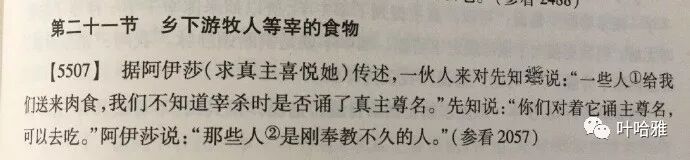
1. Xinjiang-style meatball soup (wanzi tang)
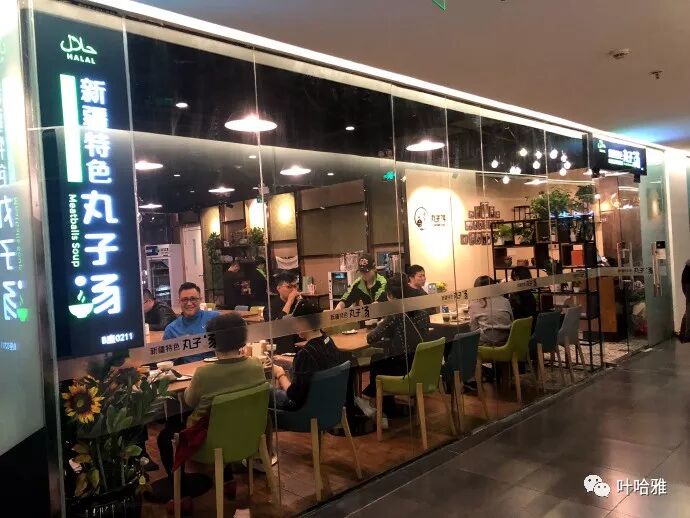
It was originally in Dongsi and later moved to Chaowai SOHO. It is very popular and the taste is truly good.
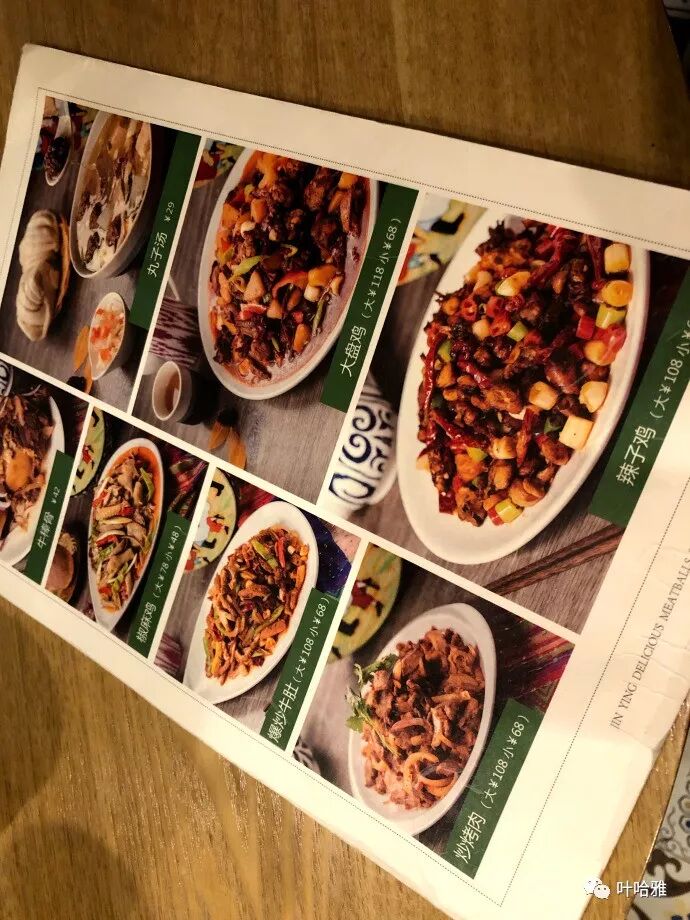
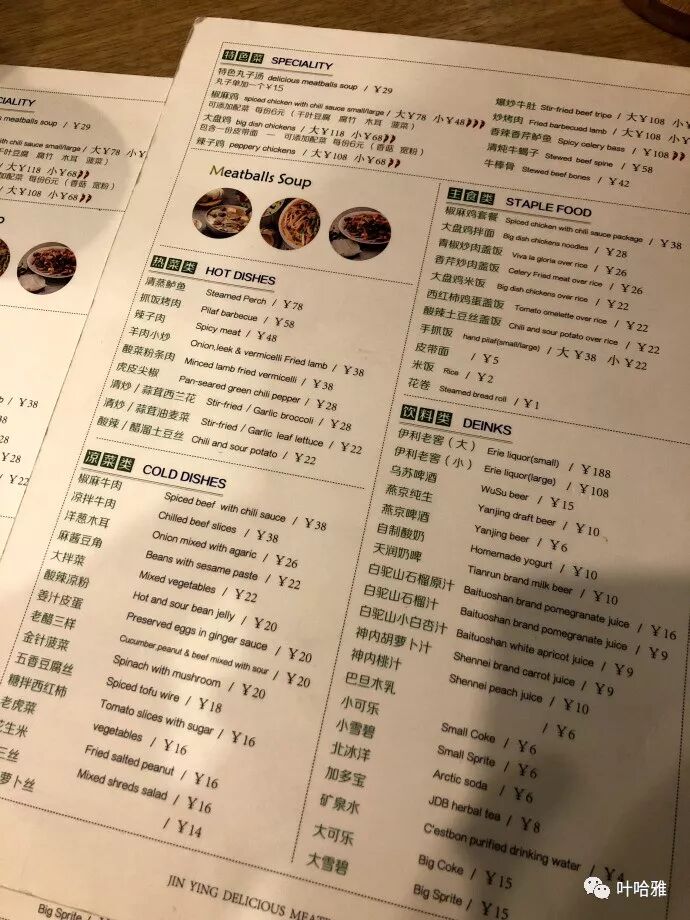
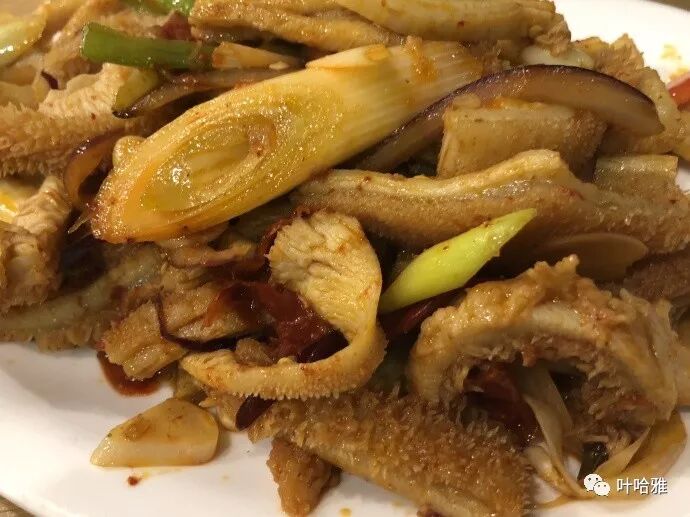
The beef tripe is a bit spicy, so be prepared before you eat it.
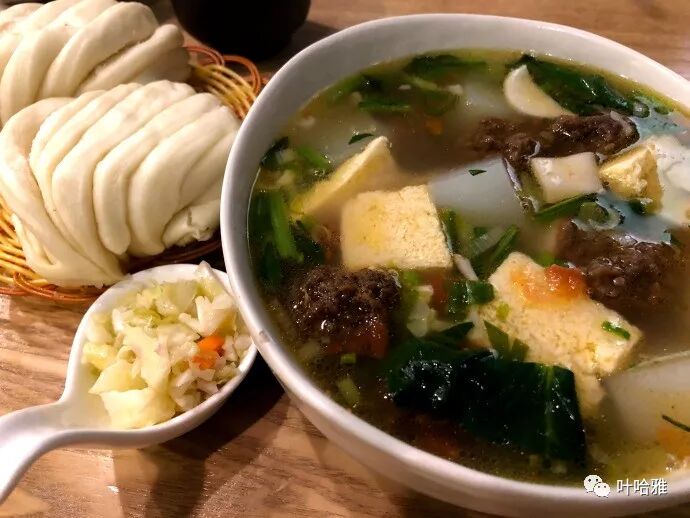
Order a bowl of meatball soup and it comes with two steamed flower rolls (huajuan) and a side of kimchi. The flower rolls are soft and fluffy, and very delicious.
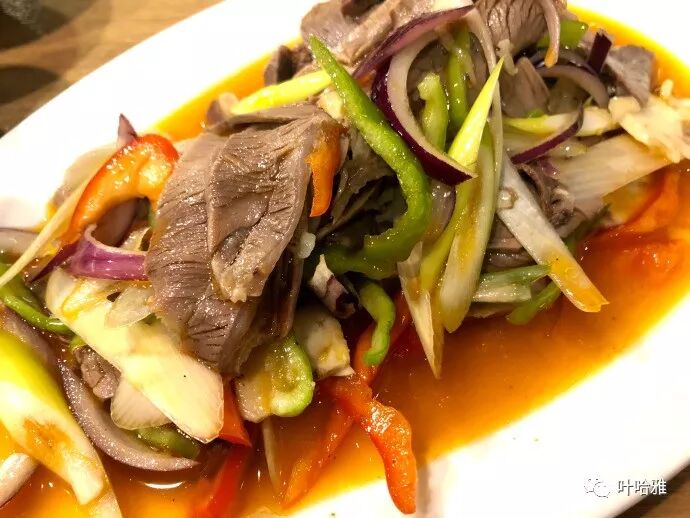
The peppercorn beef (jiaoma niurou) tastes great.
Address: Second floor, Building B, Chaowai SOHO
2. Nai Lao Wei
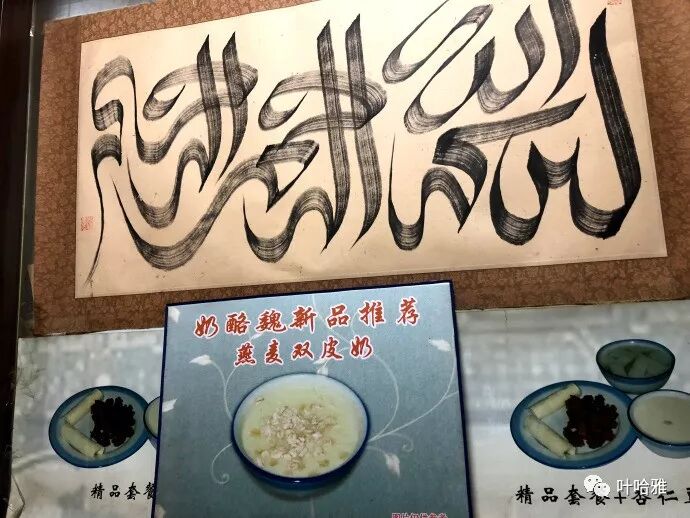
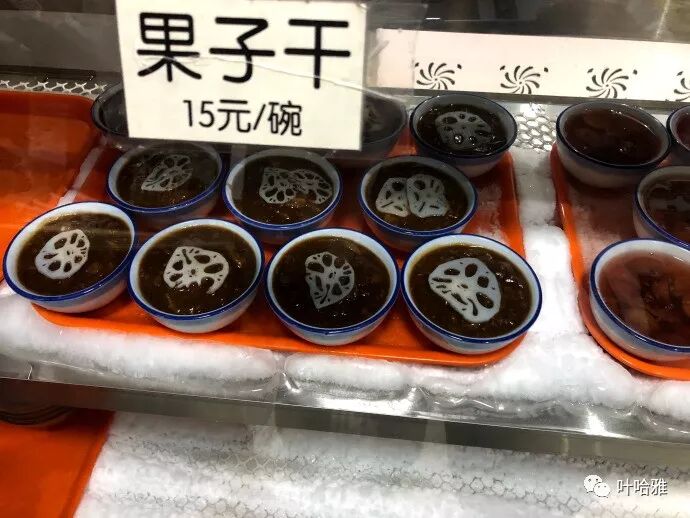
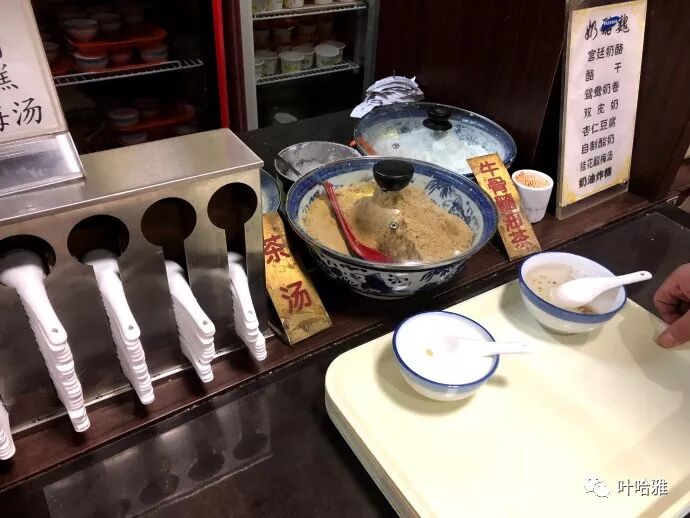
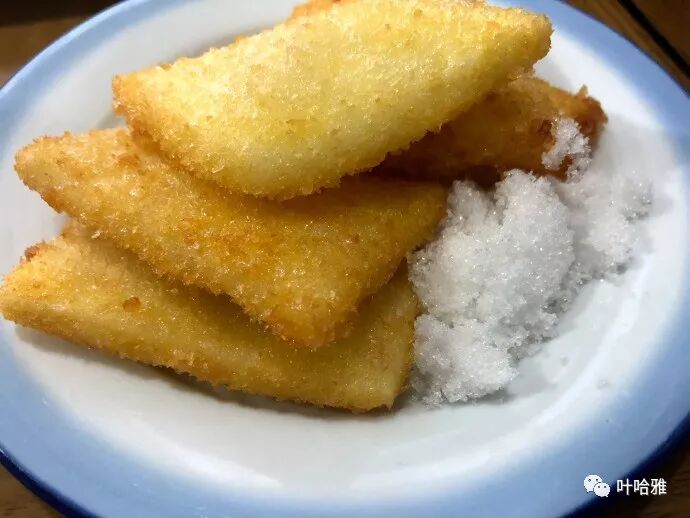
This is fried fresh milk (zha xiannai), a Beijing specialty snack.
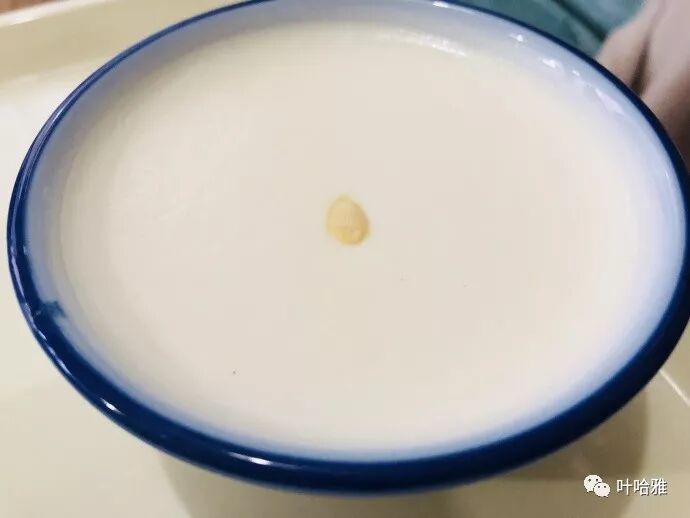
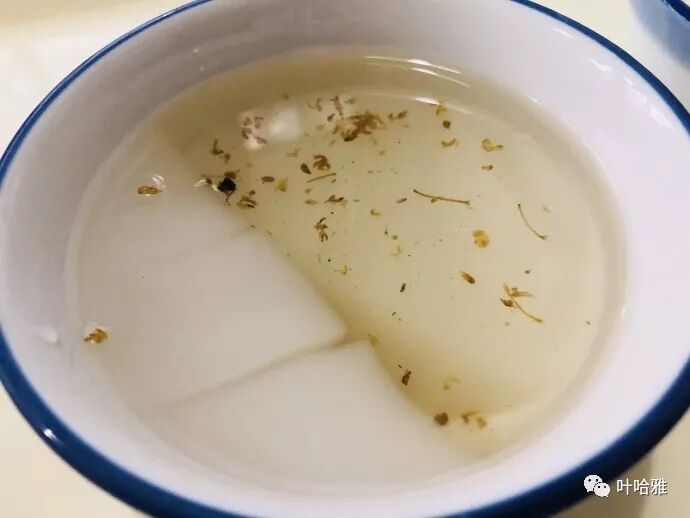
Almond tofu (xingren doufu), a great treat for cooling down in the summer.
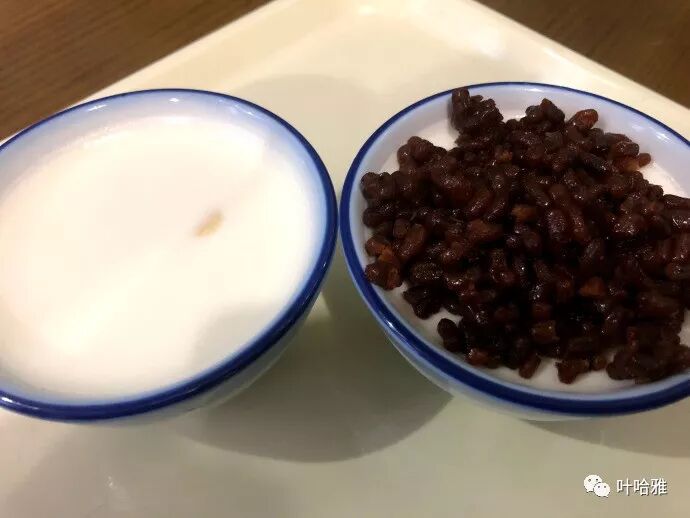
If you have eaten at Wenyu Cheese in Nanluoguxiang, I suggest you try Nai Lao Wei on Niujie Street. The quality of this famous Beijing snack is worth a try. Note: This restaurant does not sell alcohol.
Address: Room 107, No. 202 Guang'anmennei Street (west side of Dazhong Electronics)
3. Huamao Restaurant
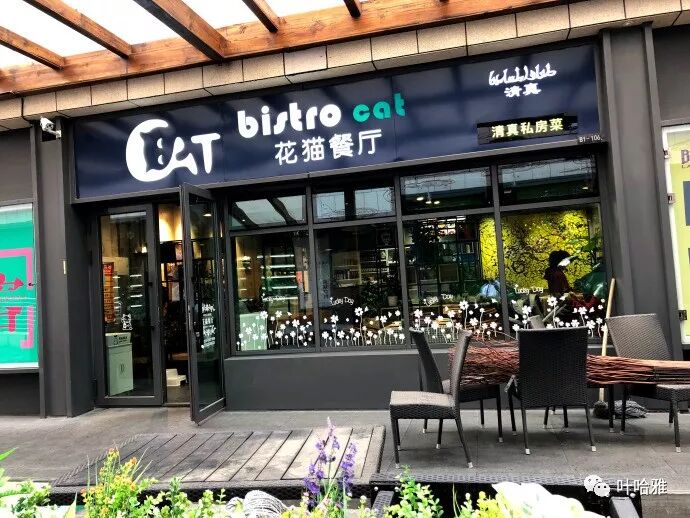
A new-style halal small seafood restaurant.
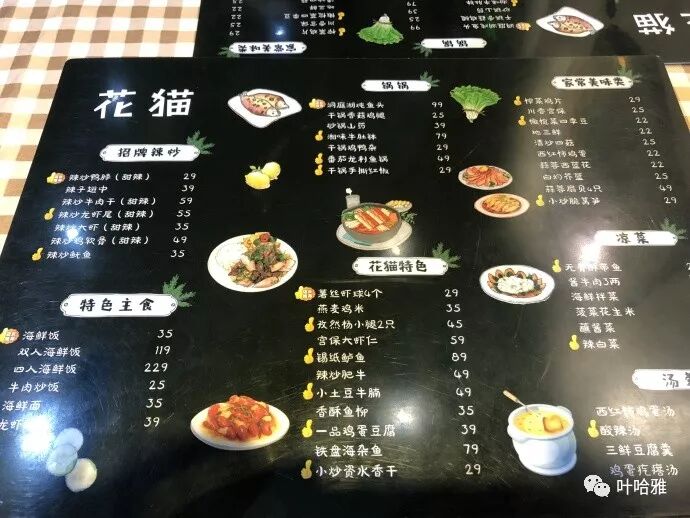
The food is prepared delicately, and they also serve spicy hot pot (mala xiangguo).
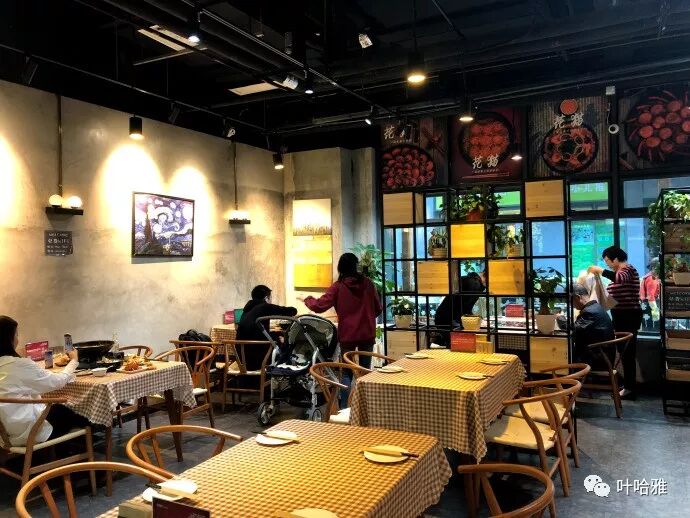
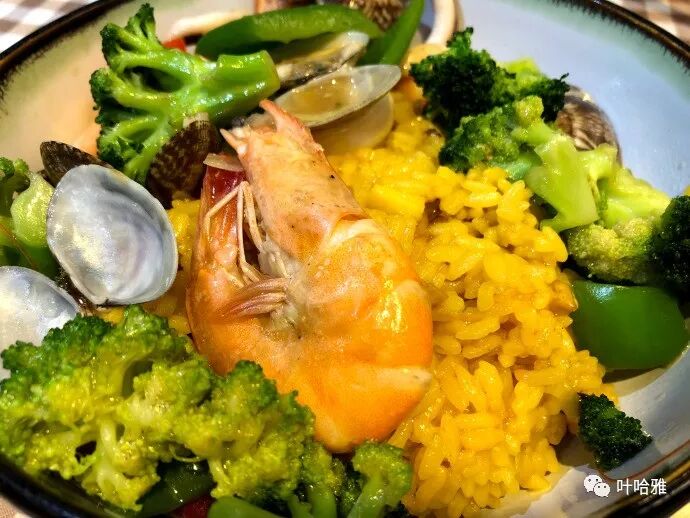
Signature seafood rice
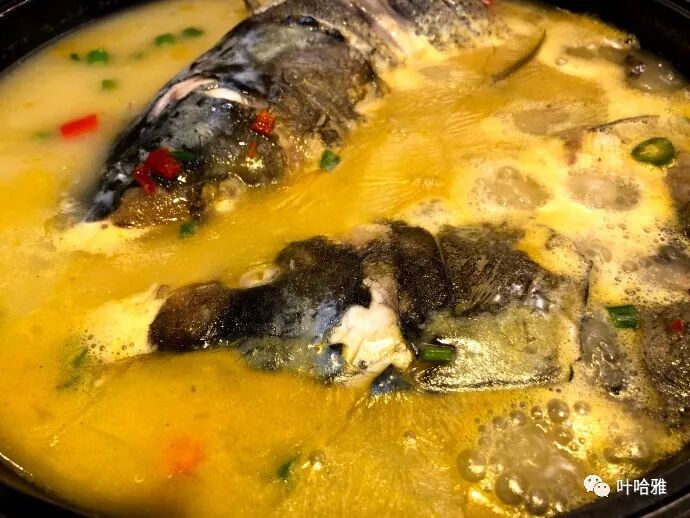
Dongting Lake fish head pot
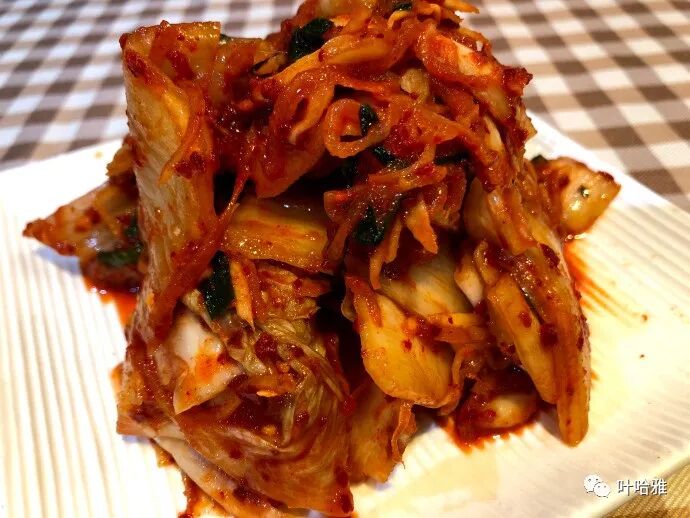
Spicy cabbage (la baicai), cold and refreshing.
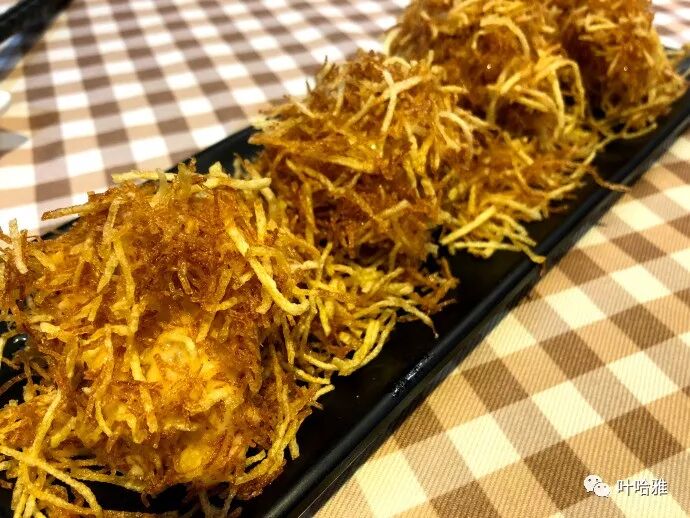
Potato shredded shrimp balls (shusi xiaqiu)
They also have spicy crayfish (mala xiaolongxia), with an average cost of about 60 yuan per person.
Address:
Level B1, Pedestrian Street, West District, Changying Lugang City.
4. NAIL Russian Restaurant.
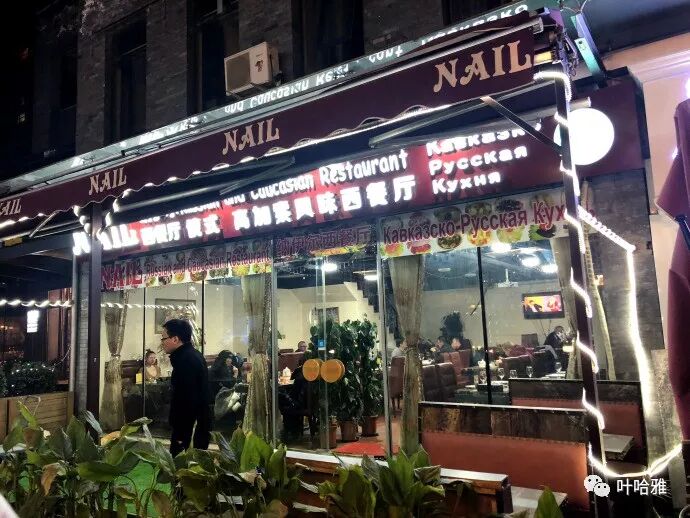
This place specializes in Russian food. It is small, and most of the customers are foreigners.
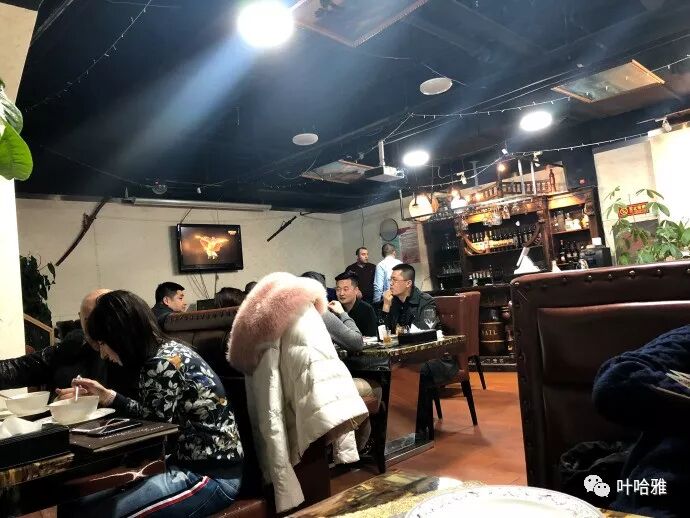
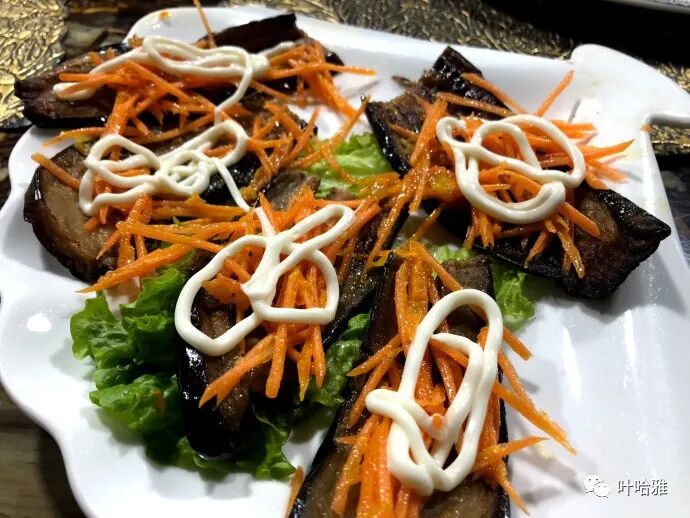
I usually think of Russian food as having large, greasy portions, but this place does things differently with small, light dishes.
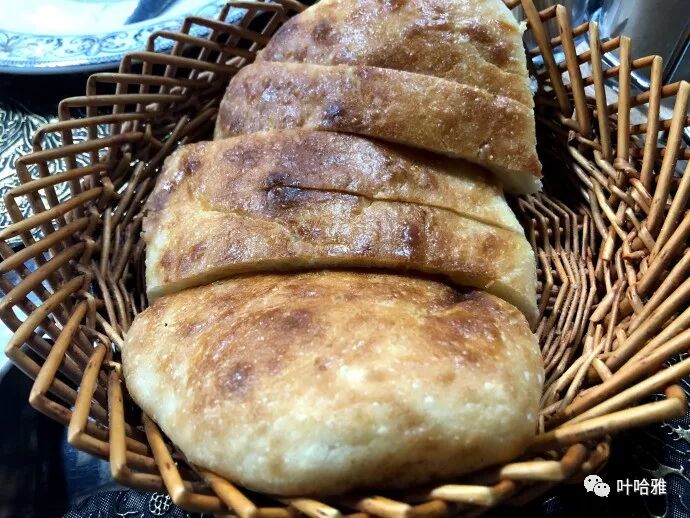
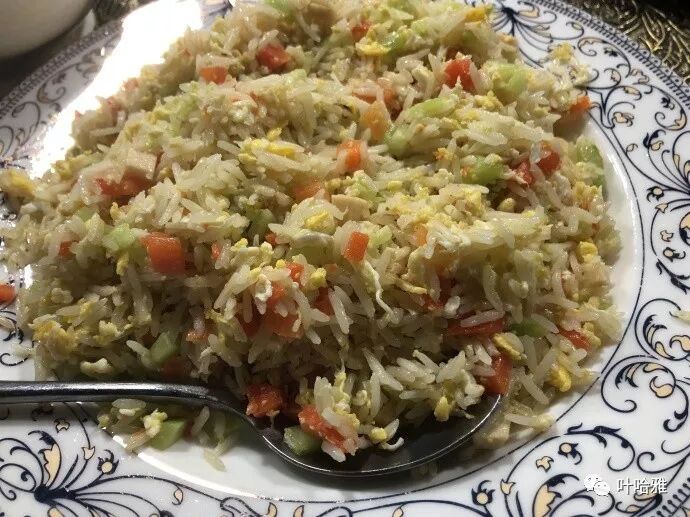
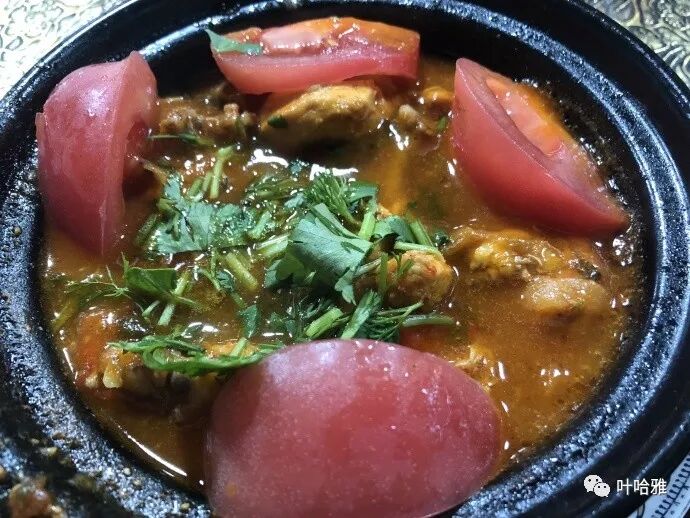
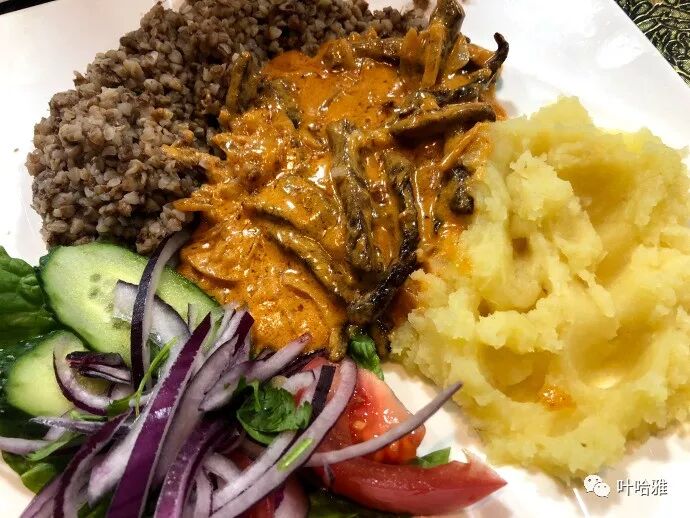
The average cost is about 80 yuan per person.
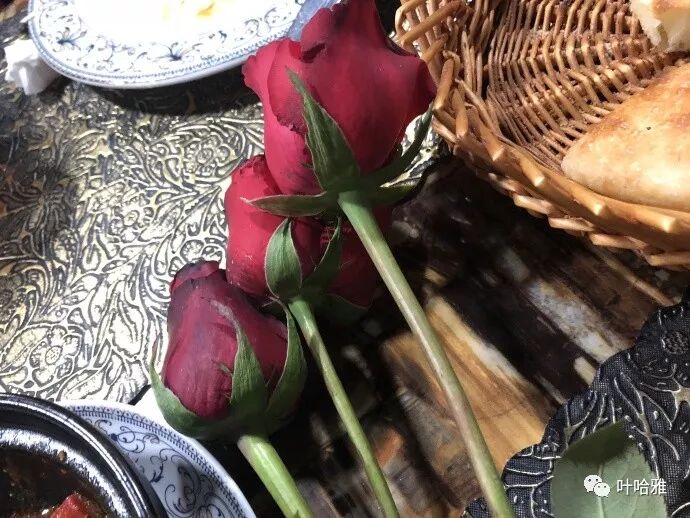
I came here on Valentine's Day, and the manager gave three roses to every woman dining in the restaurant.
Address: Shenlu Street, Chaoyang District, opposite Desert Rose Restaurant.
5. Shangzi Street Clear Broth Beef Brisket Noodles.
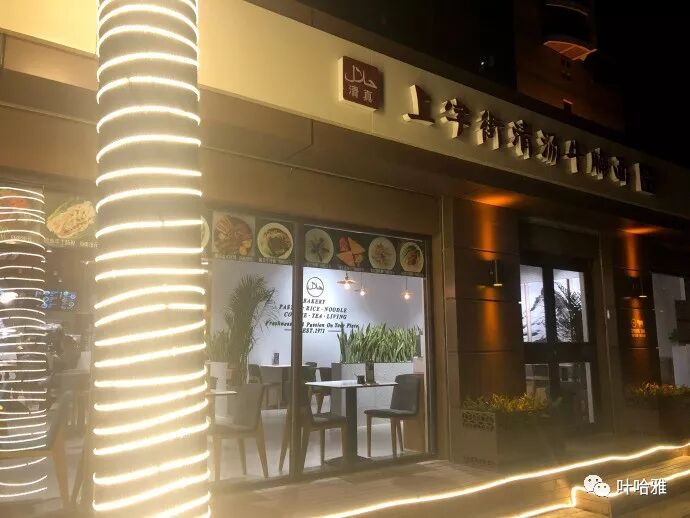
This is a Cantonese-style halal noodle shop. The staff wear uniforms printed with the words Southern School Halal, and the owner speaks Cantonese.
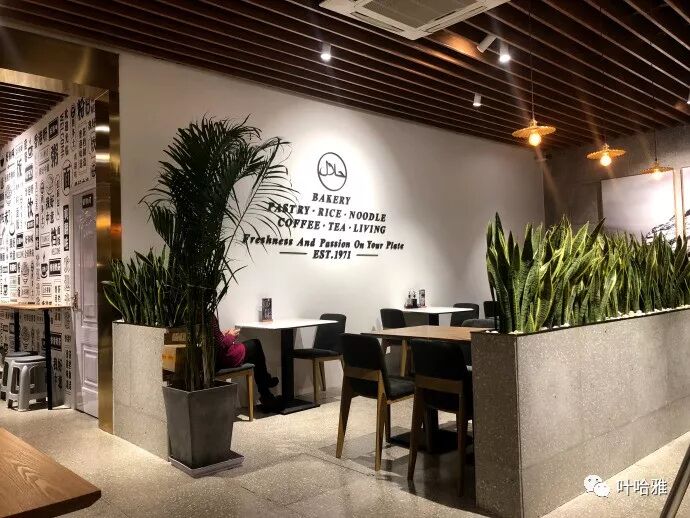
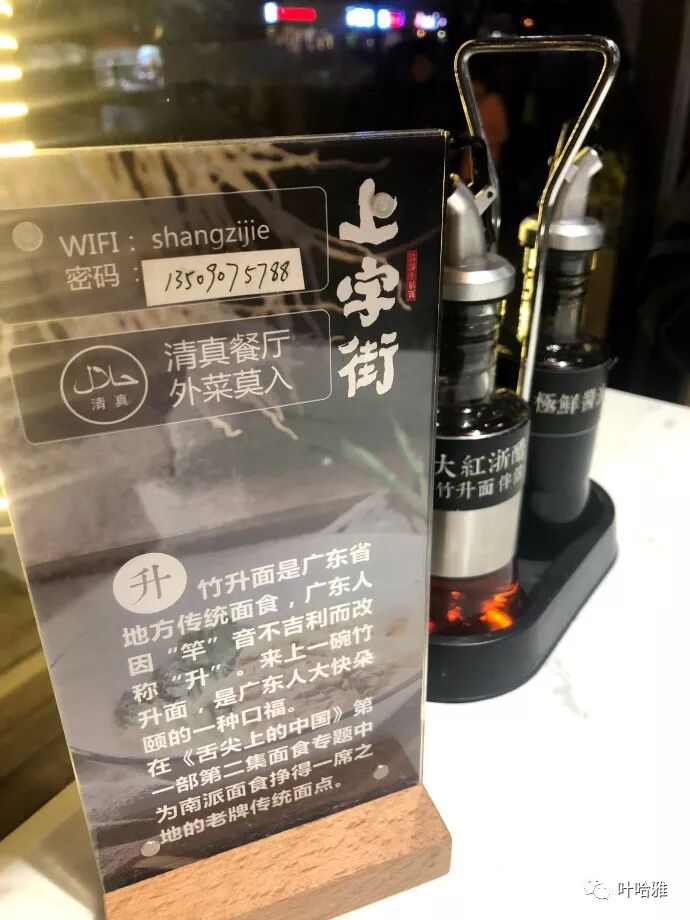
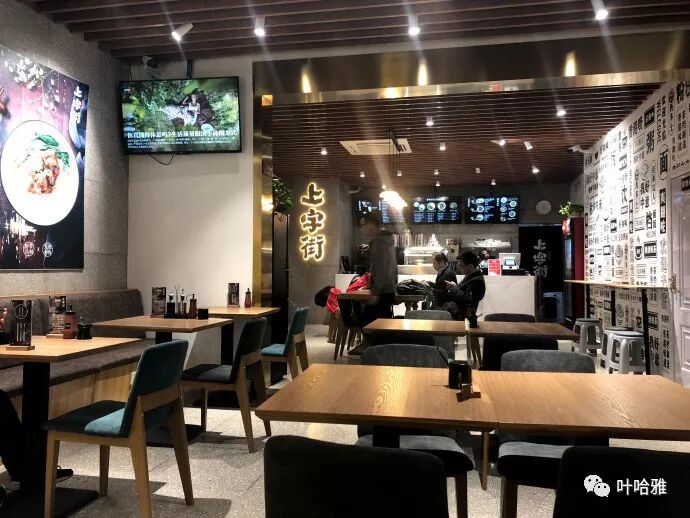
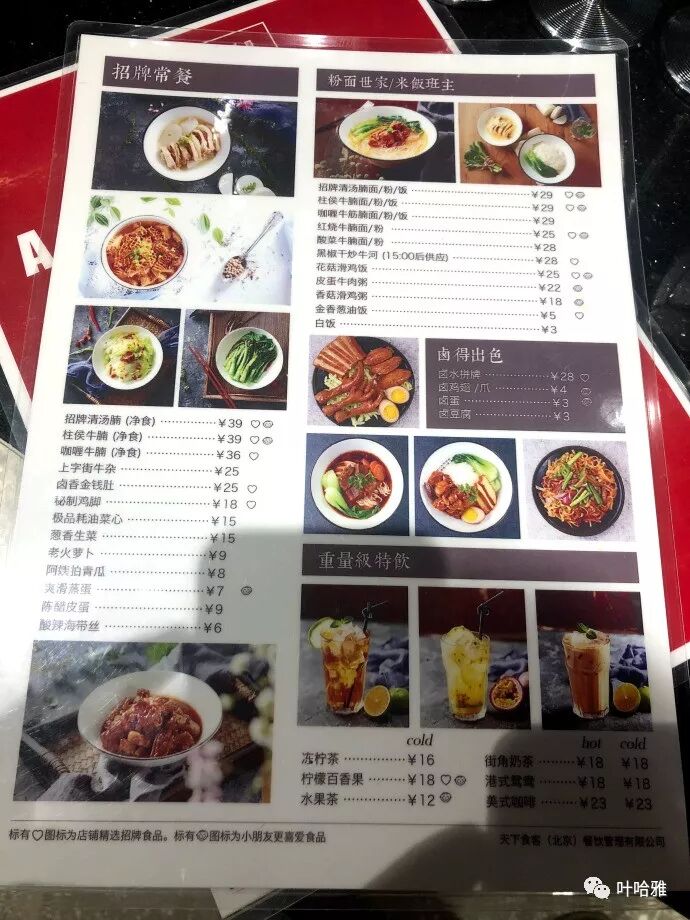
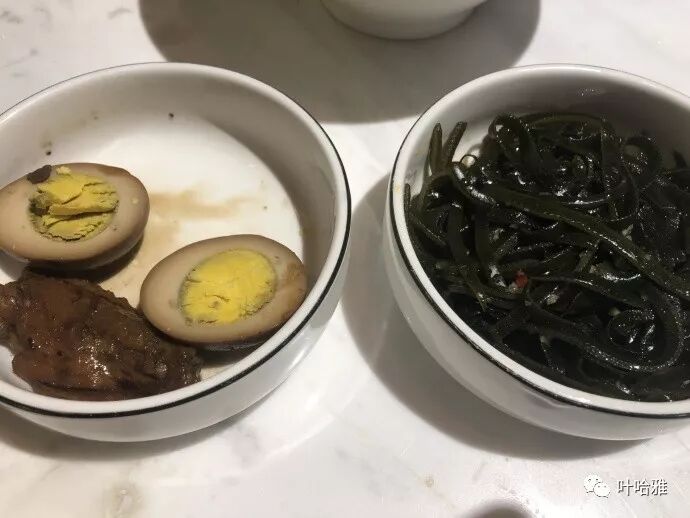
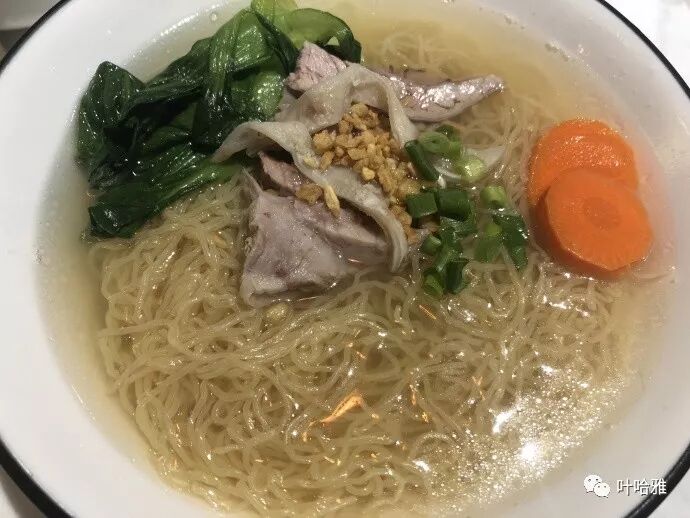
Bamboo-pressed noodles (zhushengmian).
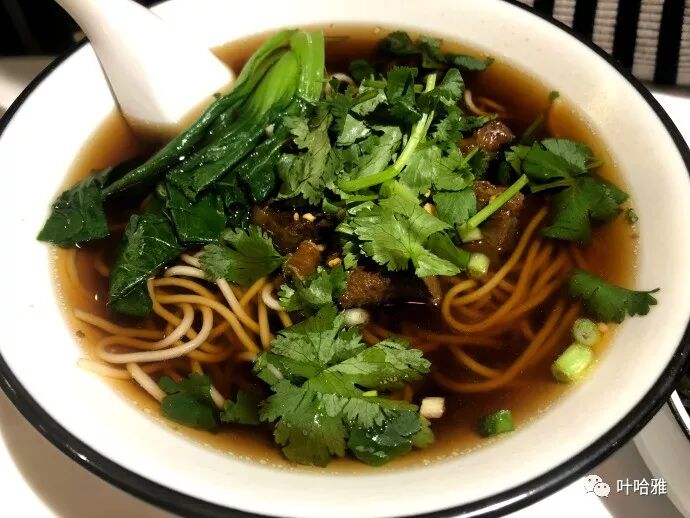
Beef brisket noodles (niunanmian).
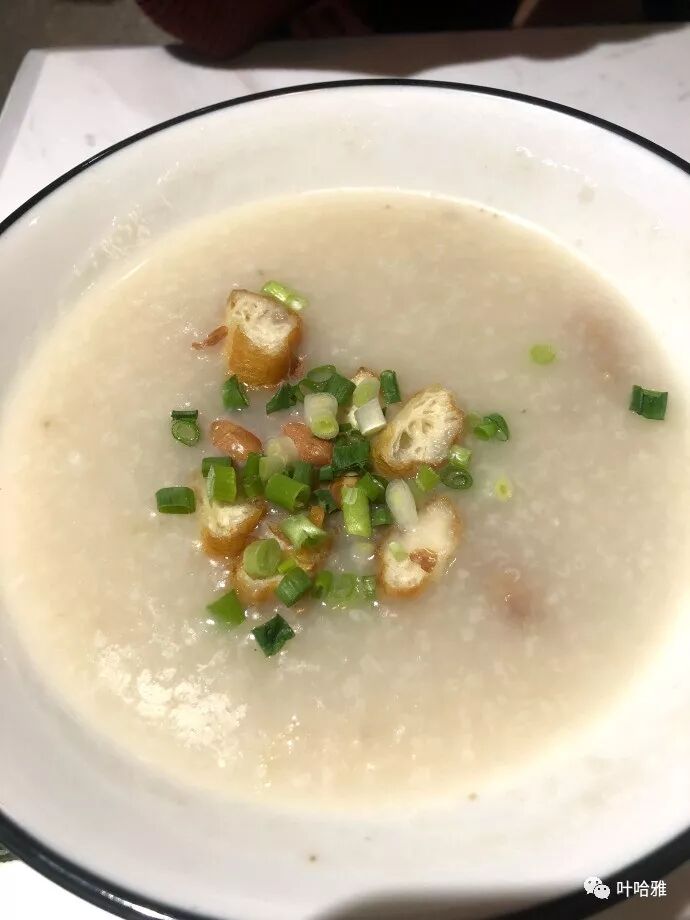
You can get halal porridge here. Beijing really needs a halal restaurant that makes good porridge right now.
Address: West side of the intersection at Yabaolu South Slope Mosque.
This article is a supplement to the guide on special halal food in the capital. I have selected one representative restaurant for each flavor rather than listing every single one. I have already recommended most of the restaurants mentioned in user comments on my official account.
Feel free to read and share. No authorization is needed for reposting.
[Beijing Special Halal Dining Guide (Including the Most Complete List of Foreign Restaurants)] (Part 1)
[Beijing Special Halal Dining Guide (Including the Most Complete List of Foreign Restaurants)] (Part 2)
[Beijing Special Halal Dining Guide (Including the Most Complete List of Foreign Restaurants)] (Part 3)
A Guide to Halal Dining in Beijing (Part 4)
A Guide to Halal Dining in Beijing (Part 5)
A Guide to Halal Dining in Beijing (Part 6)
A Guide to Halal Dining in Beijing (Part 7)
A Guide to Halal Dining in Beijing (Part 8)
A Guide to Halal Dining in Beijing (Part 9)
Halal Travel Guide: Kelantan, Malaysia - Chinese Muslim Food and Port History
Articles • ali2007fr posted the article • 0 comments • 237 views • 2026-05-20 09:11
Summary: Kelantan in northeastern Malaysia has old port links, Chinese community history, and halal Chinese food shaped by local Hokkien and Hakka traditions. This account keeps the visit to the Kelantan port area, the Zheng He connection, restaurant details, dishes, streets, and photos in order.
Kelantan is in the northeast of the Malay Peninsula, bordering Thailand. It has been an important stop for Chinese maritime trade since ancient times. Zheng He visited here during his fourth voyage in 1413 (the 11th year of the Yongle reign). The Kelantan River valley has fertile land and is rich in hardwood, rubber, and tropical fruits. In the 18th century, people from Fujian traveled south to settle in Kampung Cina (Tangrenpo) along the lower reaches of the Kelantan River. During the Qianlong reign, the maritime merchant Xie Qinggao wrote in the 'Kelantan' entry of his book 'Records of the Oceans' (Hailu): 'Many Fujianese live in the port area... selling goods and growing pepper.' These Fujianese have lived in Kelantan for many generations. They speak Malay, love Malay food, follow Malay customs, and some run halal Chinese restaurants in the city.
After landing at Kota Bharu Airport, we took a taxi directly to the city's largest halal Chinese restaurant, Four Seasons Hall (Siji Ting), for dinner. Four Seasons Hall opened in 1998. The owner's surname is Wang, and his ancestral home is Jinjiang, Fujian. He is a third-generation Kelantan Chinese. Four Seasons Hall is the first Chinese restaurant in Kelantan to receive halal certification from the State Religious Affairs Department, and all the staff are fellow Muslims (dost). Four Seasons Hall is popular because it serves authentic Nanyang Chinese food, as well as Malay and Thai dishes.
They have a huge variety of dishes. Because they list ingredients and cooking methods separately, you can combine them to make 224 different fish dishes alone. The owner speaks great Mandarin. Following his recommendation, we ordered Four Seasons steamed sea bass, black pepper beef, sunflower sprouts in superior soup, oyster omelet, and salted egg baked shrimp. It was a real treat for our Nanyang Chinese food cravings. I think if you are dining with two or more people at a Nanyang Chinese restaurant, steamed fish is a must. Styles like Teochew steamed, Nyonya steamed, and Minglu steamed are all worth trying. The Four Seasons steamed fish we ordered this time used the owner's secret sauce, and it tasted very fresh and delicious. This was my first time eating sunflower sprouts. They have a light, nutty fragrance and a very refreshing texture. After getting used to the heavy sauces and thick gravies of northern Chinese food, the light Nanyang dishes were a nice change of pace. Oyster omelet is fried eggs with oysters. The egg is fried until crispy, and the oysters add a lot of flavor. However, fellow Muslims (dost) from inland areas might not be used to it if they aren't fans of seafood. The salted egg baked shrimp was also delicious. It seems rare to cook it this way in the north, but Malays love baked shrimp.
Mee Warisan is a very popular halal Chinese noodle shop in Kota Bharu, and it is often packed at noon. 'Mee Warisan' means 'traditional noodles' in Malay. They specialize in Chinese-style soy sauce noodles and wonton noodles, as well as Thai-style tom yum noodles and Thai pandan leaf chicken rolls. Because it is close to Thailand, both the local Chinese and Malays know how to cook Thai food. This is a very interesting cultural exchange.
There are many small snack shops run by Chinese in the old town of Kota Bharu. They are usually called 'Kopitiam' or 'Kafe' in Malay, which translates to 'teahouse' or 'drink room' in Chinese. These old-school Nanyang teahouses usually serve Malay coffee and tea, along with simple meals like noodles or coconut rice (nasi lemak). Because these teahouses are small, many haven't paid to apply for official halal certification, but they do hire Malay chefs and servers. So, if you see Malay fellow Muslims (dost) in a Chinese restaurant in Malaysia, you can go in and ask; they are usually halal.
Besides Fujianese food, you can also find halal Hakka food in Kota Bharu. We ate Hakka stuffed tofu (niang doufu) and stir-fried flat rice noodles (char kway teow) at Chef Pong Yong Tau Fu. The Chinese owner hires Malay staff, and the place is very popular with Malay friends (dosti). When guests arrive, they grab a plate and pick the stuffed items they want. Then they weigh them, and you can have them fried or boiled. The owner stir-fries the flat rice noodles (kway teow) right there. He speaks great Mandarin, so we had no trouble communicating.
In the Hakka dialect, 'niang' means to fill with stuffing. Legend says that after the Hakka people moved south from the Central Plains, they wanted dumplings but had no wheat. They used tofu instead of flour and invented stuffed tofu (niang doufu). Besides tofu, the Hakka are good at using local ingredients. You can stuff anything, like chili peppers, eggplants, bitter melons, and taro. Tofu, eggplant, and bitter melon are known as the 'three fried treasures' (jian niang san bao).
Unlike most Hokkien people who live near the lower reaches and mouth of the Kelantan River, most Kelantan Hakka settled inland. For example, the Hakka in the Bulai (near Dabong) area mostly came there for gold mining. During the Qianlong era, the maritime merchant Xie Qinggao wrote in his book 'Records of the Ocean' (Hailu) under the entry for Kelantan: 'The Cantonese (Hakka) people mostly live on the mountain tops, where they pan for gold sand.' After the 19th century, the gold mines gradually ran dry, and the inland Hakka switched to growing rice. After the Malayan Communist Party started anti-British guerrilla warfare in 1948, the British military forced some Kelantan Hakka to move to Terengganu for centralized management to cut off Chinese support for the communists. They also implemented food rationing, which was called the 'Hunger Operation'. These Hakka people did not return to Kelantan until after the state of emergency ended in 1960.
Besides Hokkien and Hakka people, Hainanese people are also an important part of the Chinese community in Kelantan. We ate at the 50-year-old Hainanese restaurant, Sin Hua Air-Conditioned Restaurant, in Kota Bharu. We had Hainanese chicken chop, Hainanese noodles, and toasted bread. These are all authentic Nanyang Hainanese dishes. There is also a shop next door called Sin Shing Coffee Shop, which is said to have the best Hainanese chicken rice in Kota Bharu.
Like many old-school Hainanese coffee shops in Malaysia, the owner is a Hainanese Chinese, but they hire Malay chefs and staff. This allows Chinese, Malay, and Indian customers to all enjoy the food.
Hainanese people began immigrating to Malaysia in the 19th century. Many early immigrants worked as chefs and waiters in British hotels and restaurants, and some worked as servants for British officers. Influenced by their British employers, the Hainanese learned to cook Western food and mixed it with Hainanese elements to create the unique Hainanese coffee shop (Hailam Kopitiam) culture.
Chinese food in Kota Bharu is mostly found on Jalan Kebun Sultan. There is a landmark archway called 'Zheng He Arch' (Zheng He Fang) here, which commemorates Zheng He's fourth voyage to the Western Ocean when he arrived at the port of Kelantan. The arch has two couplets: 'Zheng served the mission and left history, He governed the country for the people' and 'The doctrine of the mean shines for generations, Chinese civilization lasts for thousands of years.' This shows that Kelantan Chinese do not forget their roots and keep their good Chinese character.
Near the Zheng He Arch is the Jinjiang Association, and downstairs is a large East Coast shopping mall. The Jinjiang people in Kelantan value Chinese education very much and played a major role in restoring Chinese schools after World War II.
Many pharmacies on the streets of Kota Bharu are also run by Chinese people, making it very convenient to buy medicine here.
There is a Shanghai Bookstore on the streets of Kota Bharu where you can buy Chinese books, newspapers, and magazines.
Most Chinese shops in Kota Bharu use three languages: Chinese, Malay, and Jawi (the Arabic script used to write Malay). This is a requirement in Kelantan state. view all
Summary: Kelantan in northeastern Malaysia has old port links, Chinese community history, and halal Chinese food shaped by local Hokkien and Hakka traditions. This account keeps the visit to the Kelantan port area, the Zheng He connection, restaurant details, dishes, streets, and photos in order.
Kelantan is in the northeast of the Malay Peninsula, bordering Thailand. It has been an important stop for Chinese maritime trade since ancient times. Zheng He visited here during his fourth voyage in 1413 (the 11th year of the Yongle reign). The Kelantan River valley has fertile land and is rich in hardwood, rubber, and tropical fruits. In the 18th century, people from Fujian traveled south to settle in Kampung Cina (Tangrenpo) along the lower reaches of the Kelantan River. During the Qianlong reign, the maritime merchant Xie Qinggao wrote in the 'Kelantan' entry of his book 'Records of the Oceans' (Hailu): 'Many Fujianese live in the port area... selling goods and growing pepper.' These Fujianese have lived in Kelantan for many generations. They speak Malay, love Malay food, follow Malay customs, and some run halal Chinese restaurants in the city.
After landing at Kota Bharu Airport, we took a taxi directly to the city's largest halal Chinese restaurant, Four Seasons Hall (Siji Ting), for dinner. Four Seasons Hall opened in 1998. The owner's surname is Wang, and his ancestral home is Jinjiang, Fujian. He is a third-generation Kelantan Chinese. Four Seasons Hall is the first Chinese restaurant in Kelantan to receive halal certification from the State Religious Affairs Department, and all the staff are fellow Muslims (dost). Four Seasons Hall is popular because it serves authentic Nanyang Chinese food, as well as Malay and Thai dishes.
They have a huge variety of dishes. Because they list ingredients and cooking methods separately, you can combine them to make 224 different fish dishes alone. The owner speaks great Mandarin. Following his recommendation, we ordered Four Seasons steamed sea bass, black pepper beef, sunflower sprouts in superior soup, oyster omelet, and salted egg baked shrimp. It was a real treat for our Nanyang Chinese food cravings. I think if you are dining with two or more people at a Nanyang Chinese restaurant, steamed fish is a must. Styles like Teochew steamed, Nyonya steamed, and Minglu steamed are all worth trying. The Four Seasons steamed fish we ordered this time used the owner's secret sauce, and it tasted very fresh and delicious. This was my first time eating sunflower sprouts. They have a light, nutty fragrance and a very refreshing texture. After getting used to the heavy sauces and thick gravies of northern Chinese food, the light Nanyang dishes were a nice change of pace. Oyster omelet is fried eggs with oysters. The egg is fried until crispy, and the oysters add a lot of flavor. However, fellow Muslims (dost) from inland areas might not be used to it if they aren't fans of seafood. The salted egg baked shrimp was also delicious. It seems rare to cook it this way in the north, but Malays love baked shrimp.
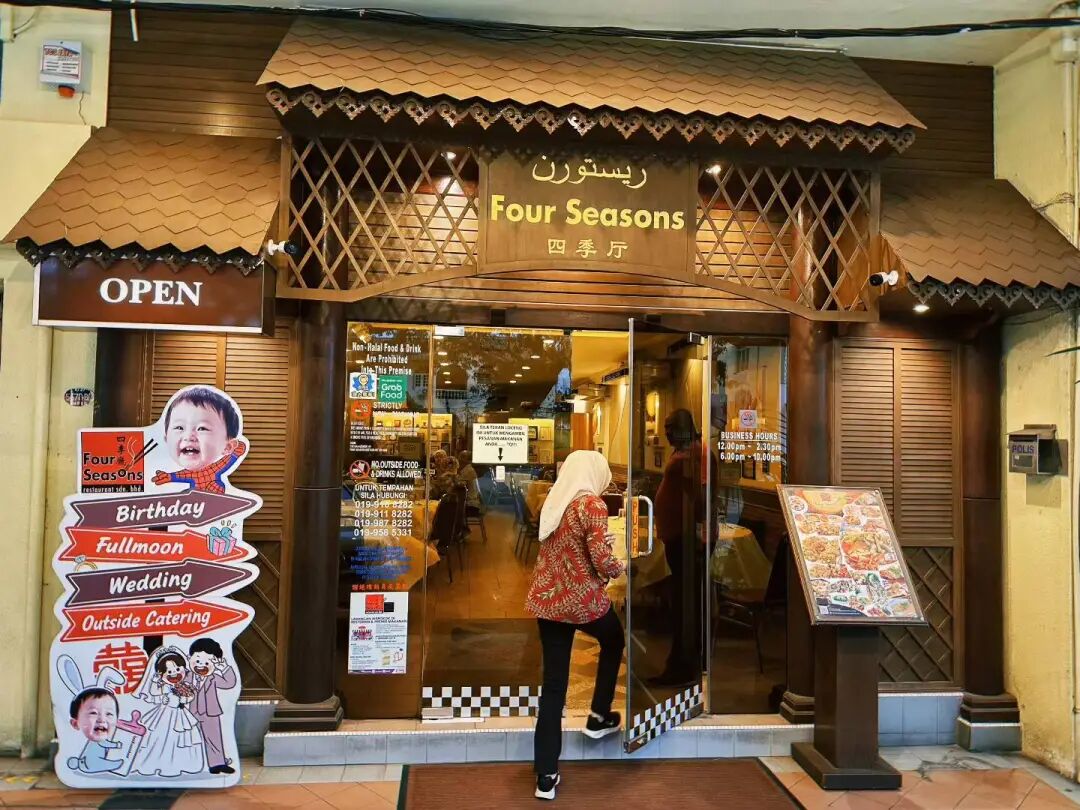
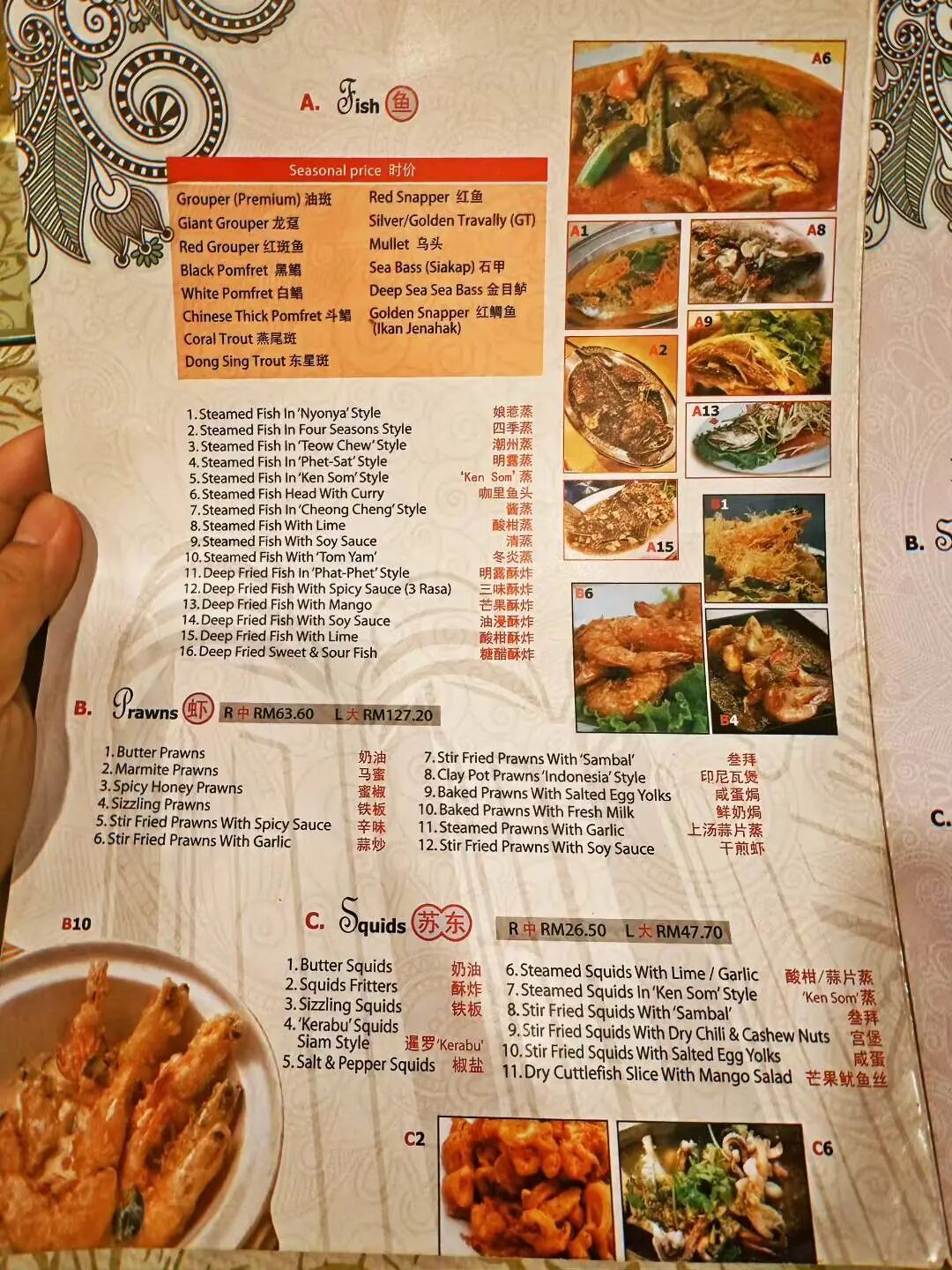
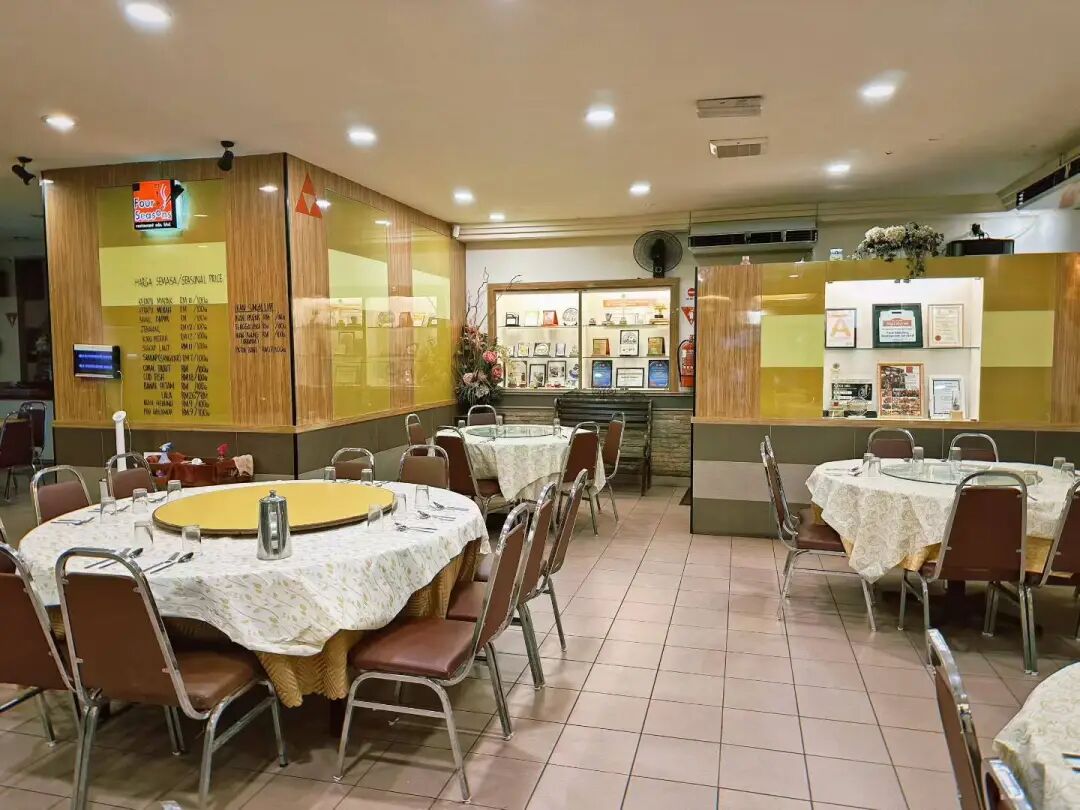
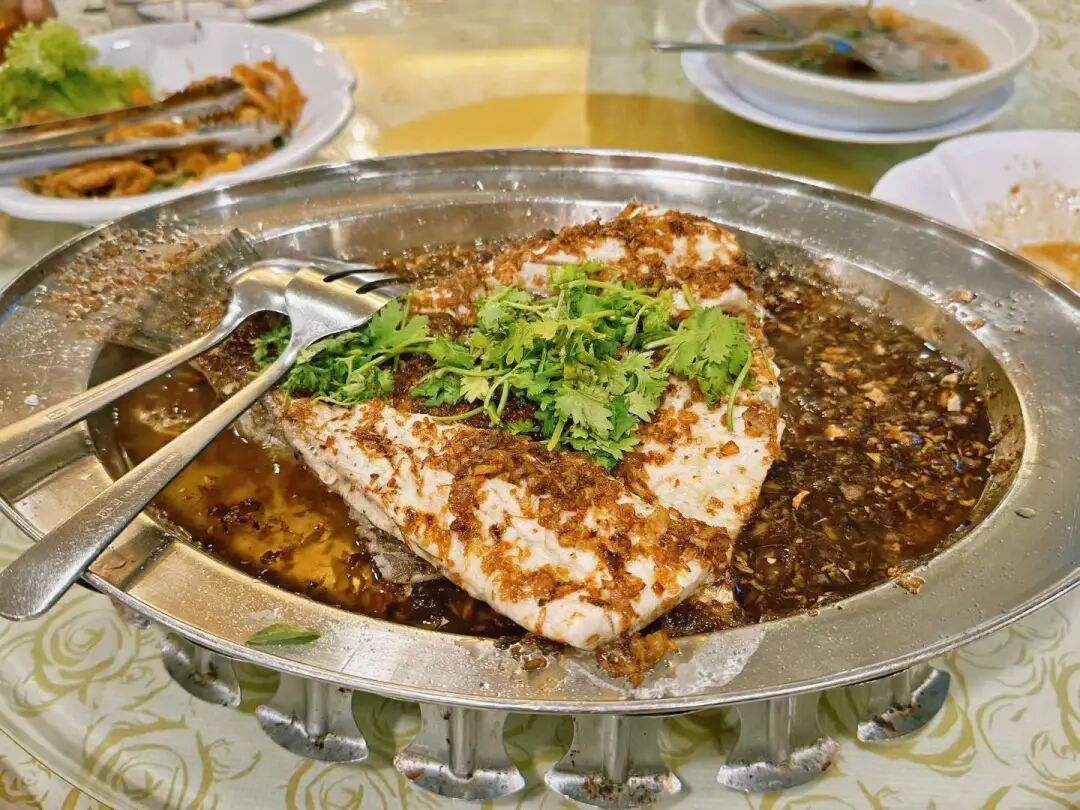
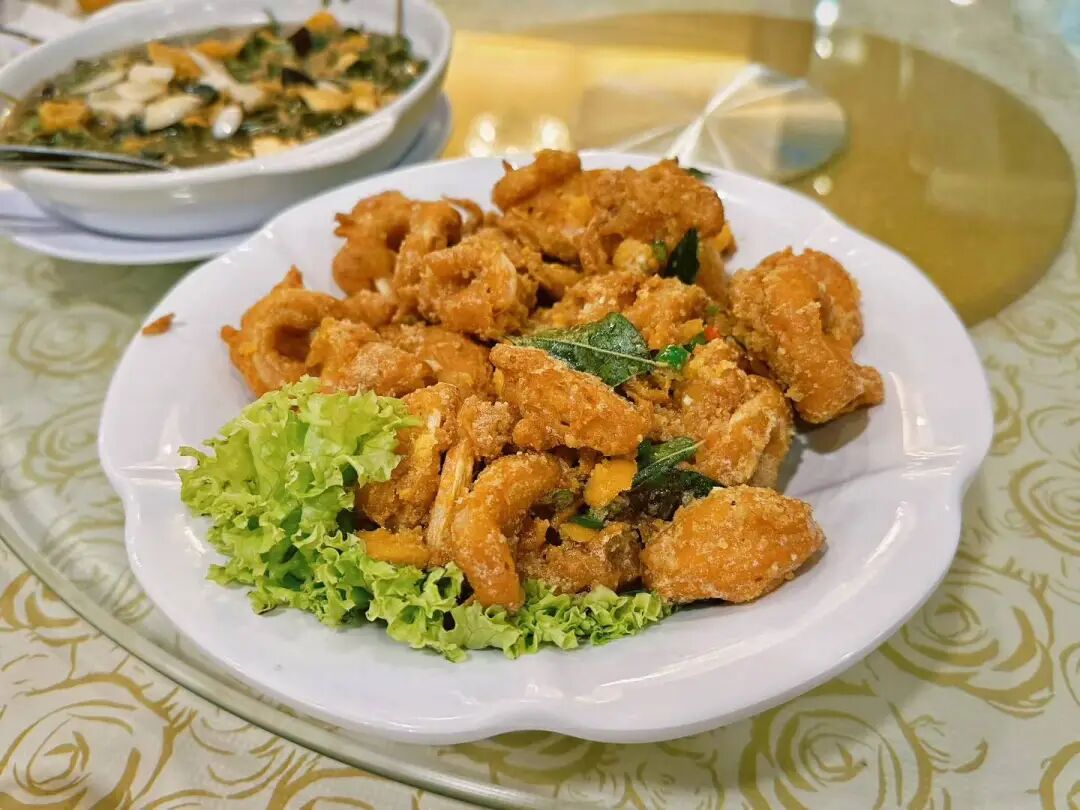
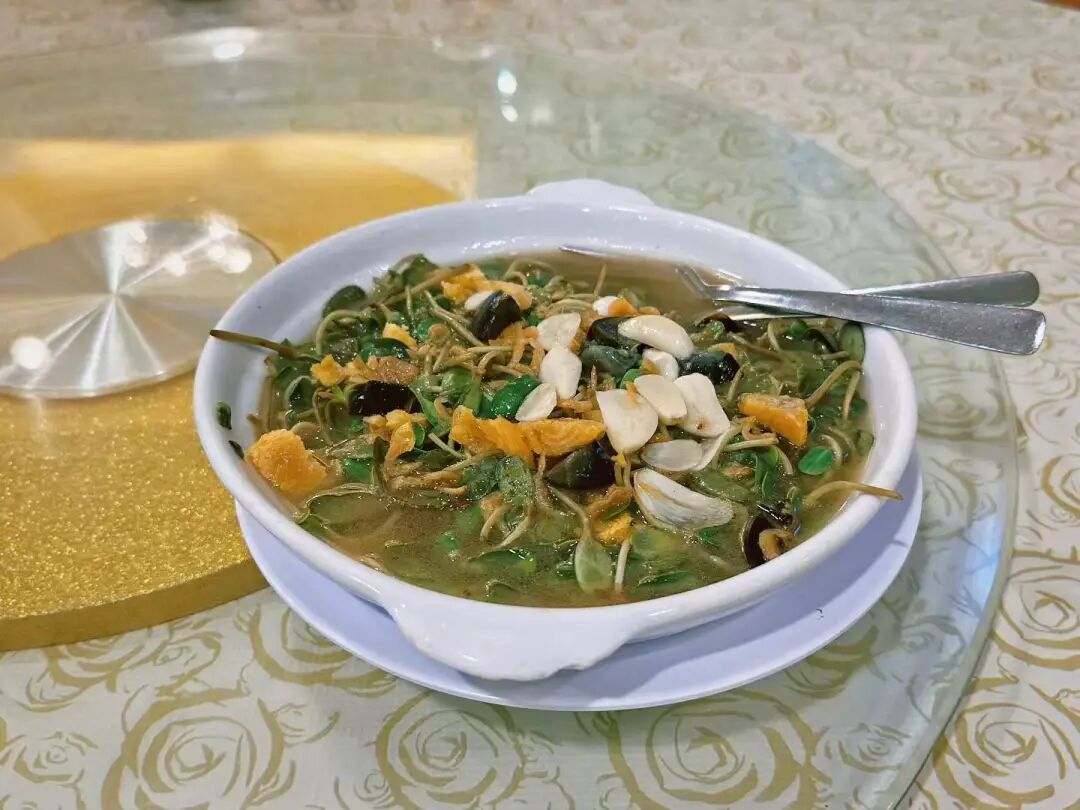
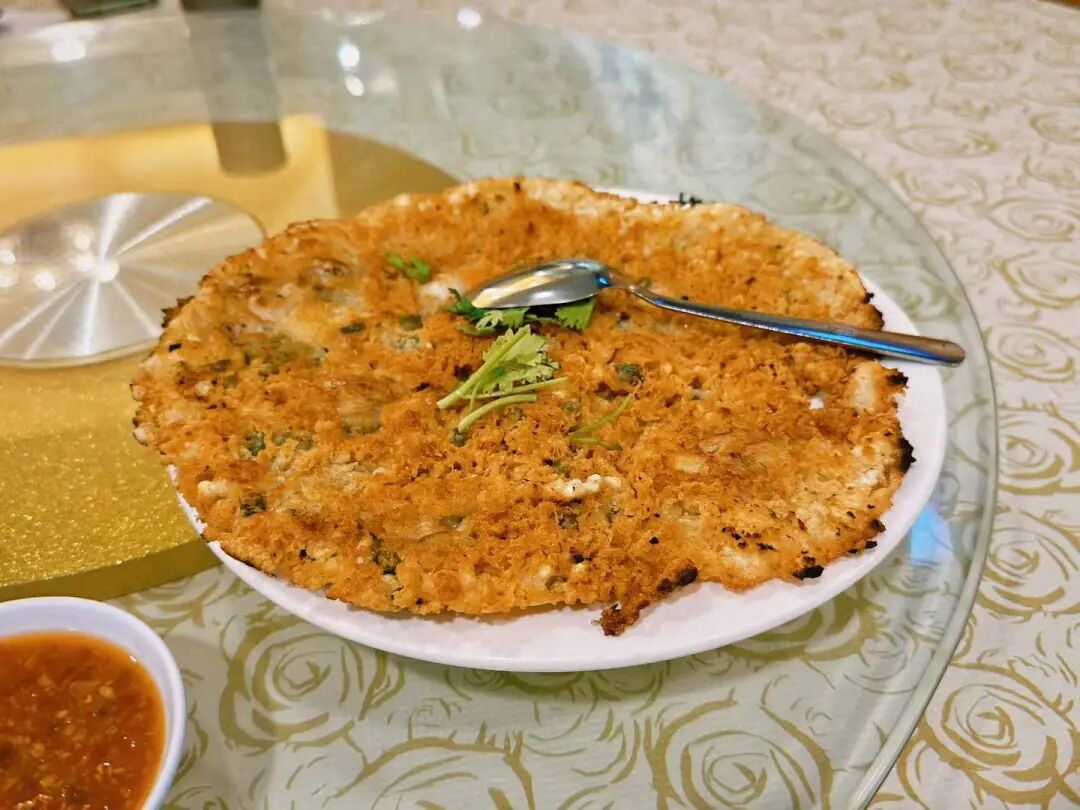
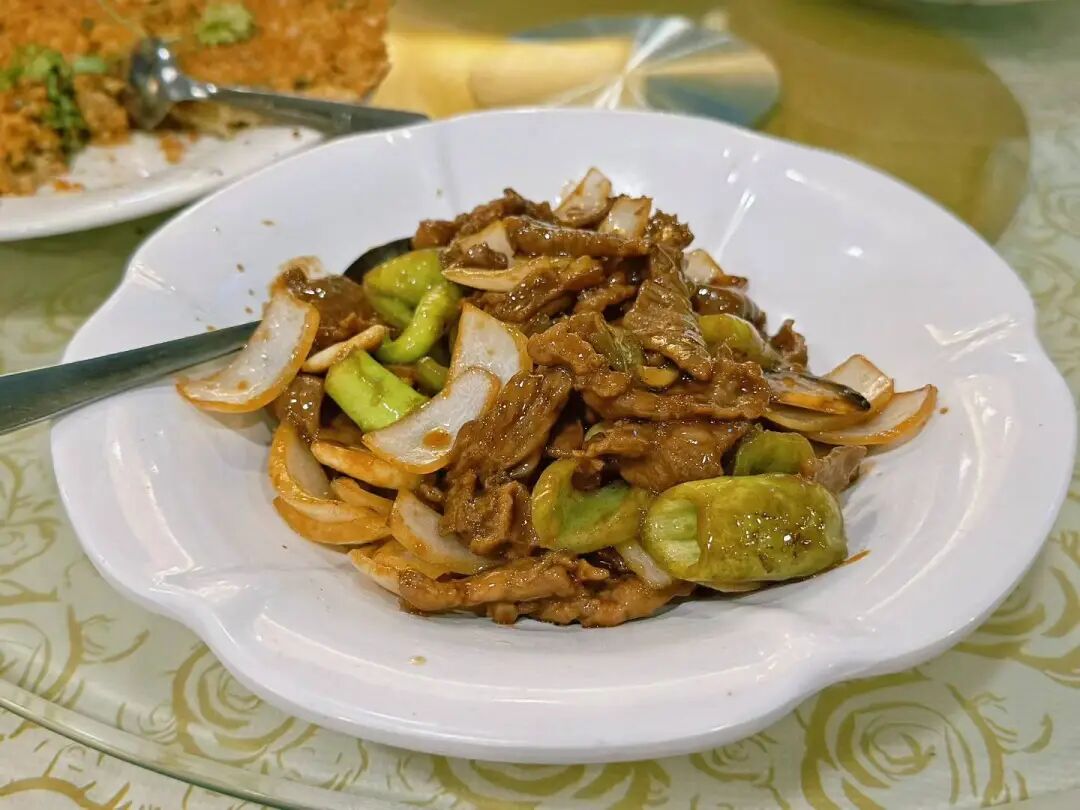
Mee Warisan is a very popular halal Chinese noodle shop in Kota Bharu, and it is often packed at noon. 'Mee Warisan' means 'traditional noodles' in Malay. They specialize in Chinese-style soy sauce noodles and wonton noodles, as well as Thai-style tom yum noodles and Thai pandan leaf chicken rolls. Because it is close to Thailand, both the local Chinese and Malays know how to cook Thai food. This is a very interesting cultural exchange.
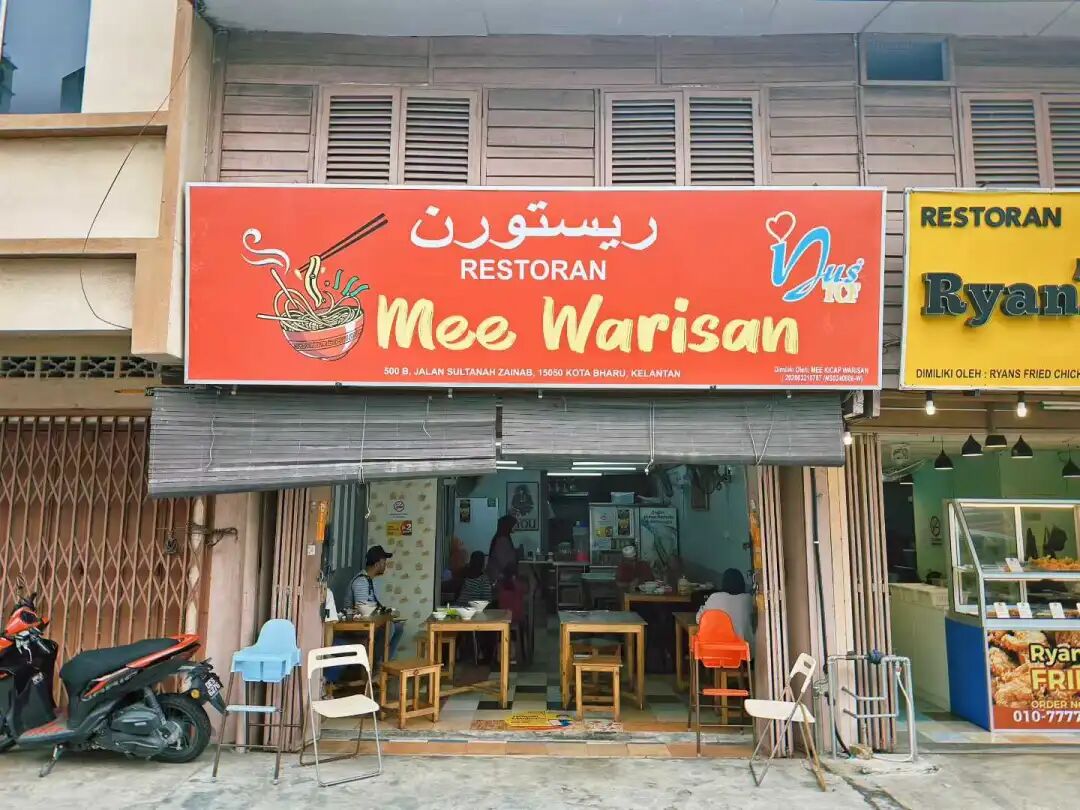
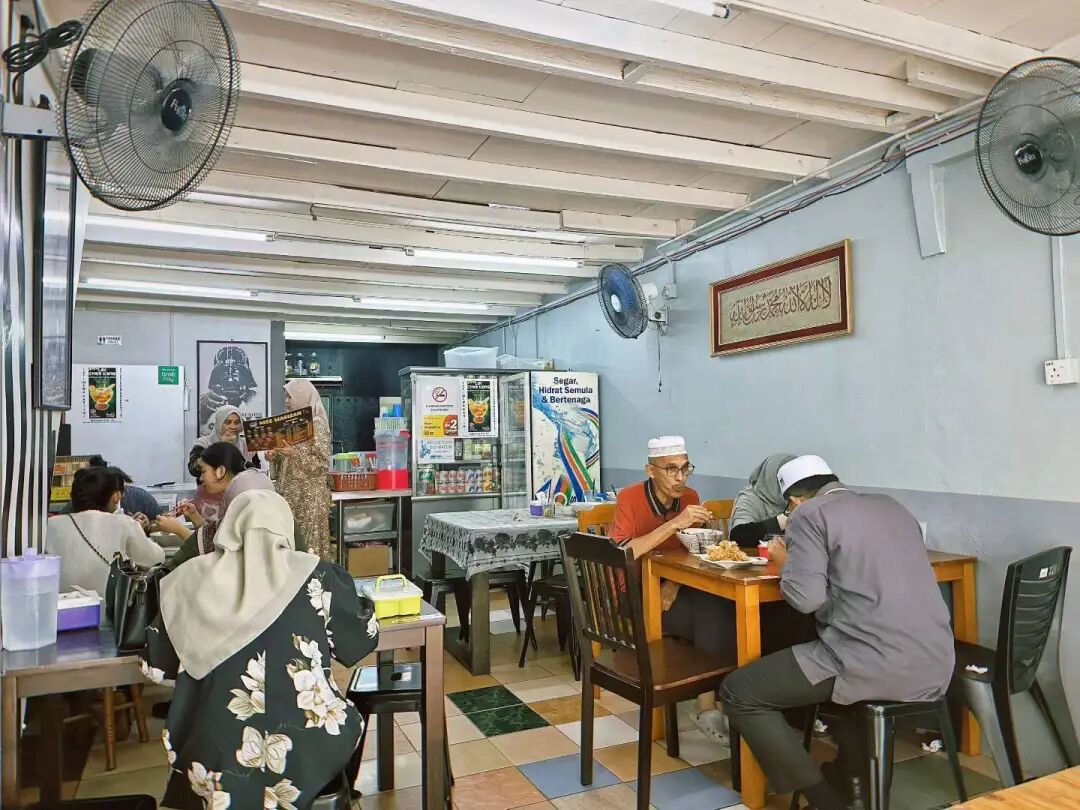
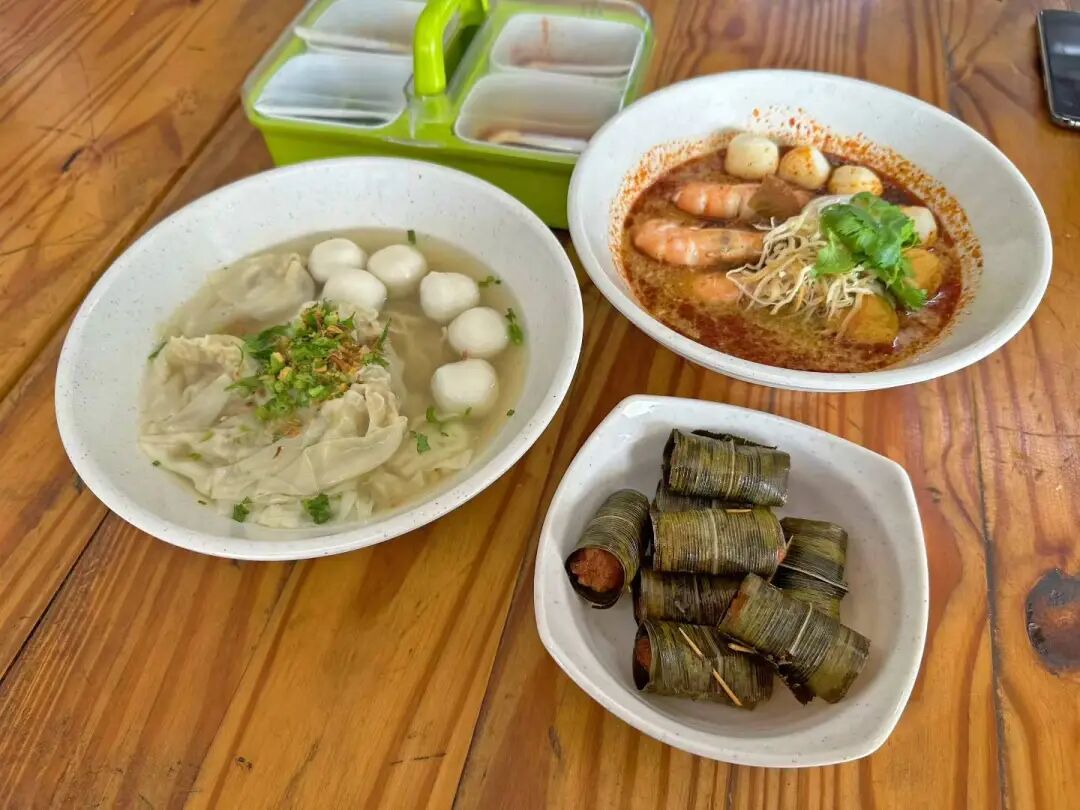
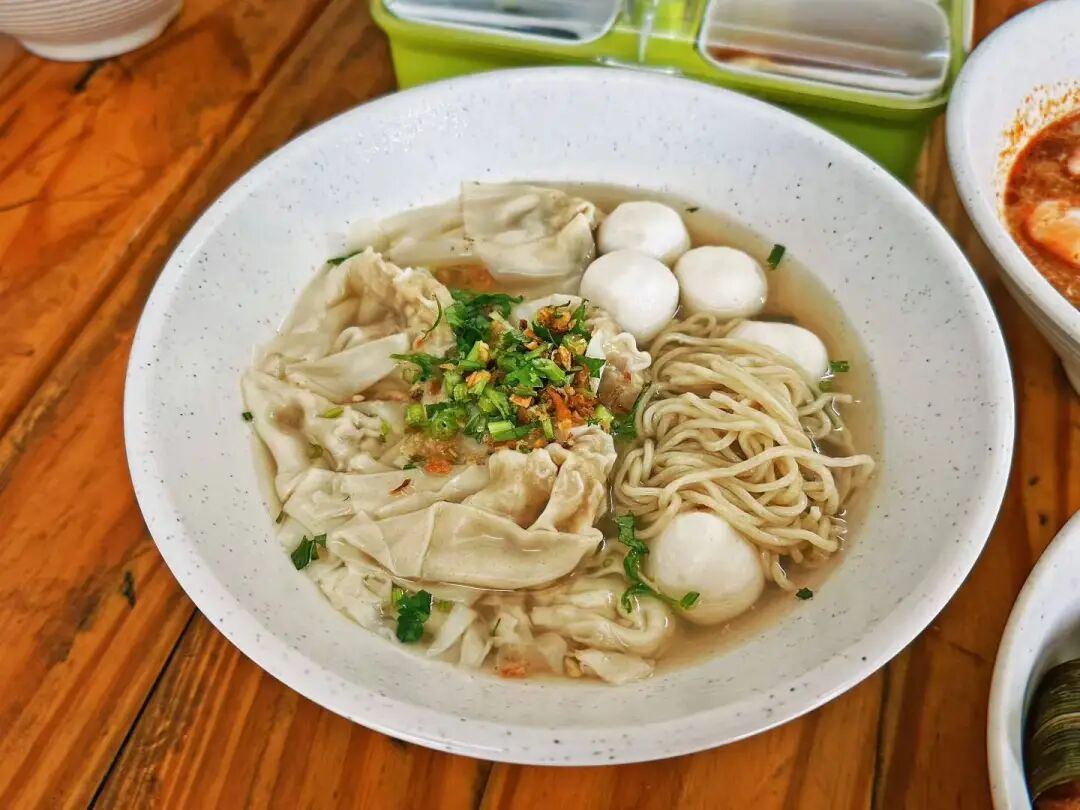
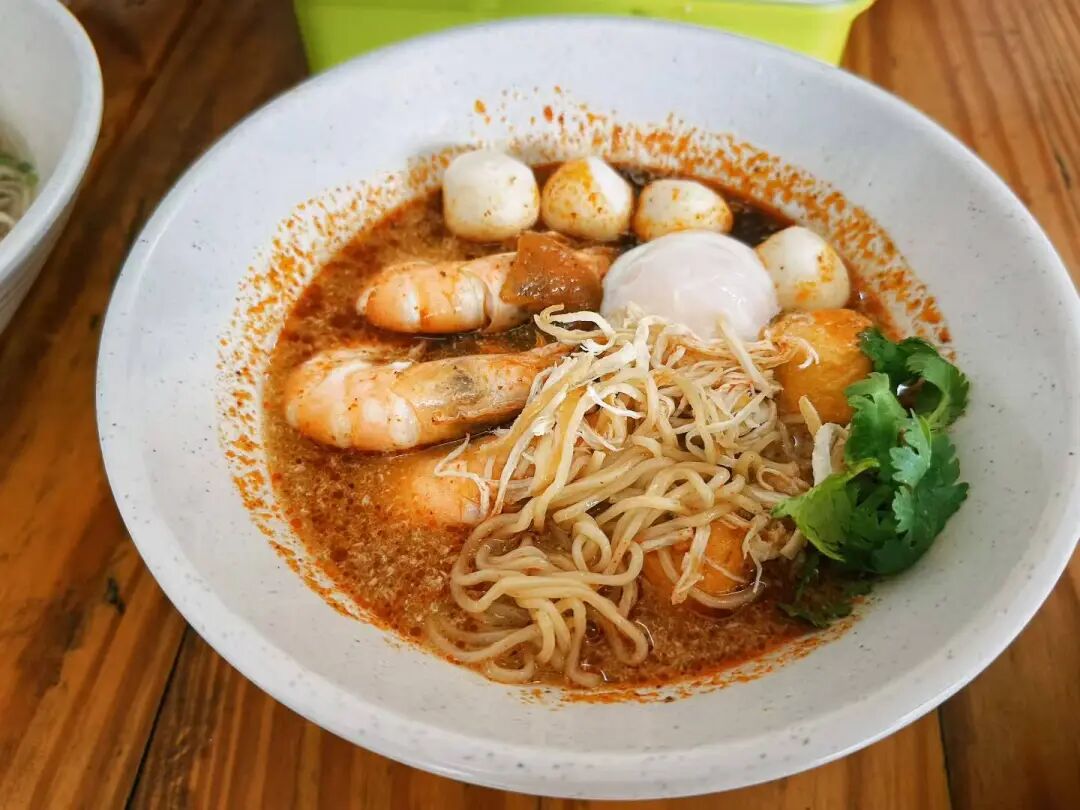
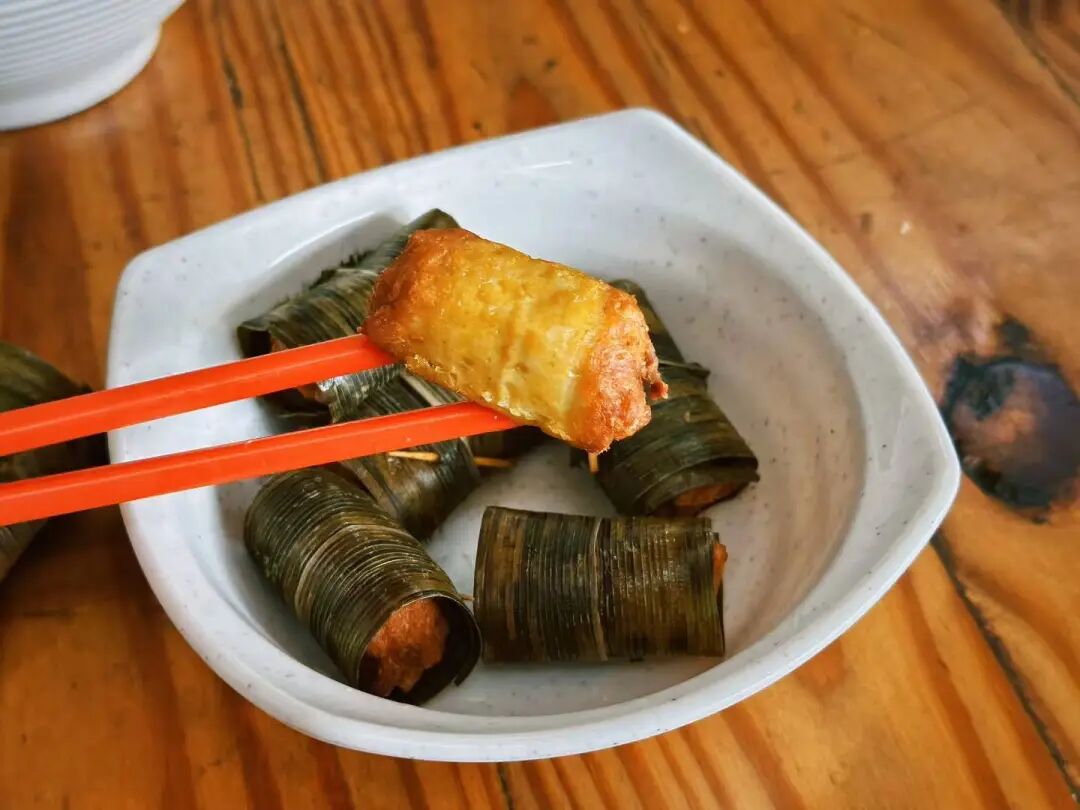
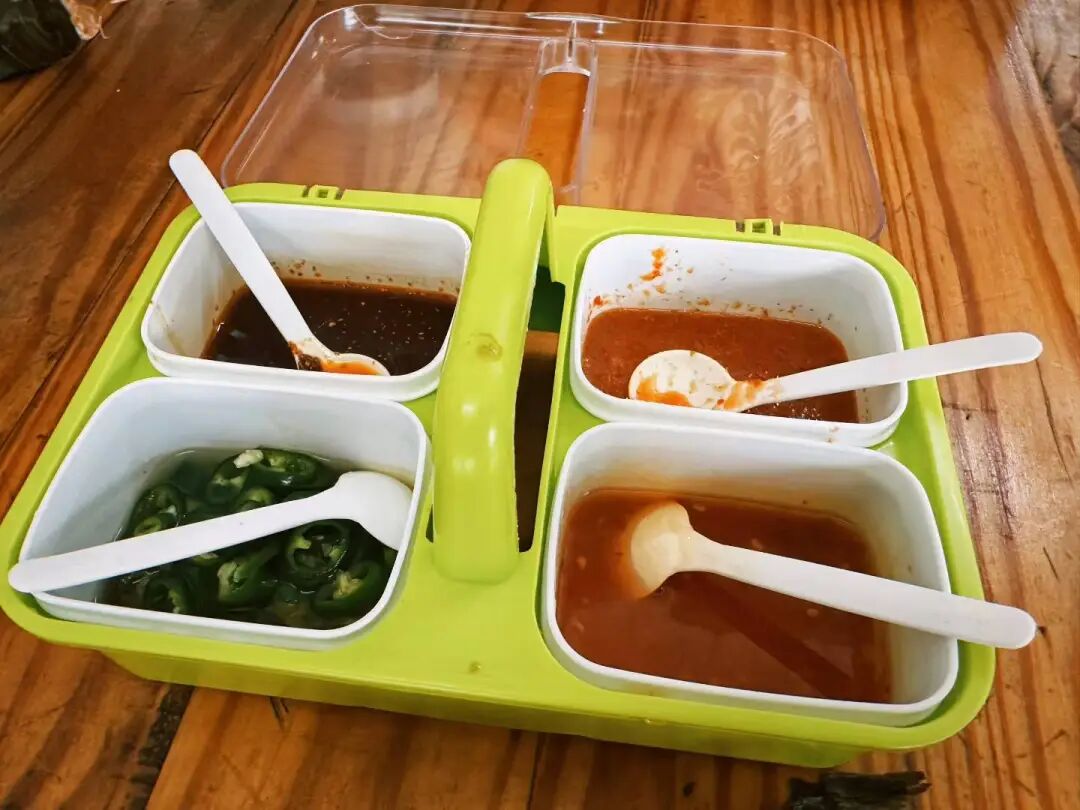
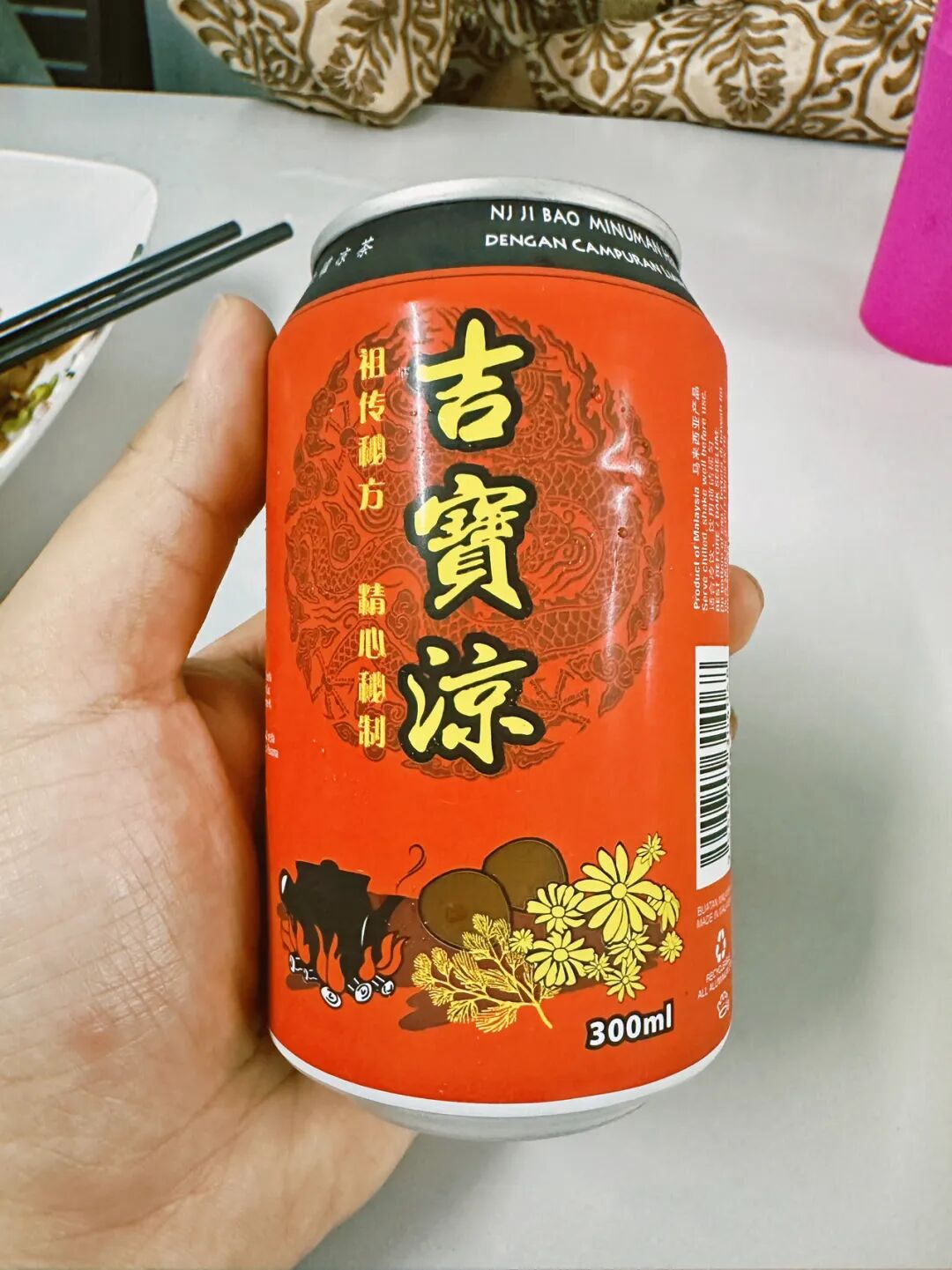
There are many small snack shops run by Chinese in the old town of Kota Bharu. They are usually called 'Kopitiam' or 'Kafe' in Malay, which translates to 'teahouse' or 'drink room' in Chinese. These old-school Nanyang teahouses usually serve Malay coffee and tea, along with simple meals like noodles or coconut rice (nasi lemak). Because these teahouses are small, many haven't paid to apply for official halal certification, but they do hire Malay chefs and servers. So, if you see Malay fellow Muslims (dost) in a Chinese restaurant in Malaysia, you can go in and ask; they are usually halal.
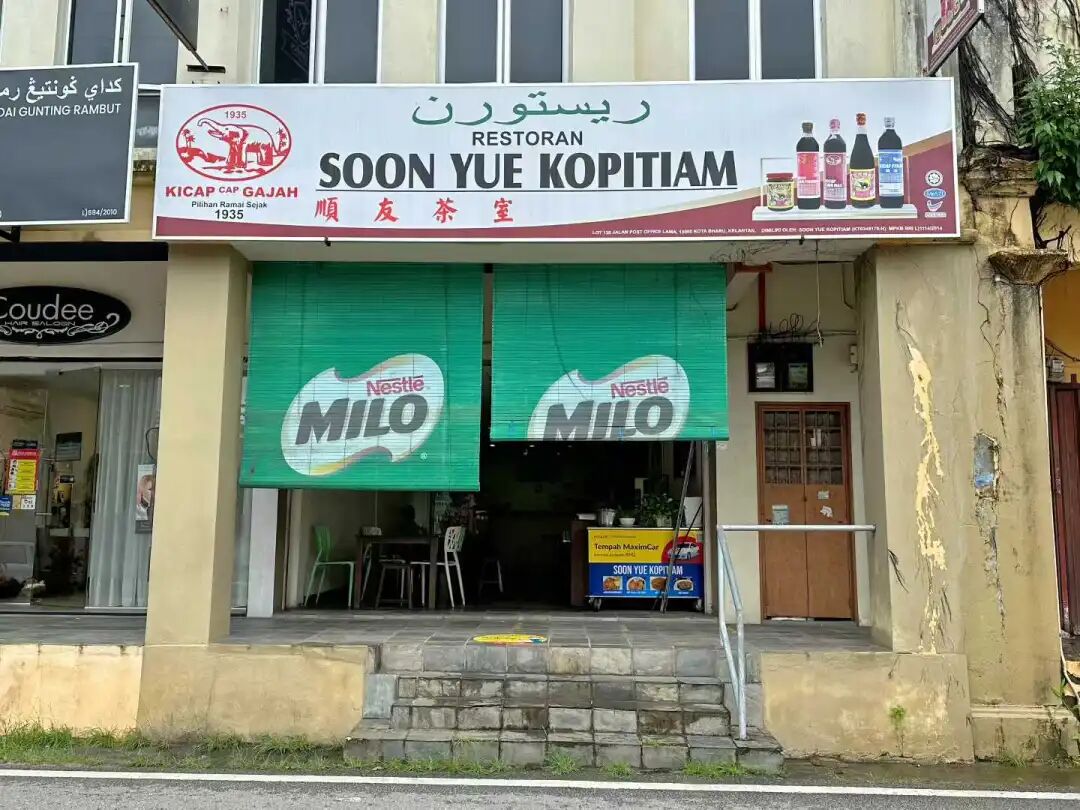
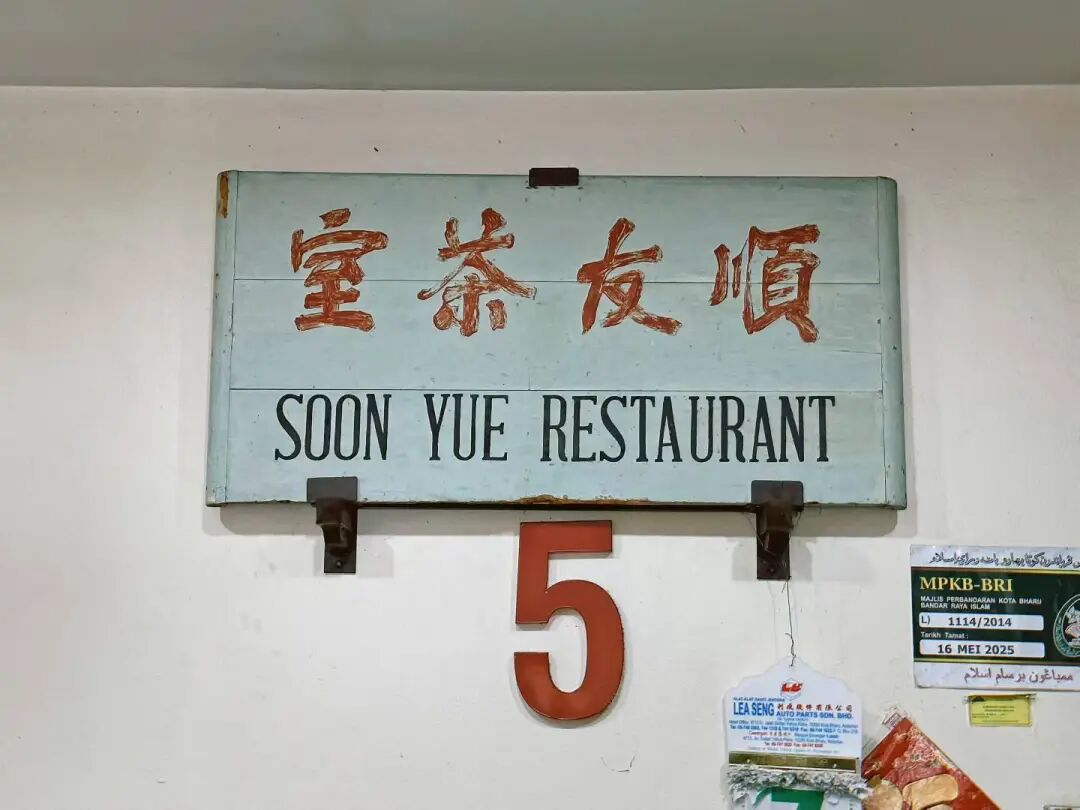
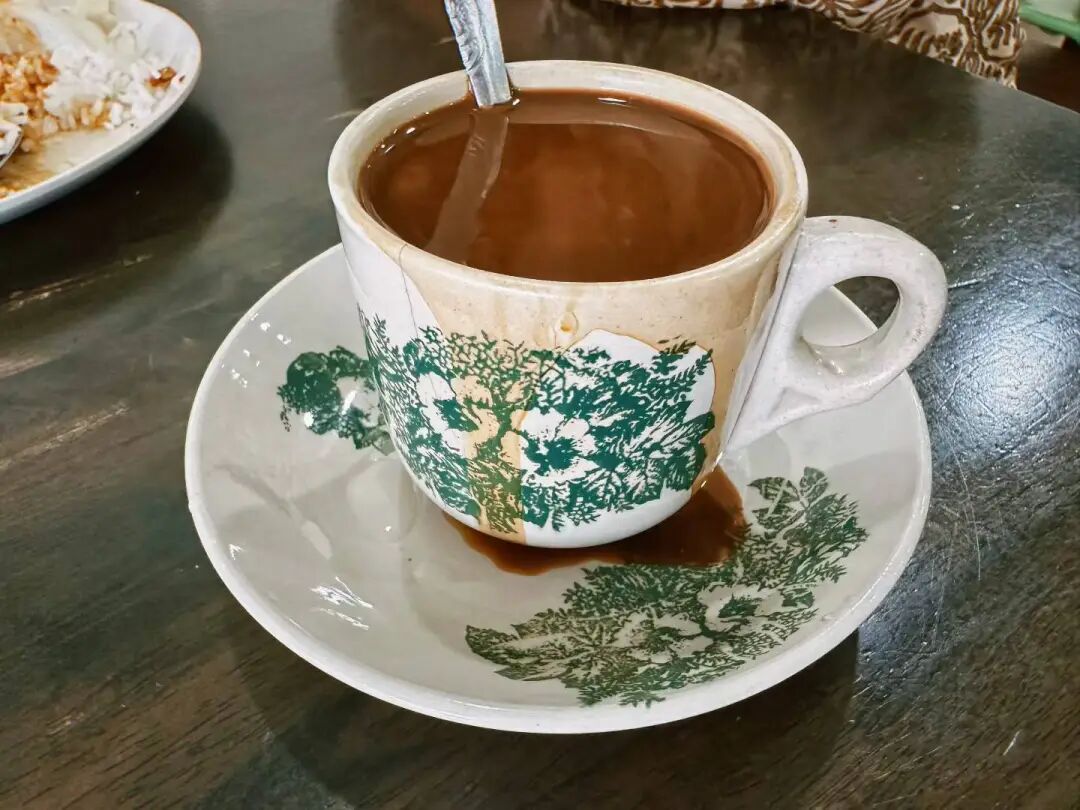
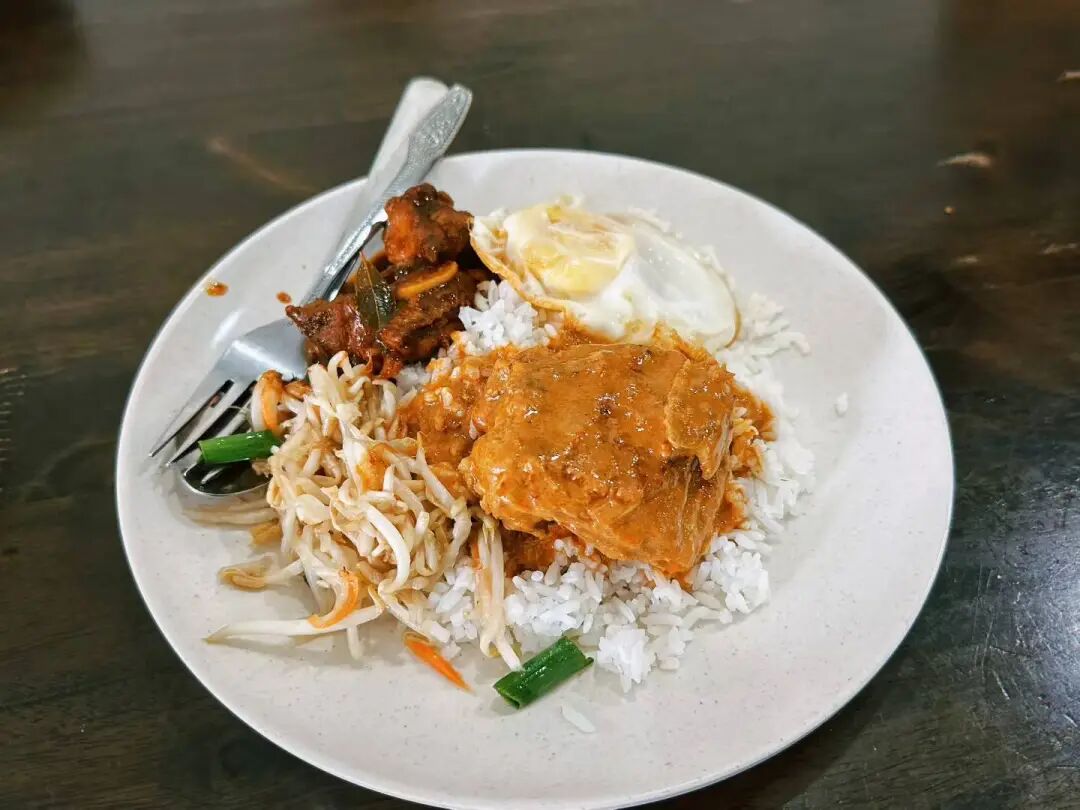
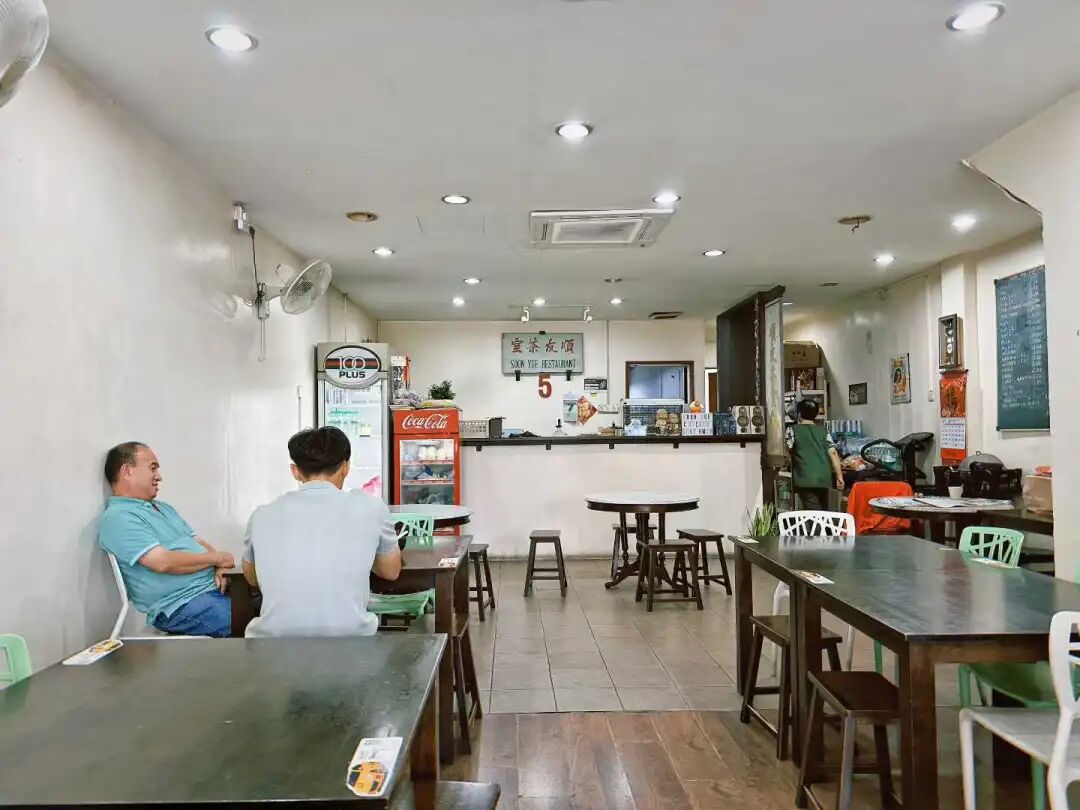
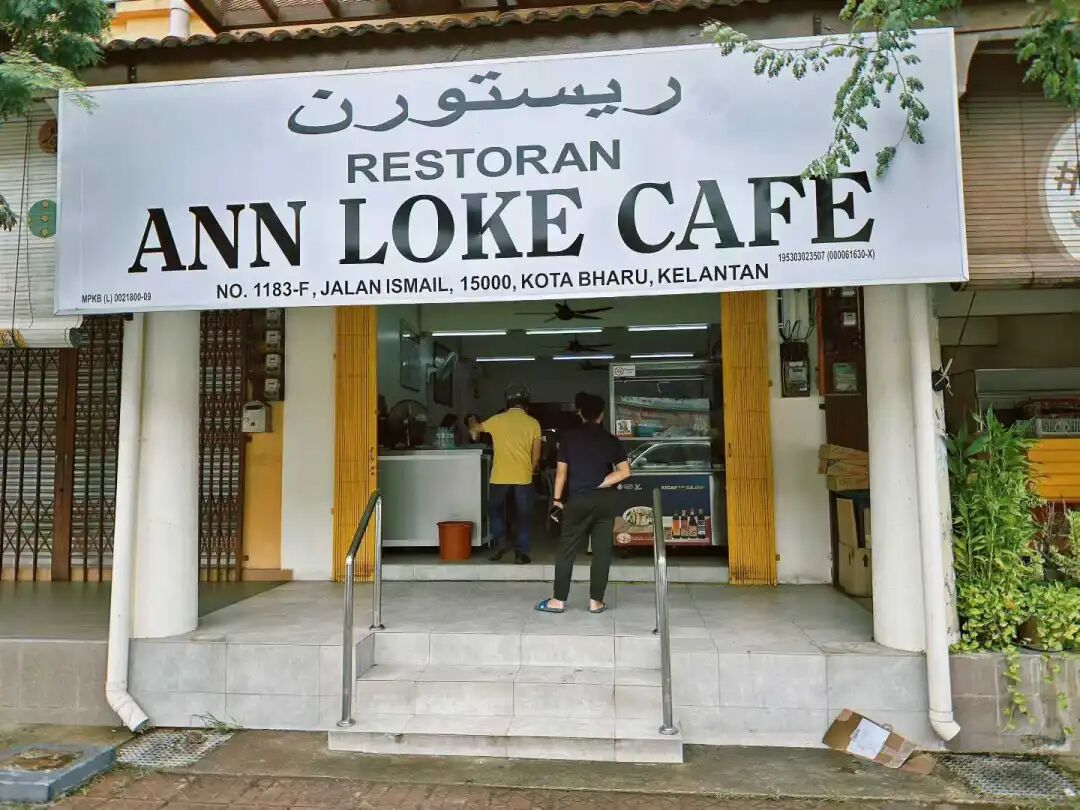
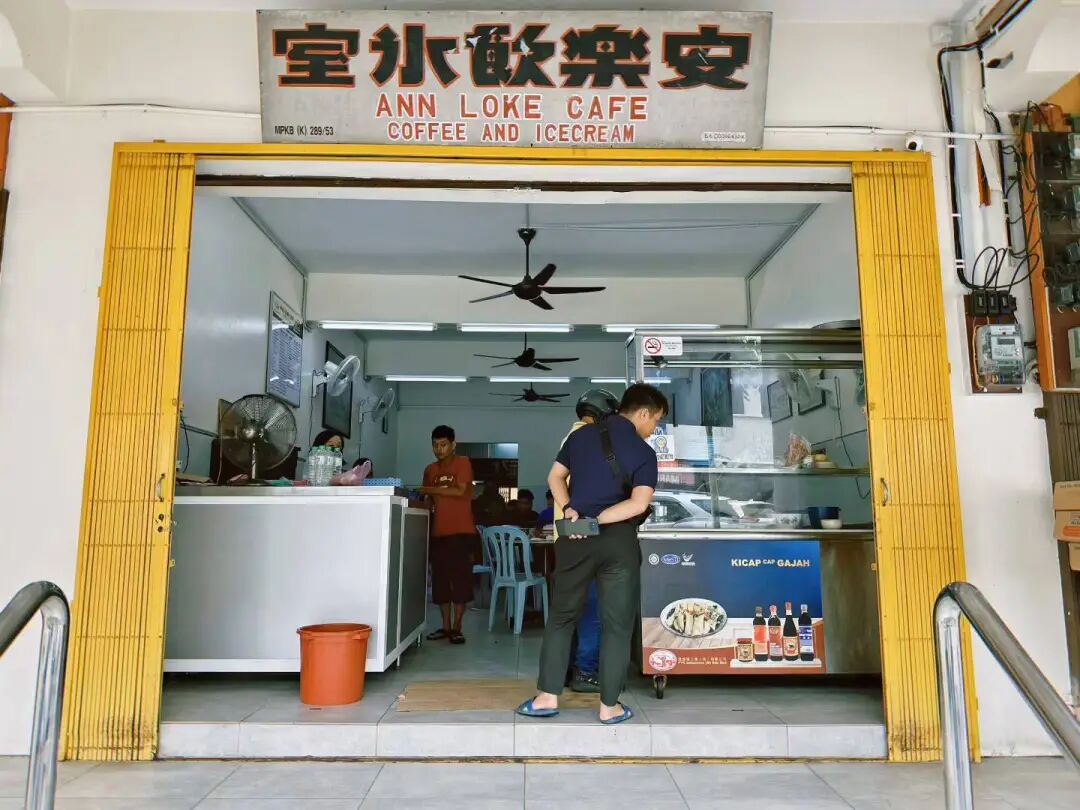
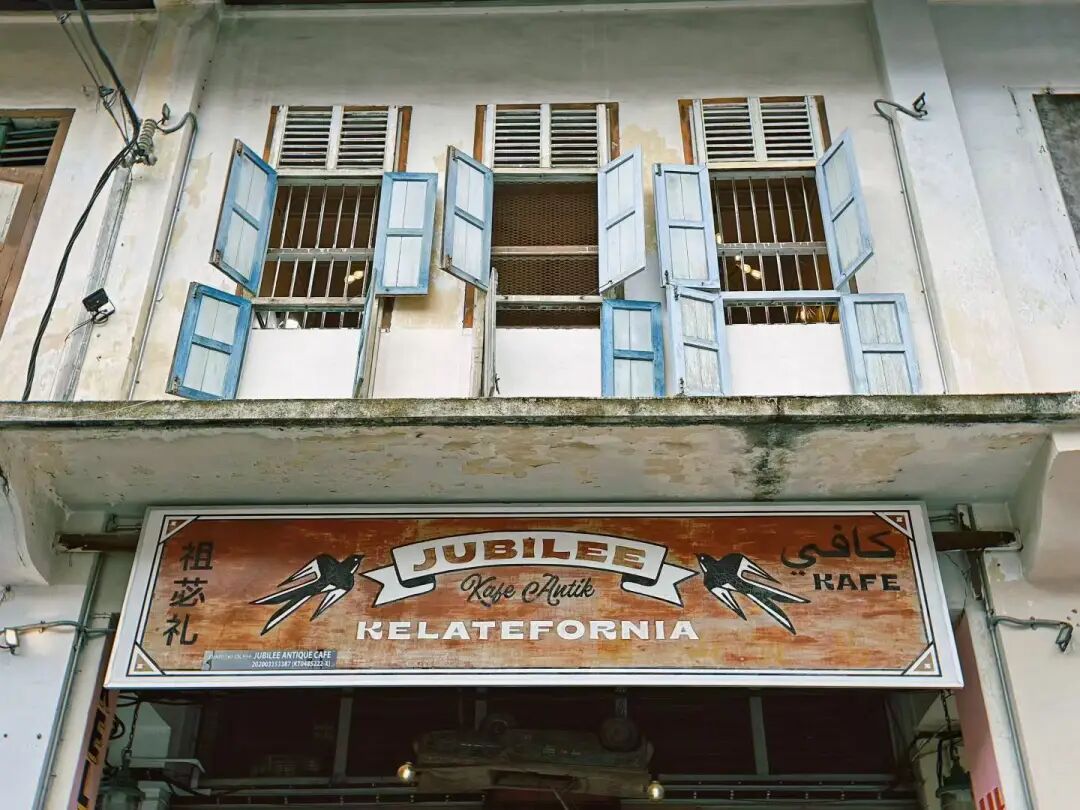
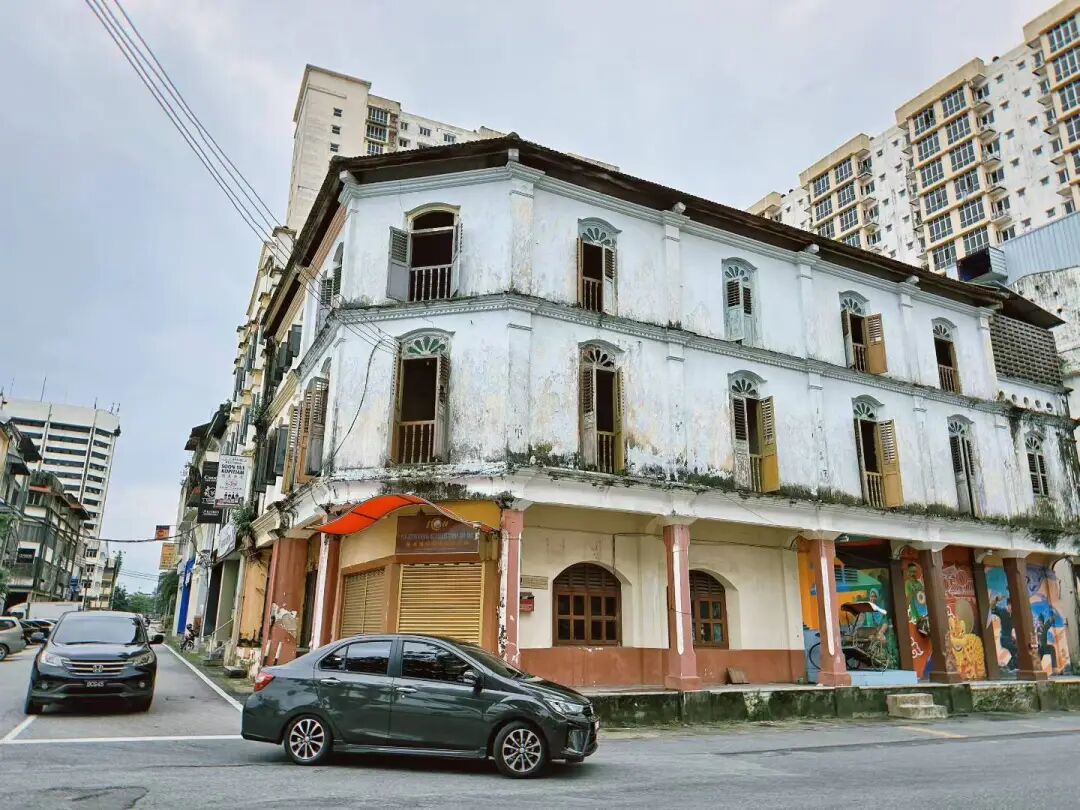
Besides Fujianese food, you can also find halal Hakka food in Kota Bharu. We ate Hakka stuffed tofu (niang doufu) and stir-fried flat rice noodles (char kway teow) at Chef Pong Yong Tau Fu. The Chinese owner hires Malay staff, and the place is very popular with Malay friends (dosti). When guests arrive, they grab a plate and pick the stuffed items they want. Then they weigh them, and you can have them fried or boiled. The owner stir-fries the flat rice noodles (kway teow) right there. He speaks great Mandarin, so we had no trouble communicating.
In the Hakka dialect, 'niang' means to fill with stuffing. Legend says that after the Hakka people moved south from the Central Plains, they wanted dumplings but had no wheat. They used tofu instead of flour and invented stuffed tofu (niang doufu). Besides tofu, the Hakka are good at using local ingredients. You can stuff anything, like chili peppers, eggplants, bitter melons, and taro. Tofu, eggplant, and bitter melon are known as the 'three fried treasures' (jian niang san bao).
Unlike most Hokkien people who live near the lower reaches and mouth of the Kelantan River, most Kelantan Hakka settled inland. For example, the Hakka in the Bulai (near Dabong) area mostly came there for gold mining. During the Qianlong era, the maritime merchant Xie Qinggao wrote in his book 'Records of the Ocean' (Hailu) under the entry for Kelantan: 'The Cantonese (Hakka) people mostly live on the mountain tops, where they pan for gold sand.' After the 19th century, the gold mines gradually ran dry, and the inland Hakka switched to growing rice. After the Malayan Communist Party started anti-British guerrilla warfare in 1948, the British military forced some Kelantan Hakka to move to Terengganu for centralized management to cut off Chinese support for the communists. They also implemented food rationing, which was called the 'Hunger Operation'. These Hakka people did not return to Kelantan until after the state of emergency ended in 1960.
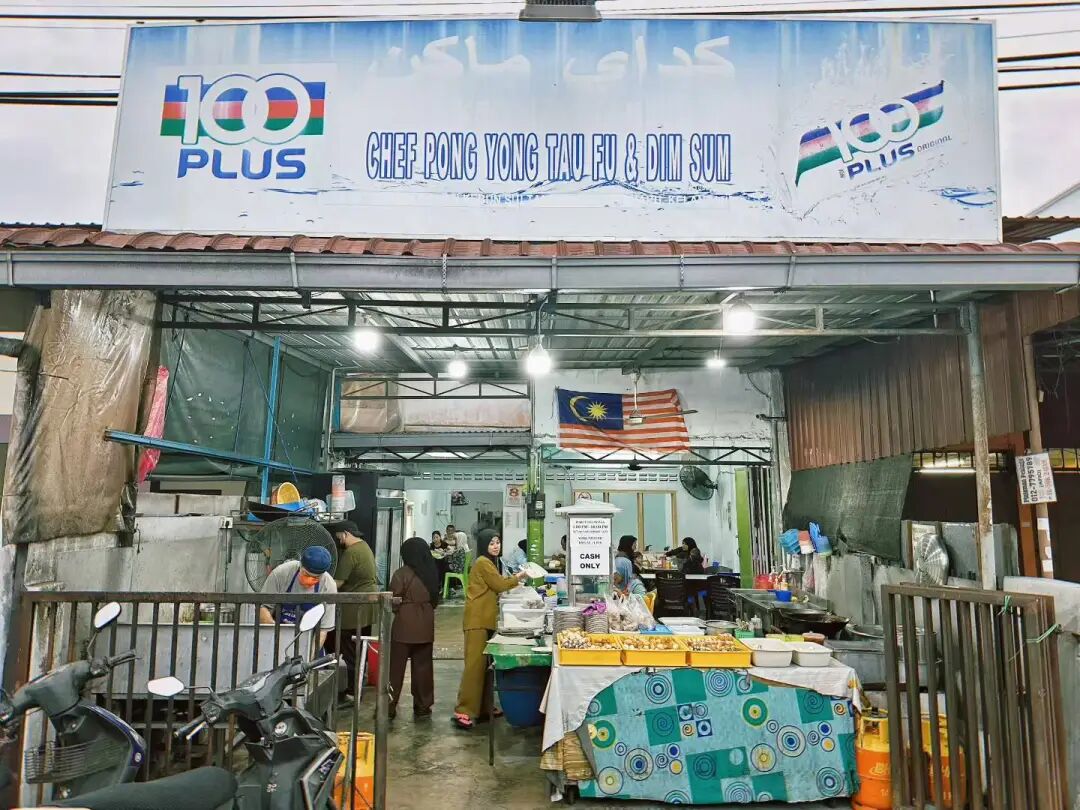
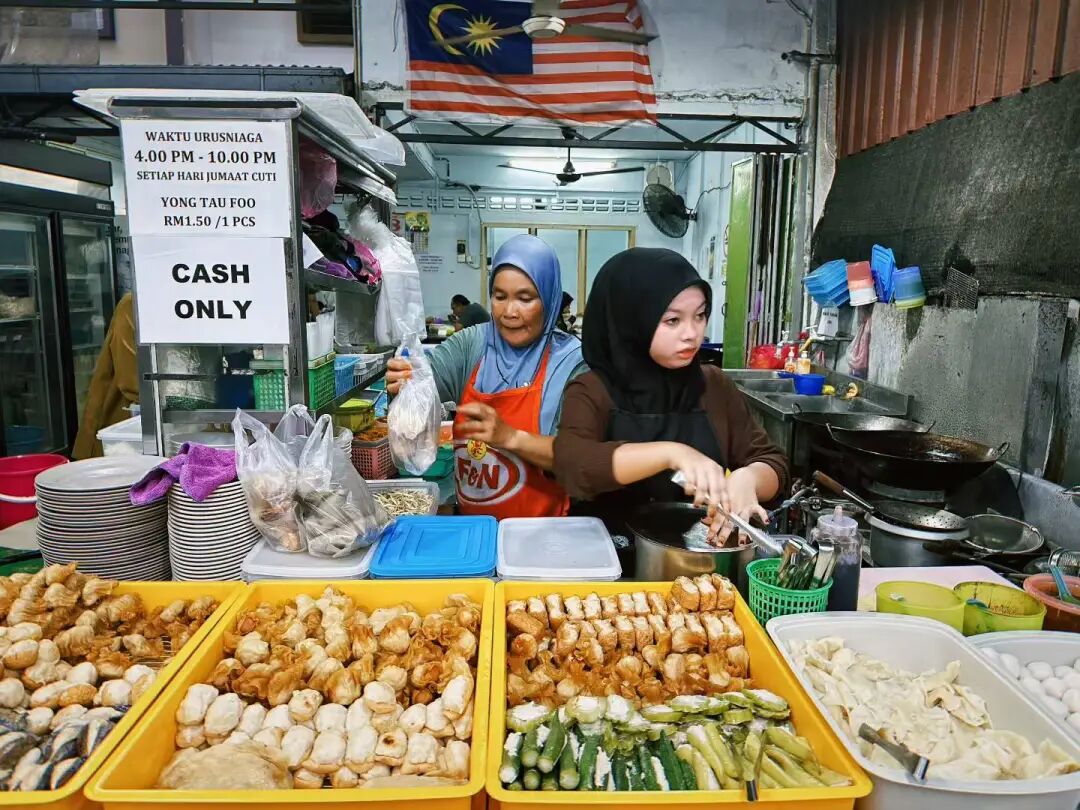
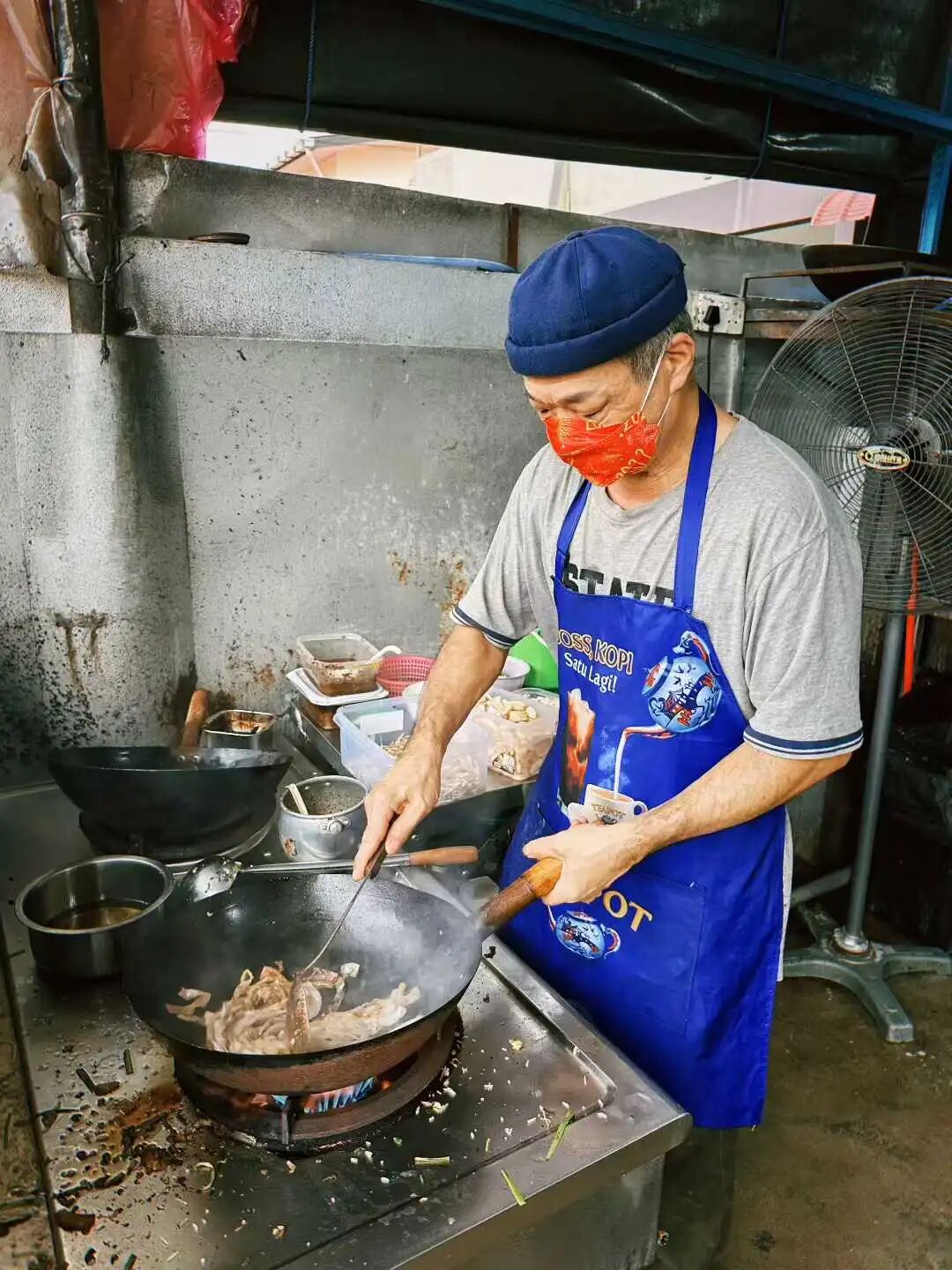
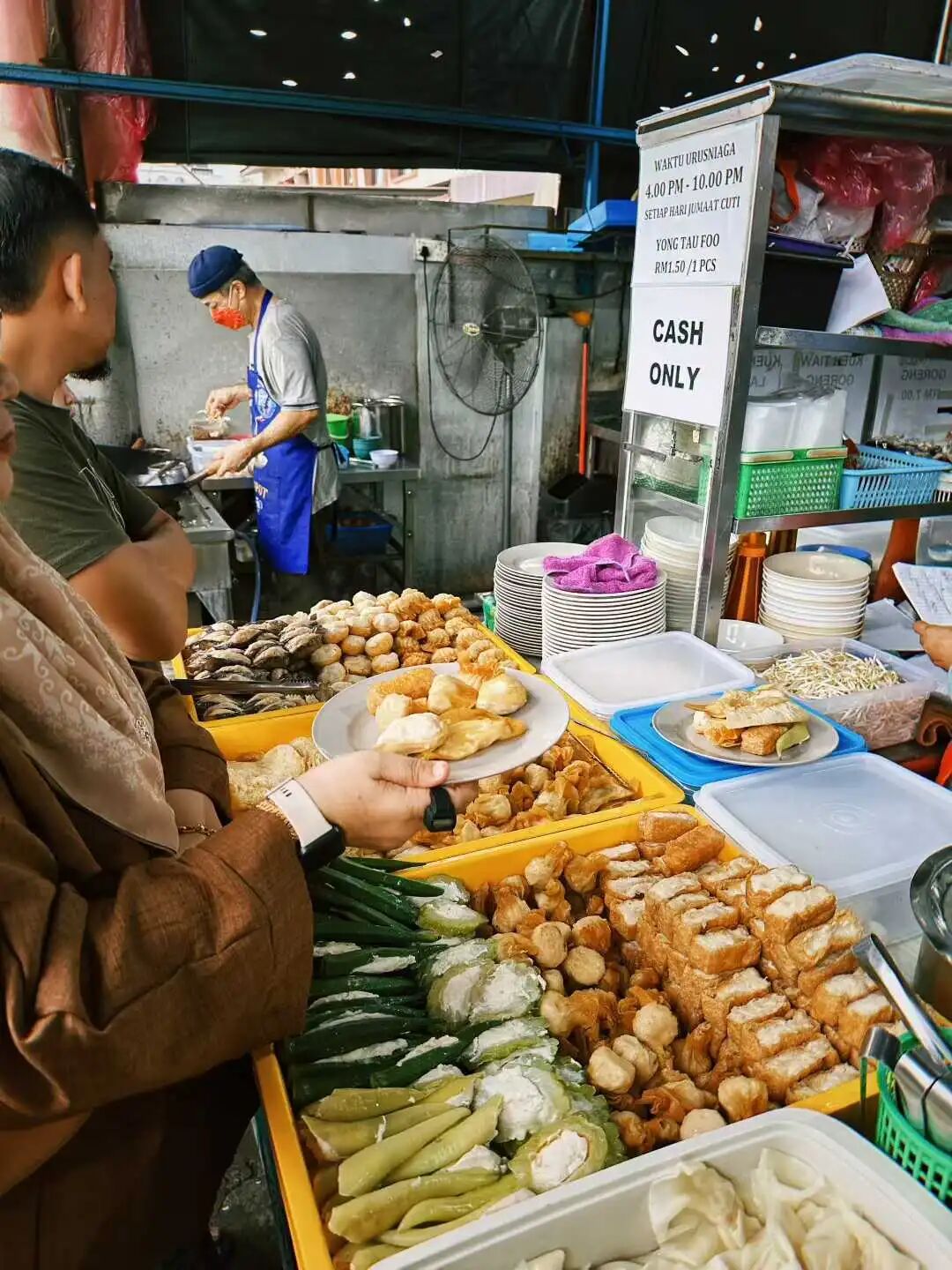
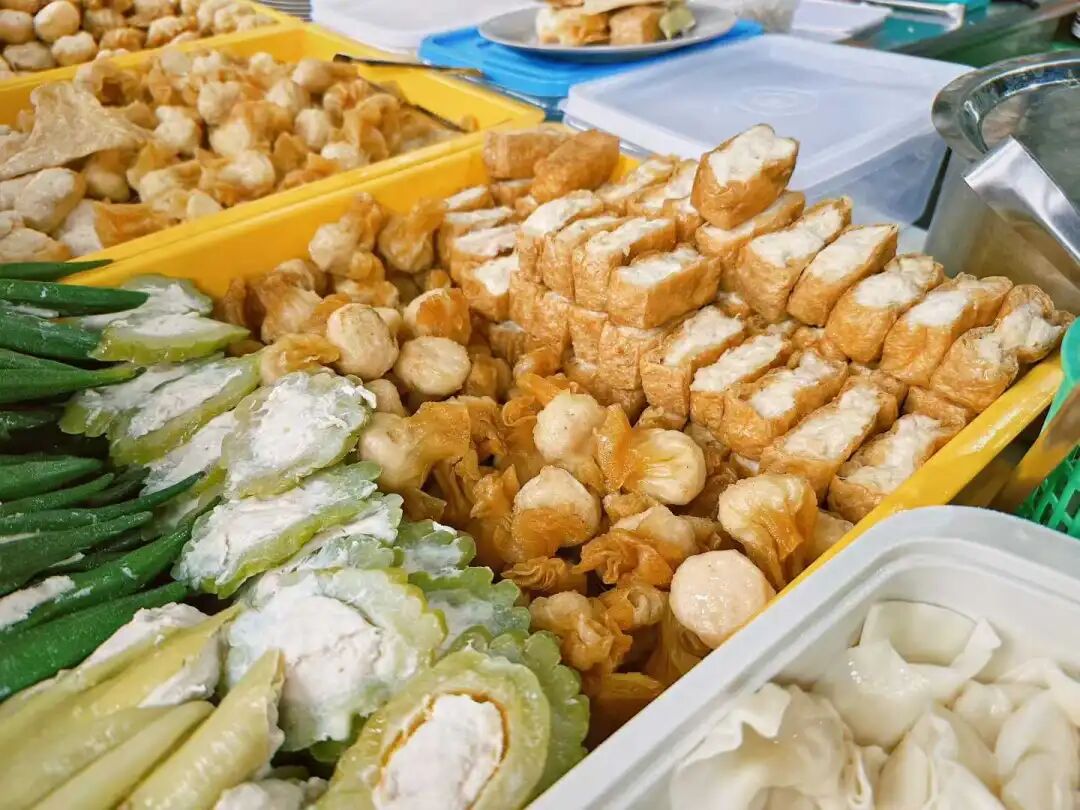
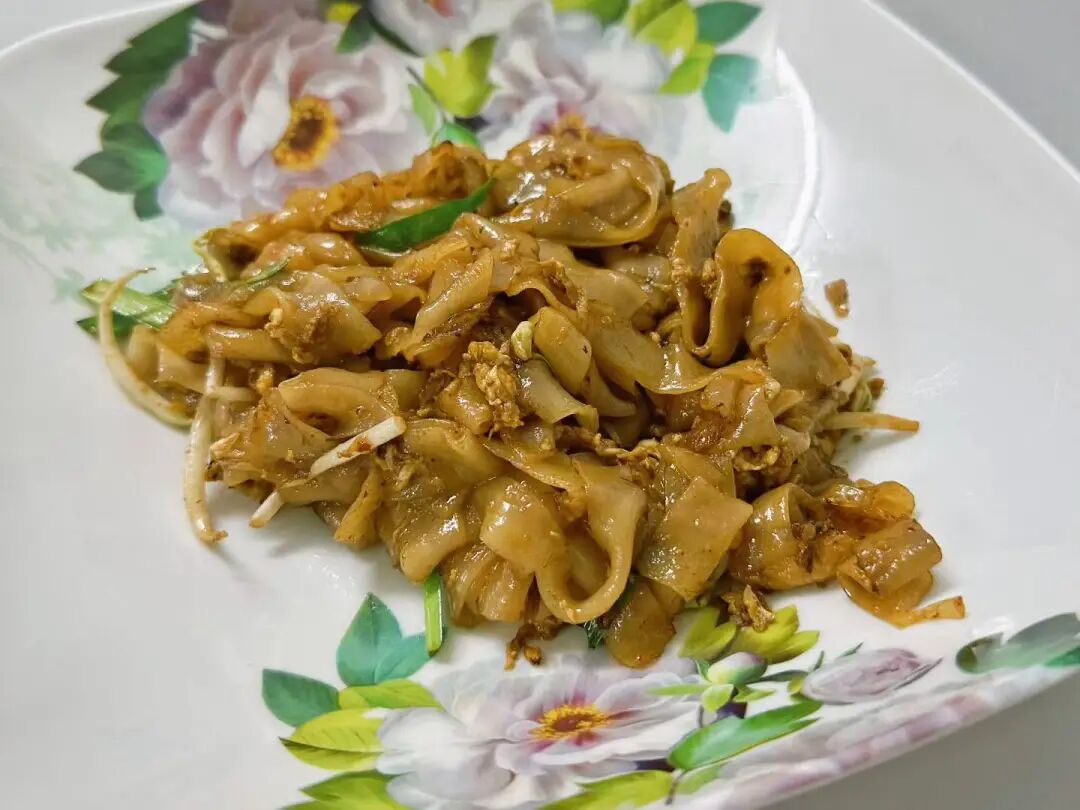
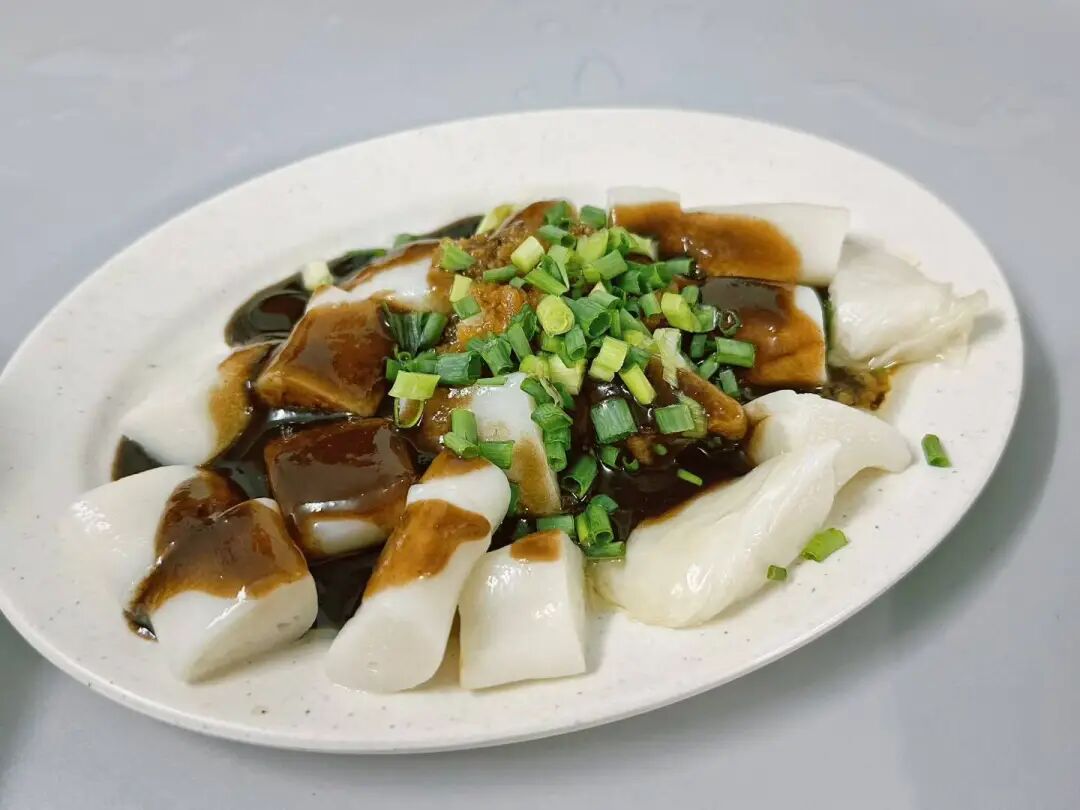
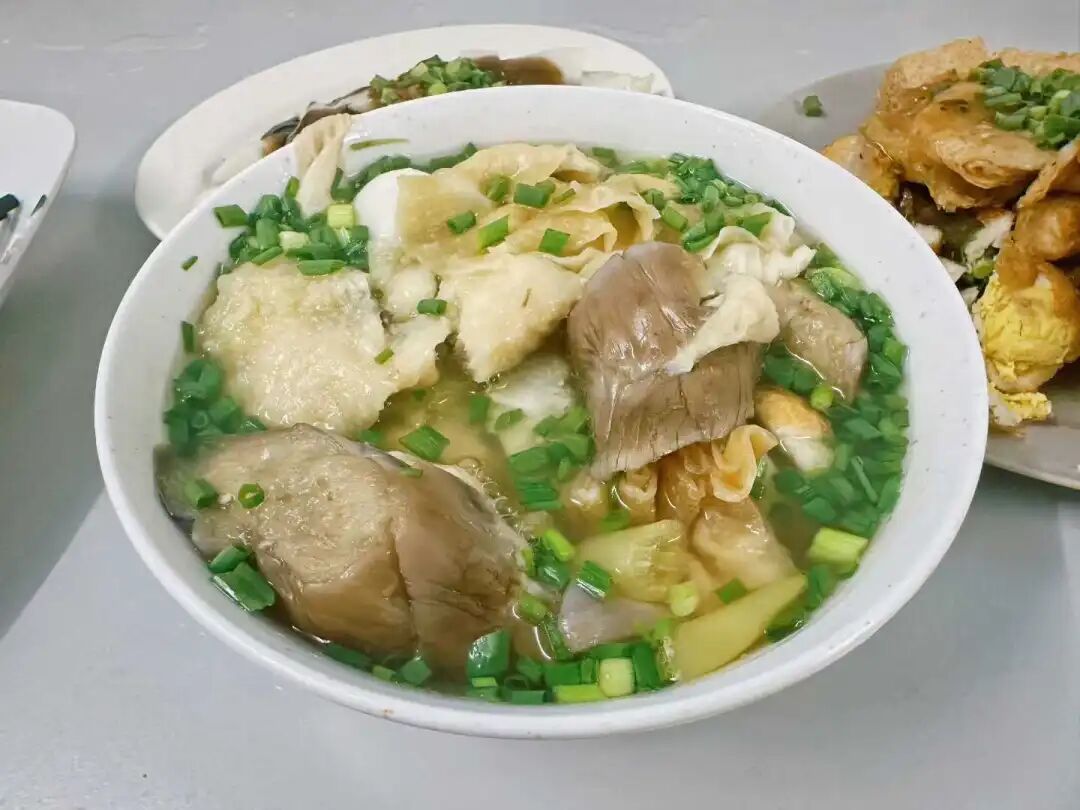
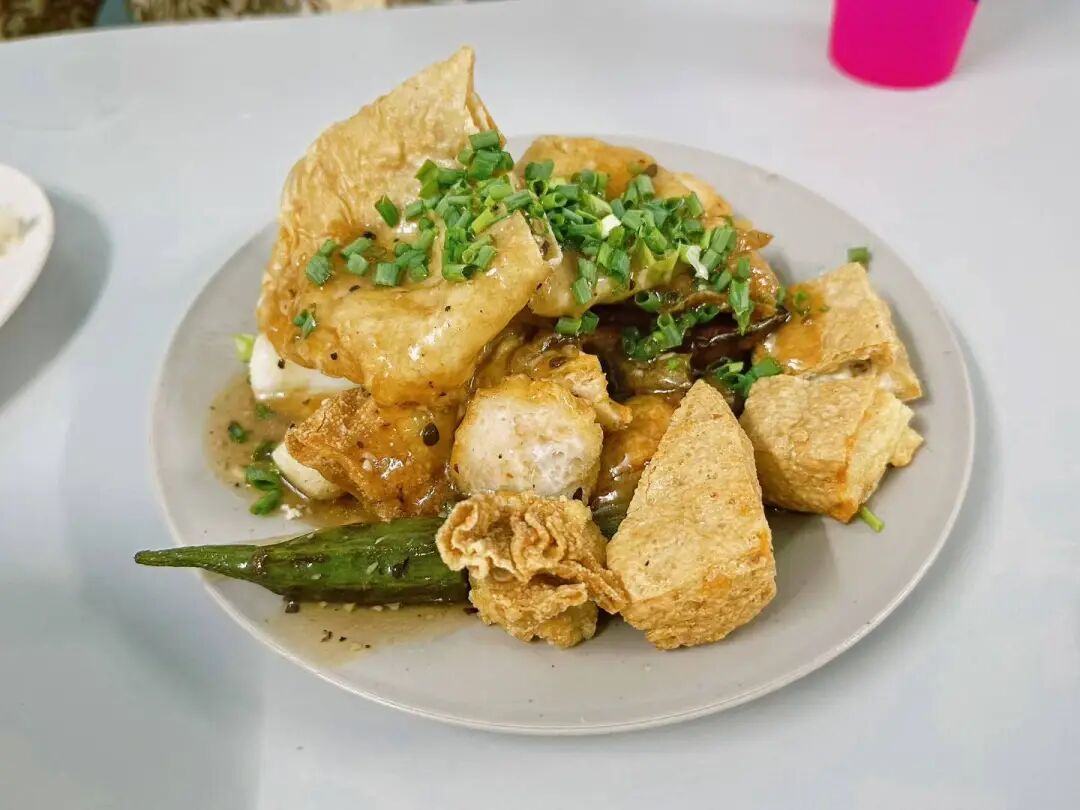
Besides Hokkien and Hakka people, Hainanese people are also an important part of the Chinese community in Kelantan. We ate at the 50-year-old Hainanese restaurant, Sin Hua Air-Conditioned Restaurant, in Kota Bharu. We had Hainanese chicken chop, Hainanese noodles, and toasted bread. These are all authentic Nanyang Hainanese dishes. There is also a shop next door called Sin Shing Coffee Shop, which is said to have the best Hainanese chicken rice in Kota Bharu.
Like many old-school Hainanese coffee shops in Malaysia, the owner is a Hainanese Chinese, but they hire Malay chefs and staff. This allows Chinese, Malay, and Indian customers to all enjoy the food.
Hainanese people began immigrating to Malaysia in the 19th century. Many early immigrants worked as chefs and waiters in British hotels and restaurants, and some worked as servants for British officers. Influenced by their British employers, the Hainanese learned to cook Western food and mixed it with Hainanese elements to create the unique Hainanese coffee shop (Hailam Kopitiam) culture.
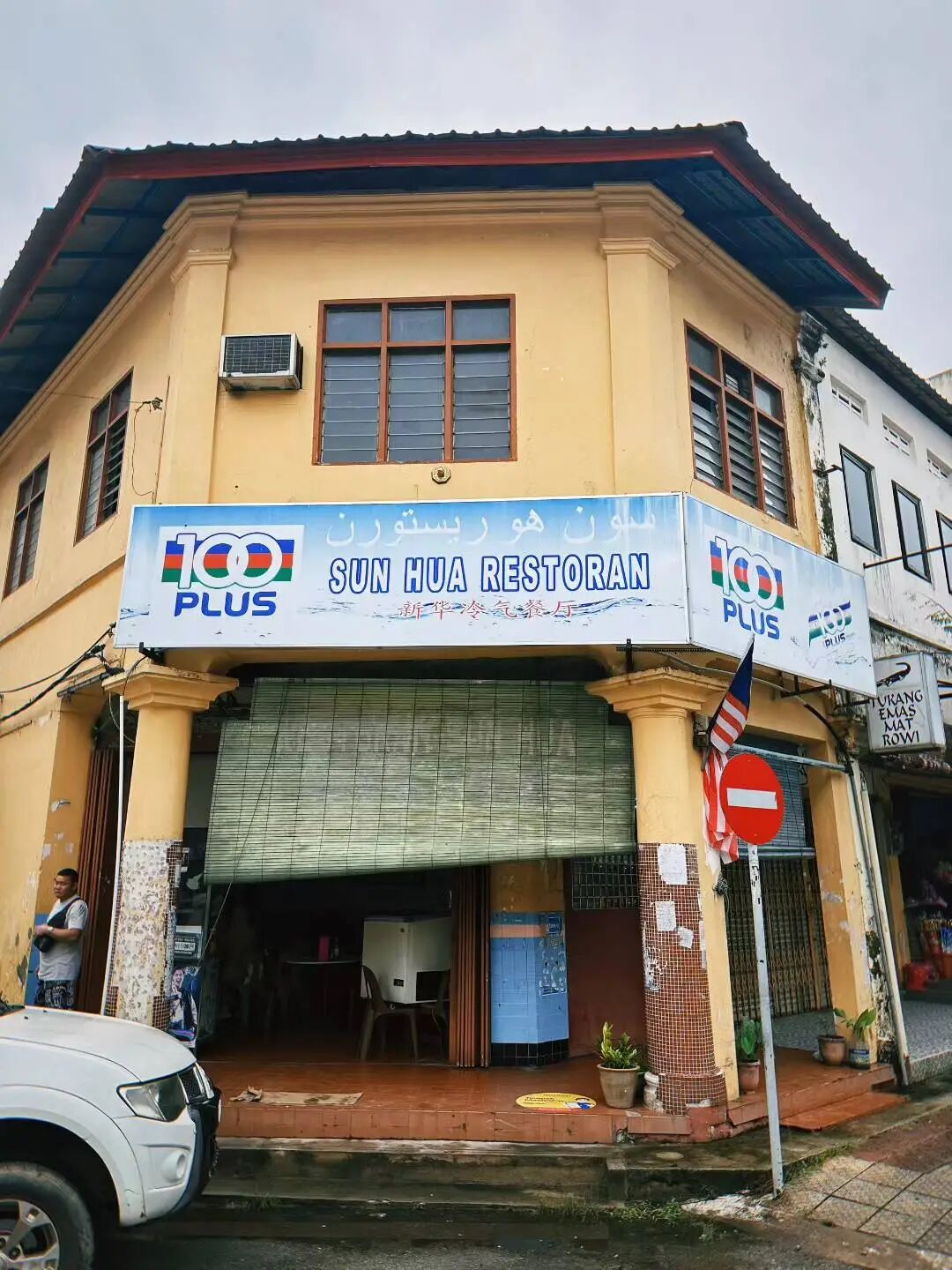
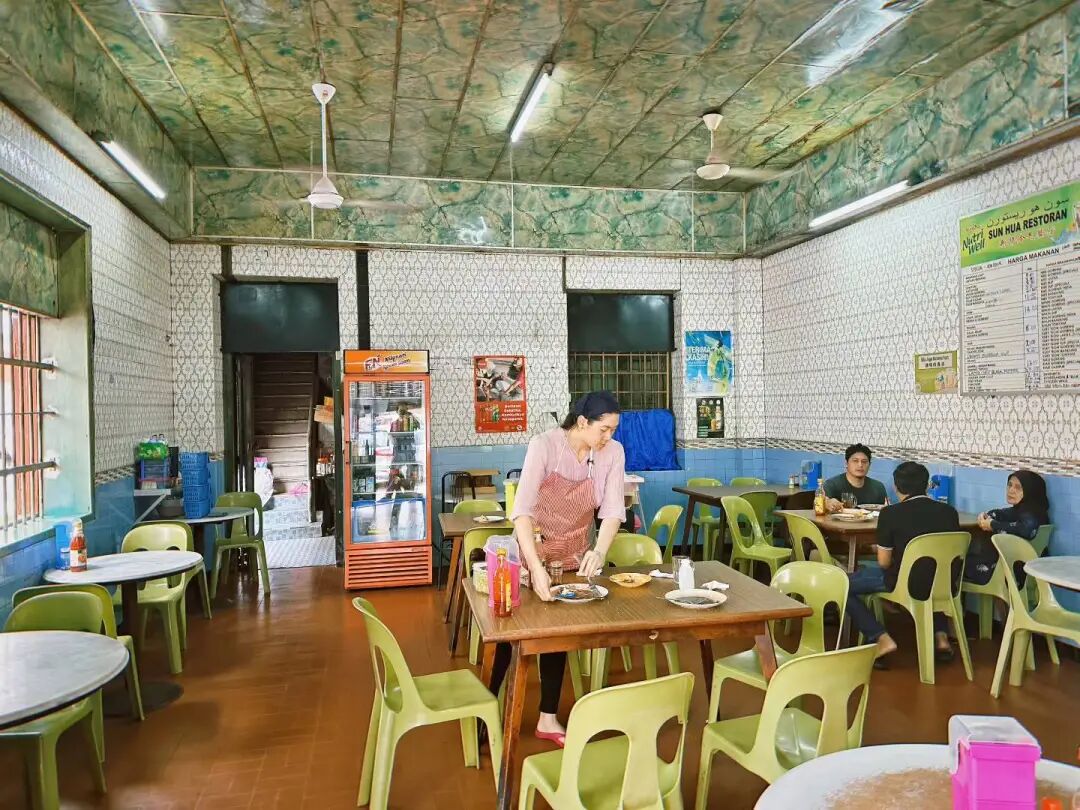
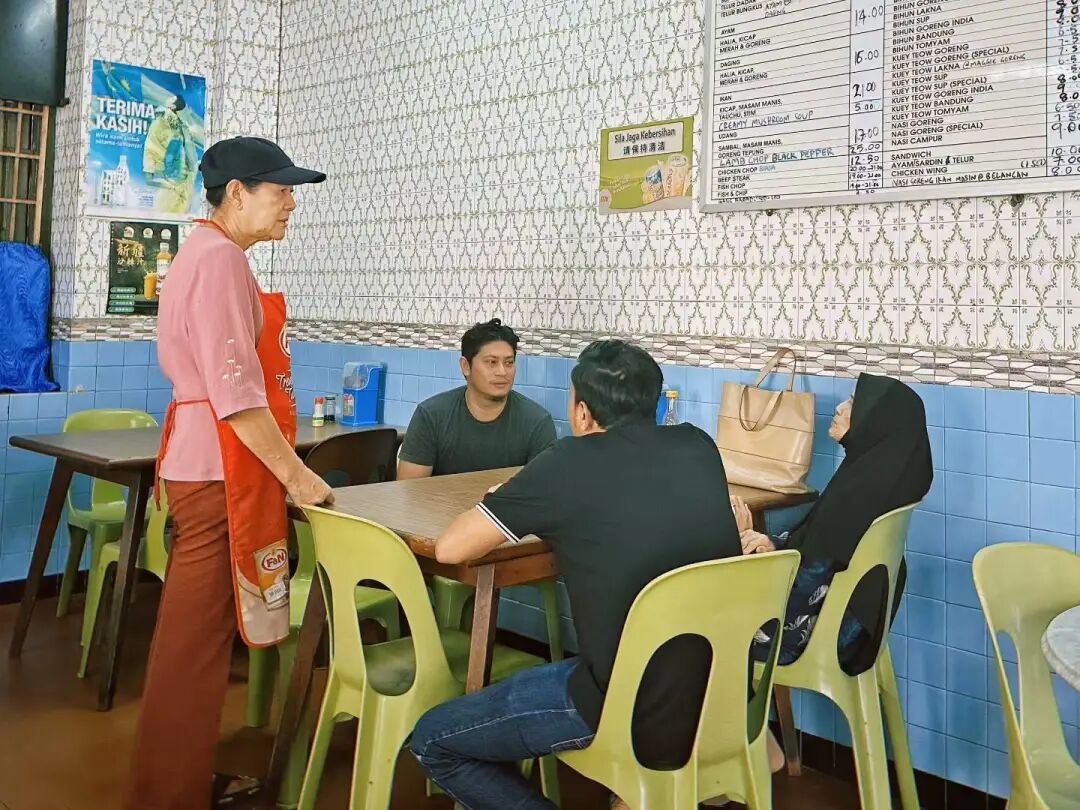
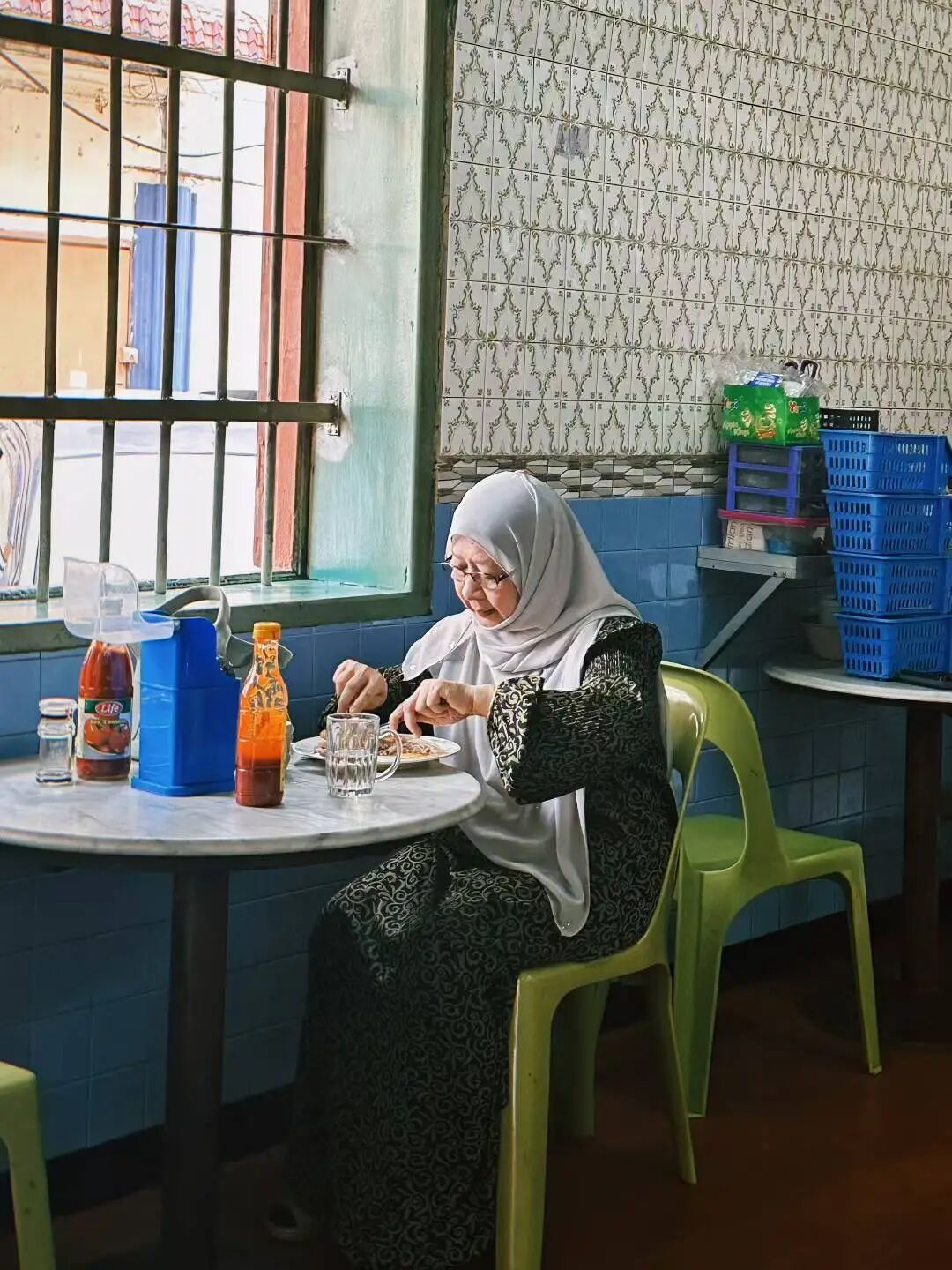
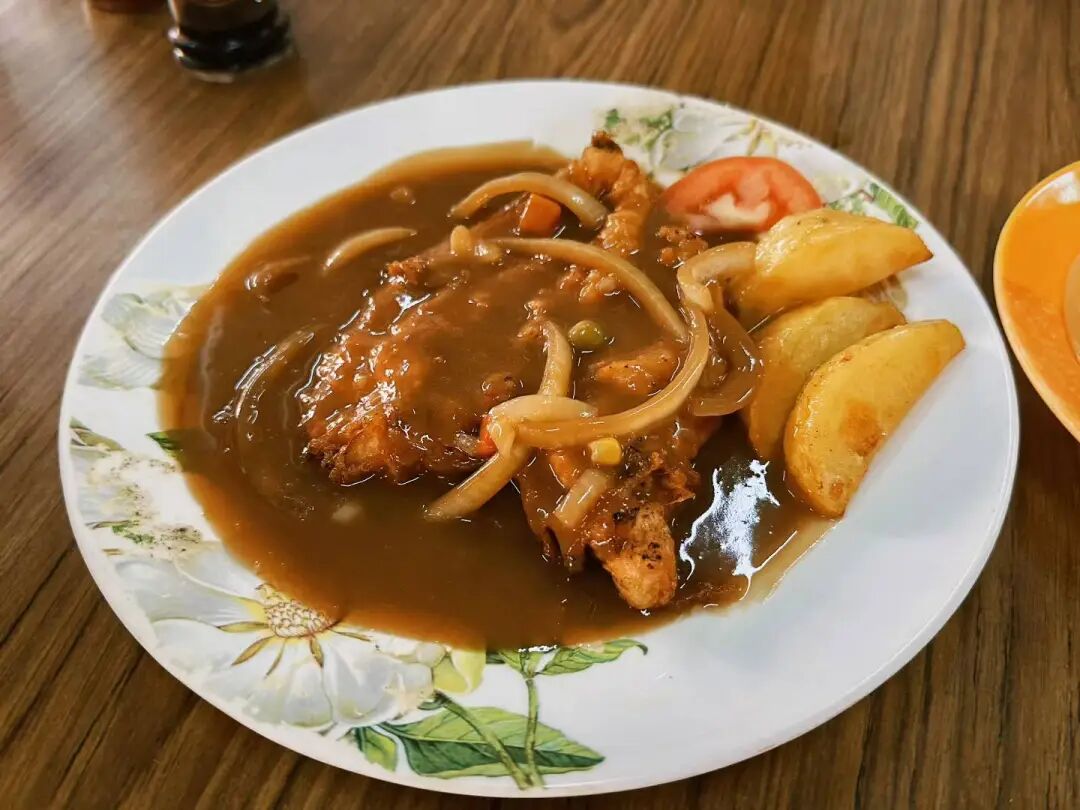
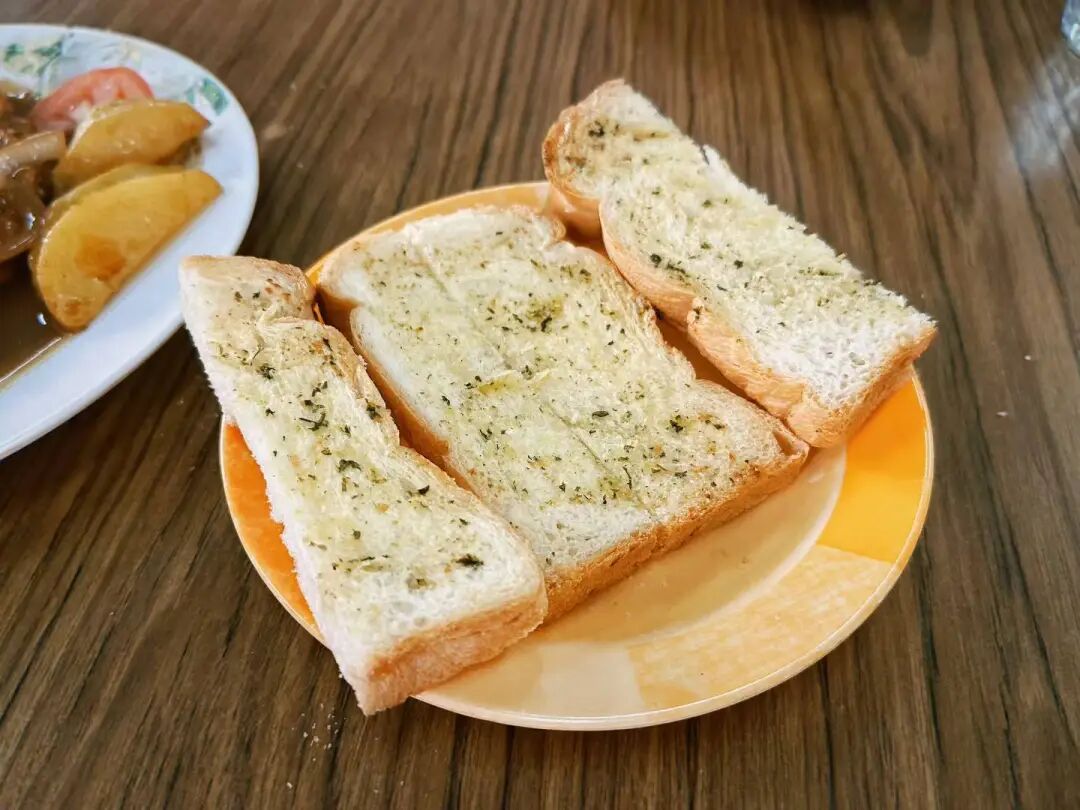
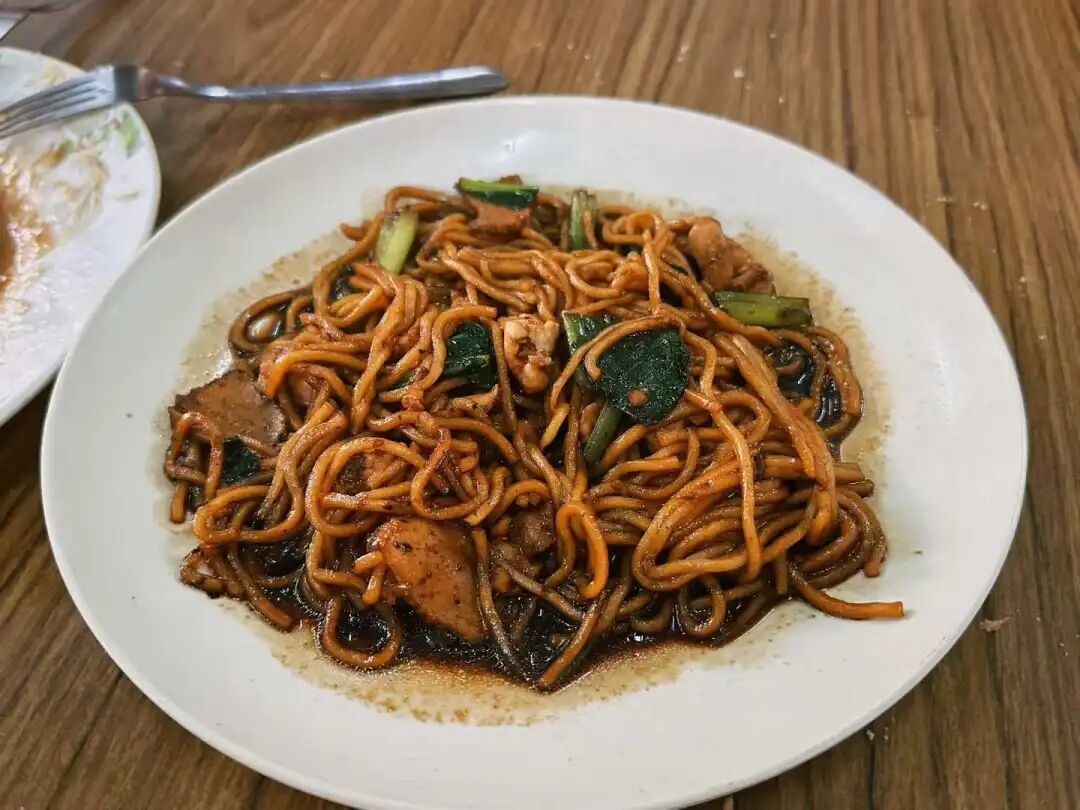
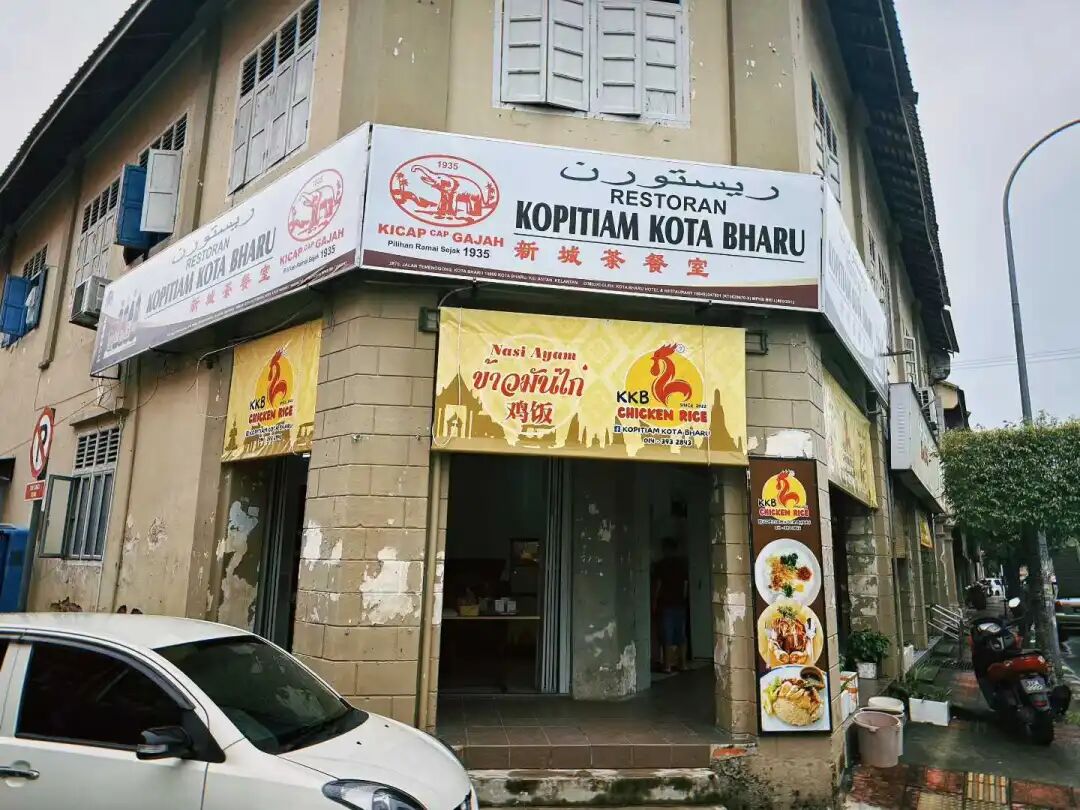
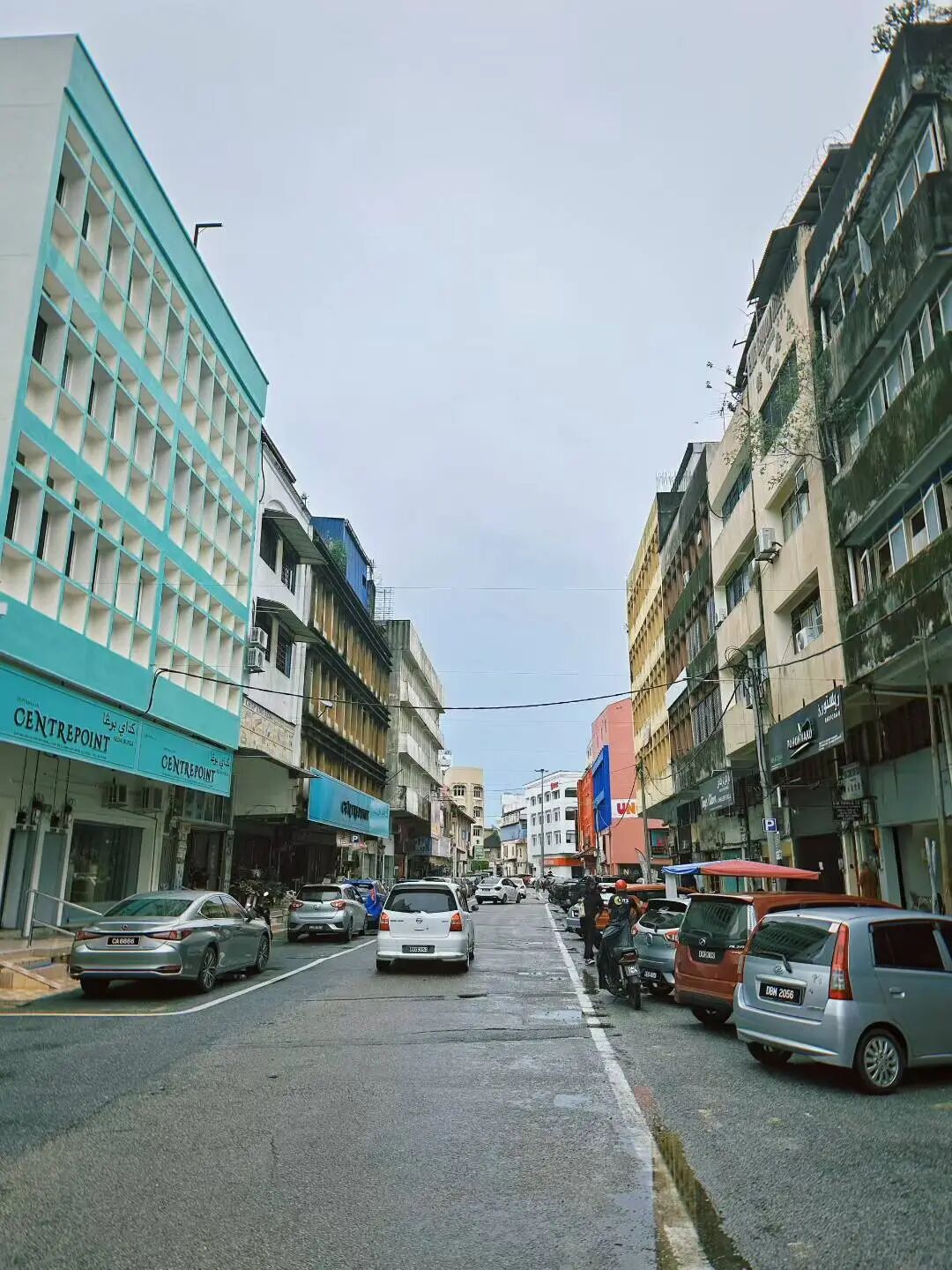
Chinese food in Kota Bharu is mostly found on Jalan Kebun Sultan. There is a landmark archway called 'Zheng He Arch' (Zheng He Fang) here, which commemorates Zheng He's fourth voyage to the Western Ocean when he arrived at the port of Kelantan. The arch has two couplets: 'Zheng served the mission and left history, He governed the country for the people' and 'The doctrine of the mean shines for generations, Chinese civilization lasts for thousands of years.' This shows that Kelantan Chinese do not forget their roots and keep their good Chinese character.
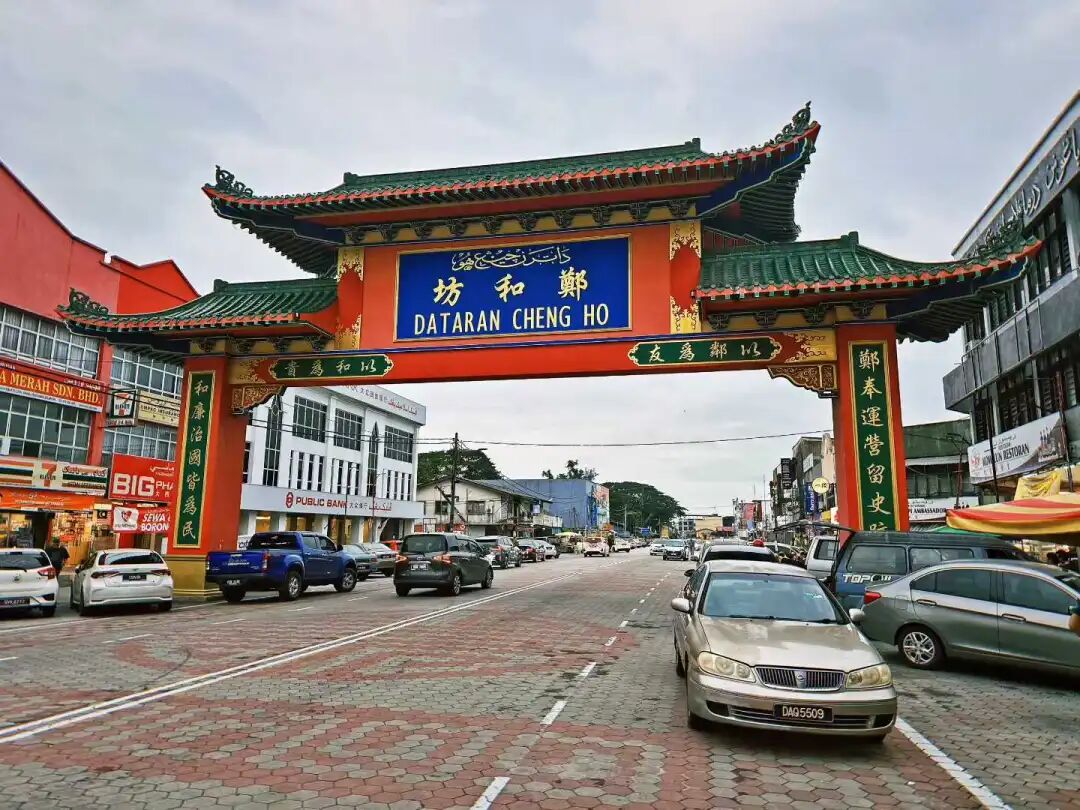
Near the Zheng He Arch is the Jinjiang Association, and downstairs is a large East Coast shopping mall. The Jinjiang people in Kelantan value Chinese education very much and played a major role in restoring Chinese schools after World War II.
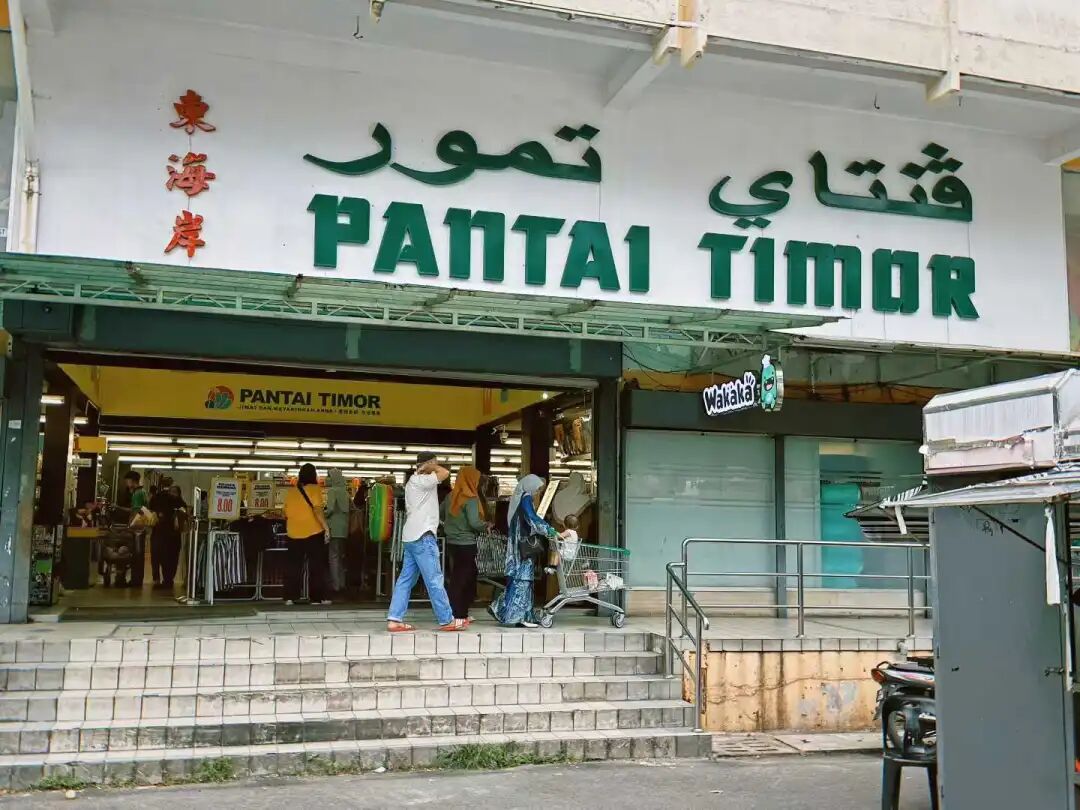
Many pharmacies on the streets of Kota Bharu are also run by Chinese people, making it very convenient to buy medicine here.
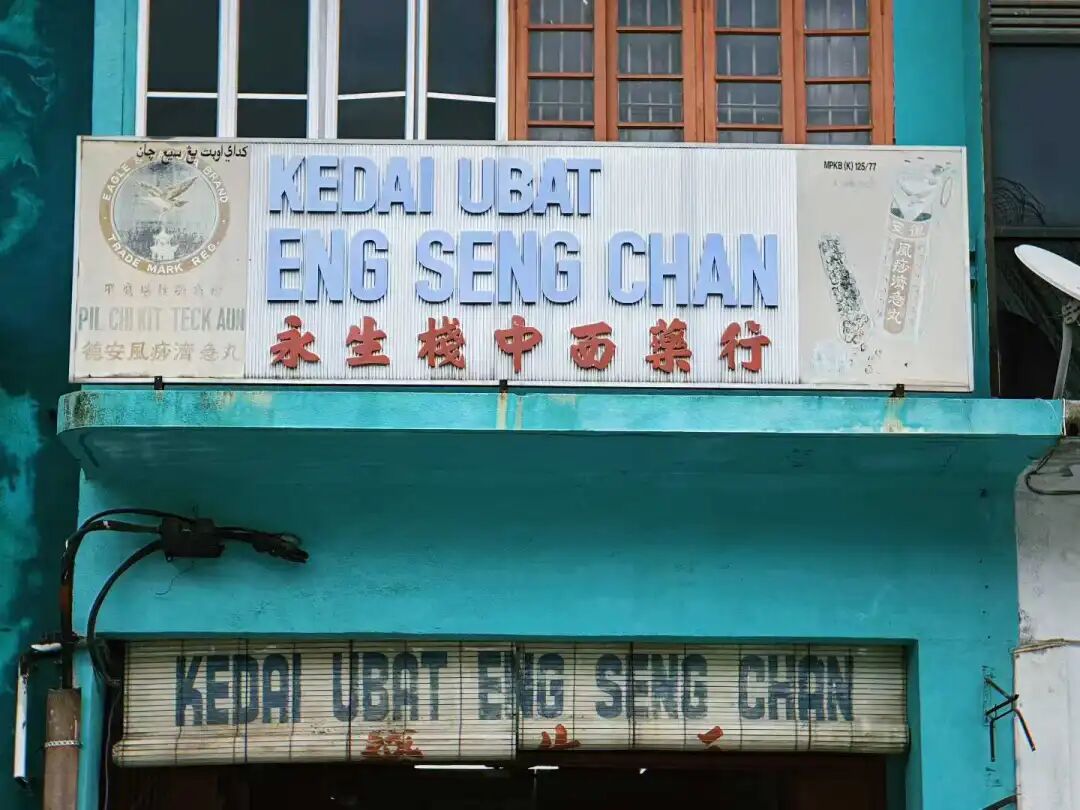
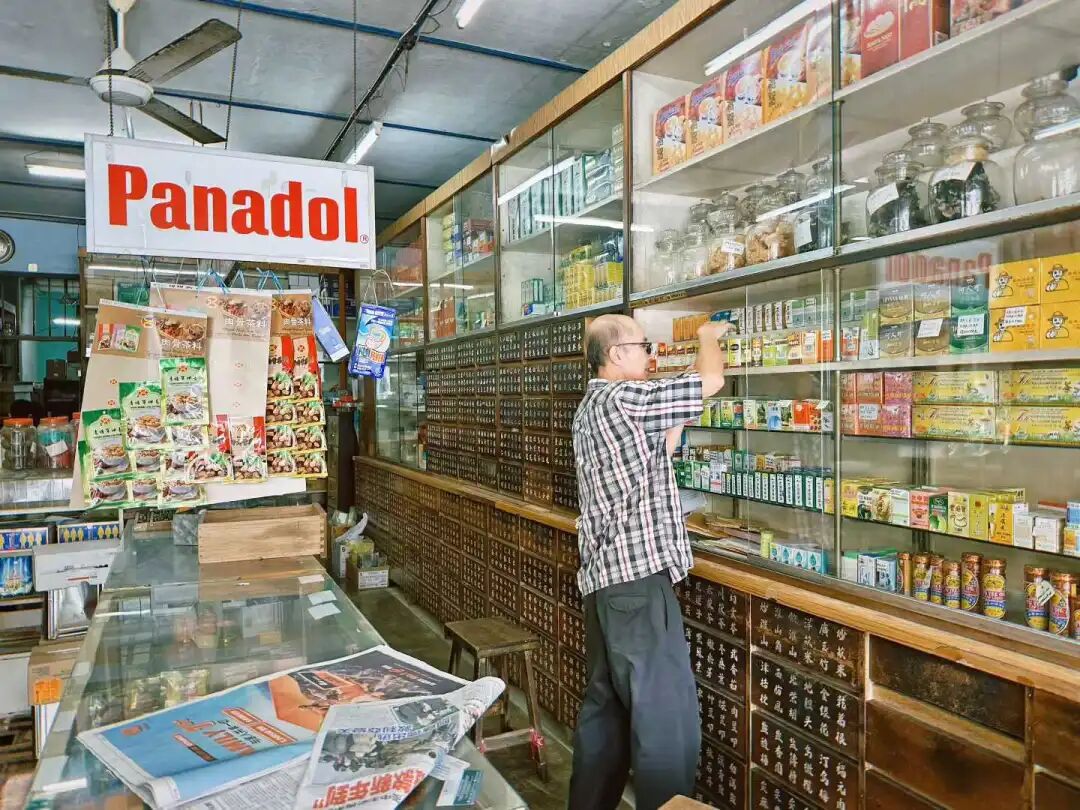
There is a Shanghai Bookstore on the streets of Kota Bharu where you can buy Chinese books, newspapers, and magazines.
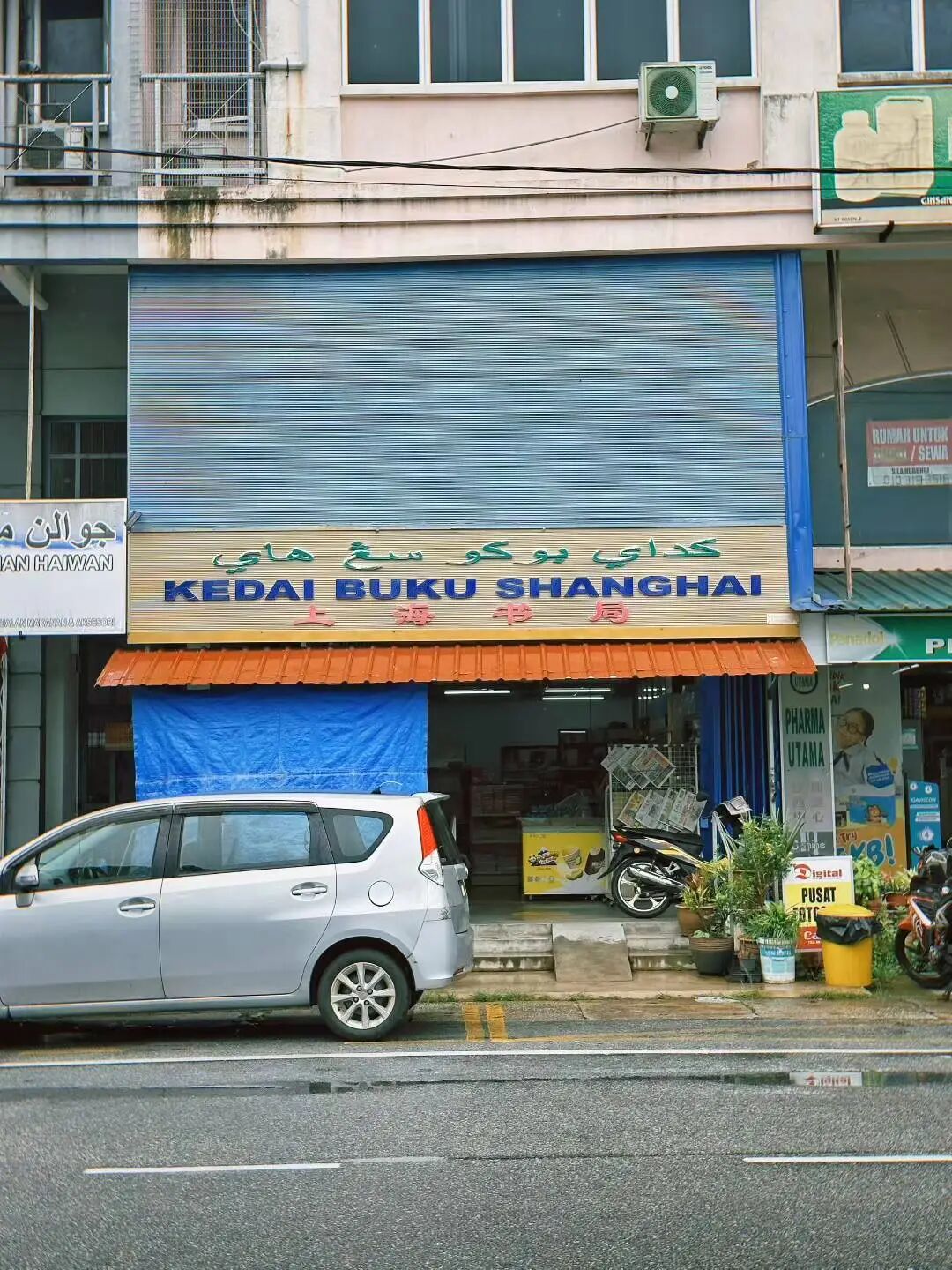
Most Chinese shops in Kota Bharu use three languages: Chinese, Malay, and Jawi (the Arabic script used to write Malay). This is a requirement in Kelantan state.
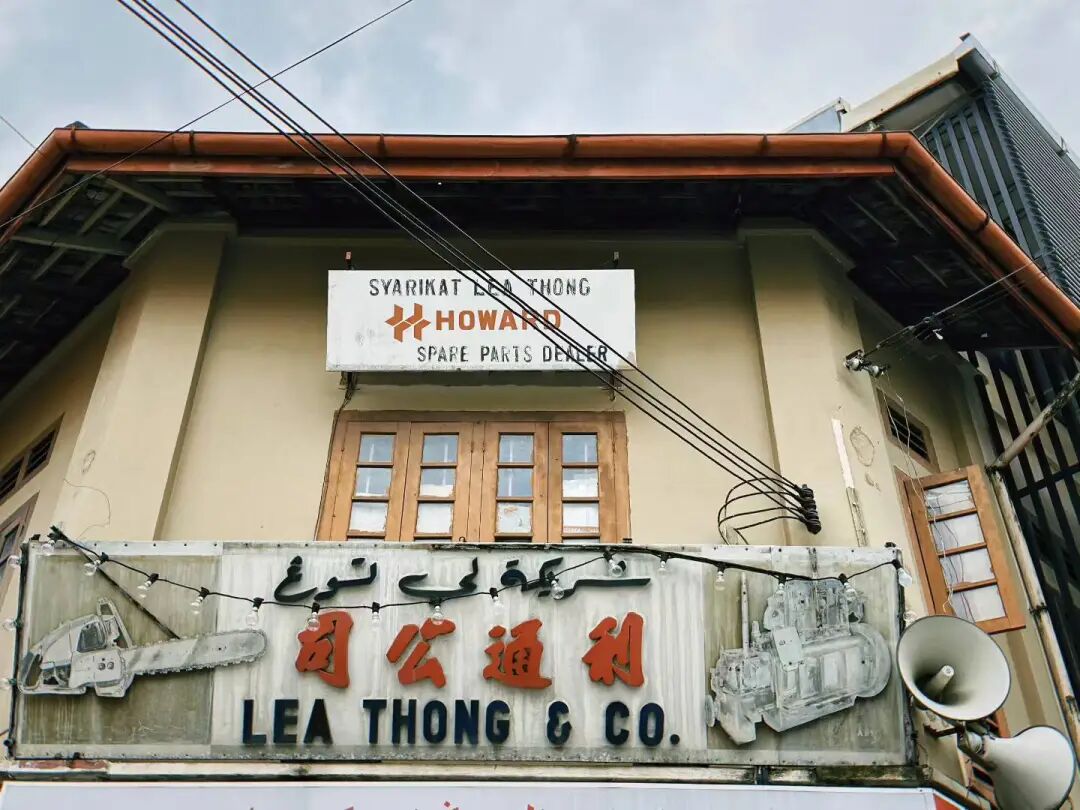
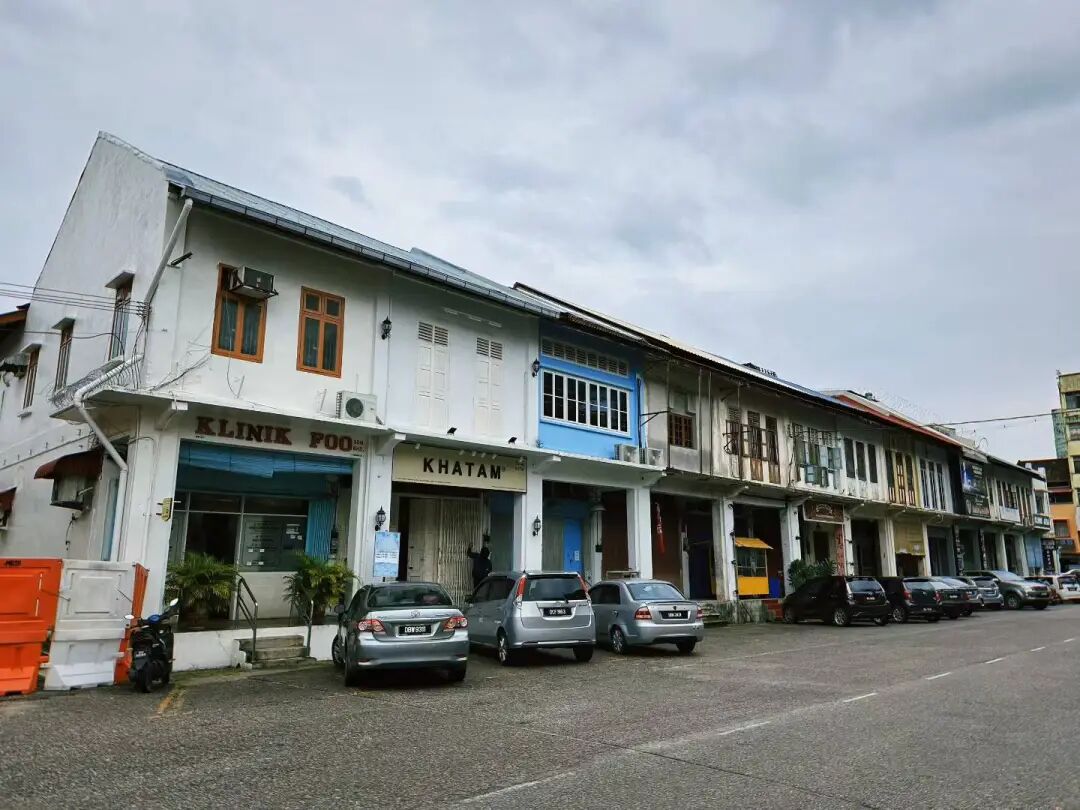
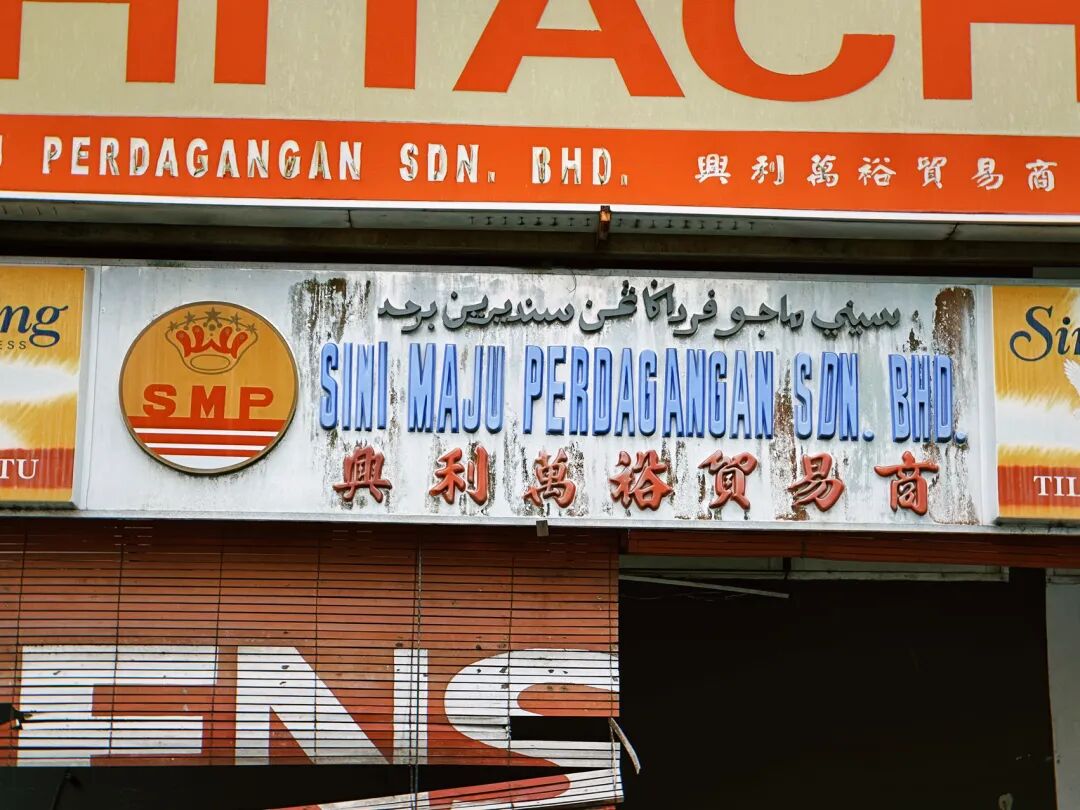
Halal Travel Guide: Halal Chinese Food in Kuala Lumpur, Part 1
Articles • ali2007fr posted the article • 0 comments • 147 views • 2026-05-20 01:48
Summary: This is the first part of a visit to halal Chinese food around Little India in Kuala Lumpur. The English version preserves the original food names, shop details, routes, observations, and photographs in the same order.
Hainan chicken rice (hainanjifan)
After landing at Kuala Lumpur airport, we took the airport express train to the final stop, KL Sentral. We went upstairs to the Nu Sentral shopping mall, where we almost always eat whenever we visit Kuala Lumpur. The mall has many types of restaurants. There are three halal Nyonya restaurants alone, plus many other halal Chinese options.
This time, we ate at The Chicken Rice Shop, a famous halal Hainan chicken rice chain in Malaysia. The founder, Wong Kah Heng, was once an executive director at KFC Malaysia and had worked in the fast-food industry for 25 years before starting this business. In 2000, 54-year-old Wong Kah Heng and her daughter, Gaik Lean, opened the first The Chicken Rice Shop in Taipan, Selangor, officially launching their halal Hainan chicken rice brand.
Wong Kah Heng's parents were from Penang and her grandmother was from Hainan, so she loved Hainan chicken rice since she was a child. During the 20th century, Hainan chicken rice was mostly sold at food stalls, and almost none of it was halal. When they started the business, the mother and daughter had a clear goal: to bring Hainan chicken rice into clean, comfortable shopping malls suitable for family meals, and to make it halal for everyone to enjoy. Today, The Chicken Rice Shop has 135 locations and is the largest halal Hainan chicken rice chain in Malaysia. Led by their success, more halal Chinese food has appeared in Malaysia, allowing friends (dosti) from all over the world to taste delicious Chinese food here.
We ordered a 3-person set meal, which included Nyonya top hats (pai tee), mango salad, roasted chicken, Hainan chicken curry, okra, wolf herring fish balls (xidao yuwan), and rice. We also ordered a side of roasted tofu, which was perfect for our family. Nyonya top hats (pai tee) are a classic snack for weddings and New Year celebrations among Malaysian Peranakan Chinese. They originated in Singapore, where they are also called little gold cups (xiao jin bei), and are filled with shredded carrots and daikon radish. Wolf herring fish balls (xidao yuwan) are Teochew-style fish balls made from wolf herring, and they are very popular in Malaysia.
National Mosque of Malaysia
After lunch, we went to the National Mosque of Malaysia to perform namaz. The National Mosque was built in 1965 and renovated in 1987. It was the largest mosque in Malaysia until the Blue Mosque in Shah Alam was completed in 1988. There is a stall at the mosque entrance selling Musang King durian ice cream. It is very refreshing to have one after prayer.
Malay wooden house homestay
This time, we stayed in a Malay wooden house just two subway stops away from the Petronas Twin Towers. The wooden house is located in Kampung Datuk Keramat, a famous traditional Malay village in Kuala Lumpur. Like Kampung Baru, it is one of the best places in the city to experience traditional Malay culture.
Kampung Datuk Keramat was originally a tin mining site. After 1920, it became a Malay village made up of descendants of Javanese, Minangkabau, Baweanese, and Bugis people. The area is named after two respected graves once located here: one belonging to the Bugis man Haji Ali, and the other to the Sumatran man Sheikh Taih. Datuk Keramat is a product of the fusion between indigenous Malay beliefs and Sufism. Datuk refers to a respected person in Malay society, while Keramat refers to the miraculous signs of the pious predecessors of the faith. In Malay society, Datuk Keramat figures held special social status during their lifetimes, whether as leaders, warriors, doctors, or devout believers. Their graves are respected, and people light incense, place flowers, and perform dua at the gravesites.
After the 1970s, as the wave of Islamic orthodoxy advanced in Malaysia, Datuk Keramat practices gradually declined among the Malays. Kampung Datuk Keramat officially stopped Datuk Keramat activities in the 1990s, but the village name remains.
The wooden house we stayed in is very close to the Damai LRT station. It is called Classic Malay House KL. The owner is a kind auntie, and the courtyard is full of wooden houses. Once you step inside, you are instantly away from the city noise. The only thing is that because Kuala Lumpur is in the tropics, staying in a wooden house means there will definitely be mosquitoes, so everyone must take anti-mosquito precautions.
Malay village (kampung)
Whatever Works Coffee in the courtyard of the Classic Malay House KL is a gathering place for artistic youth in Kampung Datuk Keramat. Many young people come here at night to drink coffee and watch art film screenings.
Not far from the wooden house is a small mosque (surau), Surau Al-Ikhlasiah Datuk Keramat, which makes it convenient to perform daily prayers.
Malay breakfast
Right at the LRT station entrance next to the wooden house is the Keramat Mall, which has many traditional Malay snacks and is a great place for breakfast. We ate stuffed flatbread (murtabak), coconut milk rice (nasi lemak), meatball soup (bakso), and soft-boiled eggs. I must say, the environment in this urban village is quite good and very convenient.
Kuala Lumpur Little India
Brickfields is located right next to the south side of KL Sentral station. It is an Indian residential area in Kuala Lumpur known as Little India.
In 1878, a railway was built from the city center to the port, and in 1891, a Selangor state factory was established south of the railway at the current site of the central station, which brought in a large number of laborers from South India and Sri Lanka. In 1905, a 'hundred-man dormitory' was built in Brickfields to provide housing for the laborers. From then on, Brickfields gradually developed into the most important Indian community in Kuala Lumpur.
Brickfields is also called a 'sacred place.' It brings together Buddhist, Hindu, Christian, and Eastern Orthodox communities from South India and Sri Lanka, and it also has a Hanafi mosque (surau), which is rare in Kuala Lumpur.
The Madrasathul Gouthiyyah Surau in Brickfields is a small mosque built by South Indian Tamils. Like Hui Muslims in China, the Tamils follow the Hanafi school of thought. Therefore, the order, movements, and timing of their prayers are the same as those of Hui Muslims, which differs from the Malays who follow the Shafi'i school. The prayer time here is one hour different from the surrounding Shafi'i mosques. I encountered this same situation before at a Hanafi mosque in Singapore's Little India.
During Friday prayers (Jumu'ah), the sermon (wa'z) is delivered in Tamil. Hanafi Tamil Muslims from downtown Kuala Lumpur all come here, and it is very crowded even during the five daily prayers.
Tamil Hanafi Muslims are mainly divided into two groups, the majority of whom belong to the Rowther people, who have a history spanning over a thousand years. The Rowther people were originally cavalrymen during the Chola dynasty in South India. In the 10th and 11th centuries, they converted to Islam after being influenced by the saint Nathar Shah, who came from Anatolia to preach to the Tamil community. Rowther means rider in the Telugu language. Another group is the Labbay people, descendants of Arab merchants who married Tamil women. They are known for being skilled in business and very knowledgeable. Besides merchants, many Labbay people are imams, which gives them high social status.
A Chinese restaurant in Little India.
Brickfields is famous for South Indian Tamil food, but it hides a halal Chinese restaurant that people of all backgrounds love: Yaa's Restaurant (Ya'e Fandian). The owner of Yaa's Restaurant is a Nanyang Chinese, and the staff are Malay. They serve authentic Nanyang halal Chinese food that Indians, Chinese, and Malays all enjoy.
We ordered tamarind prawns (asam xia), Teochew-style steamed fish (chaozhou zheng yu), Shenjiang tofu (shenjiang doufu), and stir-fried mustard greens with salted fish (xianyu jielan). Except for the seafood, you can choose small or large portions for the stir-fried dishes, and the prices are very affordable. The grandfather who takes orders can speak and write Chinese, giving the place a classic old-school Nanyang Chinese feel.
Teochew-style steamed fish is a Nanyang Chinese dish I personally love. To make it, you layer tomatoes, pickled mustard greens (suan baicai), and tofu over the fish, then drizzle it with fish sauce after steaming.
Tamarind prawns are a Nyonya dish. Asam means sour in Malay. It uses tamarind mixed with sugar to create a rich, sweet-and-sour caramel-colored sauce that goes perfectly with rice.
Shenjiang tofu, also called Sing Kong tofu, is fried tofu cooked in egg sauce with mushrooms, cabbage, carrots, and other ingredients. It is very nutritious.
Jamek Mosque in Kuala Lumpur.
Jamek Mosque sits at the meeting point of the Klang River and the Gombak River. Sultan Sulaiman of Selangor laid the foundation in 1908, and it was finished in 1909. British architect Arthur Benison Hubback designed the mosque. He also designed other Malaysian landmarks like the Kuala Lumpur Railway Station, the Ubudiah Mosque in Perak, and the Sultan Abdul Samad Building.
In the 19th century, Malays, Javanese, Minangkabau, and other groups lived where the Klang and Gombak rivers meet. This area became known for places like Java Street (now Jalan Tun Perak) and Malay Street. In the 1870s, the Rawa tribe of the Minangkabau people from western Sumatra received permission from the Sultan of Selangor to build the Java Street Mosque on the east side of the Klang River. The original Java Street Mosque had a pyramid-shaped roof and wooden pillars, following traditional Sumatran style.
In 1903, the Java Street Mosque was torn down for road widening, so the mosque committee petitioned to build a new one. In 1905, Sultan Sulaiman of Selangor and the British Resident agreed to build the new mosque on the site of an old Malay cemetery at the river junction. The new mosque used the popular Mughal Revival style. The British built many public buildings in this style across British India and British Malaya in the late 19th century.
Jamek Mosque displays old photos and a stone tablet from when Sultan Sulaiman of Selangor laid the foundation in 1908.
Cartoon panels at the entrance of Jamek Mosque vividly show the history of its construction. This includes the Java Street Mosque built by the Minangkabau in the 1870s and the current Jamek Mosque, which Sultan Sulaiman of Selangor approved to be built on the old Malay cemetery after road expansion in 1903.
The souvenir shop at the entrance of Jamek Mosque is worth a visit. We bought beautiful headscarves there and tried some free traditional Malay snacks. We bought a jar and it was delicious.
Traditional Malay dance
While walking around the old town of Kuala Lumpur, we happened upon a festival at the DBKL City Theatre. Children in traditional Malay formal wear performed welcoming and celebration rituals, and even danced. It was a rare sight!
Built between 1896 and 1904, the DBKL City Theatre is one of the Moorish-style buildings in the heart of Kuala Lumpur's old town. It has hosted plays and musicals for 120 years.
Traditional Malay headscarf
The Jalan Masjid India area in Kuala Lumpur's old town is a famous wholesale market for traditional clothing where you can buy all kinds of traditional Malay outfits. I bought a traditional Malay headpiece called a tengkolok at one of the shops.
A tengkolok headpiece is folded from traditional Malay brocade fabric known as songket and is usually worn for celebrations and weddings. Leaders across Malaysia, Brunei, and Indonesia have their own styles of tengkolok. In Malaysia, the sultans, rajas, and the Yang di-Pertuan Besar of every state except Johor wear a tengkolok for formal ceremonies. Only the Sultan of Johor wears a crown due to British influence.
Traditional Malay food
Before leaving, we went back to the Nu Sentral mall next to Kuala Lumpur Sentral station. The fruit salad here is also served with sour plum powder and chili powder. There is a huge variety of tropical fruits, and bananas cost one ringgit each.
Inside Nu Sentral mall, there is a restaurant called Ah Cheng Laksa that specializes in food from Kedah in northern Malaysia. They started selling sour tamarind noodle soup (asam laksa) in a village in Kedah in 1960. Later, a descendant named Ah Cheng turned it into a chain in Kuala Lumpur. Now, the staff includes both Chinese and Malay employees, and they serve both Malay laksa and Chinese flat noodles (banmian). view all
Summary: This is the first part of a visit to halal Chinese food around Little India in Kuala Lumpur. The English version preserves the original food names, shop details, routes, observations, and photographs in the same order.
Hainan chicken rice (hainanjifan)
After landing at Kuala Lumpur airport, we took the airport express train to the final stop, KL Sentral. We went upstairs to the Nu Sentral shopping mall, where we almost always eat whenever we visit Kuala Lumpur. The mall has many types of restaurants. There are three halal Nyonya restaurants alone, plus many other halal Chinese options.
This time, we ate at The Chicken Rice Shop, a famous halal Hainan chicken rice chain in Malaysia. The founder, Wong Kah Heng, was once an executive director at KFC Malaysia and had worked in the fast-food industry for 25 years before starting this business. In 2000, 54-year-old Wong Kah Heng and her daughter, Gaik Lean, opened the first The Chicken Rice Shop in Taipan, Selangor, officially launching their halal Hainan chicken rice brand.
Wong Kah Heng's parents were from Penang and her grandmother was from Hainan, so she loved Hainan chicken rice since she was a child. During the 20th century, Hainan chicken rice was mostly sold at food stalls, and almost none of it was halal. When they started the business, the mother and daughter had a clear goal: to bring Hainan chicken rice into clean, comfortable shopping malls suitable for family meals, and to make it halal for everyone to enjoy. Today, The Chicken Rice Shop has 135 locations and is the largest halal Hainan chicken rice chain in Malaysia. Led by their success, more halal Chinese food has appeared in Malaysia, allowing friends (dosti) from all over the world to taste delicious Chinese food here.
We ordered a 3-person set meal, which included Nyonya top hats (pai tee), mango salad, roasted chicken, Hainan chicken curry, okra, wolf herring fish balls (xidao yuwan), and rice. We also ordered a side of roasted tofu, which was perfect for our family. Nyonya top hats (pai tee) are a classic snack for weddings and New Year celebrations among Malaysian Peranakan Chinese. They originated in Singapore, where they are also called little gold cups (xiao jin bei), and are filled with shredded carrots and daikon radish. Wolf herring fish balls (xidao yuwan) are Teochew-style fish balls made from wolf herring, and they are very popular in Malaysia.
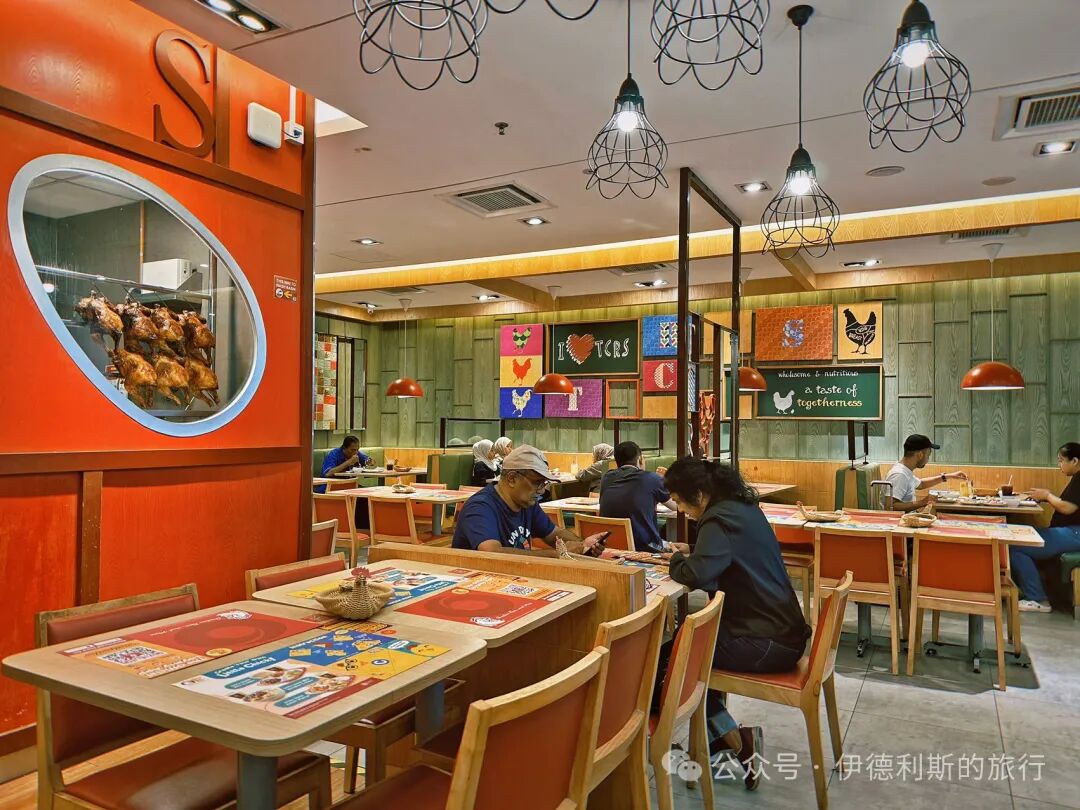
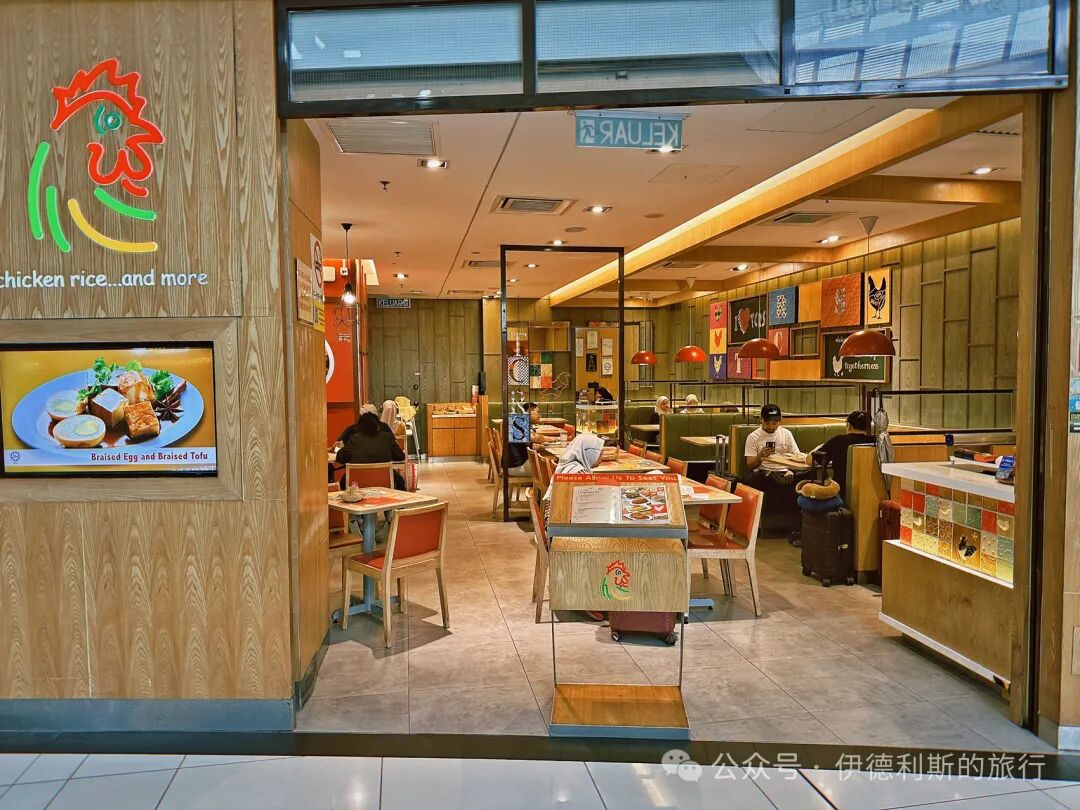
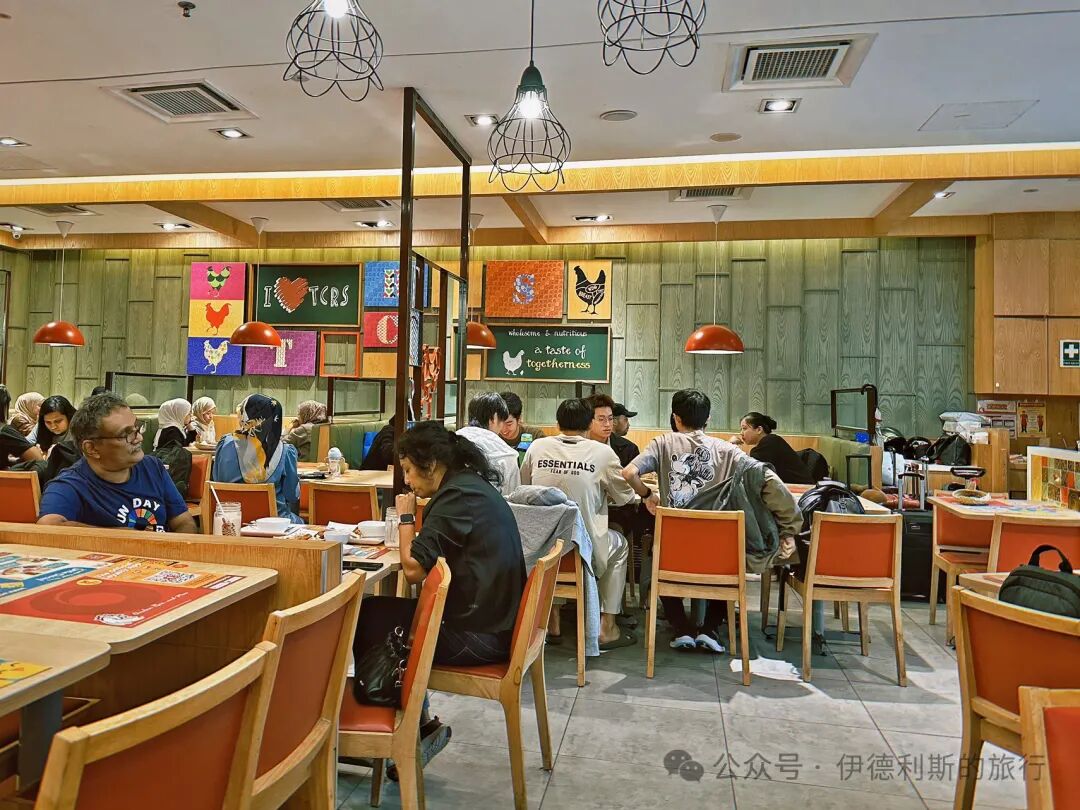
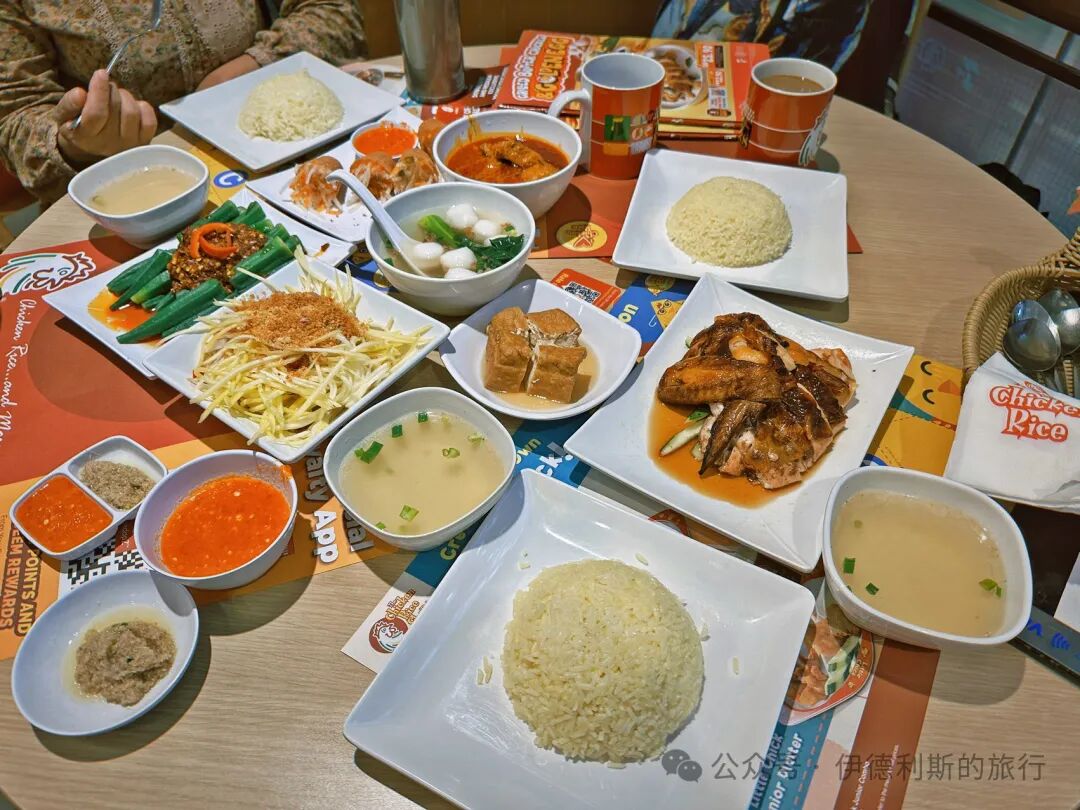
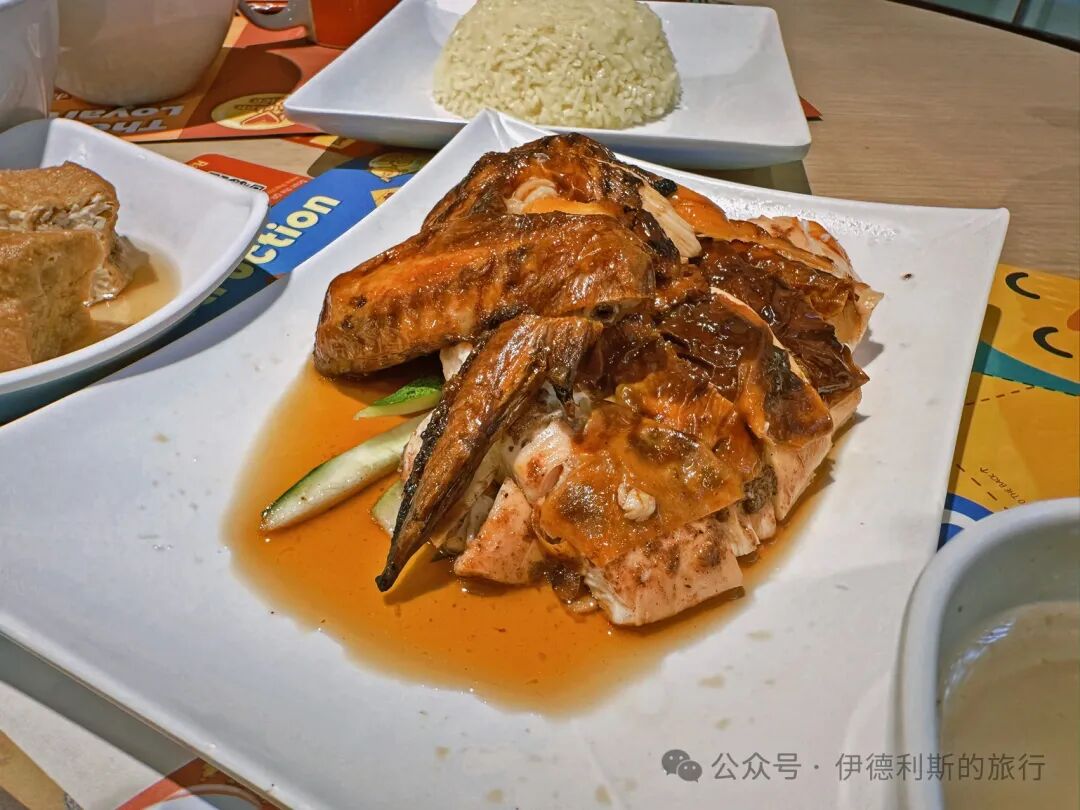
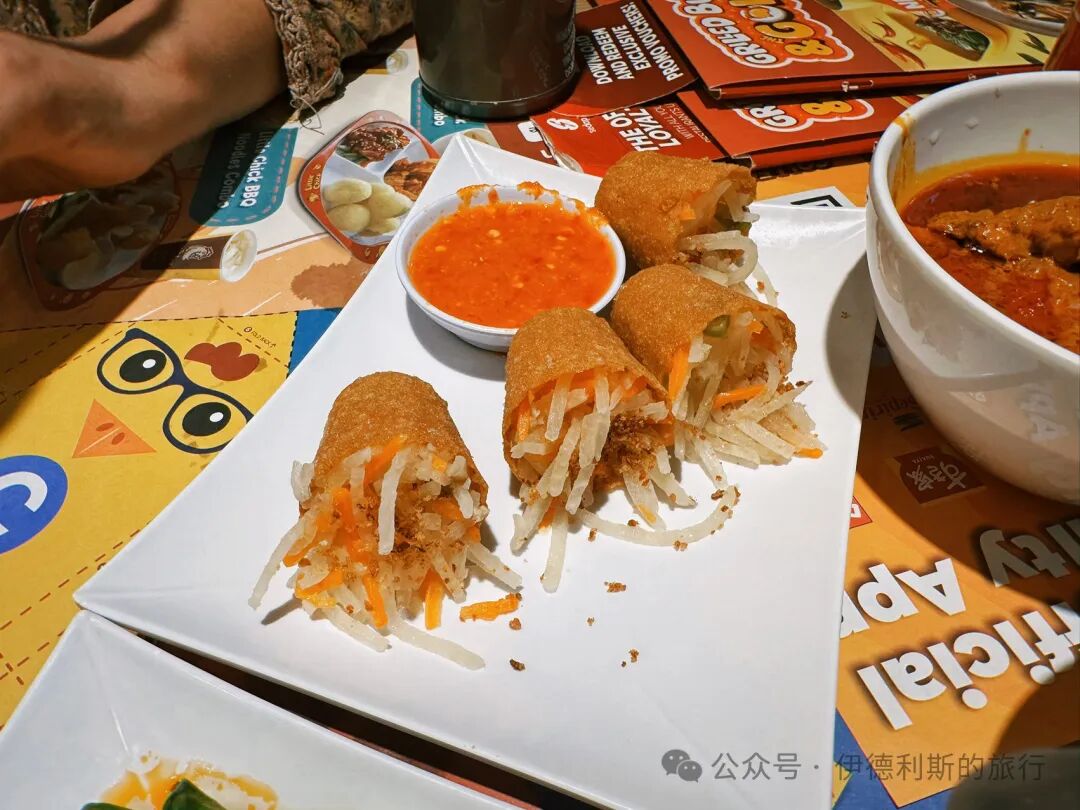
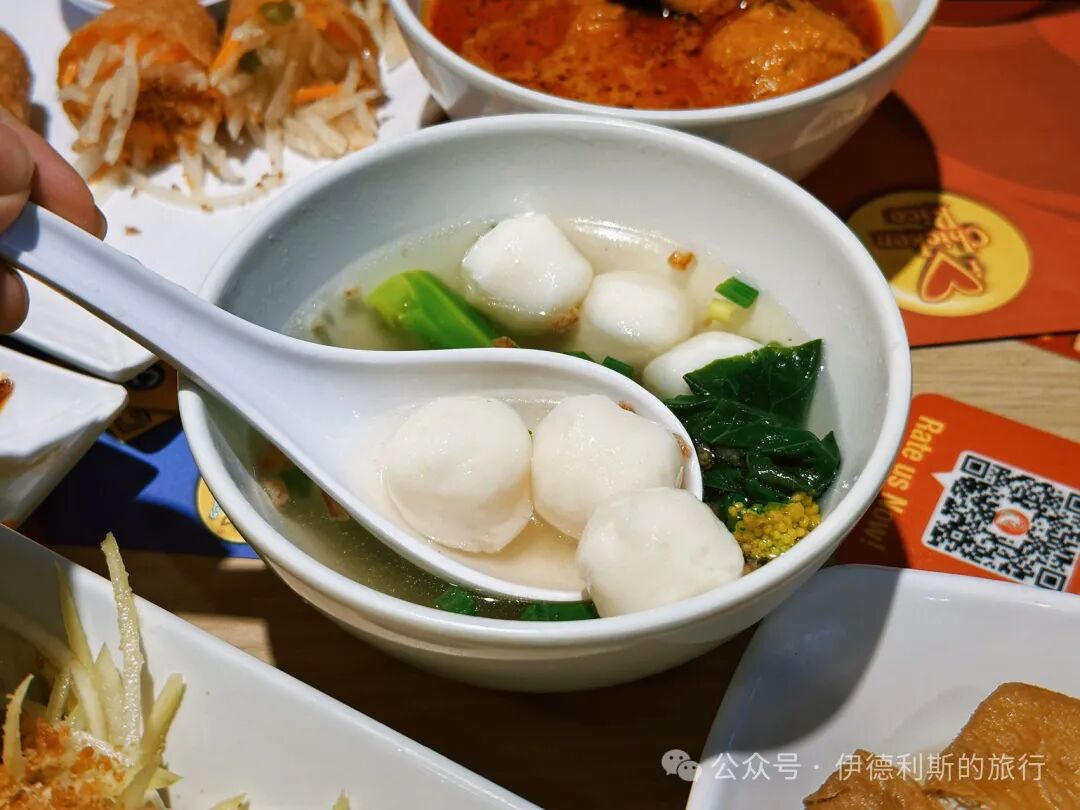
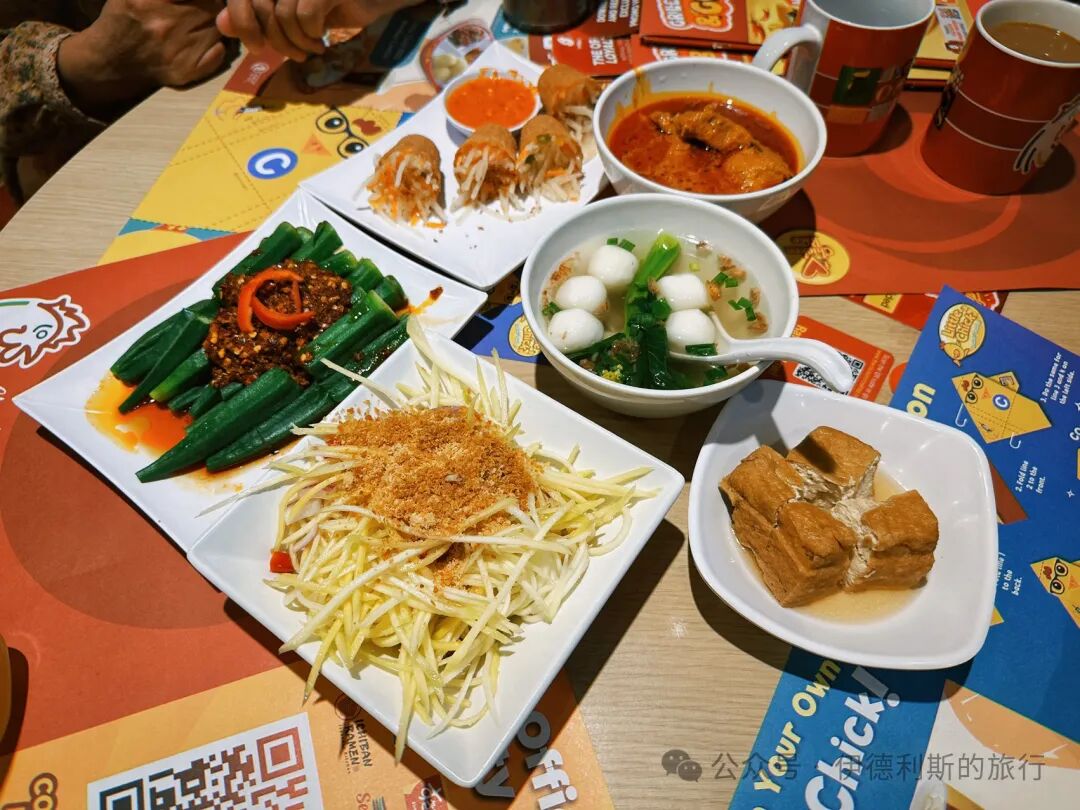
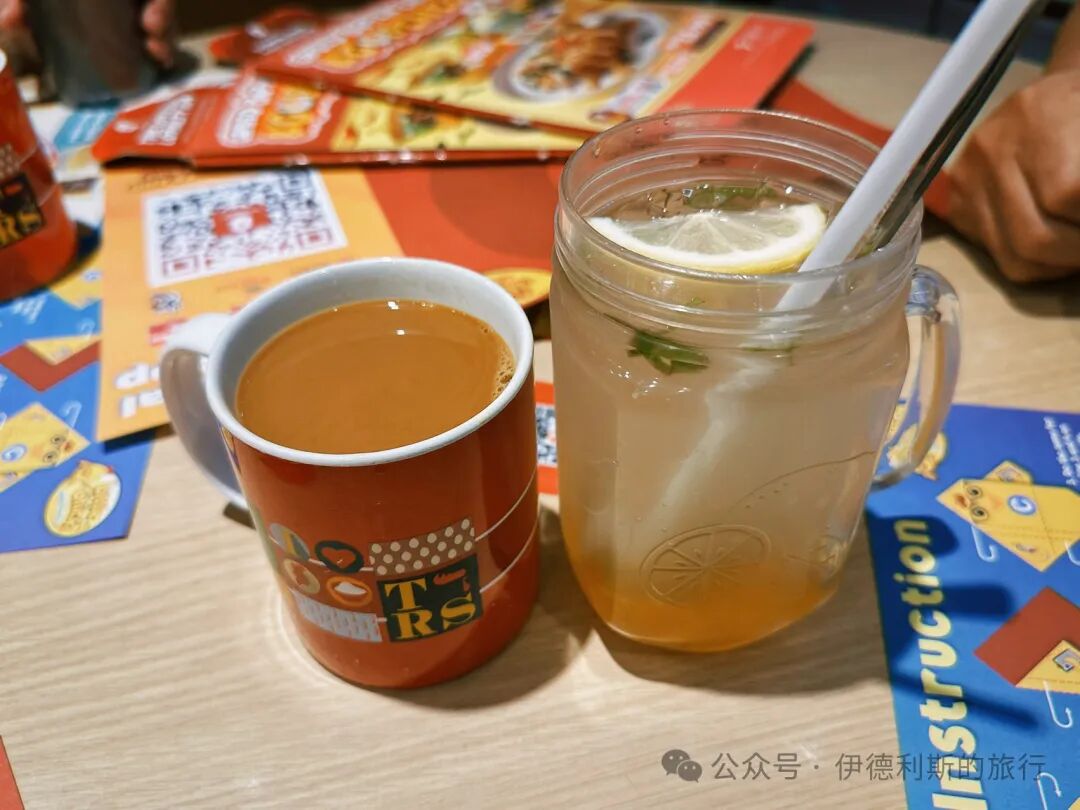
National Mosque of Malaysia
After lunch, we went to the National Mosque of Malaysia to perform namaz. The National Mosque was built in 1965 and renovated in 1987. It was the largest mosque in Malaysia until the Blue Mosque in Shah Alam was completed in 1988. There is a stall at the mosque entrance selling Musang King durian ice cream. It is very refreshing to have one after prayer.

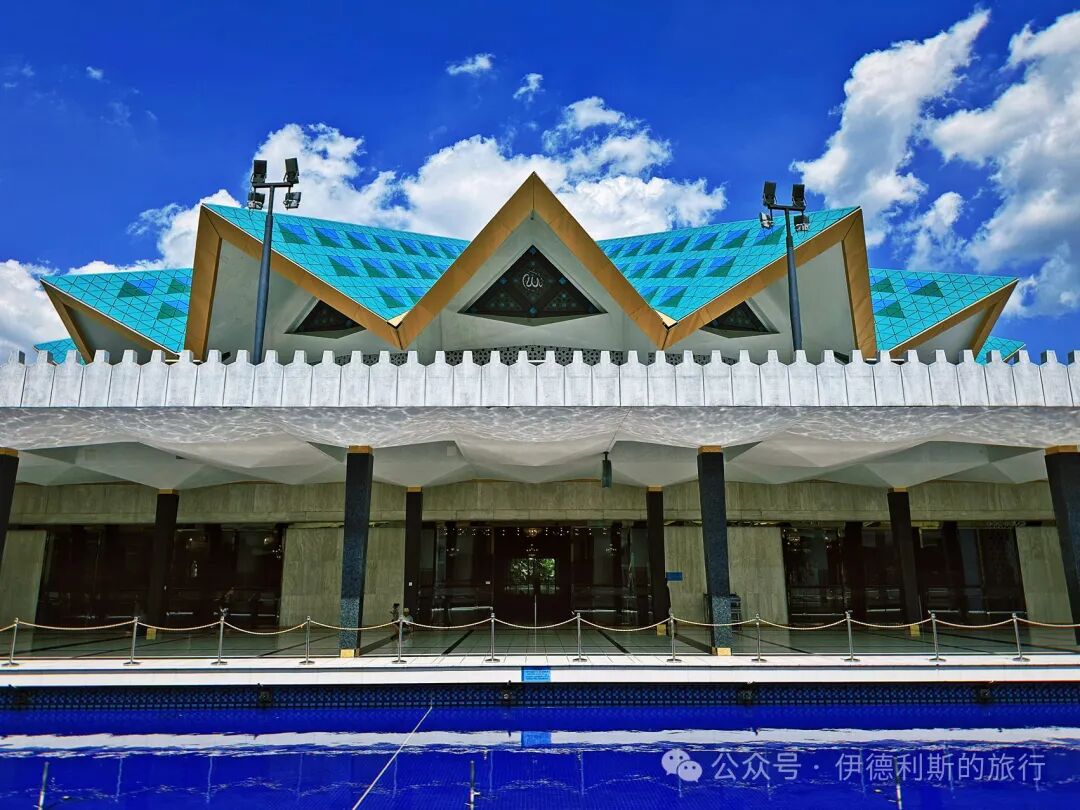
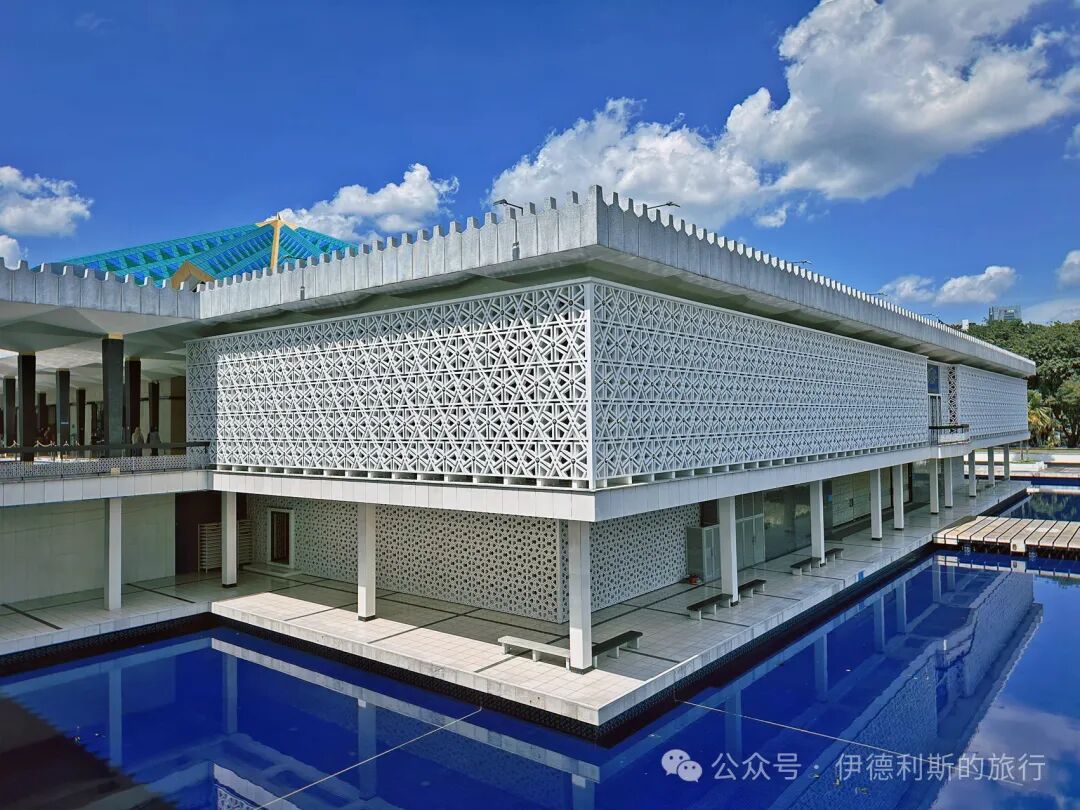
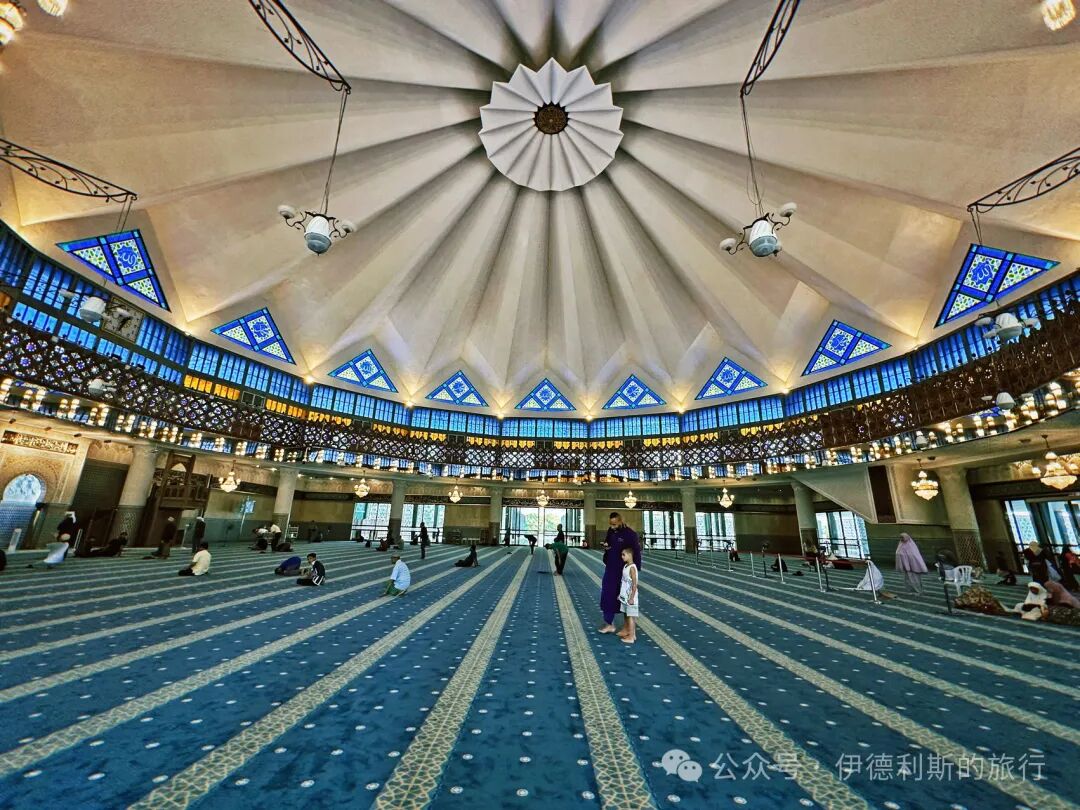
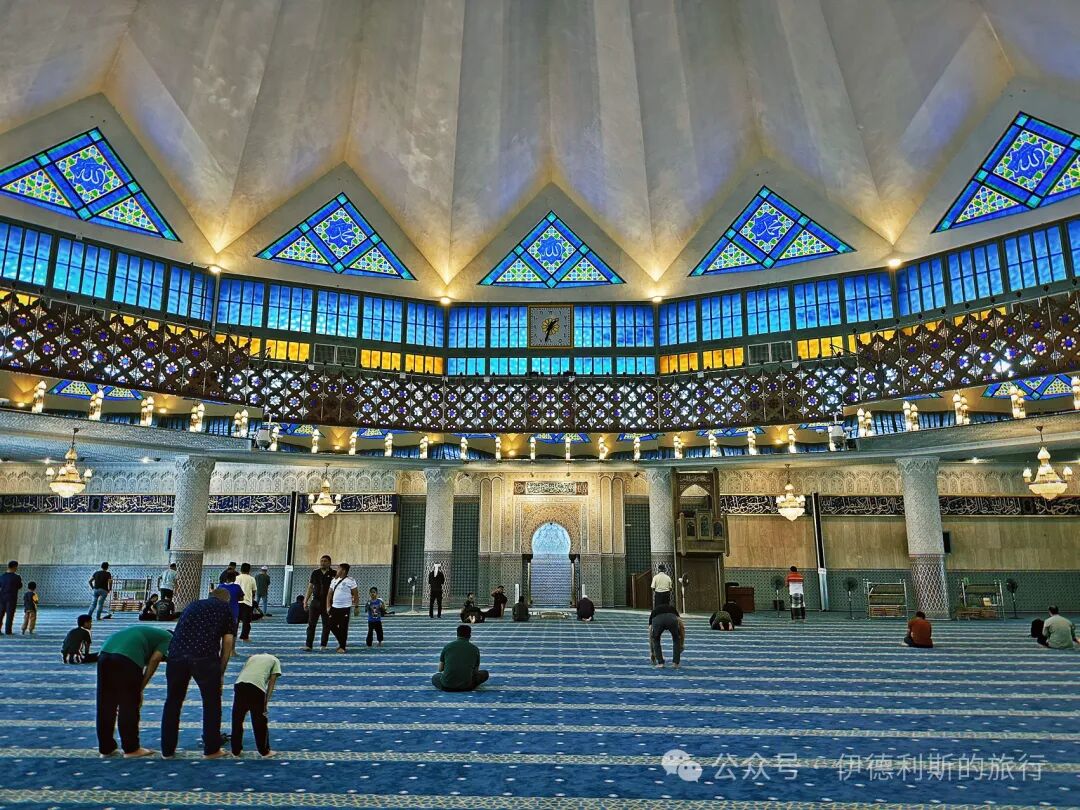

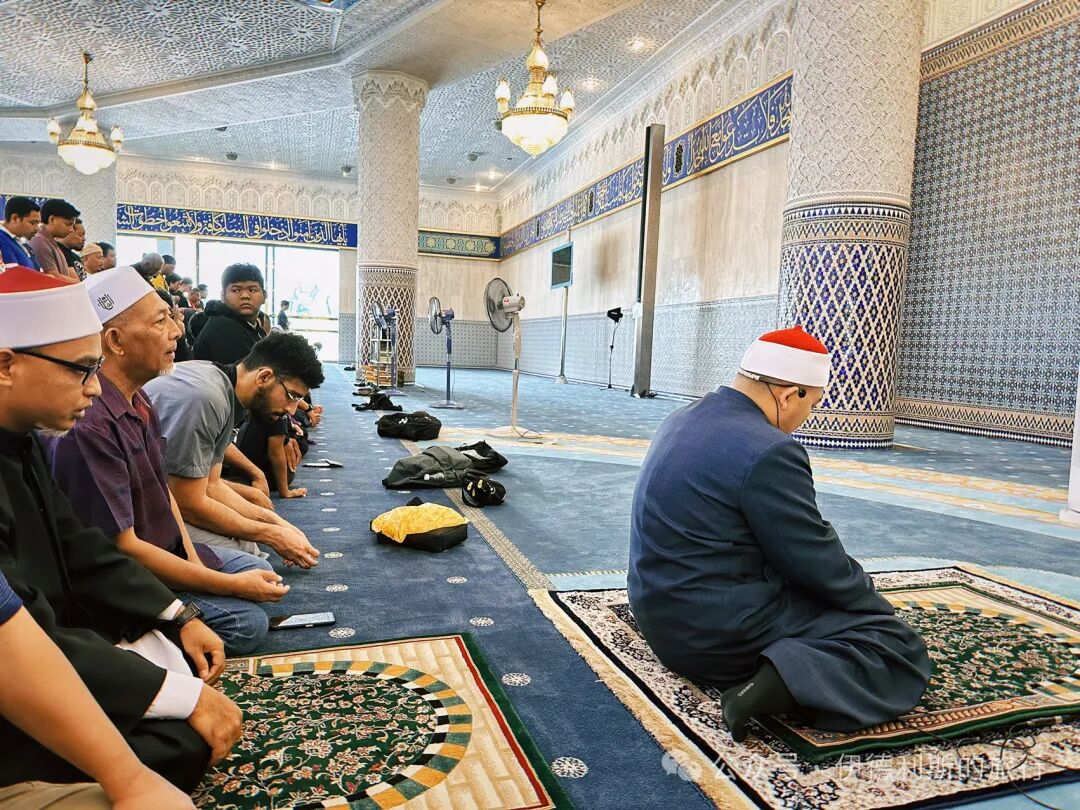
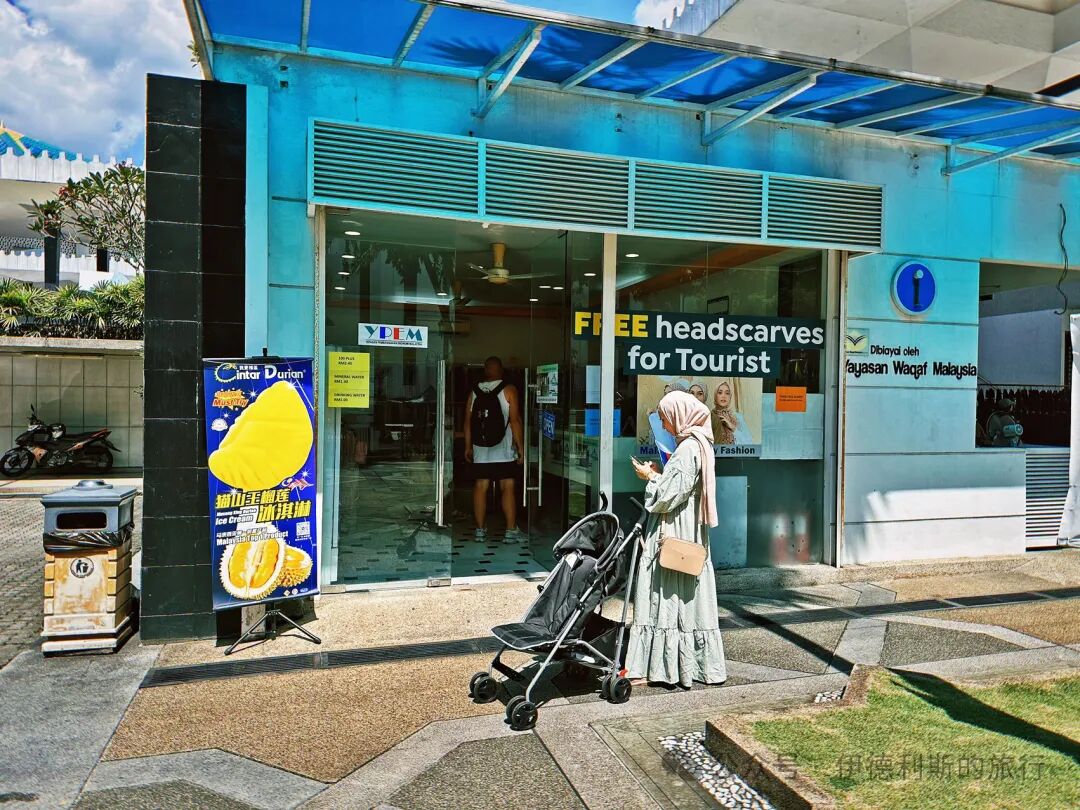
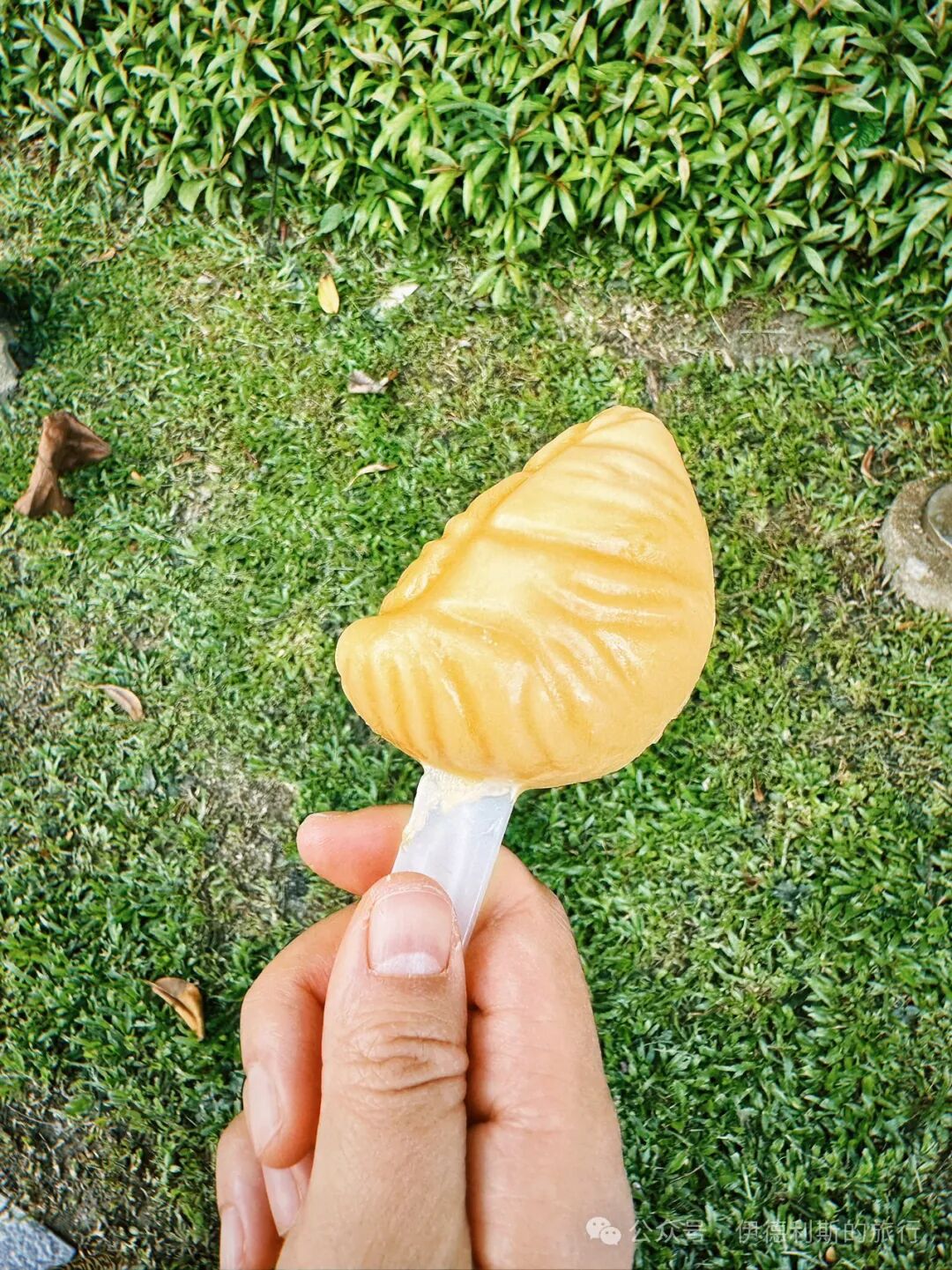
Malay wooden house homestay
This time, we stayed in a Malay wooden house just two subway stops away from the Petronas Twin Towers. The wooden house is located in Kampung Datuk Keramat, a famous traditional Malay village in Kuala Lumpur. Like Kampung Baru, it is one of the best places in the city to experience traditional Malay culture.
Kampung Datuk Keramat was originally a tin mining site. After 1920, it became a Malay village made up of descendants of Javanese, Minangkabau, Baweanese, and Bugis people. The area is named after two respected graves once located here: one belonging to the Bugis man Haji Ali, and the other to the Sumatran man Sheikh Taih. Datuk Keramat is a product of the fusion between indigenous Malay beliefs and Sufism. Datuk refers to a respected person in Malay society, while Keramat refers to the miraculous signs of the pious predecessors of the faith. In Malay society, Datuk Keramat figures held special social status during their lifetimes, whether as leaders, warriors, doctors, or devout believers. Their graves are respected, and people light incense, place flowers, and perform dua at the gravesites.
After the 1970s, as the wave of Islamic orthodoxy advanced in Malaysia, Datuk Keramat practices gradually declined among the Malays. Kampung Datuk Keramat officially stopped Datuk Keramat activities in the 1990s, but the village name remains.
The wooden house we stayed in is very close to the Damai LRT station. It is called Classic Malay House KL. The owner is a kind auntie, and the courtyard is full of wooden houses. Once you step inside, you are instantly away from the city noise. The only thing is that because Kuala Lumpur is in the tropics, staying in a wooden house means there will definitely be mosquitoes, so everyone must take anti-mosquito precautions.
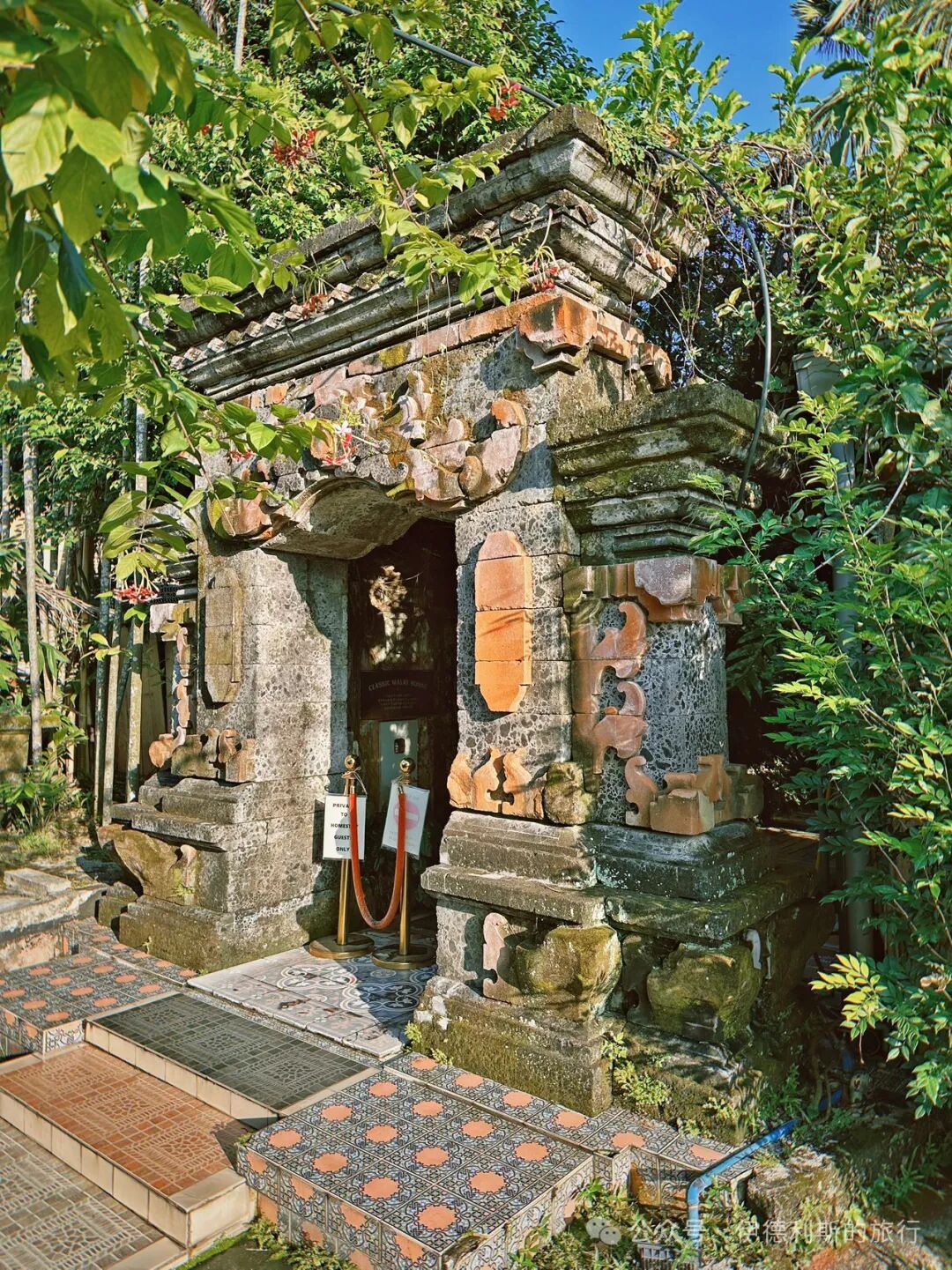
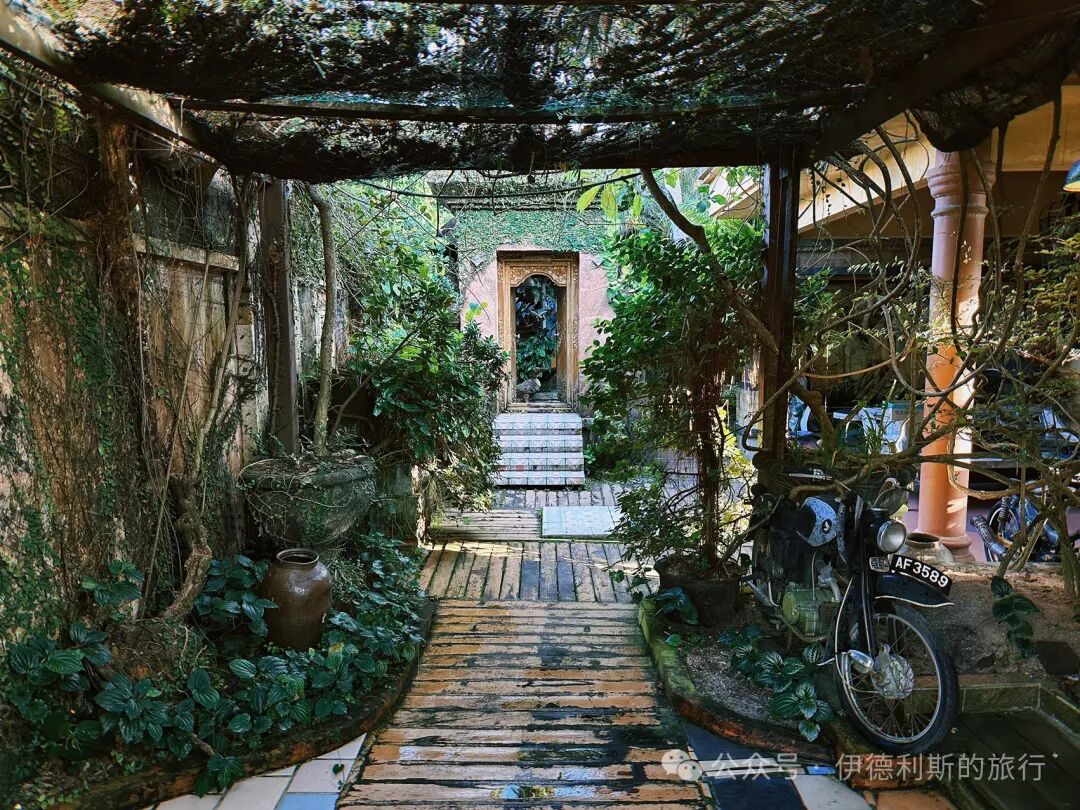
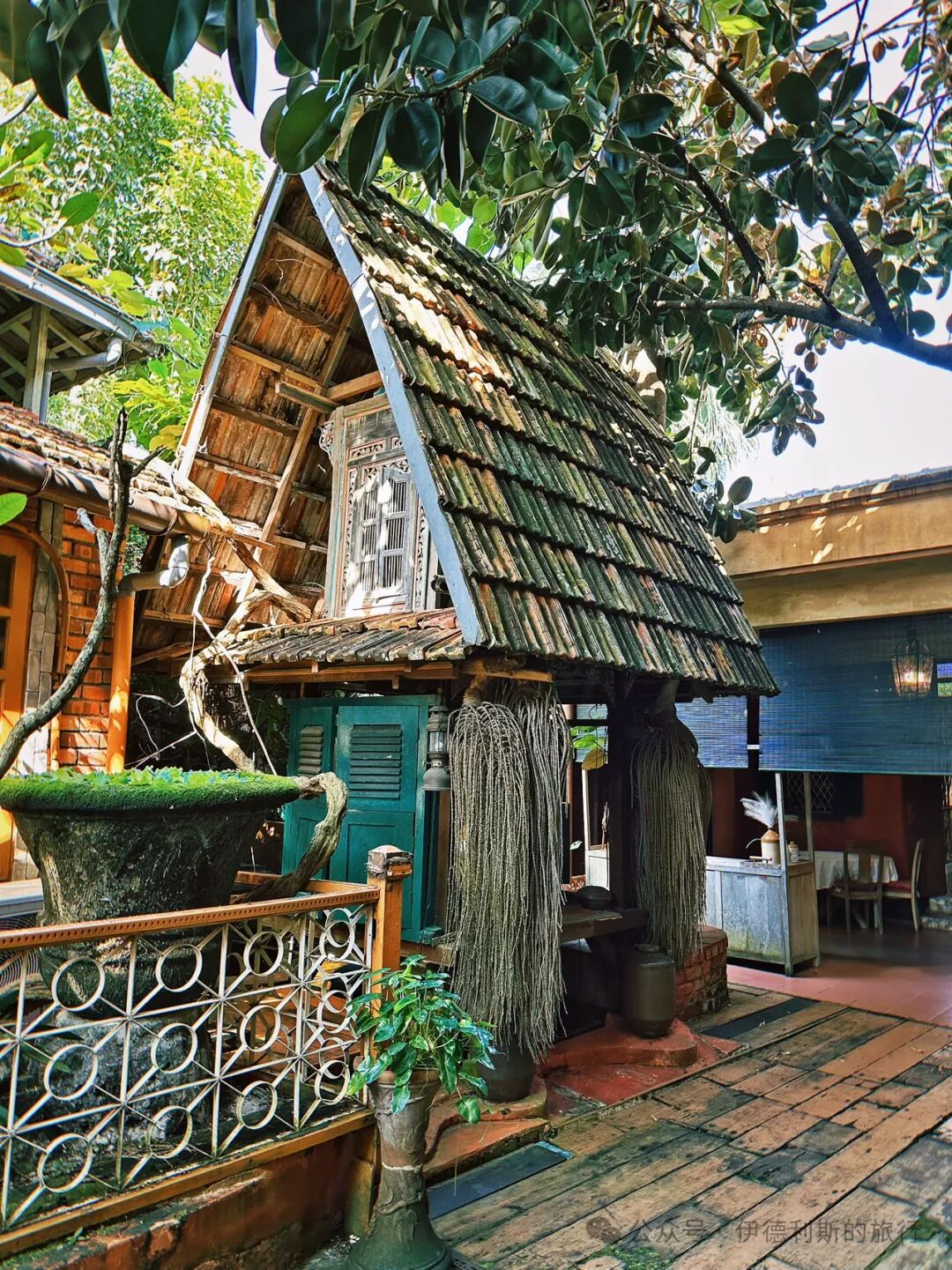
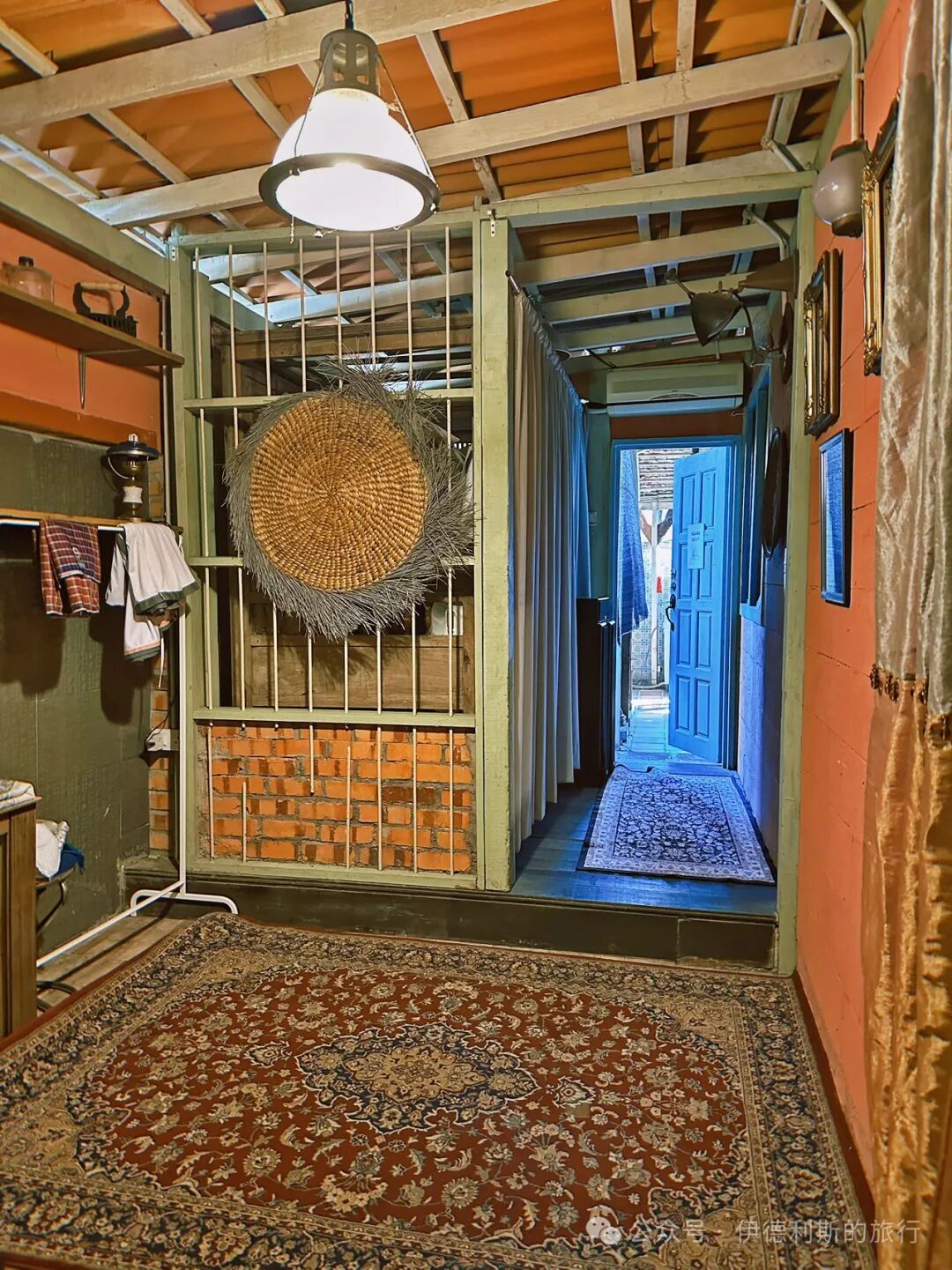
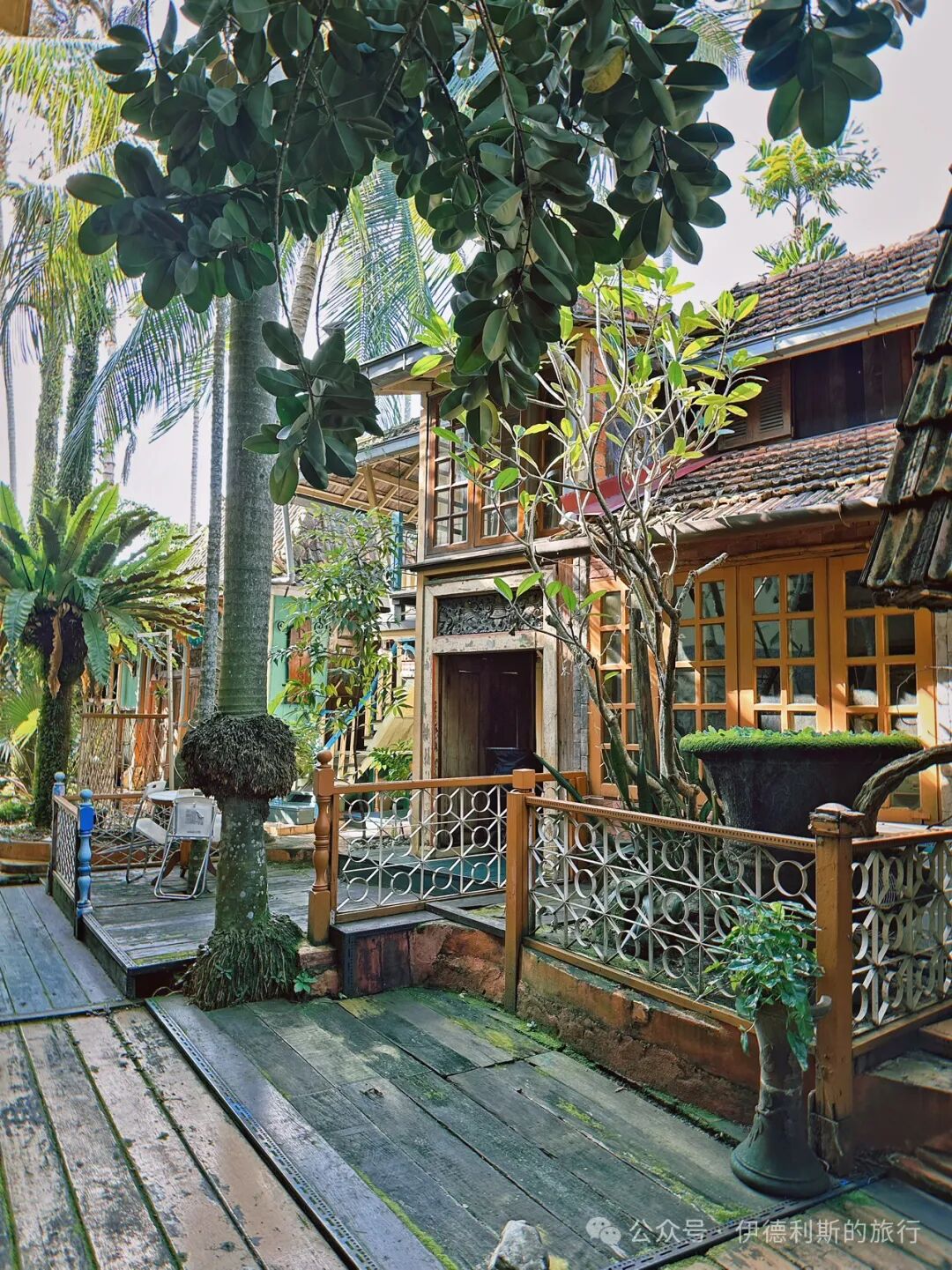
Malay village (kampung)
Whatever Works Coffee in the courtyard of the Classic Malay House KL is a gathering place for artistic youth in Kampung Datuk Keramat. Many young people come here at night to drink coffee and watch art film screenings.
Not far from the wooden house is a small mosque (surau), Surau Al-Ikhlasiah Datuk Keramat, which makes it convenient to perform daily prayers.
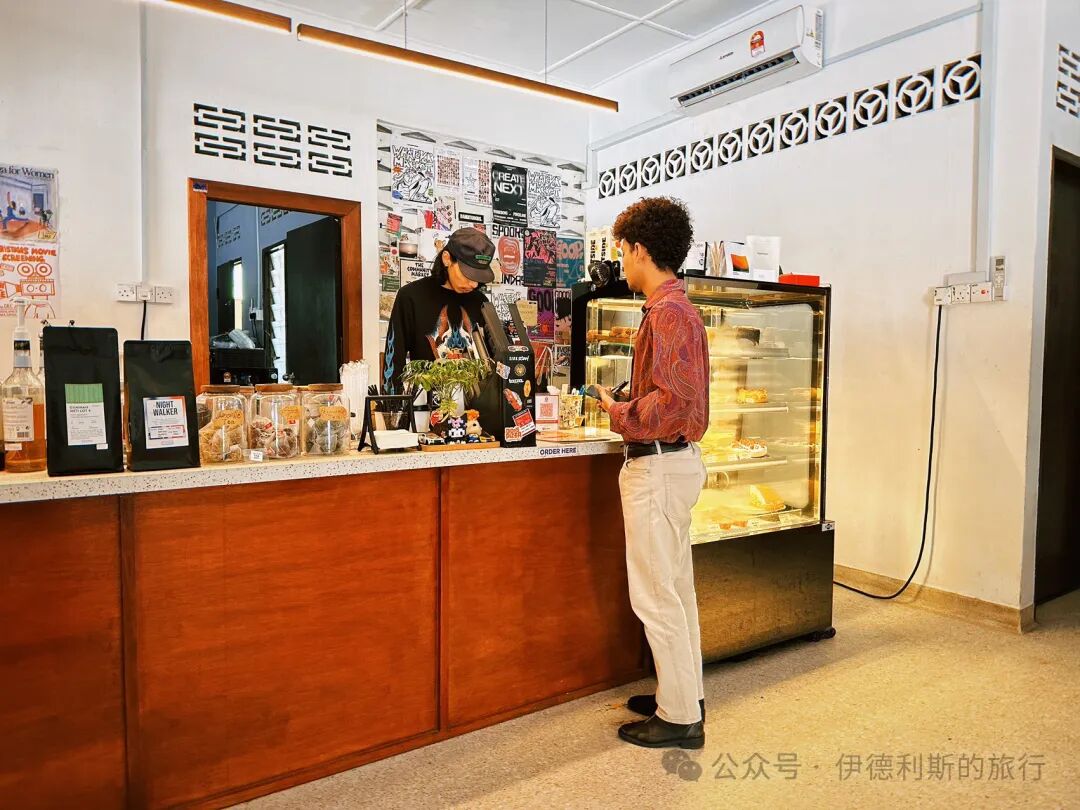
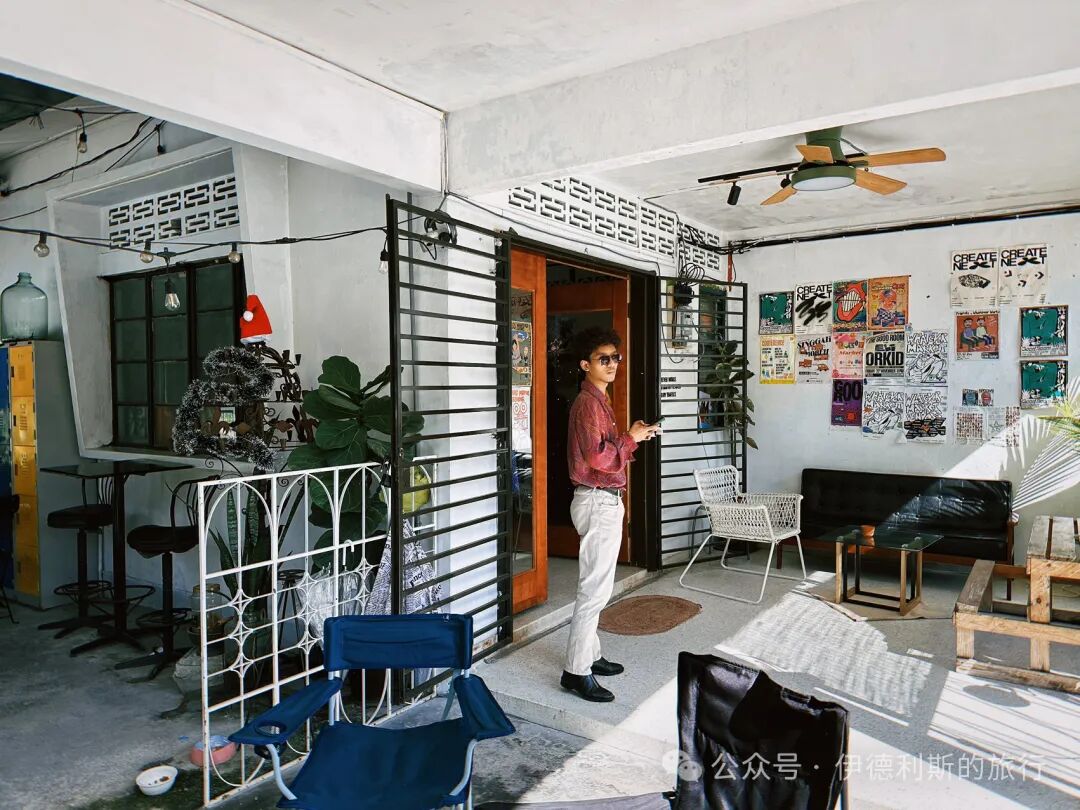
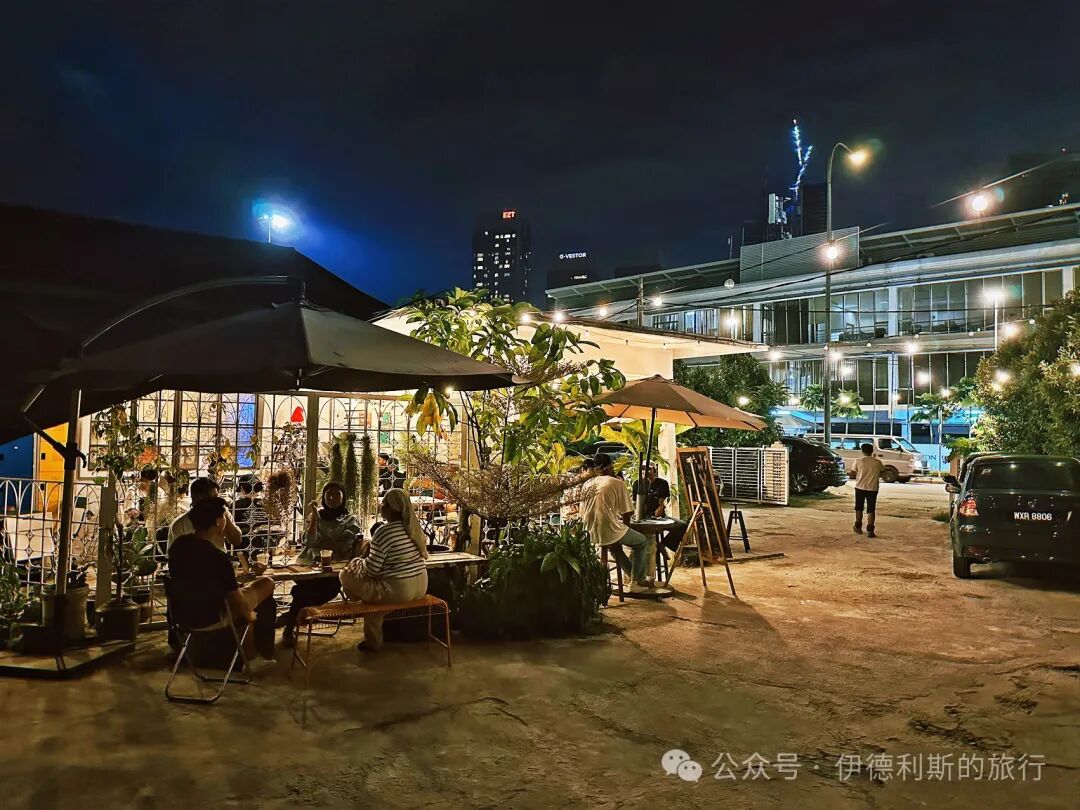
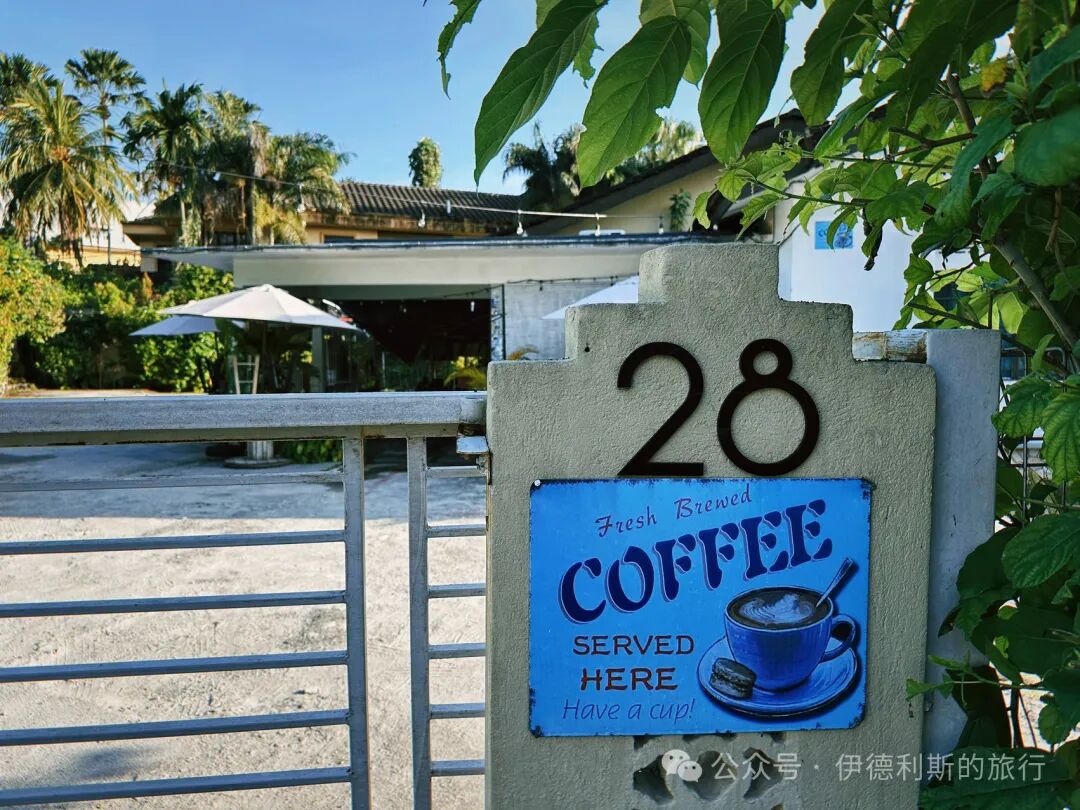
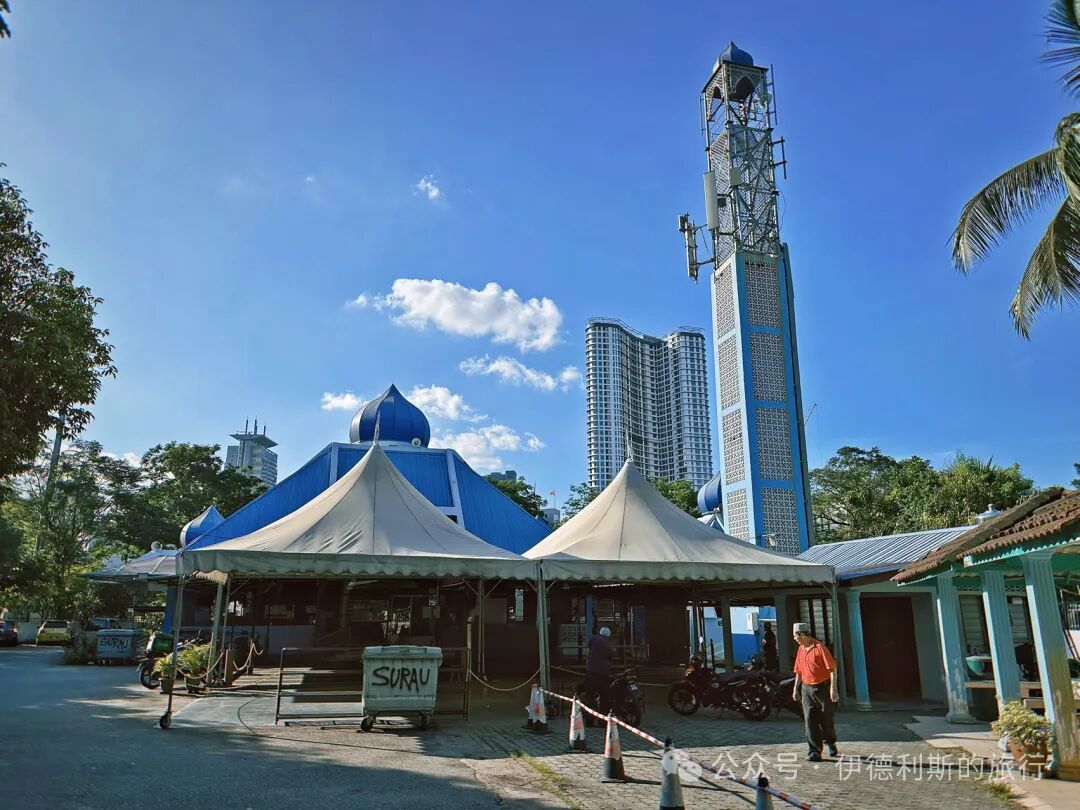
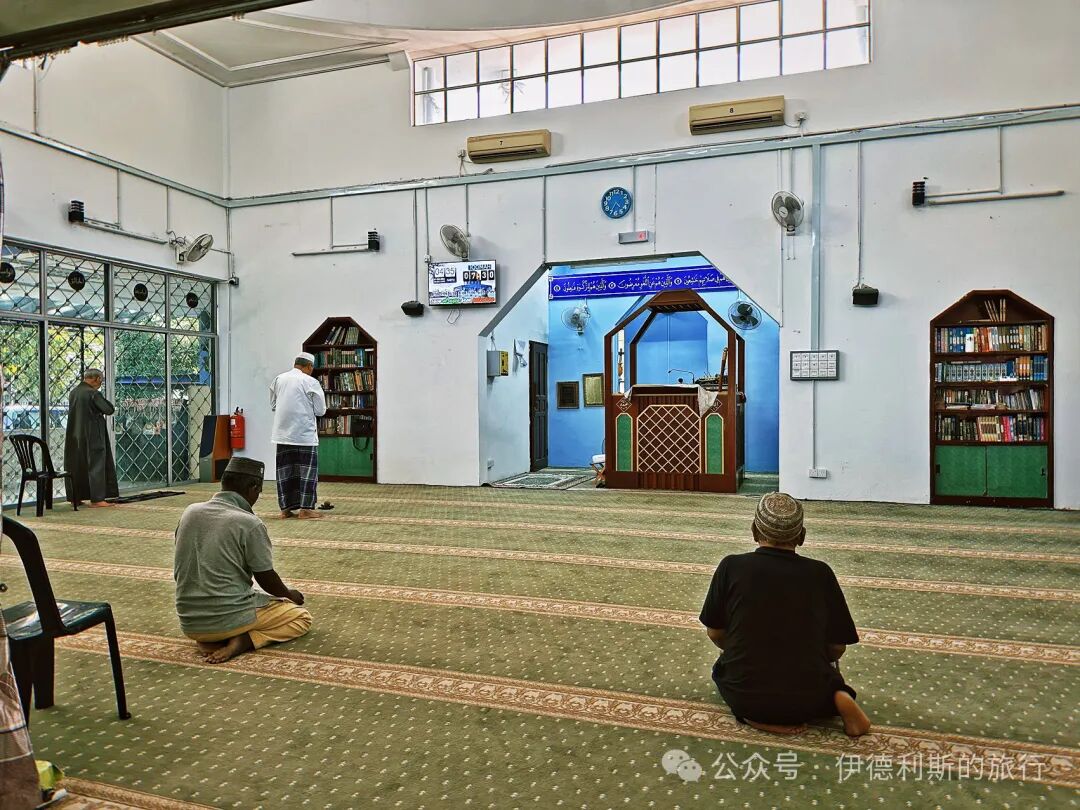
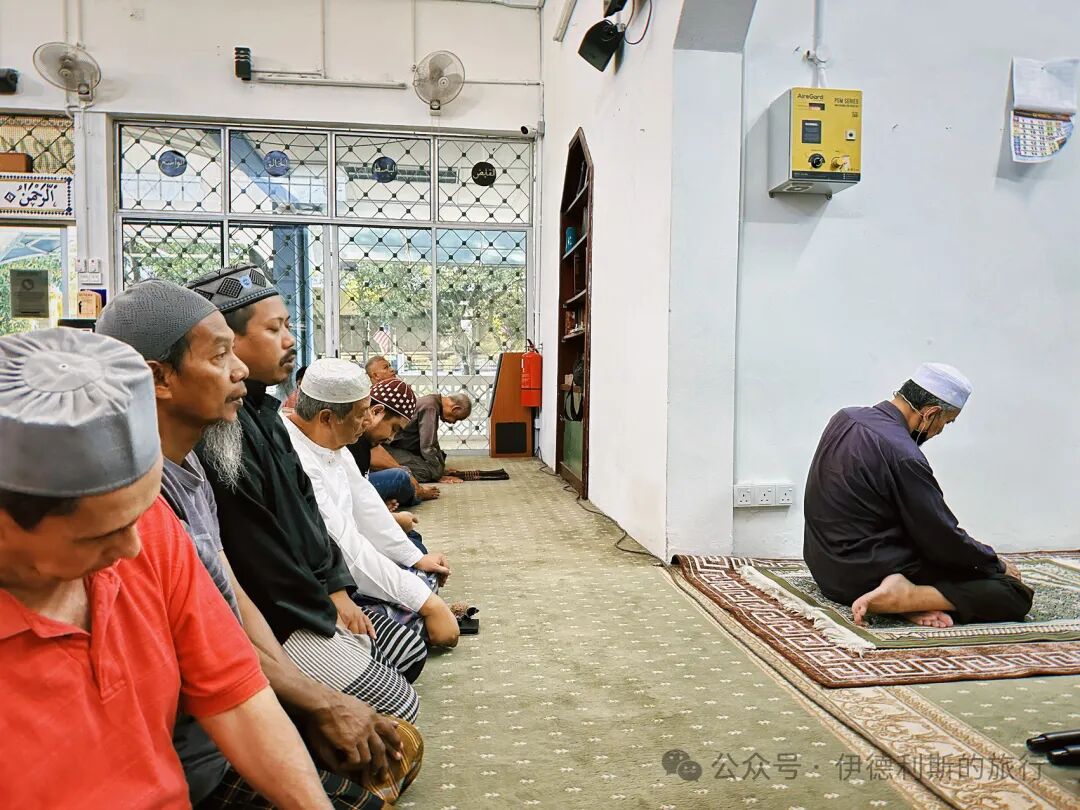
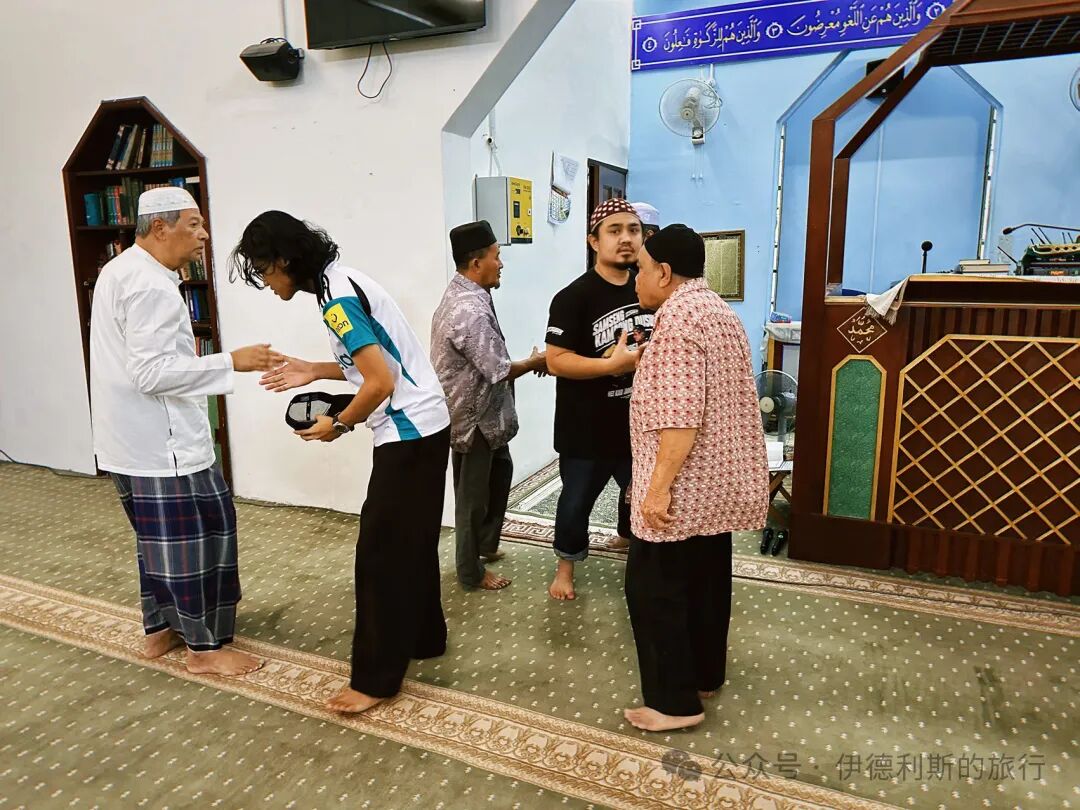
Malay breakfast
Right at the LRT station entrance next to the wooden house is the Keramat Mall, which has many traditional Malay snacks and is a great place for breakfast. We ate stuffed flatbread (murtabak), coconut milk rice (nasi lemak), meatball soup (bakso), and soft-boiled eggs. I must say, the environment in this urban village is quite good and very convenient.
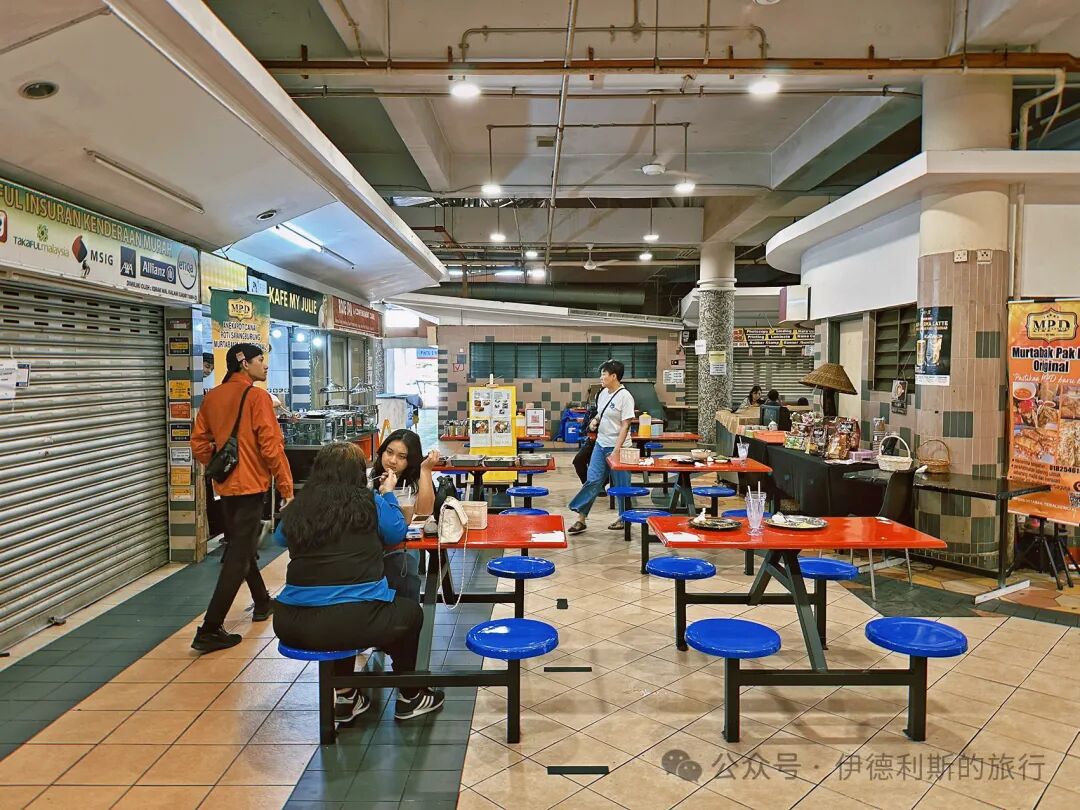
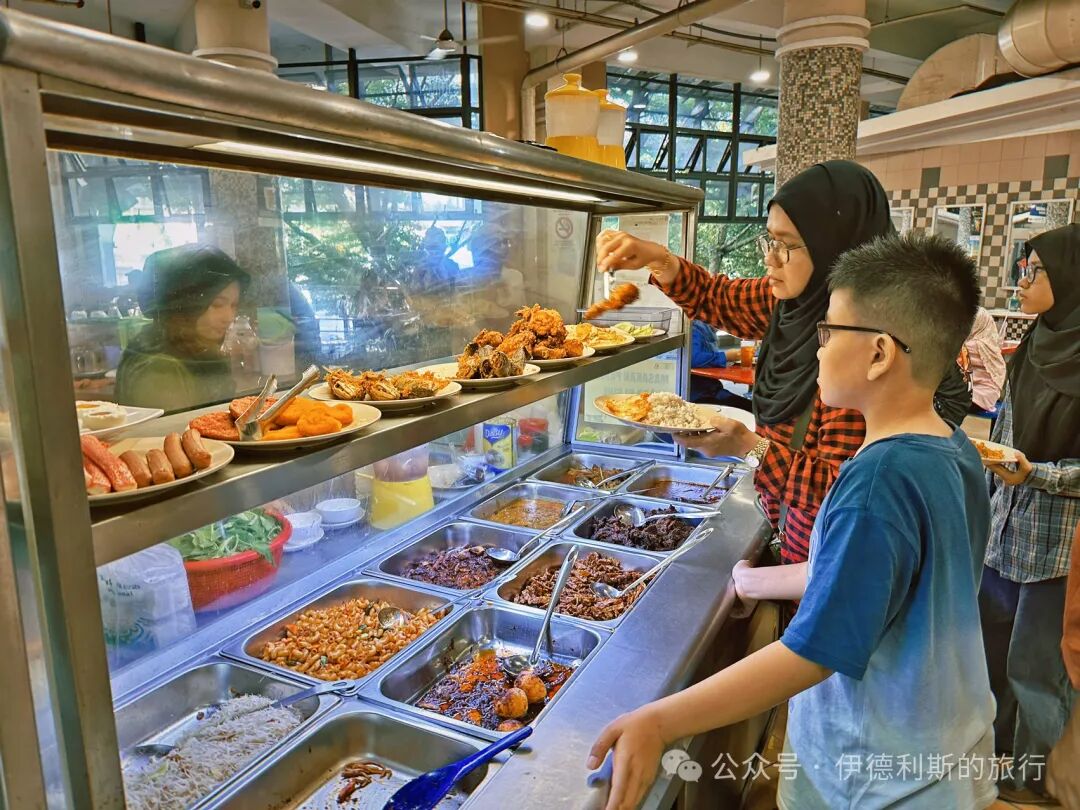
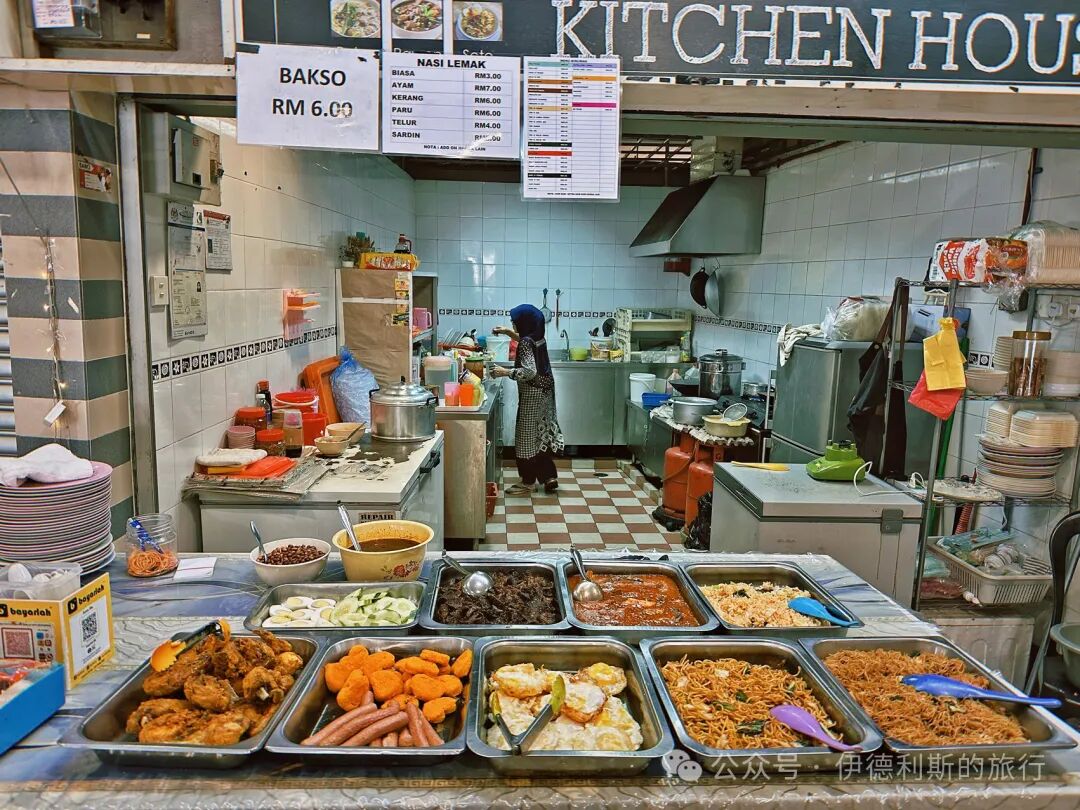
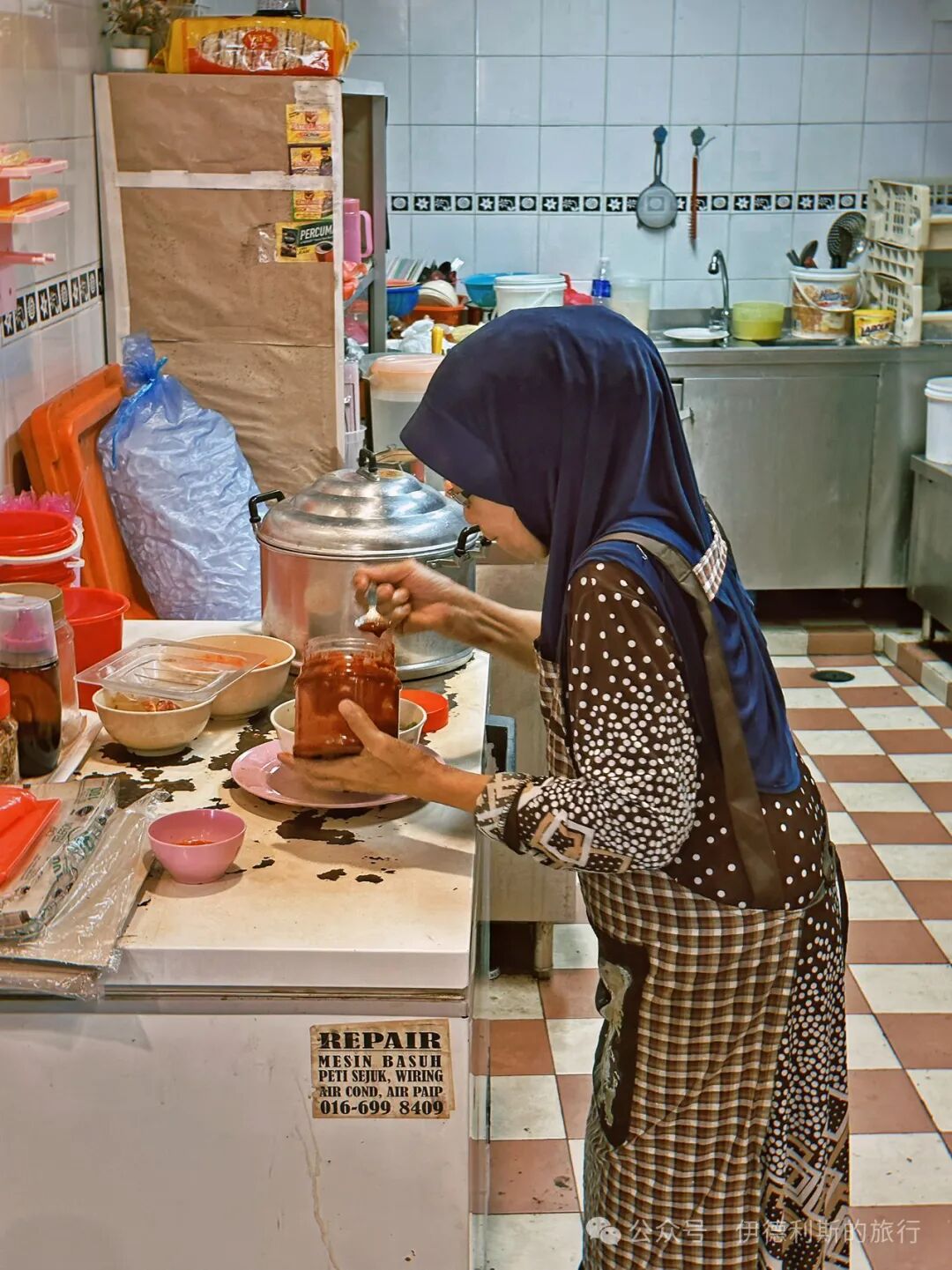
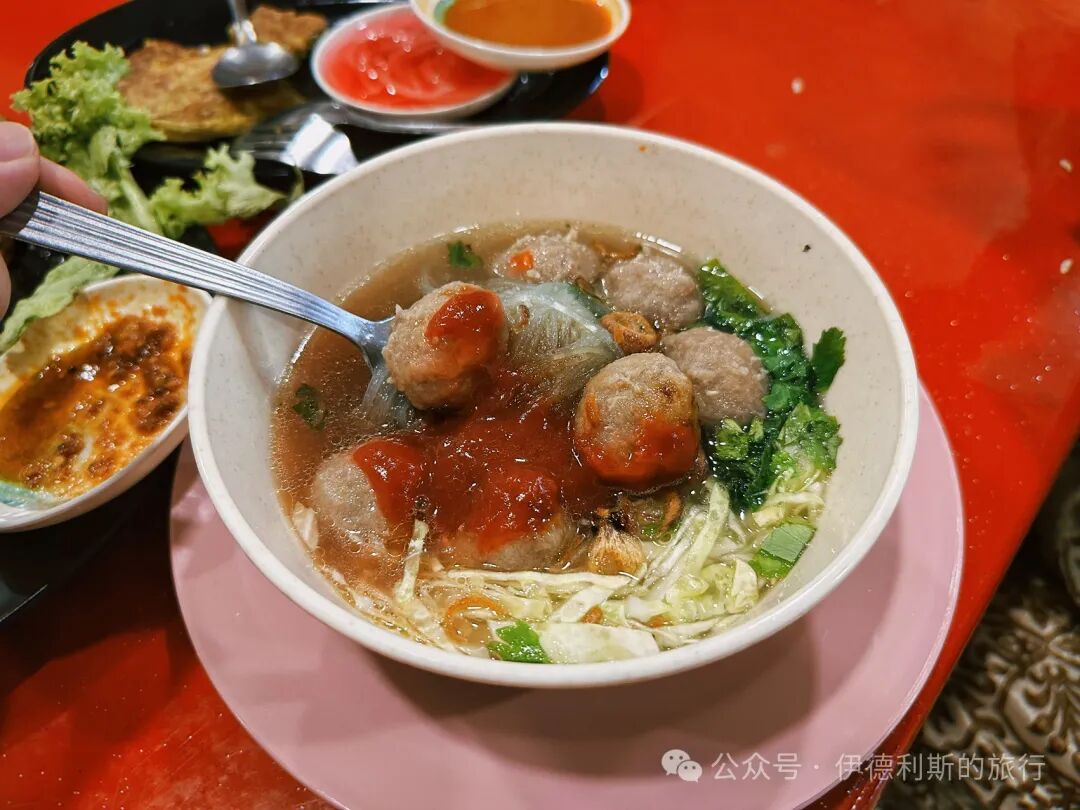
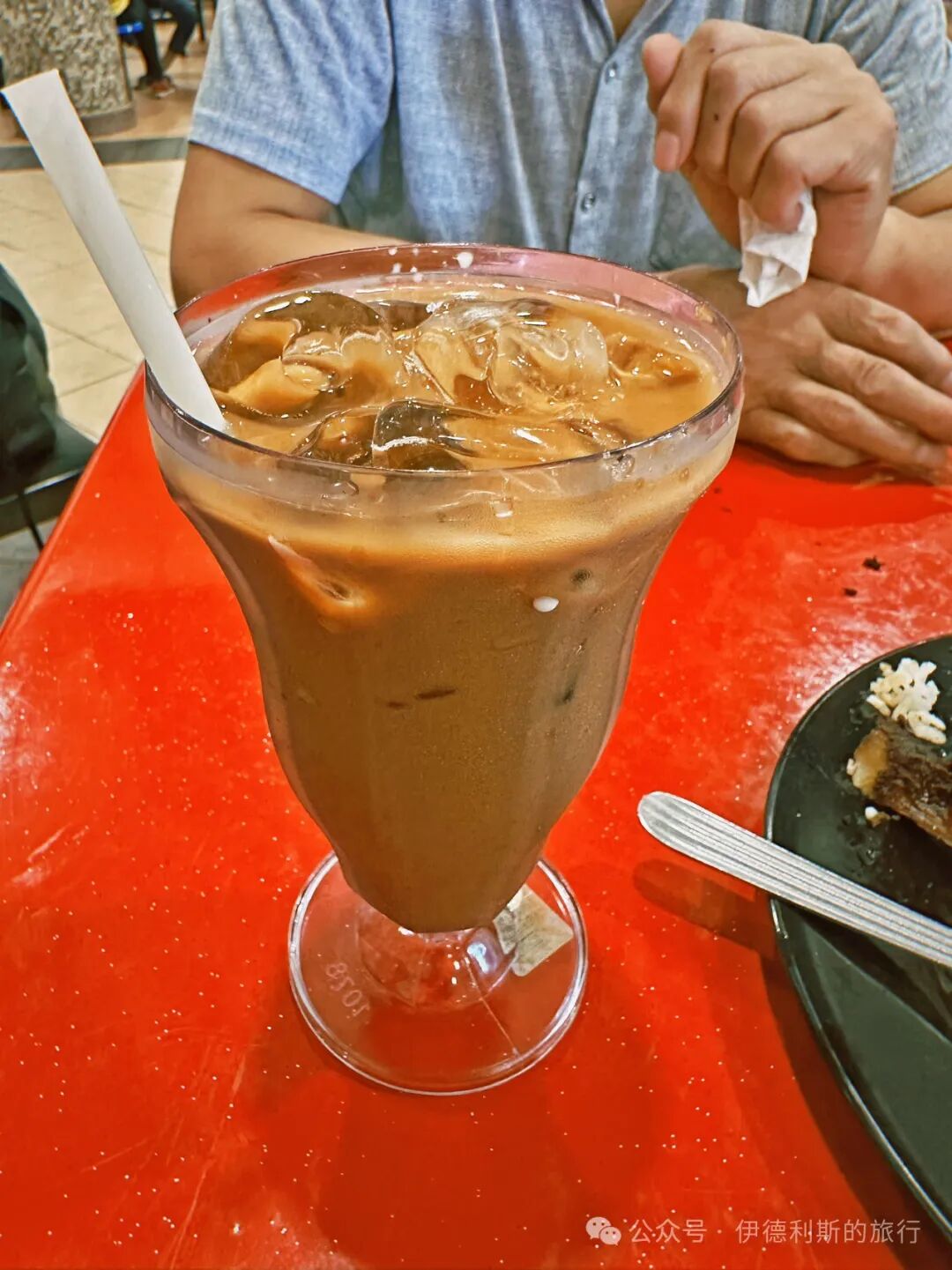
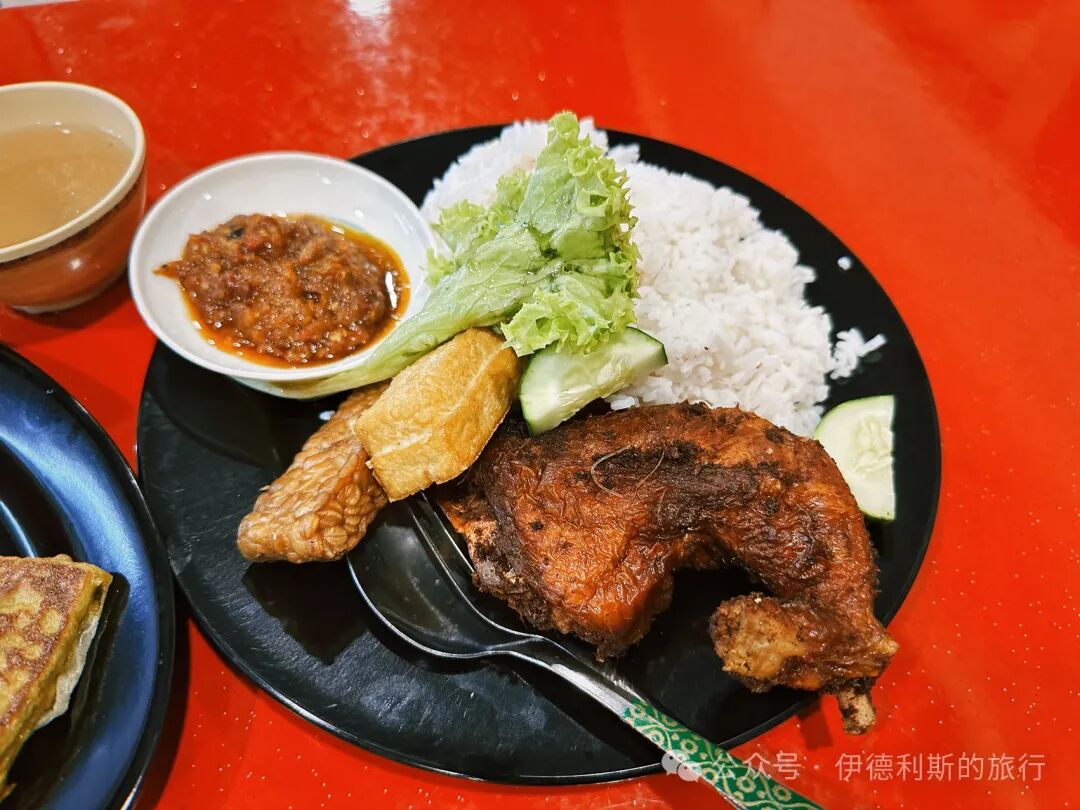
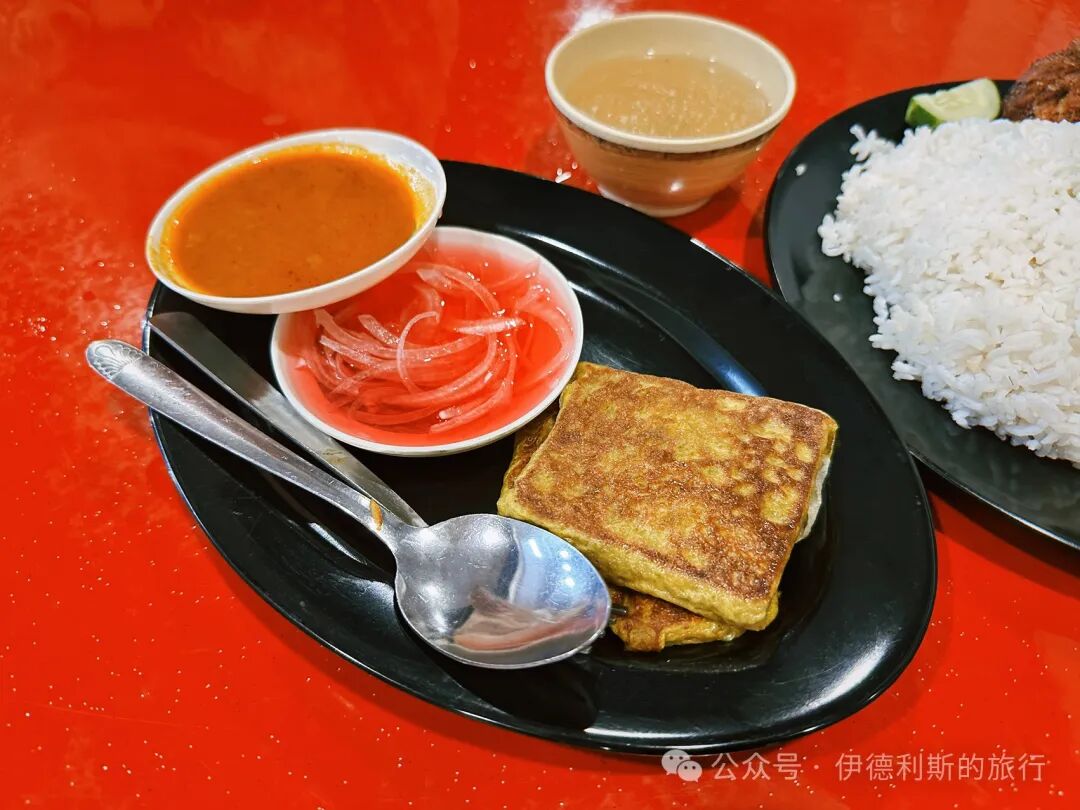
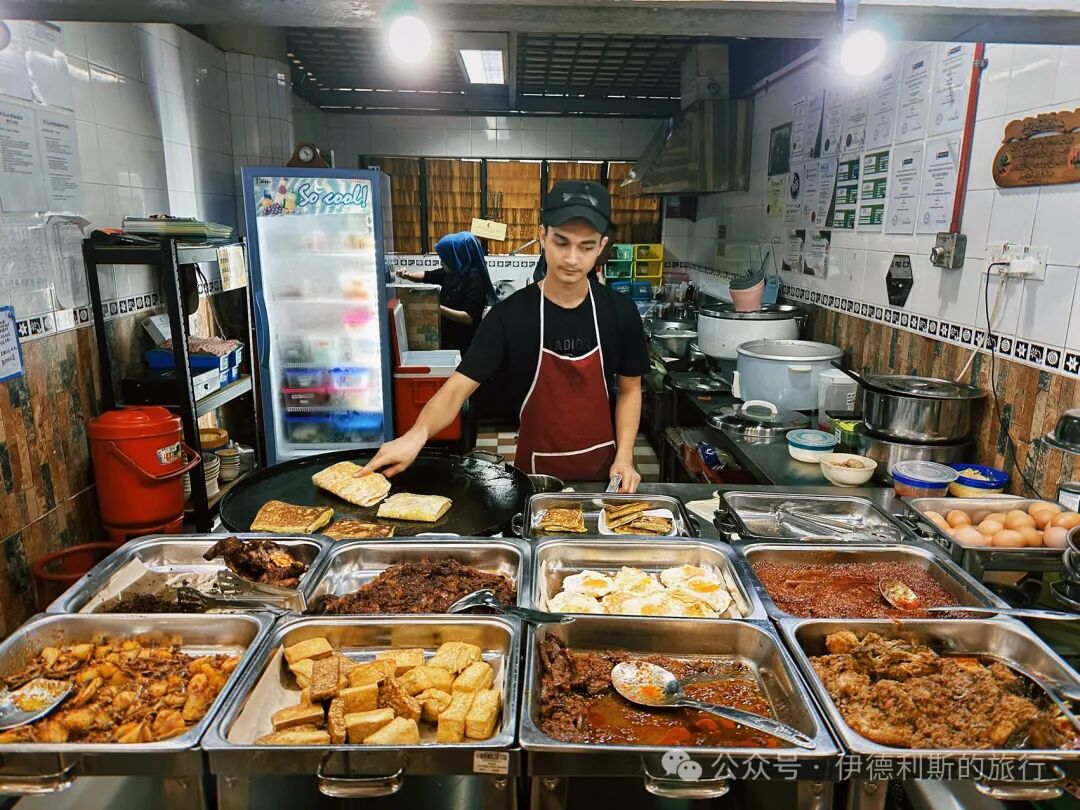
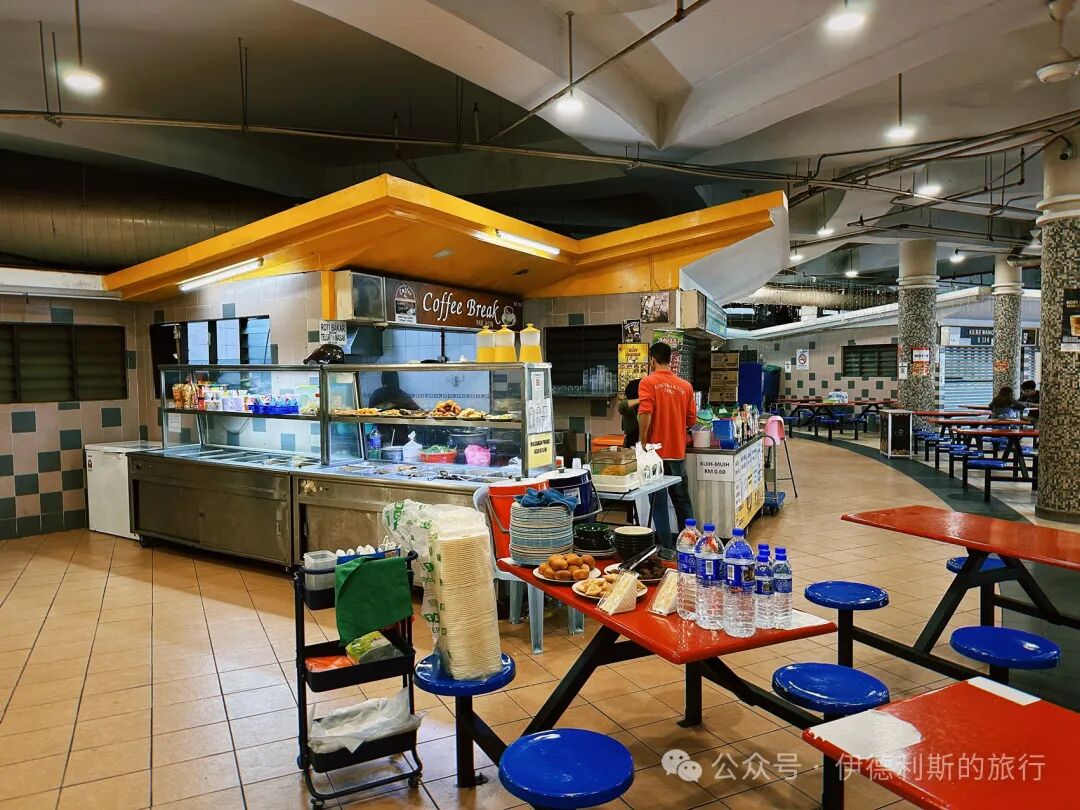
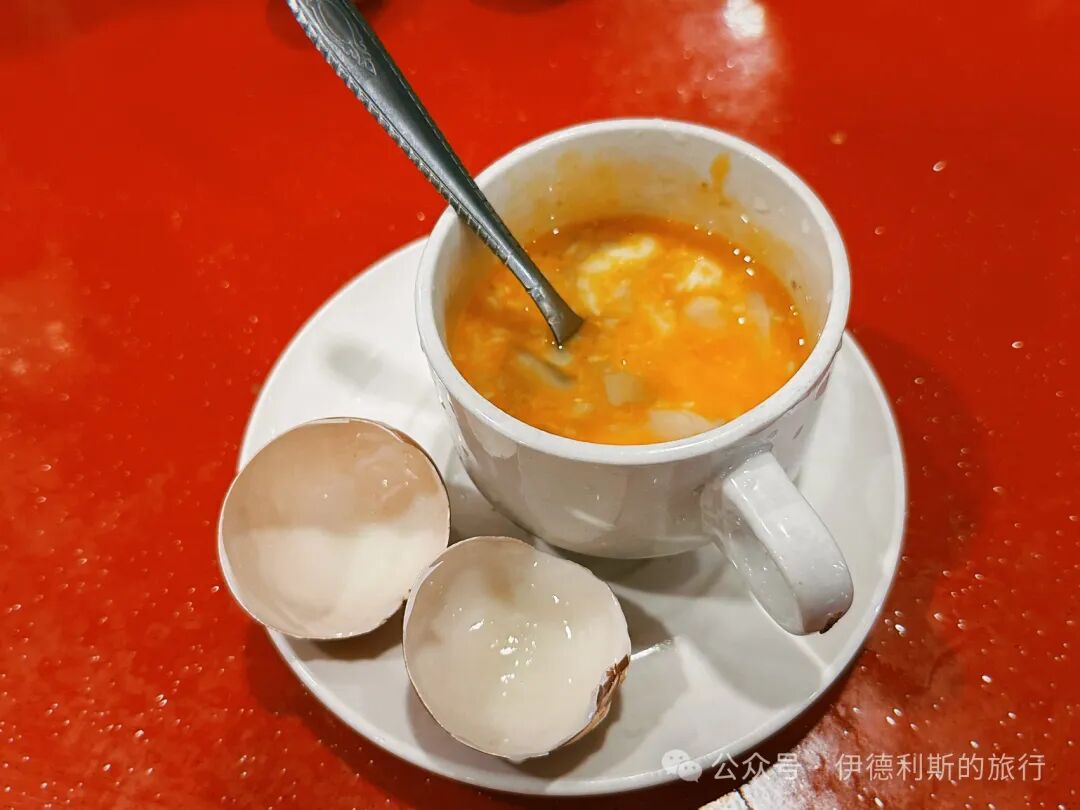
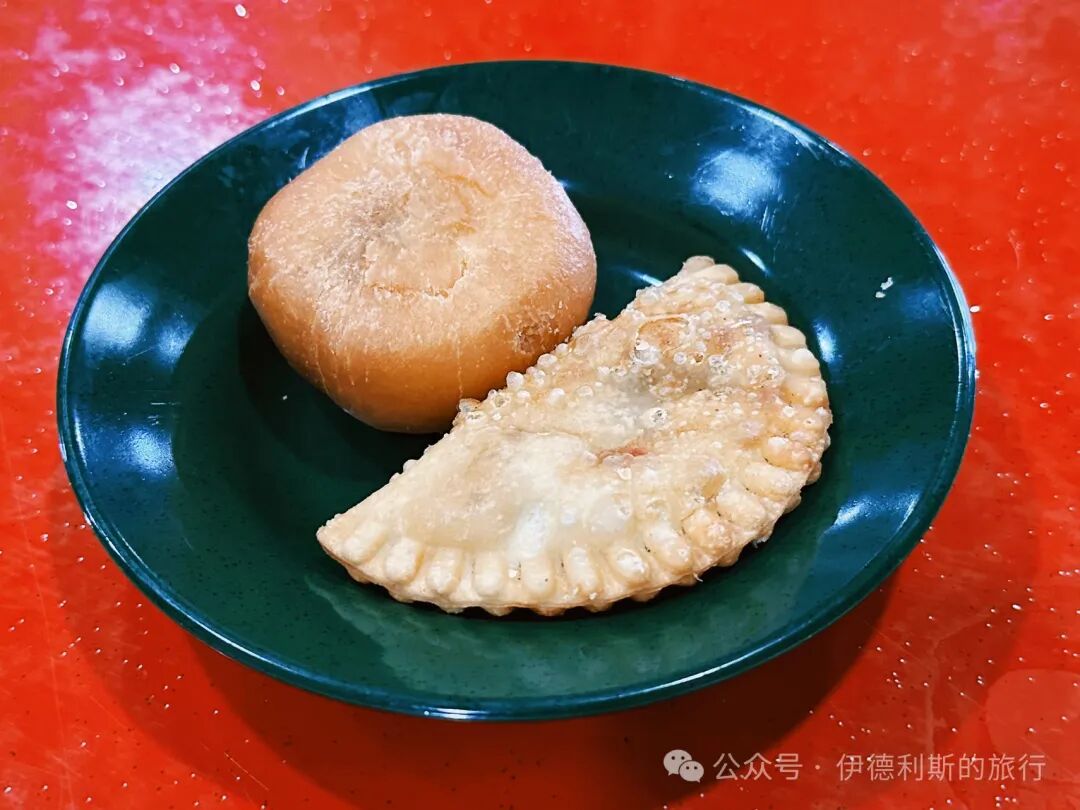
Kuala Lumpur Little India
Brickfields is located right next to the south side of KL Sentral station. It is an Indian residential area in Kuala Lumpur known as Little India.
In 1878, a railway was built from the city center to the port, and in 1891, a Selangor state factory was established south of the railway at the current site of the central station, which brought in a large number of laborers from South India and Sri Lanka. In 1905, a 'hundred-man dormitory' was built in Brickfields to provide housing for the laborers. From then on, Brickfields gradually developed into the most important Indian community in Kuala Lumpur.
Brickfields is also called a 'sacred place.' It brings together Buddhist, Hindu, Christian, and Eastern Orthodox communities from South India and Sri Lanka, and it also has a Hanafi mosque (surau), which is rare in Kuala Lumpur.
The Madrasathul Gouthiyyah Surau in Brickfields is a small mosque built by South Indian Tamils. Like Hui Muslims in China, the Tamils follow the Hanafi school of thought. Therefore, the order, movements, and timing of their prayers are the same as those of Hui Muslims, which differs from the Malays who follow the Shafi'i school. The prayer time here is one hour different from the surrounding Shafi'i mosques. I encountered this same situation before at a Hanafi mosque in Singapore's Little India.
During Friday prayers (Jumu'ah), the sermon (wa'z) is delivered in Tamil. Hanafi Tamil Muslims from downtown Kuala Lumpur all come here, and it is very crowded even during the five daily prayers.
Tamil Hanafi Muslims are mainly divided into two groups, the majority of whom belong to the Rowther people, who have a history spanning over a thousand years. The Rowther people were originally cavalrymen during the Chola dynasty in South India. In the 10th and 11th centuries, they converted to Islam after being influenced by the saint Nathar Shah, who came from Anatolia to preach to the Tamil community. Rowther means rider in the Telugu language. Another group is the Labbay people, descendants of Arab merchants who married Tamil women. They are known for being skilled in business and very knowledgeable. Besides merchants, many Labbay people are imams, which gives them high social status.
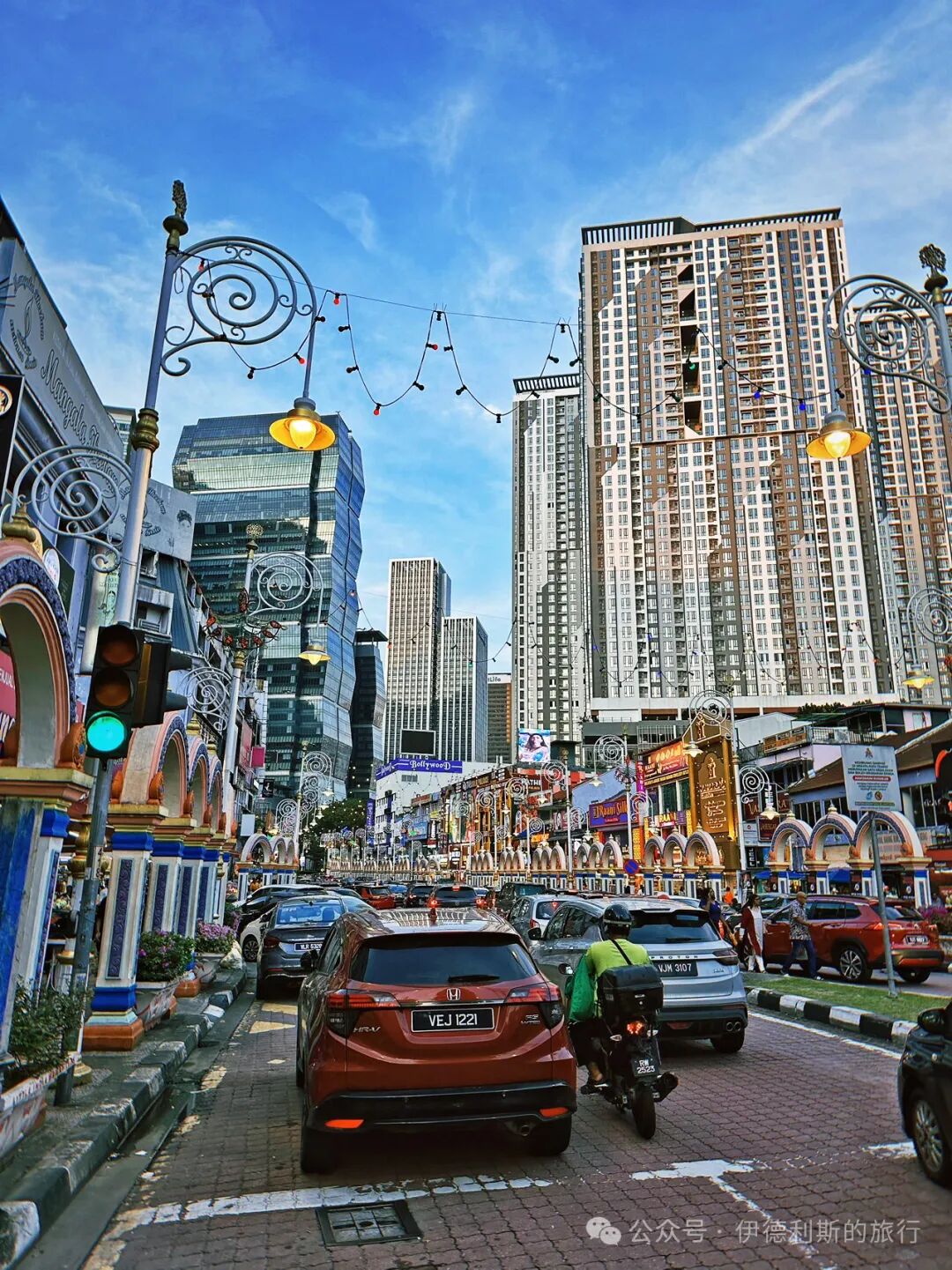
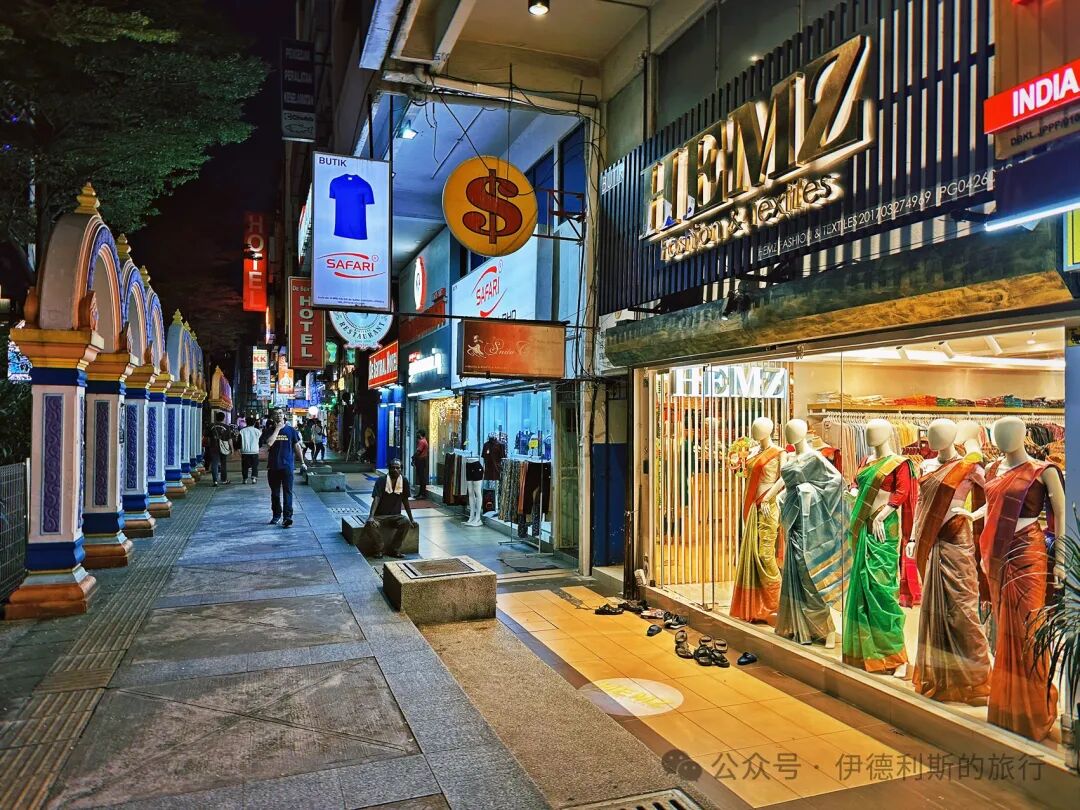
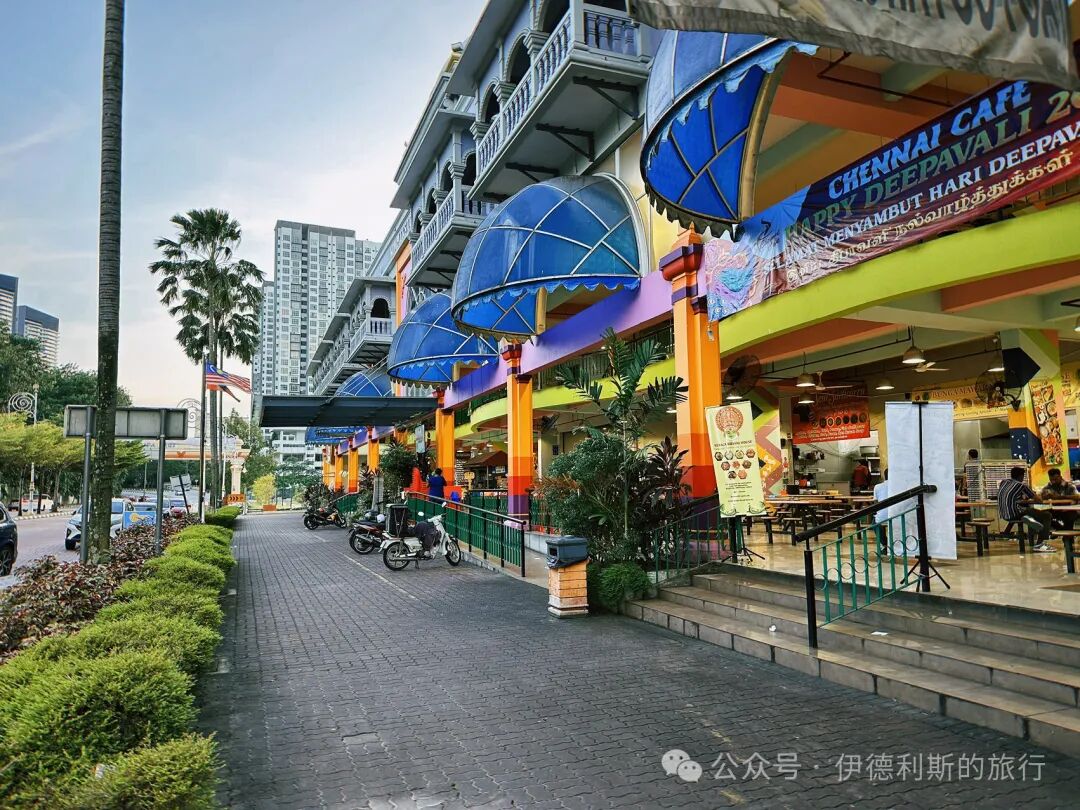
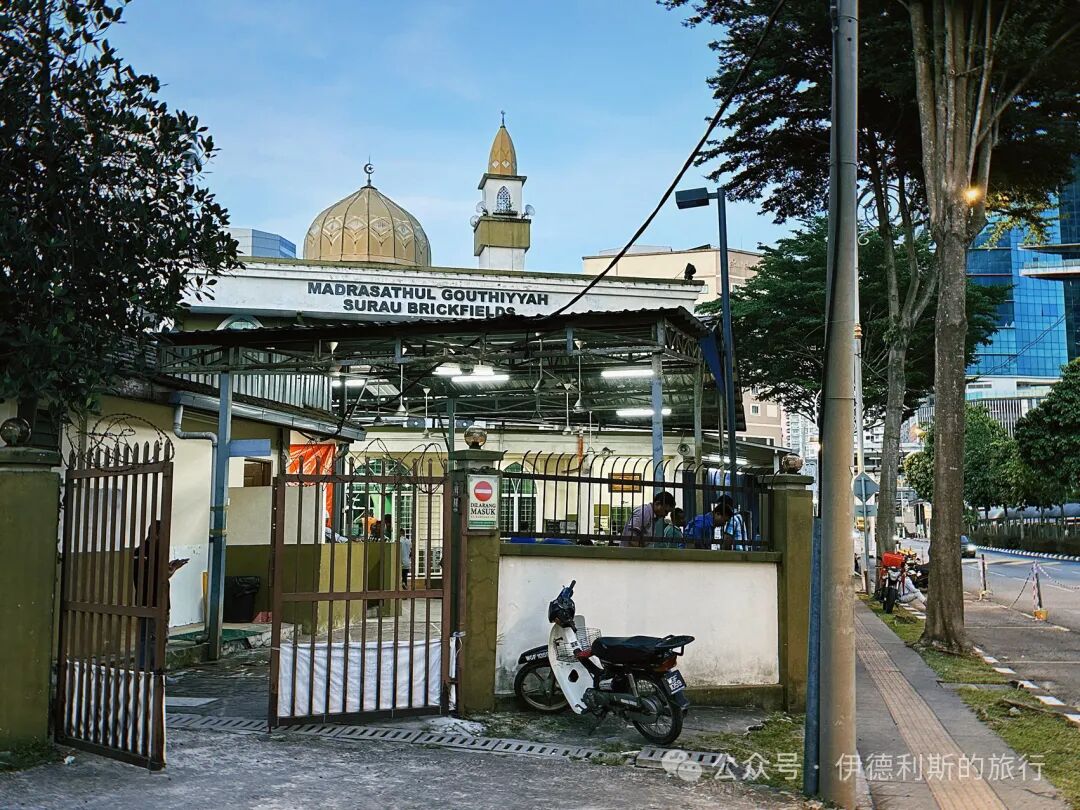
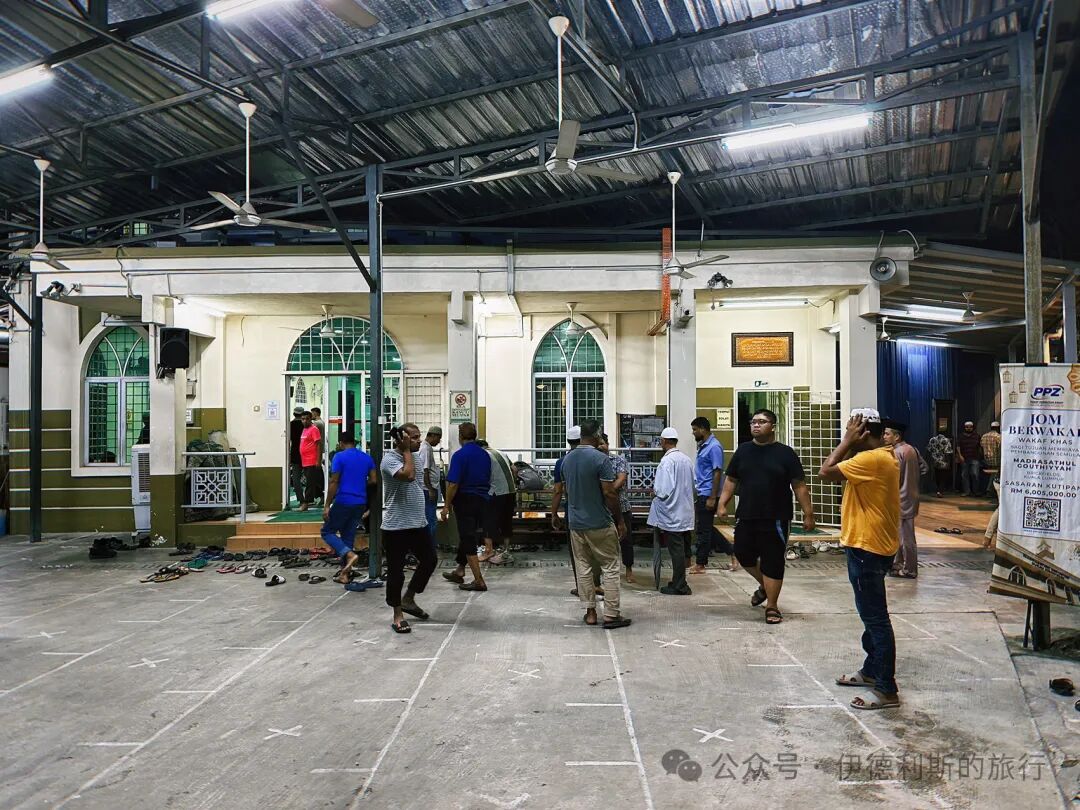
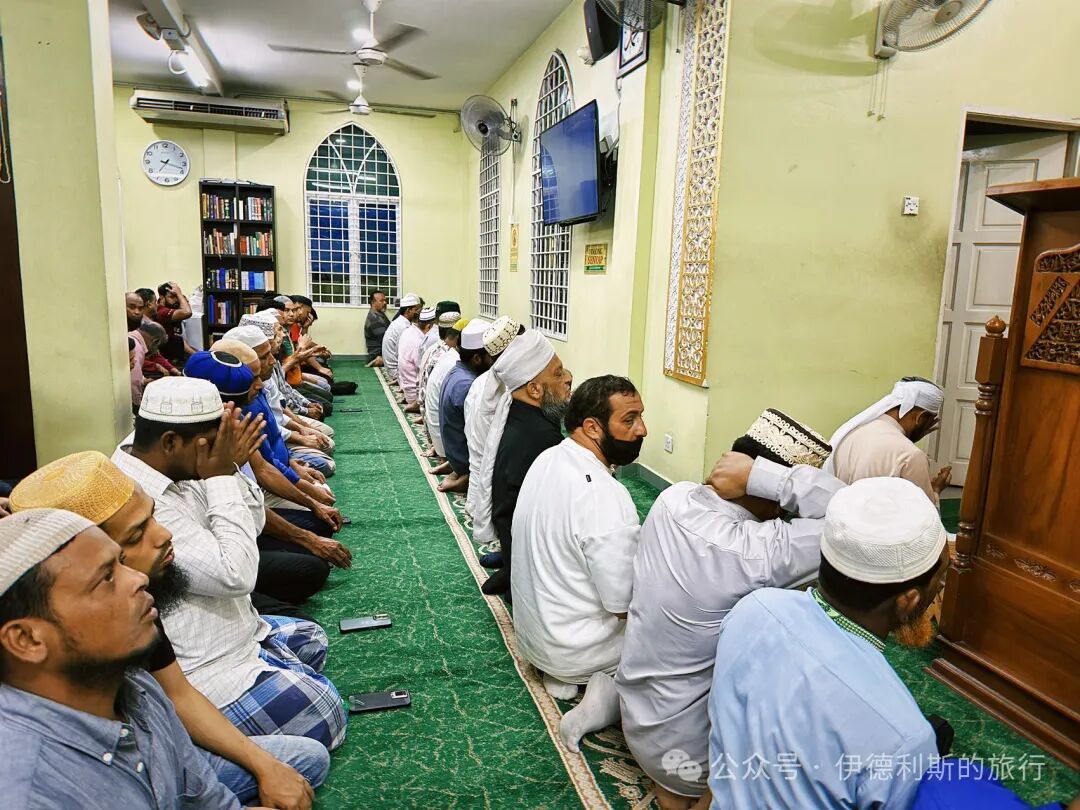
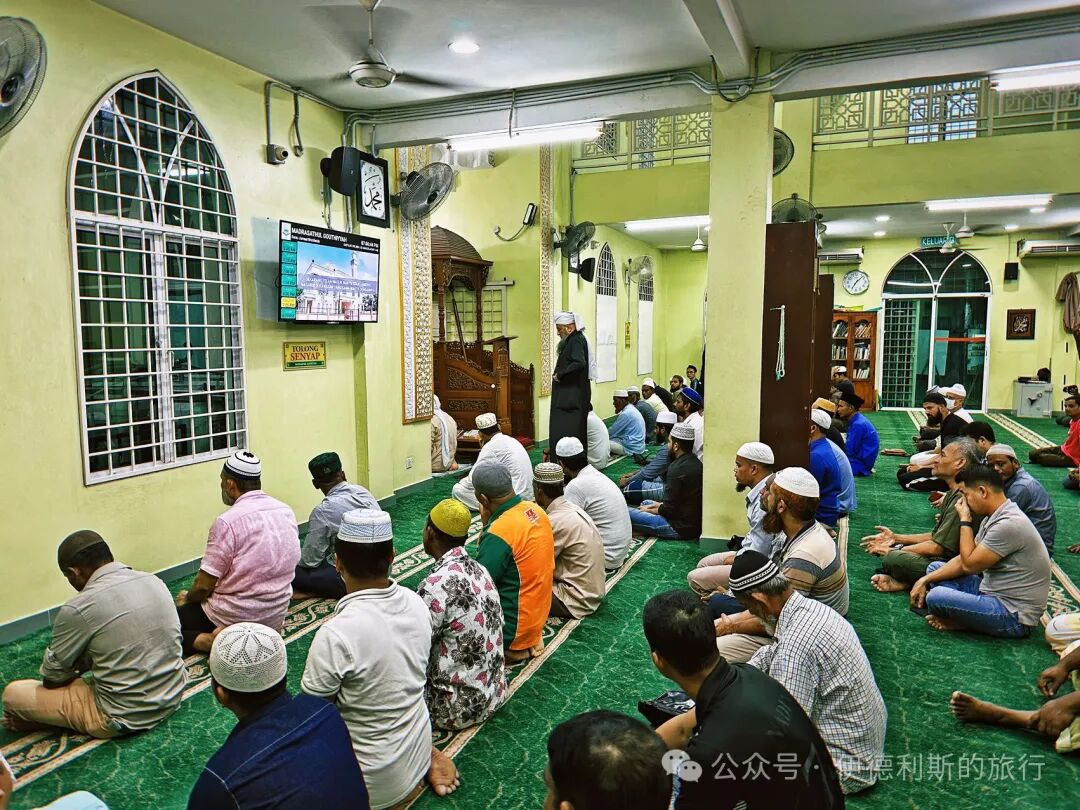
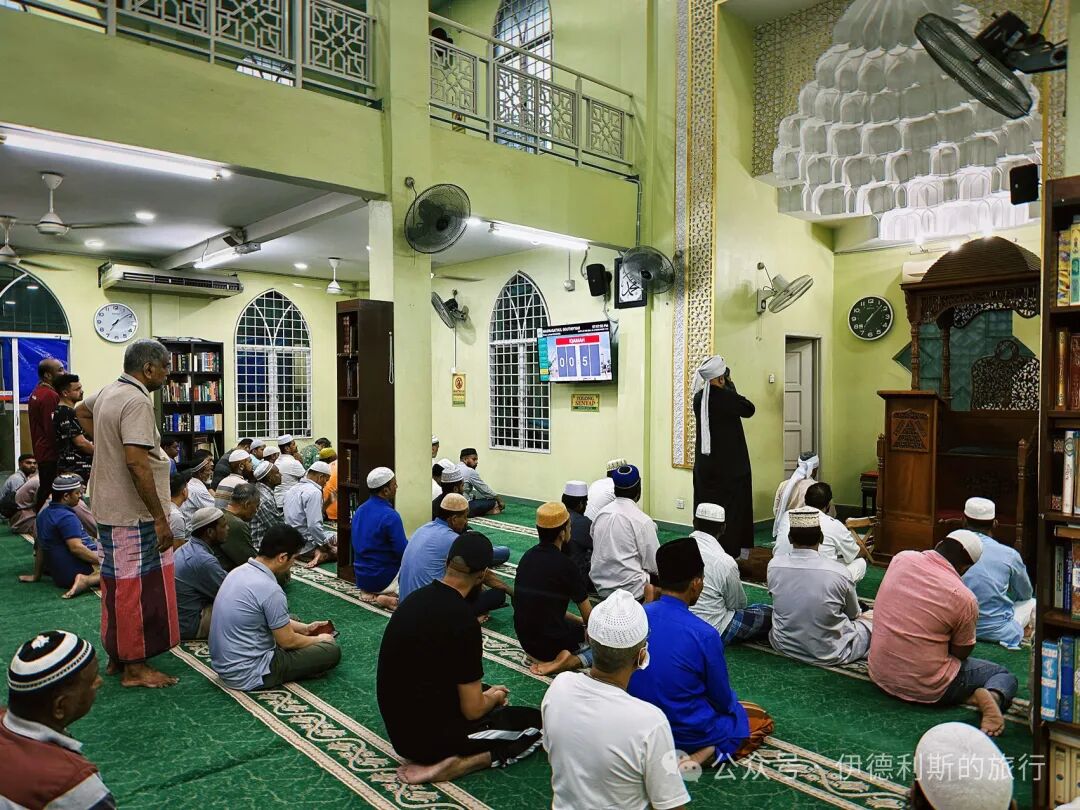
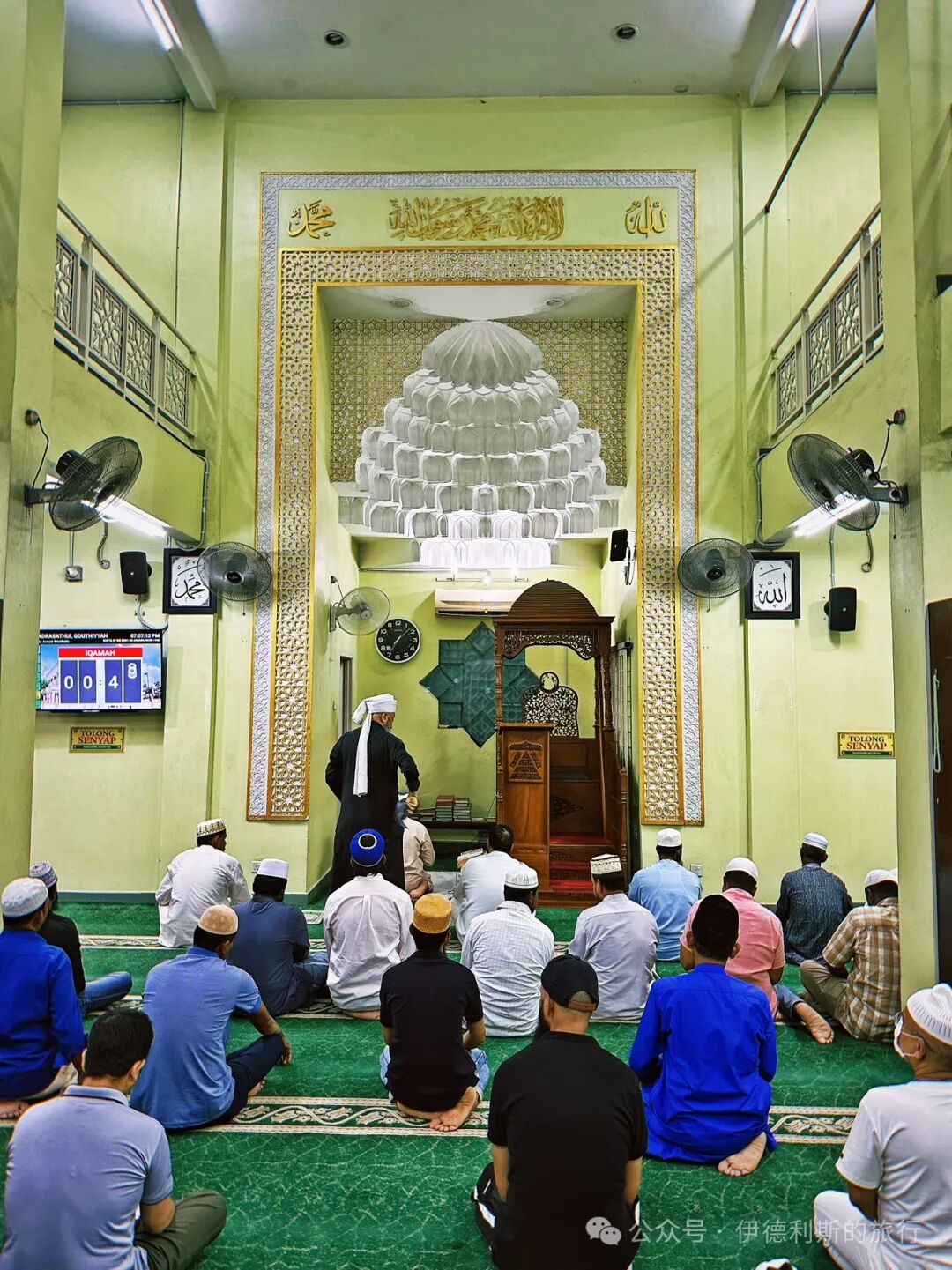
A Chinese restaurant in Little India.
Brickfields is famous for South Indian Tamil food, but it hides a halal Chinese restaurant that people of all backgrounds love: Yaa's Restaurant (Ya'e Fandian). The owner of Yaa's Restaurant is a Nanyang Chinese, and the staff are Malay. They serve authentic Nanyang halal Chinese food that Indians, Chinese, and Malays all enjoy.
We ordered tamarind prawns (asam xia), Teochew-style steamed fish (chaozhou zheng yu), Shenjiang tofu (shenjiang doufu), and stir-fried mustard greens with salted fish (xianyu jielan). Except for the seafood, you can choose small or large portions for the stir-fried dishes, and the prices are very affordable. The grandfather who takes orders can speak and write Chinese, giving the place a classic old-school Nanyang Chinese feel.
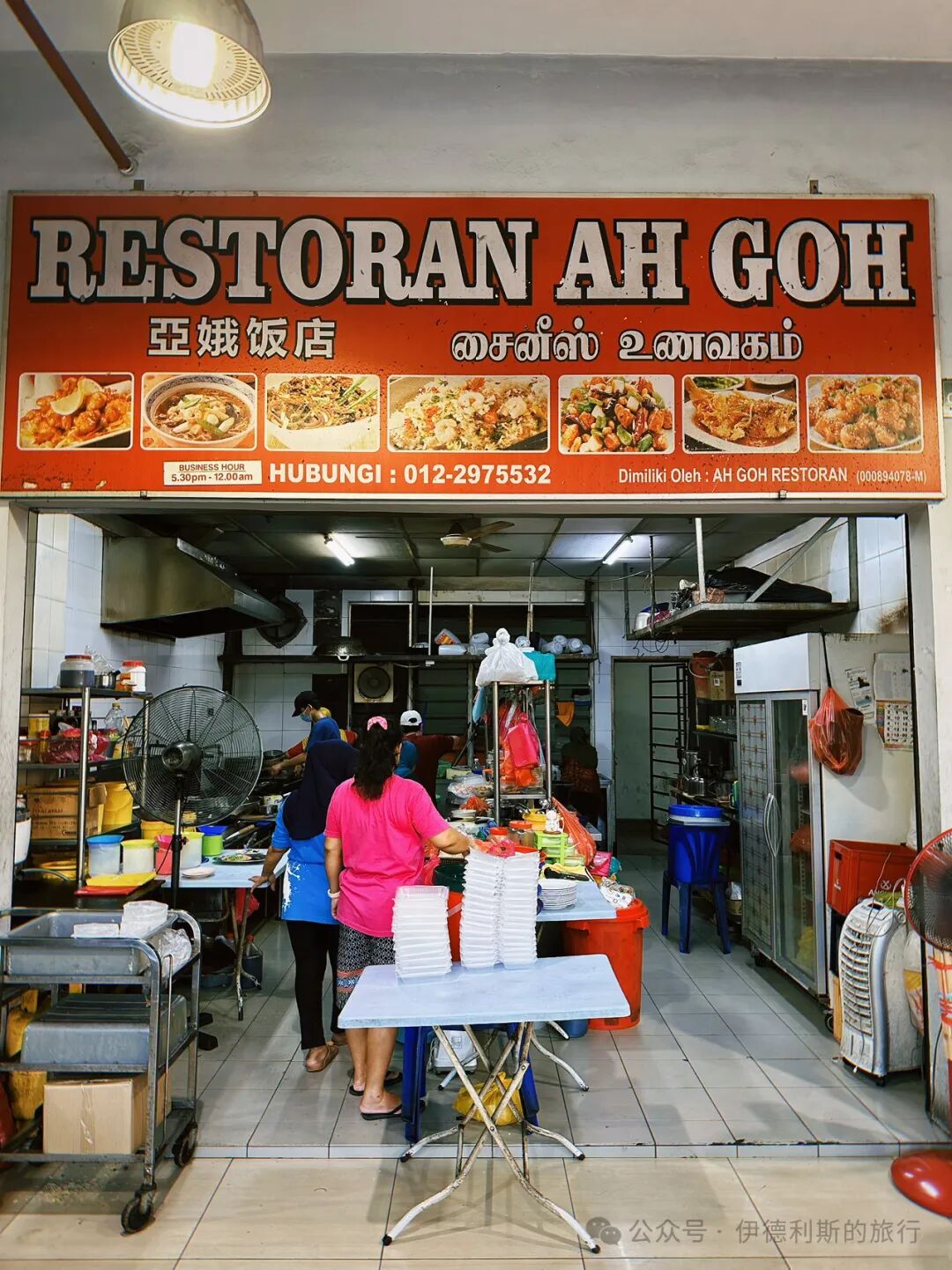
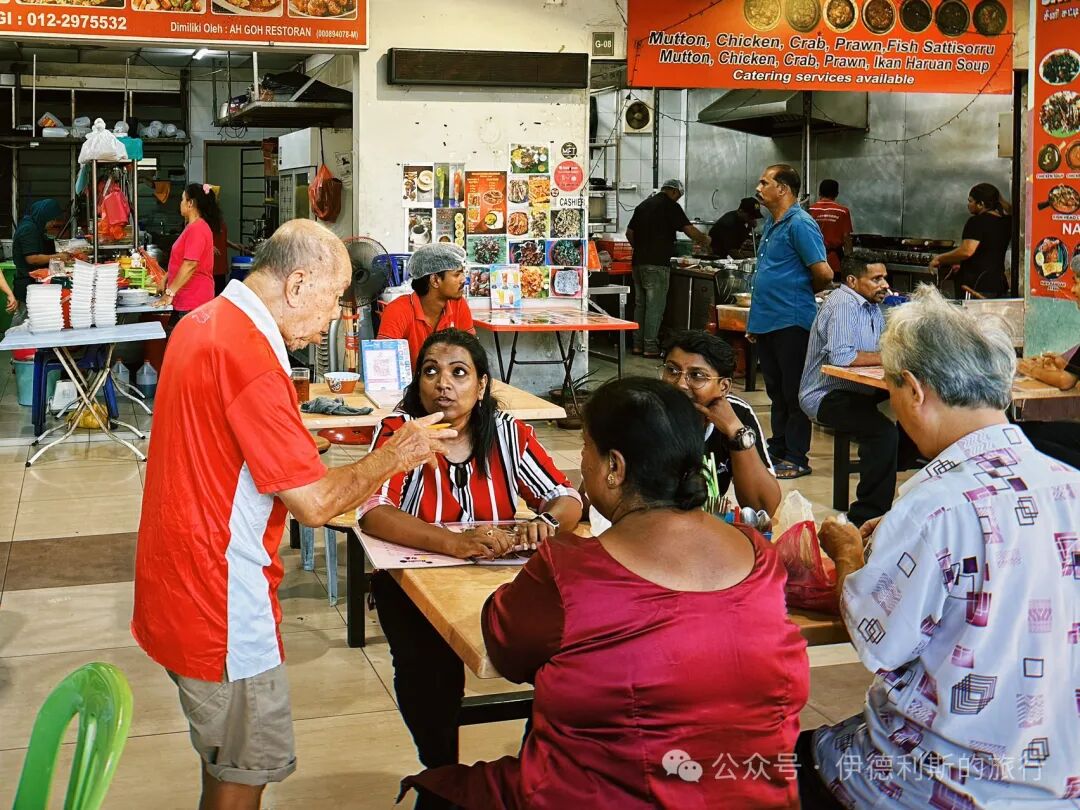
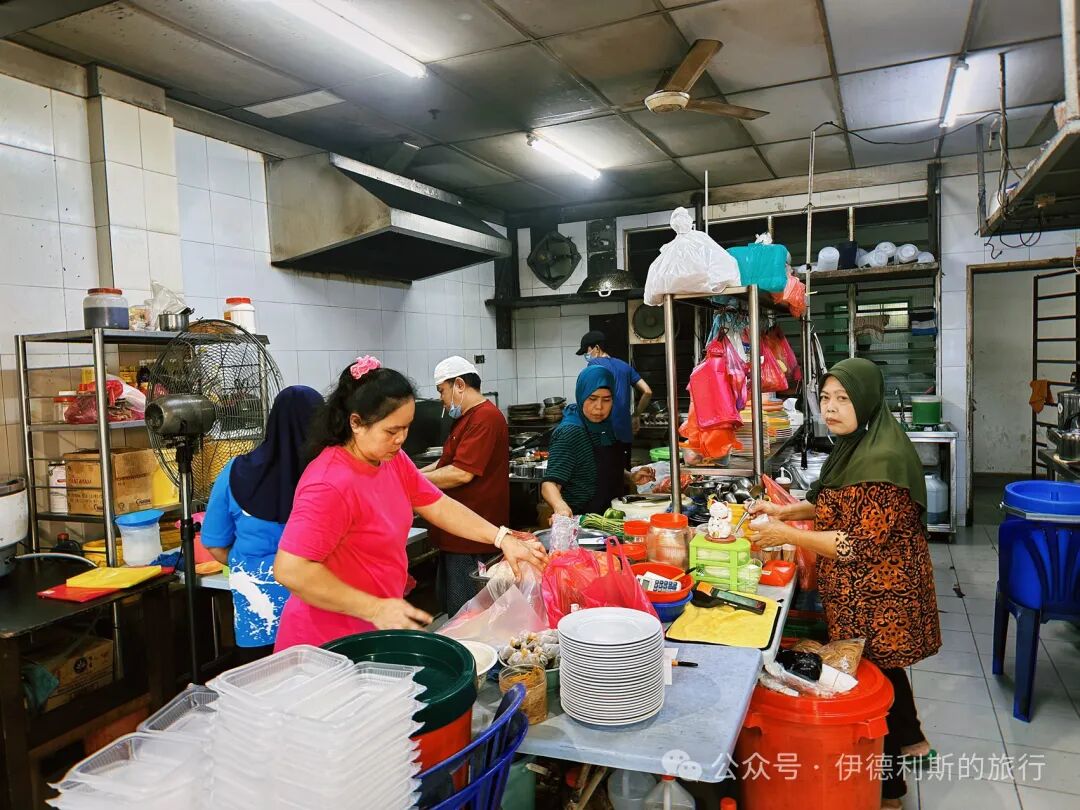
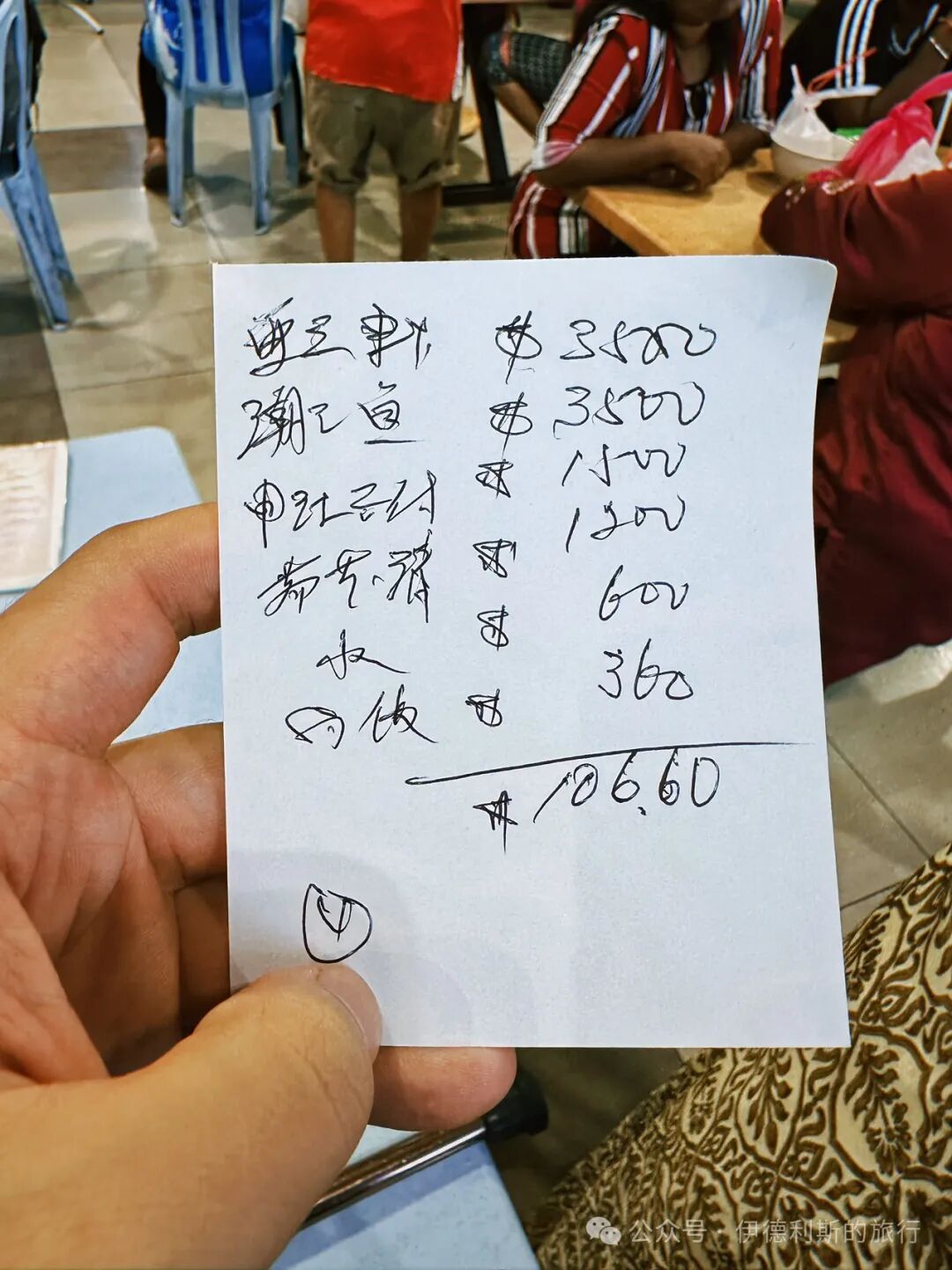
Teochew-style steamed fish is a Nanyang Chinese dish I personally love. To make it, you layer tomatoes, pickled mustard greens (suan baicai), and tofu over the fish, then drizzle it with fish sauce after steaming.
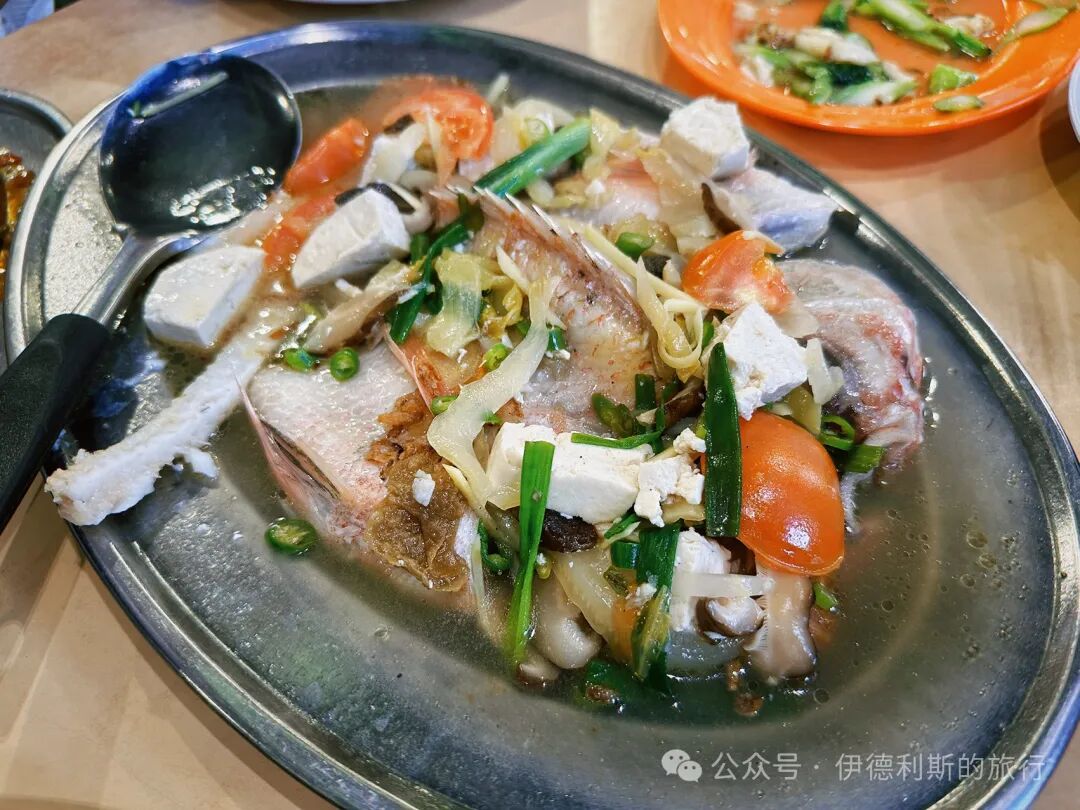
Tamarind prawns are a Nyonya dish. Asam means sour in Malay. It uses tamarind mixed with sugar to create a rich, sweet-and-sour caramel-colored sauce that goes perfectly with rice.
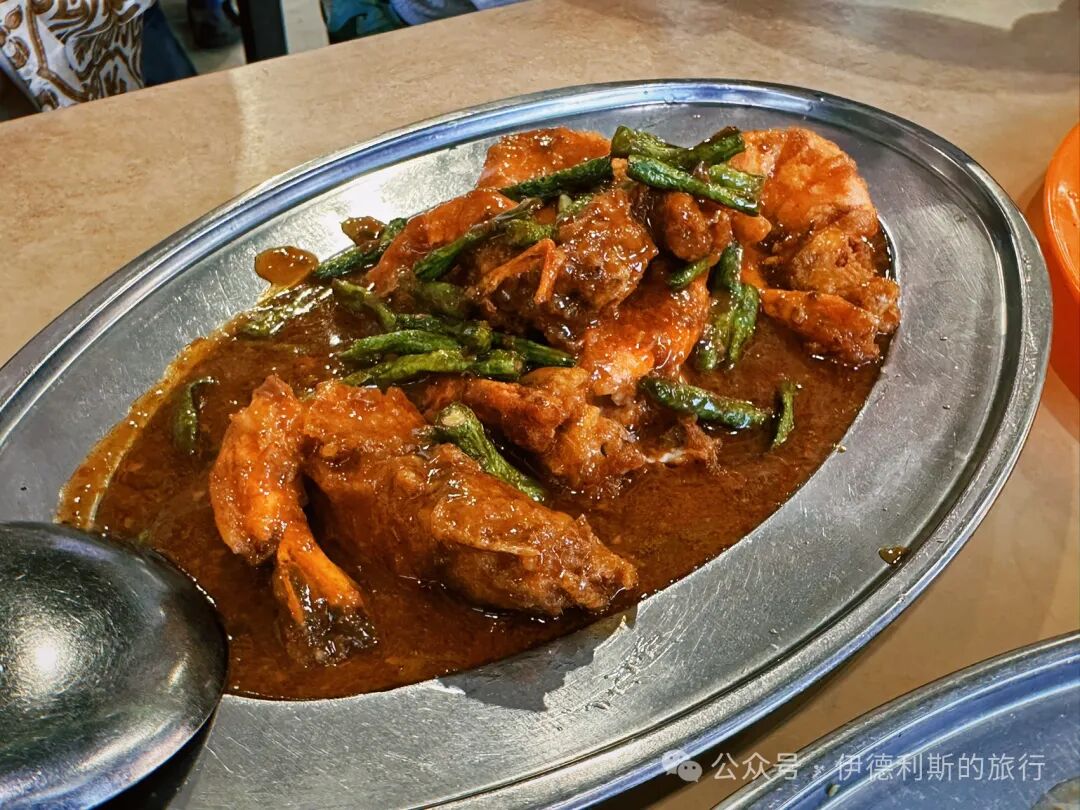
Shenjiang tofu, also called Sing Kong tofu, is fried tofu cooked in egg sauce with mushrooms, cabbage, carrots, and other ingredients. It is very nutritious.
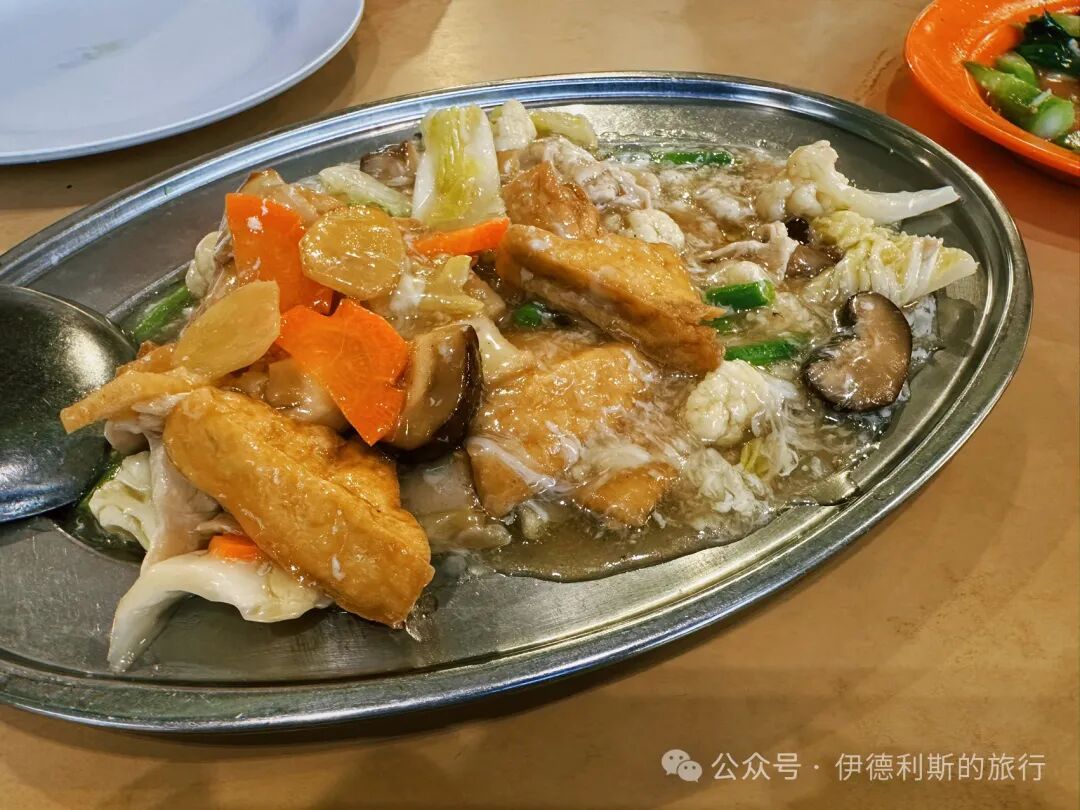
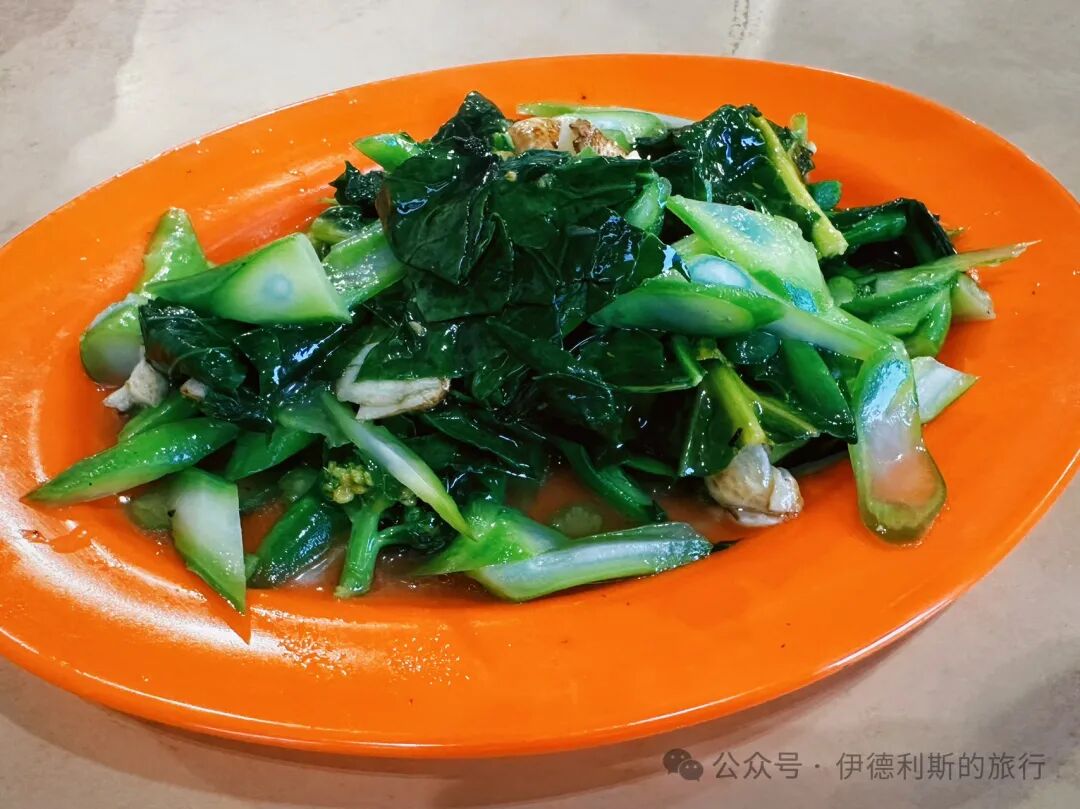
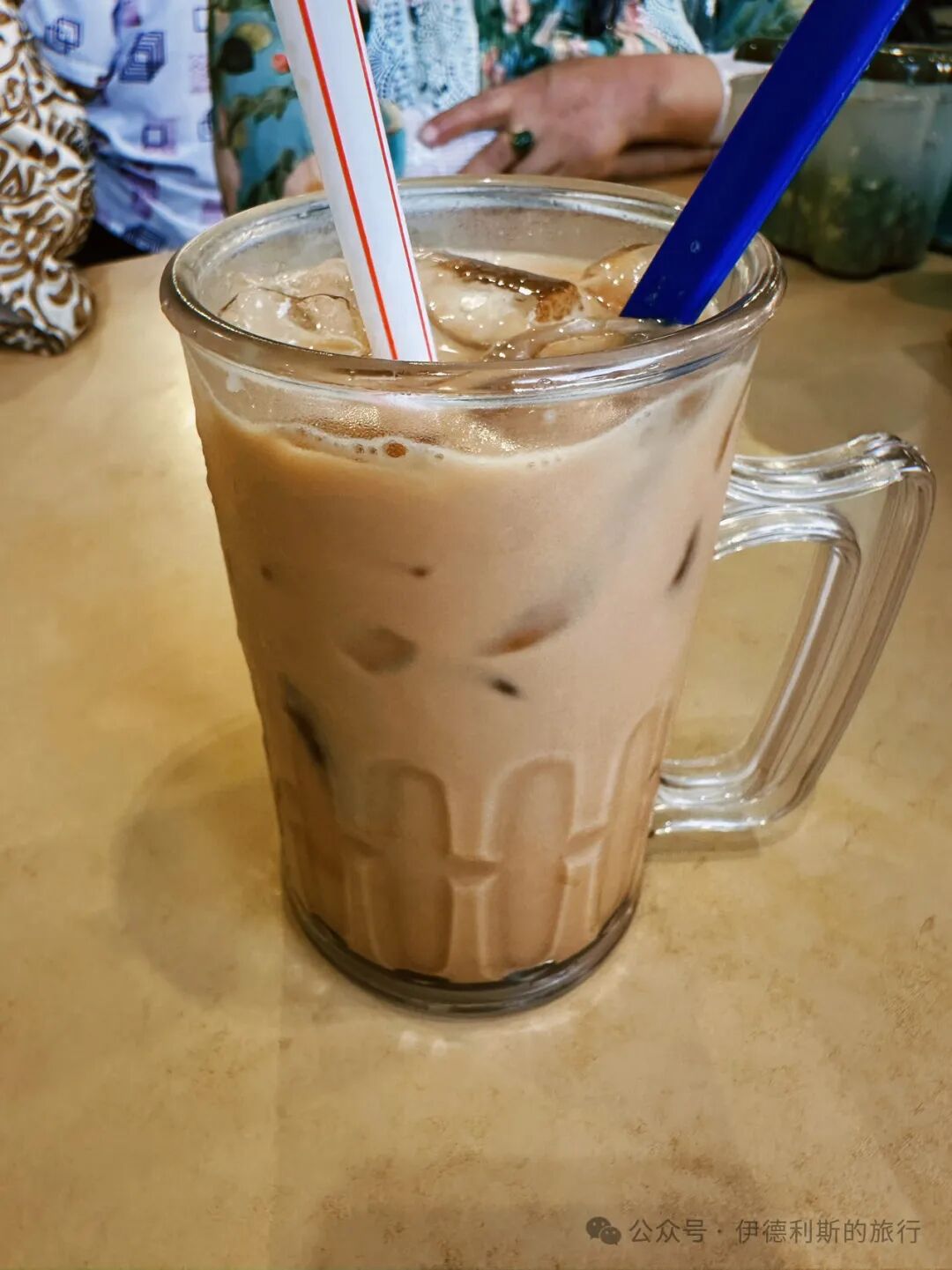
Jamek Mosque in Kuala Lumpur.
Jamek Mosque sits at the meeting point of the Klang River and the Gombak River. Sultan Sulaiman of Selangor laid the foundation in 1908, and it was finished in 1909. British architect Arthur Benison Hubback designed the mosque. He also designed other Malaysian landmarks like the Kuala Lumpur Railway Station, the Ubudiah Mosque in Perak, and the Sultan Abdul Samad Building.
In the 19th century, Malays, Javanese, Minangkabau, and other groups lived where the Klang and Gombak rivers meet. This area became known for places like Java Street (now Jalan Tun Perak) and Malay Street. In the 1870s, the Rawa tribe of the Minangkabau people from western Sumatra received permission from the Sultan of Selangor to build the Java Street Mosque on the east side of the Klang River. The original Java Street Mosque had a pyramid-shaped roof and wooden pillars, following traditional Sumatran style.
In 1903, the Java Street Mosque was torn down for road widening, so the mosque committee petitioned to build a new one. In 1905, Sultan Sulaiman of Selangor and the British Resident agreed to build the new mosque on the site of an old Malay cemetery at the river junction. The new mosque used the popular Mughal Revival style. The British built many public buildings in this style across British India and British Malaya in the late 19th century.
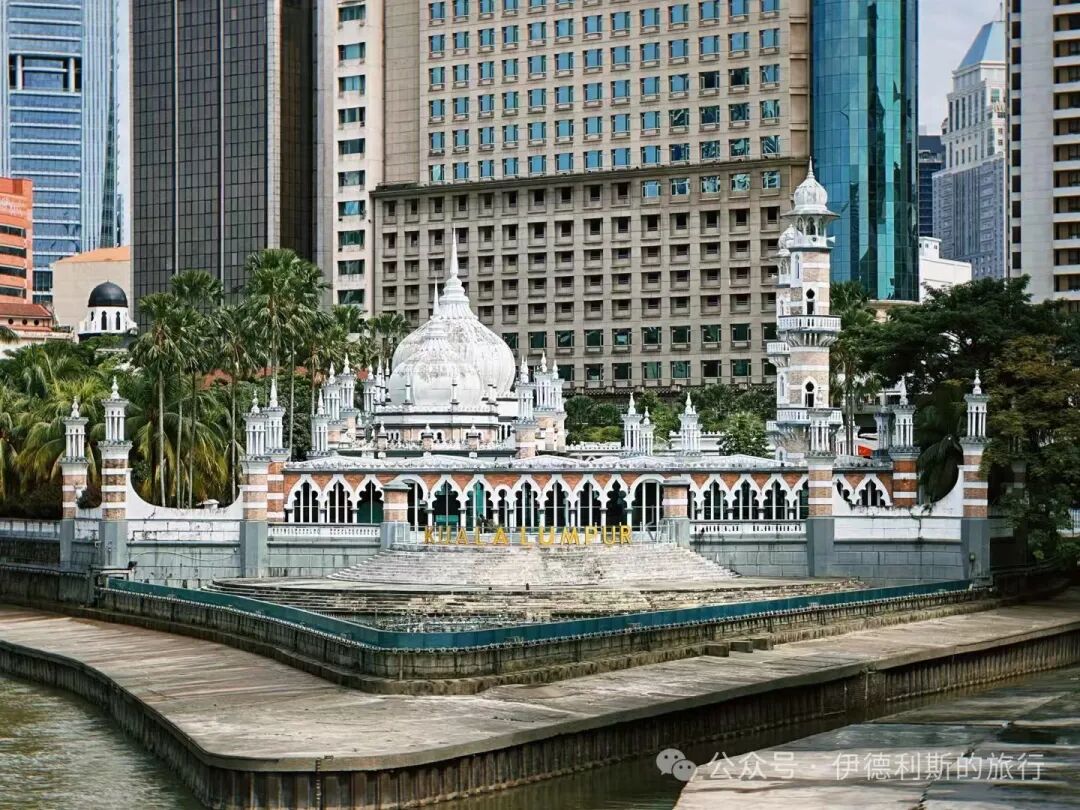
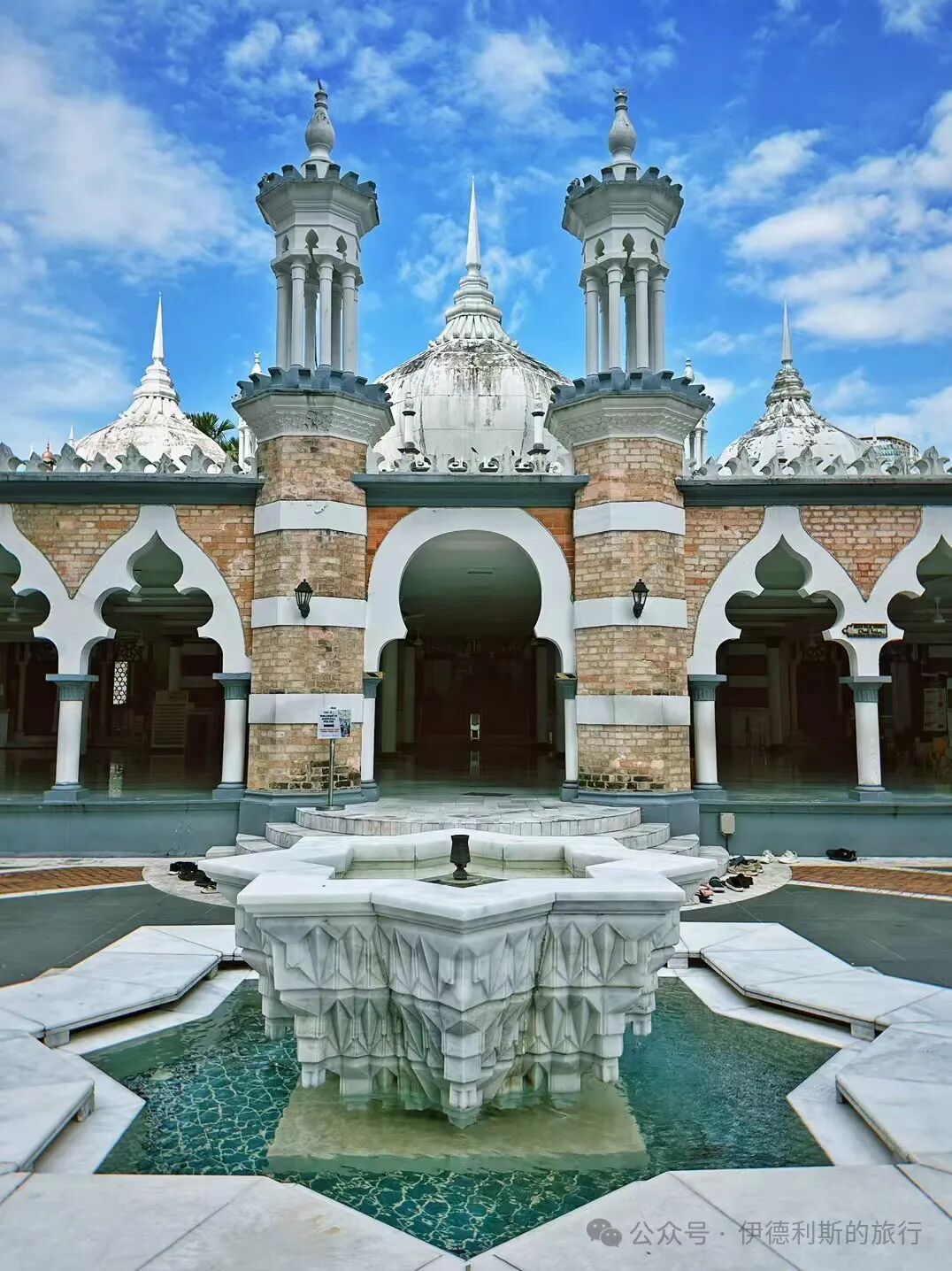
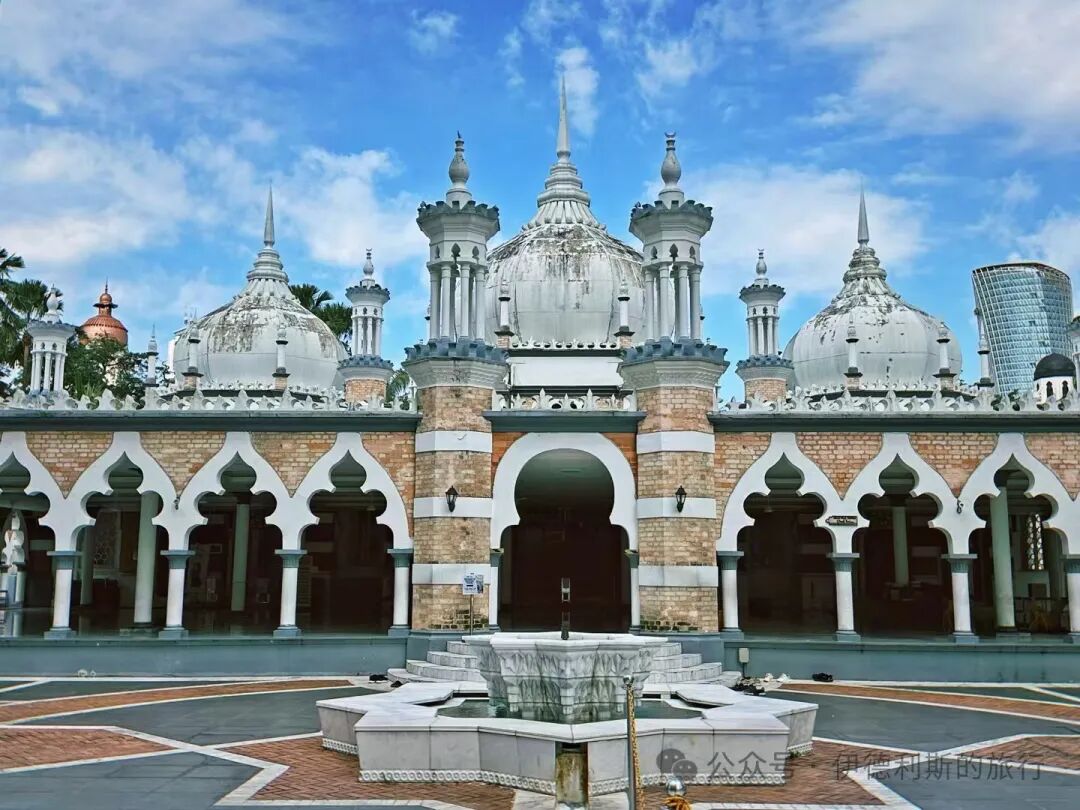
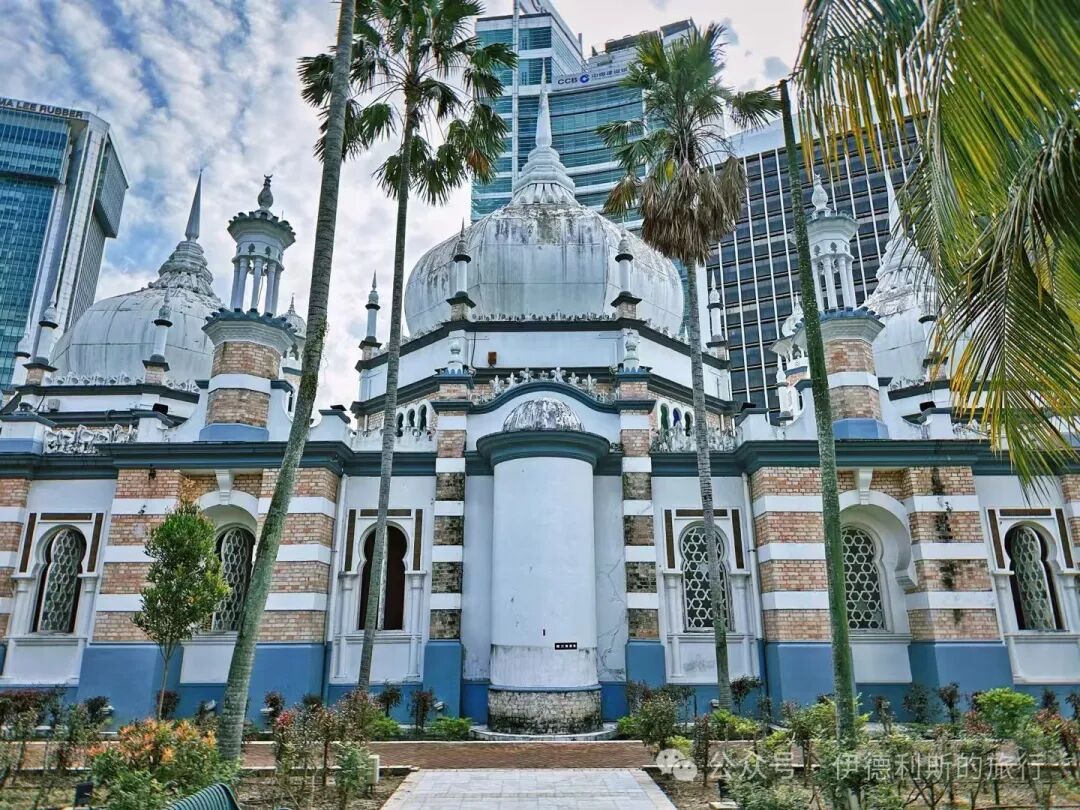
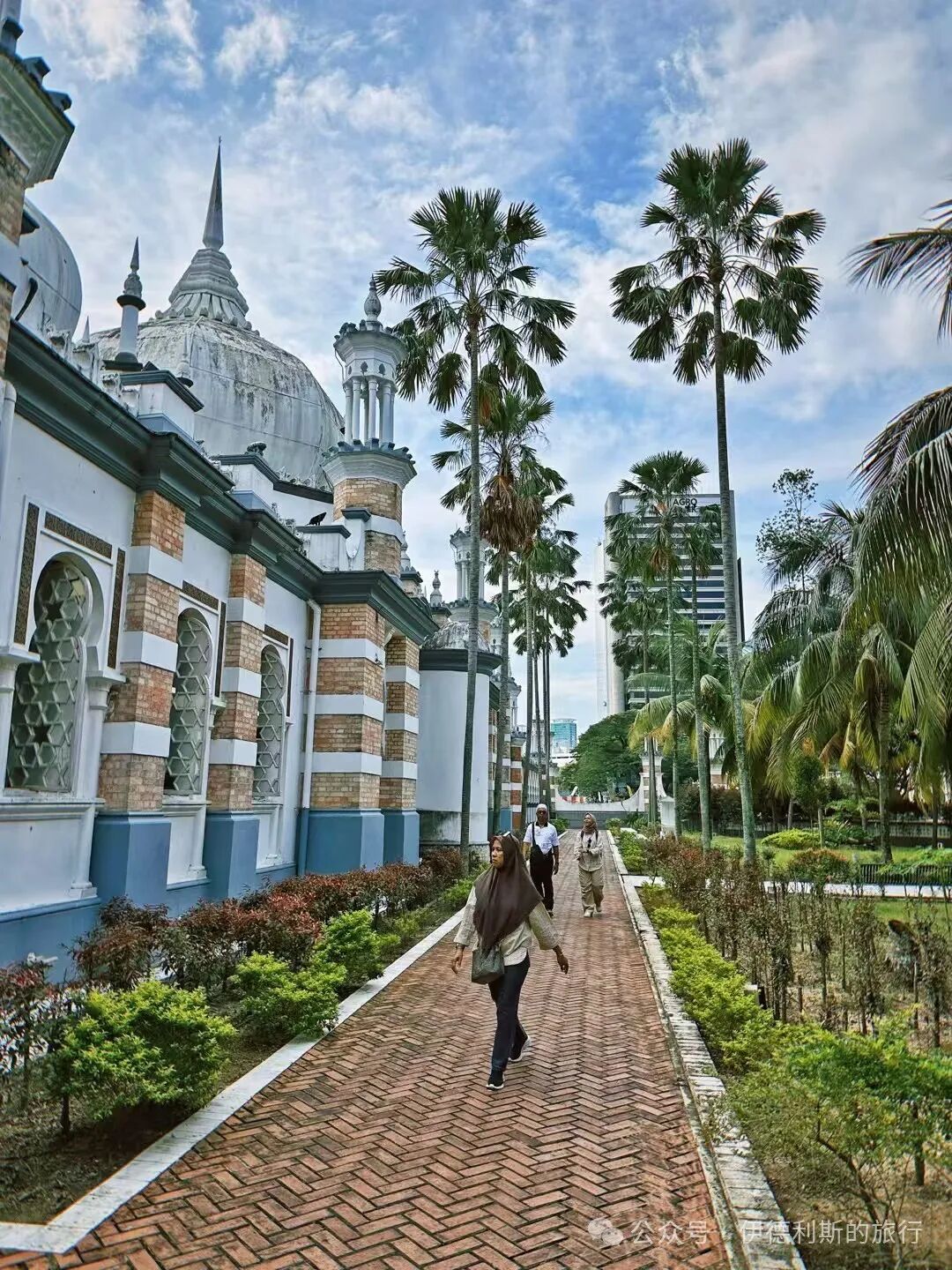
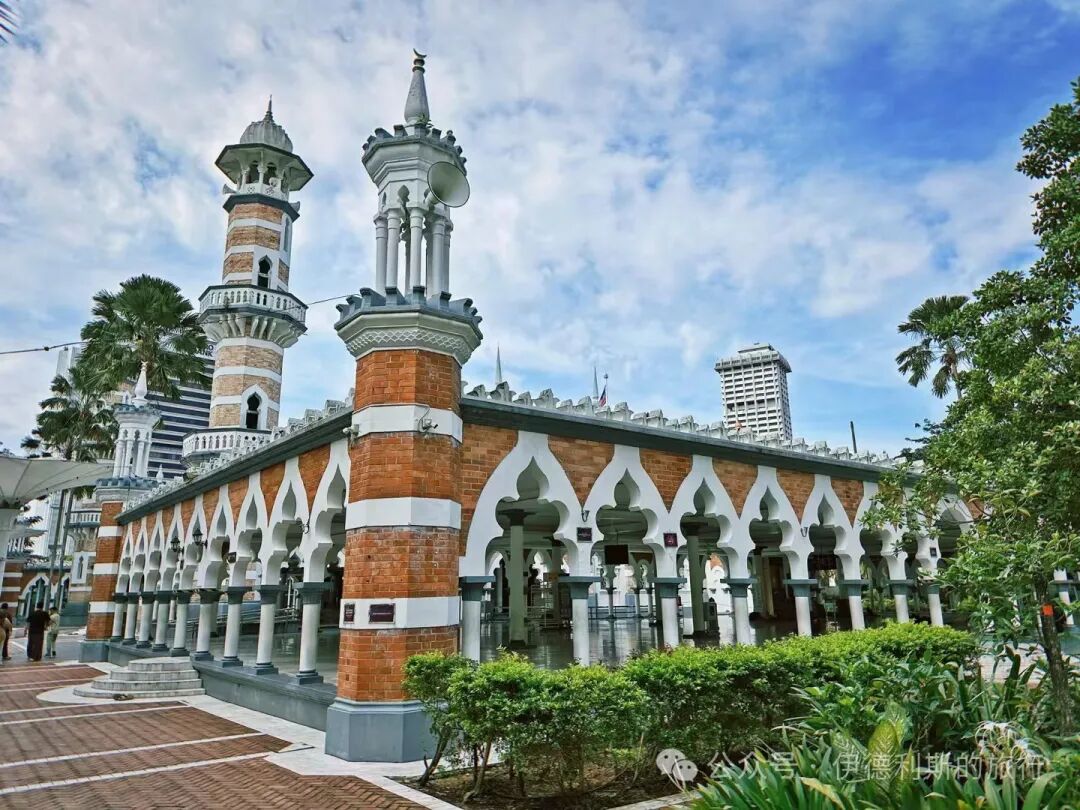
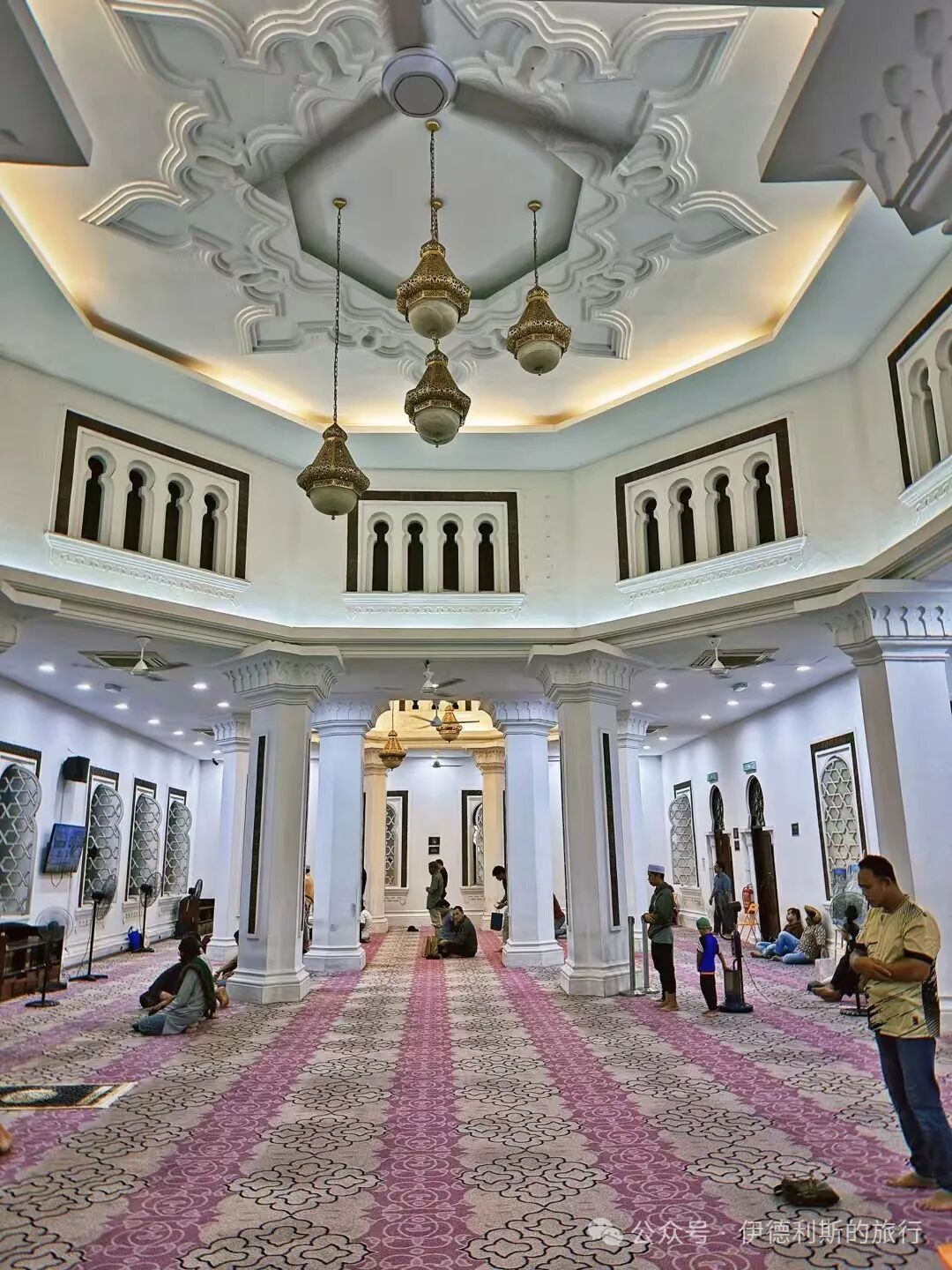
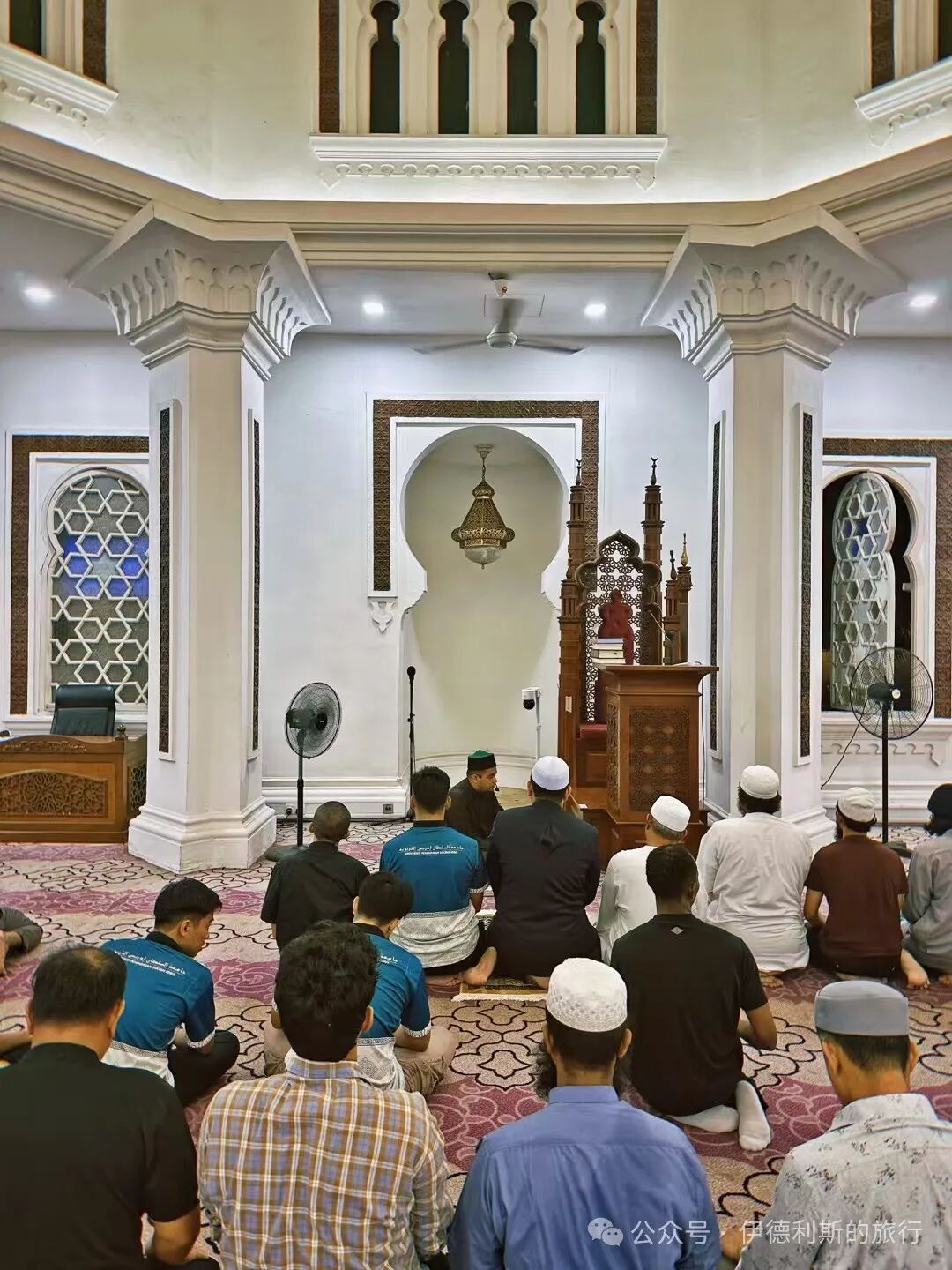
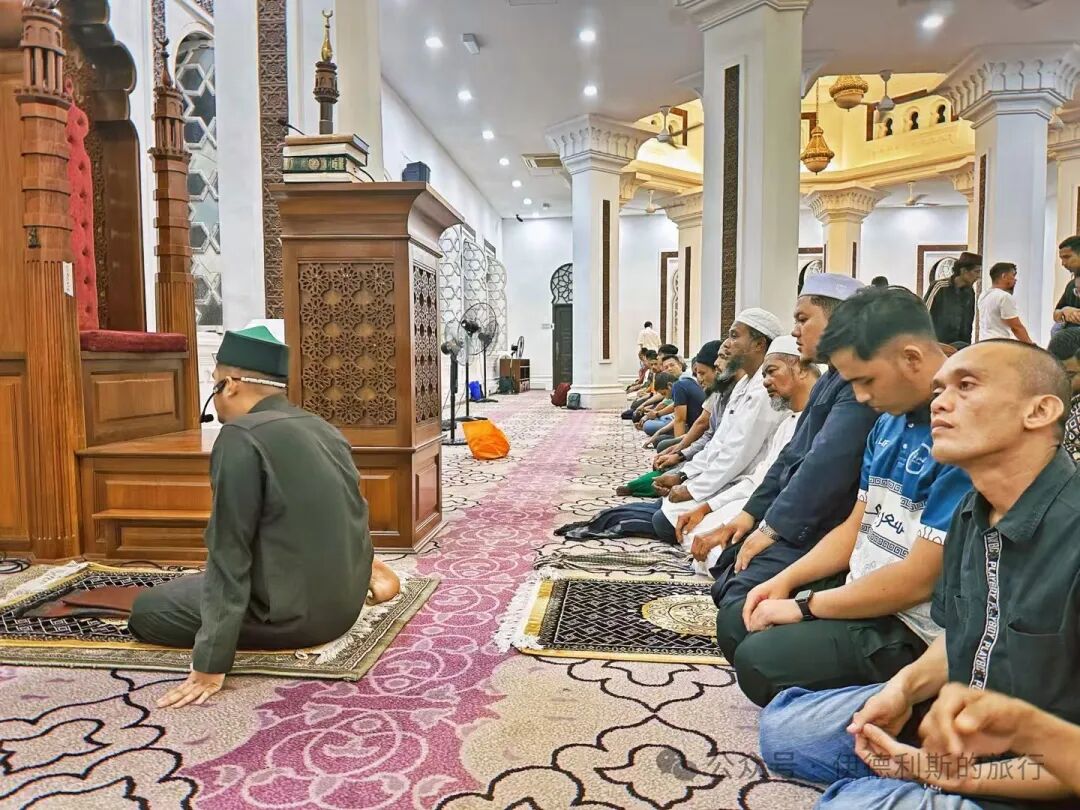
Jamek Mosque displays old photos and a stone tablet from when Sultan Sulaiman of Selangor laid the foundation in 1908.
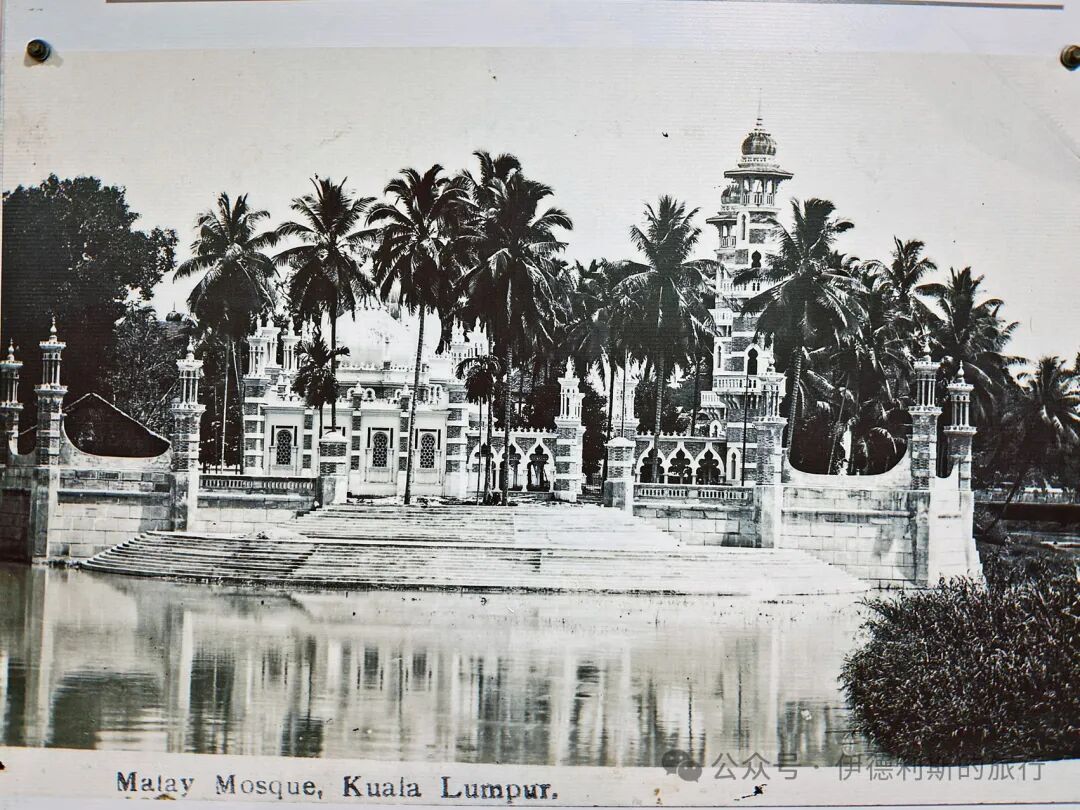
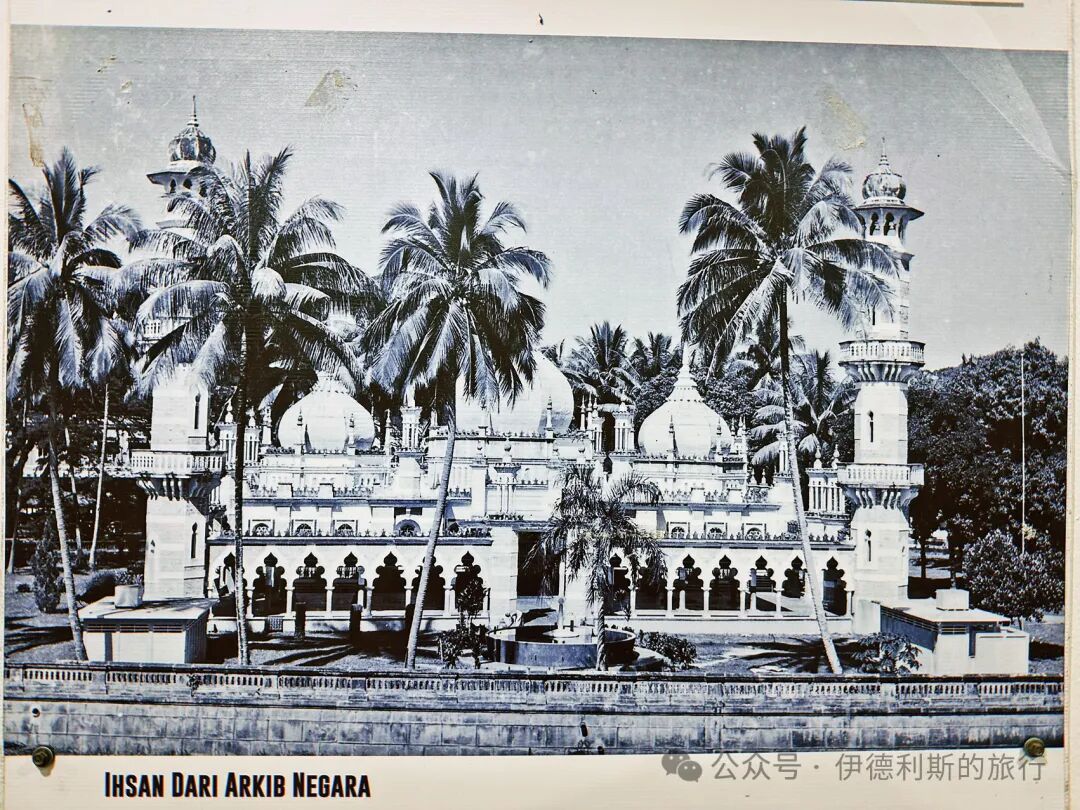
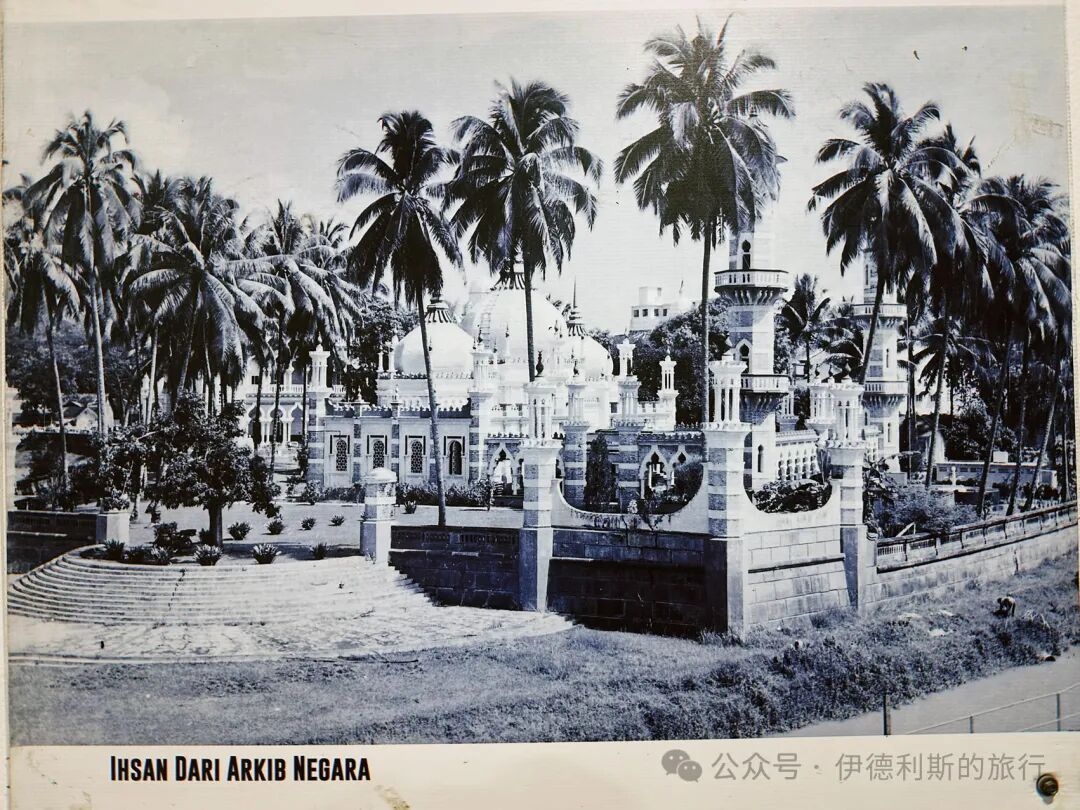
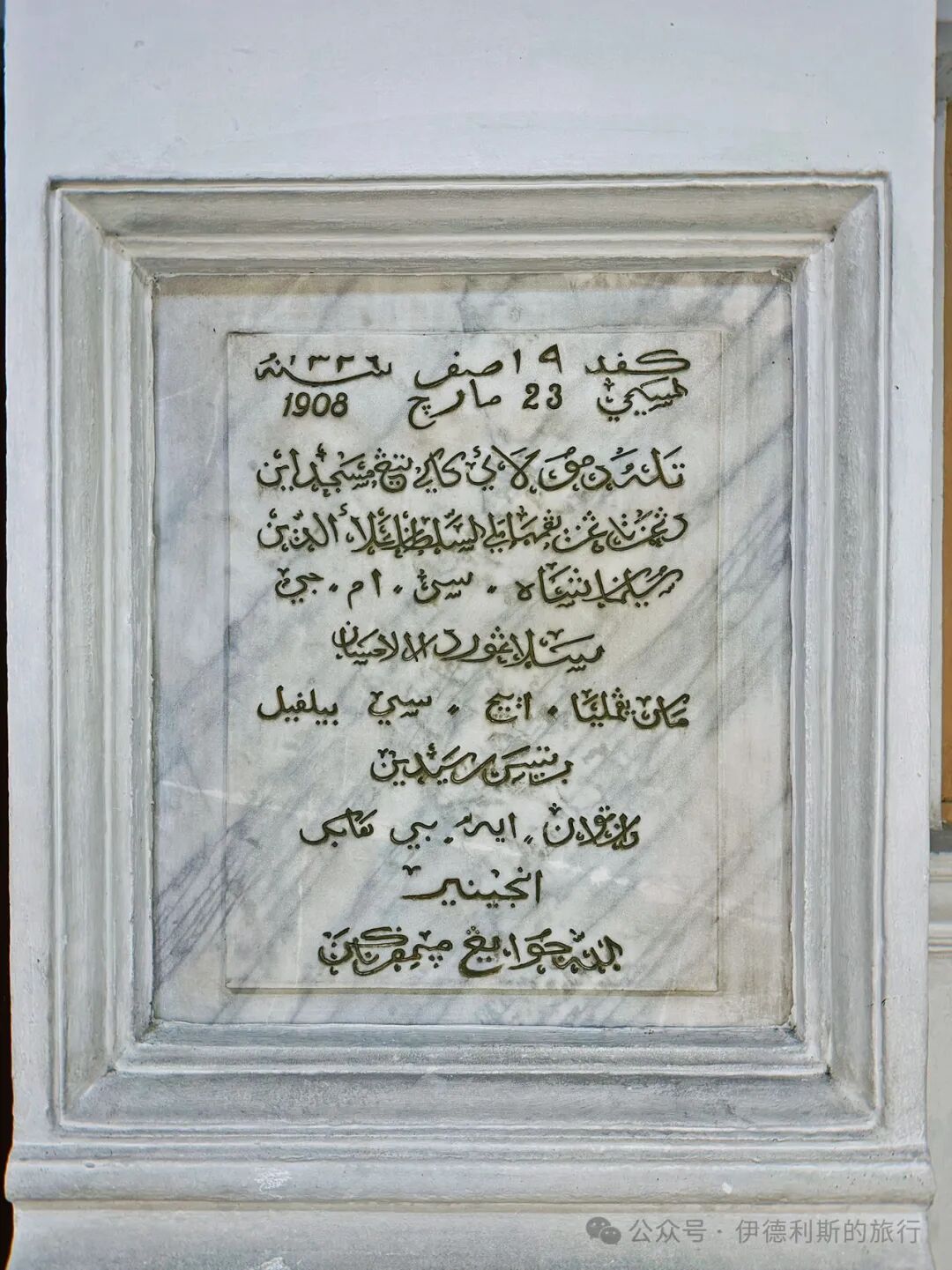
Cartoon panels at the entrance of Jamek Mosque vividly show the history of its construction. This includes the Java Street Mosque built by the Minangkabau in the 1870s and the current Jamek Mosque, which Sultan Sulaiman of Selangor approved to be built on the old Malay cemetery after road expansion in 1903.
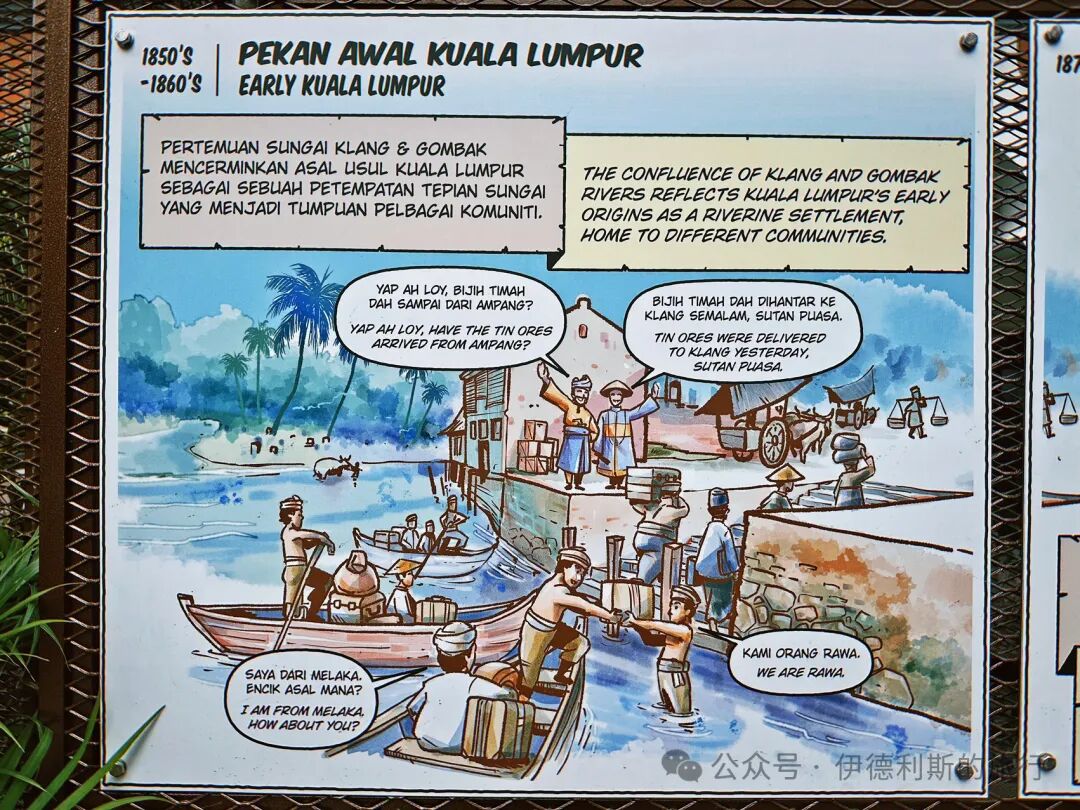
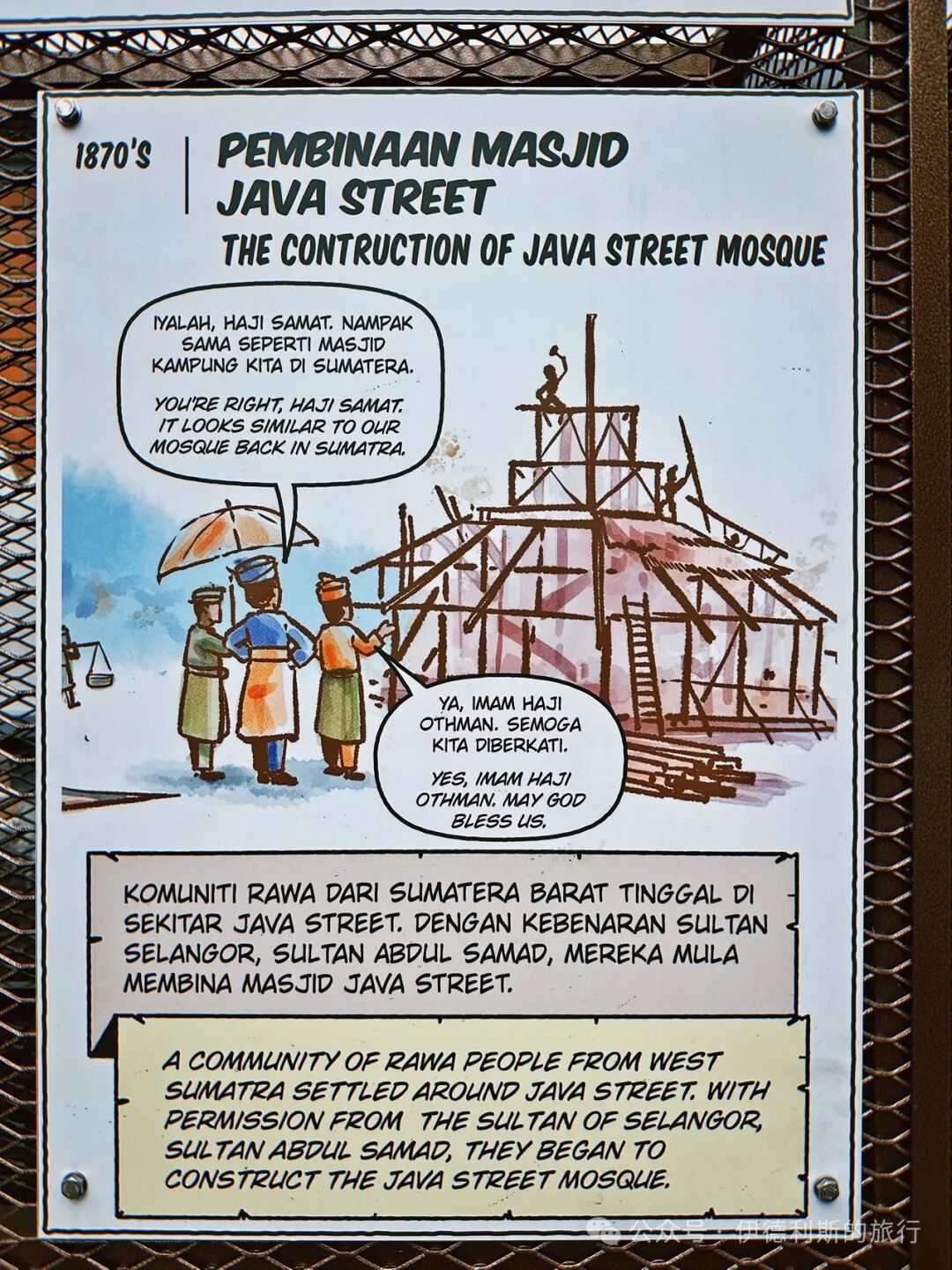
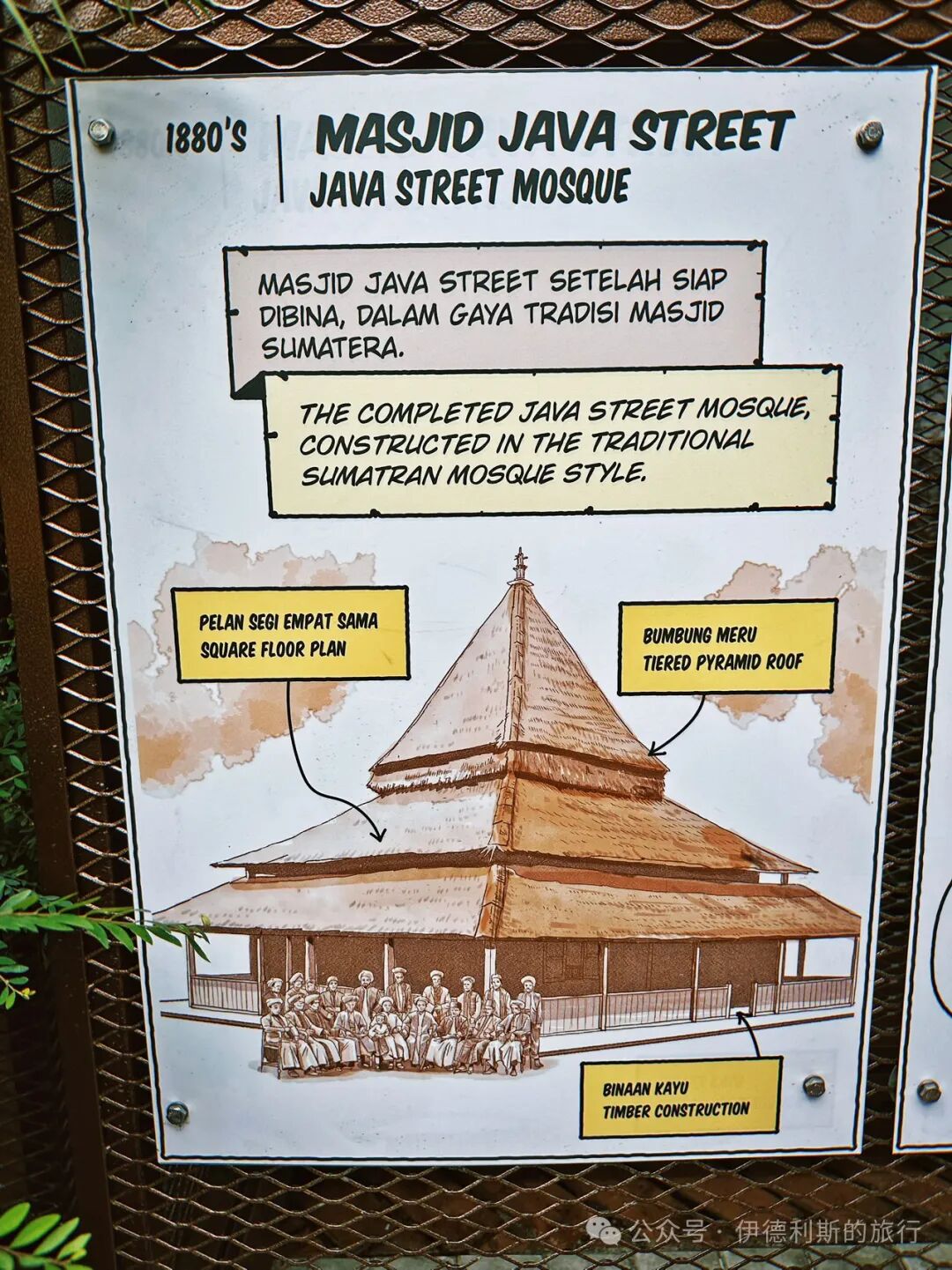
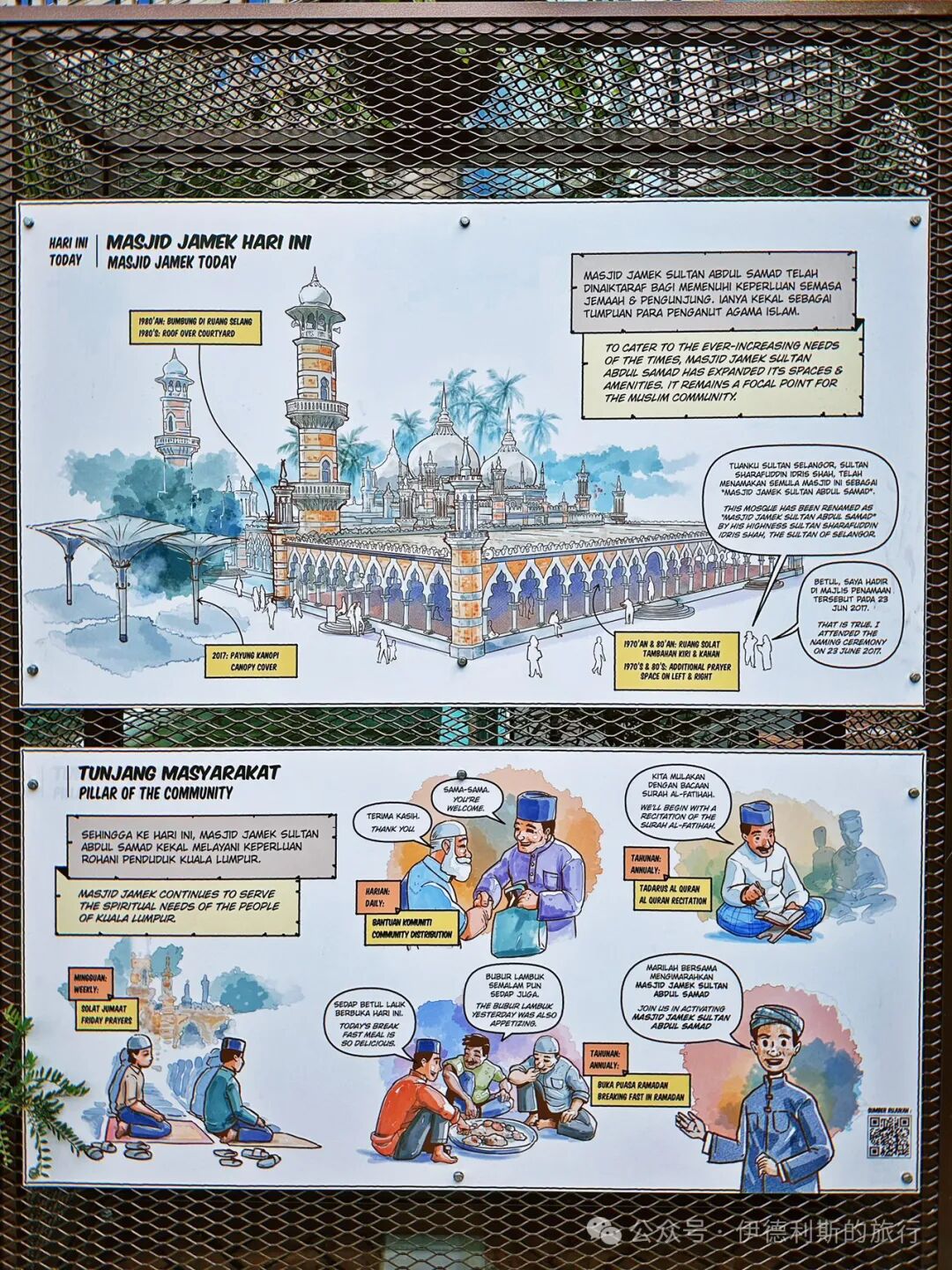
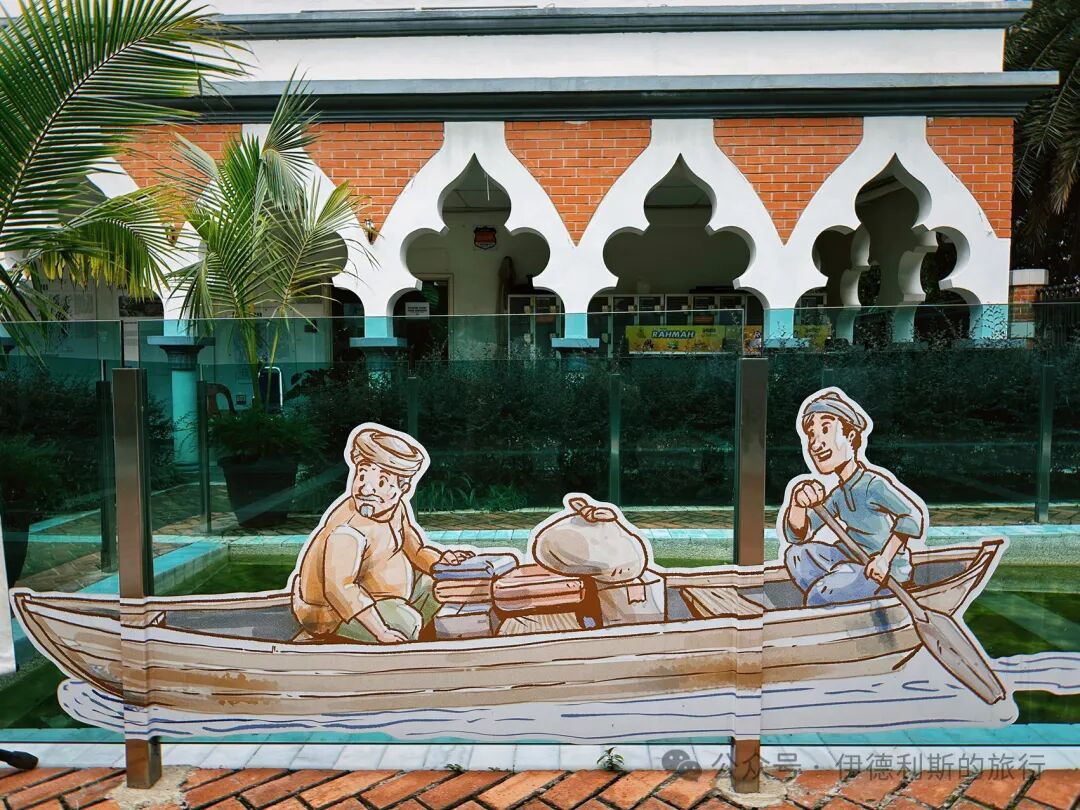
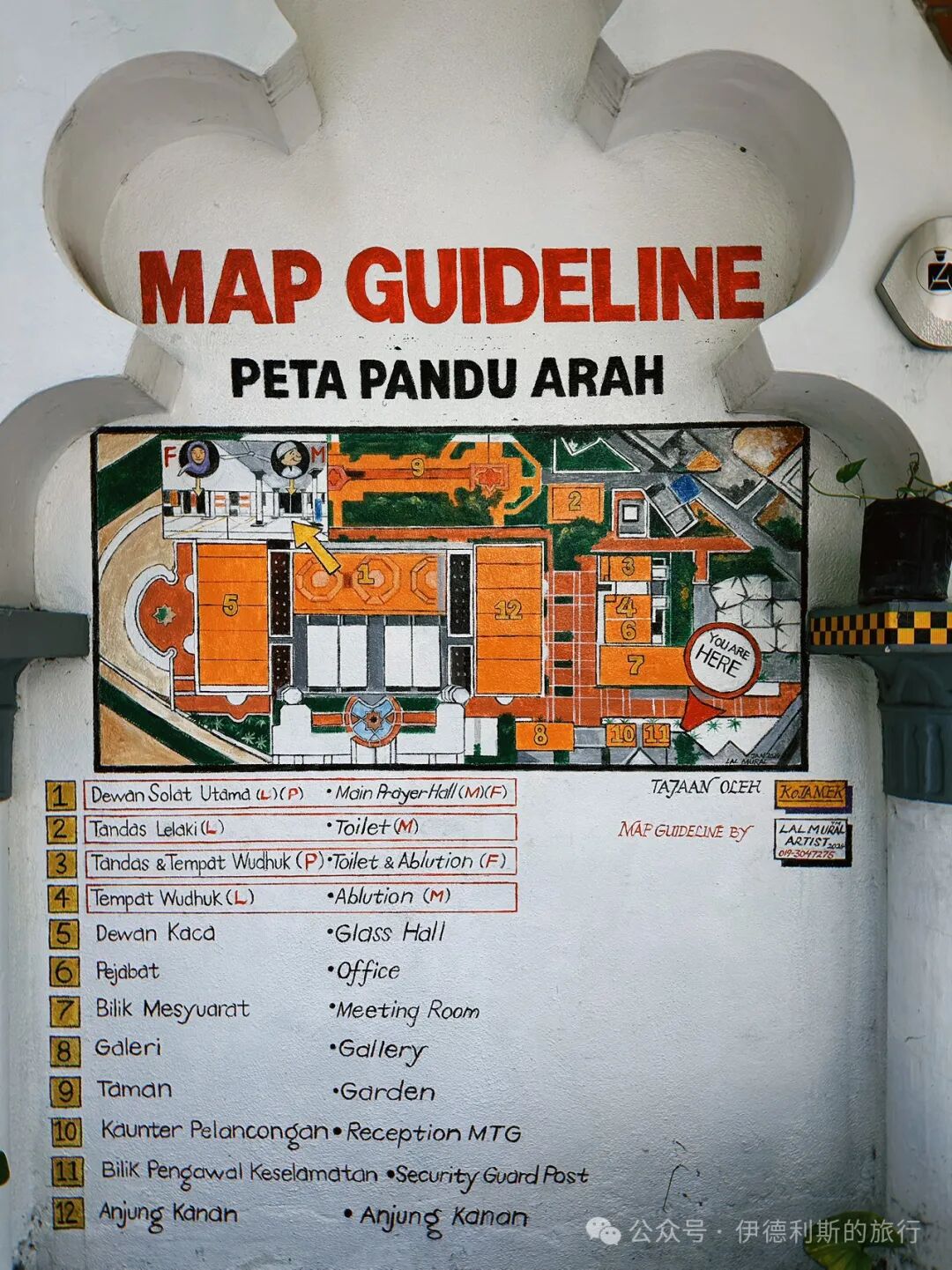
The souvenir shop at the entrance of Jamek Mosque is worth a visit. We bought beautiful headscarves there and tried some free traditional Malay snacks. We bought a jar and it was delicious.
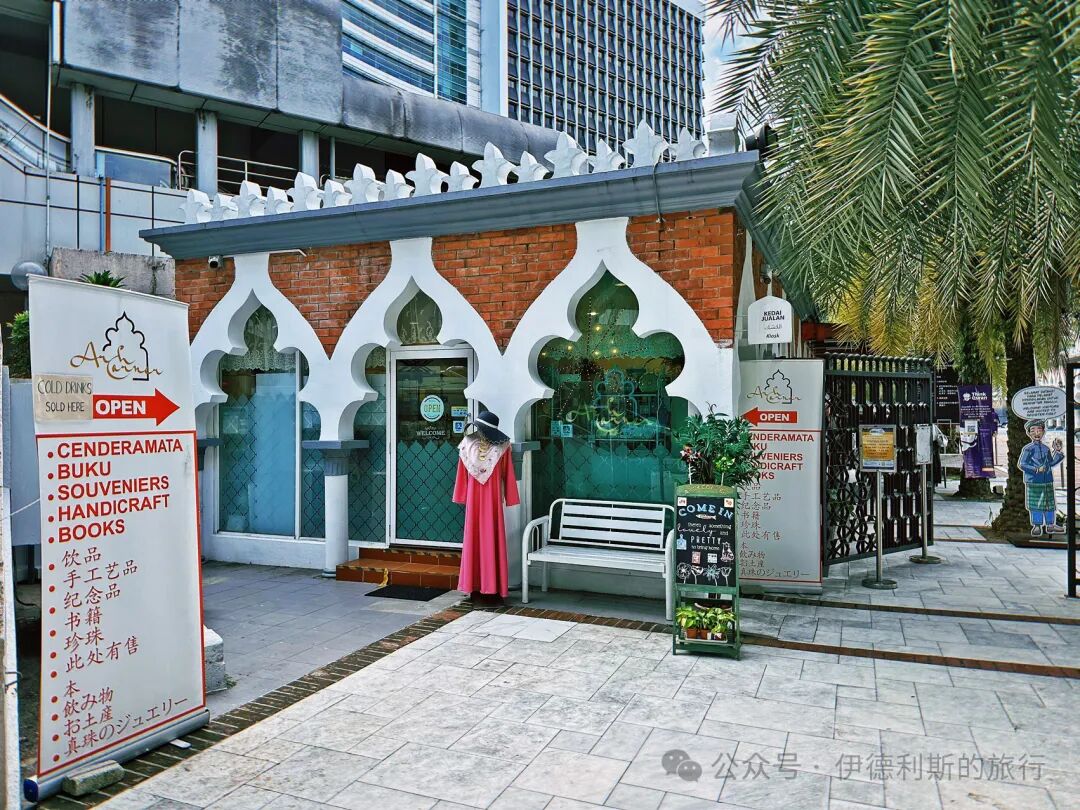
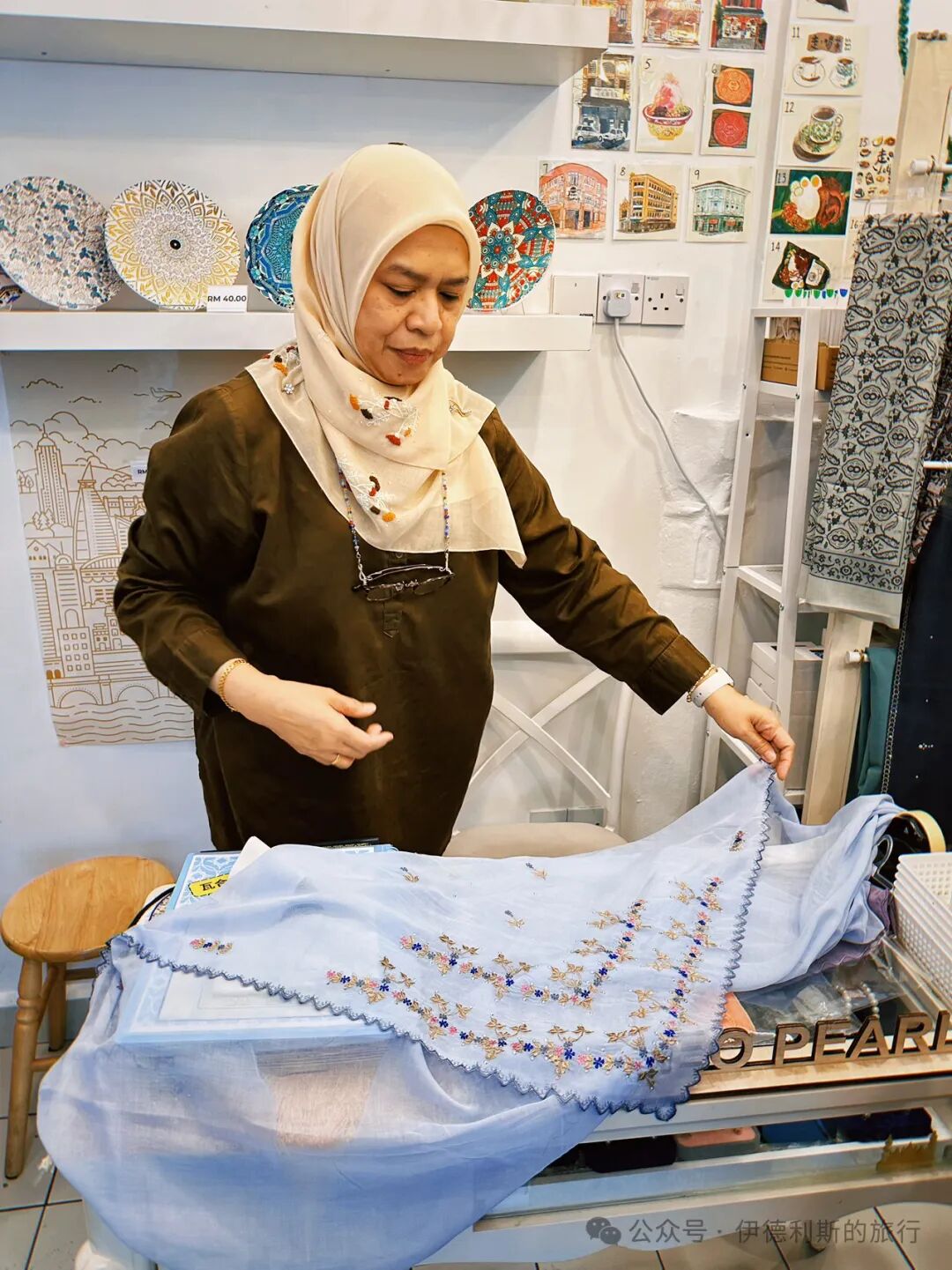
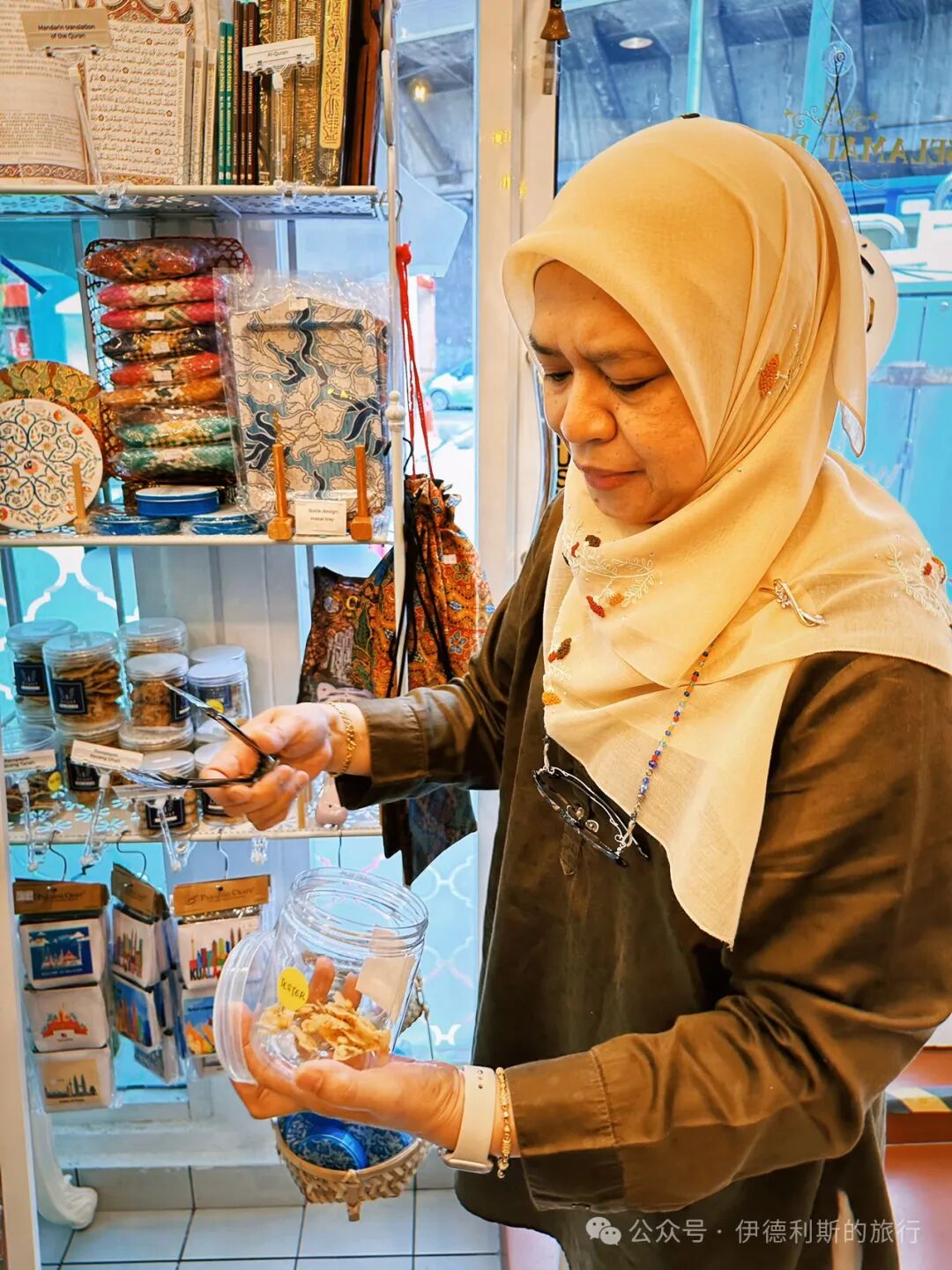
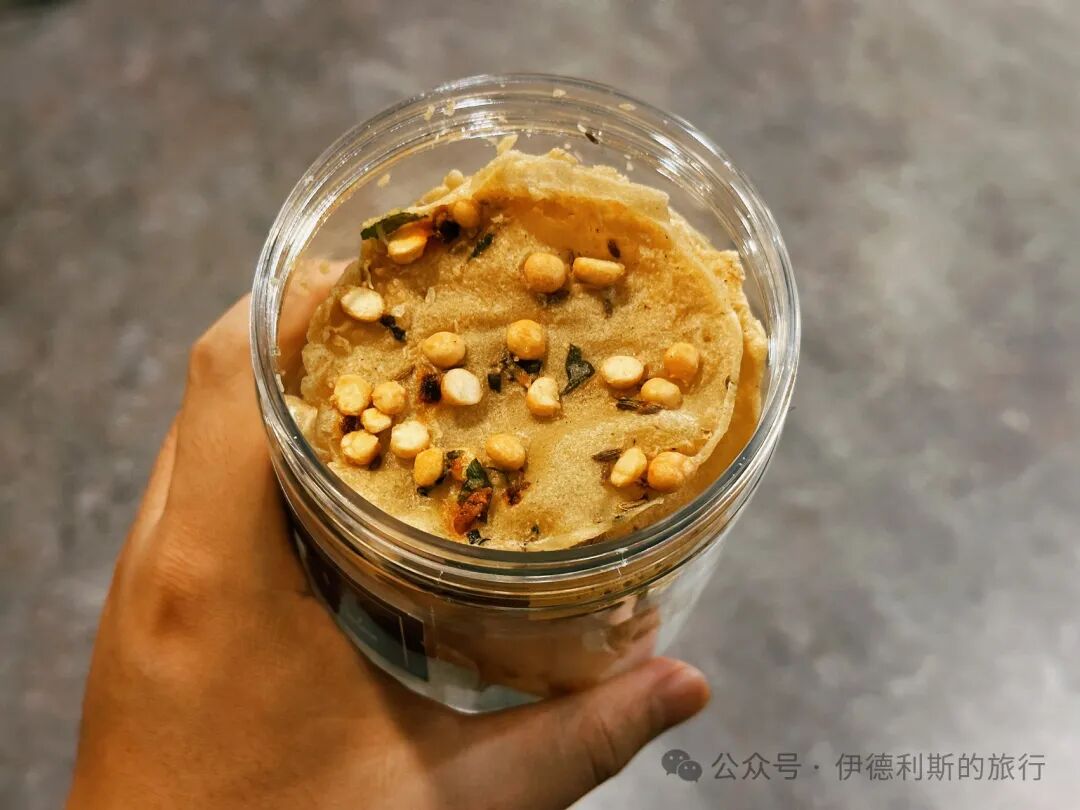
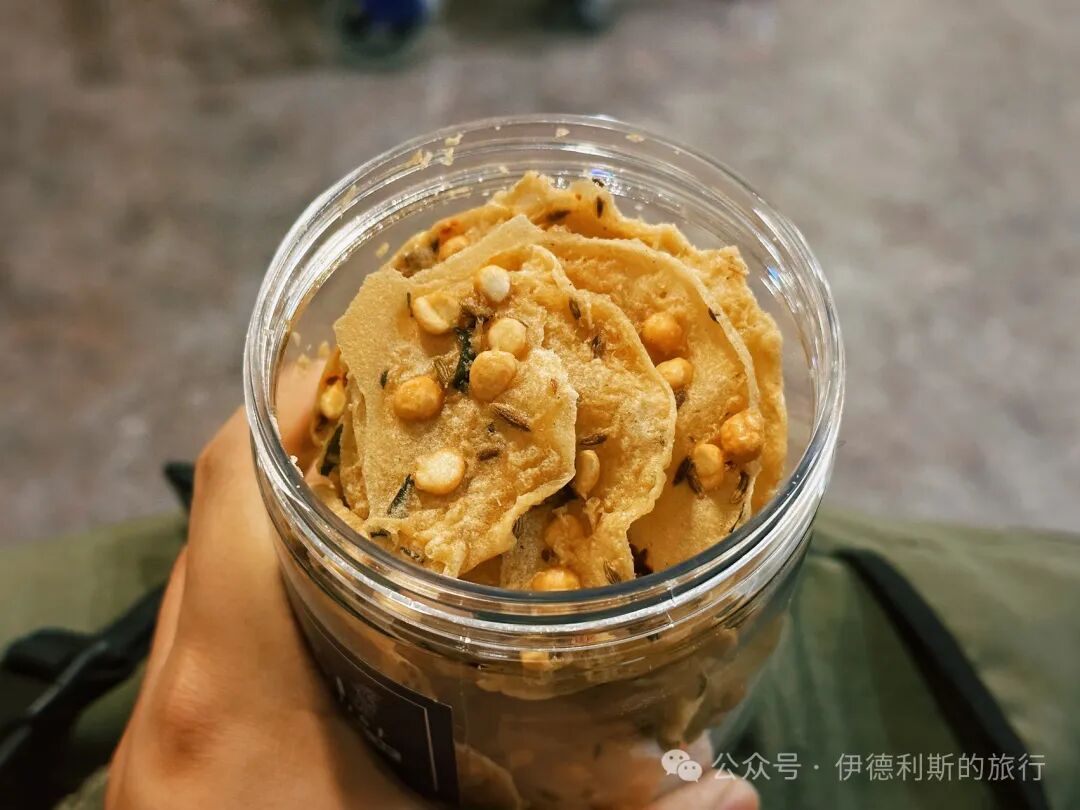
Traditional Malay dance
While walking around the old town of Kuala Lumpur, we happened upon a festival at the DBKL City Theatre. Children in traditional Malay formal wear performed welcoming and celebration rituals, and even danced. It was a rare sight!
Built between 1896 and 1904, the DBKL City Theatre is one of the Moorish-style buildings in the heart of Kuala Lumpur's old town. It has hosted plays and musicals for 120 years.
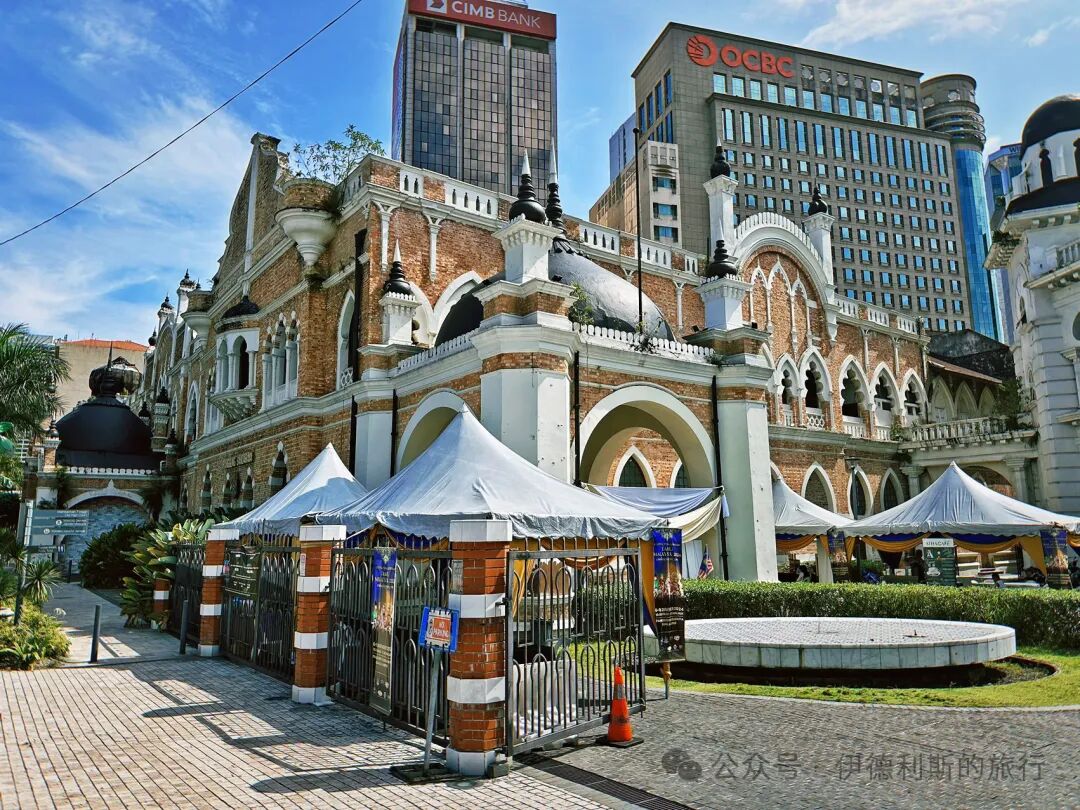
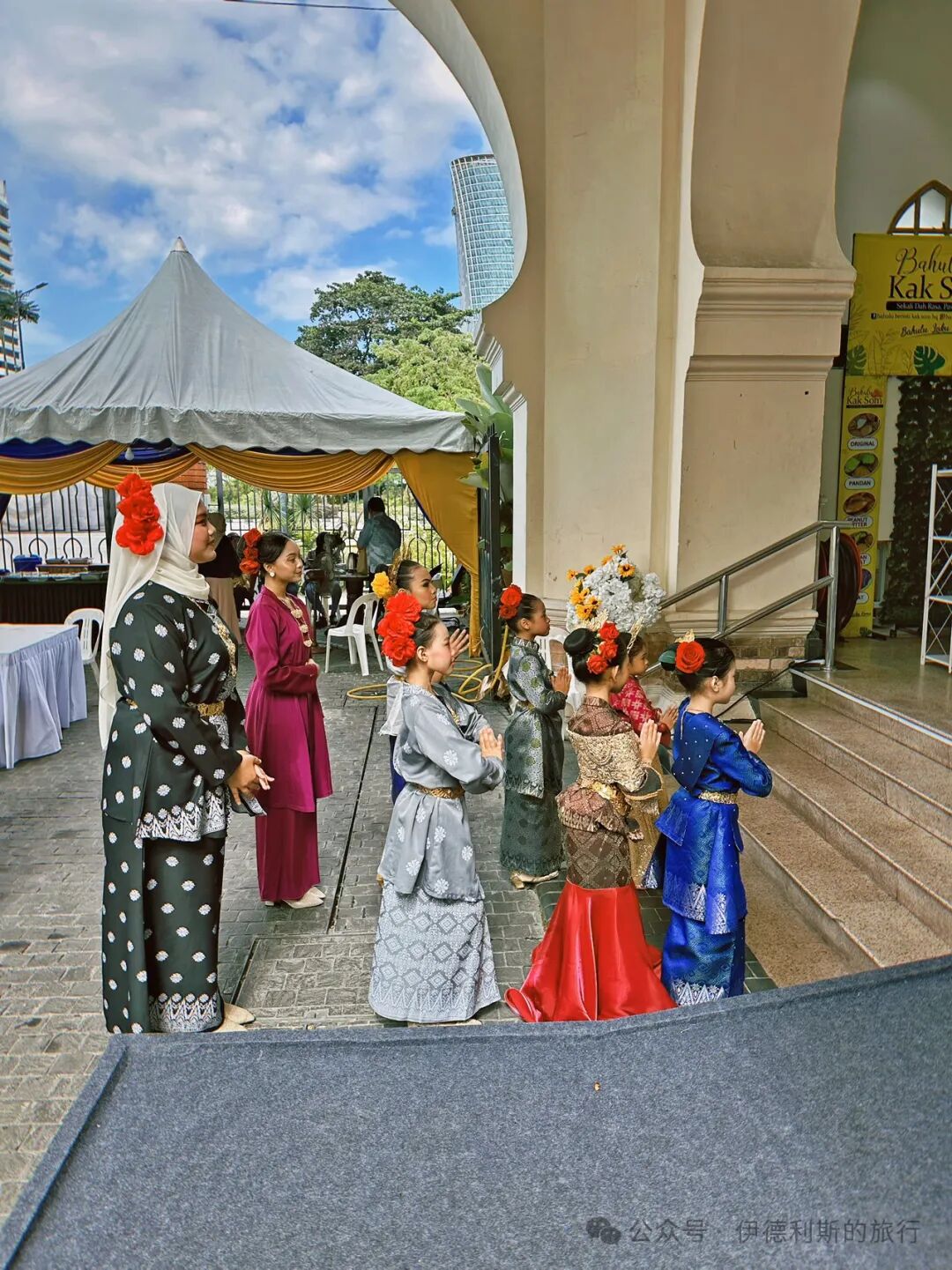
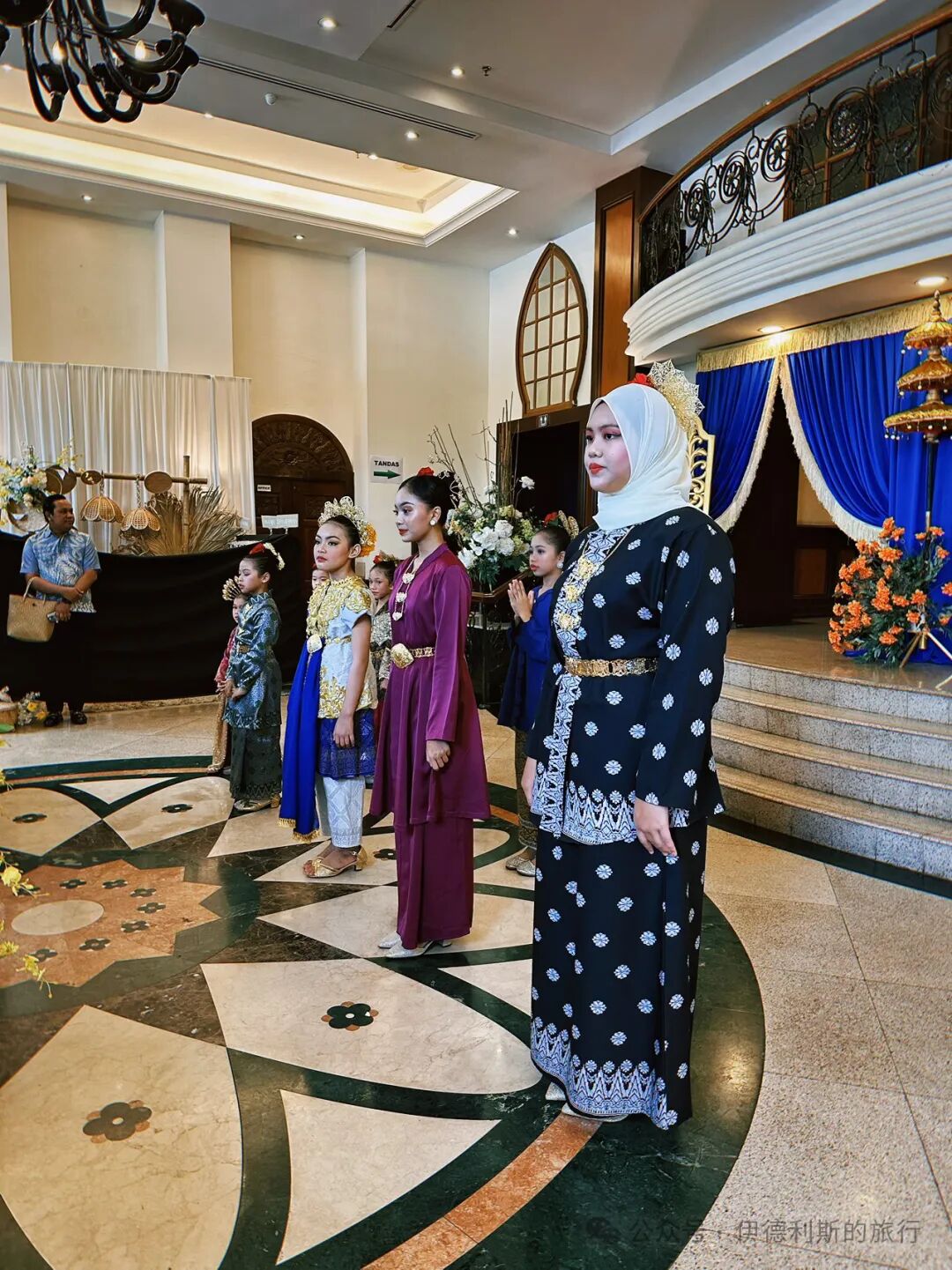
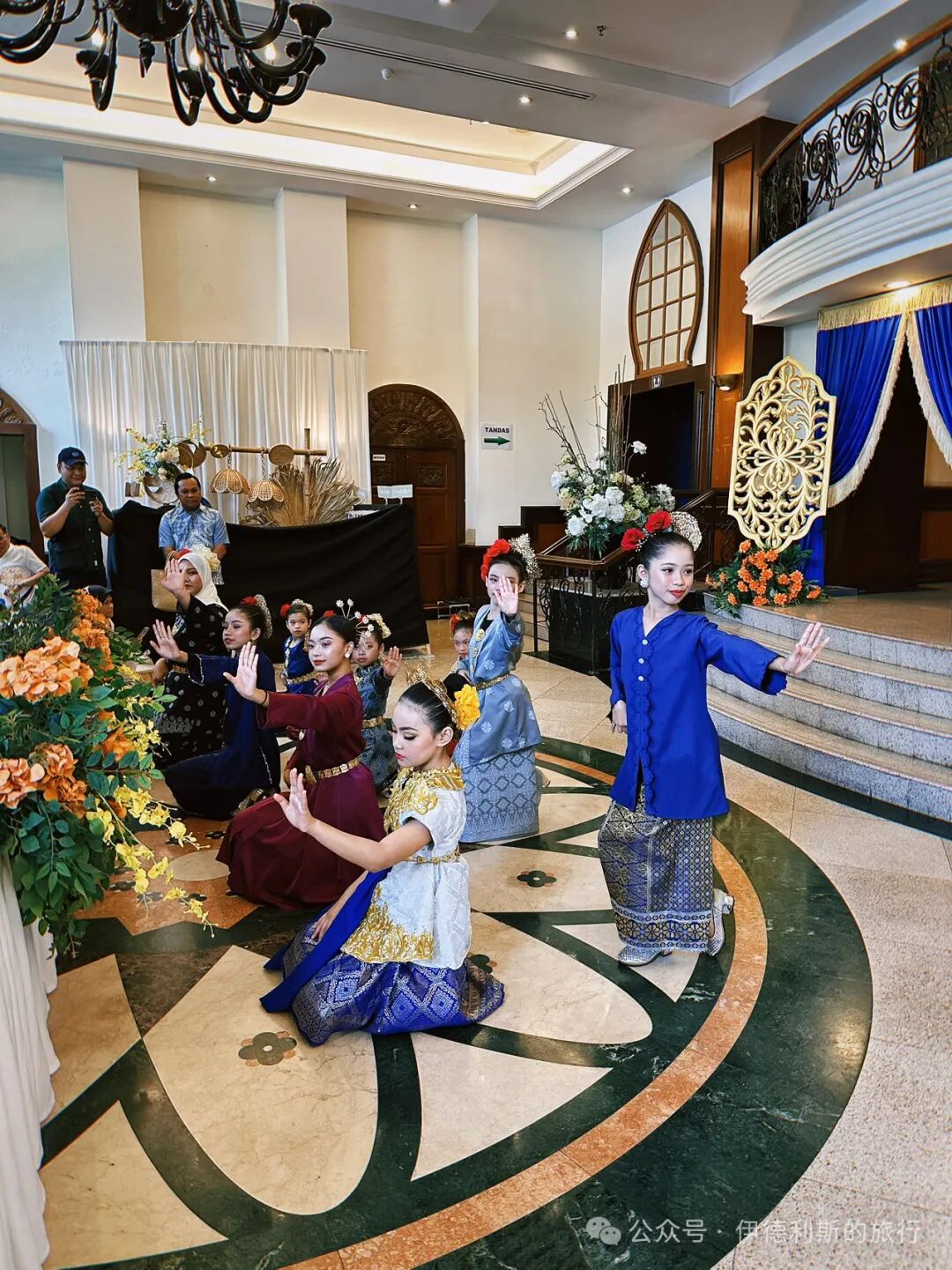
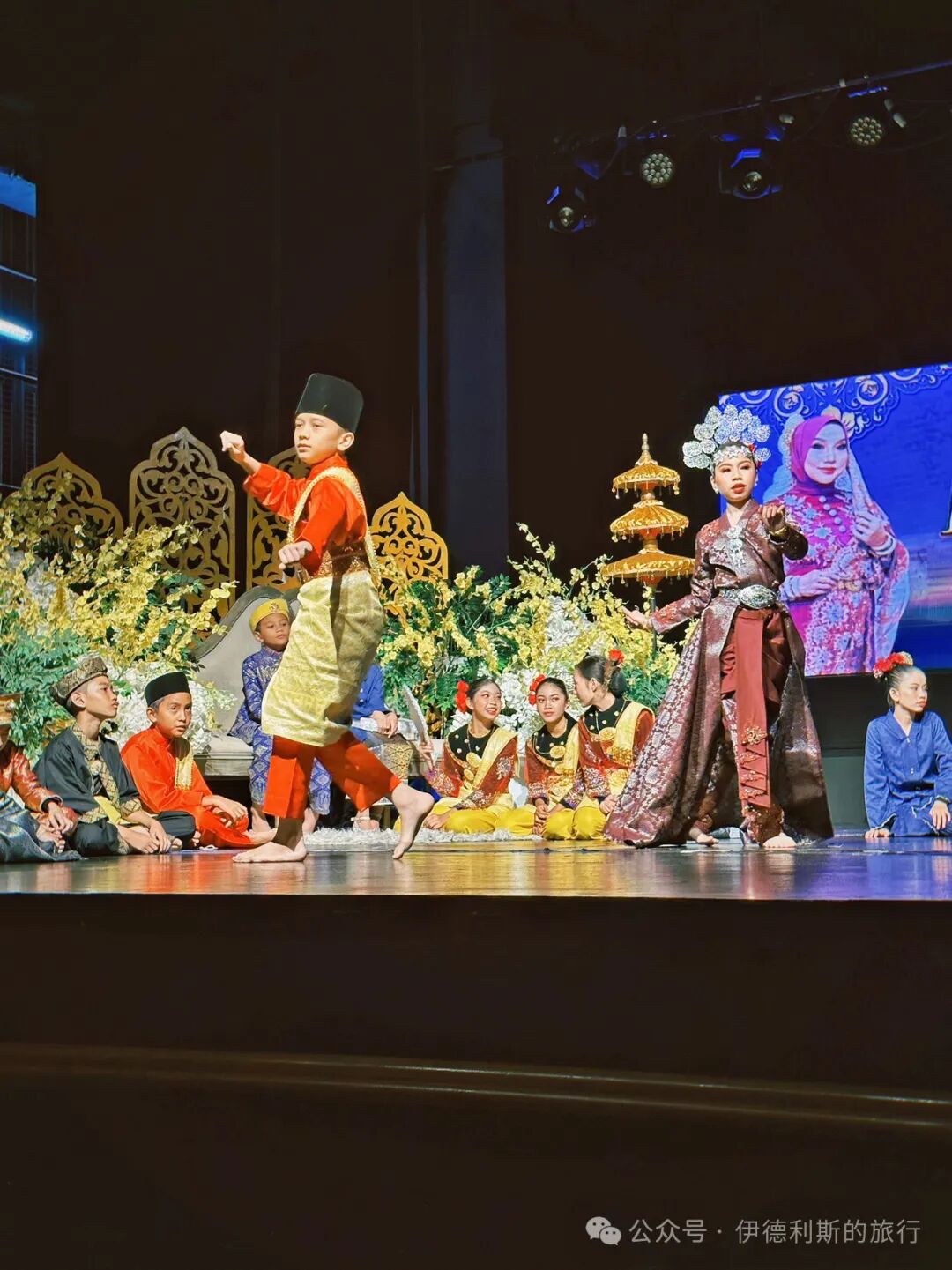
Traditional Malay headscarf
The Jalan Masjid India area in Kuala Lumpur's old town is a famous wholesale market for traditional clothing where you can buy all kinds of traditional Malay outfits. I bought a traditional Malay headpiece called a tengkolok at one of the shops.
A tengkolok headpiece is folded from traditional Malay brocade fabric known as songket and is usually worn for celebrations and weddings. Leaders across Malaysia, Brunei, and Indonesia have their own styles of tengkolok. In Malaysia, the sultans, rajas, and the Yang di-Pertuan Besar of every state except Johor wear a tengkolok for formal ceremonies. Only the Sultan of Johor wears a crown due to British influence.
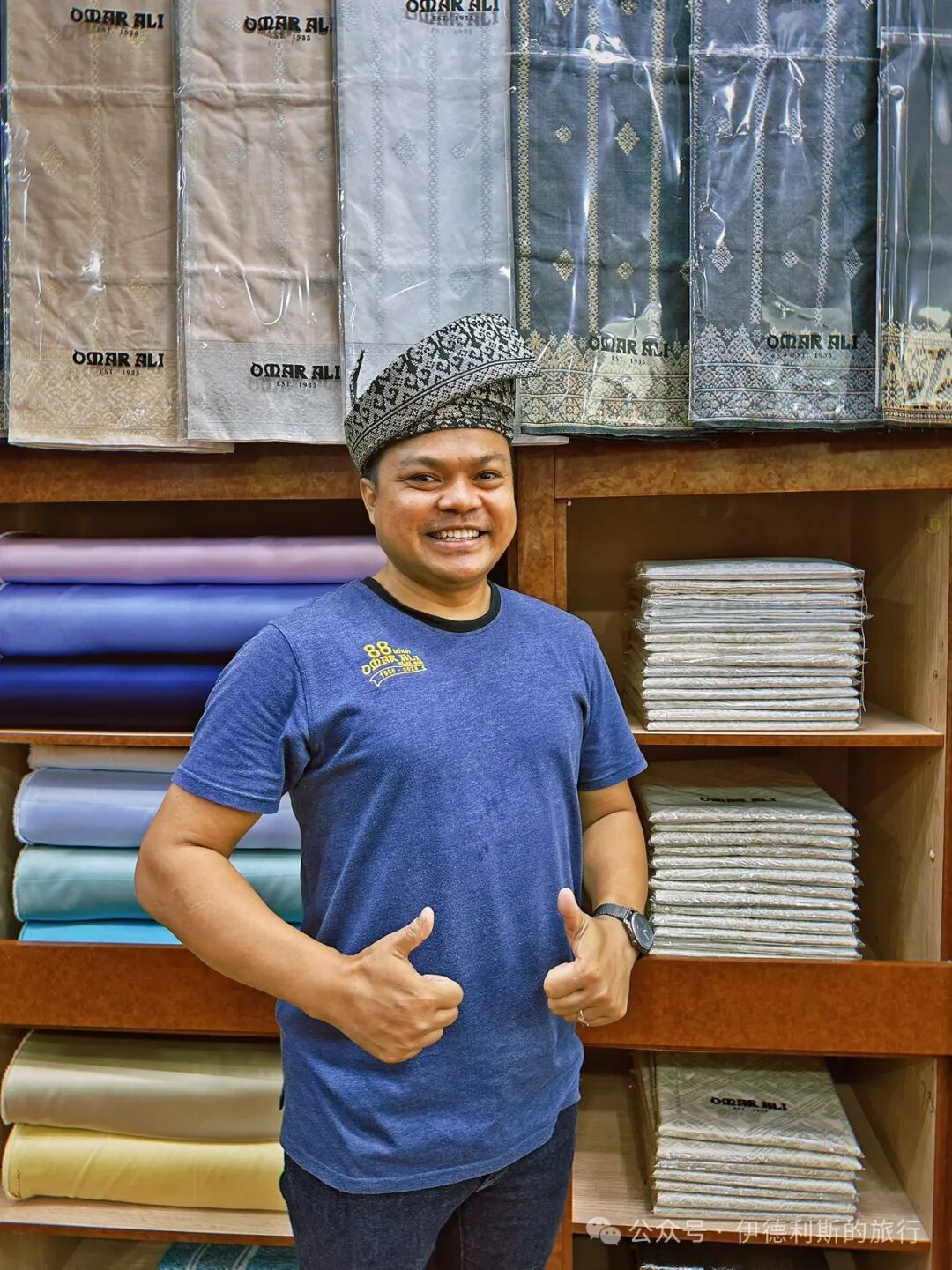
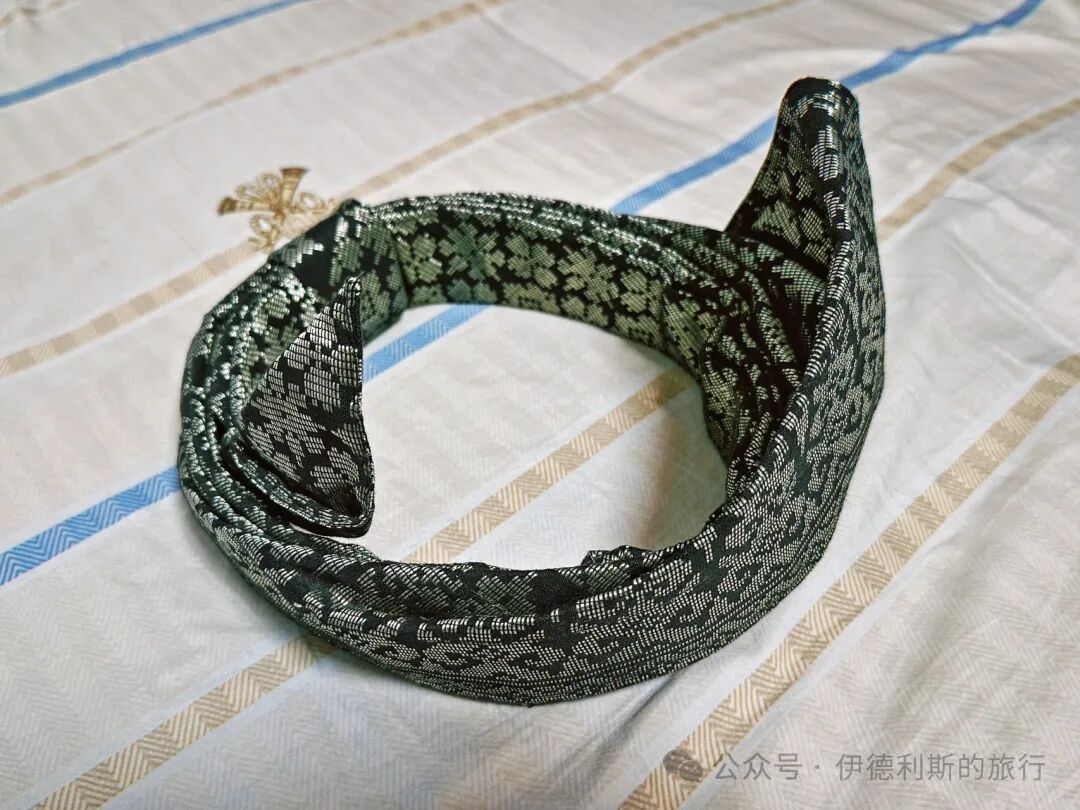
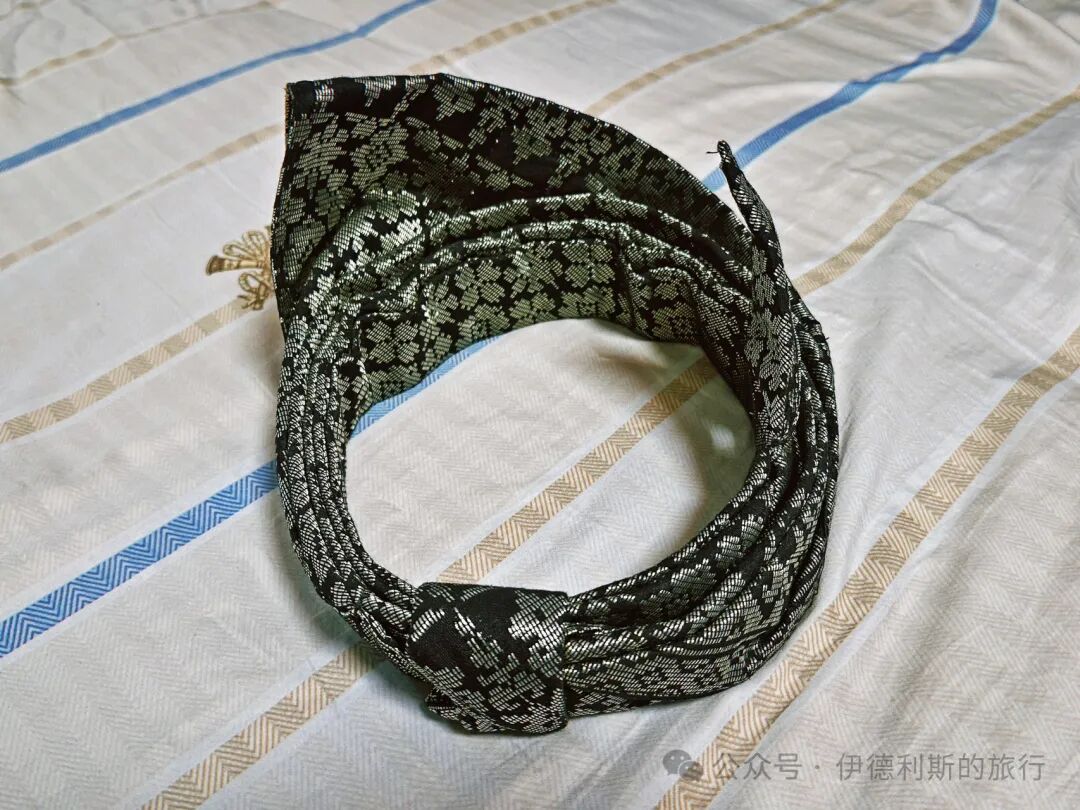
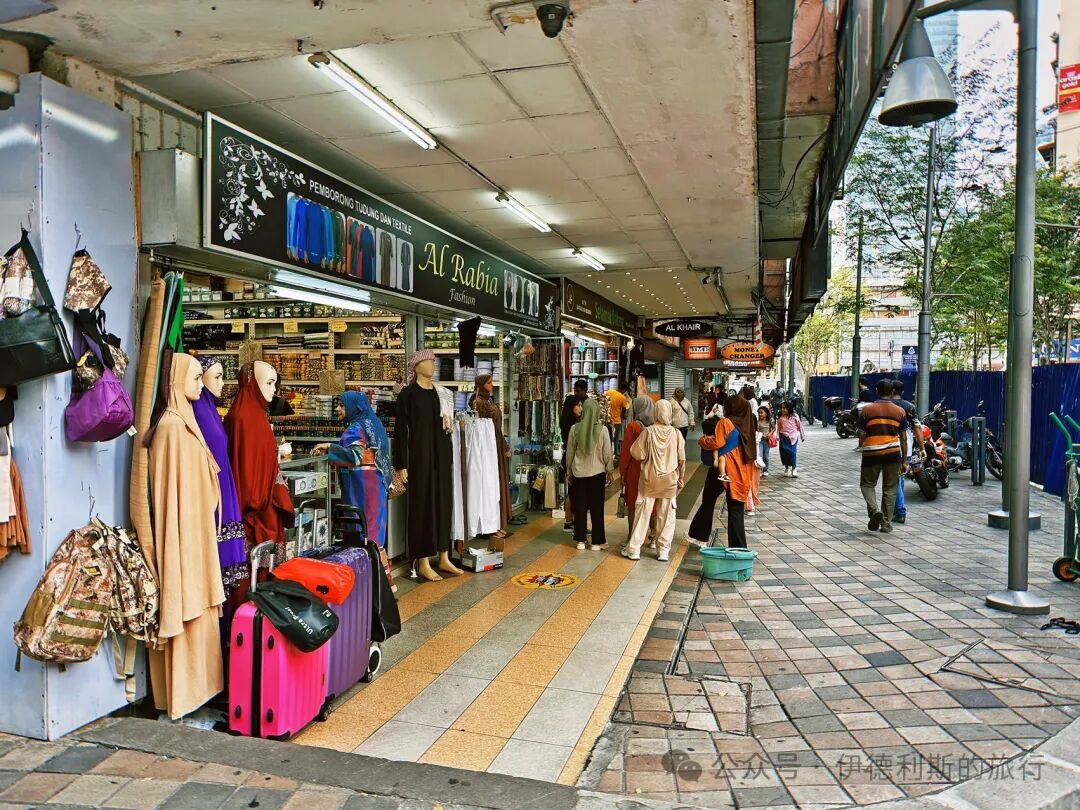
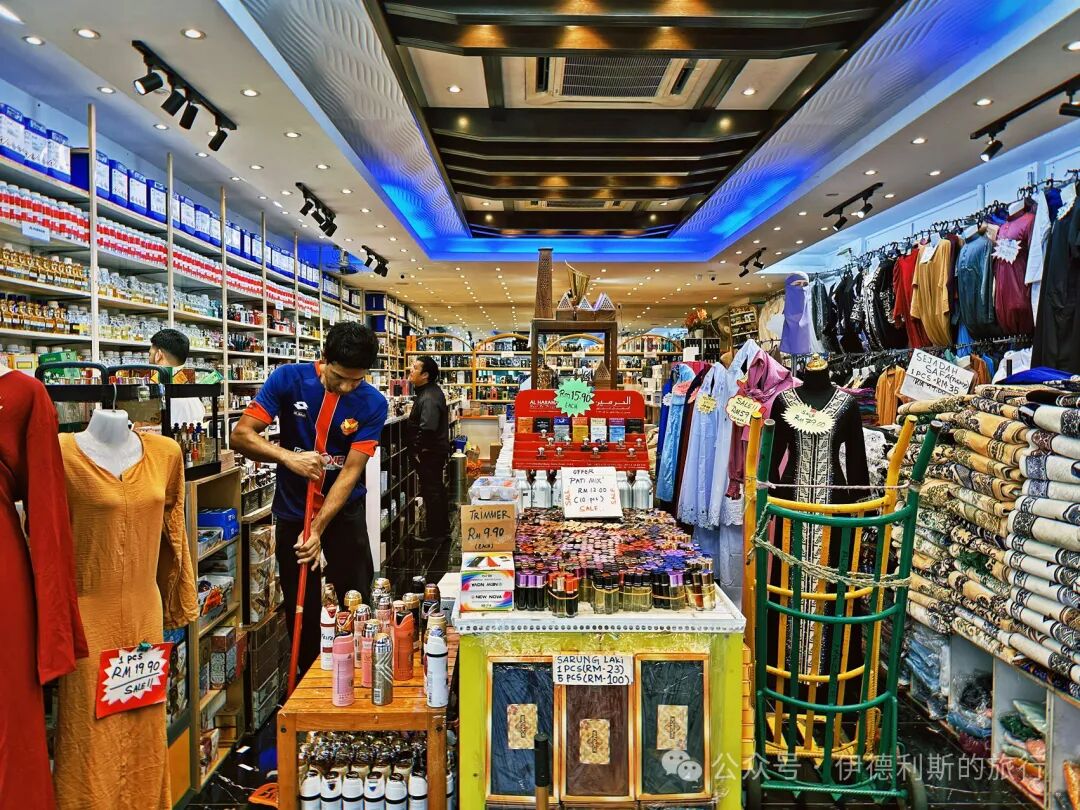
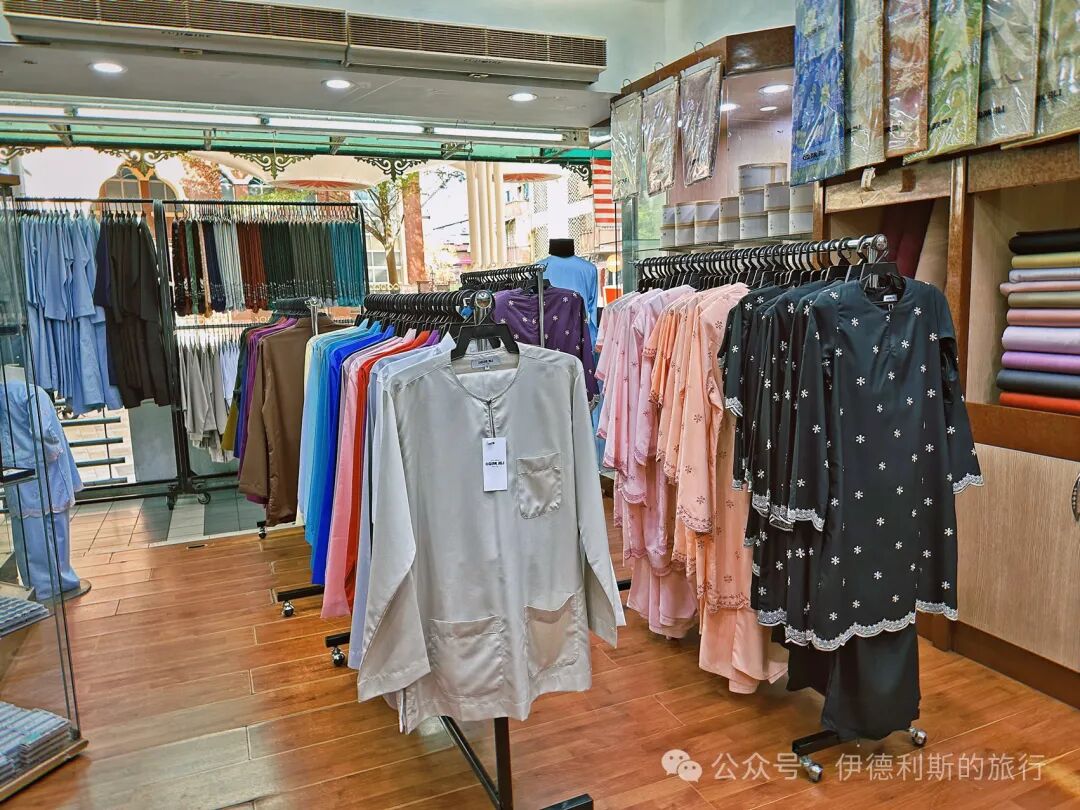
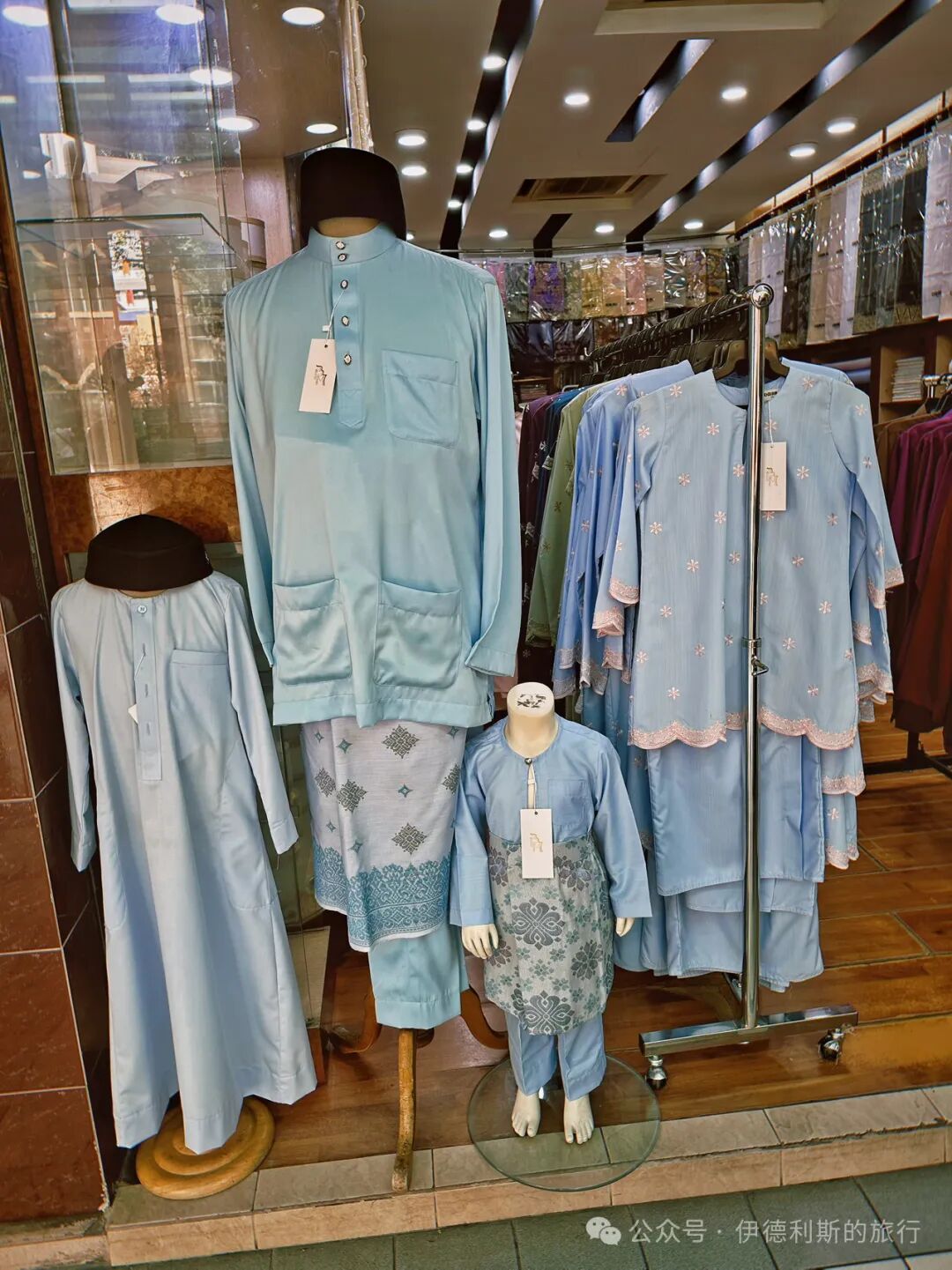
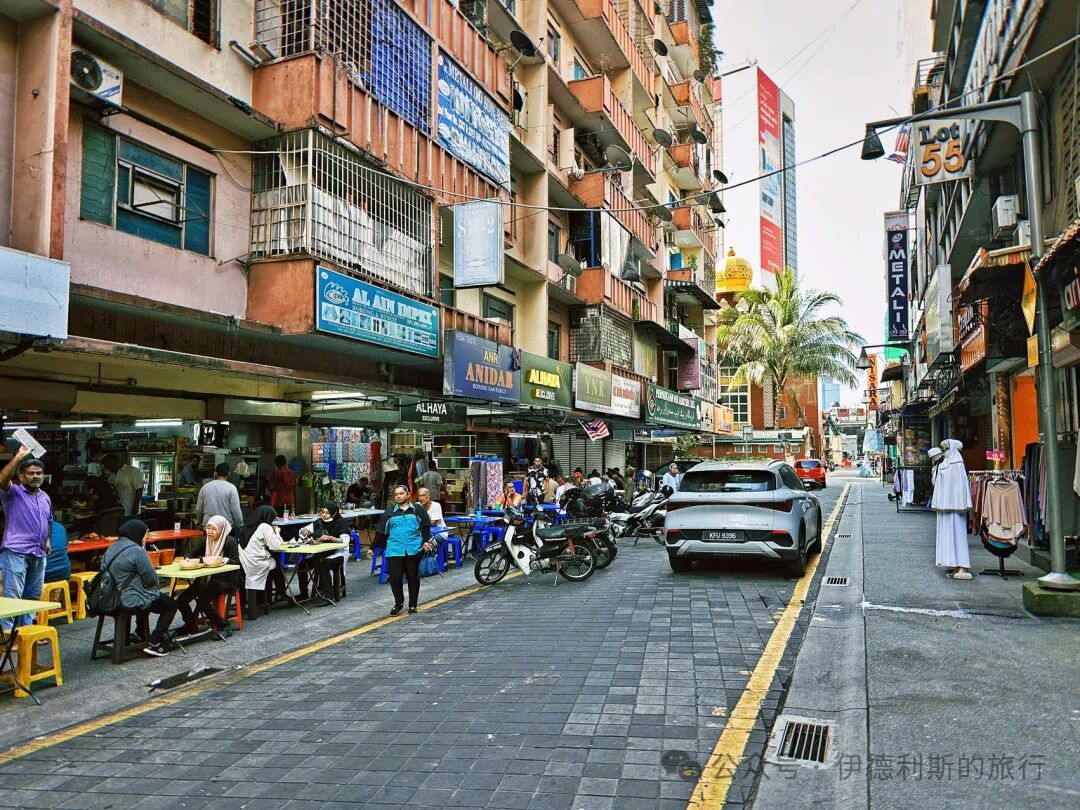
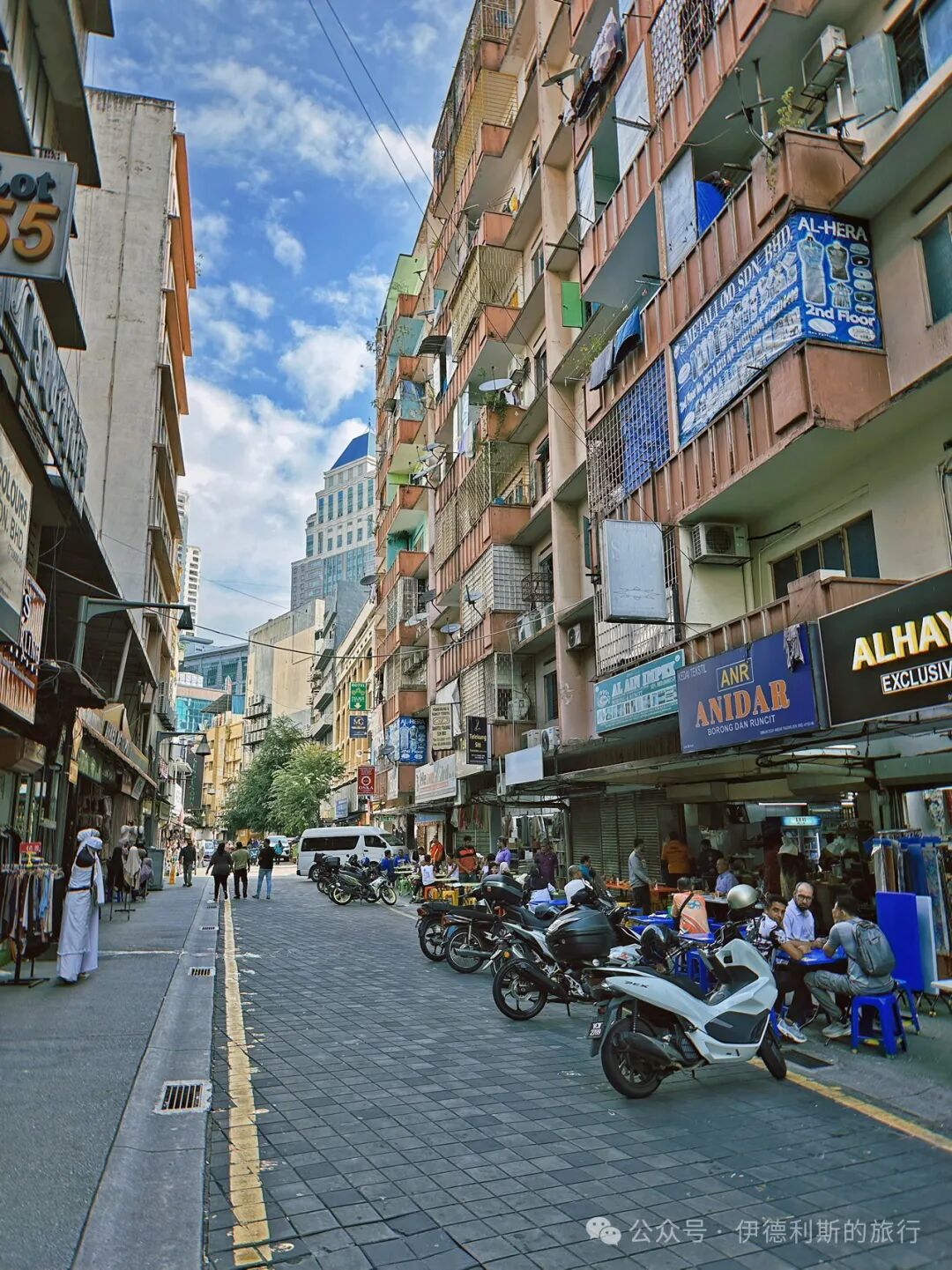
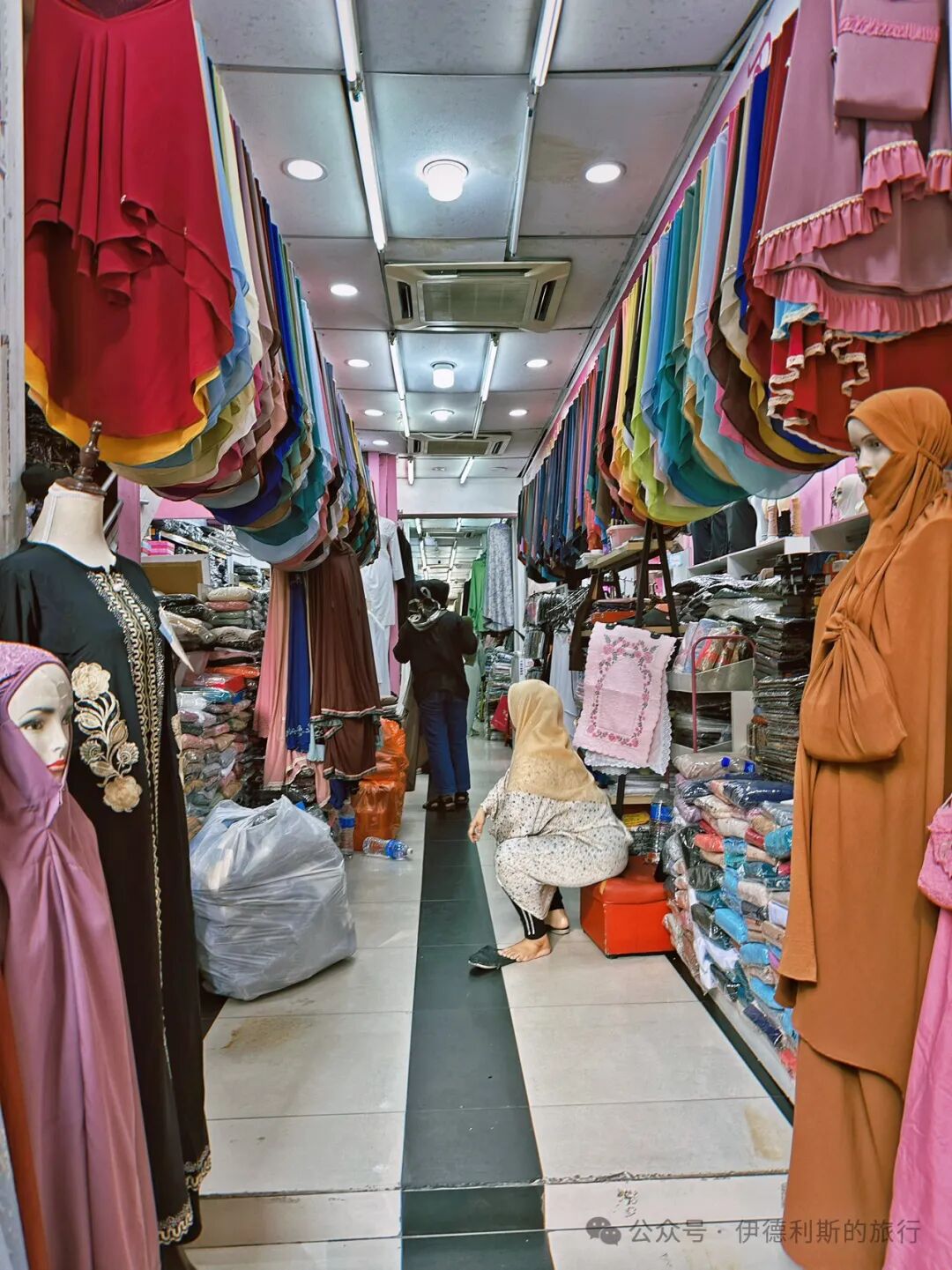
Traditional Malay food
Before leaving, we went back to the Nu Sentral mall next to Kuala Lumpur Sentral station. The fruit salad here is also served with sour plum powder and chili powder. There is a huge variety of tropical fruits, and bananas cost one ringgit each.
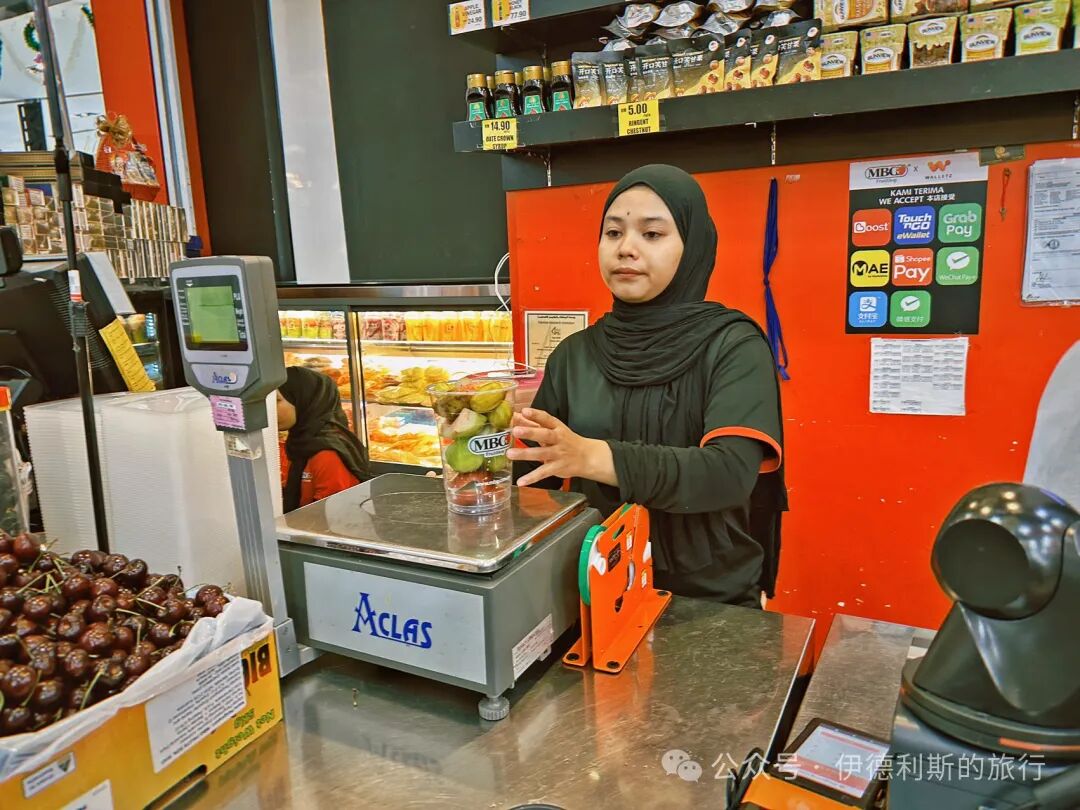
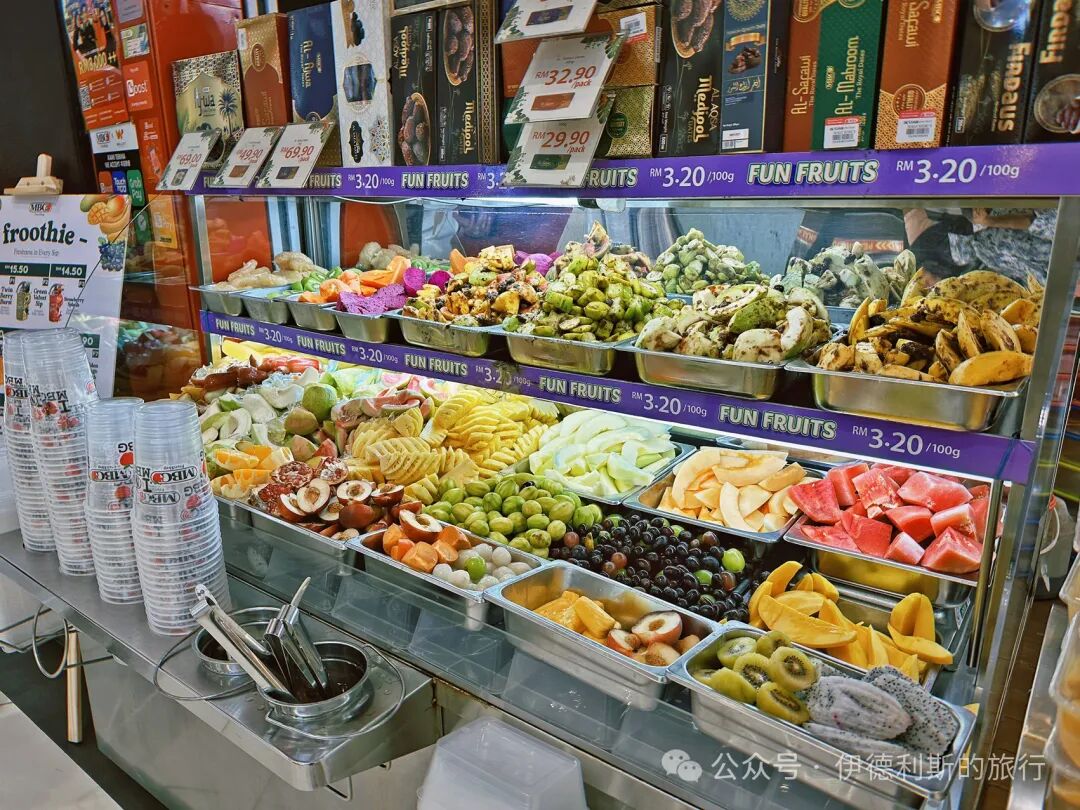
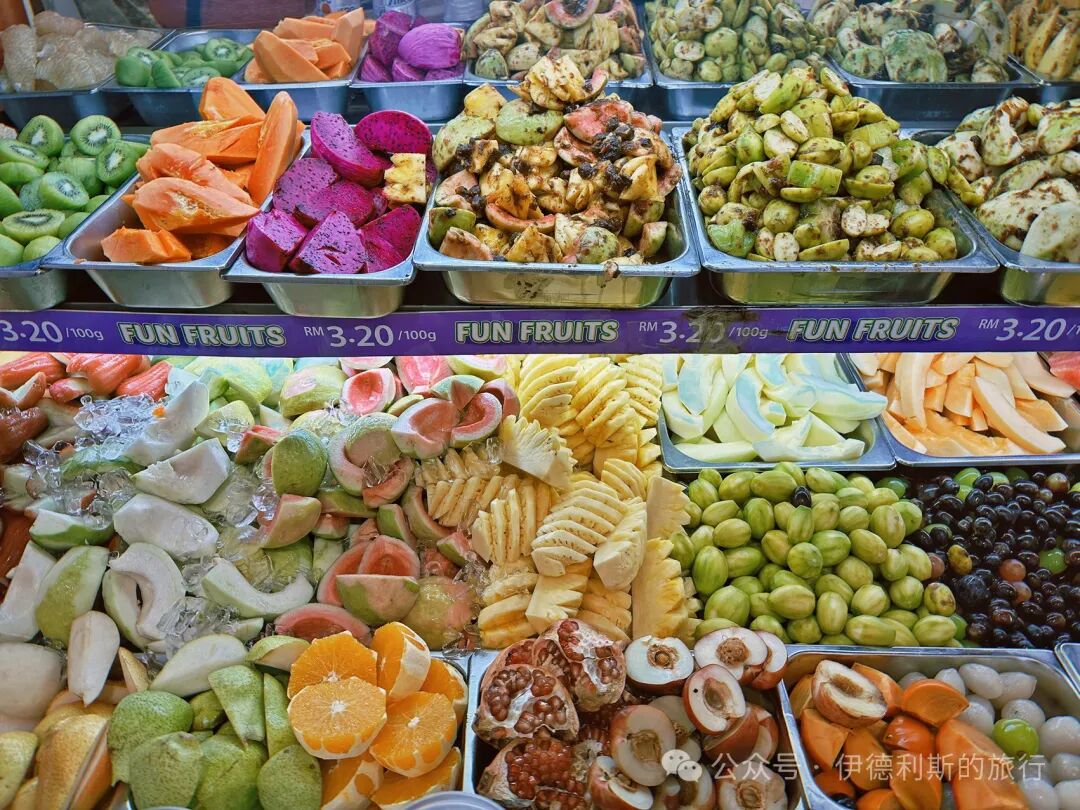
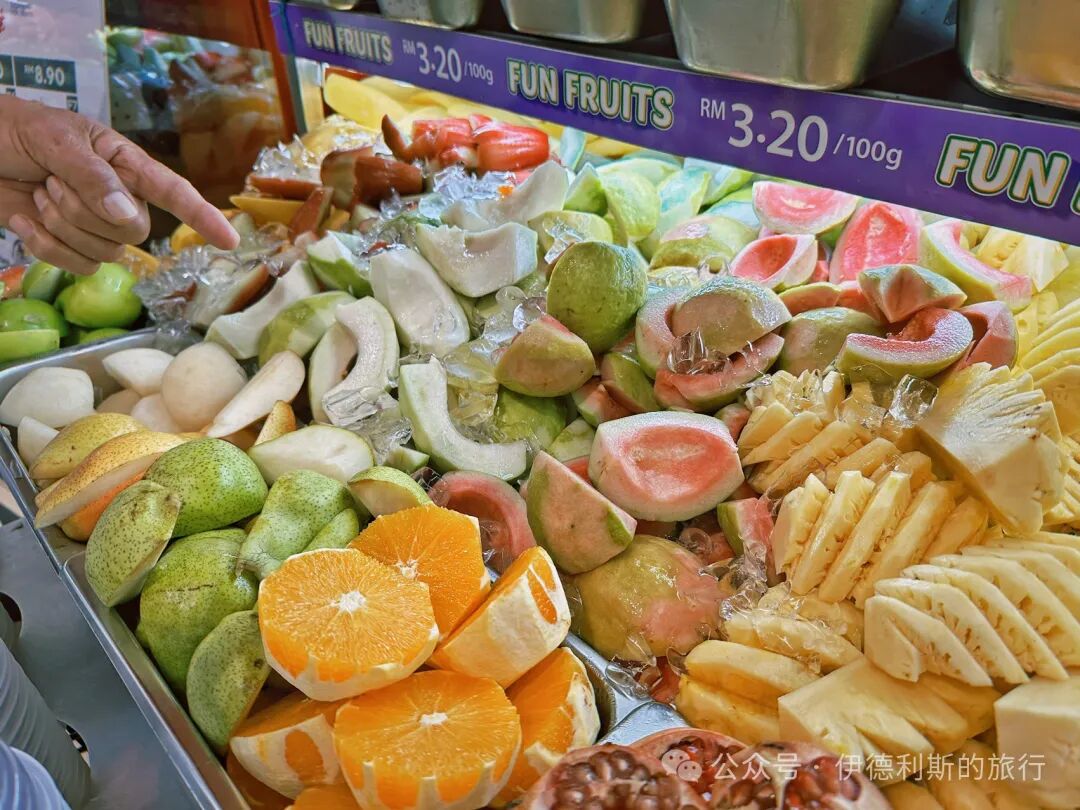
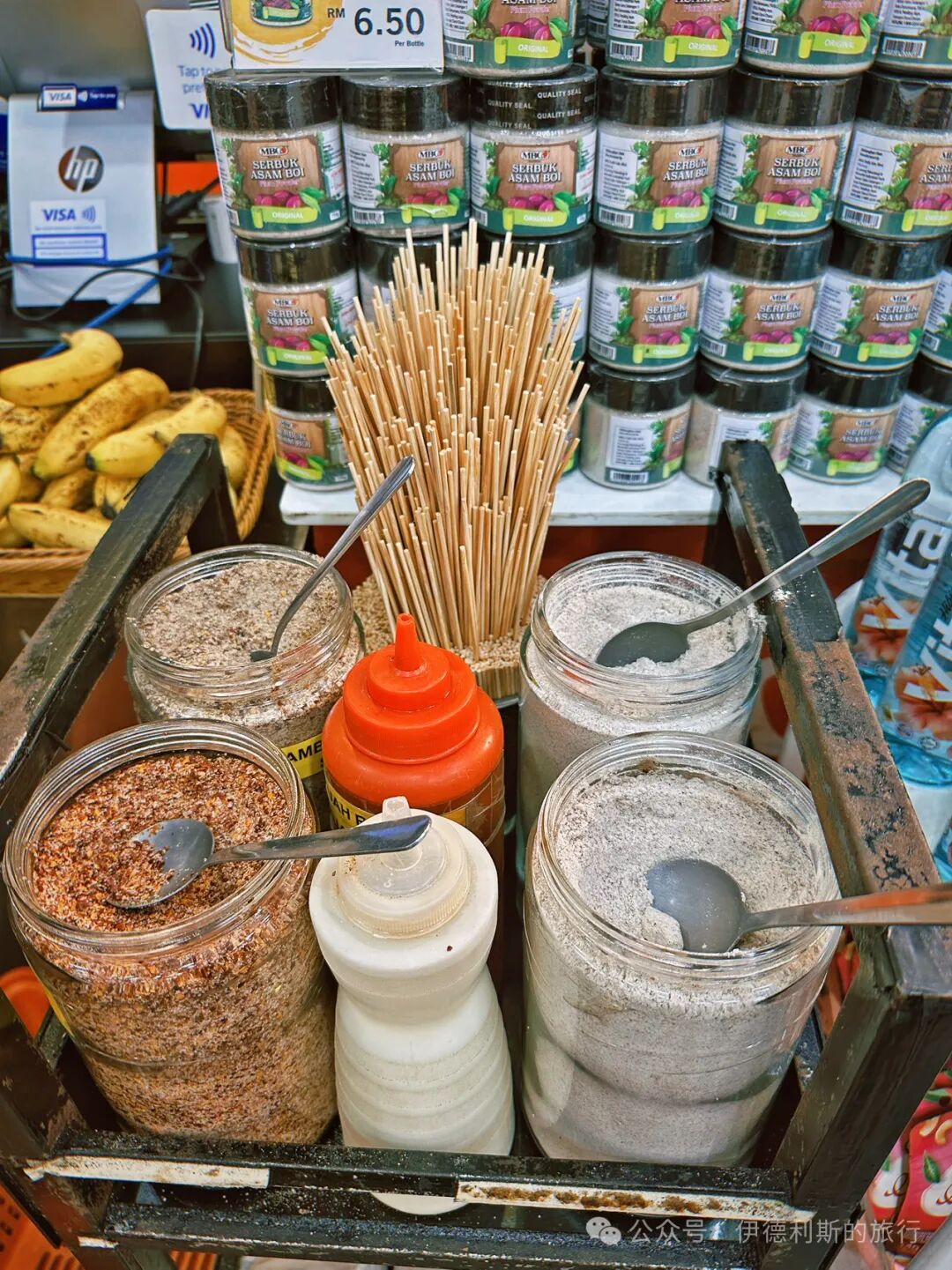
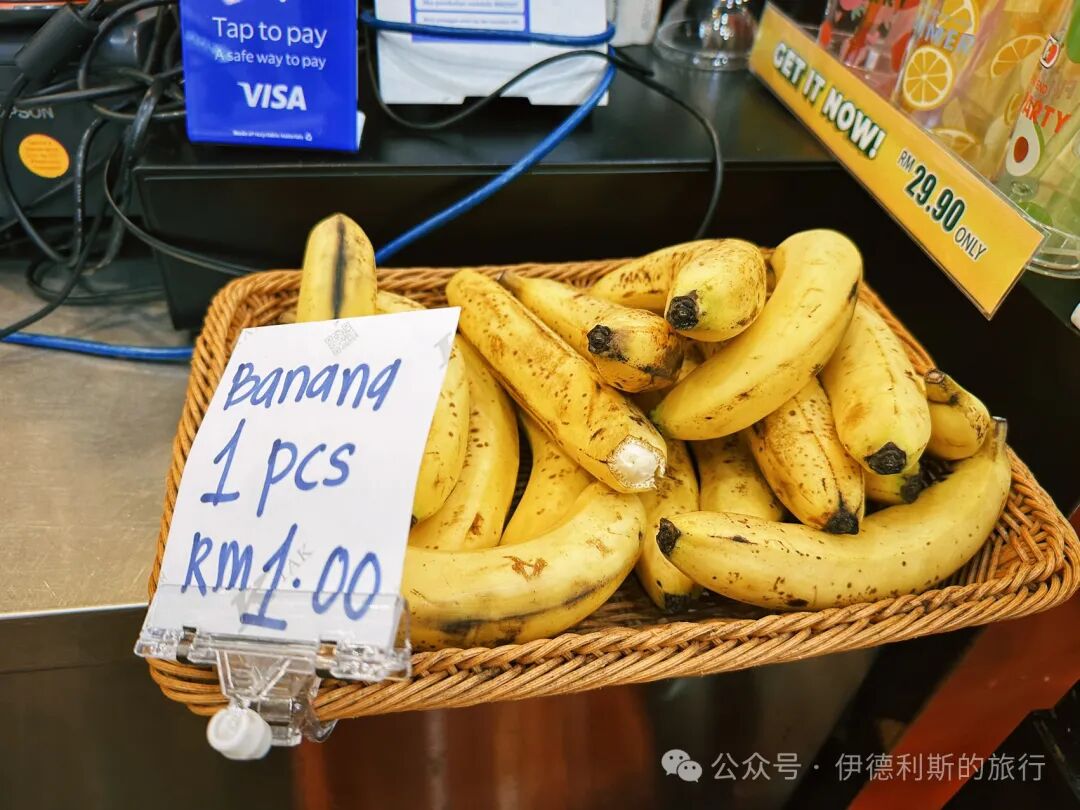
Inside Nu Sentral mall, there is a restaurant called Ah Cheng Laksa that specializes in food from Kedah in northern Malaysia. They started selling sour tamarind noodle soup (asam laksa) in a village in Kedah in 1960. Later, a descendant named Ah Cheng turned it into a chain in Kuala Lumpur. Now, the staff includes both Chinese and Malay employees, and they serve both Malay laksa and Chinese flat noodles (banmian).
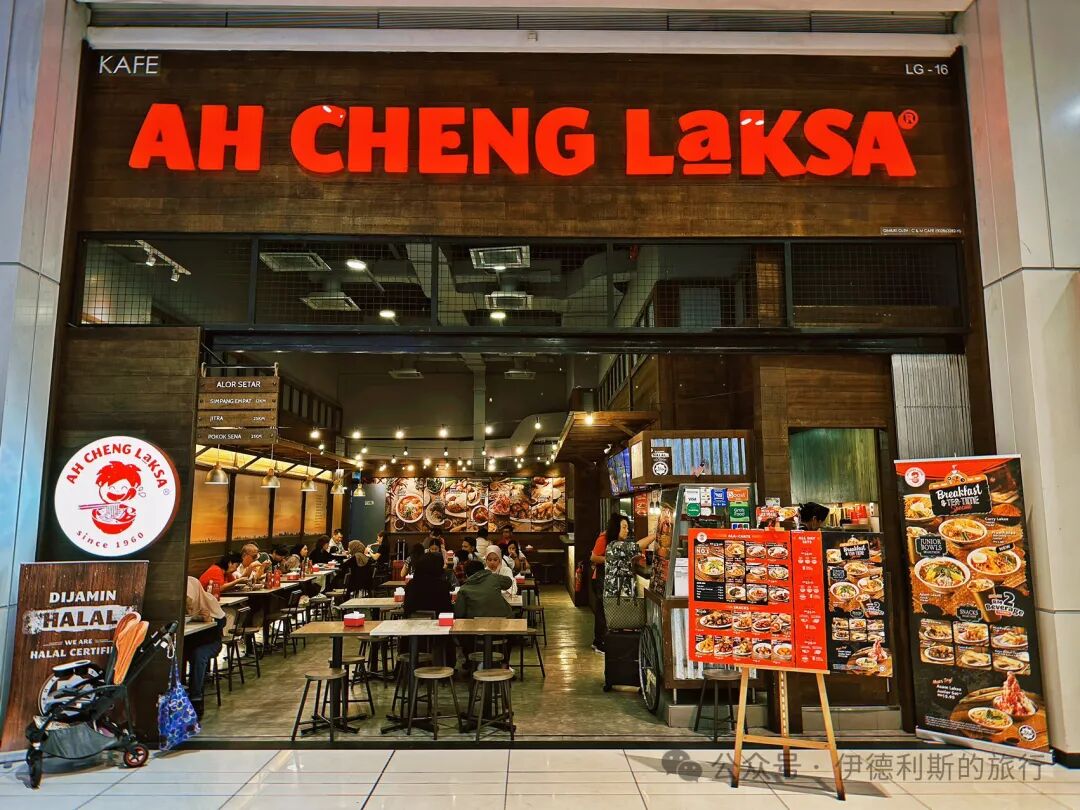
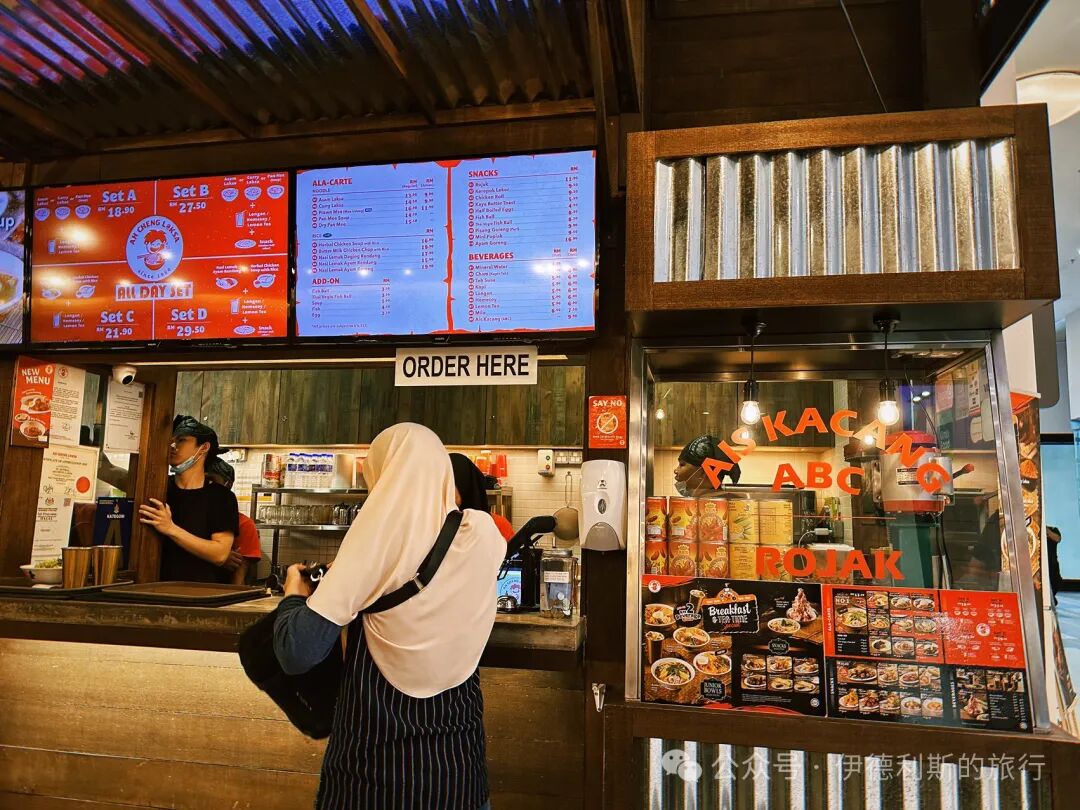
Halal Travel Guide: Halal Chinese Food in Kuala Lumpur, Part 2
Articles • ali2007fr posted the article • 0 comments • 171 views • 2026-05-20 01:48
Summary: This is the second part of a visit to halal Chinese food around Little India in Kuala Lumpur. It keeps the original restaurant names, dishes, prices, street details, and photographs while making the English smooth and easy to follow.
We ordered asam laksa, curry laksa, pan mee, dry pan mee, curry fish balls, fish crackers (keropok lekor), and longan drink.
Asam laksa and curry laksa are the two most common types of laksa in Malaysia. Curry laksa uses a curry coconut milk broth. Asam laksa uses a rich broth made from mackerel (kembung) or Spanish mackerel (tenggiri), seasoned with asam fruit slices, tamarind paste (asam keping), and various spices. It is the spiciest and most sour of all laksa varieties. To make the fish broth, you first boil the whole fish, then shred the meat and add it back into the soup to simmer until the flavors are fully absorbed. Asam laksa is usually served with Cantonese rice noodles (lai fun). These are round, chewy, and smooth noodles made by steaming a mixture of rice flour and water.
Fish crackers (keropok lekor) are fried snacks made from fish and fine rice flour. They originated in the Terengganu region of Malaysia. They are chewy and a classic street food in West Malaysia.
Pan mee comes from the Hakka snack called daomaoqie. It started when Hakka people in Malaysia used large knives to cut dough into strips. Later, Hakka restaurants in Kuala Lumpur worried that local Cantonese-speaking Chinese would not understand the term daomaoqie. They started calling it pan mee, and the name became popular across Malaysia. Pan mee is usually served as either soup pan mee or dry pan mee. Soup pan mee uses a fish-based broth. Dry pan mee is mixed with minced meat, fried onions, and dried anchovies, and can be served with dried chili or sambal sauce.
Malaysia Series:
Visiting the Filipino Market and eating Hainanese food in Kota Kinabalu
Indian temples and nasi kandar in Kuching, Malaysia
Malay history and culture and indigenous food in Kuching
Selected collection of the Islamic Arts Museum Malaysia
92 handwritten scriptures at the Islamic Arts Museum Malaysia
[Exhibition Visit] Sabah Islamic Civilization Museum, Malaysia
[Exhibition Visit] Sarawak Islamic History Museum
Indian and Malay mosques in Ipoh, Malaysia
Negeri Sembilan, home of the Minangkabau people in Malaysia
Attending Jumu'ah prayer at a Chinese mosque in Malaysia
Eating Nyonya food in Johor Bahru and Kuala Lumpur, Malaysia
Tasting halal Chinese food in Malaysia
Halal Chinese food in Penang, Malaysia
Indian Tamil Muslims in Penang, Malaysia
Johor Bahru, the royal city of the Temenggong dynasty of the Johor Sultanate
The Perak Sultanate royal city and the lively Malay night market
Malay wooden houses and historical sites in Malacca
Eight traditional mosques in Malacca
A guide to eating and staying in the ancient city of Malacca
Selangor Sultanate royal cities: Jugra and Klang view all
Summary: This is the second part of a visit to halal Chinese food around Little India in Kuala Lumpur. It keeps the original restaurant names, dishes, prices, street details, and photographs while making the English smooth and easy to follow.
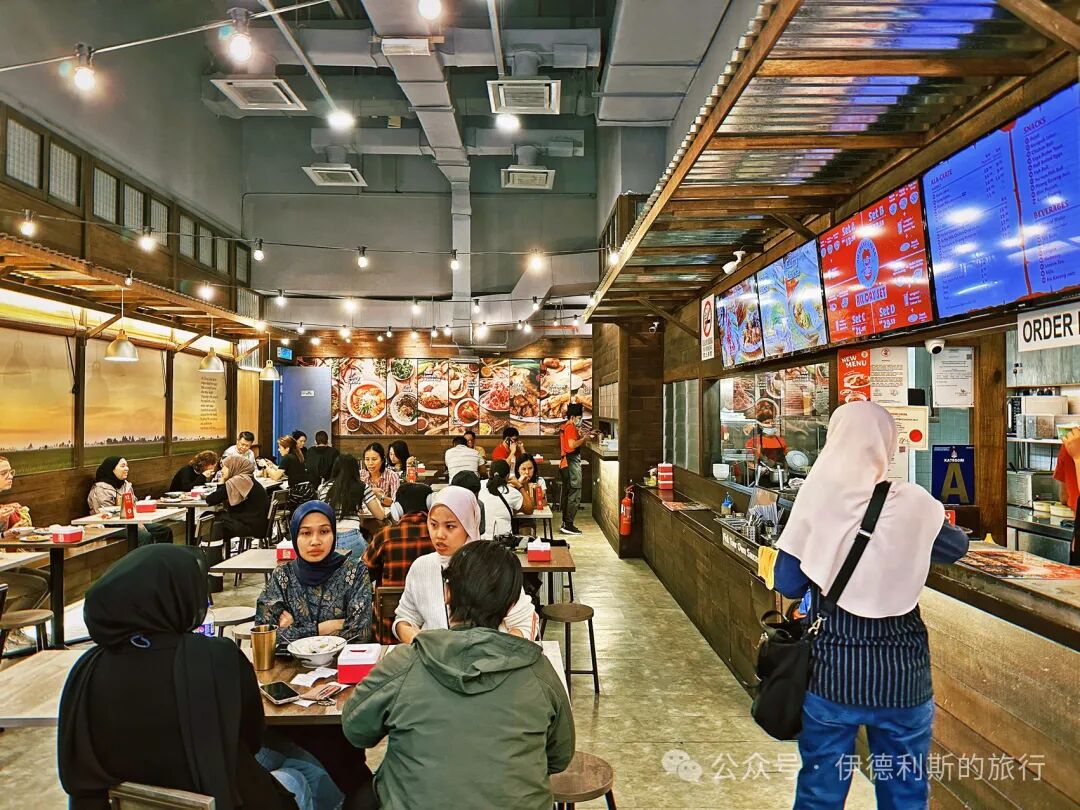
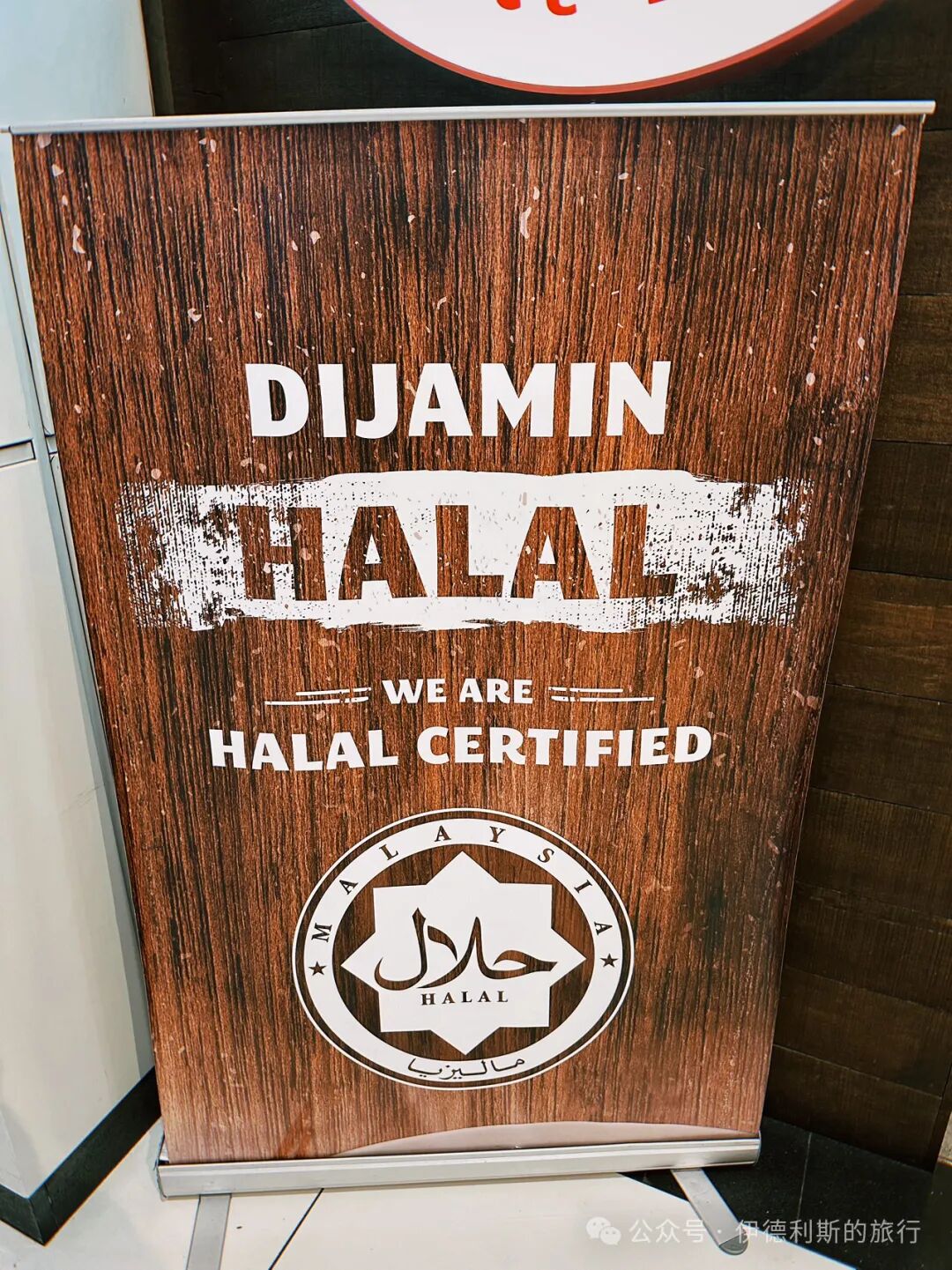
We ordered asam laksa, curry laksa, pan mee, dry pan mee, curry fish balls, fish crackers (keropok lekor), and longan drink.
Asam laksa and curry laksa are the two most common types of laksa in Malaysia. Curry laksa uses a curry coconut milk broth. Asam laksa uses a rich broth made from mackerel (kembung) or Spanish mackerel (tenggiri), seasoned with asam fruit slices, tamarind paste (asam keping), and various spices. It is the spiciest and most sour of all laksa varieties. To make the fish broth, you first boil the whole fish, then shred the meat and add it back into the soup to simmer until the flavors are fully absorbed. Asam laksa is usually served with Cantonese rice noodles (lai fun). These are round, chewy, and smooth noodles made by steaming a mixture of rice flour and water.
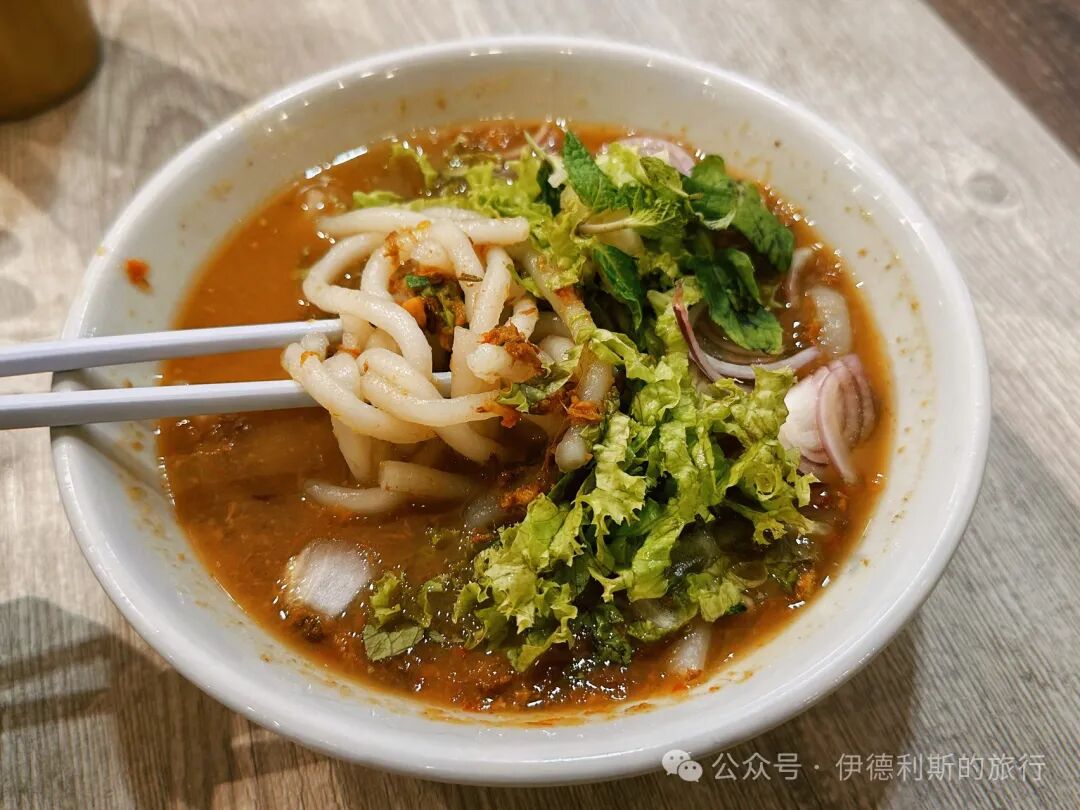
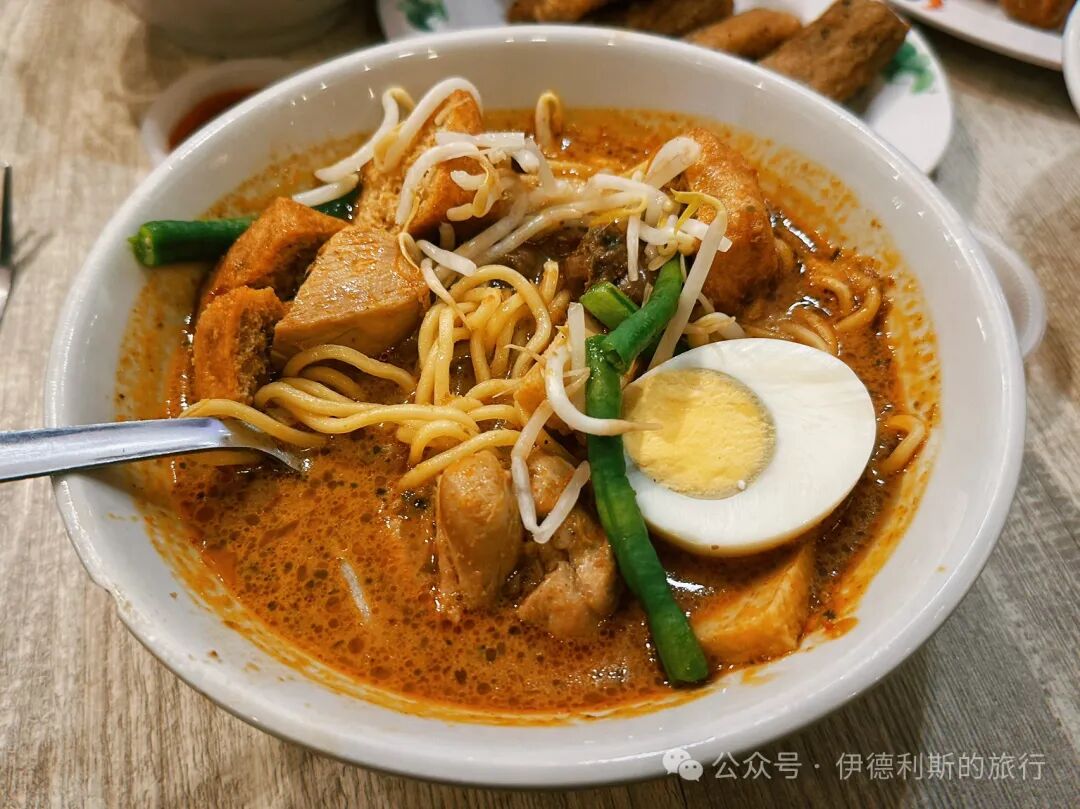
Fish crackers (keropok lekor) are fried snacks made from fish and fine rice flour. They originated in the Terengganu region of Malaysia. They are chewy and a classic street food in West Malaysia.
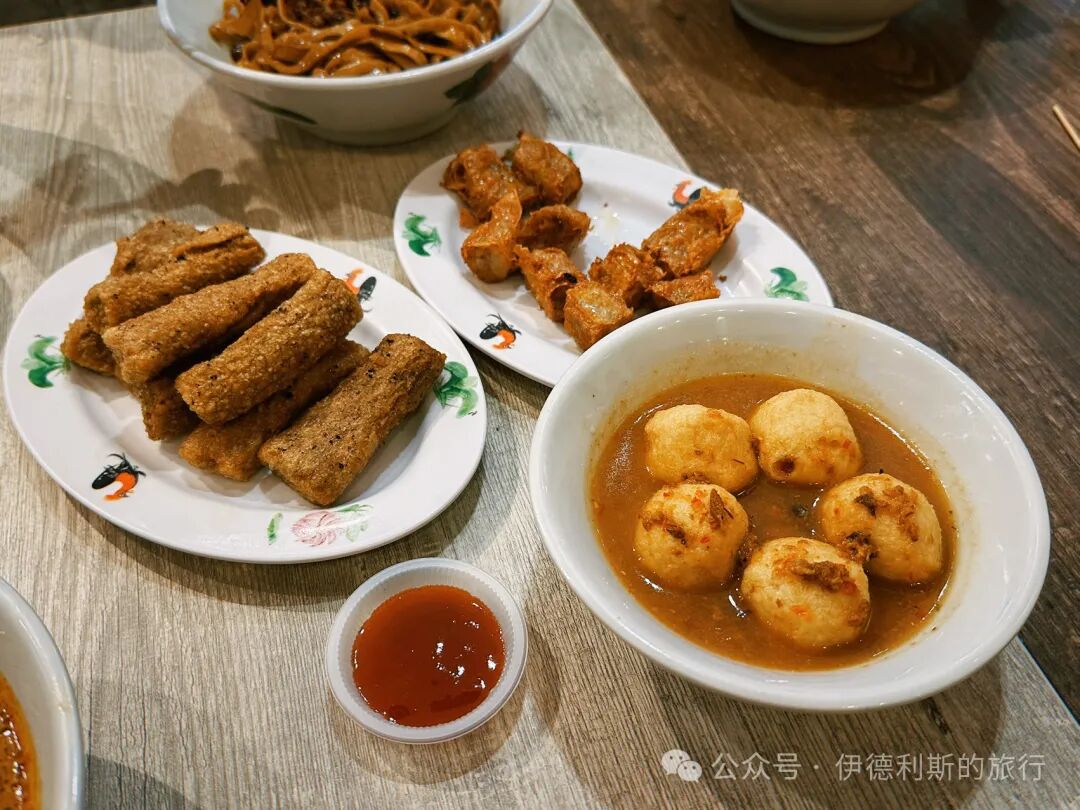
Pan mee comes from the Hakka snack called daomaoqie. It started when Hakka people in Malaysia used large knives to cut dough into strips. Later, Hakka restaurants in Kuala Lumpur worried that local Cantonese-speaking Chinese would not understand the term daomaoqie. They started calling it pan mee, and the name became popular across Malaysia. Pan mee is usually served as either soup pan mee or dry pan mee. Soup pan mee uses a fish-based broth. Dry pan mee is mixed with minced meat, fried onions, and dried anchovies, and can be served with dried chili or sambal sauce.
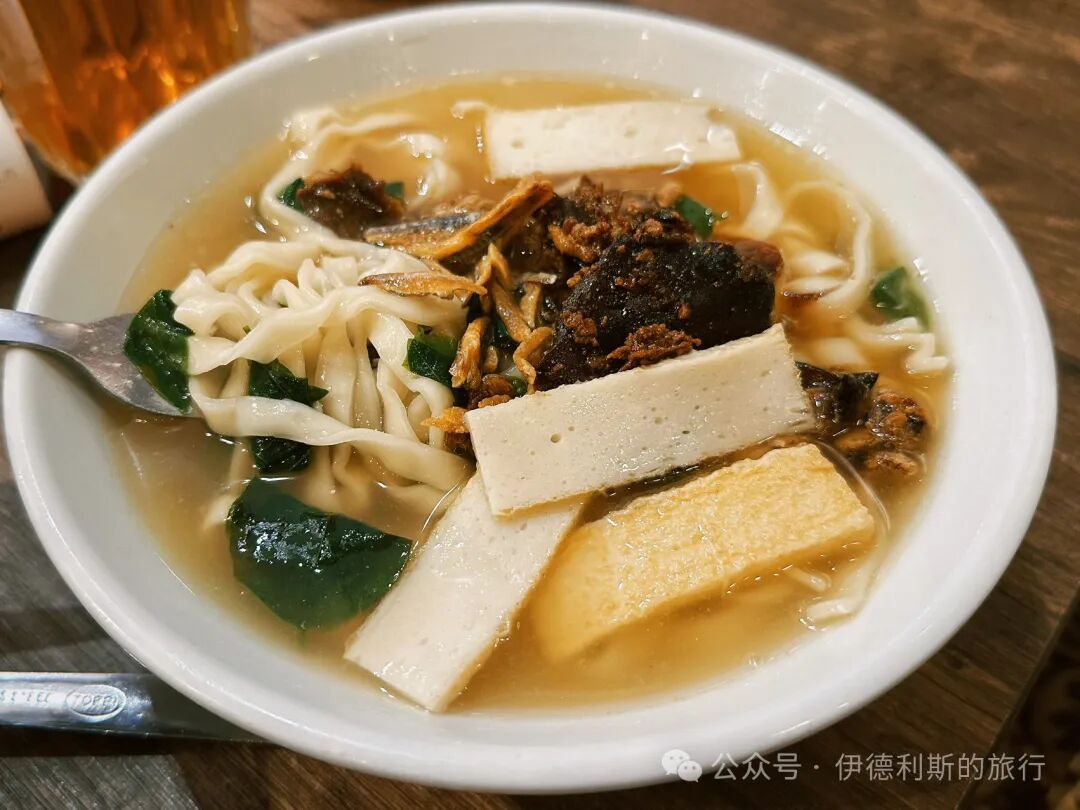
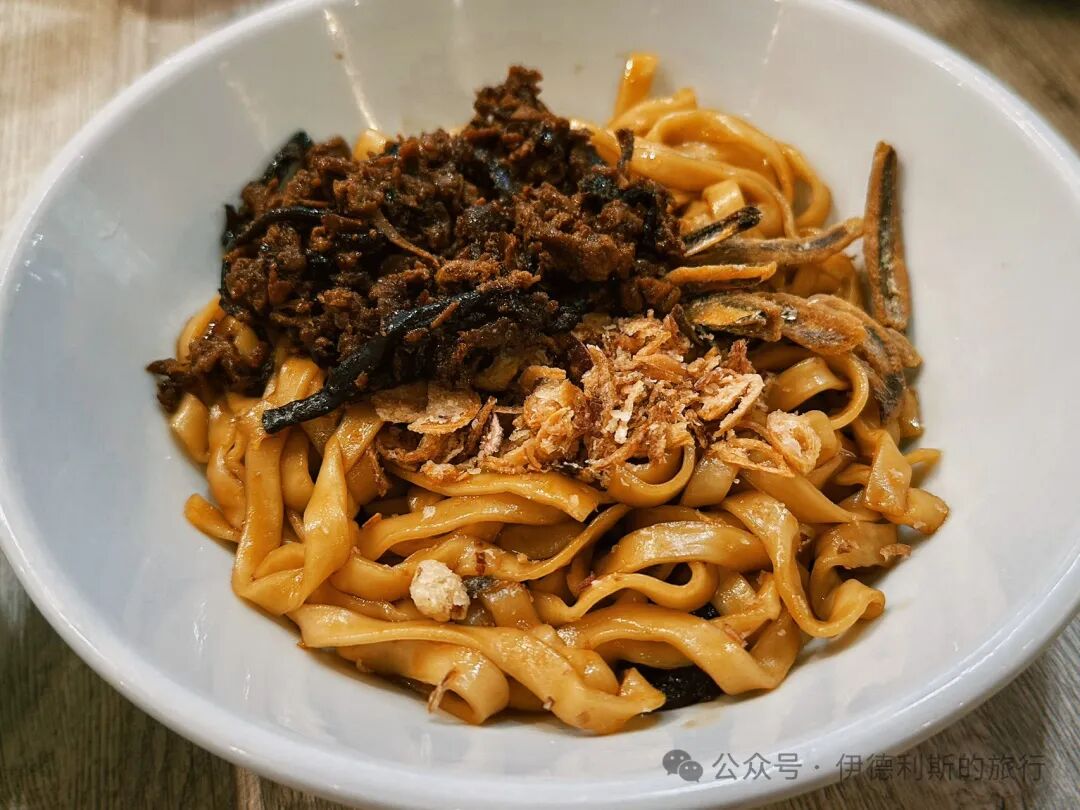
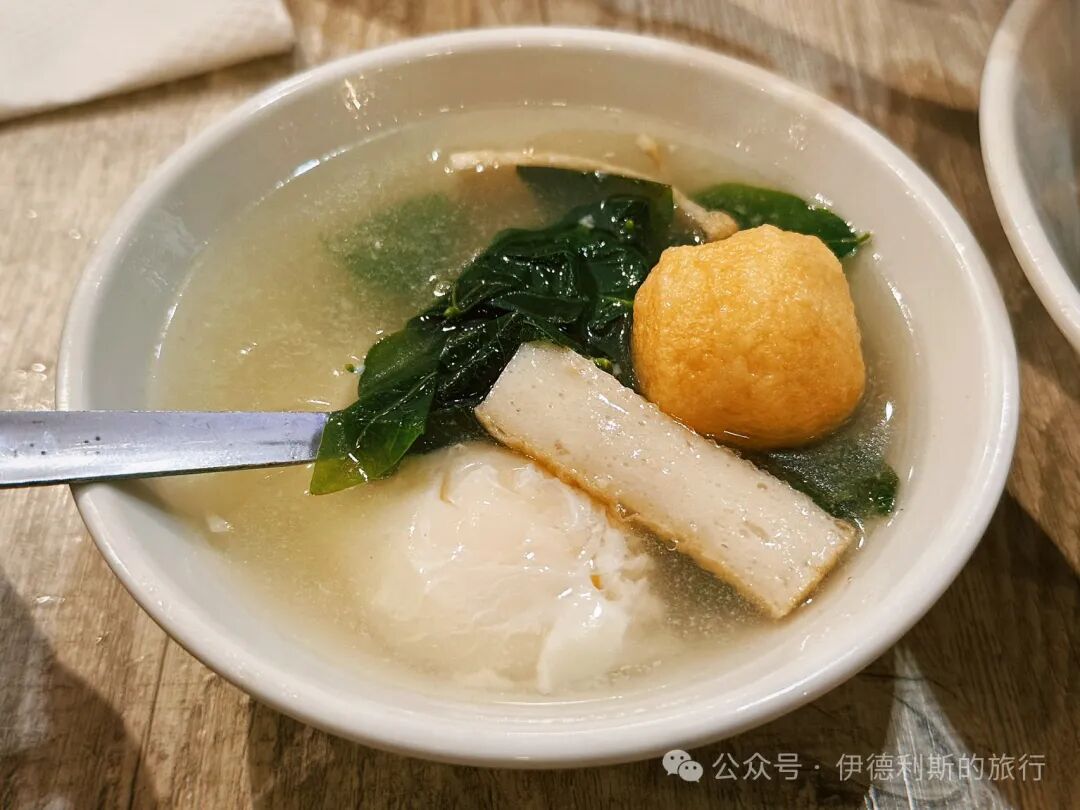
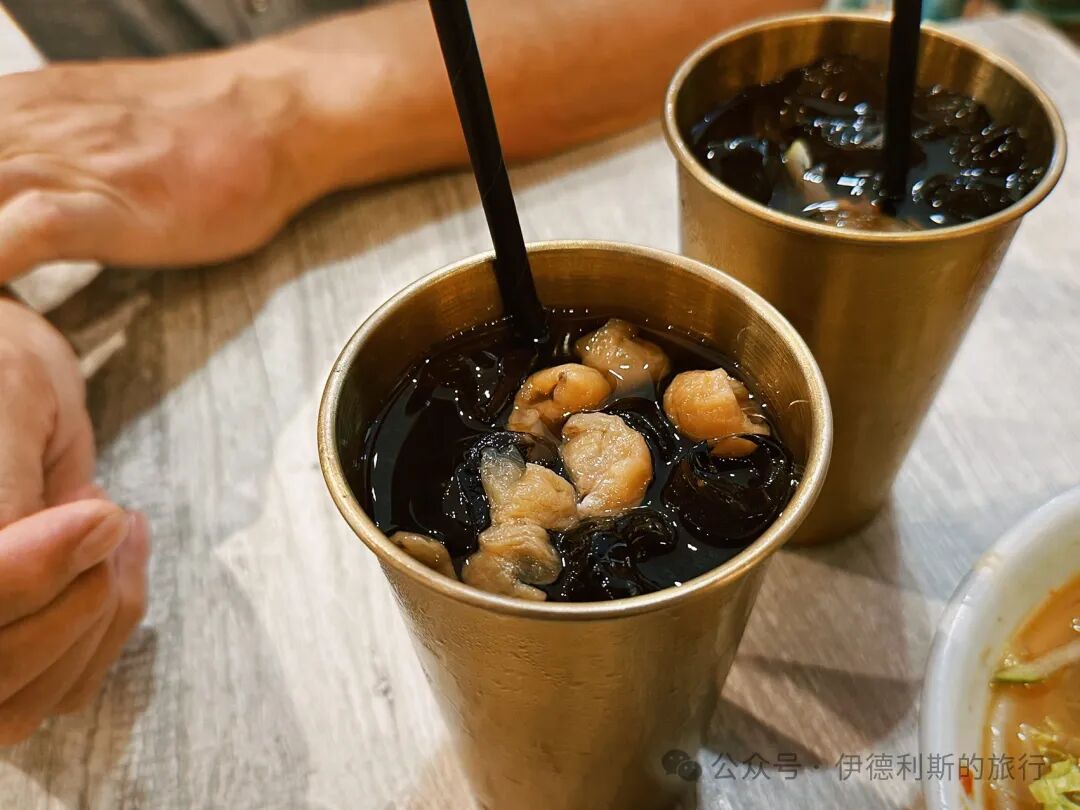
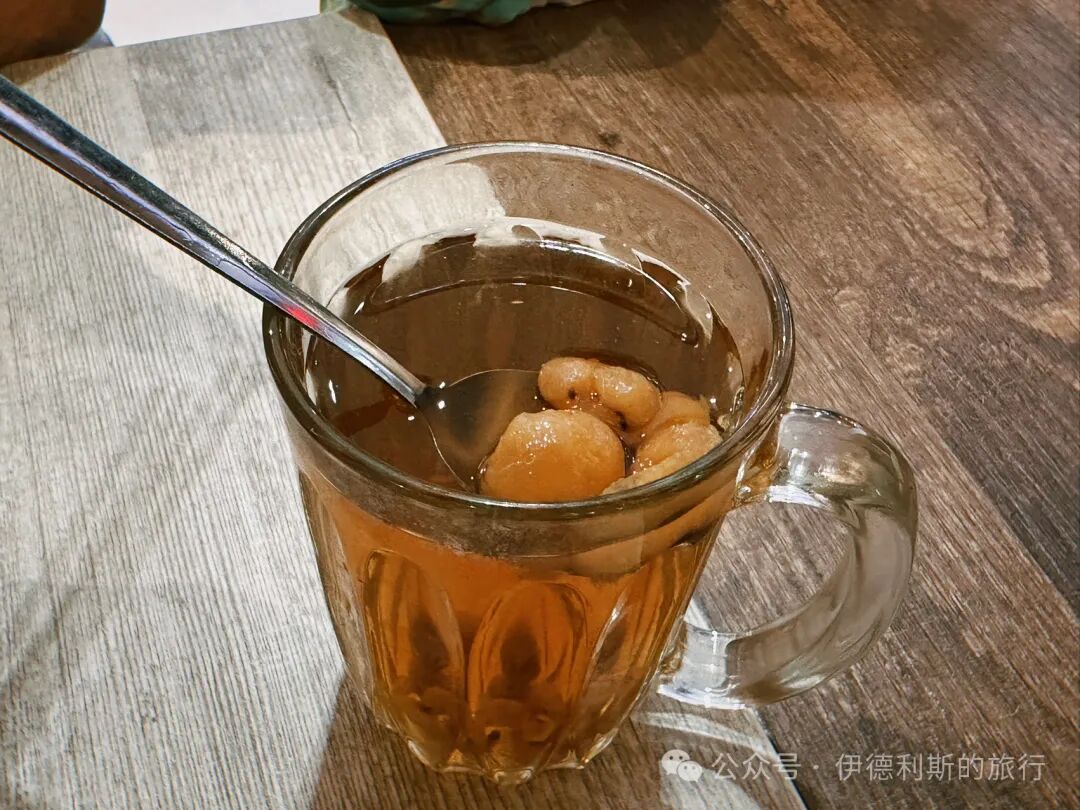
Malaysia Series:
Visiting the Filipino Market and eating Hainanese food in Kota Kinabalu
Indian temples and nasi kandar in Kuching, Malaysia
Malay history and culture and indigenous food in Kuching
Selected collection of the Islamic Arts Museum Malaysia
92 handwritten scriptures at the Islamic Arts Museum Malaysia
[Exhibition Visit] Sabah Islamic Civilization Museum, Malaysia
[Exhibition Visit] Sarawak Islamic History Museum
Indian and Malay mosques in Ipoh, Malaysia
Negeri Sembilan, home of the Minangkabau people in Malaysia
Attending Jumu'ah prayer at a Chinese mosque in Malaysia
Eating Nyonya food in Johor Bahru and Kuala Lumpur, Malaysia
Tasting halal Chinese food in Malaysia
Halal Chinese food in Penang, Malaysia
Indian Tamil Muslims in Penang, Malaysia
Johor Bahru, the royal city of the Temenggong dynasty of the Johor Sultanate
The Perak Sultanate royal city and the lively Malay night market
Malay wooden houses and historical sites in Malacca
Eight traditional mosques in Malacca
A guide to eating and staying in the ancient city of Malacca
Selangor Sultanate royal cities: Jugra and Klang
Halal Food Guide: Kuching — Halal Chinese Food and Century-Old Homestay
Articles • ali2007fr posted the article • 0 comments • 172 views • 2026-05-20 00:58
Summary: Kuching offers halal Chinese food alongside old houses and heritage-style stays shaped by the city’s mixed cultural background. This article keeps the original restaurant details, homestay notes, photos, and local observations from the Chinese travel account.
We flew from Kota Bharu to Kuching at night. The staff checked us very strictly at the gate. They looked at everyone's passports and flight and hotel bookings, and only let us board after a long phone call. After arriving at Kuching Airport, we had to go through customs again and get an entry stamp. According to the Malaysian Constitution, Sarawak, where Kuching is located, has the most autonomy of any state in Malaysia. The state government has the power to restrict entry and residency for people from West Malaysia and Sabah.
The next morning, we went to Mohammad Lim Cafe, a famous halal Chinese snack shop in Kuching's old town, for breakfast. They specialize in handmade noodles, including dry-tossed noodles, tom yum, kampua noodles, tofu soup, and laksa. We ordered dry-tossed noodles, kampua noodles, and tofu soup.
Dry-tossed noodles (kolomee) are a specialty egg noodle brought by Cantonese Chinese. They are popular in cities with many Cantonese people like Kuching. You can have them plain in clear soup, with dark soy sauce, or with red char siu oil, topped with slices of chicken or beef char siu. Kampua noodles (ganpanmian) are a specialty brought by Fuzhou Chinese. They are made similarly to dry-tossed noodles and are popular in cities with many Fuzhou people like Sibu. Dry-tossed noodles are wetter than kampua noodles and look more like instant noodles, while kampua noodles are usually made with handmade noodles.
I highly recommend the Top Spot Food Court in the city center to any friends (dosti) visiting Kuching. It is a halal Chinese seafood center with a Southeast Asian vibe. The food court is open from 5 p.m. to 10 p.m. It looks like a plain parking garage from the outside, but once you take the elevator to the top floor, you enter a very lively seafood market. Most stalls in the food court are run by Chinese owners and have halal certification. All kinds of fish, shrimp, and vegetables are displayed openly, so you can pick exactly what you want.
We chose a stall called Ling Long Seafood. The lady who took our order was Hainanese. Hainanese people running halal Chinese restaurants is a big feature in Malaysia. She spoke great Mandarin and was very enthusiastic about helping us order what we wanted. We ordered Sarawak-style stir-fried midin ferns (midin) with shrimp paste and stir-fried sweet leaf (mani cai) with egg. Their stir-fried dishes come in small, medium, and large sizes, so even one person can eat well.
Midin is a fern native to Borneo. It is not bitter at all when stir-fried and has a very fresh fragrance. Sweet leaf (mani cai) is a wild vegetable that Sarawak Hakka people love to cook. You can find it in homes and small restaurants. The leaves must be rubbed in water and drained to remove any bitterness, and the small stems must be picked out before cooking, so it is much more work than other vegetables.
For seafood, we ordered lokan clams (lokan), sea shrimp, and seven-star grouper. The waiter told us which ones were fresh and which were frozen. Everything we ordered was indeed very fresh and delicious. Since it is a food court by the sea in the city center, I am not sure if other stalls overcharge, but I felt this stall was good value for money. In the end, our five dishes, rice, and the 6% sales tax cost a total of 313 RMB. Small stir-fried dishes were 24 RMB each, the seven-star grouper was 148 RMB (they had cheaper fish too), a plate of sea shrimp was 48 RMB, and a plate of clams was 40 RMB.
We stayed at the Marian Boutique Hotel in Kuching. It is the old Wang family mansion built in 1885 on a hill on Carpenter Street by Wang Youhai, a first-generation Fujianese tycoon in Sarawak. Wang Youhai (1830-1889) was born in Singapore and his ancestral home was Zhangzhou, Fujian. In 1846, 16-year-old Wang Youhai came to Kuching to make a living. He started the Youhai Mao Company with friends, dealing in local produce, groceries, and textiles. He gradually became a leader of the Fujian community in the Singapore-Malaysia region and was appointed as a Kapitan Cina for Sarawak. After the 1870s, Wang Youhai's wealth surpassed that of the Teochew merchant groups. He was known as the big boss of the Sarawak Chinese, and the Wang family was considered the top Chinese family in Sarawak. Youhai Street in the old town of Kuching was built by Wang Youhai in 1889.
The old Wang family residence was built with Borneo ironwood (belian) and Chinese green roof tiles. It had a grand Chinese-style archway at the entrance. In 1933, the Wang family sold the old house to the Anglican Church. The church expanded it into the three-story St. Mary's Boarding House. It became a church guesthouse after 1968. In the 1990s, the front yard and Chinese archway were demolished for road construction. After renovations in 2013, it opened as the Marian Boutique Hotel in 2017.
Breakfast was a simple meal of milk tea and bread with jam.
The Chinese History Museum in Kuching Waterfront Park was originally the Chinese Court built by the Kingdom of Sarawak in 1912. It handled civil lawsuits, probate, and marriage and divorce cases involving Chinese people, which is why a scale is decorated on the main gate. In 1921, it became the Chinese Affairs Office, then the Chinese Chamber of Commerce in 1930, and finally opened as the Chinese History Museum in 1993.
The museum has rich exhibits, including detailed introductions to all Chinese dialect groups in Sarawak like the Hakka, Teochew, Cantonese, Fuzhou, and Hainanese people, along with recordings of their daily dialects. Inside the museum, a large wall features a panoramic map of Kuching's old town, showing the Chinese names of all streets and the types of shops, which is perfect for exploring the area.
West of the Chinese History Museum is the old street area with shophouses centered around China Street. It includes streets like Youhai Street, Carpenter Street, Lower Bazaar, Ewe Hai Street, Upper China Street, and Main Bazaar, making it the area with the richest Chinese culture in Kuching.
The first Chinese person to arrive in Kuching was Liu Zhi from Guangdong. He arrived in 1820 and once served as the butler for the White Rajah, James Brooke. In 1866, the Kingdom of Sarawak issued a land deed for his shop, Julong Zhiji, in Kuching. This street was later called China Street (Jalan China).
Main Bazaar (Jalan Main Bazaar) is literally translated as Big Market Road. It is known as the first street of Sarawak and was the busiest commercial center in 19th-century Sarawak. The name Main Bazaar comes from the Hakka word haichun, which means seaside.
Carpenter Street (Jalan Carpenter) is literally translated as Carpenter Road, but the Chinese name refers to a type of palm leaf used for roofing. Carpenter Street was famous for its carpenter workshops in the 19th century.
The double row of shophouses on Youhai Street was built in 1889 by the Fujianese merchant Wang Youhai, which is how it got its name. Wang Youhai (1830-1889) was born in Singapore with ancestral roots in Zhangzhou, Fujian. He came to Kuching to make a living when he was young, started a business, and was appointed as a Kapitan Cina for Sarawak. He was known as the big boss of the Sarawak Chinese, and the Wang family was considered the top Chinese family in Sarawak. view all
Summary: Kuching offers halal Chinese food alongside old houses and heritage-style stays shaped by the city’s mixed cultural background. This article keeps the original restaurant details, homestay notes, photos, and local observations from the Chinese travel account.
We flew from Kota Bharu to Kuching at night. The staff checked us very strictly at the gate. They looked at everyone's passports and flight and hotel bookings, and only let us board after a long phone call. After arriving at Kuching Airport, we had to go through customs again and get an entry stamp. According to the Malaysian Constitution, Sarawak, where Kuching is located, has the most autonomy of any state in Malaysia. The state government has the power to restrict entry and residency for people from West Malaysia and Sabah.
The next morning, we went to Mohammad Lim Cafe, a famous halal Chinese snack shop in Kuching's old town, for breakfast. They specialize in handmade noodles, including dry-tossed noodles, tom yum, kampua noodles, tofu soup, and laksa. We ordered dry-tossed noodles, kampua noodles, and tofu soup.
Dry-tossed noodles (kolomee) are a specialty egg noodle brought by Cantonese Chinese. They are popular in cities with many Cantonese people like Kuching. You can have them plain in clear soup, with dark soy sauce, or with red char siu oil, topped with slices of chicken or beef char siu. Kampua noodles (ganpanmian) are a specialty brought by Fuzhou Chinese. They are made similarly to dry-tossed noodles and are popular in cities with many Fuzhou people like Sibu. Dry-tossed noodles are wetter than kampua noodles and look more like instant noodles, while kampua noodles are usually made with handmade noodles.
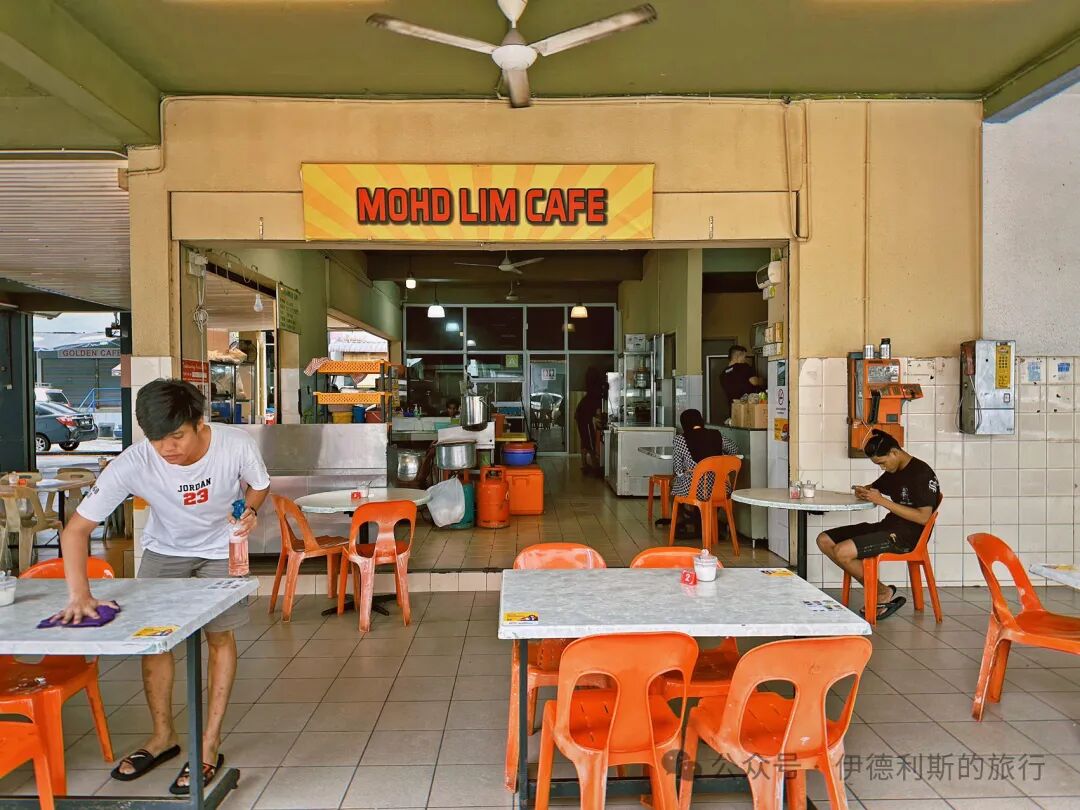
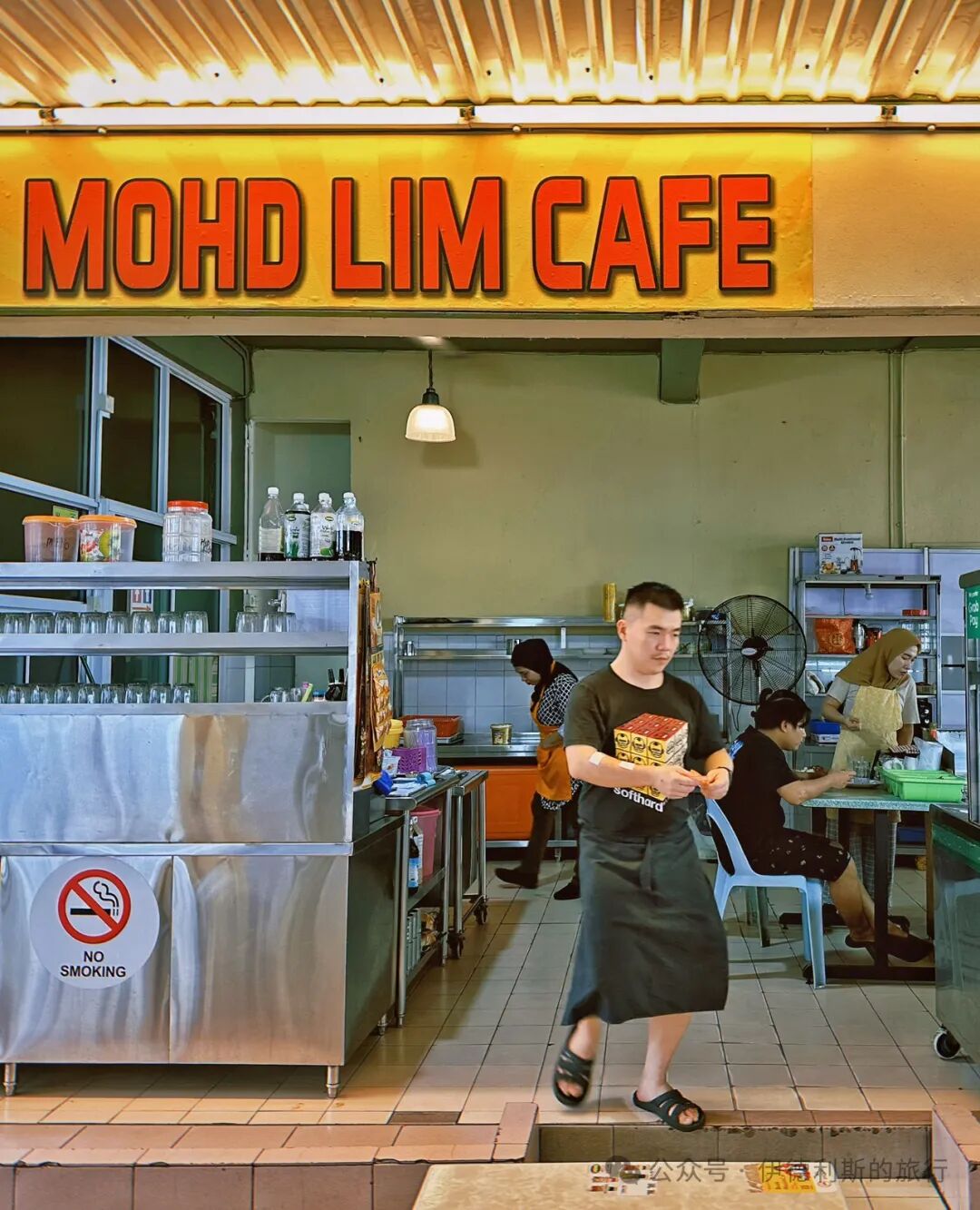
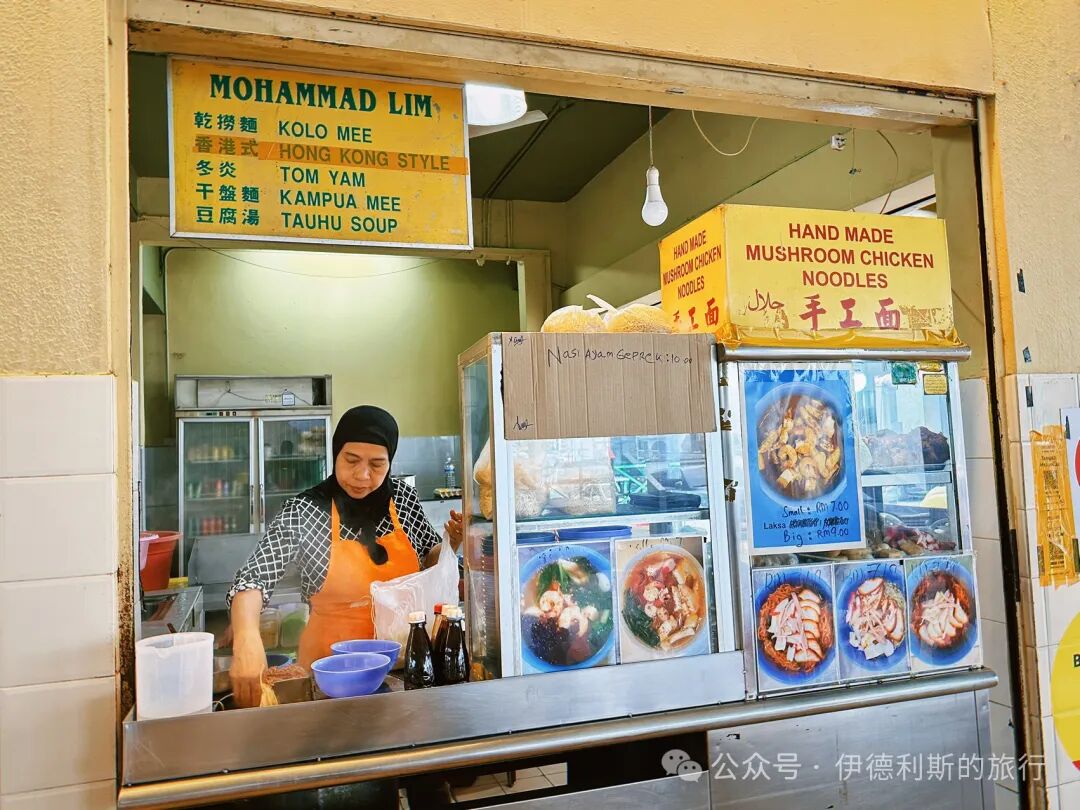
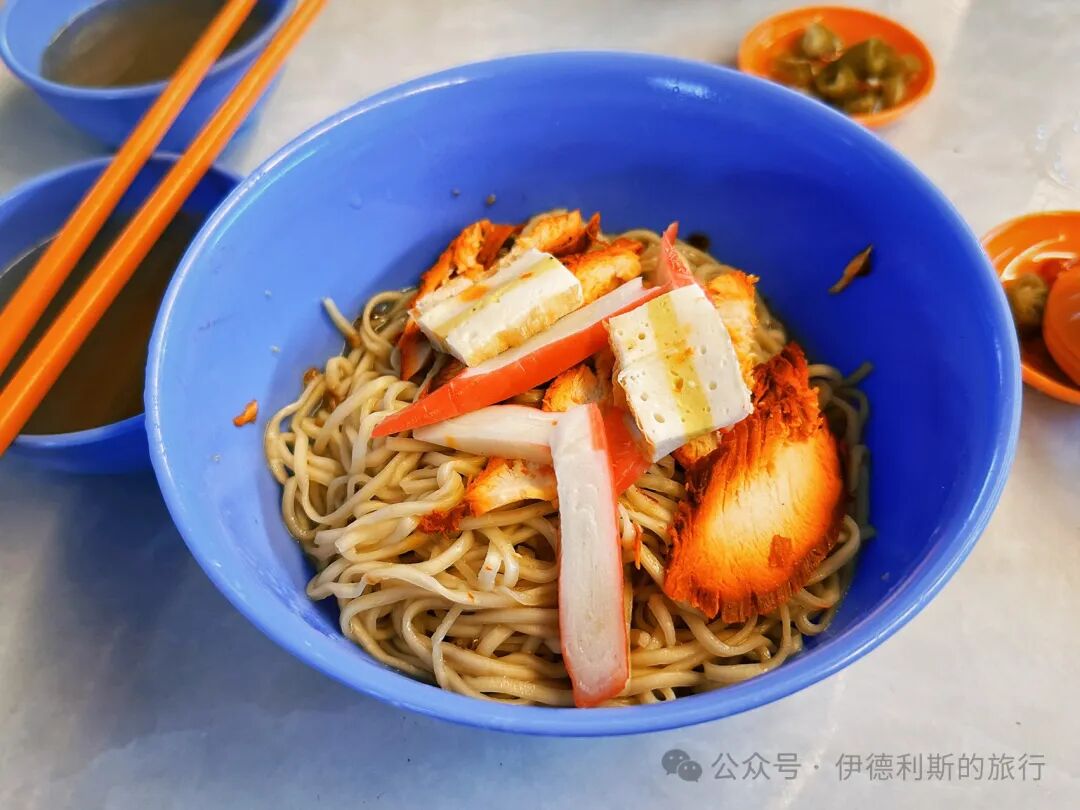
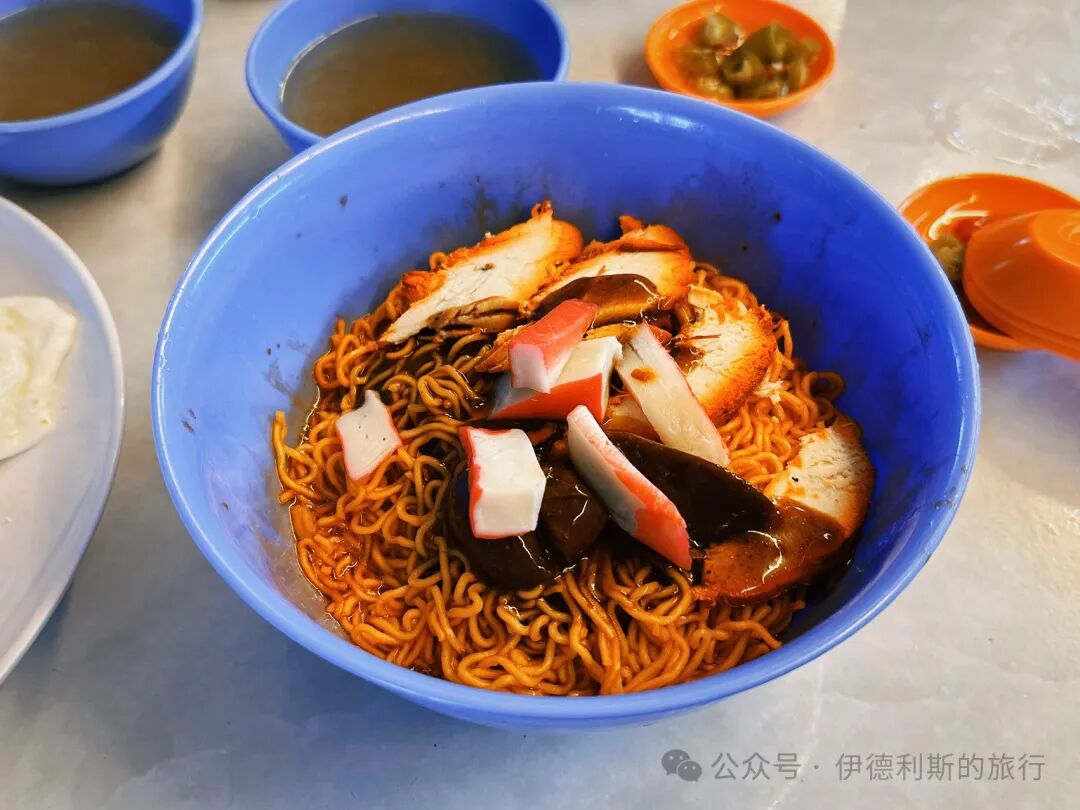
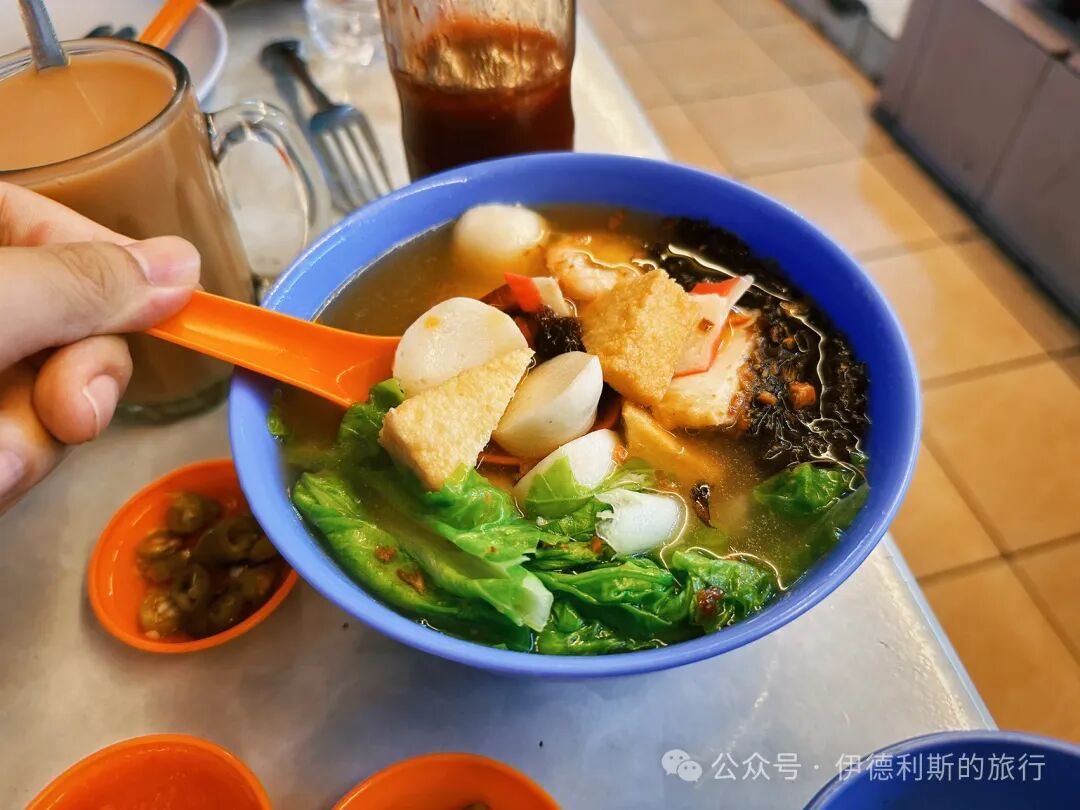
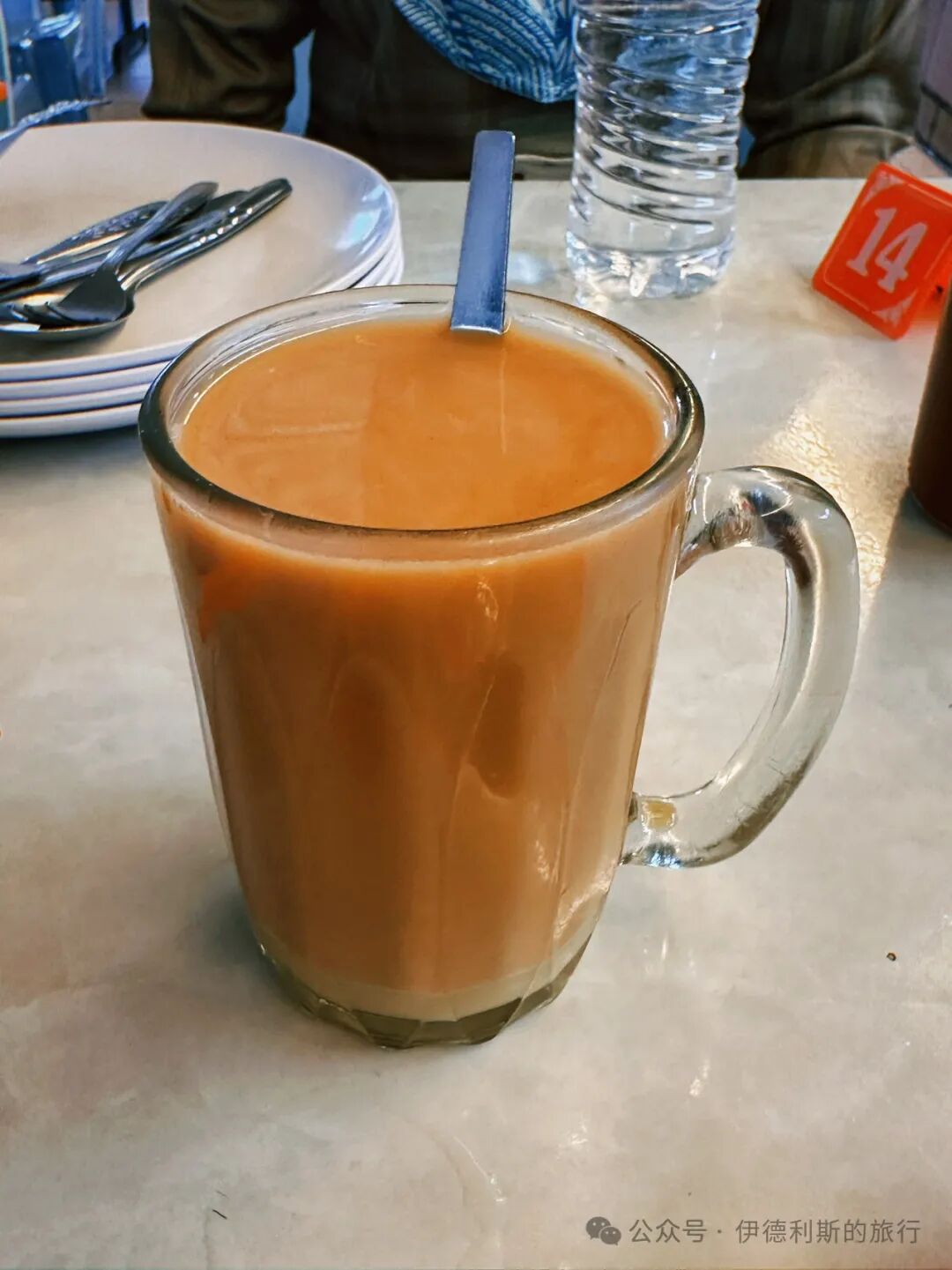
I highly recommend the Top Spot Food Court in the city center to any friends (dosti) visiting Kuching. It is a halal Chinese seafood center with a Southeast Asian vibe. The food court is open from 5 p.m. to 10 p.m. It looks like a plain parking garage from the outside, but once you take the elevator to the top floor, you enter a very lively seafood market. Most stalls in the food court are run by Chinese owners and have halal certification. All kinds of fish, shrimp, and vegetables are displayed openly, so you can pick exactly what you want.
We chose a stall called Ling Long Seafood. The lady who took our order was Hainanese. Hainanese people running halal Chinese restaurants is a big feature in Malaysia. She spoke great Mandarin and was very enthusiastic about helping us order what we wanted. We ordered Sarawak-style stir-fried midin ferns (midin) with shrimp paste and stir-fried sweet leaf (mani cai) with egg. Their stir-fried dishes come in small, medium, and large sizes, so even one person can eat well.
Midin is a fern native to Borneo. It is not bitter at all when stir-fried and has a very fresh fragrance. Sweet leaf (mani cai) is a wild vegetable that Sarawak Hakka people love to cook. You can find it in homes and small restaurants. The leaves must be rubbed in water and drained to remove any bitterness, and the small stems must be picked out before cooking, so it is much more work than other vegetables.
For seafood, we ordered lokan clams (lokan), sea shrimp, and seven-star grouper. The waiter told us which ones were fresh and which were frozen. Everything we ordered was indeed very fresh and delicious. Since it is a food court by the sea in the city center, I am not sure if other stalls overcharge, but I felt this stall was good value for money. In the end, our five dishes, rice, and the 6% sales tax cost a total of 313 RMB. Small stir-fried dishes were 24 RMB each, the seven-star grouper was 148 RMB (they had cheaper fish too), a plate of sea shrimp was 48 RMB, and a plate of clams was 40 RMB.
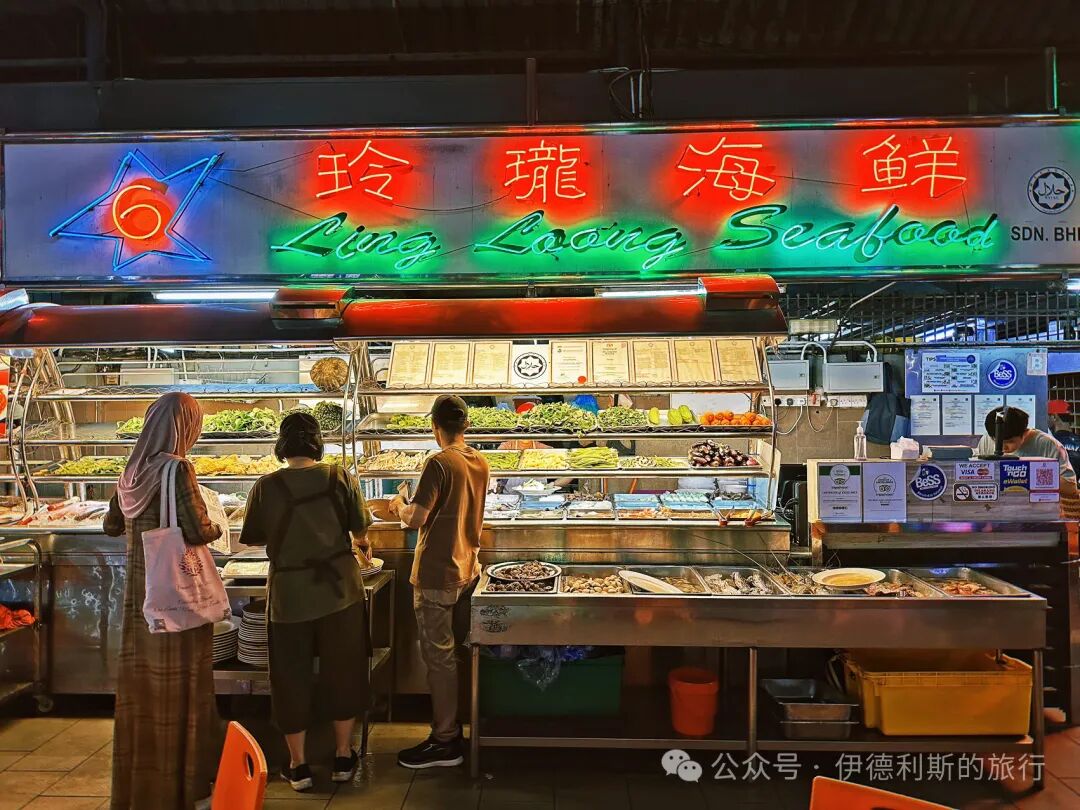
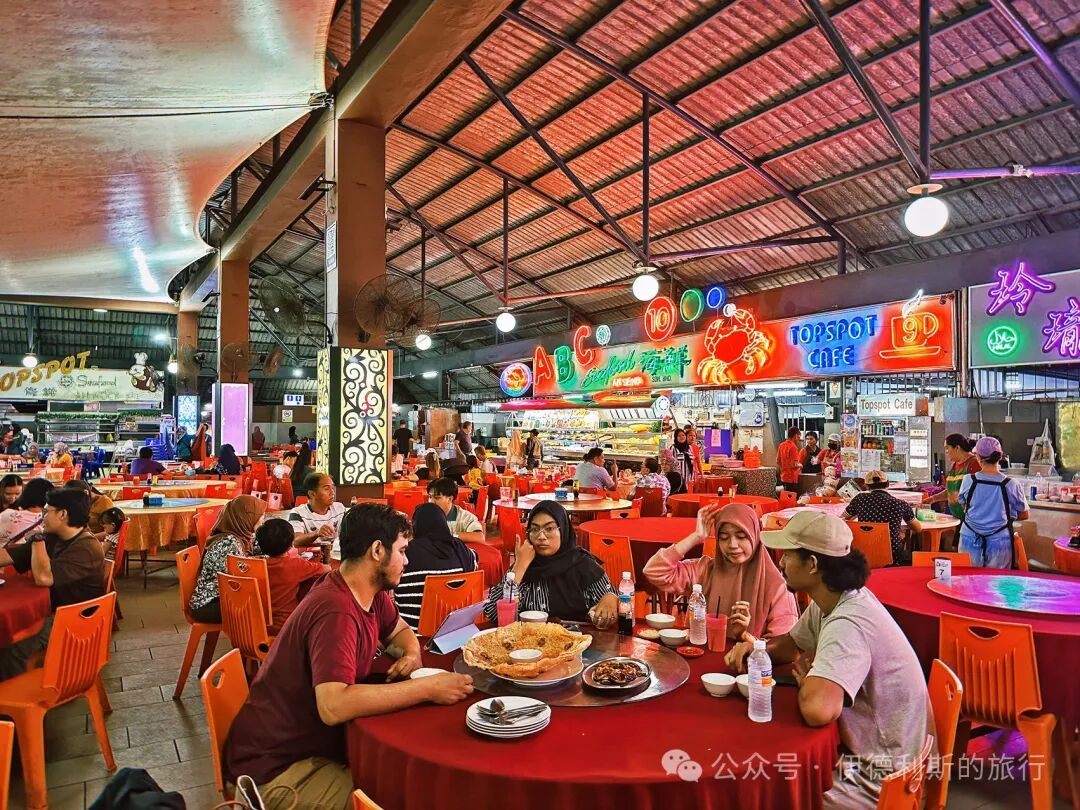
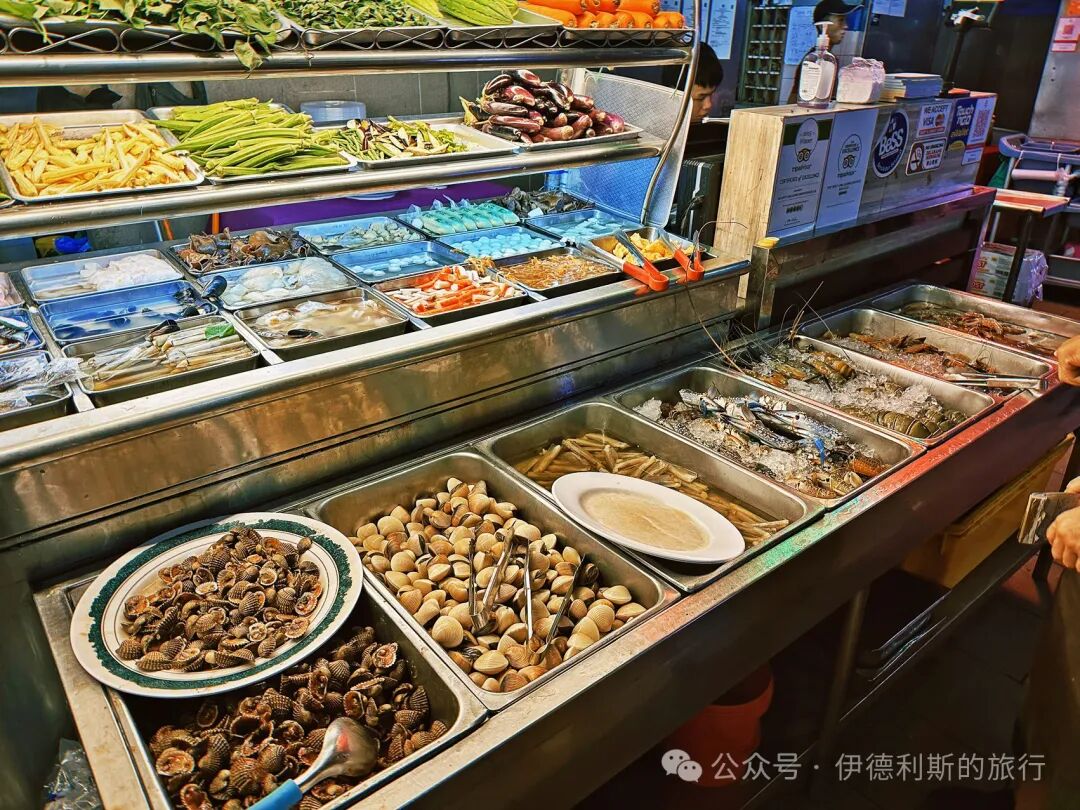
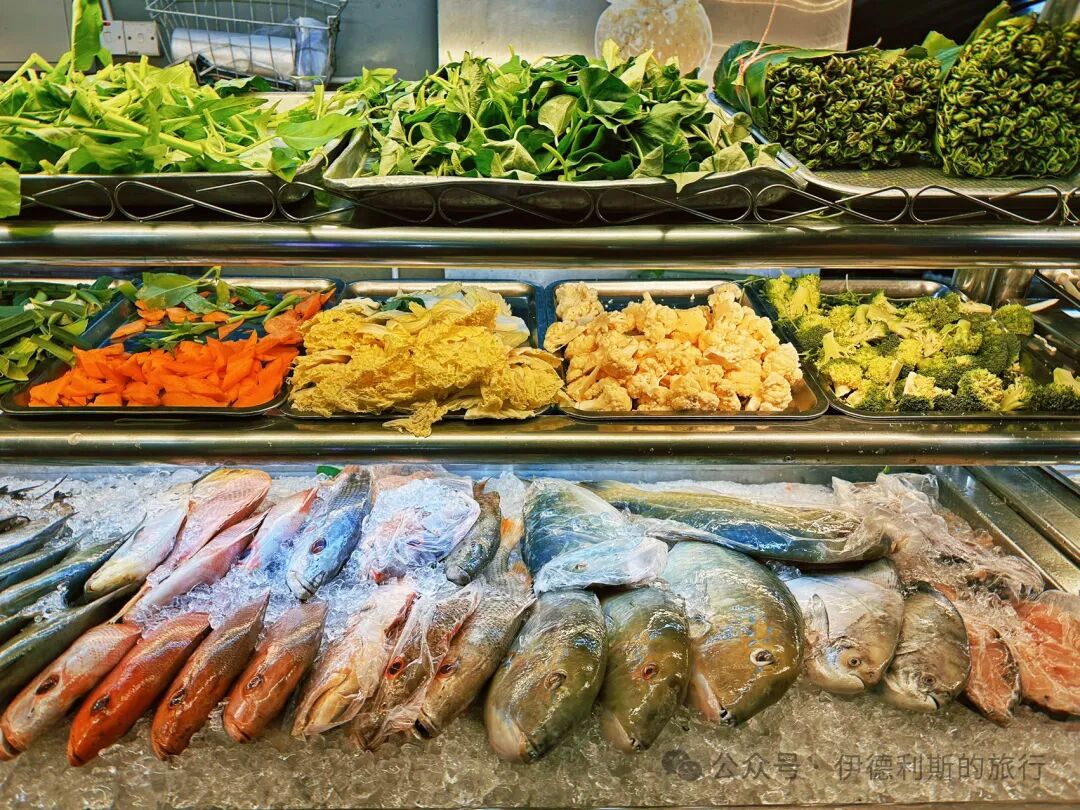
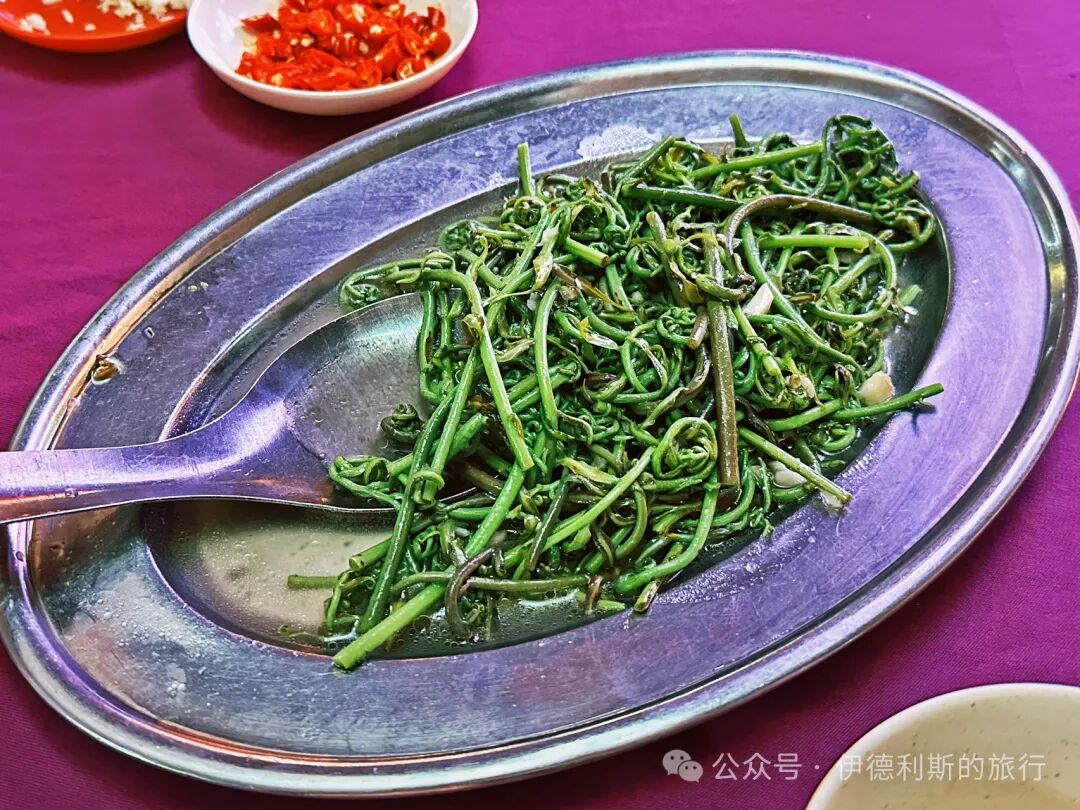
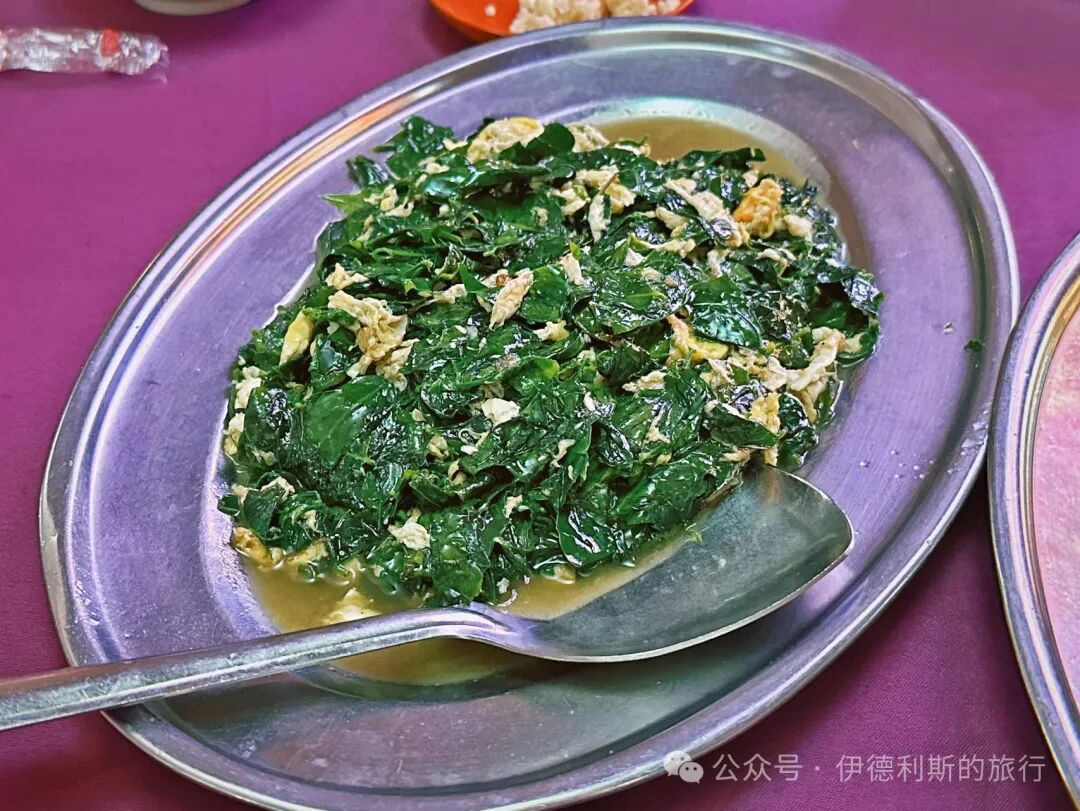
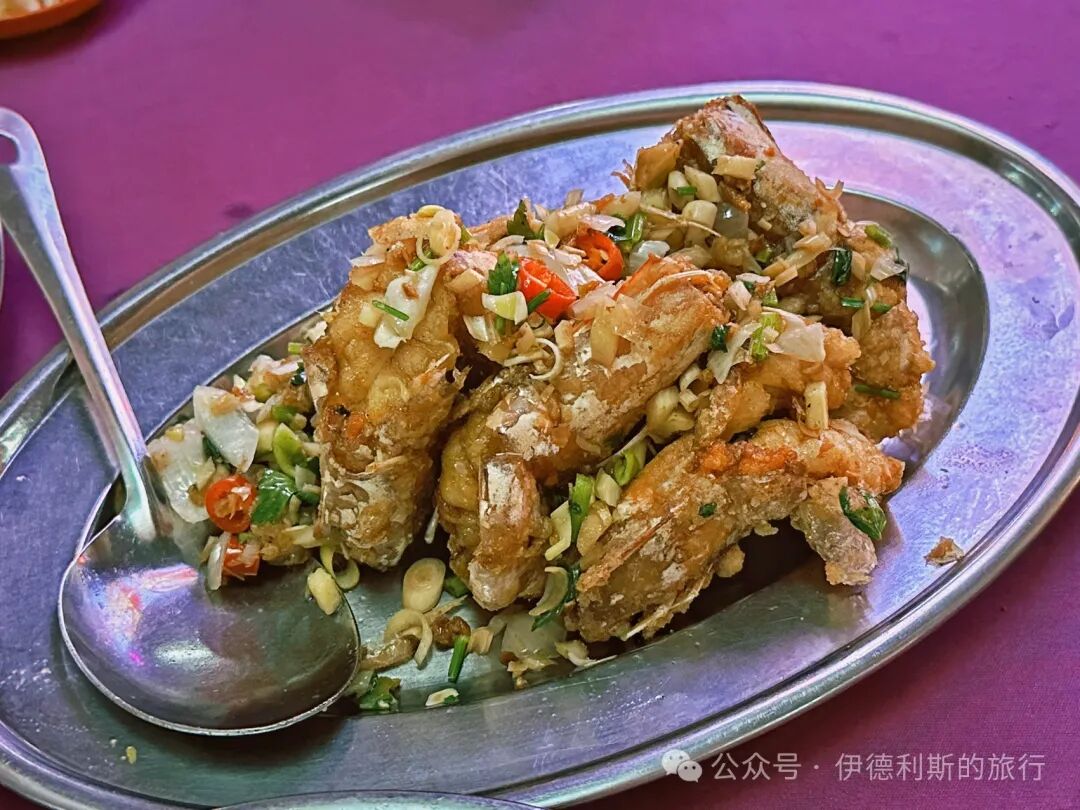
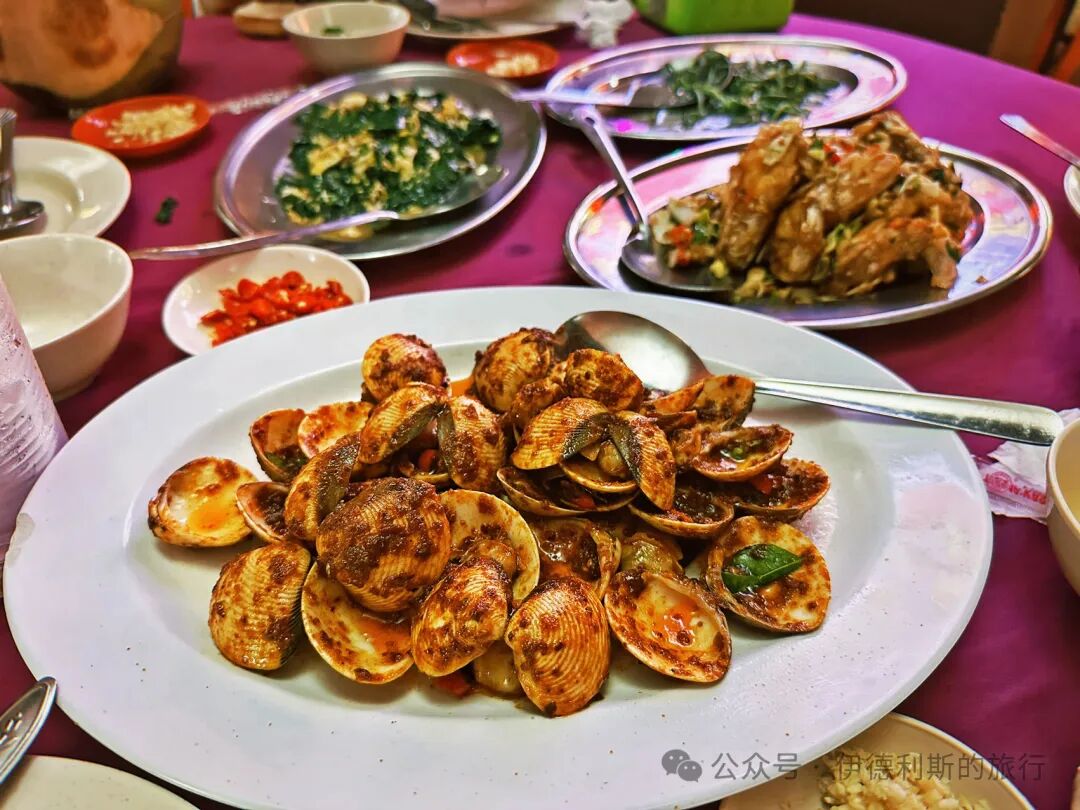
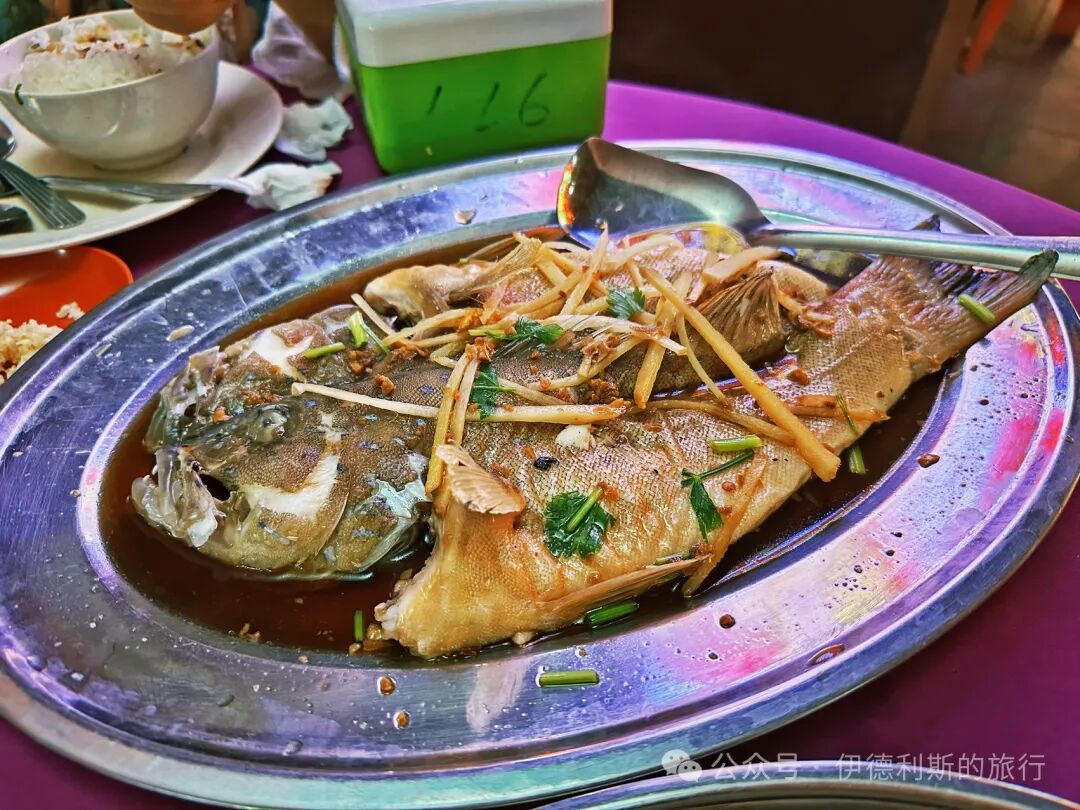
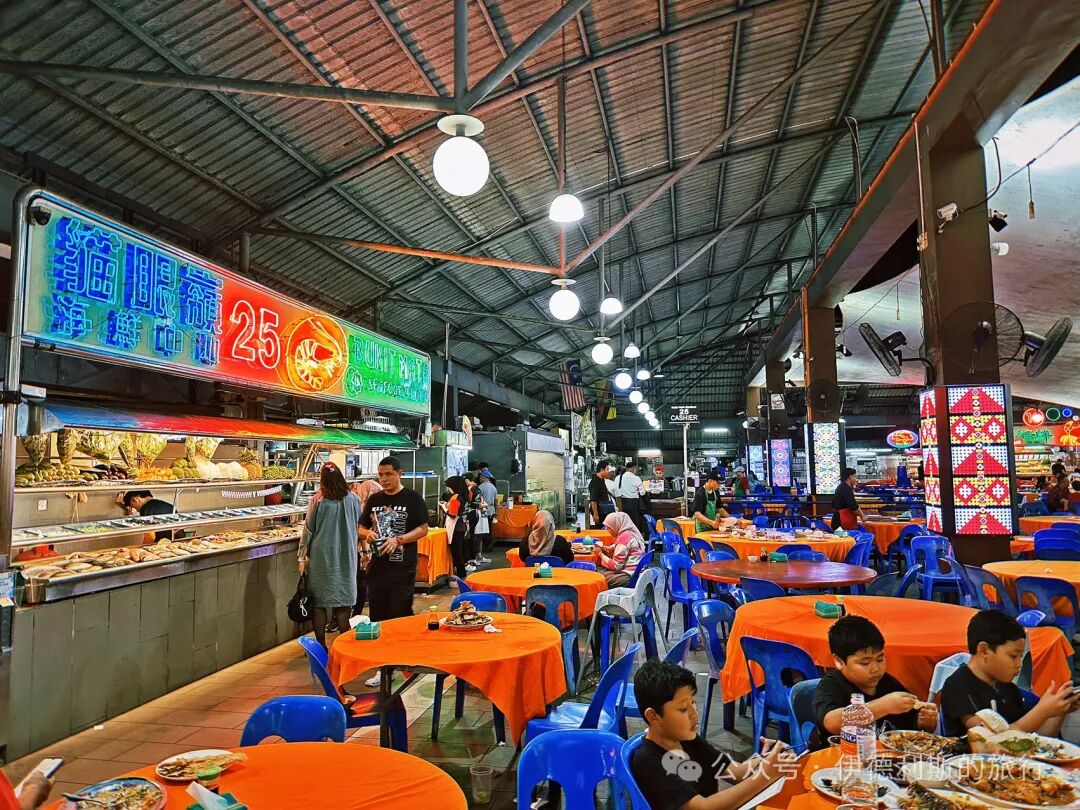
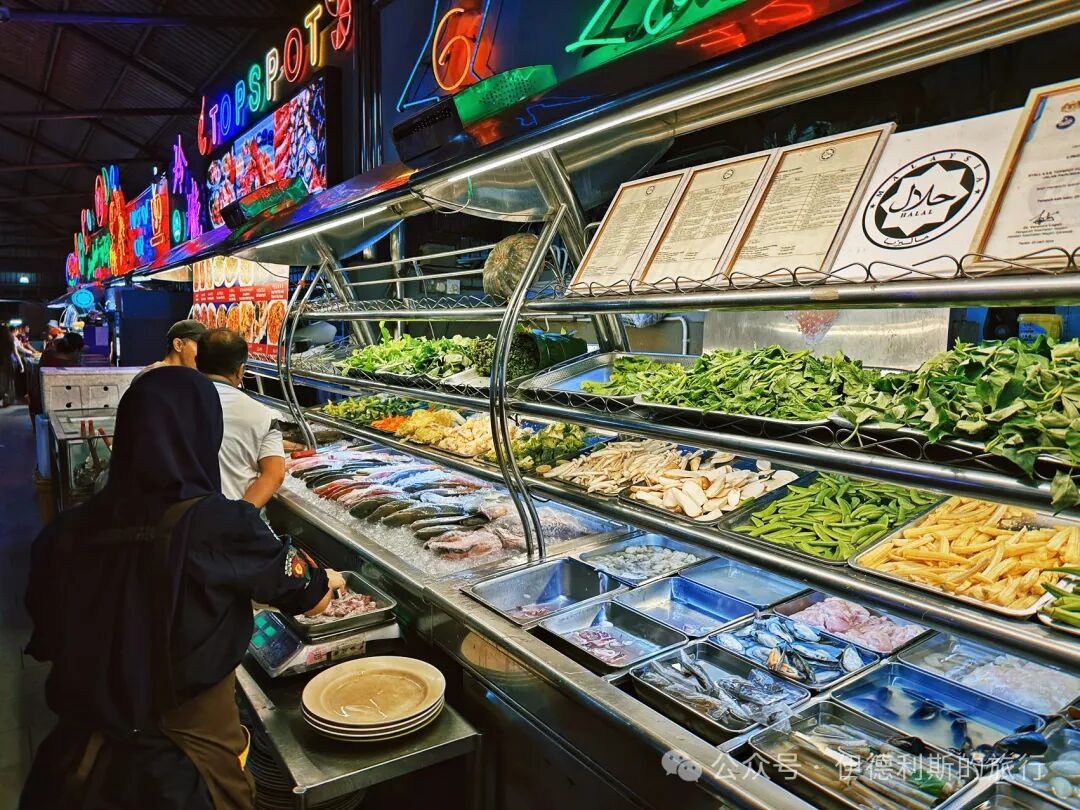
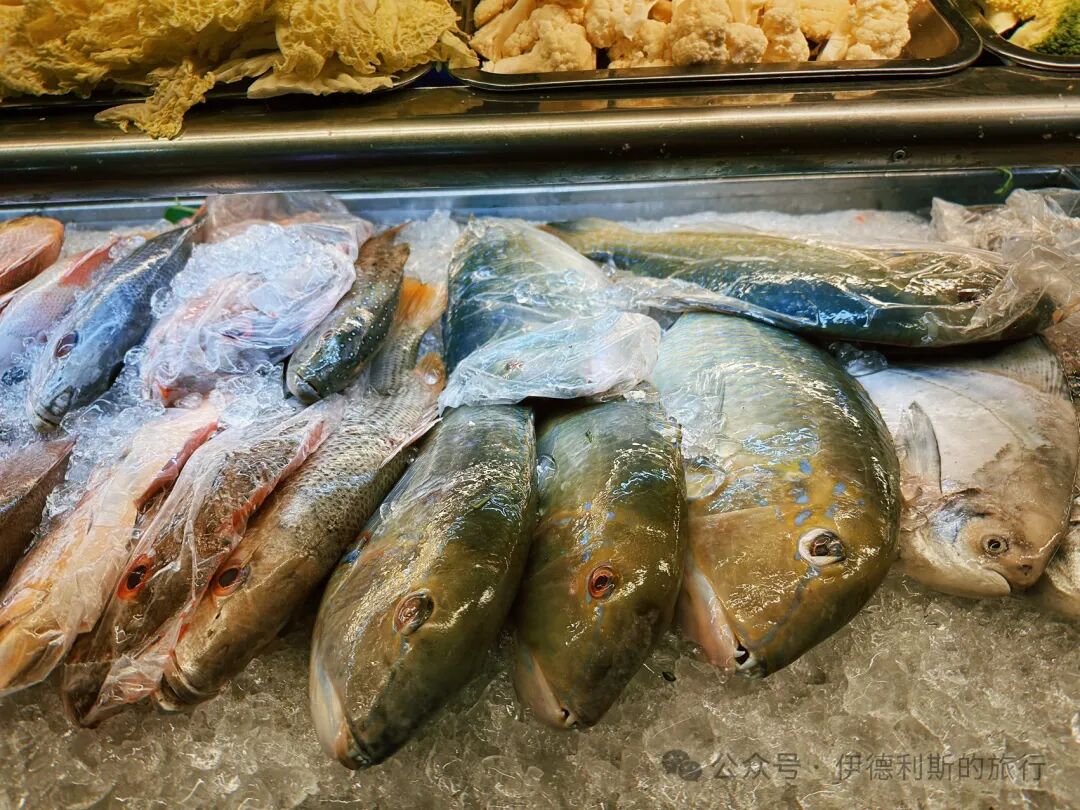
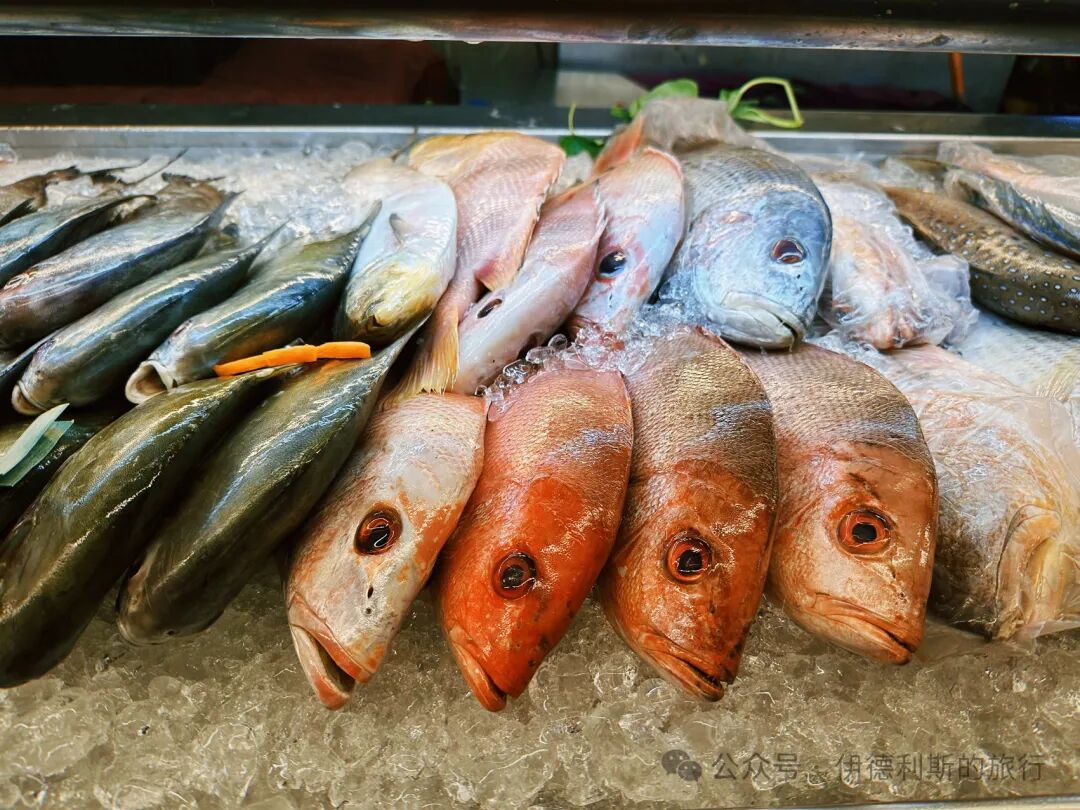
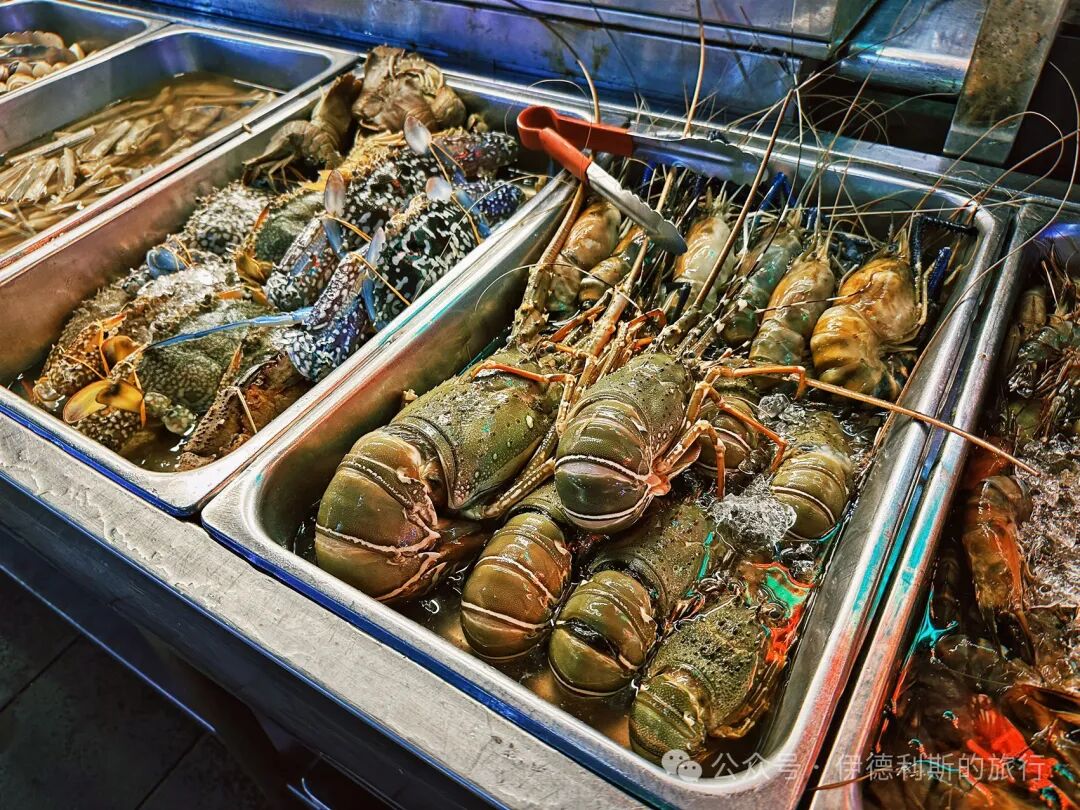
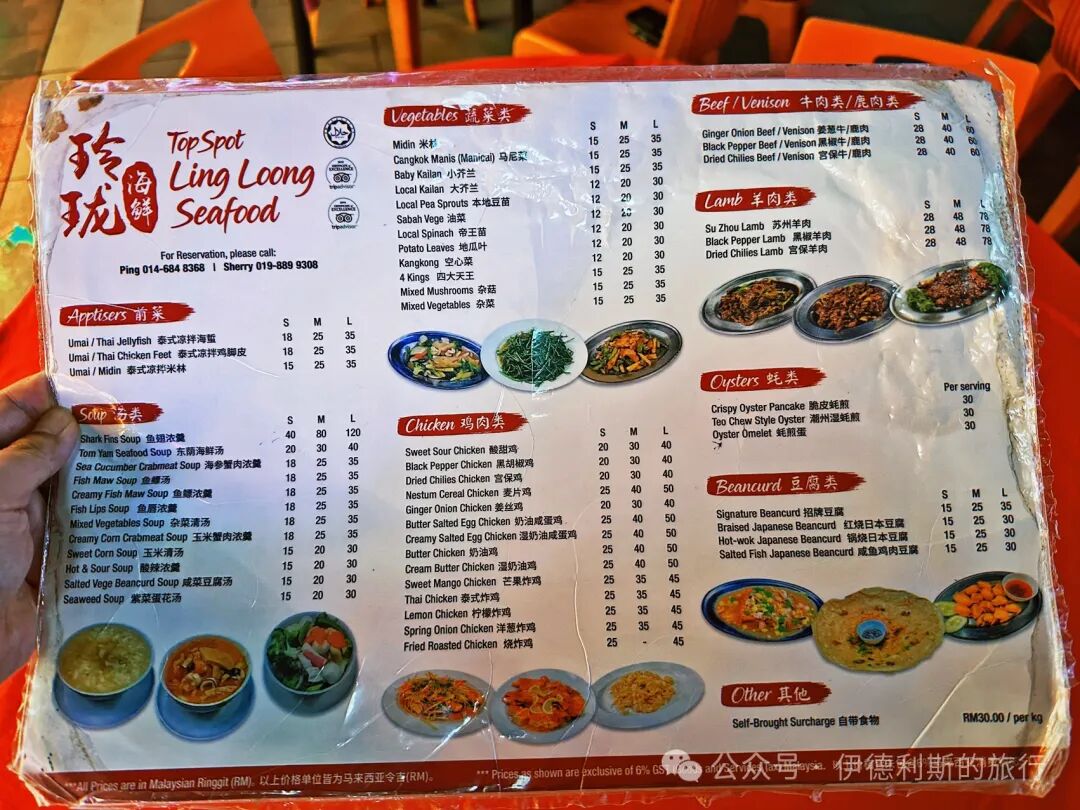
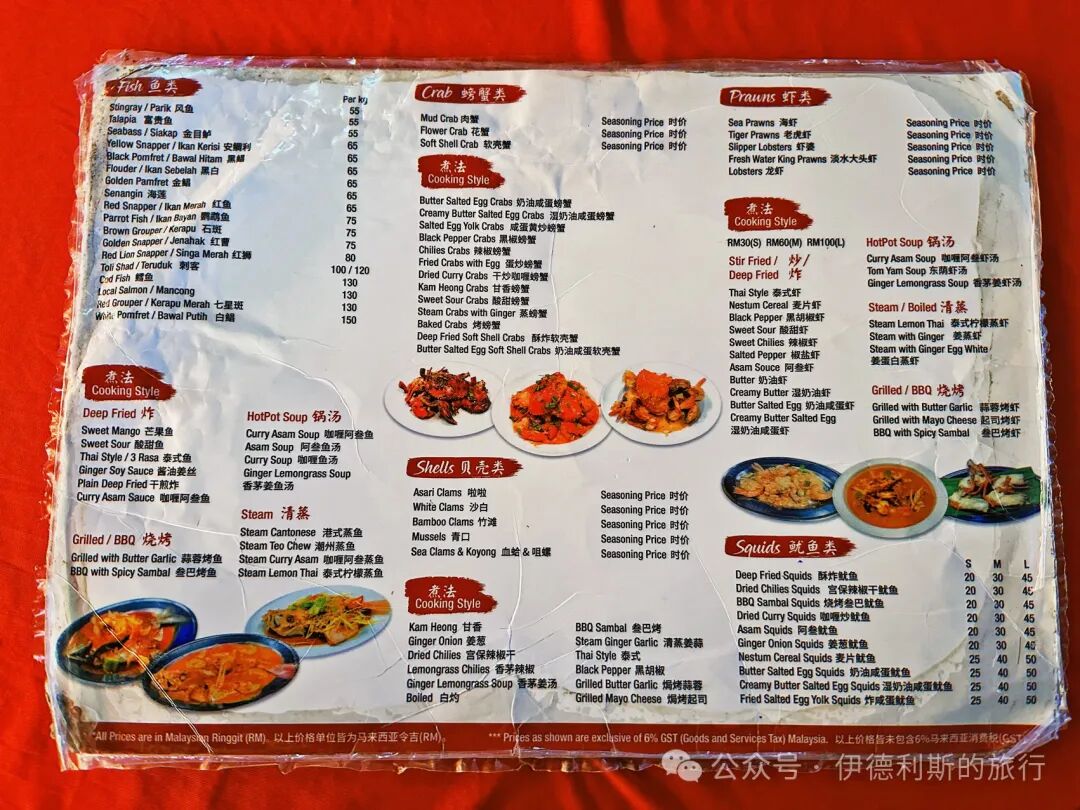
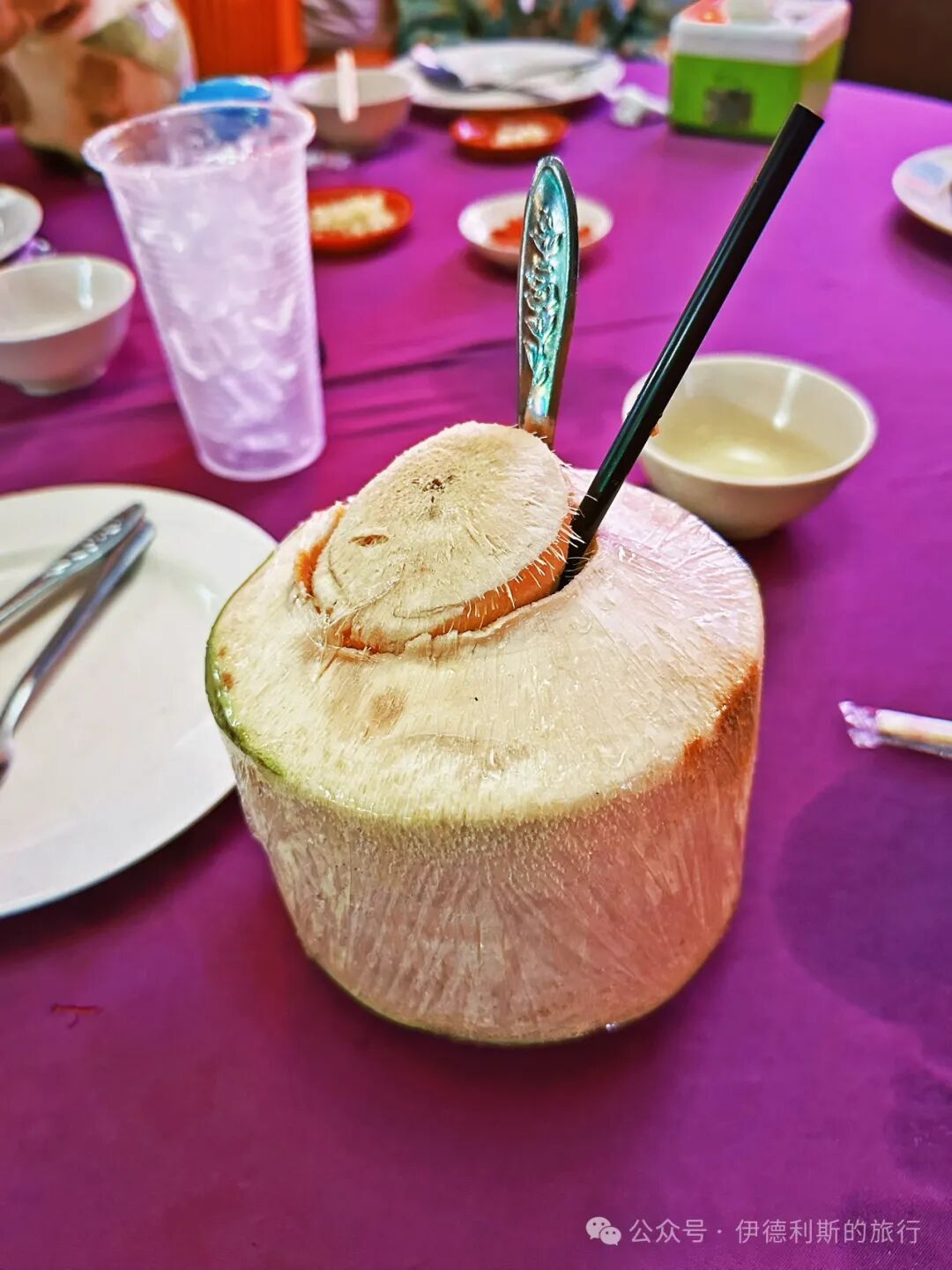
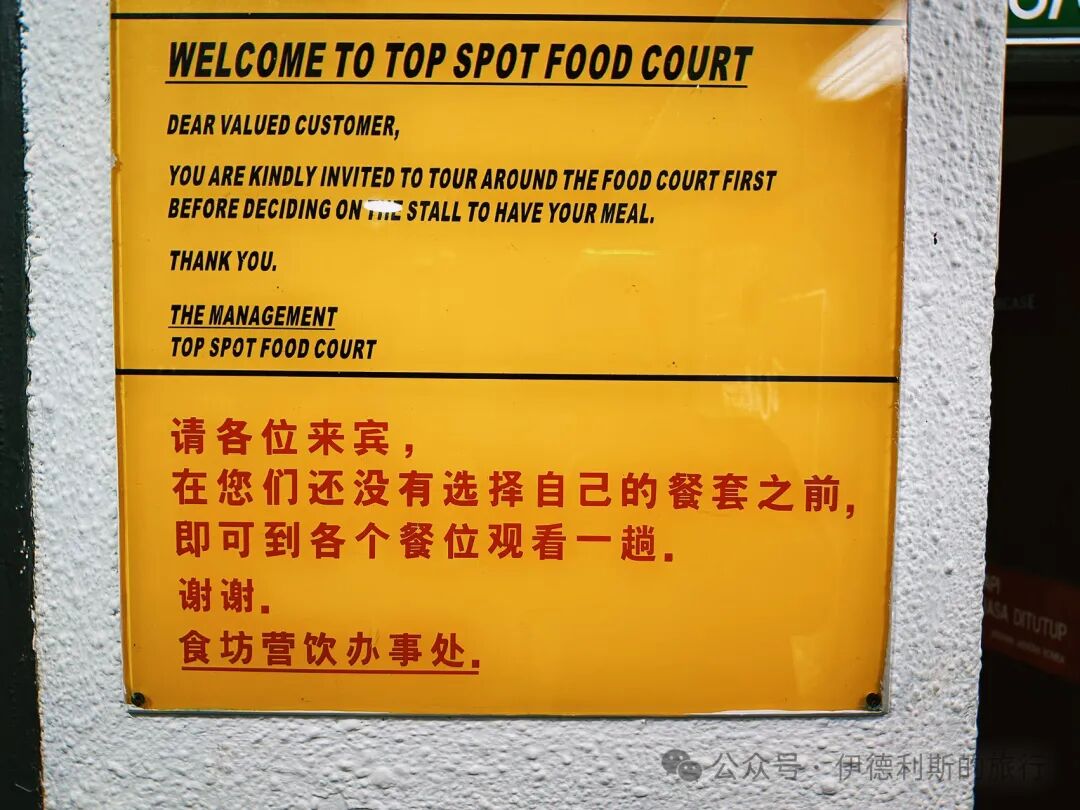
We stayed at the Marian Boutique Hotel in Kuching. It is the old Wang family mansion built in 1885 on a hill on Carpenter Street by Wang Youhai, a first-generation Fujianese tycoon in Sarawak. Wang Youhai (1830-1889) was born in Singapore and his ancestral home was Zhangzhou, Fujian. In 1846, 16-year-old Wang Youhai came to Kuching to make a living. He started the Youhai Mao Company with friends, dealing in local produce, groceries, and textiles. He gradually became a leader of the Fujian community in the Singapore-Malaysia region and was appointed as a Kapitan Cina for Sarawak. After the 1870s, Wang Youhai's wealth surpassed that of the Teochew merchant groups. He was known as the big boss of the Sarawak Chinese, and the Wang family was considered the top Chinese family in Sarawak. Youhai Street in the old town of Kuching was built by Wang Youhai in 1889.
The old Wang family residence was built with Borneo ironwood (belian) and Chinese green roof tiles. It had a grand Chinese-style archway at the entrance. In 1933, the Wang family sold the old house to the Anglican Church. The church expanded it into the three-story St. Mary's Boarding House. It became a church guesthouse after 1968. In the 1990s, the front yard and Chinese archway were demolished for road construction. After renovations in 2013, it opened as the Marian Boutique Hotel in 2017.
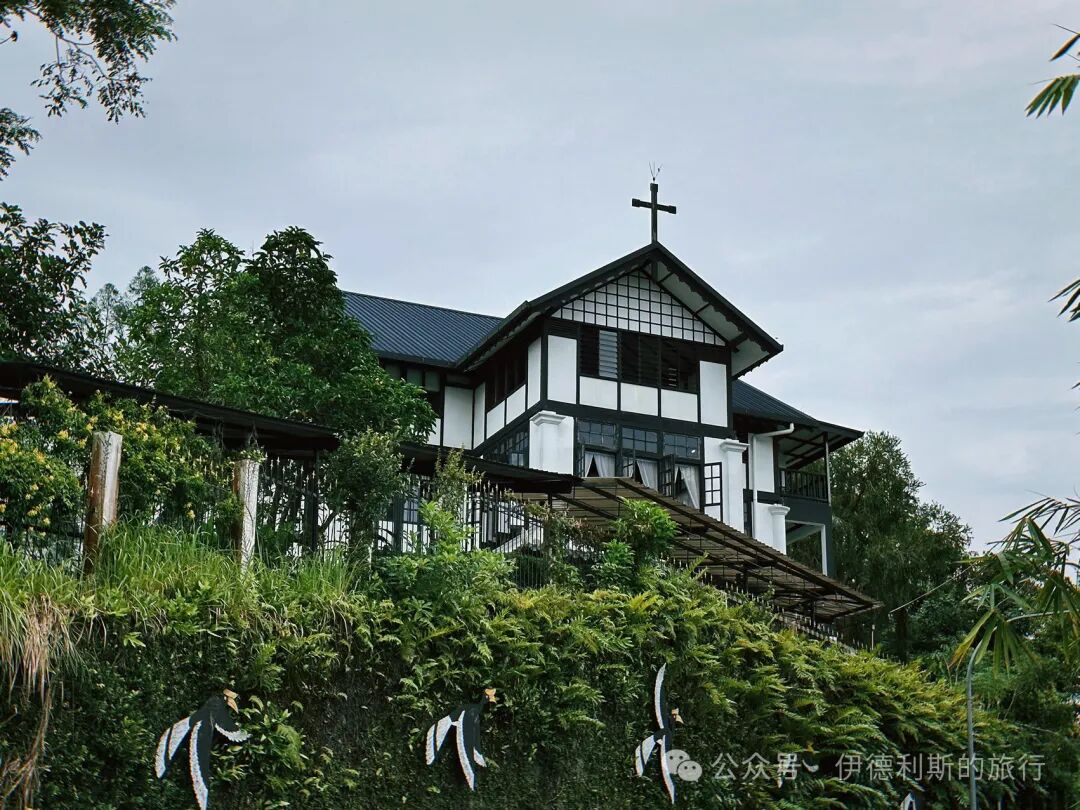
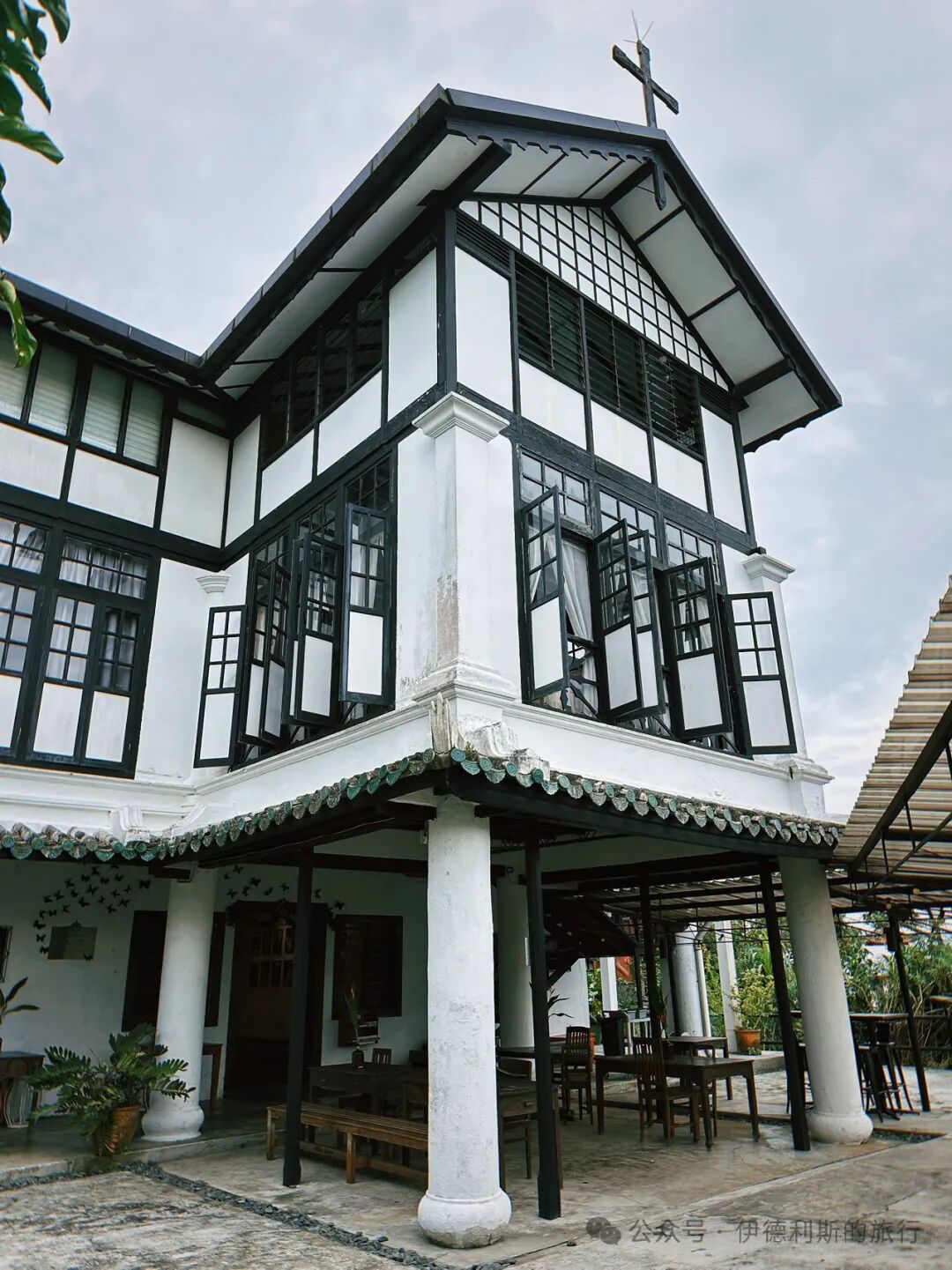
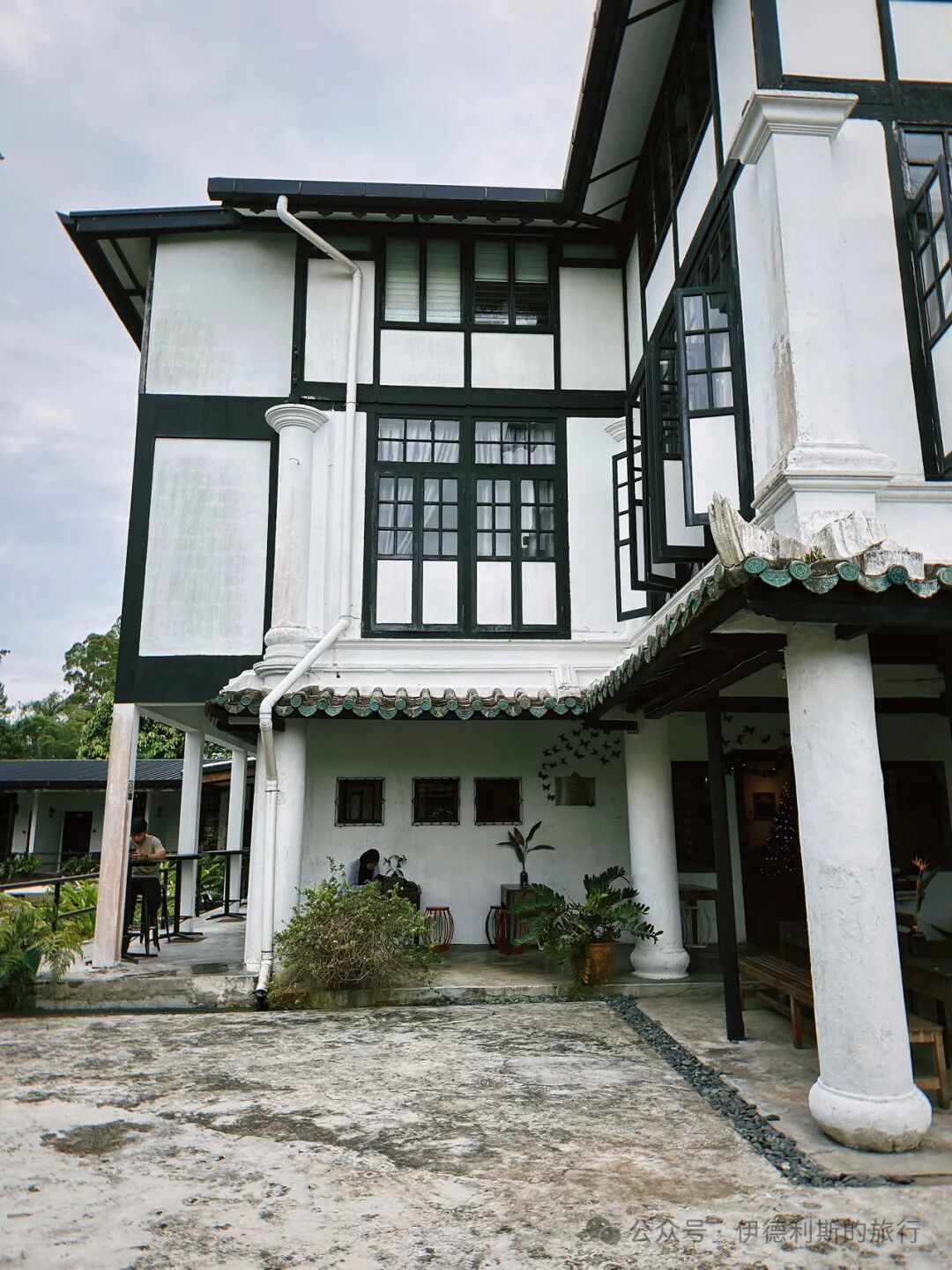
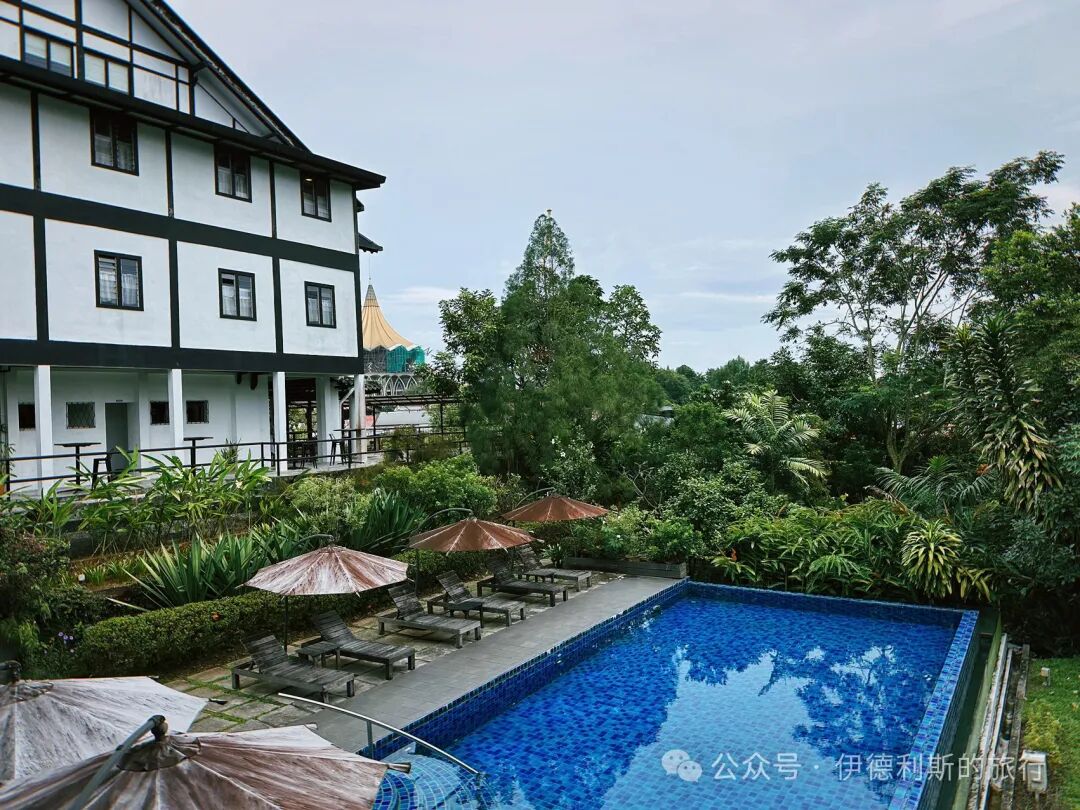
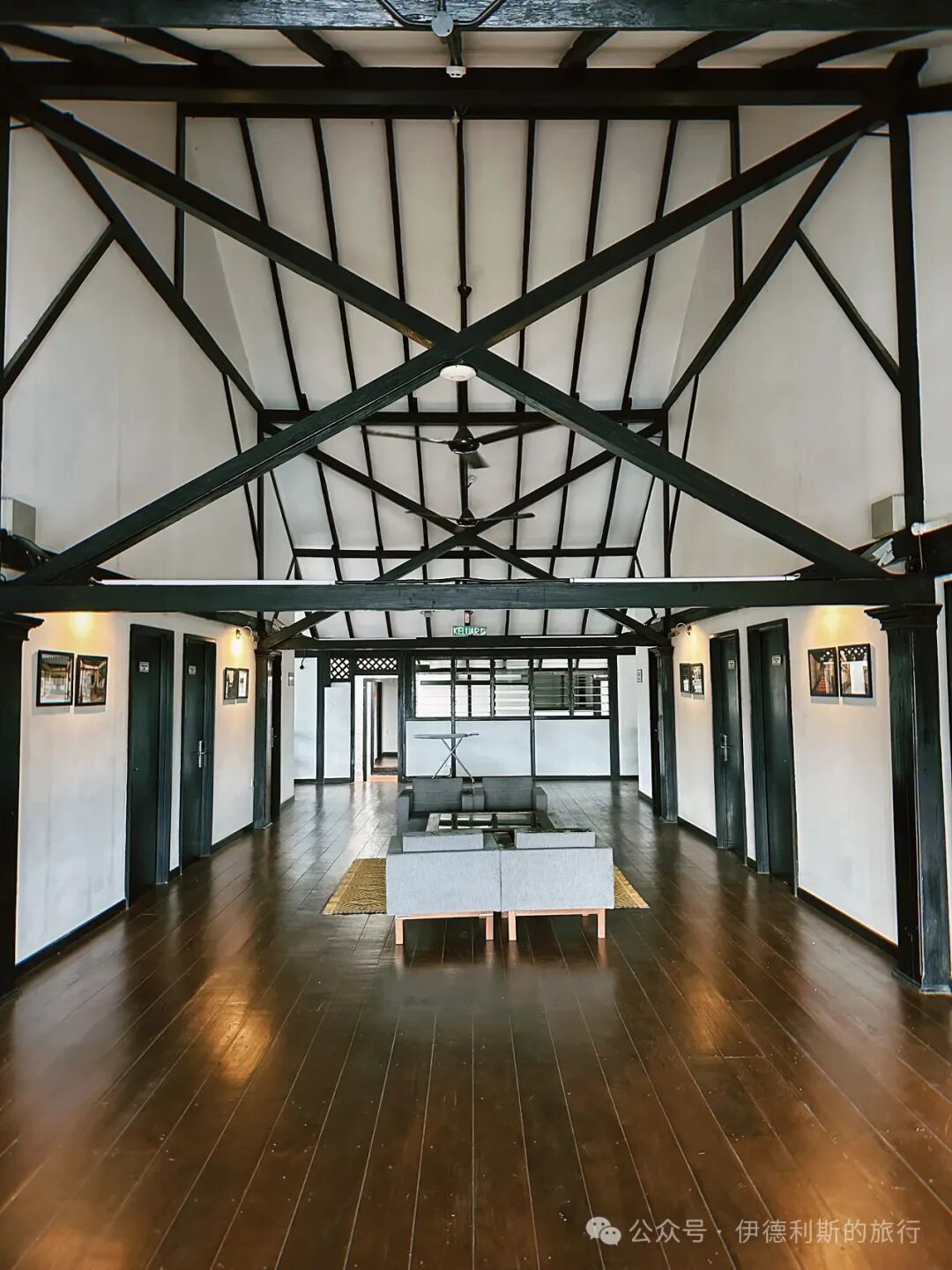
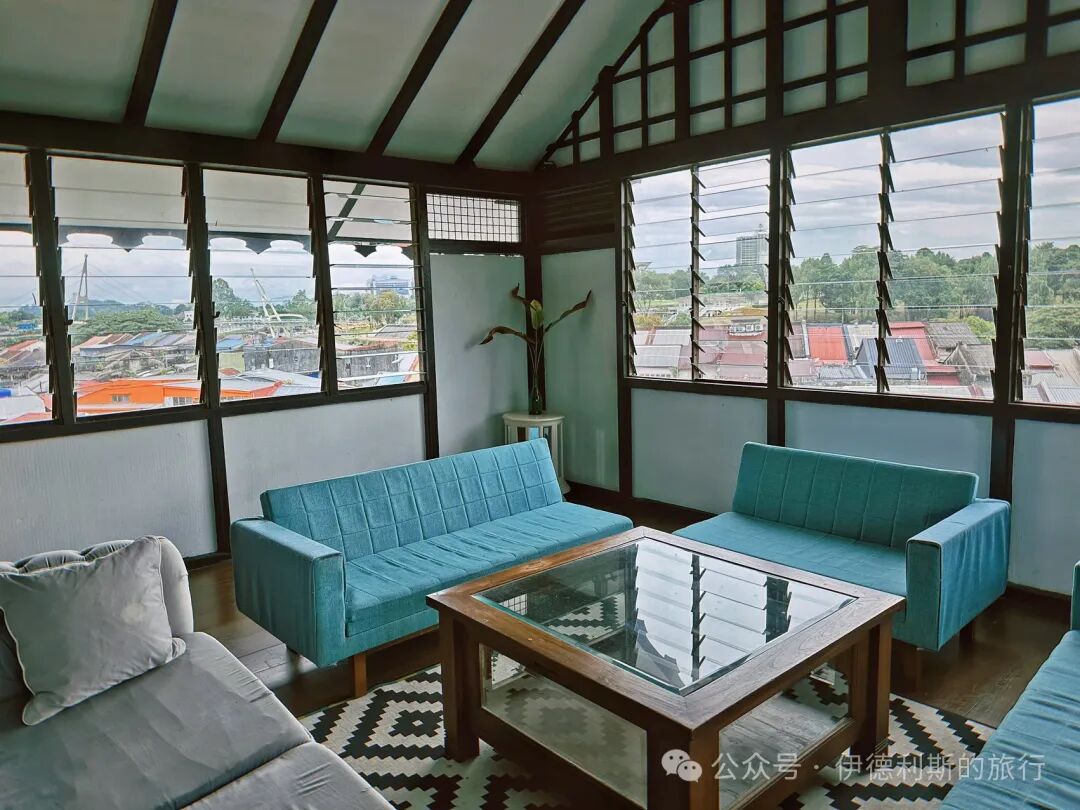
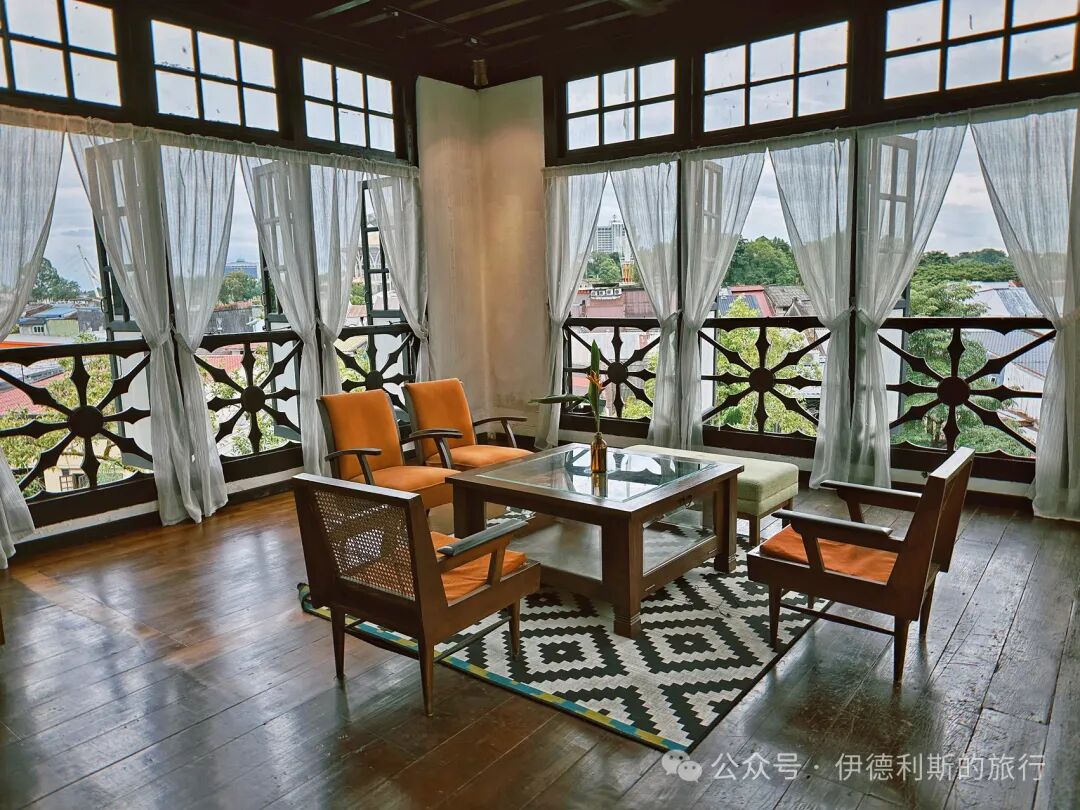
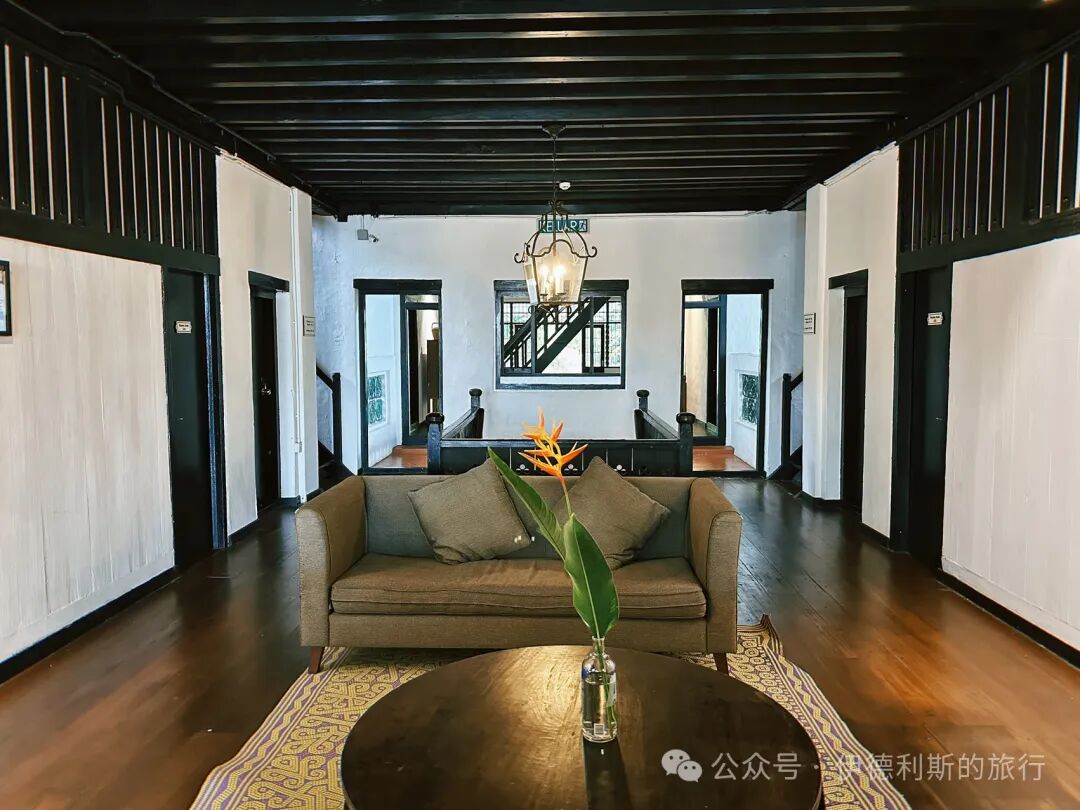
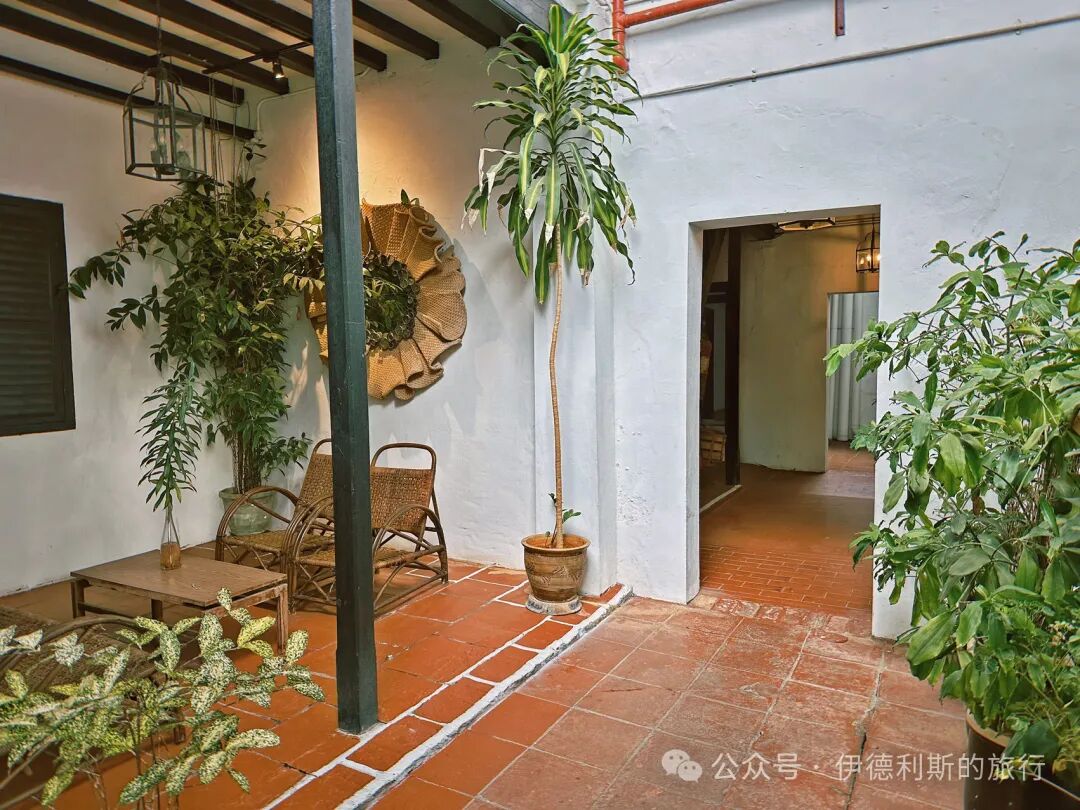
Breakfast was a simple meal of milk tea and bread with jam.
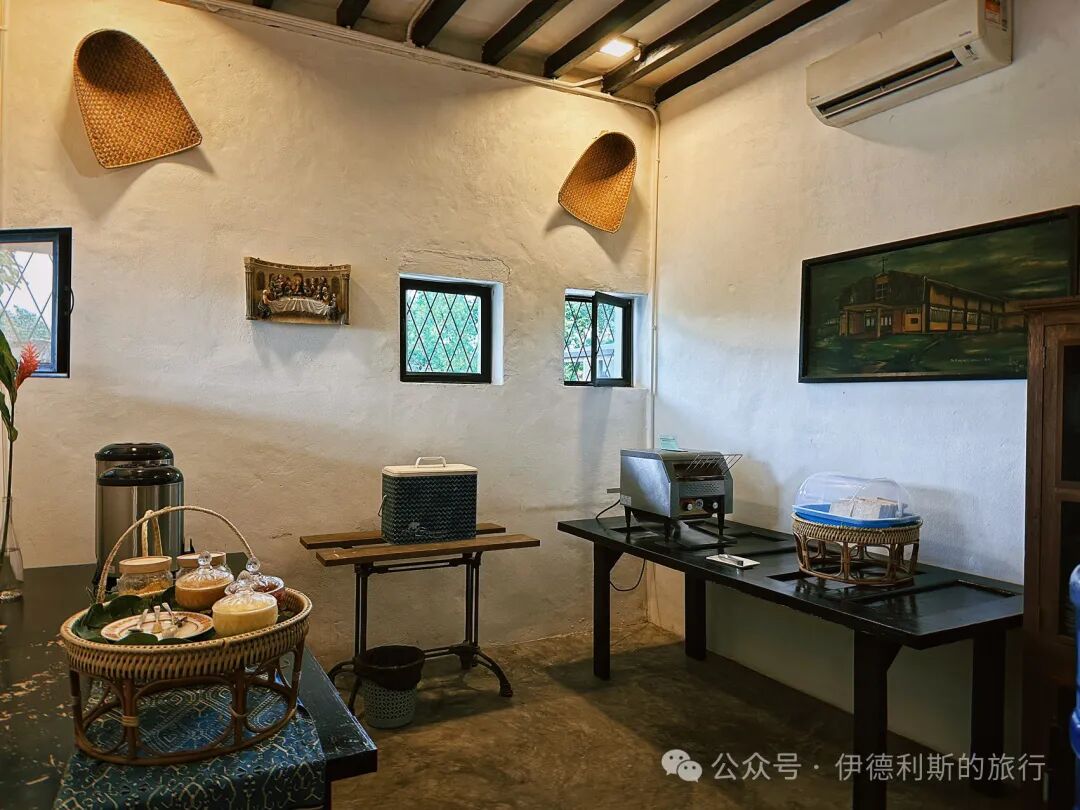
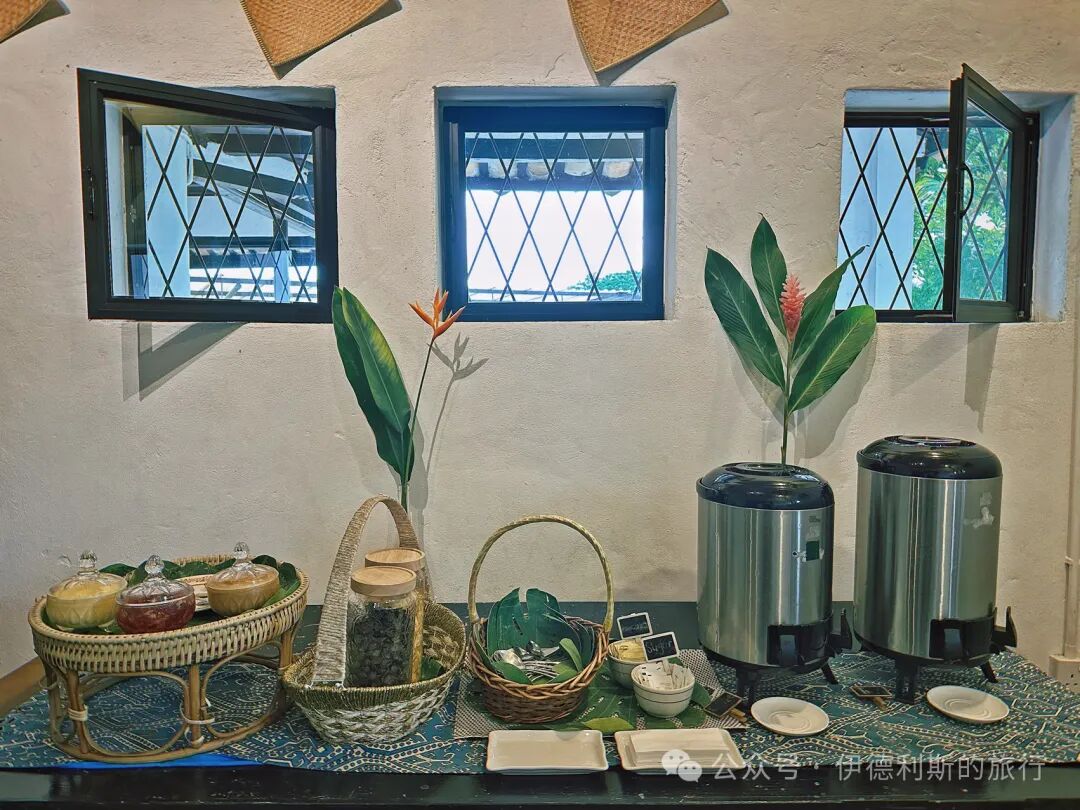
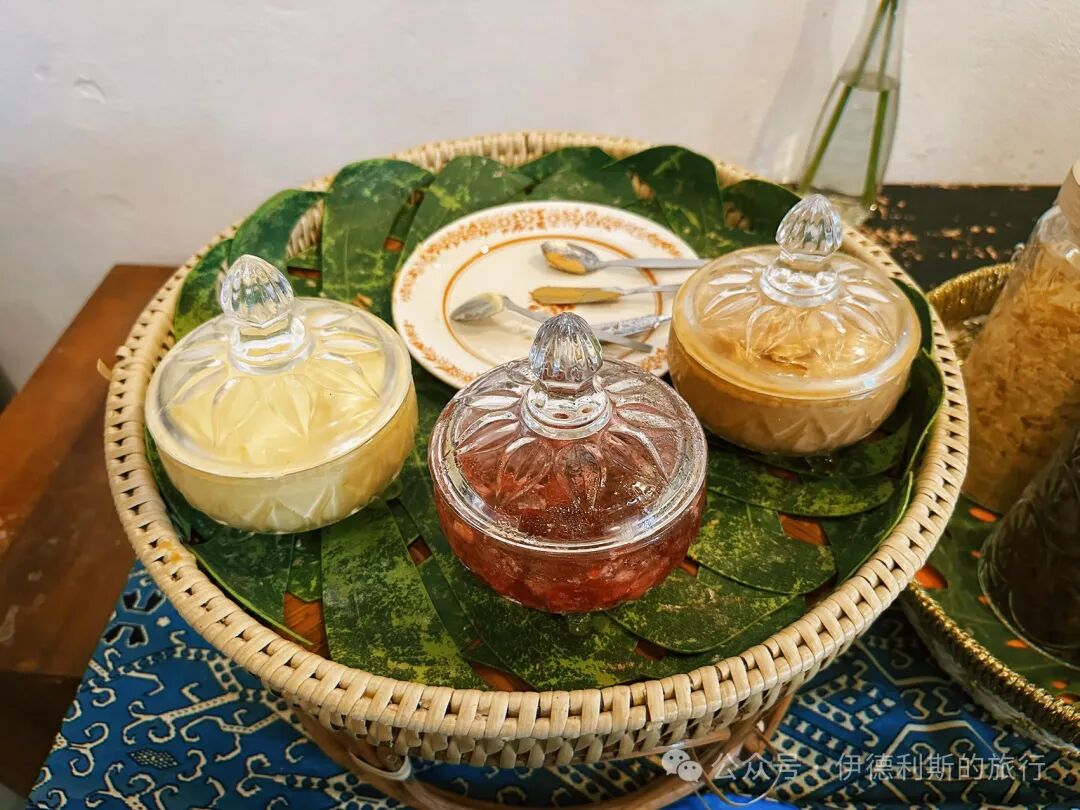
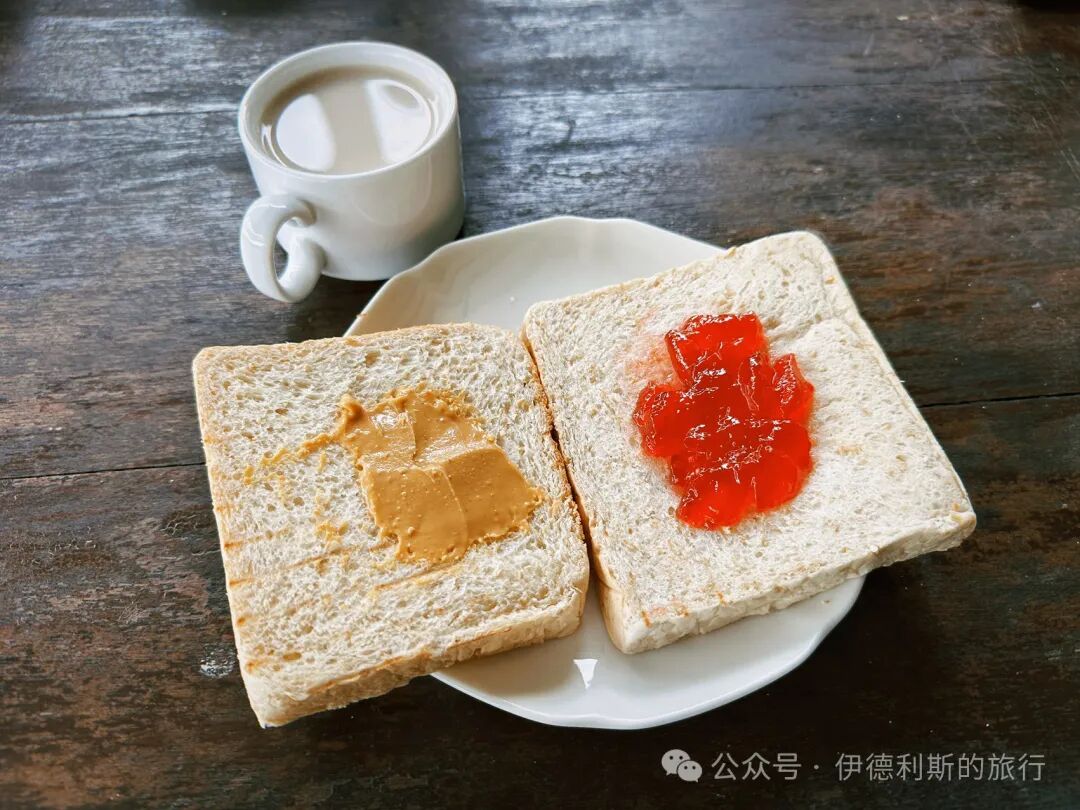
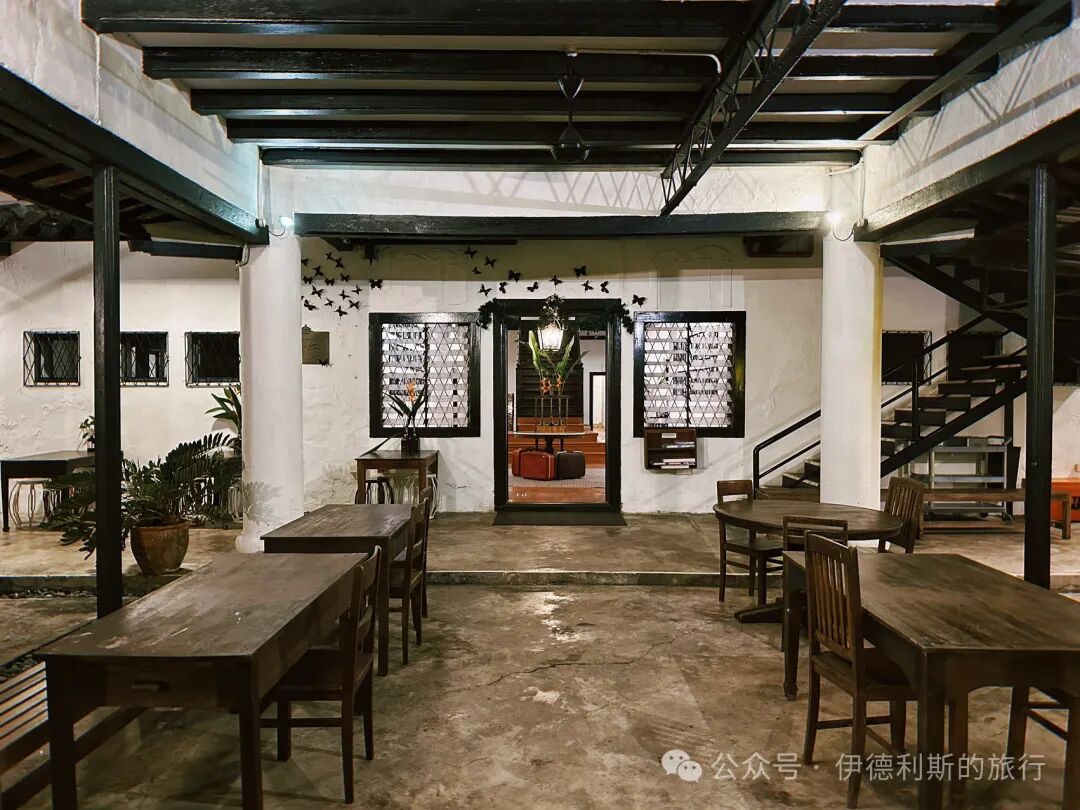
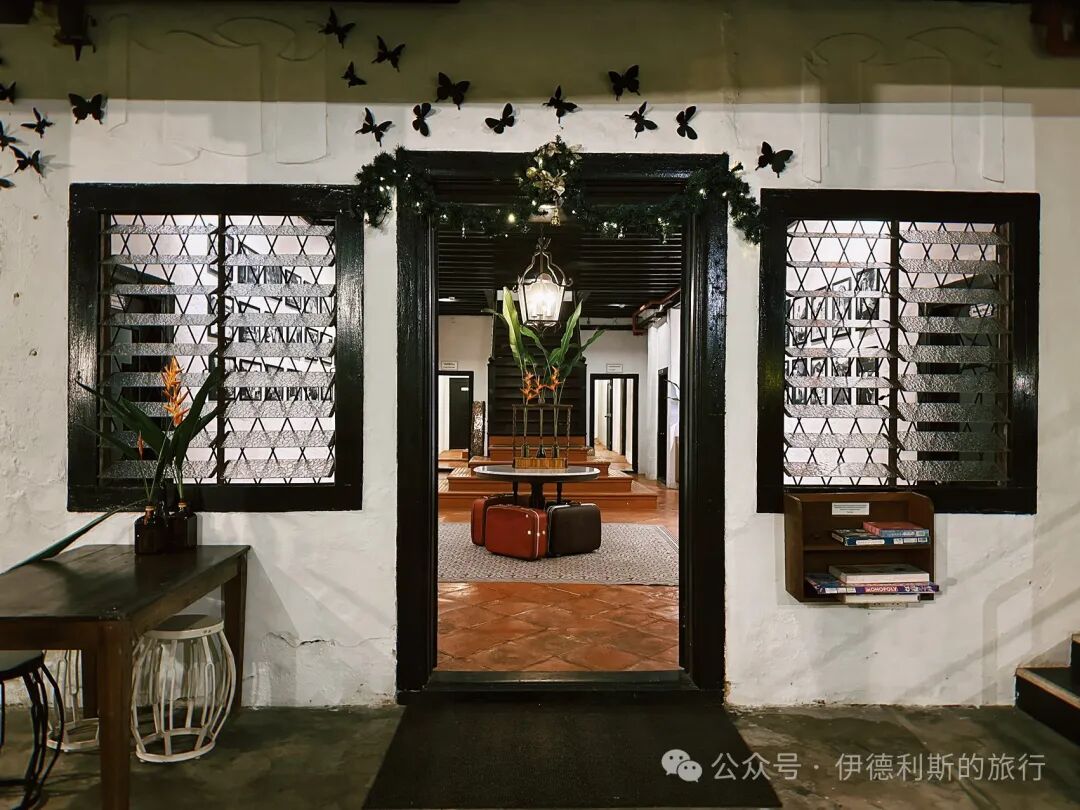
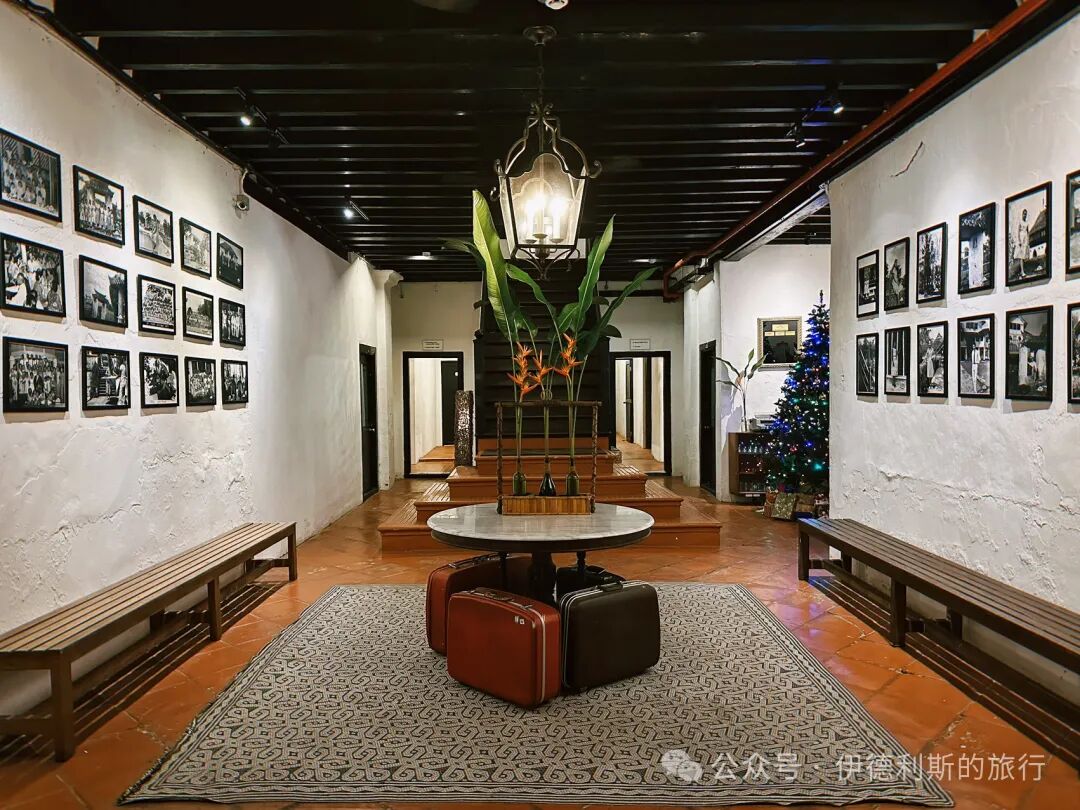
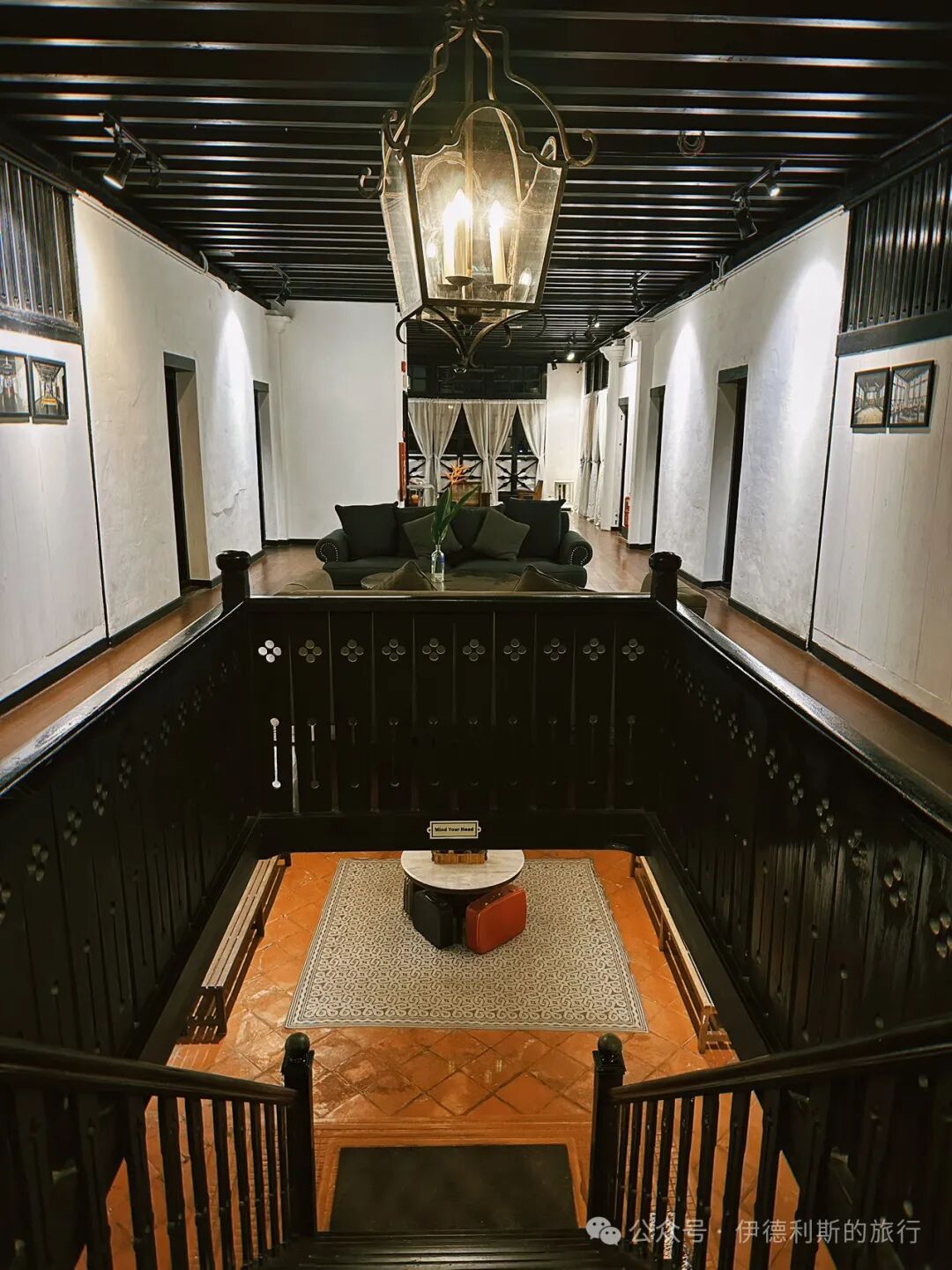
The Chinese History Museum in Kuching Waterfront Park was originally the Chinese Court built by the Kingdom of Sarawak in 1912. It handled civil lawsuits, probate, and marriage and divorce cases involving Chinese people, which is why a scale is decorated on the main gate. In 1921, it became the Chinese Affairs Office, then the Chinese Chamber of Commerce in 1930, and finally opened as the Chinese History Museum in 1993.
The museum has rich exhibits, including detailed introductions to all Chinese dialect groups in Sarawak like the Hakka, Teochew, Cantonese, Fuzhou, and Hainanese people, along with recordings of their daily dialects. Inside the museum, a large wall features a panoramic map of Kuching's old town, showing the Chinese names of all streets and the types of shops, which is perfect for exploring the area.
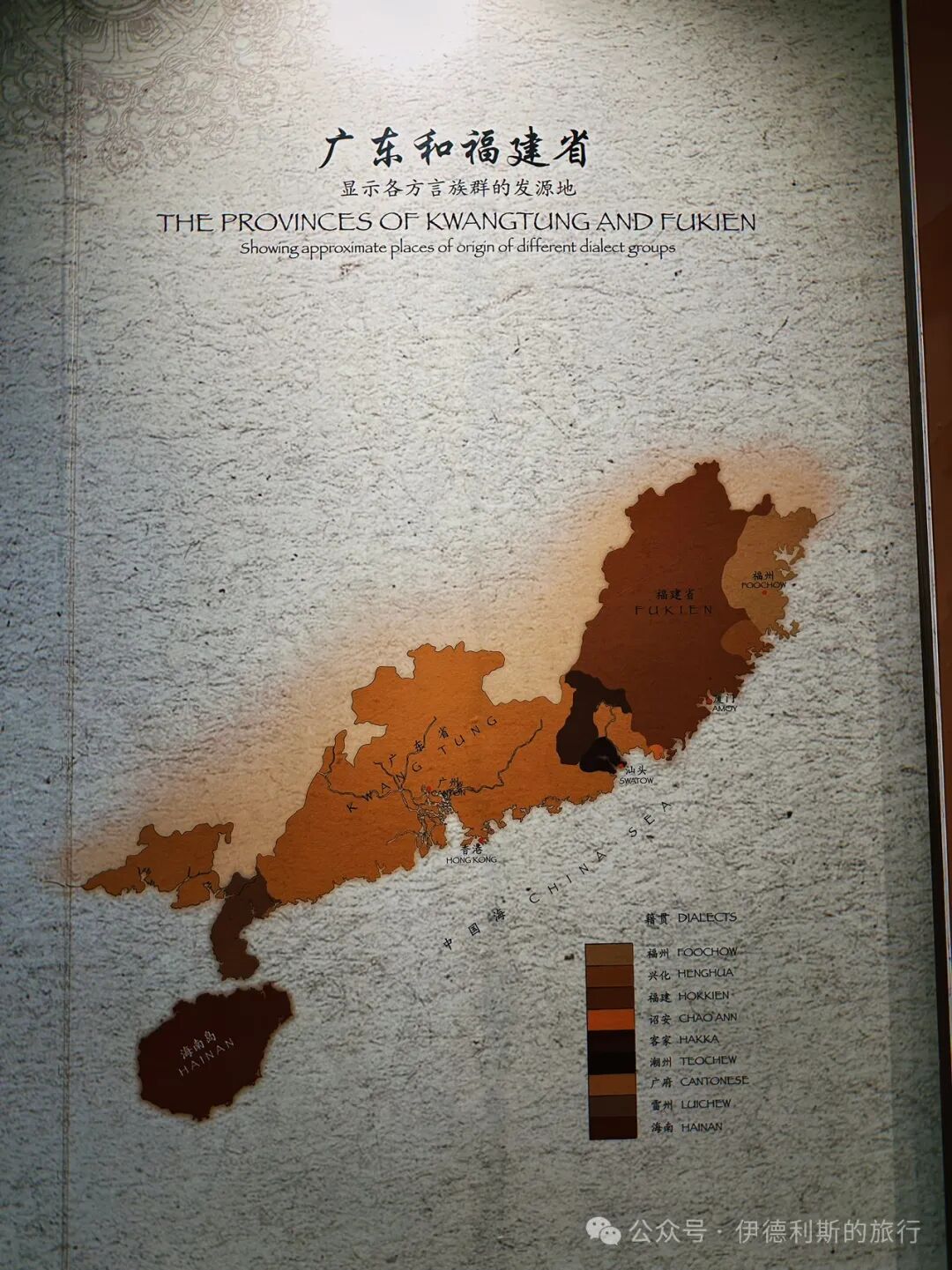
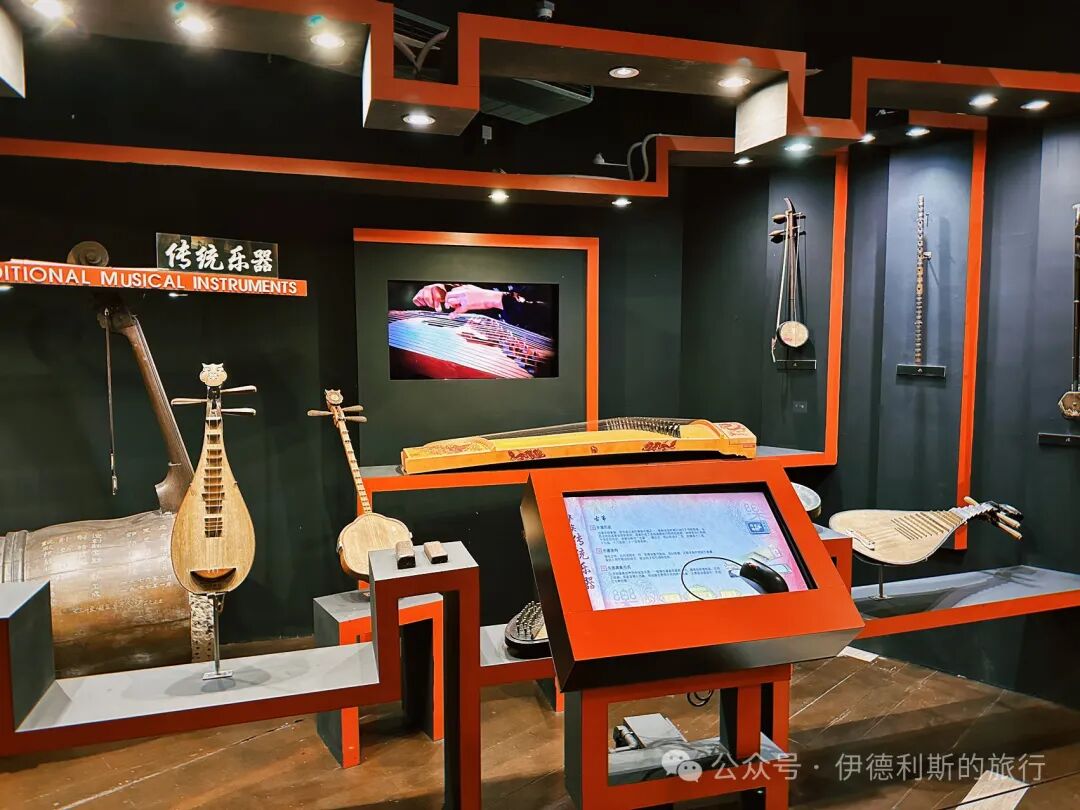
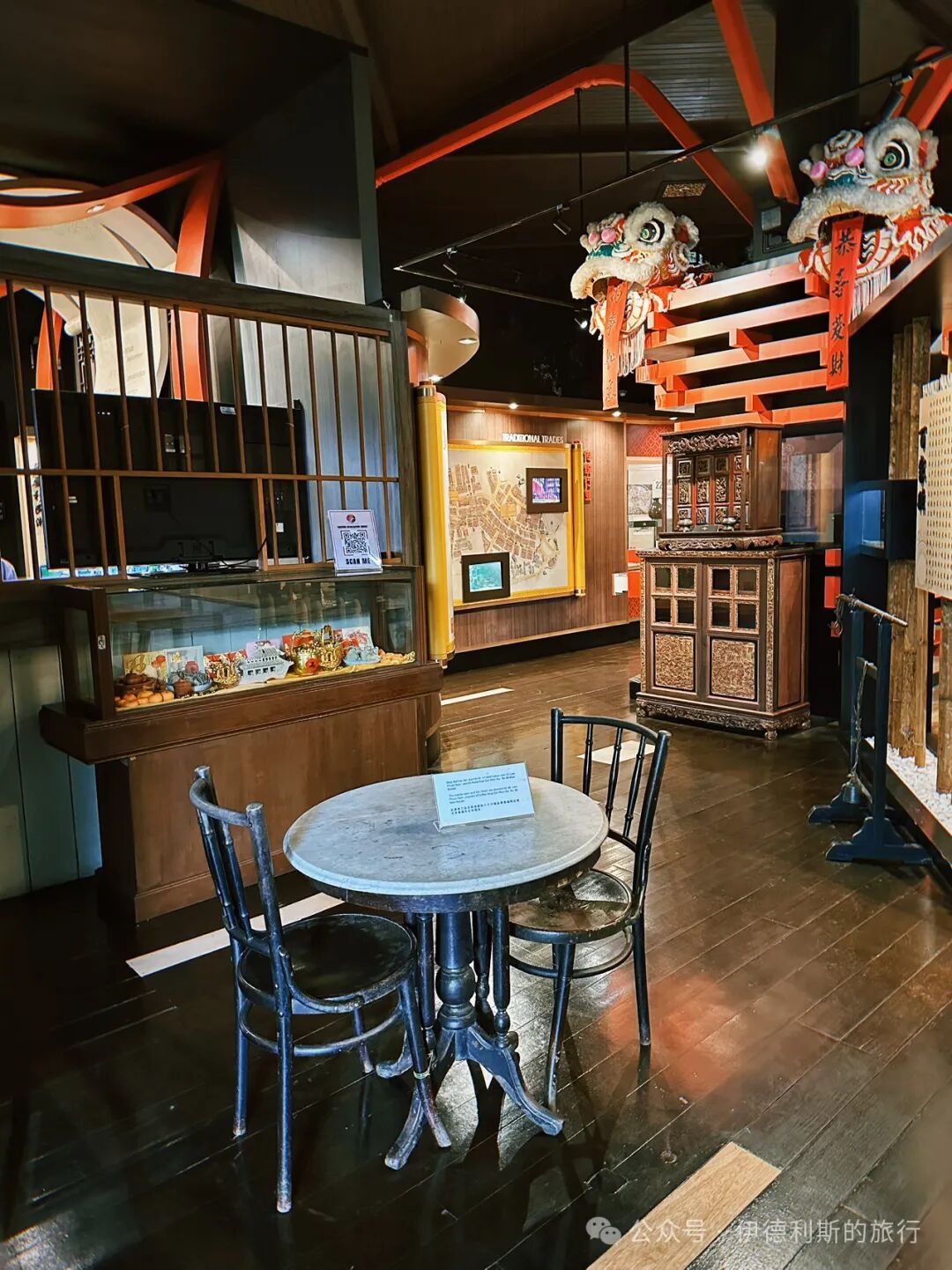
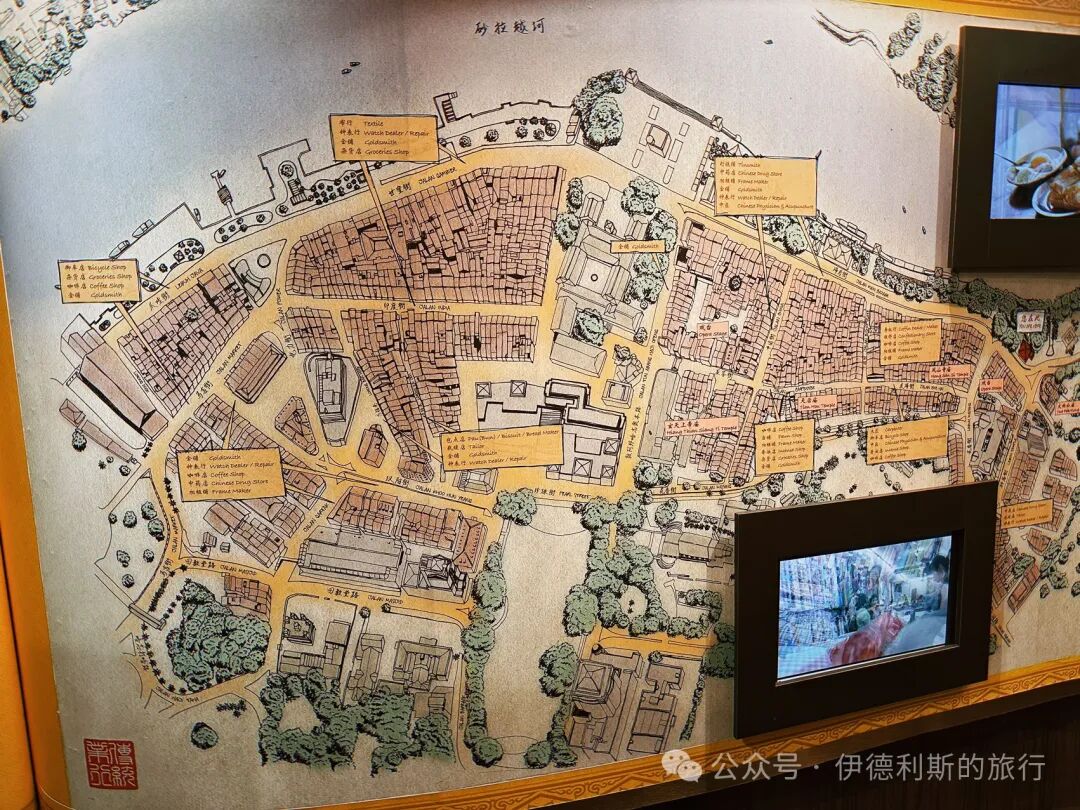
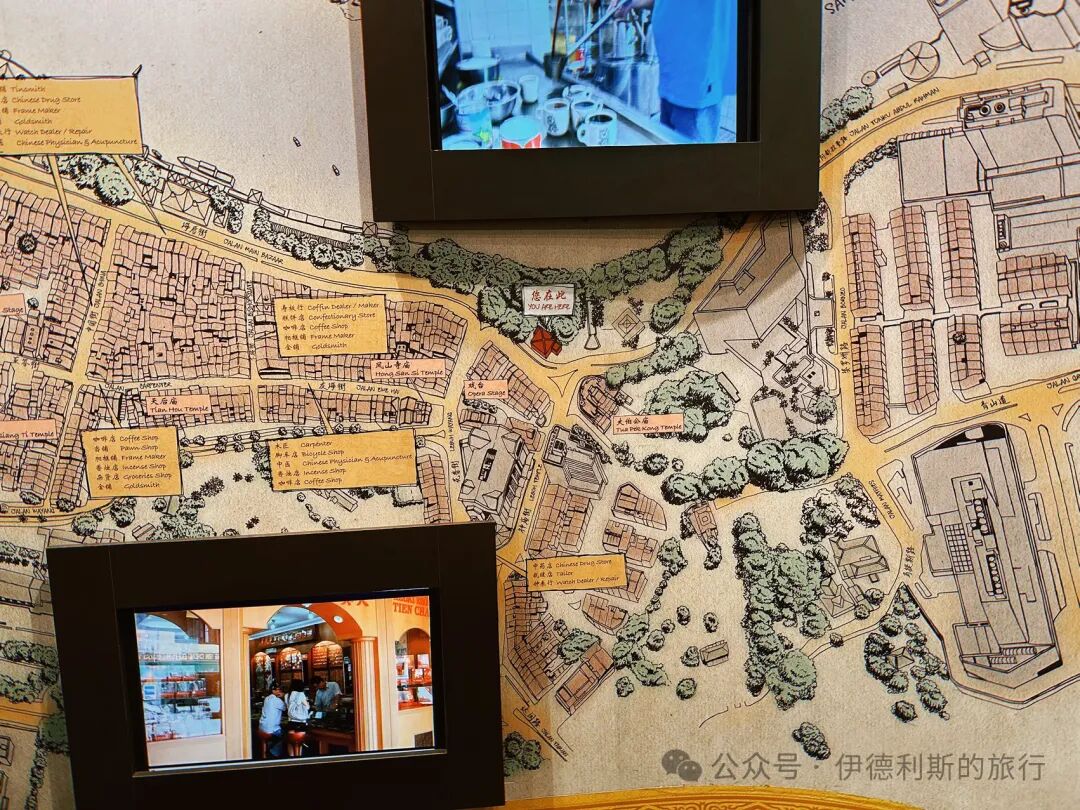
West of the Chinese History Museum is the old street area with shophouses centered around China Street. It includes streets like Youhai Street, Carpenter Street, Lower Bazaar, Ewe Hai Street, Upper China Street, and Main Bazaar, making it the area with the richest Chinese culture in Kuching.
The first Chinese person to arrive in Kuching was Liu Zhi from Guangdong. He arrived in 1820 and once served as the butler for the White Rajah, James Brooke. In 1866, the Kingdom of Sarawak issued a land deed for his shop, Julong Zhiji, in Kuching. This street was later called China Street (Jalan China).
Main Bazaar (Jalan Main Bazaar) is literally translated as Big Market Road. It is known as the first street of Sarawak and was the busiest commercial center in 19th-century Sarawak. The name Main Bazaar comes from the Hakka word haichun, which means seaside.
Carpenter Street (Jalan Carpenter) is literally translated as Carpenter Road, but the Chinese name refers to a type of palm leaf used for roofing. Carpenter Street was famous for its carpenter workshops in the 19th century.
The double row of shophouses on Youhai Street was built in 1889 by the Fujianese merchant Wang Youhai, which is how it got its name. Wang Youhai (1830-1889) was born in Singapore with ancestral roots in Zhangzhou, Fujian. He came to Kuching to make a living when he was young, started a business, and was appointed as a Kapitan Cina for Sarawak. He was known as the big boss of the Sarawak Chinese, and the Wang family was considered the top Chinese family in Sarawak.
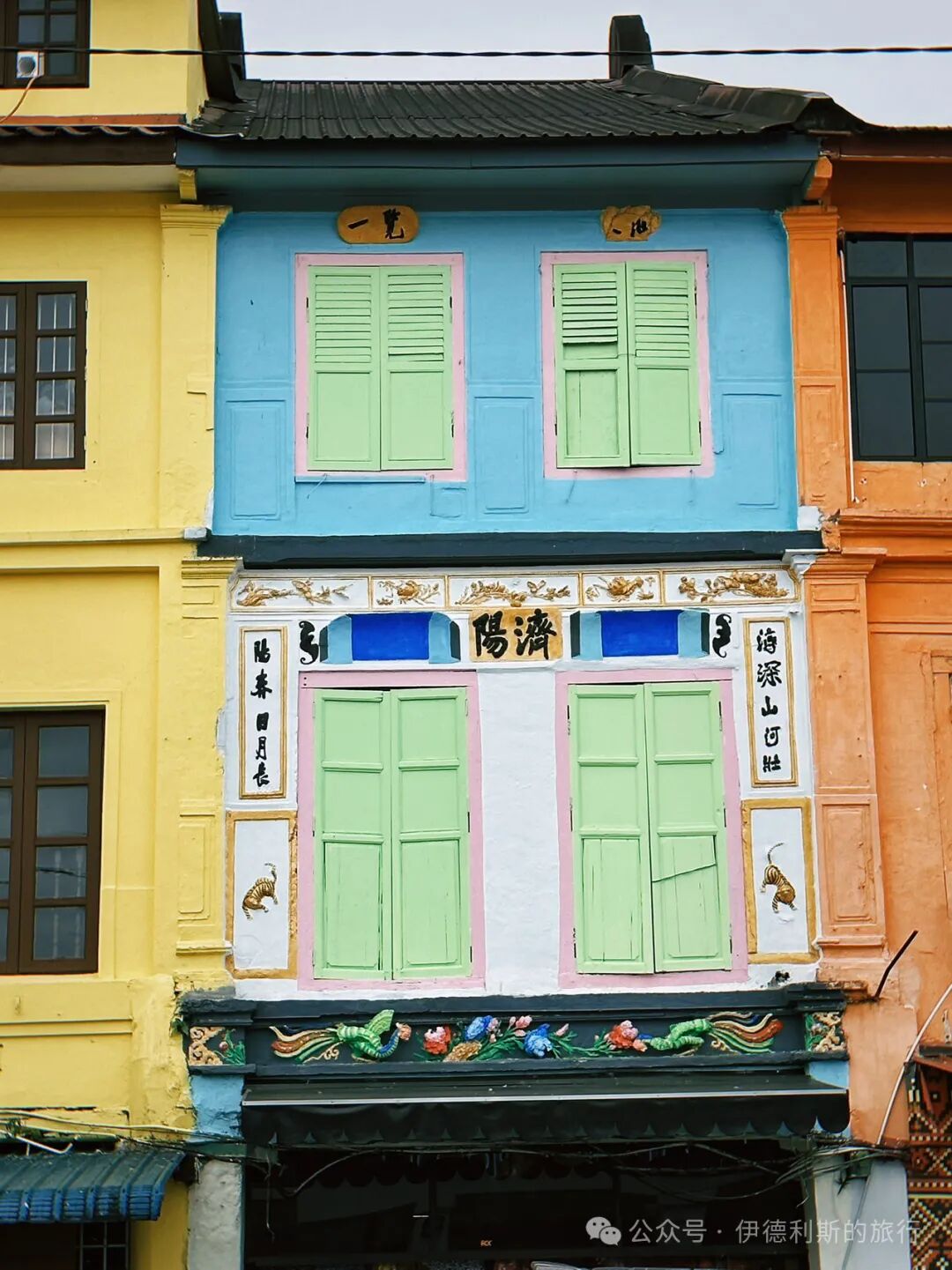
Halal Food Guide: Malaysia - Halal Chinese Food, Restaurants and Travel (Part 1)
Articles • ali2007fr posted the article • 0 comments • 181 views • 2026-05-19 07:25
Summary: This first Malaysia food article records halal Chinese restaurants, dishes, travel stops, and community food culture. It keeps the original meal details, restaurant context, and travel route in simple English.
In 2019, I tasted halal Chinese food in Penang, Malaysia, as described in "Halal Chinese Cuisine in Penang, Malaysia." In January 2024, I visited five more Malaysian cities: Johor Bahru, Seremban, Klang, Ipoh, and Kuala Kangsar, where I enjoyed many more halal Chinese meals. There are halal Cantonese seafood restaurants run by Chinese Muslims, as well as Hainanese coffee shops (kopitiam) owned by Hainanese people but staffed by Malay employees, all of which have a distinct Nanyang style.
Further reading: Singapore also has many halal Chinese restaurants. See "Tasting Halal Chinese Food in Singapore" and "Eating Nyonya Cuisine in Singapore" for details.
Johor Bahru
I took a train from Woodlands, Singapore, in the morning to clear customs, and arrived at the Johor Bahru station in Malaysia in just 5 minutes. I walked from the Johor Bahru station to the Hua Mui coffee shop in the old town to experience an authentic Hainanese coffee shop (Hailam Kopitiam).
Opened in 1946, Hua Mui has a 78-year history and is the oldest Hainanese coffee shop in Johor Bahru. Like many old-school Hainanese coffee shops in Malaysia, the owner is Hainanese Chinese, but they hire Malay chefs and staff so that Chinese, Malay, and Indian customers can all enjoy the food.
Hainanese people began immigrating to Malaysia in the 19th century. Many early immigrants worked as chefs and waiters in British hotels and restaurants, while some worked as servants in the homes of British officers. Influenced by their British employers, the Hainanese learned to cook Western food and blended it with Hainanese culinary elements to create the unique Hainanese coffee shop (Hailam Kopitiam) culture.
The word kopitiam is made up of the Malay word "kopi" (coffee) and the Hokkien word "tiam" (shop), specializing in charcoal-grilled toast, white coffee, and soft-boiled eggs. Early Hainanese coffee shops were very popular with the British. Today, they serve as important social hubs where older people gather to discuss news and daily life.
At Hua Mui, we ordered lamb claypot rice, Hainanese noodles, Cham C (a mix of coffee, tea, and milk), and a breakfast platter. Cham C is a drink made of coffee, tea, and milk. The shop's environment remains very traditional, set in a typical two-story shophouse with bamboo blinds hanging on the doors and windows, easily reminding people of days gone by.
To understand the history of the Chinese community in Johor Bahru, Malaysia, you must visit the Johor Bahru Chinese Heritage Museum on Jalan Tan Hiok Nee. In 1844, Temenggong Ibrahim began issuing land grants in Johor. Teochew community leader Tan Hiok Nee answered the call and led a group from Singapore to develop Johor Bahru, marking the beginning of the city's Chinese community. Early Chinese settlers in Johor Bahru were divided into five dialect groups: Hainanese, Cantonese-Zhaoqing, Hakka, Hokkien, and Teochew. Each group had its own clan association, and people from the same hometowns stayed very closely connected.
Today, Johor Bahru has several halal Chinese restaurants, such as Cafe Eleven Kitchen and Hijrah Dim Sum. I didn't have time to visit them on this trip, but I hope to try them in the future.
Seremban
Take a taxi 50 kilometers southeast from Kuala Lumpur Airport to reach Seremban, the capital of Negeri Sembilan state. We started with morning tea at a halal Chinese restaurant called Muhammad Kew Chinese Muslim Kitchen. We ordered chicken char siu buns (cha shao bao), wontons (yuntun), Cantonese-style egg gravy rice (guangfu huadan mifan), and shrimp dumplings (shaomai), all of which were delicious. Unfortunately, the Chinese owner was busy in the kitchen, so I didn't get to meet him. I only met his Malay wife, who was very warm and friendly. This was my second time eating char siu buns. The first time was at a Hui Muslim restaurant in Guangzhou where I had lamb char siu. Both places prepared them in a similar sweet style, but the chicken version was more tender. The Cantonese-style rice is made with a thickened egg sauce. It is light and goes well with rice, which suits my taste perfectly. The wontons were filled with radish, which tasted very fresh. The shrimp dumplings were filled with a shrimp and meat paste, giving them a unique flavor.
Seremban is a traditional Chinese town. After tin mines were discovered nearby in the 1870s, many Chinese workers flooded into the area, and the town grew rapidly due to the tin trade. The old town of Seremban still has several streets with traditional arcade buildings (qilou). They haven't been turned into tourist traps yet, so they are well worth a visit.
For lunch, we ate at a halal Chinese restaurant called Mohd Chan in Seremban. It is likely the most famous and largest halal Cantonese restaurant chain in Malaysia, with 19 locations including restaurants, dim sum shops, and takeout spots. The founder of Mohd Chan, Dato HJ Mohd Chan, was born in Gombak, Selangor. Influenced by his Malay friends, he converted to Islam in 2007 and began running a halal Cantonese restaurant that same year. Since then, he has been working to combine Cantonese cuisine with local flavors.
We ordered Teochew-style steamed fish, Cantonese-style egg gravy flat noodles (huadan he), sticky rice with chicken (nuomi ji), and lychee water. The Teochew-style steamed fish (chaozhou zhengyu) has a slightly sour taste. It comes with so many toppings that I had to eat through a lot of oyster mushroom and chicken slices before I even reached the fish. The Cantonese-style egg noodles (guangfu huadanhe) include chicken slices and shrimp. The sticky rice chicken (nuomiji) is topped with shiitake mushrooms, though it is not wrapped up like the ones I ate in Guangzhou. Their menu is quite varied and the food tastes good, but they use a central kitchen rather than cooking everything fresh on-site. It feels a bit like the approach used by Ziguangyuan in Beijing.
Klang
Take the light rail west from Kuala Lumpur Sentral for over 30 kilometers to reach Klang city in Selangor state. Klang city sits on both banks of the Klang River. After the large-scale development of tin mines in Selangor in the 19th century, many Chinese laborers traveled south to make a living, and Klang became an important base for these workers before they headed to the mines. Most Chinese people in Klang are of Hokkien descent, and Hokkien is the most popular Chinese dialect here.
We had breakfast at a Chinese Muslim coffee shop (hecha canshi) on the north side of the Klang River. It is run by both Chinese Muslims and Malay people, serving both halal Chinese food and Malay dishes. We ordered a classic Malaysian breakfast of coffee, butter toast, and soft-boiled eggs, and we also had Hokkien noodles (fujianmian). Hokkien noodles are a street snack invented by Hokkien-Malaysian Chinese in the 1920s. In 1927, Wang Jinlian from Quanzhou, Fujian, came to Kuala Lumpur to make a living. He started by selling noodle soup, but later adapted it to local tastes by adding flounder powder, dark soy sauce, shrimp paste, and chili sauce. He braised the noodles until the sauce became thick and dark, which became very popular and helped Hokkien noodles spread across Malaysia.
For lunch, we went to Bukit Tinggi in the south of Klang to eat at Restoran Rahmat Tan, the most famous Chinese Muslim restaurant chain in the area. They have already opened seven locations around Klang. Bukit Tinggi was developed in 1997 and is the most successful large-scale modern town near Klang, with many Chinese residents living there. In the photo, the first table is almost finished and is occupied by Indians, the second table is occupied by Malays, and the people who just sat down at the back are Chinese. You can see how much every ethnic group here enjoys halal Chinese food.
Their menu is also very rich, focusing on various seafood dishes, and you can choose from small, medium, or large portions. We ordered soy sauce steamed barramundi (shijia yu), fragrant soft-shell crab (ganxiang ruanke xie), mixed vegetable soup, and Chinese-style fried rice, all of which suited our tastes perfectly! The saltiness is just right, and the sweet and sour flavors are perfect. This was my first time eating deep-fried soft-shell crab. It is fried with the shell on, making it crispy and chewy. I feel that eating seafood in Malaysia is a great value, and there are so many ways to prepare it. They have 19 different ways to cook fish alone: three-flavor, sweet and sour, sambal, steamed with salted vegetables and tofu, fried with salted vegetables and tofu, steamed with lemon, pan-fried with black bean sauce, steamed with soy sauce, pan-fried with soy sauce, steamed with ginger paste, Thai-style steamed, Thai-style fried, Nyonya-style steamed, steamed with soy sauce and preserved radish, pan-fried with soy sauce and preserved radish, and dry-fried with fragrant spices. They also make creamy fish fillets, salted egg fish fillets, kung pao fish fillets, black pepper fish fillets, and more. It is impossible to choose.
We truly felt that halal Chinese restaurants in Malaysia are a food paradise!
Ipoh
Take the train north from Kuala Lumpur Sentral, and after 200 kilometers, you will arrive in Ipoh, the capital of Perak state and a famous historical and cultural city. As a city where more than half the residents are Chinese, Ipoh has several halal Chinese restaurants, including Canning Dim Sum, Asam House, Restoran 1818 Masakan Cina Muslim, and Restoran Pakcik Wong. I did not have time to try them all on this trip.
After leaving the train station, we took a taxi directly to Liu's Halal Seafood Restaurant. The owner of Liu's, Haji Liu Xiaoxiang, converted to Islam at 21 and later became the chairman of the Selangor branch of the Malaysian Chinese Muslim Association. Haji Liu worked in international trade in his early years and later ran a home appliance assembly factory for 20 years. At 60, he handed the factory business to his eldest daughter and opened his first Muslim restaurant in Shah Alam, Selangor. Later, he used the Liu's brand to open 15 branches in just five years, making Liu's an important halal Chinese restaurant chain in Malaysia. Although Haji Liu received an English education from a young age and later studied law in the UK, he has always loved Chinese culture, especially Chinese food culture. Opening Liu's Halal Seafood Restaurant was a dream come true for Haji Liu and his contribution to promoting Chinese Muslim culture.
This is actually my second time eating at Liu's. When I first ate at the Penang branch in 2019, I ordered Nyonya-style flower crab, Teochew-style steamed grouper, claypot tofu, and vermicelli soup, all of which were delicious. At the Ipoh branch, I ordered braised tofu with crab meat (xie rou pa doufu), stink bean squid (chou dou you yu), bamboo fungus seafood fin soup (zhu sheng hai wei chi), and beef fried rice. I really enjoyed them all. I can say this is the best halal Chinese restaurant I have eaten at in Malaysia, and the service is the most welcoming. At Liu Ji, you can add crab meat, dried scallops, corn, bamboo fungus, and osmanthus to your shark fin soup. A small portion is only 30 ringgit, which feels like a great deal. Their tofu is also a standout with a very rich flavor.
We stayed at the Sarang Paloh Heritage Stay & Event Hall in Ipoh, which is located inside the Yik Foong Goldsmith shop built in the 1930s in Ipoh Old Town. The hotel was converted from two shophouses. The facade of the left building is in Art Deco style, the right is Neoclassical, and the interior features traditional Malaysian Chinese decor.
The second floor of the Yik Foong Goldsmith shophouse has very high ceilings and looks out onto the main road of Ipoh Old Town. Brewing two cups of the complimentary Ipoh white coffee makes it feel like I have returned to the Nanyang of the 20th century.
In the morning, we ate rat noodles (laoshufen) and fried wonton noodles at the Hui Muslim fried noodle shop, Gerai Ipoh Ipoh Aje, at the old Ipoh bus station. The Hui Muslim owner, Huang Kunping, specializes in various stir-fried flat rice noodles (hefen), fried Hokkien noodles, fried rat noodles, and silky egg flat rice noodles (huadanhe), while his Malay wife, Aini, makes various Malay snacks. Mr. Huang stir-fries with great energy at the shop entrance. The noodles have a strong wok-char flavor (wok hei) and are very popular with Chinese, Malay, and Indian customers.
Rat noodles are a traditional Hakka noodle dish originating from Meizhou, Guangdong. They are made by steaming rice batter into a block and pressing it through a sieve with holes. They get their name because the two ends are pointed, looking like a mouse.
Ipoh is known as the City of Tin. In 1880, the Kinta Valley, where Ipoh is located, attracted many Chinese immigrants to mine its rich tin deposits, and Ipoh quickly developed into a mining town. In 1892, a major fire in Ipoh destroyed more than half of the original wooden shophouses. Afterward, a local Datuk led the reconstruction into the typical shophouse streets of the Straits region, which is now Ipoh Old Town. In 1907, Chinese community leader Yao Desheng funded the construction of a new 1-kilometer-long street across the river from the Old Town, consisting of 216 shophouses, which is now Ipoh New Town. Today, Ipoh has a large area of old streets with covered walkways (qilou) made up of the historic New Town and Old Town districts. Many of these buildings are decades or even centuries old and are well worth a visit.
If you want to learn about the lives of Chinese people in old Ipoh, I recommend visiting the 22 Hale Street Heritage Gallery in the Old Town. It recreates many scenes of daily life for Chinese people in Ipoh during the 20th century. The most interesting part for me was the recreation of a guest room from the 1950s Ipoh Asia Hotel. It really looks just like something out of a movie.
The streetscape of Ipoh's old town has not been developed for tourism; it is just an old street where people live their daily lives.
Kuala Kangsar
Take the train north from Ipoh, and you will reach Kuala Kangsar district in a 30-minute ride. Kuala Kangsar has been the royal city of the Sultan of Perak since the 18th century. The town center still keeps an old street with covered walkways (qilou), where you can find an old-school Hainanese coffee shop called Yut Loy Coffee Shop. Like many Hainanese coffee shops in Malaysia's old towns, the Hainanese owner here hires Malay staff, allowing the three major ethnic groups—Chinese, Malay, and Indian—to all dine in the shop.
Since Yut Loy Coffee Shop only serves main meals after one in the afternoon, we spent our morning there having coffee with toast, topped with honey and butter. I used to read novels about Nanyang where old men would sit in these Hainanese coffee shops all morning with a cup of coffee, a piece of toast, and a newspaper. This time, we got to experience it ourselves. view all
Summary: This first Malaysia food article records halal Chinese restaurants, dishes, travel stops, and community food culture. It keeps the original meal details, restaurant context, and travel route in simple English.
In 2019, I tasted halal Chinese food in Penang, Malaysia, as described in "Halal Chinese Cuisine in Penang, Malaysia." In January 2024, I visited five more Malaysian cities: Johor Bahru, Seremban, Klang, Ipoh, and Kuala Kangsar, where I enjoyed many more halal Chinese meals. There are halal Cantonese seafood restaurants run by Chinese Muslims, as well as Hainanese coffee shops (kopitiam) owned by Hainanese people but staffed by Malay employees, all of which have a distinct Nanyang style.
Further reading: Singapore also has many halal Chinese restaurants. See "Tasting Halal Chinese Food in Singapore" and "Eating Nyonya Cuisine in Singapore" for details.
Johor Bahru
I took a train from Woodlands, Singapore, in the morning to clear customs, and arrived at the Johor Bahru station in Malaysia in just 5 minutes. I walked from the Johor Bahru station to the Hua Mui coffee shop in the old town to experience an authentic Hainanese coffee shop (Hailam Kopitiam).
Opened in 1946, Hua Mui has a 78-year history and is the oldest Hainanese coffee shop in Johor Bahru. Like many old-school Hainanese coffee shops in Malaysia, the owner is Hainanese Chinese, but they hire Malay chefs and staff so that Chinese, Malay, and Indian customers can all enjoy the food.
Hainanese people began immigrating to Malaysia in the 19th century. Many early immigrants worked as chefs and waiters in British hotels and restaurants, while some worked as servants in the homes of British officers. Influenced by their British employers, the Hainanese learned to cook Western food and blended it with Hainanese culinary elements to create the unique Hainanese coffee shop (Hailam Kopitiam) culture.
The word kopitiam is made up of the Malay word "kopi" (coffee) and the Hokkien word "tiam" (shop), specializing in charcoal-grilled toast, white coffee, and soft-boiled eggs. Early Hainanese coffee shops were very popular with the British. Today, they serve as important social hubs where older people gather to discuss news and daily life.
At Hua Mui, we ordered lamb claypot rice, Hainanese noodles, Cham C (a mix of coffee, tea, and milk), and a breakfast platter. Cham C is a drink made of coffee, tea, and milk. The shop's environment remains very traditional, set in a typical two-story shophouse with bamboo blinds hanging on the doors and windows, easily reminding people of days gone by.
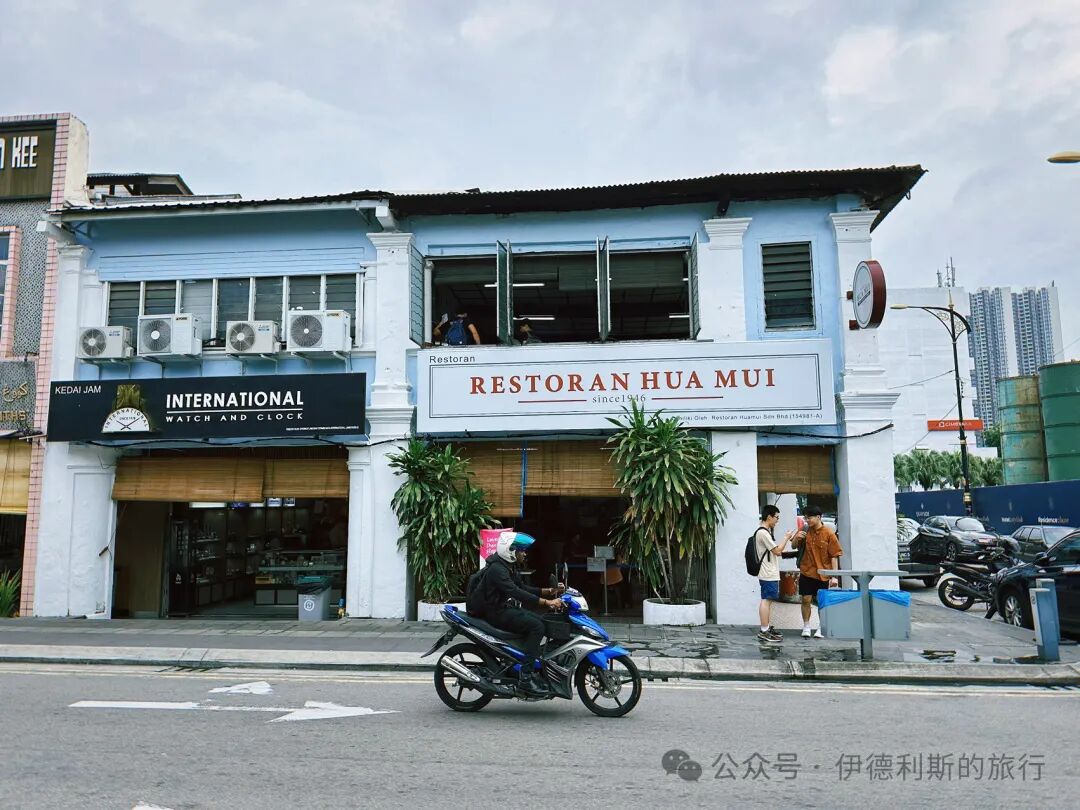
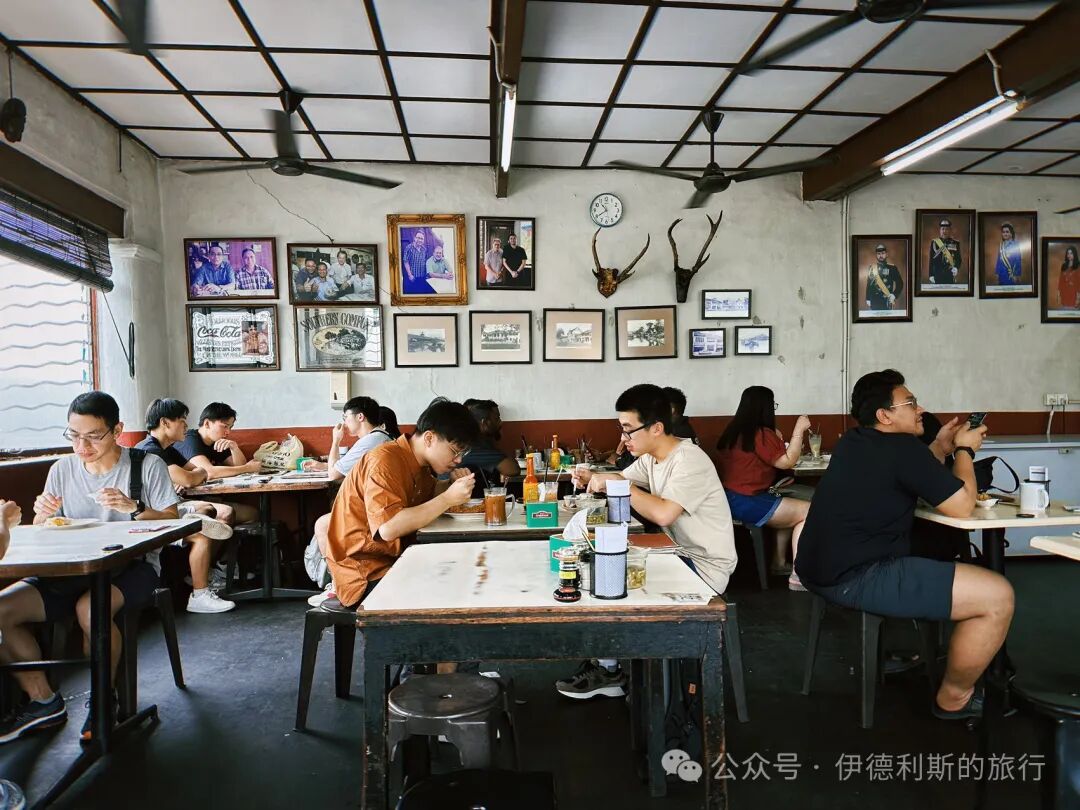
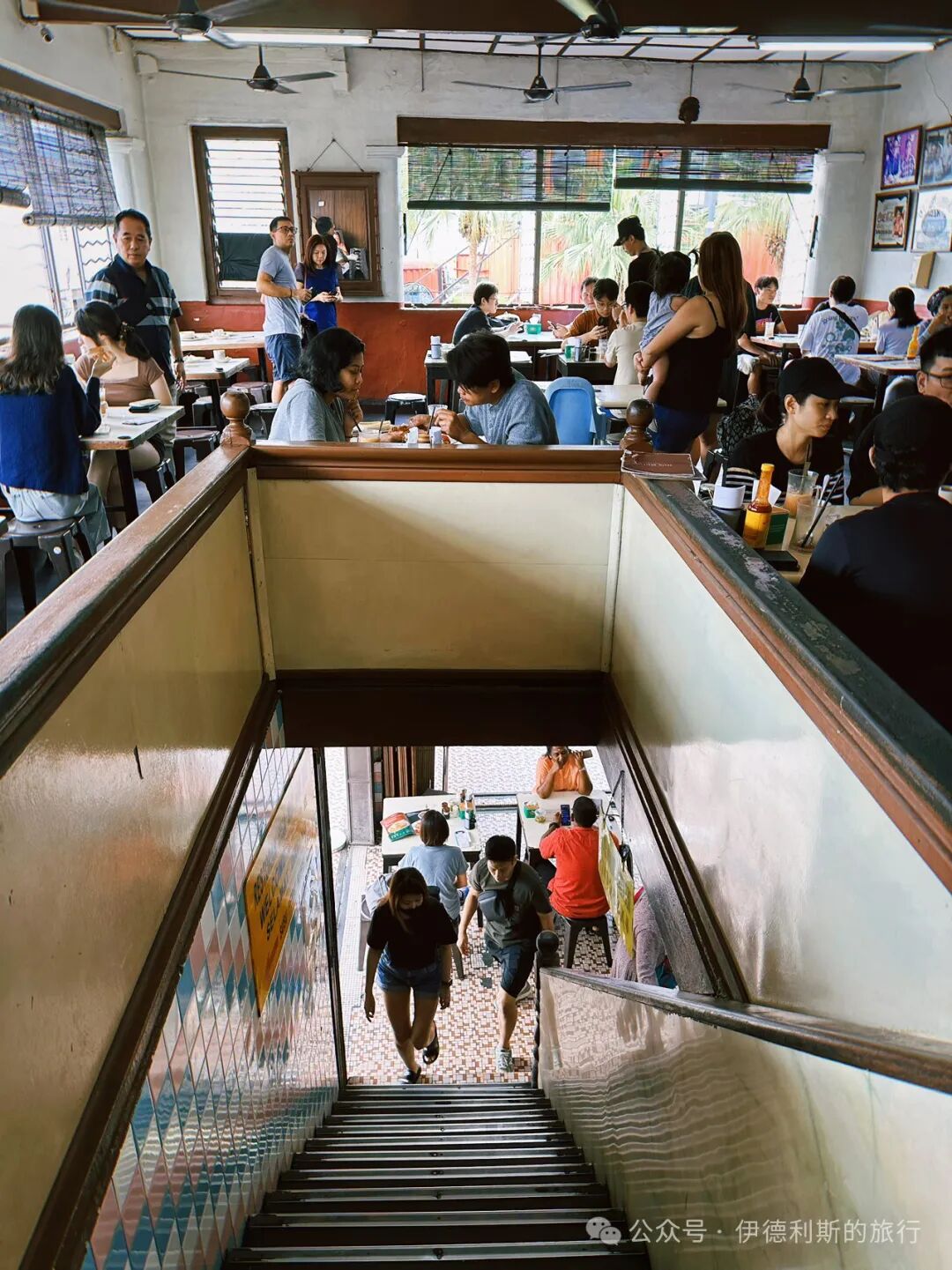
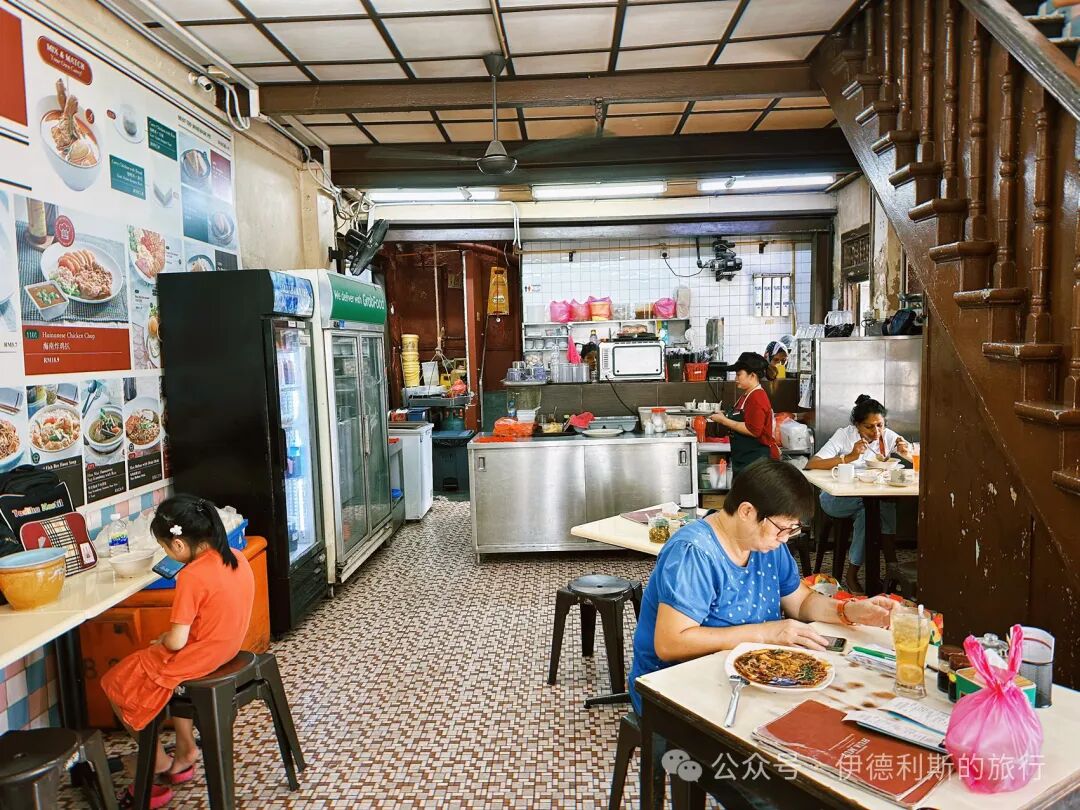
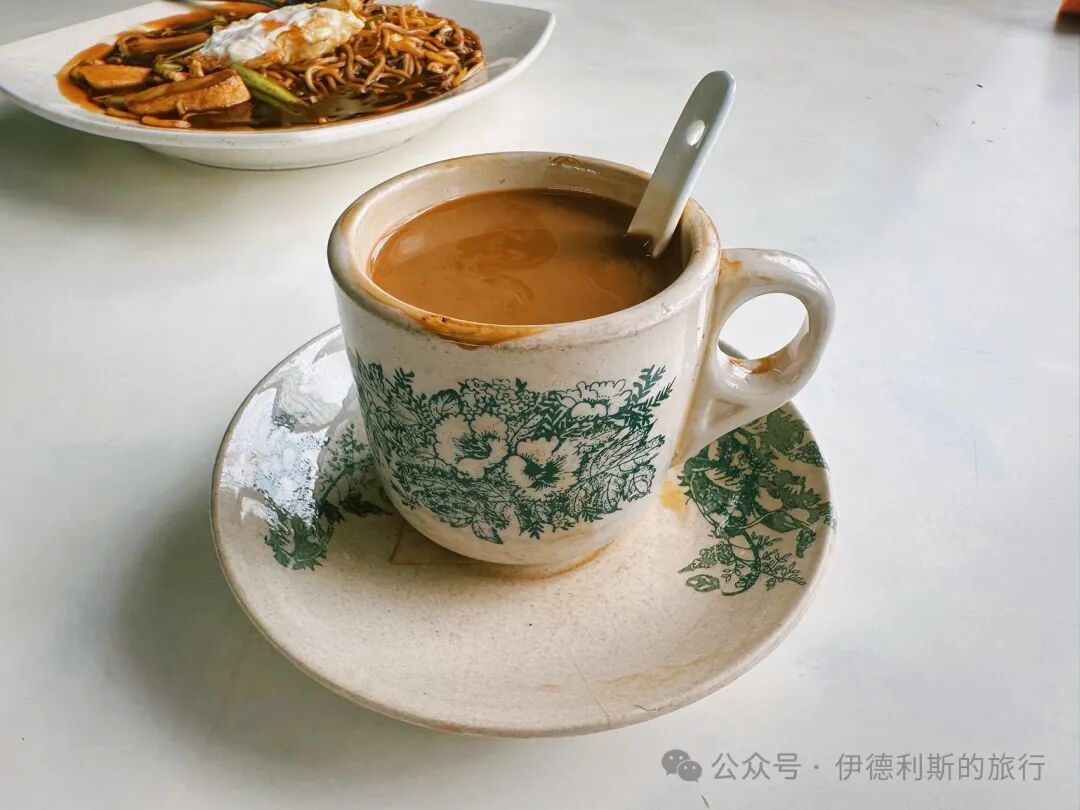
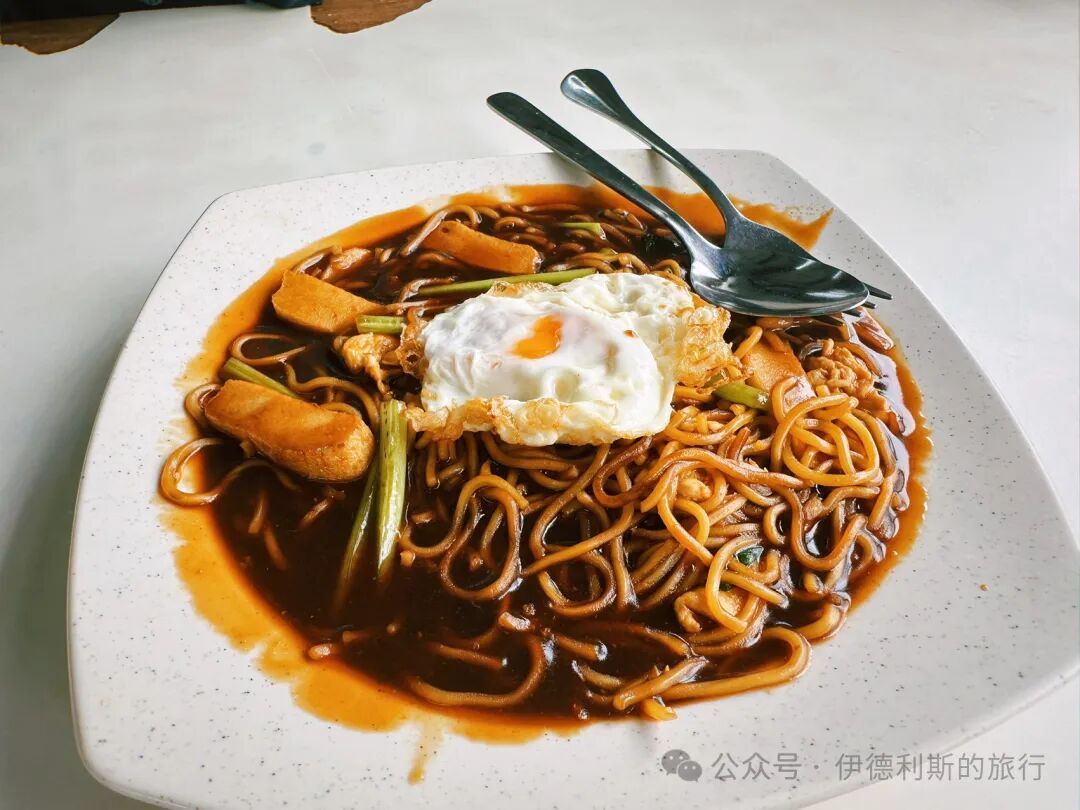
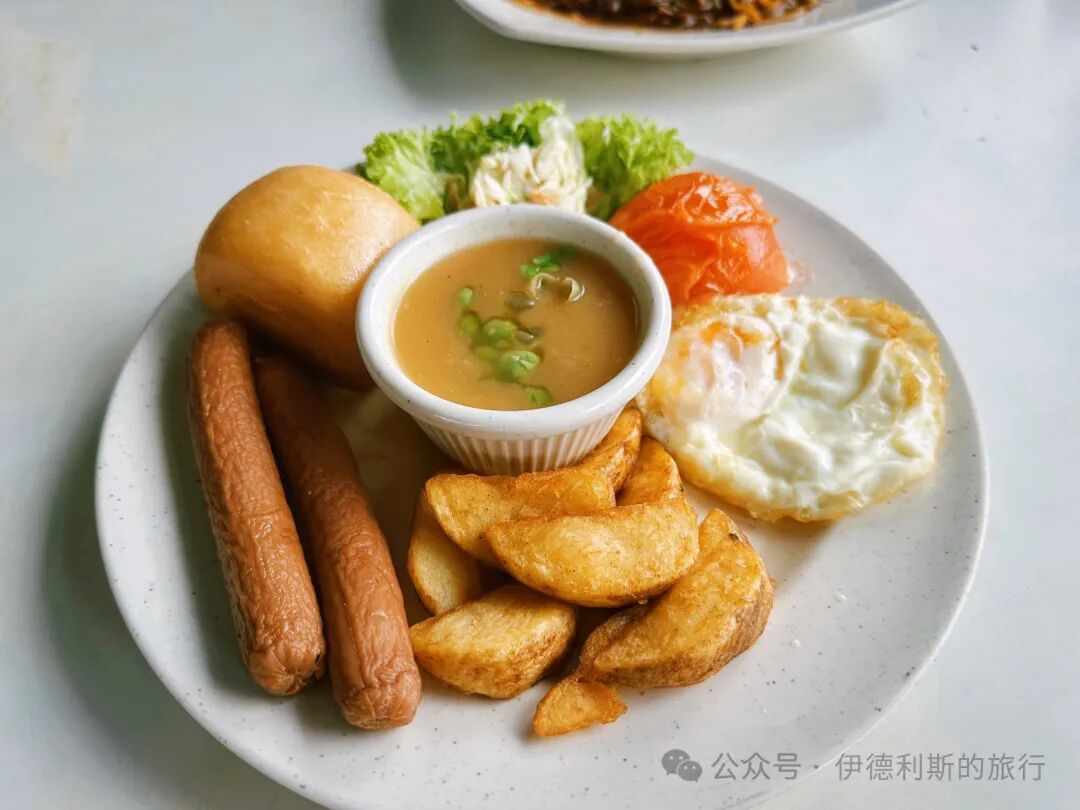
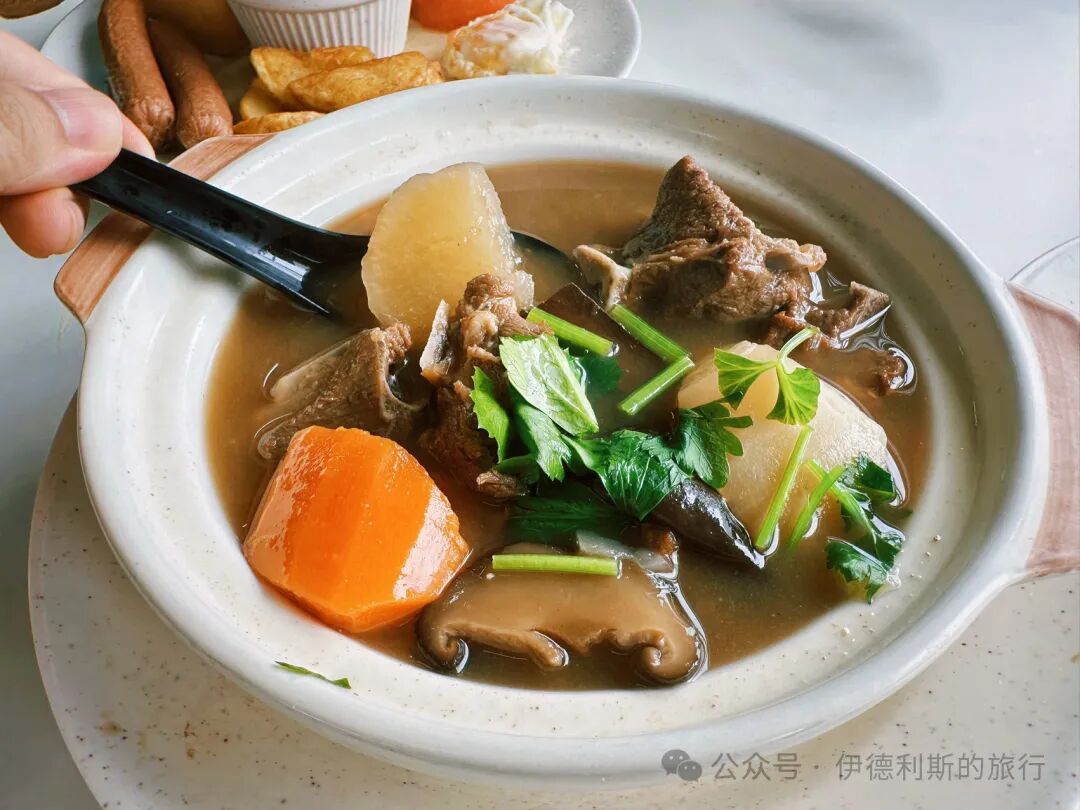
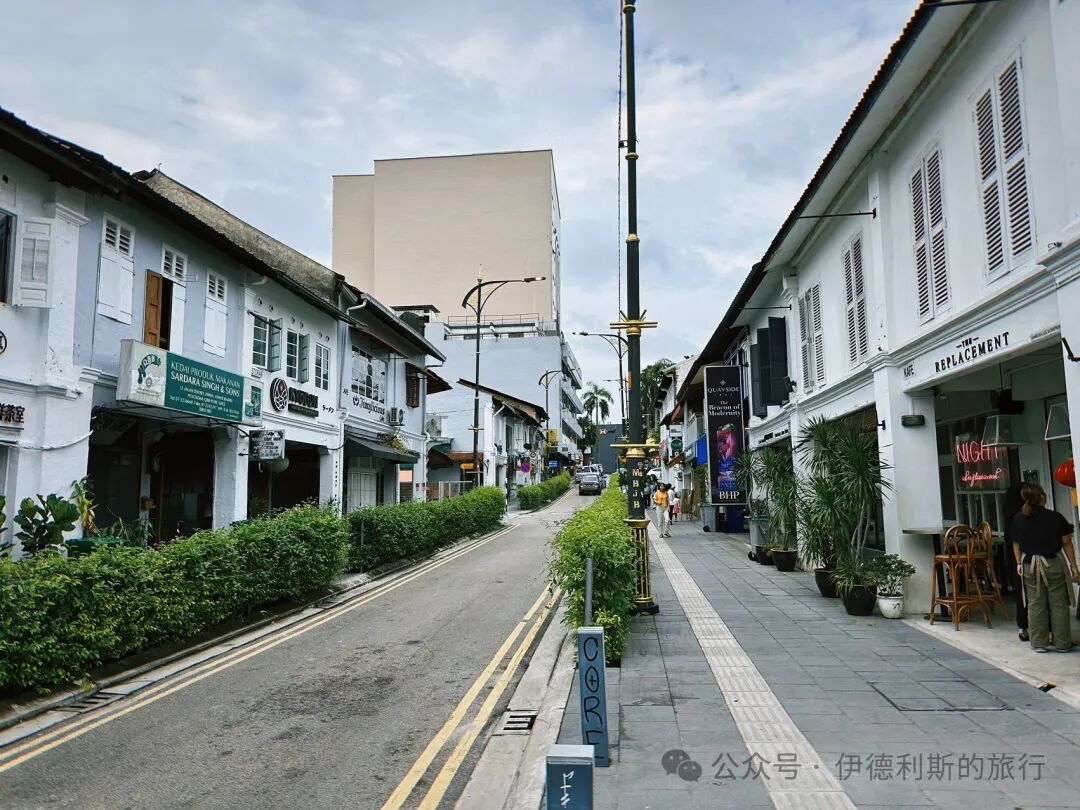
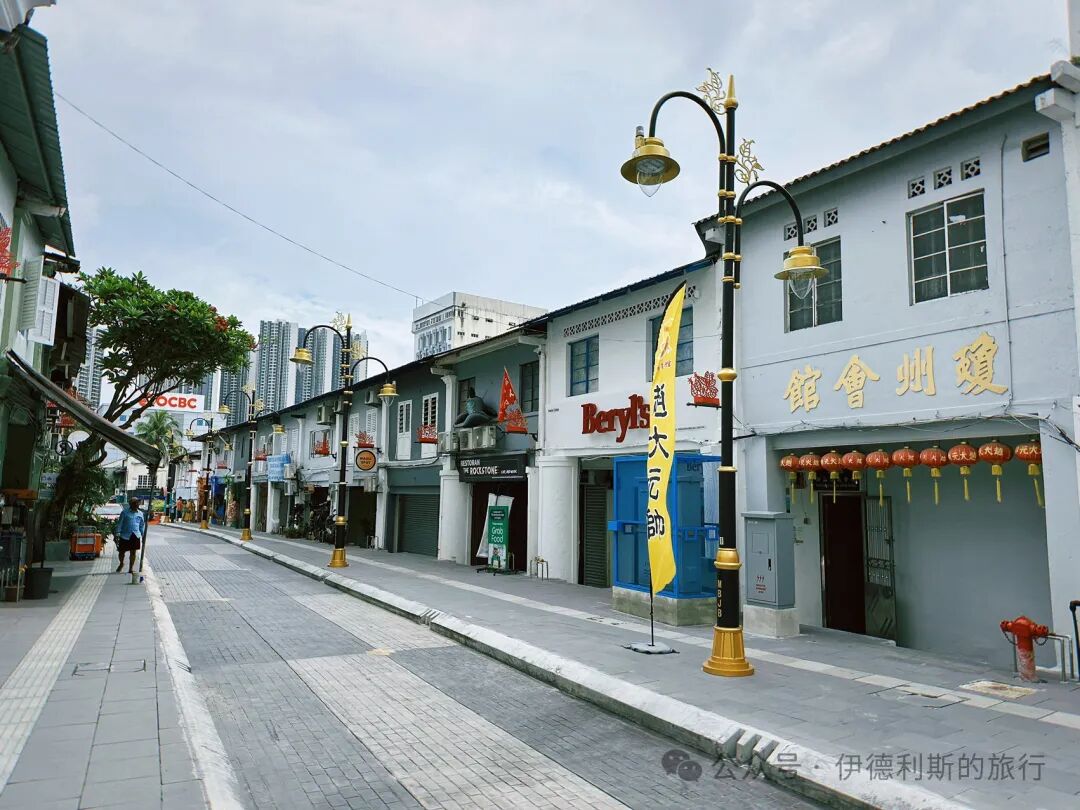
To understand the history of the Chinese community in Johor Bahru, Malaysia, you must visit the Johor Bahru Chinese Heritage Museum on Jalan Tan Hiok Nee. In 1844, Temenggong Ibrahim began issuing land grants in Johor. Teochew community leader Tan Hiok Nee answered the call and led a group from Singapore to develop Johor Bahru, marking the beginning of the city's Chinese community. Early Chinese settlers in Johor Bahru were divided into five dialect groups: Hainanese, Cantonese-Zhaoqing, Hakka, Hokkien, and Teochew. Each group had its own clan association, and people from the same hometowns stayed very closely connected.
Today, Johor Bahru has several halal Chinese restaurants, such as Cafe Eleven Kitchen and Hijrah Dim Sum. I didn't have time to visit them on this trip, but I hope to try them in the future.
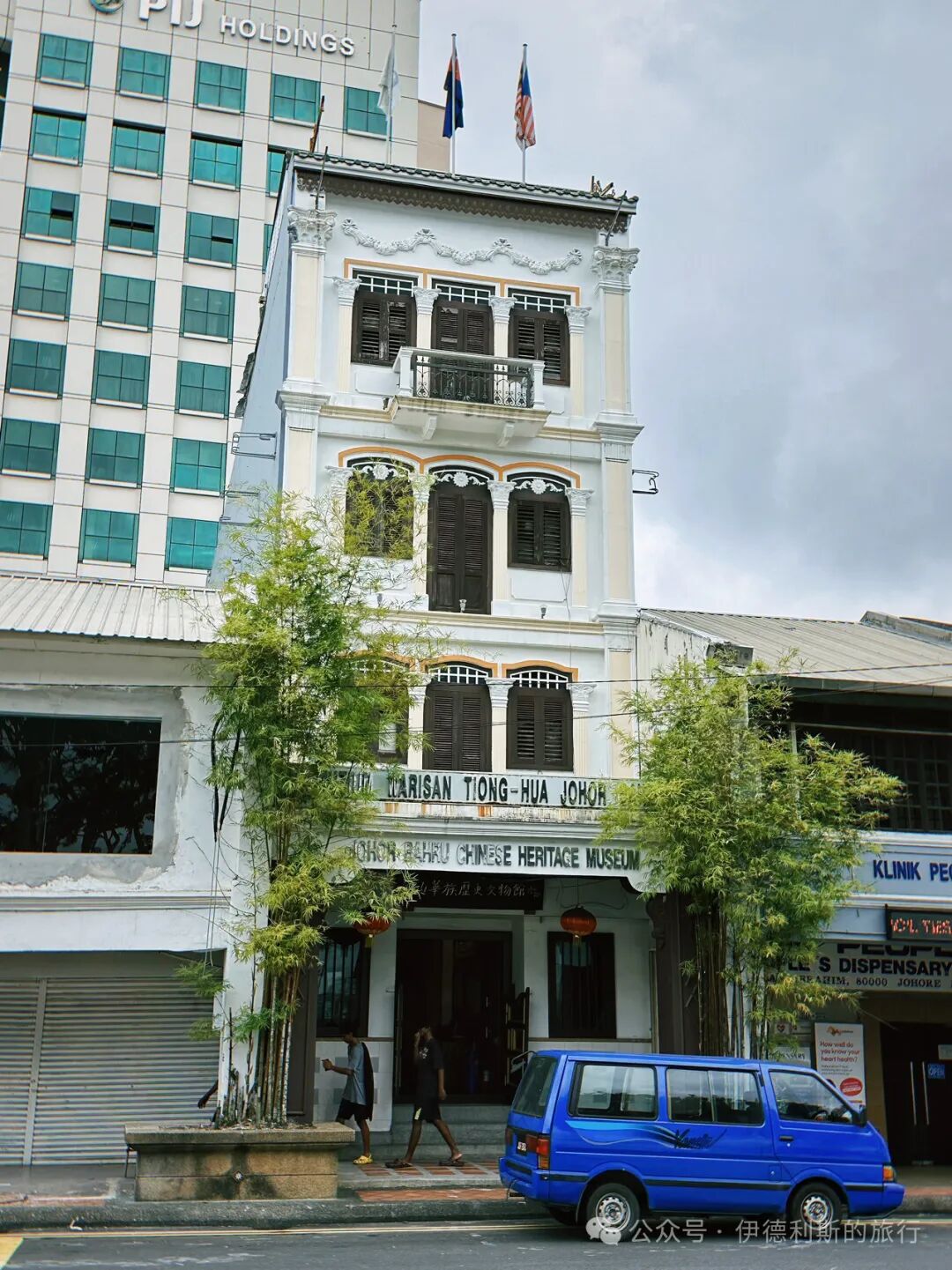
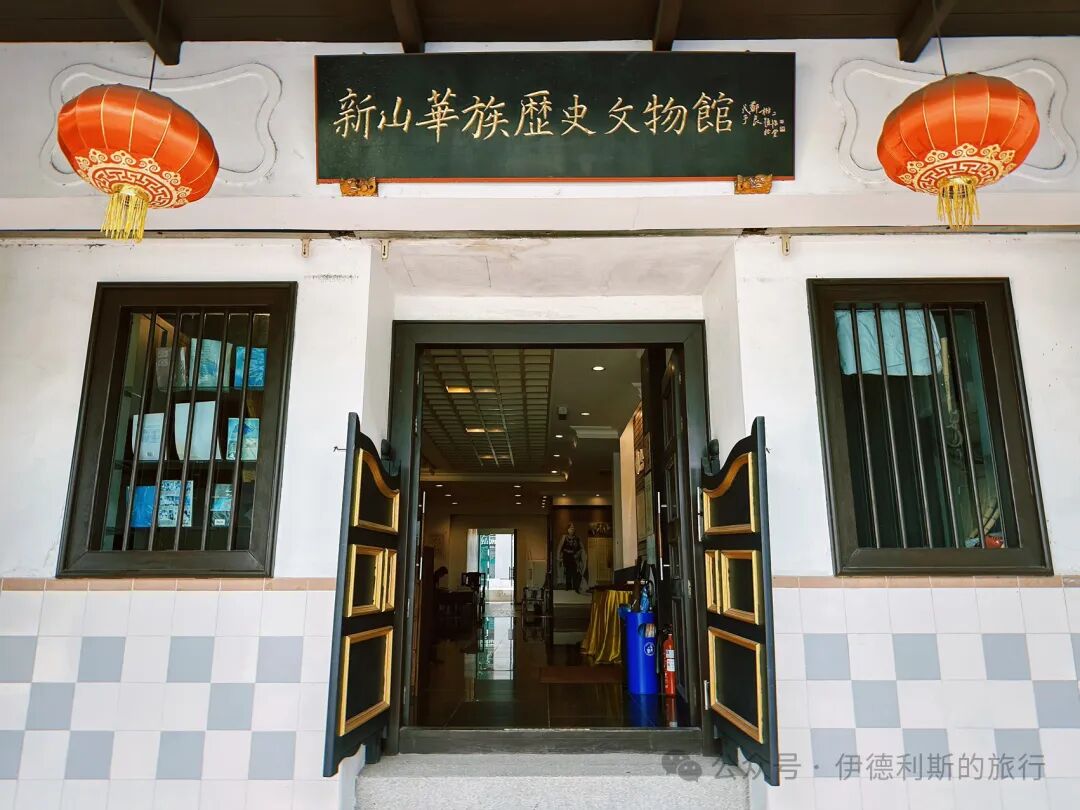
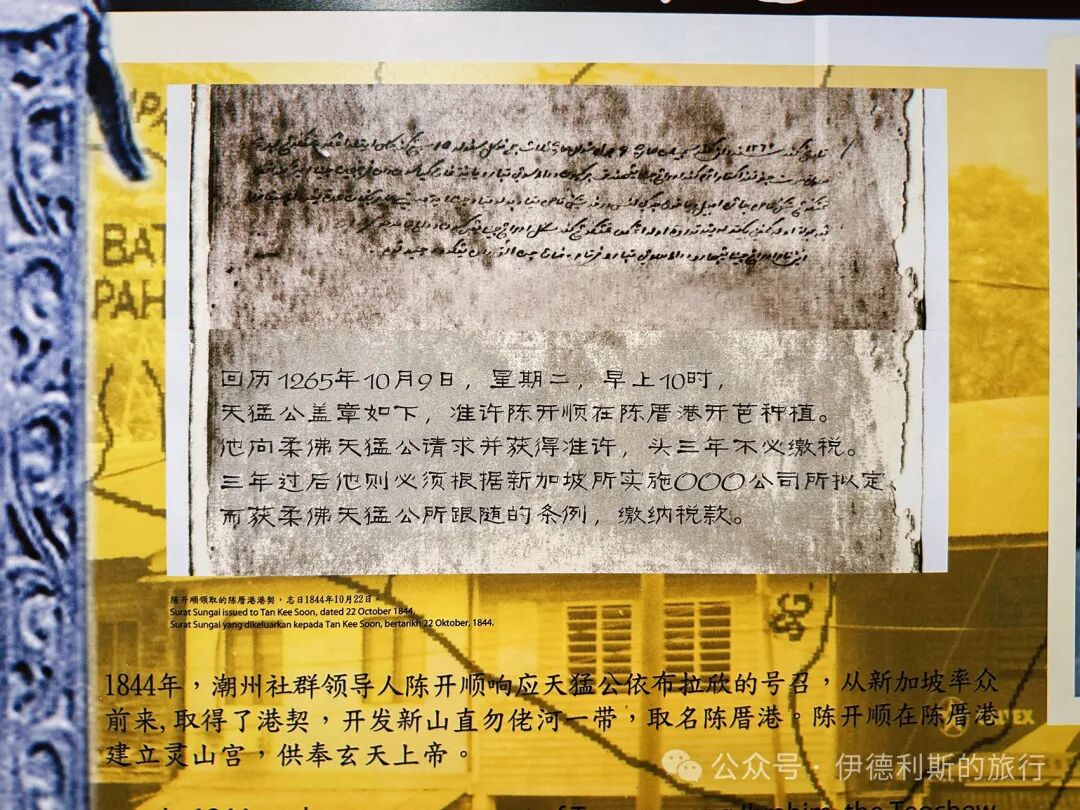
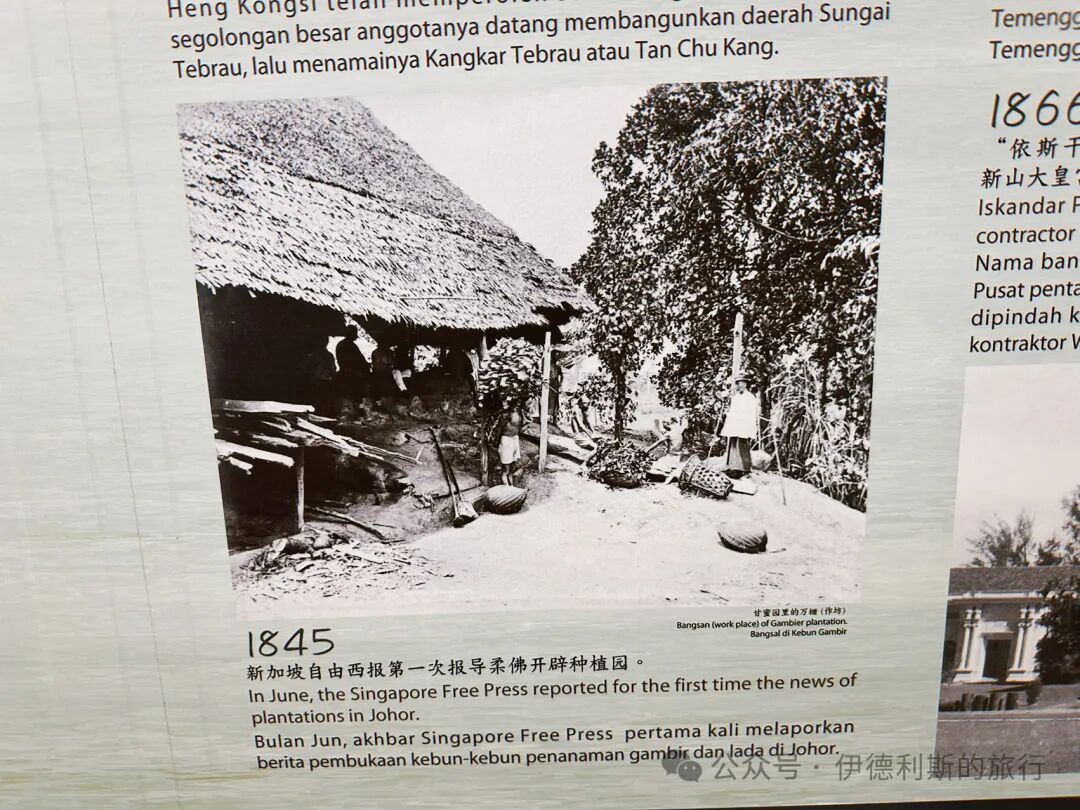
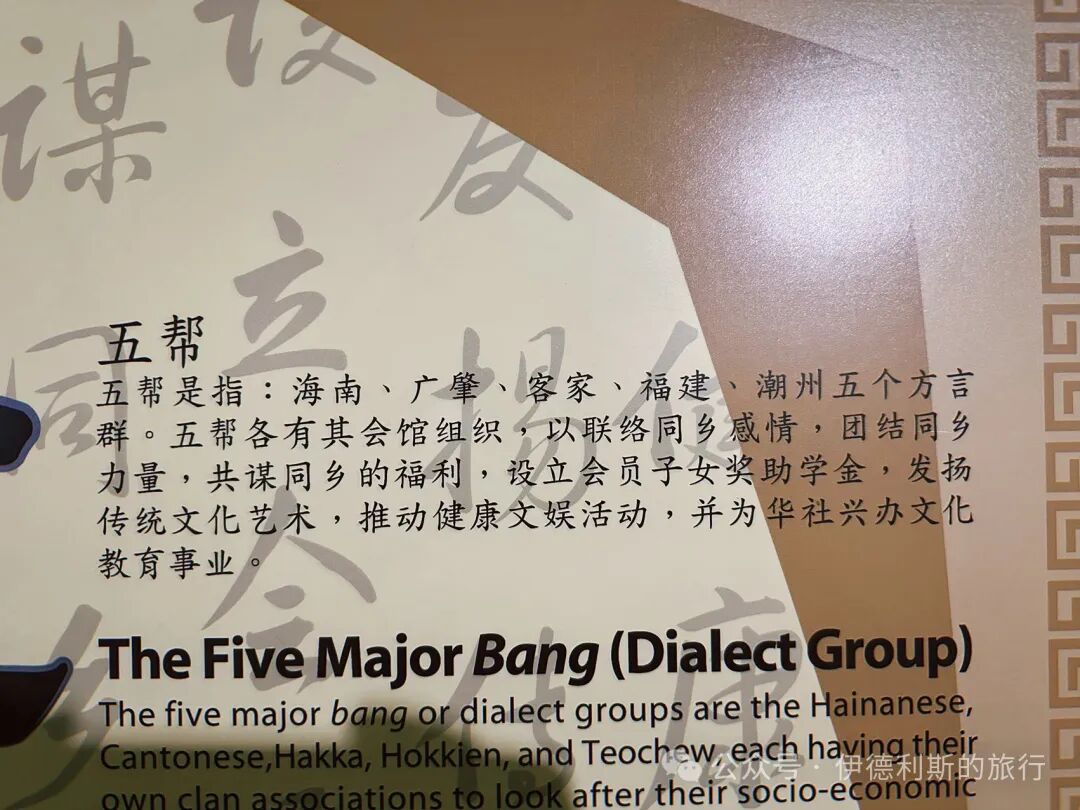
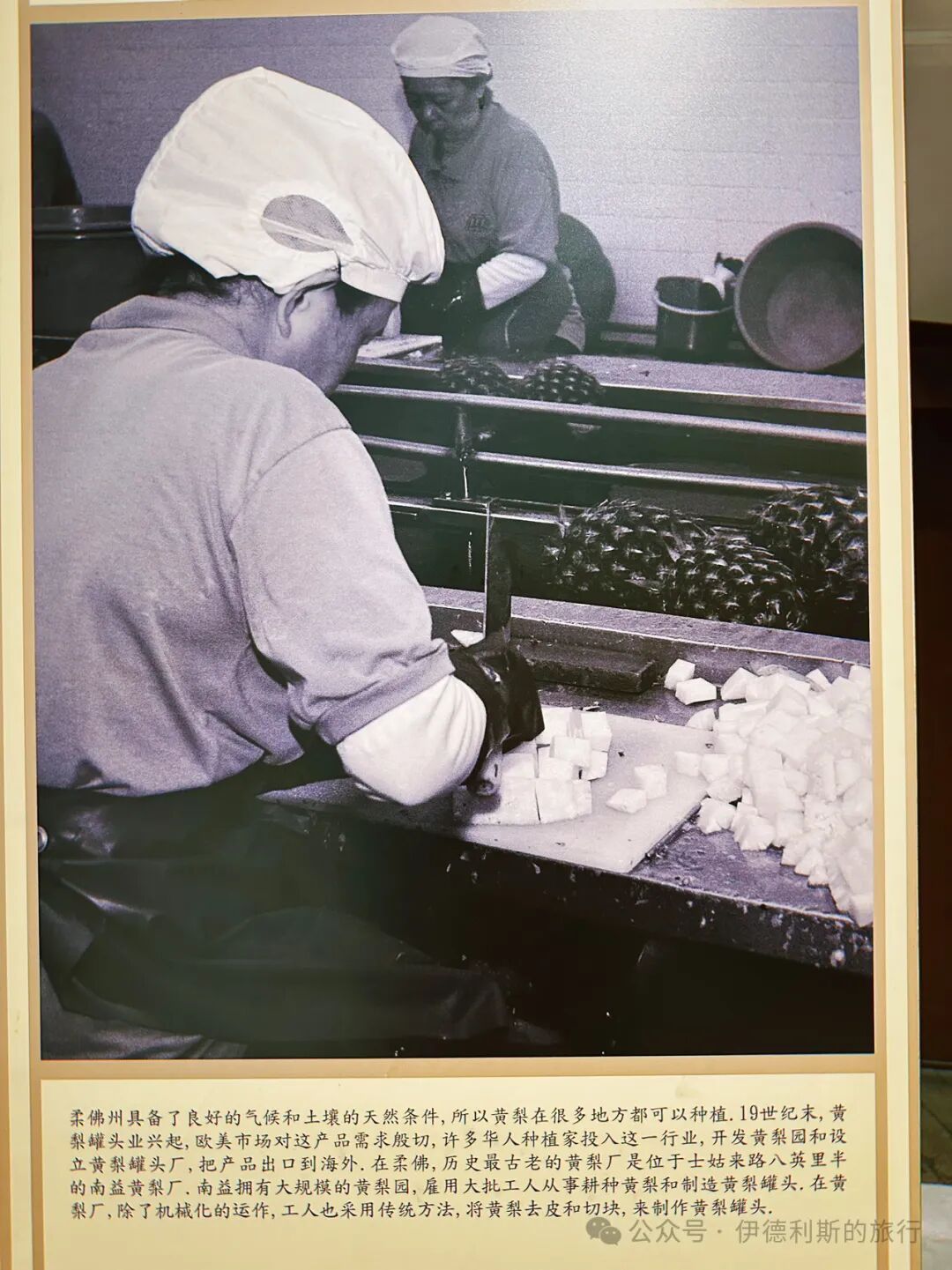
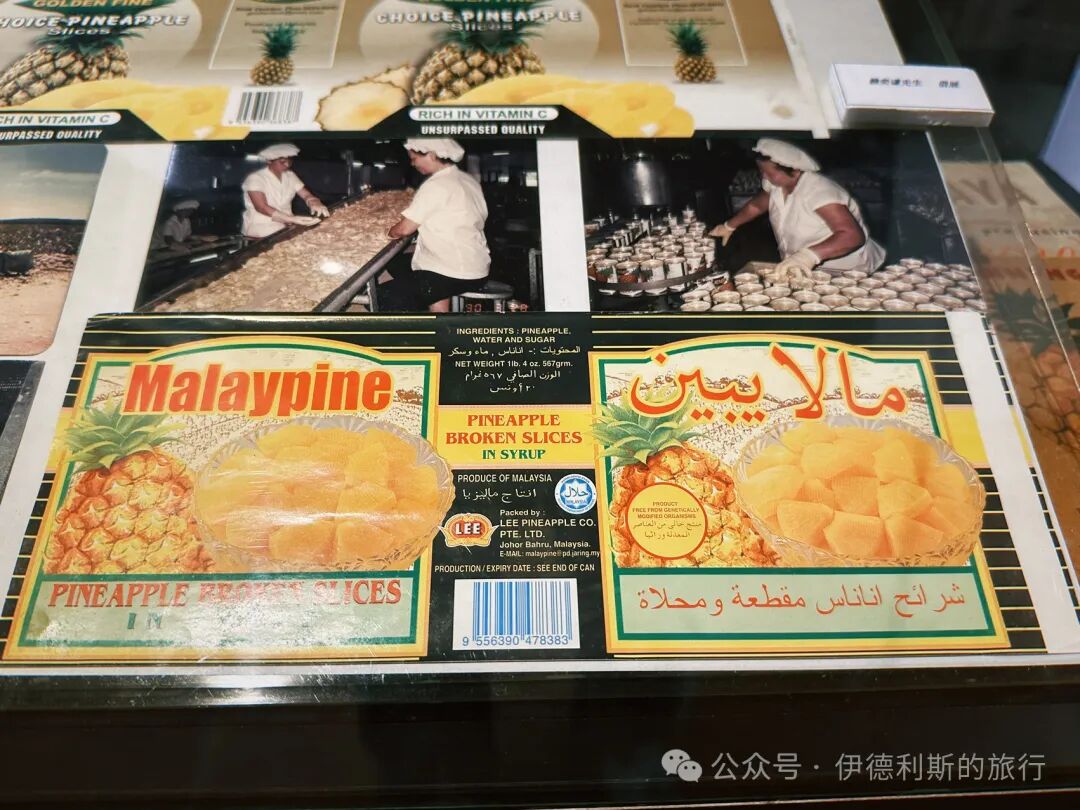
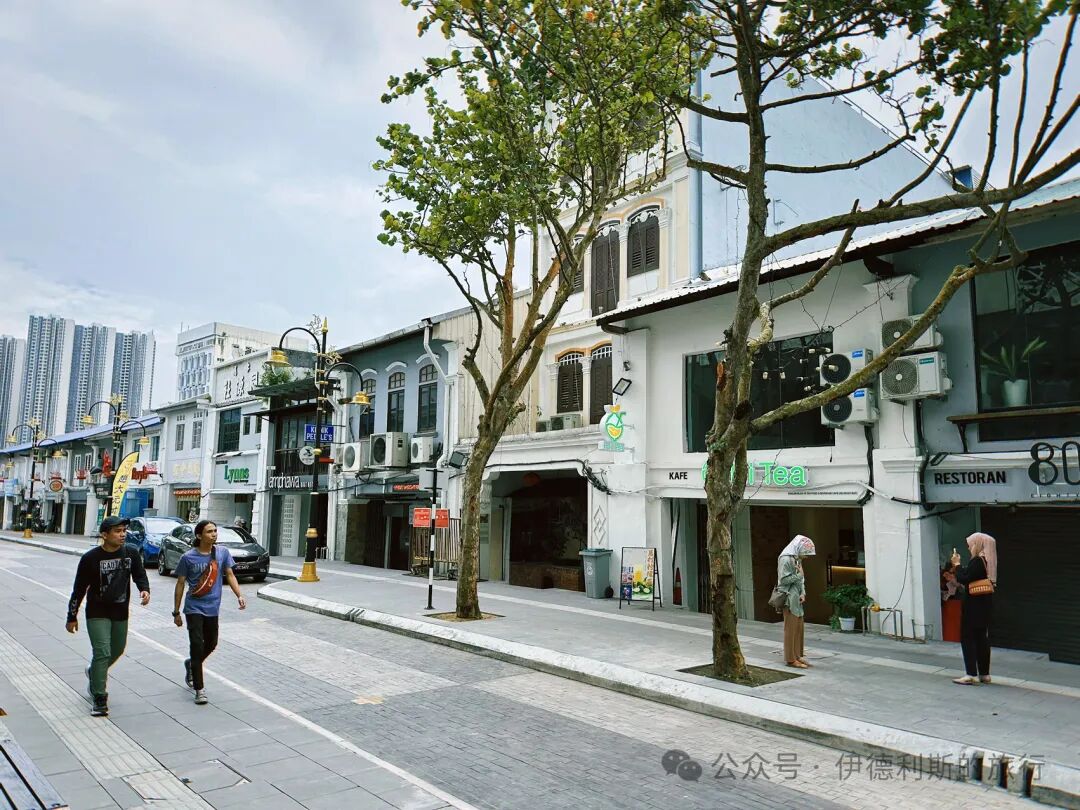
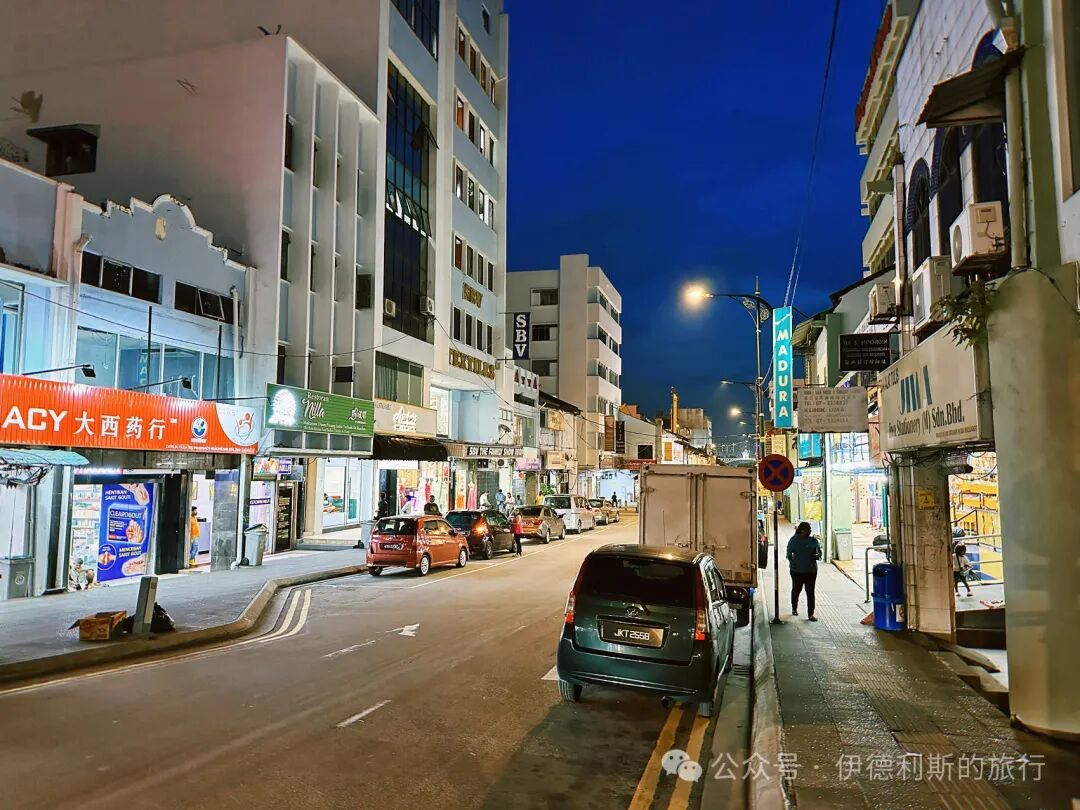
Seremban
Take a taxi 50 kilometers southeast from Kuala Lumpur Airport to reach Seremban, the capital of Negeri Sembilan state. We started with morning tea at a halal Chinese restaurant called Muhammad Kew Chinese Muslim Kitchen. We ordered chicken char siu buns (cha shao bao), wontons (yuntun), Cantonese-style egg gravy rice (guangfu huadan mifan), and shrimp dumplings (shaomai), all of which were delicious. Unfortunately, the Chinese owner was busy in the kitchen, so I didn't get to meet him. I only met his Malay wife, who was very warm and friendly. This was my second time eating char siu buns. The first time was at a Hui Muslim restaurant in Guangzhou where I had lamb char siu. Both places prepared them in a similar sweet style, but the chicken version was more tender. The Cantonese-style rice is made with a thickened egg sauce. It is light and goes well with rice, which suits my taste perfectly. The wontons were filled with radish, which tasted very fresh. The shrimp dumplings were filled with a shrimp and meat paste, giving them a unique flavor.
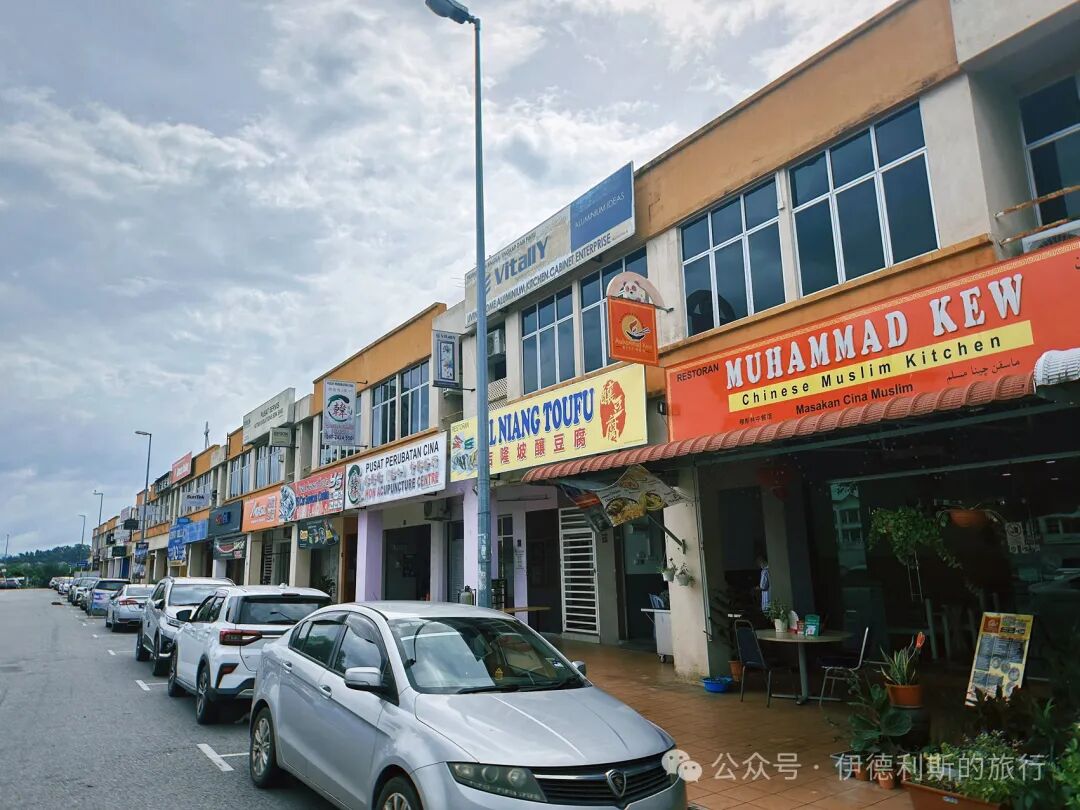
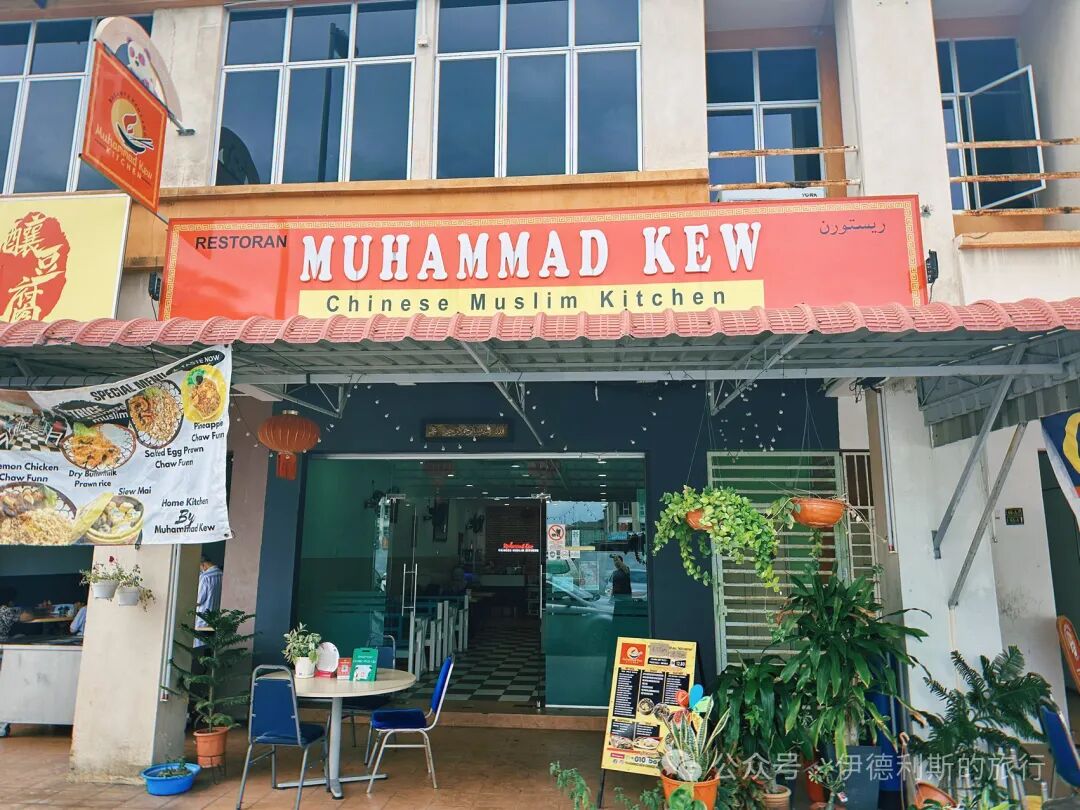
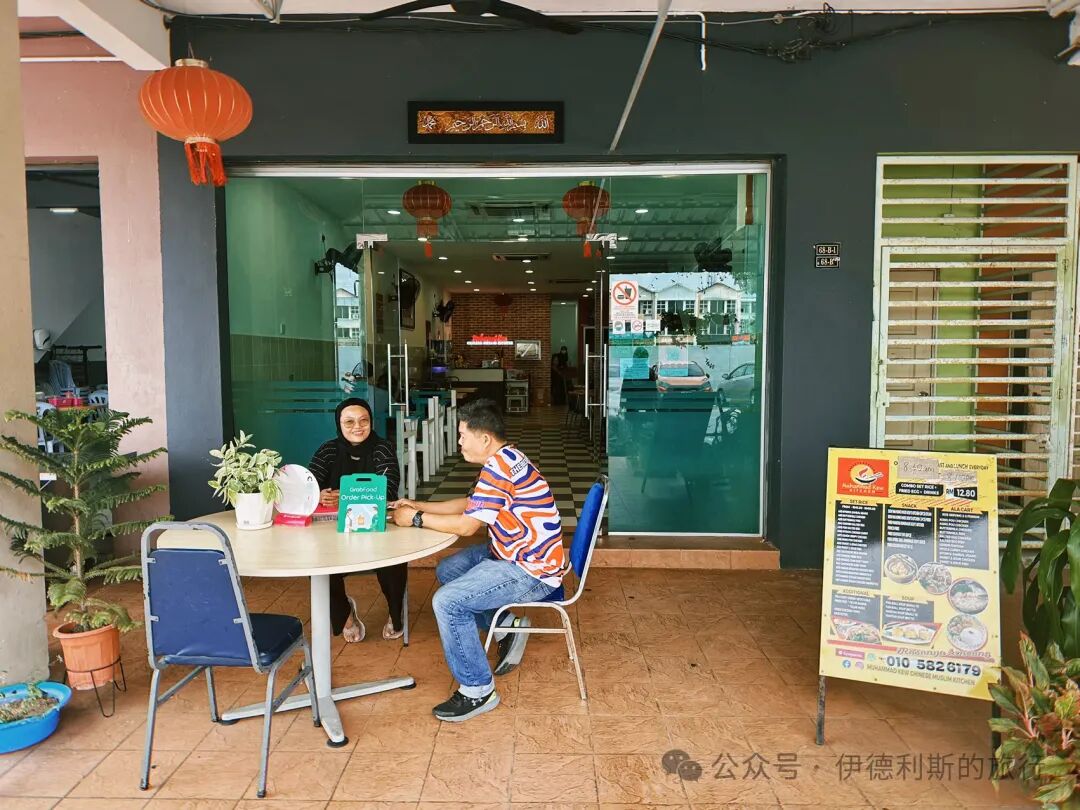
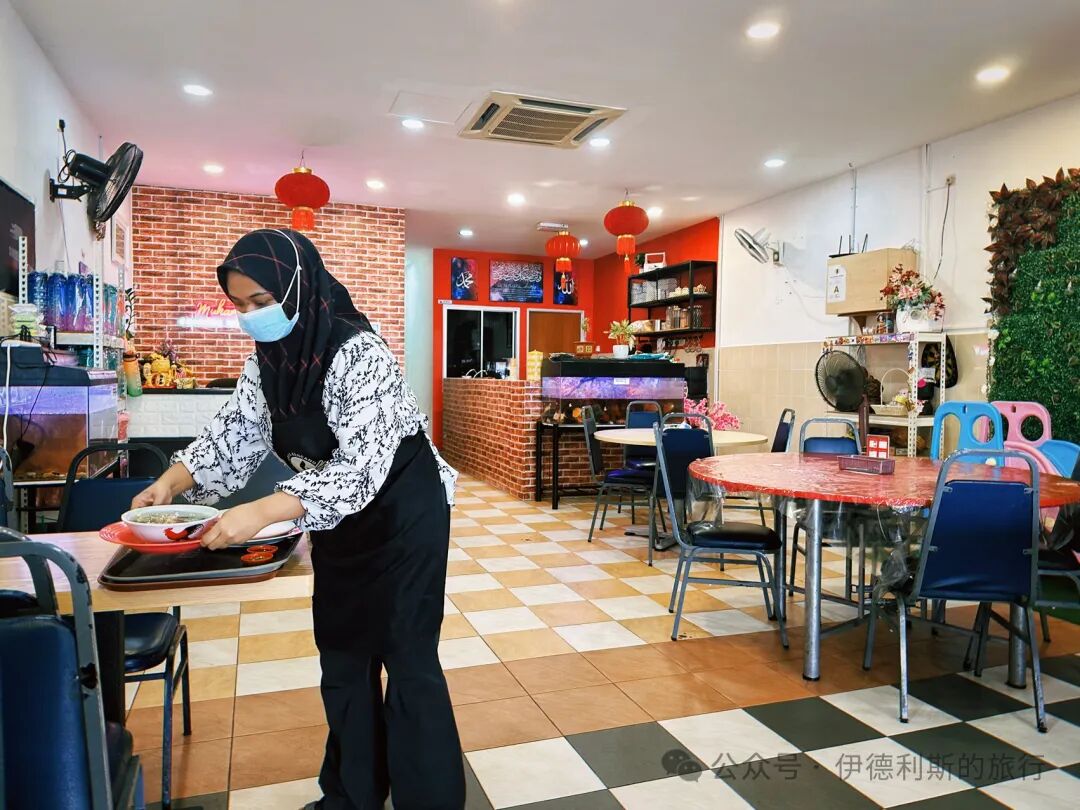
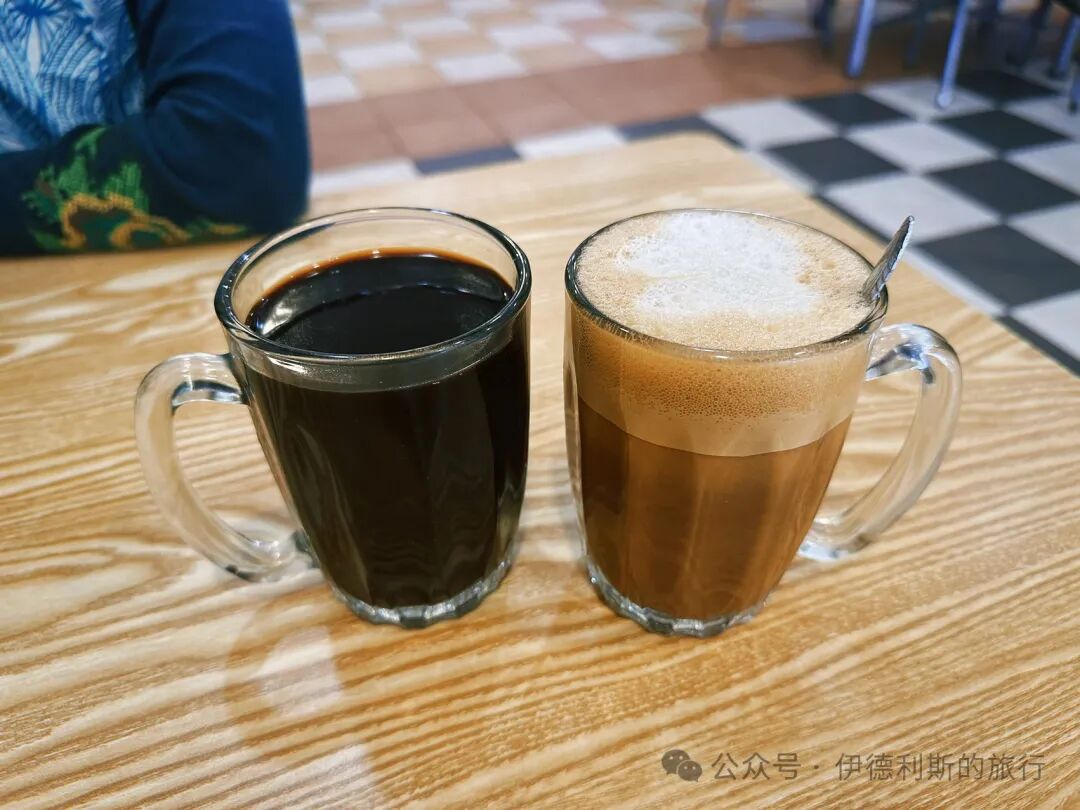
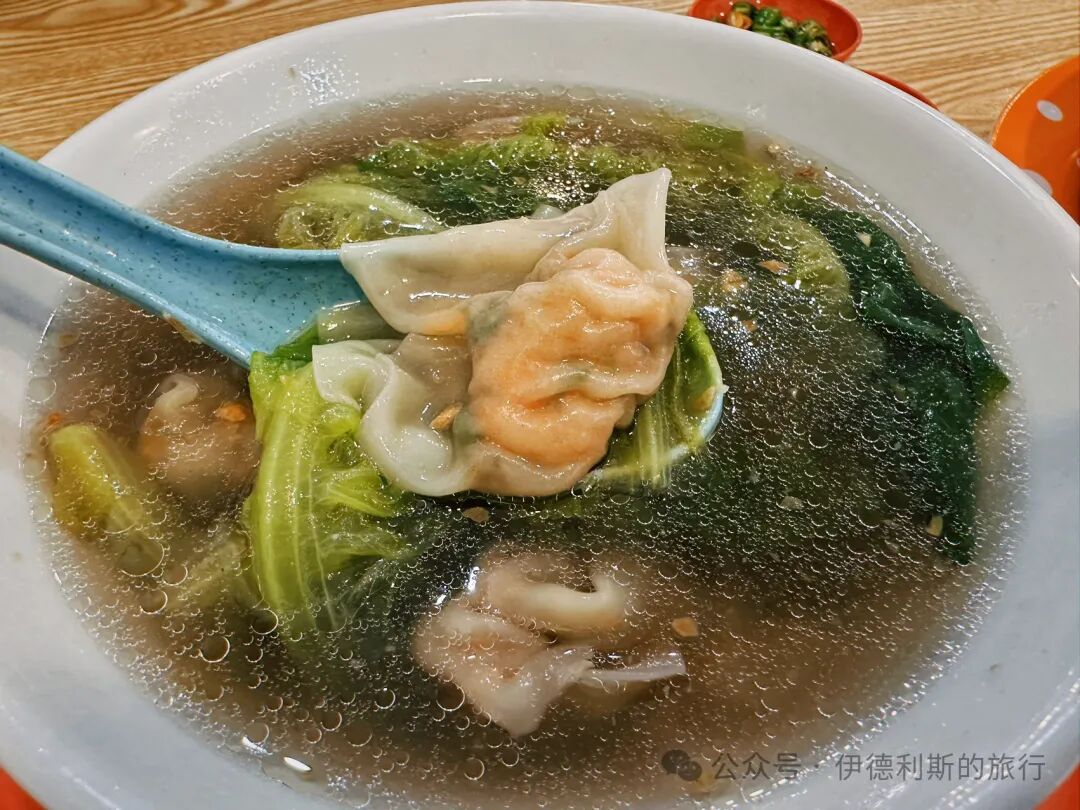
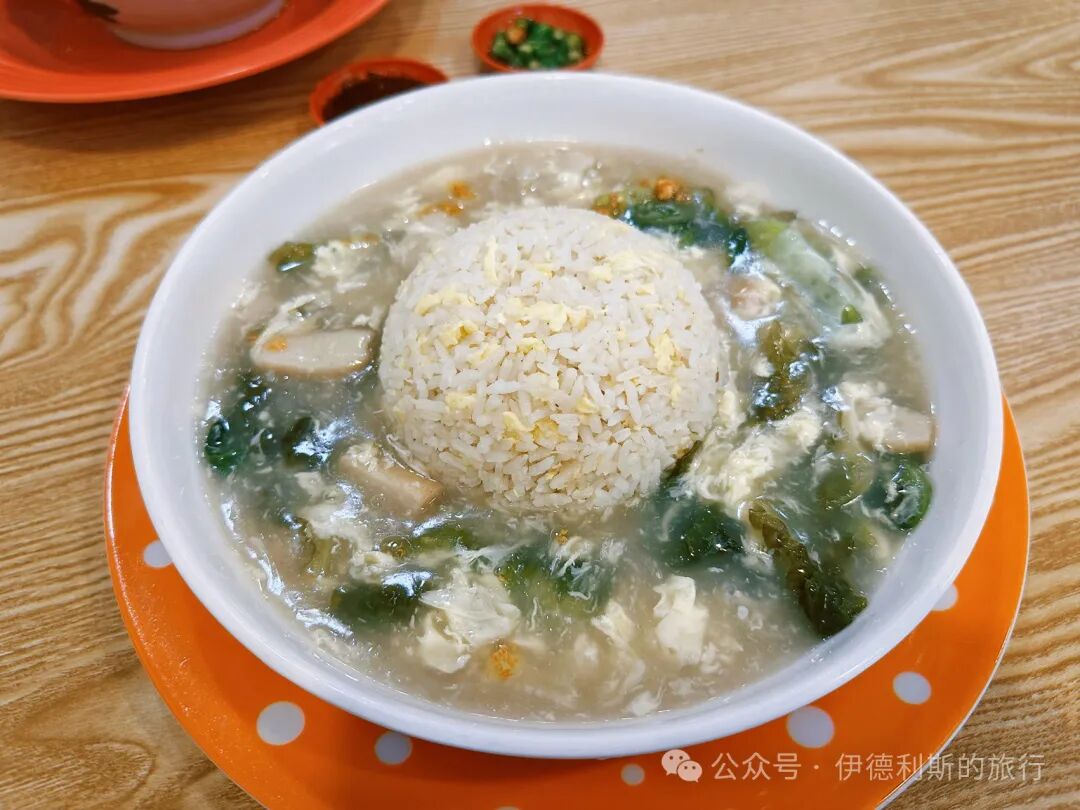
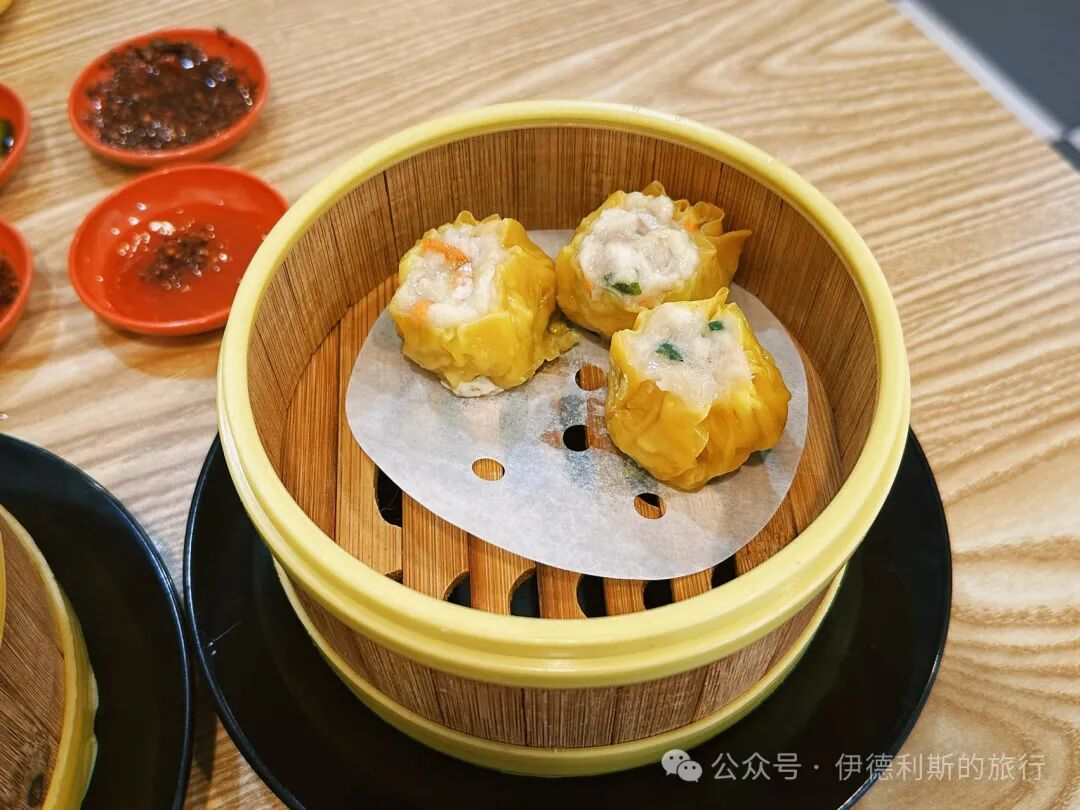
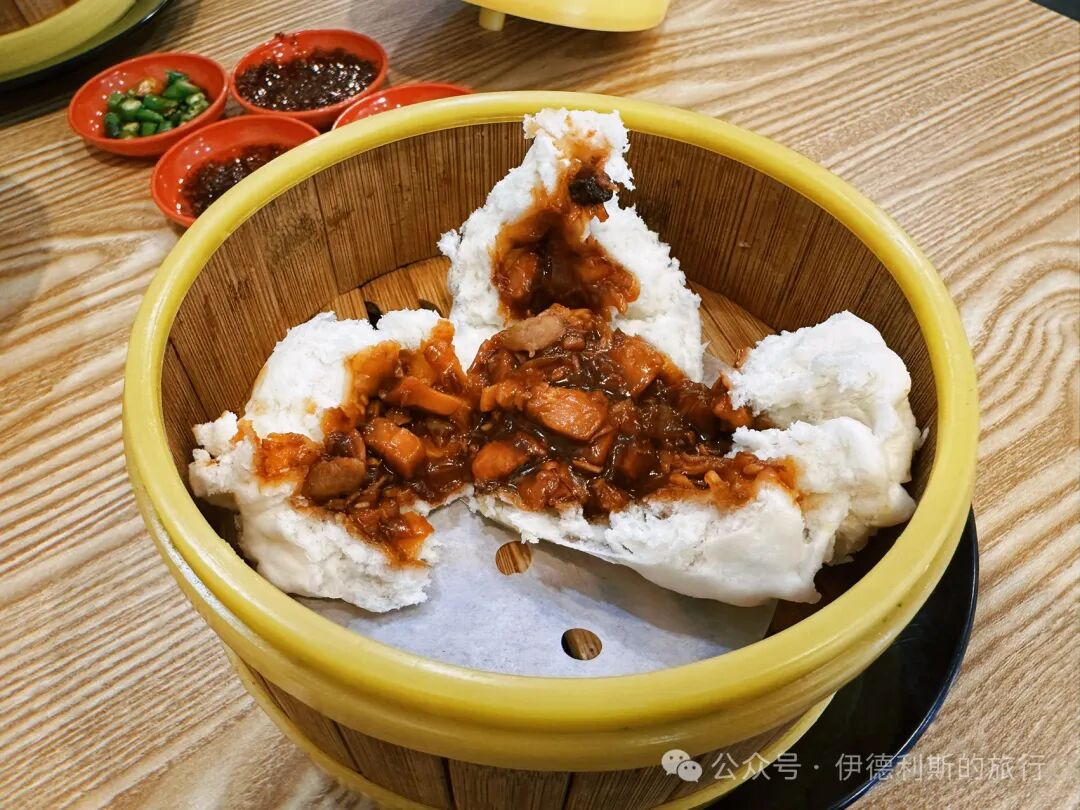
Seremban is a traditional Chinese town. After tin mines were discovered nearby in the 1870s, many Chinese workers flooded into the area, and the town grew rapidly due to the tin trade. The old town of Seremban still has several streets with traditional arcade buildings (qilou). They haven't been turned into tourist traps yet, so they are well worth a visit.
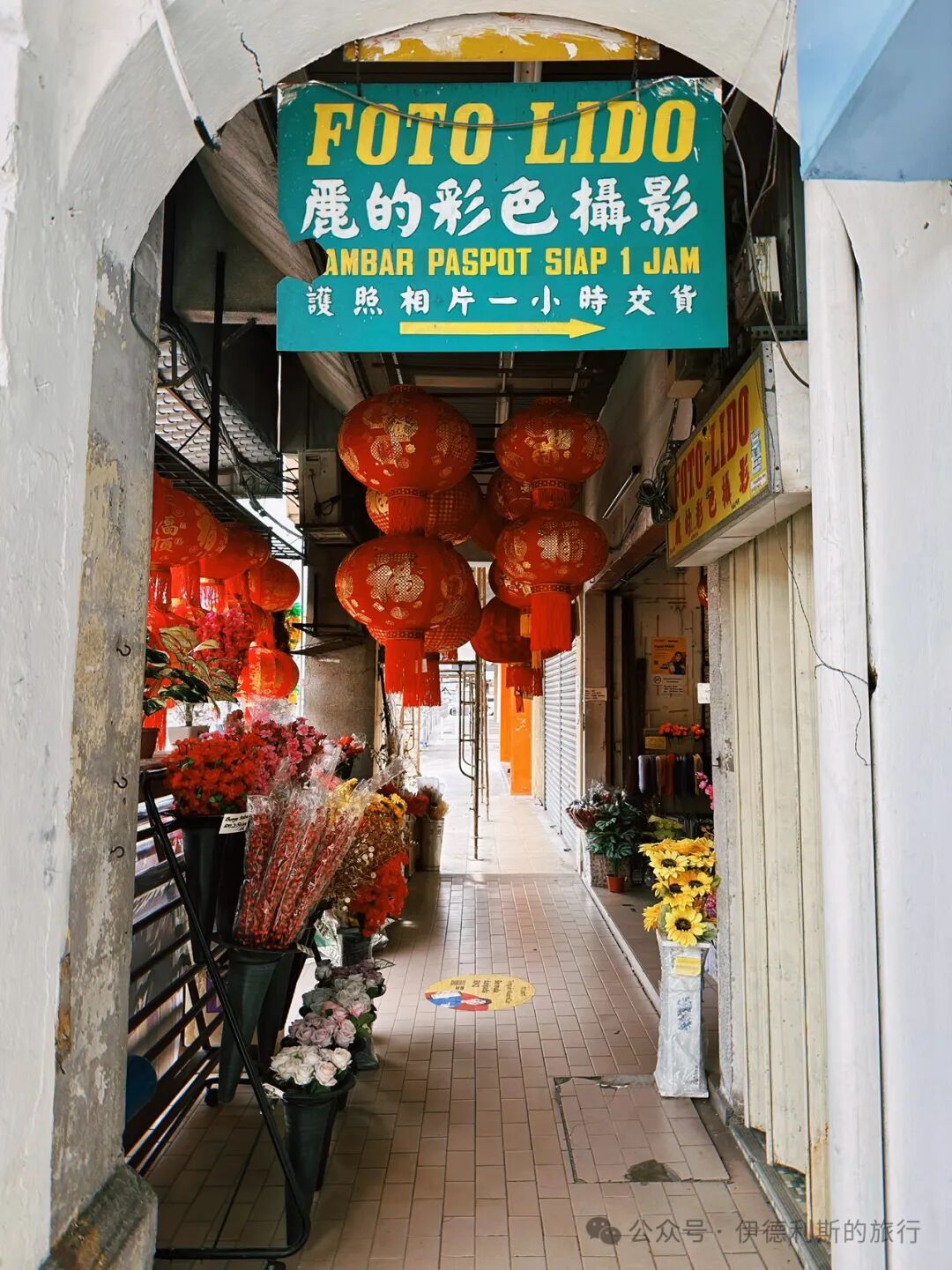
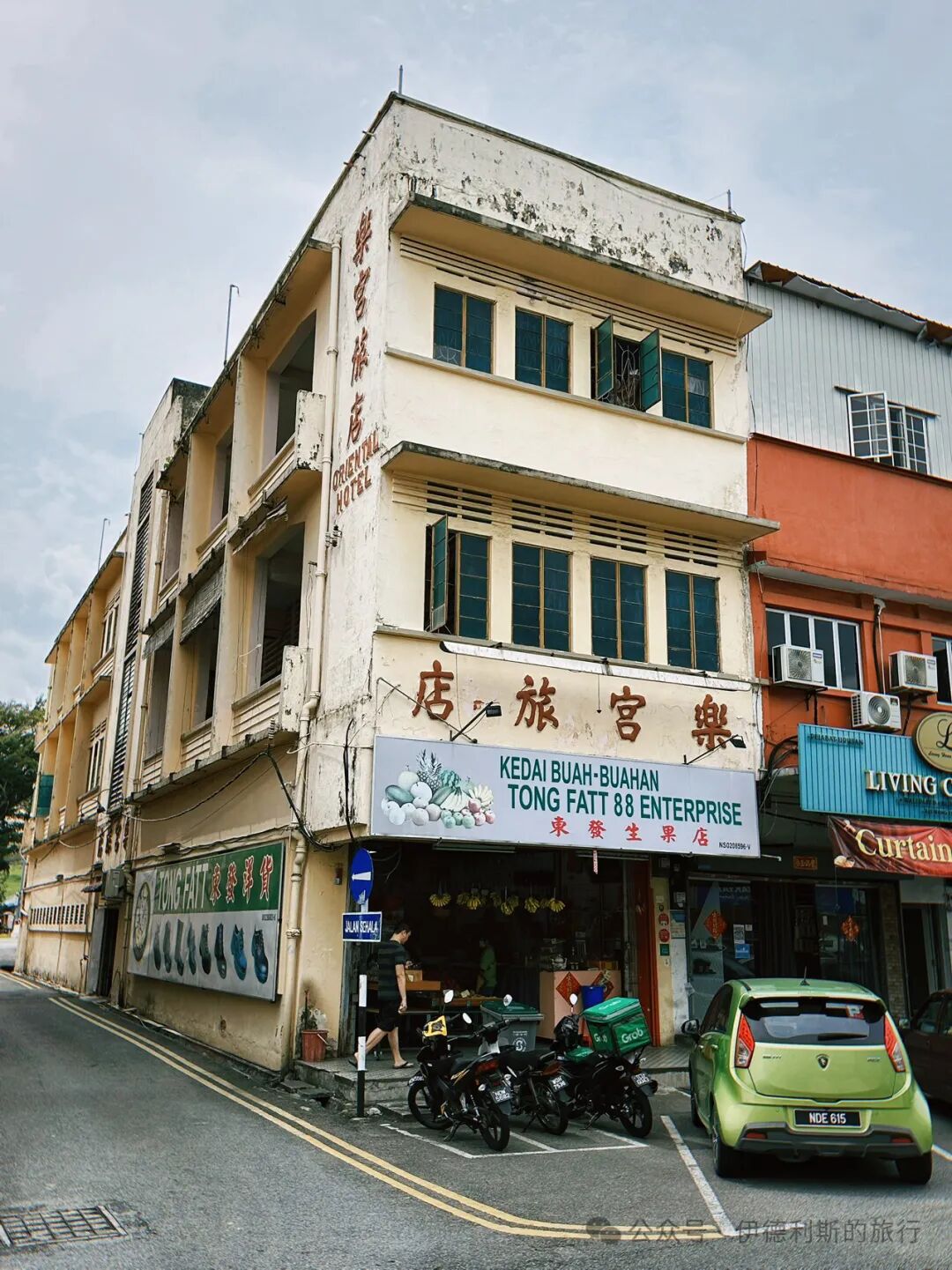
For lunch, we ate at a halal Chinese restaurant called Mohd Chan in Seremban. It is likely the most famous and largest halal Cantonese restaurant chain in Malaysia, with 19 locations including restaurants, dim sum shops, and takeout spots. The founder of Mohd Chan, Dato HJ Mohd Chan, was born in Gombak, Selangor. Influenced by his Malay friends, he converted to Islam in 2007 and began running a halal Cantonese restaurant that same year. Since then, he has been working to combine Cantonese cuisine with local flavors.
We ordered Teochew-style steamed fish, Cantonese-style egg gravy flat noodles (huadan he), sticky rice with chicken (nuomi ji), and lychee water. The Teochew-style steamed fish (chaozhou zhengyu) has a slightly sour taste. It comes with so many toppings that I had to eat through a lot of oyster mushroom and chicken slices before I even reached the fish. The Cantonese-style egg noodles (guangfu huadanhe) include chicken slices and shrimp. The sticky rice chicken (nuomiji) is topped with shiitake mushrooms, though it is not wrapped up like the ones I ate in Guangzhou. Their menu is quite varied and the food tastes good, but they use a central kitchen rather than cooking everything fresh on-site. It feels a bit like the approach used by Ziguangyuan in Beijing.
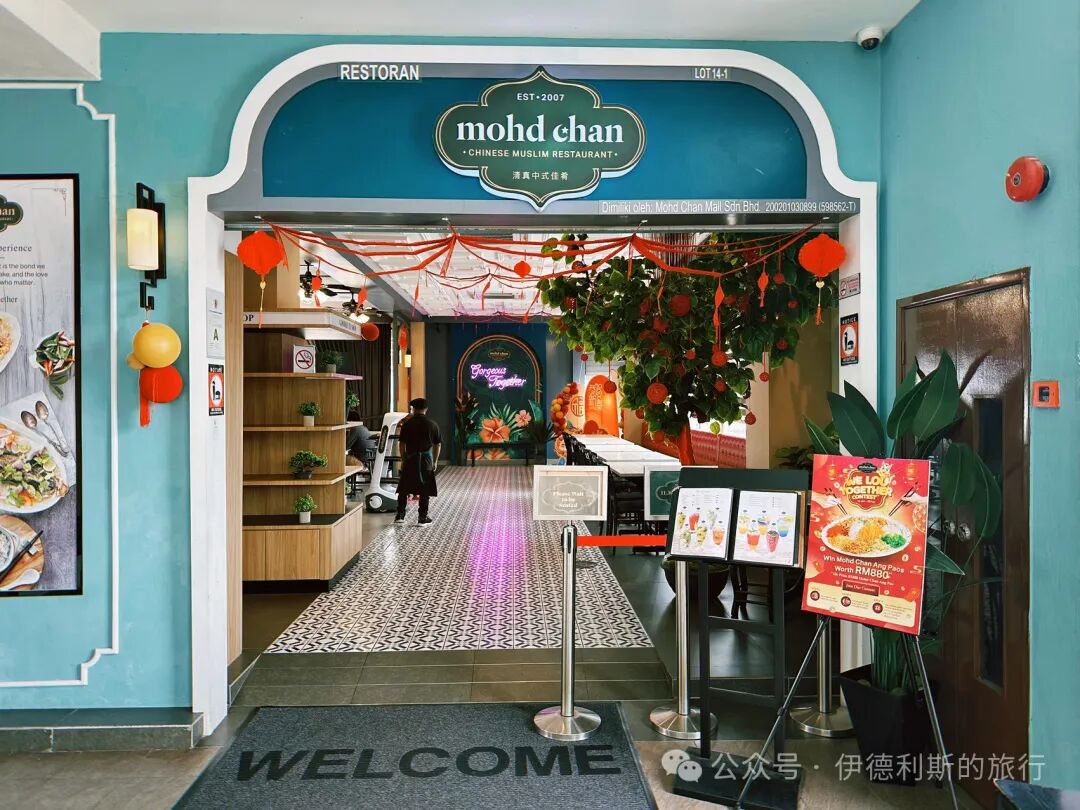
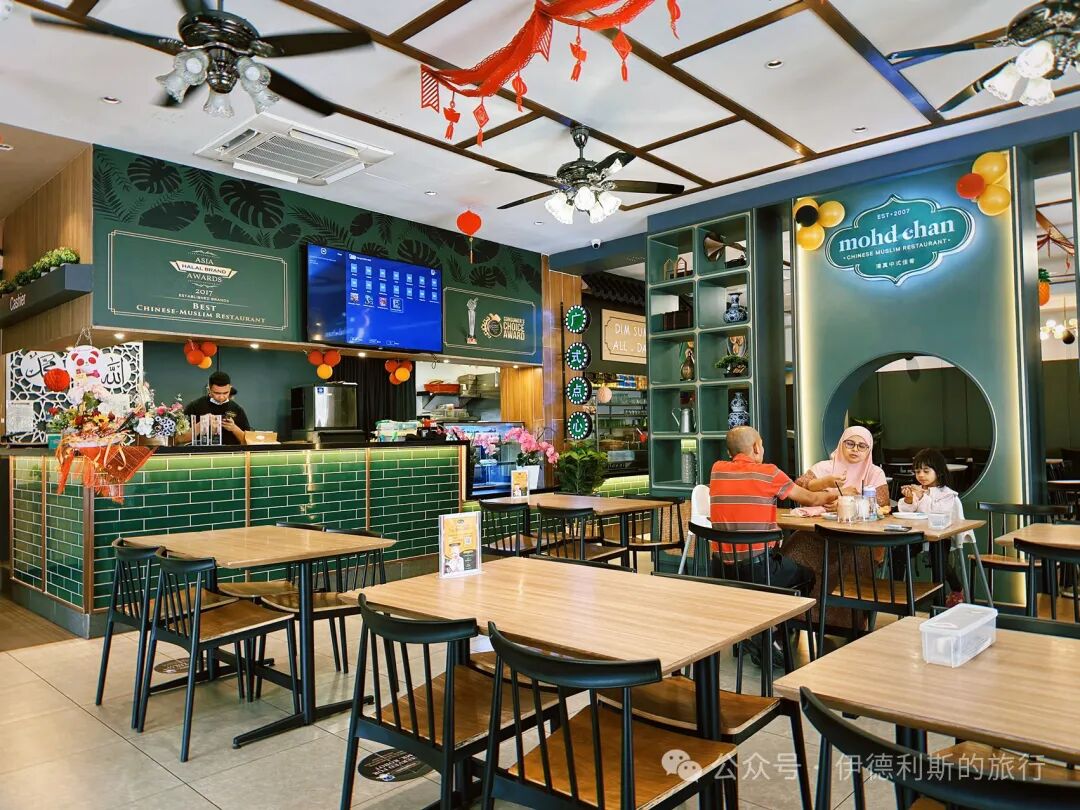
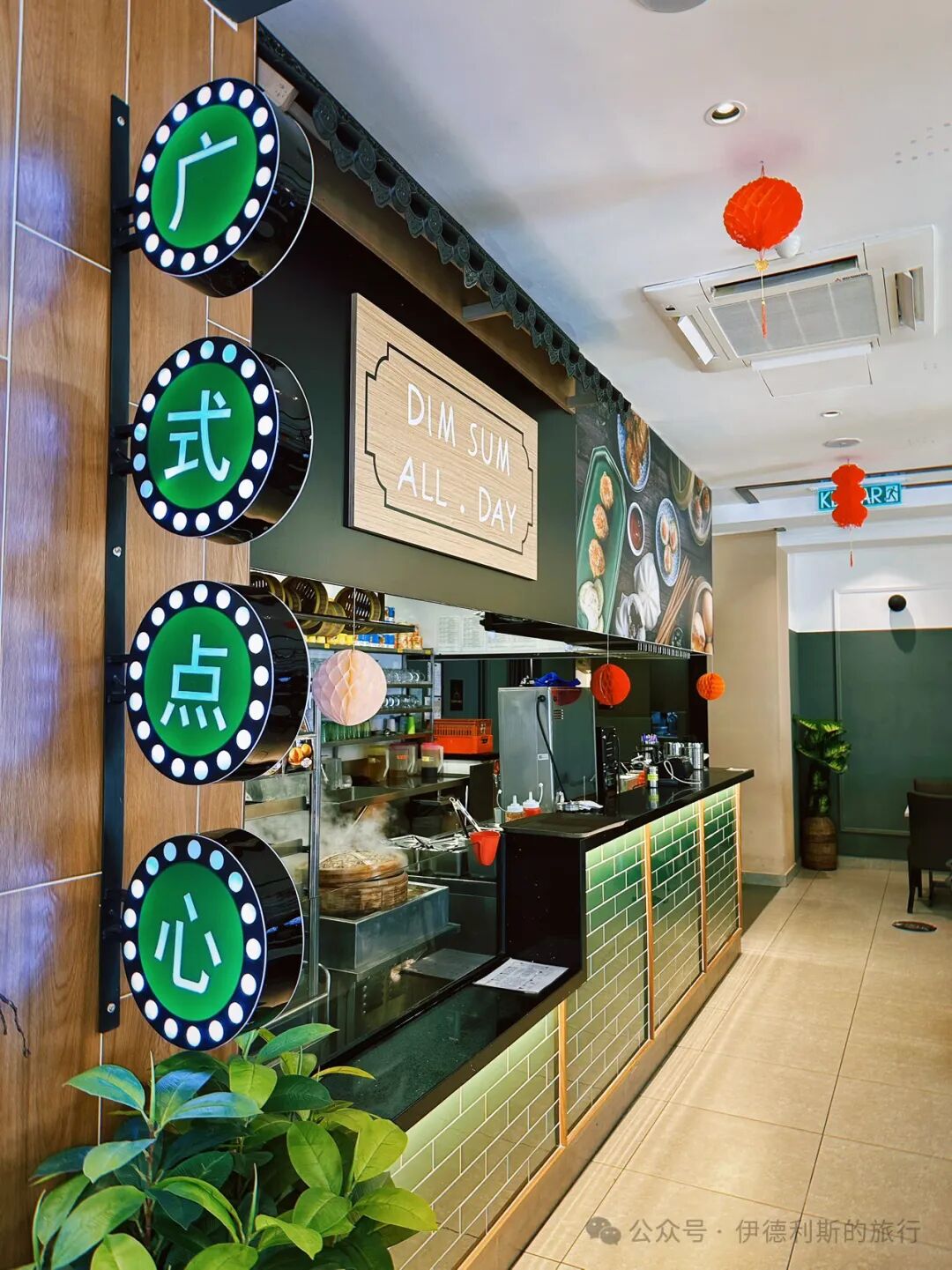
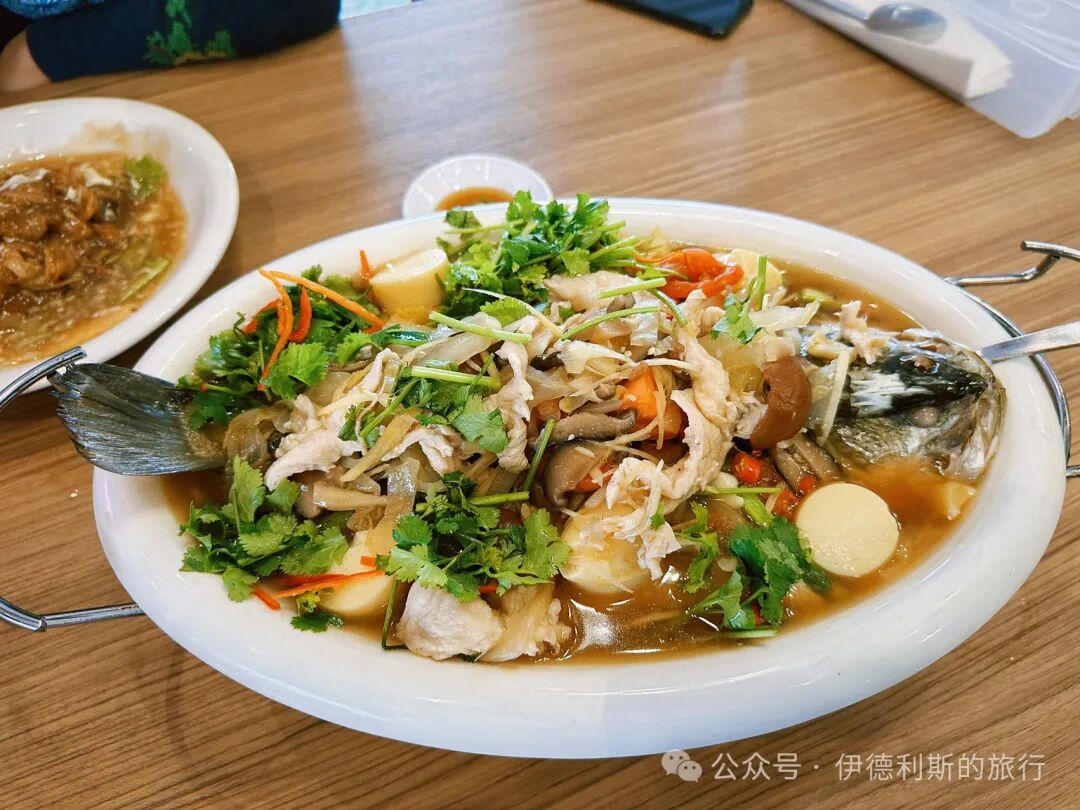
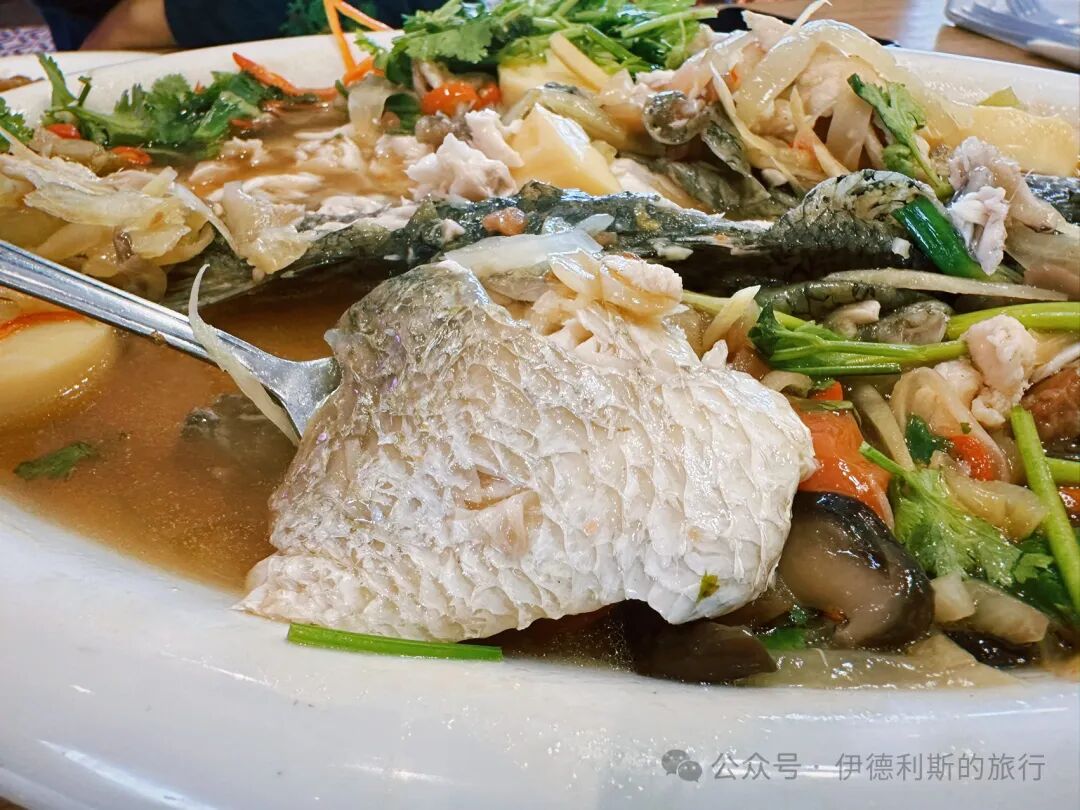
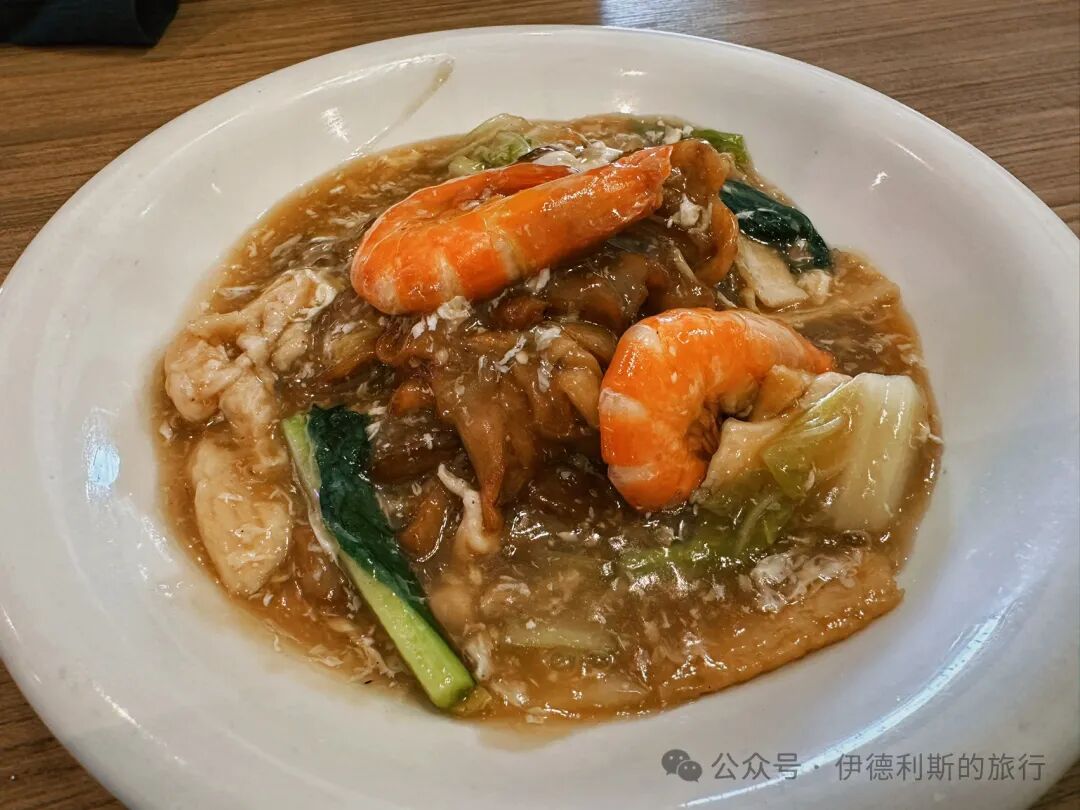
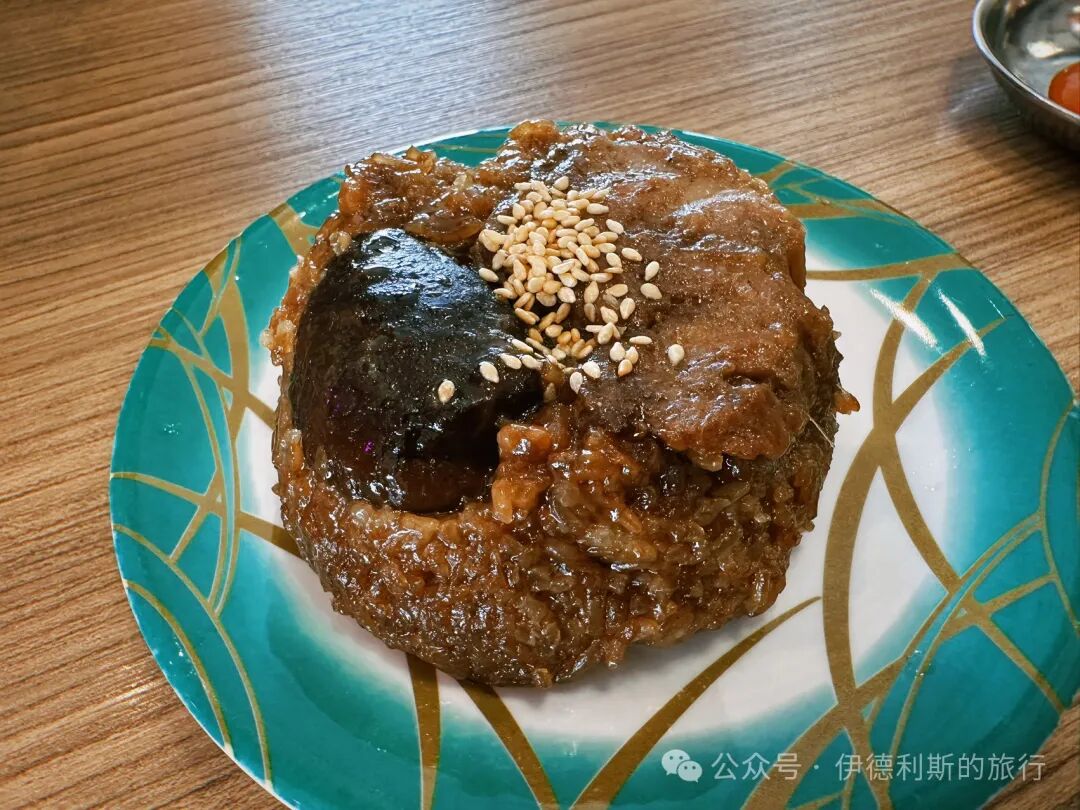
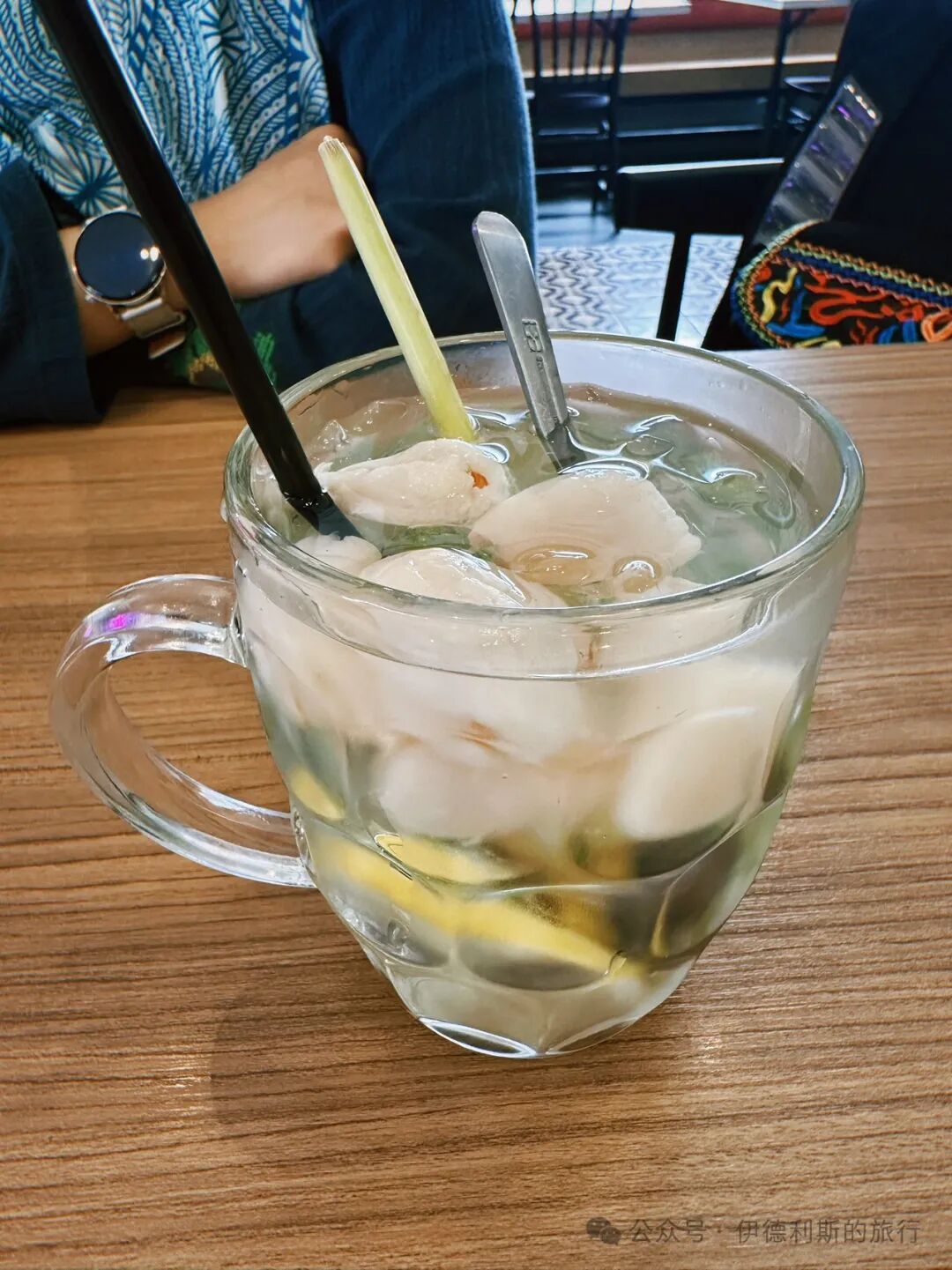
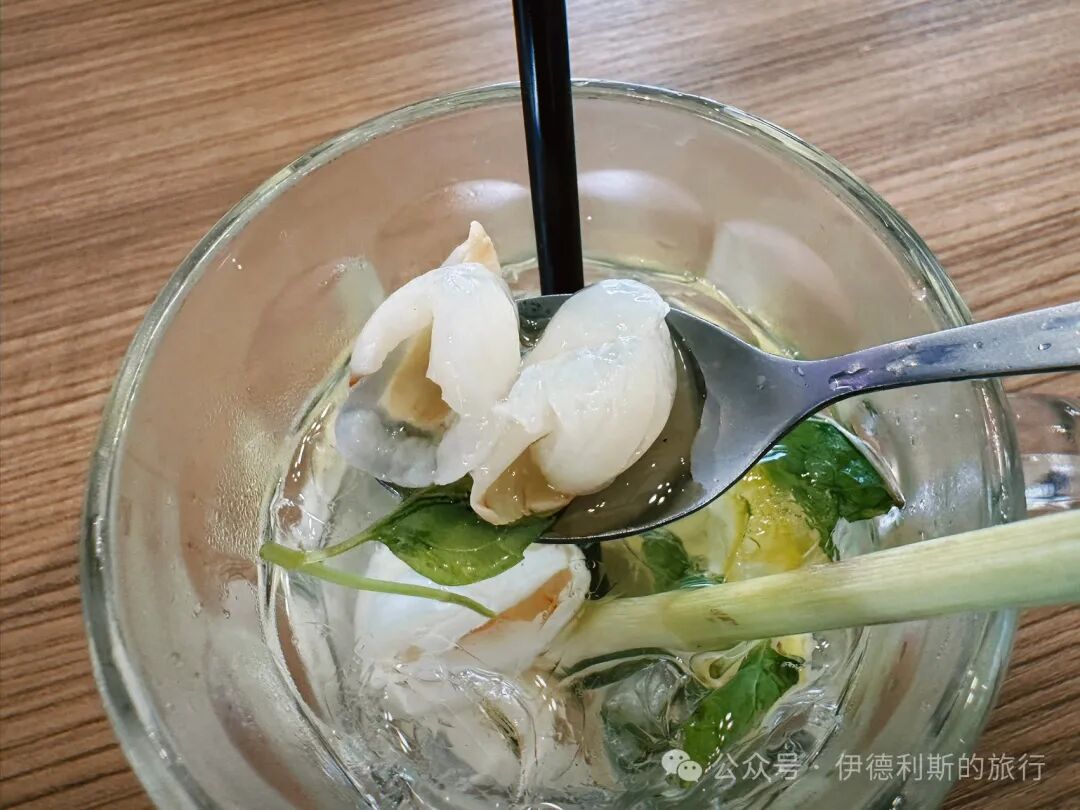
Klang
Take the light rail west from Kuala Lumpur Sentral for over 30 kilometers to reach Klang city in Selangor state. Klang city sits on both banks of the Klang River. After the large-scale development of tin mines in Selangor in the 19th century, many Chinese laborers traveled south to make a living, and Klang became an important base for these workers before they headed to the mines. Most Chinese people in Klang are of Hokkien descent, and Hokkien is the most popular Chinese dialect here.
We had breakfast at a Chinese Muslim coffee shop (hecha canshi) on the north side of the Klang River. It is run by both Chinese Muslims and Malay people, serving both halal Chinese food and Malay dishes. We ordered a classic Malaysian breakfast of coffee, butter toast, and soft-boiled eggs, and we also had Hokkien noodles (fujianmian). Hokkien noodles are a street snack invented by Hokkien-Malaysian Chinese in the 1920s. In 1927, Wang Jinlian from Quanzhou, Fujian, came to Kuala Lumpur to make a living. He started by selling noodle soup, but later adapted it to local tastes by adding flounder powder, dark soy sauce, shrimp paste, and chili sauce. He braised the noodles until the sauce became thick and dark, which became very popular and helped Hokkien noodles spread across Malaysia.
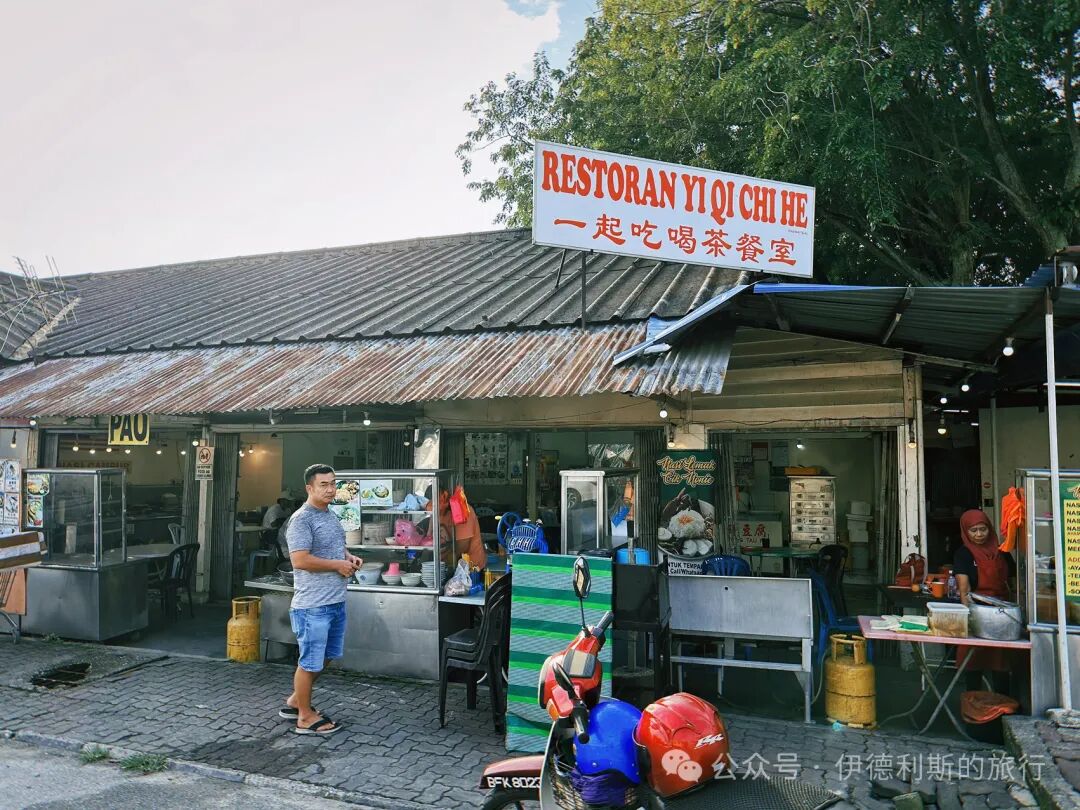
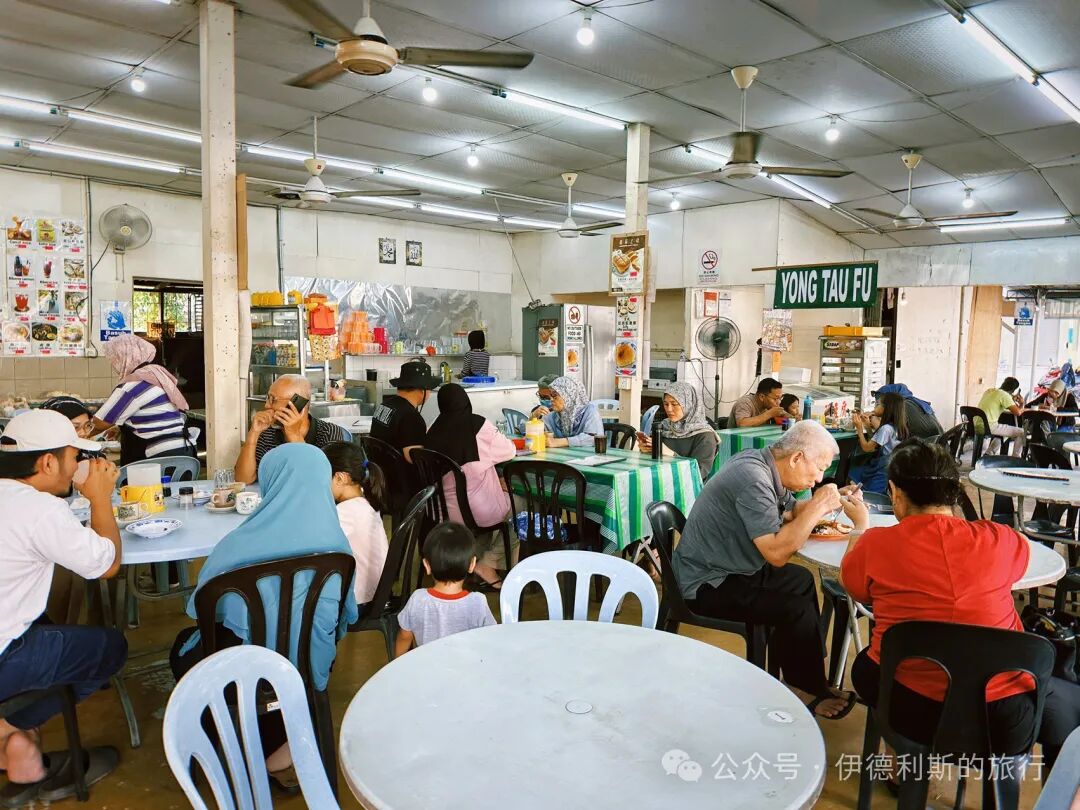
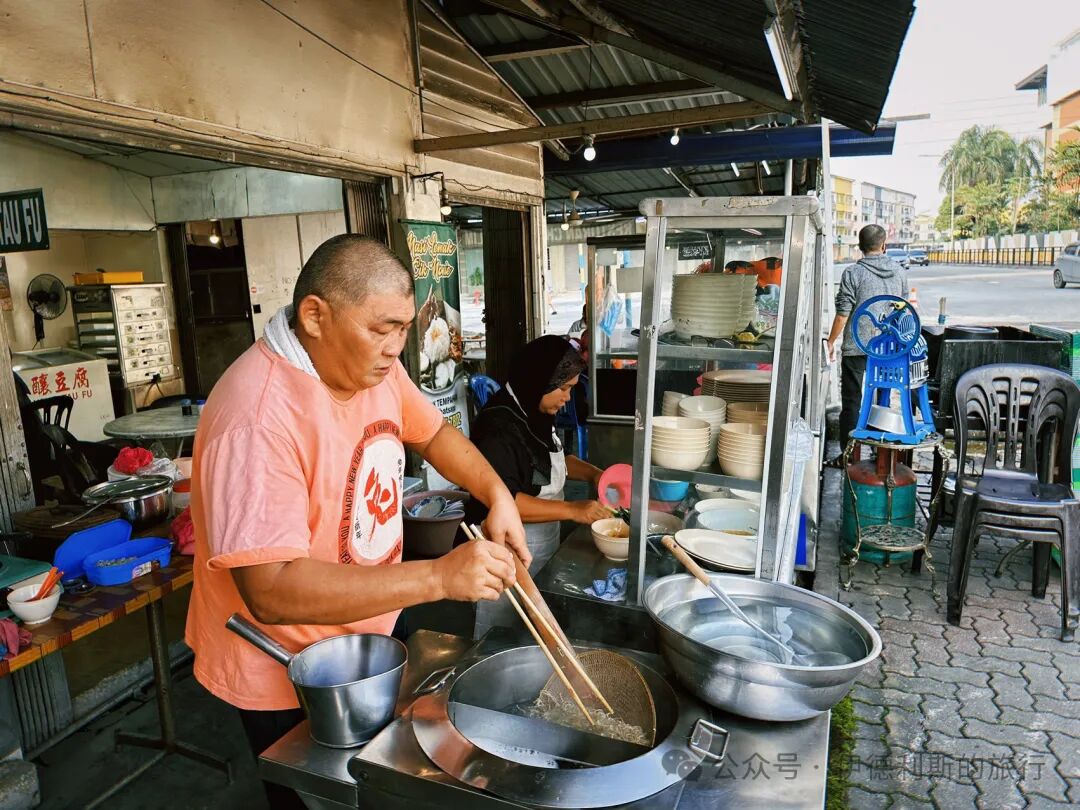
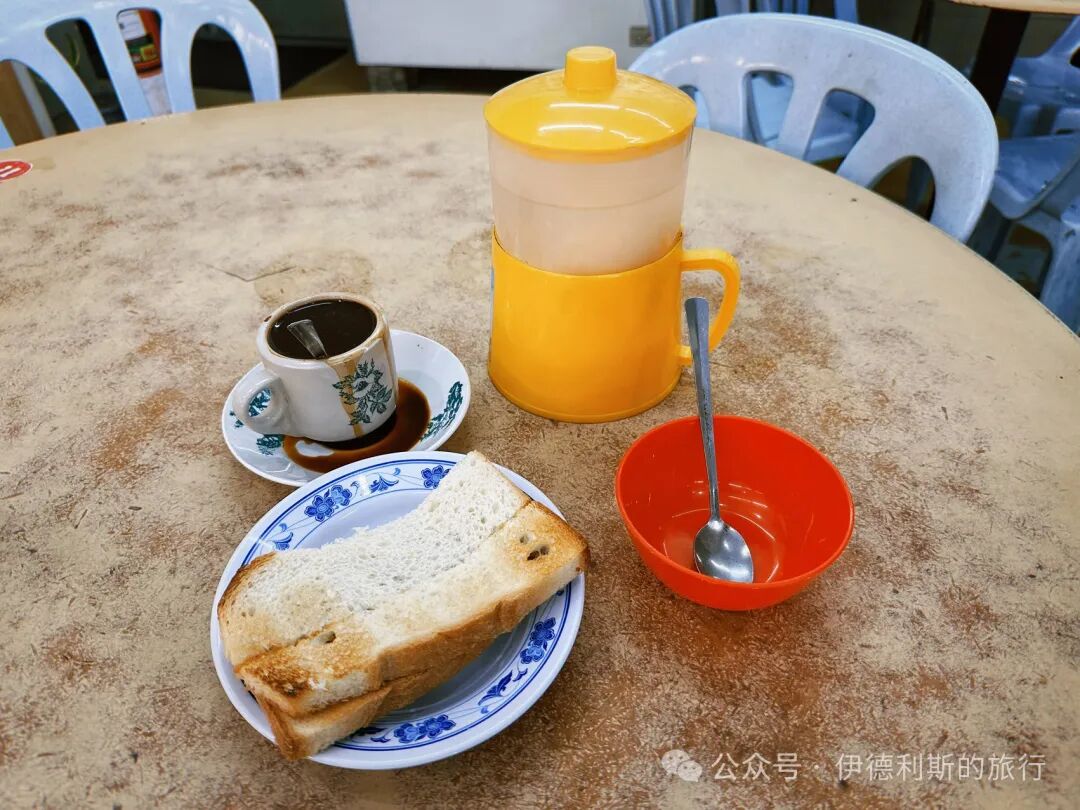
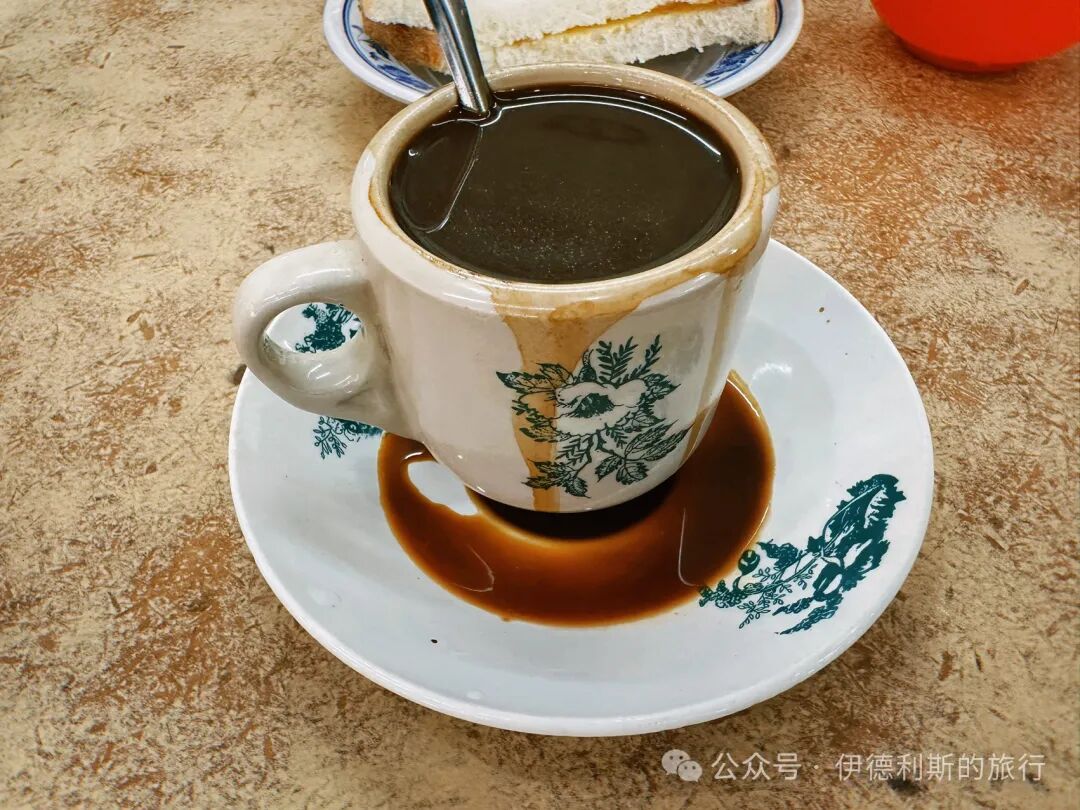
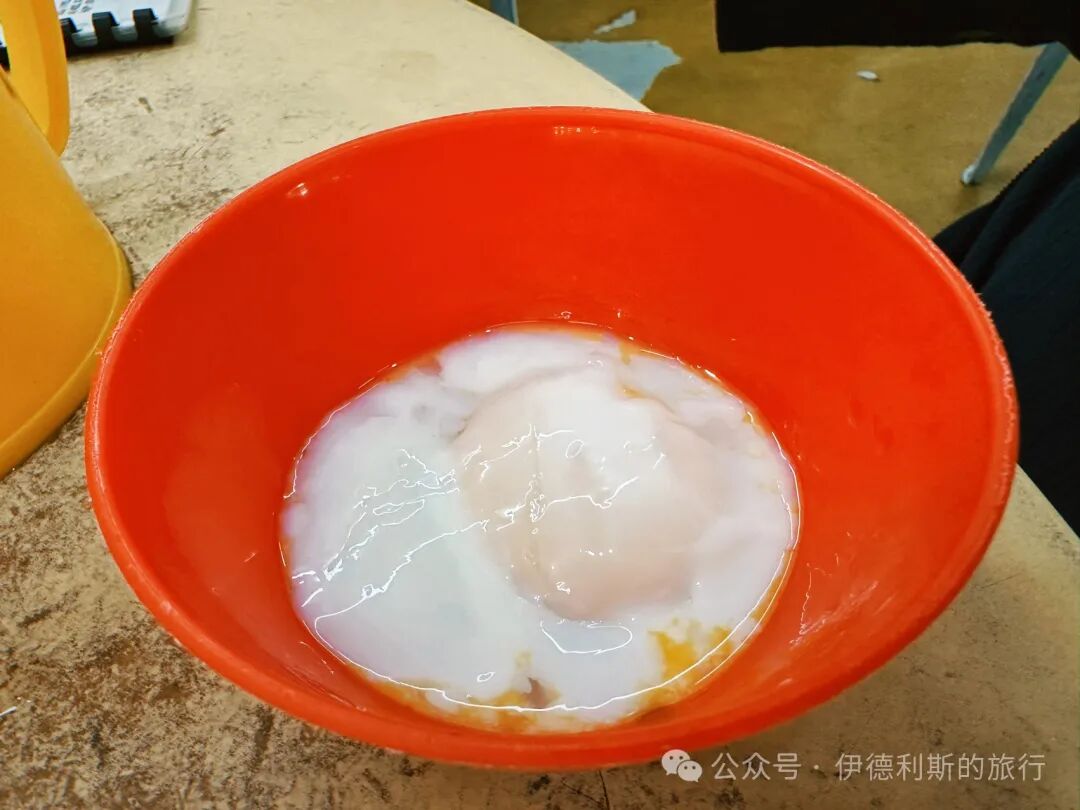
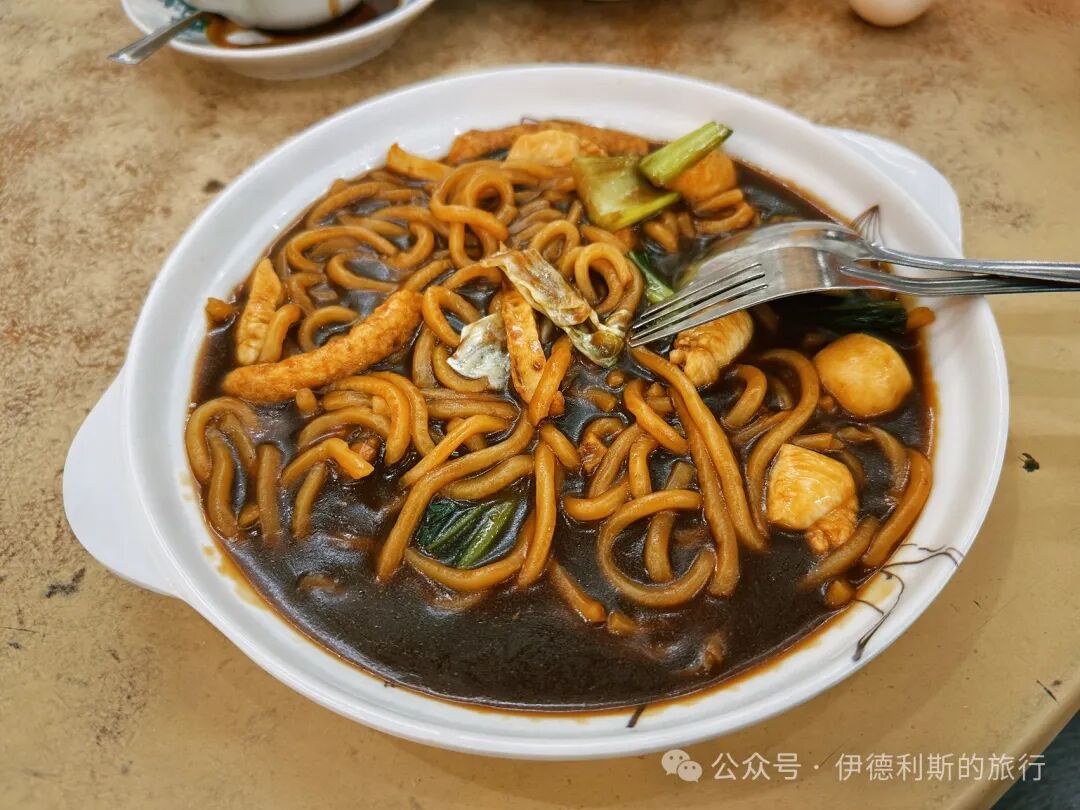
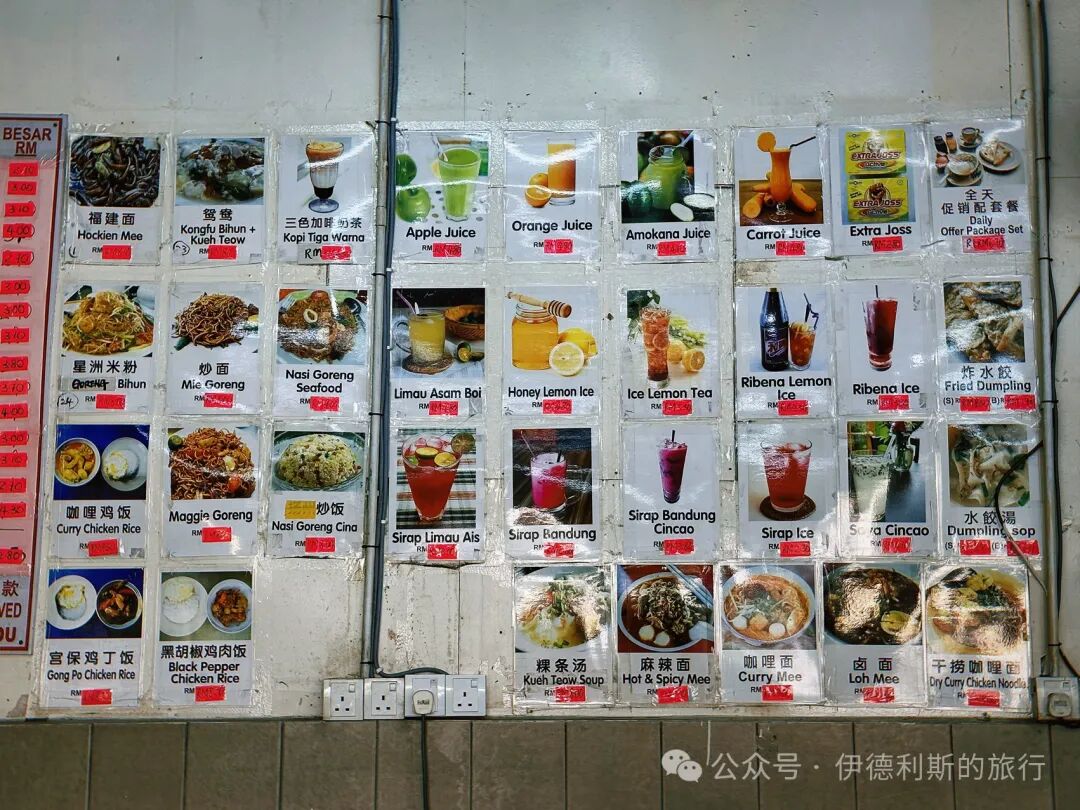
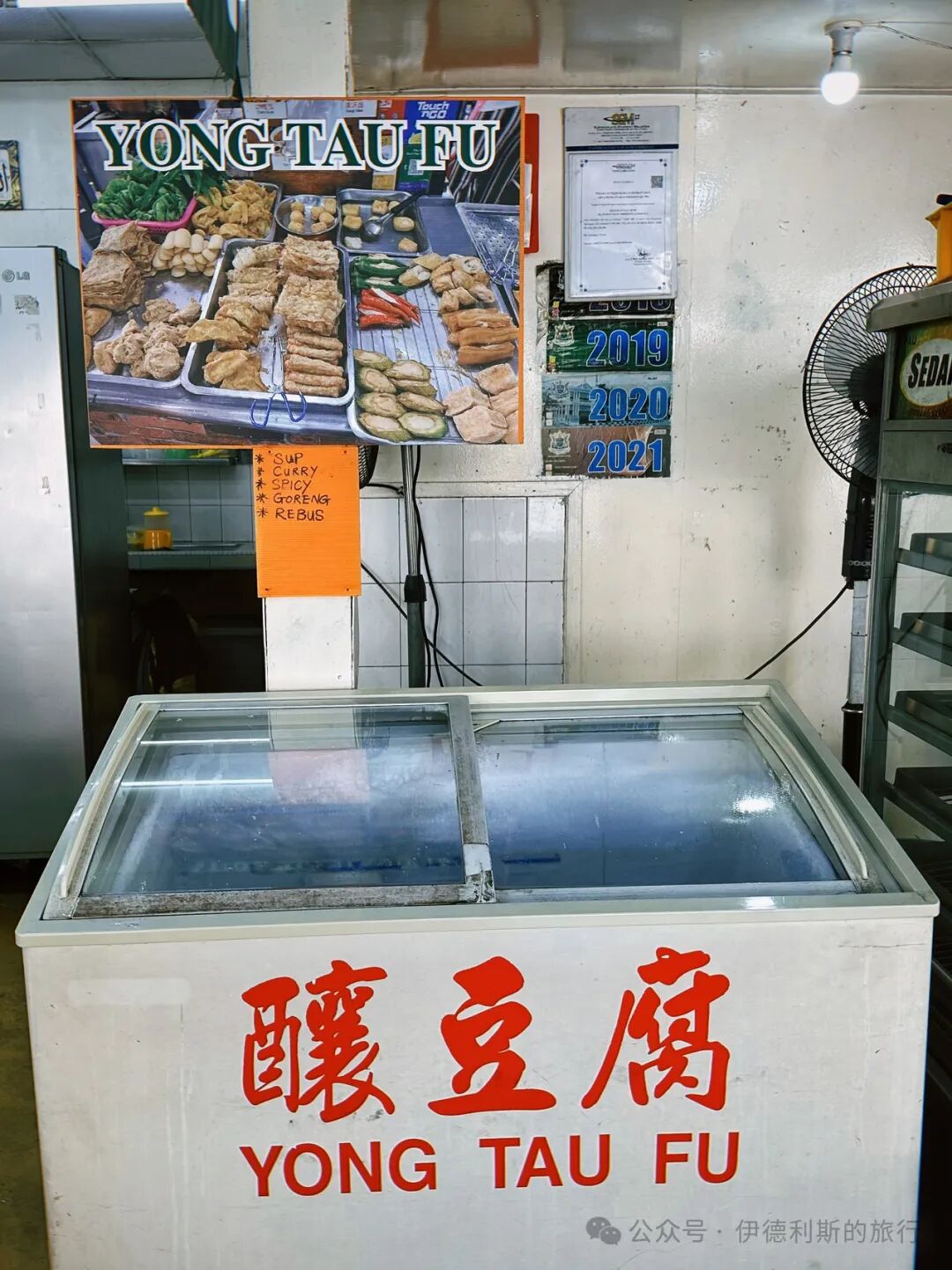
For lunch, we went to Bukit Tinggi in the south of Klang to eat at Restoran Rahmat Tan, the most famous Chinese Muslim restaurant chain in the area. They have already opened seven locations around Klang. Bukit Tinggi was developed in 1997 and is the most successful large-scale modern town near Klang, with many Chinese residents living there. In the photo, the first table is almost finished and is occupied by Indians, the second table is occupied by Malays, and the people who just sat down at the back are Chinese. You can see how much every ethnic group here enjoys halal Chinese food.
Their menu is also very rich, focusing on various seafood dishes, and you can choose from small, medium, or large portions. We ordered soy sauce steamed barramundi (shijia yu), fragrant soft-shell crab (ganxiang ruanke xie), mixed vegetable soup, and Chinese-style fried rice, all of which suited our tastes perfectly! The saltiness is just right, and the sweet and sour flavors are perfect. This was my first time eating deep-fried soft-shell crab. It is fried with the shell on, making it crispy and chewy. I feel that eating seafood in Malaysia is a great value, and there are so many ways to prepare it. They have 19 different ways to cook fish alone: three-flavor, sweet and sour, sambal, steamed with salted vegetables and tofu, fried with salted vegetables and tofu, steamed with lemon, pan-fried with black bean sauce, steamed with soy sauce, pan-fried with soy sauce, steamed with ginger paste, Thai-style steamed, Thai-style fried, Nyonya-style steamed, steamed with soy sauce and preserved radish, pan-fried with soy sauce and preserved radish, and dry-fried with fragrant spices. They also make creamy fish fillets, salted egg fish fillets, kung pao fish fillets, black pepper fish fillets, and more. It is impossible to choose.
We truly felt that halal Chinese restaurants in Malaysia are a food paradise!
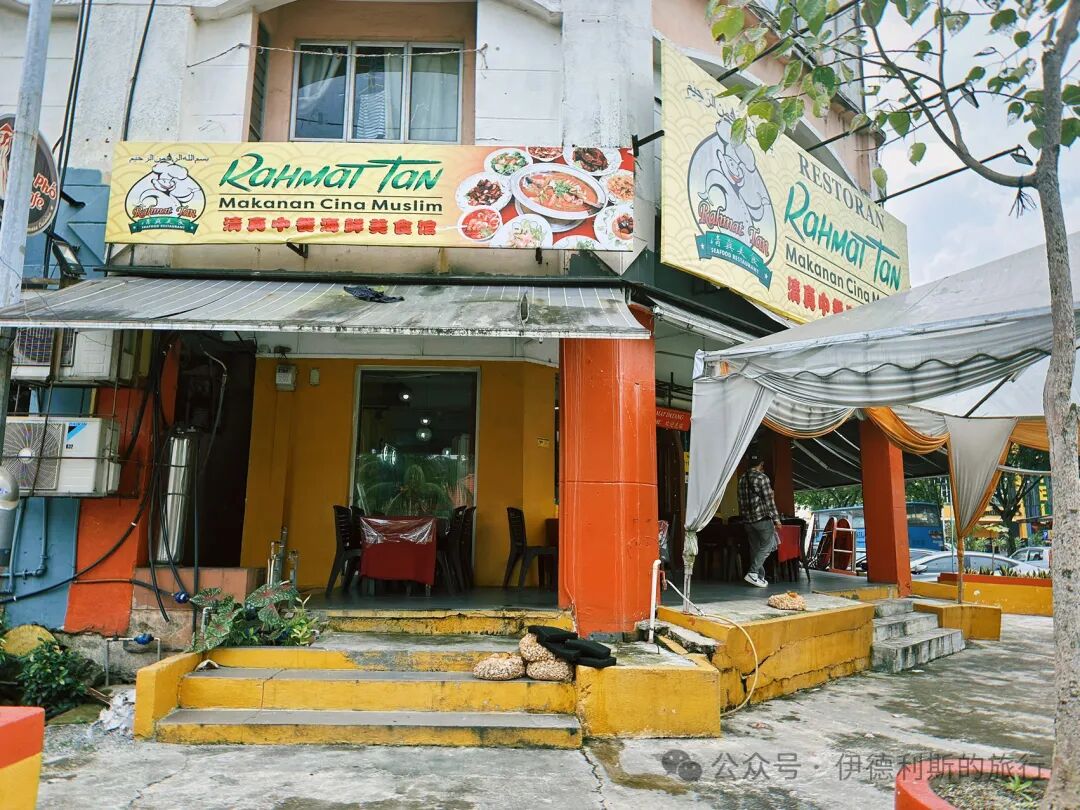
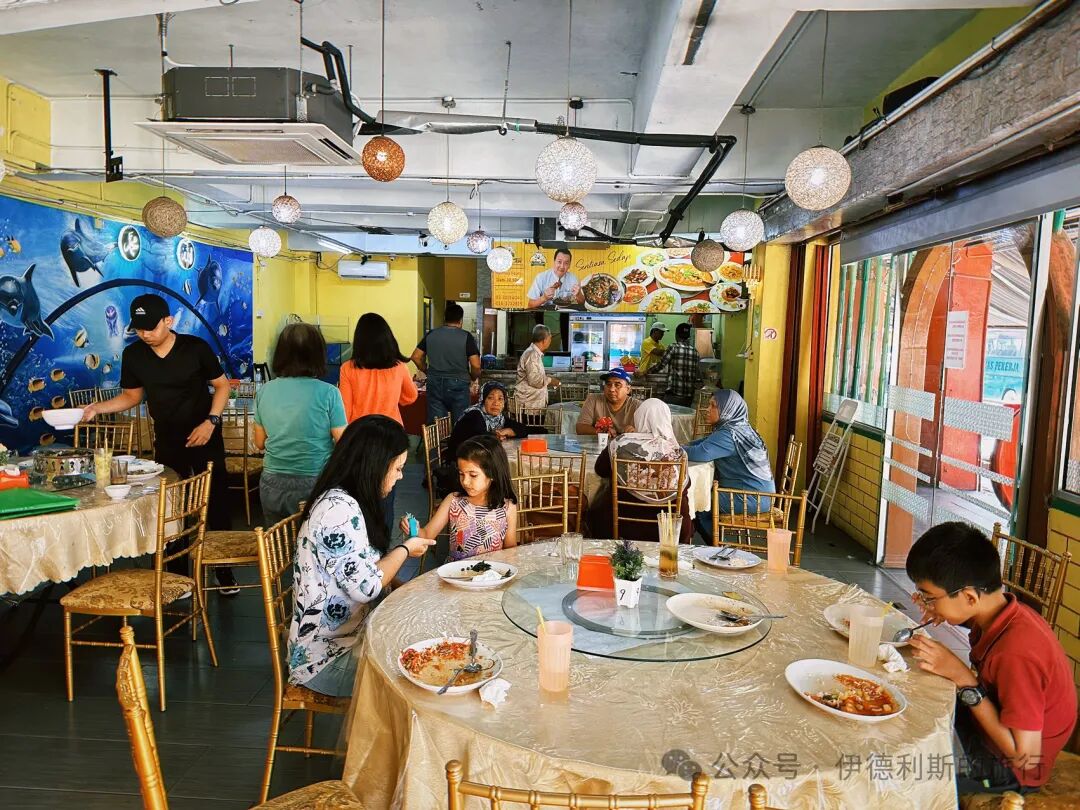
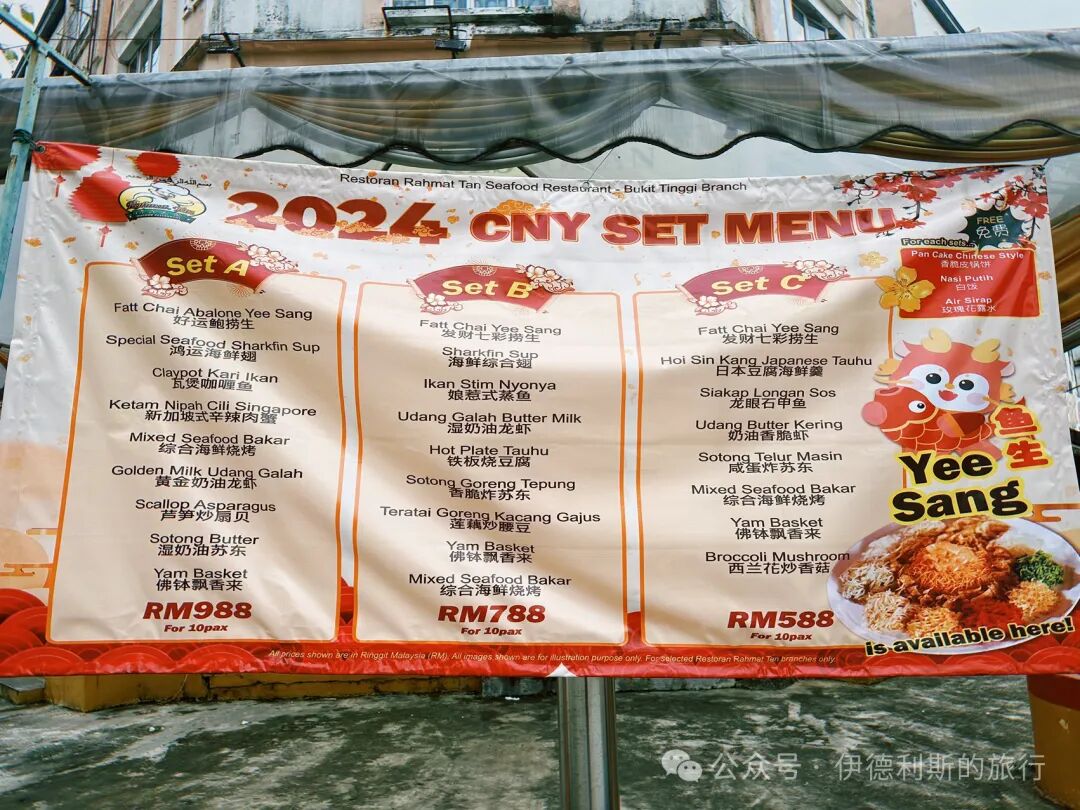
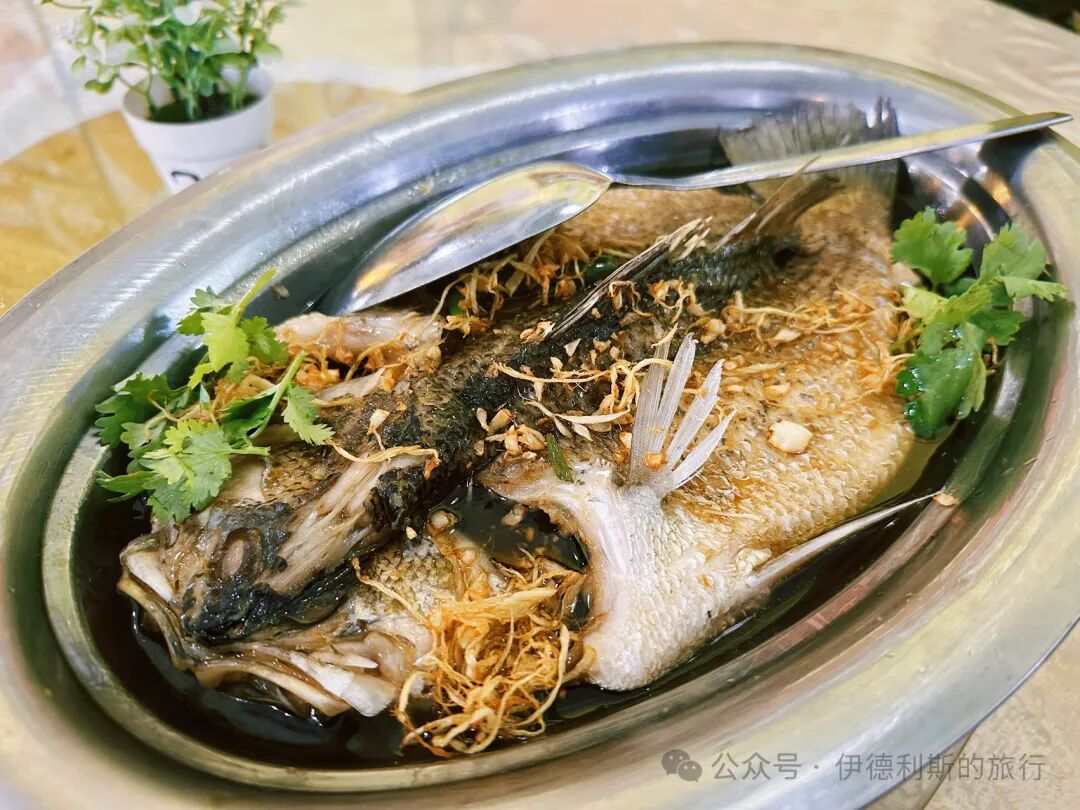
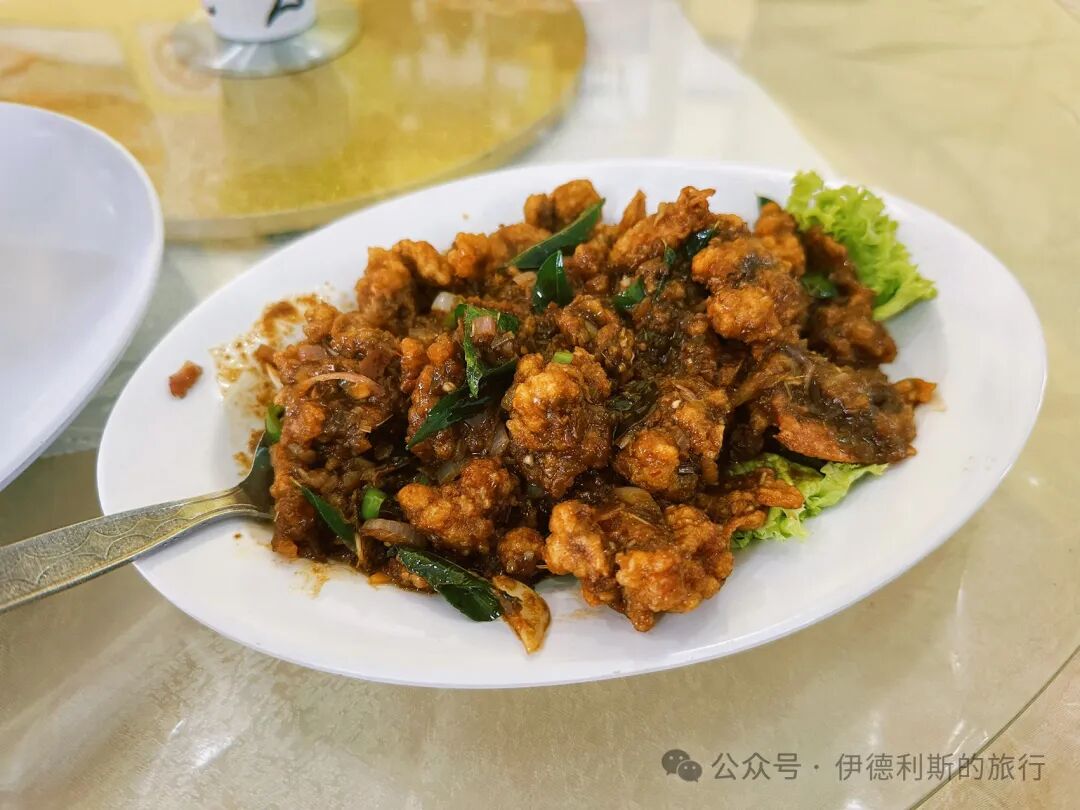
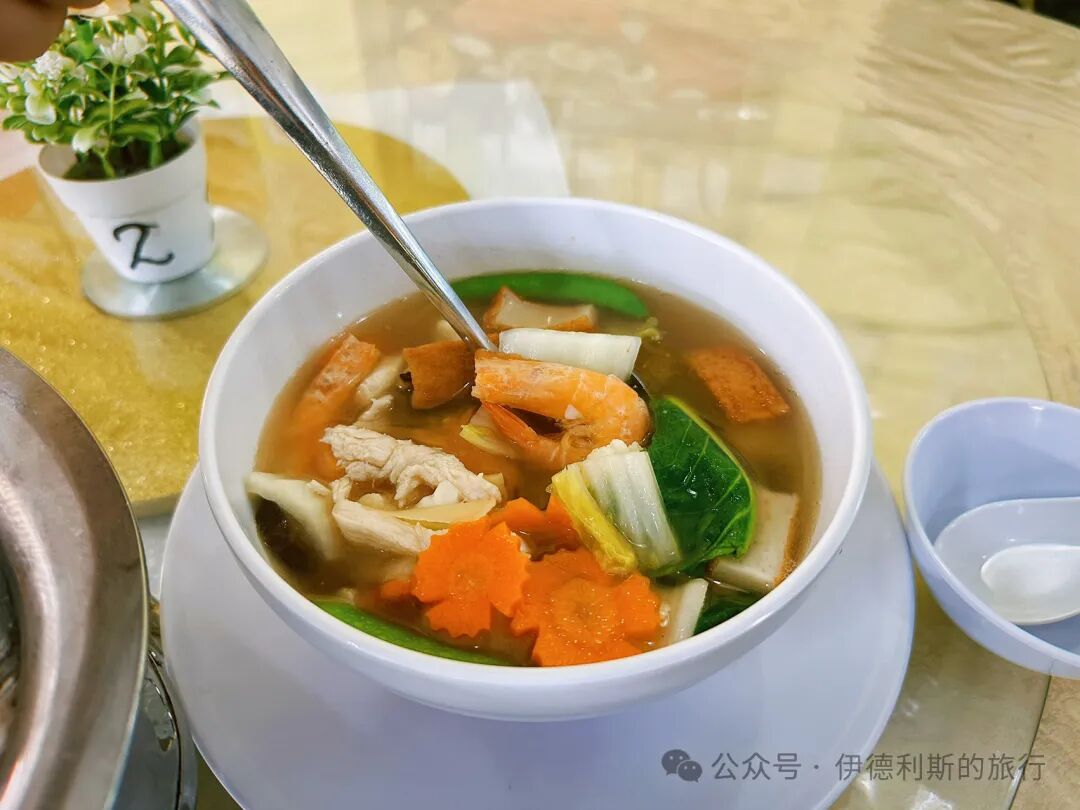
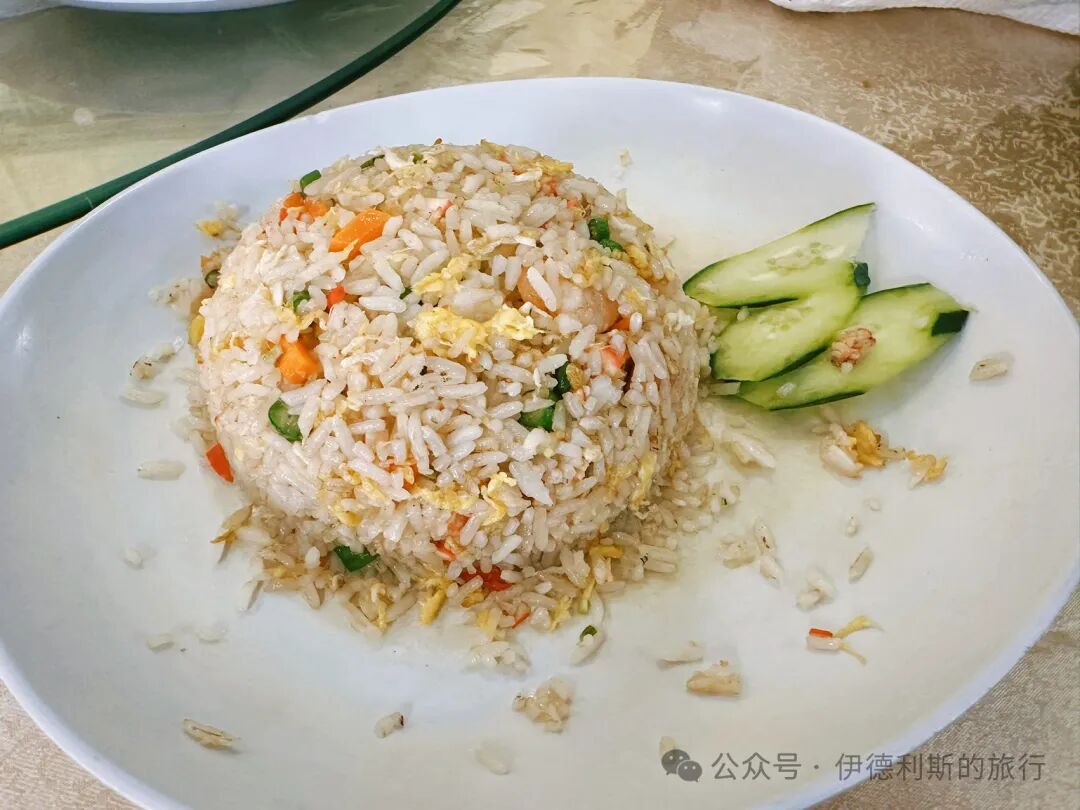
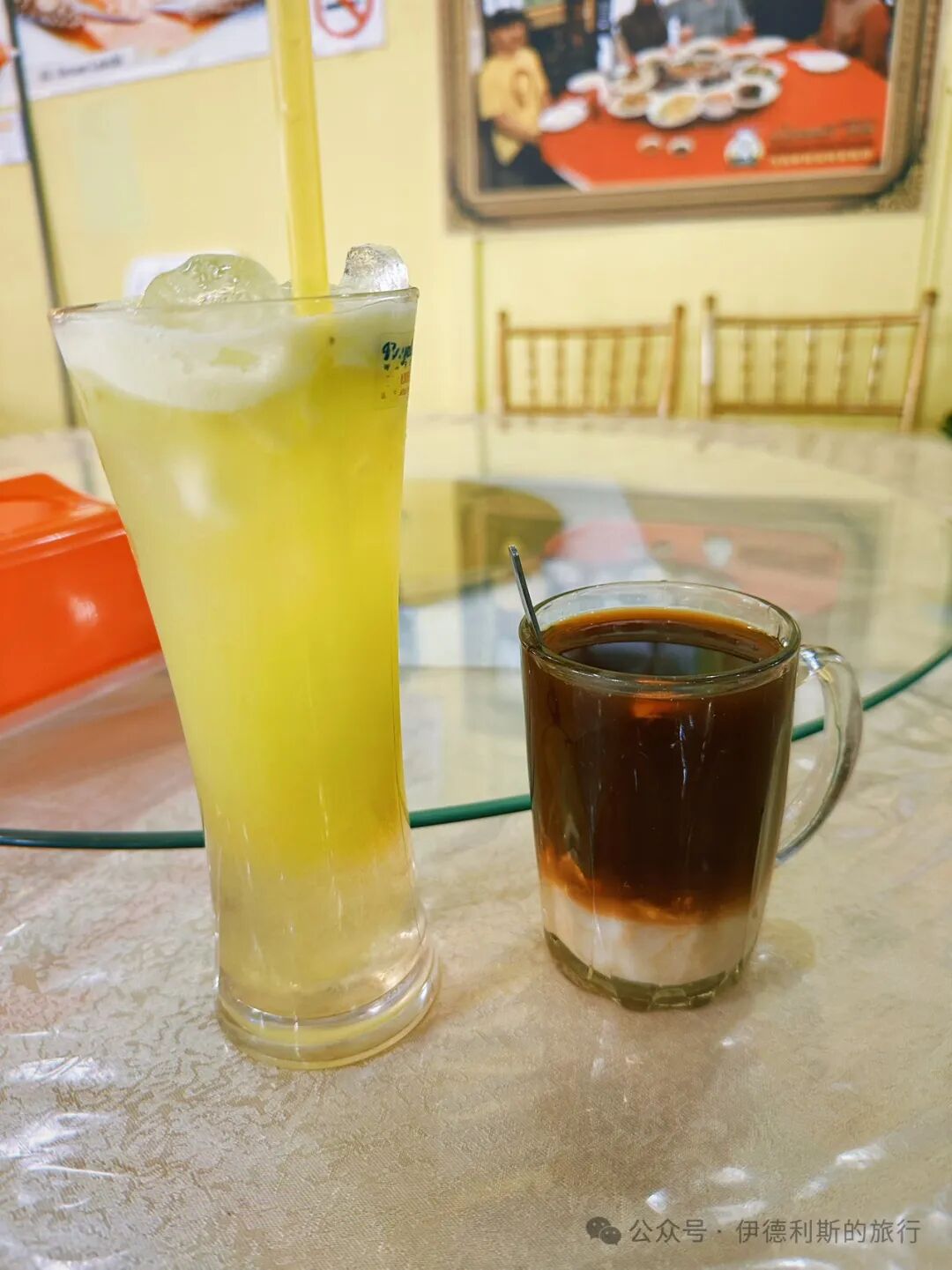
Ipoh
Take the train north from Kuala Lumpur Sentral, and after 200 kilometers, you will arrive in Ipoh, the capital of Perak state and a famous historical and cultural city. As a city where more than half the residents are Chinese, Ipoh has several halal Chinese restaurants, including Canning Dim Sum, Asam House, Restoran 1818 Masakan Cina Muslim, and Restoran Pakcik Wong. I did not have time to try them all on this trip.
After leaving the train station, we took a taxi directly to Liu's Halal Seafood Restaurant. The owner of Liu's, Haji Liu Xiaoxiang, converted to Islam at 21 and later became the chairman of the Selangor branch of the Malaysian Chinese Muslim Association. Haji Liu worked in international trade in his early years and later ran a home appliance assembly factory for 20 years. At 60, he handed the factory business to his eldest daughter and opened his first Muslim restaurant in Shah Alam, Selangor. Later, he used the Liu's brand to open 15 branches in just five years, making Liu's an important halal Chinese restaurant chain in Malaysia. Although Haji Liu received an English education from a young age and later studied law in the UK, he has always loved Chinese culture, especially Chinese food culture. Opening Liu's Halal Seafood Restaurant was a dream come true for Haji Liu and his contribution to promoting Chinese Muslim culture.
This is actually my second time eating at Liu's. When I first ate at the Penang branch in 2019, I ordered Nyonya-style flower crab, Teochew-style steamed grouper, claypot tofu, and vermicelli soup, all of which were delicious. At the Ipoh branch, I ordered braised tofu with crab meat (xie rou pa doufu), stink bean squid (chou dou you yu), bamboo fungus seafood fin soup (zhu sheng hai wei chi), and beef fried rice. I really enjoyed them all. I can say this is the best halal Chinese restaurant I have eaten at in Malaysia, and the service is the most welcoming. At Liu Ji, you can add crab meat, dried scallops, corn, bamboo fungus, and osmanthus to your shark fin soup. A small portion is only 30 ringgit, which feels like a great deal. Their tofu is also a standout with a very rich flavor.
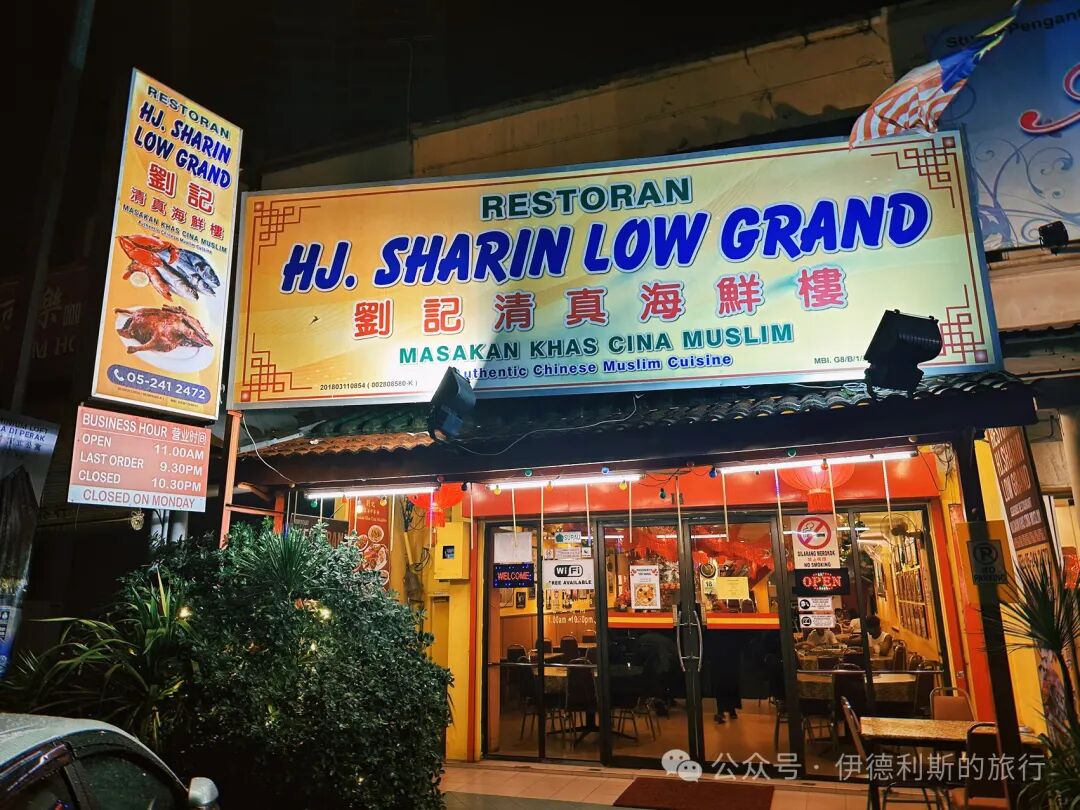
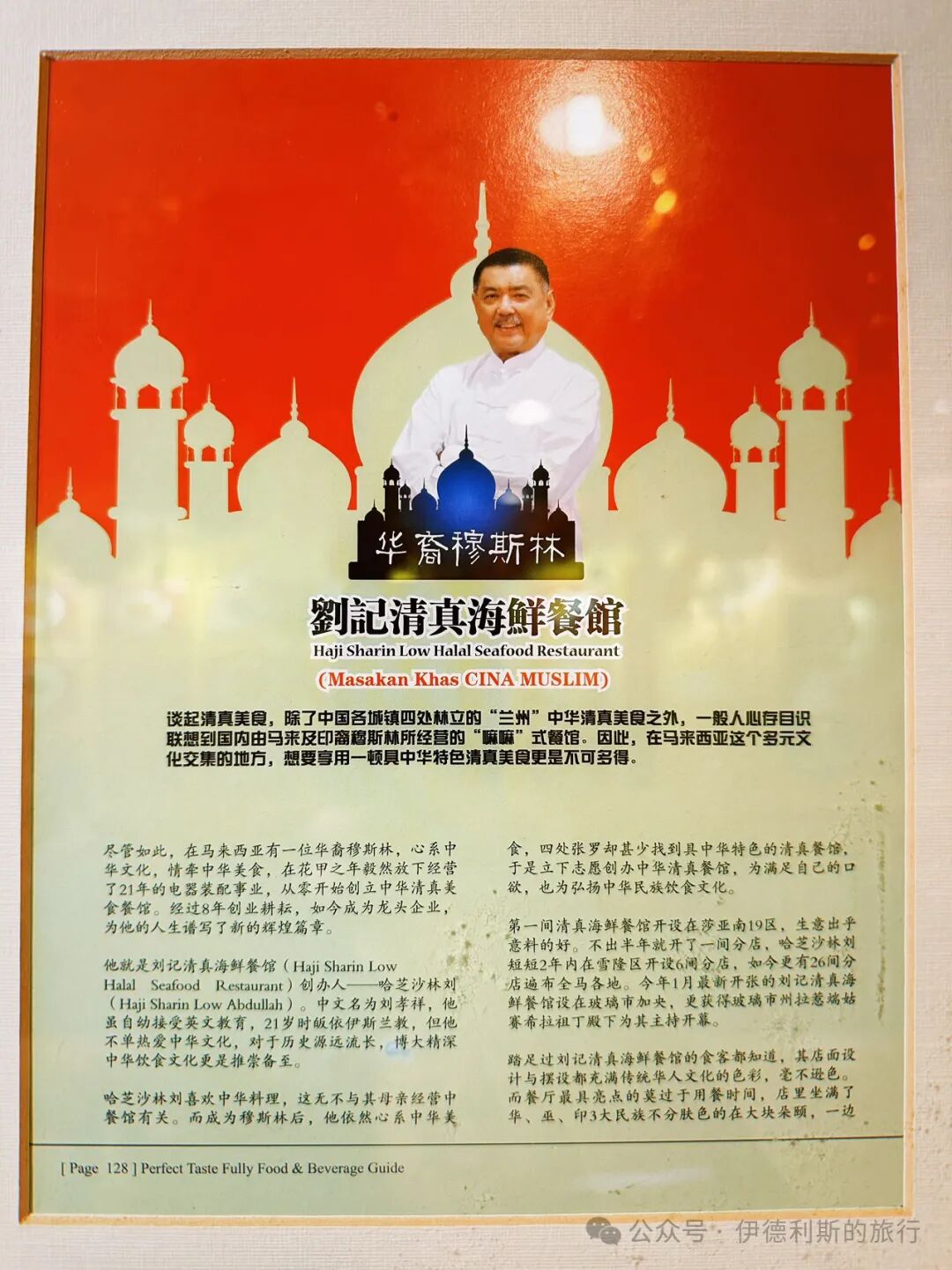
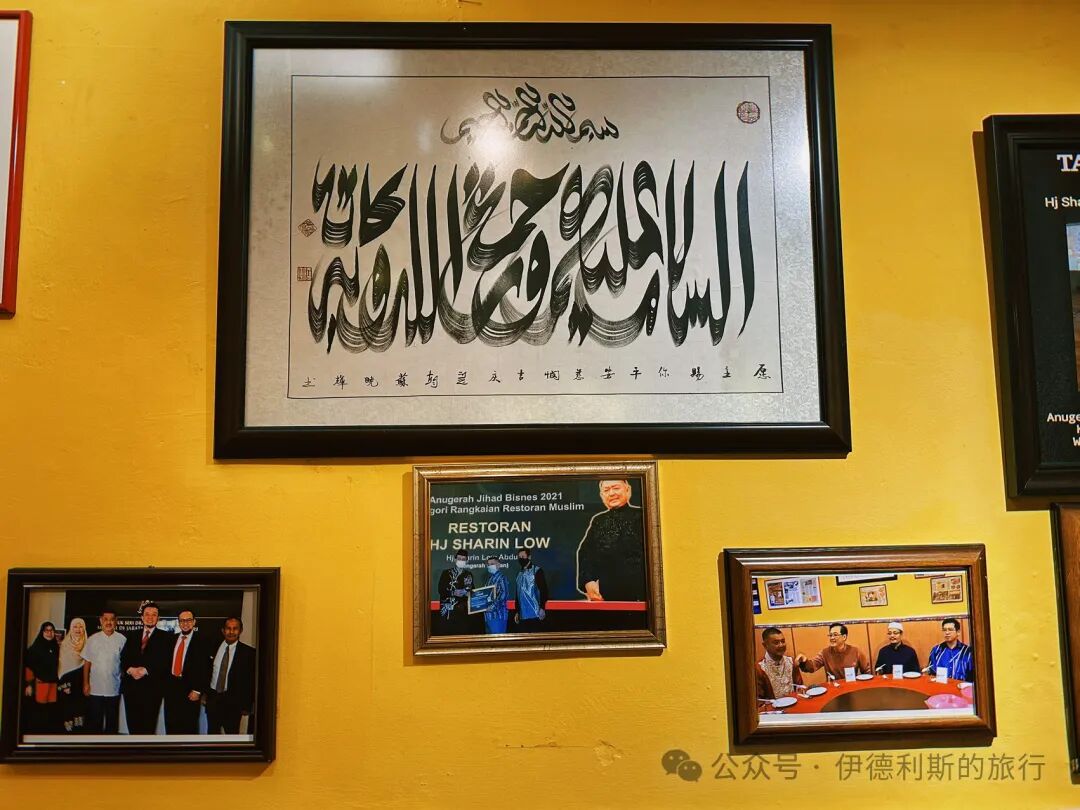
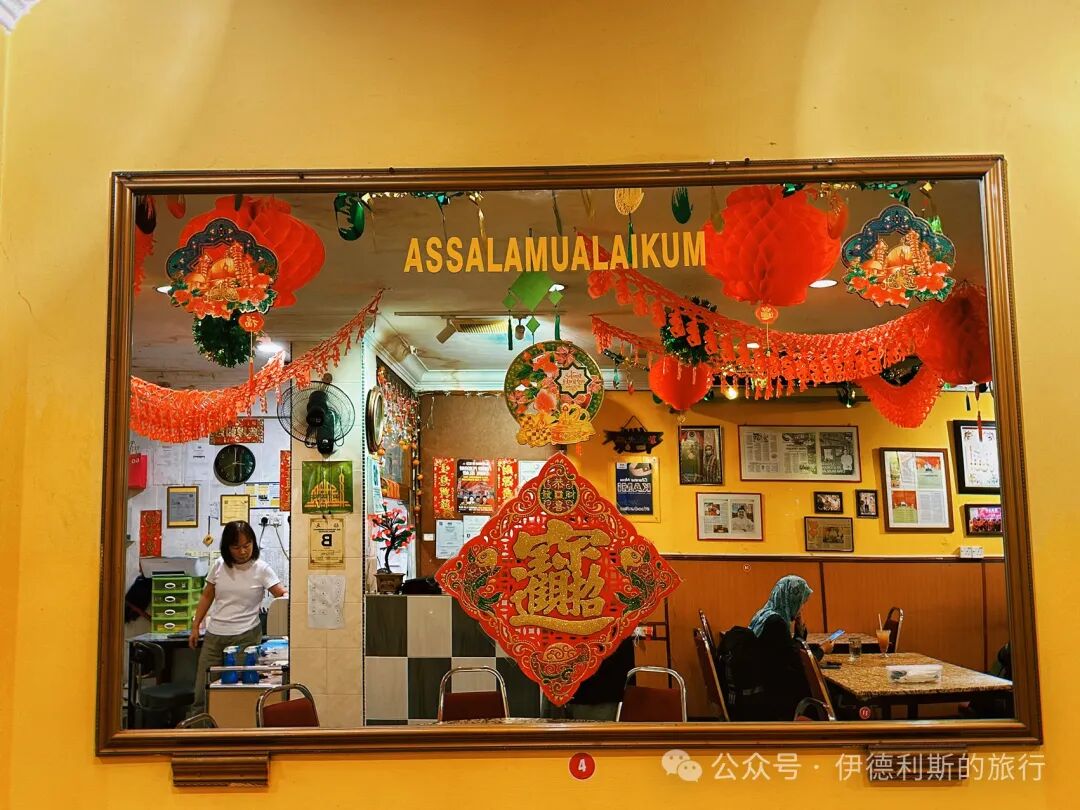
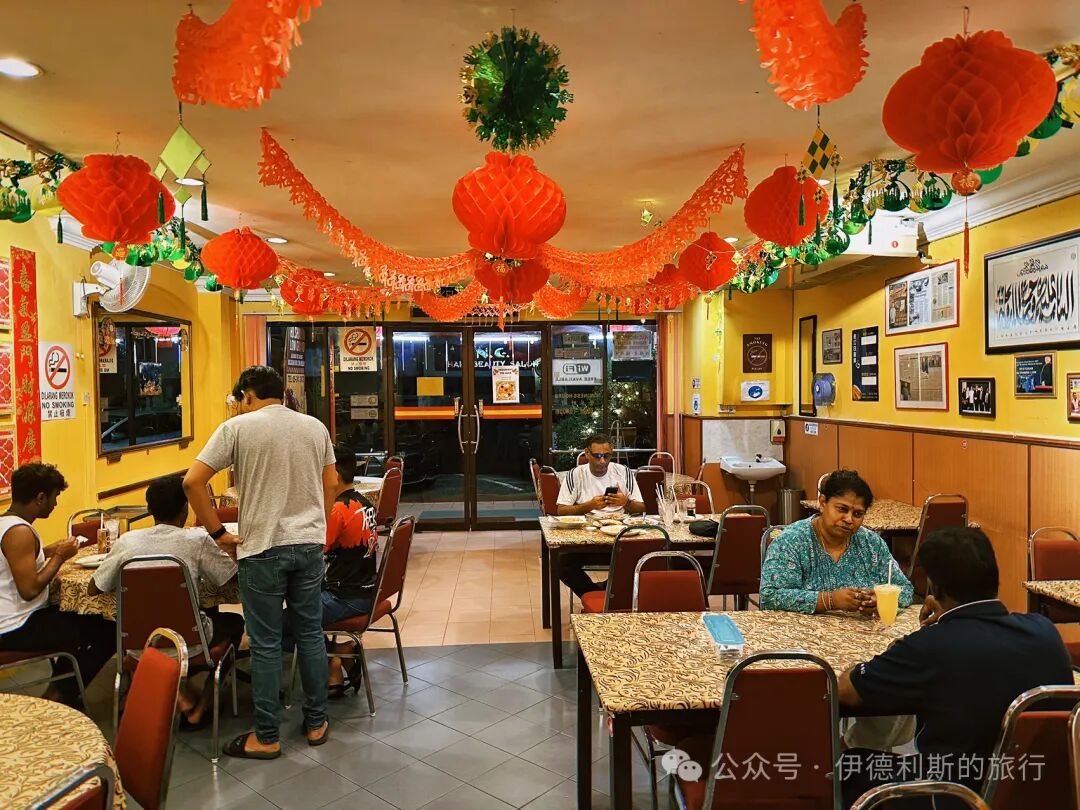
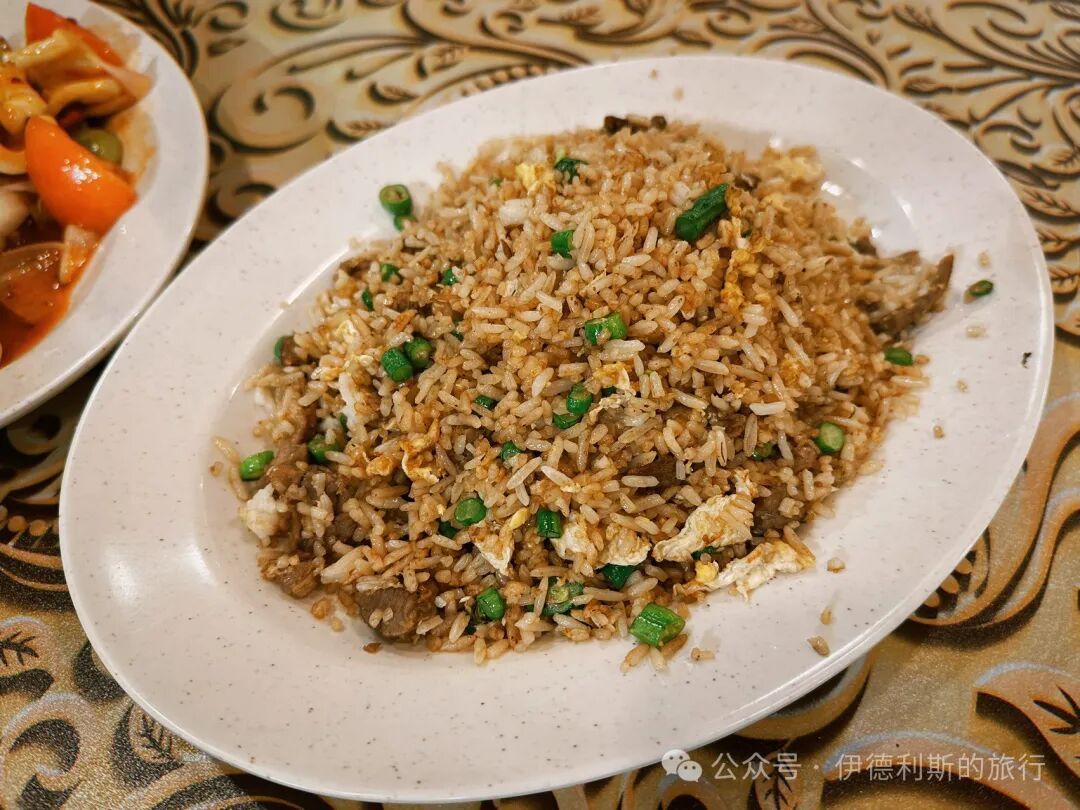
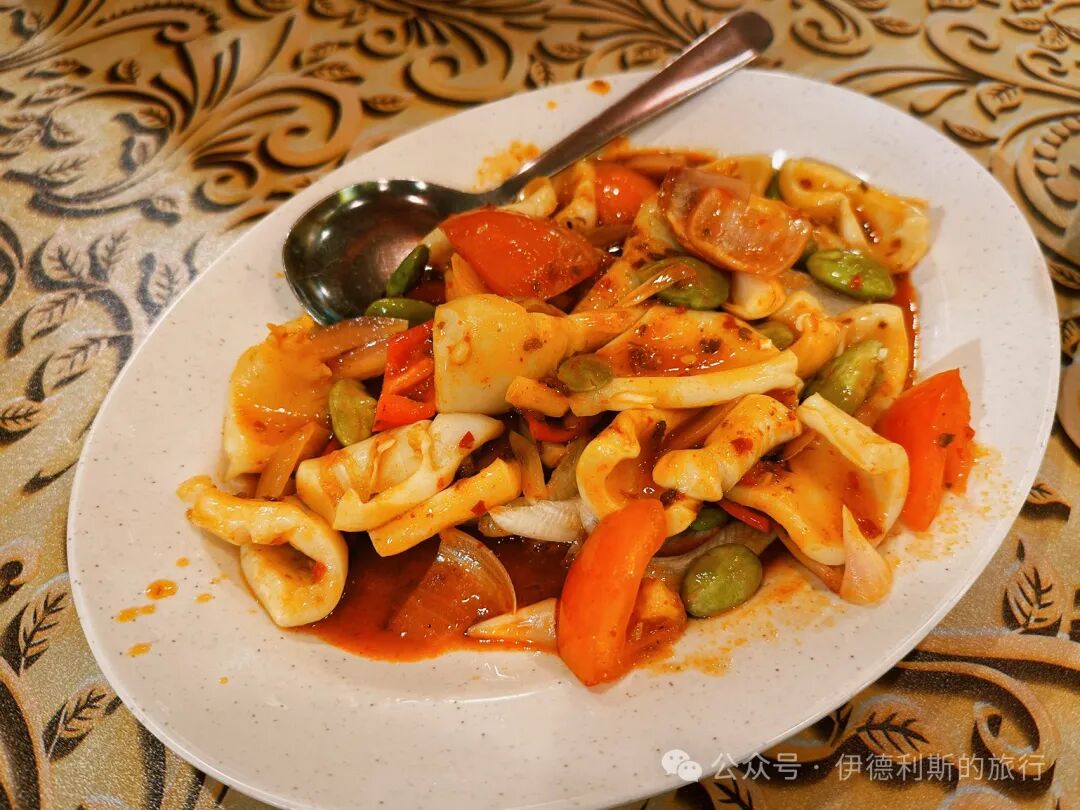
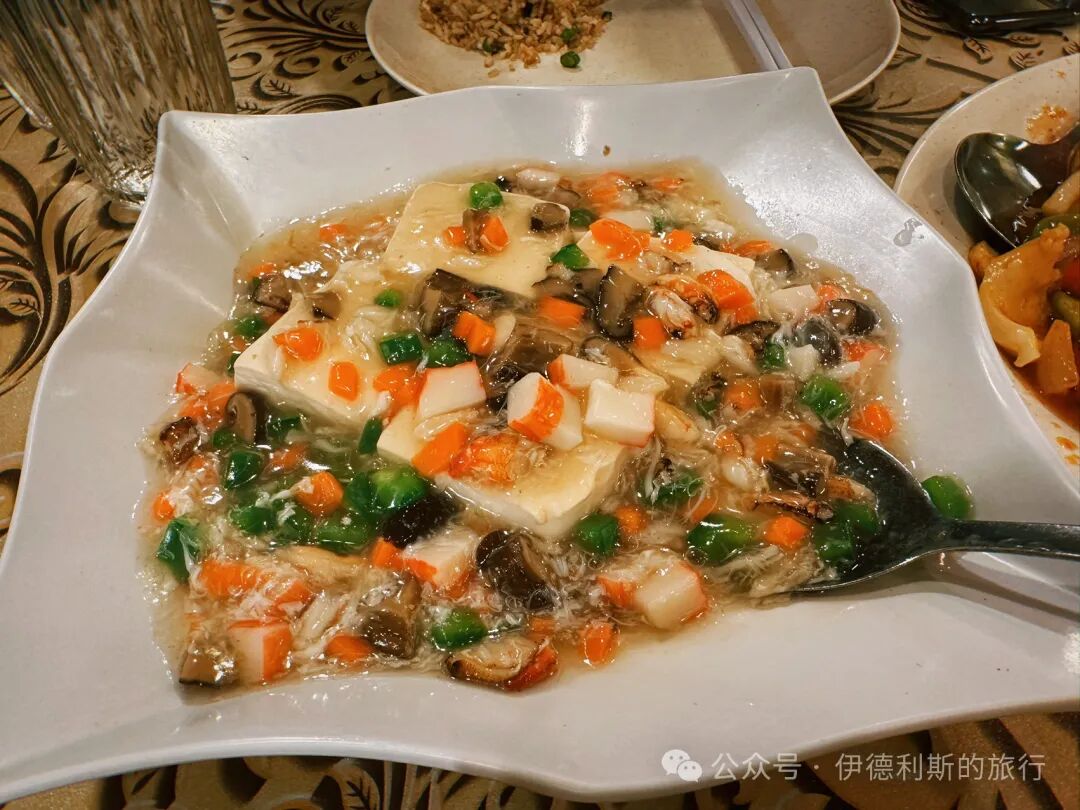
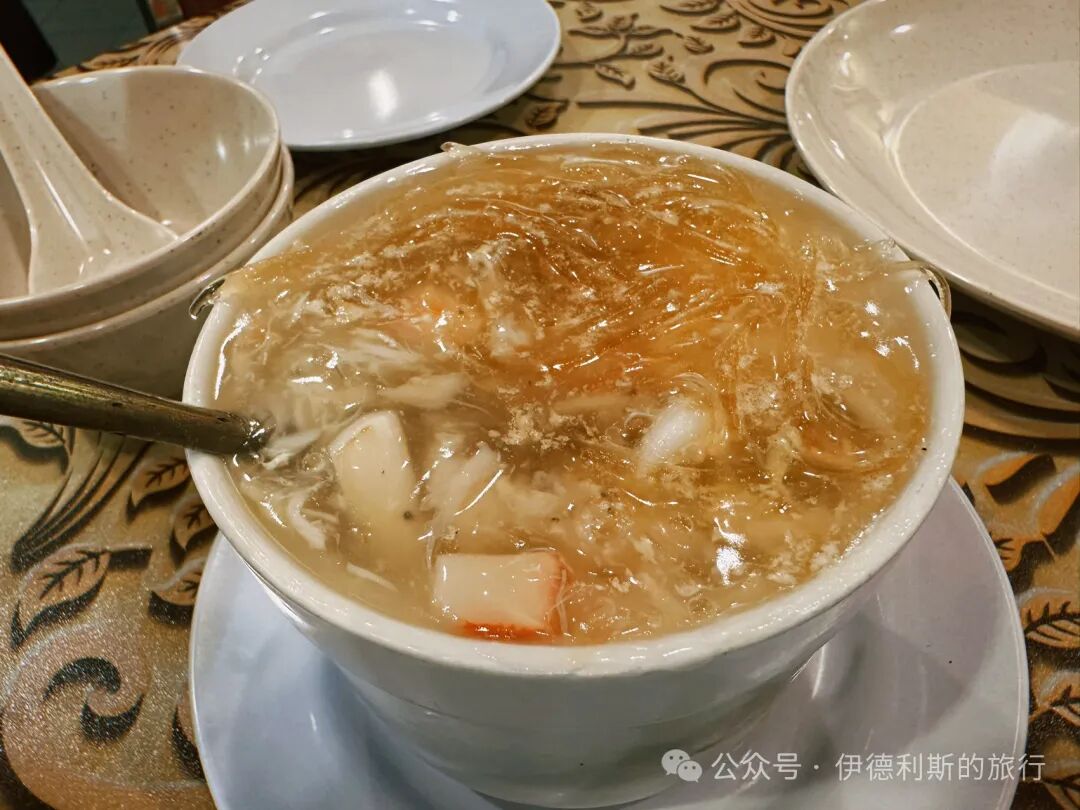
We stayed at the Sarang Paloh Heritage Stay & Event Hall in Ipoh, which is located inside the Yik Foong Goldsmith shop built in the 1930s in Ipoh Old Town. The hotel was converted from two shophouses. The facade of the left building is in Art Deco style, the right is Neoclassical, and the interior features traditional Malaysian Chinese decor.
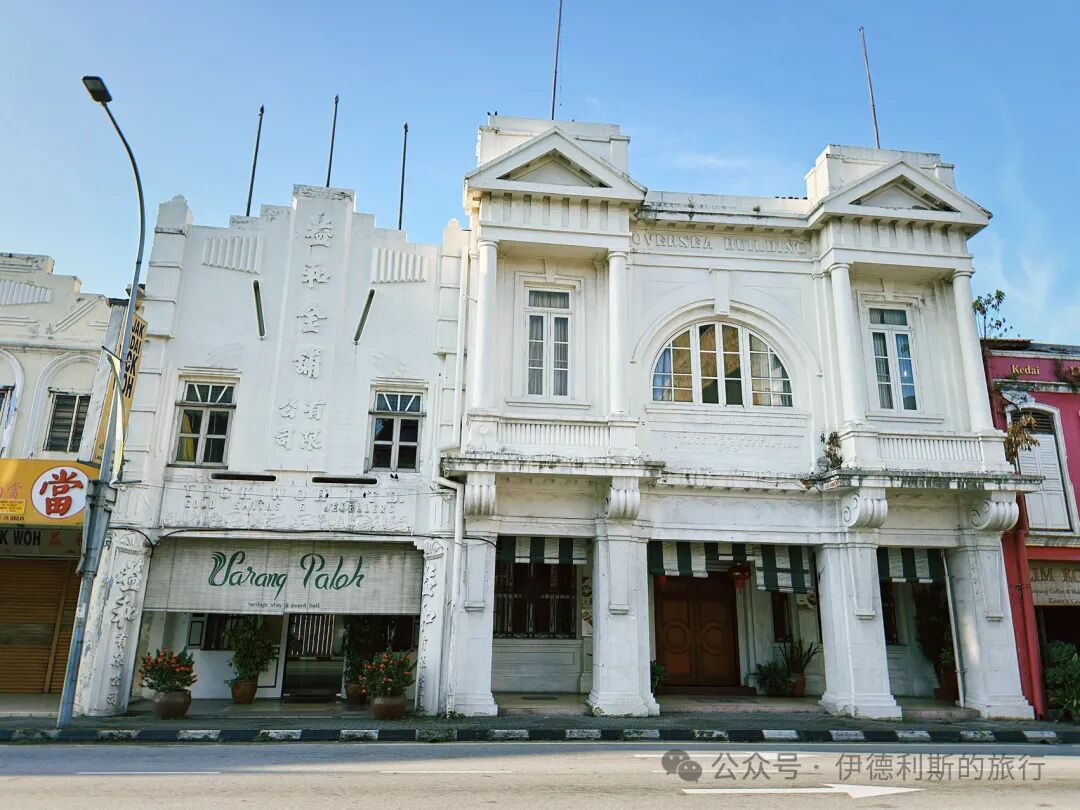
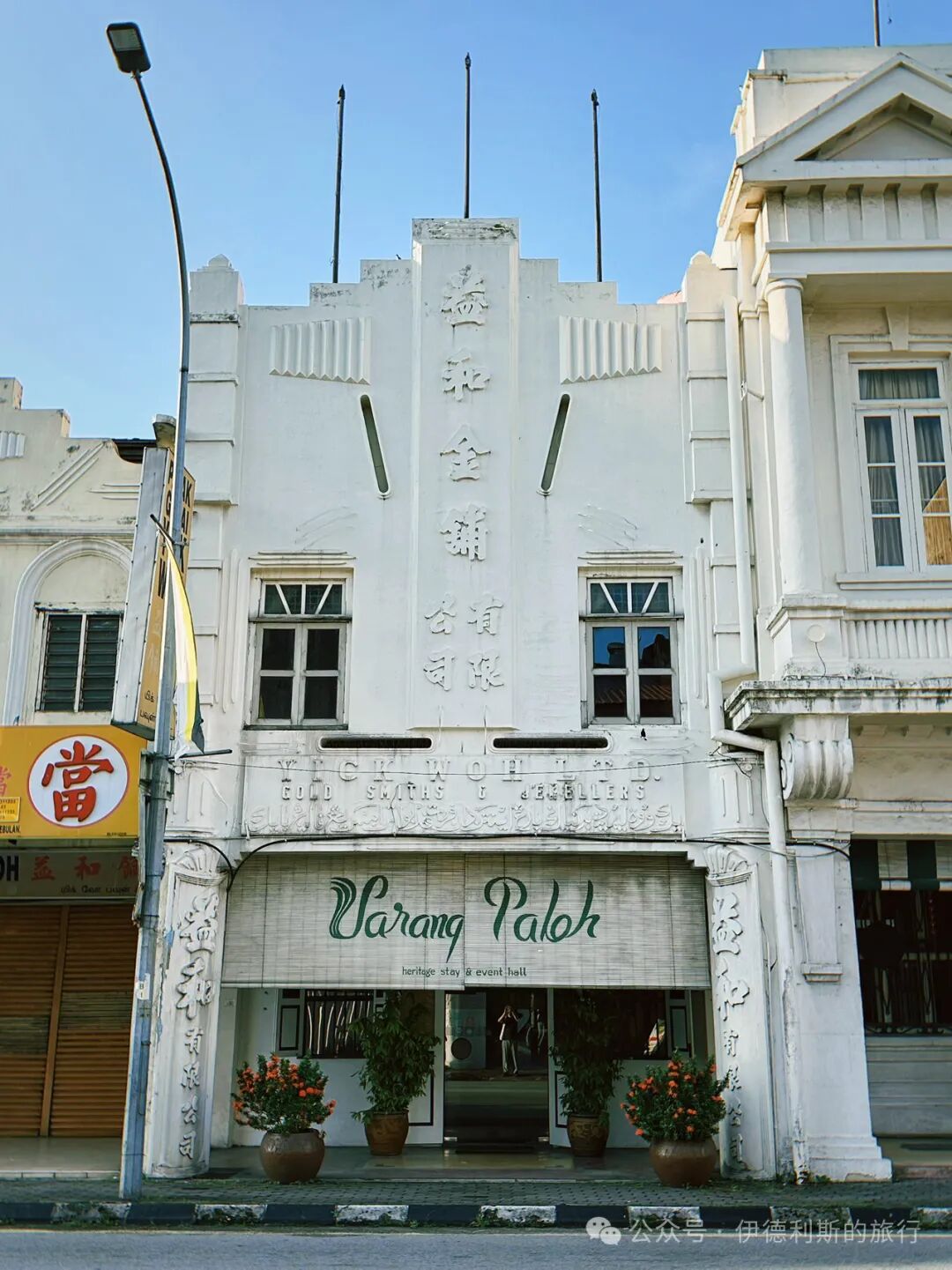
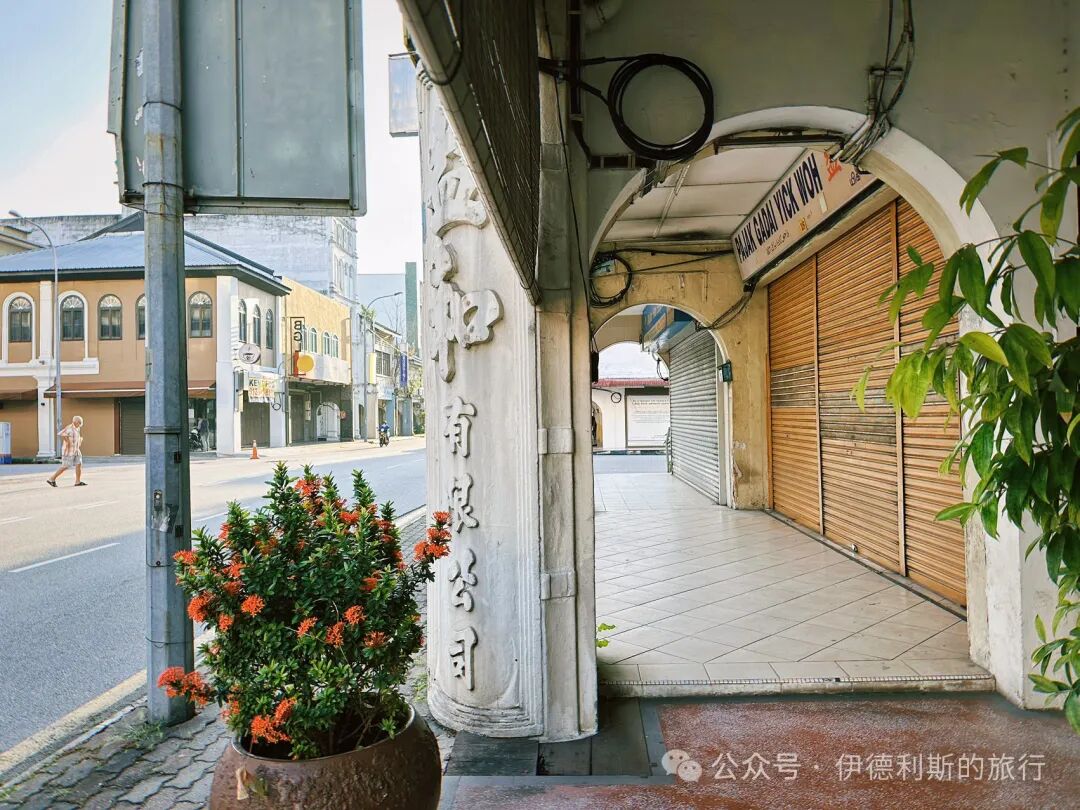
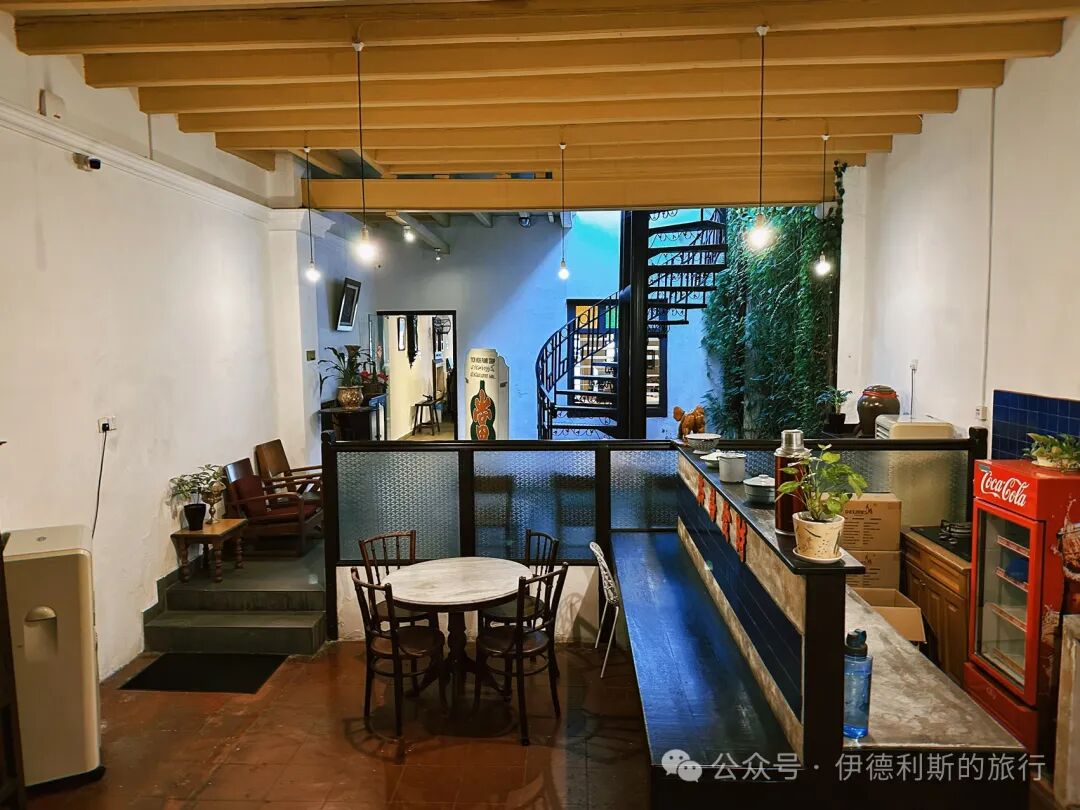
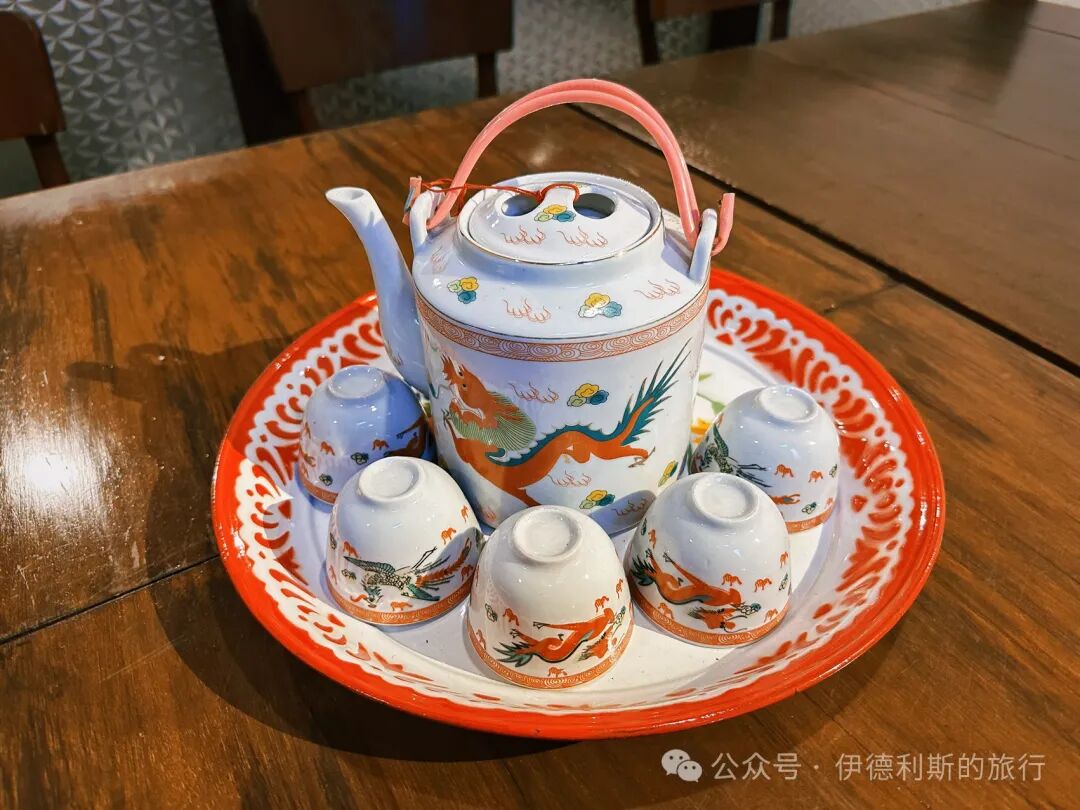
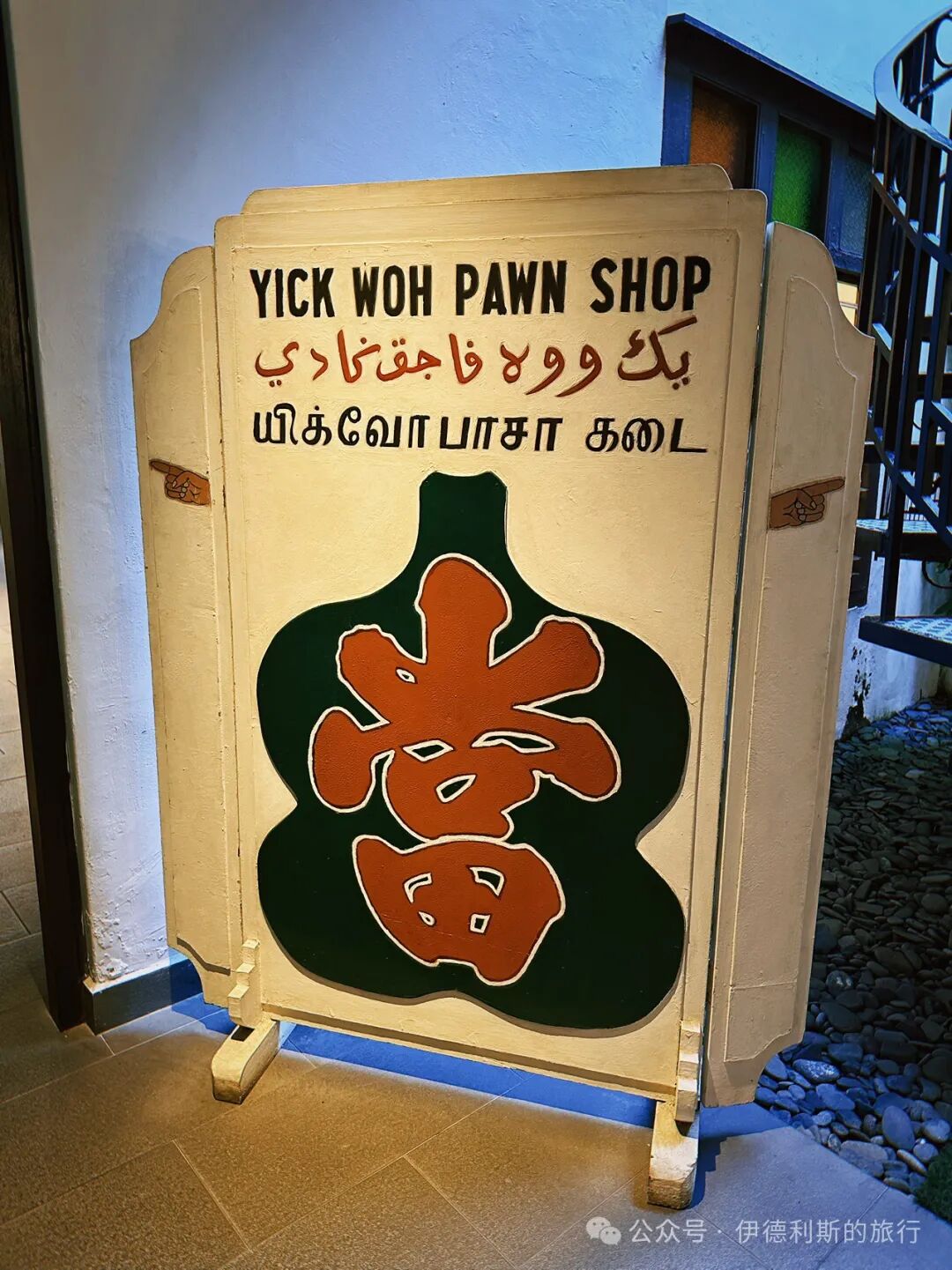
The second floor of the Yik Foong Goldsmith shophouse has very high ceilings and looks out onto the main road of Ipoh Old Town. Brewing two cups of the complimentary Ipoh white coffee makes it feel like I have returned to the Nanyang of the 20th century.
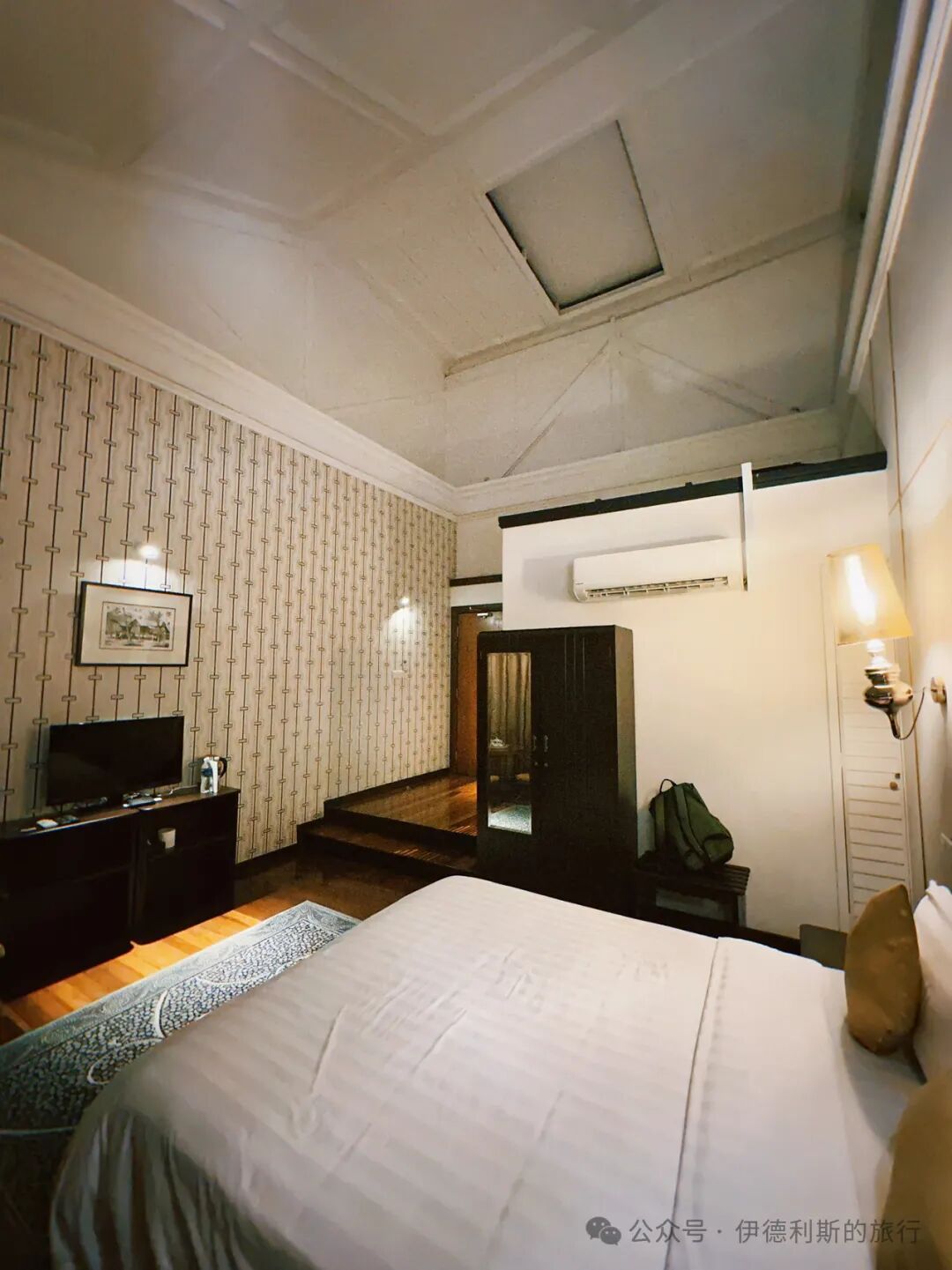
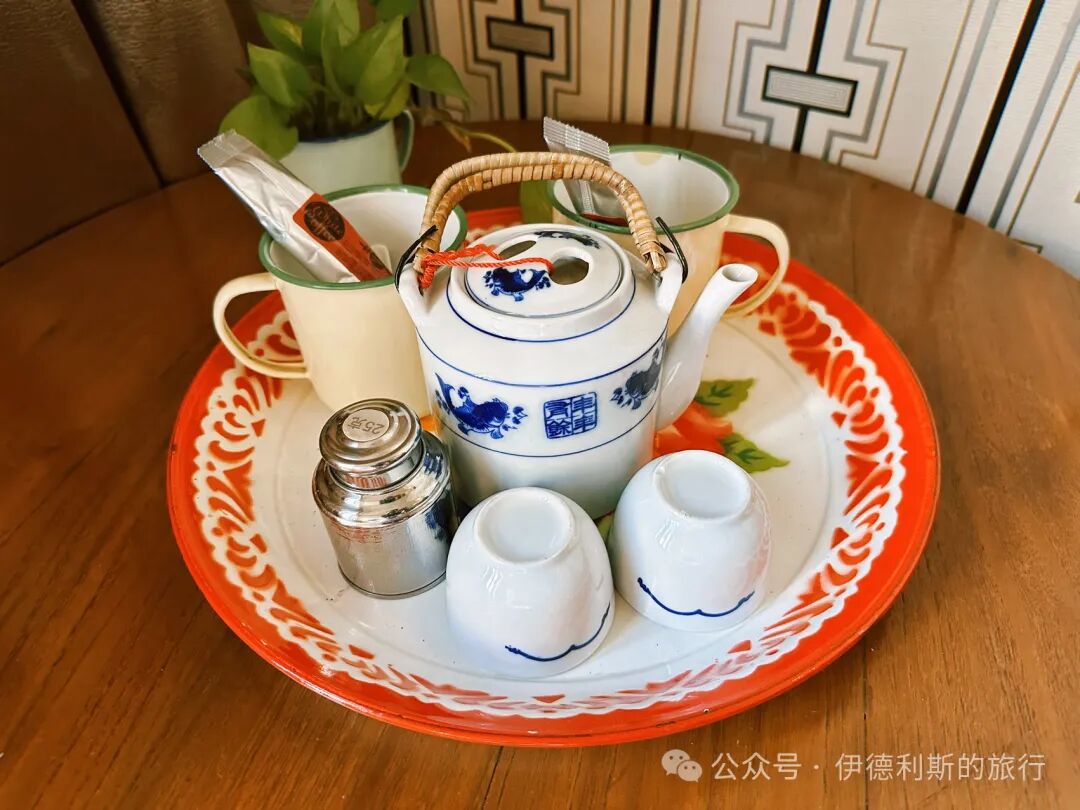
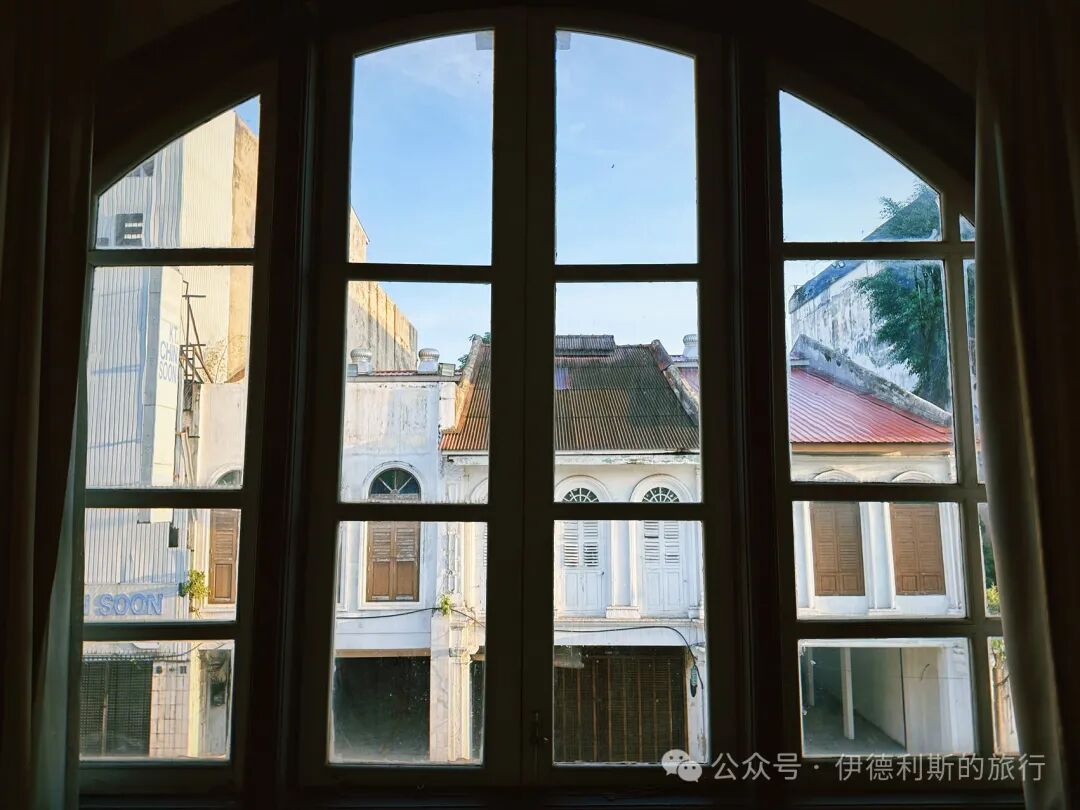
In the morning, we ate rat noodles (laoshufen) and fried wonton noodles at the Hui Muslim fried noodle shop, Gerai Ipoh Ipoh Aje, at the old Ipoh bus station. The Hui Muslim owner, Huang Kunping, specializes in various stir-fried flat rice noodles (hefen), fried Hokkien noodles, fried rat noodles, and silky egg flat rice noodles (huadanhe), while his Malay wife, Aini, makes various Malay snacks. Mr. Huang stir-fries with great energy at the shop entrance. The noodles have a strong wok-char flavor (wok hei) and are very popular with Chinese, Malay, and Indian customers.
Rat noodles are a traditional Hakka noodle dish originating from Meizhou, Guangdong. They are made by steaming rice batter into a block and pressing it through a sieve with holes. They get their name because the two ends are pointed, looking like a mouse.
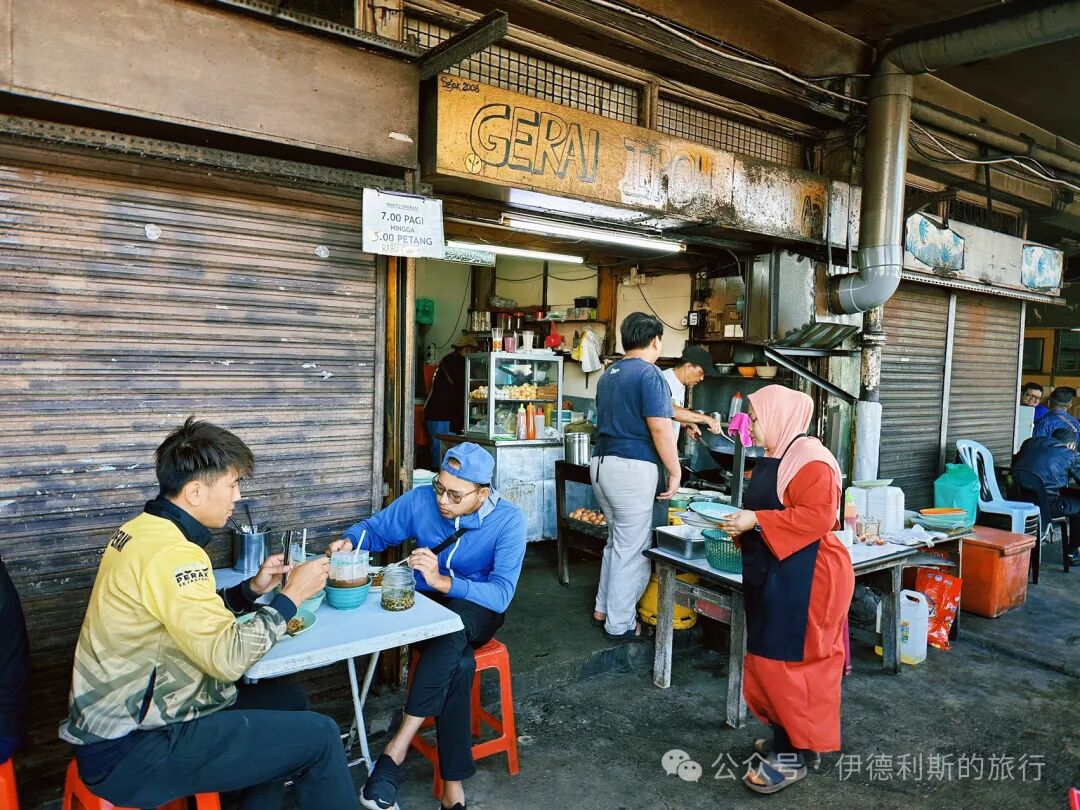
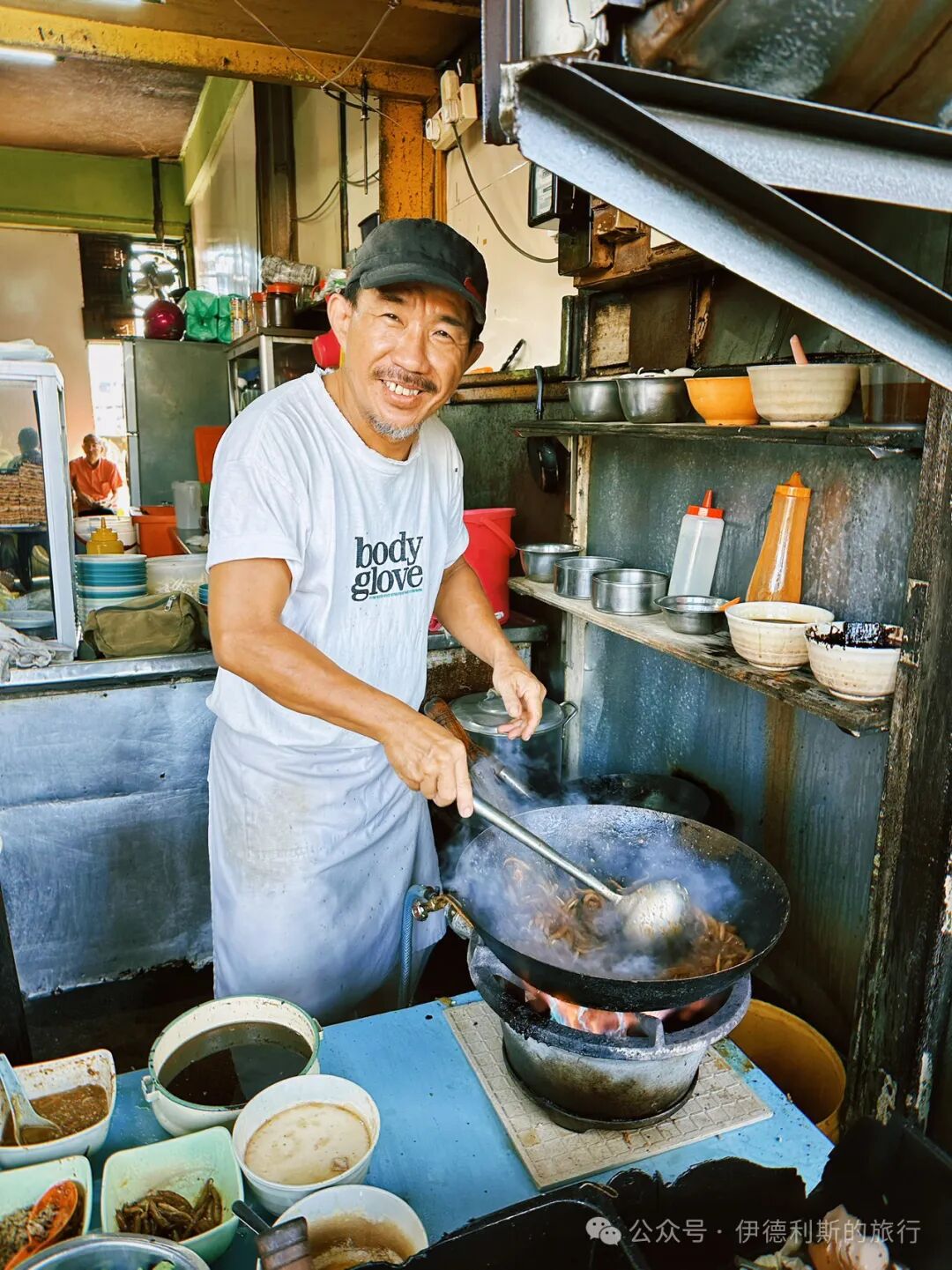
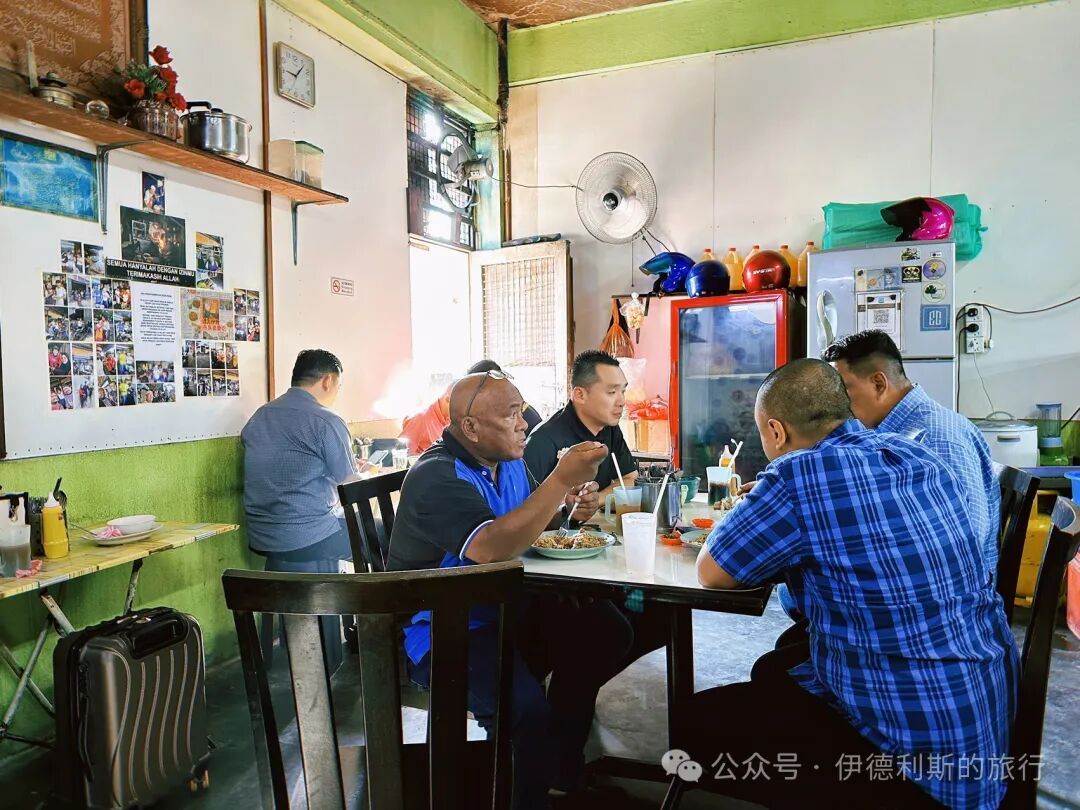
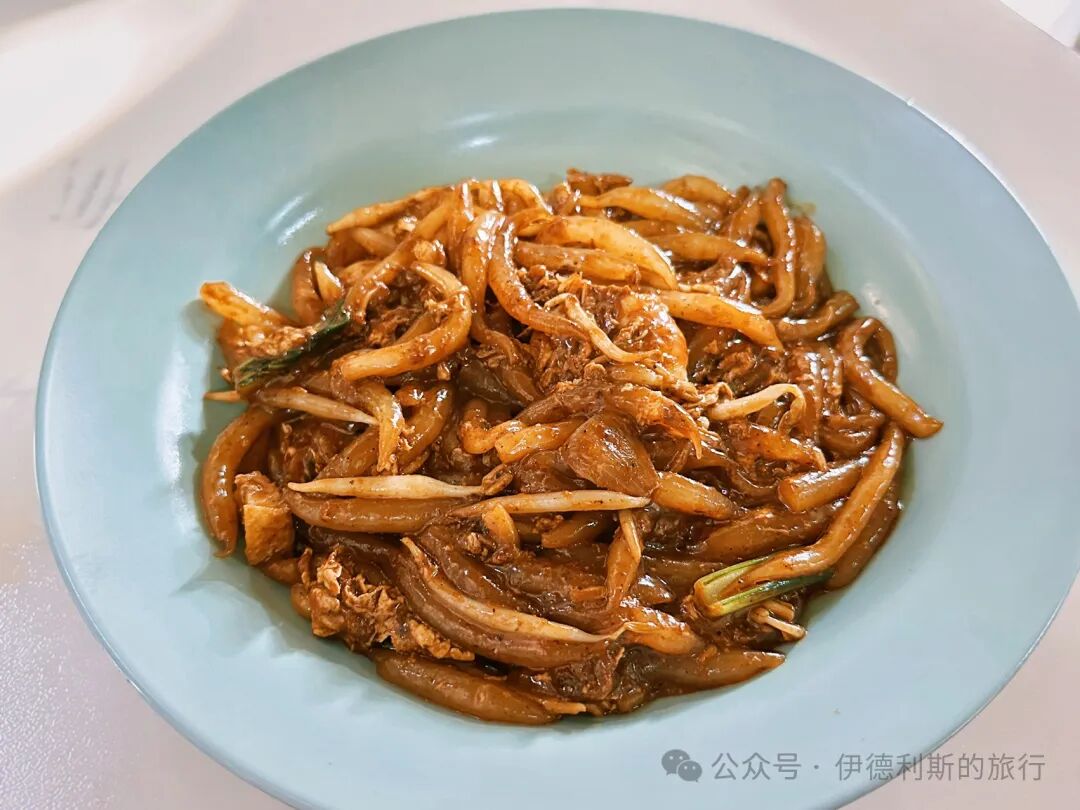
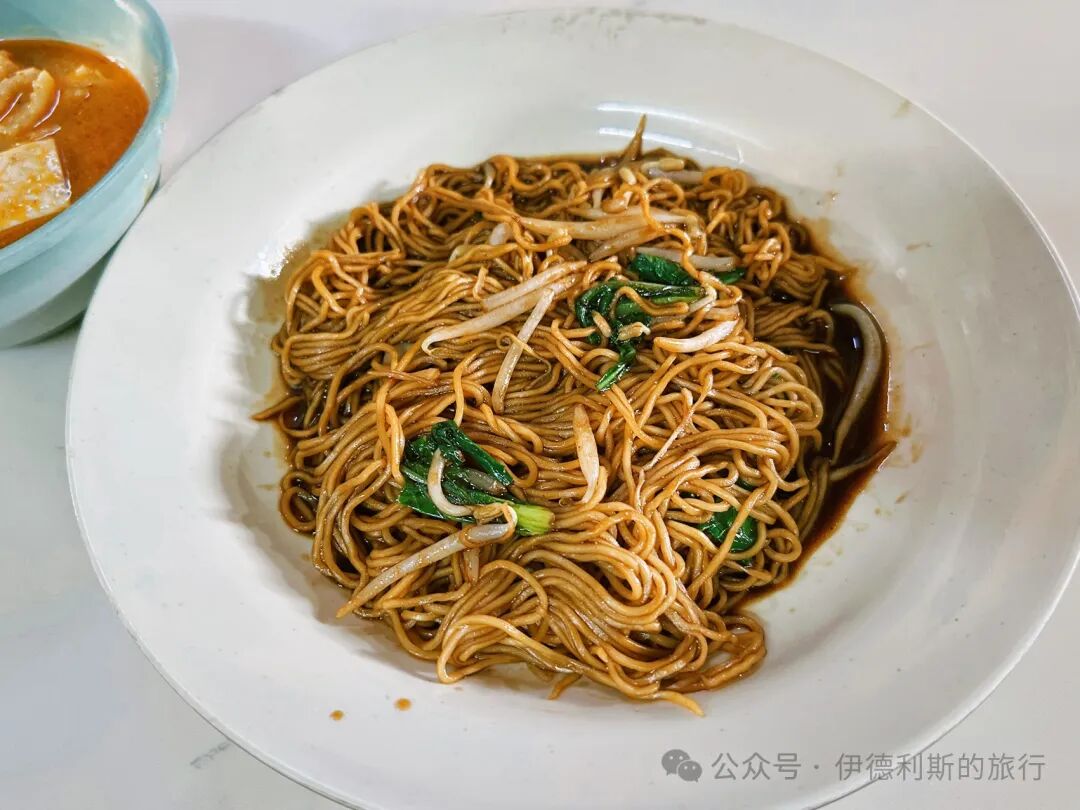
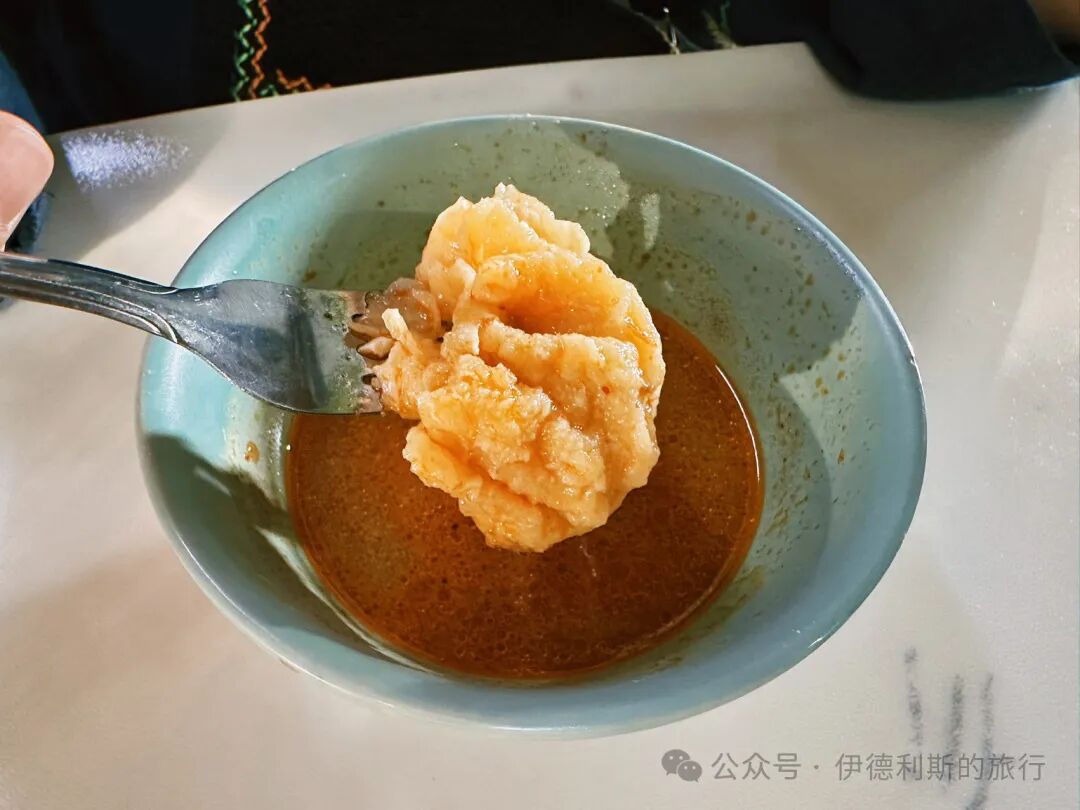
Ipoh is known as the City of Tin. In 1880, the Kinta Valley, where Ipoh is located, attracted many Chinese immigrants to mine its rich tin deposits, and Ipoh quickly developed into a mining town. In 1892, a major fire in Ipoh destroyed more than half of the original wooden shophouses. Afterward, a local Datuk led the reconstruction into the typical shophouse streets of the Straits region, which is now Ipoh Old Town. In 1907, Chinese community leader Yao Desheng funded the construction of a new 1-kilometer-long street across the river from the Old Town, consisting of 216 shophouses, which is now Ipoh New Town. Today, Ipoh has a large area of old streets with covered walkways (qilou) made up of the historic New Town and Old Town districts. Many of these buildings are decades or even centuries old and are well worth a visit.
If you want to learn about the lives of Chinese people in old Ipoh, I recommend visiting the 22 Hale Street Heritage Gallery in the Old Town. It recreates many scenes of daily life for Chinese people in Ipoh during the 20th century. The most interesting part for me was the recreation of a guest room from the 1950s Ipoh Asia Hotel. It really looks just like something out of a movie.
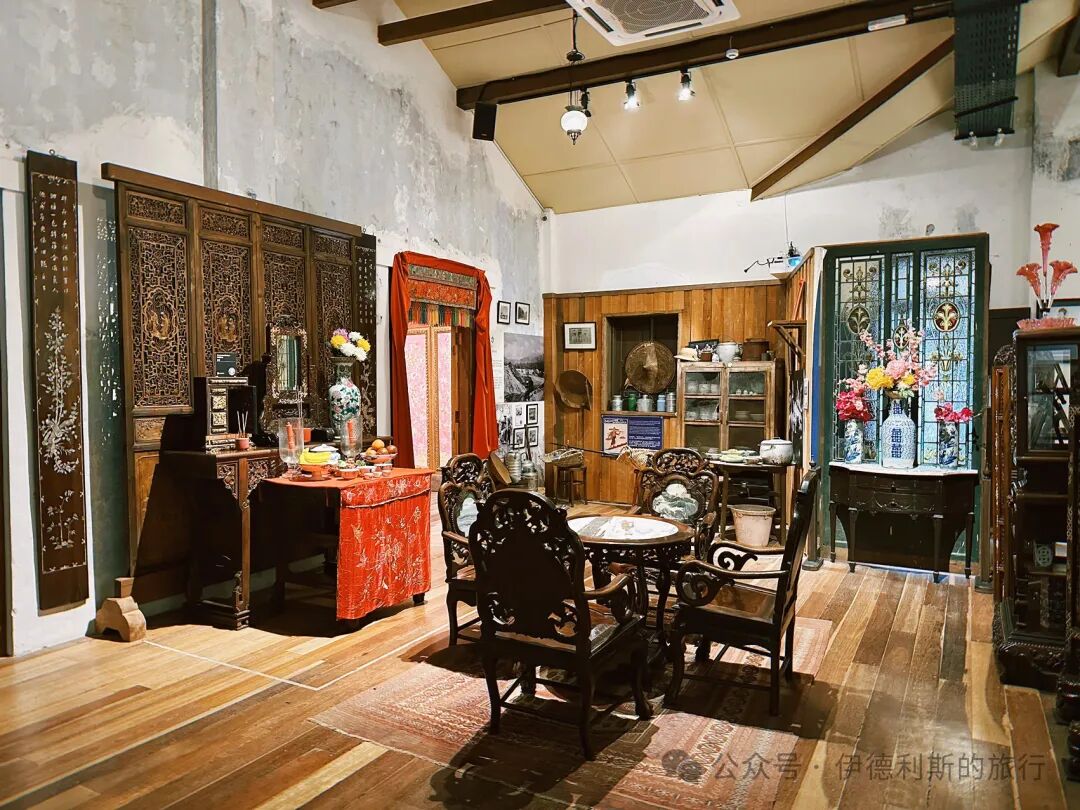
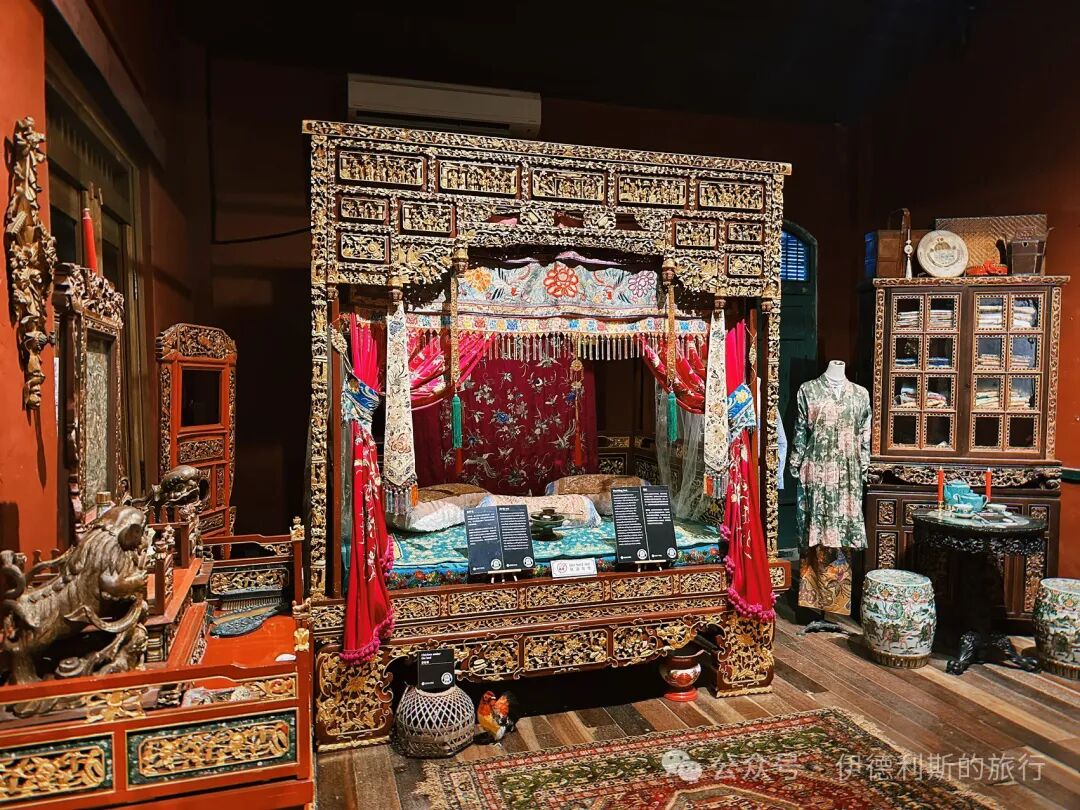
The streetscape of Ipoh's old town has not been developed for tourism; it is just an old street where people live their daily lives.
Kuala Kangsar
Take the train north from Ipoh, and you will reach Kuala Kangsar district in a 30-minute ride. Kuala Kangsar has been the royal city of the Sultan of Perak since the 18th century. The town center still keeps an old street with covered walkways (qilou), where you can find an old-school Hainanese coffee shop called Yut Loy Coffee Shop. Like many Hainanese coffee shops in Malaysia's old towns, the Hainanese owner here hires Malay staff, allowing the three major ethnic groups—Chinese, Malay, and Indian—to all dine in the shop.
Since Yut Loy Coffee Shop only serves main meals after one in the afternoon, we spent our morning there having coffee with toast, topped with honey and butter. I used to read novels about Nanyang where old men would sit in these Hainanese coffee shops all morning with a cup of coffee, a piece of toast, and a newspaper. This time, we got to experience it ourselves.
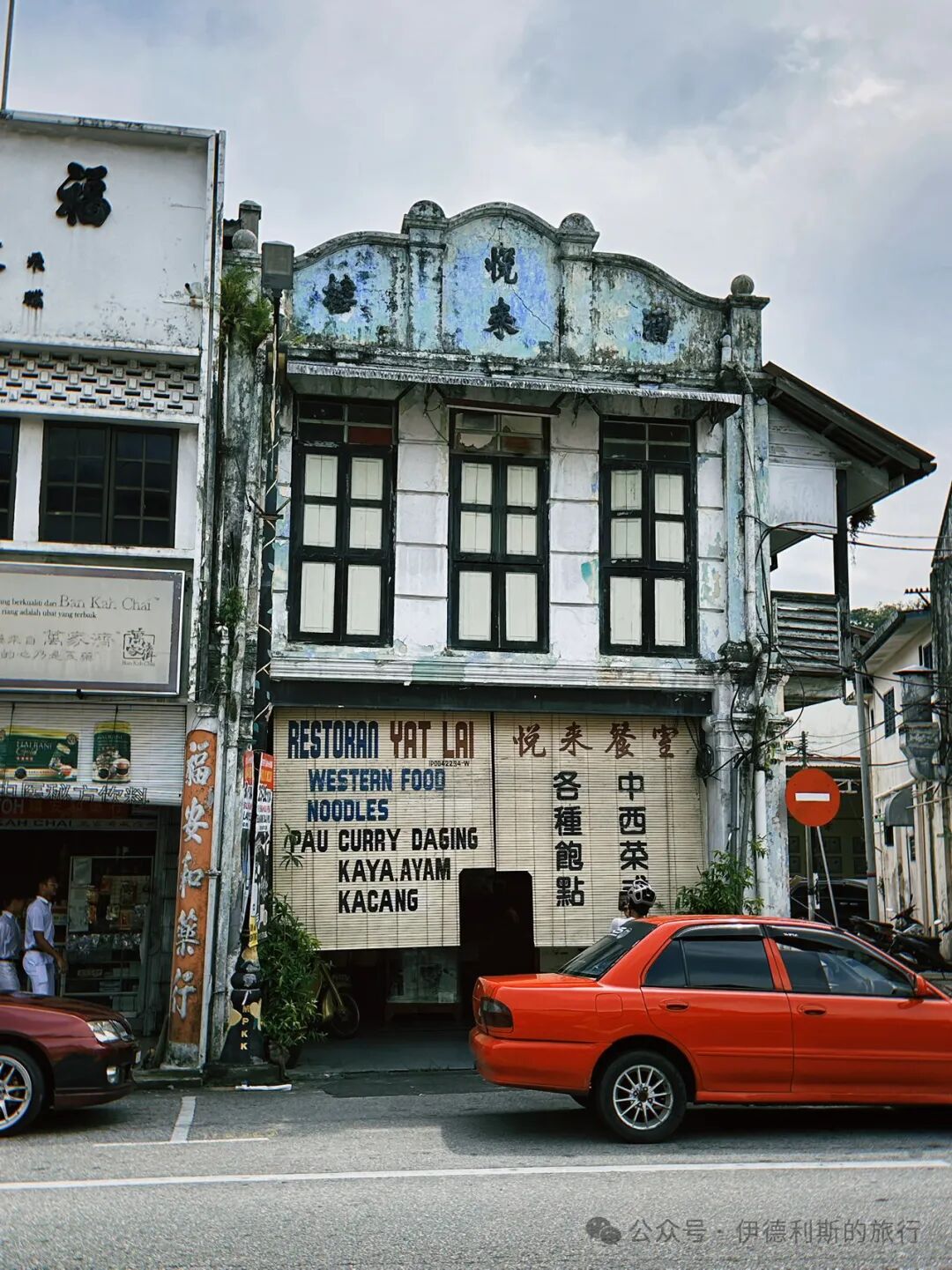
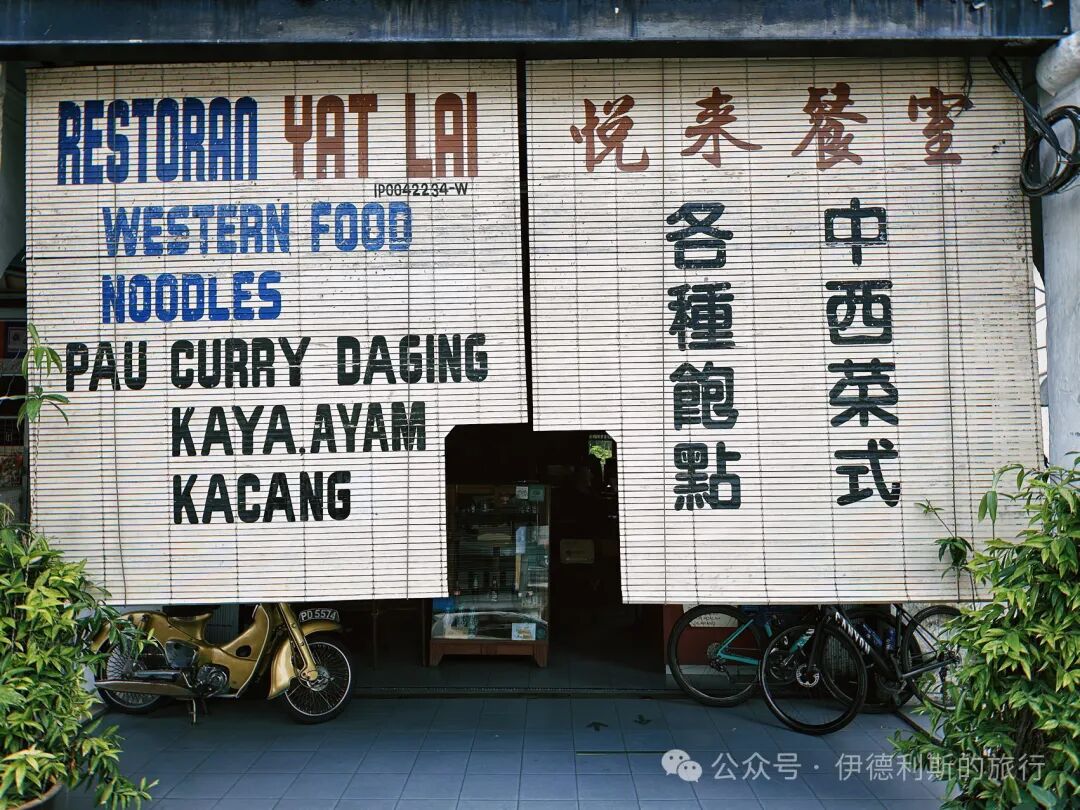
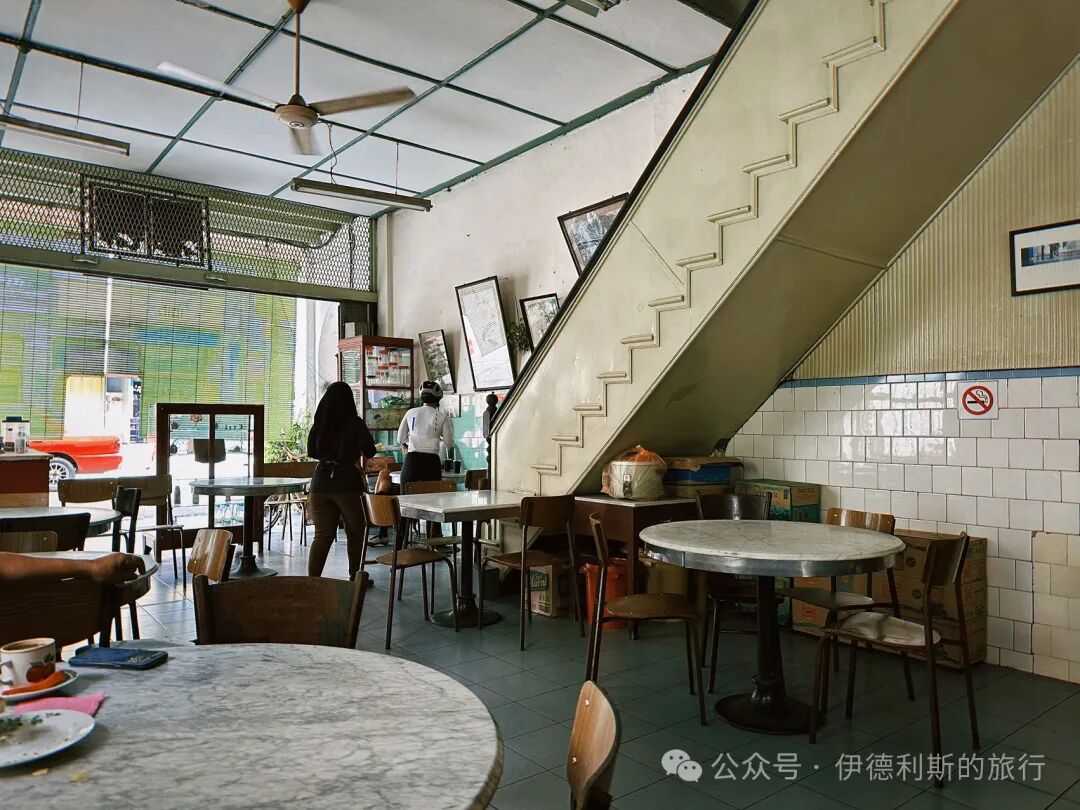
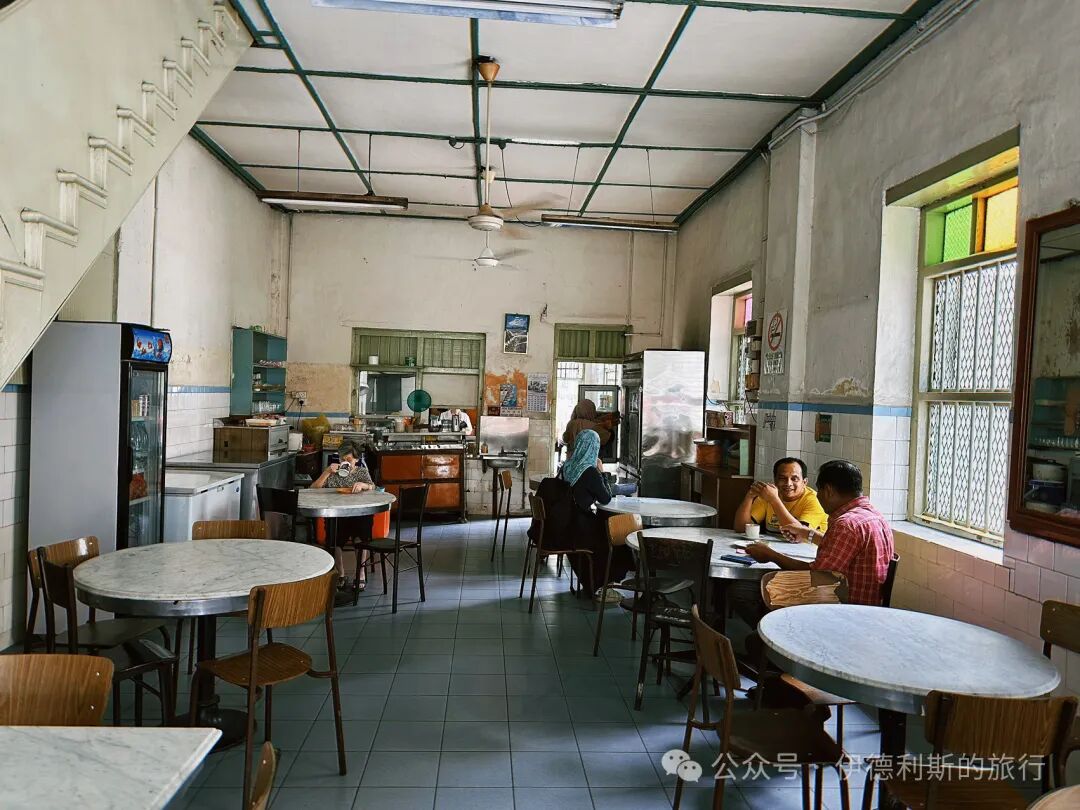
Halal Food Guide: Malaysia - Halal Chinese Food in Kuala Lumpur (Part 2)
Articles • ali2007fr posted the article • 0 comments • 151 views • 2026-05-19 07:24
Summary: This short second part continues the Malaysia halal Chinese food record with the remaining images and notes from the trip. It preserves the original sequence and visual food references rather than expanding beyond the source. view all
Summary: This short second part continues the Malaysia halal Chinese food record with the remaining images and notes from the trip. It preserves the original sequence and visual food references rather than expanding beyond the source.
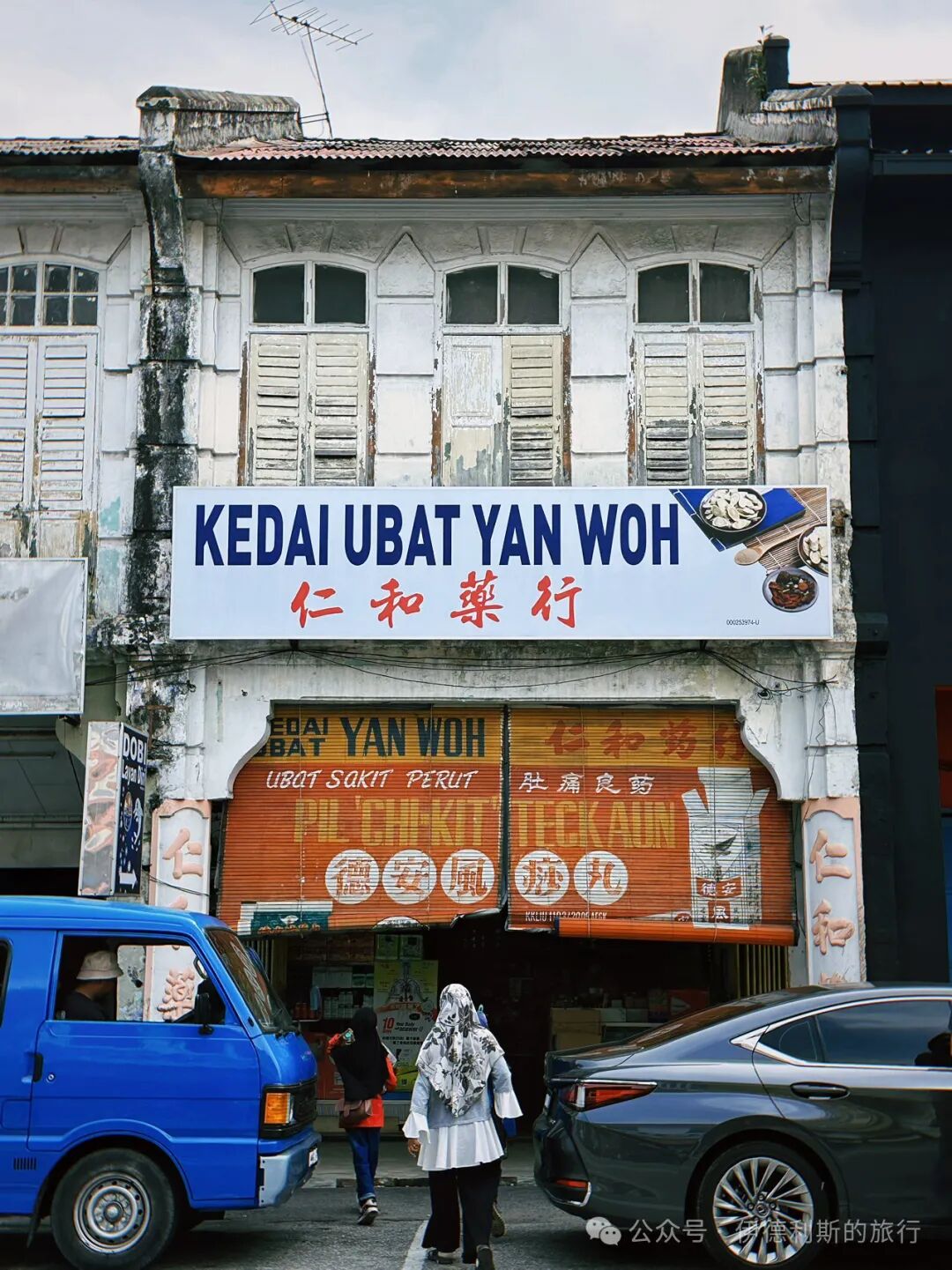
Halal Food Guide: Singapore - Halal Chinese Food and Muslim-Friendly Eats
Articles • ali2007fr posted the article • 0 comments • 183 views • 2026-05-19 07:24
Summary: This Singapore article follows the author through halal Chinese food stops after arriving in the city. It preserves the original restaurant names, dishes, prices, and food observations in clear English.
After landing at Singapore Changi Airport, I took the subway directly to Kembangan station to eat prawn noodles at the famous Chinese Muslim restaurant Deanna's Kitchen, which is the most famous halal prawn noodle spot in Singapore.
The restaurant owner, Denise Chew (also known as Deanna), converted to Islam in 2009 when she married her husband, Asri Ramili, and prawn noodles were her favorite food before she converted. Because traditional Chinese prawn noodles are made with pork bone broth, pork meat, and lard, it took her six years to develop a halal version. Deanna makes the broth by simmering chicken bones, prawn shells, dried shrimp, and anchovies for three hours, and the resulting noodles are so popular that she started selling them online.
Deanna and her husband Asri both worked in banking, but as the prawn noodle business grew, Asri quit his job in 2017 to open a noodle stall. The stall soon had long lines and sold out early every day. That is how the physical Deanna's Kitchen shops opened, and now there is one in Jurong East and one in Kembangan.
They serve regular prawn noodles and a hearty seafood platter. We ordered the top-tier version, which includes one Boston lobster, five tiger prawns, five large prawns, one crayfish, and 20 clams. You can choose different sides and noodles like yellow noodles, laksa noodles, rice vermicelli, or flat rice noodles (kway teow). We chose laksa noodles.
We visited Jason Niang Dou Fu in Kampong Glam to taste traditional Hakka stuffed vegetables. In the Hakka dialect, 'niang' means to fill with stuffing. Legend has it that after the Hakka people migrated south from the Central Plains, they wanted to eat dumplings but had no wheat, so they used tofu instead of flour and invented stuffed tofu (niang dou fu). Besides stuffed tofu, the Hakka are good at using local ingredients. Many foods can be stuffed, such as chili peppers, eggplants, bitter melons, and taro. Tofu, eggplant, and bitter melon are known as the 'three stuffed treasures' (jian niang san bao).
Jason Niang Dou Fu is a bit like a spicy hot pot (malatang) shop in China, where you can pick your own stuffed vegetables and greens from the counter. You can also choose staples like flat rice noodles (kway teow), rice vermicelli, or egg noodles (mian zai). The Teochew taro rice (Yam Rice) and Teochew dry egg noodles (Mee Pok) are both worth a try.
The Dim Sum Place is a very famous halal Hong Kong-style tea restaurant in Singapore, specializing in a wide variety of dim sum and Cantonese dishes. They opened on North Bridge Road in Kampong Glam in 2016 and now have two more branches, making them very popular with Muslims.
We ordered steamed chicken feet in sauce, shrimp and chicken steamed dumplings (shaomai), roasted chicken char siu rice noodle rolls (cheong fun), fish fillet porridge, and pu'er tea. Since we were there for afternoon tea and not a full meal, there was still a lot we wanted to try but didn't order. We liked the fish fillet porridge the best, and the chicken feet and shaomai were okay, but the rice noodle rolls were just average; they felt too soft and lacked texture.
If you visit the National Museum of Singapore and Fort Canning Park, it is well worth stopping by the nearby MacKenzie Rex Restaurant to try their authentic halal Hainanese chicken rice. MacKenzie Rex Restaurant opened in 1966. It is the first and most famous halal Hainanese chicken rice restaurant in Singapore. The owner is a Hainanese Chinese person who speaks great Mandarin and is very happy to introduce the dishes to guests. Besides Hainanese chicken rice, they are also good at making various home-style Chinese dishes, known in Singapore as zi char (home-style stir-fry).
We ordered the classic chicken rice and five-spice meat rolls (ngor hiang), along with stir-fried mixed vegetables and fish soup. Everything was delicious, and it was arguably the best meal of our Singapore trip. The best part of their chicken rice is not the chicken itself, but the rice steamed with chicken fat. You can eat it plain and never want to stop. The halal version of the five-spice meat roll is made by adding five-spice powder to chicken filling, wrapping it in bean curd skin, and deep-frying it. It is very fragrant when freshly fried.
If you take a half-day trip to Pulau Ubin in Singapore, it is perfect to have a meal at the halal tea restaurant Tang Tea House next to the Changi Point Ferry Terminal. They serve authentic halal Chinese stir-fry (tze-char) and dim sum with a huge variety of choices.
We ordered stir-fried amaranth with anchovies, chicken chop rice, beef porridge, and lemongrass water. We also ordered a classic Malaysian and Singaporean Chinese dish called Buddha's bowl (fo bo piao xiang), which is a taro ring served with cashew chicken and various vegetables. We actually picked it randomly from the menu, but it was surprisingly delicious and we finished it all very quickly.
Tang Tea House opened in 2005. It started because many of the owner's Muslim friends told him they wanted to eat Chinese food but rarely found halal Chinese restaurants. He saw the opportunity and opened Tang Tea House, which has now grown to five locations and is doing very well.
If you travel from Singapore to Johor Bahru, you can grab a quick bite at the TuanTuan. PuanPuan stall at the Woodlands MRT station while transferring. The name means 'ladies and gentlemen' in Malay. There are three stalls inside. The first sells Malay coconut milk rice (nasi lemak), the second sells stir-fried rice vermicelli and stir-fried flat rice noodles (char kway teow) where you can add fish cakes, dried tofu, or five-spice meat rolls, and the third stall sells chicken rice. However, it was quite late when we returned from Johor Bahru and many items were sold out, so we just ordered the chicken rice and stir-fried rice vermicelli. view all
Summary: This Singapore article follows the author through halal Chinese food stops after arriving in the city. It preserves the original restaurant names, dishes, prices, and food observations in clear English.
After landing at Singapore Changi Airport, I took the subway directly to Kembangan station to eat prawn noodles at the famous Chinese Muslim restaurant Deanna's Kitchen, which is the most famous halal prawn noodle spot in Singapore.
The restaurant owner, Denise Chew (also known as Deanna), converted to Islam in 2009 when she married her husband, Asri Ramili, and prawn noodles were her favorite food before she converted. Because traditional Chinese prawn noodles are made with pork bone broth, pork meat, and lard, it took her six years to develop a halal version. Deanna makes the broth by simmering chicken bones, prawn shells, dried shrimp, and anchovies for three hours, and the resulting noodles are so popular that she started selling them online.
Deanna and her husband Asri both worked in banking, but as the prawn noodle business grew, Asri quit his job in 2017 to open a noodle stall. The stall soon had long lines and sold out early every day. That is how the physical Deanna's Kitchen shops opened, and now there is one in Jurong East and one in Kembangan.
They serve regular prawn noodles and a hearty seafood platter. We ordered the top-tier version, which includes one Boston lobster, five tiger prawns, five large prawns, one crayfish, and 20 clams. You can choose different sides and noodles like yellow noodles, laksa noodles, rice vermicelli, or flat rice noodles (kway teow). We chose laksa noodles.
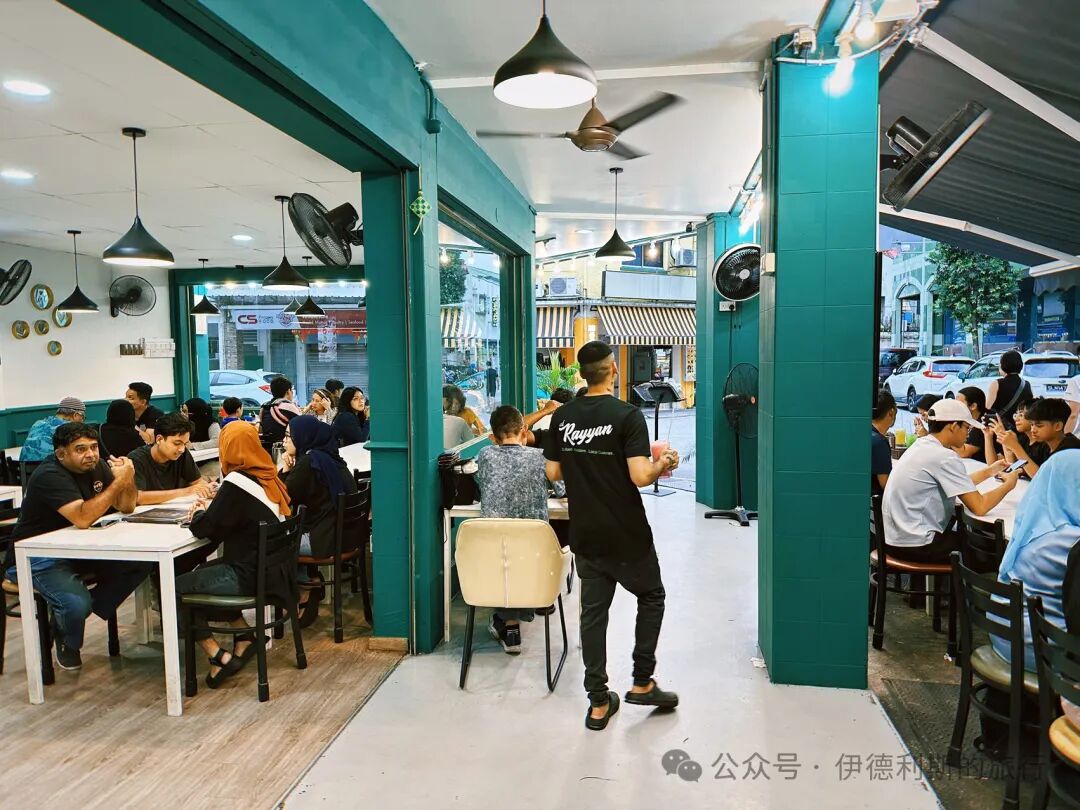
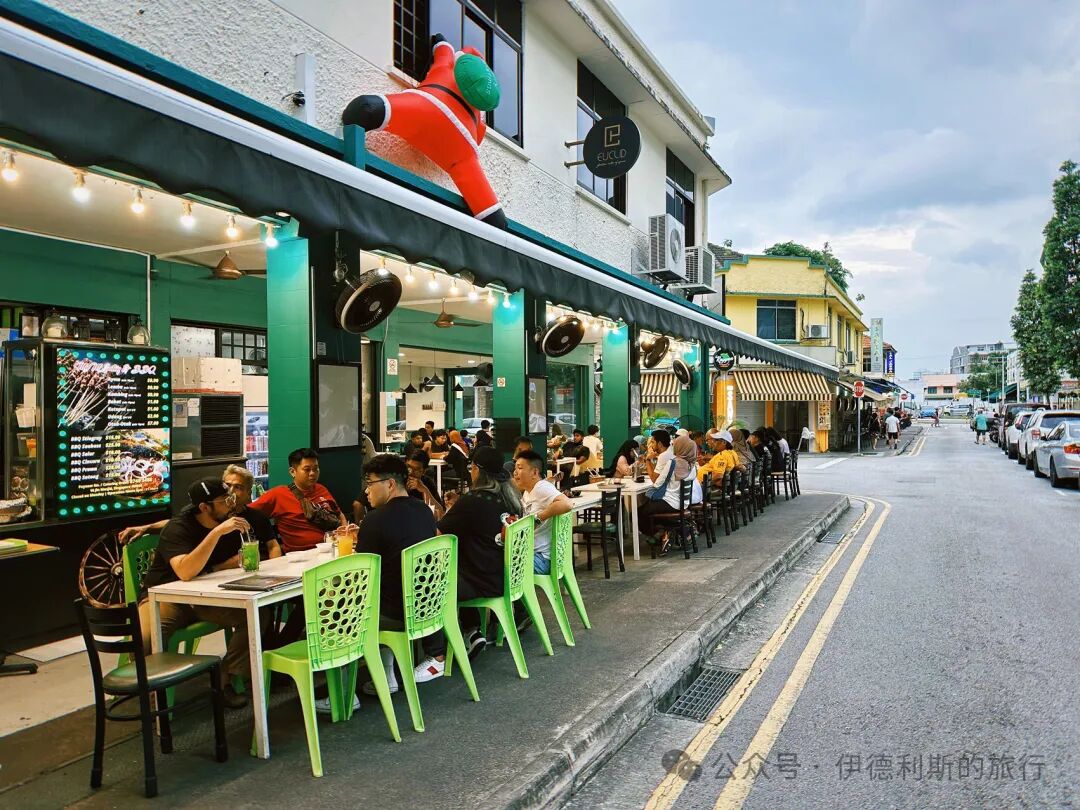
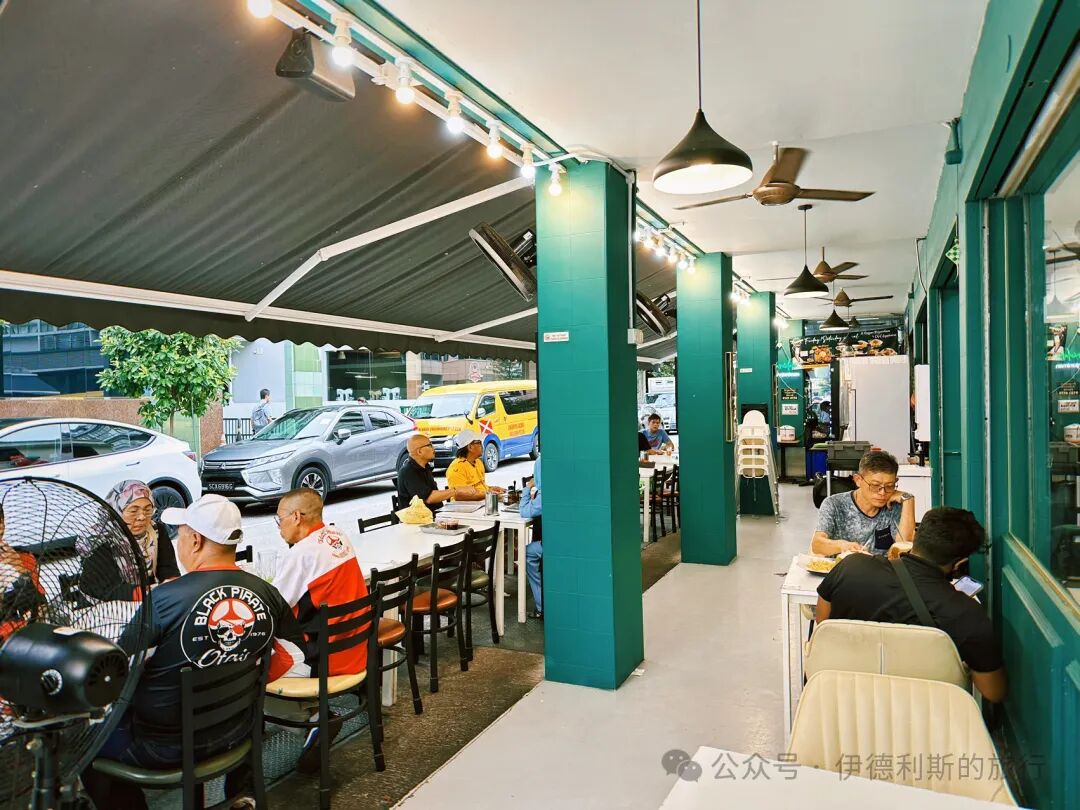
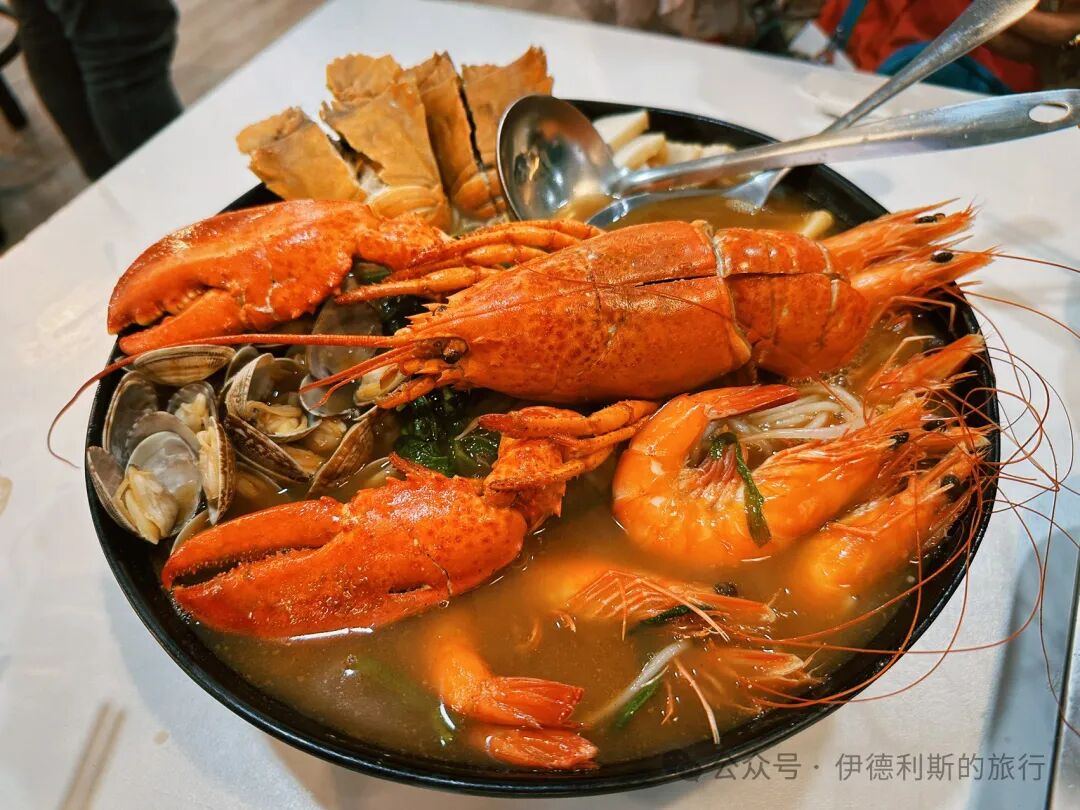
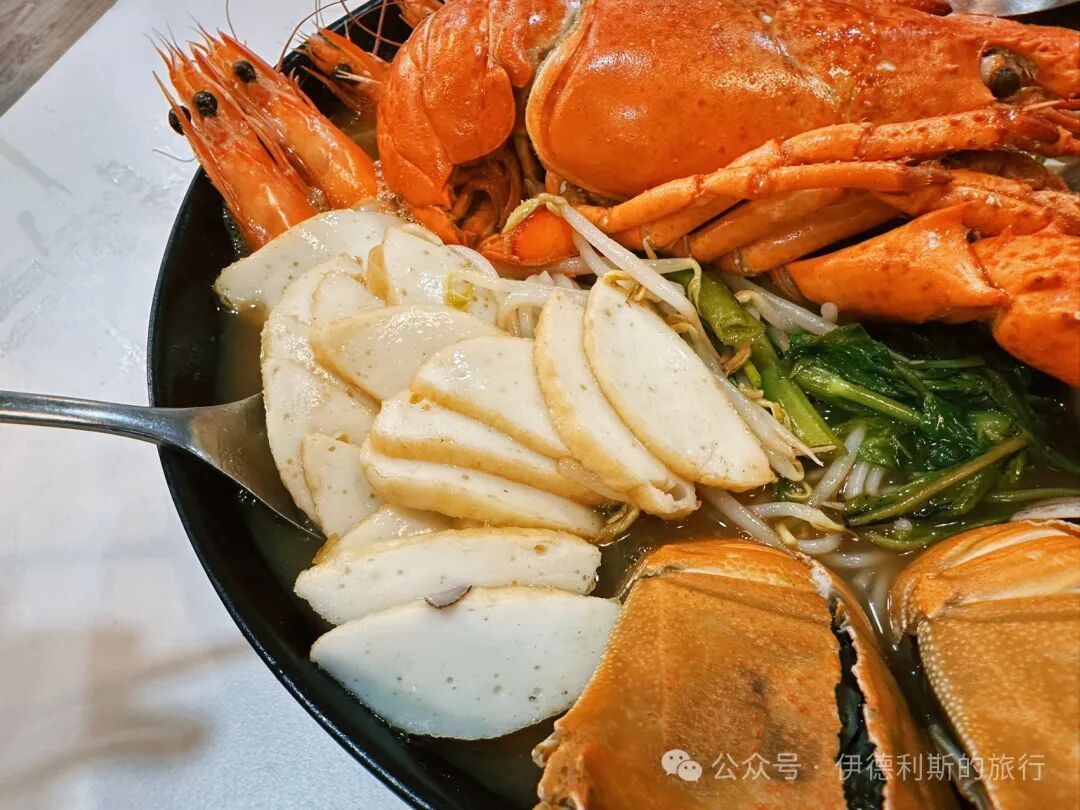
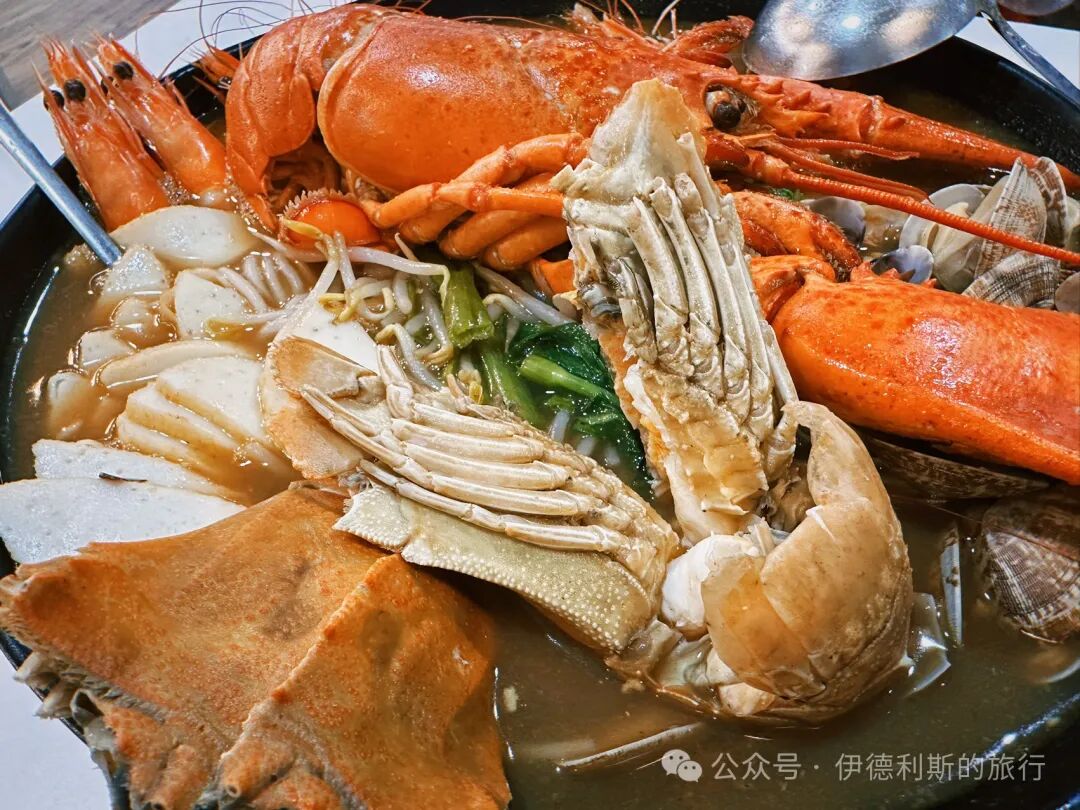
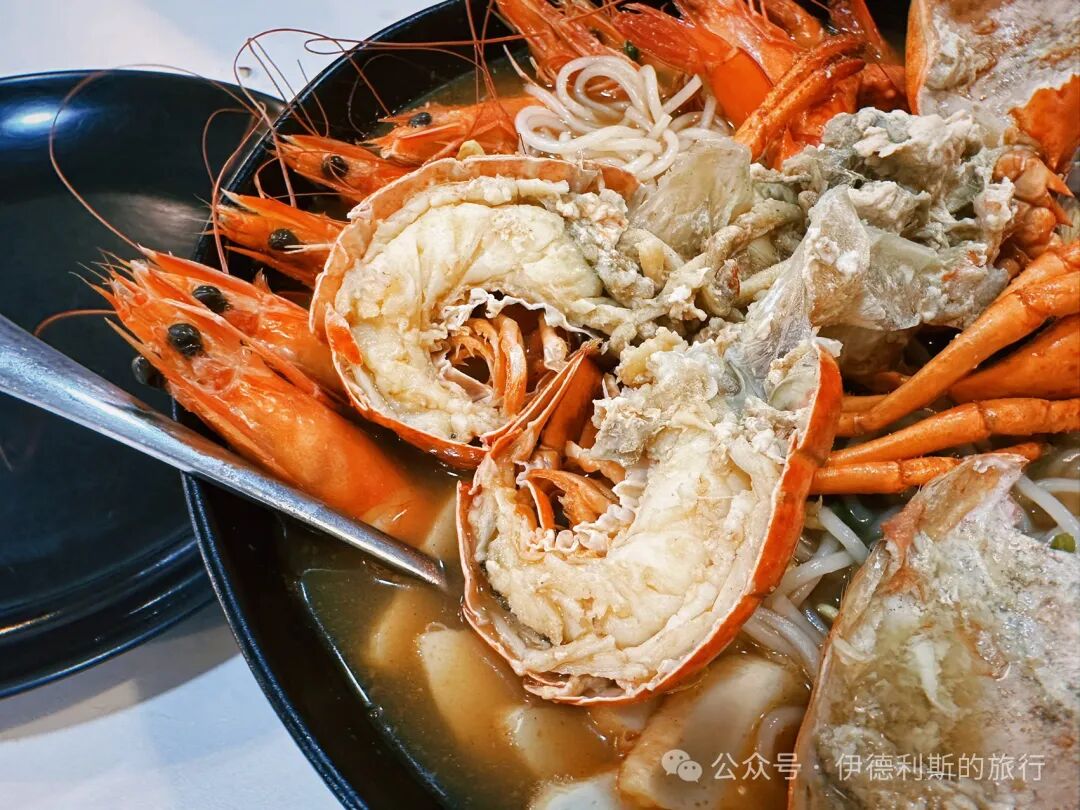
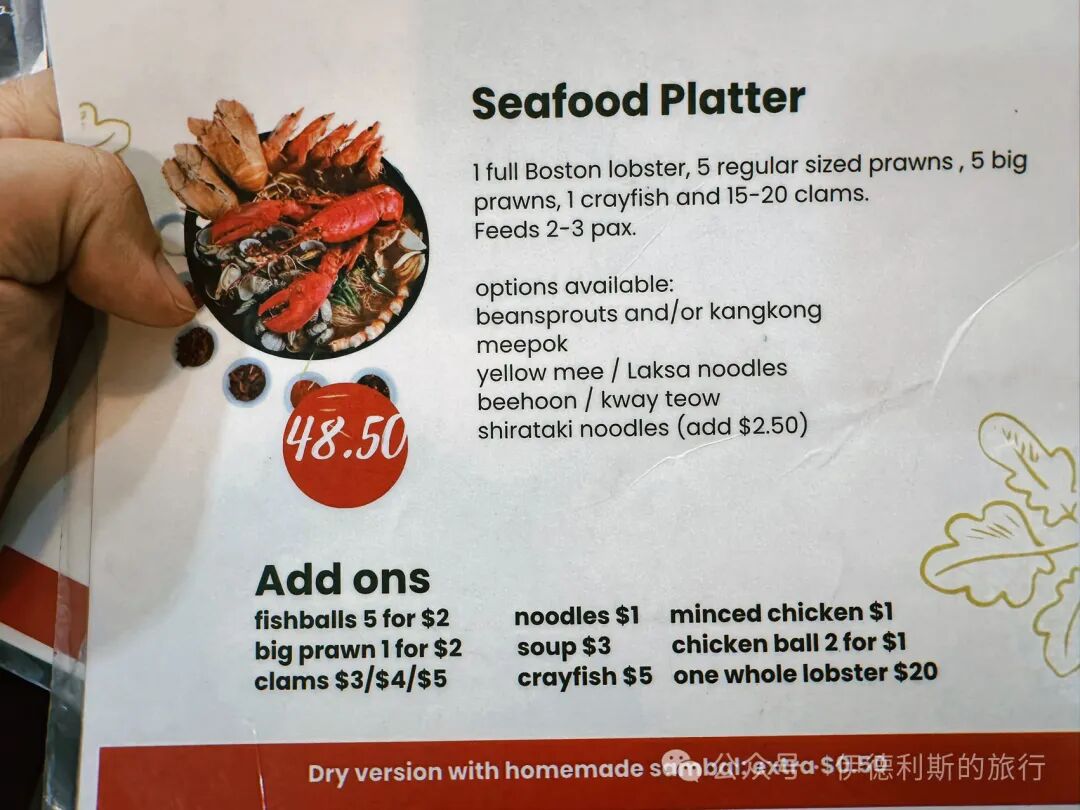
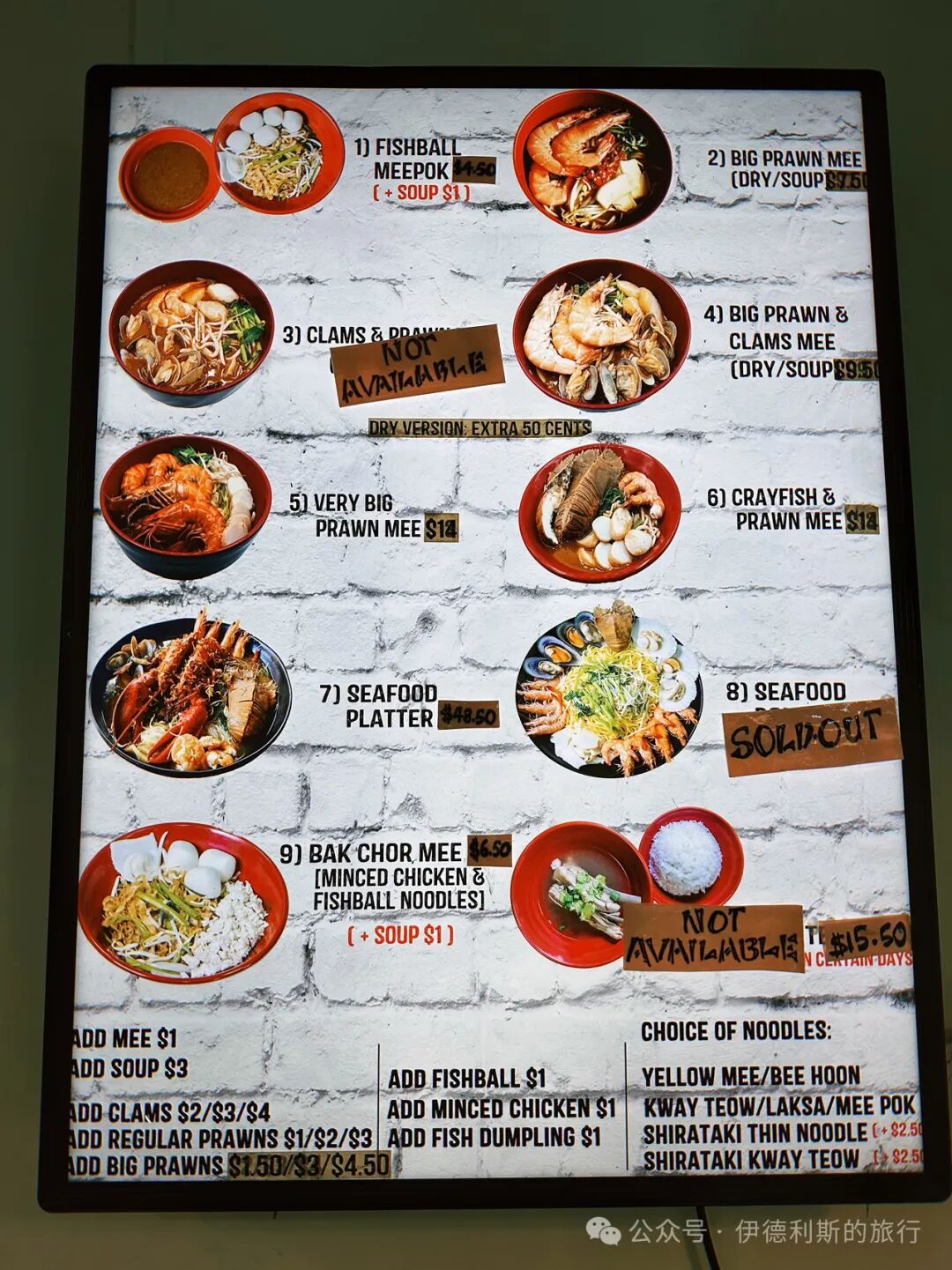
We visited Jason Niang Dou Fu in Kampong Glam to taste traditional Hakka stuffed vegetables. In the Hakka dialect, 'niang' means to fill with stuffing. Legend has it that after the Hakka people migrated south from the Central Plains, they wanted to eat dumplings but had no wheat, so they used tofu instead of flour and invented stuffed tofu (niang dou fu). Besides stuffed tofu, the Hakka are good at using local ingredients. Many foods can be stuffed, such as chili peppers, eggplants, bitter melons, and taro. Tofu, eggplant, and bitter melon are known as the 'three stuffed treasures' (jian niang san bao).
Jason Niang Dou Fu is a bit like a spicy hot pot (malatang) shop in China, where you can pick your own stuffed vegetables and greens from the counter. You can also choose staples like flat rice noodles (kway teow), rice vermicelli, or egg noodles (mian zai). The Teochew taro rice (Yam Rice) and Teochew dry egg noodles (Mee Pok) are both worth a try.
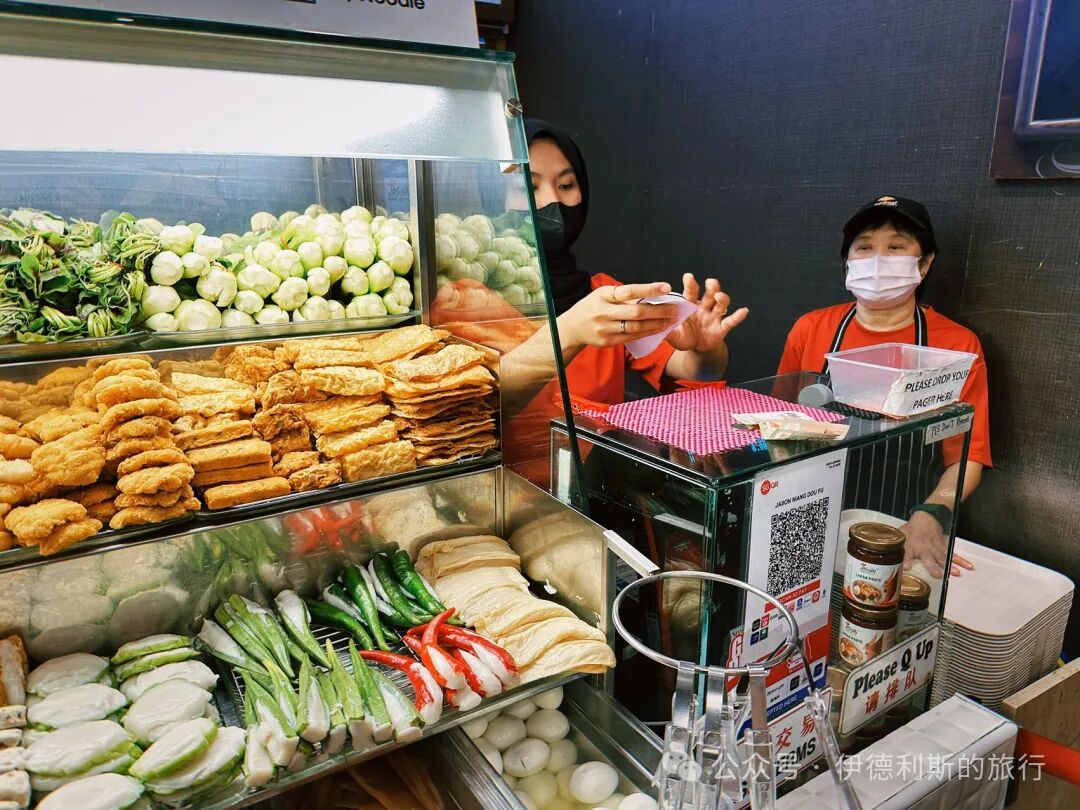
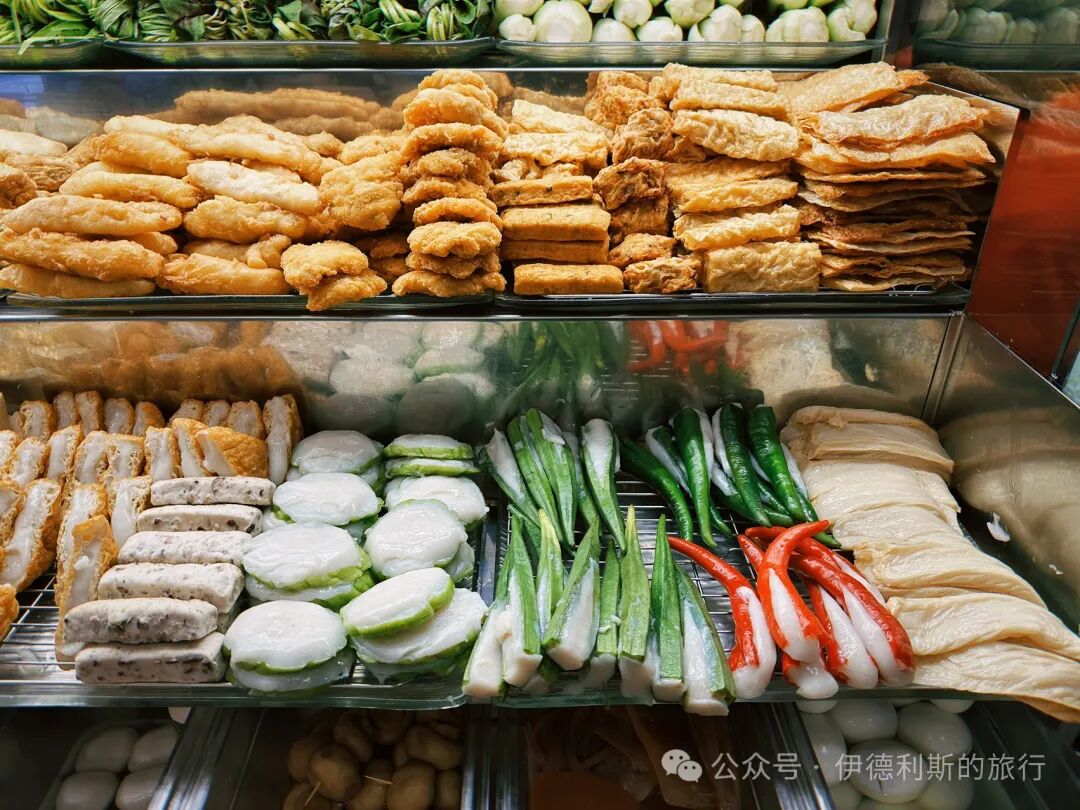
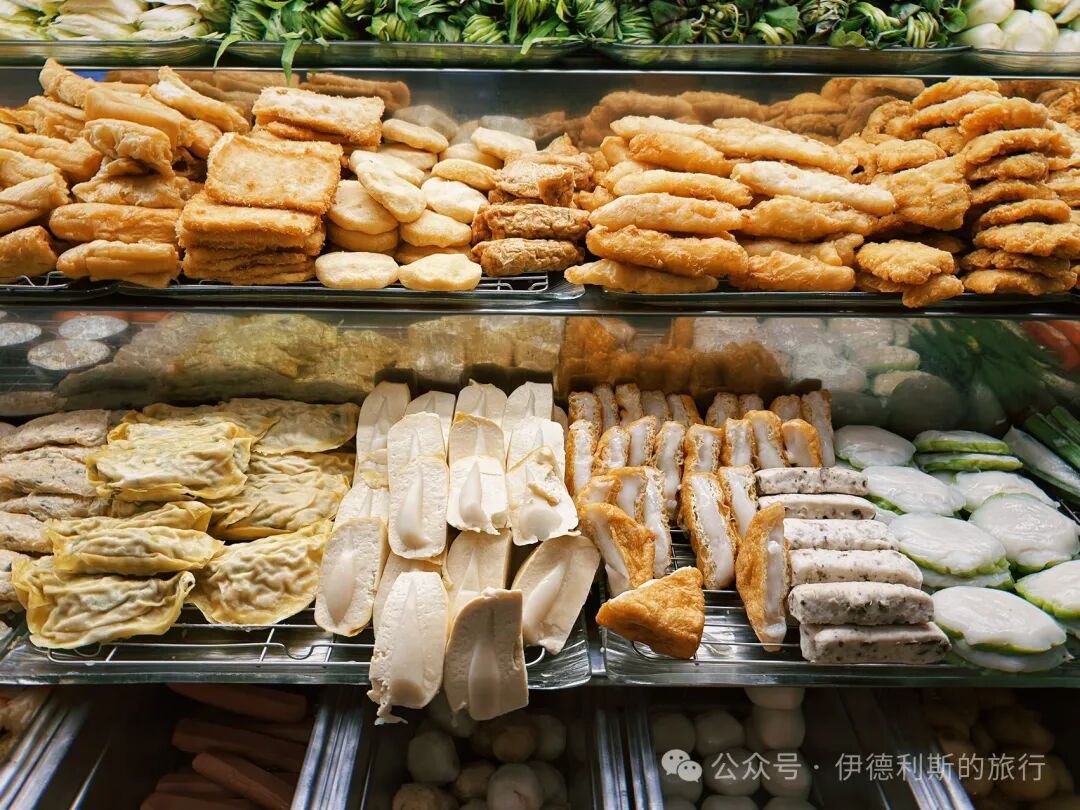
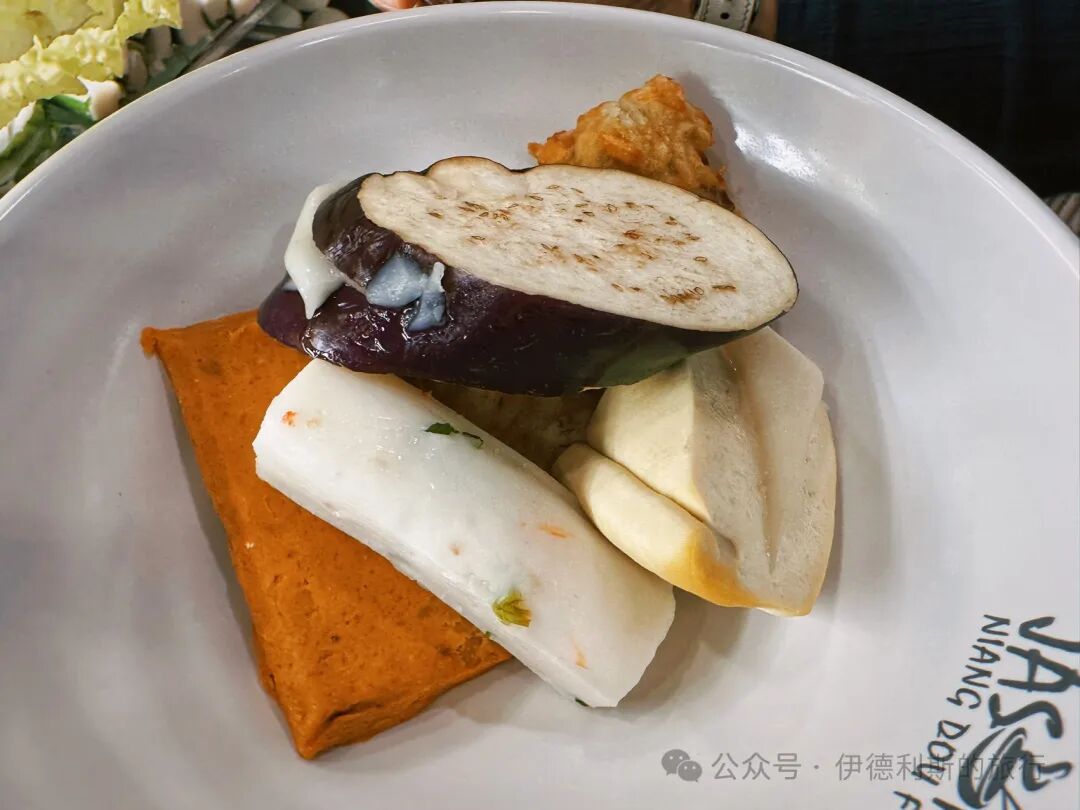
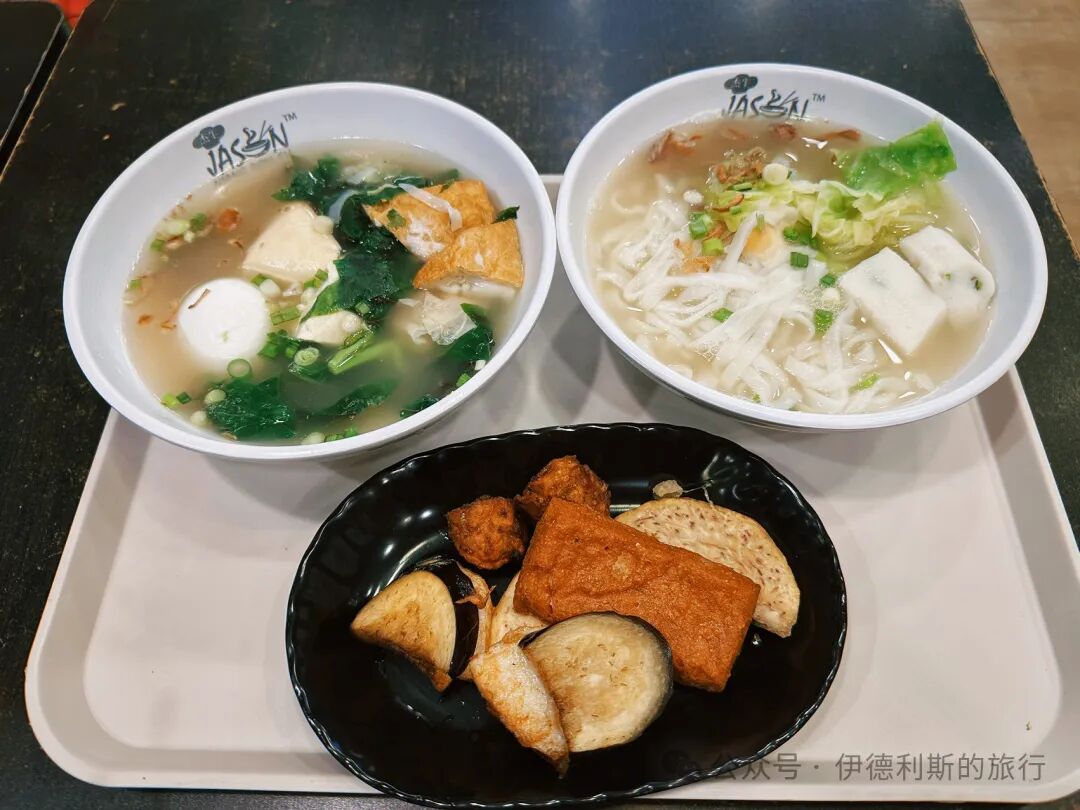
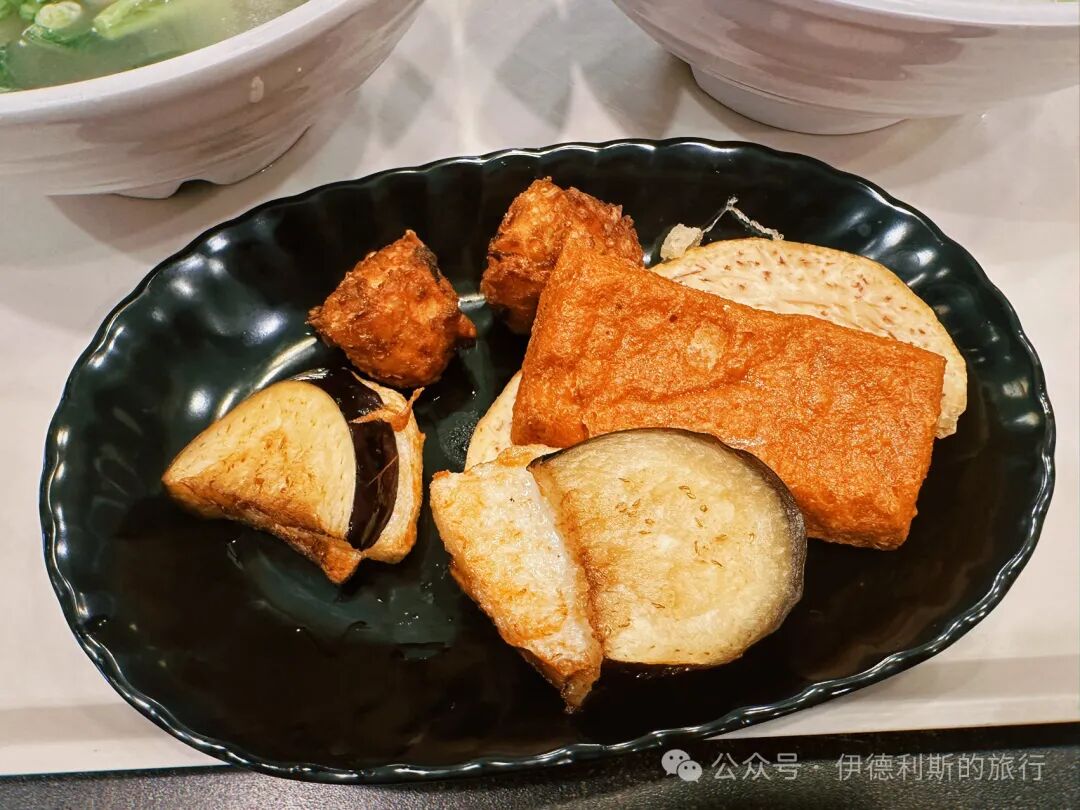
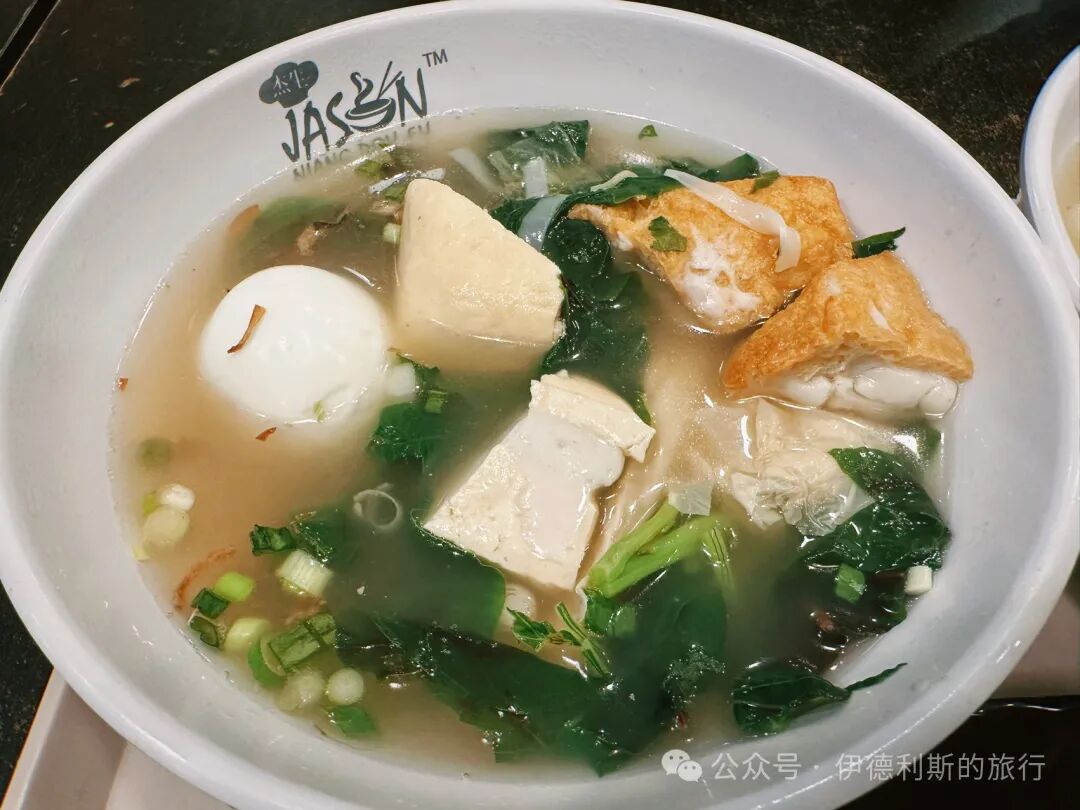
The Dim Sum Place is a very famous halal Hong Kong-style tea restaurant in Singapore, specializing in a wide variety of dim sum and Cantonese dishes. They opened on North Bridge Road in Kampong Glam in 2016 and now have two more branches, making them very popular with Muslims.
We ordered steamed chicken feet in sauce, shrimp and chicken steamed dumplings (shaomai), roasted chicken char siu rice noodle rolls (cheong fun), fish fillet porridge, and pu'er tea. Since we were there for afternoon tea and not a full meal, there was still a lot we wanted to try but didn't order. We liked the fish fillet porridge the best, and the chicken feet and shaomai were okay, but the rice noodle rolls were just average; they felt too soft and lacked texture.
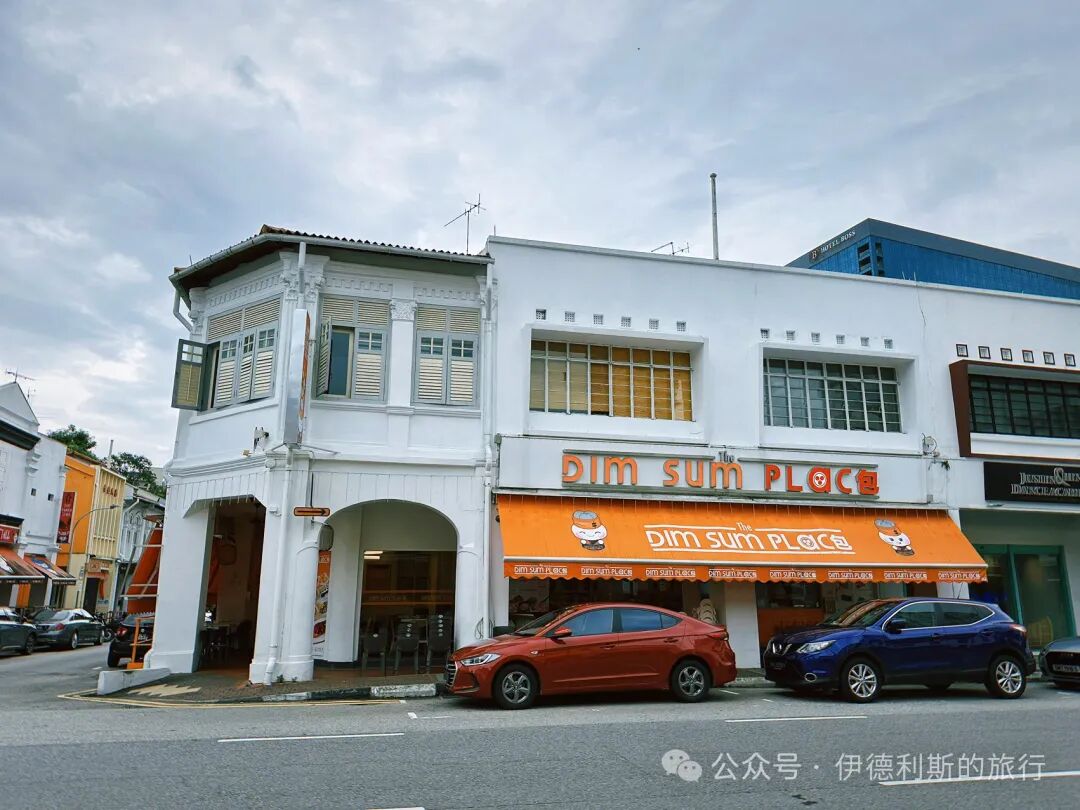
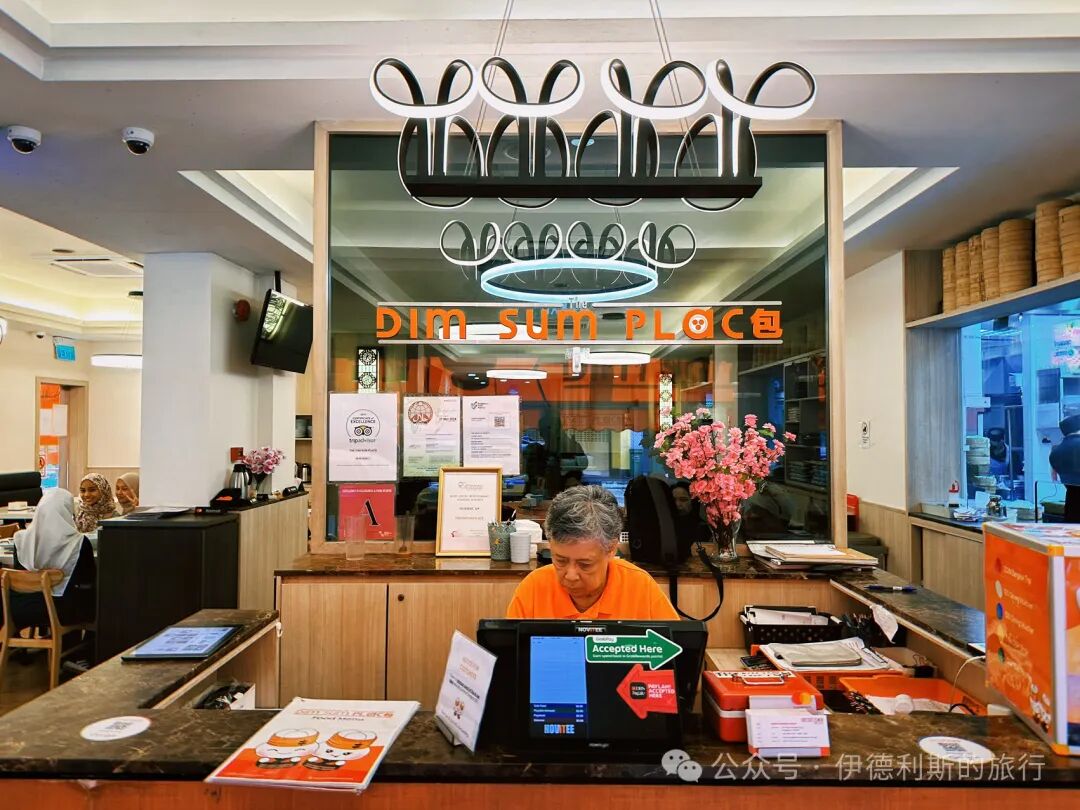
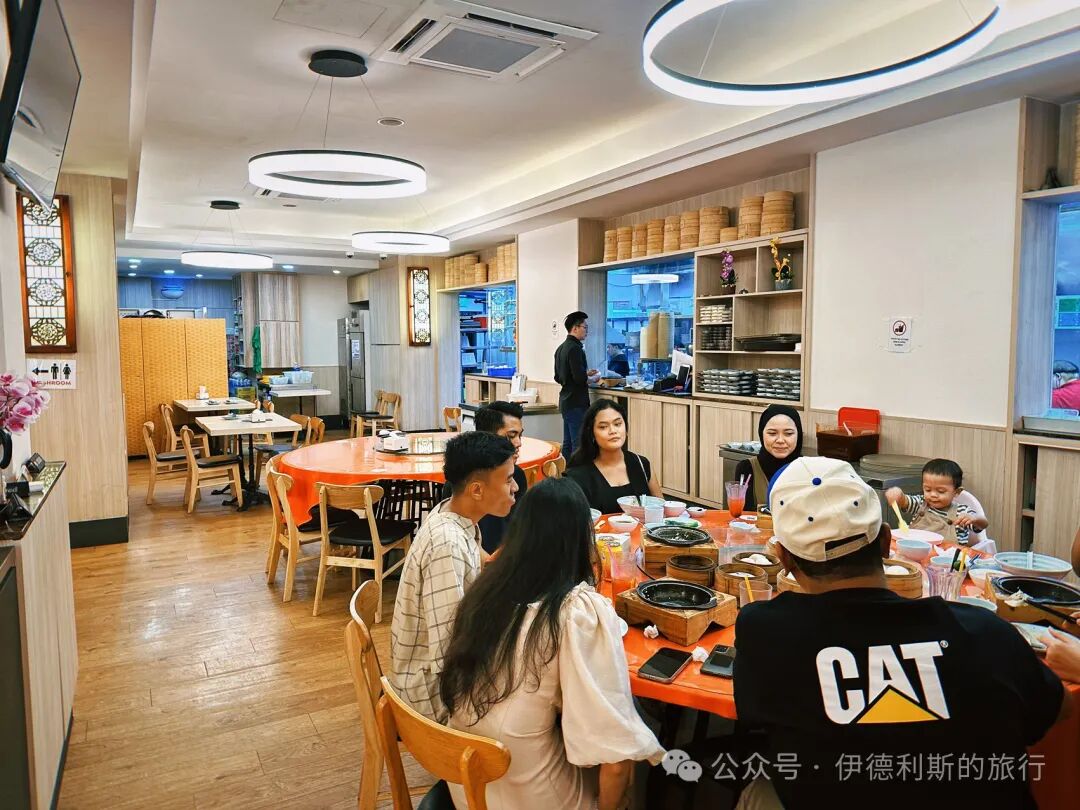
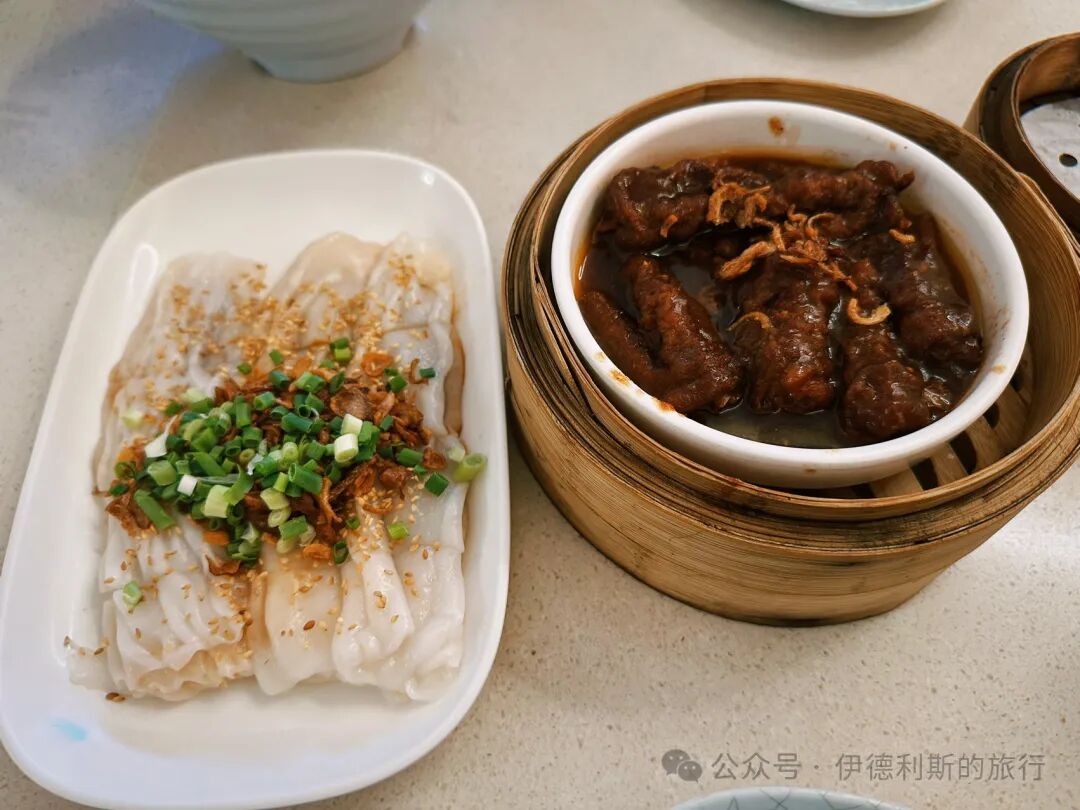
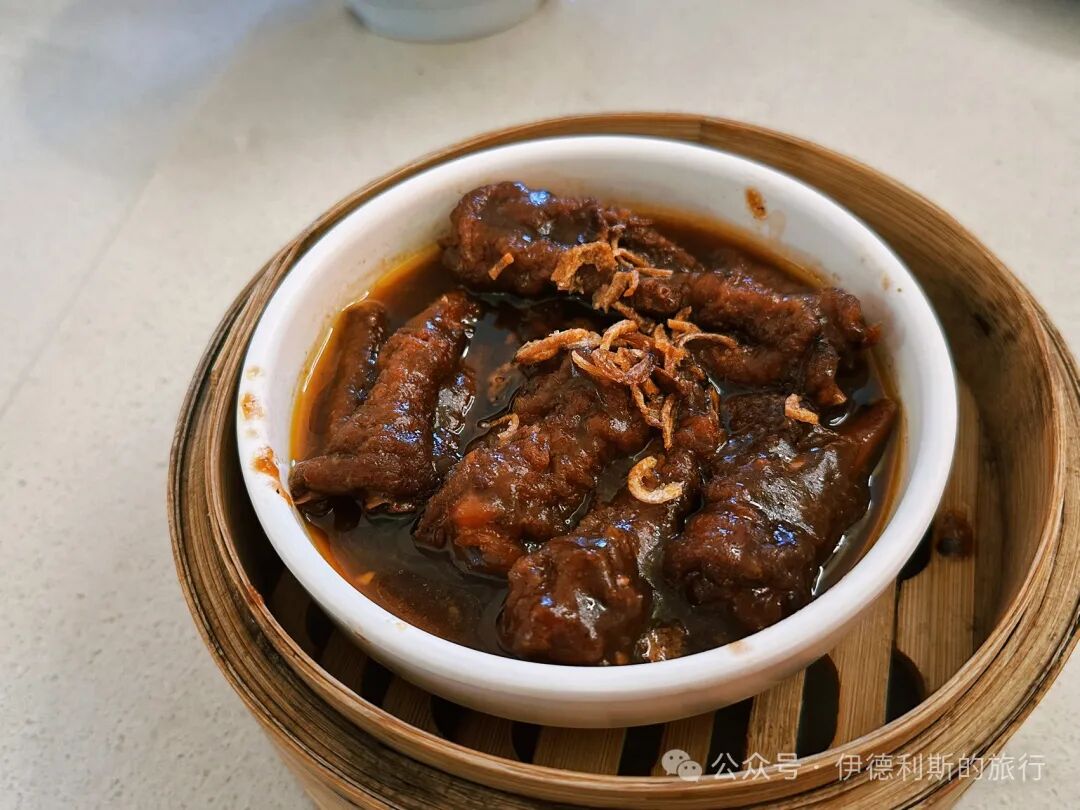
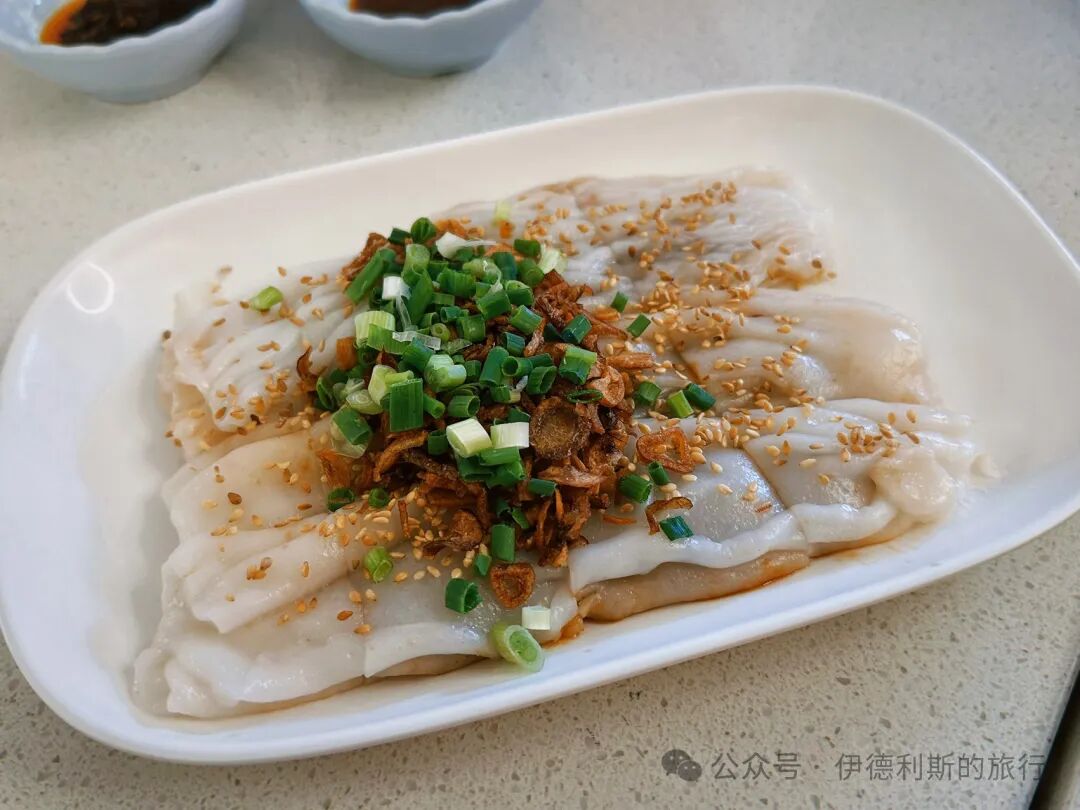
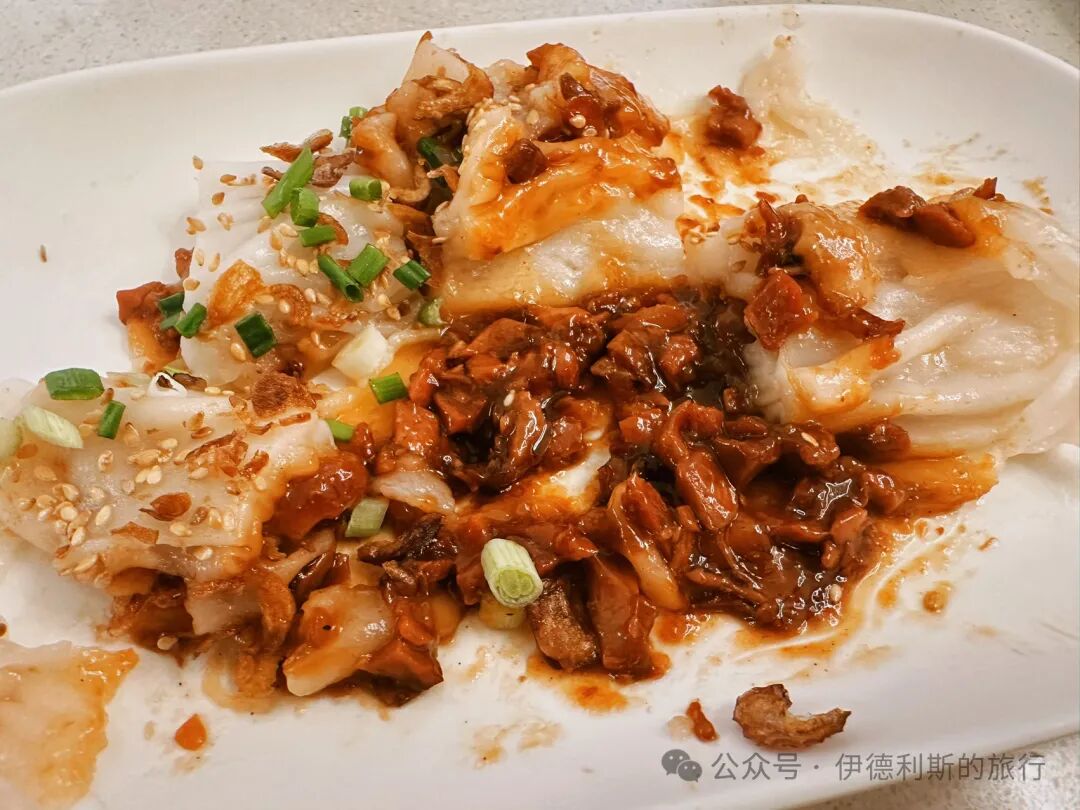
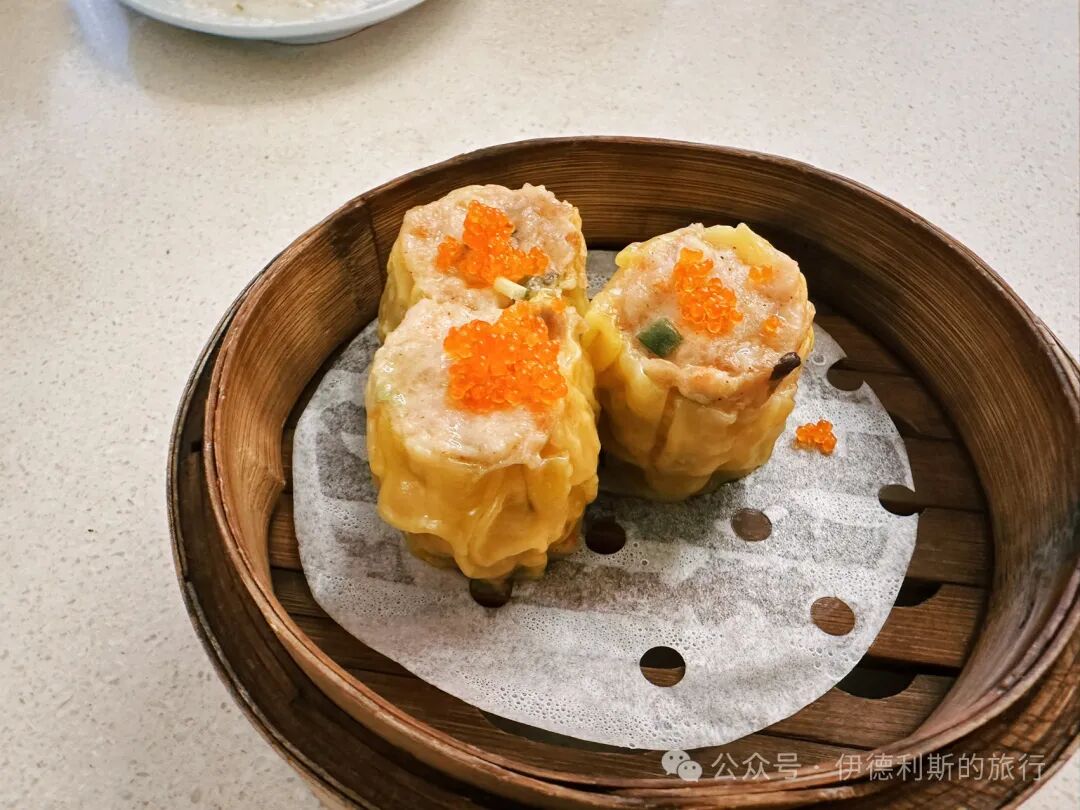
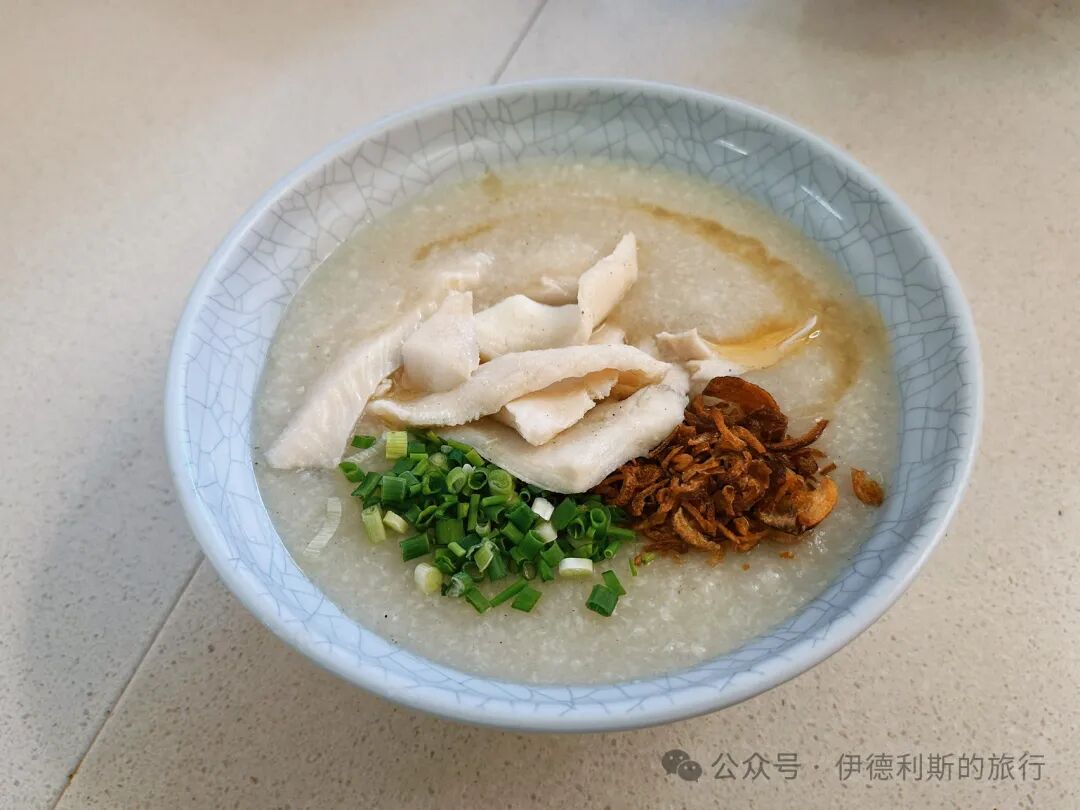
If you visit the National Museum of Singapore and Fort Canning Park, it is well worth stopping by the nearby MacKenzie Rex Restaurant to try their authentic halal Hainanese chicken rice. MacKenzie Rex Restaurant opened in 1966. It is the first and most famous halal Hainanese chicken rice restaurant in Singapore. The owner is a Hainanese Chinese person who speaks great Mandarin and is very happy to introduce the dishes to guests. Besides Hainanese chicken rice, they are also good at making various home-style Chinese dishes, known in Singapore as zi char (home-style stir-fry).
We ordered the classic chicken rice and five-spice meat rolls (ngor hiang), along with stir-fried mixed vegetables and fish soup. Everything was delicious, and it was arguably the best meal of our Singapore trip. The best part of their chicken rice is not the chicken itself, but the rice steamed with chicken fat. You can eat it plain and never want to stop. The halal version of the five-spice meat roll is made by adding five-spice powder to chicken filling, wrapping it in bean curd skin, and deep-frying it. It is very fragrant when freshly fried.
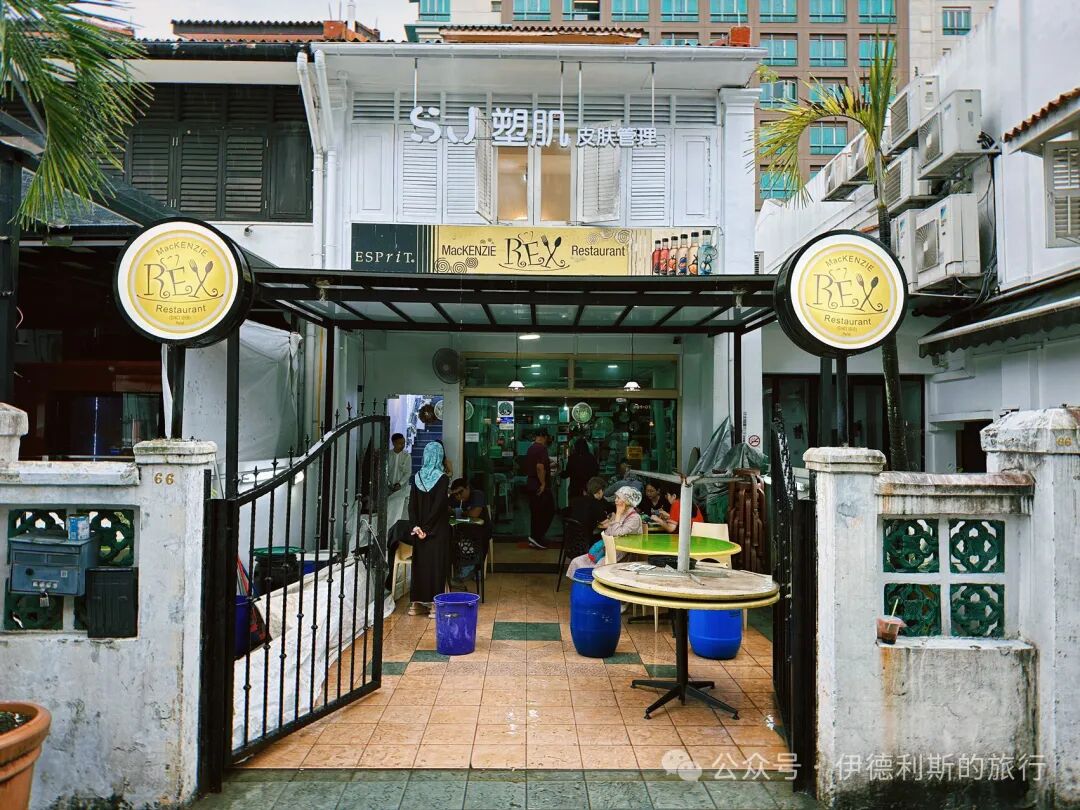
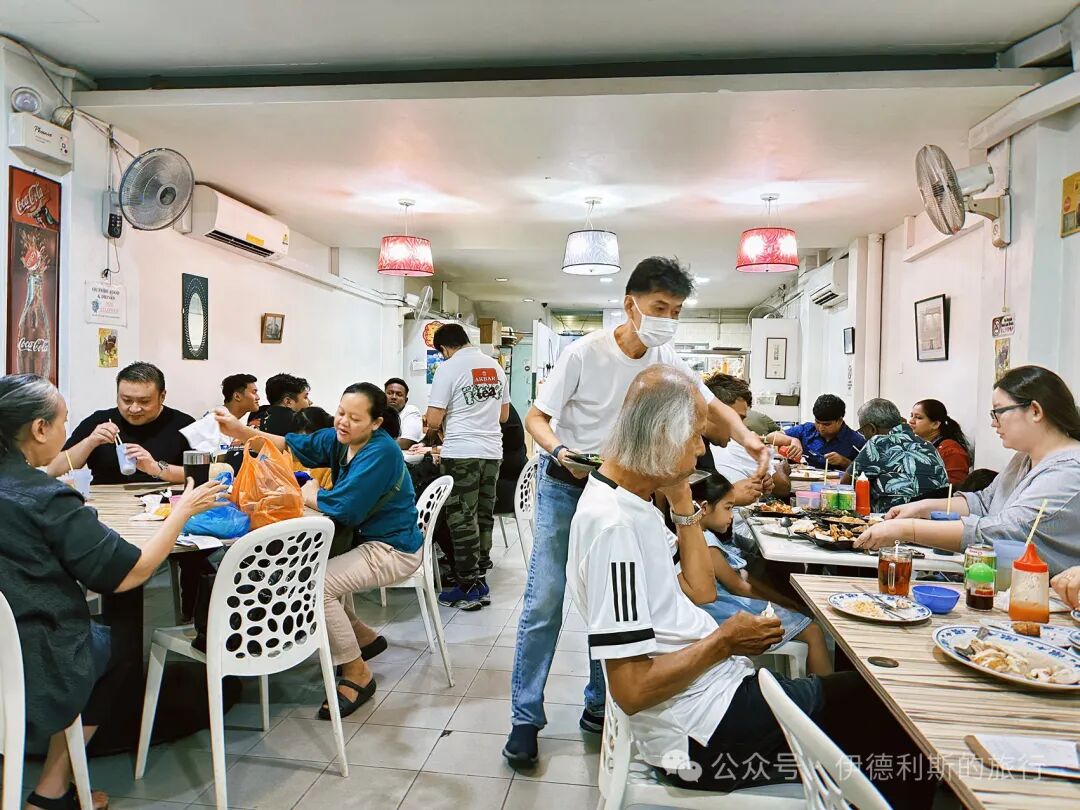
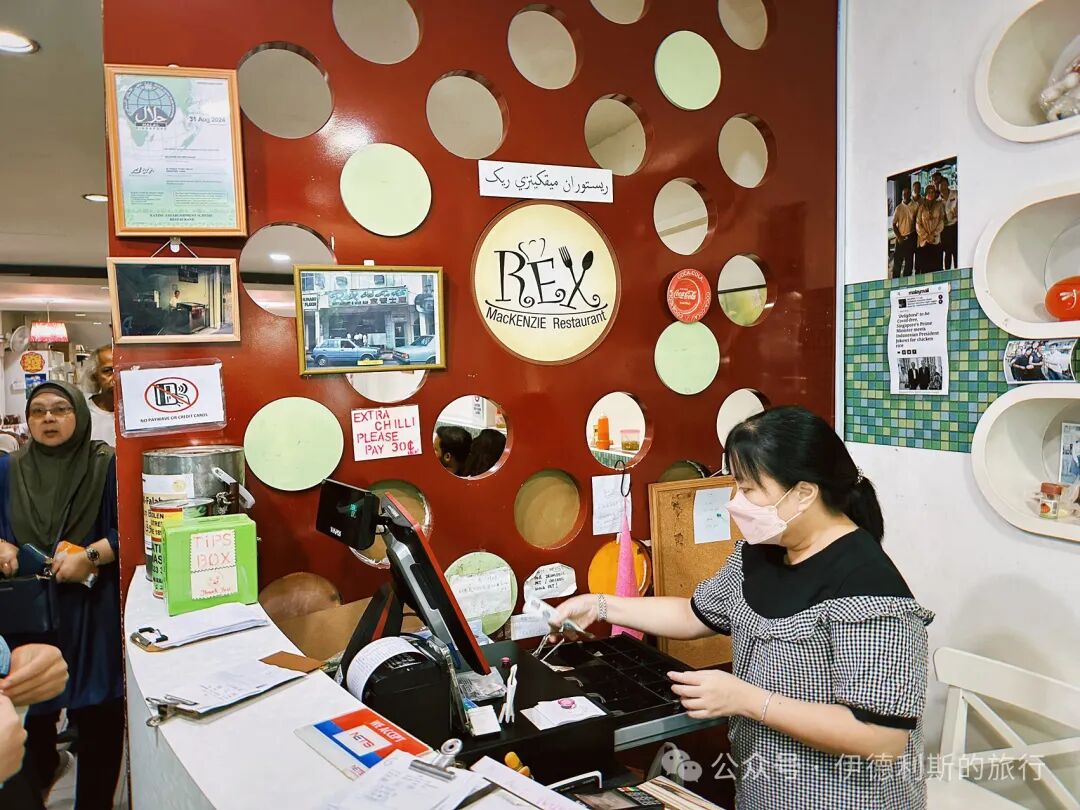
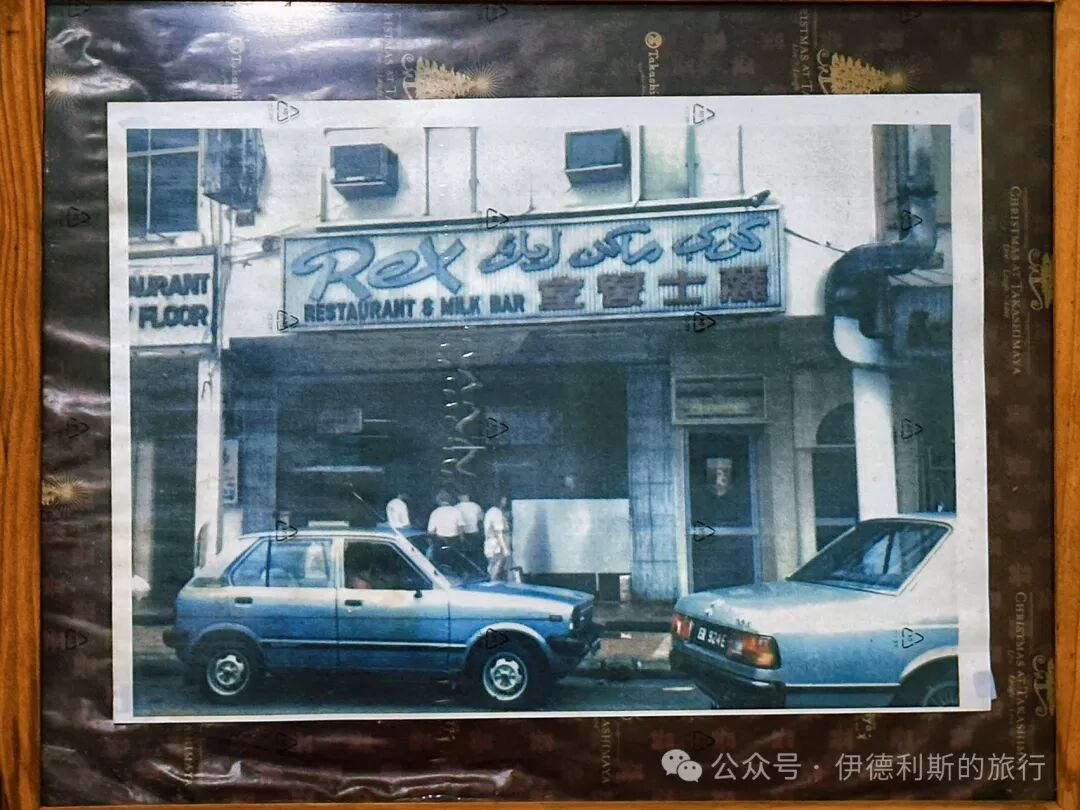
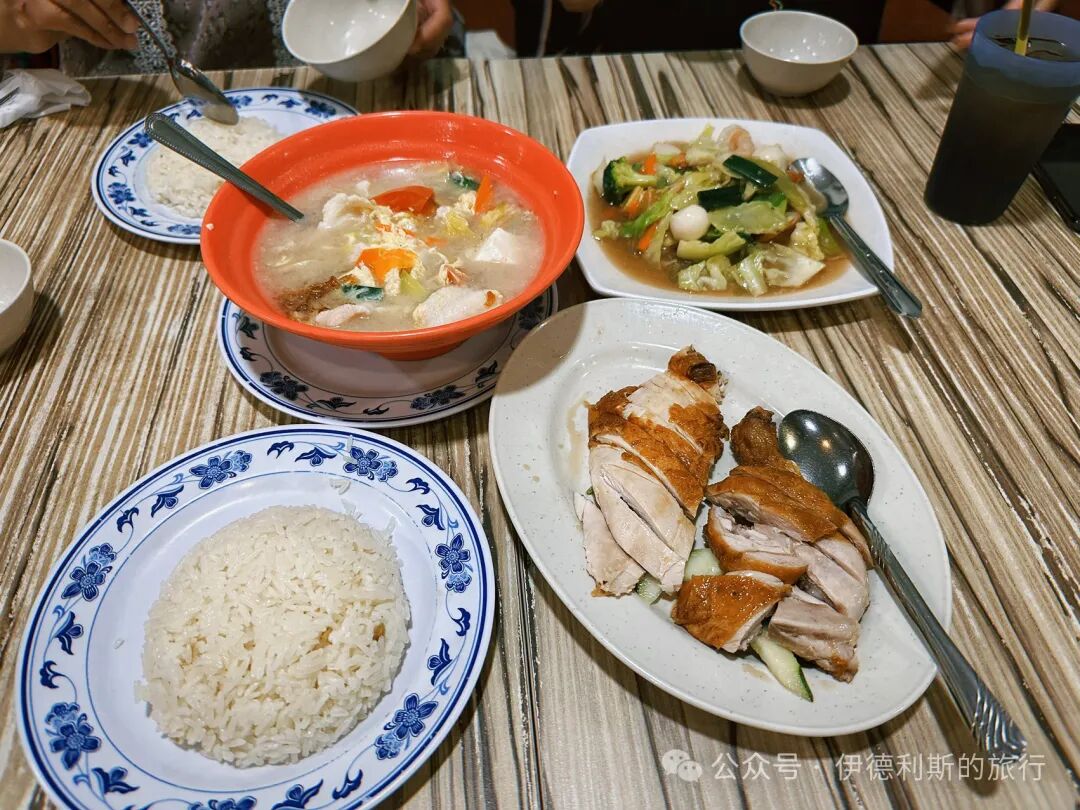
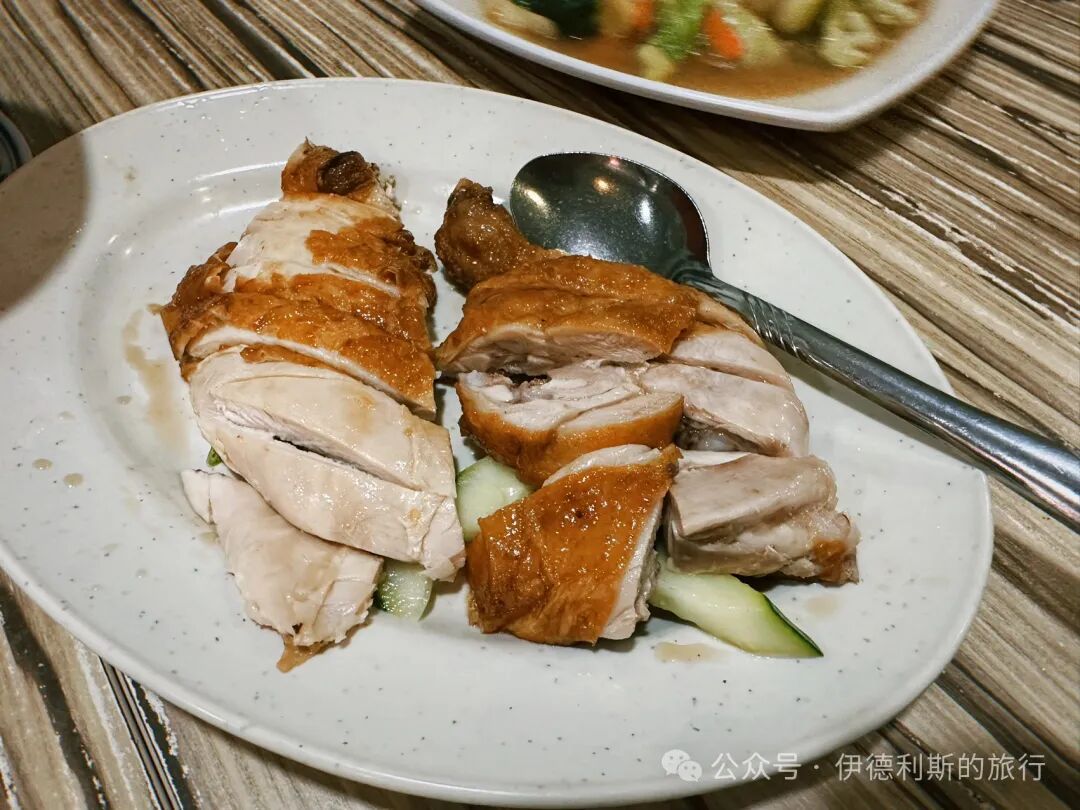
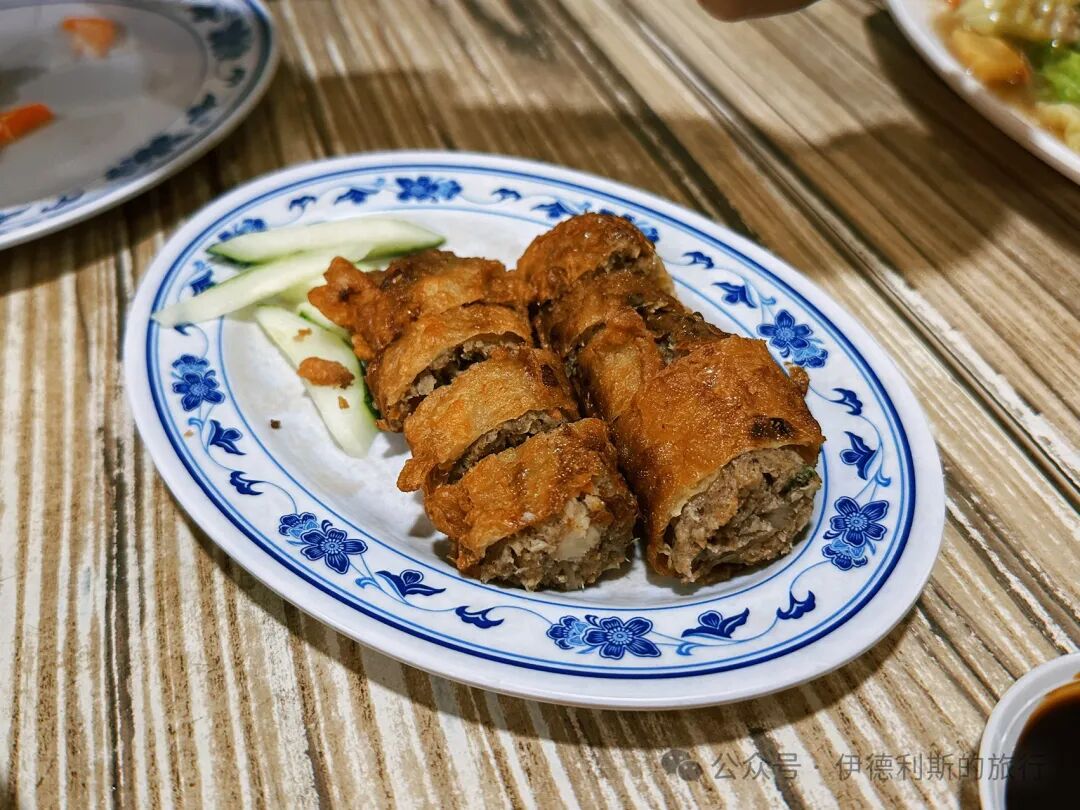
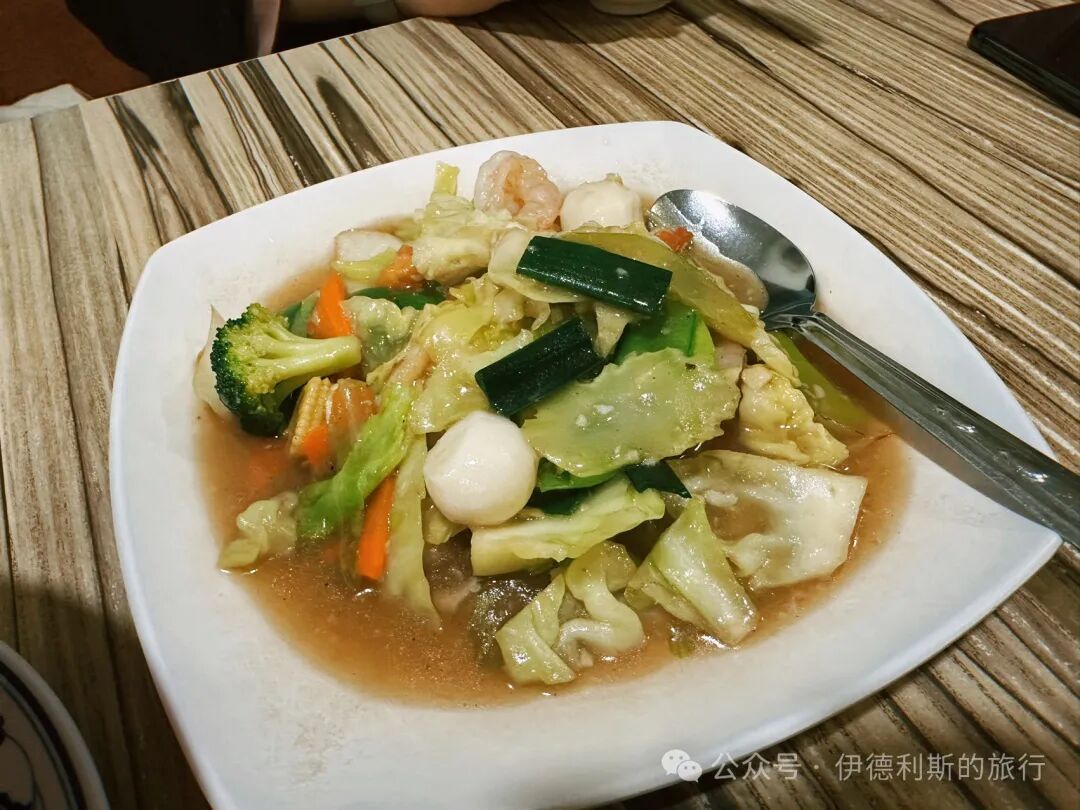
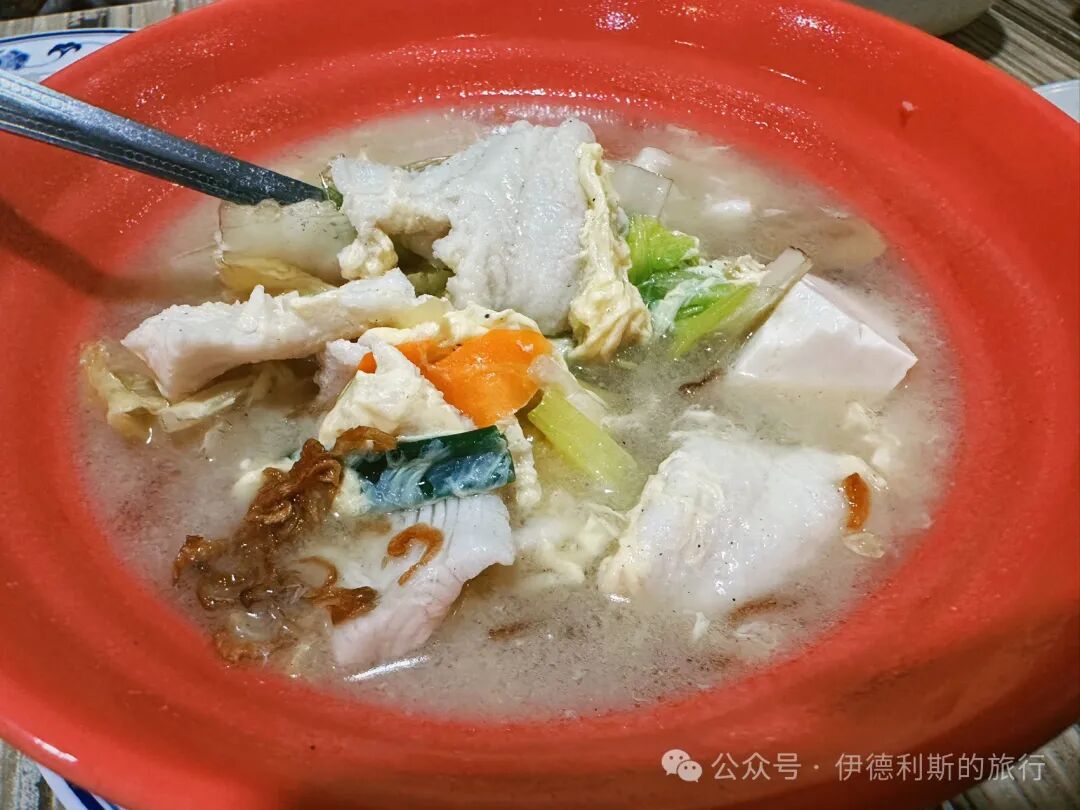
If you take a half-day trip to Pulau Ubin in Singapore, it is perfect to have a meal at the halal tea restaurant Tang Tea House next to the Changi Point Ferry Terminal. They serve authentic halal Chinese stir-fry (tze-char) and dim sum with a huge variety of choices.
We ordered stir-fried amaranth with anchovies, chicken chop rice, beef porridge, and lemongrass water. We also ordered a classic Malaysian and Singaporean Chinese dish called Buddha's bowl (fo bo piao xiang), which is a taro ring served with cashew chicken and various vegetables. We actually picked it randomly from the menu, but it was surprisingly delicious and we finished it all very quickly.
Tang Tea House opened in 2005. It started because many of the owner's Muslim friends told him they wanted to eat Chinese food but rarely found halal Chinese restaurants. He saw the opportunity and opened Tang Tea House, which has now grown to five locations and is doing very well.
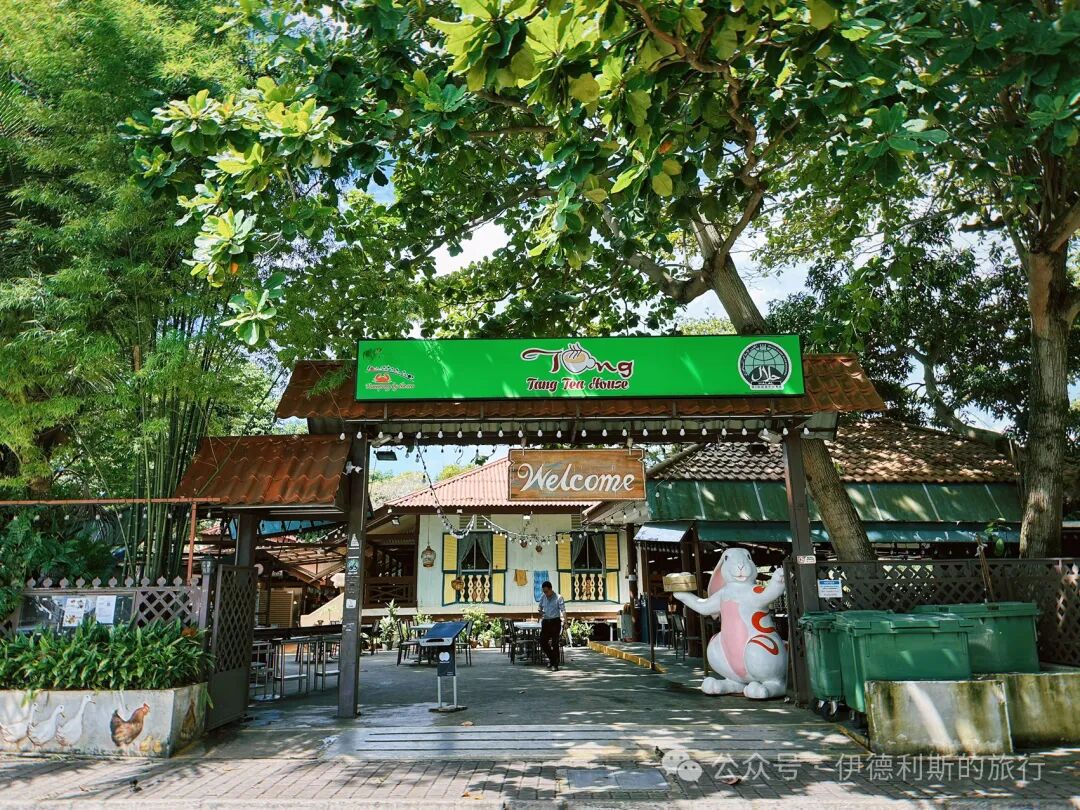
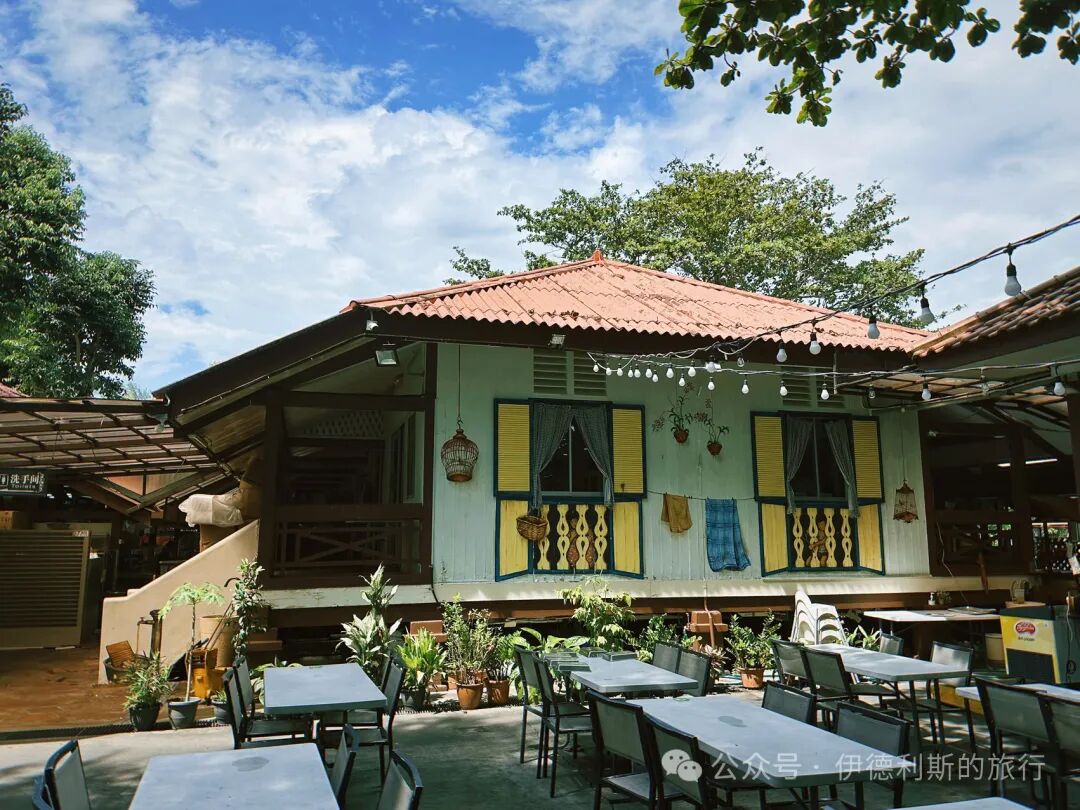
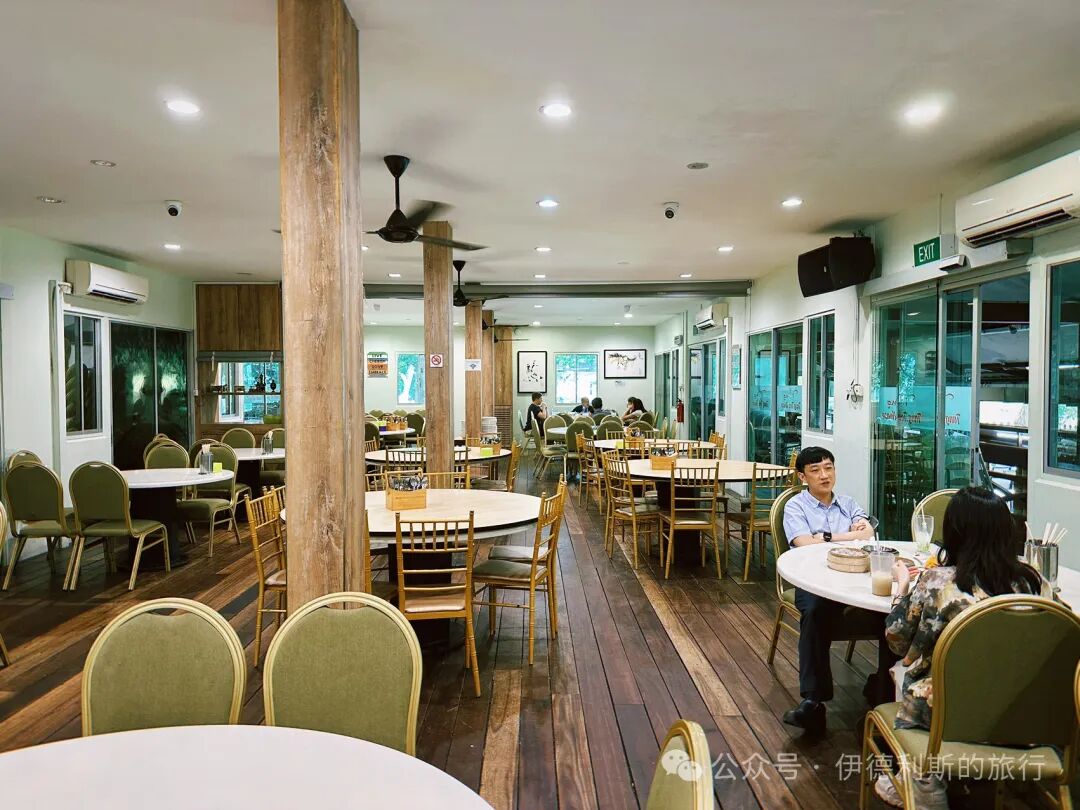
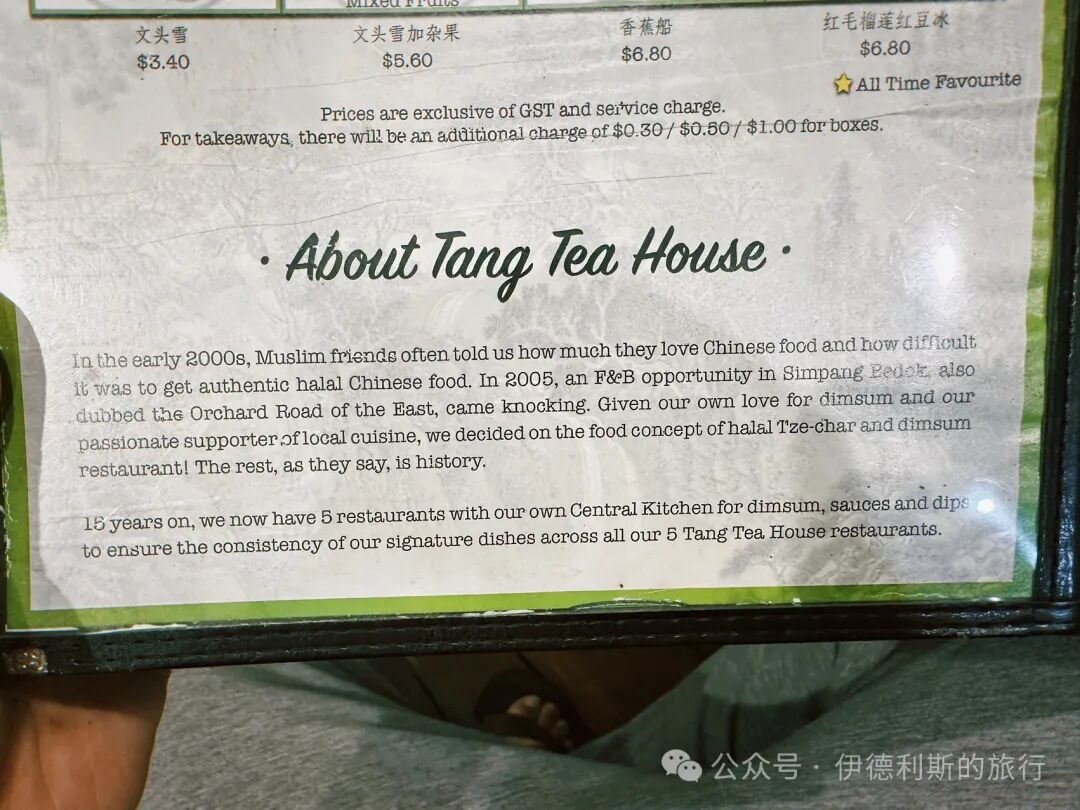
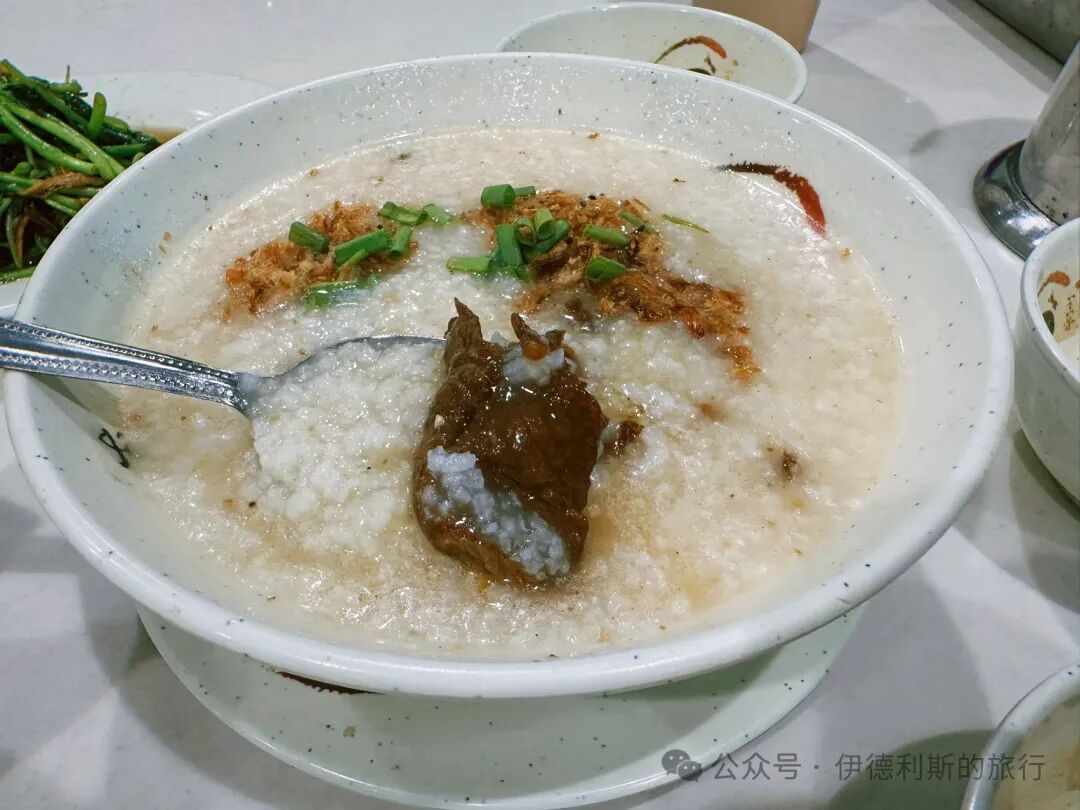
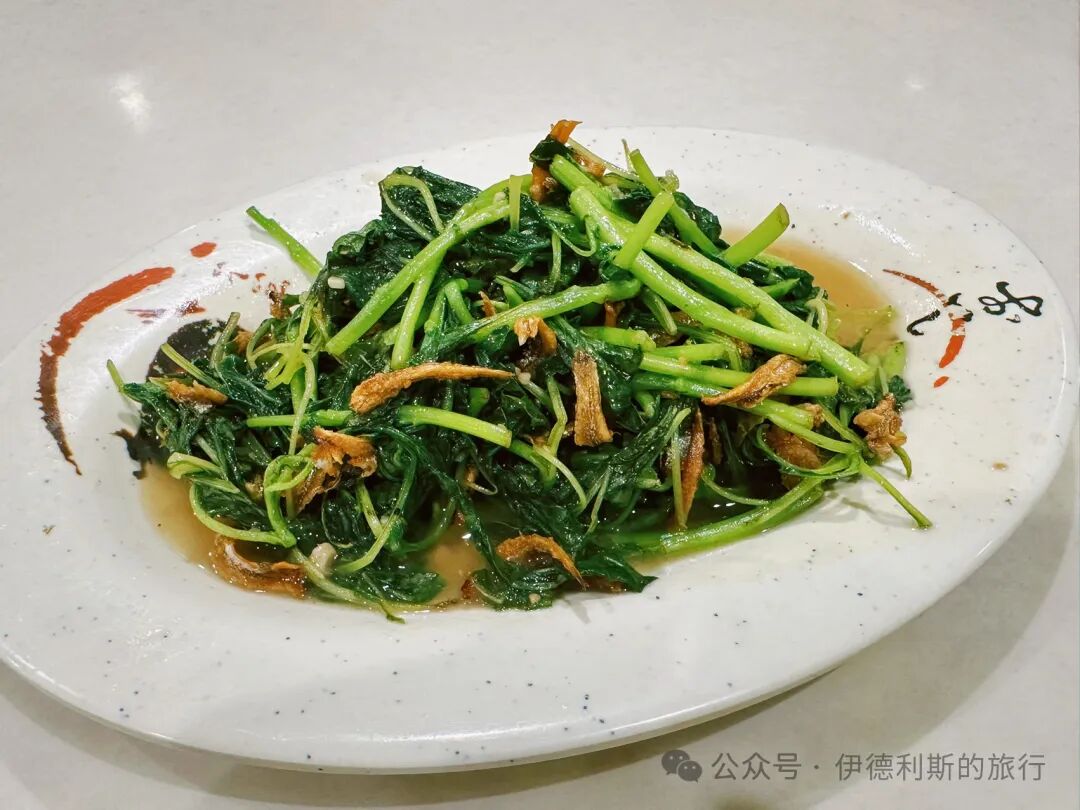
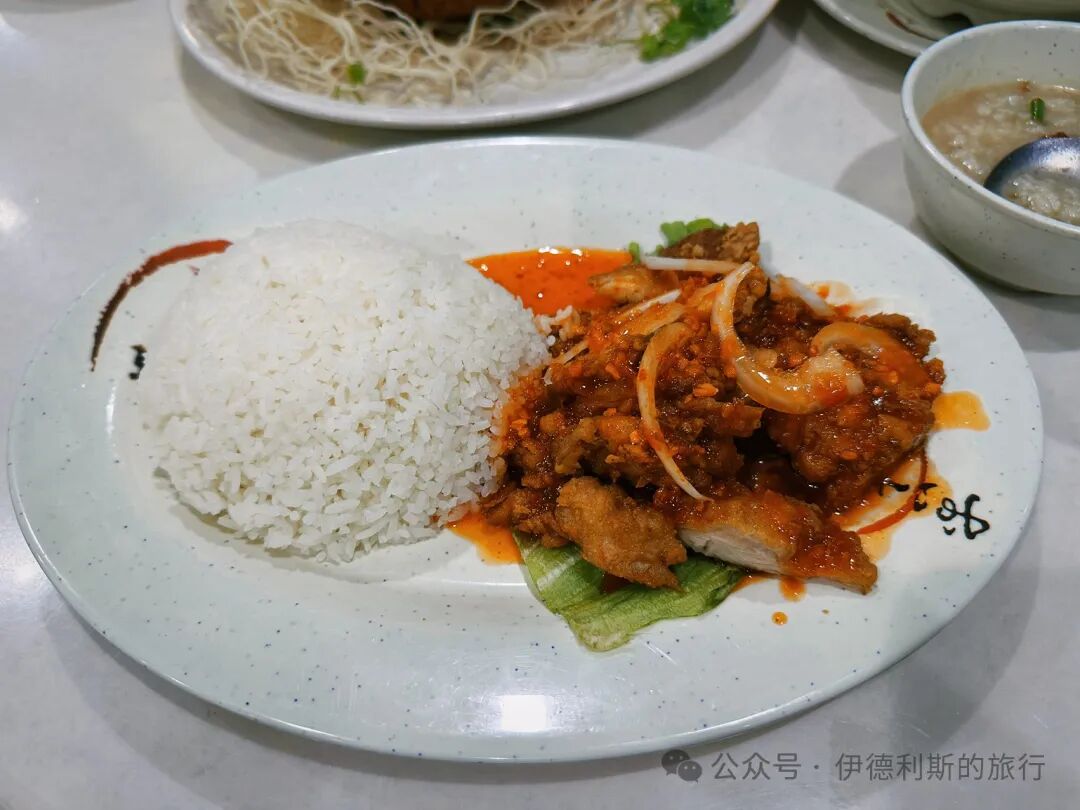
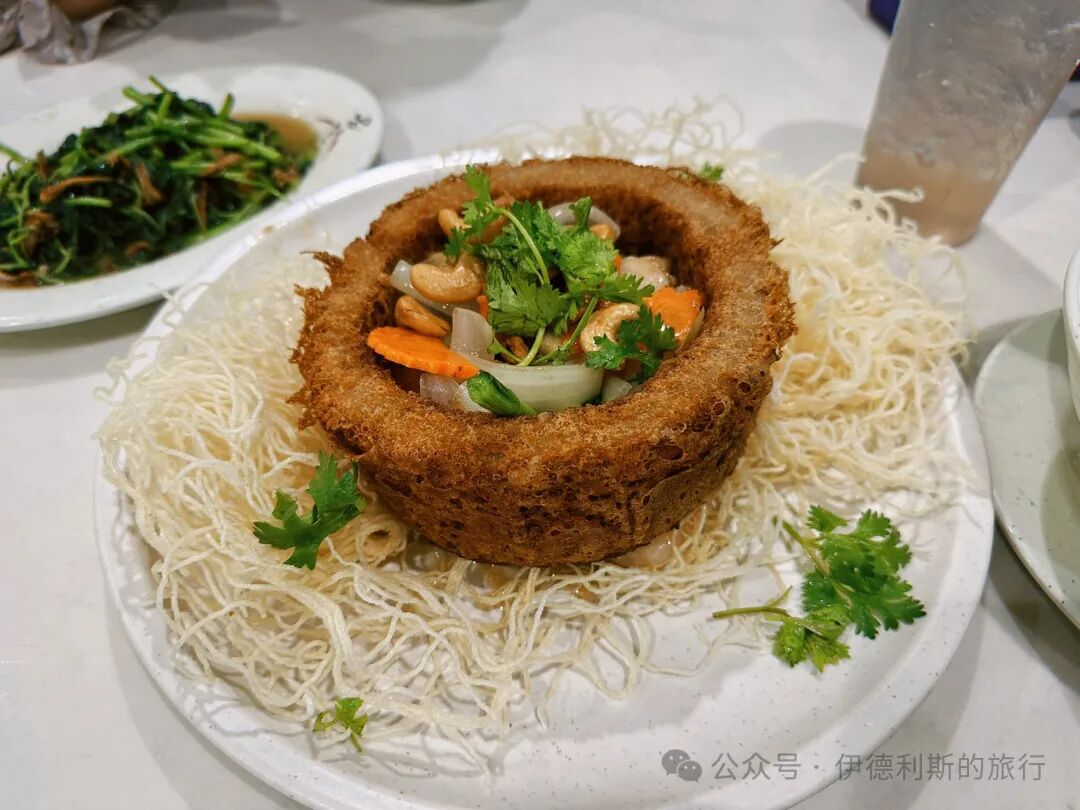
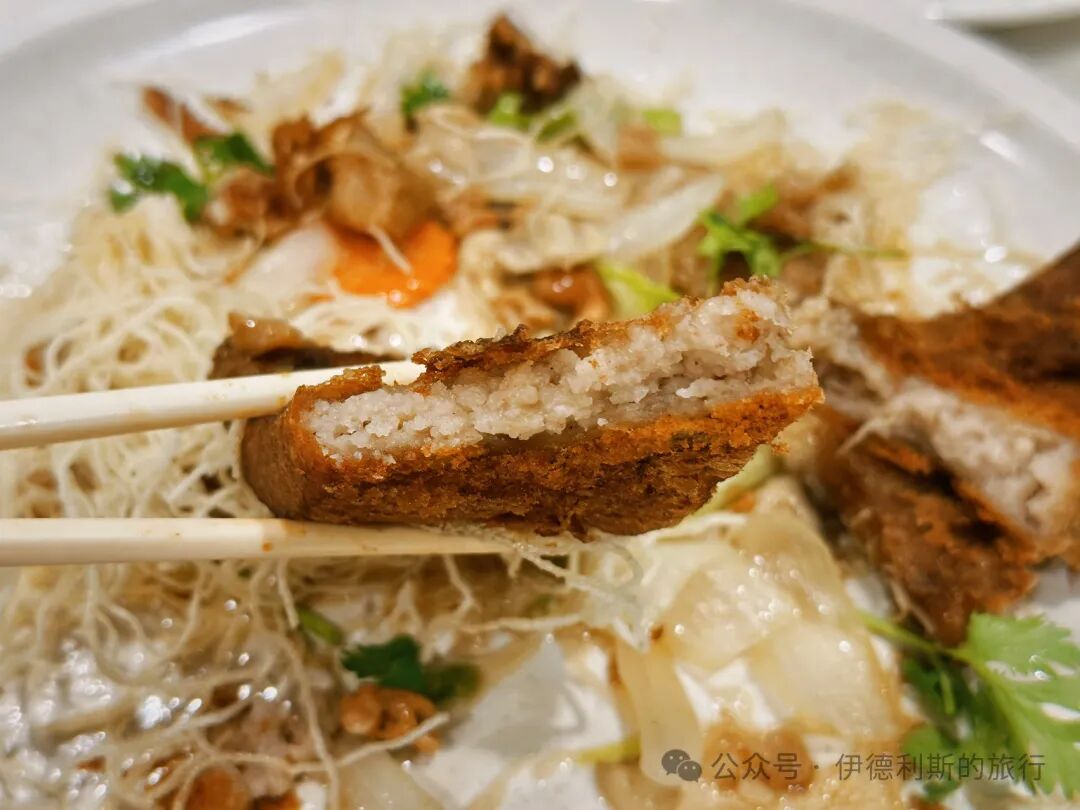
If you travel from Singapore to Johor Bahru, you can grab a quick bite at the TuanTuan. PuanPuan stall at the Woodlands MRT station while transferring. The name means 'ladies and gentlemen' in Malay. There are three stalls inside. The first sells Malay coconut milk rice (nasi lemak), the second sells stir-fried rice vermicelli and stir-fried flat rice noodles (char kway teow) where you can add fish cakes, dried tofu, or five-spice meat rolls, and the third stall sells chicken rice. However, it was quite late when we returned from Johor Bahru and many items were sold out, so we just ordered the chicken rice and stir-fried rice vermicelli.
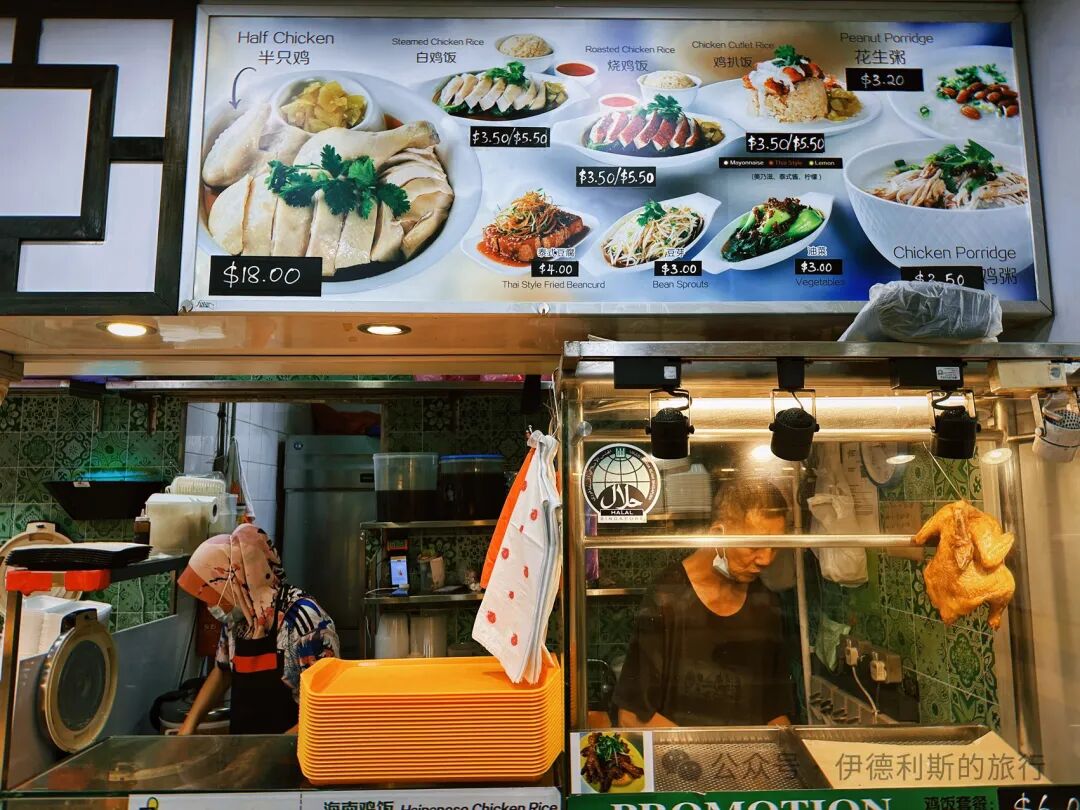
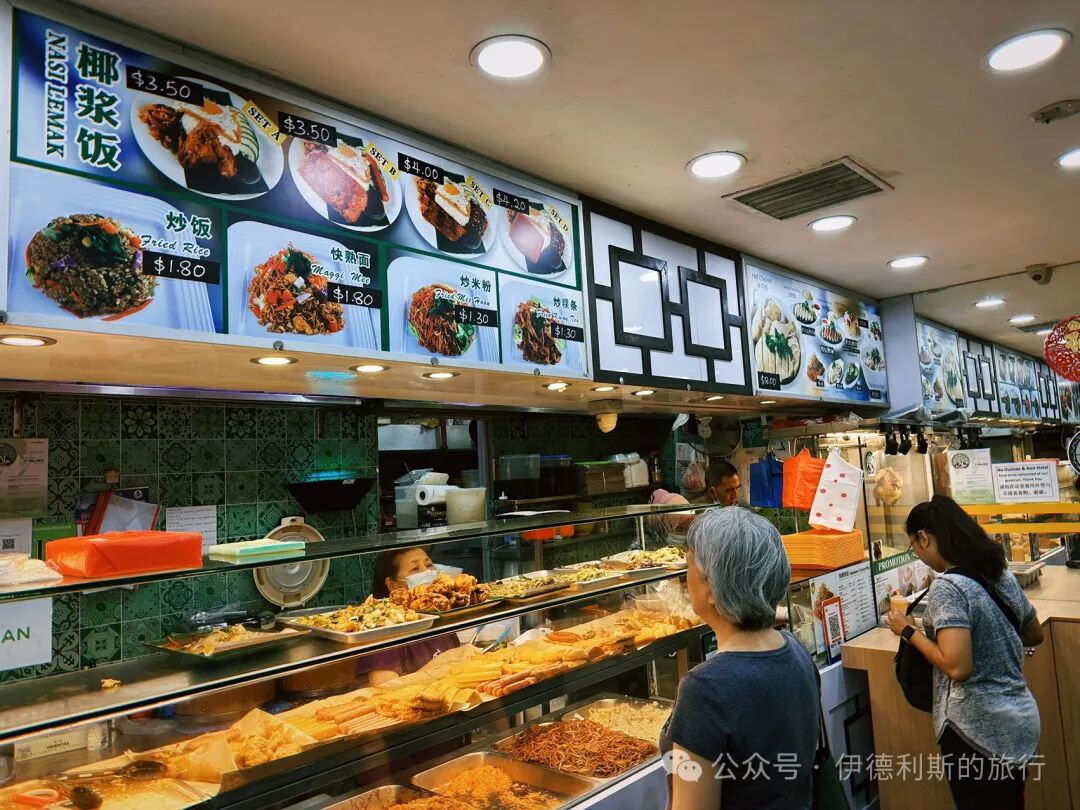
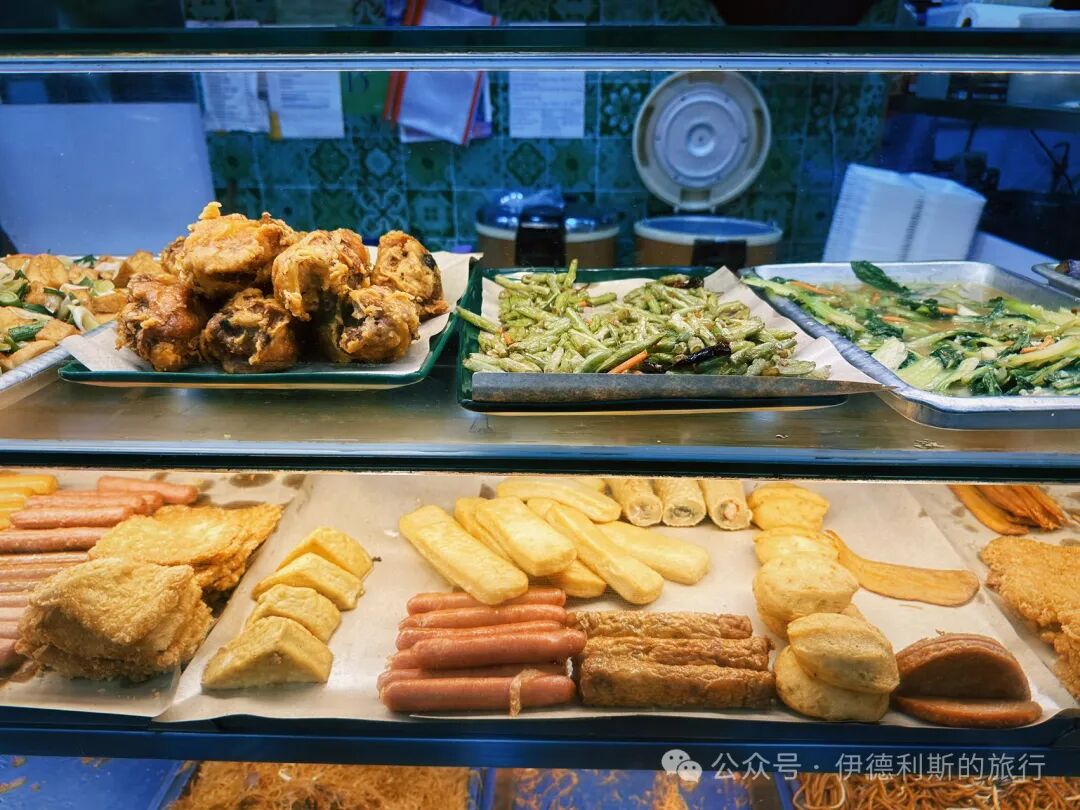
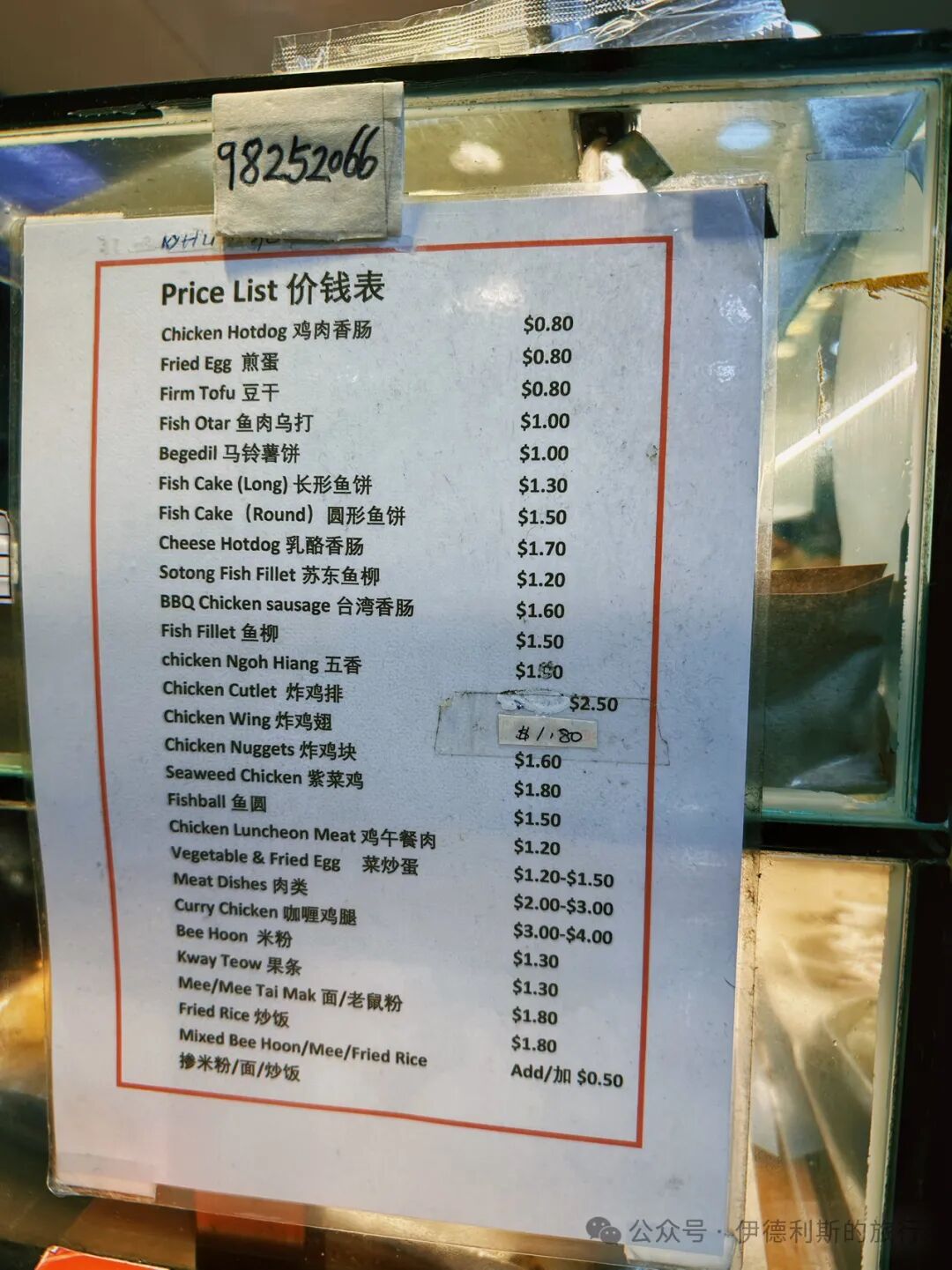
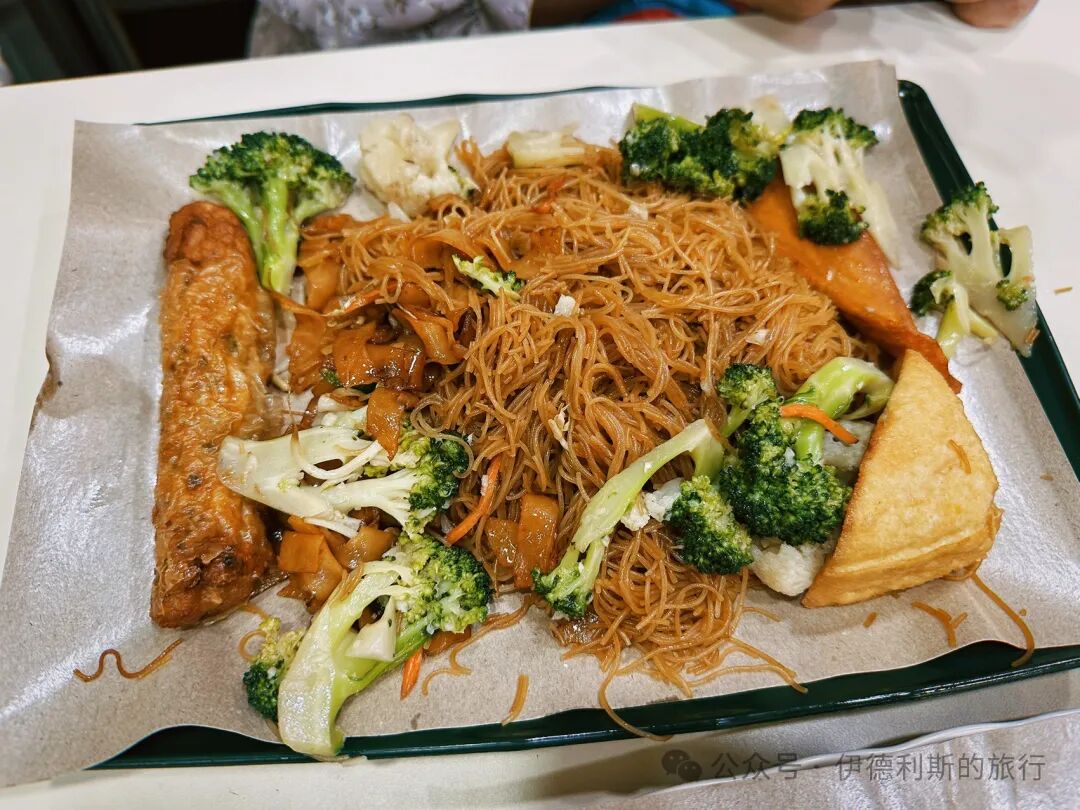
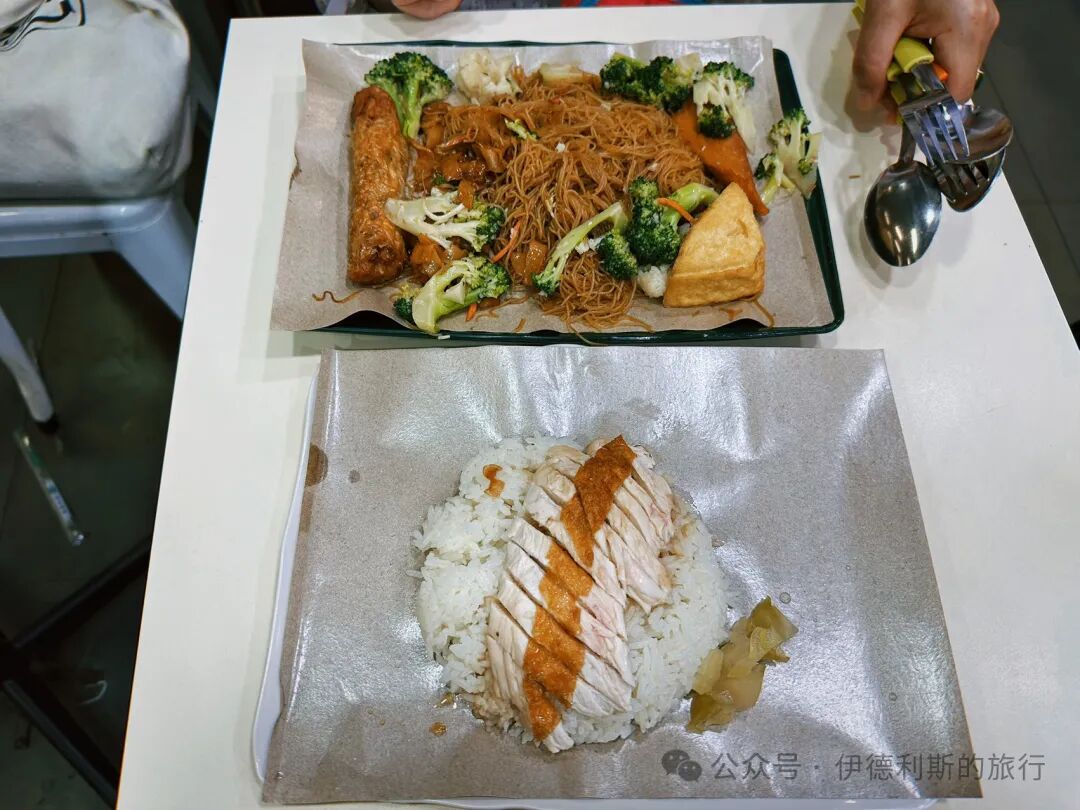
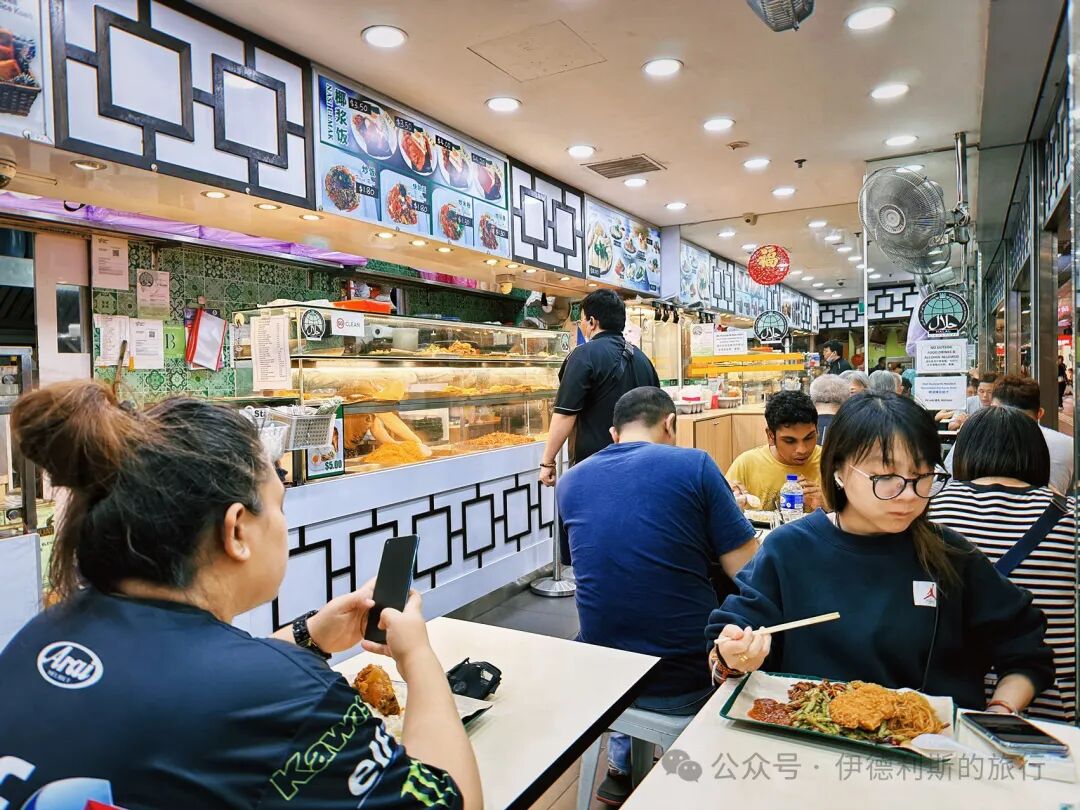
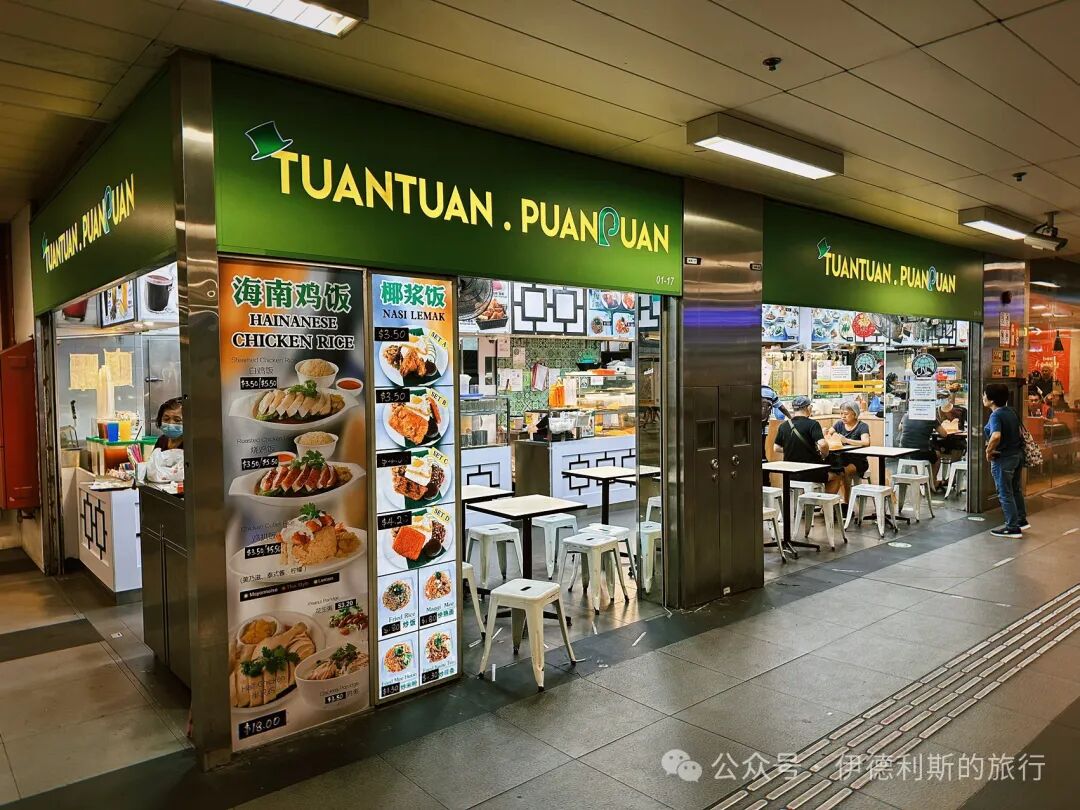
Best Halal Food Nanjing 2025: Maxingxing, Qifangge, Duck Shops, Potstickers and Islamic Heritage
Articles • yusuf908 posted the article • 0 comments • 200 views • 2026-05-24 00:17
Summary: This 2025 Nanjing halal food map covers old halal brands and local stops such as Maxingxing, Qifangge, Lvliuju, duck shops, beef potstickers, crispy flatbread, the Tomb of Liu Zhi, the Tomb of the King of Boni, and Nanjing's Islamic heritage.
I wrote a map of halal food in Nanjing in 2017. Eight years later, the halal food scene in Nanjing has grown even more. During my trip to Nanjing for an annual meeting this year, I visited a few new spots and updated the information from my old post. I noticed that the sugar lotus root porridge shop (tangzhou ou) mentioned in my old post, Lan Laoda, no longer displays a halal sign. Since they also sell duck blood vermicelli soup (yaxue fensi tang), there is no need to visit it.
The list of halal restaurants featured in this post is as follows:
1. Maxingxing
2. Qifangge
3. Lvliuju
4. Anleyuan
5. Jiangyouji
6. Halal Yiguangge
7. Liji Halal Restaurant
8. Jinhongxing
9. Taoyuancun
10. Hanfuxing
11. Xiong's Braised Duck Shop
12. Old Ma's Duck Shop
13. Northwest Dongxianglou
14. Caoqiao Halal Beef Potsticker and Dumpling Shop
15. Little Wang's Crispy Flatbread (shaobing)
1. Maxingxing
Maxingxing Restaurant is the oldest halal restaurant in Nanjing. It has been around for over 160 years, dating back to the Daoguang era of the Qing Dynasty in 1845. It is one of the four famous old halal brands in Nanjing. Its four signature dishes are beauty liver (meiren gan), phoenix tail shrimp (fengwei xia), egg steamed dumplings (dan shaomai), and squirrel fish (songshu yu). Today, Maxingxing is listed as a piece of intangible cultural heritage in Jiangsu Province and was among the first group of time-honored Chinese brands recognized by the Ministry of Commerce. Most visitors to Nanjing want to try the local snacks. The potstickers (guotie) and soup dumplings (xiaolongbao) at Maxingxing are delicious treats you should not miss.
2. Qifangge
Qifangge is one of the four famous old halal brands in Nanjing. It was founded in 1917 by socialites and business leaders including Li Yangchao, Zhu Shouren, Liu Hairu, and Yu Zikuan. They pooled their money to open the Qifangge Halal Tea House near Chengsi Mosque on what was then Qiwang Street (now Jiankang Road), focusing on halal snacks. The century-old snack set offered by Qifangge serves small portions of many items, allowing you to try all the famous Qinhuai River snacks at once.
3. Green Willow House (Lvliuju)
Green Willow House started in 1912. It is a Jiangsu Province Intangible Cultural Heritage site famous for its vegetarian and halal dishes. Records show that Bai Chongxi, Sun Yat-sen, and the Soong sisters were all regular customers at Green Willow House. The first floor is a supermarket for their homemade food, with hundreds of finished or semi-finished products. The second floor serves snacks, the third floor serves stir-fried dishes, and the floors above that have private dining rooms.
4. Anleyuan
Anleyuan is the largest halal restaurant in Nanjing. It is known as the number one halal restaurant in the Jiangnan region. The building in the picture is only for stir-fried dishes. Next to it, there is another building for snacks and one for hot pot. You can eat famous Nanjing dishes here like salt-water duck (yanshui ya) and squirrel-shaped mandarin fish (songshu guiyu).
5. Jiang Youji
Jiang Youji is another century-old halal brand in Nanjing. Its most famous dish is beef potstickers (niurou guotie), which are known as one of the Eight Wonders of Qinhuai. A few years ago, there was a lawsuit over the brand name. That does not matter to diners, though. We do not care if the successor is the official one; if the food does not taste good, it is useless no matter how official they are.
6. Yiguangge
Yiguangge is a long-standing shop in Nanjing. The owner owns the building, so they do not pay rent and the prices are cheap. I came here to eat crayfish. Crayfish is a common home-cooked dish in the Jiangnan region, and you naturally have to eat authentic halal crayfish when you come to Nanjing.
7. Liji Halal Restaurant
Liji Halal Restaurant only has this one location in Nanjing with no other branches. It is a long-established shop that sells various Nanjing snacks. There are too many varieties, and each snack comes in different flavors. When eating Nanjing soup dumplings (xiaolongbao), the skin is thin and there is a hole on top. You can suck the soup out from the top before eating the dumpling, but be careful not to burn your mouth.
8. Taoyuancun
Taoyuancun pastries originated on Niujie Street in Beijing over 150 years ago. Later, they moved to Shanghai and opened a factory near the Xiaotaoyuan Mosque, which is why they were named Taoyuancun. During the Republic of China era, Taoyuancun was invited by the government to enter the Nanjing Central Shopping Mall and officially became a local Nanjing halal pastry brand.
9. Jinhongxing Duck Shop
Jinhongxing's duck is as popular as the deli food at Jubaoyuan, with people lining up all day long. You must try authentic Nanjing roast duck when in Nanjing. It is very different from the Beijing style. Nanjing roast duck can be sliced and eaten by dipping it directly into the sauce. This shop is for takeout, and you can have the owner vacuum-pack it on the spot to take away.
10. Hanfuxing
Founded during the Tongzhi reign of the Qing Dynasty, Hanfuxing Salted Duck Shop is the largest halal food company in Nanjing. It is a time-honored Chinese brand that specializes in products like salted duck (banya). Hanfuxing Duck Shop now has many branches in Nanjing, and the Han family's sweet-scented osmanthus duck (guihuaya) is their signature dish.
11. Xiongji Braised Duck Shop
Xiongji is a duck shop that locals love. The duck has a slightly sweet taste. There are a few other shops in Nanjing that display halal duck signs, but People say they do not guarantee they are truly halal.
12. Malaosan Duck Shop
Malaosan's duck is salty and savory. They also sell braised duck wings and duck necks, and they can vacuum-pack them for nationwide delivery.
13. Xibei Dongxianglou
If you are invited to an iftar meal during Ramadan, choose this place. It is a Dongxiang hand-grabbed mutton (shouzhu) restaurant with three floors and plenty of space. They do not sell alcohol, and there is a parking lot at the entrance.
14. Caoqiao Halal Beef Potsticker and Dumpling Shop
Dumplings are called bianshi in Nanjing. The potstickers (guotie) at this shop are also quite delicious, and the Caoqiao Mosque is nearby.
15. Xiaowang Crispy Flatbread
This is a halal flatbread (shaobing) shop right at the main entrance of the Caoqiao Mosque. They bake their crispy flatbreads in traditional coal ovens, which is rare and very tasty.
For friends who enjoy halal travel, the tomb of Liu Zhi is a must-visit spot in Nanjing. Liu Zhi, also known as Liu Jielian Baba, was a Nanjing local and the pioneer of the theory of Sinicization of Islam.
There is also the Tomb of the King of Boni. Boni is Brunei, and the King of Brunei once visited Nanjing. The area around this tomb was originally planned to be a Brunei cultural park, but it has since been abandoned. view all
Summary: This 2025 Nanjing halal food map covers old halal brands and local stops such as Maxingxing, Qifangge, Lvliuju, duck shops, beef potstickers, crispy flatbread, the Tomb of Liu Zhi, the Tomb of the King of Boni, and Nanjing's Islamic heritage.
I wrote a map of halal food in Nanjing in 2017. Eight years later, the halal food scene in Nanjing has grown even more. During my trip to Nanjing for an annual meeting this year, I visited a few new spots and updated the information from my old post. I noticed that the sugar lotus root porridge shop (tangzhou ou) mentioned in my old post, Lan Laoda, no longer displays a halal sign. Since they also sell duck blood vermicelli soup (yaxue fensi tang), there is no need to visit it.
The list of halal restaurants featured in this post is as follows:
1. Maxingxing
2. Qifangge
3. Lvliuju
4. Anleyuan
5. Jiangyouji
6. Halal Yiguangge
7. Liji Halal Restaurant
8. Jinhongxing
9. Taoyuancun
10. Hanfuxing
11. Xiong's Braised Duck Shop
12. Old Ma's Duck Shop
13. Northwest Dongxianglou
14. Caoqiao Halal Beef Potsticker and Dumpling Shop
15. Little Wang's Crispy Flatbread (shaobing)
1. Maxingxing
Maxingxing Restaurant is the oldest halal restaurant in Nanjing. It has been around for over 160 years, dating back to the Daoguang era of the Qing Dynasty in 1845. It is one of the four famous old halal brands in Nanjing. Its four signature dishes are beauty liver (meiren gan), phoenix tail shrimp (fengwei xia), egg steamed dumplings (dan shaomai), and squirrel fish (songshu yu). Today, Maxingxing is listed as a piece of intangible cultural heritage in Jiangsu Province and was among the first group of time-honored Chinese brands recognized by the Ministry of Commerce. Most visitors to Nanjing want to try the local snacks. The potstickers (guotie) and soup dumplings (xiaolongbao) at Maxingxing are delicious treats you should not miss.
2. Qifangge
Qifangge is one of the four famous old halal brands in Nanjing. It was founded in 1917 by socialites and business leaders including Li Yangchao, Zhu Shouren, Liu Hairu, and Yu Zikuan. They pooled their money to open the Qifangge Halal Tea House near Chengsi Mosque on what was then Qiwang Street (now Jiankang Road), focusing on halal snacks. The century-old snack set offered by Qifangge serves small portions of many items, allowing you to try all the famous Qinhuai River snacks at once.
3. Green Willow House (Lvliuju)
Green Willow House started in 1912. It is a Jiangsu Province Intangible Cultural Heritage site famous for its vegetarian and halal dishes. Records show that Bai Chongxi, Sun Yat-sen, and the Soong sisters were all regular customers at Green Willow House. The first floor is a supermarket for their homemade food, with hundreds of finished or semi-finished products. The second floor serves snacks, the third floor serves stir-fried dishes, and the floors above that have private dining rooms.
4. Anleyuan
Anleyuan is the largest halal restaurant in Nanjing. It is known as the number one halal restaurant in the Jiangnan region. The building in the picture is only for stir-fried dishes. Next to it, there is another building for snacks and one for hot pot. You can eat famous Nanjing dishes here like salt-water duck (yanshui ya) and squirrel-shaped mandarin fish (songshu guiyu).
5. Jiang Youji
Jiang Youji is another century-old halal brand in Nanjing. Its most famous dish is beef potstickers (niurou guotie), which are known as one of the Eight Wonders of Qinhuai. A few years ago, there was a lawsuit over the brand name. That does not matter to diners, though. We do not care if the successor is the official one; if the food does not taste good, it is useless no matter how official they are.
6. Yiguangge
Yiguangge is a long-standing shop in Nanjing. The owner owns the building, so they do not pay rent and the prices are cheap. I came here to eat crayfish. Crayfish is a common home-cooked dish in the Jiangnan region, and you naturally have to eat authentic halal crayfish when you come to Nanjing.
7. Liji Halal Restaurant
Liji Halal Restaurant only has this one location in Nanjing with no other branches. It is a long-established shop that sells various Nanjing snacks. There are too many varieties, and each snack comes in different flavors. When eating Nanjing soup dumplings (xiaolongbao), the skin is thin and there is a hole on top. You can suck the soup out from the top before eating the dumpling, but be careful not to burn your mouth.
8. Taoyuancun
Taoyuancun pastries originated on Niujie Street in Beijing over 150 years ago. Later, they moved to Shanghai and opened a factory near the Xiaotaoyuan Mosque, which is why they were named Taoyuancun. During the Republic of China era, Taoyuancun was invited by the government to enter the Nanjing Central Shopping Mall and officially became a local Nanjing halal pastry brand.
9. Jinhongxing Duck Shop
Jinhongxing's duck is as popular as the deli food at Jubaoyuan, with people lining up all day long. You must try authentic Nanjing roast duck when in Nanjing. It is very different from the Beijing style. Nanjing roast duck can be sliced and eaten by dipping it directly into the sauce. This shop is for takeout, and you can have the owner vacuum-pack it on the spot to take away.
10. Hanfuxing
Founded during the Tongzhi reign of the Qing Dynasty, Hanfuxing Salted Duck Shop is the largest halal food company in Nanjing. It is a time-honored Chinese brand that specializes in products like salted duck (banya). Hanfuxing Duck Shop now has many branches in Nanjing, and the Han family's sweet-scented osmanthus duck (guihuaya) is their signature dish.
11. Xiongji Braised Duck Shop
Xiongji is a duck shop that locals love. The duck has a slightly sweet taste. There are a few other shops in Nanjing that display halal duck signs, but People say they do not guarantee they are truly halal.
12. Malaosan Duck Shop
Malaosan's duck is salty and savory. They also sell braised duck wings and duck necks, and they can vacuum-pack them for nationwide delivery.
13. Xibei Dongxianglou
If you are invited to an iftar meal during Ramadan, choose this place. It is a Dongxiang hand-grabbed mutton (shouzhu) restaurant with three floors and plenty of space. They do not sell alcohol, and there is a parking lot at the entrance.
14. Caoqiao Halal Beef Potsticker and Dumpling Shop
Dumplings are called bianshi in Nanjing. The potstickers (guotie) at this shop are also quite delicious, and the Caoqiao Mosque is nearby.
15. Xiaowang Crispy Flatbread
This is a halal flatbread (shaobing) shop right at the main entrance of the Caoqiao Mosque. They bake their crispy flatbreads in traditional coal ovens, which is rare and very tasty.
For friends who enjoy halal travel, the tomb of Liu Zhi is a must-visit spot in Nanjing. Liu Zhi, also known as Liu Jielian Baba, was a Nanjing local and the pioneer of the theory of Sinicization of Islam.
There is also the Tomb of the King of Boni. Boni is Brunei, and the King of Brunei once visited Nanjing. The area around this tomb was originally planned to be a Brunei cultural park, but it has since been abandoned.
Best Halal Food Kuala Lumpur: Arabic Grill, Laksa, Hakka Cuisine and Halal Chinese Food
Articles • yusuf908 posted the article • 0 comments • 191 views • 2026-05-24 00:17
Summary: This Kuala Lumpur halal food guide issue 3 maps Malay, Chinese, and international halal restaurants, including Arabic grilled meat, laksa, Hakka cuisine, Cantonese-style tea food, seafood, French food, Japanese ramen, hot pot, Chinese dishes, and Paris Baguette.
Kuala Lumpur has a surprising number of halal restaurants. If you do not know where to start, you can choose from the three categories I have divided them into. The first category is Malay food, or Southeast Asian cuisine, which includes Thai food. Malay people are spread widely across Southeast Asia; they live not only in Malaysia but also in Singapore, Brunei, Indonesia, and Thailand. The second category is Chinese food, or Chinese cuisine. This is mainly halal food made by Chinese people who moved south to Southeast Asia, based on Fujian and Guangdong styles with some improvements. The third category is foreign restaurants. The most common ones here are Japanese and Korean food, followed by Western food, South Asian restaurants, and Middle Eastern restaurants. There might be some niche halal restaurants, but they basically fall into these three categories. The number of halal restaurants here definitely exceeds that of Beijing, but in terms of variety, it is still not as diverse as Beijing. Beijing's halal Chinese food and foreign restaurant categories still lead the world.
The restaurant information for this issue is as follows:
1. WRAP'NROLL (Arabian grilled meat)
2. AH CHENG LAKSA (Malay food)
3. Maifenju (Hakka cuisine)
4. FRIDAYS (North American style food)
5. Samtai Yamch'a (Cantonese-style tea restaurant)
6. TWO SONS (seafood, afternoon tea)
7. BACHA COFFEE (coffee shop)
8. TEA ROASTERY (Japanese matcha)
9. Arte 66 Restaurant & Bar (French food)
10. Teppanyaki (tieban shao)
11. Shrimp Noodle Bar (Japanese ramen)
12. The Fish Bowl (light meals)
13. Cili Kampung (Malay cuisine)
14. Fresh (airport light meal fast food)
15. Tengyu (Chinese food, hot pot)
16. Paris Baguette (Western pastries and bread)
1. Wrap'nroll
This is an Arabic fast food restaurant on the B1 floor of Avenue K mall. People call this mall AK. It sits just across the street from the north side of the Petronas Twin Towers. The B1 floor has many halal fast food shops.
You can eat Arabic specialty desserts like kunafa and baklava here.
Address: By the elevator on the B1 floor of AK mall
2. Ah Cheng Laksa
Laksa is a specialty of Malaysia. It is a type of noodle soup that comes in many varieties and flavors. Because many Malay people live in Singapore and Indonesia, you can find laksa there too.
The broth for this noodle soup has many ingredients and a wide range of flavors. I did not quite understand the taste, so I just ordered the signature laksa. I could not finish it after two bites. If you have a conservative palate, be careful when ordering.
Address: AK Mall, B1
3. Ma Fen Ju
This is a small Hakka restaurant. You can probably only find halal Hakka food in Southeast Asia, and this was my first time trying it.
The menu says no pork. In Malaysia, getting an official halal certification costs over 50,000 Malaysian ringgit. Small shops cannot afford that, so they just write no pork instead of paying the fee.
Sambal okra (yangjiaodou) is just okra.
Dried shrimp tofu with minced meat rice, which is a little spicy.
Address: AK Mall, B1
4. FRIDAYS
This is an American-style halal restaurant. You can tell by the decor that it has a Western cowboy vibe.
American restaurants are known for large portions and high calories. I chose this place because my son cannot eat spicy food, but the black pepper in the American dishes still has a bit of a kick.
Fahim took one bite of the salmon and stopped, so I ordered him a kids' meal instead.
Tomato pasta is his absolute favorite.
Address: 4th Floor, KLCC
5. Samtai Yamch'a
This is a halal-certified Cantonese dim sum restaurant.
They have freshly made dim sum available for takeout.
The restaurant is in the newly opened TRX Mall and is very busy with many Malay customers, but I don't think it is as refined as the dim sum in KLCC.
Spicy wontons in chili oil (hongyou chaoshou) and their signature hand-pulled noodles (lamian).
Fresh shrimp rice noodle rolls (changfen).
Custard buns (liushabao).
Chicken barbecue pork buns (chashaobao). I still think the ones from the Hui Muslim restaurant in Guangzhou that split open at the top are better.
Address: Concourse Level, TRX Mall
6. TWO SONS
Two Sons is a seafood afternoon tea restaurant on the third floor of TRX.
You order by scanning a QR code here, and they serve tea and coffee.
The main meals focus on seafood, which tastes fresh and delicious. You often have to queue for a table, but waiting in line to eat is very common in Kuala Lumpur.
Address: 3rd Floor, TRX Mall.
7. BACHA COFFEE
This is a very popular cafe that also has locations in Hong Kong. It is known as the Hermes of the coffee world, but the prices are not actually that high. A pot of coffee costs about 30 to 60 Malaysian Ringgit.
We visited the branch on the ground floor of KLCC, and I also saw one in the TRX mall.
They have hundreds of coffee varieties, and the menu is as thick as a book. I do not have any specific recommendations, but keep in mind that one order is a whole pot, which is enough for two people. We accidentally ordered two pots, but luckily they were not filled to the brim, so we managed to finish them.
You can pair the coffee with cream and desserts, which are of excellent quality.
Address: Ground Floor, KLCC, near the entrance by the musical fountain.
8. TEA ROASTERY CHA-BA-SHI-RA
A new Japanese matcha shop just opened at the entrance of the B1 supermarket in Isetan Department Store.
The owner is Malaysian. He went to Japan to learn the art of matcha, and because he loves it himself, he came back home to open this shop.
I have tasted matcha in Hokkaido, where it was smooth and rich, and the quality at this shop is also very good.
Address: Exit of the B1 supermarket in Isetan Department Store.
9. Arte 66 Restaurant & Bar
This is a very luxurious French restaurant located just a few hundred meters from the Kuala Lumpur Convention Centre.
You can only find this kind of halal French dining in Kuala Lumpur. I saw one in Dubai, but it was ridiculously expensive at 3,000 yuan per person. This place is about 500 RMB per person.
The restaurant is on the 66th floor of the building, offering a panoramic view of Kuala Lumpur with the Petronas Twin Towers visible in the distance.
They charge per person, and you choose your items from the menu. The dishes are served in order, and the whole meal takes about an hour.
They serve TWG brand tea bags, which cost over a hundred yuan online.
The first dish was raw oyster sashimi. The taste was very average and a bit fishy; I still don't like eating raw oysters.
The two of us chose different set menus, and the other one was salmon sashimi.
Seafood soup with scallop meat, large shrimp, and mussels.
Creamy vegetable soup.
This is a French-style duck dish. The meat is quite tender and very lean.
The French-style pan-seared lamb chops taste good. It is a pity I did not get to eat French escargot here; I will have to wait until I am back in Tianjin to eat snails.
The coffee and desserts are high quality, but the main dishes taste very ordinary and a bit rough. They do not seem to match the decor.
Address: Level 66, Jalan Sultan Haji Ahmad Shah, Mont Kiara, 50480 Kuala Lumpur, Wilayah Persekutuan Kuala Lumpur
10. Teppanyaki
A Japanese teppanyaki restaurant. I remember the last time I had halal teppanyaki was in Hokkaido.
A chef cooks the meat for you, then you eat it with vegetables and rice. The meal comes with jelly and edamame.
Address: 52100, Wilayah Persekutuan Kuala Lumpur, Kuala Lumpur, Taman Kepong, Jalan Metro Prima, F28, L1, AEON Mall, Metro Prima
11. Shrimp Noodle Bar
This is a Japanese-style shrimp broth ramen shop.
Their shrimp soup is incredibly rich and authentic, made with real, quality ingredients. The shrimp tails are already peeled, which is a perfect touch.
12. THE FISH BOWL
This is a light meal shop on the fourth floor of KLCC. After living in Malaysia for a while, you will really crave this kind of light, healthy food. This shop is also halal certified.
Their drinks are all fresh-pressed fruit and vegetable juices.
You order by selecting your ingredients on a piece of paper.
If you cannot read the menu, you can also choose a set meal by looking at the pictures.
13. cili kampung
This is a Malay restaurant on the fourth floor of KLCC. It is a chain store that is very popular, so you will need to wait in line.
The large shrimp and squid are delicious. The salty and spicy flavors go perfectly with rice; the two of us ate a whole bucket of it.
Address: 4th Floor, KLCC
14. FRESH
This is a fast-food restaurant located after the international security checkpoint at Kuala Lumpur Airport.
There are not many good food options after security. Besides McDonald's, KFC, and Pizza Hut, this is the only healthy restaurant worth visiting.
Address: After international security, Terminal 2, Kuala Lumpur International Airport.
15. Tengyu Chinese Hot Pot Restaurant
Tengyu is a hot pot restaurant in Kuala Lumpur opened by Hui Muslims from Xi'an. They also serve stir-fried dishes.
The restaurant has a nice, spacious environment and even includes a prayer room.
They use traditional copper pots with charcoal fire, and the taste is very good.
Their stir-fried dishes are prepared in the Sichuan style and go very well with rice.
Fermented glutinous rice soup (laozao tang)
Shredded pork in sweet bean sauce (jingjiang rousi)
Fish with pickled mustard greens (suancai yu)
Address: 83-G PLATINUM WALK NO 2 JALAN LANGKAWI SETAPAK, KUALA LUMPUR. (Next to the side entrance of Setapak Central)
16. PARIS BAGUETTE
A halal Paris Baguette store in Kuala Lumpur.
They have bread, light meals, and coffee.
Address: Level C, The Exchange TRX mall view all
Summary: This Kuala Lumpur halal food guide issue 3 maps Malay, Chinese, and international halal restaurants, including Arabic grilled meat, laksa, Hakka cuisine, Cantonese-style tea food, seafood, French food, Japanese ramen, hot pot, Chinese dishes, and Paris Baguette.
Kuala Lumpur has a surprising number of halal restaurants. If you do not know where to start, you can choose from the three categories I have divided them into. The first category is Malay food, or Southeast Asian cuisine, which includes Thai food. Malay people are spread widely across Southeast Asia; they live not only in Malaysia but also in Singapore, Brunei, Indonesia, and Thailand. The second category is Chinese food, or Chinese cuisine. This is mainly halal food made by Chinese people who moved south to Southeast Asia, based on Fujian and Guangdong styles with some improvements. The third category is foreign restaurants. The most common ones here are Japanese and Korean food, followed by Western food, South Asian restaurants, and Middle Eastern restaurants. There might be some niche halal restaurants, but they basically fall into these three categories. The number of halal restaurants here definitely exceeds that of Beijing, but in terms of variety, it is still not as diverse as Beijing. Beijing's halal Chinese food and foreign restaurant categories still lead the world.
The restaurant information for this issue is as follows:
1. WRAP'NROLL (Arabian grilled meat)
2. AH CHENG LAKSA (Malay food)
3. Maifenju (Hakka cuisine)
4. FRIDAYS (North American style food)
5. Samtai Yamch'a (Cantonese-style tea restaurant)
6. TWO SONS (seafood, afternoon tea)
7. BACHA COFFEE (coffee shop)
8. TEA ROASTERY (Japanese matcha)
9. Arte 66 Restaurant & Bar (French food)
10. Teppanyaki (tieban shao)
11. Shrimp Noodle Bar (Japanese ramen)
12. The Fish Bowl (light meals)
13. Cili Kampung (Malay cuisine)
14. Fresh (airport light meal fast food)
15. Tengyu (Chinese food, hot pot)
16. Paris Baguette (Western pastries and bread)
1. Wrap'nroll
This is an Arabic fast food restaurant on the B1 floor of Avenue K mall. People call this mall AK. It sits just across the street from the north side of the Petronas Twin Towers. The B1 floor has many halal fast food shops.
You can eat Arabic specialty desserts like kunafa and baklava here.
Address: By the elevator on the B1 floor of AK mall
2. Ah Cheng Laksa
Laksa is a specialty of Malaysia. It is a type of noodle soup that comes in many varieties and flavors. Because many Malay people live in Singapore and Indonesia, you can find laksa there too.
The broth for this noodle soup has many ingredients and a wide range of flavors. I did not quite understand the taste, so I just ordered the signature laksa. I could not finish it after two bites. If you have a conservative palate, be careful when ordering.
Address: AK Mall, B1
3. Ma Fen Ju
This is a small Hakka restaurant. You can probably only find halal Hakka food in Southeast Asia, and this was my first time trying it.
The menu says no pork. In Malaysia, getting an official halal certification costs over 50,000 Malaysian ringgit. Small shops cannot afford that, so they just write no pork instead of paying the fee.
Sambal okra (yangjiaodou) is just okra.
Dried shrimp tofu with minced meat rice, which is a little spicy.
Address: AK Mall, B1
4. FRIDAYS
This is an American-style halal restaurant. You can tell by the decor that it has a Western cowboy vibe.
American restaurants are known for large portions and high calories. I chose this place because my son cannot eat spicy food, but the black pepper in the American dishes still has a bit of a kick.
Fahim took one bite of the salmon and stopped, so I ordered him a kids' meal instead.
Tomato pasta is his absolute favorite.
Address: 4th Floor, KLCC
5. Samtai Yamch'a
This is a halal-certified Cantonese dim sum restaurant.
They have freshly made dim sum available for takeout.
The restaurant is in the newly opened TRX Mall and is very busy with many Malay customers, but I don't think it is as refined as the dim sum in KLCC.
Spicy wontons in chili oil (hongyou chaoshou) and their signature hand-pulled noodles (lamian).
Fresh shrimp rice noodle rolls (changfen).
Custard buns (liushabao).
Chicken barbecue pork buns (chashaobao). I still think the ones from the Hui Muslim restaurant in Guangzhou that split open at the top are better.
Address: Concourse Level, TRX Mall
6. TWO SONS
Two Sons is a seafood afternoon tea restaurant on the third floor of TRX.
You order by scanning a QR code here, and they serve tea and coffee.
The main meals focus on seafood, which tastes fresh and delicious. You often have to queue for a table, but waiting in line to eat is very common in Kuala Lumpur.
Address: 3rd Floor, TRX Mall.
7. BACHA COFFEE
This is a very popular cafe that also has locations in Hong Kong. It is known as the Hermes of the coffee world, but the prices are not actually that high. A pot of coffee costs about 30 to 60 Malaysian Ringgit.
We visited the branch on the ground floor of KLCC, and I also saw one in the TRX mall.
They have hundreds of coffee varieties, and the menu is as thick as a book. I do not have any specific recommendations, but keep in mind that one order is a whole pot, which is enough for two people. We accidentally ordered two pots, but luckily they were not filled to the brim, so we managed to finish them.
You can pair the coffee with cream and desserts, which are of excellent quality.
Address: Ground Floor, KLCC, near the entrance by the musical fountain.
8. TEA ROASTERY CHA-BA-SHI-RA
A new Japanese matcha shop just opened at the entrance of the B1 supermarket in Isetan Department Store.
The owner is Malaysian. He went to Japan to learn the art of matcha, and because he loves it himself, he came back home to open this shop.
I have tasted matcha in Hokkaido, where it was smooth and rich, and the quality at this shop is also very good.
Address: Exit of the B1 supermarket in Isetan Department Store.
9. Arte 66 Restaurant & Bar
This is a very luxurious French restaurant located just a few hundred meters from the Kuala Lumpur Convention Centre.
You can only find this kind of halal French dining in Kuala Lumpur. I saw one in Dubai, but it was ridiculously expensive at 3,000 yuan per person. This place is about 500 RMB per person.
The restaurant is on the 66th floor of the building, offering a panoramic view of Kuala Lumpur with the Petronas Twin Towers visible in the distance.
They charge per person, and you choose your items from the menu. The dishes are served in order, and the whole meal takes about an hour.
They serve TWG brand tea bags, which cost over a hundred yuan online.
The first dish was raw oyster sashimi. The taste was very average and a bit fishy; I still don't like eating raw oysters.
The two of us chose different set menus, and the other one was salmon sashimi.
Seafood soup with scallop meat, large shrimp, and mussels.
Creamy vegetable soup.
This is a French-style duck dish. The meat is quite tender and very lean.
The French-style pan-seared lamb chops taste good. It is a pity I did not get to eat French escargot here; I will have to wait until I am back in Tianjin to eat snails.
The coffee and desserts are high quality, but the main dishes taste very ordinary and a bit rough. They do not seem to match the decor.
Address: Level 66, Jalan Sultan Haji Ahmad Shah, Mont Kiara, 50480 Kuala Lumpur, Wilayah Persekutuan Kuala Lumpur
10. Teppanyaki
A Japanese teppanyaki restaurant. I remember the last time I had halal teppanyaki was in Hokkaido.
A chef cooks the meat for you, then you eat it with vegetables and rice. The meal comes with jelly and edamame.
Address: 52100, Wilayah Persekutuan Kuala Lumpur, Kuala Lumpur, Taman Kepong, Jalan Metro Prima, F28, L1, AEON Mall, Metro Prima
11. Shrimp Noodle Bar
This is a Japanese-style shrimp broth ramen shop.
Their shrimp soup is incredibly rich and authentic, made with real, quality ingredients. The shrimp tails are already peeled, which is a perfect touch.
12. THE FISH BOWL
This is a light meal shop on the fourth floor of KLCC. After living in Malaysia for a while, you will really crave this kind of light, healthy food. This shop is also halal certified.
Their drinks are all fresh-pressed fruit and vegetable juices.
You order by selecting your ingredients on a piece of paper.
If you cannot read the menu, you can also choose a set meal by looking at the pictures.
13. cili kampung
This is a Malay restaurant on the fourth floor of KLCC. It is a chain store that is very popular, so you will need to wait in line.
The large shrimp and squid are delicious. The salty and spicy flavors go perfectly with rice; the two of us ate a whole bucket of it.
Address: 4th Floor, KLCC
14. FRESH
This is a fast-food restaurant located after the international security checkpoint at Kuala Lumpur Airport.
There are not many good food options after security. Besides McDonald's, KFC, and Pizza Hut, this is the only healthy restaurant worth visiting.
Address: After international security, Terminal 2, Kuala Lumpur International Airport.
15. Tengyu Chinese Hot Pot Restaurant
Tengyu is a hot pot restaurant in Kuala Lumpur opened by Hui Muslims from Xi'an. They also serve stir-fried dishes.
The restaurant has a nice, spacious environment and even includes a prayer room.
They use traditional copper pots with charcoal fire, and the taste is very good.
Their stir-fried dishes are prepared in the Sichuan style and go very well with rice.
Fermented glutinous rice soup (laozao tang)
Shredded pork in sweet bean sauce (jingjiang rousi)
Fish with pickled mustard greens (suancai yu)
Address: 83-G PLATINUM WALK NO 2 JALAN LANGKAWI SETAPAK, KUALA LUMPUR. (Next to the side entrance of Setapak Central)
16. PARIS BAGUETTE
A halal Paris Baguette store in Kuala Lumpur.
They have bread, light meals, and coffee.
Address: Level C, The Exchange TRX mall
Best Halal Food Kuala Lumpur: Lanzhou Beef Noodles, Halal Dim Sum and Muslim Street Dining
Articles • yusuf908 posted the article • 0 comments • 182 views • 2026-05-24 00:17
Summary: This Kuala Lumpur halal food guide introduces local Muslim dining, Musa Lanzhou Beef Noodles, Arabic barbecue, mamak food, MOZA, Nyonya flavors, street dining, Japanese, Korean, Thai options, and Cantonese-style dim sum.
A Guide to Halal Food in Kuala Lumpur is presented here as a firsthand travel account in clear English, beginning with this scene: This is my third time visiting Malaysia. I spent a long time in Kuala Lumpur, totaling 15 days, plus three days on Redang Island and one day in Malacca. The account keeps its focus on Halal Travel, Yiwu Food, Muslim Travel while preserving the names, places, food, and historical details from the Chinese source.
This is my third time visiting Malaysia. I spent a long time in Kuala Lumpur, totaling 15 days, plus three days on Redang Island and one day in Malacca. I ate at 16 restaurants in Kuala Lumpur and tried 16 different flavors. The food in Kuala Lumpur is so rich, delicious, and affordable that my love for Malaysia has grown even more.
The list of Kuala Lumpur restaurants featured in this post is as follows:
1. Musa Lanzhou Beef Noodles (Musa Lanzhou niurou lamian)
2. HABIBI SURIA Arabic BBQ
3. SELERA AMPANG Indian Mamak stall
4. Islamic Arts Museum MOZA Restaurant
5. KENNY HILLS BISTRO Four Seasons Hotel Afternoon Tea
6. RasaNya Nyonya Restaurant
7. Tapak Urban Street Dining night market
8. DOZO Japanese Cuisine
9. Hong Kong Xuan Chuan Cantonese Restaurant
10. KUNG JUNG Korean BBQ
11. Absolute Thai restaurant
12. PEONY CANTON BOY Cantonese dim sum
13. DOLLY DIM SUM Cantonese dim sum
14. Taco Bell Mexican fast food
15. Din Tai Fung Taiwanese food
16. MAKAN Malaysian buffet
1. Musa Lanzhou Ramen
Musa Lanzhou Ramen is located on the ground floor of Wisma Central, right along the street. It is the first ramen shop my mother-in-law opened in Kuala Lumpur. The shop is right next to the Petronas Twin Towers (KLCC), so it is very easy to find. The restaurant is smoke-free and alcohol-free, and it is clean and hygienic.
I know many friends struggle with Southeast Asian food, so you can choose to come here for a bowl of ramen.
Besides ramen, they also serve mixed noodles, big plate chicken (dapanji), dumplings, and kebabs. The restaurant has been open for over a year and is doing great business, with most customers being Malay.
I have hosted many friends from Kuala Lumpur at the shop, and the most popular dishes are the ramen and the kebabs.
A fresh pot of big plate chicken (dapanji) with wide belt noodles (pidaimian) is also very satisfying, though Malay people prefer mixed noodles (banmian).
2. Habibi Suria
Next door to Musalan Beef Ramen is an Arab-owned grilled meat and pizza shop. Their signature grilled meat wrap (shawarma) isn't as good as their pizza, so when I've had too much ramen, I occasionally go there to order a pizza.
Their pizza is definitely much better than their shawarma. It is always freshly baked and very cheap.
3. SELERA AMPANG Indian Stall
This shop is on the ground floor at the front of the Wisma Central building, while the ramen shop is on the side. This is an Indian fast-food spot. We all like their flatbread wraps (roti). A wrap with a side of grilled chicken makes a great lunch for many office workers, and with a drink, it costs around 20 ringgit.
4. Islamic Arts Museum MOZA Restaurant
There is an Islamic Arts Museum next to the National Mosque in Kuala Lumpur. This is my second time visiting. My friend from Beijing had an event there, so we met up. After touring the museum, he recommended the MOZA restaurant inside.
The design of MOZA restaurant incorporates many Islamic historical elements. It is full of style and is the biggest highlight of the restaurant.
My friend told me that this museum is actually private and houses many precious Islamic artifacts.
The restaurant serves mostly Southeast Asian fusion food along with some Arab-style dishes. The prices are quite affordable, with an average cost of no more than 50 Malaysian ringgit, which is less than 80 Chinese yuan. If you visit the Islamic Arts Museum, remember to eat at the restaurant. The museum entrance fee is only 20 ringgit.
5. KENNY HILLS BISTRO Four Seasons Hotel breakfast and afternoon tea
My wife and sister-in-law brought me to this local trendy restaurant on the ground floor of the Four Seasons Hotel. It has a Western style and is famous for its afternoon tea desserts. This shop is near our home in Kuala Lumpur, just a 5-minute walk from KLCC, and they have other chain locations too.
You can see many beautiful Malay ladies taking photos here. The desserts and coffee taste good, and they serve breakfast starting at 8:00 AM.
6. RasaNya Nyonya restaurant
This Nyonya restaurant is on the 8th floor of the Pavilion shopping center. Nyonya people are the descendants of mixed Malay and Chinese heritage, and they have a unique food culture. If you travel to Malaysia, you must try halal Nyonya food, as most Nyonya dishes are not halal. I once ate at one in Malacca, but this Kuala Lumpur location is more upscale and worth a try.
The restaurant's decor caught my eye; it has the elegant vibe of a Nanyang noblewoman.
The menu says Muslim Friendly, which means it is a pork-free restaurant. Some restaurants write Pork Free, which also means no pork. In Malaysia, as long as a restaurant has no pork, you can eat there because other meats like chicken, beef, and lamb are halal.
You might wonder why they don't just display a halal certification label. Applying for a Malaysian halal label involves a complicated process and high certification fees. Once certified, restaurants face regular and surprise inspections. Inspectors check that every ingredient has a halal certificate. Even additives without non-halal ingredients are not allowed if they lack certification. Businesses face penalties for non-compliance. That is why you will notice that most restaurants with official halal labels are large chains. Many small and medium-sized restaurants do not display the label and instead hang a dua in the shop. This does not stop Malay people from eating there. You can feel safe eating there if you see Malay people wearing headscarves dining in the shop.
This Nyonya restaurant serves Nanyang-style hot pot with very fresh ingredients, and the dipping sauce bowls come in different colors.
We chose a split pot with tomato broth and black truffle broth. I was surprised when we asked for a refill; the server brought two different pitchers to add broth separately instead of just adding water. It was very thoughtful.
Wagyu beef is expensive in Malaysia, and this was the most expensive meal I had in Kuala Lumpur, costing about 250 yuan per person.
The restaurant adds a 10% service charge. If you skip the hot pot and just order Nyonya cuisine (niangre cai), you won't actually spend that much. The rice and seasonings in the Nyonya cuisine are quite delicious.
7. Tapak Urban Street Dining night market
We stayed near KLCC, so our activities were mostly within a one-kilometer radius. You will notice that the restaurants I recommend are all near KLCC, including this night market. You can see the lit-up Petronas Twin Towers not far from the market.
This night market opens at 18:00. It is entirely halal and stays open until the early morning every day. There is even a live band performing, mostly singing Chinese pop songs.
I tried many snacks at this night market myself, and they were all delicious with no bad surprises. Just be sure to bring some small change, as some stalls do not accept Alipay.
What attracted me most was the fruit juice at the night market. I accidentally bought a cup of apple juice at this stall and it was incredibly good. Since then, I have wandered over here every few days to buy juice. In Malaysia, I love drinking juice the most because it is all freshly squeezed from real fruit with no artificial additives.
One day, while I was holding a cup of juice downstairs at KLCC, a Chinese girl stopped me to ask where I bought the drink.
I bought the fried rice shown in the picture below. Paired with the apple juice I bought earlier, this meal only cost 10 yuan.
8. DOZO Japanese Restaurant
Don't miss the halal Japanese food that is common in Malaysia but rare back home. Since Malaysia was once a Japanese colony, it was influenced by Japanese culture, and the Japanese food here is very close to the quality you find in Japan. The name of this shop means 'please come in' in Japanese. It has high ratings and reasonable prices.
You can eat a full range of famous Japanese dishes here, including grilled meat, sushi, sashimi, udon noodles, tempura, and more.
I have to praise the texture of this salmon sashimi; it is excellent. One bite and you know it is not rainbow trout.
I really love the drinks in Malaysia. This peach juice was buy-one-get-one-free, so both cups are mine.
9. Hong Kong Xuan Chuan Cantonese Restaurant
This Hong Kong Xuan restaurant is right across the street from where we are staying. I pass by every day and see it packed with people, mostly Malay locals.
This shop serves dim sum (zaocha) after 11:00 a.m. I do not know why it starts so late; maybe people in Kuala Lumpur are not used to waking up early. Where I live, the earliest you can get breakfast is after 8:00 a.m.
I must say the dim sum at Hong Kong Xuan tastes very authentic. Even the restaurant atmosphere feels like a Hong Kong tea house, and the staff look like traditional Cantonese people. Each dim sum dish only costs a few ringgit. The three of us spent about 100 ringgit for this meal. I have tried three dim sum places in Kuala Lumpur, and every one of them is better than the Hui Muslim restaurant in Guangzhou.
10. KUNG JUNG Korean BBQ
There is a Korean barbecue restaurant upstairs from Hong Kong Xuan that is incredibly busy. You need to book in advance, or you will have to wait in line. We are lucky to stay in this area. We just walk downstairs for 5 to 10 minutes to find all kinds of delicious restaurants.
The contact information and address are on the business card.
Malay people really like eating Korean barbecue. It seems like they are not very picky about what they eat.
The barbecue at this shop tastes great, but I didn't really like the cold noodles. Compared to barbecue back home, I still prefer eating in Beijing, where you get better value for your money. The average cost per person at this shop is over 150 yuan. If the price were a bit lower, I would feel it was a great deal.
11. Absolute Thai restaurant
I want to make up for the halal Thai food I can't get in Beijing while I'm in Kuala Lumpur. Thai food in Kuala Lumpur is basically all halal.
This refined Thai restaurant inside the TRX mall suits my taste perfectly. The pineapple fried rice and the seasoning of the desserts were also amazing.
12. PEONY CANTON BOY
One of my biggest joys in Kuala Lumpur is trying out different styles of morning tea (yum cha). I love eating a rich meal in the morning, which is something I can't enjoy in Beijing. This newly opened Canton Boy is an authentic Cantonese restaurant. Besides morning tea, they also serve main courses. We ate here twice, and I have to say the morning tea satisfied me more.
The shop is at the entrance on the first floor of the AK mall. The huge floor-to-ceiling windows and fresh decor are a delight to the eyes. Some staff are Chinese and can speak Chinese, and every server in the restaurant wears a headscarf, which means this is a halal restaurant.
Morning tea starts at 9:00, but that's a bit too late for me. I've already been up for 3 hours by then and am starving, but you don't see many people on the streets here at 9 o'clock.
Besides morning tea, I also hosted my brother-in-law's family here. They are second-generation Pakistani immigrants from the UK. They didn't seem used to this Cantonese food; they preferred the mixed noodles at Musa Lanzhou Ramen.
13. DOLLY DIM SUM
There are so many choices for morning tea in Kuala Lumpur that you could eat something different every day. Nearly half the people here are Chinese, mostly with roots in Guangdong, Guangxi, and Fujian, so you can trust the quality of their morning tea. Dolly Dim Sum (Duo Li) is a chain restaurant. This location is on the fourth floor of KLCC, and you will need to wait in line during peak hours. view all
Summary: This Kuala Lumpur halal food guide introduces local Muslim dining, Musa Lanzhou Beef Noodles, Arabic barbecue, mamak food, MOZA, Nyonya flavors, street dining, Japanese, Korean, Thai options, and Cantonese-style dim sum.
A Guide to Halal Food in Kuala Lumpur is presented here as a firsthand travel account in clear English, beginning with this scene: This is my third time visiting Malaysia. I spent a long time in Kuala Lumpur, totaling 15 days, plus three days on Redang Island and one day in Malacca. The account keeps its focus on Halal Travel, Yiwu Food, Muslim Travel while preserving the names, places, food, and historical details from the Chinese source.
This is my third time visiting Malaysia. I spent a long time in Kuala Lumpur, totaling 15 days, plus three days on Redang Island and one day in Malacca. I ate at 16 restaurants in Kuala Lumpur and tried 16 different flavors. The food in Kuala Lumpur is so rich, delicious, and affordable that my love for Malaysia has grown even more.
The list of Kuala Lumpur restaurants featured in this post is as follows:
1. Musa Lanzhou Beef Noodles (Musa Lanzhou niurou lamian)
2. HABIBI SURIA Arabic BBQ
3. SELERA AMPANG Indian Mamak stall
4. Islamic Arts Museum MOZA Restaurant
5. KENNY HILLS BISTRO Four Seasons Hotel Afternoon Tea
6. RasaNya Nyonya Restaurant
7. Tapak Urban Street Dining night market
8. DOZO Japanese Cuisine
9. Hong Kong Xuan Chuan Cantonese Restaurant
10. KUNG JUNG Korean BBQ
11. Absolute Thai restaurant
12. PEONY CANTON BOY Cantonese dim sum
13. DOLLY DIM SUM Cantonese dim sum
14. Taco Bell Mexican fast food
15. Din Tai Fung Taiwanese food
16. MAKAN Malaysian buffet
1. Musa Lanzhou Ramen
Musa Lanzhou Ramen is located on the ground floor of Wisma Central, right along the street. It is the first ramen shop my mother-in-law opened in Kuala Lumpur. The shop is right next to the Petronas Twin Towers (KLCC), so it is very easy to find. The restaurant is smoke-free and alcohol-free, and it is clean and hygienic.
I know many friends struggle with Southeast Asian food, so you can choose to come here for a bowl of ramen.
Besides ramen, they also serve mixed noodles, big plate chicken (dapanji), dumplings, and kebabs. The restaurant has been open for over a year and is doing great business, with most customers being Malay.
I have hosted many friends from Kuala Lumpur at the shop, and the most popular dishes are the ramen and the kebabs.
A fresh pot of big plate chicken (dapanji) with wide belt noodles (pidaimian) is also very satisfying, though Malay people prefer mixed noodles (banmian).
2. Habibi Suria
Next door to Musalan Beef Ramen is an Arab-owned grilled meat and pizza shop. Their signature grilled meat wrap (shawarma) isn't as good as their pizza, so when I've had too much ramen, I occasionally go there to order a pizza.
Their pizza is definitely much better than their shawarma. It is always freshly baked and very cheap.
3. SELERA AMPANG Indian Stall
This shop is on the ground floor at the front of the Wisma Central building, while the ramen shop is on the side. This is an Indian fast-food spot. We all like their flatbread wraps (roti). A wrap with a side of grilled chicken makes a great lunch for many office workers, and with a drink, it costs around 20 ringgit.
4. Islamic Arts Museum MOZA Restaurant
There is an Islamic Arts Museum next to the National Mosque in Kuala Lumpur. This is my second time visiting. My friend from Beijing had an event there, so we met up. After touring the museum, he recommended the MOZA restaurant inside.
The design of MOZA restaurant incorporates many Islamic historical elements. It is full of style and is the biggest highlight of the restaurant.
My friend told me that this museum is actually private and houses many precious Islamic artifacts.
The restaurant serves mostly Southeast Asian fusion food along with some Arab-style dishes. The prices are quite affordable, with an average cost of no more than 50 Malaysian ringgit, which is less than 80 Chinese yuan. If you visit the Islamic Arts Museum, remember to eat at the restaurant. The museum entrance fee is only 20 ringgit.
5. KENNY HILLS BISTRO Four Seasons Hotel breakfast and afternoon tea
My wife and sister-in-law brought me to this local trendy restaurant on the ground floor of the Four Seasons Hotel. It has a Western style and is famous for its afternoon tea desserts. This shop is near our home in Kuala Lumpur, just a 5-minute walk from KLCC, and they have other chain locations too.
You can see many beautiful Malay ladies taking photos here. The desserts and coffee taste good, and they serve breakfast starting at 8:00 AM.
6. RasaNya Nyonya restaurant
This Nyonya restaurant is on the 8th floor of the Pavilion shopping center. Nyonya people are the descendants of mixed Malay and Chinese heritage, and they have a unique food culture. If you travel to Malaysia, you must try halal Nyonya food, as most Nyonya dishes are not halal. I once ate at one in Malacca, but this Kuala Lumpur location is more upscale and worth a try.
The restaurant's decor caught my eye; it has the elegant vibe of a Nanyang noblewoman.
The menu says Muslim Friendly, which means it is a pork-free restaurant. Some restaurants write Pork Free, which also means no pork. In Malaysia, as long as a restaurant has no pork, you can eat there because other meats like chicken, beef, and lamb are halal.
You might wonder why they don't just display a halal certification label. Applying for a Malaysian halal label involves a complicated process and high certification fees. Once certified, restaurants face regular and surprise inspections. Inspectors check that every ingredient has a halal certificate. Even additives without non-halal ingredients are not allowed if they lack certification. Businesses face penalties for non-compliance. That is why you will notice that most restaurants with official halal labels are large chains. Many small and medium-sized restaurants do not display the label and instead hang a dua in the shop. This does not stop Malay people from eating there. You can feel safe eating there if you see Malay people wearing headscarves dining in the shop.
This Nyonya restaurant serves Nanyang-style hot pot with very fresh ingredients, and the dipping sauce bowls come in different colors.
We chose a split pot with tomato broth and black truffle broth. I was surprised when we asked for a refill; the server brought two different pitchers to add broth separately instead of just adding water. It was very thoughtful.
Wagyu beef is expensive in Malaysia, and this was the most expensive meal I had in Kuala Lumpur, costing about 250 yuan per person.
The restaurant adds a 10% service charge. If you skip the hot pot and just order Nyonya cuisine (niangre cai), you won't actually spend that much. The rice and seasonings in the Nyonya cuisine are quite delicious.
7. Tapak Urban Street Dining night market
We stayed near KLCC, so our activities were mostly within a one-kilometer radius. You will notice that the restaurants I recommend are all near KLCC, including this night market. You can see the lit-up Petronas Twin Towers not far from the market.
This night market opens at 18:00. It is entirely halal and stays open until the early morning every day. There is even a live band performing, mostly singing Chinese pop songs.
I tried many snacks at this night market myself, and they were all delicious with no bad surprises. Just be sure to bring some small change, as some stalls do not accept Alipay.
What attracted me most was the fruit juice at the night market. I accidentally bought a cup of apple juice at this stall and it was incredibly good. Since then, I have wandered over here every few days to buy juice. In Malaysia, I love drinking juice the most because it is all freshly squeezed from real fruit with no artificial additives.
One day, while I was holding a cup of juice downstairs at KLCC, a Chinese girl stopped me to ask where I bought the drink.
I bought the fried rice shown in the picture below. Paired with the apple juice I bought earlier, this meal only cost 10 yuan.
8. DOZO Japanese Restaurant
Don't miss the halal Japanese food that is common in Malaysia but rare back home. Since Malaysia was once a Japanese colony, it was influenced by Japanese culture, and the Japanese food here is very close to the quality you find in Japan. The name of this shop means 'please come in' in Japanese. It has high ratings and reasonable prices.
You can eat a full range of famous Japanese dishes here, including grilled meat, sushi, sashimi, udon noodles, tempura, and more.
I have to praise the texture of this salmon sashimi; it is excellent. One bite and you know it is not rainbow trout.
I really love the drinks in Malaysia. This peach juice was buy-one-get-one-free, so both cups are mine.
9. Hong Kong Xuan Chuan Cantonese Restaurant
This Hong Kong Xuan restaurant is right across the street from where we are staying. I pass by every day and see it packed with people, mostly Malay locals.
This shop serves dim sum (zaocha) after 11:00 a.m. I do not know why it starts so late; maybe people in Kuala Lumpur are not used to waking up early. Where I live, the earliest you can get breakfast is after 8:00 a.m.
I must say the dim sum at Hong Kong Xuan tastes very authentic. Even the restaurant atmosphere feels like a Hong Kong tea house, and the staff look like traditional Cantonese people. Each dim sum dish only costs a few ringgit. The three of us spent about 100 ringgit for this meal. I have tried three dim sum places in Kuala Lumpur, and every one of them is better than the Hui Muslim restaurant in Guangzhou.
10. KUNG JUNG Korean BBQ
There is a Korean barbecue restaurant upstairs from Hong Kong Xuan that is incredibly busy. You need to book in advance, or you will have to wait in line. We are lucky to stay in this area. We just walk downstairs for 5 to 10 minutes to find all kinds of delicious restaurants.
The contact information and address are on the business card.
Malay people really like eating Korean barbecue. It seems like they are not very picky about what they eat.
The barbecue at this shop tastes great, but I didn't really like the cold noodles. Compared to barbecue back home, I still prefer eating in Beijing, where you get better value for your money. The average cost per person at this shop is over 150 yuan. If the price were a bit lower, I would feel it was a great deal.
11. Absolute Thai restaurant
I want to make up for the halal Thai food I can't get in Beijing while I'm in Kuala Lumpur. Thai food in Kuala Lumpur is basically all halal.
This refined Thai restaurant inside the TRX mall suits my taste perfectly. The pineapple fried rice and the seasoning of the desserts were also amazing.
12. PEONY CANTON BOY
One of my biggest joys in Kuala Lumpur is trying out different styles of morning tea (yum cha). I love eating a rich meal in the morning, which is something I can't enjoy in Beijing. This newly opened Canton Boy is an authentic Cantonese restaurant. Besides morning tea, they also serve main courses. We ate here twice, and I have to say the morning tea satisfied me more.
The shop is at the entrance on the first floor of the AK mall. The huge floor-to-ceiling windows and fresh decor are a delight to the eyes. Some staff are Chinese and can speak Chinese, and every server in the restaurant wears a headscarf, which means this is a halal restaurant.
Morning tea starts at 9:00, but that's a bit too late for me. I've already been up for 3 hours by then and am starving, but you don't see many people on the streets here at 9 o'clock.
Besides morning tea, I also hosted my brother-in-law's family here. They are second-generation Pakistani immigrants from the UK. They didn't seem used to this Cantonese food; they preferred the mixed noodles at Musa Lanzhou Ramen.
13. DOLLY DIM SUM
There are so many choices for morning tea in Kuala Lumpur that you could eat something different every day. Nearly half the people here are Chinese, mostly with roots in Guangdong, Guangxi, and Fujian, so you can trust the quality of their morning tea. Dolly Dim Sum (Duo Li) is a chain restaurant. This location is on the fourth floor of KLCC, and you will need to wait in line during peak hours.
Authentic Halal Chinese Food Beijing: Xinjiang Restaurant, Yunnan Dishes & Niujie Snacks
Articles • yusuf908 posted the article • 0 comments • 177 views • 2026-05-24 00:17
Summary: A Beijing halal food guide focused on Xinjiang restaurants, Yunnan Muslim dishes, Niujie snacks, beef noodles, and other local qingzhen (halal) finds, keeping the original restaurant names, addresses, and photos in order.
[Beijing Special Halal Dining Guide (Including the Most Complete List of Foreign Restaurants)] (Part 1)
[Beijing Special Halal Dining Guide (Including the Most Complete List of Foreign Restaurants)] (Part 2)
[Beijing Special Halal Dining Guide (Including the Most Complete List of Foreign Restaurants)] (Part 3)
A Guide to Halal Dining in Beijing (Part 4)
101. Jinjiang Western Regions Restaurant
This is a high-end Xinjiang restaurant very close to Olympic Forest Park.
The space is quite large with a nice dining atmosphere, making it suitable for banquets and group meals.
The lamb chops are a bit gamey, but the overall taste of the dishes is decent, costing about 100 yuan per person.
Address: No. 411, Zone 4, Huizhong Beili, Asian Games Village, Chaoyang District.
102. Ayidian Chang Halal Yunnan Cuisine
It is not easy to find authentic halal Yunnan food in Beijing, but this restaurant, which opened recently, is quite genuine.
The decor is fresh and elegant, and the owner is a young woman from Yunnan.
Tamarind (suanjiao) is a local specialty of Yunnan, so I chose to try the tamarind juice.
Beef wrapped in mint leaves; mint is as common in Yunnan as cilantro and is delicious even when eaten raw.
This is fried grasshopper.
Ibn Abi Awfa narrated: We went on seven expeditions with the Prophet, and we ate locusts. Sunan an-Nasa'i, Hadith 37;
The Prophet described the sea, saying: 'Its water is pure, and its dead creatures are halal.' He also said: 'We are permitted two types of dead creatures: fish and locusts;' and two types of blood: liver and spleen.' (Musnad Ahmad)
Sour soup beef jerky (niuganba); you must eat beef jerky in Yunnan cuisine because the most famous beef jerky in Yunnan is made by Hui Muslims.
It happened to be just before the Dragon Boat Festival, and the restaurant was developing beef rice dumplings (zongzi). The manager gave me two; I had only eaten sweet ones before, so this was my first time trying a meat version.
Yunnan cold rice noodles (mixian); the broth is rich and fragrant, and the noodles are chewy.
Address: First floor, north commercial section, axes 19-21, west side of Fengyayuan Zone 2, Huilongguan Town.
103. Dai Family Savory Crepe (jianbing) on Niujie Street.
This savory crepe is made by Hui Muslims from Niujie, and the neighbors all say it tastes great.
The savory crepe is a breakfast item, sold only in the morning, and they are closed on Mondays.
Address: Niujie Xili, in front of the barbershop.
104. Old Neighborhood Beef Noodles (laojiefang niuroumian).
The row of snack shops on Jiaozihu Hutong in Niujie has been mostly cleared out due to wall-breaking renovations. Only this Old Neighborhood Beef Noodles remains. The owner, Uncle Ma, is a true old neighbor who lived on the same Shouliu Hutong as my family. His beef noodles and small bowls of beef are excellent. It is not easy to find an authentic bowl of Beijing-style beef noodles these days.
Address: Ground floor shops on the west side of Jiaozihu Hutong.
105. Old Ma Halal Lamb Spine Potstickers (guotie).
Halal lamb spine is easy to find, but halal potstickers are rare these days. This shop makes pretty good ones.
Beef and green onion potstickers were my childhood favorite. There used to be a tent in Xuanwu District that sold halal snacks, but after it was torn down, I never found good potstickers again. I later heard the old man who made them passed away (wuchang), so that authentic skill is likely lost forever.
I was surprised to find they also sell spicy hot pot (maocai), a Chengdu snack similar to spicy soup (malatang), but you can drink the broth.
Address: South entrance of Hongju Street, Xicheng District.
106. Noodles at the Drum Tower.
I found this popular restaurant on Dazhong Dianping. At first, I thought it was categorized incorrectly because it had no obvious halal sign. I learned from the reviews that it is a halal shop owned by a Beijing Hui Muslim, and the halal sign is in a very inconspicuous spot inside.
This is a Western-style rock music restaurant.
They have mushrooms with foie gras.
Roasted chicken leg, but it is named Eight Hammers (badachui).
It is called Gold Medal Meat Sauce Noodles, but when it arrived, it was just soybean paste noodles (zhajiangmian).
Vegetable salad. Overall, the taste suits women, and the environment is good for dates.
Address: No. 25 Gongjie, Gulou East Street.
107. Old Yang's Halal Restaurant.
This is the highest-rated restaurant in the Changping area and is highly recommended.
Let's start with the environment: they have small semicircular tables that make it easy to chat.
I told the owner I came here specifically to break my fast. He recommended the house-made sour plum drink (suanmeitang). It was very thirst-quenching, sweet, and tart. I ordered two pitchers and took the second one to go.
I ordered the restaurant's signature dishes, starting with the cold shredded bottle gourd with sesame paste (majiang liangban hulusi), which was crisp and refreshing.
Fairy tofu (shenxian doufu) is another popular delicacy, and the tofu is made in-house.
Old Yang's beef pie (lao yangjia niuroubing) is crispy on the outside and tender on the inside. You have to eat it with raw garlic.
The dry-pot duck heads (ganguo yatou) are spicy, numbing, and fragrant.
The stir-fried radish sprouts (qingchao luobomiao) were great. Another feature of Old Yang's restaurant is the attentive service. They greet you with a smile and check in on how you like the food. It is rare to see such good service in a place that is so busy. I didn't get to eat the fish head with flatbread (yutou paobing) at Old Yang's today, so I will have to try it next time.
Address: No. 30, West Lane 1, Xiguanshi Village, Yangfang Town, Changping District.
108. Cheng's Shan County Lamb Soup Restaurant (Chengji Shanxian Yangtangguan).
I didn't expect to find such good lamb soup in Beijing. Shan County is a place in Shandong famous for its lamb soup.
The oil and salt flatbread (yousuan shaobing) is hollow inside, perfect for soaking in lamb soup or stuffing with spiced beef.
The soup is milky white, a natural color from boiling lamb bones.
Large starch noodles (dalapi).
Half a jin of spiced beef (jiang niurou) stuffed into a freshly baked flatbread is delicious.
I also had some grilled fish tofu and seafood skewers.
Address: Sanzhong Lane (near Xingfeng Street), about 525 meters from Huangcun West Street Station.
109. Huguosi Snack Shop (Airport Branch).
I found a Huguosi Snack Shop at Terminal 2 of Capital Airport. Many traveling friends (dostis) are used to eating hand-pulled noodles (lamian) at the airport, but now with Huguosi, there are more options.
The prices are relatively cheap compared to noodles, and most importantly, there is a wider variety of dishes.
Address: B1, Terminal 2, Capital Airport.
110. Northwest Muslim Restaurant.
There are not many restaurants in the Niujie area that don't have a line. This Northwest Muslim Restaurant has become even more popular after a renovation, and it is still packed every day since switching to 24-hour service.
Summer is the season for skewers. There are all kinds of large skewers to choose from. Since the small alley shops were cleared out, you have to choose these mid-range restaurants for skewers in Niujie, but at least the meat quality is guaranteed.
It is popular because everyone comes for the skewers. What annoys me is that I used to be able to eat without waiting, but now I have to wait at least half an hour.
Address: Nanheng West Street, ground floor shops on the north side
[Beijing Special Halal Dining Guide (Including the Most Complete List of Foreign Restaurants)] (Part 1)
[Beijing Special Halal Dining Guide (Including the Most Complete List of Foreign Restaurants)] (Part 2)
[Beijing Special Halal Dining Guide (Including the Most Complete List of Foreign Restaurants)] (Part 3)
A Guide to Halal Dining in Beijing (Part 4) view all
Summary: A Beijing halal food guide focused on Xinjiang restaurants, Yunnan Muslim dishes, Niujie snacks, beef noodles, and other local qingzhen (halal) finds, keeping the original restaurant names, addresses, and photos in order.
[Beijing Special Halal Dining Guide (Including the Most Complete List of Foreign Restaurants)] (Part 1)
[Beijing Special Halal Dining Guide (Including the Most Complete List of Foreign Restaurants)] (Part 2)
[Beijing Special Halal Dining Guide (Including the Most Complete List of Foreign Restaurants)] (Part 3)
A Guide to Halal Dining in Beijing (Part 4)
101. Jinjiang Western Regions Restaurant
This is a high-end Xinjiang restaurant very close to Olympic Forest Park.
The space is quite large with a nice dining atmosphere, making it suitable for banquets and group meals.
The lamb chops are a bit gamey, but the overall taste of the dishes is decent, costing about 100 yuan per person.
Address: No. 411, Zone 4, Huizhong Beili, Asian Games Village, Chaoyang District.
102. Ayidian Chang Halal Yunnan Cuisine
It is not easy to find authentic halal Yunnan food in Beijing, but this restaurant, which opened recently, is quite genuine.
The decor is fresh and elegant, and the owner is a young woman from Yunnan.
Tamarind (suanjiao) is a local specialty of Yunnan, so I chose to try the tamarind juice.
Beef wrapped in mint leaves; mint is as common in Yunnan as cilantro and is delicious even when eaten raw.
This is fried grasshopper.
Ibn Abi Awfa narrated: We went on seven expeditions with the Prophet, and we ate locusts. Sunan an-Nasa'i, Hadith 37;
The Prophet described the sea, saying: 'Its water is pure, and its dead creatures are halal.' He also said: 'We are permitted two types of dead creatures: fish and locusts;' and two types of blood: liver and spleen.' (Musnad Ahmad)
Sour soup beef jerky (niuganba); you must eat beef jerky in Yunnan cuisine because the most famous beef jerky in Yunnan is made by Hui Muslims.
It happened to be just before the Dragon Boat Festival, and the restaurant was developing beef rice dumplings (zongzi). The manager gave me two; I had only eaten sweet ones before, so this was my first time trying a meat version.
Yunnan cold rice noodles (mixian); the broth is rich and fragrant, and the noodles are chewy.
Address: First floor, north commercial section, axes 19-21, west side of Fengyayuan Zone 2, Huilongguan Town.
103. Dai Family Savory Crepe (jianbing) on Niujie Street.
This savory crepe is made by Hui Muslims from Niujie, and the neighbors all say it tastes great.
The savory crepe is a breakfast item, sold only in the morning, and they are closed on Mondays.
Address: Niujie Xili, in front of the barbershop.
104. Old Neighborhood Beef Noodles (laojiefang niuroumian).
The row of snack shops on Jiaozihu Hutong in Niujie has been mostly cleared out due to wall-breaking renovations. Only this Old Neighborhood Beef Noodles remains. The owner, Uncle Ma, is a true old neighbor who lived on the same Shouliu Hutong as my family. His beef noodles and small bowls of beef are excellent. It is not easy to find an authentic bowl of Beijing-style beef noodles these days.
Address: Ground floor shops on the west side of Jiaozihu Hutong.
105. Old Ma Halal Lamb Spine Potstickers (guotie).
Halal lamb spine is easy to find, but halal potstickers are rare these days. This shop makes pretty good ones.
Beef and green onion potstickers were my childhood favorite. There used to be a tent in Xuanwu District that sold halal snacks, but after it was torn down, I never found good potstickers again. I later heard the old man who made them passed away (wuchang), so that authentic skill is likely lost forever.
I was surprised to find they also sell spicy hot pot (maocai), a Chengdu snack similar to spicy soup (malatang), but you can drink the broth.
Address: South entrance of Hongju Street, Xicheng District.
106. Noodles at the Drum Tower.
I found this popular restaurant on Dazhong Dianping. At first, I thought it was categorized incorrectly because it had no obvious halal sign. I learned from the reviews that it is a halal shop owned by a Beijing Hui Muslim, and the halal sign is in a very inconspicuous spot inside.
This is a Western-style rock music restaurant.
They have mushrooms with foie gras.
Roasted chicken leg, but it is named Eight Hammers (badachui).
It is called Gold Medal Meat Sauce Noodles, but when it arrived, it was just soybean paste noodles (zhajiangmian).
Vegetable salad. Overall, the taste suits women, and the environment is good for dates.
Address: No. 25 Gongjie, Gulou East Street.
107. Old Yang's Halal Restaurant.
This is the highest-rated restaurant in the Changping area and is highly recommended.
Let's start with the environment: they have small semicircular tables that make it easy to chat.
I told the owner I came here specifically to break my fast. He recommended the house-made sour plum drink (suanmeitang). It was very thirst-quenching, sweet, and tart. I ordered two pitchers and took the second one to go.
I ordered the restaurant's signature dishes, starting with the cold shredded bottle gourd with sesame paste (majiang liangban hulusi), which was crisp and refreshing.
Fairy tofu (shenxian doufu) is another popular delicacy, and the tofu is made in-house.
Old Yang's beef pie (lao yangjia niuroubing) is crispy on the outside and tender on the inside. You have to eat it with raw garlic.
The dry-pot duck heads (ganguo yatou) are spicy, numbing, and fragrant.
The stir-fried radish sprouts (qingchao luobomiao) were great. Another feature of Old Yang's restaurant is the attentive service. They greet you with a smile and check in on how you like the food. It is rare to see such good service in a place that is so busy. I didn't get to eat the fish head with flatbread (yutou paobing) at Old Yang's today, so I will have to try it next time.
Address: No. 30, West Lane 1, Xiguanshi Village, Yangfang Town, Changping District.
108. Cheng's Shan County Lamb Soup Restaurant (Chengji Shanxian Yangtangguan).
I didn't expect to find such good lamb soup in Beijing. Shan County is a place in Shandong famous for its lamb soup.
The oil and salt flatbread (yousuan shaobing) is hollow inside, perfect for soaking in lamb soup or stuffing with spiced beef.
The soup is milky white, a natural color from boiling lamb bones.
Large starch noodles (dalapi).
Half a jin of spiced beef (jiang niurou) stuffed into a freshly baked flatbread is delicious.
I also had some grilled fish tofu and seafood skewers.
Address: Sanzhong Lane (near Xingfeng Street), about 525 meters from Huangcun West Street Station.
109. Huguosi Snack Shop (Airport Branch).
I found a Huguosi Snack Shop at Terminal 2 of Capital Airport. Many traveling friends (dostis) are used to eating hand-pulled noodles (lamian) at the airport, but now with Huguosi, there are more options.
The prices are relatively cheap compared to noodles, and most importantly, there is a wider variety of dishes.
Address: B1, Terminal 2, Capital Airport.
110. Northwest Muslim Restaurant.
There are not many restaurants in the Niujie area that don't have a line. This Northwest Muslim Restaurant has become even more popular after a renovation, and it is still packed every day since switching to 24-hour service.
Summer is the season for skewers. There are all kinds of large skewers to choose from. Since the small alley shops were cleared out, you have to choose these mid-range restaurants for skewers in Niujie, but at least the meat quality is guaranteed.
It is popular because everyone comes for the skewers. What annoys me is that I used to be able to eat without waiting, but now I have to wait at least half an hour.
Address: Nanheng West Street, ground floor shops on the north side
[Beijing Special Halal Dining Guide (Including the Most Complete List of Foreign Restaurants)] (Part 1)
[Beijing Special Halal Dining Guide (Including the Most Complete List of Foreign Restaurants)] (Part 2)
[Beijing Special Halal Dining Guide (Including the Most Complete List of Foreign Restaurants)] (Part 3)
A Guide to Halal Dining in Beijing (Part 4)
Best Halal Food Nanjing 2025: Maxingxing, Qifangge, Duck Shops, Potstickers and Islamic Heritage
Articles • yusuf908 posted the article • 0 comments • 271 views • 2026-05-23 08:23
Summary: This 2025 Nanjing halal food map covers old halal brands and local stops such as Maxingxing, Qifangge, Lvliuju, duck shops, beef potstickers, crispy flatbread, the Tomb of Liu Zhi, the Tomb of the King of Boni, and Nanjing's Islamic heritage.
I wrote a map of halal food in Nanjing in 2017. Eight years later, the halal food scene in Nanjing has grown even more. During my trip to Nanjing for an annual meeting this year, I visited a few new spots and updated the information from my old post. I noticed that the sugar lotus root porridge shop (tangzhou ou) mentioned in my old post, Lan Laoda, no longer displays a halal sign. Since they also sell duck blood vermicelli soup (yaxue fensi tang), there is no need to visit it.
The list of halal restaurants featured in this post is as follows:
1. Maxingxing
2. Qifangge
3. Lvliuju
4. Anleyuan
5. Jiangyouji
6. Halal Yiguangge
7. Liji Halal Restaurant
8. Jinhongxing
9. Taoyuancun
10. Hanfuxing
11. Xiong's Braised Duck Shop
12. Old Ma's Duck Shop
13. Northwest Dongxianglou
14. Caoqiao Halal Beef Potsticker and Dumpling Shop
15. Little Wang's Crispy Flatbread (shaobing)
1. Maxingxing
Maxingxing Restaurant is the oldest halal restaurant in Nanjing. It has been around for over 160 years, dating back to the Daoguang era of the Qing Dynasty in 1845. It is one of the four famous old halal brands in Nanjing. Its four signature dishes are beauty liver (meiren gan), phoenix tail shrimp (fengwei xia), egg steamed dumplings (dan shaomai), and squirrel fish (songshu yu). Today, Maxingxing is listed as a piece of intangible cultural heritage in Jiangsu Province and was among the first group of time-honored Chinese brands recognized by the Ministry of Commerce. Most visitors to Nanjing want to try the local snacks. The potstickers (guotie) and soup dumplings (xiaolongbao) at Maxingxing are delicious treats you should not miss.
2. Qifangge
Qifangge is one of the four famous old halal brands in Nanjing. It was founded in 1917 by socialites and business leaders including Li Yangchao, Zhu Shouren, Liu Hairu, and Yu Zikuan. They pooled their money to open the Qifangge Halal Tea House near Chengsi Mosque on what was then Qiwang Street (now Jiankang Road), focusing on halal snacks. The century-old snack set offered by Qifangge serves small portions of many items, allowing you to try all the famous Qinhuai River snacks at once.
3. Green Willow House (Lvliuju)
Green Willow House started in 1912. It is a Jiangsu Province Intangible Cultural Heritage site famous for its vegetarian and halal dishes. Records show that Bai Chongxi, Sun Yat-sen, and the Soong sisters were all regular customers at Green Willow House. The first floor is a supermarket for their homemade food, with hundreds of finished or semi-finished products. The second floor serves snacks, the third floor serves stir-fried dishes, and the floors above that have private dining rooms.
4. Anleyuan
Anleyuan is the largest halal restaurant in Nanjing. It is known as the number one halal restaurant in the Jiangnan region. The building in the picture is only for stir-fried dishes. Next to it, there is another building for snacks and one for hot pot. You can eat famous Nanjing dishes here like salt-water duck (yanshui ya) and squirrel-shaped mandarin fish (songshu guiyu).
5. Jiang Youji
Jiang Youji is another century-old halal brand in Nanjing. Its most famous dish is beef potstickers (niurou guotie), which are known as one of the Eight Wonders of Qinhuai. A few years ago, there was a lawsuit over the brand name. That does not matter to diners, though. We do not care if the successor is the official one; if the food does not taste good, it is useless no matter how official they are.
6. Yiguangge
Yiguangge is a long-standing shop in Nanjing. The owner owns the building, so they do not pay rent and the prices are cheap. I came here to eat crayfish. Crayfish is a common home-cooked dish in the Jiangnan region, and you naturally have to eat authentic halal crayfish when you come to Nanjing.
7. Liji Halal Restaurant
Liji Halal Restaurant only has this one location in Nanjing with no other branches. It is a long-established shop that sells various Nanjing snacks. There are too many varieties, and each snack comes in different flavors. When eating Nanjing soup dumplings (xiaolongbao), the skin is thin and there is a hole on top. You can suck the soup out from the top before eating the dumpling, but be careful not to burn your mouth.
8. Taoyuancun
Taoyuancun pastries originated on Niujie Street in Beijing over 150 years ago. Later, they moved to Shanghai and opened a factory near the Xiaotaoyuan Mosque, which is why they were named Taoyuancun. During the Republic of China era, Taoyuancun was invited by the government to enter the Nanjing Central Shopping Mall and officially became a local Nanjing halal pastry brand.
9. Jinhongxing Duck Shop
Jinhongxing's duck is as popular as the deli food at Jubaoyuan, with people lining up all day long. You must try authentic Nanjing roast duck when in Nanjing. It is very different from the Beijing style. Nanjing roast duck can be sliced and eaten by dipping it directly into the sauce. This shop is for takeout, and you can have the owner vacuum-pack it on the spot to take away.
10. Hanfuxing
Founded during the Tongzhi reign of the Qing Dynasty, Hanfuxing Salted Duck Shop is the largest halal food company in Nanjing. It is a time-honored Chinese brand that specializes in products like salted duck (banya). Hanfuxing Duck Shop now has many branches in Nanjing, and the Han family's sweet-scented osmanthus duck (guihuaya) is their signature dish.
11. Xiongji Braised Duck Shop
Xiongji is a duck shop that locals love. The duck has a slightly sweet taste. There are a few other shops in Nanjing that display halal duck signs, but People say they do not guarantee they are truly halal.
12. Malaosan Duck Shop
Malaosan's duck is salty and savory. They also sell braised duck wings and duck necks, and they can vacuum-pack them for nationwide delivery.
13. Xibei Dongxianglou
If you are invited to an iftar meal during Ramadan, choose this place. It is a Dongxiang hand-grabbed mutton (shouzhu) restaurant with three floors and plenty of space. They do not sell alcohol, and there is a parking lot at the entrance.
14. Caoqiao Halal Beef Potsticker and Dumpling Shop
Dumplings are called bianshi in Nanjing. The potstickers (guotie) at this shop are also quite delicious, and the Caoqiao Mosque is nearby.
15. Xiaowang Crispy Flatbread
This is a halal flatbread (shaobing) shop right at the main entrance of the Caoqiao Mosque. They bake their crispy flatbreads in traditional coal ovens, which is rare and very tasty.
For friends who enjoy halal travel, the tomb of Liu Zhi is a must-visit spot in Nanjing. Liu Zhi, also known as Liu Jielian Baba, was a Nanjing local and the pioneer of the theory of Sinicization of Islam.
There is also the Tomb of the King of Boni. Boni is Brunei, and the King of Brunei once visited Nanjing. The area around this tomb was originally planned to be a Brunei cultural park, but it has since been abandoned. view all
Summary: This 2025 Nanjing halal food map covers old halal brands and local stops such as Maxingxing, Qifangge, Lvliuju, duck shops, beef potstickers, crispy flatbread, the Tomb of Liu Zhi, the Tomb of the King of Boni, and Nanjing's Islamic heritage.
I wrote a map of halal food in Nanjing in 2017. Eight years later, the halal food scene in Nanjing has grown even more. During my trip to Nanjing for an annual meeting this year, I visited a few new spots and updated the information from my old post. I noticed that the sugar lotus root porridge shop (tangzhou ou) mentioned in my old post, Lan Laoda, no longer displays a halal sign. Since they also sell duck blood vermicelli soup (yaxue fensi tang), there is no need to visit it.
The list of halal restaurants featured in this post is as follows:
1. Maxingxing
2. Qifangge
3. Lvliuju
4. Anleyuan
5. Jiangyouji
6. Halal Yiguangge
7. Liji Halal Restaurant
8. Jinhongxing
9. Taoyuancun
10. Hanfuxing
11. Xiong's Braised Duck Shop
12. Old Ma's Duck Shop
13. Northwest Dongxianglou
14. Caoqiao Halal Beef Potsticker and Dumpling Shop
15. Little Wang's Crispy Flatbread (shaobing)
1. Maxingxing
Maxingxing Restaurant is the oldest halal restaurant in Nanjing. It has been around for over 160 years, dating back to the Daoguang era of the Qing Dynasty in 1845. It is one of the four famous old halal brands in Nanjing. Its four signature dishes are beauty liver (meiren gan), phoenix tail shrimp (fengwei xia), egg steamed dumplings (dan shaomai), and squirrel fish (songshu yu). Today, Maxingxing is listed as a piece of intangible cultural heritage in Jiangsu Province and was among the first group of time-honored Chinese brands recognized by the Ministry of Commerce. Most visitors to Nanjing want to try the local snacks. The potstickers (guotie) and soup dumplings (xiaolongbao) at Maxingxing are delicious treats you should not miss.
2. Qifangge
Qifangge is one of the four famous old halal brands in Nanjing. It was founded in 1917 by socialites and business leaders including Li Yangchao, Zhu Shouren, Liu Hairu, and Yu Zikuan. They pooled their money to open the Qifangge Halal Tea House near Chengsi Mosque on what was then Qiwang Street (now Jiankang Road), focusing on halal snacks. The century-old snack set offered by Qifangge serves small portions of many items, allowing you to try all the famous Qinhuai River snacks at once.
3. Green Willow House (Lvliuju)
Green Willow House started in 1912. It is a Jiangsu Province Intangible Cultural Heritage site famous for its vegetarian and halal dishes. Records show that Bai Chongxi, Sun Yat-sen, and the Soong sisters were all regular customers at Green Willow House. The first floor is a supermarket for their homemade food, with hundreds of finished or semi-finished products. The second floor serves snacks, the third floor serves stir-fried dishes, and the floors above that have private dining rooms.
4. Anleyuan
Anleyuan is the largest halal restaurant in Nanjing. It is known as the number one halal restaurant in the Jiangnan region. The building in the picture is only for stir-fried dishes. Next to it, there is another building for snacks and one for hot pot. You can eat famous Nanjing dishes here like salt-water duck (yanshui ya) and squirrel-shaped mandarin fish (songshu guiyu).
5. Jiang Youji
Jiang Youji is another century-old halal brand in Nanjing. Its most famous dish is beef potstickers (niurou guotie), which are known as one of the Eight Wonders of Qinhuai. A few years ago, there was a lawsuit over the brand name. That does not matter to diners, though. We do not care if the successor is the official one; if the food does not taste good, it is useless no matter how official they are.
6. Yiguangge
Yiguangge is a long-standing shop in Nanjing. The owner owns the building, so they do not pay rent and the prices are cheap. I came here to eat crayfish. Crayfish is a common home-cooked dish in the Jiangnan region, and you naturally have to eat authentic halal crayfish when you come to Nanjing.
7. Liji Halal Restaurant
Liji Halal Restaurant only has this one location in Nanjing with no other branches. It is a long-established shop that sells various Nanjing snacks. There are too many varieties, and each snack comes in different flavors. When eating Nanjing soup dumplings (xiaolongbao), the skin is thin and there is a hole on top. You can suck the soup out from the top before eating the dumpling, but be careful not to burn your mouth.
8. Taoyuancun
Taoyuancun pastries originated on Niujie Street in Beijing over 150 years ago. Later, they moved to Shanghai and opened a factory near the Xiaotaoyuan Mosque, which is why they were named Taoyuancun. During the Republic of China era, Taoyuancun was invited by the government to enter the Nanjing Central Shopping Mall and officially became a local Nanjing halal pastry brand.
9. Jinhongxing Duck Shop
Jinhongxing's duck is as popular as the deli food at Jubaoyuan, with people lining up all day long. You must try authentic Nanjing roast duck when in Nanjing. It is very different from the Beijing style. Nanjing roast duck can be sliced and eaten by dipping it directly into the sauce. This shop is for takeout, and you can have the owner vacuum-pack it on the spot to take away.
10. Hanfuxing
Founded during the Tongzhi reign of the Qing Dynasty, Hanfuxing Salted Duck Shop is the largest halal food company in Nanjing. It is a time-honored Chinese brand that specializes in products like salted duck (banya). Hanfuxing Duck Shop now has many branches in Nanjing, and the Han family's sweet-scented osmanthus duck (guihuaya) is their signature dish.
11. Xiongji Braised Duck Shop
Xiongji is a duck shop that locals love. The duck has a slightly sweet taste. There are a few other shops in Nanjing that display halal duck signs, but People say they do not guarantee they are truly halal.
12. Malaosan Duck Shop
Malaosan's duck is salty and savory. They also sell braised duck wings and duck necks, and they can vacuum-pack them for nationwide delivery.
13. Xibei Dongxianglou
If you are invited to an iftar meal during Ramadan, choose this place. It is a Dongxiang hand-grabbed mutton (shouzhu) restaurant with three floors and plenty of space. They do not sell alcohol, and there is a parking lot at the entrance.
14. Caoqiao Halal Beef Potsticker and Dumpling Shop
Dumplings are called bianshi in Nanjing. The potstickers (guotie) at this shop are also quite delicious, and the Caoqiao Mosque is nearby.
15. Xiaowang Crispy Flatbread
This is a halal flatbread (shaobing) shop right at the main entrance of the Caoqiao Mosque. They bake their crispy flatbreads in traditional coal ovens, which is rare and very tasty.
For friends who enjoy halal travel, the tomb of Liu Zhi is a must-visit spot in Nanjing. Liu Zhi, also known as Liu Jielian Baba, was a Nanjing local and the pioneer of the theory of Sinicization of Islam.
There is also the Tomb of the King of Boni. Boni is Brunei, and the King of Brunei once visited Nanjing. The area around this tomb was originally planned to be a Brunei cultural park, but it has since been abandoned.
Best Halal Food Beijing: Iranian Food, African Cuisine, Hot Pot, Peking Duck and Shabu-Shabu
Articles • yusuf908 posted the article • 0 comments • 214 views • 2026-05-23 06:09
Summary: This Beijing halal food guide covers the middle part of the 2024 must-eat list, including Azerbaijani dumplings, Iranian food, Ghanaian and West African cuisine, halal Peking duck, shabu-shabu, Yunnan flavors, hot pot, and halal Chaoshan beef hot pot.
Caucasian soup dumplings (gaojiaosuotangbao)
These are Azerbaijani soup dumplings. The owner is from Azerbaijan, so most of the servers are too. Their Chinese isn't great, but it has improved over the last few years.
15. Iranian Cuisine
It used to be called Persepolis, but now it is named Iranian Cuisine. The cooking style hasn't changed, but I think it tastes better now than before. This is the only Iranian restaurant in Beijing, excluding the one inside the Iranian embassy.
I like this spot in their courtyard; it is a typical Iranian residential style.
Saffron pilaf (zanghonghuazhuafan)
I have been here many times. They have a buffet at lunch, and for dinner, they serve Western food like grilled meat and burgers, plus coffee and afternoon tea.
16. TRIBE GARDEN African Tribe Garden Restaurant
A new halal restaurant featuring West African specialties recently opened on the first basement level of the Sanlitun SOHO mall, focusing on Ghanaian cuisine. The staff are all Black Muslims who speak fluent Chinese, and one young lady from Kenya is especially lovely.
Ghana is a country in West Africa where about 15% of the population is Muslim, yet their national banknote features a picture of a mosque with a unique style.
Larabanga Mosque
The Larabanga Mosque (Larabanga Mosque) on the banknote was built between the 14th and 15th centuries. It is the oldest mosque in Ghana. Its architectural style is unique to West Africa, built with yellow mud and wood, making it very iconic.
The restaurant decor also has a strong African feel, including the wall hangings.
African goat meat mixed rice
African goat meat is a bit tough, but it has no gamey smell. The mixed rice tastes salty and spicy.
Non-alcoholic mojito and fruit punch
African specialty egusi (egusi)
This dish is meant to be eaten mixed with the cassava flour paste shown in the picture below. Eating the cassava flour paste is just like eating rice cake.
Fufu (fufu)
The white one is called fufu, which translates to rice flour paste in Chinese. It is the staple food for Ghanaians.
Friday special dish
They have a special dish every day. This Friday special is made with beans and rice, served with some noodles and dipping sauce. It tastes sour, salty, and spicy all at once.
Grilled tilapia
This is African-style grilled fish. It tastes great. Don't let the charred skin fool you; the meat inside is white.
A young lady from Kenya recommended this milkshake to us. It is very creamy and delicious. The total for this meal was 530 yuan for four people, which comes to 130 yuan per person.
17. Rongqing Laoman Guizhou Sour Soup Fish Hot Pot
This Guizhou sour soup hot pot restaurant changed its style and is the only halal Guizhou restaurant in Beijing. Their signature dishes are beef hot pot and fish hot pot. When we visited, the business was already starting to take off, and I hear there are long lines now, with an average wait time of over an hour.
The owner originally planned to serve Guizhou-style stir-fried dishes, but the hot pot business became so popular that they stopped making stir-fries. Now, they only serve hot pot.
We had three glasses of homemade prickly pear juice (cili zhi). It was sweet, sour, and icy cold. They only had three of these glasses, so we took them all, and other customers had to order different drinks.
The dipping sauce (zhanshui) is the soul of the meal. I suggest following the guide posted by the shop to mix your sauce. You must try the litsea cubeba oil (mujiangzi you), mint leaves, chili powder (hu lajiao mian), and fish mint (zhe'ergen).
The full beef feast set includes beef and various beef offal. The ingredients are very fresh. If you like fish, choose the river catfish (jiangtuan). One fish weighs about 1.15 kilograms, and the meat is firm with no small bones.
If you save the shop on your map and check in, you get free iced jelly (bingfen). The jelly is just okay, but the signature beef and fish hot pot are worth a try.
18. Xunji Tan Sheep Hot Pot
Xunji is a chain restaurant. There is one in Gulou and another one in Qingnian Road. The two shops have very different decor, but both are high-end and elegant. The Qingnian Road location has a particularly fresh and unique atmosphere. It is much larger than the Gulou shop and has plenty of free parking.
When you enter the courtyard, you first walk through a bamboo grove. Mist floats along both sides of the path, making it feel like a fairyland.
The courtyard is filled with flowers and green plants, including many brightly colored hydrangeas.
The courtyard has open-air seating and tented private rooms. Each tent is equipped with air conditioning, lights, and a sound system.
There is an indoor dining hall, but in the summer, everyone prefers to sit in the courtyard to enjoy the flowers and food.
The dining tables in the tented rooms have microphones. If you speak near the table, you can hear an echo, which makes chatting easier.
This restaurant is a top-tier halal establishment in Beijing. The average cost per person is between 400 and 500 yuan. The restaurant charges per head and currently only serves hot pot. They can host wedding banquets for about 150 people. Wedding banquets are also charged per head, so a wedding for 100 people costs only 50,000 to 60,000 yuan, which is very affordable for Beijing.
Xunji Gulou Courtyard has a different, classical style. You can sit on the terrace and eat hot pot with the Drum Tower behind you.
At sunset, the scene of eating hot pot with the Drum Tower in the background is stunning. Oriental Selection even came here to host a live stream.
All ingredients are fresh and high-quality. You just wait for the servers to bring the dishes in order. Each private room has a dedicated server to provide attentive service. The dishes are served in this order: drinks, cold appetizers, hot pot ingredients, staples, and dessert. You can order extra portions of anything you like without extra charges. It is like paying 300 to 500 yuan for a high-end buffet, so it is not expensive.
19. Baoding beef covered pancake (niurou zhaobing)
I once drove all the way to Miyun just to eat halal covered pancake (zhaobing). When I heard a halal zhaobing shop opened in Baiziwan, I came to try it. The taste is even better than the one in Miyun. Now, this shop has also opened a branch in Daxing.
One cover two means one liang of meat and two liang of flatbread. I chose the single set meal of one cover three, which is two liang of beef and three liang of flatbread. The shop just opened and they are still hiring staff. They only serve covered flatbread (zhaobing) and braised chicken (luzhuji), which is also a specialty of Baoding.
I have eaten covered flatbread in Baoding, and the taste is basically the same as this place.
20. Azerbaijan National Pavilion Maiden Tower Restaurant
A new restaurant opened on the third floor of the Azerbaijan National Pavilion. It is named after the Maiden Tower, which is a tourist attraction in Azerbaijan. This is the only halal Azerbaijani restaurant in Beijing, so it is worth noting.
The restaurant is inside the pavilion, so you can enjoy Azerbaijani folk handicrafts while you eat.
Many Azerbaijani chefs work abroad. Many of the Turkish restaurants we often eat at are actually run by Azerbaijanis.
The dishes here suit our tastes well, including these snacks, which are also good for babies to eat.
Creamy eggplant rolls (xiangnai qiezijuan)
Jeliteme roast chicken (jeliteme kaoji)
Beef rice with chestnut and pomegranate sauce (lizi shiliujiang niuroufan)
Nut cake
The restaurant is near Sanyuanqiao. It costs about 150 yuan per person. It is good for business dinners and dates.
21. Alkhaleej Mandi Kitchen
This is a newly opened Dubai halal restaurant in Sanlitun. The owner is an Arab from Dubai and has another shop there. The staff said the ingredients are imported from the Middle East. After eating here, I can say that is true. It reminds me of the mandi I ate in Makkah last year. It is a perfect recreation of Middle Eastern flavors.
This is a non-alcoholic restaurant. I worry about whether it can stay open for a long time because the owner is spending a lot of money, but the Beijing restaurant market is slow this year. Even in Sanlitun on the weekend, there are not many people.
You can smell the familiar scent of agarwood in the shop.
The small cup of Arabic milk tea the waiter brought tastes exactly like the one I had in Abu Dhabi.
The handmade Yemeni flatbread (khubz) comes with various dips and is delicious. The chefs are all Arabs from the Middle East.
Desert colorful chicken mandi
The special handmade Yemeni flatbread is very tasty, has a strong wheat aroma, and is very large.
Royal pastry, it has a texture like sticky rice and contains banana. This dessert is not sweet at all.
Lamb mandi
Grilled fish served with rice. The fish itself has no flavor, so you need to eat it with three different dipping sauces.
The mandi is amazing. The chicken inside is stewed until it is extremely soft and tender, and the rice gets its color from added spices.
22. Stinky Star Snail Rice Noodle (luosifen) Hot Pot
This halal snail rice noodle shop is on the ground floor of the Golden Street in the West District of Tongzhou Wanda Plaza. The owner is a Hui Muslim from Changchun who used to work at iQIYI before opening this physical shop. The small shop has two floors and mainly serves halal snail rice noodles and clam (huajia) noodle hot pots.
The snail rice noodle hot pot comes with a wide variety of ingredients that you can add to the pot to cook together.
Halal snail rice noodles are rare, but you can find them at the halal canteen of Beijing University of Posts and Telecommunications. However, you need a student or teacher from inside to guide you in. If you don't have any connections, just come to Tongzhou Wanda.
This hot pot set for two costs 78 yuan and is enough for two or three people to eat.
The set comes with Guangxi cassava sweet soup.
Add all the side dishes to the pot and cook for 1 minute to start eating. The taste is quite authentic.
23. Fanshen Lobster Restaurant
A newly opened crayfish restaurant in Baiziwan. The owner is from Langfang, and it is currently only open for dinner until the early morning.
You can eat aquatic products like crayfish. For details, you can check my previous article, How does the Hanafi school view shrimp? They also serve local specialties from Cangzhou, Hebei, like hot pot chicken (huoguo ji) and spicy crab (xiangla xie).
The restaurant has a great atmosphere with plenty of space and wide gaps between tables. There is a large private courtyard at the entrance that serves as a free parking lot.
Write a review, save the shop, and check in to get a free glass of fresh-squeezed juice.
The most popular dish is the garlic crawfish. You can really taste how fresh the shrimp is. The golden sauce from the crawfish is great for dipping the hand-torn flatbread (shoushibing), which is freshly griddled and tastes excellent.
The grilled squid is also delicious. Their ingredients are definitely fresh.
The spicy beef tripe (chanzui niudu) has a numbing and spicy flavor that is very good. Overall, this place has the potential to become a viral restaurant thanks to its service, environment, and taste. It is a bit pricey, with an average cost of over 200 yuan per person.
24. Maimaihong Beef Sliced Noodles
Don't underestimate this noodle shop. I will drive 40 minutes from Niujie to Haidian just for a bowl of these noodles. Maimaihong's beef sliced noodles (daoxiao mian) are definitely worth a visit. If you like this style, you won't be disappointed.
The shop is run by Hui Muslims from Jiaozuo, Henan. Their cold dishes are a specialty, and if you come for breakfast, you can have spicy soup (hulatang) in the Xiaoyao Town style, but with less spice to suit Beijing tastes.
Another specialty is their beef steamed buns (niurou baozi). These aren't pan-fried, but the large steamed kind, which you can also get in the morning.
I had a bowl of the deluxe beef sliced noodles. They give you plenty of meat, the broth is rich, the beef is tender, and the noodles are chewy.
For the cold dishes, you pick what you want, and they take it to the kitchen to add seasoning and mix it, which keeps everything fresh and tasty.
25. Hulun Aile Halal Hand-held Meat (shouba rou)
This shop used to be a hot pot place, but it recently changed into a Mongolian restaurant. The change was very successful.
They get their beef and lamb from Hulunbuir. The meat quality from the Inner Mongolian grasslands is excellent.
What drew us here was their afternoon tea with Inner Mongolian flair.
The milk tea comes with a plate of dairy products. This combination is truly tempting.
The Mongolian-style milk tea contains roasted millet (chaomi) and is served in a thermos to keep it warm.
For the hand-held beef steak (shouba niupai), you cut a piece with a small knife and spread chive flower sauce (jiucaihua) on it. It is delicious, and their three types of dipping sauces are all very authentic.
Buryat steamed buns (Buliya baozi) look like the thin-skinned buns from Xinjiang, but the dough is slightly thicker. They are filled with large chunks of lamb, full of broth, and taste great.
This is the most popular afternoon tea dairy platter of the day. The white part on top is cream, which you eat with the dairy products. The four cups contain concentrated milk; it tastes like ice bock (bingboke), which is milk concentrated by evaporating most of the water.
The Inner Mongolian milk ice cream is simple and bold. It is made of large chunks of milk ice, just like a popsicle, but no extra water is added. The texture is smooth and the milky flavor is rich. It is highly recommended. With the Mongolian food being so good, their hot pot seems plain, so I suggest you stick to the Mongolian dishes here.
26. Sanliujiu Wan Halal Beef Brisket Pot
This shop offers Cantonese-style Qingyuan chicken pot, beef brisket and offal pot, and Tianhu chicken pot, along with Cantonese dim sum. It is currently the only halal Cantonese restaurant in Beijing.
Claypot rice (baozai fan)
Claypot rice (baozai fan) is also a new dish. It must be made to order and takes 25 minutes to prepare. It uses Thai jasmine rice topped with beef sausage, and you can choose how many grams of sausage to add based on your preference.
The curry fish balls are very bouncy. The owner says he developed the recipe himself. He is a Hui Muslim from Shandong and the son of an imam.
Our group of 12 people ate through the new dim sum menu twice, and the cost was about 120 yuan per person.
After eating this Hong Kong-style dim sum, you could say there are no gaps left in Beijing's halal food scene. You can find a halal version of every major cuisine in Beijing now.
27. Zaizai Niu Chaoshan Beef Hot Pot
This newly opened Chaoshan beef hot pot place in Xiguanshi, Changping, is even better than the one in Pingle Yuan. The Yushanfang restaurant in Pingle Yuan has closed, so this is currently the only halal Chaoshan beef hot pot in Beijing.
We came at noon and it wasn't crowded. There was only one waitress, a kind lady who could help us cook the meat.
Every dish in the three-person set meal we bought was delicious. The shrimp paste gets a thumbs up, and the beef was especially fragrant. view all
Summary: This Beijing halal food guide covers the middle part of the 2024 must-eat list, including Azerbaijani dumplings, Iranian food, Ghanaian and West African cuisine, halal Peking duck, shabu-shabu, Yunnan flavors, hot pot, and halal Chaoshan beef hot pot.
Caucasian soup dumplings (gaojiaosuotangbao)
These are Azerbaijani soup dumplings. The owner is from Azerbaijan, so most of the servers are too. Their Chinese isn't great, but it has improved over the last few years.
15. Iranian Cuisine
It used to be called Persepolis, but now it is named Iranian Cuisine. The cooking style hasn't changed, but I think it tastes better now than before. This is the only Iranian restaurant in Beijing, excluding the one inside the Iranian embassy.
I like this spot in their courtyard; it is a typical Iranian residential style.
Saffron pilaf (zanghonghuazhuafan)
I have been here many times. They have a buffet at lunch, and for dinner, they serve Western food like grilled meat and burgers, plus coffee and afternoon tea.
16. TRIBE GARDEN African Tribe Garden Restaurant
A new halal restaurant featuring West African specialties recently opened on the first basement level of the Sanlitun SOHO mall, focusing on Ghanaian cuisine. The staff are all Black Muslims who speak fluent Chinese, and one young lady from Kenya is especially lovely.
Ghana is a country in West Africa where about 15% of the population is Muslim, yet their national banknote features a picture of a mosque with a unique style.
Larabanga Mosque
The Larabanga Mosque (Larabanga Mosque) on the banknote was built between the 14th and 15th centuries. It is the oldest mosque in Ghana. Its architectural style is unique to West Africa, built with yellow mud and wood, making it very iconic.
The restaurant decor also has a strong African feel, including the wall hangings.
African goat meat mixed rice
African goat meat is a bit tough, but it has no gamey smell. The mixed rice tastes salty and spicy.
Non-alcoholic mojito and fruit punch
African specialty egusi (egusi)
This dish is meant to be eaten mixed with the cassava flour paste shown in the picture below. Eating the cassava flour paste is just like eating rice cake.
Fufu (fufu)
The white one is called fufu, which translates to rice flour paste in Chinese. It is the staple food for Ghanaians.
Friday special dish
They have a special dish every day. This Friday special is made with beans and rice, served with some noodles and dipping sauce. It tastes sour, salty, and spicy all at once.
Grilled tilapia
This is African-style grilled fish. It tastes great. Don't let the charred skin fool you; the meat inside is white.
A young lady from Kenya recommended this milkshake to us. It is very creamy and delicious. The total for this meal was 530 yuan for four people, which comes to 130 yuan per person.
17. Rongqing Laoman Guizhou Sour Soup Fish Hot Pot
This Guizhou sour soup hot pot restaurant changed its style and is the only halal Guizhou restaurant in Beijing. Their signature dishes are beef hot pot and fish hot pot. When we visited, the business was already starting to take off, and I hear there are long lines now, with an average wait time of over an hour.
The owner originally planned to serve Guizhou-style stir-fried dishes, but the hot pot business became so popular that they stopped making stir-fries. Now, they only serve hot pot.
We had three glasses of homemade prickly pear juice (cili zhi). It was sweet, sour, and icy cold. They only had three of these glasses, so we took them all, and other customers had to order different drinks.
The dipping sauce (zhanshui) is the soul of the meal. I suggest following the guide posted by the shop to mix your sauce. You must try the litsea cubeba oil (mujiangzi you), mint leaves, chili powder (hu lajiao mian), and fish mint (zhe'ergen).
The full beef feast set includes beef and various beef offal. The ingredients are very fresh. If you like fish, choose the river catfish (jiangtuan). One fish weighs about 1.15 kilograms, and the meat is firm with no small bones.
If you save the shop on your map and check in, you get free iced jelly (bingfen). The jelly is just okay, but the signature beef and fish hot pot are worth a try.
18. Xunji Tan Sheep Hot Pot
Xunji is a chain restaurant. There is one in Gulou and another one in Qingnian Road. The two shops have very different decor, but both are high-end and elegant. The Qingnian Road location has a particularly fresh and unique atmosphere. It is much larger than the Gulou shop and has plenty of free parking.
When you enter the courtyard, you first walk through a bamboo grove. Mist floats along both sides of the path, making it feel like a fairyland.
The courtyard is filled with flowers and green plants, including many brightly colored hydrangeas.
The courtyard has open-air seating and tented private rooms. Each tent is equipped with air conditioning, lights, and a sound system.
There is an indoor dining hall, but in the summer, everyone prefers to sit in the courtyard to enjoy the flowers and food.
The dining tables in the tented rooms have microphones. If you speak near the table, you can hear an echo, which makes chatting easier.
This restaurant is a top-tier halal establishment in Beijing. The average cost per person is between 400 and 500 yuan. The restaurant charges per head and currently only serves hot pot. They can host wedding banquets for about 150 people. Wedding banquets are also charged per head, so a wedding for 100 people costs only 50,000 to 60,000 yuan, which is very affordable for Beijing.
Xunji Gulou Courtyard has a different, classical style. You can sit on the terrace and eat hot pot with the Drum Tower behind you.
At sunset, the scene of eating hot pot with the Drum Tower in the background is stunning. Oriental Selection even came here to host a live stream.
All ingredients are fresh and high-quality. You just wait for the servers to bring the dishes in order. Each private room has a dedicated server to provide attentive service. The dishes are served in this order: drinks, cold appetizers, hot pot ingredients, staples, and dessert. You can order extra portions of anything you like without extra charges. It is like paying 300 to 500 yuan for a high-end buffet, so it is not expensive.
19. Baoding beef covered pancake (niurou zhaobing)
I once drove all the way to Miyun just to eat halal covered pancake (zhaobing). When I heard a halal zhaobing shop opened in Baiziwan, I came to try it. The taste is even better than the one in Miyun. Now, this shop has also opened a branch in Daxing.
One cover two means one liang of meat and two liang of flatbread. I chose the single set meal of one cover three, which is two liang of beef and three liang of flatbread. The shop just opened and they are still hiring staff. They only serve covered flatbread (zhaobing) and braised chicken (luzhuji), which is also a specialty of Baoding.
I have eaten covered flatbread in Baoding, and the taste is basically the same as this place.
20. Azerbaijan National Pavilion Maiden Tower Restaurant
A new restaurant opened on the third floor of the Azerbaijan National Pavilion. It is named after the Maiden Tower, which is a tourist attraction in Azerbaijan. This is the only halal Azerbaijani restaurant in Beijing, so it is worth noting.
The restaurant is inside the pavilion, so you can enjoy Azerbaijani folk handicrafts while you eat.
Many Azerbaijani chefs work abroad. Many of the Turkish restaurants we often eat at are actually run by Azerbaijanis.
The dishes here suit our tastes well, including these snacks, which are also good for babies to eat.
Creamy eggplant rolls (xiangnai qiezijuan)
Jeliteme roast chicken (jeliteme kaoji)
Beef rice with chestnut and pomegranate sauce (lizi shiliujiang niuroufan)
Nut cake
The restaurant is near Sanyuanqiao. It costs about 150 yuan per person. It is good for business dinners and dates.
21. Alkhaleej Mandi Kitchen
This is a newly opened Dubai halal restaurant in Sanlitun. The owner is an Arab from Dubai and has another shop there. The staff said the ingredients are imported from the Middle East. After eating here, I can say that is true. It reminds me of the mandi I ate in Makkah last year. It is a perfect recreation of Middle Eastern flavors.
This is a non-alcoholic restaurant. I worry about whether it can stay open for a long time because the owner is spending a lot of money, but the Beijing restaurant market is slow this year. Even in Sanlitun on the weekend, there are not many people.
You can smell the familiar scent of agarwood in the shop.
The small cup of Arabic milk tea the waiter brought tastes exactly like the one I had in Abu Dhabi.
The handmade Yemeni flatbread (khubz) comes with various dips and is delicious. The chefs are all Arabs from the Middle East.
Desert colorful chicken mandi
The special handmade Yemeni flatbread is very tasty, has a strong wheat aroma, and is very large.
Royal pastry, it has a texture like sticky rice and contains banana. This dessert is not sweet at all.
Lamb mandi
Grilled fish served with rice. The fish itself has no flavor, so you need to eat it with three different dipping sauces.
The mandi is amazing. The chicken inside is stewed until it is extremely soft and tender, and the rice gets its color from added spices.
22. Stinky Star Snail Rice Noodle (luosifen) Hot Pot
This halal snail rice noodle shop is on the ground floor of the Golden Street in the West District of Tongzhou Wanda Plaza. The owner is a Hui Muslim from Changchun who used to work at iQIYI before opening this physical shop. The small shop has two floors and mainly serves halal snail rice noodles and clam (huajia) noodle hot pots.
The snail rice noodle hot pot comes with a wide variety of ingredients that you can add to the pot to cook together.
Halal snail rice noodles are rare, but you can find them at the halal canteen of Beijing University of Posts and Telecommunications. However, you need a student or teacher from inside to guide you in. If you don't have any connections, just come to Tongzhou Wanda.
This hot pot set for two costs 78 yuan and is enough for two or three people to eat.
The set comes with Guangxi cassava sweet soup.
Add all the side dishes to the pot and cook for 1 minute to start eating. The taste is quite authentic.
23. Fanshen Lobster Restaurant
A newly opened crayfish restaurant in Baiziwan. The owner is from Langfang, and it is currently only open for dinner until the early morning.
You can eat aquatic products like crayfish. For details, you can check my previous article, How does the Hanafi school view shrimp? They also serve local specialties from Cangzhou, Hebei, like hot pot chicken (huoguo ji) and spicy crab (xiangla xie).
The restaurant has a great atmosphere with plenty of space and wide gaps between tables. There is a large private courtyard at the entrance that serves as a free parking lot.
Write a review, save the shop, and check in to get a free glass of fresh-squeezed juice.
The most popular dish is the garlic crawfish. You can really taste how fresh the shrimp is. The golden sauce from the crawfish is great for dipping the hand-torn flatbread (shoushibing), which is freshly griddled and tastes excellent.
The grilled squid is also delicious. Their ingredients are definitely fresh.
The spicy beef tripe (chanzui niudu) has a numbing and spicy flavor that is very good. Overall, this place has the potential to become a viral restaurant thanks to its service, environment, and taste. It is a bit pricey, with an average cost of over 200 yuan per person.
24. Maimaihong Beef Sliced Noodles
Don't underestimate this noodle shop. I will drive 40 minutes from Niujie to Haidian just for a bowl of these noodles. Maimaihong's beef sliced noodles (daoxiao mian) are definitely worth a visit. If you like this style, you won't be disappointed.
The shop is run by Hui Muslims from Jiaozuo, Henan. Their cold dishes are a specialty, and if you come for breakfast, you can have spicy soup (hulatang) in the Xiaoyao Town style, but with less spice to suit Beijing tastes.
Another specialty is their beef steamed buns (niurou baozi). These aren't pan-fried, but the large steamed kind, which you can also get in the morning.
I had a bowl of the deluxe beef sliced noodles. They give you plenty of meat, the broth is rich, the beef is tender, and the noodles are chewy.
For the cold dishes, you pick what you want, and they take it to the kitchen to add seasoning and mix it, which keeps everything fresh and tasty.
25. Hulun Aile Halal Hand-held Meat (shouba rou)
This shop used to be a hot pot place, but it recently changed into a Mongolian restaurant. The change was very successful.
They get their beef and lamb from Hulunbuir. The meat quality from the Inner Mongolian grasslands is excellent.
What drew us here was their afternoon tea with Inner Mongolian flair.
The milk tea comes with a plate of dairy products. This combination is truly tempting.
The Mongolian-style milk tea contains roasted millet (chaomi) and is served in a thermos to keep it warm.
For the hand-held beef steak (shouba niupai), you cut a piece with a small knife and spread chive flower sauce (jiucaihua) on it. It is delicious, and their three types of dipping sauces are all very authentic.
Buryat steamed buns (Buliya baozi) look like the thin-skinned buns from Xinjiang, but the dough is slightly thicker. They are filled with large chunks of lamb, full of broth, and taste great.
This is the most popular afternoon tea dairy platter of the day. The white part on top is cream, which you eat with the dairy products. The four cups contain concentrated milk; it tastes like ice bock (bingboke), which is milk concentrated by evaporating most of the water.
The Inner Mongolian milk ice cream is simple and bold. It is made of large chunks of milk ice, just like a popsicle, but no extra water is added. The texture is smooth and the milky flavor is rich. It is highly recommended. With the Mongolian food being so good, their hot pot seems plain, so I suggest you stick to the Mongolian dishes here.
26. Sanliujiu Wan Halal Beef Brisket Pot
This shop offers Cantonese-style Qingyuan chicken pot, beef brisket and offal pot, and Tianhu chicken pot, along with Cantonese dim sum. It is currently the only halal Cantonese restaurant in Beijing.
Claypot rice (baozai fan)
Claypot rice (baozai fan) is also a new dish. It must be made to order and takes 25 minutes to prepare. It uses Thai jasmine rice topped with beef sausage, and you can choose how many grams of sausage to add based on your preference.
The curry fish balls are very bouncy. The owner says he developed the recipe himself. He is a Hui Muslim from Shandong and the son of an imam.
Our group of 12 people ate through the new dim sum menu twice, and the cost was about 120 yuan per person.
After eating this Hong Kong-style dim sum, you could say there are no gaps left in Beijing's halal food scene. You can find a halal version of every major cuisine in Beijing now.
27. Zaizai Niu Chaoshan Beef Hot Pot
This newly opened Chaoshan beef hot pot place in Xiguanshi, Changping, is even better than the one in Pingle Yuan. The Yushanfang restaurant in Pingle Yuan has closed, so this is currently the only halal Chaoshan beef hot pot in Beijing.
We came at noon and it wasn't crowded. There was only one waitress, a kind lady who could help us cook the meat.
Every dish in the three-person set meal we bought was delicious. The shrimp paste gets a thumbs up, and the beef was especially fragrant.
Best Halal Food Kuala Lumpur: Arabic Grill, Laksa, Hakka Cuisine and Halal Chinese Food
Articles • yusuf908 posted the article • 0 comments • 210 views • 2026-05-23 03:09
Summary: This Kuala Lumpur halal food guide issue 3 maps Malay, Chinese, and international halal restaurants, including Arabic grilled meat, laksa, Hakka cuisine, Cantonese-style tea food, seafood, French food, Japanese ramen, hot pot, Chinese dishes, and Paris Baguette.
Kuala Lumpur has a surprising number of halal restaurants. If you do not know where to start, you can choose from the three categories I have divided them into. The first category is Malay food, or Southeast Asian cuisine, which includes Thai food. Malay people are spread widely across Southeast Asia; they live not only in Malaysia but also in Singapore, Brunei, Indonesia, and Thailand. The second category is Chinese food, or Chinese cuisine. This is mainly halal food made by Chinese people who moved south to Southeast Asia, based on Fujian and Guangdong styles with some improvements. The third category is foreign restaurants. The most common ones here are Japanese and Korean food, followed by Western food, South Asian restaurants, and Middle Eastern restaurants. There might be some niche halal restaurants, but they basically fall into these three categories. The number of halal restaurants here definitely exceeds that of Beijing, but in terms of variety, it is still not as diverse as Beijing. Beijing's halal Chinese food and foreign restaurant categories still lead the world.
The restaurant information for this issue is as follows:
1. WRAP'NROLL (Arabian grilled meat)
2. AH CHENG LAKSA (Malay food)
3. Maifenju (Hakka cuisine)
4. FRIDAYS (North American style food)
5. Samtai Yamch'a (Cantonese-style tea restaurant)
6. TWO SONS (seafood, afternoon tea)
7. BACHA COFFEE (coffee shop)
8. TEA ROASTERY (Japanese matcha)
9. Arte 66 Restaurant & Bar (French food)
10. Teppanyaki (tieban shao)
11. Shrimp Noodle Bar (Japanese ramen)
12. The Fish Bowl (light meals)
13. Cili Kampung (Malay cuisine)
14. Fresh (airport light meal fast food)
15. Tengyu (Chinese food, hot pot)
16. Paris Baguette (Western pastries and bread)
1. Wrap'nroll
This is an Arabic fast food restaurant on the B1 floor of Avenue K mall. People call this mall AK. It sits just across the street from the north side of the Petronas Twin Towers. The B1 floor has many halal fast food shops.
You can eat Arabic specialty desserts like kunafa and baklava here.
Address: By the elevator on the B1 floor of AK mall
2. Ah Cheng Laksa
Laksa is a specialty of Malaysia. It is a type of noodle soup that comes in many varieties and flavors. Because many Malay people live in Singapore and Indonesia, you can find laksa there too.
The broth for this noodle soup has many ingredients and a wide range of flavors. I did not quite understand the taste, so I just ordered the signature laksa. I could not finish it after two bites. If you have a conservative palate, be careful when ordering.
Address: AK Mall, B1
3. Ma Fen Ju
This is a small Hakka restaurant. You can probably only find halal Hakka food in Southeast Asia, and this was my first time trying it.
The menu says no pork. In Malaysia, getting an official halal certification costs over 50,000 Malaysian ringgit. Small shops cannot afford that, so they just write no pork instead of paying the fee.
Sambal okra (yangjiaodou) is just okra.
Dried shrimp tofu with minced meat rice, which is a little spicy.
Address: AK Mall, B1
4. FRIDAYS
This is an American-style halal restaurant. You can tell by the decor that it has a Western cowboy vibe.
American restaurants are known for large portions and high calories. I chose this place because my son cannot eat spicy food, but the black pepper in the American dishes still has a bit of a kick.
Fahim took one bite of the salmon and stopped, so I ordered him a kids' meal instead.
Tomato pasta is his absolute favorite.
Address: 4th Floor, KLCC
5. Samtai Yamch'a
This is a halal-certified Cantonese dim sum restaurant.
They have freshly made dim sum available for takeout.
The restaurant is in the newly opened TRX Mall and is very busy with many Malay customers, but I don't think it is as refined as the dim sum in KLCC.
Spicy wontons in chili oil (hongyou chaoshou) and their signature hand-pulled noodles (lamian).
Fresh shrimp rice noodle rolls (changfen).
Custard buns (liushabao).
Chicken barbecue pork buns (chashaobao). I still think the ones from the Hui Muslim restaurant in Guangzhou that split open at the top are better.
Address: Concourse Level, TRX Mall
6. TWO SONS
Two Sons is a seafood afternoon tea restaurant on the third floor of TRX.
You order by scanning a QR code here, and they serve tea and coffee.
The main meals focus on seafood, which tastes fresh and delicious. You often have to queue for a table, but waiting in line to eat is very common in Kuala Lumpur.
Address: 3rd Floor, TRX Mall.
7. BACHA COFFEE
This is a very popular cafe that also has locations in Hong Kong. It is known as the Hermes of the coffee world, but the prices are not actually that high. A pot of coffee costs about 30 to 60 Malaysian Ringgit.
We visited the branch on the ground floor of KLCC, and I also saw one in the TRX mall.
They have hundreds of coffee varieties, and the menu is as thick as a book. I do not have any specific recommendations, but keep in mind that one order is a whole pot, which is enough for two people. We accidentally ordered two pots, but luckily they were not filled to the brim, so we managed to finish them.
You can pair the coffee with cream and desserts, which are of excellent quality.
Address: Ground Floor, KLCC, near the entrance by the musical fountain.
8. TEA ROASTERY CHA-BA-SHI-RA
A new Japanese matcha shop just opened at the entrance of the B1 supermarket in Isetan Department Store.
The owner is Malaysian. He went to Japan to learn the art of matcha, and because he loves it himself, he came back home to open this shop.
I have tasted matcha in Hokkaido, where it was smooth and rich, and the quality at this shop is also very good.
Address: Exit of the B1 supermarket in Isetan Department Store.
9. Arte 66 Restaurant & Bar
This is a very luxurious French restaurant located just a few hundred meters from the Kuala Lumpur Convention Centre.
You can only find this kind of halal French dining in Kuala Lumpur. I saw one in Dubai, but it was ridiculously expensive at 3,000 yuan per person. This place is about 500 RMB per person.
The restaurant is on the 66th floor of the building, offering a panoramic view of Kuala Lumpur with the Petronas Twin Towers visible in the distance.
They charge per person, and you choose your items from the menu. The dishes are served in order, and the whole meal takes about an hour.
They serve TWG brand tea bags, which cost over a hundred yuan online.
The first dish was raw oyster sashimi. The taste was very average and a bit fishy; I still don't like eating raw oysters.
The two of us chose different set menus, and the other one was salmon sashimi.
Seafood soup with scallop meat, large shrimp, and mussels.
Creamy vegetable soup.
This is a French-style duck dish. The meat is quite tender and very lean.
The French-style pan-seared lamb chops taste good. It is a pity I did not get to eat French escargot here; I will have to wait until I am back in Tianjin to eat snails.
The coffee and desserts are high quality, but the main dishes taste very ordinary and a bit rough. They do not seem to match the decor.
Address: Level 66, Jalan Sultan Haji Ahmad Shah, Mont Kiara, 50480 Kuala Lumpur, Wilayah Persekutuan Kuala Lumpur
10. Teppanyaki
A Japanese teppanyaki restaurant. I remember the last time I had halal teppanyaki was in Hokkaido.
A chef cooks the meat for you, then you eat it with vegetables and rice. The meal comes with jelly and edamame.
Address: 52100, Wilayah Persekutuan Kuala Lumpur, Kuala Lumpur, Taman Kepong, Jalan Metro Prima, F28, L1, AEON Mall, Metro Prima
11. Shrimp Noodle Bar
This is a Japanese-style shrimp broth ramen shop.
Their shrimp soup is incredibly rich and authentic, made with real, quality ingredients. The shrimp tails are already peeled, which is a perfect touch.
12. THE FISH BOWL
This is a light meal shop on the fourth floor of KLCC. After living in Malaysia for a while, you will really crave this kind of light, healthy food. This shop is also halal certified.
Their drinks are all fresh-pressed fruit and vegetable juices.
You order by selecting your ingredients on a piece of paper.
If you cannot read the menu, you can also choose a set meal by looking at the pictures.
13. cili kampung
This is a Malay restaurant on the fourth floor of KLCC. It is a chain store that is very popular, so you will need to wait in line.
The large shrimp and squid are delicious. The salty and spicy flavors go perfectly with rice; the two of us ate a whole bucket of it.
Address: 4th Floor, KLCC
14. FRESH
This is a fast-food restaurant located after the international security checkpoint at Kuala Lumpur Airport.
There are not many good food options after security. Besides McDonald's, KFC, and Pizza Hut, this is the only healthy restaurant worth visiting.
Address: After international security, Terminal 2, Kuala Lumpur International Airport.
15. Tengyu Chinese Hot Pot Restaurant
Tengyu is a hot pot restaurant in Kuala Lumpur opened by Hui Muslims from Xi'an. They also serve stir-fried dishes.
The restaurant has a nice, spacious environment and even includes a prayer room.
They use traditional copper pots with charcoal fire, and the taste is very good.
Their stir-fried dishes are prepared in the Sichuan style and go very well with rice.
Fermented glutinous rice soup (laozao tang)
Shredded pork in sweet bean sauce (jingjiang rousi)
Fish with pickled mustard greens (suancai yu)
Address: 83-G PLATINUM WALK NO 2 JALAN LANGKAWI SETAPAK, KUALA LUMPUR. (Next to the side entrance of Setapak Central)
16. PARIS BAGUETTE
A halal Paris Baguette store in Kuala Lumpur.
They have bread, light meals, and coffee.
Address: Level C, The Exchange TRX mall view all
Summary: This Kuala Lumpur halal food guide issue 3 maps Malay, Chinese, and international halal restaurants, including Arabic grilled meat, laksa, Hakka cuisine, Cantonese-style tea food, seafood, French food, Japanese ramen, hot pot, Chinese dishes, and Paris Baguette.
Kuala Lumpur has a surprising number of halal restaurants. If you do not know where to start, you can choose from the three categories I have divided them into. The first category is Malay food, or Southeast Asian cuisine, which includes Thai food. Malay people are spread widely across Southeast Asia; they live not only in Malaysia but also in Singapore, Brunei, Indonesia, and Thailand. The second category is Chinese food, or Chinese cuisine. This is mainly halal food made by Chinese people who moved south to Southeast Asia, based on Fujian and Guangdong styles with some improvements. The third category is foreign restaurants. The most common ones here are Japanese and Korean food, followed by Western food, South Asian restaurants, and Middle Eastern restaurants. There might be some niche halal restaurants, but they basically fall into these three categories. The number of halal restaurants here definitely exceeds that of Beijing, but in terms of variety, it is still not as diverse as Beijing. Beijing's halal Chinese food and foreign restaurant categories still lead the world.
The restaurant information for this issue is as follows:
1. WRAP'NROLL (Arabian grilled meat)
2. AH CHENG LAKSA (Malay food)
3. Maifenju (Hakka cuisine)
4. FRIDAYS (North American style food)
5. Samtai Yamch'a (Cantonese-style tea restaurant)
6. TWO SONS (seafood, afternoon tea)
7. BACHA COFFEE (coffee shop)
8. TEA ROASTERY (Japanese matcha)
9. Arte 66 Restaurant & Bar (French food)
10. Teppanyaki (tieban shao)
11. Shrimp Noodle Bar (Japanese ramen)
12. The Fish Bowl (light meals)
13. Cili Kampung (Malay cuisine)
14. Fresh (airport light meal fast food)
15. Tengyu (Chinese food, hot pot)
16. Paris Baguette (Western pastries and bread)
1. Wrap'nroll
This is an Arabic fast food restaurant on the B1 floor of Avenue K mall. People call this mall AK. It sits just across the street from the north side of the Petronas Twin Towers. The B1 floor has many halal fast food shops.
You can eat Arabic specialty desserts like kunafa and baklava here.
Address: By the elevator on the B1 floor of AK mall
2. Ah Cheng Laksa
Laksa is a specialty of Malaysia. It is a type of noodle soup that comes in many varieties and flavors. Because many Malay people live in Singapore and Indonesia, you can find laksa there too.
The broth for this noodle soup has many ingredients and a wide range of flavors. I did not quite understand the taste, so I just ordered the signature laksa. I could not finish it after two bites. If you have a conservative palate, be careful when ordering.
Address: AK Mall, B1
3. Ma Fen Ju
This is a small Hakka restaurant. You can probably only find halal Hakka food in Southeast Asia, and this was my first time trying it.
The menu says no pork. In Malaysia, getting an official halal certification costs over 50,000 Malaysian ringgit. Small shops cannot afford that, so they just write no pork instead of paying the fee.
Sambal okra (yangjiaodou) is just okra.
Dried shrimp tofu with minced meat rice, which is a little spicy.
Address: AK Mall, B1
4. FRIDAYS
This is an American-style halal restaurant. You can tell by the decor that it has a Western cowboy vibe.
American restaurants are known for large portions and high calories. I chose this place because my son cannot eat spicy food, but the black pepper in the American dishes still has a bit of a kick.
Fahim took one bite of the salmon and stopped, so I ordered him a kids' meal instead.
Tomato pasta is his absolute favorite.
Address: 4th Floor, KLCC
5. Samtai Yamch'a
This is a halal-certified Cantonese dim sum restaurant.
They have freshly made dim sum available for takeout.
The restaurant is in the newly opened TRX Mall and is very busy with many Malay customers, but I don't think it is as refined as the dim sum in KLCC.
Spicy wontons in chili oil (hongyou chaoshou) and their signature hand-pulled noodles (lamian).
Fresh shrimp rice noodle rolls (changfen).
Custard buns (liushabao).
Chicken barbecue pork buns (chashaobao). I still think the ones from the Hui Muslim restaurant in Guangzhou that split open at the top are better.
Address: Concourse Level, TRX Mall
6. TWO SONS
Two Sons is a seafood afternoon tea restaurant on the third floor of TRX.
You order by scanning a QR code here, and they serve tea and coffee.
The main meals focus on seafood, which tastes fresh and delicious. You often have to queue for a table, but waiting in line to eat is very common in Kuala Lumpur.
Address: 3rd Floor, TRX Mall.
7. BACHA COFFEE
This is a very popular cafe that also has locations in Hong Kong. It is known as the Hermes of the coffee world, but the prices are not actually that high. A pot of coffee costs about 30 to 60 Malaysian Ringgit.
We visited the branch on the ground floor of KLCC, and I also saw one in the TRX mall.
They have hundreds of coffee varieties, and the menu is as thick as a book. I do not have any specific recommendations, but keep in mind that one order is a whole pot, which is enough for two people. We accidentally ordered two pots, but luckily they were not filled to the brim, so we managed to finish them.
You can pair the coffee with cream and desserts, which are of excellent quality.
Address: Ground Floor, KLCC, near the entrance by the musical fountain.
8. TEA ROASTERY CHA-BA-SHI-RA
A new Japanese matcha shop just opened at the entrance of the B1 supermarket in Isetan Department Store.
The owner is Malaysian. He went to Japan to learn the art of matcha, and because he loves it himself, he came back home to open this shop.
I have tasted matcha in Hokkaido, where it was smooth and rich, and the quality at this shop is also very good.
Address: Exit of the B1 supermarket in Isetan Department Store.
9. Arte 66 Restaurant & Bar
This is a very luxurious French restaurant located just a few hundred meters from the Kuala Lumpur Convention Centre.
You can only find this kind of halal French dining in Kuala Lumpur. I saw one in Dubai, but it was ridiculously expensive at 3,000 yuan per person. This place is about 500 RMB per person.
The restaurant is on the 66th floor of the building, offering a panoramic view of Kuala Lumpur with the Petronas Twin Towers visible in the distance.
They charge per person, and you choose your items from the menu. The dishes are served in order, and the whole meal takes about an hour.
They serve TWG brand tea bags, which cost over a hundred yuan online.
The first dish was raw oyster sashimi. The taste was very average and a bit fishy; I still don't like eating raw oysters.
The two of us chose different set menus, and the other one was salmon sashimi.
Seafood soup with scallop meat, large shrimp, and mussels.
Creamy vegetable soup.
This is a French-style duck dish. The meat is quite tender and very lean.
The French-style pan-seared lamb chops taste good. It is a pity I did not get to eat French escargot here; I will have to wait until I am back in Tianjin to eat snails.
The coffee and desserts are high quality, but the main dishes taste very ordinary and a bit rough. They do not seem to match the decor.
Address: Level 66, Jalan Sultan Haji Ahmad Shah, Mont Kiara, 50480 Kuala Lumpur, Wilayah Persekutuan Kuala Lumpur
10. Teppanyaki
A Japanese teppanyaki restaurant. I remember the last time I had halal teppanyaki was in Hokkaido.
A chef cooks the meat for you, then you eat it with vegetables and rice. The meal comes with jelly and edamame.
Address: 52100, Wilayah Persekutuan Kuala Lumpur, Kuala Lumpur, Taman Kepong, Jalan Metro Prima, F28, L1, AEON Mall, Metro Prima
11. Shrimp Noodle Bar
This is a Japanese-style shrimp broth ramen shop.
Their shrimp soup is incredibly rich and authentic, made with real, quality ingredients. The shrimp tails are already peeled, which is a perfect touch.
12. THE FISH BOWL
This is a light meal shop on the fourth floor of KLCC. After living in Malaysia for a while, you will really crave this kind of light, healthy food. This shop is also halal certified.
Their drinks are all fresh-pressed fruit and vegetable juices.
You order by selecting your ingredients on a piece of paper.
If you cannot read the menu, you can also choose a set meal by looking at the pictures.
13. cili kampung
This is a Malay restaurant on the fourth floor of KLCC. It is a chain store that is very popular, so you will need to wait in line.
The large shrimp and squid are delicious. The salty and spicy flavors go perfectly with rice; the two of us ate a whole bucket of it.
Address: 4th Floor, KLCC
14. FRESH
This is a fast-food restaurant located after the international security checkpoint at Kuala Lumpur Airport.
There are not many good food options after security. Besides McDonald's, KFC, and Pizza Hut, this is the only healthy restaurant worth visiting.
Address: After international security, Terminal 2, Kuala Lumpur International Airport.
15. Tengyu Chinese Hot Pot Restaurant
Tengyu is a hot pot restaurant in Kuala Lumpur opened by Hui Muslims from Xi'an. They also serve stir-fried dishes.
The restaurant has a nice, spacious environment and even includes a prayer room.
They use traditional copper pots with charcoal fire, and the taste is very good.
Their stir-fried dishes are prepared in the Sichuan style and go very well with rice.
Fermented glutinous rice soup (laozao tang)
Shredded pork in sweet bean sauce (jingjiang rousi)
Fish with pickled mustard greens (suancai yu)
Address: 83-G PLATINUM WALK NO 2 JALAN LANGKAWI SETAPAK, KUALA LUMPUR. (Next to the side entrance of Setapak Central)
16. PARIS BAGUETTE
A halal Paris Baguette store in Kuala Lumpur.
They have bread, light meals, and coffee.
Address: Level C, The Exchange TRX mall
Best Halal Food Kuala Lumpur: Pizza Hut, Nasi Lemak, Indian Meals, Thai Food and Dragon-i
Articles • yusuf908 posted the article • 0 comments • 252 views • 2026-05-23 02:38
Summary: This Kuala Lumpur halal food guide issue 4 continues the city series with airport Pizza Hut, nasi lemak, Indian meals, beef roti, Thai food, Japanese supermarket snacks, coffee, yong tau foo, Italian food, Dragon-i, and practical halal dining notes around KLCC and the airport.
Since my son started kindergarten in Kuala Lumpur, I have to travel back and forth between Beijing and Kuala Lumpur. Because of this, my Kuala Lumpur Halal Food Series will keep updating.
Kuala Lumpur Halal Food Map (Part 2)
Kuala Lumpur Halal Food Map (Part 3)
The restaurant information for this issue is as follows:
1. Pizza Hut (American-style pizza fast food)
2. Nasi Lemak Royale Kedah (Malay coconut milk rice)
3. Amman Mess (Indian main meal)
4. Beef Roti (beef flatbread)
5. Thai Cuisine (Thai food)
6. Don Don Donki (Japanese supermarket)
7. Jardin Coffee (coffee and desserts)
8. Yong Tau Foo (spicy hot pot)
9. NATALINA ITALIAN KITCHEN (Italian food)
10. Dragon-i (Chinese food)
1. Pizza Hut (American-style pizza fast food)
Just like in Singapore, international fast-food chains in Kuala Lumpur are 100% halal. Some people ask why I didn't list McDonald's or KFC. It's because those shops are everywhere, so I don't need to recommend them. However, these American brands, especially Starbucks, don't do very well in Kuala Lumpur. They face widespread boycotts in the Islamic world due to their Jewish background and public support for the LGBT community.
I personally don't boycott any products, but I don't oppose those who do. I just feel that boycotting is a bit like a child throwing a tantrum and rarely achieves much. First, most employees of these companies in Islamic countries are Muslims, so you end up hurting your own people while trying to hurt the enemy. Second, the global economy is interconnected. Even without considering that boycotts don't have much effect, there are always ways to bypass economic sanctions imposed by the U.S. I think it is better to improve our own skills and defeat our opponents with real strength.
This is the Pizza Hut in the international departure dining area of the airport. Their pizzas are baked to order and take about 10 minutes. The fresh pizza is delicious and the price is not expensive. Keep in mind that at Kuala Lumpur airport, you go through security right before boarding, not before entering the gate area. You also cannot bring water through security, so leave enough time to walk to your gate to avoid missing your flight.
2. Nasi Lemak Royale Kedah (Malay coconut milk rice)
I have been to this shop so many times that I pass by almost every day to buy a glass of fresh fruit juice. A glass only costs 6 RM, while it would cost at least 20 back home.
The staff here are almost all of South Asian descent and know me well. Even though their wages aren't high, they live happily every day. They greet me when we meet and love to joke around. This optimistic personality is easy to catch.
This Pakistani brother can speak a little Chinese, and when he serves my food, he always saves the biggest shrimp for me.
Address: Ground floor shop at Wisma Centre.
3. Amman Mess (Indian main meal)
This is probably the most Indian-style restaurant I have ever visited. It is located on Little India street near Kuala Lumpur Sentral. This street has a strong Indian vibe, is quite clean, and you can find all kinds of Indian snacks here.
The restaurant displays photos of the Malaysian royal family and is halal certified.
All the servers are Indian, and they wear the traditional red dot on their foreheads.
If you are familiar with Western society, you will have a lot of respect for Indian people. They often do better abroad than Chinese people. Many top companies in the U.S. have Indian CEOs, which is something worth thinking about.
There was a pot on the table. To avoid any misunderstanding, I specifically asked the server if the water inside was for washing hands, and I learned that it was drinking water.
They serve Indian milk tea and curry. One server walks around with a curry pot, specifically to add curry dipping sauce for diners. The food is served on banana leaves. Most of the customers here are Indian, and they eat directly with their hands.
There is a slight difference between Indian food and Pakistani food. Indian food is spicier, while some Pakistani food incorporates characteristics of Arab cuisine.
I specifically ordered this curry shrimp dish, which was very spicy. I mentioned in a previous post that it is very common for Hanafi Muslims in South Asia to eat shrimp. This was confirmed in Malaysia, as every Indian restaurant I have seen in Malaysia sells shrimp. See details in: How do Hanafis view shrimp?
After the meal, I strolled over to Little India street to buy some crispy snacks called panipuri. These are street snacks and are not sold inside the restaurant.
Address: The ground-floor shops on one side of the large archway at the entrance to Little India.
4. Beef Roti (beef flatbread)
There is a beef pancake (niuroubing) shop in the food court on the third floor of NU Sentral Shopping Mall near the central station. It sells the kind of beef pancakes you find in Northwest China for 6 RM each, and there is often a long line.
Address: The food court on the third floor of NU Sentral Shopping Mall.
5. Thai Cuisine (Thai food)
Next to the beef pancake shop is a Thai food stall. Thai food feels a bit fresher than Malay food.
I ordered a beef fried rice and tom yum soup, and both were quite tasty.
This mall is a few hundred meters from Little India and close to the train station, making the area great for walking around.
Address: The food court on the third floor of NU Sentral Shopping Mall.
6. Don Don Donki (Japanese supermarket)
The Japanese supermarket inside NU Sentral Shopping Mall has mostly halal products, and they are clearly marked on the shelves. We bought some cookies and chocolate here, which Fahim loves to eat.
Many Japanese goods in Southeast Asia are halal and very popular with the locals.
Address: GF floor, NU Sentral Shopping Mall
7. Jardin Coffee (coffee and desserts)
There are many coffee shops in NU Sentral Shopping Mall, including some domestic chains, but I find this one has a better vibe, and the desserts and coffee are good too.
This shop is right at the entrance of the Japanese supermarket, so it is a perfect place to sit and rest when you are tired from shopping.
Address: GF floor, NU Sentral Shopping Mall
8. Yong Tau Foo (spicy hot pot)
This shop is called Yongtaifeng in Chinese. It is a spicy hot pot (malatang) chain that mixes in Southeast Asian flavors. You grab a bowl, pick your own ingredients, and the staff will cut the vegetables for you, weigh them to calculate the price, cook them, and then ask which soup base you want.
I could not recognize many of the ingredients. It felt like there were a lot of soy products and gluten, but not much meat, so it leans toward vegetarian.
I chose a tom yum soup base. The sour and spicy flavor is very appetizing, and I think girls who dislike greasy food will like this place.
Address: Food court on the second floor of the KLCC Twin Towers
9. NATALINA ITALIAN KITCHEN (Italian food)
This is a very charming Italian restaurant located in AK Mall.
I feel a sense of familiarity with Italian restaurants now because my son loves pasta. When I worry about what to feed him because he is a picky eater, the safest choice is always pasta.
He ate the whole bowl of noodles, so I didn't get a single bite and cannot comment on the taste.
This dish is called GNOCCHI TARTUFO, which you can think of as Italian potato dumplings. I originally wanted to order pizza, but the waiter misunderstood me. I decided to just go with it and try them, but the texture was sticky and I don't think many people would like it.
The octopus salad tasted pretty good, and it is certainly healthier than eating fried food.
Address: 4th Floor, AK Mall.
10. Dragon-i (Chinese food)
This is a Chinese restaurant serving southern cuisine. It is positioned as a mid-to-high-end spot, specializing in various soup dumplings (tangbao) and also serving Beijing roast duck.
It is also a pork-free restaurant.
The white fungus and poria jelly (yin'er fuling gao) is light and healthy.
This bowl of noodles is called Shanghai ramen. It looks very light, and it tastes very light too.
Their custard buns (liusha bao) and soup dumplings (tangbao) are truly delicious. The skins are thin, the fillings are generous, and the broth is savory. The taste is just as good as Din Tai Fung.
The fried chicken cutlet served with the ramen is also delicious. This shop is worth recommending; it is not crowded and the service is great.
Address: The food court on the second floor of the KLCC Twin Towers. view all
Summary: This Kuala Lumpur halal food guide issue 4 continues the city series with airport Pizza Hut, nasi lemak, Indian meals, beef roti, Thai food, Japanese supermarket snacks, coffee, yong tau foo, Italian food, Dragon-i, and practical halal dining notes around KLCC and the airport.
Since my son started kindergarten in Kuala Lumpur, I have to travel back and forth between Beijing and Kuala Lumpur. Because of this, my Kuala Lumpur Halal Food Series will keep updating.
Kuala Lumpur Halal Food Map (Part 2)
Kuala Lumpur Halal Food Map (Part 3)
The restaurant information for this issue is as follows:
1. Pizza Hut (American-style pizza fast food)
2. Nasi Lemak Royale Kedah (Malay coconut milk rice)
3. Amman Mess (Indian main meal)
4. Beef Roti (beef flatbread)
5. Thai Cuisine (Thai food)
6. Don Don Donki (Japanese supermarket)
7. Jardin Coffee (coffee and desserts)
8. Yong Tau Foo (spicy hot pot)
9. NATALINA ITALIAN KITCHEN (Italian food)
10. Dragon-i (Chinese food)
1. Pizza Hut (American-style pizza fast food)
Just like in Singapore, international fast-food chains in Kuala Lumpur are 100% halal. Some people ask why I didn't list McDonald's or KFC. It's because those shops are everywhere, so I don't need to recommend them. However, these American brands, especially Starbucks, don't do very well in Kuala Lumpur. They face widespread boycotts in the Islamic world due to their Jewish background and public support for the LGBT community.
I personally don't boycott any products, but I don't oppose those who do. I just feel that boycotting is a bit like a child throwing a tantrum and rarely achieves much. First, most employees of these companies in Islamic countries are Muslims, so you end up hurting your own people while trying to hurt the enemy. Second, the global economy is interconnected. Even without considering that boycotts don't have much effect, there are always ways to bypass economic sanctions imposed by the U.S. I think it is better to improve our own skills and defeat our opponents with real strength.
This is the Pizza Hut in the international departure dining area of the airport. Their pizzas are baked to order and take about 10 minutes. The fresh pizza is delicious and the price is not expensive. Keep in mind that at Kuala Lumpur airport, you go through security right before boarding, not before entering the gate area. You also cannot bring water through security, so leave enough time to walk to your gate to avoid missing your flight.
2. Nasi Lemak Royale Kedah (Malay coconut milk rice)
I have been to this shop so many times that I pass by almost every day to buy a glass of fresh fruit juice. A glass only costs 6 RM, while it would cost at least 20 back home.
The staff here are almost all of South Asian descent and know me well. Even though their wages aren't high, they live happily every day. They greet me when we meet and love to joke around. This optimistic personality is easy to catch.
This Pakistani brother can speak a little Chinese, and when he serves my food, he always saves the biggest shrimp for me.
Address: Ground floor shop at Wisma Centre.
3. Amman Mess (Indian main meal)
This is probably the most Indian-style restaurant I have ever visited. It is located on Little India street near Kuala Lumpur Sentral. This street has a strong Indian vibe, is quite clean, and you can find all kinds of Indian snacks here.
The restaurant displays photos of the Malaysian royal family and is halal certified.
All the servers are Indian, and they wear the traditional red dot on their foreheads.
If you are familiar with Western society, you will have a lot of respect for Indian people. They often do better abroad than Chinese people. Many top companies in the U.S. have Indian CEOs, which is something worth thinking about.
There was a pot on the table. To avoid any misunderstanding, I specifically asked the server if the water inside was for washing hands, and I learned that it was drinking water.
They serve Indian milk tea and curry. One server walks around with a curry pot, specifically to add curry dipping sauce for diners. The food is served on banana leaves. Most of the customers here are Indian, and they eat directly with their hands.
There is a slight difference between Indian food and Pakistani food. Indian food is spicier, while some Pakistani food incorporates characteristics of Arab cuisine.
I specifically ordered this curry shrimp dish, which was very spicy. I mentioned in a previous post that it is very common for Hanafi Muslims in South Asia to eat shrimp. This was confirmed in Malaysia, as every Indian restaurant I have seen in Malaysia sells shrimp. See details in: How do Hanafis view shrimp?
After the meal, I strolled over to Little India street to buy some crispy snacks called panipuri. These are street snacks and are not sold inside the restaurant.
Address: The ground-floor shops on one side of the large archway at the entrance to Little India.
4. Beef Roti (beef flatbread)
There is a beef pancake (niuroubing) shop in the food court on the third floor of NU Sentral Shopping Mall near the central station. It sells the kind of beef pancakes you find in Northwest China for 6 RM each, and there is often a long line.
Address: The food court on the third floor of NU Sentral Shopping Mall.
5. Thai Cuisine (Thai food)
Next to the beef pancake shop is a Thai food stall. Thai food feels a bit fresher than Malay food.
I ordered a beef fried rice and tom yum soup, and both were quite tasty.
This mall is a few hundred meters from Little India and close to the train station, making the area great for walking around.
Address: The food court on the third floor of NU Sentral Shopping Mall.
6. Don Don Donki (Japanese supermarket)
The Japanese supermarket inside NU Sentral Shopping Mall has mostly halal products, and they are clearly marked on the shelves. We bought some cookies and chocolate here, which Fahim loves to eat.
Many Japanese goods in Southeast Asia are halal and very popular with the locals.
Address: GF floor, NU Sentral Shopping Mall
7. Jardin Coffee (coffee and desserts)
There are many coffee shops in NU Sentral Shopping Mall, including some domestic chains, but I find this one has a better vibe, and the desserts and coffee are good too.
This shop is right at the entrance of the Japanese supermarket, so it is a perfect place to sit and rest when you are tired from shopping.
Address: GF floor, NU Sentral Shopping Mall
8. Yong Tau Foo (spicy hot pot)
This shop is called Yongtaifeng in Chinese. It is a spicy hot pot (malatang) chain that mixes in Southeast Asian flavors. You grab a bowl, pick your own ingredients, and the staff will cut the vegetables for you, weigh them to calculate the price, cook them, and then ask which soup base you want.
I could not recognize many of the ingredients. It felt like there were a lot of soy products and gluten, but not much meat, so it leans toward vegetarian.
I chose a tom yum soup base. The sour and spicy flavor is very appetizing, and I think girls who dislike greasy food will like this place.
Address: Food court on the second floor of the KLCC Twin Towers
9. NATALINA ITALIAN KITCHEN (Italian food)
This is a very charming Italian restaurant located in AK Mall.
I feel a sense of familiarity with Italian restaurants now because my son loves pasta. When I worry about what to feed him because he is a picky eater, the safest choice is always pasta.
He ate the whole bowl of noodles, so I didn't get a single bite and cannot comment on the taste.
This dish is called GNOCCHI TARTUFO, which you can think of as Italian potato dumplings. I originally wanted to order pizza, but the waiter misunderstood me. I decided to just go with it and try them, but the texture was sticky and I don't think many people would like it.
The octopus salad tasted pretty good, and it is certainly healthier than eating fried food.
Address: 4th Floor, AK Mall.
10. Dragon-i (Chinese food)
This is a Chinese restaurant serving southern cuisine. It is positioned as a mid-to-high-end spot, specializing in various soup dumplings (tangbao) and also serving Beijing roast duck.
It is also a pork-free restaurant.
The white fungus and poria jelly (yin'er fuling gao) is light and healthy.
This bowl of noodles is called Shanghai ramen. It looks very light, and it tastes very light too.
Their custard buns (liusha bao) and soup dumplings (tangbao) are truly delicious. The skins are thin, the fillings are generous, and the broth is savory. The taste is just as good as Din Tai Fung.
The fried chicken cutlet served with the ramen is also delicious. This shop is worth recommending; it is not crowded and the service is great.
Address: The food court on the second floor of the KLCC Twin Towers.
Muslim Travel Guide Ottawa: First Mosque, Halal Chinese Food and Canada Muslim History
Articles • yusuf908 posted the article • 0 comments • 156 views • 2026-05-23 01:18
Summary: This Ottawa Muslim travel guide follows the city from Parliament Hill and public transit to a halal Chinese restaurant, the first local mosque, hotel breakfast notes, and the author's reflections on Canada's capital, Chinese students, Muslim life, and halal travel in Canada.
Many people may not know that Canada's capital is Ottawa. Its low profile shows that Ottawa lacks a strong presence in Canada. In countries with strong central power, capitals are usually massive cities. However, Canada has a federal parliamentary system that even allows Quebec to hold referendums on independence. This shows the central government has little power to interfere, which seems unthinkable and rebellious from our perspective.
It takes two hours to drive from Montreal to Ottawa. Ottawa is in Ontario and is an English-speaking area, while Montreal is in Quebec and is a French-speaking area. Ottawa sits right on the border of the two provinces, so both English and French are spoken here.
Coming from the bustle of Montreal, you can clearly feel the relaxed pace of Ottawa. The street scenes are not as busy and there are fewer people. Most people here work as government civil servants, and those jobs are generally quite relaxed.
As usual, I went to the subway station and used my credit card to buy a one-day transit pass to experience the daily life of Ottawa residents.
There are very few people on Ottawa's buses, and their buses can carry bicycles.
I passed by the University of Ottawa by chance and saw tents set up on campus in support of Palestine.
Almost every university in North America has activities supporting Palestine, and I have seen them in other Canadian cities as well.
The University of Ottawa was founded in 1848. It has over a hundred years of history and is the oldest English-French bilingual university in North America.
Parliament Hill is Ottawa's landmark building and the seat of Canada's central government. It is also a popular spot for tourists, and you do not need a reservation because the gates are completely open.
Walk along the road in front of the Parliament buildings and pass through a commercial street to reach the halal Chinese restaurant shown in the picture below.
The staff are all of Chinese descent. The owner was not there, and when I asked the new staff member where the owner was from, they said they were not sure, only that they were also Chinese.
I watched the staff wrap wontons, and I could tell from their conversation that the diners nearby were Chinese students studying abroad.
You can order in Chinese. After being away for a long time, it feels natural to feel close to a place where people speak Chinese.
Multiply the prices on the menu by seven to get the cost in RMB. Since you also have to leave a tip, each dish averages about 100 yuan.
I looked at the menu and guessed the owner probably isn't from Northwest China because there are very few flour-based dishes. They might be from the South.
It is also popular in Canada to write a positive review to get a free gift.
A serving of chive and egg potstickers (guotie) tasted really good. Aside from being expensive, there was nothing wrong with it.
One serving of potstickers wasn't enough, so I ordered a bowl of beef vermicelli soup (niurou fensi tang). The portions were small, and I finished everything.
A Black couple sat across from me. They spent 20 minutes just looking at the menu. I had already finished my meal, and they still didn't know what to order.
I arrived at the Ottawa mosque in the evening. The mosque is built quite far from the city center and is an Ottoman-style building.
The earliest Muslims to settle in Ottawa date back to the 1950s. As the number of Muslim immigrants in Ottawa gradually increased, the first mosque was built in 1977.
The mosque has three floors. The basement is used for the washroom, and the two floors above ground are separated for men and women.
Diagram for wudu (small ablution).
The mosque rules state that sleeping in the main prayer hall is forbidden because it is a place for namaz.
Jumu'ah in Ottawa is set for 1:30, just like on Beef Street (Niurou Jie).
Isha is near 11:00 PM and Fajr is after 3:00 AM. During Ramadan, this means fasting for nearly 20 hours a day. Some scholars say Muslims in extreme locations can follow Mecca time, where prayer times are more balanced. Others disagree, arguing that we should follow the literal meaning of the Hadith and that those who cannot handle it should leave these extreme environments.
This creates a problem in the Arctic Circle, such as in Norway, Finland, or Russia, where there is polar day and polar night. It is either dark for 24 hours or light for 24 hours. Then there are astronauts in space who orbit the Earth over a dozen times a day. If they followed the literal rules, they would have to pray nearly a hundred times a day.
If we listen to the scholars who oppose changing the rules, we would have to leave the polar regions and leave that land to the People of the Book. We also shouldn't go into space, because if we did, we would have to pray constantly and couldn't get any work done.
Food and lodging in Ottawa are more comfortable and offer better value than in Montreal. I really like their slow-paced atmosphere.
I observed the breakfast habits in Western hotels. They like to eat hard-boiled eggs, and they are always peeled in advance.
Bread, cheese, coffee, and milk are standard. Coffee is a must, and at breakfast, white people will line up to get their coffee first, refilling cup after cup.
You can eat these bagel breads; Westerners almost never use lard when making bread.
They have all kinds of cereal with milk, and they eat butter like it is a main dish. I usually find two enough, but white people can eat five or six.
After a wonderful day in Ottawa, I am getting ready to fly to Vancouver. It is a flight of over 5 hours, which is like flying from Guangzhou to Xinjiang, crossing two time zones. Vancouver is a beautiful city, and I will introduce its mosques and halal food in the next post. view all
Summary: This Ottawa Muslim travel guide follows the city from Parliament Hill and public transit to a halal Chinese restaurant, the first local mosque, hotel breakfast notes, and the author's reflections on Canada's capital, Chinese students, Muslim life, and halal travel in Canada.
Many people may not know that Canada's capital is Ottawa. Its low profile shows that Ottawa lacks a strong presence in Canada. In countries with strong central power, capitals are usually massive cities. However, Canada has a federal parliamentary system that even allows Quebec to hold referendums on independence. This shows the central government has little power to interfere, which seems unthinkable and rebellious from our perspective.
It takes two hours to drive from Montreal to Ottawa. Ottawa is in Ontario and is an English-speaking area, while Montreal is in Quebec and is a French-speaking area. Ottawa sits right on the border of the two provinces, so both English and French are spoken here.
Coming from the bustle of Montreal, you can clearly feel the relaxed pace of Ottawa. The street scenes are not as busy and there are fewer people. Most people here work as government civil servants, and those jobs are generally quite relaxed.
As usual, I went to the subway station and used my credit card to buy a one-day transit pass to experience the daily life of Ottawa residents.
There are very few people on Ottawa's buses, and their buses can carry bicycles.
I passed by the University of Ottawa by chance and saw tents set up on campus in support of Palestine.
Almost every university in North America has activities supporting Palestine, and I have seen them in other Canadian cities as well.
The University of Ottawa was founded in 1848. It has over a hundred years of history and is the oldest English-French bilingual university in North America.
Parliament Hill is Ottawa's landmark building and the seat of Canada's central government. It is also a popular spot for tourists, and you do not need a reservation because the gates are completely open.
Walk along the road in front of the Parliament buildings and pass through a commercial street to reach the halal Chinese restaurant shown in the picture below.
The staff are all of Chinese descent. The owner was not there, and when I asked the new staff member where the owner was from, they said they were not sure, only that they were also Chinese.
I watched the staff wrap wontons, and I could tell from their conversation that the diners nearby were Chinese students studying abroad.
You can order in Chinese. After being away for a long time, it feels natural to feel close to a place where people speak Chinese.
Multiply the prices on the menu by seven to get the cost in RMB. Since you also have to leave a tip, each dish averages about 100 yuan.
I looked at the menu and guessed the owner probably isn't from Northwest China because there are very few flour-based dishes. They might be from the South.
It is also popular in Canada to write a positive review to get a free gift.
A serving of chive and egg potstickers (guotie) tasted really good. Aside from being expensive, there was nothing wrong with it.
One serving of potstickers wasn't enough, so I ordered a bowl of beef vermicelli soup (niurou fensi tang). The portions were small, and I finished everything.
A Black couple sat across from me. They spent 20 minutes just looking at the menu. I had already finished my meal, and they still didn't know what to order.
I arrived at the Ottawa mosque in the evening. The mosque is built quite far from the city center and is an Ottoman-style building.
The earliest Muslims to settle in Ottawa date back to the 1950s. As the number of Muslim immigrants in Ottawa gradually increased, the first mosque was built in 1977.
The mosque has three floors. The basement is used for the washroom, and the two floors above ground are separated for men and women.
Diagram for wudu (small ablution).
The mosque rules state that sleeping in the main prayer hall is forbidden because it is a place for namaz.
Jumu'ah in Ottawa is set for 1:30, just like on Beef Street (Niurou Jie).
Isha is near 11:00 PM and Fajr is after 3:00 AM. During Ramadan, this means fasting for nearly 20 hours a day. Some scholars say Muslims in extreme locations can follow Mecca time, where prayer times are more balanced. Others disagree, arguing that we should follow the literal meaning of the Hadith and that those who cannot handle it should leave these extreme environments.
This creates a problem in the Arctic Circle, such as in Norway, Finland, or Russia, where there is polar day and polar night. It is either dark for 24 hours or light for 24 hours. Then there are astronauts in space who orbit the Earth over a dozen times a day. If they followed the literal rules, they would have to pray nearly a hundred times a day.
If we listen to the scholars who oppose changing the rules, we would have to leave the polar regions and leave that land to the People of the Book. We also shouldn't go into space, because if we did, we would have to pray constantly and couldn't get any work done.
Food and lodging in Ottawa are more comfortable and offer better value than in Montreal. I really like their slow-paced atmosphere.
I observed the breakfast habits in Western hotels. They like to eat hard-boiled eggs, and they are always peeled in advance.
Bread, cheese, coffee, and milk are standard. Coffee is a must, and at breakfast, white people will line up to get their coffee first, refilling cup after cup.
You can eat these bagel breads; Westerners almost never use lard when making bread.
They have all kinds of cereal with milk, and they eat butter like it is a main dish. I usually find two enough, but white people can eat five or six.
After a wonderful day in Ottawa, I am getting ready to fly to Vancouver. It is a flight of over 5 hours, which is like flying from Guangzhou to Xinjiang, crossing two time zones. Vancouver is a beautiful city, and I will introduce its mosques and halal food in the next post.
Best Halal Food Kuala Lumpur: Lanzhou Beef Noodles, Halal Dim Sum and Muslim Street Dining
Articles • yusuf908 posted the article • 0 comments • 238 views • 2026-05-22 23:08
Summary: This Kuala Lumpur halal food guide introduces local Muslim dining, Musa Lanzhou Beef Noodles, Arabic barbecue, mamak food, MOZA, Nyonya flavors, street dining, Japanese, Korean, Thai options, and Cantonese-style dim sum.
A Guide to Halal Food in Kuala Lumpur is presented here as a firsthand travel account in clear English, beginning with this scene: This is my third time visiting Malaysia. I spent a long time in Kuala Lumpur, totaling 15 days, plus three days on Redang Island and one day in Malacca. The account keeps its focus on Halal Travel, Yiwu Food, Muslim Travel while preserving the names, places, food, and historical details from the Chinese source.
This is my third time visiting Malaysia. I spent a long time in Kuala Lumpur, totaling 15 days, plus three days on Redang Island and one day in Malacca. I ate at 16 restaurants in Kuala Lumpur and tried 16 different flavors. The food in Kuala Lumpur is so rich, delicious, and affordable that my love for Malaysia has grown even more.
The list of Kuala Lumpur restaurants featured in this post is as follows:
1. Musa Lanzhou Beef Noodles (Musa Lanzhou niurou lamian)
2. HABIBI SURIA Arabic BBQ
3. SELERA AMPANG Indian Mamak stall
4. Islamic Arts Museum MOZA Restaurant
5. KENNY HILLS BISTRO Four Seasons Hotel Afternoon Tea
6. RasaNya Nyonya Restaurant
7. Tapak Urban Street Dining night market
8. DOZO Japanese Cuisine
9. Hong Kong Xuan Chuan Cantonese Restaurant
10. KUNG JUNG Korean BBQ
11. Absolute Thai restaurant
12. PEONY CANTON BOY Cantonese dim sum
13. DOLLY DIM SUM Cantonese dim sum
14. Taco Bell Mexican fast food
15. Din Tai Fung Taiwanese food
16. MAKAN Malaysian buffet
1. Musa Lanzhou Ramen
Musa Lanzhou Ramen is located on the ground floor of Wisma Central, right along the street. It is the first ramen shop my mother-in-law opened in Kuala Lumpur. The shop is right next to the Petronas Twin Towers (KLCC), so it is very easy to find. The restaurant is smoke-free and alcohol-free, and it is clean and hygienic.
I know many friends struggle with Southeast Asian food, so you can choose to come here for a bowl of ramen.
Besides ramen, they also serve mixed noodles, big plate chicken (dapanji), dumplings, and kebabs. The restaurant has been open for over a year and is doing great business, with most customers being Malay.
I have hosted many friends from Kuala Lumpur at the shop, and the most popular dishes are the ramen and the kebabs.
A fresh pot of big plate chicken (dapanji) with wide belt noodles (pidaimian) is also very satisfying, though Malay people prefer mixed noodles (banmian).
2. Habibi Suria
Next door to Musalan Beef Ramen is an Arab-owned grilled meat and pizza shop. Their signature grilled meat wrap (shawarma) isn't as good as their pizza, so when I've had too much ramen, I occasionally go there to order a pizza.
Their pizza is definitely much better than their shawarma. It is always freshly baked and very cheap.
3. SELERA AMPANG Indian Stall
This shop is on the ground floor at the front of the Wisma Central building, while the ramen shop is on the side. This is an Indian fast-food spot. We all like their flatbread wraps (roti). A wrap with a side of grilled chicken makes a great lunch for many office workers, and with a drink, it costs around 20 ringgit.
4. Islamic Arts Museum MOZA Restaurant
There is an Islamic Arts Museum next to the National Mosque in Kuala Lumpur. This is my second time visiting. My friend from Beijing had an event there, so we met up. After touring the museum, he recommended the MOZA restaurant inside.
The design of MOZA restaurant incorporates many Islamic historical elements. It is full of style and is the biggest highlight of the restaurant.
My friend told me that this museum is actually private and houses many precious Islamic artifacts.
The restaurant serves mostly Southeast Asian fusion food along with some Arab-style dishes. The prices are quite affordable, with an average cost of no more than 50 Malaysian ringgit, which is less than 80 Chinese yuan. If you visit the Islamic Arts Museum, remember to eat at the restaurant. The museum entrance fee is only 20 ringgit.
5. KENNY HILLS BISTRO Four Seasons Hotel breakfast and afternoon tea
My wife and sister-in-law brought me to this local trendy restaurant on the ground floor of the Four Seasons Hotel. It has a Western style and is famous for its afternoon tea desserts. This shop is near our home in Kuala Lumpur, just a 5-minute walk from KLCC, and they have other chain locations too.
You can see many beautiful Malay ladies taking photos here. The desserts and coffee taste good, and they serve breakfast starting at 8:00 AM.
6. RasaNya Nyonya restaurant
This Nyonya restaurant is on the 8th floor of the Pavilion shopping center. Nyonya people are the descendants of mixed Malay and Chinese heritage, and they have a unique food culture. If you travel to Malaysia, you must try halal Nyonya food, as most Nyonya dishes are not halal. I once ate at one in Malacca, but this Kuala Lumpur location is more upscale and worth a try.
The restaurant's decor caught my eye; it has the elegant vibe of a Nanyang noblewoman.
The menu says Muslim Friendly, which means it is a pork-free restaurant. Some restaurants write Pork Free, which also means no pork. In Malaysia, as long as a restaurant has no pork, you can eat there because other meats like chicken, beef, and lamb are halal.
You might wonder why they don't just display a halal certification label. Applying for a Malaysian halal label involves a complicated process and high certification fees. Once certified, restaurants face regular and surprise inspections. Inspectors check that every ingredient has a halal certificate. Even additives without non-halal ingredients are not allowed if they lack certification. Businesses face penalties for non-compliance. That is why you will notice that most restaurants with official halal labels are large chains. Many small and medium-sized restaurants do not display the label and instead hang a dua in the shop. This does not stop Malay people from eating there. You can feel safe eating there if you see Malay people wearing headscarves dining in the shop.
This Nyonya restaurant serves Nanyang-style hot pot with very fresh ingredients, and the dipping sauce bowls come in different colors.
We chose a split pot with tomato broth and black truffle broth. I was surprised when we asked for a refill; the server brought two different pitchers to add broth separately instead of just adding water. It was very thoughtful.
Wagyu beef is expensive in Malaysia, and this was the most expensive meal I had in Kuala Lumpur, costing about 250 yuan per person.
The restaurant adds a 10% service charge. If you skip the hot pot and just order Nyonya cuisine (niangre cai), you won't actually spend that much. The rice and seasonings in the Nyonya cuisine are quite delicious.
7. Tapak Urban Street Dining night market
We stayed near KLCC, so our activities were mostly within a one-kilometer radius. You will notice that the restaurants I recommend are all near KLCC, including this night market. You can see the lit-up Petronas Twin Towers not far from the market.
This night market opens at 18:00. It is entirely halal and stays open until the early morning every day. There is even a live band performing, mostly singing Chinese pop songs.
I tried many snacks at this night market myself, and they were all delicious with no bad surprises. Just be sure to bring some small change, as some stalls do not accept Alipay.
What attracted me most was the fruit juice at the night market. I accidentally bought a cup of apple juice at this stall and it was incredibly good. Since then, I have wandered over here every few days to buy juice. In Malaysia, I love drinking juice the most because it is all freshly squeezed from real fruit with no artificial additives.
One day, while I was holding a cup of juice downstairs at KLCC, a Chinese girl stopped me to ask where I bought the drink.
I bought the fried rice shown in the picture below. Paired with the apple juice I bought earlier, this meal only cost 10 yuan.
8. DOZO Japanese Restaurant
Don't miss the halal Japanese food that is common in Malaysia but rare back home. Since Malaysia was once a Japanese colony, it was influenced by Japanese culture, and the Japanese food here is very close to the quality you find in Japan. The name of this shop means 'please come in' in Japanese. It has high ratings and reasonable prices.
You can eat a full range of famous Japanese dishes here, including grilled meat, sushi, sashimi, udon noodles, tempura, and more.
I have to praise the texture of this salmon sashimi; it is excellent. One bite and you know it is not rainbow trout.
I really love the drinks in Malaysia. This peach juice was buy-one-get-one-free, so both cups are mine.
9. Hong Kong Xuan Chuan Cantonese Restaurant
This Hong Kong Xuan restaurant is right across the street from where we are staying. I pass by every day and see it packed with people, mostly Malay locals.
This shop serves dim sum (zaocha) after 11:00 a.m. I do not know why it starts so late; maybe people in Kuala Lumpur are not used to waking up early. Where I live, the earliest you can get breakfast is after 8:00 a.m.
I must say the dim sum at Hong Kong Xuan tastes very authentic. Even the restaurant atmosphere feels like a Hong Kong tea house, and the staff look like traditional Cantonese people. Each dim sum dish only costs a few ringgit. The three of us spent about 100 ringgit for this meal. I have tried three dim sum places in Kuala Lumpur, and every one of them is better than the Hui Muslim restaurant in Guangzhou.
10. KUNG JUNG Korean BBQ
There is a Korean barbecue restaurant upstairs from Hong Kong Xuan that is incredibly busy. You need to book in advance, or you will have to wait in line. We are lucky to stay in this area. We just walk downstairs for 5 to 10 minutes to find all kinds of delicious restaurants.
The contact information and address are on the business card.
Malay people really like eating Korean barbecue. It seems like they are not very picky about what they eat.
The barbecue at this shop tastes great, but I didn't really like the cold noodles. Compared to barbecue back home, I still prefer eating in Beijing, where you get better value for your money. The average cost per person at this shop is over 150 yuan. If the price were a bit lower, I would feel it was a great deal.
11. Absolute Thai restaurant
I want to make up for the halal Thai food I can't get in Beijing while I'm in Kuala Lumpur. Thai food in Kuala Lumpur is basically all halal.
This refined Thai restaurant inside the TRX mall suits my taste perfectly. The pineapple fried rice and the seasoning of the desserts were also amazing.
12. PEONY CANTON BOY
One of my biggest joys in Kuala Lumpur is trying out different styles of morning tea (yum cha). I love eating a rich meal in the morning, which is something I can't enjoy in Beijing. This newly opened Canton Boy is an authentic Cantonese restaurant. Besides morning tea, they also serve main courses. We ate here twice, and I have to say the morning tea satisfied me more.
The shop is at the entrance on the first floor of the AK mall. The huge floor-to-ceiling windows and fresh decor are a delight to the eyes. Some staff are Chinese and can speak Chinese, and every server in the restaurant wears a headscarf, which means this is a halal restaurant.
Morning tea starts at 9:00, but that's a bit too late for me. I've already been up for 3 hours by then and am starving, but you don't see many people on the streets here at 9 o'clock.
Besides morning tea, I also hosted my brother-in-law's family here. They are second-generation Pakistani immigrants from the UK. They didn't seem used to this Cantonese food; they preferred the mixed noodles at Musa Lanzhou Ramen.
13. DOLLY DIM SUM
There are so many choices for morning tea in Kuala Lumpur that you could eat something different every day. Nearly half the people here are Chinese, mostly with roots in Guangdong, Guangxi, and Fujian, so you can trust the quality of their morning tea. Dolly Dim Sum (Duo Li) is a chain restaurant. This location is on the fourth floor of KLCC, and you will need to wait in line during peak hours. view all
Summary: This Kuala Lumpur halal food guide introduces local Muslim dining, Musa Lanzhou Beef Noodles, Arabic barbecue, mamak food, MOZA, Nyonya flavors, street dining, Japanese, Korean, Thai options, and Cantonese-style dim sum.
A Guide to Halal Food in Kuala Lumpur is presented here as a firsthand travel account in clear English, beginning with this scene: This is my third time visiting Malaysia. I spent a long time in Kuala Lumpur, totaling 15 days, plus three days on Redang Island and one day in Malacca. The account keeps its focus on Halal Travel, Yiwu Food, Muslim Travel while preserving the names, places, food, and historical details from the Chinese source.
This is my third time visiting Malaysia. I spent a long time in Kuala Lumpur, totaling 15 days, plus three days on Redang Island and one day in Malacca. I ate at 16 restaurants in Kuala Lumpur and tried 16 different flavors. The food in Kuala Lumpur is so rich, delicious, and affordable that my love for Malaysia has grown even more.
The list of Kuala Lumpur restaurants featured in this post is as follows:
1. Musa Lanzhou Beef Noodles (Musa Lanzhou niurou lamian)
2. HABIBI SURIA Arabic BBQ
3. SELERA AMPANG Indian Mamak stall
4. Islamic Arts Museum MOZA Restaurant
5. KENNY HILLS BISTRO Four Seasons Hotel Afternoon Tea
6. RasaNya Nyonya Restaurant
7. Tapak Urban Street Dining night market
8. DOZO Japanese Cuisine
9. Hong Kong Xuan Chuan Cantonese Restaurant
10. KUNG JUNG Korean BBQ
11. Absolute Thai restaurant
12. PEONY CANTON BOY Cantonese dim sum
13. DOLLY DIM SUM Cantonese dim sum
14. Taco Bell Mexican fast food
15. Din Tai Fung Taiwanese food
16. MAKAN Malaysian buffet
1. Musa Lanzhou Ramen
Musa Lanzhou Ramen is located on the ground floor of Wisma Central, right along the street. It is the first ramen shop my mother-in-law opened in Kuala Lumpur. The shop is right next to the Petronas Twin Towers (KLCC), so it is very easy to find. The restaurant is smoke-free and alcohol-free, and it is clean and hygienic.
I know many friends struggle with Southeast Asian food, so you can choose to come here for a bowl of ramen.
Besides ramen, they also serve mixed noodles, big plate chicken (dapanji), dumplings, and kebabs. The restaurant has been open for over a year and is doing great business, with most customers being Malay.
I have hosted many friends from Kuala Lumpur at the shop, and the most popular dishes are the ramen and the kebabs.
A fresh pot of big plate chicken (dapanji) with wide belt noodles (pidaimian) is also very satisfying, though Malay people prefer mixed noodles (banmian).
2. Habibi Suria
Next door to Musalan Beef Ramen is an Arab-owned grilled meat and pizza shop. Their signature grilled meat wrap (shawarma) isn't as good as their pizza, so when I've had too much ramen, I occasionally go there to order a pizza.
Their pizza is definitely much better than their shawarma. It is always freshly baked and very cheap.
3. SELERA AMPANG Indian Stall
This shop is on the ground floor at the front of the Wisma Central building, while the ramen shop is on the side. This is an Indian fast-food spot. We all like their flatbread wraps (roti). A wrap with a side of grilled chicken makes a great lunch for many office workers, and with a drink, it costs around 20 ringgit.
4. Islamic Arts Museum MOZA Restaurant
There is an Islamic Arts Museum next to the National Mosque in Kuala Lumpur. This is my second time visiting. My friend from Beijing had an event there, so we met up. After touring the museum, he recommended the MOZA restaurant inside.
The design of MOZA restaurant incorporates many Islamic historical elements. It is full of style and is the biggest highlight of the restaurant.
My friend told me that this museum is actually private and houses many precious Islamic artifacts.
The restaurant serves mostly Southeast Asian fusion food along with some Arab-style dishes. The prices are quite affordable, with an average cost of no more than 50 Malaysian ringgit, which is less than 80 Chinese yuan. If you visit the Islamic Arts Museum, remember to eat at the restaurant. The museum entrance fee is only 20 ringgit.
5. KENNY HILLS BISTRO Four Seasons Hotel breakfast and afternoon tea
My wife and sister-in-law brought me to this local trendy restaurant on the ground floor of the Four Seasons Hotel. It has a Western style and is famous for its afternoon tea desserts. This shop is near our home in Kuala Lumpur, just a 5-minute walk from KLCC, and they have other chain locations too.
You can see many beautiful Malay ladies taking photos here. The desserts and coffee taste good, and they serve breakfast starting at 8:00 AM.
6. RasaNya Nyonya restaurant
This Nyonya restaurant is on the 8th floor of the Pavilion shopping center. Nyonya people are the descendants of mixed Malay and Chinese heritage, and they have a unique food culture. If you travel to Malaysia, you must try halal Nyonya food, as most Nyonya dishes are not halal. I once ate at one in Malacca, but this Kuala Lumpur location is more upscale and worth a try.
The restaurant's decor caught my eye; it has the elegant vibe of a Nanyang noblewoman.
The menu says Muslim Friendly, which means it is a pork-free restaurant. Some restaurants write Pork Free, which also means no pork. In Malaysia, as long as a restaurant has no pork, you can eat there because other meats like chicken, beef, and lamb are halal.
You might wonder why they don't just display a halal certification label. Applying for a Malaysian halal label involves a complicated process and high certification fees. Once certified, restaurants face regular and surprise inspections. Inspectors check that every ingredient has a halal certificate. Even additives without non-halal ingredients are not allowed if they lack certification. Businesses face penalties for non-compliance. That is why you will notice that most restaurants with official halal labels are large chains. Many small and medium-sized restaurants do not display the label and instead hang a dua in the shop. This does not stop Malay people from eating there. You can feel safe eating there if you see Malay people wearing headscarves dining in the shop.
This Nyonya restaurant serves Nanyang-style hot pot with very fresh ingredients, and the dipping sauce bowls come in different colors.
We chose a split pot with tomato broth and black truffle broth. I was surprised when we asked for a refill; the server brought two different pitchers to add broth separately instead of just adding water. It was very thoughtful.
Wagyu beef is expensive in Malaysia, and this was the most expensive meal I had in Kuala Lumpur, costing about 250 yuan per person.
The restaurant adds a 10% service charge. If you skip the hot pot and just order Nyonya cuisine (niangre cai), you won't actually spend that much. The rice and seasonings in the Nyonya cuisine are quite delicious.
7. Tapak Urban Street Dining night market
We stayed near KLCC, so our activities were mostly within a one-kilometer radius. You will notice that the restaurants I recommend are all near KLCC, including this night market. You can see the lit-up Petronas Twin Towers not far from the market.
This night market opens at 18:00. It is entirely halal and stays open until the early morning every day. There is even a live band performing, mostly singing Chinese pop songs.
I tried many snacks at this night market myself, and they were all delicious with no bad surprises. Just be sure to bring some small change, as some stalls do not accept Alipay.
What attracted me most was the fruit juice at the night market. I accidentally bought a cup of apple juice at this stall and it was incredibly good. Since then, I have wandered over here every few days to buy juice. In Malaysia, I love drinking juice the most because it is all freshly squeezed from real fruit with no artificial additives.
One day, while I was holding a cup of juice downstairs at KLCC, a Chinese girl stopped me to ask where I bought the drink.
I bought the fried rice shown in the picture below. Paired with the apple juice I bought earlier, this meal only cost 10 yuan.
8. DOZO Japanese Restaurant
Don't miss the halal Japanese food that is common in Malaysia but rare back home. Since Malaysia was once a Japanese colony, it was influenced by Japanese culture, and the Japanese food here is very close to the quality you find in Japan. The name of this shop means 'please come in' in Japanese. It has high ratings and reasonable prices.
You can eat a full range of famous Japanese dishes here, including grilled meat, sushi, sashimi, udon noodles, tempura, and more.
I have to praise the texture of this salmon sashimi; it is excellent. One bite and you know it is not rainbow trout.
I really love the drinks in Malaysia. This peach juice was buy-one-get-one-free, so both cups are mine.
9. Hong Kong Xuan Chuan Cantonese Restaurant
This Hong Kong Xuan restaurant is right across the street from where we are staying. I pass by every day and see it packed with people, mostly Malay locals.
This shop serves dim sum (zaocha) after 11:00 a.m. I do not know why it starts so late; maybe people in Kuala Lumpur are not used to waking up early. Where I live, the earliest you can get breakfast is after 8:00 a.m.
I must say the dim sum at Hong Kong Xuan tastes very authentic. Even the restaurant atmosphere feels like a Hong Kong tea house, and the staff look like traditional Cantonese people. Each dim sum dish only costs a few ringgit. The three of us spent about 100 ringgit for this meal. I have tried three dim sum places in Kuala Lumpur, and every one of them is better than the Hui Muslim restaurant in Guangzhou.
10. KUNG JUNG Korean BBQ
There is a Korean barbecue restaurant upstairs from Hong Kong Xuan that is incredibly busy. You need to book in advance, or you will have to wait in line. We are lucky to stay in this area. We just walk downstairs for 5 to 10 minutes to find all kinds of delicious restaurants.
The contact information and address are on the business card.
Malay people really like eating Korean barbecue. It seems like they are not very picky about what they eat.
The barbecue at this shop tastes great, but I didn't really like the cold noodles. Compared to barbecue back home, I still prefer eating in Beijing, where you get better value for your money. The average cost per person at this shop is over 150 yuan. If the price were a bit lower, I would feel it was a great deal.
11. Absolute Thai restaurant
I want to make up for the halal Thai food I can't get in Beijing while I'm in Kuala Lumpur. Thai food in Kuala Lumpur is basically all halal.
This refined Thai restaurant inside the TRX mall suits my taste perfectly. The pineapple fried rice and the seasoning of the desserts were also amazing.
12. PEONY CANTON BOY
One of my biggest joys in Kuala Lumpur is trying out different styles of morning tea (yum cha). I love eating a rich meal in the morning, which is something I can't enjoy in Beijing. This newly opened Canton Boy is an authentic Cantonese restaurant. Besides morning tea, they also serve main courses. We ate here twice, and I have to say the morning tea satisfied me more.
The shop is at the entrance on the first floor of the AK mall. The huge floor-to-ceiling windows and fresh decor are a delight to the eyes. Some staff are Chinese and can speak Chinese, and every server in the restaurant wears a headscarf, which means this is a halal restaurant.
Morning tea starts at 9:00, but that's a bit too late for me. I've already been up for 3 hours by then and am starving, but you don't see many people on the streets here at 9 o'clock.
Besides morning tea, I also hosted my brother-in-law's family here. They are second-generation Pakistani immigrants from the UK. They didn't seem used to this Cantonese food; they preferred the mixed noodles at Musa Lanzhou Ramen.
13. DOLLY DIM SUM
There are so many choices for morning tea in Kuala Lumpur that you could eat something different every day. Nearly half the people here are Chinese, mostly with roots in Guangdong, Guangxi, and Fujian, so you can trust the quality of their morning tea. Dolly Dim Sum (Duo Li) is a chain restaurant. This location is on the fourth floor of KLCC, and you will need to wait in line during peak hours.
Authentic Halal Chinese Food Beijing: Hotpot, Sushi and Mosque-Area Restaurants
Articles • ali2007fr posted the article • 0 comments • 157 views • 2026-05-21 11:00
Summary: This authentic halal Chinese food guide for Beijing follows the original part-fourteen map, from local restaurant names to dishes, addresses, and photos. It is written for readers searching for halal food and mosque-area restaurants in Beijing.
My Beijing halal food map series is updating slowly because the restaurants I find are getting further away. Most restaurants in this issue are in the far suburbs, as fewer new ones are opening in the city. Some restaurants I introduced in recent years have closed, including Shashi Castle Restaurant, the Blue Harbor branch of One Thousand and One Nights, Nanyang Youyicheng Malaysian Restaurant, Indonesian Padang Restaurant, Sukhothai Thai Restaurant, Yijinyuan, Meisi Coffee which removed its halal sign, Niannian Dafengshou Fish Restaurant, Xingyuege Harbin Restaurant, Red Willow Lamb Scorpion, Barkley Caspian Western Restaurant, Istanbul Restaurant, Hefeng Zhiyan which saw its Hui Muslim shareholders withdraw, Cheese Molecule which removed its halal sign, Haitian Yise, and Changying Seafood Barbecue.
It is not easy for these shops to stay open. If you friends have any new discoveries, please leave me a message.
Jingnan Baozi Catering
Located on the halal food street in Xueying Hui Muslim Village in Daxing, it mainly serves hot pot (shuanrou) and various halal snacks, including meat pies (roubing), steamed dumplings (zhengjiao), beef noodles, and barbecue.
I tried the lamb bone (yangbanggu) this time. It comes out cooked with charcoal underneath. The lamb bone has marrow inside, and it is very satisfying to eat it with a straw. After finishing the lamb bone, you can use the broth to cook vegetables. Many people come to eat in the evening, and the place is usually full. The price is not expensive, averaging 80 yuan per person.
Xueying is a large Hui Muslim village 40 kilometers from downtown Beijing. There are many halal restaurants in the village. Besides small shops scattered around, there is a whole street full of halal restaurants, and parking nearby is easy.
Address: Xuefu Road, Xueying Village, Daxing District
Tsinghua Tongfang Technology Plaza - Halal Eight Great Bowls (Badawan)
Xingyuan Food is a large cafeteria in the B1 level of Tsinghua Tongfang Technology Plaza. Halal Eight Great Bowls is one of the stalls there. It is open to the public and you can get a card. One meat and two vegetable dishes cost 17 yuan, and two meat and one vegetable dish cost 19 yuan. Rice and porridge are free. They serve over ten types of dishes every day, which is great for people working nearby.
Address: B1, Tsinghua Tongfang Technology Plaza, Wudaokou
Hecai Canteen
Hecai Canteen is the second halal Japanese restaurant in Beijing. It opened at the end of 2018 right next to Dachangying and is owned by the same person. They serve traditional Japanese dishes like sushi, sashimi, and tempura (tianfuluo). You can choose the buffet or order individual dishes. It is a bit pricey, with an average cost of over 150 yuan per person.
Eel rice (manyufan)
Mashed potato salad
It is called flaming conch because it is served on fire.
Mango sushi
Matcha cake
Eel sushi
Tempura (tianfuluo)
Address: Shop 109, Floor 1, Building A, Weilaiyu, Changying Guanzhuang Road, Chaoyang District
Kaorou Liu
Kaorou Liu is a long-standing shop for iron griddle barbecue (zhizi kaorou). The taste is just average, but they are very busy. I personally prefer the iron griddle barbecue at Houweiju.
Address: No. 41 Qian'er Hutong, Hufangqiao.
Fook Burger and Irish Sandwich.
Fook Burger is an American chain with two locations in Beijing. One is at Liangmaqiao and the other is at Financial Street. The Financial Street branch shares a space with the Irish Sandwich shop, and they do not serve alcohol here.
They use halal meat from Australia, and the halal certification is displayed in the shop.
Buy eight burgers and get one free. You can trade in eight receipts for a free burger.
You can choose between thick or thin fries. For burgers, you can pick one, two, or three beef patties and add cheese. Fook Burger is the best burger I have ever eaten.
Note that the Financial Street location has shorter hours, closing at 8:00 PM and staying closed on weekends. The Liangma River branch has longer hours.
The picture below shows the chicken salad sold at the Irish Sandwich shop next door; the portion is very large.
Address: Basement Level 1, Block B, Financial Street Center, Xicheng District.
Biteapitta Jewish Restaurant.
The owner of this shop is a Middle Eastern Jew, but the ingredients are halal. The owner has a halal certificate on his desk. There was only one other restaurant in Beijing with kosher-certified ingredients on Jiangtai Road, but it is no longer open to the public.
The shop has many books in Hebrew.
Most of the diners are foreigners.
The pita bread (bada bing) is very soft and fluffy, and eating it with hummus is a traditional Middle Eastern way to enjoy it.
The food is prepared with care and tastes good, costing about 100 yuan per person.
Address: 2nd Floor, Tongli Building, Sanlitun North Street.
Al Safir Arabic Restaurant.
This Middle Eastern Arabic restaurant is run by Palestinians. The shop is small, but you can sit outside.
The shop does not sell alcohol, and the food prices are cheap, offering great value.
The average cost per person is only 50 to 60 yuan.
A map of Palestine hangs inside the shop. All Palestinian restaurants in Beijing have this map.
Address: No. 66 Xiaguangli (Shop 6-12, No. 35, Yuanyang Xinganxian Food Street).
ASHRAF Arabic Restaurant.
There is a Palestinian Arab restaurant near the Shunyi New China International Exhibition Center. This is the best Arab restaurant I have eaten at in Beijing.
Like other Palestinian restaurants, they do not sell alcohol and focus on traditional Arab dishes.
Most of the diners are foreigners, which makes sense since many foreigners live in the local community.
The lentil soup (adasi) has a rich flavor.
The chicken kabsa (kabsa) is fragrant and tender, and the rice has a perfect texture.
The business license shows the owner is named Ashraf, which is also the name of the restaurant. The average cost is 70 yuan per person.
Address: Next to the Chaoshan beef hotpot restaurant in Rongxiang Plaza, Shunyi. You cannot find it on the map.
Cai Ding Ke Beef Tendon Hotpot.
This is a halal chain restaurant. The halal sign is small and located under the storefront sign, likely because it was recently replaced. There are also halal signs inside the shop. All other branches are halal, but they are far from the city center, mostly in Changping, with one in Yanqing.
The group-buy meal for two costs 125 yuan. The beef tendon was piled high, and two people could not finish it. The owner said it is enough for four people. The beef tendon is stewed until soft and does not get stuck in your teeth. The beef is also very flavorful. The meal comes with flatbread (laobing), which you can soak in the hotpot broth.
Address: 200 meters south of the GreenTree Inn on Baisha Road, Shahe University Town, Changping.
Previous links:
[Beijing Specialty Halal Dining Guide (Including the most complete list of foreign restaurants)] (Part 1)
[Beijing Specialty Halal Dining Guide (Including the most complete list of foreign restaurants)] (Part 2)
Beijing Halal Dining Guide (Including the most complete list of foreign restaurants) (Part 3)
Beijing Halal Dining Guide (Part 4)
Beijing Halal Dining Guide (Part 5)
Beijing Halal Dining Guide (Part 6)
Beijing Halal Dining Guide (Part 7)
Beijing Halal Dining Guide (Part 8)
Beijing Halal Dining Guide (Part 9)
Beijing Halal Dining Guide (Part 10)
Beijing Halal Dining Guide (Part 11)
Beijing Halal Dining Guide (Part 12)
A Map of Specialty Halal Food in Beijing (Part 13) view all
Summary: This authentic halal Chinese food guide for Beijing follows the original part-fourteen map, from local restaurant names to dishes, addresses, and photos. It is written for readers searching for halal food and mosque-area restaurants in Beijing.
My Beijing halal food map series is updating slowly because the restaurants I find are getting further away. Most restaurants in this issue are in the far suburbs, as fewer new ones are opening in the city. Some restaurants I introduced in recent years have closed, including Shashi Castle Restaurant, the Blue Harbor branch of One Thousand and One Nights, Nanyang Youyicheng Malaysian Restaurant, Indonesian Padang Restaurant, Sukhothai Thai Restaurant, Yijinyuan, Meisi Coffee which removed its halal sign, Niannian Dafengshou Fish Restaurant, Xingyuege Harbin Restaurant, Red Willow Lamb Scorpion, Barkley Caspian Western Restaurant, Istanbul Restaurant, Hefeng Zhiyan which saw its Hui Muslim shareholders withdraw, Cheese Molecule which removed its halal sign, Haitian Yise, and Changying Seafood Barbecue.
It is not easy for these shops to stay open. If you friends have any new discoveries, please leave me a message.
Jingnan Baozi Catering
Located on the halal food street in Xueying Hui Muslim Village in Daxing, it mainly serves hot pot (shuanrou) and various halal snacks, including meat pies (roubing), steamed dumplings (zhengjiao), beef noodles, and barbecue.
I tried the lamb bone (yangbanggu) this time. It comes out cooked with charcoal underneath. The lamb bone has marrow inside, and it is very satisfying to eat it with a straw. After finishing the lamb bone, you can use the broth to cook vegetables. Many people come to eat in the evening, and the place is usually full. The price is not expensive, averaging 80 yuan per person.
Xueying is a large Hui Muslim village 40 kilometers from downtown Beijing. There are many halal restaurants in the village. Besides small shops scattered around, there is a whole street full of halal restaurants, and parking nearby is easy.
Address: Xuefu Road, Xueying Village, Daxing District
Tsinghua Tongfang Technology Plaza - Halal Eight Great Bowls (Badawan)
Xingyuan Food is a large cafeteria in the B1 level of Tsinghua Tongfang Technology Plaza. Halal Eight Great Bowls is one of the stalls there. It is open to the public and you can get a card. One meat and two vegetable dishes cost 17 yuan, and two meat and one vegetable dish cost 19 yuan. Rice and porridge are free. They serve over ten types of dishes every day, which is great for people working nearby.
Address: B1, Tsinghua Tongfang Technology Plaza, Wudaokou
Hecai Canteen
Hecai Canteen is the second halal Japanese restaurant in Beijing. It opened at the end of 2018 right next to Dachangying and is owned by the same person. They serve traditional Japanese dishes like sushi, sashimi, and tempura (tianfuluo). You can choose the buffet or order individual dishes. It is a bit pricey, with an average cost of over 150 yuan per person.
Eel rice (manyufan)
Mashed potato salad
It is called flaming conch because it is served on fire.
Mango sushi
Matcha cake
Eel sushi
Tempura (tianfuluo)
Address: Shop 109, Floor 1, Building A, Weilaiyu, Changying Guanzhuang Road, Chaoyang District
Kaorou Liu
Kaorou Liu is a long-standing shop for iron griddle barbecue (zhizi kaorou). The taste is just average, but they are very busy. I personally prefer the iron griddle barbecue at Houweiju.
Address: No. 41 Qian'er Hutong, Hufangqiao.
Fook Burger and Irish Sandwich.
Fook Burger is an American chain with two locations in Beijing. One is at Liangmaqiao and the other is at Financial Street. The Financial Street branch shares a space with the Irish Sandwich shop, and they do not serve alcohol here.
They use halal meat from Australia, and the halal certification is displayed in the shop.
Buy eight burgers and get one free. You can trade in eight receipts for a free burger.
You can choose between thick or thin fries. For burgers, you can pick one, two, or three beef patties and add cheese. Fook Burger is the best burger I have ever eaten.
Note that the Financial Street location has shorter hours, closing at 8:00 PM and staying closed on weekends. The Liangma River branch has longer hours.
The picture below shows the chicken salad sold at the Irish Sandwich shop next door; the portion is very large.
Address: Basement Level 1, Block B, Financial Street Center, Xicheng District.
Biteapitta Jewish Restaurant.
The owner of this shop is a Middle Eastern Jew, but the ingredients are halal. The owner has a halal certificate on his desk. There was only one other restaurant in Beijing with kosher-certified ingredients on Jiangtai Road, but it is no longer open to the public.
The shop has many books in Hebrew.
Most of the diners are foreigners.
The pita bread (bada bing) is very soft and fluffy, and eating it with hummus is a traditional Middle Eastern way to enjoy it.
The food is prepared with care and tastes good, costing about 100 yuan per person.
Address: 2nd Floor, Tongli Building, Sanlitun North Street.
Al Safir Arabic Restaurant.
This Middle Eastern Arabic restaurant is run by Palestinians. The shop is small, but you can sit outside.
The shop does not sell alcohol, and the food prices are cheap, offering great value.
The average cost per person is only 50 to 60 yuan.
A map of Palestine hangs inside the shop. All Palestinian restaurants in Beijing have this map.
Address: No. 66 Xiaguangli (Shop 6-12, No. 35, Yuanyang Xinganxian Food Street).
ASHRAF Arabic Restaurant.
There is a Palestinian Arab restaurant near the Shunyi New China International Exhibition Center. This is the best Arab restaurant I have eaten at in Beijing.
Like other Palestinian restaurants, they do not sell alcohol and focus on traditional Arab dishes.
Most of the diners are foreigners, which makes sense since many foreigners live in the local community.
The lentil soup (adasi) has a rich flavor.
The chicken kabsa (kabsa) is fragrant and tender, and the rice has a perfect texture.
The business license shows the owner is named Ashraf, which is also the name of the restaurant. The average cost is 70 yuan per person.
Address: Next to the Chaoshan beef hotpot restaurant in Rongxiang Plaza, Shunyi. You cannot find it on the map.
Cai Ding Ke Beef Tendon Hotpot.
This is a halal chain restaurant. The halal sign is small and located under the storefront sign, likely because it was recently replaced. There are also halal signs inside the shop. All other branches are halal, but they are far from the city center, mostly in Changping, with one in Yanqing.
The group-buy meal for two costs 125 yuan. The beef tendon was piled high, and two people could not finish it. The owner said it is enough for four people. The beef tendon is stewed until soft and does not get stuck in your teeth. The beef is also very flavorful. The meal comes with flatbread (laobing), which you can soak in the hotpot broth.
Address: 200 meters south of the GreenTree Inn on Baisha Road, Shahe University Town, Changping.
Previous links:
[Beijing Specialty Halal Dining Guide (Including the most complete list of foreign restaurants)] (Part 1)
[Beijing Specialty Halal Dining Guide (Including the most complete list of foreign restaurants)] (Part 2)
Beijing Halal Dining Guide (Including the most complete list of foreign restaurants) (Part 3)
Beijing Halal Dining Guide (Part 4)
Beijing Halal Dining Guide (Part 5)
Beijing Halal Dining Guide (Part 6)
Beijing Halal Dining Guide (Part 7)
Beijing Halal Dining Guide (Part 8)
Beijing Halal Dining Guide (Part 9)
Beijing Halal Dining Guide (Part 10)
Beijing Halal Dining Guide (Part 11)
Beijing Halal Dining Guide (Part 12)
A Map of Specialty Halal Food in Beijing (Part 13)
Authentic Halal Chinese Food Beijing: Xinjiang Restaurant, Yunnan Dishes & Niujie Snacks
Articles • ali2007fr posted the article • 0 comments • 181 views • 2026-05-21 10:17
Summary: A Beijing halal food guide focused on Xinjiang restaurants, Yunnan Muslim dishes, Niujie snacks, beef noodles, and other local qingzhen (halal) finds, keeping the original restaurant names, addresses, and photos in order.
[Beijing Special Halal Dining Guide (Including the Most Complete List of Foreign Restaurants)] (Part 1)
[Beijing Special Halal Dining Guide (Including the Most Complete List of Foreign Restaurants)] (Part 2)
[Beijing Special Halal Dining Guide (Including the Most Complete List of Foreign Restaurants)] (Part 3)
A Guide to Halal Dining in Beijing (Part 4)
101. Jinjiang Western Regions Restaurant
This is a high-end Xinjiang restaurant very close to Olympic Forest Park.
The space is quite large with a nice dining atmosphere, making it suitable for banquets and group meals.
The lamb chops are a bit gamey, but the overall taste of the dishes is decent, costing about 100 yuan per person.
Address: No. 411, Zone 4, Huizhong Beili, Asian Games Village, Chaoyang District.
102. Ayidian Chang Halal Yunnan Cuisine
It is not easy to find authentic halal Yunnan food in Beijing, but this restaurant, which opened recently, is quite genuine.
The decor is fresh and elegant, and the owner is a young woman from Yunnan.
Tamarind (suanjiao) is a local specialty of Yunnan, so I chose to try the tamarind juice.
Beef wrapped in mint leaves; mint is as common in Yunnan as cilantro and is delicious even when eaten raw.
This is fried grasshopper.
Ibn Abi Awfa narrated: We went on seven expeditions with the Prophet, and we ate locusts. Sunan an-Nasa'i, Hadith 37;
The Prophet described the sea, saying: 'Its water is pure, and its dead creatures are halal.' He also said: 'We are permitted two types of dead creatures: fish and locusts;' and two types of blood: liver and spleen.' (Musnad Ahmad)
Sour soup beef jerky (niuganba); you must eat beef jerky in Yunnan cuisine because the most famous beef jerky in Yunnan is made by Hui Muslims.
It happened to be just before the Dragon Boat Festival, and the restaurant was developing beef rice dumplings (zongzi). The manager gave me two; I had only eaten sweet ones before, so this was my first time trying a meat version.
Yunnan cold rice noodles (mixian); the broth is rich and fragrant, and the noodles are chewy.
Address: First floor, north commercial section, axes 19-21, west side of Fengyayuan Zone 2, Huilongguan Town.
103. Dai Family Savory Crepe (jianbing) on Niujie Street.
This savory crepe is made by Hui Muslims from Niujie, and the neighbors all say it tastes great.
The savory crepe is a breakfast item, sold only in the morning, and they are closed on Mondays.
Address: Niujie Xili, in front of the barbershop.
104. Old Neighborhood Beef Noodles (laojiefang niuroumian).
The row of snack shops on Jiaozihu Hutong in Niujie has been mostly cleared out due to wall-breaking renovations. Only this Old Neighborhood Beef Noodles remains. The owner, Uncle Ma, is a true old neighbor who lived on the same Shouliu Hutong as my family. His beef noodles and small bowls of beef are excellent. It is not easy to find an authentic bowl of Beijing-style beef noodles these days.
Address: Ground floor shops on the west side of Jiaozihu Hutong.
105. Old Ma Halal Lamb Spine Potstickers (guotie).
Halal lamb spine is easy to find, but halal potstickers are rare these days. This shop makes pretty good ones.
Beef and green onion potstickers were my childhood favorite. There used to be a tent in Xuanwu District that sold halal snacks, but after it was torn down, I never found good potstickers again. I later heard the old man who made them passed away (wuchang), so that authentic skill is likely lost forever.
I was surprised to find they also sell spicy hot pot (maocai), a Chengdu snack similar to spicy soup (malatang), but you can drink the broth.
Address: South entrance of Hongju Street, Xicheng District.
106. Noodles at the Drum Tower.
I found this popular restaurant on Dazhong Dianping. At first, I thought it was categorized incorrectly because it had no obvious halal sign. I learned from the reviews that it is a halal shop owned by a Beijing Hui Muslim, and the halal sign is in a very inconspicuous spot inside.
This is a Western-style rock music restaurant.
They have mushrooms with foie gras.
Roasted chicken leg, but it is named Eight Hammers (badachui).
It is called Gold Medal Meat Sauce Noodles, but when it arrived, it was just soybean paste noodles (zhajiangmian).
Vegetable salad. Overall, the taste suits women, and the environment is good for dates.
Address: No. 25 Gongjie, Gulou East Street.
107. Old Yang's Halal Restaurant.
This is the highest-rated restaurant in the Changping area and is highly recommended.
Let's start with the environment: they have small semicircular tables that make it easy to chat.
I told the owner I came here specifically to break my fast. He recommended the house-made sour plum drink (suanmeitang). It was very thirst-quenching, sweet, and tart. I ordered two pitchers and took the second one to go.
I ordered the restaurant's signature dishes, starting with the cold shredded bottle gourd with sesame paste (majiang liangban hulusi), which was crisp and refreshing.
Fairy tofu (shenxian doufu) is another popular delicacy, and the tofu is made in-house.
Old Yang's beef pie (lao yangjia niuroubing) is crispy on the outside and tender on the inside. You have to eat it with raw garlic.
The dry-pot duck heads (ganguo yatou) are spicy, numbing, and fragrant.
The stir-fried radish sprouts (qingchao luobomiao) were great. Another feature of Old Yang's restaurant is the attentive service. They greet you with a smile and check in on how you like the food. It is rare to see such good service in a place that is so busy. I didn't get to eat the fish head with flatbread (yutou paobing) at Old Yang's today, so I will have to try it next time.
Address: No. 30, West Lane 1, Xiguanshi Village, Yangfang Town, Changping District.
108. Cheng's Shan County Lamb Soup Restaurant (Chengji Shanxian Yangtangguan).
I didn't expect to find such good lamb soup in Beijing. Shan County is a place in Shandong famous for its lamb soup.
The oil and salt flatbread (yousuan shaobing) is hollow inside, perfect for soaking in lamb soup or stuffing with spiced beef.
The soup is milky white, a natural color from boiling lamb bones.
Large starch noodles (dalapi).
Half a jin of spiced beef (jiang niurou) stuffed into a freshly baked flatbread is delicious.
I also had some grilled fish tofu and seafood skewers.
Address: Sanzhong Lane (near Xingfeng Street), about 525 meters from Huangcun West Street Station.
109. Huguosi Snack Shop (Airport Branch).
I found a Huguosi Snack Shop at Terminal 2 of Capital Airport. Many traveling friends (dostis) are used to eating hand-pulled noodles (lamian) at the airport, but now with Huguosi, there are more options.
The prices are relatively cheap compared to noodles, and most importantly, there is a wider variety of dishes.
Address: B1, Terminal 2, Capital Airport.
110. Northwest Muslim Restaurant.
There are not many restaurants in the Niujie area that don't have a line. This Northwest Muslim Restaurant has become even more popular after a renovation, and it is still packed every day since switching to 24-hour service.
Summer is the season for skewers. There are all kinds of large skewers to choose from. Since the small alley shops were cleared out, you have to choose these mid-range restaurants for skewers in Niujie, but at least the meat quality is guaranteed.
It is popular because everyone comes for the skewers. What annoys me is that I used to be able to eat without waiting, but now I have to wait at least half an hour.
Address: Nanheng West Street, ground floor shops on the north side
[Beijing Special Halal Dining Guide (Including the Most Complete List of Foreign Restaurants)] (Part 1)
[Beijing Special Halal Dining Guide (Including the Most Complete List of Foreign Restaurants)] (Part 2)
[Beijing Special Halal Dining Guide (Including the Most Complete List of Foreign Restaurants)] (Part 3)
A Guide to Halal Dining in Beijing (Part 4) view all
Summary: A Beijing halal food guide focused on Xinjiang restaurants, Yunnan Muslim dishes, Niujie snacks, beef noodles, and other local qingzhen (halal) finds, keeping the original restaurant names, addresses, and photos in order.
[Beijing Special Halal Dining Guide (Including the Most Complete List of Foreign Restaurants)] (Part 1)
[Beijing Special Halal Dining Guide (Including the Most Complete List of Foreign Restaurants)] (Part 2)
[Beijing Special Halal Dining Guide (Including the Most Complete List of Foreign Restaurants)] (Part 3)
A Guide to Halal Dining in Beijing (Part 4)
101. Jinjiang Western Regions Restaurant
This is a high-end Xinjiang restaurant very close to Olympic Forest Park.
The space is quite large with a nice dining atmosphere, making it suitable for banquets and group meals.
The lamb chops are a bit gamey, but the overall taste of the dishes is decent, costing about 100 yuan per person.
Address: No. 411, Zone 4, Huizhong Beili, Asian Games Village, Chaoyang District.
102. Ayidian Chang Halal Yunnan Cuisine
It is not easy to find authentic halal Yunnan food in Beijing, but this restaurant, which opened recently, is quite genuine.
The decor is fresh and elegant, and the owner is a young woman from Yunnan.
Tamarind (suanjiao) is a local specialty of Yunnan, so I chose to try the tamarind juice.
Beef wrapped in mint leaves; mint is as common in Yunnan as cilantro and is delicious even when eaten raw.
This is fried grasshopper.
Ibn Abi Awfa narrated: We went on seven expeditions with the Prophet, and we ate locusts. Sunan an-Nasa'i, Hadith 37;
The Prophet described the sea, saying: 'Its water is pure, and its dead creatures are halal.' He also said: 'We are permitted two types of dead creatures: fish and locusts;' and two types of blood: liver and spleen.' (Musnad Ahmad)
Sour soup beef jerky (niuganba); you must eat beef jerky in Yunnan cuisine because the most famous beef jerky in Yunnan is made by Hui Muslims.
It happened to be just before the Dragon Boat Festival, and the restaurant was developing beef rice dumplings (zongzi). The manager gave me two; I had only eaten sweet ones before, so this was my first time trying a meat version.
Yunnan cold rice noodles (mixian); the broth is rich and fragrant, and the noodles are chewy.
Address: First floor, north commercial section, axes 19-21, west side of Fengyayuan Zone 2, Huilongguan Town.
103. Dai Family Savory Crepe (jianbing) on Niujie Street.
This savory crepe is made by Hui Muslims from Niujie, and the neighbors all say it tastes great.
The savory crepe is a breakfast item, sold only in the morning, and they are closed on Mondays.
Address: Niujie Xili, in front of the barbershop.
104. Old Neighborhood Beef Noodles (laojiefang niuroumian).
The row of snack shops on Jiaozihu Hutong in Niujie has been mostly cleared out due to wall-breaking renovations. Only this Old Neighborhood Beef Noodles remains. The owner, Uncle Ma, is a true old neighbor who lived on the same Shouliu Hutong as my family. His beef noodles and small bowls of beef are excellent. It is not easy to find an authentic bowl of Beijing-style beef noodles these days.
Address: Ground floor shops on the west side of Jiaozihu Hutong.
105. Old Ma Halal Lamb Spine Potstickers (guotie).
Halal lamb spine is easy to find, but halal potstickers are rare these days. This shop makes pretty good ones.
Beef and green onion potstickers were my childhood favorite. There used to be a tent in Xuanwu District that sold halal snacks, but after it was torn down, I never found good potstickers again. I later heard the old man who made them passed away (wuchang), so that authentic skill is likely lost forever.
I was surprised to find they also sell spicy hot pot (maocai), a Chengdu snack similar to spicy soup (malatang), but you can drink the broth.
Address: South entrance of Hongju Street, Xicheng District.
106. Noodles at the Drum Tower.
I found this popular restaurant on Dazhong Dianping. At first, I thought it was categorized incorrectly because it had no obvious halal sign. I learned from the reviews that it is a halal shop owned by a Beijing Hui Muslim, and the halal sign is in a very inconspicuous spot inside.
This is a Western-style rock music restaurant.
They have mushrooms with foie gras.
Roasted chicken leg, but it is named Eight Hammers (badachui).
It is called Gold Medal Meat Sauce Noodles, but when it arrived, it was just soybean paste noodles (zhajiangmian).
Vegetable salad. Overall, the taste suits women, and the environment is good for dates.
Address: No. 25 Gongjie, Gulou East Street.
107. Old Yang's Halal Restaurant.
This is the highest-rated restaurant in the Changping area and is highly recommended.
Let's start with the environment: they have small semicircular tables that make it easy to chat.
I told the owner I came here specifically to break my fast. He recommended the house-made sour plum drink (suanmeitang). It was very thirst-quenching, sweet, and tart. I ordered two pitchers and took the second one to go.
I ordered the restaurant's signature dishes, starting with the cold shredded bottle gourd with sesame paste (majiang liangban hulusi), which was crisp and refreshing.
Fairy tofu (shenxian doufu) is another popular delicacy, and the tofu is made in-house.
Old Yang's beef pie (lao yangjia niuroubing) is crispy on the outside and tender on the inside. You have to eat it with raw garlic.
The dry-pot duck heads (ganguo yatou) are spicy, numbing, and fragrant.
The stir-fried radish sprouts (qingchao luobomiao) were great. Another feature of Old Yang's restaurant is the attentive service. They greet you with a smile and check in on how you like the food. It is rare to see such good service in a place that is so busy. I didn't get to eat the fish head with flatbread (yutou paobing) at Old Yang's today, so I will have to try it next time.
Address: No. 30, West Lane 1, Xiguanshi Village, Yangfang Town, Changping District.
108. Cheng's Shan County Lamb Soup Restaurant (Chengji Shanxian Yangtangguan).
I didn't expect to find such good lamb soup in Beijing. Shan County is a place in Shandong famous for its lamb soup.
The oil and salt flatbread (yousuan shaobing) is hollow inside, perfect for soaking in lamb soup or stuffing with spiced beef.
The soup is milky white, a natural color from boiling lamb bones.
Large starch noodles (dalapi).
Half a jin of spiced beef (jiang niurou) stuffed into a freshly baked flatbread is delicious.
I also had some grilled fish tofu and seafood skewers.
Address: Sanzhong Lane (near Xingfeng Street), about 525 meters from Huangcun West Street Station.
109. Huguosi Snack Shop (Airport Branch).
I found a Huguosi Snack Shop at Terminal 2 of Capital Airport. Many traveling friends (dostis) are used to eating hand-pulled noodles (lamian) at the airport, but now with Huguosi, there are more options.
The prices are relatively cheap compared to noodles, and most importantly, there is a wider variety of dishes.
Address: B1, Terminal 2, Capital Airport.
110. Northwest Muslim Restaurant.
There are not many restaurants in the Niujie area that don't have a line. This Northwest Muslim Restaurant has become even more popular after a renovation, and it is still packed every day since switching to 24-hour service.
Summer is the season for skewers. There are all kinds of large skewers to choose from. Since the small alley shops were cleared out, you have to choose these mid-range restaurants for skewers in Niujie, but at least the meat quality is guaranteed.
It is popular because everyone comes for the skewers. What annoys me is that I used to be able to eat without waiting, but now I have to wait at least half an hour.
Address: Nanheng West Street, ground floor shops on the north side
[Beijing Special Halal Dining Guide (Including the Most Complete List of Foreign Restaurants)] (Part 1)
[Beijing Special Halal Dining Guide (Including the Most Complete List of Foreign Restaurants)] (Part 2)
[Beijing Special Halal Dining Guide (Including the Most Complete List of Foreign Restaurants)] (Part 3)
A Guide to Halal Dining in Beijing (Part 4)
Hidden Halal Chinese Food Beijing: Xinjiang Meatball Soup, Nai Lao Wei Snacks & Hua Mao Restaurant
Articles • ali2007fr posted the article • 0 comments • 158 views • 2026-05-21 10:01
Summary: A hidden halal Chinese food supplement for Beijing, adding Xinjiang meatball soup, Nai Lao Wei snacks, Hua Mao restaurant dishes, and other reader-recommended stops while preserving the source facts.
Following our previous guide to halal food in the capital, readers let us know that the Uzbekistan restaurant Shashi Castle at the Saint Angel Hotel in Hujialou has closed. This issue continues with more unique restaurant recommendations.
Unless otherwise noted, all restaurants listed here serve alcohol. It is a pity that it is hard to find unique halal restaurants in Beijing that do not serve alcohol. By international standards, halal certification is not granted to restaurants that sell alcohol.
Also, if any friends (dosti) doubt whether a restaurant's ingredients are halal, I suggest saying 'Bismillah' before eating. A staff member's ethnicity does not guarantee the food is halal, and many Hui Muslims living in big cities may know less about the faith than Han people living in ethnic enclaves. Here is the evidence, taken from Sahih al-Bukhari:
1. Xinjiang-style meatball soup (wanzi tang)
It was originally in Dongsi and later moved to Chaowai SOHO. It is very popular and the taste is truly good.
The beef tripe is a bit spicy, so be prepared before you eat it.
Order a bowl of meatball soup and it comes with two steamed flower rolls (huajuan) and a side of kimchi. The flower rolls are soft and fluffy, and very delicious.
The peppercorn beef (jiaoma niurou) tastes great.
Address: Second floor, Building B, Chaowai SOHO
2. Nai Lao Wei
This is fried fresh milk (zha xiannai), a Beijing specialty snack.
Almond tofu (xingren doufu), a great treat for cooling down in the summer.
If you have eaten at Wenyu Cheese in Nanluoguxiang, I suggest you try Nai Lao Wei on Niujie Street. The quality of this famous Beijing snack is worth a try. Note: This restaurant does not sell alcohol.
Address: Room 107, No. 202 Guang'anmennei Street (west side of Dazhong Electronics)
3. Huamao Restaurant
A new-style halal small seafood restaurant.
The food is prepared delicately, and they also serve spicy hot pot (mala xiangguo).
Signature seafood rice
Dongting Lake fish head pot
Spicy cabbage (la baicai), cold and refreshing.
Potato shredded shrimp balls (shusi xiaqiu)
They also have spicy crayfish (mala xiaolongxia), with an average cost of about 60 yuan per person.
Address:
Level B1, Pedestrian Street, West District, Changying Lugang City.
4. NAIL Russian Restaurant.
This place specializes in Russian food. It is small, and most of the customers are foreigners.
I usually think of Russian food as having large, greasy portions, but this place does things differently with small, light dishes.
The average cost is about 80 yuan per person.
I came here on Valentine's Day, and the manager gave three roses to every woman dining in the restaurant.
Address: Shenlu Street, Chaoyang District, opposite Desert Rose Restaurant.
5. Shangzi Street Clear Broth Beef Brisket Noodles.
This is a Cantonese-style halal noodle shop. The staff wear uniforms printed with the words Southern School Halal, and the owner speaks Cantonese.
Bamboo-pressed noodles (zhushengmian).
Beef brisket noodles (niunanmian).
You can get halal porridge here. Beijing really needs a halal restaurant that makes good porridge right now.
Address: West side of the intersection at Yabaolu South Slope Mosque.
This article is a supplement to the guide on special halal food in the capital. I have selected one representative restaurant for each flavor rather than listing every single one. I have already recommended most of the restaurants mentioned in user comments on my official account.
Feel free to read and share. No authorization is needed for reposting.
[Beijing Special Halal Dining Guide (Including the Most Complete List of Foreign Restaurants)] (Part 1)
[Beijing Special Halal Dining Guide (Including the Most Complete List of Foreign Restaurants)] (Part 2)
[Beijing Special Halal Dining Guide (Including the Most Complete List of Foreign Restaurants)] (Part 3)
A Guide to Halal Dining in Beijing (Part 4)
A Guide to Halal Dining in Beijing (Part 5)
A Guide to Halal Dining in Beijing (Part 6)
A Guide to Halal Dining in Beijing (Part 7)
A Guide to Halal Dining in Beijing (Part 8)
A Guide to Halal Dining in Beijing (Part 9) view all
Summary: A hidden halal Chinese food supplement for Beijing, adding Xinjiang meatball soup, Nai Lao Wei snacks, Hua Mao restaurant dishes, and other reader-recommended stops while preserving the source facts.
Following our previous guide to halal food in the capital, readers let us know that the Uzbekistan restaurant Shashi Castle at the Saint Angel Hotel in Hujialou has closed. This issue continues with more unique restaurant recommendations.
Unless otherwise noted, all restaurants listed here serve alcohol. It is a pity that it is hard to find unique halal restaurants in Beijing that do not serve alcohol. By international standards, halal certification is not granted to restaurants that sell alcohol.
Also, if any friends (dosti) doubt whether a restaurant's ingredients are halal, I suggest saying 'Bismillah' before eating. A staff member's ethnicity does not guarantee the food is halal, and many Hui Muslims living in big cities may know less about the faith than Han people living in ethnic enclaves. Here is the evidence, taken from Sahih al-Bukhari:
1. Xinjiang-style meatball soup (wanzi tang)
It was originally in Dongsi and later moved to Chaowai SOHO. It is very popular and the taste is truly good.
The beef tripe is a bit spicy, so be prepared before you eat it.
Order a bowl of meatball soup and it comes with two steamed flower rolls (huajuan) and a side of kimchi. The flower rolls are soft and fluffy, and very delicious.
The peppercorn beef (jiaoma niurou) tastes great.
Address: Second floor, Building B, Chaowai SOHO
2. Nai Lao Wei
This is fried fresh milk (zha xiannai), a Beijing specialty snack.
Almond tofu (xingren doufu), a great treat for cooling down in the summer.
If you have eaten at Wenyu Cheese in Nanluoguxiang, I suggest you try Nai Lao Wei on Niujie Street. The quality of this famous Beijing snack is worth a try. Note: This restaurant does not sell alcohol.
Address: Room 107, No. 202 Guang'anmennei Street (west side of Dazhong Electronics)
3. Huamao Restaurant
A new-style halal small seafood restaurant.
The food is prepared delicately, and they also serve spicy hot pot (mala xiangguo).
Signature seafood rice
Dongting Lake fish head pot
Spicy cabbage (la baicai), cold and refreshing.
Potato shredded shrimp balls (shusi xiaqiu)
They also have spicy crayfish (mala xiaolongxia), with an average cost of about 60 yuan per person.
Address:
Level B1, Pedestrian Street, West District, Changying Lugang City.
4. NAIL Russian Restaurant.
This place specializes in Russian food. It is small, and most of the customers are foreigners.
I usually think of Russian food as having large, greasy portions, but this place does things differently with small, light dishes.
The average cost is about 80 yuan per person.
I came here on Valentine's Day, and the manager gave three roses to every woman dining in the restaurant.
Address: Shenlu Street, Chaoyang District, opposite Desert Rose Restaurant.
5. Shangzi Street Clear Broth Beef Brisket Noodles.
This is a Cantonese-style halal noodle shop. The staff wear uniforms printed with the words Southern School Halal, and the owner speaks Cantonese.
Bamboo-pressed noodles (zhushengmian).
Beef brisket noodles (niunanmian).
You can get halal porridge here. Beijing really needs a halal restaurant that makes good porridge right now.
Address: West side of the intersection at Yabaolu South Slope Mosque.
This article is a supplement to the guide on special halal food in the capital. I have selected one representative restaurant for each flavor rather than listing every single one. I have already recommended most of the restaurants mentioned in user comments on my official account.
Feel free to read and share. No authorization is needed for reposting.
[Beijing Special Halal Dining Guide (Including the Most Complete List of Foreign Restaurants)] (Part 1)
[Beijing Special Halal Dining Guide (Including the Most Complete List of Foreign Restaurants)] (Part 2)
[Beijing Special Halal Dining Guide (Including the Most Complete List of Foreign Restaurants)] (Part 3)
A Guide to Halal Dining in Beijing (Part 4)
A Guide to Halal Dining in Beijing (Part 5)
A Guide to Halal Dining in Beijing (Part 6)
A Guide to Halal Dining in Beijing (Part 7)
A Guide to Halal Dining in Beijing (Part 8)
A Guide to Halal Dining in Beijing (Part 9)
Halal Travel Guide: Kelantan, Malaysia - Chinese Muslim Food and Port History
Articles • ali2007fr posted the article • 0 comments • 237 views • 2026-05-20 09:11
Summary: Kelantan in northeastern Malaysia has old port links, Chinese community history, and halal Chinese food shaped by local Hokkien and Hakka traditions. This account keeps the visit to the Kelantan port area, the Zheng He connection, restaurant details, dishes, streets, and photos in order.
Kelantan is in the northeast of the Malay Peninsula, bordering Thailand. It has been an important stop for Chinese maritime trade since ancient times. Zheng He visited here during his fourth voyage in 1413 (the 11th year of the Yongle reign). The Kelantan River valley has fertile land and is rich in hardwood, rubber, and tropical fruits. In the 18th century, people from Fujian traveled south to settle in Kampung Cina (Tangrenpo) along the lower reaches of the Kelantan River. During the Qianlong reign, the maritime merchant Xie Qinggao wrote in the 'Kelantan' entry of his book 'Records of the Oceans' (Hailu): 'Many Fujianese live in the port area... selling goods and growing pepper.' These Fujianese have lived in Kelantan for many generations. They speak Malay, love Malay food, follow Malay customs, and some run halal Chinese restaurants in the city.
After landing at Kota Bharu Airport, we took a taxi directly to the city's largest halal Chinese restaurant, Four Seasons Hall (Siji Ting), for dinner. Four Seasons Hall opened in 1998. The owner's surname is Wang, and his ancestral home is Jinjiang, Fujian. He is a third-generation Kelantan Chinese. Four Seasons Hall is the first Chinese restaurant in Kelantan to receive halal certification from the State Religious Affairs Department, and all the staff are fellow Muslims (dost). Four Seasons Hall is popular because it serves authentic Nanyang Chinese food, as well as Malay and Thai dishes.
They have a huge variety of dishes. Because they list ingredients and cooking methods separately, you can combine them to make 224 different fish dishes alone. The owner speaks great Mandarin. Following his recommendation, we ordered Four Seasons steamed sea bass, black pepper beef, sunflower sprouts in superior soup, oyster omelet, and salted egg baked shrimp. It was a real treat for our Nanyang Chinese food cravings. I think if you are dining with two or more people at a Nanyang Chinese restaurant, steamed fish is a must. Styles like Teochew steamed, Nyonya steamed, and Minglu steamed are all worth trying. The Four Seasons steamed fish we ordered this time used the owner's secret sauce, and it tasted very fresh and delicious. This was my first time eating sunflower sprouts. They have a light, nutty fragrance and a very refreshing texture. After getting used to the heavy sauces and thick gravies of northern Chinese food, the light Nanyang dishes were a nice change of pace. Oyster omelet is fried eggs with oysters. The egg is fried until crispy, and the oysters add a lot of flavor. However, fellow Muslims (dost) from inland areas might not be used to it if they aren't fans of seafood. The salted egg baked shrimp was also delicious. It seems rare to cook it this way in the north, but Malays love baked shrimp.
Mee Warisan is a very popular halal Chinese noodle shop in Kota Bharu, and it is often packed at noon. 'Mee Warisan' means 'traditional noodles' in Malay. They specialize in Chinese-style soy sauce noodles and wonton noodles, as well as Thai-style tom yum noodles and Thai pandan leaf chicken rolls. Because it is close to Thailand, both the local Chinese and Malays know how to cook Thai food. This is a very interesting cultural exchange.
There are many small snack shops run by Chinese in the old town of Kota Bharu. They are usually called 'Kopitiam' or 'Kafe' in Malay, which translates to 'teahouse' or 'drink room' in Chinese. These old-school Nanyang teahouses usually serve Malay coffee and tea, along with simple meals like noodles or coconut rice (nasi lemak). Because these teahouses are small, many haven't paid to apply for official halal certification, but they do hire Malay chefs and servers. So, if you see Malay fellow Muslims (dost) in a Chinese restaurant in Malaysia, you can go in and ask; they are usually halal.
Besides Fujianese food, you can also find halal Hakka food in Kota Bharu. We ate Hakka stuffed tofu (niang doufu) and stir-fried flat rice noodles (char kway teow) at Chef Pong Yong Tau Fu. The Chinese owner hires Malay staff, and the place is very popular with Malay friends (dosti). When guests arrive, they grab a plate and pick the stuffed items they want. Then they weigh them, and you can have them fried or boiled. The owner stir-fries the flat rice noodles (kway teow) right there. He speaks great Mandarin, so we had no trouble communicating.
In the Hakka dialect, 'niang' means to fill with stuffing. Legend says that after the Hakka people moved south from the Central Plains, they wanted dumplings but had no wheat. They used tofu instead of flour and invented stuffed tofu (niang doufu). Besides tofu, the Hakka are good at using local ingredients. You can stuff anything, like chili peppers, eggplants, bitter melons, and taro. Tofu, eggplant, and bitter melon are known as the 'three fried treasures' (jian niang san bao).
Unlike most Hokkien people who live near the lower reaches and mouth of the Kelantan River, most Kelantan Hakka settled inland. For example, the Hakka in the Bulai (near Dabong) area mostly came there for gold mining. During the Qianlong era, the maritime merchant Xie Qinggao wrote in his book 'Records of the Ocean' (Hailu) under the entry for Kelantan: 'The Cantonese (Hakka) people mostly live on the mountain tops, where they pan for gold sand.' After the 19th century, the gold mines gradually ran dry, and the inland Hakka switched to growing rice. After the Malayan Communist Party started anti-British guerrilla warfare in 1948, the British military forced some Kelantan Hakka to move to Terengganu for centralized management to cut off Chinese support for the communists. They also implemented food rationing, which was called the 'Hunger Operation'. These Hakka people did not return to Kelantan until after the state of emergency ended in 1960.
Besides Hokkien and Hakka people, Hainanese people are also an important part of the Chinese community in Kelantan. We ate at the 50-year-old Hainanese restaurant, Sin Hua Air-Conditioned Restaurant, in Kota Bharu. We had Hainanese chicken chop, Hainanese noodles, and toasted bread. These are all authentic Nanyang Hainanese dishes. There is also a shop next door called Sin Shing Coffee Shop, which is said to have the best Hainanese chicken rice in Kota Bharu.
Like many old-school Hainanese coffee shops in Malaysia, the owner is a Hainanese Chinese, but they hire Malay chefs and staff. This allows Chinese, Malay, and Indian customers to all enjoy the food.
Hainanese people began immigrating to Malaysia in the 19th century. Many early immigrants worked as chefs and waiters in British hotels and restaurants, and some worked as servants for British officers. Influenced by their British employers, the Hainanese learned to cook Western food and mixed it with Hainanese elements to create the unique Hainanese coffee shop (Hailam Kopitiam) culture.
Chinese food in Kota Bharu is mostly found on Jalan Kebun Sultan. There is a landmark archway called 'Zheng He Arch' (Zheng He Fang) here, which commemorates Zheng He's fourth voyage to the Western Ocean when he arrived at the port of Kelantan. The arch has two couplets: 'Zheng served the mission and left history, He governed the country for the people' and 'The doctrine of the mean shines for generations, Chinese civilization lasts for thousands of years.' This shows that Kelantan Chinese do not forget their roots and keep their good Chinese character.
Near the Zheng He Arch is the Jinjiang Association, and downstairs is a large East Coast shopping mall. The Jinjiang people in Kelantan value Chinese education very much and played a major role in restoring Chinese schools after World War II.
Many pharmacies on the streets of Kota Bharu are also run by Chinese people, making it very convenient to buy medicine here.
There is a Shanghai Bookstore on the streets of Kota Bharu where you can buy Chinese books, newspapers, and magazines.
Most Chinese shops in Kota Bharu use three languages: Chinese, Malay, and Jawi (the Arabic script used to write Malay). This is a requirement in Kelantan state. view all
Summary: Kelantan in northeastern Malaysia has old port links, Chinese community history, and halal Chinese food shaped by local Hokkien and Hakka traditions. This account keeps the visit to the Kelantan port area, the Zheng He connection, restaurant details, dishes, streets, and photos in order.
Kelantan is in the northeast of the Malay Peninsula, bordering Thailand. It has been an important stop for Chinese maritime trade since ancient times. Zheng He visited here during his fourth voyage in 1413 (the 11th year of the Yongle reign). The Kelantan River valley has fertile land and is rich in hardwood, rubber, and tropical fruits. In the 18th century, people from Fujian traveled south to settle in Kampung Cina (Tangrenpo) along the lower reaches of the Kelantan River. During the Qianlong reign, the maritime merchant Xie Qinggao wrote in the 'Kelantan' entry of his book 'Records of the Oceans' (Hailu): 'Many Fujianese live in the port area... selling goods and growing pepper.' These Fujianese have lived in Kelantan for many generations. They speak Malay, love Malay food, follow Malay customs, and some run halal Chinese restaurants in the city.
After landing at Kota Bharu Airport, we took a taxi directly to the city's largest halal Chinese restaurant, Four Seasons Hall (Siji Ting), for dinner. Four Seasons Hall opened in 1998. The owner's surname is Wang, and his ancestral home is Jinjiang, Fujian. He is a third-generation Kelantan Chinese. Four Seasons Hall is the first Chinese restaurant in Kelantan to receive halal certification from the State Religious Affairs Department, and all the staff are fellow Muslims (dost). Four Seasons Hall is popular because it serves authentic Nanyang Chinese food, as well as Malay and Thai dishes.
They have a huge variety of dishes. Because they list ingredients and cooking methods separately, you can combine them to make 224 different fish dishes alone. The owner speaks great Mandarin. Following his recommendation, we ordered Four Seasons steamed sea bass, black pepper beef, sunflower sprouts in superior soup, oyster omelet, and salted egg baked shrimp. It was a real treat for our Nanyang Chinese food cravings. I think if you are dining with two or more people at a Nanyang Chinese restaurant, steamed fish is a must. Styles like Teochew steamed, Nyonya steamed, and Minglu steamed are all worth trying. The Four Seasons steamed fish we ordered this time used the owner's secret sauce, and it tasted very fresh and delicious. This was my first time eating sunflower sprouts. They have a light, nutty fragrance and a very refreshing texture. After getting used to the heavy sauces and thick gravies of northern Chinese food, the light Nanyang dishes were a nice change of pace. Oyster omelet is fried eggs with oysters. The egg is fried until crispy, and the oysters add a lot of flavor. However, fellow Muslims (dost) from inland areas might not be used to it if they aren't fans of seafood. The salted egg baked shrimp was also delicious. It seems rare to cook it this way in the north, but Malays love baked shrimp.
Mee Warisan is a very popular halal Chinese noodle shop in Kota Bharu, and it is often packed at noon. 'Mee Warisan' means 'traditional noodles' in Malay. They specialize in Chinese-style soy sauce noodles and wonton noodles, as well as Thai-style tom yum noodles and Thai pandan leaf chicken rolls. Because it is close to Thailand, both the local Chinese and Malays know how to cook Thai food. This is a very interesting cultural exchange.
There are many small snack shops run by Chinese in the old town of Kota Bharu. They are usually called 'Kopitiam' or 'Kafe' in Malay, which translates to 'teahouse' or 'drink room' in Chinese. These old-school Nanyang teahouses usually serve Malay coffee and tea, along with simple meals like noodles or coconut rice (nasi lemak). Because these teahouses are small, many haven't paid to apply for official halal certification, but they do hire Malay chefs and servers. So, if you see Malay fellow Muslims (dost) in a Chinese restaurant in Malaysia, you can go in and ask; they are usually halal.
Besides Fujianese food, you can also find halal Hakka food in Kota Bharu. We ate Hakka stuffed tofu (niang doufu) and stir-fried flat rice noodles (char kway teow) at Chef Pong Yong Tau Fu. The Chinese owner hires Malay staff, and the place is very popular with Malay friends (dosti). When guests arrive, they grab a plate and pick the stuffed items they want. Then they weigh them, and you can have them fried or boiled. The owner stir-fries the flat rice noodles (kway teow) right there. He speaks great Mandarin, so we had no trouble communicating.
In the Hakka dialect, 'niang' means to fill with stuffing. Legend says that after the Hakka people moved south from the Central Plains, they wanted dumplings but had no wheat. They used tofu instead of flour and invented stuffed tofu (niang doufu). Besides tofu, the Hakka are good at using local ingredients. You can stuff anything, like chili peppers, eggplants, bitter melons, and taro. Tofu, eggplant, and bitter melon are known as the 'three fried treasures' (jian niang san bao).
Unlike most Hokkien people who live near the lower reaches and mouth of the Kelantan River, most Kelantan Hakka settled inland. For example, the Hakka in the Bulai (near Dabong) area mostly came there for gold mining. During the Qianlong era, the maritime merchant Xie Qinggao wrote in his book 'Records of the Ocean' (Hailu) under the entry for Kelantan: 'The Cantonese (Hakka) people mostly live on the mountain tops, where they pan for gold sand.' After the 19th century, the gold mines gradually ran dry, and the inland Hakka switched to growing rice. After the Malayan Communist Party started anti-British guerrilla warfare in 1948, the British military forced some Kelantan Hakka to move to Terengganu for centralized management to cut off Chinese support for the communists. They also implemented food rationing, which was called the 'Hunger Operation'. These Hakka people did not return to Kelantan until after the state of emergency ended in 1960.
Besides Hokkien and Hakka people, Hainanese people are also an important part of the Chinese community in Kelantan. We ate at the 50-year-old Hainanese restaurant, Sin Hua Air-Conditioned Restaurant, in Kota Bharu. We had Hainanese chicken chop, Hainanese noodles, and toasted bread. These are all authentic Nanyang Hainanese dishes. There is also a shop next door called Sin Shing Coffee Shop, which is said to have the best Hainanese chicken rice in Kota Bharu.
Like many old-school Hainanese coffee shops in Malaysia, the owner is a Hainanese Chinese, but they hire Malay chefs and staff. This allows Chinese, Malay, and Indian customers to all enjoy the food.
Hainanese people began immigrating to Malaysia in the 19th century. Many early immigrants worked as chefs and waiters in British hotels and restaurants, and some worked as servants for British officers. Influenced by their British employers, the Hainanese learned to cook Western food and mixed it with Hainanese elements to create the unique Hainanese coffee shop (Hailam Kopitiam) culture.
Chinese food in Kota Bharu is mostly found on Jalan Kebun Sultan. There is a landmark archway called 'Zheng He Arch' (Zheng He Fang) here, which commemorates Zheng He's fourth voyage to the Western Ocean when he arrived at the port of Kelantan. The arch has two couplets: 'Zheng served the mission and left history, He governed the country for the people' and 'The doctrine of the mean shines for generations, Chinese civilization lasts for thousands of years.' This shows that Kelantan Chinese do not forget their roots and keep their good Chinese character.
Near the Zheng He Arch is the Jinjiang Association, and downstairs is a large East Coast shopping mall. The Jinjiang people in Kelantan value Chinese education very much and played a major role in restoring Chinese schools after World War II.
Many pharmacies on the streets of Kota Bharu are also run by Chinese people, making it very convenient to buy medicine here.
There is a Shanghai Bookstore on the streets of Kota Bharu where you can buy Chinese books, newspapers, and magazines.
Most Chinese shops in Kota Bharu use three languages: Chinese, Malay, and Jawi (the Arabic script used to write Malay). This is a requirement in Kelantan state.
Halal Travel Guide: Halal Chinese Food in Kuala Lumpur, Part 1
Articles • ali2007fr posted the article • 0 comments • 147 views • 2026-05-20 01:48
Summary: This is the first part of a visit to halal Chinese food around Little India in Kuala Lumpur. The English version preserves the original food names, shop details, routes, observations, and photographs in the same order.
Hainan chicken rice (hainanjifan)
After landing at Kuala Lumpur airport, we took the airport express train to the final stop, KL Sentral. We went upstairs to the Nu Sentral shopping mall, where we almost always eat whenever we visit Kuala Lumpur. The mall has many types of restaurants. There are three halal Nyonya restaurants alone, plus many other halal Chinese options.
This time, we ate at The Chicken Rice Shop, a famous halal Hainan chicken rice chain in Malaysia. The founder, Wong Kah Heng, was once an executive director at KFC Malaysia and had worked in the fast-food industry for 25 years before starting this business. In 2000, 54-year-old Wong Kah Heng and her daughter, Gaik Lean, opened the first The Chicken Rice Shop in Taipan, Selangor, officially launching their halal Hainan chicken rice brand.
Wong Kah Heng's parents were from Penang and her grandmother was from Hainan, so she loved Hainan chicken rice since she was a child. During the 20th century, Hainan chicken rice was mostly sold at food stalls, and almost none of it was halal. When they started the business, the mother and daughter had a clear goal: to bring Hainan chicken rice into clean, comfortable shopping malls suitable for family meals, and to make it halal for everyone to enjoy. Today, The Chicken Rice Shop has 135 locations and is the largest halal Hainan chicken rice chain in Malaysia. Led by their success, more halal Chinese food has appeared in Malaysia, allowing friends (dosti) from all over the world to taste delicious Chinese food here.
We ordered a 3-person set meal, which included Nyonya top hats (pai tee), mango salad, roasted chicken, Hainan chicken curry, okra, wolf herring fish balls (xidao yuwan), and rice. We also ordered a side of roasted tofu, which was perfect for our family. Nyonya top hats (pai tee) are a classic snack for weddings and New Year celebrations among Malaysian Peranakan Chinese. They originated in Singapore, where they are also called little gold cups (xiao jin bei), and are filled with shredded carrots and daikon radish. Wolf herring fish balls (xidao yuwan) are Teochew-style fish balls made from wolf herring, and they are very popular in Malaysia.
National Mosque of Malaysia
After lunch, we went to the National Mosque of Malaysia to perform namaz. The National Mosque was built in 1965 and renovated in 1987. It was the largest mosque in Malaysia until the Blue Mosque in Shah Alam was completed in 1988. There is a stall at the mosque entrance selling Musang King durian ice cream. It is very refreshing to have one after prayer.
Malay wooden house homestay
This time, we stayed in a Malay wooden house just two subway stops away from the Petronas Twin Towers. The wooden house is located in Kampung Datuk Keramat, a famous traditional Malay village in Kuala Lumpur. Like Kampung Baru, it is one of the best places in the city to experience traditional Malay culture.
Kampung Datuk Keramat was originally a tin mining site. After 1920, it became a Malay village made up of descendants of Javanese, Minangkabau, Baweanese, and Bugis people. The area is named after two respected graves once located here: one belonging to the Bugis man Haji Ali, and the other to the Sumatran man Sheikh Taih. Datuk Keramat is a product of the fusion between indigenous Malay beliefs and Sufism. Datuk refers to a respected person in Malay society, while Keramat refers to the miraculous signs of the pious predecessors of the faith. In Malay society, Datuk Keramat figures held special social status during their lifetimes, whether as leaders, warriors, doctors, or devout believers. Their graves are respected, and people light incense, place flowers, and perform dua at the gravesites.
After the 1970s, as the wave of Islamic orthodoxy advanced in Malaysia, Datuk Keramat practices gradually declined among the Malays. Kampung Datuk Keramat officially stopped Datuk Keramat activities in the 1990s, but the village name remains.
The wooden house we stayed in is very close to the Damai LRT station. It is called Classic Malay House KL. The owner is a kind auntie, and the courtyard is full of wooden houses. Once you step inside, you are instantly away from the city noise. The only thing is that because Kuala Lumpur is in the tropics, staying in a wooden house means there will definitely be mosquitoes, so everyone must take anti-mosquito precautions.
Malay village (kampung)
Whatever Works Coffee in the courtyard of the Classic Malay House KL is a gathering place for artistic youth in Kampung Datuk Keramat. Many young people come here at night to drink coffee and watch art film screenings.
Not far from the wooden house is a small mosque (surau), Surau Al-Ikhlasiah Datuk Keramat, which makes it convenient to perform daily prayers.
Malay breakfast
Right at the LRT station entrance next to the wooden house is the Keramat Mall, which has many traditional Malay snacks and is a great place for breakfast. We ate stuffed flatbread (murtabak), coconut milk rice (nasi lemak), meatball soup (bakso), and soft-boiled eggs. I must say, the environment in this urban village is quite good and very convenient.
Kuala Lumpur Little India
Brickfields is located right next to the south side of KL Sentral station. It is an Indian residential area in Kuala Lumpur known as Little India.
In 1878, a railway was built from the city center to the port, and in 1891, a Selangor state factory was established south of the railway at the current site of the central station, which brought in a large number of laborers from South India and Sri Lanka. In 1905, a 'hundred-man dormitory' was built in Brickfields to provide housing for the laborers. From then on, Brickfields gradually developed into the most important Indian community in Kuala Lumpur.
Brickfields is also called a 'sacred place.' It brings together Buddhist, Hindu, Christian, and Eastern Orthodox communities from South India and Sri Lanka, and it also has a Hanafi mosque (surau), which is rare in Kuala Lumpur.
The Madrasathul Gouthiyyah Surau in Brickfields is a small mosque built by South Indian Tamils. Like Hui Muslims in China, the Tamils follow the Hanafi school of thought. Therefore, the order, movements, and timing of their prayers are the same as those of Hui Muslims, which differs from the Malays who follow the Shafi'i school. The prayer time here is one hour different from the surrounding Shafi'i mosques. I encountered this same situation before at a Hanafi mosque in Singapore's Little India.
During Friday prayers (Jumu'ah), the sermon (wa'z) is delivered in Tamil. Hanafi Tamil Muslims from downtown Kuala Lumpur all come here, and it is very crowded even during the five daily prayers.
Tamil Hanafi Muslims are mainly divided into two groups, the majority of whom belong to the Rowther people, who have a history spanning over a thousand years. The Rowther people were originally cavalrymen during the Chola dynasty in South India. In the 10th and 11th centuries, they converted to Islam after being influenced by the saint Nathar Shah, who came from Anatolia to preach to the Tamil community. Rowther means rider in the Telugu language. Another group is the Labbay people, descendants of Arab merchants who married Tamil women. They are known for being skilled in business and very knowledgeable. Besides merchants, many Labbay people are imams, which gives them high social status.
A Chinese restaurant in Little India.
Brickfields is famous for South Indian Tamil food, but it hides a halal Chinese restaurant that people of all backgrounds love: Yaa's Restaurant (Ya'e Fandian). The owner of Yaa's Restaurant is a Nanyang Chinese, and the staff are Malay. They serve authentic Nanyang halal Chinese food that Indians, Chinese, and Malays all enjoy.
We ordered tamarind prawns (asam xia), Teochew-style steamed fish (chaozhou zheng yu), Shenjiang tofu (shenjiang doufu), and stir-fried mustard greens with salted fish (xianyu jielan). Except for the seafood, you can choose small or large portions for the stir-fried dishes, and the prices are very affordable. The grandfather who takes orders can speak and write Chinese, giving the place a classic old-school Nanyang Chinese feel.
Teochew-style steamed fish is a Nanyang Chinese dish I personally love. To make it, you layer tomatoes, pickled mustard greens (suan baicai), and tofu over the fish, then drizzle it with fish sauce after steaming.
Tamarind prawns are a Nyonya dish. Asam means sour in Malay. It uses tamarind mixed with sugar to create a rich, sweet-and-sour caramel-colored sauce that goes perfectly with rice.
Shenjiang tofu, also called Sing Kong tofu, is fried tofu cooked in egg sauce with mushrooms, cabbage, carrots, and other ingredients. It is very nutritious.
Jamek Mosque in Kuala Lumpur.
Jamek Mosque sits at the meeting point of the Klang River and the Gombak River. Sultan Sulaiman of Selangor laid the foundation in 1908, and it was finished in 1909. British architect Arthur Benison Hubback designed the mosque. He also designed other Malaysian landmarks like the Kuala Lumpur Railway Station, the Ubudiah Mosque in Perak, and the Sultan Abdul Samad Building.
In the 19th century, Malays, Javanese, Minangkabau, and other groups lived where the Klang and Gombak rivers meet. This area became known for places like Java Street (now Jalan Tun Perak) and Malay Street. In the 1870s, the Rawa tribe of the Minangkabau people from western Sumatra received permission from the Sultan of Selangor to build the Java Street Mosque on the east side of the Klang River. The original Java Street Mosque had a pyramid-shaped roof and wooden pillars, following traditional Sumatran style.
In 1903, the Java Street Mosque was torn down for road widening, so the mosque committee petitioned to build a new one. In 1905, Sultan Sulaiman of Selangor and the British Resident agreed to build the new mosque on the site of an old Malay cemetery at the river junction. The new mosque used the popular Mughal Revival style. The British built many public buildings in this style across British India and British Malaya in the late 19th century.
Jamek Mosque displays old photos and a stone tablet from when Sultan Sulaiman of Selangor laid the foundation in 1908.
Cartoon panels at the entrance of Jamek Mosque vividly show the history of its construction. This includes the Java Street Mosque built by the Minangkabau in the 1870s and the current Jamek Mosque, which Sultan Sulaiman of Selangor approved to be built on the old Malay cemetery after road expansion in 1903.
The souvenir shop at the entrance of Jamek Mosque is worth a visit. We bought beautiful headscarves there and tried some free traditional Malay snacks. We bought a jar and it was delicious.
Traditional Malay dance
While walking around the old town of Kuala Lumpur, we happened upon a festival at the DBKL City Theatre. Children in traditional Malay formal wear performed welcoming and celebration rituals, and even danced. It was a rare sight!
Built between 1896 and 1904, the DBKL City Theatre is one of the Moorish-style buildings in the heart of Kuala Lumpur's old town. It has hosted plays and musicals for 120 years.
Traditional Malay headscarf
The Jalan Masjid India area in Kuala Lumpur's old town is a famous wholesale market for traditional clothing where you can buy all kinds of traditional Malay outfits. I bought a traditional Malay headpiece called a tengkolok at one of the shops.
A tengkolok headpiece is folded from traditional Malay brocade fabric known as songket and is usually worn for celebrations and weddings. Leaders across Malaysia, Brunei, and Indonesia have their own styles of tengkolok. In Malaysia, the sultans, rajas, and the Yang di-Pertuan Besar of every state except Johor wear a tengkolok for formal ceremonies. Only the Sultan of Johor wears a crown due to British influence.
Traditional Malay food
Before leaving, we went back to the Nu Sentral mall next to Kuala Lumpur Sentral station. The fruit salad here is also served with sour plum powder and chili powder. There is a huge variety of tropical fruits, and bananas cost one ringgit each.
Inside Nu Sentral mall, there is a restaurant called Ah Cheng Laksa that specializes in food from Kedah in northern Malaysia. They started selling sour tamarind noodle soup (asam laksa) in a village in Kedah in 1960. Later, a descendant named Ah Cheng turned it into a chain in Kuala Lumpur. Now, the staff includes both Chinese and Malay employees, and they serve both Malay laksa and Chinese flat noodles (banmian). view all
Summary: This is the first part of a visit to halal Chinese food around Little India in Kuala Lumpur. The English version preserves the original food names, shop details, routes, observations, and photographs in the same order.
Hainan chicken rice (hainanjifan)
After landing at Kuala Lumpur airport, we took the airport express train to the final stop, KL Sentral. We went upstairs to the Nu Sentral shopping mall, where we almost always eat whenever we visit Kuala Lumpur. The mall has many types of restaurants. There are three halal Nyonya restaurants alone, plus many other halal Chinese options.
This time, we ate at The Chicken Rice Shop, a famous halal Hainan chicken rice chain in Malaysia. The founder, Wong Kah Heng, was once an executive director at KFC Malaysia and had worked in the fast-food industry for 25 years before starting this business. In 2000, 54-year-old Wong Kah Heng and her daughter, Gaik Lean, opened the first The Chicken Rice Shop in Taipan, Selangor, officially launching their halal Hainan chicken rice brand.
Wong Kah Heng's parents were from Penang and her grandmother was from Hainan, so she loved Hainan chicken rice since she was a child. During the 20th century, Hainan chicken rice was mostly sold at food stalls, and almost none of it was halal. When they started the business, the mother and daughter had a clear goal: to bring Hainan chicken rice into clean, comfortable shopping malls suitable for family meals, and to make it halal for everyone to enjoy. Today, The Chicken Rice Shop has 135 locations and is the largest halal Hainan chicken rice chain in Malaysia. Led by their success, more halal Chinese food has appeared in Malaysia, allowing friends (dosti) from all over the world to taste delicious Chinese food here.
We ordered a 3-person set meal, which included Nyonya top hats (pai tee), mango salad, roasted chicken, Hainan chicken curry, okra, wolf herring fish balls (xidao yuwan), and rice. We also ordered a side of roasted tofu, which was perfect for our family. Nyonya top hats (pai tee) are a classic snack for weddings and New Year celebrations among Malaysian Peranakan Chinese. They originated in Singapore, where they are also called little gold cups (xiao jin bei), and are filled with shredded carrots and daikon radish. Wolf herring fish balls (xidao yuwan) are Teochew-style fish balls made from wolf herring, and they are very popular in Malaysia.
National Mosque of Malaysia
After lunch, we went to the National Mosque of Malaysia to perform namaz. The National Mosque was built in 1965 and renovated in 1987. It was the largest mosque in Malaysia until the Blue Mosque in Shah Alam was completed in 1988. There is a stall at the mosque entrance selling Musang King durian ice cream. It is very refreshing to have one after prayer.
Malay wooden house homestay
This time, we stayed in a Malay wooden house just two subway stops away from the Petronas Twin Towers. The wooden house is located in Kampung Datuk Keramat, a famous traditional Malay village in Kuala Lumpur. Like Kampung Baru, it is one of the best places in the city to experience traditional Malay culture.
Kampung Datuk Keramat was originally a tin mining site. After 1920, it became a Malay village made up of descendants of Javanese, Minangkabau, Baweanese, and Bugis people. The area is named after two respected graves once located here: one belonging to the Bugis man Haji Ali, and the other to the Sumatran man Sheikh Taih. Datuk Keramat is a product of the fusion between indigenous Malay beliefs and Sufism. Datuk refers to a respected person in Malay society, while Keramat refers to the miraculous signs of the pious predecessors of the faith. In Malay society, Datuk Keramat figures held special social status during their lifetimes, whether as leaders, warriors, doctors, or devout believers. Their graves are respected, and people light incense, place flowers, and perform dua at the gravesites.
After the 1970s, as the wave of Islamic orthodoxy advanced in Malaysia, Datuk Keramat practices gradually declined among the Malays. Kampung Datuk Keramat officially stopped Datuk Keramat activities in the 1990s, but the village name remains.
The wooden house we stayed in is very close to the Damai LRT station. It is called Classic Malay House KL. The owner is a kind auntie, and the courtyard is full of wooden houses. Once you step inside, you are instantly away from the city noise. The only thing is that because Kuala Lumpur is in the tropics, staying in a wooden house means there will definitely be mosquitoes, so everyone must take anti-mosquito precautions.
Malay village (kampung)
Whatever Works Coffee in the courtyard of the Classic Malay House KL is a gathering place for artistic youth in Kampung Datuk Keramat. Many young people come here at night to drink coffee and watch art film screenings.
Not far from the wooden house is a small mosque (surau), Surau Al-Ikhlasiah Datuk Keramat, which makes it convenient to perform daily prayers.
Malay breakfast
Right at the LRT station entrance next to the wooden house is the Keramat Mall, which has many traditional Malay snacks and is a great place for breakfast. We ate stuffed flatbread (murtabak), coconut milk rice (nasi lemak), meatball soup (bakso), and soft-boiled eggs. I must say, the environment in this urban village is quite good and very convenient.
Kuala Lumpur Little India
Brickfields is located right next to the south side of KL Sentral station. It is an Indian residential area in Kuala Lumpur known as Little India.
In 1878, a railway was built from the city center to the port, and in 1891, a Selangor state factory was established south of the railway at the current site of the central station, which brought in a large number of laborers from South India and Sri Lanka. In 1905, a 'hundred-man dormitory' was built in Brickfields to provide housing for the laborers. From then on, Brickfields gradually developed into the most important Indian community in Kuala Lumpur.
Brickfields is also called a 'sacred place.' It brings together Buddhist, Hindu, Christian, and Eastern Orthodox communities from South India and Sri Lanka, and it also has a Hanafi mosque (surau), which is rare in Kuala Lumpur.
The Madrasathul Gouthiyyah Surau in Brickfields is a small mosque built by South Indian Tamils. Like Hui Muslims in China, the Tamils follow the Hanafi school of thought. Therefore, the order, movements, and timing of their prayers are the same as those of Hui Muslims, which differs from the Malays who follow the Shafi'i school. The prayer time here is one hour different from the surrounding Shafi'i mosques. I encountered this same situation before at a Hanafi mosque in Singapore's Little India.
During Friday prayers (Jumu'ah), the sermon (wa'z) is delivered in Tamil. Hanafi Tamil Muslims from downtown Kuala Lumpur all come here, and it is very crowded even during the five daily prayers.
Tamil Hanafi Muslims are mainly divided into two groups, the majority of whom belong to the Rowther people, who have a history spanning over a thousand years. The Rowther people were originally cavalrymen during the Chola dynasty in South India. In the 10th and 11th centuries, they converted to Islam after being influenced by the saint Nathar Shah, who came from Anatolia to preach to the Tamil community. Rowther means rider in the Telugu language. Another group is the Labbay people, descendants of Arab merchants who married Tamil women. They are known for being skilled in business and very knowledgeable. Besides merchants, many Labbay people are imams, which gives them high social status.
A Chinese restaurant in Little India.
Brickfields is famous for South Indian Tamil food, but it hides a halal Chinese restaurant that people of all backgrounds love: Yaa's Restaurant (Ya'e Fandian). The owner of Yaa's Restaurant is a Nanyang Chinese, and the staff are Malay. They serve authentic Nanyang halal Chinese food that Indians, Chinese, and Malays all enjoy.
We ordered tamarind prawns (asam xia), Teochew-style steamed fish (chaozhou zheng yu), Shenjiang tofu (shenjiang doufu), and stir-fried mustard greens with salted fish (xianyu jielan). Except for the seafood, you can choose small or large portions for the stir-fried dishes, and the prices are very affordable. The grandfather who takes orders can speak and write Chinese, giving the place a classic old-school Nanyang Chinese feel.
Teochew-style steamed fish is a Nanyang Chinese dish I personally love. To make it, you layer tomatoes, pickled mustard greens (suan baicai), and tofu over the fish, then drizzle it with fish sauce after steaming.
Tamarind prawns are a Nyonya dish. Asam means sour in Malay. It uses tamarind mixed with sugar to create a rich, sweet-and-sour caramel-colored sauce that goes perfectly with rice.
Shenjiang tofu, also called Sing Kong tofu, is fried tofu cooked in egg sauce with mushrooms, cabbage, carrots, and other ingredients. It is very nutritious.
Jamek Mosque in Kuala Lumpur.
Jamek Mosque sits at the meeting point of the Klang River and the Gombak River. Sultan Sulaiman of Selangor laid the foundation in 1908, and it was finished in 1909. British architect Arthur Benison Hubback designed the mosque. He also designed other Malaysian landmarks like the Kuala Lumpur Railway Station, the Ubudiah Mosque in Perak, and the Sultan Abdul Samad Building.
In the 19th century, Malays, Javanese, Minangkabau, and other groups lived where the Klang and Gombak rivers meet. This area became known for places like Java Street (now Jalan Tun Perak) and Malay Street. In the 1870s, the Rawa tribe of the Minangkabau people from western Sumatra received permission from the Sultan of Selangor to build the Java Street Mosque on the east side of the Klang River. The original Java Street Mosque had a pyramid-shaped roof and wooden pillars, following traditional Sumatran style.
In 1903, the Java Street Mosque was torn down for road widening, so the mosque committee petitioned to build a new one. In 1905, Sultan Sulaiman of Selangor and the British Resident agreed to build the new mosque on the site of an old Malay cemetery at the river junction. The new mosque used the popular Mughal Revival style. The British built many public buildings in this style across British India and British Malaya in the late 19th century.
Jamek Mosque displays old photos and a stone tablet from when Sultan Sulaiman of Selangor laid the foundation in 1908.
Cartoon panels at the entrance of Jamek Mosque vividly show the history of its construction. This includes the Java Street Mosque built by the Minangkabau in the 1870s and the current Jamek Mosque, which Sultan Sulaiman of Selangor approved to be built on the old Malay cemetery after road expansion in 1903.
The souvenir shop at the entrance of Jamek Mosque is worth a visit. We bought beautiful headscarves there and tried some free traditional Malay snacks. We bought a jar and it was delicious.
Traditional Malay dance
While walking around the old town of Kuala Lumpur, we happened upon a festival at the DBKL City Theatre. Children in traditional Malay formal wear performed welcoming and celebration rituals, and even danced. It was a rare sight!
Built between 1896 and 1904, the DBKL City Theatre is one of the Moorish-style buildings in the heart of Kuala Lumpur's old town. It has hosted plays and musicals for 120 years.
Traditional Malay headscarf
The Jalan Masjid India area in Kuala Lumpur's old town is a famous wholesale market for traditional clothing where you can buy all kinds of traditional Malay outfits. I bought a traditional Malay headpiece called a tengkolok at one of the shops.
A tengkolok headpiece is folded from traditional Malay brocade fabric known as songket and is usually worn for celebrations and weddings. Leaders across Malaysia, Brunei, and Indonesia have their own styles of tengkolok. In Malaysia, the sultans, rajas, and the Yang di-Pertuan Besar of every state except Johor wear a tengkolok for formal ceremonies. Only the Sultan of Johor wears a crown due to British influence.
Traditional Malay food
Before leaving, we went back to the Nu Sentral mall next to Kuala Lumpur Sentral station. The fruit salad here is also served with sour plum powder and chili powder. There is a huge variety of tropical fruits, and bananas cost one ringgit each.
Inside Nu Sentral mall, there is a restaurant called Ah Cheng Laksa that specializes in food from Kedah in northern Malaysia. They started selling sour tamarind noodle soup (asam laksa) in a village in Kedah in 1960. Later, a descendant named Ah Cheng turned it into a chain in Kuala Lumpur. Now, the staff includes both Chinese and Malay employees, and they serve both Malay laksa and Chinese flat noodles (banmian).
Halal Travel Guide: Halal Chinese Food in Kuala Lumpur, Part 2
Articles • ali2007fr posted the article • 0 comments • 171 views • 2026-05-20 01:48
Summary: This is the second part of a visit to halal Chinese food around Little India in Kuala Lumpur. It keeps the original restaurant names, dishes, prices, street details, and photographs while making the English smooth and easy to follow.
We ordered asam laksa, curry laksa, pan mee, dry pan mee, curry fish balls, fish crackers (keropok lekor), and longan drink.
Asam laksa and curry laksa are the two most common types of laksa in Malaysia. Curry laksa uses a curry coconut milk broth. Asam laksa uses a rich broth made from mackerel (kembung) or Spanish mackerel (tenggiri), seasoned with asam fruit slices, tamarind paste (asam keping), and various spices. It is the spiciest and most sour of all laksa varieties. To make the fish broth, you first boil the whole fish, then shred the meat and add it back into the soup to simmer until the flavors are fully absorbed. Asam laksa is usually served with Cantonese rice noodles (lai fun). These are round, chewy, and smooth noodles made by steaming a mixture of rice flour and water.
Fish crackers (keropok lekor) are fried snacks made from fish and fine rice flour. They originated in the Terengganu region of Malaysia. They are chewy and a classic street food in West Malaysia.
Pan mee comes from the Hakka snack called daomaoqie. It started when Hakka people in Malaysia used large knives to cut dough into strips. Later, Hakka restaurants in Kuala Lumpur worried that local Cantonese-speaking Chinese would not understand the term daomaoqie. They started calling it pan mee, and the name became popular across Malaysia. Pan mee is usually served as either soup pan mee or dry pan mee. Soup pan mee uses a fish-based broth. Dry pan mee is mixed with minced meat, fried onions, and dried anchovies, and can be served with dried chili or sambal sauce.
Malaysia Series:
Visiting the Filipino Market and eating Hainanese food in Kota Kinabalu
Indian temples and nasi kandar in Kuching, Malaysia
Malay history and culture and indigenous food in Kuching
Selected collection of the Islamic Arts Museum Malaysia
92 handwritten scriptures at the Islamic Arts Museum Malaysia
[Exhibition Visit] Sabah Islamic Civilization Museum, Malaysia
[Exhibition Visit] Sarawak Islamic History Museum
Indian and Malay mosques in Ipoh, Malaysia
Negeri Sembilan, home of the Minangkabau people in Malaysia
Attending Jumu'ah prayer at a Chinese mosque in Malaysia
Eating Nyonya food in Johor Bahru and Kuala Lumpur, Malaysia
Tasting halal Chinese food in Malaysia
Halal Chinese food in Penang, Malaysia
Indian Tamil Muslims in Penang, Malaysia
Johor Bahru, the royal city of the Temenggong dynasty of the Johor Sultanate
The Perak Sultanate royal city and the lively Malay night market
Malay wooden houses and historical sites in Malacca
Eight traditional mosques in Malacca
A guide to eating and staying in the ancient city of Malacca
Selangor Sultanate royal cities: Jugra and Klang view all
Summary: This is the second part of a visit to halal Chinese food around Little India in Kuala Lumpur. It keeps the original restaurant names, dishes, prices, street details, and photographs while making the English smooth and easy to follow.
We ordered asam laksa, curry laksa, pan mee, dry pan mee, curry fish balls, fish crackers (keropok lekor), and longan drink.
Asam laksa and curry laksa are the two most common types of laksa in Malaysia. Curry laksa uses a curry coconut milk broth. Asam laksa uses a rich broth made from mackerel (kembung) or Spanish mackerel (tenggiri), seasoned with asam fruit slices, tamarind paste (asam keping), and various spices. It is the spiciest and most sour of all laksa varieties. To make the fish broth, you first boil the whole fish, then shred the meat and add it back into the soup to simmer until the flavors are fully absorbed. Asam laksa is usually served with Cantonese rice noodles (lai fun). These are round, chewy, and smooth noodles made by steaming a mixture of rice flour and water.
Fish crackers (keropok lekor) are fried snacks made from fish and fine rice flour. They originated in the Terengganu region of Malaysia. They are chewy and a classic street food in West Malaysia.
Pan mee comes from the Hakka snack called daomaoqie. It started when Hakka people in Malaysia used large knives to cut dough into strips. Later, Hakka restaurants in Kuala Lumpur worried that local Cantonese-speaking Chinese would not understand the term daomaoqie. They started calling it pan mee, and the name became popular across Malaysia. Pan mee is usually served as either soup pan mee or dry pan mee. Soup pan mee uses a fish-based broth. Dry pan mee is mixed with minced meat, fried onions, and dried anchovies, and can be served with dried chili or sambal sauce.
Malaysia Series:
Visiting the Filipino Market and eating Hainanese food in Kota Kinabalu
Indian temples and nasi kandar in Kuching, Malaysia
Malay history and culture and indigenous food in Kuching
Selected collection of the Islamic Arts Museum Malaysia
92 handwritten scriptures at the Islamic Arts Museum Malaysia
[Exhibition Visit] Sabah Islamic Civilization Museum, Malaysia
[Exhibition Visit] Sarawak Islamic History Museum
Indian and Malay mosques in Ipoh, Malaysia
Negeri Sembilan, home of the Minangkabau people in Malaysia
Attending Jumu'ah prayer at a Chinese mosque in Malaysia
Eating Nyonya food in Johor Bahru and Kuala Lumpur, Malaysia
Tasting halal Chinese food in Malaysia
Halal Chinese food in Penang, Malaysia
Indian Tamil Muslims in Penang, Malaysia
Johor Bahru, the royal city of the Temenggong dynasty of the Johor Sultanate
The Perak Sultanate royal city and the lively Malay night market
Malay wooden houses and historical sites in Malacca
Eight traditional mosques in Malacca
A guide to eating and staying in the ancient city of Malacca
Selangor Sultanate royal cities: Jugra and Klang
Halal Food Guide: Kuching — Halal Chinese Food and Century-Old Homestay
Articles • ali2007fr posted the article • 0 comments • 172 views • 2026-05-20 00:58
Summary: Kuching offers halal Chinese food alongside old houses and heritage-style stays shaped by the city’s mixed cultural background. This article keeps the original restaurant details, homestay notes, photos, and local observations from the Chinese travel account.
We flew from Kota Bharu to Kuching at night. The staff checked us very strictly at the gate. They looked at everyone's passports and flight and hotel bookings, and only let us board after a long phone call. After arriving at Kuching Airport, we had to go through customs again and get an entry stamp. According to the Malaysian Constitution, Sarawak, where Kuching is located, has the most autonomy of any state in Malaysia. The state government has the power to restrict entry and residency for people from West Malaysia and Sabah.
The next morning, we went to Mohammad Lim Cafe, a famous halal Chinese snack shop in Kuching's old town, for breakfast. They specialize in handmade noodles, including dry-tossed noodles, tom yum, kampua noodles, tofu soup, and laksa. We ordered dry-tossed noodles, kampua noodles, and tofu soup.
Dry-tossed noodles (kolomee) are a specialty egg noodle brought by Cantonese Chinese. They are popular in cities with many Cantonese people like Kuching. You can have them plain in clear soup, with dark soy sauce, or with red char siu oil, topped with slices of chicken or beef char siu. Kampua noodles (ganpanmian) are a specialty brought by Fuzhou Chinese. They are made similarly to dry-tossed noodles and are popular in cities with many Fuzhou people like Sibu. Dry-tossed noodles are wetter than kampua noodles and look more like instant noodles, while kampua noodles are usually made with handmade noodles.
I highly recommend the Top Spot Food Court in the city center to any friends (dosti) visiting Kuching. It is a halal Chinese seafood center with a Southeast Asian vibe. The food court is open from 5 p.m. to 10 p.m. It looks like a plain parking garage from the outside, but once you take the elevator to the top floor, you enter a very lively seafood market. Most stalls in the food court are run by Chinese owners and have halal certification. All kinds of fish, shrimp, and vegetables are displayed openly, so you can pick exactly what you want.
We chose a stall called Ling Long Seafood. The lady who took our order was Hainanese. Hainanese people running halal Chinese restaurants is a big feature in Malaysia. She spoke great Mandarin and was very enthusiastic about helping us order what we wanted. We ordered Sarawak-style stir-fried midin ferns (midin) with shrimp paste and stir-fried sweet leaf (mani cai) with egg. Their stir-fried dishes come in small, medium, and large sizes, so even one person can eat well.
Midin is a fern native to Borneo. It is not bitter at all when stir-fried and has a very fresh fragrance. Sweet leaf (mani cai) is a wild vegetable that Sarawak Hakka people love to cook. You can find it in homes and small restaurants. The leaves must be rubbed in water and drained to remove any bitterness, and the small stems must be picked out before cooking, so it is much more work than other vegetables.
For seafood, we ordered lokan clams (lokan), sea shrimp, and seven-star grouper. The waiter told us which ones were fresh and which were frozen. Everything we ordered was indeed very fresh and delicious. Since it is a food court by the sea in the city center, I am not sure if other stalls overcharge, but I felt this stall was good value for money. In the end, our five dishes, rice, and the 6% sales tax cost a total of 313 RMB. Small stir-fried dishes were 24 RMB each, the seven-star grouper was 148 RMB (they had cheaper fish too), a plate of sea shrimp was 48 RMB, and a plate of clams was 40 RMB.
We stayed at the Marian Boutique Hotel in Kuching. It is the old Wang family mansion built in 1885 on a hill on Carpenter Street by Wang Youhai, a first-generation Fujianese tycoon in Sarawak. Wang Youhai (1830-1889) was born in Singapore and his ancestral home was Zhangzhou, Fujian. In 1846, 16-year-old Wang Youhai came to Kuching to make a living. He started the Youhai Mao Company with friends, dealing in local produce, groceries, and textiles. He gradually became a leader of the Fujian community in the Singapore-Malaysia region and was appointed as a Kapitan Cina for Sarawak. After the 1870s, Wang Youhai's wealth surpassed that of the Teochew merchant groups. He was known as the big boss of the Sarawak Chinese, and the Wang family was considered the top Chinese family in Sarawak. Youhai Street in the old town of Kuching was built by Wang Youhai in 1889.
The old Wang family residence was built with Borneo ironwood (belian) and Chinese green roof tiles. It had a grand Chinese-style archway at the entrance. In 1933, the Wang family sold the old house to the Anglican Church. The church expanded it into the three-story St. Mary's Boarding House. It became a church guesthouse after 1968. In the 1990s, the front yard and Chinese archway were demolished for road construction. After renovations in 2013, it opened as the Marian Boutique Hotel in 2017.
Breakfast was a simple meal of milk tea and bread with jam.
The Chinese History Museum in Kuching Waterfront Park was originally the Chinese Court built by the Kingdom of Sarawak in 1912. It handled civil lawsuits, probate, and marriage and divorce cases involving Chinese people, which is why a scale is decorated on the main gate. In 1921, it became the Chinese Affairs Office, then the Chinese Chamber of Commerce in 1930, and finally opened as the Chinese History Museum in 1993.
The museum has rich exhibits, including detailed introductions to all Chinese dialect groups in Sarawak like the Hakka, Teochew, Cantonese, Fuzhou, and Hainanese people, along with recordings of their daily dialects. Inside the museum, a large wall features a panoramic map of Kuching's old town, showing the Chinese names of all streets and the types of shops, which is perfect for exploring the area.
West of the Chinese History Museum is the old street area with shophouses centered around China Street. It includes streets like Youhai Street, Carpenter Street, Lower Bazaar, Ewe Hai Street, Upper China Street, and Main Bazaar, making it the area with the richest Chinese culture in Kuching.
The first Chinese person to arrive in Kuching was Liu Zhi from Guangdong. He arrived in 1820 and once served as the butler for the White Rajah, James Brooke. In 1866, the Kingdom of Sarawak issued a land deed for his shop, Julong Zhiji, in Kuching. This street was later called China Street (Jalan China).
Main Bazaar (Jalan Main Bazaar) is literally translated as Big Market Road. It is known as the first street of Sarawak and was the busiest commercial center in 19th-century Sarawak. The name Main Bazaar comes from the Hakka word haichun, which means seaside.
Carpenter Street (Jalan Carpenter) is literally translated as Carpenter Road, but the Chinese name refers to a type of palm leaf used for roofing. Carpenter Street was famous for its carpenter workshops in the 19th century.
The double row of shophouses on Youhai Street was built in 1889 by the Fujianese merchant Wang Youhai, which is how it got its name. Wang Youhai (1830-1889) was born in Singapore with ancestral roots in Zhangzhou, Fujian. He came to Kuching to make a living when he was young, started a business, and was appointed as a Kapitan Cina for Sarawak. He was known as the big boss of the Sarawak Chinese, and the Wang family was considered the top Chinese family in Sarawak. view all
Summary: Kuching offers halal Chinese food alongside old houses and heritage-style stays shaped by the city’s mixed cultural background. This article keeps the original restaurant details, homestay notes, photos, and local observations from the Chinese travel account.
We flew from Kota Bharu to Kuching at night. The staff checked us very strictly at the gate. They looked at everyone's passports and flight and hotel bookings, and only let us board after a long phone call. After arriving at Kuching Airport, we had to go through customs again and get an entry stamp. According to the Malaysian Constitution, Sarawak, where Kuching is located, has the most autonomy of any state in Malaysia. The state government has the power to restrict entry and residency for people from West Malaysia and Sabah.
The next morning, we went to Mohammad Lim Cafe, a famous halal Chinese snack shop in Kuching's old town, for breakfast. They specialize in handmade noodles, including dry-tossed noodles, tom yum, kampua noodles, tofu soup, and laksa. We ordered dry-tossed noodles, kampua noodles, and tofu soup.
Dry-tossed noodles (kolomee) are a specialty egg noodle brought by Cantonese Chinese. They are popular in cities with many Cantonese people like Kuching. You can have them plain in clear soup, with dark soy sauce, or with red char siu oil, topped with slices of chicken or beef char siu. Kampua noodles (ganpanmian) are a specialty brought by Fuzhou Chinese. They are made similarly to dry-tossed noodles and are popular in cities with many Fuzhou people like Sibu. Dry-tossed noodles are wetter than kampua noodles and look more like instant noodles, while kampua noodles are usually made with handmade noodles.
I highly recommend the Top Spot Food Court in the city center to any friends (dosti) visiting Kuching. It is a halal Chinese seafood center with a Southeast Asian vibe. The food court is open from 5 p.m. to 10 p.m. It looks like a plain parking garage from the outside, but once you take the elevator to the top floor, you enter a very lively seafood market. Most stalls in the food court are run by Chinese owners and have halal certification. All kinds of fish, shrimp, and vegetables are displayed openly, so you can pick exactly what you want.
We chose a stall called Ling Long Seafood. The lady who took our order was Hainanese. Hainanese people running halal Chinese restaurants is a big feature in Malaysia. She spoke great Mandarin and was very enthusiastic about helping us order what we wanted. We ordered Sarawak-style stir-fried midin ferns (midin) with shrimp paste and stir-fried sweet leaf (mani cai) with egg. Their stir-fried dishes come in small, medium, and large sizes, so even one person can eat well.
Midin is a fern native to Borneo. It is not bitter at all when stir-fried and has a very fresh fragrance. Sweet leaf (mani cai) is a wild vegetable that Sarawak Hakka people love to cook. You can find it in homes and small restaurants. The leaves must be rubbed in water and drained to remove any bitterness, and the small stems must be picked out before cooking, so it is much more work than other vegetables.
For seafood, we ordered lokan clams (lokan), sea shrimp, and seven-star grouper. The waiter told us which ones were fresh and which were frozen. Everything we ordered was indeed very fresh and delicious. Since it is a food court by the sea in the city center, I am not sure if other stalls overcharge, but I felt this stall was good value for money. In the end, our five dishes, rice, and the 6% sales tax cost a total of 313 RMB. Small stir-fried dishes were 24 RMB each, the seven-star grouper was 148 RMB (they had cheaper fish too), a plate of sea shrimp was 48 RMB, and a plate of clams was 40 RMB.
We stayed at the Marian Boutique Hotel in Kuching. It is the old Wang family mansion built in 1885 on a hill on Carpenter Street by Wang Youhai, a first-generation Fujianese tycoon in Sarawak. Wang Youhai (1830-1889) was born in Singapore and his ancestral home was Zhangzhou, Fujian. In 1846, 16-year-old Wang Youhai came to Kuching to make a living. He started the Youhai Mao Company with friends, dealing in local produce, groceries, and textiles. He gradually became a leader of the Fujian community in the Singapore-Malaysia region and was appointed as a Kapitan Cina for Sarawak. After the 1870s, Wang Youhai's wealth surpassed that of the Teochew merchant groups. He was known as the big boss of the Sarawak Chinese, and the Wang family was considered the top Chinese family in Sarawak. Youhai Street in the old town of Kuching was built by Wang Youhai in 1889.
The old Wang family residence was built with Borneo ironwood (belian) and Chinese green roof tiles. It had a grand Chinese-style archway at the entrance. In 1933, the Wang family sold the old house to the Anglican Church. The church expanded it into the three-story St. Mary's Boarding House. It became a church guesthouse after 1968. In the 1990s, the front yard and Chinese archway were demolished for road construction. After renovations in 2013, it opened as the Marian Boutique Hotel in 2017.
Breakfast was a simple meal of milk tea and bread with jam.
The Chinese History Museum in Kuching Waterfront Park was originally the Chinese Court built by the Kingdom of Sarawak in 1912. It handled civil lawsuits, probate, and marriage and divorce cases involving Chinese people, which is why a scale is decorated on the main gate. In 1921, it became the Chinese Affairs Office, then the Chinese Chamber of Commerce in 1930, and finally opened as the Chinese History Museum in 1993.
The museum has rich exhibits, including detailed introductions to all Chinese dialect groups in Sarawak like the Hakka, Teochew, Cantonese, Fuzhou, and Hainanese people, along with recordings of their daily dialects. Inside the museum, a large wall features a panoramic map of Kuching's old town, showing the Chinese names of all streets and the types of shops, which is perfect for exploring the area.
West of the Chinese History Museum is the old street area with shophouses centered around China Street. It includes streets like Youhai Street, Carpenter Street, Lower Bazaar, Ewe Hai Street, Upper China Street, and Main Bazaar, making it the area with the richest Chinese culture in Kuching.
The first Chinese person to arrive in Kuching was Liu Zhi from Guangdong. He arrived in 1820 and once served as the butler for the White Rajah, James Brooke. In 1866, the Kingdom of Sarawak issued a land deed for his shop, Julong Zhiji, in Kuching. This street was later called China Street (Jalan China).
Main Bazaar (Jalan Main Bazaar) is literally translated as Big Market Road. It is known as the first street of Sarawak and was the busiest commercial center in 19th-century Sarawak. The name Main Bazaar comes from the Hakka word haichun, which means seaside.
Carpenter Street (Jalan Carpenter) is literally translated as Carpenter Road, but the Chinese name refers to a type of palm leaf used for roofing. Carpenter Street was famous for its carpenter workshops in the 19th century.
The double row of shophouses on Youhai Street was built in 1889 by the Fujianese merchant Wang Youhai, which is how it got its name. Wang Youhai (1830-1889) was born in Singapore with ancestral roots in Zhangzhou, Fujian. He came to Kuching to make a living when he was young, started a business, and was appointed as a Kapitan Cina for Sarawak. He was known as the big boss of the Sarawak Chinese, and the Wang family was considered the top Chinese family in Sarawak.
Halal Food Guide: Malaysia - Halal Chinese Food, Restaurants and Travel (Part 1)
Articles • ali2007fr posted the article • 0 comments • 181 views • 2026-05-19 07:25
Summary: This first Malaysia food article records halal Chinese restaurants, dishes, travel stops, and community food culture. It keeps the original meal details, restaurant context, and travel route in simple English.
In 2019, I tasted halal Chinese food in Penang, Malaysia, as described in "Halal Chinese Cuisine in Penang, Malaysia." In January 2024, I visited five more Malaysian cities: Johor Bahru, Seremban, Klang, Ipoh, and Kuala Kangsar, where I enjoyed many more halal Chinese meals. There are halal Cantonese seafood restaurants run by Chinese Muslims, as well as Hainanese coffee shops (kopitiam) owned by Hainanese people but staffed by Malay employees, all of which have a distinct Nanyang style.
Further reading: Singapore also has many halal Chinese restaurants. See "Tasting Halal Chinese Food in Singapore" and "Eating Nyonya Cuisine in Singapore" for details.
Johor Bahru
I took a train from Woodlands, Singapore, in the morning to clear customs, and arrived at the Johor Bahru station in Malaysia in just 5 minutes. I walked from the Johor Bahru station to the Hua Mui coffee shop in the old town to experience an authentic Hainanese coffee shop (Hailam Kopitiam).
Opened in 1946, Hua Mui has a 78-year history and is the oldest Hainanese coffee shop in Johor Bahru. Like many old-school Hainanese coffee shops in Malaysia, the owner is Hainanese Chinese, but they hire Malay chefs and staff so that Chinese, Malay, and Indian customers can all enjoy the food.
Hainanese people began immigrating to Malaysia in the 19th century. Many early immigrants worked as chefs and waiters in British hotels and restaurants, while some worked as servants in the homes of British officers. Influenced by their British employers, the Hainanese learned to cook Western food and blended it with Hainanese culinary elements to create the unique Hainanese coffee shop (Hailam Kopitiam) culture.
The word kopitiam is made up of the Malay word "kopi" (coffee) and the Hokkien word "tiam" (shop), specializing in charcoal-grilled toast, white coffee, and soft-boiled eggs. Early Hainanese coffee shops were very popular with the British. Today, they serve as important social hubs where older people gather to discuss news and daily life.
At Hua Mui, we ordered lamb claypot rice, Hainanese noodles, Cham C (a mix of coffee, tea, and milk), and a breakfast platter. Cham C is a drink made of coffee, tea, and milk. The shop's environment remains very traditional, set in a typical two-story shophouse with bamboo blinds hanging on the doors and windows, easily reminding people of days gone by.
To understand the history of the Chinese community in Johor Bahru, Malaysia, you must visit the Johor Bahru Chinese Heritage Museum on Jalan Tan Hiok Nee. In 1844, Temenggong Ibrahim began issuing land grants in Johor. Teochew community leader Tan Hiok Nee answered the call and led a group from Singapore to develop Johor Bahru, marking the beginning of the city's Chinese community. Early Chinese settlers in Johor Bahru were divided into five dialect groups: Hainanese, Cantonese-Zhaoqing, Hakka, Hokkien, and Teochew. Each group had its own clan association, and people from the same hometowns stayed very closely connected.
Today, Johor Bahru has several halal Chinese restaurants, such as Cafe Eleven Kitchen and Hijrah Dim Sum. I didn't have time to visit them on this trip, but I hope to try them in the future.
Seremban
Take a taxi 50 kilometers southeast from Kuala Lumpur Airport to reach Seremban, the capital of Negeri Sembilan state. We started with morning tea at a halal Chinese restaurant called Muhammad Kew Chinese Muslim Kitchen. We ordered chicken char siu buns (cha shao bao), wontons (yuntun), Cantonese-style egg gravy rice (guangfu huadan mifan), and shrimp dumplings (shaomai), all of which were delicious. Unfortunately, the Chinese owner was busy in the kitchen, so I didn't get to meet him. I only met his Malay wife, who was very warm and friendly. This was my second time eating char siu buns. The first time was at a Hui Muslim restaurant in Guangzhou where I had lamb char siu. Both places prepared them in a similar sweet style, but the chicken version was more tender. The Cantonese-style rice is made with a thickened egg sauce. It is light and goes well with rice, which suits my taste perfectly. The wontons were filled with radish, which tasted very fresh. The shrimp dumplings were filled with a shrimp and meat paste, giving them a unique flavor.
Seremban is a traditional Chinese town. After tin mines were discovered nearby in the 1870s, many Chinese workers flooded into the area, and the town grew rapidly due to the tin trade. The old town of Seremban still has several streets with traditional arcade buildings (qilou). They haven't been turned into tourist traps yet, so they are well worth a visit.
For lunch, we ate at a halal Chinese restaurant called Mohd Chan in Seremban. It is likely the most famous and largest halal Cantonese restaurant chain in Malaysia, with 19 locations including restaurants, dim sum shops, and takeout spots. The founder of Mohd Chan, Dato HJ Mohd Chan, was born in Gombak, Selangor. Influenced by his Malay friends, he converted to Islam in 2007 and began running a halal Cantonese restaurant that same year. Since then, he has been working to combine Cantonese cuisine with local flavors.
We ordered Teochew-style steamed fish, Cantonese-style egg gravy flat noodles (huadan he), sticky rice with chicken (nuomi ji), and lychee water. The Teochew-style steamed fish (chaozhou zhengyu) has a slightly sour taste. It comes with so many toppings that I had to eat through a lot of oyster mushroom and chicken slices before I even reached the fish. The Cantonese-style egg noodles (guangfu huadanhe) include chicken slices and shrimp. The sticky rice chicken (nuomiji) is topped with shiitake mushrooms, though it is not wrapped up like the ones I ate in Guangzhou. Their menu is quite varied and the food tastes good, but they use a central kitchen rather than cooking everything fresh on-site. It feels a bit like the approach used by Ziguangyuan in Beijing.
Klang
Take the light rail west from Kuala Lumpur Sentral for over 30 kilometers to reach Klang city in Selangor state. Klang city sits on both banks of the Klang River. After the large-scale development of tin mines in Selangor in the 19th century, many Chinese laborers traveled south to make a living, and Klang became an important base for these workers before they headed to the mines. Most Chinese people in Klang are of Hokkien descent, and Hokkien is the most popular Chinese dialect here.
We had breakfast at a Chinese Muslim coffee shop (hecha canshi) on the north side of the Klang River. It is run by both Chinese Muslims and Malay people, serving both halal Chinese food and Malay dishes. We ordered a classic Malaysian breakfast of coffee, butter toast, and soft-boiled eggs, and we also had Hokkien noodles (fujianmian). Hokkien noodles are a street snack invented by Hokkien-Malaysian Chinese in the 1920s. In 1927, Wang Jinlian from Quanzhou, Fujian, came to Kuala Lumpur to make a living. He started by selling noodle soup, but later adapted it to local tastes by adding flounder powder, dark soy sauce, shrimp paste, and chili sauce. He braised the noodles until the sauce became thick and dark, which became very popular and helped Hokkien noodles spread across Malaysia.
For lunch, we went to Bukit Tinggi in the south of Klang to eat at Restoran Rahmat Tan, the most famous Chinese Muslim restaurant chain in the area. They have already opened seven locations around Klang. Bukit Tinggi was developed in 1997 and is the most successful large-scale modern town near Klang, with many Chinese residents living there. In the photo, the first table is almost finished and is occupied by Indians, the second table is occupied by Malays, and the people who just sat down at the back are Chinese. You can see how much every ethnic group here enjoys halal Chinese food.
Their menu is also very rich, focusing on various seafood dishes, and you can choose from small, medium, or large portions. We ordered soy sauce steamed barramundi (shijia yu), fragrant soft-shell crab (ganxiang ruanke xie), mixed vegetable soup, and Chinese-style fried rice, all of which suited our tastes perfectly! The saltiness is just right, and the sweet and sour flavors are perfect. This was my first time eating deep-fried soft-shell crab. It is fried with the shell on, making it crispy and chewy. I feel that eating seafood in Malaysia is a great value, and there are so many ways to prepare it. They have 19 different ways to cook fish alone: three-flavor, sweet and sour, sambal, steamed with salted vegetables and tofu, fried with salted vegetables and tofu, steamed with lemon, pan-fried with black bean sauce, steamed with soy sauce, pan-fried with soy sauce, steamed with ginger paste, Thai-style steamed, Thai-style fried, Nyonya-style steamed, steamed with soy sauce and preserved radish, pan-fried with soy sauce and preserved radish, and dry-fried with fragrant spices. They also make creamy fish fillets, salted egg fish fillets, kung pao fish fillets, black pepper fish fillets, and more. It is impossible to choose.
We truly felt that halal Chinese restaurants in Malaysia are a food paradise!
Ipoh
Take the train north from Kuala Lumpur Sentral, and after 200 kilometers, you will arrive in Ipoh, the capital of Perak state and a famous historical and cultural city. As a city where more than half the residents are Chinese, Ipoh has several halal Chinese restaurants, including Canning Dim Sum, Asam House, Restoran 1818 Masakan Cina Muslim, and Restoran Pakcik Wong. I did not have time to try them all on this trip.
After leaving the train station, we took a taxi directly to Liu's Halal Seafood Restaurant. The owner of Liu's, Haji Liu Xiaoxiang, converted to Islam at 21 and later became the chairman of the Selangor branch of the Malaysian Chinese Muslim Association. Haji Liu worked in international trade in his early years and later ran a home appliance assembly factory for 20 years. At 60, he handed the factory business to his eldest daughter and opened his first Muslim restaurant in Shah Alam, Selangor. Later, he used the Liu's brand to open 15 branches in just five years, making Liu's an important halal Chinese restaurant chain in Malaysia. Although Haji Liu received an English education from a young age and later studied law in the UK, he has always loved Chinese culture, especially Chinese food culture. Opening Liu's Halal Seafood Restaurant was a dream come true for Haji Liu and his contribution to promoting Chinese Muslim culture.
This is actually my second time eating at Liu's. When I first ate at the Penang branch in 2019, I ordered Nyonya-style flower crab, Teochew-style steamed grouper, claypot tofu, and vermicelli soup, all of which were delicious. At the Ipoh branch, I ordered braised tofu with crab meat (xie rou pa doufu), stink bean squid (chou dou you yu), bamboo fungus seafood fin soup (zhu sheng hai wei chi), and beef fried rice. I really enjoyed them all. I can say this is the best halal Chinese restaurant I have eaten at in Malaysia, and the service is the most welcoming. At Liu Ji, you can add crab meat, dried scallops, corn, bamboo fungus, and osmanthus to your shark fin soup. A small portion is only 30 ringgit, which feels like a great deal. Their tofu is also a standout with a very rich flavor.
We stayed at the Sarang Paloh Heritage Stay & Event Hall in Ipoh, which is located inside the Yik Foong Goldsmith shop built in the 1930s in Ipoh Old Town. The hotel was converted from two shophouses. The facade of the left building is in Art Deco style, the right is Neoclassical, and the interior features traditional Malaysian Chinese decor.
The second floor of the Yik Foong Goldsmith shophouse has very high ceilings and looks out onto the main road of Ipoh Old Town. Brewing two cups of the complimentary Ipoh white coffee makes it feel like I have returned to the Nanyang of the 20th century.
In the morning, we ate rat noodles (laoshufen) and fried wonton noodles at the Hui Muslim fried noodle shop, Gerai Ipoh Ipoh Aje, at the old Ipoh bus station. The Hui Muslim owner, Huang Kunping, specializes in various stir-fried flat rice noodles (hefen), fried Hokkien noodles, fried rat noodles, and silky egg flat rice noodles (huadanhe), while his Malay wife, Aini, makes various Malay snacks. Mr. Huang stir-fries with great energy at the shop entrance. The noodles have a strong wok-char flavor (wok hei) and are very popular with Chinese, Malay, and Indian customers.
Rat noodles are a traditional Hakka noodle dish originating from Meizhou, Guangdong. They are made by steaming rice batter into a block and pressing it through a sieve with holes. They get their name because the two ends are pointed, looking like a mouse.
Ipoh is known as the City of Tin. In 1880, the Kinta Valley, where Ipoh is located, attracted many Chinese immigrants to mine its rich tin deposits, and Ipoh quickly developed into a mining town. In 1892, a major fire in Ipoh destroyed more than half of the original wooden shophouses. Afterward, a local Datuk led the reconstruction into the typical shophouse streets of the Straits region, which is now Ipoh Old Town. In 1907, Chinese community leader Yao Desheng funded the construction of a new 1-kilometer-long street across the river from the Old Town, consisting of 216 shophouses, which is now Ipoh New Town. Today, Ipoh has a large area of old streets with covered walkways (qilou) made up of the historic New Town and Old Town districts. Many of these buildings are decades or even centuries old and are well worth a visit.
If you want to learn about the lives of Chinese people in old Ipoh, I recommend visiting the 22 Hale Street Heritage Gallery in the Old Town. It recreates many scenes of daily life for Chinese people in Ipoh during the 20th century. The most interesting part for me was the recreation of a guest room from the 1950s Ipoh Asia Hotel. It really looks just like something out of a movie.
The streetscape of Ipoh's old town has not been developed for tourism; it is just an old street where people live their daily lives.
Kuala Kangsar
Take the train north from Ipoh, and you will reach Kuala Kangsar district in a 30-minute ride. Kuala Kangsar has been the royal city of the Sultan of Perak since the 18th century. The town center still keeps an old street with covered walkways (qilou), where you can find an old-school Hainanese coffee shop called Yut Loy Coffee Shop. Like many Hainanese coffee shops in Malaysia's old towns, the Hainanese owner here hires Malay staff, allowing the three major ethnic groups—Chinese, Malay, and Indian—to all dine in the shop.
Since Yut Loy Coffee Shop only serves main meals after one in the afternoon, we spent our morning there having coffee with toast, topped with honey and butter. I used to read novels about Nanyang where old men would sit in these Hainanese coffee shops all morning with a cup of coffee, a piece of toast, and a newspaper. This time, we got to experience it ourselves. view all
Summary: This first Malaysia food article records halal Chinese restaurants, dishes, travel stops, and community food culture. It keeps the original meal details, restaurant context, and travel route in simple English.
In 2019, I tasted halal Chinese food in Penang, Malaysia, as described in "Halal Chinese Cuisine in Penang, Malaysia." In January 2024, I visited five more Malaysian cities: Johor Bahru, Seremban, Klang, Ipoh, and Kuala Kangsar, where I enjoyed many more halal Chinese meals. There are halal Cantonese seafood restaurants run by Chinese Muslims, as well as Hainanese coffee shops (kopitiam) owned by Hainanese people but staffed by Malay employees, all of which have a distinct Nanyang style.
Further reading: Singapore also has many halal Chinese restaurants. See "Tasting Halal Chinese Food in Singapore" and "Eating Nyonya Cuisine in Singapore" for details.
Johor Bahru
I took a train from Woodlands, Singapore, in the morning to clear customs, and arrived at the Johor Bahru station in Malaysia in just 5 minutes. I walked from the Johor Bahru station to the Hua Mui coffee shop in the old town to experience an authentic Hainanese coffee shop (Hailam Kopitiam).
Opened in 1946, Hua Mui has a 78-year history and is the oldest Hainanese coffee shop in Johor Bahru. Like many old-school Hainanese coffee shops in Malaysia, the owner is Hainanese Chinese, but they hire Malay chefs and staff so that Chinese, Malay, and Indian customers can all enjoy the food.
Hainanese people began immigrating to Malaysia in the 19th century. Many early immigrants worked as chefs and waiters in British hotels and restaurants, while some worked as servants in the homes of British officers. Influenced by their British employers, the Hainanese learned to cook Western food and blended it with Hainanese culinary elements to create the unique Hainanese coffee shop (Hailam Kopitiam) culture.
The word kopitiam is made up of the Malay word "kopi" (coffee) and the Hokkien word "tiam" (shop), specializing in charcoal-grilled toast, white coffee, and soft-boiled eggs. Early Hainanese coffee shops were very popular with the British. Today, they serve as important social hubs where older people gather to discuss news and daily life.
At Hua Mui, we ordered lamb claypot rice, Hainanese noodles, Cham C (a mix of coffee, tea, and milk), and a breakfast platter. Cham C is a drink made of coffee, tea, and milk. The shop's environment remains very traditional, set in a typical two-story shophouse with bamboo blinds hanging on the doors and windows, easily reminding people of days gone by.
To understand the history of the Chinese community in Johor Bahru, Malaysia, you must visit the Johor Bahru Chinese Heritage Museum on Jalan Tan Hiok Nee. In 1844, Temenggong Ibrahim began issuing land grants in Johor. Teochew community leader Tan Hiok Nee answered the call and led a group from Singapore to develop Johor Bahru, marking the beginning of the city's Chinese community. Early Chinese settlers in Johor Bahru were divided into five dialect groups: Hainanese, Cantonese-Zhaoqing, Hakka, Hokkien, and Teochew. Each group had its own clan association, and people from the same hometowns stayed very closely connected.
Today, Johor Bahru has several halal Chinese restaurants, such as Cafe Eleven Kitchen and Hijrah Dim Sum. I didn't have time to visit them on this trip, but I hope to try them in the future.
Seremban
Take a taxi 50 kilometers southeast from Kuala Lumpur Airport to reach Seremban, the capital of Negeri Sembilan state. We started with morning tea at a halal Chinese restaurant called Muhammad Kew Chinese Muslim Kitchen. We ordered chicken char siu buns (cha shao bao), wontons (yuntun), Cantonese-style egg gravy rice (guangfu huadan mifan), and shrimp dumplings (shaomai), all of which were delicious. Unfortunately, the Chinese owner was busy in the kitchen, so I didn't get to meet him. I only met his Malay wife, who was very warm and friendly. This was my second time eating char siu buns. The first time was at a Hui Muslim restaurant in Guangzhou where I had lamb char siu. Both places prepared them in a similar sweet style, but the chicken version was more tender. The Cantonese-style rice is made with a thickened egg sauce. It is light and goes well with rice, which suits my taste perfectly. The wontons were filled with radish, which tasted very fresh. The shrimp dumplings were filled with a shrimp and meat paste, giving them a unique flavor.
Seremban is a traditional Chinese town. After tin mines were discovered nearby in the 1870s, many Chinese workers flooded into the area, and the town grew rapidly due to the tin trade. The old town of Seremban still has several streets with traditional arcade buildings (qilou). They haven't been turned into tourist traps yet, so they are well worth a visit.
For lunch, we ate at a halal Chinese restaurant called Mohd Chan in Seremban. It is likely the most famous and largest halal Cantonese restaurant chain in Malaysia, with 19 locations including restaurants, dim sum shops, and takeout spots. The founder of Mohd Chan, Dato HJ Mohd Chan, was born in Gombak, Selangor. Influenced by his Malay friends, he converted to Islam in 2007 and began running a halal Cantonese restaurant that same year. Since then, he has been working to combine Cantonese cuisine with local flavors.
We ordered Teochew-style steamed fish, Cantonese-style egg gravy flat noodles (huadan he), sticky rice with chicken (nuomi ji), and lychee water. The Teochew-style steamed fish (chaozhou zhengyu) has a slightly sour taste. It comes with so many toppings that I had to eat through a lot of oyster mushroom and chicken slices before I even reached the fish. The Cantonese-style egg noodles (guangfu huadanhe) include chicken slices and shrimp. The sticky rice chicken (nuomiji) is topped with shiitake mushrooms, though it is not wrapped up like the ones I ate in Guangzhou. Their menu is quite varied and the food tastes good, but they use a central kitchen rather than cooking everything fresh on-site. It feels a bit like the approach used by Ziguangyuan in Beijing.
Klang
Take the light rail west from Kuala Lumpur Sentral for over 30 kilometers to reach Klang city in Selangor state. Klang city sits on both banks of the Klang River. After the large-scale development of tin mines in Selangor in the 19th century, many Chinese laborers traveled south to make a living, and Klang became an important base for these workers before they headed to the mines. Most Chinese people in Klang are of Hokkien descent, and Hokkien is the most popular Chinese dialect here.
We had breakfast at a Chinese Muslim coffee shop (hecha canshi) on the north side of the Klang River. It is run by both Chinese Muslims and Malay people, serving both halal Chinese food and Malay dishes. We ordered a classic Malaysian breakfast of coffee, butter toast, and soft-boiled eggs, and we also had Hokkien noodles (fujianmian). Hokkien noodles are a street snack invented by Hokkien-Malaysian Chinese in the 1920s. In 1927, Wang Jinlian from Quanzhou, Fujian, came to Kuala Lumpur to make a living. He started by selling noodle soup, but later adapted it to local tastes by adding flounder powder, dark soy sauce, shrimp paste, and chili sauce. He braised the noodles until the sauce became thick and dark, which became very popular and helped Hokkien noodles spread across Malaysia.
For lunch, we went to Bukit Tinggi in the south of Klang to eat at Restoran Rahmat Tan, the most famous Chinese Muslim restaurant chain in the area. They have already opened seven locations around Klang. Bukit Tinggi was developed in 1997 and is the most successful large-scale modern town near Klang, with many Chinese residents living there. In the photo, the first table is almost finished and is occupied by Indians, the second table is occupied by Malays, and the people who just sat down at the back are Chinese. You can see how much every ethnic group here enjoys halal Chinese food.
Their menu is also very rich, focusing on various seafood dishes, and you can choose from small, medium, or large portions. We ordered soy sauce steamed barramundi (shijia yu), fragrant soft-shell crab (ganxiang ruanke xie), mixed vegetable soup, and Chinese-style fried rice, all of which suited our tastes perfectly! The saltiness is just right, and the sweet and sour flavors are perfect. This was my first time eating deep-fried soft-shell crab. It is fried with the shell on, making it crispy and chewy. I feel that eating seafood in Malaysia is a great value, and there are so many ways to prepare it. They have 19 different ways to cook fish alone: three-flavor, sweet and sour, sambal, steamed with salted vegetables and tofu, fried with salted vegetables and tofu, steamed with lemon, pan-fried with black bean sauce, steamed with soy sauce, pan-fried with soy sauce, steamed with ginger paste, Thai-style steamed, Thai-style fried, Nyonya-style steamed, steamed with soy sauce and preserved radish, pan-fried with soy sauce and preserved radish, and dry-fried with fragrant spices. They also make creamy fish fillets, salted egg fish fillets, kung pao fish fillets, black pepper fish fillets, and more. It is impossible to choose.
We truly felt that halal Chinese restaurants in Malaysia are a food paradise!
Ipoh
Take the train north from Kuala Lumpur Sentral, and after 200 kilometers, you will arrive in Ipoh, the capital of Perak state and a famous historical and cultural city. As a city where more than half the residents are Chinese, Ipoh has several halal Chinese restaurants, including Canning Dim Sum, Asam House, Restoran 1818 Masakan Cina Muslim, and Restoran Pakcik Wong. I did not have time to try them all on this trip.
After leaving the train station, we took a taxi directly to Liu's Halal Seafood Restaurant. The owner of Liu's, Haji Liu Xiaoxiang, converted to Islam at 21 and later became the chairman of the Selangor branch of the Malaysian Chinese Muslim Association. Haji Liu worked in international trade in his early years and later ran a home appliance assembly factory for 20 years. At 60, he handed the factory business to his eldest daughter and opened his first Muslim restaurant in Shah Alam, Selangor. Later, he used the Liu's brand to open 15 branches in just five years, making Liu's an important halal Chinese restaurant chain in Malaysia. Although Haji Liu received an English education from a young age and later studied law in the UK, he has always loved Chinese culture, especially Chinese food culture. Opening Liu's Halal Seafood Restaurant was a dream come true for Haji Liu and his contribution to promoting Chinese Muslim culture.
This is actually my second time eating at Liu's. When I first ate at the Penang branch in 2019, I ordered Nyonya-style flower crab, Teochew-style steamed grouper, claypot tofu, and vermicelli soup, all of which were delicious. At the Ipoh branch, I ordered braised tofu with crab meat (xie rou pa doufu), stink bean squid (chou dou you yu), bamboo fungus seafood fin soup (zhu sheng hai wei chi), and beef fried rice. I really enjoyed them all. I can say this is the best halal Chinese restaurant I have eaten at in Malaysia, and the service is the most welcoming. At Liu Ji, you can add crab meat, dried scallops, corn, bamboo fungus, and osmanthus to your shark fin soup. A small portion is only 30 ringgit, which feels like a great deal. Their tofu is also a standout with a very rich flavor.
We stayed at the Sarang Paloh Heritage Stay & Event Hall in Ipoh, which is located inside the Yik Foong Goldsmith shop built in the 1930s in Ipoh Old Town. The hotel was converted from two shophouses. The facade of the left building is in Art Deco style, the right is Neoclassical, and the interior features traditional Malaysian Chinese decor.
The second floor of the Yik Foong Goldsmith shophouse has very high ceilings and looks out onto the main road of Ipoh Old Town. Brewing two cups of the complimentary Ipoh white coffee makes it feel like I have returned to the Nanyang of the 20th century.
In the morning, we ate rat noodles (laoshufen) and fried wonton noodles at the Hui Muslim fried noodle shop, Gerai Ipoh Ipoh Aje, at the old Ipoh bus station. The Hui Muslim owner, Huang Kunping, specializes in various stir-fried flat rice noodles (hefen), fried Hokkien noodles, fried rat noodles, and silky egg flat rice noodles (huadanhe), while his Malay wife, Aini, makes various Malay snacks. Mr. Huang stir-fries with great energy at the shop entrance. The noodles have a strong wok-char flavor (wok hei) and are very popular with Chinese, Malay, and Indian customers.
Rat noodles are a traditional Hakka noodle dish originating from Meizhou, Guangdong. They are made by steaming rice batter into a block and pressing it through a sieve with holes. They get their name because the two ends are pointed, looking like a mouse.
Ipoh is known as the City of Tin. In 1880, the Kinta Valley, where Ipoh is located, attracted many Chinese immigrants to mine its rich tin deposits, and Ipoh quickly developed into a mining town. In 1892, a major fire in Ipoh destroyed more than half of the original wooden shophouses. Afterward, a local Datuk led the reconstruction into the typical shophouse streets of the Straits region, which is now Ipoh Old Town. In 1907, Chinese community leader Yao Desheng funded the construction of a new 1-kilometer-long street across the river from the Old Town, consisting of 216 shophouses, which is now Ipoh New Town. Today, Ipoh has a large area of old streets with covered walkways (qilou) made up of the historic New Town and Old Town districts. Many of these buildings are decades or even centuries old and are well worth a visit.
If you want to learn about the lives of Chinese people in old Ipoh, I recommend visiting the 22 Hale Street Heritage Gallery in the Old Town. It recreates many scenes of daily life for Chinese people in Ipoh during the 20th century. The most interesting part for me was the recreation of a guest room from the 1950s Ipoh Asia Hotel. It really looks just like something out of a movie.
The streetscape of Ipoh's old town has not been developed for tourism; it is just an old street where people live their daily lives.
Kuala Kangsar
Take the train north from Ipoh, and you will reach Kuala Kangsar district in a 30-minute ride. Kuala Kangsar has been the royal city of the Sultan of Perak since the 18th century. The town center still keeps an old street with covered walkways (qilou), where you can find an old-school Hainanese coffee shop called Yut Loy Coffee Shop. Like many Hainanese coffee shops in Malaysia's old towns, the Hainanese owner here hires Malay staff, allowing the three major ethnic groups—Chinese, Malay, and Indian—to all dine in the shop.
Since Yut Loy Coffee Shop only serves main meals after one in the afternoon, we spent our morning there having coffee with toast, topped with honey and butter. I used to read novels about Nanyang where old men would sit in these Hainanese coffee shops all morning with a cup of coffee, a piece of toast, and a newspaper. This time, we got to experience it ourselves.
Halal Food Guide: Malaysia - Halal Chinese Food in Kuala Lumpur (Part 2)
Articles • ali2007fr posted the article • 0 comments • 151 views • 2026-05-19 07:24
Summary: This short second part continues the Malaysia halal Chinese food record with the remaining images and notes from the trip. It preserves the original sequence and visual food references rather than expanding beyond the source. view all
Summary: This short second part continues the Malaysia halal Chinese food record with the remaining images and notes from the trip. It preserves the original sequence and visual food references rather than expanding beyond the source.
Halal Food Guide: Singapore - Halal Chinese Food and Muslim-Friendly Eats
Articles • ali2007fr posted the article • 0 comments • 183 views • 2026-05-19 07:24
Summary: This Singapore article follows the author through halal Chinese food stops after arriving in the city. It preserves the original restaurant names, dishes, prices, and food observations in clear English.
After landing at Singapore Changi Airport, I took the subway directly to Kembangan station to eat prawn noodles at the famous Chinese Muslim restaurant Deanna's Kitchen, which is the most famous halal prawn noodle spot in Singapore.
The restaurant owner, Denise Chew (also known as Deanna), converted to Islam in 2009 when she married her husband, Asri Ramili, and prawn noodles were her favorite food before she converted. Because traditional Chinese prawn noodles are made with pork bone broth, pork meat, and lard, it took her six years to develop a halal version. Deanna makes the broth by simmering chicken bones, prawn shells, dried shrimp, and anchovies for three hours, and the resulting noodles are so popular that she started selling them online.
Deanna and her husband Asri both worked in banking, but as the prawn noodle business grew, Asri quit his job in 2017 to open a noodle stall. The stall soon had long lines and sold out early every day. That is how the physical Deanna's Kitchen shops opened, and now there is one in Jurong East and one in Kembangan.
They serve regular prawn noodles and a hearty seafood platter. We ordered the top-tier version, which includes one Boston lobster, five tiger prawns, five large prawns, one crayfish, and 20 clams. You can choose different sides and noodles like yellow noodles, laksa noodles, rice vermicelli, or flat rice noodles (kway teow). We chose laksa noodles.
We visited Jason Niang Dou Fu in Kampong Glam to taste traditional Hakka stuffed vegetables. In the Hakka dialect, 'niang' means to fill with stuffing. Legend has it that after the Hakka people migrated south from the Central Plains, they wanted to eat dumplings but had no wheat, so they used tofu instead of flour and invented stuffed tofu (niang dou fu). Besides stuffed tofu, the Hakka are good at using local ingredients. Many foods can be stuffed, such as chili peppers, eggplants, bitter melons, and taro. Tofu, eggplant, and bitter melon are known as the 'three stuffed treasures' (jian niang san bao).
Jason Niang Dou Fu is a bit like a spicy hot pot (malatang) shop in China, where you can pick your own stuffed vegetables and greens from the counter. You can also choose staples like flat rice noodles (kway teow), rice vermicelli, or egg noodles (mian zai). The Teochew taro rice (Yam Rice) and Teochew dry egg noodles (Mee Pok) are both worth a try.
The Dim Sum Place is a very famous halal Hong Kong-style tea restaurant in Singapore, specializing in a wide variety of dim sum and Cantonese dishes. They opened on North Bridge Road in Kampong Glam in 2016 and now have two more branches, making them very popular with Muslims.
We ordered steamed chicken feet in sauce, shrimp and chicken steamed dumplings (shaomai), roasted chicken char siu rice noodle rolls (cheong fun), fish fillet porridge, and pu'er tea. Since we were there for afternoon tea and not a full meal, there was still a lot we wanted to try but didn't order. We liked the fish fillet porridge the best, and the chicken feet and shaomai were okay, but the rice noodle rolls were just average; they felt too soft and lacked texture.
If you visit the National Museum of Singapore and Fort Canning Park, it is well worth stopping by the nearby MacKenzie Rex Restaurant to try their authentic halal Hainanese chicken rice. MacKenzie Rex Restaurant opened in 1966. It is the first and most famous halal Hainanese chicken rice restaurant in Singapore. The owner is a Hainanese Chinese person who speaks great Mandarin and is very happy to introduce the dishes to guests. Besides Hainanese chicken rice, they are also good at making various home-style Chinese dishes, known in Singapore as zi char (home-style stir-fry).
We ordered the classic chicken rice and five-spice meat rolls (ngor hiang), along with stir-fried mixed vegetables and fish soup. Everything was delicious, and it was arguably the best meal of our Singapore trip. The best part of their chicken rice is not the chicken itself, but the rice steamed with chicken fat. You can eat it plain and never want to stop. The halal version of the five-spice meat roll is made by adding five-spice powder to chicken filling, wrapping it in bean curd skin, and deep-frying it. It is very fragrant when freshly fried.
If you take a half-day trip to Pulau Ubin in Singapore, it is perfect to have a meal at the halal tea restaurant Tang Tea House next to the Changi Point Ferry Terminal. They serve authentic halal Chinese stir-fry (tze-char) and dim sum with a huge variety of choices.
We ordered stir-fried amaranth with anchovies, chicken chop rice, beef porridge, and lemongrass water. We also ordered a classic Malaysian and Singaporean Chinese dish called Buddha's bowl (fo bo piao xiang), which is a taro ring served with cashew chicken and various vegetables. We actually picked it randomly from the menu, but it was surprisingly delicious and we finished it all very quickly.
Tang Tea House opened in 2005. It started because many of the owner's Muslim friends told him they wanted to eat Chinese food but rarely found halal Chinese restaurants. He saw the opportunity and opened Tang Tea House, which has now grown to five locations and is doing very well.
If you travel from Singapore to Johor Bahru, you can grab a quick bite at the TuanTuan. PuanPuan stall at the Woodlands MRT station while transferring. The name means 'ladies and gentlemen' in Malay. There are three stalls inside. The first sells Malay coconut milk rice (nasi lemak), the second sells stir-fried rice vermicelli and stir-fried flat rice noodles (char kway teow) where you can add fish cakes, dried tofu, or five-spice meat rolls, and the third stall sells chicken rice. However, it was quite late when we returned from Johor Bahru and many items were sold out, so we just ordered the chicken rice and stir-fried rice vermicelli. view all
Summary: This Singapore article follows the author through halal Chinese food stops after arriving in the city. It preserves the original restaurant names, dishes, prices, and food observations in clear English.
After landing at Singapore Changi Airport, I took the subway directly to Kembangan station to eat prawn noodles at the famous Chinese Muslim restaurant Deanna's Kitchen, which is the most famous halal prawn noodle spot in Singapore.
The restaurant owner, Denise Chew (also known as Deanna), converted to Islam in 2009 when she married her husband, Asri Ramili, and prawn noodles were her favorite food before she converted. Because traditional Chinese prawn noodles are made with pork bone broth, pork meat, and lard, it took her six years to develop a halal version. Deanna makes the broth by simmering chicken bones, prawn shells, dried shrimp, and anchovies for three hours, and the resulting noodles are so popular that she started selling them online.
Deanna and her husband Asri both worked in banking, but as the prawn noodle business grew, Asri quit his job in 2017 to open a noodle stall. The stall soon had long lines and sold out early every day. That is how the physical Deanna's Kitchen shops opened, and now there is one in Jurong East and one in Kembangan.
They serve regular prawn noodles and a hearty seafood platter. We ordered the top-tier version, which includes one Boston lobster, five tiger prawns, five large prawns, one crayfish, and 20 clams. You can choose different sides and noodles like yellow noodles, laksa noodles, rice vermicelli, or flat rice noodles (kway teow). We chose laksa noodles.
We visited Jason Niang Dou Fu in Kampong Glam to taste traditional Hakka stuffed vegetables. In the Hakka dialect, 'niang' means to fill with stuffing. Legend has it that after the Hakka people migrated south from the Central Plains, they wanted to eat dumplings but had no wheat, so they used tofu instead of flour and invented stuffed tofu (niang dou fu). Besides stuffed tofu, the Hakka are good at using local ingredients. Many foods can be stuffed, such as chili peppers, eggplants, bitter melons, and taro. Tofu, eggplant, and bitter melon are known as the 'three stuffed treasures' (jian niang san bao).
Jason Niang Dou Fu is a bit like a spicy hot pot (malatang) shop in China, where you can pick your own stuffed vegetables and greens from the counter. You can also choose staples like flat rice noodles (kway teow), rice vermicelli, or egg noodles (mian zai). The Teochew taro rice (Yam Rice) and Teochew dry egg noodles (Mee Pok) are both worth a try.
The Dim Sum Place is a very famous halal Hong Kong-style tea restaurant in Singapore, specializing in a wide variety of dim sum and Cantonese dishes. They opened on North Bridge Road in Kampong Glam in 2016 and now have two more branches, making them very popular with Muslims.
We ordered steamed chicken feet in sauce, shrimp and chicken steamed dumplings (shaomai), roasted chicken char siu rice noodle rolls (cheong fun), fish fillet porridge, and pu'er tea. Since we were there for afternoon tea and not a full meal, there was still a lot we wanted to try but didn't order. We liked the fish fillet porridge the best, and the chicken feet and shaomai were okay, but the rice noodle rolls were just average; they felt too soft and lacked texture.
If you visit the National Museum of Singapore and Fort Canning Park, it is well worth stopping by the nearby MacKenzie Rex Restaurant to try their authentic halal Hainanese chicken rice. MacKenzie Rex Restaurant opened in 1966. It is the first and most famous halal Hainanese chicken rice restaurant in Singapore. The owner is a Hainanese Chinese person who speaks great Mandarin and is very happy to introduce the dishes to guests. Besides Hainanese chicken rice, they are also good at making various home-style Chinese dishes, known in Singapore as zi char (home-style stir-fry).
We ordered the classic chicken rice and five-spice meat rolls (ngor hiang), along with stir-fried mixed vegetables and fish soup. Everything was delicious, and it was arguably the best meal of our Singapore trip. The best part of their chicken rice is not the chicken itself, but the rice steamed with chicken fat. You can eat it plain and never want to stop. The halal version of the five-spice meat roll is made by adding five-spice powder to chicken filling, wrapping it in bean curd skin, and deep-frying it. It is very fragrant when freshly fried.
If you take a half-day trip to Pulau Ubin in Singapore, it is perfect to have a meal at the halal tea restaurant Tang Tea House next to the Changi Point Ferry Terminal. They serve authentic halal Chinese stir-fry (tze-char) and dim sum with a huge variety of choices.
We ordered stir-fried amaranth with anchovies, chicken chop rice, beef porridge, and lemongrass water. We also ordered a classic Malaysian and Singaporean Chinese dish called Buddha's bowl (fo bo piao xiang), which is a taro ring served with cashew chicken and various vegetables. We actually picked it randomly from the menu, but it was surprisingly delicious and we finished it all very quickly.
Tang Tea House opened in 2005. It started because many of the owner's Muslim friends told him they wanted to eat Chinese food but rarely found halal Chinese restaurants. He saw the opportunity and opened Tang Tea House, which has now grown to five locations and is doing very well.
If you travel from Singapore to Johor Bahru, you can grab a quick bite at the TuanTuan. PuanPuan stall at the Woodlands MRT station while transferring. The name means 'ladies and gentlemen' in Malay. There are three stalls inside. The first sells Malay coconut milk rice (nasi lemak), the second sells stir-fried rice vermicelli and stir-fried flat rice noodles (char kway teow) where you can add fish cakes, dried tofu, or five-spice meat rolls, and the third stall sells chicken rice. However, it was quite late when we returned from Johor Bahru and many items were sold out, so we just ordered the chicken rice and stir-fried rice vermicelli.