4
Views

Hidden Halal Food Near Beijing: Nanying Village Aqiqah Feast, Hui Lamb and Langfang Mosque

Articlesyusuf908 posted the article • 0 comments • 4 views • 8 minutes ago • data from similar tags

Reposted from the web

Summary: This Langfang travel note visits Nanying Village near Beijing for an aqiqah feast, Hui Muslim lamb dishes, local restaurants, butcher shops, and Nanying Mosque.

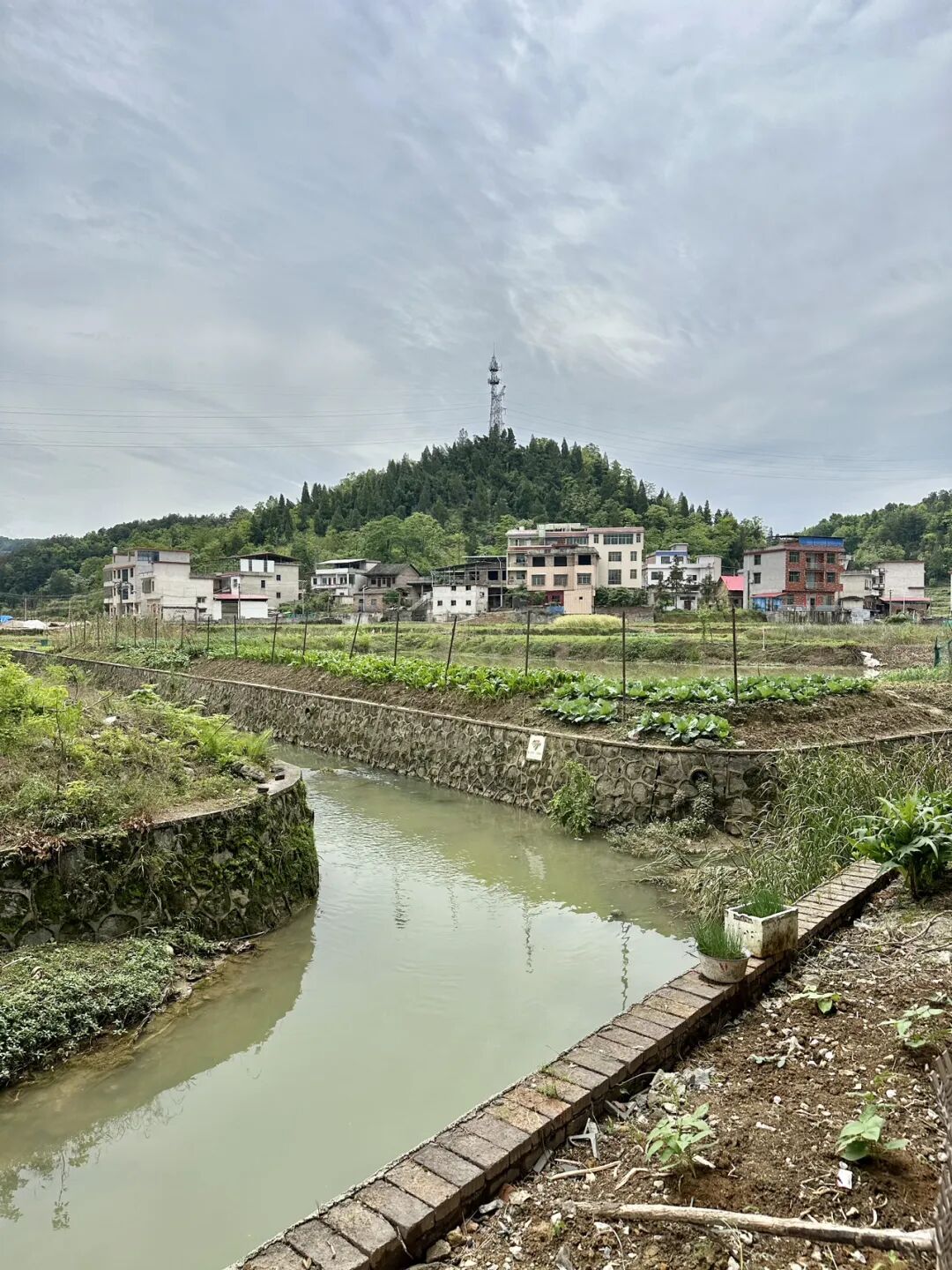
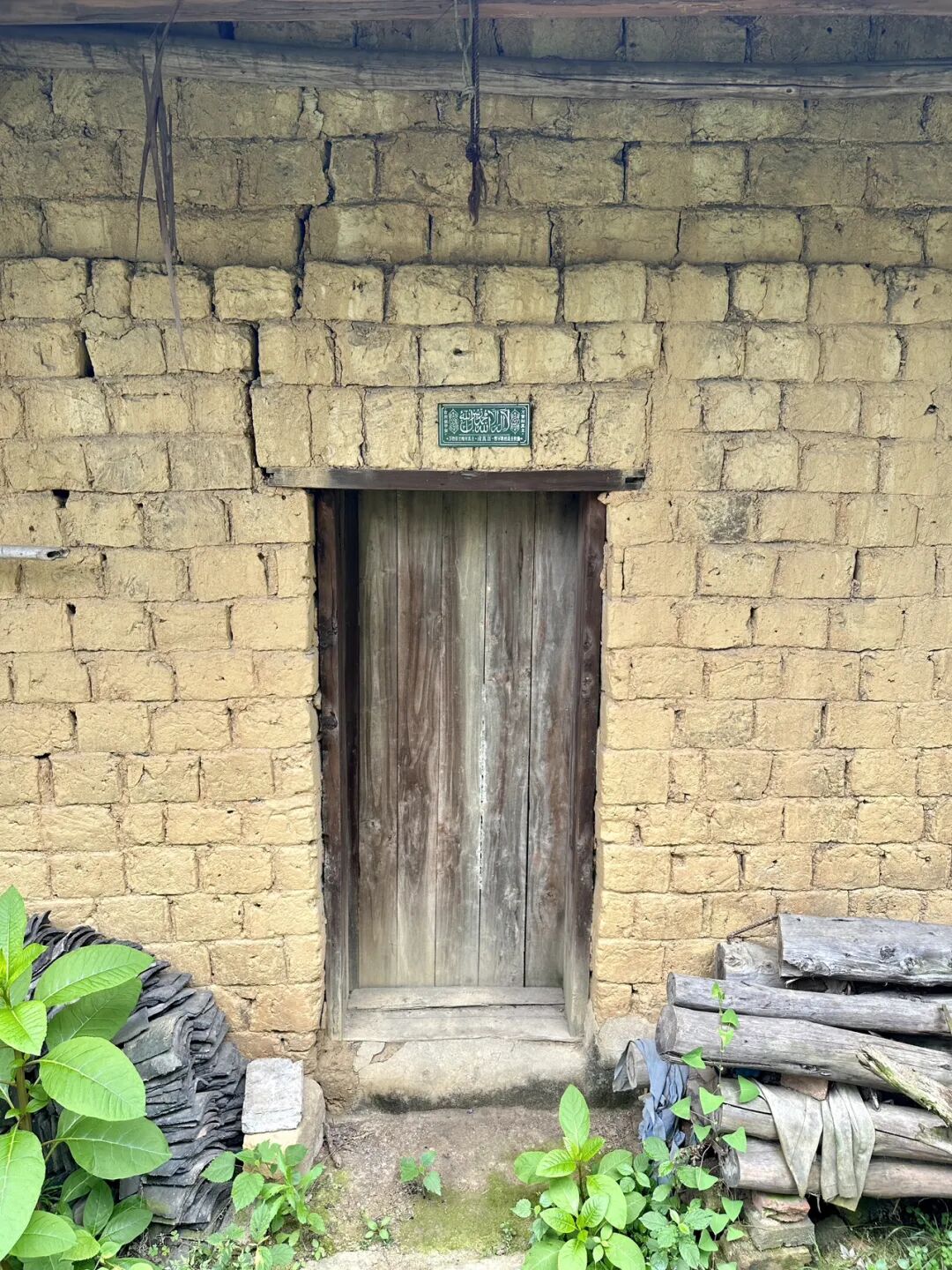
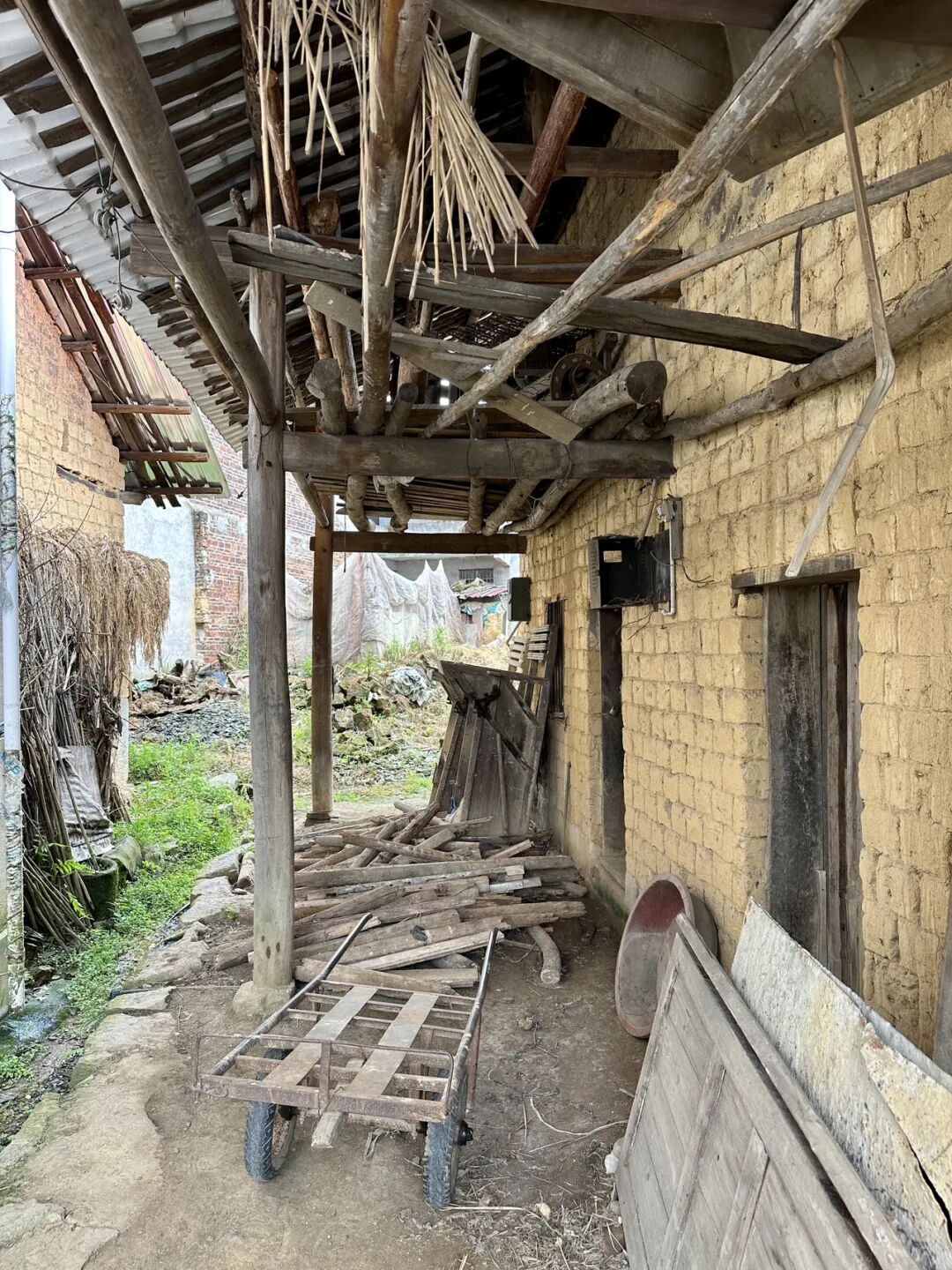
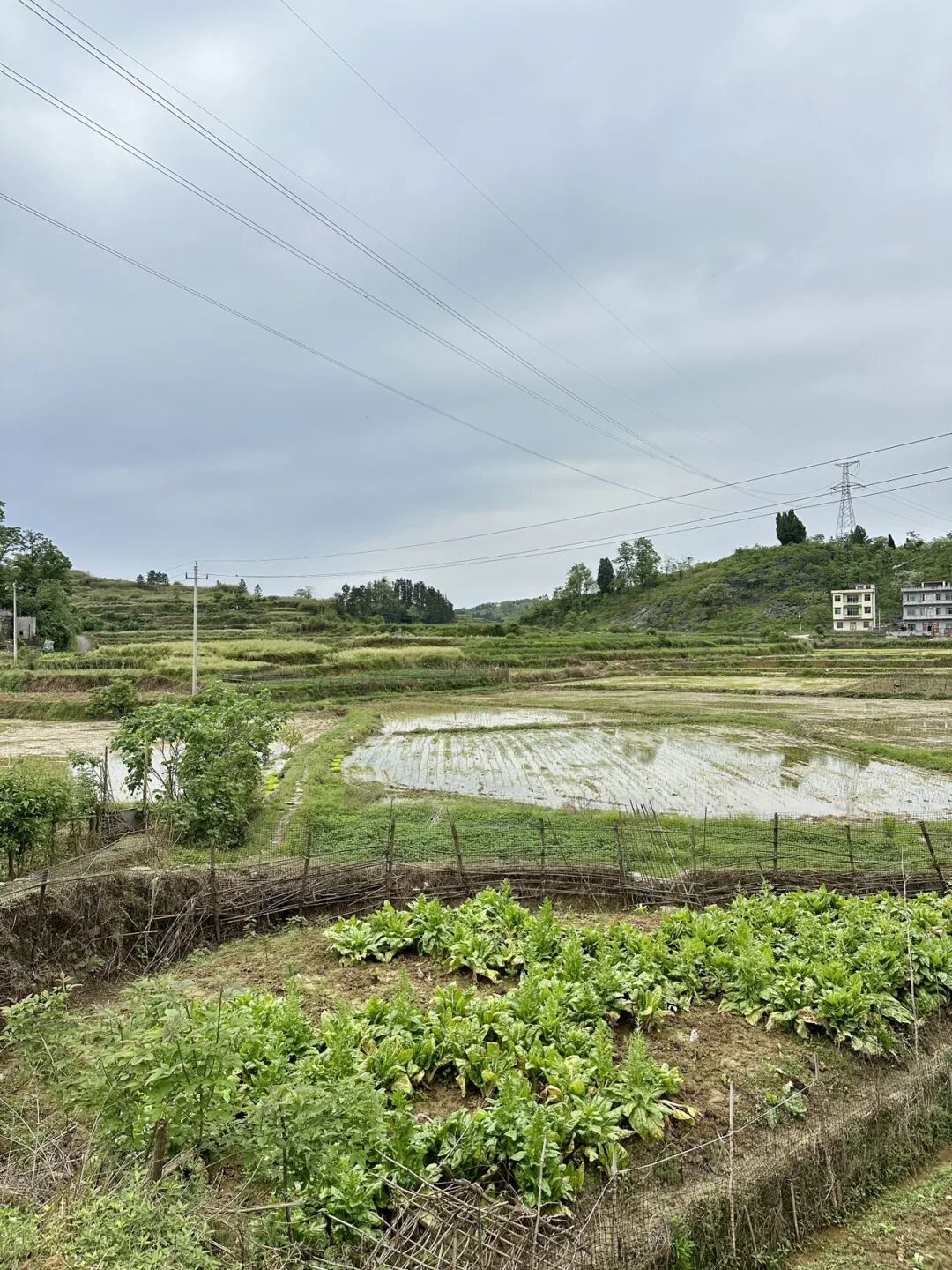
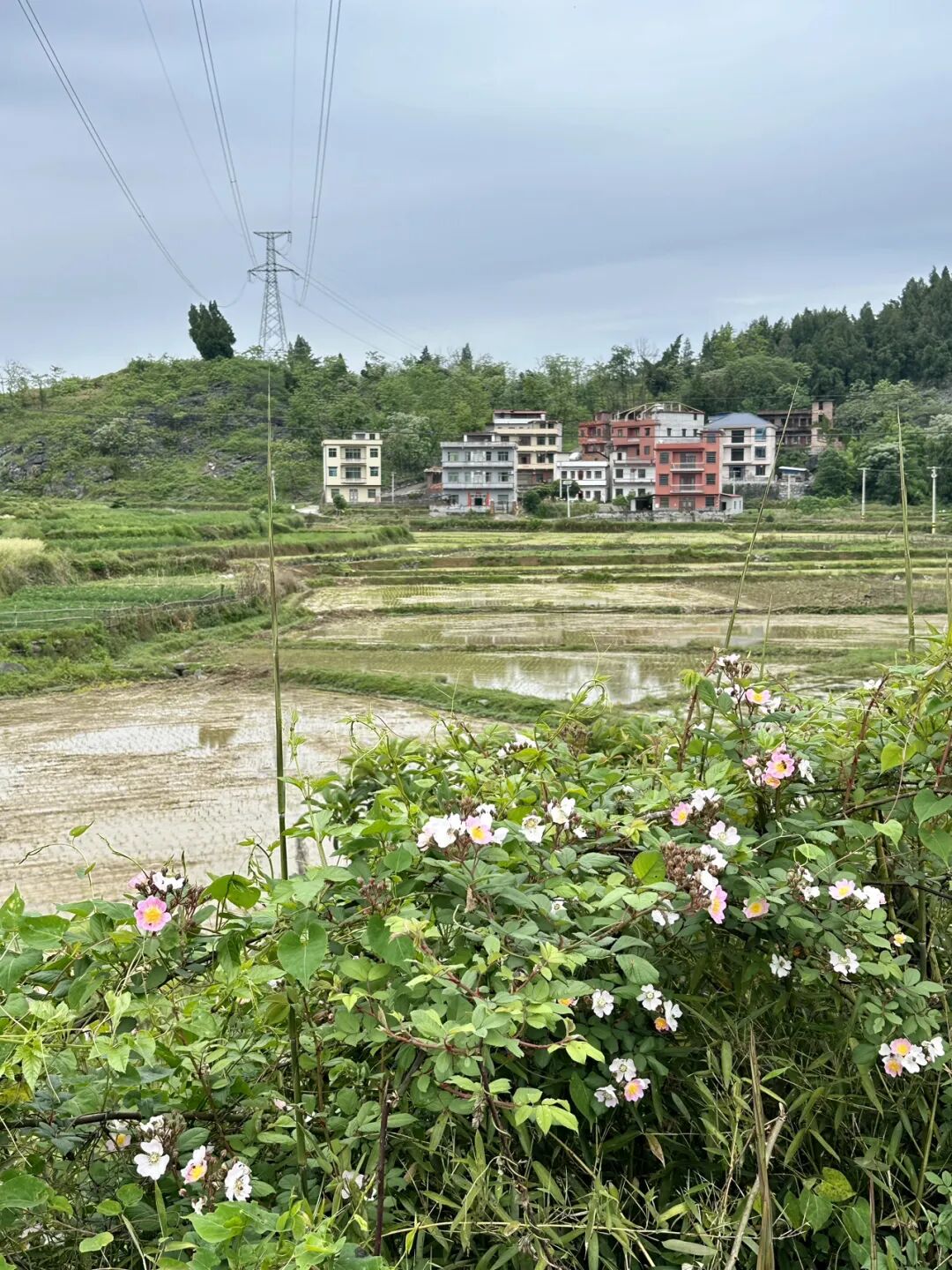
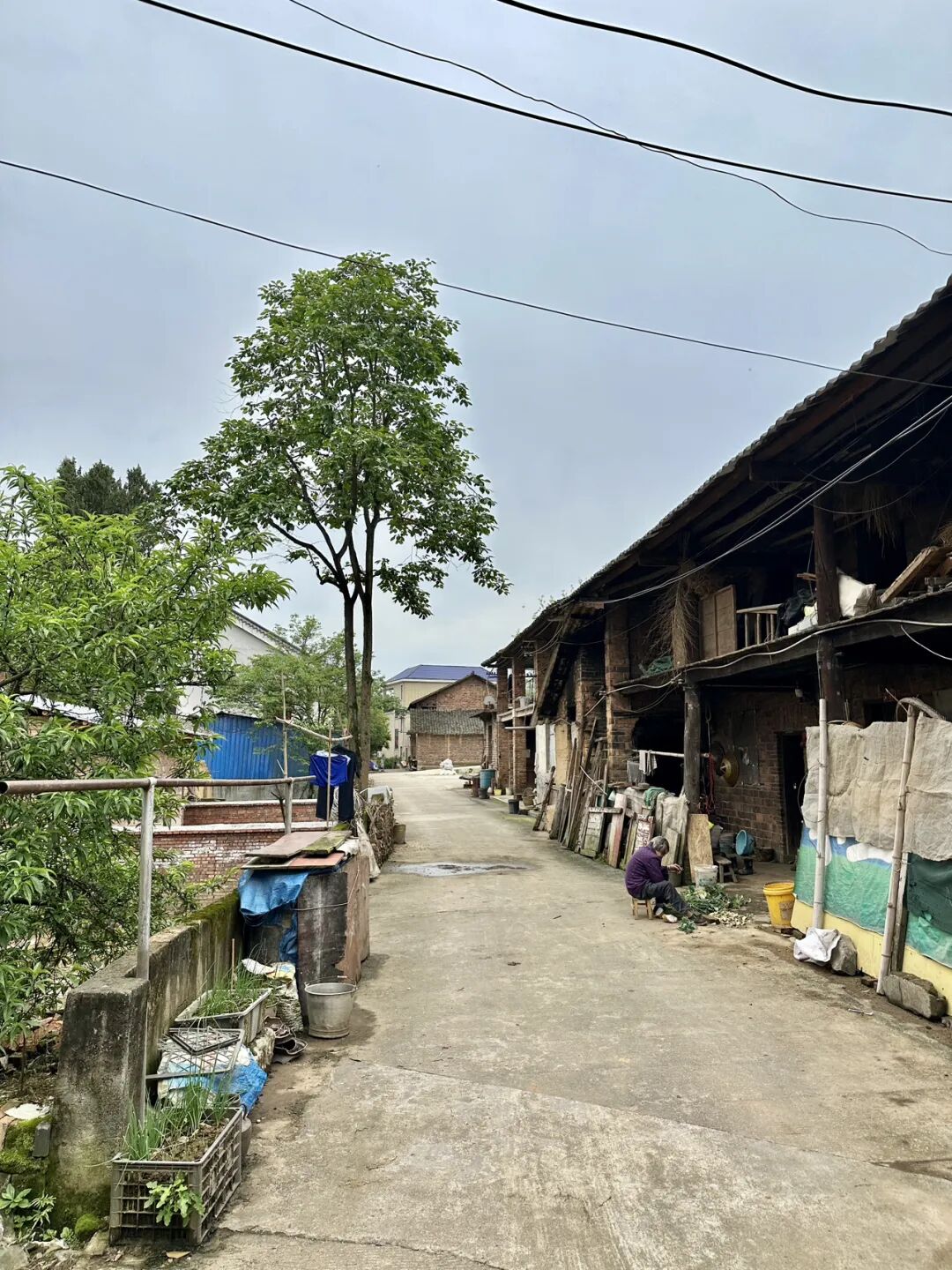
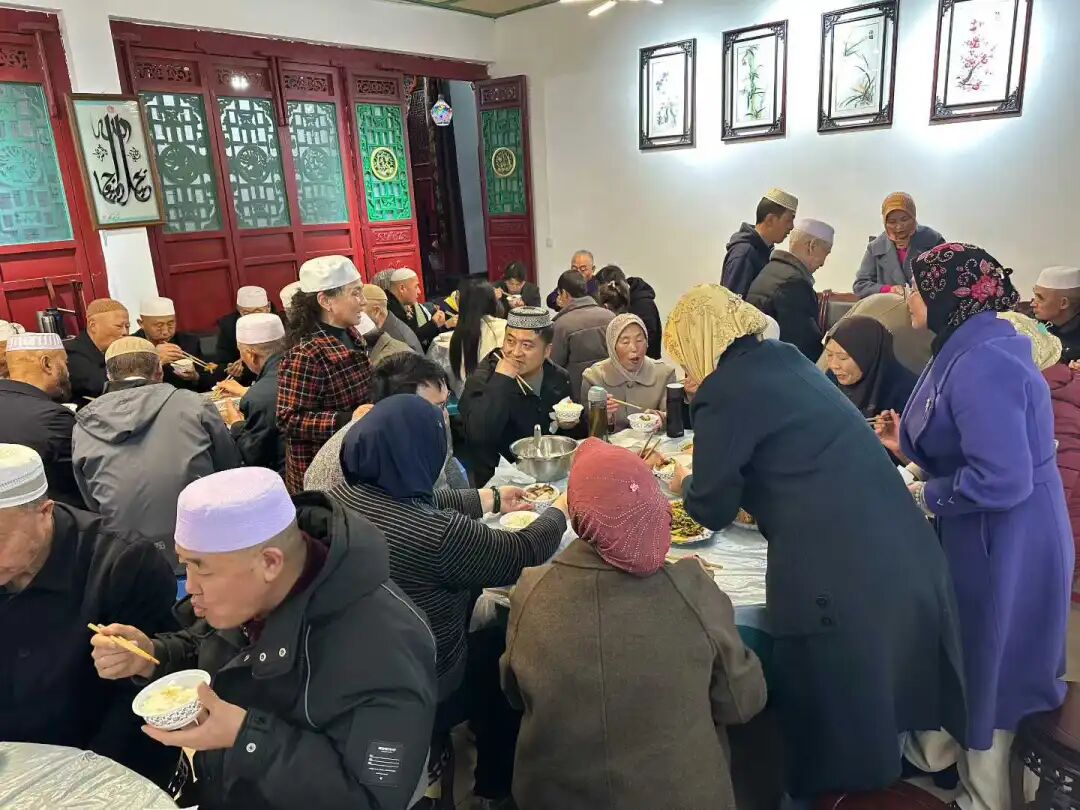
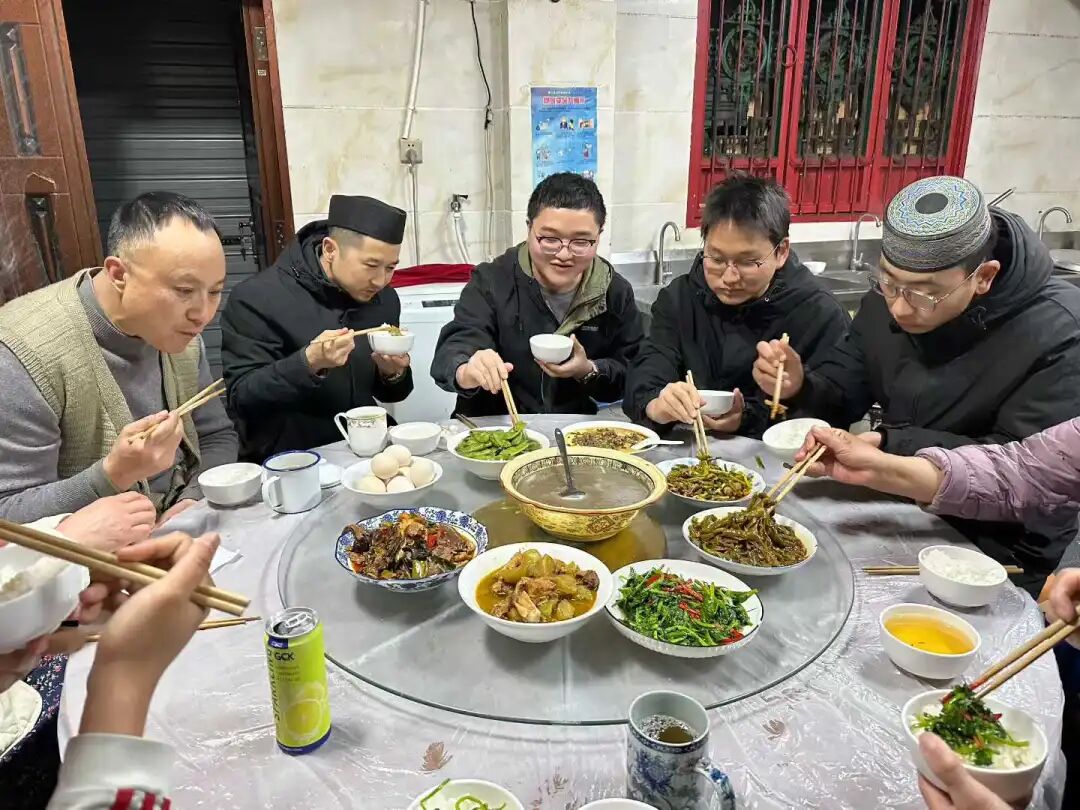
On Sunday, I was invited to Nanying Village in Langfang, Hebei, to attend a feast for a friend's newborn. In our faith, this is called Aqiqah, a way to give thanks to Allah for the baby's arrival.

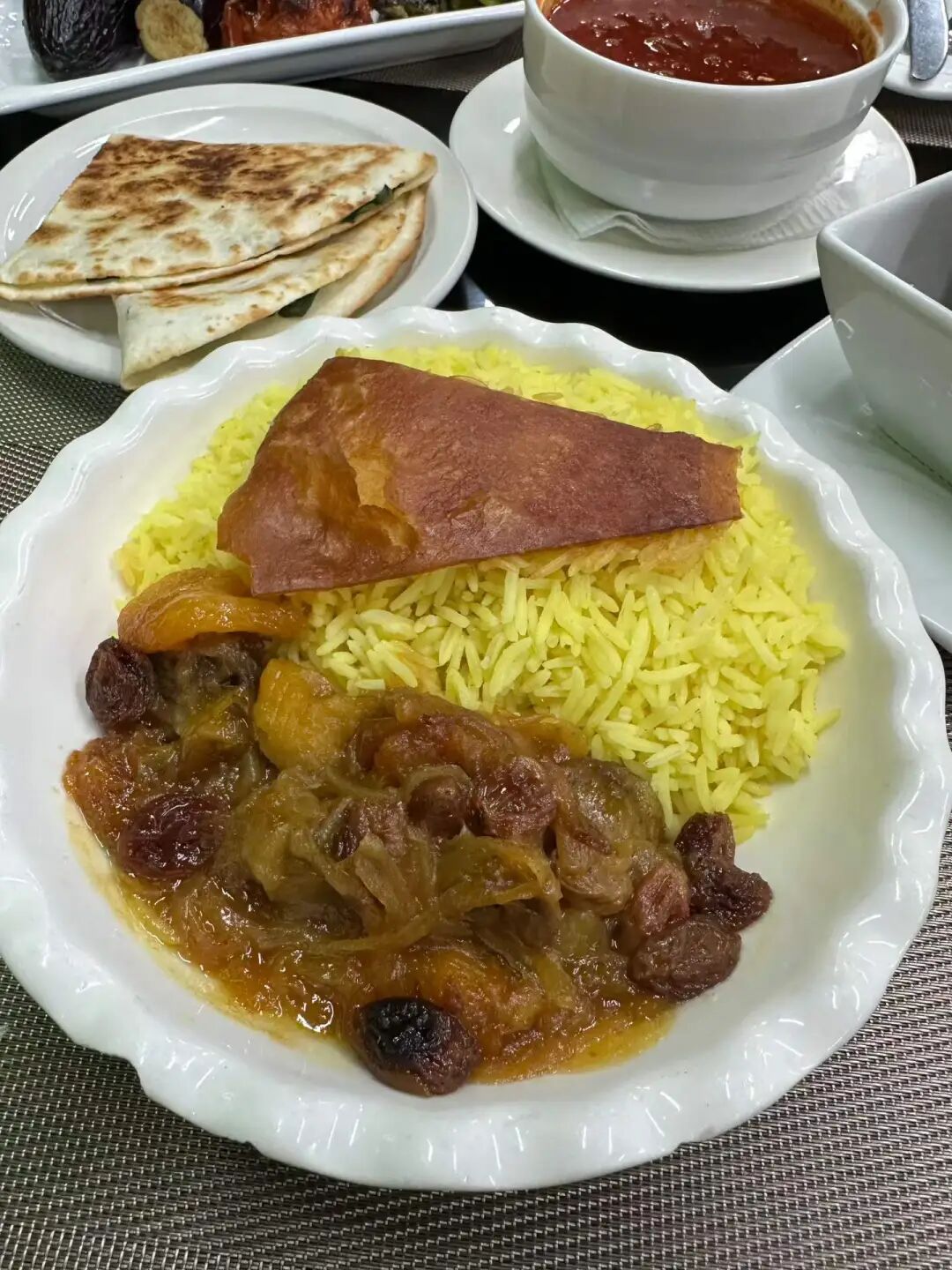
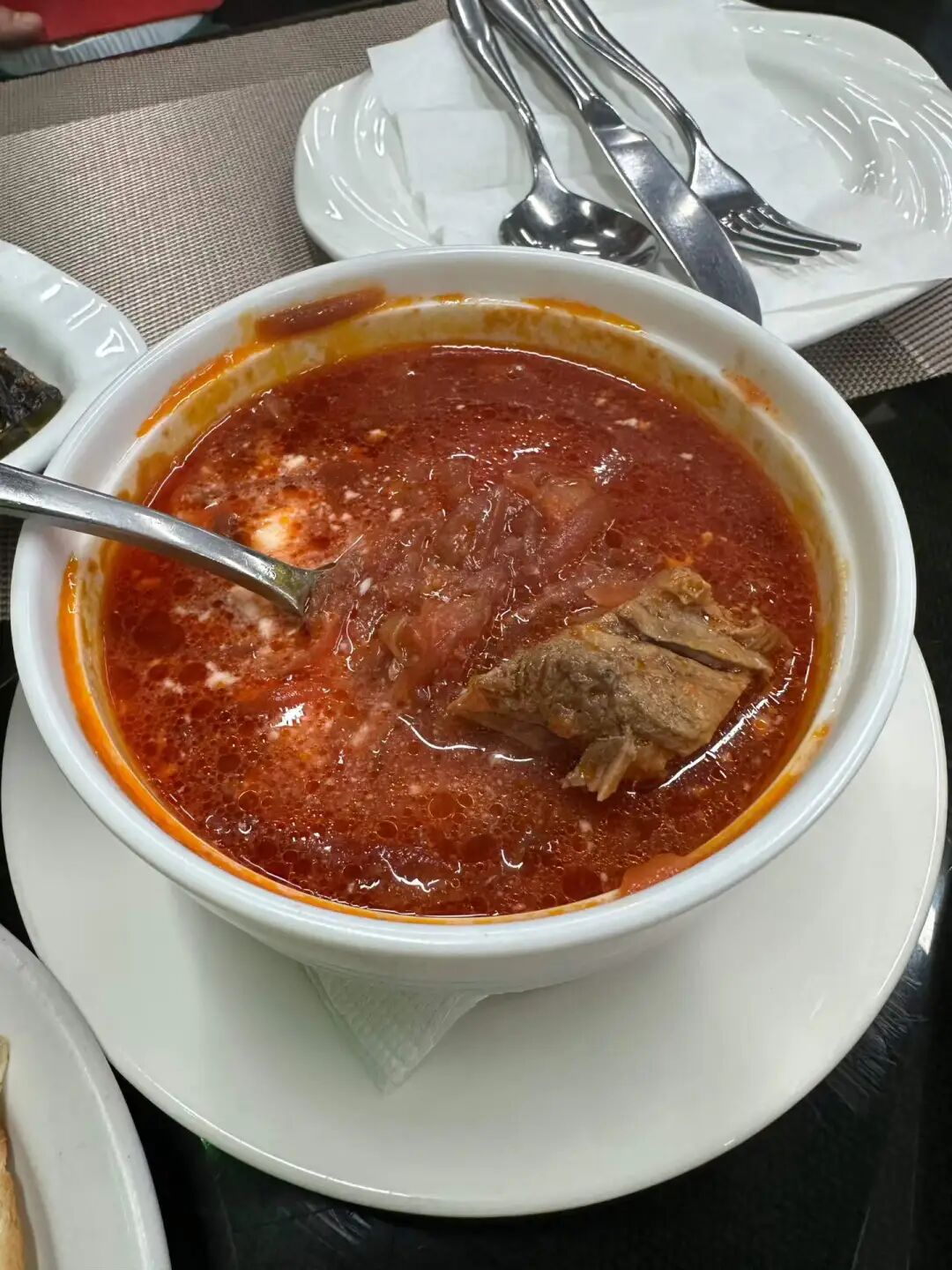
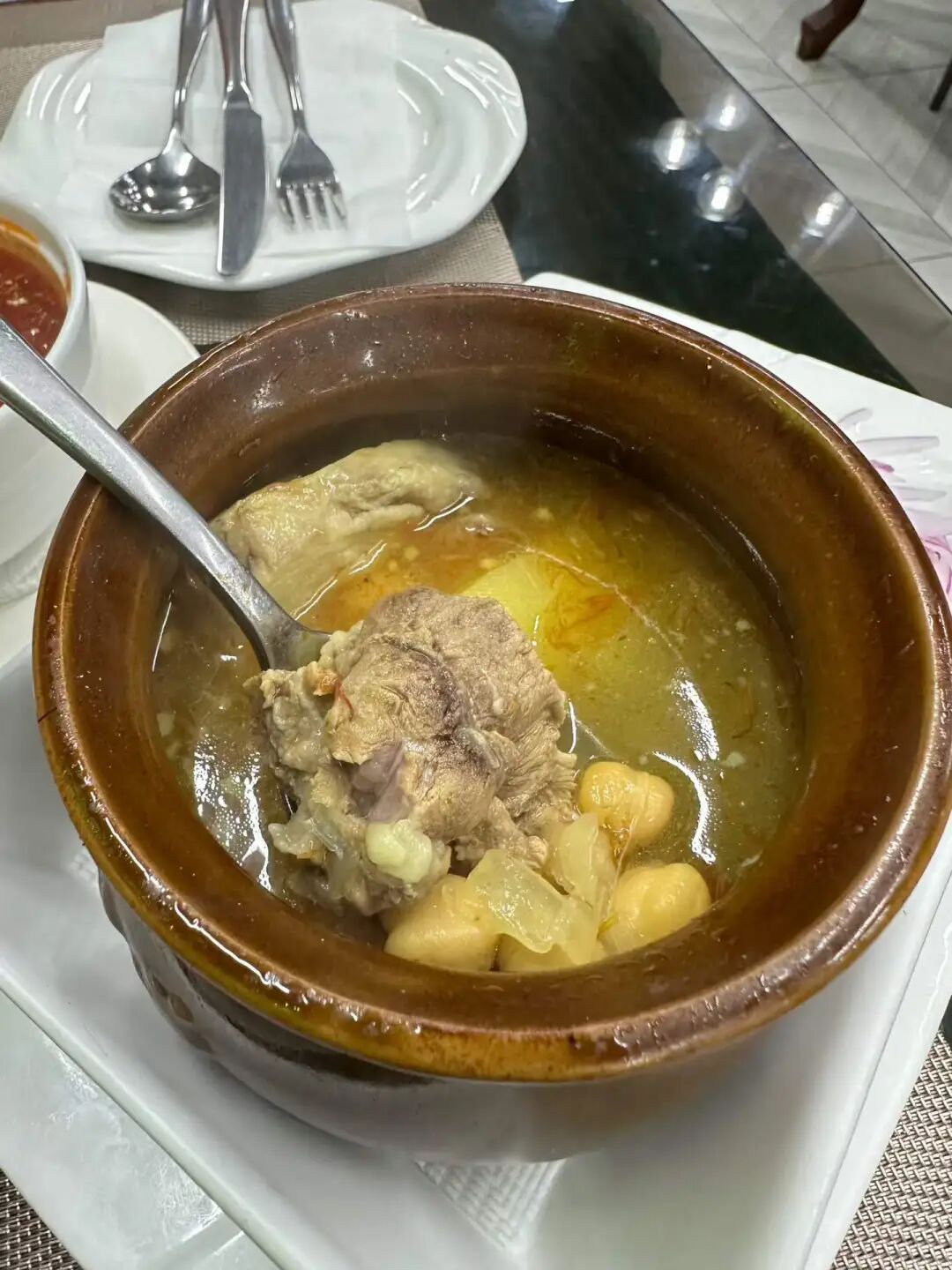
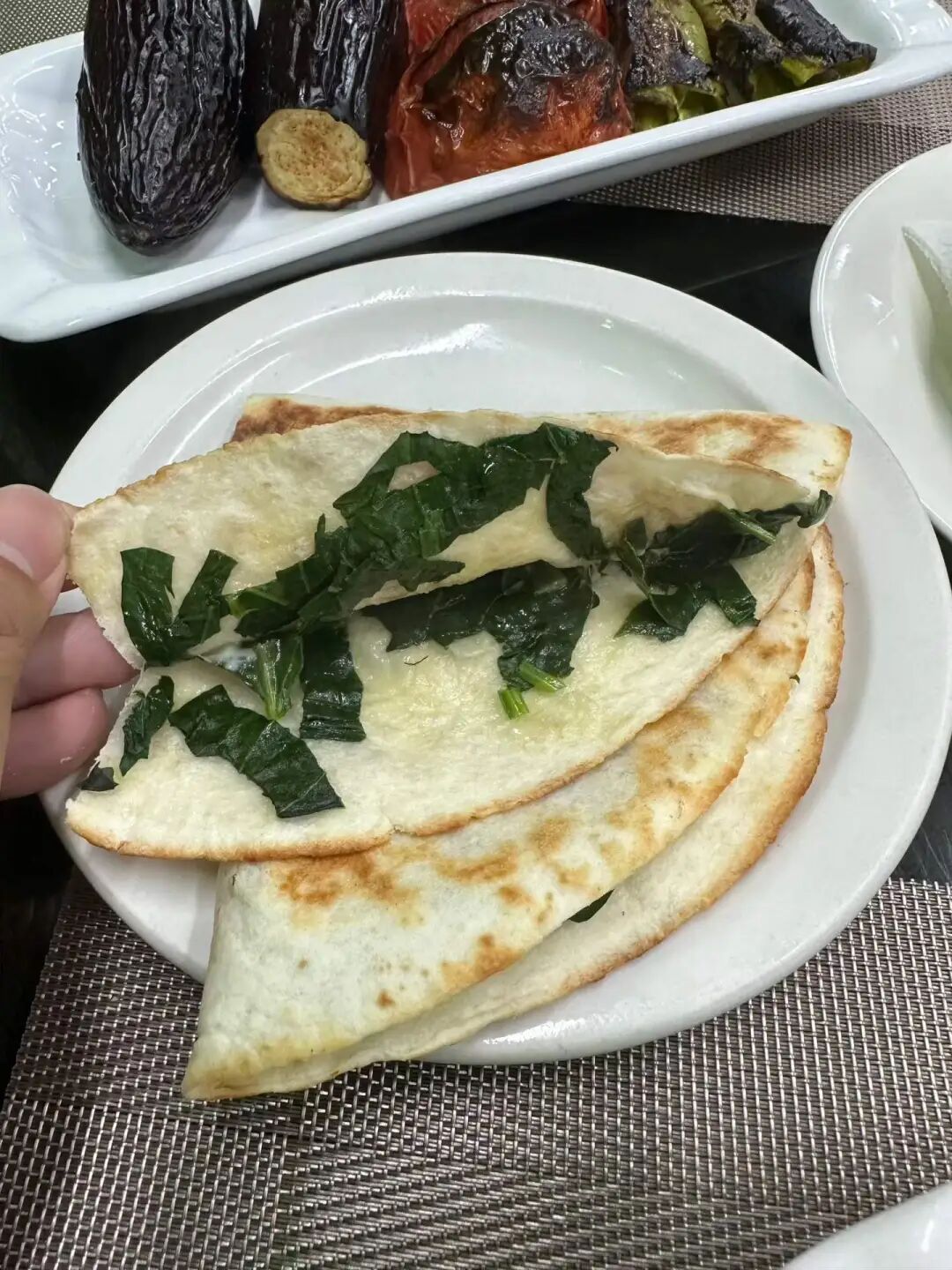
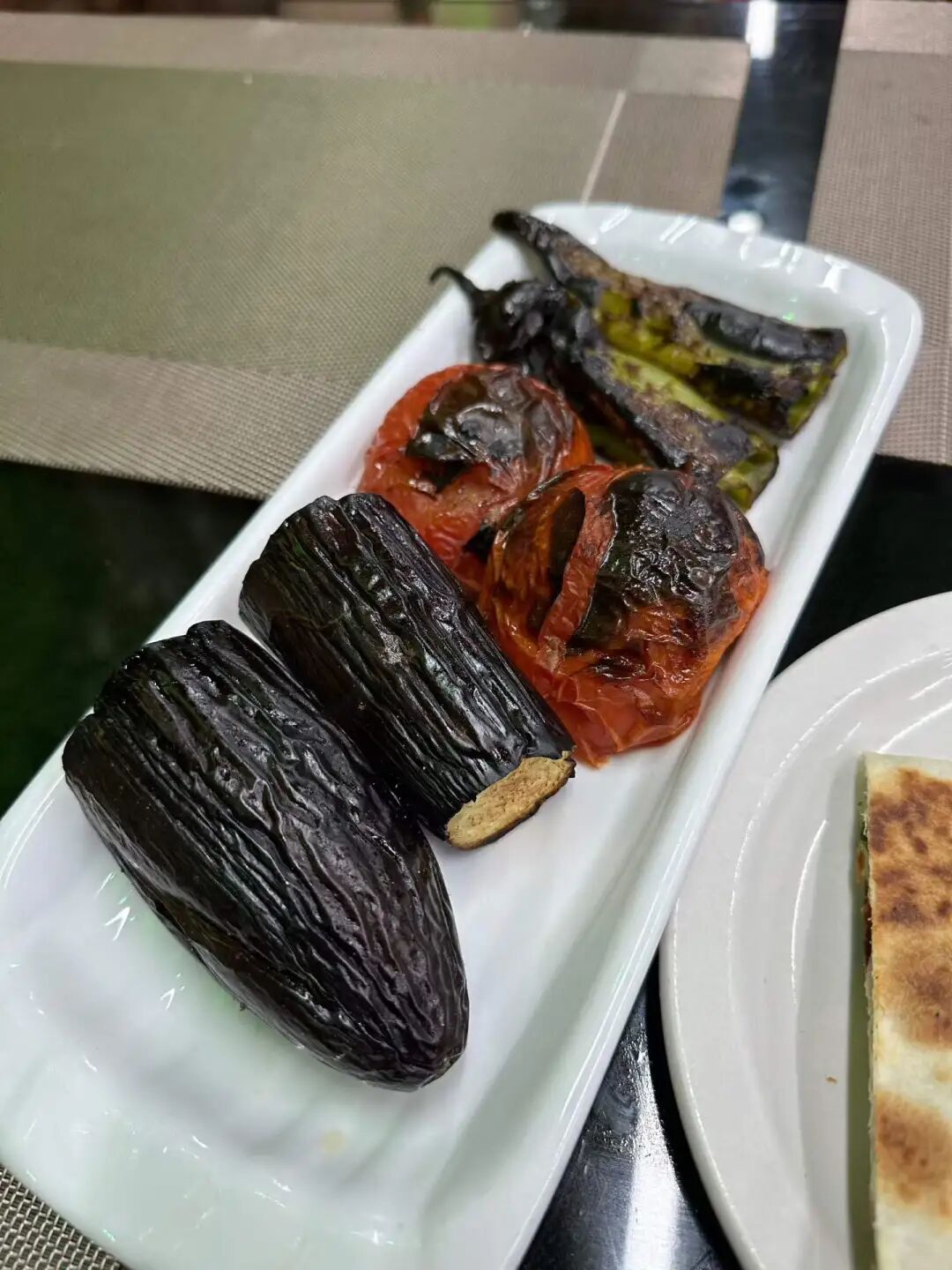
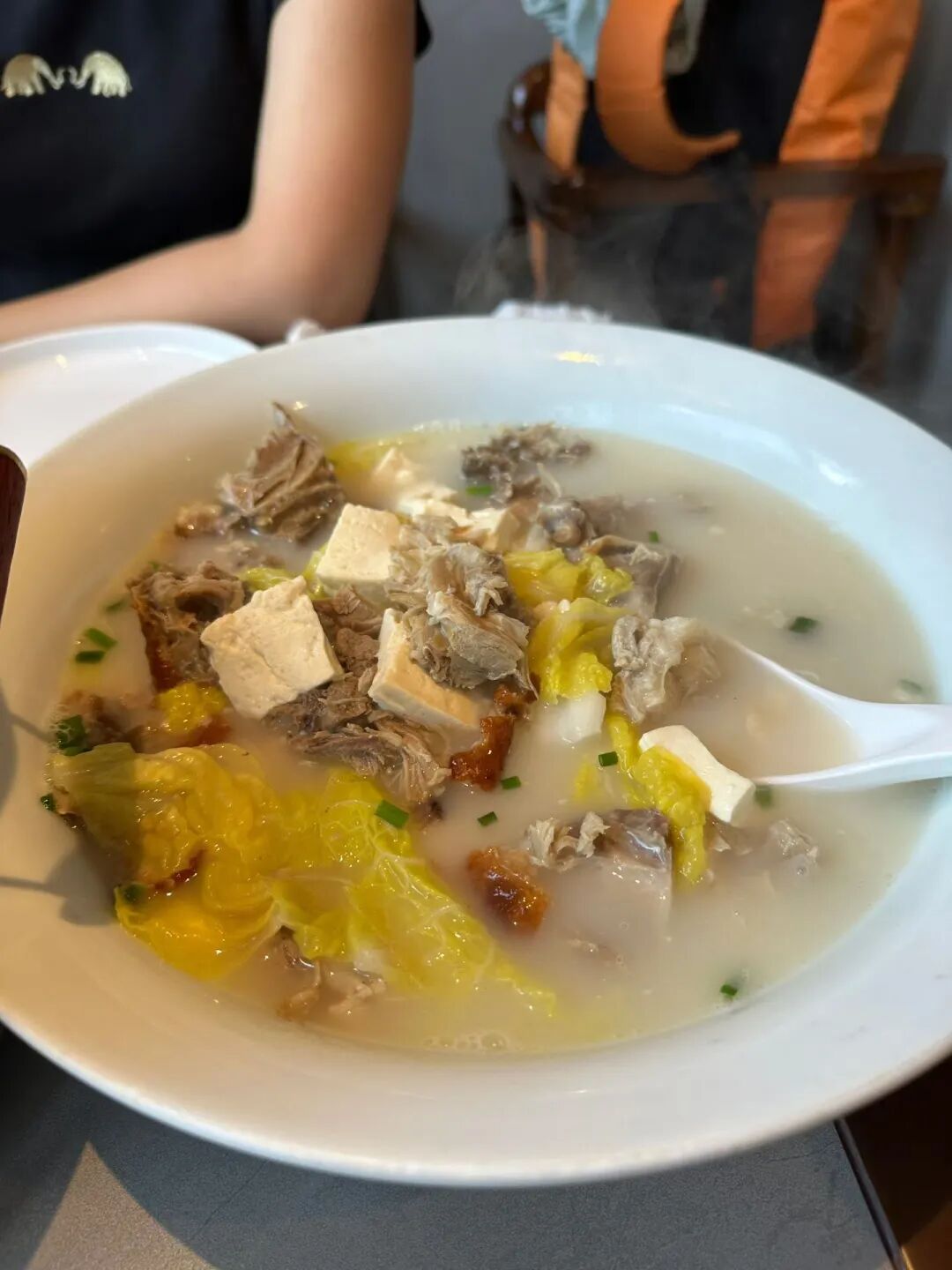
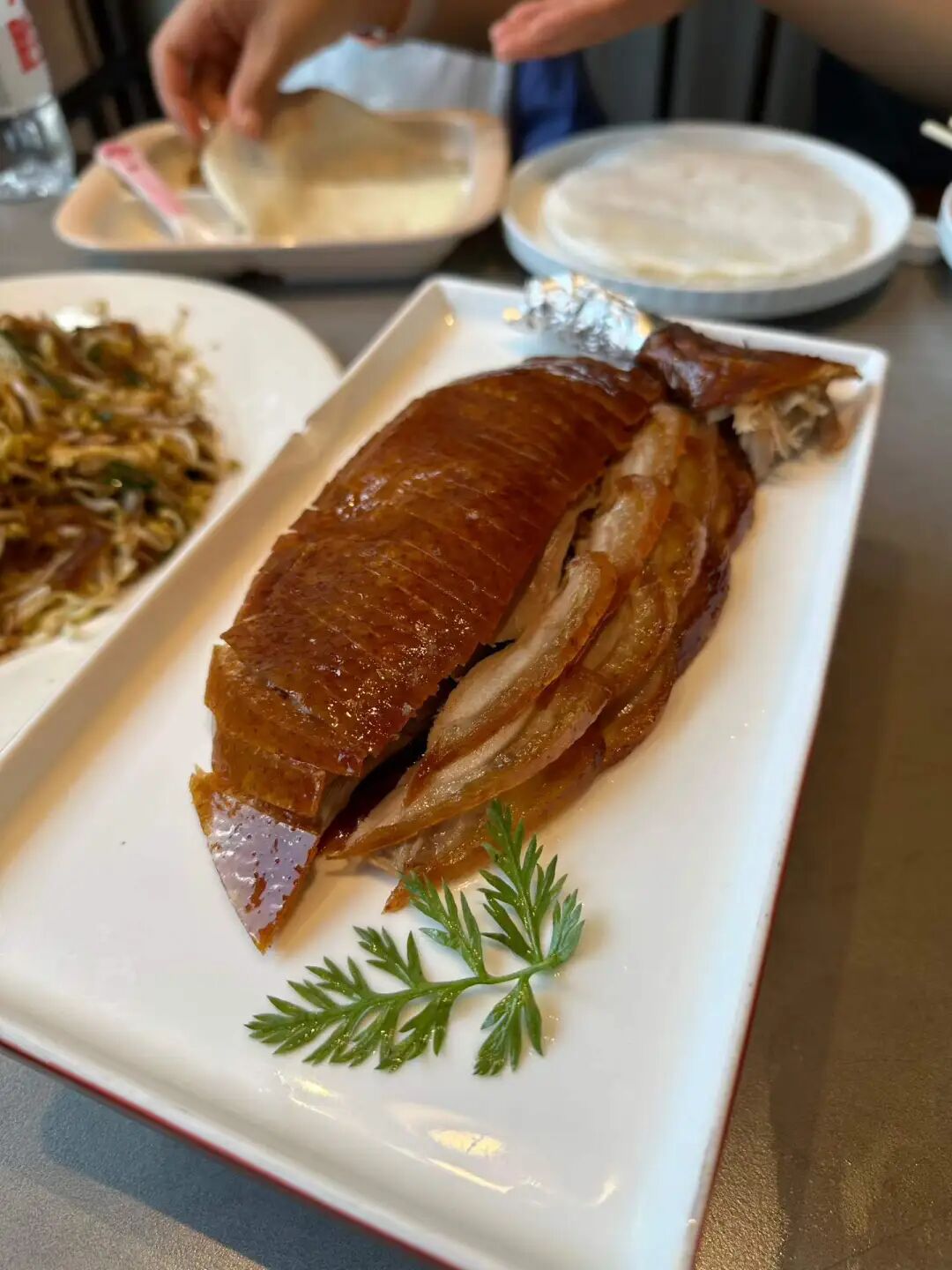
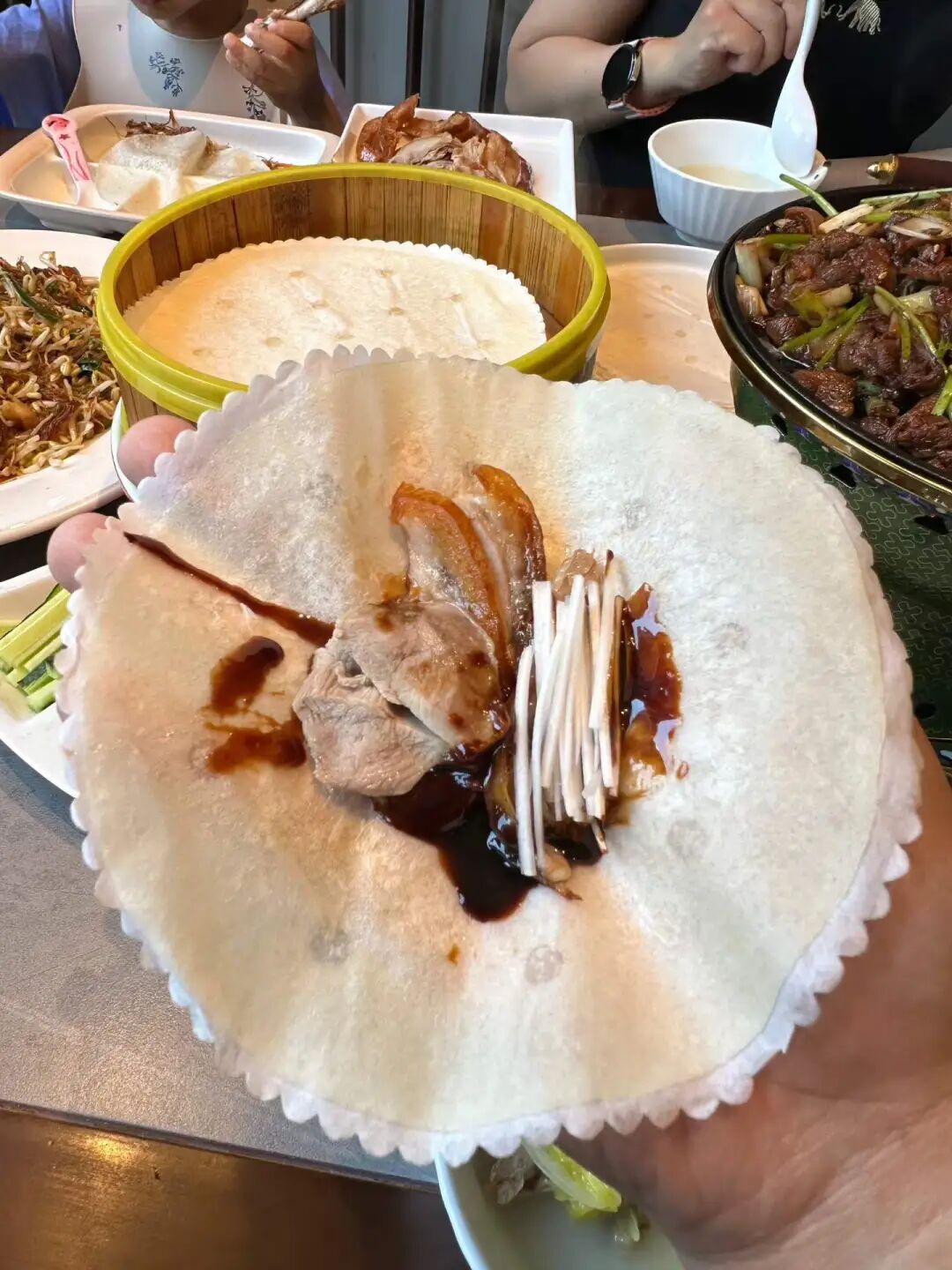
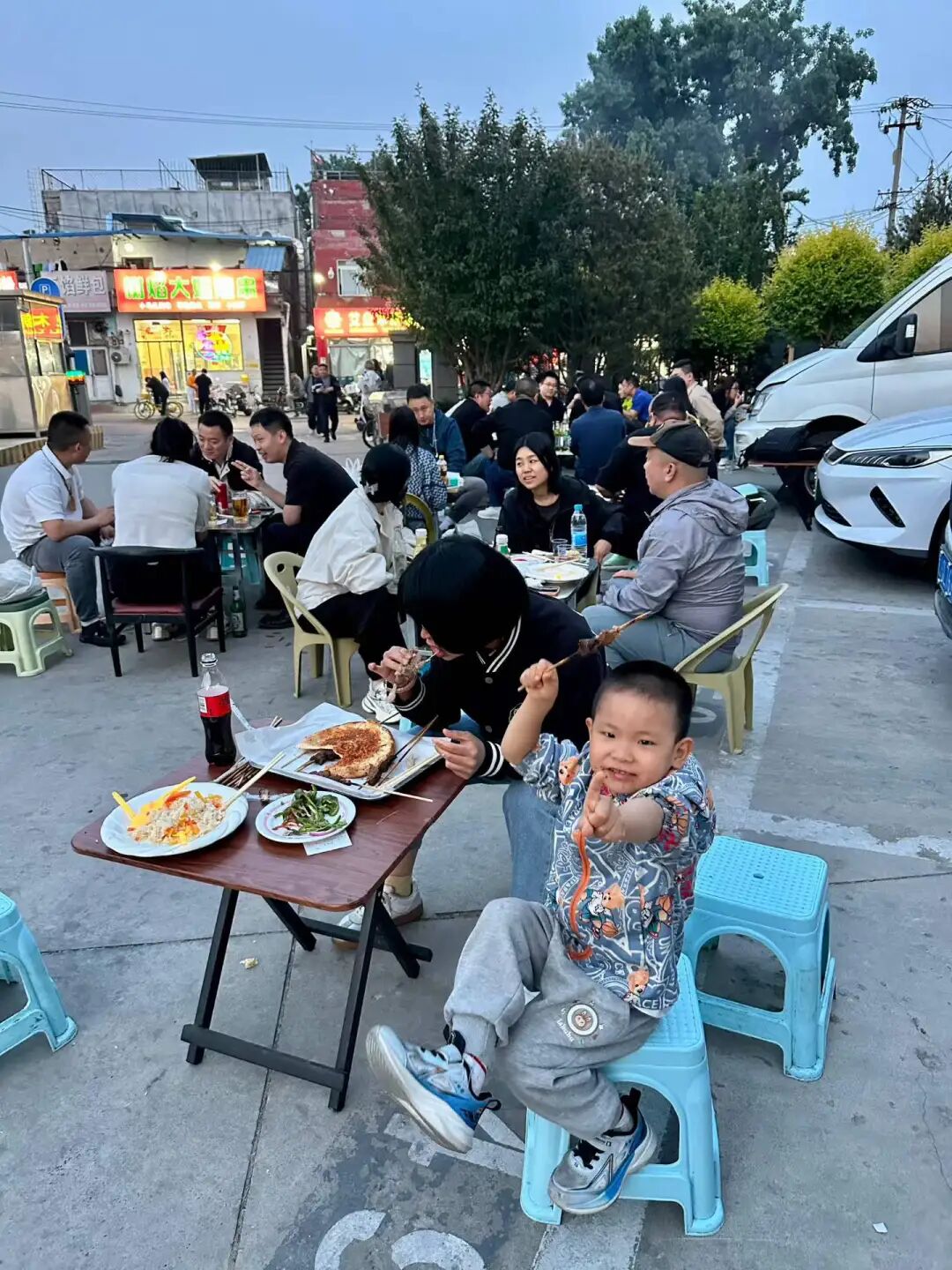
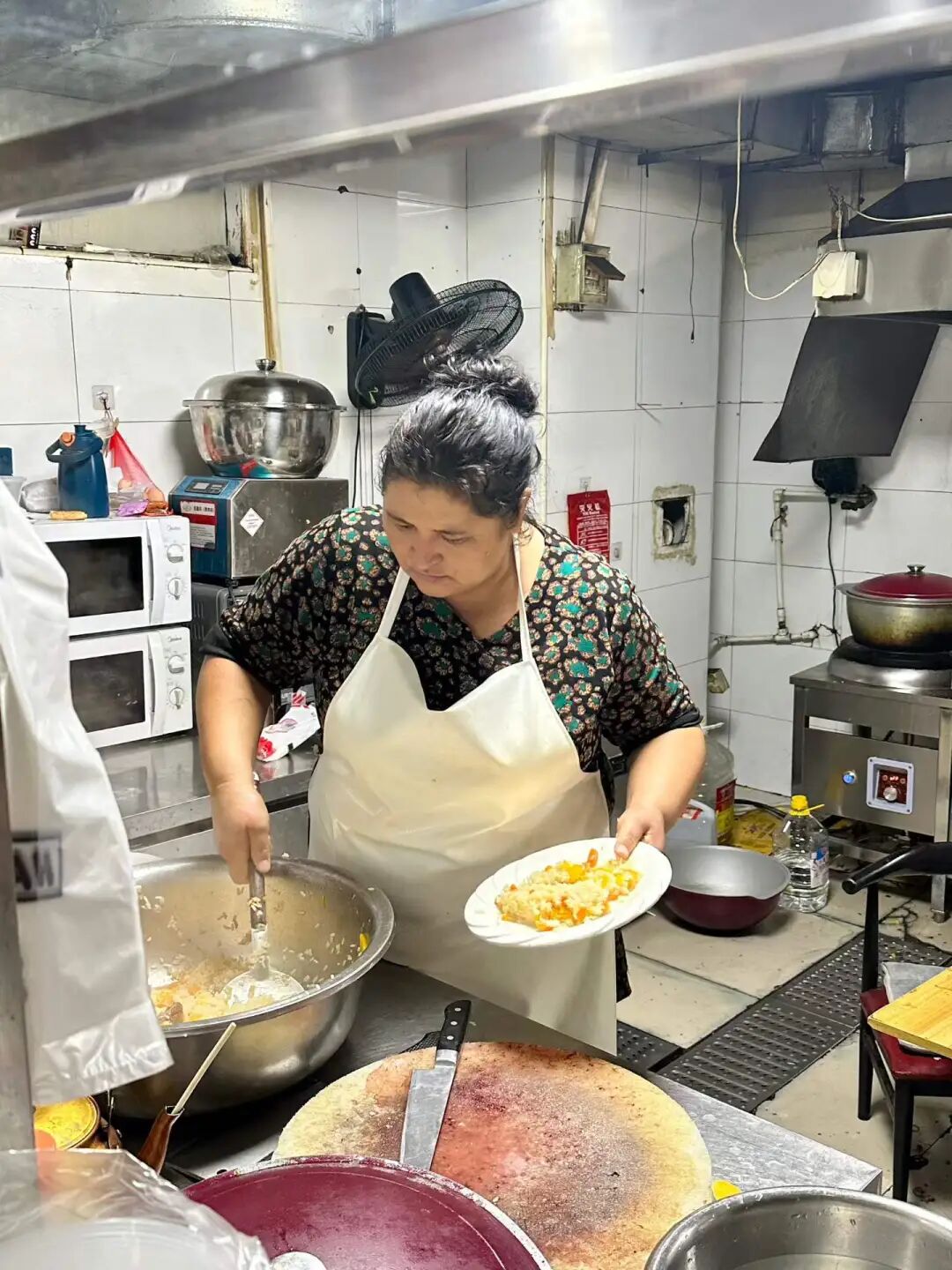
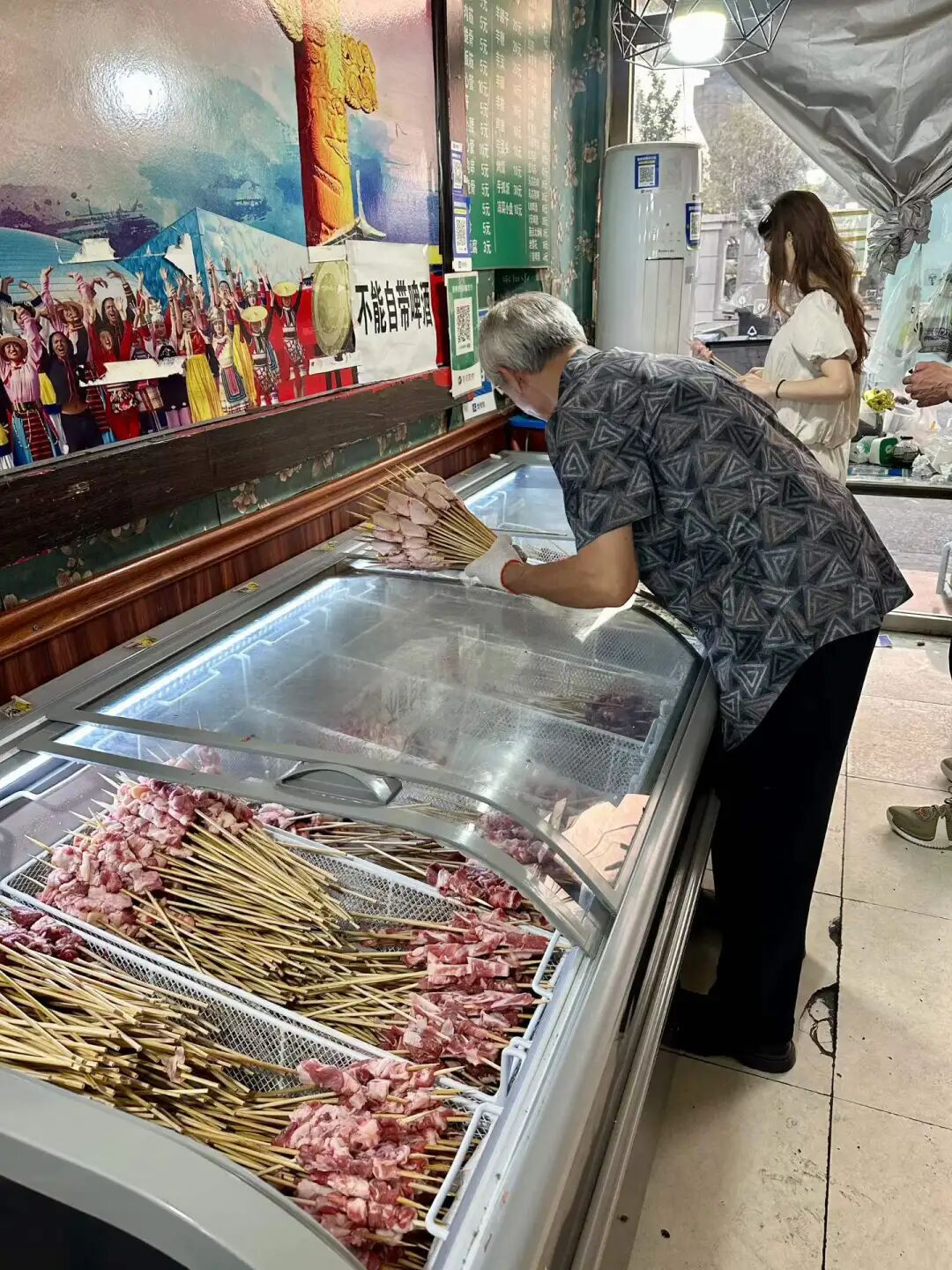
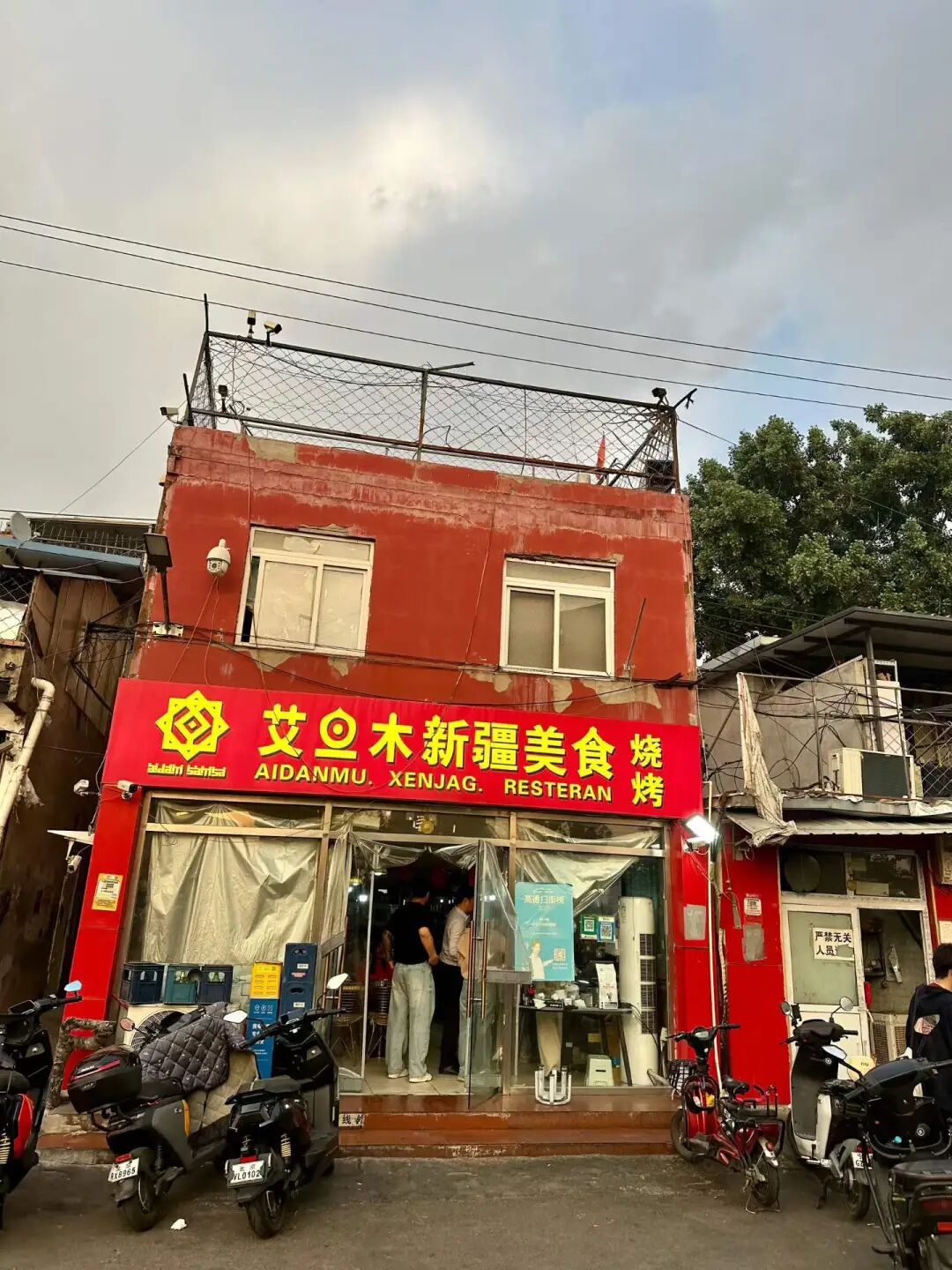
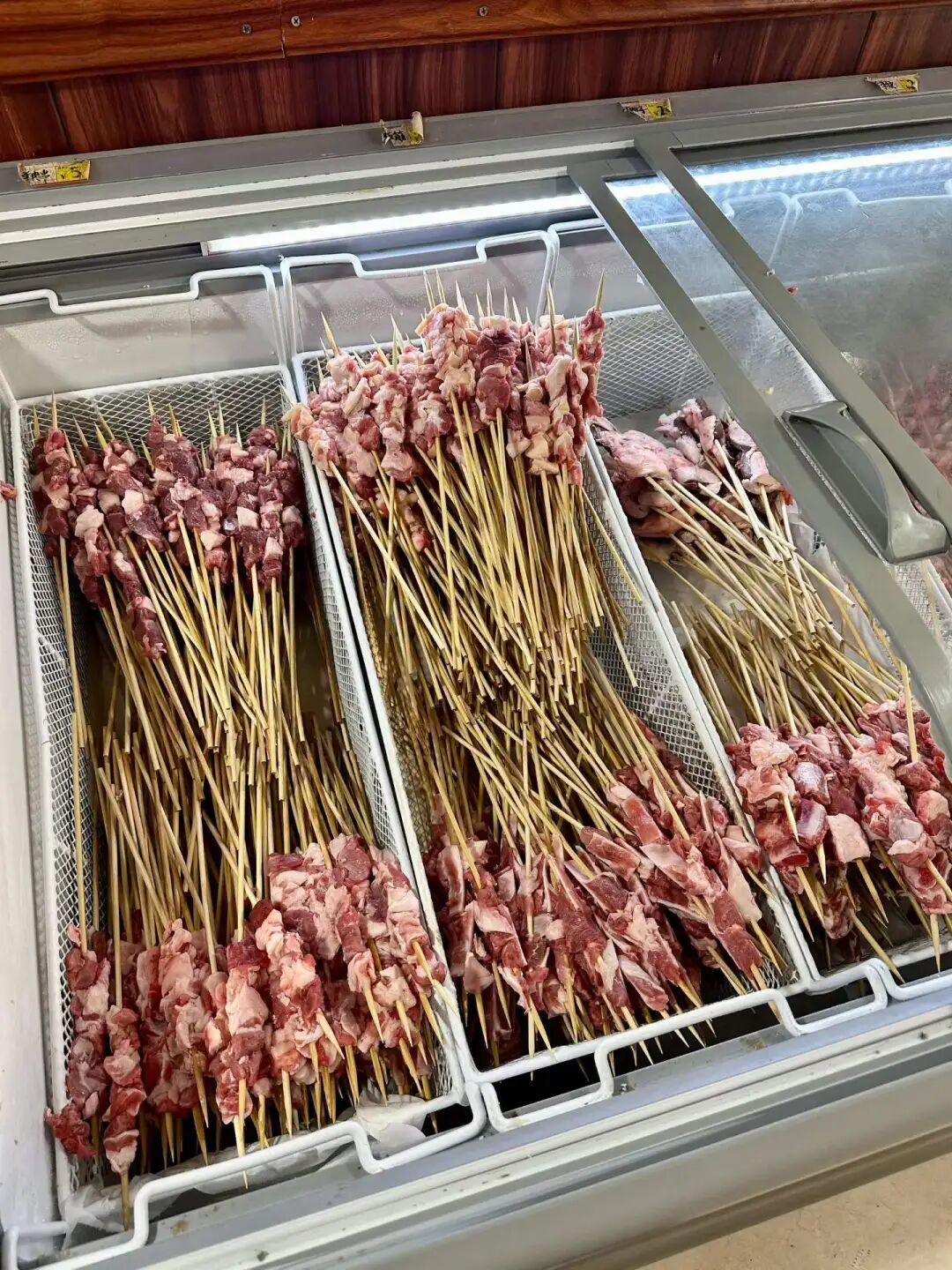
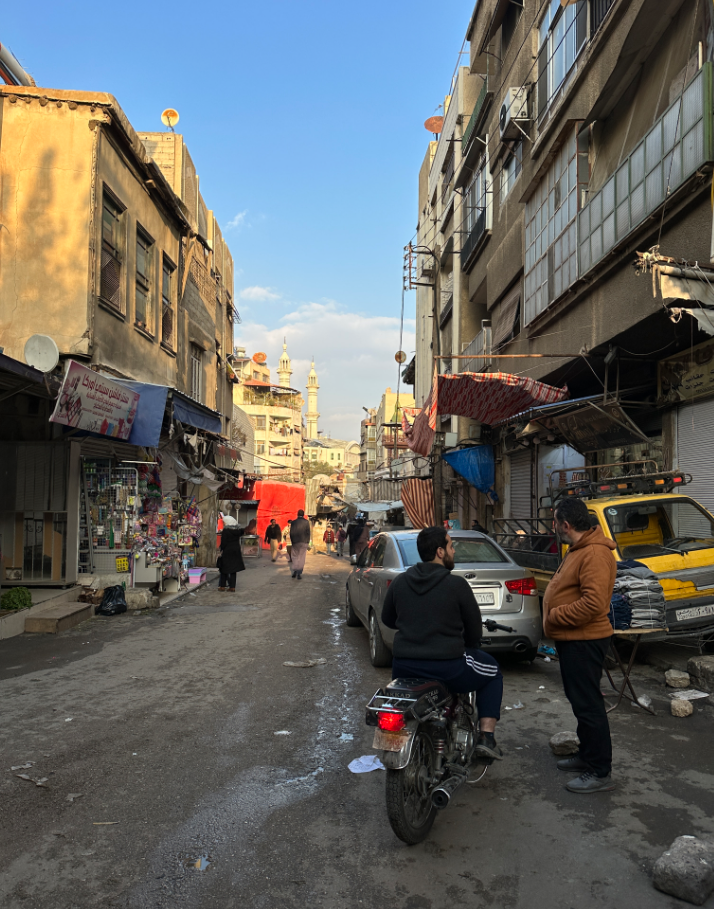
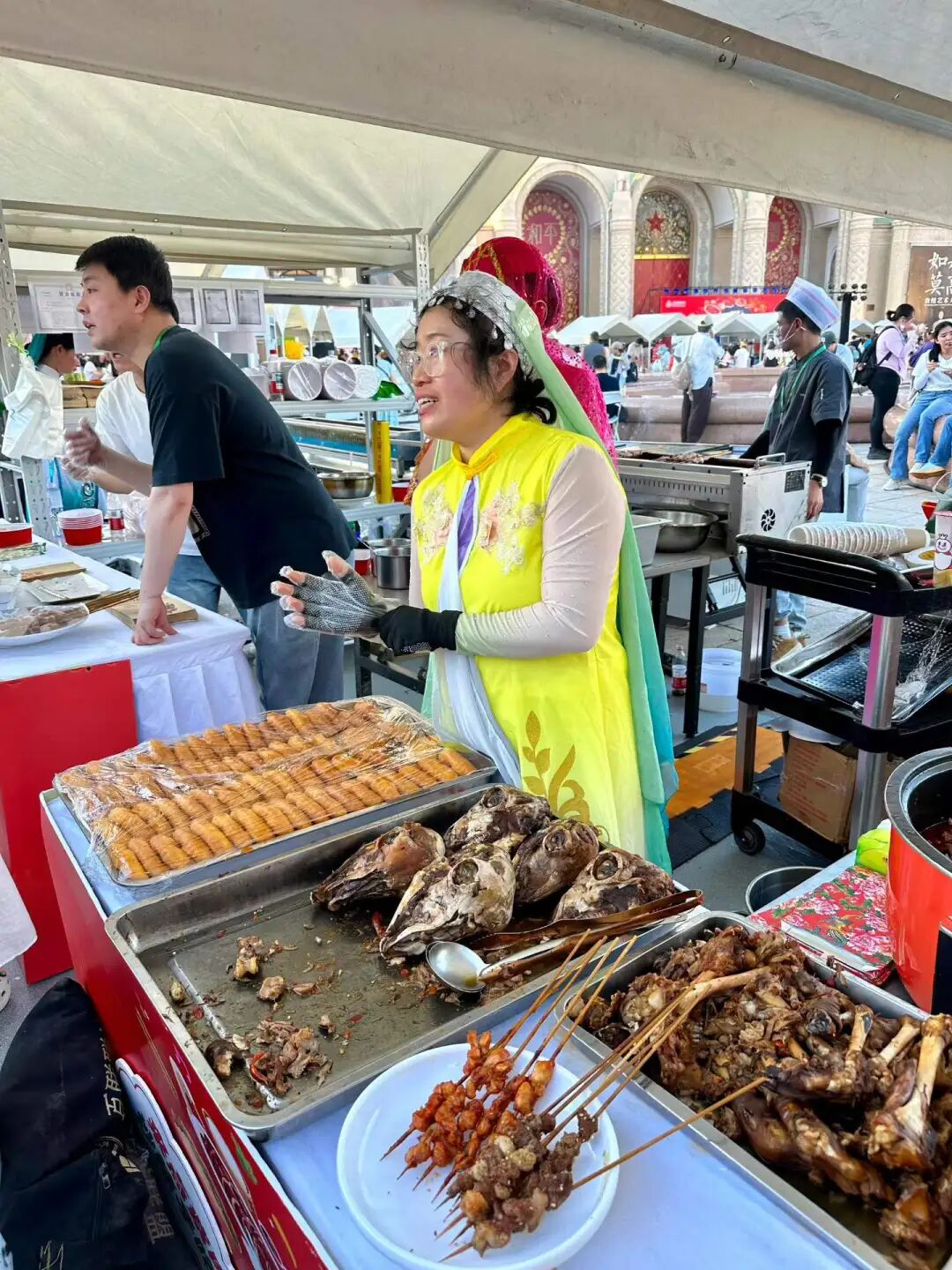
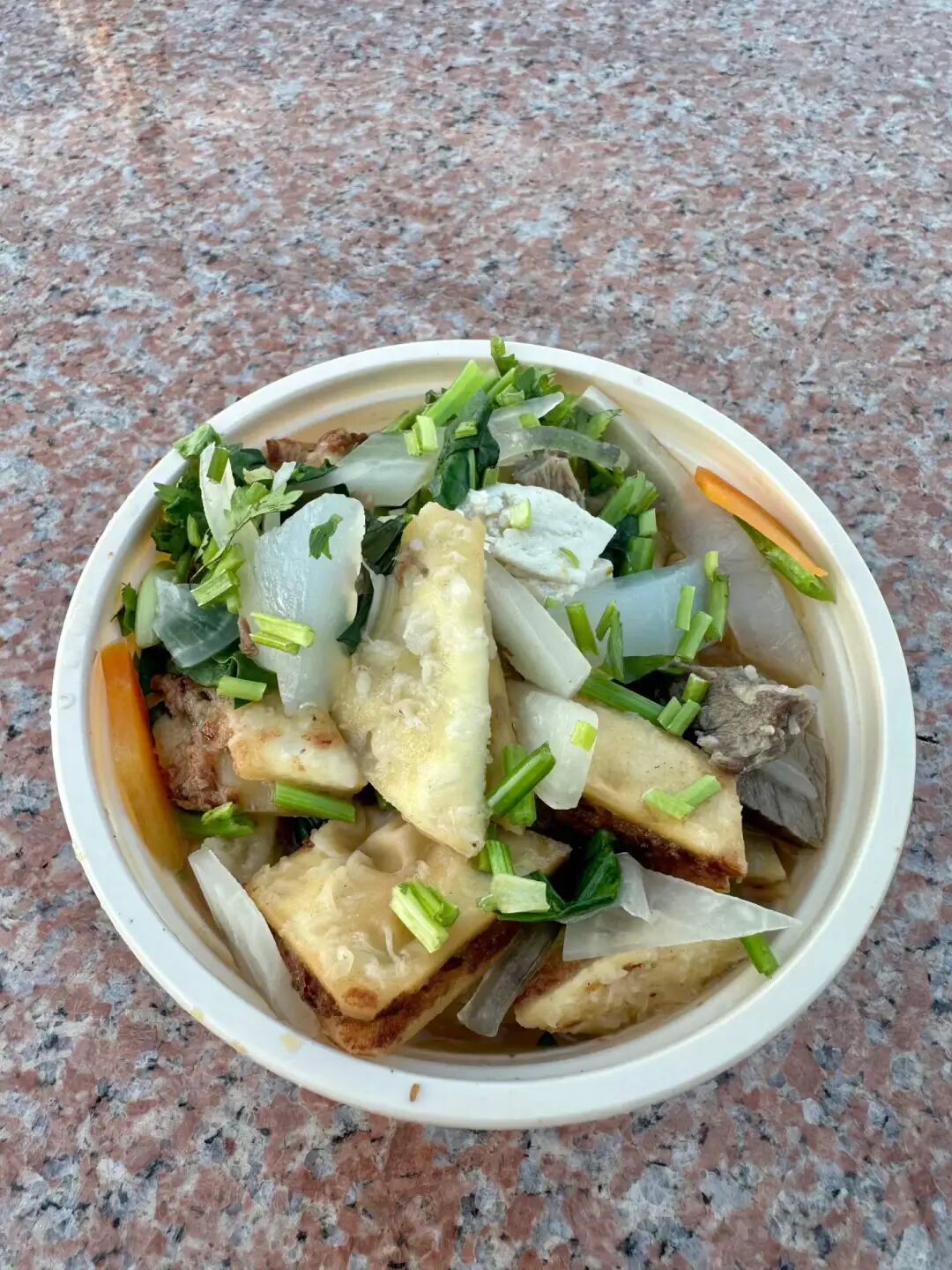
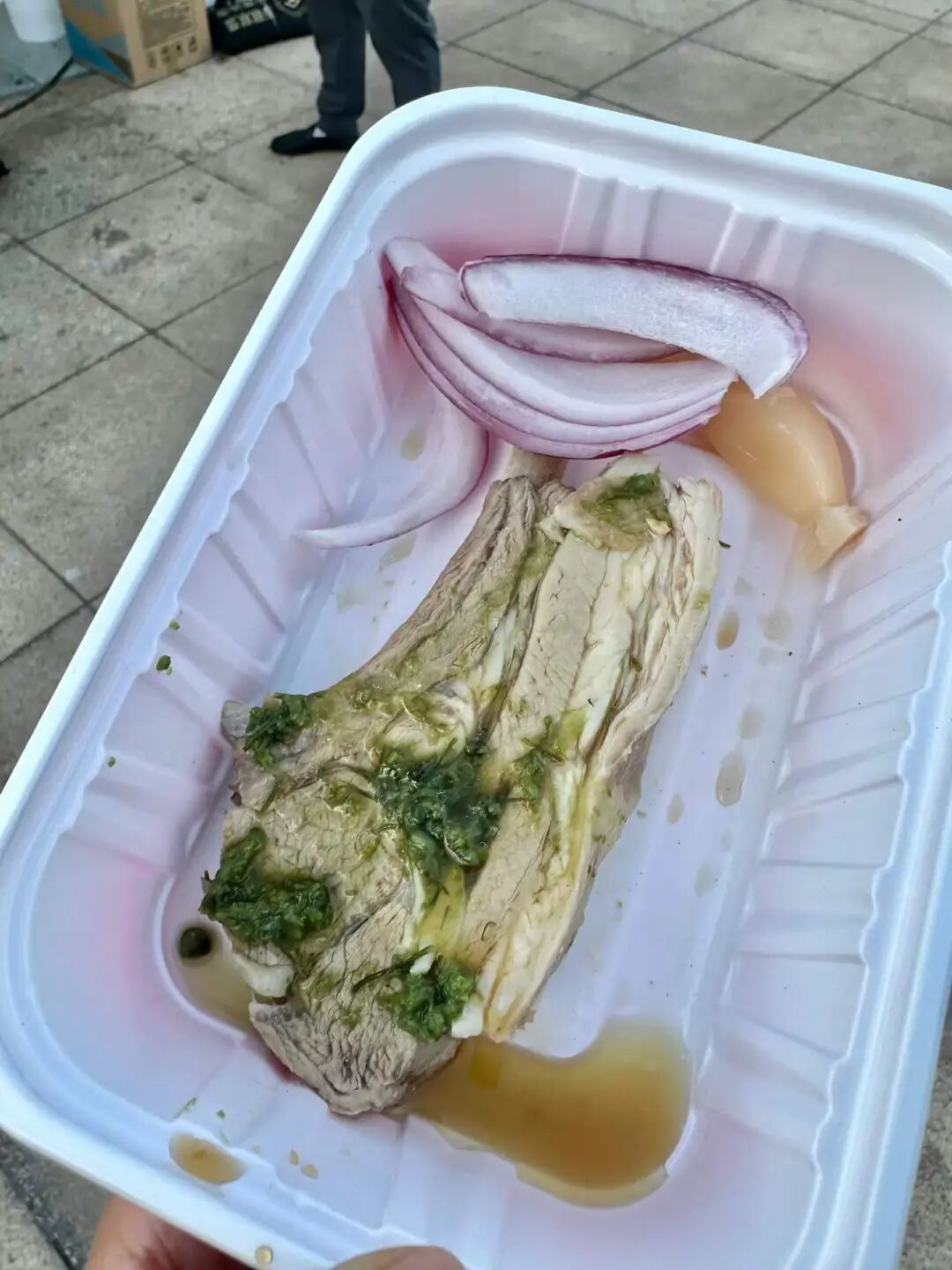
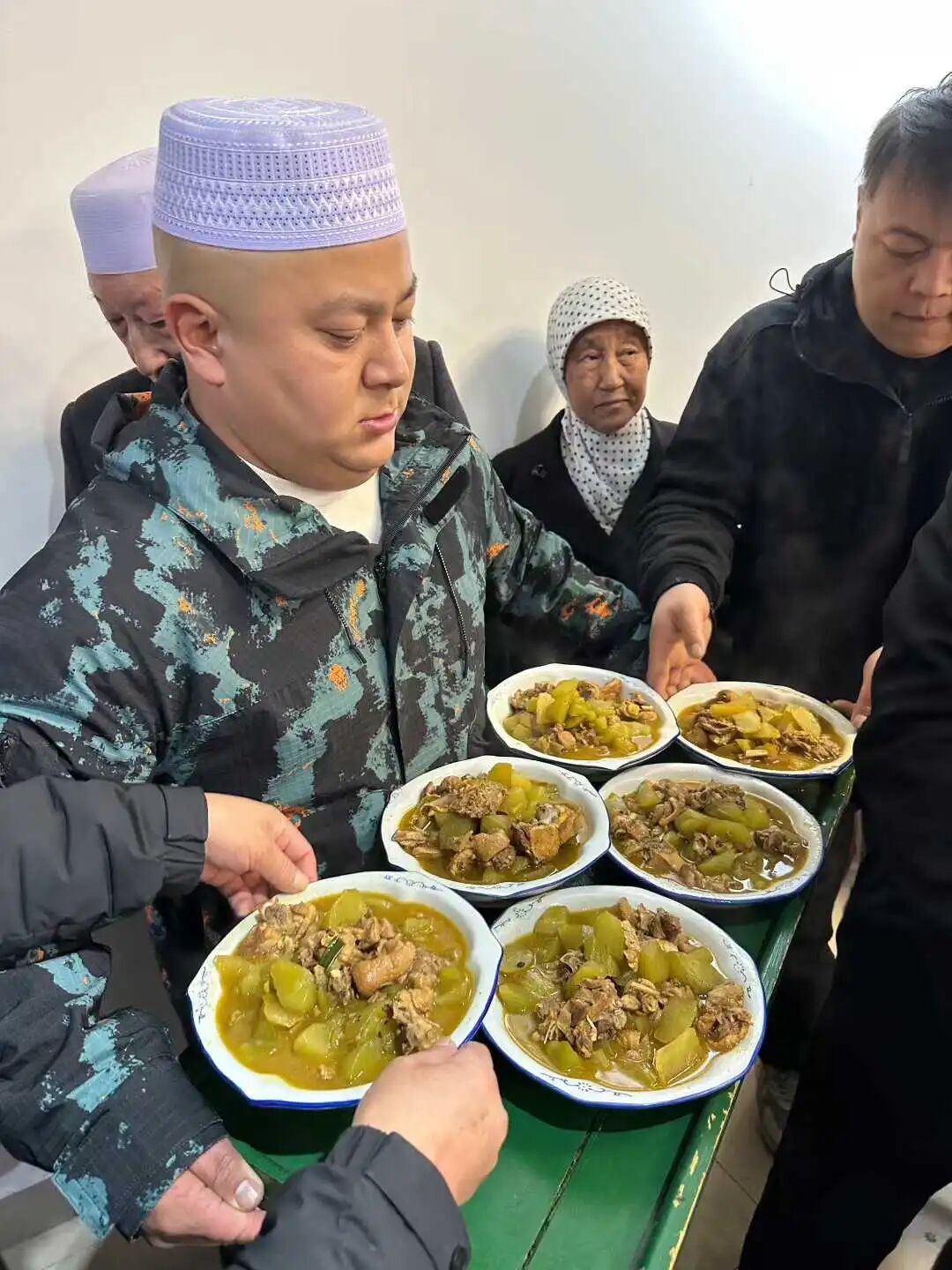
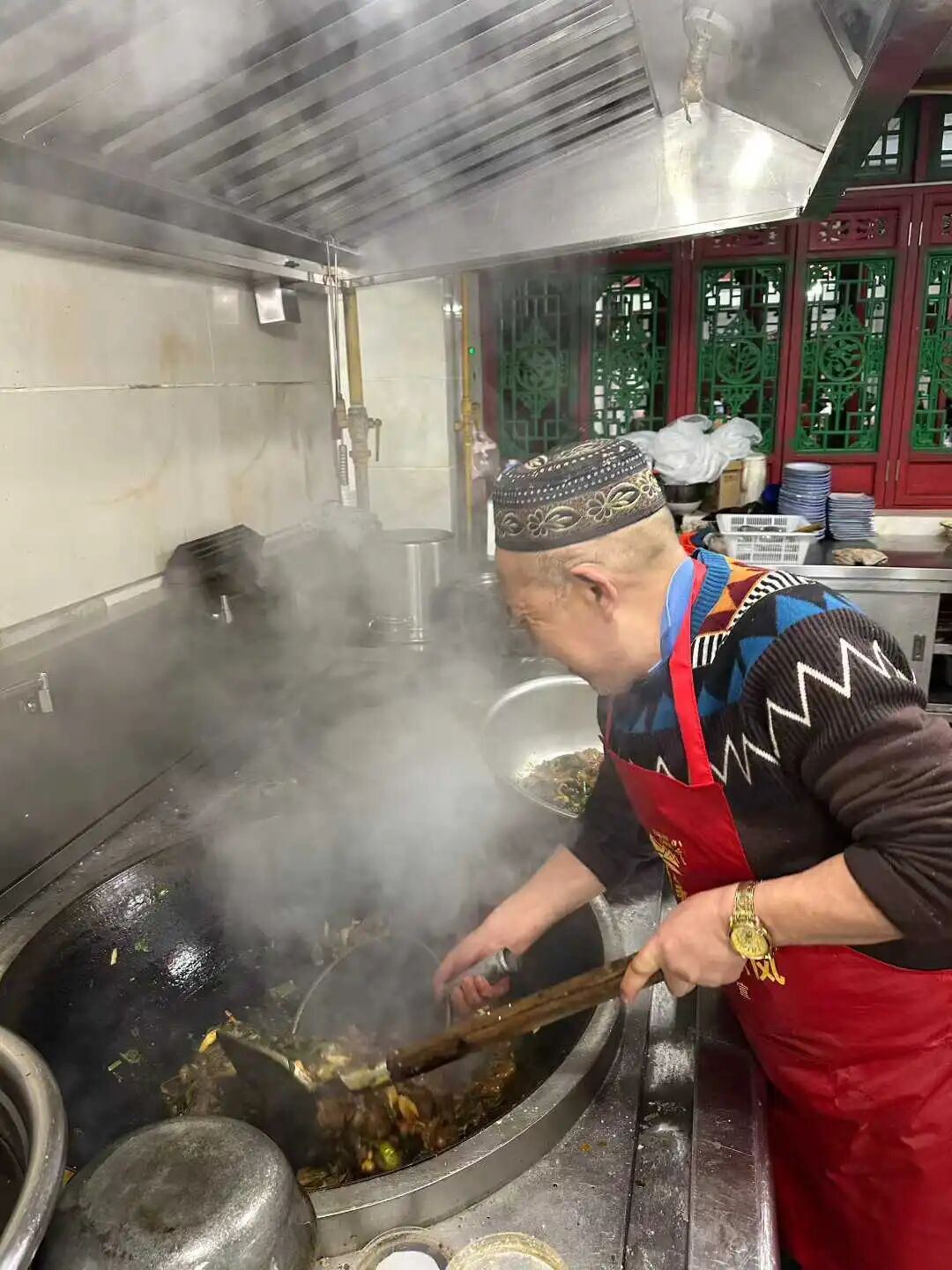
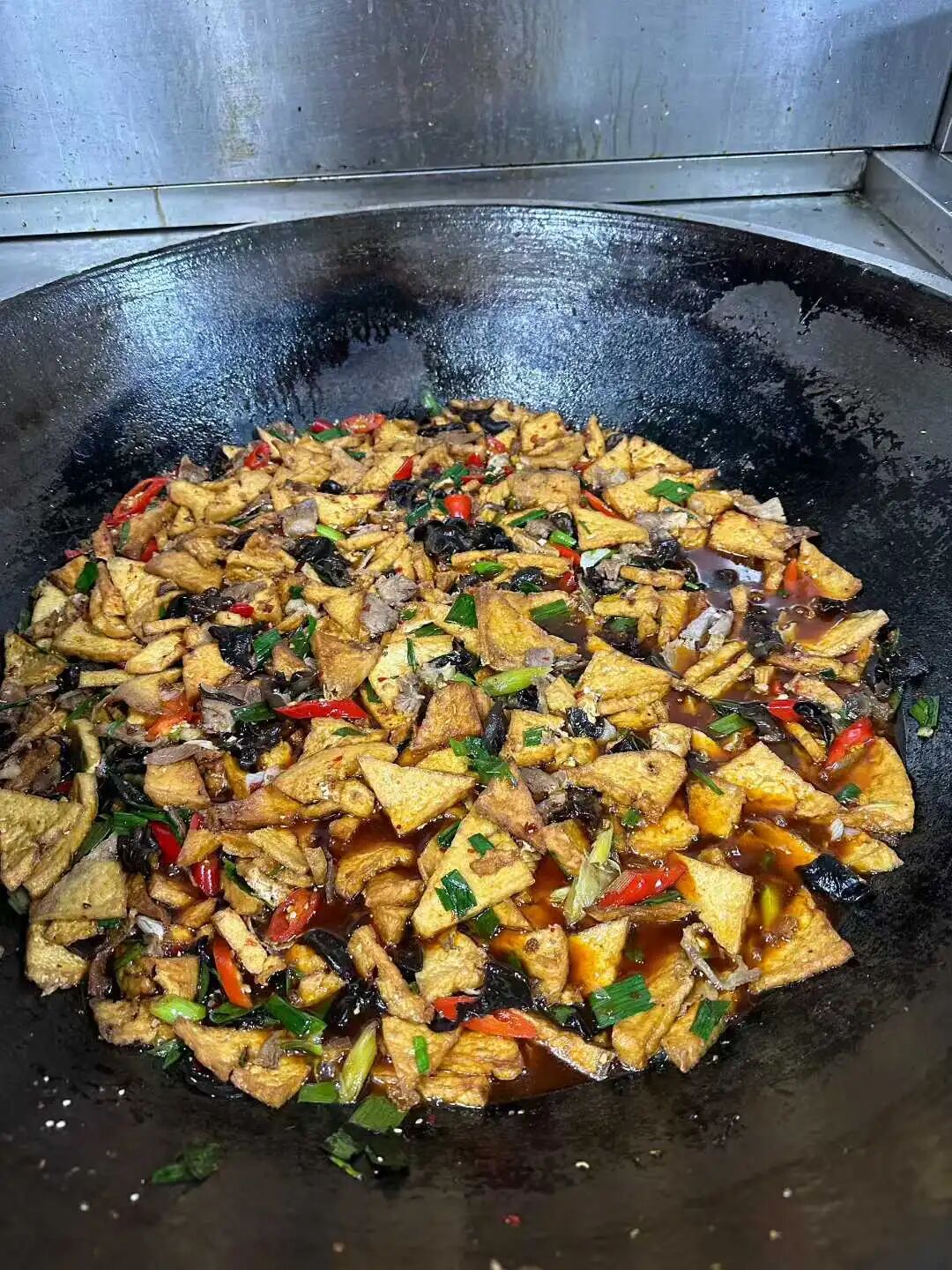
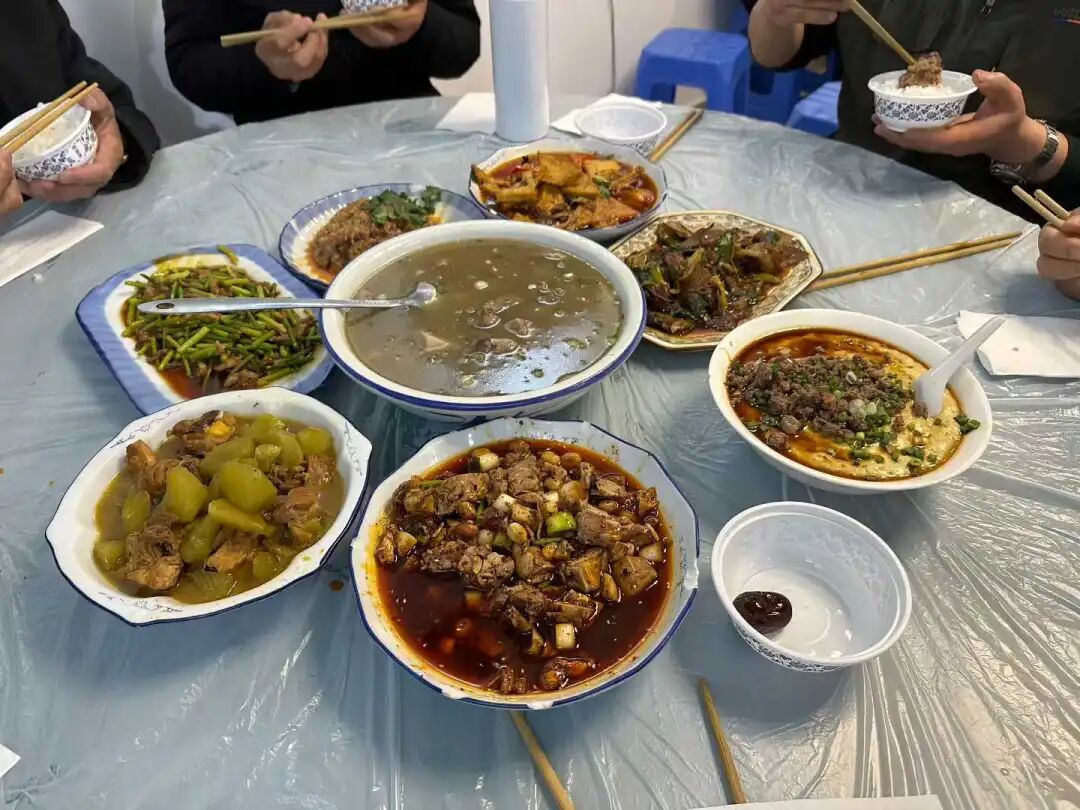
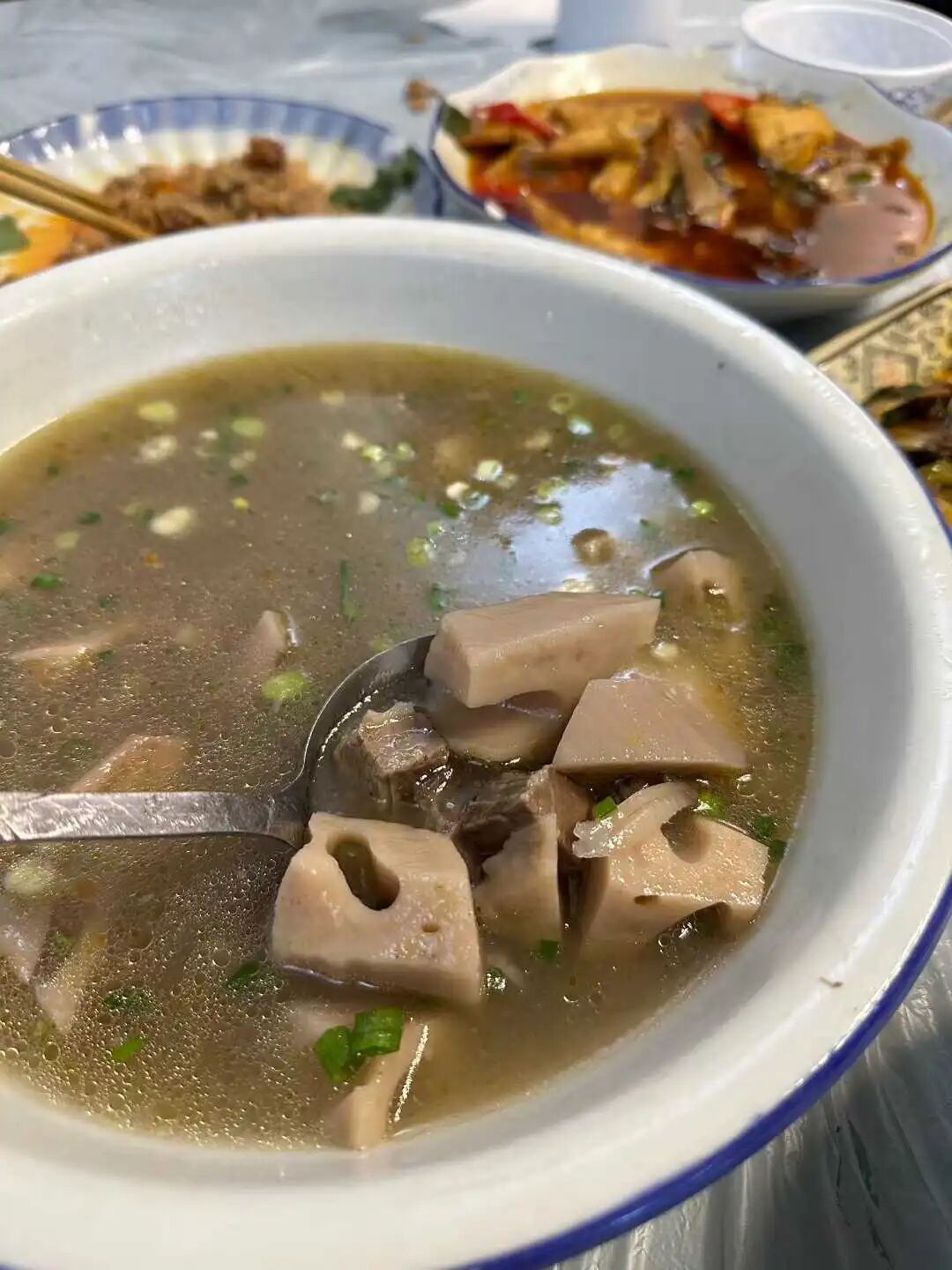
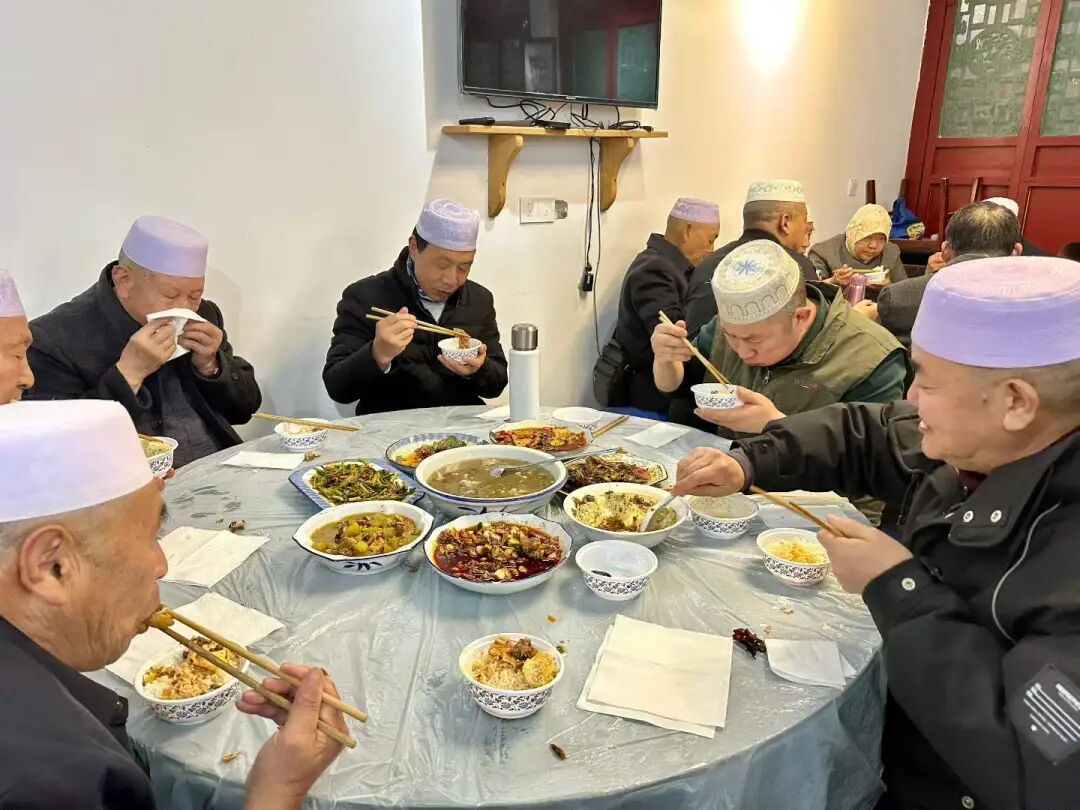
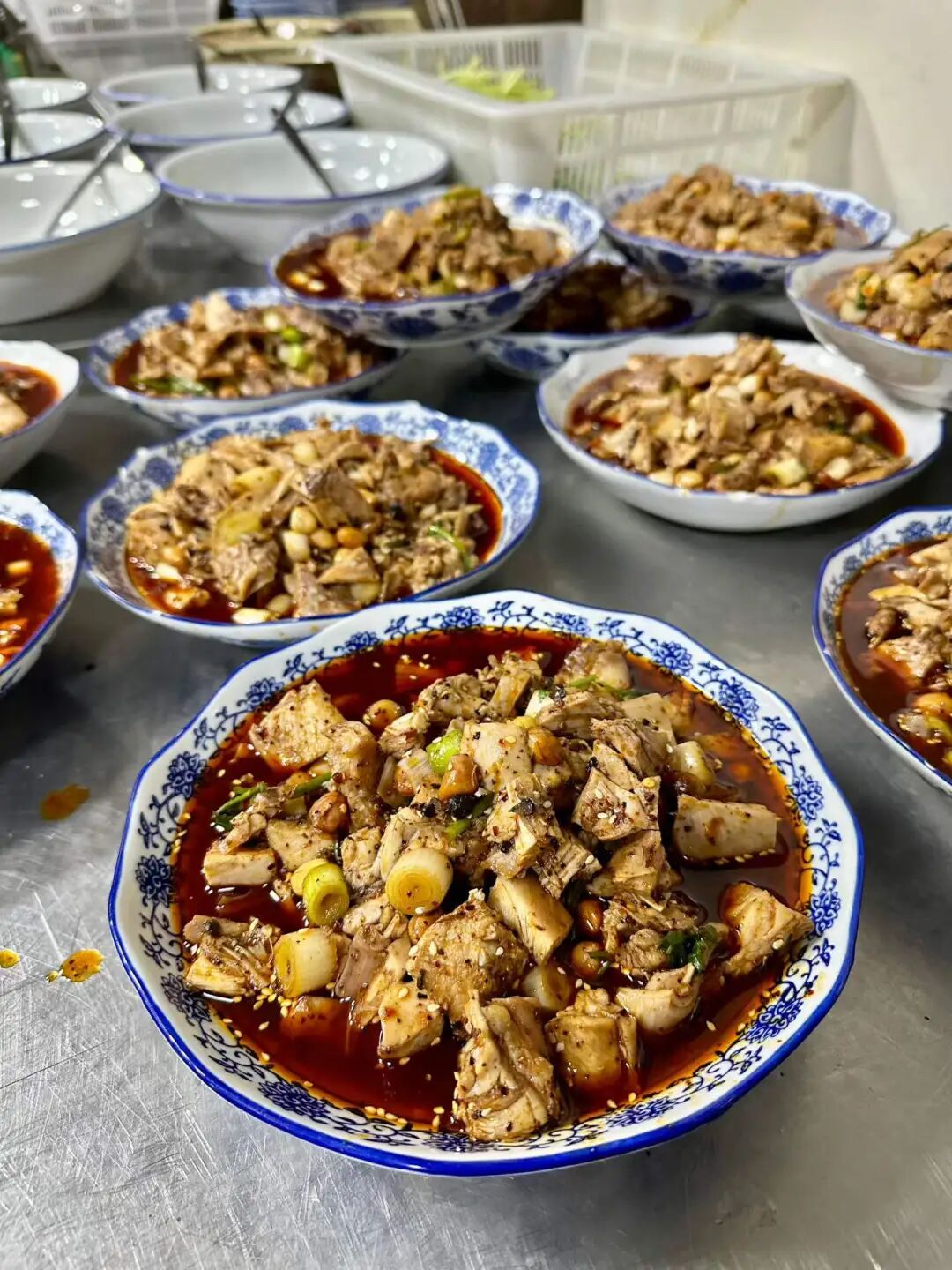
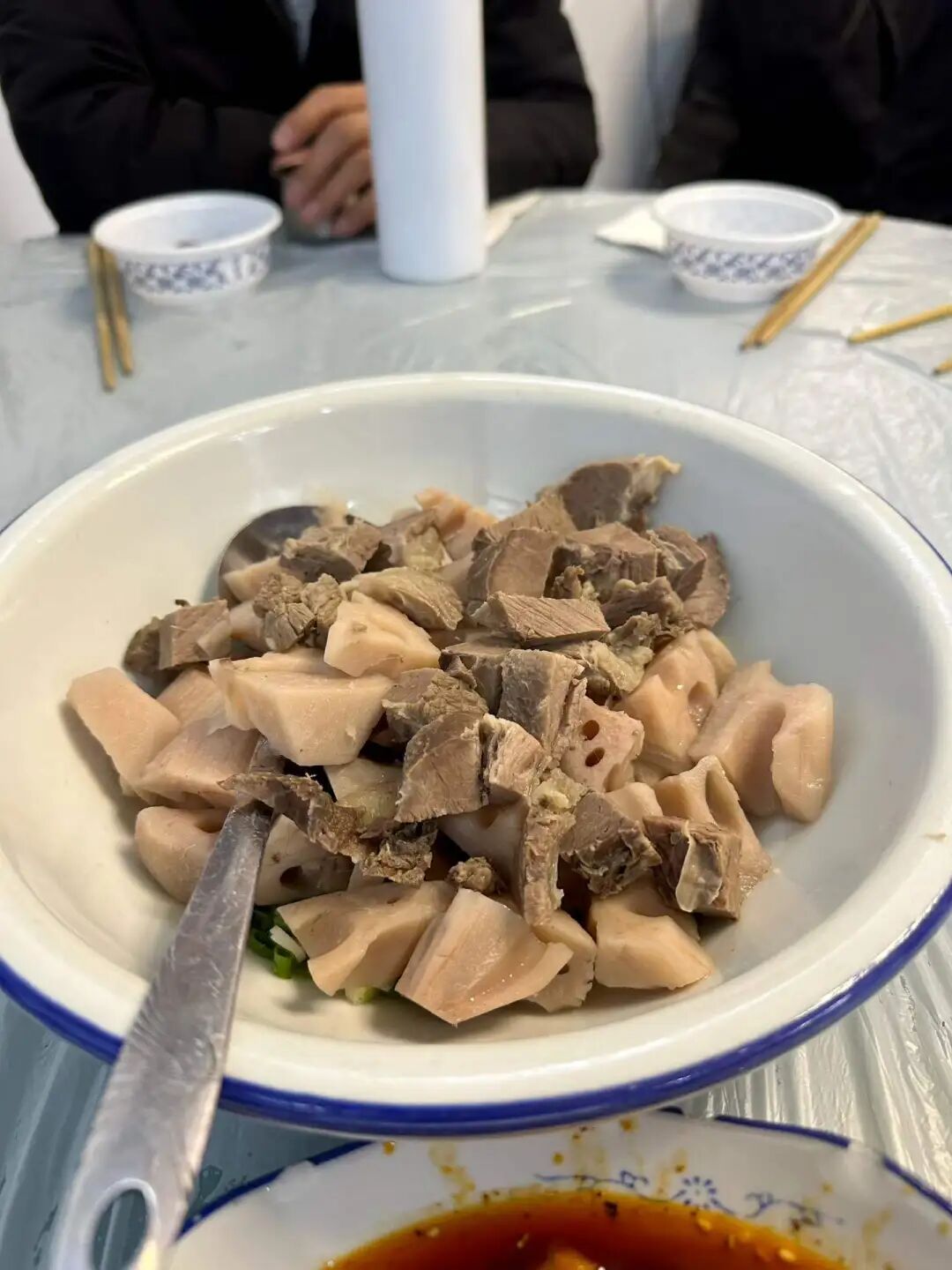
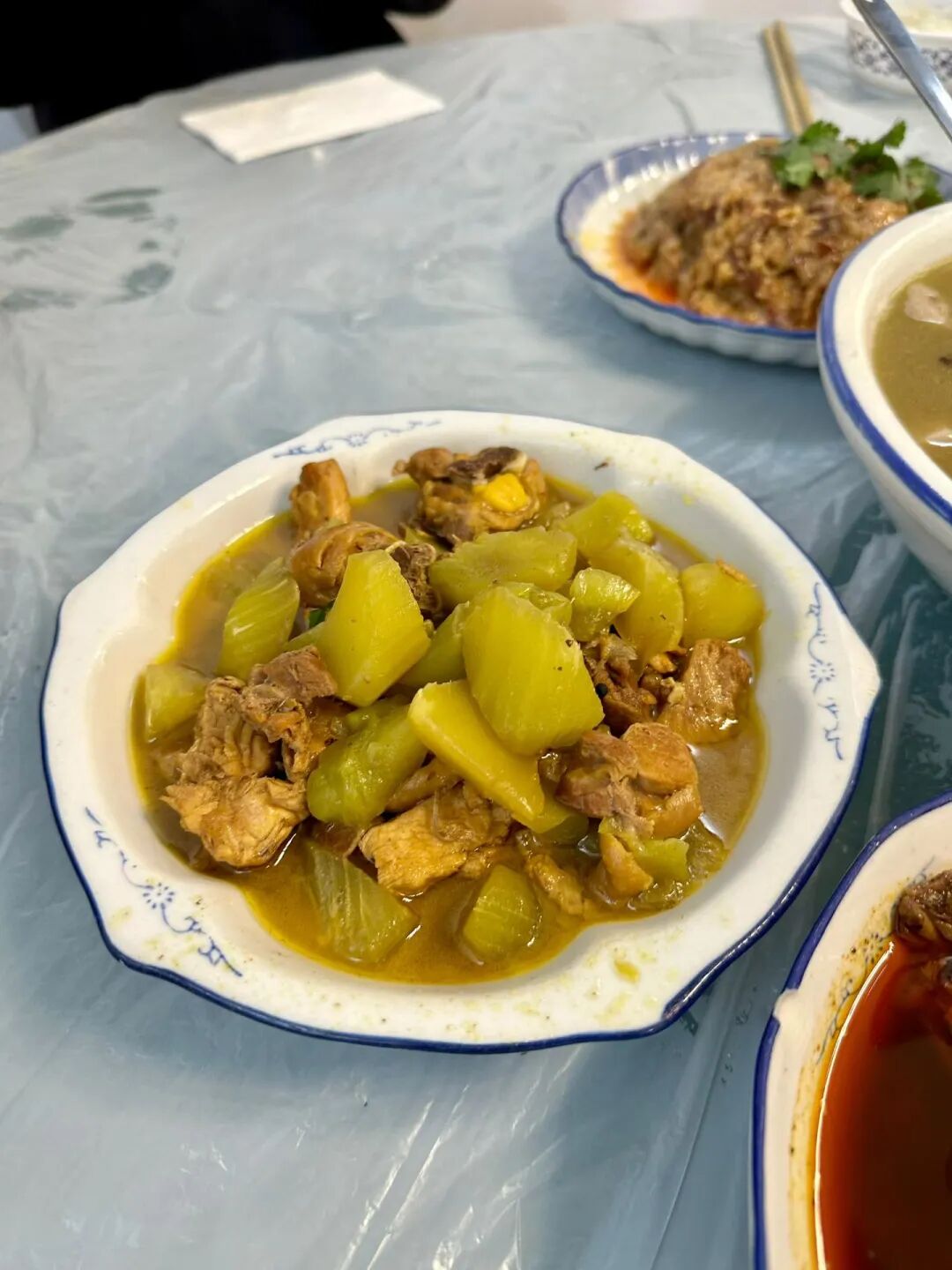
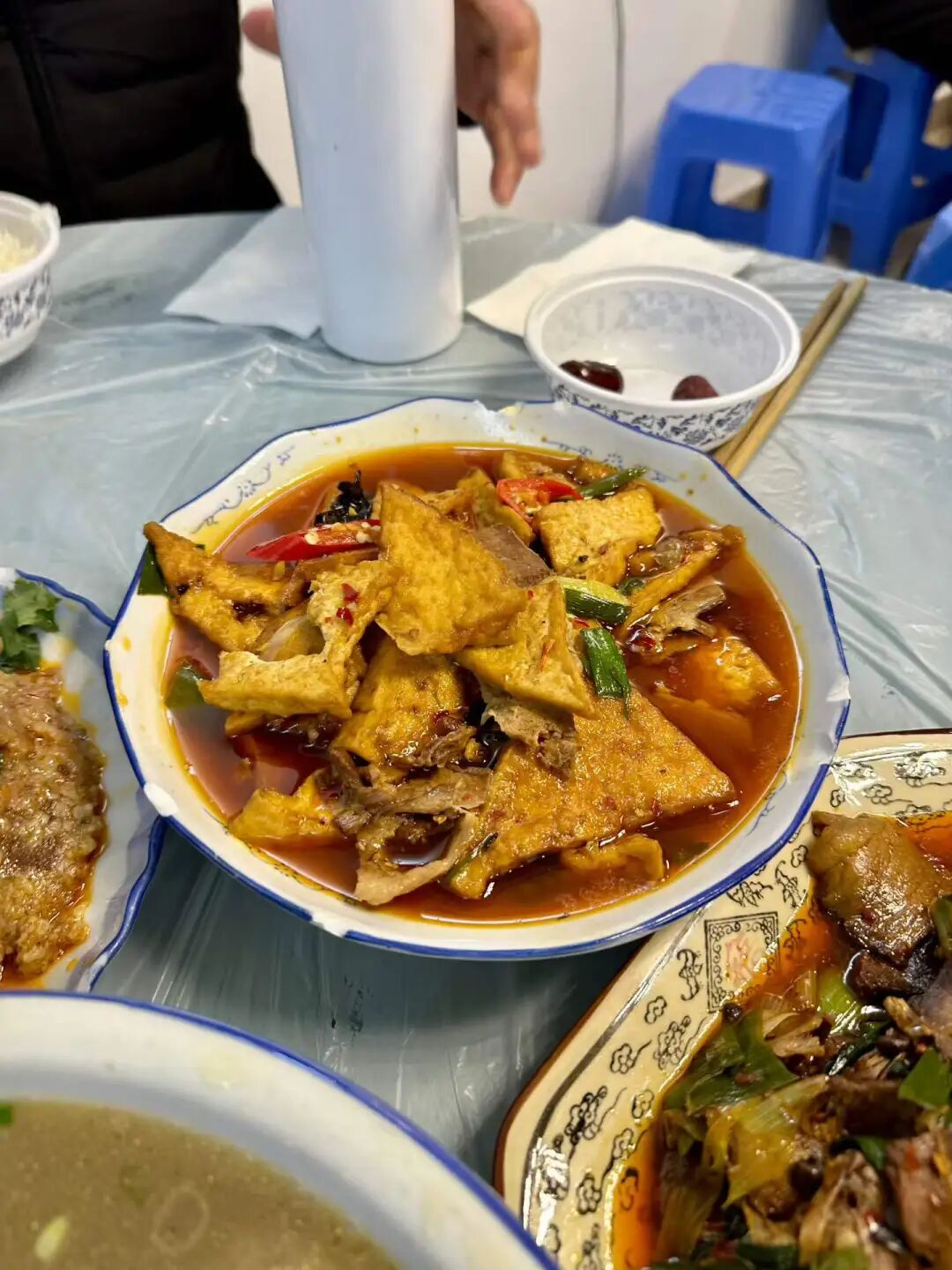
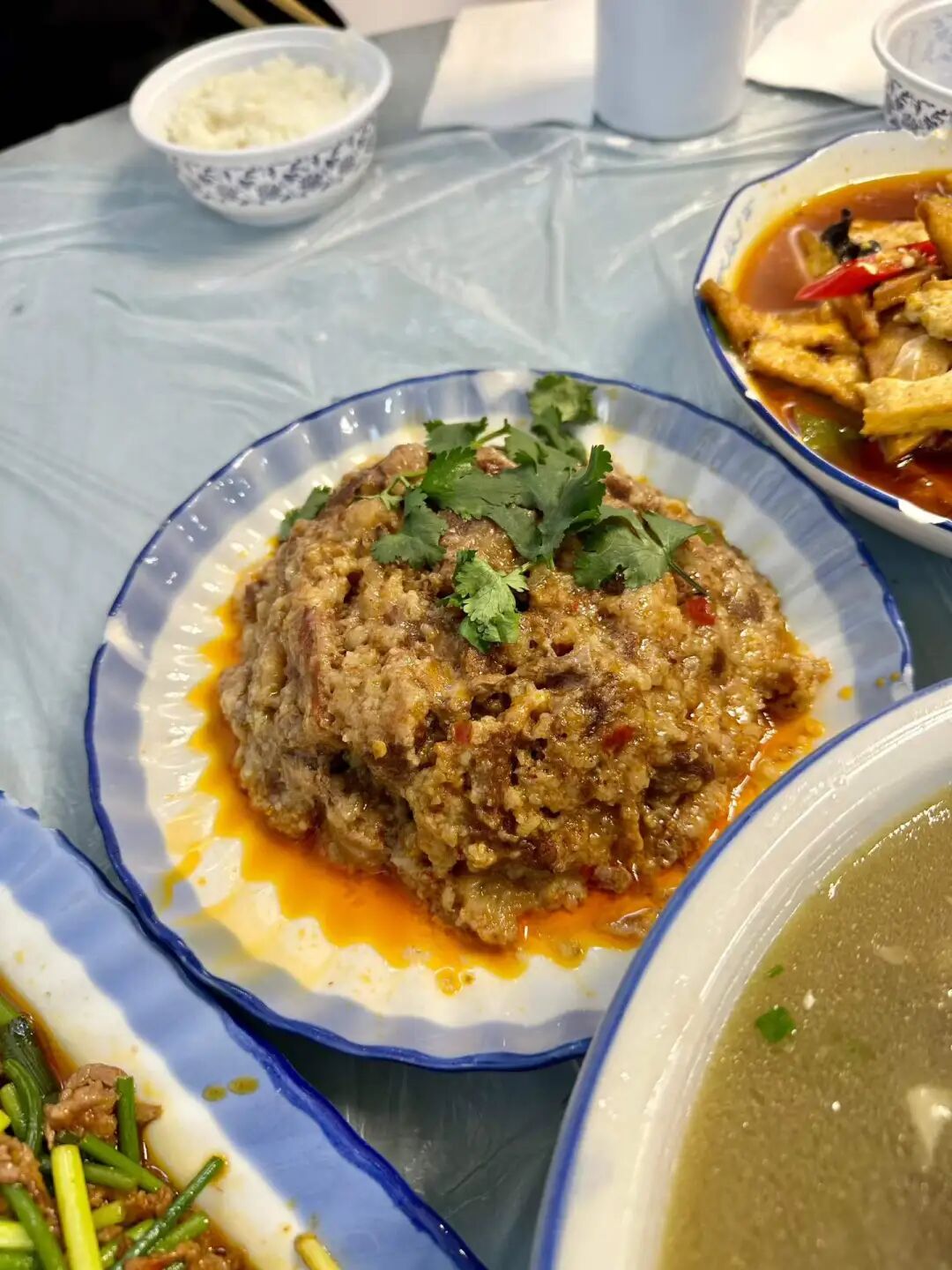
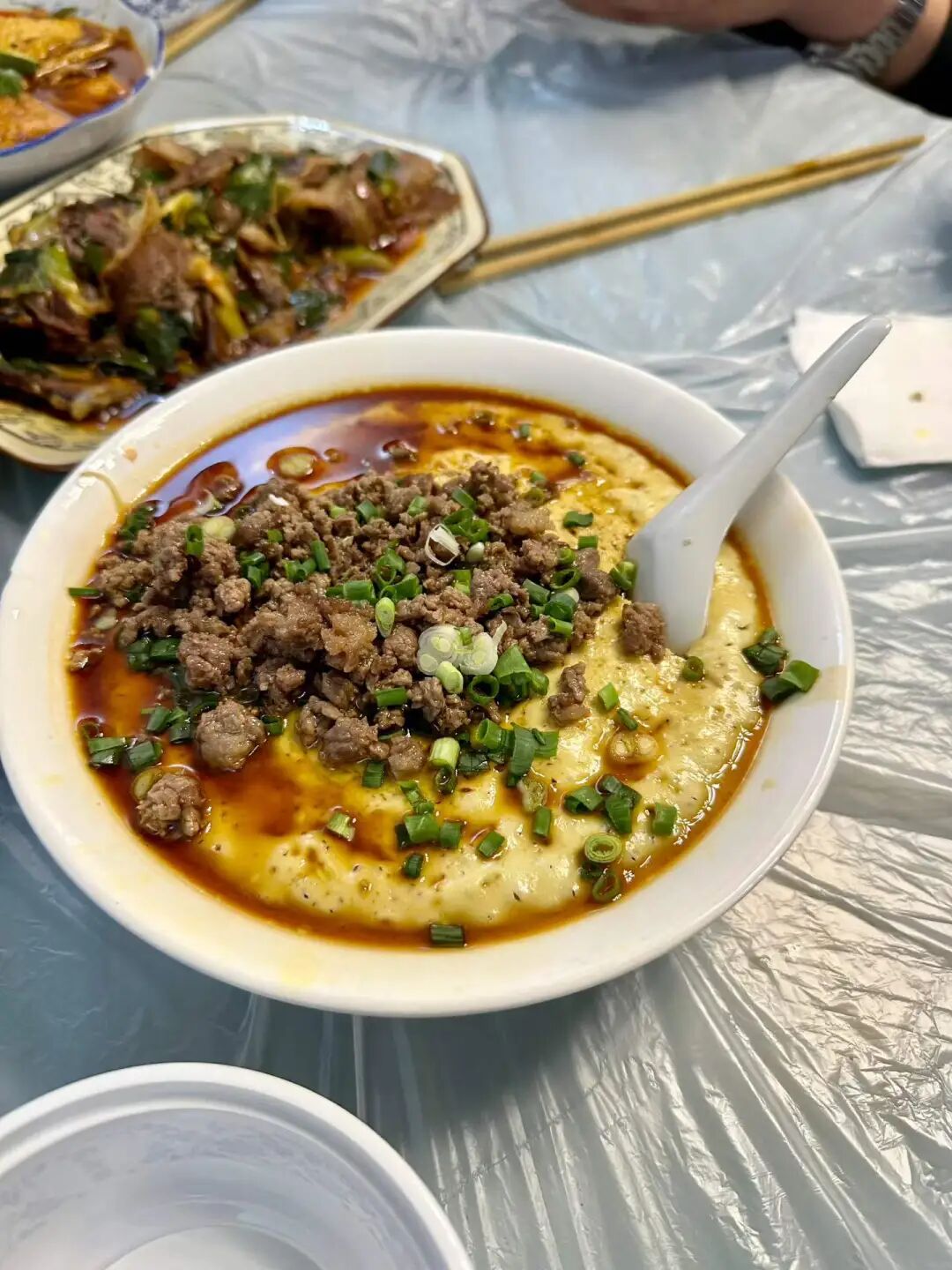
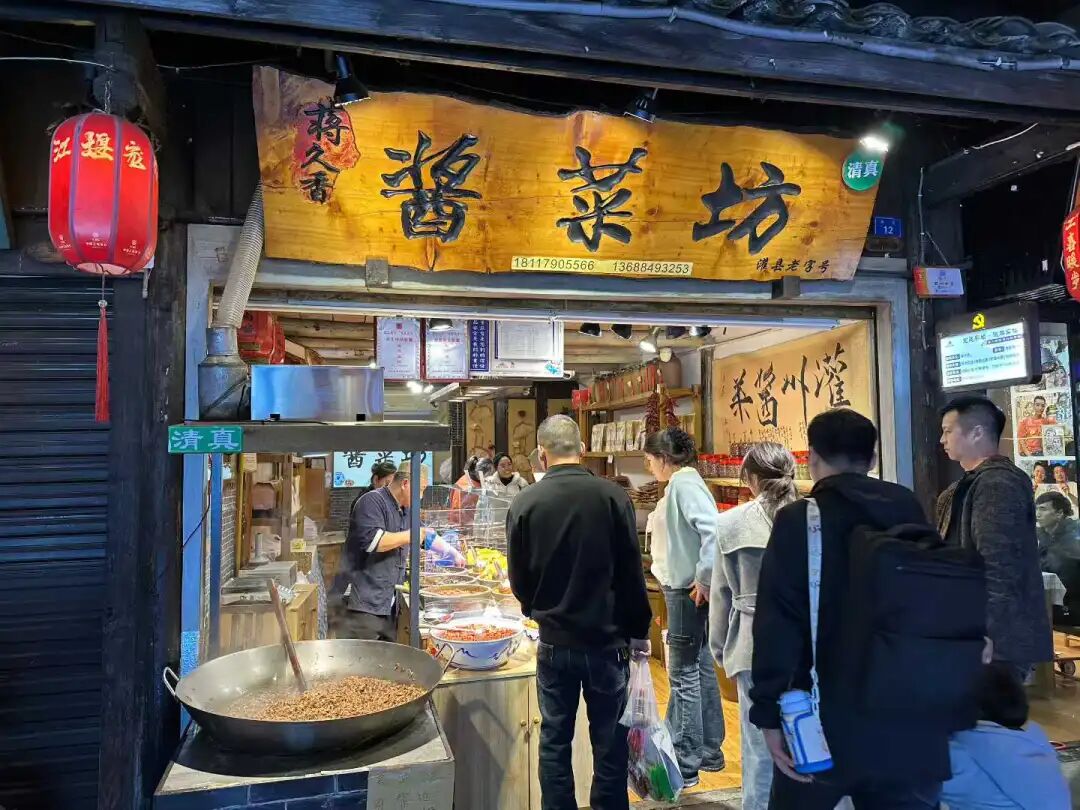
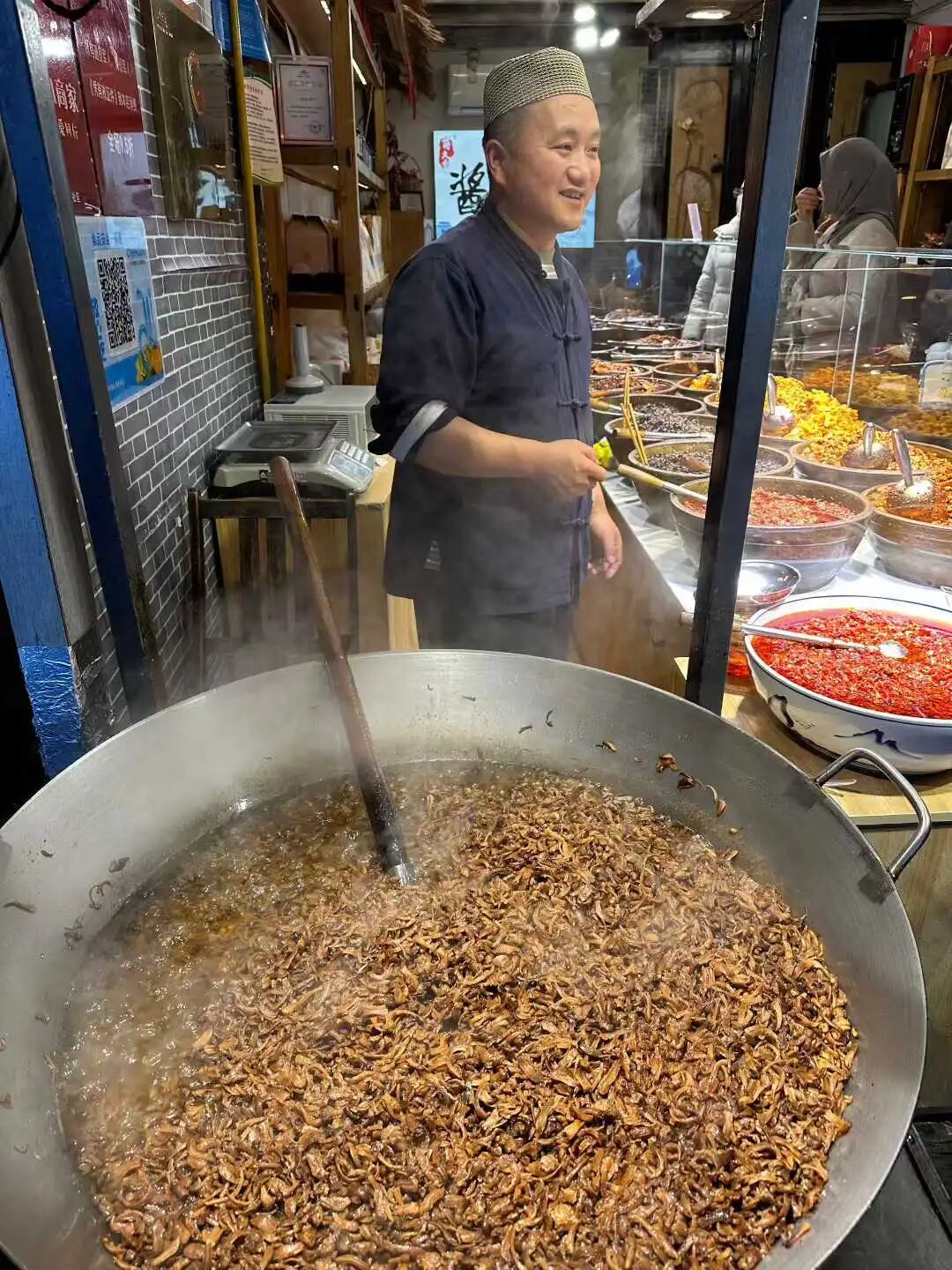
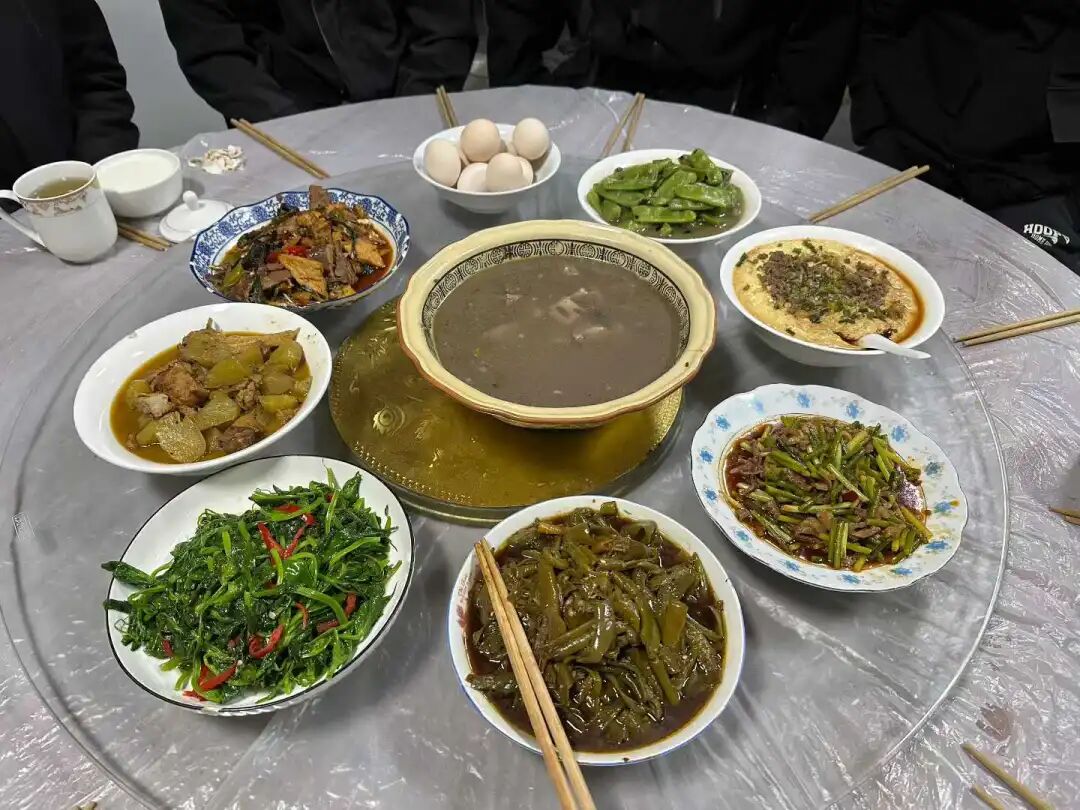
The entire street in Nanying Village is packed with restaurants and butcher shops run by Hui Muslims. We ate at Laowu Restaurant, right at the south entrance of the village. Our friend had a sheep slaughtered, and the restaurant prepared a full lamb feast for us. It included roasted lamb chops, braised lamb knuckle tendons (wogujin), stir-fried lamb offal with coriander (yanbao yangza), sesame lamb, and clear-boiled meatballs (qingcuan wanzi). Of course, we also had the fried dough (youxiang) that is essential for any religious feast. Their cooking was better than many places I have tried in Beijing, partly because they use freshly slaughtered lamb. The fresh lamb offal had no chili or Sichuan peppercorns, just a quick stir-fry with coriander stems. It is rare to taste such a clean, fresh flavor in lamb offal. The lamb knuckle tendons had a great texture; they were softer than regular hoof tendons but still had a nice chew. The sesame lamb was also very tender. Many Beijing restaurants make it tough, but this was the best I have ever had. The meatballs were firm and meaty, unlike some places in Beijing where they are full of starch and you can barely taste the meat. Freshly slaughtered lamb is perfect for clear-boiled meatballs. If you deep-fried them, you would lose that fresh flavor.

They have plenty of other dishes too. It takes less than an hour to drive here from Beijing via the Beijing-Shanghai Expressway. On the way back, you have to go through a checkpoint where they check your trunk, but we barely had to wait in line on Sunday afternoon.


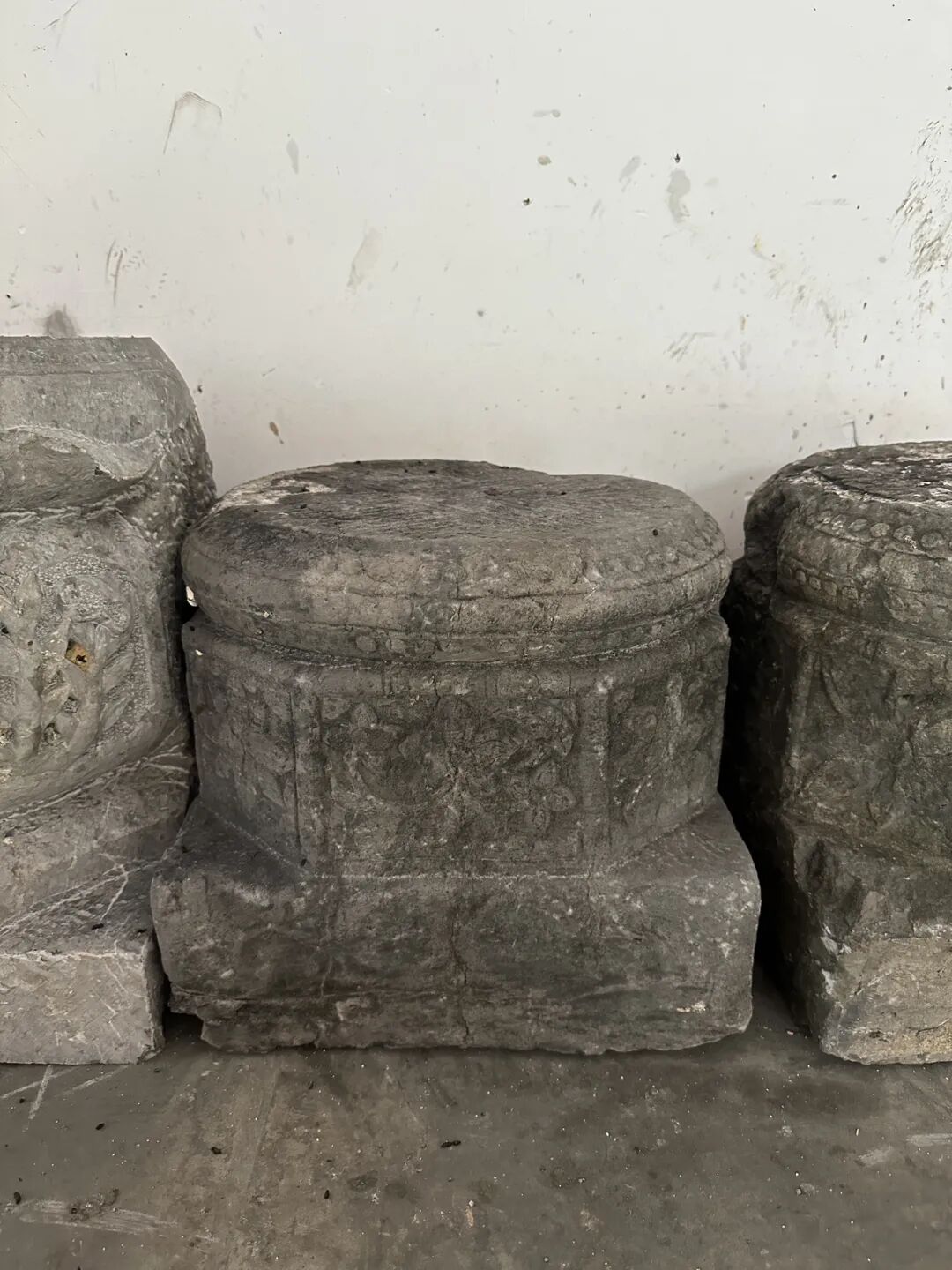
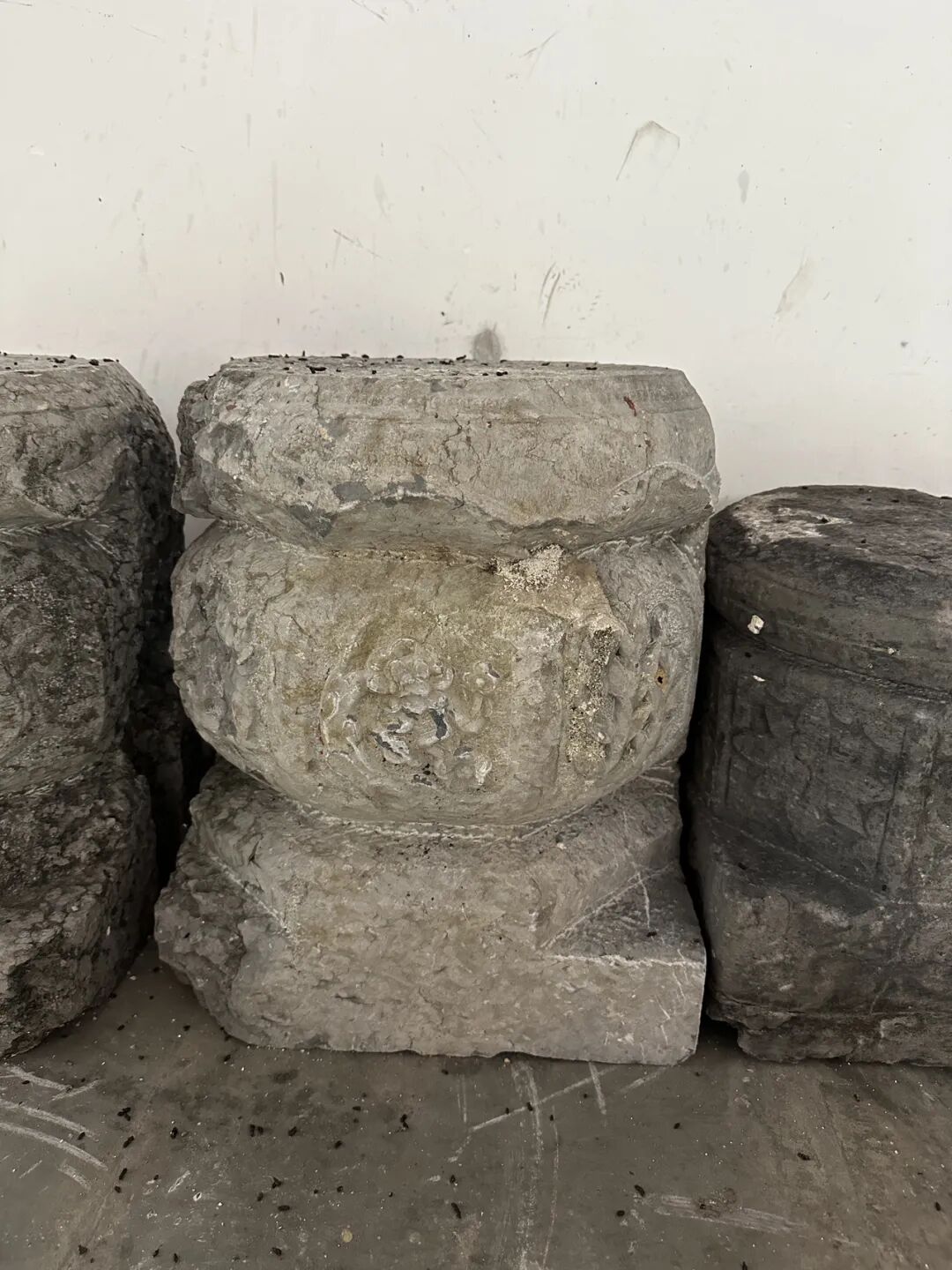
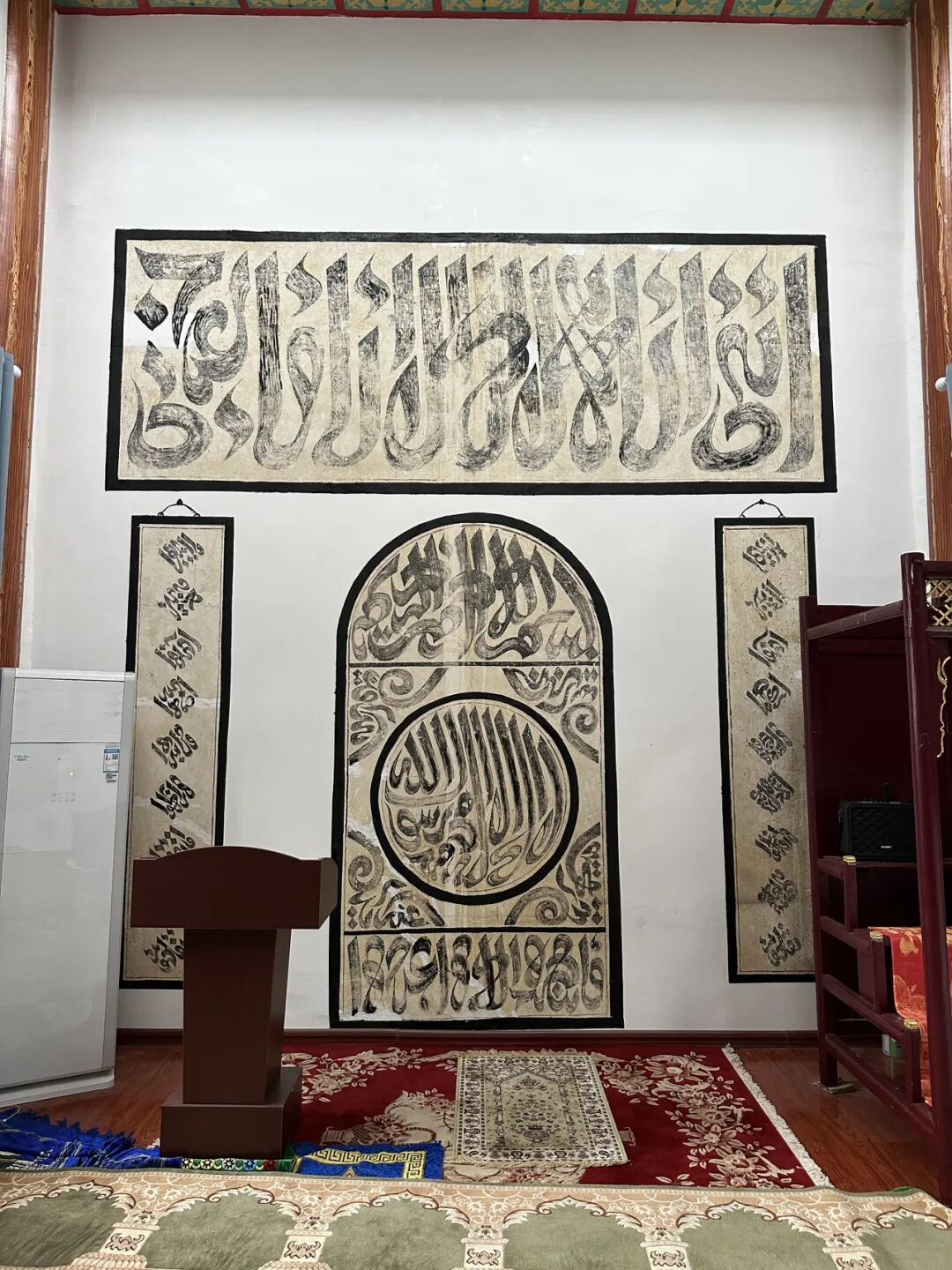
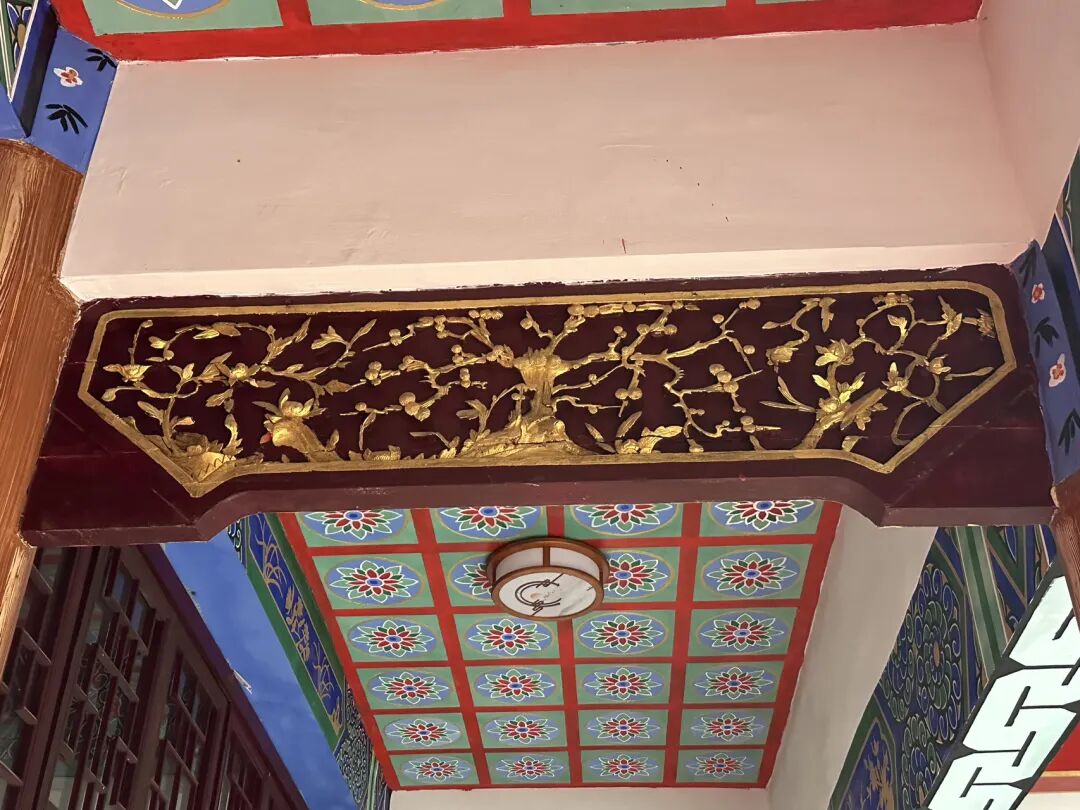
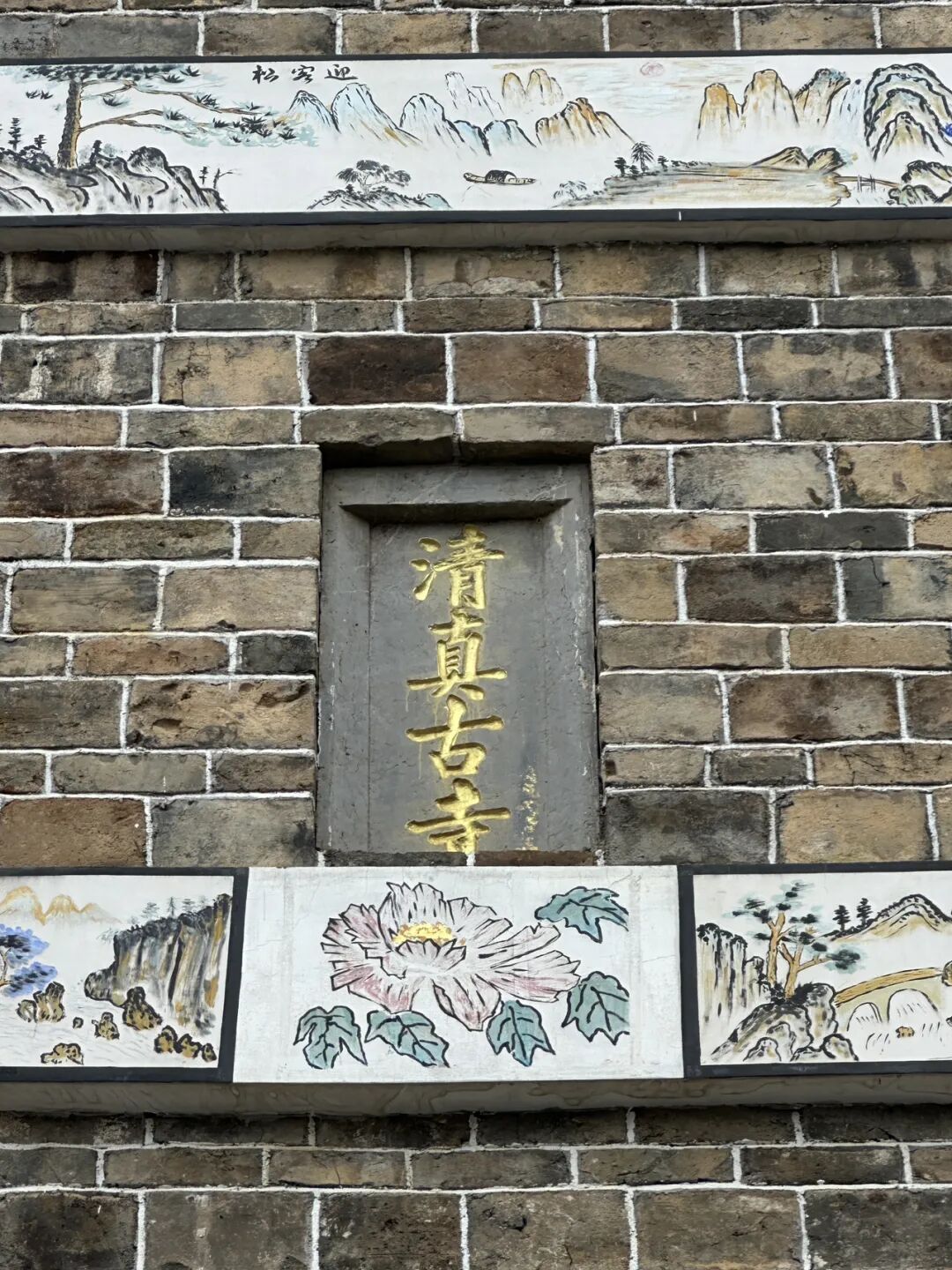
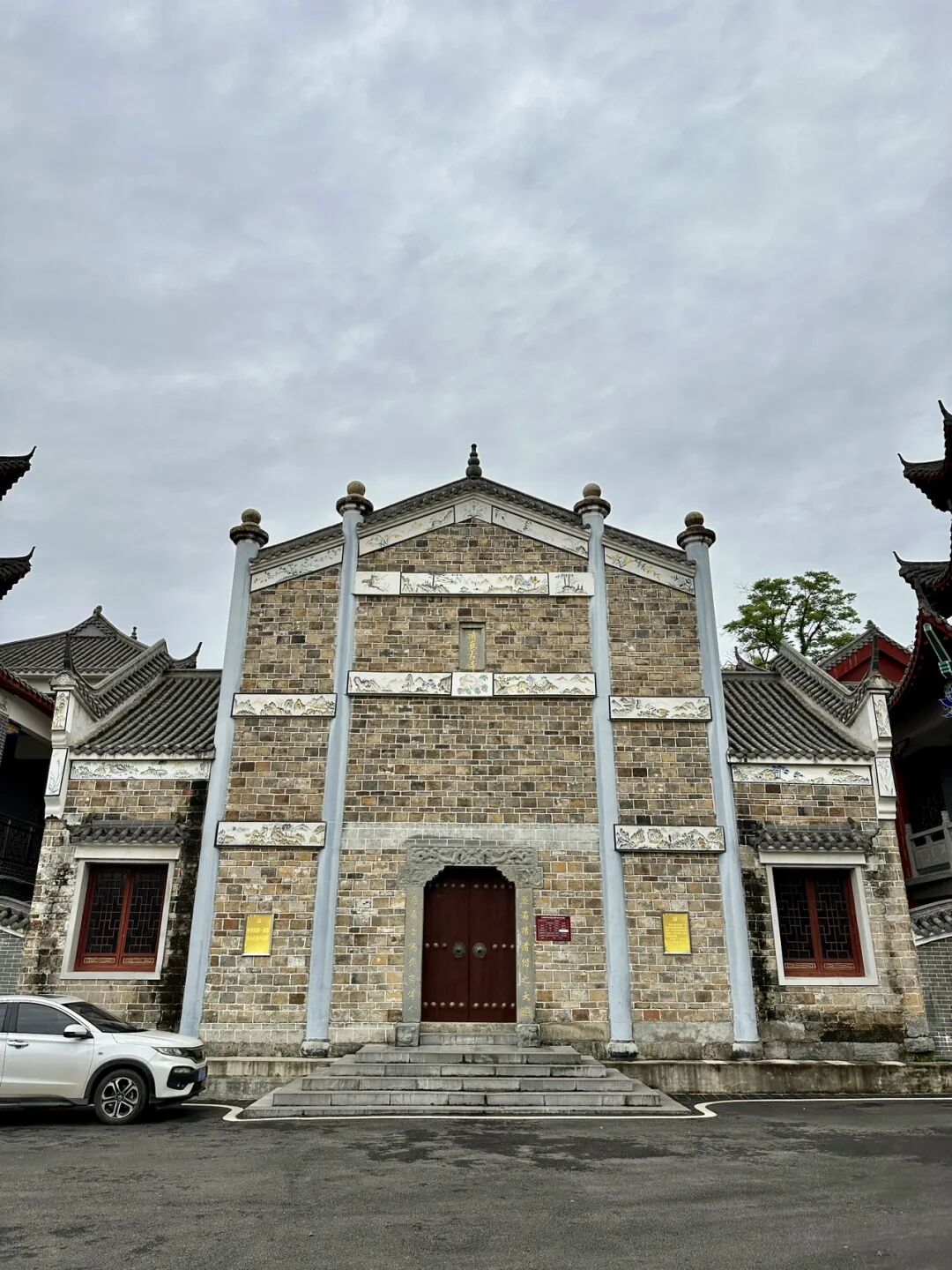
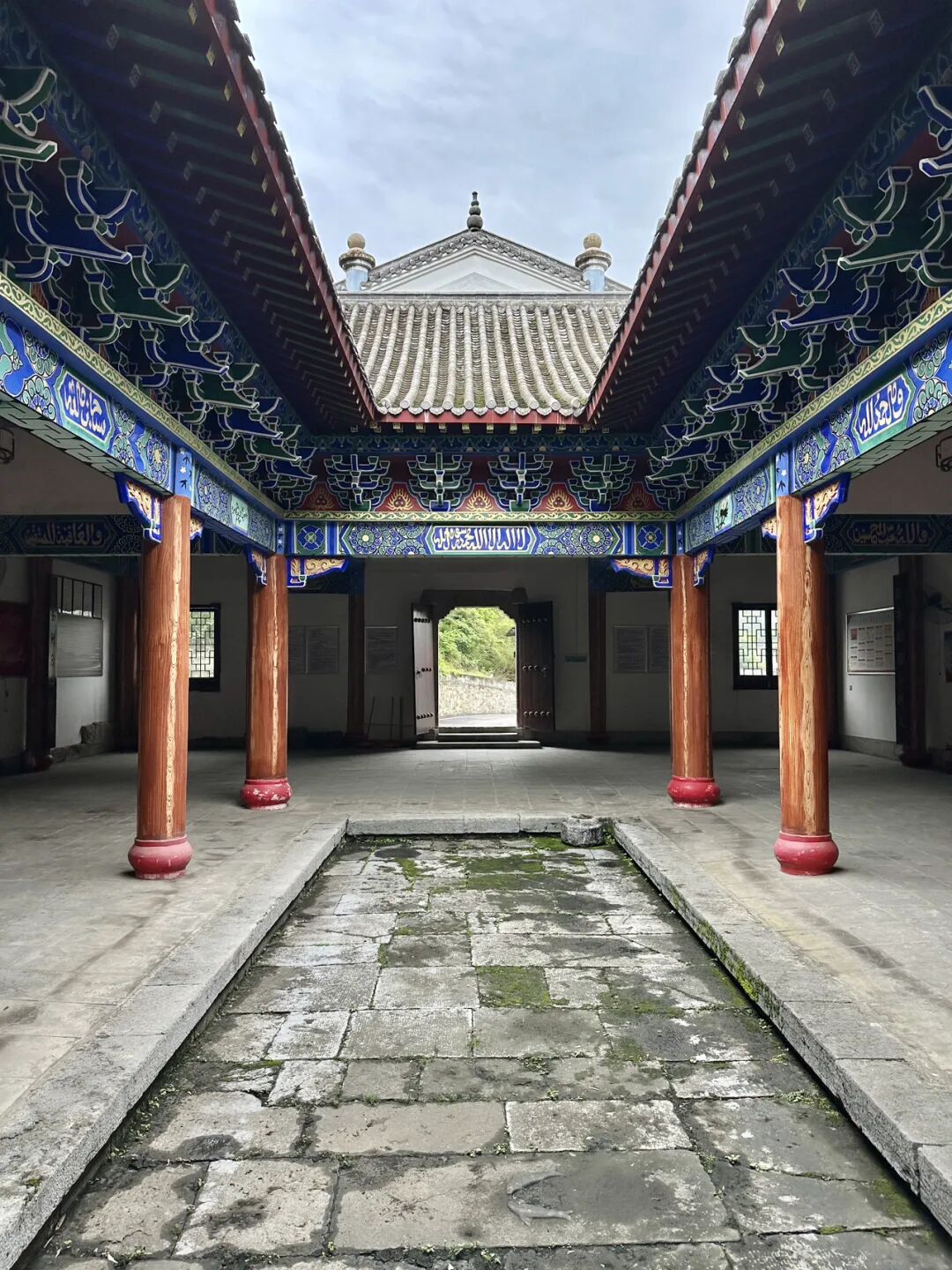
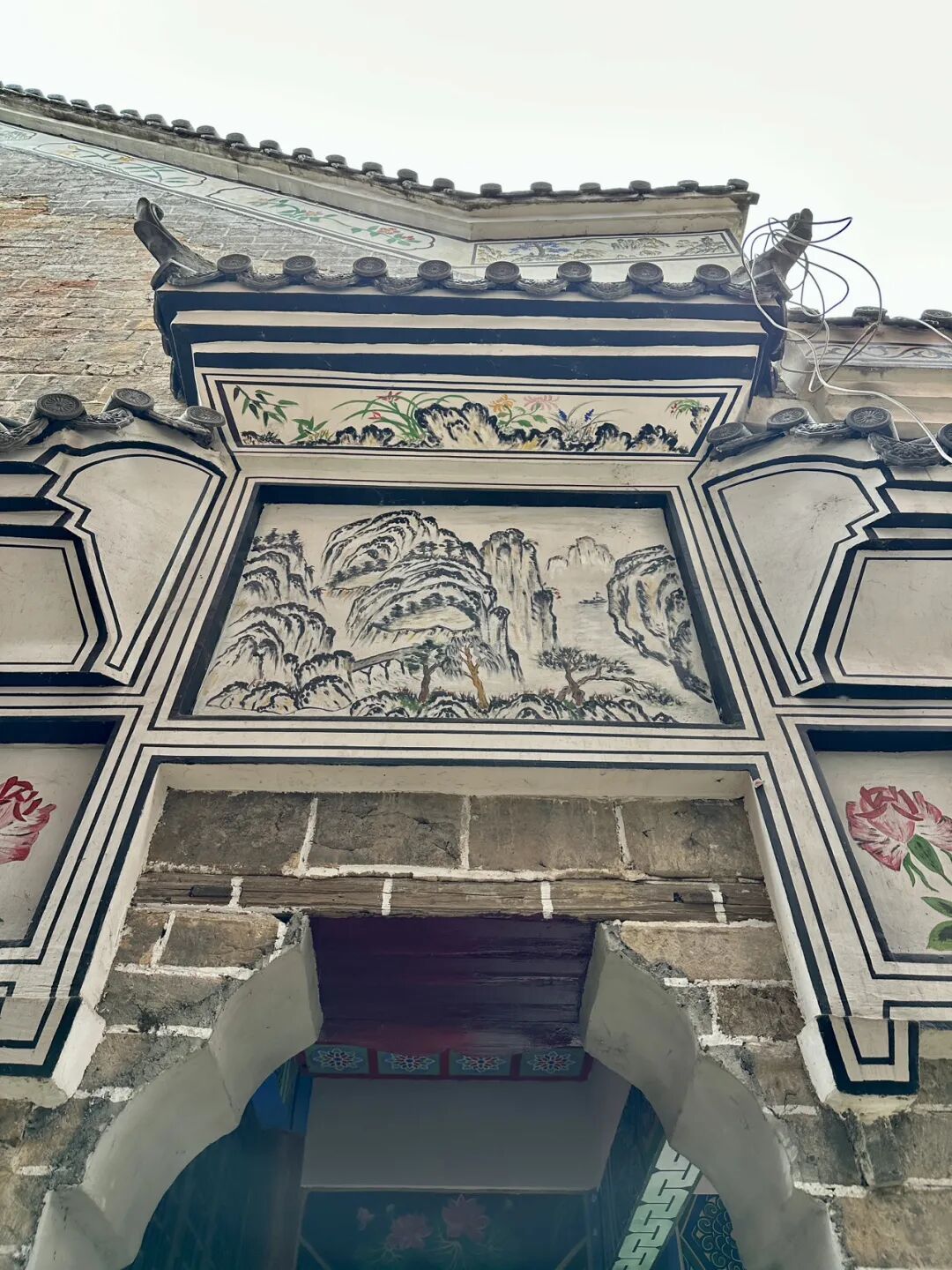
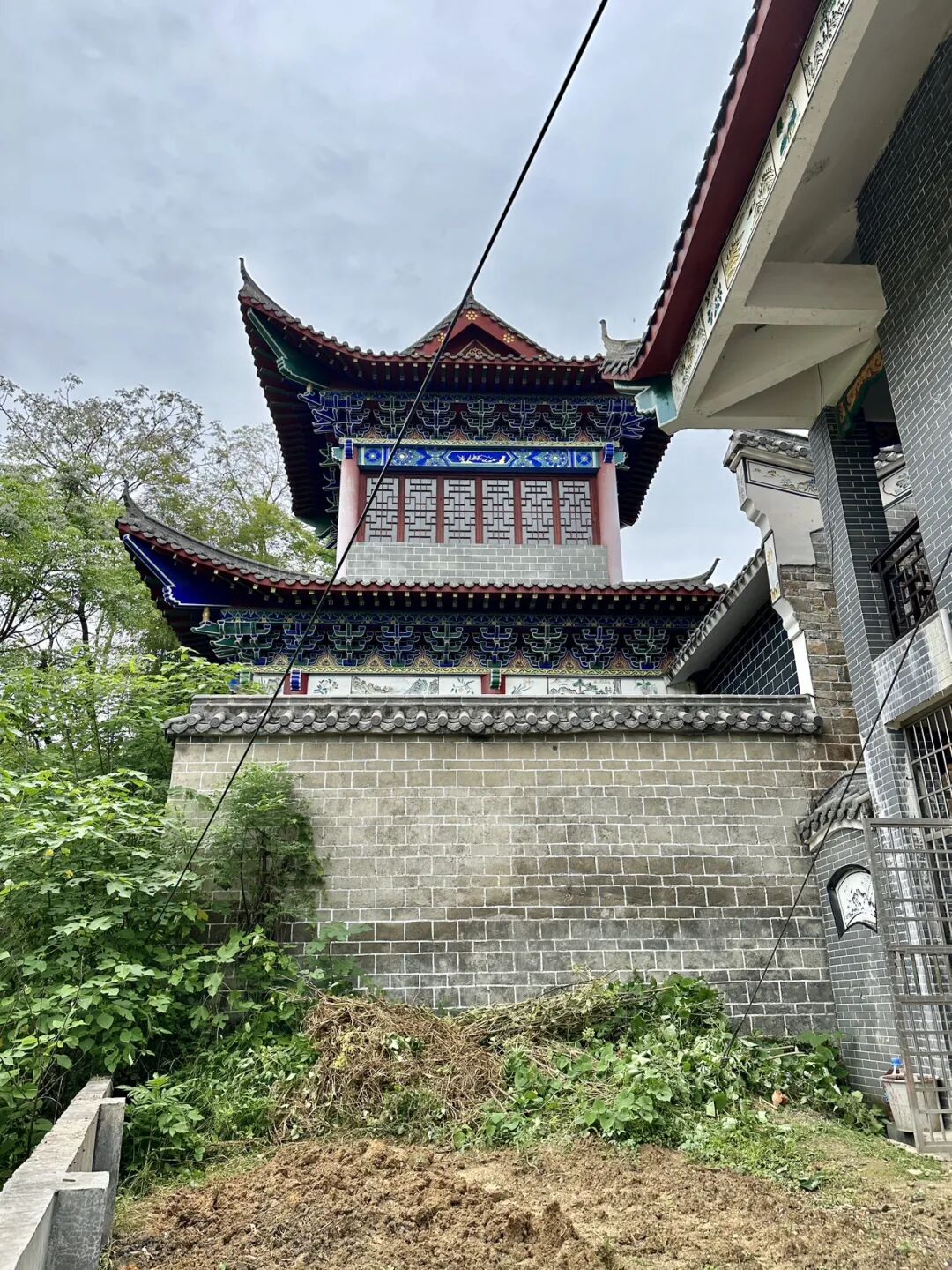
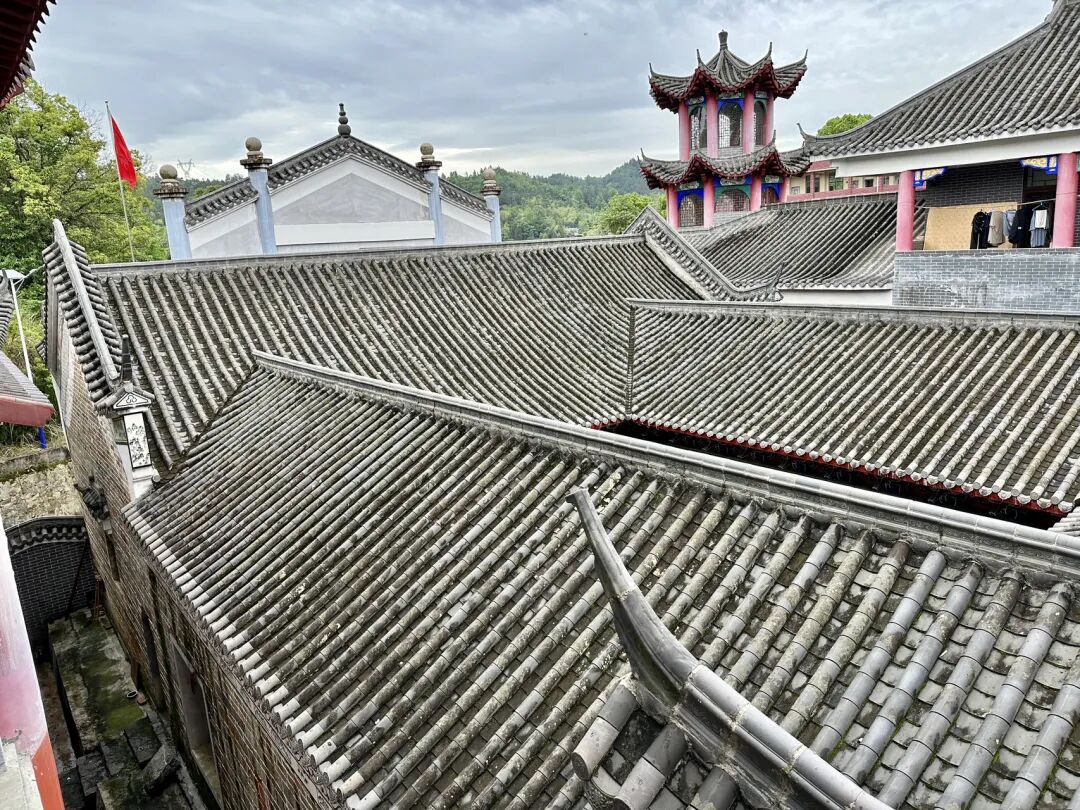
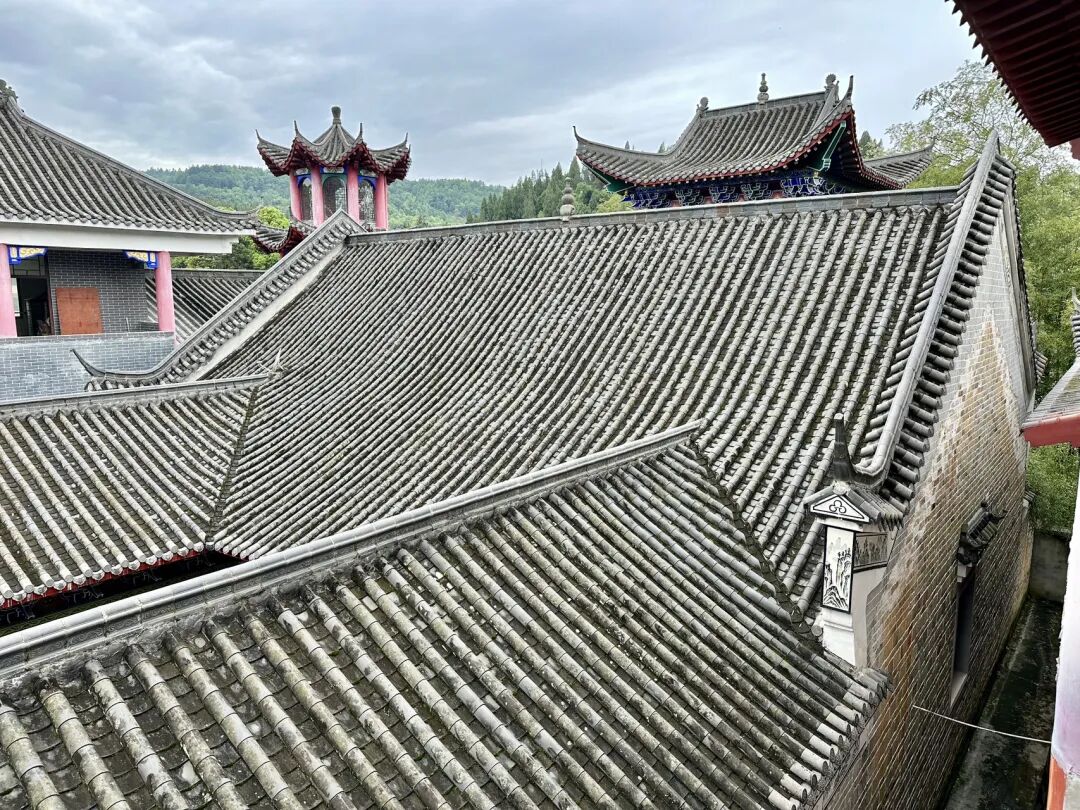
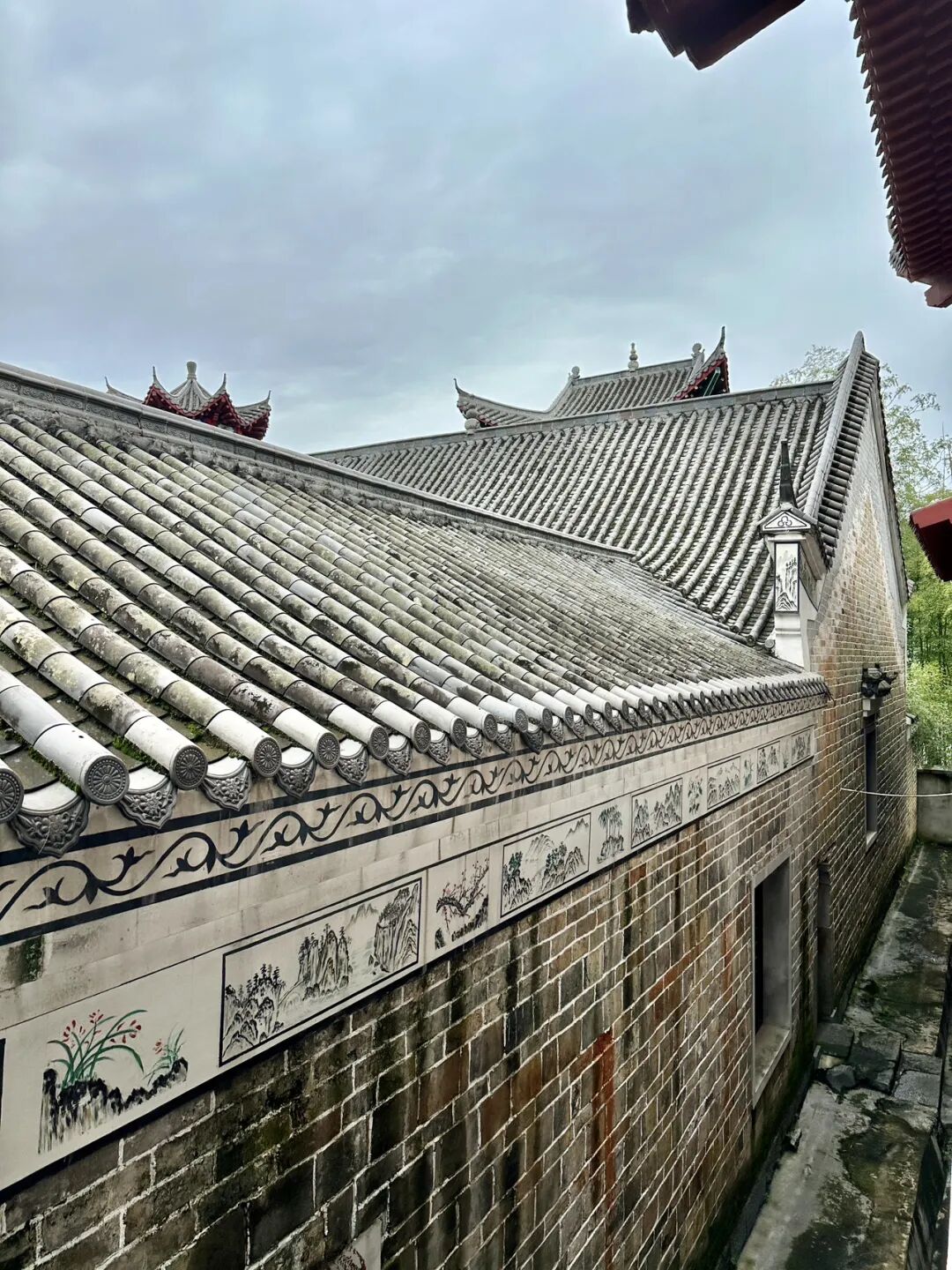
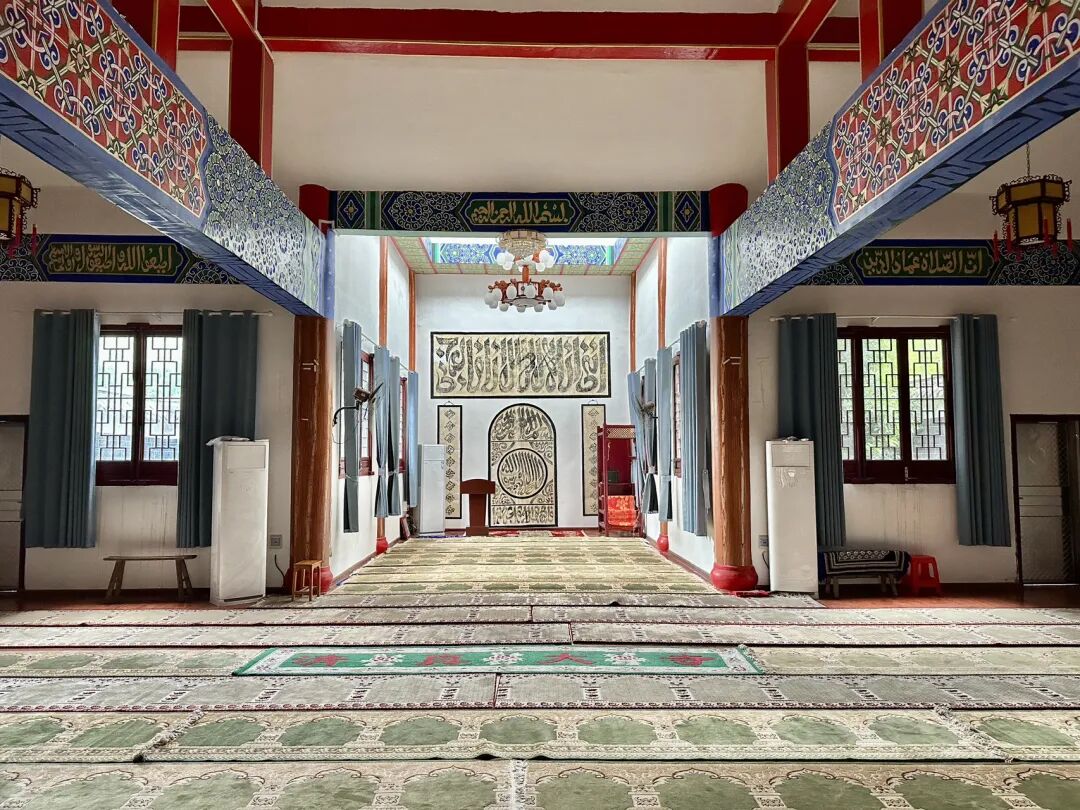
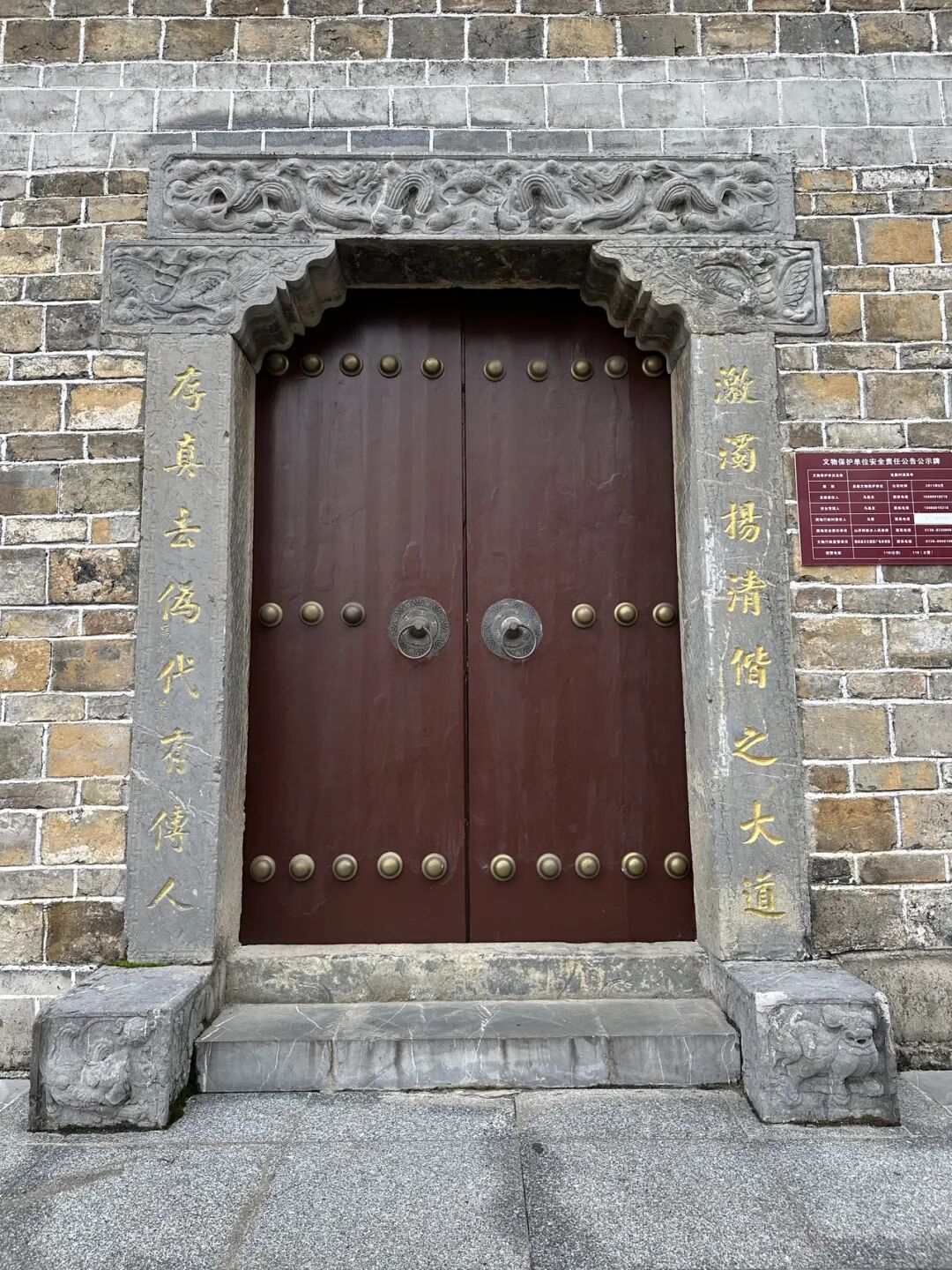
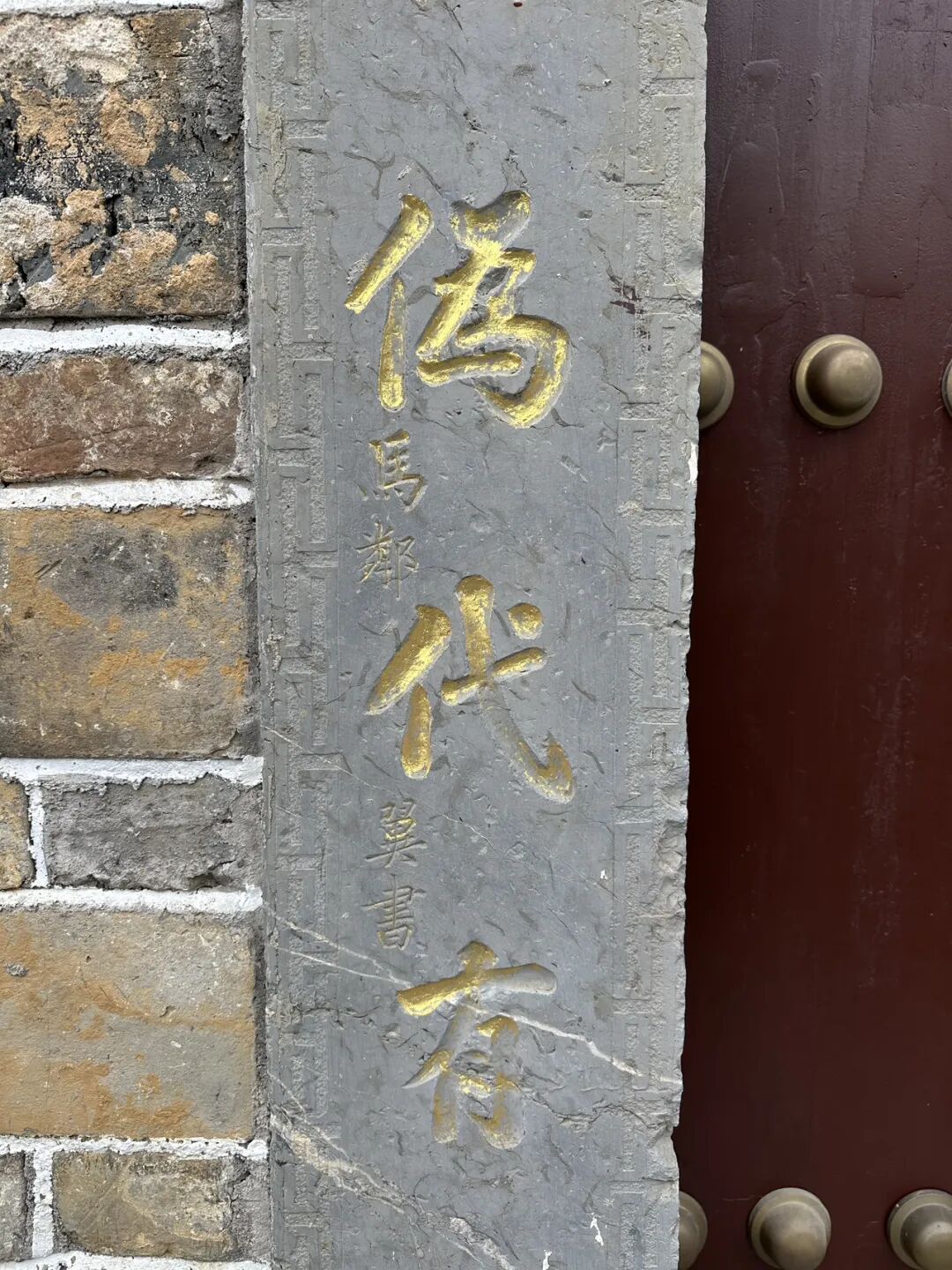
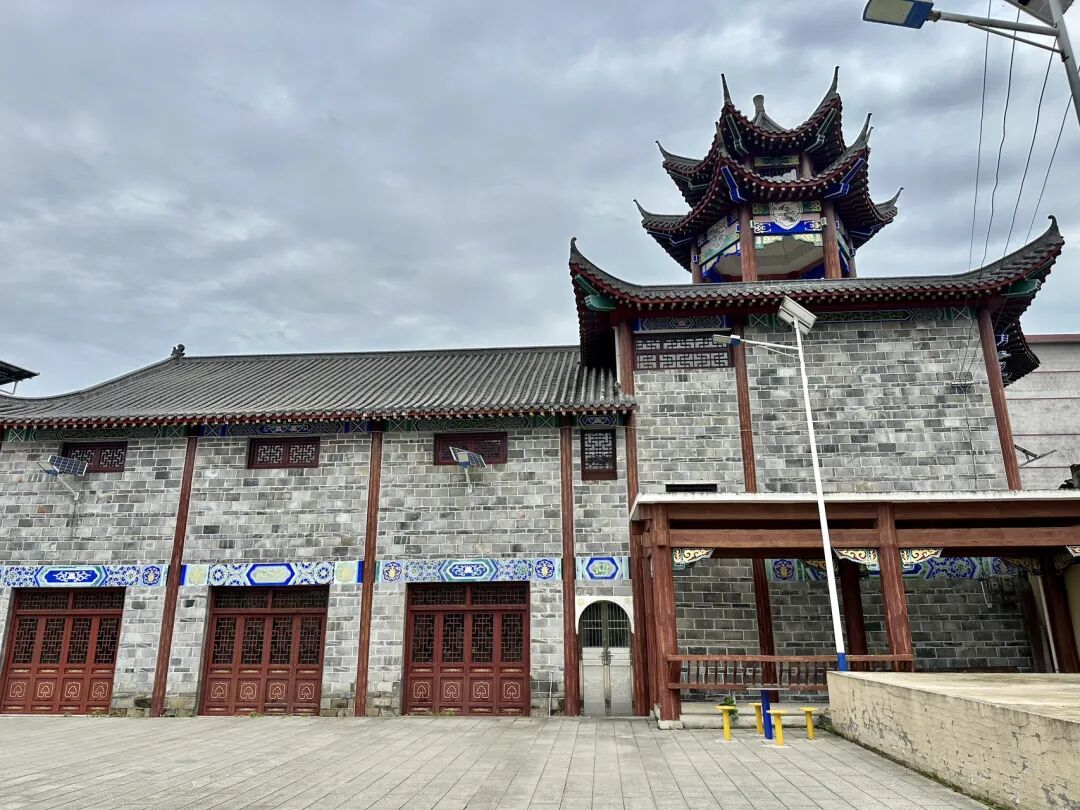
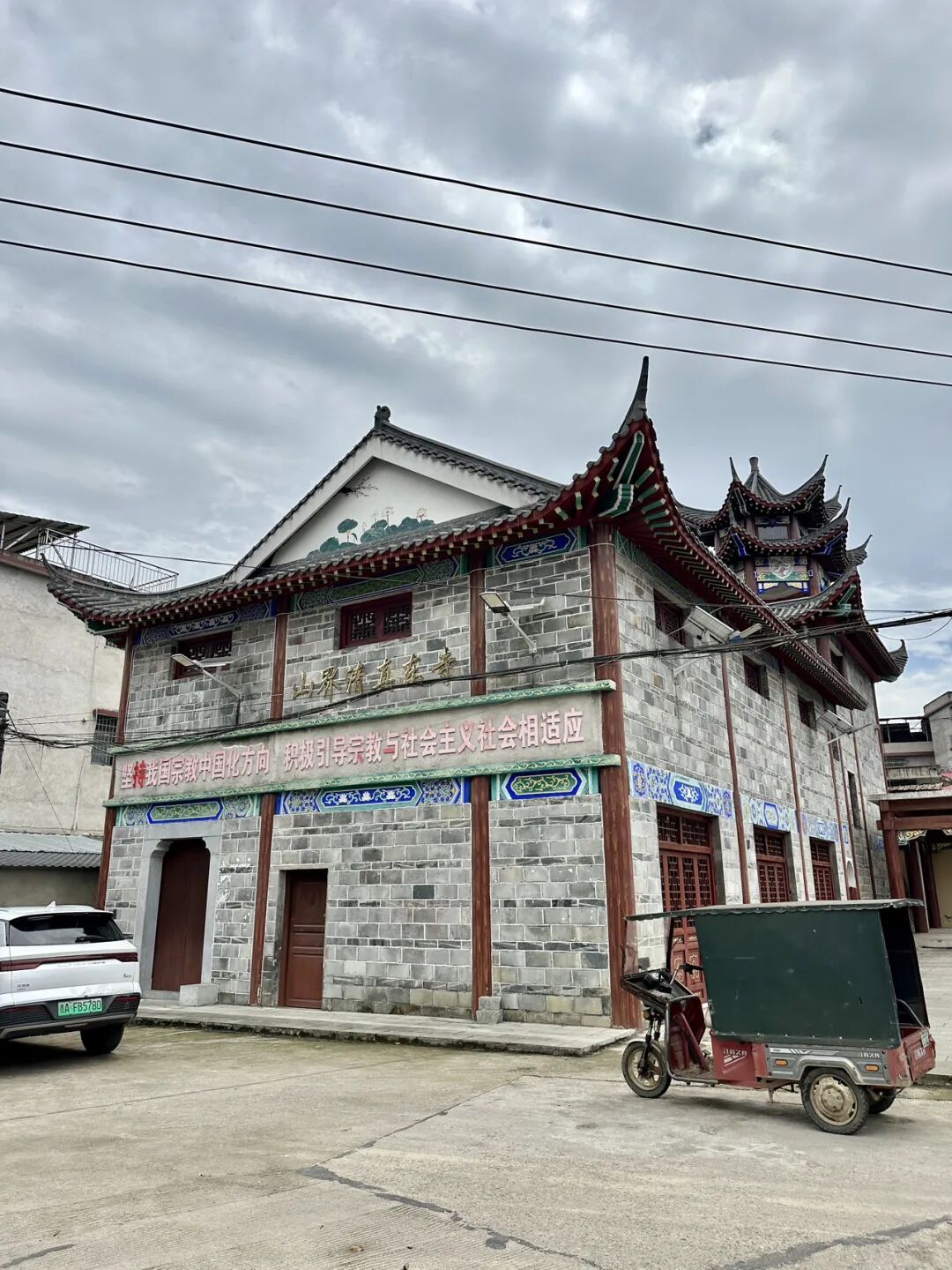
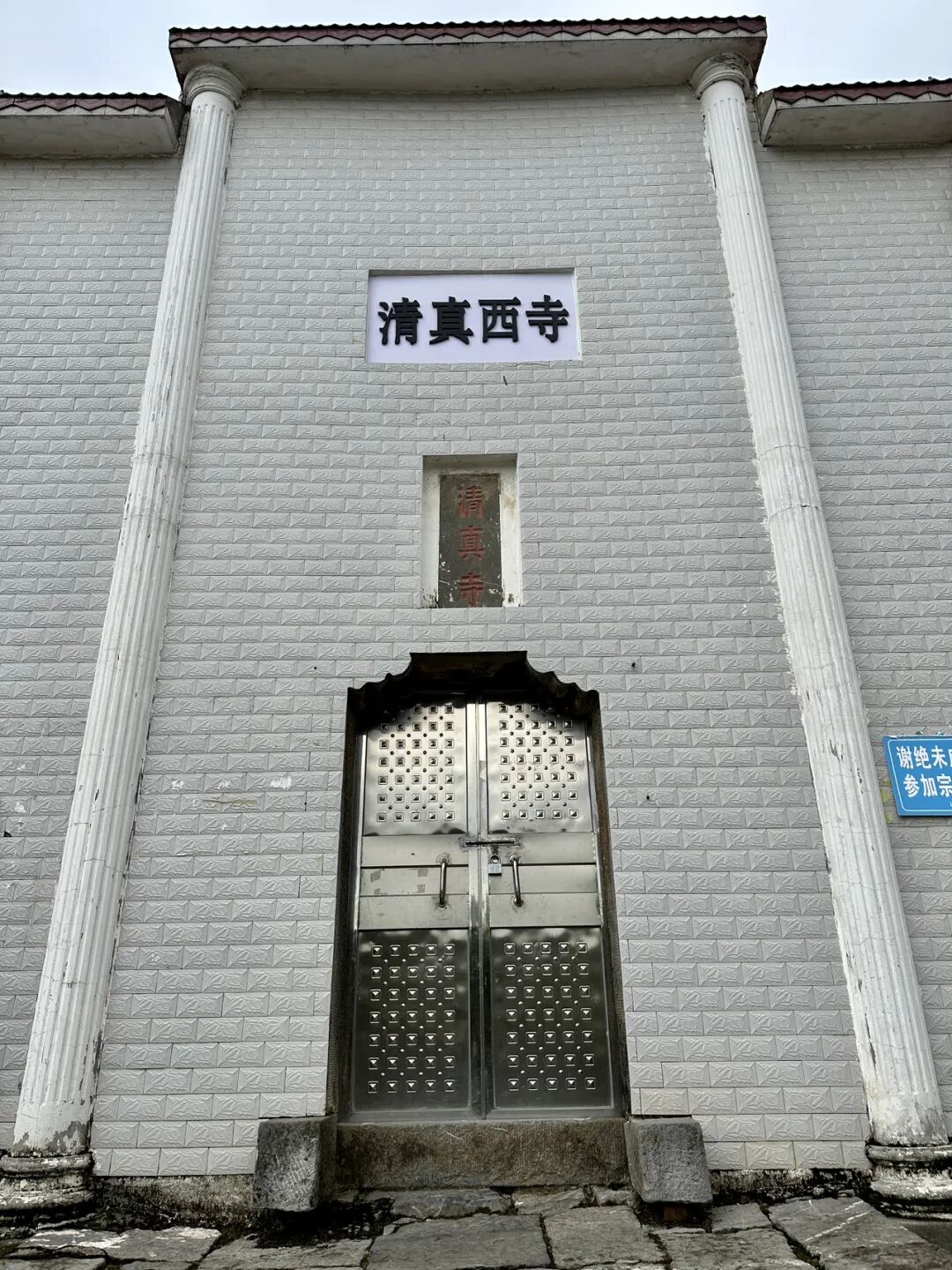
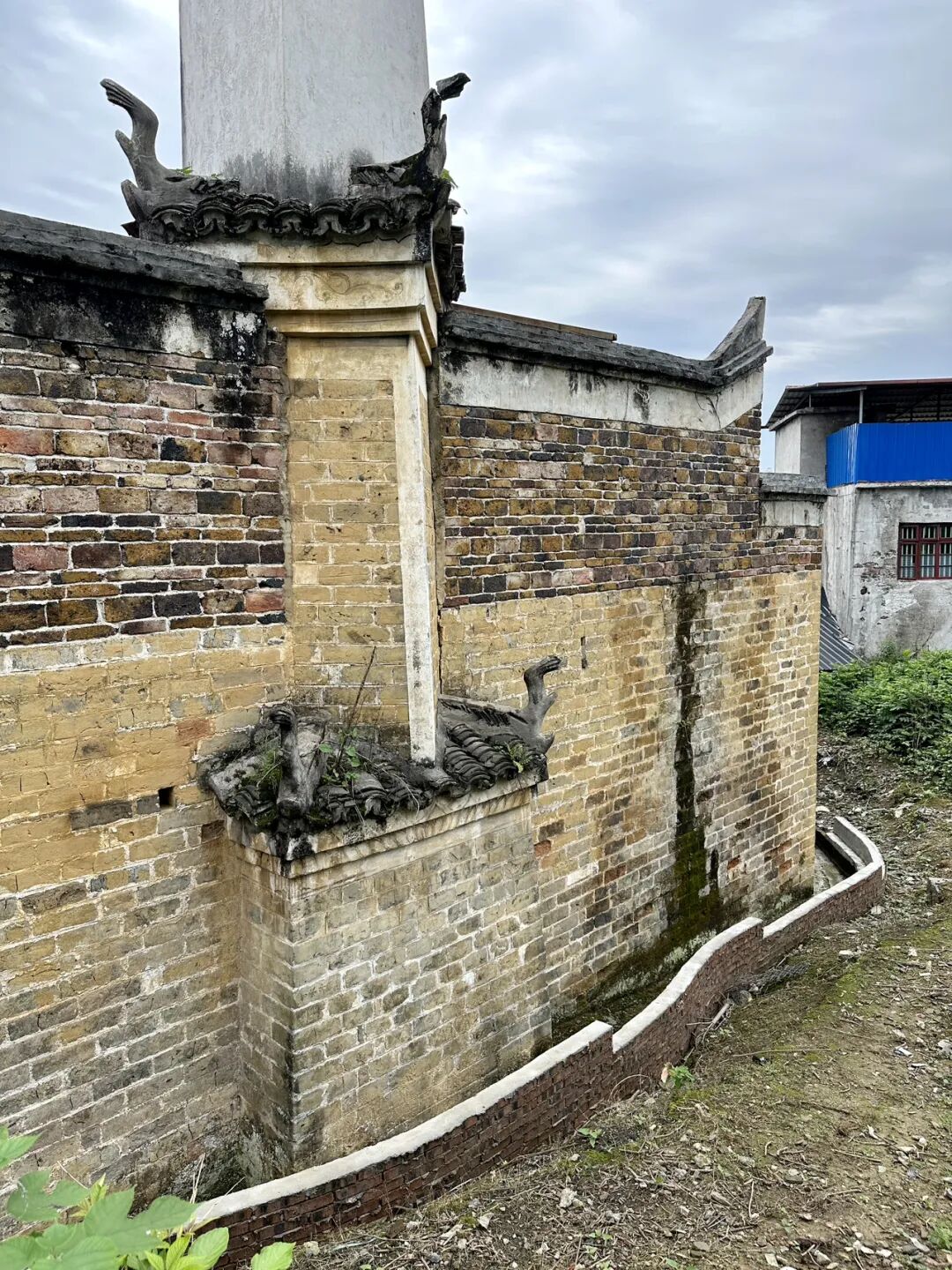
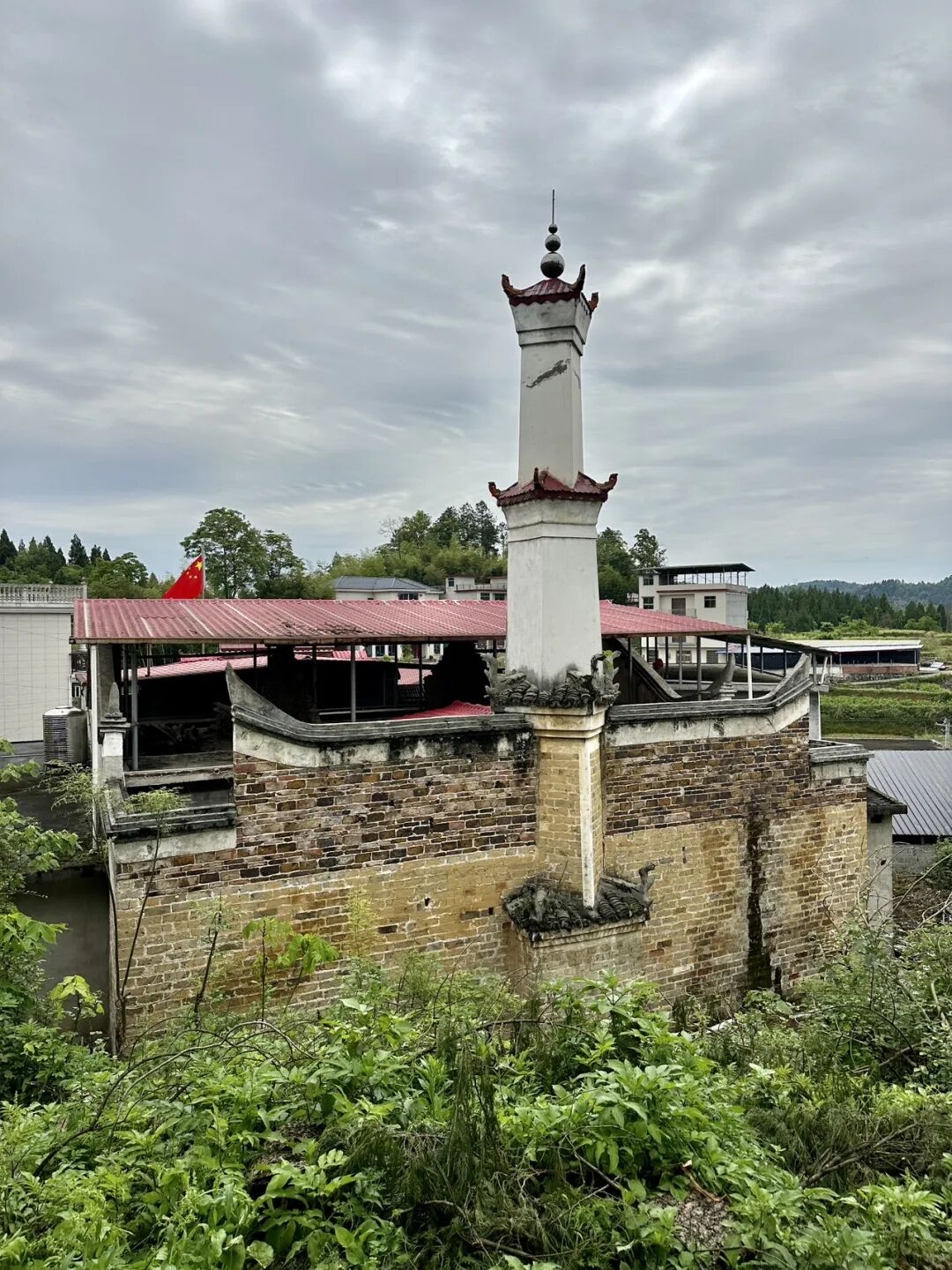
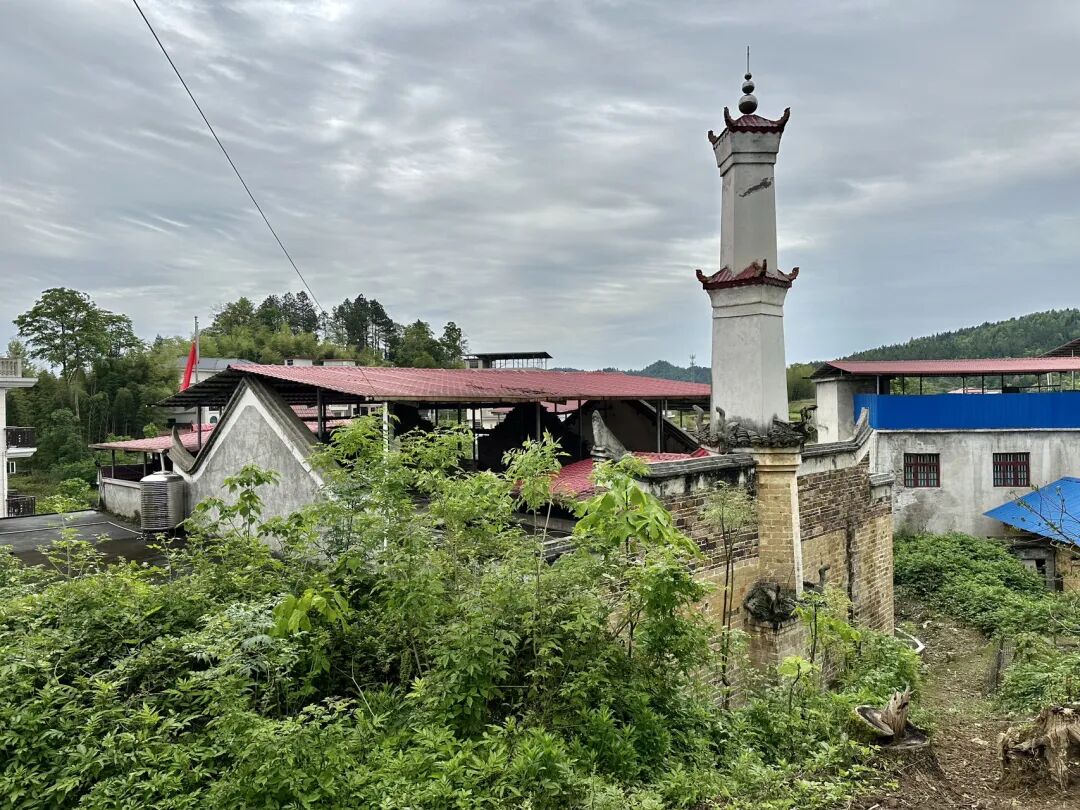
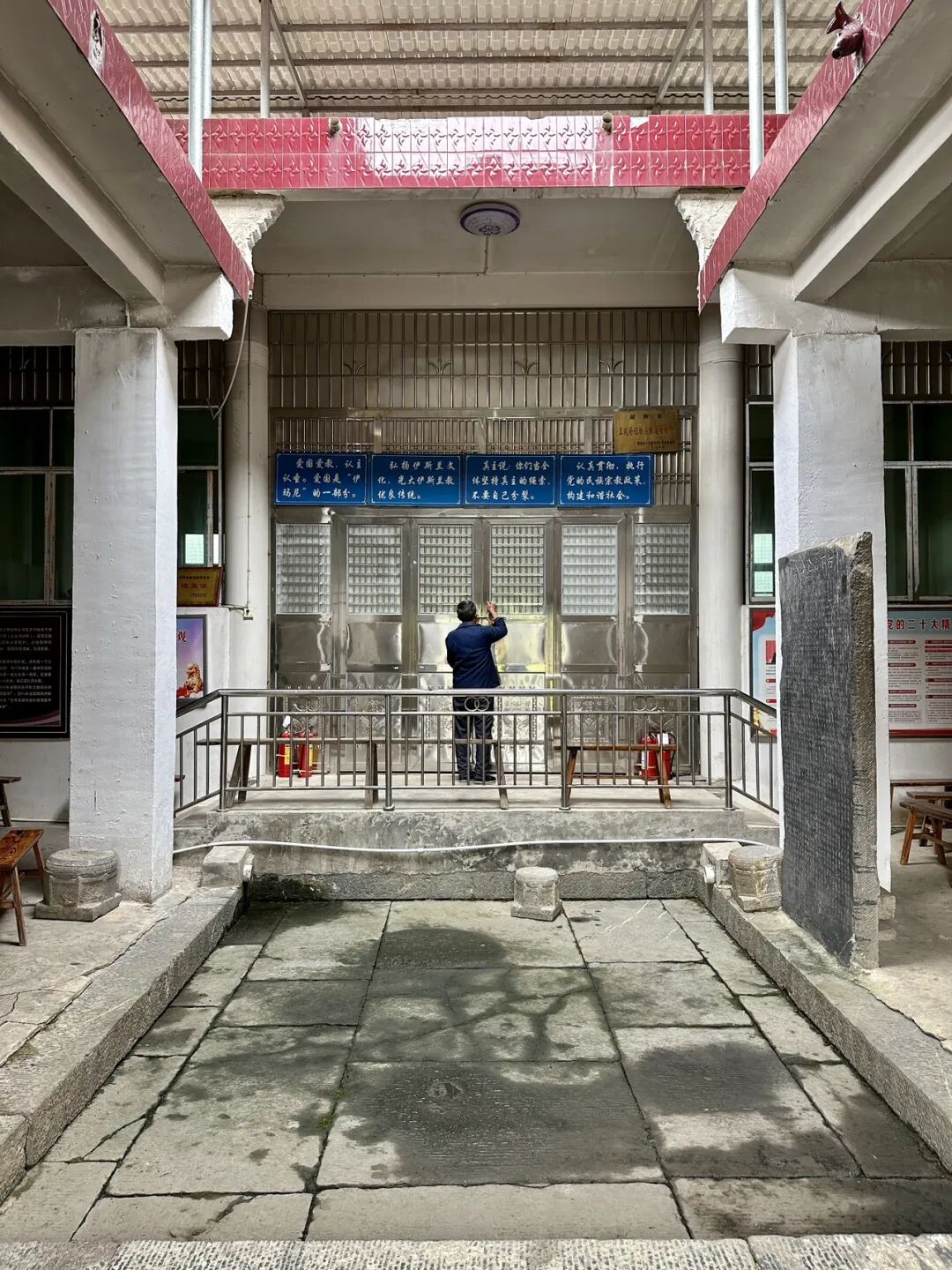
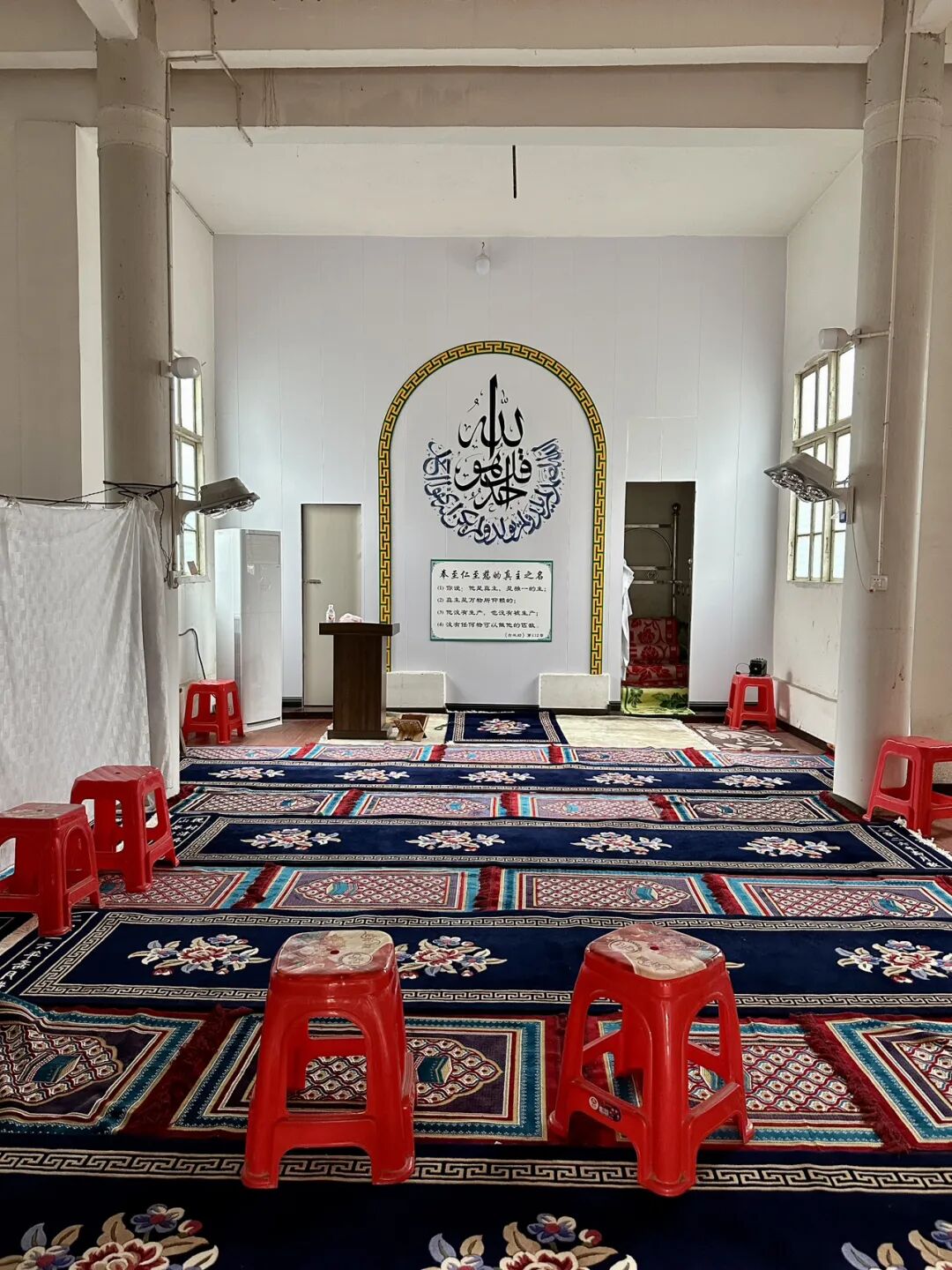
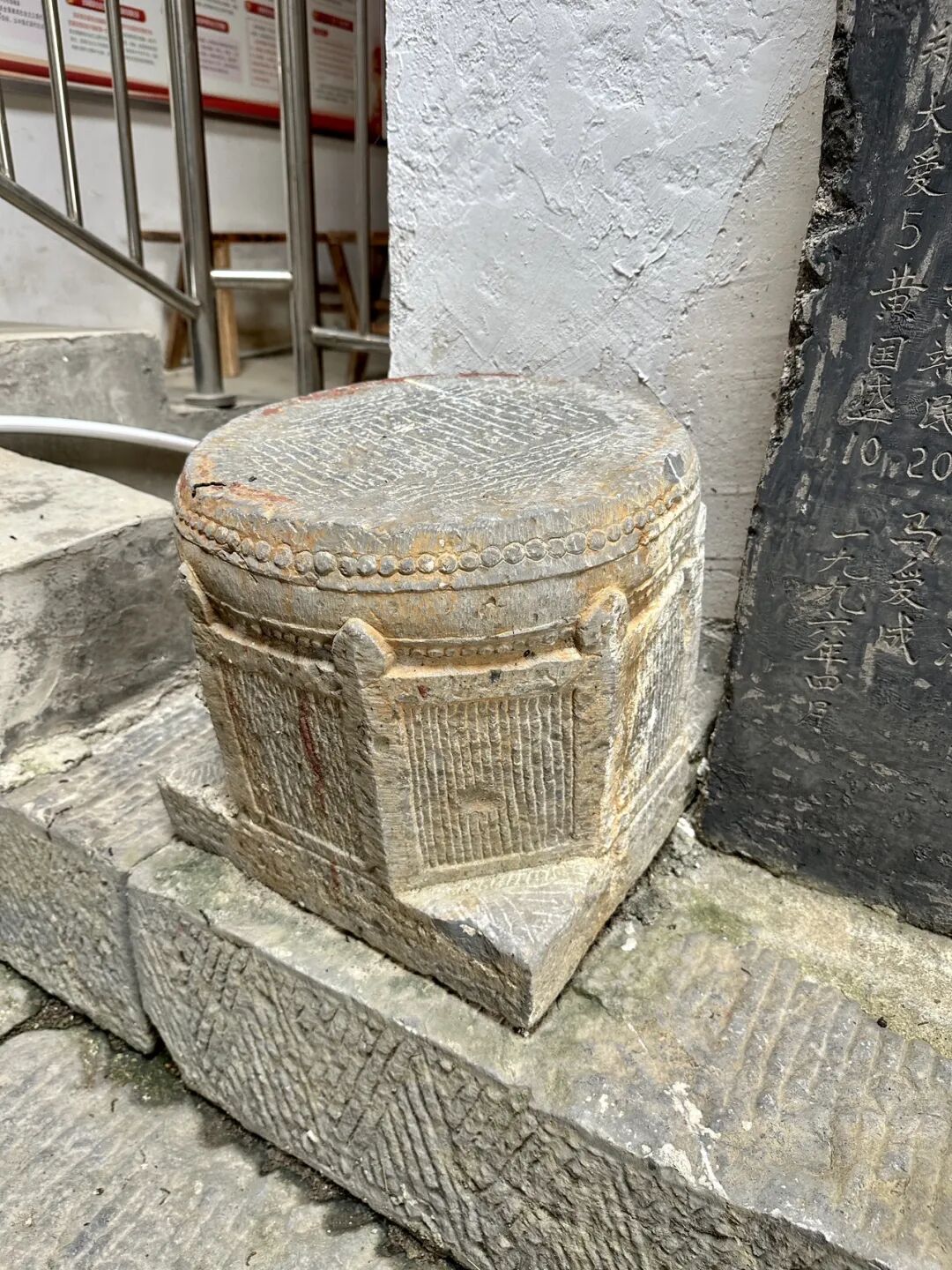
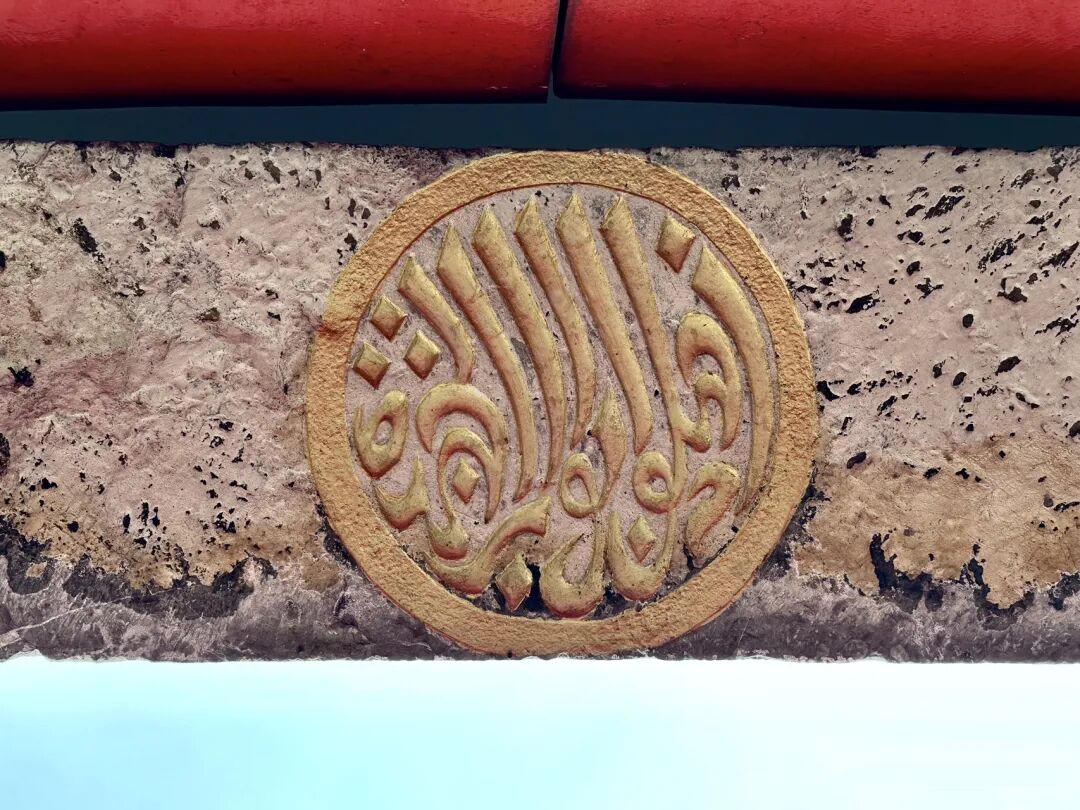
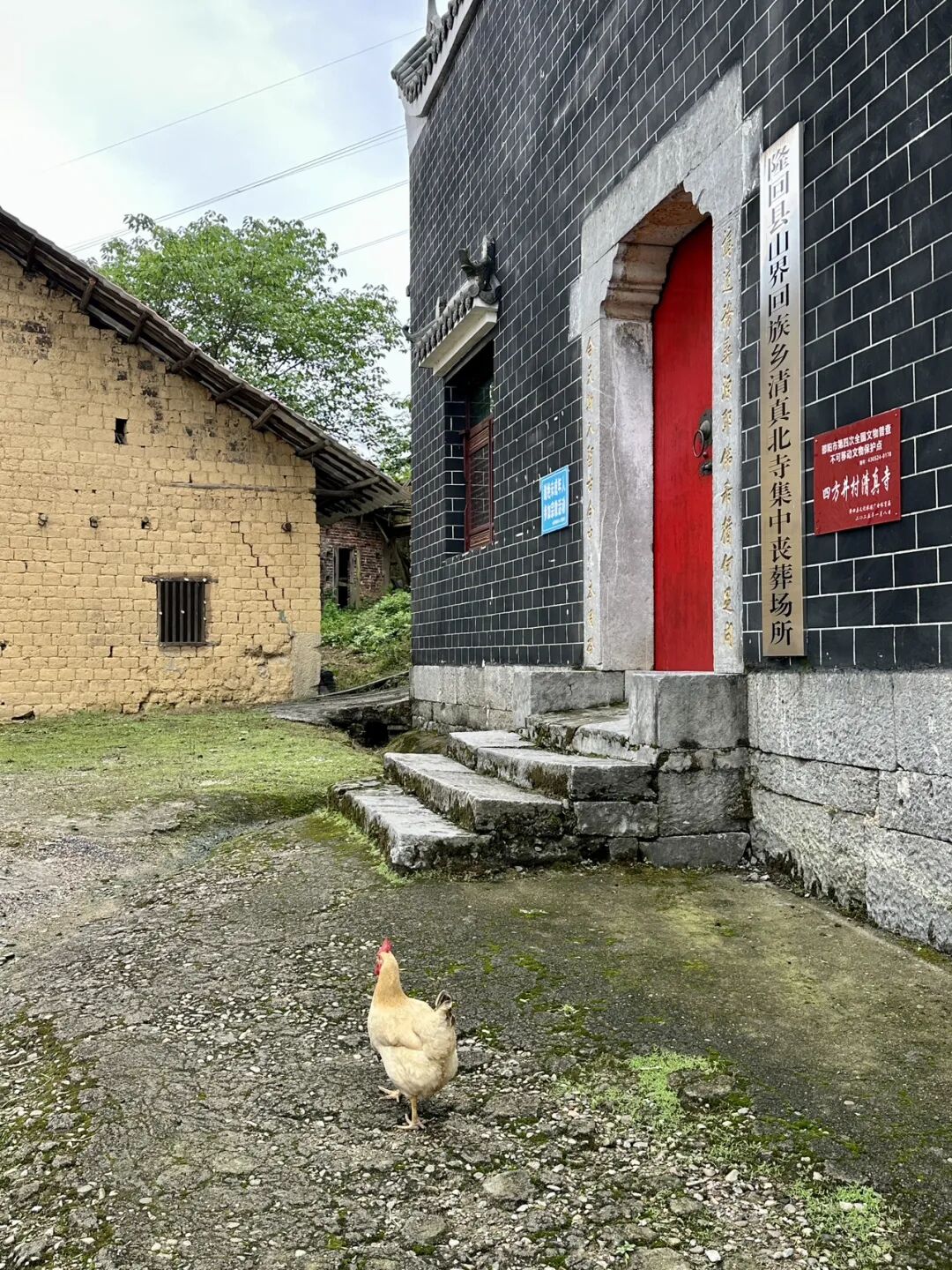
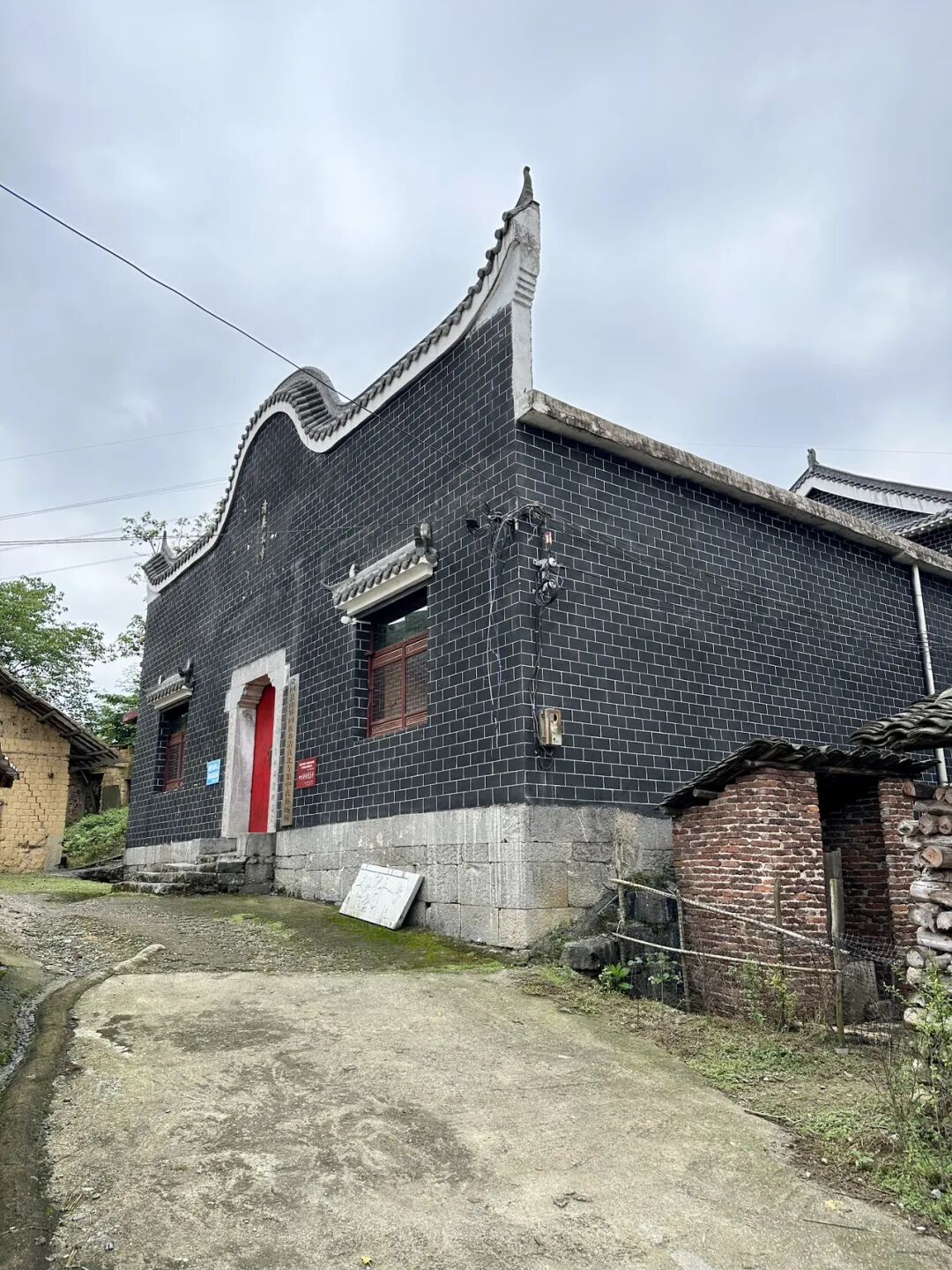
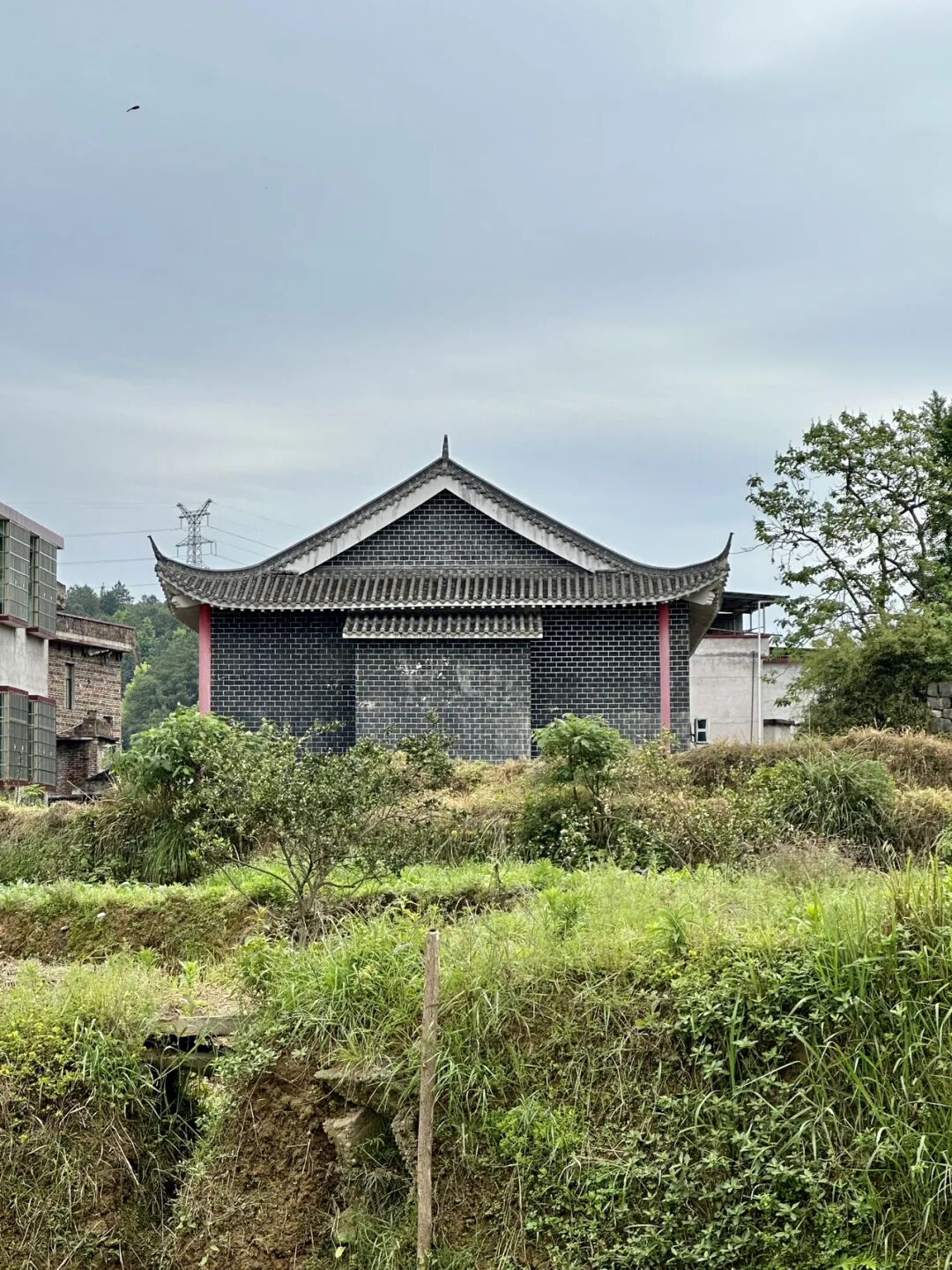
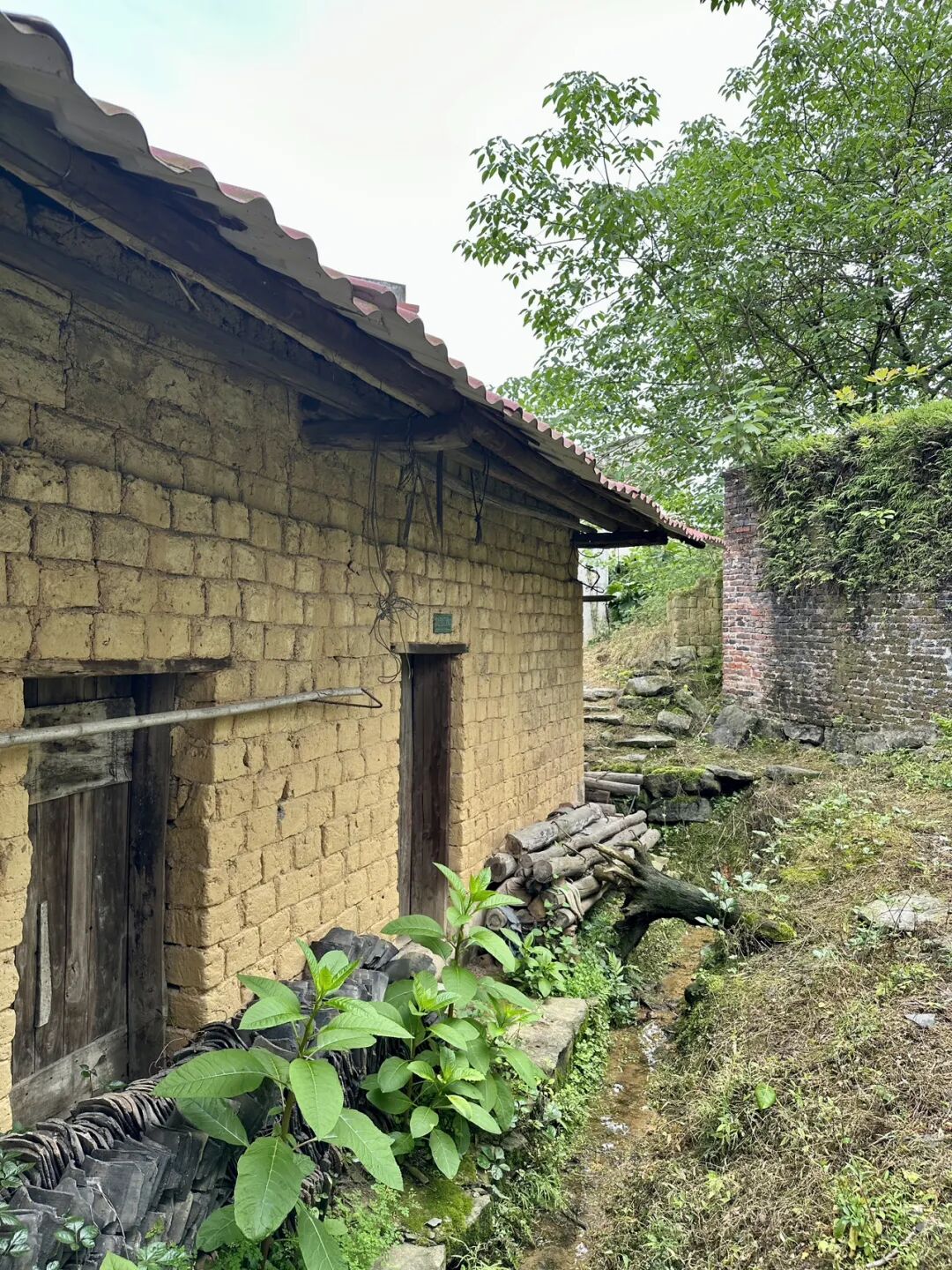
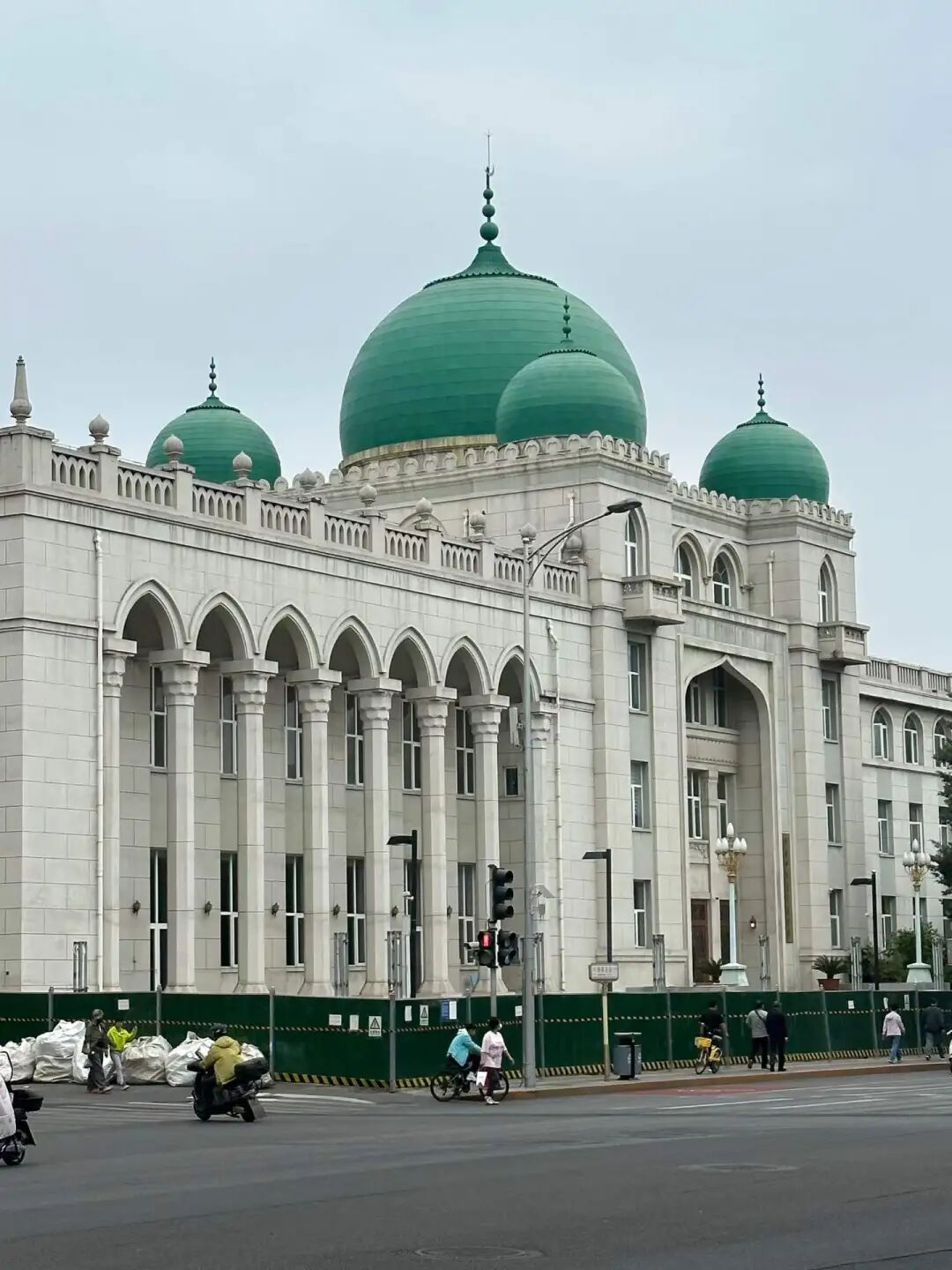
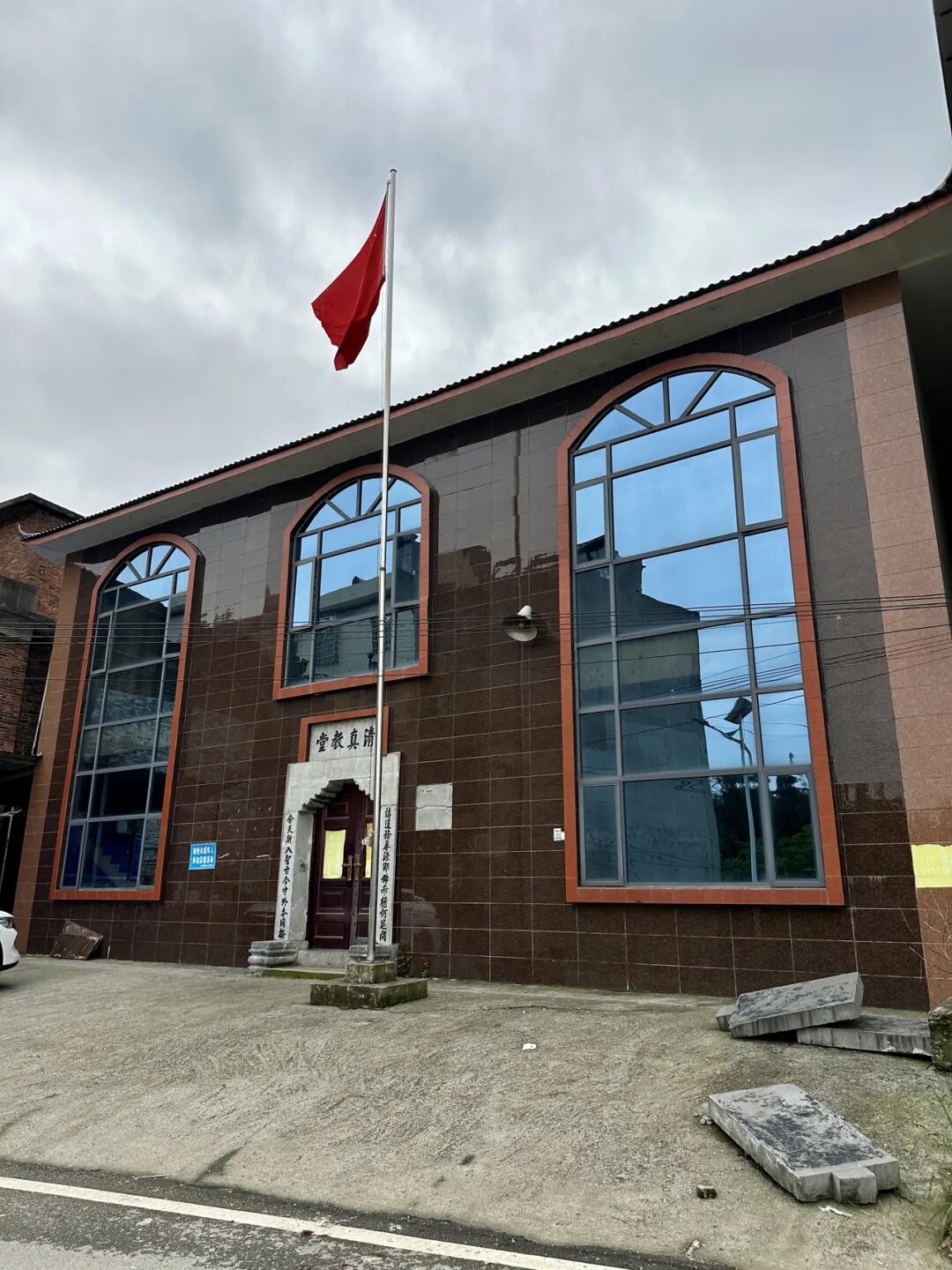
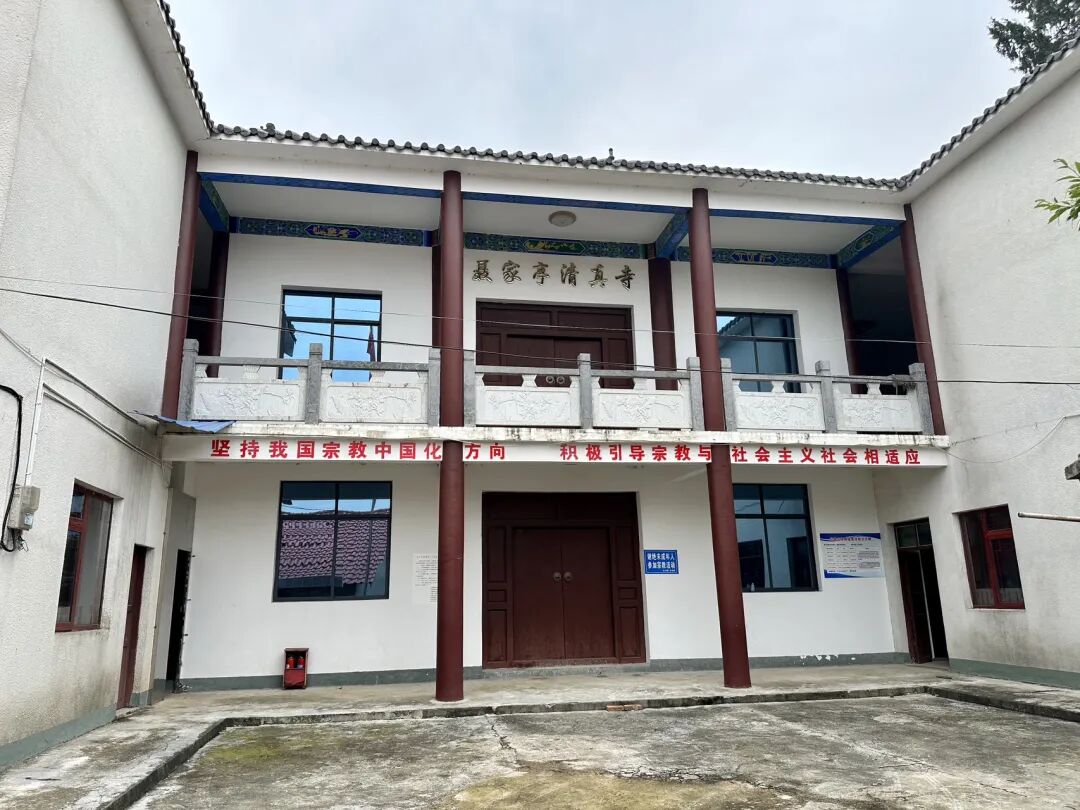
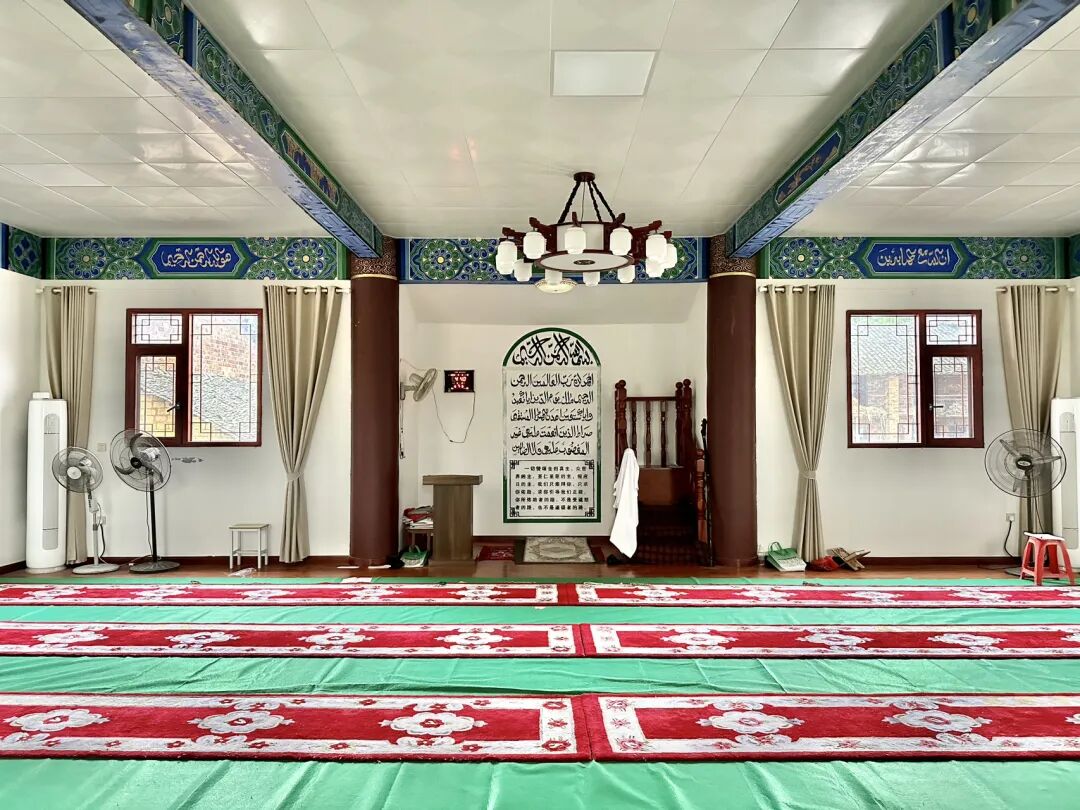
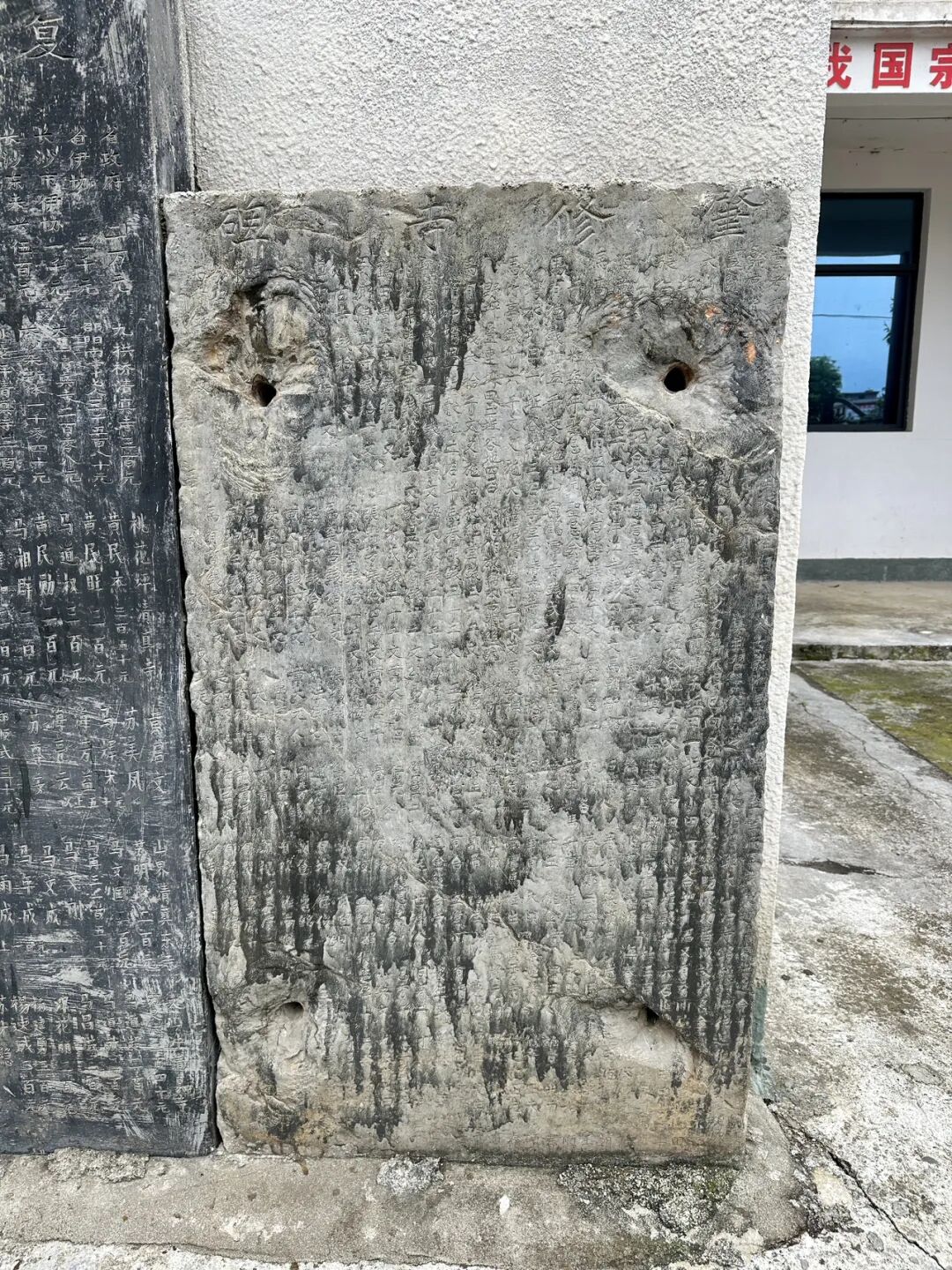
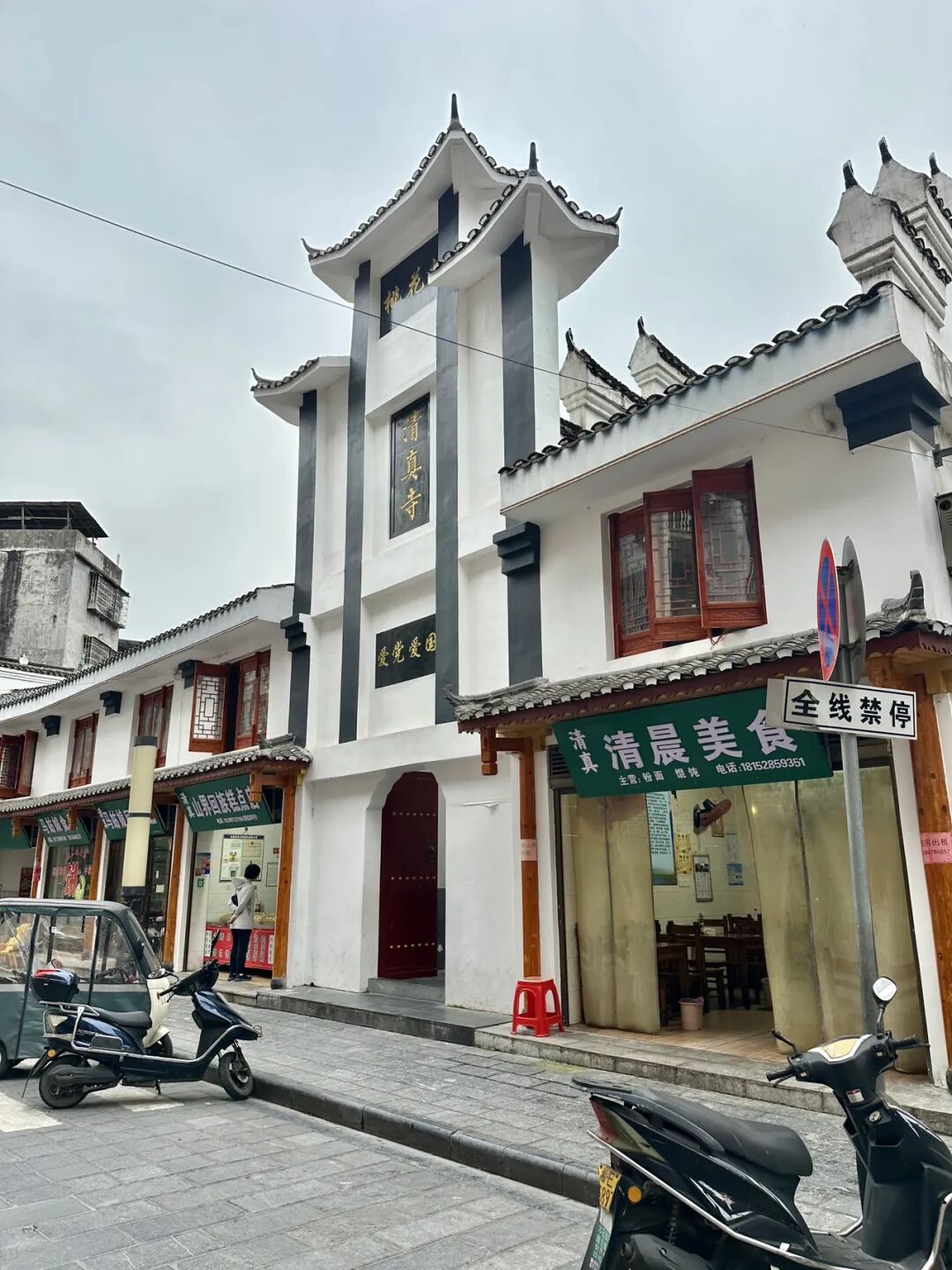
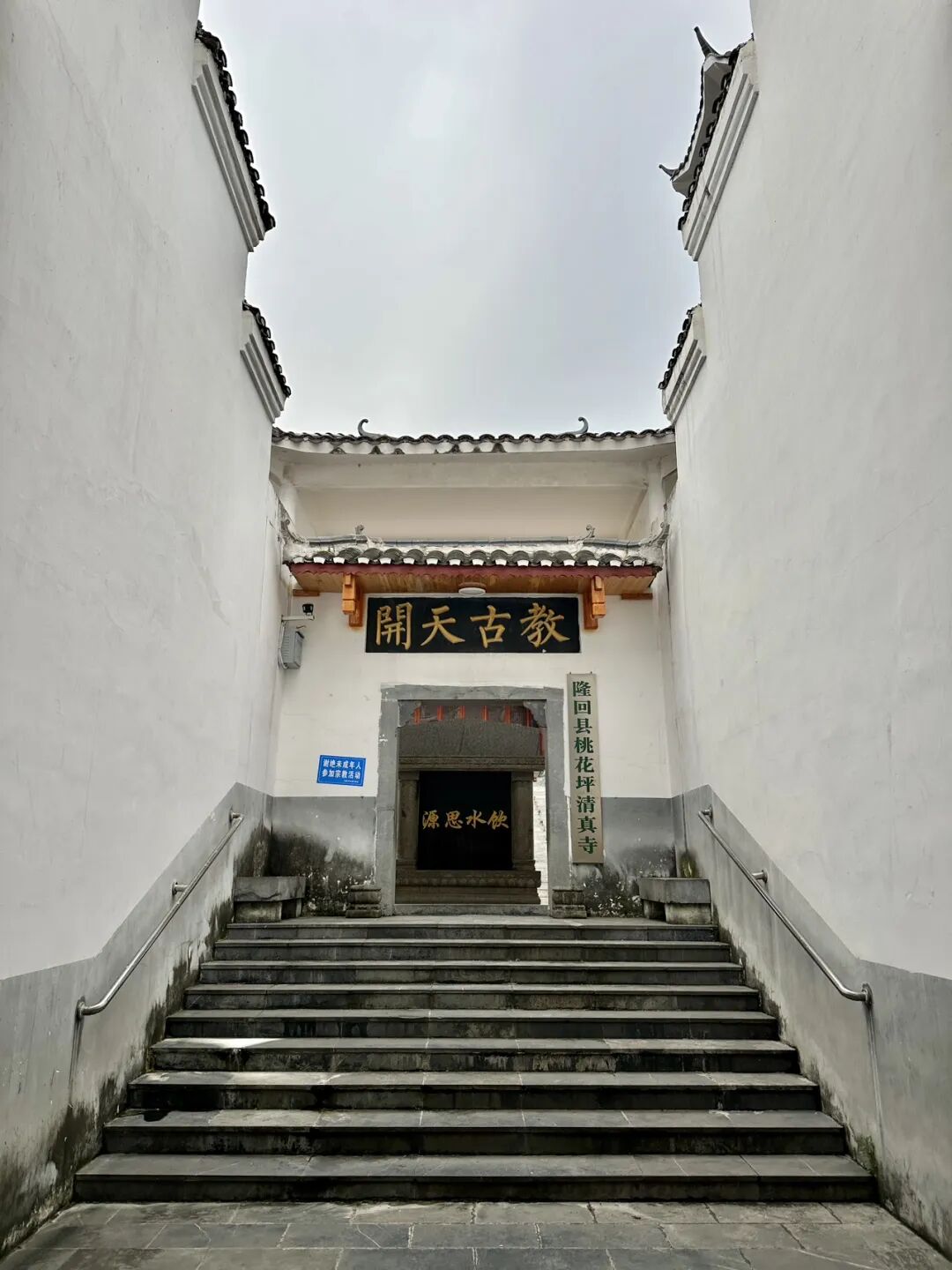
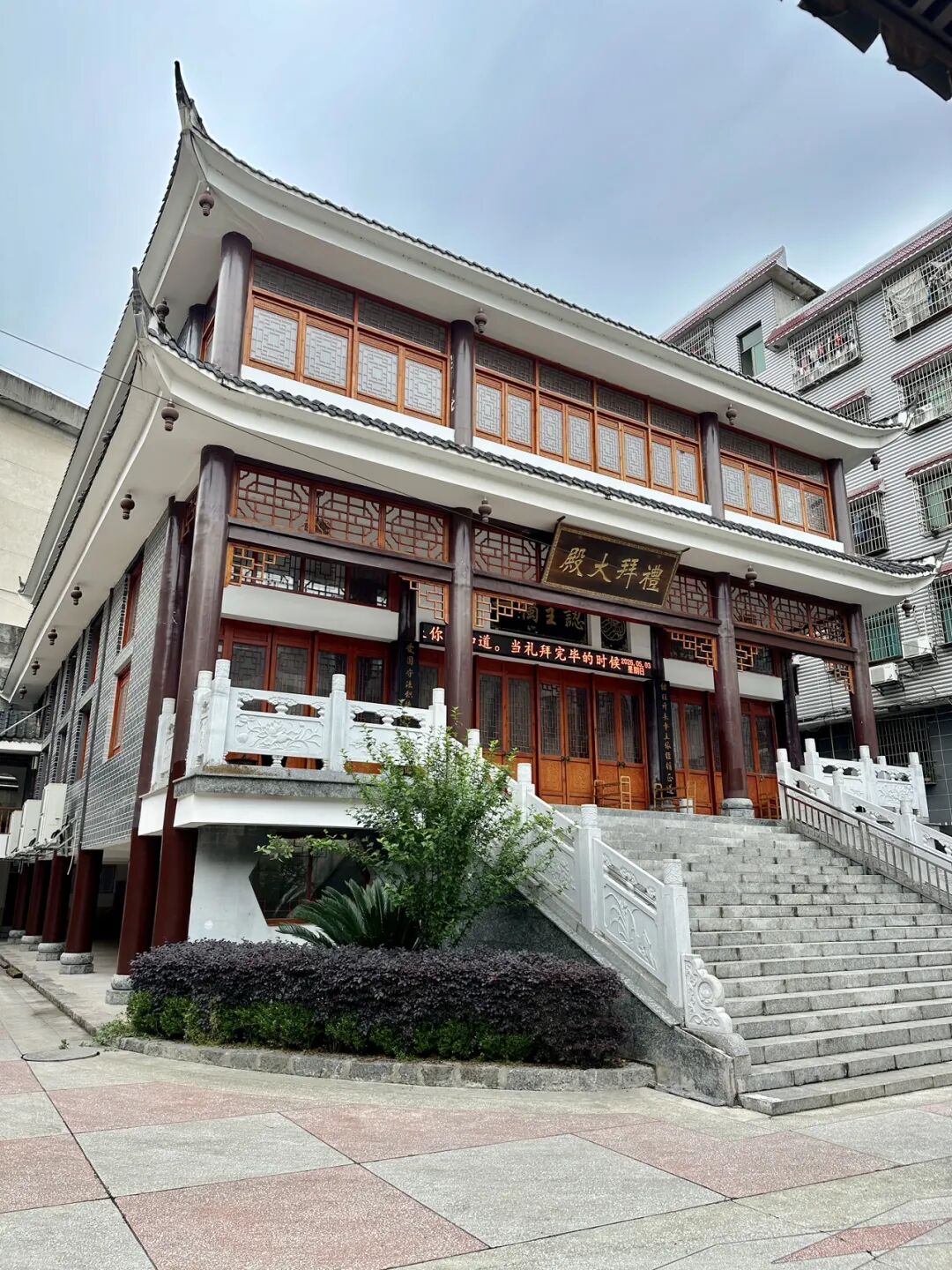
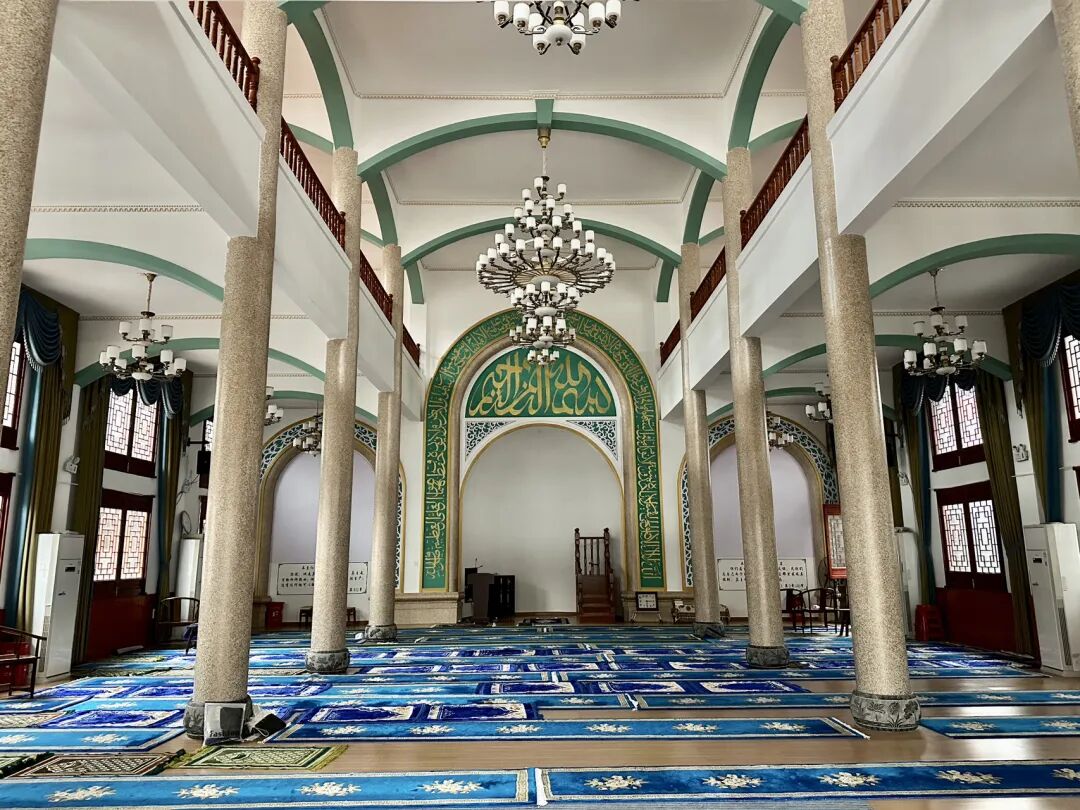
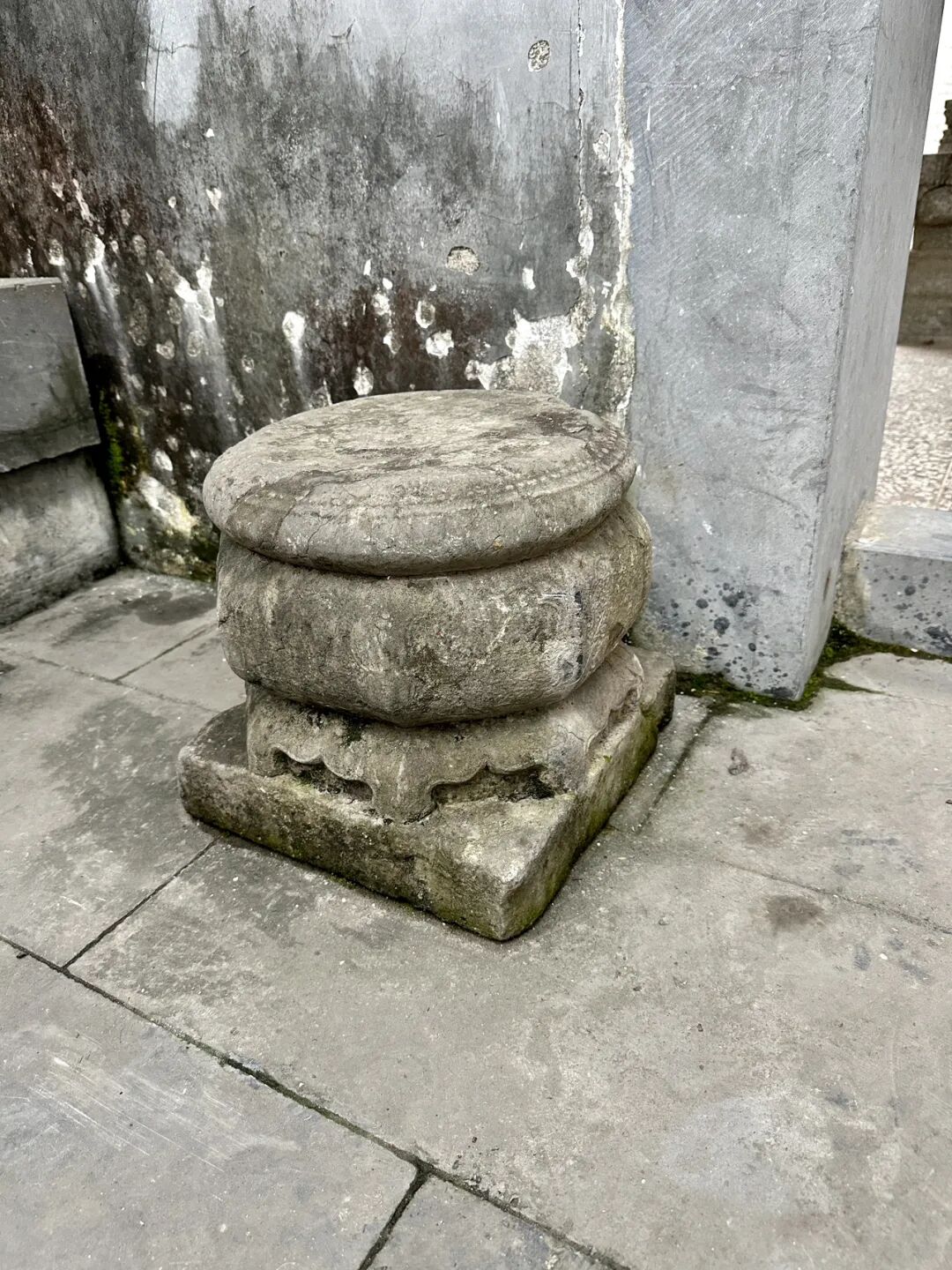
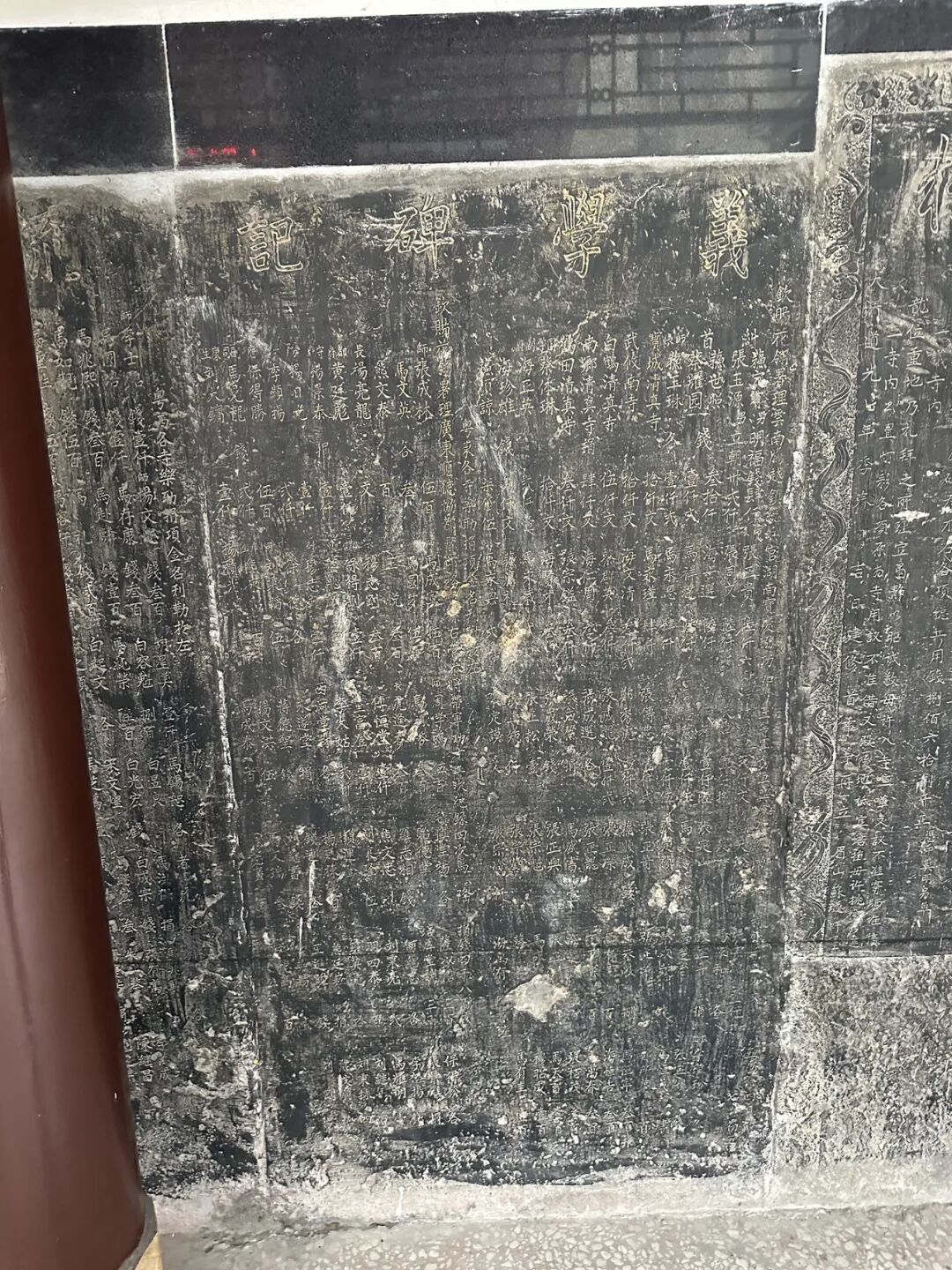
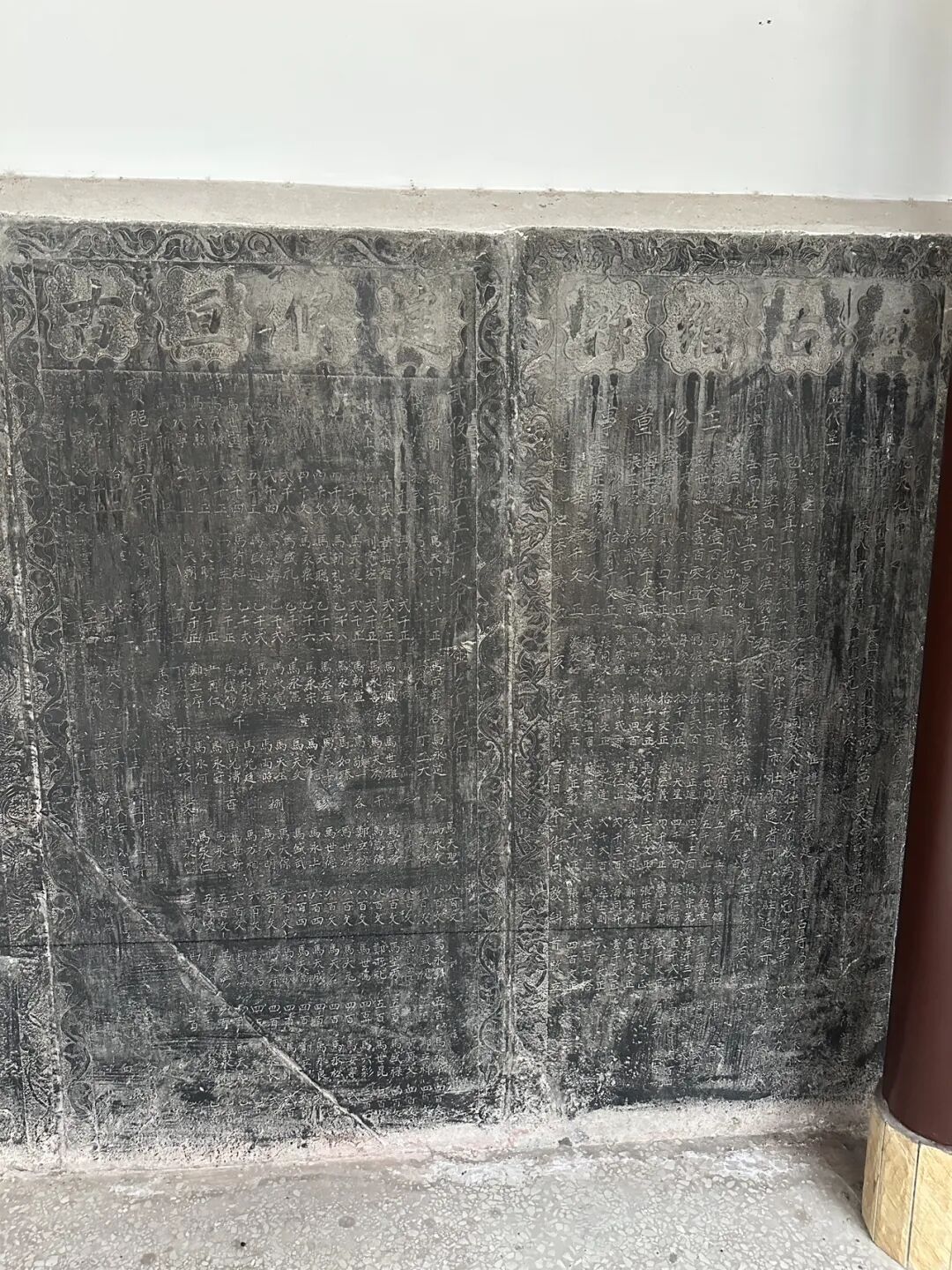
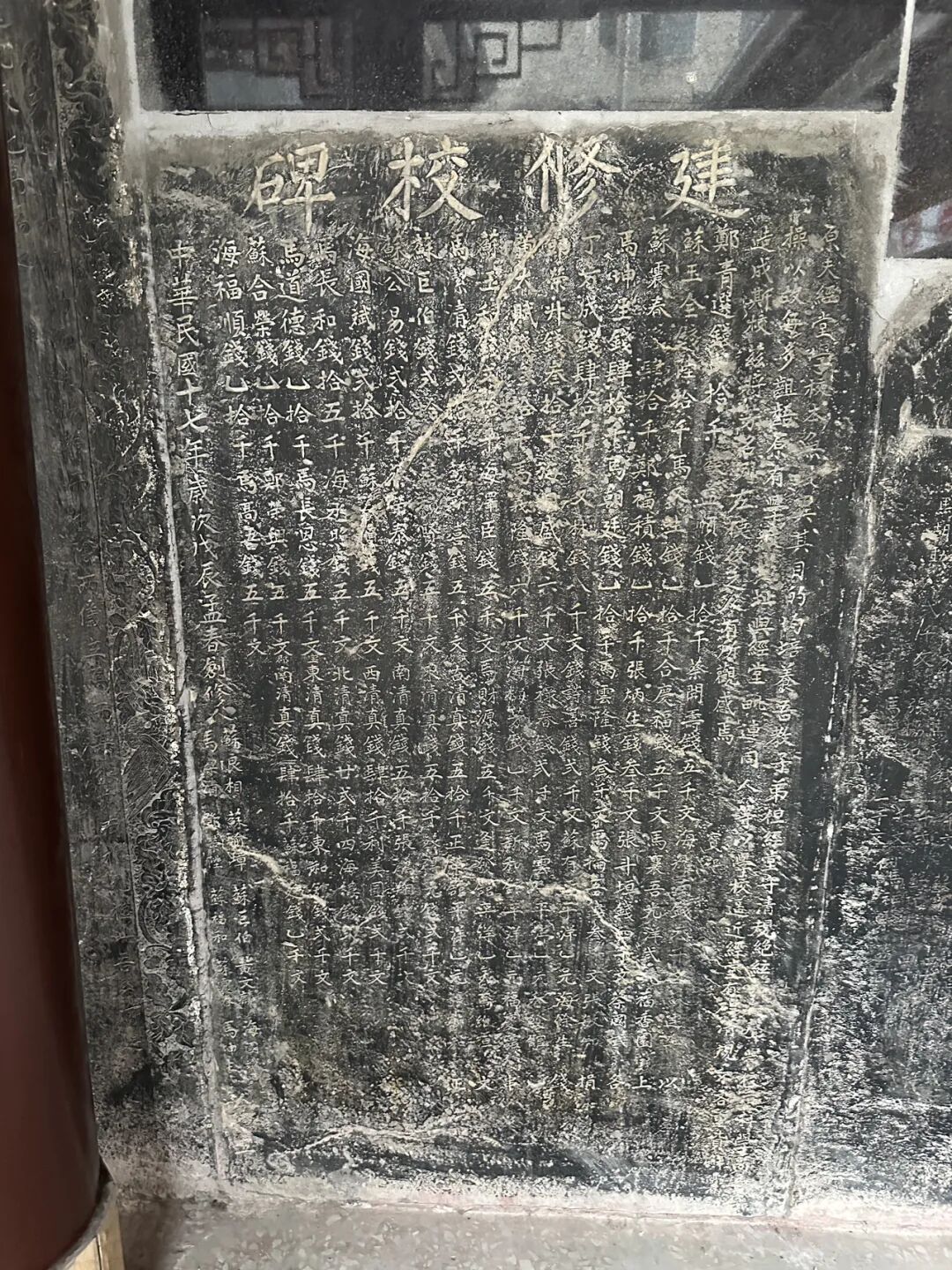
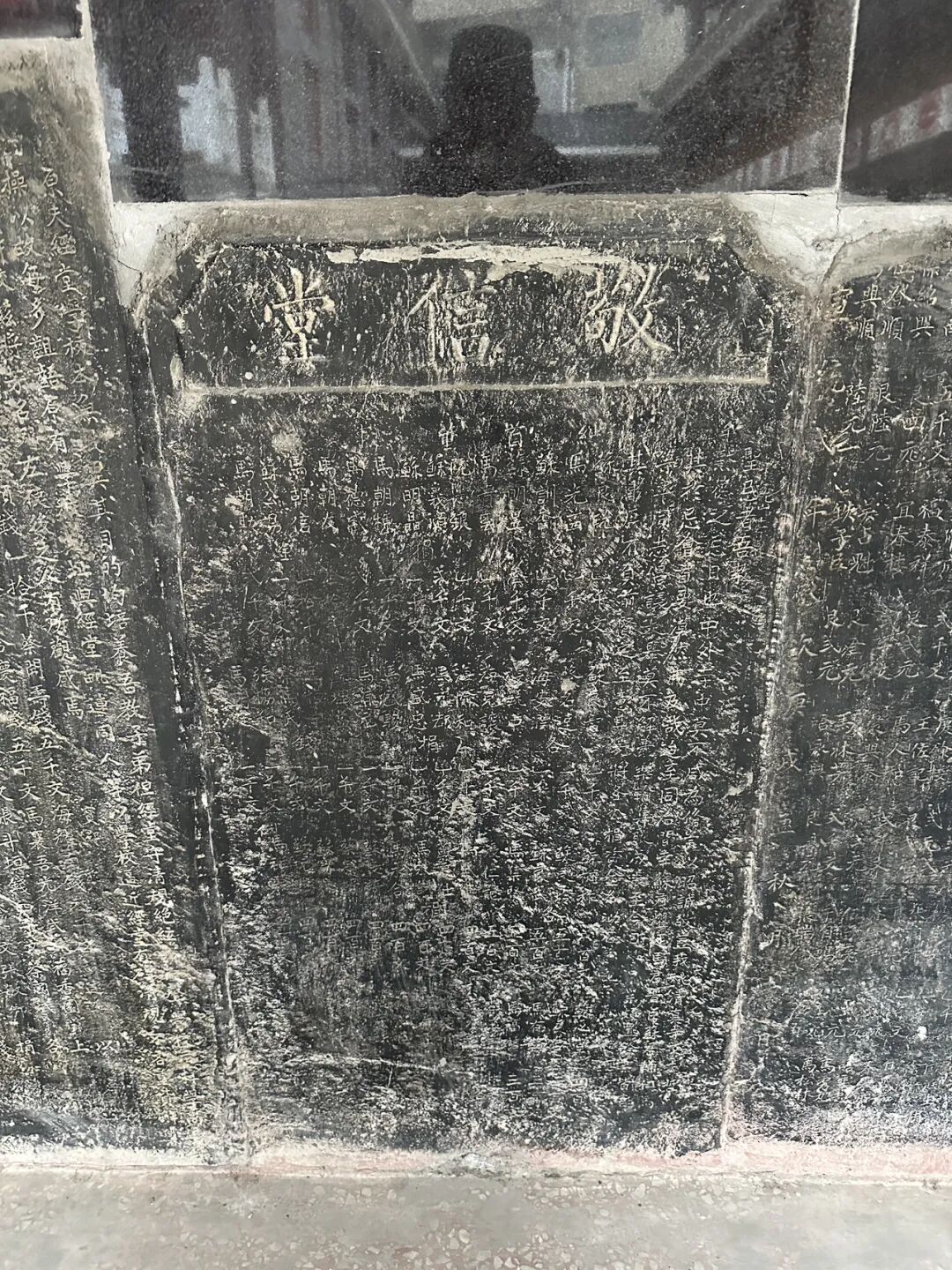
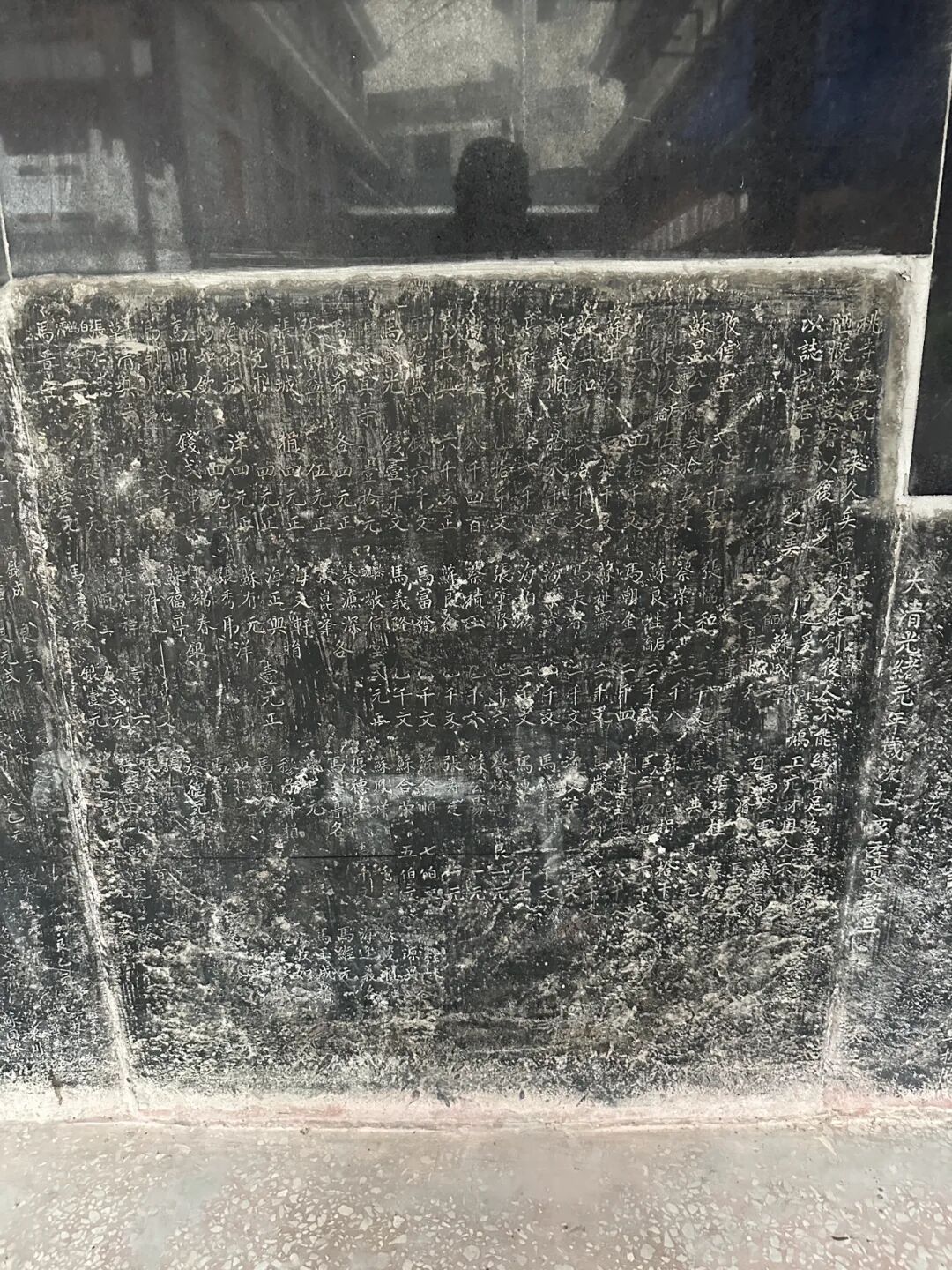
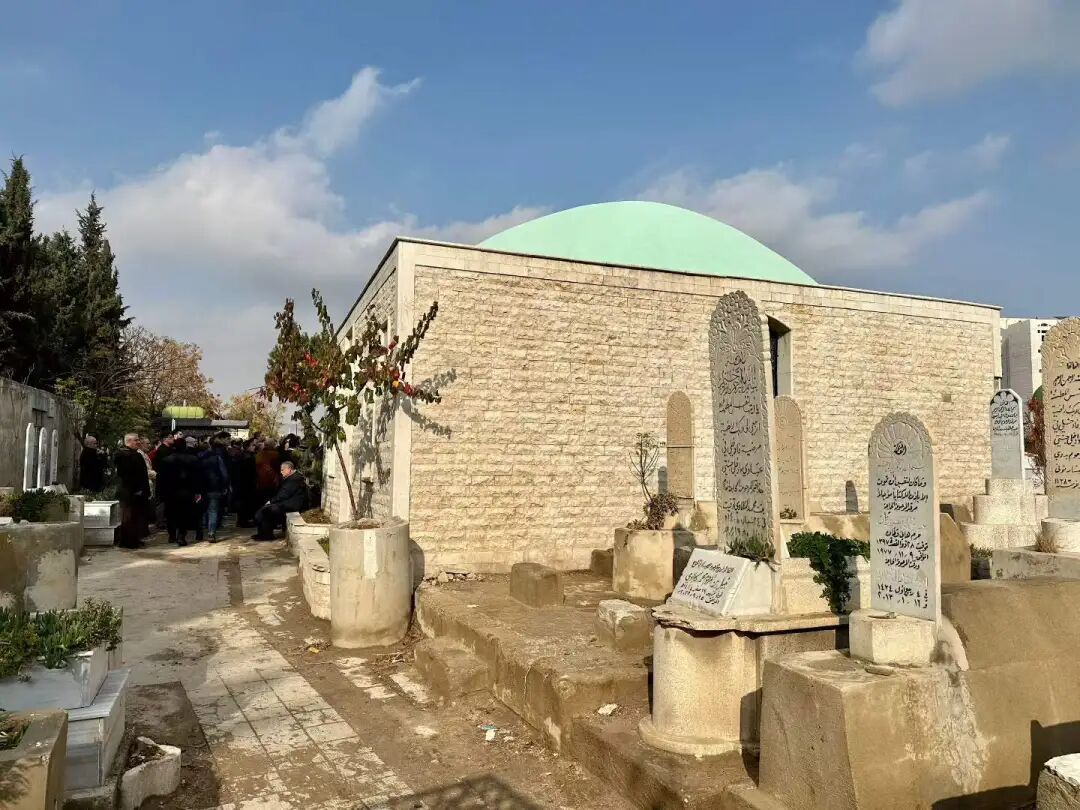
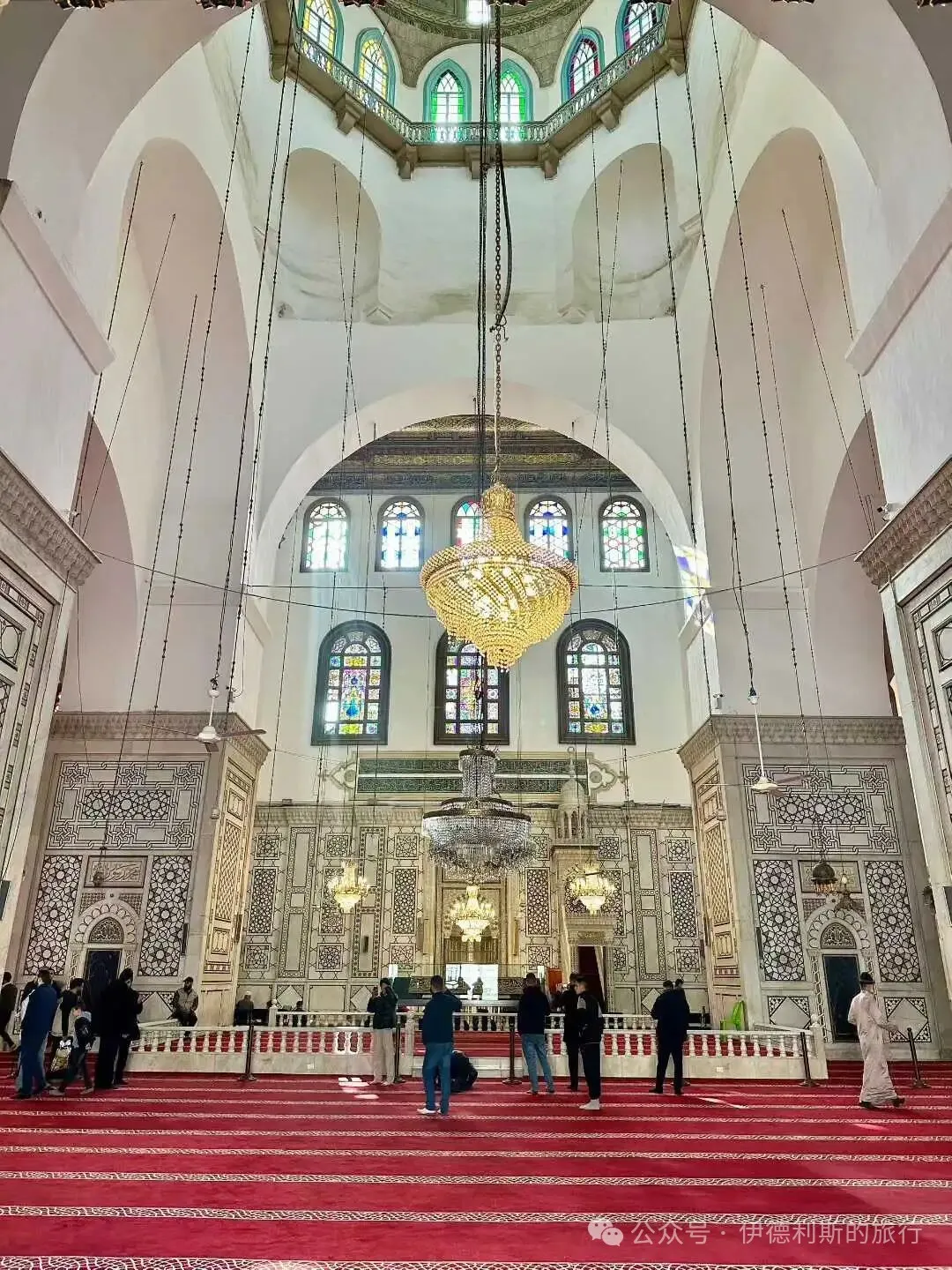
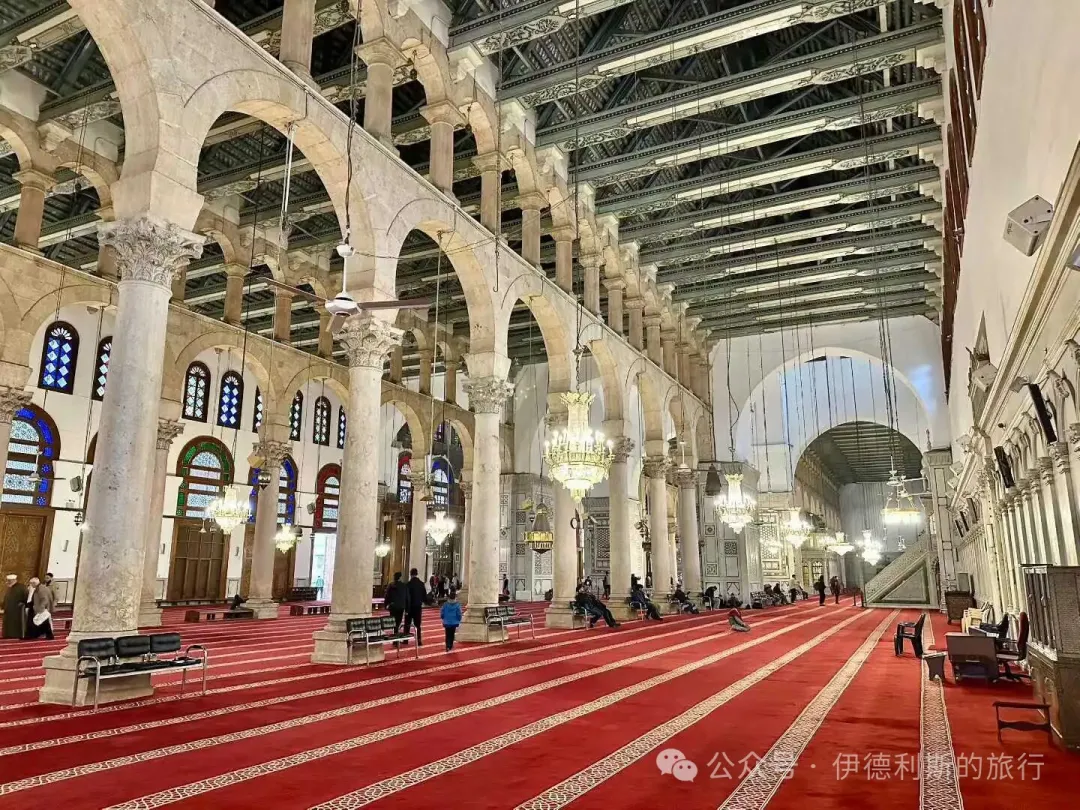
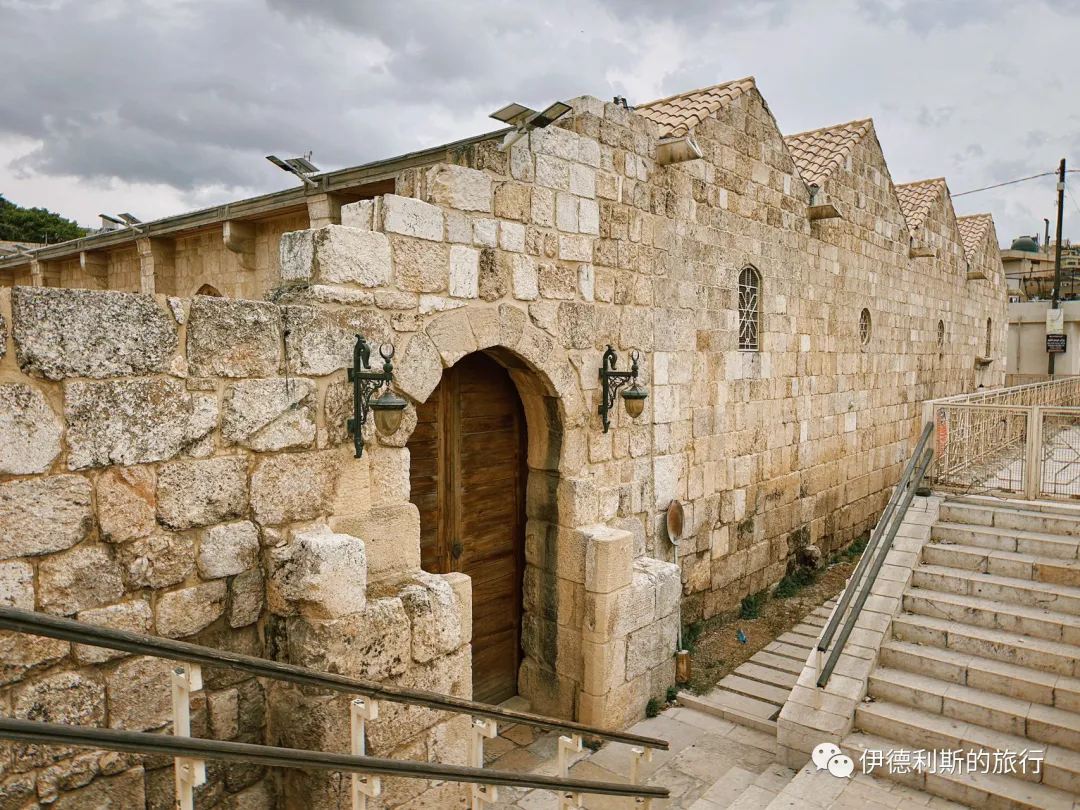
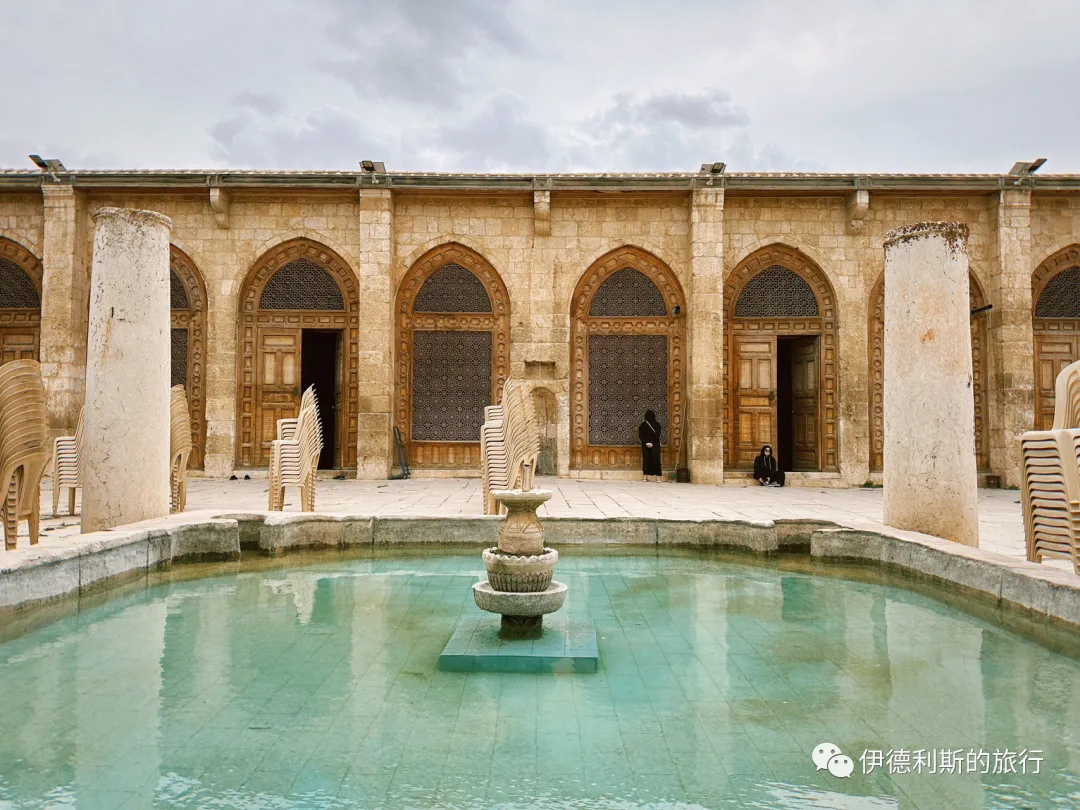
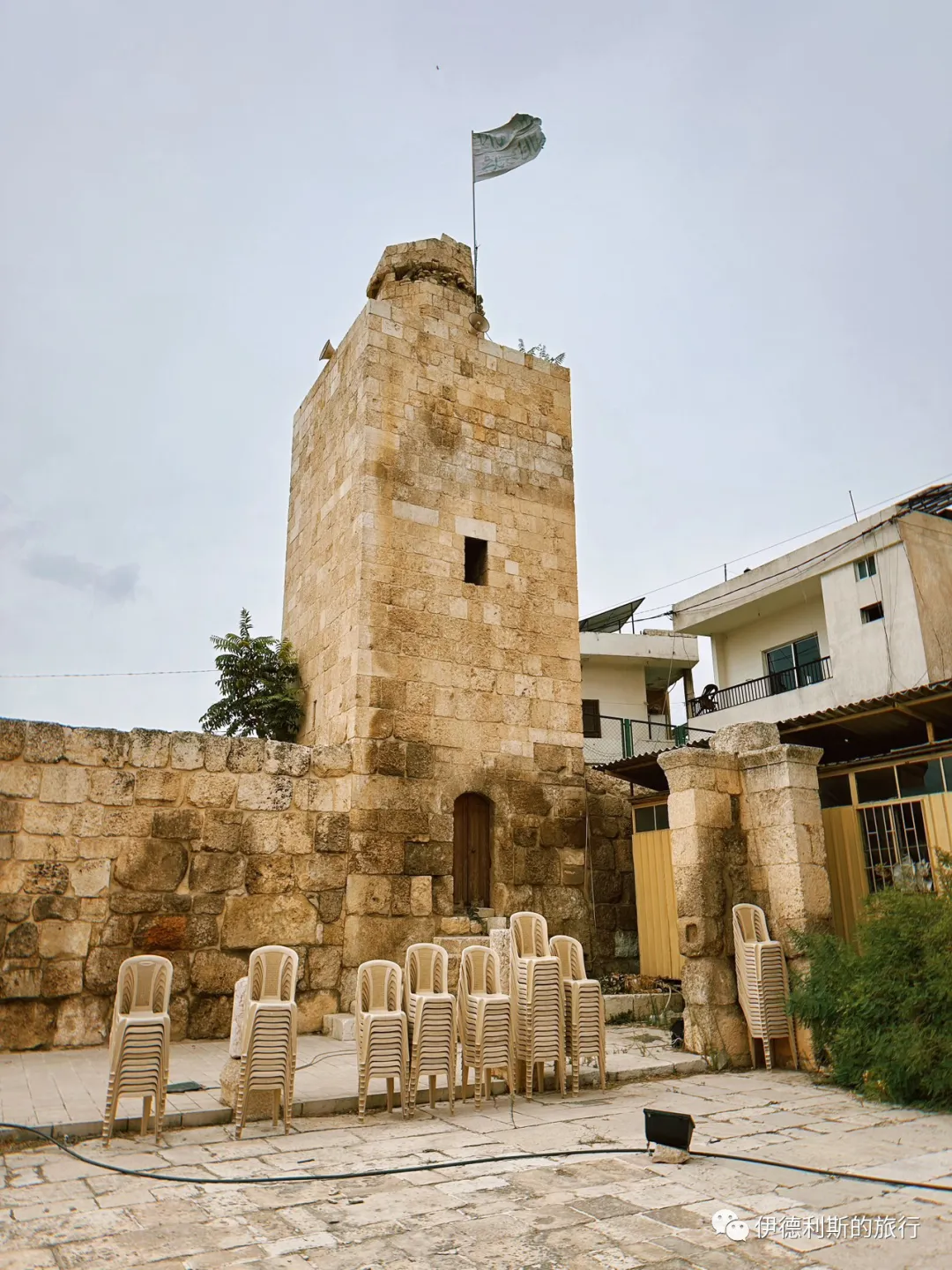
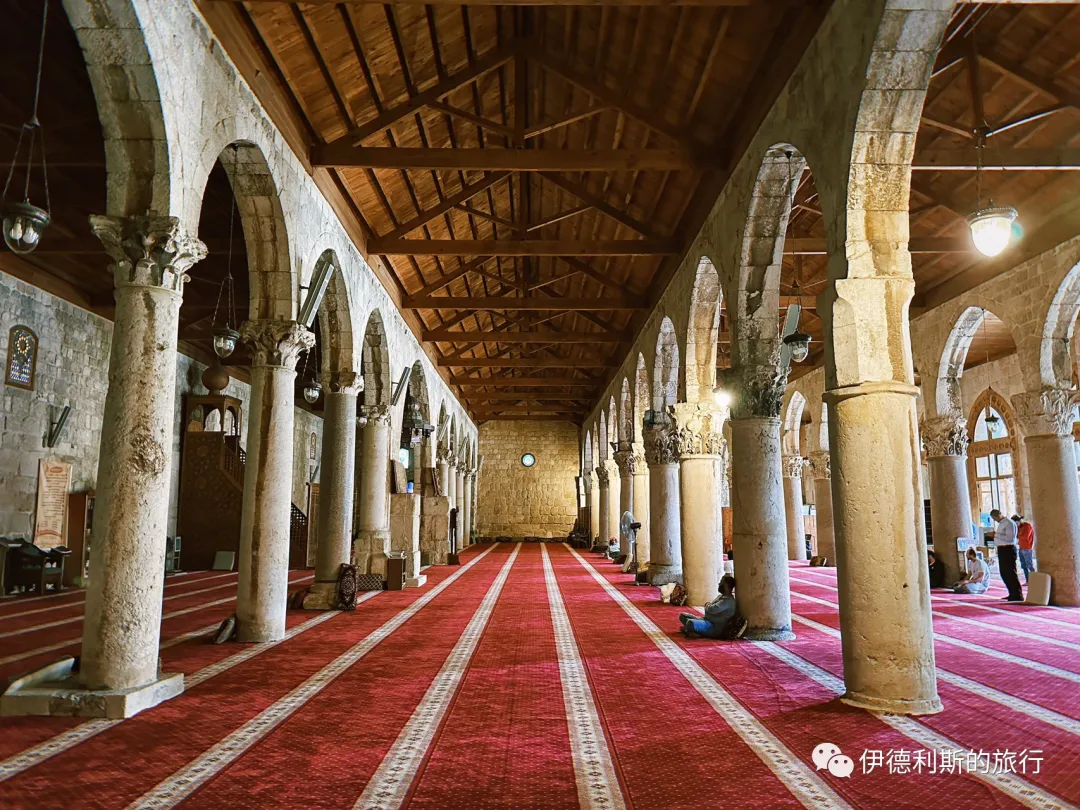
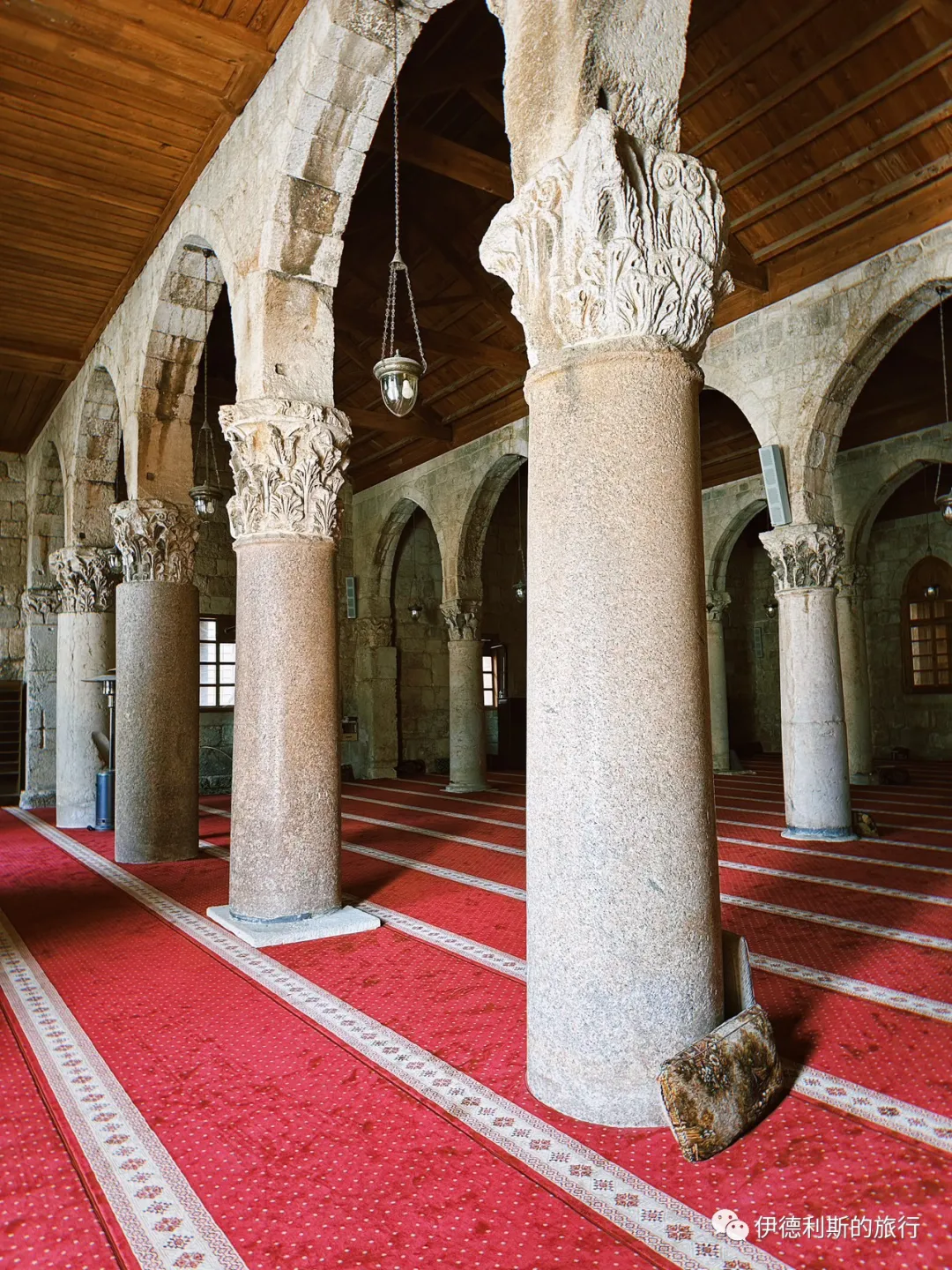
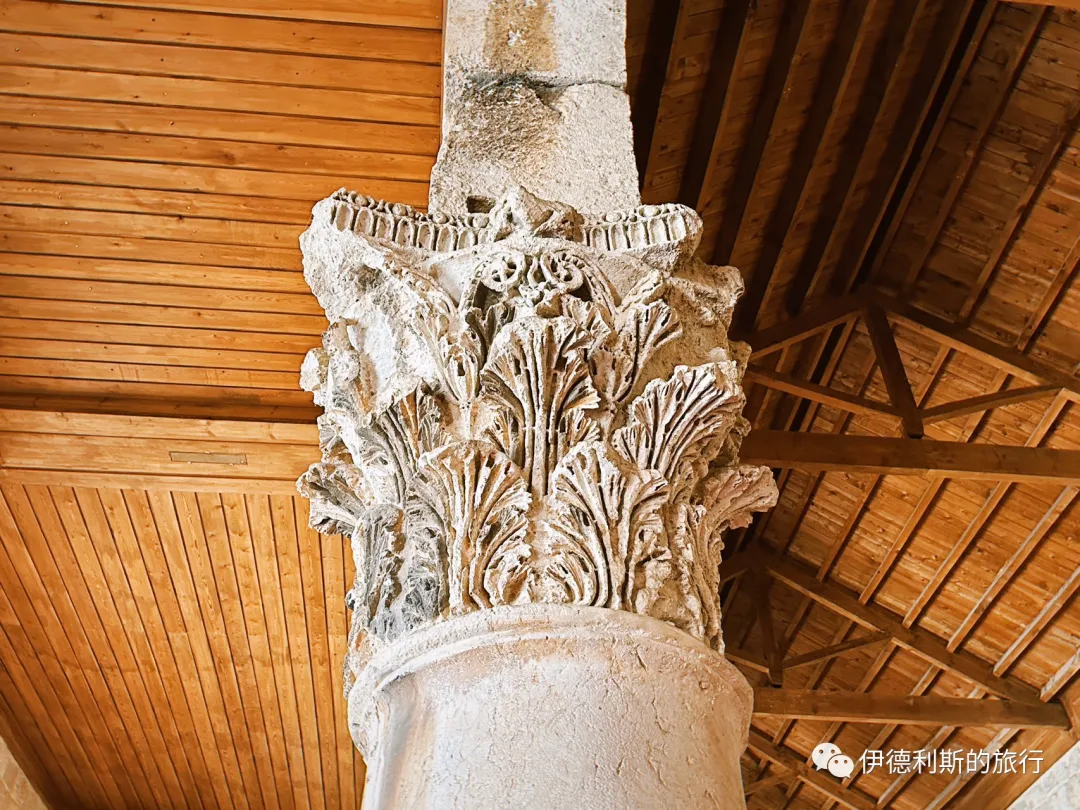
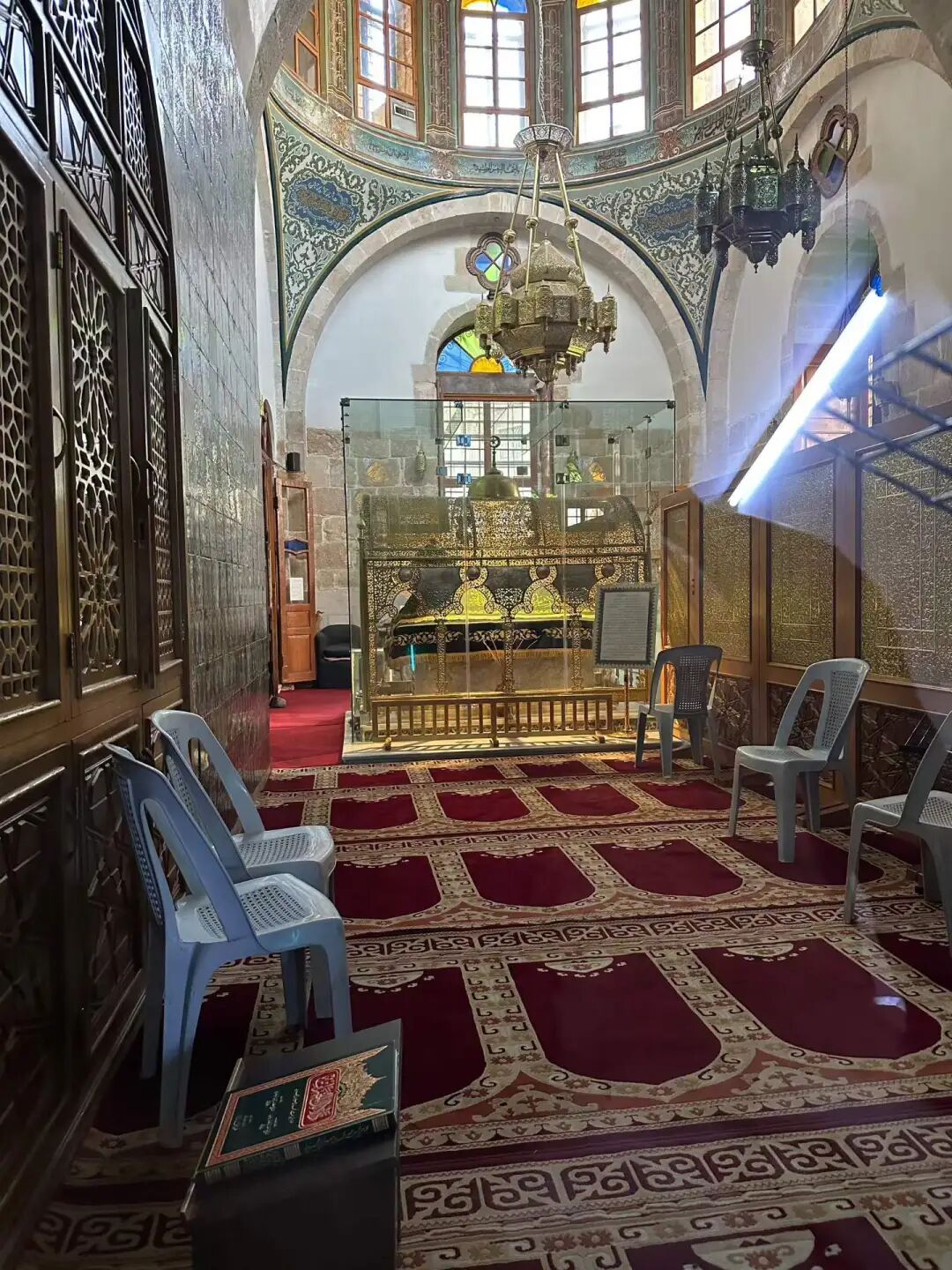
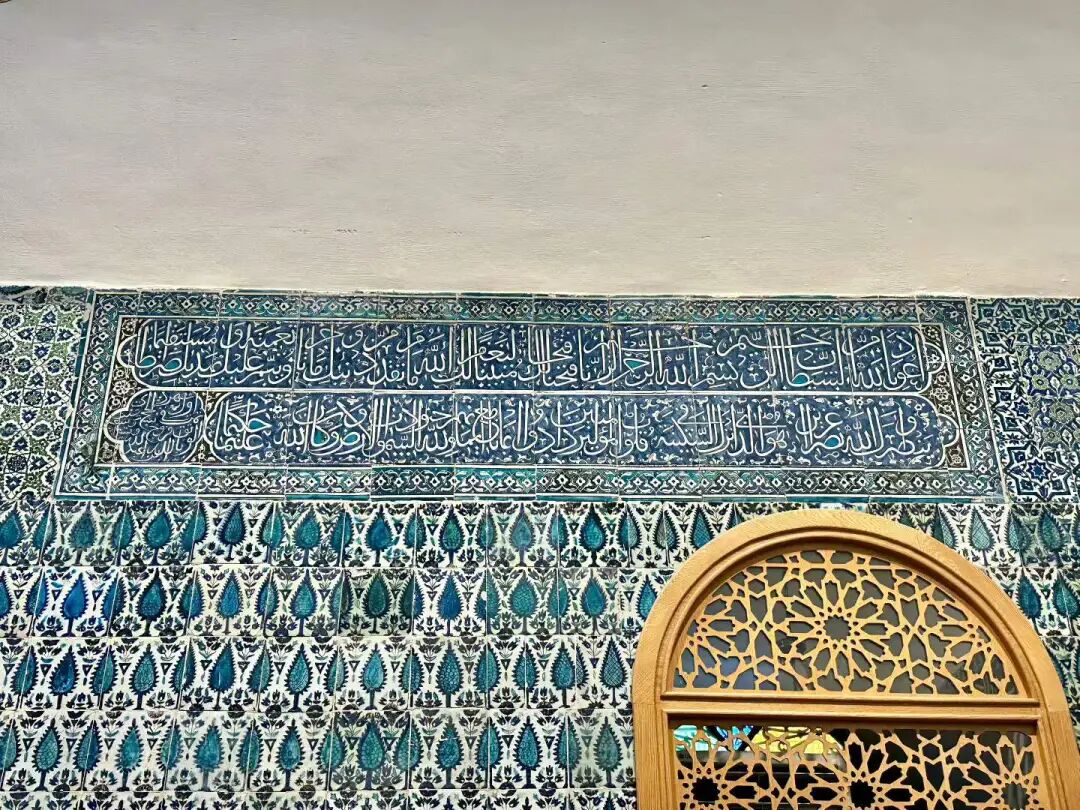
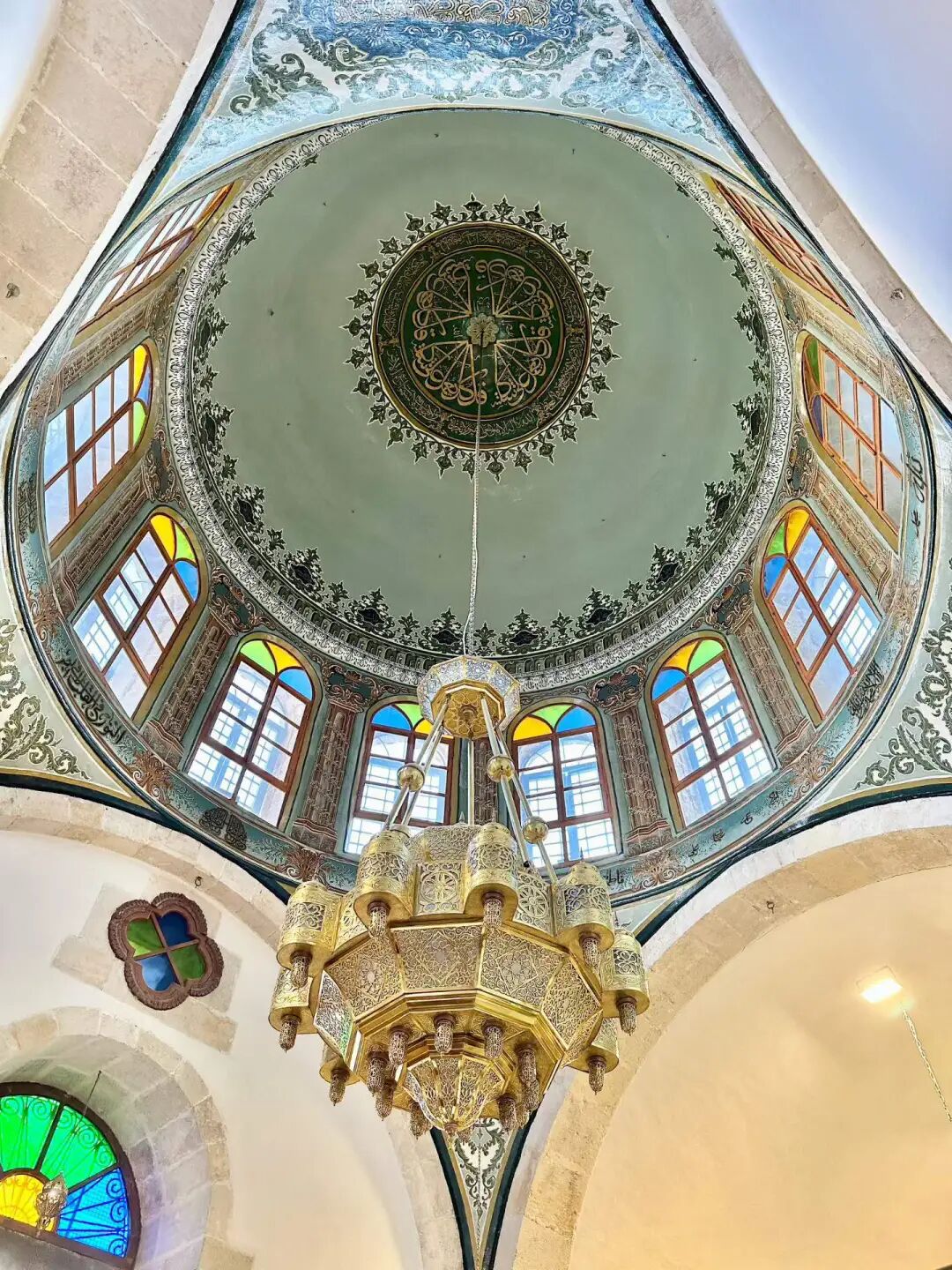
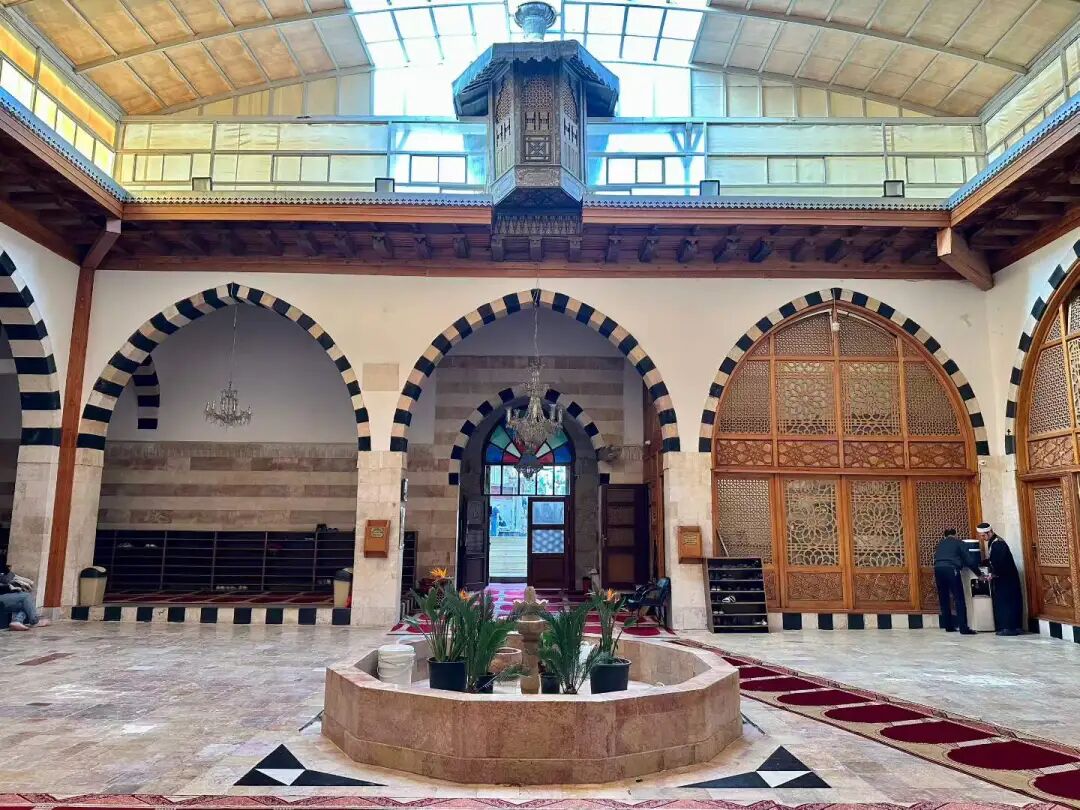
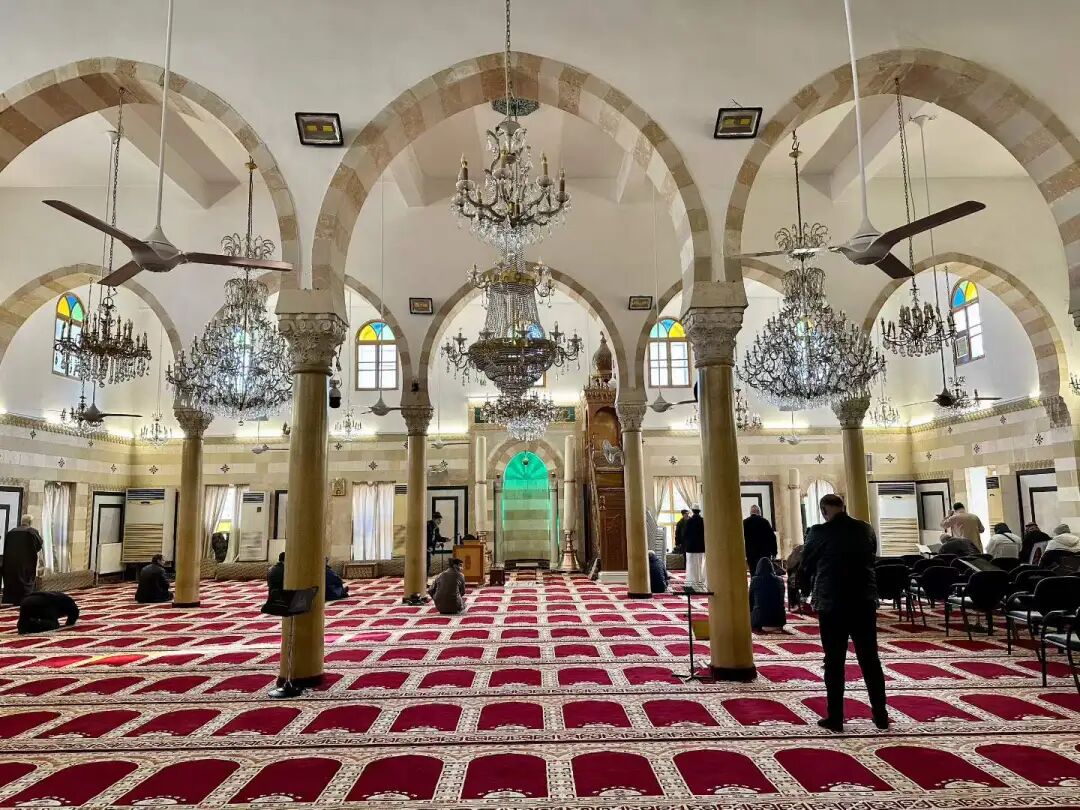
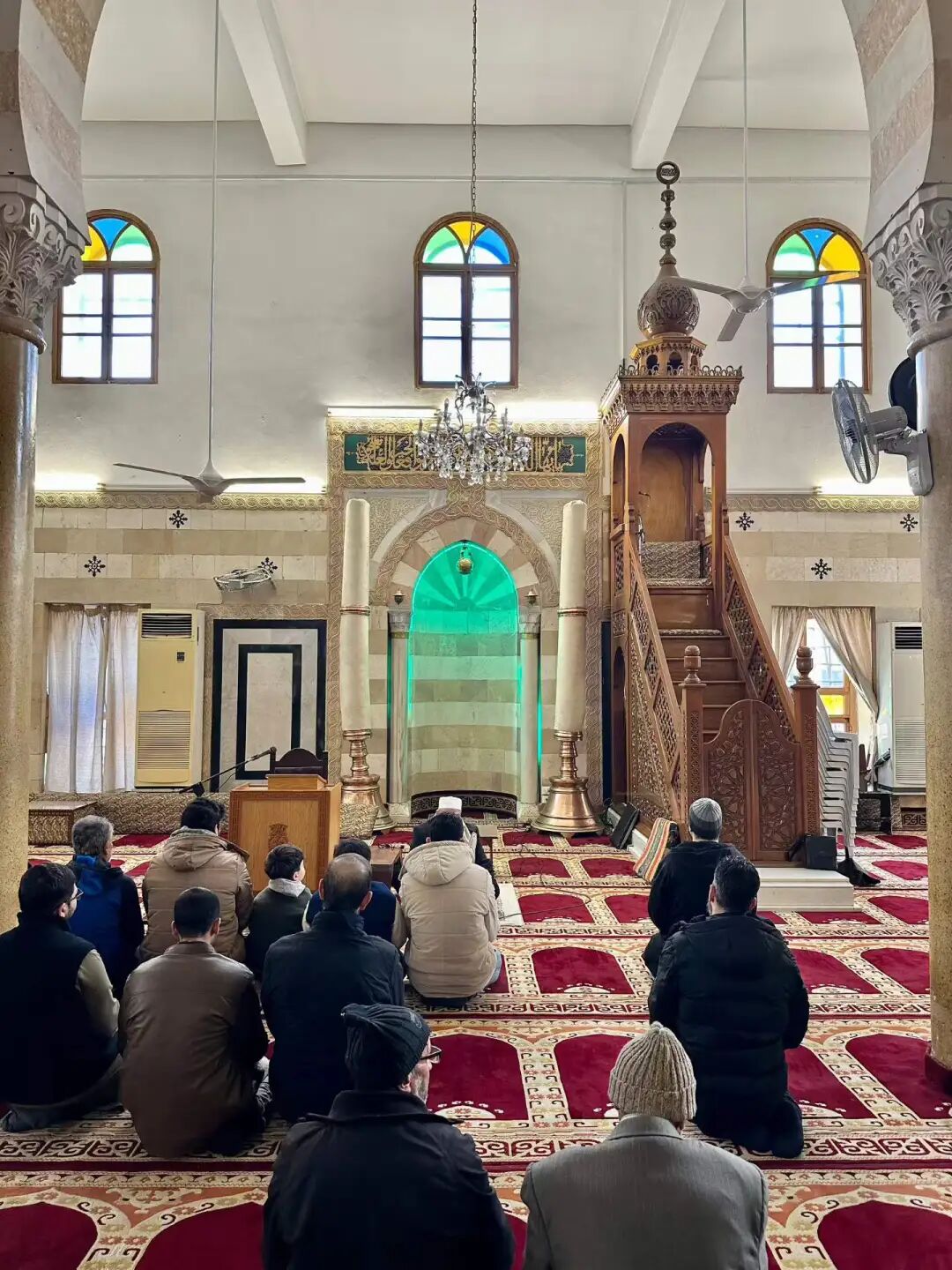
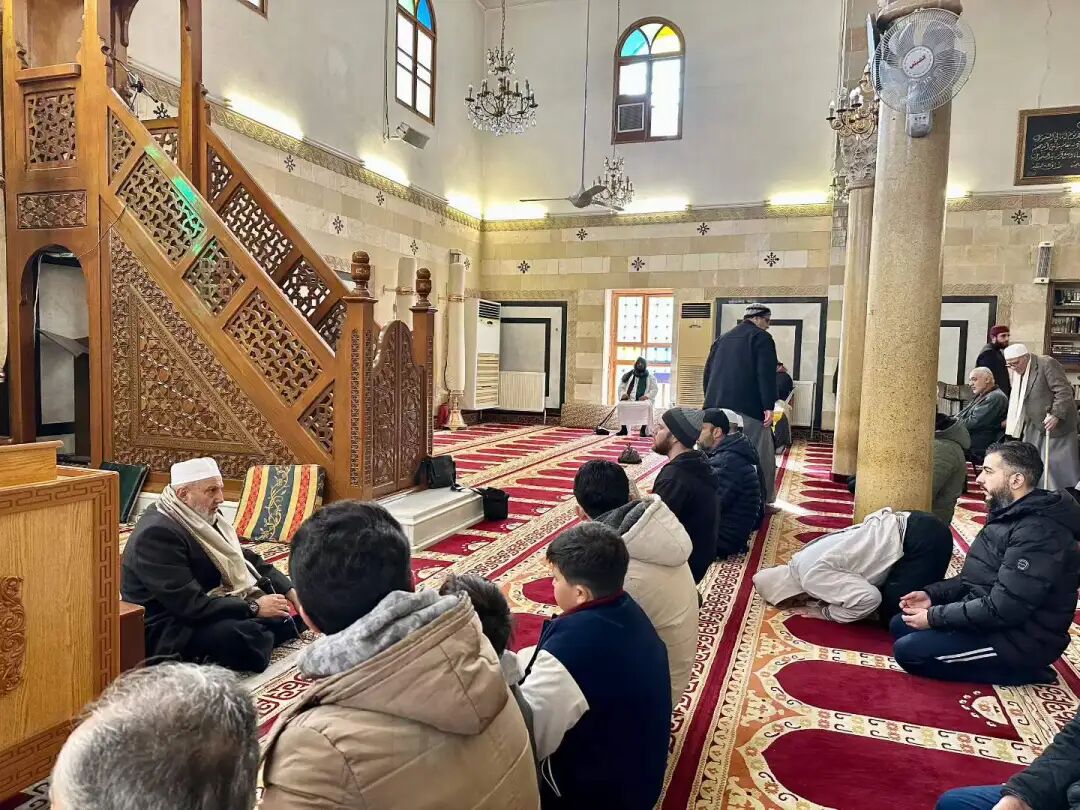
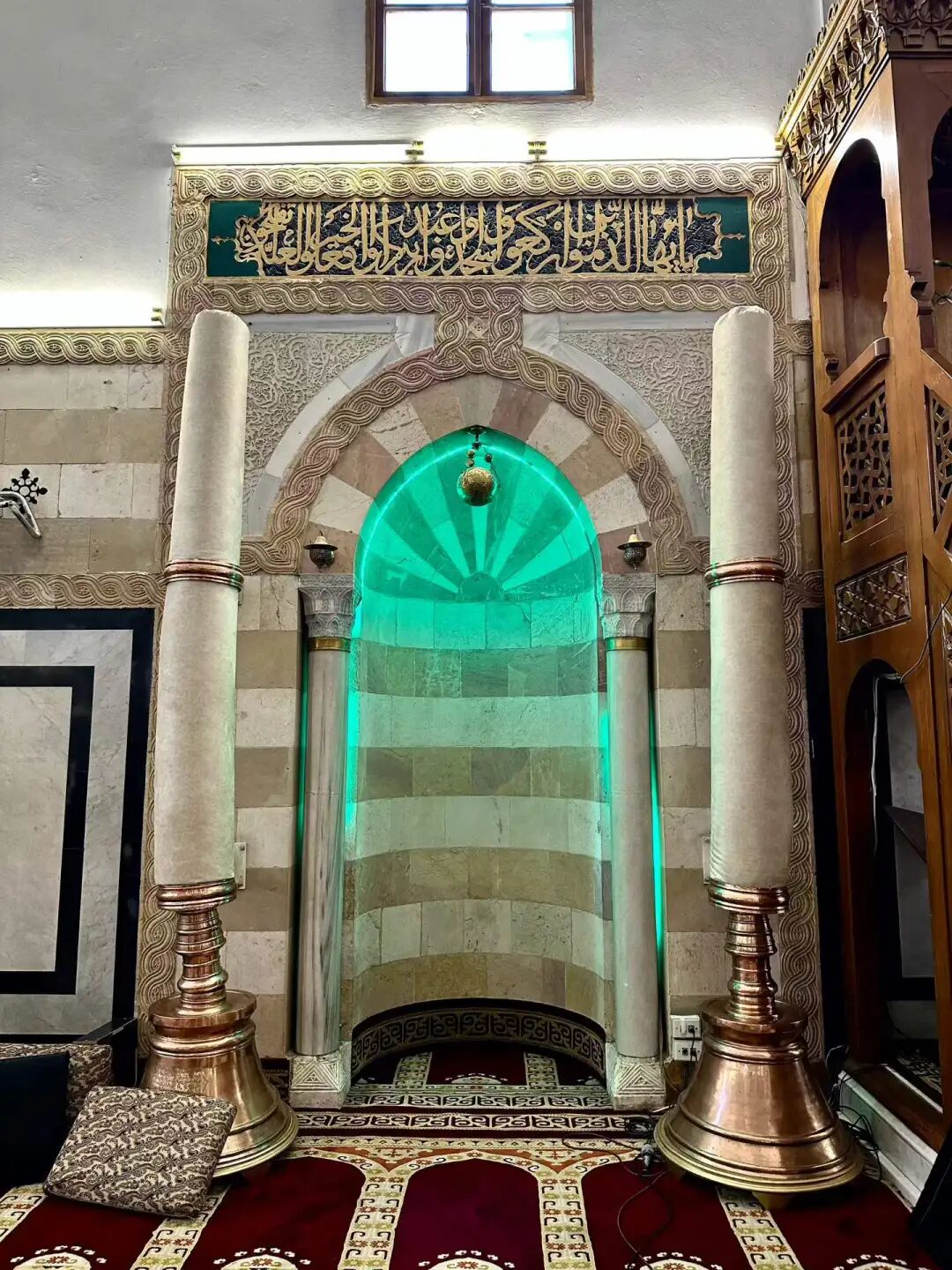
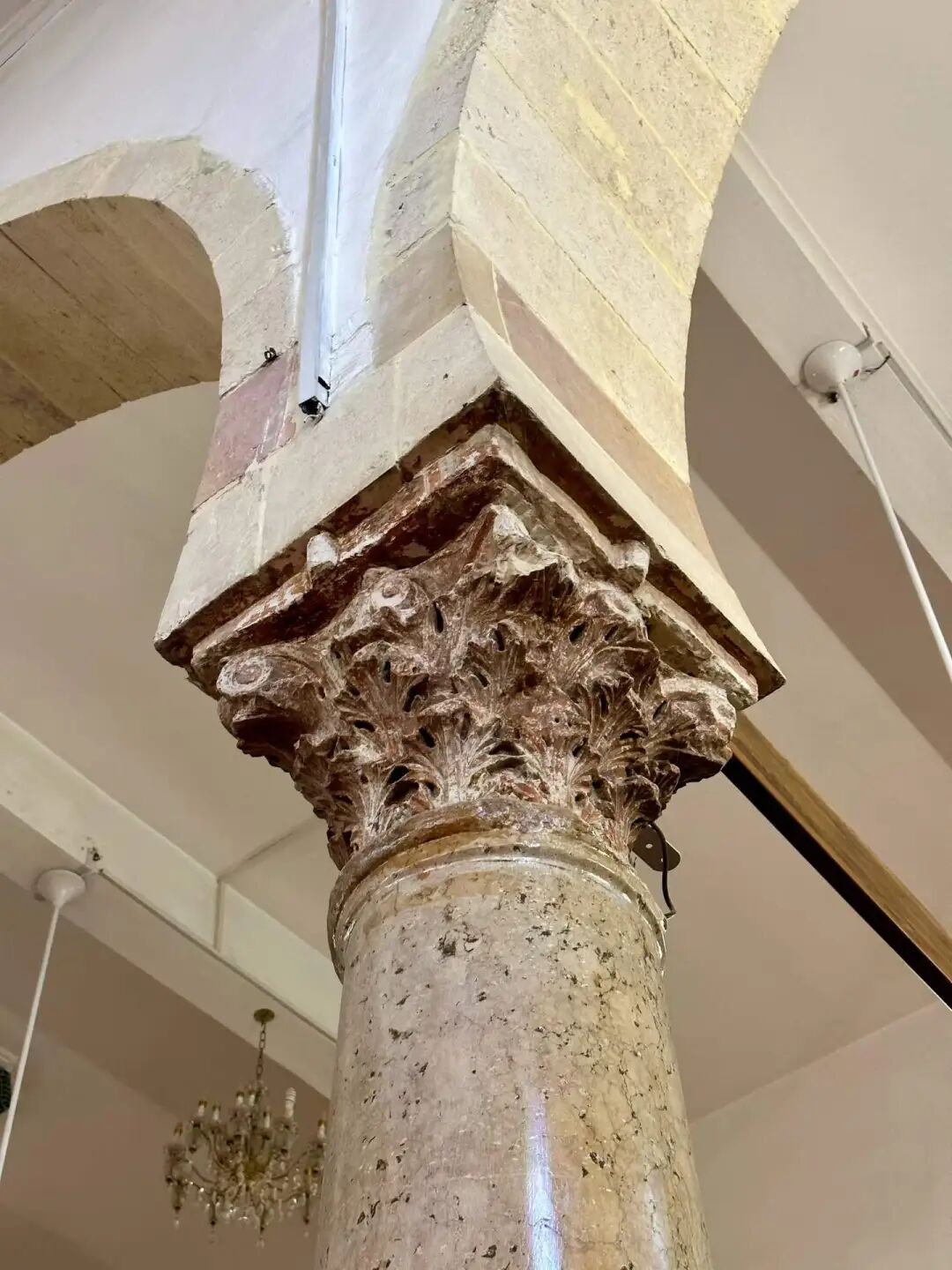
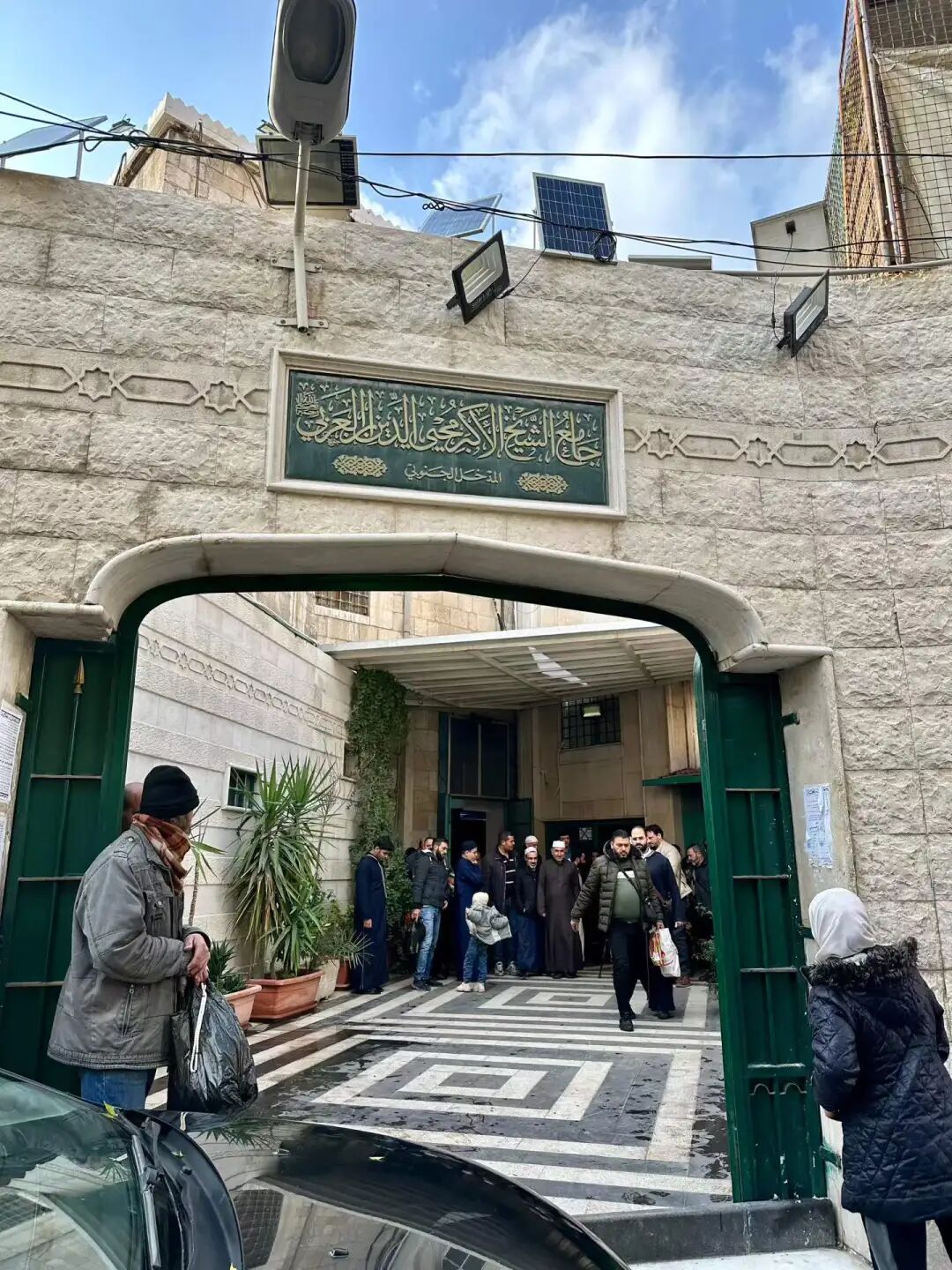
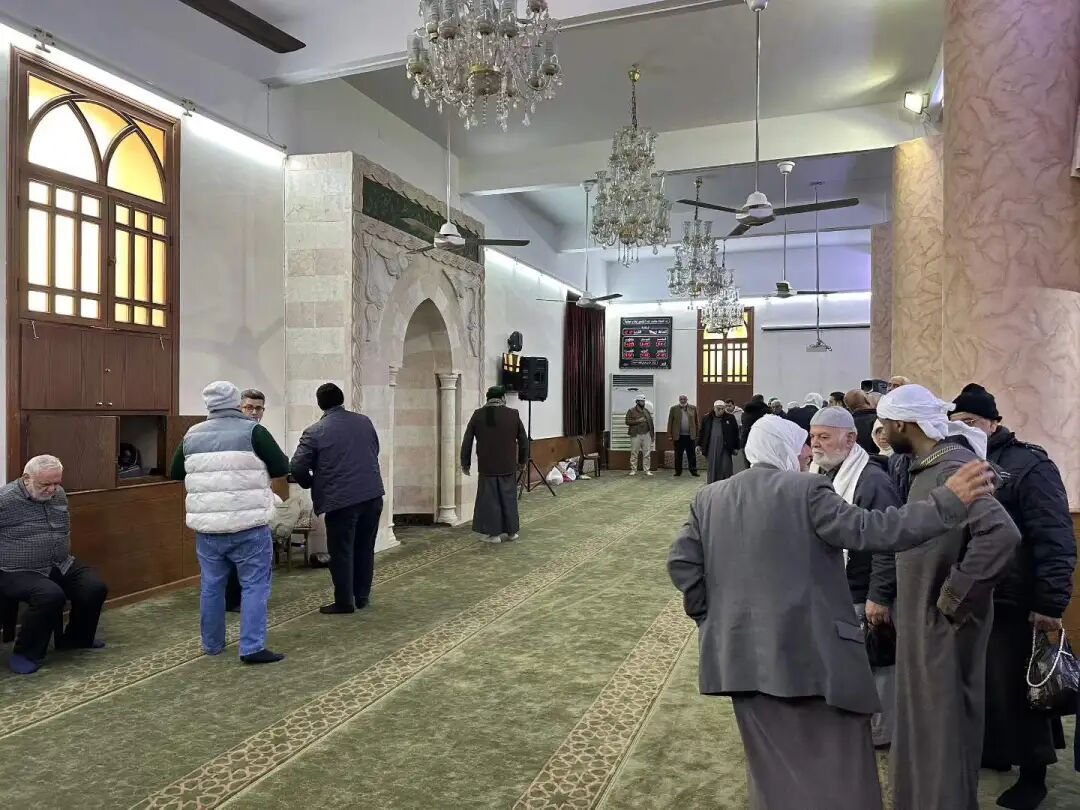
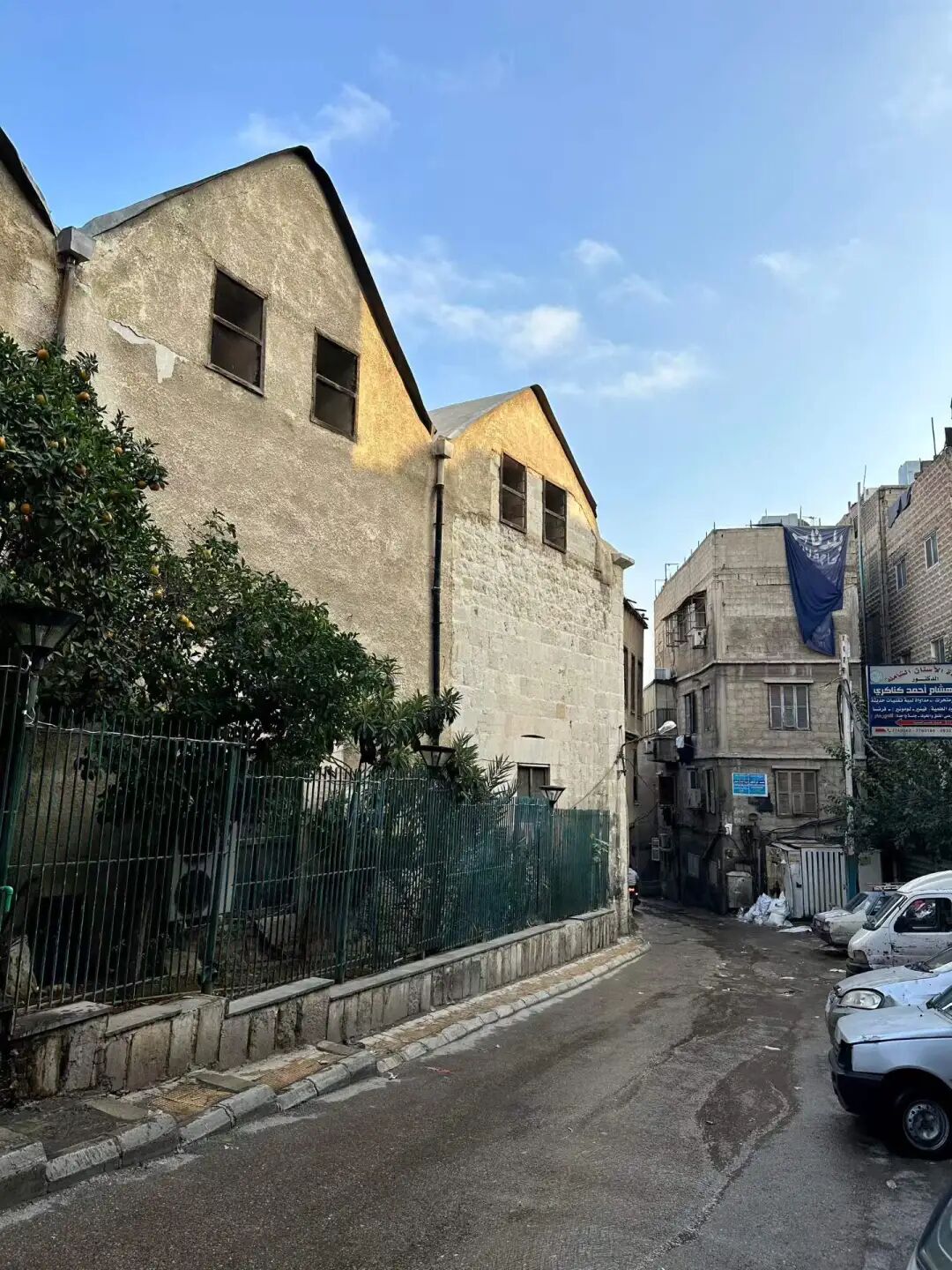
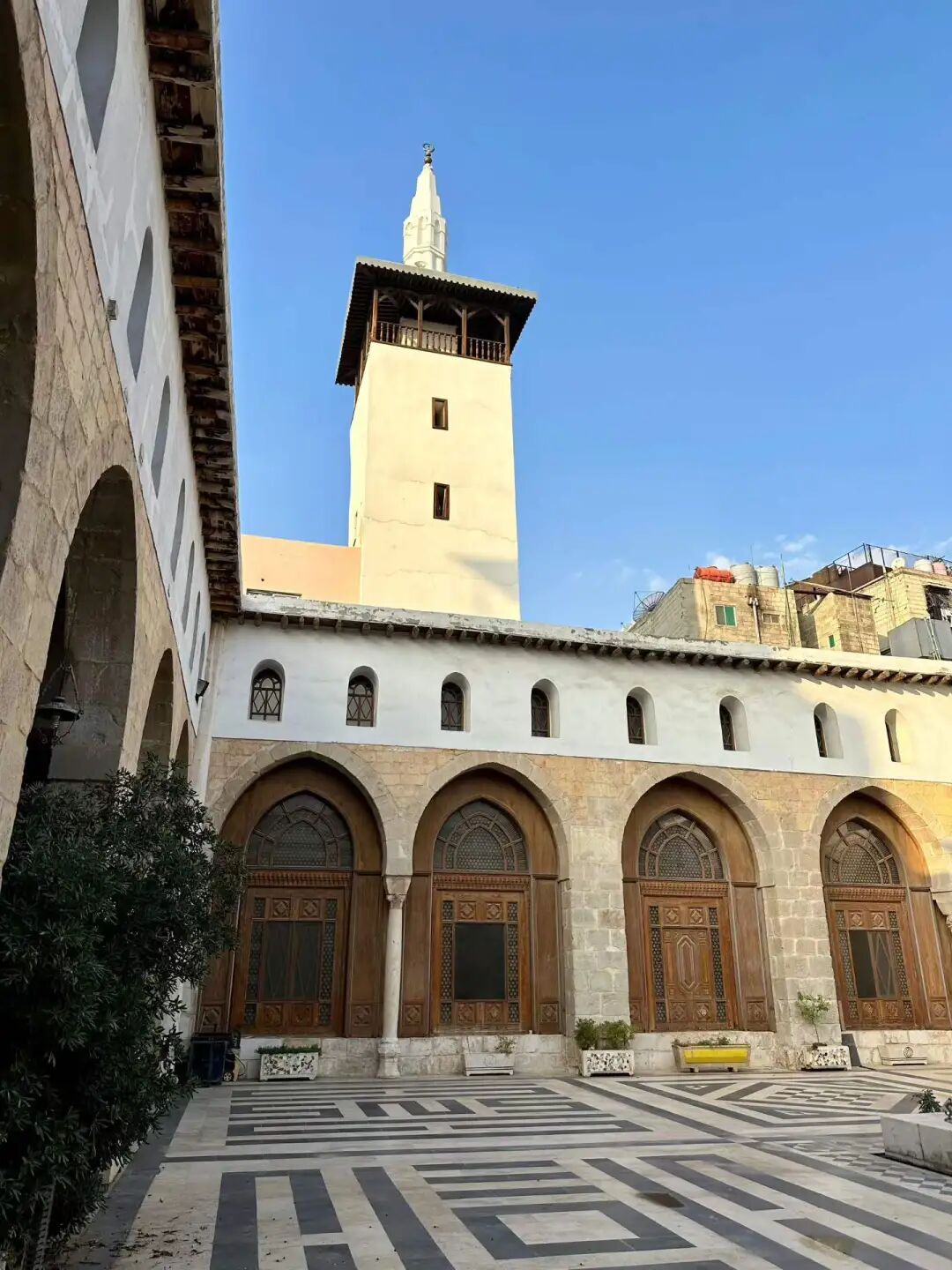
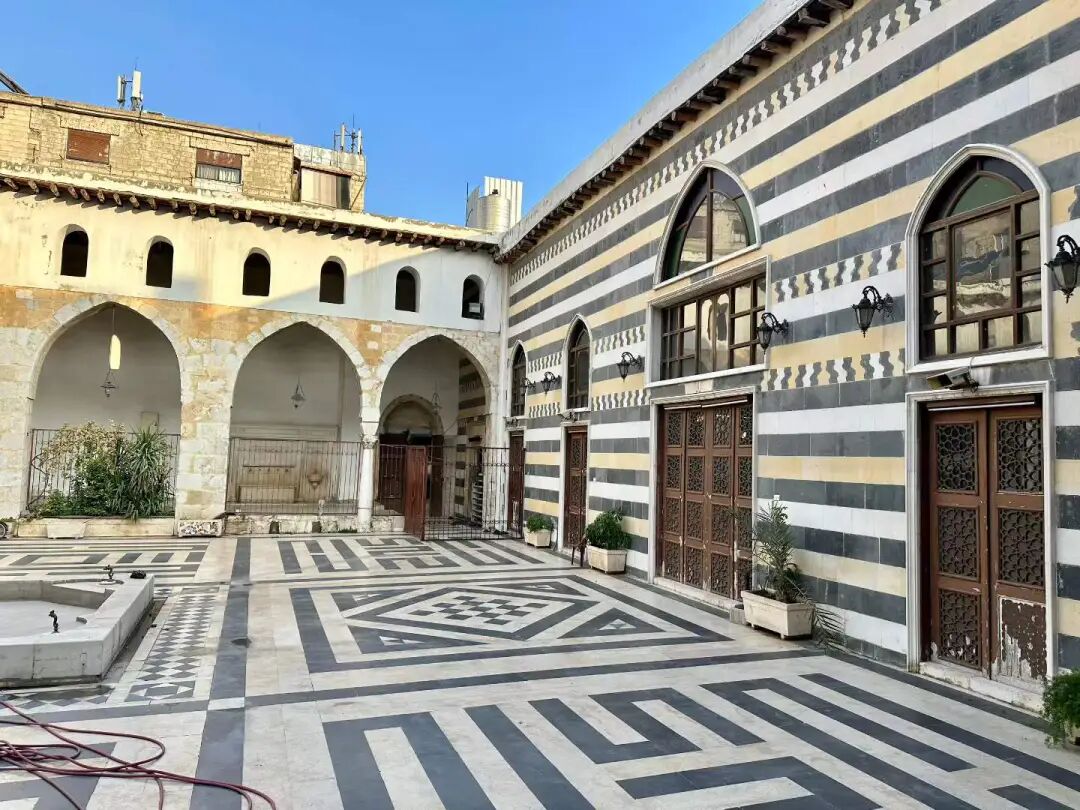
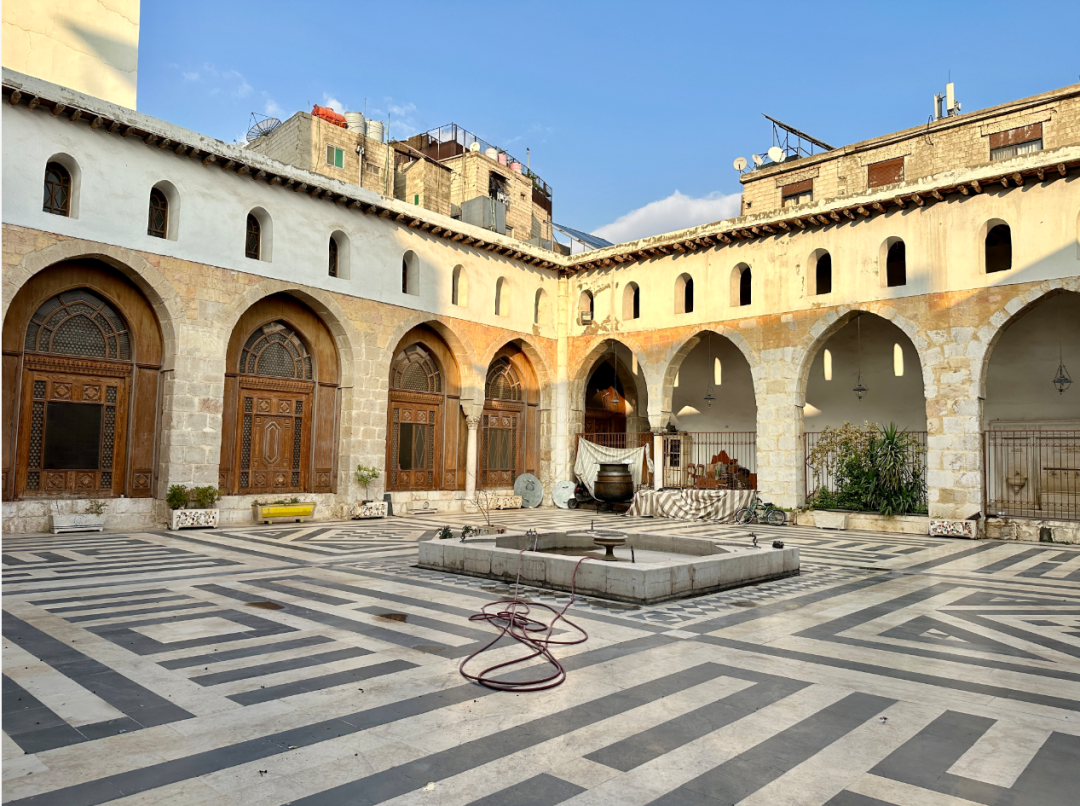
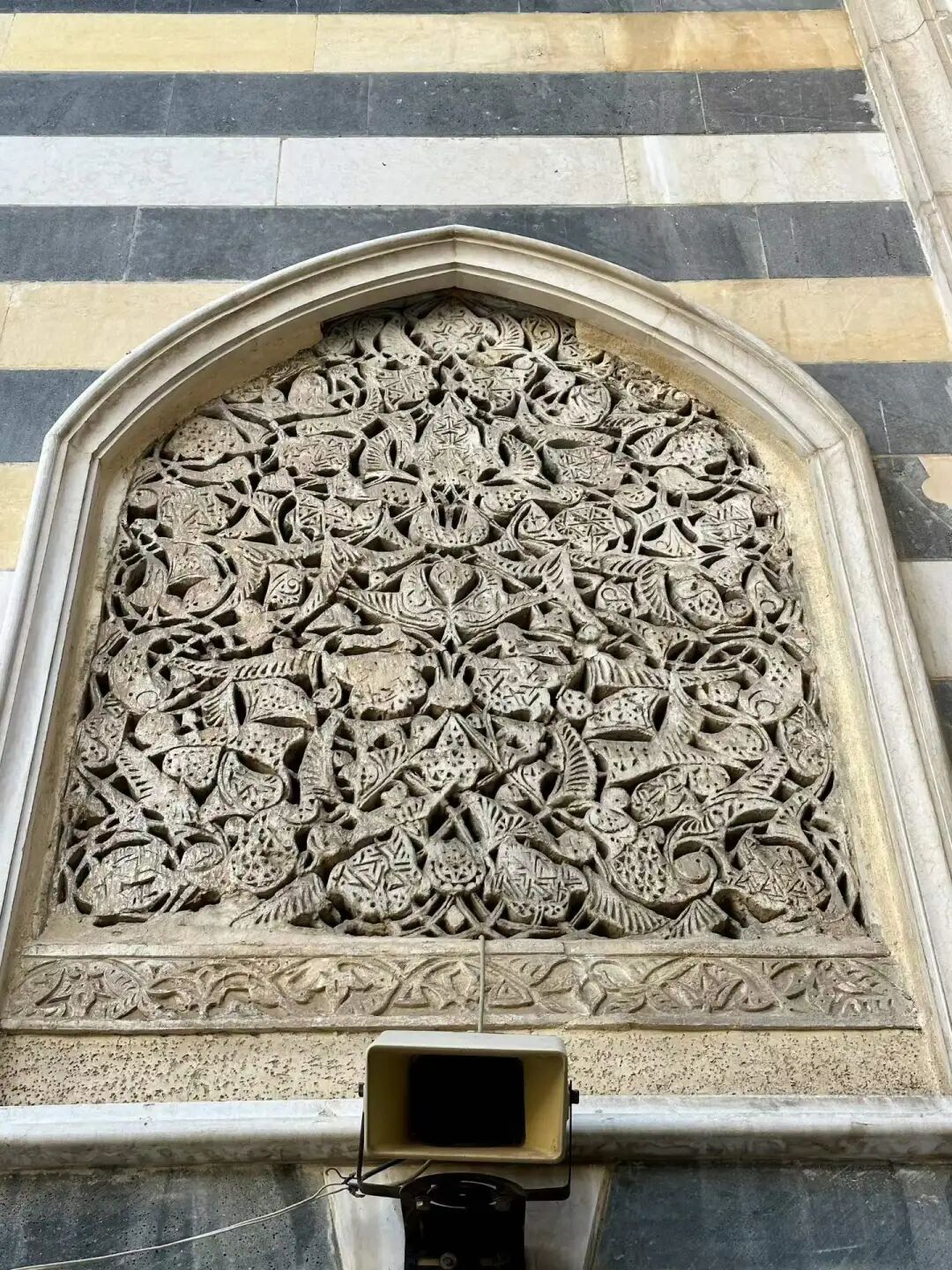
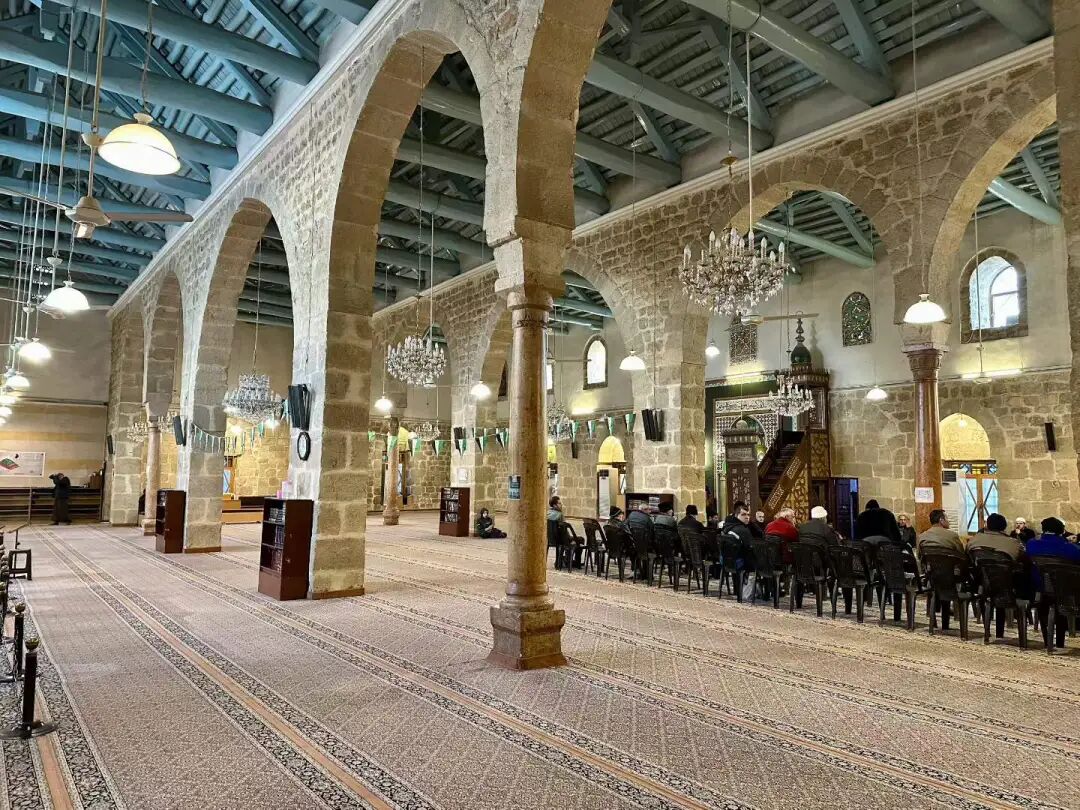
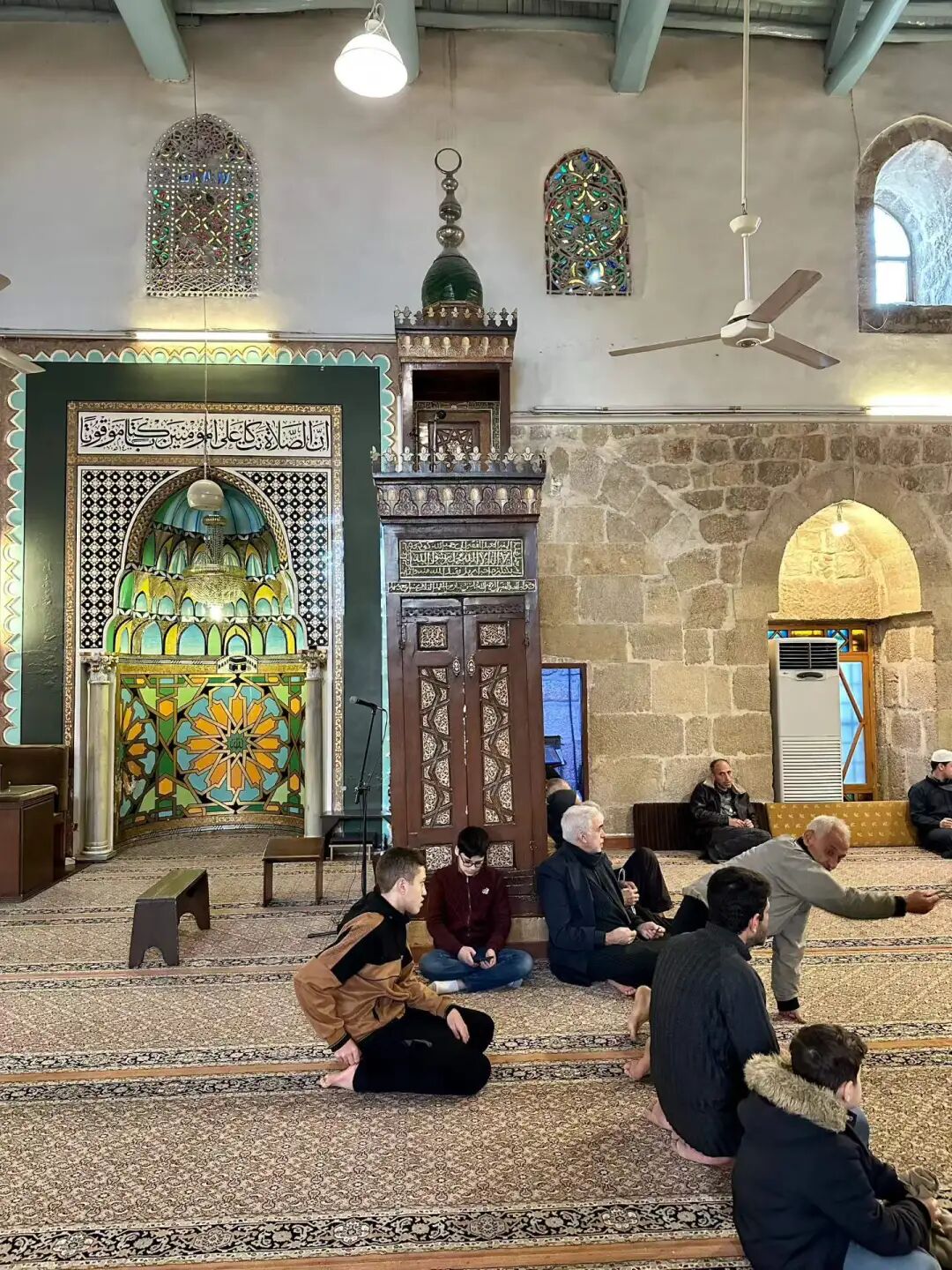
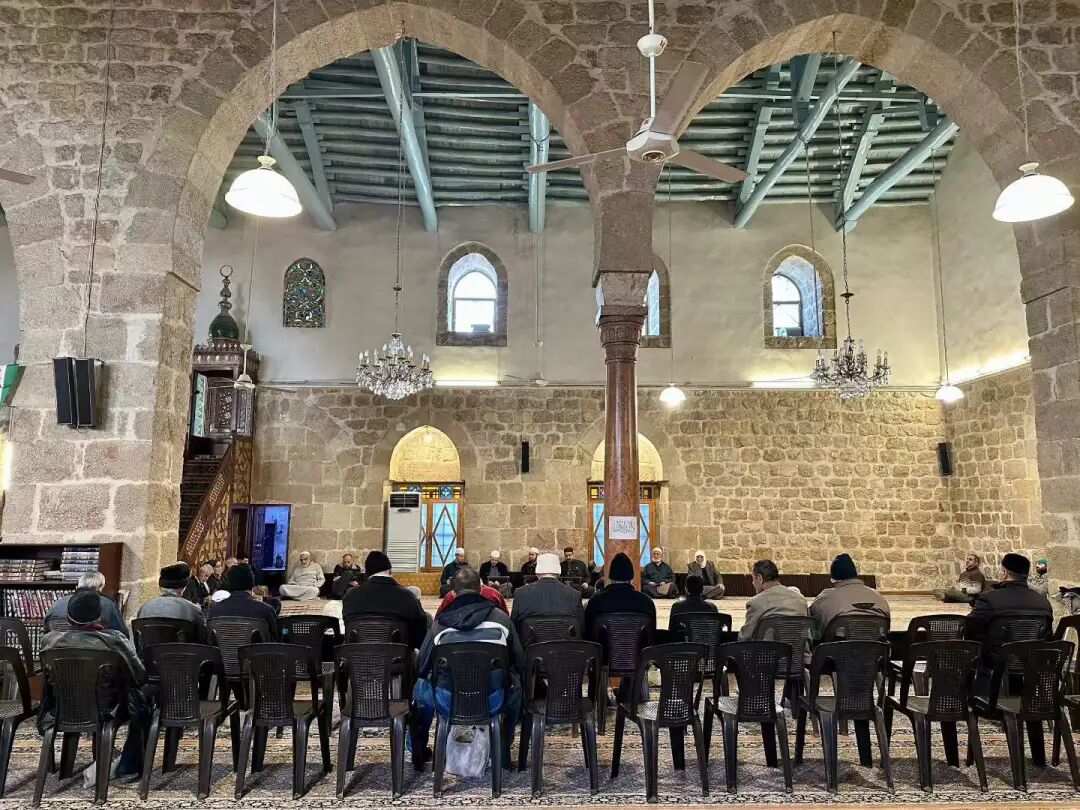
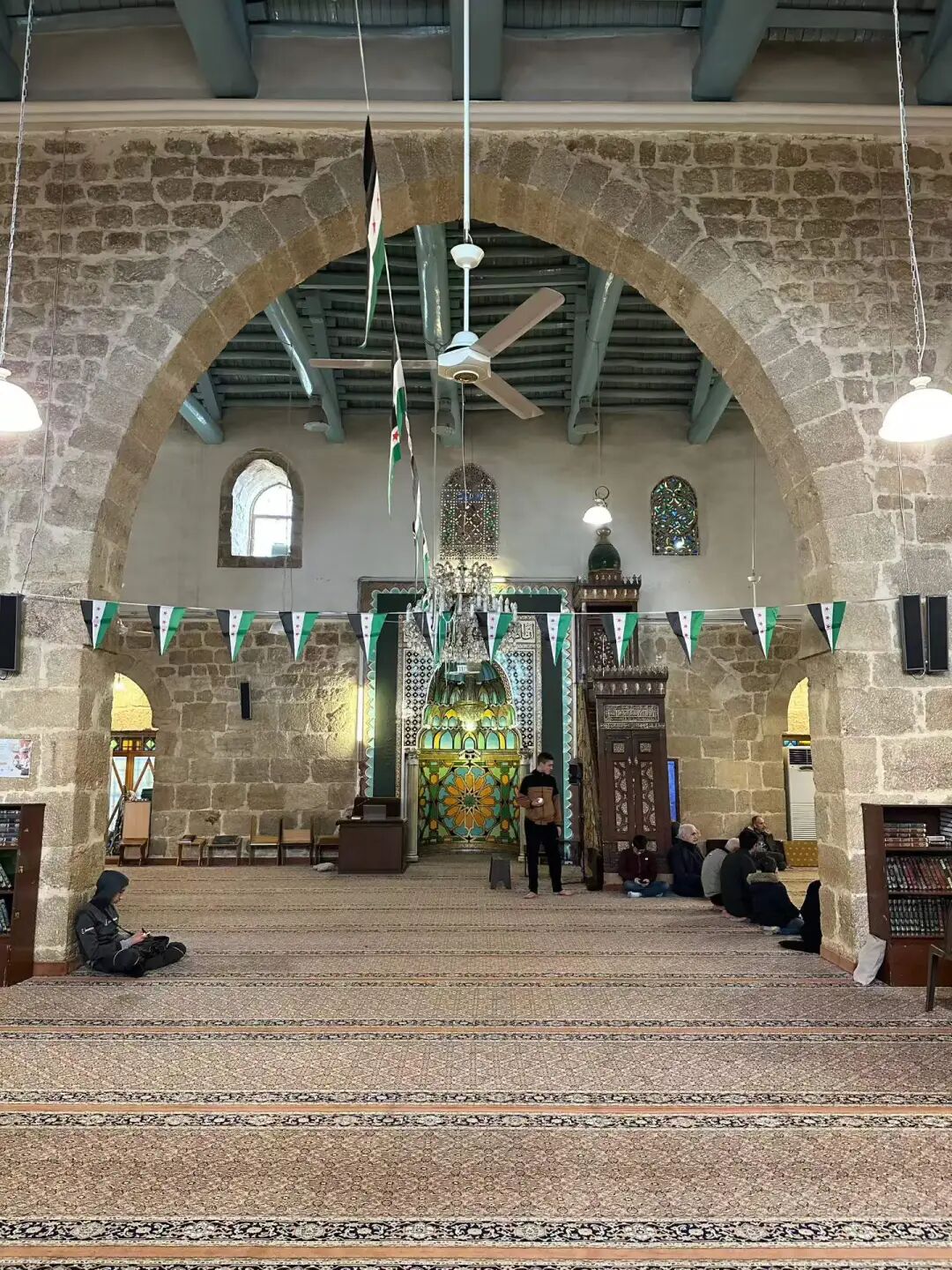
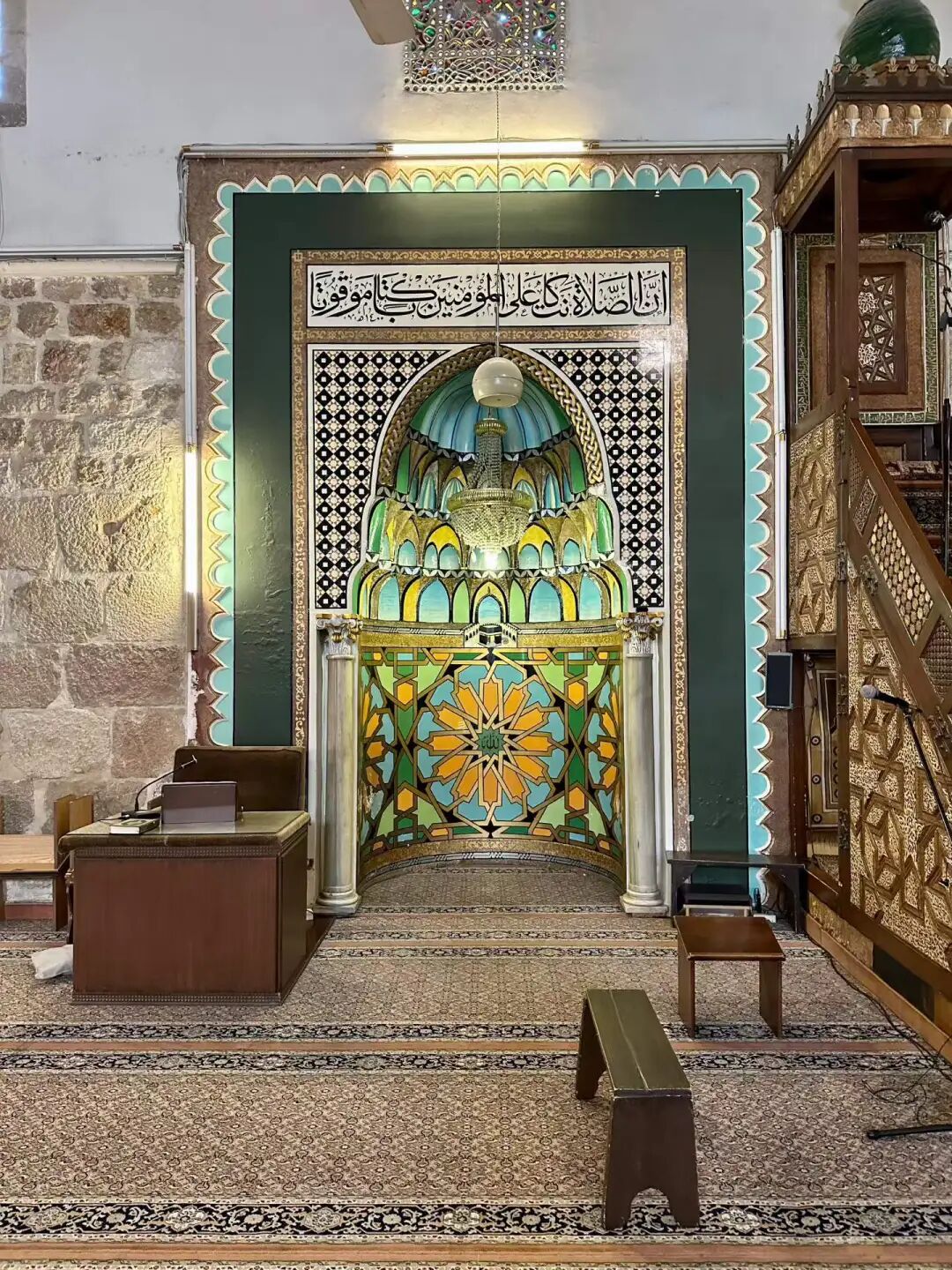
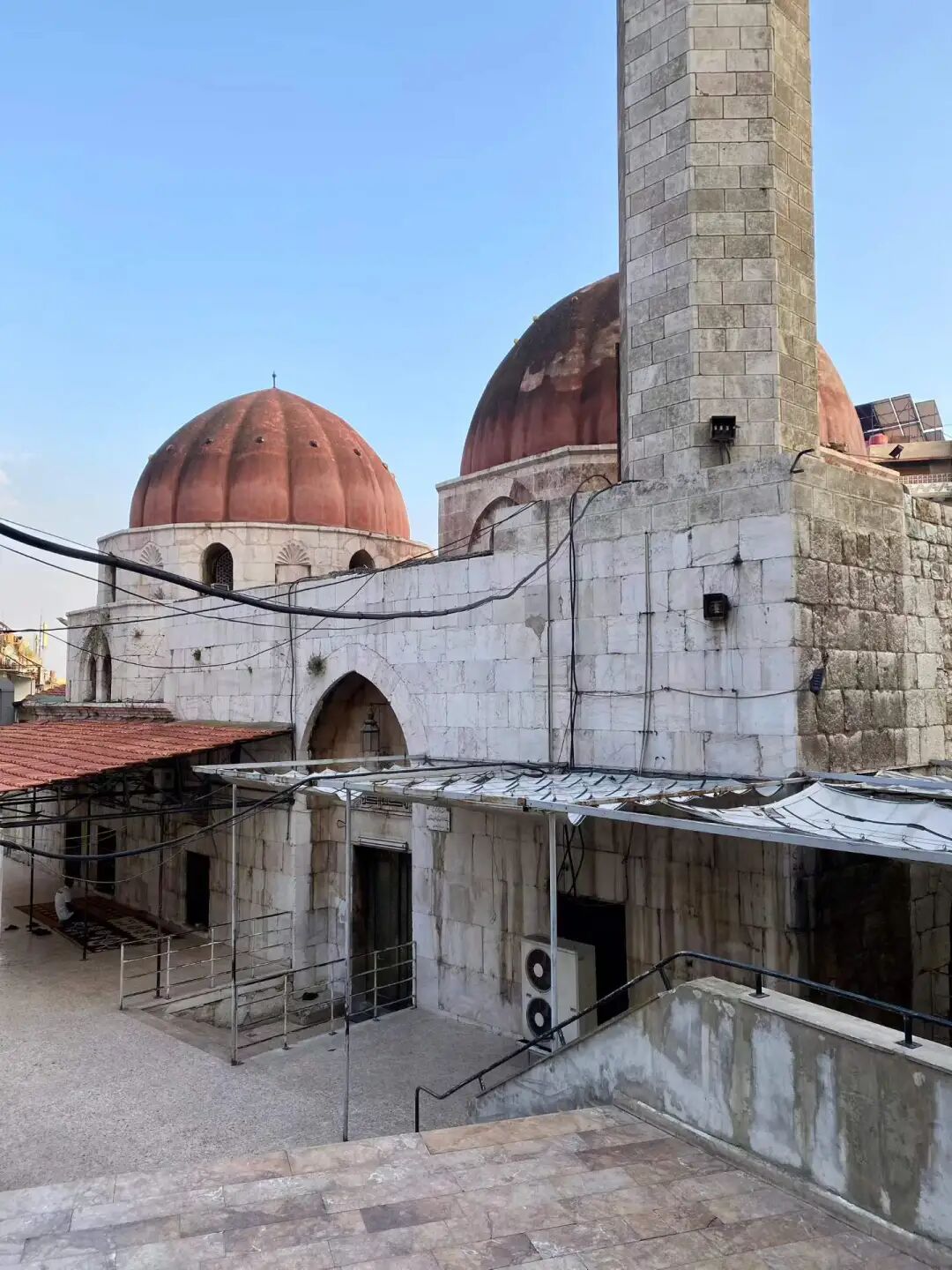
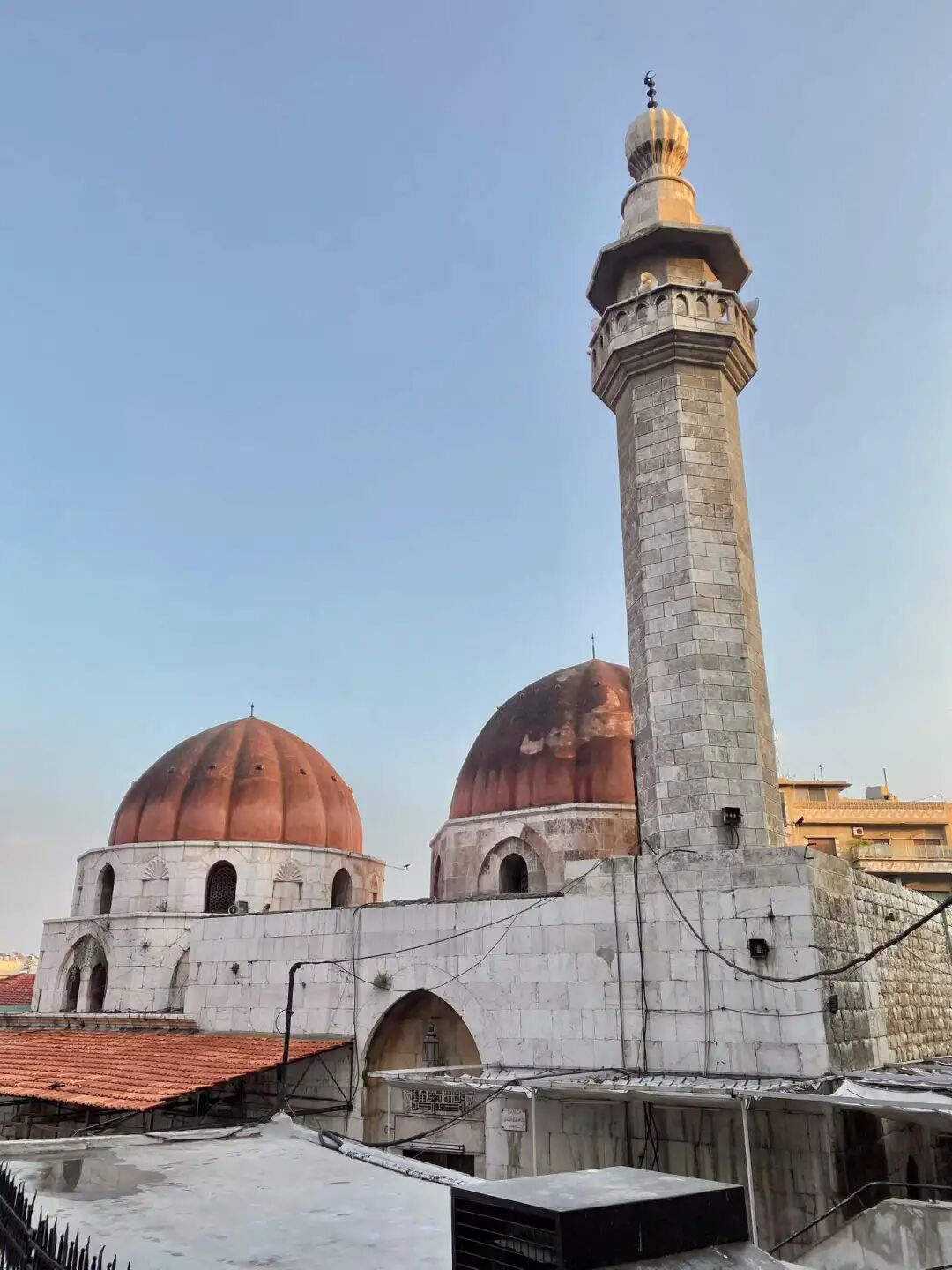
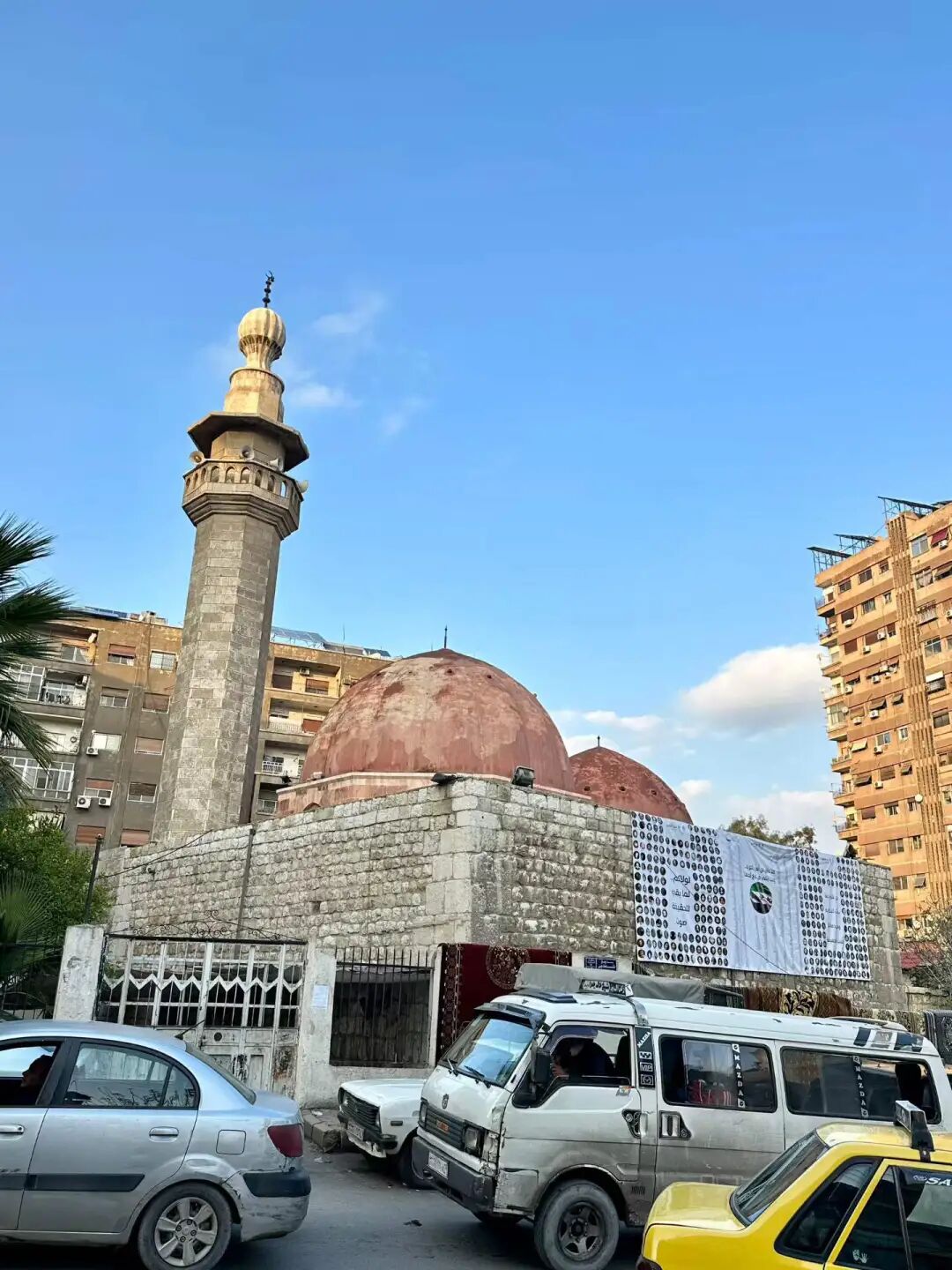
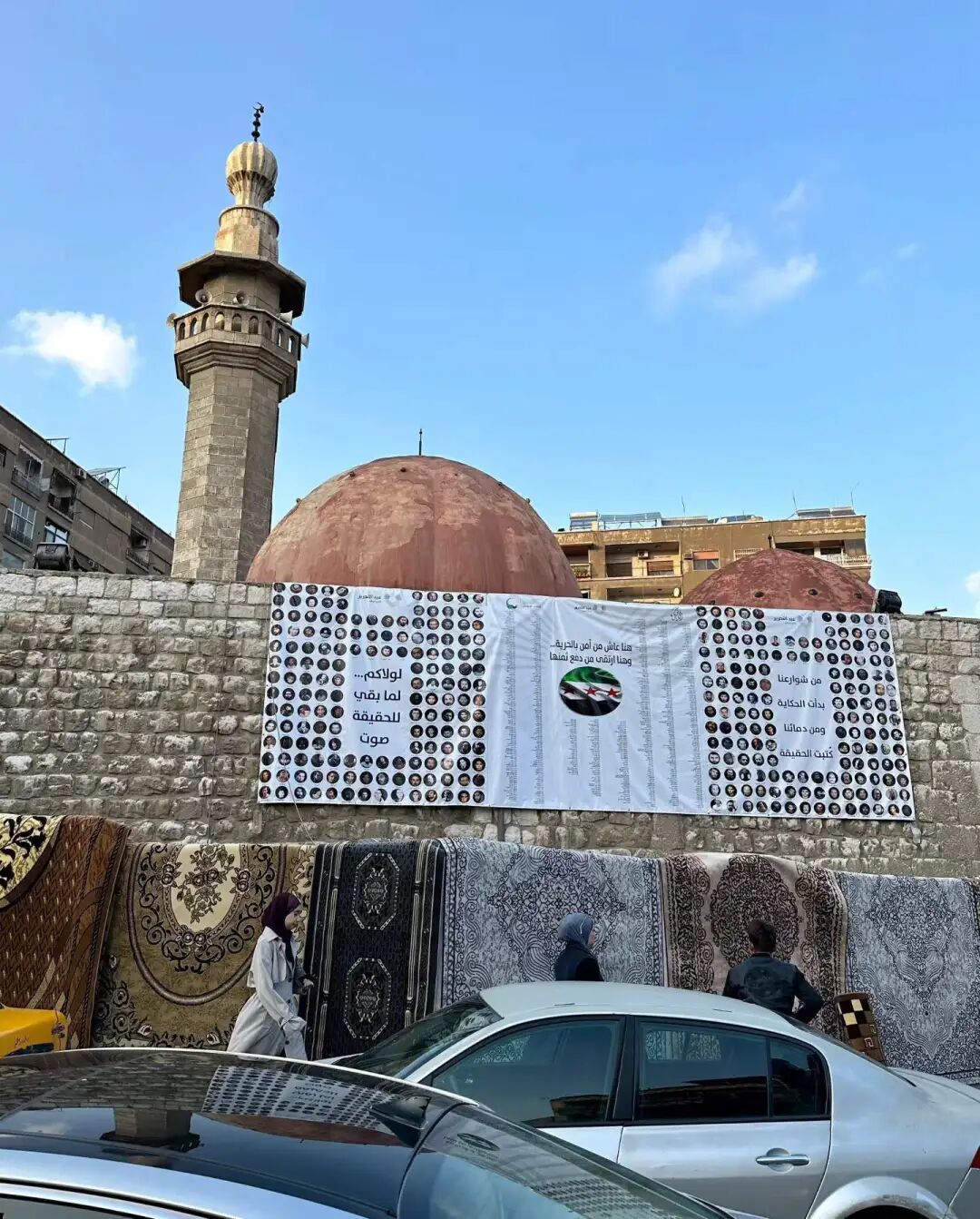
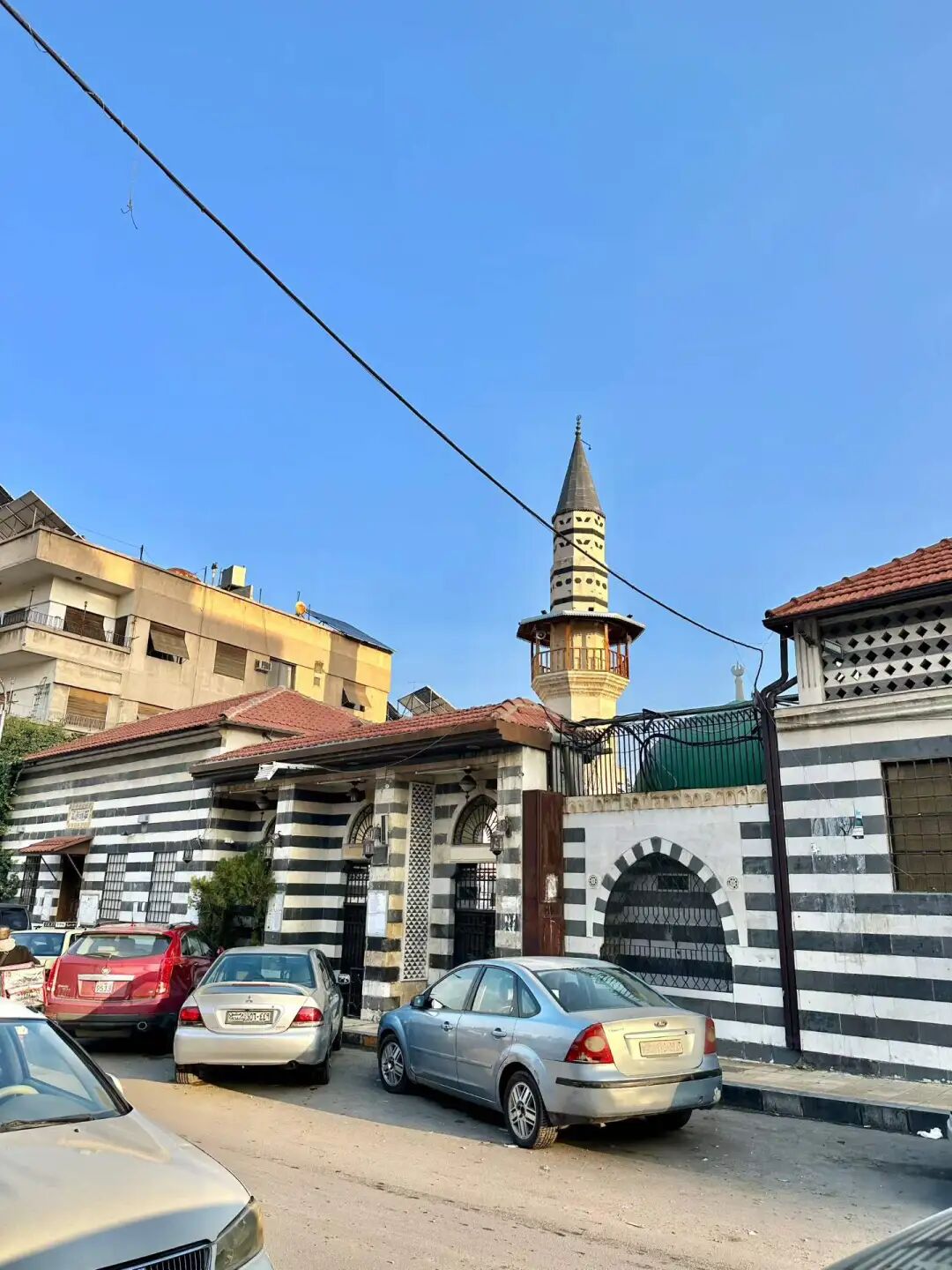
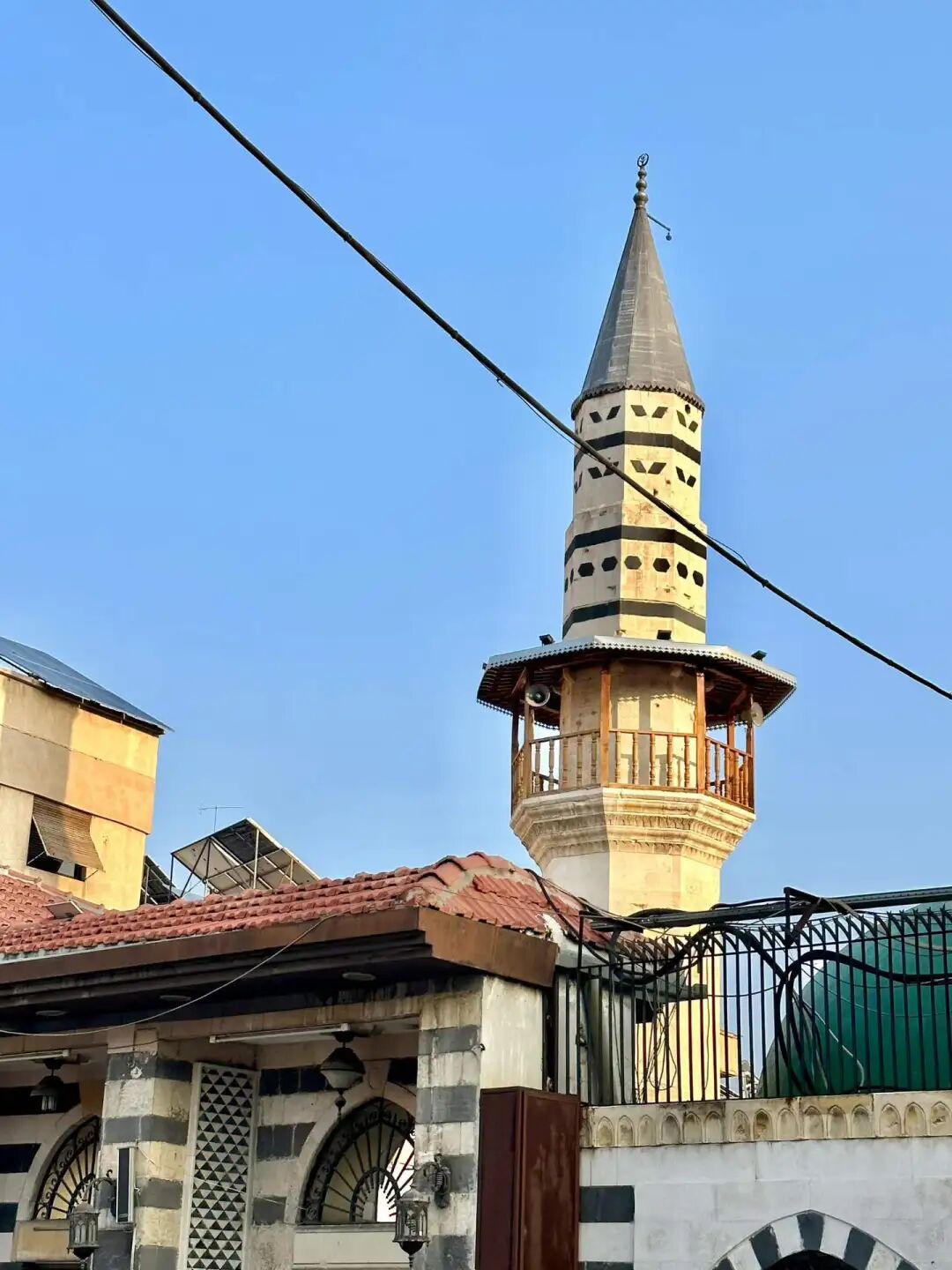
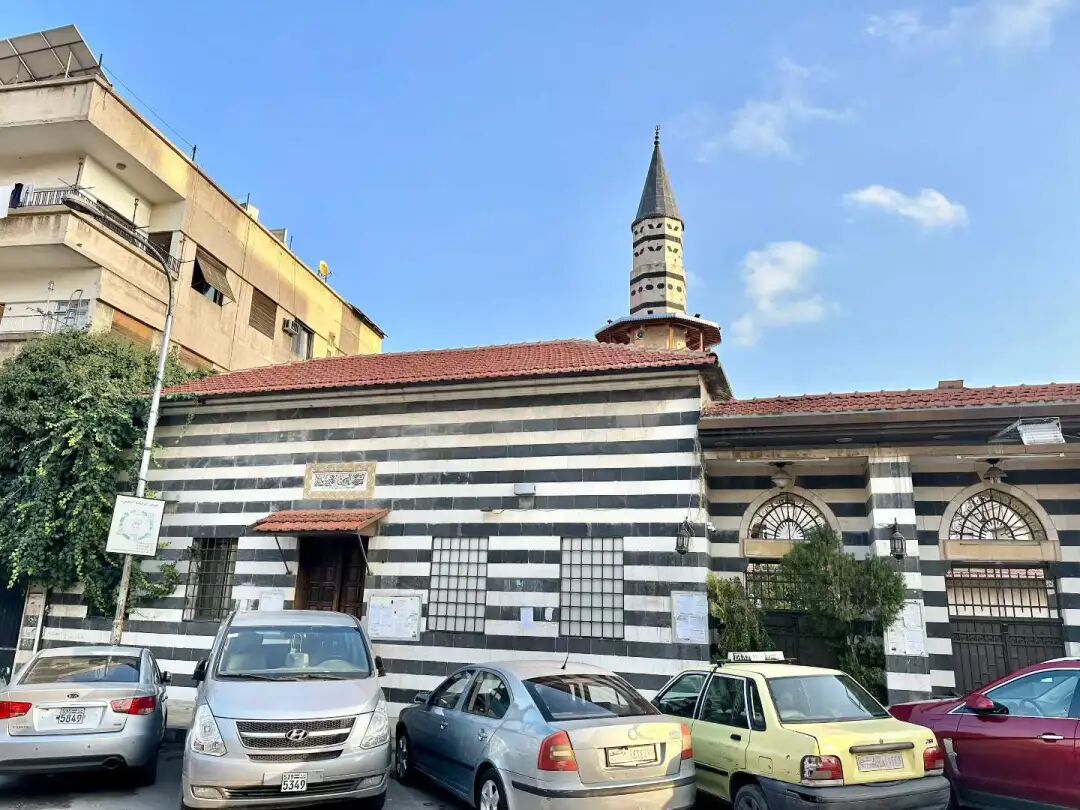
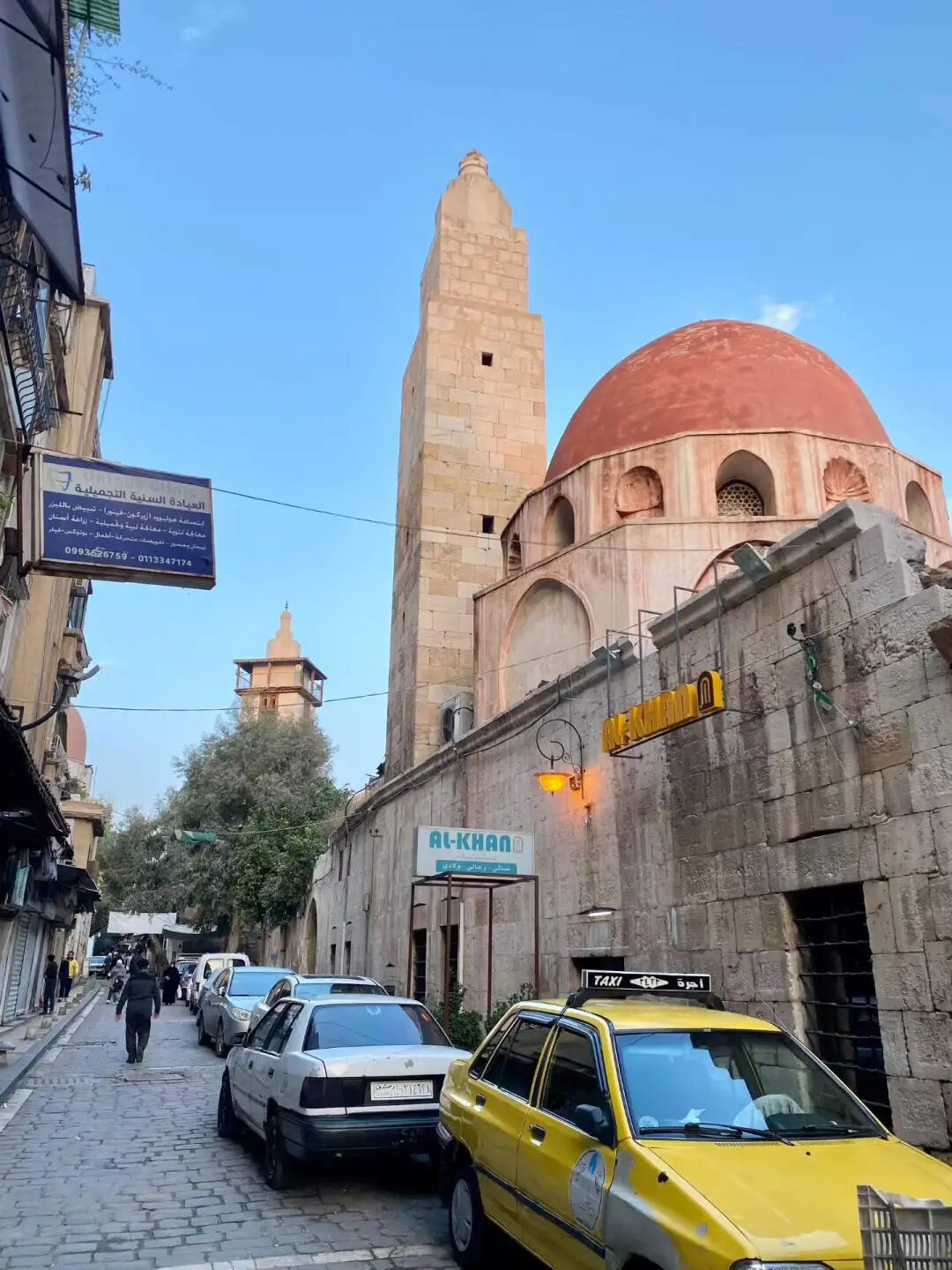
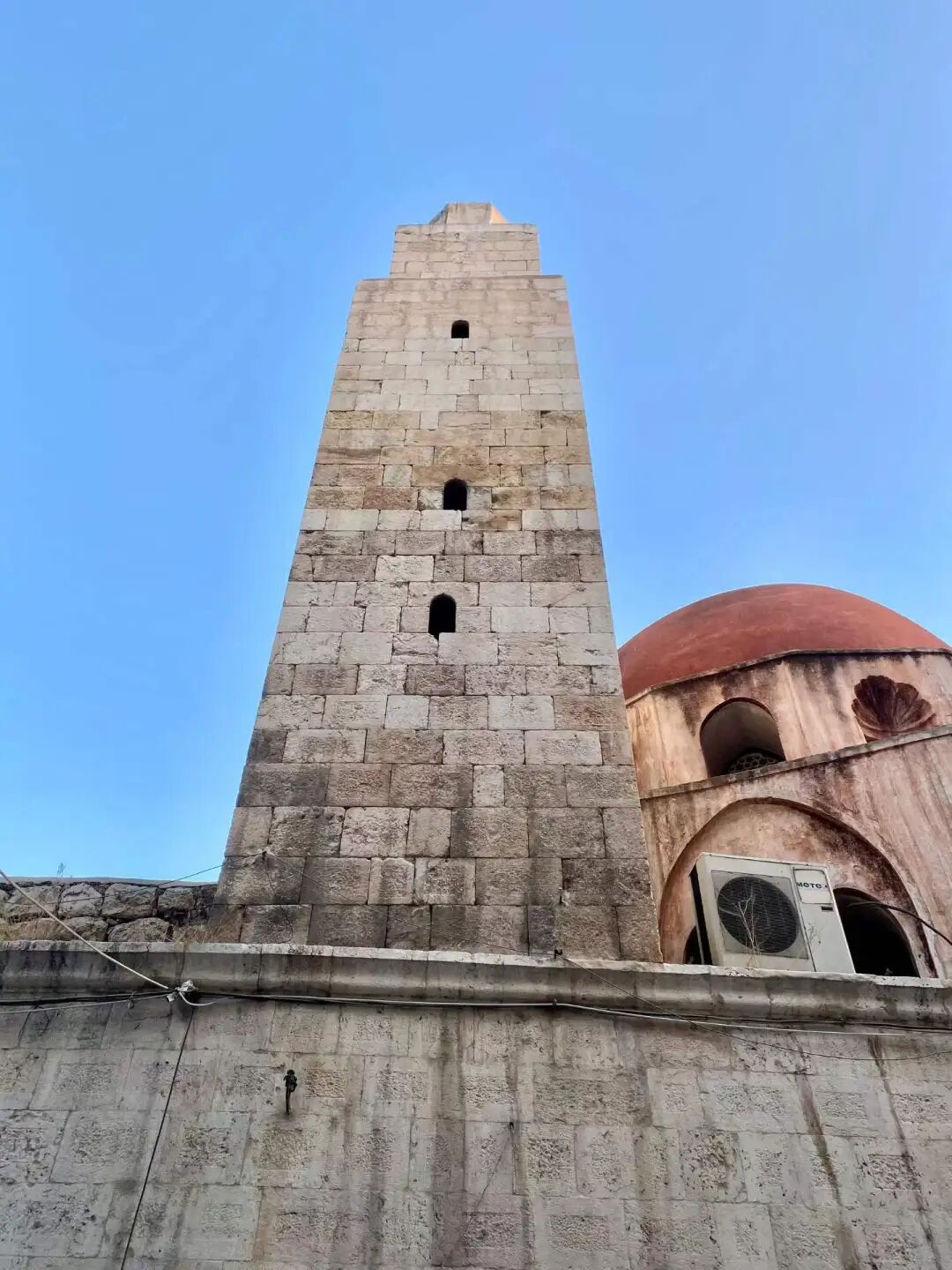
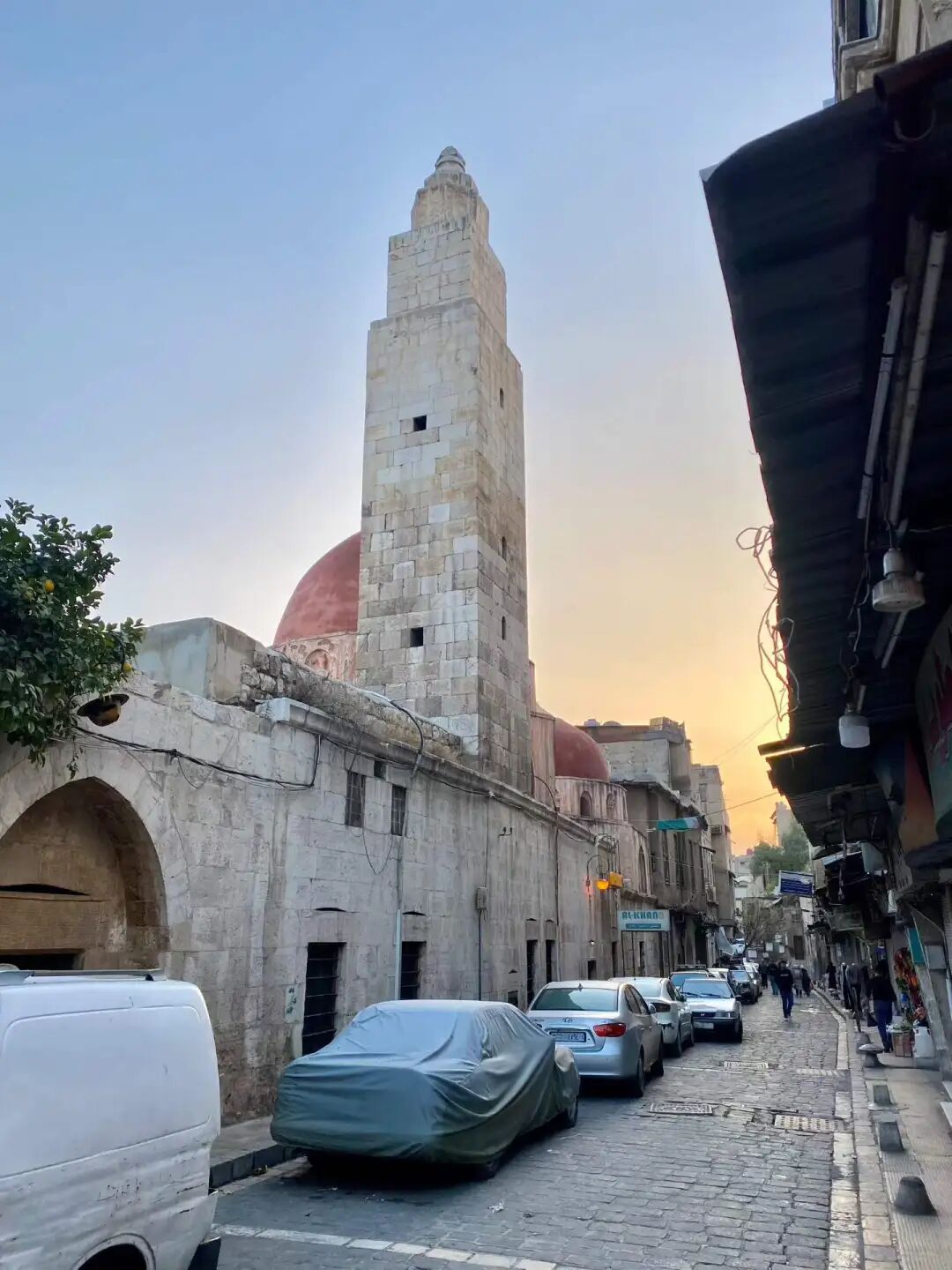
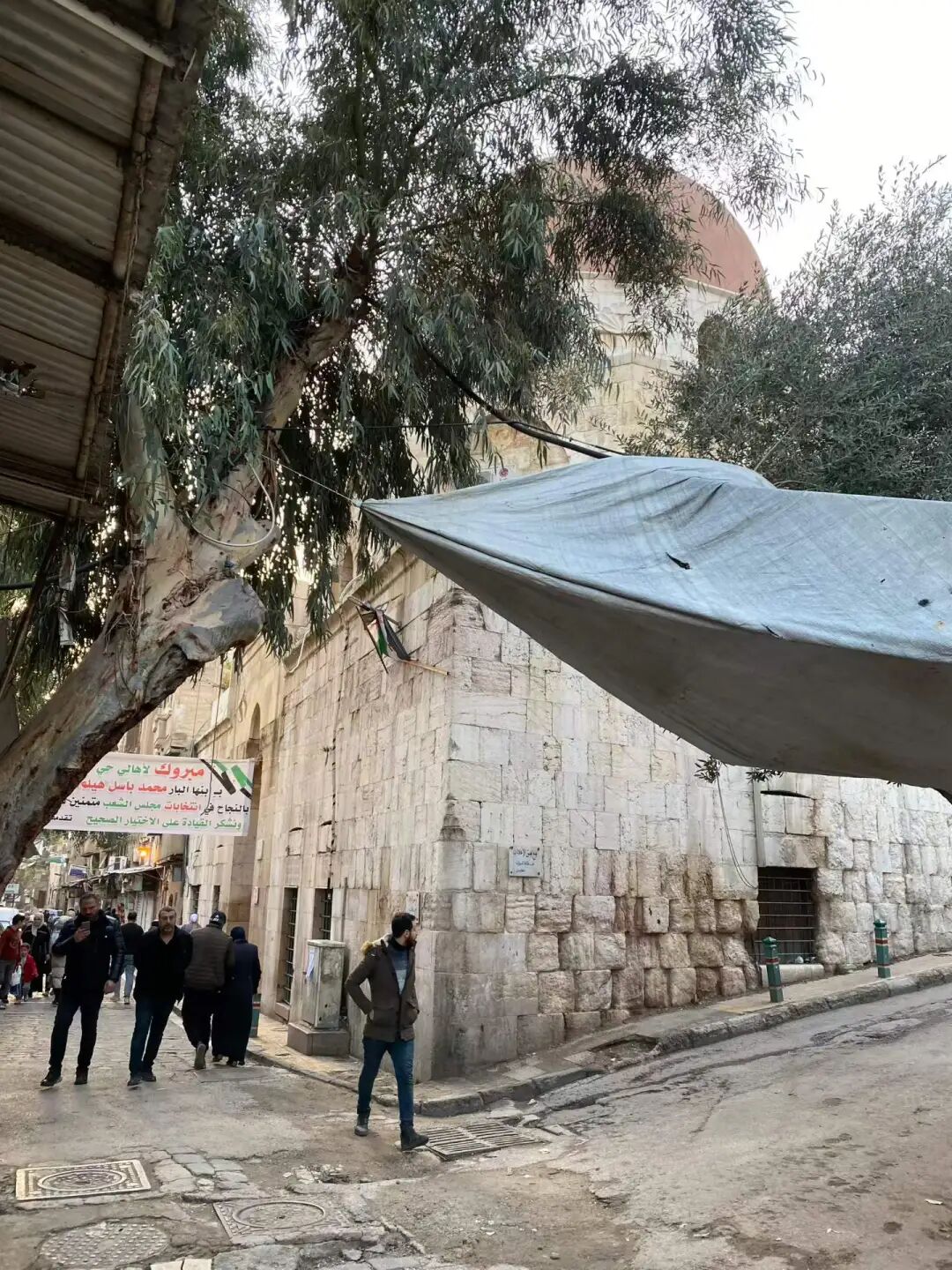
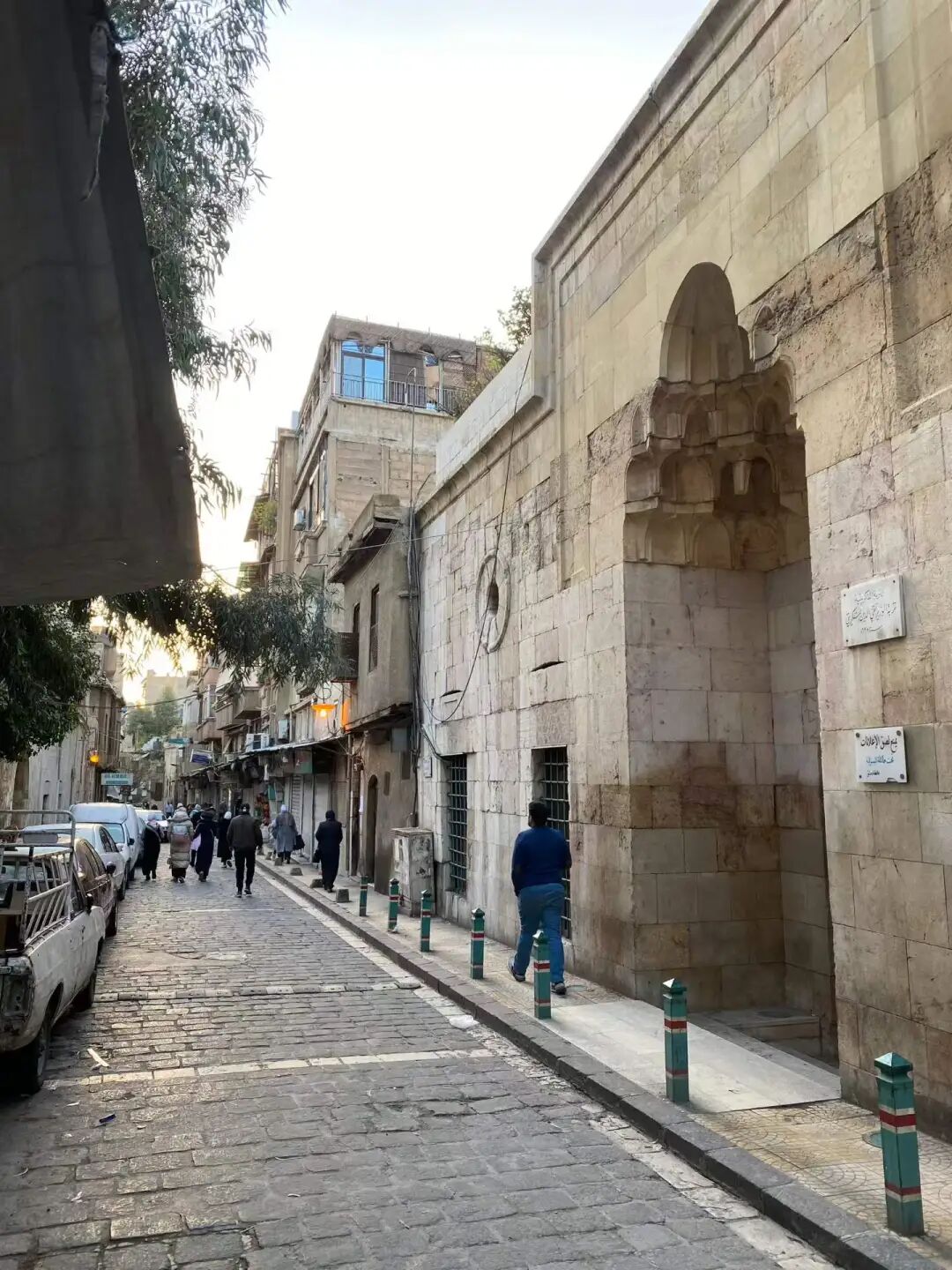
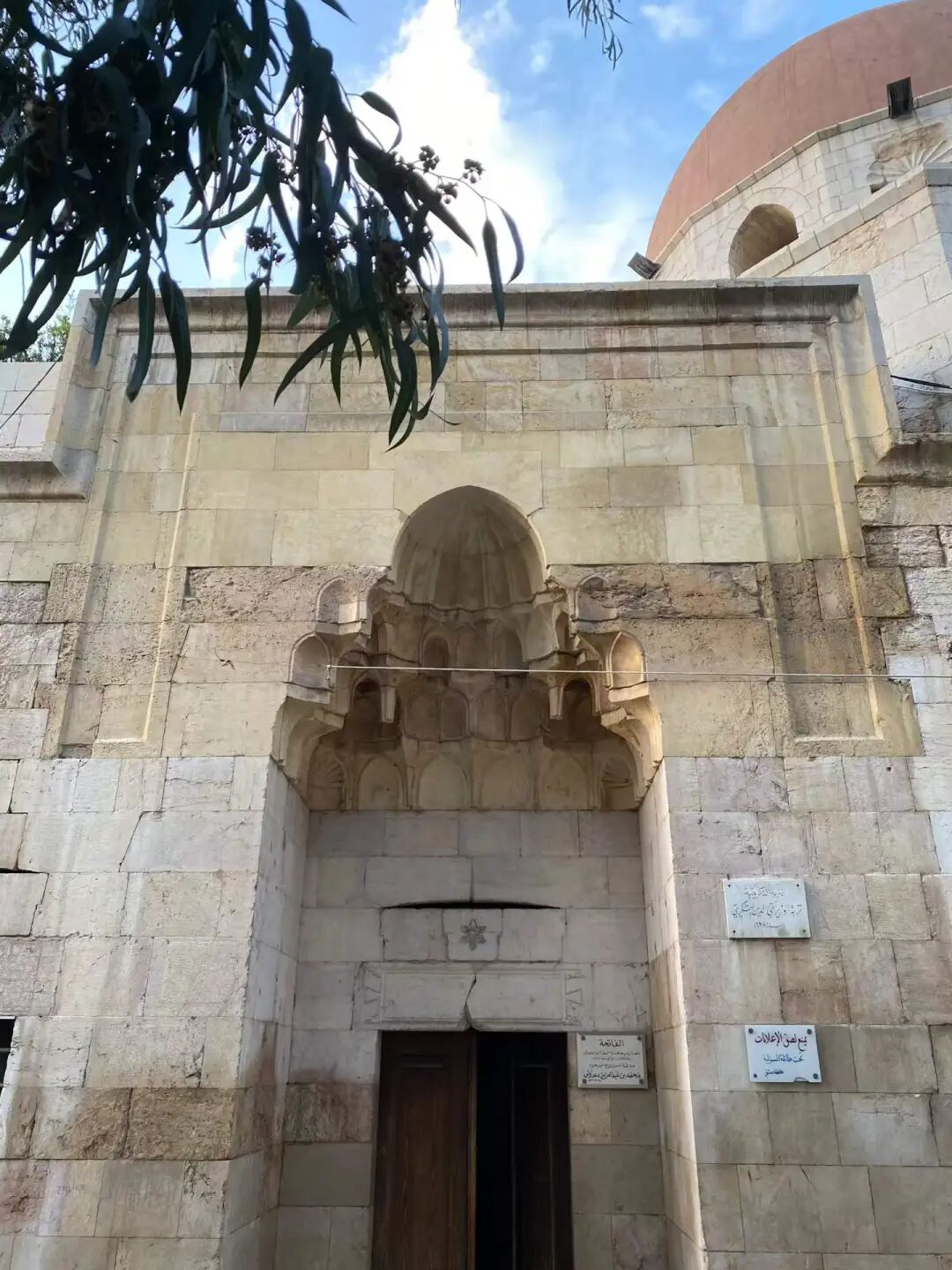
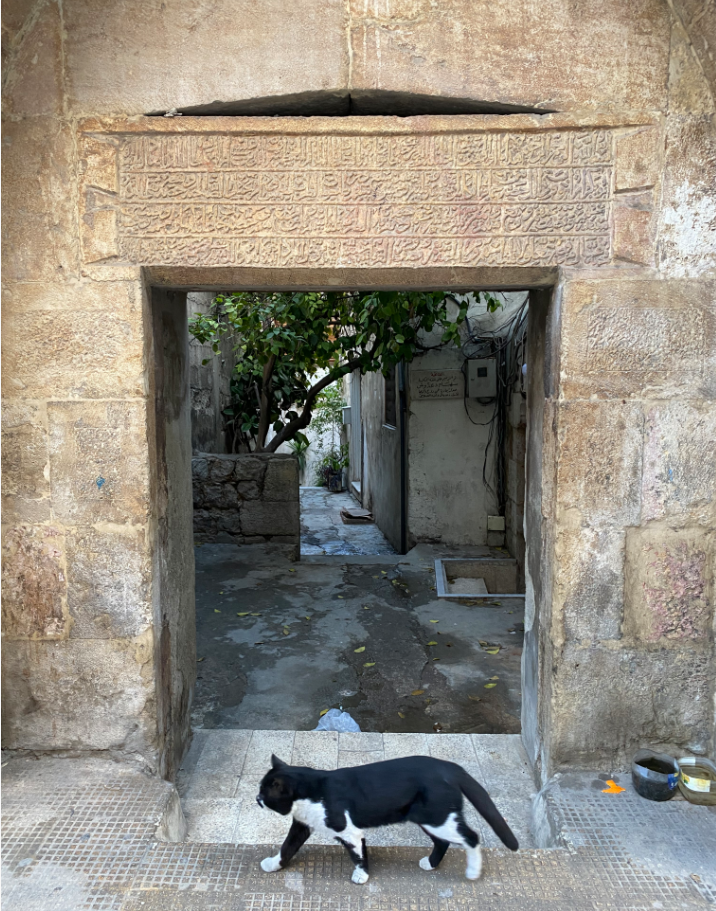
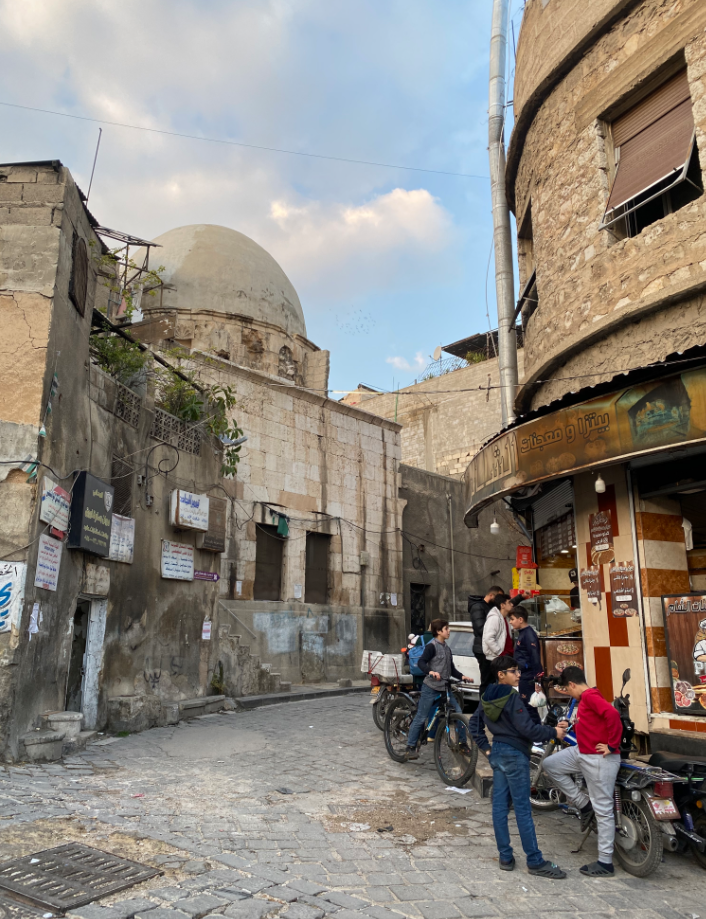
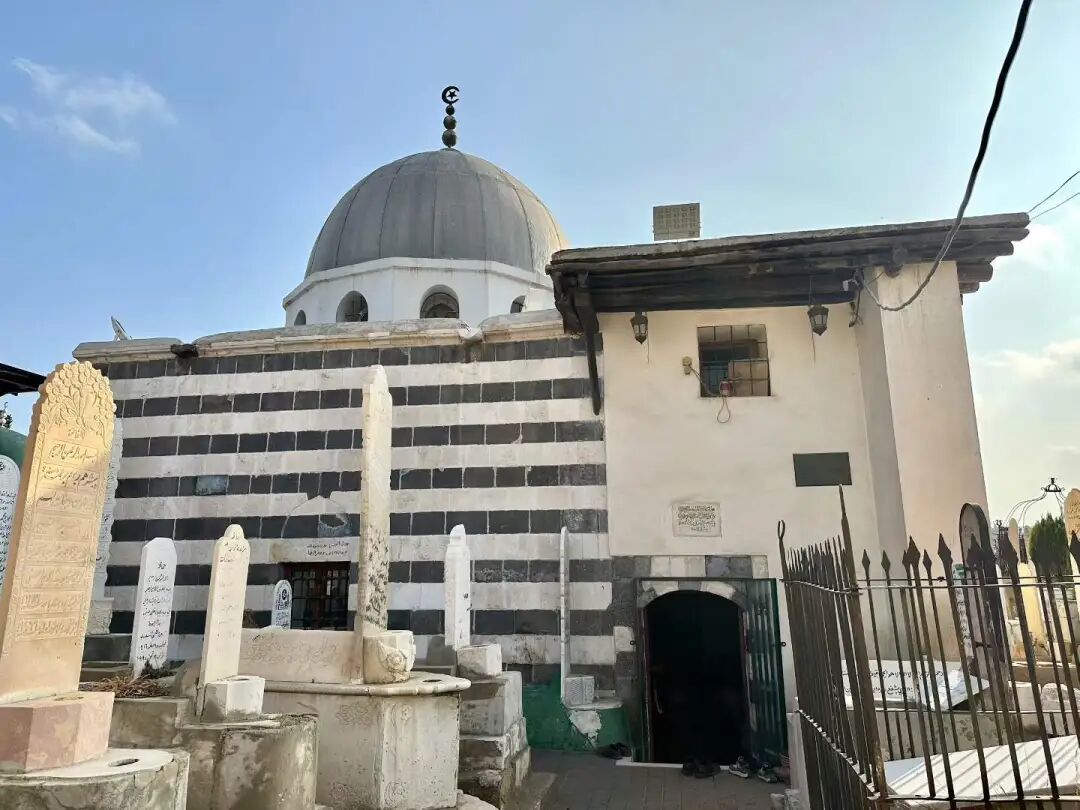
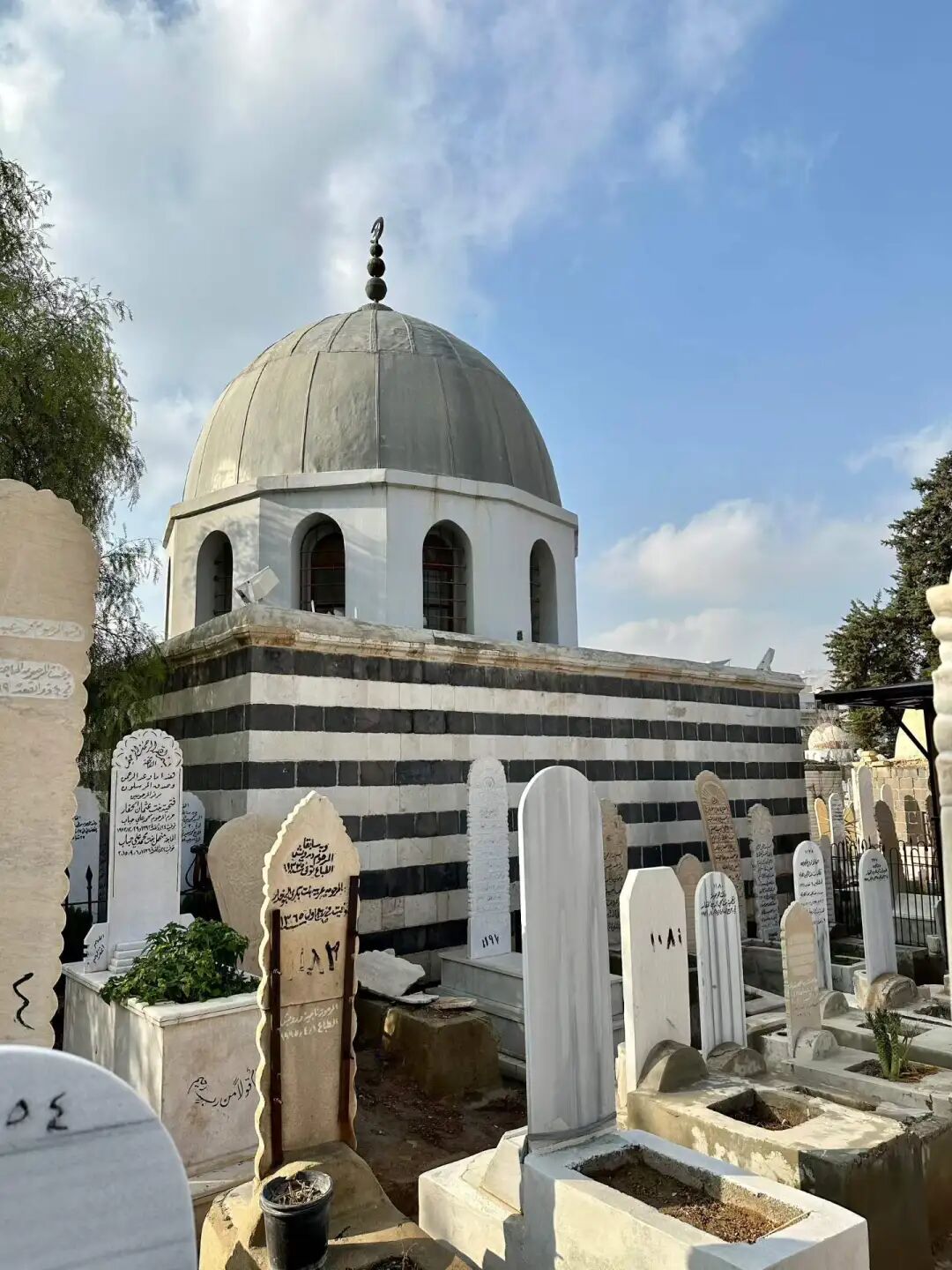
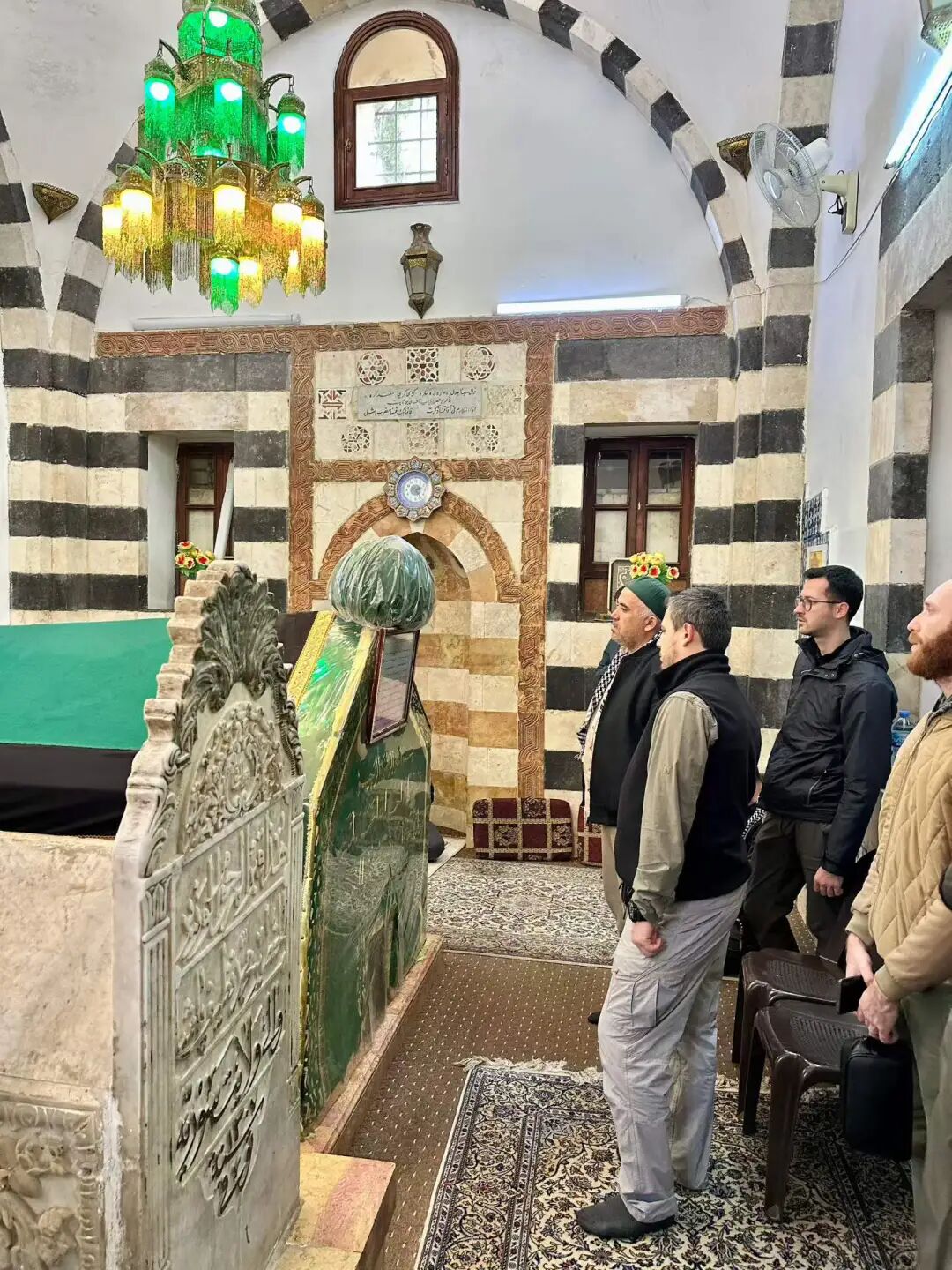
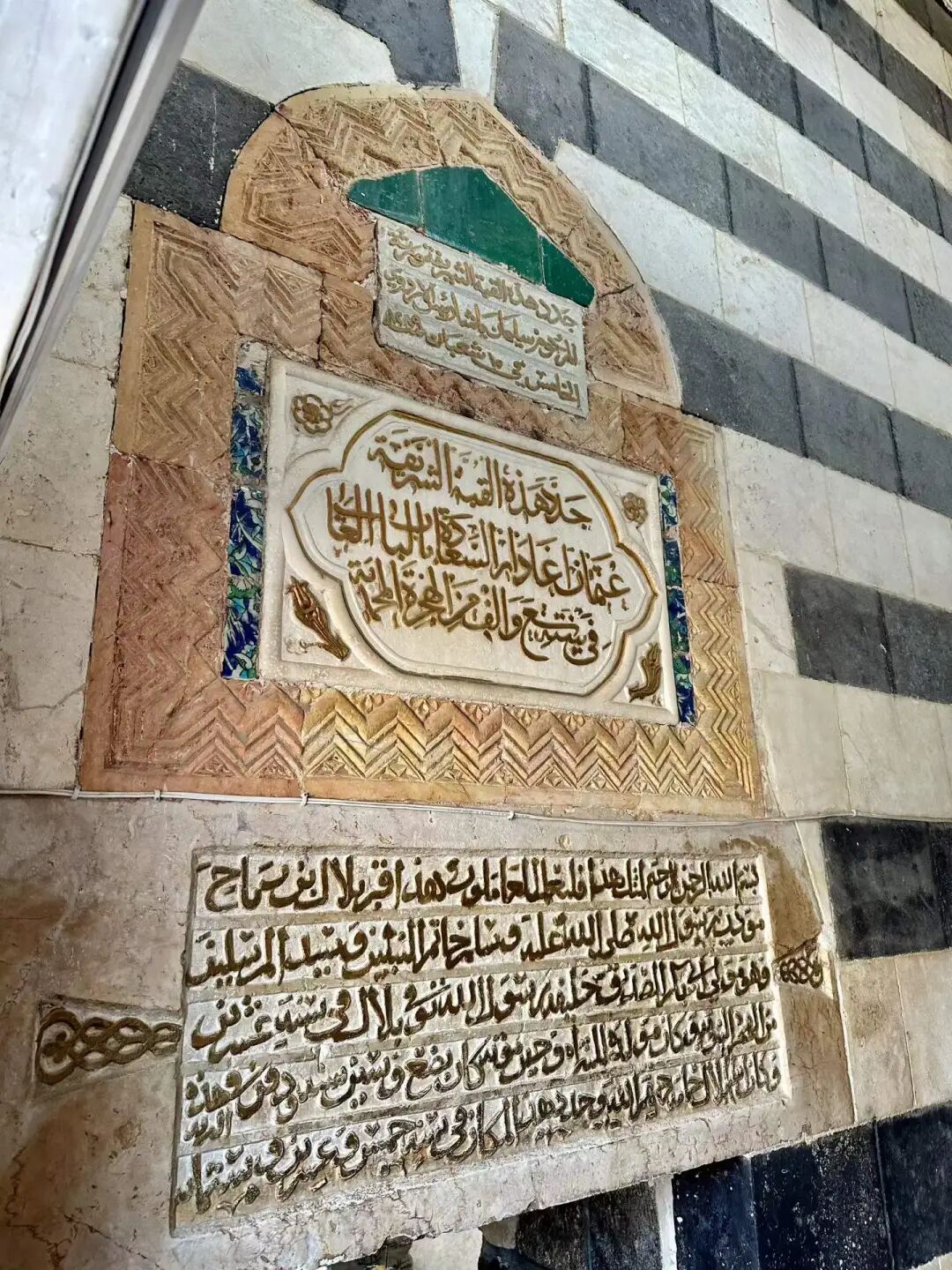
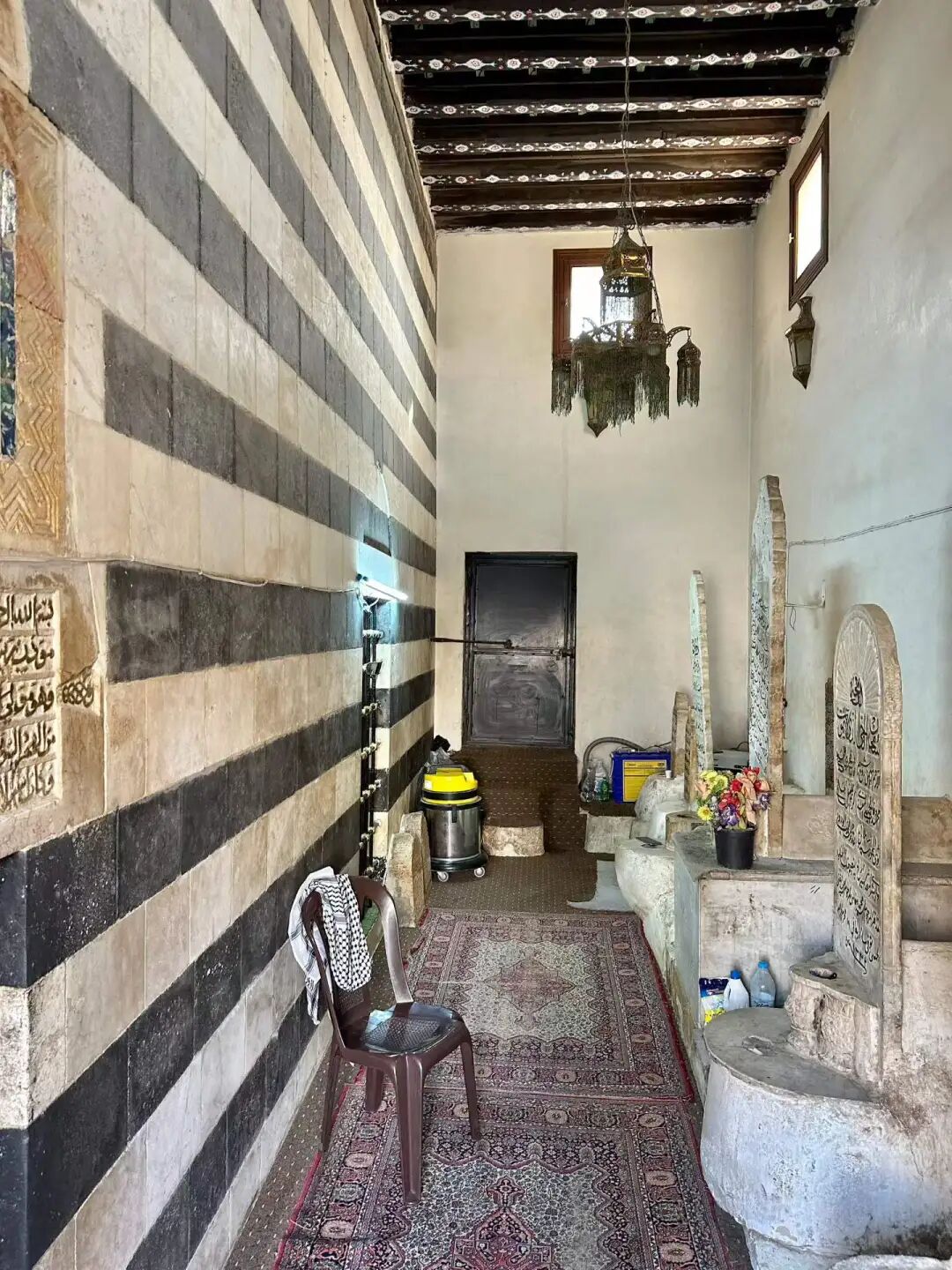
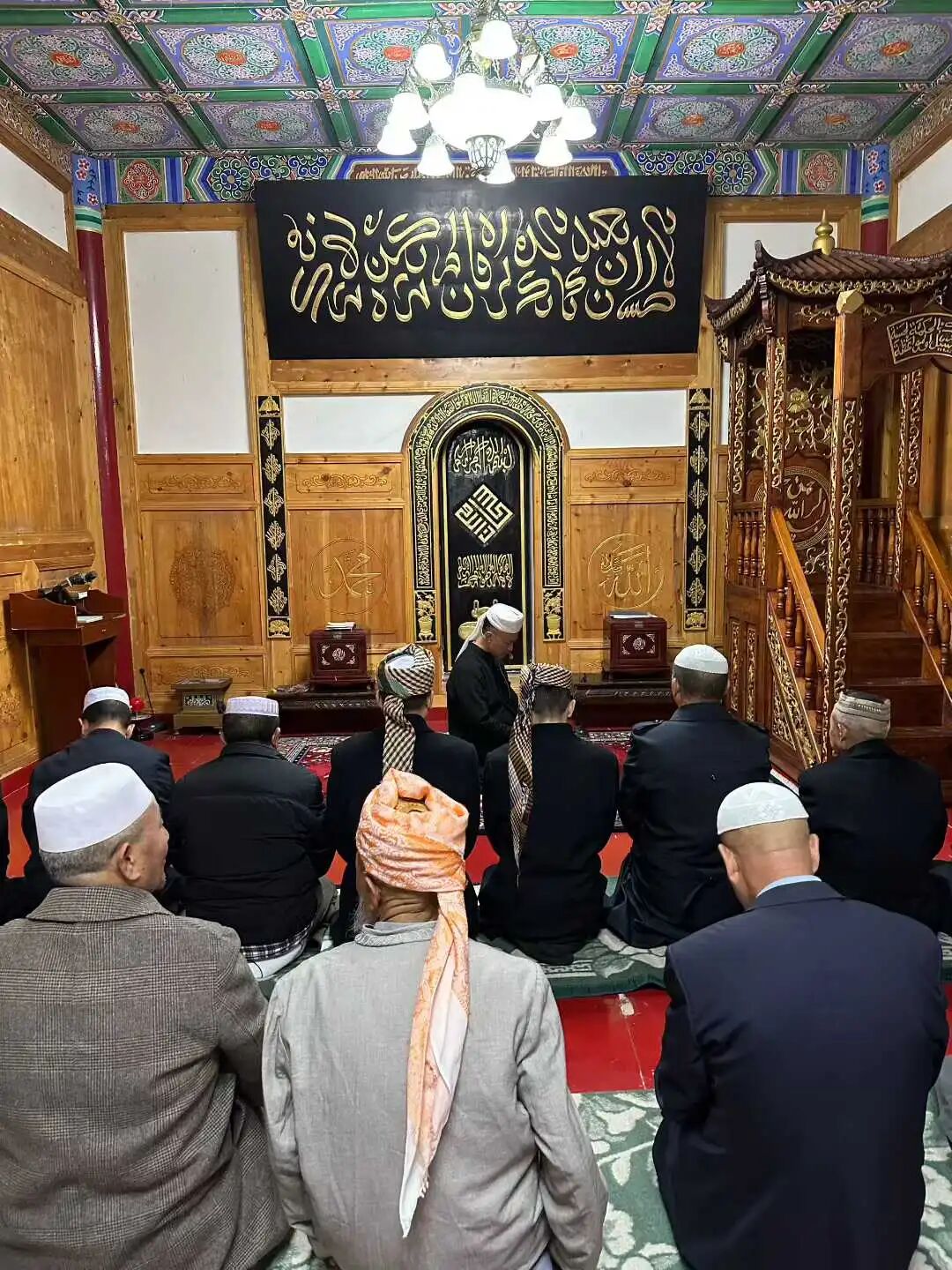
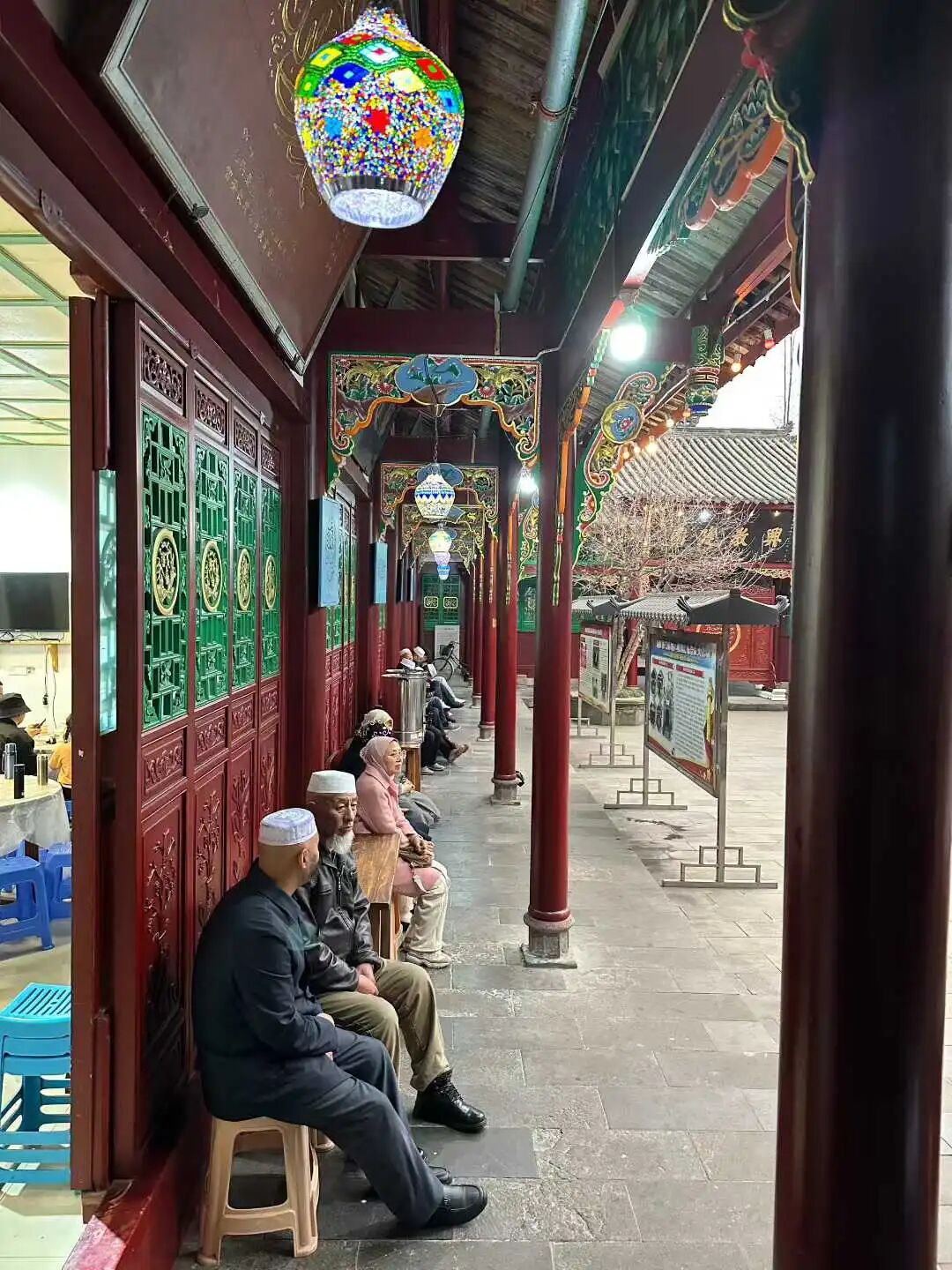
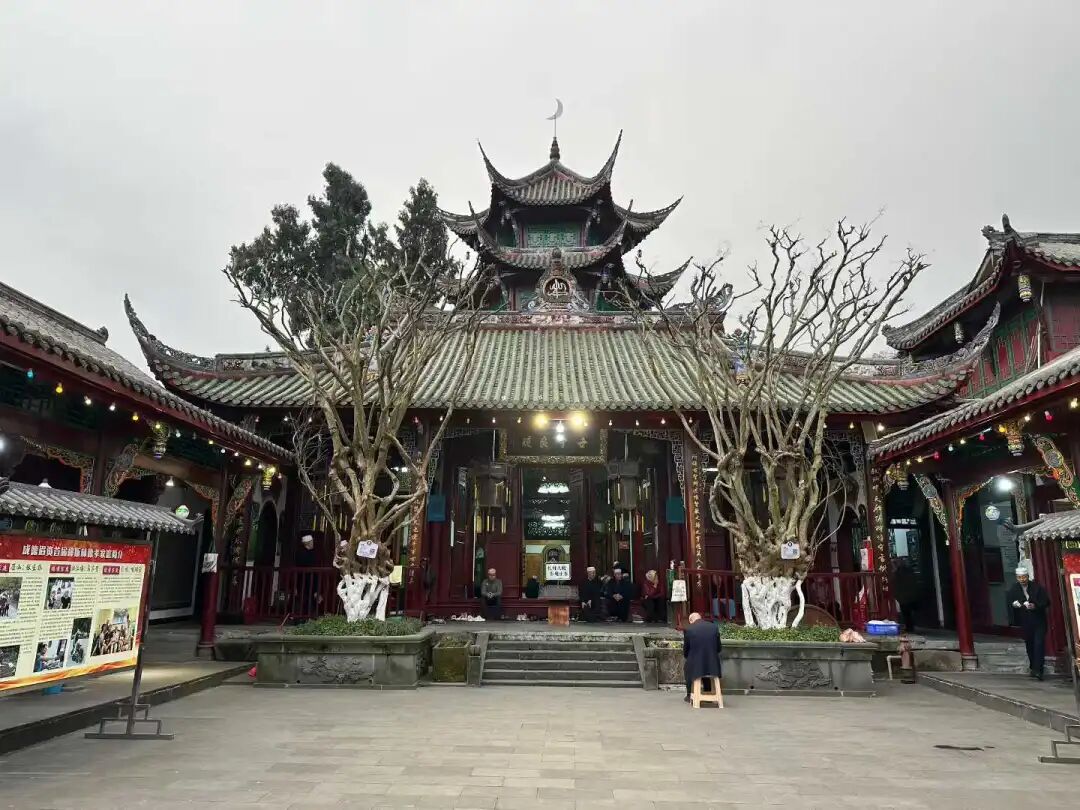
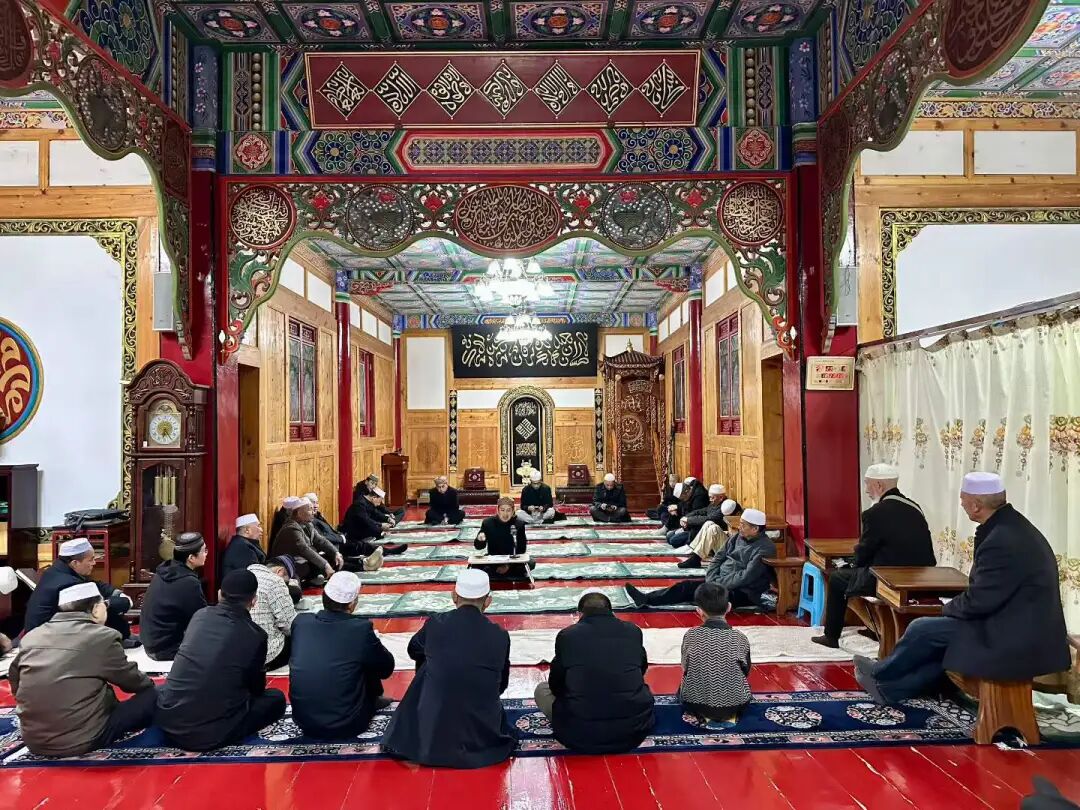
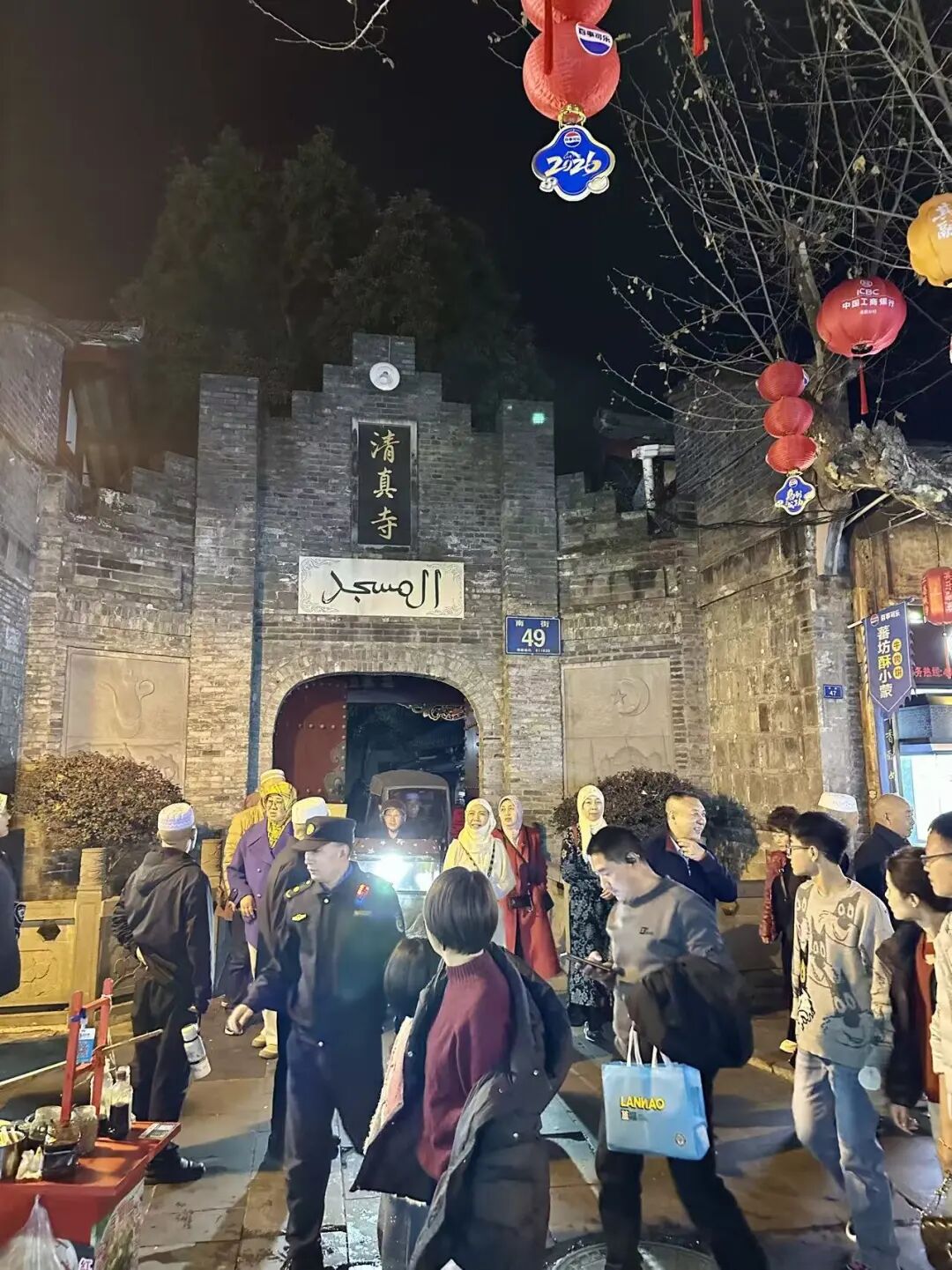
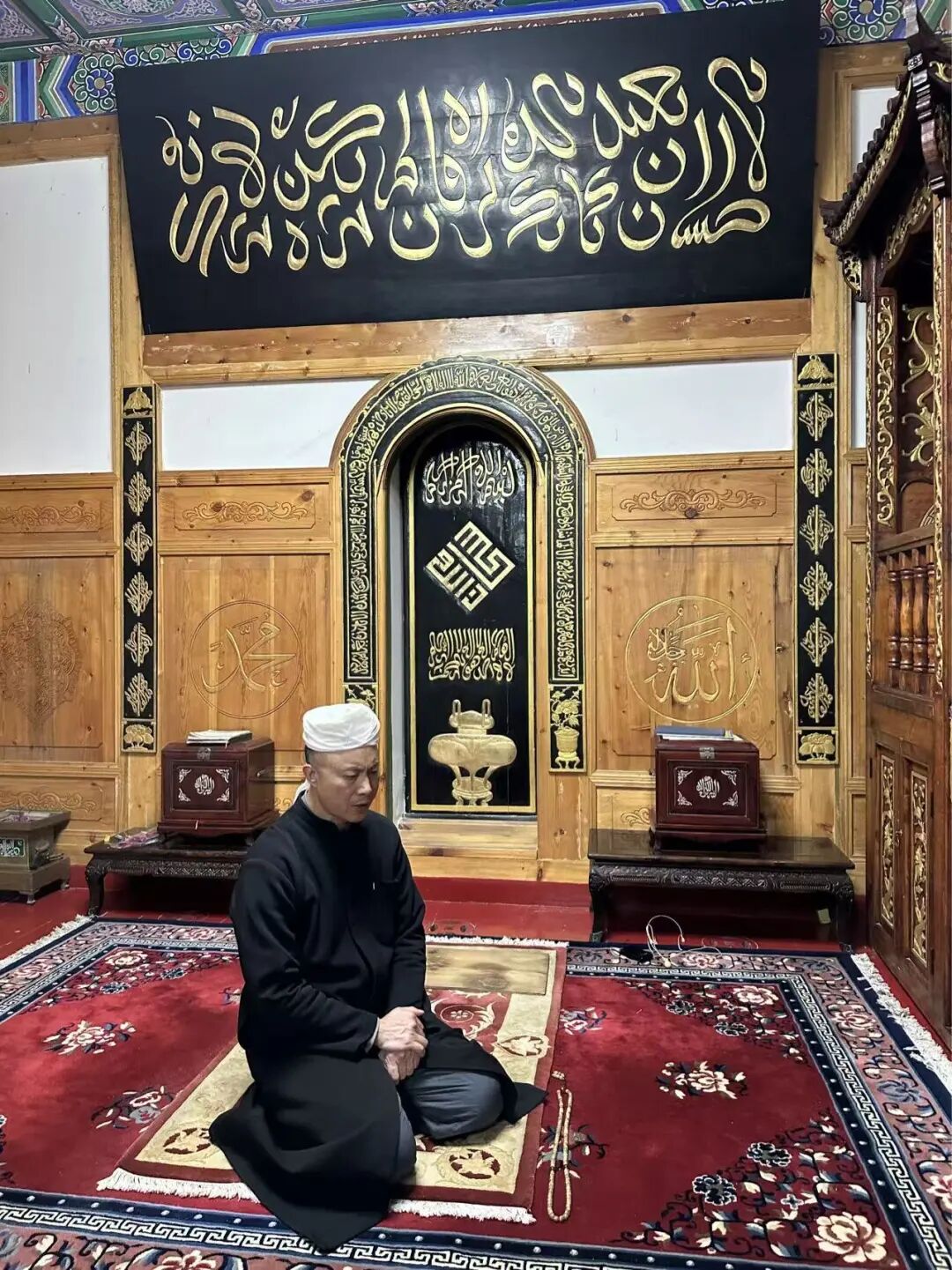
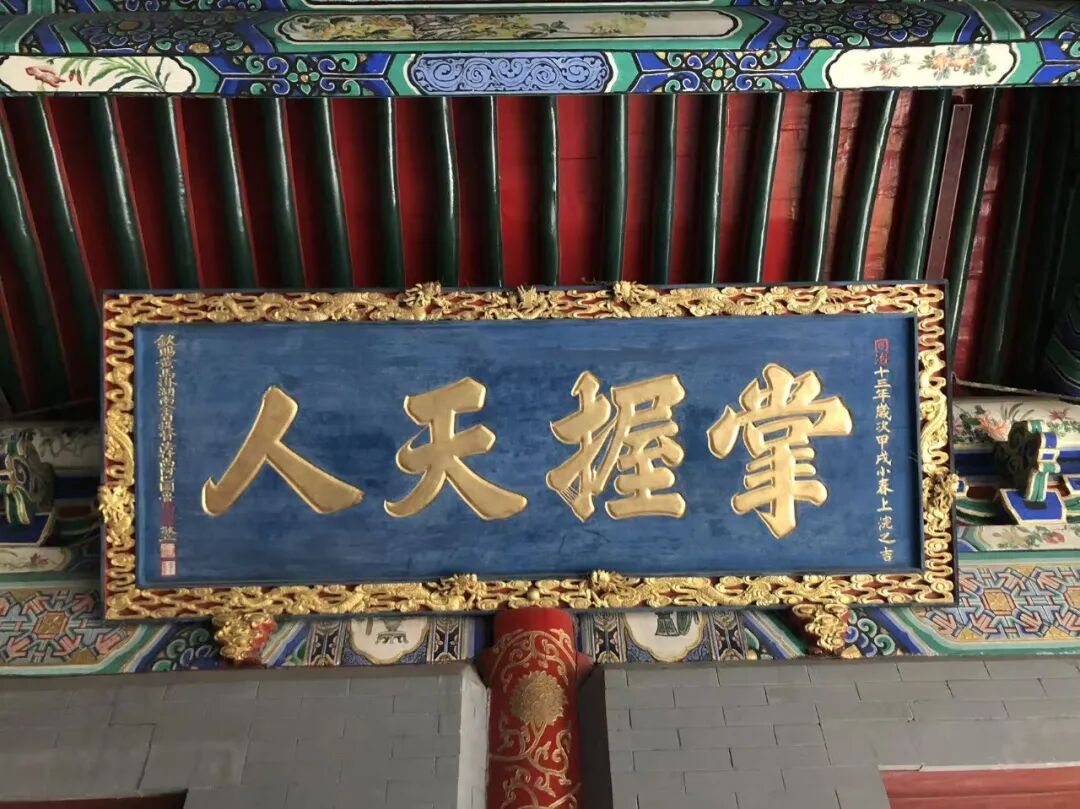
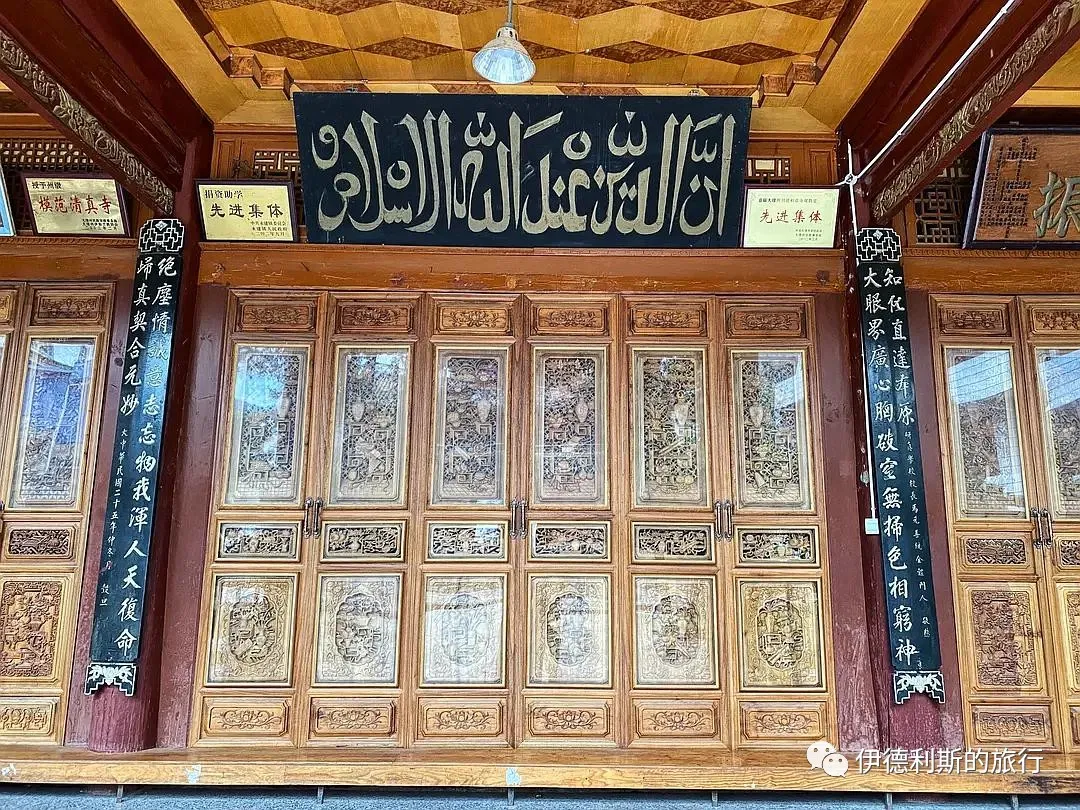
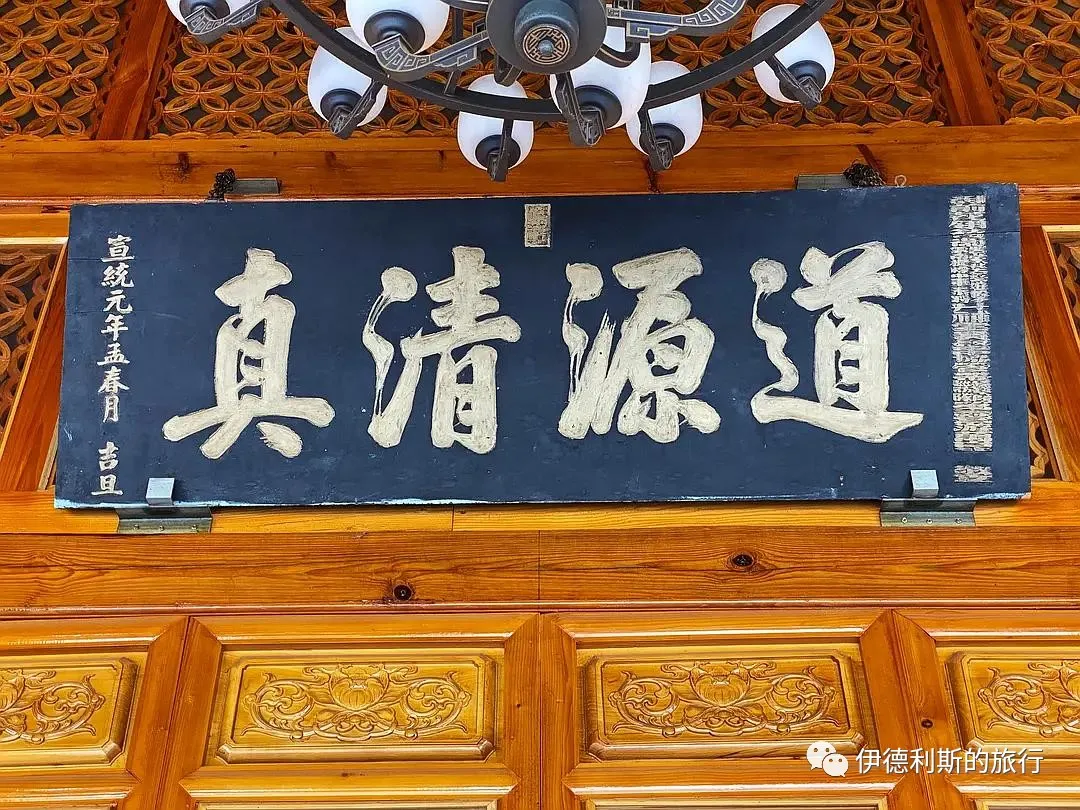
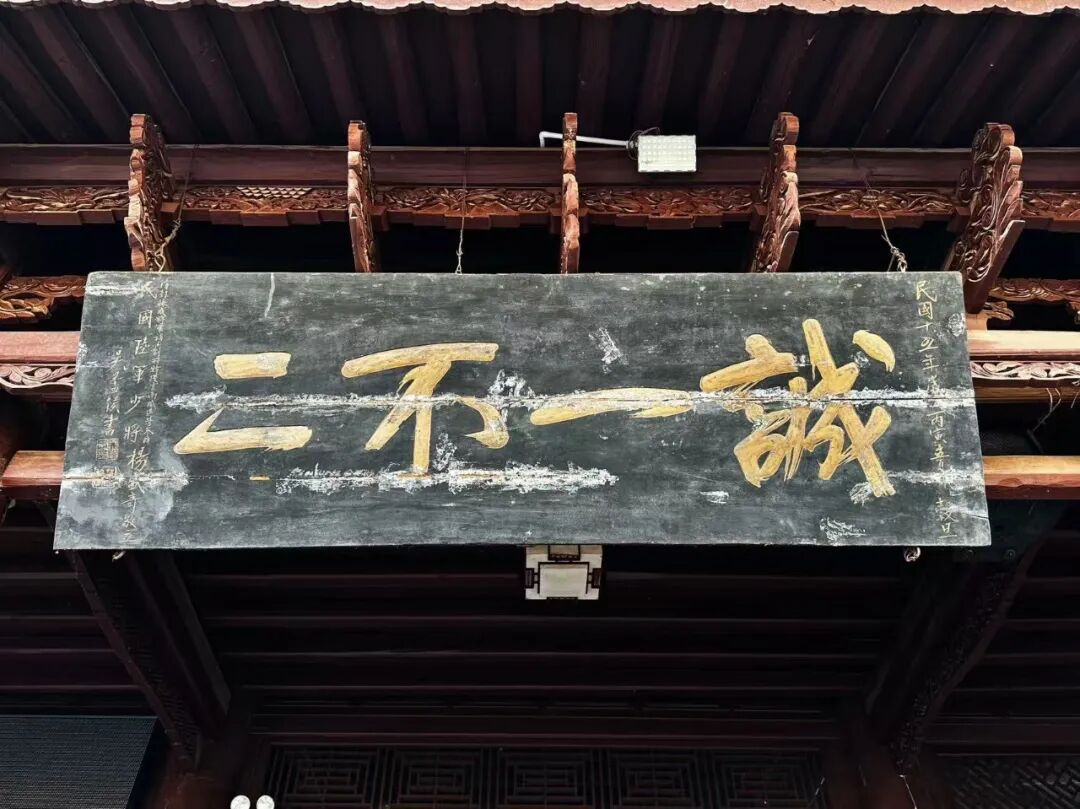
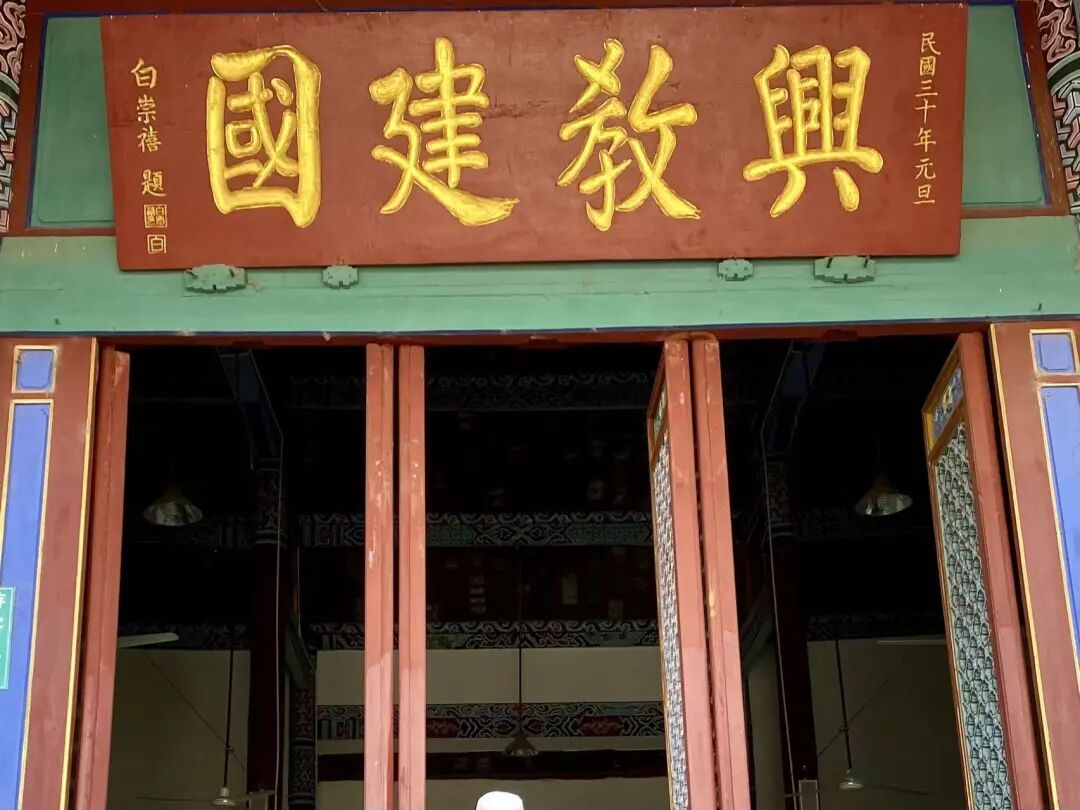
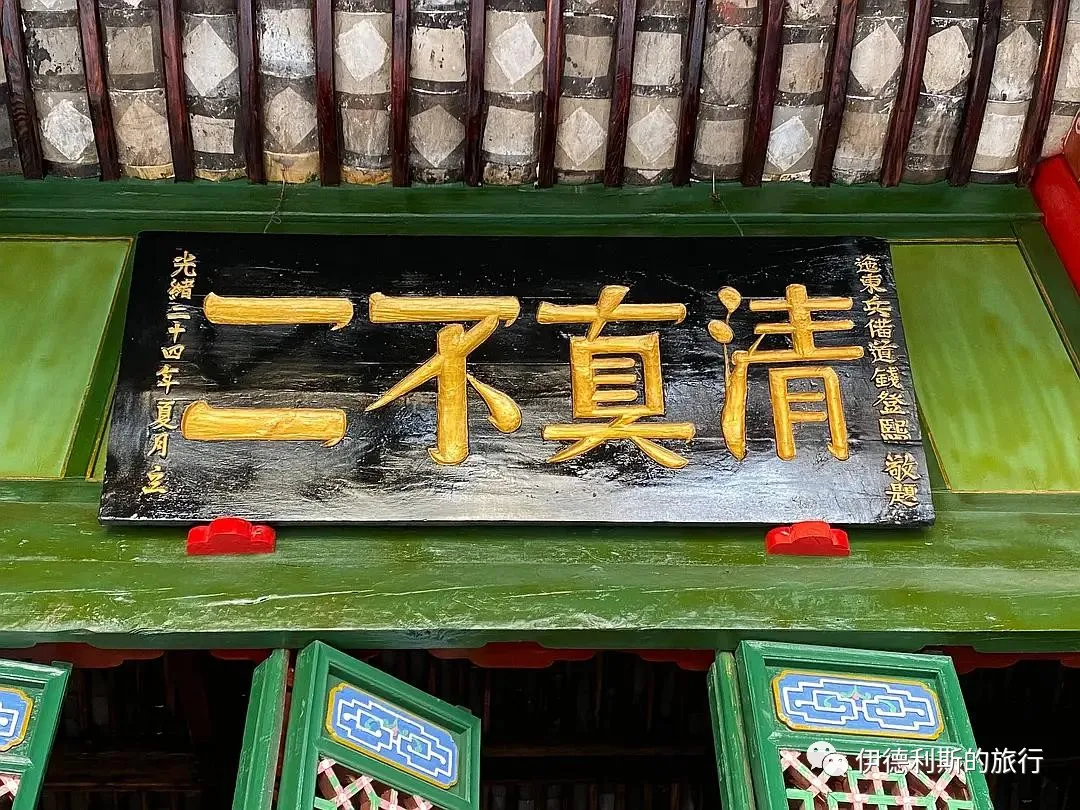
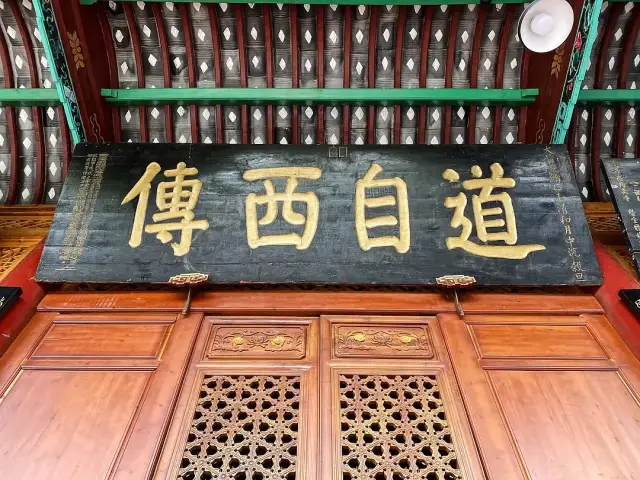
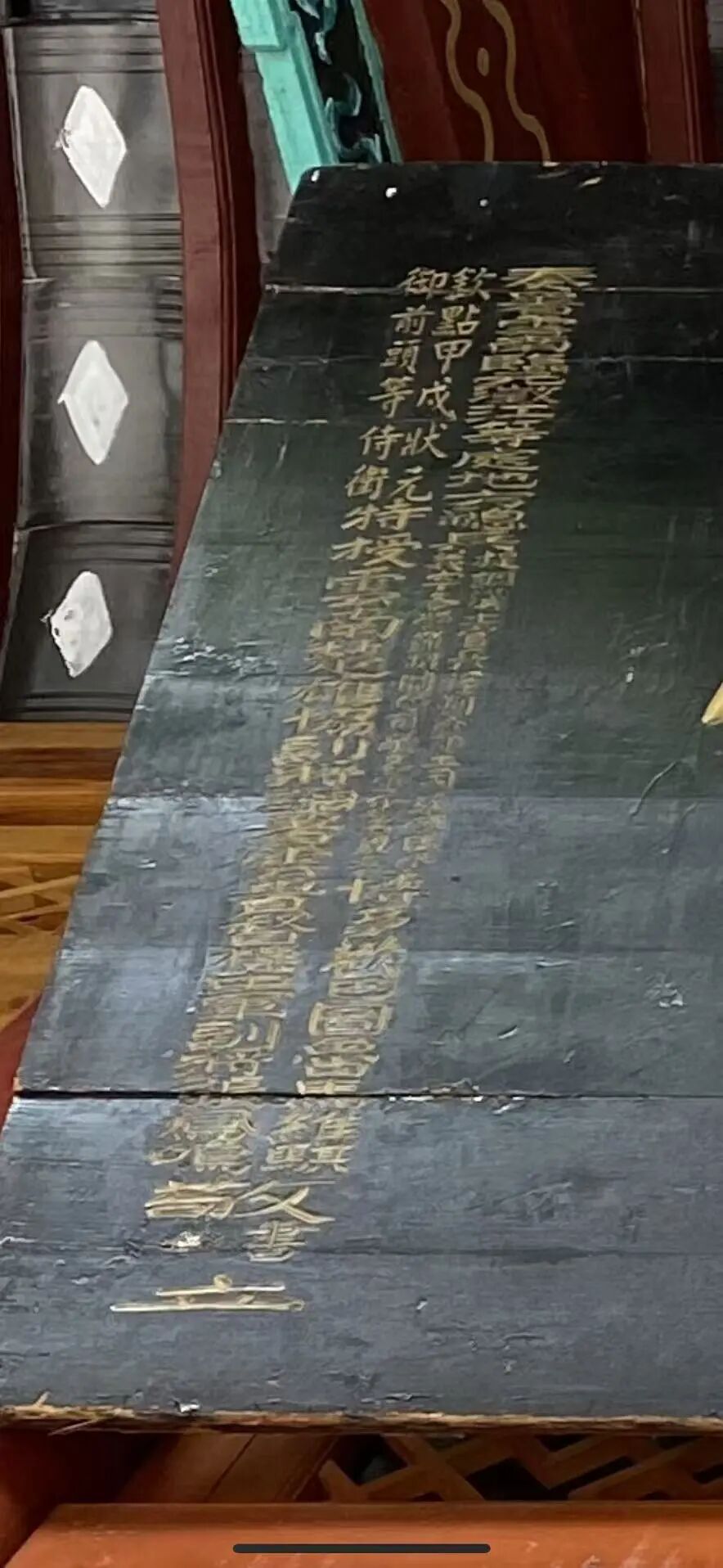
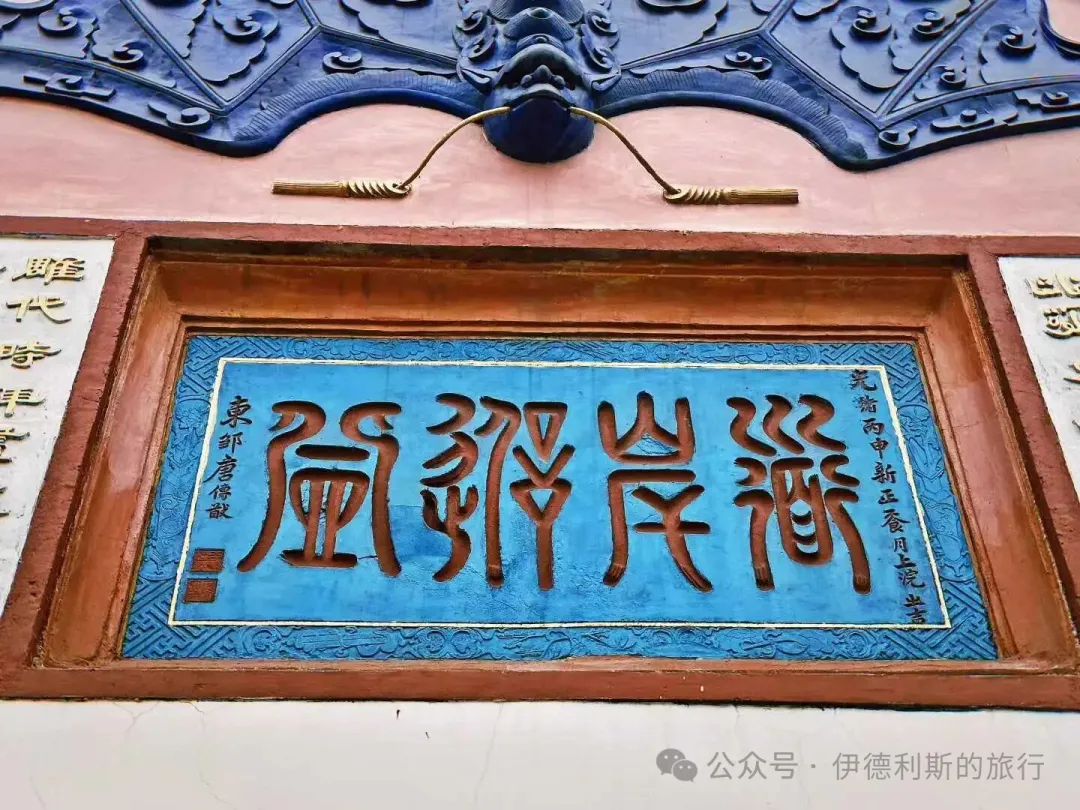
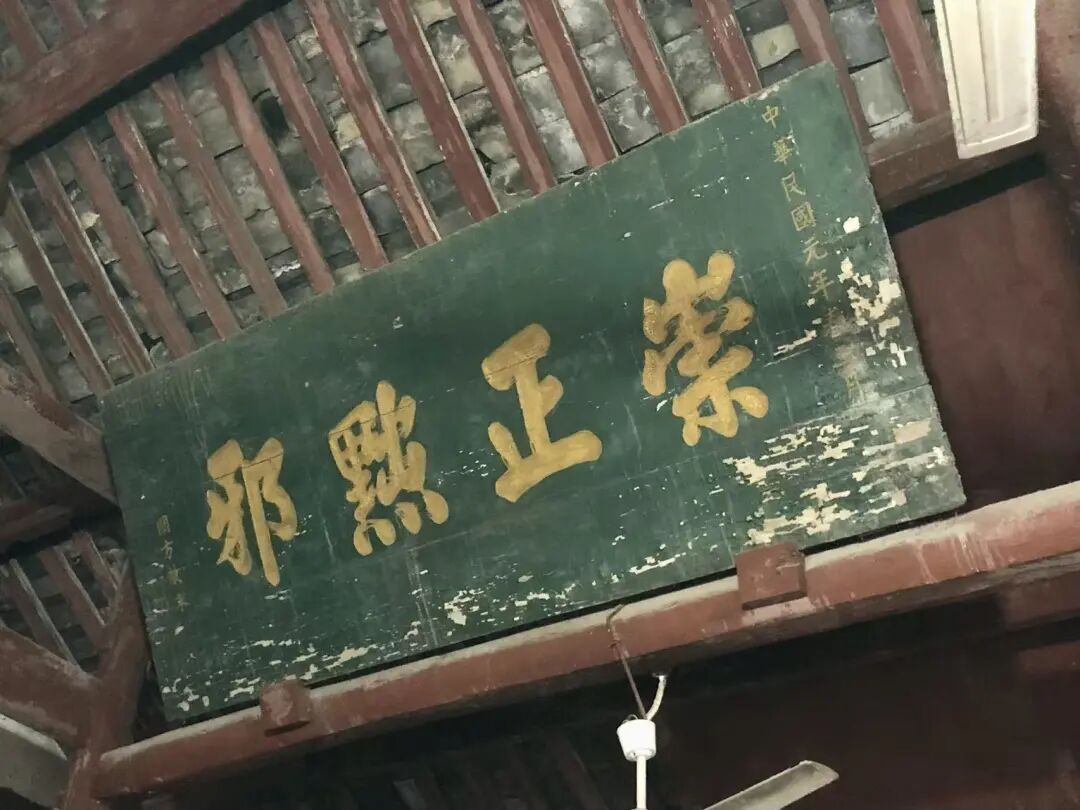
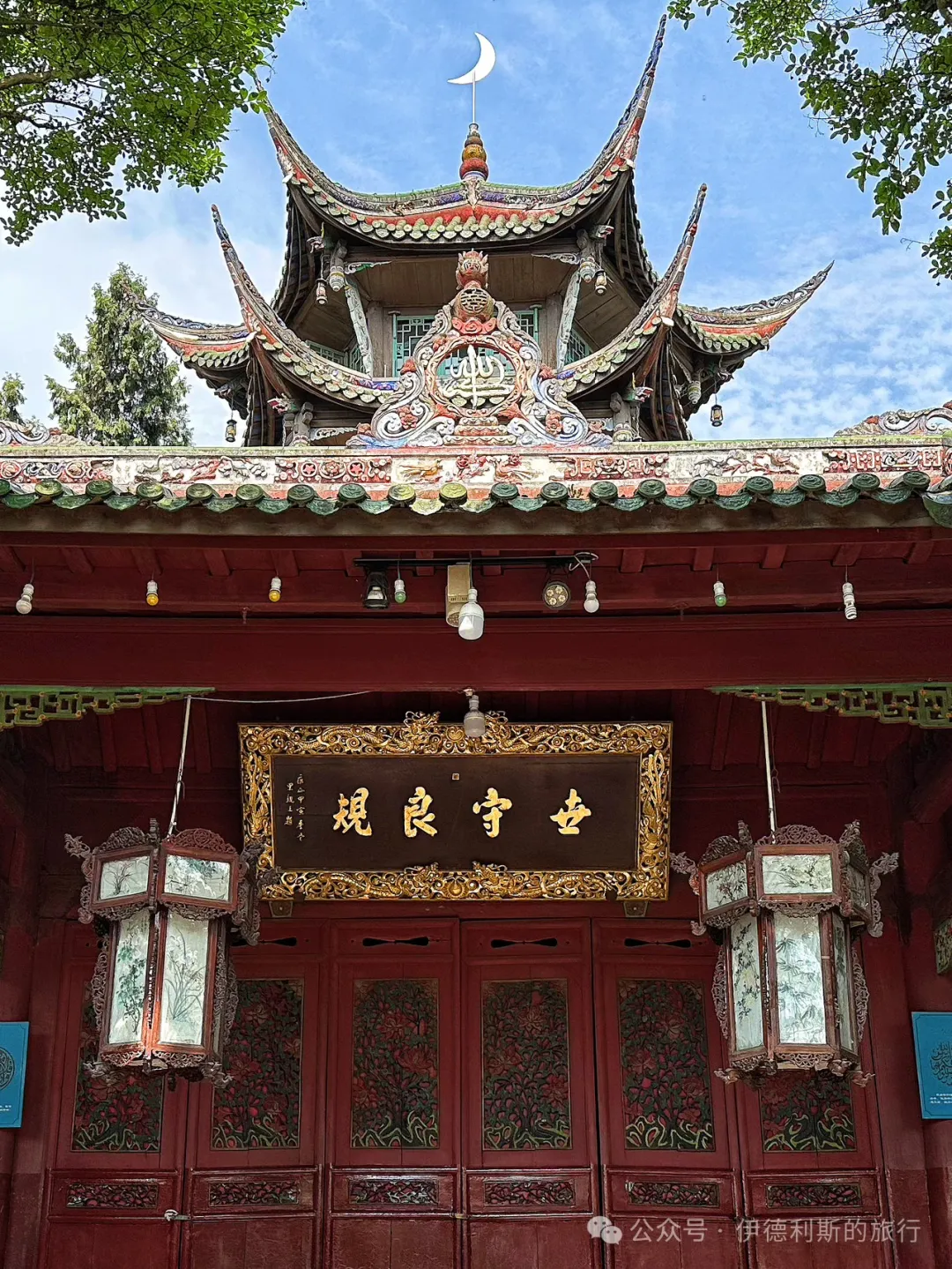
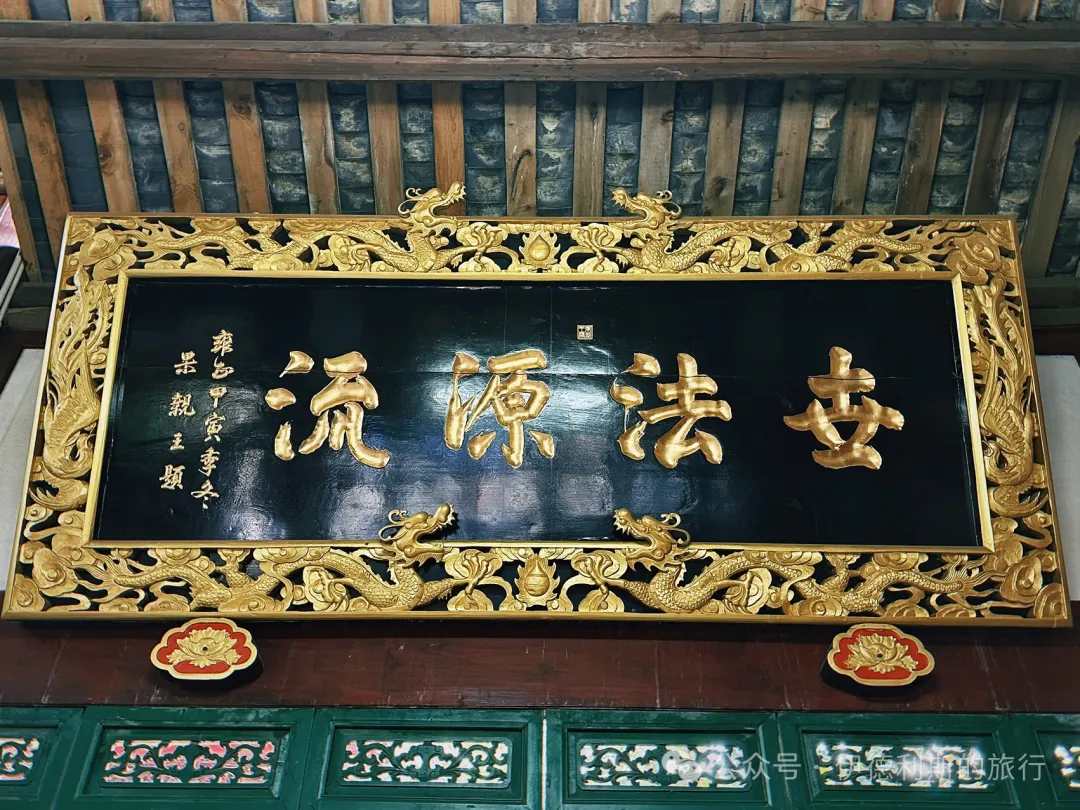
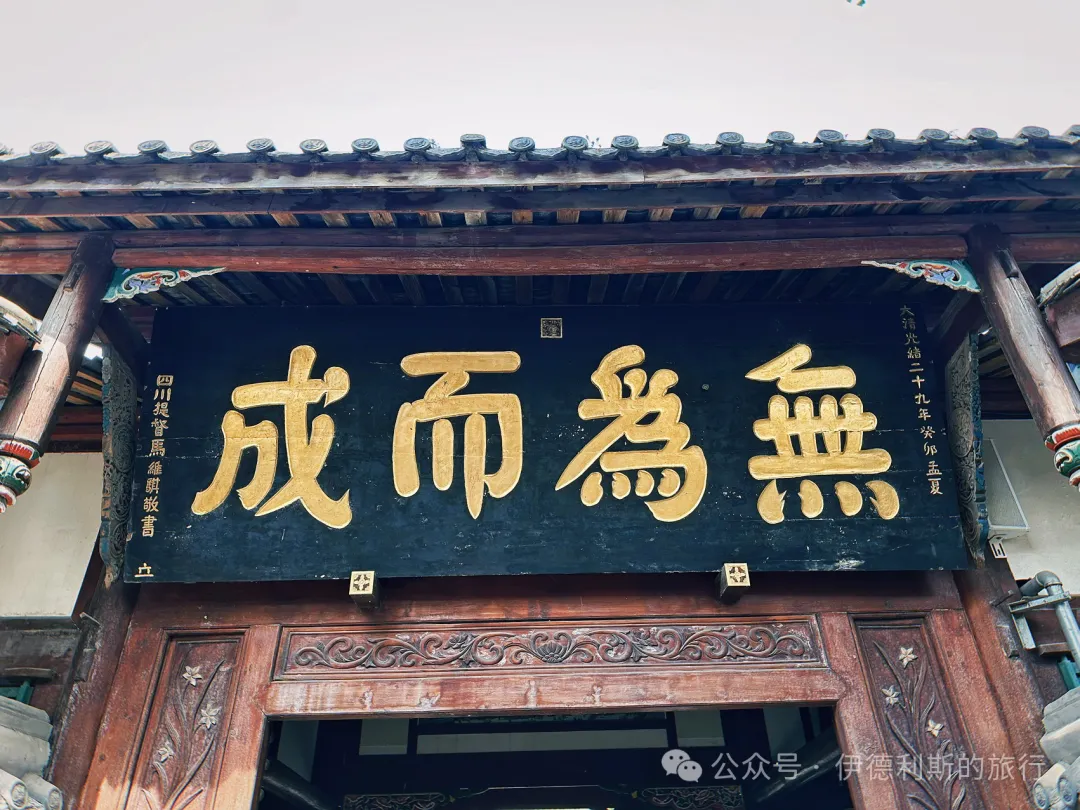
After the feast, we visited the Nanying Mosque. Nanying Mosque was first built during the Yongle reign of the Ming Dynasty. Legend says it was built with donations from Hui Muslims with the surnames Qian, Ma, Zhang, and Dai, after the Qian and Ma brothers moved here from Zhuxian Town in Henan. The mosque was rebuilt during the Jiaqing period of the Qing Dynasty and was rebuilt again in 1998 to become the building we see today. The mosque is kept very neat and tidy, with bright windows and clean floors. Imam Qian, who serves at the mosque, is a local. He is young, capable, and very welcoming to us. view all
Reposted from the web

Summary: This Langfang travel note visits Nanying Village near Beijing for an aqiqah feast, Hui Muslim lamb dishes, local restaurants, butcher shops, and Nanying Mosque.

On Sunday, I was invited to Nanying Village in Langfang, Hebei, to attend a feast for a friend's newborn. In our faith, this is called Aqiqah, a way to give thanks to Allah for the baby's arrival.

The entire street in Nanying Village is packed with restaurants and butcher shops run by Hui Muslims. We ate at Laowu Restaurant, right at the south entrance of the village. Our friend had a sheep slaughtered, and the restaurant prepared a full lamb feast for us. It included roasted lamb chops, braised lamb knuckle tendons (wogujin), stir-fried lamb offal with coriander (yanbao yangza), sesame lamb, and clear-boiled meatballs (qingcuan wanzi). Of course, we also had the fried dough (youxiang) that is essential for any religious feast. Their cooking was better than many places I have tried in Beijing, partly because they use freshly slaughtered lamb. The fresh lamb offal had no chili or Sichuan peppercorns, just a quick stir-fry with coriander stems. It is rare to taste such a clean, fresh flavor in lamb offal. The lamb knuckle tendons had a great texture; they were softer than regular hoof tendons but still had a nice chew. The sesame lamb was also very tender. Many Beijing restaurants make it tough, but this was the best I have ever had. The meatballs were firm and meaty, unlike some places in Beijing where they are full of starch and you can barely taste the meat. Freshly slaughtered lamb is perfect for clear-boiled meatballs. If you deep-fried them, you would lose that fresh flavor.

They have plenty of other dishes too. It takes less than an hour to drive here from Beijing via the Beijing-Shanghai Expressway. On the way back, you have to go through a checkpoint where they check your trunk, but we barely had to wait in line on Sunday afternoon.


After the feast, we visited the Nanying Mosque. Nanying Mosque was first built during the Yongle reign of the Ming Dynasty. Legend says it was built with donations from Hui Muslims with the surnames Qian, Ma, Zhang, and Dai, after the Qian and Ma brothers moved here from Zhuxian Town in Henan. The mosque was rebuilt during the Jiaqing period of the Qing Dynasty and was rebuilt again in 1998 to become the building we see today. The mosque is kept very neat and tidy, with bright windows and clean floors. Imam Qian, who serves at the mosque, is a local. He is young, capable, and very welcoming to us.


6
Views

Best Halal Food Beijing: 10 Muslim-Friendly Restaurants Worth Trying (Part 8)

Articlesyusuf908 posted the article • 0 comments • 6 views • 8 minutes ago • data from similar tags

Reposted from the web

Summary: This eighth Beijing halal restaurant roundup covers Xinjiang, Hui Muslim, Palestinian, Pakistani, Turkish, and local Muslim-friendly food spots, with dishes and locations kept from the original guide.

Xinjiang Hui Muslim home-style cooking One Yellow Carrot (Yige Huangluobo), Liaoning Hui Muslim spicy hot pot (malatang), Hebei Daming Hui Muslim meat pie noodles (roubing yimian) Liaoyuan, Hebei Chengde Hui Muslim steamed dumplings (shaomai) Dongtucheng branch, Xilaishun Xisi branch, Longfu Mosque market, Heilongjiang Suihua Hui Muslim Ma's Muxiangyuan Baizhifang branch, Turpan Uyghur restaurant Tianshan, Niujie cafe Sanwanghu, and Heilongjiang Hui Muslim iron pot stew (tieguodun).

Xinjiang Hui Muslim home-style cooking One Yellow Carrot (Yige Huangluobo).

I wonder if any fellow friends (dosti) remember ten years ago in 2016, when there was a small shop in Beijing's Shifoying area called Two Spoons (Liangge Shaozi) run by two best friends from Changji. The head chefs were the sisters' mothers, and they made authentic Xinjiang Hui Muslim home-style food. Back then, I wanted to eat there every day. Their hand-pulled noodles (latiaozi) and meatball soup (wanzi tang) were the most authentic I had ever eaten in Beijing. Unfortunately, after the city started clearing out small shops that had broken through walls to create entrances, they were forced to close. Other Xinjiang Hui Muslim shops have opened in Beijing since, like the hand-pulled noodles (latiaozi) at Jianghu in Wangjing, which are very good. But for ten whole years, I never again tasted that specific home-cooked Xinjiang Hui Muslim flavor in Beijing.

A while ago, I heard that a new Xinjiang Hui Muslim family restaurant called One Yellow Carrot (Yige Huangluobo) opened in 798. It is also run by two Xinjiang sisters, with their mother as the head chef. I went to try it on the weekend. The place was packed, and we had to wait for a few tables to clear before we could get in. The service was great. The owner was very enthusiastic and introduced the dishes to every table.

We ordered tiger skin peppers (hupi lazi), cold starch noodles (liangpizi), meatball soup (wanzi tang), pearl meatballs (zhenzhu wanzi), and beef stew (niurou huicai). The best thing they make is the meatballs; they taste exactly like the ones made at home. The meatball soup (wanzi tang) was good overall, but the biggest problem was that the broth was too clear. At first, I suspected it was just plain water, but I asked the staff and they confirmed it was beef bone broth. I feel it hadn't been simmered long enough to bring out the flavor. Also, they only give you one steamed oil flower roll (youtazi) and you cannot buy them separately. While I understand that many Beijingers might not want to eat oil flower rolls (youtazi), there are people like us who grew up with Xinjiang flavors and feel that meatball soup (wanzi tang) must be paired with a few of them.

The cold starch noodles (liangpizi) were also quite good. The sauce is probably the best-seasoned one in Beijing. Anyone who has eaten the three cold dishes (sanliang) at a Hui Muslim place in Xinjiang would recognize that their sauce is very authentic. However, I still think a hot sauce has more flavor.

The pearl meatballs (zhenzhu wanzi) and beef stew (niurou huicai) were different from how we make them at home. Of course, I am used to the Hui Muslim style from the Saybagh District in Urumqi, and Hui Muslim cooking styles vary across Xinjiang. The pearl meatballs (zhenzhu wanzi) were a bit loose and fell apart as soon as I picked them up. I feel they should be firmer. The meatballs and beef in the beef stew (niurou huicai) were quite good, and the spicy pepper skins (lapi zi) were very authentic. They were extremely spicy, though, so friends (dosti) who cannot handle heat might struggle.

Overall, I am very happy that Beijing has another Xinjiang Hui Muslim family restaurant. I hope they continue to do well. Congratulations.


Liaoning Hui Muslim spicy hot pot (malatang).

After work, I went to a spicy hot pot (malatang) shop run by a Liaoning Hui Muslim family at Chaowai SOHO. They have spicy hot pot (malatang), spicy mixed noodles (malaban), deep-fried skewers (zhachuan), mixed cold noodles (ban lengmian), and also sell seaweed rice rolls (zicai baofan). They mainly serve takeout for the office workers upstairs, and the dine-in area is very small.

The spicy hot pot (malatang) has that old-fashioned Northeast style with a thick sesame paste flavor. It is salty and sweet, which I really like. The deep-fried skewers (zhachuan) are sprinkled with a dry seasoning of cumin, sesame, and salt. The chicken and sausages were delicious, but the fried lotus root was a bit dry and hard. The mixed cold noodles have a good texture, but they are warm instead of cold, which I don't really like. I ended up packing the seaweed rice rolls (gimbap) to eat at the office the next day at noon.


Hui Muslim meat pie (roubing) and braised noodles (yimian) at Liaoyuan in Daming, Hebei.


Hui Muslim steamed dumplings (shaomai) at the Dongtucheng branch in Chengde, Hebei.

After work, I went to the newly opened Chengde steamed dumpling restaurant, Dechengli, in Dongtucheng. Their Fengtai branch is larger and sells the eight big bowls (badawan) feast, while the Dongtucheng branch is smaller and focuses on steamed dumplings, steamed meat dumplings (zhengjiao), and the Chengde specialty almond tea (xingrench).

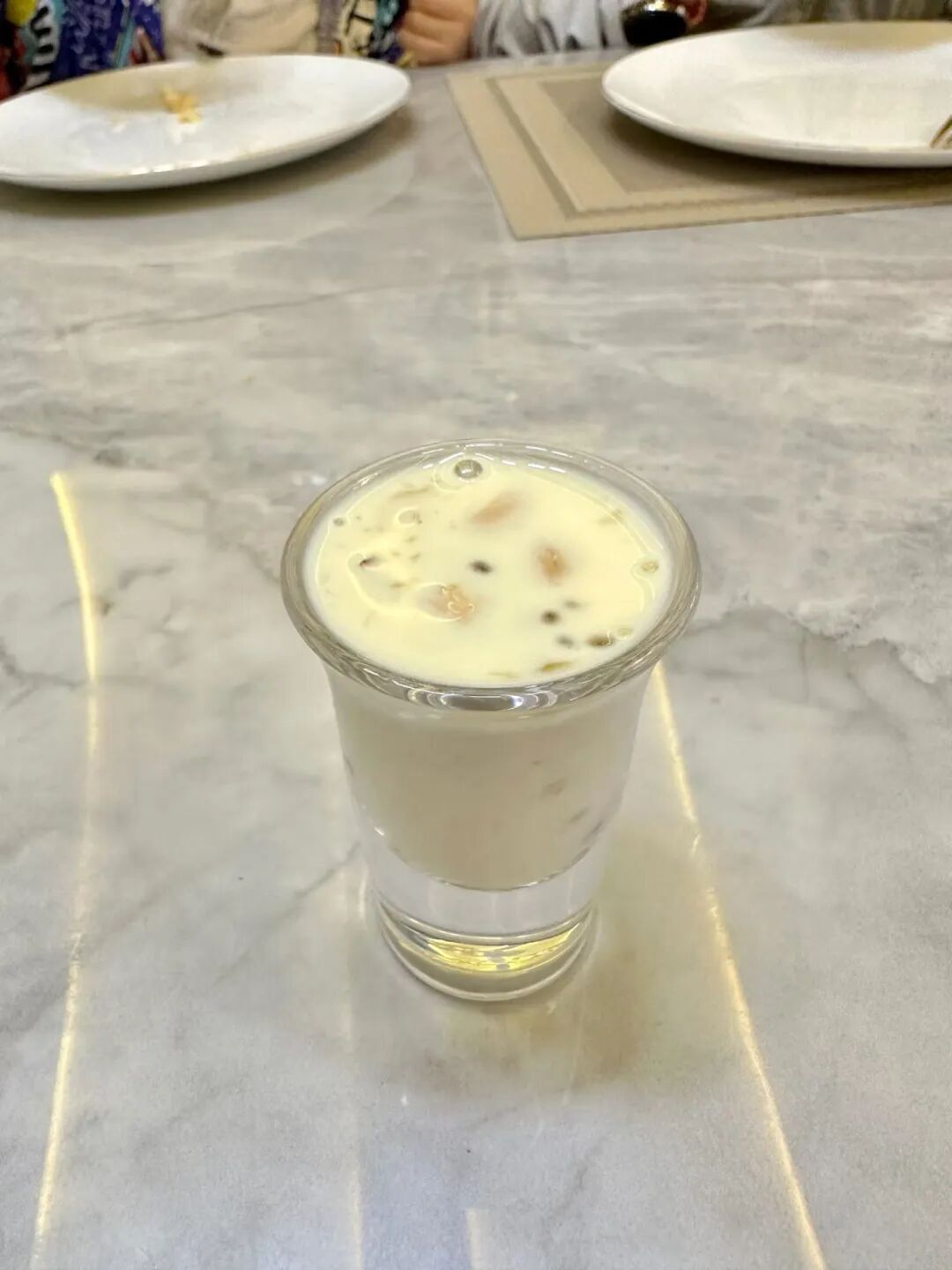
The shop is run by a Hui Muslim couple from Chengde. They steam the dumplings and brew the almond tea to order in an open, clean, and bright kitchen. I used a group-buying deal for steamed dumplings with a side of vegetarian radish ball soup. The steamer comes with eight dumplings; the skins are thin and the filling is firm, almost like a meatball. The vegetarian radish balls are also very good. The almond tea is six yuan for a big bowl. It has a very rich almond flavor and tastes great.


Xilaisun Xisi branch.

A new Xilaisun opened at the entrance of Xisi Sixth Alley, so I finally don't have to run to the Hepingmen branch every time. However, the Xisi branch is quite small and has fewer dishes. The staff said if you want to eat dishes from the main store, you can call one day in advance to order.

We ordered the classic Ma Lianliang duck, roasted lamb (shaoyangrou), stir-stir-fried meat slices with fresh mushrooms, diced chicken with cashews, mixed wild mountain vegetables, and sesame paste sugar flatbread (majiang tangbing). We also ordered an extra portion of lotus leaf buns (heyebing). Ma Lianliang duck is my favorite. I think it tastes better than Beijing roast duck, and the leavened lotus leaf buns are much better than the thin pancakes served with roast duck. Their roasted lamb skin is a bit hard, but the flavor is very fragrant, and it tastes great tucked inside a lotus leaf bun. The diced chicken with cashews is a little salty, but very fresh. The mixed wild mountain vegetables are not salty and are fine to eat on their own. The stir-stir-fried meat slices with mushrooms are delicious and go well with both rice and lotus leaf buns. The children really like the sesame paste sugar flatbread.

In short, Xilaisun has always been a Beijing restaurant I highly recommend. If you are in the north and have a small group, like a few friends or a family of three, I recommend coming here. Friends in the south should still go to the Hepingmen branch for a wider variety of dishes.


Longfusi Market.

I went to the market at Longfu Mosque before the Spring Festival. I heard later that it became a permanent fixture, so I stopped by for a walk after work a while ago. Longfu Mosque has really turned into a pedestrian street now. There are security guards at every entrance to keep cars out, so you don't have to dodge traffic while walking around. The stalls in April are quite different from the ones in February. Coming in from the north, you'll find Longfu Mosque Snack Shop and Baikui. A bit further in is Wanhe Beef, and across from the main building entrance is Jinfang. To the east, by the entrance of the Donggong cinema, is Lianying Shaomai (steamed dumplings). The weather is warmer now, so it's easy to grab a snack outdoors after work. There are tables and chairs available.

Longfu Mosque Snack Shop and Baikui are right next to each other with four tables. I arrived after 5:00 p.m. and it wasn't crowded, but it was full by 6:00 p.m. I started with the ingot-shaped dumpling soup (yuanbao tang) and pea flour cake (wandouhuang) at Longfu Mosque Snack Shop. It tasted just like the regular shop. The dumplings are wrapped fresh. Then I had a fried chicken leg at Baikui. It tasted the same as the shop, but it wasn't freshly fried and was only lukewarm. The skin got tough after I heated it in the microwave.

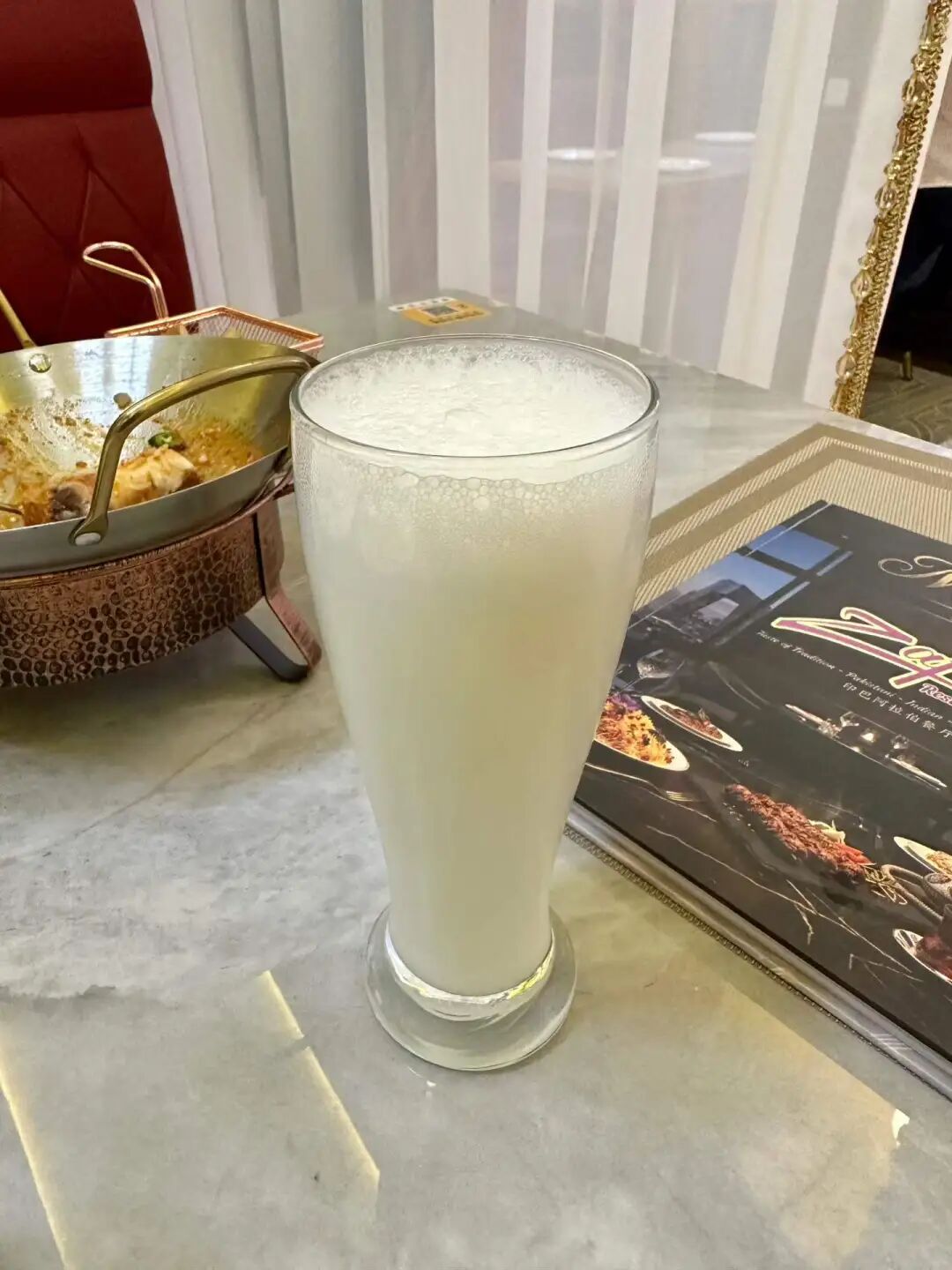
After eating, I bought some mung bean milk (douzhi) at Jinfang. The bagged mung bean milk at Jinfang is their own brand, while the bottled version is from Jinxin. It's time to drink cold mung bean milk in the summer. My son really likes it.


I had a beef and cilantro roll on a hot plate and a meat burger (roujiamo) at Wanhe Beef on Longfu Mosque Street. It's a Lanzhou-style restaurant, and there are seats in front of the stall. The beef and cilantro roll was 4 yuan and quite tasty. The meat burger was also good, but at 15 yuan, it didn't have much meat, so it wasn't really worth it.


Mashi Muxiangyuan, a Hui Muslim restaurant from Suihua, Heilongjiang, at the Baizhifang branch.

A while ago, I ate at Mashi Muxiangyuan, a Hui Muslim restaurant from Suihua, Heilongjiang, in Fangzhuang. It tasted good and wasn't expensive. I recently heard they opened a new branch in Baizhifang, so a friend and I decided to go try it.

The new shop was busy. We ordered sweet and sour pork (guobaorou), pickled cabbage with vermicelli, stir-fried beef brisket (liu xiongkou), and dry-braised sea bass. The sweet and sour pork was appetizing, though the crust was a bit hard. Overall, it was okay. The pickled cabbage with vermicelli was the best. At 28 yuan, it was a good price and went perfectly with rice. We almost finished it as soon as it arrived. The dry-braised sea bass was also delicious. It was well-seasoned and had very few bones. I have to criticize the stir-fried beef brisket. The portion was small, so they added a lot of large onion chunks to fill the plate. That was unnecessary. I've never had it served with that many onions when eating in Northeast China. If the portion is small, they should just use a smaller plate.

Because it was so crowded, we waited a long time for our food, so the restaurant gave us complimentary yogurt and lamb liver with garlic sauce. Their lamb liver was quite good. It didn't have any gamey smell at all and tasted great even on its own. I have to give them credit for that.


Tianshan, a Uyghur restaurant from Turpan.

I used to go to those Uyghur restaurants on the upper street of Ritan Park every time I took my child there for a walk. I decided to try somewhere new this time, so I went to Tianshan Restaurant near Xiushui Street. It is actually not far from Ritan Park, but I rarely go that way, so this was my first time eating there.

The owner is a Uyghur from Turpan and is very welcoming. We ordered big plate chicken (dapanji), mixed noodles with long beans (jiangdou banmian), spinach with gluten (bocai mianjin), and grilled meat skewers (kaorou). Overall, it was quite authentic. I watched them pull the noodles in the open kitchen; they were very chewy and on the firmer side, which my son loved so much he ate a lot by himself. The long bean dish was also great. The sauce tasted just right, and the meat was firm and chewy, not like the soft, soggy kind that has been marinated too long. The grilled meat skewers were very tender, which the kids especially liked. The big plate chicken was just okay. It used standard broiler chicken, but the flavor was decent. The spinach with gluten is hard to find in Beijing, and it was sour and very appetizing. The Uyghur style is a bit oilier; Hui Muslim families from Xinjiang usually use less oil when they cook.


Niujie Cafe Sanwanghu.


Heilongjiang Hui Muslim Iron Pot Stew.

Last Sunday afternoon, I took my son to Madian Park to play on the slides and burn off some energy, then we went to eat at Uncle Oyster's Iron Pot Stew (Haoshu Tieguodun) in Jiandemen. The big rooster set meal is a great value. It includes half a chicken, cabbage, vermicelli, potatoes, three cornmeal flatbreads (tiebingzi), and a plate of smashed cucumber, plus they gave the kid some milk skin yogurt (naipizi suannai) for free.

After the pot arrives, you stick the flatbreads on the side first, then set a timer for 15 minutes. When the time is up, you open the pot, add the vermicelli, and set another 5-minute timer before it is ready to eat. The saltiness is suited for Northern tastes. If you are from the South, you can tell the staff to make it lighter. We asked for it to be lighter because of my son, and he didn't find it too salty. The portion size of the set meal is plenty; it is just right for two adults.

They also have noodle lotus root (mianou), which was my first time trying. I looked it up and it is popular in Shandong and Henan. It is basically tube-shaped gluten made from wheat flour, and it is very chewy. The usual way to serve it is with sesame paste and garlic. They make it with a very strong garlic flavor, which really brings out the taste.


Part 1: 10 Halal restaurants in Beijing worth trying: Pakistani restaurant Lahore Courtyard, Henan Jiaozuo beef knife-cut noodles Mai Mai Hong, Halal Mongolian food Hulun Aile, West African Ghana Tribe Garden, Xi'an Xing Laosi meatball spicy soup, Xinjiang Changji Jinying meatball soup, Xinjiang Hotan Canteen, Syrian BRBR, Beijing fusion food Gulou Eating Noodles, and Beijing traditional food Xilai Shun.

Part 2: 10 Halal restaurants in Beijing worth trying (Part 2): UAE restaurant Gulf Mandi, Xinjiang Mansion Xihan Meatball Soup, Xinjiang Mansion Lobby Altai Afternoon Tea, Muhejia Rotating Hot Pot, Xinjiang Urumqi Nazilan (closed), Beijing pastry shop Baoyuanzhai (closed), Pakistani Samosa China-Pakistan Friendship Restaurant, Master Ma's Roast Duck (closed), Bangladeshi Benjibi Restaurant, and Huairou Shihu Cheng Resort.

Part 3: 10 recently tried Beijing restaurant recommendations: JM Italian Coffee Dongsi Branch, Halal Hunan food Huixiangyun Stir-fry Wangjing Branch (closed), Shandong Dezhou Old Ma's Lamb Soup and Steamed Dumplings, Sanlitun Philly Cheesesteak, Pakistani Roma Restaurant, Muyuzhai Rotten Garlic Lamb Intestines, Inner Mongolia Lianying Shaomai Grassland Pomegranate Red, Wangfujing Gansu Spicy Hot Pot, and Yuezhen Yayuan Halal Courtyard Restaurant.

Part 4: 10 Halal restaurants in Beijing worth trying (Part 4): Hotan Rose Pilaf Yizhuang Branch, Taiba Western Bakery, Taiba South Sanlitun Road Street Shop, Zhaotong Small Meat Skewers Guijie Ganmaya BBQ (closed), Bai Xiaobei Heilongjiang BBQ, Yunnan Muwenzhai Dry Pot Beef, Sanlitun Xinjiang restaurant Jiangjiang, Huixiangyun Halal Hunan Restaurant Zuojiazhuang Branch, Yili Ice Cream Shop Bazaar Sweetheart, and Dongzhimen Inner Street Qianyuan Hotel.

Part 5: 10 halal restaurants in Beijing worth trying (Part 5). Sandyq Kazakh Restaurant, Kashgar Restaurant, Ahmed Restaurant, Jingbalang Naan Bazaar, MacMac Lebanese Restaurant, Humaer Xinjiang Specialty Food, Lao Huihui Dumpling Restaurant (Zoo branch), Fresh Milk Town (Shuangjing branch, now closed), Nawab Restaurant, and Liu's Watch Repair and Barbecue.

Part 6: 10 halal restaurants in Beijing worth trying (Part 6). Hongyunlou Huaiyang Cuisine, Sanhe Beef Noodles (now closed), JM Coffee and Bakery (Daji Lane branch), Wanhe Fatty Beef, Xiangqing Roast Duck (now closed), Culture Pakistani Restaurant, Firenze Italian Restaurant, Niujie Dashuntang, Zhenweizhai Tianjin Cuisine, and Dardanelles Kids' Meal.

Part 7: 10 halal restaurants in Beijing worth trying (Part 7). JM Western Restaurant (Chaonei branch), Rose City Palestinian Restaurant, Baoding beef cover pancake (niurou zhaobing), Al Rayyan Pakistani Restaurant, Yili Loulan Restaurant (Guijie branch), Dianxinyuan Yunnan Cuisine, Muxiangyuan Heilongjiang Suihua Restaurant, Sanli Tun Turkish Restaurant, Chaoyangmen fast food stall, and Habibi Pakistani buffet. view all
Reposted from the web

Summary: This eighth Beijing halal restaurant roundup covers Xinjiang, Hui Muslim, Palestinian, Pakistani, Turkish, and local Muslim-friendly food spots, with dishes and locations kept from the original guide.

Xinjiang Hui Muslim home-style cooking One Yellow Carrot (Yige Huangluobo), Liaoning Hui Muslim spicy hot pot (malatang), Hebei Daming Hui Muslim meat pie noodles (roubing yimian) Liaoyuan, Hebei Chengde Hui Muslim steamed dumplings (shaomai) Dongtucheng branch, Xilaishun Xisi branch, Longfu Mosque market, Heilongjiang Suihua Hui Muslim Ma's Muxiangyuan Baizhifang branch, Turpan Uyghur restaurant Tianshan, Niujie cafe Sanwanghu, and Heilongjiang Hui Muslim iron pot stew (tieguodun).

Xinjiang Hui Muslim home-style cooking One Yellow Carrot (Yige Huangluobo).

I wonder if any fellow friends (dosti) remember ten years ago in 2016, when there was a small shop in Beijing's Shifoying area called Two Spoons (Liangge Shaozi) run by two best friends from Changji. The head chefs were the sisters' mothers, and they made authentic Xinjiang Hui Muslim home-style food. Back then, I wanted to eat there every day. Their hand-pulled noodles (latiaozi) and meatball soup (wanzi tang) were the most authentic I had ever eaten in Beijing. Unfortunately, after the city started clearing out small shops that had broken through walls to create entrances, they were forced to close. Other Xinjiang Hui Muslim shops have opened in Beijing since, like the hand-pulled noodles (latiaozi) at Jianghu in Wangjing, which are very good. But for ten whole years, I never again tasted that specific home-cooked Xinjiang Hui Muslim flavor in Beijing.

A while ago, I heard that a new Xinjiang Hui Muslim family restaurant called One Yellow Carrot (Yige Huangluobo) opened in 798. It is also run by two Xinjiang sisters, with their mother as the head chef. I went to try it on the weekend. The place was packed, and we had to wait for a few tables to clear before we could get in. The service was great. The owner was very enthusiastic and introduced the dishes to every table.

We ordered tiger skin peppers (hupi lazi), cold starch noodles (liangpizi), meatball soup (wanzi tang), pearl meatballs (zhenzhu wanzi), and beef stew (niurou huicai). The best thing they make is the meatballs; they taste exactly like the ones made at home. The meatball soup (wanzi tang) was good overall, but the biggest problem was that the broth was too clear. At first, I suspected it was just plain water, but I asked the staff and they confirmed it was beef bone broth. I feel it hadn't been simmered long enough to bring out the flavor. Also, they only give you one steamed oil flower roll (youtazi) and you cannot buy them separately. While I understand that many Beijingers might not want to eat oil flower rolls (youtazi), there are people like us who grew up with Xinjiang flavors and feel that meatball soup (wanzi tang) must be paired with a few of them.

The cold starch noodles (liangpizi) were also quite good. The sauce is probably the best-seasoned one in Beijing. Anyone who has eaten the three cold dishes (sanliang) at a Hui Muslim place in Xinjiang would recognize that their sauce is very authentic. However, I still think a hot sauce has more flavor.

The pearl meatballs (zhenzhu wanzi) and beef stew (niurou huicai) were different from how we make them at home. Of course, I am used to the Hui Muslim style from the Saybagh District in Urumqi, and Hui Muslim cooking styles vary across Xinjiang. The pearl meatballs (zhenzhu wanzi) were a bit loose and fell apart as soon as I picked them up. I feel they should be firmer. The meatballs and beef in the beef stew (niurou huicai) were quite good, and the spicy pepper skins (lapi zi) were very authentic. They were extremely spicy, though, so friends (dosti) who cannot handle heat might struggle.

Overall, I am very happy that Beijing has another Xinjiang Hui Muslim family restaurant. I hope they continue to do well. Congratulations.


Liaoning Hui Muslim spicy hot pot (malatang).

After work, I went to a spicy hot pot (malatang) shop run by a Liaoning Hui Muslim family at Chaowai SOHO. They have spicy hot pot (malatang), spicy mixed noodles (malaban), deep-fried skewers (zhachuan), mixed cold noodles (ban lengmian), and also sell seaweed rice rolls (zicai baofan). They mainly serve takeout for the office workers upstairs, and the dine-in area is very small.

The spicy hot pot (malatang) has that old-fashioned Northeast style with a thick sesame paste flavor. It is salty and sweet, which I really like. The deep-fried skewers (zhachuan) are sprinkled with a dry seasoning of cumin, sesame, and salt. The chicken and sausages were delicious, but the fried lotus root was a bit dry and hard. The mixed cold noodles have a good texture, but they are warm instead of cold, which I don't really like. I ended up packing the seaweed rice rolls (gimbap) to eat at the office the next day at noon.


Hui Muslim meat pie (roubing) and braised noodles (yimian) at Liaoyuan in Daming, Hebei.


Hui Muslim steamed dumplings (shaomai) at the Dongtucheng branch in Chengde, Hebei.

After work, I went to the newly opened Chengde steamed dumpling restaurant, Dechengli, in Dongtucheng. Their Fengtai branch is larger and sells the eight big bowls (badawan) feast, while the Dongtucheng branch is smaller and focuses on steamed dumplings, steamed meat dumplings (zhengjiao), and the Chengde specialty almond tea (xingrench).

The shop is run by a Hui Muslim couple from Chengde. They steam the dumplings and brew the almond tea to order in an open, clean, and bright kitchen. I used a group-buying deal for steamed dumplings with a side of vegetarian radish ball soup. The steamer comes with eight dumplings; the skins are thin and the filling is firm, almost like a meatball. The vegetarian radish balls are also very good. The almond tea is six yuan for a big bowl. It has a very rich almond flavor and tastes great.


Xilaisun Xisi branch.

A new Xilaisun opened at the entrance of Xisi Sixth Alley, so I finally don't have to run to the Hepingmen branch every time. However, the Xisi branch is quite small and has fewer dishes. The staff said if you want to eat dishes from the main store, you can call one day in advance to order.

We ordered the classic Ma Lianliang duck, roasted lamb (shaoyangrou), stir-stir-fried meat slices with fresh mushrooms, diced chicken with cashews, mixed wild mountain vegetables, and sesame paste sugar flatbread (majiang tangbing). We also ordered an extra portion of lotus leaf buns (heyebing). Ma Lianliang duck is my favorite. I think it tastes better than Beijing roast duck, and the leavened lotus leaf buns are much better than the thin pancakes served with roast duck. Their roasted lamb skin is a bit hard, but the flavor is very fragrant, and it tastes great tucked inside a lotus leaf bun. The diced chicken with cashews is a little salty, but very fresh. The mixed wild mountain vegetables are not salty and are fine to eat on their own. The stir-stir-fried meat slices with mushrooms are delicious and go well with both rice and lotus leaf buns. The children really like the sesame paste sugar flatbread.

In short, Xilaisun has always been a Beijing restaurant I highly recommend. If you are in the north and have a small group, like a few friends or a family of three, I recommend coming here. Friends in the south should still go to the Hepingmen branch for a wider variety of dishes.


Longfusi Market.

I went to the market at Longfu Mosque before the Spring Festival. I heard later that it became a permanent fixture, so I stopped by for a walk after work a while ago. Longfu Mosque has really turned into a pedestrian street now. There are security guards at every entrance to keep cars out, so you don't have to dodge traffic while walking around. The stalls in April are quite different from the ones in February. Coming in from the north, you'll find Longfu Mosque Snack Shop and Baikui. A bit further in is Wanhe Beef, and across from the main building entrance is Jinfang. To the east, by the entrance of the Donggong cinema, is Lianying Shaomai (steamed dumplings). The weather is warmer now, so it's easy to grab a snack outdoors after work. There are tables and chairs available.

Longfu Mosque Snack Shop and Baikui are right next to each other with four tables. I arrived after 5:00 p.m. and it wasn't crowded, but it was full by 6:00 p.m. I started with the ingot-shaped dumpling soup (yuanbao tang) and pea flour cake (wandouhuang) at Longfu Mosque Snack Shop. It tasted just like the regular shop. The dumplings are wrapped fresh. Then I had a fried chicken leg at Baikui. It tasted the same as the shop, but it wasn't freshly fried and was only lukewarm. The skin got tough after I heated it in the microwave.

After eating, I bought some mung bean milk (douzhi) at Jinfang. The bagged mung bean milk at Jinfang is their own brand, while the bottled version is from Jinxin. It's time to drink cold mung bean milk in the summer. My son really likes it.


I had a beef and cilantro roll on a hot plate and a meat burger (roujiamo) at Wanhe Beef on Longfu Mosque Street. It's a Lanzhou-style restaurant, and there are seats in front of the stall. The beef and cilantro roll was 4 yuan and quite tasty. The meat burger was also good, but at 15 yuan, it didn't have much meat, so it wasn't really worth it.


Mashi Muxiangyuan, a Hui Muslim restaurant from Suihua, Heilongjiang, at the Baizhifang branch.

A while ago, I ate at Mashi Muxiangyuan, a Hui Muslim restaurant from Suihua, Heilongjiang, in Fangzhuang. It tasted good and wasn't expensive. I recently heard they opened a new branch in Baizhifang, so a friend and I decided to go try it.

The new shop was busy. We ordered sweet and sour pork (guobaorou), pickled cabbage with vermicelli, stir-fried beef brisket (liu xiongkou), and dry-braised sea bass. The sweet and sour pork was appetizing, though the crust was a bit hard. Overall, it was okay. The pickled cabbage with vermicelli was the best. At 28 yuan, it was a good price and went perfectly with rice. We almost finished it as soon as it arrived. The dry-braised sea bass was also delicious. It was well-seasoned and had very few bones. I have to criticize the stir-fried beef brisket. The portion was small, so they added a lot of large onion chunks to fill the plate. That was unnecessary. I've never had it served with that many onions when eating in Northeast China. If the portion is small, they should just use a smaller plate.

Because it was so crowded, we waited a long time for our food, so the restaurant gave us complimentary yogurt and lamb liver with garlic sauce. Their lamb liver was quite good. It didn't have any gamey smell at all and tasted great even on its own. I have to give them credit for that.


Tianshan, a Uyghur restaurant from Turpan.

I used to go to those Uyghur restaurants on the upper street of Ritan Park every time I took my child there for a walk. I decided to try somewhere new this time, so I went to Tianshan Restaurant near Xiushui Street. It is actually not far from Ritan Park, but I rarely go that way, so this was my first time eating there.

The owner is a Uyghur from Turpan and is very welcoming. We ordered big plate chicken (dapanji), mixed noodles with long beans (jiangdou banmian), spinach with gluten (bocai mianjin), and grilled meat skewers (kaorou). Overall, it was quite authentic. I watched them pull the noodles in the open kitchen; they were very chewy and on the firmer side, which my son loved so much he ate a lot by himself. The long bean dish was also great. The sauce tasted just right, and the meat was firm and chewy, not like the soft, soggy kind that has been marinated too long. The grilled meat skewers were very tender, which the kids especially liked. The big plate chicken was just okay. It used standard broiler chicken, but the flavor was decent. The spinach with gluten is hard to find in Beijing, and it was sour and very appetizing. The Uyghur style is a bit oilier; Hui Muslim families from Xinjiang usually use less oil when they cook.


Niujie Cafe Sanwanghu.


Heilongjiang Hui Muslim Iron Pot Stew.

Last Sunday afternoon, I took my son to Madian Park to play on the slides and burn off some energy, then we went to eat at Uncle Oyster's Iron Pot Stew (Haoshu Tieguodun) in Jiandemen. The big rooster set meal is a great value. It includes half a chicken, cabbage, vermicelli, potatoes, three cornmeal flatbreads (tiebingzi), and a plate of smashed cucumber, plus they gave the kid some milk skin yogurt (naipizi suannai) for free.

After the pot arrives, you stick the flatbreads on the side first, then set a timer for 15 minutes. When the time is up, you open the pot, add the vermicelli, and set another 5-minute timer before it is ready to eat. The saltiness is suited for Northern tastes. If you are from the South, you can tell the staff to make it lighter. We asked for it to be lighter because of my son, and he didn't find it too salty. The portion size of the set meal is plenty; it is just right for two adults.

They also have noodle lotus root (mianou), which was my first time trying. I looked it up and it is popular in Shandong and Henan. It is basically tube-shaped gluten made from wheat flour, and it is very chewy. The usual way to serve it is with sesame paste and garlic. They make it with a very strong garlic flavor, which really brings out the taste.


Part 1: 10 Halal restaurants in Beijing worth trying: Pakistani restaurant Lahore Courtyard, Henan Jiaozuo beef knife-cut noodles Mai Mai Hong, Halal Mongolian food Hulun Aile, West African Ghana Tribe Garden, Xi'an Xing Laosi meatball spicy soup, Xinjiang Changji Jinying meatball soup, Xinjiang Hotan Canteen, Syrian BRBR, Beijing fusion food Gulou Eating Noodles, and Beijing traditional food Xilai Shun.

Part 2: 10 Halal restaurants in Beijing worth trying (Part 2): UAE restaurant Gulf Mandi, Xinjiang Mansion Xihan Meatball Soup, Xinjiang Mansion Lobby Altai Afternoon Tea, Muhejia Rotating Hot Pot, Xinjiang Urumqi Nazilan (closed), Beijing pastry shop Baoyuanzhai (closed), Pakistani Samosa China-Pakistan Friendship Restaurant, Master Ma's Roast Duck (closed), Bangladeshi Benjibi Restaurant, and Huairou Shihu Cheng Resort.

Part 3: 10 recently tried Beijing restaurant recommendations: JM Italian Coffee Dongsi Branch, Halal Hunan food Huixiangyun Stir-fry Wangjing Branch (closed), Shandong Dezhou Old Ma's Lamb Soup and Steamed Dumplings, Sanlitun Philly Cheesesteak, Pakistani Roma Restaurant, Muyuzhai Rotten Garlic Lamb Intestines, Inner Mongolia Lianying Shaomai Grassland Pomegranate Red, Wangfujing Gansu Spicy Hot Pot, and Yuezhen Yayuan Halal Courtyard Restaurant.

Part 4: 10 Halal restaurants in Beijing worth trying (Part 4): Hotan Rose Pilaf Yizhuang Branch, Taiba Western Bakery, Taiba South Sanlitun Road Street Shop, Zhaotong Small Meat Skewers Guijie Ganmaya BBQ (closed), Bai Xiaobei Heilongjiang BBQ, Yunnan Muwenzhai Dry Pot Beef, Sanlitun Xinjiang restaurant Jiangjiang, Huixiangyun Halal Hunan Restaurant Zuojiazhuang Branch, Yili Ice Cream Shop Bazaar Sweetheart, and Dongzhimen Inner Street Qianyuan Hotel.

Part 5: 10 halal restaurants in Beijing worth trying (Part 5). Sandyq Kazakh Restaurant, Kashgar Restaurant, Ahmed Restaurant, Jingbalang Naan Bazaar, MacMac Lebanese Restaurant, Humaer Xinjiang Specialty Food, Lao Huihui Dumpling Restaurant (Zoo branch), Fresh Milk Town (Shuangjing branch, now closed), Nawab Restaurant, and Liu's Watch Repair and Barbecue.

Part 6: 10 halal restaurants in Beijing worth trying (Part 6). Hongyunlou Huaiyang Cuisine, Sanhe Beef Noodles (now closed), JM Coffee and Bakery (Daji Lane branch), Wanhe Fatty Beef, Xiangqing Roast Duck (now closed), Culture Pakistani Restaurant, Firenze Italian Restaurant, Niujie Dashuntang, Zhenweizhai Tianjin Cuisine, and Dardanelles Kids' Meal.

Part 7: 10 halal restaurants in Beijing worth trying (Part 7). JM Western Restaurant (Chaonei branch), Rose City Palestinian Restaurant, Baoding beef cover pancake (niurou zhaobing), Al Rayyan Pakistani Restaurant, Yili Loulan Restaurant (Guijie branch), Dianxinyuan Yunnan Cuisine, Muxiangyuan Heilongjiang Suihua Restaurant, Sanli Tun Turkish Restaurant, Chaoyangmen fast food stall, and Habibi Pakistani buffet.
4
Views

Halal Food Guide Malaysia Singapore Brunei: Hainanese Chicken Rice, Kopitiam and Muslim-Friendly Cafes

Articlesyusuf908 posted the article • 0 comments • 4 views • 8 minutes ago • data from similar tags

Reposted from the web

Summary: This halal Hainanese food guide follows the first half of a trip through Malaysia, Singapore, and Brunei, covering chicken rice, kopitiam cafes, noodles, seafood, and Nanyang-style Muslim-friendly restaurants.

Malaysia

The Chicken Rice Shop in Kuala Lumpur

Oriental Kopi at Kuala Lumpur Airport

Hua Mui Restaurant in Johor Bahru

Yut Loy Coffee Shop in Kuala Kangsar

Sin Hua Air-Conditioned Restaurant in Kota Bharu

Fook Yuen Coffee Shop in Kota Kinabalu

Yit Chang Coffee Shop in Kota Kinabalu

Yee Fung Coffee Shop in Kota Kinabalu

Ling Long Seafood in Kuching

Rex Restaurant in Singapore

Ying Chew Restaurant in Brunei

Babu's Kitchen in Brunei

Mei Guang Coffee Shop in Brunei

Malaysia

The Chicken Rice Shop in Kuala Lumpur

After getting off the plane at Kuala Lumpur Airport, we take the airport express train to the final stop, KL Sentral. Once we go upstairs, we are at the Nu Sentral shopping mall. We eat there almost every time we visit Kuala Lumpur. There are many types of restaurants in the mall. There are three halal Nyonya cuisine restaurants alone, and many other halal Chinese restaurants.

This time, we ate at the famous halal Hainanese chicken rice chain in Malaysia, The Chicken Rice Shop. The founder, Wong Kah Bee, was once an executive director at KFC Malaysia. She had worked in the fast-food industry for 25 years before starting her own business. In 2000, 54-year-old Wong Kah Bee and her daughter, Wong Jia Lian, opened the first The Chicken Rice Shop in Taipan, Selangor, officially launching their halal Hainanese chicken rice brand.

Wong Kah Bee's parents were from Penang and her grandmother was from Hainan. She loved Hainanese chicken rice very much since she was a child. During the 20th century, Hainanese chicken rice was mostly sold at food stalls, and almost none of it was halal. When Wong Kah Bee and her daughter started the business, they had a clear goal: to bring Hainanese chicken rice into shopping malls with clean, comfortable, and independent storefronts suitable for family meals, and to make it halal food for everyone. Today, The Chicken Rice Shop has 135 locations, making it the largest halal Hainanese chicken rice chain in Malaysia. Led by them, halal Chinese food is growing in Malaysia, allowing friends (dosti) from all over the world to enjoy delicious Chinese cuisine here.

We ordered a set meal for three, which included Nyonya top hats (pai tee), mango salad, roasted chicken, Hainanese curry chicken, okra, wolf herring fish balls (sai tou yu wan), and rice. We also ordered an extra side of roasted tofu, which was perfect for our family. Top hats (pai tee) are a classic snack for weddings and New Year celebrations among the Peranakan Chinese in Malaysia. They originated in Singapore, where they are also called little gold cups (xiao jin bei), and are filled with shredded carrots and white radishes. Wolf herring fish balls (sai tou yu wan) are Teochew-style fish balls made from wolf herring, and they are very popular in Malaysia.


Oriental Kopi at Kuala Lumpur Airport

Taking a car from Malacca back to Kuala Lumpur Airport, the most popular restaurant at Terminal 2 is the Hainanese coffee shop chain Oriental Kopi (huayang). There is almost always a line whenever you go.

They have a huge variety of dishes and are currently one of the most famous halal Hainanese coffee shops. Hainanese people began immigrating to Malaysia in the 19th century. Many early immigrants worked as chefs and servers in British hotels and restaurants, while some worked as servants for British officers. Influenced by their British employers, the Hainanese learned to cook Western food and combined it with Hainanese culinary elements to create the unique Hainanese coffee shop (Hailam Kopitiam) culture.

We ordered flaky egg tarts, pineapple buns with butter (bing huo bo luo bao), Hainanese chicken rice, classic mee siam, curry fish balls, coffee, soy milk with grass jelly, and longan sea coconut sweet soup (tang shui). The coffee, flaky egg tarts, and pineapple buns with butter are known as the 'Oriental Kopi Three Treasures' and make a classic Nanyang breakfast combination. Their flaky egg tarts are indeed well-made, with a very tender egg custard and a rich aroma. Their sweet soup (tang shui) is also delicious. We rarely drank sweet soup in the north, so it felt very authentic to the Nanyang style.

However, their Hainanese chicken rice was not good. The quality of the rice seemed poor, and it felt gritty, lacking the texture of rice at other places.


Hua Mui Restaurant in Johor Bahru

We took the train from Woodlands, Singapore, in the morning and arrived at the Johor Bahru station in Malaysia in 5 minutes. We walked from the Johor Bahru station to the old town to visit Restoran Hua Mui to experience an authentic Hainanese coffee shop (Hailam Kopitiam).

Restoran Hua Mui opened in 1946 and has a 78-year history, making it the oldest Hainanese coffee shop in Johor Bahru. Like many old-school Hainanese coffee shops in Malaysia, although the owner is Hainanese Chinese, they hire Malay chefs and staff so that Chinese, Malay, and Indian customers can all enjoy the food.

The term coffee shop (kopitiam) is made up of the Malay word 'kopi' (coffee) and the Hokkien word 'tiam' (shop), specializing in charcoal-grilled toast, white coffee, and soft-boiled eggs. Early Hainanese coffee shops were very popular with the British. Today, they have become places where older people discuss news and daily life, serving as important social hubs.

At Hua Mui, we ordered mutton stew rice, Hainanese noodles, coffee and tea mix (cham c), and a breakfast platter. Coffee and tea mix (cham c) is just coffee, tea, and milk. The restaurant's setting is still very traditional, with a classic two-story arcade building (qilou) and bamboo curtains hanging on the doors and windows, easily bringing to mind the old days.


Yut Loy Coffee Shop in Kuala Kangsar

Taking the train north from Ipoh, it is a 30-minute ride to Kuala Kangsar District. Kuala Kangsar has been the royal city of the Sultan of Perak since the 18th century. The town center still keeps an old street of arcade buildings, where you can find an old-school Hainanese coffee shop called Yut Loy Coffee Shop (Yue Lai Cha Shi). The Hainanese owner hires Malay staff here, allowing the three major ethnic groups—Chinese, Malay, and Indian—to all dine in the shop.

Since Yut Loy Coffee Shop only serves main meals after 1:00 PM, we spent the morning there having coffee with toast, topped with honey and butter. In Nanyang-themed novels, I often read about old people sitting in these Hainanese coffee shops all morning with a cup of coffee, a piece of toast, and a newspaper. This time, we got to experience it ourselves.


Sin Hua Air-Conditioned Restaurant in Kota Bharu

Hainanese people are an important part of the Chinese community in Kelantan. We ate at the Sin Hua Air-Conditioned Restaurant, a long-standing Hainanese eatery in Kota Bharu with over 50 years of history. We had Hainanese chicken chop, Hainanese noodles, and toasted bread, all of which are authentic Nanyang Hainanese dishes. Next door, there is also a Sin Shing Coffee Shop (Xin Cheng Cha Can Shi), which is said to have the best Hainanese chicken rice in Kota Bharu.


Fook Yuen Coffee Shop in Kota Kinabalu

Although there are many Hakka and Hokkien people on Gaya Street in Kota Kinabalu, the restaurants are still mostly run by Hainanese people. I started my morning with breakfast at Fook Yuen Coffee Shop (Fuyuan Cha Canting), which is very popular and crowded with tourists. Ordering is semi-self-service. They offer Cantonese-style congee and dim sum, Malay coconut milk rice (nasi lemak), and Western-style bread and coffee, meeting the needs of all ethnic groups in Malaysia. I had a serving of Hainanese chicken rice, two portions of steamed dumplings (shaomai), and a glass of iced milk tea. Their chicken rice is a modified version; they add dried small fish to the rice, a style that should be more popular with Malay customers.


Yit Chang Coffee Shop in Kota Kinabalu

Opened in 1896, Yee Fung Coffee Shop (Yue Chang Cha Shi) is the oldest Hainanese restaurant in Kota Kinabalu, with a history even longer than the city itself. The shop was originally located at the headquarters of the British North Borneo Chartered Company on Gaya Island. After the settlement on the island was destroyed in 1898 by an anti-British uprising led by the indigenous leader Mat Salleh, the shop moved to its current location on Gaya Street. You could say Yee Fung Coffee Shop has witnessed the entire transformation of Kota Kinabalu. Old photos hang on their walls, including one from the 1960s showing Yee Fung Coffee Shop in the exact same spot as today.

The shop is divided into two sections, with the Hainanese owner personally making coffee and toasting bread. The owner is very enthusiastic, provides excellent service, and speaks great Korean, which helps him attract many Korean guests. Another stall invites Muslim sisters to make Hainanese beef offal noodles (niuzamian) and various Malay dishes, which is a major feature of traditional Hainanese coffee shops. To attract customers from all ethnic groups, they must make food that suits everyone's taste. This is why many long-standing Hainanese restaurants in Malaysia have been open for decades or even a century.

We ordered white coffee, three-layer coffee, monk fruit herbal tea (luohanguo liangcha), oats, toast, and beef offal noodles. Monk fruit herbal tea and barley water (yimi shui) are really perfect for the weather here.


Yee Fung Coffee Shop in Kota Kinabalu

The most popular halal Chinese restaurant on Gaya Street in Kota Kinabalu is Yee Fung Tea House. The owner of Yee Fung Tea House, Zhuang Qiuwang, is from Johor. He started selling laksa on Gaya Street in 1984, which is exactly 40 years ago. Like many halal Chinese restaurants in Malaysia, they hire Muslim chefs and staff to ensure the ingredients are halal.

Their signature dishes are the "three treasures": laksa, claypot chicken rice, and beef offal. We ordered lettuce with oyster sauce, plain beef offal, plain fish balls, and chicken wonton noodles. Hainanese beef offal mainly includes beef balls, beef tripe, stewed beef, and beef slices. Many Hainanese restaurants in Kota Kinabalu serve it, and it is a major local specialty. Authentic Hainanese beef offal does not use MSG. It relies purely on spices to stew out the flavor, so you do not feel thirsty after eating it.


Ling Long Seafood in Kuching

I strongly recommend the Top Spot Food Court in the city center to friends (dosti) visiting Kuching. It is a Chinese halal seafood city with a Nanyang style. The food court is open from 5 p.m. to 10 p.m. It looks like a very plain parking garage from the outside, but once you take the elevator to the top floor, you enter a very lively seafood open-air food court. Most of the stalls in the food court are Chinese-run with halal certifications. Various fish, shrimp, and vegetables are displayed openly, so you can pick whatever you want to eat.

We chose a stall called "Ling Long Seafood." The lady who took our order is Hainanese. Hainanese people running halal Chinese restaurants in Malaysia is also a major feature. The lady spoke great Mandarin and enthusiastically helped us order according to our needs. We ordered Sarawak-style stir-fried midin (a type of fern) with shrimp paste and stir-fried mani cai (a local vegetable) with eggs. Their stir-fried dishes come in small, medium, and large sizes, so even one person can eat very well.

Midin is a fern native to Borneo. It is not bitter at all when stir-fried and has a very fresh fragrance. Mani cai, also known as star gooseberry leaves, is a wild vegetable that Sarawak Hakka people love to cook. You can find it in homes and small restaurants. The picked mani cai leaves must be crushed in water and drained to remove toxins, and the small stems must be picked out before stir-frying, so it is much more troublesome than other vegetables.

For seafood, we ordered lokan (white clams), sea shrimp, and seven-star grouper. The waiter told us which ones were the freshest and which were frozen. After we ordered, the food was indeed very delicious. Since this is a food court by the sea in the city center, I am not sure if other stalls overcharge, but I think this one offers good value for money. In the end, our five dishes, rice, and 6% sales tax cost 313 RMB in total. Small stir-fried dishes were 24 RMB each, a seven-star grouper was 148 RMB, though they have cheaper fish too. A plate of sea shrimp was 48 RMB, and a plate of clams was 40 RMB.


Rex Restaurant in Singapore

If you visit the National Museum of Singapore and Fort Canning Park, it is well worth going to the nearby MacKenzie Rex Restaurant to taste authentic halal Hainanese chicken rice. MacKenzie Rex Restaurant opened in 1966. It is the first and most famous halal Hainanese chicken rice restaurant in Singapore. The owner is a Hainanese Chinese who speaks good Mandarin and is happy to introduce dishes to guests. Besides Hainanese chicken rice, they are also good at making various home-style Chinese dishes, known in Singapore as Zi char (home-style stir-fry).

We ordered the classic chicken rice and five-spice meat rolls (Ngor Hiang per roll), plus stir-fried mixed vegetables and fish soup. Everything was delicious, and it was arguably the best meal of our Singapore trip. The best part of their chicken rice is not the chicken itself, but the rice steamed with chicken fat. You can eat it plain and never want to stop. The halal version of the five-spice meat roll adds five-spice powder to the chicken filling, which is then wrapped in bean curd skin and deep-fried. It is very fragrant when freshly fried.


Ying Chew Restaurant in Brunei

When traveling in Brunei, you must visit the most famous legendary Hainanese teahouse, Ying Chew (Yingzhou Hao).

The founder of Ying Chew, Han Qiongyuan, was from Wenchang, Hainan. During the Japanese invasion of China in 1939, 17-year-old Han Qiongyuan traveled to Southeast Asia and arrived in Brunei to work as a helper in his uncle's coffee shop. In 1946, Han Qiongyuan officially opened Ying Chew Teahouse, selling coffee, bread, and other food. It became widely known for its longevity bread (Roti Kuning). As the teahouse business grew, Han Qiongyuan expanded into real estate and led the construction of the Brunei Hainan Building. After 1993, Han Qiongyuan returned to his hometown every year to visit relatives and invested heavily there. He was awarded the title of 'Patriotic Hainanese' by Hainan Province three times.

Like many old-fashioned Nanyang Hainanese teahouses, they serve halal food and have Brunei halal certification, making them popular with all ethnic groups. They have a very rich variety of bread. The most classic sandwich breads come in four flavors: peanut, red bean paste, butter, and coconut. There are also peanut and kaya mix bread, cheese bread, yellow bread with kaya and butter, and French toast. You can add a fried egg and cheese, or order a soft-boiled egg on the side. Cakes include custard cakes, egg tarts, coconut tarts, red bean cakes, butter cakes, pandan cakes, and more. Western-style breads and pastries were learned by Hainanese people while working as kitchen helpers for the British in the 19th century. Today, they have become a classic part of Nanyang Hainanese restaurants.

Besides bread and pastries, they also have various noodles, such as sesame flat rice noodles (guotiao), dry-tossed noodles, stir-fried noodles, Hainanese noodles, stir-fried rice vermicelli, and silky egg flat rice noodles (hefen). These suit Chinese tastes very well. We ordered silky egg flat rice noodles, sesame flat rice noodles, egg tarts, custard cakes, yellow bread with fried egg, chicken curry puffs, peanut and kaya mix bread, ginger milk tea, and lemon tea for a mix of Chinese and Western flavors. The peanut and kaya mix bread contains kaya jam, butter, and crushed peanuts, giving it a very rich texture. The sesame rice noodles (zhima guotiao) are a mix of sweet, salty, and spicy, served with fried tofu and fried fish chunks. They are a signature dish at this shop.


Babu's Kitchen in Brunei

We had lunch in the old town of Brunei Town. There are many Chinese-owned shops here, and it is also a great place to find halal Hainanese restaurants. We chose a place called Babu's Kitchen. It was very busy at lunchtime with Chinese, Malay, and Indian customers, which is a classic scene at a Hainanese restaurant. Since they did not have a Chinese menu, we asked the owner to recommend dishes. We ordered the Assam fish fillets, salted egg fried mushrooms, beef yee mee noodles, and bean curd skin with tofu and chicken. Just like in Malaysia, the Chinese people in Brunei speak very standard Mandarin. Overall, the food was very good. It blends Chinese cooking with Malay flavors, but it is still very easy for Chinese people to enjoy. view all
Reposted from the web

Summary: This halal Hainanese food guide follows the first half of a trip through Malaysia, Singapore, and Brunei, covering chicken rice, kopitiam cafes, noodles, seafood, and Nanyang-style Muslim-friendly restaurants.

Malaysia

The Chicken Rice Shop in Kuala Lumpur

Oriental Kopi at Kuala Lumpur Airport

Hua Mui Restaurant in Johor Bahru

Yut Loy Coffee Shop in Kuala Kangsar

Sin Hua Air-Conditioned Restaurant in Kota Bharu

Fook Yuen Coffee Shop in Kota Kinabalu

Yit Chang Coffee Shop in Kota Kinabalu

Yee Fung Coffee Shop in Kota Kinabalu

Ling Long Seafood in Kuching

Rex Restaurant in Singapore

Ying Chew Restaurant in Brunei

Babu's Kitchen in Brunei

Mei Guang Coffee Shop in Brunei

Malaysia

The Chicken Rice Shop in Kuala Lumpur

After getting off the plane at Kuala Lumpur Airport, we take the airport express train to the final stop, KL Sentral. Once we go upstairs, we are at the Nu Sentral shopping mall. We eat there almost every time we visit Kuala Lumpur. There are many types of restaurants in the mall. There are three halal Nyonya cuisine restaurants alone, and many other halal Chinese restaurants.

This time, we ate at the famous halal Hainanese chicken rice chain in Malaysia, The Chicken Rice Shop. The founder, Wong Kah Bee, was once an executive director at KFC Malaysia. She had worked in the fast-food industry for 25 years before starting her own business. In 2000, 54-year-old Wong Kah Bee and her daughter, Wong Jia Lian, opened the first The Chicken Rice Shop in Taipan, Selangor, officially launching their halal Hainanese chicken rice brand.

Wong Kah Bee's parents were from Penang and her grandmother was from Hainan. She loved Hainanese chicken rice very much since she was a child. During the 20th century, Hainanese chicken rice was mostly sold at food stalls, and almost none of it was halal. When Wong Kah Bee and her daughter started the business, they had a clear goal: to bring Hainanese chicken rice into shopping malls with clean, comfortable, and independent storefronts suitable for family meals, and to make it halal food for everyone. Today, The Chicken Rice Shop has 135 locations, making it the largest halal Hainanese chicken rice chain in Malaysia. Led by them, halal Chinese food is growing in Malaysia, allowing friends (dosti) from all over the world to enjoy delicious Chinese cuisine here.

We ordered a set meal for three, which included Nyonya top hats (pai tee), mango salad, roasted chicken, Hainanese curry chicken, okra, wolf herring fish balls (sai tou yu wan), and rice. We also ordered an extra side of roasted tofu, which was perfect for our family. Top hats (pai tee) are a classic snack for weddings and New Year celebrations among the Peranakan Chinese in Malaysia. They originated in Singapore, where they are also called little gold cups (xiao jin bei), and are filled with shredded carrots and white radishes. Wolf herring fish balls (sai tou yu wan) are Teochew-style fish balls made from wolf herring, and they are very popular in Malaysia.


Oriental Kopi at Kuala Lumpur Airport

Taking a car from Malacca back to Kuala Lumpur Airport, the most popular restaurant at Terminal 2 is the Hainanese coffee shop chain Oriental Kopi (huayang). There is almost always a line whenever you go.

They have a huge variety of dishes and are currently one of the most famous halal Hainanese coffee shops. Hainanese people began immigrating to Malaysia in the 19th century. Many early immigrants worked as chefs and servers in British hotels and restaurants, while some worked as servants for British officers. Influenced by their British employers, the Hainanese learned to cook Western food and combined it with Hainanese culinary elements to create the unique Hainanese coffee shop (Hailam Kopitiam) culture.

We ordered flaky egg tarts, pineapple buns with butter (bing huo bo luo bao), Hainanese chicken rice, classic mee siam, curry fish balls, coffee, soy milk with grass jelly, and longan sea coconut sweet soup (tang shui). The coffee, flaky egg tarts, and pineapple buns with butter are known as the 'Oriental Kopi Three Treasures' and make a classic Nanyang breakfast combination. Their flaky egg tarts are indeed well-made, with a very tender egg custard and a rich aroma. Their sweet soup (tang shui) is also delicious. We rarely drank sweet soup in the north, so it felt very authentic to the Nanyang style.

However, their Hainanese chicken rice was not good. The quality of the rice seemed poor, and it felt gritty, lacking the texture of rice at other places.


Hua Mui Restaurant in Johor Bahru

We took the train from Woodlands, Singapore, in the morning and arrived at the Johor Bahru station in Malaysia in 5 minutes. We walked from the Johor Bahru station to the old town to visit Restoran Hua Mui to experience an authentic Hainanese coffee shop (Hailam Kopitiam).

Restoran Hua Mui opened in 1946 and has a 78-year history, making it the oldest Hainanese coffee shop in Johor Bahru. Like many old-school Hainanese coffee shops in Malaysia, although the owner is Hainanese Chinese, they hire Malay chefs and staff so that Chinese, Malay, and Indian customers can all enjoy the food.

The term coffee shop (kopitiam) is made up of the Malay word 'kopi' (coffee) and the Hokkien word 'tiam' (shop), specializing in charcoal-grilled toast, white coffee, and soft-boiled eggs. Early Hainanese coffee shops were very popular with the British. Today, they have become places where older people discuss news and daily life, serving as important social hubs.

At Hua Mui, we ordered mutton stew rice, Hainanese noodles, coffee and tea mix (cham c), and a breakfast platter. Coffee and tea mix (cham c) is just coffee, tea, and milk. The restaurant's setting is still very traditional, with a classic two-story arcade building (qilou) and bamboo curtains hanging on the doors and windows, easily bringing to mind the old days.


Yut Loy Coffee Shop in Kuala Kangsar

Taking the train north from Ipoh, it is a 30-minute ride to Kuala Kangsar District. Kuala Kangsar has been the royal city of the Sultan of Perak since the 18th century. The town center still keeps an old street of arcade buildings, where you can find an old-school Hainanese coffee shop called Yut Loy Coffee Shop (Yue Lai Cha Shi). The Hainanese owner hires Malay staff here, allowing the three major ethnic groups—Chinese, Malay, and Indian—to all dine in the shop.

Since Yut Loy Coffee Shop only serves main meals after 1:00 PM, we spent the morning there having coffee with toast, topped with honey and butter. In Nanyang-themed novels, I often read about old people sitting in these Hainanese coffee shops all morning with a cup of coffee, a piece of toast, and a newspaper. This time, we got to experience it ourselves.


Sin Hua Air-Conditioned Restaurant in Kota Bharu

Hainanese people are an important part of the Chinese community in Kelantan. We ate at the Sin Hua Air-Conditioned Restaurant, a long-standing Hainanese eatery in Kota Bharu with over 50 years of history. We had Hainanese chicken chop, Hainanese noodles, and toasted bread, all of which are authentic Nanyang Hainanese dishes. Next door, there is also a Sin Shing Coffee Shop (Xin Cheng Cha Can Shi), which is said to have the best Hainanese chicken rice in Kota Bharu.


Fook Yuen Coffee Shop in Kota Kinabalu

Although there are many Hakka and Hokkien people on Gaya Street in Kota Kinabalu, the restaurants are still mostly run by Hainanese people. I started my morning with breakfast at Fook Yuen Coffee Shop (Fuyuan Cha Canting), which is very popular and crowded with tourists. Ordering is semi-self-service. They offer Cantonese-style congee and dim sum, Malay coconut milk rice (nasi lemak), and Western-style bread and coffee, meeting the needs of all ethnic groups in Malaysia. I had a serving of Hainanese chicken rice, two portions of steamed dumplings (shaomai), and a glass of iced milk tea. Their chicken rice is a modified version; they add dried small fish to the rice, a style that should be more popular with Malay customers.


Yit Chang Coffee Shop in Kota Kinabalu

Opened in 1896, Yee Fung Coffee Shop (Yue Chang Cha Shi) is the oldest Hainanese restaurant in Kota Kinabalu, with a history even longer than the city itself. The shop was originally located at the headquarters of the British North Borneo Chartered Company on Gaya Island. After the settlement on the island was destroyed in 1898 by an anti-British uprising led by the indigenous leader Mat Salleh, the shop moved to its current location on Gaya Street. You could say Yee Fung Coffee Shop has witnessed the entire transformation of Kota Kinabalu. Old photos hang on their walls, including one from the 1960s showing Yee Fung Coffee Shop in the exact same spot as today.

The shop is divided into two sections, with the Hainanese owner personally making coffee and toasting bread. The owner is very enthusiastic, provides excellent service, and speaks great Korean, which helps him attract many Korean guests. Another stall invites Muslim sisters to make Hainanese beef offal noodles (niuzamian) and various Malay dishes, which is a major feature of traditional Hainanese coffee shops. To attract customers from all ethnic groups, they must make food that suits everyone's taste. This is why many long-standing Hainanese restaurants in Malaysia have been open for decades or even a century.

We ordered white coffee, three-layer coffee, monk fruit herbal tea (luohanguo liangcha), oats, toast, and beef offal noodles. Monk fruit herbal tea and barley water (yimi shui) are really perfect for the weather here.


Yee Fung Coffee Shop in Kota Kinabalu

The most popular halal Chinese restaurant on Gaya Street in Kota Kinabalu is Yee Fung Tea House. The owner of Yee Fung Tea House, Zhuang Qiuwang, is from Johor. He started selling laksa on Gaya Street in 1984, which is exactly 40 years ago. Like many halal Chinese restaurants in Malaysia, they hire Muslim chefs and staff to ensure the ingredients are halal.

Their signature dishes are the "three treasures": laksa, claypot chicken rice, and beef offal. We ordered lettuce with oyster sauce, plain beef offal, plain fish balls, and chicken wonton noodles. Hainanese beef offal mainly includes beef balls, beef tripe, stewed beef, and beef slices. Many Hainanese restaurants in Kota Kinabalu serve it, and it is a major local specialty. Authentic Hainanese beef offal does not use MSG. It relies purely on spices to stew out the flavor, so you do not feel thirsty after eating it.


Ling Long Seafood in Kuching

I strongly recommend the Top Spot Food Court in the city center to friends (dosti) visiting Kuching. It is a Chinese halal seafood city with a Nanyang style. The food court is open from 5 p.m. to 10 p.m. It looks like a very plain parking garage from the outside, but once you take the elevator to the top floor, you enter a very lively seafood open-air food court. Most of the stalls in the food court are Chinese-run with halal certifications. Various fish, shrimp, and vegetables are displayed openly, so you can pick whatever you want to eat.

We chose a stall called "Ling Long Seafood." The lady who took our order is Hainanese. Hainanese people running halal Chinese restaurants in Malaysia is also a major feature. The lady spoke great Mandarin and enthusiastically helped us order according to our needs. We ordered Sarawak-style stir-fried midin (a type of fern) with shrimp paste and stir-fried mani cai (a local vegetable) with eggs. Their stir-fried dishes come in small, medium, and large sizes, so even one person can eat very well.

Midin is a fern native to Borneo. It is not bitter at all when stir-fried and has a very fresh fragrance. Mani cai, also known as star gooseberry leaves, is a wild vegetable that Sarawak Hakka people love to cook. You can find it in homes and small restaurants. The picked mani cai leaves must be crushed in water and drained to remove toxins, and the small stems must be picked out before stir-frying, so it is much more troublesome than other vegetables.

For seafood, we ordered lokan (white clams), sea shrimp, and seven-star grouper. The waiter told us which ones were the freshest and which were frozen. After we ordered, the food was indeed very delicious. Since this is a food court by the sea in the city center, I am not sure if other stalls overcharge, but I think this one offers good value for money. In the end, our five dishes, rice, and 6% sales tax cost 313 RMB in total. Small stir-fried dishes were 24 RMB each, a seven-star grouper was 148 RMB, though they have cheaper fish too. A plate of sea shrimp was 48 RMB, and a plate of clams was 40 RMB.


Rex Restaurant in Singapore

If you visit the National Museum of Singapore and Fort Canning Park, it is well worth going to the nearby MacKenzie Rex Restaurant to taste authentic halal Hainanese chicken rice. MacKenzie Rex Restaurant opened in 1966. It is the first and most famous halal Hainanese chicken rice restaurant in Singapore. The owner is a Hainanese Chinese who speaks good Mandarin and is happy to introduce dishes to guests. Besides Hainanese chicken rice, they are also good at making various home-style Chinese dishes, known in Singapore as Zi char (home-style stir-fry).

We ordered the classic chicken rice and five-spice meat rolls (Ngor Hiang per roll), plus stir-fried mixed vegetables and fish soup. Everything was delicious, and it was arguably the best meal of our Singapore trip. The best part of their chicken rice is not the chicken itself, but the rice steamed with chicken fat. You can eat it plain and never want to stop. The halal version of the five-spice meat roll adds five-spice powder to the chicken filling, which is then wrapped in bean curd skin and deep-fried. It is very fragrant when freshly fried.


Ying Chew Restaurant in Brunei

When traveling in Brunei, you must visit the most famous legendary Hainanese teahouse, Ying Chew (Yingzhou Hao).

The founder of Ying Chew, Han Qiongyuan, was from Wenchang, Hainan. During the Japanese invasion of China in 1939, 17-year-old Han Qiongyuan traveled to Southeast Asia and arrived in Brunei to work as a helper in his uncle's coffee shop. In 1946, Han Qiongyuan officially opened Ying Chew Teahouse, selling coffee, bread, and other food. It became widely known for its longevity bread (Roti Kuning). As the teahouse business grew, Han Qiongyuan expanded into real estate and led the construction of the Brunei Hainan Building. After 1993, Han Qiongyuan returned to his hometown every year to visit relatives and invested heavily there. He was awarded the title of 'Patriotic Hainanese' by Hainan Province three times.

Like many old-fashioned Nanyang Hainanese teahouses, they serve halal food and have Brunei halal certification, making them popular with all ethnic groups. They have a very rich variety of bread. The most classic sandwich breads come in four flavors: peanut, red bean paste, butter, and coconut. There are also peanut and kaya mix bread, cheese bread, yellow bread with kaya and butter, and French toast. You can add a fried egg and cheese, or order a soft-boiled egg on the side. Cakes include custard cakes, egg tarts, coconut tarts, red bean cakes, butter cakes, pandan cakes, and more. Western-style breads and pastries were learned by Hainanese people while working as kitchen helpers for the British in the 19th century. Today, they have become a classic part of Nanyang Hainanese restaurants.

Besides bread and pastries, they also have various noodles, such as sesame flat rice noodles (guotiao), dry-tossed noodles, stir-fried noodles, Hainanese noodles, stir-fried rice vermicelli, and silky egg flat rice noodles (hefen). These suit Chinese tastes very well. We ordered silky egg flat rice noodles, sesame flat rice noodles, egg tarts, custard cakes, yellow bread with fried egg, chicken curry puffs, peanut and kaya mix bread, ginger milk tea, and lemon tea for a mix of Chinese and Western flavors. The peanut and kaya mix bread contains kaya jam, butter, and crushed peanuts, giving it a very rich texture. The sesame rice noodles (zhima guotiao) are a mix of sweet, salty, and spicy, served with fried tofu and fried fish chunks. They are a signature dish at this shop.


Babu's Kitchen in Brunei

We had lunch in the old town of Brunei Town. There are many Chinese-owned shops here, and it is also a great place to find halal Hainanese restaurants. We chose a place called Babu's Kitchen. It was very busy at lunchtime with Chinese, Malay, and Indian customers, which is a classic scene at a Hainanese restaurant. Since they did not have a Chinese menu, we asked the owner to recommend dishes. We ordered the Assam fish fillets, salted egg fried mushrooms, beef yee mee noodles, and bean curd skin with tofu and chicken. Just like in Malaysia, the Chinese people in Brunei speak very standard Mandarin. Overall, the food was very good. It blends Chinese cooking with Malay flavors, but it is still very easy for Chinese people to enjoy.


4
Views

Muslim History Guide Asia: Shia Mosques in India, Thailand, Myanmar and Singapore (Part 1)

Articlesyusuf908 posted the article • 0 comments • 4 views • 8 minutes ago • data from similar tags

Reposted from the web

Summary: This first part introduces Shia mosques, ashurkhanas, jamatkhanas, and Muslim heritage sites across India, Thailand, Myanmar, and Singapore, including Hyderabad, Bangkok, Yangon, and Singapore.

India

Bad-e-Shahi Ashur Khana in Hyderabad

Thailand

Sheikh Ahmad gongbei in Ayutthaya

Kudi Luang mosque in Bangkok

Kudi Charoenphat in Bangkok

Phadungtham Islam mosque in Bangkok

Dilfulla mosque in Bangkok

Safee mosque in Bangkok

Goowatil Islam Mosque in Bangkok

Myanmar

Mughal Shia Mosque in Yangon

Hazarat Abbas (A. S) Astana Alamdar-e-Husayn in Yangon.

Punja Mosque in Yangon.

Dawoodi Bohra Saifee Mosque in Yangon.

His Highness The Agakhan Building Myanmar Ismaili Khoja Jamatkhana in Yangon.

Singapore

Al-Burhani mosque in Singapore

Indian Heritage Centre in Singapore

Asian Civilisations Museum in Singapore

India

Bad-e-Shahi Ashur Khana in Hyderabad

Shia Islam grew in the Deccan Plateau of South India during the Bahmani Sultanate (1347-1527). After the Bahmani Sultanate fell, the Qutb Shahi dynasty made Shia Islam the state religion in 1518.

Hyderabad became a center for Shia culture in India during the 16th and 17th centuries. The fifth sultan of the Qutb Shahi dynasty, Muhammad Quli Qutb Shah, was a talented Urdu poet and the first person to write Marsiya (Shia mourning poetry for Imam Hussain) in Urdu. Shia scholar and scientist Mir Muhammad Momin arrived at the Qutb Shahi dynasty in 1581 and helped design and build the city of Hyderabad in 1591.

Bad-e-Shahi Ashur Khana is the Shia center of Hyderabad and the first Imambargah in India. An Imambargah, also called a Hussainiya, is a hall where Shia Muslims of the Twelver branch mourn Imam Hussain. It is busiest here during Ashura, but there are also events held every week.

The fifth sultan of the Qutb Shahi dynasty, Muhammad Quli Qutb Shah, ordered the construction of Bad-e-Shahi Ashur Khana in 1594, and the seventh sultan, Abdullah Qutb Shah, added tiles in 1611. In 1764, the second Nizam of the Asaf Jahi dynasty, Ali Khan, added a wooden colonnade, an outer hall, and a gate. The caretakers here are from a hereditary family, and the current one is the 11th Mutawalli Mujawer, Mir Nawazish Ali Moosvi.

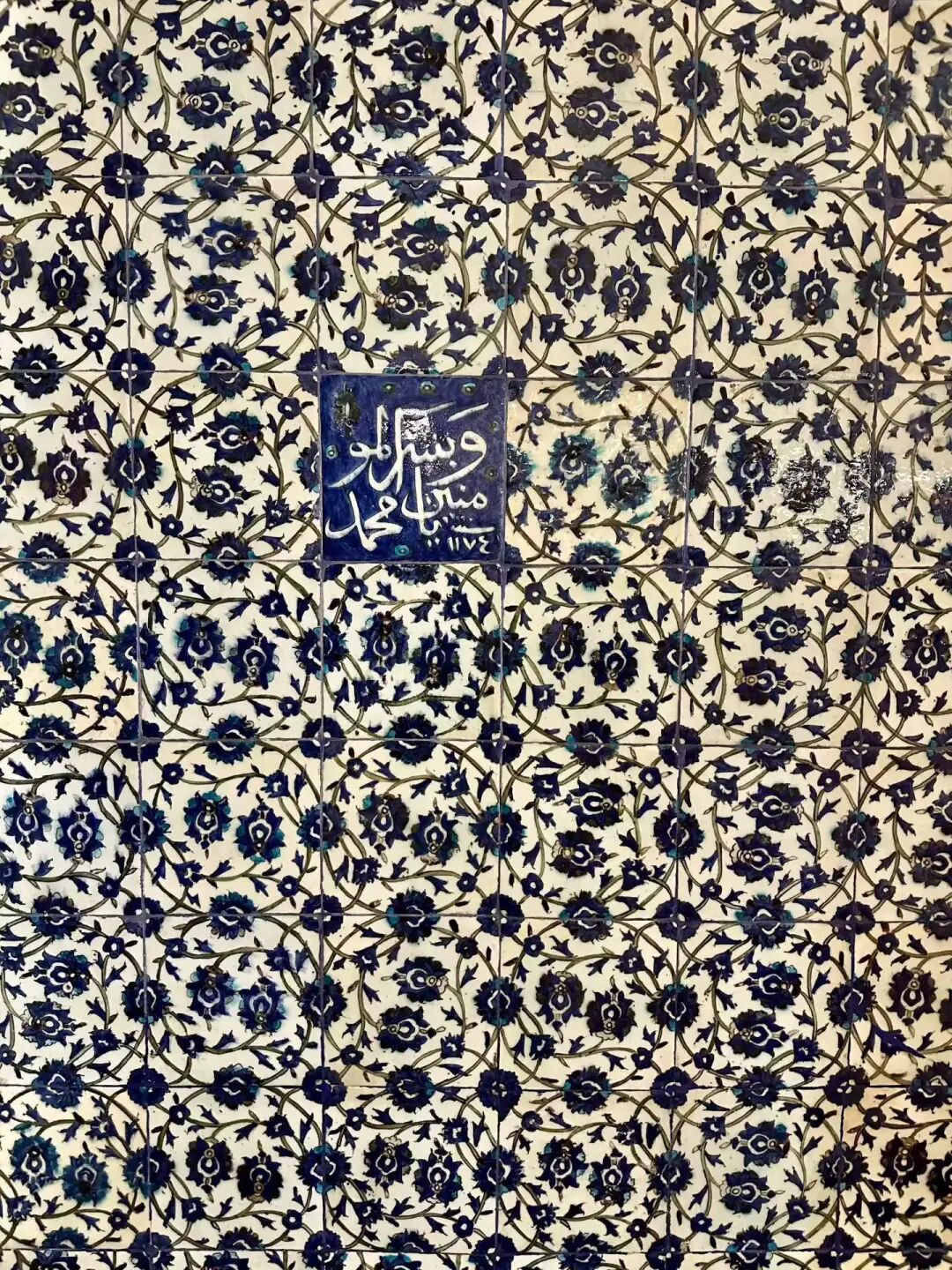
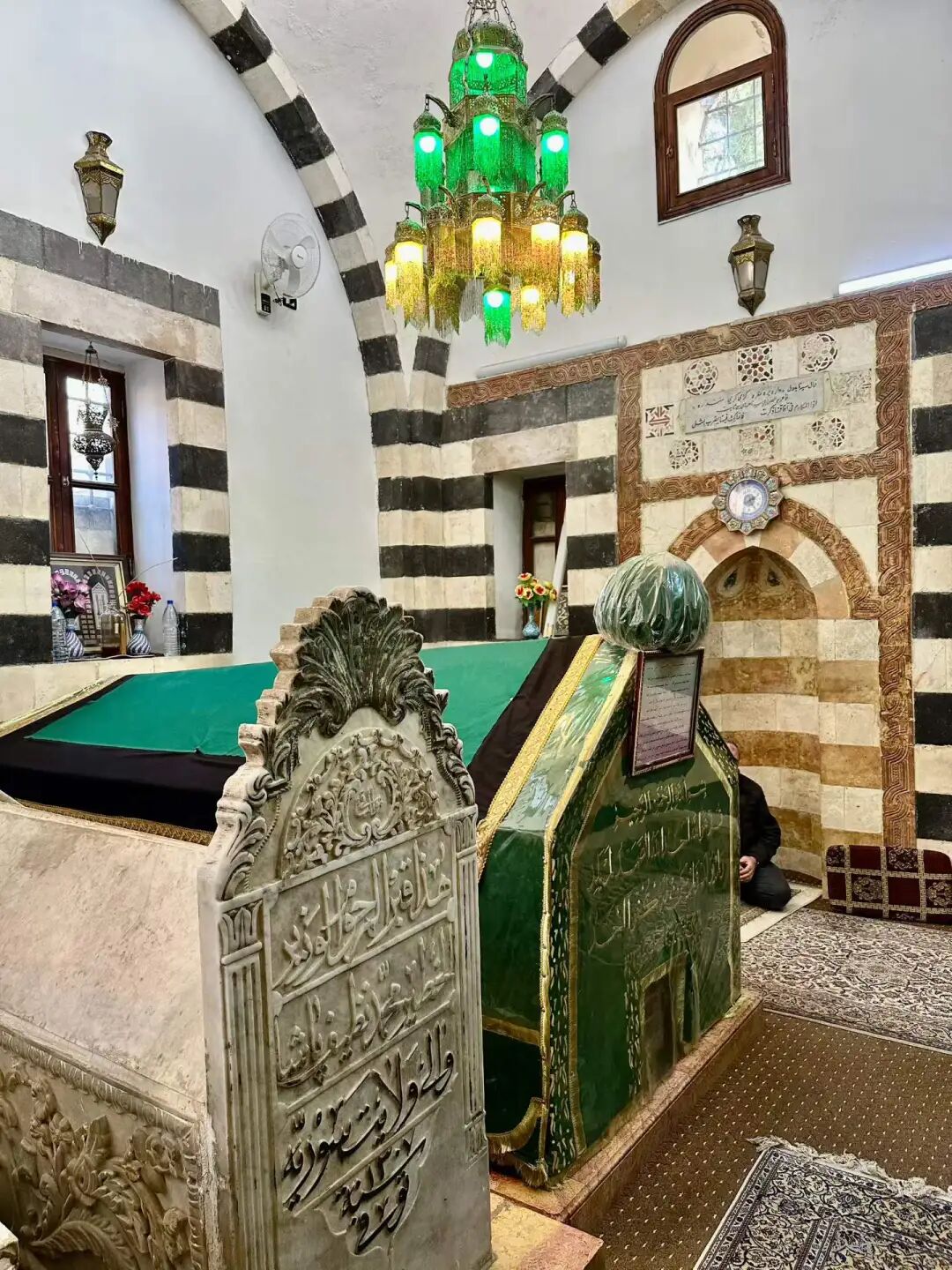
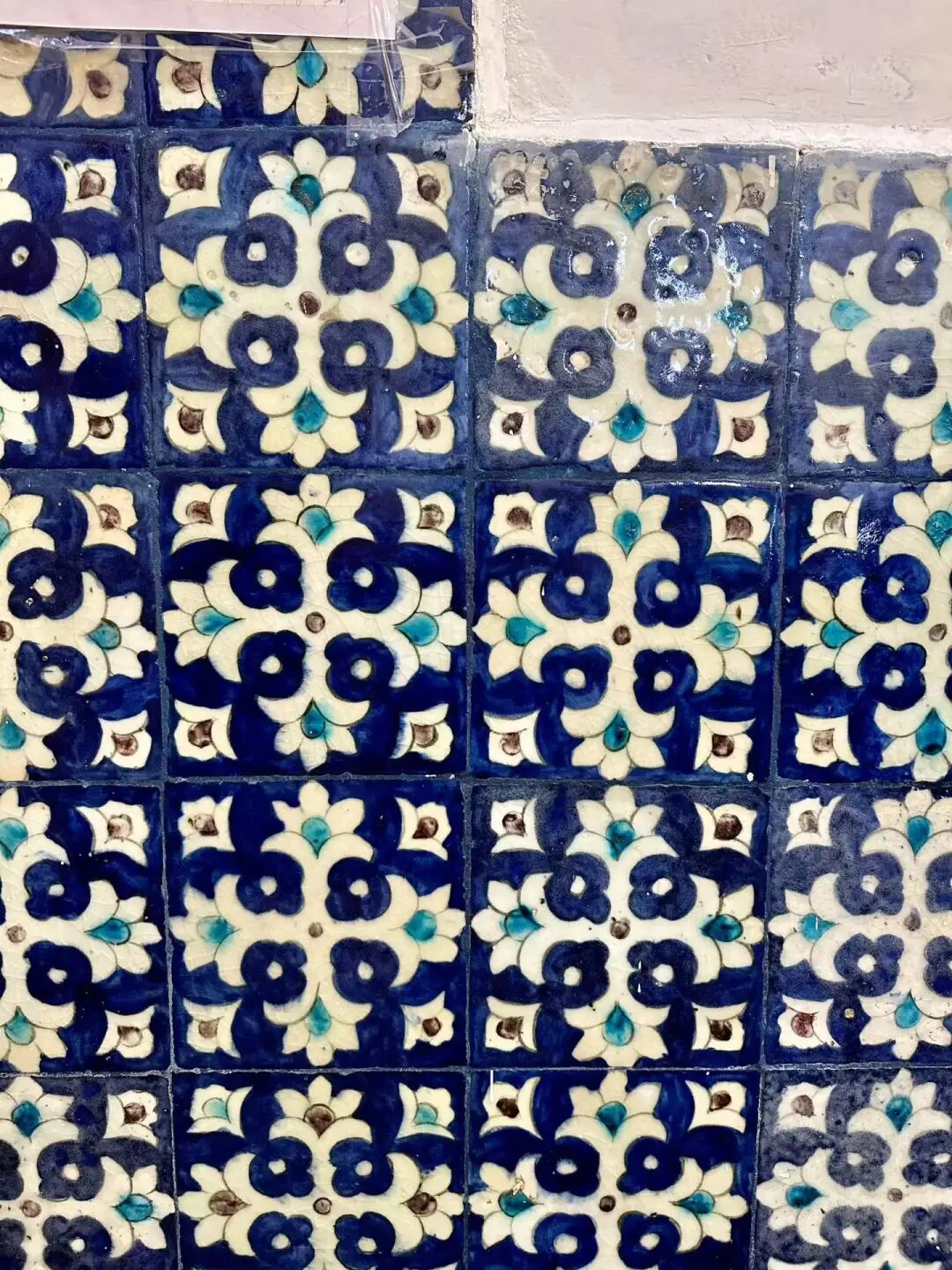
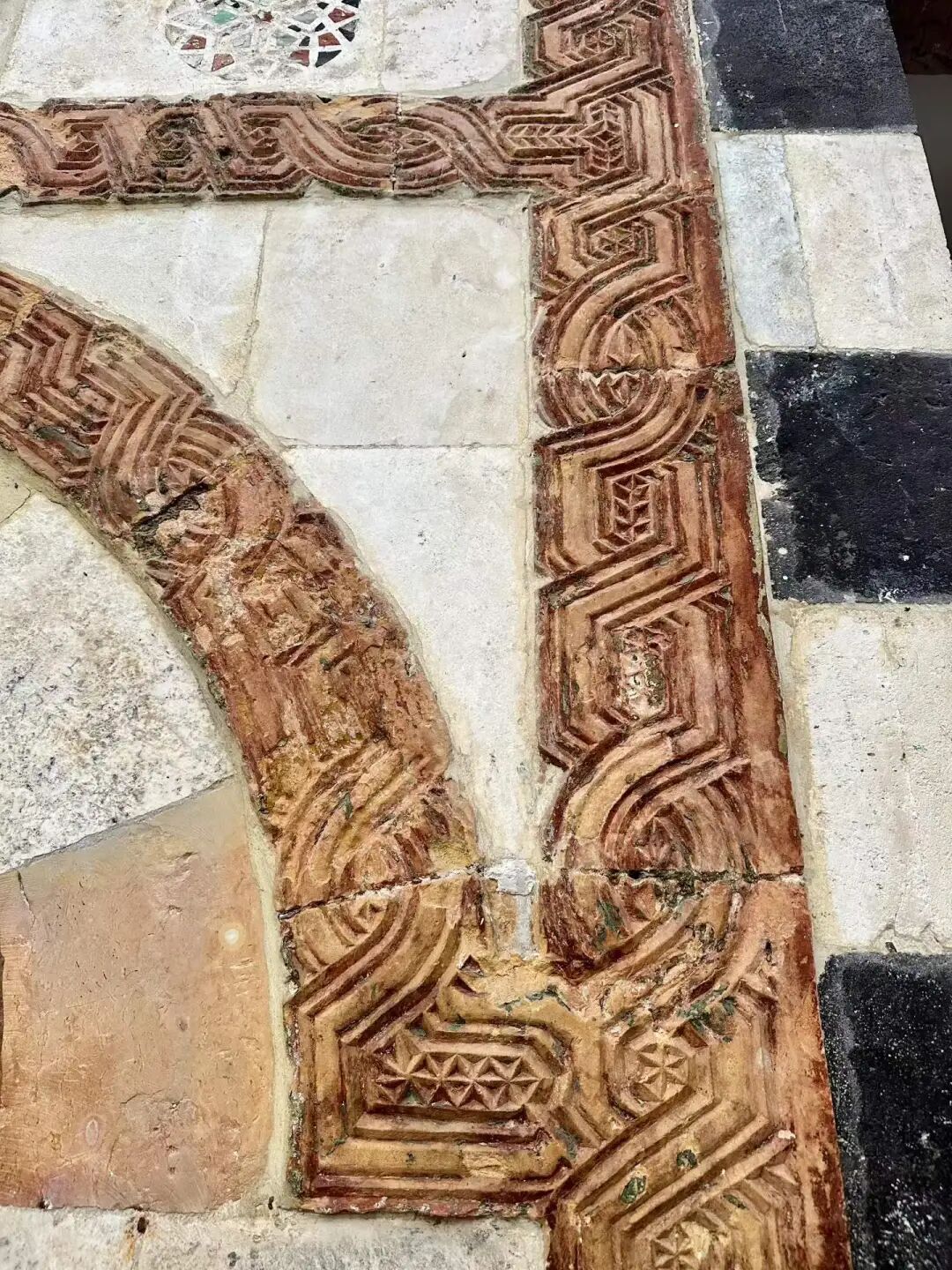
The Arabic calligraphy and floral tiles inside the building use the Cuerda Seca technique, which was created by Persian craftsmen. This technique uses lines drawn with dark pigment mixed with grease on the tile surface to separate different colors of water-soluble glaze, leaving dark lines in every area. Scholars believe the Cuerda Seca technique originated in 10th-century Andalusia (southern Spain) and later spread to Asia through Arabs and Persians. The Mughal Empire frequently used this technique to fire tiles during the 17th century.


When we visited Hyderabad, we happened to catch a Shia event at Bad-e-Shahi Ashur Khana.


Thailand

Sheikh Ahmad gongbei in Ayutthaya

Between the 16th and 18th centuries, Shia merchants from the Persian Safavid dynasty traveled along the Indian Ocean coast to trade in Siam, where they were warmly welcomed and received with high honors by the Siamese royal family. Some Persian merchants married locals, settled down, and held important positions in the Siamese court.

Sheikh Ahmad was born in Qom, Persia, in 1543. He arrived in Ayutthaya, Thailand, with his brother in the early 17th century to trade, married a Thai wife, and settled there. Sheikh Ahmad was very successful in business and became one of the wealthiest foreign merchants of his time. He met the Thai royal treasurer and, with his help, connected with the Thai royal family and began participating in Thai trade affairs. After gaining the trust of King Songtham (who reigned from 1610 to 1628), he was appointed Chao Kromma Tha Khwa to manage trade, shipping, and diplomatic affairs between Thailand and the west, including India, Persia, Arabia, and Europe. He was also appointed as the first Chula Rajmontri in Thai history, overseeing religious affairs for the whole country. In 1611, after helping the Thai king defeat Japanese merchants who attempted a coup, he was appointed Samuhanayok, becoming the Grand Vizier of Thailand.

In the early 17th century, Sheikh Ahmad built the Kudi Chao Sen Shia mosque within the city of Ayutthaya, which is the oldest mosque inside the city walls of Ayutthaya. After Sheikh Ahmad passed away in 1631, he was buried near the mosque.

In the late 17th century, the Shia community continued to thrive in Ayutthaya. During the month of Muharram in 1656, Sheikh Ahmad’s son and other Shia nobles helped King Narai take the throne. To show his gratitude, King Narai gave the Ayutthaya Shia community all the items needed for their Ashura ceremonies during Muharram and established a royal guard made up of 500 Shia men. In 1685, a French Jesuit missionary named Father Tachard recorded the grand scene of the Shia Ashura ceremonies in Ayutthaya. He wrote that the procession included over two thousand people, carrying models of the tombs of two saints along with many intricately crafted symbolic objects. The men changed their formations as they walked to the rhythm of drums. At the front of this massive procession were three or four beautifully decorated horses, and many people held long-handled lanterns to light the way for the entire group. The festival lasted for several nights, ending at five o'clock each morning.

Besides the Kudi Chao Sen mosque, Ayutthaya once had two other Shia mosque communities. The Khaek Pae mosque was located on the bank where the Chao Phraya River and the Pa Sak River meet, where Persian merchants once lived on boats, a place locals called the floating village. The Nurul Yamal mosque was in the northern suburbs of the old city of Ayutthaya, near an elephant kraal built by the Ayutthaya dynasty in 1580. According to the 1685 travelogue of the Persian Safavid mission to Ayutthaya, titled The Ship of Suleiman (Safine-ye Solaymani), hundreds of Persian merchants were involved in the profitable elephant trade at the kraal at that time.

After Ayutthaya fell in 1767 and Thailand moved its capital to Bangkok in 1782, the Persian-descended Shia community of Ayutthaya moved to Bangkok as well. Today, the Kudi Chao Sen mosque no longer exists, leaving only the nearby gongbei of Sheikh Ahmad, which was built in 1631.


Opposite the gongbei of Sheikh Ahmad is the Ayutthaya-Persia (Iranian Studies) Room, where the Iranian Embassy in Thailand occasionally holds cultural and memorial events.


Kudi Luang mosque in Bangkok

The Siamese capital of Ayutthaya fell in 1767, and after the capital moved to Bangkok in 1782, the Persian descendants from Ayutthaya followed. The first leader of the Persian-descended Shia community in Bangkok was Konkaew, the son of the last leader in Ayutthaya. In 1797, he began managing Siam's trade with the West and received a residence in the Thonburi area across the Chao Phraya River. People say he and 400 Shia followers established the Kudi Chao Sen mosque community, which became the primary Shia community in Bangkok.

After Konkaew passed away, his brother and the next eight direct descendants inherited the title, controlling Siam's trade rights with the West for a hundred years. In 1897, King Rama V renovated the Kudi Chao Sen mosque and renamed it the Kudi Luang Chao Sen mosque. In 1947, because of the construction of the Royal Thai Navy headquarters, the entire Kudi Luang mosque community was moved to its current location. The residents still live around the mosque, allowing the traditional culture of the Bangkok Shia community to survive.


The elders of the Bangkok Persian-descended Shia community who live around the mosque are not exclusive and are very welcoming to visitors (dosti).


After the prayer (namaz), I went to the Kudi Luang mosque again and ate chicken rice noodle rolls (changfen) with everyone, along with a special dessert made of palm sugar and pomelo that the Bangkok Persian descendants eat during the month of Muharram. Sharing and giving are key themes for Shia Muslims during the month of Muharram. Food is free during this time, and people gather to make the flowers used in the events. Some people in the mosque wear white pants and headscarves with bells hanging from their pant legs. They spend the first ten days of Muharram serving the mosque community with all their heart.


The most eye-catching thing in the mosque is a handsome, tall horse personally gifted by the King of Thailand. This horse represents Zuljanah, the warhorse of Imam Hussein. Zuljanah was raised by the noble Prophet from a young age and is known for loyalty, strength, endurance, and a spirit of sacrifice. During the Battle of Karbala, Zuljanah used its body to block arrows aimed at Imam Hussein. After Imam Hussein passed away, Zuljanah returned to his family covered in blood to warn them of an ambush. It died from its wounds after fulfilling this final duty. During Muharram, the horse is kept in the stables of Kudi Luang mosque, and people take turns walking it in the courtyard every night.


On the qibla wall of the main hall, the flagpole at the top is called an Alam. It represents the flag held by Abbas, the standard-bearer for Imam Hussein during the Battle of Karbala. The metal hand is called a Panja, which symbolizes the severed hands of Abbas. Abbas was the half-brother of Imam Hussein. He inherited the courage of Imam Ali and always held the flag of victory high on the battlefield. People say on the night of Ashura, he was blocked by enemy forces while returning from the Euphrates River with water. He fought alone until his arms were cut off and he was killed.

Above the niche in the qibla wall, the names of Allah, the noble Prophet, and the twelve Imams of the Shia are written. The Twelver branch is the largest branch of Shia Islam and is the state religion of Iran.


The Nakhl Gardani placed in the main hall symbolizes the funeral bier of Imam Hussein. It is decorated with a dagger and a turban (dastar) representing those used by Imam Hussein. During Ashura events, people carry the Nakhl Gardani to symbolize the funeral procession for Imam Hussein.


A Tadjah is also placed in the main hall to symbolize the tomb of Imam Hussein.


There is also a small decoration in the hall representing the youngest baby martyred at the Battle of Karbala, Ali Asghar, the six-month-old son of Imam Hussein. Records state that Imam Hussein held the thirsty Ali Asghar and asked the enemy for water for the child. The enemy fired an arrow that pierced the baby's throat and Imam Hussein's arm at the same time. Ali Asghar later became a symbol of innocent victims and the most painful mourning during Muharram events.


During the first ten nights of Muharram, Shia Muslims in Bangkok chant to commemorate Imam Hussein. During these sessions, people known as Rawda khwan tell the story of the martyrdom of Imam Hussein and his followers at the Battle of Karbala. The stories come from famous books, the most well-known being The Garden of the Martyrs (Rawdat al-shuhada) by the famous Timurid-era Persian writer Hussein Kashifi. Afterward, the imam also gives a sermon (waaz) in Thai, helping everyone learn about the bravery, fearlessness, and spirit of sacrifice shown by Imam Hussein and his followers at the Battle of Karbala.


The Nakhl Gardani used during Ashura events symbolizes the coffin of Imam Hussain, and the entire Ashura event is essentially a reenactment of his funeral.


Kudi Charoenphat in Bangkok

In the late 18th and early 19th centuries, Akayi, the second leader of the Persian Shia community in Bangkok, built Kudi Charoenphat at the heart of the community. This is an Imambara hall used by the Shia for mourning ceremonies.


An Imambara, also called a Hussainiya or Ashurkhana, is a hall where the Twelver Shia branch holds ceremonies to mourn Imam Hussain. On the Day of Ashura (the 10th of Muharram) in 680 AD, the Prophet's grandson, Imam Hussain, was martyred in the Battle of Karbala. Since then, the Shia hold grand mourning ceremonies every year in the first month of the Islamic calendar (the month of Ashura), the second month (40 days after Ashura), and the ninth month (Ramadan). Except for the most important processions, most ceremonies take place inside the Imambara hall.


The wood carvings on the hall are in the Gingerbread style, which was popular in Thailand in the late 19th century. This architectural style originated in Victorian England during the 19th century and was later developed by British companies logging teak in Thailand, who blended it with local Thai decorative elements. Due to high construction and maintenance costs, this architectural style gradually became a thing of the past after the 20th century.


The Nakhl Gardani used during Ashura events.


A street view of the Persian community in Bangkok. Many walls of Persian-descendant homes and shops here display the 'Lion of God' (Asadullah), which refers to Imam Ali and serves as a symbol of the Shia.


Phadungtham Islam mosque in Bangkok

The center of the Persian community in Bangkok is the Phadungtham Islam mosque. This mosque was first built in 1938 and was rebuilt into its current structure in 1979.

The new mosque features a Persian-style Iwan gate, modeled after the Imam Reza Shrine, a Shia holy site in Iran.


The clay tablet placed before a prayer rug is called a Turbah in Arabic and a Mohr in Persian. Twelver Shia Muslims touch their foreheads to it during namaz. Some clay tablets feature images of the Imam Hussain Shrine, indicating they are made from the soil of Karbala, where Imam Hussain was martyred.


Dilfulla mosque in Bangkok

The Indian Shia community is located on the southwest side of the Persian Shia community in Bangkok, separated by Itsaraphap Road.

For hundreds of years, Shia merchants from India set out from the cities of Surat and Ahmedabad in Gujarat, traveling across the Indian Ocean to Siam for maritime trade. Because of their shared faith, they often collaborated in business with the Persians, and later intermarried, forming a powerful trade network in Siam. In the early 19th century, Shia merchants from Mumbai began opening shops near the Persian community along the Chao Phraya River. Thanks to the favoritism of Persian officials who controlled Western trade, these Indian Shia businesses could obtain state-controlled export goods from Siam under very favorable conditions.

Adam Ali was a merchant and adventurer from Lucknow, Uttar Pradesh, India. In the early 19th century, he left the city of Surat with fine Indian textiles and sailed across the Indian Ocean to Bangkok many times for trade. Through connections with local Persian-descended nobles in Bangkok who shared his Shia faith, he was able to meet many Siamese nobles. These nobles often visited his merchant ships and bought many high-quality textiles. With the profits from selling textiles, Adam was able to build a pier and warehouse along the Yai Canal near the Persian community, where he opened a textile printing and dyeing factory. The factory workers were all Shia Muslims he brought from India, and he built houses and a mosque near the factory for them, which formed Bangkok's Indian Shia community.

The center of the community is the Dilfulla mosque. It also displays the Shia symbol, the Lion of Allah (Huda zhi shi), and while the interior is slightly simpler than Persian-style mosques, you can still see Shia features in the candlesticks, flowers, and pulpit. Today, the descendants of Adam's family still live around the mosque and have served as imam for generations.


Inside the main hall of the Dilfulla mosque are incense burners, a pulpit (minbar), scripture boxes, and flowers.


Next to the mosque is the cemetery for Indian Shia Muslims, where you can see some graves covered in flowers, a memorial style very typical of South Asia.


Safee mosque in Bangkok

In the early 19th century, Phraya Si Phiphat, who managed the Siamese royal warehouses, was a descendant of Shia Muslims from the Ayutthaya period. Although he had long since converted to Buddhism, he still provided many conveniences to Indian Shia merchants. At that time, Phraya Si Phiphat oversaw the construction of rows of royal warehouses and piers in the Khlong San area on the west bank of the Chao Phraya River. After Britain and Siam signed the Bowring Treaty in 1855, the Siamese royal family was forced to give up its trade monopoly, and the royal warehouses were emptied. Phraya Si Phiphat then rented these warehouses to Indian Shia Muslims, leading to the emergence of a new Indian Shia community here.

The first Indian Shia merchant to rent a royal warehouse was A. T. E. Maskati, a textile dealer from Ahmedabad in Gujarat. He had already opened a shop near the Persian Shia community in Bangkok in the early 19th century. In 1856, he opened a weaving and dyeing factory inside the royal warehouses, employing over 600 Indian Shia workers at its peak. He and other Indian Shia merchants built a mosque in the warehouse area, naming it Toek Khaw (white brick) mosque after the warehouse's whitewashed walls, which was later renamed Safee mosque.

Safee mosque is located deep inside the royal warehouses and can only be reached through a hidden alley in the middle of the warehouse complex. Most of the Indian merchants who once had shops nearby eventually returned to India, and only a few married and had children in Bangkok, with their descendants still living here today.


This mosque belongs to a small branch of Ismailism called the Dawoodi Bohras. This branch has only a few million followers, most of whom live in Gujarat, India, and Karachi, Pakistan. Today, a photo of Mufaddal Saifuddin, the 53rd leader of the Dawoodi Bohras who succeeded in 2014, can be seen on the wall of the Sefi mosque.


The Dawoodi Bohra cemetery sits right next to the Persian community in Bangkok. Since the mid-19th century, it has been the final resting place for Shia Muslims from Indian cities like Surat, Mumbai, Sidhpur, Khambhat, Ratlam, Ahmedabad, and Dhoraji.

The Dawoodi Bohras are known for their focus on trade and their modern lifestyle. Most followers are merchants and entrepreneurs, and the word Bohra itself means trade in the Gujarati language.

The Dawoodi Bohras trace their origins back to the Shia Ismaili Fatimid Caliphate, which ruled North Africa from the 10th to the 12th century. In 1067, the 18th imam of the Fatimid Caliphate sent a man named Abd Allah from Yemen to Gujarat, India, to spread the faith, where he found great success. Since then, the followers in Gujarat have stayed in contact with Yemen and continued to grow. In 1567, the headquarters of this sect officially moved from Yemen to Gujarat.

Starting in the 19th century, members of the Dawoodi Bohras began traveling abroad to do business. The 43rd leader, Abdeali Saifuddin, invited 12,000 followers to the city of Surat in Gujarat. He provided them with food, work, and housing. The only condition was that they had to learn and practice professional skills, and he gave them startup capital once they finished their training. Many people chose to use this money to start businesses abroad. Some reached East Africa, while others came to Siam.

The Dawoodi Bohras have a unique culture that blends traditions from Yemen, Egypt, Pakistan, and India. They use a language called Lisan al-Dawat, which has a basic structure from Gujarati and vocabulary from Arabic. view all
Reposted from the web

Summary: This first part introduces Shia mosques, ashurkhanas, jamatkhanas, and Muslim heritage sites across India, Thailand, Myanmar, and Singapore, including Hyderabad, Bangkok, Yangon, and Singapore.

India

Bad-e-Shahi Ashur Khana in Hyderabad

Thailand

Sheikh Ahmad gongbei in Ayutthaya

Kudi Luang mosque in Bangkok

Kudi Charoenphat in Bangkok

Phadungtham Islam mosque in Bangkok

Dilfulla mosque in Bangkok

Safee mosque in Bangkok

Goowatil Islam Mosque in Bangkok

Myanmar

Mughal Shia Mosque in Yangon

Hazarat Abbas (A. S) Astana Alamdar-e-Husayn in Yangon.

Punja Mosque in Yangon.

Dawoodi Bohra Saifee Mosque in Yangon.

His Highness The Agakhan Building Myanmar Ismaili Khoja Jamatkhana in Yangon.

Singapore

Al-Burhani mosque in Singapore

Indian Heritage Centre in Singapore

Asian Civilisations Museum in Singapore

India

Bad-e-Shahi Ashur Khana in Hyderabad

Shia Islam grew in the Deccan Plateau of South India during the Bahmani Sultanate (1347-1527). After the Bahmani Sultanate fell, the Qutb Shahi dynasty made Shia Islam the state religion in 1518.

Hyderabad became a center for Shia culture in India during the 16th and 17th centuries. The fifth sultan of the Qutb Shahi dynasty, Muhammad Quli Qutb Shah, was a talented Urdu poet and the first person to write Marsiya (Shia mourning poetry for Imam Hussain) in Urdu. Shia scholar and scientist Mir Muhammad Momin arrived at the Qutb Shahi dynasty in 1581 and helped design and build the city of Hyderabad in 1591.

Bad-e-Shahi Ashur Khana is the Shia center of Hyderabad and the first Imambargah in India. An Imambargah, also called a Hussainiya, is a hall where Shia Muslims of the Twelver branch mourn Imam Hussain. It is busiest here during Ashura, but there are also events held every week.

The fifth sultan of the Qutb Shahi dynasty, Muhammad Quli Qutb Shah, ordered the construction of Bad-e-Shahi Ashur Khana in 1594, and the seventh sultan, Abdullah Qutb Shah, added tiles in 1611. In 1764, the second Nizam of the Asaf Jahi dynasty, Ali Khan, added a wooden colonnade, an outer hall, and a gate. The caretakers here are from a hereditary family, and the current one is the 11th Mutawalli Mujawer, Mir Nawazish Ali Moosvi.

The Arabic calligraphy and floral tiles inside the building use the Cuerda Seca technique, which was created by Persian craftsmen. This technique uses lines drawn with dark pigment mixed with grease on the tile surface to separate different colors of water-soluble glaze, leaving dark lines in every area. Scholars believe the Cuerda Seca technique originated in 10th-century Andalusia (southern Spain) and later spread to Asia through Arabs and Persians. The Mughal Empire frequently used this technique to fire tiles during the 17th century.


When we visited Hyderabad, we happened to catch a Shia event at Bad-e-Shahi Ashur Khana.


Thailand

Sheikh Ahmad gongbei in Ayutthaya

Between the 16th and 18th centuries, Shia merchants from the Persian Safavid dynasty traveled along the Indian Ocean coast to trade in Siam, where they were warmly welcomed and received with high honors by the Siamese royal family. Some Persian merchants married locals, settled down, and held important positions in the Siamese court.

Sheikh Ahmad was born in Qom, Persia, in 1543. He arrived in Ayutthaya, Thailand, with his brother in the early 17th century to trade, married a Thai wife, and settled there. Sheikh Ahmad was very successful in business and became one of the wealthiest foreign merchants of his time. He met the Thai royal treasurer and, with his help, connected with the Thai royal family and began participating in Thai trade affairs. After gaining the trust of King Songtham (who reigned from 1610 to 1628), he was appointed Chao Kromma Tha Khwa to manage trade, shipping, and diplomatic affairs between Thailand and the west, including India, Persia, Arabia, and Europe. He was also appointed as the first Chula Rajmontri in Thai history, overseeing religious affairs for the whole country. In 1611, after helping the Thai king defeat Japanese merchants who attempted a coup, he was appointed Samuhanayok, becoming the Grand Vizier of Thailand.

In the early 17th century, Sheikh Ahmad built the Kudi Chao Sen Shia mosque within the city of Ayutthaya, which is the oldest mosque inside the city walls of Ayutthaya. After Sheikh Ahmad passed away in 1631, he was buried near the mosque.

In the late 17th century, the Shia community continued to thrive in Ayutthaya. During the month of Muharram in 1656, Sheikh Ahmad’s son and other Shia nobles helped King Narai take the throne. To show his gratitude, King Narai gave the Ayutthaya Shia community all the items needed for their Ashura ceremonies during Muharram and established a royal guard made up of 500 Shia men. In 1685, a French Jesuit missionary named Father Tachard recorded the grand scene of the Shia Ashura ceremonies in Ayutthaya. He wrote that the procession included over two thousand people, carrying models of the tombs of two saints along with many intricately crafted symbolic objects. The men changed their formations as they walked to the rhythm of drums. At the front of this massive procession were three or four beautifully decorated horses, and many people held long-handled lanterns to light the way for the entire group. The festival lasted for several nights, ending at five o'clock each morning.

Besides the Kudi Chao Sen mosque, Ayutthaya once had two other Shia mosque communities. The Khaek Pae mosque was located on the bank where the Chao Phraya River and the Pa Sak River meet, where Persian merchants once lived on boats, a place locals called the floating village. The Nurul Yamal mosque was in the northern suburbs of the old city of Ayutthaya, near an elephant kraal built by the Ayutthaya dynasty in 1580. According to the 1685 travelogue of the Persian Safavid mission to Ayutthaya, titled The Ship of Suleiman (Safine-ye Solaymani), hundreds of Persian merchants were involved in the profitable elephant trade at the kraal at that time.

After Ayutthaya fell in 1767 and Thailand moved its capital to Bangkok in 1782, the Persian-descended Shia community of Ayutthaya moved to Bangkok as well. Today, the Kudi Chao Sen mosque no longer exists, leaving only the nearby gongbei of Sheikh Ahmad, which was built in 1631.


Opposite the gongbei of Sheikh Ahmad is the Ayutthaya-Persia (Iranian Studies) Room, where the Iranian Embassy in Thailand occasionally holds cultural and memorial events.


Kudi Luang mosque in Bangkok

The Siamese capital of Ayutthaya fell in 1767, and after the capital moved to Bangkok in 1782, the Persian descendants from Ayutthaya followed. The first leader of the Persian-descended Shia community in Bangkok was Konkaew, the son of the last leader in Ayutthaya. In 1797, he began managing Siam's trade with the West and received a residence in the Thonburi area across the Chao Phraya River. People say he and 400 Shia followers established the Kudi Chao Sen mosque community, which became the primary Shia community in Bangkok.

After Konkaew passed away, his brother and the next eight direct descendants inherited the title, controlling Siam's trade rights with the West for a hundred years. In 1897, King Rama V renovated the Kudi Chao Sen mosque and renamed it the Kudi Luang Chao Sen mosque. In 1947, because of the construction of the Royal Thai Navy headquarters, the entire Kudi Luang mosque community was moved to its current location. The residents still live around the mosque, allowing the traditional culture of the Bangkok Shia community to survive.


The elders of the Bangkok Persian-descended Shia community who live around the mosque are not exclusive and are very welcoming to visitors (dosti).


After the prayer (namaz), I went to the Kudi Luang mosque again and ate chicken rice noodle rolls (changfen) with everyone, along with a special dessert made of palm sugar and pomelo that the Bangkok Persian descendants eat during the month of Muharram. Sharing and giving are key themes for Shia Muslims during the month of Muharram. Food is free during this time, and people gather to make the flowers used in the events. Some people in the mosque wear white pants and headscarves with bells hanging from their pant legs. They spend the first ten days of Muharram serving the mosque community with all their heart.


The most eye-catching thing in the mosque is a handsome, tall horse personally gifted by the King of Thailand. This horse represents Zuljanah, the warhorse of Imam Hussein. Zuljanah was raised by the noble Prophet from a young age and is known for loyalty, strength, endurance, and a spirit of sacrifice. During the Battle of Karbala, Zuljanah used its body to block arrows aimed at Imam Hussein. After Imam Hussein passed away, Zuljanah returned to his family covered in blood to warn them of an ambush. It died from its wounds after fulfilling this final duty. During Muharram, the horse is kept in the stables of Kudi Luang mosque, and people take turns walking it in the courtyard every night.


On the qibla wall of the main hall, the flagpole at the top is called an Alam. It represents the flag held by Abbas, the standard-bearer for Imam Hussein during the Battle of Karbala. The metal hand is called a Panja, which symbolizes the severed hands of Abbas. Abbas was the half-brother of Imam Hussein. He inherited the courage of Imam Ali and always held the flag of victory high on the battlefield. People say on the night of Ashura, he was blocked by enemy forces while returning from the Euphrates River with water. He fought alone until his arms were cut off and he was killed.

Above the niche in the qibla wall, the names of Allah, the noble Prophet, and the twelve Imams of the Shia are written. The Twelver branch is the largest branch of Shia Islam and is the state religion of Iran.


The Nakhl Gardani placed in the main hall symbolizes the funeral bier of Imam Hussein. It is decorated with a dagger and a turban (dastar) representing those used by Imam Hussein. During Ashura events, people carry the Nakhl Gardani to symbolize the funeral procession for Imam Hussein.


A Tadjah is also placed in the main hall to symbolize the tomb of Imam Hussein.


There is also a small decoration in the hall representing the youngest baby martyred at the Battle of Karbala, Ali Asghar, the six-month-old son of Imam Hussein. Records state that Imam Hussein held the thirsty Ali Asghar and asked the enemy for water for the child. The enemy fired an arrow that pierced the baby's throat and Imam Hussein's arm at the same time. Ali Asghar later became a symbol of innocent victims and the most painful mourning during Muharram events.


During the first ten nights of Muharram, Shia Muslims in Bangkok chant to commemorate Imam Hussein. During these sessions, people known as Rawda khwan tell the story of the martyrdom of Imam Hussein and his followers at the Battle of Karbala. The stories come from famous books, the most well-known being The Garden of the Martyrs (Rawdat al-shuhada) by the famous Timurid-era Persian writer Hussein Kashifi. Afterward, the imam also gives a sermon (waaz) in Thai, helping everyone learn about the bravery, fearlessness, and spirit of sacrifice shown by Imam Hussein and his followers at the Battle of Karbala.


The Nakhl Gardani used during Ashura events symbolizes the coffin of Imam Hussain, and the entire Ashura event is essentially a reenactment of his funeral.


Kudi Charoenphat in Bangkok

In the late 18th and early 19th centuries, Akayi, the second leader of the Persian Shia community in Bangkok, built Kudi Charoenphat at the heart of the community. This is an Imambara hall used by the Shia for mourning ceremonies.


An Imambara, also called a Hussainiya or Ashurkhana, is a hall where the Twelver Shia branch holds ceremonies to mourn Imam Hussain. On the Day of Ashura (the 10th of Muharram) in 680 AD, the Prophet's grandson, Imam Hussain, was martyred in the Battle of Karbala. Since then, the Shia hold grand mourning ceremonies every year in the first month of the Islamic calendar (the month of Ashura), the second month (40 days after Ashura), and the ninth month (Ramadan). Except for the most important processions, most ceremonies take place inside the Imambara hall.


The wood carvings on the hall are in the Gingerbread style, which was popular in Thailand in the late 19th century. This architectural style originated in Victorian England during the 19th century and was later developed by British companies logging teak in Thailand, who blended it with local Thai decorative elements. Due to high construction and maintenance costs, this architectural style gradually became a thing of the past after the 20th century.


The Nakhl Gardani used during Ashura events.


A street view of the Persian community in Bangkok. Many walls of Persian-descendant homes and shops here display the 'Lion of God' (Asadullah), which refers to Imam Ali and serves as a symbol of the Shia.


Phadungtham Islam mosque in Bangkok

The center of the Persian community in Bangkok is the Phadungtham Islam mosque. This mosque was first built in 1938 and was rebuilt into its current structure in 1979.

The new mosque features a Persian-style Iwan gate, modeled after the Imam Reza Shrine, a Shia holy site in Iran.


The clay tablet placed before a prayer rug is called a Turbah in Arabic and a Mohr in Persian. Twelver Shia Muslims touch their foreheads to it during namaz. Some clay tablets feature images of the Imam Hussain Shrine, indicating they are made from the soil of Karbala, where Imam Hussain was martyred.


Dilfulla mosque in Bangkok

The Indian Shia community is located on the southwest side of the Persian Shia community in Bangkok, separated by Itsaraphap Road.

For hundreds of years, Shia merchants from India set out from the cities of Surat and Ahmedabad in Gujarat, traveling across the Indian Ocean to Siam for maritime trade. Because of their shared faith, they often collaborated in business with the Persians, and later intermarried, forming a powerful trade network in Siam. In the early 19th century, Shia merchants from Mumbai began opening shops near the Persian community along the Chao Phraya River. Thanks to the favoritism of Persian officials who controlled Western trade, these Indian Shia businesses could obtain state-controlled export goods from Siam under very favorable conditions.

Adam Ali was a merchant and adventurer from Lucknow, Uttar Pradesh, India. In the early 19th century, he left the city of Surat with fine Indian textiles and sailed across the Indian Ocean to Bangkok many times for trade. Through connections with local Persian-descended nobles in Bangkok who shared his Shia faith, he was able to meet many Siamese nobles. These nobles often visited his merchant ships and bought many high-quality textiles. With the profits from selling textiles, Adam was able to build a pier and warehouse along the Yai Canal near the Persian community, where he opened a textile printing and dyeing factory. The factory workers were all Shia Muslims he brought from India, and he built houses and a mosque near the factory for them, which formed Bangkok's Indian Shia community.

The center of the community is the Dilfulla mosque. It also displays the Shia symbol, the Lion of Allah (Huda zhi shi), and while the interior is slightly simpler than Persian-style mosques, you can still see Shia features in the candlesticks, flowers, and pulpit. Today, the descendants of Adam's family still live around the mosque and have served as imam for generations.


Inside the main hall of the Dilfulla mosque are incense burners, a pulpit (minbar), scripture boxes, and flowers.


Next to the mosque is the cemetery for Indian Shia Muslims, where you can see some graves covered in flowers, a memorial style very typical of South Asia.


Safee mosque in Bangkok

In the early 19th century, Phraya Si Phiphat, who managed the Siamese royal warehouses, was a descendant of Shia Muslims from the Ayutthaya period. Although he had long since converted to Buddhism, he still provided many conveniences to Indian Shia merchants. At that time, Phraya Si Phiphat oversaw the construction of rows of royal warehouses and piers in the Khlong San area on the west bank of the Chao Phraya River. After Britain and Siam signed the Bowring Treaty in 1855, the Siamese royal family was forced to give up its trade monopoly, and the royal warehouses were emptied. Phraya Si Phiphat then rented these warehouses to Indian Shia Muslims, leading to the emergence of a new Indian Shia community here.

The first Indian Shia merchant to rent a royal warehouse was A. T. E. Maskati, a textile dealer from Ahmedabad in Gujarat. He had already opened a shop near the Persian Shia community in Bangkok in the early 19th century. In 1856, he opened a weaving and dyeing factory inside the royal warehouses, employing over 600 Indian Shia workers at its peak. He and other Indian Shia merchants built a mosque in the warehouse area, naming it Toek Khaw (white brick) mosque after the warehouse's whitewashed walls, which was later renamed Safee mosque.

Safee mosque is located deep inside the royal warehouses and can only be reached through a hidden alley in the middle of the warehouse complex. Most of the Indian merchants who once had shops nearby eventually returned to India, and only a few married and had children in Bangkok, with their descendants still living here today.


This mosque belongs to a small branch of Ismailism called the Dawoodi Bohras. This branch has only a few million followers, most of whom live in Gujarat, India, and Karachi, Pakistan. Today, a photo of Mufaddal Saifuddin, the 53rd leader of the Dawoodi Bohras who succeeded in 2014, can be seen on the wall of the Sefi mosque.


The Dawoodi Bohra cemetery sits right next to the Persian community in Bangkok. Since the mid-19th century, it has been the final resting place for Shia Muslims from Indian cities like Surat, Mumbai, Sidhpur, Khambhat, Ratlam, Ahmedabad, and Dhoraji.

The Dawoodi Bohras are known for their focus on trade and their modern lifestyle. Most followers are merchants and entrepreneurs, and the word Bohra itself means trade in the Gujarati language.

The Dawoodi Bohras trace their origins back to the Shia Ismaili Fatimid Caliphate, which ruled North Africa from the 10th to the 12th century. In 1067, the 18th imam of the Fatimid Caliphate sent a man named Abd Allah from Yemen to Gujarat, India, to spread the faith, where he found great success. Since then, the followers in Gujarat have stayed in contact with Yemen and continued to grow. In 1567, the headquarters of this sect officially moved from Yemen to Gujarat.

Starting in the 19th century, members of the Dawoodi Bohras began traveling abroad to do business. The 43rd leader, Abdeali Saifuddin, invited 12,000 followers to the city of Surat in Gujarat. He provided them with food, work, and housing. The only condition was that they had to learn and practice professional skills, and he gave them startup capital once they finished their training. Many people chose to use this money to start businesses abroad. Some reached East Africa, while others came to Siam.

The Dawoodi Bohras have a unique culture that blends traditions from Yemen, Egypt, Pakistan, and India. They use a language called Lisan al-Dawat, which has a basic structure from Gujarati and vocabulary from Arabic.


4
Views

Muslim History Guide Asia: Shia Mosques in Bangkok, Yangon and Singapore (Part 2)

Articlesyusuf908 posted the article • 0 comments • 4 views • 8 minutes ago • data from similar tags

Reposted from the web

Summary: This second part continues the author’s visits to Shia mosques, jamatkhanas, and Muslim heritage sites in Thailand, Myanmar, and Singapore, with names and historical details kept intact.


Goowatil Islam Mosque in Bangkok

After the Toek Khaw (white brick) mosque was built in 1856, some Dawoodi Bohra Shia merchants from Surat, Gujarat, India, rented a piece of royal warehouse land a few hundred meters upstream. At that time, some Malay Sunni goldsmiths from Sai Buri District in Pattani Province, southern Thailand, also lived nearby. They were skilled at making an alloy of gold, silver, and copper called Nak in Thai.

In 1859, these two groups built a new mosque together. Because the nearby warehouses were built of red brick, it was called Toek Daeng (red brick) mosque, and later renamed Goowatil Islam Mosque.

Among the Indian Shia merchants in the Goowatil Islam Mosque community, Ali Asmail Nana was the most famous. He served as a translator for the Siamese Western Trade Department and earned the title Phra Phichet Sanphanit. He married and had children in Bangkok, and his family later succeeded in real estate development.

After the 20th century, Indian Shia merchants began moving their shops from the old royal warehouses to the busier Song Wat Road area in Bangkok's Chinatown. They started working in more promising professions like commission agents, bankers, insurance brokers, auctioneers, and real estate developers. With the changing times, you can no longer find those Indian Shia merchants at Goowatil Islam Mosque today.


Myanmar

Mughal Shia Mosque in Yangon

The Mughal Shia Mosque in Yangon, Myanmar, is the largest Shia mosque in Southeast Asia. It was founded in 1854 by Persian-Indian merchants who were the first to settle in Yangon.

The British East India Company opened a factory in Yangon starting in the 1790s, after which Persian and Indian Shia merchants began arriving in Yangon. These Shia friends (dosti) and others from Iran, Afghanistan, India, and elsewhere were collectively called Mughals by the Burmese people. After the 19th century, the Mughals often served as intermediaries and translators for exchanges between the British and the Burmese, becoming an important part of Yangon's foreign trade.

In 1852, the British officially occupied Yangon and made it the capital of British Burma. They hired army engineers to design and plan the grid-like city of Yangon, and the Shia community in Yangon officially established the Mughal Shia Mosque. The Mughal Shia Mosque was originally a teak wood building. Between 1914 and 1918, mosque board members from Isfahan, Shiraz, Khorasan, and Kabul in Iran and Afghanistan raised funds to rebuild it in its current Hyderabad style. The Shia faith developed on the Deccan Plateau in southern India during the 14th to 16th centuries. The Qutb Shahi dynasty declared Shia the state religion in 1518. Its capital, Hyderabad, was built in 1591 with the participation of Shia scholar and scientist Mir Muhammad Momin, and Hyderabad later became a center of Shia culture in India.

S Afsheen, a descendant of a board member of the Yangon Mughal Shia Mosque, wrote in his autobiography that his ancestors were originally court advisors to the Mughal Empire. In the 19th century, his great-grandfather's father, Hasan Ali Khorasanee, came to Yangon to do business, received favorable trade terms, and then developed a powerful trading company. Hasan Ali Khorasanee's son bought many properties in Yangon and operated leather and other trading businesses, which made the Khorasanee family one of the board members of the Mughal Shia Mosque.

The Mughal Shia Mosque is located on Shwe Bon Thar Road in Yangon's Indian quarter. This place was originally called Mughal Street and was the area where Indian shops in Yangon were most concentrated. The mosque consists of the street-facing Mughal Hall, the main prayer hall, and two tall minarets. The shops in the Mughal Hall facing the street are rented out.


The layout of the main hall at the Mughal Shia mosque in Yangon differs from Sunni mosques. The hall is split into separate areas for men and women, both covered with prayer rugs and featuring a mihrab to indicate the direction of prayer. The center area is used for the khutbah sermon and for mourning ceremonies held every year during the first month of the Islamic calendar.


Distinctive calligraphy art at the Mughal Shia mosque in Yangon. The main gate is carved with the Shia version of the Shahada, which includes one extra phrase compared to the Sunni version: 'Ali-un-Waliullah,' meaning Ali is the friend (wali) of Allah.


Hazarat Abbas (A. S) Astana Alamdar-e-Husayn in Yangon.

Located on 32nd Street next to the Sule Pagoda in the heart of Yangon's old town, there is a Shia ritual hall called Hazarat Abbas (A. S) Astana Alamdar-e-Husayn. Built in 1856, it is an important ritual center for the Shia community in Yangon. Unlike a standard mosque (masjid), this place is used by the Shia community for memorial ceremonies during the first and second months of the Islamic calendar and during Ramadan. It is an important way for the Shia community to build unity.

The hall has two floors. On the first floor, the words 'Live like Ali, die like Husayn' are written in English. On the second floor, the center displays a Punja, which symbolizes the severed hand of Imam Husayn’s standard-bearer, Abbas, during the Battle of Karbala. On both sides are tombs symbolizing those of Imam Husayn and the standard-bearer Abbas, who were martyred in the battle. An elder at the mosque showed me a book in Burmese about the standard-bearer Abbas.

In the Shia tradition, the standard-bearer Abbas is seen as the ultimate example of courage, love, sincerity, and self-sacrifice. Many Shia people take oaths in his name or give out food in his honor. The death of Abbas is the oldest passion play in the Shia tradition, and verses about him often appear in the decoration of Shia buildings.


Punja Mosque in Yangon.

Located on 38th Street on the east side of Yangon's old town, Punja Mosque was built in 1877 and is another Shia ritual center in Yangon. The Shia Shahada can also be seen on the mosque gate, with the extra phrase 'Ali is the friend of Allah' added at the end. The main hall is divided into two parts: the right side is a hall for mourning Imam Husayn, and the left side is a prayer hall. In the center of the right hall sits a tomb symbolizing Imam Husayn. To the left is a minbar pulpit for the Imam to deliver the khutbah, and on the right is a Punja, symbolizing the severed hand of Imam Husayn’s standard-bearer Abbas from the Battle of Karbala, which is how the mosque got its name.


Dawoodi Bohra Saifee Mosque in Yangon.

Besides the Twelver Shia, there are two other Shia minority ritual centers on Mughal Street in Yangon. Unfortunately, because there are so few members left, both have stopped operating.

Dawoodi Bohra Saifee Mosque is located on the west side of Mughal Street and was built by the Dawoodi Bohra sect in 1898. Starting in the 19th century, members of the Dawoodi Bohra sect from Gujarat, India, began traveling across the Indian Ocean to trade. Many became wealthy merchants and industrialists, and some settled in Yangon, which had a large Indian population.


His Highness The Agakhan Building Myanmar Ismaili Khoja Jamatkhana in Yangon.

Located on the east side of Mughal Street, His Highness The Agakhan Building Myanmar Ismaili Khoja Jamatkhana was built in 1949 by the Khoja people, who follow the Nizari Ismaili branch of Shia Islam. They belong to the same small branch as the Tajik people in China. The name Khoja comes from a term used by the 14th-century Ismaili scholar Pir Sadardin for his followers. Sadr al-Din was born in Persia and spent a long time preaching in South Asia. He promoted tolerance and integration between Islam and Hinduism, which led many merchants from the Lohana caste in Gujarat to convert.

The Khoja began trading in Mumbai, India, in the 18th century. Later, they settled in places across South Asia, Oman, East Africa, and Madagascar, and some also settled in Yangon. The Khoja community center is called Jamatkhana, or 'Friday prayer hall,' where they hold congregational prayers, wedding banquets, and various commemorative events.


Singapore

Al-Burhani Mosque

Al-Burhani Mosque is located on Hill Street, a main road in Singapore. It is the only Dawoodi Bohra Shia mosque in Singapore.

Starting in the 19th century, members of the Dawoodi Bohras from Gujarat, India, traveled along the Indian Ocean to trade. They began trading dry goods and spices in Singapore in 1875. After the 1920s, more Dawoodi Bohra merchants came from Gujarat to Singapore to do business, and the Dawoodi Bohra community in Singapore was officially formed.

Al-Burhani Mosque was first built in 1895 and was originally small. The high-rise building seen today is how it looked after being rebuilt in 1997. Unfortunately, there was no one inside the mosque when we visited, so we could not talk to anyone.


Indian Heritage Centre in Singapore

The Indian Heritage Centre in Little India, Singapore, uses a timeline in its main exhibition hall to tell the rich history and culture of Singapore's Indian community. It is divided into five parts: early contact, origins and migration, early Indian descendants in Singapore and Malaya, the social and political awakening of Indian descendants in Singapore and Malaya, and the contributions of Indian descendants to Singapore. Of course, this includes Indian Shia culture.

A Khoja turban worn by the Ismaili Shia Khoja people of Gujarat.


A procession of Indian Shia Muslims during the Ashura festival in the 19th century. On the right is a Ta'ziya, a model of the tombs of Imam Hussein and Hassan, and you can also see Alam flags.


An Alam flagpole carried by South Indian Shia Muslims during an Ashura procession in the 19th century.


Asian Civilisations Museum in Singapore

A porcelain plate for export ordered by Indian Shia Muslims in 1844-45, featuring Persian verses related to the martyrdom of Imam Hussein. The teardrop pattern used here is known as the 'boteh' motif in Persian.


A scroll painting of a Shia Ashura procession in southern India (possibly Chennai) from the 1830s to 1840s. The entire scroll is nearly 6 meters long. You can see a Ta'ziya (a model of the tombs of Imam Hussein and Hassan), Buraq (the mount of the Prophet Muhammad during his Night Journey), Alam flags, the Hand of Abbas, a Sipar shield, and a reenactment of the Battle of Karbala. You can also see the Chennai native infantry, people dressed as animals, and even elements of the Hindu Charak festival, which reflects India's multiculturalism.


A 'Hand of Abbas' from the late 19th to early 20th century. view all
Reposted from the web

Summary: This second part continues the author’s visits to Shia mosques, jamatkhanas, and Muslim heritage sites in Thailand, Myanmar, and Singapore, with names and historical details kept intact.


Goowatil Islam Mosque in Bangkok

After the Toek Khaw (white brick) mosque was built in 1856, some Dawoodi Bohra Shia merchants from Surat, Gujarat, India, rented a piece of royal warehouse land a few hundred meters upstream. At that time, some Malay Sunni goldsmiths from Sai Buri District in Pattani Province, southern Thailand, also lived nearby. They were skilled at making an alloy of gold, silver, and copper called Nak in Thai.

In 1859, these two groups built a new mosque together. Because the nearby warehouses were built of red brick, it was called Toek Daeng (red brick) mosque, and later renamed Goowatil Islam Mosque.

Among the Indian Shia merchants in the Goowatil Islam Mosque community, Ali Asmail Nana was the most famous. He served as a translator for the Siamese Western Trade Department and earned the title Phra Phichet Sanphanit. He married and had children in Bangkok, and his family later succeeded in real estate development.

After the 20th century, Indian Shia merchants began moving their shops from the old royal warehouses to the busier Song Wat Road area in Bangkok's Chinatown. They started working in more promising professions like commission agents, bankers, insurance brokers, auctioneers, and real estate developers. With the changing times, you can no longer find those Indian Shia merchants at Goowatil Islam Mosque today.


Myanmar

Mughal Shia Mosque in Yangon

The Mughal Shia Mosque in Yangon, Myanmar, is the largest Shia mosque in Southeast Asia. It was founded in 1854 by Persian-Indian merchants who were the first to settle in Yangon.

The British East India Company opened a factory in Yangon starting in the 1790s, after which Persian and Indian Shia merchants began arriving in Yangon. These Shia friends (dosti) and others from Iran, Afghanistan, India, and elsewhere were collectively called Mughals by the Burmese people. After the 19th century, the Mughals often served as intermediaries and translators for exchanges between the British and the Burmese, becoming an important part of Yangon's foreign trade.

In 1852, the British officially occupied Yangon and made it the capital of British Burma. They hired army engineers to design and plan the grid-like city of Yangon, and the Shia community in Yangon officially established the Mughal Shia Mosque. The Mughal Shia Mosque was originally a teak wood building. Between 1914 and 1918, mosque board members from Isfahan, Shiraz, Khorasan, and Kabul in Iran and Afghanistan raised funds to rebuild it in its current Hyderabad style. The Shia faith developed on the Deccan Plateau in southern India during the 14th to 16th centuries. The Qutb Shahi dynasty declared Shia the state religion in 1518. Its capital, Hyderabad, was built in 1591 with the participation of Shia scholar and scientist Mir Muhammad Momin, and Hyderabad later became a center of Shia culture in India.

S Afsheen, a descendant of a board member of the Yangon Mughal Shia Mosque, wrote in his autobiography that his ancestors were originally court advisors to the Mughal Empire. In the 19th century, his great-grandfather's father, Hasan Ali Khorasanee, came to Yangon to do business, received favorable trade terms, and then developed a powerful trading company. Hasan Ali Khorasanee's son bought many properties in Yangon and operated leather and other trading businesses, which made the Khorasanee family one of the board members of the Mughal Shia Mosque.

The Mughal Shia Mosque is located on Shwe Bon Thar Road in Yangon's Indian quarter. This place was originally called Mughal Street and was the area where Indian shops in Yangon were most concentrated. The mosque consists of the street-facing Mughal Hall, the main prayer hall, and two tall minarets. The shops in the Mughal Hall facing the street are rented out.


The layout of the main hall at the Mughal Shia mosque in Yangon differs from Sunni mosques. The hall is split into separate areas for men and women, both covered with prayer rugs and featuring a mihrab to indicate the direction of prayer. The center area is used for the khutbah sermon and for mourning ceremonies held every year during the first month of the Islamic calendar.


Distinctive calligraphy art at the Mughal Shia mosque in Yangon. The main gate is carved with the Shia version of the Shahada, which includes one extra phrase compared to the Sunni version: 'Ali-un-Waliullah,' meaning Ali is the friend (wali) of Allah.


Hazarat Abbas (A. S) Astana Alamdar-e-Husayn in Yangon.

Located on 32nd Street next to the Sule Pagoda in the heart of Yangon's old town, there is a Shia ritual hall called Hazarat Abbas (A. S) Astana Alamdar-e-Husayn. Built in 1856, it is an important ritual center for the Shia community in Yangon. Unlike a standard mosque (masjid), this place is used by the Shia community for memorial ceremonies during the first and second months of the Islamic calendar and during Ramadan. It is an important way for the Shia community to build unity.

The hall has two floors. On the first floor, the words 'Live like Ali, die like Husayn' are written in English. On the second floor, the center displays a Punja, which symbolizes the severed hand of Imam Husayn’s standard-bearer, Abbas, during the Battle of Karbala. On both sides are tombs symbolizing those of Imam Husayn and the standard-bearer Abbas, who were martyred in the battle. An elder at the mosque showed me a book in Burmese about the standard-bearer Abbas.

In the Shia tradition, the standard-bearer Abbas is seen as the ultimate example of courage, love, sincerity, and self-sacrifice. Many Shia people take oaths in his name or give out food in his honor. The death of Abbas is the oldest passion play in the Shia tradition, and verses about him often appear in the decoration of Shia buildings.


Punja Mosque in Yangon.

Located on 38th Street on the east side of Yangon's old town, Punja Mosque was built in 1877 and is another Shia ritual center in Yangon. The Shia Shahada can also be seen on the mosque gate, with the extra phrase 'Ali is the friend of Allah' added at the end. The main hall is divided into two parts: the right side is a hall for mourning Imam Husayn, and the left side is a prayer hall. In the center of the right hall sits a tomb symbolizing Imam Husayn. To the left is a minbar pulpit for the Imam to deliver the khutbah, and on the right is a Punja, symbolizing the severed hand of Imam Husayn’s standard-bearer Abbas from the Battle of Karbala, which is how the mosque got its name.


Dawoodi Bohra Saifee Mosque in Yangon.

Besides the Twelver Shia, there are two other Shia minority ritual centers on Mughal Street in Yangon. Unfortunately, because there are so few members left, both have stopped operating.

Dawoodi Bohra Saifee Mosque is located on the west side of Mughal Street and was built by the Dawoodi Bohra sect in 1898. Starting in the 19th century, members of the Dawoodi Bohra sect from Gujarat, India, began traveling across the Indian Ocean to trade. Many became wealthy merchants and industrialists, and some settled in Yangon, which had a large Indian population.


His Highness The Agakhan Building Myanmar Ismaili Khoja Jamatkhana in Yangon.

Located on the east side of Mughal Street, His Highness The Agakhan Building Myanmar Ismaili Khoja Jamatkhana was built in 1949 by the Khoja people, who follow the Nizari Ismaili branch of Shia Islam. They belong to the same small branch as the Tajik people in China. The name Khoja comes from a term used by the 14th-century Ismaili scholar Pir Sadardin for his followers. Sadr al-Din was born in Persia and spent a long time preaching in South Asia. He promoted tolerance and integration between Islam and Hinduism, which led many merchants from the Lohana caste in Gujarat to convert.

The Khoja began trading in Mumbai, India, in the 18th century. Later, they settled in places across South Asia, Oman, East Africa, and Madagascar, and some also settled in Yangon. The Khoja community center is called Jamatkhana, or 'Friday prayer hall,' where they hold congregational prayers, wedding banquets, and various commemorative events.


Singapore

Al-Burhani Mosque

Al-Burhani Mosque is located on Hill Street, a main road in Singapore. It is the only Dawoodi Bohra Shia mosque in Singapore.

Starting in the 19th century, members of the Dawoodi Bohras from Gujarat, India, traveled along the Indian Ocean to trade. They began trading dry goods and spices in Singapore in 1875. After the 1920s, more Dawoodi Bohra merchants came from Gujarat to Singapore to do business, and the Dawoodi Bohra community in Singapore was officially formed.

Al-Burhani Mosque was first built in 1895 and was originally small. The high-rise building seen today is how it looked after being rebuilt in 1997. Unfortunately, there was no one inside the mosque when we visited, so we could not talk to anyone.


Indian Heritage Centre in Singapore

The Indian Heritage Centre in Little India, Singapore, uses a timeline in its main exhibition hall to tell the rich history and culture of Singapore's Indian community. It is divided into five parts: early contact, origins and migration, early Indian descendants in Singapore and Malaya, the social and political awakening of Indian descendants in Singapore and Malaya, and the contributions of Indian descendants to Singapore. Of course, this includes Indian Shia culture.

A Khoja turban worn by the Ismaili Shia Khoja people of Gujarat.


A procession of Indian Shia Muslims during the Ashura festival in the 19th century. On the right is a Ta'ziya, a model of the tombs of Imam Hussein and Hassan, and you can also see Alam flags.


An Alam flagpole carried by South Indian Shia Muslims during an Ashura procession in the 19th century.


Asian Civilisations Museum in Singapore

A porcelain plate for export ordered by Indian Shia Muslims in 1844-45, featuring Persian verses related to the martyrdom of Imam Hussein. The teardrop pattern used here is known as the 'boteh' motif in Persian.


A scroll painting of a Shia Ashura procession in southern India (possibly Chennai) from the 1830s to 1840s. The entire scroll is nearly 6 meters long. You can see a Ta'ziya (a model of the tombs of Imam Hussein and Hassan), Buraq (the mount of the Prophet Muhammad during his Night Journey), Alam flags, the Hand of Abbas, a Sipar shield, and a reenactment of the Battle of Karbala. You can also see the Chennai native infantry, people dressed as animals, and even elements of the Hindu Charak festival, which reflects India's multiculturalism.


A 'Hand of Abbas' from the late 19th to early 20th century.

4
Views

Best Halal Food Urumqi: Hui Muslim Street, Beiliang Mosque and Xinjiang Meals During Sha'ban

Articlesyusuf908 posted the article • 0 comments • 4 views • 8 minutes ago • data from similar tags

Reposted from the web

Summary: This Urumqi Sha'ban account begins on February 12, 2026, before Ramadan, and covers family meals, Jumu'ah at Shaanxi Grand Mosque, Beiliang Mosque history, and local Hui Muslim food. It keeps the source's dates, mosque history, dishes, religious gatherings, and photographs.

I flew from Beijing to Urumqi for the Spring Festival holiday on February 12, 2026. With a few days left before Ramadan, I attended some religious gatherings (ermei) and sat for several meals. I am sharing my experiences here.

February 13.

I spent the morning at home reciting prayers (nianye). We had braised beef steak, clear-stewed lamb, and braised fish. The fried dough (youxiang) had been prepared the day before.


At noon, I went to the Shaanxi Grand Mosque in Urumqi for Friday prayers (Jumu'ah). This was the last Friday prayer before Ramadan. It was very crowded, and the main hall was almost full.


The restaurants behind the Shaanxi Grand Mosque are all delicious. I wrote about them in my previous article, '2025 Urumqi Hui Muslim Street Tour'.


I only learned last year that the main hall of Urumqi's first mosque, Beiliang Mosque, still exists. It is now open to the public as the Wenchang Pavilion. After Friday prayers at the Shaanxi Grand Mosque, I took the subway one stop from South Gate to North Gate to visit it.

After the Qing Dynasty built Dihua City in Urumqi in 1758, it promoted policies to station troops and settle immigrants for border defense. Since then, Hui Muslims from the northwest moved there to settle. In 1780, they built Beiliang Mosque on a small hill inside the North Gate of Dihua City, making it the first mosque in Urumqi.

The first imam of Beiliang Mosque was an elder from the Weijiapu area, who belonged to the Salar people from Xunhua. When the elder from Weijiapu was young, he studied at the Jiezi Gongbei and the Grand Mosque in Xunhua. In 1763, he left to seek enlightenment during the Hehuang menhuan conflicts. He traveled through Linxia, Lanzhou, and Wuwei, eventually reaching Hami and Turpan to teach. In 1780, he was officially invited to Beiliang Mosque as its first imam.

In the mid-18th century, Yihewan Gali, a disciple of the Indian Sufi leader Imam Rabbani, entered Aksu to teach the Khufiyya doctrine. Ma Fang, a Qing military officer stationed in Aksu, accepted his teachings. Later, Ma Fang resigned from his post to preach across Xinjiang. He took five students, one of whom was Ma Pei, who went to Urumqi to preach. The elder from Weijiapu became his student. The elder from Weijiapu taught at Beiliang Mosque for nearly 30 years. He taught religious knowledge to ordinary community members and guided Khufiyya followers in their spiritual practice. He balanced the relationships between different groups well and was respected by everyone.

Beiliang Mosque existed for 94 years in total. Its last imam was Ma Zongfu. Ma Zongfu came from Datong, Qinghai. People called him the Datong Elder. When he was young, he taught at various mosques in Qinghai and practiced the Khufiyya path. Later, because he opposed the planting and selling of opium, he was persecuted by local wealthy landowners. In 1850, he led his family through great hardships to Xinjiang and settled at Beiliang Mosque. At that time, the mosque's religious leader, Qitaizhou, was the second-generation disciple of Ma Pei. Imam Ma Zongfu then became his student. In 1852, Ma Zongfu became the imam of Beiliang Mosque and oversaw its renovation in 1861.

In 1876, Zuo Zongtang sent Liu Jintang to lead the Qing army west, where they defeated Yaqub Beg and recaptured Urumqi. After the Qing army entered the city, they occupied Beiliang Mosque. In 1884, Xinjiang Governor Liu Jintang renamed it Wenchang Pavilion. Beiliang Mosque was not used as the Wenchang Pavilion for very long. During the Republic of China era, it was occupied by Kuomintang communication troops. After 1949, it was taken over by the People's Liberation Army communication troops and used as a military factory for a long time. It was not returned to the cultural heritage department for management until 2002.

In 2003, the cultural heritage department renovated the only remaining main hall of Beiliang Mosque. Citing 'site constraints and ease of public access,' they changed the traditional east-west orientation of the Hui Muslim hall to face south. Today, it is open as a place to introduce Taoist Wenchang culture.


Hidden in the storefronts of the Guangyuan residential complex on Zhujiang Road in Urumqi is Li Yingping's Meatball and Vermicelli Soup (wanzifen tang). The owner has been selling meatball soup in the neighborhood for over twenty years and only moved to the Guangyuan complex in the last two years. This area is far from the food streets, so mostly only locals know about it.

Their signature dish is braised beef meatball noodle soup served with a steamed flower roll (huajuan). The beef is stewed until very flavorful and has a great texture, served with tofu, starch noodles, and wood ear mushrooms. I first thought their 'wonton dumplings' were two separate dishes, but I later learned they are dumplings shaped like wontons made by the owner. They have a lamb and onion (piyazi) filling, and you can eat them dry or in soup. The soup dumplings are served in the beef noodle soup, which I think is especially comforting in winter. I also tried their lentil noodle squares (biandou mianqizi). Small flag-shaped dough pieces simmer in the soup, paired with the creamy texture of lentils. It is a winter staple that warms the stomach for people in Xinjiang.


February 14

Urumqi has so many food streets. From the early days of Shanxi Alley and Erdaoqiao to the later Lingguan Alley and Hotan Street, more and more places have become popular spots for food lovers. My biggest discovery on this trip back to Urumqi is that the area from Yingawati Road toward Zhujiang Road is getting busier. The ground-floor shops in the new residential area near the plastic factory are all restaurants newly opened by people from Hotan, each with its own unique style.

We first ate at this 1980s-style pan-fried bun (shuijianbao) shop. Pan-fried buns are a specialty of Ili, but this shop also sells Hotan-style corn naan (baogu nang) and old pigeon soup, making it a mix of northern and southern Xinjiang styles.

We ordered old pigeon soup, goose eggs, corn naan with milk tea, pan-fried buns, yogurt, and dried milk curds (naigeda). The old pigeon was delicious and very fragrant, though the soup was a little salty. The goose egg was large and looked crystal clear. The corn naan with milk tea is an incredible combination. The corn naan is a purely healthy food. The corn dough is filled with walnuts and topped with fried onions. It is a bit hard when dry, but it becomes soft on the outside and crispy on the inside when soaked in milk tea. Their milk tea is also very fresh. Of course, you can find fresh milk everywhere on the streets of Urumqi, so fresh milk tea is a given. They also sell various types of dried milk curds, including sheep milk, cow milk, and yogurt versions, some sour and some milder.

I had only eaten Henan-style pan-fried buns before. The biggest difference with Ili pan-fried buns is the use of a lamb and onion filling, seasoned with cumin and pepper. The dough is made with sourdough starter and fried in a flat pan just like in Henan, but it is served with salty milk tea instead of spicy soup. Ili pan-fried buns taste a bit like a leavened version of a baked bun (kaobaozi). Many people here love them and buy a lot at once.


In the afternoon, while visiting relatives, we passed by the Chaiwopu No. 22 Spicy Chicken on Wuxing South Road. It is a 30-year-old shop, and it was packed with people and very lively. They serve Hui Muslim-style Xinjiang cuisine. A large portion of spicy chicken is a whole bird, and a medium portion is half. It is stir-fried to order, so it takes a while and you have to wait when it is busy, but the taste is better than Yang Le. Adding wide belt noodles (pidai mian) to it is very satisfying. Because the kids couldn't eat spicy food, we also ordered the mixed vegetable soup (dazahuai tang), which has beef meatballs, fried egg strips (jiasha), tofu, and wood ear mushrooms. The portion was large, and it was very warming in the winter. We also ordered stir-fried chestnut squash (banligua). The salty, fragrant, stir-fried squash was soft, waxy, and sweet. It was my first time eating it prepared this way, and it was quite good. The place is always too crowded and the service is just average, but the food is truly excellent. You cannot find this kind of spicy chicken (lazi ji) in Beijing.


In the evening, we went to the cute Xinjiang Silk Road Feast (Silu Yan) at Shengda Plaza near the high-speed railway station. It is great for family gatherings. They have song and dance performances at night, and the menu is a fusion of many different things.


February 15

In the morning, I took Suleiman to the top of Yaomo Mountain in Urumqi. It was his first time climbing a snow-covered mountain. We entered through the southeast gate. The path up to Yunmantai is quite gentle and the shortest route, so both the elderly and children can climb it. We took a dirt path going up and the paved road coming down. The scenery on both sides was different, and we even saw a pheasant on the way down.


Another restaurant on Zhujiang Road, Hotan Flower Black Pilaf (Heizhuafan), is also very unique. It was my first time eating black pilaf in Urumqi. They only sell it at noon. We asked at 10 a.m. and 6 p.m. and it was sold out both times. We finally got to eat it when we went after 4 p.m.

Black pilaf is made by frying onions (piyazi) until they are completely charred and caramelized, rather than frying them to a light golden color like regular pilaf. They also add whole garlic cloves for flavor. Black pilaf has a richer flavor than white pilaf. I had it before in Tashkent and loved it, so I was happy to eat it again this time. You can actually find black pilaf in Southern Xinjiang, Uzbekistan, and Tajikistan, but it is rare in Northern Xinjiang. My relatives said an elderly Uzbek man used to sell black pilaf on Zhujiang Road, but we don't know if he is still there.

Their black pilaf comes with lemonade, yogurt, and mung bean jelly (liangfen). The spicy vinegar in the jelly adds a great kick. The waiter will come over and ask if you want more rice.

We also ordered the Hotan-style corn porridge. Hotan corn porridge is called 'umash' in the Uyghur language. To make it, you stir-fry onions in lamb fat, add diced lamb, then pour in lamb broth and bring it to a boil. You also add fresh corn kernels. It is completely different from the clear corn porridge in inland China. It is salty, rich, and full of ingredients, making it very warming in autumn and winter.


There are some new Uyghur restaurants on Zhujiang Road. I want to try this Hotan noodle soup next time.


In the evening, we had a meal at a relative's house, eating meatball soup and slow-cooked beef bone marrow. The homemade meatballs have lots of meat and very little starch; you really can't find this taste in restaurants. The beef bone marrow was stewed until soft and flavorful, so even the elderly could eat it easily. Steamed oil bread (youxiang) is a specialty of Xinjiang Hui Muslims. It is not deep-fried, making it healthier. It is fluffy in layers and carries the unique aroma of vegetable oil and fragrant clover (xiangdouzi).


February 16

In the morning, we attended a meal at the Huashenglou Banquet Hall, located across from the Changsheng Brigade Mosque in the southern suburbs of Urumqi. This land originally belonged to my wife's relatives, but later it was rented to a friend (dost) from Midong to open a restaurant. Whenever the family hosts a banquet, they replace the kitchen staff with relatives to cook and serve their friends and family themselves.

Changsheng is located at the southern foot of Yamalike Mountain. Under the Qing Dynasty's policy of settling soldiers to farm the border and the migration waves during the Republic of China, Hui Muslims from Shaanxi, Ningxia, and Gansu arrived here to clear wasteland and farm, gradually forming a village. After the founding of New China, these Hui Muslim farming households were organized into the Changsheng Brigade, creating a stable Hui Muslim community. Compared to Hui Muslims living scattered in the city, the people here have kept more traditional customs, and their banquets are much larger.


Following the order, nine small plates are served first while waiting for the main dishes, so people can drink tea and chat. The small plates contain things like dried fruits, snacks, and candied fruit. Then the small plates are cleared away and cold dishes are served, such as spiced dried tofu (xianggan), mung bean jelly (liangfen), and cold-tossed beef. Next come the stir-fried and stewed dishes, including clear-stewed lamb, braised beef steak, braised eggplant, pickled cabbage with lamb, fried hairtail fish, oil-seared meat (guoyourou), sauced meat-stuffed egg slices (jiashajiasha), stir-fried chives, and braised meatballs. These are all very traditional and have the true taste of a family banquet. Finally, they serve a sweet plate, also called eight-treasure rice (babaofan), which is very satisfying when drizzled with syrup.


At noon, we had a gathering at Ma Laosan Huixiangge Restaurant in the Sangong area of Urumqi. The restaurant is near the northern edge of the city and specializes in Xinjiang Hui Muslim banquet dishes.

We ate the nine-bowl three-row banquet (jiuwan sanxingzi), which included sauced meat-stuffed egg slices, braised fish chunks, pearl meatballs, braised beef steak, sweet plate, yellow-braised beef, braised meatballs, spicy chicken chunks, and sauced jelly (menzi). The nine-bowl three-row banquet comes in large and small sizes. Ordering a small portion along with a few other dishes is just right. We had light dishes like shrimp with snow peas and wontons, as well as bold-flavored dishes like peppercorn fish and peppercorn chicken. The restaurant also gave us complimentary chive and meat dumplings. view all
Reposted from the web

Summary: This Urumqi Sha'ban account begins on February 12, 2026, before Ramadan, and covers family meals, Jumu'ah at Shaanxi Grand Mosque, Beiliang Mosque history, and local Hui Muslim food. It keeps the source's dates, mosque history, dishes, religious gatherings, and photographs.

I flew from Beijing to Urumqi for the Spring Festival holiday on February 12, 2026. With a few days left before Ramadan, I attended some religious gatherings (ermei) and sat for several meals. I am sharing my experiences here.

February 13.

I spent the morning at home reciting prayers (nianye). We had braised beef steak, clear-stewed lamb, and braised fish. The fried dough (youxiang) had been prepared the day before.


At noon, I went to the Shaanxi Grand Mosque in Urumqi for Friday prayers (Jumu'ah). This was the last Friday prayer before Ramadan. It was very crowded, and the main hall was almost full.


The restaurants behind the Shaanxi Grand Mosque are all delicious. I wrote about them in my previous article, '2025 Urumqi Hui Muslim Street Tour'.


I only learned last year that the main hall of Urumqi's first mosque, Beiliang Mosque, still exists. It is now open to the public as the Wenchang Pavilion. After Friday prayers at the Shaanxi Grand Mosque, I took the subway one stop from South Gate to North Gate to visit it.

After the Qing Dynasty built Dihua City in Urumqi in 1758, it promoted policies to station troops and settle immigrants for border defense. Since then, Hui Muslims from the northwest moved there to settle. In 1780, they built Beiliang Mosque on a small hill inside the North Gate of Dihua City, making it the first mosque in Urumqi.

The first imam of Beiliang Mosque was an elder from the Weijiapu area, who belonged to the Salar people from Xunhua. When the elder from Weijiapu was young, he studied at the Jiezi Gongbei and the Grand Mosque in Xunhua. In 1763, he left to seek enlightenment during the Hehuang menhuan conflicts. He traveled through Linxia, Lanzhou, and Wuwei, eventually reaching Hami and Turpan to teach. In 1780, he was officially invited to Beiliang Mosque as its first imam.

In the mid-18th century, Yihewan Gali, a disciple of the Indian Sufi leader Imam Rabbani, entered Aksu to teach the Khufiyya doctrine. Ma Fang, a Qing military officer stationed in Aksu, accepted his teachings. Later, Ma Fang resigned from his post to preach across Xinjiang. He took five students, one of whom was Ma Pei, who went to Urumqi to preach. The elder from Weijiapu became his student. The elder from Weijiapu taught at Beiliang Mosque for nearly 30 years. He taught religious knowledge to ordinary community members and guided Khufiyya followers in their spiritual practice. He balanced the relationships between different groups well and was respected by everyone.

Beiliang Mosque existed for 94 years in total. Its last imam was Ma Zongfu. Ma Zongfu came from Datong, Qinghai. People called him the Datong Elder. When he was young, he taught at various mosques in Qinghai and practiced the Khufiyya path. Later, because he opposed the planting and selling of opium, he was persecuted by local wealthy landowners. In 1850, he led his family through great hardships to Xinjiang and settled at Beiliang Mosque. At that time, the mosque's religious leader, Qitaizhou, was the second-generation disciple of Ma Pei. Imam Ma Zongfu then became his student. In 1852, Ma Zongfu became the imam of Beiliang Mosque and oversaw its renovation in 1861.

In 1876, Zuo Zongtang sent Liu Jintang to lead the Qing army west, where they defeated Yaqub Beg and recaptured Urumqi. After the Qing army entered the city, they occupied Beiliang Mosque. In 1884, Xinjiang Governor Liu Jintang renamed it Wenchang Pavilion. Beiliang Mosque was not used as the Wenchang Pavilion for very long. During the Republic of China era, it was occupied by Kuomintang communication troops. After 1949, it was taken over by the People's Liberation Army communication troops and used as a military factory for a long time. It was not returned to the cultural heritage department for management until 2002.

In 2003, the cultural heritage department renovated the only remaining main hall of Beiliang Mosque. Citing 'site constraints and ease of public access,' they changed the traditional east-west orientation of the Hui Muslim hall to face south. Today, it is open as a place to introduce Taoist Wenchang culture.


Hidden in the storefronts of the Guangyuan residential complex on Zhujiang Road in Urumqi is Li Yingping's Meatball and Vermicelli Soup (wanzifen tang). The owner has been selling meatball soup in the neighborhood for over twenty years and only moved to the Guangyuan complex in the last two years. This area is far from the food streets, so mostly only locals know about it.

Their signature dish is braised beef meatball noodle soup served with a steamed flower roll (huajuan). The beef is stewed until very flavorful and has a great texture, served with tofu, starch noodles, and wood ear mushrooms. I first thought their 'wonton dumplings' were two separate dishes, but I later learned they are dumplings shaped like wontons made by the owner. They have a lamb and onion (piyazi) filling, and you can eat them dry or in soup. The soup dumplings are served in the beef noodle soup, which I think is especially comforting in winter. I also tried their lentil noodle squares (biandou mianqizi). Small flag-shaped dough pieces simmer in the soup, paired with the creamy texture of lentils. It is a winter staple that warms the stomach for people in Xinjiang.


February 14

Urumqi has so many food streets. From the early days of Shanxi Alley and Erdaoqiao to the later Lingguan Alley and Hotan Street, more and more places have become popular spots for food lovers. My biggest discovery on this trip back to Urumqi is that the area from Yingawati Road toward Zhujiang Road is getting busier. The ground-floor shops in the new residential area near the plastic factory are all restaurants newly opened by people from Hotan, each with its own unique style.

We first ate at this 1980s-style pan-fried bun (shuijianbao) shop. Pan-fried buns are a specialty of Ili, but this shop also sells Hotan-style corn naan (baogu nang) and old pigeon soup, making it a mix of northern and southern Xinjiang styles.

We ordered old pigeon soup, goose eggs, corn naan with milk tea, pan-fried buns, yogurt, and dried milk curds (naigeda). The old pigeon was delicious and very fragrant, though the soup was a little salty. The goose egg was large and looked crystal clear. The corn naan with milk tea is an incredible combination. The corn naan is a purely healthy food. The corn dough is filled with walnuts and topped with fried onions. It is a bit hard when dry, but it becomes soft on the outside and crispy on the inside when soaked in milk tea. Their milk tea is also very fresh. Of course, you can find fresh milk everywhere on the streets of Urumqi, so fresh milk tea is a given. They also sell various types of dried milk curds, including sheep milk, cow milk, and yogurt versions, some sour and some milder.

I had only eaten Henan-style pan-fried buns before. The biggest difference with Ili pan-fried buns is the use of a lamb and onion filling, seasoned with cumin and pepper. The dough is made with sourdough starter and fried in a flat pan just like in Henan, but it is served with salty milk tea instead of spicy soup. Ili pan-fried buns taste a bit like a leavened version of a baked bun (kaobaozi). Many people here love them and buy a lot at once.


In the afternoon, while visiting relatives, we passed by the Chaiwopu No. 22 Spicy Chicken on Wuxing South Road. It is a 30-year-old shop, and it was packed with people and very lively. They serve Hui Muslim-style Xinjiang cuisine. A large portion of spicy chicken is a whole bird, and a medium portion is half. It is stir-fried to order, so it takes a while and you have to wait when it is busy, but the taste is better than Yang Le. Adding wide belt noodles (pidai mian) to it is very satisfying. Because the kids couldn't eat spicy food, we also ordered the mixed vegetable soup (dazahuai tang), which has beef meatballs, fried egg strips (jiasha), tofu, and wood ear mushrooms. The portion was large, and it was very warming in the winter. We also ordered stir-fried chestnut squash (banligua). The salty, fragrant, stir-fried squash was soft, waxy, and sweet. It was my first time eating it prepared this way, and it was quite good. The place is always too crowded and the service is just average, but the food is truly excellent. You cannot find this kind of spicy chicken (lazi ji) in Beijing.


In the evening, we went to the cute Xinjiang Silk Road Feast (Silu Yan) at Shengda Plaza near the high-speed railway station. It is great for family gatherings. They have song and dance performances at night, and the menu is a fusion of many different things.


February 15

In the morning, I took Suleiman to the top of Yaomo Mountain in Urumqi. It was his first time climbing a snow-covered mountain. We entered through the southeast gate. The path up to Yunmantai is quite gentle and the shortest route, so both the elderly and children can climb it. We took a dirt path going up and the paved road coming down. The scenery on both sides was different, and we even saw a pheasant on the way down.


Another restaurant on Zhujiang Road, Hotan Flower Black Pilaf (Heizhuafan), is also very unique. It was my first time eating black pilaf in Urumqi. They only sell it at noon. We asked at 10 a.m. and 6 p.m. and it was sold out both times. We finally got to eat it when we went after 4 p.m.

Black pilaf is made by frying onions (piyazi) until they are completely charred and caramelized, rather than frying them to a light golden color like regular pilaf. They also add whole garlic cloves for flavor. Black pilaf has a richer flavor than white pilaf. I had it before in Tashkent and loved it, so I was happy to eat it again this time. You can actually find black pilaf in Southern Xinjiang, Uzbekistan, and Tajikistan, but it is rare in Northern Xinjiang. My relatives said an elderly Uzbek man used to sell black pilaf on Zhujiang Road, but we don't know if he is still there.

Their black pilaf comes with lemonade, yogurt, and mung bean jelly (liangfen). The spicy vinegar in the jelly adds a great kick. The waiter will come over and ask if you want more rice.

We also ordered the Hotan-style corn porridge. Hotan corn porridge is called 'umash' in the Uyghur language. To make it, you stir-fry onions in lamb fat, add diced lamb, then pour in lamb broth and bring it to a boil. You also add fresh corn kernels. It is completely different from the clear corn porridge in inland China. It is salty, rich, and full of ingredients, making it very warming in autumn and winter.


There are some new Uyghur restaurants on Zhujiang Road. I want to try this Hotan noodle soup next time.


In the evening, we had a meal at a relative's house, eating meatball soup and slow-cooked beef bone marrow. The homemade meatballs have lots of meat and very little starch; you really can't find this taste in restaurants. The beef bone marrow was stewed until soft and flavorful, so even the elderly could eat it easily. Steamed oil bread (youxiang) is a specialty of Xinjiang Hui Muslims. It is not deep-fried, making it healthier. It is fluffy in layers and carries the unique aroma of vegetable oil and fragrant clover (xiangdouzi).


February 16

In the morning, we attended a meal at the Huashenglou Banquet Hall, located across from the Changsheng Brigade Mosque in the southern suburbs of Urumqi. This land originally belonged to my wife's relatives, but later it was rented to a friend (dost) from Midong to open a restaurant. Whenever the family hosts a banquet, they replace the kitchen staff with relatives to cook and serve their friends and family themselves.

Changsheng is located at the southern foot of Yamalike Mountain. Under the Qing Dynasty's policy of settling soldiers to farm the border and the migration waves during the Republic of China, Hui Muslims from Shaanxi, Ningxia, and Gansu arrived here to clear wasteland and farm, gradually forming a village. After the founding of New China, these Hui Muslim farming households were organized into the Changsheng Brigade, creating a stable Hui Muslim community. Compared to Hui Muslims living scattered in the city, the people here have kept more traditional customs, and their banquets are much larger.


Following the order, nine small plates are served first while waiting for the main dishes, so people can drink tea and chat. The small plates contain things like dried fruits, snacks, and candied fruit. Then the small plates are cleared away and cold dishes are served, such as spiced dried tofu (xianggan), mung bean jelly (liangfen), and cold-tossed beef. Next come the stir-fried and stewed dishes, including clear-stewed lamb, braised beef steak, braised eggplant, pickled cabbage with lamb, fried hairtail fish, oil-seared meat (guoyourou), sauced meat-stuffed egg slices (jiashajiasha), stir-fried chives, and braised meatballs. These are all very traditional and have the true taste of a family banquet. Finally, they serve a sweet plate, also called eight-treasure rice (babaofan), which is very satisfying when drizzled with syrup.


At noon, we had a gathering at Ma Laosan Huixiangge Restaurant in the Sangong area of Urumqi. The restaurant is near the northern edge of the city and specializes in Xinjiang Hui Muslim banquet dishes.

We ate the nine-bowl three-row banquet (jiuwan sanxingzi), which included sauced meat-stuffed egg slices, braised fish chunks, pearl meatballs, braised beef steak, sweet plate, yellow-braised beef, braised meatballs, spicy chicken chunks, and sauced jelly (menzi). The nine-bowl three-row banquet comes in large and small sizes. Ordering a small portion along with a few other dishes is just right. We had light dishes like shrimp with snow peas and wontons, as well as bold-flavored dishes like peppercorn fish and peppercorn chicken. The restaurant also gave us complimentary chive and meat dumplings.


4
Views

Muslim History Guide Shanghai Pudong: Persian Sufi Poetry, Islamic Art and Museum Visit

Articlesyusuf908 posted the article • 0 comments • 4 views • 8 minutes ago • data from similar tags

Reposted from the web

Summary: The Museum of Art Pudong in Shanghai displayed 300 Louvre artworks from India, Iran, and the Ottoman Empire from December 13, 2025, to May 6, 2026. This article preserves the source's Persian Sufi poetry translations, object notes, historical context, and photographs.

From December 13, 2025, to May 6, 2026, the Museum of Art Pudong in Shanghai displayed 300 artworks from the 16th to 19th centuries from India, Iran, and the Ottoman Empire, all from the Louvre's collection. Many of these items were purchased by King Louis XIV of France (1638-1715) from the Mughal and Ottoman empires and were once used to decorate royal palaces like the Louvre and the Palace of Versailles.

Many of these pieces feature Persian Sufi poetry, but the exhibition hall provided almost no information about them. Fortunately, the Louvre's official website has translations for these poems. You can visit the site, search using the location 'Shanghai,' and view all the items from this Shanghai exhibition at once.


Here are the items from the Shanghai exhibition that feature Persian poetry:

This jade cup from the Iranian Aq Qoyunlu dynasty (1450-1500), once in the collection of King Louis XIV, is inscribed with two Sufi poems in Arabic and Persian:

Because of the purity of the wine and the delicacy of the cup,

The color of the cup and the wine blend into one.

Everything in the world is like a cup,

As if no wine exists,

Or as if everything is fine wine,

And the cup itself is nowhere to be found.

The horizon is stained with the color of the morning sun,

Shedding the cloak of twilight,

Day and night are reconciled,

And all things in the world return to their proper order.

The imagery of the 'cup and wine' is frequently mentioned in Sufi poetry. Sufi sheikhs often use the cup and wine to represent the concepts of 'blending' and 'oneness' in Sufi thought, using the fusion of the two as a metaphor for spiritual elevation and unity. Therefore, when reading Sufi poetry, you should not interpret the meaning only from the surface.

The Arabic in the poem comes from Sahib ibn Abbad, a grand vizier of the Buyid dynasty in 10th-century Iran. He was a Persian scholar from Isfahan, Iran, who had a deep interest in Arabic culture and created many literary works.

The Persian text comes from the famous 15th-century Persian Sufi sheikh, Mir Shams-ud-Din Araqi. Araqi was from Iran and belonged to the Noorbakshia order. He traveled to Kashmir to preach, which led many local Tibetan-speaking Balti people to embrace the faith, leaving a profound impact on the development of the religion in the Kashmir region. After the 16th century, the Nurbakhshiyya order was gradually assimilated by the Twelver Shia sect in Iran, but it has been passed down to this day in the Kashmir region.


A copper alloy jar from the Mughal or Safavid dynasty, dating between 1585 and 1615, was once used to hold gemstones. Engraved on it is a poem from the 'Divan' by the famous 15th-century Persian Sufi poet Jami:

Your ruby cup is made from the pearls of the soul.

The longing of every person withered by love is hidden within this cup.

Everything that was once hidden behind the veil of the unseen,

Becomes clearly visible in the form of love.

This is the opening of a Sufi ode and a classic text where religious artifact art, Sufism, and Persian poetry become one. The 'withered person' refers to a seeker whose soul is tempered and obsessed with the love of Allah. The 'veil of the unseen' refers to the barrier between the secular world and the divine essence, where the mundane cannot glimpse the ultimate beauty and subtlety of Allah. 'Love' refers to the ultimate devotion to Allah, which is the only path to break through the veil of the unseen.

The cup in the poem is the physical manifestation of the soul's essence, corresponding to the Sufi ontology that 'all existence is a manifestation of Allah'. The divine nature is hidden by the 'veil of the unseen,' and divine love is the only power that can remove this cover. The seeker's devotion is poured into the object, turning the invisible divine subtlety into the visible beauty of the cup's body. The 'longing' hidden in the cup is the original intention of the Sufi practitioner and their yearning for Allah. The object becomes a 'medium' for practice; holding the cup and contemplating it means contemplating the connection between one's own soul and the divine.


A copper alloy candlestick from the Safavid or Mughal dynasty, dating between 1585 and 1600, has two Persian Sufi poems engraved on its upper and middle sections. The upper poem is by the Khorasan poet Mulla Hayrati Tuni (died 1554):

When the soul burns because of the love of an idol,

Love burns me every moment with another flame.

I am just like a butterfly near a candle flame,

If I take one step forward, my wings will be burned away.

I burn in the pain of loving you, and this burning has already witnessed,

The glory of the candle flame burning above me.

'Idol love' in the poem does not refer to worshipping material idols, but is a common rhetorical device in Sufi literature. It uses 'idol' to represent secular love or obsession with non-divine things, contrasting it with pure love for Allah to highlight the intensity and exclusivity of divine love.

The middle poem is from the famous 'Butterfly and Candle' passage in the masterpiece 'Bustan' (The Orchard) by the great Persian poet Saadi (1210-1291).

I remember a dim night.

With eyes closed, I heard a butterfly say to the candle flame,

I am worn out for love.

Burning is also a form of completion.

Why so many tears?

Why exhaust yourself?

The butterfly and the candle flame is a classic metaphor in Persian Sufi poetry. The butterfly represents the soul longing to unite with Allah, and the candle flame represents divine love and the light of Allah. Throwing oneself into the fire to burn one's wings means the soul is willing to dissolve itself in pursuit of divine love. It is a poetic expression of the Sufi state of selflessness.


A copper alloy candlestick from the Safavid or Mughal dynasty, dating between 1550 and 1600. The upper part is inscribed with Persian Sufi verses, also by the Khorasan poet Mulla Hairati Tuni, titled When the soul burns for the love of the idol.


A bronze candlestick from the 16th-century Mughal or Safavid dynasty. The upper part of the candlestick shaft is divided into four panels, each engraved with a Persian Sufi quatrain:

The lamp of the gnostic shines because of your face.

I see you, and the souls of all who know the heart turn toward your face.

My heart looks to you, for you are the ultimate destination of the universe.

May not a single hair on your head perish, for this world relies entirely on you.

In the poem, the gnostic refers to a practitioner in a Sufi order seeking inner enlightenment, and those who know the heart refers to Sufi mystics or those with spiritual awareness. This poem was written during the 15th-century Timurid dynasty, but it was very common on metalware and ceramics during the 16th-century Safavid dynasty.


A tinned copper bowl from the Safavid dynasty, dating from 1585 to 1650. It is engraved with the Persian name Firuz-i Rustam-i Firuz, which belonged to a Safavid court noble. Rustam is taken from the hero in the Persian epic Shahnameh, symbolizing bravery and nobility.

The bowl is engraved with two Persian Sufi quatrains:

This cup is filled with the nectar of the Kawthar spring.

Its outline is just like the lines of a beauty's cheek.

Whoever drinks the sweet dew from this cup,

Will be like Khidr, possessing the breath that gives life.

I travel fast through the desert of your love,

And see two thousand bloodthirsty black men.

They spoke to each other in mysterious, coded language:

Tilt the cup in your hand, but do not spill it!

The Kawsar (Kawsar) is the sacred pond in Paradise mentioned in the scriptures, known as the 'Pool of Abundance.' On the Day of Resurrection, people will rise from thirst, and the noble Prophet will offer the believers refreshing water from the pool.

'Desert' and 'cup' sound similar in Persian, so they are common metaphors in Sufi poetry. They refer to the use of the vessel while expressing a persistent search for divine love.

Khidr (Khidr) is considered by the faith to be an immortal saint, symbolizing life, wisdom, and guidance.


A bronze bath bucket from the Safavid or Mughal dynasty, dating between 1585 and 1615, is inscribed with Persian poetry:

When my moon-faced beauty steps into the bathhouse, I rise

I fill my eyes with water and pour it over her feet

To bathe you, oh, blooming rose

The sun becomes a golden cup, the new moon becomes the handle

Whenever my moon-faced beauty steps into the bathhouse

The water cup is my eye, and the eyebrow is its handle

This is a specialized bucket for a traditional Middle Eastern public bath (hammam), used to carry toiletries or hold water, and was a daily object for the wealthy class at the time. Using parts of everyday objects to describe a lover's appearance is a common rhetorical technique in Persian poetry. Blending the bathing scene with intense longing is a classic expression of the 'lover' (ashiq) theme in religious art.


A bronze bath bucket from the Safavid dynasty dated 1589 is inscribed with the same Persian poem as the previous one, along with the name 'Giyan Big' and the date '998,' which corresponds to the Hijri year 998 or 1589-90 AD.


An underglaze painted ceramic plate from the Safavid dynasty, dating between 1585 and 1615, is inscribed with a Persian quatrain:

May this plate always be full of blessings and delicious food

Long accompanying the table of elegant scholars and good friends

May the delicacies in the plate never run dry

Whoever eats from this plate (will have health and longevity)

This anonymous lyric poem was popular at the time and is commonly found on metal and ceramic wares used by the Safavid court and nobility. After the Safavid dynasty moved its capital to Isfahan in 1587, ceramic art was influenced by Chinese Wanli blue-and-white porcelain, leading to mass production of blue and white glazed wares. Meanwhile, Persian poetic inscriptions became a signature decoration for high-end items, reflecting the Safavid dynasty's appreciation for literature and calligraphy.


A miniature painting from the Bukhara Khanate between 1585 and 1600 shows an Uzbek or Mongol warrior leaning against a large Chinese porcelain vase. Above it is a Persian couplet:

Kissing our wine cup

They lift it to their foreheads

The fate of a wine lover

Is tied to the pattern on the rim of the cup

This is a classic wine and cup image in Sufi literature. In these Persian miniature poems, the wine cup symbolizes a spiritual vessel for union with Allah, and drinking symbolizes spiritual intoxication and soul awakening.


A Mughal dynasty calligraphy album page from 1772-1789 with floral decorations, featuring a Persian lyric poem:

I can no longer ask you for more, nor can I beg you

I can give up all hope for myself, but I can never give up on you

Written by the sinful servant Ali Reza. May Allah forgive him.

Using worldly love to describe absolute devotion to Allah is a classic pattern in classical Persian literature. Giving up the self while being unable to let go of the beloved is the core spirit of Sufi selflessness and devotion.


A portrait of a young man made during the Safavid dynasty in 1560. Persian poetry is written around it:

I long again for the breeze of the garden

My heart yearns for the beauty of the cypress and jasmine

The cypress symbolizes uprightness, immortality, and the integrity of a gentleman; it is an eternal image of nobility in Persian poetry. Jasmine represents fragrance and softness. Together with the cypress, they balance strength and gentleness, creating a perfect blend of nature and humanity in Persian aesthetics. The poem uses the garden scenery to express a longing for beautiful nature and pure states of mind, which is a typical way to express feelings through scenery in religious art.


A Rose and Nightingale book cover from the Qajar dynasty in Iran, 1775-1825. This period in Iran was the founding and consolidation of the Qajar dynasty. Fath-Ali Shah highly valued art, and court workshops gathered top lacquer artists. The center of the image shows irises, hyacinths, carnations, roses, and hazelnuts, surrounded by verses from The Orchard (Bustan) by the great Persian poet Saadi:

A rose without scent or color is a strange thing, and the nightingale would never fall in love with it.

O wise one, I admire its character and soul, not its handsome appearance.

The rose and nightingale theme matches the book cover decoration. Here, the idea that a nightingale still loves a rose without scent or color suggests that love is not based on looks, but on inner character and loyalty. This is a common moral poem in religious book binding, used to explain the values of true love, loyalty, and prioritizing the heart over material things.

The rose and nightingale is also one of the most classic themes in Persian Sufi literature and art, symbolizing the Sufi practitioner's longing for Allah.


A glazed ceramic bowl from the Qajar dynasty of Iran, dated 1808-09.

The center features a lyric poem by the great Persian poet Hafez:

Last night I saw angels busy in the tavern.

They kneaded the essence of human souls and poured it into a wine cup.

Written in the city on the first day of the month following Rabi al-Awwal.

Made by the craftsman Ramazan in the year 1223 of the Hijri calendar.

This is a typical Sufi poem. The tavern symbolizes a spiritual retreat, the essence of human souls (guli adam) represents personified spiritual knowledge, and the wine cup symbolizes a spiritual vessel for communion with Allah.

The first line around the edge contains verses from The Rose Garden (Gulistan) by the great Persian poet Saadi:

One day, I picked up a piece of scented clay dropped by a loved one,

I was intoxicated and obsessed by its fragrance,

So I asked: 'Are you ambergris, or are you musk?'

The clay replied softly:

'I was originally just a piece of common, humble earth,

But because I stayed close to a rose,

I became stained with the noble character of my companion,

Even though my essence remains the same, my spirit has become something different.'

This poem is a classic fable from The Rose Garden. Its core message is that character comes from one's companions, and that one's environment and friends can elevate an ordinary nature. By comparing itself to common earth and using the rose to represent good friends, wise people, and noble souls, it expresses the philosophy that one becomes like those they associate with. This fits the tradition of religious moral literature while using beautiful imagery suitable for ceramic housewares, making it a representative literary decoration for Iranian practical ceramics from the 18th and 19th centuries. Glazed ceramics from 18th and 19th-century Iran often featured famous lines from Persian poets like Saadi, Hafez, and Rumi, serving practical, aesthetic, and literary purposes.

The second line around the edge contains a Persian Sufi proverb:

The fool who gives his soul never leaves the path of the wise.

The nightingale with a heart burned by love never leaves the rose garden.

The true nature of a sincere lover is just like this.

Even if their head falls, they do not break their oath or promise.

The "nightingale with a heart burned by love" is a classic theme in Persian poetry, representing a seeker who sacrifices everything for love. While the oath refers to romantic love, it actually symbolizes loyalty to the path of Allah.

The third line around the edge comes from the narrative poem "Shapur and Shirin" (Maṯnawī-ye Šāpūr va Šhnāz):

One night, a performer sighed to himself in the wilderness.

In these mountains and deserts, where must I wander?

Come, let us spread our wings and fly to the royal city.

To talk and keep company with princes and nobles.

Sometimes acting as a close friend at the king's banquet.

This is a couplet from a classical Persian epic, a long romantic poem. It uses wandering in the wilderness to represent life's confusion and the royal city to represent ideals, power, and spiritual destination, making it perfect for decorating court-style objects.


A glazed ceramic bowl from the Qajar dynasty of Iran, dated 1800–1815.

The bottom of the bowl says:

For all who recite scripture and offer dua for me, I have my own hopes.

Because I am only a lowly servant burdened by sin.

The surrounding area features verses from the book "The Orchard" (Bustan) by the great Persian poet Saadi.

One day, I picked up a piece of scented clay dropped by a loved one,

I was intoxicated and obsessed by its fragrance,

So I asked: 'Are you ambergris, or are you musk?'

The clay replied softly:

'I was originally just a piece of common, humble earth,

But because I stayed close to a rose,

I became stained with the noble character of my companion,

Even though my essence remains the same, my spirit has become something different.'


A glazed ceramic bowl from the Qajar dynasty of Iran, dating to 1820-1821.

The bottom of the bowl says:

For all who recite scripture and offer dua for me, I have my own hopes.

Because I am only a lowly servant burdened by sin.

The inscription along the inner rim of the bowl reads:

Drink up, you gentle and sweet-mannered beauty.

Come drink this water of life from the palm of my hand.

May you drink in joy all your life, and be safe and healthy year after year.

May life be sweeter than rock sugar (bingtang), granulated sugar (shatang), dried fruits, and fragrant herbs.

There is also a fragment of a Shia text: Drink this water, you... fragrant lips, keep Ali and Abbas in your heart, and remember the grace of the king.

Ali was the fourth Caliph of the faith, and Abbas was a martyr of the Battle of Karbala.

The first part is a humble prayer poem at the bottom of the bowl, expressing the user's humility and desire for blessings. The second part is a celebratory poem for banquets on the rim, using the imagery of the water of life to encourage drinking and wish for a long, sweet life. The third part commemorates the Shia sages Ali and Abbas, serving both dining etiquette and devotional purposes. Together, these three parts form a typical inscription pattern for daily ritual vessels of the Qajar period, blending secular banquet culture, religious ethics, and Shia faith, serving as an important example of how classical Persian literature continued on everyday objects.


A glazed ceramic tile from Ottoman Syria, dating to 1570-1620, inscribed with Persian poetry:

Your poetry feast makes the heavens dance at this moment,

The poems of Hafez, with their sweet words and wonderful language, are your songs.

This is the final couplet of a classic lyric poem (ghazal) by the great Persian poet Hafez, and it is also a classical Persian couplet (masnavi).

In this context, the 'poetry feast (majlisat)' refers to a sacred gathering in the Sufi tradition where the divine and human connect. In Sufi literature, this poem means that the beauty and wisdom of Allah are the source of the universe's movement, and poetry is a way to speak about divine beauty. The heavens dance for the poetic feast, not for human entertainment, but because they are called by the beauty of sacred words. Hafiz's poetry turns divine beauty into human language, acting as a bridge between the mortal world and the heavens.


A copper ewer from the Safavid or Mughal dynasty in 1615 is engraved with a Persian classical lyric couplet (mathnawī):

At the feast of the enlightened, servants stand ready to serve.

Beauties from all directions stand holding pure water ewers.

The beloved washes their hands with soul and heart.

As the beauty pours the water, she still holds the ewer in her hand.

In Sufi literature, the "feast of the enlightened" refers to a Sufi gathering, "the beloved" refers to one who loves Allah, "water" refers to Allah's grace, and "washing with soul and heart" means cleansing the soul of worldly distractions and selfish desires, while "beauties" refers to the ways Allah's grace is delivered. Sufi practice emphasizes being clean in body and soul. Washing hands is not just a matter of hygiene; it is a spiritual ritual to wash away the dust of the soul with sacred water and offer sincerity to Allah. The poem turns an everyday object into a spiritual vessel for those seeking the Sufi path.


A 16th-century copper plate from the Safavid dynasty is engraved with three Persian poetic couplets.

The first couplet is from the Orchard (Bustan) by the great Persian poet Saadi:

May you enjoy all you wish for in this world, and may the heavens be your close friend.

May the Lord of Creation protect you forever.

The second couplet is from the work of the Persian poet Daqiqi:

May everything go as you wish.

May the Lord God protect your health.

The third couplet is from the story of Bijan and Manijeh in the Book of Kings (Shahnameh) by the great Persian poet Ferdowsi:

May the high heavens follow your heart's desire.

May the evil eye never be able to harm you.


A copper ewer with a dragon-shaped handle from Herat, Afghanistan, during the Timurid dynasty, dated 1480-1500.

The craftsman's signature on the bottom of the ewer reads: A work by Abd al-Husayn ibn Mubarak Shah.

Four panels on the belly of the ewer are engraved with lyric poetry by the 12th-13th century Persian Sufi poet Qasim al-Anwar.

When the eastern shadow of the eternal dawn appears

The beautiful face of the Beloved emerges from the dust of creation

The jar of eternal wine was clear and without dregs from the start

After entering my heart's cup, it reaches an even purer state

This poem is a typical Sufi literary work, using the morning shadow as a metaphor for the manifestation of Allah, and wine to represent the infusion of divinity into the heart and the purification of the soul.

The four panels on the neck of the pot are carved with another Persian poem, though unfortunately, it can no longer be fully read:

The star of fortune has arrived at your orbit and conjunction

...among the free

...a copper cup

A drinking vessel for those intoxicated by love... a place for drinking

This poem continues the Sufi metaphorical tradition of wine, love, and auspicious signs, sharing the same poetic lineage as the poem on the belly of the pot. view all
Reposted from the web

Summary: The Museum of Art Pudong in Shanghai displayed 300 Louvre artworks from India, Iran, and the Ottoman Empire from December 13, 2025, to May 6, 2026. This article preserves the source's Persian Sufi poetry translations, object notes, historical context, and photographs.

From December 13, 2025, to May 6, 2026, the Museum of Art Pudong in Shanghai displayed 300 artworks from the 16th to 19th centuries from India, Iran, and the Ottoman Empire, all from the Louvre's collection. Many of these items were purchased by King Louis XIV of France (1638-1715) from the Mughal and Ottoman empires and were once used to decorate royal palaces like the Louvre and the Palace of Versailles.

Many of these pieces feature Persian Sufi poetry, but the exhibition hall provided almost no information about them. Fortunately, the Louvre's official website has translations for these poems. You can visit the site, search using the location 'Shanghai,' and view all the items from this Shanghai exhibition at once.


Here are the items from the Shanghai exhibition that feature Persian poetry:

This jade cup from the Iranian Aq Qoyunlu dynasty (1450-1500), once in the collection of King Louis XIV, is inscribed with two Sufi poems in Arabic and Persian:

Because of the purity of the wine and the delicacy of the cup,

The color of the cup and the wine blend into one.

Everything in the world is like a cup,

As if no wine exists,

Or as if everything is fine wine,

And the cup itself is nowhere to be found.

The horizon is stained with the color of the morning sun,

Shedding the cloak of twilight,

Day and night are reconciled,

And all things in the world return to their proper order.

The imagery of the 'cup and wine' is frequently mentioned in Sufi poetry. Sufi sheikhs often use the cup and wine to represent the concepts of 'blending' and 'oneness' in Sufi thought, using the fusion of the two as a metaphor for spiritual elevation and unity. Therefore, when reading Sufi poetry, you should not interpret the meaning only from the surface.

The Arabic in the poem comes from Sahib ibn Abbad, a grand vizier of the Buyid dynasty in 10th-century Iran. He was a Persian scholar from Isfahan, Iran, who had a deep interest in Arabic culture and created many literary works.

The Persian text comes from the famous 15th-century Persian Sufi sheikh, Mir Shams-ud-Din Araqi. Araqi was from Iran and belonged to the Noorbakshia order. He traveled to Kashmir to preach, which led many local Tibetan-speaking Balti people to embrace the faith, leaving a profound impact on the development of the religion in the Kashmir region. After the 16th century, the Nurbakhshiyya order was gradually assimilated by the Twelver Shia sect in Iran, but it has been passed down to this day in the Kashmir region.


A copper alloy jar from the Mughal or Safavid dynasty, dating between 1585 and 1615, was once used to hold gemstones. Engraved on it is a poem from the 'Divan' by the famous 15th-century Persian Sufi poet Jami:

Your ruby cup is made from the pearls of the soul.

The longing of every person withered by love is hidden within this cup.

Everything that was once hidden behind the veil of the unseen,

Becomes clearly visible in the form of love.

This is the opening of a Sufi ode and a classic text where religious artifact art, Sufism, and Persian poetry become one. The 'withered person' refers to a seeker whose soul is tempered and obsessed with the love of Allah. The 'veil of the unseen' refers to the barrier between the secular world and the divine essence, where the mundane cannot glimpse the ultimate beauty and subtlety of Allah. 'Love' refers to the ultimate devotion to Allah, which is the only path to break through the veil of the unseen.

The cup in the poem is the physical manifestation of the soul's essence, corresponding to the Sufi ontology that 'all existence is a manifestation of Allah'. The divine nature is hidden by the 'veil of the unseen,' and divine love is the only power that can remove this cover. The seeker's devotion is poured into the object, turning the invisible divine subtlety into the visible beauty of the cup's body. The 'longing' hidden in the cup is the original intention of the Sufi practitioner and their yearning for Allah. The object becomes a 'medium' for practice; holding the cup and contemplating it means contemplating the connection between one's own soul and the divine.


A copper alloy candlestick from the Safavid or Mughal dynasty, dating between 1585 and 1600, has two Persian Sufi poems engraved on its upper and middle sections. The upper poem is by the Khorasan poet Mulla Hayrati Tuni (died 1554):

When the soul burns because of the love of an idol,

Love burns me every moment with another flame.

I am just like a butterfly near a candle flame,

If I take one step forward, my wings will be burned away.

I burn in the pain of loving you, and this burning has already witnessed,

The glory of the candle flame burning above me.

'Idol love' in the poem does not refer to worshipping material idols, but is a common rhetorical device in Sufi literature. It uses 'idol' to represent secular love or obsession with non-divine things, contrasting it with pure love for Allah to highlight the intensity and exclusivity of divine love.

The middle poem is from the famous 'Butterfly and Candle' passage in the masterpiece 'Bustan' (The Orchard) by the great Persian poet Saadi (1210-1291).

I remember a dim night.

With eyes closed, I heard a butterfly say to the candle flame,

I am worn out for love.

Burning is also a form of completion.

Why so many tears?

Why exhaust yourself?

The butterfly and the candle flame is a classic metaphor in Persian Sufi poetry. The butterfly represents the soul longing to unite with Allah, and the candle flame represents divine love and the light of Allah. Throwing oneself into the fire to burn one's wings means the soul is willing to dissolve itself in pursuit of divine love. It is a poetic expression of the Sufi state of selflessness.


A copper alloy candlestick from the Safavid or Mughal dynasty, dating between 1550 and 1600. The upper part is inscribed with Persian Sufi verses, also by the Khorasan poet Mulla Hairati Tuni, titled When the soul burns for the love of the idol.


A bronze candlestick from the 16th-century Mughal or Safavid dynasty. The upper part of the candlestick shaft is divided into four panels, each engraved with a Persian Sufi quatrain:

The lamp of the gnostic shines because of your face.

I see you, and the souls of all who know the heart turn toward your face.

My heart looks to you, for you are the ultimate destination of the universe.

May not a single hair on your head perish, for this world relies entirely on you.

In the poem, the gnostic refers to a practitioner in a Sufi order seeking inner enlightenment, and those who know the heart refers to Sufi mystics or those with spiritual awareness. This poem was written during the 15th-century Timurid dynasty, but it was very common on metalware and ceramics during the 16th-century Safavid dynasty.


A tinned copper bowl from the Safavid dynasty, dating from 1585 to 1650. It is engraved with the Persian name Firuz-i Rustam-i Firuz, which belonged to a Safavid court noble. Rustam is taken from the hero in the Persian epic Shahnameh, symbolizing bravery and nobility.

The bowl is engraved with two Persian Sufi quatrains:

This cup is filled with the nectar of the Kawthar spring.

Its outline is just like the lines of a beauty's cheek.

Whoever drinks the sweet dew from this cup,

Will be like Khidr, possessing the breath that gives life.

I travel fast through the desert of your love,

And see two thousand bloodthirsty black men.

They spoke to each other in mysterious, coded language:

Tilt the cup in your hand, but do not spill it!

The Kawsar (Kawsar) is the sacred pond in Paradise mentioned in the scriptures, known as the 'Pool of Abundance.' On the Day of Resurrection, people will rise from thirst, and the noble Prophet will offer the believers refreshing water from the pool.

'Desert' and 'cup' sound similar in Persian, so they are common metaphors in Sufi poetry. They refer to the use of the vessel while expressing a persistent search for divine love.

Khidr (Khidr) is considered by the faith to be an immortal saint, symbolizing life, wisdom, and guidance.


A bronze bath bucket from the Safavid or Mughal dynasty, dating between 1585 and 1615, is inscribed with Persian poetry:

When my moon-faced beauty steps into the bathhouse, I rise

I fill my eyes with water and pour it over her feet

To bathe you, oh, blooming rose

The sun becomes a golden cup, the new moon becomes the handle

Whenever my moon-faced beauty steps into the bathhouse

The water cup is my eye, and the eyebrow is its handle

This is a specialized bucket for a traditional Middle Eastern public bath (hammam), used to carry toiletries or hold water, and was a daily object for the wealthy class at the time. Using parts of everyday objects to describe a lover's appearance is a common rhetorical technique in Persian poetry. Blending the bathing scene with intense longing is a classic expression of the 'lover' (ashiq) theme in religious art.


A bronze bath bucket from the Safavid dynasty dated 1589 is inscribed with the same Persian poem as the previous one, along with the name 'Giyan Big' and the date '998,' which corresponds to the Hijri year 998 or 1589-90 AD.


An underglaze painted ceramic plate from the Safavid dynasty, dating between 1585 and 1615, is inscribed with a Persian quatrain:

May this plate always be full of blessings and delicious food

Long accompanying the table of elegant scholars and good friends

May the delicacies in the plate never run dry

Whoever eats from this plate (will have health and longevity)

This anonymous lyric poem was popular at the time and is commonly found on metal and ceramic wares used by the Safavid court and nobility. After the Safavid dynasty moved its capital to Isfahan in 1587, ceramic art was influenced by Chinese Wanli blue-and-white porcelain, leading to mass production of blue and white glazed wares. Meanwhile, Persian poetic inscriptions became a signature decoration for high-end items, reflecting the Safavid dynasty's appreciation for literature and calligraphy.


A miniature painting from the Bukhara Khanate between 1585 and 1600 shows an Uzbek or Mongol warrior leaning against a large Chinese porcelain vase. Above it is a Persian couplet:

Kissing our wine cup

They lift it to their foreheads

The fate of a wine lover

Is tied to the pattern on the rim of the cup

This is a classic wine and cup image in Sufi literature. In these Persian miniature poems, the wine cup symbolizes a spiritual vessel for union with Allah, and drinking symbolizes spiritual intoxication and soul awakening.


A Mughal dynasty calligraphy album page from 1772-1789 with floral decorations, featuring a Persian lyric poem:

I can no longer ask you for more, nor can I beg you

I can give up all hope for myself, but I can never give up on you

Written by the sinful servant Ali Reza. May Allah forgive him.

Using worldly love to describe absolute devotion to Allah is a classic pattern in classical Persian literature. Giving up the self while being unable to let go of the beloved is the core spirit of Sufi selflessness and devotion.


A portrait of a young man made during the Safavid dynasty in 1560. Persian poetry is written around it:

I long again for the breeze of the garden

My heart yearns for the beauty of the cypress and jasmine

The cypress symbolizes uprightness, immortality, and the integrity of a gentleman; it is an eternal image of nobility in Persian poetry. Jasmine represents fragrance and softness. Together with the cypress, they balance strength and gentleness, creating a perfect blend of nature and humanity in Persian aesthetics. The poem uses the garden scenery to express a longing for beautiful nature and pure states of mind, which is a typical way to express feelings through scenery in religious art.


A Rose and Nightingale book cover from the Qajar dynasty in Iran, 1775-1825. This period in Iran was the founding and consolidation of the Qajar dynasty. Fath-Ali Shah highly valued art, and court workshops gathered top lacquer artists. The center of the image shows irises, hyacinths, carnations, roses, and hazelnuts, surrounded by verses from The Orchard (Bustan) by the great Persian poet Saadi:

A rose without scent or color is a strange thing, and the nightingale would never fall in love with it.

O wise one, I admire its character and soul, not its handsome appearance.

The rose and nightingale theme matches the book cover decoration. Here, the idea that a nightingale still loves a rose without scent or color suggests that love is not based on looks, but on inner character and loyalty. This is a common moral poem in religious book binding, used to explain the values of true love, loyalty, and prioritizing the heart over material things.

The rose and nightingale is also one of the most classic themes in Persian Sufi literature and art, symbolizing the Sufi practitioner's longing for Allah.


A glazed ceramic bowl from the Qajar dynasty of Iran, dated 1808-09.

The center features a lyric poem by the great Persian poet Hafez:

Last night I saw angels busy in the tavern.

They kneaded the essence of human souls and poured it into a wine cup.

Written in the city on the first day of the month following Rabi al-Awwal.

Made by the craftsman Ramazan in the year 1223 of the Hijri calendar.

This is a typical Sufi poem. The tavern symbolizes a spiritual retreat, the essence of human souls (guli adam) represents personified spiritual knowledge, and the wine cup symbolizes a spiritual vessel for communion with Allah.

The first line around the edge contains verses from The Rose Garden (Gulistan) by the great Persian poet Saadi:

One day, I picked up a piece of scented clay dropped by a loved one,

I was intoxicated and obsessed by its fragrance,

So I asked: 'Are you ambergris, or are you musk?'

The clay replied softly:

'I was originally just a piece of common, humble earth,

But because I stayed close to a rose,

I became stained with the noble character of my companion,

Even though my essence remains the same, my spirit has become something different.'

This poem is a classic fable from The Rose Garden. Its core message is that character comes from one's companions, and that one's environment and friends can elevate an ordinary nature. By comparing itself to common earth and using the rose to represent good friends, wise people, and noble souls, it expresses the philosophy that one becomes like those they associate with. This fits the tradition of religious moral literature while using beautiful imagery suitable for ceramic housewares, making it a representative literary decoration for Iranian practical ceramics from the 18th and 19th centuries. Glazed ceramics from 18th and 19th-century Iran often featured famous lines from Persian poets like Saadi, Hafez, and Rumi, serving practical, aesthetic, and literary purposes.

The second line around the edge contains a Persian Sufi proverb:

The fool who gives his soul never leaves the path of the wise.

The nightingale with a heart burned by love never leaves the rose garden.

The true nature of a sincere lover is just like this.

Even if their head falls, they do not break their oath or promise.

The "nightingale with a heart burned by love" is a classic theme in Persian poetry, representing a seeker who sacrifices everything for love. While the oath refers to romantic love, it actually symbolizes loyalty to the path of Allah.

The third line around the edge comes from the narrative poem "Shapur and Shirin" (Maṯnawī-ye Šāpūr va Šhnāz):

One night, a performer sighed to himself in the wilderness.

In these mountains and deserts, where must I wander?

Come, let us spread our wings and fly to the royal city.

To talk and keep company with princes and nobles.

Sometimes acting as a close friend at the king's banquet.

This is a couplet from a classical Persian epic, a long romantic poem. It uses wandering in the wilderness to represent life's confusion and the royal city to represent ideals, power, and spiritual destination, making it perfect for decorating court-style objects.


A glazed ceramic bowl from the Qajar dynasty of Iran, dated 1800–1815.

The bottom of the bowl says:

For all who recite scripture and offer dua for me, I have my own hopes.

Because I am only a lowly servant burdened by sin.

The surrounding area features verses from the book "The Orchard" (Bustan) by the great Persian poet Saadi.

One day, I picked up a piece of scented clay dropped by a loved one,

I was intoxicated and obsessed by its fragrance,

So I asked: 'Are you ambergris, or are you musk?'

The clay replied softly:

'I was originally just a piece of common, humble earth,

But because I stayed close to a rose,

I became stained with the noble character of my companion,

Even though my essence remains the same, my spirit has become something different.'


A glazed ceramic bowl from the Qajar dynasty of Iran, dating to 1820-1821.

The bottom of the bowl says:

For all who recite scripture and offer dua for me, I have my own hopes.

Because I am only a lowly servant burdened by sin.

The inscription along the inner rim of the bowl reads:

Drink up, you gentle and sweet-mannered beauty.

Come drink this water of life from the palm of my hand.

May you drink in joy all your life, and be safe and healthy year after year.

May life be sweeter than rock sugar (bingtang), granulated sugar (shatang), dried fruits, and fragrant herbs.

There is also a fragment of a Shia text: Drink this water, you... fragrant lips, keep Ali and Abbas in your heart, and remember the grace of the king.

Ali was the fourth Caliph of the faith, and Abbas was a martyr of the Battle of Karbala.

The first part is a humble prayer poem at the bottom of the bowl, expressing the user's humility and desire for blessings. The second part is a celebratory poem for banquets on the rim, using the imagery of the water of life to encourage drinking and wish for a long, sweet life. The third part commemorates the Shia sages Ali and Abbas, serving both dining etiquette and devotional purposes. Together, these three parts form a typical inscription pattern for daily ritual vessels of the Qajar period, blending secular banquet culture, religious ethics, and Shia faith, serving as an important example of how classical Persian literature continued on everyday objects.


A glazed ceramic tile from Ottoman Syria, dating to 1570-1620, inscribed with Persian poetry:

Your poetry feast makes the heavens dance at this moment,

The poems of Hafez, with their sweet words and wonderful language, are your songs.

This is the final couplet of a classic lyric poem (ghazal) by the great Persian poet Hafez, and it is also a classical Persian couplet (masnavi).

In this context, the 'poetry feast (majlisat)' refers to a sacred gathering in the Sufi tradition where the divine and human connect. In Sufi literature, this poem means that the beauty and wisdom of Allah are the source of the universe's movement, and poetry is a way to speak about divine beauty. The heavens dance for the poetic feast, not for human entertainment, but because they are called by the beauty of sacred words. Hafiz's poetry turns divine beauty into human language, acting as a bridge between the mortal world and the heavens.


A copper ewer from the Safavid or Mughal dynasty in 1615 is engraved with a Persian classical lyric couplet (mathnawī):

At the feast of the enlightened, servants stand ready to serve.

Beauties from all directions stand holding pure water ewers.

The beloved washes their hands with soul and heart.

As the beauty pours the water, she still holds the ewer in her hand.

In Sufi literature, the "feast of the enlightened" refers to a Sufi gathering, "the beloved" refers to one who loves Allah, "water" refers to Allah's grace, and "washing with soul and heart" means cleansing the soul of worldly distractions and selfish desires, while "beauties" refers to the ways Allah's grace is delivered. Sufi practice emphasizes being clean in body and soul. Washing hands is not just a matter of hygiene; it is a spiritual ritual to wash away the dust of the soul with sacred water and offer sincerity to Allah. The poem turns an everyday object into a spiritual vessel for those seeking the Sufi path.


A 16th-century copper plate from the Safavid dynasty is engraved with three Persian poetic couplets.

The first couplet is from the Orchard (Bustan) by the great Persian poet Saadi:

May you enjoy all you wish for in this world, and may the heavens be your close friend.

May the Lord of Creation protect you forever.

The second couplet is from the work of the Persian poet Daqiqi:

May everything go as you wish.

May the Lord God protect your health.

The third couplet is from the story of Bijan and Manijeh in the Book of Kings (Shahnameh) by the great Persian poet Ferdowsi:

May the high heavens follow your heart's desire.

May the evil eye never be able to harm you.


A copper ewer with a dragon-shaped handle from Herat, Afghanistan, during the Timurid dynasty, dated 1480-1500.

The craftsman's signature on the bottom of the ewer reads: A work by Abd al-Husayn ibn Mubarak Shah.

Four panels on the belly of the ewer are engraved with lyric poetry by the 12th-13th century Persian Sufi poet Qasim al-Anwar.

When the eastern shadow of the eternal dawn appears

The beautiful face of the Beloved emerges from the dust of creation

The jar of eternal wine was clear and without dregs from the start

After entering my heart's cup, it reaches an even purer state

This poem is a typical Sufi literary work, using the morning shadow as a metaphor for the manifestation of Allah, and wine to represent the infusion of divinity into the heart and the purification of the soul.

The four panels on the neck of the pot are carved with another Persian poem, though unfortunately, it can no longer be fully read:

The star of fortune has arrived at your orbit and conjunction

...among the free

...a copper cup

A drinking vessel for those intoxicated by love... a place for drinking

This poem continues the Sufi metaphorical tradition of wine, love, and auspicious signs, sharing the same poetic lineage as the poem on the belly of the pot.

4
Views

Muslim Knowledge Guide China: Tianfang Shijing, Islamic Literature and Cross-Cultural Poetry

Articlesyusuf908 posted the article • 0 comments • 4 views • 8 minutes ago • data from similar tags

Reposted from the web

Summary: This book note introduces the renewed publication of Tianfang Shijing, including the classical Ode to the Imperial Robe, as a work linking Islamic literary tradition and Chinese cultural expression. It preserves the source's book details, historical references, publication context, and literary framing.


1

Introduction

In the galaxy of Islamic literature, one poem has been recited for over seven hundred years. It is considered the greatest poem praising the Prophet Muhammad, and it is the famous Arabic literary work, the Burda (al-Burda).

Its full name is al-Kawakib al-Durriyya fi Madh Khayr al-Bariyya, which means "The Glittering Stars in Praise of the Best of Creation." Chinese readers know it better by the title Robe of Honor (Gunyi Song), a work known to every household.

The author of the Classic of Arabian Poetry (Tianfang Shijing) is the famous medieval Arab poet al-Busiri

(1213–c. 1296). In the 16th year of the Guangxu reign of the Qing Dynasty (1890), the Chinese Islamic scholar Ma Dexin

guided the translation and explanation, while Ma Anli

compiled the text with the assistance of Ma Xuehai,

and it was published by the Baozhen Hall in Chengdu. This translation represents the scholarship and faith of several generations of scholars.

The entire book contains 161 bayt (couplets)

that follow the Arabic letter "mim" rhyme throughout. The poem unfolds in layers, moving from longing and awakening to praise, repentance, and dua, celebrating the perfect virtues of the Prophet Muhammad, whose inner nature and outer conduct were in harmony with Allah. The translators followed the style of the Book of Songs (Shijing) and divided the poem into three volumes: "Wisdom," "Benevolence," and "Courage."

The translation uses four-character lines, four lines per stanza, with rhyming even lines, making it rhythmic and beautiful to read in Chinese.


An inside page of the Classic of Arabian Poetry (Tianfang Shijing)

What makes the Classic of Arabian Poetry (Tianfang Shijing) especially rare is that it is not just a translation of poetry; it also incorporates the commentaries of generations of scholars from the Arab world

to explain the meaning of the poem line by line, which is why it is also called the Collected Commentaries on the Burda (Geshuide Jizhu). Because of this, it can be used for both spiritual cultivation and academic study, holding both literary and intellectual value.

The Classic of Arabian Poetry (Tianfang Shijing) has been recited in China for a long time, and people often read it morning and night as a way to cultivate their spirit. The "Original Preface" in the book lists nine methods for reciting the poem, systematically explaining the rituals and mindset for reading it, turning the poetry into a bridge toward faith and practice. At the end of each chapter, the translators often explain the circumstances under which that chapter should be read. For example, the twenty-second poem says, "Whether hungry or full, guard against the harm of excess;" When suffering from hunger or feeling hurt by accumulation, the end of the collection notes says: 'This chapter and the next are for when the heart is hard or controlled by desires. On the day of congregational prayer (Friday) or during fasting, recite these two chapters again. In the early morning, you will find your heart clear and bright, your desires reduced, and you will be able to perform your daily duties, repent, and seek forgiveness. Allah will accept your sincerity.'

This shows that the 'Tianfang Shijing' (Classic of Arabian Poetry) is a book for constant reading and recitation, meant to cleanse the heart, purify one's nature, control desires, and practice one's faith.


'Tianfang Shijing' (Classic of Arabian Poetry)

Ma Dexin once sighed that this poem had long ago reached China, but because it lacked annotations, it was 'not easily understood by ordinary people,' which kept its brilliance hidden for a long time. During his pilgrimage to Mecca, he obtained an authoritative annotated version. He was determined to 'translate the poetry of the Western Regions into the language of the Eastern Land,' which finally led to the birth of this great Chinese translation.

Against the backdrop of the growing prosperity of Chinese Islamic literature in the mid-to-late Qing Dynasty, the appearance of the 'Tianfang Shijing' was especially precious. Ma Dexin believed that this poem had 'cadence in its words, profound principles, pure and sincere meaning, and deep logic.' It is not only a standard for poets but also a medicine for those who study poetry. As Ma Anli said in his 'Preface,' 'The teachings of poetry are great.' It can rectify customs, harmonize people's hearts, and help people transform themselves through the path.

Today, when we open the 'Tianfang Shijing' again, we are not just reading a religious poem; we are listening to a deep chant that crosses time and space and connects civilizations.

—One poem, one classic, and a history of the blending of Chinese and Arabic cultures.

2

Table of Contents


'Tianfang Shijing' Bookmark


'Tianfang Shijing' Copyright Page


'Tianfang Shijing' Table of Contents


'Tianfang Shijing' Editorial Note Signature

3

Book Title Seal


Calligrapher Wang Qifei wrote the Arabic title seal for the 'Tianfang Shijing' in the style of Yunnan Arabic calligraphy.

To thank readers for their support and attention, this book specially invited the famous calligrapher Wang Qifei to handwrite the title for the 'Tianfang Shijing.' Based on this, we created a commemorative seal included with the book as a collectible memory of this literary connection.

The title is presented in Arabic calligraphy. In his creation, Wang Qifei referred to the traditional style of Arabic calligraphy from the madrasas (jingtang) in the Yunnan region.

He combined this with the common writing and design styles of Yunnan religious book titles. This makes the work continue the local calligraphic tradition while fitting the historical atmosphere and spiritual content of the book, making it simple and elegant with a unique charm.

Wang Qifei is a calligrapher who inherits the Ottoman calligraphy art system, a visiting professor of Arabic culture at Beijing Language and Culture University, and a researcher at the OIC Research Center of Hebei University.

Mr. Wang has long been engaged in the teaching of traditional Arabic calligraphy and the collection, organization, and research of Chinese Arabic calligraphy. In recent years, I have given lectures on the history of Arabic calligraphy and taught practical calligraphy courses at universities including Beijing Language and Culture University, Tsinghua University, Beijing International Studies University, Beijing Foreign Studies University, China University of Petroleum, and Communication University of China.

4

How to purchase

To ensure this thousand-year-old cultural heritage is passed down completely and shines again, Mr. Chen Hui has spent many years working with deep respect for ancient texts. He searched for various fragments, traced their origins, compared differences, and carefully edited the text. After many challenges, he finally brought this classic back to the world in a new collector's edition. This new edition is published by the Religious Culture Press. It comes in a hard-case set, printed on high-quality rice paper (xuanzhi). The three-volume set has a clean, elegant layout, making it perfect for both study and collection.

If you love ancient books and cross-cultural stories, this set will help you connect with the history of exchange between Chinese and Arab civilizations. If you value the cultural quality of a collection, this is a treasure worth owning. Whether for reading, display, or as a gift for a friend, it is both meaningful and valuable.

This book comes in a three-volume set, printed on rice paper with a classic, antique feel. You can choose between a signed edition and a commemorative edition:

1. Signed edition: 550 yuan per set (including shipping). It includes a signature from the editor, Mr. Chen Hui, and a commemorative seal featuring the Arabic title written by calligrapher Mr. Wang Qifei.

2. Commemorative edition (only 130 sets available): 680 yuan per set (including shipping). Bonus: A single leaf from an original fragment of the "Tianfang Shijing" (Classic of Arabian Poetry) from Mr. Chen Hui's personal collection. As shown in the picture:


Fragment of the "Tianfang Shijing"

If you are interested, please contact 15901334054.

-END- view all
Reposted from the web

Summary: This book note introduces the renewed publication of Tianfang Shijing, including the classical Ode to the Imperial Robe, as a work linking Islamic literary tradition and Chinese cultural expression. It preserves the source's book details, historical references, publication context, and literary framing.


1

Introduction

In the galaxy of Islamic literature, one poem has been recited for over seven hundred years. It is considered the greatest poem praising the Prophet Muhammad, and it is the famous Arabic literary work, the Burda (al-Burda).

Its full name is al-Kawakib al-Durriyya fi Madh Khayr al-Bariyya, which means "The Glittering Stars in Praise of the Best of Creation." Chinese readers know it better by the title Robe of Honor (Gunyi Song), a work known to every household.

The author of the Classic of Arabian Poetry (Tianfang Shijing) is the famous medieval Arab poet al-Busiri

(1213–c. 1296). In the 16th year of the Guangxu reign of the Qing Dynasty (1890), the Chinese Islamic scholar Ma Dexin

guided the translation and explanation, while Ma Anli

compiled the text with the assistance of Ma Xuehai,

and it was published by the Baozhen Hall in Chengdu. This translation represents the scholarship and faith of several generations of scholars.

The entire book contains 161 bayt (couplets)

that follow the Arabic letter "mim" rhyme throughout. The poem unfolds in layers, moving from longing and awakening to praise, repentance, and dua, celebrating the perfect virtues of the Prophet Muhammad, whose inner nature and outer conduct were in harmony with Allah. The translators followed the style of the Book of Songs (Shijing) and divided the poem into three volumes: "Wisdom," "Benevolence," and "Courage."

The translation uses four-character lines, four lines per stanza, with rhyming even lines, making it rhythmic and beautiful to read in Chinese.


An inside page of the Classic of Arabian Poetry (Tianfang Shijing)

What makes the Classic of Arabian Poetry (Tianfang Shijing) especially rare is that it is not just a translation of poetry; it also incorporates the commentaries of generations of scholars from the Arab world

to explain the meaning of the poem line by line, which is why it is also called the Collected Commentaries on the Burda (Geshuide Jizhu). Because of this, it can be used for both spiritual cultivation and academic study, holding both literary and intellectual value.

The Classic of Arabian Poetry (Tianfang Shijing) has been recited in China for a long time, and people often read it morning and night as a way to cultivate their spirit. The "Original Preface" in the book lists nine methods for reciting the poem, systematically explaining the rituals and mindset for reading it, turning the poetry into a bridge toward faith and practice. At the end of each chapter, the translators often explain the circumstances under which that chapter should be read. For example, the twenty-second poem says, "Whether hungry or full, guard against the harm of excess;" When suffering from hunger or feeling hurt by accumulation, the end of the collection notes says: 'This chapter and the next are for when the heart is hard or controlled by desires. On the day of congregational prayer (Friday) or during fasting, recite these two chapters again. In the early morning, you will find your heart clear and bright, your desires reduced, and you will be able to perform your daily duties, repent, and seek forgiveness. Allah will accept your sincerity.'

This shows that the 'Tianfang Shijing' (Classic of Arabian Poetry) is a book for constant reading and recitation, meant to cleanse the heart, purify one's nature, control desires, and practice one's faith.


'Tianfang Shijing' (Classic of Arabian Poetry)

Ma Dexin once sighed that this poem had long ago reached China, but because it lacked annotations, it was 'not easily understood by ordinary people,' which kept its brilliance hidden for a long time. During his pilgrimage to Mecca, he obtained an authoritative annotated version. He was determined to 'translate the poetry of the Western Regions into the language of the Eastern Land,' which finally led to the birth of this great Chinese translation.

Against the backdrop of the growing prosperity of Chinese Islamic literature in the mid-to-late Qing Dynasty, the appearance of the 'Tianfang Shijing' was especially precious. Ma Dexin believed that this poem had 'cadence in its words, profound principles, pure and sincere meaning, and deep logic.' It is not only a standard for poets but also a medicine for those who study poetry. As Ma Anli said in his 'Preface,' 'The teachings of poetry are great.' It can rectify customs, harmonize people's hearts, and help people transform themselves through the path.

Today, when we open the 'Tianfang Shijing' again, we are not just reading a religious poem; we are listening to a deep chant that crosses time and space and connects civilizations.

—One poem, one classic, and a history of the blending of Chinese and Arabic cultures.

2

Table of Contents


'Tianfang Shijing' Bookmark


'Tianfang Shijing' Copyright Page


'Tianfang Shijing' Table of Contents


'Tianfang Shijing' Editorial Note Signature

3

Book Title Seal


Calligrapher Wang Qifei wrote the Arabic title seal for the 'Tianfang Shijing' in the style of Yunnan Arabic calligraphy.

To thank readers for their support and attention, this book specially invited the famous calligrapher Wang Qifei to handwrite the title for the 'Tianfang Shijing.' Based on this, we created a commemorative seal included with the book as a collectible memory of this literary connection.

The title is presented in Arabic calligraphy. In his creation, Wang Qifei referred to the traditional style of Arabic calligraphy from the madrasas (jingtang) in the Yunnan region.

He combined this with the common writing and design styles of Yunnan religious book titles. This makes the work continue the local calligraphic tradition while fitting the historical atmosphere and spiritual content of the book, making it simple and elegant with a unique charm.

Wang Qifei is a calligrapher who inherits the Ottoman calligraphy art system, a visiting professor of Arabic culture at Beijing Language and Culture University, and a researcher at the OIC Research Center of Hebei University.

Mr. Wang has long been engaged in the teaching of traditional Arabic calligraphy and the collection, organization, and research of Chinese Arabic calligraphy. In recent years, I have given lectures on the history of Arabic calligraphy and taught practical calligraphy courses at universities including Beijing Language and Culture University, Tsinghua University, Beijing International Studies University, Beijing Foreign Studies University, China University of Petroleum, and Communication University of China.

4

How to purchase

To ensure this thousand-year-old cultural heritage is passed down completely and shines again, Mr. Chen Hui has spent many years working with deep respect for ancient texts. He searched for various fragments, traced their origins, compared differences, and carefully edited the text. After many challenges, he finally brought this classic back to the world in a new collector's edition. This new edition is published by the Religious Culture Press. It comes in a hard-case set, printed on high-quality rice paper (xuanzhi). The three-volume set has a clean, elegant layout, making it perfect for both study and collection.

If you love ancient books and cross-cultural stories, this set will help you connect with the history of exchange between Chinese and Arab civilizations. If you value the cultural quality of a collection, this is a treasure worth owning. Whether for reading, display, or as a gift for a friend, it is both meaningful and valuable.

This book comes in a three-volume set, printed on rice paper with a classic, antique feel. You can choose between a signed edition and a commemorative edition:

1. Signed edition: 550 yuan per set (including shipping). It includes a signature from the editor, Mr. Chen Hui, and a commemorative seal featuring the Arabic title written by calligrapher Mr. Wang Qifei.

2. Commemorative edition (only 130 sets available): 680 yuan per set (including shipping). Bonus: A single leaf from an original fragment of the "Tianfang Shijing" (Classic of Arabian Poetry) from Mr. Chen Hui's personal collection. As shown in the picture:


Fragment of the "Tianfang Shijing"

If you are interested, please contact 15901334054.

-END-

4
Views

Muslim History Guide Cairo: 22 Ancient Mosques and Islamic Heritage (Part 1)

Articlesyusuf908 posted the article • 0 comments • 4 views • 8 minutes ago • data from similar tags

Reposted from the web

Summary: This first part of the Cairo mosque journey begins with early landmarks such as Al-Hakim Mosque and Al-Aqmar Mosque. It preserves the source's mosque names, founding years, dynastic context, street route, architectural details, and photographs.

Al-Hakim Mosque: 1013

Al-Aqmar Mosque: 1125

Al-Ashraf Mosque: 1424

Al-Azhar Mosque: 972

Al-Hussein Mosque: built in 1154, rebuilt in 1874

Abu al-Dhahab Mosque: 1774

Al-Muayyad Mosque: 1415

Al-Salih Tala'i Mosque: 1160

Mahmud al-Kurdi Mosque: 1395

Qijmas al-Ishaqi Mosque: 1480

Mosque of Ahmad al-Mihmandar: 1324

Mosque of Amir Altinbugha al-Mardani: 1338

Mosque of Umm al-Sultan Sha'ban: 1368

Blue Mosque: 1347

Sayyida Fatima Mosque: 18th-century expansion

Khayrbak Mosque: 1519

Sultan Hasan Mosque: 1356

Rifa'i Mosque: 1869.

Ibn Tulun Mosque: 876.

Taghribirdi Mosque: 1440

Shaykhu Mosque: 1349

Qanibay al-Muhammadi Mosque: 1413

Al-Hakim Mosque: 1013

Right next to the north wall of Old Cairo is the Al-Hakim Mosque. It is named after the sixth caliph of the Fatimid dynasty, who was also the 16th imam of the Ismaili branch of Shia Islam, Al-Hakim bi-Amr Allah (reigned 996-1021). The Al-Hakim Mosque was started in 990 by the fifth Fatimid Caliph, al-Aziz Billah (reigned 975-996), and finished in 1013 by Caliph al-Hakim. It is now 1,012 years old.

The mosque originally sat outside the Cairo city walls, but it was brought inside after the walls were rebuilt in 1087. Its architectural style is similar to the Al-Azhar Mosque, but it is twice as large. The most striking features are the two minarets built on square brick bases. When the minarets were first built in 1003, they were separate structures. They were not encased in brick until 1010. Some scholars suggest this change relates to 1010, when the ruler of Mecca rejected Fatimid authority, weakening the dynasty's power. The outer wall of the southern brick base has Fatimid-era marble carvings in Kufic script. Because the northern base was incorporated into the northern wall of Old Cairo in 1087, its Kufic carvings were moved to the outside of the city wall.

During the Crusades, the Franks used the mosque as a prison. Later, Saladin used it as a stable. It was repaired during the Mamluk period in the 14th century, but it eventually fell into ruin for a long time. The mosque was repaired in 1808, and a small, colorful marble mihrab added during that time still exists today.

In the 20th century, the mosque served as a school until 1980, when the Dawoodi Bohra branch of Shia Islam carried out a massive reconstruction and renovation using white marble. Inside the main hall after the reconstruction, only the original plaster carvings, wooden beams, and scripture remained. This restoration was criticized by scholars for being 'inauthentic' and sparked widespread debate. In 2017, the Dawoodi Bohra community and the Egyptian Ministry of Tourism and Antiquities launched a new round of repairs, and the mosque did not reopen until February 2023.


Al-Aqmar Mosque: 1125

Walking south from the Al-Hakim Mosque along Al-Mu'izz Street, the main road of Old Cairo, you can see the famous Fatimid-era Aqmar Mosque. The Aqmar Mosque was built in 1125-1126 by order of the Fatimid vizier Al-Ma'mun al-Bata'ihi. It sat at the northeast corner of the Fatimid Eastern Palace, right next to the palace grounds.

The Aqmar Mosque is a landmark in Egyptian architectural history. It was the first mosque with a main entrance aligned with the street rather than the qibla wall, meaning it was the first planned according to Cairo's street layout. It was also the first to feature complex stone carvings. The facade of the Aqmar Mosque is very luxurious. Above the entrance is a medallion surrounded by a grille, with the names of the Prophet and Ali in the center and scripture around it—a unique decoration in Cairo.

At the top of the left facade are carvings of doors and windows. The window on the left symbolizes the ceremonial grille the Fatimids took back from the palace of their rivals, the Abbasids in Baghdad, representing victory. Inside the window are a lamp and a six-pointed star, based on the Shia hadith: 'The star is a promise to the world, and it will not be submerged.' Below the window are carvings of plants growing from a flower pot, referencing the Prophet's words about Hasan and Husayn: 'My two fragrant herbs in the world.' The door in the upper right corner comes from the famous Shia hadith: 'I am the city of knowledge, and Ali is its gate.'

Because it was near the Fatimid palace, the Aqmar Mosque originally had no minaret. One was added by the Mamluk dynasty at the end of the 14th century, and the cylindrical top was rebuilt during the Ottoman period.

In 1993, the Dawoodi Bohras branch of Shia Islam carried out a large-scale renovation of the Aqmar Mosque. Most of the historical elements inside the main hall were not preserved, which led to criticism.


Al-Ashraf Mosque: 1424

The Ashraf Mosque (Al-Ashraf Mosque) was built in 1424 by the Mamluk Sultan Al-Ashraf Barsbay, who reigned from 1422 to 1438. The complex includes a main prayer hall, a school, a tomb, and a Sufi lodge (khanqah). It features a dome with geometric carvings, which is an early example of decorative dome carving.

Barsbay was once a Mamluk slave of Sultan Barquq and later served as a tutor to the young Sultan Muhammad. With support from the governor of Damascus and other emirs, Barsbay deposed the young sultan in 1422 and took the throne himself.

Barsbay’s 16-year reign was a time of relative safety and stability for the Mamluk Sultanate, with almost no wars. He was very generous to the poor and to Sufis, and he carried out a series of administrative reforms.

People called Barsbay the Merchant Sultan because he placed great importance on trade. He took steps to strengthen control over the Mediterranean and Red Seas, diverted Indian Ocean trade routes through Jeddah, and created state monopolies on sugar and pepper. He lowered tariffs to attract merchants and monopolized most of the trade from the East, which angered many European powers.


Al-Azhar Mosque: 972

In 969 AD, the Shia Ismaili Fatimid dynasty conquered Egypt and began building their new capital, Cairo. At that time, the densely populated Sunni city of Fustat already existed south of Cairo, so the new city became the center for the Shia Ismaili faith.

After two years of construction, the first Friday mosque (Jami) in Cairo opened in 972 and was named the Cairo Mosque (Jami al-Qahira) after the city. The Cairo Mosque was later renamed the Al-Azhar Mosque (al-Jami al-Azhar), with Al-Azhar meaning the Radiant.

After the Al-Azhar Mosque opened, the Ismailis moved from secret to public preaching. The mosque's first chief judge, Qadi al-Numan, became the founder of Ismaili law and the author of the authoritative Ismaili text, The Pillars of Islam (Kitab da'a'im al-Islam).

The main hall of the Al-Azhar Mosque is a columned hall. The marble columns in the four rows of arcades came from ruins of the Pharaohs, ancient Rome, and the Copts, and they were leveled using bases of different heights.

The roof of the main hall originally had three domes, but none survived later renovations. The original mihrab was rediscovered in 1933, and the niche still preserves ornate stucco carvings from the Fatimid period.

Several Fatimid caliphs expanded and renovated the Al-Azhar Mosque. Caliph al-Hafiz, who reigned from 1132 to 1149, carried out a major renovation in 1138. The four-centered arches in the courtyard and the dome at the entrance to the main hall date from this time. The stucco carvings in the courtyard also come from this period, though they were renovated again in 1891.


In 1171, Saladin overthrew the Fatimid dynasty and established the Sunni Ayyubid dynasty. The Friday prayers for Cairo moved to the Hakim Mosque in the north of the city, and the Al-Azhar Mosque was neglected because it had been the center of the Ismaili faith. Saladin removed the silver bands from the mihrab niche of the Al-Azhar Mosque that bore the names of the Fatimid caliphs and destroyed all the Ismaili manuscripts kept in the mosque.

It was not until 1266 that the Mamluk Sultan Baybars, who reigned from 1260 to 1277, restored Friday prayers at the Al-Azhar Mosque and repaired the building. The Ayyubid dynasty followed the Shafi'i school of law, which held that a community should have only one main Friday mosque. The Mamluk dynasty followed the Hanafi school, which did not have this rule.

The Mamluk dynasty left two grand minarets at Al-Azhar Mosque: the Qaytbay minaret and the twin minarets of Al-Ghuri, along with the Qaytbay Gate. The Qaytbay minaret was built in 1483 or 1495 and features three balconies decorated with ornate carvings. The Qaytbay Gate was built in 1495 and leads directly into the courtyard. Both are exquisite examples of late Mamluk architecture. During the reign of Sultan Qaytbay (1468-96), the Mamluk dynasty was politically and economically stable and won several military victories against the Ottoman Empire. The Sultan was very interested in art and architecture and sponsored as many as 230 buildings.

In 1509, the Mamluk Sultan Al-Ashraf Qansuh al-Ghuri (reigned 1501-16) built the twin minarets of Al-Ghuri. Al-Ghuri was the last powerful ruler of the Mamluk dynasty. He was eventually defeated by the Ottoman Empire and fell on the battlefield in Syria.


In 1517, the Ottoman Empire conquered the Mamluk dynasty and occupied Egypt, causing the status of Al-Azhar Mosque to decline once again. It was not until after the 18th century, when the Mamluk elite regained influence in Egypt, that renovations and expansions of Al-Azhar Mosque continued.

In 1749, Abd al-Rahman was appointed as the head of the guards (Katkhuda). In 1753, he oversaw the construction of three Ottoman-style gates for Al-Azhar Mosque: the Barbers' Gate (Bab al-Muzayinīn), the Gate of the Upper Egyptians (Bab al-Sa'ayida), and the Soup Gate (Bab al-Shurba). Outside the Barbers' Gate was where students got their hair cut, 'Sa'ayida' means people from Upper Egypt, and the Soup Gate was where students went to get soup. From then on, the Barbers' Gate became the main entrance to Al-Azhar Mosque.

Abd al-Rahman also doubled the size of the main prayer hall of Al-Azhar Mosque to the south and added a new mihrab, giving the hall its current shape. After Abd al-Rahman died in 1776, he was buried inside Al-Azhar Mosque, becoming the last person in history to be buried there.

After the 18th century, Al-Azhar Mosque became the most influential educational institution in Egypt, and the ulama (scholars) could report to the Pasha (governor) as official advisors.

Napoleon occupied Cairo on July 22, 1798. On October 21, an uprising against the French broke out at Al-Azhar Mosque. Napoleon shelled the mosque directly from the Cairo Citadel, resulting in over 3,000 Egyptian casualties and the death of six Al-Azhar ulama. Napoleon's troops tied their horses to the mihrab of Al-Azhar Mosque and ransacked the student dormitories and the library. In 1800, the commander-in-chief of the French expeditionary force was assassinated by an Al-Azhar student, after which Napoleon ordered the closure of Al-Azhar Mosque. In June 1801, Cairo was recaptured by the British and the Ottoman Empire, and Al-Azhar Mosque reopened.


Between 1892 and 1901, the last Khedive (viceroy) of Ottoman Egypt, Abbas II Hilmi Pasha, rebuilt the facade of Al-Azhar Mosque as part of a wave of modernization in British-occupied Egypt. At the same time, Al-Azhar University also carried out educational reforms to oppose fundamentalism. To mitigate the impact of the Saudi Wahhabi movement, many students from Indonesia and other parts of Southeast Asia came to study at Al-Azhar University during this period.

The last two pictures show the Fatimid dynasty stucco carvings restored by the Committee for the Preservation of Arab Art Monuments during the reign of Abbas II Hilmi Pasha.


Al-Hussein Mosque: built in 1154, rebuilt in 1874

Across from Al-Azhar Mosque is Al-Hussein Mosque, where Shia Muslims believe the head of Imam Hussein is buried. The mosque was first built in 1154, but its current appearance dates to a reconstruction in 1874.

The Fatimid dynasty believed the Abbasid dynasty secretly moved Imam Hussein's head from the Umayyad Mosque cemetery in Damascus. The Fatimids rediscovered it in 1091 and built a shrine for it in Ashkelon, Palestine.

In 1153, the Fatimid dynasty ordered the head of Hussein moved to Cairo to be buried with past Fatimid caliphs, and they built Al-Hussein Mosque in 1154. The lower part of the south gate of Al-Hussein Mosque still keeps its original Fatimid structure.

Al-Hussein Mosque was rebuilt by the Ayyubid dynasty in 1237, but it later burned down, leaving only one Ayyubid minaret today.

In 1874, Isma'il Pasha (reigned 1863-79), the ruler of the Muhammad Ali dynasty, rebuilt Al-Hussein Mosque in a Gothic Revival style and added a minaret blending Gothic and Ottoman styles. During his rule, Isma'il Pasha modernized Egypt on a large scale, trying to align Egypt with Europe, and the renovation of Al-Hussein Mosque was part of this effort.

In 1893, a room for Prophet Muhammad's relics (Bab al-Mukhallafat al-Nabawiyya) was added next to the shrine. It holds four strands of the Prophet's hair, a linen cloak he wore, a lantern, a copper kohl applicator, a staff, and a sword given to him by a companion.

The center of the shrine today is a metal grille (Zarih) made in Mumbai in 1965 by Taher Saifuddin, the leader of the Dawoodi Bohras. It is said this Zarih was originally designed for the shrine of Abbas ibn Ali in Karbala, but it could not be installed there. Taher Saifuddin believed this was guided by Allah, so he had the Zarih flown to Cairo and installed in Al-Hussein Mosque.


Abu al-Dhahab Mosque: 1774

Right next to the west wall of Al-Azhar Mosque is the Abu al-Dhahab Mosque, built in 1774 by the Egyptian Mamluk ruler Abu al-Dhahab. This was the last large building complex the Mamluks built in Egypt, but only the mosque remains today.

Abu al-Dhahab means 'Father of Gold,' and he was a wealthy and generous Mamluk emir. During the Russo-Turkish War, the Egyptian Mamluk emir Ali Bey declared independence from the Ottoman Empire, and Abu al-Dhahab led troops to conquer most of the Hejaz and Syria. After taking Damascus in 1772, Abu al-Dhahab turned his army to occupy Cairo, becoming the actual ruler of Egypt until he died suddenly of the plague in 1775 while conquering Palestine.

The architecture of Abu al-Dhahab Mosque mixes different elements, including Mamluk-style outer walls, Ottoman-style domes, and a minaret inspired by the early 16th-century minaret of the nearby Sultan Qaytbay complex.


The prayer niche (mihrab) and the pulpit (minbar) of Abu al-Dhahab Mosque feature Mamluk-style decorations inlaid with mother-of-pearl and marble.


Al-Muayyad Mosque: 1415

Right next to the south gate of the old city of Cairo is the Sultan Al-Mu'ayyad Mosque, built between 1415 and 1421 by the Mamluk Sultan Al-Mu'ayyad Shaykh (reigned 1412-1421). This site was originally a prison, and legend says Sultan Al-Mu'ayyad was held here when he was young. At the time, he suffered greatly from fleas and lice, so he made a dua that if he ever became Sultan, he would turn the site into a place for teaching and learning. This wish later came true.

With the Sultan's funding, the madrasa inside the Sultan al-Mu'ayyad Mosque became one of Cairo's most famous academic institutions in the 15th century. The large endowment left after the Sultan passed away allowed the school to hire the most brilliant scholars of the time. Ibn Hajar 'Asqalani, the most famous authority on Islamic jurisprudence in Egypt, taught Shafi'i law here.

The madrasa at the Sultan al-Mu'ayyad Mosque taught the four schools of Islamic law: Hanafi, Shafi'i, Maliki, and Hanbali. According to mosque records, the school could accommodate 50 Hanafi students, 40 Shafi'i students, 15 Maliki students, and 10 Hanbali students, along with their teachers and imams. There were also two classes with 20 students each dedicated to studying Quranic exegesis and Hadith.

The Sultan al-Mu'ayyad Mosque is the last large hypostyle mosque in Cairo. It originally had four facades, but today only the east side and the main prayer hall remain from the original structure. The mosque's main gate is known as the last grand gate of the Mamluk dynasty. It is decorated with beautiful geometric marble patterns, Kufic calligraphy, and complex stucco carvings.


The main prayer hall of the Sultan al-Mu'ayyad Mosque was one of the most ornate in Egypt at the time, and the qibla wall is decorated with colorful marble. The supporting stone columns were collected from Cairo and the surrounding areas, and they likely date back to the pre-Islamic era. The circular colorful marble decoration above the mihrab is also very unique, as this style was almost always used for floors rather than walls. Turkish tiles were added to the qibla wall in the 1840s, but they were removed to restore the original design during a 2001 renovation.


The Sultan al-Mu'ayyad Mosque features exquisite wood carvings from the Mamluk period, including the minbar, wooden doors, and ceilings. view all
Reposted from the web

Summary: This first part of the Cairo mosque journey begins with early landmarks such as Al-Hakim Mosque and Al-Aqmar Mosque. It preserves the source's mosque names, founding years, dynastic context, street route, architectural details, and photographs.

Al-Hakim Mosque: 1013

Al-Aqmar Mosque: 1125

Al-Ashraf Mosque: 1424

Al-Azhar Mosque: 972

Al-Hussein Mosque: built in 1154, rebuilt in 1874

Abu al-Dhahab Mosque: 1774

Al-Muayyad Mosque: 1415

Al-Salih Tala'i Mosque: 1160

Mahmud al-Kurdi Mosque: 1395

Qijmas al-Ishaqi Mosque: 1480

Mosque of Ahmad al-Mihmandar: 1324

Mosque of Amir Altinbugha al-Mardani: 1338

Mosque of Umm al-Sultan Sha'ban: 1368

Blue Mosque: 1347

Sayyida Fatima Mosque: 18th-century expansion

Khayrbak Mosque: 1519

Sultan Hasan Mosque: 1356

Rifa'i Mosque: 1869.

Ibn Tulun Mosque: 876.

Taghribirdi Mosque: 1440

Shaykhu Mosque: 1349

Qanibay al-Muhammadi Mosque: 1413

Al-Hakim Mosque: 1013

Right next to the north wall of Old Cairo is the Al-Hakim Mosque. It is named after the sixth caliph of the Fatimid dynasty, who was also the 16th imam of the Ismaili branch of Shia Islam, Al-Hakim bi-Amr Allah (reigned 996-1021). The Al-Hakim Mosque was started in 990 by the fifth Fatimid Caliph, al-Aziz Billah (reigned 975-996), and finished in 1013 by Caliph al-Hakim. It is now 1,012 years old.

The mosque originally sat outside the Cairo city walls, but it was brought inside after the walls were rebuilt in 1087. Its architectural style is similar to the Al-Azhar Mosque, but it is twice as large. The most striking features are the two minarets built on square brick bases. When the minarets were first built in 1003, they were separate structures. They were not encased in brick until 1010. Some scholars suggest this change relates to 1010, when the ruler of Mecca rejected Fatimid authority, weakening the dynasty's power. The outer wall of the southern brick base has Fatimid-era marble carvings in Kufic script. Because the northern base was incorporated into the northern wall of Old Cairo in 1087, its Kufic carvings were moved to the outside of the city wall.

During the Crusades, the Franks used the mosque as a prison. Later, Saladin used it as a stable. It was repaired during the Mamluk period in the 14th century, but it eventually fell into ruin for a long time. The mosque was repaired in 1808, and a small, colorful marble mihrab added during that time still exists today.

In the 20th century, the mosque served as a school until 1980, when the Dawoodi Bohra branch of Shia Islam carried out a massive reconstruction and renovation using white marble. Inside the main hall after the reconstruction, only the original plaster carvings, wooden beams, and scripture remained. This restoration was criticized by scholars for being 'inauthentic' and sparked widespread debate. In 2017, the Dawoodi Bohra community and the Egyptian Ministry of Tourism and Antiquities launched a new round of repairs, and the mosque did not reopen until February 2023.


Al-Aqmar Mosque: 1125

Walking south from the Al-Hakim Mosque along Al-Mu'izz Street, the main road of Old Cairo, you can see the famous Fatimid-era Aqmar Mosque. The Aqmar Mosque was built in 1125-1126 by order of the Fatimid vizier Al-Ma'mun al-Bata'ihi. It sat at the northeast corner of the Fatimid Eastern Palace, right next to the palace grounds.

The Aqmar Mosque is a landmark in Egyptian architectural history. It was the first mosque with a main entrance aligned with the street rather than the qibla wall, meaning it was the first planned according to Cairo's street layout. It was also the first to feature complex stone carvings. The facade of the Aqmar Mosque is very luxurious. Above the entrance is a medallion surrounded by a grille, with the names of the Prophet and Ali in the center and scripture around it—a unique decoration in Cairo.

At the top of the left facade are carvings of doors and windows. The window on the left symbolizes the ceremonial grille the Fatimids took back from the palace of their rivals, the Abbasids in Baghdad, representing victory. Inside the window are a lamp and a six-pointed star, based on the Shia hadith: 'The star is a promise to the world, and it will not be submerged.' Below the window are carvings of plants growing from a flower pot, referencing the Prophet's words about Hasan and Husayn: 'My two fragrant herbs in the world.' The door in the upper right corner comes from the famous Shia hadith: 'I am the city of knowledge, and Ali is its gate.'

Because it was near the Fatimid palace, the Aqmar Mosque originally had no minaret. One was added by the Mamluk dynasty at the end of the 14th century, and the cylindrical top was rebuilt during the Ottoman period.

In 1993, the Dawoodi Bohras branch of Shia Islam carried out a large-scale renovation of the Aqmar Mosque. Most of the historical elements inside the main hall were not preserved, which led to criticism.


Al-Ashraf Mosque: 1424

The Ashraf Mosque (Al-Ashraf Mosque) was built in 1424 by the Mamluk Sultan Al-Ashraf Barsbay, who reigned from 1422 to 1438. The complex includes a main prayer hall, a school, a tomb, and a Sufi lodge (khanqah). It features a dome with geometric carvings, which is an early example of decorative dome carving.

Barsbay was once a Mamluk slave of Sultan Barquq and later served as a tutor to the young Sultan Muhammad. With support from the governor of Damascus and other emirs, Barsbay deposed the young sultan in 1422 and took the throne himself.

Barsbay’s 16-year reign was a time of relative safety and stability for the Mamluk Sultanate, with almost no wars. He was very generous to the poor and to Sufis, and he carried out a series of administrative reforms.

People called Barsbay the Merchant Sultan because he placed great importance on trade. He took steps to strengthen control over the Mediterranean and Red Seas, diverted Indian Ocean trade routes through Jeddah, and created state monopolies on sugar and pepper. He lowered tariffs to attract merchants and monopolized most of the trade from the East, which angered many European powers.


Al-Azhar Mosque: 972

In 969 AD, the Shia Ismaili Fatimid dynasty conquered Egypt and began building their new capital, Cairo. At that time, the densely populated Sunni city of Fustat already existed south of Cairo, so the new city became the center for the Shia Ismaili faith.

After two years of construction, the first Friday mosque (Jami) in Cairo opened in 972 and was named the Cairo Mosque (Jami al-Qahira) after the city. The Cairo Mosque was later renamed the Al-Azhar Mosque (al-Jami al-Azhar), with Al-Azhar meaning the Radiant.

After the Al-Azhar Mosque opened, the Ismailis moved from secret to public preaching. The mosque's first chief judge, Qadi al-Numan, became the founder of Ismaili law and the author of the authoritative Ismaili text, The Pillars of Islam (Kitab da'a'im al-Islam).

The main hall of the Al-Azhar Mosque is a columned hall. The marble columns in the four rows of arcades came from ruins of the Pharaohs, ancient Rome, and the Copts, and they were leveled using bases of different heights.

The roof of the main hall originally had three domes, but none survived later renovations. The original mihrab was rediscovered in 1933, and the niche still preserves ornate stucco carvings from the Fatimid period.

Several Fatimid caliphs expanded and renovated the Al-Azhar Mosque. Caliph al-Hafiz, who reigned from 1132 to 1149, carried out a major renovation in 1138. The four-centered arches in the courtyard and the dome at the entrance to the main hall date from this time. The stucco carvings in the courtyard also come from this period, though they were renovated again in 1891.


In 1171, Saladin overthrew the Fatimid dynasty and established the Sunni Ayyubid dynasty. The Friday prayers for Cairo moved to the Hakim Mosque in the north of the city, and the Al-Azhar Mosque was neglected because it had been the center of the Ismaili faith. Saladin removed the silver bands from the mihrab niche of the Al-Azhar Mosque that bore the names of the Fatimid caliphs and destroyed all the Ismaili manuscripts kept in the mosque.

It was not until 1266 that the Mamluk Sultan Baybars, who reigned from 1260 to 1277, restored Friday prayers at the Al-Azhar Mosque and repaired the building. The Ayyubid dynasty followed the Shafi'i school of law, which held that a community should have only one main Friday mosque. The Mamluk dynasty followed the Hanafi school, which did not have this rule.

The Mamluk dynasty left two grand minarets at Al-Azhar Mosque: the Qaytbay minaret and the twin minarets of Al-Ghuri, along with the Qaytbay Gate. The Qaytbay minaret was built in 1483 or 1495 and features three balconies decorated with ornate carvings. The Qaytbay Gate was built in 1495 and leads directly into the courtyard. Both are exquisite examples of late Mamluk architecture. During the reign of Sultan Qaytbay (1468-96), the Mamluk dynasty was politically and economically stable and won several military victories against the Ottoman Empire. The Sultan was very interested in art and architecture and sponsored as many as 230 buildings.

In 1509, the Mamluk Sultan Al-Ashraf Qansuh al-Ghuri (reigned 1501-16) built the twin minarets of Al-Ghuri. Al-Ghuri was the last powerful ruler of the Mamluk dynasty. He was eventually defeated by the Ottoman Empire and fell on the battlefield in Syria.


In 1517, the Ottoman Empire conquered the Mamluk dynasty and occupied Egypt, causing the status of Al-Azhar Mosque to decline once again. It was not until after the 18th century, when the Mamluk elite regained influence in Egypt, that renovations and expansions of Al-Azhar Mosque continued.

In 1749, Abd al-Rahman was appointed as the head of the guards (Katkhuda). In 1753, he oversaw the construction of three Ottoman-style gates for Al-Azhar Mosque: the Barbers' Gate (Bab al-Muzayinīn), the Gate of the Upper Egyptians (Bab al-Sa'ayida), and the Soup Gate (Bab al-Shurba). Outside the Barbers' Gate was where students got their hair cut, 'Sa'ayida' means people from Upper Egypt, and the Soup Gate was where students went to get soup. From then on, the Barbers' Gate became the main entrance to Al-Azhar Mosque.

Abd al-Rahman also doubled the size of the main prayer hall of Al-Azhar Mosque to the south and added a new mihrab, giving the hall its current shape. After Abd al-Rahman died in 1776, he was buried inside Al-Azhar Mosque, becoming the last person in history to be buried there.

After the 18th century, Al-Azhar Mosque became the most influential educational institution in Egypt, and the ulama (scholars) could report to the Pasha (governor) as official advisors.

Napoleon occupied Cairo on July 22, 1798. On October 21, an uprising against the French broke out at Al-Azhar Mosque. Napoleon shelled the mosque directly from the Cairo Citadel, resulting in over 3,000 Egyptian casualties and the death of six Al-Azhar ulama. Napoleon's troops tied their horses to the mihrab of Al-Azhar Mosque and ransacked the student dormitories and the library. In 1800, the commander-in-chief of the French expeditionary force was assassinated by an Al-Azhar student, after which Napoleon ordered the closure of Al-Azhar Mosque. In June 1801, Cairo was recaptured by the British and the Ottoman Empire, and Al-Azhar Mosque reopened.


Between 1892 and 1901, the last Khedive (viceroy) of Ottoman Egypt, Abbas II Hilmi Pasha, rebuilt the facade of Al-Azhar Mosque as part of a wave of modernization in British-occupied Egypt. At the same time, Al-Azhar University also carried out educational reforms to oppose fundamentalism. To mitigate the impact of the Saudi Wahhabi movement, many students from Indonesia and other parts of Southeast Asia came to study at Al-Azhar University during this period.

The last two pictures show the Fatimid dynasty stucco carvings restored by the Committee for the Preservation of Arab Art Monuments during the reign of Abbas II Hilmi Pasha.


Al-Hussein Mosque: built in 1154, rebuilt in 1874

Across from Al-Azhar Mosque is Al-Hussein Mosque, where Shia Muslims believe the head of Imam Hussein is buried. The mosque was first built in 1154, but its current appearance dates to a reconstruction in 1874.

The Fatimid dynasty believed the Abbasid dynasty secretly moved Imam Hussein's head from the Umayyad Mosque cemetery in Damascus. The Fatimids rediscovered it in 1091 and built a shrine for it in Ashkelon, Palestine.

In 1153, the Fatimid dynasty ordered the head of Hussein moved to Cairo to be buried with past Fatimid caliphs, and they built Al-Hussein Mosque in 1154. The lower part of the south gate of Al-Hussein Mosque still keeps its original Fatimid structure.

Al-Hussein Mosque was rebuilt by the Ayyubid dynasty in 1237, but it later burned down, leaving only one Ayyubid minaret today.

In 1874, Isma'il Pasha (reigned 1863-79), the ruler of the Muhammad Ali dynasty, rebuilt Al-Hussein Mosque in a Gothic Revival style and added a minaret blending Gothic and Ottoman styles. During his rule, Isma'il Pasha modernized Egypt on a large scale, trying to align Egypt with Europe, and the renovation of Al-Hussein Mosque was part of this effort.

In 1893, a room for Prophet Muhammad's relics (Bab al-Mukhallafat al-Nabawiyya) was added next to the shrine. It holds four strands of the Prophet's hair, a linen cloak he wore, a lantern, a copper kohl applicator, a staff, and a sword given to him by a companion.

The center of the shrine today is a metal grille (Zarih) made in Mumbai in 1965 by Taher Saifuddin, the leader of the Dawoodi Bohras. It is said this Zarih was originally designed for the shrine of Abbas ibn Ali in Karbala, but it could not be installed there. Taher Saifuddin believed this was guided by Allah, so he had the Zarih flown to Cairo and installed in Al-Hussein Mosque.


Abu al-Dhahab Mosque: 1774

Right next to the west wall of Al-Azhar Mosque is the Abu al-Dhahab Mosque, built in 1774 by the Egyptian Mamluk ruler Abu al-Dhahab. This was the last large building complex the Mamluks built in Egypt, but only the mosque remains today.

Abu al-Dhahab means 'Father of Gold,' and he was a wealthy and generous Mamluk emir. During the Russo-Turkish War, the Egyptian Mamluk emir Ali Bey declared independence from the Ottoman Empire, and Abu al-Dhahab led troops to conquer most of the Hejaz and Syria. After taking Damascus in 1772, Abu al-Dhahab turned his army to occupy Cairo, becoming the actual ruler of Egypt until he died suddenly of the plague in 1775 while conquering Palestine.

The architecture of Abu al-Dhahab Mosque mixes different elements, including Mamluk-style outer walls, Ottoman-style domes, and a minaret inspired by the early 16th-century minaret of the nearby Sultan Qaytbay complex.


The prayer niche (mihrab) and the pulpit (minbar) of Abu al-Dhahab Mosque feature Mamluk-style decorations inlaid with mother-of-pearl and marble.


Al-Muayyad Mosque: 1415

Right next to the south gate of the old city of Cairo is the Sultan Al-Mu'ayyad Mosque, built between 1415 and 1421 by the Mamluk Sultan Al-Mu'ayyad Shaykh (reigned 1412-1421). This site was originally a prison, and legend says Sultan Al-Mu'ayyad was held here when he was young. At the time, he suffered greatly from fleas and lice, so he made a dua that if he ever became Sultan, he would turn the site into a place for teaching and learning. This wish later came true.

With the Sultan's funding, the madrasa inside the Sultan al-Mu'ayyad Mosque became one of Cairo's most famous academic institutions in the 15th century. The large endowment left after the Sultan passed away allowed the school to hire the most brilliant scholars of the time. Ibn Hajar 'Asqalani, the most famous authority on Islamic jurisprudence in Egypt, taught Shafi'i law here.

The madrasa at the Sultan al-Mu'ayyad Mosque taught the four schools of Islamic law: Hanafi, Shafi'i, Maliki, and Hanbali. According to mosque records, the school could accommodate 50 Hanafi students, 40 Shafi'i students, 15 Maliki students, and 10 Hanbali students, along with their teachers and imams. There were also two classes with 20 students each dedicated to studying Quranic exegesis and Hadith.

The Sultan al-Mu'ayyad Mosque is the last large hypostyle mosque in Cairo. It originally had four facades, but today only the east side and the main prayer hall remain from the original structure. The mosque's main gate is known as the last grand gate of the Mamluk dynasty. It is decorated with beautiful geometric marble patterns, Kufic calligraphy, and complex stucco carvings.


The main prayer hall of the Sultan al-Mu'ayyad Mosque was one of the most ornate in Egypt at the time, and the qibla wall is decorated with colorful marble. The supporting stone columns were collected from Cairo and the surrounding areas, and they likely date back to the pre-Islamic era. The circular colorful marble decoration above the mihrab is also very unique, as this style was almost always used for floors rather than walls. Turkish tiles were added to the qibla wall in the 1840s, but they were removed to restore the original design during a 2001 renovation.


The Sultan al-Mu'ayyad Mosque features exquisite wood carvings from the Mamluk period, including the minbar, wooden doors, and ceilings.
4
Views

Muslim Travel Guide Tunisia: 15 Ancient Mosques and Islamic Heritage (Part 1)

Articlesyusuf908 posted the article • 0 comments • 4 views • 8 minutes ago • data from similar tags

Reposted from the web

Summary: This first part of the Tunisia mosque journey begins with the Great Mosque of Kairouan, founded in 670 and rebuilt in 836, and follows a route through major early Islamic sites. It keeps the source's mosque names, dates, dynastic references, architecture, images, and travel observations in one English long-form article.

Great Mosque of Kairouan: founded in 670, rebuilt in 836.

Mosque of the Three Doors (Jami al-Thalathat Abwab) in Kairouan: 866.

Mosque of the Barber (Zaouia of Sidi Sahab) in Kairouan: 1629.

Zaytuna Mosque in Kairouan: date unknown.

Great Mosque of Zaytuna in Tunis: founded in 698, rebuilt in 864.

Kasbah Mosque in Tunis: 1230.

New Mosque (Jami al-Jadid) in Tunis: 1726.

Ksar Mosque in Tunis: founded in 1106, rebuilt in 1647.

Hammouda Pasha Mosque in Tunis: 1655.

Sidi Mahrez Mosque in Tunis: 1692.

El Ichbili Mosque in Tunis: founded in the 10th century.

Youssef Dey Mosque in Tunis: 1616.

Great Mosque of Sousse: 851.

Great Mosque of Monastir: founded in the 9th century.

Great Mosque of Hammamet: founded in the 12th century.

Great Mosque of Kairouan: founded in 670, rebuilt in 836.

The Great Mosque of Kairouan is the oldest and most spectacular Friday mosque in Tunisia. It was founded in 670 by order of the Arab Umayyad general Uqba ibn Nafi. It was destroyed by Christian Berbers in 690 and rebuilt by the Umayyad dynasty in 703. As Arabs spread the faith across the Tunisia region, the number of Muslims in Kairouan grew. The Great Mosque of Kairouan underwent many rebuilds and renovations in 724-728, 774, 836, 862-863, and 875, finally taking its current form in the 9th century.

The Great Mosque of Kairouan is a massive, irregular quadrilateral with a perimeter of 405 meters. From the outside, it looks like a fortress. The outer walls are 1.9 meters thick and built from stone, rubble, and bricks. Because the ground is quite soft, the mosque's outer walls have many buttresses to add stability.

The Great Mosque of Kairouan has nine gates, some of which feature porches and ribbed domes. Bab Lalla Rihana on the southeast side was built in 1293 during the Hafsid dynasty. It features a horseshoe arch and ancient stone columns that blend perfectly with the 9th-century walls.


The minaret of the Great Mosque of Kairouan was built between the 8th and 9th centuries. The current structure mostly dates to 836. It is ranked as one of the three most important early minarets, alongside the spiral minaret of the Great Mosque of Samarra in Iraq (built 848-852) and the spiral minaret of the Abu Dulaf Mosque in Iraq (built 859). It served as a model for later minarets across Andalusia and the Maghreb.

During the time of the Prophet and the four Caliphs, there were no minarets. People called for prayer from the mosque entrance or the roof. Platforms for the call to prayer appeared during the Umayyad Caliphate in the 7th century, but true minarets did not emerge until the Abbasid Caliphate in the 8th century. There is no final conclusion on the origin of the minaret. Some say it mimics Syrian church towers, while others suggest it copies the Lighthouse of Alexandria or Mesopotamian ziggurats. Four towers were built during the reconstruction of the Sacred Mosque in Mecca in the late 8th century, but they have not survived. The oldest surviving minarets are the Great Mosque of Kairouan and two in Iraq. The Bride Minaret at the Umayyad Mosque in Damascus may also date to the 9th century, but there is no clear record of this.

The minaret of the Great Mosque of Kairouan is 31.5 meters high. Its base dates back to the Umayyad period in 725, and you can see Latin inscriptions from the Roman era on the walls. The first and second levels of the minaret were built in 836 using carefully cut stone. There are windows facing the courtyard and arrow slits on the other three sides. The third level of the minaret is a four-arched structure (chahartaq), which was likely added later.


Three sides of the Great Mosque are surrounded by double-row horseshoe arches. The columns come from various ancient Roman and Byzantine ruins, including some from the famous site of Carthage.

There is a dome above the main entrance of the prayer hall and another above the mihrab. These domes, built in 836, are important examples of early mosque architecture.

The prayer hall connects to the arcades through 17 carved wooden doors. The most exquisite one in the center was built in 1828 and features rich geometric and floral patterns.


The mosque's mihrab is 5.1 meters high and was also built in 863. It is the oldest concave mihrab in the world. The main body of the mihrab is a horseshoe arch supported by two red marble columns. The columns have Byzantine-style capitals with very fine carvings.

The upper part of the mihrab has 139 luster tiles fired in the second half of the 9th century. This metallic-glazed pottery originated in Abbasid-ruled Iraq and circulated throughout West Asia and North Africa. It is not yet certain whether the luster tiles of the Great Mosque of Kairouan were fired in Iraq or if Iraqi craftsmen were invited to Kairouan to make them.

The concave surface in the center of the upper section is painted wood, featuring complex vine patterns in yellow on a blue background. The lower section is inlaid with 28 white marble slabs carved with complex plant and geometric patterns, including stylized grape leaves, flowers, and shells.


Next to the mihrab are the minbar for the Friday sermon and the enclosure (maqsurah) used by kings and nobles.

The minbar of the Great Mosque of Kairouan was also built in 863 and is the oldest surviving minbar in the world. The minbar is made of teak imported from India and is assembled from over 300 wooden panels carved with plant and geometric designs. Although it was restored in the early 20th century, all but nine of the wooden panels are original pieces from over a thousand years ago. Today, the sides of the minbar are protected by glass, making it difficult to take photos due to the reflection.

The maqsurah of the Great Mosque of Kairouan was built in the first half of the 11th century and is the oldest one still in use in the world (the maqsurah of the Great Mosque of Cordoba in Spain was built in 965 but is no longer in use). The prayer enclosure (maqsura) is made of cedar wood and measures 14 meters long. It is carved with ornate Kufic calligraphy and floral patterns, representing the highest achievement in Tunisian carving art at the time.

The maqsura originated in the mid-7th century during the time of Caliph Uthman. After Caliph Umar was assassinated inside the main prayer hall, Uthman built a wall inside the hall to protect himself. Later, a maqsura was built in every mosque where a caliph prayed.


The main prayer hall of the Great Mosque of Kairouan is 70.6 meters wide and 37.5 meters deep. It consists of 17 aisles, with the aisle directly facing the mihrab being the tallest and widest. This layout was later adopted by major mosques across the Maghreb and Andalusia.

The main hall contains 414 stone columns made of marble, granite, and porphyry. The column capitals feature Corinthian, Ionic, and composite styles. Some capitals were carved specifically for the main hall, while many others came from ancient Roman, Phoenician, and Byzantine sites in Tunisia, including the famous ancient city of Carthage.


The gate inside the main hall's maqsura is decorated with marble floral carvings. This gate leads to the library behind the qibla wall, which is also where the imam usually stays. The imam only comes out from here to lead the prayer and deliver the khutbah.


The grand scene of Jumu'ah at the Great Mosque of Kairouan. After the adhan is called, the imam slowly walks up the minbar to begin the khutbah. In Arabic-speaking regions, everyone understands the khutbah, so there is no need for a prior sermon (wa'z).

Tunisia follows the Maliki school of thought. The namaz movements are quite similar to our Hanafi school, including the initial raising of the hands, but the main difference is that they also fold their arms when making the intention.

After the prayer, we stood outside the main hall for the funeral prayer (janazah). Because Jumu'ah was at three o'clock, we immediately returned to the main hall to pray the Asr prayer (dhuhr/asr context) after finishing.

From the 9th to the 11th century, the Great Mosque of Kairouan was the academic center for the entire Maghreb region and the Maliki school. to religious courses, it offered subjects like mathematics, astronomy, medicine, and botany. In 1045, the Zirid dynasty court in Kairouan announced its adherence to the Sunni faith. Upon hearing this, the Shi'a Fatimid dynasty in Egypt sent a group of Arab tribes to invade Kairouan. In 1057, these Arab tribes occupied and destroyed Kairouan. The Great Mosque of Kairouan declined from then on and did not slowly recover until after the 13th century.


The Museum of the Ribat of Monastir in Tunisia houses wooden components from the 9th to 11th centuries from the main hall of the Great Mosque of Kairouan. Seeing these thousand-year-old North African wooden structures is truly stunning.


Mosque of the Three Doors (Jami al-Thalathat Abwab) in Kairouan: 866.

Besides the Great Mosque, another ancient mosque existing in Kairouan is the Mosque of the Three Doors (Jami' al-Thalathat Abwab), built in 866. This mosque has the oldest decorated facade of any religious building in the world.

Today, only the facade of the Mosque of the Three Doors retains its 9th-century appearance, while the adjacent minaret was added in 1440. The gate of the Mosque of the Three Doors consists of three horseshoe arches and features four ancient stone columns. Above the arch are carved floral patterns and Kufic calligraphy, which include verses and the name of the builder, Muhammad ibn Khairun. Muhammad ibn Khairun was a scholar and merchant from Andalusia who traveled through Iraq and Egypt to reach Kairouan, Tunisia. When the minaret was added in 1440, the original 9th-century inscriptions were rearranged to make room for new text.


Mosque of the Barber (Zaouia of Sidi Sahab) in Kairouan: 1629.

In the northwest of the Kairouan Medina stands an important tomb for Sidi Sahib, a companion and barber to the Prophet, which is why it is also called the Barber Mosque.

Legend says Sidi Sahib died in a battle in 654 and was buried here. By the 11th century, this place had become a famous religious site, and the gongbei (tomb shrine) was built in the 14th century. The Bey of Tunis, Hammuda Pasha (reigned 1631-66), expanded the tomb significantly in 1629 and built a new main hall. Another Bey, Mohamed (reigned 1675-96), built a new minaret and madrasa between 1690 and 1695. After the 19th century, the tomb of Sidi Sahib underwent several renovations, but it kept its 17th-century architectural style.


The interior features many classic 17th-century Tunisian Qallalin tiles and rich stucco carvings.


In the courtyard with the minaret, gate, and main hall, an old man pours perfume into the hands of every dost (friend/visitor) who comes to visit the grave.


Zaytuna Mosque in Kairouan: date unknown.

Outside the west gate of the Kairouan Medina is the Zeitouna Mosque, which has a similar architectural style to the Great Mosque of Kairouan but is smaller in scale.


Great Mosque of Zaytuna in Tunis: founded in 698, rebuilt in 864.

The Great Mosque of Al-Zaytuna in Tunis is the second great mosque built by Arabs in the Maghreb region after the Great Mosque of Kairouan, and it is the grandest mosque in Tunis.

One theory suggests the Umayyad general Hasan ibn al-Nu'man built the mosque after conquering Carthage in 698, while another suggests the Umayyad governor Ubayd Allah ibn al-Habhab built it between 732 and 733. The current structure of the Great Mosque of Al-Zaytuna mainly follows the design from the Aghlabid dynasty's reconstruction in 864-65, making it very similar to the Great Mosque of Kairouan, which was rebuilt in the same period. Stone inscriptions inside the mosque mention that the main patron of the reconstruction was the Abbasid Caliph al-Musta'in bi-llah. The original 9th-century structure remains mostly in the interior of the main hall and the round corner towers in the north and east.

Between 990 and 995, the Zirid dynasty expanded the mosque, adding a gallery and a dome at the entrance to the main hall. The main hall contains 160 ancient stone columns, many of which were taken from the ruins of Carthage. The dome in front of the mihrab was built in the 9th century and is carved with Kufic inscriptions. The stucco carvings on the walls of the central corridor also date back to the 9th century, while other decorations can be traced to after the 13th century.


The gold-leaf marble carving at the center of the mihrab in the Great Mosque of Zaytuna dates back to the 9th century, while the surrounding plaster carvings were added during the Ottoman period in 1638. view all
Reposted from the web

Summary: This first part of the Tunisia mosque journey begins with the Great Mosque of Kairouan, founded in 670 and rebuilt in 836, and follows a route through major early Islamic sites. It keeps the source's mosque names, dates, dynastic references, architecture, images, and travel observations in one English long-form article.

Great Mosque of Kairouan: founded in 670, rebuilt in 836.

Mosque of the Three Doors (Jami al-Thalathat Abwab) in Kairouan: 866.

Mosque of the Barber (Zaouia of Sidi Sahab) in Kairouan: 1629.

Zaytuna Mosque in Kairouan: date unknown.

Great Mosque of Zaytuna in Tunis: founded in 698, rebuilt in 864.

Kasbah Mosque in Tunis: 1230.

New Mosque (Jami al-Jadid) in Tunis: 1726.

Ksar Mosque in Tunis: founded in 1106, rebuilt in 1647.

Hammouda Pasha Mosque in Tunis: 1655.

Sidi Mahrez Mosque in Tunis: 1692.

El Ichbili Mosque in Tunis: founded in the 10th century.

Youssef Dey Mosque in Tunis: 1616.

Great Mosque of Sousse: 851.

Great Mosque of Monastir: founded in the 9th century.

Great Mosque of Hammamet: founded in the 12th century.

Great Mosque of Kairouan: founded in 670, rebuilt in 836.

The Great Mosque of Kairouan is the oldest and most spectacular Friday mosque in Tunisia. It was founded in 670 by order of the Arab Umayyad general Uqba ibn Nafi. It was destroyed by Christian Berbers in 690 and rebuilt by the Umayyad dynasty in 703. As Arabs spread the faith across the Tunisia region, the number of Muslims in Kairouan grew. The Great Mosque of Kairouan underwent many rebuilds and renovations in 724-728, 774, 836, 862-863, and 875, finally taking its current form in the 9th century.

The Great Mosque of Kairouan is a massive, irregular quadrilateral with a perimeter of 405 meters. From the outside, it looks like a fortress. The outer walls are 1.9 meters thick and built from stone, rubble, and bricks. Because the ground is quite soft, the mosque's outer walls have many buttresses to add stability.

The Great Mosque of Kairouan has nine gates, some of which feature porches and ribbed domes. Bab Lalla Rihana on the southeast side was built in 1293 during the Hafsid dynasty. It features a horseshoe arch and ancient stone columns that blend perfectly with the 9th-century walls.


The minaret of the Great Mosque of Kairouan was built between the 8th and 9th centuries. The current structure mostly dates to 836. It is ranked as one of the three most important early minarets, alongside the spiral minaret of the Great Mosque of Samarra in Iraq (built 848-852) and the spiral minaret of the Abu Dulaf Mosque in Iraq (built 859). It served as a model for later minarets across Andalusia and the Maghreb.

During the time of the Prophet and the four Caliphs, there were no minarets. People called for prayer from the mosque entrance or the roof. Platforms for the call to prayer appeared during the Umayyad Caliphate in the 7th century, but true minarets did not emerge until the Abbasid Caliphate in the 8th century. There is no final conclusion on the origin of the minaret. Some say it mimics Syrian church towers, while others suggest it copies the Lighthouse of Alexandria or Mesopotamian ziggurats. Four towers were built during the reconstruction of the Sacred Mosque in Mecca in the late 8th century, but they have not survived. The oldest surviving minarets are the Great Mosque of Kairouan and two in Iraq. The Bride Minaret at the Umayyad Mosque in Damascus may also date to the 9th century, but there is no clear record of this.

The minaret of the Great Mosque of Kairouan is 31.5 meters high. Its base dates back to the Umayyad period in 725, and you can see Latin inscriptions from the Roman era on the walls. The first and second levels of the minaret were built in 836 using carefully cut stone. There are windows facing the courtyard and arrow slits on the other three sides. The third level of the minaret is a four-arched structure (chahartaq), which was likely added later.


Three sides of the Great Mosque are surrounded by double-row horseshoe arches. The columns come from various ancient Roman and Byzantine ruins, including some from the famous site of Carthage.

There is a dome above the main entrance of the prayer hall and another above the mihrab. These domes, built in 836, are important examples of early mosque architecture.

The prayer hall connects to the arcades through 17 carved wooden doors. The most exquisite one in the center was built in 1828 and features rich geometric and floral patterns.


The mosque's mihrab is 5.1 meters high and was also built in 863. It is the oldest concave mihrab in the world. The main body of the mihrab is a horseshoe arch supported by two red marble columns. The columns have Byzantine-style capitals with very fine carvings.

The upper part of the mihrab has 139 luster tiles fired in the second half of the 9th century. This metallic-glazed pottery originated in Abbasid-ruled Iraq and circulated throughout West Asia and North Africa. It is not yet certain whether the luster tiles of the Great Mosque of Kairouan were fired in Iraq or if Iraqi craftsmen were invited to Kairouan to make them.

The concave surface in the center of the upper section is painted wood, featuring complex vine patterns in yellow on a blue background. The lower section is inlaid with 28 white marble slabs carved with complex plant and geometric patterns, including stylized grape leaves, flowers, and shells.


Next to the mihrab are the minbar for the Friday sermon and the enclosure (maqsurah) used by kings and nobles.

The minbar of the Great Mosque of Kairouan was also built in 863 and is the oldest surviving minbar in the world. The minbar is made of teak imported from India and is assembled from over 300 wooden panels carved with plant and geometric designs. Although it was restored in the early 20th century, all but nine of the wooden panels are original pieces from over a thousand years ago. Today, the sides of the minbar are protected by glass, making it difficult to take photos due to the reflection.

The maqsurah of the Great Mosque of Kairouan was built in the first half of the 11th century and is the oldest one still in use in the world (the maqsurah of the Great Mosque of Cordoba in Spain was built in 965 but is no longer in use). The prayer enclosure (maqsura) is made of cedar wood and measures 14 meters long. It is carved with ornate Kufic calligraphy and floral patterns, representing the highest achievement in Tunisian carving art at the time.

The maqsura originated in the mid-7th century during the time of Caliph Uthman. After Caliph Umar was assassinated inside the main prayer hall, Uthman built a wall inside the hall to protect himself. Later, a maqsura was built in every mosque where a caliph prayed.


The main prayer hall of the Great Mosque of Kairouan is 70.6 meters wide and 37.5 meters deep. It consists of 17 aisles, with the aisle directly facing the mihrab being the tallest and widest. This layout was later adopted by major mosques across the Maghreb and Andalusia.

The main hall contains 414 stone columns made of marble, granite, and porphyry. The column capitals feature Corinthian, Ionic, and composite styles. Some capitals were carved specifically for the main hall, while many others came from ancient Roman, Phoenician, and Byzantine sites in Tunisia, including the famous ancient city of Carthage.


The gate inside the main hall's maqsura is decorated with marble floral carvings. This gate leads to the library behind the qibla wall, which is also where the imam usually stays. The imam only comes out from here to lead the prayer and deliver the khutbah.


The grand scene of Jumu'ah at the Great Mosque of Kairouan. After the adhan is called, the imam slowly walks up the minbar to begin the khutbah. In Arabic-speaking regions, everyone understands the khutbah, so there is no need for a prior sermon (wa'z).

Tunisia follows the Maliki school of thought. The namaz movements are quite similar to our Hanafi school, including the initial raising of the hands, but the main difference is that they also fold their arms when making the intention.

After the prayer, we stood outside the main hall for the funeral prayer (janazah). Because Jumu'ah was at three o'clock, we immediately returned to the main hall to pray the Asr prayer (dhuhr/asr context) after finishing.

From the 9th to the 11th century, the Great Mosque of Kairouan was the academic center for the entire Maghreb region and the Maliki school. to religious courses, it offered subjects like mathematics, astronomy, medicine, and botany. In 1045, the Zirid dynasty court in Kairouan announced its adherence to the Sunni faith. Upon hearing this, the Shi'a Fatimid dynasty in Egypt sent a group of Arab tribes to invade Kairouan. In 1057, these Arab tribes occupied and destroyed Kairouan. The Great Mosque of Kairouan declined from then on and did not slowly recover until after the 13th century.


The Museum of the Ribat of Monastir in Tunisia houses wooden components from the 9th to 11th centuries from the main hall of the Great Mosque of Kairouan. Seeing these thousand-year-old North African wooden structures is truly stunning.


Mosque of the Three Doors (Jami al-Thalathat Abwab) in Kairouan: 866.

Besides the Great Mosque, another ancient mosque existing in Kairouan is the Mosque of the Three Doors (Jami' al-Thalathat Abwab), built in 866. This mosque has the oldest decorated facade of any religious building in the world.

Today, only the facade of the Mosque of the Three Doors retains its 9th-century appearance, while the adjacent minaret was added in 1440. The gate of the Mosque of the Three Doors consists of three horseshoe arches and features four ancient stone columns. Above the arch are carved floral patterns and Kufic calligraphy, which include verses and the name of the builder, Muhammad ibn Khairun. Muhammad ibn Khairun was a scholar and merchant from Andalusia who traveled through Iraq and Egypt to reach Kairouan, Tunisia. When the minaret was added in 1440, the original 9th-century inscriptions were rearranged to make room for new text.


Mosque of the Barber (Zaouia of Sidi Sahab) in Kairouan: 1629.

In the northwest of the Kairouan Medina stands an important tomb for Sidi Sahib, a companion and barber to the Prophet, which is why it is also called the Barber Mosque.

Legend says Sidi Sahib died in a battle in 654 and was buried here. By the 11th century, this place had become a famous religious site, and the gongbei (tomb shrine) was built in the 14th century. The Bey of Tunis, Hammuda Pasha (reigned 1631-66), expanded the tomb significantly in 1629 and built a new main hall. Another Bey, Mohamed (reigned 1675-96), built a new minaret and madrasa between 1690 and 1695. After the 19th century, the tomb of Sidi Sahib underwent several renovations, but it kept its 17th-century architectural style.


The interior features many classic 17th-century Tunisian Qallalin tiles and rich stucco carvings.


In the courtyard with the minaret, gate, and main hall, an old man pours perfume into the hands of every dost (friend/visitor) who comes to visit the grave.


Zaytuna Mosque in Kairouan: date unknown.

Outside the west gate of the Kairouan Medina is the Zeitouna Mosque, which has a similar architectural style to the Great Mosque of Kairouan but is smaller in scale.


Great Mosque of Zaytuna in Tunis: founded in 698, rebuilt in 864.

The Great Mosque of Al-Zaytuna in Tunis is the second great mosque built by Arabs in the Maghreb region after the Great Mosque of Kairouan, and it is the grandest mosque in Tunis.

One theory suggests the Umayyad general Hasan ibn al-Nu'man built the mosque after conquering Carthage in 698, while another suggests the Umayyad governor Ubayd Allah ibn al-Habhab built it between 732 and 733. The current structure of the Great Mosque of Al-Zaytuna mainly follows the design from the Aghlabid dynasty's reconstruction in 864-65, making it very similar to the Great Mosque of Kairouan, which was rebuilt in the same period. Stone inscriptions inside the mosque mention that the main patron of the reconstruction was the Abbasid Caliph al-Musta'in bi-llah. The original 9th-century structure remains mostly in the interior of the main hall and the round corner towers in the north and east.

Between 990 and 995, the Zirid dynasty expanded the mosque, adding a gallery and a dome at the entrance to the main hall. The main hall contains 160 ancient stone columns, many of which were taken from the ruins of Carthage. The dome in front of the mihrab was built in the 9th century and is carved with Kufic inscriptions. The stucco carvings on the walls of the central corridor also date back to the 9th century, while other decorations can be traced to after the 13th century.


The gold-leaf marble carving at the center of the mihrab in the Great Mosque of Zaytuna dates back to the 9th century, while the surrounding plaster carvings were added during the Ottoman period in 1638.


4
Views

Muslim Travel Guide Tunisia Sousse: UNESCO Medina, Halal Food and Old City Mosques

Articlesyusuf908 posted the article • 0 comments • 4 views • 8 minutes ago • data from similar tags

Reposted from the web

Summary: Sousse's old medina became a UNESCO World Heritage site in 1988 and remains less commercialized than the medina of Tunis. This travel account follows the source's route through the old city, mosque sights, markets, restaurants, seafood, and street observations.

The old medina in Sousse, Tunisia, was named a UNESCO World Heritage site back in 1988, but it is much less developed for tourism than the medina in Tunis, which became a World Heritage site in 1979. The Tunis medina has many guesthouses and hotels converted from historic homes, ranging from budget to high-end options. We searched for a long time, but found very few historic guesthouses in the Sousse medina, so we finally chose Dar Badiaa.

The atmosphere at Dar Badiaa is lovely, but the rooms in these historic buildings are quite small. Don't trust the room sizes listed on booking websites; they are just guesses. The lady who checked us in didn't speak English, only French, so we spent a long time struggling to understand each other.


Breakfast at the Dar Badiaa historic guesthouse is quite generous, featuring egg pancakes (danbing), flaky pastries (subing), French bread (fagun), curd (ruza), cheese, various jams, pickled olives, Tunisian chili paste (harissa), and local Tunisian desserts, served with strong Tunisian coffee. While we were chatting in the courtyard at night, the guesthouse lady served us classic Tunisian mint black tea and date-filled semolina cookies (makroudh). Makroudh is a classic treat for breaking the fast in the North African Maghreb region. It has a semolina crust, a filling of date paste and dried fruit, and is soaked in syrup after baking.

While drinking tea and chatting that night, we noticed some very old writing on one of the stone pillars in the house. We aren't sure if it is Phoenician.


The World Heritage old medina of Sousse, Tunisia. The area with better tourism development is the main street, Souk el Cald, which starts from the west gate of the old city, Bab El-Gharbi. It has many small shops and restaurants. We ate at a restaurant on the street called Dar Amna. We chose grilled fish for our main course, which came with French bread, french fries, roasted pepper salad (mechouia), and a Tunisian salad made of cucumber, tomato, and onion. Tunisia became a French protectorate in 1881, which is why French bread became a staple food here. Personally, I find the French bread dry and hard, and not nearly as good as the staple breads in the eastern Arab world.


Street view of Souk el Cald, the main road starting from the old city's west gate, Bab El-Gharbi.


Souk el Cald has many tea houses and cafes perfect for taking photos. You can drink local mint tea, eat some pine nuts, and enjoy a slow pace of life.


At the snack shop by the entrance of the Great Mosque of Sousse, they specialize in Tunisian folded sandwiches (makloub). It is like a mix of shawarma and pizza; the crust is like pizza dough, filled with grilled meat, cheese, harissa, and mayonnaise, then rolled up to eat.


Restaurant du Peuple, located under the north city wall, specializes in traditional Tunisian food. We ordered the fisherman's stew and Berber lamb tagine, which represent the coastal and inland cultures of Tunisia, respectively. The fisherman's stew contains fish, shrimp, and shellfish, while the lamb tagine is a potato and meat stew. In Tunisian restaurants, you just need to order the main dish. Once you order, they bring out French bread, harissa soup, roasted pepper salad (mechouia), Tunisian salad, and deep-fried Tunisian spring rolls (brik). After you finish, they serve mint black tea.

The Berbers are the indigenous people of Tunisia. Centuries of Arab migration starting in the 7th century led to the Arabization of most Berbers, and by the 15th century, Tunisia was essentially fully Arabized. Although the Berbers and Arabs in Tunisia have merged today, many traditional Berber cultural elements remain, including unique Berber food and music.


A candy stall on the old city street selling something like Xinjiang nut cake (qiegao), and the old-fashioned balance scale is a rare sight. Behind are some decorations from the old town streets, featuring classic Islamic themes like the Nuh boat, the Buraq ridden during the Ascension, and Hamsa (Fatima's hand) tiles.


Before the 19th century, all of Sousse's residents lived inside the old medina. After Tunisia became a French protectorate in 1881, the French began building a new city north of the Sousse medina. Sousse was bombed repeatedly between 1942 and 1943, and the new city suffered heavy damage. Authorities began rebuilding the new city in 1946, which eventually led to its current appearance.

Sousse is a major coastal city in Tunisia, but the beach is not very busy and has little entertainment. People mostly just walk, chat, zone out, or drink coffee at the seaside cafes. While strolling by the sea, we were surprised to find a shop called "Justinian" with a portrait of the Byzantine Emperor Justinian I printed on it. We bought some pistachios from a handsome young man in the shop and learned to zone out by the sea just like the locals.

During the reign of Justinian I (527-565), many territories lost by the Western Roman Empire were reclaimed, including Tunisia. In 533, the Byzantine army under Justinian I landed in Tunisia and quickly defeated the Germanic Vandal Kingdom, allowing Tunisia to remain prosperous for over a hundred years.


The ABOU NAWAS BOU JAAFAR hotel by the Sousse beach is now abandoned, but surprisingly, their official website is still up. Looking at old photos, it was very luxurious back then.


At a small restaurant in the new city, we had a grilled meat platter, which was still served with a baguette and Tunisian salad. The platter included chicken, beef, and Tunisian sausage (Merguez).

Merguez is made with lamb and beef, mixed with cumin, harissa, chili, and various other spices, and is usually grilled. Merguez sausage was first seen in the 12th century in Andalusia, which was southern Spain under Arab rule, and later spread throughout North Africa.


Finally, here are some more street scenes from the old medina of Sousse. view all
Reposted from the web

Summary: Sousse's old medina became a UNESCO World Heritage site in 1988 and remains less commercialized than the medina of Tunis. This travel account follows the source's route through the old city, mosque sights, markets, restaurants, seafood, and street observations.

The old medina in Sousse, Tunisia, was named a UNESCO World Heritage site back in 1988, but it is much less developed for tourism than the medina in Tunis, which became a World Heritage site in 1979. The Tunis medina has many guesthouses and hotels converted from historic homes, ranging from budget to high-end options. We searched for a long time, but found very few historic guesthouses in the Sousse medina, so we finally chose Dar Badiaa.

The atmosphere at Dar Badiaa is lovely, but the rooms in these historic buildings are quite small. Don't trust the room sizes listed on booking websites; they are just guesses. The lady who checked us in didn't speak English, only French, so we spent a long time struggling to understand each other.


Breakfast at the Dar Badiaa historic guesthouse is quite generous, featuring egg pancakes (danbing), flaky pastries (subing), French bread (fagun), curd (ruza), cheese, various jams, pickled olives, Tunisian chili paste (harissa), and local Tunisian desserts, served with strong Tunisian coffee. While we were chatting in the courtyard at night, the guesthouse lady served us classic Tunisian mint black tea and date-filled semolina cookies (makroudh). Makroudh is a classic treat for breaking the fast in the North African Maghreb region. It has a semolina crust, a filling of date paste and dried fruit, and is soaked in syrup after baking.

While drinking tea and chatting that night, we noticed some very old writing on one of the stone pillars in the house. We aren't sure if it is Phoenician.


The World Heritage old medina of Sousse, Tunisia. The area with better tourism development is the main street, Souk el Cald, which starts from the west gate of the old city, Bab El-Gharbi. It has many small shops and restaurants. We ate at a restaurant on the street called Dar Amna. We chose grilled fish for our main course, which came with French bread, french fries, roasted pepper salad (mechouia), and a Tunisian salad made of cucumber, tomato, and onion. Tunisia became a French protectorate in 1881, which is why French bread became a staple food here. Personally, I find the French bread dry and hard, and not nearly as good as the staple breads in the eastern Arab world.


Street view of Souk el Cald, the main road starting from the old city's west gate, Bab El-Gharbi.


Souk el Cald has many tea houses and cafes perfect for taking photos. You can drink local mint tea, eat some pine nuts, and enjoy a slow pace of life.


At the snack shop by the entrance of the Great Mosque of Sousse, they specialize in Tunisian folded sandwiches (makloub). It is like a mix of shawarma and pizza; the crust is like pizza dough, filled with grilled meat, cheese, harissa, and mayonnaise, then rolled up to eat.


Restaurant du Peuple, located under the north city wall, specializes in traditional Tunisian food. We ordered the fisherman's stew and Berber lamb tagine, which represent the coastal and inland cultures of Tunisia, respectively. The fisherman's stew contains fish, shrimp, and shellfish, while the lamb tagine is a potato and meat stew. In Tunisian restaurants, you just need to order the main dish. Once you order, they bring out French bread, harissa soup, roasted pepper salad (mechouia), Tunisian salad, and deep-fried Tunisian spring rolls (brik). After you finish, they serve mint black tea.

The Berbers are the indigenous people of Tunisia. Centuries of Arab migration starting in the 7th century led to the Arabization of most Berbers, and by the 15th century, Tunisia was essentially fully Arabized. Although the Berbers and Arabs in Tunisia have merged today, many traditional Berber cultural elements remain, including unique Berber food and music.


A candy stall on the old city street selling something like Xinjiang nut cake (qiegao), and the old-fashioned balance scale is a rare sight. Behind are some decorations from the old town streets, featuring classic Islamic themes like the Nuh boat, the Buraq ridden during the Ascension, and Hamsa (Fatima's hand) tiles.


Before the 19th century, all of Sousse's residents lived inside the old medina. After Tunisia became a French protectorate in 1881, the French began building a new city north of the Sousse medina. Sousse was bombed repeatedly between 1942 and 1943, and the new city suffered heavy damage. Authorities began rebuilding the new city in 1946, which eventually led to its current appearance.

Sousse is a major coastal city in Tunisia, but the beach is not very busy and has little entertainment. People mostly just walk, chat, zone out, or drink coffee at the seaside cafes. While strolling by the sea, we were surprised to find a shop called "Justinian" with a portrait of the Byzantine Emperor Justinian I printed on it. We bought some pistachios from a handsome young man in the shop and learned to zone out by the sea just like the locals.

During the reign of Justinian I (527-565), many territories lost by the Western Roman Empire were reclaimed, including Tunisia. In 533, the Byzantine army under Justinian I landed in Tunisia and quickly defeated the Germanic Vandal Kingdom, allowing Tunisia to remain prosperous for over a hundred years.


The ABOU NAWAS BOU JAAFAR hotel by the Sousse beach is now abandoned, but surprisingly, their official website is still up. Looking at old photos, it was very luxurious back then.


At a small restaurant in the new city, we had a grilled meat platter, which was still served with a baguette and Tunisian salad. The platter included chicken, beef, and Tunisian sausage (Merguez).

Merguez is made with lamb and beef, mixed with cumin, harissa, chili, and various other spices, and is usually grilled. Merguez sausage was first seen in the 12th century in Andalusia, which was southern Spain under Arab rule, and later spread throughout North Africa.


Finally, here are some more street scenes from the old medina of Sousse.


4
Views

China Mosque Travel Guide Jiangsu: 25 Historic Mosques and Hui Muslim Heritage (Part 1)

Articlesyusuf908 posted the article • 0 comments • 4 views • 8 minutes ago • data from similar tags

Reposted from the web

Summary: This first part of the Jiangsu mosque series documents historic Hui Muslim mosque sites in northern Jiangsu, including Yanghe Mosque, Siyang Mosque, Siyang West Mosque, Shuyang Mosque, Hexia Mosque, Wangjiaying Mosque, Yancheng Mosque, and Baoying Mosque. The article preserves the original mosque names, founding dates, community histories, inscriptions, architectural details, and image order.

I am sharing the 25 historic mosque buildings I have visited in Jiangsu, moving from north to south.

1. Suqian

1. Yanghe Mosque (Yanghesi): First built during the Qianlong reign, rebuilt after 1945.

2. Huai'an

1. Qingjiang Mosque (Qingjiangsi): First built during the Jiajing reign of the Ming Dynasty, rebuilt in 1870.

2. Hexia Mosque (Hexiasi): First built during the Shunzhi reign of the Qing Dynasty, rebuilt in the late Qing Dynasty.

3. Wangjiaying Mosque (Wangjiayingsi): First built during the Yongzheng reign of the Qing Dynasty, rebuilt in 1985.

3. Yancheng

1. Yancheng Mosque (Yanchengsi): Built during the Yongle reign of the Ming Dynasty, renovated in 1928.

4. Yangzhou

1. Baoying Mosque (Baoyingsi): Rebuilt in 1910, rebuilt again in 2022.

2. Gaoyou Mosque (Gaoyousi): Rebuilt in 1864.

3. Lingtang Ancient Mosque (Lingtang Gusi): First built at the end of the Yuan Dynasty, moved to its current site in the early Qing Dynasty, rebuilt in 1924.

4. Shaobo Mosque (Shaobosi): First built during the Xianfeng reign of the Qing Dynasty.

5. Xianhe Mosque (Xianhesi): First built in 1275, rebuilt in 1390.

6. Majian Lane Mosque (Majianxiang Libaisi): First built in 1714.

7. Huihui Tang Mosque (Huihuitangsi): First built in 1275, rebuilt in 1776.

5. Zhenjiang

1. Shanxiang Mosque (Shanxiangsi): Expanded during the Kangxi reign, rebuilt in 1873.

2. Jianzi Lane Mosque (Jianzixiangsi) Ming and Qing Dynasty stone carvings.

3. Nanmenwai Mosque (Nanmenwaisi) Qing Dynasty mihrab.

4. Xinhe Street Mosque (Xinhejie Huijiaotang): 1930.

6. Nanjing

1. Jingjue Mosque (Jingjuesi): First built during the Hongwu reign of the Ming Dynasty, rebuilt in 1877.

2. Original Taiping Road Mosque: First built in the early Ming Dynasty, moved and rebuilt in 2005.

3. Xiaowangfu Lane Mosque.

4. Hushu Mosque: First built in 1392, rebuilt in 1896.

5. Liuhe South Gate Mosque: First built in 1403, raised and renovated in 2013.

6. Liuhe Women's School: First built in 1912, rebuilt in 1930.

7. Liuhe Changjiang Road Mosque: First built in 1424, rebuilt during the Guangxu reign of the Qing Dynasty.

8. Zhuzhen Mosque: Rebuilt in 1901, renovated in 2001.

9. Zhuzhen Women's Mosque: First built in 1921, rebuilt in 1931.

Suqian Yanghe Town Mosque.

The Suqian Yanghe Town Mosque was first built during the Qianlong reign. It was funded by Yu Qin, a local scholar from Yanghe who had served as an education official in Lishui, Pizhou, and Ningguo, and was built on Rice Market Street in Yanghe. It was destroyed during the Japanese invasion and later rebuilt. The current main hall features a hip-and-gable roof, a post-and-lintel frame, and upturned eaves with wind bells hanging from the four corners. It was listed as a Suqian cultural heritage site in 2010.

Yanghe Town Mosque belongs to the Jahriyya Banqiao Daotang. During the Jiaqing reign of the Qing Dynasty, Chang Tingzhang (1785-1870), a Hui Muslim from Siyang, Jiangsu, traveled to Lingzhou (modern-day Lingwu) in Ningxia to study. After completing his studies, he brought the Jahriyya tradition to the Huai-Si region. Chang Tingzhang was famous far and wide for his profound knowledge and had many disciples when he began teaching at the Huaiyin Wangjiaying Mosque. Since then, mosques including the Huaiyin Wangjiaying Mosque, Siyang Zhongxing Town Mosque, and Yanghe Town Mosque have all followed the Jahriyya tradition. Before 1932, the imams of Yanghe Town Mosque were all assigned from Ningxia. After 1932, Imam Ma Chengliang served until he passed away in 1979.


Huai'an Qingjiang Ancient Mosque.

Qingjiangpu in Huai'an was dredged in 1415 (the 13th year of the Yongle reign of the Ming Dynasty). It was the center of grain transport for the Grand Canal during the Ming and Qing dynasties, where grain transport ships from all provinces were built and repaired. Because navigating the Yellow River section of the canal was very dangerous, and waiting times to pass through locks in Shandong were too long, many merchants chose to leave their boats at Qingjiangpu. They would cross the Yellow River and switch to horse-drawn carriages to continue north, making Qingjiangpu a symbol of the "southern boats and northern horses" transport system.

The most important pier in Qingjiangpu was next to the Yue Lock. It was called the Imperial Pier because both Emperors Kangxi and Qianlong landed there during their southern inspection tours. This was once the busiest and most prosperous place in Qingjiangpu. Hui Muslims began doing business on Yuehe Street in front of the Imperial Pier during the Ming Dynasty, and the earliest Qingjiang Ancient Mosque was built during the Jiajing reign of the Ming Dynasty.

In 1677 (the 16th year of the Kangxi reign), the Governor of the Waterways moved to Qingjiangpu, and it became the center of grain transport. In his collection of notes and stories, Golden Pot Seven Inks (Jinhu Qimo), Qing Dynasty writer Huang Junzai recorded: 'Along the Qingjiang River for over ten miles, the markets were bustling and food was abundant. People from all directions gathered here, shoulder to shoulder and wheel to wheel, in a very prosperous scene.' In 1799 (the 57th year of the Qianlong reign), the Qingjiang Mosque (Qingjiang Gusi) underwent a large-scale expansion, marking the peak of its prosperity.

In 1860 (the 10th year of the Xianfeng reign), the Nian Army captured Qingjiangpu and the Qingjiang Mosque was destroyed. The imam, Ma Huanwen, sadly passed away from illness while preparing to raise funds for the mosque (nietie). Fortunately, an elder from Nanjing named Jiang Hengqing took over, organized the community to raise funds (nietie), and finally rebuilt the mosque in 1870 (the 9th year of the Tongzhi reign).

In 2006, the Beijing-Hangzhou Grand Canal was listed as a Major Historical and Cultural Site Protected at the National Level. Three historic mosques were included along the canal: the North Mosque in Linqing, the East Mosque in Linqing, and the Qingjiang Mosque in Huai'an. It can be said that the Hui Muslim community in Huai'an grew because of the canal and is inseparable from the canal's grain transport history.

Looking from the opposite bank of the Li Canal, you can see the gate of the Qingjiang Mosque right next to the Imperial Wharf ruins, helping you imagine what the busy grain transport days looked like.


Inside the courtyard, the main prayer hall and the north wing, known as the Butterfly Hall, are Qing Dynasty structures. Beside the main hall stands a Chinese trumpet creeper (lingxiaomu) over 320 years old.


The main hall is a Qing Dynasty building made of two connected hard-mountain roofs (yingshanding) with a kiln-style hall (yaodian) at the back, typical of traditional Jianghuai architectural style.


The north wing of the Qingjiang Mosque is called the Butterfly Hall (hudieting). This is a traditional name for garden architecture in the Jianghuai region, named because the corners of the hall curve upward like the wings of a dancing butterfly.


Two stone steles at the Qingjiang Mosque.

The first is the 'Prohibition Edict Stele' from the 57th year of the Qianlong reign. It was written and erected by the county government to explicitly ban corruption, issued by Wu Li, the magistrate of Qinghe County, Huai'an Prefecture, Jiangnan, who held a fifth-rank title and had been commended five times.


The second is the 'Stele Record of the Rebuilding of the Mosque Main Hall' from the 9th year of the Tongzhi reign, which documents the process of rebuilding the main hall during the Tongzhi period. The inscription records donors from nineteen places: Henan, Shandong, Jinling, Yunnan, Zhili, Chuanshan, Hexia, Lixiahe, Baoying, Gaoyou, Shaobo, Xiannumiao, Taizhou, Xinghua, Dongtai, Rugao, Shuyang, the Xinzi Cavalry, and Yuanpu. Donors from Henan, Shandong, Yunnan, Zhili, and Chuanshan were mostly traveling merchants, reflecting the prosperous 'southern boats and northern horses' scene of Qingjiangpu during the Qing Dynasty. The others were local mosque communities in Jiangsu. Some, like the Shaobo mosque, have since been abandoned, offering a glimpse into the rise and fall of the Hui Muslim community in Jiangsu.


Ancient well


Column base


Coffin for the deceased (tabumaiti xia)


Tombstone of Madam Yang, mother of the Ma family, from the 14th year of the Guangxu reign, and the tombstone of the Sai family of the Ma clan from Anhui.


Tombstone of the Sai family of the Ma clan from Anhui


Stone railing


Drum-shaped stone base with cypress and deer carvings (bailutu baogushi)


Hexia Mosque

Hexia Ancient Town in Huaian is the largest town on the outskirts of Huaian Prefecture. Because the salt from the coastal salt fields in Huaibei was high in both quantity and quality, many salt merchants from the northwest and Anhui came to Huaibei in the late Ming Dynasty to work in the salt industry. The Huaibei Salt Transport Branch was located in Hexia Town at the time. Salt from the fields had to be shipped to Hexia for inspection before merchants could sell it elsewhere. Hexia Town then entered its most prosperous period. Salt merchants built gardens and courtyards there. The Qing Dynasty record Huaian Hexia Annals states: Wealthy salt merchants brought their capital and made their homes in Hexia, and Hexia became extremely prosperous. The wealth brought by these salt merchants made the town's business thrive, and many Hui Muslims also came to settle in Hexia.

Hexia Mosque is located south of Luojia Bridge in Hexia Town. It was first built during the Shunzhi reign of the Qing Dynasty. In 1860, during the tenth year of the Xianfeng reign, the Nian Army captured Huaian and burned down ten rooms of the mosque, which were later rebuilt. The main hall of Hexia Mosque is a Qing Dynasty structure with blue bricks, dark tiles, and upturned eaves, showing a typical Jianghuai architectural style. It was listed as a cultural relic protection unit of Huaian City in 2006.

Above the main hall door hangs a chestnut wood plaque inscribed with the words Si Wu Xie (Thinking Without Evil), written by Tian Rui, the acting prefect of Huaian in the tenth year of the Daoguang reign. Plaques originally on both sides, inscribed by anti-Japanese hero Zuo Baogui and Yunnan Commander Ma Chang'an, were destroyed after the 1960s.

The imam (ahong) of the mosque usually stays at a nearby beef and mutton shop. If you call the number posted on the mosque gate, he will come over to open it.


An ancient well dug in the early Qing Dynasty.


Wangjiaying Mosque.

Wangjiaying in Huaian is located between the old course of the Yellow River and the Salt River. During the Ming Dynasty, the Dahe Guard was established in Huaian Prefecture, and ten military camps were built along the Yellow River. Wangjiaying was one of them. Because travel on the Yellow River section of the canal was slow and passing through locks was dangerous, often leading to broken cables and sunken boats, many merchants chose to leave their boats at Qingjiangpu. They would cross the Yellow River at Wangjiaying and switch to horse-drawn carriages to continue north. Wangjiaying and Qingjiangpu gradually grew into a busy town together.

Wangjiaying experienced many floods from the Yellow River, and the town moved east three times before reaching its current location. In 1831, the eleventh year of the Daoguang reign, Viceroy Tao Peng chose Wangjiaying as the new distribution center for Huaian salt. After that, eighteen salt warehouses and seventy-two salt bureaus were opened in Wangjiaying. Salt boats traveled back and forth every day along the three-hundred-li waterway from the Huaibei salt fields to Wangjiaying.

The prosperity of Wangjiaying attracted a steady stream of Hui Muslims to settle there. The first Hui Muslims to arrive in Wangjiaying were the Ma and Sha families, who came via Lingwu County in Ningxia, Shandong, and Zhenjiang. Later, Hui Muslims with the surnames Jin, Dai, Chang, Ge, Fan, Li, and Yang also settled here.

Wangjiaying Mosque was first built during the Yongzheng reign. It started as three thatched rooms next to the Lotus Pond at Wangjiapo. After Wangjiaying became a salt distribution center in the late Daoguang reign, the mosque moved to the south bank of the Salt River, with imams Chang Tingzhang and Dai Mingxuan in charge of religious affairs. Imam Chang Tingzhang, known as Third Master Chang, was originally from Jining, Shandong. He was born in 1785, the fiftieth year of the Qianlong reign, in Taoyuan County, Huaian Prefecture, Jiangsu (now Siyang). In his youth, he studied in Lingzhou (now Lingwu County, Ningxia) and continued his religious studies in Jining, Shandong, after completing his initial training. In 1810, the fifth year of the Jiaqing reign, the 26-year-old Imam Chang Tingzhang was invited to Wangjiaying Mosque to lead religious affairs. Imam Chang Tingzhang had deep knowledge of Arabic classics, astronomy, and medical theory. According to the Wangjiaying Annals, a man named Third Master Tao from Hangzhou died in Huaian during the Daoguang reign. Because it was the heat of midsummer, Imam Chang Tingzhang personally bought a boat and traveled south along the canal to escort the body back to Hangzhou to fulfill his duty to the family.

In 1860 (the 10th year of the Xianfeng reign), the Nian Army burned down the Wangjiaying Mosque. In 1867 (the 6th year of the Tongzhi reign), Imam Dai Jingzhai, the son of Imam Dai Mingxuan, built a few thatched huts. Later, with donations from the community, they built a main prayer hall with three rooms made of grass.

After Imam Chang Tingzhang passed away in 1870 (the 9th year of the Tongzhi reign), Imam Dai Jingzhai took charge of religious affairs. In 1884 (the 10th year of the Guangxu reign), he replaced the grass-roofed building with a tiled one. Because Imam Chang Tingzhang had studied at the Jahriyya Banqiao Daotang in Jinjibu, Lingwu County, Ningxia, when he was young, the Wangjiaying Mosque later invited five successive Jahriyya imams from Jinjibu to lead religious services and teach. Subsequent imams also went to Ningxia for further study, making Wangjiaying Mosque one of the nine branch centers of the Banqiao Daotang.

In 1912, the Wangjiaying Mosque built a new main gate, a south lecture hall, a kitchen, and a water room. In 1920, with funding from the Jinshan Tang in Gansu and money from selling dozens of willow trees from the public cemetery, they rebuilt the three-room tiled porch in front of the main hall and added three new rooms for the east lecture hall. Currently, there is a stone tablet from 1920 commemorating the Republic of China renovation on the inner north wall of the main hall, but the top part is covered.

In 1958, the Wangjiaying Mosque moved to the east side of the West Horse Road in Wangying. In 1961, it moved to its current location because the land was requisitioned for a bank building. During the destruction of the Four Olds, the main hall's plaques reading "The Way Spreads in the Central Land," "The Religion Follows the Western Regions," and "Stop at the Ultimate Good," along with the gold-lettered Arabic plaques and the couplet reading "See the formless, hear the soundless, rectify the intention and be sincere, become a sage and a worthy, the original nature;" “The Way stands here, movement brings harmony, reach others through oneself, benefit the people and the world, the land is complete” were all smashed and burned. Funeral supplies were also destroyed, and the main hall was used as a warehouse by a shoe and hat factory.

In 1979, under the leadership of Imam Ge Weili, the Wangjiaying Mosque was rebuilt in a traditional style. It was completed in 1985 and underwent two more renovations and expansions in 2003 and 2006, resulting in its current appearance.

Imam Ge Weili was born in 1924. He went to Ningxia to study in 1937. After completing his training and receiving his credentials in 1945, he became the imam of Wangjiaying Mosque and took on the role of imam in 1966. The religious work at Wangjiaying Mosque is now handled by Imam Fan Weiming, a student of Imam Ge Weili.


The Republic of China era inscription reads as follows:


The Wangying Mosque was founded during the Yongzheng reign of the Qing Dynasty. By the end of the Daoguang reign, our community was at its peak. The population was large, and businesses were thriving. With the old Imams Chang Tingzhang and Dai Mingxuan leading religious affairs one after another, the lecture hall was always full, and many students were trained. This is recorded in the local history and can be verified. In the Gengshen year of the Xianfeng reign, the Nian rebellion suddenly occurred. The mosque was burned to the ground, our people fled or died, and the population gradually dwindled.

In the sixth year of the Tongzhi reign, Imam Dai Jingzhai, the son of the old Imam Dai Mingxuan, followed his father's teachings and took over the religious duties. He first built a few thatched huts to teach the faith morning and evening. However, for prayers, it was too simple and exposed to the elements; For gatherings, it was too small to hold everyone. The Imam was deeply worried about this. He persuaded people to donate and built a main prayer hall with three rooms made of grass. Later, he discussed it with Yang Xuting, Ma Yunfeng, and Guo Daosheng. With their help, in the tenth year of the Guangxu reign, they rebuilt the tiled main hall and lecture halls, and things began to return to normal. As more of our people lived here, the original public cemetery became crowded, and after many years, there was almost no space left. The Imam was concerned that there were few cemeteries for the community, and whenever a major funeral occurred, it was difficult to manage. He planned to buy a piece of land to provide for the future. He got the agreement of Mr. Ma Yunfeng, but before the matter was finished, Mr. Ma passed away. What a pity! Fortunately, Mr. Ma's brother, Runzhi, carried out his brother's wishes. With the strong support of the village elder Mr. Li Yunpo, they set aside differences, raised funds, and bought two new cemeteries. The benefits provided by the imam (ahong) to our people are thorough and complete. This is largely due to the support of those passionate about public welfare, but it is also the result of the imam's decades of solitary, painstaking effort and his sincere devotion.

In the first year of the Republic of China (1912), we worked to continue the legacy of our predecessors by adding a main gate, a south lecture hall, and a kitchen. Mr. Ge Ziming funded the construction of the washroom (shuifang) with a donation of several hundred thousand. We also invited Imam Wang Pinqing from Gansu Province to teach scripture. Visitors from all over who came here always spoke highly of him. In recent years, wind and rain have damaged the buildings, and the main hall is at risk of collapsing. We met to discuss the situation and sold dozens of willow trees from the perimeter of the cemetery, raising over two hundred thousand. We also received a donation of many roof tiles and timber pieces from the Jinshan Hall in Gansu. We then built three tiled, curved-eave rooms in front of the main hall and fully repaired the surrounding walls, the three-room east lecture hall, and the courtyard of the inner gate. This massive project was completed through a combination of public funds and donations from afar. We feel ashamed that we lack the personal wealth to do more, but we share these details because, despite two hundred years of constant change, our mosque still stands tall. This is largely due to the efforts of our ancestors and village elders. We sincerely hope that future generations will remember the hardships of those who built this place and preserve it forever so it may last without decline. We have recorded the full story here.

July, the ninth year of the Republic of China (1920).

Jin Jiasheng, Jin Jialin, Guo Chunlin, Yang Fangtian.

Chang Bingkui, Li Shunjie, Chang Guanying, Mu Hongbin.

Jin Jiayuan, Ma Jianong, Fan Zhaofeng, Yang Guiyuan.

Ge Futang, Li Dianqing, Ma Jiarang, Mu Hong'en.

Ma Jialin, Ge Zhenqing, He Wenquan, Zhou Fengling.

Sha Faxiang, Liu Lianyuan, Zhou Riyang, Mu Hongye.

Yancheng Mosque.

Yancheng Mosque is located on Xicang Lane (historically called Xicang) in the Yancheng urban area. It was first built during the Yongle period of the Ming Dynasty as three thatched rooms by five Hui Muslim families: the Ha, Huo, Ding, Liu, and Xue families. It was expanded in 1720 (the 59th year of the Kangxi reign) and rebuilt again in 1928 into the current brick-and-wood main hall.

The Republic-era 'Continued Records of Yancheng County' states: 'The mosque is located on Xicang Street in the city. It was founded during the Ming Yongle period. In the 59th year of the Qing Kangxi reign, land was purchased to expand it, and it was renamed the Mosque (Qingzhensi). Recently, it was renamed the Hui Church (Huijiaotang). The leader of the faith is called an imam (ahong).' In the second year of the Republic of China (1913), the Yancheng branch of the Jiangsu Islamic Association was established. In the 18th year (1929), it was renamed the Yancheng branch of the Chinese Islamic Association.

During the War of Resistance Against Japan, Yancheng Mosque suffered two disasters. On March 30, 1938, it was bombed by the Japanese military. On April 26 of the same year, the Japanese military occupied Yancheng and set fire to the city. Except for the main hall, which survived, all other buildings were destroyed.

The main hall of Yancheng Mosque features traditional Jiangsu architectural style, with flying eaves in the front and a kiln-style niche (yaowo) in the back. The main hall still preserves the original wood-carved circular frame featuring a dua, which is very exquisite. According to Imam Xue Long from Zhenjiang, the inscriptions on the top and bottom of the main hall plaque use Arabic, Persian, and Xiao'erjing. They translate to: Completed on an auspicious day in the eighth lunar month of the 17th year of the Republic of China, respectfully erected by Abdullah Yang Luji. This is very precious.

The imam of Yancheng Mosque from 1936 to 1979 was Bai Hanzhang. Imam Bai was from Minquan, Henan. He graduated from the Beijing Niujie Islamic Institute in 1922. Later, he served as an imam in Jurong, Zhenjiang, and Nantong, Jiangsu. He became the imam of Yancheng Mosque in 1936 and served there until he passed away in 1979.


Baoying Mosque

Baoying Mosque was originally located in Guojia Lane inside the east gate of the county town. Its founding date is unknown. It was rebuilt in 1910 (the second year of the Xuantong reign) at the entrance of Luoxiang Lane at the foot of the south city wall. With the help of Tao, the wife of anti-Japanese hero Zuo Baogui, and led by Imam Zhao Dezhai and others, many people including the Gao Mu Ma Jin family from Shandong, Anhui, Zhejiang, Huaiyin, Yangzhou, Yancheng, and Baoying raised funds to complete it in 1914. Baoying Mosque closed after 1958. It was rebuilt on the original site in 2002 and officially opened in 2006.

Baoying Mosque still has the water well dug during the 1910 construction and the ginkgo tree planted at that time. Imam Li at the mosque is from Siyang, Jiangsu. He usually runs the nearby Li's Beef and Mutton shop. If you want to enter the mosque, just call the number on his door. Imam Li is very welcoming. He says that Baoying Mosque still has some local Gao Mu who come to the mosque for Friday Jumu'ah prayers, which is better than some mosques where almost all the attendees are friends (dost) from the Northwest. Imam Li comes from the Zhepai Banqiao Daotang, but he treats all sects equally, and the religious community in Baoying County is very united. view all
Reposted from the web

Summary: This first part of the Jiangsu mosque series documents historic Hui Muslim mosque sites in northern Jiangsu, including Yanghe Mosque, Siyang Mosque, Siyang West Mosque, Shuyang Mosque, Hexia Mosque, Wangjiaying Mosque, Yancheng Mosque, and Baoying Mosque. The article preserves the original mosque names, founding dates, community histories, inscriptions, architectural details, and image order.

I am sharing the 25 historic mosque buildings I have visited in Jiangsu, moving from north to south.

1. Suqian

1. Yanghe Mosque (Yanghesi): First built during the Qianlong reign, rebuilt after 1945.

2. Huai'an

1. Qingjiang Mosque (Qingjiangsi): First built during the Jiajing reign of the Ming Dynasty, rebuilt in 1870.

2. Hexia Mosque (Hexiasi): First built during the Shunzhi reign of the Qing Dynasty, rebuilt in the late Qing Dynasty.

3. Wangjiaying Mosque (Wangjiayingsi): First built during the Yongzheng reign of the Qing Dynasty, rebuilt in 1985.

3. Yancheng

1. Yancheng Mosque (Yanchengsi): Built during the Yongle reign of the Ming Dynasty, renovated in 1928.

4. Yangzhou

1. Baoying Mosque (Baoyingsi): Rebuilt in 1910, rebuilt again in 2022.

2. Gaoyou Mosque (Gaoyousi): Rebuilt in 1864.

3. Lingtang Ancient Mosque (Lingtang Gusi): First built at the end of the Yuan Dynasty, moved to its current site in the early Qing Dynasty, rebuilt in 1924.

4. Shaobo Mosque (Shaobosi): First built during the Xianfeng reign of the Qing Dynasty.

5. Xianhe Mosque (Xianhesi): First built in 1275, rebuilt in 1390.

6. Majian Lane Mosque (Majianxiang Libaisi): First built in 1714.

7. Huihui Tang Mosque (Huihuitangsi): First built in 1275, rebuilt in 1776.

5. Zhenjiang

1. Shanxiang Mosque (Shanxiangsi): Expanded during the Kangxi reign, rebuilt in 1873.

2. Jianzi Lane Mosque (Jianzixiangsi) Ming and Qing Dynasty stone carvings.

3. Nanmenwai Mosque (Nanmenwaisi) Qing Dynasty mihrab.

4. Xinhe Street Mosque (Xinhejie Huijiaotang): 1930.

6. Nanjing

1. Jingjue Mosque (Jingjuesi): First built during the Hongwu reign of the Ming Dynasty, rebuilt in 1877.

2. Original Taiping Road Mosque: First built in the early Ming Dynasty, moved and rebuilt in 2005.

3. Xiaowangfu Lane Mosque.

4. Hushu Mosque: First built in 1392, rebuilt in 1896.

5. Liuhe South Gate Mosque: First built in 1403, raised and renovated in 2013.

6. Liuhe Women's School: First built in 1912, rebuilt in 1930.

7. Liuhe Changjiang Road Mosque: First built in 1424, rebuilt during the Guangxu reign of the Qing Dynasty.

8. Zhuzhen Mosque: Rebuilt in 1901, renovated in 2001.

9. Zhuzhen Women's Mosque: First built in 1921, rebuilt in 1931.

Suqian Yanghe Town Mosque.

The Suqian Yanghe Town Mosque was first built during the Qianlong reign. It was funded by Yu Qin, a local scholar from Yanghe who had served as an education official in Lishui, Pizhou, and Ningguo, and was built on Rice Market Street in Yanghe. It was destroyed during the Japanese invasion and later rebuilt. The current main hall features a hip-and-gable roof, a post-and-lintel frame, and upturned eaves with wind bells hanging from the four corners. It was listed as a Suqian cultural heritage site in 2010.

Yanghe Town Mosque belongs to the Jahriyya Banqiao Daotang. During the Jiaqing reign of the Qing Dynasty, Chang Tingzhang (1785-1870), a Hui Muslim from Siyang, Jiangsu, traveled to Lingzhou (modern-day Lingwu) in Ningxia to study. After completing his studies, he brought the Jahriyya tradition to the Huai-Si region. Chang Tingzhang was famous far and wide for his profound knowledge and had many disciples when he began teaching at the Huaiyin Wangjiaying Mosque. Since then, mosques including the Huaiyin Wangjiaying Mosque, Siyang Zhongxing Town Mosque, and Yanghe Town Mosque have all followed the Jahriyya tradition. Before 1932, the imams of Yanghe Town Mosque were all assigned from Ningxia. After 1932, Imam Ma Chengliang served until he passed away in 1979.


Huai'an Qingjiang Ancient Mosque.

Qingjiangpu in Huai'an was dredged in 1415 (the 13th year of the Yongle reign of the Ming Dynasty). It was the center of grain transport for the Grand Canal during the Ming and Qing dynasties, where grain transport ships from all provinces were built and repaired. Because navigating the Yellow River section of the canal was very dangerous, and waiting times to pass through locks in Shandong were too long, many merchants chose to leave their boats at Qingjiangpu. They would cross the Yellow River and switch to horse-drawn carriages to continue north, making Qingjiangpu a symbol of the "southern boats and northern horses" transport system.

The most important pier in Qingjiangpu was next to the Yue Lock. It was called the Imperial Pier because both Emperors Kangxi and Qianlong landed there during their southern inspection tours. This was once the busiest and most prosperous place in Qingjiangpu. Hui Muslims began doing business on Yuehe Street in front of the Imperial Pier during the Ming Dynasty, and the earliest Qingjiang Ancient Mosque was built during the Jiajing reign of the Ming Dynasty.

In 1677 (the 16th year of the Kangxi reign), the Governor of the Waterways moved to Qingjiangpu, and it became the center of grain transport. In his collection of notes and stories, Golden Pot Seven Inks (Jinhu Qimo), Qing Dynasty writer Huang Junzai recorded: 'Along the Qingjiang River for over ten miles, the markets were bustling and food was abundant. People from all directions gathered here, shoulder to shoulder and wheel to wheel, in a very prosperous scene.' In 1799 (the 57th year of the Qianlong reign), the Qingjiang Mosque (Qingjiang Gusi) underwent a large-scale expansion, marking the peak of its prosperity.

In 1860 (the 10th year of the Xianfeng reign), the Nian Army captured Qingjiangpu and the Qingjiang Mosque was destroyed. The imam, Ma Huanwen, sadly passed away from illness while preparing to raise funds for the mosque (nietie). Fortunately, an elder from Nanjing named Jiang Hengqing took over, organized the community to raise funds (nietie), and finally rebuilt the mosque in 1870 (the 9th year of the Tongzhi reign).

In 2006, the Beijing-Hangzhou Grand Canal was listed as a Major Historical and Cultural Site Protected at the National Level. Three historic mosques were included along the canal: the North Mosque in Linqing, the East Mosque in Linqing, and the Qingjiang Mosque in Huai'an. It can be said that the Hui Muslim community in Huai'an grew because of the canal and is inseparable from the canal's grain transport history.

Looking from the opposite bank of the Li Canal, you can see the gate of the Qingjiang Mosque right next to the Imperial Wharf ruins, helping you imagine what the busy grain transport days looked like.


Inside the courtyard, the main prayer hall and the north wing, known as the Butterfly Hall, are Qing Dynasty structures. Beside the main hall stands a Chinese trumpet creeper (lingxiaomu) over 320 years old.


The main hall is a Qing Dynasty building made of two connected hard-mountain roofs (yingshanding) with a kiln-style hall (yaodian) at the back, typical of traditional Jianghuai architectural style.


The north wing of the Qingjiang Mosque is called the Butterfly Hall (hudieting). This is a traditional name for garden architecture in the Jianghuai region, named because the corners of the hall curve upward like the wings of a dancing butterfly.


Two stone steles at the Qingjiang Mosque.

The first is the 'Prohibition Edict Stele' from the 57th year of the Qianlong reign. It was written and erected by the county government to explicitly ban corruption, issued by Wu Li, the magistrate of Qinghe County, Huai'an Prefecture, Jiangnan, who held a fifth-rank title and had been commended five times.


The second is the 'Stele Record of the Rebuilding of the Mosque Main Hall' from the 9th year of the Tongzhi reign, which documents the process of rebuilding the main hall during the Tongzhi period. The inscription records donors from nineteen places: Henan, Shandong, Jinling, Yunnan, Zhili, Chuanshan, Hexia, Lixiahe, Baoying, Gaoyou, Shaobo, Xiannumiao, Taizhou, Xinghua, Dongtai, Rugao, Shuyang, the Xinzi Cavalry, and Yuanpu. Donors from Henan, Shandong, Yunnan, Zhili, and Chuanshan were mostly traveling merchants, reflecting the prosperous 'southern boats and northern horses' scene of Qingjiangpu during the Qing Dynasty. The others were local mosque communities in Jiangsu. Some, like the Shaobo mosque, have since been abandoned, offering a glimpse into the rise and fall of the Hui Muslim community in Jiangsu.


Ancient well


Column base


Coffin for the deceased (tabumaiti xia)


Tombstone of Madam Yang, mother of the Ma family, from the 14th year of the Guangxu reign, and the tombstone of the Sai family of the Ma clan from Anhui.


Tombstone of the Sai family of the Ma clan from Anhui


Stone railing


Drum-shaped stone base with cypress and deer carvings (bailutu baogushi)


Hexia Mosque

Hexia Ancient Town in Huaian is the largest town on the outskirts of Huaian Prefecture. Because the salt from the coastal salt fields in Huaibei was high in both quantity and quality, many salt merchants from the northwest and Anhui came to Huaibei in the late Ming Dynasty to work in the salt industry. The Huaibei Salt Transport Branch was located in Hexia Town at the time. Salt from the fields had to be shipped to Hexia for inspection before merchants could sell it elsewhere. Hexia Town then entered its most prosperous period. Salt merchants built gardens and courtyards there. The Qing Dynasty record Huaian Hexia Annals states: Wealthy salt merchants brought their capital and made their homes in Hexia, and Hexia became extremely prosperous. The wealth brought by these salt merchants made the town's business thrive, and many Hui Muslims also came to settle in Hexia.

Hexia Mosque is located south of Luojia Bridge in Hexia Town. It was first built during the Shunzhi reign of the Qing Dynasty. In 1860, during the tenth year of the Xianfeng reign, the Nian Army captured Huaian and burned down ten rooms of the mosque, which were later rebuilt. The main hall of Hexia Mosque is a Qing Dynasty structure with blue bricks, dark tiles, and upturned eaves, showing a typical Jianghuai architectural style. It was listed as a cultural relic protection unit of Huaian City in 2006.

Above the main hall door hangs a chestnut wood plaque inscribed with the words Si Wu Xie (Thinking Without Evil), written by Tian Rui, the acting prefect of Huaian in the tenth year of the Daoguang reign. Plaques originally on both sides, inscribed by anti-Japanese hero Zuo Baogui and Yunnan Commander Ma Chang'an, were destroyed after the 1960s.

The imam (ahong) of the mosque usually stays at a nearby beef and mutton shop. If you call the number posted on the mosque gate, he will come over to open it.


An ancient well dug in the early Qing Dynasty.


Wangjiaying Mosque.

Wangjiaying in Huaian is located between the old course of the Yellow River and the Salt River. During the Ming Dynasty, the Dahe Guard was established in Huaian Prefecture, and ten military camps were built along the Yellow River. Wangjiaying was one of them. Because travel on the Yellow River section of the canal was slow and passing through locks was dangerous, often leading to broken cables and sunken boats, many merchants chose to leave their boats at Qingjiangpu. They would cross the Yellow River at Wangjiaying and switch to horse-drawn carriages to continue north. Wangjiaying and Qingjiangpu gradually grew into a busy town together.

Wangjiaying experienced many floods from the Yellow River, and the town moved east three times before reaching its current location. In 1831, the eleventh year of the Daoguang reign, Viceroy Tao Peng chose Wangjiaying as the new distribution center for Huaian salt. After that, eighteen salt warehouses and seventy-two salt bureaus were opened in Wangjiaying. Salt boats traveled back and forth every day along the three-hundred-li waterway from the Huaibei salt fields to Wangjiaying.

The prosperity of Wangjiaying attracted a steady stream of Hui Muslims to settle there. The first Hui Muslims to arrive in Wangjiaying were the Ma and Sha families, who came via Lingwu County in Ningxia, Shandong, and Zhenjiang. Later, Hui Muslims with the surnames Jin, Dai, Chang, Ge, Fan, Li, and Yang also settled here.

Wangjiaying Mosque was first built during the Yongzheng reign. It started as three thatched rooms next to the Lotus Pond at Wangjiapo. After Wangjiaying became a salt distribution center in the late Daoguang reign, the mosque moved to the south bank of the Salt River, with imams Chang Tingzhang and Dai Mingxuan in charge of religious affairs. Imam Chang Tingzhang, known as Third Master Chang, was originally from Jining, Shandong. He was born in 1785, the fiftieth year of the Qianlong reign, in Taoyuan County, Huaian Prefecture, Jiangsu (now Siyang). In his youth, he studied in Lingzhou (now Lingwu County, Ningxia) and continued his religious studies in Jining, Shandong, after completing his initial training. In 1810, the fifth year of the Jiaqing reign, the 26-year-old Imam Chang Tingzhang was invited to Wangjiaying Mosque to lead religious affairs. Imam Chang Tingzhang had deep knowledge of Arabic classics, astronomy, and medical theory. According to the Wangjiaying Annals, a man named Third Master Tao from Hangzhou died in Huaian during the Daoguang reign. Because it was the heat of midsummer, Imam Chang Tingzhang personally bought a boat and traveled south along the canal to escort the body back to Hangzhou to fulfill his duty to the family.

In 1860 (the 10th year of the Xianfeng reign), the Nian Army burned down the Wangjiaying Mosque. In 1867 (the 6th year of the Tongzhi reign), Imam Dai Jingzhai, the son of Imam Dai Mingxuan, built a few thatched huts. Later, with donations from the community, they built a main prayer hall with three rooms made of grass.

After Imam Chang Tingzhang passed away in 1870 (the 9th year of the Tongzhi reign), Imam Dai Jingzhai took charge of religious affairs. In 1884 (the 10th year of the Guangxu reign), he replaced the grass-roofed building with a tiled one. Because Imam Chang Tingzhang had studied at the Jahriyya Banqiao Daotang in Jinjibu, Lingwu County, Ningxia, when he was young, the Wangjiaying Mosque later invited five successive Jahriyya imams from Jinjibu to lead religious services and teach. Subsequent imams also went to Ningxia for further study, making Wangjiaying Mosque one of the nine branch centers of the Banqiao Daotang.

In 1912, the Wangjiaying Mosque built a new main gate, a south lecture hall, a kitchen, and a water room. In 1920, with funding from the Jinshan Tang in Gansu and money from selling dozens of willow trees from the public cemetery, they rebuilt the three-room tiled porch in front of the main hall and added three new rooms for the east lecture hall. Currently, there is a stone tablet from 1920 commemorating the Republic of China renovation on the inner north wall of the main hall, but the top part is covered.

In 1958, the Wangjiaying Mosque moved to the east side of the West Horse Road in Wangying. In 1961, it moved to its current location because the land was requisitioned for a bank building. During the destruction of the Four Olds, the main hall's plaques reading "The Way Spreads in the Central Land," "The Religion Follows the Western Regions," and "Stop at the Ultimate Good," along with the gold-lettered Arabic plaques and the couplet reading "See the formless, hear the soundless, rectify the intention and be sincere, become a sage and a worthy, the original nature;" “The Way stands here, movement brings harmony, reach others through oneself, benefit the people and the world, the land is complete” were all smashed and burned. Funeral supplies were also destroyed, and the main hall was used as a warehouse by a shoe and hat factory.

In 1979, under the leadership of Imam Ge Weili, the Wangjiaying Mosque was rebuilt in a traditional style. It was completed in 1985 and underwent two more renovations and expansions in 2003 and 2006, resulting in its current appearance.

Imam Ge Weili was born in 1924. He went to Ningxia to study in 1937. After completing his training and receiving his credentials in 1945, he became the imam of Wangjiaying Mosque and took on the role of imam in 1966. The religious work at Wangjiaying Mosque is now handled by Imam Fan Weiming, a student of Imam Ge Weili.


The Republic of China era inscription reads as follows:


The Wangying Mosque was founded during the Yongzheng reign of the Qing Dynasty. By the end of the Daoguang reign, our community was at its peak. The population was large, and businesses were thriving. With the old Imams Chang Tingzhang and Dai Mingxuan leading religious affairs one after another, the lecture hall was always full, and many students were trained. This is recorded in the local history and can be verified. In the Gengshen year of the Xianfeng reign, the Nian rebellion suddenly occurred. The mosque was burned to the ground, our people fled or died, and the population gradually dwindled.

In the sixth year of the Tongzhi reign, Imam Dai Jingzhai, the son of the old Imam Dai Mingxuan, followed his father's teachings and took over the religious duties. He first built a few thatched huts to teach the faith morning and evening. However, for prayers, it was too simple and exposed to the elements; For gatherings, it was too small to hold everyone. The Imam was deeply worried about this. He persuaded people to donate and built a main prayer hall with three rooms made of grass. Later, he discussed it with Yang Xuting, Ma Yunfeng, and Guo Daosheng. With their help, in the tenth year of the Guangxu reign, they rebuilt the tiled main hall and lecture halls, and things began to return to normal. As more of our people lived here, the original public cemetery became crowded, and after many years, there was almost no space left. The Imam was concerned that there were few cemeteries for the community, and whenever a major funeral occurred, it was difficult to manage. He planned to buy a piece of land to provide for the future. He got the agreement of Mr. Ma Yunfeng, but before the matter was finished, Mr. Ma passed away. What a pity! Fortunately, Mr. Ma's brother, Runzhi, carried out his brother's wishes. With the strong support of the village elder Mr. Li Yunpo, they set aside differences, raised funds, and bought two new cemeteries. The benefits provided by the imam (ahong) to our people are thorough and complete. This is largely due to the support of those passionate about public welfare, but it is also the result of the imam's decades of solitary, painstaking effort and his sincere devotion.

In the first year of the Republic of China (1912), we worked to continue the legacy of our predecessors by adding a main gate, a south lecture hall, and a kitchen. Mr. Ge Ziming funded the construction of the washroom (shuifang) with a donation of several hundred thousand. We also invited Imam Wang Pinqing from Gansu Province to teach scripture. Visitors from all over who came here always spoke highly of him. In recent years, wind and rain have damaged the buildings, and the main hall is at risk of collapsing. We met to discuss the situation and sold dozens of willow trees from the perimeter of the cemetery, raising over two hundred thousand. We also received a donation of many roof tiles and timber pieces from the Jinshan Hall in Gansu. We then built three tiled, curved-eave rooms in front of the main hall and fully repaired the surrounding walls, the three-room east lecture hall, and the courtyard of the inner gate. This massive project was completed through a combination of public funds and donations from afar. We feel ashamed that we lack the personal wealth to do more, but we share these details because, despite two hundred years of constant change, our mosque still stands tall. This is largely due to the efforts of our ancestors and village elders. We sincerely hope that future generations will remember the hardships of those who built this place and preserve it forever so it may last without decline. We have recorded the full story here.

July, the ninth year of the Republic of China (1920).

Jin Jiasheng, Jin Jialin, Guo Chunlin, Yang Fangtian.

Chang Bingkui, Li Shunjie, Chang Guanying, Mu Hongbin.

Jin Jiayuan, Ma Jianong, Fan Zhaofeng, Yang Guiyuan.

Ge Futang, Li Dianqing, Ma Jiarang, Mu Hong'en.

Ma Jialin, Ge Zhenqing, He Wenquan, Zhou Fengling.

Sha Faxiang, Liu Lianyuan, Zhou Riyang, Mu Hongye.

Yancheng Mosque.

Yancheng Mosque is located on Xicang Lane (historically called Xicang) in the Yancheng urban area. It was first built during the Yongle period of the Ming Dynasty as three thatched rooms by five Hui Muslim families: the Ha, Huo, Ding, Liu, and Xue families. It was expanded in 1720 (the 59th year of the Kangxi reign) and rebuilt again in 1928 into the current brick-and-wood main hall.

The Republic-era 'Continued Records of Yancheng County' states: 'The mosque is located on Xicang Street in the city. It was founded during the Ming Yongle period. In the 59th year of the Qing Kangxi reign, land was purchased to expand it, and it was renamed the Mosque (Qingzhensi). Recently, it was renamed the Hui Church (Huijiaotang). The leader of the faith is called an imam (ahong).' In the second year of the Republic of China (1913), the Yancheng branch of the Jiangsu Islamic Association was established. In the 18th year (1929), it was renamed the Yancheng branch of the Chinese Islamic Association.

During the War of Resistance Against Japan, Yancheng Mosque suffered two disasters. On March 30, 1938, it was bombed by the Japanese military. On April 26 of the same year, the Japanese military occupied Yancheng and set fire to the city. Except for the main hall, which survived, all other buildings were destroyed.

The main hall of Yancheng Mosque features traditional Jiangsu architectural style, with flying eaves in the front and a kiln-style niche (yaowo) in the back. The main hall still preserves the original wood-carved circular frame featuring a dua, which is very exquisite. According to Imam Xue Long from Zhenjiang, the inscriptions on the top and bottom of the main hall plaque use Arabic, Persian, and Xiao'erjing. They translate to: Completed on an auspicious day in the eighth lunar month of the 17th year of the Republic of China, respectfully erected by Abdullah Yang Luji. This is very precious.

The imam of Yancheng Mosque from 1936 to 1979 was Bai Hanzhang. Imam Bai was from Minquan, Henan. He graduated from the Beijing Niujie Islamic Institute in 1922. Later, he served as an imam in Jurong, Zhenjiang, and Nantong, Jiangsu. He became the imam of Yancheng Mosque in 1936 and served there until he passed away in 1979.


Baoying Mosque

Baoying Mosque was originally located in Guojia Lane inside the east gate of the county town. Its founding date is unknown. It was rebuilt in 1910 (the second year of the Xuantong reign) at the entrance of Luoxiang Lane at the foot of the south city wall. With the help of Tao, the wife of anti-Japanese hero Zuo Baogui, and led by Imam Zhao Dezhai and others, many people including the Gao Mu Ma Jin family from Shandong, Anhui, Zhejiang, Huaiyin, Yangzhou, Yancheng, and Baoying raised funds to complete it in 1914. Baoying Mosque closed after 1958. It was rebuilt on the original site in 2002 and officially opened in 2006.

Baoying Mosque still has the water well dug during the 1910 construction and the ginkgo tree planted at that time. Imam Li at the mosque is from Siyang, Jiangsu. He usually runs the nearby Li's Beef and Mutton shop. If you want to enter the mosque, just call the number on his door. Imam Li is very welcoming. He says that Baoying Mosque still has some local Gao Mu who come to the mosque for Friday Jumu'ah prayers, which is better than some mosques where almost all the attendees are friends (dost) from the Northwest. Imam Li comes from the Zhepai Banqiao Daotang, but he treats all sects equally, and the religious community in Baoying County is very united.


4
Views

China Mosque Travel Guide Jiangsu: 25 Historic Mosques and Hui Muslim Heritage (Part 4)

Articlesyusuf908 posted the article • 0 comments • 4 views • 8 minutes ago • data from similar tags

Reposted from the web

Summary: This fourth part of the Jiangsu mosque series records historic mosque sites in Nanjing and Liuhe, including Taiping Road Mosque, Caoqiao Mosque, Xiaowangfu Lane Mosque, Hushu Mosque, South Gate Mosque, Changjiang Road Mosque, and Zhuzhen Mosque. The article preserves founding dates, women's mosque history, Da Pusheng family records, stone tablets, ancient trees, and surviving architectural details.


The front hall of the former Taiping Road Mosque served as the office for the chairman of the Chinese Islamic Association between 1945 and 1949, where Bai Chongxi once worked.


The brick carving titled 'Purifying the Heart and Gazing at the Palace' (xixin zhanque) from the water room of the former Taiping Road Mosque.


The former Taiping Road Mosque collection includes the 'Postscript to the Filial Piety Arch for Mother' written by Jiang Guobang. It records that Jiang, a wealthy Nanjing merchant, lost his father early and was raised by his mother, Madam Ma. In 1911 (the third year of the Xuantong reign), he petitioned to build a memorial arch for his mother's filial piety. Due to the change in government, it was finally completed in 1914.

Jiang Guobang came from the wealthy Jiang merchant family of Jinling, but he was indifferent to fame and wealth, dedicating himself to the study of traditional Chinese classics. Jiang Guobang was very filial. To provide his mother with a good place for her retirement, he spent a large sum of money to buy the Small Ten Thousand Willow Hall (xiaowanliutang) by West Lake in Hangzhou, later naming it 'Jiang Manor' (Jiangzhuang), which was one of the three major manors of West Lake at the time. Jiang Guobang oversaw the reconstruction of the Taiping Road Mosque in 1924 and later built a filial piety arch for his mother inside the mosque. The arch no longer exists, leaving only the stone tablet record.


The Qing dynasty well railing and the Guangxu reign stone tablet at Caoqiao Mosque. Caoqiao Mosque was first built during the Guangxu reign of the Qing dynasty, destroyed by fire during the Taiping Rebellion, and rebuilt in the early years of the Tongzhi reign. Because it was located in Qijiawan, a neighborhood where Hui Muslims lived, Caoqiao Mosque once had the largest number of congregants in Nanjing. Historically, Caoqiao Mosque had no property of its own; its daily expenses were covered by the Beef and Bone Trade Association located within the mosque. After 1958, Caoqiao Mosque was occupied and later rented to the Nanjing Woodware Factory, suffering severe damage. The property was returned in 1985 but remained closed until it was demolished in 2003.


Xiaowangfu Lane Mosque.

Xiaowangfu Lane Mosque was first built in the late Tongzhi reign of the Qing dynasty. It is one of the few remaining old buildings among the 33 mosques in Nanjing from the Republic of China era. The mihrab (mihalabu) niche currently in Jingjue Mosque was moved here from the Xiaowangfu Lane Mosque. Xiaowangfu Lane Mosque was used as a residence for a long time. It has now been vacated and may be put to new use.

In 1917, Xiaowangfu Lane Mosque founded the private Wuben Primary School to teach cultural subjects and Islamic knowledge. It moved to the entrance of Xiaowangfu Lane on Fengfu Road in 1953 and became a municipal school in 1956.


Hushu Mosque.

Hushu Mosque was first built in 1392 (the 25th year of the Hongwu reign). It was destroyed during the Taiping Rebellion, and the main hall was rebuilt in 1896 (the 22nd year of the Guangxu reign). In 1911, five tile-roofed rooms were built on the left side in front of the main hall, with the water room on the left, dormitories on the right, and a guest hall in the middle. In 1919, three rooms of the front hall, five rooms of the main hall, and two rooms of the east wing at the main gate were rebuilt.

Around 1932, a primary school for Hui Muslim children was established inside Hushu Mosque, which moved out of the mosque in 1956. In 1964, the main hall of Hushu Mosque was demolished during the 'Four Cleanups Movement' and was occupied by the Hushu Straw Bag Factory, Hushu Hardware Factory, and Hushu Supply and Marketing Cooperative during the Cultural Revolution. The main hall was rebuilt in 1988. The roof of the main hall at Hushu Mosque was originally built in a palace style with upturned eaves, but it was changed to a flat roof after renovations.


The gate piers from the original construction in 1392.


A ginkgo tree transplanted in 1689.


Liuhe South Gate Mosque.

Liuhe once had seven mosques and three schools for women. Today, the Changjiang Road Mosque, South Gate Mosque, and Zhuzhen Mosque are open, and the historic buildings of the South Gate Women's School and Zhuzhen Women's School have been preserved.

Liuhe South Gate Mosque was first built in 1403 (the first year of the Yongle reign of the Ming Dynasty), renovated in 1553 (the 32nd year of the Jiajing reign), destroyed during the Taiping Rebellion, and later rebuilt. One of the four famous imams of the Republic of China, Imam Da Pusheng, had three generations of his family—from his great-grandfather to his father—serve as the imam at South Gate Mosque. The old Da family home is on Qingzhen Street right at the mosque entrance. Imam Da Pusheng studied the scriptures at South Gate Mosque for seven years from the age of 10 to 17, before moving on to Nanjing and Beijing for further studies.

The ancestors of the Baiyetang Da family, to which Imam Da Pusheng belonged, were from the Western Regions during the Yuan Dynasty. Research shows they belonged to the Kipchak Yuliberi tribe, and his ancestor served as a darughachi in Zhenjiang before passing away there. His sixth-generation ancestor, Da Shanyu, moved from Zhenjiang to Liuhe in the early Ming Dynasty to take up a position as a county assistant. He settled in Liuhe, making this the oldest Hui Muslim family from the Western Regions in the area.

After 1966, South Gate Mosque was occupied by a kindergarten, during which time the Shamao Hall (a secondary hall), the north wing, the red gate, and the entrance hall were demolished. The kindergarten moved out in 1975, and the site was later borrowed by Baozhen Primary School. It was finally reclaimed in 2000 when the school moved out. In 2013, the main hall was raised and rebuilt. Later, the Tongxin Tower and Tongxing Building were added, and the site was finally opened for use in 2020.


Stone carvings and ancient trees at Liuhe South Gate Mosque:

A stone tablet from the seventh year of the Daoguang reign commemorating a house donation by a Hui Muslim named Li.


A boundary marker for the mosque.


A stone tablet from the 12th year of the Guangxu reign, recording that South Gate Mosque was destroyed by the Taiping Rebellion during the Xianfeng period, many Hui Muslims from the local militia died in battle, and the government later stepped in to protect the graves.


A couplet written by Wang Jianli in the 10th year of the Republic of China: 'Keep your heart pure and clean as if in the afterlife, return to the truth and simplicity just the same.'


Qing Dynasty drum-shaped stone bases in front of the main gate.


A 460-year-old Chinese juniper in front of the main hall, classified as a first-class ancient tree.


Liuhe Women's School.

The Liuhe Muslim Women's School began in 1912, and the current building was constructed in 1930. It was later used as a funeral home for Hui Muslims and is a rare surviving example of a Muslim women's school from the Republic of China era.

Traditionally, these women's schools did not form formal classes, did not call the adhan, did not hold Jumu'ah or Eid prayers, and the female imam (shiniang) did not lead the prayer from the front, but instead stood in the middle of the first row. Women's mosques (nuxue) do not have minarets, and the main prayer hall does not have a pulpit (minbar). Female imams (shiniang) lead the local women in their religious duties and teach them about the faith.

Women's mosques emerged in the mid-to-late Qing Dynasty, starting in Henan and spreading to nearby areas in Hebei, Shandong, and Anhui. In the early Republic of China, the New Culture Movement and the women's liberation movement helped Hui Muslims understand the ideas of promoting women's education and ending foot-binding. The number of women's mosques grew quickly, with over 100 in Henan province alone, and many more built in other provinces.

During the Guangxu period of the Qing Dynasty, Nanjing had two women's mosques at Hanximen and Changle Street. During the Republic of China, four more were built at Fangjia Lane, Zhuganli, Shigu Road, and Dahuifu Lane, but all of these have since been torn down. In the early Republic of China, Liuhe had three women's mosques at Houjie, Nanmenwai, and Zhuzhen. The historical buildings at Nanmenwai and Zhuzhen still stand today.


Liuhe Changjiang Road Mosque.

The Changjiang Road Mosque was originally called Chengqingfang, and was also known as the Liuhe North Mosque, the City Mosque, or the Da Family Mosque. It was built in 1424 (the 22nd year of the Yongle reign of the Ming Dynasty) by the Da family, who had lived in Liuhe for generations. The Changjiang Road Mosque was destroyed by the Taiping Heavenly Kingdom during the Xianfeng period. It was later rebuilt through donations from the imam Liu Weiting and local elders. In 1885 (the 11th year of the Guangxu reign), Da Guangyong donated money to build a reception hall. In 1928, Wang Dashi, the widow of the wealthy merchant Wang Zuochen and aunt of the great imam Da Pusheng, donated money to build the Wuxin Pavilion on the site of the original Wangyue Tower.

In 1899, the great imam Da Pusheng returned to his hometown of Liuhe from the Niujie Mosque in Beijing to serve as the imam of the Changjiang Road Mosque. It was not until 1905, when Imam Wang Kuan of Niujie went on the Hajj, that Imam Da returned to the Niujie Mosque to serve as the acting imam and lead religious affairs. Imam Da founded the Guangyi Primary School inside the Changjiang Road Mosque to promote modern education. He offered courses in Chinese and Arabic, scripture, geography, history, and mathematics, marking the first transition from traditional scripture hall teaching to modern education. In a memoir from the early 1950s, Imam Da wrote: 'I worked hard for six years. Perhaps moved by the success of Guangyi Primary School, the local Hui Muslims supported the school with great effort. Looking back, it was not easy to struggle at that time, patiently convincing stubborn traditionalists and acting courageously without being accused of going against the faith!'

After 1966, the Changjiang Road Mosque was occupied by a theater troupe and a cultural troupe. It was returned and reopened in 1983.


Existing stone tablets at the Liuhe Changjiang Road Mosque:


The 11th-year Guangxu tablet records Da Guangyong's donation to build the reception rooms at the Liuhe City Mosque. Da Guangyong was an 18th-generation descendant of the Baiyetang Da family, held a minor official rank, and lived to be 81.


The 25th-year Guangxu tablet, titled 'Record of the Renovation of the Tangyi City Mosque and the Surrounding Market Shops,' documents the specific situation of the Changjiang Road Mosque during the Guangxu period. All those who signed it were local Hui Muslims from the Da family.


The 17th-year Republic of China tablet, regarding Wang Dashi's donation to help repair the Wangyue Pavilion and redeem market shops, records that Dashi, the wife of the Zhuzhen elder Wang Zuochen, donated money to build the Wangyue Pavilion. Wang Zuochen was a Hui Muslim from Zhuzhen, Liuhe. He ran a grain business on North Street in Zhuzhen for decades and was very devout, never missing his prayers. However, he was suddenly kidnapped by bandits in 1925 and was never heard from again. Wang Zuochen's wife, Dashi, was also very devout and had founded the Zhuzhen Women's School. After her husband went missing, Dashi spent years asking people to help find him, but there was no result. Because Wang Zuochen had no brothers or children, Dashi donated all the family's money to the Zhuzhen Mosque and to build the Wangyue Pavilion at the Changjiang Road Mosque.


Inside the mosque, there is a 350-year-old Chinese juniper (yuanbai) tree.


Zhuzhen Mosque

Zhuzhen Mosque was originally located outside the East Bridge. It was destroyed during the Taiping Rebellion and rebuilt in 1901 (the 27th year of the Guangxu reign) in Wangjia Lane in the middle of the old street. In 1968, Zhuzhen Mosque was turned into a dormitory for teachers at an agricultural middle school. It was reclaimed and reopened in 1983, and the main hall was rebuilt in 2001.

In 1939, the imam of Zhuzhen Mosque, Li Shudu, formed the Hui Muslim Anti-Japanese Independent Guerrilla Battalion and served as its commander. He worked with the New Fourth Army and made significant contributions to the anti-Japanese cause.

Additionally, in 1939, Hui Muslims from the 'Qiaobang' group in the Gaoyou and Lingtang areas built a mosque near Xinhua Garden on the west side of Zhuzhen. After 1966, it was converted into a Hui Muslim food processing factory.


Zhuzhen Mosque still has a door plaque from the Qing Dynasty's Guangxu reign, inscribed with 'Built by the Zhudun Community.' Zhudun is the old name for Zhuzhen.


Liuhe Zhuzhen Mosque houses a Qing Dynasty stone well called 'Songquan,' two pairs of drum-shaped stone bases, and a 1927 (the 16th year of the Republic of China) stele recording the will of Wang Zuochen's wife, Madam Da. Madam Da was the aunt of the great imam Da Pusheng. The inscription records that the Zhuzhen Girls' School was founded by Wang Zuochen and fellow members of the faith, who also provided all the funding. Later, Wang Zuochen was kidnapped by bandits and remained missing for several years. Because of this, his wife, Madam Da, decided to donate all their family farmland and property, except for a portion used for her own support. The funds were mainly for the daily expenses of the Zhuzhen Girls' School, with the remainder going to Zhuzhen Mosque. The inscription mentions her 'nephew Da Pusheng.'


Across from Zhuzhen Mosque, there is a shop selling small-mill sesame oil (xiaomo mayou), and there are only hand-pulled noodle (lamian) shops in town.


Zhuzhen Girls' School

Zhuzhen Girls' School features typical Jianghuai architectural style. The entrance hall and the main hall form a small courtyard, and both sides have classic Hui-style horse-head walls (matouqiang).

Zhuzhen Girls' School was founded in 1921 by Wang Zuochen, the uncle-in-law of the great imam Da Pusheng, along with fellow members of the faith in Zhuzhen. It was originally located on Zhuzhen Middle Street and was rebuilt in 1931 by Wu Tieqian and others along the south riverbank outside the East Bridge. After 1966, the Zhuzhen Girls' School was occupied by the Hui Muslim food processing factory. It was renovated in 2007 and is currently not open to the public. During the Republic of China era, the Zhuzhen Girls' School was led by two female imams, Teacher Dai and Teacher Bai, who taught scriptures and religious doctrines to local Hui Muslim women.

Wu Tieqian was a famous Hui Muslim anti-Japanese patriotic businessman. His original name was Wu Jiashan. At age 22, he inherited his father's business and ran the Wudeyuan Grain Store. After 1938, when the New Fourth Army entered Zhuzhen to lead the anti-Japanese resistance, Wu Tieqian took the lead in donating grain, money, and guns. He also served as the chairman of the Zhuzhen Merchants' Anti-Enemy Association. In 1942, Wu Tieqian became the first mayor of the Zhuzhen Anti-Japanese Democratic Government. He took risks to rescue and protect many comrades and also mobilized ambitious young people to join the revolution. After the founding of New China, Wu Tieqian was elected as the vice director of the Nanjing Islamic Association. He passed away (guizhen) in 1967. view all
Reposted from the web

Summary: This fourth part of the Jiangsu mosque series records historic mosque sites in Nanjing and Liuhe, including Taiping Road Mosque, Caoqiao Mosque, Xiaowangfu Lane Mosque, Hushu Mosque, South Gate Mosque, Changjiang Road Mosque, and Zhuzhen Mosque. The article preserves founding dates, women's mosque history, Da Pusheng family records, stone tablets, ancient trees, and surviving architectural details.


The front hall of the former Taiping Road Mosque served as the office for the chairman of the Chinese Islamic Association between 1945 and 1949, where Bai Chongxi once worked.


The brick carving titled 'Purifying the Heart and Gazing at the Palace' (xixin zhanque) from the water room of the former Taiping Road Mosque.


The former Taiping Road Mosque collection includes the 'Postscript to the Filial Piety Arch for Mother' written by Jiang Guobang. It records that Jiang, a wealthy Nanjing merchant, lost his father early and was raised by his mother, Madam Ma. In 1911 (the third year of the Xuantong reign), he petitioned to build a memorial arch for his mother's filial piety. Due to the change in government, it was finally completed in 1914.

Jiang Guobang came from the wealthy Jiang merchant family of Jinling, but he was indifferent to fame and wealth, dedicating himself to the study of traditional Chinese classics. Jiang Guobang was very filial. To provide his mother with a good place for her retirement, he spent a large sum of money to buy the Small Ten Thousand Willow Hall (xiaowanliutang) by West Lake in Hangzhou, later naming it 'Jiang Manor' (Jiangzhuang), which was one of the three major manors of West Lake at the time. Jiang Guobang oversaw the reconstruction of the Taiping Road Mosque in 1924 and later built a filial piety arch for his mother inside the mosque. The arch no longer exists, leaving only the stone tablet record.


The Qing dynasty well railing and the Guangxu reign stone tablet at Caoqiao Mosque. Caoqiao Mosque was first built during the Guangxu reign of the Qing dynasty, destroyed by fire during the Taiping Rebellion, and rebuilt in the early years of the Tongzhi reign. Because it was located in Qijiawan, a neighborhood where Hui Muslims lived, Caoqiao Mosque once had the largest number of congregants in Nanjing. Historically, Caoqiao Mosque had no property of its own; its daily expenses were covered by the Beef and Bone Trade Association located within the mosque. After 1958, Caoqiao Mosque was occupied and later rented to the Nanjing Woodware Factory, suffering severe damage. The property was returned in 1985 but remained closed until it was demolished in 2003.


Xiaowangfu Lane Mosque.

Xiaowangfu Lane Mosque was first built in the late Tongzhi reign of the Qing dynasty. It is one of the few remaining old buildings among the 33 mosques in Nanjing from the Republic of China era. The mihrab (mihalabu) niche currently in Jingjue Mosque was moved here from the Xiaowangfu Lane Mosque. Xiaowangfu Lane Mosque was used as a residence for a long time. It has now been vacated and may be put to new use.

In 1917, Xiaowangfu Lane Mosque founded the private Wuben Primary School to teach cultural subjects and Islamic knowledge. It moved to the entrance of Xiaowangfu Lane on Fengfu Road in 1953 and became a municipal school in 1956.


Hushu Mosque.

Hushu Mosque was first built in 1392 (the 25th year of the Hongwu reign). It was destroyed during the Taiping Rebellion, and the main hall was rebuilt in 1896 (the 22nd year of the Guangxu reign). In 1911, five tile-roofed rooms were built on the left side in front of the main hall, with the water room on the left, dormitories on the right, and a guest hall in the middle. In 1919, three rooms of the front hall, five rooms of the main hall, and two rooms of the east wing at the main gate were rebuilt.

Around 1932, a primary school for Hui Muslim children was established inside Hushu Mosque, which moved out of the mosque in 1956. In 1964, the main hall of Hushu Mosque was demolished during the 'Four Cleanups Movement' and was occupied by the Hushu Straw Bag Factory, Hushu Hardware Factory, and Hushu Supply and Marketing Cooperative during the Cultural Revolution. The main hall was rebuilt in 1988. The roof of the main hall at Hushu Mosque was originally built in a palace style with upturned eaves, but it was changed to a flat roof after renovations.


The gate piers from the original construction in 1392.


A ginkgo tree transplanted in 1689.


Liuhe South Gate Mosque.

Liuhe once had seven mosques and three schools for women. Today, the Changjiang Road Mosque, South Gate Mosque, and Zhuzhen Mosque are open, and the historic buildings of the South Gate Women's School and Zhuzhen Women's School have been preserved.

Liuhe South Gate Mosque was first built in 1403 (the first year of the Yongle reign of the Ming Dynasty), renovated in 1553 (the 32nd year of the Jiajing reign), destroyed during the Taiping Rebellion, and later rebuilt. One of the four famous imams of the Republic of China, Imam Da Pusheng, had three generations of his family—from his great-grandfather to his father—serve as the imam at South Gate Mosque. The old Da family home is on Qingzhen Street right at the mosque entrance. Imam Da Pusheng studied the scriptures at South Gate Mosque for seven years from the age of 10 to 17, before moving on to Nanjing and Beijing for further studies.

The ancestors of the Baiyetang Da family, to which Imam Da Pusheng belonged, were from the Western Regions during the Yuan Dynasty. Research shows they belonged to the Kipchak Yuliberi tribe, and his ancestor served as a darughachi in Zhenjiang before passing away there. His sixth-generation ancestor, Da Shanyu, moved from Zhenjiang to Liuhe in the early Ming Dynasty to take up a position as a county assistant. He settled in Liuhe, making this the oldest Hui Muslim family from the Western Regions in the area.

After 1966, South Gate Mosque was occupied by a kindergarten, during which time the Shamao Hall (a secondary hall), the north wing, the red gate, and the entrance hall were demolished. The kindergarten moved out in 1975, and the site was later borrowed by Baozhen Primary School. It was finally reclaimed in 2000 when the school moved out. In 2013, the main hall was raised and rebuilt. Later, the Tongxin Tower and Tongxing Building were added, and the site was finally opened for use in 2020.


Stone carvings and ancient trees at Liuhe South Gate Mosque:

A stone tablet from the seventh year of the Daoguang reign commemorating a house donation by a Hui Muslim named Li.


A boundary marker for the mosque.


A stone tablet from the 12th year of the Guangxu reign, recording that South Gate Mosque was destroyed by the Taiping Rebellion during the Xianfeng period, many Hui Muslims from the local militia died in battle, and the government later stepped in to protect the graves.


A couplet written by Wang Jianli in the 10th year of the Republic of China: 'Keep your heart pure and clean as if in the afterlife, return to the truth and simplicity just the same.'


Qing Dynasty drum-shaped stone bases in front of the main gate.


A 460-year-old Chinese juniper in front of the main hall, classified as a first-class ancient tree.


Liuhe Women's School.

The Liuhe Muslim Women's School began in 1912, and the current building was constructed in 1930. It was later used as a funeral home for Hui Muslims and is a rare surviving example of a Muslim women's school from the Republic of China era.

Traditionally, these women's schools did not form formal classes, did not call the adhan, did not hold Jumu'ah or Eid prayers, and the female imam (shiniang) did not lead the prayer from the front, but instead stood in the middle of the first row. Women's mosques (nuxue) do not have minarets, and the main prayer hall does not have a pulpit (minbar). Female imams (shiniang) lead the local women in their religious duties and teach them about the faith.

Women's mosques emerged in the mid-to-late Qing Dynasty, starting in Henan and spreading to nearby areas in Hebei, Shandong, and Anhui. In the early Republic of China, the New Culture Movement and the women's liberation movement helped Hui Muslims understand the ideas of promoting women's education and ending foot-binding. The number of women's mosques grew quickly, with over 100 in Henan province alone, and many more built in other provinces.

During the Guangxu period of the Qing Dynasty, Nanjing had two women's mosques at Hanximen and Changle Street. During the Republic of China, four more were built at Fangjia Lane, Zhuganli, Shigu Road, and Dahuifu Lane, but all of these have since been torn down. In the early Republic of China, Liuhe had three women's mosques at Houjie, Nanmenwai, and Zhuzhen. The historical buildings at Nanmenwai and Zhuzhen still stand today.


Liuhe Changjiang Road Mosque.

The Changjiang Road Mosque was originally called Chengqingfang, and was also known as the Liuhe North Mosque, the City Mosque, or the Da Family Mosque. It was built in 1424 (the 22nd year of the Yongle reign of the Ming Dynasty) by the Da family, who had lived in Liuhe for generations. The Changjiang Road Mosque was destroyed by the Taiping Heavenly Kingdom during the Xianfeng period. It was later rebuilt through donations from the imam Liu Weiting and local elders. In 1885 (the 11th year of the Guangxu reign), Da Guangyong donated money to build a reception hall. In 1928, Wang Dashi, the widow of the wealthy merchant Wang Zuochen and aunt of the great imam Da Pusheng, donated money to build the Wuxin Pavilion on the site of the original Wangyue Tower.

In 1899, the great imam Da Pusheng returned to his hometown of Liuhe from the Niujie Mosque in Beijing to serve as the imam of the Changjiang Road Mosque. It was not until 1905, when Imam Wang Kuan of Niujie went on the Hajj, that Imam Da returned to the Niujie Mosque to serve as the acting imam and lead religious affairs. Imam Da founded the Guangyi Primary School inside the Changjiang Road Mosque to promote modern education. He offered courses in Chinese and Arabic, scripture, geography, history, and mathematics, marking the first transition from traditional scripture hall teaching to modern education. In a memoir from the early 1950s, Imam Da wrote: 'I worked hard for six years. Perhaps moved by the success of Guangyi Primary School, the local Hui Muslims supported the school with great effort. Looking back, it was not easy to struggle at that time, patiently convincing stubborn traditionalists and acting courageously without being accused of going against the faith!'

After 1966, the Changjiang Road Mosque was occupied by a theater troupe and a cultural troupe. It was returned and reopened in 1983.


Existing stone tablets at the Liuhe Changjiang Road Mosque:


The 11th-year Guangxu tablet records Da Guangyong's donation to build the reception rooms at the Liuhe City Mosque. Da Guangyong was an 18th-generation descendant of the Baiyetang Da family, held a minor official rank, and lived to be 81.


The 25th-year Guangxu tablet, titled 'Record of the Renovation of the Tangyi City Mosque and the Surrounding Market Shops,' documents the specific situation of the Changjiang Road Mosque during the Guangxu period. All those who signed it were local Hui Muslims from the Da family.


The 17th-year Republic of China tablet, regarding Wang Dashi's donation to help repair the Wangyue Pavilion and redeem market shops, records that Dashi, the wife of the Zhuzhen elder Wang Zuochen, donated money to build the Wangyue Pavilion. Wang Zuochen was a Hui Muslim from Zhuzhen, Liuhe. He ran a grain business on North Street in Zhuzhen for decades and was very devout, never missing his prayers. However, he was suddenly kidnapped by bandits in 1925 and was never heard from again. Wang Zuochen's wife, Dashi, was also very devout and had founded the Zhuzhen Women's School. After her husband went missing, Dashi spent years asking people to help find him, but there was no result. Because Wang Zuochen had no brothers or children, Dashi donated all the family's money to the Zhuzhen Mosque and to build the Wangyue Pavilion at the Changjiang Road Mosque.


Inside the mosque, there is a 350-year-old Chinese juniper (yuanbai) tree.


Zhuzhen Mosque

Zhuzhen Mosque was originally located outside the East Bridge. It was destroyed during the Taiping Rebellion and rebuilt in 1901 (the 27th year of the Guangxu reign) in Wangjia Lane in the middle of the old street. In 1968, Zhuzhen Mosque was turned into a dormitory for teachers at an agricultural middle school. It was reclaimed and reopened in 1983, and the main hall was rebuilt in 2001.

In 1939, the imam of Zhuzhen Mosque, Li Shudu, formed the Hui Muslim Anti-Japanese Independent Guerrilla Battalion and served as its commander. He worked with the New Fourth Army and made significant contributions to the anti-Japanese cause.

Additionally, in 1939, Hui Muslims from the 'Qiaobang' group in the Gaoyou and Lingtang areas built a mosque near Xinhua Garden on the west side of Zhuzhen. After 1966, it was converted into a Hui Muslim food processing factory.


Zhuzhen Mosque still has a door plaque from the Qing Dynasty's Guangxu reign, inscribed with 'Built by the Zhudun Community.' Zhudun is the old name for Zhuzhen.


Liuhe Zhuzhen Mosque houses a Qing Dynasty stone well called 'Songquan,' two pairs of drum-shaped stone bases, and a 1927 (the 16th year of the Republic of China) stele recording the will of Wang Zuochen's wife, Madam Da. Madam Da was the aunt of the great imam Da Pusheng. The inscription records that the Zhuzhen Girls' School was founded by Wang Zuochen and fellow members of the faith, who also provided all the funding. Later, Wang Zuochen was kidnapped by bandits and remained missing for several years. Because of this, his wife, Madam Da, decided to donate all their family farmland and property, except for a portion used for her own support. The funds were mainly for the daily expenses of the Zhuzhen Girls' School, with the remainder going to Zhuzhen Mosque. The inscription mentions her 'nephew Da Pusheng.'


Across from Zhuzhen Mosque, there is a shop selling small-mill sesame oil (xiaomo mayou), and there are only hand-pulled noodle (lamian) shops in town.


Zhuzhen Girls' School

Zhuzhen Girls' School features typical Jianghuai architectural style. The entrance hall and the main hall form a small courtyard, and both sides have classic Hui-style horse-head walls (matouqiang).

Zhuzhen Girls' School was founded in 1921 by Wang Zuochen, the uncle-in-law of the great imam Da Pusheng, along with fellow members of the faith in Zhuzhen. It was originally located on Zhuzhen Middle Street and was rebuilt in 1931 by Wu Tieqian and others along the south riverbank outside the East Bridge. After 1966, the Zhuzhen Girls' School was occupied by the Hui Muslim food processing factory. It was renovated in 2007 and is currently not open to the public. During the Republic of China era, the Zhuzhen Girls' School was led by two female imams, Teacher Dai and Teacher Bai, who taught scriptures and religious doctrines to local Hui Muslim women.

Wu Tieqian was a famous Hui Muslim anti-Japanese patriotic businessman. His original name was Wu Jiashan. At age 22, he inherited his father's business and ran the Wudeyuan Grain Store. After 1938, when the New Fourth Army entered Zhuzhen to lead the anti-Japanese resistance, Wu Tieqian took the lead in donating grain, money, and guns. He also served as the chairman of the Zhuzhen Merchants' Anti-Enemy Association. In 1942, Wu Tieqian became the first mayor of the Zhuzhen Anti-Japanese Democratic Government. He took risks to rescue and protect many comrades and also mobilized ambitious young people to join the revolution. After the founding of New China, Wu Tieqian was elected as the vice director of the Nanjing Islamic Association. He passed away (guizhen) in 1967.


4
Views

Muslim Travel Guide Bangkok: Persian Shia Mosques and Muharram Traditions

Articlesyusuf908 posted the article • 0 comments • 4 views • 8 minutes ago • data from similar tags

Reposted from the web

Summary: Bangkok has a long Persian-descended Shia Muslim history, centered in communities such as Kudi Luang Chao Sen Mosque. This account follows the Muharram gatherings, Ashura preparations, symbols of Karbala, mosque details, food sharing, and local conversations described in the original travel note.

As the Islamic New Year arrives, Shia friends (dosti) around the world spend the first ten days of the first month, Muharram, honoring Imam Hussein. This leads up to the grand Ashura festival. Last weekend, I traveled to Thailand to join the Muharram commemorations held by the Persian-descended Shia community in Bangkok.

Bangkok currently has five Shia mosques, with two belonging to the Persian community and three to the Indian community. It is the city with the strongest Shia cultural presence in all of Southeast Asia. Since I only had Saturday evening, I chose to attend the memorial at the primary Shia mosque in Bangkok, Kudi Luang Mosque.

Between the 16th and 18th centuries, Shia merchants from the Persian Safavid dynasty traveled along the Indian Ocean coast to trade in Siam, where they were warmly welcomed and hosted by the Siamese royal family. Some Persian merchants married locals and settled down, eventually taking on important roles in the Siamese court. Starting in the 17th century, the Sheik Ahmad family from Qom, Persia, managed Siam's western maritime affairs, overseeing trade, shipping, and diplomacy across the Indian Ocean.

After the Siamese capital of Ayutthaya fell in 1767 and the capital moved to Bangkok in 1782, the Persian community from Ayutthaya moved there as well. The first leader of the Persian Shia community in Bangkok was Konkaew, the son of the last leader from Ayutthaya. In 1797, he began managing Siam's western trade and received a property in the Thonburi area across the Chao Phraya River. People say he and 400 Shia followers established Kudi Chao Sen Mosque, which became the primary Shia mosque in Bangkok.

After Konkaew passed away, his brother and eight direct descendants inherited the title, controlling Siam's western trade rights for a century. In 1897, King Rama V renovated Kudi Chao Sen Mosque and renamed it Kudi Luang Chao Sen Mosque. In 1947, the entire Kudi Luang Mosque was moved to its current location to make room for the Royal Thai Navy headquarters. The community still lives around the mosque, preserving the traditional Shia culture of Bangkok.

We visited Kudi Luang Mosque in the morning. The male and female friends (dosti) were very warm, offering us several bottles of water. Even after learning we were Sunni, they remained very welcoming and told us we were free to take photos. It was a pity that the grandest Ashura event was scheduled for Monday morning, and we could not attend because of work.

Inside the main hall of Kudi Luang Mosque, a banner hangs that reads, 'Oh!' Hussein. Honoring Imam Hussein is the theme of Muharram.


The Persian-descended Shia elders in Bangkok live around the mosque. They are open-minded and very welcoming to friends (dosti).


After the prayer (namaz), I returned to Kudi Luang Mosque to eat chicken rice noodle rolls (changfen) with everyone, along with a special dessert made of palm sugar and pomelo that the Persian community in Bangkok eats during Muharram. One of the themes for Shia Muslims during Muharram is sharing and giving. Food during this time is free, and everyone gathers to make the flowers used in the activities. Some people in the mosque wear white pants and headscarves, with bells hanging from their pant legs. They dedicate themselves to serving the mosque during the first ten days of Muharram.


I met a very interesting young man at the mosque who told me many stories about the Shia faith and Ashura. His parents are Afghan, he grew up in Iran, later went to Japan for school and work, and is now stationed in Bangkok by his company. He was the most fluent English speaker in the entire mosque, and I learned a lot from chatting with him. Like everyone else at the mosque, he was very welcoming to Sunni friends (dosti).


The most eye-catching thing in the mosque is a handsome, tall horse personally gifted by the King of Thailand. This horse represents Zuljanah, the warhorse of Imam Hussein. Zuljanah was raised by the noble Prophet from a young age and was known for loyalty, strength, endurance, and devotion. During the Battle of Karbala, Zuljanah used its body to block arrows aimed at Imam Hussein. After Imam Hussein passed away, Zuljanah returned to his family covered in blood to warn them of an ambush, then died from its wounds after fulfilling its final duty. During the month of Muharram, the horse is kept in the stables of Kudi Luang mosque, and people take turns walking it in the courtyard every night.


On the qibla wall of the main hall, the flagpole at the top is called an Alam, which represents the flag held by Abbas, the standard-bearer for Imam Hussein at the Battle of Karbala. The metal hand is called a Panja, which symbolizes the severed hands of Abbas. Abbas was the half-brother of Imam Hussein; he inherited the courage of Imam Ali and always held the flag of victory high on the battlefield. On the night of Ashura, he was blocked by enemy forces while returning with water from the Euphrates River; he fought alone, had both arms cut off, and eventually died in battle.

Above the niche on the qibla wall, the names of Allah, the noble Prophet, and the Twelve Imams of the Shia are written. The Twelver school is the largest branch of Shia Islam and is the state religion of Iran.


The Nakhl Gardani placed in the main hall symbolizes the funeral bier of Imam Hussein, decorated with a dagger and a turban (dastar) representing those used by him. During Ashura events, people carry the Nakhl Gardani to symbolize the funeral procession for Imam Hussein.


A Tadjah is also placed in the main hall to symbolize the tomb of Imam Hussein.


There is also a small decoration in the hall representing the youngest infant martyred at the Battle of Karbala, Ali Asghar, the six-month-old son of Imam Hussein. Records say that Imam Hussein held the thirsty Ali Asghar and asked the enemy for water for the child, but the enemy fired an arrow that pierced the baby's throat and Imam Hussein's arm at the same time. Ali Asghar later became a symbol of innocent victims and the most painful part of the mourning during Muharram.


During the first ten nights of Muharram, Shia Muslims in Bangkok gather every night to chant in memory of Imam Hussein. During these gatherings, people known as Rawda khwan tell stories about the martyrdom of Imam Hussein and his followers at the Battle of Karbala. The stories come from famous books, the most well-known being The Garden of the Martyrs (Rawdat al-shuhada) by the famous Timurid-era Persian writer Hussein Kashifi. Afterward, the imam gives a sermon (waaz) in Thai, teaching everyone about the bravery, fearlessness, and sacrifice shown by Imam Hussein and his followers at the Battle of Karbala.


Besides the main Shia mosque in Bangkok, Kudi Luang, I also visited two others: the Persian-descended Kudi Charoenphat and the Indian-descended Dilfallah mosque. The people at Kudi Charoenphat told me they did not want me to take photos or visit, which I understand. The people at Dilfallah mosque were friendlier, but they told me their Ashura event was on Monday, which I did not quite understand, as I wondered why it was not held on the 10th day of the first month of the Islamic calendar.

In all three places, I saw the Nakhl Gardani used during Ashura events. It symbolizes the funeral bier of Imam Hussein, and the entire Ashura event is essentially a reenactment of his funeral procession.


I previously spent Muharram in Tehran, Iran. See: Encountering Ashura in Tehran. view all
Reposted from the web

Summary: Bangkok has a long Persian-descended Shia Muslim history, centered in communities such as Kudi Luang Chao Sen Mosque. This account follows the Muharram gatherings, Ashura preparations, symbols of Karbala, mosque details, food sharing, and local conversations described in the original travel note.

As the Islamic New Year arrives, Shia friends (dosti) around the world spend the first ten days of the first month, Muharram, honoring Imam Hussein. This leads up to the grand Ashura festival. Last weekend, I traveled to Thailand to join the Muharram commemorations held by the Persian-descended Shia community in Bangkok.

Bangkok currently has five Shia mosques, with two belonging to the Persian community and three to the Indian community. It is the city with the strongest Shia cultural presence in all of Southeast Asia. Since I only had Saturday evening, I chose to attend the memorial at the primary Shia mosque in Bangkok, Kudi Luang Mosque.

Between the 16th and 18th centuries, Shia merchants from the Persian Safavid dynasty traveled along the Indian Ocean coast to trade in Siam, where they were warmly welcomed and hosted by the Siamese royal family. Some Persian merchants married locals and settled down, eventually taking on important roles in the Siamese court. Starting in the 17th century, the Sheik Ahmad family from Qom, Persia, managed Siam's western maritime affairs, overseeing trade, shipping, and diplomacy across the Indian Ocean.

After the Siamese capital of Ayutthaya fell in 1767 and the capital moved to Bangkok in 1782, the Persian community from Ayutthaya moved there as well. The first leader of the Persian Shia community in Bangkok was Konkaew, the son of the last leader from Ayutthaya. In 1797, he began managing Siam's western trade and received a property in the Thonburi area across the Chao Phraya River. People say he and 400 Shia followers established Kudi Chao Sen Mosque, which became the primary Shia mosque in Bangkok.

After Konkaew passed away, his brother and eight direct descendants inherited the title, controlling Siam's western trade rights for a century. In 1897, King Rama V renovated Kudi Chao Sen Mosque and renamed it Kudi Luang Chao Sen Mosque. In 1947, the entire Kudi Luang Mosque was moved to its current location to make room for the Royal Thai Navy headquarters. The community still lives around the mosque, preserving the traditional Shia culture of Bangkok.

We visited Kudi Luang Mosque in the morning. The male and female friends (dosti) were very warm, offering us several bottles of water. Even after learning we were Sunni, they remained very welcoming and told us we were free to take photos. It was a pity that the grandest Ashura event was scheduled for Monday morning, and we could not attend because of work.

Inside the main hall of Kudi Luang Mosque, a banner hangs that reads, 'Oh!' Hussein. Honoring Imam Hussein is the theme of Muharram.


The Persian-descended Shia elders in Bangkok live around the mosque. They are open-minded and very welcoming to friends (dosti).


After the prayer (namaz), I returned to Kudi Luang Mosque to eat chicken rice noodle rolls (changfen) with everyone, along with a special dessert made of palm sugar and pomelo that the Persian community in Bangkok eats during Muharram. One of the themes for Shia Muslims during Muharram is sharing and giving. Food during this time is free, and everyone gathers to make the flowers used in the activities. Some people in the mosque wear white pants and headscarves, with bells hanging from their pant legs. They dedicate themselves to serving the mosque during the first ten days of Muharram.


I met a very interesting young man at the mosque who told me many stories about the Shia faith and Ashura. His parents are Afghan, he grew up in Iran, later went to Japan for school and work, and is now stationed in Bangkok by his company. He was the most fluent English speaker in the entire mosque, and I learned a lot from chatting with him. Like everyone else at the mosque, he was very welcoming to Sunni friends (dosti).


The most eye-catching thing in the mosque is a handsome, tall horse personally gifted by the King of Thailand. This horse represents Zuljanah, the warhorse of Imam Hussein. Zuljanah was raised by the noble Prophet from a young age and was known for loyalty, strength, endurance, and devotion. During the Battle of Karbala, Zuljanah used its body to block arrows aimed at Imam Hussein. After Imam Hussein passed away, Zuljanah returned to his family covered in blood to warn them of an ambush, then died from its wounds after fulfilling its final duty. During the month of Muharram, the horse is kept in the stables of Kudi Luang mosque, and people take turns walking it in the courtyard every night.


On the qibla wall of the main hall, the flagpole at the top is called an Alam, which represents the flag held by Abbas, the standard-bearer for Imam Hussein at the Battle of Karbala. The metal hand is called a Panja, which symbolizes the severed hands of Abbas. Abbas was the half-brother of Imam Hussein; he inherited the courage of Imam Ali and always held the flag of victory high on the battlefield. On the night of Ashura, he was blocked by enemy forces while returning with water from the Euphrates River; he fought alone, had both arms cut off, and eventually died in battle.

Above the niche on the qibla wall, the names of Allah, the noble Prophet, and the Twelve Imams of the Shia are written. The Twelver school is the largest branch of Shia Islam and is the state religion of Iran.


The Nakhl Gardani placed in the main hall symbolizes the funeral bier of Imam Hussein, decorated with a dagger and a turban (dastar) representing those used by him. During Ashura events, people carry the Nakhl Gardani to symbolize the funeral procession for Imam Hussein.


A Tadjah is also placed in the main hall to symbolize the tomb of Imam Hussein.


There is also a small decoration in the hall representing the youngest infant martyred at the Battle of Karbala, Ali Asghar, the six-month-old son of Imam Hussein. Records say that Imam Hussein held the thirsty Ali Asghar and asked the enemy for water for the child, but the enemy fired an arrow that pierced the baby's throat and Imam Hussein's arm at the same time. Ali Asghar later became a symbol of innocent victims and the most painful part of the mourning during Muharram.


During the first ten nights of Muharram, Shia Muslims in Bangkok gather every night to chant in memory of Imam Hussein. During these gatherings, people known as Rawda khwan tell stories about the martyrdom of Imam Hussein and his followers at the Battle of Karbala. The stories come from famous books, the most well-known being The Garden of the Martyrs (Rawdat al-shuhada) by the famous Timurid-era Persian writer Hussein Kashifi. Afterward, the imam gives a sermon (waaz) in Thai, teaching everyone about the bravery, fearlessness, and sacrifice shown by Imam Hussein and his followers at the Battle of Karbala.


Besides the main Shia mosque in Bangkok, Kudi Luang, I also visited two others: the Persian-descended Kudi Charoenphat and the Indian-descended Dilfallah mosque. The people at Kudi Charoenphat told me they did not want me to take photos or visit, which I understand. The people at Dilfallah mosque were friendlier, but they told me their Ashura event was on Monday, which I did not quite understand, as I wondered why it was not held on the 10th day of the first month of the Islamic calendar.

In all three places, I saw the Nakhl Gardani used during Ashura events. It symbolizes the funeral bier of Imam Hussein, and the entire Ashura event is essentially a reenactment of his funeral procession.


I previously spent Muharram in Tehran, Iran. See: Encountering Ashura in Tehran.
4
Views

China Mosque Travel Guide Nanjing: Old South City, Liuhe and Zhuzhen Mosques (Part 1)

Articlesyusuf908 posted the article • 0 comments • 4 views • 8 minutes ago • data from similar tags

Reposted from the web

Summary: The first part of the Nanjing mosque journey focuses on Jingjue Mosque, Caoqiao Mosque, Taiping Road Mosque, and other historic Muslim sites in the old city. This account keeps the original mosque names, inscriptions, dates, architecture, street context, and photographs.

Jingjue Mosque.

Jingjue Mosque is located on Sanshan Street in the south of Nanjing. It was originally called Sanshan Street Mosque. During the Jiajing era of the Ming Dynasty, it was given the name Jingjue Mosque, making it the first mosque in Nanjing during the Ming period.

One account says Jingjue Mosque was built in 1388 (the 21st year of the Hongwu era) by imperial order to house officials from the Western Regions who had submitted to the Ming, such as Yibulajin and Kemaluding. Another account says it was built in 1392 (the 25th year of the Hongwu era) by imperial order of Saihazhi, a seventh-generation descendant of Sayyid Ajjal Shams al-Din. Both accounts are supported by stone inscriptions from the Ming Dynasty.

According to a 1493 (the 5th year of the Hongzhi era) inscription titled 'Record of the Two Imperial Mosques Built in the South of the City of Yingtian Prefecture in Jiangnan,' it states: 'In the 21st year of the Hongwu era, Yibulajin, Kemaluding, and others, originally from the Rumi Kingdom in the Western Regions, submitted to China along with the Duke of Song after the conquest of Jinshan and Kaiyuan... Therefore, two mosques were built to settle them, and Kemaluding and four other households were assigned to live at the Wangyue Tower Jingjue Mosque.' The family genealogies of two Hui Muslim branches with the surname Ma, known as 'Weiyitang' and 'Baojitang' in Hushu, Nanjing, both record that they are descendants of Ma Gutai and Ma Baihao, who were settled at Jingjue Mosque at that time.

According to a 1405 (the 3rd year of the Yongle era) inscription at the Great Mosque on Huajue Lane in Xi'an, 'On the 14th day of the third month of the 25th year of the Hongwu era, Saihazhi, the seventh-generation descendant of the Prince of Xianyang Sayyid Ajjal, went to the inner court to announce the imperial decree: On that day at the Fengtian Gate, the imperial decree was received:...build two mosques in two locations, one at the copper workshop on Sanshan Street in Yingtian Prefecture, Nanjing, and one on Ziwu Lane in Chang'an County, Xi'an Prefecture, Shaanxi Province.' The 'Genealogy of the Sayyid Ajjal Family' records that Saihazhi was granted the hereditary title of Marquis of Xianning, and 'When the Ming Taizu established the capital in Jinling, he entrusted Saihazhi to build a mosque in Jinling.' After the work was finished, he built the Great Mosque in Chang'an. When the Tiemao Lane Mosque in Taicang, Jiangsu, was renovated in the 1980s, a stone tablet was found inside a wall, revealing that the Taicang mosque was also built by Saihazhi.

Additionally, according to the Republic of China era 'Zhongnan Huaibei Regional Gazetteer,' 'North of the street is Jingjue Mosque. Wu Ru, a man from the Western Regions during the Ming Dynasty, came to China to serve in the Imperial Astronomical Bureau. He lived in Nanjing and built this mosque next to his residence.' Therefore, Jingjue Mosque may have originally been part of Wu Ru's residence.

Jingjue Mosque was destroyed by fire in 1430 (the 5th year of the Xuande era), and Zheng He requested its reconstruction before his seventh voyage to the Western Oceans. According to the 'Record of the Imperial Eunuch Zheng He Rebuilding the Mosque,' it states: 'Your request has been received: The mosque on Sanshan Street in Nanjing has been burned down.' 'You wish to rebuild it to pray for the safety of the funds, grain, people, and ships for your voyage. This shows your respectful heart, so how could it be neglected?' 'As an imperial envoy, since you have set your heart on this, how could your wish be abandoned?' 'If the personnel and materials you use are insufficient, and the project is delayed, you may draw what is needed from the Nanjing Directorate of Palace Servants and the Ministry of Works so that it can be completed in time for you to wait for the favorable winds to set sail. This is the decree.'

During the Taiping Rebellion, most of the bricks, tiles, and wood from Jingjue Mosque were taken down to build a local government office. The mosque was rebuilt in 1877 (the third year of the Guangxu reign) and renovated in 1879 (the fifth year of the Guangxu reign), which created its current layout. In the early years of the Republic of China, a wealthy Nanjing couple, Jiang Xiudong and his wife, paid to build the north and south lecture halls and the main hall. The mosque was repaired again in 1957. After the 1960s, a rubber company and the No. 3 Rubber Factory occupied the mosque. They tore down the only remaining Ming Dynasty brick and stone archway and the Butterfly Hall (hudieting), and destroyed many plaques, couplets, and stone tablets. The mosque was repaired in 1982, reopened in 1983, and the archway was rebuilt in 1985.


During the Ming Dynasty, the main prayer hall of Jingjue Mosque had 81 rooms and was built with nanmu wood. The current main hall was rebuilt in 1877 (the third year of the Guangxu reign). Its floor plan projects outward at the rear, like a raised middle section, and it uses a traditional post-and-beam wooden frame. The main hall and the opposite hall are linked by a covered corridor, forming a straight central axis with halls at both ends. This layout is typical of Jiangnan architecture. The mihrab was moved here from the original mosque on Xiaowangfu Lane, and the surrounding wooden carvings of scripture were added in 2001.


The back of the prayer hall connects directly to a high wall. This is a typical feature of Jianghuai courtyard-style architecture, which is very rare in the north.


During renovations in 2007, the main hall was raised by one meter. Workers dug two meters deep and found Ming Dynasty glazed tiles, brick carvings, stone railings, and huge Ming Dynasty stone column bases. These bases were twice as wide as those from the Guangxu period.


The only remaining Ming Dynasty structures, the brick and stone archway and the Butterfly Hall, were both torn down in the 1960s. The archway was rebuilt in 1985, the Butterfly Hall in 2004, and a new stele pavilion was built in 1996.


The only Jahriyya mosque in Nanjing.

Inside Jingjue Mosque, there is a stone tablet from 1891 titled 'Dahua Guizhen'. It records how Wu Defa followed his father Wu Dasong's final wish and donated the back part of their family home at 59 Shigu Road (formerly Xiaofuyuxiang) to establish the Shigu Road Mosque. The tablet mentions two Jahriyya imams, Fan Yuncai and Zhan Fengxiang. Witnesses included neighbors surnamed Chen, Cai, Zhou, and Yu; fellow Muslims surnamed Sun, Li, Wu, Zhan, Zong, and Jin; close relatives surnamed Ha, Ma, and Mai; and clan members surnamed Wu. This tablet was originally kept at the Shigu Road Mosque. After that mosque was torn down in 1986 for road expansion, the tablet was moved to Jingjue Mosque.

Shigu Road Mosque is the only Jahriyya mosque in Nanjing. In the late years of the Qianlong reign of the Qing Dynasty, a Hui Muslim named Wu from Taiyuan, Shanxi, who followed the Jahriyya (Zhepai) order, settled on Shigu Road in Nanjing. Influenced by him, followers of the Jahriyya order (Zhepai gaomu) began to appear around Shigu Road, Sanmaogong, and Nantai Lane in Nanjing, and most of them worked in the fish fry farming industry. At first, the Nanjing Jahriyya followers performed their worship at the Wuxueyuan Mosque (Yuan Mosque) near Shigu Road. During the Taiping Rebellion, the Wuxueyuan Mosque was destroyed by war, so the followers moved their worship to the Fengfu Road Mosque. Because their practice of loud chanting (gaosheng zannian) was different, Wu Defa later invited the Jahriyya followers to perform worship at his own home on Shigu Road, and in 1891 (the 17th year of the Guangxu reign), the Shigu Road Mosque was finally established.

The Nanjing Jahriyya order belongs to the Beishan menhuan. The Beishan menhuan is centered in Beishan, Zhangjiachuan, Gansu. Its leader, Ma Yuanzhang, was well-read, proficient in both Islamic scriptures and Chinese classics, and adopted the ideas of Liu Jielian to interpret Islam through Confucianism. After the Shigu Road Mosque was built, Fan Yuncai and Zhan Fengxiang from the Beishan menhuan served as imams. Imam Fan Yuncai was from Siyang, Jiangsu. During the Republic of China era, his son Fan Zhaofa opened the Faji Carriage Company in Nanjing, which was very successful. In 1905, Wu Wenlian, the grandson of Nanjing's Wu Defa, went to Gansu to study scriptures. After completing his studies in 1911, he was appointed by Ma Yuanzhang to serve as the imam of the Shigu Road Mosque.

After the Beishan order leader Ma Yuanzhang passed away (guizhen) in 1920, his nephew Ma Dianwu took over the religious affairs. It was still called the Beishan menhuan, overseeing over 100 mosques in places like Zhangjiachuan, Tianshui, and Longnan in Gansu, Qiqihar in Heilongjiang, Runan in Henan, and Long County in Shaanxi. Nanjing's Shigu Road was its only mosque in East China.

In 1937, Ma Dianwu appointed Imam Su Ziying from Zhangjiachuan, Gansu, to serve as the imam of the Shigu Road Mosque. Imam Su actively visited other mosques, connected with community elders, and promoted education, which helped the Shigu Road Mosque flourish and trained more than 20 students (hailifa). In 1953, Imam Yang Junwen succeeded as the imam of the Shigu Road Mosque. In 1958, the Shigu Road Mosque closed, and Imam Yang Junwen became an imam at the Fengfu Road Mosque. After that, Imam Yang no longer maintained contact with the Beishan menhuan, and his worship practices gradually merged with the Gedimu order.

In 1986, the Shigu Road Mosque was demolished due to road widening. Although the mosque closed, some descendants of the Nanjing Jahriyya followers still held firmly to their worship. For example, Fan Songshou, a descendant of Imam Fan Wencai, made a living running a tofu shop. Even in his nineties, he insisted on performing the five daily prayers (namaz) without fail. In his old age, he still insisted on fasting (zhai), and in the 1960s, he continued to volunteer to wash and bury the deceased and help with funeral arrangements.


Plaque inscriptions at Jingjue Mosque:

Only pure, only one: Erected on an auspicious day in the first month of summer in the Gengyin year, the 16th year of the Guangxu reign of the Great Qing Dynasty, by the Commander of the Jiujiang Garrison in Jiangxi.


Rectify the heart and be sincere: Erected in June of the 11th year of the Republic of China by members of the Nanjing Islamic Association.


The stele from the 47th year of the Qianlong reign records the four boundaries of Jingjue Mosque. To the east, there was a shop for rent, and to the west, a shop in Maxiang Alley was rented out as a flower shop. The elders who donated funds included those with the surnames Chen, Ma, Wu, Jin, Zheng, and Sha.


The stele from the 18th year of the Guangxu reign records that Imam Ma donated his own land next to the mosque to build the main prayer hall and the water room (wudu area).


Jingjue Mosque houses a memorial stele for Ma Yitang, a Hui Muslim merchant from Nanjing who worked in Shanghai. It was inscribed in 1931 by Ma Fuxiang, a famous Beiyang general who was then the Chairman of the Mongolian and Tibetan Affairs Commission.

Ma Yitang was born in 1869. His ancestors ran a money shop outside Jubao Gate in Nanjing, and the family owned the Ma Yulong Satin and Fan Shop. With Shanghai as his base, Ma Yitang expanded his business to include domestic and foreign general merchandise. He set up branches in Chengdu and Chongqing, and his goods were sold as far away as the Tibetan regions. Ma Yitang was devoted to the faith. He served as a director for the North Mosque and West Mosque in Shanghai and helped fund the founding of the Hanximen Girls' School and the Zhuganxiang Girls' School in Nanjing. In 1909, Ma Yitang became a special consultative director for the Shanghai Islamic Board of Directors, participating in all its decisions. In 1921, he was responsible for the expansion of the Shanghai Xiaoshadu Mosque (now the Huxi Mosque).


Jingjue Mosque houses a notice stele from the 15th year of the Republic of China regarding the Shangfuqiao Mosque, issued by the Western District Police Station of the Jiangsu Provincial Capital Police Department. It records that the police stepped in to protect the Shangfuqiao Mosque and the Dajiaoxiang Mosque to uphold the rights of the faith. The petitioners included Hui Muslims with the surnames Bai, Tao, Pu, Ma, Yuan, Liang, Wei, and Jin.

Shangfuqiao Mosque was located in Chuanban Alley and was first built in 1662 (the first year of the Kangxi reign). It was destroyed during the Taiping Rebellion in the Xianfeng era and rebuilt in 1876 (the second year of the Guangxu reign). Later, it was occupied by Nanjing No. 62 Middle School, and the notice stele was moved into Jingjue Mosque. Dajiaoxiang Mosque was first built in 1874 (the 13th year of the Tongzhi reign). The mosque once housed trade associations for the pavilion decoration, wedding, and fried rice industries. It was later occupied by a factory and eventually demolished.


Jingjue Mosque houses a Qing Dynasty stone carving from the Neiqiaowan Mosque, which was rescued from under an excavator during the demolition of Neiqiaowan in 2019.

Neiqiaowan Mosque was located on Zhongshan South Road. One account says it was first built in 1645 (the second year of the Shunzhi reign), while another says it was built in 1662 (the first year of the Kangxi reign). In 1898 (the 24th year of the Guangxu reign), Shi Jialiang bought a group of houses in Neiqiaowan to rebuild the main prayer hall. The Shi family came from Wuwei, Gansu. They moved to Nanjing during the Jiaqing reign of the Qing Dynasty to expand the silk trade. They later became a famous silk-trading family in Nanjing and founded the Shijuxing Silk Firm during the Daoguang reign. The Shi family moved to Shanghai during the Guangxu reign and were members of the Shanghai mosque board of directors.

Neiqiaowan Mosque once housed a primary school and the Glutinous Rice Food Industry Guild. It was demolished in 1991 to widen the road.


The former Taiping Road Mosque.

Because the Jiangsu Hotel expanded to Taiping Road, the main hall and opposite hall of the Taiping Road Mosque were moved 40 meters south of the old Caoqiao Mosque in 2003. The project was completed in 2005.

Taiping Road Mosque was originally called Huapailou Mosque. Legend says it was built by Chang Yuchun in the early Ming Dynasty. It was destroyed during the Taiping Rebellion and later rebuilt with funds raised by elders from the Ha, Ma, Zheng, Yang, Ding, and Chang families. Ma Jingtao led its renovation during the Tongzhi reign. In 1924, wealthy Nanjing merchants and brothers Jiang Muzhou and Jiang Sukan (Guobang) donated money to rebuild a new mosque on the south side, which was still called Huapailou Mosque. When the road was widened in 1931, the gate tower was demolished. Huapailou was renamed Taiping Road, and Huapailou Mosque was renamed Taiping Road Mosque.

After the victory in the War of Resistance in 1945, the Jiang family of Jinling funded the renovation of the main hall and built the Jiang Family Shouxuan Hall in the north courtyard. That same year, the China Islamic National Salvation Association moved into Taiping Road Mosque and changed its name to the China Islamic Association. Its first chairman was Bai Chongxi. It was the highest Islamic organization in the country at the time until it moved to Taipei in 1949. After the 1960s, the Taiping Road Mosque was occupied. It was reclaimed in 1978, reopened in 1980, and named a municipal cultural relic protection unit in 1982. It was demolished in 2003, and the components of the main hall and opposite hall were moved to a new site.

Because the daily expenses of Taiping Road Mosque were paid by the wealthy Jiang family of Jinling, it was the richest mosque in Nanjing during the Republic of China era. The Jiang family of Jinling originally came from Yuncao Ancient Town in Hanshan County, Anhui. They moved to Nanjing in 1808 (the 13th year of Jiaqing). They started as small vendors and later expanded into the silk, salt, and pawn industries. During the Guangxu reign, they opened branches in major commercial ports and became a wealthy merchant family.


The opposite hall of the former Taiping Road Mosque served as the office for the chairman of the China Islamic Association between 1945 and 1949, where Bai Chongxi once worked.


The brick carving of 'Washing the Heart and Looking at the Palace' (xixin zhanque) from the water room of the former Taiping Road Mosque.


The former Taiping Road Mosque collected the 'Postscript to the Mother's Filial Piety Arch' written by Jiang Guobang. It records that the father of the wealthy Nanjing merchant Jiang Guobang lost his own father early and was raised by his mother, Madam Ma. In 1911 (the third year of the Xuantong reign), he petitioned to build a memorial arch for his mother's filial piety. Due to the change in government, it was finally completed in 1914.

Jiang Guobang came from the wealthy Jiang merchant family of Jinling, but he cared little for fame or wealth and dedicated himself to the study of traditional Chinese culture. Jiang Guobang was very filial. To provide his mother with a good place to spend her later years, he spent a large sum of money to buy the Xiaowanliu Hall by West Lake in Hangzhou. He later named it Jiang Manor (Jiangzhuang), which was one of the three major manors on West Lake at that time. In 1924, Jiang Guobang oversaw the reconstruction of Taiping Road Mosque and later built the memorial arch for his mother's filial piety inside the mosque. The arch no longer exists today, and only the stone tablet record remains.


The well railing from the Qing Dynasty and a stone tablet from the Guangxu reign at Caoqiao Mosque. Caoqiao Mosque was first built during the Guangxu reign of the Qing Dynasty. It was destroyed by fire during the Taiping Rebellion and rebuilt in the early years of the Tongzhi reign. Because it was located in Qijiawan, a neighborhood where Hui Muslims lived, Caoqiao Mosque once had the largest number of congregants in Nanjing. Historically, Caoqiao Mosque had no property of its own. Its daily expenses were covered by the Beef and Leather Trade Association, which was based inside the mosque. After 1958, Caoqiao Mosque was occupied and later rented to the Nanjing Woodworking Factory, which caused serious damage. The mosque property was returned in 1985 but never reopened, and it was demolished in 2003.


The Jiang Family Courtyard in Laomendong.

In the Laomendong scenic area of Nanjing, there is a residence called Jishan Hall belonging to the wealthy Hui Muslim merchant family, the Jiangs of Jinling. It is currently located at 18 and 20 Santiaoying. The residence was open for visits before, but unfortunately, it was closed when we went.

The Jiang family of Jinling originally came from Yuncao, an ancient town in Hanshan County, Anhui. They moved to Nanjing in 1808 (the 13th year of the Jiaqing reign) and started out as small vendors. After the Taiping Rebellion was suppressed in 1864 (the third year of the Tongzhi reign), the Jiang family used sailboats to transport salt from the Lianghuai salt fields to the Yangtze River coast. On their return trips, they brought back large quantities of daily necessities, which helped them build their fortune. Later, they opened the Chunshengjian firm to trade in satin, and their reputation spread throughout the southwestern provinces.

Jiang Shoushan, also known as Changcheng, was a key figure of the Jinling Jiang family in the late Qing Dynasty. He owned the Deda Soy Sauce Shop in Nanjing, the Guangda Oil Mill in Liuhe, and the Chunyuan Oil Firm in Hankou. In 1875 (the first year of the Guangxu reign), the government named his residence Jishantang (Hall of Accumulated Goodness) and the street outside Jishanli (Alley of Accumulated Goodness) to honor his charity work, which included building bridges, paving roads, giving porridge to the poor, and helping those in need.

Beyond his business success, the Jiang family was also very devoted to their faith. Jiang Shoushan's father, Jiang Hanchen, wrote in the preface to the religious book 'Guizhen Yaodao' (Essential Path to Returning to the Truth), which he edited for his fourth son Jiang Changsong: 'Building wealth from nothing through business is all due to the grace of Allah.' During the late Qing Dynasty and the Republic of China, the Jiang family made significant contributions to the faith. They led the construction of the Wuxi Mosque and the Xixin Pavilion at the Huashen Mosque in Nanjing, rebuilt the Huapailou (Taiping Road) Mosque in Nanjing, expanded the Taipingfang Mosque in Suzhou, renovated the Hanximen Mosque and Jingjue Mosque in Nanjing and the Jinshifang Street Mosque in Beijing, and also established a charity school in the southern suburbs of Nanjing.


Xiaowangfu Lane Mosque

The Xiaowangfu Lane Mosque was built in the late Tongzhi reign of the Qing Dynasty. It is one of the few remaining old buildings among the 33 traditional Hui Muslim neighborhoods in Nanjing. The mihrab (the niche in the wall indicating the direction of Mecca) currently in the Jingjue Mosque was moved here from the Xiaowangfu Lane Mosque. The Xiaowangfu Lane Mosque was used as a residential area for a long time, but it has now been vacated and may soon have a new purpose.

In 1917, the Xiaowangfu Lane Mosque founded the private Wuben Primary School to teach both general subjects and religious knowledge. It moved to the entrance of Xiaowangfu Lane on Fengfu Road in 1953 and became a public school in 1956.


Anleyuan

Every time I visit Nanjing, I make sure to have morning tea at Anleyuan. The morning tea used to be served in the main dining room, but it has moved to the hot pot hall on the right. The menu, however, remains the same.

We arrived after ten o'clock, and it wasn't very crowded. We ordered roast duck with dried tofu strips (ya gan si), shark fin golden cake, crystal shrimp dumplings, red bean soup with rice balls (chidou yuanxiao), water shield vegetable steamed dumplings (jiao'ercai zhengjiao), duck and pine nut steamed dumplings (shaomai), beef spring rolls, and crispy fried dough (sanzi) with tofu pudding, all paired with Yuhua tea. Anleyuan is a great place to experience the charm of Jinling's Hui Muslim cuisine, especially if you are dining with a group.

Anleyuan was founded in 1920 by Cai Jiheng, a Hui Muslim from Nanjing. Originally called Anleju Restaurant, it has been in business for 105 years. Anleyuan was first located at 64 Pingshi Street (formerly Shuixiangkou) in the Hui Muslim community of Qijiawan. It later moved to the Jiangxi Guild Hall at 19 Pingshi Street, specializing in snacks like sweet red bean paste buns and assorted vegetable buns.

In 1949, owner Cai Jiheng was getting old, so he handed the restaurant over to his son, Cai Yuting. Cai Yuting was a scholar by trade and did not know how to run a business, so the restaurant's sales began to decline. In 1952, Li Fuquan, who ran a restaurant at Chaotian Palace, bought the Anleju Restaurant and renamed it Anleyuan Restaurant. Owner Li introduced signature braised dishes like salt-water duck (yanshui ya), sliced dried beef (ganqie niurou), braised wheat gluten (lu mianjin), and smoked fish (xunyu), which won high praise from customers.

In 1956, during the public-private partnership period, Anleyuan merged with the state-owned Heping Canteen and moved to Shengzhou Road, west of Qijiawan. It grew from a small eatery into a medium-sized restaurant of 400 square meters with 14 tables, gaining a steady base of diners. In 1961, Anleyuan moved again to Mochou Road near Chaotian Palace. The space expanded further, and they introduced new dishes like braised fish maw with three delicacies (sanxian hui yudu) and crispy beef (xiangsu niurou), entering the ranks of high-end restaurants. In 1966, Anleyuan was renamed Victory Restaurant (Shengli Fandian), but it changed back to its original name in 1972. In 2001, due to the development of the Chaotian Palace South Square, Anleyuan was relocated to its current site on Wangfu Street. The new shop expanded to 2,000 square meters, becoming a large restaurant with three separate areas for snacks, main meals, and hot pot.


Li Rongxing

At noon, we went to the old Hui Muslim brand Li Rongxing on Xufu Lane in Nanjing for lunch. I ate at their original shop ten years ago, and this time I found they have opened chain stores, including a branch here in the north of the city.

We ordered beef potstickers (niurou guotie), beef wontons (niurou huntun), beef vermicelli soup (niurou fensi tang), smoked fish noodles (xunyu mian), beef soup dumplings (niurou guantangbao), and assorted vegetables (su shijin), which are all considered typical Nanjing Hui Muslim specialties. The snacks of Nanjing Hui Muslims are characterized by a hint of sweetness. I find this quite unique, but people from the north might not be used to it.

Li Rongxing is a famous old brand from Qijiawan, founded by Li Houming in 1914. It started at the T-junction of Qijiawan and Ganyu Lane, and was best known for its pan-fried beef buns (niurou jianbao), beef soup, and smoked beef. In 2002, Li Rongxing's third-generation successor, Li Bangzheng, opened a Li Rongxing on Fenghuang West Street, and in 2006, it moved to Nanhu East Road. The current owner, Li Guofan, is the fourth-generation successor of Li Rongxing. Additionally, the most famous Li's Restaurant (Liji) in Qijiawan today is run by Li Bangzheng's cousin, Li Bangjie, who once worked with him at a salted duck factory.


Lvliuju

Next to Li Rongxing on Xufu Lane is another long-standing shop, Lvliuju. Their shop is quite small. Besides their most popular green sticky rice balls (qingtuan), they serve simple meals like duck blood vermicelli soup (laoya fensi tang), bamboo shoot and beef brisket rice (sungand niunan fan), braised three-delicacy rice (hui sanxian fan), and smoked fish assorted noodles (xunyu shijin mian). We bought some of their signature three-colored cakes (sanse gao).

Lvliuju was founded in 1912 at Taoye Ferry by the Qinhuai River. It started as a high-end vegetarian restaurant, and people like Kong Xiangxi, Chiang Ching-kuo, Bai Chongxi, and the Soong sisters often ate there. After 1949, Lvliuju closed for a time. It reopened in 1963 on Taiping South Road at Yanggongjing, hiring the famous chef Chen Bingyu to lead the kitchen and continue serving authentic vegetarian food. A major feature of Lvliuju is making vegetarian dishes taste like meat. Their vegetarian chicken (suji) and vegetarian duck (suya), made from tofu skin, gluten, and dried bean curd sticks with herbal seasonings, are delicious. In 1987, Lvliuju added halal dishes to its vegetarian menu and became a halal restaurant, though it still specializes in vegetarian food. It is now a national-level intangible cultural heritage.
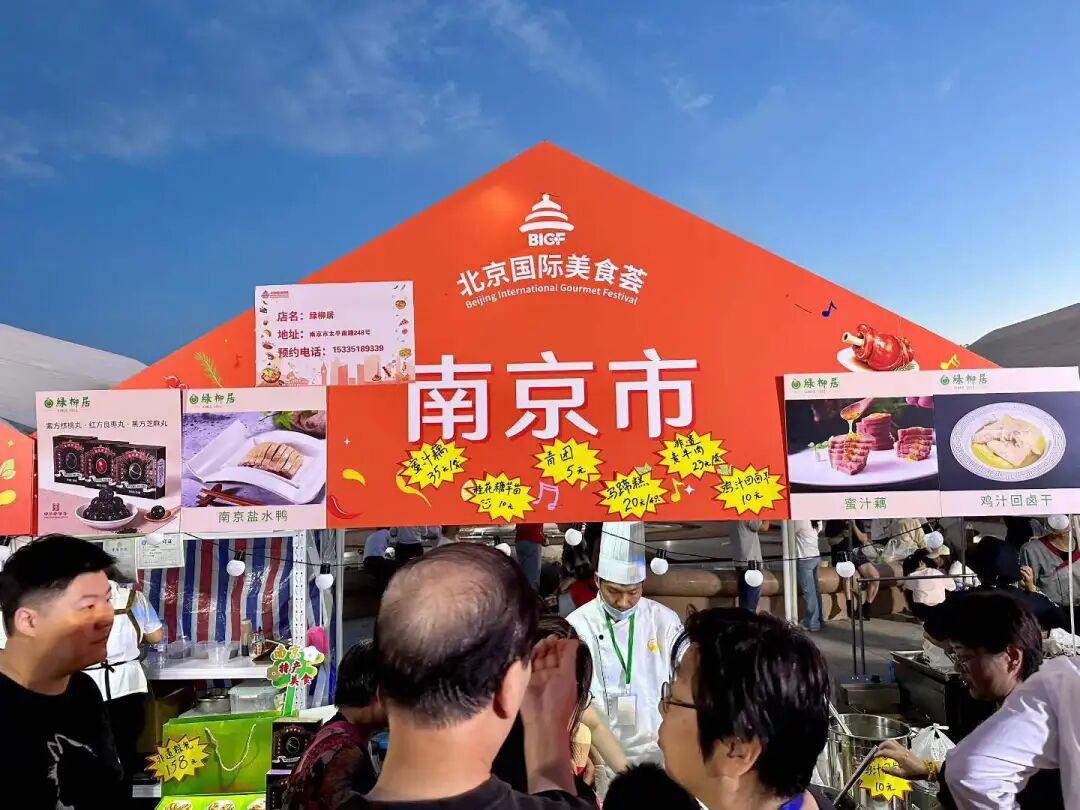


Liuhe South Gate Mosque

Leaving the Nanjing city area, we crossed the Yangtze River and headed north to Liuhe District, where we performed namaz at the Liuhe South Gate Mosque.

There were once seven mosques and three women's schools in Liuhe. Today, the Changjiang Road Mosque, South Gate Mosque, and Zhuzhen Mosque are open, and the historic buildings of the South Gate Women's School and Zhuzhen Women's School remain.

The Liuhe South Gate Mosque was first built in 1403 (the first year of the Yongle reign of the Ming Dynasty) and rebuilt in 1553 (the 32nd year of the Jiajing reign). It was destroyed during the Taiping Rebellion and later rebuilt. The famous Imam Da Pusheng, one of the four great imams of the Republic of China, had three generations of his family—from his great-grandfather to his father—serve as the imam at South Gate Mosque. The old Da family home is on the Halal Street (Qingzhen Jie) right at the mosque entrance. Imam Da Pusheng studied the scriptures at South Gate Mosque for seven years, from age 10 to 17, before going to Nanjing and Beijing for further study.

The ancestor of the Da family of the Baiye Hall, where Imam Da Pusheng belonged, was Mubalesha from the Western Regions during the Yuan Dynasty. Research shows he belonged to the Kipchak Yuliberi tribe and served as a Darughachi in Zhenjiang before passing away in Zhenjiang. His sixth-generation descendant, Da Shan, moved from Zhenjiang to Liuhe in the early Ming Dynasty to serve as a county magistrate candidate. He settled in Liuhe, making them the oldest Hui Muslim family from the Western Regions in the area.

After 1966, the South Gate Mosque was used as a kindergarten. During that time, the Shamao Hall (duiting), the north wing, the red gate, and the entrance hall were demolished. The kindergarten moved out in 1975, and Baozhen Primary School borrowed the space for a while. It was finally reclaimed in 2000 after the school moved out. The main hall was raised and rebuilt in 2013. Later, the Unity Pagoda (Tongxin Ta) and Tongxing Building were built, and the site finally opened to the public in 2020. view all
Reposted from the web

Summary: The first part of the Nanjing mosque journey focuses on Jingjue Mosque, Caoqiao Mosque, Taiping Road Mosque, and other historic Muslim sites in the old city. This account keeps the original mosque names, inscriptions, dates, architecture, street context, and photographs.

Jingjue Mosque.

Jingjue Mosque is located on Sanshan Street in the south of Nanjing. It was originally called Sanshan Street Mosque. During the Jiajing era of the Ming Dynasty, it was given the name Jingjue Mosque, making it the first mosque in Nanjing during the Ming period.

One account says Jingjue Mosque was built in 1388 (the 21st year of the Hongwu era) by imperial order to house officials from the Western Regions who had submitted to the Ming, such as Yibulajin and Kemaluding. Another account says it was built in 1392 (the 25th year of the Hongwu era) by imperial order of Saihazhi, a seventh-generation descendant of Sayyid Ajjal Shams al-Din. Both accounts are supported by stone inscriptions from the Ming Dynasty.

According to a 1493 (the 5th year of the Hongzhi era) inscription titled 'Record of the Two Imperial Mosques Built in the South of the City of Yingtian Prefecture in Jiangnan,' it states: 'In the 21st year of the Hongwu era, Yibulajin, Kemaluding, and others, originally from the Rumi Kingdom in the Western Regions, submitted to China along with the Duke of Song after the conquest of Jinshan and Kaiyuan... Therefore, two mosques were built to settle them, and Kemaluding and four other households were assigned to live at the Wangyue Tower Jingjue Mosque.' The family genealogies of two Hui Muslim branches with the surname Ma, known as 'Weiyitang' and 'Baojitang' in Hushu, Nanjing, both record that they are descendants of Ma Gutai and Ma Baihao, who were settled at Jingjue Mosque at that time.

According to a 1405 (the 3rd year of the Yongle era) inscription at the Great Mosque on Huajue Lane in Xi'an, 'On the 14th day of the third month of the 25th year of the Hongwu era, Saihazhi, the seventh-generation descendant of the Prince of Xianyang Sayyid Ajjal, went to the inner court to announce the imperial decree: On that day at the Fengtian Gate, the imperial decree was received:...build two mosques in two locations, one at the copper workshop on Sanshan Street in Yingtian Prefecture, Nanjing, and one on Ziwu Lane in Chang'an County, Xi'an Prefecture, Shaanxi Province.' The 'Genealogy of the Sayyid Ajjal Family' records that Saihazhi was granted the hereditary title of Marquis of Xianning, and 'When the Ming Taizu established the capital in Jinling, he entrusted Saihazhi to build a mosque in Jinling.' After the work was finished, he built the Great Mosque in Chang'an. When the Tiemao Lane Mosque in Taicang, Jiangsu, was renovated in the 1980s, a stone tablet was found inside a wall, revealing that the Taicang mosque was also built by Saihazhi.

Additionally, according to the Republic of China era 'Zhongnan Huaibei Regional Gazetteer,' 'North of the street is Jingjue Mosque. Wu Ru, a man from the Western Regions during the Ming Dynasty, came to China to serve in the Imperial Astronomical Bureau. He lived in Nanjing and built this mosque next to his residence.' Therefore, Jingjue Mosque may have originally been part of Wu Ru's residence.

Jingjue Mosque was destroyed by fire in 1430 (the 5th year of the Xuande era), and Zheng He requested its reconstruction before his seventh voyage to the Western Oceans. According to the 'Record of the Imperial Eunuch Zheng He Rebuilding the Mosque,' it states: 'Your request has been received: The mosque on Sanshan Street in Nanjing has been burned down.' 'You wish to rebuild it to pray for the safety of the funds, grain, people, and ships for your voyage. This shows your respectful heart, so how could it be neglected?' 'As an imperial envoy, since you have set your heart on this, how could your wish be abandoned?' 'If the personnel and materials you use are insufficient, and the project is delayed, you may draw what is needed from the Nanjing Directorate of Palace Servants and the Ministry of Works so that it can be completed in time for you to wait for the favorable winds to set sail. This is the decree.'

During the Taiping Rebellion, most of the bricks, tiles, and wood from Jingjue Mosque were taken down to build a local government office. The mosque was rebuilt in 1877 (the third year of the Guangxu reign) and renovated in 1879 (the fifth year of the Guangxu reign), which created its current layout. In the early years of the Republic of China, a wealthy Nanjing couple, Jiang Xiudong and his wife, paid to build the north and south lecture halls and the main hall. The mosque was repaired again in 1957. After the 1960s, a rubber company and the No. 3 Rubber Factory occupied the mosque. They tore down the only remaining Ming Dynasty brick and stone archway and the Butterfly Hall (hudieting), and destroyed many plaques, couplets, and stone tablets. The mosque was repaired in 1982, reopened in 1983, and the archway was rebuilt in 1985.


During the Ming Dynasty, the main prayer hall of Jingjue Mosque had 81 rooms and was built with nanmu wood. The current main hall was rebuilt in 1877 (the third year of the Guangxu reign). Its floor plan projects outward at the rear, like a raised middle section, and it uses a traditional post-and-beam wooden frame. The main hall and the opposite hall are linked by a covered corridor, forming a straight central axis with halls at both ends. This layout is typical of Jiangnan architecture. The mihrab was moved here from the original mosque on Xiaowangfu Lane, and the surrounding wooden carvings of scripture were added in 2001.


The back of the prayer hall connects directly to a high wall. This is a typical feature of Jianghuai courtyard-style architecture, which is very rare in the north.


During renovations in 2007, the main hall was raised by one meter. Workers dug two meters deep and found Ming Dynasty glazed tiles, brick carvings, stone railings, and huge Ming Dynasty stone column bases. These bases were twice as wide as those from the Guangxu period.


The only remaining Ming Dynasty structures, the brick and stone archway and the Butterfly Hall, were both torn down in the 1960s. The archway was rebuilt in 1985, the Butterfly Hall in 2004, and a new stele pavilion was built in 1996.


The only Jahriyya mosque in Nanjing.

Inside Jingjue Mosque, there is a stone tablet from 1891 titled 'Dahua Guizhen'. It records how Wu Defa followed his father Wu Dasong's final wish and donated the back part of their family home at 59 Shigu Road (formerly Xiaofuyuxiang) to establish the Shigu Road Mosque. The tablet mentions two Jahriyya imams, Fan Yuncai and Zhan Fengxiang. Witnesses included neighbors surnamed Chen, Cai, Zhou, and Yu; fellow Muslims surnamed Sun, Li, Wu, Zhan, Zong, and Jin; close relatives surnamed Ha, Ma, and Mai; and clan members surnamed Wu. This tablet was originally kept at the Shigu Road Mosque. After that mosque was torn down in 1986 for road expansion, the tablet was moved to Jingjue Mosque.

Shigu Road Mosque is the only Jahriyya mosque in Nanjing. In the late years of the Qianlong reign of the Qing Dynasty, a Hui Muslim named Wu from Taiyuan, Shanxi, who followed the Jahriyya (Zhepai) order, settled on Shigu Road in Nanjing. Influenced by him, followers of the Jahriyya order (Zhepai gaomu) began to appear around Shigu Road, Sanmaogong, and Nantai Lane in Nanjing, and most of them worked in the fish fry farming industry. At first, the Nanjing Jahriyya followers performed their worship at the Wuxueyuan Mosque (Yuan Mosque) near Shigu Road. During the Taiping Rebellion, the Wuxueyuan Mosque was destroyed by war, so the followers moved their worship to the Fengfu Road Mosque. Because their practice of loud chanting (gaosheng zannian) was different, Wu Defa later invited the Jahriyya followers to perform worship at his own home on Shigu Road, and in 1891 (the 17th year of the Guangxu reign), the Shigu Road Mosque was finally established.

The Nanjing Jahriyya order belongs to the Beishan menhuan. The Beishan menhuan is centered in Beishan, Zhangjiachuan, Gansu. Its leader, Ma Yuanzhang, was well-read, proficient in both Islamic scriptures and Chinese classics, and adopted the ideas of Liu Jielian to interpret Islam through Confucianism. After the Shigu Road Mosque was built, Fan Yuncai and Zhan Fengxiang from the Beishan menhuan served as imams. Imam Fan Yuncai was from Siyang, Jiangsu. During the Republic of China era, his son Fan Zhaofa opened the Faji Carriage Company in Nanjing, which was very successful. In 1905, Wu Wenlian, the grandson of Nanjing's Wu Defa, went to Gansu to study scriptures. After completing his studies in 1911, he was appointed by Ma Yuanzhang to serve as the imam of the Shigu Road Mosque.

After the Beishan order leader Ma Yuanzhang passed away (guizhen) in 1920, his nephew Ma Dianwu took over the religious affairs. It was still called the Beishan menhuan, overseeing over 100 mosques in places like Zhangjiachuan, Tianshui, and Longnan in Gansu, Qiqihar in Heilongjiang, Runan in Henan, and Long County in Shaanxi. Nanjing's Shigu Road was its only mosque in East China.

In 1937, Ma Dianwu appointed Imam Su Ziying from Zhangjiachuan, Gansu, to serve as the imam of the Shigu Road Mosque. Imam Su actively visited other mosques, connected with community elders, and promoted education, which helped the Shigu Road Mosque flourish and trained more than 20 students (hailifa). In 1953, Imam Yang Junwen succeeded as the imam of the Shigu Road Mosque. In 1958, the Shigu Road Mosque closed, and Imam Yang Junwen became an imam at the Fengfu Road Mosque. After that, Imam Yang no longer maintained contact with the Beishan menhuan, and his worship practices gradually merged with the Gedimu order.

In 1986, the Shigu Road Mosque was demolished due to road widening. Although the mosque closed, some descendants of the Nanjing Jahriyya followers still held firmly to their worship. For example, Fan Songshou, a descendant of Imam Fan Wencai, made a living running a tofu shop. Even in his nineties, he insisted on performing the five daily prayers (namaz) without fail. In his old age, he still insisted on fasting (zhai), and in the 1960s, he continued to volunteer to wash and bury the deceased and help with funeral arrangements.


Plaque inscriptions at Jingjue Mosque:

Only pure, only one: Erected on an auspicious day in the first month of summer in the Gengyin year, the 16th year of the Guangxu reign of the Great Qing Dynasty, by the Commander of the Jiujiang Garrison in Jiangxi.


Rectify the heart and be sincere: Erected in June of the 11th year of the Republic of China by members of the Nanjing Islamic Association.


The stele from the 47th year of the Qianlong reign records the four boundaries of Jingjue Mosque. To the east, there was a shop for rent, and to the west, a shop in Maxiang Alley was rented out as a flower shop. The elders who donated funds included those with the surnames Chen, Ma, Wu, Jin, Zheng, and Sha.


The stele from the 18th year of the Guangxu reign records that Imam Ma donated his own land next to the mosque to build the main prayer hall and the water room (wudu area).


Jingjue Mosque houses a memorial stele for Ma Yitang, a Hui Muslim merchant from Nanjing who worked in Shanghai. It was inscribed in 1931 by Ma Fuxiang, a famous Beiyang general who was then the Chairman of the Mongolian and Tibetan Affairs Commission.

Ma Yitang was born in 1869. His ancestors ran a money shop outside Jubao Gate in Nanjing, and the family owned the Ma Yulong Satin and Fan Shop. With Shanghai as his base, Ma Yitang expanded his business to include domestic and foreign general merchandise. He set up branches in Chengdu and Chongqing, and his goods were sold as far away as the Tibetan regions. Ma Yitang was devoted to the faith. He served as a director for the North Mosque and West Mosque in Shanghai and helped fund the founding of the Hanximen Girls' School and the Zhuganxiang Girls' School in Nanjing. In 1909, Ma Yitang became a special consultative director for the Shanghai Islamic Board of Directors, participating in all its decisions. In 1921, he was responsible for the expansion of the Shanghai Xiaoshadu Mosque (now the Huxi Mosque).


Jingjue Mosque houses a notice stele from the 15th year of the Republic of China regarding the Shangfuqiao Mosque, issued by the Western District Police Station of the Jiangsu Provincial Capital Police Department. It records that the police stepped in to protect the Shangfuqiao Mosque and the Dajiaoxiang Mosque to uphold the rights of the faith. The petitioners included Hui Muslims with the surnames Bai, Tao, Pu, Ma, Yuan, Liang, Wei, and Jin.

Shangfuqiao Mosque was located in Chuanban Alley and was first built in 1662 (the first year of the Kangxi reign). It was destroyed during the Taiping Rebellion in the Xianfeng era and rebuilt in 1876 (the second year of the Guangxu reign). Later, it was occupied by Nanjing No. 62 Middle School, and the notice stele was moved into Jingjue Mosque. Dajiaoxiang Mosque was first built in 1874 (the 13th year of the Tongzhi reign). The mosque once housed trade associations for the pavilion decoration, wedding, and fried rice industries. It was later occupied by a factory and eventually demolished.


Jingjue Mosque houses a Qing Dynasty stone carving from the Neiqiaowan Mosque, which was rescued from under an excavator during the demolition of Neiqiaowan in 2019.

Neiqiaowan Mosque was located on Zhongshan South Road. One account says it was first built in 1645 (the second year of the Shunzhi reign), while another says it was built in 1662 (the first year of the Kangxi reign). In 1898 (the 24th year of the Guangxu reign), Shi Jialiang bought a group of houses in Neiqiaowan to rebuild the main prayer hall. The Shi family came from Wuwei, Gansu. They moved to Nanjing during the Jiaqing reign of the Qing Dynasty to expand the silk trade. They later became a famous silk-trading family in Nanjing and founded the Shijuxing Silk Firm during the Daoguang reign. The Shi family moved to Shanghai during the Guangxu reign and were members of the Shanghai mosque board of directors.

Neiqiaowan Mosque once housed a primary school and the Glutinous Rice Food Industry Guild. It was demolished in 1991 to widen the road.


The former Taiping Road Mosque.

Because the Jiangsu Hotel expanded to Taiping Road, the main hall and opposite hall of the Taiping Road Mosque were moved 40 meters south of the old Caoqiao Mosque in 2003. The project was completed in 2005.

Taiping Road Mosque was originally called Huapailou Mosque. Legend says it was built by Chang Yuchun in the early Ming Dynasty. It was destroyed during the Taiping Rebellion and later rebuilt with funds raised by elders from the Ha, Ma, Zheng, Yang, Ding, and Chang families. Ma Jingtao led its renovation during the Tongzhi reign. In 1924, wealthy Nanjing merchants and brothers Jiang Muzhou and Jiang Sukan (Guobang) donated money to rebuild a new mosque on the south side, which was still called Huapailou Mosque. When the road was widened in 1931, the gate tower was demolished. Huapailou was renamed Taiping Road, and Huapailou Mosque was renamed Taiping Road Mosque.

After the victory in the War of Resistance in 1945, the Jiang family of Jinling funded the renovation of the main hall and built the Jiang Family Shouxuan Hall in the north courtyard. That same year, the China Islamic National Salvation Association moved into Taiping Road Mosque and changed its name to the China Islamic Association. Its first chairman was Bai Chongxi. It was the highest Islamic organization in the country at the time until it moved to Taipei in 1949. After the 1960s, the Taiping Road Mosque was occupied. It was reclaimed in 1978, reopened in 1980, and named a municipal cultural relic protection unit in 1982. It was demolished in 2003, and the components of the main hall and opposite hall were moved to a new site.

Because the daily expenses of Taiping Road Mosque were paid by the wealthy Jiang family of Jinling, it was the richest mosque in Nanjing during the Republic of China era. The Jiang family of Jinling originally came from Yuncao Ancient Town in Hanshan County, Anhui. They moved to Nanjing in 1808 (the 13th year of Jiaqing). They started as small vendors and later expanded into the silk, salt, and pawn industries. During the Guangxu reign, they opened branches in major commercial ports and became a wealthy merchant family.


The opposite hall of the former Taiping Road Mosque served as the office for the chairman of the China Islamic Association between 1945 and 1949, where Bai Chongxi once worked.


The brick carving of 'Washing the Heart and Looking at the Palace' (xixin zhanque) from the water room of the former Taiping Road Mosque.


The former Taiping Road Mosque collected the 'Postscript to the Mother's Filial Piety Arch' written by Jiang Guobang. It records that the father of the wealthy Nanjing merchant Jiang Guobang lost his own father early and was raised by his mother, Madam Ma. In 1911 (the third year of the Xuantong reign), he petitioned to build a memorial arch for his mother's filial piety. Due to the change in government, it was finally completed in 1914.

Jiang Guobang came from the wealthy Jiang merchant family of Jinling, but he cared little for fame or wealth and dedicated himself to the study of traditional Chinese culture. Jiang Guobang was very filial. To provide his mother with a good place to spend her later years, he spent a large sum of money to buy the Xiaowanliu Hall by West Lake in Hangzhou. He later named it Jiang Manor (Jiangzhuang), which was one of the three major manors on West Lake at that time. In 1924, Jiang Guobang oversaw the reconstruction of Taiping Road Mosque and later built the memorial arch for his mother's filial piety inside the mosque. The arch no longer exists today, and only the stone tablet record remains.


The well railing from the Qing Dynasty and a stone tablet from the Guangxu reign at Caoqiao Mosque. Caoqiao Mosque was first built during the Guangxu reign of the Qing Dynasty. It was destroyed by fire during the Taiping Rebellion and rebuilt in the early years of the Tongzhi reign. Because it was located in Qijiawan, a neighborhood where Hui Muslims lived, Caoqiao Mosque once had the largest number of congregants in Nanjing. Historically, Caoqiao Mosque had no property of its own. Its daily expenses were covered by the Beef and Leather Trade Association, which was based inside the mosque. After 1958, Caoqiao Mosque was occupied and later rented to the Nanjing Woodworking Factory, which caused serious damage. The mosque property was returned in 1985 but never reopened, and it was demolished in 2003.


The Jiang Family Courtyard in Laomendong.

In the Laomendong scenic area of Nanjing, there is a residence called Jishan Hall belonging to the wealthy Hui Muslim merchant family, the Jiangs of Jinling. It is currently located at 18 and 20 Santiaoying. The residence was open for visits before, but unfortunately, it was closed when we went.

The Jiang family of Jinling originally came from Yuncao, an ancient town in Hanshan County, Anhui. They moved to Nanjing in 1808 (the 13th year of the Jiaqing reign) and started out as small vendors. After the Taiping Rebellion was suppressed in 1864 (the third year of the Tongzhi reign), the Jiang family used sailboats to transport salt from the Lianghuai salt fields to the Yangtze River coast. On their return trips, they brought back large quantities of daily necessities, which helped them build their fortune. Later, they opened the Chunshengjian firm to trade in satin, and their reputation spread throughout the southwestern provinces.

Jiang Shoushan, also known as Changcheng, was a key figure of the Jinling Jiang family in the late Qing Dynasty. He owned the Deda Soy Sauce Shop in Nanjing, the Guangda Oil Mill in Liuhe, and the Chunyuan Oil Firm in Hankou. In 1875 (the first year of the Guangxu reign), the government named his residence Jishantang (Hall of Accumulated Goodness) and the street outside Jishanli (Alley of Accumulated Goodness) to honor his charity work, which included building bridges, paving roads, giving porridge to the poor, and helping those in need.

Beyond his business success, the Jiang family was also very devoted to their faith. Jiang Shoushan's father, Jiang Hanchen, wrote in the preface to the religious book 'Guizhen Yaodao' (Essential Path to Returning to the Truth), which he edited for his fourth son Jiang Changsong: 'Building wealth from nothing through business is all due to the grace of Allah.' During the late Qing Dynasty and the Republic of China, the Jiang family made significant contributions to the faith. They led the construction of the Wuxi Mosque and the Xixin Pavilion at the Huashen Mosque in Nanjing, rebuilt the Huapailou (Taiping Road) Mosque in Nanjing, expanded the Taipingfang Mosque in Suzhou, renovated the Hanximen Mosque and Jingjue Mosque in Nanjing and the Jinshifang Street Mosque in Beijing, and also established a charity school in the southern suburbs of Nanjing.


Xiaowangfu Lane Mosque

The Xiaowangfu Lane Mosque was built in the late Tongzhi reign of the Qing Dynasty. It is one of the few remaining old buildings among the 33 traditional Hui Muslim neighborhoods in Nanjing. The mihrab (the niche in the wall indicating the direction of Mecca) currently in the Jingjue Mosque was moved here from the Xiaowangfu Lane Mosque. The Xiaowangfu Lane Mosque was used as a residential area for a long time, but it has now been vacated and may soon have a new purpose.

In 1917, the Xiaowangfu Lane Mosque founded the private Wuben Primary School to teach both general subjects and religious knowledge. It moved to the entrance of Xiaowangfu Lane on Fengfu Road in 1953 and became a public school in 1956.


Anleyuan

Every time I visit Nanjing, I make sure to have morning tea at Anleyuan. The morning tea used to be served in the main dining room, but it has moved to the hot pot hall on the right. The menu, however, remains the same.

We arrived after ten o'clock, and it wasn't very crowded. We ordered roast duck with dried tofu strips (ya gan si), shark fin golden cake, crystal shrimp dumplings, red bean soup with rice balls (chidou yuanxiao), water shield vegetable steamed dumplings (jiao'ercai zhengjiao), duck and pine nut steamed dumplings (shaomai), beef spring rolls, and crispy fried dough (sanzi) with tofu pudding, all paired with Yuhua tea. Anleyuan is a great place to experience the charm of Jinling's Hui Muslim cuisine, especially if you are dining with a group.

Anleyuan was founded in 1920 by Cai Jiheng, a Hui Muslim from Nanjing. Originally called Anleju Restaurant, it has been in business for 105 years. Anleyuan was first located at 64 Pingshi Street (formerly Shuixiangkou) in the Hui Muslim community of Qijiawan. It later moved to the Jiangxi Guild Hall at 19 Pingshi Street, specializing in snacks like sweet red bean paste buns and assorted vegetable buns.

In 1949, owner Cai Jiheng was getting old, so he handed the restaurant over to his son, Cai Yuting. Cai Yuting was a scholar by trade and did not know how to run a business, so the restaurant's sales began to decline. In 1952, Li Fuquan, who ran a restaurant at Chaotian Palace, bought the Anleju Restaurant and renamed it Anleyuan Restaurant. Owner Li introduced signature braised dishes like salt-water duck (yanshui ya), sliced dried beef (ganqie niurou), braised wheat gluten (lu mianjin), and smoked fish (xunyu), which won high praise from customers.

In 1956, during the public-private partnership period, Anleyuan merged with the state-owned Heping Canteen and moved to Shengzhou Road, west of Qijiawan. It grew from a small eatery into a medium-sized restaurant of 400 square meters with 14 tables, gaining a steady base of diners. In 1961, Anleyuan moved again to Mochou Road near Chaotian Palace. The space expanded further, and they introduced new dishes like braised fish maw with three delicacies (sanxian hui yudu) and crispy beef (xiangsu niurou), entering the ranks of high-end restaurants. In 1966, Anleyuan was renamed Victory Restaurant (Shengli Fandian), but it changed back to its original name in 1972. In 2001, due to the development of the Chaotian Palace South Square, Anleyuan was relocated to its current site on Wangfu Street. The new shop expanded to 2,000 square meters, becoming a large restaurant with three separate areas for snacks, main meals, and hot pot.


Li Rongxing

At noon, we went to the old Hui Muslim brand Li Rongxing on Xufu Lane in Nanjing for lunch. I ate at their original shop ten years ago, and this time I found they have opened chain stores, including a branch here in the north of the city.

We ordered beef potstickers (niurou guotie), beef wontons (niurou huntun), beef vermicelli soup (niurou fensi tang), smoked fish noodles (xunyu mian), beef soup dumplings (niurou guantangbao), and assorted vegetables (su shijin), which are all considered typical Nanjing Hui Muslim specialties. The snacks of Nanjing Hui Muslims are characterized by a hint of sweetness. I find this quite unique, but people from the north might not be used to it.

Li Rongxing is a famous old brand from Qijiawan, founded by Li Houming in 1914. It started at the T-junction of Qijiawan and Ganyu Lane, and was best known for its pan-fried beef buns (niurou jianbao), beef soup, and smoked beef. In 2002, Li Rongxing's third-generation successor, Li Bangzheng, opened a Li Rongxing on Fenghuang West Street, and in 2006, it moved to Nanhu East Road. The current owner, Li Guofan, is the fourth-generation successor of Li Rongxing. Additionally, the most famous Li's Restaurant (Liji) in Qijiawan today is run by Li Bangzheng's cousin, Li Bangjie, who once worked with him at a salted duck factory.


Lvliuju

Next to Li Rongxing on Xufu Lane is another long-standing shop, Lvliuju. Their shop is quite small. Besides their most popular green sticky rice balls (qingtuan), they serve simple meals like duck blood vermicelli soup (laoya fensi tang), bamboo shoot and beef brisket rice (sungand niunan fan), braised three-delicacy rice (hui sanxian fan), and smoked fish assorted noodles (xunyu shijin mian). We bought some of their signature three-colored cakes (sanse gao).

Lvliuju was founded in 1912 at Taoye Ferry by the Qinhuai River. It started as a high-end vegetarian restaurant, and people like Kong Xiangxi, Chiang Ching-kuo, Bai Chongxi, and the Soong sisters often ate there. After 1949, Lvliuju closed for a time. It reopened in 1963 on Taiping South Road at Yanggongjing, hiring the famous chef Chen Bingyu to lead the kitchen and continue serving authentic vegetarian food. A major feature of Lvliuju is making vegetarian dishes taste like meat. Their vegetarian chicken (suji) and vegetarian duck (suya), made from tofu skin, gluten, and dried bean curd sticks with herbal seasonings, are delicious. In 1987, Lvliuju added halal dishes to its vegetarian menu and became a halal restaurant, though it still specializes in vegetarian food. It is now a national-level intangible cultural heritage.
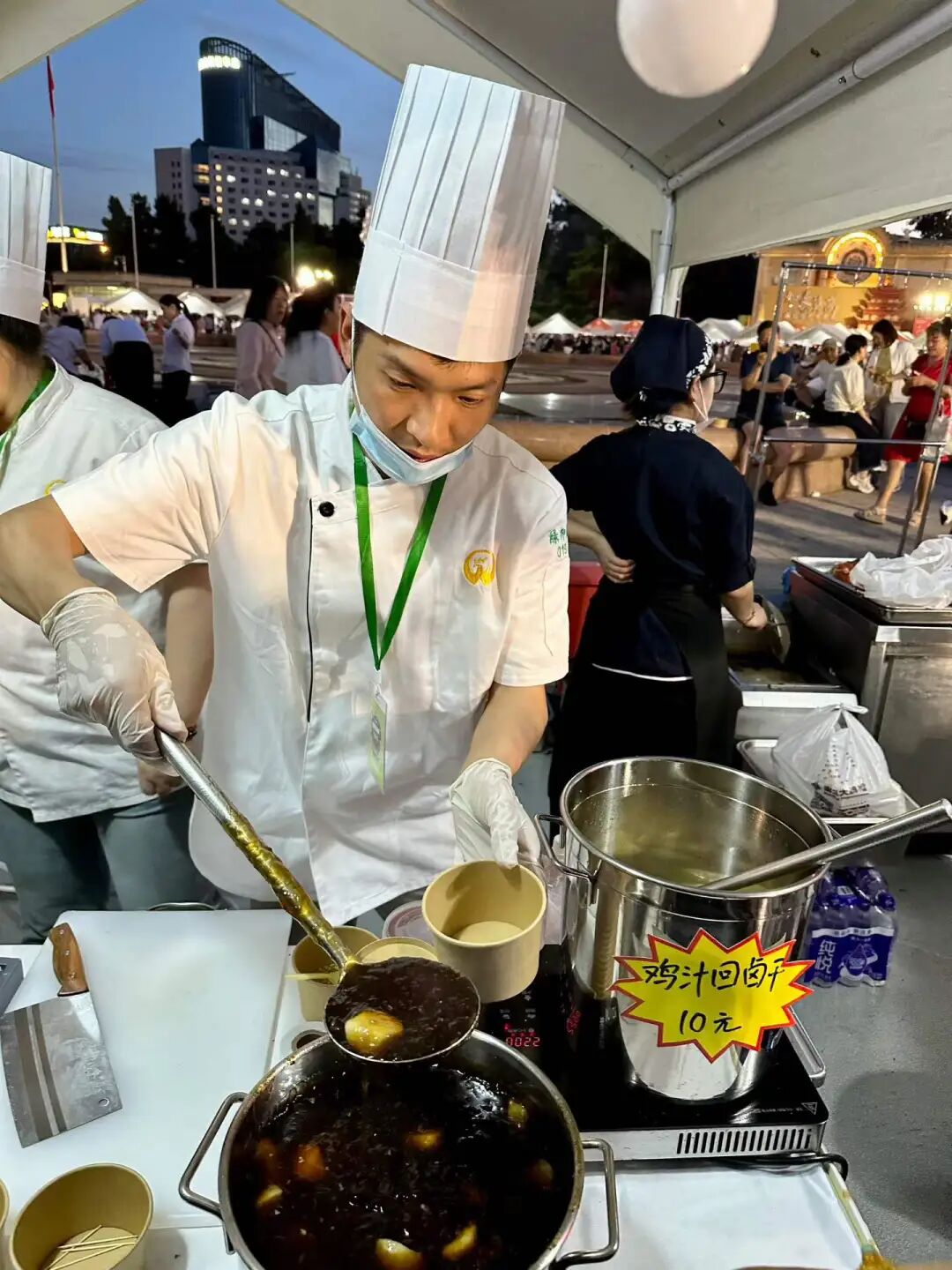


Liuhe South Gate Mosque

Leaving the Nanjing city area, we crossed the Yangtze River and headed north to Liuhe District, where we performed namaz at the Liuhe South Gate Mosque.

There were once seven mosques and three women's schools in Liuhe. Today, the Changjiang Road Mosque, South Gate Mosque, and Zhuzhen Mosque are open, and the historic buildings of the South Gate Women's School and Zhuzhen Women's School remain.

The Liuhe South Gate Mosque was first built in 1403 (the first year of the Yongle reign of the Ming Dynasty) and rebuilt in 1553 (the 32nd year of the Jiajing reign). It was destroyed during the Taiping Rebellion and later rebuilt. The famous Imam Da Pusheng, one of the four great imams of the Republic of China, had three generations of his family—from his great-grandfather to his father—serve as the imam at South Gate Mosque. The old Da family home is on the Halal Street (Qingzhen Jie) right at the mosque entrance. Imam Da Pusheng studied the scriptures at South Gate Mosque for seven years, from age 10 to 17, before going to Nanjing and Beijing for further study.

The ancestor of the Da family of the Baiye Hall, where Imam Da Pusheng belonged, was Mubalesha from the Western Regions during the Yuan Dynasty. Research shows he belonged to the Kipchak Yuliberi tribe and served as a Darughachi in Zhenjiang before passing away in Zhenjiang. His sixth-generation descendant, Da Shan, moved from Zhenjiang to Liuhe in the early Ming Dynasty to serve as a county magistrate candidate. He settled in Liuhe, making them the oldest Hui Muslim family from the Western Regions in the area.

After 1966, the South Gate Mosque was used as a kindergarten. During that time, the Shamao Hall (duiting), the north wing, the red gate, and the entrance hall were demolished. The kindergarten moved out in 1975, and Baozhen Primary School borrowed the space for a while. It was finally reclaimed in 2000 after the school moved out. The main hall was raised and rebuilt in 2013. Later, the Unity Pagoda (Tongxin Ta) and Tongxing Building were built, and the site finally opened to the public in 2020.


4
Views

China Mosque Travel Guide Nanjing: Old South City, Liuhe and Zhuzhen Mosques (Part 2)

Articlesyusuf908 posted the article • 0 comments • 4 views • 8 minutes ago • data from similar tags

Reposted from the web

Summary: The second part of the Nanjing mosque journey follows sites in the old south city, Liuhe, and Zhuzhen, with notes on mosque buildings, stone carvings, and local Hui Muslim history. This account keeps the original route, mosque names, dates, and photographs.


Stone carvings and ancient trees at the South Gate Mosque in Liuhe:

A stone tablet from the seventh year of the Daoguang reign recording a donation of property by a Hui Muslim named Li.


A boundary marker for the mosque.


A stone tablet from the twelfth year of the Guangxu reign. It records that the South Gate Mosque was destroyed by the Taiping Heavenly Kingdom during the Xianfeng years. Many Hui Muslim militia members from the mosque died in battle, and the government later stepped in to protect their graves.


A couplet written by Wang Jianli in the tenth year of the Republic of China: To cherish purity and walk in cleanliness is to prepare for the afterlife; to return to the truth and simplicity is to be just like this.


Qing dynasty drum-shaped stone bases (baogushi) in front of the main gate.


A 460-year-old Chinese juniper (yuanbai) in front of the main prayer hall, classified as a first-grade protected ancient tree.


Liuhe Women's School.

The Liuhe Muslim Women's School started in 1912. The current building was constructed in 1930 and later used as a Hui Muslim funeral home. It is a rare surviving example of a Republican-era Muslim women's school and mosque.

Traditionally, these women's schools do not form formal classes, do not call the adhan, do not hold Jumu'ah prayers, and do not hold Eid prayers. The female imam (shiniang) does not lead the prayer from the front but stands in the middle of the first row. The women's school does not have a minaret, and there is no minbar pulpit inside the main prayer hall. Besides leading the local women in their religious duties, the female imam (shiniang) also teaches various aspects of Islamic knowledge.

Women's schools emerged during the mid-to-late Qing dynasty, initially concentrated in Henan and the neighboring areas of Hebei, Shandong, and Anhui. In the early Republic of China, influenced by the New Culture Movement and the women's liberation movement, the ideas of promoting women's education, ending foot binding, and liberating women began to be understood by Hui Muslims. The number of women's schools increased rapidly, with over a hundred in Henan province alone, and others were built in various provinces.

During the Guangxu reign of the Qing dynasty, two women's schools were built in Nanjing at Hanximen and Changle Street. During the Republican era, four more were built at Fangjia Lane, Zhuganli, Shigu Road, and Dahuifu Lane, but all of these have been demolished. In the early Republican era, Liuhe built three women's schools at Houjie inside the city, outside the South Gate, and in Zhuzhen. The historical buildings at the South Gate and Zhuzhen are the only ones that remain.


Changjiang Road Mosque in Liuhe.

After leaving the South Gate Mosque in Liuhe, we went to the Changjiang Road Mosque in Liuhe to perform the prayer (namaz). The mosque has two imams, one middle-aged and one young. The young imam is from Zhenjiang and just graduated from an Islamic school (zhongjing). He is a very rare and talented young man.

The Changjiang Road Mosque was originally called Chengqingfang. It is also known as the Liuhe North Mosque, the Inner City Mosque, and the Da Family Mosque. It was built in 1424 (the 22nd year of the Yongle reign of the Ming Dynasty) by the Da family of Baiyetang, who had lived in Liuhe for generations. The Changjiang Road Mosque was destroyed by the Taiping Heavenly Kingdom during the Xianfeng reign. Later, the leader Liu Weiting and local elders raised funds to rebuild it. In 1885 (the 11th year of the Guangxu reign), Da Guangyong donated money to build a reception hall. In 1928, Wang Dashi, the widow of the wealthy merchant Wang Zuochen and aunt of the great imam Da Pusheng, donated money to build the Wuxin Pavilion on the original site of the Moon-Watching Tower (Wangyuelou).

In 1899, the great imam Da Pusheng returned to his hometown of Liuhe from the Niujie Mosque in Beijing to serve as the imam of the Changjiang Road Mosque. It was not until 1905, when Imam Wang Kuan from Niujie went on the pilgrimage (hajj), that Imam Da returned to the Niujie Mosque to serve as the acting imam and lead religious affairs. Imam Da founded the Guangyi Primary School inside the Changjiang Road Mosque to promote modern education. He offered courses in Chinese and Arabic, scripture, geography, history, and mathematics. This pioneered the transition from traditional scripture hall teaching to modern education. In a memoir from the early 1950s, Imam Da wrote: 'I worked hard for six years. Perhaps moved by the achievements of Guangyi Primary School, the local Hui Muslims supported the school with great effort... Looking back now, how difficult it was to struggle at that time, to patiently persuade stubborn traditionalists, and to take on responsibilities despite everything without being denounced as anti-religious!'

After 1966, the Changjiang Road Mosque was occupied by a theater troupe and a cultural troupe. It was reclaimed and reopened in 1983.


Existing stone tablets at the Liuhe Changjiang Road Mosque:


The 1885 (11th year of the Guangxu reign) tablet records that Da Guangyong funded the construction of the reception hall at the Inner City Mosque in Liuhe. Da Guangyong was the 18th-generation descendant of the Baiyetang Da family. He held the rank of ninth-grade official and lived to be 81.


The 1899 (25th year of the Guangxu reign) tablet, titled 'Tablet on the Renovation of the Tangyi Inner City Mosque and the Market Houses Inside and Outside the Mosque,' records the specific situation of the Changjiang Road Mosque during the Guangxu reign. All the signatories were local Hui Muslims from the Da family.


The 1928 (17th year of the Republic of China) tablet, titled 'Tablet on Wang Dashi's Donation to Repair the Moon-Watching Pavilion and Redeem Market Houses,' records that Dashi, the wife of the Zhuzhen elder Wang Zuochen, donated money to build the Moon-Watching Pavilion (Wangyue Ting). Wang Zuochen was a Hui Muslim from Zhuzhen in Liuhe. He ran a grain business on North Street in Zhuzhen for decades. He was very devout, never missing his daily namaz or fasting, but in 1925, bandits suddenly kidnapped him, and he was never heard from again. Wang Zuochen's wife, surnamed Da, was also very devout and founded the Zhuzhen Girls' School. After her husband went missing, Mrs. Da spent years asking people to help find him, but there was no result. Because Wang Zuochen had no brothers or children, Mrs. Da donated all the family's money to the Zhuzhen mosque and to build the Moon-Watching Pavilion (wangyueting) at the Changjiang Road mosque.


Inside the mosque, there is also a 350-year-old Chinese juniper (yuanbai) tree.


Zhuzhen Mosque

Continuing north from Liuhe, we arrived at Zhuzhen, the northernmost town in Nanjing.

The Zhuzhen mosque was originally located outside East Bridge. It was destroyed during the Taiping Rebellion and rebuilt in 1901 (the 27th year of the Guangxu reign) in Wang Family Lane in the middle of the old street. In 1968, the Zhuzhen mosque was turned into a dormitory for teachers at an agricultural middle school. It was reclaimed and reopened in 1983, and the main hall was rebuilt in 2001.

In 1939, the imam of Zhuzhen mosque, Li Shudu, formed the Hui Muslim Anti-Japanese Independent Guerrilla Battalion and served as its commander. He worked with the New Fourth Army and made significant contributions to the anti-Japanese cause.

Additionally, in 1939, Hui Muslims from the Bridge Group (qiaobang) in the Gaoyou and Lingtang areas built a mosque near Xinhua Garden on the west side of Zhuzhen. After 1966, it was converted into a Hui Muslim food processing factory.


The Zhuzhen mosque still has a door lintel from the Qing Dynasty's Guangxu period inscribed with the words 'Built by the Zhudun Community.' Zhudun is the old name for Zhuzhen.


The Zhuzhen mosque in Liuhe houses a Qing Dynasty stone well called 'Pine Spring' (songquan), two pairs of drum-shaped stone bases (baogushi), and a stele from the 16th year of the Republic of China (1927) recording the will of Wang Zuochen's wife, Mrs. Da, who donated her property. Mrs. Da was the aunt of the great imam Da Pusheng. The inscription records that the Zhuzhen Girls' School was founded by Wang Zuochen and fellow members of the faith, with funding provided by Wang Zuochen and his fellow believers. Later, Wang Zuochen was kidnapped by bandits and remained missing for years. Because of this, Wang Zuochen's wife, Mrs. Da, decided to donate all their farmland and property, except for a portion kept for her own support. The funds were mainly used for the daily expenses of the Zhuzhen Girls' School, with the remainder going to the Zhuzhen mosque. The inscription mentions her 'nephew Da Pusheng'.


Across from the Zhuzhen Mosque, there is a shop selling small-mill sesame oil (xiaomo mayou), and the only restaurants in town serve hand-pulled noodles (lamian).


Liuhe Muslim Women's School

After leaving the Zhuzhen Mosque, I walked through the old street of Zhuzhen and arrived at the Zhuzhen Women's School by the river. The Zhuzhen Women's School is a classic example of Jianghuai architectural style, featuring a small courtyard formed by the entrance hall and the main hall, with traditional Huizhou-style horse-head walls on both sides.

The Zhuzhen Women's School was founded in 1921 by Wang Zuochen, the uncle-in-law of the great imam Da Pusheng, along with other local Hui Muslims. It was originally located on Zhuzhen Middle Street, but in 1931, Wu Tiejian and others rebuilt it along the south riverbank outside the East Bridge of Zhuzhen. After 1966, the school was occupied by a Hui Muslim food processing factory. It was renovated in 2007 but is currently not open to the public. During the Republic of China era, the school was led by two female imams, Mistress Dai and Mistress Bai, who taught scriptures and religious doctrines to local Hui Muslim women.

Wu Tiejian was a famous Hui Muslim businessman and patriot who resisted the Japanese. His original name was Wu Jiashan, and at age 22, he inherited his father's business, the Wudeyuan Grain Store. After the New Fourth Army entered Zhuzhen in 1938 to lead the resistance against Japan, Wu Tiejian was the first to donate grain, money, and guns, and he served as the chairman of the Zhuzhen Merchants and Citizens Anti-Enemy Association. In 1942, Wu Tiejian became the first mayor of the Zhuzhen Anti-Japanese Democratic Government. He took great risks to rescue and protect many comrades and also mobilized ambitious young people to join the revolution. After the founding of New China, Wu Tiejian was elected deputy director of the Nanjing Islamic Association, and he passed away (guizhen) in 1967.


There is a square next to the mosque that introduces famous Hui Muslim figures from Liuhe. view all
Reposted from the web

Summary: The second part of the Nanjing mosque journey follows sites in the old south city, Liuhe, and Zhuzhen, with notes on mosque buildings, stone carvings, and local Hui Muslim history. This account keeps the original route, mosque names, dates, and photographs.


Stone carvings and ancient trees at the South Gate Mosque in Liuhe:

A stone tablet from the seventh year of the Daoguang reign recording a donation of property by a Hui Muslim named Li.


A boundary marker for the mosque.


A stone tablet from the twelfth year of the Guangxu reign. It records that the South Gate Mosque was destroyed by the Taiping Heavenly Kingdom during the Xianfeng years. Many Hui Muslim militia members from the mosque died in battle, and the government later stepped in to protect their graves.


A couplet written by Wang Jianli in the tenth year of the Republic of China: To cherish purity and walk in cleanliness is to prepare for the afterlife; to return to the truth and simplicity is to be just like this.


Qing dynasty drum-shaped stone bases (baogushi) in front of the main gate.


A 460-year-old Chinese juniper (yuanbai) in front of the main prayer hall, classified as a first-grade protected ancient tree.


Liuhe Women's School.

The Liuhe Muslim Women's School started in 1912. The current building was constructed in 1930 and later used as a Hui Muslim funeral home. It is a rare surviving example of a Republican-era Muslim women's school and mosque.

Traditionally, these women's schools do not form formal classes, do not call the adhan, do not hold Jumu'ah prayers, and do not hold Eid prayers. The female imam (shiniang) does not lead the prayer from the front but stands in the middle of the first row. The women's school does not have a minaret, and there is no minbar pulpit inside the main prayer hall. Besides leading the local women in their religious duties, the female imam (shiniang) also teaches various aspects of Islamic knowledge.

Women's schools emerged during the mid-to-late Qing dynasty, initially concentrated in Henan and the neighboring areas of Hebei, Shandong, and Anhui. In the early Republic of China, influenced by the New Culture Movement and the women's liberation movement, the ideas of promoting women's education, ending foot binding, and liberating women began to be understood by Hui Muslims. The number of women's schools increased rapidly, with over a hundred in Henan province alone, and others were built in various provinces.

During the Guangxu reign of the Qing dynasty, two women's schools were built in Nanjing at Hanximen and Changle Street. During the Republican era, four more were built at Fangjia Lane, Zhuganli, Shigu Road, and Dahuifu Lane, but all of these have been demolished. In the early Republican era, Liuhe built three women's schools at Houjie inside the city, outside the South Gate, and in Zhuzhen. The historical buildings at the South Gate and Zhuzhen are the only ones that remain.


Changjiang Road Mosque in Liuhe.

After leaving the South Gate Mosque in Liuhe, we went to the Changjiang Road Mosque in Liuhe to perform the prayer (namaz). The mosque has two imams, one middle-aged and one young. The young imam is from Zhenjiang and just graduated from an Islamic school (zhongjing). He is a very rare and talented young man.

The Changjiang Road Mosque was originally called Chengqingfang. It is also known as the Liuhe North Mosque, the Inner City Mosque, and the Da Family Mosque. It was built in 1424 (the 22nd year of the Yongle reign of the Ming Dynasty) by the Da family of Baiyetang, who had lived in Liuhe for generations. The Changjiang Road Mosque was destroyed by the Taiping Heavenly Kingdom during the Xianfeng reign. Later, the leader Liu Weiting and local elders raised funds to rebuild it. In 1885 (the 11th year of the Guangxu reign), Da Guangyong donated money to build a reception hall. In 1928, Wang Dashi, the widow of the wealthy merchant Wang Zuochen and aunt of the great imam Da Pusheng, donated money to build the Wuxin Pavilion on the original site of the Moon-Watching Tower (Wangyuelou).

In 1899, the great imam Da Pusheng returned to his hometown of Liuhe from the Niujie Mosque in Beijing to serve as the imam of the Changjiang Road Mosque. It was not until 1905, when Imam Wang Kuan from Niujie went on the pilgrimage (hajj), that Imam Da returned to the Niujie Mosque to serve as the acting imam and lead religious affairs. Imam Da founded the Guangyi Primary School inside the Changjiang Road Mosque to promote modern education. He offered courses in Chinese and Arabic, scripture, geography, history, and mathematics. This pioneered the transition from traditional scripture hall teaching to modern education. In a memoir from the early 1950s, Imam Da wrote: 'I worked hard for six years. Perhaps moved by the achievements of Guangyi Primary School, the local Hui Muslims supported the school with great effort... Looking back now, how difficult it was to struggle at that time, to patiently persuade stubborn traditionalists, and to take on responsibilities despite everything without being denounced as anti-religious!'

After 1966, the Changjiang Road Mosque was occupied by a theater troupe and a cultural troupe. It was reclaimed and reopened in 1983.


Existing stone tablets at the Liuhe Changjiang Road Mosque:


The 1885 (11th year of the Guangxu reign) tablet records that Da Guangyong funded the construction of the reception hall at the Inner City Mosque in Liuhe. Da Guangyong was the 18th-generation descendant of the Baiyetang Da family. He held the rank of ninth-grade official and lived to be 81.


The 1899 (25th year of the Guangxu reign) tablet, titled 'Tablet on the Renovation of the Tangyi Inner City Mosque and the Market Houses Inside and Outside the Mosque,' records the specific situation of the Changjiang Road Mosque during the Guangxu reign. All the signatories were local Hui Muslims from the Da family.


The 1928 (17th year of the Republic of China) tablet, titled 'Tablet on Wang Dashi's Donation to Repair the Moon-Watching Pavilion and Redeem Market Houses,' records that Dashi, the wife of the Zhuzhen elder Wang Zuochen, donated money to build the Moon-Watching Pavilion (Wangyue Ting). Wang Zuochen was a Hui Muslim from Zhuzhen in Liuhe. He ran a grain business on North Street in Zhuzhen for decades. He was very devout, never missing his daily namaz or fasting, but in 1925, bandits suddenly kidnapped him, and he was never heard from again. Wang Zuochen's wife, surnamed Da, was also very devout and founded the Zhuzhen Girls' School. After her husband went missing, Mrs. Da spent years asking people to help find him, but there was no result. Because Wang Zuochen had no brothers or children, Mrs. Da donated all the family's money to the Zhuzhen mosque and to build the Moon-Watching Pavilion (wangyueting) at the Changjiang Road mosque.


Inside the mosque, there is also a 350-year-old Chinese juniper (yuanbai) tree.


Zhuzhen Mosque

Continuing north from Liuhe, we arrived at Zhuzhen, the northernmost town in Nanjing.

The Zhuzhen mosque was originally located outside East Bridge. It was destroyed during the Taiping Rebellion and rebuilt in 1901 (the 27th year of the Guangxu reign) in Wang Family Lane in the middle of the old street. In 1968, the Zhuzhen mosque was turned into a dormitory for teachers at an agricultural middle school. It was reclaimed and reopened in 1983, and the main hall was rebuilt in 2001.

In 1939, the imam of Zhuzhen mosque, Li Shudu, formed the Hui Muslim Anti-Japanese Independent Guerrilla Battalion and served as its commander. He worked with the New Fourth Army and made significant contributions to the anti-Japanese cause.

Additionally, in 1939, Hui Muslims from the Bridge Group (qiaobang) in the Gaoyou and Lingtang areas built a mosque near Xinhua Garden on the west side of Zhuzhen. After 1966, it was converted into a Hui Muslim food processing factory.


The Zhuzhen mosque still has a door lintel from the Qing Dynasty's Guangxu period inscribed with the words 'Built by the Zhudun Community.' Zhudun is the old name for Zhuzhen.


The Zhuzhen mosque in Liuhe houses a Qing Dynasty stone well called 'Pine Spring' (songquan), two pairs of drum-shaped stone bases (baogushi), and a stele from the 16th year of the Republic of China (1927) recording the will of Wang Zuochen's wife, Mrs. Da, who donated her property. Mrs. Da was the aunt of the great imam Da Pusheng. The inscription records that the Zhuzhen Girls' School was founded by Wang Zuochen and fellow members of the faith, with funding provided by Wang Zuochen and his fellow believers. Later, Wang Zuochen was kidnapped by bandits and remained missing for years. Because of this, Wang Zuochen's wife, Mrs. Da, decided to donate all their farmland and property, except for a portion kept for her own support. The funds were mainly used for the daily expenses of the Zhuzhen Girls' School, with the remainder going to the Zhuzhen mosque. The inscription mentions her 'nephew Da Pusheng'.


Across from the Zhuzhen Mosque, there is a shop selling small-mill sesame oil (xiaomo mayou), and the only restaurants in town serve hand-pulled noodles (lamian).


Liuhe Muslim Women's School

After leaving the Zhuzhen Mosque, I walked through the old street of Zhuzhen and arrived at the Zhuzhen Women's School by the river. The Zhuzhen Women's School is a classic example of Jianghuai architectural style, featuring a small courtyard formed by the entrance hall and the main hall, with traditional Huizhou-style horse-head walls on both sides.

The Zhuzhen Women's School was founded in 1921 by Wang Zuochen, the uncle-in-law of the great imam Da Pusheng, along with other local Hui Muslims. It was originally located on Zhuzhen Middle Street, but in 1931, Wu Tiejian and others rebuilt it along the south riverbank outside the East Bridge of Zhuzhen. After 1966, the school was occupied by a Hui Muslim food processing factory. It was renovated in 2007 but is currently not open to the public. During the Republic of China era, the school was led by two female imams, Mistress Dai and Mistress Bai, who taught scriptures and religious doctrines to local Hui Muslim women.

Wu Tiejian was a famous Hui Muslim businessman and patriot who resisted the Japanese. His original name was Wu Jiashan, and at age 22, he inherited his father's business, the Wudeyuan Grain Store. After the New Fourth Army entered Zhuzhen in 1938 to lead the resistance against Japan, Wu Tiejian was the first to donate grain, money, and guns, and he served as the chairman of the Zhuzhen Merchants and Citizens Anti-Enemy Association. In 1942, Wu Tiejian became the first mayor of the Zhuzhen Anti-Japanese Democratic Government. He took great risks to rescue and protect many comrades and also mobilized ambitious young people to join the revolution. After the founding of New China, Wu Tiejian was elected deputy director of the Nanjing Islamic Association, and he passed away (guizhen) in 1967.


There is a square next to the mosque that introduces famous Hui Muslim figures from Liuhe.


4
Views

Muslim History Guide Crimea: Crimean Khanate Early Capital, Mosques and Tatar Heritage

Articlesyusuf908 posted the article • 0 comments • 4 views • 8 minutes ago • data from similar tags

Reposted from the web

Summary: The early capital of the Crimean Khanate is covered through palace sites, mosques, old streets, and Crimean Tatar history. This account keeps the original historical context, place names, architectural details, food notes, and photographs.

The Crimean Peninsula is in the northern Black Sea. It was conquered by the Mongol army in 1238 and later ruled by the Golden Horde. In 1313, Khan Uzbeg officially made Islam the state religion and built mosques (masjid) on the Crimean Peninsula.

At first, the Golden Horde's capital in Crimea was the city of Old Crimea (Stary Krym) in the southeast of the peninsula. In 1441, Haji Giray, a descendant of Genghis Khan's eldest son Jochi, minted coins with his own name at the Jewish Fortress (Chufut-Kale) on a cliff in the southwest of the peninsula, officially establishing the Crimean Khanate. The Jewish Fortress was first built by the Byzantines in the 5th to 6th centuries, and was later inhabited by Alans, Tatars, and Karaites. Today, the fortress still has city walls, gates, mosque ruins, and the tomb of a Golden Horde princess.

After Haji Giray died in 1466, his sixth son, Mengli Giray, eventually won the struggle for the throne. Around 1500, Mengli Giray built a new capital called Salachik. Salachik once had a complex of buildings including a palace, court, baths, and a mosque, but now only a madrasa and the tomb of the founding Crimean Khan, Haji Giray, remain.

Also, to the west of Bakhchysarai is Eski Yurt, a large trading town that was very prosperous during the Golden Horde period. It became a religious center for Crimea because of the gongbei of the religious elder Malik Ashtar. Today, it preserves several 14th to 16th-century tombs, including that of the Crimean Khan Mehmed II Giray.

Jewish Fortress (Chufut-Kale)

Between the 13th and 17th centuries, the Jewish Fortress was called Kyrk-Or, which means forty fortresses. After the mid-16th century, the Crimean Khan Sahib Giray (reigned 1532-1551) moved the capital to Bakhchysarai in the valley west of the Jewish Fortress, and the Tatars in the fortress gradually moved to Bakhchysarai. After the wells in the fortress dried up in the mid-17th century, all the Tatars left. Only the Karaite Jews continued to live there, and the fortress was gradually called the Jewish Fortress by the Crimean Tatars. After the 19th century, the Karaite Jews also left, and the fortress eventually became a ruin.

The walls of the Jewish Fortress were first built during the Byzantine period; some say they were built in the 5th to 6th centuries, while others say the 10th to 11th centuries. In 1299, General Nogai Khan of the Golden Horde led a Tatar army to attack the Crimean Peninsula. Byzantine soldiers used the strong walls of the Jewish fortress to hold off the Golden Horde's attack. The Tatar soldiers reportedly played harsh, loud music for three days and nights to disturb the Byzantine defenders inside the city. On the fourth day, the exhausted Byzantine defenders could no longer hold off a new round of attacks, and the Jewish fortress was captured by the Tatars of the Golden Horde.

Currently, the original walls consist of two sections, the south wall and the middle wall, along with two gates, the south gate and the middle gate. The south wall is built on the cliff in the southern part of the fortress, weaving between the rocks. The south gate is built in a pocket shape, allowing defenders to surround enemies from above if they break in. The middle wall runs across the space between the north and south cliffs of the fortress and is a typical example of Byzantine wall architecture.


There is no wall on the north cliff, but the steepness of the cliff itself is as effective as a wall. It was very windy when I visited, and I felt nervous just standing by the cliff edge.


The east wall was built between 1396 and 1433, and there is a lively bazaar outside the gate. Outside the east gate, there is still a preserved water collection area that merchants used to wash and water their livestock.


The Khan Jani Beg mosque is located on the west side of the Jewish fortress. It was first built in 1346 during the reign of Khan Jani Beg (reigned 1342-1357) of the Golden Horde. Khan Jani Beg was the son of Öz Beg Khan. During his father's reign, the Golden Horde fully converted to the faith, and Khan Jani Beg continued to develop the faith within the Khanate. The Khan Jani Beg mosque in the Jewish fortress stands as a witness to this.

In 1455, Haji Giray, the founding Khan of the Crimean Khanate, rebuilt the Khan Jani Beg mosque. An inscription about the reconstruction was once carved above the mosque door and was discovered during an archaeological excavation in 1928.

After the mid-17th century, the mosque was eventually abandoned as the Crimean Tatars moved from the Jewish fortress to Bakhchisaray. Today, only ruined walls, a mihrab niche, and some stone carvings remain at the mosque site. From these existing ruins, we can infer that it was a fairly typical traditional Crimean mosque building.


The tomb of Golden Horde Princess Dzhanike Khanym was built in 1437. It is the best-preserved Islamic building inside the Jewish fortress. The princess was the daughter of Tokhtamysh (reigned 1380-1397), the Great Khan of the Golden Horde. Tokhtamysh was the last Great Khan to unite the Golden Horde, but he was eventually defeated by Tamerlane the Great. After Tokhtamysh passed away, Dzhanike Khanym returned to her mother's homeland, Crimea.

The tomb is octagonal. The door is decorated with a classic Seljuk knot, a signature pattern from the Golden Horde period.


The roads inside the fortress vary in width, and you can see deep cart ruts on the main path.


The Tatar people gradually left the city after the water wells dried up in the 17th century.


The Gazi Mansur gongbei (shrine) and daotang (religious hall) are located in the valley on the west side of the Jewish fortress.

Legend says that Malik Ashter and Gazi Mansur, two of the first disciples of the Prophet Muhammad, came to the Crimean Peninsula in the 7th century to spread the faith and lived in a valley at the foot of the Jewish fortress. Not long after, Malik Ashter was killed by a giant, and Gazi Mansur died defending the Jewish fortress. They were both buried at the foot of the mountain. They remained unknown for a long time until, centuries later, a sheikh living in the ancient Central Asian city of Bukhara repeatedly dreamed of a narrow valley filled with shrubs. To understand his dream, the sheikh followed the guidance of an elder and began a pilgrimage to the Crimean Peninsula.

The sheikh arrived in Crimea in 1434. He recognized the valley from his dream at the foot of the Jewish cave and eventually discovered the tomb of Gazi Mansur. The sheikh then built a gongbei and a daotang at the site of the tomb. Because of this legendary karamat (miracle), pilgrims flocked to the site, and it even gained the favor of the Crimean Khan.

The Gazi Mansur gongbei and daotang stood until the 1930s, but were destroyed during the Soviet era. Today, only broken walls and a few surviving tombstones remain.


Salachik

The Salachik (Salaçıq) historical and archaeological complex was built between the late 15th and early 16th centuries and served as one of the capitals of the Crimean Khanate.

After Haji Giray died in 1466, his sixth son, Mengli I Giray, and his second son, Nur Devlet, fought repeatedly for the throne until Mengli I Giray finally won. Around 1500, Mengli I Giray built the new capital of Salachik in the valley west of the Jewish fortress.

In the 17th century, Salachik included a palace, a high court, baths, the Mengli Giray Mosque, and guard rooms. Genoese records mention that it also had a customs house, but most of these buildings were likely destroyed in an earthquake in 1698.

Today, only the Chain (Zıncırlı) madrasa, built in 1500, and the Haji Giray mausoleum, built in 1501, remain. The madrasa stayed open until the early 20th century. Archaeological excavations in 2008 uncovered the ruins of the baths and identified the general location of the Mengli Giray Mosque.

The Haji Giray mausoleum (Dürbe Hacı I Giray) is an octagonal building with a lead dome, built in 1501 by Mengli I Giray for his father, the founding Khan of Crimea, Haji Giray.

Archaeological digs between 2006 and 2007 examined 18 graves inside the mausoleum, including 13 adults and 5 children. They were wrapped in silk, and some rested on pillows stuffed with fabric scraps and fruit seeds. The mausoleum contains 8 stone sarcophagi covered in velvet, silk, and silver-threaded fabric. These likely include four Crimean Khans: Haji Giray himself, Mengli I Giray, Haji Giray's other son Nur Devlet—who fought Mengli I Giray for the throne for years before losing—and Sahib I Giray, the son of Mengli I Giray and the builder of Bakhchisaray.

These individuals were reburied after research was completed in 2009.


The Chain (Zıncırlı) madrasa was built in 1500 by order of the Crimean Khan Mengli I Giray. The name of the madrasa comes from the Turkic word "zyngyr," which means chain. A chain hangs above the main gate of the madrasa, forcing everyone who enters to bow their head.

The madrasa is rectangular with a central courtyard, an entrance on one side, and 11 rooms on the other three sides. At the time, the madrasa taught Turkish and Arabic grammar, calligraphy, arithmetic, ethics, logic, proof, Islamic law (sharia), and the study of the Quran and Hadith, with the full course of study taking ten years.


In 1909, influenced by the Crimean Tatar enlightenment movement, Gaspirali built a two-story modern Islamic school (madrasa) next to the old one. The school closed in 1917 and became the Mengli Giray Research Institute. The institute was shut down in 1923, then it served as a teacher training college, a medical school, a sanatorium for German soldiers, and a post-war psychiatric clinic. Today, the site is managed by the Bakhchisaray Historical, Cultural and Archaeological Museum.


During excavations at the Salachik historical and archaeological complex in 2008, researchers found 15th-century urban ruins including a bathhouse, a well, and a courtyard.

The bathhouse is a typical Turkish bath (hamam) with separate sections for men and women, each containing five rooms and a heating system. The heating system used clay pipes in the walls and under the floors to circulate warm air, keeping the bath at a constant temperature year-round and saving firewood. Each section also included a steam room, a washing area, a toilet, a lounge, and a changing room.

Archaeologists found many ceramics from the 15th to 18th centuries, mostly architectural tiles and pipes, along with some kitchenware, Turkish pottery, Chinese porcelain, and silver coins from the Crimean Khanate.


Ismail Gaspirali (1851-1914), the founder of the Crimean Tatar enlightenment movement, is buried in the backyard of the Zincirli Madrasa.

Gaspirali was a Crimean Tatar intellectual, educator, and publisher. He was the first to realize that Turkic Muslim society needed education and cultural reform to modernize, so he created the new Jadid education system and became known as the founder of the Crimean Tatar enlightenment.

In 1883, Gaspirali received permission to publish Tercüman, the first Turkic-language newspaper in Russia. Tercüman ran for 35 years. For a long time, it was the only Turkic-language publication in Russia and one of the earliest religious newspapers, influencing the entire Turkic-speaking world.

In the newspaper, he advocated for modernization through education and designed a new teaching method called Jadid. He taught the Arabic alphabet using a new phonetic method, which cut the time it took for students to learn to read from three years down to just a few months.

In 1909, Gaspirali built a two-story modern school next to the Zincirli Madrasa, which operated until it closed in 1917.

After Gasprinsky died in his hometown in 1914, he was buried in the cemetery behind the "Zincirli" (Chain) Madrasa. The original tombstone was lost in the second half of the 20th century, and the current one was rebuilt in the late 1990s.


Eski Yurt Old City

Eski Yurt means "old city." During the Golden Horde era, it was a large trading town and a transportation hub connecting the east and west ends of the Crimean Peninsula. After the Crimean Khanate was established in 1441, Eski Yurt remained an economic center. It was not until 1532, when the Khanate built its new capital, Bakhchisaray, in the valley right next to Eski Yurt, that the status of Eski Yurt was replaced and it began to be called the "old city." Even so, because the city once housed a gongbei (shrine) for the sage Malik Ashtar, Eski Yurt remained a religious center for Crimean Tatars until the Soviet era.

According to legend, Malik Ashtar was a cousin of the noble Prophet and a loyal companion of Imam Ali. In Crimean Tatar legends, Malik Ashtar was a brave warrior and the first person to come to Crimea to spread the faith. He eventually died in battle while fighting a giant in Eski Yurt. Many years later, some Sufi practitioners miraculously discovered his grave in Eski Yurt and built a gongbei there. In reality, Malik Ashtar passed away in Egypt, and the gongbei in Eski Yurt is a place where his karamat (miraculous signs) were manifested. Crimean Tatars believe that if you are bitten by a snake, you can recover by making dua at the Malik Ashtar gongbei.

Due to the importance of the Malik Ashtar gongbei, a complex of hundreds of tombs formed around it. This includes the tombs of three Khans of the Crimean Khanate: Mehmed II Giray (reigned 1577–1584), Saadet II Giray (reigned 1584), and Mehmed III Giray (reigned 1623–1628).

From the era of the Crimean Khanate until the early 20th century, a dhikr ceremony was held every Thursday night at the Malik Ashtar gongbei. After all Crimean Tatars were forced into exile in Central Asia in 1948, the central square of the Malik Ashtar gongbei was turned into a market. After Crimean Tatars began returning in the late 1980s, many demanded that the market be removed from the holy site, and it was finally moved in 2006.

The existing structures in the Malik Ashtar gongbei tomb complex include the 14th-15th century Bey Yude Sultan tomb and Ahmed Bey tomb, the 16th-century Mehmed Bey tomb and the tomb of Khan Mehmed II Giray, as well as the minbar (pulpit) of the Malik Ashtar shrine mosque.


The tomb of Crimean Khan Mehmed II Giray is also known as the Great Octagonal Tomb. During his reign, Mehmed II Giray attacked the Persian Safavid dynasty three times under orders from the Ottoman Empire.

The tomb of Mehmed II Giray is the largest one still standing in Eski Yurt and clearly shows Ottoman influence. Some speculate it was built by a student of the master Ottoman architect Mimar Sinan, but no records about the architect have been found.


The Malik Ashtar gongbei (a shrine for a Sufi saint) was built during the Crimean Khanate era with a minbar (pulpit) for sermons, but the mosque was destroyed in 1955. This place was once where Sufi practitioners performed dhikr (remembrance of Allah), and it served as a Sufi center on the Crimean Peninsula.


Ahmed Bey died in 1577, and his tombstone was found near the entrance of the tomb in 1924. Although Ahmed Bey died in the 16th century, the architectural style of the tomb itself does not match the Ottoman-influenced tombs of that time; instead, it follows the earlier Golden Horde tomb style. Other buildings similar to Ahmed Bey's tomb date back to the 13th and 14th centuries. Therefore, it is more likely that this tomb was built during the Golden Horde era. view all
Reposted from the web

Summary: The early capital of the Crimean Khanate is covered through palace sites, mosques, old streets, and Crimean Tatar history. This account keeps the original historical context, place names, architectural details, food notes, and photographs.

The Crimean Peninsula is in the northern Black Sea. It was conquered by the Mongol army in 1238 and later ruled by the Golden Horde. In 1313, Khan Uzbeg officially made Islam the state religion and built mosques (masjid) on the Crimean Peninsula.

At first, the Golden Horde's capital in Crimea was the city of Old Crimea (Stary Krym) in the southeast of the peninsula. In 1441, Haji Giray, a descendant of Genghis Khan's eldest son Jochi, minted coins with his own name at the Jewish Fortress (Chufut-Kale) on a cliff in the southwest of the peninsula, officially establishing the Crimean Khanate. The Jewish Fortress was first built by the Byzantines in the 5th to 6th centuries, and was later inhabited by Alans, Tatars, and Karaites. Today, the fortress still has city walls, gates, mosque ruins, and the tomb of a Golden Horde princess.

After Haji Giray died in 1466, his sixth son, Mengli Giray, eventually won the struggle for the throne. Around 1500, Mengli Giray built a new capital called Salachik. Salachik once had a complex of buildings including a palace, court, baths, and a mosque, but now only a madrasa and the tomb of the founding Crimean Khan, Haji Giray, remain.

Also, to the west of Bakhchysarai is Eski Yurt, a large trading town that was very prosperous during the Golden Horde period. It became a religious center for Crimea because of the gongbei of the religious elder Malik Ashtar. Today, it preserves several 14th to 16th-century tombs, including that of the Crimean Khan Mehmed II Giray.

Jewish Fortress (Chufut-Kale)

Between the 13th and 17th centuries, the Jewish Fortress was called Kyrk-Or, which means forty fortresses. After the mid-16th century, the Crimean Khan Sahib Giray (reigned 1532-1551) moved the capital to Bakhchysarai in the valley west of the Jewish Fortress, and the Tatars in the fortress gradually moved to Bakhchysarai. After the wells in the fortress dried up in the mid-17th century, all the Tatars left. Only the Karaite Jews continued to live there, and the fortress was gradually called the Jewish Fortress by the Crimean Tatars. After the 19th century, the Karaite Jews also left, and the fortress eventually became a ruin.

The walls of the Jewish Fortress were first built during the Byzantine period; some say they were built in the 5th to 6th centuries, while others say the 10th to 11th centuries. In 1299, General Nogai Khan of the Golden Horde led a Tatar army to attack the Crimean Peninsula. Byzantine soldiers used the strong walls of the Jewish fortress to hold off the Golden Horde's attack. The Tatar soldiers reportedly played harsh, loud music for three days and nights to disturb the Byzantine defenders inside the city. On the fourth day, the exhausted Byzantine defenders could no longer hold off a new round of attacks, and the Jewish fortress was captured by the Tatars of the Golden Horde.

Currently, the original walls consist of two sections, the south wall and the middle wall, along with two gates, the south gate and the middle gate. The south wall is built on the cliff in the southern part of the fortress, weaving between the rocks. The south gate is built in a pocket shape, allowing defenders to surround enemies from above if they break in. The middle wall runs across the space between the north and south cliffs of the fortress and is a typical example of Byzantine wall architecture.


There is no wall on the north cliff, but the steepness of the cliff itself is as effective as a wall. It was very windy when I visited, and I felt nervous just standing by the cliff edge.


The east wall was built between 1396 and 1433, and there is a lively bazaar outside the gate. Outside the east gate, there is still a preserved water collection area that merchants used to wash and water their livestock.


The Khan Jani Beg mosque is located on the west side of the Jewish fortress. It was first built in 1346 during the reign of Khan Jani Beg (reigned 1342-1357) of the Golden Horde. Khan Jani Beg was the son of Öz Beg Khan. During his father's reign, the Golden Horde fully converted to the faith, and Khan Jani Beg continued to develop the faith within the Khanate. The Khan Jani Beg mosque in the Jewish fortress stands as a witness to this.

In 1455, Haji Giray, the founding Khan of the Crimean Khanate, rebuilt the Khan Jani Beg mosque. An inscription about the reconstruction was once carved above the mosque door and was discovered during an archaeological excavation in 1928.

After the mid-17th century, the mosque was eventually abandoned as the Crimean Tatars moved from the Jewish fortress to Bakhchisaray. Today, only ruined walls, a mihrab niche, and some stone carvings remain at the mosque site. From these existing ruins, we can infer that it was a fairly typical traditional Crimean mosque building.


The tomb of Golden Horde Princess Dzhanike Khanym was built in 1437. It is the best-preserved Islamic building inside the Jewish fortress. The princess was the daughter of Tokhtamysh (reigned 1380-1397), the Great Khan of the Golden Horde. Tokhtamysh was the last Great Khan to unite the Golden Horde, but he was eventually defeated by Tamerlane the Great. After Tokhtamysh passed away, Dzhanike Khanym returned to her mother's homeland, Crimea.

The tomb is octagonal. The door is decorated with a classic Seljuk knot, a signature pattern from the Golden Horde period.


The roads inside the fortress vary in width, and you can see deep cart ruts on the main path.


The Tatar people gradually left the city after the water wells dried up in the 17th century.


The Gazi Mansur gongbei (shrine) and daotang (religious hall) are located in the valley on the west side of the Jewish fortress.

Legend says that Malik Ashter and Gazi Mansur, two of the first disciples of the Prophet Muhammad, came to the Crimean Peninsula in the 7th century to spread the faith and lived in a valley at the foot of the Jewish fortress. Not long after, Malik Ashter was killed by a giant, and Gazi Mansur died defending the Jewish fortress. They were both buried at the foot of the mountain. They remained unknown for a long time until, centuries later, a sheikh living in the ancient Central Asian city of Bukhara repeatedly dreamed of a narrow valley filled with shrubs. To understand his dream, the sheikh followed the guidance of an elder and began a pilgrimage to the Crimean Peninsula.

The sheikh arrived in Crimea in 1434. He recognized the valley from his dream at the foot of the Jewish cave and eventually discovered the tomb of Gazi Mansur. The sheikh then built a gongbei and a daotang at the site of the tomb. Because of this legendary karamat (miracle), pilgrims flocked to the site, and it even gained the favor of the Crimean Khan.

The Gazi Mansur gongbei and daotang stood until the 1930s, but were destroyed during the Soviet era. Today, only broken walls and a few surviving tombstones remain.


Salachik

The Salachik (Salaçıq) historical and archaeological complex was built between the late 15th and early 16th centuries and served as one of the capitals of the Crimean Khanate.

After Haji Giray died in 1466, his sixth son, Mengli I Giray, and his second son, Nur Devlet, fought repeatedly for the throne until Mengli I Giray finally won. Around 1500, Mengli I Giray built the new capital of Salachik in the valley west of the Jewish fortress.

In the 17th century, Salachik included a palace, a high court, baths, the Mengli Giray Mosque, and guard rooms. Genoese records mention that it also had a customs house, but most of these buildings were likely destroyed in an earthquake in 1698.

Today, only the Chain (Zıncırlı) madrasa, built in 1500, and the Haji Giray mausoleum, built in 1501, remain. The madrasa stayed open until the early 20th century. Archaeological excavations in 2008 uncovered the ruins of the baths and identified the general location of the Mengli Giray Mosque.

The Haji Giray mausoleum (Dürbe Hacı I Giray) is an octagonal building with a lead dome, built in 1501 by Mengli I Giray for his father, the founding Khan of Crimea, Haji Giray.

Archaeological digs between 2006 and 2007 examined 18 graves inside the mausoleum, including 13 adults and 5 children. They were wrapped in silk, and some rested on pillows stuffed with fabric scraps and fruit seeds. The mausoleum contains 8 stone sarcophagi covered in velvet, silk, and silver-threaded fabric. These likely include four Crimean Khans: Haji Giray himself, Mengli I Giray, Haji Giray's other son Nur Devlet—who fought Mengli I Giray for the throne for years before losing—and Sahib I Giray, the son of Mengli I Giray and the builder of Bakhchisaray.

These individuals were reburied after research was completed in 2009.


The Chain (Zıncırlı) madrasa was built in 1500 by order of the Crimean Khan Mengli I Giray. The name of the madrasa comes from the Turkic word "zyngyr," which means chain. A chain hangs above the main gate of the madrasa, forcing everyone who enters to bow their head.

The madrasa is rectangular with a central courtyard, an entrance on one side, and 11 rooms on the other three sides. At the time, the madrasa taught Turkish and Arabic grammar, calligraphy, arithmetic, ethics, logic, proof, Islamic law (sharia), and the study of the Quran and Hadith, with the full course of study taking ten years.


In 1909, influenced by the Crimean Tatar enlightenment movement, Gaspirali built a two-story modern Islamic school (madrasa) next to the old one. The school closed in 1917 and became the Mengli Giray Research Institute. The institute was shut down in 1923, then it served as a teacher training college, a medical school, a sanatorium for German soldiers, and a post-war psychiatric clinic. Today, the site is managed by the Bakhchisaray Historical, Cultural and Archaeological Museum.


During excavations at the Salachik historical and archaeological complex in 2008, researchers found 15th-century urban ruins including a bathhouse, a well, and a courtyard.

The bathhouse is a typical Turkish bath (hamam) with separate sections for men and women, each containing five rooms and a heating system. The heating system used clay pipes in the walls and under the floors to circulate warm air, keeping the bath at a constant temperature year-round and saving firewood. Each section also included a steam room, a washing area, a toilet, a lounge, and a changing room.

Archaeologists found many ceramics from the 15th to 18th centuries, mostly architectural tiles and pipes, along with some kitchenware, Turkish pottery, Chinese porcelain, and silver coins from the Crimean Khanate.


Ismail Gaspirali (1851-1914), the founder of the Crimean Tatar enlightenment movement, is buried in the backyard of the Zincirli Madrasa.

Gaspirali was a Crimean Tatar intellectual, educator, and publisher. He was the first to realize that Turkic Muslim society needed education and cultural reform to modernize, so he created the new Jadid education system and became known as the founder of the Crimean Tatar enlightenment.

In 1883, Gaspirali received permission to publish Tercüman, the first Turkic-language newspaper in Russia. Tercüman ran for 35 years. For a long time, it was the only Turkic-language publication in Russia and one of the earliest religious newspapers, influencing the entire Turkic-speaking world.

In the newspaper, he advocated for modernization through education and designed a new teaching method called Jadid. He taught the Arabic alphabet using a new phonetic method, which cut the time it took for students to learn to read from three years down to just a few months.

In 1909, Gaspirali built a two-story modern school next to the Zincirli Madrasa, which operated until it closed in 1917.

After Gasprinsky died in his hometown in 1914, he was buried in the cemetery behind the "Zincirli" (Chain) Madrasa. The original tombstone was lost in the second half of the 20th century, and the current one was rebuilt in the late 1990s.


Eski Yurt Old City

Eski Yurt means "old city." During the Golden Horde era, it was a large trading town and a transportation hub connecting the east and west ends of the Crimean Peninsula. After the Crimean Khanate was established in 1441, Eski Yurt remained an economic center. It was not until 1532, when the Khanate built its new capital, Bakhchisaray, in the valley right next to Eski Yurt, that the status of Eski Yurt was replaced and it began to be called the "old city." Even so, because the city once housed a gongbei (shrine) for the sage Malik Ashtar, Eski Yurt remained a religious center for Crimean Tatars until the Soviet era.

According to legend, Malik Ashtar was a cousin of the noble Prophet and a loyal companion of Imam Ali. In Crimean Tatar legends, Malik Ashtar was a brave warrior and the first person to come to Crimea to spread the faith. He eventually died in battle while fighting a giant in Eski Yurt. Many years later, some Sufi practitioners miraculously discovered his grave in Eski Yurt and built a gongbei there. In reality, Malik Ashtar passed away in Egypt, and the gongbei in Eski Yurt is a place where his karamat (miraculous signs) were manifested. Crimean Tatars believe that if you are bitten by a snake, you can recover by making dua at the Malik Ashtar gongbei.

Due to the importance of the Malik Ashtar gongbei, a complex of hundreds of tombs formed around it. This includes the tombs of three Khans of the Crimean Khanate: Mehmed II Giray (reigned 1577–1584), Saadet II Giray (reigned 1584), and Mehmed III Giray (reigned 1623–1628).

From the era of the Crimean Khanate until the early 20th century, a dhikr ceremony was held every Thursday night at the Malik Ashtar gongbei. After all Crimean Tatars were forced into exile in Central Asia in 1948, the central square of the Malik Ashtar gongbei was turned into a market. After Crimean Tatars began returning in the late 1980s, many demanded that the market be removed from the holy site, and it was finally moved in 2006.

The existing structures in the Malik Ashtar gongbei tomb complex include the 14th-15th century Bey Yude Sultan tomb and Ahmed Bey tomb, the 16th-century Mehmed Bey tomb and the tomb of Khan Mehmed II Giray, as well as the minbar (pulpit) of the Malik Ashtar shrine mosque.


The tomb of Crimean Khan Mehmed II Giray is also known as the Great Octagonal Tomb. During his reign, Mehmed II Giray attacked the Persian Safavid dynasty three times under orders from the Ottoman Empire.

The tomb of Mehmed II Giray is the largest one still standing in Eski Yurt and clearly shows Ottoman influence. Some speculate it was built by a student of the master Ottoman architect Mimar Sinan, but no records about the architect have been found.


The Malik Ashtar gongbei (a shrine for a Sufi saint) was built during the Crimean Khanate era with a minbar (pulpit) for sermons, but the mosque was destroyed in 1955. This place was once where Sufi practitioners performed dhikr (remembrance of Allah), and it served as a Sufi center on the Crimean Peninsula.


Ahmed Bey died in 1577, and his tombstone was found near the entrance of the tomb in 1924. Although Ahmed Bey died in the 16th century, the architectural style of the tomb itself does not match the Ottoman-influenced tombs of that time; instead, it follows the earlier Golden Horde tomb style. Other buildings similar to Ahmed Bey's tomb date back to the 13th and 14th centuries. Therefore, it is more likely that this tomb was built during the Golden Horde era.


4
Views

China Mosque Travel Guide Jiangsu Huai'an: Wangjiaying Hui Muslim Town, Mosques and Canal History

Articlesyusuf908 posted the article • 0 comments • 4 views • 8 minutes ago • data from similar tags

Reposted from the web

Summary: Wangjiaying in Huai'an, Jiangsu, sits between the old Yellow River course and the Salt River and has long been an important Hui Muslim town. This account covers its mosque history, family stories, streets, food, and photographs as recorded in the source visit.

Wangjiaying in Huai'an, Jiangsu, sits between the old Yellow River course and the Salt River. During the Ming Dynasty, the government set up the Dahe Guard in Huai'an and built ten military camps along the Yellow River. Wangjiaying was one of them. Travel on the Yellow River section of the canal was slow and dangerous, often leading to broken ropes and sunken boats. Many merchants chose to leave their boats at Qingjiangpu, cross the Yellow River at Wangjiaying, and switch to horse-drawn carriages to head north. Together, Wangjiaying and Qingjiangpu grew into a busy town.

Wangjiaying survived many floods from the Yellow River and moved east three times to reach its current location. In 1831, the Viceroy of Liangjiang, Tao Peng, chose Wangjiaying as a new hub for Huai salt distribution. After that, eighteen salt warehouses and seventy-two salt offices opened in Wangjiaying. Salt boats traveled constantly along the three-hundred-mile waterway from the Huaibei salt fields to Wangjiaying.

The prosperity of Wangjiaying attracted Hui Muslims to settle there. The first Hui Muslims to arrive were the Ma and Sha families, who came from Lingwu County in Ningxia by way of Shandong and Zhenjiang. Later, families named Jin, Dai, Chang, Ge, Fan, Li, and Yang also settled here.

The Wangjiaying Mosque was first built during the Yongzheng era. It started as three thatched rooms next to the Lotus Pond (Hehuawang) in Wangjiapo. After Wangjiaying became a salt hub in the late Daoguang era, the mosque moved to the south bank of the Salt River. Two imams, Chang Tingzhang and Dai Mingxuan, led the religious affairs. Imam Chang Tingzhang was known as 'Third Master Chang.' He was from Jining, Shandong, and was born in 1785 in Taoyuan County, Huai'an Prefecture (now Siyang, Jiangsu). In his youth, he studied in Lingzhou (now Lingwu County, Ningxia). After finishing his studies, he traveled to Jining, Shandong, to continue learning. In 1810, the 26-year-old Imam Chang Tingzhang was invited to lead the Wangjiaying Mosque. Imam Chang Tingzhang had deep knowledge of Arabic classics, astronomy, and medicine. According to the 'Wangjiaying Records,' a man named Third Master Tao from Hangzhou died in Huai'an during the Daoguang era. Because it was the heat of summer, Imam Chang Tingzhang personally bought a boat and traveled south along the canal to take the body back to Hangzhou for the family.

In 1860, the Nian Army burned down the Wangjiaying Mosque. In 1867, Imam Dai Jingzhai, the son of Imam Dai Mingxuan, led the construction of a few thatched huts. Later, with donations from the community, they built a main hall with three thatched rooms.

Imam Chang Tingzhang passed away in 1870. Imam Dai Jingzhai took over, and in 1884, they replaced the thatched rooms with tiled ones. Because Imam Chang Tingzhang had studied at the Jahriyya Banqiao Daotang in Jinjipu, Ningxia, in his youth, the Wangjiaying Mosque later invited five successive imams from the Jahriyya order in Jinjipu to lead the mosque and teach. Future imams also went to Ningxia for advanced study, making the Wangjiaying Mosque one of the nine major branches of the Banqiao Daotang.

In 1912, the Wangjiaying Mosque built a new gate, a south lecture hall, a kitchen, and a washroom. In 1920, with funding from the Jingshan Tang in Gansu and money from selling willow trees at the public cemetery, they rebuilt the three tiled, curved-eave rooms in front of the main hall and added three new rooms for the east lecture hall. Currently, there is a 1920 Republic of China renovation tablet on the north wall of the main hall, but the top part is covered.

In 1958, the Wangjiaying Mosque moved to the east of West Horse Road in Wangying. In 1961, it moved to its current site because a bank needed the land for a building. During the destruction of the Four Olds, the main hall's plaques reading 'The Way Spreads to the Middle Land,' 'The Religion Follows the Western Regions,' and 'Striving for Perfection,' along with gold-lettered Arabic plaques and couplets, were all smashed and burned. The couplets read: 'See the invisible, hear the silent, rectify the intention and sincerity, become a saint or a sage, the original nature; The Way is established, movement brings harmony, reach others through oneself, benefit the world, all is complete.' Funeral tools were also destroyed, and the main hall was used as a warehouse by a shoe and hat factory.

In 1979, under the leadership of Imam Ge Weili, the Wangjiaying Mosque was rebuilt in a traditional style. It was finished in 1985 and underwent two more renovations and expansions in 2003 and 2006 to reach its current appearance.

Imam Ge Weili was born in 1924. He went to Ningxia to study in 1937. In 1945, after completing his religious training and receiving his robe, he became the imam of Wangjiaying Mosque. He took on the role of imam in 1966. Today, the religious affairs at Wangjiaying Mosque are led by Imam Fan Weiming, a student of Imam Ge Weili.


The inscription from the Republic of China era reads as follows:


Wangying Mosque was founded during the Yongzheng reign of the Qing Dynasty. By the end of the Daoguang reign, our community was at its peak. Our population grew, our businesses thrived, and we had elders like Chang and Dai Mingxuan leading our religious affairs. They taught many students, and this history is recorded in local chronicles for all to verify. In the tenth year of the Xianfeng reign, the Nian Rebellion broke out. The mosque was burned to the ground, our people fled or died, and our community dwindled.

In the sixth year of the Tongzhi reign, Dai Jingzhai, the son of Elder Dai Mingxuan, followed his father's teachings and took over the leadership. He first built a few thatched huts to hold prayers morning and evening. However, the space was too simple for proper worship. It was too small to hold gatherings. The imam was deeply worried. He raised funds from many sources and built a main hall with three rooms made of grass. Later, he consulted with Yang Xuting, Ma Yunfeng, and Guo Daosheng. With their help, they rebuilt the main tiled hall and lecture hall in the tenth year of the Guangxu reign, and things began to return to normal. As more of our people moved here, the original public cemetery became so full there was almost no space left. The imam was concerned that our community lacked its own burial ground, which made things very difficult during times of loss. He planned to buy land to solve this, and Mr. Ma Yunfeng agreed to help. Sadly, Mr. Ma passed away before the task was finished. Fortunately, Mr. Ma's brother, Runzhi, carried on his brother's wishes. With the strong support of local elder Li Yunpo, they set aside differences and raised enough money to buy two new cemetery plots. The imam's kindness to our community was thorough. This was due to the support of many public-spirited people, but it was also the result of the imam's decades of hard work and sincere devotion.

In the first year of the Republic of China, we worked to continue the efforts of our predecessors by adding a main gate, a south lecture hall, and a kitchen. Mr. Ge Ziming built a washroom (shuifang) and donated hundreds of thousands in currency. We also invited Imam Wang Pinqing from Gansu Province to teach the scriptures. Visitors from all over praised the work. In recent years, wind and rain damage made the halls look like they might collapse. We met and decided to sell dozens of willow trees around the cemetery, raising over two hundred thousand. The Jinshan Hall in Gansu also kindly donated many wooden beams and tiles. We then built a three-room tiled hall with curved eaves in front of the main hall, and repaired the surrounding walls, the three-room east lecture hall, and the courtyard gates. This was a massive project funded by public property and donations. We are humble about our own contributions, but we record these details because, despite two hundred years of change, our mosque still stands. This is largely due to the efforts of our ancestors and elders. We hope future generations will remember how hard it was to build this place and will protect it forever so it never falls into ruin. This is our deepest wish. We record this history here.

July, the ninth year of the Republic of China.

Jin Jiasheng, Jin Jialin, Guo Chunlin, Yang Fangtian

Chang Bingkui, Li Shunjie, Chang Guanying, Mu Hongbin

Jin Jiayuan, Ma Jianong, Fan Zhaofeng, Yang Guiyuan

Ge Futang, Li Dianqing, Ma Jiarang, Mu Hong'en

Ma Jialin, Ge Zhenqing, He Wenquan, Zhou Fengling

Sha Faxiang, Liu Lianyuan, Zhou Riyang, Mu Hongye

The most famous Hui Muslim food in Wangjiaying is the fried dough snack (youtoutou) from the Hui Muslim Restaurant, made by Old Li Ku. Their version was added to the Huaiyin District intangible cultural heritage list in 2016. In 1942, Li Dongtian from Shandong brought his family to Wangjiaying to make a living. He and his son, Li Haiquan, sold their homemade fried dough snacks (youtoutou) near the Yanhe Bridge in Huaiyin while carrying trays. That is how the Huaiyin fried dough snack (youtoutou) became popular.

The fried dough snack (youtoutou) is three inches long. It turns golden yellow when fried. It is delicious when wrapped in an egg and served with wheat porridge. Wheat porridge is rare in other places. It has a unique taste and includes peanuts. In Huai'an, breakfast is usually served with several types of pickles, such as pickled mustard greens (datoucai), cold tossed eggplant, tossed snow cabbage (xuelihong), and tossed green peppers. They all go well with porridge.

The history of the Wangjiaying Hui Muslim Restaurant dates back to the Daoguang period of the Qing Dynasty. After the salt administration expanded at the West Dam in Wangjiaying in 1831 (the 11th year of Daoguang), Imam Dai Mingxuan of the Wangjiaying Mosque opened a halal restaurant at the north end of Yushan Street. He hired the best chefs in Wangjiaying, making it a high-end establishment where many Huai'an officials and dignitaries held banquets.

In 1860 (the 10th year of Xianfeng), after the Nian Army broke through Wangjiaying, the halal restaurant and the Wangjiaying Mosque were both destroyed in the war. In 1886 (the 12th year of Guangxu), with everyone's help, Imam Dai Jingzhai, the son of Imam Dai Mingxuan, reopened the restaurant at the North Weimen Gate of Wangjiaying. It was forced to close after 1937 due to the Japanese invasion of China, but it reopened after 1945. After the public-private partnership in 1958, the halal restaurant was merged into the Huaiyin Food and Beverage Company No. 2, with Ma Hengpu serving as manager. At the end of 1959, it moved to Beijing Road. It had three storefront rooms in the front and four kitchen rooms in the back, with Wang Jinbiao taking over as manager. After the 1970s, Li Haiquan took over as manager and renamed it the Hui Muslim Restaurant. After the 1980s, Ma Hengbao led the construction of a new two-story building, and Dai Peng took over as manager. In 2003, the Hui Muslim Restaurant was restructured into a private enterprise and has continued to operate to this day.


Besides the fried dough snack (youtoutou), you should also try Huai'an spicy soup (latang) when visiting Wangjiaying. Many restaurants here serve it. Compared to Henan spicy soup (hulatang), the Huai'an spicy soup (latang) has a milder taste. It uses less ginger and pepper. It contains shredded kelp, gluten, dried tofu strips (gansi), and glass noodles (fensi). Those who prefer a light flavor can drink it as is, while those who like it stronger can add chili sauce.

We drank the spicy soup (latang) at the Dachong Small Restaurant in front of the Wangjiaying Mosque and also ate beef potstickers (guotie), beef soup, and beef noodles. The potstickers (guotie) here are quite small. One serving has five, so you can order two servings. They are all pan-fried to order.


The Hui Muslim shops near Wangjiaying are likely the most concentrated in all of Jiangsu Province, which shows the strength of the local faith.


Shops opened by Hui Muslims from Matou Town near Wangjiaying. Matou Town was once the meeting point of the Middle Grand Canal and the Li Canal. Many Hui Muslims have lived there since the Qing Dynasty. They built three mosques over time at Xiyuba Village, the mouth of the Li Canal, and the old long street at the south end of town. The current Matou Mosque was moved and rebuilt in 2008, but I did not have time to visit it on this trip. view all
Reposted from the web

Summary: Wangjiaying in Huai'an, Jiangsu, sits between the old Yellow River course and the Salt River and has long been an important Hui Muslim town. This account covers its mosque history, family stories, streets, food, and photographs as recorded in the source visit.

Wangjiaying in Huai'an, Jiangsu, sits between the old Yellow River course and the Salt River. During the Ming Dynasty, the government set up the Dahe Guard in Huai'an and built ten military camps along the Yellow River. Wangjiaying was one of them. Travel on the Yellow River section of the canal was slow and dangerous, often leading to broken ropes and sunken boats. Many merchants chose to leave their boats at Qingjiangpu, cross the Yellow River at Wangjiaying, and switch to horse-drawn carriages to head north. Together, Wangjiaying and Qingjiangpu grew into a busy town.

Wangjiaying survived many floods from the Yellow River and moved east three times to reach its current location. In 1831, the Viceroy of Liangjiang, Tao Peng, chose Wangjiaying as a new hub for Huai salt distribution. After that, eighteen salt warehouses and seventy-two salt offices opened in Wangjiaying. Salt boats traveled constantly along the three-hundred-mile waterway from the Huaibei salt fields to Wangjiaying.

The prosperity of Wangjiaying attracted Hui Muslims to settle there. The first Hui Muslims to arrive were the Ma and Sha families, who came from Lingwu County in Ningxia by way of Shandong and Zhenjiang. Later, families named Jin, Dai, Chang, Ge, Fan, Li, and Yang also settled here.

The Wangjiaying Mosque was first built during the Yongzheng era. It started as three thatched rooms next to the Lotus Pond (Hehuawang) in Wangjiapo. After Wangjiaying became a salt hub in the late Daoguang era, the mosque moved to the south bank of the Salt River. Two imams, Chang Tingzhang and Dai Mingxuan, led the religious affairs. Imam Chang Tingzhang was known as 'Third Master Chang.' He was from Jining, Shandong, and was born in 1785 in Taoyuan County, Huai'an Prefecture (now Siyang, Jiangsu). In his youth, he studied in Lingzhou (now Lingwu County, Ningxia). After finishing his studies, he traveled to Jining, Shandong, to continue learning. In 1810, the 26-year-old Imam Chang Tingzhang was invited to lead the Wangjiaying Mosque. Imam Chang Tingzhang had deep knowledge of Arabic classics, astronomy, and medicine. According to the 'Wangjiaying Records,' a man named Third Master Tao from Hangzhou died in Huai'an during the Daoguang era. Because it was the heat of summer, Imam Chang Tingzhang personally bought a boat and traveled south along the canal to take the body back to Hangzhou for the family.

In 1860, the Nian Army burned down the Wangjiaying Mosque. In 1867, Imam Dai Jingzhai, the son of Imam Dai Mingxuan, led the construction of a few thatched huts. Later, with donations from the community, they built a main hall with three thatched rooms.

Imam Chang Tingzhang passed away in 1870. Imam Dai Jingzhai took over, and in 1884, they replaced the thatched rooms with tiled ones. Because Imam Chang Tingzhang had studied at the Jahriyya Banqiao Daotang in Jinjipu, Ningxia, in his youth, the Wangjiaying Mosque later invited five successive imams from the Jahriyya order in Jinjipu to lead the mosque and teach. Future imams also went to Ningxia for advanced study, making the Wangjiaying Mosque one of the nine major branches of the Banqiao Daotang.

In 1912, the Wangjiaying Mosque built a new gate, a south lecture hall, a kitchen, and a washroom. In 1920, with funding from the Jingshan Tang in Gansu and money from selling willow trees at the public cemetery, they rebuilt the three tiled, curved-eave rooms in front of the main hall and added three new rooms for the east lecture hall. Currently, there is a 1920 Republic of China renovation tablet on the north wall of the main hall, but the top part is covered.

In 1958, the Wangjiaying Mosque moved to the east of West Horse Road in Wangying. In 1961, it moved to its current site because a bank needed the land for a building. During the destruction of the Four Olds, the main hall's plaques reading 'The Way Spreads to the Middle Land,' 'The Religion Follows the Western Regions,' and 'Striving for Perfection,' along with gold-lettered Arabic plaques and couplets, were all smashed and burned. The couplets read: 'See the invisible, hear the silent, rectify the intention and sincerity, become a saint or a sage, the original nature; The Way is established, movement brings harmony, reach others through oneself, benefit the world, all is complete.' Funeral tools were also destroyed, and the main hall was used as a warehouse by a shoe and hat factory.

In 1979, under the leadership of Imam Ge Weili, the Wangjiaying Mosque was rebuilt in a traditional style. It was finished in 1985 and underwent two more renovations and expansions in 2003 and 2006 to reach its current appearance.

Imam Ge Weili was born in 1924. He went to Ningxia to study in 1937. In 1945, after completing his religious training and receiving his robe, he became the imam of Wangjiaying Mosque. He took on the role of imam in 1966. Today, the religious affairs at Wangjiaying Mosque are led by Imam Fan Weiming, a student of Imam Ge Weili.


The inscription from the Republic of China era reads as follows:


Wangying Mosque was founded during the Yongzheng reign of the Qing Dynasty. By the end of the Daoguang reign, our community was at its peak. Our population grew, our businesses thrived, and we had elders like Chang and Dai Mingxuan leading our religious affairs. They taught many students, and this history is recorded in local chronicles for all to verify. In the tenth year of the Xianfeng reign, the Nian Rebellion broke out. The mosque was burned to the ground, our people fled or died, and our community dwindled.

In the sixth year of the Tongzhi reign, Dai Jingzhai, the son of Elder Dai Mingxuan, followed his father's teachings and took over the leadership. He first built a few thatched huts to hold prayers morning and evening. However, the space was too simple for proper worship. It was too small to hold gatherings. The imam was deeply worried. He raised funds from many sources and built a main hall with three rooms made of grass. Later, he consulted with Yang Xuting, Ma Yunfeng, and Guo Daosheng. With their help, they rebuilt the main tiled hall and lecture hall in the tenth year of the Guangxu reign, and things began to return to normal. As more of our people moved here, the original public cemetery became so full there was almost no space left. The imam was concerned that our community lacked its own burial ground, which made things very difficult during times of loss. He planned to buy land to solve this, and Mr. Ma Yunfeng agreed to help. Sadly, Mr. Ma passed away before the task was finished. Fortunately, Mr. Ma's brother, Runzhi, carried on his brother's wishes. With the strong support of local elder Li Yunpo, they set aside differences and raised enough money to buy two new cemetery plots. The imam's kindness to our community was thorough. This was due to the support of many public-spirited people, but it was also the result of the imam's decades of hard work and sincere devotion.

In the first year of the Republic of China, we worked to continue the efforts of our predecessors by adding a main gate, a south lecture hall, and a kitchen. Mr. Ge Ziming built a washroom (shuifang) and donated hundreds of thousands in currency. We also invited Imam Wang Pinqing from Gansu Province to teach the scriptures. Visitors from all over praised the work. In recent years, wind and rain damage made the halls look like they might collapse. We met and decided to sell dozens of willow trees around the cemetery, raising over two hundred thousand. The Jinshan Hall in Gansu also kindly donated many wooden beams and tiles. We then built a three-room tiled hall with curved eaves in front of the main hall, and repaired the surrounding walls, the three-room east lecture hall, and the courtyard gates. This was a massive project funded by public property and donations. We are humble about our own contributions, but we record these details because, despite two hundred years of change, our mosque still stands. This is largely due to the efforts of our ancestors and elders. We hope future generations will remember how hard it was to build this place and will protect it forever so it never falls into ruin. This is our deepest wish. We record this history here.

July, the ninth year of the Republic of China.

Jin Jiasheng, Jin Jialin, Guo Chunlin, Yang Fangtian

Chang Bingkui, Li Shunjie, Chang Guanying, Mu Hongbin

Jin Jiayuan, Ma Jianong, Fan Zhaofeng, Yang Guiyuan

Ge Futang, Li Dianqing, Ma Jiarang, Mu Hong'en

Ma Jialin, Ge Zhenqing, He Wenquan, Zhou Fengling

Sha Faxiang, Liu Lianyuan, Zhou Riyang, Mu Hongye

The most famous Hui Muslim food in Wangjiaying is the fried dough snack (youtoutou) from the Hui Muslim Restaurant, made by Old Li Ku. Their version was added to the Huaiyin District intangible cultural heritage list in 2016. In 1942, Li Dongtian from Shandong brought his family to Wangjiaying to make a living. He and his son, Li Haiquan, sold their homemade fried dough snacks (youtoutou) near the Yanhe Bridge in Huaiyin while carrying trays. That is how the Huaiyin fried dough snack (youtoutou) became popular.

The fried dough snack (youtoutou) is three inches long. It turns golden yellow when fried. It is delicious when wrapped in an egg and served with wheat porridge. Wheat porridge is rare in other places. It has a unique taste and includes peanuts. In Huai'an, breakfast is usually served with several types of pickles, such as pickled mustard greens (datoucai), cold tossed eggplant, tossed snow cabbage (xuelihong), and tossed green peppers. They all go well with porridge.

The history of the Wangjiaying Hui Muslim Restaurant dates back to the Daoguang period of the Qing Dynasty. After the salt administration expanded at the West Dam in Wangjiaying in 1831 (the 11th year of Daoguang), Imam Dai Mingxuan of the Wangjiaying Mosque opened a halal restaurant at the north end of Yushan Street. He hired the best chefs in Wangjiaying, making it a high-end establishment where many Huai'an officials and dignitaries held banquets.

In 1860 (the 10th year of Xianfeng), after the Nian Army broke through Wangjiaying, the halal restaurant and the Wangjiaying Mosque were both destroyed in the war. In 1886 (the 12th year of Guangxu), with everyone's help, Imam Dai Jingzhai, the son of Imam Dai Mingxuan, reopened the restaurant at the North Weimen Gate of Wangjiaying. It was forced to close after 1937 due to the Japanese invasion of China, but it reopened after 1945. After the public-private partnership in 1958, the halal restaurant was merged into the Huaiyin Food and Beverage Company No. 2, with Ma Hengpu serving as manager. At the end of 1959, it moved to Beijing Road. It had three storefront rooms in the front and four kitchen rooms in the back, with Wang Jinbiao taking over as manager. After the 1970s, Li Haiquan took over as manager and renamed it the Hui Muslim Restaurant. After the 1980s, Ma Hengbao led the construction of a new two-story building, and Dai Peng took over as manager. In 2003, the Hui Muslim Restaurant was restructured into a private enterprise and has continued to operate to this day.


Besides the fried dough snack (youtoutou), you should also try Huai'an spicy soup (latang) when visiting Wangjiaying. Many restaurants here serve it. Compared to Henan spicy soup (hulatang), the Huai'an spicy soup (latang) has a milder taste. It uses less ginger and pepper. It contains shredded kelp, gluten, dried tofu strips (gansi), and glass noodles (fensi). Those who prefer a light flavor can drink it as is, while those who like it stronger can add chili sauce.

We drank the spicy soup (latang) at the Dachong Small Restaurant in front of the Wangjiaying Mosque and also ate beef potstickers (guotie), beef soup, and beef noodles. The potstickers (guotie) here are quite small. One serving has five, so you can order two servings. They are all pan-fried to order.


The Hui Muslim shops near Wangjiaying are likely the most concentrated in all of Jiangsu Province, which shows the strength of the local faith.


Shops opened by Hui Muslims from Matou Town near Wangjiaying. Matou Town was once the meeting point of the Middle Grand Canal and the Li Canal. Many Hui Muslims have lived there since the Qing Dynasty. They built three mosques over time at Xiyuba Village, the mouth of the Li Canal, and the old long street at the south end of town. The current Matou Mosque was moved and rebuilt in 2008, but I did not have time to visit it on this trip.


4
Views

Muslim Travel Guide Beijing Changying: Hui Township Market, Halal Food and Local Community

Articlesyusuf908 posted the article • 0 comments • 4 views • 8 minutes ago • data from similar tags

Reposted from the web

Summary: Changying Hui Township in Beijing has a lively weekend market with halal food, local snacks, and vendors from the Hui Muslim community. This account keeps the market route, dishes, prices where given, and photographs in the original order.

I went to the big market in Changying on Sunday morning. I worked near Changying for nine years and only changed jobs last year, and then the big market opened there. The market is open every day until noon, and it is busiest on weekends.

In the morning, I first had breakfast at Qingyanfang on Changying Middle Road, where I ordered steamed buns (xiaolongbao), lucky bags (fudai), pumpkin porridge, and purple rice porridge. Lucky bags are similar to egg fritters (jidan guozi), but they are rarely seen in Beijing. There were no halal steamed buns before, but some shops have started making them in recent years.


After breakfast, I walked north along the Changying intersection to reach the big market at the southeast corner of Changying Sports Park. There are many halal shops at the market.

We first bought beef head meat at Chen's to take home for a stir-fry. Their shop's water kettle sign (tangping pai) was made by my friend Dong Yidong, and this traditional style of sign is very rare now.


The market also has crispy fried dough snacks (gezhihe) from Hui Muslims in Tongzhou, and they also sell fermented mung bean milk (douzhier) from Baoji; many people buy it, but it was sold out when we got there.


There is a Huadu chicken stall at the market, and we bought a free-range chicken to take home for a big plate chicken (dapanji) dish. Huadu has a halal chicken slaughter and processing plant in Luanping, Hebei, which supplies the Beijing market and also exports to Japan. They have opened online shops in recent years, and much of the halal chicken you can buy online now comes from them.


The market also has all kinds of beef, mutton, fruits, and vegetables, especially free samples; we tried muskmelon, nectarines, apples, and watermelon, which made my son very happy.


The northernmost row of the market is the snack area, where a noodle shop sells cold noodles, which are perfect for summer.


The two most popular snacks at the market are crispy fried cakes (cuipi zhagao) and freshly baked naan bread (kaonang), both of which have long lines. The naan shop uses a bamboo charcoal oven, and the naan they make is especially fragrant with a texture different from electric-baked ones. We arrived a bit late and missed the freshly baked meat pies (kaobaozi), but if you go earlier, they are surely very fragrant when they come out of the oven.


After visiting the Changying market, we took the bus for three stops to Guanzhuang Road to eat at Bu Hui Qiqihar Barbecue. I haven't been here for several years, and it is very popular on weekend afternoons now; we waited for half an hour to get a table. They now offer a nine-grid set meal with meat and shrimp, which is quite rich, and the set also includes almond tofu, sliced frozen pears, and small sticky bean buns (niandoubao). It was my first time eating Northeast-style sticky bean buns, which are made of yellow rice flour wrapped around a kidney bean filling; they aren't sweet, with a light flavor of yellow rice and kidney beans that everyone liked. For our main course, we ordered stone pot bibimbap, basin bibimbap, and cold noodles. My mother-in-law tried stone pot rice (bibimbap) for the first time and really liked the taste. The side dishes inside were also very nutritious. Cold noodles (lengmian) are the main reason I come to this restaurant. The weather is getting hotter now, and a bowl of these sweet and sour noodles is especially refreshing. view all
Reposted from the web

Summary: Changying Hui Township in Beijing has a lively weekend market with halal food, local snacks, and vendors from the Hui Muslim community. This account keeps the market route, dishes, prices where given, and photographs in the original order.

I went to the big market in Changying on Sunday morning. I worked near Changying for nine years and only changed jobs last year, and then the big market opened there. The market is open every day until noon, and it is busiest on weekends.

In the morning, I first had breakfast at Qingyanfang on Changying Middle Road, where I ordered steamed buns (xiaolongbao), lucky bags (fudai), pumpkin porridge, and purple rice porridge. Lucky bags are similar to egg fritters (jidan guozi), but they are rarely seen in Beijing. There were no halal steamed buns before, but some shops have started making them in recent years.


After breakfast, I walked north along the Changying intersection to reach the big market at the southeast corner of Changying Sports Park. There are many halal shops at the market.

We first bought beef head meat at Chen's to take home for a stir-fry. Their shop's water kettle sign (tangping pai) was made by my friend Dong Yidong, and this traditional style of sign is very rare now.


The market also has crispy fried dough snacks (gezhihe) from Hui Muslims in Tongzhou, and they also sell fermented mung bean milk (douzhier) from Baoji; many people buy it, but it was sold out when we got there.


There is a Huadu chicken stall at the market, and we bought a free-range chicken to take home for a big plate chicken (dapanji) dish. Huadu has a halal chicken slaughter and processing plant in Luanping, Hebei, which supplies the Beijing market and also exports to Japan. They have opened online shops in recent years, and much of the halal chicken you can buy online now comes from them.


The market also has all kinds of beef, mutton, fruits, and vegetables, especially free samples; we tried muskmelon, nectarines, apples, and watermelon, which made my son very happy.


The northernmost row of the market is the snack area, where a noodle shop sells cold noodles, which are perfect for summer.


The two most popular snacks at the market are crispy fried cakes (cuipi zhagao) and freshly baked naan bread (kaonang), both of which have long lines. The naan shop uses a bamboo charcoal oven, and the naan they make is especially fragrant with a texture different from electric-baked ones. We arrived a bit late and missed the freshly baked meat pies (kaobaozi), but if you go earlier, they are surely very fragrant when they come out of the oven.


After visiting the Changying market, we took the bus for three stops to Guanzhuang Road to eat at Bu Hui Qiqihar Barbecue. I haven't been here for several years, and it is very popular on weekend afternoons now; we waited for half an hour to get a table. They now offer a nine-grid set meal with meat and shrimp, which is quite rich, and the set also includes almond tofu, sliced frozen pears, and small sticky bean buns (niandoubao). It was my first time eating Northeast-style sticky bean buns, which are made of yellow rice flour wrapped around a kidney bean filling; they aren't sweet, with a light flavor of yellow rice and kidney beans that everyone liked. For our main course, we ordered stone pot bibimbap, basin bibimbap, and cold noodles. My mother-in-law tried stone pot rice (bibimbap) for the first time and really liked the taste. The side dishes inside were also very nutritious. Cold noodles (lengmian) are the main reason I come to this restaurant. The weather is getting hotter now, and a bowl of these sweet and sour noodles is especially refreshing.


4
Views

China Mosque Travel Guide Jiangsu Huai'an: Hexia Ancient Town, Mosque, Tea Snacks and Zuo Baogui

Articlesyusuf908 posted the article • 0 comments • 4 views • 8 minutes ago • data from similar tags

Reposted from the web

Summary: Hexia Ancient Town in Huai'an, Jiangsu, connects mosque history, local fried tea snacks (sanzi), and the tomb of Zuo Baogui. This account keeps the town, food, cemetery, and mosque details together as one walking travel note.

Hexia Ancient Town in Huai'an, Jiangsu, is the largest town on the outskirts of Huai'an Prefecture. Because the salt fields along the coast of Huaibei produced high-quality salt, many salt merchants from the northwest and Anhui came to Huaibei in the late Ming Dynasty to work in the salt trade. The Huaibei Salt Transport Office was located in Hexia Town. Salt from the fields had to be shipped to Hexia for inspection before merchants could sell it elsewhere. Hexia Town then entered its most prosperous period. Salt merchants built gardens and courtyards there. The Qing Dynasty record 'Huai'an Hexia Annals' states: 'Wealthy salt merchants brought their fortunes and made their homes in Hexia, and Hexia became extremely prosperous.' The wealth brought by these merchants made the town's commerce thrive, and many Hui Muslims also came to settle in Hexia.

Hexia Mosque (Hexia Si) is located south of Luojia Bridge in Hexia Town. It was first built during the Shunzhi reign of the Qing Dynasty. In 1860, during the tenth year of the Xianfeng reign, the Nian Rebellion captured Huai'an and burned down ten rooms of the mosque, which were later rebuilt. The main hall of the mosque is a Qing Dynasty structure with blue bricks, dark tiles, and upturned eaves. It is a typical Jianghuai architectural style and was listed as a Huai'an cultural heritage site in 2006.

Above the main hall door hangs a chestnut wood plaque inscribed with 'Si Wu Xie' (Think No Evil) by Tian Rui, the prefect of Huai'an in the tenth year of the Daoguang reign. The sides originally held plaques from anti-Japanese hero Zuo Baogui and Yunnan commander Ma Chang'an, but these were destroyed after the 1960s.

The imam (sha ahong) of the mosque usually stays at a nearby beef and mutton shop. If you call the number posted on the mosque gate, he will come over to open it.


An ancient well dug in the early Qing Dynasty.


When I visited Huai'an in 2017, there was still a large Hui Muslim restaurant in Hexia, but it has since closed. Only Chen's Halal Sesame Oil Fried Dough Twists (Chenji Qingzhen Mayou Chagou) remain on the old street. Huai'an fried dough twists (chagou) are very thin, light yellow, crispy, and delicious. Children especially love them.


In the early years of the Republic of China, a Hui Muslim named Zhang Bugao opened the Kaifuxingzhai Halal Restaurant in Hexia, which was a famous Hui Muslim eatery at the time. The restaurant had 11 rooms, with two facing the street as the storefront. The building still stands today. It was listed as a Huai'an cultural heritage site in 2009 and now serves as a Hanfu clothing shop and a private residence.


There is a tomb of Zuo Baogui in the Xiaohu Renjia residential area of Hexia Town.

Zuo Baogui was born in 1837 in the Yimeng Mountains of Linyi, Shandong. In 1856, due to severe local disasters, his parents passed away one after another. Zuo Baogui took his two younger brothers and left home. They spent several months traveling to Hexia Town in Huai'an, Jiangsu, by repairing shoes along the way. In Hexia, Zuo Baogui married a local Hui Muslim woman named Tao Erjie. Shortly after, he joined the army, commanded troops in Fengtian for 20 years, and eventually died heroically while fighting the Japanese invaders in Pyongyang.

After Zuo Baogui died, his body could not be recovered. His soldiers brought his blood-stained clothes and one of his boots back to Huai'an. His wife, Madam Tao, and his three sons buried them in their own field by the river near Luojia Bridge in Hexia. Madam Tao and one of their sons were also buried next to the tomb after they passed away (gui zhen). In 1895, the twenty-first year of the Guangxu reign, his descendants built the 'Zuo Zhongzhuang Gong Shrine' on the south side of the tomb, which was later demolished by Japanese and puppet forces during the War of Resistance Against Japan. Additionally, the main hall of the Hexia Mosque once featured a gold-inlaid couplet written by the Guangxu Emperor as a memorial for Zuo Baogui, but it was destroyed in the 1960s.


Luojia Bridge in Hexia Ancient Town is a gathering place for local Hui Muslims. The old houses are still there, but it is now difficult to see the Hui Muslim character in the decorations. view all
Reposted from the web

Summary: Hexia Ancient Town in Huai'an, Jiangsu, connects mosque history, local fried tea snacks (sanzi), and the tomb of Zuo Baogui. This account keeps the town, food, cemetery, and mosque details together as one walking travel note.

Hexia Ancient Town in Huai'an, Jiangsu, is the largest town on the outskirts of Huai'an Prefecture. Because the salt fields along the coast of Huaibei produced high-quality salt, many salt merchants from the northwest and Anhui came to Huaibei in the late Ming Dynasty to work in the salt trade. The Huaibei Salt Transport Office was located in Hexia Town. Salt from the fields had to be shipped to Hexia for inspection before merchants could sell it elsewhere. Hexia Town then entered its most prosperous period. Salt merchants built gardens and courtyards there. The Qing Dynasty record 'Huai'an Hexia Annals' states: 'Wealthy salt merchants brought their fortunes and made their homes in Hexia, and Hexia became extremely prosperous.' The wealth brought by these merchants made the town's commerce thrive, and many Hui Muslims also came to settle in Hexia.

Hexia Mosque (Hexia Si) is located south of Luojia Bridge in Hexia Town. It was first built during the Shunzhi reign of the Qing Dynasty. In 1860, during the tenth year of the Xianfeng reign, the Nian Rebellion captured Huai'an and burned down ten rooms of the mosque, which were later rebuilt. The main hall of the mosque is a Qing Dynasty structure with blue bricks, dark tiles, and upturned eaves. It is a typical Jianghuai architectural style and was listed as a Huai'an cultural heritage site in 2006.

Above the main hall door hangs a chestnut wood plaque inscribed with 'Si Wu Xie' (Think No Evil) by Tian Rui, the prefect of Huai'an in the tenth year of the Daoguang reign. The sides originally held plaques from anti-Japanese hero Zuo Baogui and Yunnan commander Ma Chang'an, but these were destroyed after the 1960s.

The imam (sha ahong) of the mosque usually stays at a nearby beef and mutton shop. If you call the number posted on the mosque gate, he will come over to open it.


An ancient well dug in the early Qing Dynasty.


When I visited Huai'an in 2017, there was still a large Hui Muslim restaurant in Hexia, but it has since closed. Only Chen's Halal Sesame Oil Fried Dough Twists (Chenji Qingzhen Mayou Chagou) remain on the old street. Huai'an fried dough twists (chagou) are very thin, light yellow, crispy, and delicious. Children especially love them.


In the early years of the Republic of China, a Hui Muslim named Zhang Bugao opened the Kaifuxingzhai Halal Restaurant in Hexia, which was a famous Hui Muslim eatery at the time. The restaurant had 11 rooms, with two facing the street as the storefront. The building still stands today. It was listed as a Huai'an cultural heritage site in 2009 and now serves as a Hanfu clothing shop and a private residence.


There is a tomb of Zuo Baogui in the Xiaohu Renjia residential area of Hexia Town.

Zuo Baogui was born in 1837 in the Yimeng Mountains of Linyi, Shandong. In 1856, due to severe local disasters, his parents passed away one after another. Zuo Baogui took his two younger brothers and left home. They spent several months traveling to Hexia Town in Huai'an, Jiangsu, by repairing shoes along the way. In Hexia, Zuo Baogui married a local Hui Muslim woman named Tao Erjie. Shortly after, he joined the army, commanded troops in Fengtian for 20 years, and eventually died heroically while fighting the Japanese invaders in Pyongyang.

After Zuo Baogui died, his body could not be recovered. His soldiers brought his blood-stained clothes and one of his boots back to Huai'an. His wife, Madam Tao, and his three sons buried them in their own field by the river near Luojia Bridge in Hexia. Madam Tao and one of their sons were also buried next to the tomb after they passed away (gui zhen). In 1895, the twenty-first year of the Guangxu reign, his descendants built the 'Zuo Zhongzhuang Gong Shrine' on the south side of the tomb, which was later demolished by Japanese and puppet forces during the War of Resistance Against Japan. Additionally, the main hall of the Hexia Mosque once featured a gold-inlaid couplet written by the Guangxu Emperor as a memorial for Zuo Baogui, but it was destroyed in the 1960s.


Luojia Bridge in Hexia Ancient Town is a gathering place for local Hui Muslims. The old houses are still there, but it is now difficult to see the Hui Muslim character in the decorations.


4
Views

Muslim Travel Guide Tunisia Medina: Historic Guesthouses, Halal Food and Old City Markets (Part 1)

Articlesyusuf908 posted the article • 0 comments • 4 views • 8 minutes ago • data from similar tags

Reposted from the web

Summary: This is the first part of a walk through the Medina of Tunis, with attention to historic guesthouses, food, markets, and daily street scenes. It keeps the original place names, cultural notes, and photographs in source order.

The Medina of Tunis was founded in 698. It grew to its current size after becoming the capital of the Hafsid dynasty in 1228. At that time, the Medina of Tunis was one of the grandest cities in Africa, with a population of 100,000, including many Andalusians who fled Spain. During the rule of the Muradids in 1613, the city of Tunis underwent large-scale construction, and many of those buildings still stand today. In 1979, the Medina of Tunis was added to the UNESCO World Heritage list.

The main gate of the Medina of Tunis is Bab al-Bhar on the east side. Tourists visiting the old city usually take a taxi to this spot. There are stalls selling cactus fruit at the gate. It was my first time trying it; they cut it up and sell it by the piece for a cheap price.

Inside the east gate is the main market of the old city. The items sold here are geared toward tourists, and it is the only place in the old city where you will see Chinese tourists.


Accommodation

Just inside the east gate of the old city is the Hotel Royal Victoria, built in 1914. This was the site of the British Consulate in Tunis, founded in 1662. It was rebuilt in the Moorish Revival style in 1914. After Tunisia gained independence in 1956, it became an embassy. It opened as the Hotel Royal Victoria after the embassy moved in 2004. Many guesthouses in the Medina of Tunis do not allow check-ins in the middle of the night. If you arrive in Tunis on a late-night flight, I recommend this hotel, as it is also very easy to reach.

The hotel decor is very retro. Once you step inside, it feels like you have traveled back a hundred years. A plaque on the hotel's outer wall mentions the Treaty of Peace and Commerce between Great Britain and Tunis signed in 1662. In the late 17th century, Tunisia was a regency of the Ottoman Empire. At that time, Tunisia was nominally loyal to the Ottoman Sultan and provided military support, but it actually held the initiative in foreign trade and diplomacy, and it practiced state-sanctioned piracy. In 1662, Britain and Tunisia signed a treaty. Britain would redeem all slaves at the price they were first sold for in the market. At the same time, British ships would not be attacked, British merchants could practice their religion freely and be free from persecution, and all trade would be subject to fixed taxes. From then on, British merchants began to build trade networks in Tunisia. Imported British cloth began to be sold in Tunisian markets, and the British also ate grain products produced in Tunisia.


The hallways, elevators, and ceilings of the Hotel Royal Victoria are decorated with traditional patterns and are very ornate.


The traditional houses inside the old city are definitely worth staying in. There are several traditional houses in the old city where you can stay, but most are private guesthouses. Only a very small number are run by formal hotels, and the prices are very high. The environment of these guesthouses is certainly not as good as high-end hotels, but you can experience the real living environment of the Medina, so it is worth staying for a night.

We stayed at Dar Zyne this time. It is less than a 10-minute walk from the east gate of the old city along the bazaar. The interior decoration is very traditional, just like the old city scenery you would imagine. The room size listed on the booking website is fake; the rooms are actually quite small. Eating breakfast leisurely in the courtyard in the morning feels very worth it.


Inside and outside Dar Zyne, you meet history.


Food

There is a famous Tunisian restaurant called Bab Tounès in a small alley just inside the east gate of the old city, but it does not have the trendy vibe you see back home, and there are not many customers at night. They do not accept credit cards, so remember to bring cash.

They follow the typical Tunisian way of ordering: after you choose your main course, they automatically bring out appetizers and baguette bread. The appetizers are the common Tunisian green pepper salad (Mechouia) and Tunisian salad. Tunisian salad is made of diced cucumbers, tomatoes, and onions mixed with olive oil, topped with boiled eggs and tuna. Mechouia salad contains green peppers, tomatoes, onions, garlic, and other ingredients; Tunisians love it, and it is rich in vitamins and very healthy.


The snack Brik pastry is a North African Berber dish. The filling usually contains eggs, tuna, harissa chili paste (Harissa), and parsley, then it is wrapped in a crispy dough called Malsouka or Warka and deep-fried.


The main course is lamb couscous (Couscous). Couscous is a staple food for the Berber people, made by rubbing semolina into millet-sized grains and then drying them.


The Tunisian specialty dessert Assidat Zgougou is something every family makes during the Prophet's Birthday, then shares with relatives and neighbors.

Assidat Zgougou is made from Mediterranean pine nut powder, flour, milk, and sugar. The dark layer at the bottom is made by grinding Mediterranean pine nuts and cooking them with wheat flour. The top layer is a milk pudding made from milk, starch, sugar, eggs, and orange blossom essence, topped with crushed nuts.


Near our homestay, there is a Tunisian family restaurant called Dar Essafa located in an old house. A grandmother is the owner and chef, and a young Black man is the waiter who speaks English. The shop also has an English menu and follows the same classic set meal style, where you can choose couscous or spaghetti. We had the couscous, served with Tunisian salad, tuna Brik pastry, and baguette, followed by tea and Makroudh cookies, which felt like a real home-cooked Tunisian meal. Makroudh is a classic dessert for breaking the fast in the North African Maghreb region. The outside is made of semolina, and the inside is filled with date paste and dried fruits, then baked and soaked in syrup.


Except for the first day when I had breakfast in the homestay courtyard, I chose restaurants in the Medina old city for breakfast for the following days. This Cafe Restaurant M'rabet is located just west of the Great Mosque of Kairouan (Zaytuna Mosque). The environment inside is excellent, and it is very popular with locals and tourists; if it were back home, it would definitely be a trendy spot for photos.

The ancient building where M'rabet is located was founded in the early 17th century by Ali Thabet, who was a close advisor to Youssef Dey, the ruler of the Ottoman dynasty in Tunisia. This place was a long-time meeting spot for the Ottoman Janissaries and features unique stone pillars and stone benches. The breakfast at the shop is very hearty, with many options ranging from small to large portions. We actually chose the large single-person meal, which includes coffee, fruit, juice, egg pancakes, sausages, various cheeses, and various breads; it is a true example of a healthy Mediterranean diet.


El Ali Restaurant & Cafe in the old town is also inside an old building, but the rooftop terrace is very bright and perfect for a relaxing brunch. We ordered the single-person breakfast set, which comes with various cheeses, bread, fried eggs, a large sausage and cheese wrap, lemonade, and coffee; it was just the right amount for two people.


Essaraya Restaurant is likely the most ornately decorated restaurant in the old town, styled entirely after the 18th and 19th-century Husainid dynasty, with very old-school waiters and live oud music performances. The entrance is inside the old town market and is very easy to miss; we happened to run into a waiter guiding people at the door when we arrived. I also recommend coming during the day, as they turn on purple mood lighting in the hall at night, which does not look good in photos.


At Essaraya Restaurant, we ordered a Tunisian-style tomato fish stew called Kabkabou, seasoned with onions, black olives, tomatoes, harissa, saffron, and capers. Capers are native to the Mediterranean coast, and the unique aroma in smoked salmon comes from capers. We also ordered an appetizer platter, which is quite worth it; it includes a little bit of everything so you can try them all at once.


When wandering around the old town, you must have a cup of mint tea on the street. El Qobba, located inside the West Gate, has a great atmosphere with very traditional interior decor and wonderful outdoor views. Ordering a cup of mint tea to chat and enjoy the scenery is very pleasant.


Tunisian chapati flatbread on the streets of the old town. Tunisian chapati flatbread has the same name as Indian chapati bread but is very different. Tunisian chapati flatbread is filled with eggs, minced tuna, and harissa; the ones in the north are round, while the Chapati Mahdia in the eastern coastal regions are semi-circular.


Desserts and lemonade in the market; eat while you walk to experience the charm of the old town. view all
Reposted from the web

Summary: This is the first part of a walk through the Medina of Tunis, with attention to historic guesthouses, food, markets, and daily street scenes. It keeps the original place names, cultural notes, and photographs in source order.

The Medina of Tunis was founded in 698. It grew to its current size after becoming the capital of the Hafsid dynasty in 1228. At that time, the Medina of Tunis was one of the grandest cities in Africa, with a population of 100,000, including many Andalusians who fled Spain. During the rule of the Muradids in 1613, the city of Tunis underwent large-scale construction, and many of those buildings still stand today. In 1979, the Medina of Tunis was added to the UNESCO World Heritage list.

The main gate of the Medina of Tunis is Bab al-Bhar on the east side. Tourists visiting the old city usually take a taxi to this spot. There are stalls selling cactus fruit at the gate. It was my first time trying it; they cut it up and sell it by the piece for a cheap price.

Inside the east gate is the main market of the old city. The items sold here are geared toward tourists, and it is the only place in the old city where you will see Chinese tourists.


Accommodation

Just inside the east gate of the old city is the Hotel Royal Victoria, built in 1914. This was the site of the British Consulate in Tunis, founded in 1662. It was rebuilt in the Moorish Revival style in 1914. After Tunisia gained independence in 1956, it became an embassy. It opened as the Hotel Royal Victoria after the embassy moved in 2004. Many guesthouses in the Medina of Tunis do not allow check-ins in the middle of the night. If you arrive in Tunis on a late-night flight, I recommend this hotel, as it is also very easy to reach.

The hotel decor is very retro. Once you step inside, it feels like you have traveled back a hundred years. A plaque on the hotel's outer wall mentions the Treaty of Peace and Commerce between Great Britain and Tunis signed in 1662. In the late 17th century, Tunisia was a regency of the Ottoman Empire. At that time, Tunisia was nominally loyal to the Ottoman Sultan and provided military support, but it actually held the initiative in foreign trade and diplomacy, and it practiced state-sanctioned piracy. In 1662, Britain and Tunisia signed a treaty. Britain would redeem all slaves at the price they were first sold for in the market. At the same time, British ships would not be attacked, British merchants could practice their religion freely and be free from persecution, and all trade would be subject to fixed taxes. From then on, British merchants began to build trade networks in Tunisia. Imported British cloth began to be sold in Tunisian markets, and the British also ate grain products produced in Tunisia.


The hallways, elevators, and ceilings of the Hotel Royal Victoria are decorated with traditional patterns and are very ornate.


The traditional houses inside the old city are definitely worth staying in. There are several traditional houses in the old city where you can stay, but most are private guesthouses. Only a very small number are run by formal hotels, and the prices are very high. The environment of these guesthouses is certainly not as good as high-end hotels, but you can experience the real living environment of the Medina, so it is worth staying for a night.

We stayed at Dar Zyne this time. It is less than a 10-minute walk from the east gate of the old city along the bazaar. The interior decoration is very traditional, just like the old city scenery you would imagine. The room size listed on the booking website is fake; the rooms are actually quite small. Eating breakfast leisurely in the courtyard in the morning feels very worth it.


Inside and outside Dar Zyne, you meet history.


Food

There is a famous Tunisian restaurant called Bab Tounès in a small alley just inside the east gate of the old city, but it does not have the trendy vibe you see back home, and there are not many customers at night. They do not accept credit cards, so remember to bring cash.

They follow the typical Tunisian way of ordering: after you choose your main course, they automatically bring out appetizers and baguette bread. The appetizers are the common Tunisian green pepper salad (Mechouia) and Tunisian salad. Tunisian salad is made of diced cucumbers, tomatoes, and onions mixed with olive oil, topped with boiled eggs and tuna. Mechouia salad contains green peppers, tomatoes, onions, garlic, and other ingredients; Tunisians love it, and it is rich in vitamins and very healthy.


The snack Brik pastry is a North African Berber dish. The filling usually contains eggs, tuna, harissa chili paste (Harissa), and parsley, then it is wrapped in a crispy dough called Malsouka or Warka and deep-fried.


The main course is lamb couscous (Couscous). Couscous is a staple food for the Berber people, made by rubbing semolina into millet-sized grains and then drying them.


The Tunisian specialty dessert Assidat Zgougou is something every family makes during the Prophet's Birthday, then shares with relatives and neighbors.

Assidat Zgougou is made from Mediterranean pine nut powder, flour, milk, and sugar. The dark layer at the bottom is made by grinding Mediterranean pine nuts and cooking them with wheat flour. The top layer is a milk pudding made from milk, starch, sugar, eggs, and orange blossom essence, topped with crushed nuts.


Near our homestay, there is a Tunisian family restaurant called Dar Essafa located in an old house. A grandmother is the owner and chef, and a young Black man is the waiter who speaks English. The shop also has an English menu and follows the same classic set meal style, where you can choose couscous or spaghetti. We had the couscous, served with Tunisian salad, tuna Brik pastry, and baguette, followed by tea and Makroudh cookies, which felt like a real home-cooked Tunisian meal. Makroudh is a classic dessert for breaking the fast in the North African Maghreb region. The outside is made of semolina, and the inside is filled with date paste and dried fruits, then baked and soaked in syrup.


Except for the first day when I had breakfast in the homestay courtyard, I chose restaurants in the Medina old city for breakfast for the following days. This Cafe Restaurant M'rabet is located just west of the Great Mosque of Kairouan (Zaytuna Mosque). The environment inside is excellent, and it is very popular with locals and tourists; if it were back home, it would definitely be a trendy spot for photos.

The ancient building where M'rabet is located was founded in the early 17th century by Ali Thabet, who was a close advisor to Youssef Dey, the ruler of the Ottoman dynasty in Tunisia. This place was a long-time meeting spot for the Ottoman Janissaries and features unique stone pillars and stone benches. The breakfast at the shop is very hearty, with many options ranging from small to large portions. We actually chose the large single-person meal, which includes coffee, fruit, juice, egg pancakes, sausages, various cheeses, and various breads; it is a true example of a healthy Mediterranean diet.


El Ali Restaurant & Cafe in the old town is also inside an old building, but the rooftop terrace is very bright and perfect for a relaxing brunch. We ordered the single-person breakfast set, which comes with various cheeses, bread, fried eggs, a large sausage and cheese wrap, lemonade, and coffee; it was just the right amount for two people.


Essaraya Restaurant is likely the most ornately decorated restaurant in the old town, styled entirely after the 18th and 19th-century Husainid dynasty, with very old-school waiters and live oud music performances. The entrance is inside the old town market and is very easy to miss; we happened to run into a waiter guiding people at the door when we arrived. I also recommend coming during the day, as they turn on purple mood lighting in the hall at night, which does not look good in photos.


At Essaraya Restaurant, we ordered a Tunisian-style tomato fish stew called Kabkabou, seasoned with onions, black olives, tomatoes, harissa, saffron, and capers. Capers are native to the Mediterranean coast, and the unique aroma in smoked salmon comes from capers. We also ordered an appetizer platter, which is quite worth it; it includes a little bit of everything so you can try them all at once.


When wandering around the old town, you must have a cup of mint tea on the street. El Qobba, located inside the West Gate, has a great atmosphere with very traditional interior decor and wonderful outdoor views. Ordering a cup of mint tea to chat and enjoy the scenery is very pleasant.


Tunisian chapati flatbread on the streets of the old town. Tunisian chapati flatbread has the same name as Indian chapati bread but is very different. Tunisian chapati flatbread is filled with eggs, minced tuna, and harissa; the ones in the north are round, while the Chapati Mahdia in the eastern coastal regions are semi-circular.


Desserts and lemonade in the market; eat while you walk to experience the charm of the old town.


4
Views

Muslim Travel Guide Beijing Ramadan 2025: Balizhuang Mosque, Iftar and Community Review

Articlesyusuf908 posted the article • 0 comments • 4 views • 15 minutes ago • data from similar tags

Reposted from the web

Summary: This article looks back at Ramadan 2025 at Balizhuang Mosque in Beijing. It keeps the original community scenes, iftar details, prayers, people, and photographs in a clean English layout.

This is my third Ramadan at the Balizhuang mosque in Beijing. The atmosphere at the mosque is great and the food is delicious, so it feels worth it even when I have to squeeze onto the subway during the evening rush hour on workdays.


This year, the mosque put the post-prayer recitations for Taraweeh on a large whiteboard, which helps everyone recite together more smoothly. The benefit of praying Taraweeh at the mosque is that you follow the imam and do not make mistakes, whereas I sometimes lose focus when praying alone. Another benefit is the strong sense of community when we break our fast together, and it is very powerful when we all recite the post-prayer words together.


First, let me share the snacks and fruits for breaking the fast. You can eat various traditional Beijing snacks carefully made by the elders here, such as steamed rice cakes (aiwowo), candied yam rolls (tangjuanguo), glutinous rice rolls with bean flour (lvdagun), fried sweet potato (zha baishu), ginger juice fried dough crisps (jiangzhi paicha), salt and pepper fried dough crisps (jiaoyan paicha), lotus root with glutinous rice (nuomi ou), sticky rice cake (niangao), yellow rice cake (huangmi gao), jujube corn buns (zao wotou), pea flour cake (wandouhuang), and sugar ear pastries (tang erduo).


The dinner after the sunset prayer (maghrib) is also wonderful, featuring rice with stir-fried dishes, noodles with gravy (dalu mian), steamed buns (baozi), and fish head with flatbread (yutou paobing), which rotate daily.

Side dishes for the rice include fried meat (songrou), braised chicken legs (huangmen jitu), minced meat with green beans, braised eggplant, and braised meatballs. For soups and porridge, there is winter melon meatball soup, tofu puff soup, and mung bean porridge. Of course, fermented bean drink (douzhi) with fermented bean curd (ma doufu) is also a major Beijing specialty!


Once a week, we have noodles with gravy (dalu mian) and noodles with eggplant (qieding mian). The vegetable toppings include blanched cabbage, celery, cowpeas, bean sprouts, soybeans, cucumber, and garlic sprouts. The gravy is not too salty, which is perfect for breaking the fast.


The steamed buns (baozi) served once a week come in beef and green onion, beef and cabbage, and beef and fennel fillings. My favorite is the beef and fennel filling. Many shops now only sell fennel and egg steamed buns, so it is not easy to find beef and fennel ones.


Fish head with flatbread (yutou paobing) is also a Beijing specialty. The flatbreads (laobing) are made by the elders themselves and are very dense; they are delicious when dipped in the fish head broth.


After eating the fish head with flatbread, the leftover flatbread can be made into stir-fried flatbread (chaobing), which is also a favorite for Beijingers. view all
Reposted from the web

Summary: This article looks back at Ramadan 2025 at Balizhuang Mosque in Beijing. It keeps the original community scenes, iftar details, prayers, people, and photographs in a clean English layout.

This is my third Ramadan at the Balizhuang mosque in Beijing. The atmosphere at the mosque is great and the food is delicious, so it feels worth it even when I have to squeeze onto the subway during the evening rush hour on workdays.


This year, the mosque put the post-prayer recitations for Taraweeh on a large whiteboard, which helps everyone recite together more smoothly. The benefit of praying Taraweeh at the mosque is that you follow the imam and do not make mistakes, whereas I sometimes lose focus when praying alone. Another benefit is the strong sense of community when we break our fast together, and it is very powerful when we all recite the post-prayer words together.


First, let me share the snacks and fruits for breaking the fast. You can eat various traditional Beijing snacks carefully made by the elders here, such as steamed rice cakes (aiwowo), candied yam rolls (tangjuanguo), glutinous rice rolls with bean flour (lvdagun), fried sweet potato (zha baishu), ginger juice fried dough crisps (jiangzhi paicha), salt and pepper fried dough crisps (jiaoyan paicha), lotus root with glutinous rice (nuomi ou), sticky rice cake (niangao), yellow rice cake (huangmi gao), jujube corn buns (zao wotou), pea flour cake (wandouhuang), and sugar ear pastries (tang erduo).


The dinner after the sunset prayer (maghrib) is also wonderful, featuring rice with stir-fried dishes, noodles with gravy (dalu mian), steamed buns (baozi), and fish head with flatbread (yutou paobing), which rotate daily.

Side dishes for the rice include fried meat (songrou), braised chicken legs (huangmen jitu), minced meat with green beans, braised eggplant, and braised meatballs. For soups and porridge, there is winter melon meatball soup, tofu puff soup, and mung bean porridge. Of course, fermented bean drink (douzhi) with fermented bean curd (ma doufu) is also a major Beijing specialty!


Once a week, we have noodles with gravy (dalu mian) and noodles with eggplant (qieding mian). The vegetable toppings include blanched cabbage, celery, cowpeas, bean sprouts, soybeans, cucumber, and garlic sprouts. The gravy is not too salty, which is perfect for breaking the fast.


The steamed buns (baozi) served once a week come in beef and green onion, beef and cabbage, and beef and fennel fillings. My favorite is the beef and fennel filling. Many shops now only sell fennel and egg steamed buns, so it is not easy to find beef and fennel ones.


Fish head with flatbread (yutou paobing) is also a Beijing specialty. The flatbreads (laobing) are made by the elders themselves and are very dense; they are delicious when dipped in the fish head broth.


After eating the fish head with flatbread, the leftover flatbread can be made into stir-fried flatbread (chaobing), which is also a favorite for Beijingers.


5
Views

Muslim Knowledge Guide China: 106 Tasmiya Calligraphy Styles and Islamic Art

Articlesyusuf908 posted the article • 0 comments • 5 views • 16 minutes ago • data from similar tags

Reposted from the web

Summary: This article shares 106 different visual styles for writing the Tasmiya, the phrase used by Muslims before beginning an act in the name of Allah. The English version preserves the source order, labels, and images while keeping the text simple and direct.

Happy Eid al-Fitr. I am sharing 106 styles of the Basmala that I have photographed before.

Jiangsu

Plaque at Jingjue Mosque in Nanjing


Plaque at Shanxiang Mosque in Zhenjiang


Brick carving at Shanxiang Mosque in Zhenjiang


Stele head at Gurun Mosque in Zhenjiang (formerly located at Siyaowo outside the South Gate of Zhenjiang)


Henan

Brick carving at the women's school of Dongda Mosque in Kaifeng


Plaque at Dongda Mosque in Kaifeng


Plaque at Beida Mosque in Zhengzhou, Henan


Niche (yaowo) at Beida Mosque in Zhengzhou, Henan


Plaque at Xiguan Mosque in Bo'ai, Henan


Wood carving at Xiguan Mosque in Bo'ai, Henan


Niche (yaowo) at Beida Mosque in Qinyang, Henan


Stele head at Beida Mosque in Qinyang, Henan


Plaque at Erxianmiao Mosque in Bo'ai, Henan


Niche (yaowo) at Erxianmiao Mosque in Bo'ai, Henan


Wood carving at the West Mosque in Daxinzhuang, Bo'ai, Henan


Niche (yaowo) at Dongda Mosque in Daxinzhuang, Bo'ai, Henan


Shandong

Brick carving at Dangdong Mosque in Jinan, Shandong


Minbar wood carving at Dangdong Mosque in Jinan, Shandong


Niche (yaowo) at the West Mosque in Liaocheng, Shandong


Calligraphy at the East Mosque in Linqing, Shandong.


Wood carvings at the North Mosque in Linqing, Shandong.


Brick carvings at the North Mosque in Linqing, Shandong.


Stele head at the South Great Mosque in Jinan, Shandong.


Stele head at the South Great Mosque in Jinan, Shandong.


Calligraphy at the South Great Mosque in Jinan, Shandong.


Brick carvings at the Taicheng Mosque in Tai'an, Shandong.


Kiln pit (yaowo) at the Taicheng Mosque in Tai'an, Shandong.


Beijing.

Plaque at the Niujie Mosque in Beijing.


Glazed tiles (liuli) at the Niujie Mosque in Beijing.


Plaque at the Dongsi Mosque in Beijing.


Plaque at the Shahe Mosque in Beijing.


Plaque at the Xiguanshi Mosque in Beijing.


Plaque at the Dewai Fayuan Mosque in Beijing.


Plaque at the Funei Zhengyuan Mosque in Beijing.


Plaque at the Xihui Mosque in Beijing.


Tianjin.

Plaque at the Yangcun North Great Mosque in Wuqing, Tianjin.


Plaque at the East Great Mosque in Tianjin.


Plaque at the North Mosque (Beidasi) in Tianmu, Tianjin


Hebei.

Plaque at the Zhuozhou Mosque in Hebei.


Plaque at the Zhuozhou Mosque in Hebei.


Sichuan

Plaque at the mosque in Langzhong, Sichuan


Stele head at the Shanghe Street Mosque in Guangyuan, Sichuan


Stele head at the Shanghe Street Mosque in Guangyuan, Sichuan


Kiln site at the Ma Family Mosque in Yankou, Wusheng, Sichuan


Kiln site at the West Mosque in Xichang, Sichuan


Shaanxi

Plaque at the Shuhe Mosque in Shaanxi


Stele head at the Shuhe Mosque in Shaanxi


Stele head at the Shuhe Mosque in Shaanxi


Calligraphy at the ancient mosque in Ankang, Shaanxi


Stele head at the ancient mosque in Ankang, Shaanxi


Stele head at the ancient mosque in Ankang, Shaanxi


Stele head at the ancient mosque in Ankang, Shaanxi


Stele head at the North Mosque in Ankang, Shaanxi


Calligraphy plaque by Imam Ma Qianyi at the Great Mosque on Huajue Lane in Xi'an, Shaanxi


Kiln site at the Nancheng Mosque in Xi'an, Shaanxi


Stele head at the Xiaopiyuan Mosque in Xi'an


Plaque at the Great Mosque on Huajue Lane in Xi'an


Liaoning

Plaque at the mosque in Lingyuan, Liaoning


Stele head at the ancient mosque in Kaiyuan, Liaoning


Plaque at the mosque in Beizhen, Jinzhou, Liaoning


Plaque at the mosque in Dalian, Liaoning


Calligraphy at Fengcheng Mosque in Dandong, Liaoning


Kiln niche (yaowo) at Xinmin Mosque in Shenyang, Liaoning


Plaque at Xinmin Mosque in Shenyang, Liaoning


Jilin

Plaque at Changtong Road Mosque in Changchun, Jilin


Heilongjiang

Brick carving at Bukui Mosque in Qiqihar, Heilongjiang


Restaurant entrance in Harbin, Heilongjiang


Plaque at Acheng Mosque in Harbin, Heilongjiang


Macau

Wood carving at the mosque in Macau


Guangdong

Stele head at the Ancient Tomb of the Worthies in Guangzhou


Stele head at the Ancient Tomb of the Worthies in Guangzhou


Stele head at the Ancient Tomb of the Worthies in Guangzhou


Plaque at Haopan Mosque in Guangzhou


Stone pillar at Chengxi Mosque in Zhaoqing, Guangdong


Kiln niche (yaowo) at Chengdong Mosque in Zhaoqing, Guangdong


Yunnan

Kiln niche (yaowo) at Shang Mosque in Yangbi, Dali, Yunnan


Calligraphy in the main hall of the Ma Ruqi courtyard in Donglianhua Village, Weishan, Dali, Yunnan


Kiln niche (yaowo) at Donglianhua Mosque in Weishan, Dali, Yunnan


Kiln niche (yaowo) at Fengyi Mosque in Dali, Yunnan


Kiln niche (yaowo) at Binchuan Mosque in Dali, Yunnan


Inner Mongolia

Stele head at the North Mosque (Beidasi) in Chifeng, Inner Mongolia


Singapore

Calligraphy by Chen Jinhui in the collection of the Asian Civilisations Museum in Singapore


Zhejiang

Mosque kiln niche (yaowo) in Lishui, Zhejiang


Fujian

Main gate of the Qingjing Mosque in Quanzhou


Stone carvings at the Ding Family Ancestral Hall in Chendai, Quanzhou


Wood carving of an auspicious bird from the Ding family of Chendai, held at the Quanzhou Maritime Museum


Tombstone of the 'Master Huang and the Hundred Clans' from Quanzhou, held at the Fujian Museum; the person buried died in 1315


Song and Yuan dynasty tomb roof stone at the Lingshan Holy Tomb in Quanzhou


Song and Yuan dynasty tombstone in the collection of the Quanzhou Maritime Museum


Song and Yuan dynasty tombstone in the Quanzhou Maritime Museum for Shams al-Din ibn Nur al-Din ibn Ishaq al-Shahristani, who died in 1325 and came from Shahristan, Iran


Song and Yuan dynasty tombstone in the Quanzhou Maritime Museum for Fatima bint Naina, who died in 1306


Song and Yuan dynasty tombstone in the Quanzhou Maritime Museum for Mansur ibn Haji Qasim Jajermi, who died in 1277 and came from Jajarm in the North Khorasan province of Iran


Song and Yuan dynasty tombstone in the collection of the Quanzhou Maritime Museum


Song and Yuan dynasty tomb roof stone in the collection of the Quanzhou Maritime Museum


Quanzhou Song and Yuan dynasty tombstone in the collection of the Xiamen University Anthropology Museum


Quanzhou Song and Yuan dynasty tomb roof stone in the collection of the Xiamen University Anthropology Museum


Gansu

Mosque kiln niche (yaowo) in Qinan, Gansu


Xinjiang

Wood carvings on the door panels of the Shaanxi Grand Mosque in Urumqi


Thailand

Yao Wo at the Jingzhen Mosque in Chiang Mai, Thailand


Wanyang Restaurant in Chiang Mai, Thailand view all
Reposted from the web

Summary: This article shares 106 different visual styles for writing the Tasmiya, the phrase used by Muslims before beginning an act in the name of Allah. The English version preserves the source order, labels, and images while keeping the text simple and direct.

Happy Eid al-Fitr. I am sharing 106 styles of the Basmala that I have photographed before.

Jiangsu

Plaque at Jingjue Mosque in Nanjing


Plaque at Shanxiang Mosque in Zhenjiang


Brick carving at Shanxiang Mosque in Zhenjiang


Stele head at Gurun Mosque in Zhenjiang (formerly located at Siyaowo outside the South Gate of Zhenjiang)


Henan

Brick carving at the women's school of Dongda Mosque in Kaifeng


Plaque at Dongda Mosque in Kaifeng


Plaque at Beida Mosque in Zhengzhou, Henan


Niche (yaowo) at Beida Mosque in Zhengzhou, Henan


Plaque at Xiguan Mosque in Bo'ai, Henan


Wood carving at Xiguan Mosque in Bo'ai, Henan


Niche (yaowo) at Beida Mosque in Qinyang, Henan


Stele head at Beida Mosque in Qinyang, Henan


Plaque at Erxianmiao Mosque in Bo'ai, Henan


Niche (yaowo) at Erxianmiao Mosque in Bo'ai, Henan


Wood carving at the West Mosque in Daxinzhuang, Bo'ai, Henan


Niche (yaowo) at Dongda Mosque in Daxinzhuang, Bo'ai, Henan


Shandong

Brick carving at Dangdong Mosque in Jinan, Shandong


Minbar wood carving at Dangdong Mosque in Jinan, Shandong


Niche (yaowo) at the West Mosque in Liaocheng, Shandong


Calligraphy at the East Mosque in Linqing, Shandong.


Wood carvings at the North Mosque in Linqing, Shandong.


Brick carvings at the North Mosque in Linqing, Shandong.


Stele head at the South Great Mosque in Jinan, Shandong.


Stele head at the South Great Mosque in Jinan, Shandong.


Calligraphy at the South Great Mosque in Jinan, Shandong.


Brick carvings at the Taicheng Mosque in Tai'an, Shandong.


Kiln pit (yaowo) at the Taicheng Mosque in Tai'an, Shandong.


Beijing.

Plaque at the Niujie Mosque in Beijing.


Glazed tiles (liuli) at the Niujie Mosque in Beijing.


Plaque at the Dongsi Mosque in Beijing.


Plaque at the Shahe Mosque in Beijing.


Plaque at the Xiguanshi Mosque in Beijing.


Plaque at the Dewai Fayuan Mosque in Beijing.


Plaque at the Funei Zhengyuan Mosque in Beijing.


Plaque at the Xihui Mosque in Beijing.


Tianjin.

Plaque at the Yangcun North Great Mosque in Wuqing, Tianjin.


Plaque at the East Great Mosque in Tianjin.


Plaque at the North Mosque (Beidasi) in Tianmu, Tianjin


Hebei.

Plaque at the Zhuozhou Mosque in Hebei.


Plaque at the Zhuozhou Mosque in Hebei.


Sichuan

Plaque at the mosque in Langzhong, Sichuan


Stele head at the Shanghe Street Mosque in Guangyuan, Sichuan


Stele head at the Shanghe Street Mosque in Guangyuan, Sichuan


Kiln site at the Ma Family Mosque in Yankou, Wusheng, Sichuan


Kiln site at the West Mosque in Xichang, Sichuan


Shaanxi

Plaque at the Shuhe Mosque in Shaanxi


Stele head at the Shuhe Mosque in Shaanxi


Stele head at the Shuhe Mosque in Shaanxi


Calligraphy at the ancient mosque in Ankang, Shaanxi


Stele head at the ancient mosque in Ankang, Shaanxi


Stele head at the ancient mosque in Ankang, Shaanxi


Stele head at the ancient mosque in Ankang, Shaanxi


Stele head at the North Mosque in Ankang, Shaanxi


Calligraphy plaque by Imam Ma Qianyi at the Great Mosque on Huajue Lane in Xi'an, Shaanxi


Kiln site at the Nancheng Mosque in Xi'an, Shaanxi


Stele head at the Xiaopiyuan Mosque in Xi'an


Plaque at the Great Mosque on Huajue Lane in Xi'an


Liaoning

Plaque at the mosque in Lingyuan, Liaoning


Stele head at the ancient mosque in Kaiyuan, Liaoning


Plaque at the mosque in Beizhen, Jinzhou, Liaoning


Plaque at the mosque in Dalian, Liaoning


Calligraphy at Fengcheng Mosque in Dandong, Liaoning


Kiln niche (yaowo) at Xinmin Mosque in Shenyang, Liaoning


Plaque at Xinmin Mosque in Shenyang, Liaoning


Jilin

Plaque at Changtong Road Mosque in Changchun, Jilin


Heilongjiang

Brick carving at Bukui Mosque in Qiqihar, Heilongjiang


Restaurant entrance in Harbin, Heilongjiang


Plaque at Acheng Mosque in Harbin, Heilongjiang


Macau

Wood carving at the mosque in Macau


Guangdong

Stele head at the Ancient Tomb of the Worthies in Guangzhou


Stele head at the Ancient Tomb of the Worthies in Guangzhou


Stele head at the Ancient Tomb of the Worthies in Guangzhou


Plaque at Haopan Mosque in Guangzhou


Stone pillar at Chengxi Mosque in Zhaoqing, Guangdong


Kiln niche (yaowo) at Chengdong Mosque in Zhaoqing, Guangdong


Yunnan

Kiln niche (yaowo) at Shang Mosque in Yangbi, Dali, Yunnan


Calligraphy in the main hall of the Ma Ruqi courtyard in Donglianhua Village, Weishan, Dali, Yunnan


Kiln niche (yaowo) at Donglianhua Mosque in Weishan, Dali, Yunnan


Kiln niche (yaowo) at Fengyi Mosque in Dali, Yunnan


Kiln niche (yaowo) at Binchuan Mosque in Dali, Yunnan


Inner Mongolia

Stele head at the North Mosque (Beidasi) in Chifeng, Inner Mongolia


Singapore

Calligraphy by Chen Jinhui in the collection of the Asian Civilisations Museum in Singapore


Zhejiang

Mosque kiln niche (yaowo) in Lishui, Zhejiang


Fujian

Main gate of the Qingjing Mosque in Quanzhou


Stone carvings at the Ding Family Ancestral Hall in Chendai, Quanzhou


Wood carving of an auspicious bird from the Ding family of Chendai, held at the Quanzhou Maritime Museum


Tombstone of the 'Master Huang and the Hundred Clans' from Quanzhou, held at the Fujian Museum; the person buried died in 1315


Song and Yuan dynasty tomb roof stone at the Lingshan Holy Tomb in Quanzhou


Song and Yuan dynasty tombstone in the collection of the Quanzhou Maritime Museum


Song and Yuan dynasty tombstone in the Quanzhou Maritime Museum for Shams al-Din ibn Nur al-Din ibn Ishaq al-Shahristani, who died in 1325 and came from Shahristan, Iran


Song and Yuan dynasty tombstone in the Quanzhou Maritime Museum for Fatima bint Naina, who died in 1306


Song and Yuan dynasty tombstone in the Quanzhou Maritime Museum for Mansur ibn Haji Qasim Jajermi, who died in 1277 and came from Jajarm in the North Khorasan province of Iran


Song and Yuan dynasty tombstone in the collection of the Quanzhou Maritime Museum


Song and Yuan dynasty tomb roof stone in the collection of the Quanzhou Maritime Museum


Quanzhou Song and Yuan dynasty tombstone in the collection of the Xiamen University Anthropology Museum


Quanzhou Song and Yuan dynasty tomb roof stone in the collection of the Xiamen University Anthropology Museum


Gansu

Mosque kiln niche (yaowo) in Qinan, Gansu


Xinjiang

Wood carvings on the door panels of the Shaanxi Grand Mosque in Urumqi


Thailand

Yao Wo at the Jingzhen Mosque in Chiang Mai, Thailand


Wanyang Restaurant in Chiang Mai, Thailand

4
Views

China Mosque Travel Guide 2017: 27 Historic Mosques and Muslim Heritage

Articlesyusuf908 posted the article • 0 comments • 4 views • 16 minutes ago • data from similar tags

Reposted from the web

Summary: This 2017 mosque-visit record follows 27 historic mosques and Muslim heritage sites across different places. The English version keeps the original route, mosque names, photos, and local details while making the long record easier to read.

In 2017, I continued visiting Hui Muslim communities along the Grand Canal and started visiting those along the Yangtze River. That year, I traveled to Cangzhou in Hebei, Linqing, Liaocheng, Xuzhou, Huai'an, Yangzhou, Zhenjiang in Jiangsu, and Jiaxing and Hangzhou in Zhejiang along the Grand Canal. Along the Yangtze, I visited Shanghai, Nanjing in Jiangsu, Wuhu, Hexian, and Anqing in Anhui, Jiujiang in Jiangxi, and Wuhan and Jingzhou in Hubei. I recorded the scenes of these Hui Muslim communities and visited some of their ancient mosques and historical sites. Some of these communities, like those in Wuhan and Jingzhou, have since been demolished, making these records a piece of history. In the summer, I also went to Dali to visit some ancient mosques in Weishan and Eryuan. I actually visited many ancient mosques in 2017, but some were revisited later and included in previous articles, so they were not counted here. This article includes 27 of them.

January: 3 mosques in Jiangsu.

Yangzhou Puhading Tomb Mosque: Puhading is said to be a 16th-generation descendant of the Prophet. He came to Yangzhou during the Southern Song dynasty (1265-1274) and passed away in 1275 during the Yuan dynasty. He was buried on a high ridge east of the Dongguan River in the new city, a place later called Huihui Tang (commonly known as Baba Yao). The main prayer hall of the mosque is next to the gate of the Puhading tomb complex. Stone carvings inside the gate record that in 1845, people of various surnames donated funds to build a stone embankment and renovate the hall.


Zhenjiang Xinhe Street Mosque: Built in 1930, it was originally a private residence purchased with donations from Hui Muslims in both Shanghai and Zhenjiang. It is a traditional Jiangnan-style house with three courtyards and two side wings. In 1926, Fa Jiesan, who moved from Zhenjiang to Shanghai, discussed theology with Imam Ha Cheng of the Xiaotaoyuan Mosque. After accepting the teachings of the Ikhwan sect, he returned to Zhenjiang and began practicing his faith at home according to Ikhwan rituals. Later, funds were raised in Shanghai and Zhenjiang to build an Ikhwan-style mosque on Xinhe Street. In 1958, the Xinhe Street Mosque merged with the Dashan Lane Mosque. It later became a dormitory for a forestry machinery factory and has been abandoned ever since.


Zhenjiang Gurun Mosque: First built in the Yuan dynasty, it was destroyed at the end of the Yuan and beginning of the Ming dynasty. It was rebuilt during the Hongwu reign of the Ming dynasty and moved to Jianzi Lane in the city in 1602. It was occupied after 1958, destroyed in the 1970s and 1980s, and completely demolished in 2005 before being rebuilt at its current location. The site preserves a stone tablet from the Ming dynasty renovation, an ancient well railing, three Qing dynasty renovation tablets, and the mihrab from the original mosque outside the south gate of Zhenjiang.


February: 2 mosques in Zhejiang.

Jiaxing Mosque: First built in 1602, it was renovated in 1747 when a lecture hall was added to the east side of the main hall. The gate was rebuilt in 1774. After the Taiping Rebellion, it fell into ruin until it was reused by Hui Muslims who moved there from Henan after the Republic of China was established.


Hangzhou Phoenix Mosque: Originally named Zhenjiao Mosque, it was destroyed at the end of the Southern Song dynasty and rebuilt in the early Yuan dynasty. When Zhongshan Road was widened in 1929, the gate and the Moon-Watching Tower (Wangyue Lou) were demolished. The main hall was torn down in 1953. Today, only the kiln-style hall (yaodian) remains from the Yuan and Ming dynasties.


March: 3 mosques in Jiangsu.

Huai'an Hexia Mosque: Located in the ancient town of Hexia, it was built between the late Ming and early Qing dynasties. Ten of its rooms were burned down by the Nian Army in the late Qing dynasty, but it was later repaired.


Huai'an Qingjiang Mosque: First built during the Jiajing reign of the Ming dynasty, it was renovated and expanded twice during the Yongzheng and Qianlong reigns. It was destroyed by the Nian Army in 1860 and rebuilt in 1870.


Huai'an Wangjiaying Mosque: Located on the north bank of the old Yellow River course, it was built during the Yongzheng reign. It was destroyed in the war with the Nian Army in 1860 and rebuilt in 1867. It was damaged in 1966, with the main hall used as a warehouse for a shoe and hat factory, and was rebuilt in 1979. The old imam of the Wangying Mosque, Chang Tingzhang, studied at a daotang in Lingwu County (Lingzhou), Ningxia, during the Qianlong reign. Subsequent imams also went to Ningxia to study, making it a mosque of the Jahriyya (Zhe) sect.


March: 2 mosques in Hebei.

Cangzhou North Mosque: The area near the south gate of Cangzhou was a key path to the Grand Canal. Most Hui Muslims, who were mostly craftspeople and small traders, chose to live here. In 1420 (the 18th year of the Yongle reign of the Ming Dynasty), the Cangzhou North Mosque was officially built in the south of the city, with land donated and construction led by Wu Yongzuo.


Cangzhou Botou Mosque: In 1404 (the second year of the Yongle reign), the Ming Emperor Chengzu, Zhu Di, ordered residents to move to Cangzhou. Many Hui Muslims arrived in Botou because of this. Records show that Hui Muslims with the seven surnames of Yang, Cao, Dai, Hui, Zhang, Wang, and Shi all moved to Botou in 1404 by imperial decree from Erlanggang, Shangyuan County, Yingtian Prefecture, Nanjing. Research shows that Erlanggang was a camp for Semu people who surrendered to the Ming from the Yuan Dynasty. The Botou Mosque was officially completed that year. The Botou Mosque underwent large-scale expansion during the late Ming and early Qing dynasties, reaching its current form.


April, 1 mosque in Hubei

Wuhan Qiyi Street Mosque: The first mosque in Wuchang with a recorded history is the Qingjing Mosque, built in the early Ming Dynasty. Because it was located at the east gate of the Huguang Governor's Office inside the Wangshan Gate in the south of Wuchang city, it was later called the Yuanmenkou Mosque. It was also commonly known as the Shanqian Mosque because it sat south of Snake Hill. According to the Kangxi edition of the Wuchang Prefecture Gazetteer of Huguang, the Yuanmenkou Mosque once held the famous 'Imperial Praise of the Prophet in One Hundred Words' stone tablet by the Ming Emperor Taizu. The courtyard of the current Qiyi Street Mosque holds three 'One Hundred Word Praise' tablets. Besides one carved in the Qing Dynasty, the other two broken tablets are very likely the originals from the Yuanmenkou Mosque.


May, 1 mosque in Jiangxi

Jiujiang Mosque: In 1450 (the first year of the Jingtai reign of the Ming Dynasty), Hui Muslim general Ma Hazhi was transferred to be the commander-in-chief of Jiujiang. He led three imams and over 1,500 Hui Muslim officers and soldiers, along with their families, to station in Jiujiang. They built the first Jiujiang Mosque next to the military camp at Jiwan outside the West Gate. During the late Ming and early Qing dynasties, the political situation was unstable, so many Hui Muslims left Jiujiang and the mosque was destroyed. It is said the mosque was rebuilt during the Qing Dynasty, and two imperial tablets were carved during the Qianlong reign, but they were later destroyed in war. In 1821 (the first year of the Daoguang reign), Hui Muslim generals Tao Kuichen and Zhao Zhenqing from Shouzhou, Anhui, were transferred to be the garrison commander and city defense battalion leader in Jiujiang. They brought 500 Hui Muslim Flying Tiger Battalion soldiers and their families to station in Jiujiang. After that, many Hui Muslims from Anhui and Henan came to Jiujiang to do business and settle down. In 1850 (the 30th year of the Daoguang reign), Qian Baochang, an antique dealer from Huaining, Anhui, took the lead in donating timber to build two rooms and renovate the Jiujiang Mosque. In 1898 (the 24th year of the Guangxu reign), Hui Muslim general Zhu Tianqing from Shouzhou, Anhui, who served as the Jiujiang garrison commander, and Jiujiang commander-in-chief Tao Zhan led an expansion of the Jiujiang Mosque. The boundary stone set during this renovation remains today.


June, 2 mosques in Anhui

Anqing Nanguan Mosque: In 1469 (the fifth year of the Chenghua reign), the hereditary Cavalry General Ma Yi built the Anqing Nanguan Mosque on Zhongxiao Street inside the Zhenhai Gate (South Gate) of Anqing. The main gate faced the city wall, and he also built the Ma Family Muslim Dunyue Hall as a residence next to the mosque. In 1643 (the 16th year of the Chongzhen reign), the late Ming warlord Zuo Liangyu led his troops through Anqing, and the Nanguan Mosque was damaged. It was renovated during the Kangxi reign. In 1853 (the third year of the Xianfeng reign), the Nanguan Mosque was destroyed during the Taiping Rebellion. In 1876 (the second year of the Guangxu reign), the main hall was built in the style of the Wanshou Palace and Fengzhi Guild Hall with a round ridge, and the reconstruction was finally completed in 1897 (the 23rd year of the Guangxu reign).


Anqing Xiguan Mosque: During the Qianlong reign, the number of Hui Muslims outside the West Gate of Anqing grew, but the prayer times did not match the city gate opening and closing times, making it very inconvenient to go to the Nanguan Mosque. Therefore, Ma Tianrong, a 12th-generation descendant of the Ma family of the Dunyue Hall in Huaining, donated two public houses outside the South Gate to build a new mosque at Gou'erkou outside the West Gate. In 1877 (the 13th year of the Guangxu reign), the Xiguan Mosque moved to the street behind Gou'er Mountain outside the West Gate. In 1995, Xiguan Mosque was renovated and expanded into a kindergarten for ethnic minorities, and today only the main gate remains.


Three mosques in Shanghai in June.

Shanghai Fuyou Road Mosque: It was first called Chuanxin Street Prayer Hall, later renamed Chuanxin Street Mosque, and is commonly known as the North Mosque. In 1863 (the second year of the Tongzhi reign), Hui Muslims from Nanjing living near the Old North Gate of Shanghai rented two single-story houses on Xiaopi Lane as a temporary place for namaz. In 1870 (the ninth year of the Tongzhi reign), 31 community elders including Ma Hanzhang, Ha Qingtang, and Jin Lanpo raised funds under the name Wubentang to rebuild it into a main prayer hall on Chuanxin Street. In 1897 (the 23rd year of the Guangxu reign), 22 elders including Ha Shaofu and Jiang Xingjie raised money to buy land and expand the mosque by two halls, completing the work in 1900 (the 26th year of the Guangxu reign). In 1905 (the 31st year of the Guangxu reign), 31 elders including Ha Shaofu, Jiang Xingjie, Sha Yunjun, Jin Dongxu, and Yang Zhuping raised funds again to buy land and expand the mosque to three halls. In 1935, the famous Hui Muslim merchant Ha Shaofu initiated the conversion of the street-facing stone-gate (shikumen) residence into a three-story reinforced concrete building, with a moon-viewing pavilion built on the rooftop terrace.


Shanghai Xiaotaoyuan Mosque: Formerly known as the West City Mosque, it is commonly known as the West Mosque. In 1917, the famous Hui Muslim merchant Jin Ziyun bought a garden residence on Xiaotaoyuan Street in Xicang and donated the land to build the mosque. In 1925, Jin Ziyun initiated another fundraising campaign, including donations from places like Hong Kong, to rebuild the mosque into its current form.


Shanghai Zhejiang Road Mosque: Formerly known as the Concession Mosque, it is commonly known as the Foreign Mosque. In 1855 (the fifth year of the Xianfeng reign), an Indian named Dosti, who worked as a chef at the Indian Bapali Trading Company in Shanghai, bought land to serve as a cemetery for foreign nationals and built a prayer hall. In 1870 (the ninth year of the Tongzhi reign), the Bapali Trading Company funded the construction of an official Concession Mosque and appointed an Indian named Wuliamu Ali as the first imam. At that time, many Hui Muslim fur and cotton merchants from Henan and Hubei provinces had shops around the Concession Mosque and visited it frequently. In 1880 (the sixth year of the Guangxu reign), Wuliamu Ali traveled to Henan, Hubei, and other places to raise funds to rebuild the mosque. Later, the mosque was destroyed by fire. It was rebuilt in 1900 (the 26th year of the Guangxu reign) with more than 10 buildings constructed along the street to collect rent for the mosque's upkeep.


Six mosques in Yunnan in July.

Dali Xiaoweigeng Mosque: Built at the end of the Yuan Dynasty and the beginning of the Ming Dynasty, it was destroyed in the first month of the 12th year of the Tongzhi reign (1873), rebuilt in 1908, expanded in 1976, and rebuilt again in 1990.


Dali Kelizhuang Mosque: Located in Xizhou Town, it was rebuilt in 1908, with a significant portion of the funding coming from overseas Chinese in Myanmar. Kelizhuang is a famous hometown for overseas Chinese. Historically, it had powerful horse caravans that traveled throughout Yunnan to Kunming, Simao, and Zhongdian, and connected south to cities in Myanmar like Mandalay, Mawlamyine, and Lashio. Since the end of the Qing Dynasty and the Republic of China era, hundreds of families from Kelizhuang have moved to Myanmar, and people from Kelizhuang have often served as the imam at the Chinese mosque in Yangon's Chinatown.


Dali Sanmei Mosque: The Sanmei Mosque on the Dengchuan Plain was built in 1908. The Hui Muslims here speak the Bai language and wear Bai ethnic clothing, and their architectural style is very similar to that of the Bai people, so outsiders call them the White Hui Muslims.


Dali Huihuideng Mosque: The front part of the main hall is a reinforced concrete structure built in 1993, while the back part is a wooden structure built in 1944, so it looks like a new mosque from the front and an old one from the back.


Dali Shenhe Village Mosque: The main hall was rebuilt in 1995, and the minaret was built in 1946.


Dalishi Pang Mosque: Built in 1896, with its minaret added in 1920, this is also a white-style mosque (baihuisi).


August, 1 mosque in Jiangsu.

Liuhe Changjiang Road Mosque: Originally named Chengqingfang Mosque, it is also called Liuhe North Mosque and Dashi Mosque. It was built during the Qianlong reign of the Qing Dynasty. Its architectural style mimics the Liuhe South Gate Mosque. It was destroyed during the Taiping Rebellion and rebuilt during the Guangxu reign. In 1928, Lady Da (the aunt of Da Pusheng), the widow of wealthy merchant Wang Zuochen, donated funds to build the Wuxin Pavilion on the original site of the Wangyue Tower.


August, 2 mosques in Anhui.

Wuhu Mosque: Hui Muslims began settling in Wuhu no later than the late Ming and early Qing dynasties. The earliest mosque was built in the early Qing Dynasty near Jixiang Mosque at the confluence of the Yangtze River and the Qingyi River. It was burned down during the Taiping Rebellion. In 1864, migrants purchased land outside the North Gate at Beilangpu to rebuild it, and it was expanded again in 1902.


Hexian Mosque: The Great Mosque of Hezhou was first built in 1368 (the first year of the Hongwu reign of the Ming Dynasty). According to the Records of Rebuilding the Confucian School in Hezhou, in 1525 (the fourth year of the Jiajing reign), the newly appointed Hezhou magistrate Yi Luan visited the Confucian Mosque and declared that the "licentious shrine" was indulging the Hui people too much, so he ordered the destruction of the Hezhou Mosque. It was not until 1637 (the tenth year of the Chongzhen reign) that the Hezhou Mosque was rebuilt, after the insurgent army of Ma Shouying, a Hui Muslim from Shaanxi, joined forces with other late Ming rebel groups to capture Hezhou. It was rebuilt into its current structure in 1837 (the seventeenth year of the Daoguang reign).


December, 1 mosque in Shanghai.

Songjiang Mosque: Originally named Zhenjiao Mosque, it was built during the Zhizheng years of the Yuan Dynasty, rebuilt in 1391, and later expanded and renovated many times.


In 2018, I visited 101 ancient mosques across 5 countries and 8 provinces. It was a very fulfilling year. In February, I went to Shanhaiguan. During the Spring Festival holiday, I visited the Cham community in Ho Chi Minh City, Vietnam, and then traveled to Delhi, India, to visit many historical sites from the Delhi Sultanate and Mughal Empire periods. During the Qingming holiday, I went to Xinjiang to search for the history of the Yarkent Khanate. During the May Day holiday, I went to Lhasa to visit the Tibetan Hui Muslim community. In June, I went to the UAE for Eid al-Fitr, and then I went to Tianjin to eat and explore. In July, I used my weekends to visit Nanjing and Suizhong in Liaoning to eat and explore. In September, I went to Taiyuan to do the same. At the end of September, I used my annual leave and the National Day holiday to visit Azerbaijan and Turkey, where I saw over a hundred old buildings. In November, I went to Kaifeng for sightseeing and food. See "101 Ancient Mosques Visited in 2018".

By 2019, I had mastered the skill of using holidays to visit ancient mosques abroad. I would first research a lot of information, pick the mosques worth seeing, and then use map websites to plan my route to visit as many as possible in the limited time. I visited a total of 64 ancient mosques across 7 countries and 2 provinces. See '64 Ancient Mosques Visited in 2019'.

At the start of 2020, I went to Urumqi for the Spring Festival holiday and visited the Shaanxi Old Quarter mosque. Later, I was almost locked down and unable to return to Beijing. I worked from home during the first half of the year. Once restrictions were lifted in early July, we spent a weekend visiting the Hongshuiquan Grand Mosque in Qinghai. In August, we took our honeymoon and visited 18 ancient mosques in Yunnan and Sichuan. During the National Day holiday, we traveled upstream along the Han River and visited 3 ancient mosques in southern Shaanxi. In total, I visited 23 ancient mosques across 5 provinces in 2020. See '23 Ancient Mosques Visited in 2020'.

In January 2021, mosques in Beijing were closed. In mid-March, travel restrictions were lifted, so I rushed to visit ancient mosques in Henan, Jiangsu, Hebei, Xinjiang, Liaoning, Shanxi, Tianjin, Qinghai, and Inner Mongolia. By July, travel out of Beijing was restricted again. During the National Day holiday, there were no new cases nationwide, so we went on a road trip to Yunnan to visit ancient mosques. After the holiday, I could not leave Beijing again. In 2021, with less than half a year of actual freedom, I visited 47 ancient mosques across 11 provinces and cities. See '47 Ancient Mosques Visited in 2021'.

2022 was the most difficult year, as I was unable to leave Beijing for the entire year. That year, I visited some ruins of former ancient mosques in Beijing and some mosques I had never been to before, totaling 25 ancient mosques for the year. See "Visiting 25 Ancient Mosques in Beijing in 2022."

Travel restrictions within Beijing were lifted in early 2023, and international travel restrictions were lifted in May. This year saw an explosion of travel, covering 11 provinces and cities, 6 countries, and three continents—Europe, Asia, and Africa—for a total of 124 ancient mosques. See "Visiting 124 Ancient Mosques in 2023."

Life gradually returned to normal in 2024, and the number of ancient mosques I visited dropped due to work changes and spending time with my children. This year I went to 6 provinces and 3 countries, visiting 63 ancient mosques. I visited Malaysia three times, touring 24 ancient mosques, which covers almost all the ancient mosques in Malaysia. See "Visiting 63 Ancient Mosques in 2024." view all
Reposted from the web

Summary: This 2017 mosque-visit record follows 27 historic mosques and Muslim heritage sites across different places. The English version keeps the original route, mosque names, photos, and local details while making the long record easier to read.

In 2017, I continued visiting Hui Muslim communities along the Grand Canal and started visiting those along the Yangtze River. That year, I traveled to Cangzhou in Hebei, Linqing, Liaocheng, Xuzhou, Huai'an, Yangzhou, Zhenjiang in Jiangsu, and Jiaxing and Hangzhou in Zhejiang along the Grand Canal. Along the Yangtze, I visited Shanghai, Nanjing in Jiangsu, Wuhu, Hexian, and Anqing in Anhui, Jiujiang in Jiangxi, and Wuhan and Jingzhou in Hubei. I recorded the scenes of these Hui Muslim communities and visited some of their ancient mosques and historical sites. Some of these communities, like those in Wuhan and Jingzhou, have since been demolished, making these records a piece of history. In the summer, I also went to Dali to visit some ancient mosques in Weishan and Eryuan. I actually visited many ancient mosques in 2017, but some were revisited later and included in previous articles, so they were not counted here. This article includes 27 of them.

January: 3 mosques in Jiangsu.

Yangzhou Puhading Tomb Mosque: Puhading is said to be a 16th-generation descendant of the Prophet. He came to Yangzhou during the Southern Song dynasty (1265-1274) and passed away in 1275 during the Yuan dynasty. He was buried on a high ridge east of the Dongguan River in the new city, a place later called Huihui Tang (commonly known as Baba Yao). The main prayer hall of the mosque is next to the gate of the Puhading tomb complex. Stone carvings inside the gate record that in 1845, people of various surnames donated funds to build a stone embankment and renovate the hall.


Zhenjiang Xinhe Street Mosque: Built in 1930, it was originally a private residence purchased with donations from Hui Muslims in both Shanghai and Zhenjiang. It is a traditional Jiangnan-style house with three courtyards and two side wings. In 1926, Fa Jiesan, who moved from Zhenjiang to Shanghai, discussed theology with Imam Ha Cheng of the Xiaotaoyuan Mosque. After accepting the teachings of the Ikhwan sect, he returned to Zhenjiang and began practicing his faith at home according to Ikhwan rituals. Later, funds were raised in Shanghai and Zhenjiang to build an Ikhwan-style mosque on Xinhe Street. In 1958, the Xinhe Street Mosque merged with the Dashan Lane Mosque. It later became a dormitory for a forestry machinery factory and has been abandoned ever since.


Zhenjiang Gurun Mosque: First built in the Yuan dynasty, it was destroyed at the end of the Yuan and beginning of the Ming dynasty. It was rebuilt during the Hongwu reign of the Ming dynasty and moved to Jianzi Lane in the city in 1602. It was occupied after 1958, destroyed in the 1970s and 1980s, and completely demolished in 2005 before being rebuilt at its current location. The site preserves a stone tablet from the Ming dynasty renovation, an ancient well railing, three Qing dynasty renovation tablets, and the mihrab from the original mosque outside the south gate of Zhenjiang.


February: 2 mosques in Zhejiang.

Jiaxing Mosque: First built in 1602, it was renovated in 1747 when a lecture hall was added to the east side of the main hall. The gate was rebuilt in 1774. After the Taiping Rebellion, it fell into ruin until it was reused by Hui Muslims who moved there from Henan after the Republic of China was established.


Hangzhou Phoenix Mosque: Originally named Zhenjiao Mosque, it was destroyed at the end of the Southern Song dynasty and rebuilt in the early Yuan dynasty. When Zhongshan Road was widened in 1929, the gate and the Moon-Watching Tower (Wangyue Lou) were demolished. The main hall was torn down in 1953. Today, only the kiln-style hall (yaodian) remains from the Yuan and Ming dynasties.


March: 3 mosques in Jiangsu.

Huai'an Hexia Mosque: Located in the ancient town of Hexia, it was built between the late Ming and early Qing dynasties. Ten of its rooms were burned down by the Nian Army in the late Qing dynasty, but it was later repaired.


Huai'an Qingjiang Mosque: First built during the Jiajing reign of the Ming dynasty, it was renovated and expanded twice during the Yongzheng and Qianlong reigns. It was destroyed by the Nian Army in 1860 and rebuilt in 1870.


Huai'an Wangjiaying Mosque: Located on the north bank of the old Yellow River course, it was built during the Yongzheng reign. It was destroyed in the war with the Nian Army in 1860 and rebuilt in 1867. It was damaged in 1966, with the main hall used as a warehouse for a shoe and hat factory, and was rebuilt in 1979. The old imam of the Wangying Mosque, Chang Tingzhang, studied at a daotang in Lingwu County (Lingzhou), Ningxia, during the Qianlong reign. Subsequent imams also went to Ningxia to study, making it a mosque of the Jahriyya (Zhe) sect.


March: 2 mosques in Hebei.

Cangzhou North Mosque: The area near the south gate of Cangzhou was a key path to the Grand Canal. Most Hui Muslims, who were mostly craftspeople and small traders, chose to live here. In 1420 (the 18th year of the Yongle reign of the Ming Dynasty), the Cangzhou North Mosque was officially built in the south of the city, with land donated and construction led by Wu Yongzuo.


Cangzhou Botou Mosque: In 1404 (the second year of the Yongle reign), the Ming Emperor Chengzu, Zhu Di, ordered residents to move to Cangzhou. Many Hui Muslims arrived in Botou because of this. Records show that Hui Muslims with the seven surnames of Yang, Cao, Dai, Hui, Zhang, Wang, and Shi all moved to Botou in 1404 by imperial decree from Erlanggang, Shangyuan County, Yingtian Prefecture, Nanjing. Research shows that Erlanggang was a camp for Semu people who surrendered to the Ming from the Yuan Dynasty. The Botou Mosque was officially completed that year. The Botou Mosque underwent large-scale expansion during the late Ming and early Qing dynasties, reaching its current form.


April, 1 mosque in Hubei

Wuhan Qiyi Street Mosque: The first mosque in Wuchang with a recorded history is the Qingjing Mosque, built in the early Ming Dynasty. Because it was located at the east gate of the Huguang Governor's Office inside the Wangshan Gate in the south of Wuchang city, it was later called the Yuanmenkou Mosque. It was also commonly known as the Shanqian Mosque because it sat south of Snake Hill. According to the Kangxi edition of the Wuchang Prefecture Gazetteer of Huguang, the Yuanmenkou Mosque once held the famous 'Imperial Praise of the Prophet in One Hundred Words' stone tablet by the Ming Emperor Taizu. The courtyard of the current Qiyi Street Mosque holds three 'One Hundred Word Praise' tablets. Besides one carved in the Qing Dynasty, the other two broken tablets are very likely the originals from the Yuanmenkou Mosque.


May, 1 mosque in Jiangxi

Jiujiang Mosque: In 1450 (the first year of the Jingtai reign of the Ming Dynasty), Hui Muslim general Ma Hazhi was transferred to be the commander-in-chief of Jiujiang. He led three imams and over 1,500 Hui Muslim officers and soldiers, along with their families, to station in Jiujiang. They built the first Jiujiang Mosque next to the military camp at Jiwan outside the West Gate. During the late Ming and early Qing dynasties, the political situation was unstable, so many Hui Muslims left Jiujiang and the mosque was destroyed. It is said the mosque was rebuilt during the Qing Dynasty, and two imperial tablets were carved during the Qianlong reign, but they were later destroyed in war. In 1821 (the first year of the Daoguang reign), Hui Muslim generals Tao Kuichen and Zhao Zhenqing from Shouzhou, Anhui, were transferred to be the garrison commander and city defense battalion leader in Jiujiang. They brought 500 Hui Muslim Flying Tiger Battalion soldiers and their families to station in Jiujiang. After that, many Hui Muslims from Anhui and Henan came to Jiujiang to do business and settle down. In 1850 (the 30th year of the Daoguang reign), Qian Baochang, an antique dealer from Huaining, Anhui, took the lead in donating timber to build two rooms and renovate the Jiujiang Mosque. In 1898 (the 24th year of the Guangxu reign), Hui Muslim general Zhu Tianqing from Shouzhou, Anhui, who served as the Jiujiang garrison commander, and Jiujiang commander-in-chief Tao Zhan led an expansion of the Jiujiang Mosque. The boundary stone set during this renovation remains today.


June, 2 mosques in Anhui

Anqing Nanguan Mosque: In 1469 (the fifth year of the Chenghua reign), the hereditary Cavalry General Ma Yi built the Anqing Nanguan Mosque on Zhongxiao Street inside the Zhenhai Gate (South Gate) of Anqing. The main gate faced the city wall, and he also built the Ma Family Muslim Dunyue Hall as a residence next to the mosque. In 1643 (the 16th year of the Chongzhen reign), the late Ming warlord Zuo Liangyu led his troops through Anqing, and the Nanguan Mosque was damaged. It was renovated during the Kangxi reign. In 1853 (the third year of the Xianfeng reign), the Nanguan Mosque was destroyed during the Taiping Rebellion. In 1876 (the second year of the Guangxu reign), the main hall was built in the style of the Wanshou Palace and Fengzhi Guild Hall with a round ridge, and the reconstruction was finally completed in 1897 (the 23rd year of the Guangxu reign).


Anqing Xiguan Mosque: During the Qianlong reign, the number of Hui Muslims outside the West Gate of Anqing grew, but the prayer times did not match the city gate opening and closing times, making it very inconvenient to go to the Nanguan Mosque. Therefore, Ma Tianrong, a 12th-generation descendant of the Ma family of the Dunyue Hall in Huaining, donated two public houses outside the South Gate to build a new mosque at Gou'erkou outside the West Gate. In 1877 (the 13th year of the Guangxu reign), the Xiguan Mosque moved to the street behind Gou'er Mountain outside the West Gate. In 1995, Xiguan Mosque was renovated and expanded into a kindergarten for ethnic minorities, and today only the main gate remains.


Three mosques in Shanghai in June.

Shanghai Fuyou Road Mosque: It was first called Chuanxin Street Prayer Hall, later renamed Chuanxin Street Mosque, and is commonly known as the North Mosque. In 1863 (the second year of the Tongzhi reign), Hui Muslims from Nanjing living near the Old North Gate of Shanghai rented two single-story houses on Xiaopi Lane as a temporary place for namaz. In 1870 (the ninth year of the Tongzhi reign), 31 community elders including Ma Hanzhang, Ha Qingtang, and Jin Lanpo raised funds under the name Wubentang to rebuild it into a main prayer hall on Chuanxin Street. In 1897 (the 23rd year of the Guangxu reign), 22 elders including Ha Shaofu and Jiang Xingjie raised money to buy land and expand the mosque by two halls, completing the work in 1900 (the 26th year of the Guangxu reign). In 1905 (the 31st year of the Guangxu reign), 31 elders including Ha Shaofu, Jiang Xingjie, Sha Yunjun, Jin Dongxu, and Yang Zhuping raised funds again to buy land and expand the mosque to three halls. In 1935, the famous Hui Muslim merchant Ha Shaofu initiated the conversion of the street-facing stone-gate (shikumen) residence into a three-story reinforced concrete building, with a moon-viewing pavilion built on the rooftop terrace.


Shanghai Xiaotaoyuan Mosque: Formerly known as the West City Mosque, it is commonly known as the West Mosque. In 1917, the famous Hui Muslim merchant Jin Ziyun bought a garden residence on Xiaotaoyuan Street in Xicang and donated the land to build the mosque. In 1925, Jin Ziyun initiated another fundraising campaign, including donations from places like Hong Kong, to rebuild the mosque into its current form.


Shanghai Zhejiang Road Mosque: Formerly known as the Concession Mosque, it is commonly known as the Foreign Mosque. In 1855 (the fifth year of the Xianfeng reign), an Indian named Dosti, who worked as a chef at the Indian Bapali Trading Company in Shanghai, bought land to serve as a cemetery for foreign nationals and built a prayer hall. In 1870 (the ninth year of the Tongzhi reign), the Bapali Trading Company funded the construction of an official Concession Mosque and appointed an Indian named Wuliamu Ali as the first imam. At that time, many Hui Muslim fur and cotton merchants from Henan and Hubei provinces had shops around the Concession Mosque and visited it frequently. In 1880 (the sixth year of the Guangxu reign), Wuliamu Ali traveled to Henan, Hubei, and other places to raise funds to rebuild the mosque. Later, the mosque was destroyed by fire. It was rebuilt in 1900 (the 26th year of the Guangxu reign) with more than 10 buildings constructed along the street to collect rent for the mosque's upkeep.


Six mosques in Yunnan in July.

Dali Xiaoweigeng Mosque: Built at the end of the Yuan Dynasty and the beginning of the Ming Dynasty, it was destroyed in the first month of the 12th year of the Tongzhi reign (1873), rebuilt in 1908, expanded in 1976, and rebuilt again in 1990.


Dali Kelizhuang Mosque: Located in Xizhou Town, it was rebuilt in 1908, with a significant portion of the funding coming from overseas Chinese in Myanmar. Kelizhuang is a famous hometown for overseas Chinese. Historically, it had powerful horse caravans that traveled throughout Yunnan to Kunming, Simao, and Zhongdian, and connected south to cities in Myanmar like Mandalay, Mawlamyine, and Lashio. Since the end of the Qing Dynasty and the Republic of China era, hundreds of families from Kelizhuang have moved to Myanmar, and people from Kelizhuang have often served as the imam at the Chinese mosque in Yangon's Chinatown.


Dali Sanmei Mosque: The Sanmei Mosque on the Dengchuan Plain was built in 1908. The Hui Muslims here speak the Bai language and wear Bai ethnic clothing, and their architectural style is very similar to that of the Bai people, so outsiders call them the White Hui Muslims.


Dali Huihuideng Mosque: The front part of the main hall is a reinforced concrete structure built in 1993, while the back part is a wooden structure built in 1944, so it looks like a new mosque from the front and an old one from the back.


Dali Shenhe Village Mosque: The main hall was rebuilt in 1995, and the minaret was built in 1946.


Dalishi Pang Mosque: Built in 1896, with its minaret added in 1920, this is also a white-style mosque (baihuisi).


August, 1 mosque in Jiangsu.

Liuhe Changjiang Road Mosque: Originally named Chengqingfang Mosque, it is also called Liuhe North Mosque and Dashi Mosque. It was built during the Qianlong reign of the Qing Dynasty. Its architectural style mimics the Liuhe South Gate Mosque. It was destroyed during the Taiping Rebellion and rebuilt during the Guangxu reign. In 1928, Lady Da (the aunt of Da Pusheng), the widow of wealthy merchant Wang Zuochen, donated funds to build the Wuxin Pavilion on the original site of the Wangyue Tower.


August, 2 mosques in Anhui.

Wuhu Mosque: Hui Muslims began settling in Wuhu no later than the late Ming and early Qing dynasties. The earliest mosque was built in the early Qing Dynasty near Jixiang Mosque at the confluence of the Yangtze River and the Qingyi River. It was burned down during the Taiping Rebellion. In 1864, migrants purchased land outside the North Gate at Beilangpu to rebuild it, and it was expanded again in 1902.


Hexian Mosque: The Great Mosque of Hezhou was first built in 1368 (the first year of the Hongwu reign of the Ming Dynasty). According to the Records of Rebuilding the Confucian School in Hezhou, in 1525 (the fourth year of the Jiajing reign), the newly appointed Hezhou magistrate Yi Luan visited the Confucian Mosque and declared that the "licentious shrine" was indulging the Hui people too much, so he ordered the destruction of the Hezhou Mosque. It was not until 1637 (the tenth year of the Chongzhen reign) that the Hezhou Mosque was rebuilt, after the insurgent army of Ma Shouying, a Hui Muslim from Shaanxi, joined forces with other late Ming rebel groups to capture Hezhou. It was rebuilt into its current structure in 1837 (the seventeenth year of the Daoguang reign).


December, 1 mosque in Shanghai.

Songjiang Mosque: Originally named Zhenjiao Mosque, it was built during the Zhizheng years of the Yuan Dynasty, rebuilt in 1391, and later expanded and renovated many times.


In 2018, I visited 101 ancient mosques across 5 countries and 8 provinces. It was a very fulfilling year. In February, I went to Shanhaiguan. During the Spring Festival holiday, I visited the Cham community in Ho Chi Minh City, Vietnam, and then traveled to Delhi, India, to visit many historical sites from the Delhi Sultanate and Mughal Empire periods. During the Qingming holiday, I went to Xinjiang to search for the history of the Yarkent Khanate. During the May Day holiday, I went to Lhasa to visit the Tibetan Hui Muslim community. In June, I went to the UAE for Eid al-Fitr, and then I went to Tianjin to eat and explore. In July, I used my weekends to visit Nanjing and Suizhong in Liaoning to eat and explore. In September, I went to Taiyuan to do the same. At the end of September, I used my annual leave and the National Day holiday to visit Azerbaijan and Turkey, where I saw over a hundred old buildings. In November, I went to Kaifeng for sightseeing and food. See "101 Ancient Mosques Visited in 2018".

By 2019, I had mastered the skill of using holidays to visit ancient mosques abroad. I would first research a lot of information, pick the mosques worth seeing, and then use map websites to plan my route to visit as many as possible in the limited time. I visited a total of 64 ancient mosques across 7 countries and 2 provinces. See '64 Ancient Mosques Visited in 2019'.

At the start of 2020, I went to Urumqi for the Spring Festival holiday and visited the Shaanxi Old Quarter mosque. Later, I was almost locked down and unable to return to Beijing. I worked from home during the first half of the year. Once restrictions were lifted in early July, we spent a weekend visiting the Hongshuiquan Grand Mosque in Qinghai. In August, we took our honeymoon and visited 18 ancient mosques in Yunnan and Sichuan. During the National Day holiday, we traveled upstream along the Han River and visited 3 ancient mosques in southern Shaanxi. In total, I visited 23 ancient mosques across 5 provinces in 2020. See '23 Ancient Mosques Visited in 2020'.

In January 2021, mosques in Beijing were closed. In mid-March, travel restrictions were lifted, so I rushed to visit ancient mosques in Henan, Jiangsu, Hebei, Xinjiang, Liaoning, Shanxi, Tianjin, Qinghai, and Inner Mongolia. By July, travel out of Beijing was restricted again. During the National Day holiday, there were no new cases nationwide, so we went on a road trip to Yunnan to visit ancient mosques. After the holiday, I could not leave Beijing again. In 2021, with less than half a year of actual freedom, I visited 47 ancient mosques across 11 provinces and cities. See '47 Ancient Mosques Visited in 2021'.

2022 was the most difficult year, as I was unable to leave Beijing for the entire year. That year, I visited some ruins of former ancient mosques in Beijing and some mosques I had never been to before, totaling 25 ancient mosques for the year. See "Visiting 25 Ancient Mosques in Beijing in 2022."

Travel restrictions within Beijing were lifted in early 2023, and international travel restrictions were lifted in May. This year saw an explosion of travel, covering 11 provinces and cities, 6 countries, and three continents—Europe, Asia, and Africa—for a total of 124 ancient mosques. See "Visiting 124 Ancient Mosques in 2023."

Life gradually returned to normal in 2024, and the number of ancient mosques I visited dropped due to work changes and spending time with my children. This year I went to 6 provinces and 3 countries, visiting 63 ancient mosques. I visited Malaysia three times, touring 24 ancient mosques, which covers almost all the ancient mosques in Malaysia. See "Visiting 63 Ancient Mosques in 2024."
4
Views

China Mosque Travel Guide 2018: 101 Historic Mosques and Muslim Heritage (Part 1)

Articlesyusuf908 posted the article • 0 comments • 4 views • 16 minutes ago • data from similar tags

Reposted from the web

Summary: This first part of the 2018 mosque-visit record covers a wide route through historic mosques, local Muslim communities, and Islamic heritage sites. It preserves the original mosque names, photos, dates, and travel observations in clear English.

In 2018, I visited 101 ancient mosques across 5 countries and 8 provinces. It was a very fulfilling year. In February, I went to Shanhaiguan to see the winter sea and visit the ancient mosque there. During the Spring Festival holiday, I visited the Cham community in Ho Chi Minh City, Vietnam. Then I went to Delhi, India, to see many historical sites from the Delhi Sultanate and Mughal Empire periods. During the Qingming Festival holiday, I went to Yarkant (Shache) in Xinjiang to listen to Muqam music and look for the history of the Yarkand Khanate. During the May Day holiday, I went to Lhasa to visit the Tibetan Hui Muslim community. In June, I went to the UAE for Eid al-Fitr, and then I went to Tianjin to eat and explore. In July, I used my weekends to visit Nanjing and Suizhong in Liaoning to eat and explore. In September, I went to Taiyuan to do the same. At the end of September, I used my annual leave and the National Day holiday to visit Azerbaijan and Turkey, where I saw over a hundred old buildings. In November, I went to Kaifeng to eat and explore.

By 2019, I had mastered the skill of using holidays to visit ancient mosques abroad. I would first research a lot of information, pick the mosques worth seeing, and then use map websites to plan my route to visit as many as possible in the limited time. I visited a total of 64 ancient mosques across 7 countries and 2 provinces. See '64 Ancient Mosques Visited in 2019'.

At the start of 2020, I went to Urumqi for the Spring Festival holiday and visited the Shaanxi Old Quarter mosque. Later, I was almost locked down and unable to return to Beijing. I worked from home during the first half of the year. Once restrictions were lifted in early July, we spent a weekend visiting the Hongshuiquan Grand Mosque in Qinghai. In August, we took our honeymoon and visited 18 ancient mosques in Yunnan and Sichuan. During the National Day holiday, we traveled upstream along the Han River and visited 3 ancient mosques in southern Shaanxi. In total, I visited 23 ancient mosques across 5 provinces in 2020. See '23 Ancient Mosques Visited in 2020'.

In January 2021, mosques in Beijing were closed. In mid-March, travel restrictions were lifted, so I rushed to visit ancient mosques in Henan, Jiangsu, Hebei, Xinjiang, Liaoning, Shanxi, Tianjin, Qinghai, and Inner Mongolia. By July, travel out of Beijing was restricted again. During the National Day holiday, there were no new cases nationwide, so we went on a road trip to Yunnan to visit ancient mosques. After the holiday, I could not leave Beijing again. In 2021, with less than half a year of actual freedom, I visited 47 ancient mosques across 11 provinces and cities. See '47 Ancient Mosques Visited in 2021'.

2022 was the most difficult year, as I was unable to leave Beijing for the entire year. That year, I visited some ruins of former ancient mosques in Beijing and some mosques I had never been to before, totaling 25 ancient mosques for the year. See "Visiting 25 Ancient Mosques in Beijing in 2022."

Travel restrictions within Beijing were lifted in early 2023, and international travel restrictions were lifted in May. This year saw an explosion of travel, covering 11 provinces and cities, 6 countries, and three continents—Europe, Asia, and Africa—for a total of 124 ancient mosques. See "Visiting 124 Ancient Mosques in 2023."

Life gradually returned to normal in 2024, and the number of ancient mosques I visited dropped due to work changes and spending time with my children. This year I went to 6 provinces and 3 countries, visiting 63 ancient mosques. I visited Malaysia three times, touring 24 ancient mosques, which covers almost all the ancient mosques in Malaysia. See "Visiting 63 Ancient Mosques in 2024."

February: 1 in Hebei.

Shanhaiguan Mosque: Located outside the west gate of Shanhaiguan city. According to the Kangxi-era "Shanhaiguan Gazetteer," in the first month of 1381 (the 14th year of the Hongwu reign), "General Xu Da sent 15,100 soldiers from the Yanshan Guard to build 32 passes, including Yongping and Jieling." According to the "Veritable Records of the Ming Emperor Taizu," in September of the same year, the "Beiping Shanhaiguan Guard Command" was established, marking the beginning of Shanhaiguan. People say the Shanhaiguan Mosque was built by Muslim officers and soldiers under Xu Da.


February: 24 in India.

Delhi Qutb Mosque: This is the first mosque in Delhi, started in 1193. After the Ghurid dynasty general Qutb occupied Delhi, many building components from Hindu and Jain temples were reused.


Delhi Jamaat Khana Mosque: Located at the heart of the Sufi holy site of Nizamuddin, it is likely the second mosque in Delhi after the Qutb Mosque, with an architectural style very close to the Khalji dynasty of the Delhi Sultanate.


Delhi Tohfe Wala Gumbad Mosque: In 1303, the Chagatai Khanate besieged the military fortress of Siri in Delhi for two months but could not break the city and eventually retreated. After this, Sultan Alauddin Khalji of the Delhi Sultanate's Khalji dynasty began to focus on building up Siri, which included the Tohfe Wala Gumbad Mosque. This mosque is very different from other buildings constructed during the Alauddin period, but some of its wall structures have the characteristics of Khalji dynasty architecture.


Delhi Begampur Mosque: This is the most important mosque in the city of Jahanpanah in Delhi and the most representative mosque of the Tughlaq dynasty of the Delhi Sultanate that still exists today. It is said to have been designed by the Iranian architect Zahir al-Din al-Jayush. The building is very grand but relatively simple, with only a small amount of carving inside the main hall.


Delhi Feroz Shah Kotla Mosque: Sultan Feroz Shah Tughlaq of the Tughlaq dynasty built the fifth city of Delhi, Ferozabad, in 1354. The mosque is the main building in the fortress and has a typical Tughlaq dynasty style. Some scholars believe that the great emperor Timur prayed here in 1398 and later built a mosque of the same design in Samarkand.


Delhi Khirki Mosque: Another important mosque in the city of Jahanpanah, besides the Begampur Mosque. This building looks very different from the Begumpur mosque, but it is almost certainly one of the seven mosques built by Khan-i-Jahan Maqbul, the prime minister to Sultan Firoz Shah Tughlaq, and was likely built in the 1370s.


Delhi Kali Mosque: This is also one of the seven mosques built by Sultan Firoz Shah Tughlaq's prime minister, Khan-i-Jahan Maqbul, and it stands near the Sufi shrine of Nizamuddin. This mosque and the Khirki Mosque are very similar in design and construction date, and both were once abandoned. The difference is that this mosque returned to use in the early 20th century, with some changes made to its original design.


Delhi Kalan Mosque: This is the northernmost of the seven mosques built by Sultan Firoz Shah Tughlaq's prime minister, Khan-i-Jahan Maqbul. It is thought to have been built to honor a Sufi saint, and it has been in use ever since.


Delhi Bara Bumbad Mosque: Located inside Lodi Gardens, the inscriptions carved inside show it was built on November 30, 1494, by a man named Mughal Abdu Amjad. The mosque features very intricate carvings, which are a great example of the lime plaster and stone-cutting techniques used for decoration during the Lodi dynasty.


Delhi Madhi Mosque: Found in the Mehrauli Archaeological Park in Delhi, its exact construction date is unknown, but its design clearly shows the Lodi dynasty style. The main hall of this mosque is open-air and consists only of a qibla wall. There are many other mosques in Delhi made of just one wall, but this one is the largest.


Delhi Nili Mosque: Located between the city of Siri and the Hauz Khas reservoir area, this is a Lodi-era mosque that is still in use.


Delhi Rajon ki Baoli Mosque: Located in the Mehrauli Archaeological Park, it features what is considered the most beautiful stepwell (baoli) in Delhi, said to have been built by Daulat Khan Khwaja Muhammad in 1506 during the reign of Sultan Sikandar Lodi (1489-1517).


Delhi Muhammad Wali Mosque: Situated right next to the northwest wall of the city of Siri, it features a typical Lodi dynasty style.


Delhi Jamali Kamali Mosque: Located in the Mehrauli Archaeological Park, this is a tomb-mosque for two men, Jamali and Kamali. Jamali, whose full name was Jamali Kamboh, was a famous 16th-century Persian poet and Sufi saint in India who was highly regarded by the Mughal emperors Babur and Humayun.


Delhi Qila-i-Kuhna Mosque: Located inside the Old Fort (Purana Qila), which was the sixth city of Delhi. After Sher Shah Suri, the ruler of the Suri dynasty, defeated the Mughal emperor Humayun and took Delhi in 1540, he used the Old Fort as his royal court and built this royal mosque in 1541.


Delhi Salimgarh Fort Mosque: Located north of the Red Fort, it was built in 1546 by Salim Shah Suri (reigned 1545-1554), the son of the Suri dynasty ruler Sher Shah Suri.


Delhi Isa Khan Mosque: Located within the Humayun's Tomb complex, this is a tomb-mosque for the Pashtun noble Isa Khan of the Suri dynasty.


Delhi Khairul Manazil Mosque: Located across from the Purana Qila fort, it was commissioned in 1561 by Maham Anga, the chief nurse to the Mughal Emperor Akbar and the actual power behind the throne from 1560 to 1562.


Delhi Afsarwala Mosque: Located southwest of Humayun's Tomb, it was built between 1566 and 1567 as a tomb-mosque for an official in the court of the Mughal Emperor Akbar.


Delhi Jama Mosque: Located in Shahjahanabad (Old Delhi), the seventh city of Delhi, it once served as the main Friday mosque for the Mughal Empire. The Jama Mosque was built between 1650 and 1656 by order of the Mughal Emperor Shah Jahan (1628-1658), who also built the Taj Mahal.


Fatehpuri Mosque in Delhi: Located in the northwest of Old Delhi (Shahjahanabad), directly facing the Red Fort, it was built in 1650 by Fatehpuri Begum, the wife of Mughal Emperor Shah Jahan.


Pearl Mosque (Moti Masjid) in Delhi: Located inside the Delhi Red Fort, it was built in 1659 by Mughal Emperor Aurangzeb (reigned 1658-1707) to serve as a private mosque for the royal family.


Sunehri Mosque in Delhi: Located in the eastern part of Old Delhi's Shahjahanabad, it was built in 1751 by order of Qudsia Begum.


Safdarjung Mosque in Delhi: Located west of Lodi Gardens, this is the mosque attached to the tomb of Safdarjung. Safdarjung became the Prime Minister of the Mughal Empire in 1748 and was the actual ruler of the Mughal dynasty. The Safdarjung Tomb and its mosque are known as the last major architectural works of the Mughal dynasty and serve as a symbol of the dynasty's decline.


February: 1 mosque in Vietnam.

Saigon Central Mosque: Built by South Indian Tamils in 1935, it is the most important mosque in Saigon. After Vietnam was unified in 1975, the religious community in Saigon faced a huge shock, with many believers imprisoned or fleeing abroad. Religious life in Vietnam only slowly recovered after 1986. Today, besides the local Cham people, merchants and tourists from Malaysia, Indonesia, and Pakistan all come here.


April: 3 mosques in Xinjiang.

Yarkant Azna Mosque in Shache: Built during the reign of Abu Bakr in Yarkant (1465-1514), it has not been rebuilt by later generations and still preserves its original appearance, making it very precious. Its design is very similar to the 14th and 15th-century Bibi-Khanym Mosque of the Timurid Empire and the Begampur Mosque of the Delhi Sultanate, though it is smaller in scale.


Shache Jiaman Mosque: It is said to have been started by Sultan Said Khan, the founder of the Yarkant Khanate, and later expanded during the time of Abdullah Khan (reigned 1638–1669).


Shache Altun Mosque: Built in 1533 during the Yarkant Khanate period, its current appearance dates from renovations and expansions in 1735.


May: 2 mosques in Tibet.

Lhasa Kache Lingka Mosque: Among the two mosques currently at Kache Lingka, one is the only traditional Tibetan-style mosque in Lhasa today. A plaque on the door reads: 'This mosque was first built in 1775, has undergone four repairs over its long history, and completed its last repair in 2008.' The facade of the other mosque has been rebuilt in an Arab style, and a plaque at the entrance reads: 'This mosque was first built in 1655 AD, has undergone many repairs over its long history, and completed its last repair in 2000 AD.'


June: 1 mosque in Tianjin.

Northwest Corner South Mosque: It is one of the few remaining historical sites in the Northwest Corner and is currently the center of the local Hui Muslim community. It was built during the Guangxu reign and completed during the Xuantong reign.


June: 5 mosques in the UAE.

Dubai Nasser bin Obaid bin Lootah Mosque: Lootah is a famous merchant family in the UAE, and this family first came to Dubai from Liwa to settle in Al Ras. At that time, Al Ras had no residents and was just a place for grazing camels. Later, other members of this family also came to settle in Al Ras, including Obaid bin Lootah. In 1910, Obaid bin Lootah's son, Nasser, built this mosque.


Almulla Mosque in Dubai: It follows the traditional Gulf style and has no minaret or dome.


Obeid Bin Issa Mosque in Sharjah: This is the oldest mosque in Sharjah. It is a rammed-earth building from the 19th century, and there is a palm-frond shelter in front of the ablution area. The main prayer hall has wooden pillars. The mihrab is plain with no decorations, and the minbar pulpit next to it is also set inside a niche.


Al-Daleel Mosque in Sharjah: A historic mosque that also features a palm-frond shelter in front of the main hall. To make a traditional palm ceiling, palm fibers are first washed and dried, then twisted into twine and tied onto trimmed palm branches. Next, palm leaves are washed and dried, woven into large mats, and finally laid together to form the ceiling.


Al Jame'i Mosque in Sharjah: This is the Friday mosque of Sharjah's old town. Its low, flat-roofed style is very similar to traditional architecture in Turpan, as both were designed for hot and dry climates.


July, Jiangsu

Caoqiao Mosque in Nanjing: In 2003, Caoqiao Mosque and Taiping Road Mosque were demolished. The main hall and second hall components of Taiping Road Mosque were rebuilt at a new site, and the project was completed in 2005. Caoqiao Mosque was first built during the Qianlong reign, destroyed during the Taiping Rebellion, and rebuilt in the early years of the Tongzhi reign. Taiping Road Mosque was originally called Huapailou Mosque. Legend says it was built by Chang Yuchun in the early Ming Dynasty. It was destroyed during the Taiping Rebellion, later rebuilt, and reconstructed again in 1924 with donations from the brothers of Nanjing businessman Jiang Guobang.


Jingjue Mosque: First built in 1388 (the 21st year of the Hongwu reign), it was burned down in 1430 (the 5th year of the Xuande reign) and rebuilt after Zheng He petitioned for its restoration. It was destroyed during the Taiping Rebellion, and its components were moved to the Prince's Mansion. It was rebuilt in 1877 (the 3rd year of the Guangxu reign) and renovated in 1879 (the 5th year of the Guangxu reign) to form its current layout.


July, Liaoning, 1 mosque

Suizhong Mosque: Starting in the 18th century, more than ten families of Hui Muslims, including the Zhang, Ding, Li, and Jin families, moved to Suizhong from Hebei Province. In 1737 (the 2nd year of the Qianlong reign), the first mosque was built below the Kueixing Tower in the southeast of Suizhong city. In 1797 (the 3rd year of the Jiaqing reign), it was moved to its current location inside the West Gate.


August, Beijing, 2 mosques

Dongsi Mosque: The most worth-seeing part of Dongsi Mosque is the main hall built in 1447. The rear hall looks like a Chinese-style beamless hall from the outside, but inside it actually contains three brick domes. This is another way Chinese mosques localized the dome in the 15th century, following the example of the Phoenix Mosque in Hangzhou, where the dome was converted into a wooden pavilion during the Yuan Dynasty.


Huashi Mosque: First built in 1414 (the 12th year of the Ming Wanli reign), it is said to have been the residence of Chang Yuchun. It was renovated in the 41st year of the Kangxi reign and again during the Qianlong reign.


September, Shanxi, 1 mosque

Taiyuan Mosque: Located inside the South Gate on Beef Alley (Niurou Xiang). The main prayer hall and the Shengxin Tower (call to prayer tower, or bangkelou) are Ming Dynasty structures. This matches the time when Taiyuan city took its final shape and Hui Muslims officially settled in the city.


14 sites in Azerbaijan in September

Baku Palace Mosque: Built between 1441 and 1442 by order of the Shirvanshah king, Khalilullah I. In 1723, the army of Tsar Peter I shelled Baku from the Caspian Sea, damaging the northeast facade. The minaret was hit by artillery fire in 1918. The main prayer hall is very small and is generally used only by people from the palace or the immediate neighborhood.


Muhammad Mosque: Built in 1078-1079, it is the oldest surviving religious building in Azerbaijan. According to the Kufic Arabic inscription on the north wall, the mosque was built by Muhammad ibn Abu Bakr. Research shows the mosque was built on the site of a Zoroastrian fire mosque, and Muhammad was the mayor of Baku at the time.


Takyeh Mosque: A 13th-century Sufi mosque that served as a place for Sufi practitioners to study and rest.


Khidir Mosque: Built in 1301. Archaeological excavations in 1988 revealed that this mosque was built on the site of a Zoroastrian mosque.


Mirza Ahmad Mosque: Built in 1345. The wall at the entrance is carved with scripture and the architect's name. It is currently closed due to its dilapidated state.


Chin Mosque: Stone carvings at the top of the entrance show it was built between 1375 and 1376, with repairs made between 1772 and 1773.


Molla Ahmad Mosque: Built in the early 14th century by the famous architect Mahmud ibn Sad of the Shirvan-Absheron school. It is a typical example of a small community mosque from the Shirvanshah dynasty.


Sheikh Ibrahim Mosque: Built by Haji Amirshah ibn Yagub between 1415 and 1416. Baku was ruled at the time by the 33rd Shirvanshah king, Ibrahim I (reigned 1382-1417), which is why it is also called the Sheikh Ibrahim Mosque. In the 19th century, the mosque's facade was divided into three sections and windows were added.


Juma Mosque: The main mosque in Baku's Old City. Inscriptions on the mosque walls show that Amir Sharaf al-Din Mahmud renovated it in 1309. The current main prayer hall was funded by Baku merchant Haji Shikhlali Dadashov in 1899, blending traditional styles with European architecture.


Sayyid Yahya Murtuza Mosque: Built in the early 17th century by Sayyid Yahya Murtuza himself. He was a famous local imam and was buried here after his passing. During the Soviet era, it became a carpenter's workshop. Religious activities resumed in the 1990s, and it is now affiliated with the Juma Mosque.


Haji Bani Mosque: Built in the 16th century by the architect Haji Bani. A women's prayer hall and windows were added during renovations in 1902-1903.


Baba Kuhi Bakuvi Mosque: Located north of the Maiden Tower and thought to date back to the 9th or 10th century. Archaeologist Farhad Ibrahimov excavated the site between 1990 and 1993, and the mihrab niche was unearthed in 1998.


Haji Heybat Mosque: Built in 1791 by the architect Haji Heybat Amir Ali oghlu. It is a small community mosque.


Məktəb Mosque: Built between 1646 and 1647, it sits right next to the Maiden Tower.


38 mosques in Turkey in October.

Konya Iplikci Mosque: Ordered in 1201 by the Seljuk vizier Shams al-Din Altun Aba, it was built by the architect Abu al-Fazi Abd al-Jabbar from Tabriz, Iran. This is key evidence of Persian craftsmen directly influencing Seljuk architecture. This building went through a series of renovations during the Karamanid dynasty, the Ottoman Empire, and modern times. Today, the original mosaic tiles on the mihrab inside the hall have been replaced by marble, but the parts at the bottom covered by carpets are still original pieces from the Seljuk period.


Konya Alaeddin Mosque: It was rebuilt on top of a Christian church shortly after the Seljuks occupied Konya in the late 11th century, and many of its components were taken directly from nearby Byzantine buildings. The earliest surviving inscription dates back to the reign of the Seljuk Sultan of Rum, Mesud I (reigned 1116–1156). The mosque's ebony minbar has an inscription from 1155, and the tiles on the mosque's mihrab and dome should have been built in the same period.


Konya Sahib Ata Mosque: Built by Sahib Ata Fahreddin Ali, the architect was Keluk bin Abdullah. Sahib Ata was a key official in the court of the Seljuk Sultanate of Rum from the 1250s until his death in 1288, and he even held great power in the sultanate after 1277.


Bursa Orhan Mosque: This was the first mosque in Bursa. It was built in 1339 by the second Ottoman ruler, Orhan (reigned 1324-1362). It was burned by the Karamanid dynasty in 1413, rebuilt by Sultan Mehmed I (reigned 1379-1421) in 1417, and repaired again after being damaged by an earthquake in 1855.


Bursa Grand Mosque (Ulu Cami): This is the largest mosque in Bursa and the largest of the multi-domed Ottoman mosques. This mosque consists of 20 domes and two minarets and is known as a masterpiece of early Ottoman architecture. It was built between 1396 and 1399 by the fourth Ottoman Sultan, Bayezid I (reigned 1389-1402), to celebrate the famous Battle of Nicopolis. The architect is said to be Ali Neccar.


Bursa Hüdavendigar Mosque: Also called the Murad I Mosque, it was built by Sultan Murad I between 1363 and 1366. It is a classic early Ottoman T-shaped mosque. Its biggest feature is that the madrasa is located on the floor above the prayer hall. Because many Byzantine craftsmen participated in its construction, the mosque features Byzantine-style brickwork and column capitals. At the same time, this is the only Ottoman mosque with two porches.


Bursa Lightning Mosque (Yıldırım Bayezid Mosque): Also called the Lightning Bayezid Mosque, it was ordered by Sultan Bayezid I between 1390 and 1395. It underwent major repairs after the 1855 earthquake. It is the only early Ottoman mosque in Bursa built entirely of stone, without using any bricks. the Lightning Mosque is the first mosque to feature a Bursa arch structure. This flat arch is located between the main hall and the gate, supporting two large domes.


Bursa Green Mosque (Yeşil Cami): Also called the Mehmed I Mosque, it was built by Sultan Mehmed I between 1414 and 1419. It is a masterpiece by the famous early 15th-century Ottoman architect İvaz Pasha. The stone carvings on the gate are considered the pinnacle of early Ottoman architecture. Due to the death of Mehmed I, the narthex of the mosque was never finished.


Bursa Muradiye Mosque: Also called the Murad II Mosque, it was built by Sultan Murad II between 1425 and 1426. The mosque is an early Ottoman T-shaped mosque. The main hall has two domes, and each wing has a small dome. The interior of the mosque is decorated with blue-green and dark blue hexagonal tiles.


Edirne Old Mosque (Eski Cami): In 1413, Prince Mehmed was crowned Sultan Mehmed I in Edirne, and he officially completed the construction of this mosque the following year. This mosque is the oldest one still standing in Edirne, so it is called the Old Mosque (Eski Cami). The Old Mosque is one of the last multi-domed mosques to use the early Ottoman Seljuk style, featuring nine central domes in total. Compared to earlier Seljuk multi-domed mosques, the domes here have a noticeably larger diameter, showing that the Ottomans were starting to move past their early phase.


Edirne Muradiye Mosque: This is a small T-shaped mosque on a hill north of Edirne, built in 1436 by order of the sixth Ottoman Sultan, Murad II (reigned 1421-1444). This site was originally part of a Sufi Mevlevi complex before it was converted into a mosque.


Edirne Three-Balcony Mosque (Üç Şerefeli Camii): This is known as a major landmark that started a new era in Ottoman architecture, being the first Ottoman mosque with a central dome and the first to feature a courtyard. The mosque was started in 1438 by the sixth Ottoman Sultan, Murad II (reigned 1421-1444), and finished in 1447.


Edirne Kasım Paşa Mosque: This was built in 1479 by order of Kasım Paşa. Kasım Paşa was a famous Ottoman general who served as the commander of Rumelia, the European part of the Ottoman Empire. The mosque closed after 1950 due to the construction of a dam, and it has been damaged by floods ever since, making it the most wild and untamed early Ottoman mosque in Edirne.


Edirne Sultan Bayezid II Mosque: Located on the north bank of the Tunca River (Sadun River) in the northwest suburbs of Edirne, it was built by order of the eighth Ottoman Sultan, Bayezid II (reigned 1481-1512).


Istanbul Atik Ali Pasha Mosque: Built in 1496 by Atik Ali Pasha, the Grand Vizier to Ottoman Sultan Bayezid II, it is located south of the Grand Bazaar in Istanbul.


Istanbul Selim I Mosque: Built in 1520 by Ottoman Sultan Suleiman the Magnificent to honor his father, Sultan Selim I (reigned 1512-1520), and completed in 1527, it is the third imperial mosque built by the Ottoman dynasty in Istanbul.


Istanbul Mihrimah Sultan Mosque: Built between 1543 and 1548, it is one of the most famous landmarks in the Üsküdar district and the second complex by Mimar Sinan still standing in Istanbul. It is the first semi-domed mosque designed by Mimar Sinan.


Istanbul Prince Mosque (Şehzade Mosque): Located on the third hill of Istanbul's old city and built between 1543 and 1548, it is considered Mimar Sinan's most important early work and his first masterpiece. It is the second semi-domed mosque designed by Mimar Sinan, consisting of one main dome and four semi-domes. This was both an improvement on Sinan's previous work, the Mihrimah Sultan Mosque with its three semi-domes, and a new interpretation of earlier designs like the Fatih Mosque (1471) and the Bayezid II Mosque (1506). This design separates the four pillars supporting the central dome, creating a more stunning visual effect.


Istanbul Hadım Ibrahim Pasha Mosque: Built in 1551, it was commissioned by the Vizier Ibrahim Pasha, known as the Eunuch (Hadım), and built by Mimar Sinan. It belongs to the first phase of Mimar Sinan's single-dome mosque designs. In this phase, Sinan used eight buttresses to support the main dome, a design that also foreshadowed his next phase of octagonal dome structures.


Istanbul Sinan Pasha Mosque: Completed in 1555 and commissioned by Sinan Pasha, it is Mimar Sinan's reinterpretation of the famous Three-Balcony Mosque (Üç Şerefeli Camii) in Edirne, and is therefore known as the smaller version of the Three-Balcony Mosque.


Istanbul Süleymaniye Mosque: Commissioned by Ottoman Sultan Suleiman the Magnificent and built by Mimar Sinan, it sits on the third hill of Istanbul and is a key part of the old city's skyline. Construction took seven years from 1550 to 1557, though it was not officially finished until 1558. This is the largest square-based, semi-domed mosque in the career of architect Mimar Sinan, with a main dome 53 meters high, which was the tallest in the Ottoman Empire at the time.


Sokollu Mehmed Pasha Mosque in Istanbul: Commissioned by Grand Vizier Sokollu Mehmed Pasha and his wife İsmihan Sultan, it was built by Mimar Sinan between 1567 and 1572 and is famous for its beautiful Iznik tiles inside.


Mihrimah Sultan Mosque in Istanbul: Built by Mimar Sinan between 1563 and 1570, commissioned by Mihrimah Sultan, the daughter of Suleiman the Magnificent. The complex sits on the sixth hill inside the northwest walls of Istanbul, which is the highest point of the old city. The structure of the mosque is considered the most advanced type of single-dome mosque from that period. The 35-meter-high dome is supported by four piers, with four arches and four pendentives forming a tower-like structure. Four polygonal piers protrude on the outside but are almost invisible from the inside, creating a shape like a neatly cut crystal.


Kara Ahmed Pasha Mosque in Istanbul: Commissioned by Kara Ahmed Pasha and built by Mimar Sinan, it was finally completed in 1572. It is the last imperial building in Istanbul to use dry cord (cuerda seca) tiles for decoration.


Mimar Sinan Mosque in Istanbul: Built by Mimar Sinan for himself in 1573, it was destroyed by fire in 1918, and soon after the walls collapsed, leaving only a 10-meter-high minaret.


Sokollu Mehmed Pasha Mosque in Istanbul: Commissioned in 1578 by Ottoman Grand Vizier Sokollu Mehmed Pasha (in office 1565-1579) and built by Mimar Sinan, Sinan continued the octagonal support system he used in his masterpiece, the Selimiye Mosque, and added a small dome at each corner. Additionally, the front porch of the mosque is completely enclosed and connected to the main hall, which is very unique among Sinan's works.


Kılıç Ali Pasha Mosque in Istanbul: Commissioned by Ottoman Admiral Kılıç Ali Pasha and built by Mimar Sinan between 1578 and 1580. The mosque has a central area surrounded by galleries on three sides, with the center and side areas separated, which is very similar to the structure of the Hagia Sophia and different from other classic Ottoman mosque architecture of the same period.


Şemsi Pasha Mosque in Istanbul: Built in 1581 by Mimar Sinan for the Ottoman Grand Vizier (Vezir-i Azam) Şemsi Pasha, it is the smallest complex Sinan ever built and is a famous example in Istanbul of how human architecture can blend perfectly with the natural landscape. view all
Reposted from the web

Summary: This first part of the 2018 mosque-visit record covers a wide route through historic mosques, local Muslim communities, and Islamic heritage sites. It preserves the original mosque names, photos, dates, and travel observations in clear English.

In 2018, I visited 101 ancient mosques across 5 countries and 8 provinces. It was a very fulfilling year. In February, I went to Shanhaiguan to see the winter sea and visit the ancient mosque there. During the Spring Festival holiday, I visited the Cham community in Ho Chi Minh City, Vietnam. Then I went to Delhi, India, to see many historical sites from the Delhi Sultanate and Mughal Empire periods. During the Qingming Festival holiday, I went to Yarkant (Shache) in Xinjiang to listen to Muqam music and look for the history of the Yarkand Khanate. During the May Day holiday, I went to Lhasa to visit the Tibetan Hui Muslim community. In June, I went to the UAE for Eid al-Fitr, and then I went to Tianjin to eat and explore. In July, I used my weekends to visit Nanjing and Suizhong in Liaoning to eat and explore. In September, I went to Taiyuan to do the same. At the end of September, I used my annual leave and the National Day holiday to visit Azerbaijan and Turkey, where I saw over a hundred old buildings. In November, I went to Kaifeng to eat and explore.

By 2019, I had mastered the skill of using holidays to visit ancient mosques abroad. I would first research a lot of information, pick the mosques worth seeing, and then use map websites to plan my route to visit as many as possible in the limited time. I visited a total of 64 ancient mosques across 7 countries and 2 provinces. See '64 Ancient Mosques Visited in 2019'.

At the start of 2020, I went to Urumqi for the Spring Festival holiday and visited the Shaanxi Old Quarter mosque. Later, I was almost locked down and unable to return to Beijing. I worked from home during the first half of the year. Once restrictions were lifted in early July, we spent a weekend visiting the Hongshuiquan Grand Mosque in Qinghai. In August, we took our honeymoon and visited 18 ancient mosques in Yunnan and Sichuan. During the National Day holiday, we traveled upstream along the Han River and visited 3 ancient mosques in southern Shaanxi. In total, I visited 23 ancient mosques across 5 provinces in 2020. See '23 Ancient Mosques Visited in 2020'.

In January 2021, mosques in Beijing were closed. In mid-March, travel restrictions were lifted, so I rushed to visit ancient mosques in Henan, Jiangsu, Hebei, Xinjiang, Liaoning, Shanxi, Tianjin, Qinghai, and Inner Mongolia. By July, travel out of Beijing was restricted again. During the National Day holiday, there were no new cases nationwide, so we went on a road trip to Yunnan to visit ancient mosques. After the holiday, I could not leave Beijing again. In 2021, with less than half a year of actual freedom, I visited 47 ancient mosques across 11 provinces and cities. See '47 Ancient Mosques Visited in 2021'.

2022 was the most difficult year, as I was unable to leave Beijing for the entire year. That year, I visited some ruins of former ancient mosques in Beijing and some mosques I had never been to before, totaling 25 ancient mosques for the year. See "Visiting 25 Ancient Mosques in Beijing in 2022."

Travel restrictions within Beijing were lifted in early 2023, and international travel restrictions were lifted in May. This year saw an explosion of travel, covering 11 provinces and cities, 6 countries, and three continents—Europe, Asia, and Africa—for a total of 124 ancient mosques. See "Visiting 124 Ancient Mosques in 2023."

Life gradually returned to normal in 2024, and the number of ancient mosques I visited dropped due to work changes and spending time with my children. This year I went to 6 provinces and 3 countries, visiting 63 ancient mosques. I visited Malaysia three times, touring 24 ancient mosques, which covers almost all the ancient mosques in Malaysia. See "Visiting 63 Ancient Mosques in 2024."

February: 1 in Hebei.

Shanhaiguan Mosque: Located outside the west gate of Shanhaiguan city. According to the Kangxi-era "Shanhaiguan Gazetteer," in the first month of 1381 (the 14th year of the Hongwu reign), "General Xu Da sent 15,100 soldiers from the Yanshan Guard to build 32 passes, including Yongping and Jieling." According to the "Veritable Records of the Ming Emperor Taizu," in September of the same year, the "Beiping Shanhaiguan Guard Command" was established, marking the beginning of Shanhaiguan. People say the Shanhaiguan Mosque was built by Muslim officers and soldiers under Xu Da.


February: 24 in India.

Delhi Qutb Mosque: This is the first mosque in Delhi, started in 1193. After the Ghurid dynasty general Qutb occupied Delhi, many building components from Hindu and Jain temples were reused.


Delhi Jamaat Khana Mosque: Located at the heart of the Sufi holy site of Nizamuddin, it is likely the second mosque in Delhi after the Qutb Mosque, with an architectural style very close to the Khalji dynasty of the Delhi Sultanate.


Delhi Tohfe Wala Gumbad Mosque: In 1303, the Chagatai Khanate besieged the military fortress of Siri in Delhi for two months but could not break the city and eventually retreated. After this, Sultan Alauddin Khalji of the Delhi Sultanate's Khalji dynasty began to focus on building up Siri, which included the Tohfe Wala Gumbad Mosque. This mosque is very different from other buildings constructed during the Alauddin period, but some of its wall structures have the characteristics of Khalji dynasty architecture.


Delhi Begampur Mosque: This is the most important mosque in the city of Jahanpanah in Delhi and the most representative mosque of the Tughlaq dynasty of the Delhi Sultanate that still exists today. It is said to have been designed by the Iranian architect Zahir al-Din al-Jayush. The building is very grand but relatively simple, with only a small amount of carving inside the main hall.


Delhi Feroz Shah Kotla Mosque: Sultan Feroz Shah Tughlaq of the Tughlaq dynasty built the fifth city of Delhi, Ferozabad, in 1354. The mosque is the main building in the fortress and has a typical Tughlaq dynasty style. Some scholars believe that the great emperor Timur prayed here in 1398 and later built a mosque of the same design in Samarkand.


Delhi Khirki Mosque: Another important mosque in the city of Jahanpanah, besides the Begampur Mosque. This building looks very different from the Begumpur mosque, but it is almost certainly one of the seven mosques built by Khan-i-Jahan Maqbul, the prime minister to Sultan Firoz Shah Tughlaq, and was likely built in the 1370s.


Delhi Kali Mosque: This is also one of the seven mosques built by Sultan Firoz Shah Tughlaq's prime minister, Khan-i-Jahan Maqbul, and it stands near the Sufi shrine of Nizamuddin. This mosque and the Khirki Mosque are very similar in design and construction date, and both were once abandoned. The difference is that this mosque returned to use in the early 20th century, with some changes made to its original design.


Delhi Kalan Mosque: This is the northernmost of the seven mosques built by Sultan Firoz Shah Tughlaq's prime minister, Khan-i-Jahan Maqbul. It is thought to have been built to honor a Sufi saint, and it has been in use ever since.


Delhi Bara Bumbad Mosque: Located inside Lodi Gardens, the inscriptions carved inside show it was built on November 30, 1494, by a man named Mughal Abdu Amjad. The mosque features very intricate carvings, which are a great example of the lime plaster and stone-cutting techniques used for decoration during the Lodi dynasty.


Delhi Madhi Mosque: Found in the Mehrauli Archaeological Park in Delhi, its exact construction date is unknown, but its design clearly shows the Lodi dynasty style. The main hall of this mosque is open-air and consists only of a qibla wall. There are many other mosques in Delhi made of just one wall, but this one is the largest.


Delhi Nili Mosque: Located between the city of Siri and the Hauz Khas reservoir area, this is a Lodi-era mosque that is still in use.


Delhi Rajon ki Baoli Mosque: Located in the Mehrauli Archaeological Park, it features what is considered the most beautiful stepwell (baoli) in Delhi, said to have been built by Daulat Khan Khwaja Muhammad in 1506 during the reign of Sultan Sikandar Lodi (1489-1517).


Delhi Muhammad Wali Mosque: Situated right next to the northwest wall of the city of Siri, it features a typical Lodi dynasty style.


Delhi Jamali Kamali Mosque: Located in the Mehrauli Archaeological Park, this is a tomb-mosque for two men, Jamali and Kamali. Jamali, whose full name was Jamali Kamboh, was a famous 16th-century Persian poet and Sufi saint in India who was highly regarded by the Mughal emperors Babur and Humayun.


Delhi Qila-i-Kuhna Mosque: Located inside the Old Fort (Purana Qila), which was the sixth city of Delhi. After Sher Shah Suri, the ruler of the Suri dynasty, defeated the Mughal emperor Humayun and took Delhi in 1540, he used the Old Fort as his royal court and built this royal mosque in 1541.


Delhi Salimgarh Fort Mosque: Located north of the Red Fort, it was built in 1546 by Salim Shah Suri (reigned 1545-1554), the son of the Suri dynasty ruler Sher Shah Suri.


Delhi Isa Khan Mosque: Located within the Humayun's Tomb complex, this is a tomb-mosque for the Pashtun noble Isa Khan of the Suri dynasty.


Delhi Khairul Manazil Mosque: Located across from the Purana Qila fort, it was commissioned in 1561 by Maham Anga, the chief nurse to the Mughal Emperor Akbar and the actual power behind the throne from 1560 to 1562.


Delhi Afsarwala Mosque: Located southwest of Humayun's Tomb, it was built between 1566 and 1567 as a tomb-mosque for an official in the court of the Mughal Emperor Akbar.


Delhi Jama Mosque: Located in Shahjahanabad (Old Delhi), the seventh city of Delhi, it once served as the main Friday mosque for the Mughal Empire. The Jama Mosque was built between 1650 and 1656 by order of the Mughal Emperor Shah Jahan (1628-1658), who also built the Taj Mahal.


Fatehpuri Mosque in Delhi: Located in the northwest of Old Delhi (Shahjahanabad), directly facing the Red Fort, it was built in 1650 by Fatehpuri Begum, the wife of Mughal Emperor Shah Jahan.


Pearl Mosque (Moti Masjid) in Delhi: Located inside the Delhi Red Fort, it was built in 1659 by Mughal Emperor Aurangzeb (reigned 1658-1707) to serve as a private mosque for the royal family.


Sunehri Mosque in Delhi: Located in the eastern part of Old Delhi's Shahjahanabad, it was built in 1751 by order of Qudsia Begum.


Safdarjung Mosque in Delhi: Located west of Lodi Gardens, this is the mosque attached to the tomb of Safdarjung. Safdarjung became the Prime Minister of the Mughal Empire in 1748 and was the actual ruler of the Mughal dynasty. The Safdarjung Tomb and its mosque are known as the last major architectural works of the Mughal dynasty and serve as a symbol of the dynasty's decline.


February: 1 mosque in Vietnam.

Saigon Central Mosque: Built by South Indian Tamils in 1935, it is the most important mosque in Saigon. After Vietnam was unified in 1975, the religious community in Saigon faced a huge shock, with many believers imprisoned or fleeing abroad. Religious life in Vietnam only slowly recovered after 1986. Today, besides the local Cham people, merchants and tourists from Malaysia, Indonesia, and Pakistan all come here.


April: 3 mosques in Xinjiang.

Yarkant Azna Mosque in Shache: Built during the reign of Abu Bakr in Yarkant (1465-1514), it has not been rebuilt by later generations and still preserves its original appearance, making it very precious. Its design is very similar to the 14th and 15th-century Bibi-Khanym Mosque of the Timurid Empire and the Begampur Mosque of the Delhi Sultanate, though it is smaller in scale.


Shache Jiaman Mosque: It is said to have been started by Sultan Said Khan, the founder of the Yarkant Khanate, and later expanded during the time of Abdullah Khan (reigned 1638–1669).


Shache Altun Mosque: Built in 1533 during the Yarkant Khanate period, its current appearance dates from renovations and expansions in 1735.


May: 2 mosques in Tibet.

Lhasa Kache Lingka Mosque: Among the two mosques currently at Kache Lingka, one is the only traditional Tibetan-style mosque in Lhasa today. A plaque on the door reads: 'This mosque was first built in 1775, has undergone four repairs over its long history, and completed its last repair in 2008.' The facade of the other mosque has been rebuilt in an Arab style, and a plaque at the entrance reads: 'This mosque was first built in 1655 AD, has undergone many repairs over its long history, and completed its last repair in 2000 AD.'


June: 1 mosque in Tianjin.

Northwest Corner South Mosque: It is one of the few remaining historical sites in the Northwest Corner and is currently the center of the local Hui Muslim community. It was built during the Guangxu reign and completed during the Xuantong reign.


June: 5 mosques in the UAE.

Dubai Nasser bin Obaid bin Lootah Mosque: Lootah is a famous merchant family in the UAE, and this family first came to Dubai from Liwa to settle in Al Ras. At that time, Al Ras had no residents and was just a place for grazing camels. Later, other members of this family also came to settle in Al Ras, including Obaid bin Lootah. In 1910, Obaid bin Lootah's son, Nasser, built this mosque.


Almulla Mosque in Dubai: It follows the traditional Gulf style and has no minaret or dome.


Obeid Bin Issa Mosque in Sharjah: This is the oldest mosque in Sharjah. It is a rammed-earth building from the 19th century, and there is a palm-frond shelter in front of the ablution area. The main prayer hall has wooden pillars. The mihrab is plain with no decorations, and the minbar pulpit next to it is also set inside a niche.


Al-Daleel Mosque in Sharjah: A historic mosque that also features a palm-frond shelter in front of the main hall. To make a traditional palm ceiling, palm fibers are first washed and dried, then twisted into twine and tied onto trimmed palm branches. Next, palm leaves are washed and dried, woven into large mats, and finally laid together to form the ceiling.


Al Jame'i Mosque in Sharjah: This is the Friday mosque of Sharjah's old town. Its low, flat-roofed style is very similar to traditional architecture in Turpan, as both were designed for hot and dry climates.


July, Jiangsu

Caoqiao Mosque in Nanjing: In 2003, Caoqiao Mosque and Taiping Road Mosque were demolished. The main hall and second hall components of Taiping Road Mosque were rebuilt at a new site, and the project was completed in 2005. Caoqiao Mosque was first built during the Qianlong reign, destroyed during the Taiping Rebellion, and rebuilt in the early years of the Tongzhi reign. Taiping Road Mosque was originally called Huapailou Mosque. Legend says it was built by Chang Yuchun in the early Ming Dynasty. It was destroyed during the Taiping Rebellion, later rebuilt, and reconstructed again in 1924 with donations from the brothers of Nanjing businessman Jiang Guobang.


Jingjue Mosque: First built in 1388 (the 21st year of the Hongwu reign), it was burned down in 1430 (the 5th year of the Xuande reign) and rebuilt after Zheng He petitioned for its restoration. It was destroyed during the Taiping Rebellion, and its components were moved to the Prince's Mansion. It was rebuilt in 1877 (the 3rd year of the Guangxu reign) and renovated in 1879 (the 5th year of the Guangxu reign) to form its current layout.


July, Liaoning, 1 mosque

Suizhong Mosque: Starting in the 18th century, more than ten families of Hui Muslims, including the Zhang, Ding, Li, and Jin families, moved to Suizhong from Hebei Province. In 1737 (the 2nd year of the Qianlong reign), the first mosque was built below the Kueixing Tower in the southeast of Suizhong city. In 1797 (the 3rd year of the Jiaqing reign), it was moved to its current location inside the West Gate.


August, Beijing, 2 mosques

Dongsi Mosque: The most worth-seeing part of Dongsi Mosque is the main hall built in 1447. The rear hall looks like a Chinese-style beamless hall from the outside, but inside it actually contains three brick domes. This is another way Chinese mosques localized the dome in the 15th century, following the example of the Phoenix Mosque in Hangzhou, where the dome was converted into a wooden pavilion during the Yuan Dynasty.


Huashi Mosque: First built in 1414 (the 12th year of the Ming Wanli reign), it is said to have been the residence of Chang Yuchun. It was renovated in the 41st year of the Kangxi reign and again during the Qianlong reign.


September, Shanxi, 1 mosque

Taiyuan Mosque: Located inside the South Gate on Beef Alley (Niurou Xiang). The main prayer hall and the Shengxin Tower (call to prayer tower, or bangkelou) are Ming Dynasty structures. This matches the time when Taiyuan city took its final shape and Hui Muslims officially settled in the city.


14 sites in Azerbaijan in September

Baku Palace Mosque: Built between 1441 and 1442 by order of the Shirvanshah king, Khalilullah I. In 1723, the army of Tsar Peter I shelled Baku from the Caspian Sea, damaging the northeast facade. The minaret was hit by artillery fire in 1918. The main prayer hall is very small and is generally used only by people from the palace or the immediate neighborhood.


Muhammad Mosque: Built in 1078-1079, it is the oldest surviving religious building in Azerbaijan. According to the Kufic Arabic inscription on the north wall, the mosque was built by Muhammad ibn Abu Bakr. Research shows the mosque was built on the site of a Zoroastrian fire mosque, and Muhammad was the mayor of Baku at the time.


Takyeh Mosque: A 13th-century Sufi mosque that served as a place for Sufi practitioners to study and rest.


Khidir Mosque: Built in 1301. Archaeological excavations in 1988 revealed that this mosque was built on the site of a Zoroastrian mosque.


Mirza Ahmad Mosque: Built in 1345. The wall at the entrance is carved with scripture and the architect's name. It is currently closed due to its dilapidated state.


Chin Mosque: Stone carvings at the top of the entrance show it was built between 1375 and 1376, with repairs made between 1772 and 1773.


Molla Ahmad Mosque: Built in the early 14th century by the famous architect Mahmud ibn Sad of the Shirvan-Absheron school. It is a typical example of a small community mosque from the Shirvanshah dynasty.


Sheikh Ibrahim Mosque: Built by Haji Amirshah ibn Yagub between 1415 and 1416. Baku was ruled at the time by the 33rd Shirvanshah king, Ibrahim I (reigned 1382-1417), which is why it is also called the Sheikh Ibrahim Mosque. In the 19th century, the mosque's facade was divided into three sections and windows were added.


Juma Mosque: The main mosque in Baku's Old City. Inscriptions on the mosque walls show that Amir Sharaf al-Din Mahmud renovated it in 1309. The current main prayer hall was funded by Baku merchant Haji Shikhlali Dadashov in 1899, blending traditional styles with European architecture.


Sayyid Yahya Murtuza Mosque: Built in the early 17th century by Sayyid Yahya Murtuza himself. He was a famous local imam and was buried here after his passing. During the Soviet era, it became a carpenter's workshop. Religious activities resumed in the 1990s, and it is now affiliated with the Juma Mosque.


Haji Bani Mosque: Built in the 16th century by the architect Haji Bani. A women's prayer hall and windows were added during renovations in 1902-1903.


Baba Kuhi Bakuvi Mosque: Located north of the Maiden Tower and thought to date back to the 9th or 10th century. Archaeologist Farhad Ibrahimov excavated the site between 1990 and 1993, and the mihrab niche was unearthed in 1998.


Haji Heybat Mosque: Built in 1791 by the architect Haji Heybat Amir Ali oghlu. It is a small community mosque.


Məktəb Mosque: Built between 1646 and 1647, it sits right next to the Maiden Tower.


38 mosques in Turkey in October.

Konya Iplikci Mosque: Ordered in 1201 by the Seljuk vizier Shams al-Din Altun Aba, it was built by the architect Abu al-Fazi Abd al-Jabbar from Tabriz, Iran. This is key evidence of Persian craftsmen directly influencing Seljuk architecture. This building went through a series of renovations during the Karamanid dynasty, the Ottoman Empire, and modern times. Today, the original mosaic tiles on the mihrab inside the hall have been replaced by marble, but the parts at the bottom covered by carpets are still original pieces from the Seljuk period.


Konya Alaeddin Mosque: It was rebuilt on top of a Christian church shortly after the Seljuks occupied Konya in the late 11th century, and many of its components were taken directly from nearby Byzantine buildings. The earliest surviving inscription dates back to the reign of the Seljuk Sultan of Rum, Mesud I (reigned 1116–1156). The mosque's ebony minbar has an inscription from 1155, and the tiles on the mosque's mihrab and dome should have been built in the same period.


Konya Sahib Ata Mosque: Built by Sahib Ata Fahreddin Ali, the architect was Keluk bin Abdullah. Sahib Ata was a key official in the court of the Seljuk Sultanate of Rum from the 1250s until his death in 1288, and he even held great power in the sultanate after 1277.


Bursa Orhan Mosque: This was the first mosque in Bursa. It was built in 1339 by the second Ottoman ruler, Orhan (reigned 1324-1362). It was burned by the Karamanid dynasty in 1413, rebuilt by Sultan Mehmed I (reigned 1379-1421) in 1417, and repaired again after being damaged by an earthquake in 1855.


Bursa Grand Mosque (Ulu Cami): This is the largest mosque in Bursa and the largest of the multi-domed Ottoman mosques. This mosque consists of 20 domes and two minarets and is known as a masterpiece of early Ottoman architecture. It was built between 1396 and 1399 by the fourth Ottoman Sultan, Bayezid I (reigned 1389-1402), to celebrate the famous Battle of Nicopolis. The architect is said to be Ali Neccar.


Bursa Hüdavendigar Mosque: Also called the Murad I Mosque, it was built by Sultan Murad I between 1363 and 1366. It is a classic early Ottoman T-shaped mosque. Its biggest feature is that the madrasa is located on the floor above the prayer hall. Because many Byzantine craftsmen participated in its construction, the mosque features Byzantine-style brickwork and column capitals. At the same time, this is the only Ottoman mosque with two porches.


Bursa Lightning Mosque (Yıldırım Bayezid Mosque): Also called the Lightning Bayezid Mosque, it was ordered by Sultan Bayezid I between 1390 and 1395. It underwent major repairs after the 1855 earthquake. It is the only early Ottoman mosque in Bursa built entirely of stone, without using any bricks. the Lightning Mosque is the first mosque to feature a Bursa arch structure. This flat arch is located between the main hall and the gate, supporting two large domes.


Bursa Green Mosque (Yeşil Cami): Also called the Mehmed I Mosque, it was built by Sultan Mehmed I between 1414 and 1419. It is a masterpiece by the famous early 15th-century Ottoman architect İvaz Pasha. The stone carvings on the gate are considered the pinnacle of early Ottoman architecture. Due to the death of Mehmed I, the narthex of the mosque was never finished.


Bursa Muradiye Mosque: Also called the Murad II Mosque, it was built by Sultan Murad II between 1425 and 1426. The mosque is an early Ottoman T-shaped mosque. The main hall has two domes, and each wing has a small dome. The interior of the mosque is decorated with blue-green and dark blue hexagonal tiles.


Edirne Old Mosque (Eski Cami): In 1413, Prince Mehmed was crowned Sultan Mehmed I in Edirne, and he officially completed the construction of this mosque the following year. This mosque is the oldest one still standing in Edirne, so it is called the Old Mosque (Eski Cami). The Old Mosque is one of the last multi-domed mosques to use the early Ottoman Seljuk style, featuring nine central domes in total. Compared to earlier Seljuk multi-domed mosques, the domes here have a noticeably larger diameter, showing that the Ottomans were starting to move past their early phase.


Edirne Muradiye Mosque: This is a small T-shaped mosque on a hill north of Edirne, built in 1436 by order of the sixth Ottoman Sultan, Murad II (reigned 1421-1444). This site was originally part of a Sufi Mevlevi complex before it was converted into a mosque.


Edirne Three-Balcony Mosque (Üç Şerefeli Camii): This is known as a major landmark that started a new era in Ottoman architecture, being the first Ottoman mosque with a central dome and the first to feature a courtyard. The mosque was started in 1438 by the sixth Ottoman Sultan, Murad II (reigned 1421-1444), and finished in 1447.


Edirne Kasım Paşa Mosque: This was built in 1479 by order of Kasım Paşa. Kasım Paşa was a famous Ottoman general who served as the commander of Rumelia, the European part of the Ottoman Empire. The mosque closed after 1950 due to the construction of a dam, and it has been damaged by floods ever since, making it the most wild and untamed early Ottoman mosque in Edirne.


Edirne Sultan Bayezid II Mosque: Located on the north bank of the Tunca River (Sadun River) in the northwest suburbs of Edirne, it was built by order of the eighth Ottoman Sultan, Bayezid II (reigned 1481-1512).


Istanbul Atik Ali Pasha Mosque: Built in 1496 by Atik Ali Pasha, the Grand Vizier to Ottoman Sultan Bayezid II, it is located south of the Grand Bazaar in Istanbul.


Istanbul Selim I Mosque: Built in 1520 by Ottoman Sultan Suleiman the Magnificent to honor his father, Sultan Selim I (reigned 1512-1520), and completed in 1527, it is the third imperial mosque built by the Ottoman dynasty in Istanbul.


Istanbul Mihrimah Sultan Mosque: Built between 1543 and 1548, it is one of the most famous landmarks in the Üsküdar district and the second complex by Mimar Sinan still standing in Istanbul. It is the first semi-domed mosque designed by Mimar Sinan.


Istanbul Prince Mosque (Şehzade Mosque): Located on the third hill of Istanbul's old city and built between 1543 and 1548, it is considered Mimar Sinan's most important early work and his first masterpiece. It is the second semi-domed mosque designed by Mimar Sinan, consisting of one main dome and four semi-domes. This was both an improvement on Sinan's previous work, the Mihrimah Sultan Mosque with its three semi-domes, and a new interpretation of earlier designs like the Fatih Mosque (1471) and the Bayezid II Mosque (1506). This design separates the four pillars supporting the central dome, creating a more stunning visual effect.


Istanbul Hadım Ibrahim Pasha Mosque: Built in 1551, it was commissioned by the Vizier Ibrahim Pasha, known as the Eunuch (Hadım), and built by Mimar Sinan. It belongs to the first phase of Mimar Sinan's single-dome mosque designs. In this phase, Sinan used eight buttresses to support the main dome, a design that also foreshadowed his next phase of octagonal dome structures.


Istanbul Sinan Pasha Mosque: Completed in 1555 and commissioned by Sinan Pasha, it is Mimar Sinan's reinterpretation of the famous Three-Balcony Mosque (Üç Şerefeli Camii) in Edirne, and is therefore known as the smaller version of the Three-Balcony Mosque.


Istanbul Süleymaniye Mosque: Commissioned by Ottoman Sultan Suleiman the Magnificent and built by Mimar Sinan, it sits on the third hill of Istanbul and is a key part of the old city's skyline. Construction took seven years from 1550 to 1557, though it was not officially finished until 1558. This is the largest square-based, semi-domed mosque in the career of architect Mimar Sinan, with a main dome 53 meters high, which was the tallest in the Ottoman Empire at the time.


Sokollu Mehmed Pasha Mosque in Istanbul: Commissioned by Grand Vizier Sokollu Mehmed Pasha and his wife İsmihan Sultan, it was built by Mimar Sinan between 1567 and 1572 and is famous for its beautiful Iznik tiles inside.


Mihrimah Sultan Mosque in Istanbul: Built by Mimar Sinan between 1563 and 1570, commissioned by Mihrimah Sultan, the daughter of Suleiman the Magnificent. The complex sits on the sixth hill inside the northwest walls of Istanbul, which is the highest point of the old city. The structure of the mosque is considered the most advanced type of single-dome mosque from that period. The 35-meter-high dome is supported by four piers, with four arches and four pendentives forming a tower-like structure. Four polygonal piers protrude on the outside but are almost invisible from the inside, creating a shape like a neatly cut crystal.


Kara Ahmed Pasha Mosque in Istanbul: Commissioned by Kara Ahmed Pasha and built by Mimar Sinan, it was finally completed in 1572. It is the last imperial building in Istanbul to use dry cord (cuerda seca) tiles for decoration.


Mimar Sinan Mosque in Istanbul: Built by Mimar Sinan for himself in 1573, it was destroyed by fire in 1918, and soon after the walls collapsed, leaving only a 10-meter-high minaret.


Sokollu Mehmed Pasha Mosque in Istanbul: Commissioned in 1578 by Ottoman Grand Vizier Sokollu Mehmed Pasha (in office 1565-1579) and built by Mimar Sinan, Sinan continued the octagonal support system he used in his masterpiece, the Selimiye Mosque, and added a small dome at each corner. Additionally, the front porch of the mosque is completely enclosed and connected to the main hall, which is very unique among Sinan's works.


Kılıç Ali Pasha Mosque in Istanbul: Commissioned by Ottoman Admiral Kılıç Ali Pasha and built by Mimar Sinan between 1578 and 1580. The mosque has a central area surrounded by galleries on three sides, with the center and side areas separated, which is very similar to the structure of the Hagia Sophia and different from other classic Ottoman mosque architecture of the same period.


Şemsi Pasha Mosque in Istanbul: Built in 1581 by Mimar Sinan for the Ottoman Grand Vizier (Vezir-i Azam) Şemsi Pasha, it is the smallest complex Sinan ever built and is a famous example in Istanbul of how human architecture can blend perfectly with the natural landscape.
4
Views

Halal Food Guide Tianjin: Syrian, Yemeni, Tunisian and Algerian Restaurants

Articlesyusuf908 posted the article • 0 comments • 4 views • 16 minutes ago • data from similar tags

Reposted from the web

Summary: This Tianjin food article follows Arabic restaurants representing Syrian, Yemeni, Tunisian, and Algerian cooking. It preserves the original restaurant details, dishes, photos, and travel observations while presenting the account in natural English.

Syrian food: Al-Andalus Restaurant.

We had Levantine food at Al-Andalus Restaurant in the Sunac Center, Nankai District. The owner is Syrian. Al-Andalus was the name Arabs used for the Iberian Peninsula during the Middle Ages. In the 8th century, under the Umayyad dynasty, it was a famous center for economy, culture, academics, and education, serving as a key bridge for cultural and scientific exchange between East and West.

We ordered the four-person feast set. It included lentil soup, cream of mushroom soup, a trio of hummus, lamb samosa (samosa), chicken shawarma (shawarma), four-season pizza, mixed grilled meats, black tea, and a crispy salad. We also ordered yogurt separately. Overall, the food is very authentic. It offers better value than Arab restaurants in Beijing, and you do not have to wait in line. Their yogurt is especially good. It has a rich, tangy milk flavor that beats many Arab restaurants in Beijing. The only downside is that the samosa pastry is a bit thick, more like the South Asian version than the thin-crust Levantine style.


Yemeni food: Socotra.

Socotra is an island in the Arabian Sea, southeast of Yemen. In the Ming Dynasty, the Zheng He navigation charts called it Sugudala. Socotra Island became a World Natural Heritage site in 2008 and is famous for its dragon blood trees. The Socotra restaurant logo is a dragon blood tree, and photos of the trees hang in the shop.

We ordered the specialty soup, chicken lentil soup, lamb zurbian (zurbian) rice, mushakkal (mushakkal) stir-fried vegetables, fahsa (fahsa) beef stew, banana mango juice, and khubz (khubz) flatbread. Zurbian rice is similar to Indian biryani, as both are stir-fried with various spices. Their lamb is grilled and very fragrant, but we found the rice a bit dry. It also contained small bone fragments, so be careful if feeding children.

When visiting a Yemeni restaurant, you must try the classic Yemeni dish, fahsa beef stew. Fahsa is usually made with lamb, but they use beef. The meat is stewed until very tender, first in a large vat and then finished in a small pot. Besides ginger, garlic, and cumin, the stew requires a spice called fenugreek (hulbah). Fenugreek is what people in Northwest China often call xiangdouzi (bitter beans). Northwesterners dry the leaves and grind them into powder to steam buns, while Yemenis grind the seeds to stew meat. Fenugreek seeds expand in water and easily foam up when stirred in a bowl.

The classic pairing for fahsa is mulawah (mulawah) Yemeni bread, but they require you to order it in advance. We could only get khubz flatbread at the restaurant. Khubz is essentially the pita bread found in Levantine cuisine. Their version was quite hard and, honestly, not very tasty.


Algerian tea and snacks: Lyn's Healthy Bakeshop.

We had Algerian afternoon tea at Lyn's Healthy Bakeshop on Chifeng Road in Tianjin. Chifeng Road is in the former French Concession area. There are many small Western-style buildings here, along with all kinds of little restaurants.

The owner is from Algeria and opened a small shop here for tea and desserts. It is likely the first Algerian restaurant in China. It is impressive to see Tianjin leading the way in international dining again!

You can order à la carte or choose an afternoon tea set. They serve both traditional Algerian desserts and Western pastries. They use maple syrup instead of white sugar for a healthier approach. This is probably the least sweet Arabic dessert shop I have ever visited!

We drank Algerian mint tea and an Algerian orange blossom lemonade called Sherbet Mazhar. The mint tea is brewed to order, so it takes a while. It has a very strong aroma, but since it is freshly brewed, you cannot get refills. Orange blossom water is definitely a signature Algerian drink, especially classic at wedding feasts in northern Algeria. This drink is made from orange blossom water distilled from bitter orange blossoms, mixed with syrup and water. It is very refreshing in the summer.

We ate Algerian baklava (Baklawa), apple pie, milk pudding (M'halbi), and cheesecake. Suleiman loved the cheesecake the most. Baklava was introduced to Algeria from Turkey during the Ottoman period. The Algerian version adds crushed almonds and orange blossom water, so the taste is different from the Turkish one.

Milk pudding (M'halbi) is a classic Middle Eastern dessert for breaking the fast and is most popular during Ramadan. The name M'halbi comes from Al-Muhallab, a governor of Khorasan during the Umayyad Caliphate. Legend says he once had a stomachache, and his doctor fed him rice flour cooked with milk and sugar. He liked it so much that he named the dessert after himself.

Finally, the food here is excellent, though the decor is a bit simple. If they could highlight the Algerian theme more, this place would definitely become a new trendy spot in Tianjin.


Tunisian food: Sidi Bou Said.

There is a Tunisian restaurant called Sidi Bou Said (Blue and White Town) in Aocheng Plaza where you can eat Tunisian food. The shop is small. The owner is Chinese, and the head chef is Tunisian. Since there is only one chef, service might be slow when it is busy. It is best to call ahead and book a table. We were the only table when we went, so our meal went quite smoothly.

The name Sidi Bou Said comes from a small Mediterranean town northeast of Tunis. It is named after the famous Sufi saint Abu Said al-Baji, who is buried there. In the 1920s, the French painter and musician Baron Rodolphe d'Erlanger introduced the blue and white color scheme, turning it into a famous tourist destination in Tunisia.

We ordered the 3-4 person set, which included tuna fried triangles (Brick), North African eggs (Shakshouka), lamb stew, pasta with meat sauce, and a dessert called Kunafa. They served mint tea first, which is very Tunisian. Then they brought the Brick. It is a classic Tunisian snack filled with tuna, minced meat, a raw egg, and harissa chili paste, wrapped in a very thin pastry called Malsouka. The North African eggs are made with eggs, tomatoes, olive oil, harissa, and onions, then sprinkled with cumin and chili powder. Tomatoes were not actually introduced to Tunisia from the Middle East until the late Ottoman period. Turkey has an appetizer with the same name, shakshuka (Şakşuka), but it does not contain eggs.

Their lamb leg is stewed until very tender and falls right off the bone, which is perfect for children. The lamb leg sits on a bed of mashed potatoes, which are soft and delicious. The pasta uses an Italian meat sauce (Bolognese), but it seems to be made with hand-rolled noodles. It ends up tasting a lot like the dry meat sauce noodles (saozi mian) eaten by Hui Muslims in Xinjiang. Their kunafa (kunafa) is delicious, and it is a low-sugar version that suits the Chinese palate. Kunafa appears in One Thousand and One Nights, and legend says it was invented by an Arab caliph for breaking the fast. view all
Reposted from the web

Summary: This Tianjin food article follows Arabic restaurants representing Syrian, Yemeni, Tunisian, and Algerian cooking. It preserves the original restaurant details, dishes, photos, and travel observations while presenting the account in natural English.

Syrian food: Al-Andalus Restaurant.

We had Levantine food at Al-Andalus Restaurant in the Sunac Center, Nankai District. The owner is Syrian. Al-Andalus was the name Arabs used for the Iberian Peninsula during the Middle Ages. In the 8th century, under the Umayyad dynasty, it was a famous center for economy, culture, academics, and education, serving as a key bridge for cultural and scientific exchange between East and West.

We ordered the four-person feast set. It included lentil soup, cream of mushroom soup, a trio of hummus, lamb samosa (samosa), chicken shawarma (shawarma), four-season pizza, mixed grilled meats, black tea, and a crispy salad. We also ordered yogurt separately. Overall, the food is very authentic. It offers better value than Arab restaurants in Beijing, and you do not have to wait in line. Their yogurt is especially good. It has a rich, tangy milk flavor that beats many Arab restaurants in Beijing. The only downside is that the samosa pastry is a bit thick, more like the South Asian version than the thin-crust Levantine style.


Yemeni food: Socotra.

Socotra is an island in the Arabian Sea, southeast of Yemen. In the Ming Dynasty, the Zheng He navigation charts called it Sugudala. Socotra Island became a World Natural Heritage site in 2008 and is famous for its dragon blood trees. The Socotra restaurant logo is a dragon blood tree, and photos of the trees hang in the shop.

We ordered the specialty soup, chicken lentil soup, lamb zurbian (zurbian) rice, mushakkal (mushakkal) stir-fried vegetables, fahsa (fahsa) beef stew, banana mango juice, and khubz (khubz) flatbread. Zurbian rice is similar to Indian biryani, as both are stir-fried with various spices. Their lamb is grilled and very fragrant, but we found the rice a bit dry. It also contained small bone fragments, so be careful if feeding children.

When visiting a Yemeni restaurant, you must try the classic Yemeni dish, fahsa beef stew. Fahsa is usually made with lamb, but they use beef. The meat is stewed until very tender, first in a large vat and then finished in a small pot. Besides ginger, garlic, and cumin, the stew requires a spice called fenugreek (hulbah). Fenugreek is what people in Northwest China often call xiangdouzi (bitter beans). Northwesterners dry the leaves and grind them into powder to steam buns, while Yemenis grind the seeds to stew meat. Fenugreek seeds expand in water and easily foam up when stirred in a bowl.

The classic pairing for fahsa is mulawah (mulawah) Yemeni bread, but they require you to order it in advance. We could only get khubz flatbread at the restaurant. Khubz is essentially the pita bread found in Levantine cuisine. Their version was quite hard and, honestly, not very tasty.


Algerian tea and snacks: Lyn's Healthy Bakeshop.

We had Algerian afternoon tea at Lyn's Healthy Bakeshop on Chifeng Road in Tianjin. Chifeng Road is in the former French Concession area. There are many small Western-style buildings here, along with all kinds of little restaurants.

The owner is from Algeria and opened a small shop here for tea and desserts. It is likely the first Algerian restaurant in China. It is impressive to see Tianjin leading the way in international dining again!

You can order à la carte or choose an afternoon tea set. They serve both traditional Algerian desserts and Western pastries. They use maple syrup instead of white sugar for a healthier approach. This is probably the least sweet Arabic dessert shop I have ever visited!

We drank Algerian mint tea and an Algerian orange blossom lemonade called Sherbet Mazhar. The mint tea is brewed to order, so it takes a while. It has a very strong aroma, but since it is freshly brewed, you cannot get refills. Orange blossom water is definitely a signature Algerian drink, especially classic at wedding feasts in northern Algeria. This drink is made from orange blossom water distilled from bitter orange blossoms, mixed with syrup and water. It is very refreshing in the summer.

We ate Algerian baklava (Baklawa), apple pie, milk pudding (M'halbi), and cheesecake. Suleiman loved the cheesecake the most. Baklava was introduced to Algeria from Turkey during the Ottoman period. The Algerian version adds crushed almonds and orange blossom water, so the taste is different from the Turkish one.

Milk pudding (M'halbi) is a classic Middle Eastern dessert for breaking the fast and is most popular during Ramadan. The name M'halbi comes from Al-Muhallab, a governor of Khorasan during the Umayyad Caliphate. Legend says he once had a stomachache, and his doctor fed him rice flour cooked with milk and sugar. He liked it so much that he named the dessert after himself.

Finally, the food here is excellent, though the decor is a bit simple. If they could highlight the Algerian theme more, this place would definitely become a new trendy spot in Tianjin.


Tunisian food: Sidi Bou Said.

There is a Tunisian restaurant called Sidi Bou Said (Blue and White Town) in Aocheng Plaza where you can eat Tunisian food. The shop is small. The owner is Chinese, and the head chef is Tunisian. Since there is only one chef, service might be slow when it is busy. It is best to call ahead and book a table. We were the only table when we went, so our meal went quite smoothly.

The name Sidi Bou Said comes from a small Mediterranean town northeast of Tunis. It is named after the famous Sufi saint Abu Said al-Baji, who is buried there. In the 1920s, the French painter and musician Baron Rodolphe d'Erlanger introduced the blue and white color scheme, turning it into a famous tourist destination in Tunisia.

We ordered the 3-4 person set, which included tuna fried triangles (Brick), North African eggs (Shakshouka), lamb stew, pasta with meat sauce, and a dessert called Kunafa. They served mint tea first, which is very Tunisian. Then they brought the Brick. It is a classic Tunisian snack filled with tuna, minced meat, a raw egg, and harissa chili paste, wrapped in a very thin pastry called Malsouka. The North African eggs are made with eggs, tomatoes, olive oil, harissa, and onions, then sprinkled with cumin and chili powder. Tomatoes were not actually introduced to Tunisia from the Middle East until the late Ottoman period. Turkey has an appetizer with the same name, shakshuka (Şakşuka), but it does not contain eggs.

Their lamb leg is stewed until very tender and falls right off the bone, which is perfect for children. The lamb leg sits on a bed of mashed potatoes, which are soft and delicious. The pasta uses an Italian meat sauce (Bolognese), but it seems to be made with hand-rolled noodles. It ends up tasting a lot like the dry meat sauce noodles (saozi mian) eaten by Hui Muslims in Xinjiang. Their kunafa (kunafa) is delicious, and it is a low-sugar version that suits the Chinese palate. Kunafa appears in One Thousand and One Nights, and legend says it was invented by an Arab caliph for breaking the fast.


4
Views

Halal Food Guide Urumqi: Four Hui Muslim Banquet Restaurants and Local Dishes

Articlesyusuf908 posted the article • 0 comments • 4 views • 16 minutes ago • data from similar tags

Reposted from the web

Summary: This Urumqi food account introduces four Hui Muslim banquet restaurants and the dishes that shape local halal dining. The English version keeps the original restaurant names, photos, food details, and practical observations without adding outside claims.

I returned to Urumqi for a wedding and ate at four Hui Muslim restaurants. I am sharing my experience with you now.

Silk Road Rice Fragrance (Silu Mixiang) is a restaurant in the New District where Hui Muslims host guests. It has a large private room that can seat twenty people at two tables.

We started the meal with three-tier tea (sanpaotai), which includes goji berries, red dates, and rock sugar. Then the dishes arrived: spinach with chickpeas, cold-tossed beef shank, beef stew with vermicelli, dry-pot beef tripe, beef medley, sauced meat-stuffed tofu (jiasha), sweet platter (tianpanzi), stir-fried bean sprouts with chives, snowflake meatballs, stir-fried black and white lung, steamed opium fish, lamb with braised flatbread, sauced stuffed eggplant, and stir-fried mushrooms. This included traditional Hui Muslim banquet dishes like meat-stuffed tofu (jiasha) and sweet platter (tianpanzi), as well as newer banquet dishes that have become popular in Urumqi over the last few decades, such as snowflake meatballs and steamed opium fish. These dishes represent the current taste of Hui Muslim banquets in Urumqi.


The Jinyue Loulan Banquet Hall in Anningqu Cultural Tourism Town has a great environment. It is very spacious, bright, and the banquet hall is huge.

Before the meal starts, they set out nine appetizer plates, usually filled with dried fruits, preserved fruits, candies, and small pieces of fruit. Then they clear the appetizer plates to officially start the meal, serving cold dishes first, followed by hot dishes, and finally the main courses. We ate cold-tossed beef, spinach with gluten, cold-tossed chicken, fern root noodles, stir-fried beef tripe, Dongxiang-style hand-grabbed lamb (shouzhuayangrou), yellow noodles with grilled meat, sweet platter (tianpanzi), vegetarian pilaf, flower-roll chicken, meat-stuffed tofu (jiasha), yellow-braised meat, steamed opium fish, and meatballs. Dishes at traditional Urumqi banquets are generally lighter than street food, with less chili and salt. The cold-tossed chicken is not made into spicy peppercorn chicken (jiaomaji), which actually suits the tastes of people from inland China better.


Jinhaiwan is the most popular Hui Muslim banquet hall in the Dawan area of Urumqi. I held my own wedding here five years ago, and coming back now brings back many memories. The cold dishes at the banquet included spicy beef shank, cold-tossed chicken, blueberry yam, and mixed vegetable salad. Hot dishes included hand-grabbed lamb (shouzhuayangrou), yellow-braised beef, oil-seared meat, sauced meat-stuffed tofu (jiasha), yellow noodles with grilled meat, steamed sea bass, stir-fried meat with Awei mushrooms, red-braised meatballs, lotus root and lily stir-fry, and sweet platter (tianpanzi). The staples included thin-skinned buns (baopi baozi), oil towers (youtazi), pilaf with preserved fruits, and grilled flatbread. I was too busy to really eat at my own wedding, but this time I finally enjoyed a great meal.


The next day, we went to Jiamei Banquet on Liyushan Road for the post-wedding meal (xiatang). We ate cold-tossed chicken, cold-tossed beef shank, oil-seared meat, spinach with gluten, braised meat-stuffed tofu (jiasha), oil towers (youtazi), stir-fried beef tripe, sweet platter (tianpanzi), hand-grabbed meat (shouzhuarou), yellow noodles with grilled meat, red-braised carp, yellow-braised meat, pearl meatballs, and soup. For the post-wedding meal, the restaurant also provides a bowl of minced meat noodles (saozimian). This place is the best among the Hui Muslim banquet restaurants I have tried in Urumqi. The lamb is the most tender and fresh, and the beef shank has the best texture and is the most flavorful. Their minced meat noodles (saozimian) are also delicious and very satisfying. However, they do not have as many tables, so they are used more for engagement parties or post-wedding meals, and are a bit small for a full wedding. view all
Reposted from the web

Summary: This Urumqi food account introduces four Hui Muslim banquet restaurants and the dishes that shape local halal dining. The English version keeps the original restaurant names, photos, food details, and practical observations without adding outside claims.

I returned to Urumqi for a wedding and ate at four Hui Muslim restaurants. I am sharing my experience with you now.

Silk Road Rice Fragrance (Silu Mixiang) is a restaurant in the New District where Hui Muslims host guests. It has a large private room that can seat twenty people at two tables.

We started the meal with three-tier tea (sanpaotai), which includes goji berries, red dates, and rock sugar. Then the dishes arrived: spinach with chickpeas, cold-tossed beef shank, beef stew with vermicelli, dry-pot beef tripe, beef medley, sauced meat-stuffed tofu (jiasha), sweet platter (tianpanzi), stir-fried bean sprouts with chives, snowflake meatballs, stir-fried black and white lung, steamed opium fish, lamb with braised flatbread, sauced stuffed eggplant, and stir-fried mushrooms. This included traditional Hui Muslim banquet dishes like meat-stuffed tofu (jiasha) and sweet platter (tianpanzi), as well as newer banquet dishes that have become popular in Urumqi over the last few decades, such as snowflake meatballs and steamed opium fish. These dishes represent the current taste of Hui Muslim banquets in Urumqi.


The Jinyue Loulan Banquet Hall in Anningqu Cultural Tourism Town has a great environment. It is very spacious, bright, and the banquet hall is huge.

Before the meal starts, they set out nine appetizer plates, usually filled with dried fruits, preserved fruits, candies, and small pieces of fruit. Then they clear the appetizer plates to officially start the meal, serving cold dishes first, followed by hot dishes, and finally the main courses. We ate cold-tossed beef, spinach with gluten, cold-tossed chicken, fern root noodles, stir-fried beef tripe, Dongxiang-style hand-grabbed lamb (shouzhuayangrou), yellow noodles with grilled meat, sweet platter (tianpanzi), vegetarian pilaf, flower-roll chicken, meat-stuffed tofu (jiasha), yellow-braised meat, steamed opium fish, and meatballs. Dishes at traditional Urumqi banquets are generally lighter than street food, with less chili and salt. The cold-tossed chicken is not made into spicy peppercorn chicken (jiaomaji), which actually suits the tastes of people from inland China better.


Jinhaiwan is the most popular Hui Muslim banquet hall in the Dawan area of Urumqi. I held my own wedding here five years ago, and coming back now brings back many memories. The cold dishes at the banquet included spicy beef shank, cold-tossed chicken, blueberry yam, and mixed vegetable salad. Hot dishes included hand-grabbed lamb (shouzhuayangrou), yellow-braised beef, oil-seared meat, sauced meat-stuffed tofu (jiasha), yellow noodles with grilled meat, steamed sea bass, stir-fried meat with Awei mushrooms, red-braised meatballs, lotus root and lily stir-fry, and sweet platter (tianpanzi). The staples included thin-skinned buns (baopi baozi), oil towers (youtazi), pilaf with preserved fruits, and grilled flatbread. I was too busy to really eat at my own wedding, but this time I finally enjoyed a great meal.


The next day, we went to Jiamei Banquet on Liyushan Road for the post-wedding meal (xiatang). We ate cold-tossed chicken, cold-tossed beef shank, oil-seared meat, spinach with gluten, braised meat-stuffed tofu (jiasha), oil towers (youtazi), stir-fried beef tripe, sweet platter (tianpanzi), hand-grabbed meat (shouzhuarou), yellow noodles with grilled meat, red-braised carp, yellow-braised meat, pearl meatballs, and soup. For the post-wedding meal, the restaurant also provides a bowl of minced meat noodles (saozimian). This place is the best among the Hui Muslim banquet restaurants I have tried in Urumqi. The lamb is the most tender and fresh, and the beef shank has the best texture and is the most flavorful. Their minced meat noodles (saozimian) are also delicious and very satisfying. However, they do not have as many tables, so they are used more for engagement parties or post-wedding meals, and are a bit small for a full wedding.


4
Views

Muslim History Guide Malaysia Sabah: Islamic Civilization Museum and Heritage

Articlesyusuf908 posted the article • 0 comments • 4 views • 16 minutes ago • data from similar tags

Reposted from the web

Summary: This article visits the Sabah Islamic Civilization Museum in Malaysia, with a focus on regional Muslim history, exhibition displays, and local cultural context. It keeps the original museum details, photographs, artifact notes, and travel observations for readers interested in Islamic heritage in Sabah.

The Sabah Islamic Civilization Museum opened in 2002. It has a small collection and is not well-known, but it is special because it holds unique Islamic cultural artifacts from the Malay Archipelago that you cannot see in other museums.


This is a wooden prayer gong (kentung) made in 1918 by the Sambas Sultanate in West Kalimantan, Indonesia. It is a traditional instrument used to signal the call to prayer.

The Sambas Malays live on the northwest coast of Borneo, right next to the Malaysian state of Sabah. The Sambas Malays founded the Sambas Sultanate in 1675. It became part of Indonesia in 1956, and the Sultan of Sambas still lives in the palace today. The Sambas Malays are mainly Sufi. Their rituals combine features of the Qadiriyya and Naqshbandiyya orders and are famous for their unique chanting style.


This is a manuscript of scripture from Sulawesi, Indonesia, written on date palm leaves and bound in goatskin. It is over a hundred years old. It was donated to the Sabah Islamic Civilization Museum in 2015 by Tuan Hj. Abdullah Abas, a religious teacher from Kinarut, Sabah, Malaysia.


This is a traditional Indonesian wooden chest carved with scripture, used for storing clothes. This type of wood carving is found in several Islamic museums in Malaysia and is a very distinctive piece of Islamic craft.


This is a bridal curtain used by the Bajau (Sama) people, a sea-faring group living on the west coast of Sabah, Malaysia, in Kota Belud.


This is a porcelain plate with scripture from the 1930s, acquired by the museum in 2005. Malay people usually display this kind of porcelain plate in a cabinet as a decoration.


These scripture-inscribed ceramics were brought to Sabah through trade and include pieces from both China and Europe. Under the rule of the Sultanate of Brunei, Sabah had very close trade ties with the Qing Dynasty, Spain, the Netherlands, and other countries.


This is a protective vest (dua vest) worn by indigenous soldiers in Sabah during the anti-British resistance led by Mat Salleh between 1894 and 1905.

The resistance leader Mat Salleh, whose real name was Datuk Muhammad Salleh, was an indigenous leader in Sabah. In 1881, the British took control of Sabah by establishing the North Borneo Chartered Company. Mat Salleh felt this violated the rights of the indigenous people and refused to recognize the company. In 1895, after negotiations with the company failed, Mat Salleh was declared a wanted man. He immediately built a fortress to openly resist the British and successfully launched several attacks. He died in battle in 1900, and his followers continued to fight until they were finally defeated in 1905.


This is a decorative wooden frame made in 1918, featuring scripture carvings and traditional embroidery in the center.


These are wooden grave markers from the Semporna region. This type of wooden grave marker is unique to the Semporna area and is carved with floral patterns around the edges.


This is a century-old bas-relief bronze plaque featuring the Basmala.


This is a prayer drum (beduk) made of palm wood and cowhide. It is usually placed in front of the main hall or at the entrance of a mosque, which is why many traditional mosques in Southeast Asia do not have minarets.


There are many wavy-bladed daggers (keris) in museums across Malaysia and Indonesia, but very few have a clear record of their origin. The Museum of Islamic Civilization in Sabah displays a sword called Pedang Khusus. Palace guards in the Tidung Kingdom on Tarakan Island off the east coast of Borneo wore this gold-made, highly detailed weapon.


The second type is called Sundang, a wavy-bladed dagger (keris) with blood grooves used by the Sulu people. The handle of the Sundang is cylindrical, which keeps it from slipping out of your hand during use.


Woodcarver Mba Hj. Edie Ifa from Jepara, Java, Indonesia, worked with students from a nearby Islamic school (madrasa) to carve a pair of scripture-inscribed door panels from a century-old teak log.


A wooden tombstone from the Bajau people of Semporna, with the top carved into the shape of a hat.


A hand-copied Persian scripture from 1796.


A scripture stand from Qom, Iran, dating back to the 18th century.


Tiles from the Ilkhanate period, dating to the 13th or 14th century.


A copper bowl from the Mamluk period in Egypt.


Two sets of cloisonné (jingtailan) altar vases and incense burners. One set likely traveled from Hong Kong to Malaysia during the era of export-oriented production. view all
Reposted from the web

Summary: This article visits the Sabah Islamic Civilization Museum in Malaysia, with a focus on regional Muslim history, exhibition displays, and local cultural context. It keeps the original museum details, photographs, artifact notes, and travel observations for readers interested in Islamic heritage in Sabah.

The Sabah Islamic Civilization Museum opened in 2002. It has a small collection and is not well-known, but it is special because it holds unique Islamic cultural artifacts from the Malay Archipelago that you cannot see in other museums.


This is a wooden prayer gong (kentung) made in 1918 by the Sambas Sultanate in West Kalimantan, Indonesia. It is a traditional instrument used to signal the call to prayer.

The Sambas Malays live on the northwest coast of Borneo, right next to the Malaysian state of Sabah. The Sambas Malays founded the Sambas Sultanate in 1675. It became part of Indonesia in 1956, and the Sultan of Sambas still lives in the palace today. The Sambas Malays are mainly Sufi. Their rituals combine features of the Qadiriyya and Naqshbandiyya orders and are famous for their unique chanting style.


This is a manuscript of scripture from Sulawesi, Indonesia, written on date palm leaves and bound in goatskin. It is over a hundred years old. It was donated to the Sabah Islamic Civilization Museum in 2015 by Tuan Hj. Abdullah Abas, a religious teacher from Kinarut, Sabah, Malaysia.


This is a traditional Indonesian wooden chest carved with scripture, used for storing clothes. This type of wood carving is found in several Islamic museums in Malaysia and is a very distinctive piece of Islamic craft.


This is a bridal curtain used by the Bajau (Sama) people, a sea-faring group living on the west coast of Sabah, Malaysia, in Kota Belud.


This is a porcelain plate with scripture from the 1930s, acquired by the museum in 2005. Malay people usually display this kind of porcelain plate in a cabinet as a decoration.


These scripture-inscribed ceramics were brought to Sabah through trade and include pieces from both China and Europe. Under the rule of the Sultanate of Brunei, Sabah had very close trade ties with the Qing Dynasty, Spain, the Netherlands, and other countries.


This is a protective vest (dua vest) worn by indigenous soldiers in Sabah during the anti-British resistance led by Mat Salleh between 1894 and 1905.

The resistance leader Mat Salleh, whose real name was Datuk Muhammad Salleh, was an indigenous leader in Sabah. In 1881, the British took control of Sabah by establishing the North Borneo Chartered Company. Mat Salleh felt this violated the rights of the indigenous people and refused to recognize the company. In 1895, after negotiations with the company failed, Mat Salleh was declared a wanted man. He immediately built a fortress to openly resist the British and successfully launched several attacks. He died in battle in 1900, and his followers continued to fight until they were finally defeated in 1905.


This is a decorative wooden frame made in 1918, featuring scripture carvings and traditional embroidery in the center.


These are wooden grave markers from the Semporna region. This type of wooden grave marker is unique to the Semporna area and is carved with floral patterns around the edges.


This is a century-old bas-relief bronze plaque featuring the Basmala.


This is a prayer drum (beduk) made of palm wood and cowhide. It is usually placed in front of the main hall or at the entrance of a mosque, which is why many traditional mosques in Southeast Asia do not have minarets.


There are many wavy-bladed daggers (keris) in museums across Malaysia and Indonesia, but very few have a clear record of their origin. The Museum of Islamic Civilization in Sabah displays a sword called Pedang Khusus. Palace guards in the Tidung Kingdom on Tarakan Island off the east coast of Borneo wore this gold-made, highly detailed weapon.


The second type is called Sundang, a wavy-bladed dagger (keris) with blood grooves used by the Sulu people. The handle of the Sundang is cylindrical, which keeps it from slipping out of your hand during use.


Woodcarver Mba Hj. Edie Ifa from Jepara, Java, Indonesia, worked with students from a nearby Islamic school (madrasa) to carve a pair of scripture-inscribed door panels from a century-old teak log.


A wooden tombstone from the Bajau people of Semporna, with the top carved into the shape of a hat.


A hand-copied Persian scripture from 1796.


A scripture stand from Qom, Iran, dating back to the 18th century.


Tiles from the Ilkhanate period, dating to the 13th or 14th century.


A copper bowl from the Mamluk period in Egypt.


Two sets of cloisonné (jingtailan) altar vases and incense burners. One set likely traveled from Hong Kong to Malaysia during the era of export-oriented production.


4
Views

Muslim Travel Guide Tunisia Kairouan: Great Mosque, Jumu'ah and Islamic Heritage (Part 1)

Articlesyusuf908 posted the article • 0 comments • 4 views • 16 minutes ago • data from similar tags

Reposted from the web

Summary: This first part follows a visit to the Great Mosque of Kairouan for Jumu'ah in one of Tunisia's most important Islamic cities. It keeps the original prayer experience, mosque history, photographs, and travel details for readers interested in Muslim heritage in North Africa.

On Friday, we left from the Louage station south of Sousse and reached Kairouan, the most important ancient city in Tunisia, in just one hour. The Louage station in Kairouan is on the west side of the city, but you can ask the driver to drop you off right at the gate of the Great Mosque of Kairouan.

When we arrived at the Great Mosque at twelve o'clock, it was already closed. A young man at the gate told us that other mosques in Kairouan hold Jumu'ah prayer at one o'clock, but only the Great Mosque holds it at three, so he suggested we come back later.

We used this time to look at the exterior of the mosque. The Great Mosque of Kairouan is the oldest and most spectacular Jumu'ah mosque in Tunisia. It was first built in 670 by order of Uqba ibn Nafi, a general of the Arab Umayyad Caliphate. It was destroyed by Christian Berbers in 690 and rebuilt by the Umayyad Caliphate in 703. As the Arab population in Tunisia grew, the number of Muslims in Kairouan increased. The Great Mosque was rebuilt and renovated many times between 724-728, 774, 836, 862-863, and 875, finally taking its current form in the 9th century.

The Great Mosque is a huge, irregular quadrilateral with a perimeter of 405 meters, looking like a fortress from the outside. The outer walls are 1.9 meters thick and built from stone, rubble, and bricks. Because the ground is quite soft, many buttresses were built on the outer walls to increase stability.

The Great Mosque has nine gates, some of which have porches and spiral-shaped domes. Bab Lalla Rihana on the southeast side was built in 1293 during the Hafsid dynasty. It features a horseshoe arch and ancient stone columns that blend perfectly with the 9th-century walls.


While waiting for Jumu'ah, we had lunch at El Brija Restaurant, located on the city wall next to the Great Mosque. The atmosphere and service were both good, and they serve traditional Tunisian food. I recommend eating here when visiting the Great Mosque.

We ordered a traditional appetizer platter and a mixed couscous stew. When eating at a proper restaurant in Tunisia, you really only need to order the main course, as most places provide side dishes and bread.

Our appetizer platter included Tunisian salad, Houria carrot salad, and Mechouia green pepper salad. We ate these three dishes almost every day in Tunisia. Tunisian salad is made of diced cucumbers, tomatoes, and onions mixed with olive oil, topped with boiled eggs and tuna. Mechouia salad contains green peppers, tomatoes, onions, garlic, and more. Tunisians love it, and it is rich in vitamins and very healthy. The couscous stew was very rich, containing lamb, Merguez sausage, chicken, beef, dried fruits, and preserved fruits. The Merguez sausage is seasoned with cumin and chili, making it very flavorful.

After the meal, we were served mint tea and Makroudh dessert. Makroudh is a classic North African Maghreb snack for breaking the fast. It is made of semolina on the outside, filled with date paste and dried fruits, then baked and soaked in syrup.


We returned to the Great Mosque after two o'clock, and people were already entering the prayer hall. Once inside the courtyard, the first thing you see is the oldest minaret (bangke ta) still in existence today. The minaret of the Great Mosque of Kairouan was built between the 8th and 9th centuries. The current structure mostly dates back to 836. It is one of the three most important early minarets, alongside the spiral minaret of the Great Mosque of Samarra in Iraq, built between 848 and 852, and the spiral minaret of the Abu Dulaf Mosque in Iraq, built in 859. These three served as models for later minarets across Andalusia and the Maghreb.

There were no minarets during the time of the Prophet and the four Caliphs. People called for prayer (adhan) from the mosque entrance or the roof. Platforms for calling the adhan appeared during the Umayyad dynasty in the 7th century, but true minarets did not emerge until the Abbasid dynasty in the 8th century. There is no final conclusion on the origin of the minaret. Some say it mimics the towers of Syrian churches, while others suggest it was inspired by the Lighthouse of Alexandria or Mesopotamian ziggurats. Four towers were built during the reconstruction of the Sacred Mosque in Mecca in the late 8th century, but they have not survived. The earliest surviving minarets are the one at the Great Mosque of Kairouan and the two in Iraq. The Bride's Minaret at the Umayyad Mosque in Damascus may also date to the 9th century, but there is no clear record of this.

The minaret of the Great Mosque of Kairouan is 31.5 meters tall. Its base dates back to the Umayyad period in 725, and you can see Latin inscriptions from the Roman era on the walls. The first and second levels of the minaret were built in 836 using carefully cut stone. The side facing the courtyard has windows, while the other three sides have arrow slits. The third level of the minaret is a four-arched structure (chahartaq), which was likely added later.


Three sides of the Great Mosque are surrounded by double-row horseshoe-shaped arcades. The columns come from various ancient Roman and Byzantine ruins, including some from the famous site of Carthage.

There is a dome above the main entrance of the prayer hall and another above the mihrab. These domes, built in 836, are important examples of early mosque domes.

The prayer hall connects to the arcades through 17 carved wooden doors. The most beautiful one in the center was built in 1828 and features rich geometric and floral patterns.


The mihrab of the Great Mosque is 5.1 meters high. It was built in 863 and is the oldest concave mihrab in the world. The main body of the mihrab is a horseshoe arch supported by two red marble columns. The columns have Byzantine-style capitals with very fine carvings.

The upper part of the mihrab features 139 iridescent ceramic tiles fired in the second half of the 9th century. This metallic-lustre glazed pottery originated in Abbasid-ruled Iraq and was traded throughout West Asia and North Africa. It is not yet certain whether the iridescent tiles of the Great Mosque of Kairouan were fired in Iraq or if Iraqi craftsmen were invited to Kairouan to make them.

The concave center of the upper part is made of painted wood, featuring complex vine patterns in yellow on a blue background. The lower part is inlaid with 28 white marble slabs carved with complex floral and geometric patterns, including stylized grape leaves, flowers, and shells.


Next to the mihrab are the pulpit (minbar) for the Friday sermon and the enclosure (maqsurah) used by kings and nobles.

The minbar of the Great Mosque of Kairouan was also built in 863 and is the oldest surviving minbar in the world. The minbar is made of teak imported from India and is assembled from over 300 wooden panels carved with floral and geometric patterns. Although it was restored in the early 20th century, all but nine of the wooden panels are original pieces from over a thousand years ago. Today, the sides of the minbar are protected by glass, making it difficult to take photos due to the reflection.

The maksura at the Great Mosque of Kairouan was built in the first half of the 11th century. It is the oldest maksura in the world still in use. The maksura at the Great Mosque of Cordoba in Spain was built in 965, but it is no longer used today. The maksura is made of cedar and is 14 meters long. It is carved with ornate Kufic calligraphy and floral patterns, representing the highest achievement in Tunisian carving art at that time.

The maksura originated during the time of Caliph Uthman in the mid-7th century. After Caliph Umar was assassinated inside the prayer hall, Uthman built a partition wall inside the hall to protect himself. Later, mosques where the Caliph resided would all have a maksura built inside.


The prayer hall of the Great Mosque of Kairouan is 70.6 meters wide and 37.5 meters deep. It consists of 17 aisles, with the aisle directly facing the mihrab being the tallest and widest. This layout was later adopted by major mosques across the Maghreb and Andalusia.

There are 414 stone columns inside the prayer hall. They are made of marble, granite, and porphyry, with capitals in styles including Corinthian, Ionic, and Composite. Some capitals were carved specifically for the prayer hall, while many others came from ancient Roman, Phoenician, and Byzantine sites in Tunisia, including the famous ancient city of Carthage.


The door inside the prayer hall's maksura is decorated with marble floral carvings. This door leads to the library behind the qibla wall, which is also where the imam usually stays. The imam only comes out from here to lead the prayer and deliver the khutbah.


The grand scene of Jumu'ah at the Great Mosque of Kairouan. After the adhan is finished, the imam slowly walks up the minbar to begin the khutbah. In Arabic-speaking regions, everyone understands the khutbah, so there is no sermon session beforehand.

Tunisia follows the Maliki school of thought. Their namaz movements are quite similar to our Hanafi school, including the initial takbir, but the main difference is that they also fold their arms when making intention.

After the prayer, we stood for janazah outside the prayer hall door. Because Jumu'ah was at three o'clock, we immediately returned to the prayer hall to perform Dhuhr after finishing.

From the 9th to the 11th century, the Great Mosque of Kairouan was the academic center for the entire Maghreb region and the Maliki school. to religious courses, it offered subjects like mathematics, astronomy, medicine, and botany. In 1045, the Zirid dynasty court in Kairouan announced its conversion to Sunni Islam. Upon hearing this, the Shi'a Fatimid dynasty in Egypt sent a group of Arab tribes to invade Kairouan. In 1057, these Arab tribes occupied and destroyed Kairouan. The Great Mosque of Kairouan declined from then on and did not slowly recover until after the 13th century.


After leaving the Great Mosque of Kairouan, we started exploring the ancient medina of Kairouan. Besides the Great Mosque, the other ancient mosque remaining in Kairouan is the Mosque of the Three Doors (Masjid al-Thalathat Abwab), built in 866. This mosque has the oldest decorated facade of any religious building in the world.

Today, only the facade of the Mosque of the Three Doors retains its 9th-century appearance, while the minaret next to it was added in 1440. The gate of the Mosque of the Three Doors consists of three horseshoe arches and features four ancient stone columns. The arch is carved with floral patterns and Kufic calligraphy, which includes verses from the Quran and the name of the builder, Muhammad ibn Khairun. Muhammad ibn Khairun was a scholar and merchant from Andalusia who traveled through Iraq and Egypt to reach Kairouan, Tunisia. When the minaret was added in 1440, the original 9th-century inscriptions were rearranged to make room for the new text.


In the northwest of the Kairouan Medina stands an important tomb for Sidi Sahib, a companion of the Prophet and his barber, which is why it is also called the Barber Mosque.

Legend says Sidi Sahib died in a battle in 654 and was buried here. By the 11th century, this place had become a famous holy site, and the tomb shrine (gongbei) was built in the 14th century. The Bey of Tunis, Hammuda Pasha (reigned 1631-66), expanded the tomb significantly in 1629 and built a new main hall. Another Bey, Mohamed (reigned 1675-96), built the minaret and a religious school (madrasa) between 1690 and 1695. Since the 19th century, the tomb of Sidi Sahib has undergone several renovations, but it still keeps its 17th-century architectural style.


The tomb of Sidi Sahib in Kairouan blends Andalusian, Italian Renaissance, and local Kairouan architectural styles. The interior features many classic 17th-century Tunisian Qallalin tiles and rich plaster carvings.


At the minaret, gate, and main hall of the Sidi Sahib tomb in Kairouan, an old man in the courtyard pours perfume into the hands of every visitor (dosti) who comes to pay their respects.


The Sidi Abid al-Ghariani school (madrasa) and shrine (zawiya) inside the Kairouan Medina were founded in the 14th century and expanded significantly in the 17th century. Abid al-Ghariani was a scholar, and his teacher, Al-Jadidi, was a famous judge in Kairouan. Al-Jadidi passed away in 1384 while on the Hajj pilgrimage in Mecca. Abid al-Ghariani took over his teacher's role to continue teaching in Kairouan, and after he died in 1402, he was buried next to the school.

Besides Abid al-Ghariani, the Hafsid dynasty Caliph Moulay Hasan (reigned 1526-1543) is also buried here. In 1534, the famous pirate Barbarossa led a fleet to invade Tunisia. Moulay Hasan eventually took back Tunisia with the help of the Holy Roman Empire, but he had to sign a treaty to become a vassal of Spain. In 1542, while Moulay Hasan was traveling to Italy to collect weapons and ammunition, his son usurped the throne, and he was eventually exiled. He lived in Naples and Sicily for several years and later met with the Holy Roman Emperor and the Pope, becoming the most well-known Arab monarch to Europeans of that era.


The city walls and gates of the Kairouan Medina.

Kairouan was founded in 670 by the Arab Umayyad general Uqba ibn Nafi, who chose the site to serve as a military base for the Arab conquest of Tunisia. Over the next hundred years, the Berbers launched wave after wave of uprisings against the Arabs. After surviving many attacks, Kairouan was finally captured by the Berbers in 745 and was not retaken until the end of the 8th century. view all
Reposted from the web

Summary: This first part follows a visit to the Great Mosque of Kairouan for Jumu'ah in one of Tunisia's most important Islamic cities. It keeps the original prayer experience, mosque history, photographs, and travel details for readers interested in Muslim heritage in North Africa.

On Friday, we left from the Louage station south of Sousse and reached Kairouan, the most important ancient city in Tunisia, in just one hour. The Louage station in Kairouan is on the west side of the city, but you can ask the driver to drop you off right at the gate of the Great Mosque of Kairouan.

When we arrived at the Great Mosque at twelve o'clock, it was already closed. A young man at the gate told us that other mosques in Kairouan hold Jumu'ah prayer at one o'clock, but only the Great Mosque holds it at three, so he suggested we come back later.

We used this time to look at the exterior of the mosque. The Great Mosque of Kairouan is the oldest and most spectacular Jumu'ah mosque in Tunisia. It was first built in 670 by order of Uqba ibn Nafi, a general of the Arab Umayyad Caliphate. It was destroyed by Christian Berbers in 690 and rebuilt by the Umayyad Caliphate in 703. As the Arab population in Tunisia grew, the number of Muslims in Kairouan increased. The Great Mosque was rebuilt and renovated many times between 724-728, 774, 836, 862-863, and 875, finally taking its current form in the 9th century.

The Great Mosque is a huge, irregular quadrilateral with a perimeter of 405 meters, looking like a fortress from the outside. The outer walls are 1.9 meters thick and built from stone, rubble, and bricks. Because the ground is quite soft, many buttresses were built on the outer walls to increase stability.

The Great Mosque has nine gates, some of which have porches and spiral-shaped domes. Bab Lalla Rihana on the southeast side was built in 1293 during the Hafsid dynasty. It features a horseshoe arch and ancient stone columns that blend perfectly with the 9th-century walls.


While waiting for Jumu'ah, we had lunch at El Brija Restaurant, located on the city wall next to the Great Mosque. The atmosphere and service were both good, and they serve traditional Tunisian food. I recommend eating here when visiting the Great Mosque.

We ordered a traditional appetizer platter and a mixed couscous stew. When eating at a proper restaurant in Tunisia, you really only need to order the main course, as most places provide side dishes and bread.

Our appetizer platter included Tunisian salad, Houria carrot salad, and Mechouia green pepper salad. We ate these three dishes almost every day in Tunisia. Tunisian salad is made of diced cucumbers, tomatoes, and onions mixed with olive oil, topped with boiled eggs and tuna. Mechouia salad contains green peppers, tomatoes, onions, garlic, and more. Tunisians love it, and it is rich in vitamins and very healthy. The couscous stew was very rich, containing lamb, Merguez sausage, chicken, beef, dried fruits, and preserved fruits. The Merguez sausage is seasoned with cumin and chili, making it very flavorful.

After the meal, we were served mint tea and Makroudh dessert. Makroudh is a classic North African Maghreb snack for breaking the fast. It is made of semolina on the outside, filled with date paste and dried fruits, then baked and soaked in syrup.


We returned to the Great Mosque after two o'clock, and people were already entering the prayer hall. Once inside the courtyard, the first thing you see is the oldest minaret (bangke ta) still in existence today. The minaret of the Great Mosque of Kairouan was built between the 8th and 9th centuries. The current structure mostly dates back to 836. It is one of the three most important early minarets, alongside the spiral minaret of the Great Mosque of Samarra in Iraq, built between 848 and 852, and the spiral minaret of the Abu Dulaf Mosque in Iraq, built in 859. These three served as models for later minarets across Andalusia and the Maghreb.

There were no minarets during the time of the Prophet and the four Caliphs. People called for prayer (adhan) from the mosque entrance or the roof. Platforms for calling the adhan appeared during the Umayyad dynasty in the 7th century, but true minarets did not emerge until the Abbasid dynasty in the 8th century. There is no final conclusion on the origin of the minaret. Some say it mimics the towers of Syrian churches, while others suggest it was inspired by the Lighthouse of Alexandria or Mesopotamian ziggurats. Four towers were built during the reconstruction of the Sacred Mosque in Mecca in the late 8th century, but they have not survived. The earliest surviving minarets are the one at the Great Mosque of Kairouan and the two in Iraq. The Bride's Minaret at the Umayyad Mosque in Damascus may also date to the 9th century, but there is no clear record of this.

The minaret of the Great Mosque of Kairouan is 31.5 meters tall. Its base dates back to the Umayyad period in 725, and you can see Latin inscriptions from the Roman era on the walls. The first and second levels of the minaret were built in 836 using carefully cut stone. The side facing the courtyard has windows, while the other three sides have arrow slits. The third level of the minaret is a four-arched structure (chahartaq), which was likely added later.


Three sides of the Great Mosque are surrounded by double-row horseshoe-shaped arcades. The columns come from various ancient Roman and Byzantine ruins, including some from the famous site of Carthage.

There is a dome above the main entrance of the prayer hall and another above the mihrab. These domes, built in 836, are important examples of early mosque domes.

The prayer hall connects to the arcades through 17 carved wooden doors. The most beautiful one in the center was built in 1828 and features rich geometric and floral patterns.


The mihrab of the Great Mosque is 5.1 meters high. It was built in 863 and is the oldest concave mihrab in the world. The main body of the mihrab is a horseshoe arch supported by two red marble columns. The columns have Byzantine-style capitals with very fine carvings.

The upper part of the mihrab features 139 iridescent ceramic tiles fired in the second half of the 9th century. This metallic-lustre glazed pottery originated in Abbasid-ruled Iraq and was traded throughout West Asia and North Africa. It is not yet certain whether the iridescent tiles of the Great Mosque of Kairouan were fired in Iraq or if Iraqi craftsmen were invited to Kairouan to make them.

The concave center of the upper part is made of painted wood, featuring complex vine patterns in yellow on a blue background. The lower part is inlaid with 28 white marble slabs carved with complex floral and geometric patterns, including stylized grape leaves, flowers, and shells.


Next to the mihrab are the pulpit (minbar) for the Friday sermon and the enclosure (maqsurah) used by kings and nobles.

The minbar of the Great Mosque of Kairouan was also built in 863 and is the oldest surviving minbar in the world. The minbar is made of teak imported from India and is assembled from over 300 wooden panels carved with floral and geometric patterns. Although it was restored in the early 20th century, all but nine of the wooden panels are original pieces from over a thousand years ago. Today, the sides of the minbar are protected by glass, making it difficult to take photos due to the reflection.

The maksura at the Great Mosque of Kairouan was built in the first half of the 11th century. It is the oldest maksura in the world still in use. The maksura at the Great Mosque of Cordoba in Spain was built in 965, but it is no longer used today. The maksura is made of cedar and is 14 meters long. It is carved with ornate Kufic calligraphy and floral patterns, representing the highest achievement in Tunisian carving art at that time.

The maksura originated during the time of Caliph Uthman in the mid-7th century. After Caliph Umar was assassinated inside the prayer hall, Uthman built a partition wall inside the hall to protect himself. Later, mosques where the Caliph resided would all have a maksura built inside.


The prayer hall of the Great Mosque of Kairouan is 70.6 meters wide and 37.5 meters deep. It consists of 17 aisles, with the aisle directly facing the mihrab being the tallest and widest. This layout was later adopted by major mosques across the Maghreb and Andalusia.

There are 414 stone columns inside the prayer hall. They are made of marble, granite, and porphyry, with capitals in styles including Corinthian, Ionic, and Composite. Some capitals were carved specifically for the prayer hall, while many others came from ancient Roman, Phoenician, and Byzantine sites in Tunisia, including the famous ancient city of Carthage.


The door inside the prayer hall's maksura is decorated with marble floral carvings. This door leads to the library behind the qibla wall, which is also where the imam usually stays. The imam only comes out from here to lead the prayer and deliver the khutbah.


The grand scene of Jumu'ah at the Great Mosque of Kairouan. After the adhan is finished, the imam slowly walks up the minbar to begin the khutbah. In Arabic-speaking regions, everyone understands the khutbah, so there is no sermon session beforehand.

Tunisia follows the Maliki school of thought. Their namaz movements are quite similar to our Hanafi school, including the initial takbir, but the main difference is that they also fold their arms when making intention.

After the prayer, we stood for janazah outside the prayer hall door. Because Jumu'ah was at three o'clock, we immediately returned to the prayer hall to perform Dhuhr after finishing.

From the 9th to the 11th century, the Great Mosque of Kairouan was the academic center for the entire Maghreb region and the Maliki school. to religious courses, it offered subjects like mathematics, astronomy, medicine, and botany. In 1045, the Zirid dynasty court in Kairouan announced its conversion to Sunni Islam. Upon hearing this, the Shi'a Fatimid dynasty in Egypt sent a group of Arab tribes to invade Kairouan. In 1057, these Arab tribes occupied and destroyed Kairouan. The Great Mosque of Kairouan declined from then on and did not slowly recover until after the 13th century.


After leaving the Great Mosque of Kairouan, we started exploring the ancient medina of Kairouan. Besides the Great Mosque, the other ancient mosque remaining in Kairouan is the Mosque of the Three Doors (Masjid al-Thalathat Abwab), built in 866. This mosque has the oldest decorated facade of any religious building in the world.

Today, only the facade of the Mosque of the Three Doors retains its 9th-century appearance, while the minaret next to it was added in 1440. The gate of the Mosque of the Three Doors consists of three horseshoe arches and features four ancient stone columns. The arch is carved with floral patterns and Kufic calligraphy, which includes verses from the Quran and the name of the builder, Muhammad ibn Khairun. Muhammad ibn Khairun was a scholar and merchant from Andalusia who traveled through Iraq and Egypt to reach Kairouan, Tunisia. When the minaret was added in 1440, the original 9th-century inscriptions were rearranged to make room for the new text.


In the northwest of the Kairouan Medina stands an important tomb for Sidi Sahib, a companion of the Prophet and his barber, which is why it is also called the Barber Mosque.

Legend says Sidi Sahib died in a battle in 654 and was buried here. By the 11th century, this place had become a famous holy site, and the tomb shrine (gongbei) was built in the 14th century. The Bey of Tunis, Hammuda Pasha (reigned 1631-66), expanded the tomb significantly in 1629 and built a new main hall. Another Bey, Mohamed (reigned 1675-96), built the minaret and a religious school (madrasa) between 1690 and 1695. Since the 19th century, the tomb of Sidi Sahib has undergone several renovations, but it still keeps its 17th-century architectural style.


The tomb of Sidi Sahib in Kairouan blends Andalusian, Italian Renaissance, and local Kairouan architectural styles. The interior features many classic 17th-century Tunisian Qallalin tiles and rich plaster carvings.


At the minaret, gate, and main hall of the Sidi Sahib tomb in Kairouan, an old man in the courtyard pours perfume into the hands of every visitor (dosti) who comes to pay their respects.


The Sidi Abid al-Ghariani school (madrasa) and shrine (zawiya) inside the Kairouan Medina were founded in the 14th century and expanded significantly in the 17th century. Abid al-Ghariani was a scholar, and his teacher, Al-Jadidi, was a famous judge in Kairouan. Al-Jadidi passed away in 1384 while on the Hajj pilgrimage in Mecca. Abid al-Ghariani took over his teacher's role to continue teaching in Kairouan, and after he died in 1402, he was buried next to the school.

Besides Abid al-Ghariani, the Hafsid dynasty Caliph Moulay Hasan (reigned 1526-1543) is also buried here. In 1534, the famous pirate Barbarossa led a fleet to invade Tunisia. Moulay Hasan eventually took back Tunisia with the help of the Holy Roman Empire, but he had to sign a treaty to become a vassal of Spain. In 1542, while Moulay Hasan was traveling to Italy to collect weapons and ammunition, his son usurped the throne, and he was eventually exiled. He lived in Naples and Sicily for several years and later met with the Holy Roman Emperor and the Pope, becoming the most well-known Arab monarch to Europeans of that era.


The city walls and gates of the Kairouan Medina.

Kairouan was founded in 670 by the Arab Umayyad general Uqba ibn Nafi, who chose the site to serve as a military base for the Arab conquest of Tunisia. Over the next hundred years, the Berbers launched wave after wave of uprisings against the Arabs. After surviving many attacks, Kairouan was finally captured by the Berbers in 745 and was not retaken until the end of the 8th century.


4
Views

Halal Food Guide Beijing: 38 International Muslim Restaurants and Foreign Halal Eats

Articlesyusuf908 posted the article • 0 comments • 4 views • 16 minutes ago • data from similar tags

Reposted from the web

Summary: This Beijing halal food guide lists 38 international Muslim restaurants across the city, including Middle Eastern, South Asian, Central Asian, and other halal dining options. It keeps the original locations, restaurant notes, food details, and practical context for readers planning halal meals in Beijing.

Arab restaurants

1. The owner of Taiba is Iraqi, and the shop is in Sanlitun SOHO.

2. Taiba's new restaurant, Alkhaleej Mandi Kitchen, focuses on Gulf Arab flavors and serves Yemeni food.

3. The Lebanese restaurant Alameen is in the Sanlitun embassy area, behind the German Embassy.

4. The Lebanese restaurant Sumac (Sumake) is by the Liangma River. It is a bit pricey, and I have not been there yet.

5. The Palestinian restaurant Alsafir is on the Ocean Express food street at Sanyuanqiao.

6. The rotisserie meat shop Shawarma City (Shawama Cheng) is in the sunken plaza of Sanlitun SOHO. The owner is Palestinian and sells rotisserie meat. There is no indoor seating, so you can eat on the chairs at the entrance or take it to go.

7. The Syrian restaurant BRBR has one shop in Wudaokou and another in SOLANA, which is very busy on weekends.

8. The Syrian restaurant One Thousand and One Nights is next to the Sanlitun Diplomatic Residence Compound and is a long-standing Arab restaurant.

9. The Egyptian restaurant Cleopatra is in Sanlitun SOHO. It is a hookah lounge that sells light meals and has a buffet on weekends.

10. The Tunisian restaurant La Medina is on Liangmahe South Road outside Dongzhimen, by the Liangma River.

11. Habibi in Jiugong, Daxing. I have not eaten here yet.

Turkish restaurants

12. The high-end Turkish restaurant Sultan (Sutan) serves main courses and Mado breakfast, located in Jinshangyuan, Xinyuanli.

13. Turkish Mama is next to the Sanlitun Diplomatic Residence Compound, right by One Thousand and One Nights and Iranian food.

14. The owner of West Yard (Xiting Xiuse) is Azerbaijani. One shop is next to Sultan in Jinshangyuan, another is in China Central Place, and a new shop in WF Central is opening soon.

15. The owner of Dardanelles (Dadanier) is also Azerbaijani. The main shop is on Ritan Shangjie, and there are snack shops in Sanlitun SOHO and Xiushui Street.

16. Desert Rose and Dardanelles have the same owner, and the prices are slightly lower than Dardanelles.

Azerbaijani restaurants

17. The long-standing Azerbaijani restaurant Ruilin on Ritan Shangjie is a witness to the trade with Russia on Yabaolu. They also serve Russian food.

18. A newly opened Azerbaijani restaurant on Xiaoyun Road. I have not been there yet.

South Asian restaurants

19. The Pakistani restaurant Samosa focuses on buffets. One shop is at the old China International Exhibition Center, and the other is outside Dongzhimen.

The Pakistani restaurant Zamzam is on Xueqing Road and also features a buffet.

The Pakistani restaurant Habibi is north of the west gate of Minzu University and also features a buffet.

The Pakistani restaurant Khan Baba has one location in Wudaokou and another in Sanlitun SOHO. The owner is a Pashtun from Peshawar.

The Pakistani restaurant Lahore Restaurant has one location on Qingnian Road and another outside Dongzhimen. The owner is Punjabi.

The Pakistani restaurant Sultan is in the mountains of Huairou and offers accommodation.

The Pakistani restaurant Masala is in the Huairou county seat and has the same owner as Sultan.

Shalimar Restaurant is near the Capital Airport's Euro Plaza (Xiangyun Xiaozhen). The owner is Bangladeshi and serves mostly Indian food.

Punjabi (Benjiebi) is on Haoyun Street across from Solana (Lanse Gangwan). The owner is Bangladeshi and serves mostly Indian food.

Saduli is on Beiluoguxiang. The owner is Bangladeshi and serves mostly Indian food.

Yummy is an Indian flying bread (feibing) shop near the Communication University of China that I have not tried yet.

Dastaan Restaurant is in Sanlitun SOHO and the owner is an Indian Muslim.

Bollywood Story is a restaurant the owner of Dastaan opened in Baiziwan, which I have not tried yet.

Love at Curry (Ai Zai Gali) is on the basement floor of the Hongqiao Market in Ciqikou. The server said the owner is a Muslim from New Delhi.

Ganges Impression (Henghe Yinxiang) is in the Gulou Garden on Gulou East Street. It has a halal sign at the door, but I have not tried it yet.

The long-standing Indian restaurant Indian Kitchen (Yindu Xiaochu) is on Ritan Shangjie. The owner is Hindu, but the ingredients are halal.

Ganges Legend (Henghe Chuanqi) is in The Place (Shimao Tianjie). They are likely also Hindu, but the ingredients are halal.

African food

Tribal Garden (Buluo Huayuan) is a newly opened West African Ghanaian restaurant in Sanlitun SOHO.

Indonesian restaurants

The owner of NomNom is not Muslim, but the ingredients are halal. Indonesian Muslim students and embassy staff eat there.

Iranian restaurants

Iranian Food (Yilang Meishi) is next to the Sanlitun Diplomatic Apartment. It used to be an authentic Iranian restaurant called Persepolis. I went once after they changed the name, but I saw the staff were all Chinese and the taste was not very authentic, so I never went back. view all
Reposted from the web

Summary: This Beijing halal food guide lists 38 international Muslim restaurants across the city, including Middle Eastern, South Asian, Central Asian, and other halal dining options. It keeps the original locations, restaurant notes, food details, and practical context for readers planning halal meals in Beijing.

Arab restaurants

1. The owner of Taiba is Iraqi, and the shop is in Sanlitun SOHO.

2. Taiba's new restaurant, Alkhaleej Mandi Kitchen, focuses on Gulf Arab flavors and serves Yemeni food.

3. The Lebanese restaurant Alameen is in the Sanlitun embassy area, behind the German Embassy.

4. The Lebanese restaurant Sumac (Sumake) is by the Liangma River. It is a bit pricey, and I have not been there yet.

5. The Palestinian restaurant Alsafir is on the Ocean Express food street at Sanyuanqiao.

6. The rotisserie meat shop Shawarma City (Shawama Cheng) is in the sunken plaza of Sanlitun SOHO. The owner is Palestinian and sells rotisserie meat. There is no indoor seating, so you can eat on the chairs at the entrance or take it to go.

7. The Syrian restaurant BRBR has one shop in Wudaokou and another in SOLANA, which is very busy on weekends.

8. The Syrian restaurant One Thousand and One Nights is next to the Sanlitun Diplomatic Residence Compound and is a long-standing Arab restaurant.

9. The Egyptian restaurant Cleopatra is in Sanlitun SOHO. It is a hookah lounge that sells light meals and has a buffet on weekends.

10. The Tunisian restaurant La Medina is on Liangmahe South Road outside Dongzhimen, by the Liangma River.

11. Habibi in Jiugong, Daxing. I have not eaten here yet.

Turkish restaurants

12. The high-end Turkish restaurant Sultan (Sutan) serves main courses and Mado breakfast, located in Jinshangyuan, Xinyuanli.

13. Turkish Mama is next to the Sanlitun Diplomatic Residence Compound, right by One Thousand and One Nights and Iranian food.

14. The owner of West Yard (Xiting Xiuse) is Azerbaijani. One shop is next to Sultan in Jinshangyuan, another is in China Central Place, and a new shop in WF Central is opening soon.

15. The owner of Dardanelles (Dadanier) is also Azerbaijani. The main shop is on Ritan Shangjie, and there are snack shops in Sanlitun SOHO and Xiushui Street.

16. Desert Rose and Dardanelles have the same owner, and the prices are slightly lower than Dardanelles.

Azerbaijani restaurants

17. The long-standing Azerbaijani restaurant Ruilin on Ritan Shangjie is a witness to the trade with Russia on Yabaolu. They also serve Russian food.

18. A newly opened Azerbaijani restaurant on Xiaoyun Road. I have not been there yet.

South Asian restaurants

19. The Pakistani restaurant Samosa focuses on buffets. One shop is at the old China International Exhibition Center, and the other is outside Dongzhimen.

The Pakistani restaurant Zamzam is on Xueqing Road and also features a buffet.

The Pakistani restaurant Habibi is north of the west gate of Minzu University and also features a buffet.

The Pakistani restaurant Khan Baba has one location in Wudaokou and another in Sanlitun SOHO. The owner is a Pashtun from Peshawar.

The Pakistani restaurant Lahore Restaurant has one location on Qingnian Road and another outside Dongzhimen. The owner is Punjabi.

The Pakistani restaurant Sultan is in the mountains of Huairou and offers accommodation.

The Pakistani restaurant Masala is in the Huairou county seat and has the same owner as Sultan.

Shalimar Restaurant is near the Capital Airport's Euro Plaza (Xiangyun Xiaozhen). The owner is Bangladeshi and serves mostly Indian food.

Punjabi (Benjiebi) is on Haoyun Street across from Solana (Lanse Gangwan). The owner is Bangladeshi and serves mostly Indian food.

Saduli is on Beiluoguxiang. The owner is Bangladeshi and serves mostly Indian food.

Yummy is an Indian flying bread (feibing) shop near the Communication University of China that I have not tried yet.

Dastaan Restaurant is in Sanlitun SOHO and the owner is an Indian Muslim.

Bollywood Story is a restaurant the owner of Dastaan opened in Baiziwan, which I have not tried yet.

Love at Curry (Ai Zai Gali) is on the basement floor of the Hongqiao Market in Ciqikou. The server said the owner is a Muslim from New Delhi.

Ganges Impression (Henghe Yinxiang) is in the Gulou Garden on Gulou East Street. It has a halal sign at the door, but I have not tried it yet.

The long-standing Indian restaurant Indian Kitchen (Yindu Xiaochu) is on Ritan Shangjie. The owner is Hindu, but the ingredients are halal.

Ganges Legend (Henghe Chuanqi) is in The Place (Shimao Tianjie). They are likely also Hindu, but the ingredients are halal.

African food

Tribal Garden (Buluo Huayuan) is a newly opened West African Ghanaian restaurant in Sanlitun SOHO.

Indonesian restaurants

The owner of NomNom is not Muslim, but the ingredients are halal. Indonesian Muslim students and embassy staff eat there.

Iranian restaurants

Iranian Food (Yilang Meishi) is next to the Sanlitun Diplomatic Apartment. It used to be an authentic Iranian restaurant called Persepolis. I went once after they changed the name, but I saw the staff were all Chinese and the taste was not very authentic, so I never went back.