

Halal Street Food
Best Halal Food Beijing: Ghanaian Restaurant, Arabic Food, Sturgeon Feast and Lanzhou Beef Noodles
Articles • yusuf908 posted the article • 0 comments • 185 views • 2026-05-24 00:17
Summary: This Beijing halal food guide maps issue 40 of the series, featuring a Ghanaian halal restaurant in Sanlitun, Stone Hearth Grill and Tea, Arabic food, tomato beef flatbread, luosifen hot pot, sturgeon feast, and Saddam Lanzhou Beef Noodles.
Beijing Halal Food Map (40) is presented here as a firsthand travel account in clear English, beginning with this scene: Ramadan has just ended, so we can get back to checking out all kinds of halal food. The account keeps its focus on Beijing Halal Food, Muslim Travel, Middle Eastern Food while preserving the names, places, food, and historical details from the Chinese source.
Ramadan has just ended, so we can get back to checking out all kinds of halal food. The restaurants in this guide are all new, and they each have something special. The first one is a West African Ghanaian halal restaurant, which is very rare in China. It is a big step for Beijing as it works to become a global capital for halal food.
Here is the list of halal restaurants for this guide:
1. Tribe Garden African Restaurant
2. Stone Hearth Grill and Tea (Shishangweilu)
3. Ma Bei'er Bistro
4. Carthage Arabic Restaurant
5. Fan Manyu Tomato Beef Flatbread (Paobing)
6. Stinky Star Snail Rice Noodle (Luosifen) Hot Pot
7. Mulaixuan Sturgeon Feast
8. Saddam Lanzhou Beef Noodles
1. Tribe Garden African Restaurant
A new halal restaurant featuring West African flavors recently opened on the first basement level of Sanlitun SOHO. They specialize in Ghanaian cuisine. The staff are all Black Muslims who speak fluent Chinese, and one young lady from Kenya is especially cute.
Ghana is a country in West Africa where about 15% of the population is Muslim, yet the national banknote features a mosque with a unique style.
Larabanga Mosque
The Larabanga Mosque on the banknote was built between the 14th and 15th centuries. It is the oldest mosque in Ghana. Its architectural style is unique to West Africa, built from yellow mud and wood, making it very iconic.
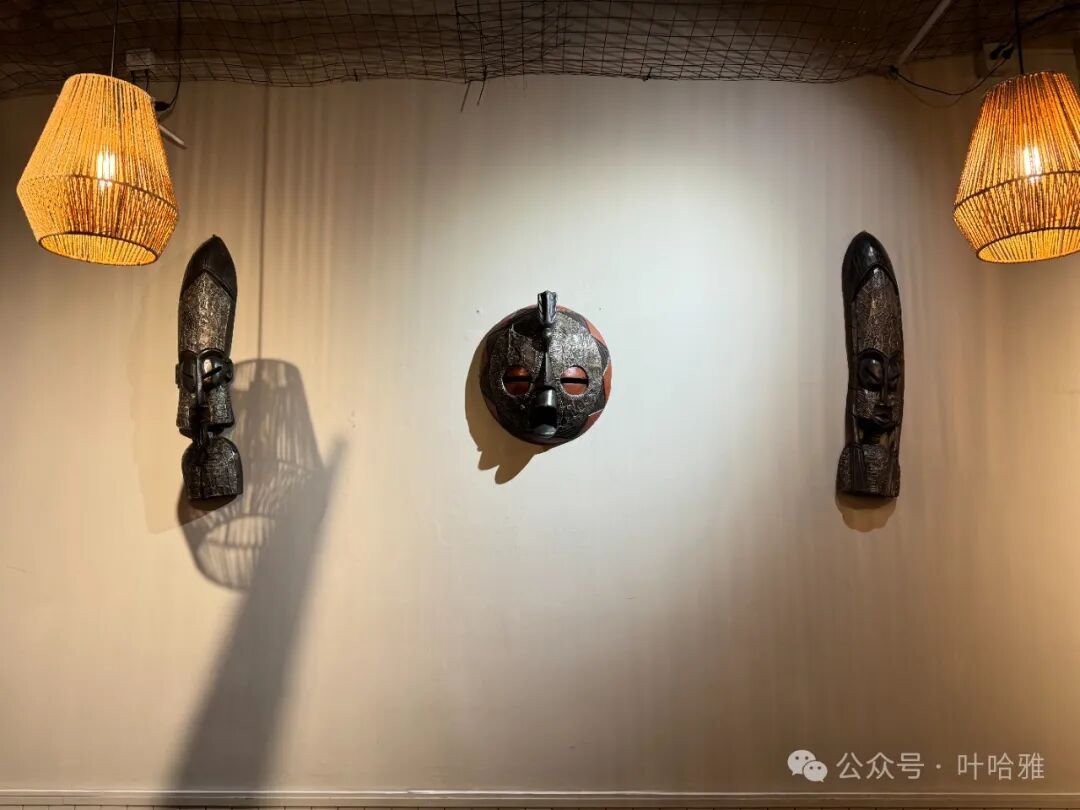
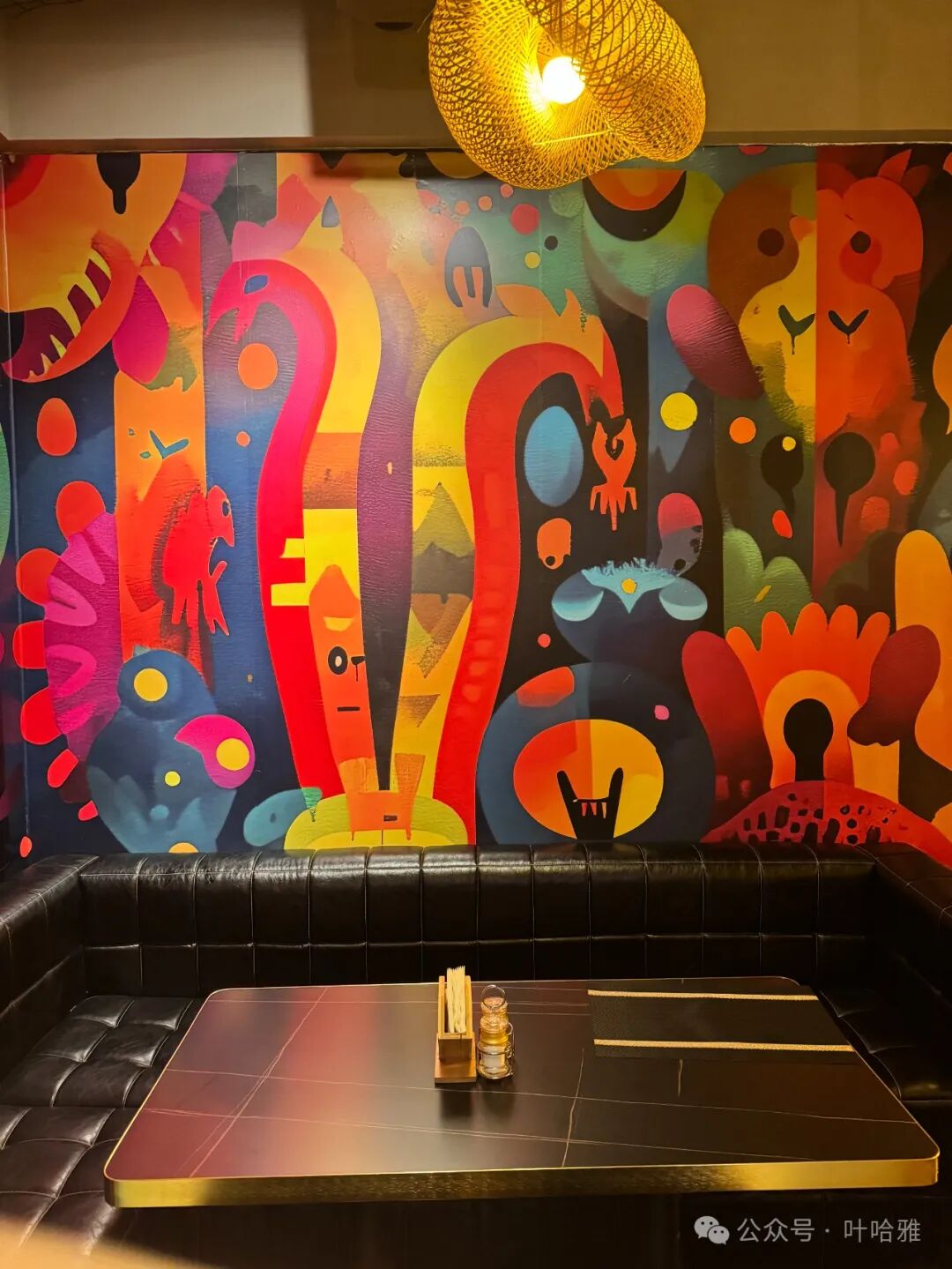
The restaurant decor also has a strong African vibe, including the wall hangings.
African goat meat mixed rice
African goat meat is a bit tough, but it has no gamey smell. The mixed rice is salty and spicy.
Non-alcoholic mojito and fruit punch
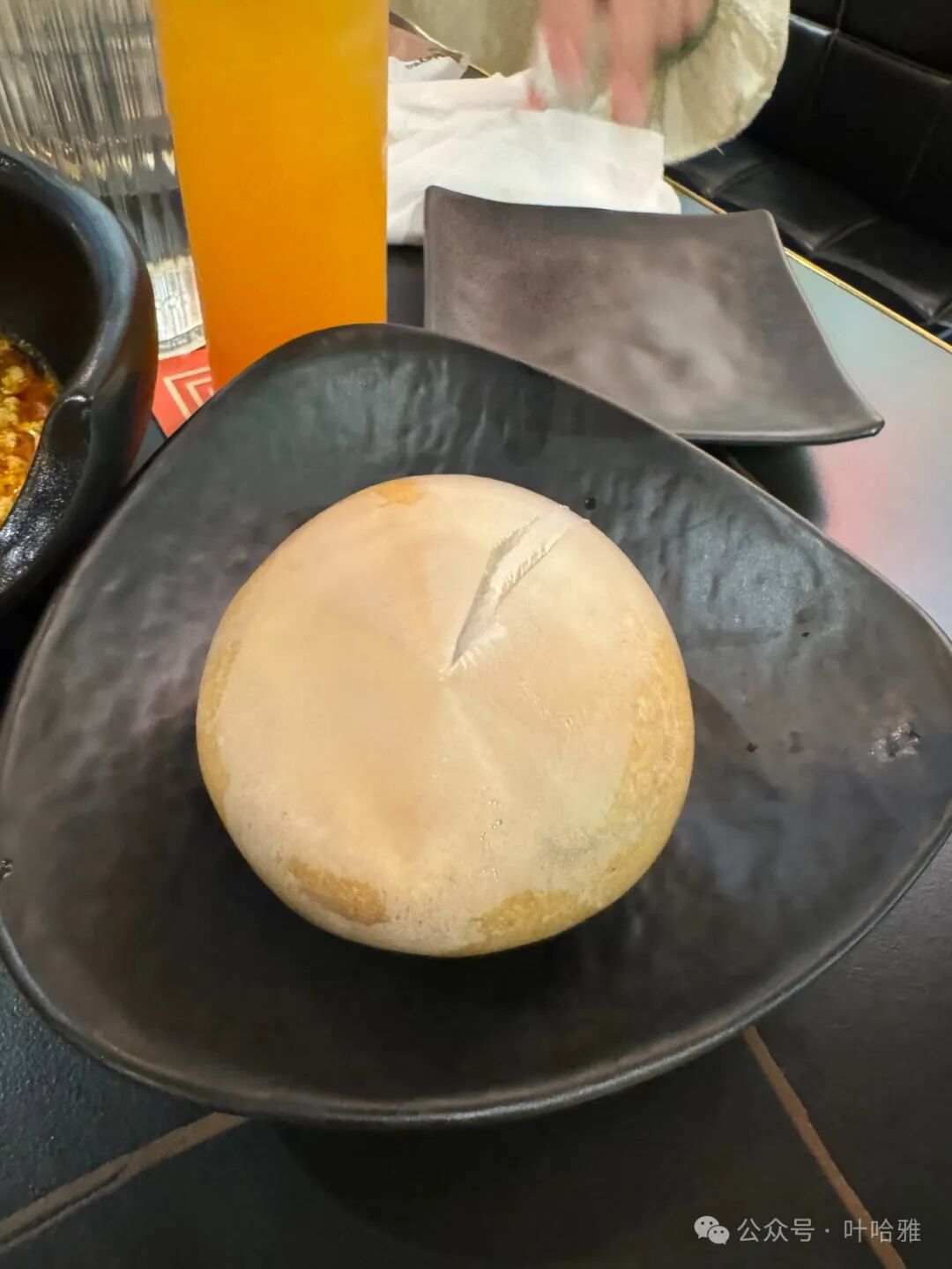
African specialty egusi (egusi)
You eat this dish mixed with the cassava flour paste shown below. Eating the cassava flour paste is just like eating rice cake.
Fufu (fufu)
The white dish is called fufu, which translates to rice flour paste in Chinese. It is a staple food for Ghanaians.
Friday special dish
They have a special dish every day. This Friday special is made with beans and rice, served with some noodles and dipping sauce. It tastes sour, salty, and spicy all at once.
Grilled tilapia
This is an African-style grilled fish. It tastes great. Even though the skin looks charred, the meat inside is white.
A young lady from Kenya recommended this milkshake to us. It is very creamy and delicious. The whole meal cost 530 yuan for four people, which is 130 yuan per person.
2. Stone Hearth Grill and Tea (Shishangweilu)
This is a newly opened light meal and coffee shop on the ground floor of the West District of Changying Paradise Walk. The owner is a Hui Muslim from Beijing, and we chose to have a small gathering here for Eid al-Fitr.
Thirty of us ate every single item on the menu twice.
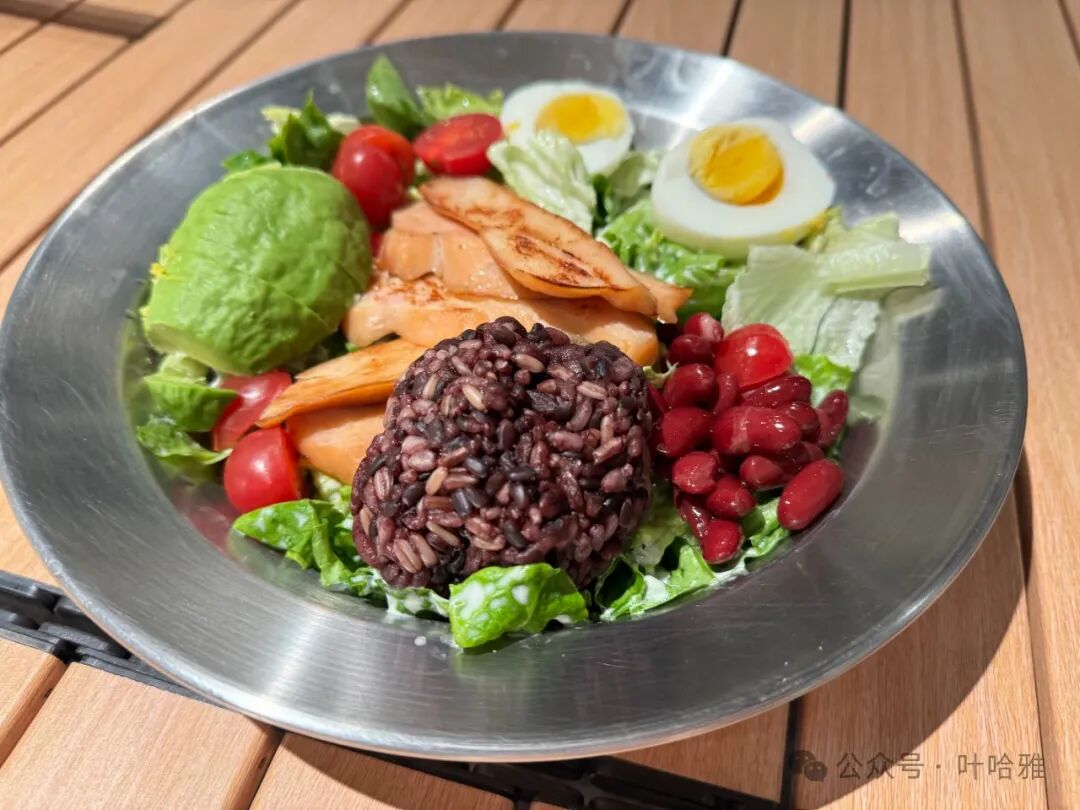
They serve light meals during the day. Besides these pretty salads, they also have burgers and pasta.
The M3 beef burger uses a patty hand-pressed by the owner, and all the meat is sourced from Li Wei's shop in Changying.
This is an Italian-style sandwich, listed on the menu as a panini.
Barbecue is served in the evening. If you want a simple Western-style meal at night, you can call ahead to book. Everyone gave the simple meals and barbecue great reviews. The average cost per person is about 130 yuan.
3. Ma Bei'er Bistro
Ma Bei'er is a new brand started by the original management team of Jubao Yuan after they split up. Next to the main Ma Bei'er hot pot (shuanrou) restaurant on Nanheng West Street, there is also a small Ma Bei'er bistro that specializes in Beijing-style stir-fry dishes.
This stir-fry bistro is just as busy as the hot pot restaurant. We tried a few signature dishes and had a good experience. Everything was delicious and worth recommending. The average cost per person is about 100 yuan.
Stir-fried mixed vegetables (chaohecai)
Quick-fried beef tripe with coriander (yanbaosandan)
Deep-fried meatballs (ganzhawanzi)
Braised yellow croaker in northern style (kuadunhuangyu)
Slow-cooked beef (weiniurou)
Scallion pancake (conghuabing)
4. Carthage Restaurant
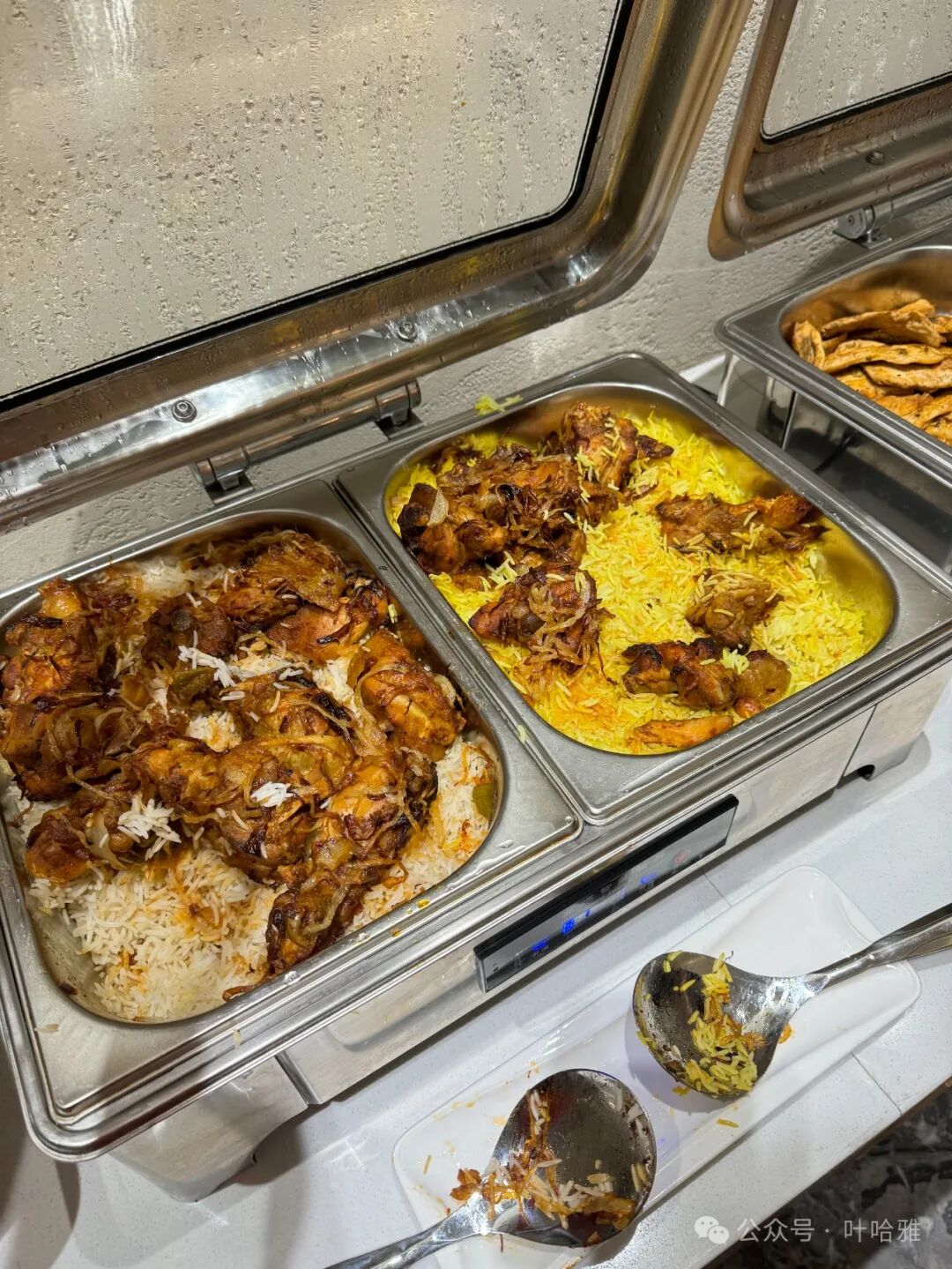
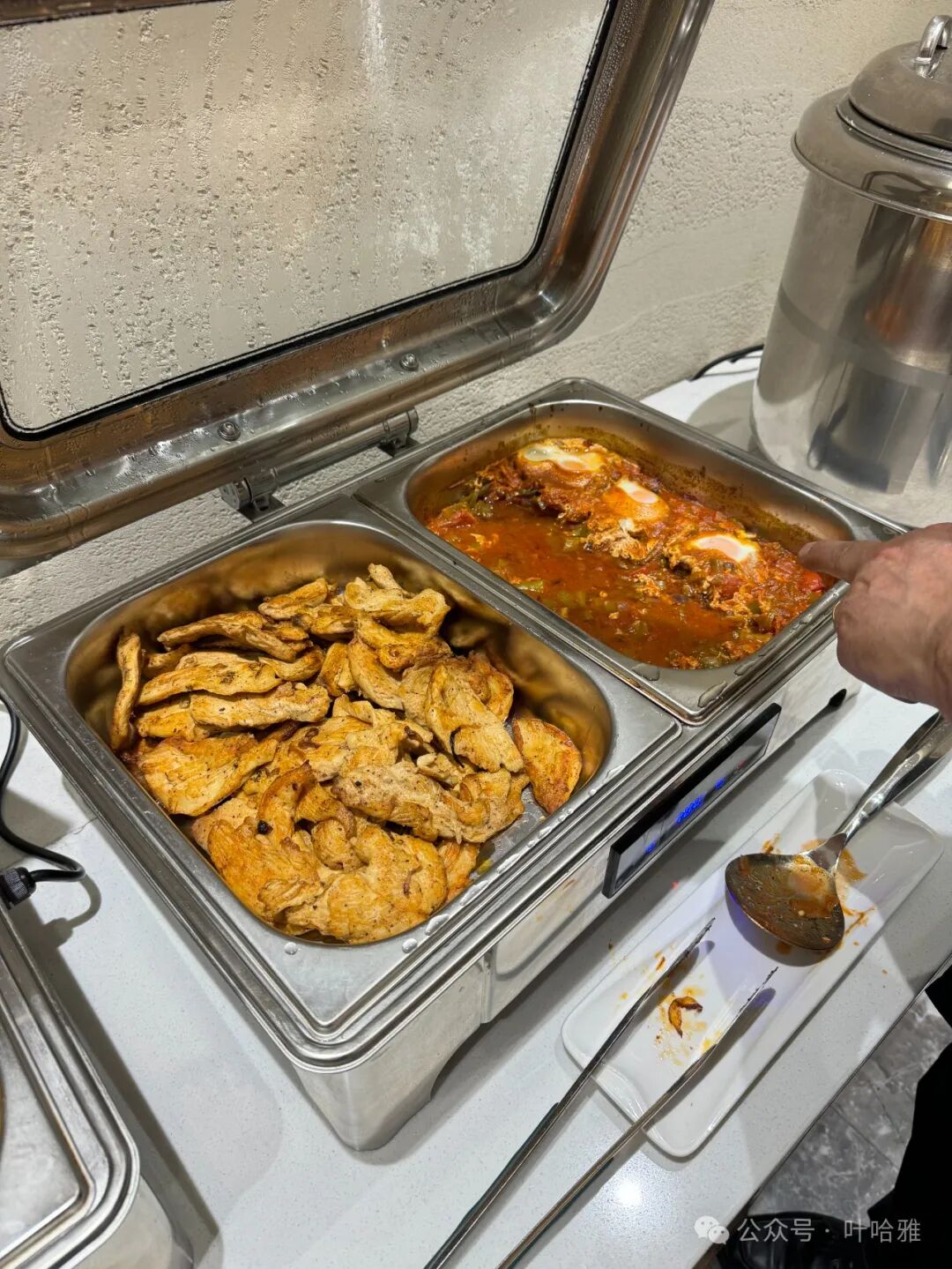
This is a Tunisian restaurant. It is owned by the same people as La Medina Tunisian restaurant in Sanlitun. You can find it on the first floor of the Atour X Hotel in Sanlitun.
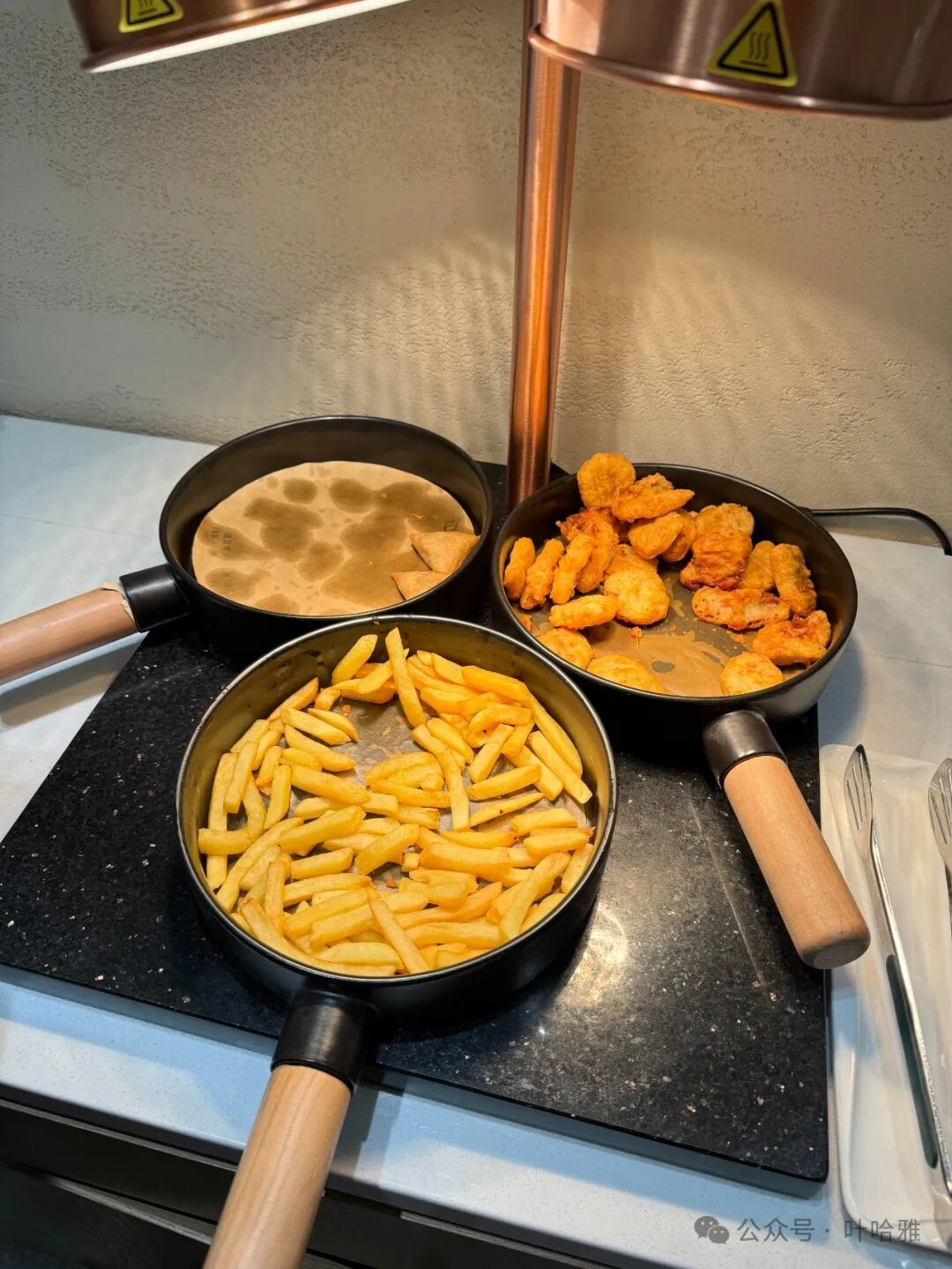
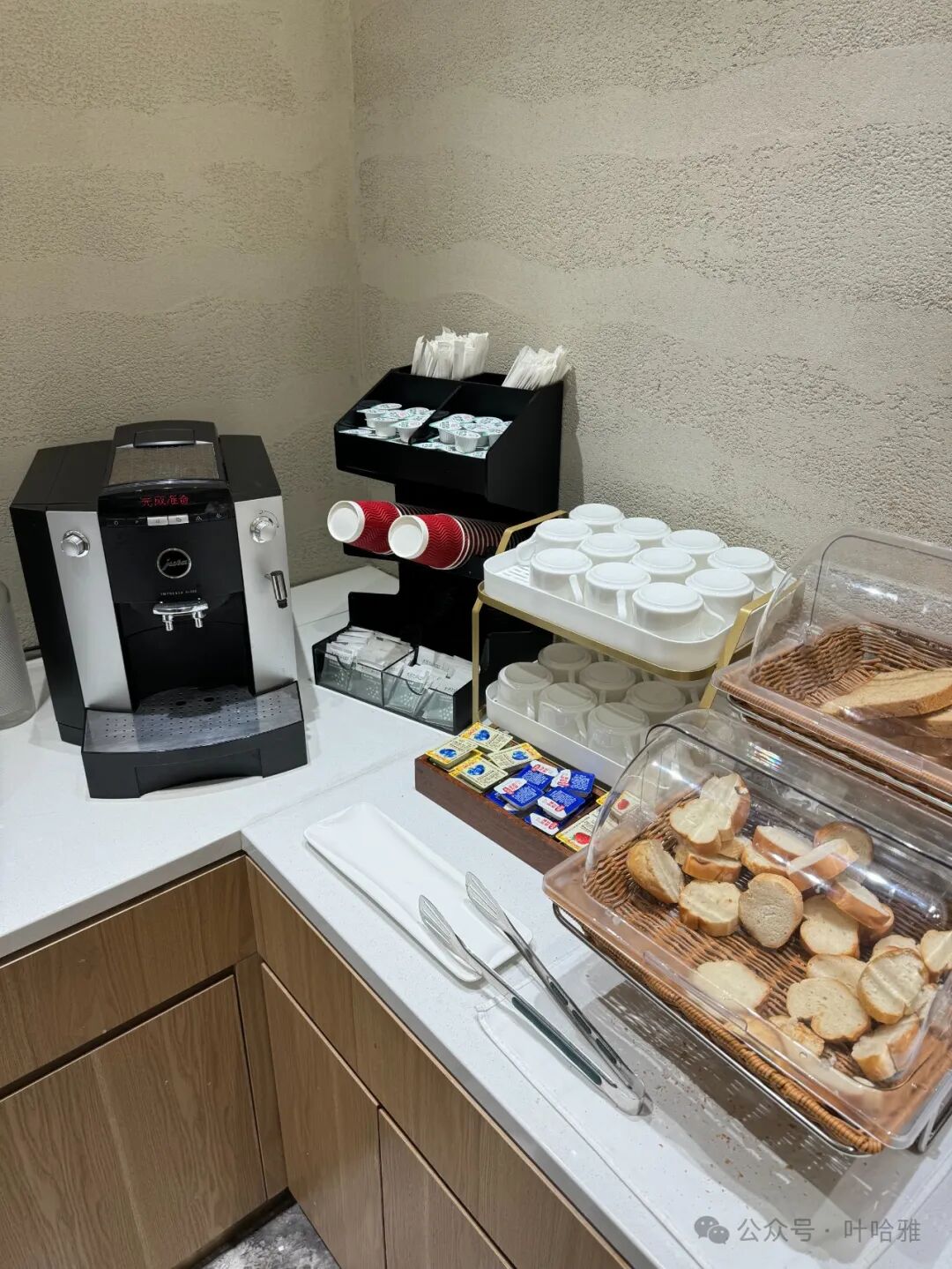
During Ramadan, they offer an iftar buffet for 120 yuan per person. It includes all the signature dishes you would expect, plus drinks and desserts.
Tunisia is a North African country. Its food habits are a bit different from West Africa, and North African flavors are usually easier for most people to enjoy.
5. Fan Manyu Tomato Beef Flatbread (Paobing)
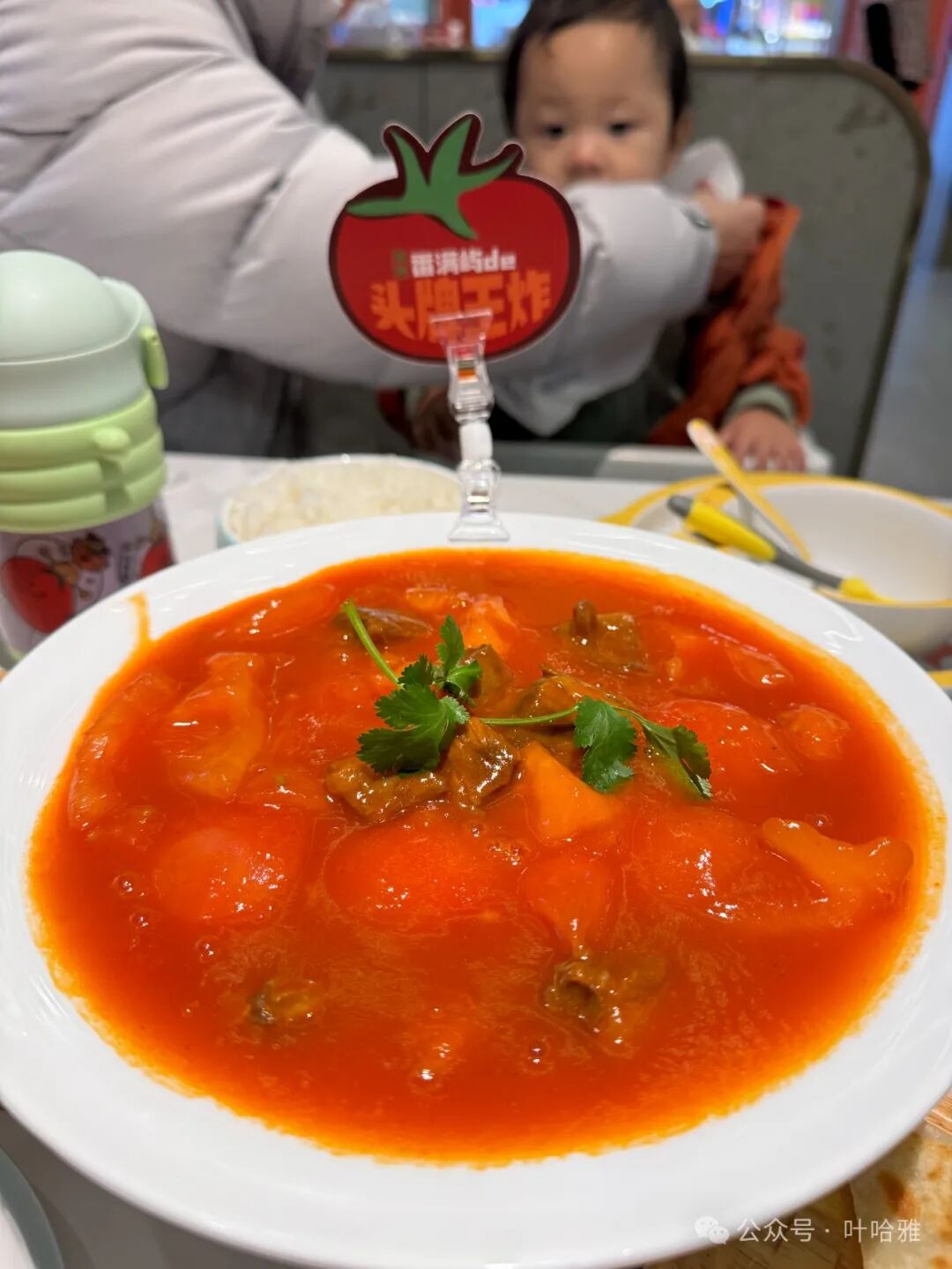
A new specialty shop just opened on the basement level of the West Zone at Tongzhou Wanda Plaza. They focus on tomato beef brisket with flatbread (paobing) and various other tomato-based dishes.
The staff uniforms are covered in tomato drawings.
Vinegar-stir-fried egg and meat (culiu muxu)
Lychee-flavored cherry tomatoes
Mapo tofu
Their food is prepared very delicately and tastes great. The environment is clean, the prices are affordable, and the average cost is under 80 yuan per person.
6. Stinky Star Snail Rice Noodle (Luosifen) Hot Pot
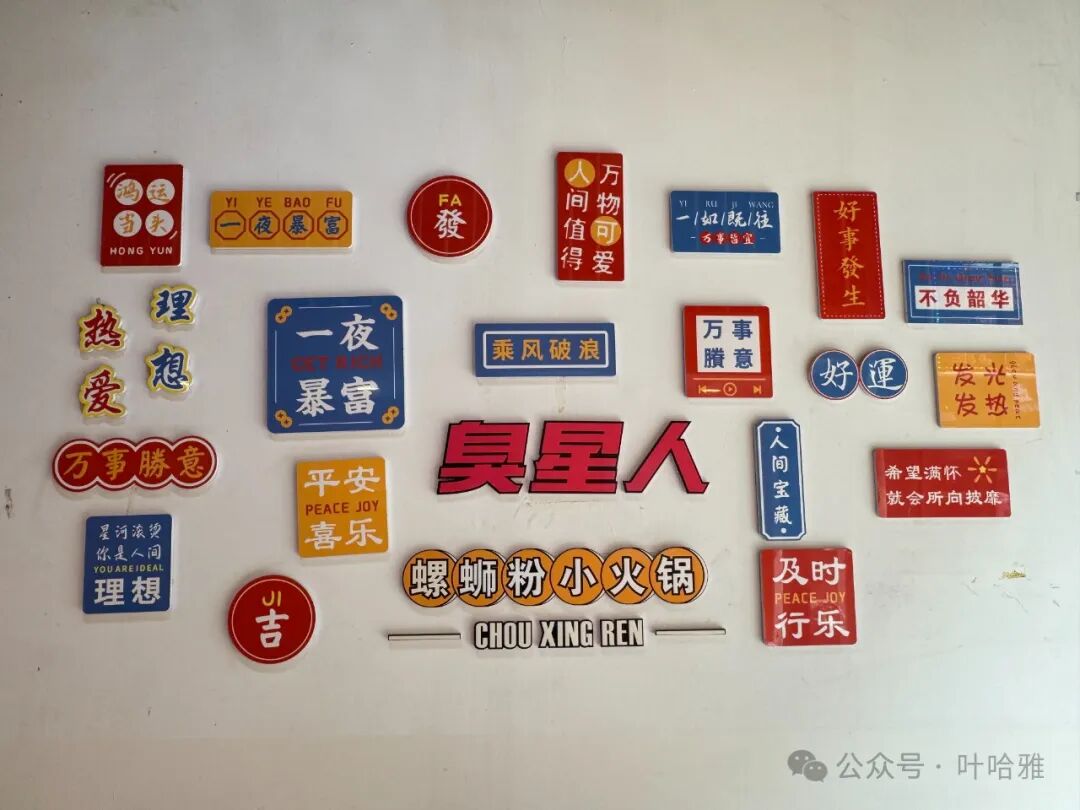
There is a halal snail rice noodle (luosifen) shop on the ground floor of the Golden Street in the West District of Tongzhou Wanda Plaza. The owner is a Hui Muslim from Changchun who used to work at iQIYI before opening this physical shop. The small shop has two floors and mainly serves halal snail rice noodles and clam rice noodles (huaji fen) in small hot pots.
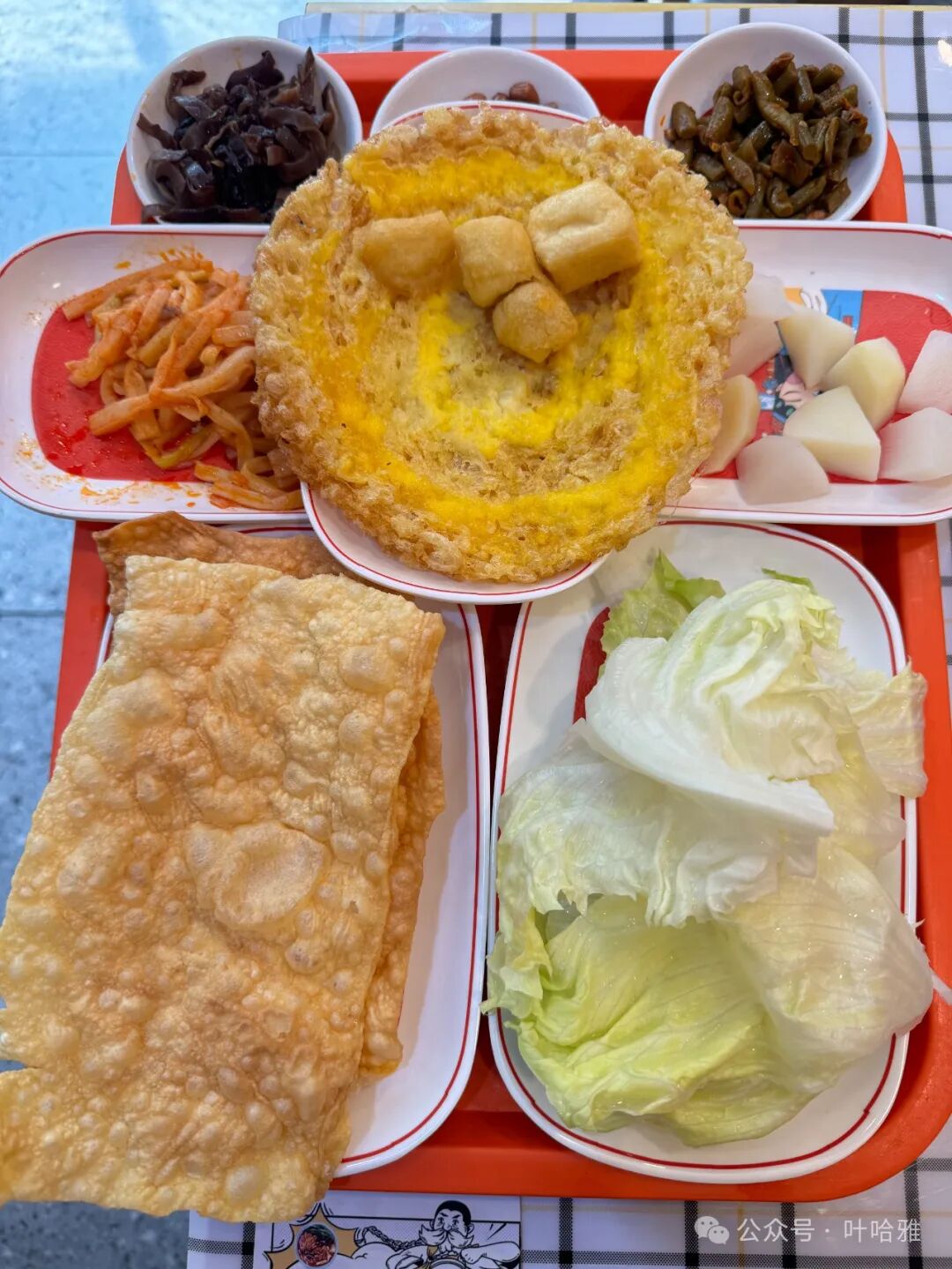
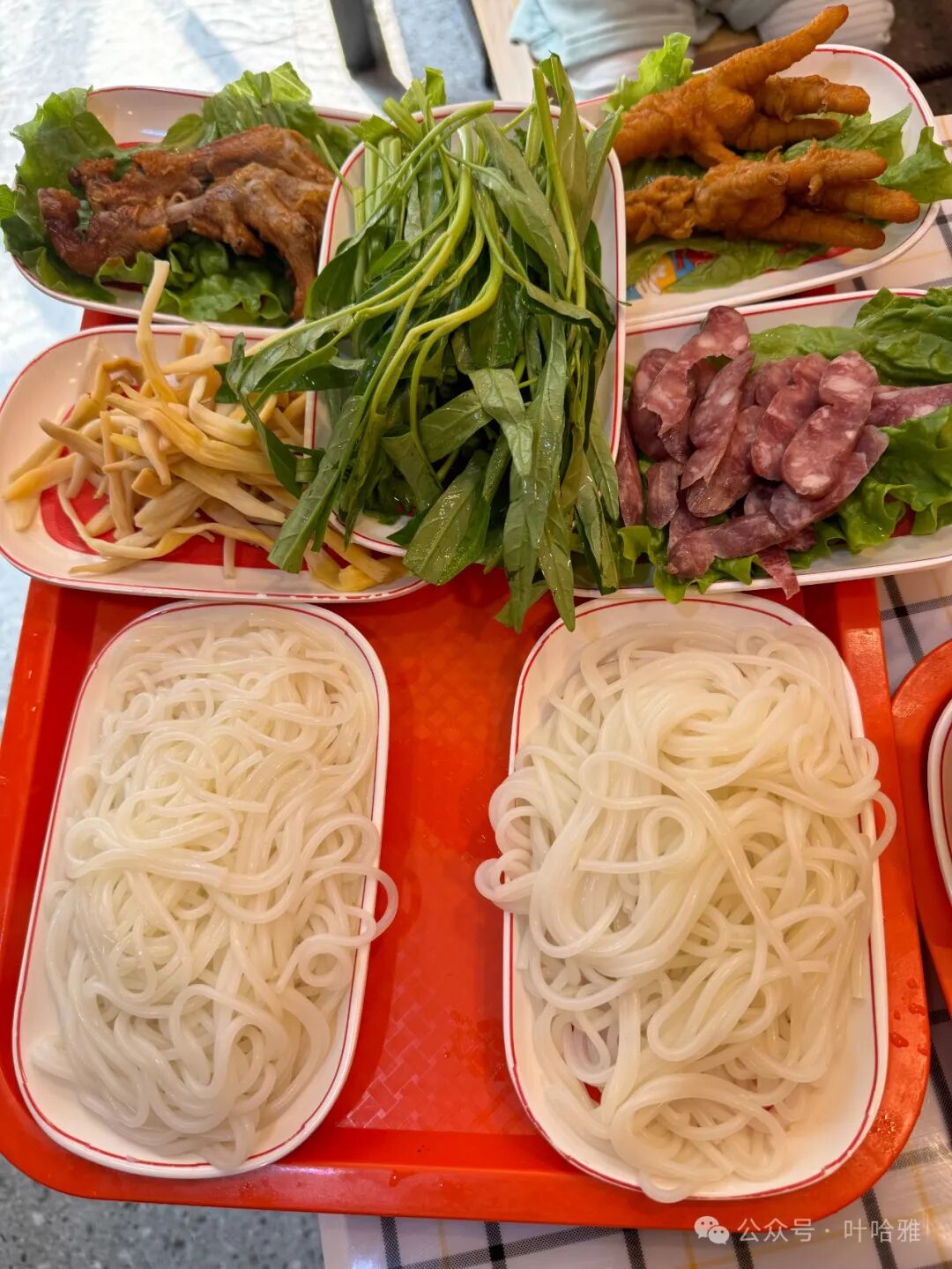
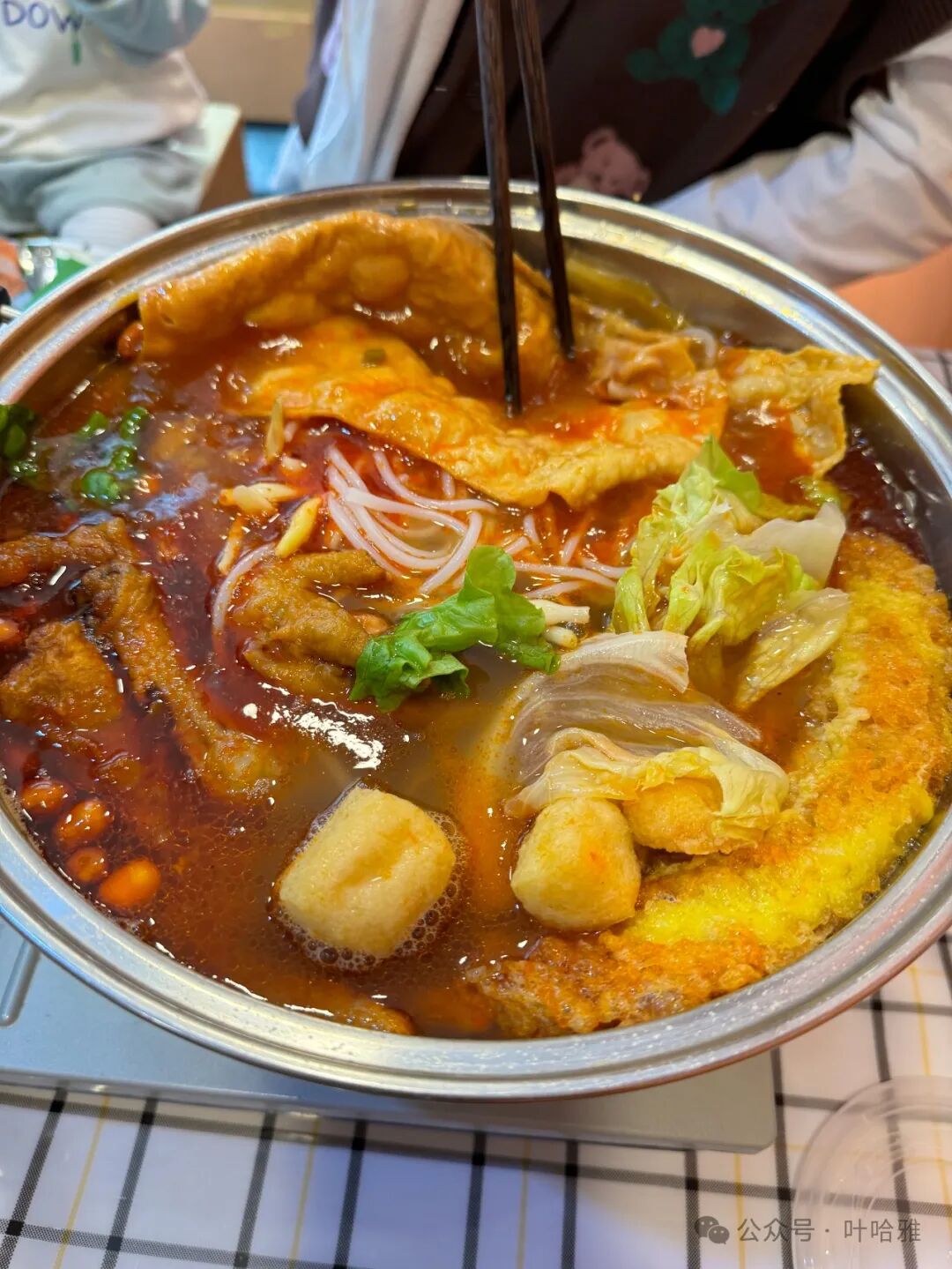
The snail rice noodle hot pot comes with a wide variety of toppings that you can add to the pot to cook together.
This set meal for two costs 78 yuan and is enough for two or three people to eat.
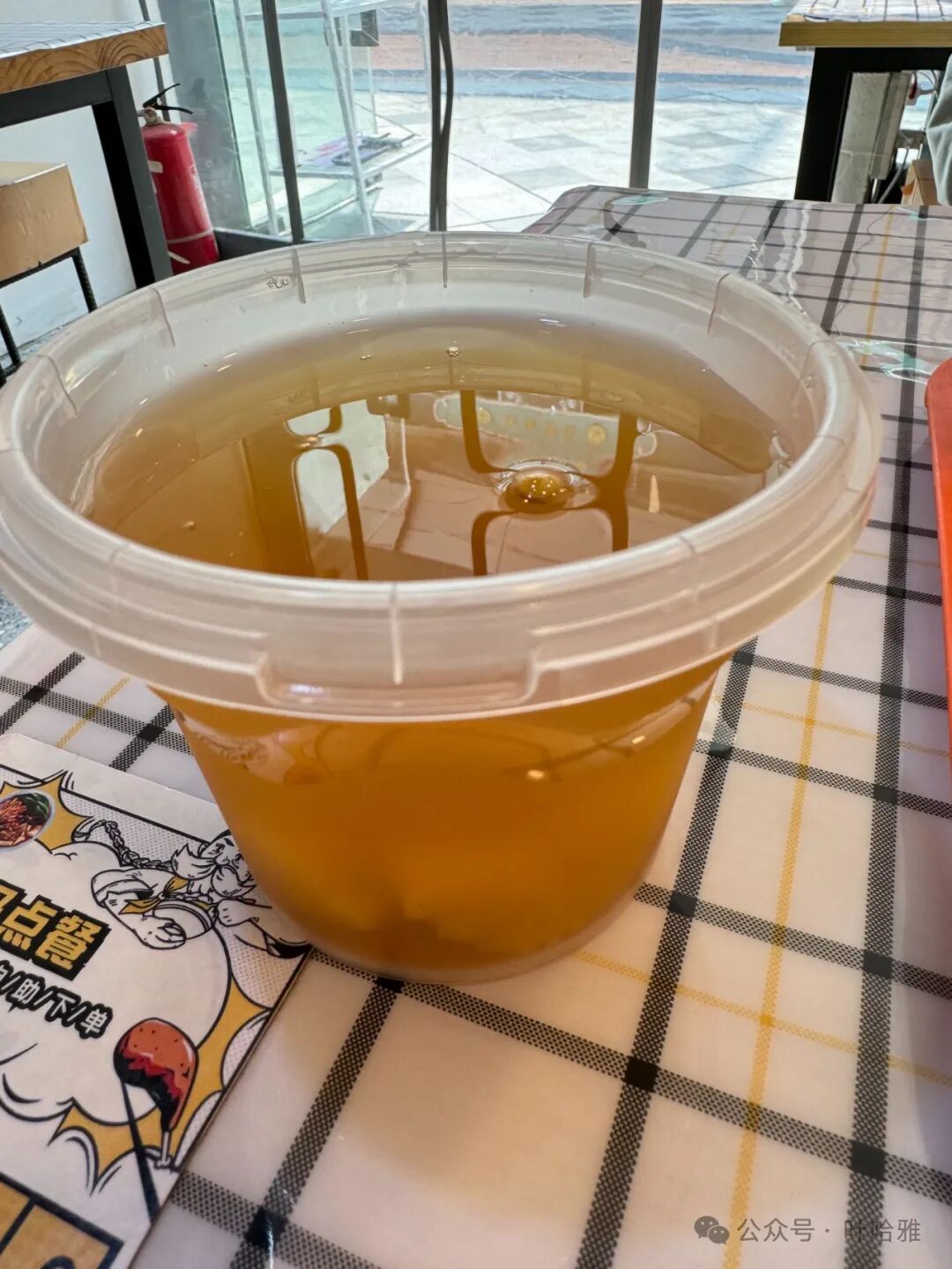
The set includes Guangxi cassava sweet soup (mushu tangshui).
Add all the side dishes to the pot and cook for one minute before you start eating. The taste is quite authentic.
7. Mulaixuan Sturgeon Feast
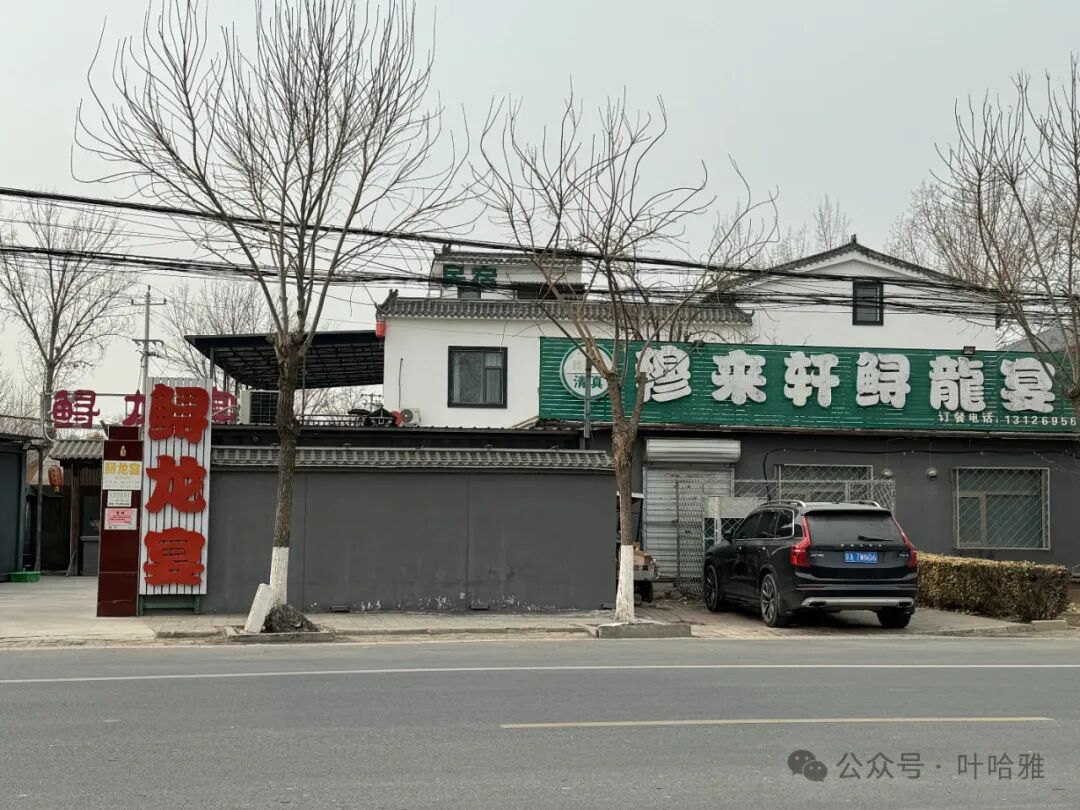
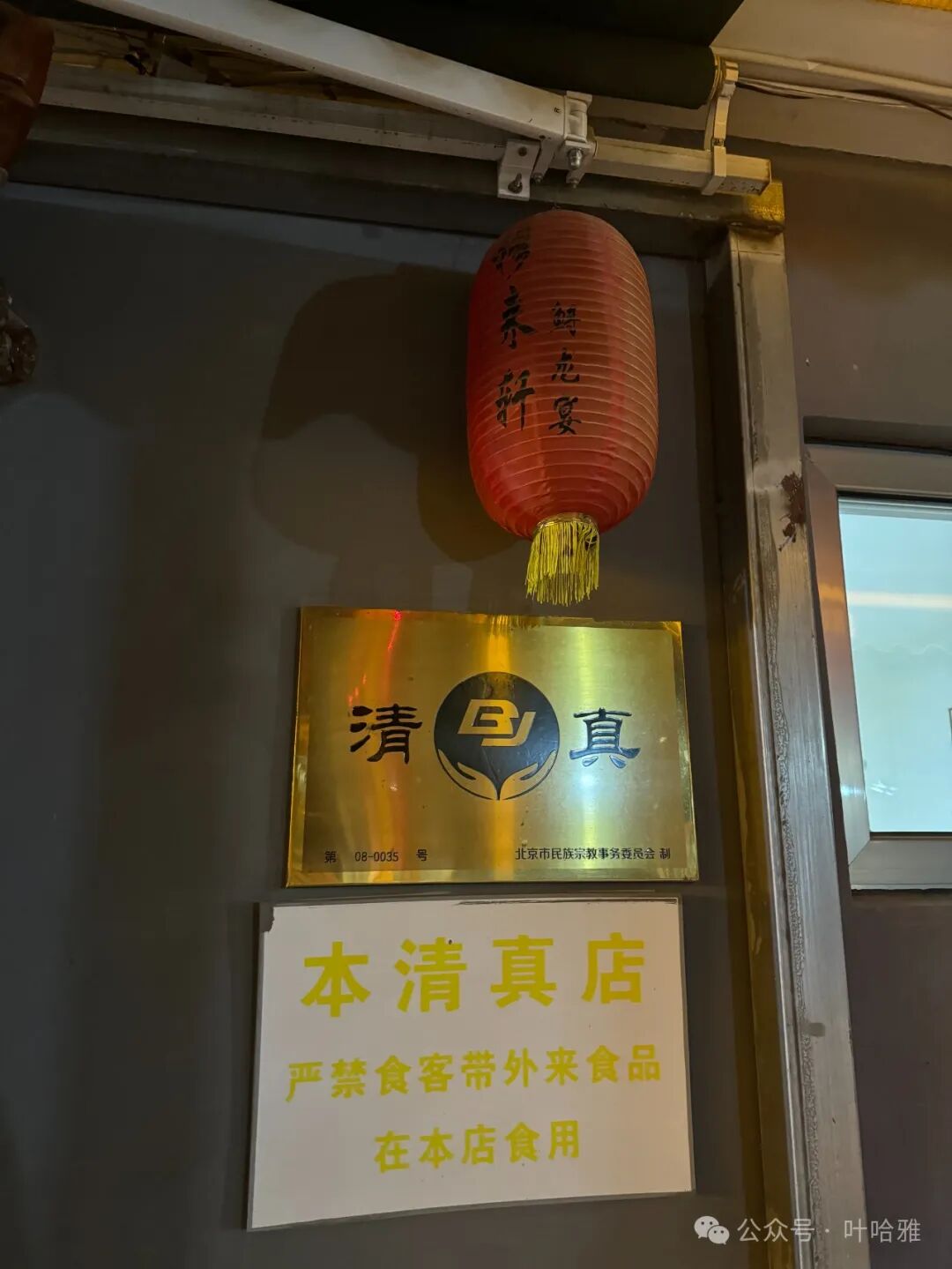
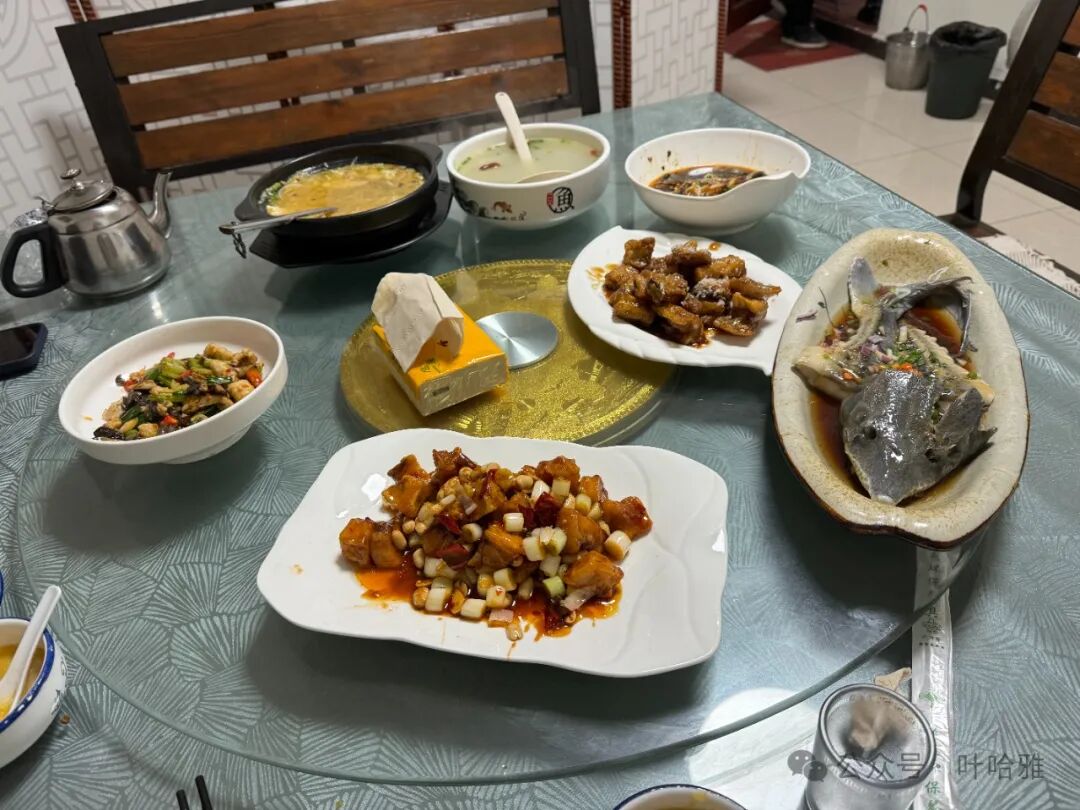
Across from the Doudian Mosque in Fangshan, there is a restaurant that specializes in sturgeon (xunlongyu). This place is unique because it has no menu and you cannot order dishes. The owner decides the size of the fish based on how many people are in your group, and all the dishes are made from the fish you choose.
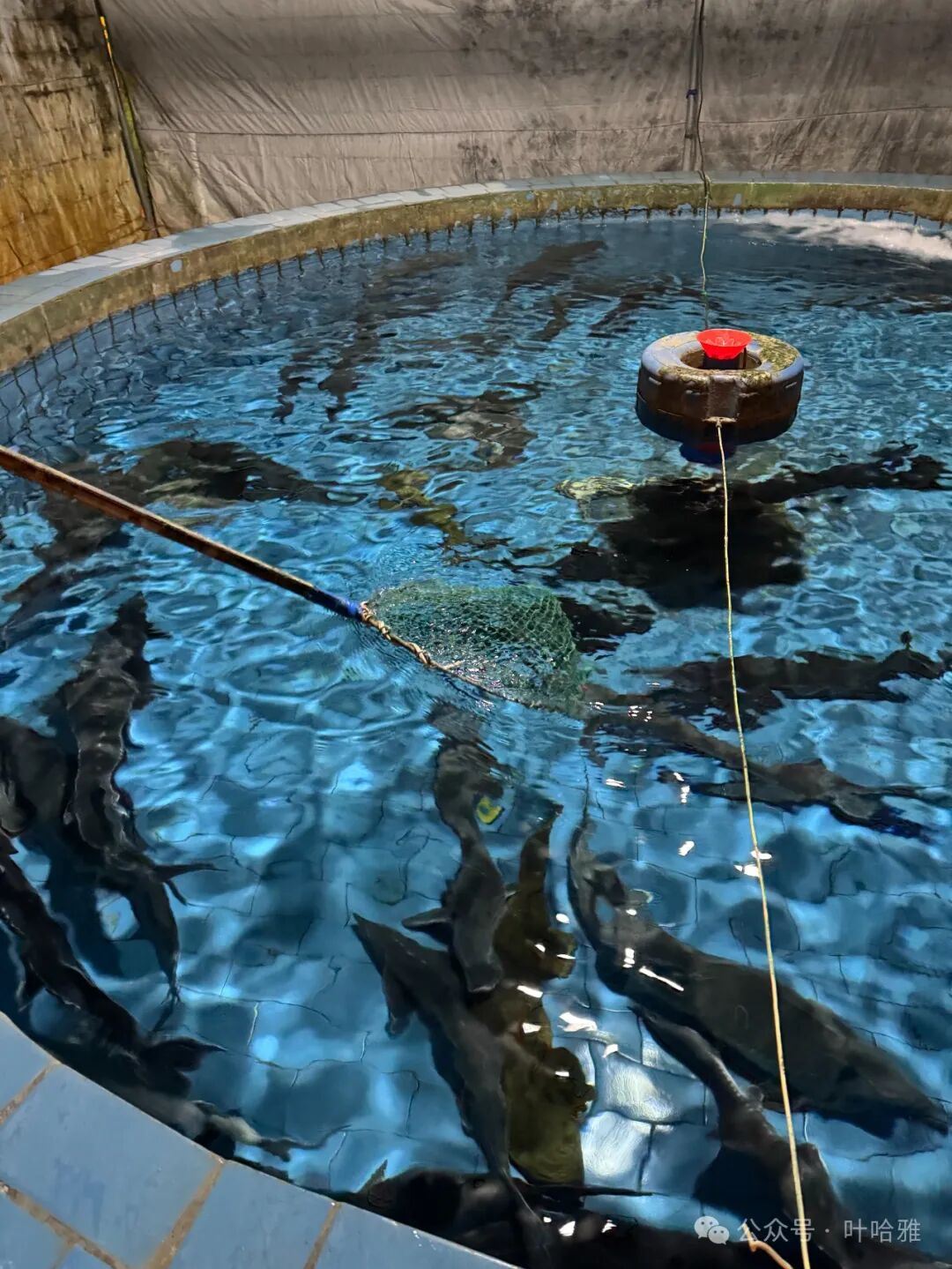
You pick the sturgeon from this fish tank, and they are all quite large. The sturgeon costs 58 yuan per jin, and the smallest fish weigh over five jin, making it perfect for groups.
After picking the fish, you just wait for the owner to serve the food. This is actually nice because it saves you the trouble of ordering.
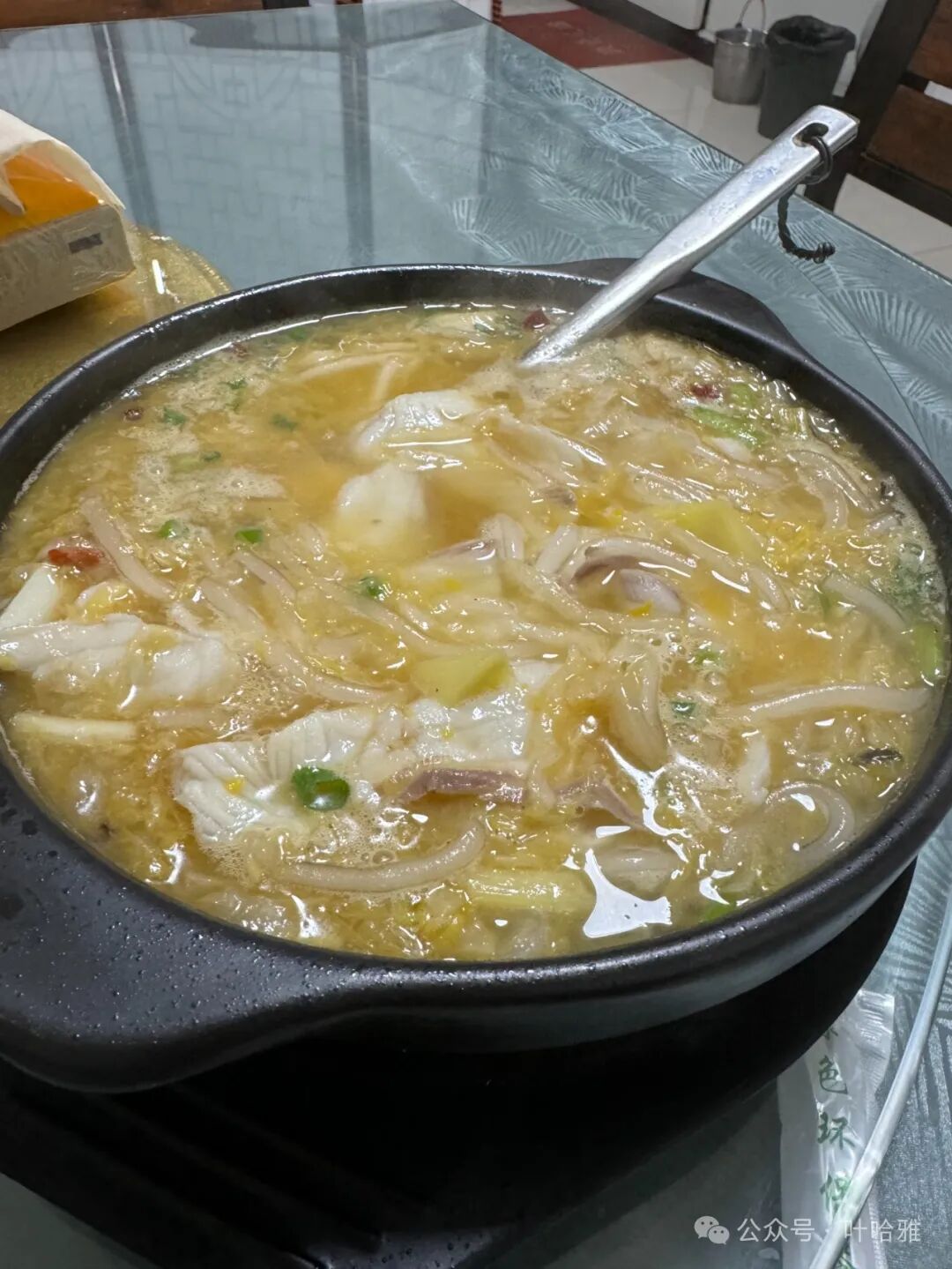
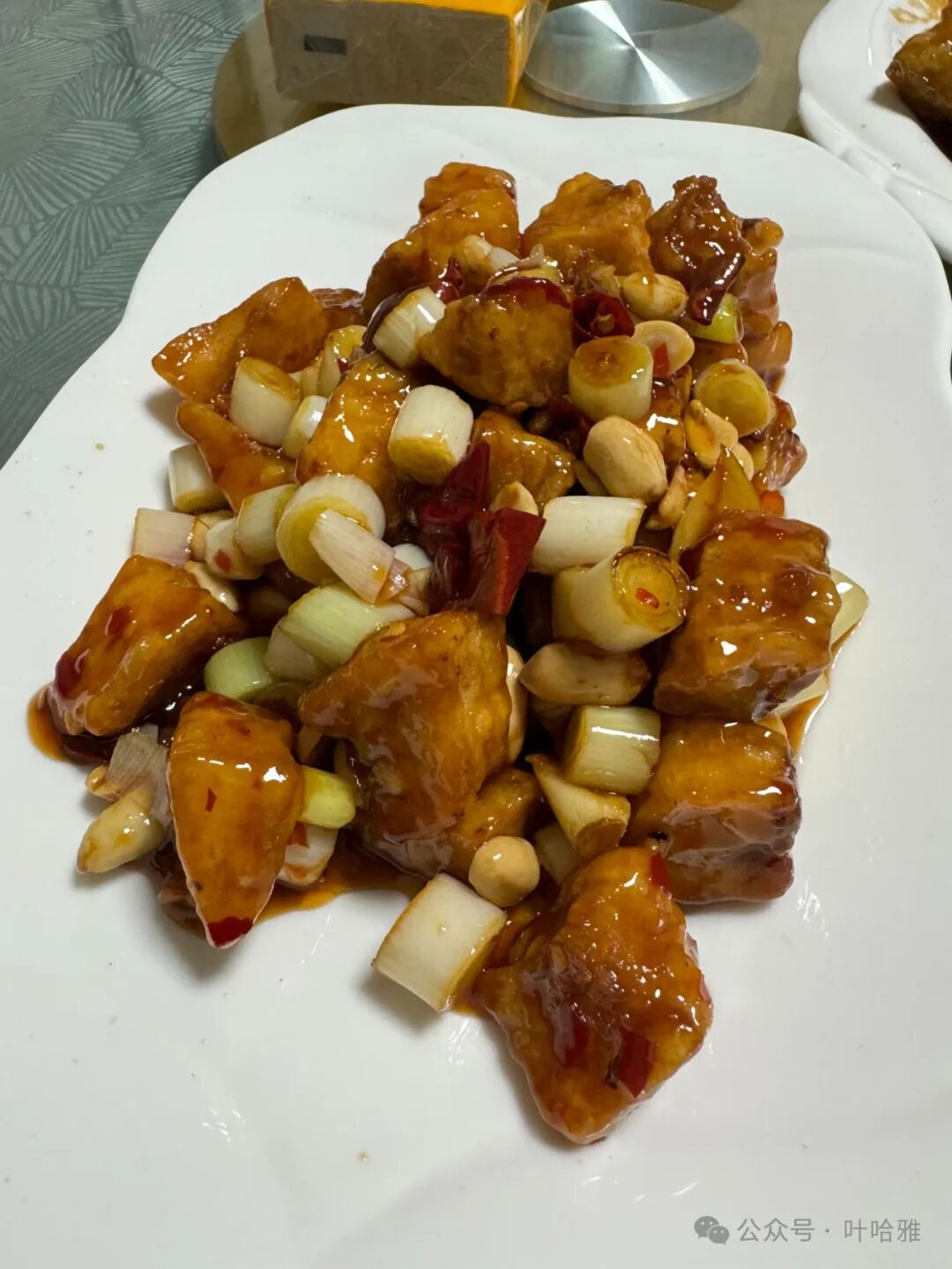
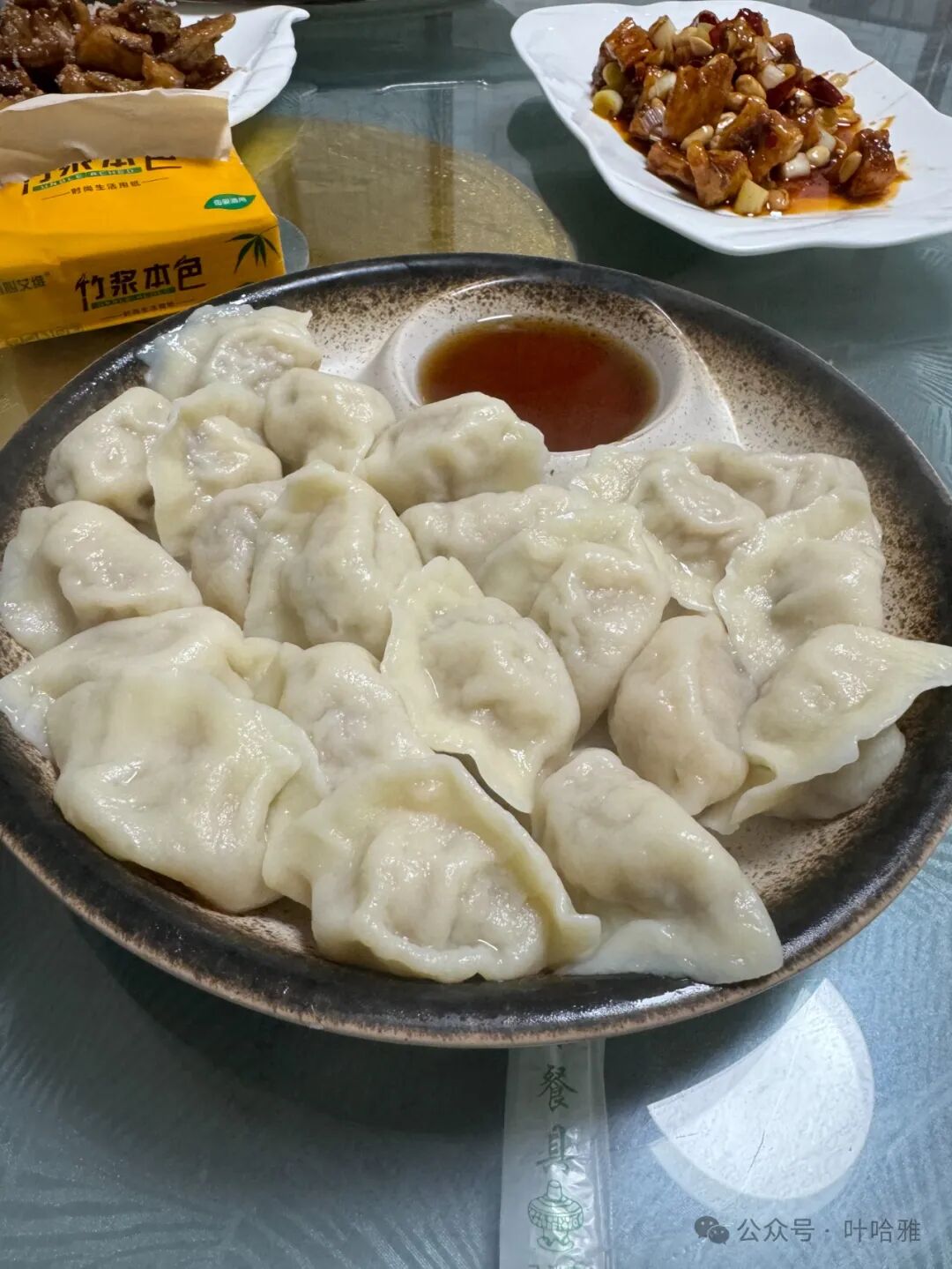
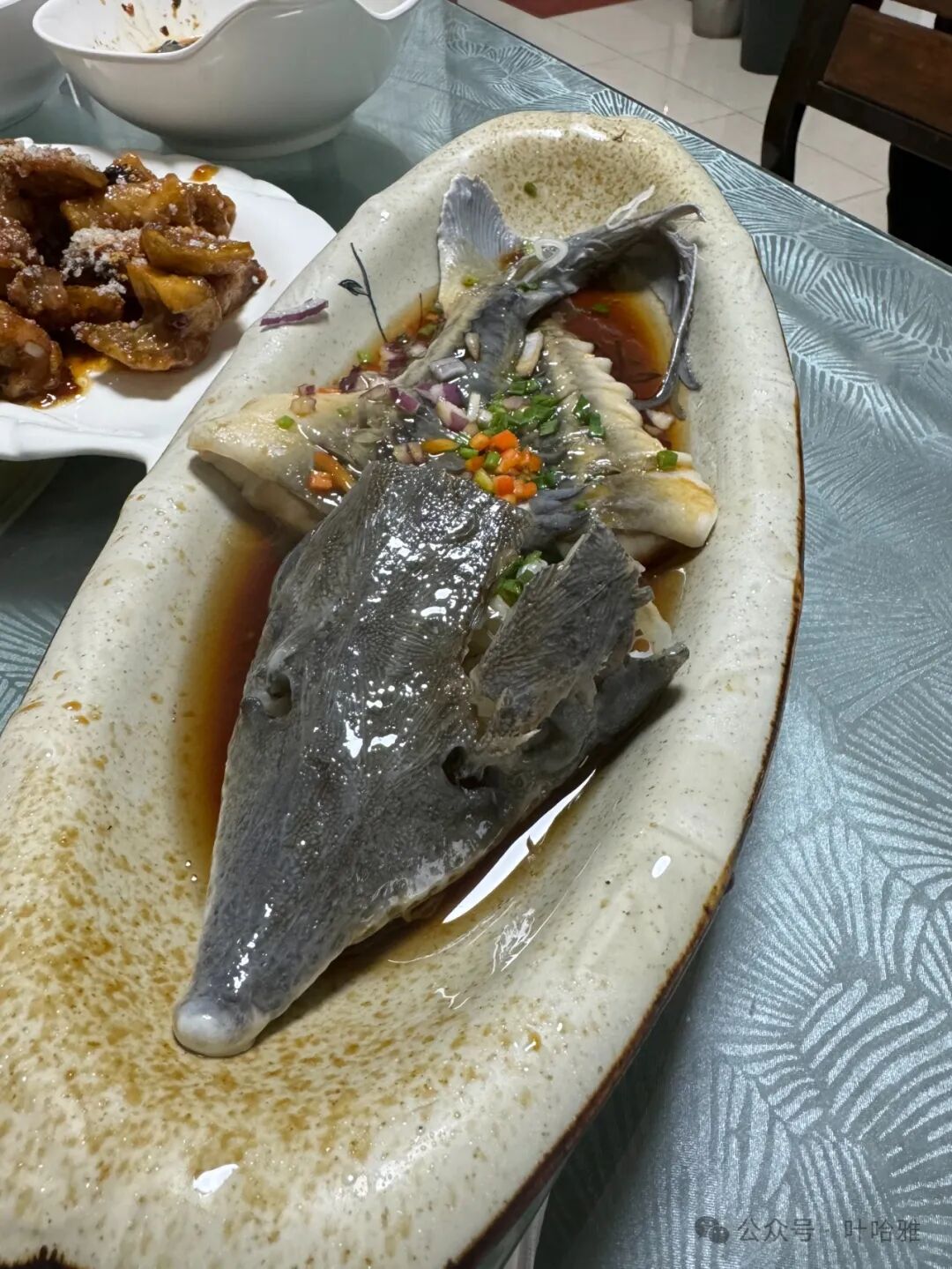
The standard dishes include salt and pepper fish skin, sweet and sour fish bones, fish offal, fish and radish soup, and stir-fried fish fillets. The main course is sturgeon dumplings. The fish is very fresh, and every dish tastes great.
8. Saddam Lanzhou Beef Noodles
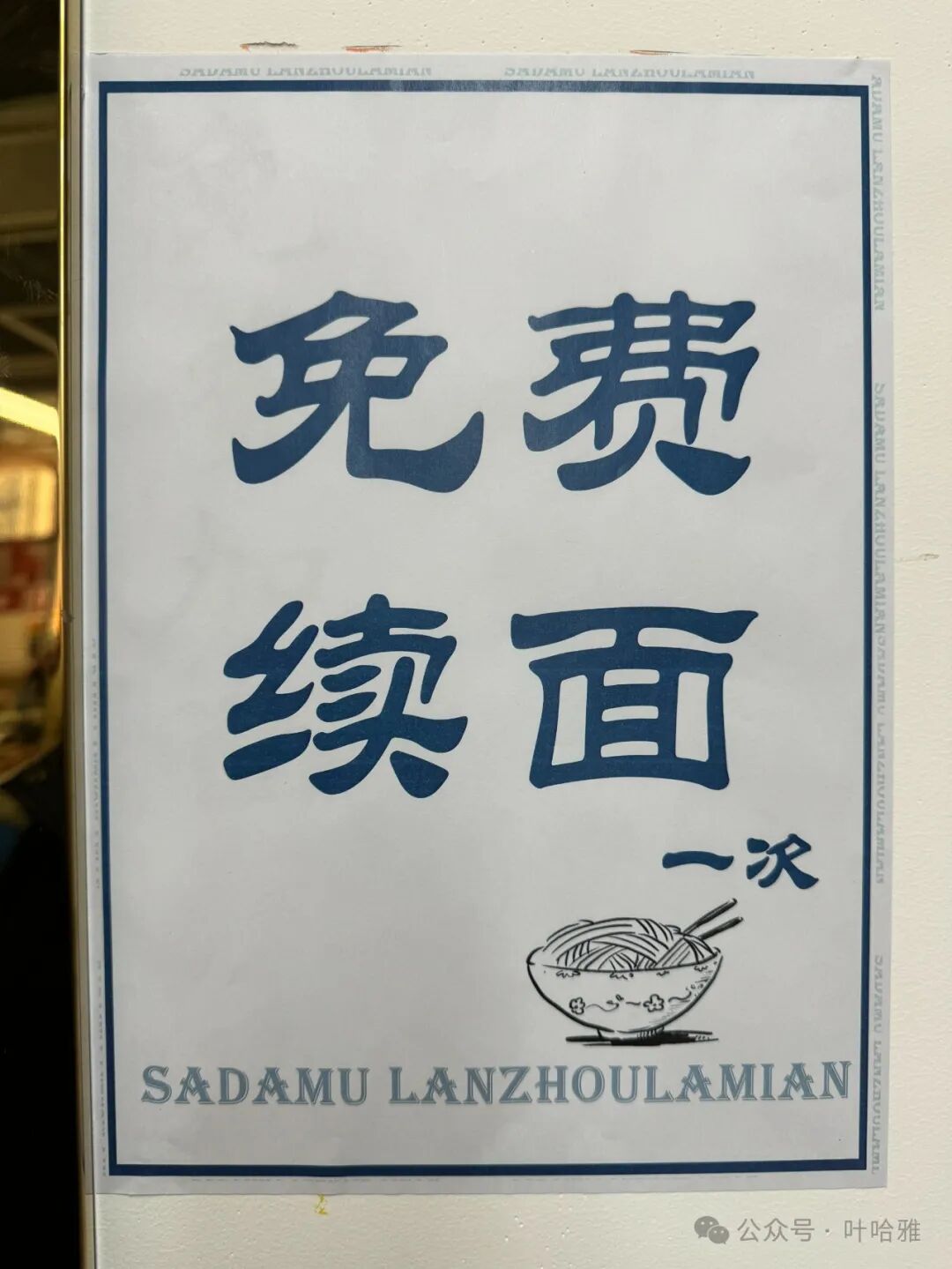
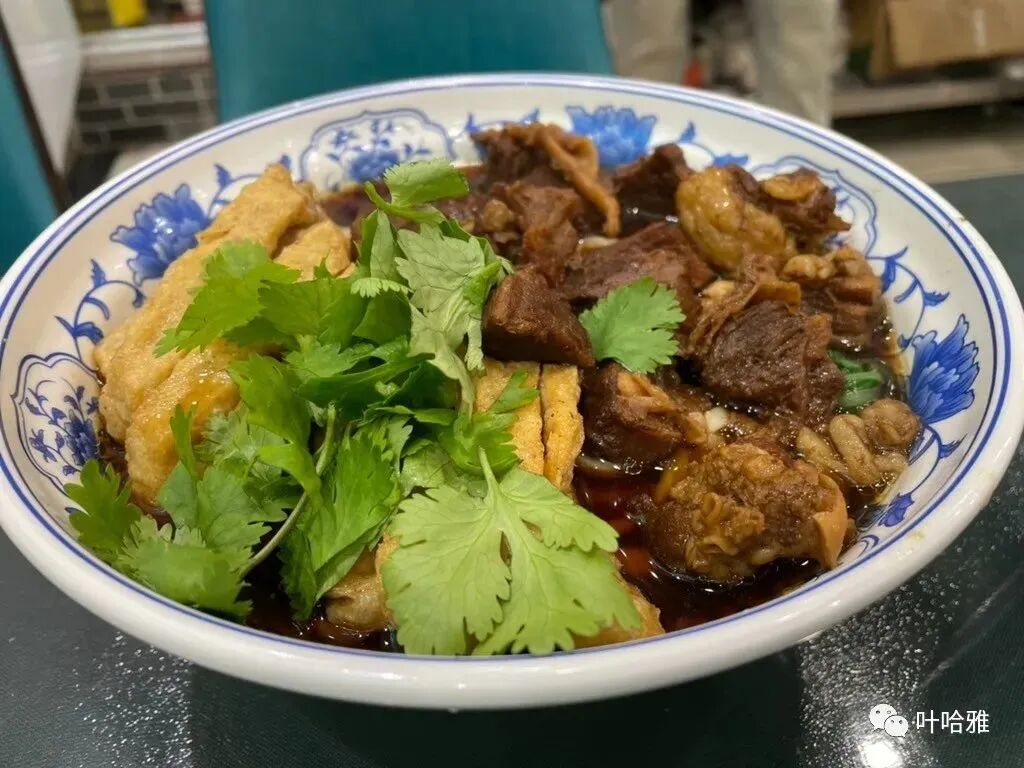
The long-standing Lanzhou brand Saddam Beef Noodles has expanded into Beijing's Fengtai District. Known as the Eastern Heretic of the Lanzhou beef noodle world, the shop opened in eastern Lanzhou in the 1990s. It got its name because the owner looked just like Saddam. Other famous shops include the Western Poison Ma Anjun, the Southern Emperor Guobao, the Northern Beggar Cangying, and the Central Master Ma Zilu.
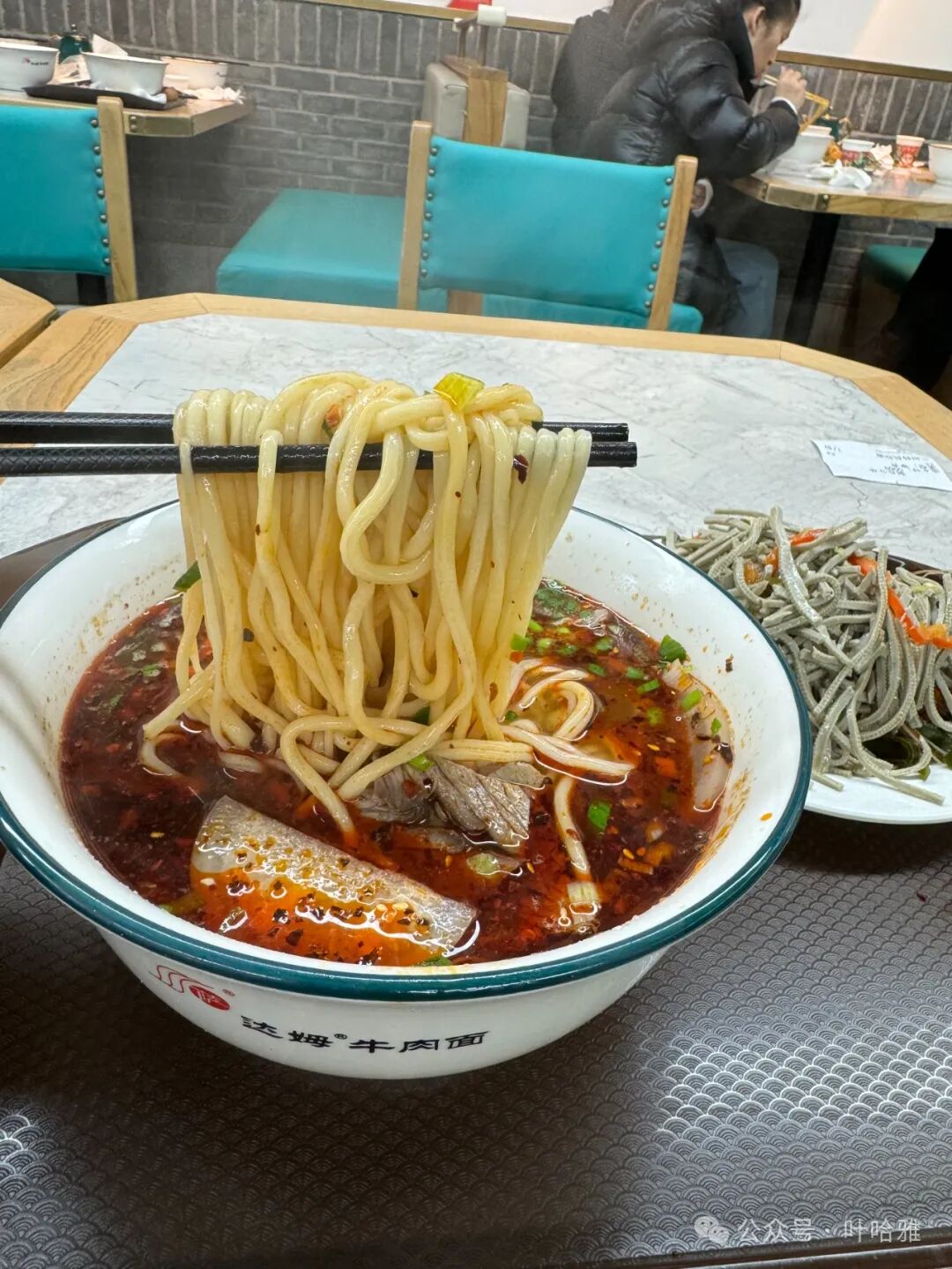
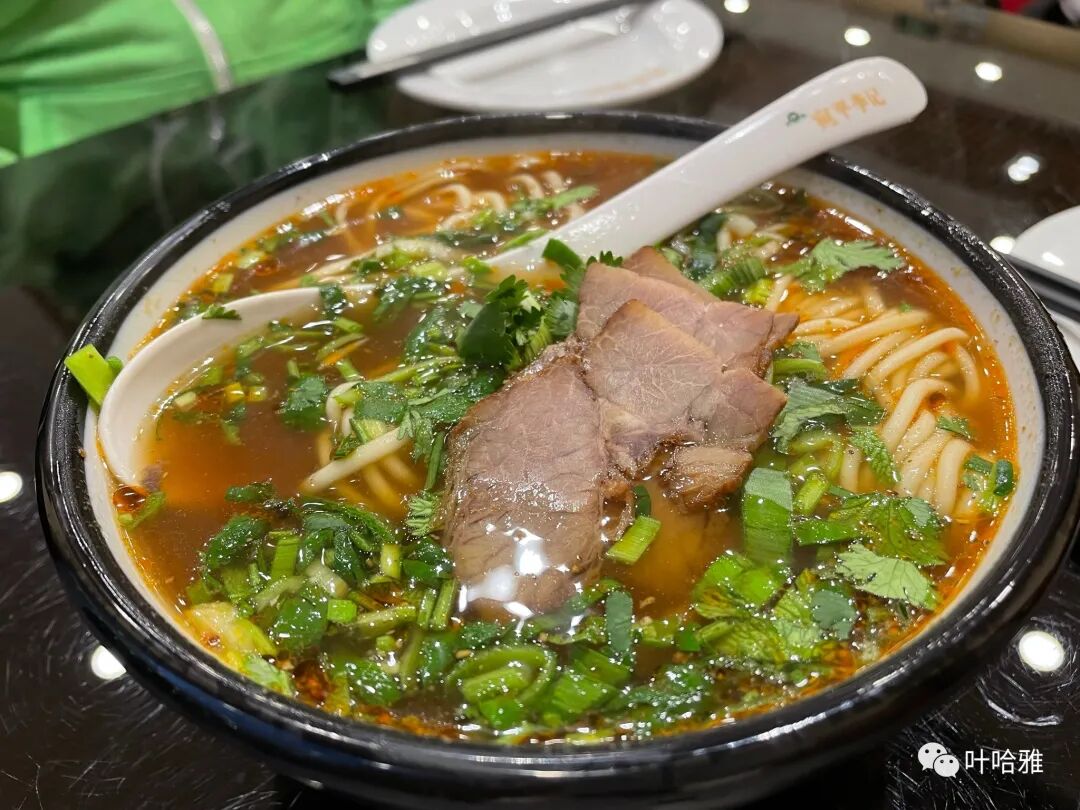
You can tell the beef noodles will be good just by looking at the chili oil, which is fragrant but not too spicy. I tried it and found it very authentic. My friends from Lanzhou would not be disappointed if they came here to eat. view all
Summary: This Beijing halal food guide maps issue 40 of the series, featuring a Ghanaian halal restaurant in Sanlitun, Stone Hearth Grill and Tea, Arabic food, tomato beef flatbread, luosifen hot pot, sturgeon feast, and Saddam Lanzhou Beef Noodles.
Beijing Halal Food Map (40) is presented here as a firsthand travel account in clear English, beginning with this scene: Ramadan has just ended, so we can get back to checking out all kinds of halal food. The account keeps its focus on Beijing Halal Food, Muslim Travel, Middle Eastern Food while preserving the names, places, food, and historical details from the Chinese source.
Ramadan has just ended, so we can get back to checking out all kinds of halal food. The restaurants in this guide are all new, and they each have something special. The first one is a West African Ghanaian halal restaurant, which is very rare in China. It is a big step for Beijing as it works to become a global capital for halal food.
Here is the list of halal restaurants for this guide:
1. Tribe Garden African Restaurant
2. Stone Hearth Grill and Tea (Shishangweilu)
3. Ma Bei'er Bistro
4. Carthage Arabic Restaurant
5. Fan Manyu Tomato Beef Flatbread (Paobing)
6. Stinky Star Snail Rice Noodle (Luosifen) Hot Pot
7. Mulaixuan Sturgeon Feast
8. Saddam Lanzhou Beef Noodles
1. Tribe Garden African Restaurant
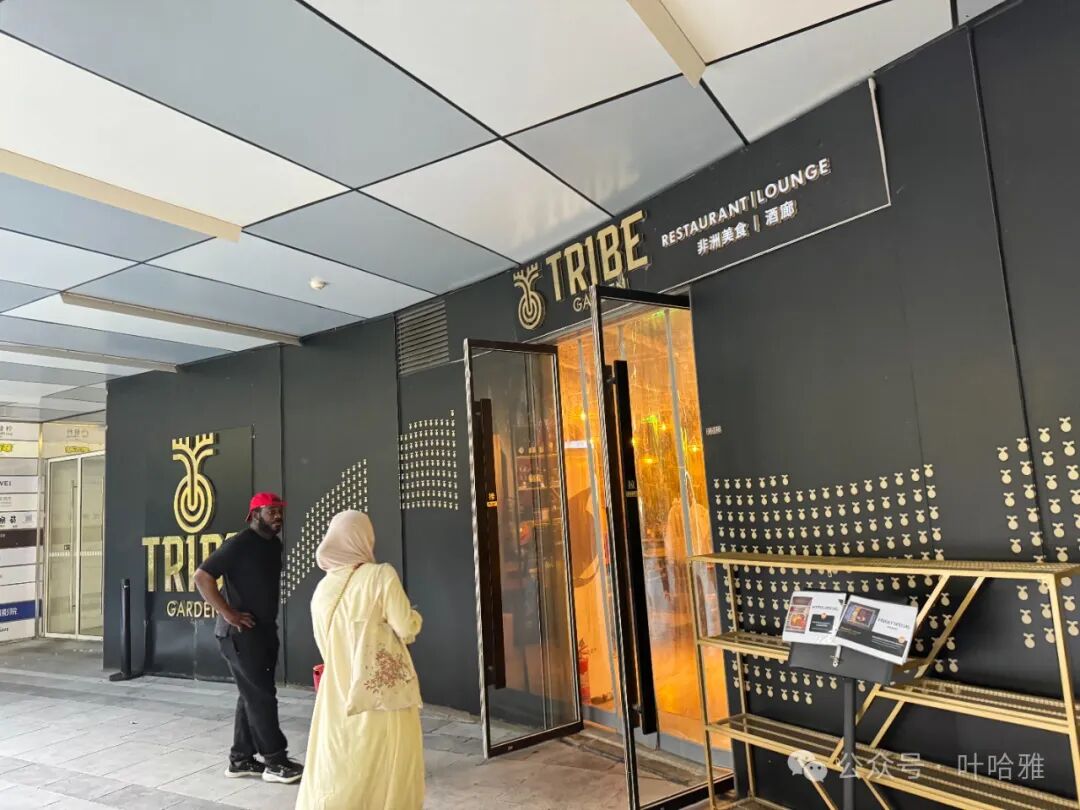
A new halal restaurant featuring West African flavors recently opened on the first basement level of Sanlitun SOHO. They specialize in Ghanaian cuisine. The staff are all Black Muslims who speak fluent Chinese, and one young lady from Kenya is especially cute.
Ghana is a country in West Africa where about 15% of the population is Muslim, yet the national banknote features a mosque with a unique style.

Larabanga Mosque
The Larabanga Mosque on the banknote was built between the 14th and 15th centuries. It is the oldest mosque in Ghana. Its architectural style is unique to West Africa, built from yellow mud and wood, making it very iconic.
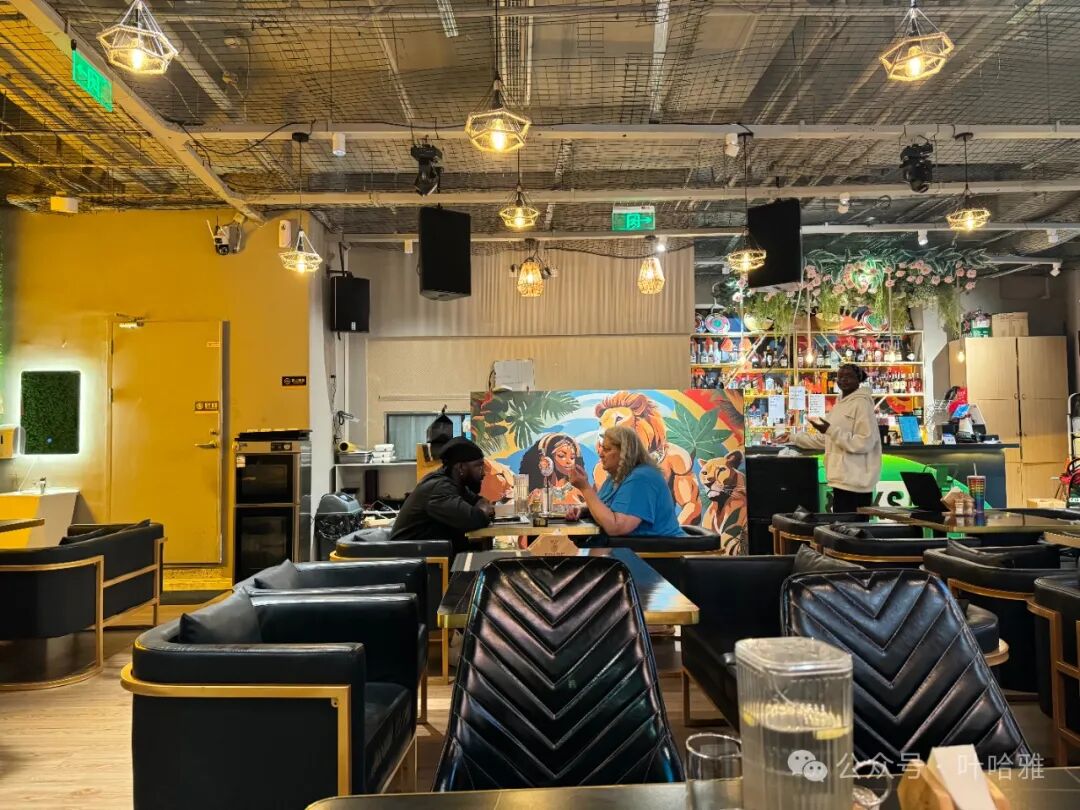
The restaurant decor also has a strong African vibe, including the wall hangings.
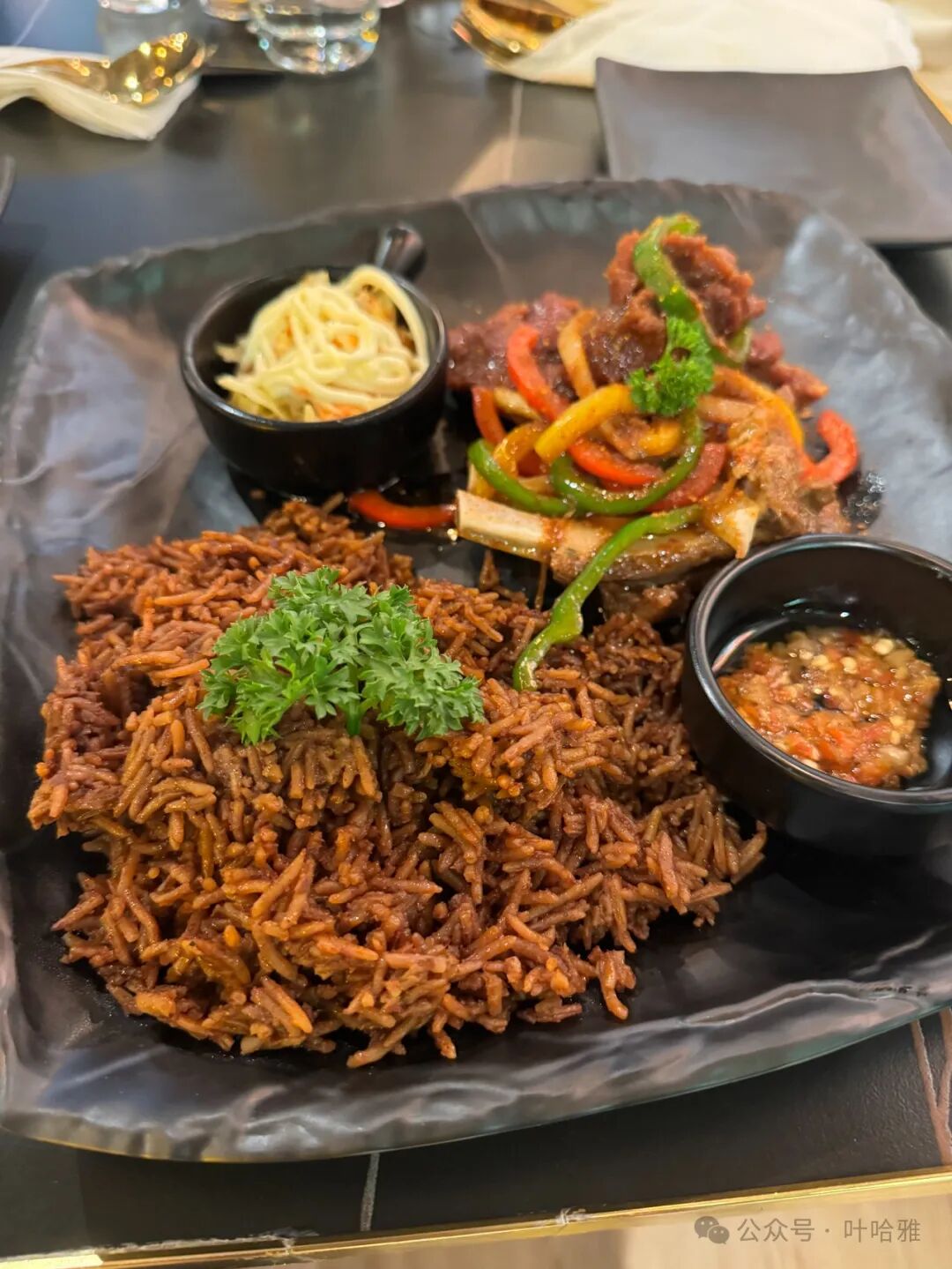
African goat meat mixed rice
African goat meat is a bit tough, but it has no gamey smell. The mixed rice is salty and spicy.
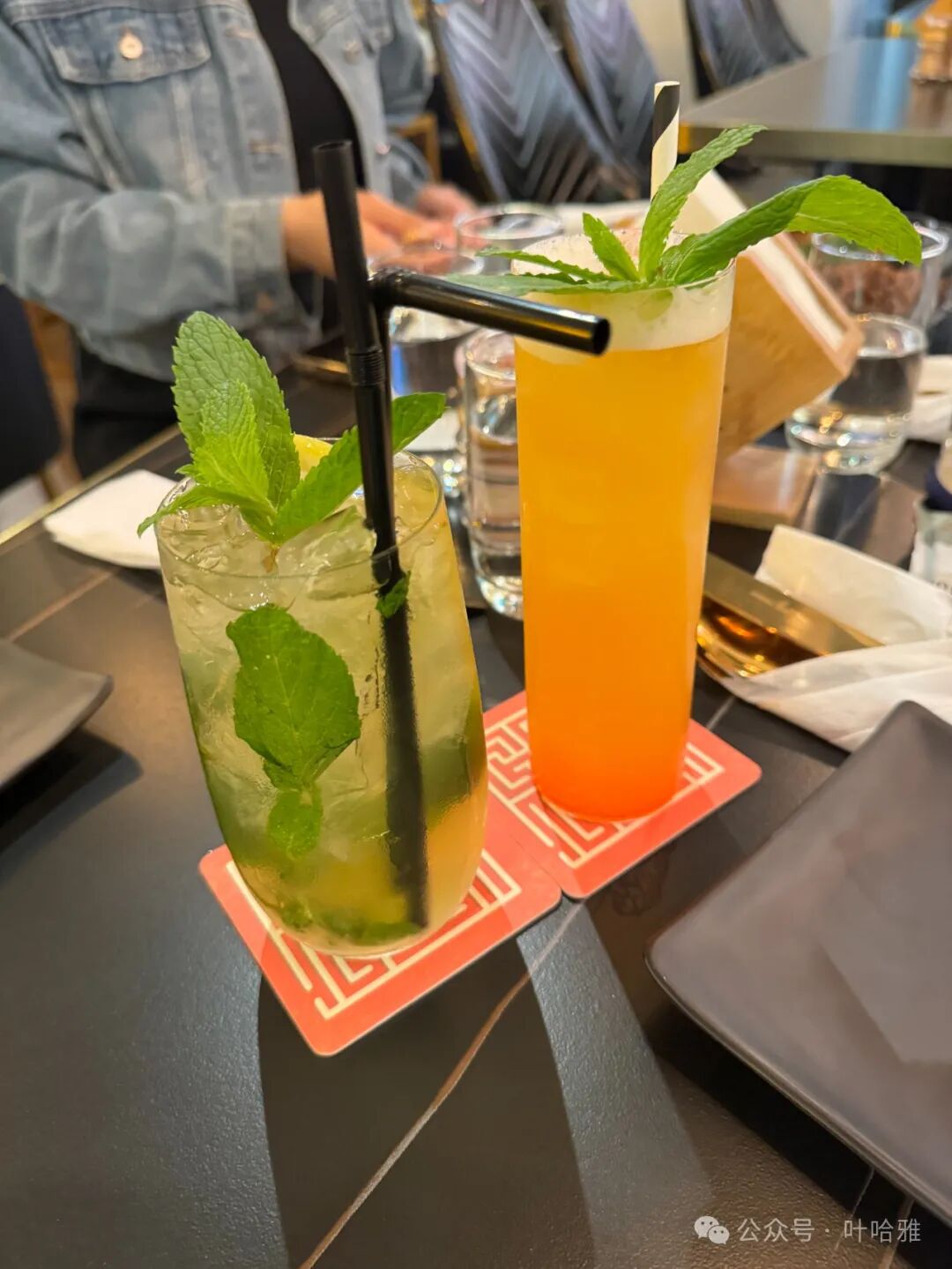
Non-alcoholic mojito and fruit punch
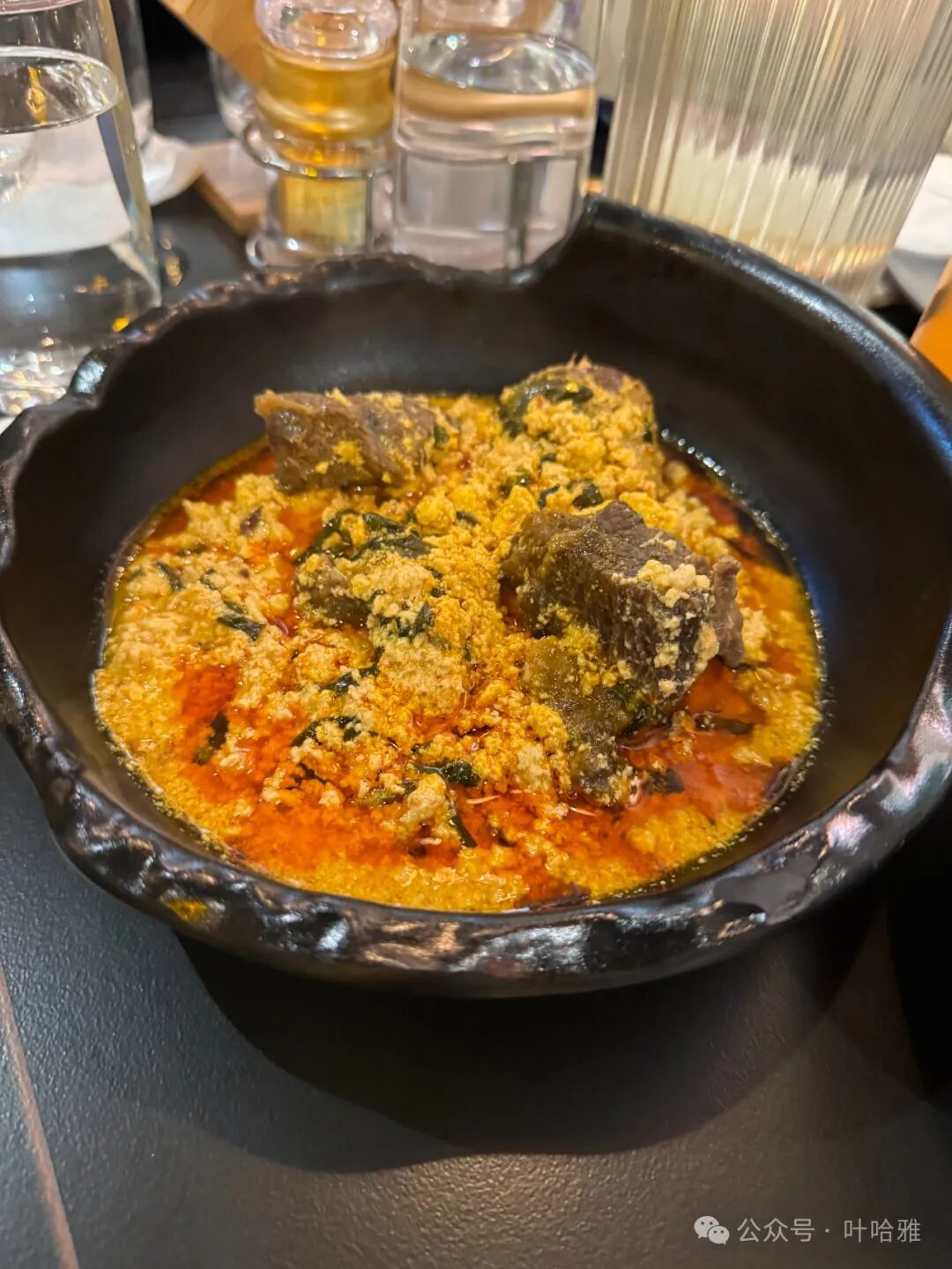
African specialty egusi (egusi)
You eat this dish mixed with the cassava flour paste shown below. Eating the cassava flour paste is just like eating rice cake.
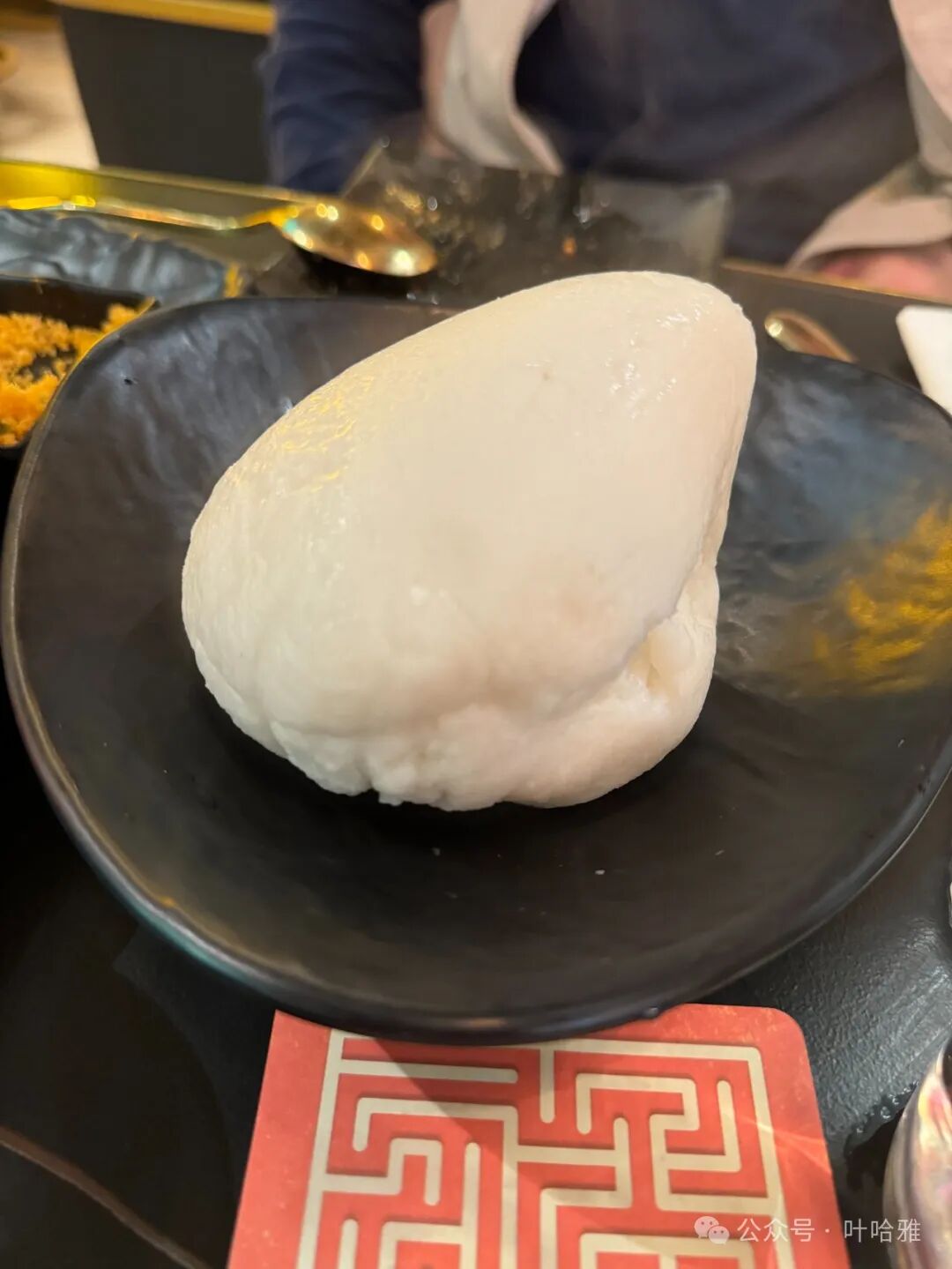
Fufu (fufu)
The white dish is called fufu, which translates to rice flour paste in Chinese. It is a staple food for Ghanaians.
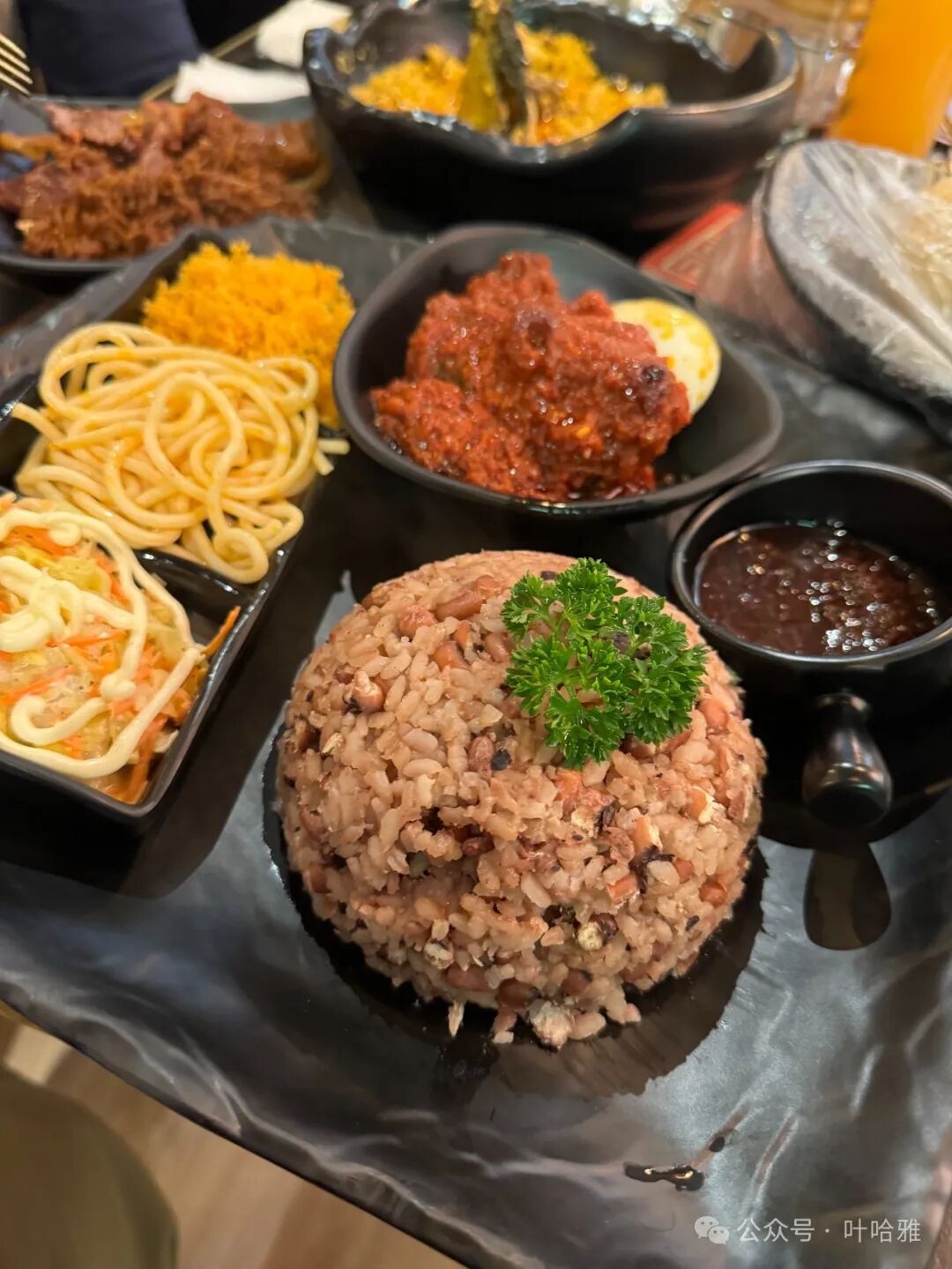
Friday special dish
They have a special dish every day. This Friday special is made with beans and rice, served with some noodles and dipping sauce. It tastes sour, salty, and spicy all at once.
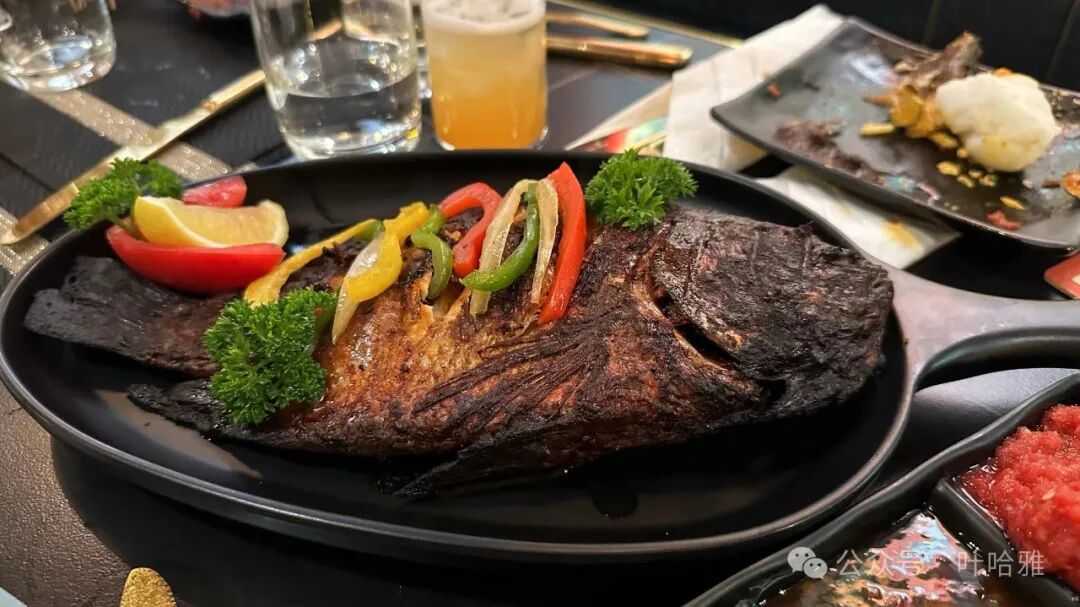
Grilled tilapia
This is an African-style grilled fish. It tastes great. Even though the skin looks charred, the meat inside is white.
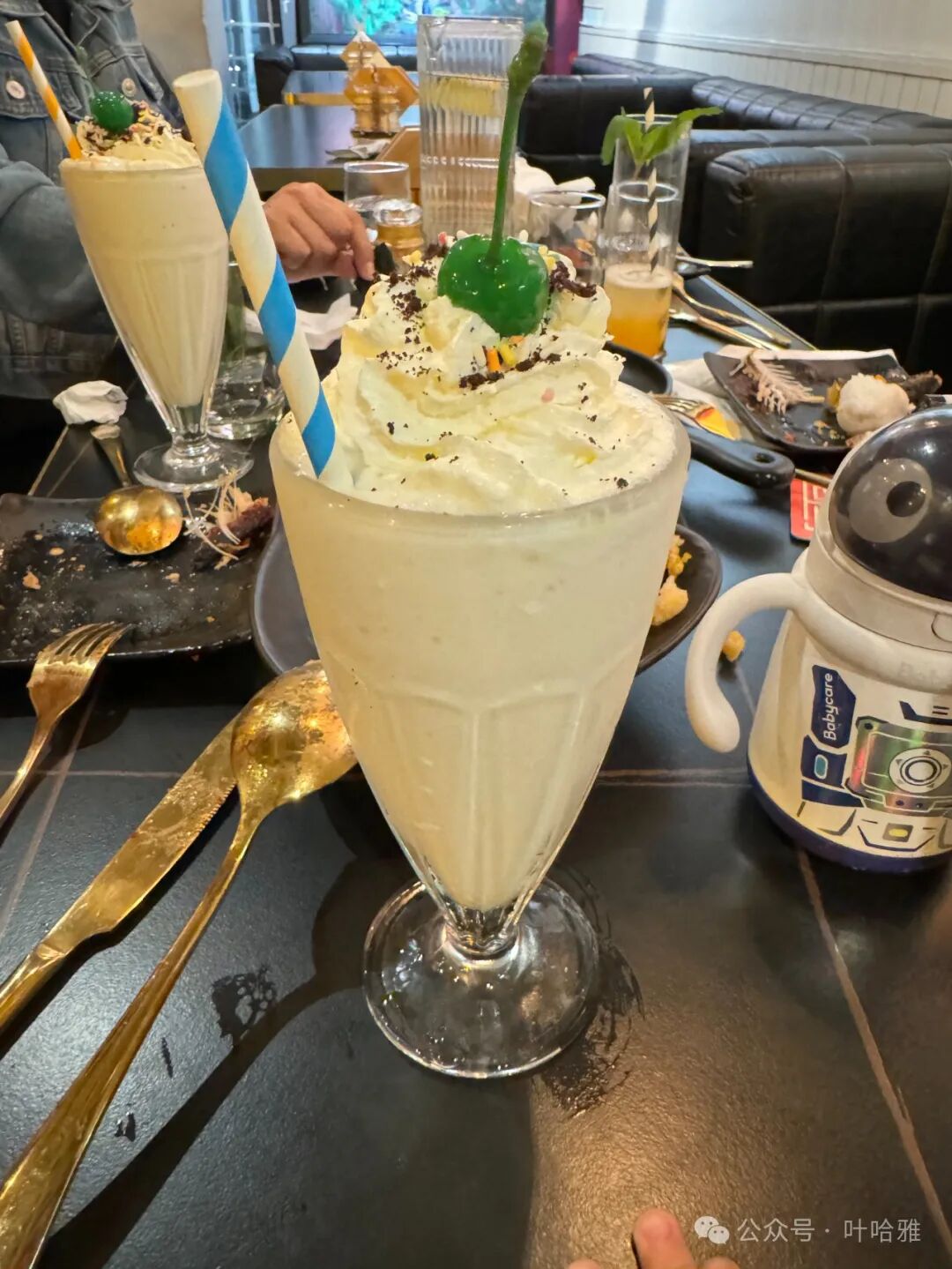
A young lady from Kenya recommended this milkshake to us. It is very creamy and delicious. The whole meal cost 530 yuan for four people, which is 130 yuan per person.
2. Stone Hearth Grill and Tea (Shishangweilu)
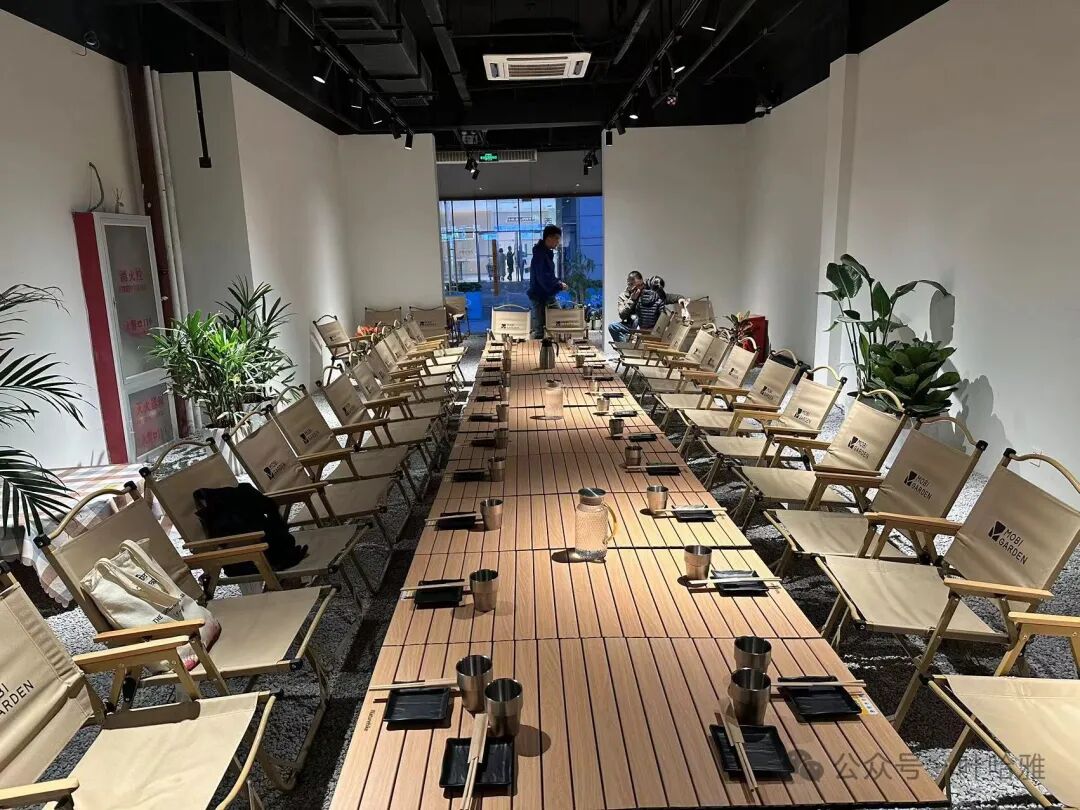
This is a newly opened light meal and coffee shop on the ground floor of the West District of Changying Paradise Walk. The owner is a Hui Muslim from Beijing, and we chose to have a small gathering here for Eid al-Fitr.
Thirty of us ate every single item on the menu twice.
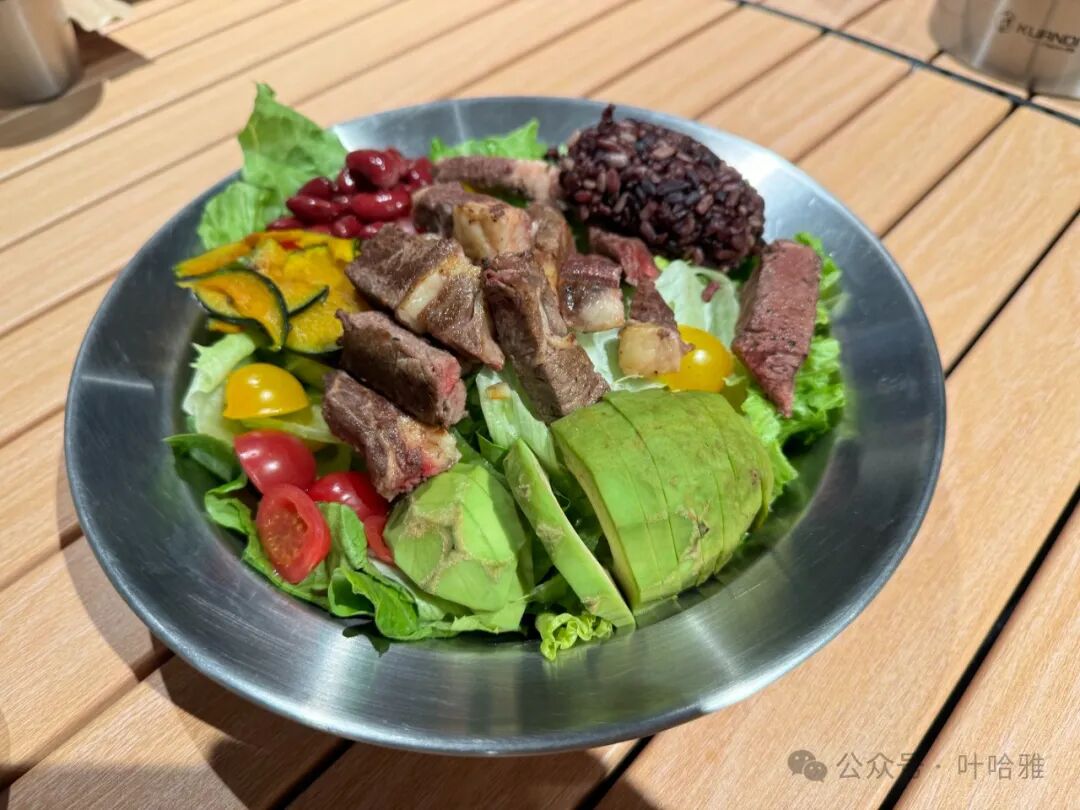
They serve light meals during the day. Besides these pretty salads, they also have burgers and pasta.
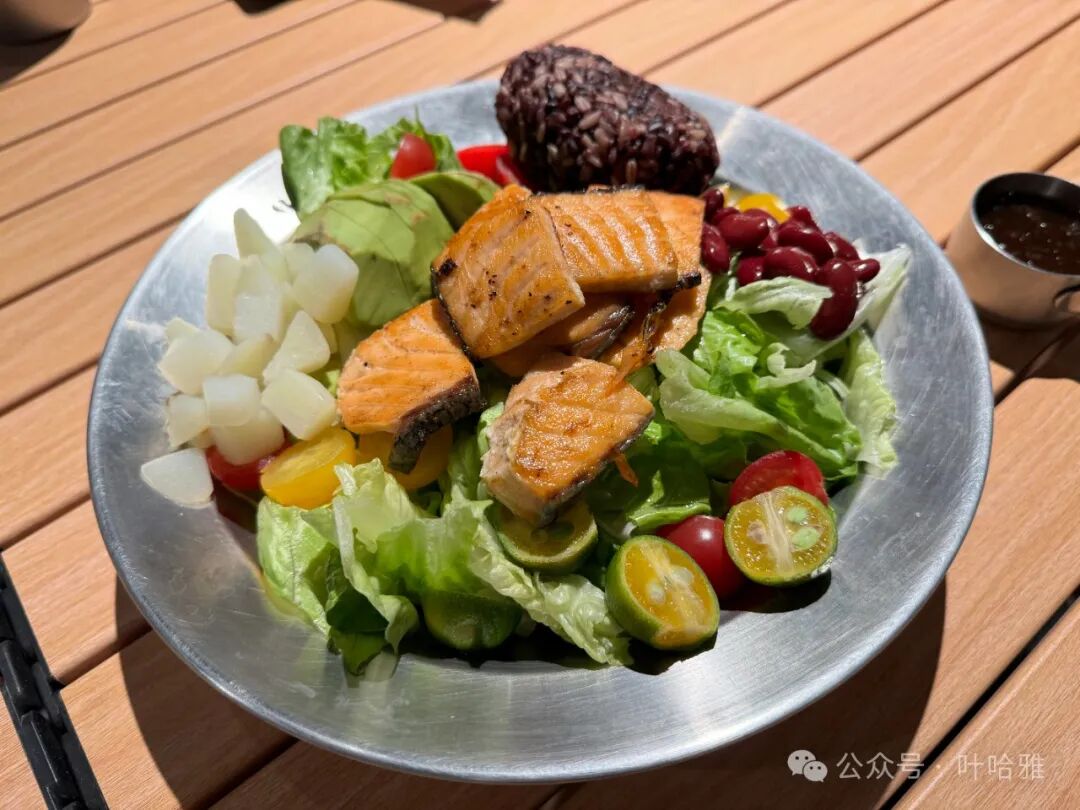
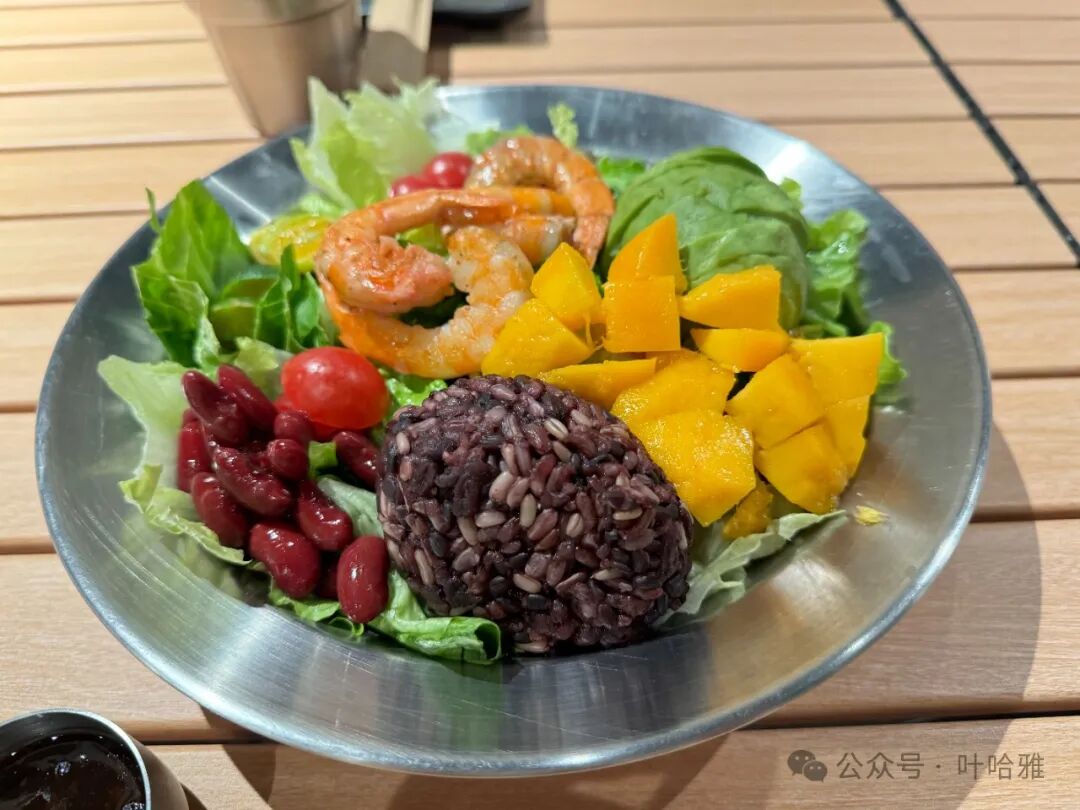
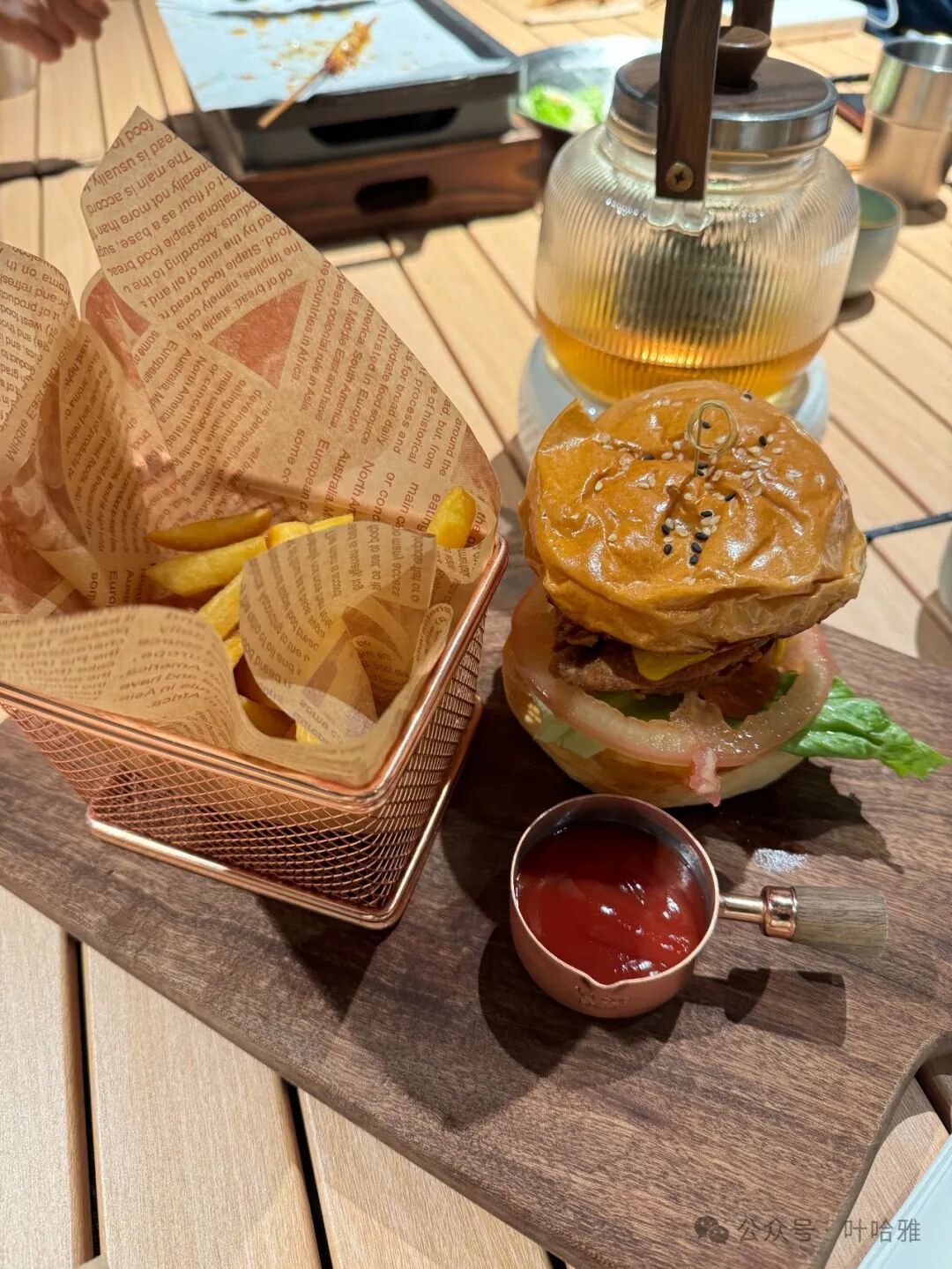
The M3 beef burger uses a patty hand-pressed by the owner, and all the meat is sourced from Li Wei's shop in Changying.
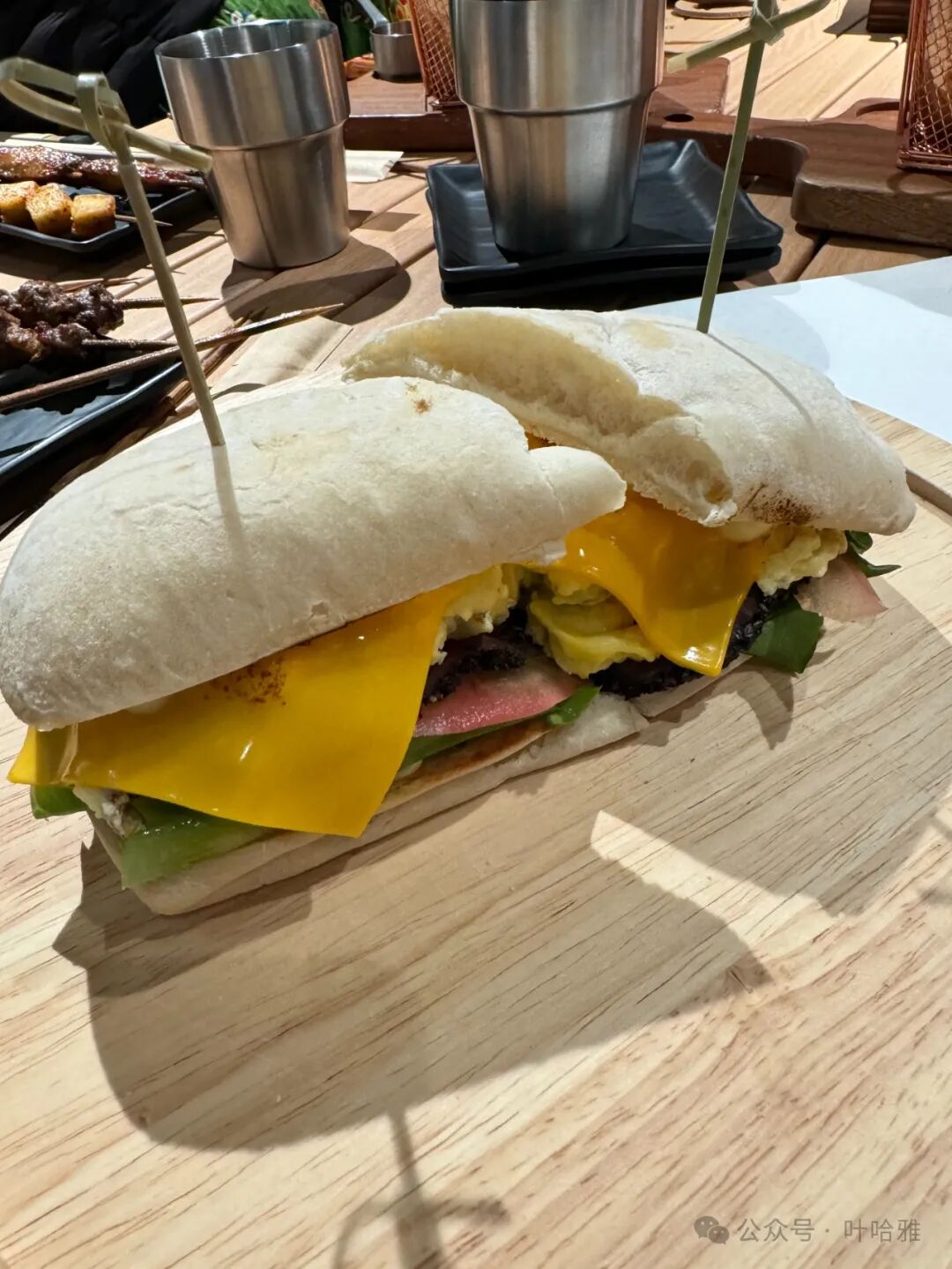
This is an Italian-style sandwich, listed on the menu as a panini.
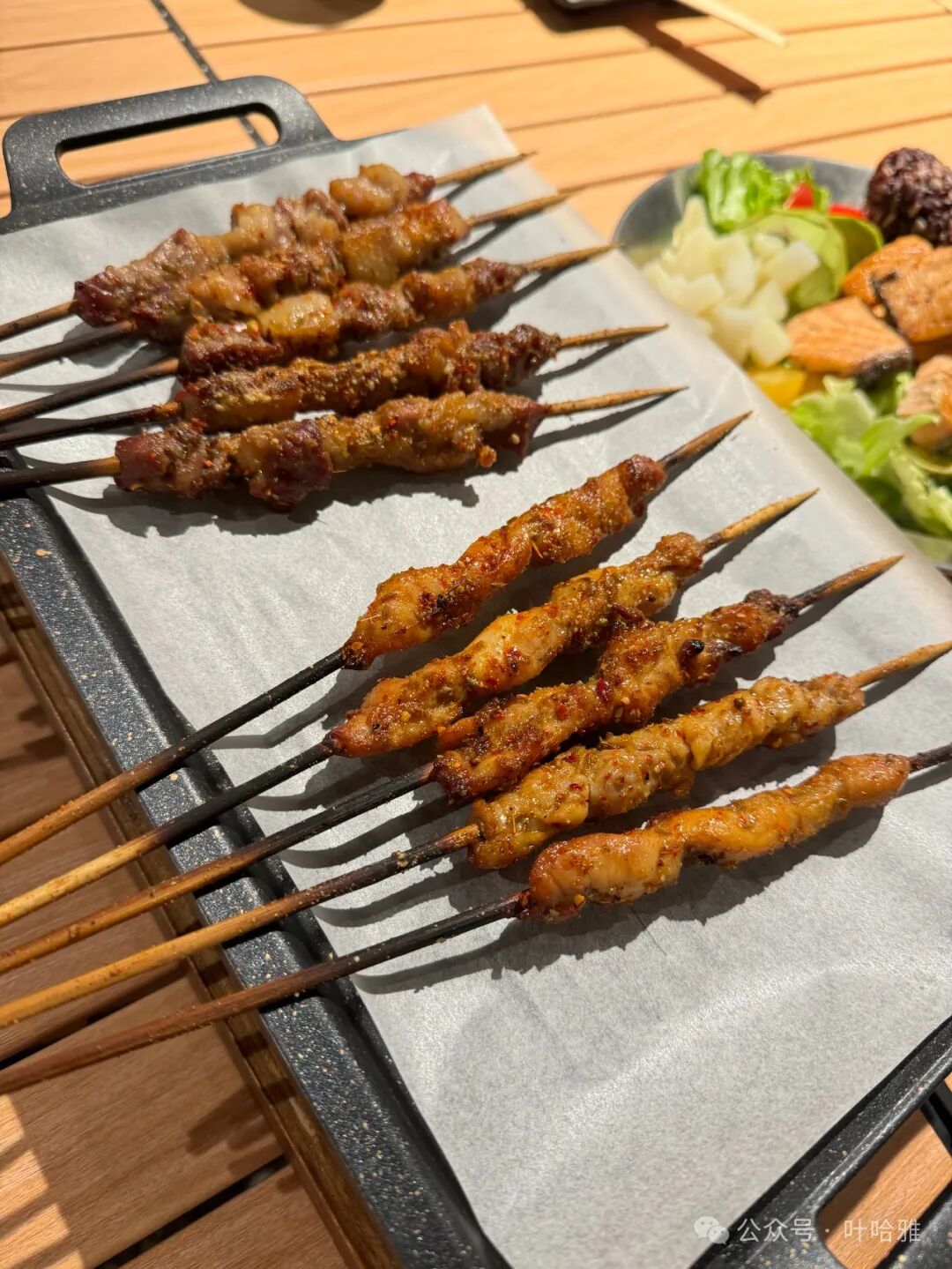
Barbecue is served in the evening. If you want a simple Western-style meal at night, you can call ahead to book. Everyone gave the simple meals and barbecue great reviews. The average cost per person is about 130 yuan.
3. Ma Bei'er Bistro
Ma Bei'er is a new brand started by the original management team of Jubao Yuan after they split up. Next to the main Ma Bei'er hot pot (shuanrou) restaurant on Nanheng West Street, there is also a small Ma Bei'er bistro that specializes in Beijing-style stir-fry dishes.
This stir-fry bistro is just as busy as the hot pot restaurant. We tried a few signature dishes and had a good experience. Everything was delicious and worth recommending. The average cost per person is about 100 yuan.
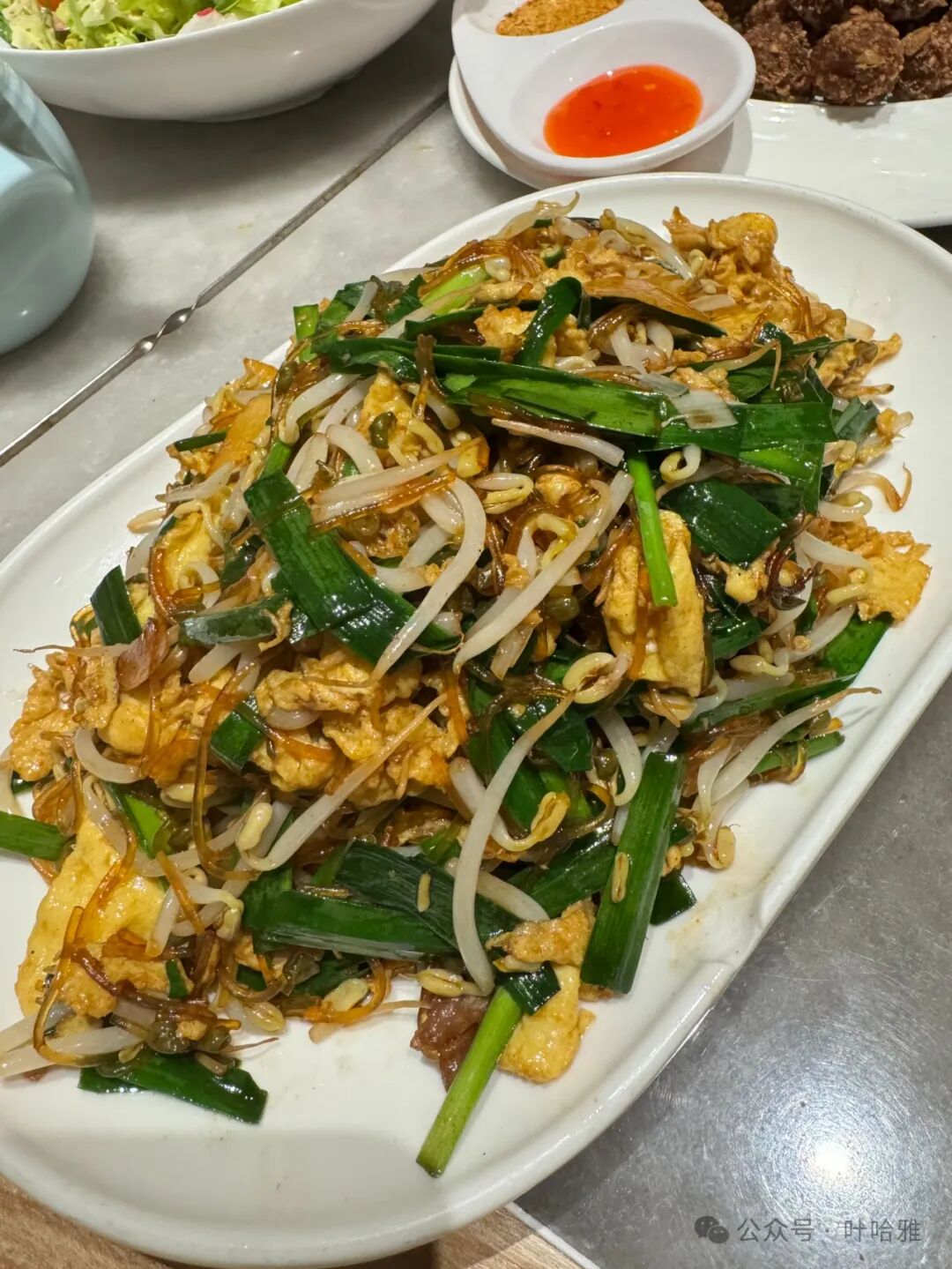
Stir-fried mixed vegetables (chaohecai)
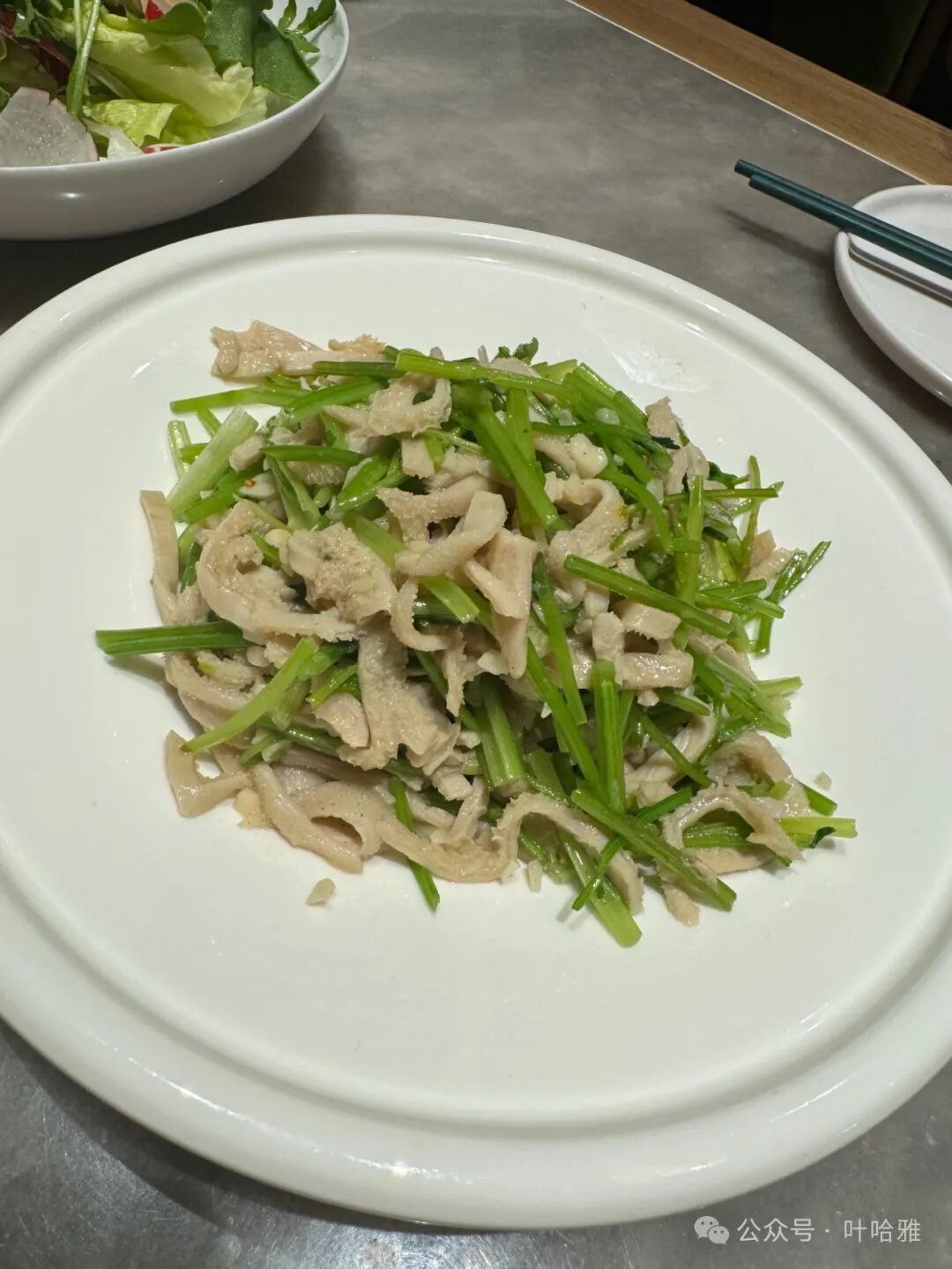
Quick-fried beef tripe with coriander (yanbaosandan)
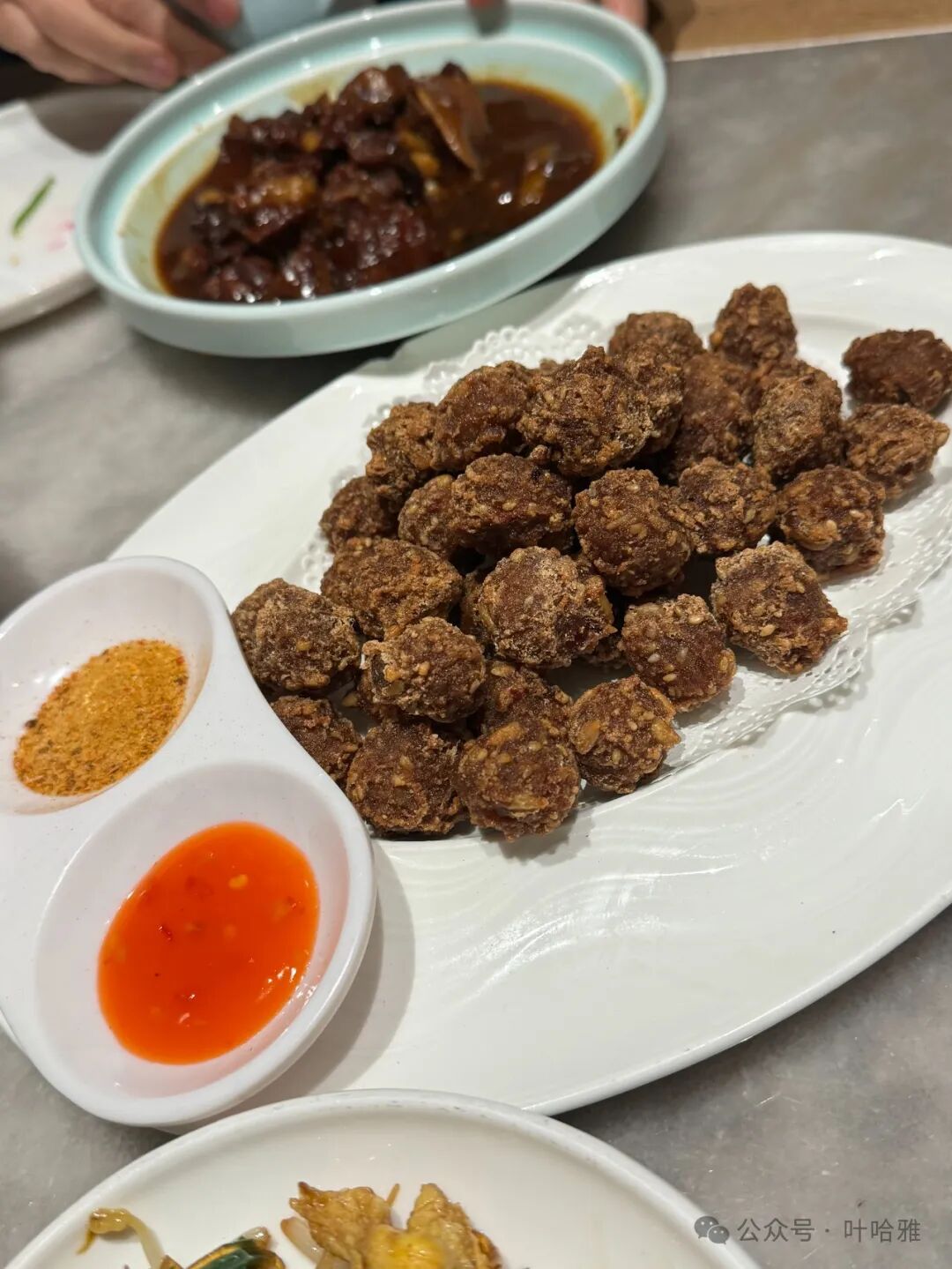
Deep-fried meatballs (ganzhawanzi)
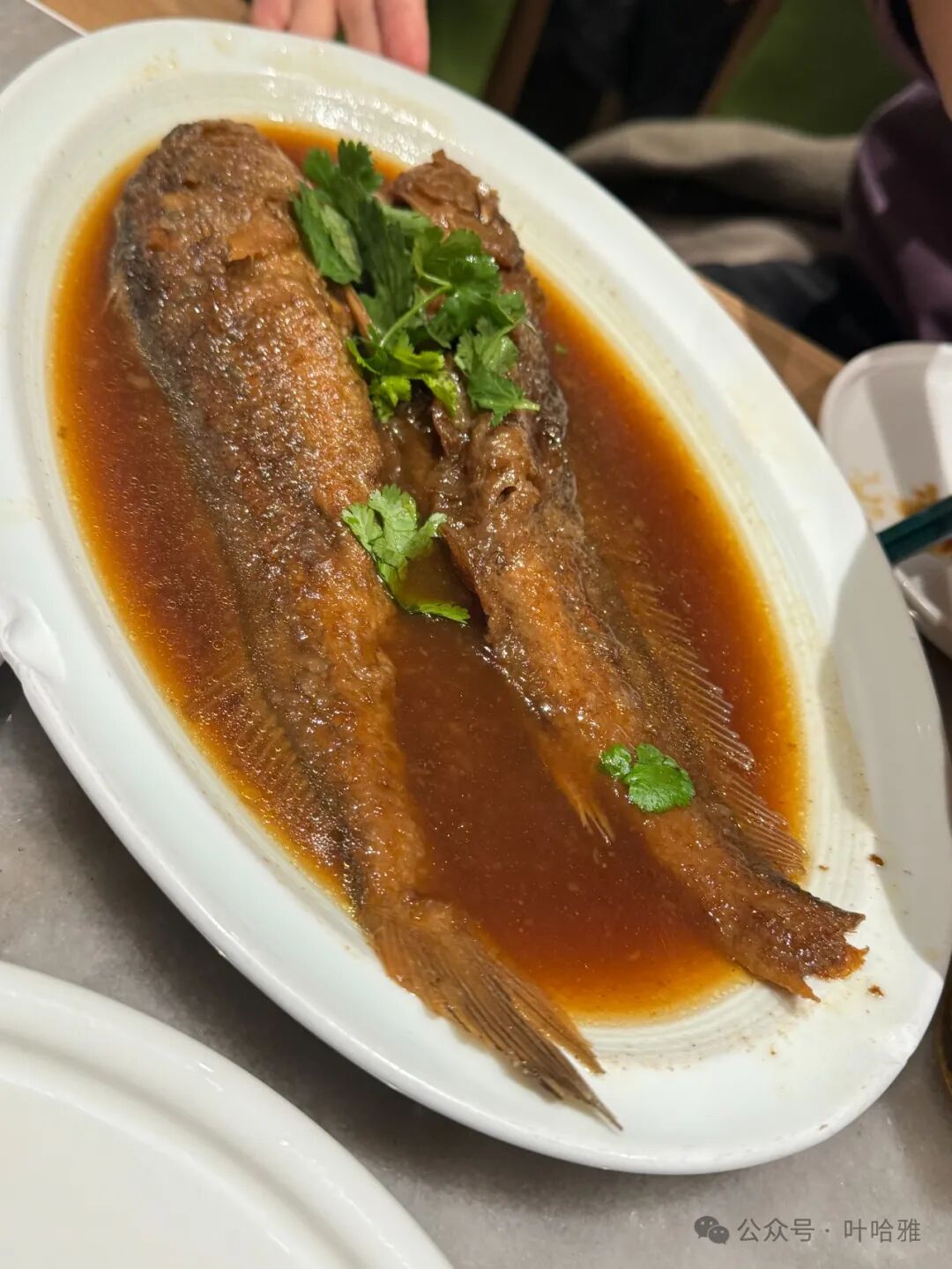
Braised yellow croaker in northern style (kuadunhuangyu)
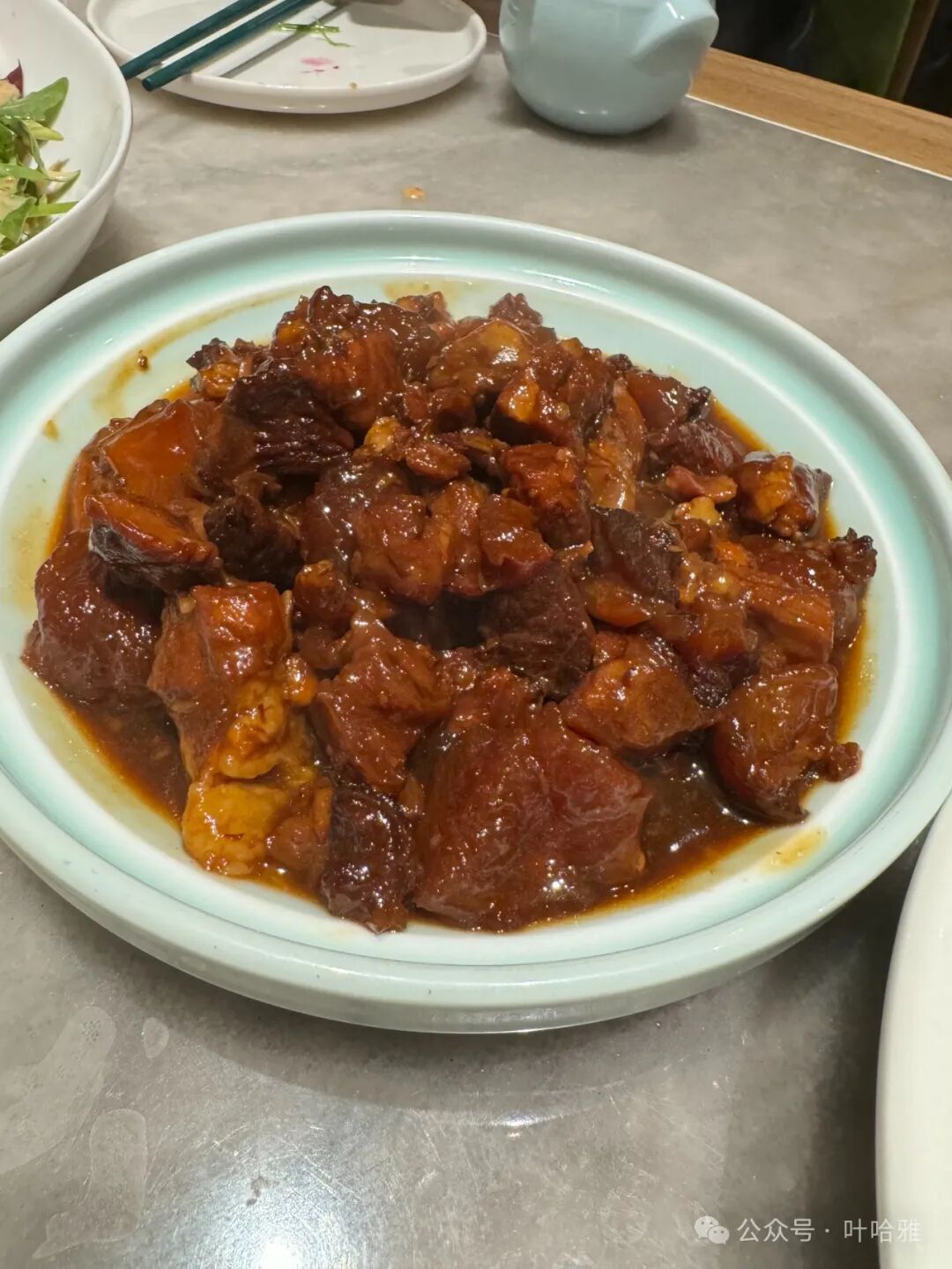
Slow-cooked beef (weiniurou)
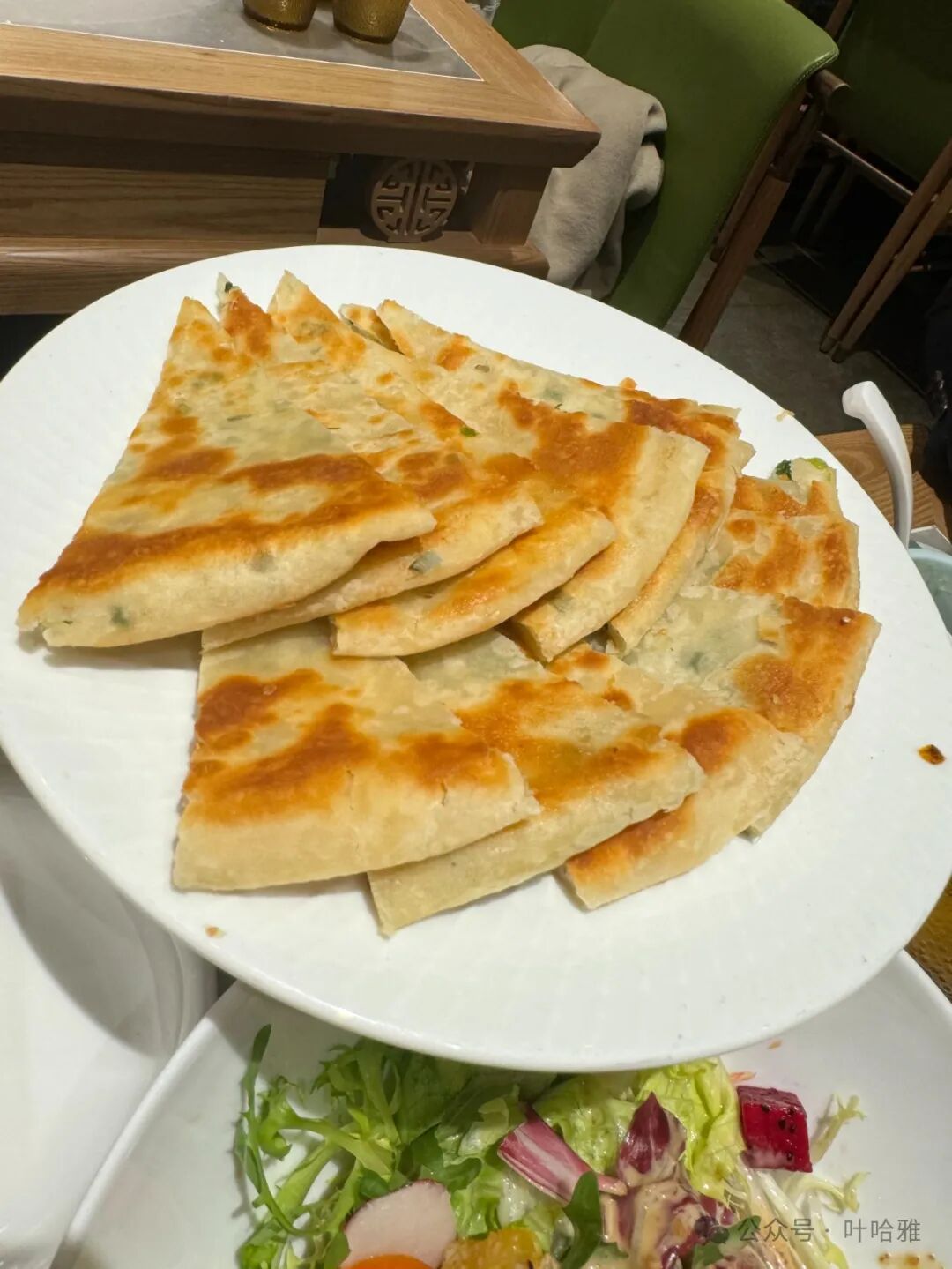
Scallion pancake (conghuabing)
4. Carthage Restaurant
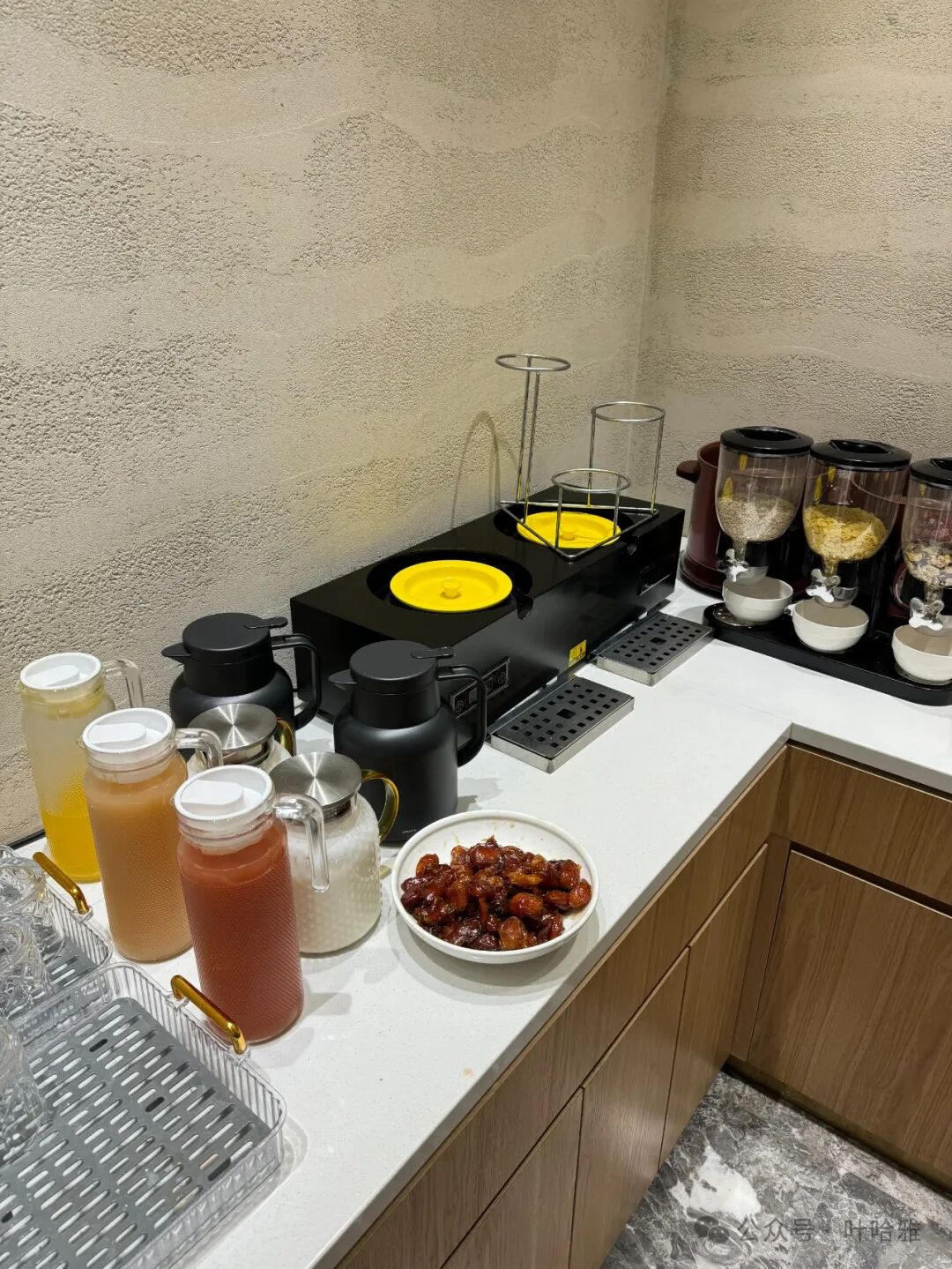
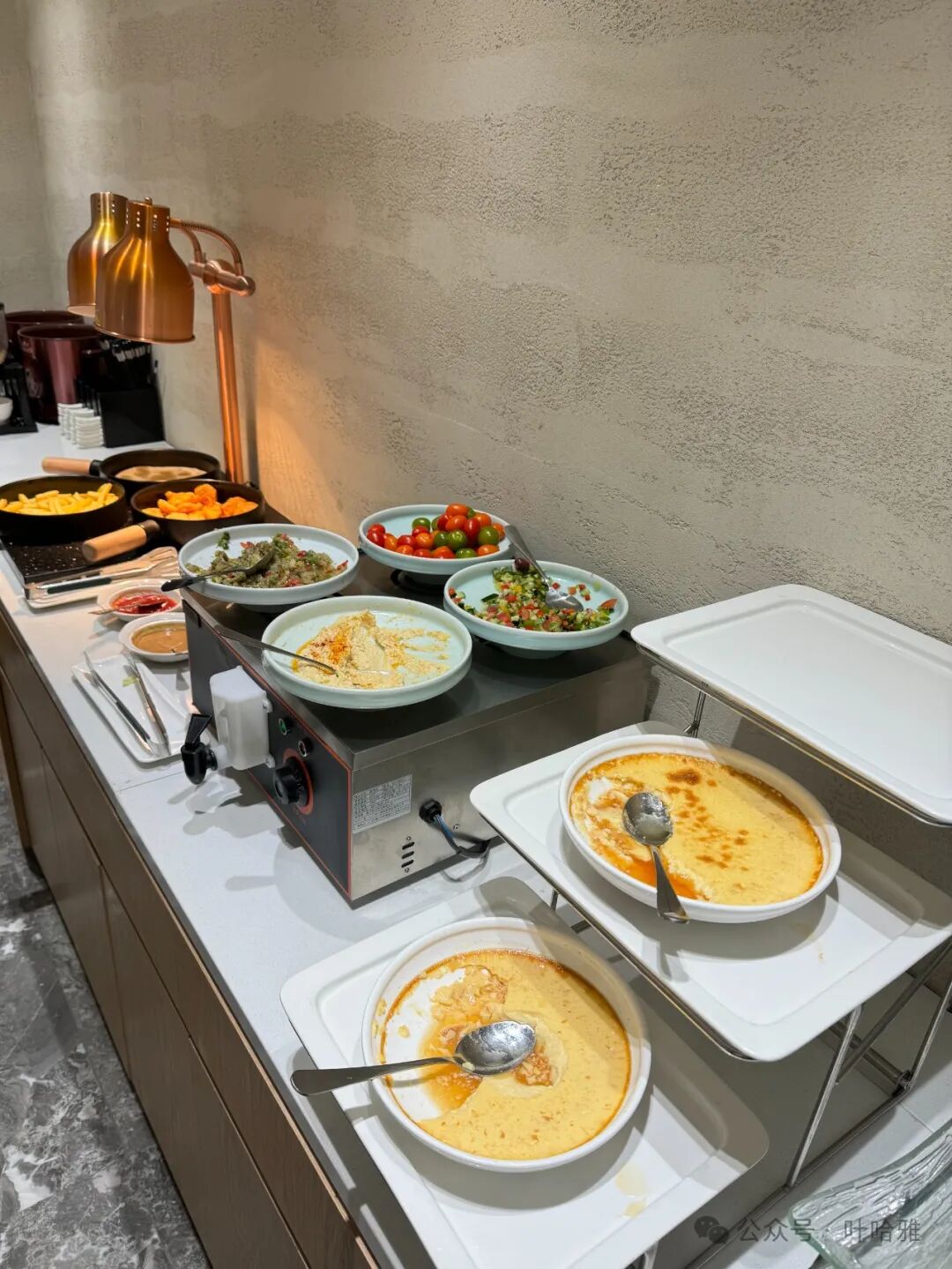
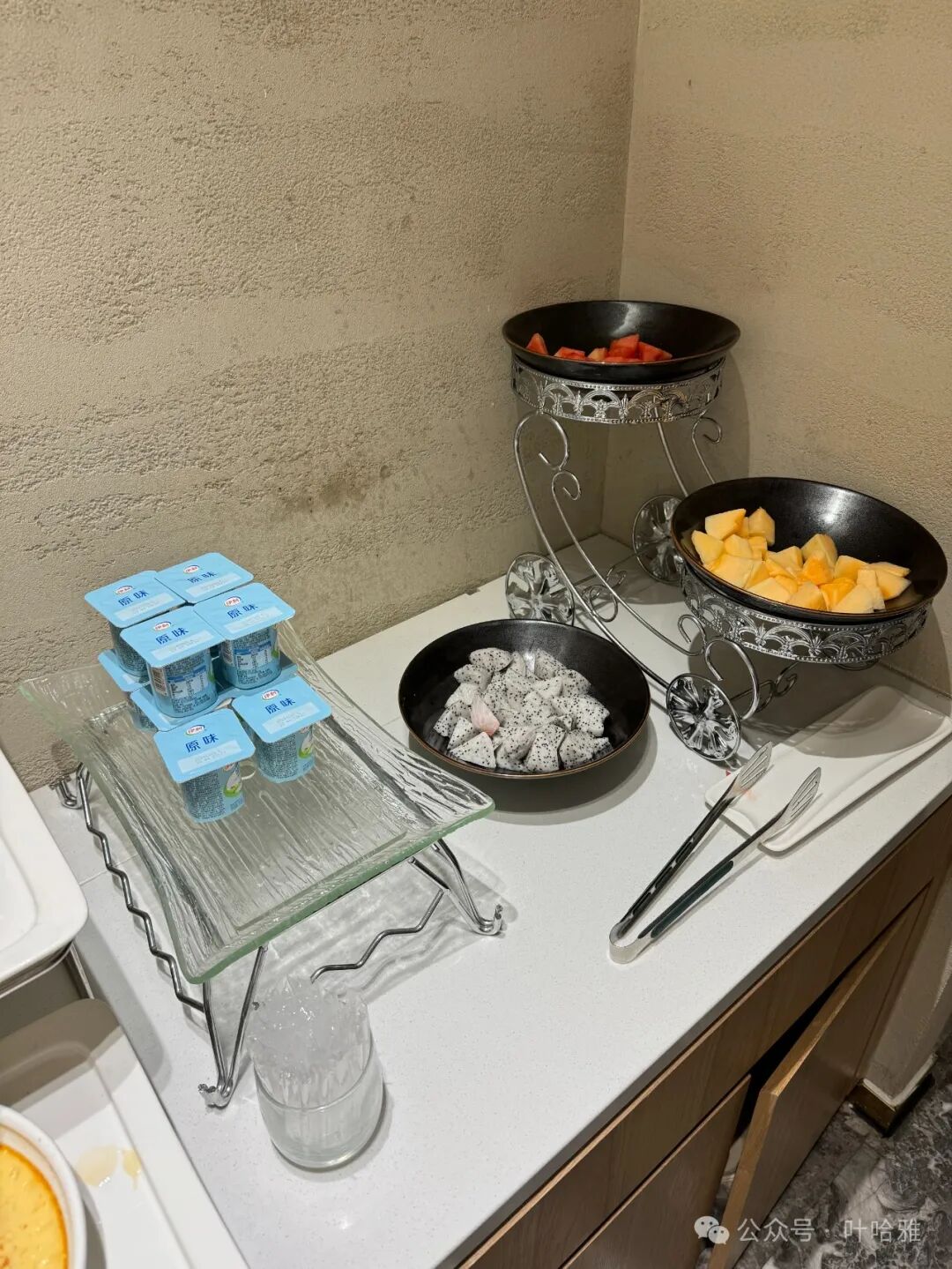
This is a Tunisian restaurant. It is owned by the same people as La Medina Tunisian restaurant in Sanlitun. You can find it on the first floor of the Atour X Hotel in Sanlitun.
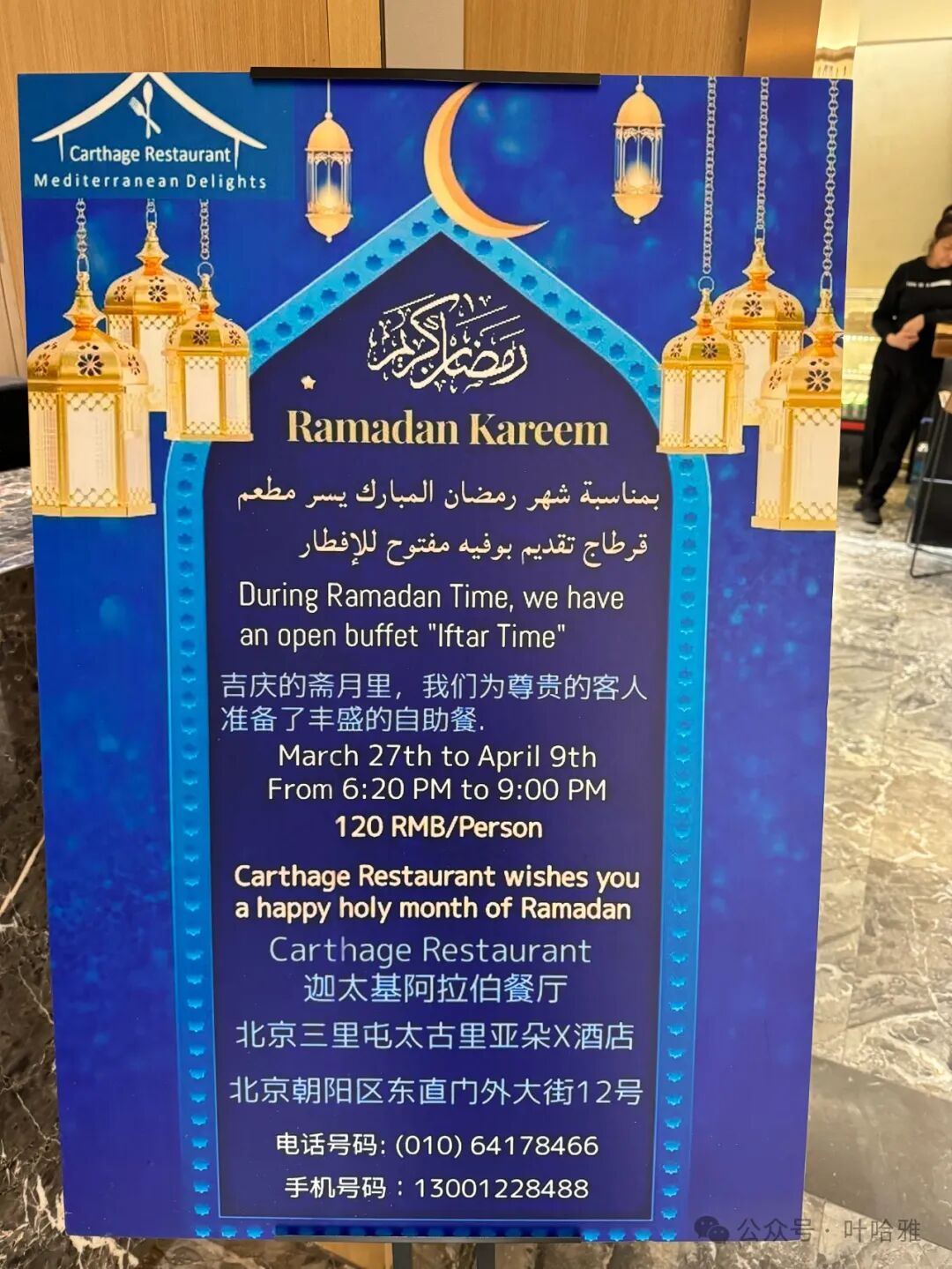
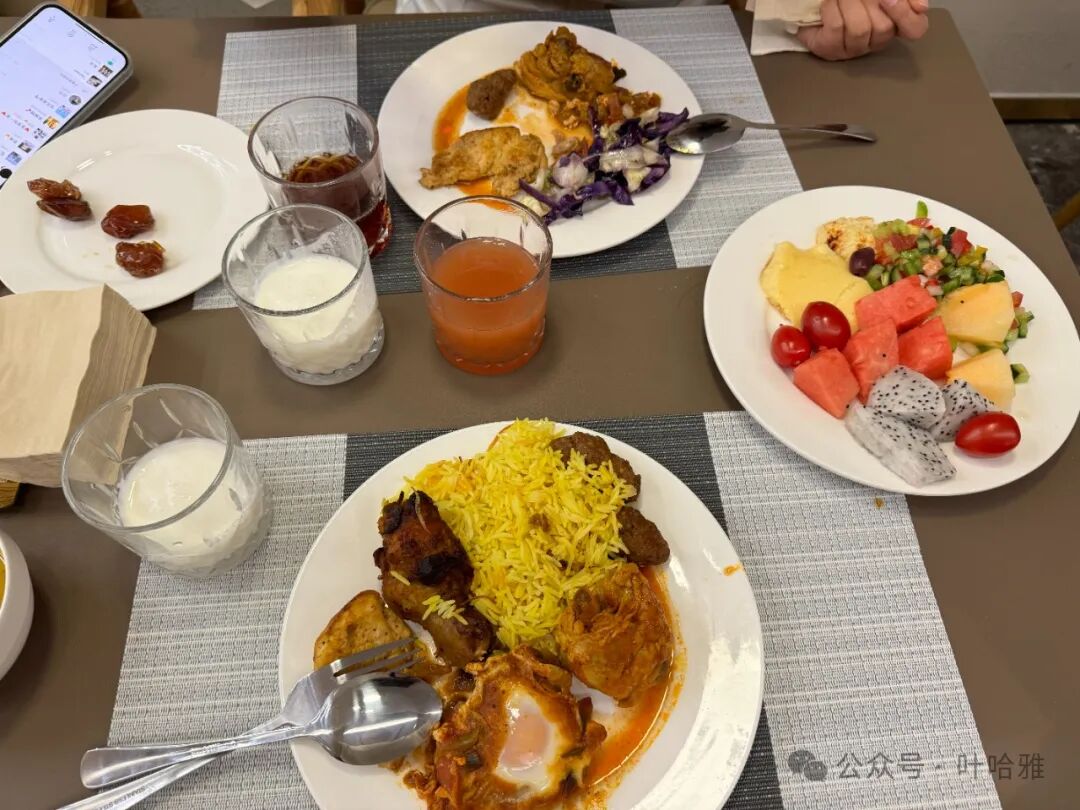
During Ramadan, they offer an iftar buffet for 120 yuan per person. It includes all the signature dishes you would expect, plus drinks and desserts.

Tunisia is a North African country. Its food habits are a bit different from West Africa, and North African flavors are usually easier for most people to enjoy.
5. Fan Manyu Tomato Beef Flatbread (Paobing)
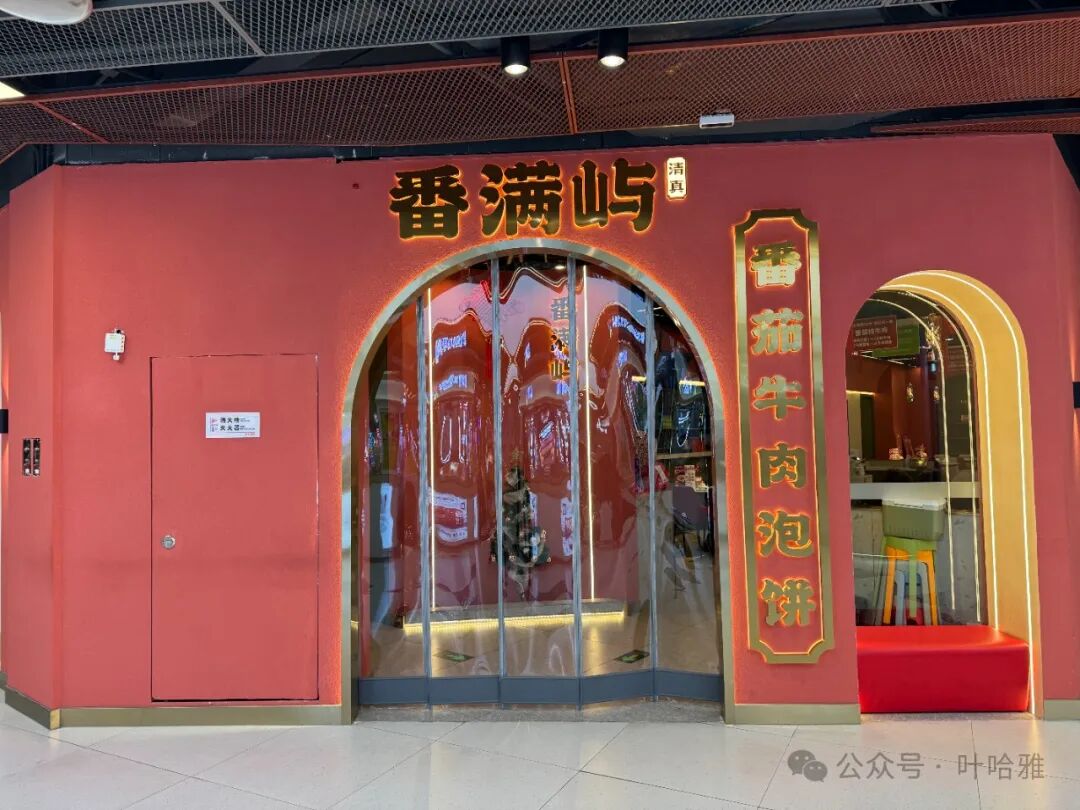
A new specialty shop just opened on the basement level of the West Zone at Tongzhou Wanda Plaza. They focus on tomato beef brisket with flatbread (paobing) and various other tomato-based dishes.
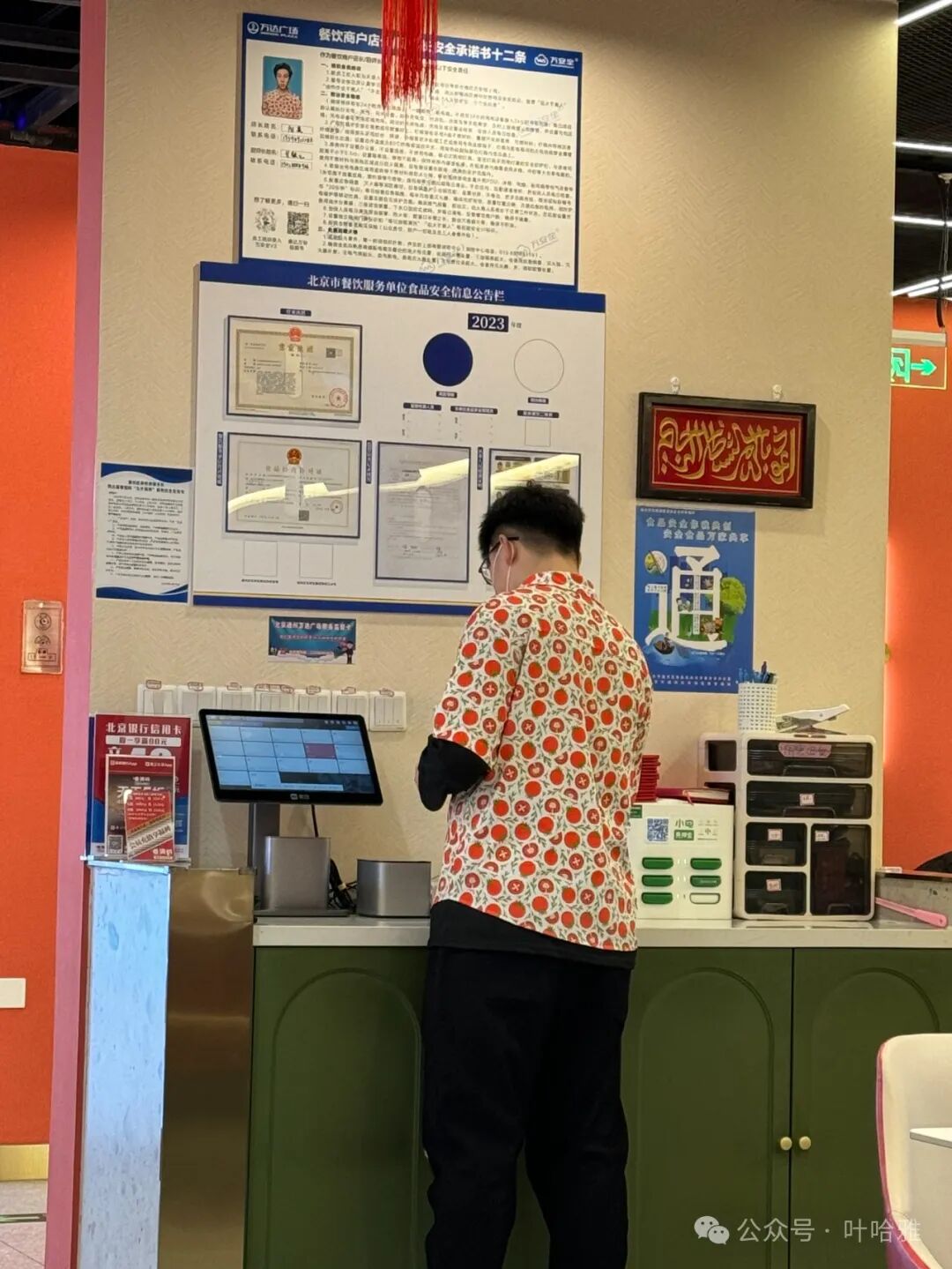
The staff uniforms are covered in tomato drawings.
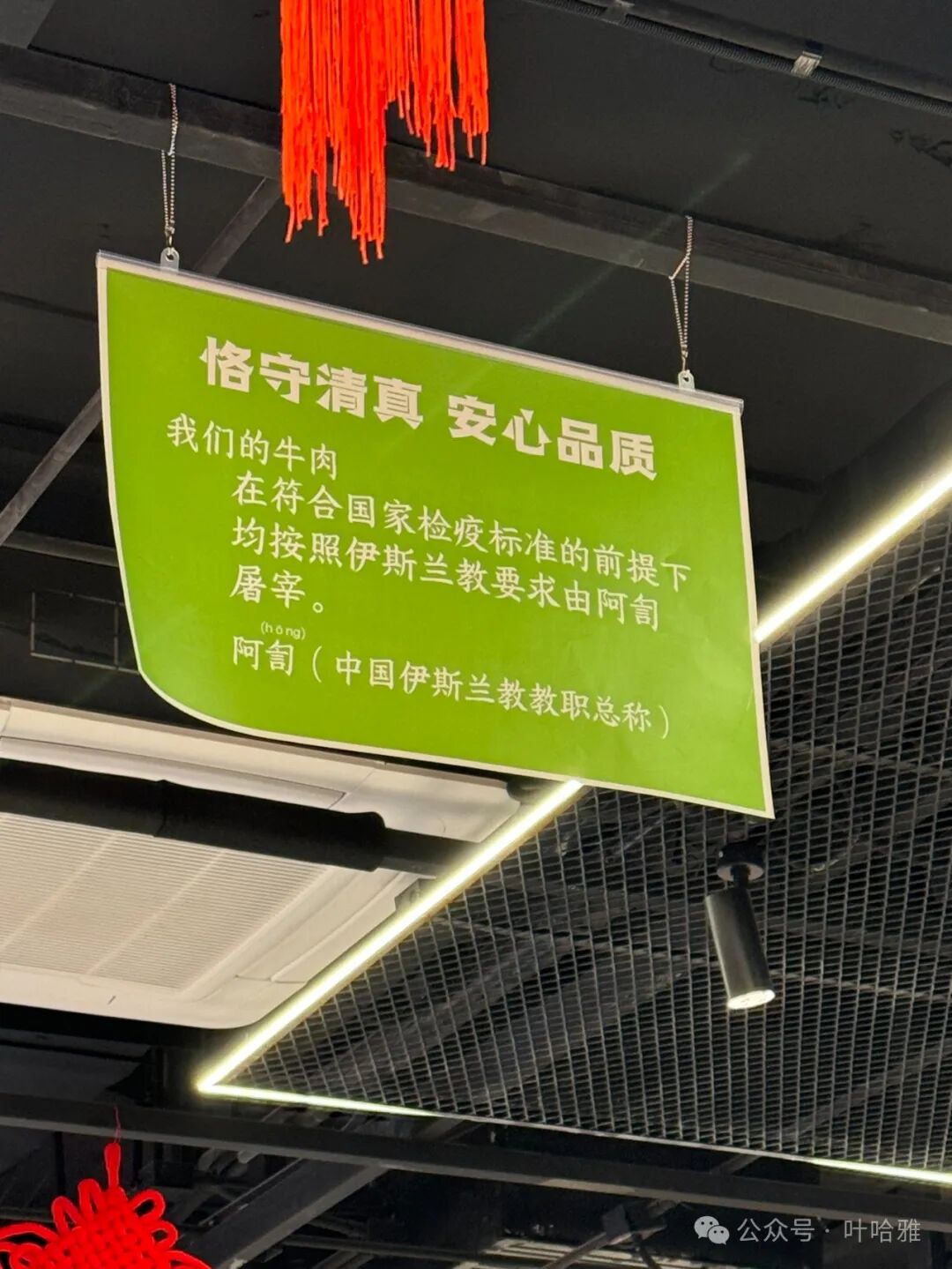
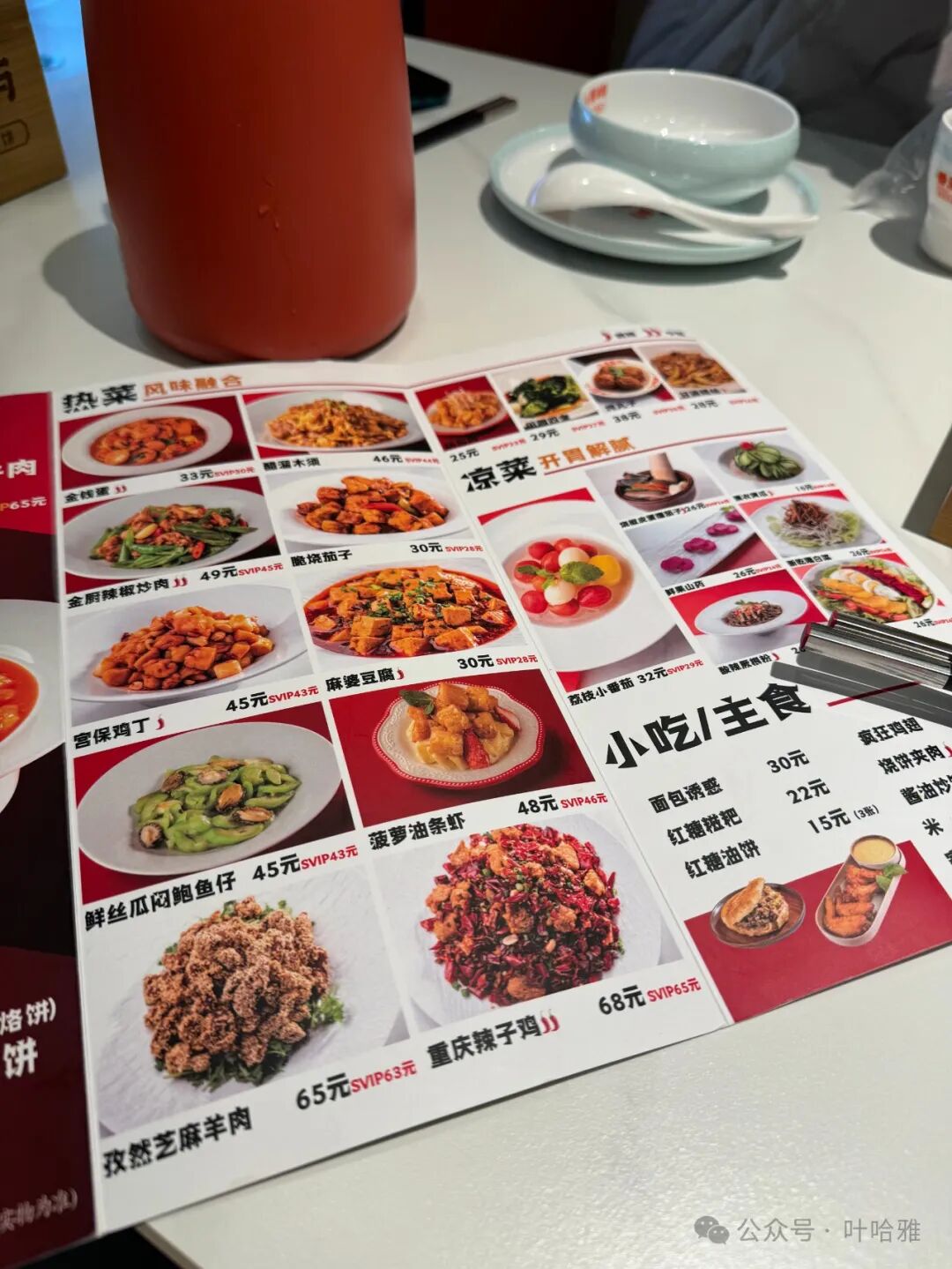
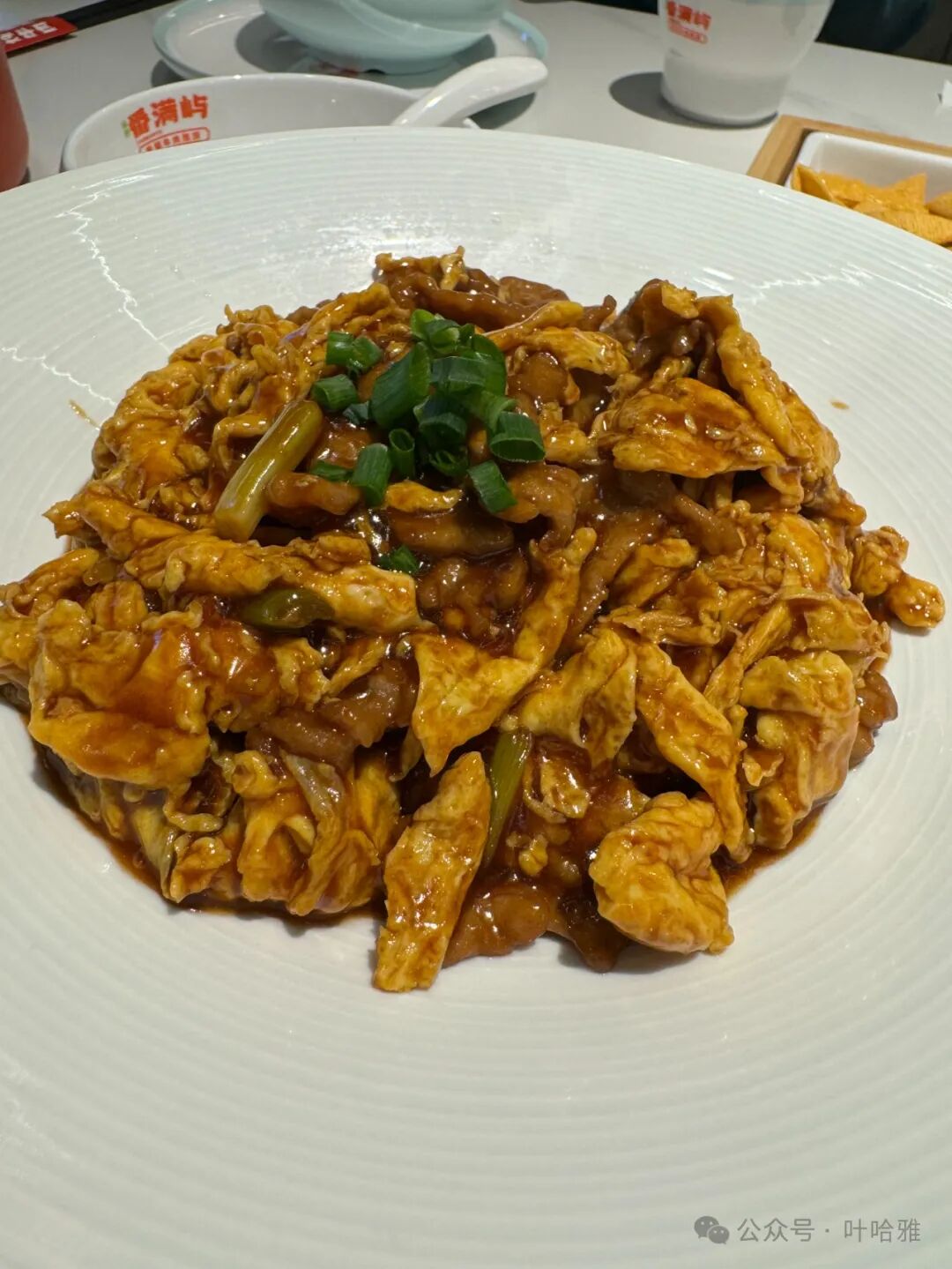
Vinegar-stir-fried egg and meat (culiu muxu)
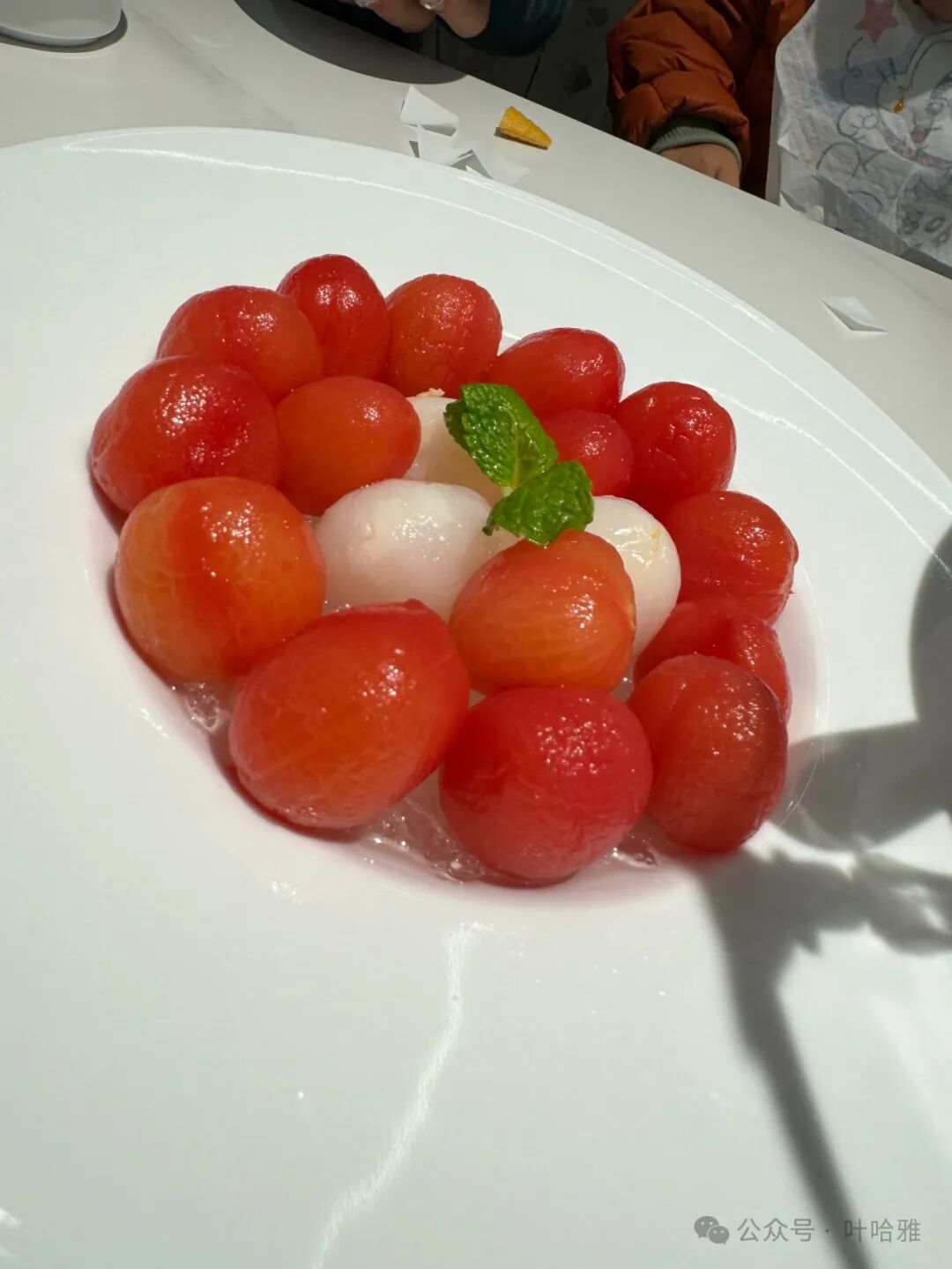
Lychee-flavored cherry tomatoes
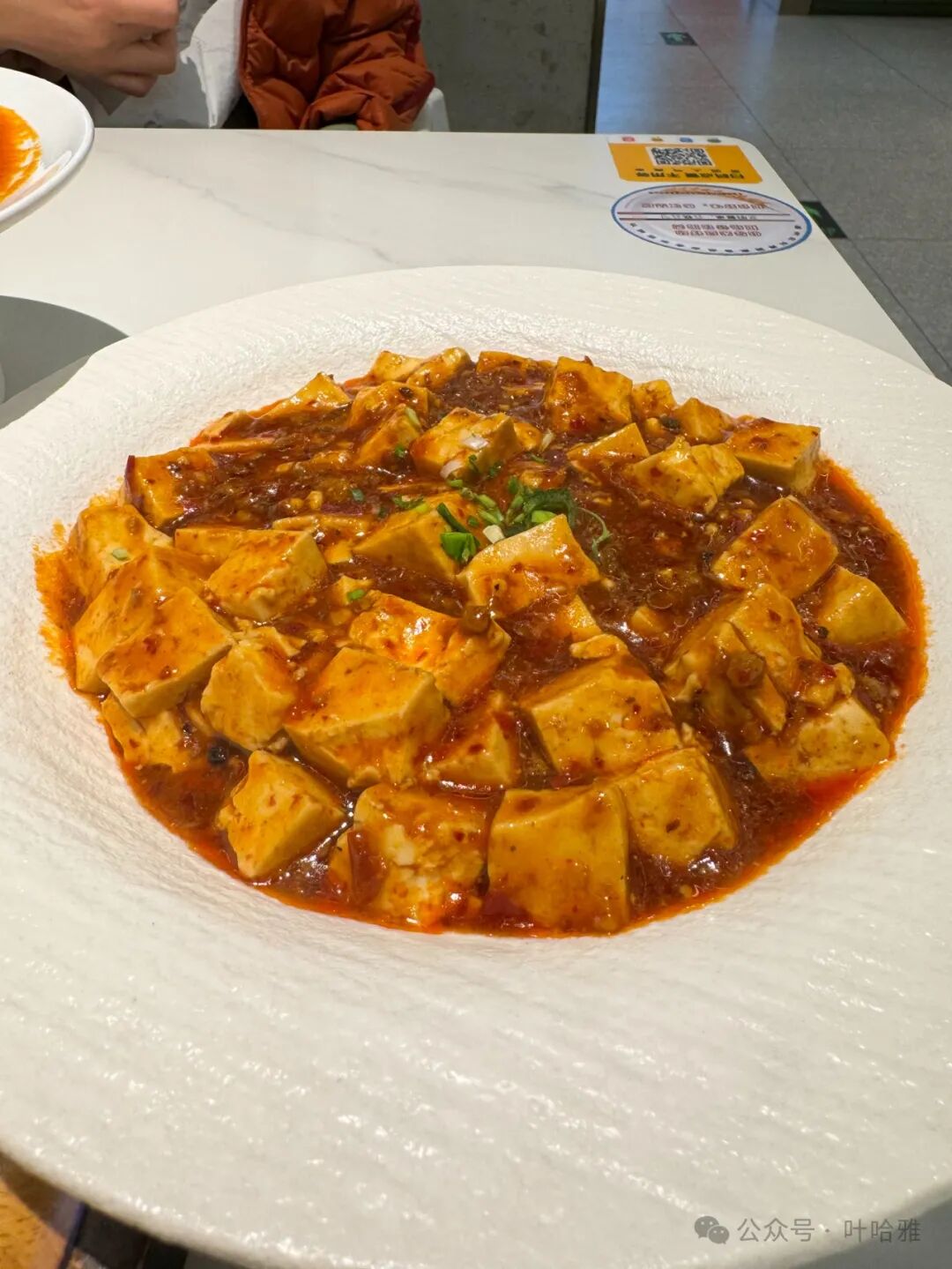
Mapo tofu
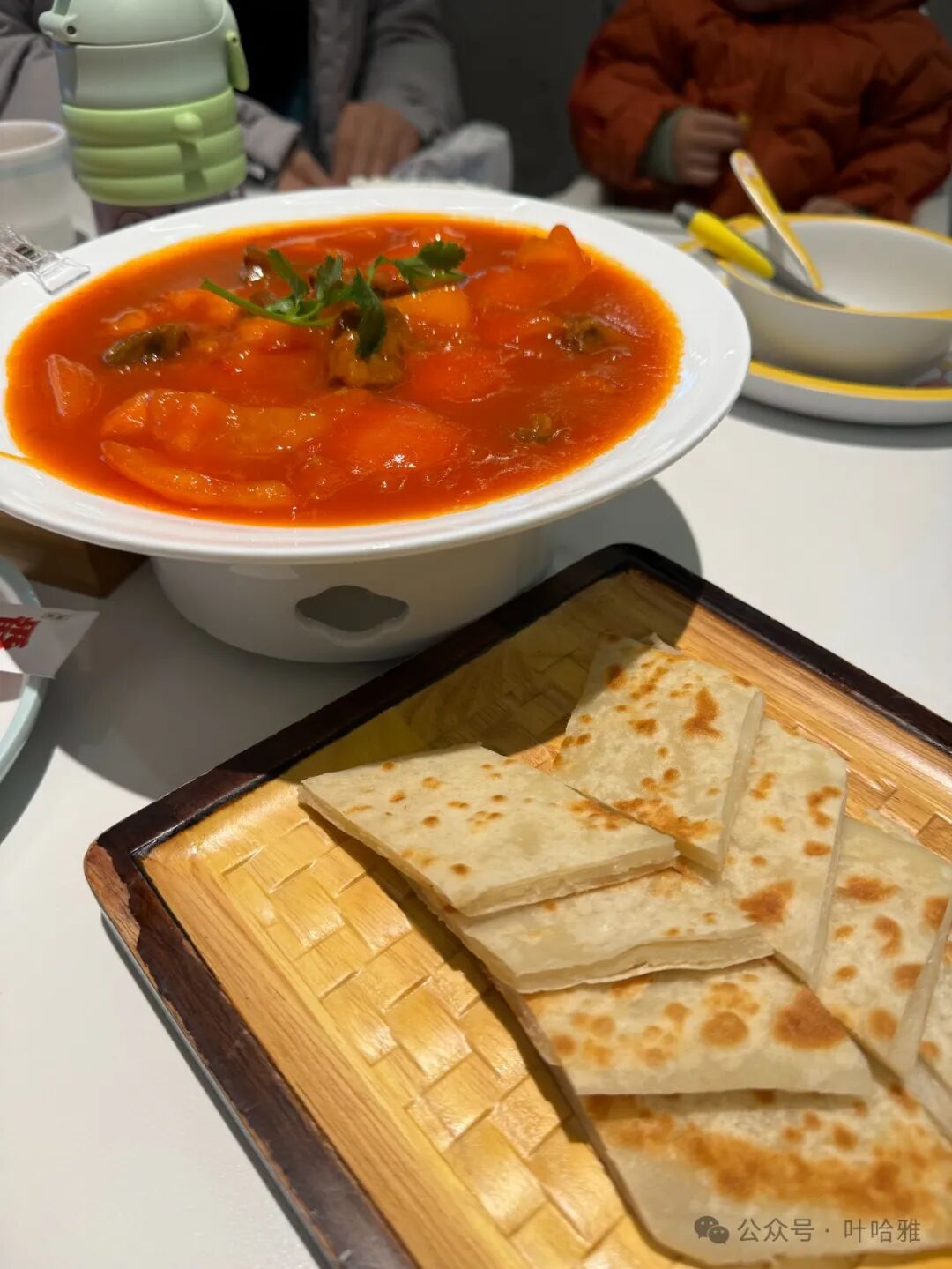
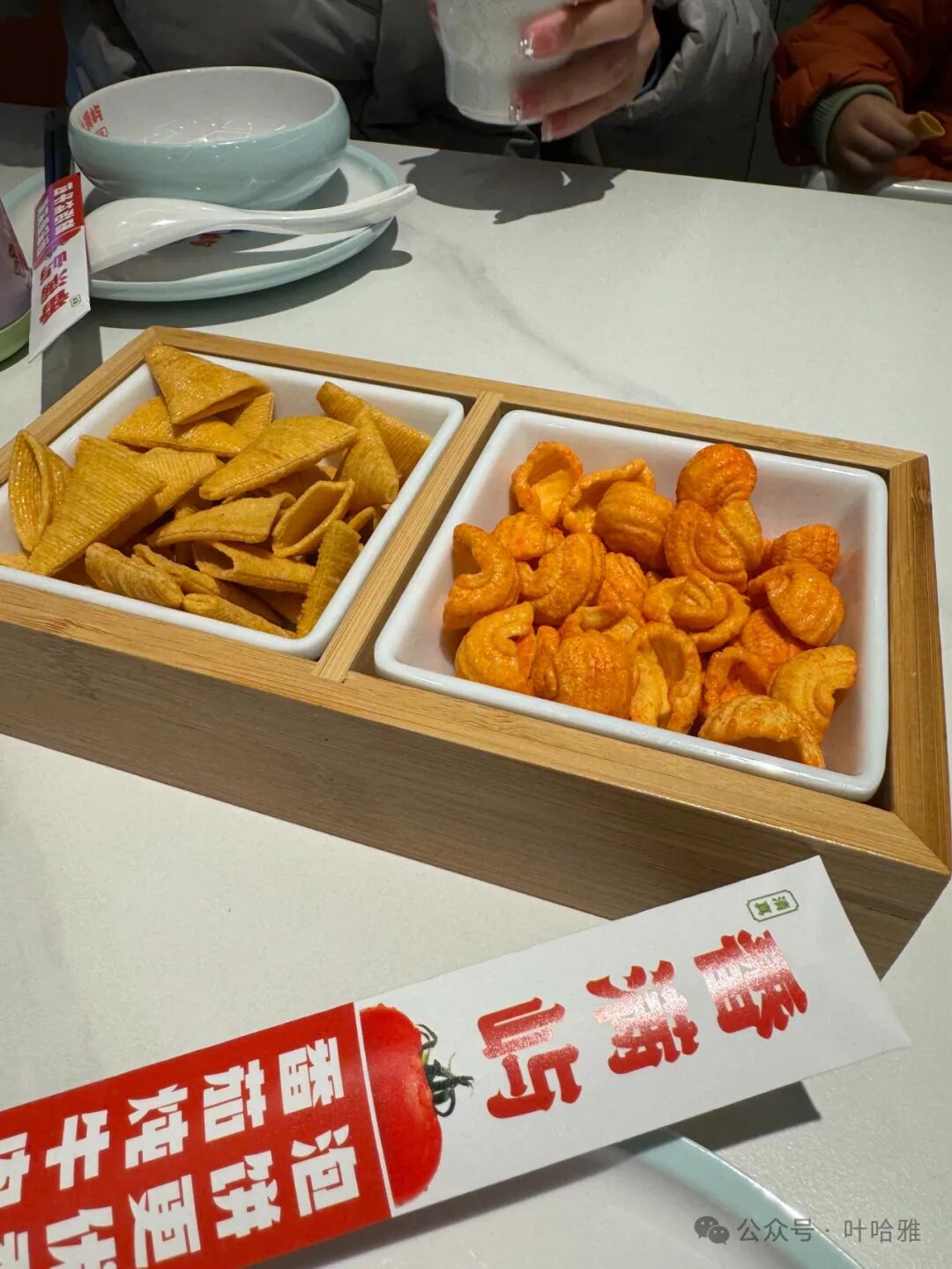
Their food is prepared very delicately and tastes great. The environment is clean, the prices are affordable, and the average cost is under 80 yuan per person.
6. Stinky Star Snail Rice Noodle (Luosifen) Hot Pot
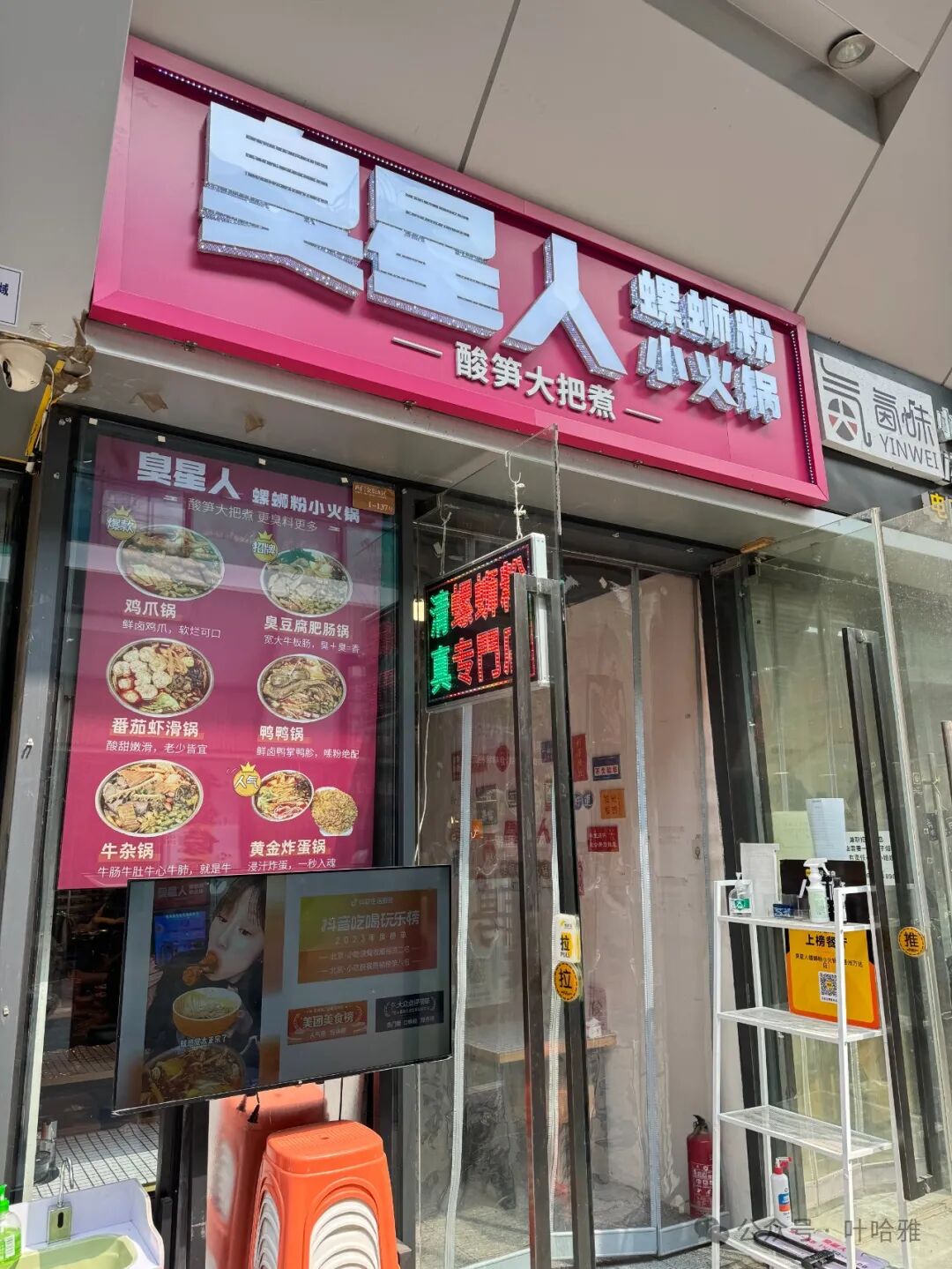
There is a halal snail rice noodle (luosifen) shop on the ground floor of the Golden Street in the West District of Tongzhou Wanda Plaza. The owner is a Hui Muslim from Changchun who used to work at iQIYI before opening this physical shop. The small shop has two floors and mainly serves halal snail rice noodles and clam rice noodles (huaji fen) in small hot pots.
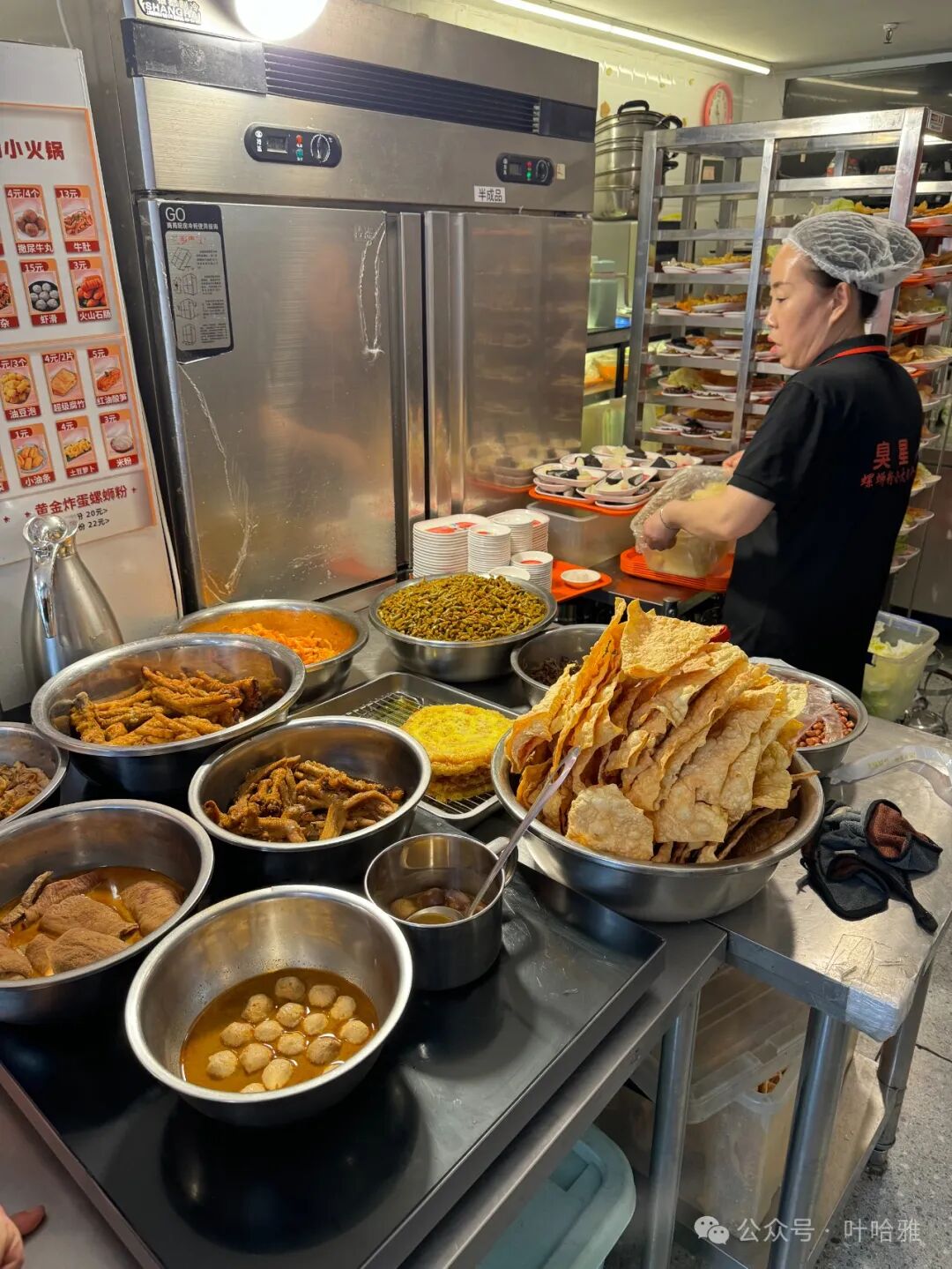
The snail rice noodle hot pot comes with a wide variety of toppings that you can add to the pot to cook together.
This set meal for two costs 78 yuan and is enough for two or three people to eat.
The set includes Guangxi cassava sweet soup (mushu tangshui).
Add all the side dishes to the pot and cook for one minute before you start eating. The taste is quite authentic.
7. Mulaixuan Sturgeon Feast
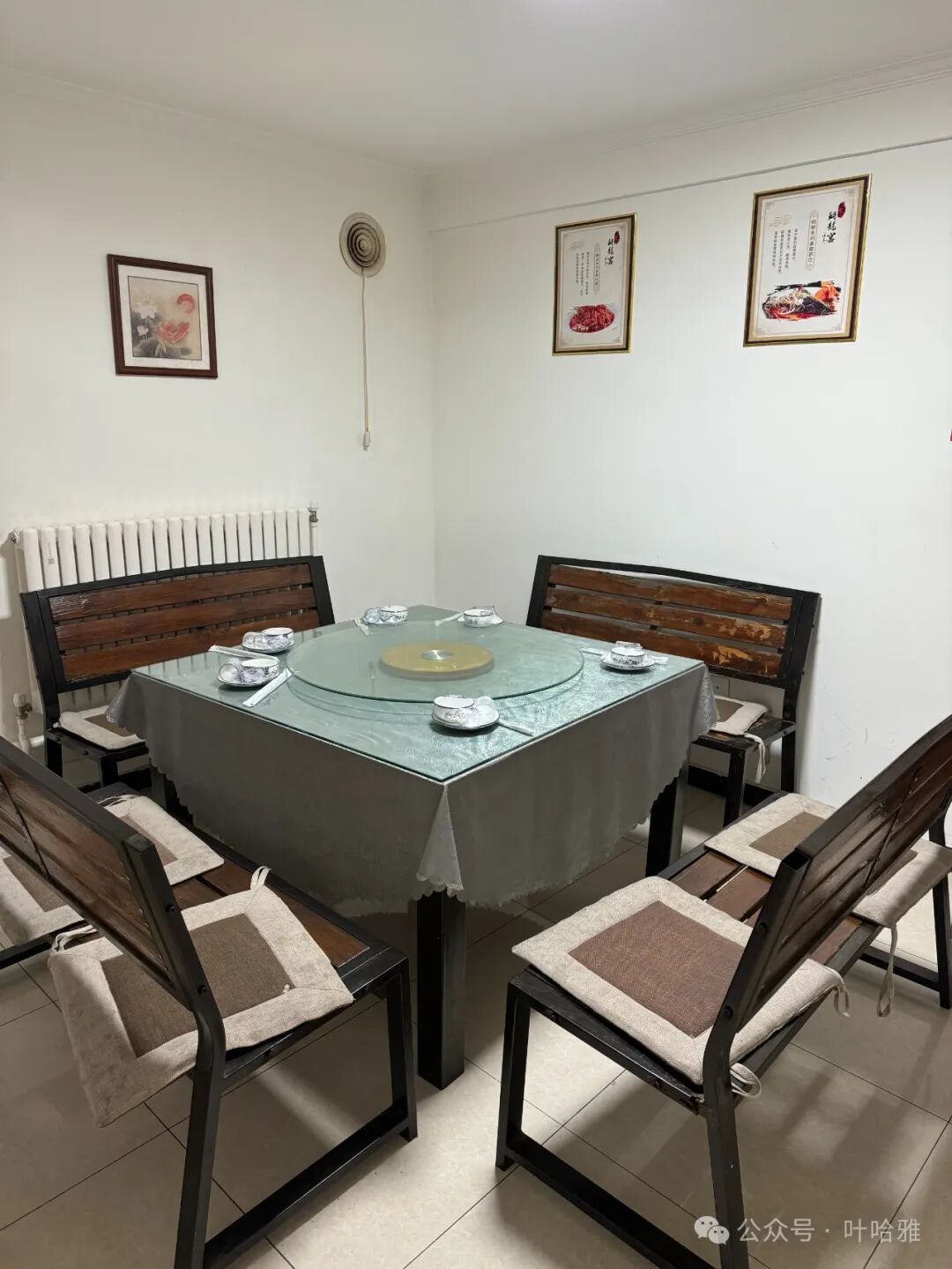
Across from the Doudian Mosque in Fangshan, there is a restaurant that specializes in sturgeon (xunlongyu). This place is unique because it has no menu and you cannot order dishes. The owner decides the size of the fish based on how many people are in your group, and all the dishes are made from the fish you choose.
You pick the sturgeon from this fish tank, and they are all quite large. The sturgeon costs 58 yuan per jin, and the smallest fish weigh over five jin, making it perfect for groups.
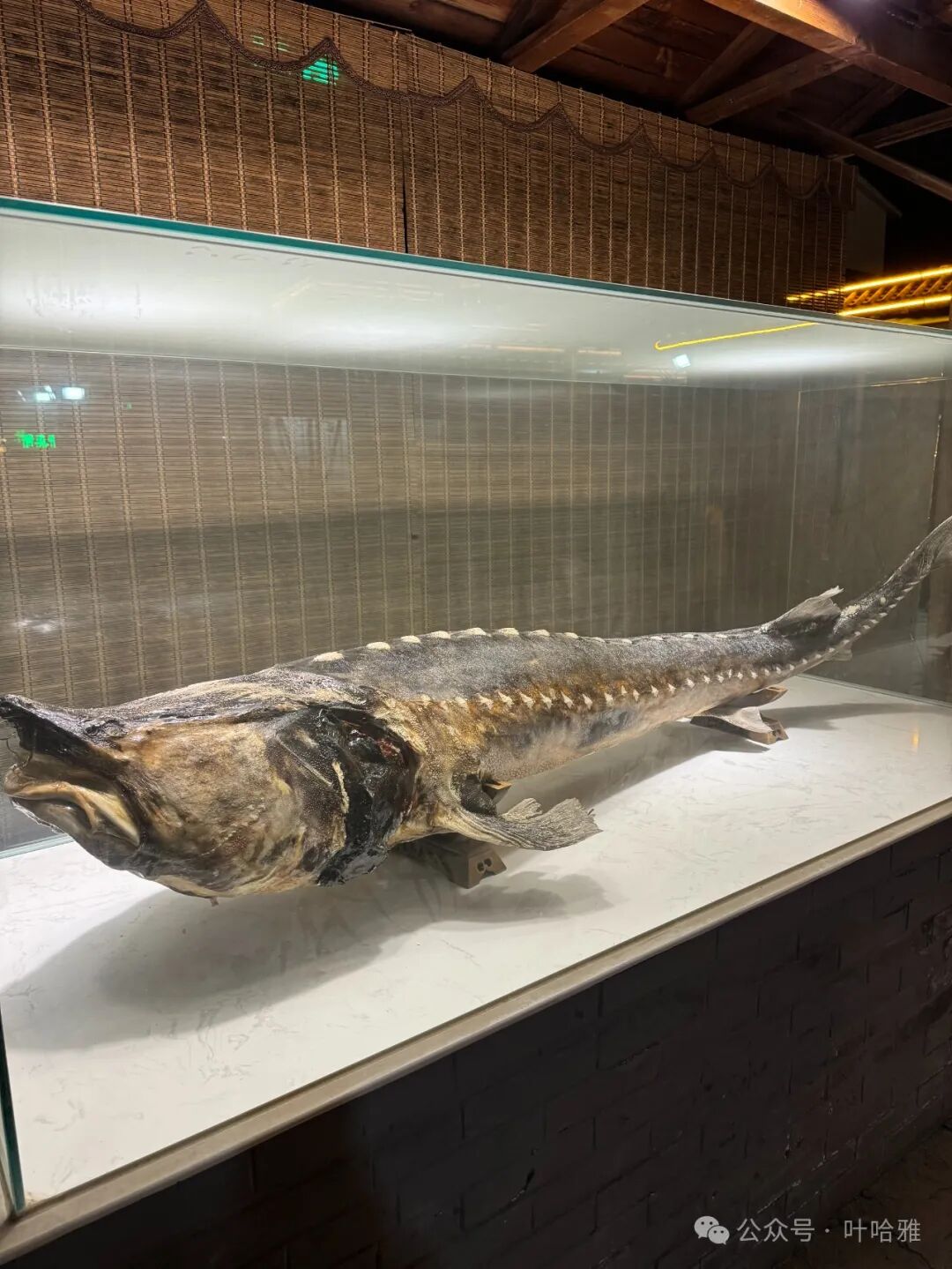
After picking the fish, you just wait for the owner to serve the food. This is actually nice because it saves you the trouble of ordering.
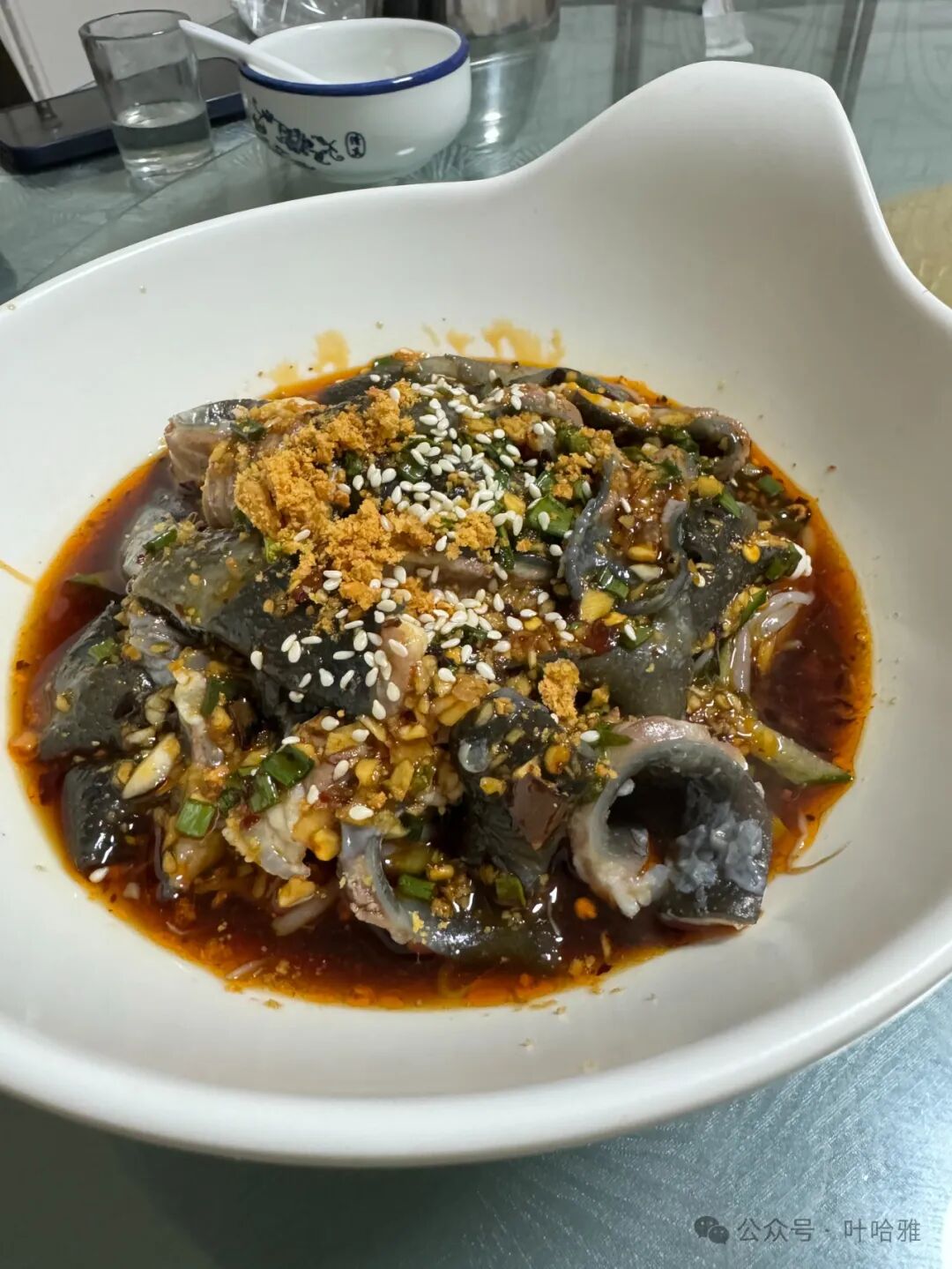
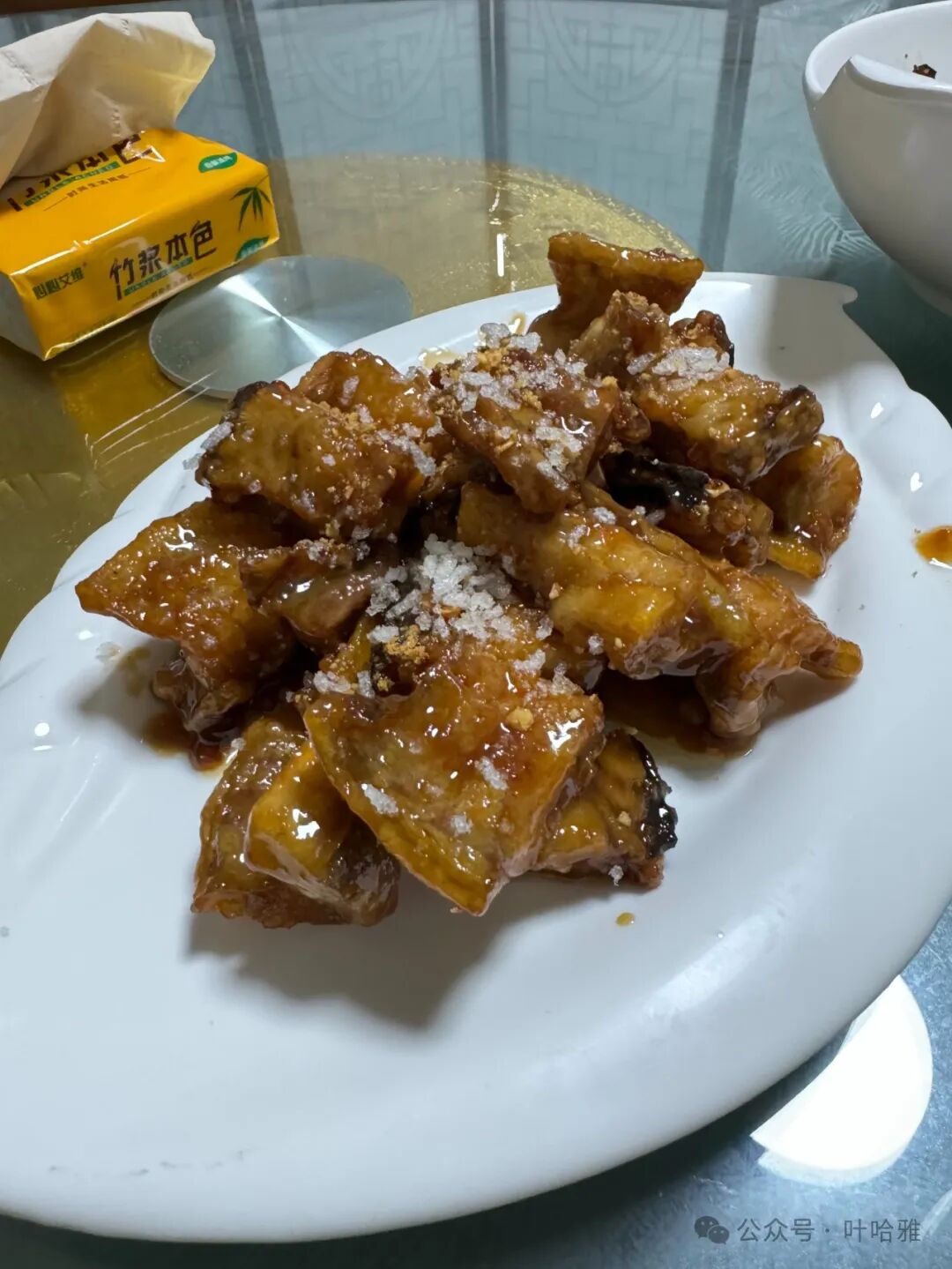
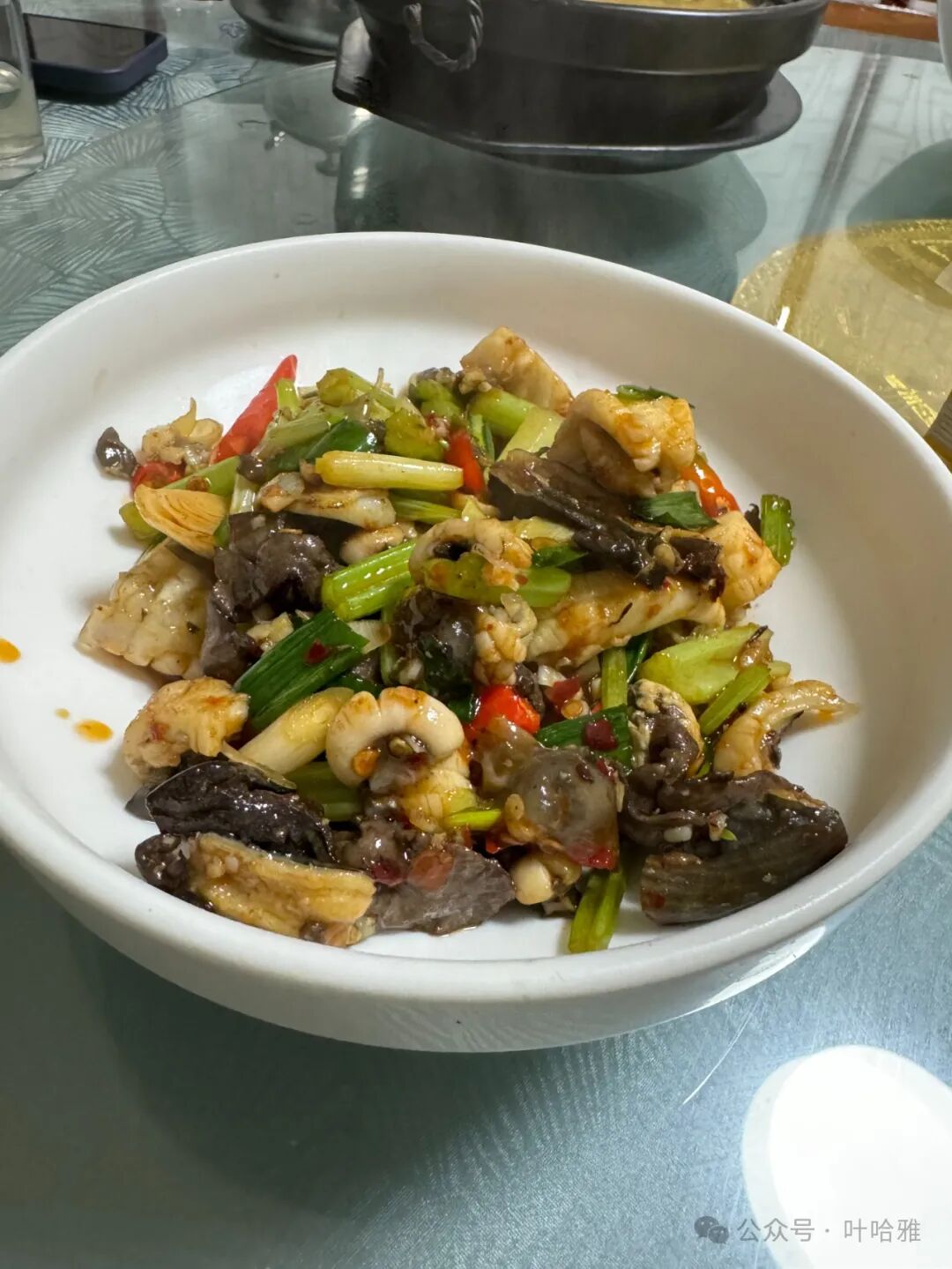
The standard dishes include salt and pepper fish skin, sweet and sour fish bones, fish offal, fish and radish soup, and stir-fried fish fillets. The main course is sturgeon dumplings. The fish is very fresh, and every dish tastes great.
8. Saddam Lanzhou Beef Noodles
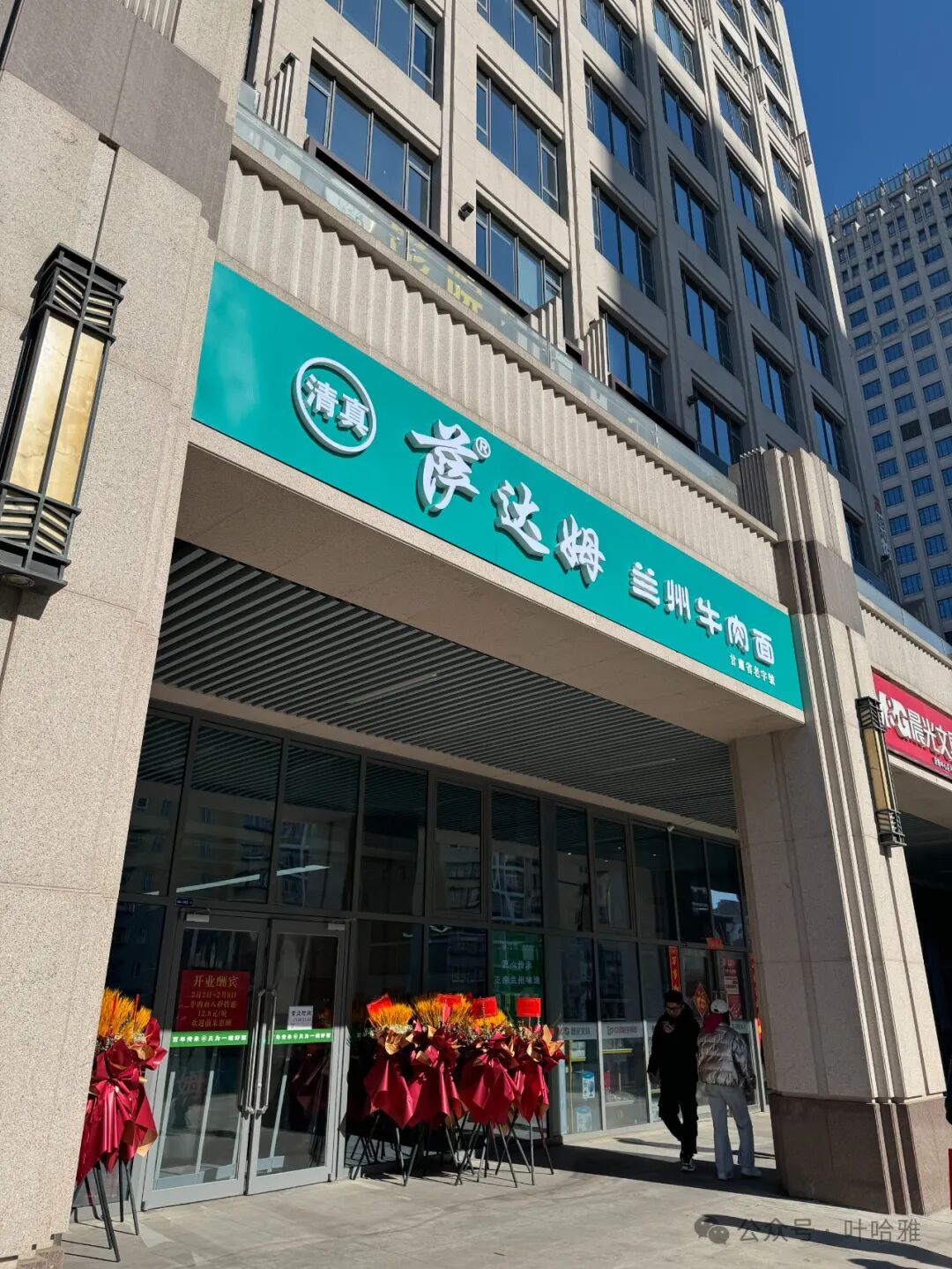
The long-standing Lanzhou brand Saddam Beef Noodles has expanded into Beijing's Fengtai District. Known as the Eastern Heretic of the Lanzhou beef noodle world, the shop opened in eastern Lanzhou in the 1990s. It got its name because the owner looked just like Saddam. Other famous shops include the Western Poison Ma Anjun, the Southern Emperor Guobao, the Northern Beggar Cangying, and the Central Master Ma Zilu.
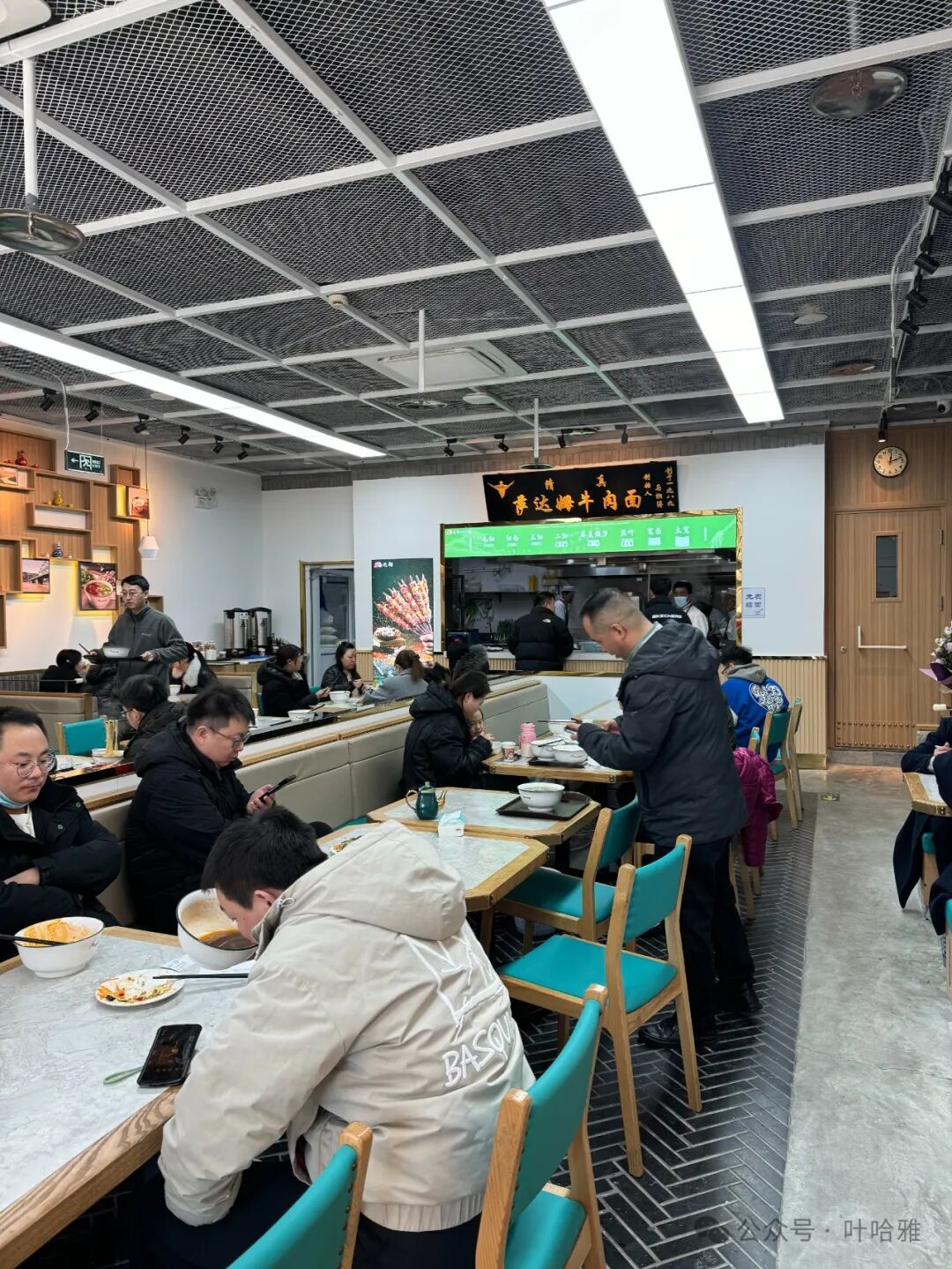
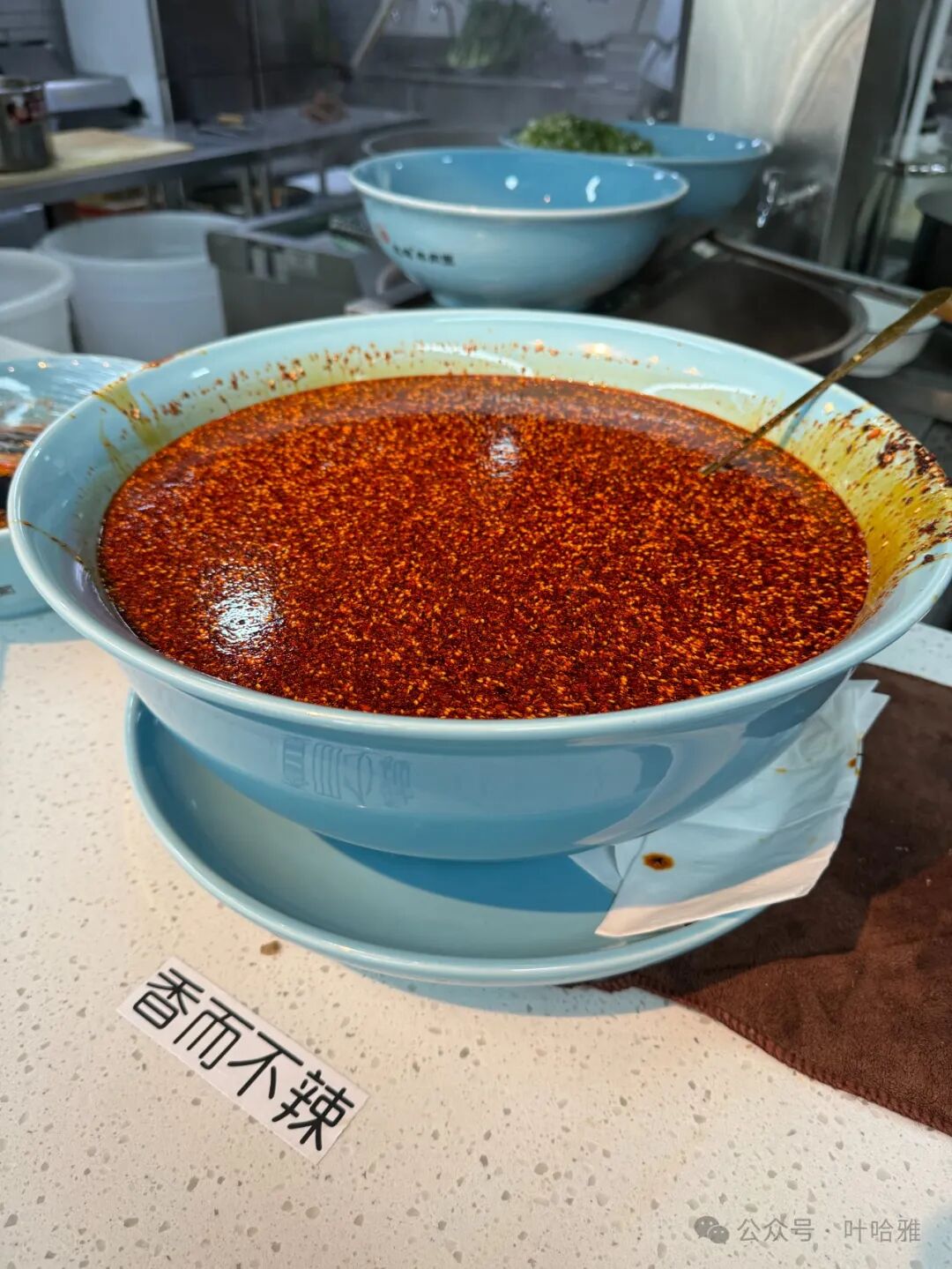
You can tell the beef noodles will be good just by looking at the chili oil, which is fragrant but not too spicy. I tried it and found it very authentic. My friends from Lanzhou would not be disappointed if they came here to eat.
Beijing Halal Street Food Guide: Fangshan Hot Pot, Shidu Xinjiang Food and Local Snacks
Articles • yusuf908 posted the article • 0 comments • 209 views • 2026-05-24 00:17
Summary: This Beijing halal street food guide maps issue 34, covering Fangshan hot pot, Shidu Xinjiang food, farm-style halal dishes, clam vermicelli, local snacks, and places worth saving for Muslim travelers.
Beijing Halal Food Map (34) is presented here as a firsthand travel account in clear English, beginning with this scene: The WeChat official account has a search feature. Just tap the search icon in the top right corner of the homepage to look for articles using keywords. The account keeps its focus on Beijing Halal Food, Muslim Travel, Middle Eastern Food while preserving the names, places, food, and historical details from the Chinese source.
The WeChat official account has a search feature. Just tap the search icon in the top right corner of the homepage to look for articles using keywords. This works for all official accounts, so there is no need to set up automated keyword replies in the backend. I always see all sorts of strange words in the backend, and I really cannot reply to them all.
1. Hengxingxiang
This is a Beijing-style hot pot restaurant. The meat tasted great while I was eating. When I paid the bill, I noticed the payee was Doudian Yisheng. I asked, and it turns out it is run by the Doudian Yisheng beef and mutton shop, which also has a stall selling beef and mutton on Niujie Street.
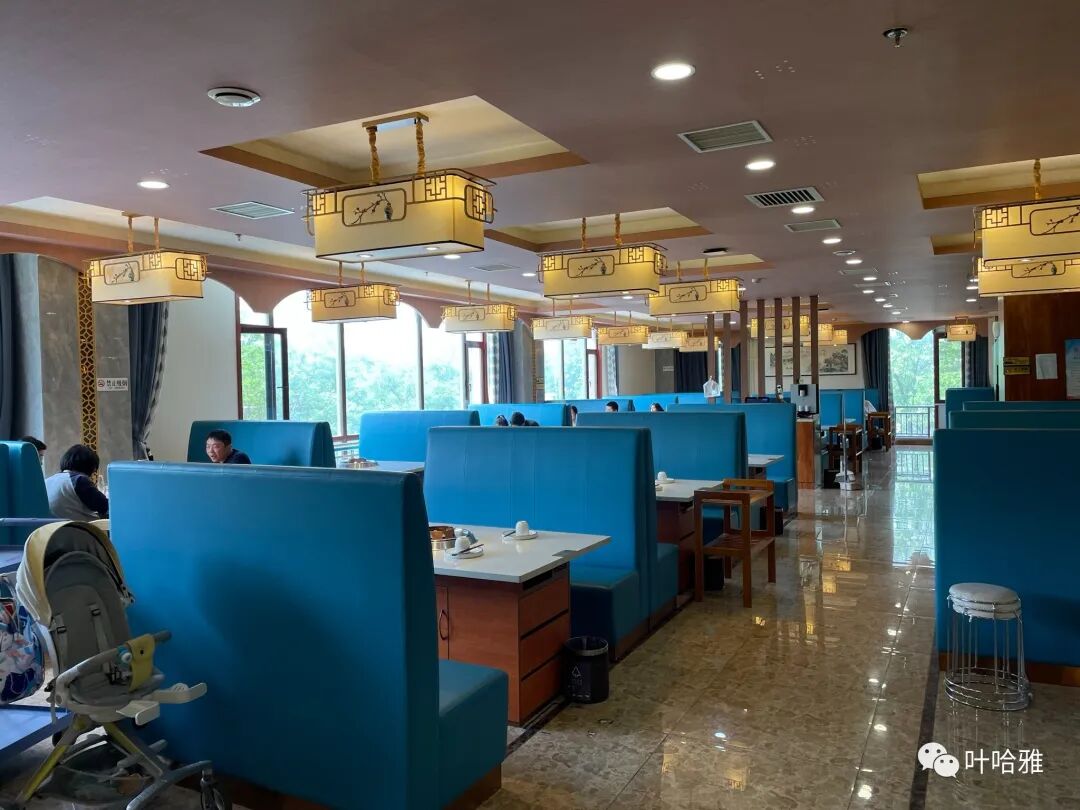
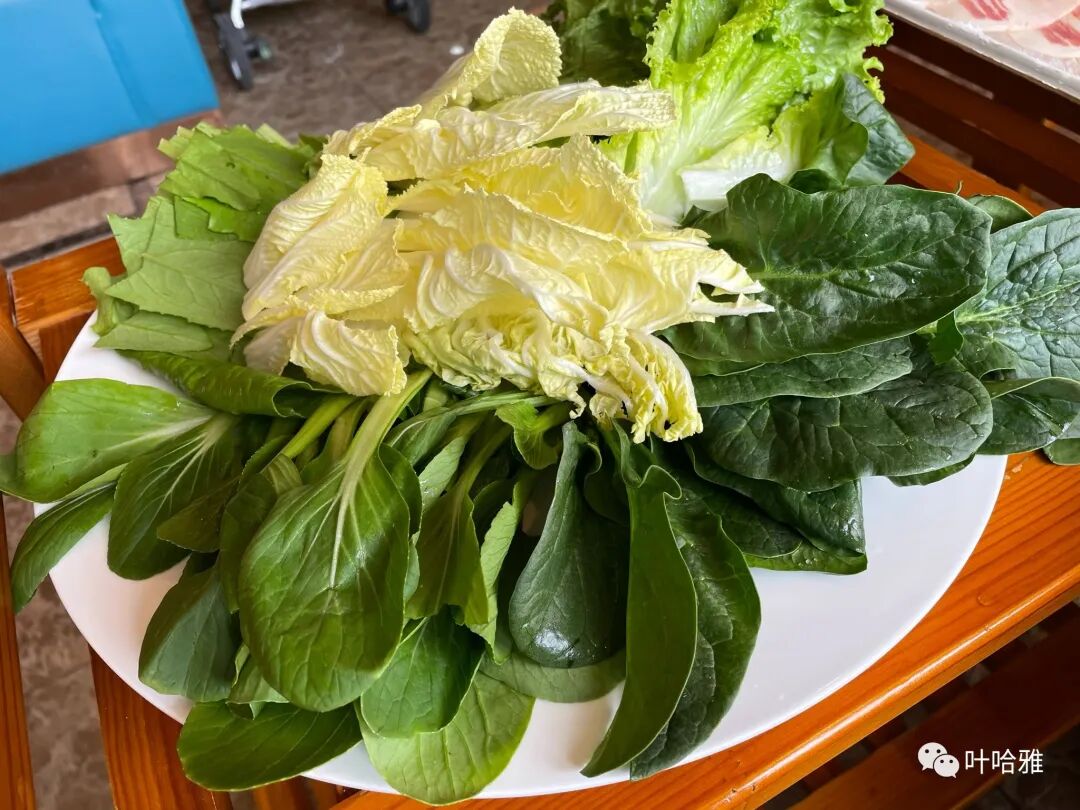
The restaurant is in Fangshan and is quite large with two floors. I heard they have live vegetables, which are hydroponic greens brought straight to your table for the hot pot. They are incredibly fresh, though I did not get to try them when I visited.
Aorta (huanghou)
Their sesame flatbread (shaobing) is delicious, soft, and unique. I recommend trying one. There is free parking at the entrance; just tell the security guard you are there to eat.
2. Yinsha Halal Restaurant
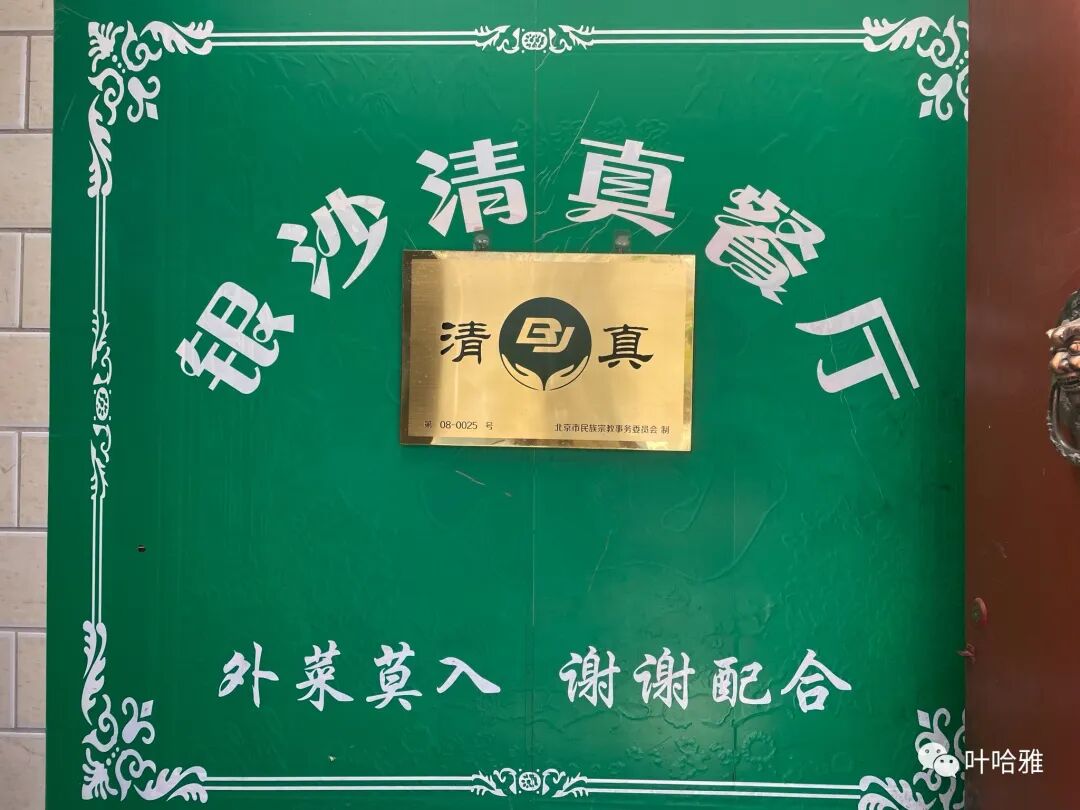
Shidu in Fangshan is a beautiful summer retreat in the Beijing suburbs. I found three halal restaurants along the road between Badu and Jiudu. This Yinsha Halal Restaurant is run by a friend from Kashgar (adaxi) and is located in Jiudu. These restaurants all offer lodging.
They serve traditional large Xinjiang dishes as well as local farm-style food, such as grilled rainbow trout and stir-fried wild vegetables.
The family from Xinjiang was preparing lung and tripe (mianfeizi) for Eid al-Fitr that day and even invited us to taste it.
Deep-fried prickly ash buds (zhahuajiaoya)
Stir-fried river shrimp (chaohexia)
Grilled rainbow trout (kaohongzunyu)
3. Muyi's House
This is a halal Beijing-style restaurant in Badu, and the owner is a Hui Muslim from Fengtai.
We ordered a few traditional stir-fried dishes, but they were all quite salty. We prefer lighter flavors, so keep that in mind. The Shidu tofu is a specialty dish and it tastes quite good.
Shidu tofu (shidudoufu)
Egg sauce noodles (jidancuanmian)
The egg sauce for these noodles is extremely salty. Add it little by little when you eat. Most people definitely cannot handle the whole serving of sauce.
4. Clam vermicelli (huajiaphen)
This is an unassuming little shop in the Xiguanshi market. It looks very ordinary, but the taste is excellent.
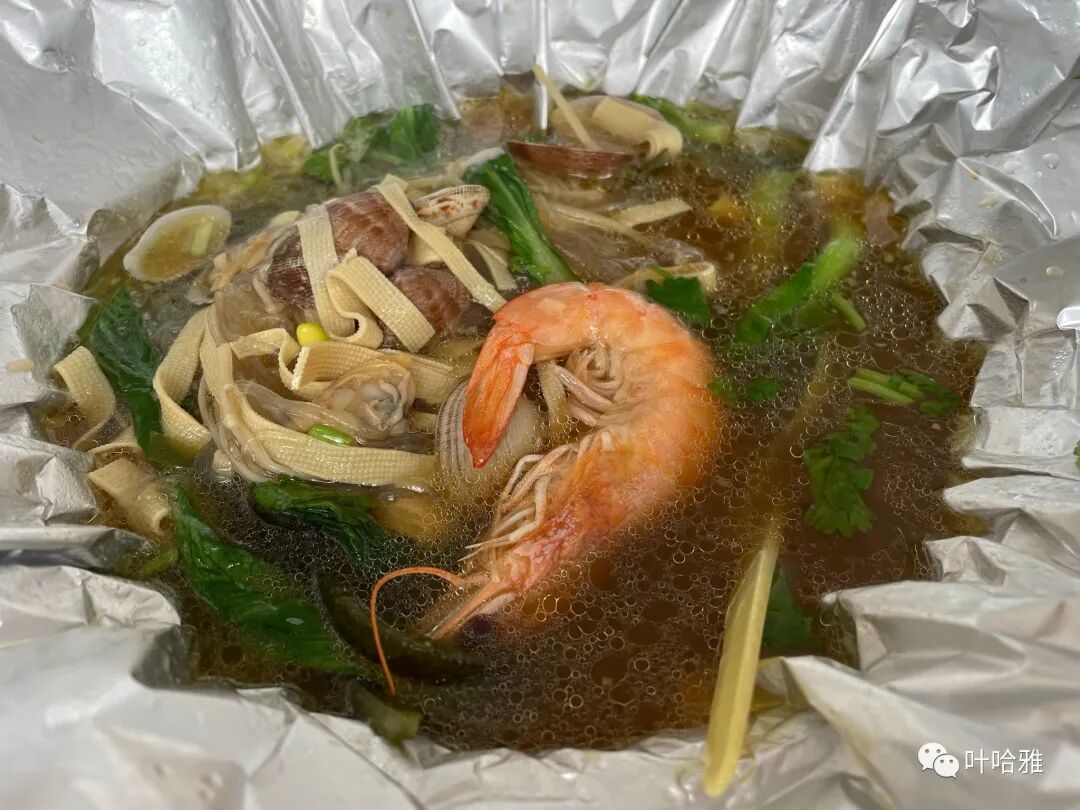
The clam vermicelli is made of glass noodles with clams and some side vegetables. It has a slightly numbing, salty, and savory flavor. You can add chili separately.
You can add any of these side dishes. The portions are small, and one order of large shrimp is just one single shrimp.
The ingredients are quite fresh. The vegetables and seafood cook quickly when blanched, and they taste good.
It comes wrapped in foil and sits on a bowl so you can carry it without burning your hands, because this clam vermicelli (huajiafen) is really piping hot.
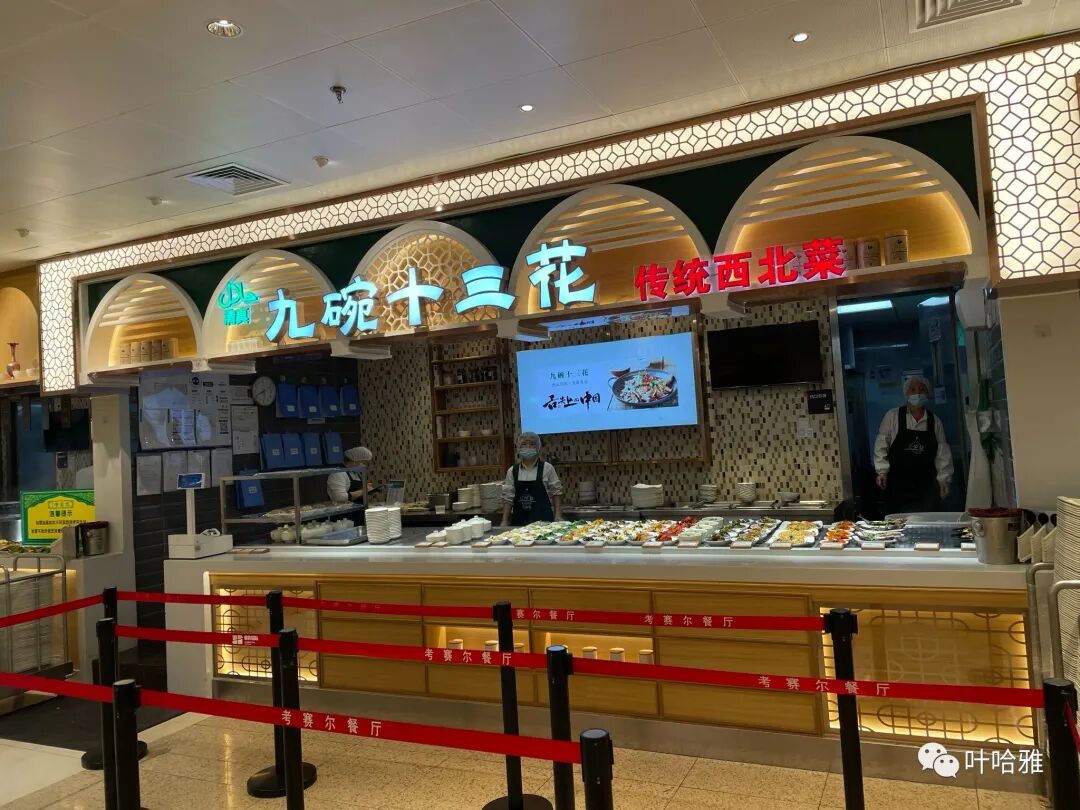
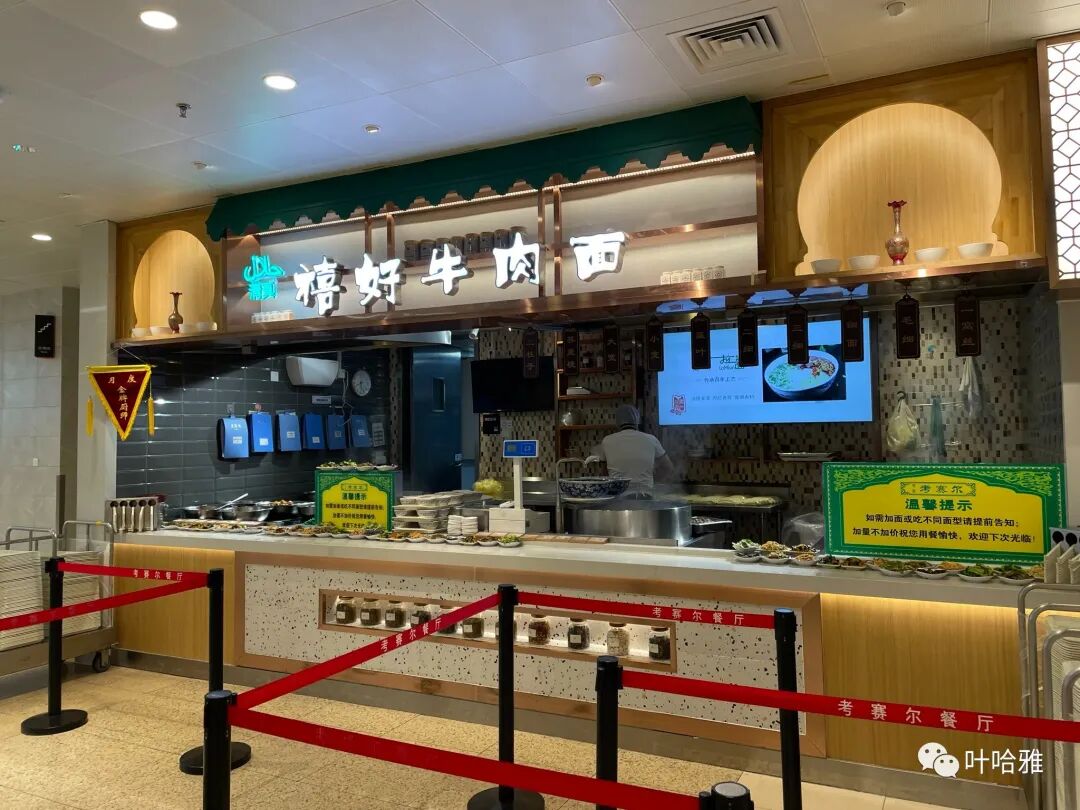
5. Huawei Beijing Research Institute Halal Canteen
The Huawei Beijing Research Institute has four halal stalls, and they are owned by the same person as the halal canteen at the Bantian base in Shenzhen.
You can use cash at the big tech company's halal canteen, as long as you can find a way to get inside.
If you have job offers from many big companies and do not know which one to pick, Huawei's halal canteen is a plus.
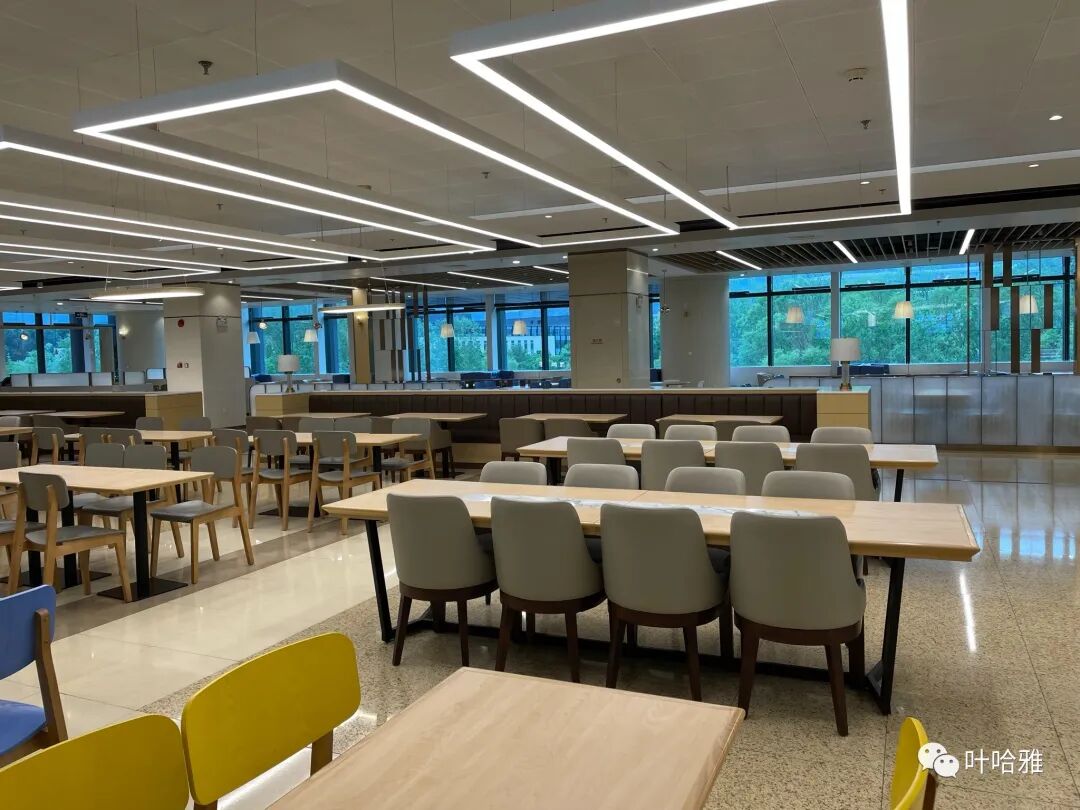
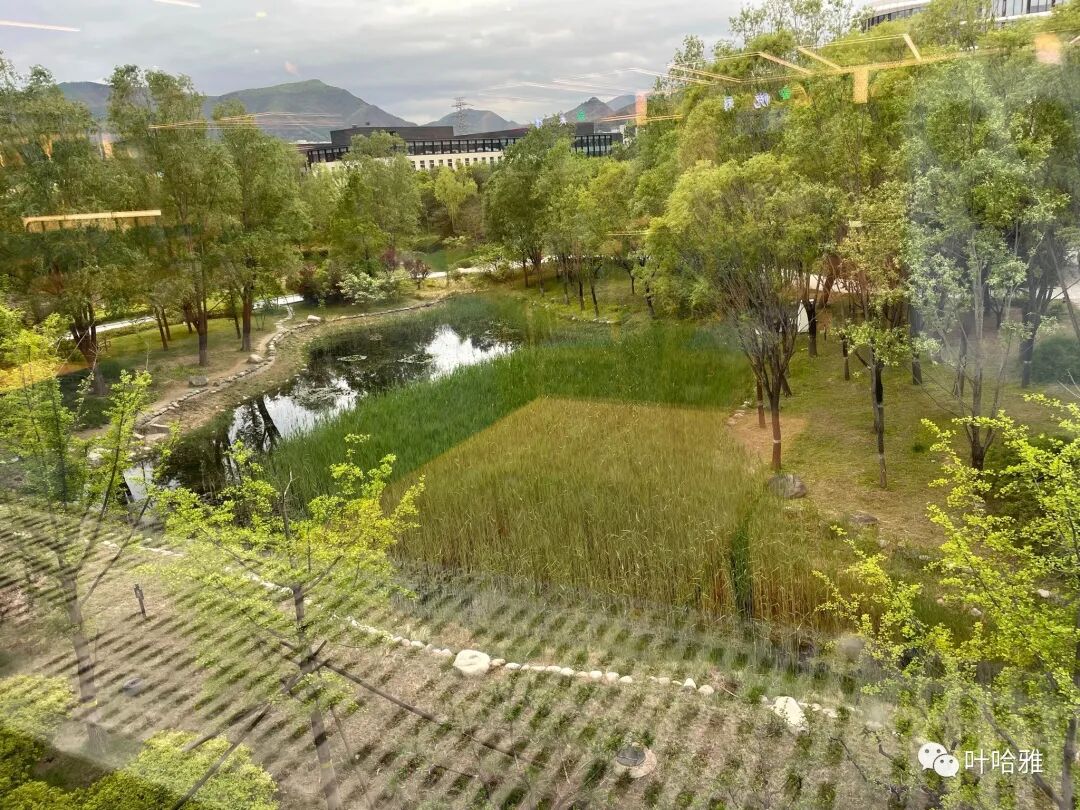
Huawei employees have a high happiness index. Working and living on the campus is convenient, and the environment is beautiful.
The design style of the canteen and the campus is consistent with the Shenzhen headquarters.
The sour soup dumplings (suantang shuijiao) are really delicious. The last time I had such good sour soup dumplings was in the Muslim Quarter (Huifang) in Xi'an, and these dumplings at Huawei are just as good.
Crispy baked buns (supi kaobaozi)
6. Xiguanshi Halal Night Market
The parking lot at the entrance of Xiguanshi Village in Changping now hosts a halal night market from 5:00 PM to 11:30 PM, which is named Crescent Food Plaza.
The night market is quite large, with four rows of food stalls on both sides offering dozens of different halal dishes.
Various deep-fried snacks.
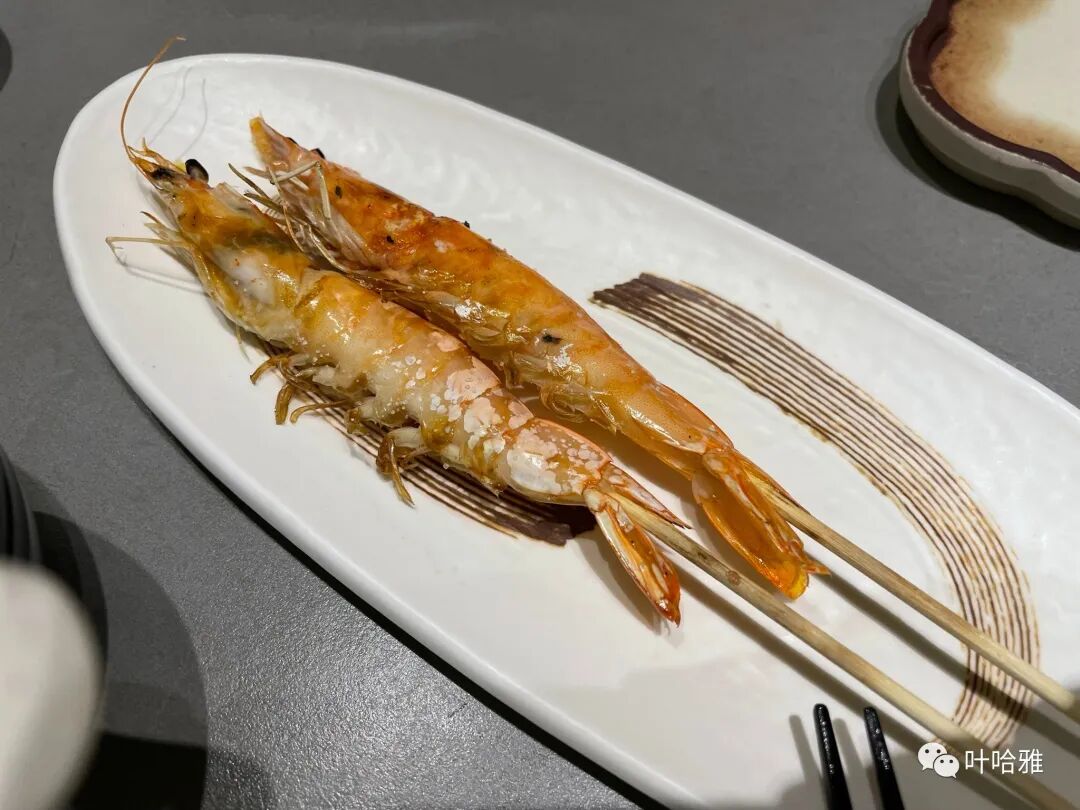
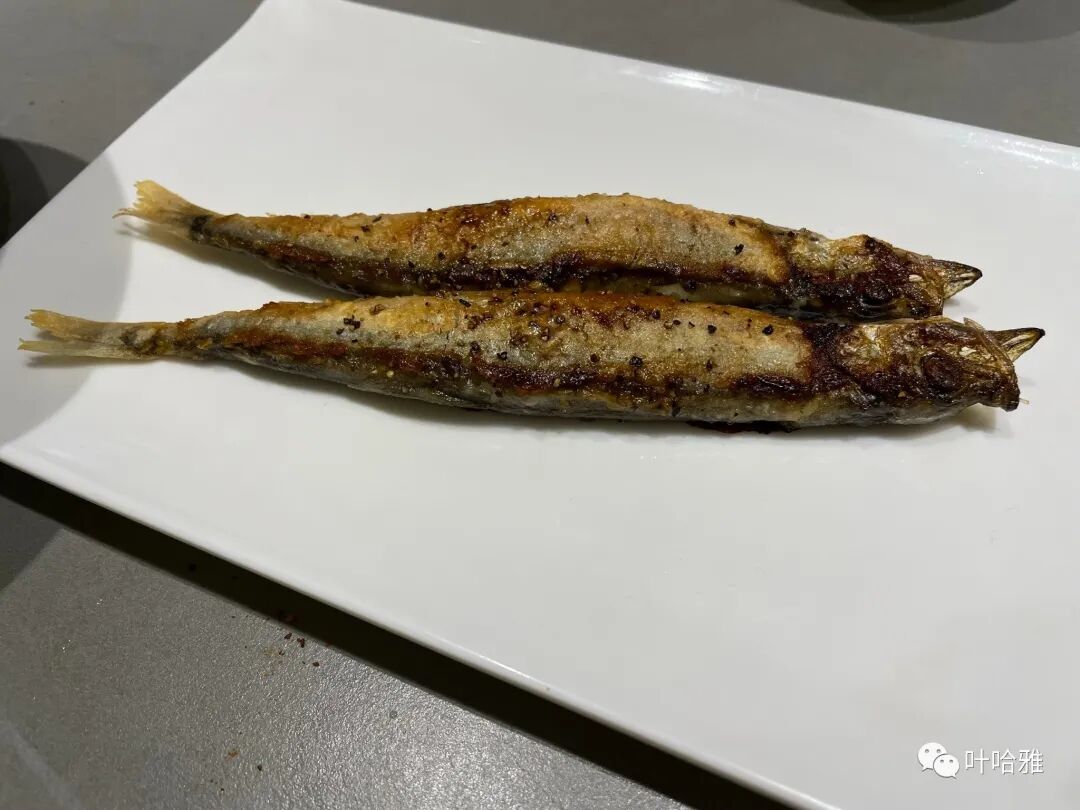
Grilled meat on a round iron plate (zhizi kaorou) and grilled fish.
All kinds of small snacks.
Steamed chicken in chili sauce (koushuiji).
Teppanyaki.
The grilled squid from the teppanyaki stall is delicious.
Japanese-style desserts.
They have fresh salmon sashimi and sushi.
Electric-grilled skewers and mung bean jelly noodles (liangfen).
Deep-fried stinky tofu (zha chou doufu).
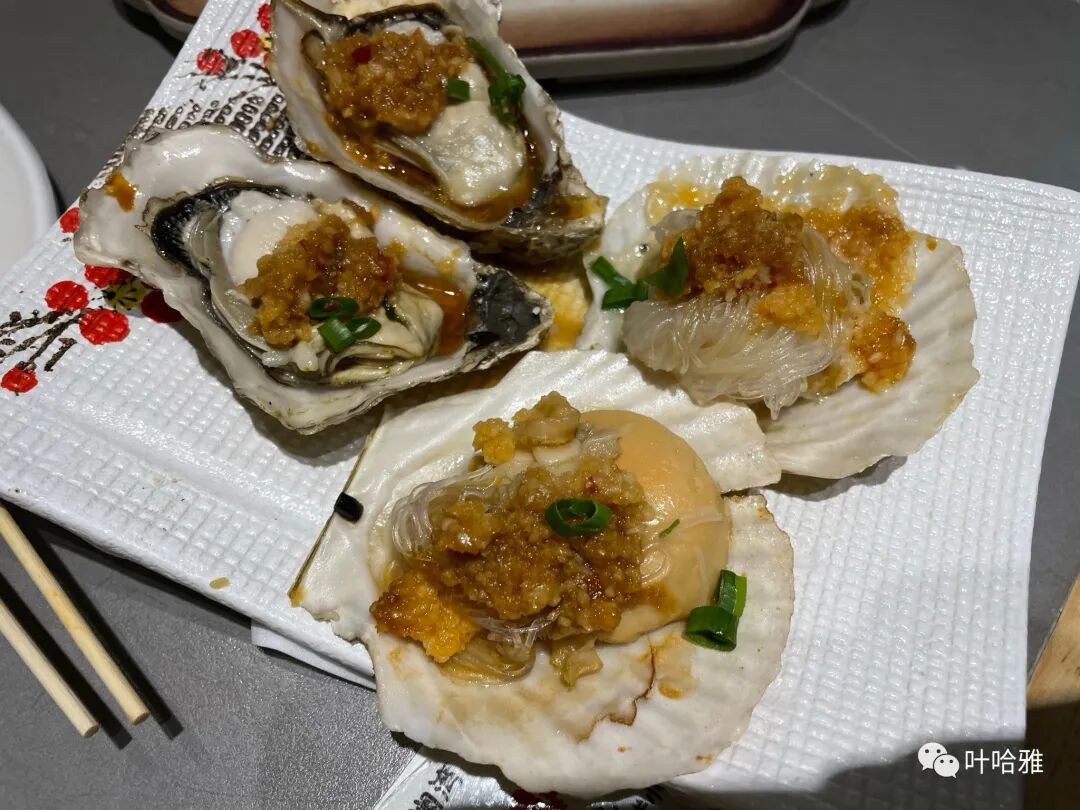
Grilled oysters and grilled scallops.
Pot-pot chicken (boboji).
Pot-pot chicken (boboji) is a dish of cold skewers that are already cooked.
Fruit salad (shuiguolao).
Charcoal-grilled skewers.
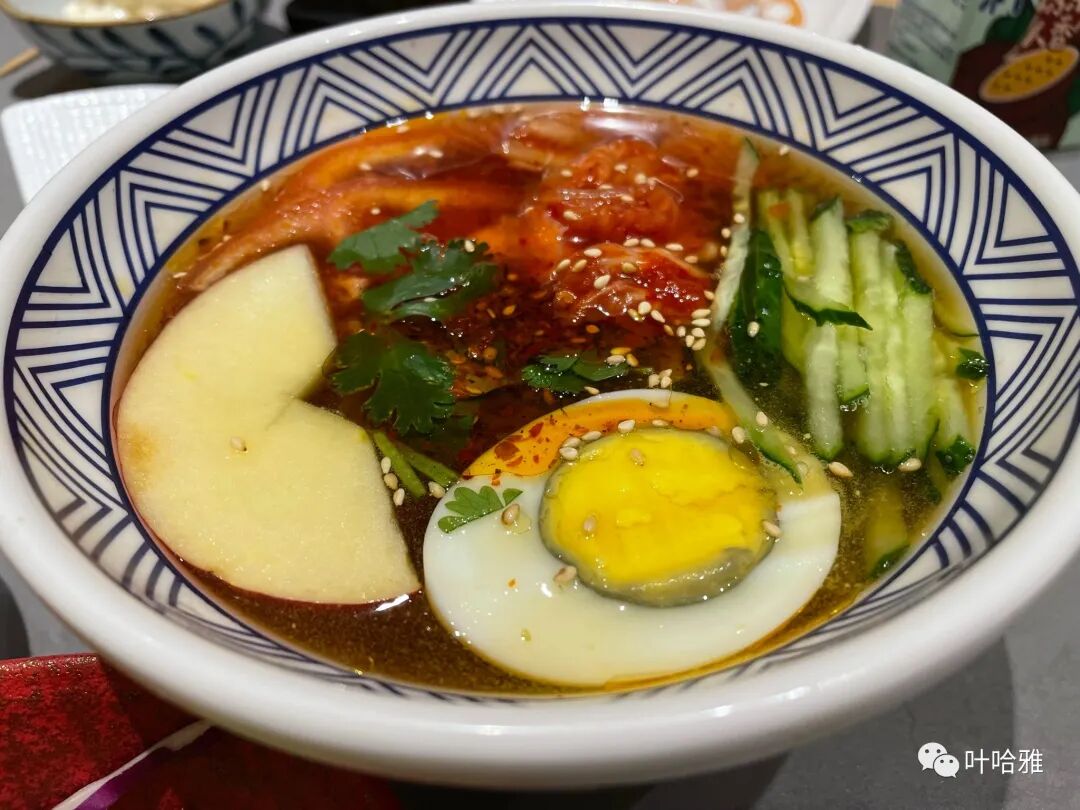
Iced jelly (bingfen) and ice cream.
We tried almost everything at the night market. It was not cheap, and the three of us spent over 400 yuan. The Japanese food and grilled skewers were the most expensive, with two stalls costing over 200 yuan. Of course, there are cheaper ways to eat there.
7. Yuejing Lanwan Japanese Buffet Restaurant.
This is a halal bathhouse that opened recently in Changying, and the Japanese buffet inside is a halal restaurant. You can choose a bath and buffet package for 199 yuan, or just come for the Japanese buffet. The buffet with sashimi is 165 yuan, and the one without is 127 yuan. You can buy group deals on Douyin by searching for "Yuejing Japanese Buffet".
Even though it is a buffet, the food quality is just as good as ordering a la carte. You scan a code to order whatever you want. Each dish is made as a single serving, prepared fresh when you order, and you can eat as much as you like. I think the lamb and seafood at this restaurant are excellent, and the desserts are high quality too. It is a great value.
The third-floor lounge has an entertainment area and a self-service station for fruit and drinks. Everything is unlimited, and there is plenty of Yili ice cream.
The lounge at this bathhouse isn't as nice as the one at Shuiguo Tangquan, but it is much cheaper. The Japanese restaurant here is a great deal. If you ordered these dishes separately, they would be expensive, but they are very affordable as part of the set meal. There is free parking at the entrance and a children's play area, so it is a good place to bring kids.
8. Beijing University of Posts and Telecommunications Ethnic Restaurant
The halal canteen at BUPT is called the Ethnic Restaurant. The owner is from Lanzhou. I came to BUPT because they have halal snail rice noodles (luosifen). This is my first time eating halal luosifen in Beijing. I prepared myself mentally on the way here, thinking it would smell very strong. When I actually ate it, I didn't think it was bad at all. It just had a strong smell of pickled bamboo shoots, and it was quite tasty. You can add fried eggs and side dishes to it.
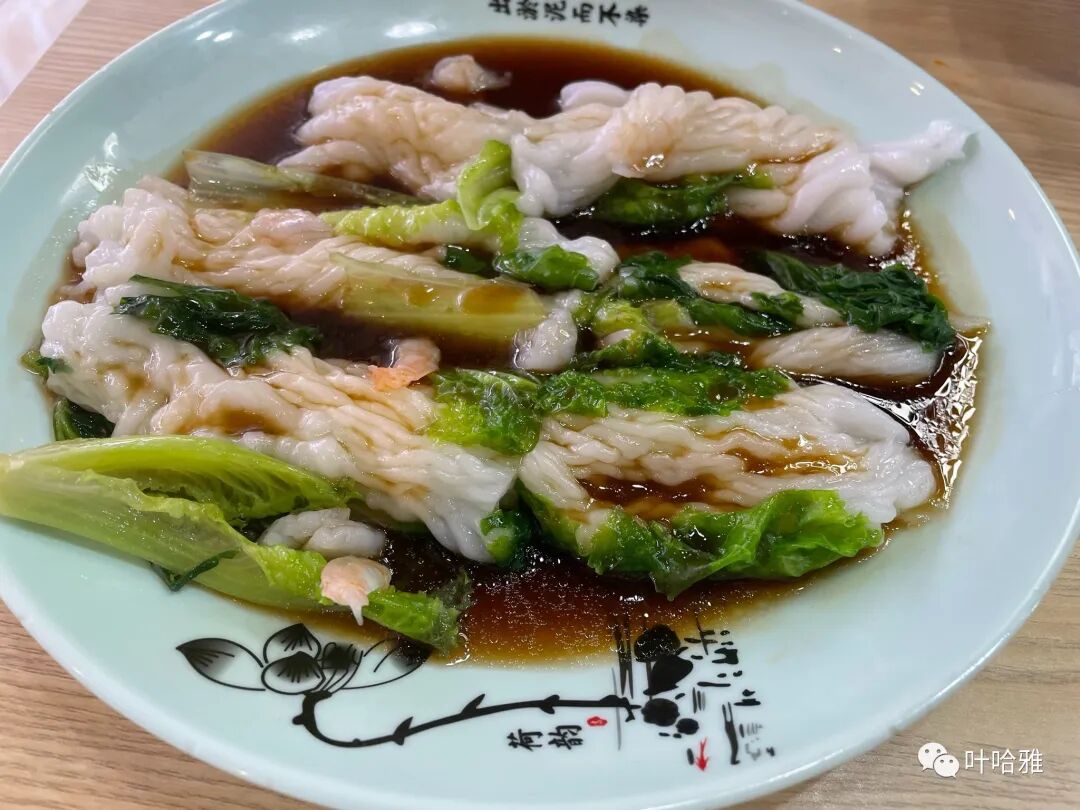
The Ethnic Restaurant has a lot of good food. We also had steamed rice rolls (changfen), and the price was so low it felt like it was free. BUPT students are really lucky.
The campus isn't fully open yet, so you have to find a way to get in if you want to eat here.
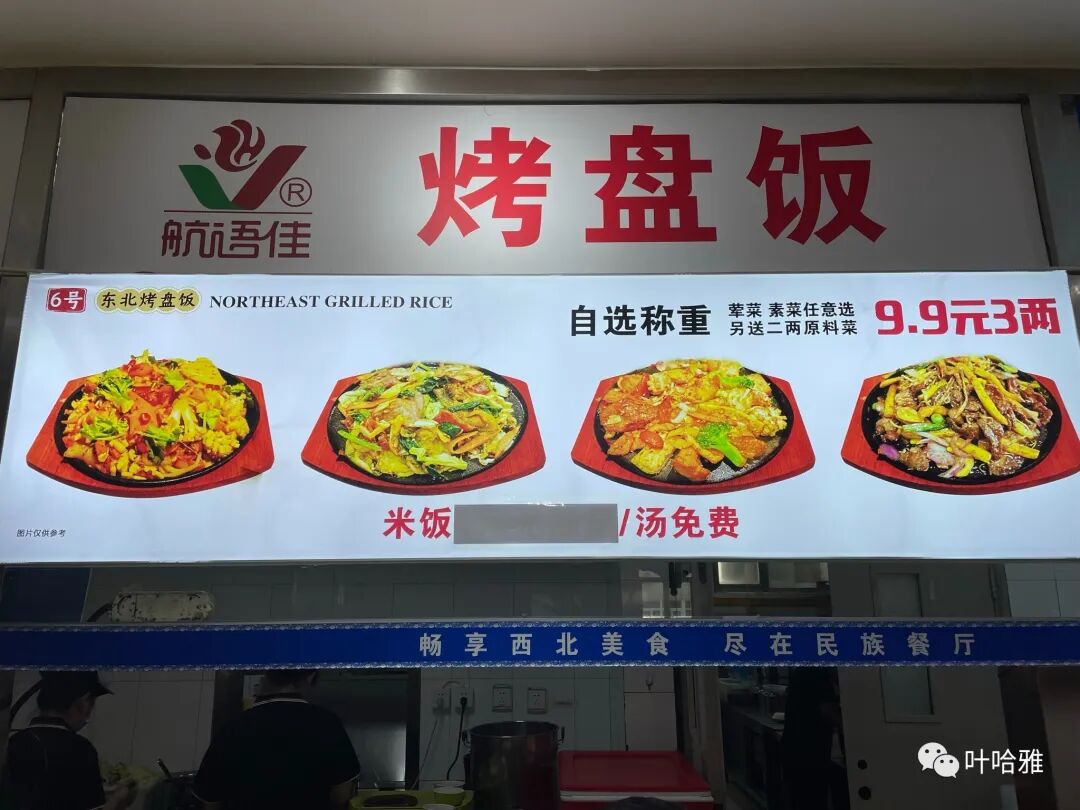
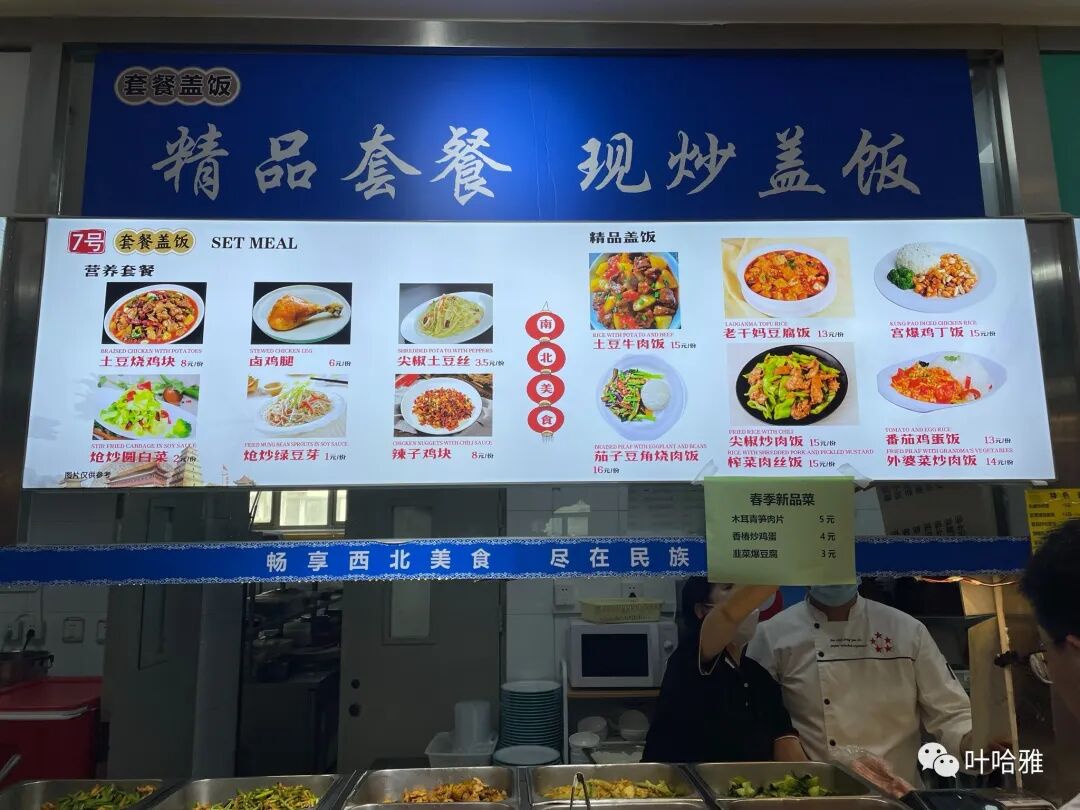
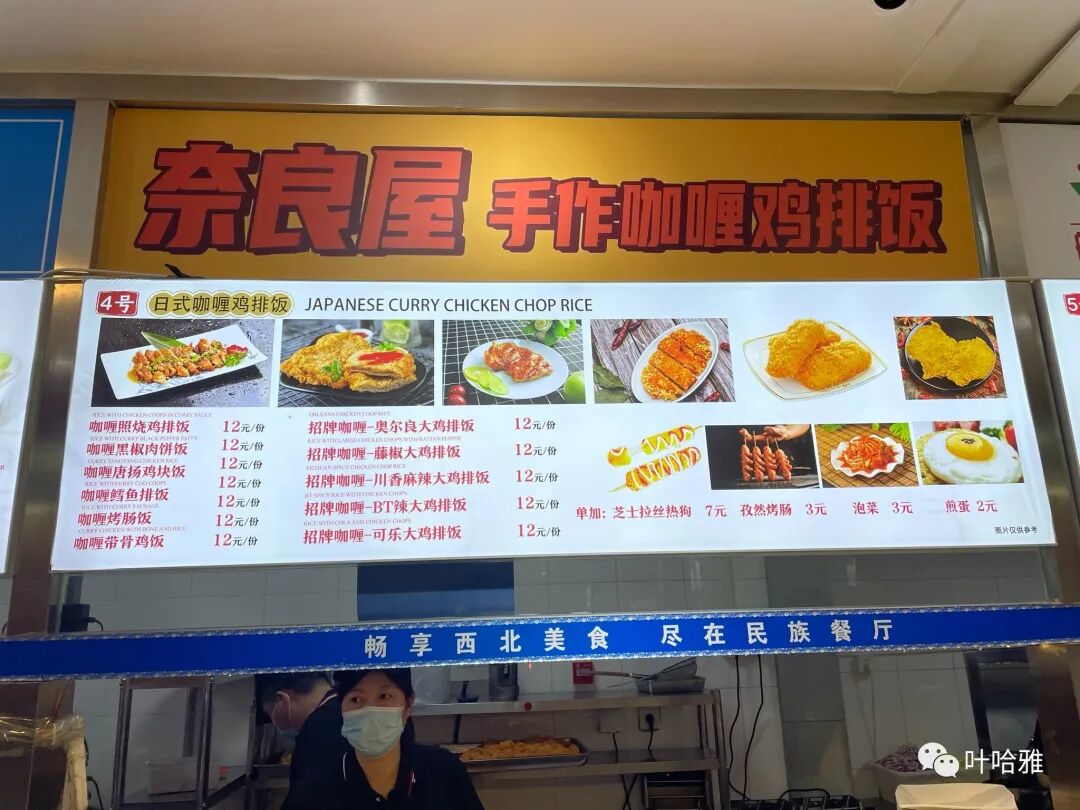
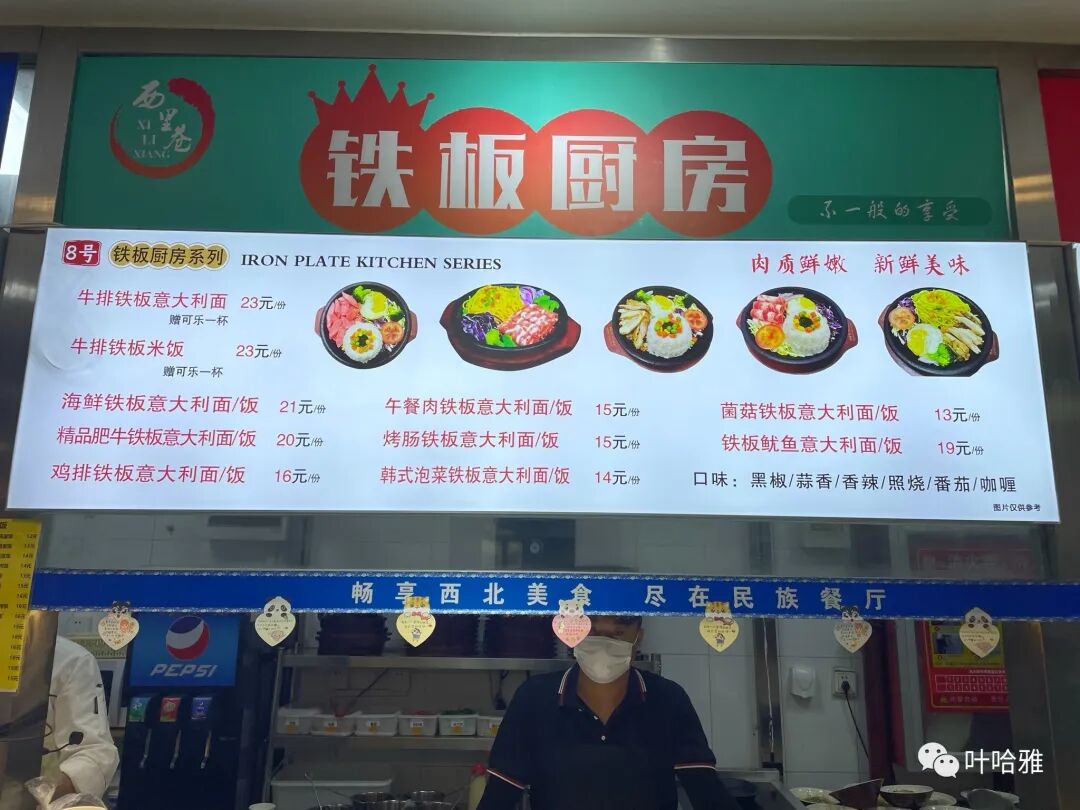
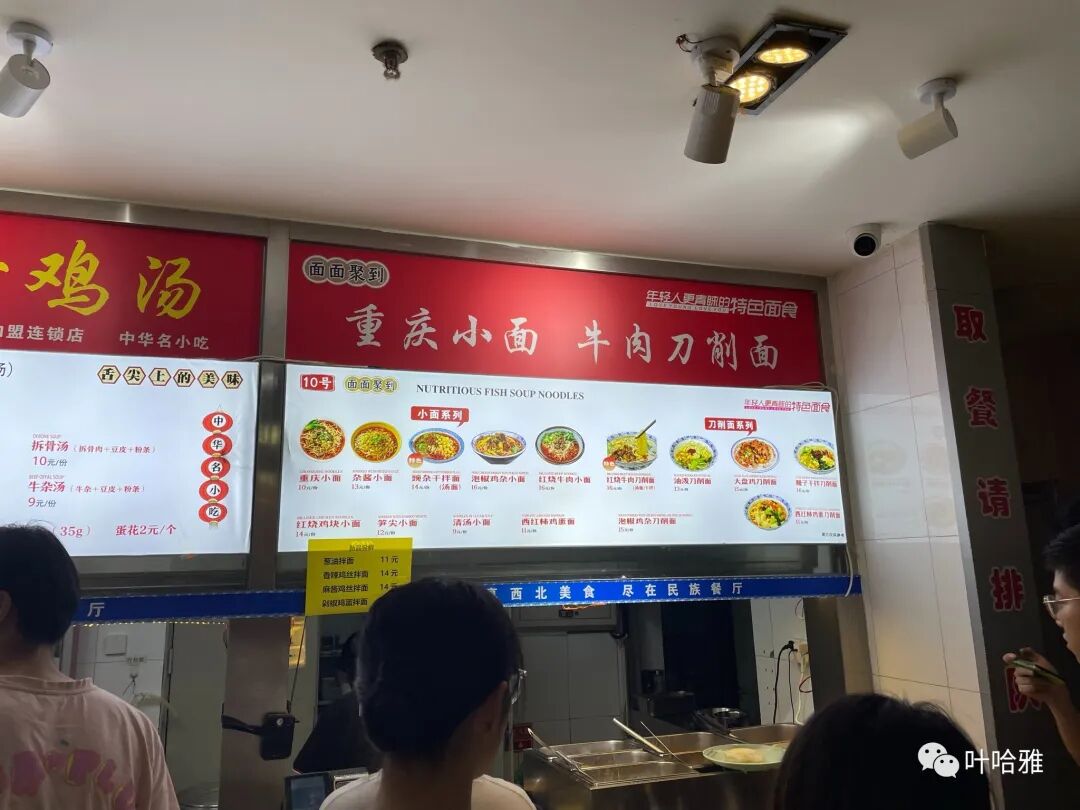
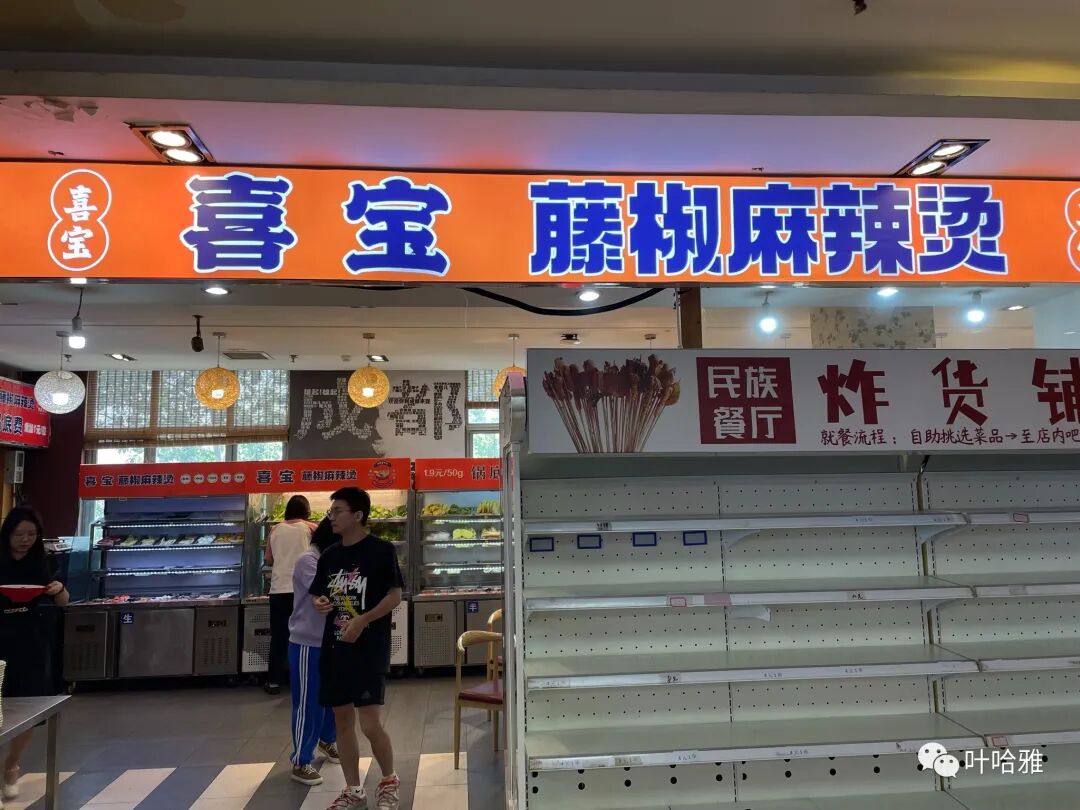
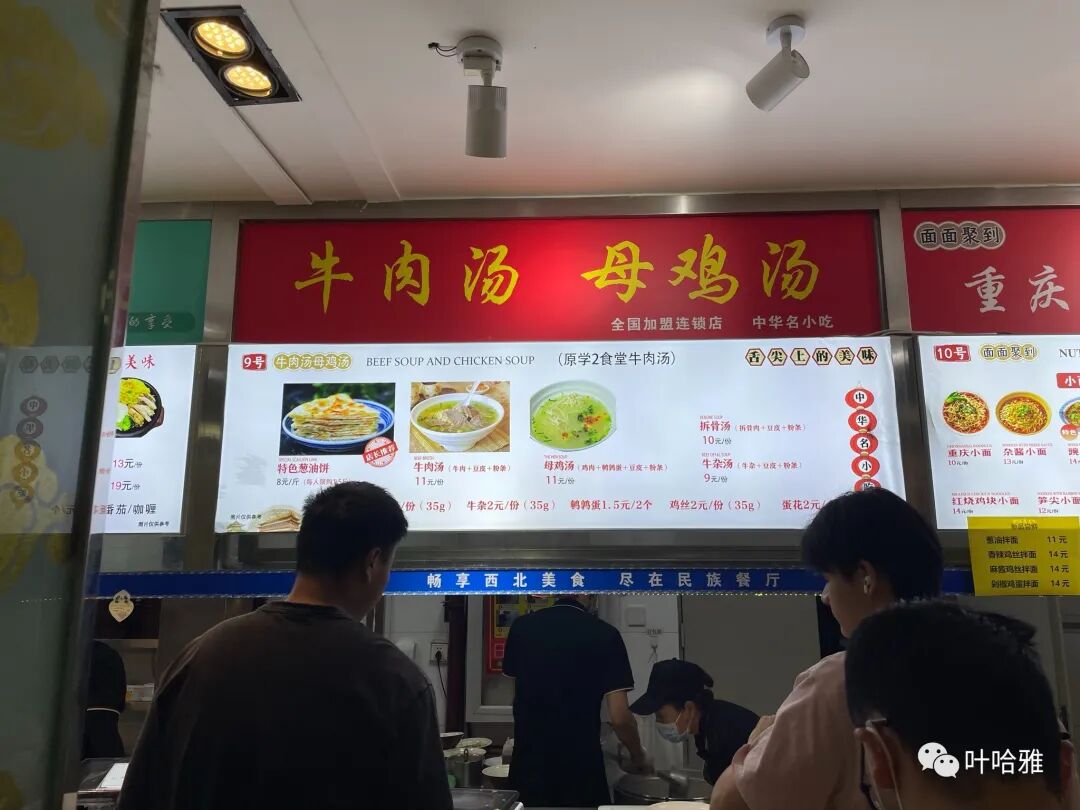
Here are some other stalls at the BUPT Ethnic Restaurant, including Chongqing spicy noodles (chongqing xiaomian). I have eaten at many university halal canteens, and BUPT has the widest variety.
9. Peking University Tongyuan
The history of PKU Tongyuan goes back to 1946. That year, PKU established the Department of Oriental Languages and the Department of Arabic. Professor Ma Jian proposed building a canteen for Hui Muslims at PKU. It was the first canteen for Hui Muslims built at a Beijing university and was named the PKU Dongfanghong Hui Muslim Canteen. Later, because the number of Muslim students at PKU increased rapidly, the canteen wasn't big enough. In 1986, PKU raised 500,000 yuan to build a new 400-square-meter halal restaurant on the site of the old Tong Mansion on campus, naming it the PKU Tongyuan Halal Restaurant.
Looking at the halal restaurants at different universities now, Tongyuan at Peking University is on the smaller side. Because it has limited space, it only serves lunch to ethnic minority students, and you cannot pay without a campus card. However, after dinner, Tongyuan opens up to all students and staff for late-night barbecue.
I have been to Tongyuan many times, and they recently added spicy hot pot (mala xiangguo) and spicy soup (malatang) to the menu.
That is the end of this post. The text and photos are original, and unauthorized reproduction is not allowed. view all
Summary: This Beijing halal street food guide maps issue 34, covering Fangshan hot pot, Shidu Xinjiang food, farm-style halal dishes, clam vermicelli, local snacks, and places worth saving for Muslim travelers.
Beijing Halal Food Map (34) is presented here as a firsthand travel account in clear English, beginning with this scene: The WeChat official account has a search feature. Just tap the search icon in the top right corner of the homepage to look for articles using keywords. The account keeps its focus on Beijing Halal Food, Muslim Travel, Middle Eastern Food while preserving the names, places, food, and historical details from the Chinese source.
The WeChat official account has a search feature. Just tap the search icon in the top right corner of the homepage to look for articles using keywords. This works for all official accounts, so there is no need to set up automated keyword replies in the backend. I always see all sorts of strange words in the backend, and I really cannot reply to them all.
1. Hengxingxiang
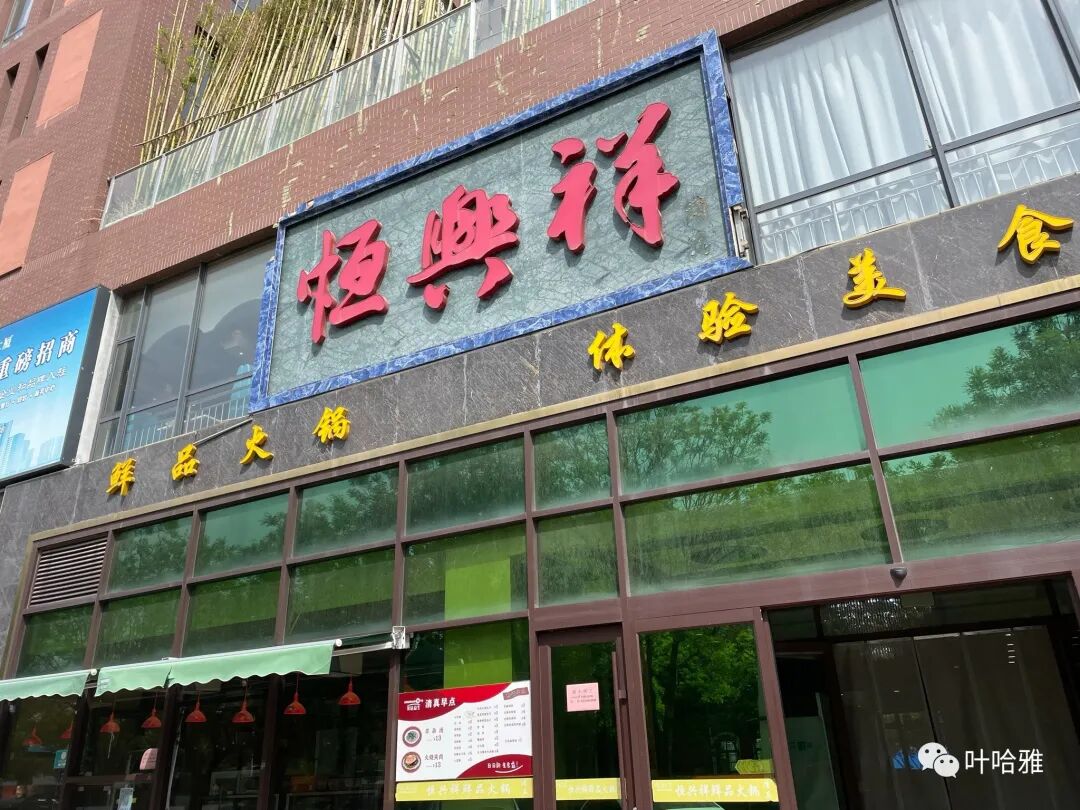
This is a Beijing-style hot pot restaurant. The meat tasted great while I was eating. When I paid the bill, I noticed the payee was Doudian Yisheng. I asked, and it turns out it is run by the Doudian Yisheng beef and mutton shop, which also has a stall selling beef and mutton on Niujie Street.
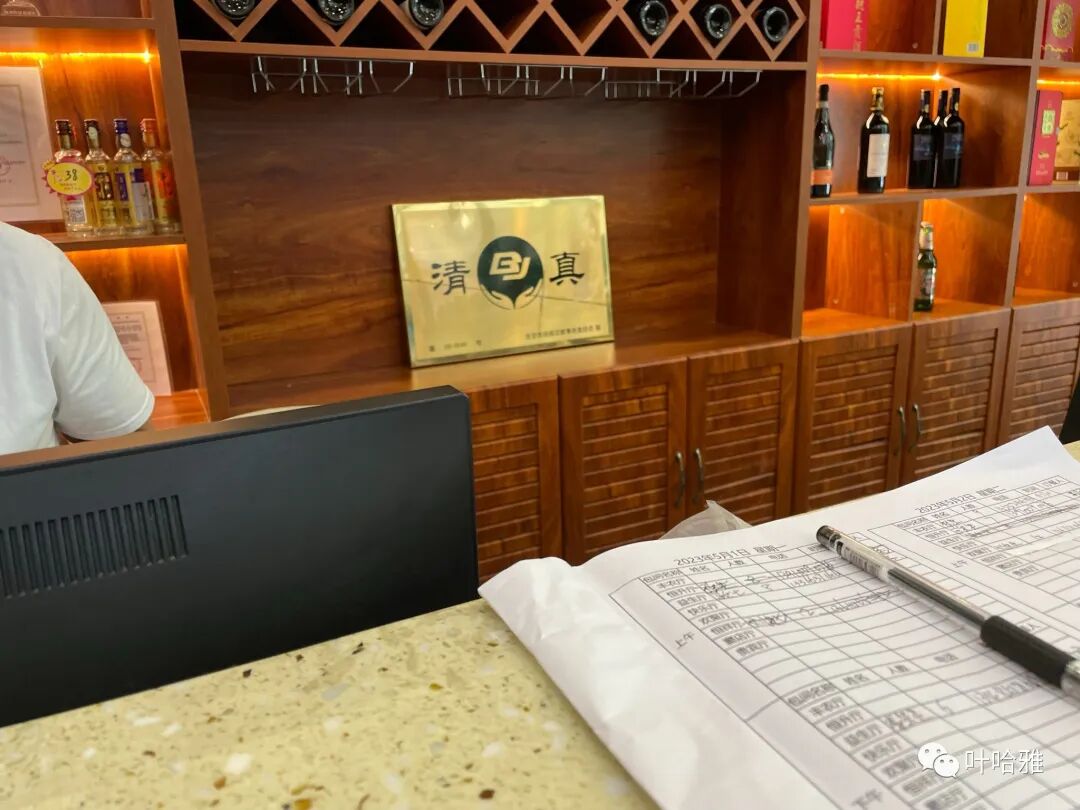
The restaurant is in Fangshan and is quite large with two floors. I heard they have live vegetables, which are hydroponic greens brought straight to your table for the hot pot. They are incredibly fresh, though I did not get to try them when I visited.
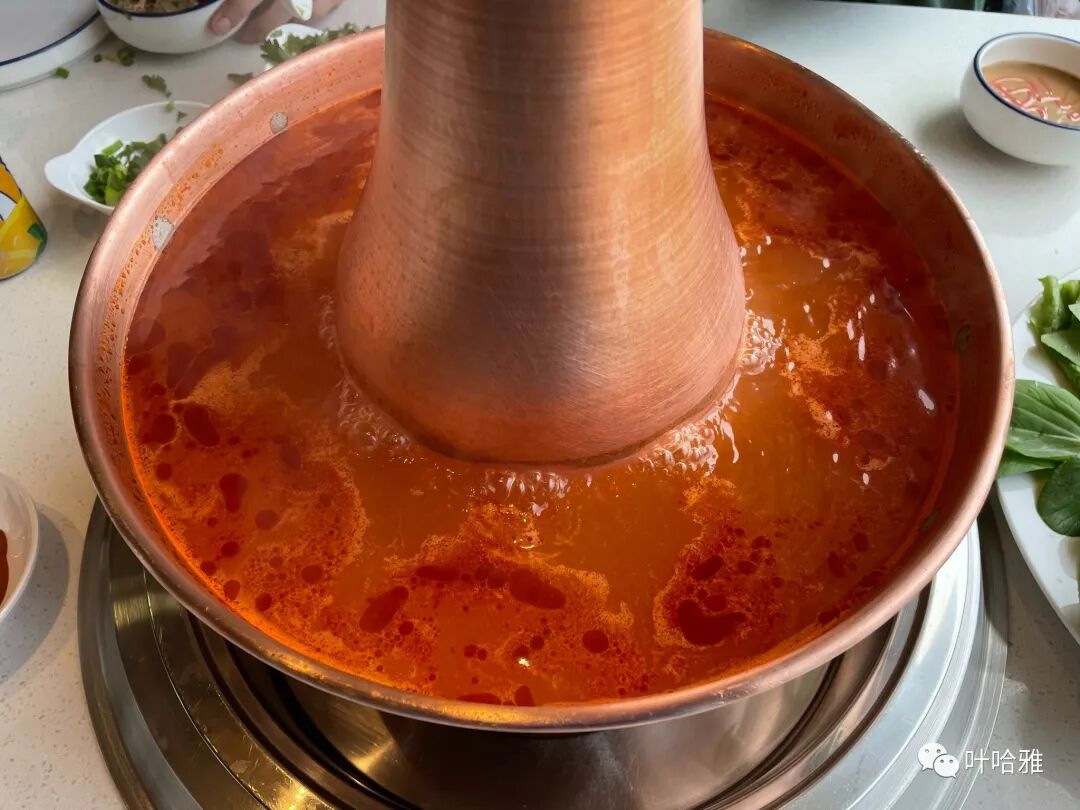
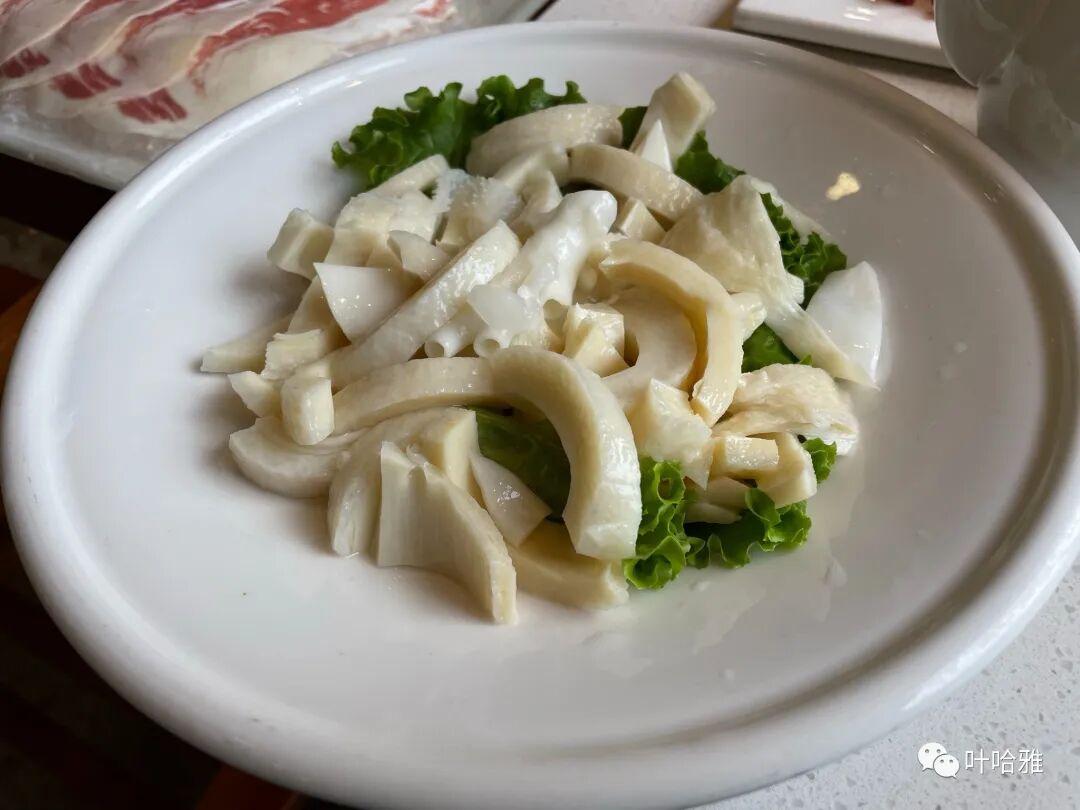
Aorta (huanghou)
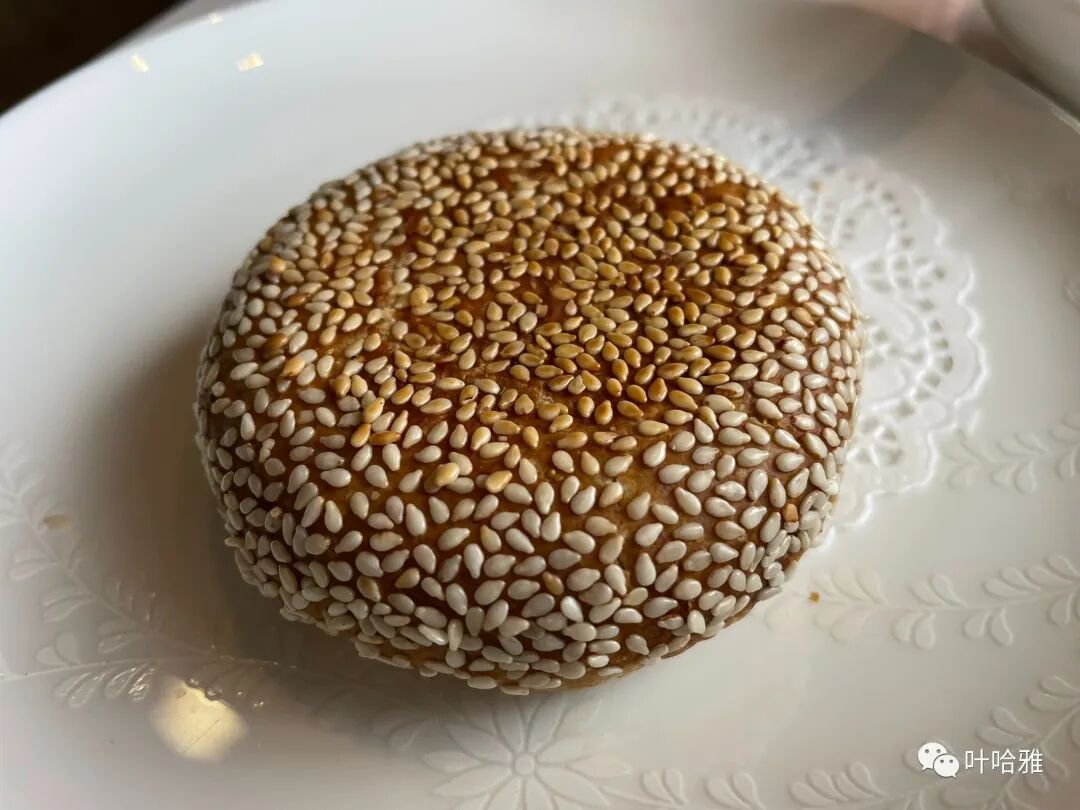
Their sesame flatbread (shaobing) is delicious, soft, and unique. I recommend trying one. There is free parking at the entrance; just tell the security guard you are there to eat.
2. Yinsha Halal Restaurant
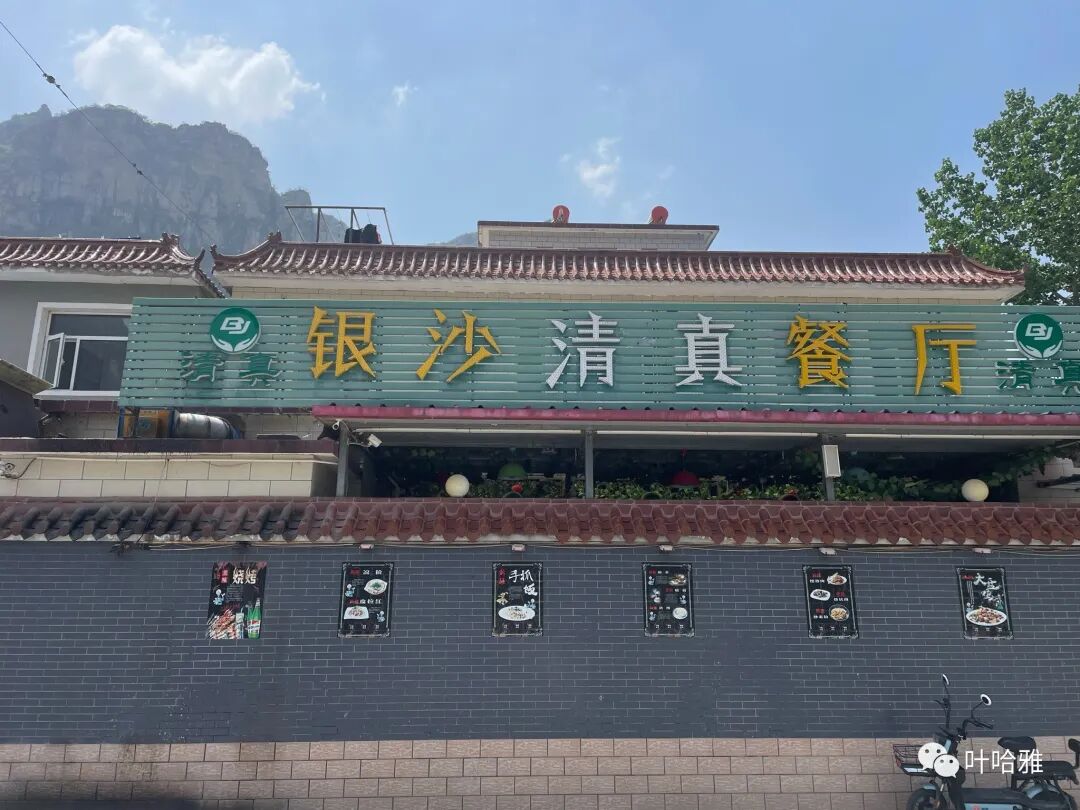
Shidu in Fangshan is a beautiful summer retreat in the Beijing suburbs. I found three halal restaurants along the road between Badu and Jiudu. This Yinsha Halal Restaurant is run by a friend from Kashgar (adaxi) and is located in Jiudu. These restaurants all offer lodging.
They serve traditional large Xinjiang dishes as well as local farm-style food, such as grilled rainbow trout and stir-fried wild vegetables.
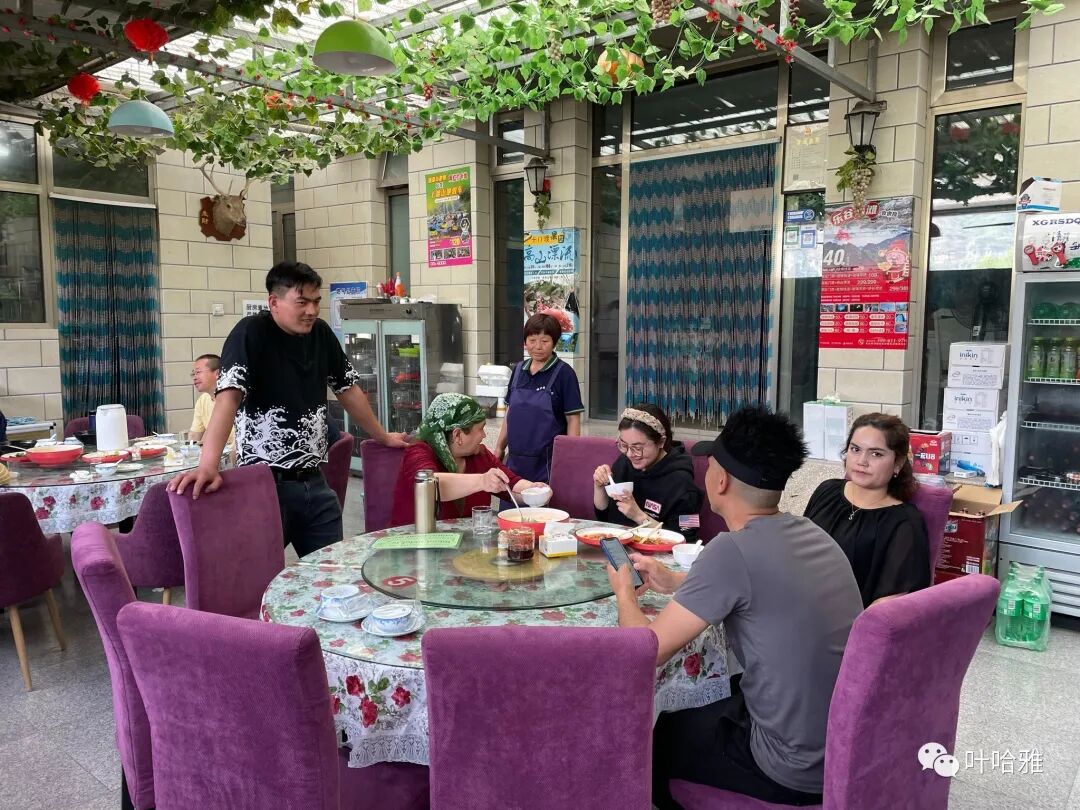
The family from Xinjiang was preparing lung and tripe (mianfeizi) for Eid al-Fitr that day and even invited us to taste it.
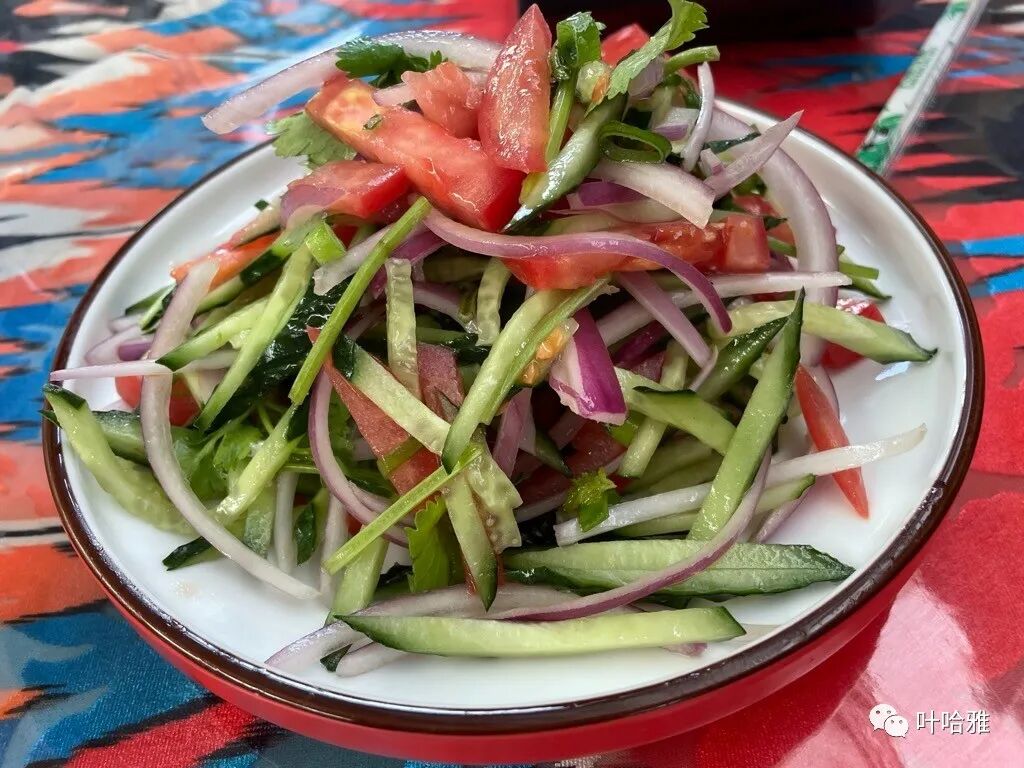
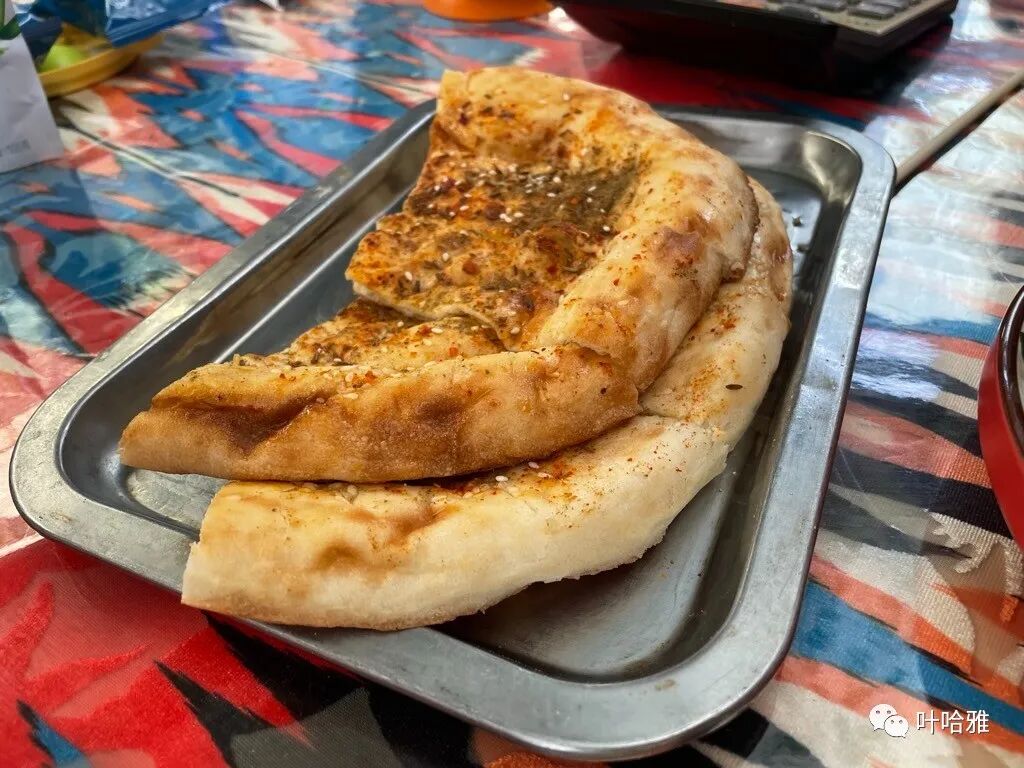
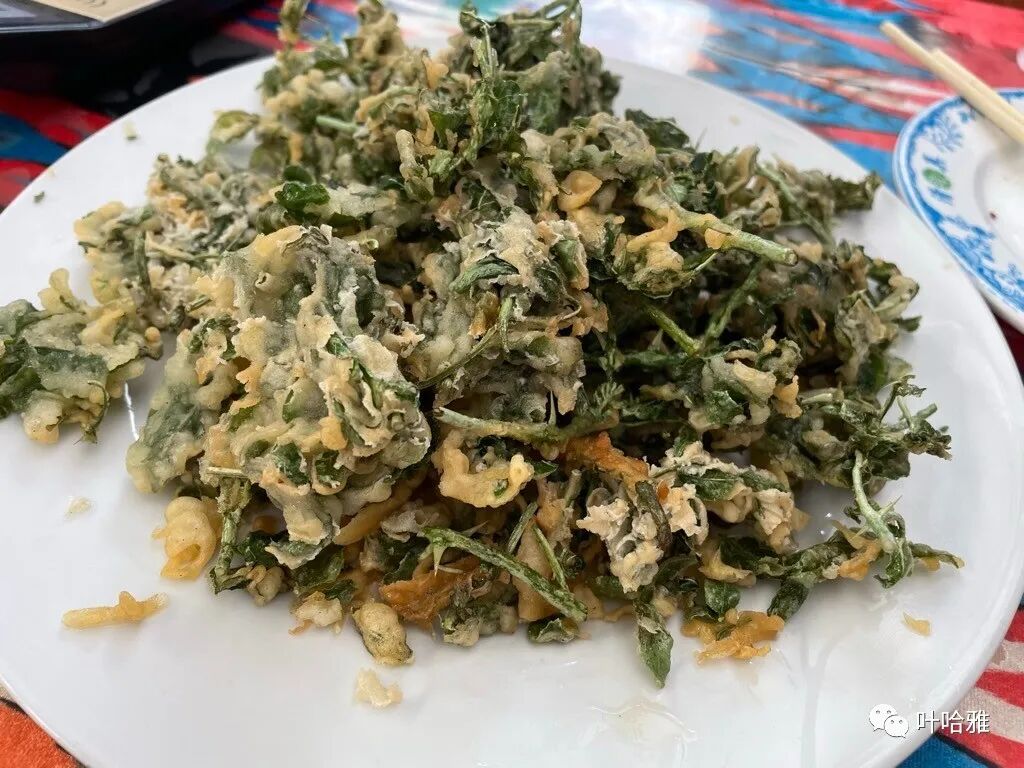
Deep-fried prickly ash buds (zhahuajiaoya)
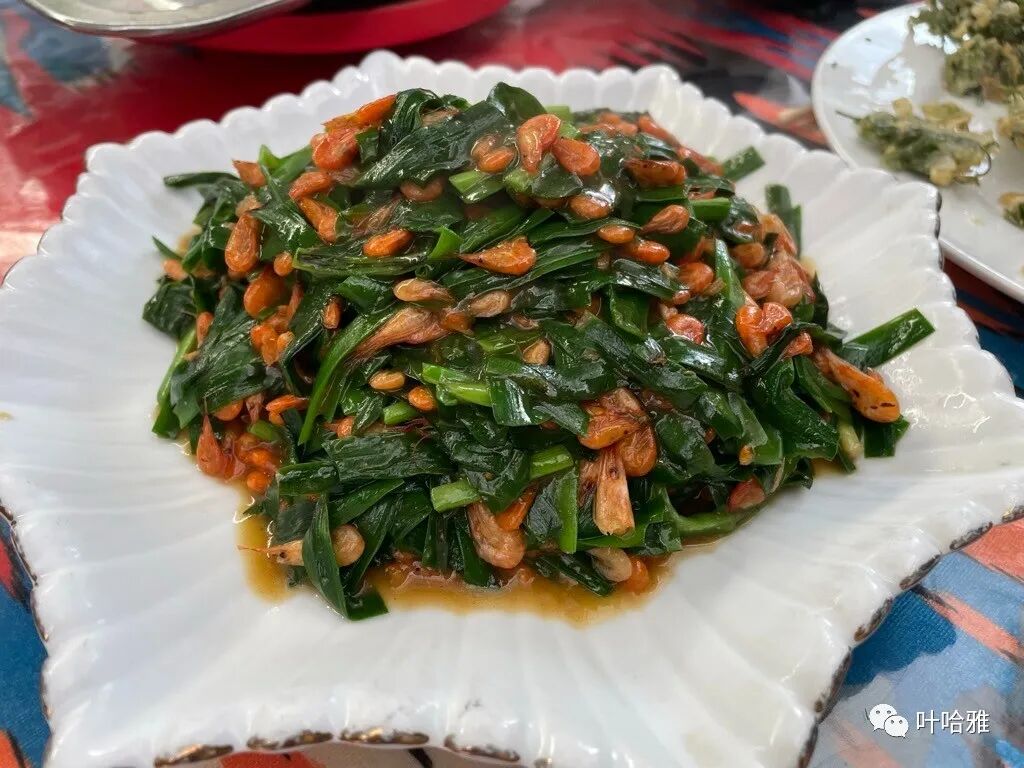
Stir-fried river shrimp (chaohexia)
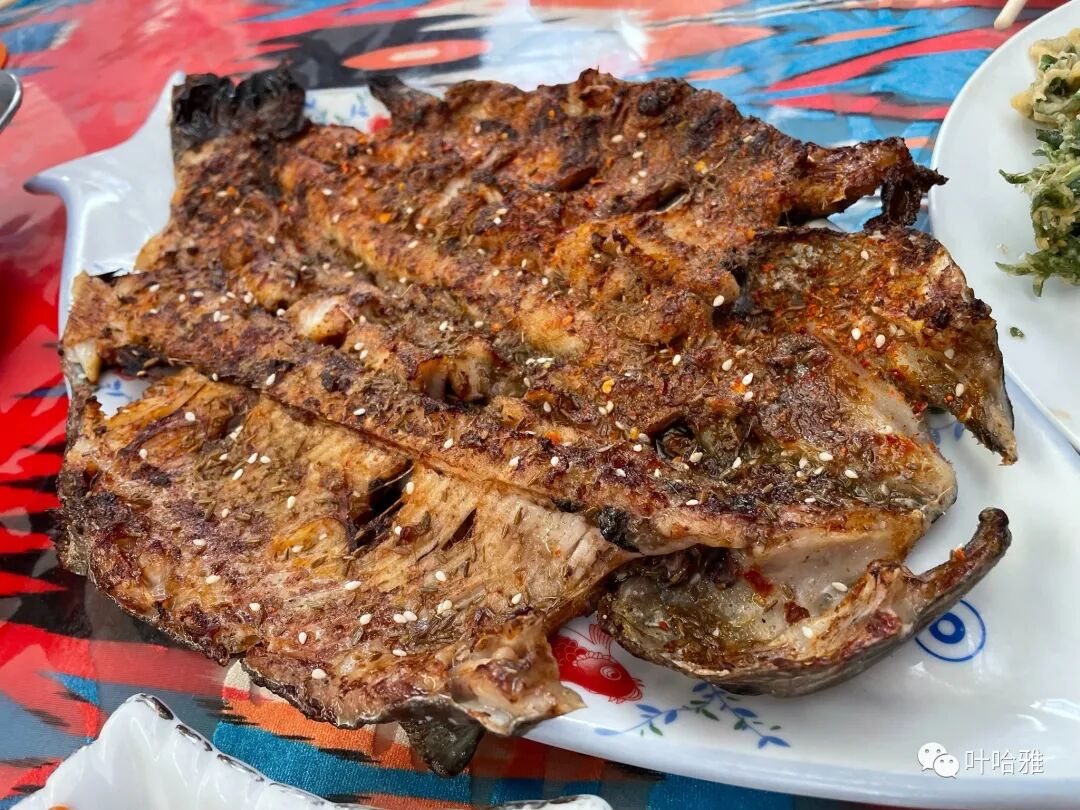
Grilled rainbow trout (kaohongzunyu)
3. Muyi's House
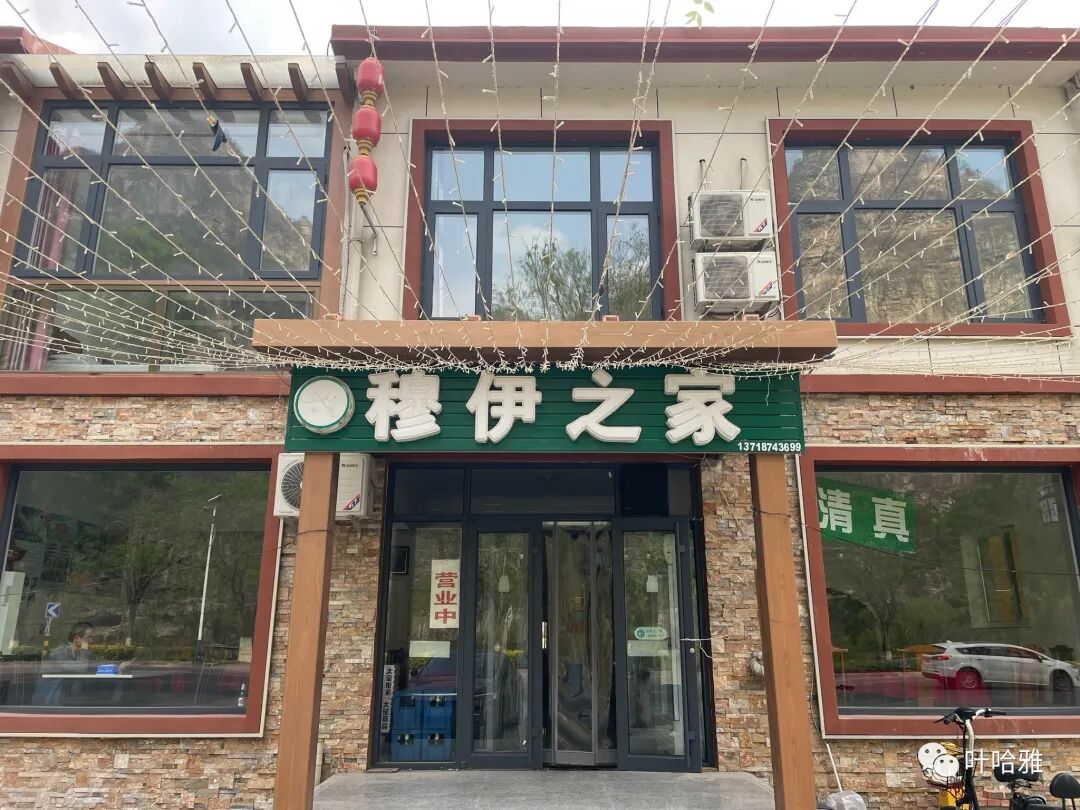
This is a halal Beijing-style restaurant in Badu, and the owner is a Hui Muslim from Fengtai.
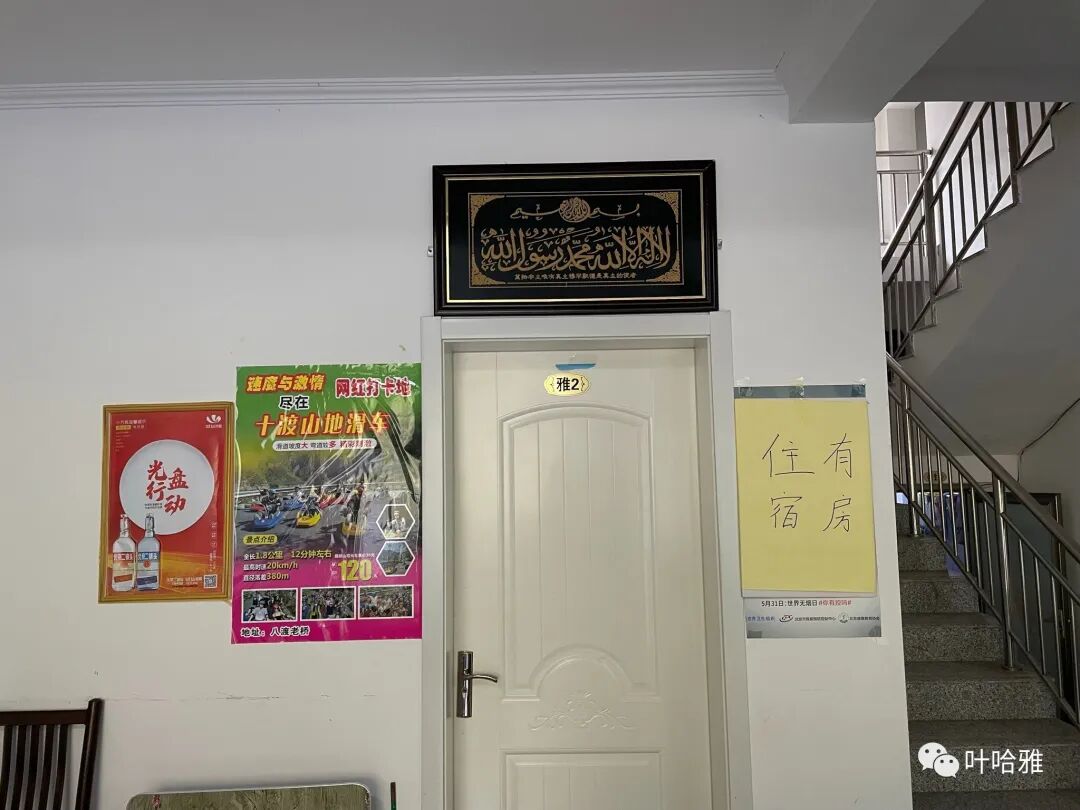
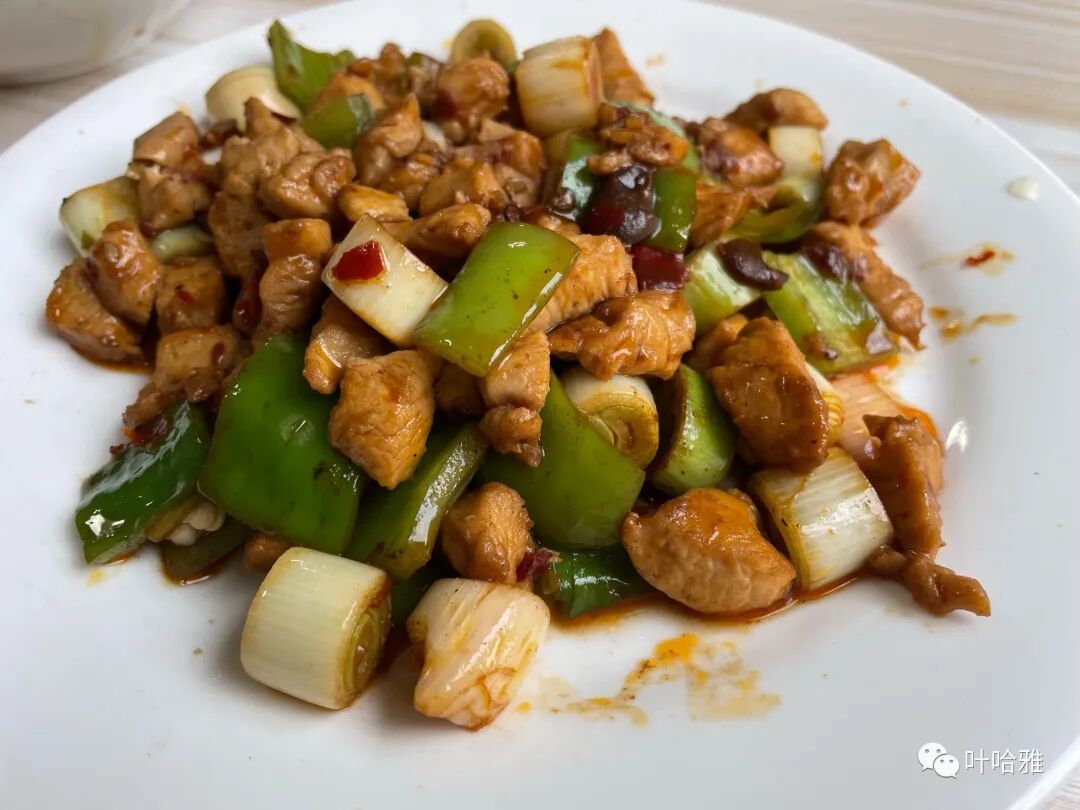
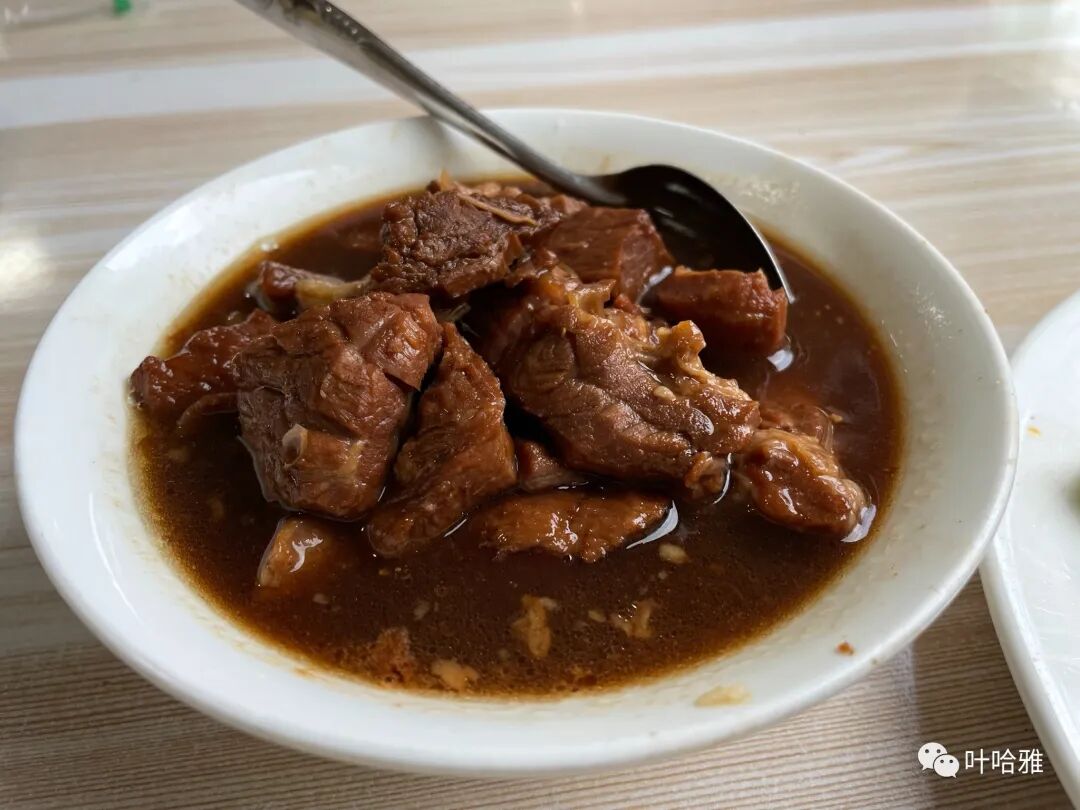
We ordered a few traditional stir-fried dishes, but they were all quite salty. We prefer lighter flavors, so keep that in mind. The Shidu tofu is a specialty dish and it tastes quite good.
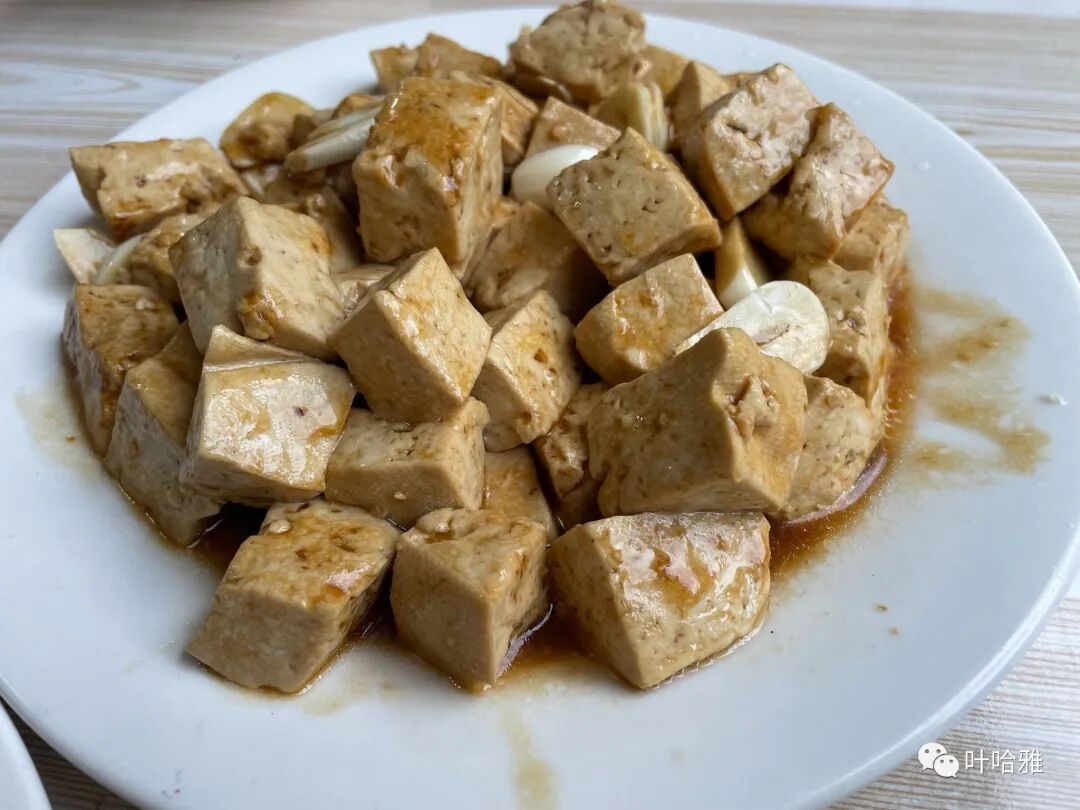
Shidu tofu (shidudoufu)
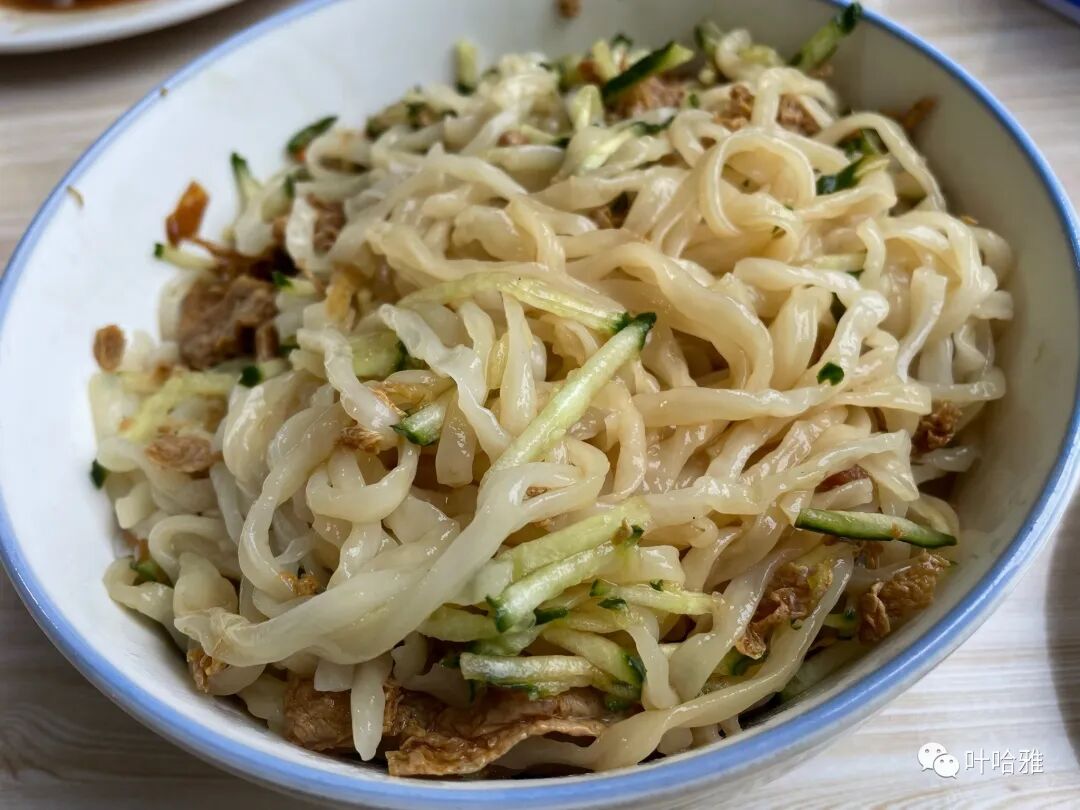
Egg sauce noodles (jidancuanmian)
The egg sauce for these noodles is extremely salty. Add it little by little when you eat. Most people definitely cannot handle the whole serving of sauce.
4. Clam vermicelli (huajiaphen)
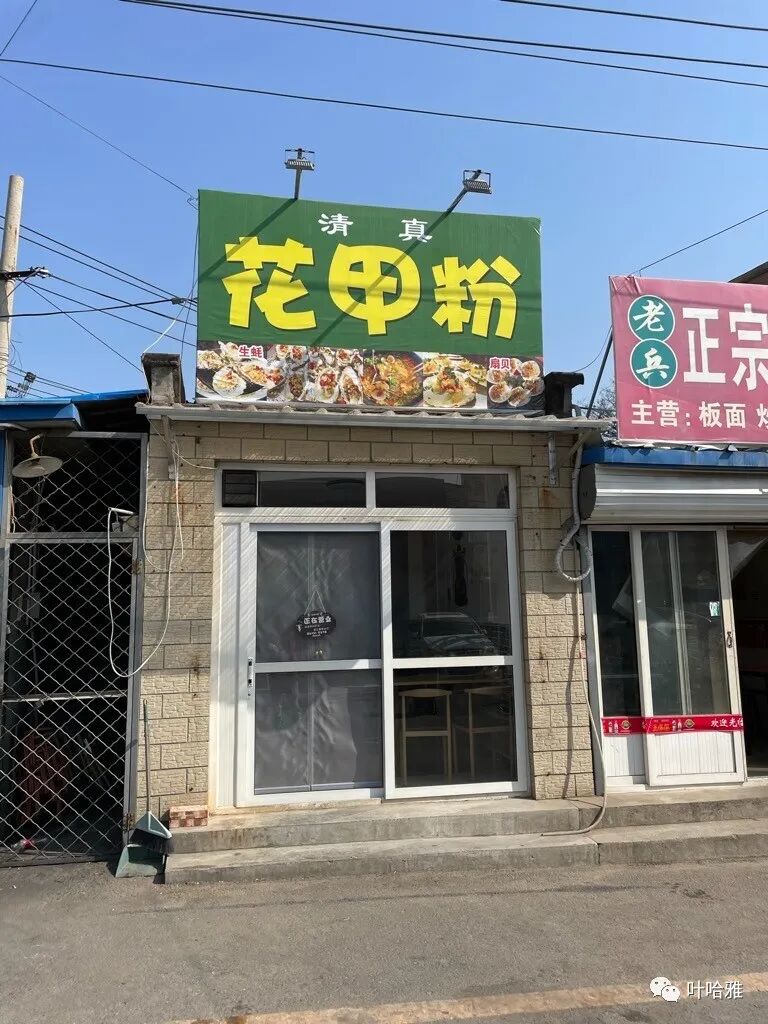
This is an unassuming little shop in the Xiguanshi market. It looks very ordinary, but the taste is excellent.
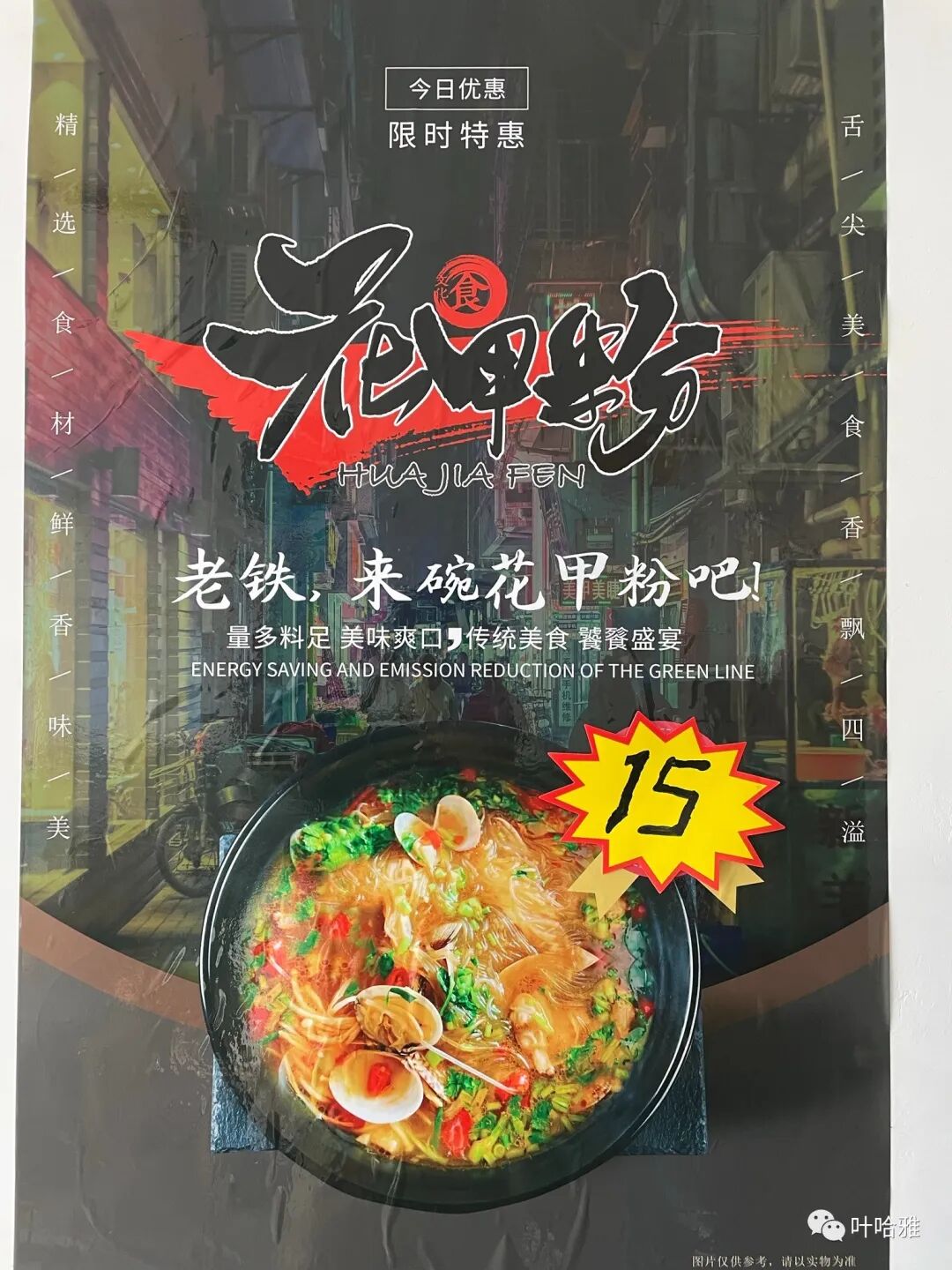
The clam vermicelli is made of glass noodles with clams and some side vegetables. It has a slightly numbing, salty, and savory flavor. You can add chili separately.
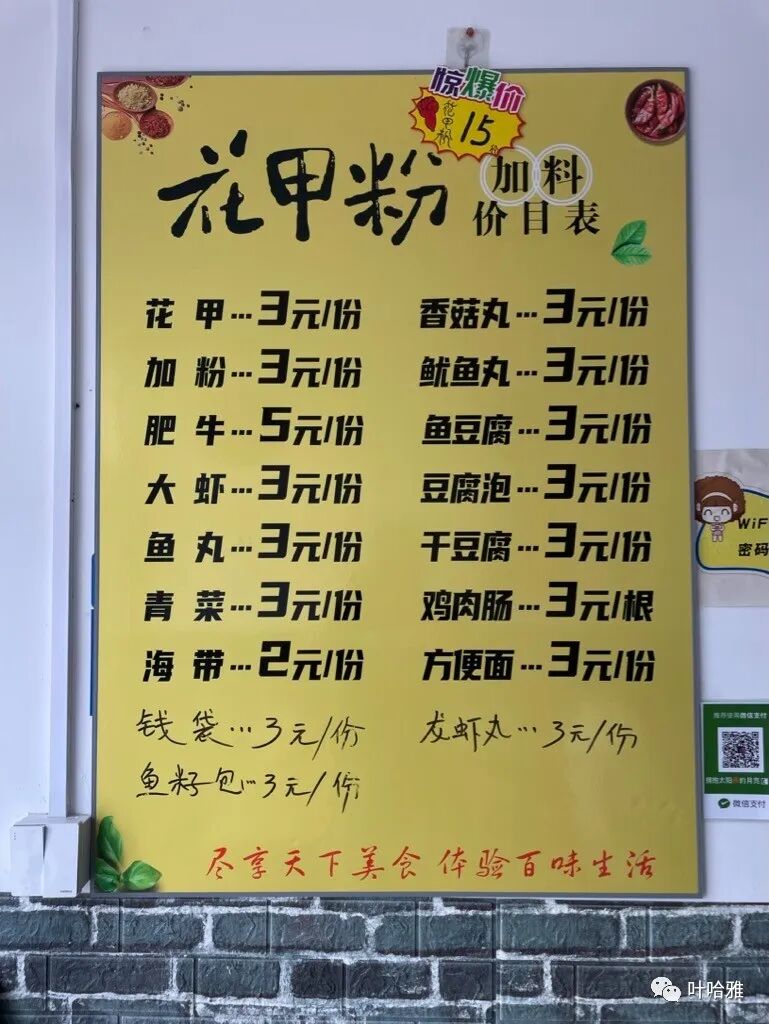
You can add any of these side dishes. The portions are small, and one order of large shrimp is just one single shrimp.
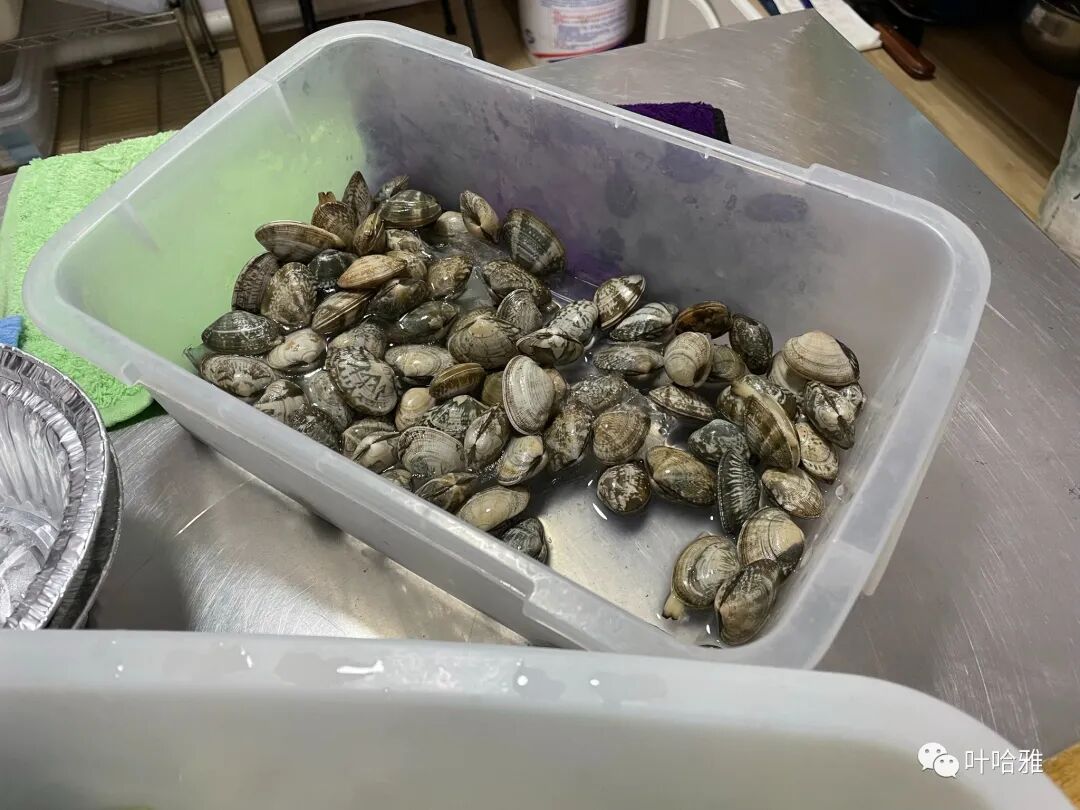
The ingredients are quite fresh. The vegetables and seafood cook quickly when blanched, and they taste good.
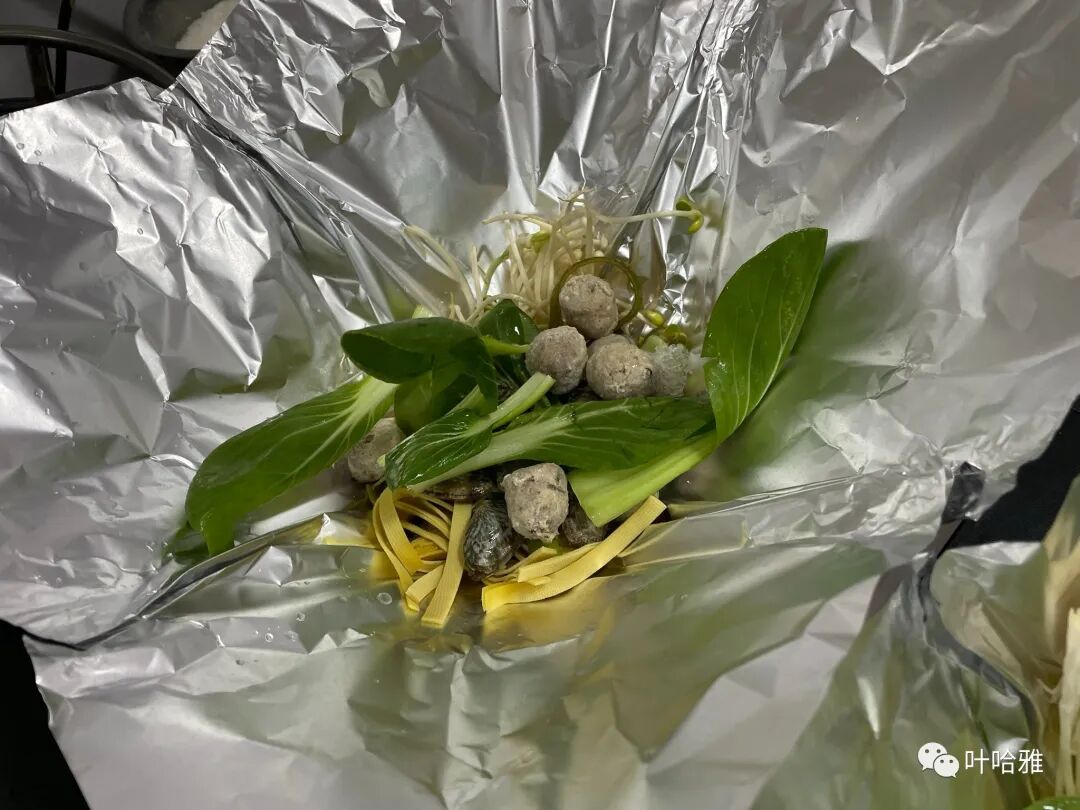
It comes wrapped in foil and sits on a bowl so you can carry it without burning your hands, because this clam vermicelli (huajiafen) is really piping hot.
5. Huawei Beijing Research Institute Halal Canteen
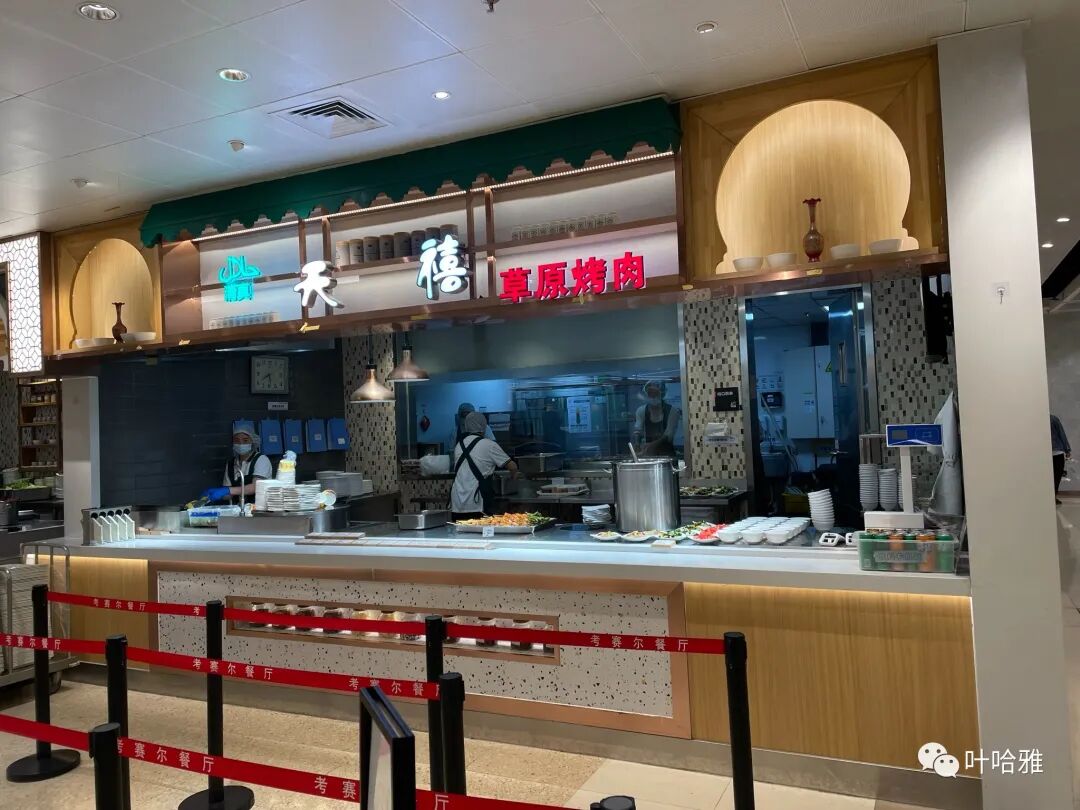
The Huawei Beijing Research Institute has four halal stalls, and they are owned by the same person as the halal canteen at the Bantian base in Shenzhen.
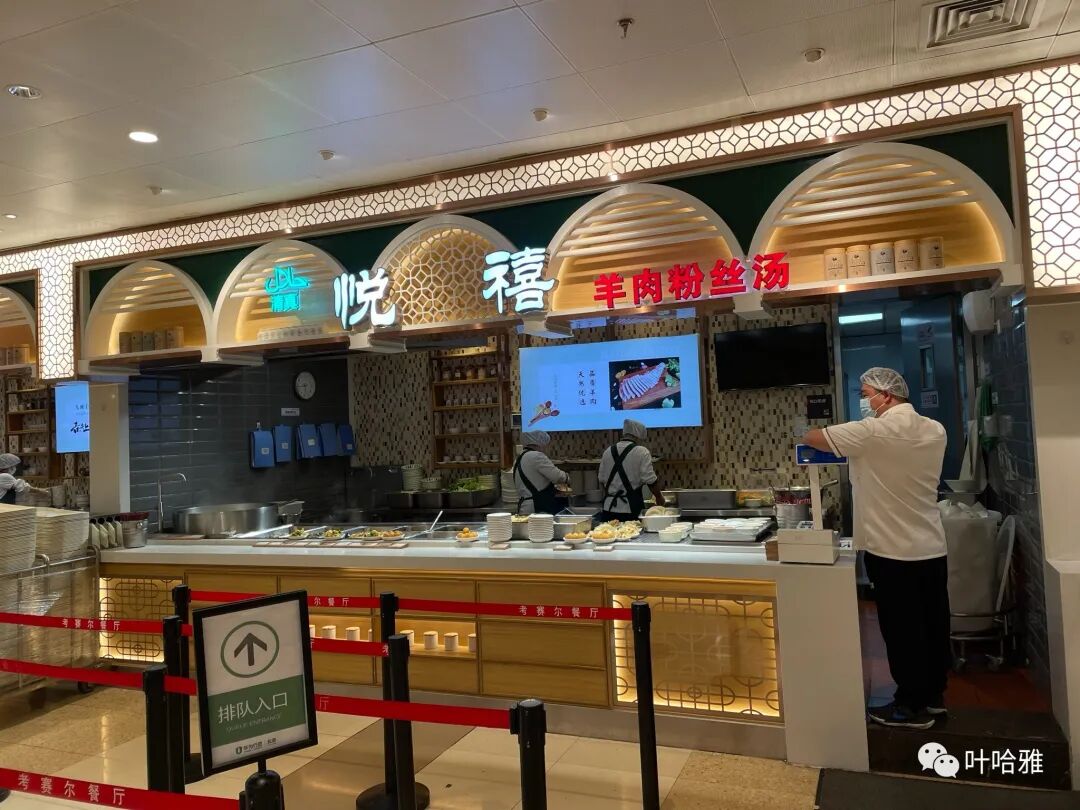
You can use cash at the big tech company's halal canteen, as long as you can find a way to get inside.
If you have job offers from many big companies and do not know which one to pick, Huawei's halal canteen is a plus.
Huawei employees have a high happiness index. Working and living on the campus is convenient, and the environment is beautiful.
The design style of the canteen and the campus is consistent with the Shenzhen headquarters.
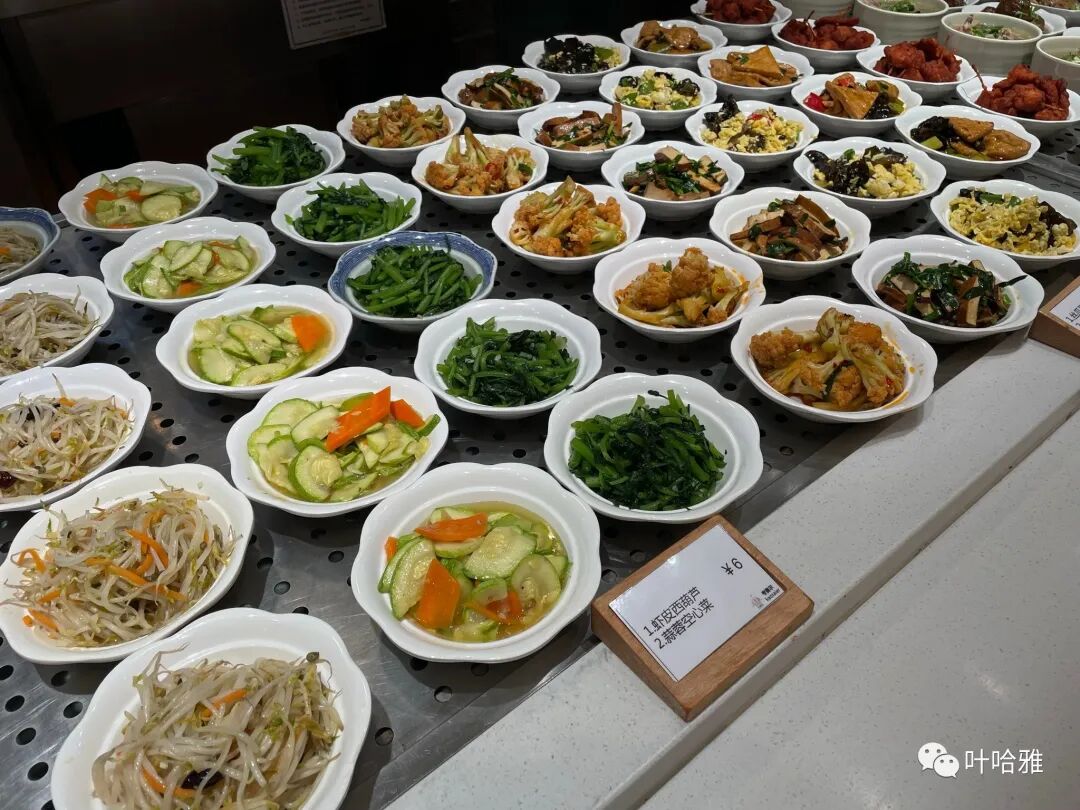
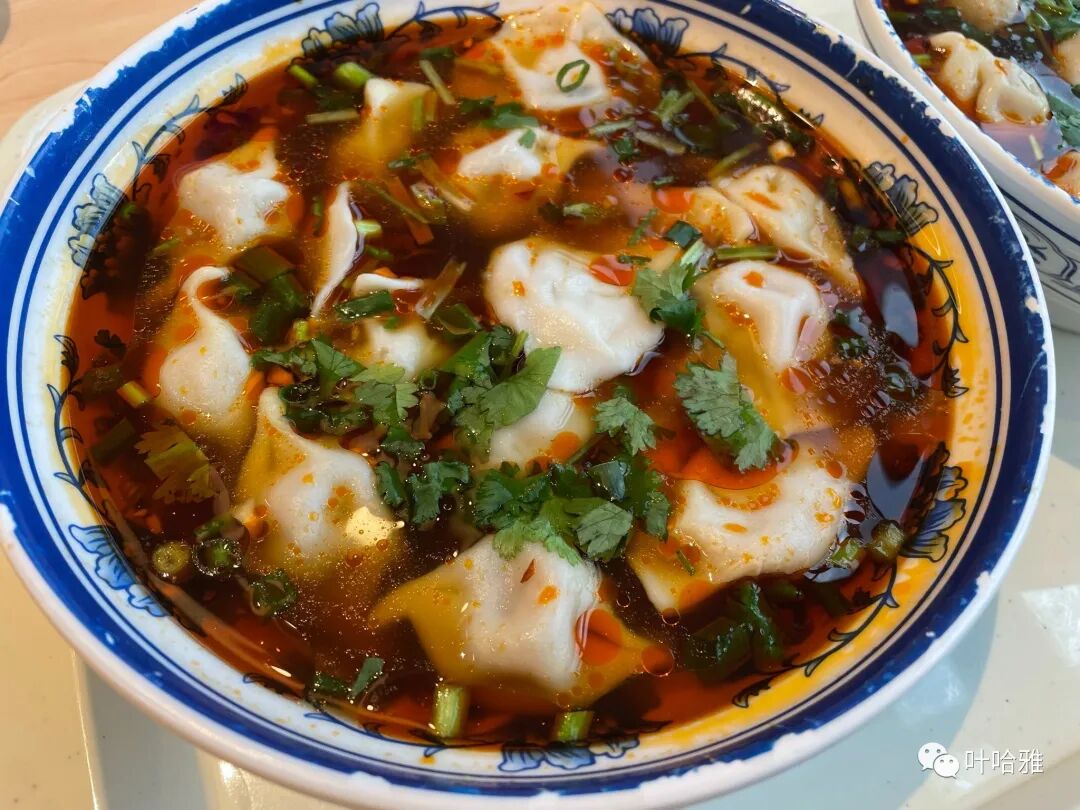
The sour soup dumplings (suantang shuijiao) are really delicious. The last time I had such good sour soup dumplings was in the Muslim Quarter (Huifang) in Xi'an, and these dumplings at Huawei are just as good.
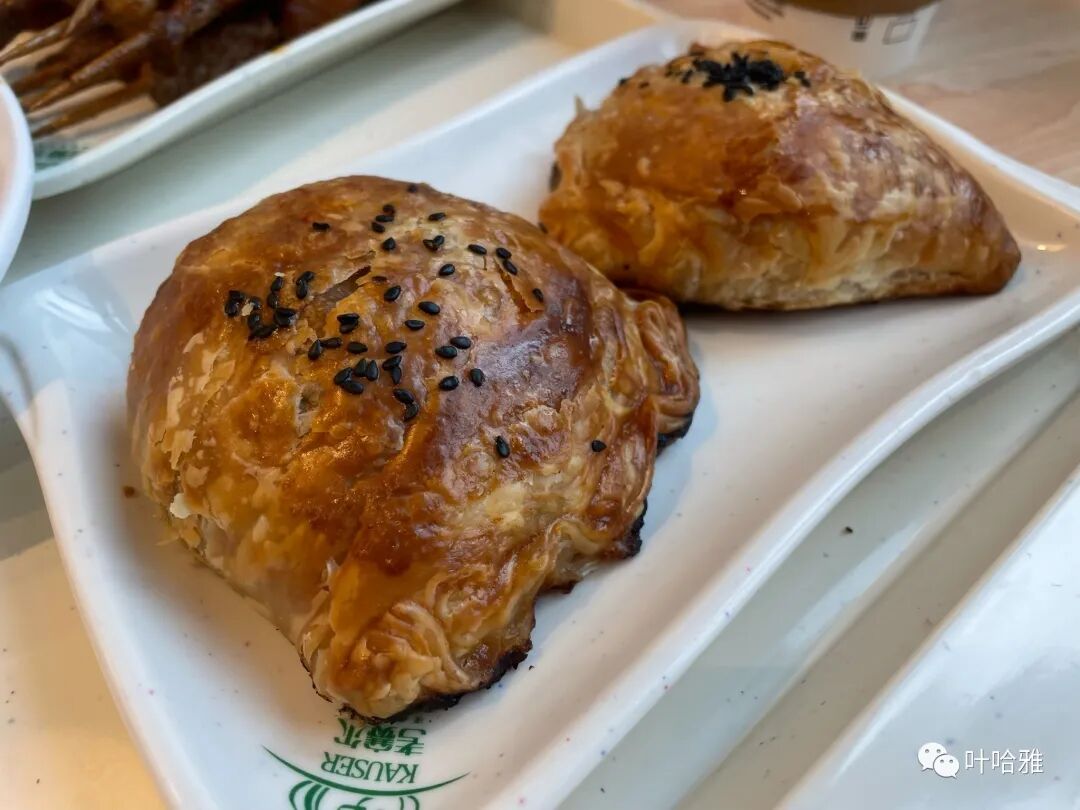
Crispy baked buns (supi kaobaozi)
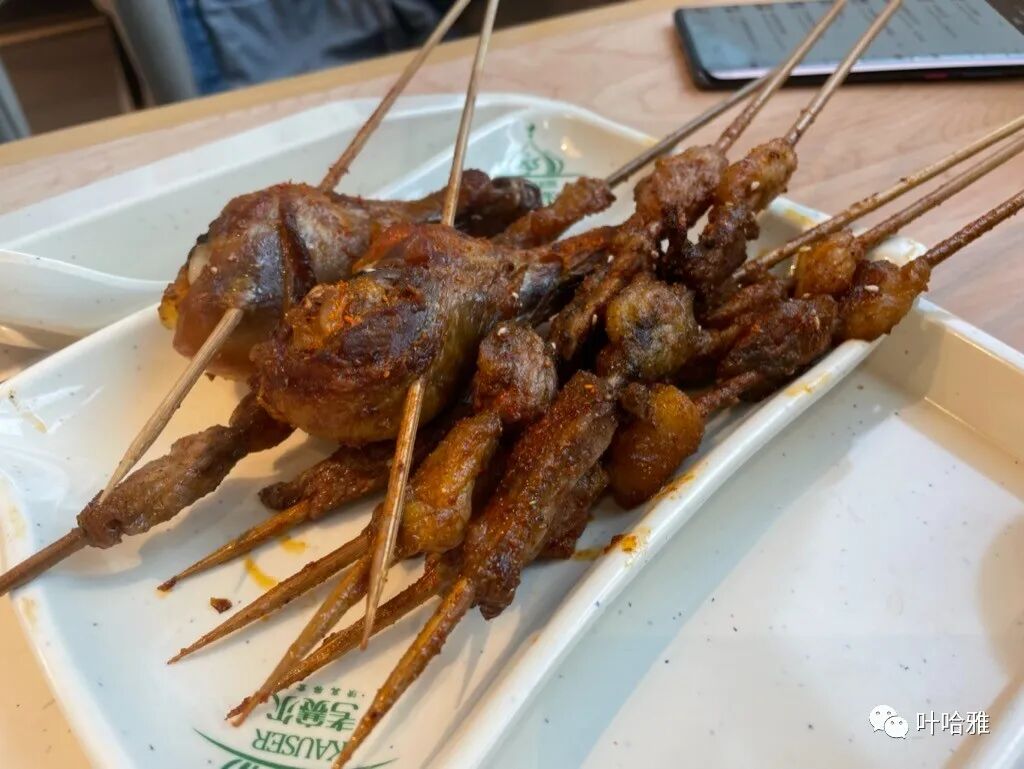
6. Xiguanshi Halal Night Market
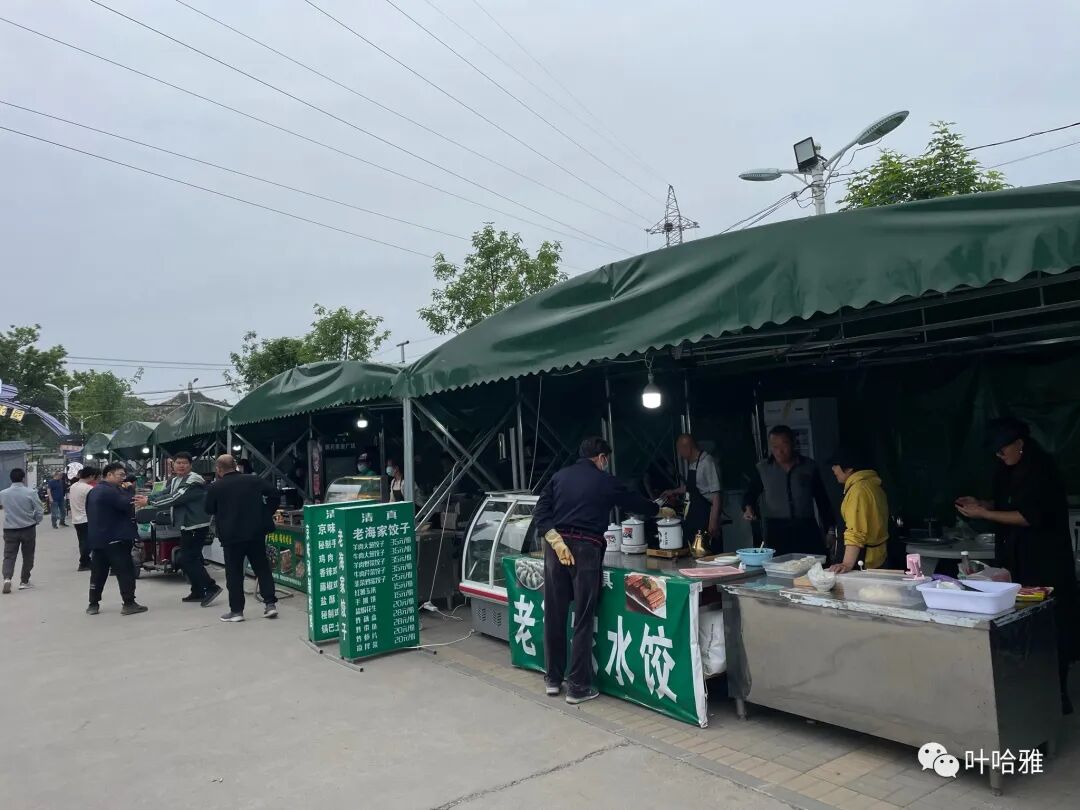
The parking lot at the entrance of Xiguanshi Village in Changping now hosts a halal night market from 5:00 PM to 11:30 PM, which is named Crescent Food Plaza.
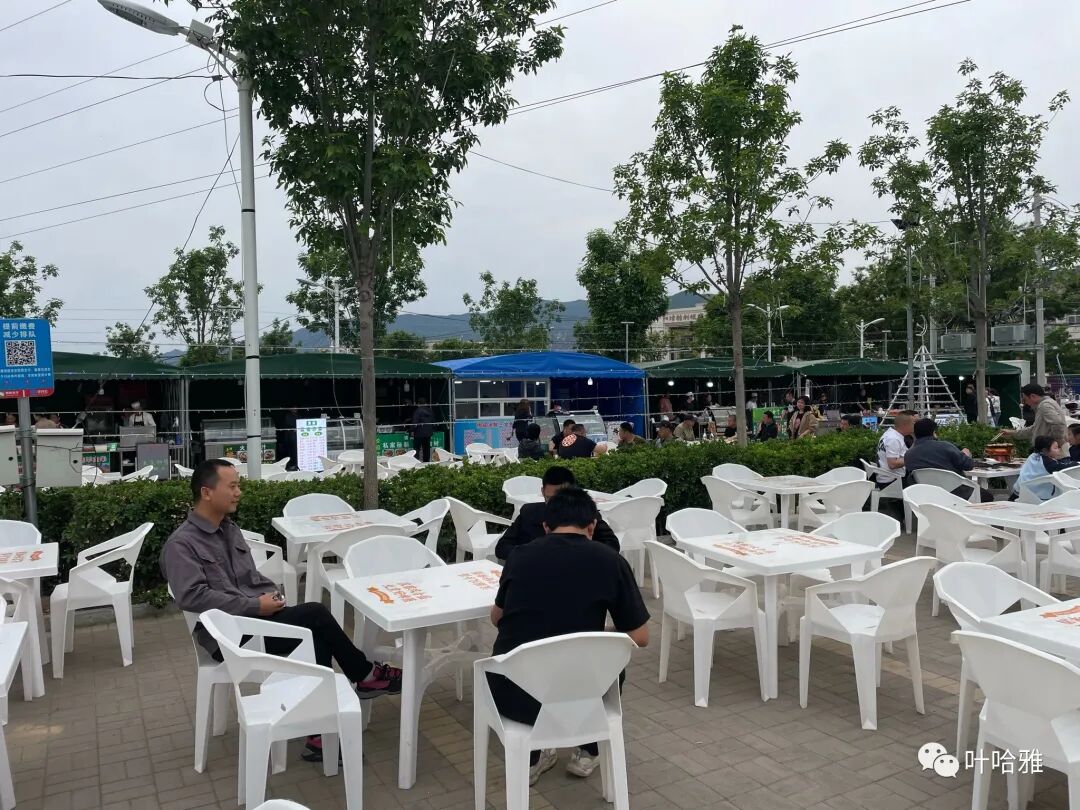
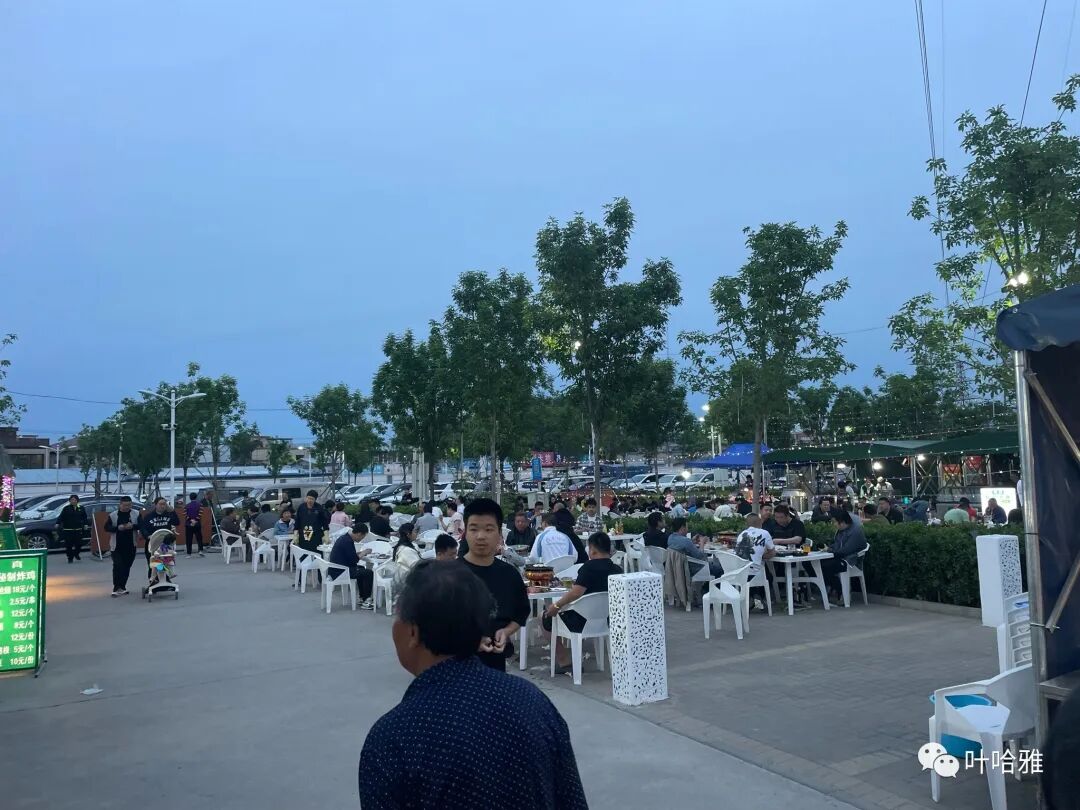
The night market is quite large, with four rows of food stalls on both sides offering dozens of different halal dishes.
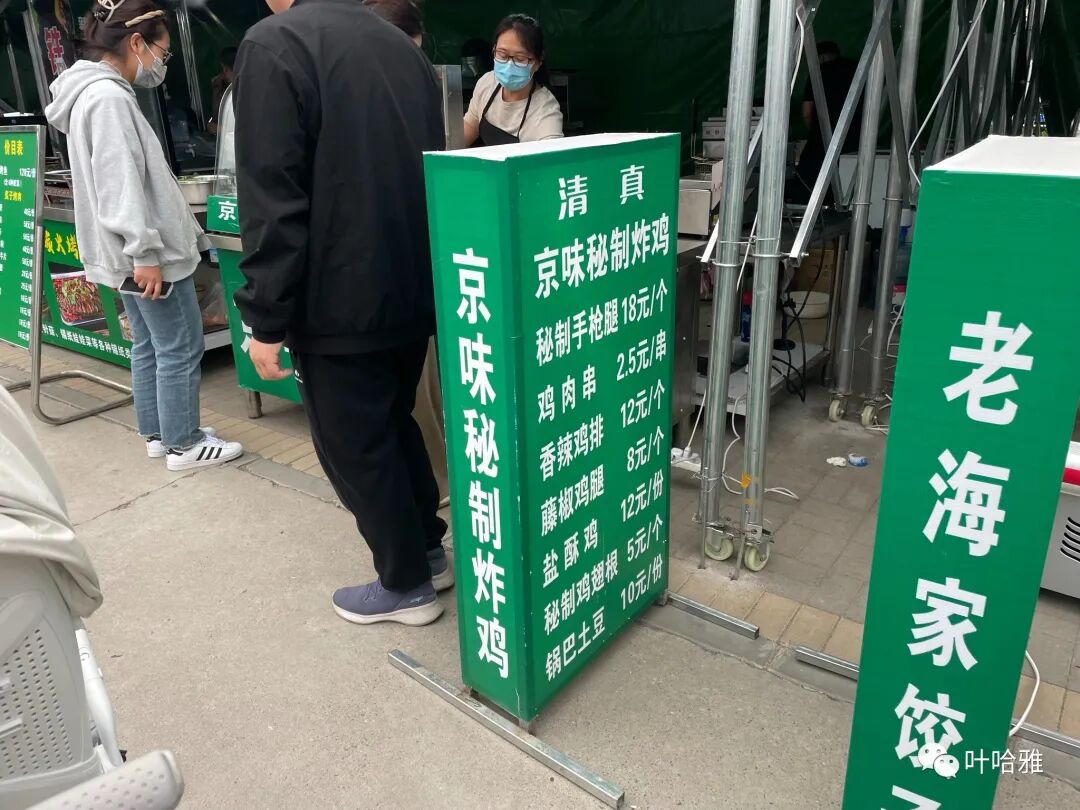
Various deep-fried snacks.
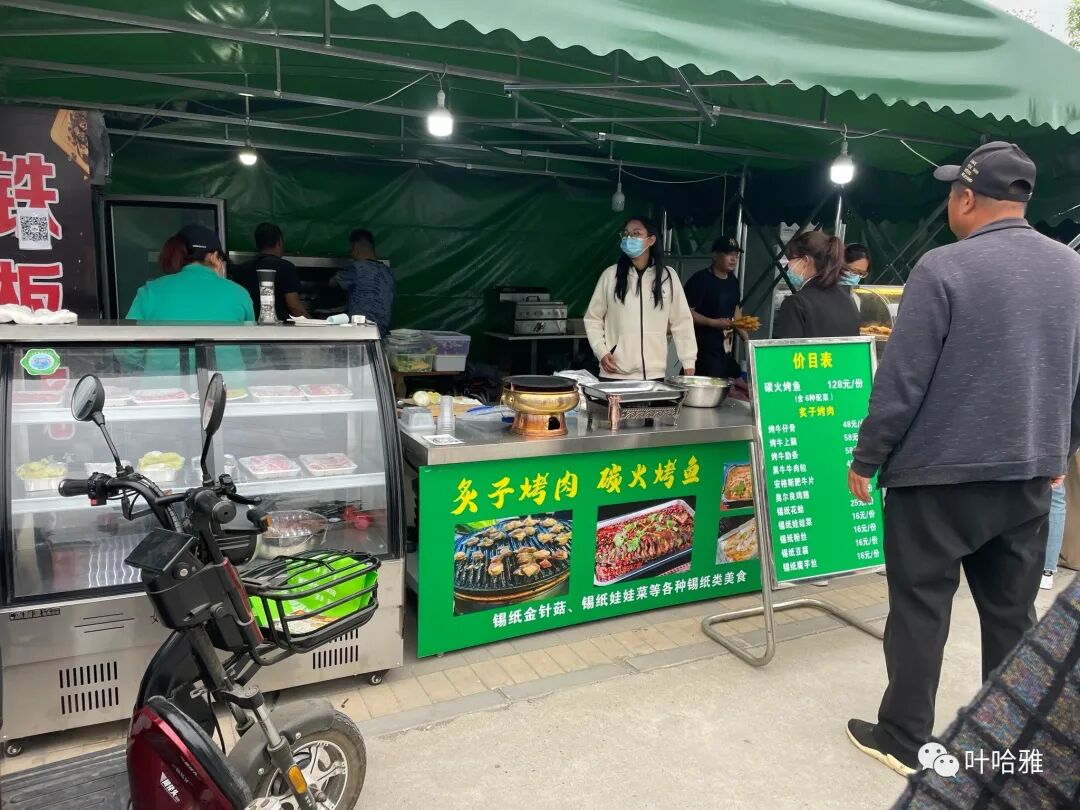
Grilled meat on a round iron plate (zhizi kaorou) and grilled fish.
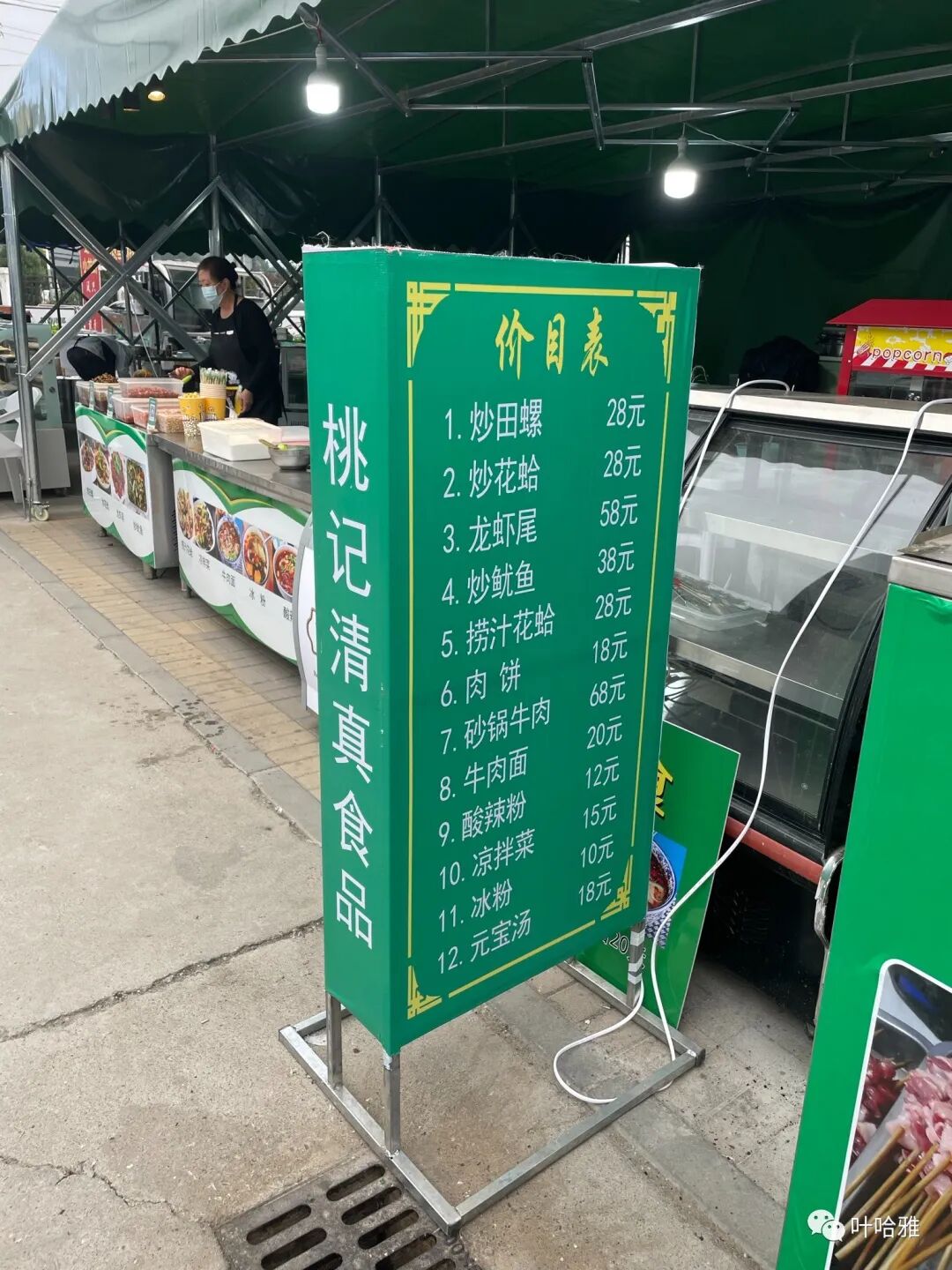
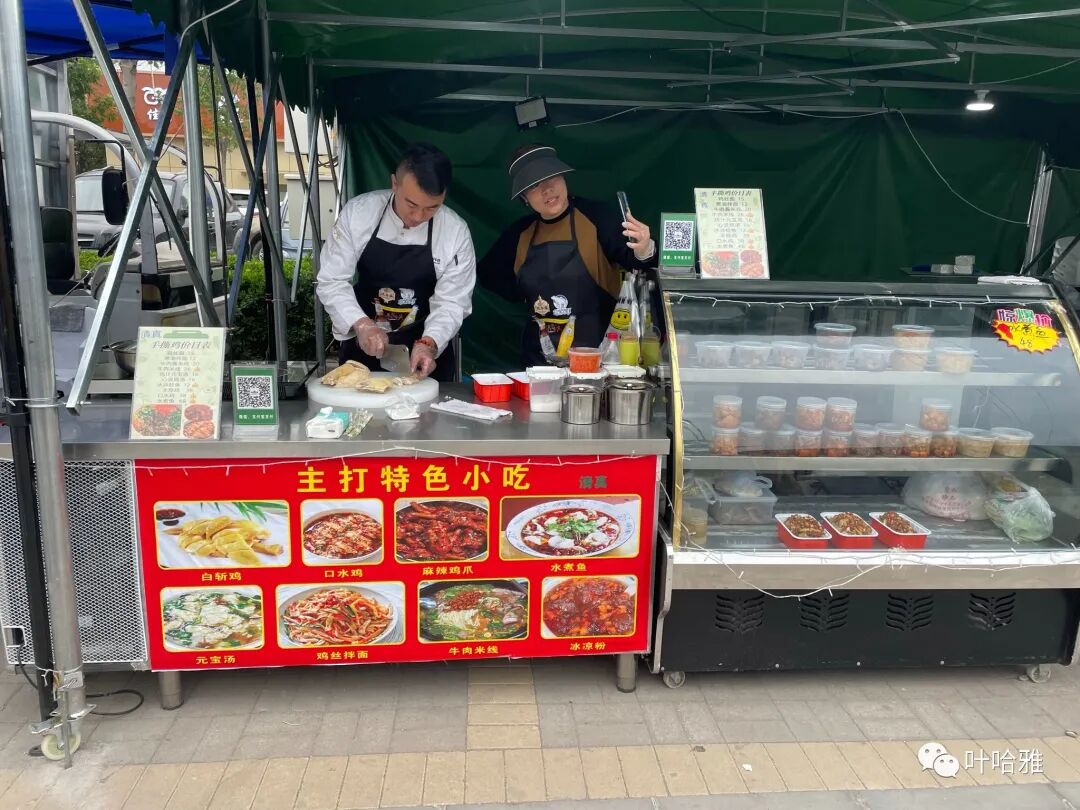
All kinds of small snacks.
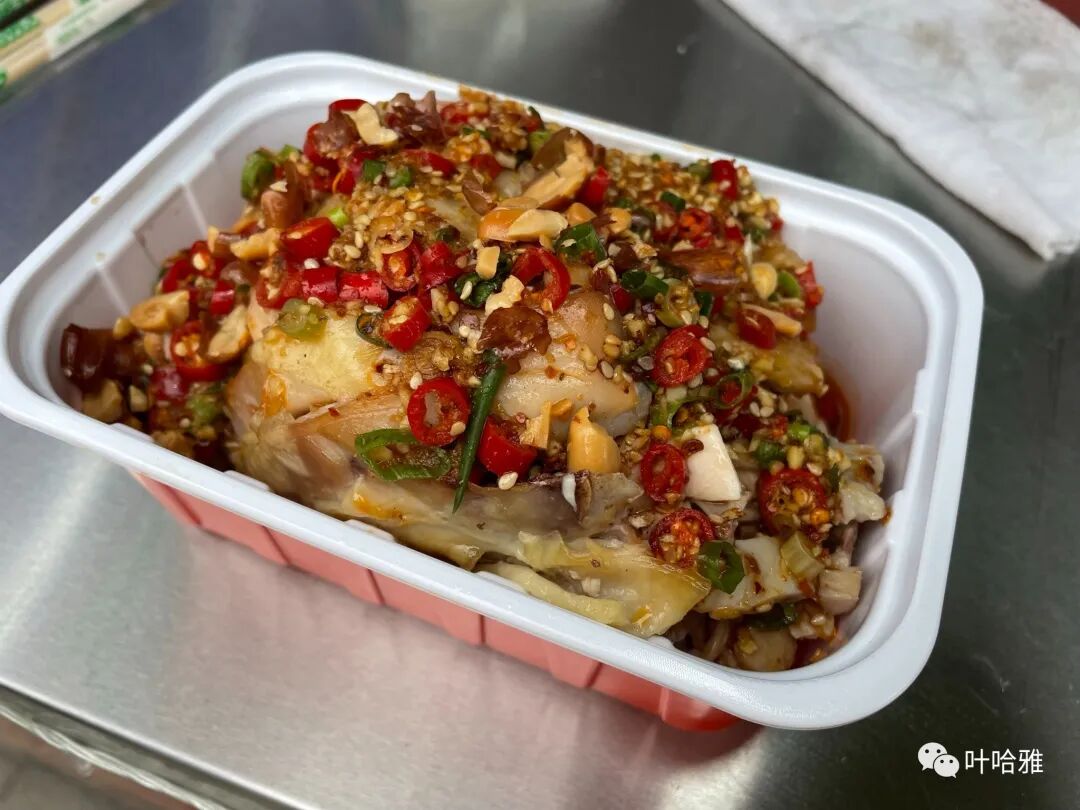
Steamed chicken in chili sauce (koushuiji).
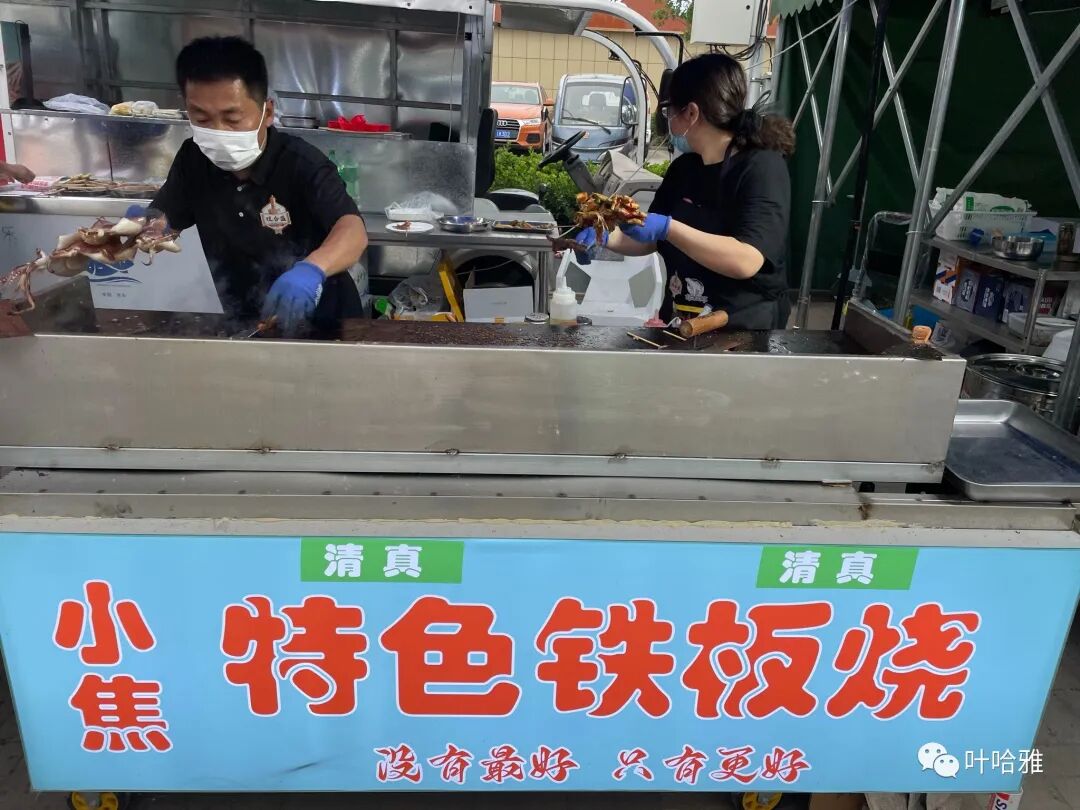
Teppanyaki.
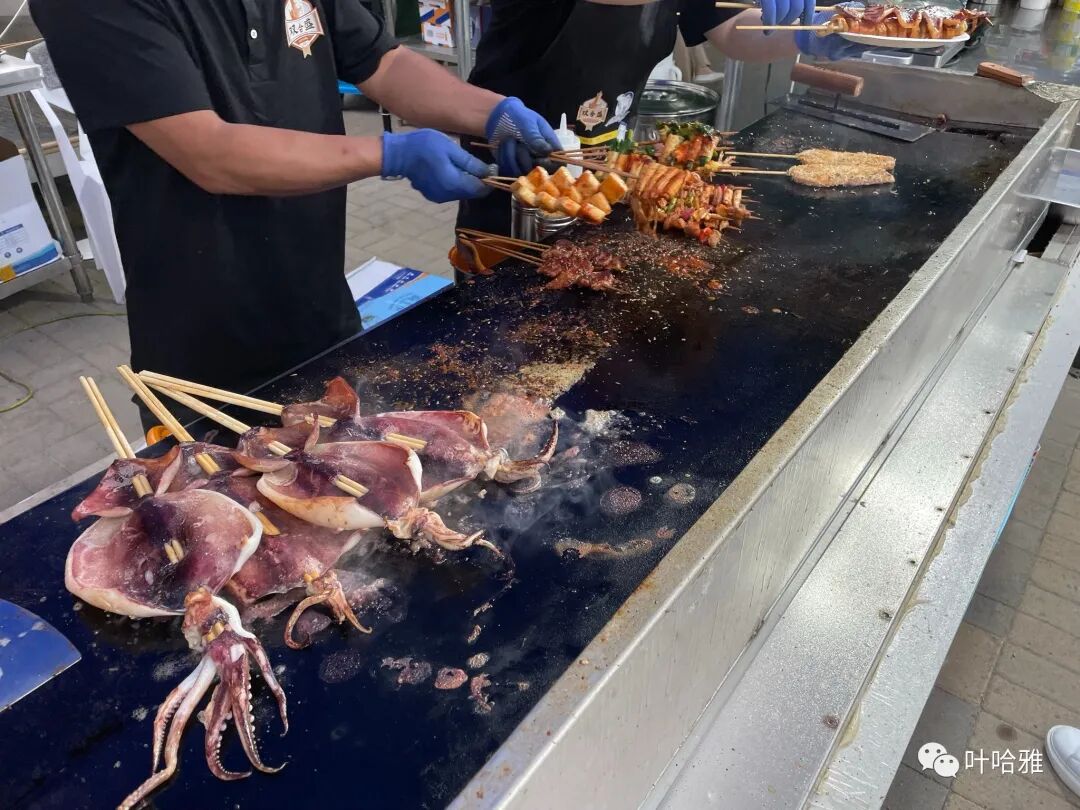
The grilled squid from the teppanyaki stall is delicious.
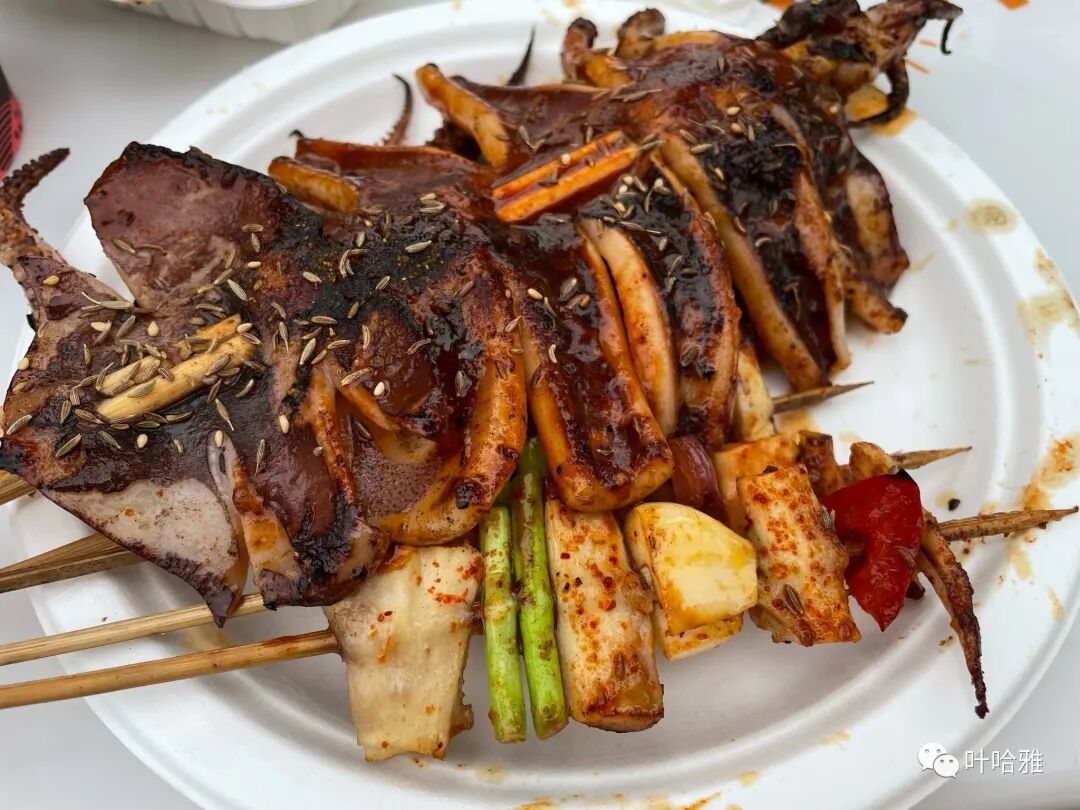
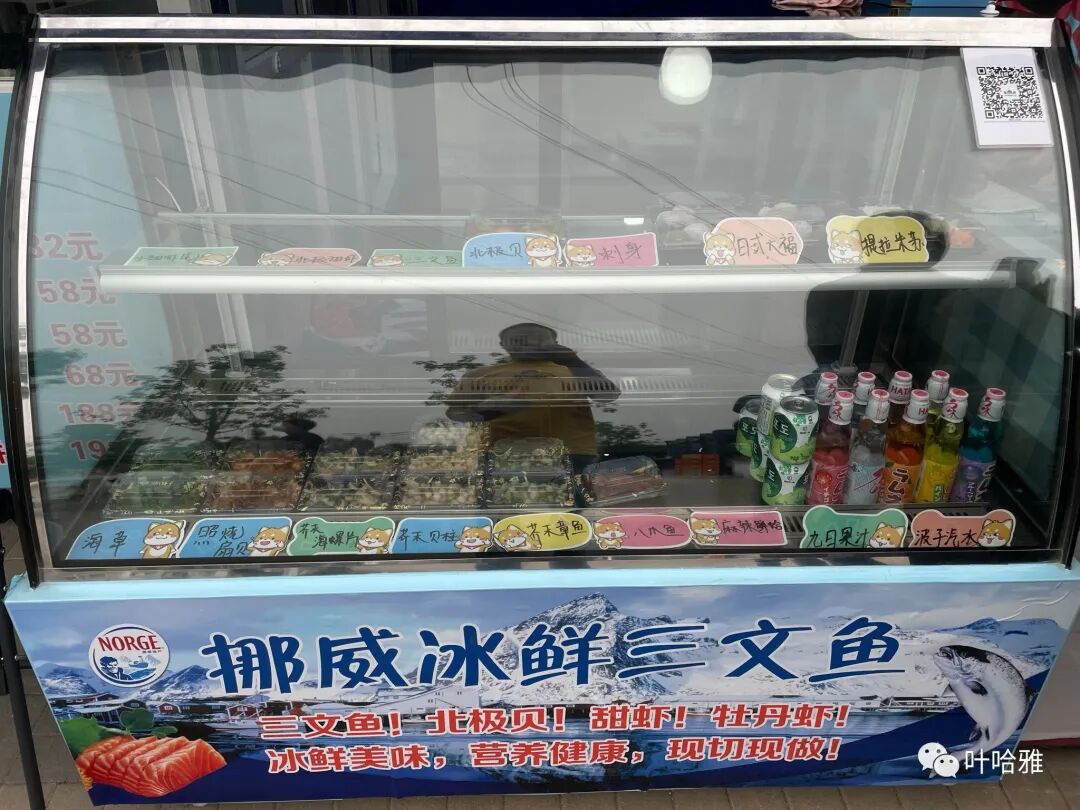
Japanese-style desserts.
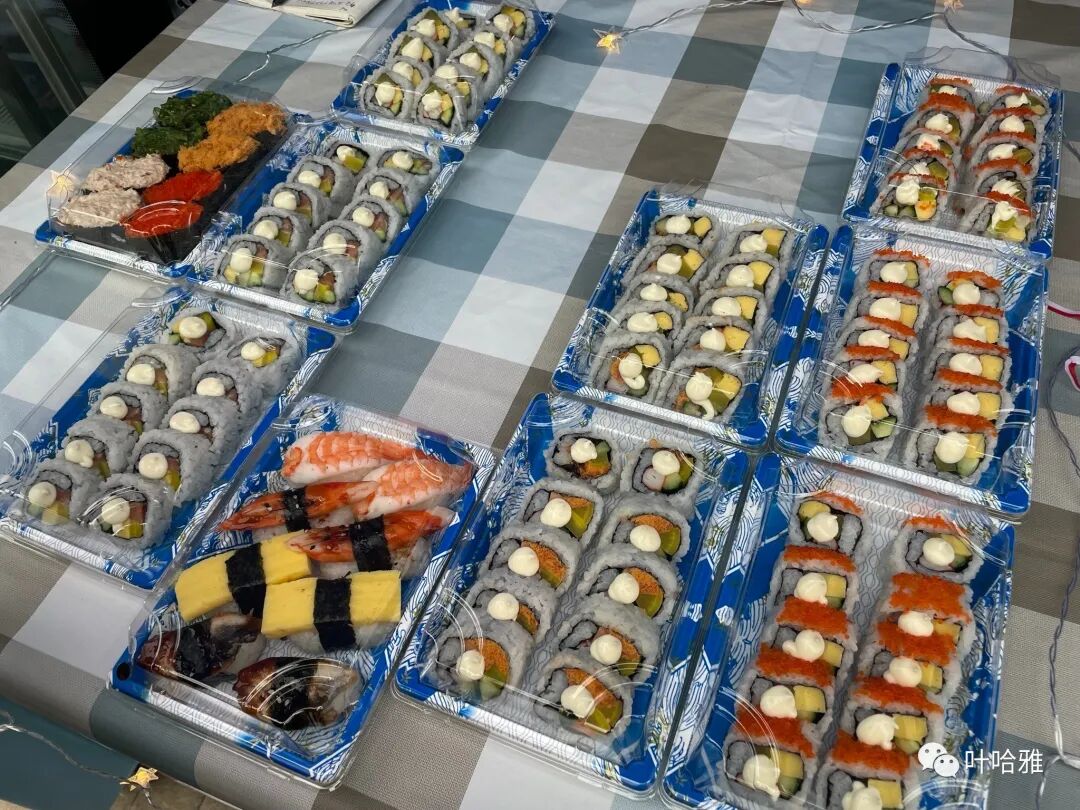
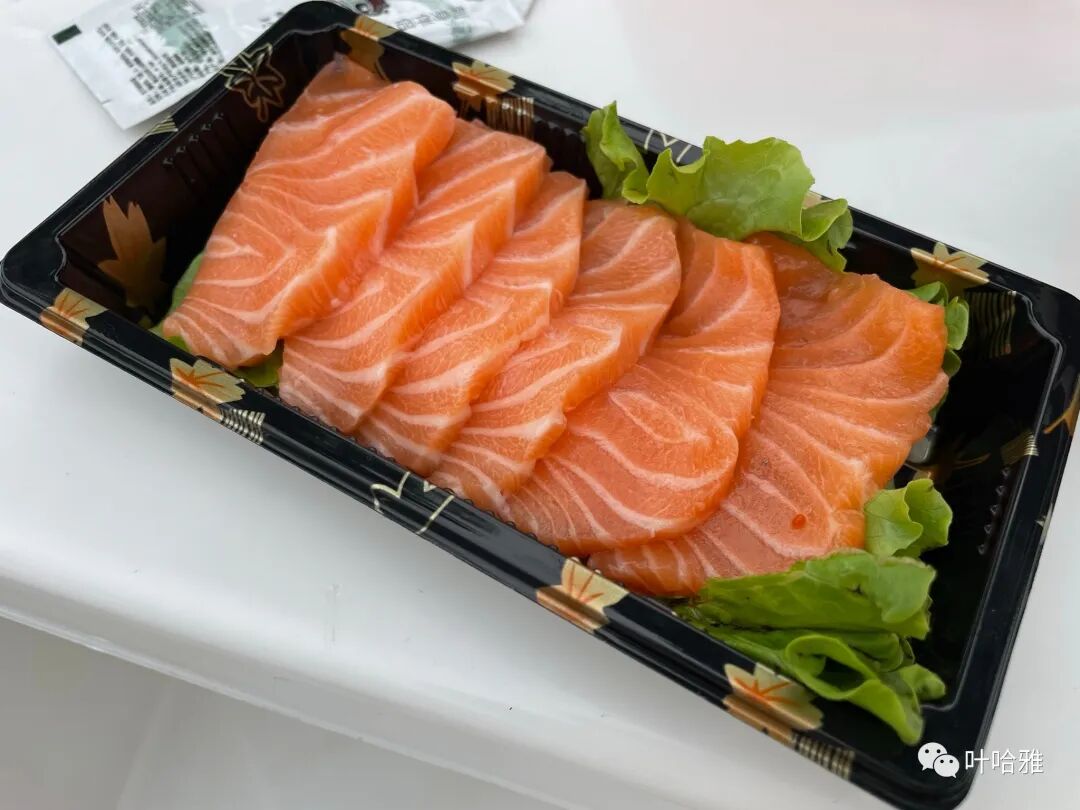
They have fresh salmon sashimi and sushi.
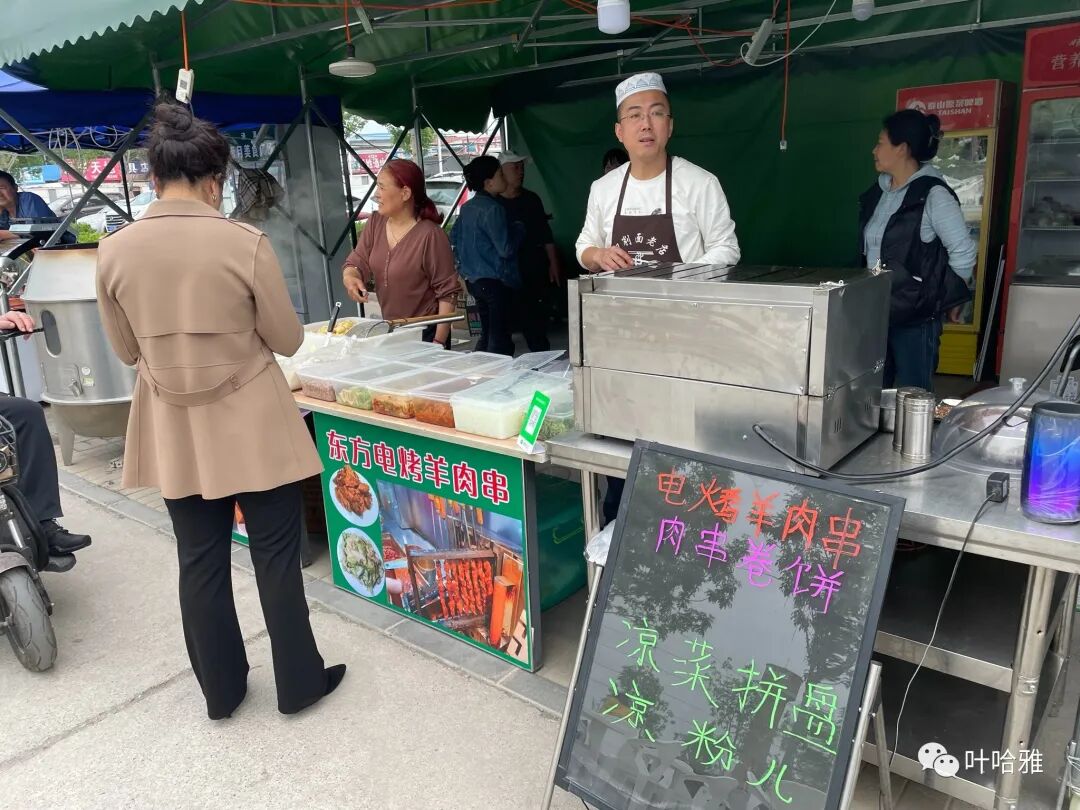
Electric-grilled skewers and mung bean jelly noodles (liangfen).
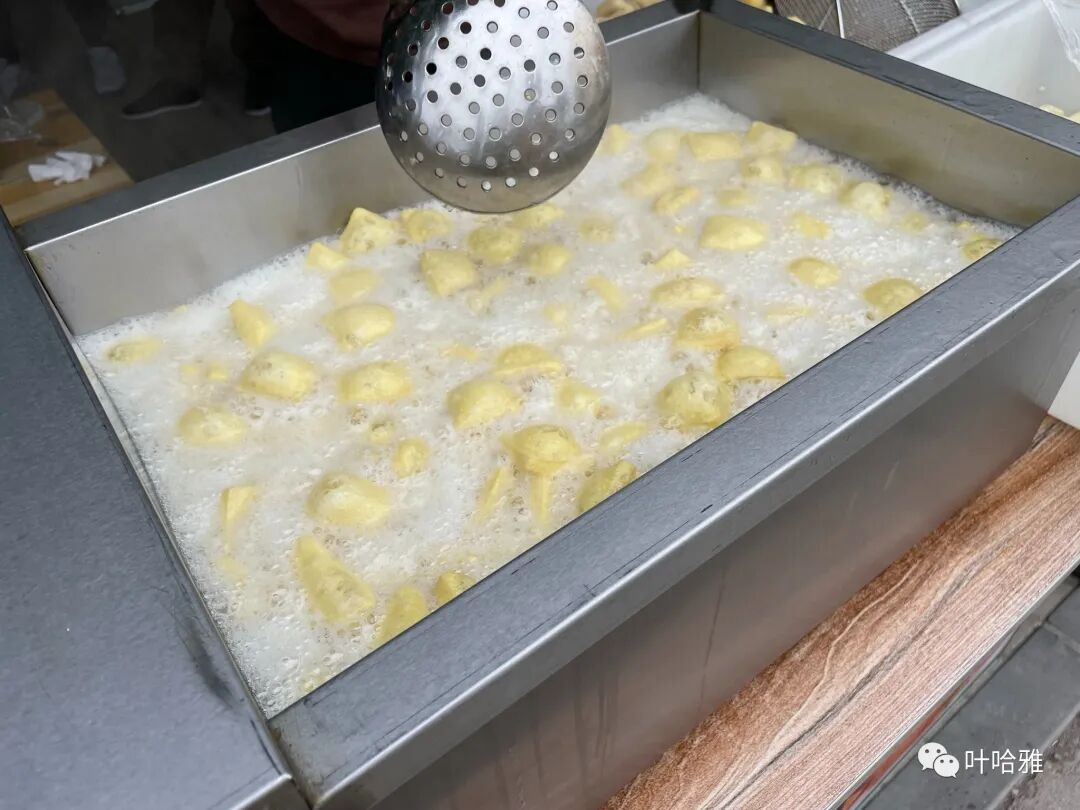
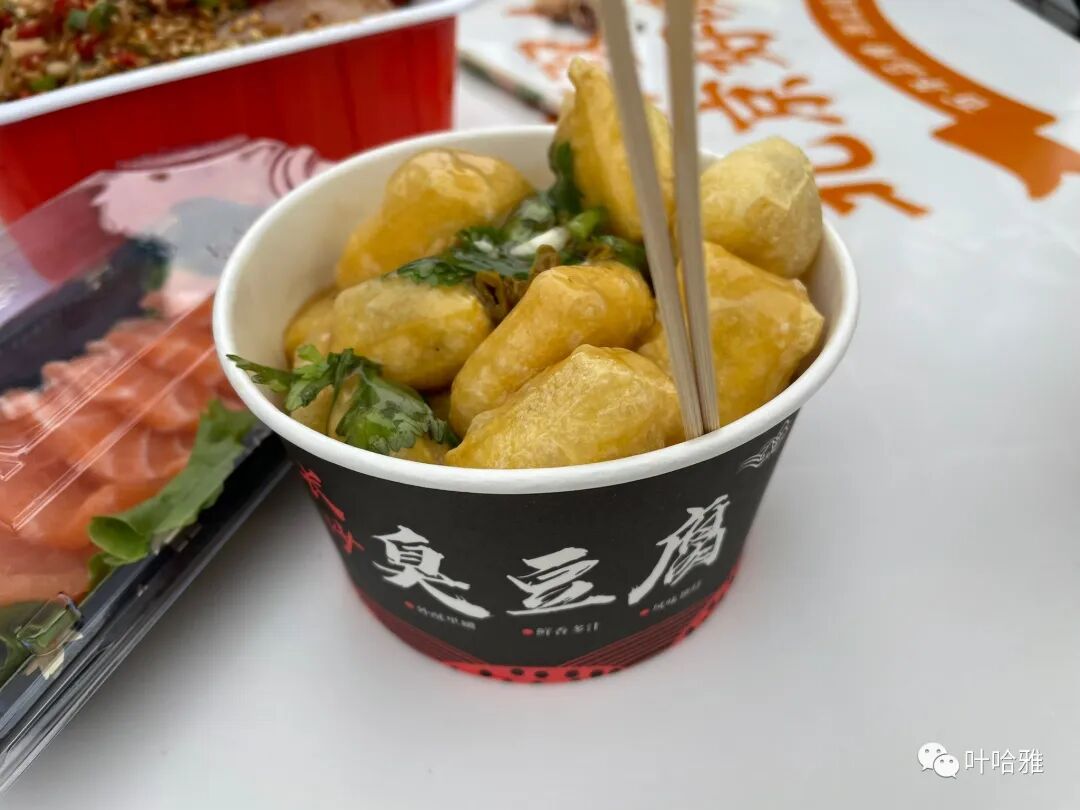
Deep-fried stinky tofu (zha chou doufu).
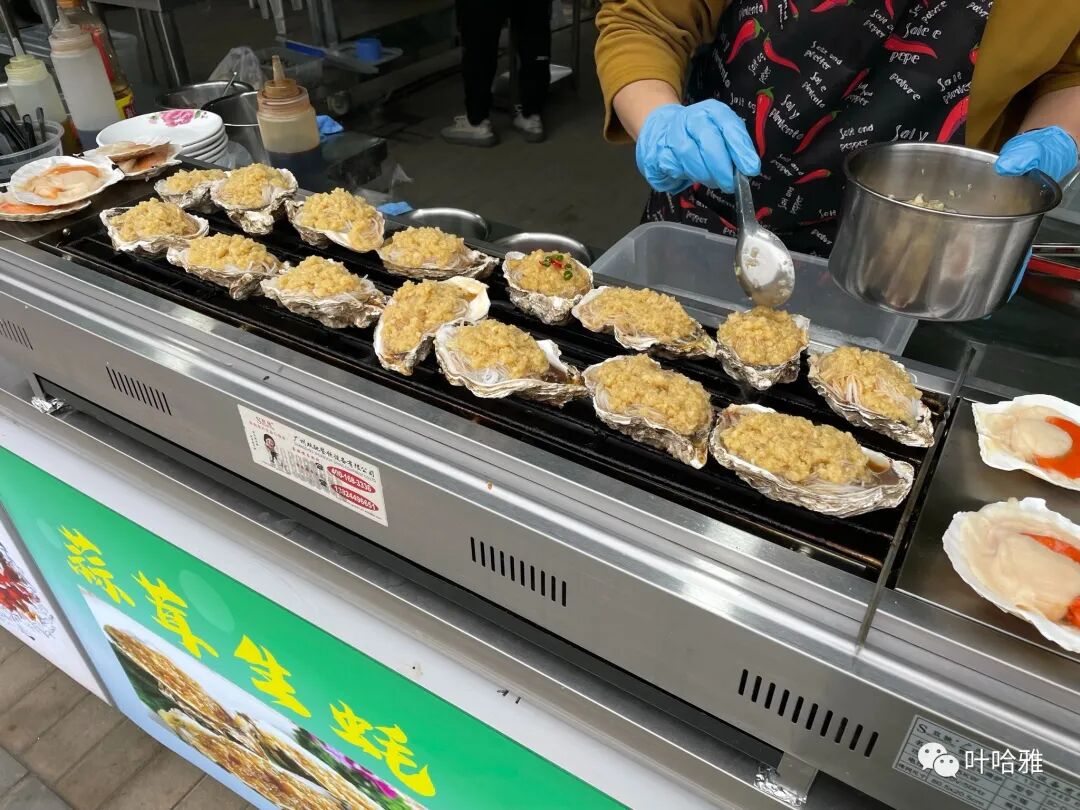
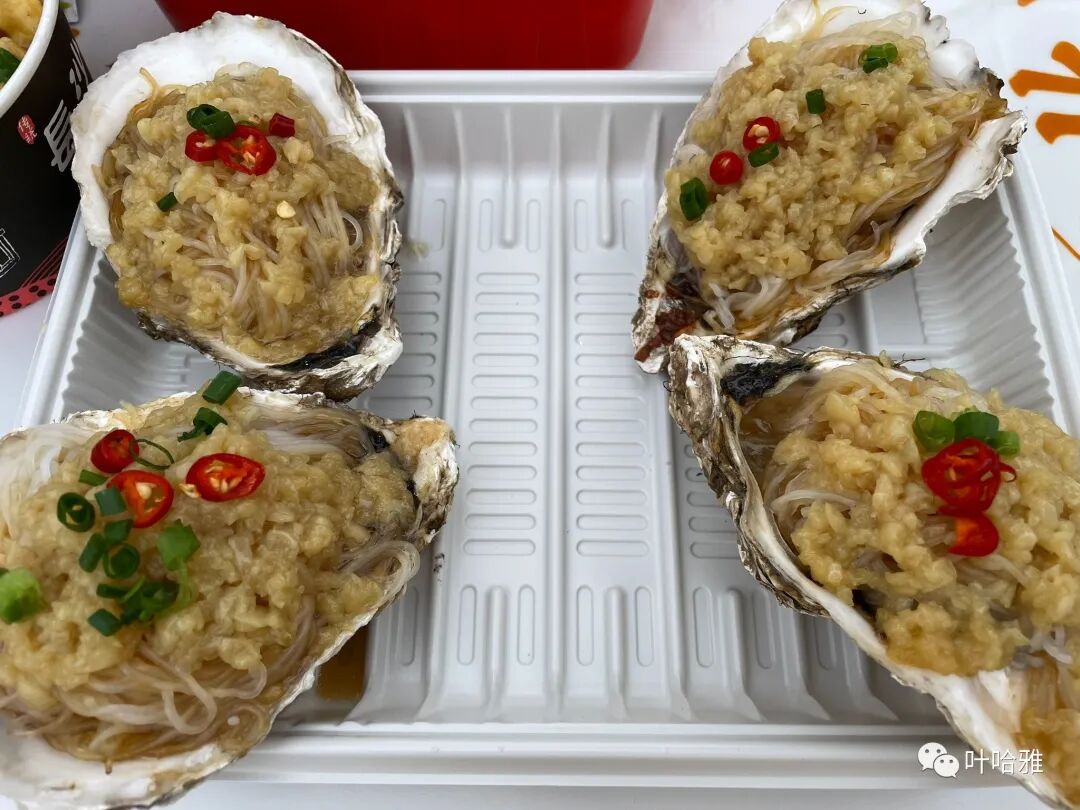
Grilled oysters and grilled scallops.
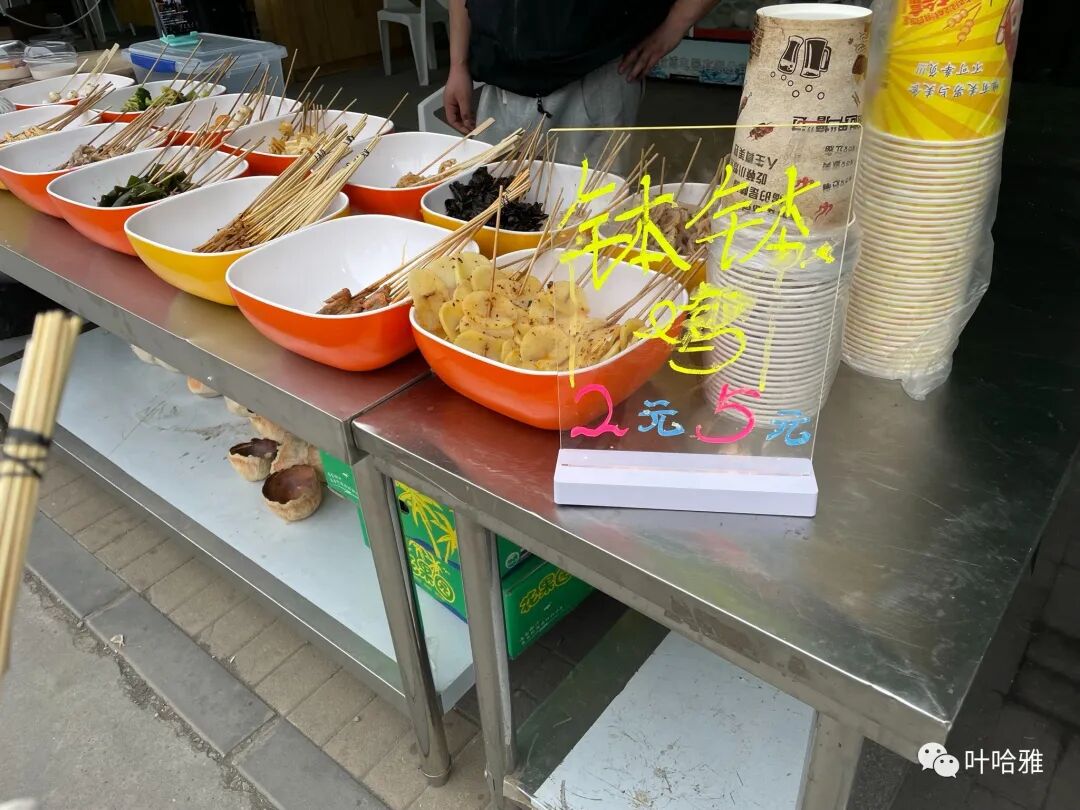
Pot-pot chicken (boboji).
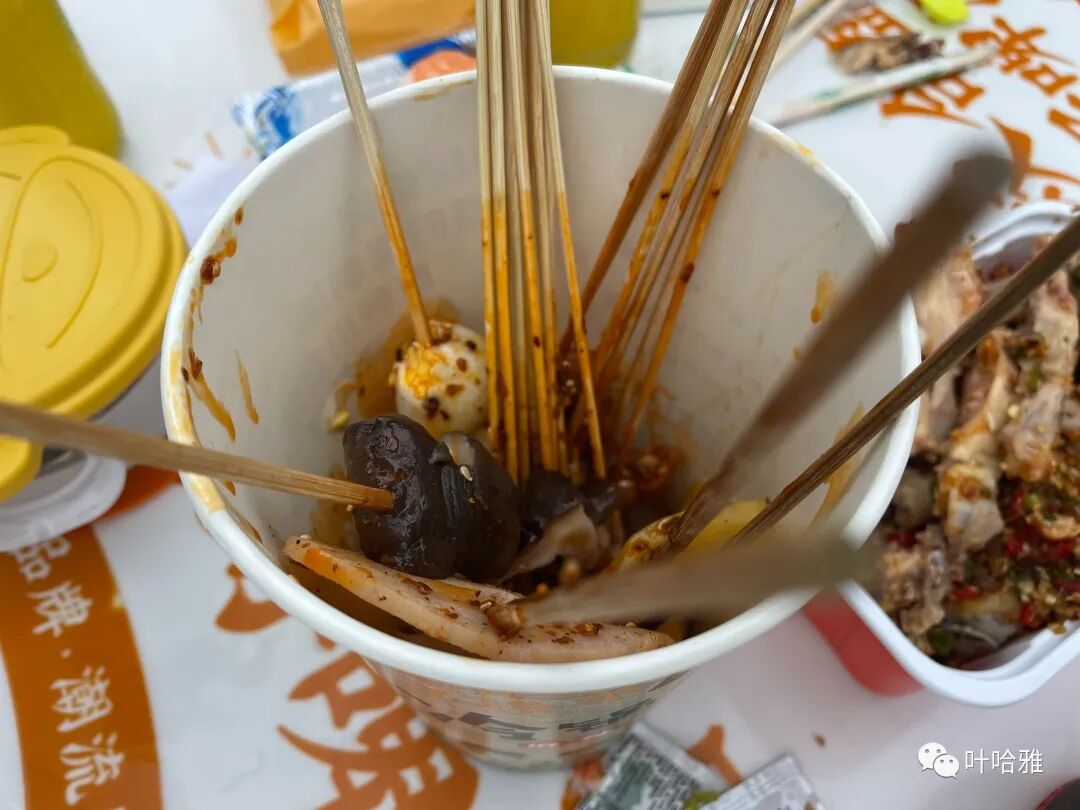
Pot-pot chicken (boboji) is a dish of cold skewers that are already cooked.
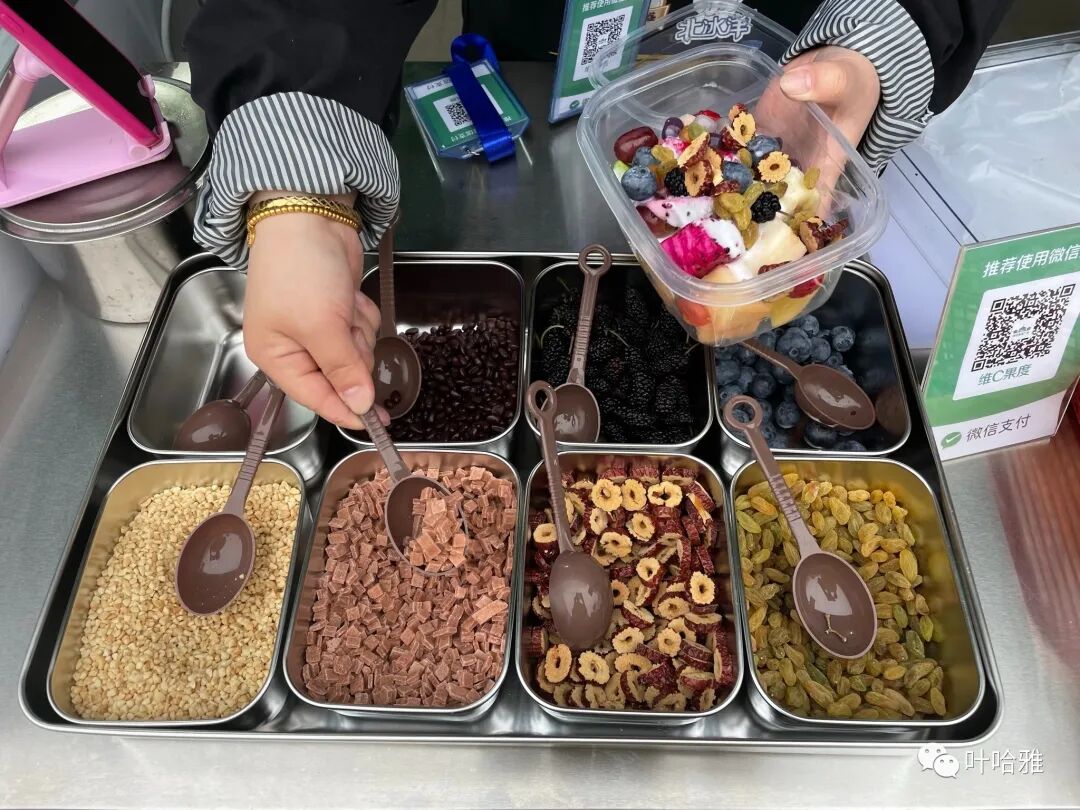
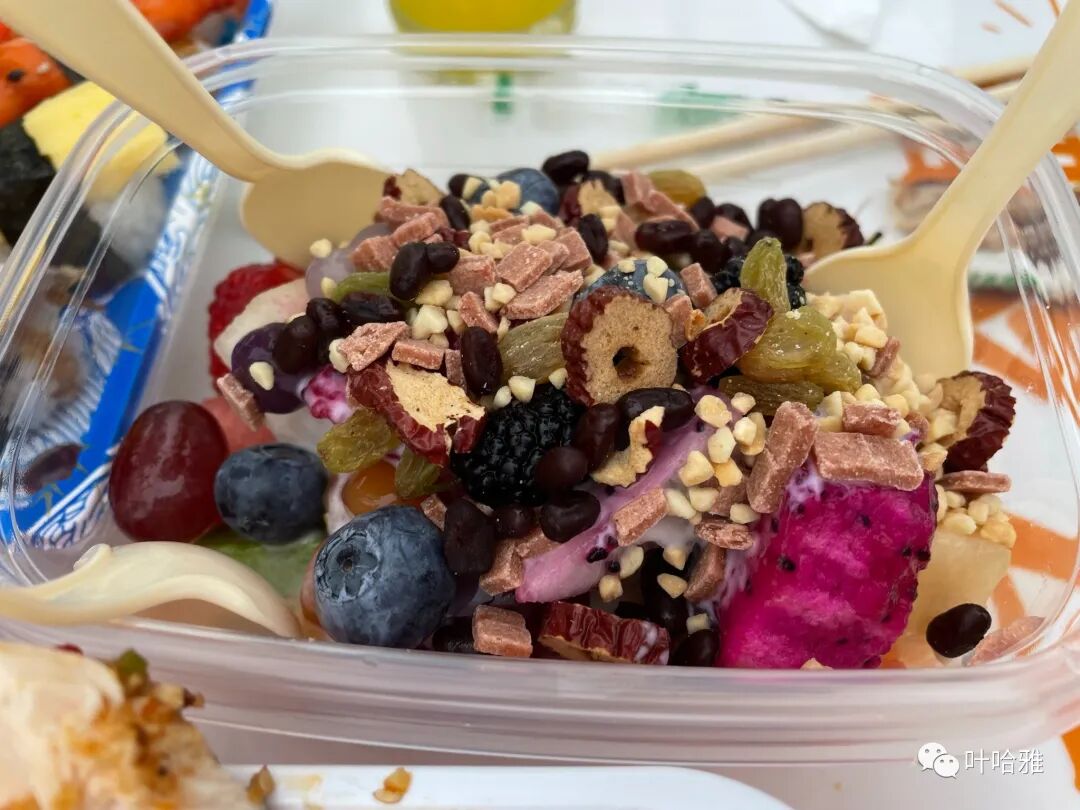
Fruit salad (shuiguolao).
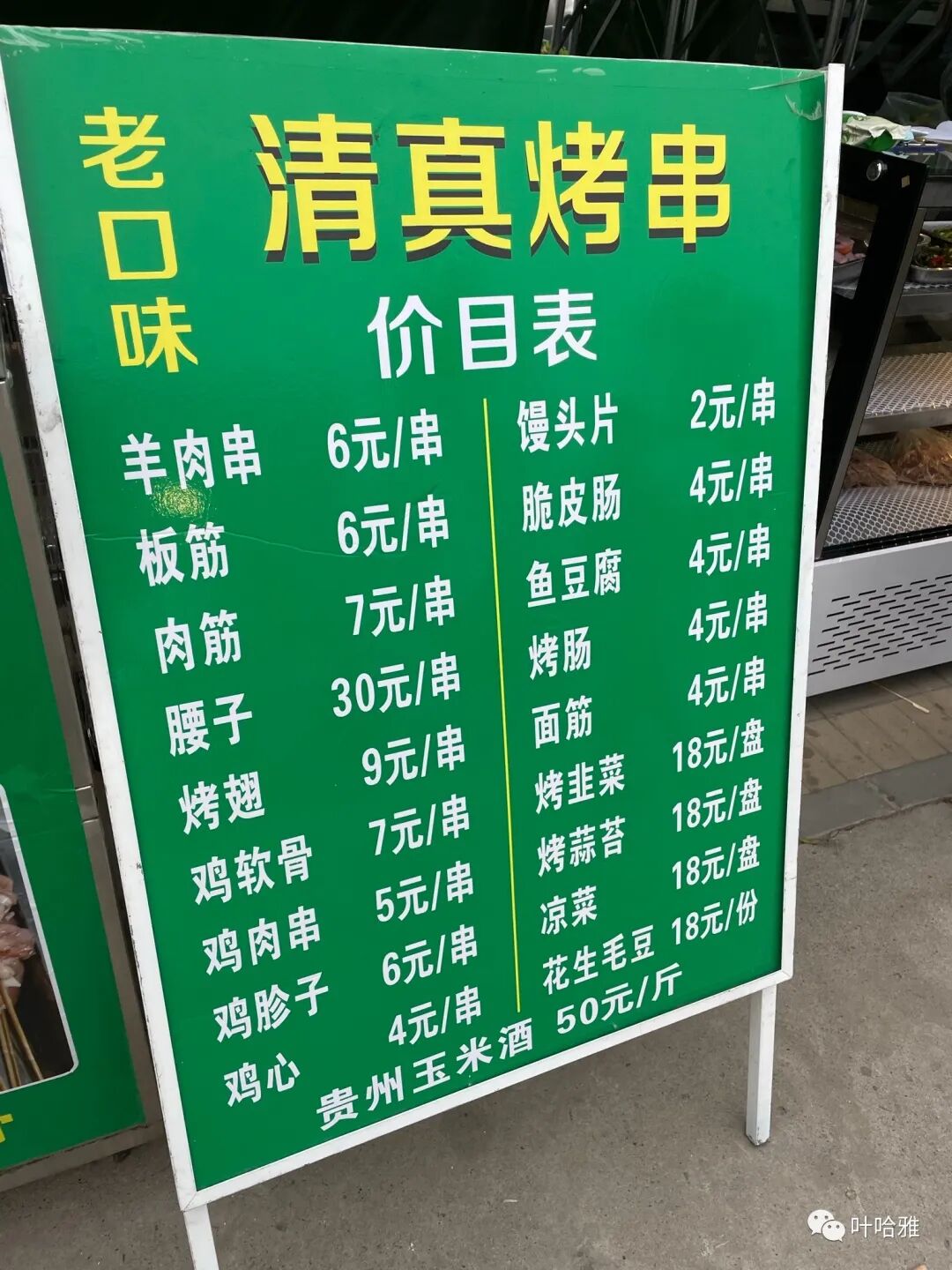
Charcoal-grilled skewers.
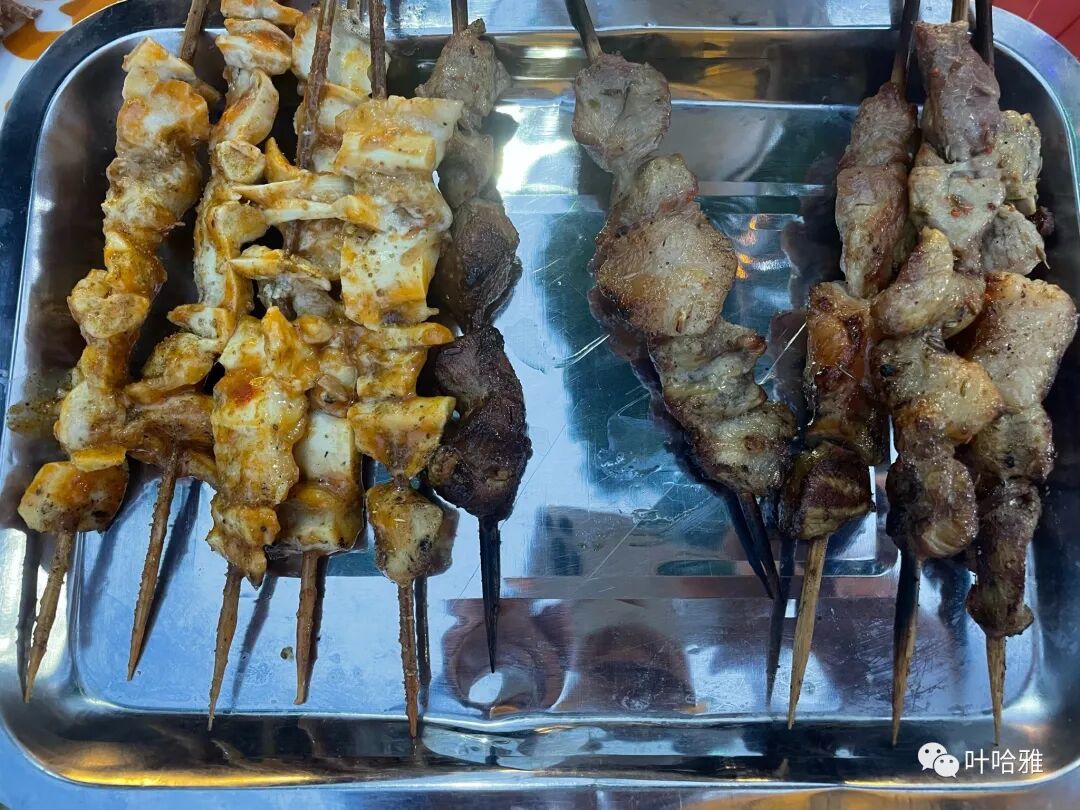
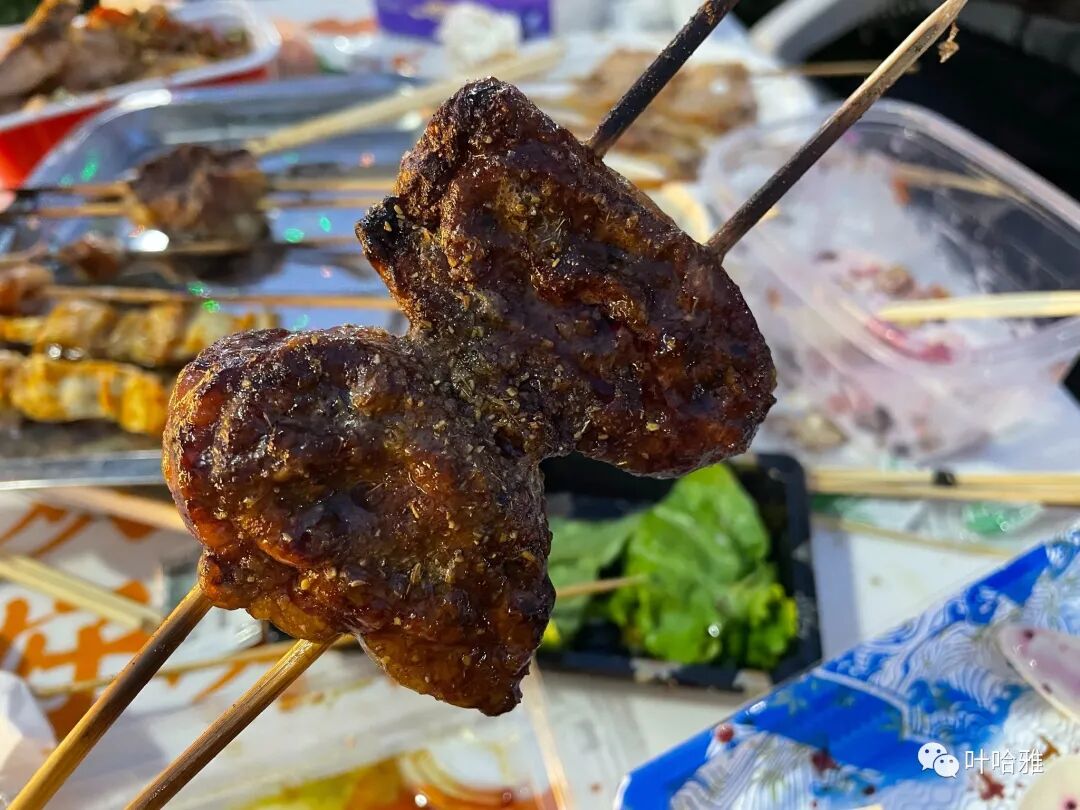
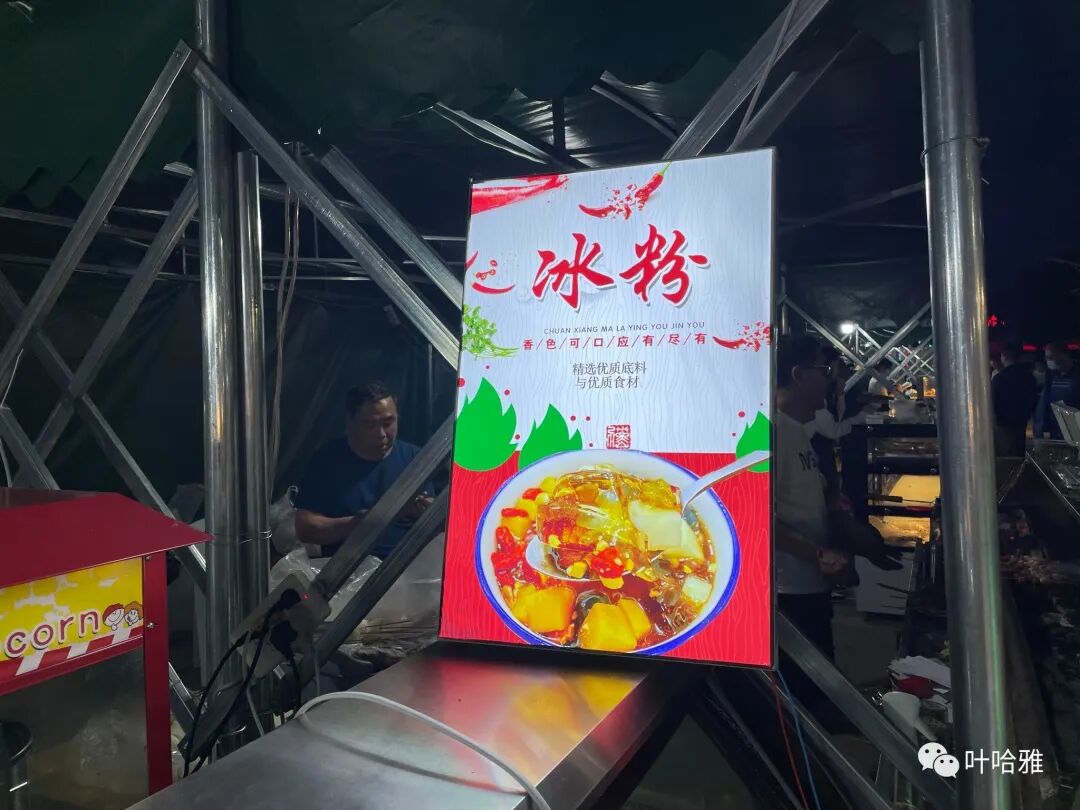
Iced jelly (bingfen) and ice cream.
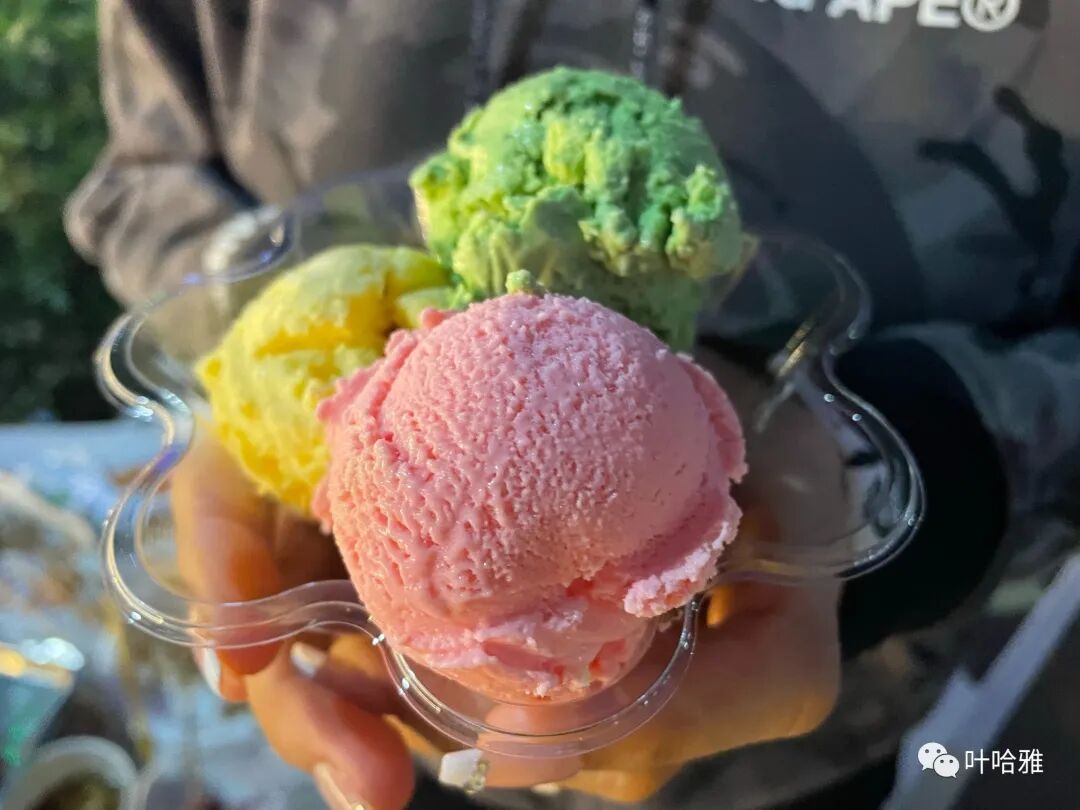
We tried almost everything at the night market. It was not cheap, and the three of us spent over 400 yuan. The Japanese food and grilled skewers were the most expensive, with two stalls costing over 200 yuan. Of course, there are cheaper ways to eat there.
7. Yuejing Lanwan Japanese Buffet Restaurant.
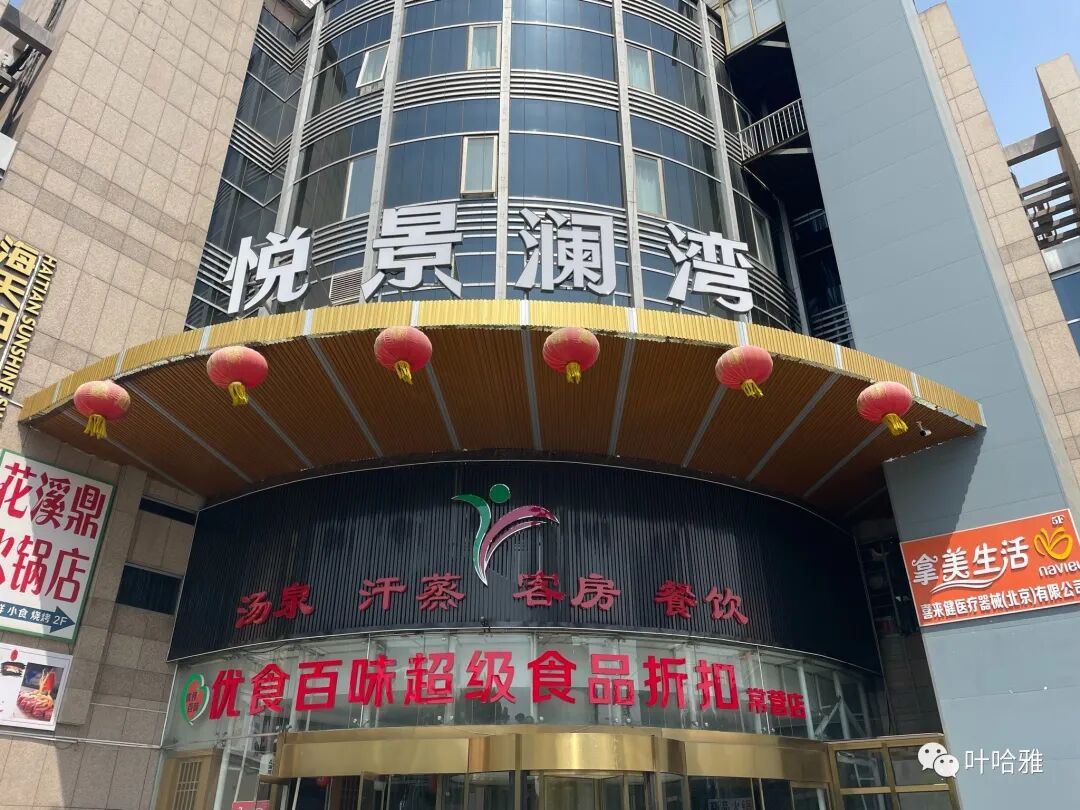
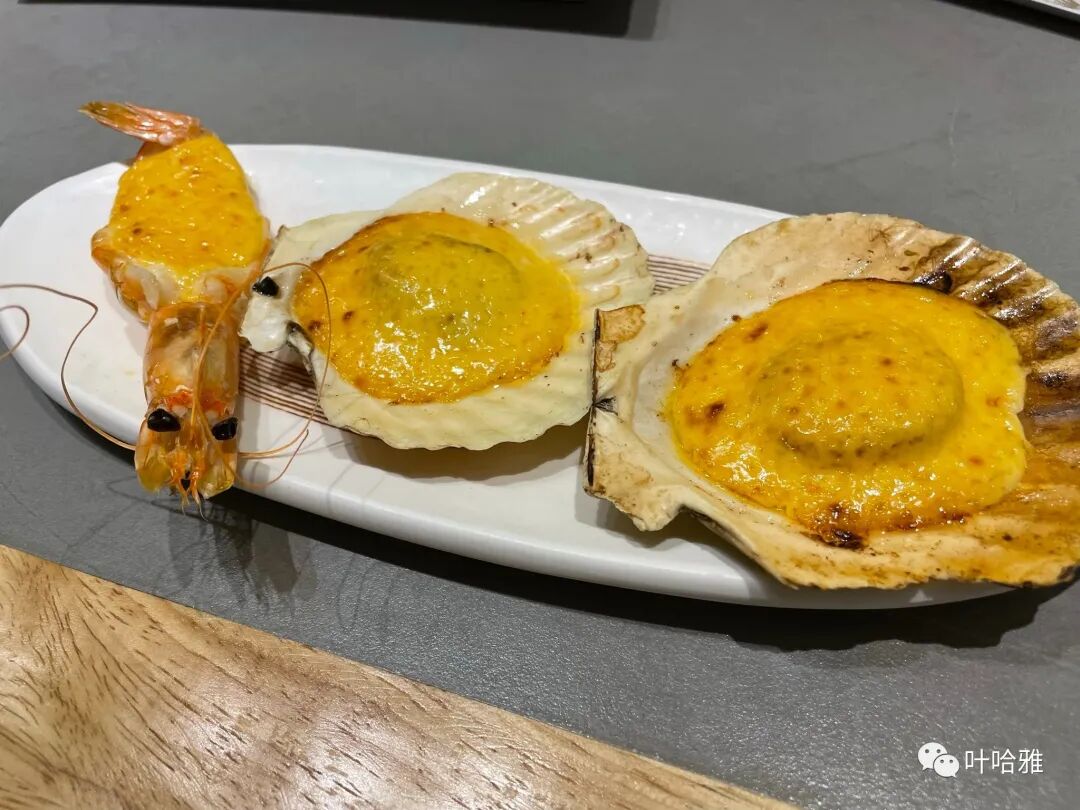
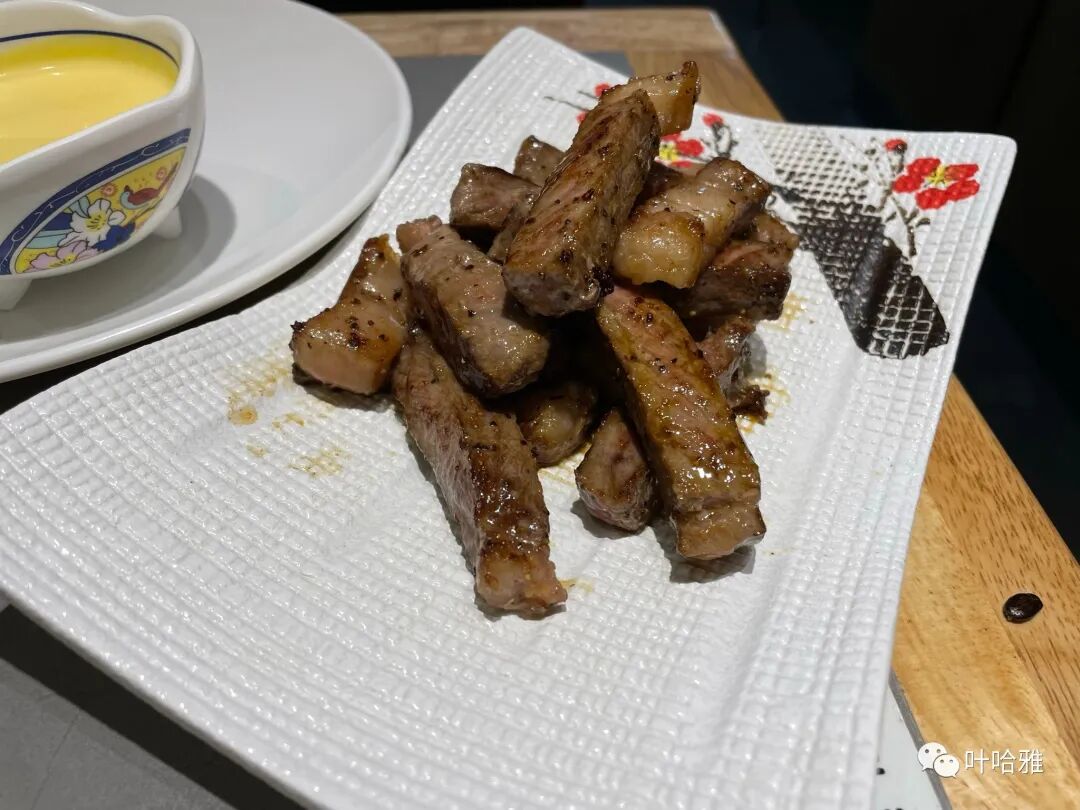
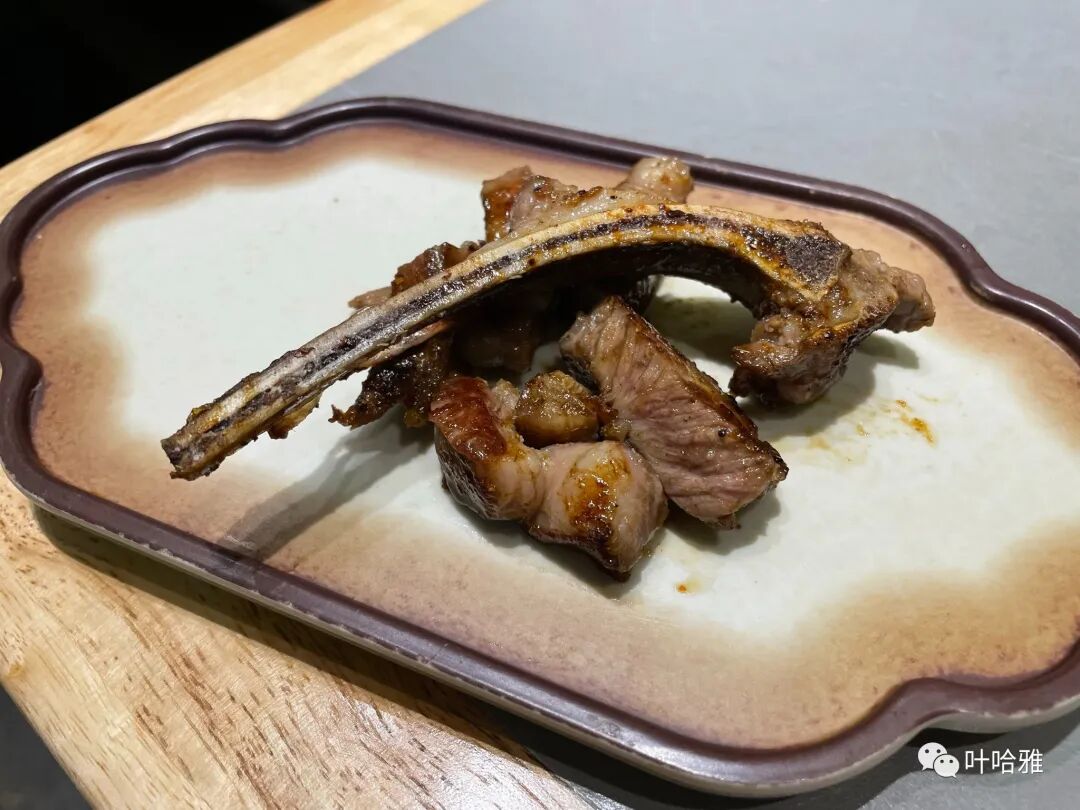
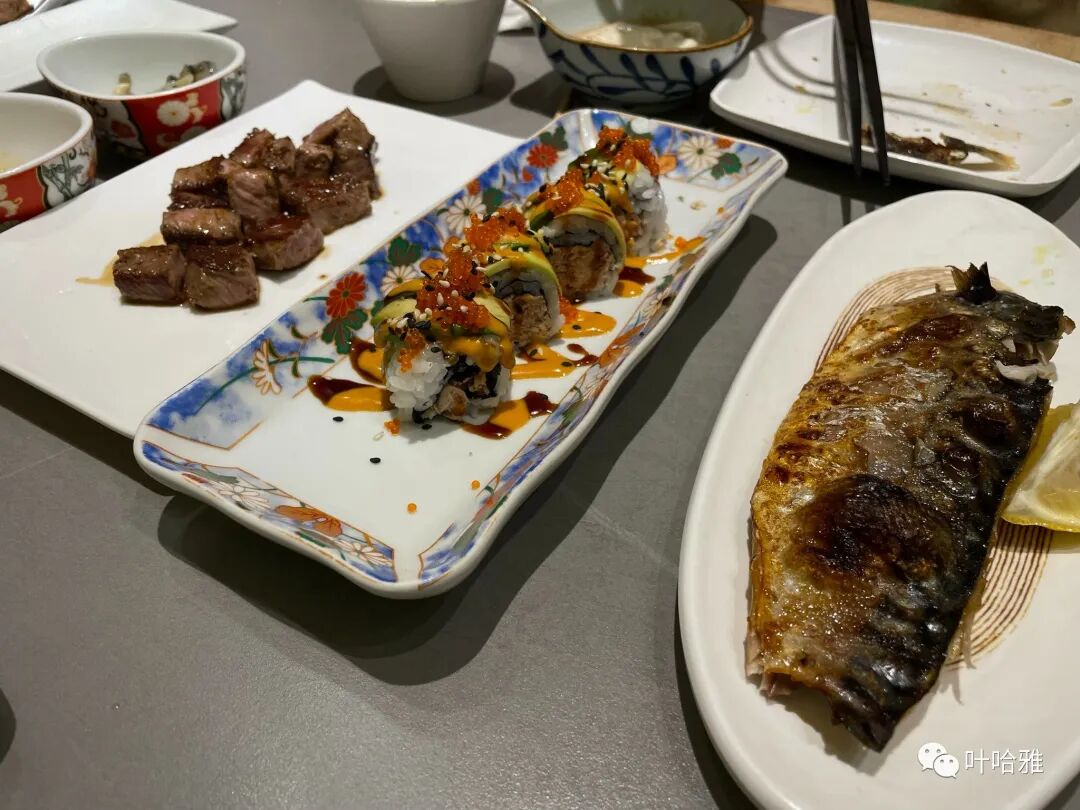
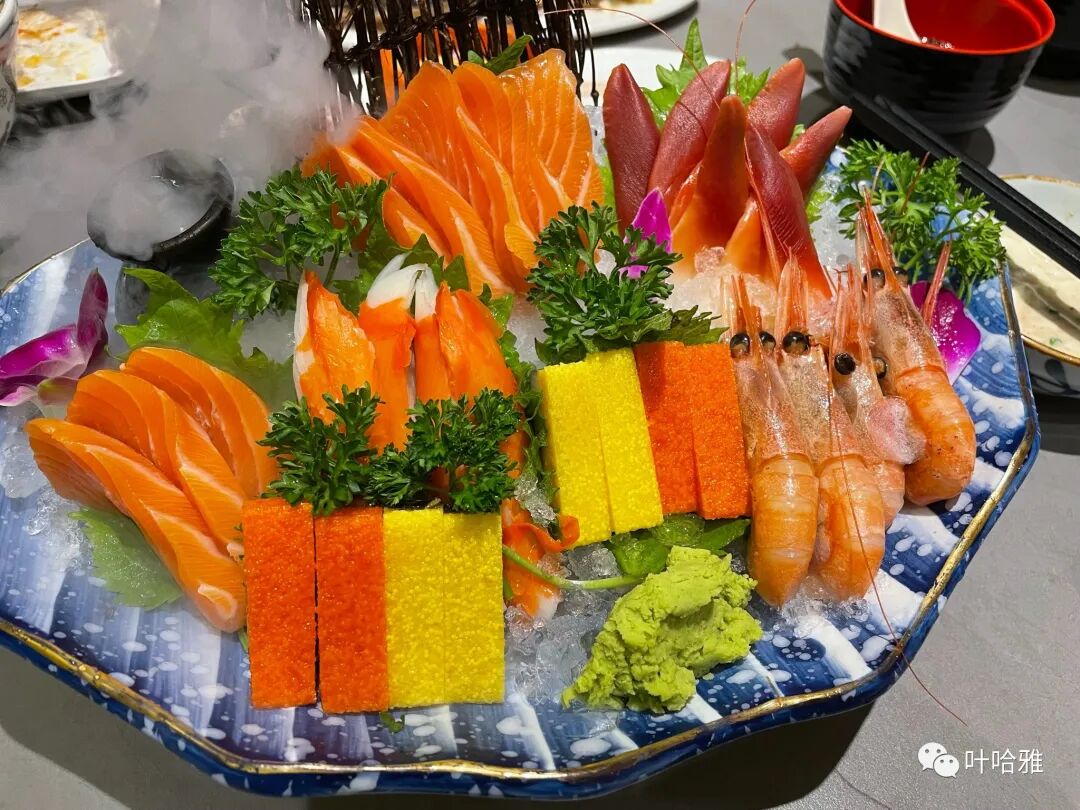
This is a halal bathhouse that opened recently in Changying, and the Japanese buffet inside is a halal restaurant. You can choose a bath and buffet package for 199 yuan, or just come for the Japanese buffet. The buffet with sashimi is 165 yuan, and the one without is 127 yuan. You can buy group deals on Douyin by searching for "Yuejing Japanese Buffet".
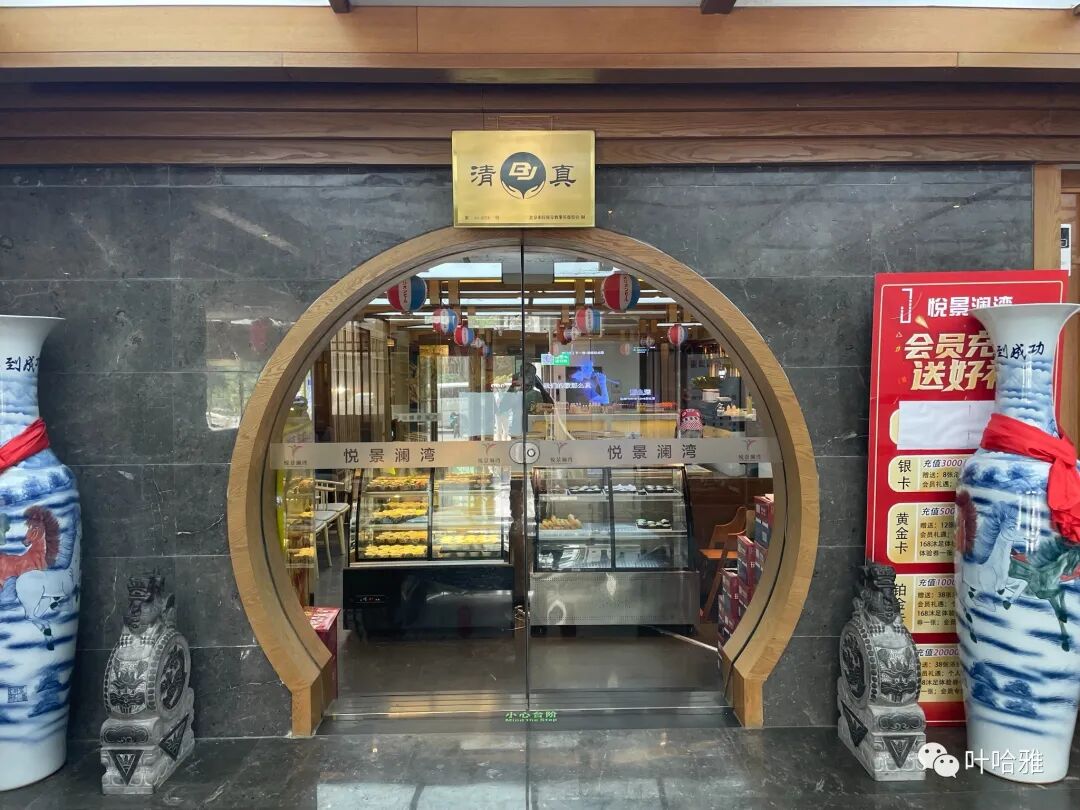
Even though it is a buffet, the food quality is just as good as ordering a la carte. You scan a code to order whatever you want. Each dish is made as a single serving, prepared fresh when you order, and you can eat as much as you like. I think the lamb and seafood at this restaurant are excellent, and the desserts are high quality too. It is a great value.
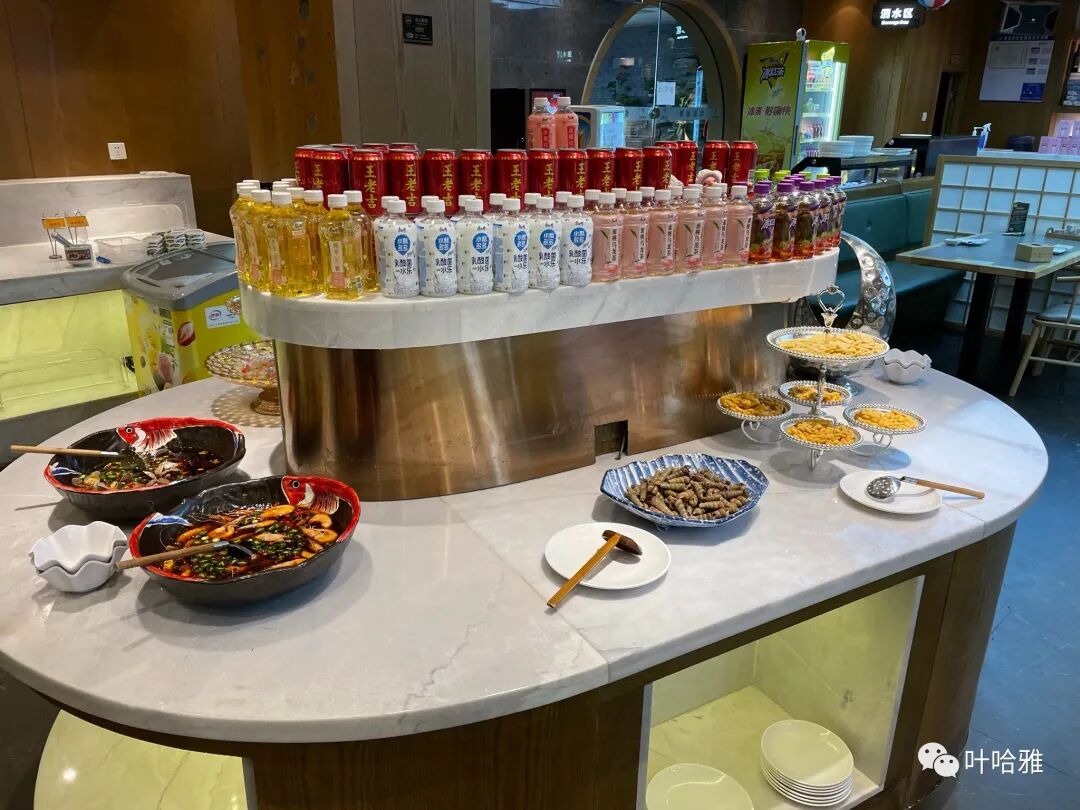
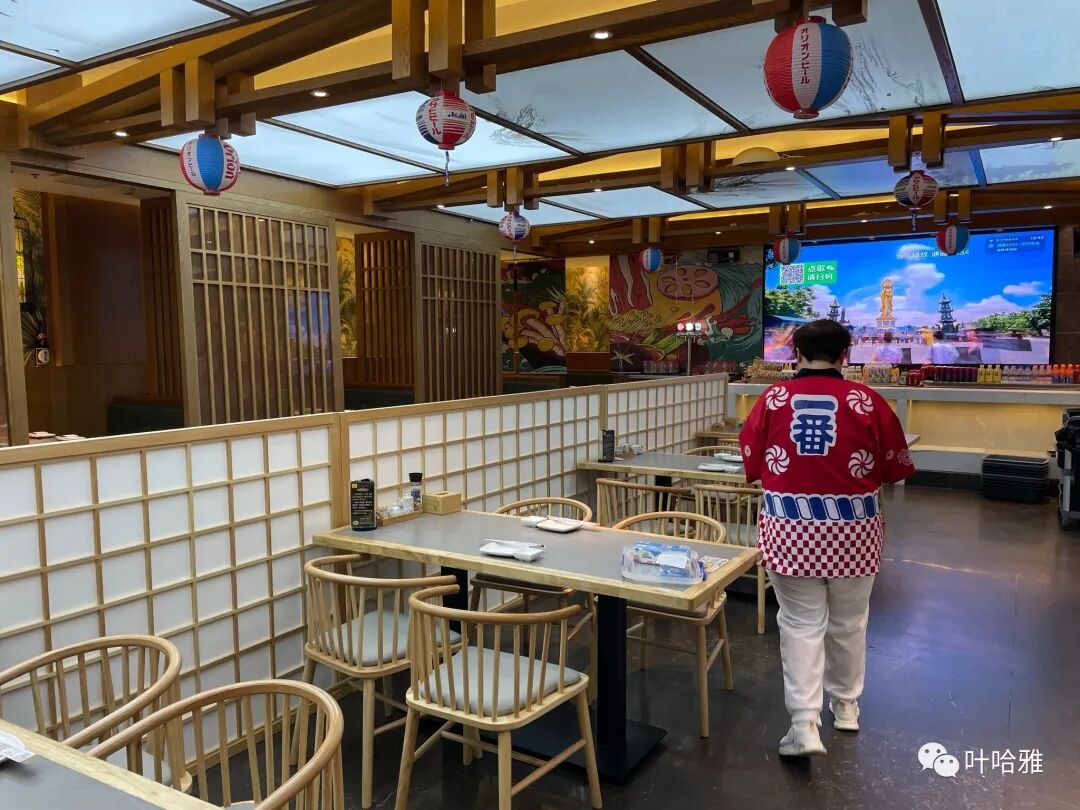
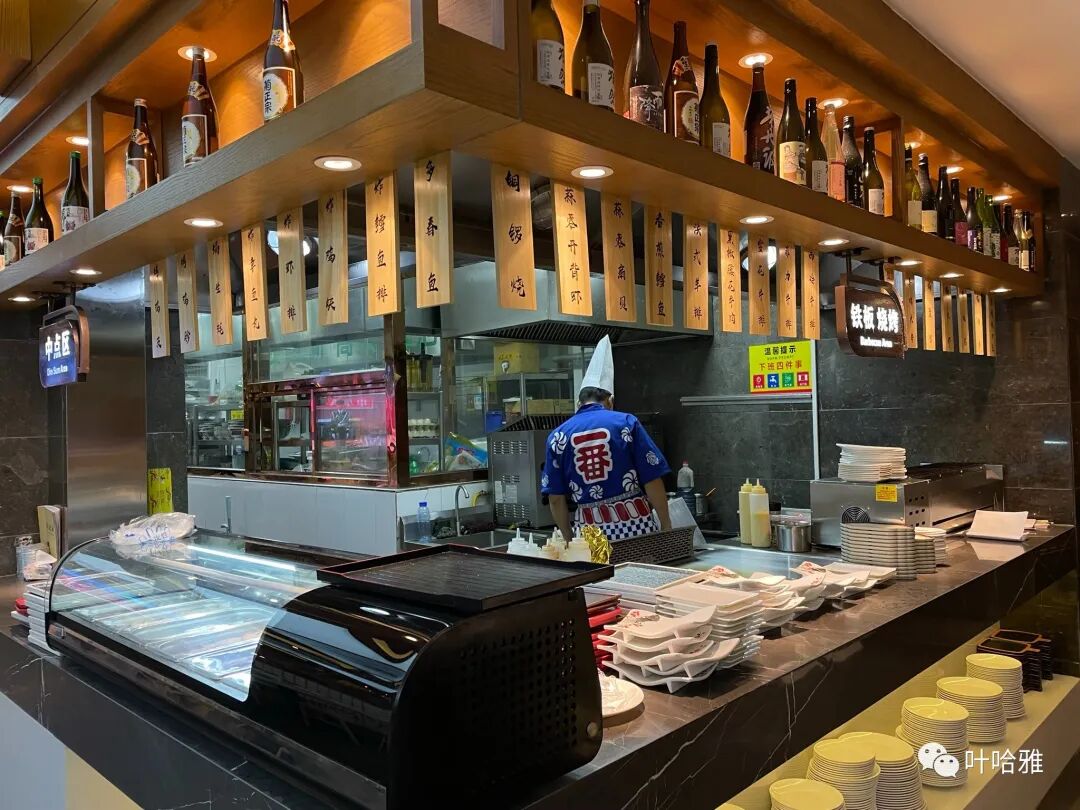
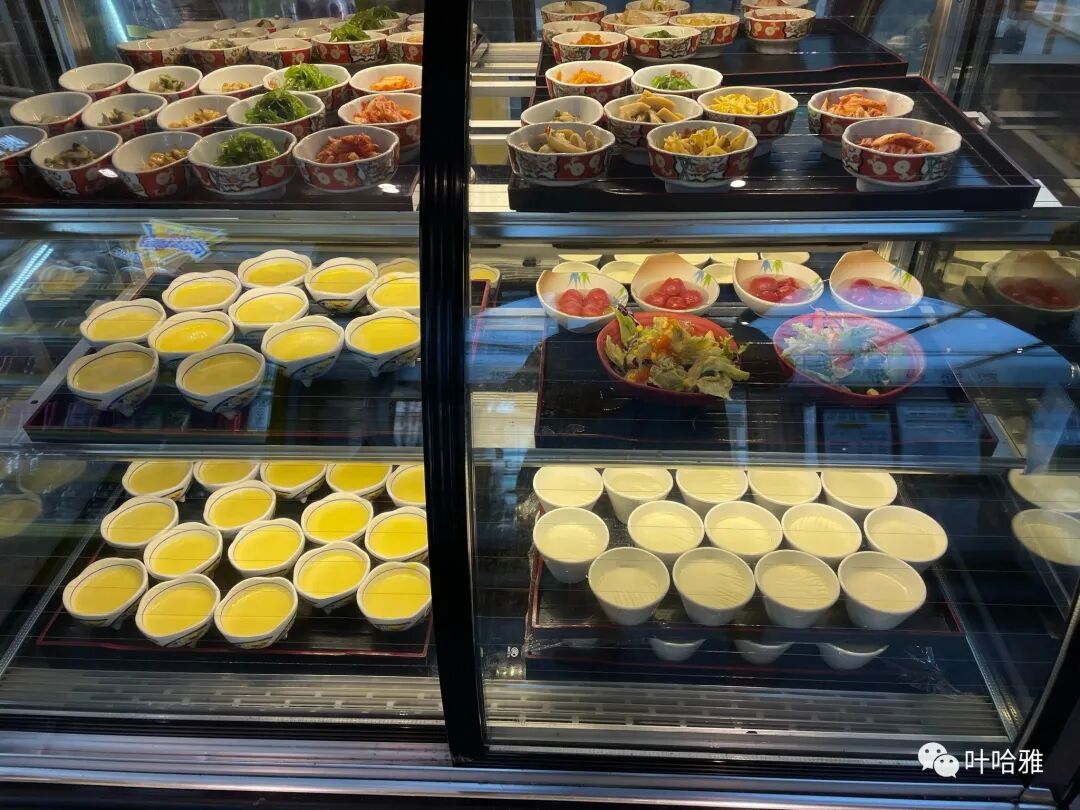
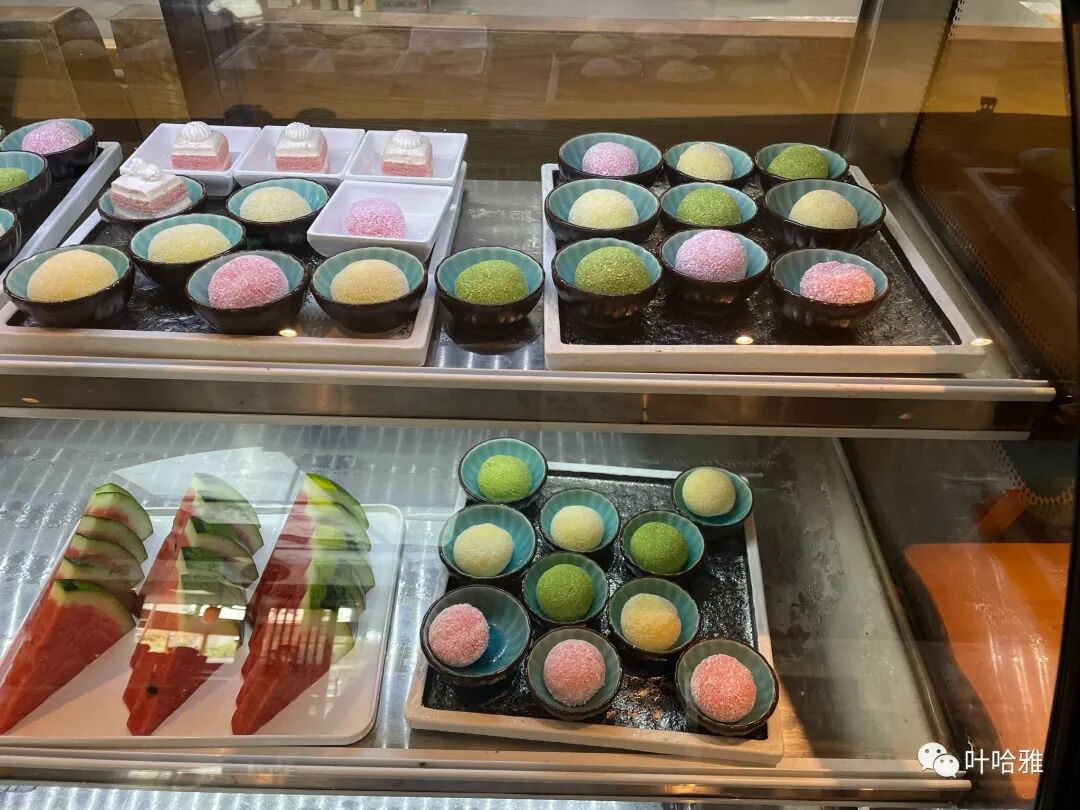
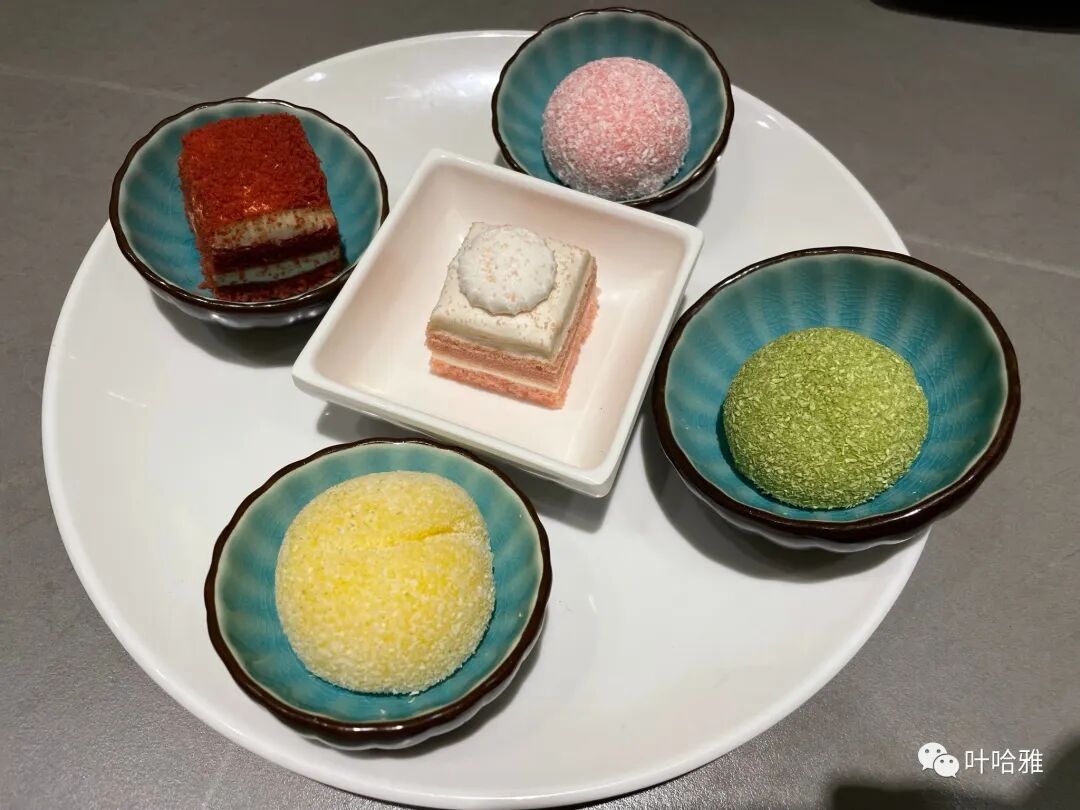
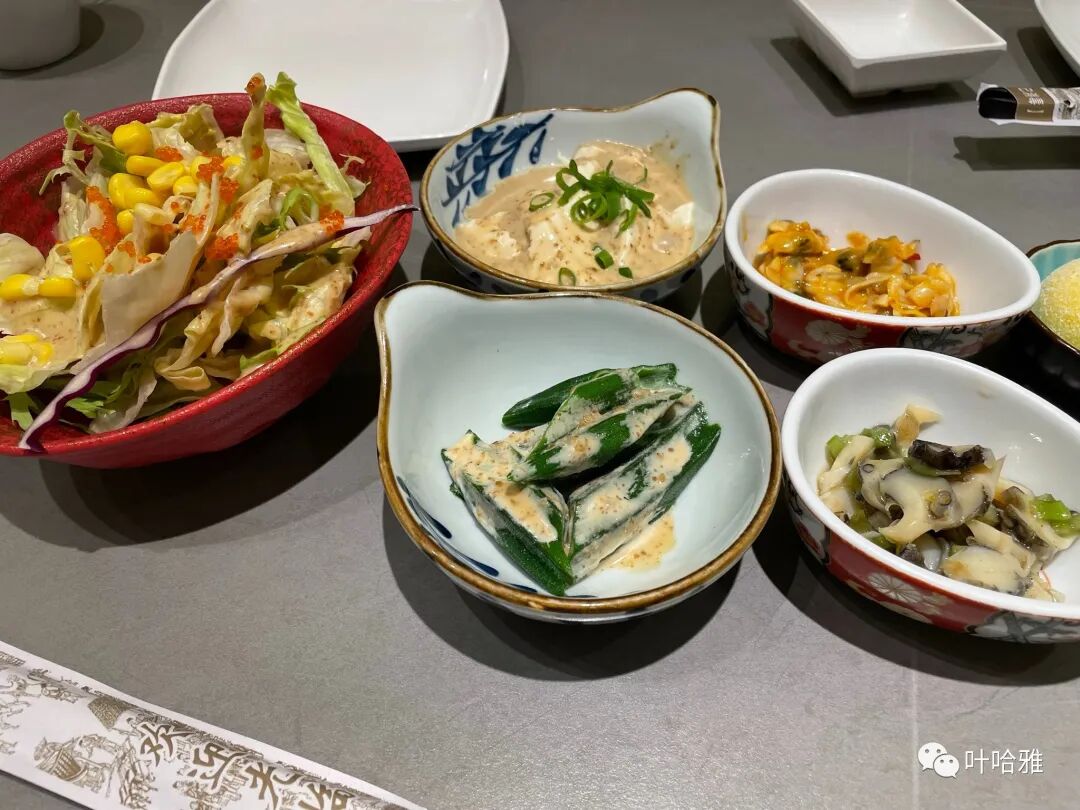
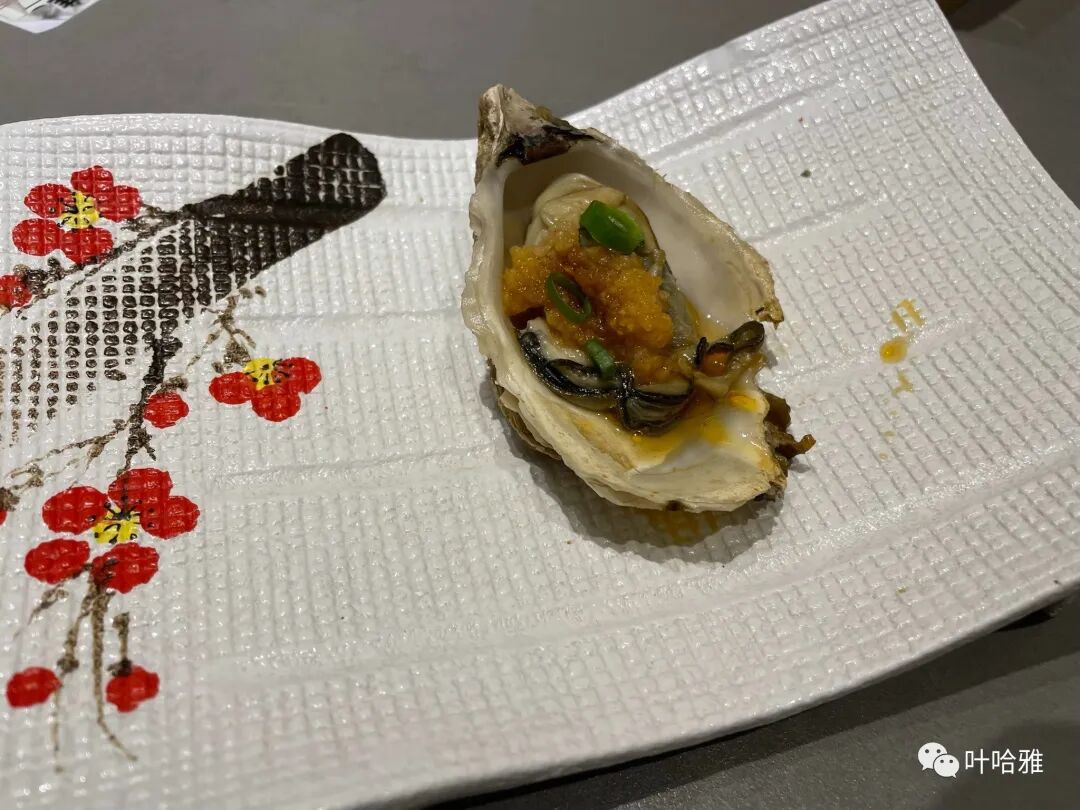
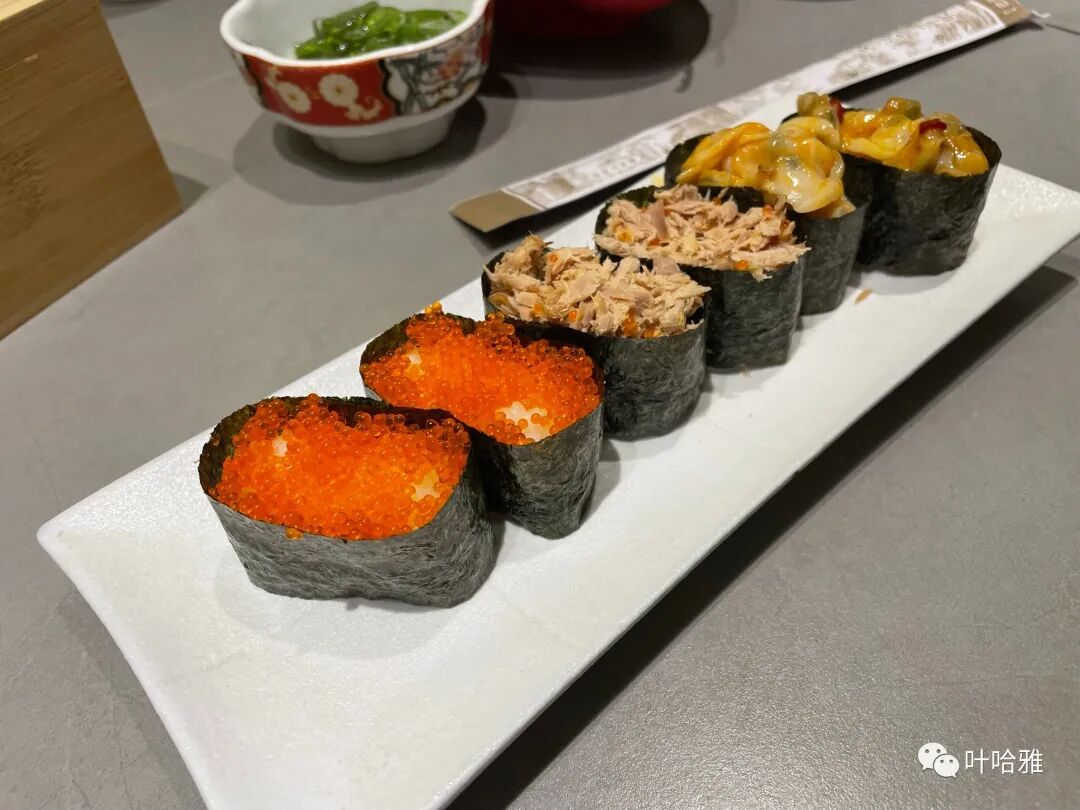
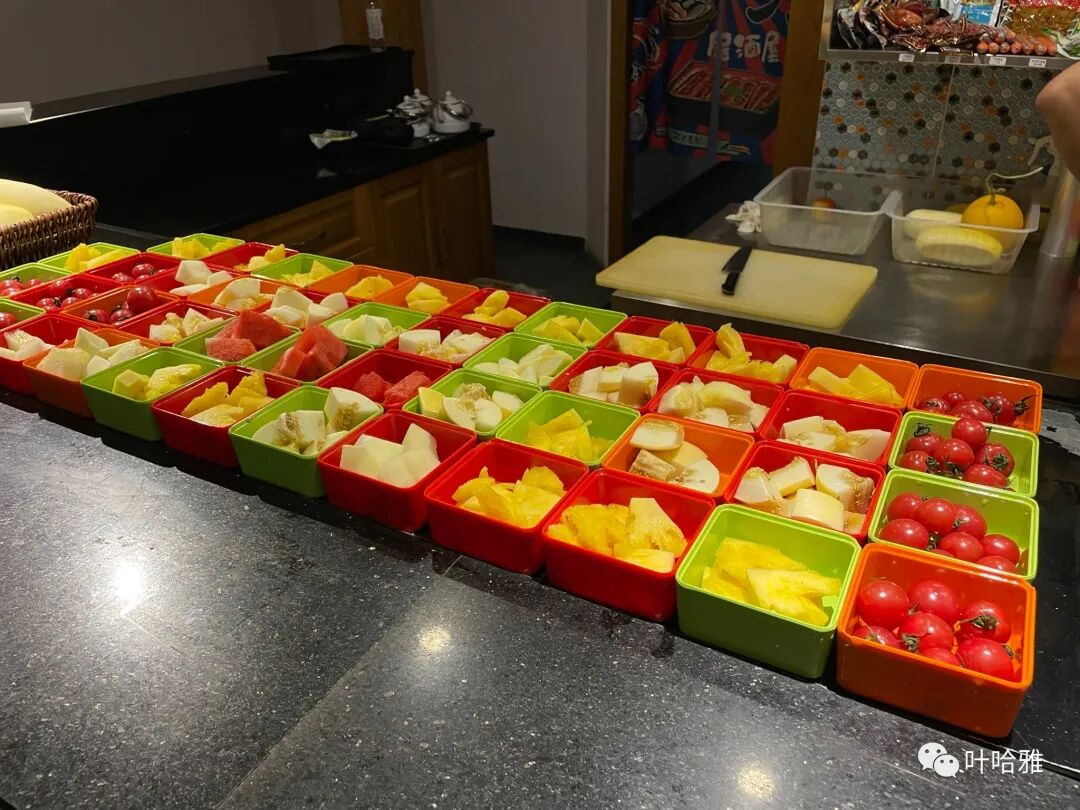
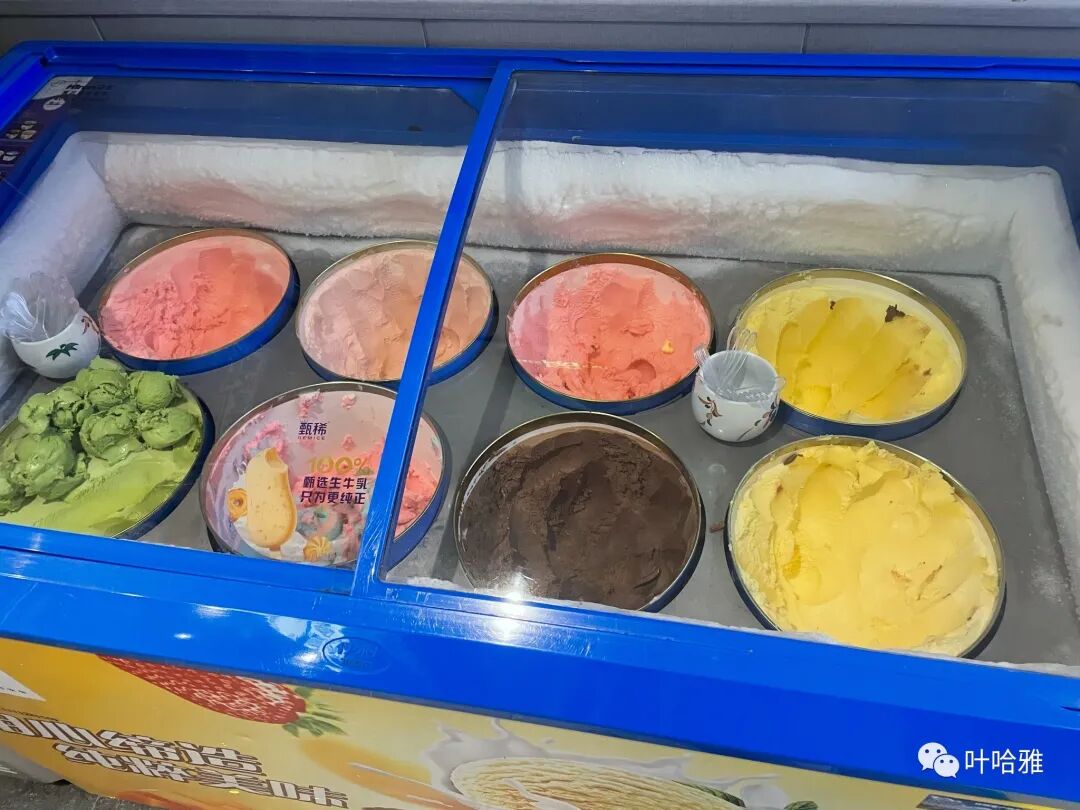
The third-floor lounge has an entertainment area and a self-service station for fruit and drinks. Everything is unlimited, and there is plenty of Yili ice cream.
The lounge at this bathhouse isn't as nice as the one at Shuiguo Tangquan, but it is much cheaper. The Japanese restaurant here is a great deal. If you ordered these dishes separately, they would be expensive, but they are very affordable as part of the set meal. There is free parking at the entrance and a children's play area, so it is a good place to bring kids.
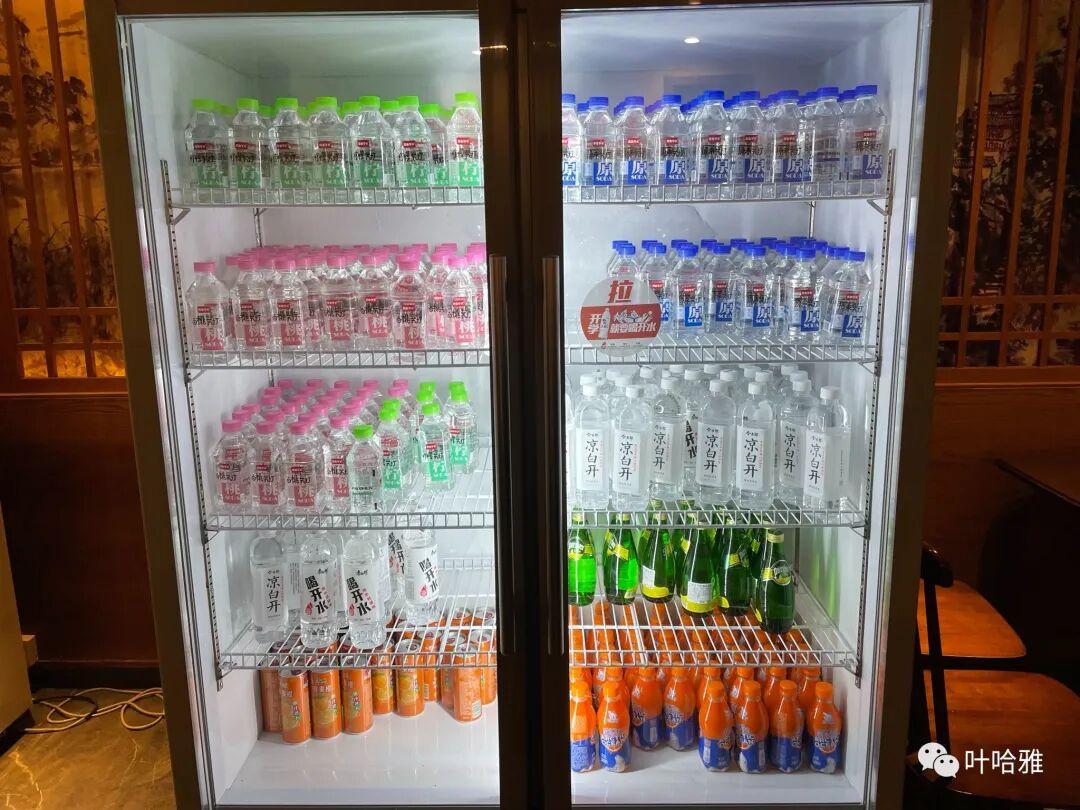
8. Beijing University of Posts and Telecommunications Ethnic Restaurant
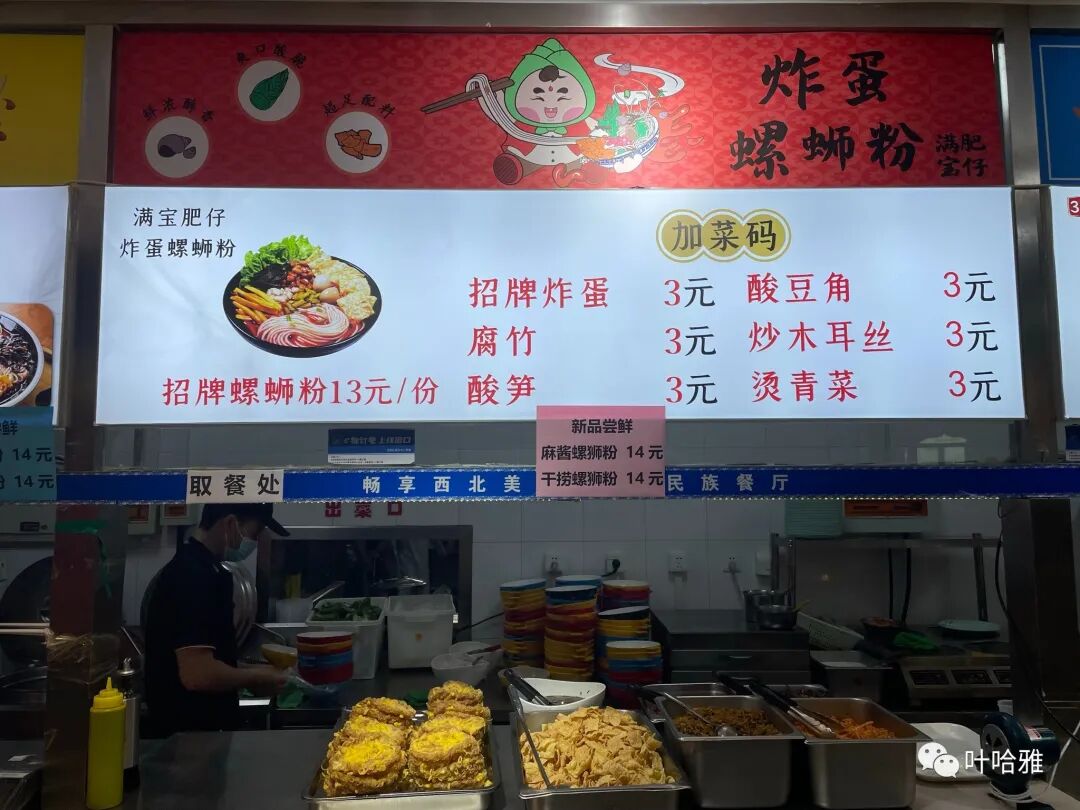
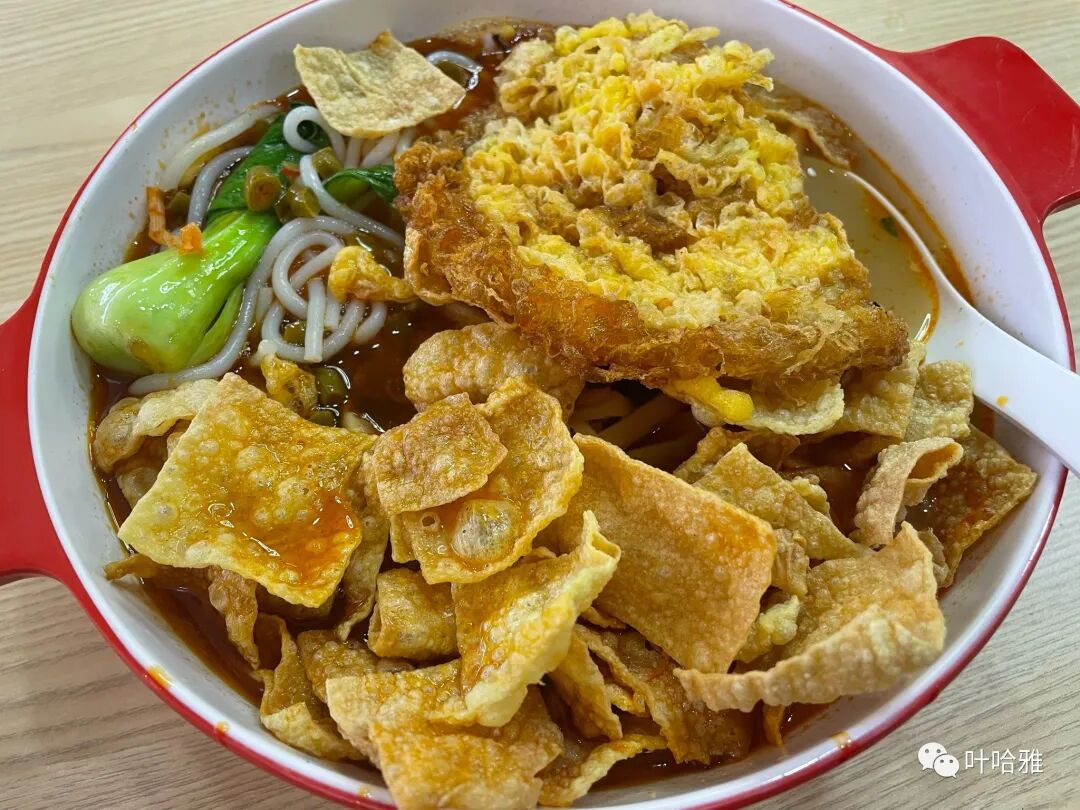
The halal canteen at BUPT is called the Ethnic Restaurant. The owner is from Lanzhou. I came to BUPT because they have halal snail rice noodles (luosifen). This is my first time eating halal luosifen in Beijing. I prepared myself mentally on the way here, thinking it would smell very strong. When I actually ate it, I didn't think it was bad at all. It just had a strong smell of pickled bamboo shoots, and it was quite tasty. You can add fried eggs and side dishes to it.
The Ethnic Restaurant has a lot of good food. We also had steamed rice rolls (changfen), and the price was so low it felt like it was free. BUPT students are really lucky.
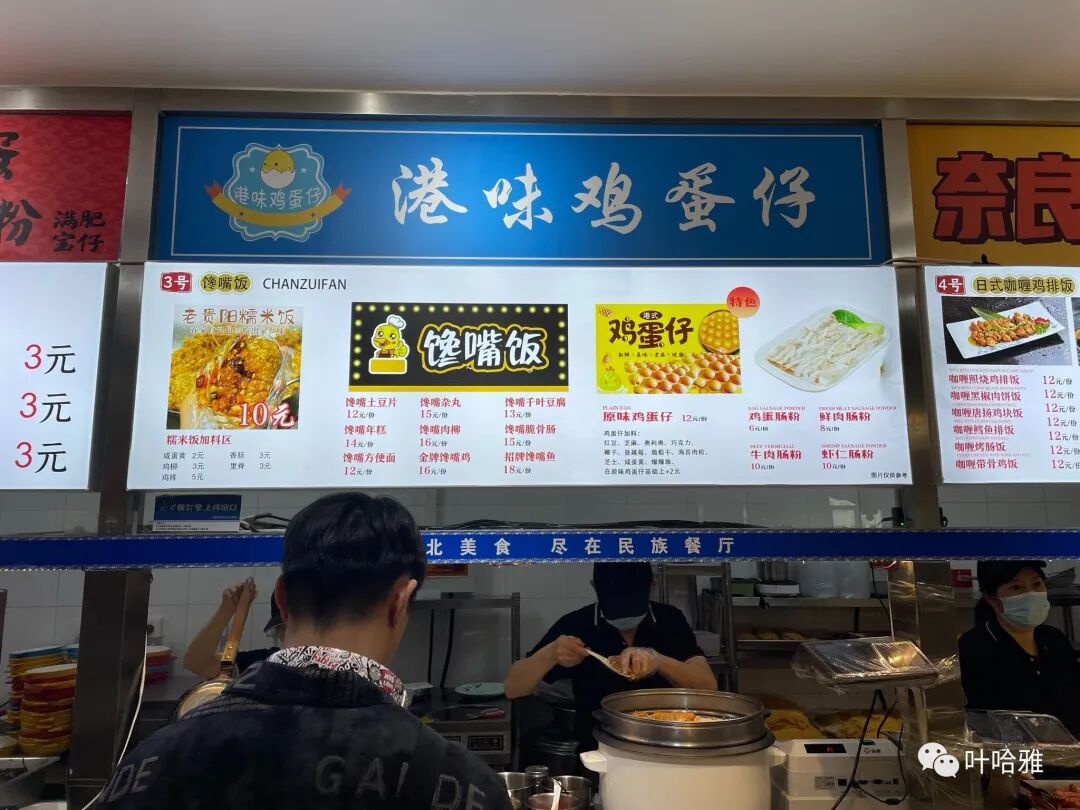
The campus isn't fully open yet, so you have to find a way to get in if you want to eat here.
Here are some other stalls at the BUPT Ethnic Restaurant, including Chongqing spicy noodles (chongqing xiaomian). I have eaten at many university halal canteens, and BUPT has the widest variety.
9. Peking University Tongyuan
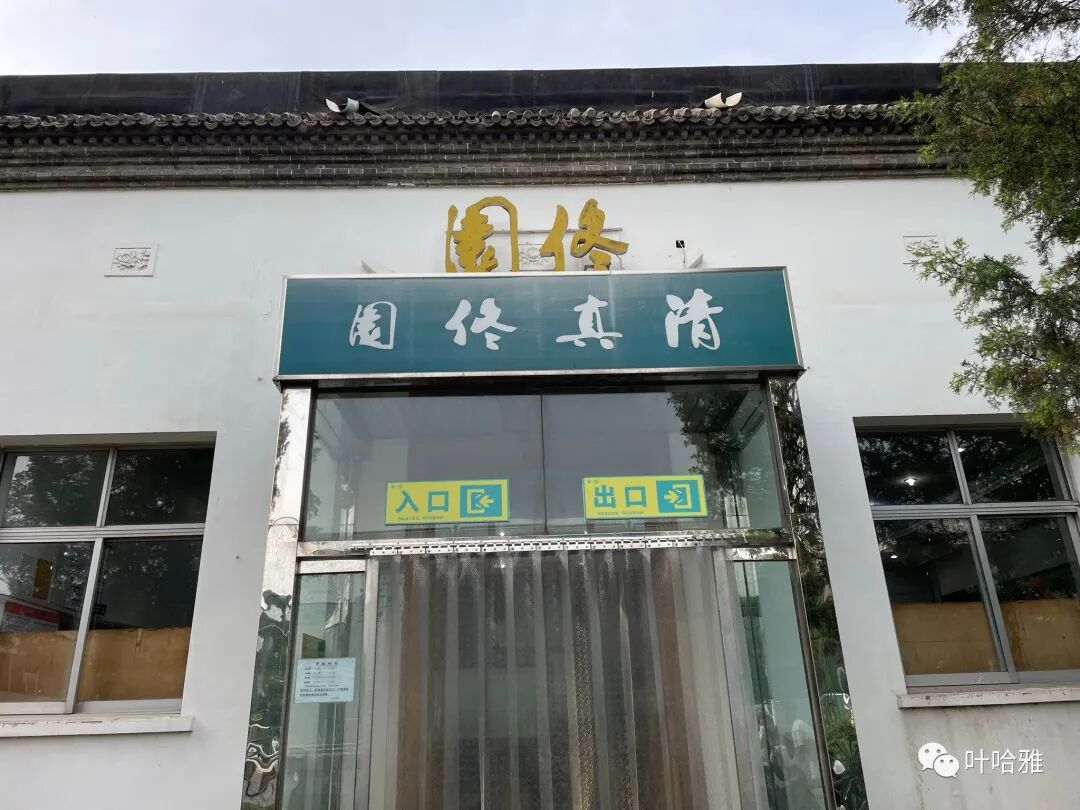
The history of PKU Tongyuan goes back to 1946. That year, PKU established the Department of Oriental Languages and the Department of Arabic. Professor Ma Jian proposed building a canteen for Hui Muslims at PKU. It was the first canteen for Hui Muslims built at a Beijing university and was named the PKU Dongfanghong Hui Muslim Canteen. Later, because the number of Muslim students at PKU increased rapidly, the canteen wasn't big enough. In 1986, PKU raised 500,000 yuan to build a new 400-square-meter halal restaurant on the site of the old Tong Mansion on campus, naming it the PKU Tongyuan Halal Restaurant.
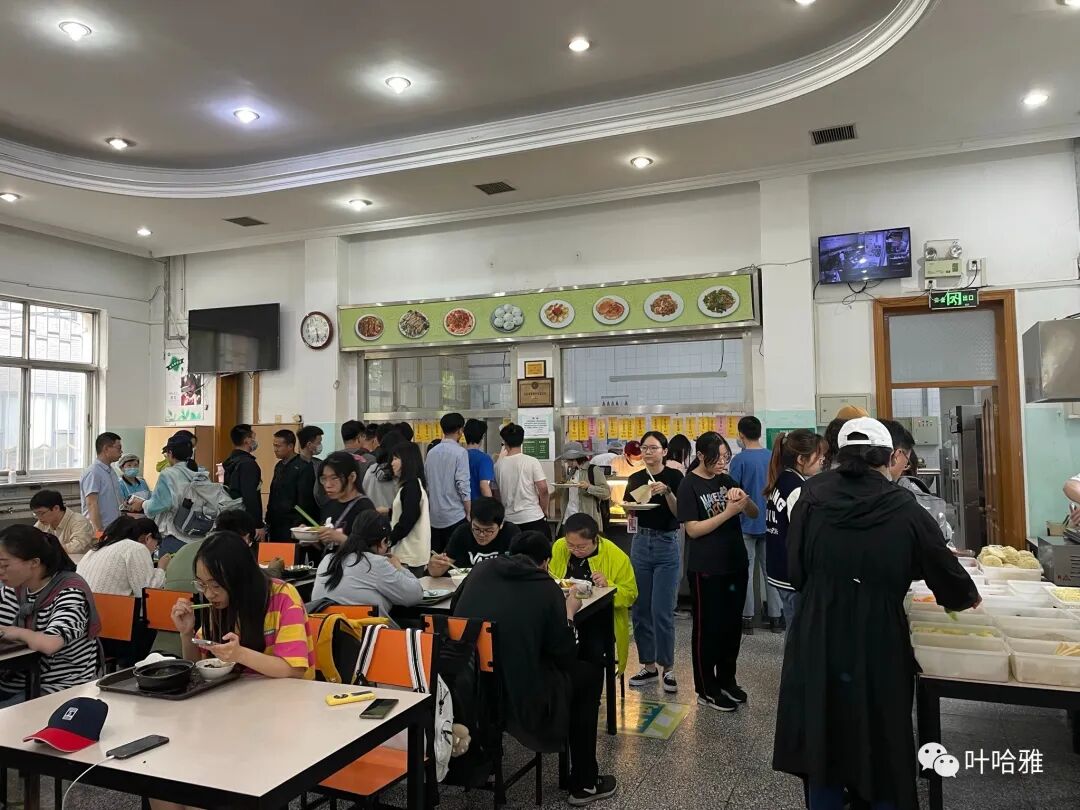
Looking at the halal restaurants at different universities now, Tongyuan at Peking University is on the smaller side. Because it has limited space, it only serves lunch to ethnic minority students, and you cannot pay without a campus card. However, after dinner, Tongyuan opens up to all students and staff for late-night barbecue.
I have been to Tongyuan many times, and they recently added spicy hot pot (mala xiangguo) and spicy soup (malatang) to the menu.
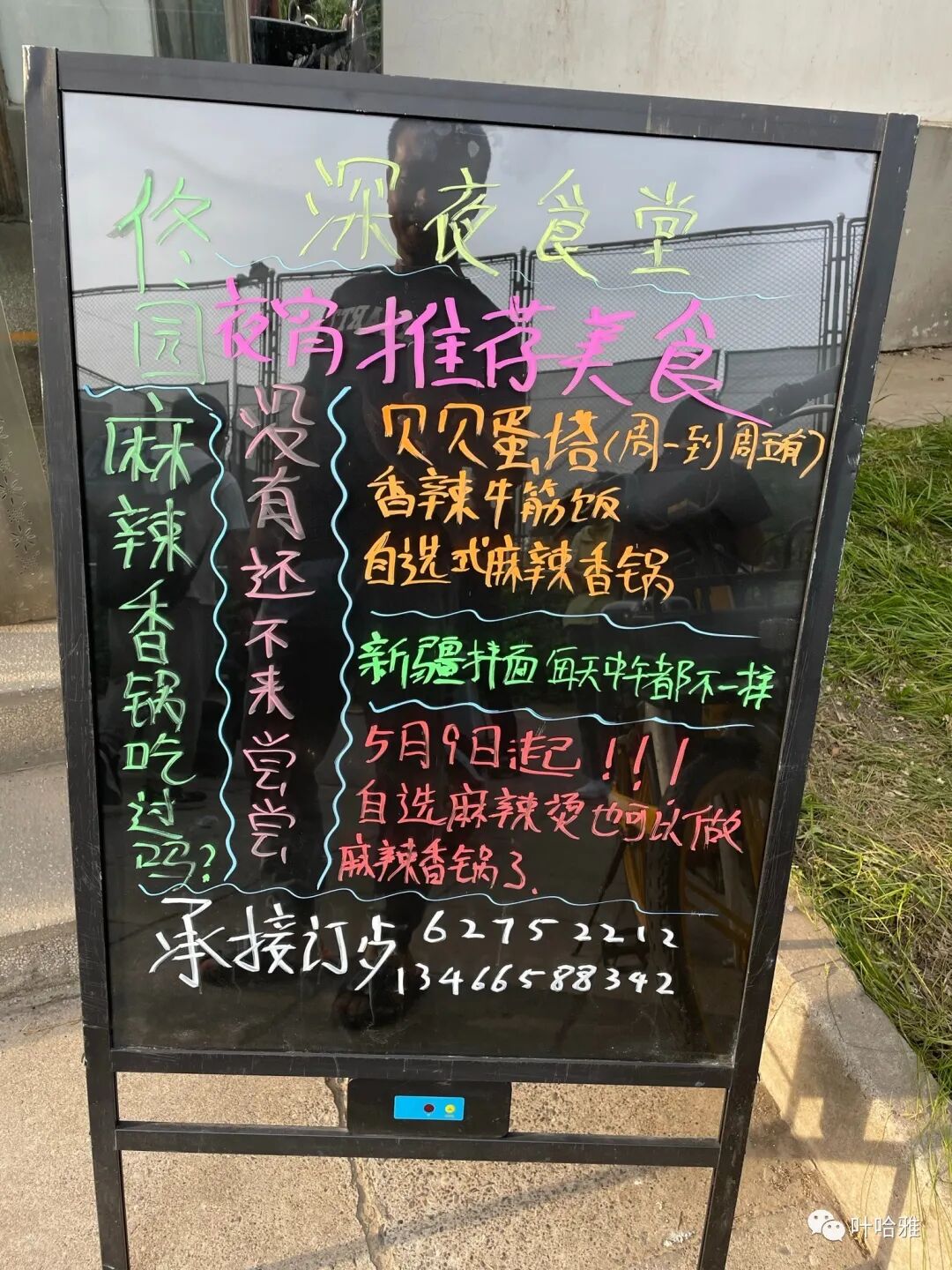
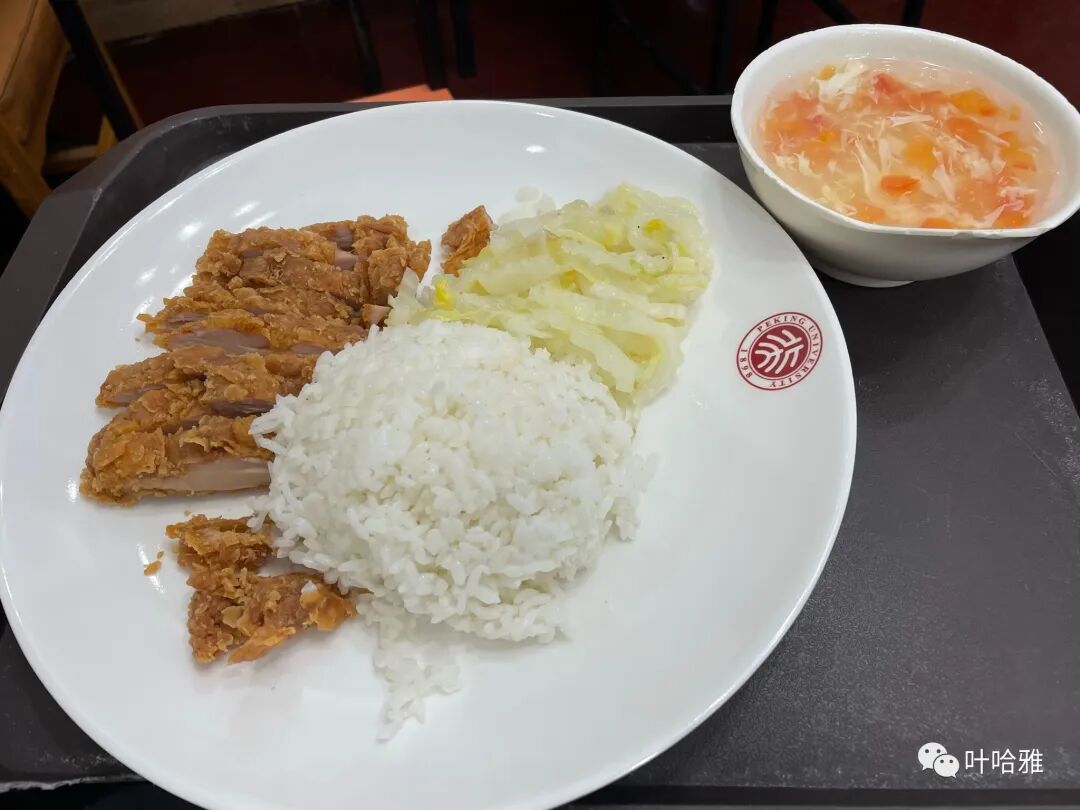
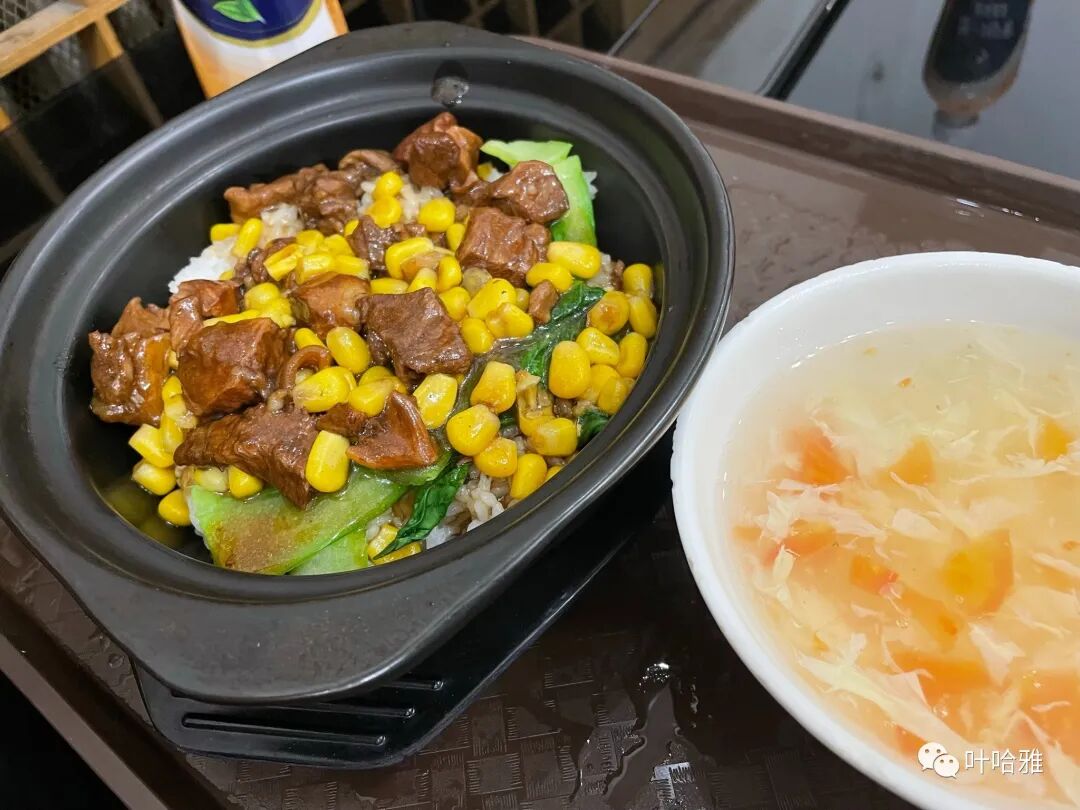
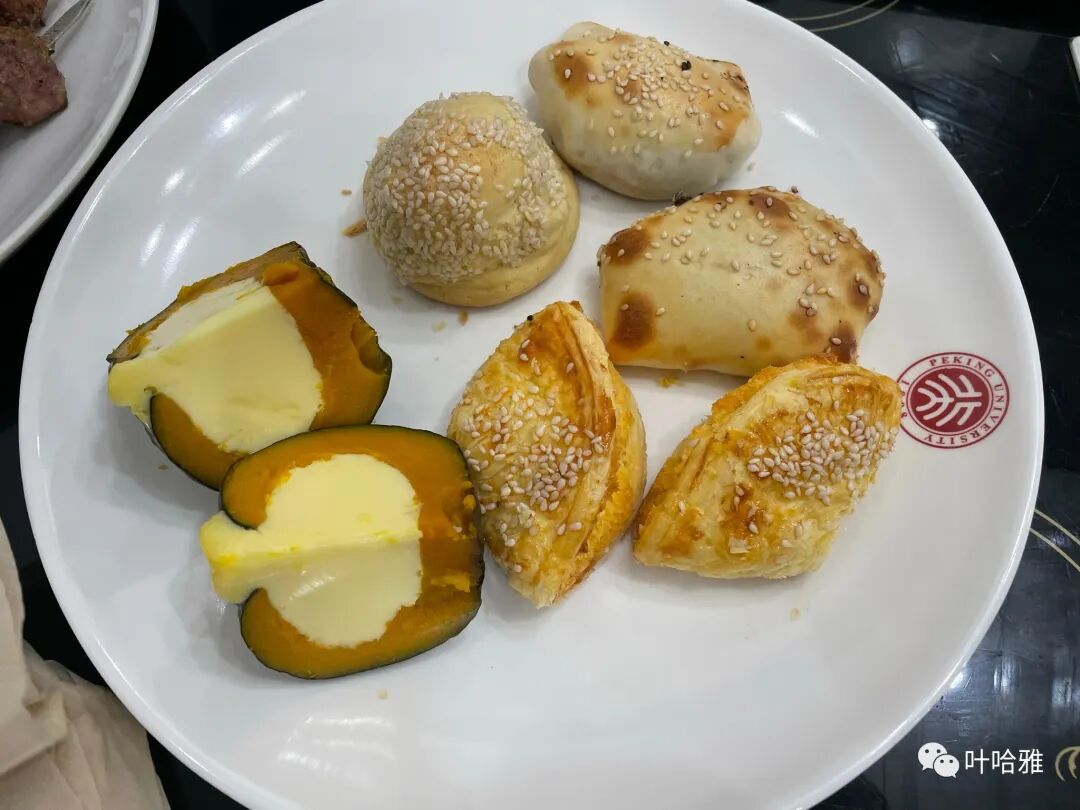
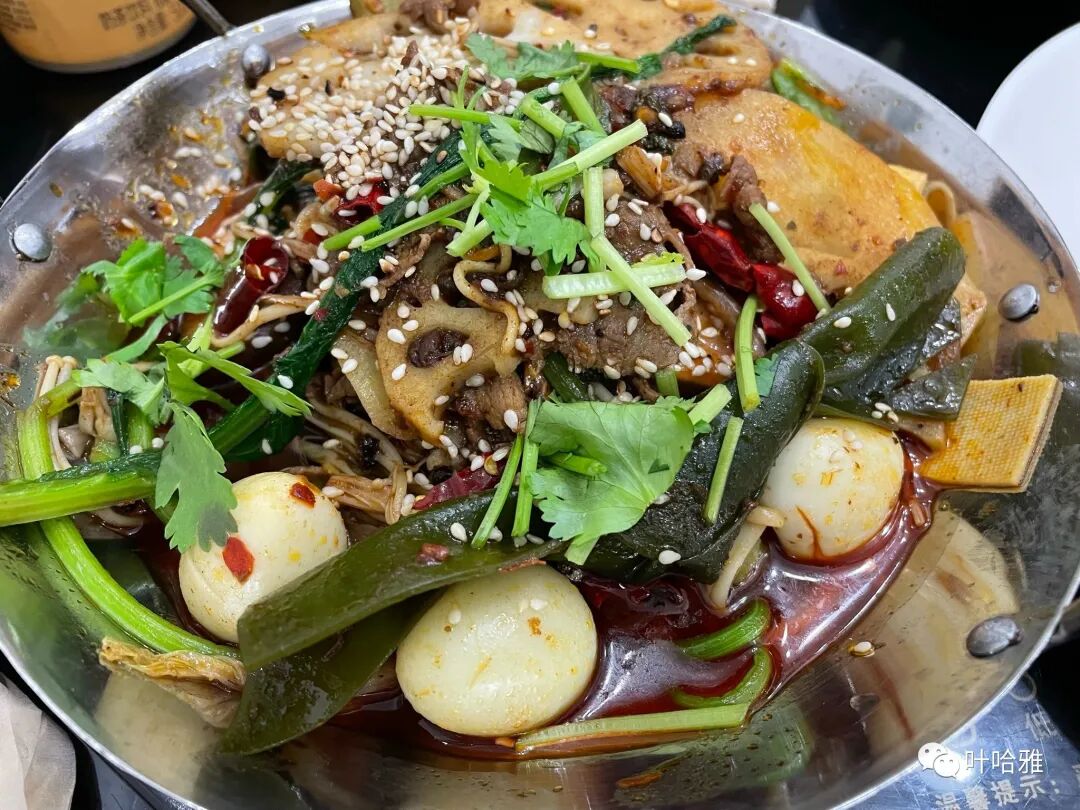
That is the end of this post. The text and photos are original, and unauthorized reproduction is not allowed.
Beijing Halal Street Food Guide: Shaomai, Savory Guobaorou, Stewed Pigeon and Shrimp Hotpot
Articles • yusuf908 posted the article • 0 comments • 173 views • 2026-05-24 00:17
Summary: This Beijing halal street food guide covers issue 29 of the author’s map, including shaomai, savory Hui-style guobaorou, stewed pigeon, grilled fish, pepper chicken, and shrimp hotpot.
Beijing Halal Food Map (29) is presented here as a firsthand travel account in clear English, beginning with this scene: I have found many new restaurants in Beijing over the past month. Friends complain that the places I write about are getting further from the city center, often in far suburbs like Fangshan or Daxing. The account keeps its focus on Beijing Halal Food, Muslim Travel, Middle Eastern Food while preserving the names, places, food, and historical details from the Chinese source.
I have found many new restaurants in Beijing over the past month. Friends complain that the places I write about are getting further from the city center, often in far suburbs like Fangshan or Daxing. This is because it is hard to find new, unique restaurants inside the Fourth Ring Road. Lower rents and a quieter environment in the suburbs help many small shops survive. These shops far from the city center usually have more consistent flavors and more 'wok hei' (the smoky flavor from high-heat stir-frying), with less artificial additives.
1. Traditional Steamed Dumpling (shaomai) Restaurant
This is a Northeast Chinese restaurant. It has been open for three years, but I only just discovered it. It is located in the South District of Jindi Green Garden in Tongzhou District. What drew me here is that they can make savory-style stir-fried meat in batter (guobaorou). You need to tell the chef when you place your order.
Savory-style stir-fried meat in batter is a specialty of Hui Muslims in Harbin, which is different from the sweet version made with pork.
Northeast-style starch noodles (lapi)
For our main course, we tried the beef and lamb steamed dumplings (shaomai), but they were not as good as the ones in Inner Mongolia.
Beef and lamb steamed dumplings (shaomai)
The method for making savory-style stir-fried meat in batter is quite particular, and it is hard for most families to recreate the restaurant flavor. The best savory-style stir-fried meat in batter I have ever had was in Harbin.
Savory stir-fried meat in batter (guobaorou)
Besides Northeast Chinese food, this restaurant also serves some Southern dishes. We tried the chopped chili fish head, a Hunan dish. It tasted pretty good, but for authentic halal Hunan food, you have to go to Shaoyang. Shaoyang has the best halal Hunan restaurants I have ever eaten at.
Chopped chili fish head (duojiao yutou)
2. Yilan Pavilion (Yilan Ge)
We noticed Yilan Pavilion while looking for the Daxing Tongying Mosque. The shop is right across from the mosque.
Stewed pigeon
This large restaurant in the village serves delicious stewed pigeon and grilled fish. It was a pleasant surprise.
Grilled fish
Chive pockets (jiucai hezi)
Deep-fried shredded meat (zha songrou)
The deep-fried shredded meat was fresh out of the fryer, and the owner invited me to try some. In my experience, it is hard to find good versions of this Hui Muslim home-style dish in restaurants because they usually skimp on the meat. One bite confirmed my suspicion.
3. Yanfu Restaurant
Yanfu is not far from Tongying Village. It is another large halal restaurant where I unexpectedly found they could make savory-style stir-fried meat in batter (guobaorou).
Beef tendon and brisket stew (jintou banao)
Experience shows that if you order stir-fried meat in batter at a non-Northeastern restaurant, you should be ready for a disappointment. Currently, the only place in Beijing that makes authentic savory-style stir-fried meat in batter is Uncle Oyster's Iron Pot Stew (Houshu Tieguo Dun).
Dry-fried green beans (ganbian doujiao)
Homestyle griddle-baked flatbread (jiachang laobing)
Savory stir-fried meat in batter (guobaorou)
4. Daquan Feizai Braised Beef Noodles
This is a chain restaurant specializing in old Beijing-style beef noodle soup (jiaotang niuroumian). The beef noodles are quite tasty, and you can choose to add extra meat.
Beef noodle soup (jiaotang niuroumian)
5. Muhelan Ningxia Tanyang Hand-Grabbed Lamb
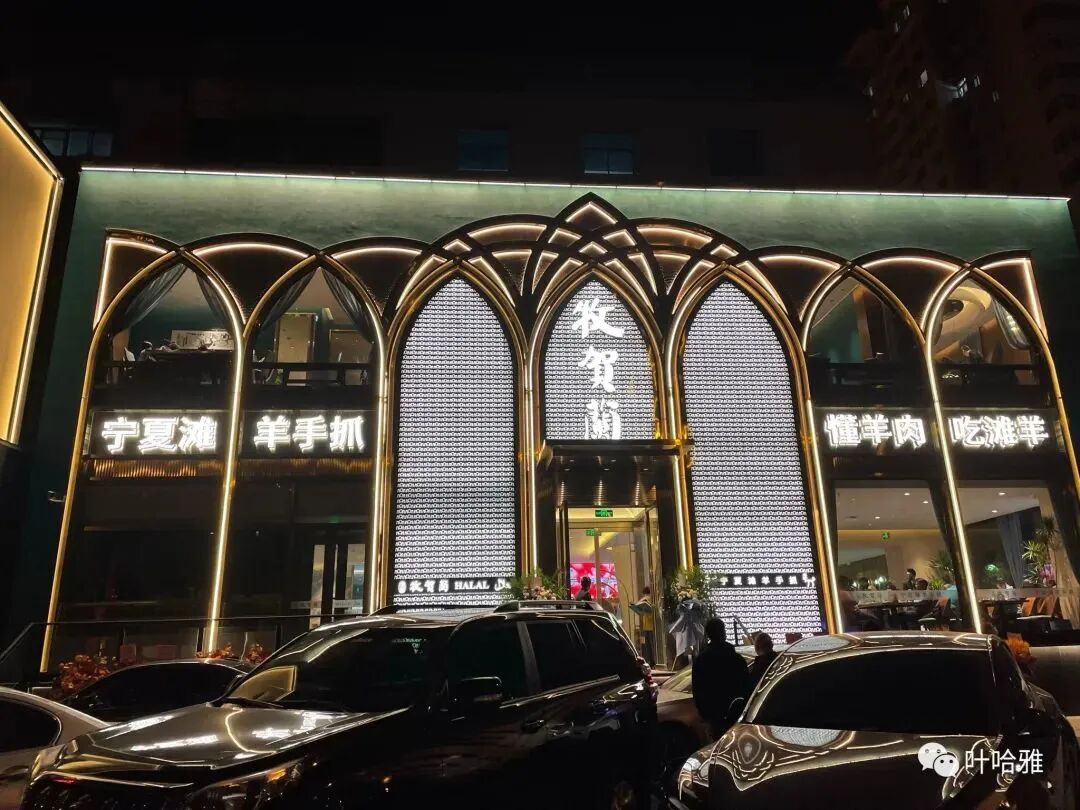
The owner of Huiwei Palace invested heavily to open this new Ningxia cuisine flagship store. They brought all the local specialties from Ningxia to Beijing.
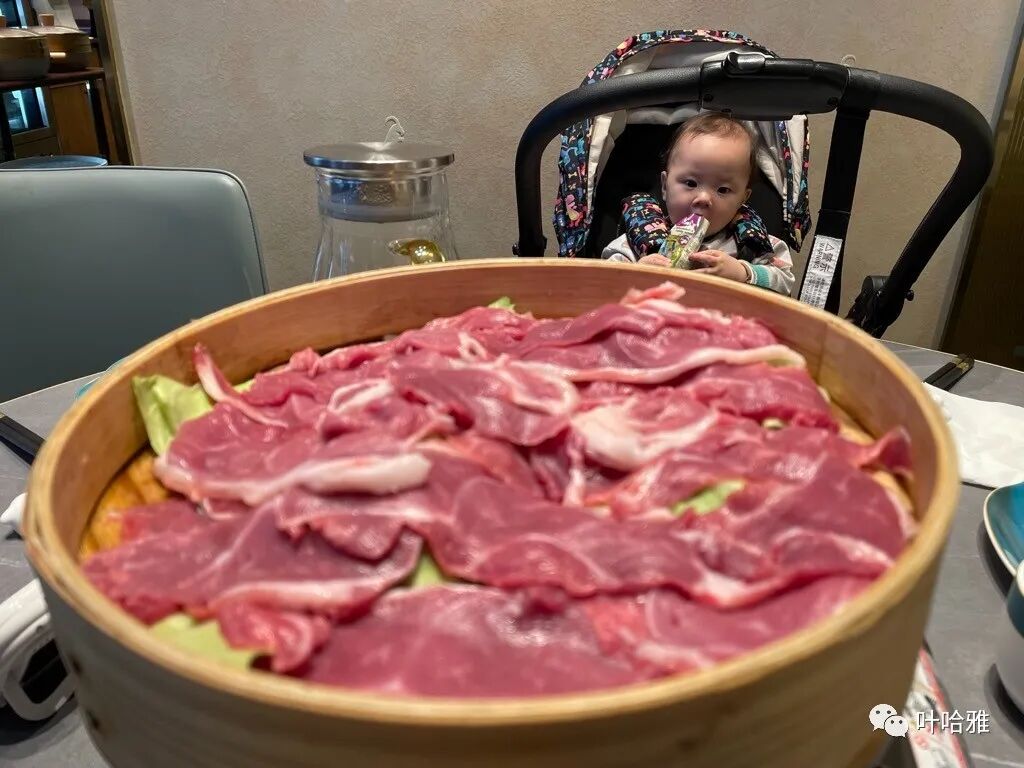
During the soft opening, the restaurant is giving away steamed lamb (zheng yanggaorou). It is steamed to order, which is quite unique for Beijing.
Steamed Ningxia salt-lake lamb (longzheng tanyangrou)
Ningxia salt-lake lamb (tanyang) has become very popular in Beijing over the last few years. The meat is tender and has a perfect balance of fat and lean, making it great for grilling or hot pot.
Peppery and numbing lamb tripe (jiaoma yangdu)
I am most looking forward to their upcoming Wuzhong morning tea, which should arrive by the end of the year. Wuzhong morning tea has only been around for 20 years, but it has already become a local cultural staple that deserves to be shared. Halal breakfasts in Beijing are limited and not very healthy, so I hope Muhelan's Wuzhong morning tea can fill that gap.
Yinchuan cold skin noodles (niangpi)
Jingyuan yellow beef (huang niurou)
Cold hand-grabbed lamb (liang shouzhuo)
Bowl dishes (wancai)
6. Habibi Arabic Food
My team found this Arabic takeout spot near Jiugong. I happened to be nearby, so I went to check it out right away. Since they only do takeout and have no seating, and I couldn't get into the market, I had to order and pick it up at the door. The food was surprisingly delicious and very affordable.
Corn tacos, Turkish kebab, and hummus (humusi jiang)
7. Daqi Stewed Meat Noodles
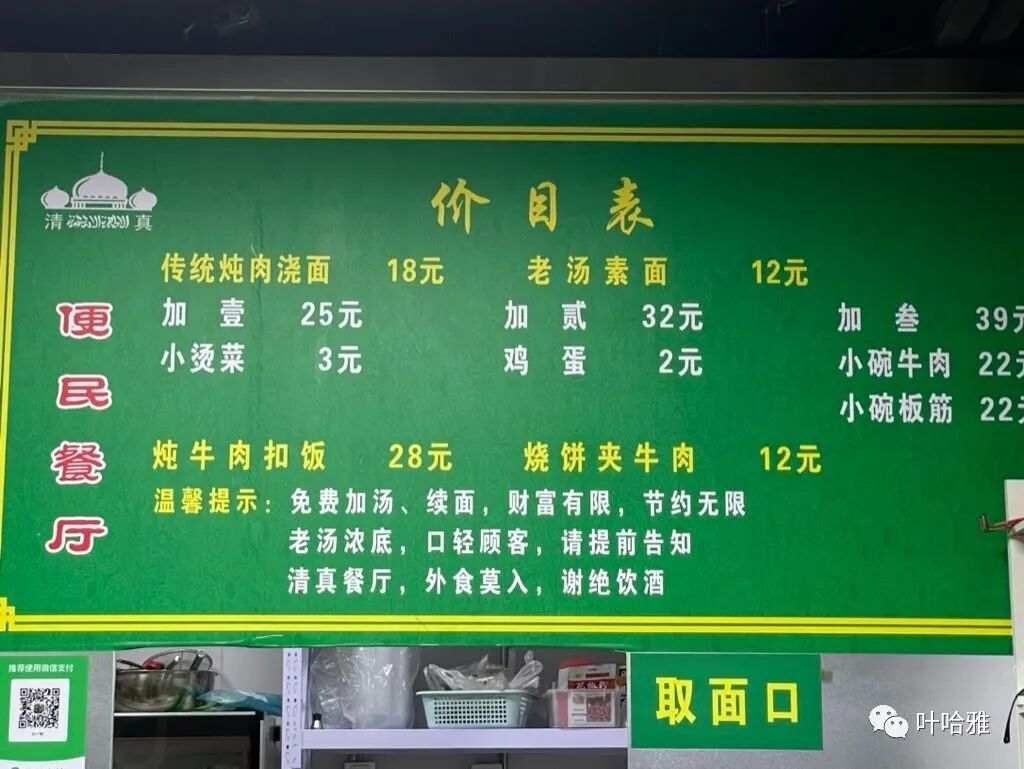
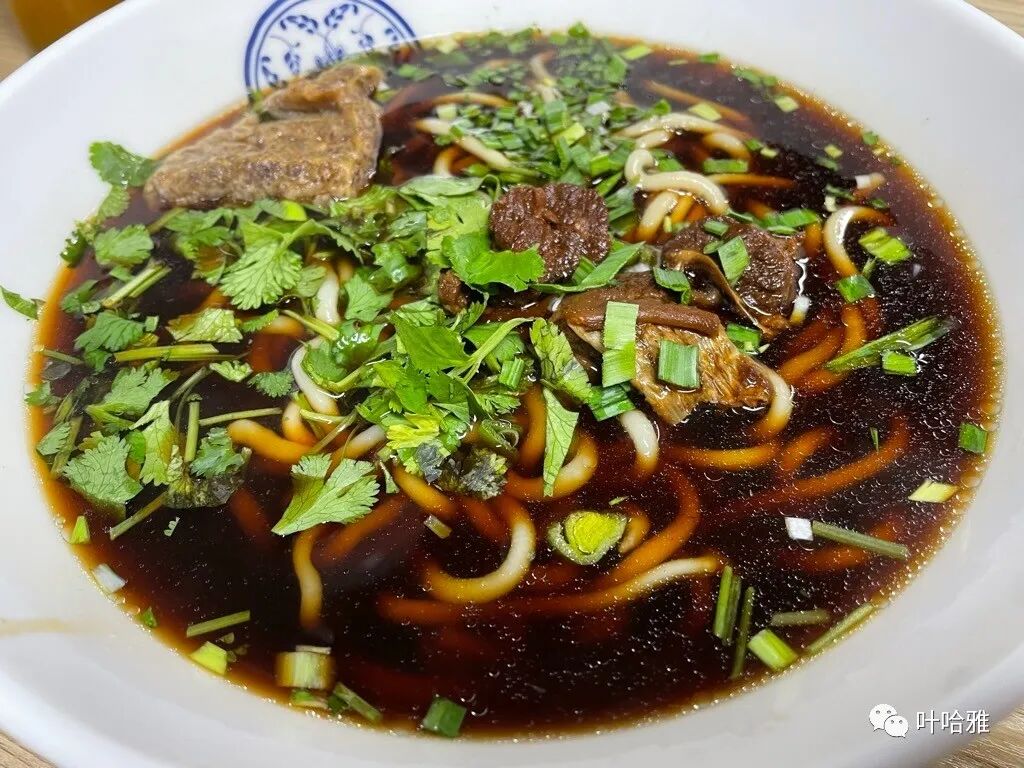
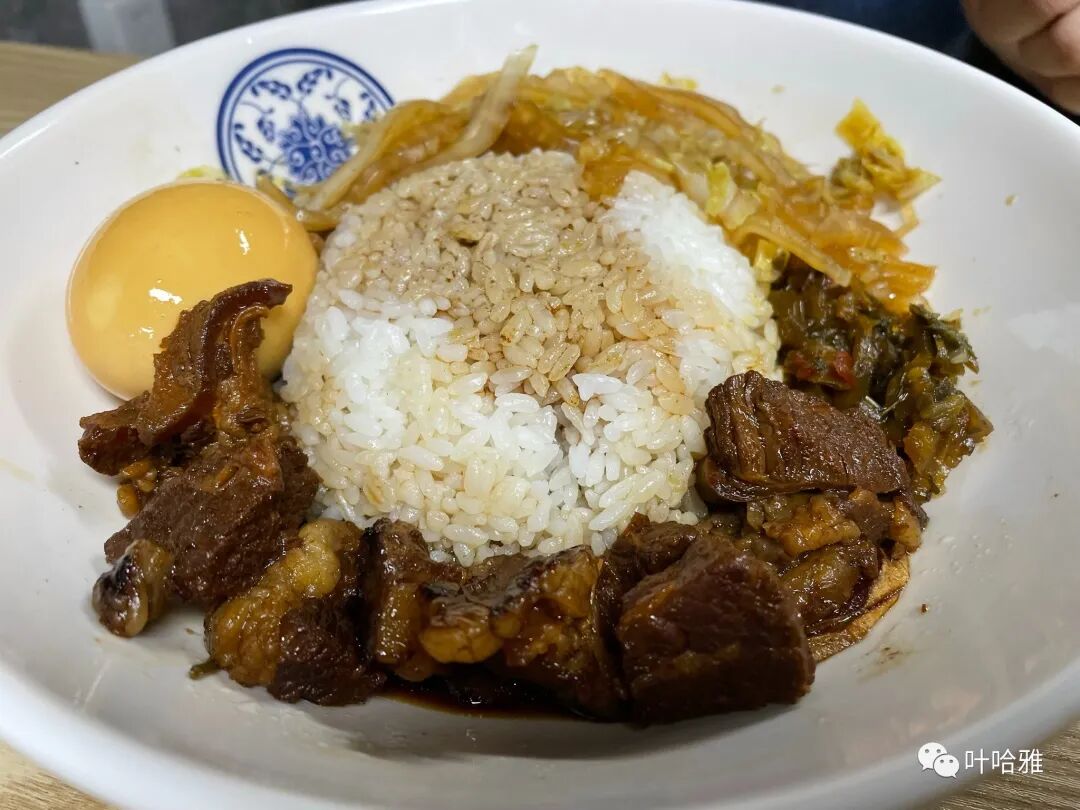
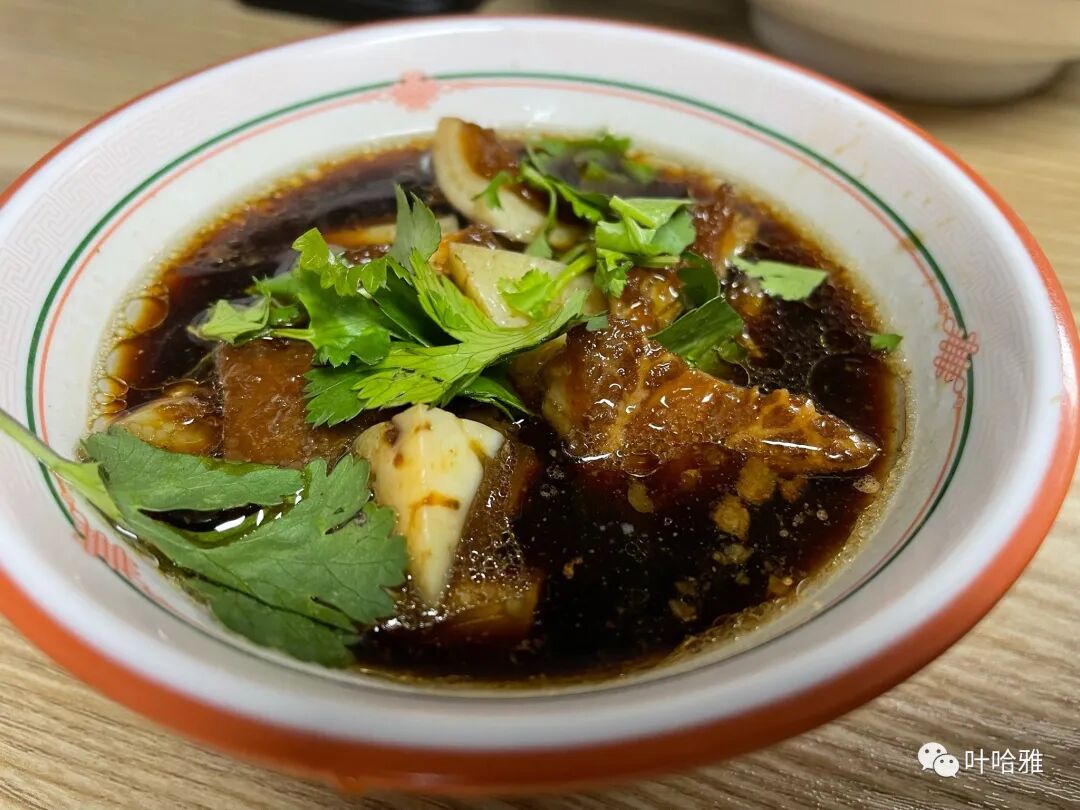
Their stewed beef over rice is better than their beef noodles. The best part is that they do not sell alcohol. Honestly, it is rare to find a traditional Beijing restaurant that doesn't serve alcohol; this is the only one I have seen, which really surprised me as a local. You can also get free soup and noodle refills, so I highly recommend it.
Beef noodles
Stewed meat over rice
8. Fatty's Classic Quality Pan-Fried Buns (shuijianbao)
This Henan spicy soup (hulatang) shop in Dayuan Village, Liangxiang, is run by people from Zhengzhou. Everything from the shop's style to the taste is very Zhengzhou.
They are only open for half a day, closing at 2 p.m. They serve classic Henan breakfasts like spicy soup (hulatang), pan-fried buns (shuijianbao), fried dough strips (youmotou), and fried vegetable pockets (caijiao), along with Anhui flat noodles (banmian).
The flavors are very authentic and the prices are affordable. They have been in the village for five or six years with steady business.
Fried vegetable pockets (caijiao) and fried dough strips (youmotou)
Pan-fried buns (shuijianbao)
Flat noodles (banmian)
Beef spicy soup (hulatang)
9. Bayi Laoye Workers' Stadium Flagship Store
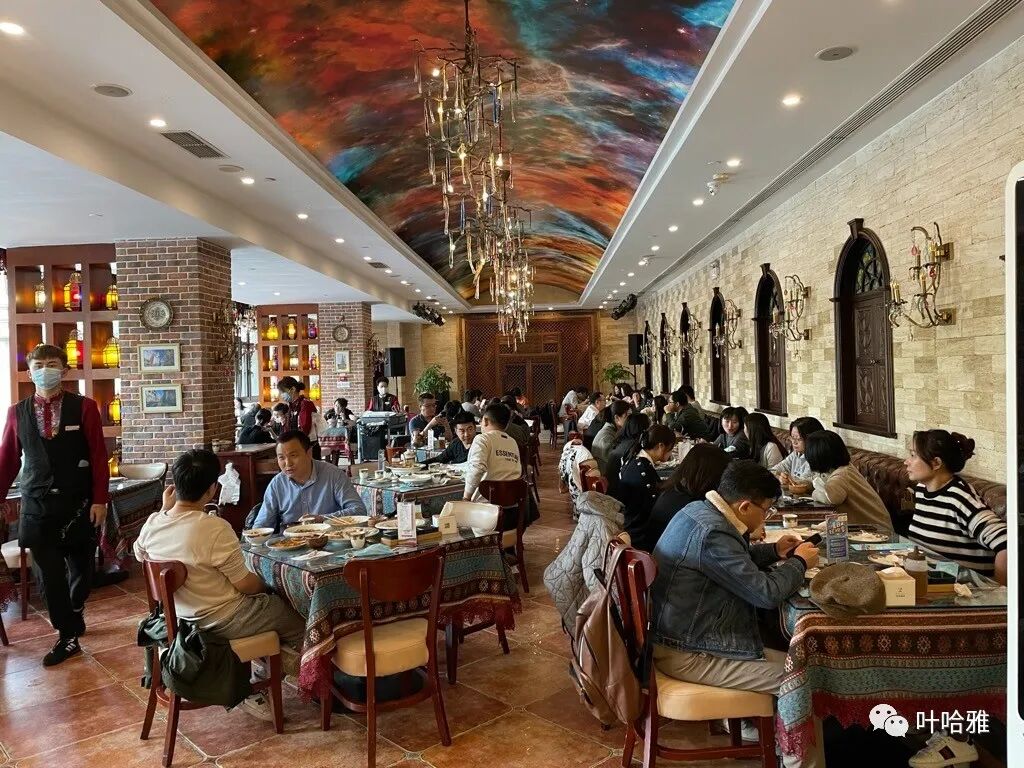
This flagship store next to the Workers' Stadium is the most spacious and has the best environment of all the Bayi Laoye locations.
The private rooms are beautifully decorated, the food is delicious, and there is free parking at the entrance. Business is booming.
Hand-torn cabbage
Hand-grabbed rice (shouzhua fan)
Hot pot lamb offal (guozai yangza)
Xinjiang spicy chicken (Xinjiang lazi ji)
We arrived on Wednesday at noon. Every seat filled up quickly, which shows people really love Xinjiang food. Bayi Laoye stands out as a top brand among the many Xinjiang restaurants.
10. Heiyaochang sugar oil pancake (tangyoubing) and lamb spine hot pot (yangxiezi)
Heiyaochang recently added lamb spine hot pot in their basement. You have to wait in line at the door to buy the sugar oil pancake, but if you eat the lamb spine hot pot in the basement, you can order the pancake directly.
The lamb spine tastes good, but there is not much meat on the bones. We also ordered the crispy stir-fried meat (xiaosurou) and small fennel fried dough sticks (huixiang xiaoyoutiao). The dough sticks were delicious.
Crispy stir-fried meat (xiaosurou)
Small fennel fried dough sticks (huixiang xiaoyoutiao)
11. Ritan Hot Pot (Financial Street branch)
I work out in Financial Street and always felt there were not enough halal restaurants nearby. Recently, I found that Tofu Burger started using imported Australian halal meat again, and this Ritan Hot Pot branch opened right across from the Financial Street Shopping Center. Now I do not have to worry about where to eat after training.
Ritan Hot Pot uses individual small pots. Even though it lacks the charcoal flavor, the meat quality is excellent. Their small sesame flatbreads (shaobing) taste just like the ones at Jubao Yuan, and their various Beijing-style snacks are very well-made.
12. Huainan Beef Scald (niuroutang)
I used to think the Huainan Beef Scald shop in Shunyi had a typo and should have been called Huainan Beef Soup (niurutang). I only realized it was actually called Beef Scald after seeing this shop in Fangshan. The two shops are run by a brother and sister. The owner in Fangshan is the younger brother, a Hui Muslim from Anhui.
Mixed beef tendon
Beef soup (niurutang)
Sesame flatbread (shaobing) with beef
13. Northwest Station: Salt-lake lamb (tanyang)
This is a new salt-lake lamb restaurant opened by people from Gansu. They also have Uyghur staff who prepare Xinjiang-style dishes.
They have all kinds of Gansu snacks here. Among the hand-grabbed lamb (shouzhuayangrou) from the five northwestern provinces, I like the texture of the Dongxiang style from Gansu the best.
Hand-grabbed lamb (shouzhuayangrou)
Roasted potato (kaoyangyu)
Roasted potato served with pickled chives, a unique way of eating in the Northwest.
Stewed yak meat with Chinese yam
Hezhou steamed buns (Hezhou baozi)
Dingxi wide glass noodles (Dingxi kuanfen)
Our friends from Gansu and Qinghai gave this place a thumbs up. The prices are fair and the service is very friendly. The waiter even told me which dishes weren't good and advised me not to order them. You don't see staff that honest very often.
14. Western Regions Yipinxian Hot Pot (Xiyu Yipinxian Huoguo)
This place is listed as Chongqing-style hot pot on Dazhong Dianping, so it caught my eye and I came to check it out right away.
Duck intestines, beef tripe, marbled beef, brown sugar rice cakes (hongtang ciba), and a sesame oil dipping sauce are my go-to order for Sichuan and Chongqing hot pot.
Duck intestines
Beef tripe
Yellow rice cakes (huangmi ciba)
Small fennel fried dough sticks (huixiang xiaoyoutiao)
Marbled beef
Overall, the food here is delicious and the ingredients are fresh. The dipping sauces are very flavorful. It is a bit quiet since it just opened, and the location on Fengyi South Road in Fengtai is a bit out of the way.
15. Wanping Li's Snacks
After visiting the Museum of the War of Chinese People's Resistance Against Japanese Aggression, we saw this Wanping Li's nearby. It has a huge sign and includes a snack shop, a beef and mutton shop, and a hot pot restaurant. The snack shop caught our eye.
Wanping Li's is famous for its beef noodles, but I think their rice dishes are even better. We chose the abalone sauce steak rice and the seafood sauce fried rice. Both tasted great and were made with Wuchang rice. The seafood sauce fried rice was especially fragrant.
Cold tossed okra
Braised beef noodles
Mutton jelly noodles (liangfen)
Seafood sauce fried rice
Abalone sauce steak rice
16. Heqingzhai Wang Po Shrimp
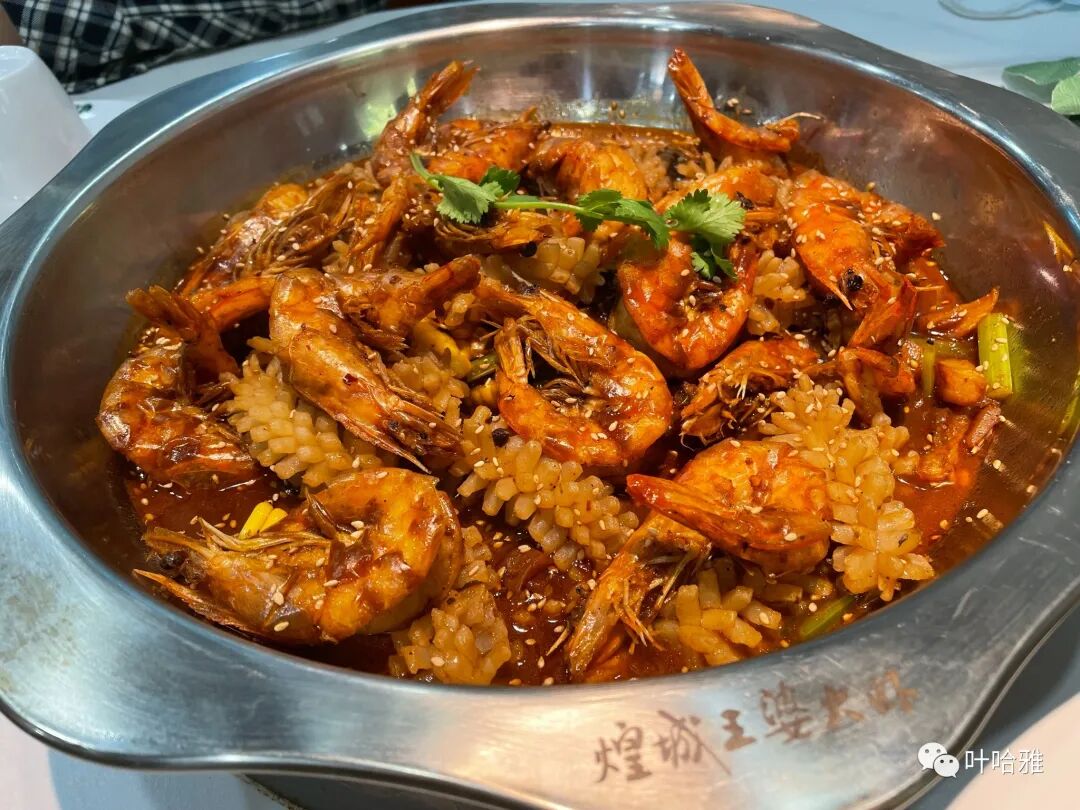
Heqingzhai brought in Wang Po Shrimp. I have eaten the halal version of Wang Po Shrimp in Hangzhou before. I have always loved shrimp, and this shrimp pot serves large, fresh shrimp that taste very good.
After finishing the shrimp, you can add broth to cook vegetables. Heqingzhai is a brand from Yangfang Town in Changping, and their lamb spine hot pot (yangxiezi) is also delicious.
Yellow rice sticky cake (ciba) as a staple food
Large shrimp and squid pot (daxia youyu guo)
That is all for this collection. The text and photos are original, and you are welcome to share them. view all
Summary: This Beijing halal street food guide covers issue 29 of the author’s map, including shaomai, savory Hui-style guobaorou, stewed pigeon, grilled fish, pepper chicken, and shrimp hotpot.
Beijing Halal Food Map (29) is presented here as a firsthand travel account in clear English, beginning with this scene: I have found many new restaurants in Beijing over the past month. Friends complain that the places I write about are getting further from the city center, often in far suburbs like Fangshan or Daxing. The account keeps its focus on Beijing Halal Food, Muslim Travel, Middle Eastern Food while preserving the names, places, food, and historical details from the Chinese source.
I have found many new restaurants in Beijing over the past month. Friends complain that the places I write about are getting further from the city center, often in far suburbs like Fangshan or Daxing. This is because it is hard to find new, unique restaurants inside the Fourth Ring Road. Lower rents and a quieter environment in the suburbs help many small shops survive. These shops far from the city center usually have more consistent flavors and more 'wok hei' (the smoky flavor from high-heat stir-frying), with less artificial additives.
1. Traditional Steamed Dumpling (shaomai) Restaurant
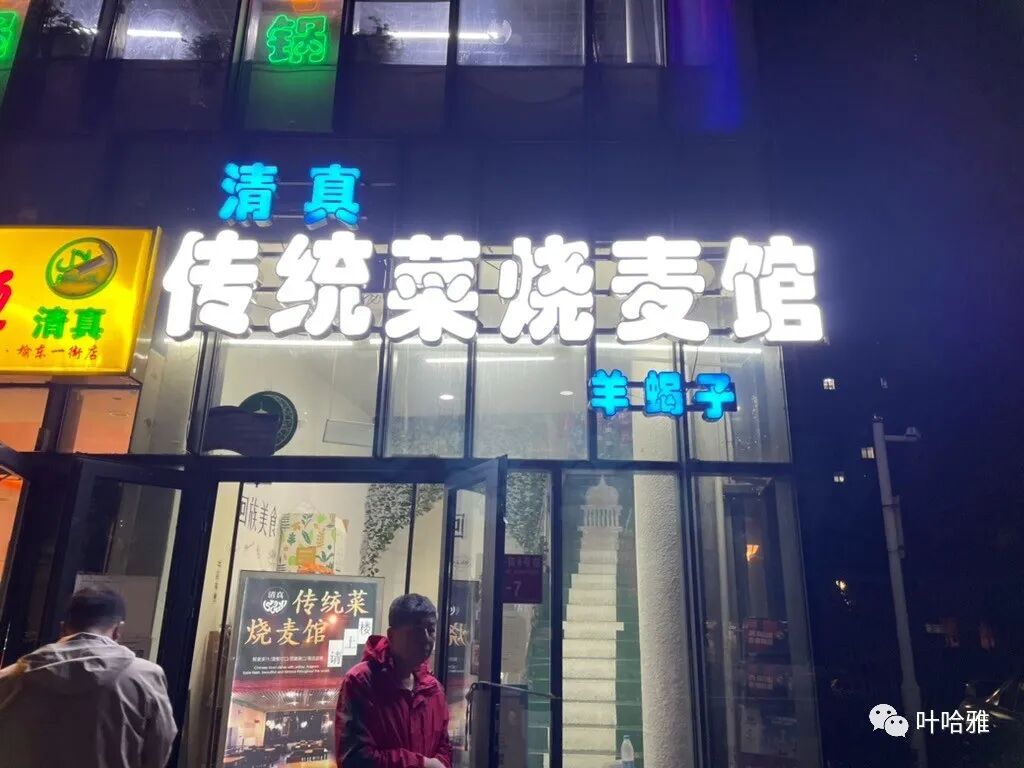
This is a Northeast Chinese restaurant. It has been open for three years, but I only just discovered it. It is located in the South District of Jindi Green Garden in Tongzhou District. What drew me here is that they can make savory-style stir-fried meat in batter (guobaorou). You need to tell the chef when you place your order.
Savory-style stir-fried meat in batter is a specialty of Hui Muslims in Harbin, which is different from the sweet version made with pork.
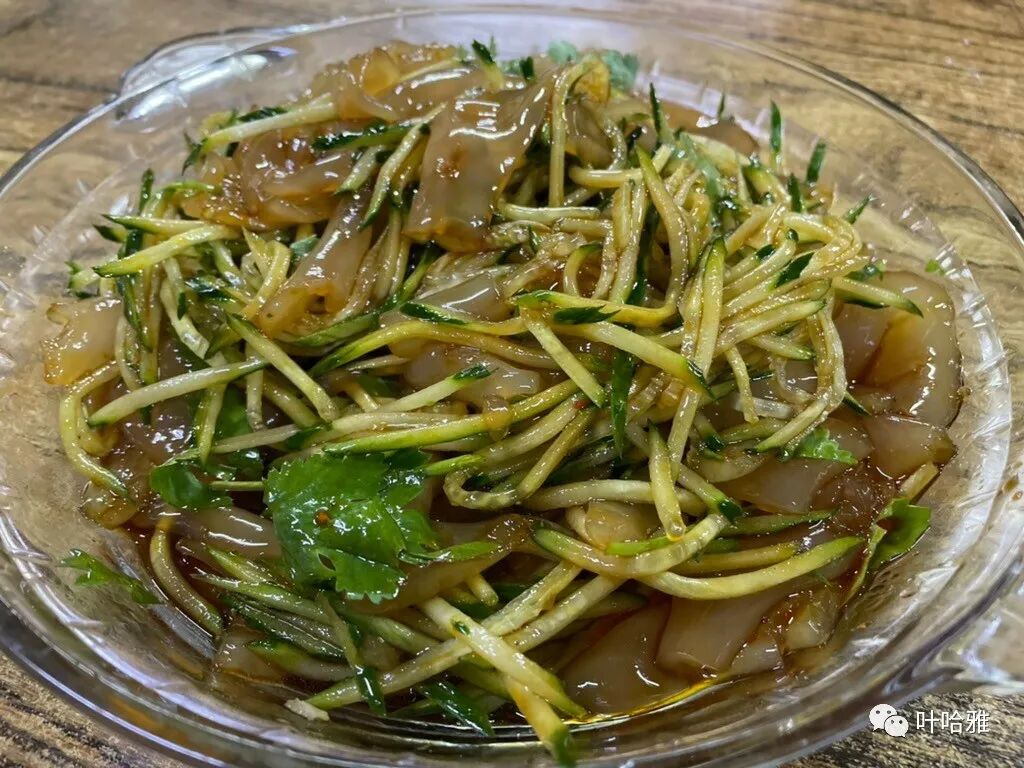
Northeast-style starch noodles (lapi)
For our main course, we tried the beef and lamb steamed dumplings (shaomai), but they were not as good as the ones in Inner Mongolia.
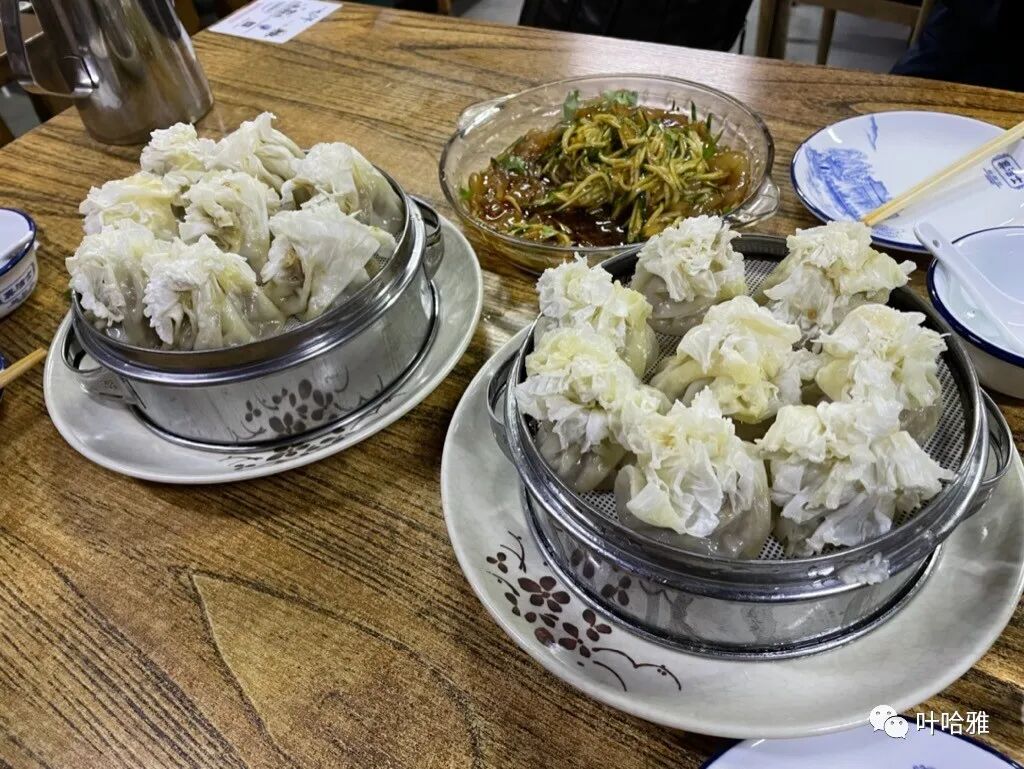
Beef and lamb steamed dumplings (shaomai)
The method for making savory-style stir-fried meat in batter is quite particular, and it is hard for most families to recreate the restaurant flavor. The best savory-style stir-fried meat in batter I have ever had was in Harbin.
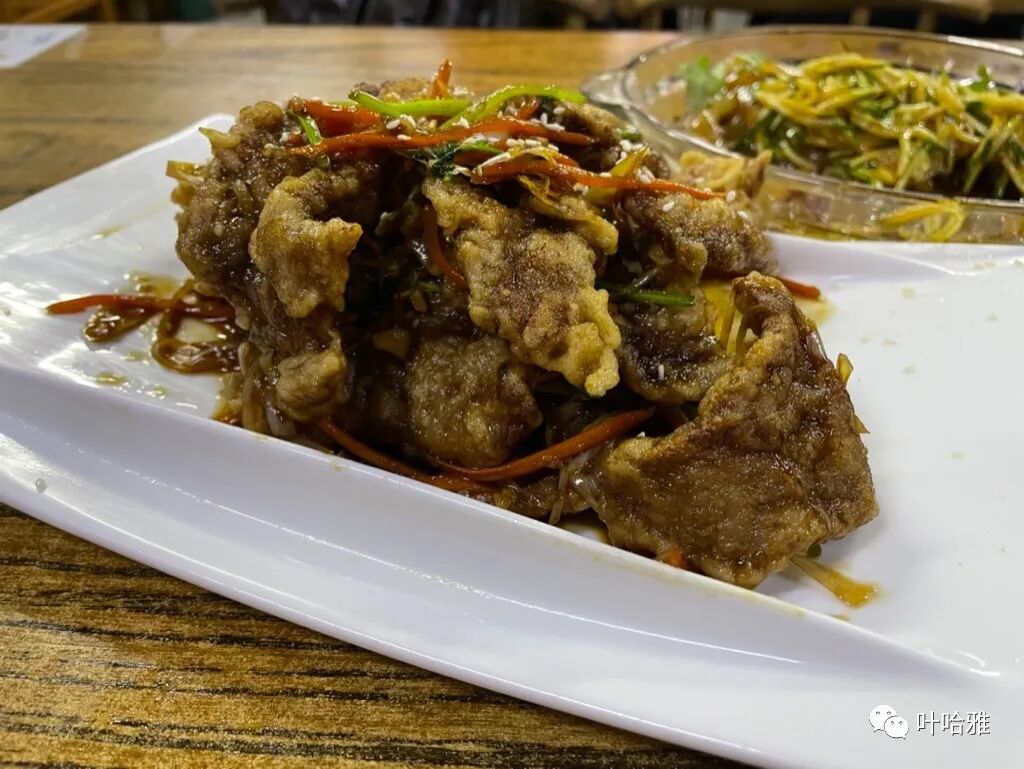
Savory stir-fried meat in batter (guobaorou)
Besides Northeast Chinese food, this restaurant also serves some Southern dishes. We tried the chopped chili fish head, a Hunan dish. It tasted pretty good, but for authentic halal Hunan food, you have to go to Shaoyang. Shaoyang has the best halal Hunan restaurants I have ever eaten at.
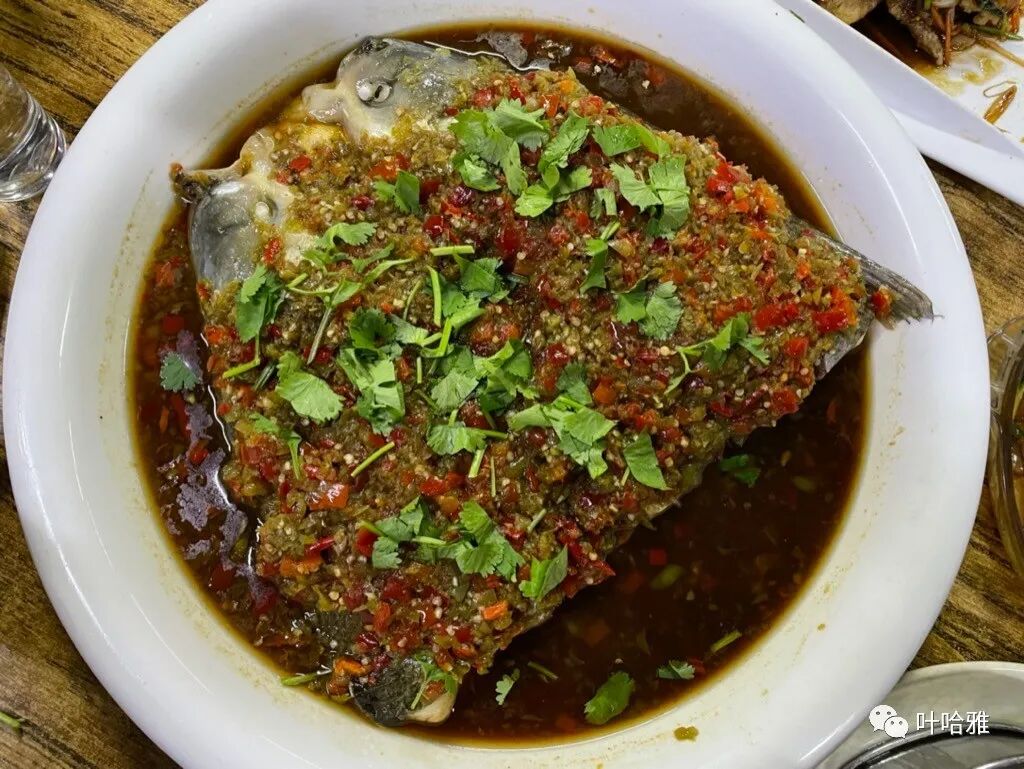
Chopped chili fish head (duojiao yutou)
2. Yilan Pavilion (Yilan Ge)
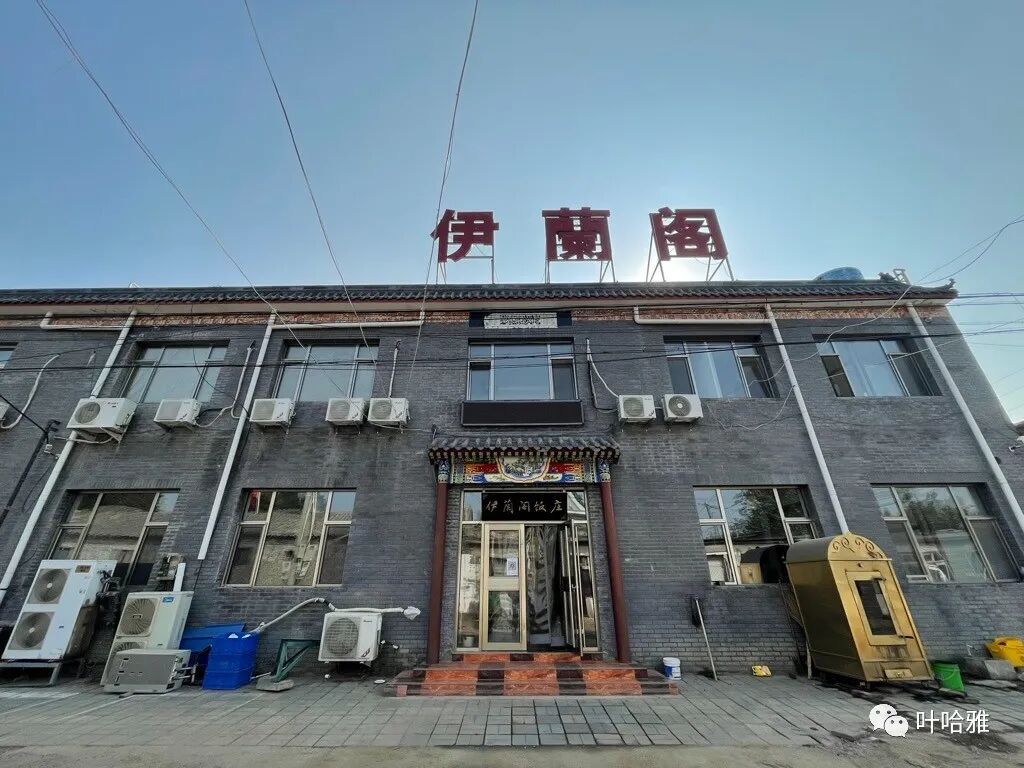
We noticed Yilan Pavilion while looking for the Daxing Tongying Mosque. The shop is right across from the mosque.
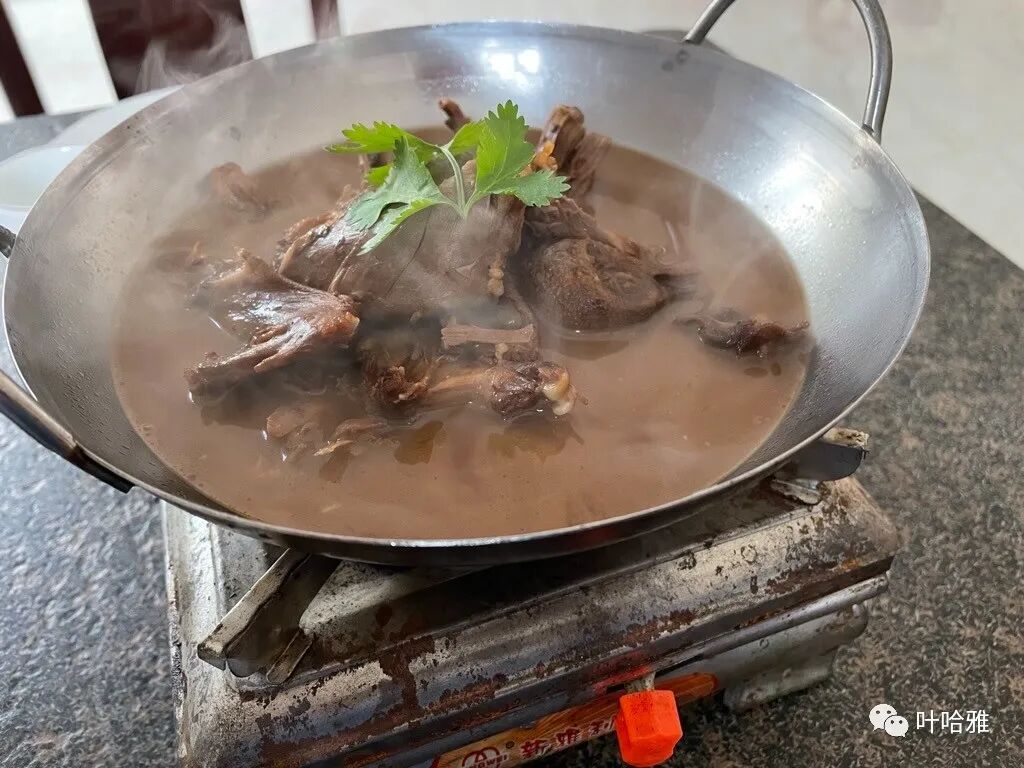
Stewed pigeon
This large restaurant in the village serves delicious stewed pigeon and grilled fish. It was a pleasant surprise.
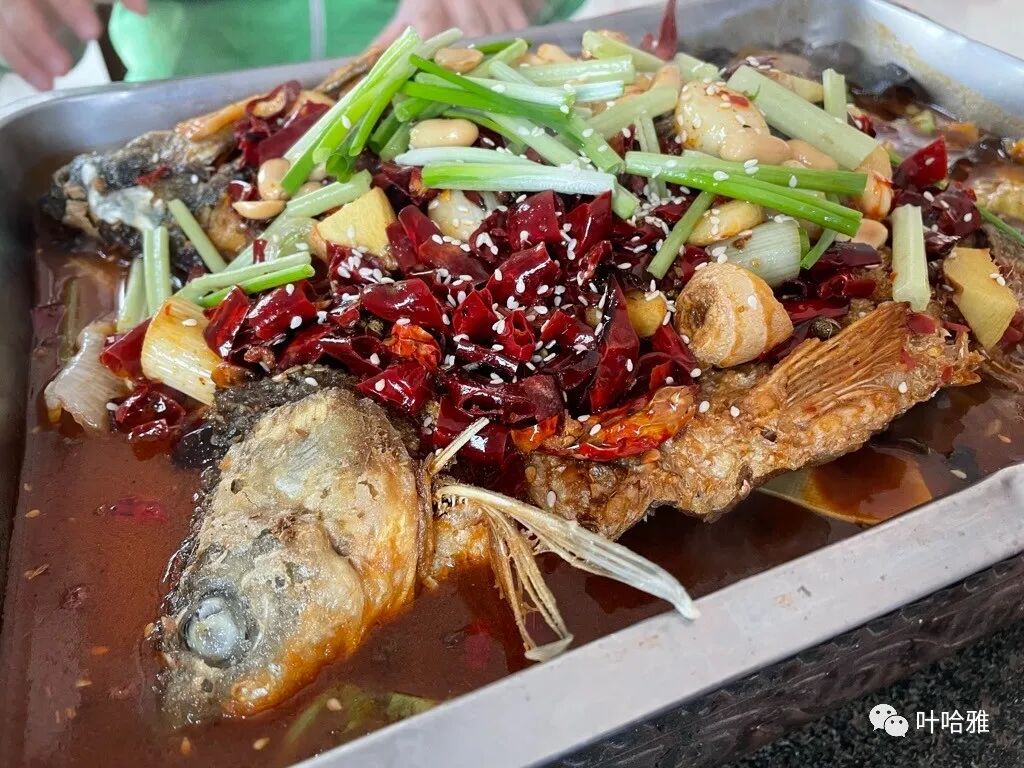
Grilled fish
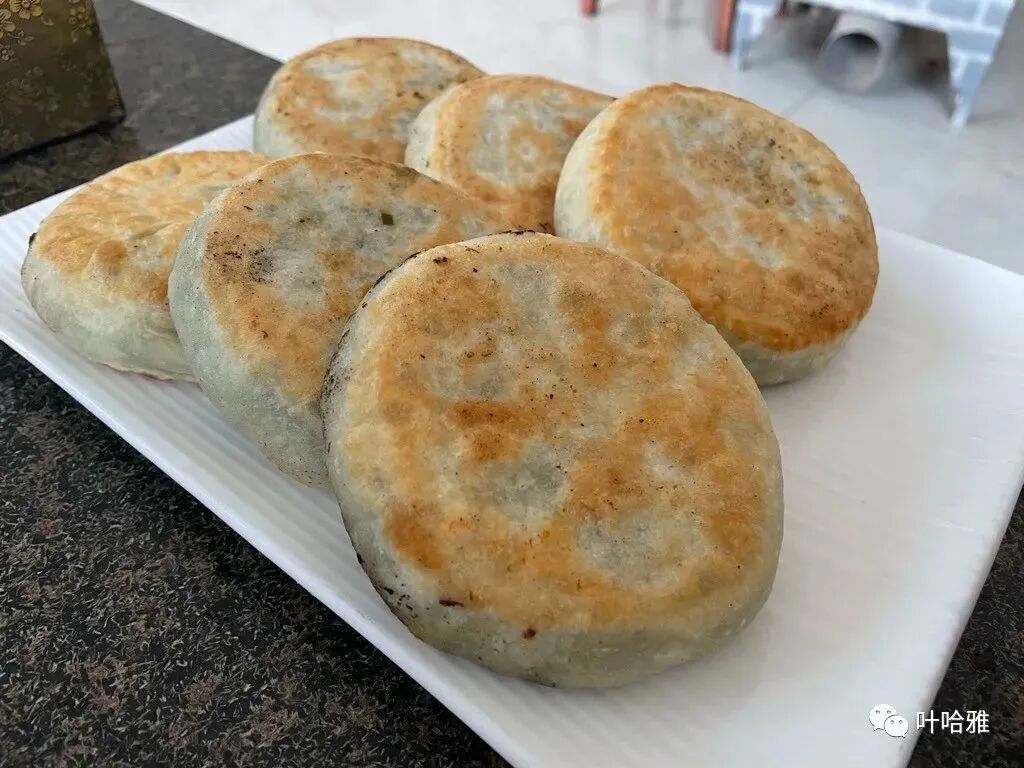
Chive pockets (jiucai hezi)
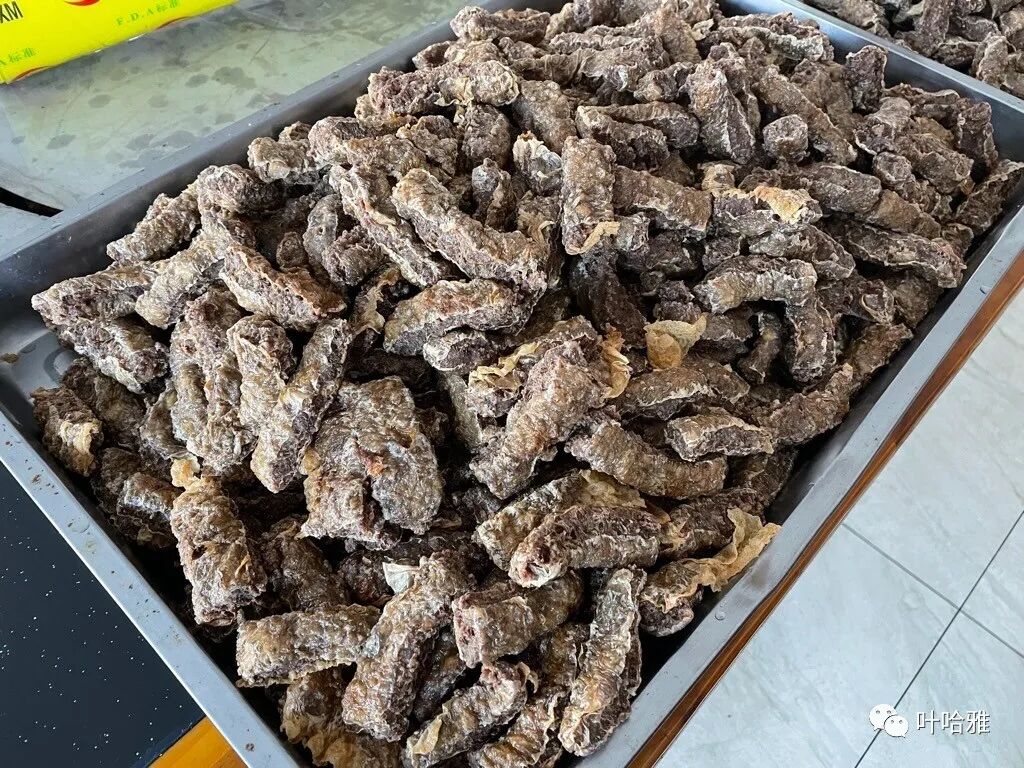
Deep-fried shredded meat (zha songrou)
The deep-fried shredded meat was fresh out of the fryer, and the owner invited me to try some. In my experience, it is hard to find good versions of this Hui Muslim home-style dish in restaurants because they usually skimp on the meat. One bite confirmed my suspicion.
3. Yanfu Restaurant
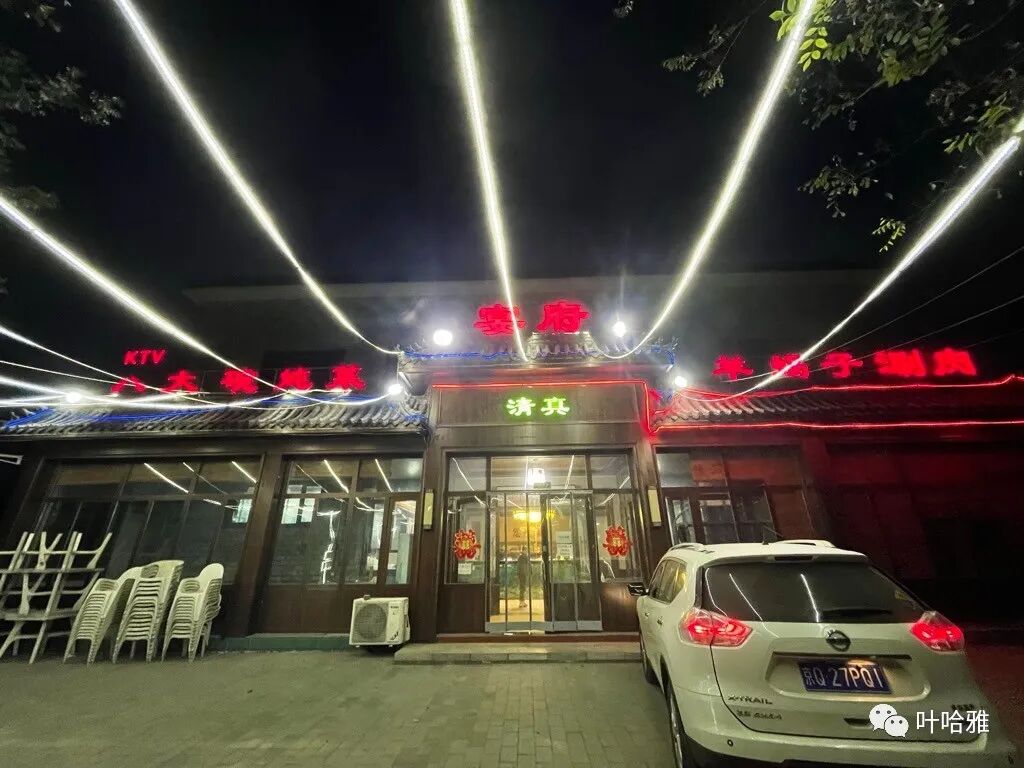
Yanfu is not far from Tongying Village. It is another large halal restaurant where I unexpectedly found they could make savory-style stir-fried meat in batter (guobaorou).
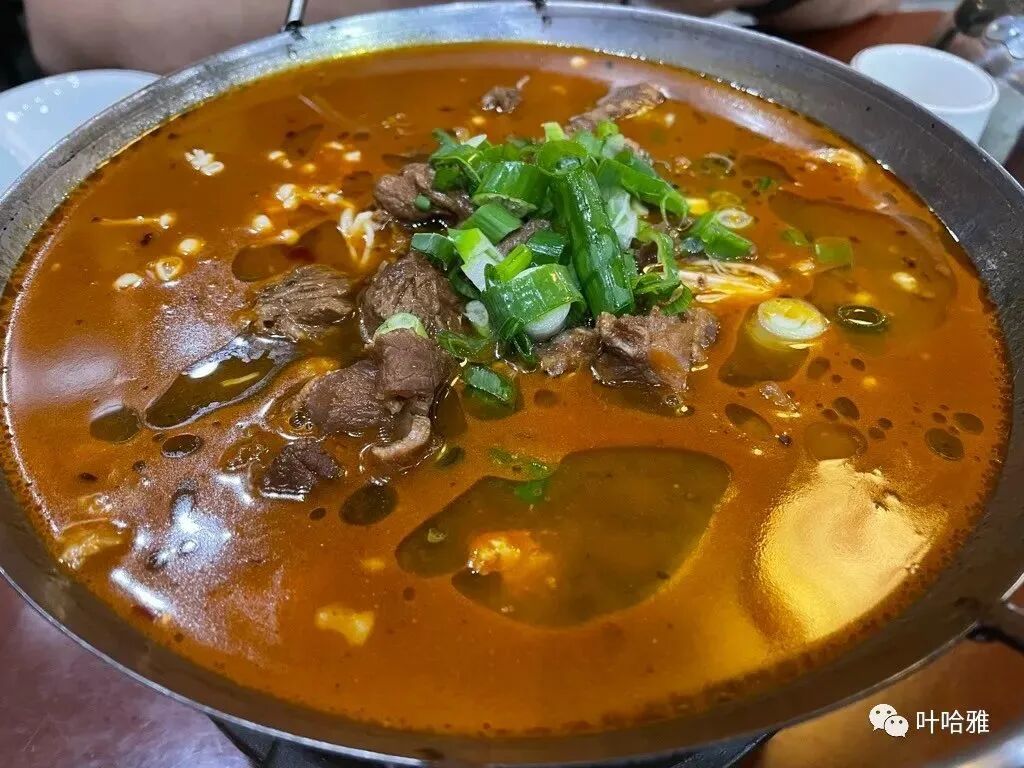
Beef tendon and brisket stew (jintou banao)
Experience shows that if you order stir-fried meat in batter at a non-Northeastern restaurant, you should be ready for a disappointment. Currently, the only place in Beijing that makes authentic savory-style stir-fried meat in batter is Uncle Oyster's Iron Pot Stew (Houshu Tieguo Dun).
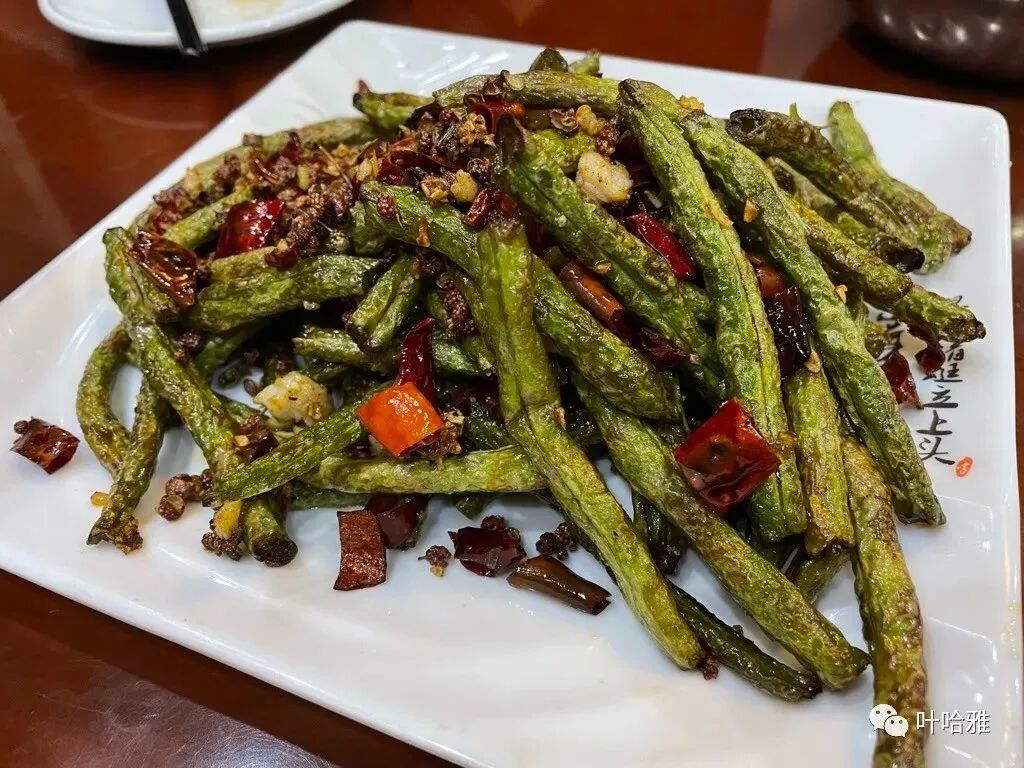
Dry-fried green beans (ganbian doujiao)
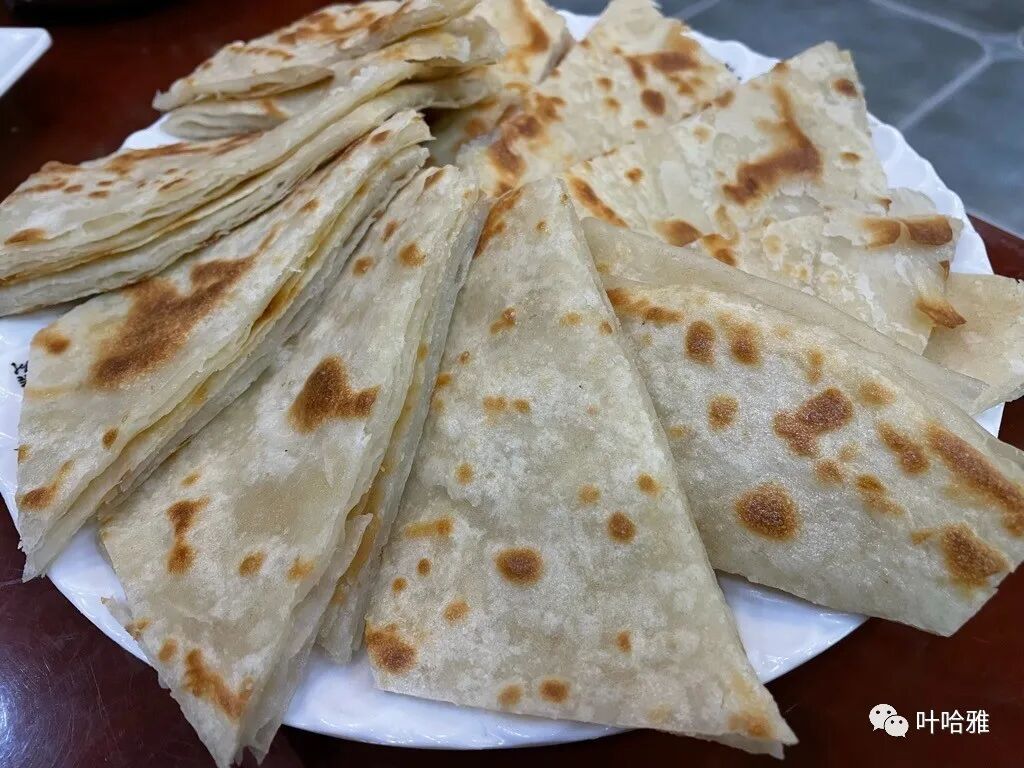
Homestyle griddle-baked flatbread (jiachang laobing)
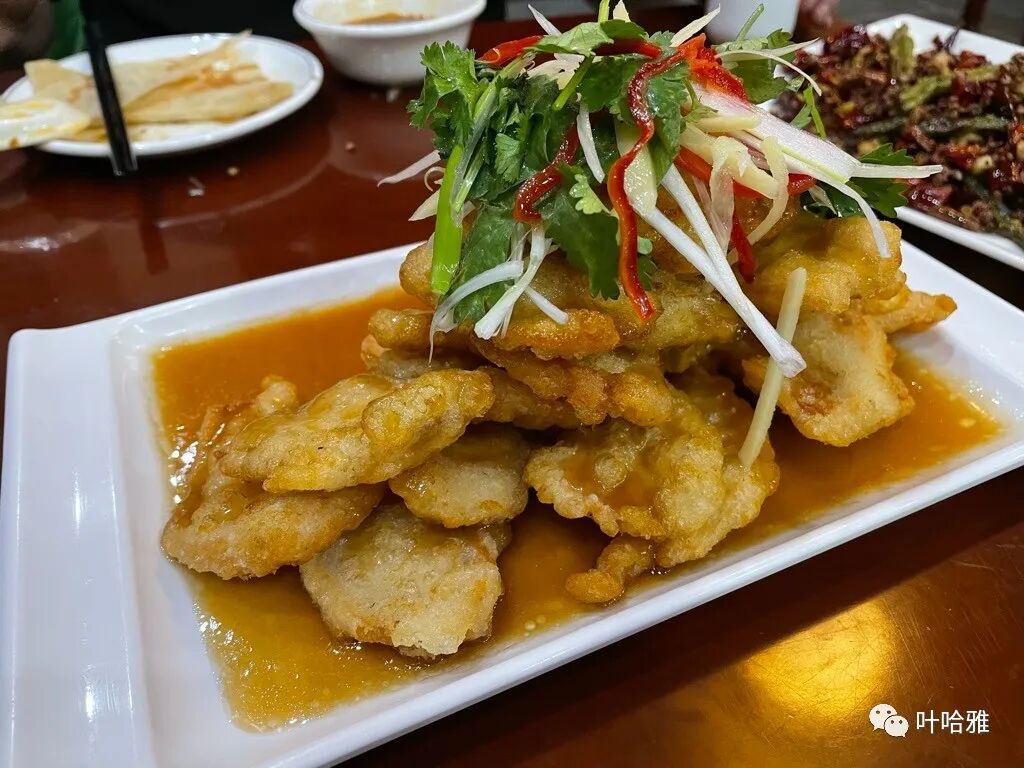
Savory stir-fried meat in batter (guobaorou)
4. Daquan Feizai Braised Beef Noodles
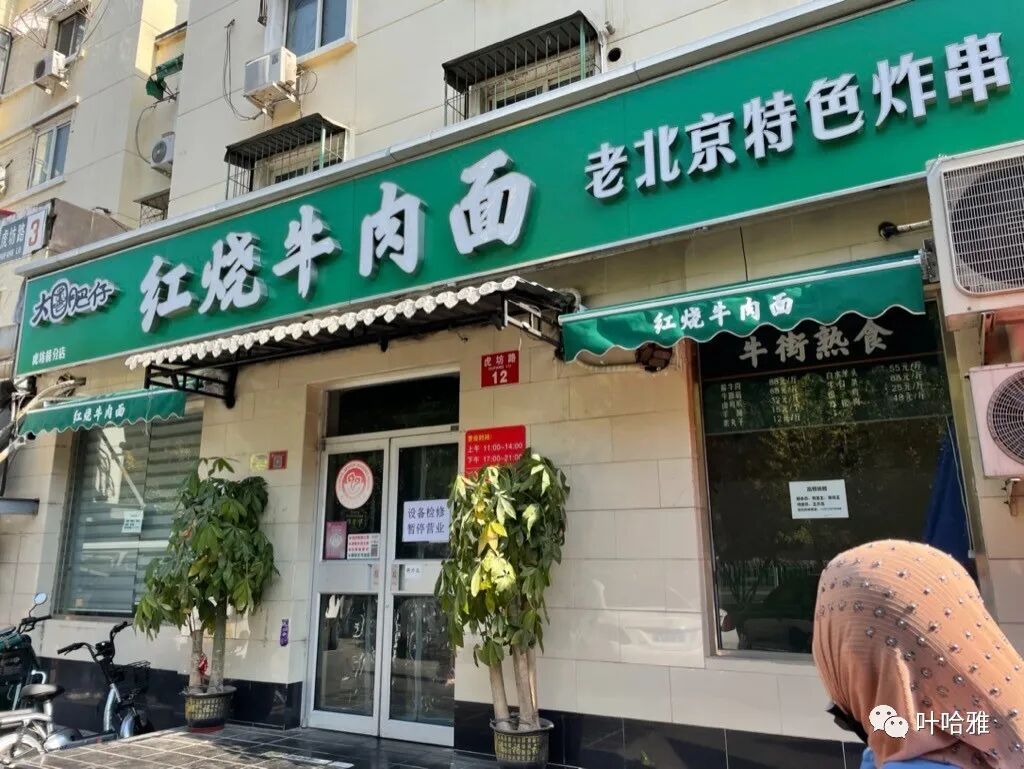
This is a chain restaurant specializing in old Beijing-style beef noodle soup (jiaotang niuroumian). The beef noodles are quite tasty, and you can choose to add extra meat.
Beef noodle soup (jiaotang niuroumian)
5. Muhelan Ningxia Tanyang Hand-Grabbed Lamb
The owner of Huiwei Palace invested heavily to open this new Ningxia cuisine flagship store. They brought all the local specialties from Ningxia to Beijing.
During the soft opening, the restaurant is giving away steamed lamb (zheng yanggaorou). It is steamed to order, which is quite unique for Beijing.
Steamed Ningxia salt-lake lamb (longzheng tanyangrou)
Ningxia salt-lake lamb (tanyang) has become very popular in Beijing over the last few years. The meat is tender and has a perfect balance of fat and lean, making it great for grilling or hot pot.
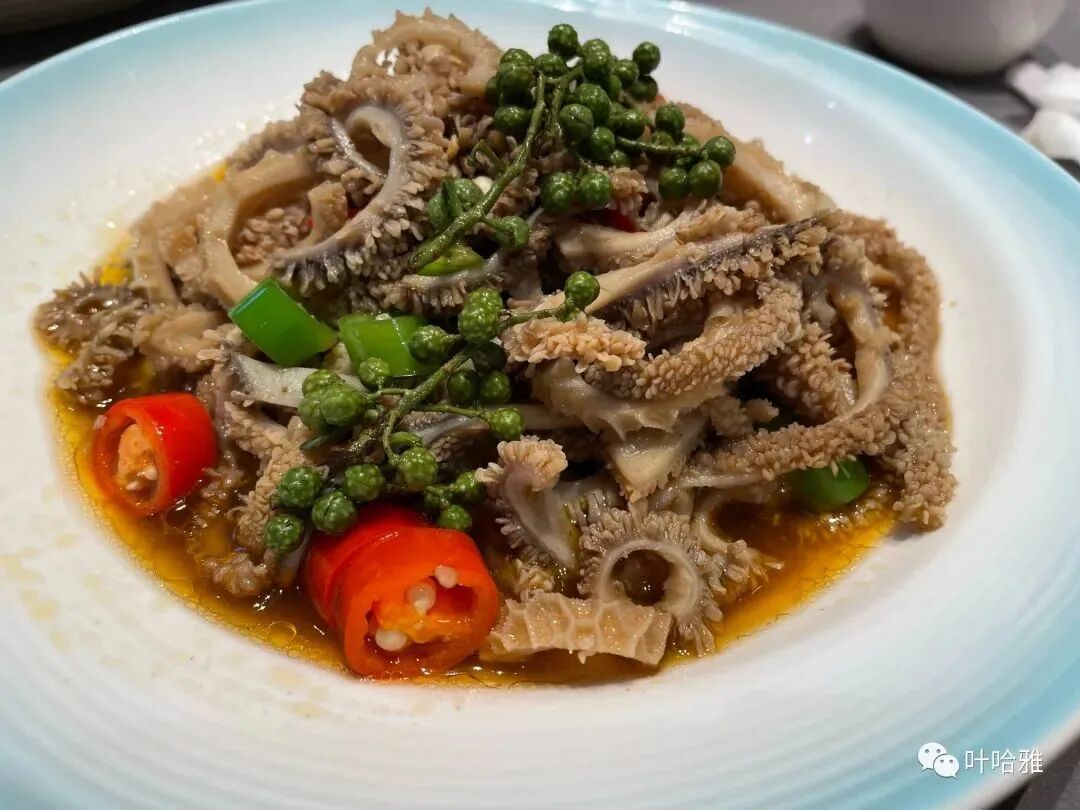
Peppery and numbing lamb tripe (jiaoma yangdu)
I am most looking forward to their upcoming Wuzhong morning tea, which should arrive by the end of the year. Wuzhong morning tea has only been around for 20 years, but it has already become a local cultural staple that deserves to be shared. Halal breakfasts in Beijing are limited and not very healthy, so I hope Muhelan's Wuzhong morning tea can fill that gap.
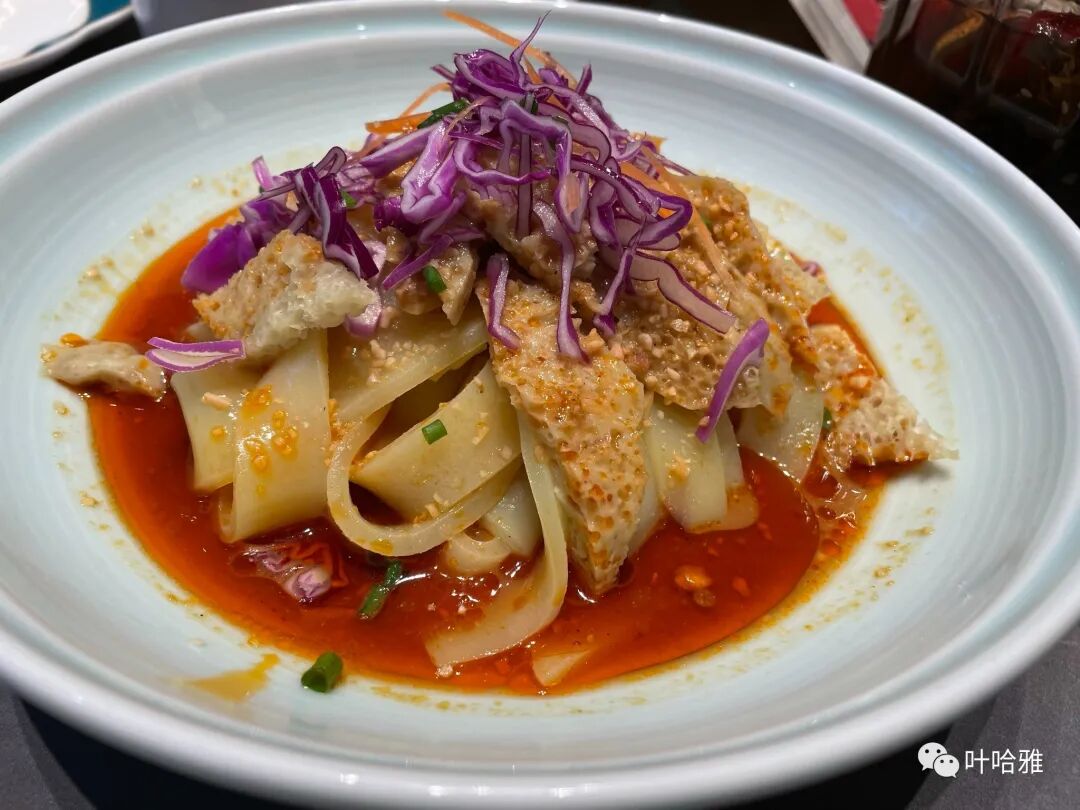
Yinchuan cold skin noodles (niangpi)
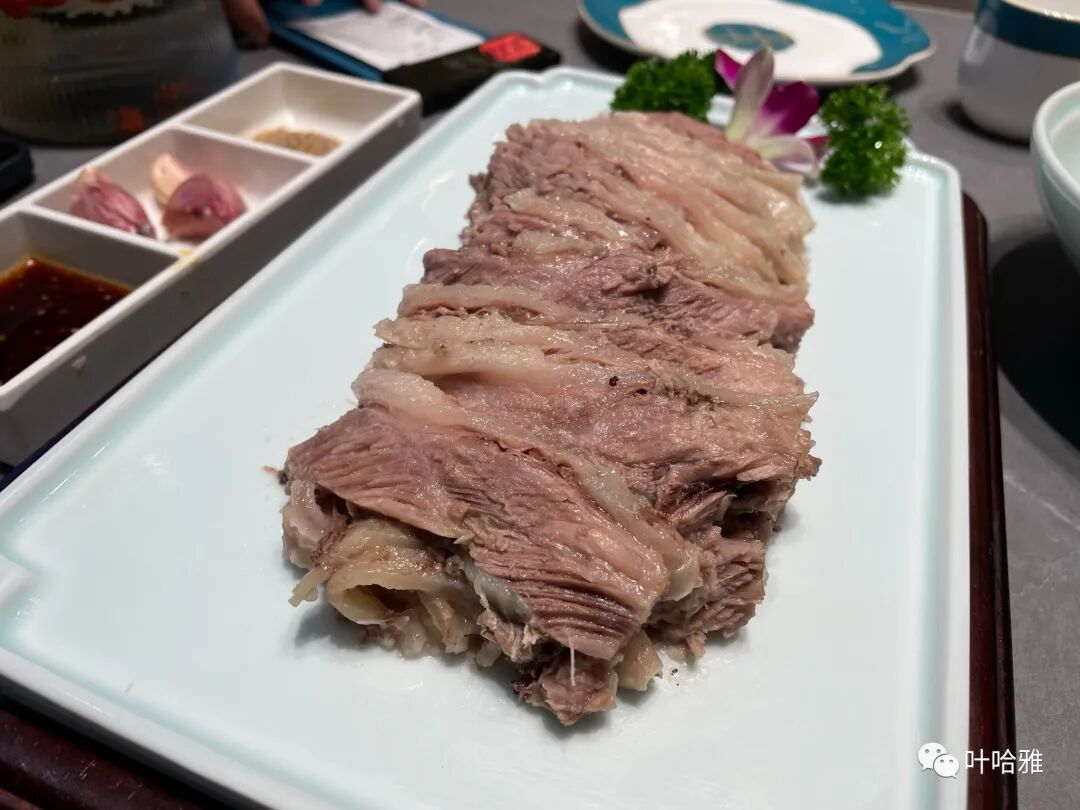
Jingyuan yellow beef (huang niurou)
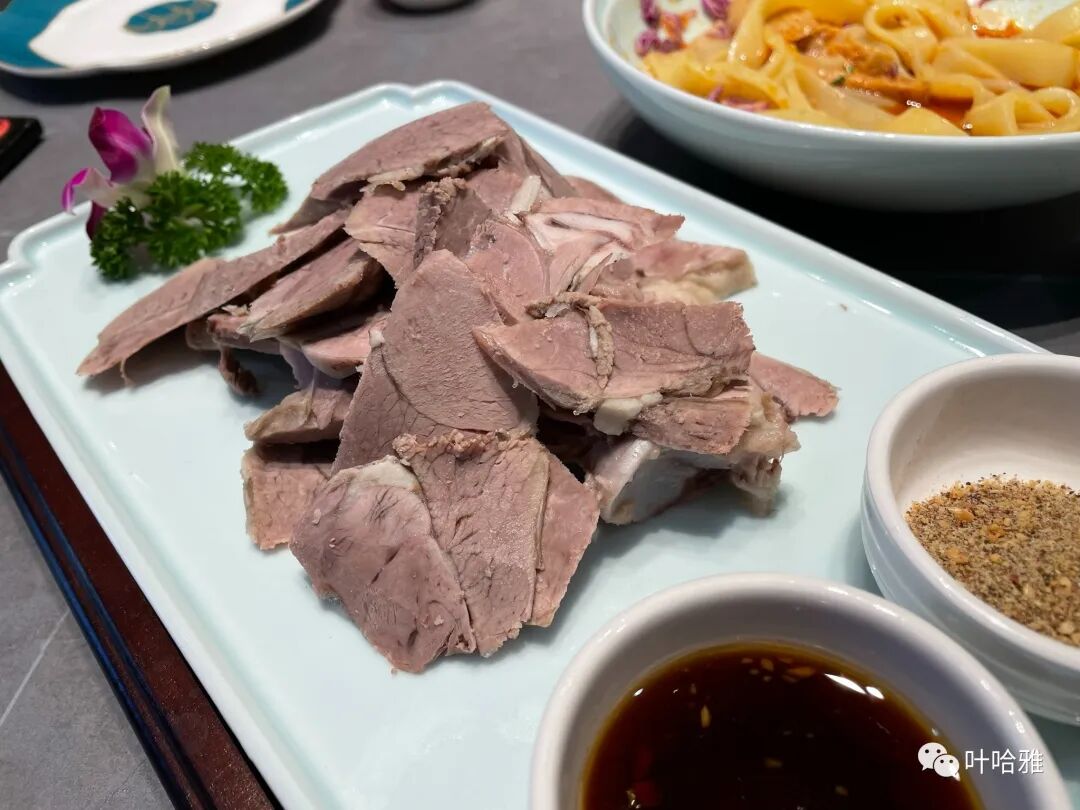
Cold hand-grabbed lamb (liang shouzhuo)
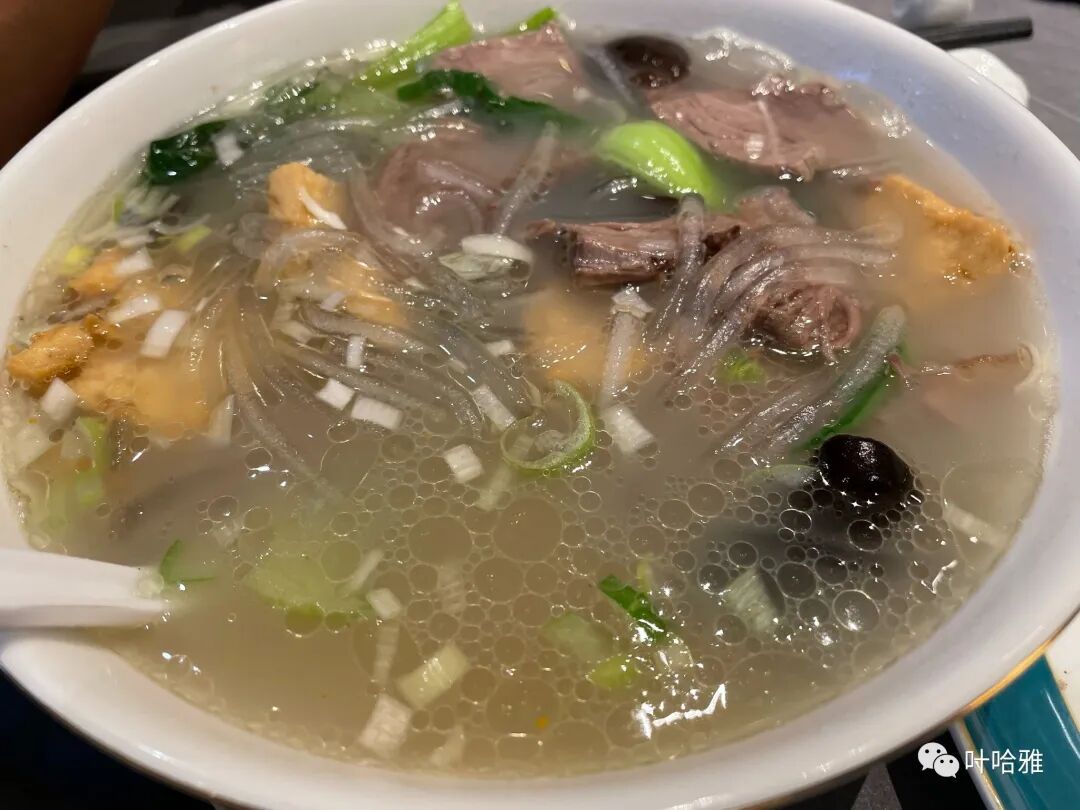
Bowl dishes (wancai)
6. Habibi Arabic Food
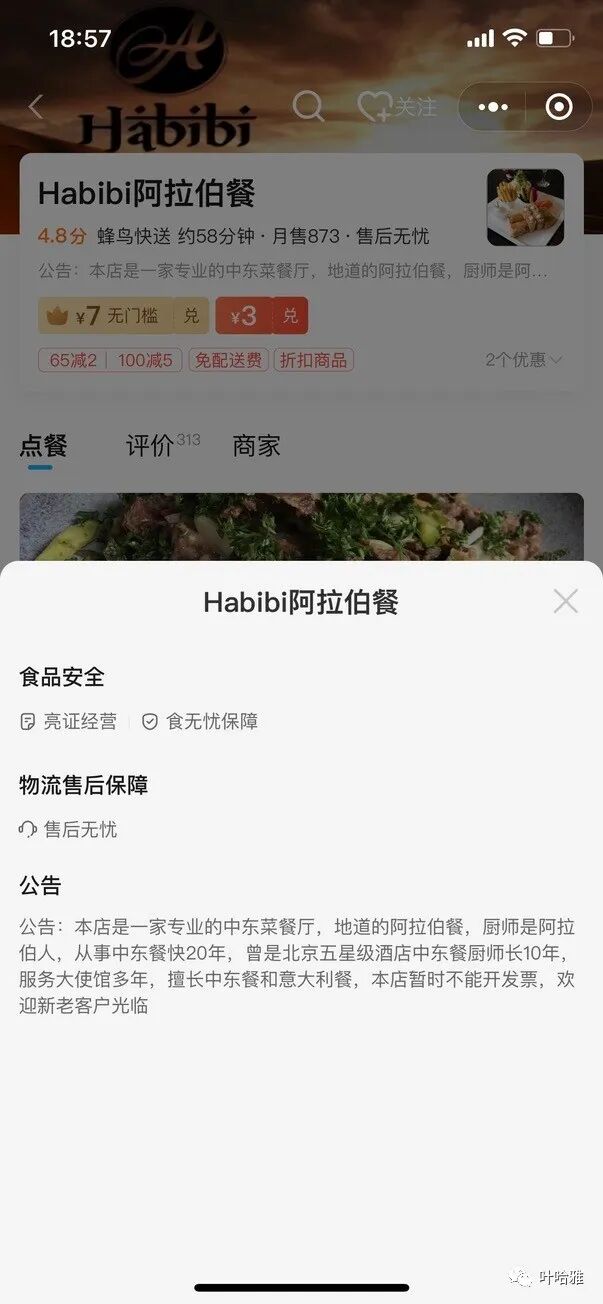
My team found this Arabic takeout spot near Jiugong. I happened to be nearby, so I went to check it out right away. Since they only do takeout and have no seating, and I couldn't get into the market, I had to order and pick it up at the door. The food was surprisingly delicious and very affordable.
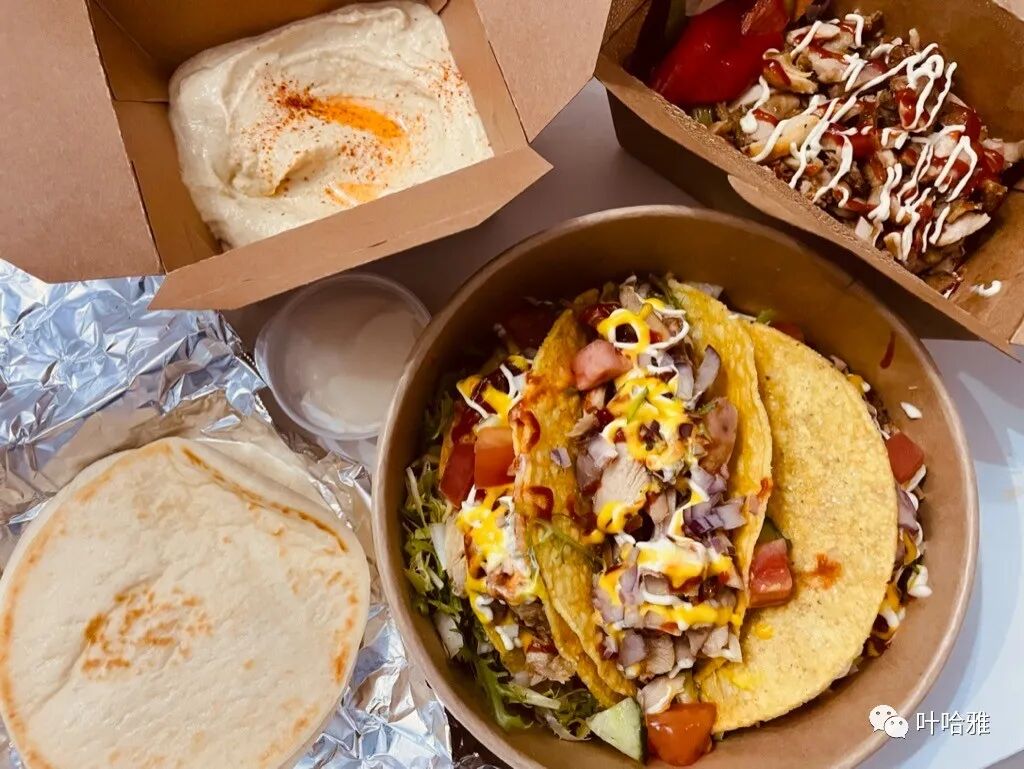
Corn tacos, Turkish kebab, and hummus (humusi jiang)
7. Daqi Stewed Meat Noodles
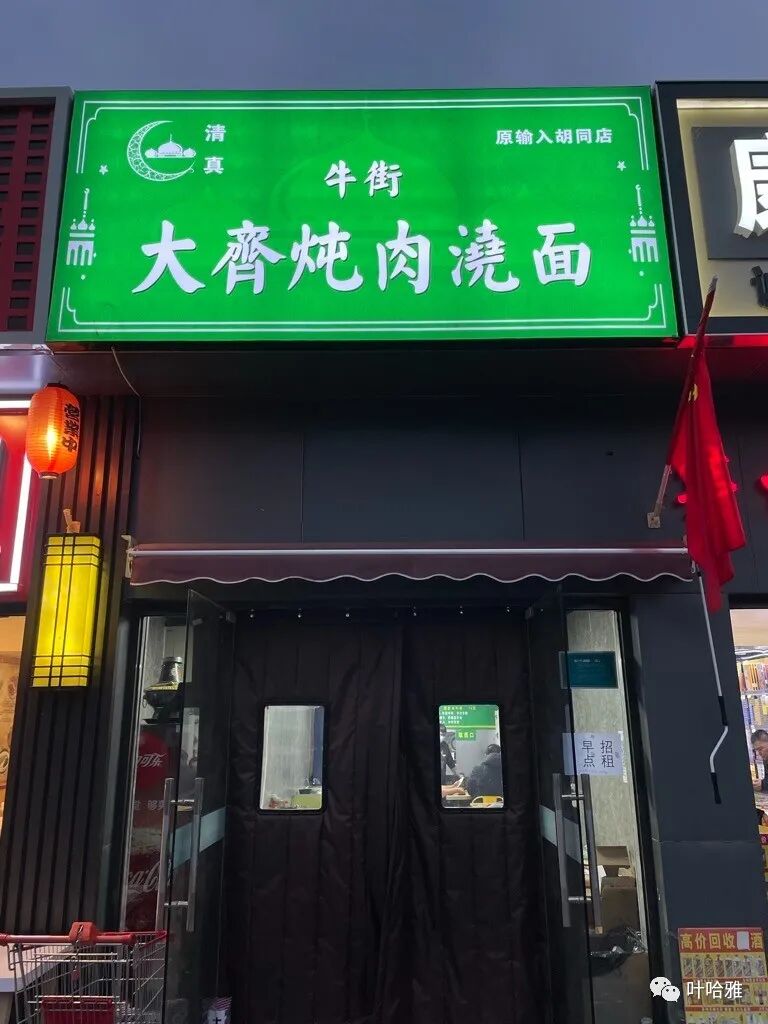
Their stewed beef over rice is better than their beef noodles. The best part is that they do not sell alcohol. Honestly, it is rare to find a traditional Beijing restaurant that doesn't serve alcohol; this is the only one I have seen, which really surprised me as a local. You can also get free soup and noodle refills, so I highly recommend it.
Beef noodles
Stewed meat over rice
8. Fatty's Classic Quality Pan-Fried Buns (shuijianbao)
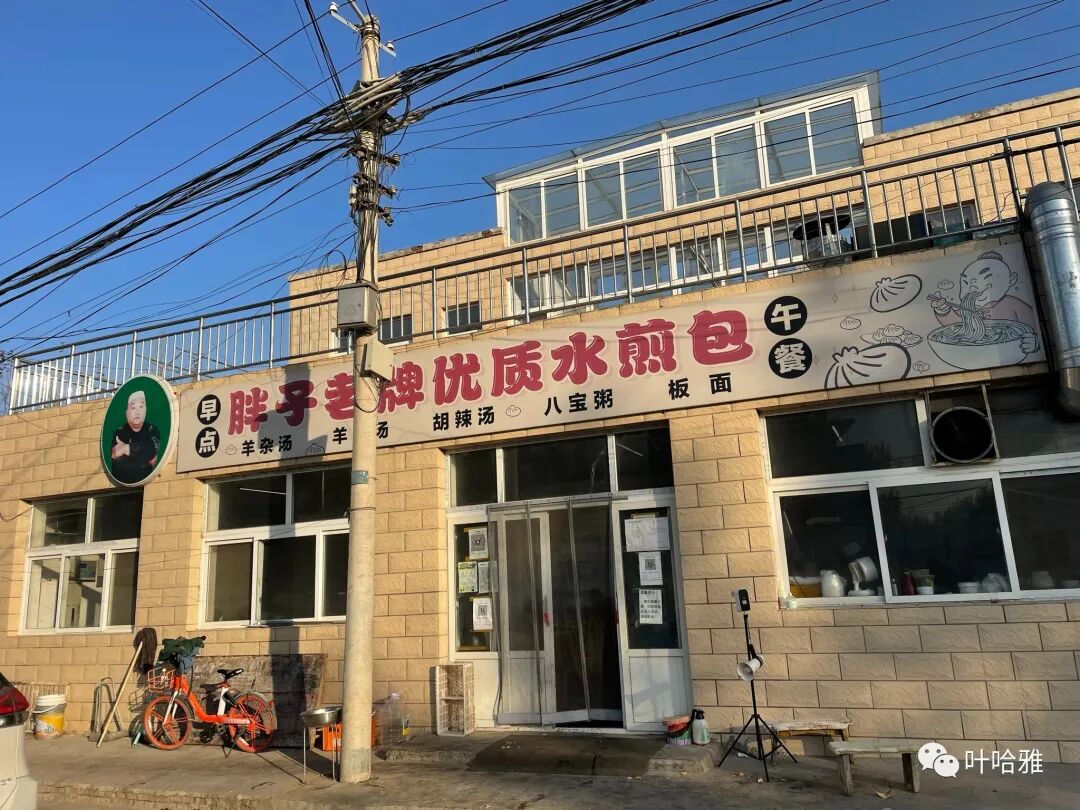
This Henan spicy soup (hulatang) shop in Dayuan Village, Liangxiang, is run by people from Zhengzhou. Everything from the shop's style to the taste is very Zhengzhou.
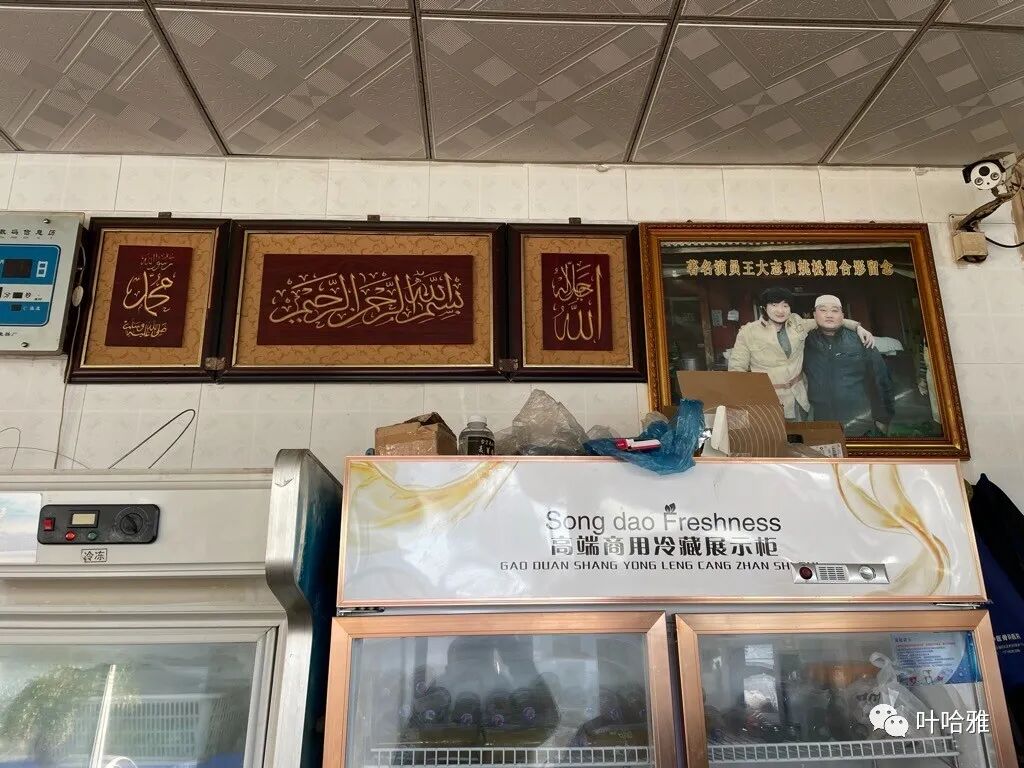
They are only open for half a day, closing at 2 p.m. They serve classic Henan breakfasts like spicy soup (hulatang), pan-fried buns (shuijianbao), fried dough strips (youmotou), and fried vegetable pockets (caijiao), along with Anhui flat noodles (banmian).
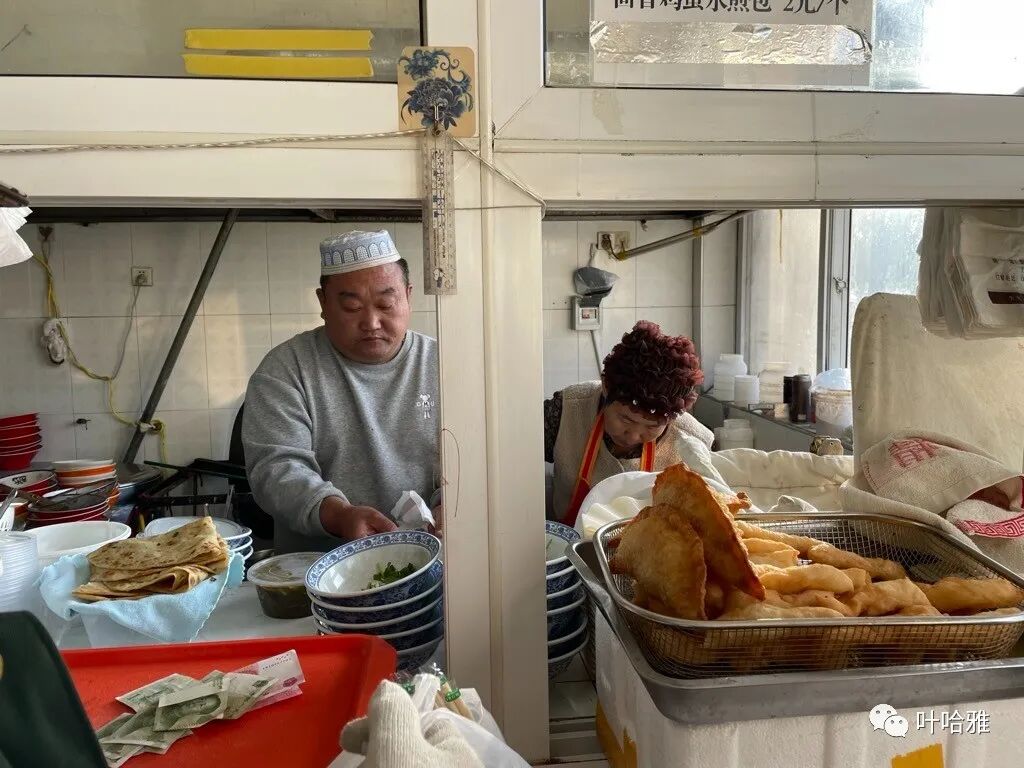
The flavors are very authentic and the prices are affordable. They have been in the village for five or six years with steady business.
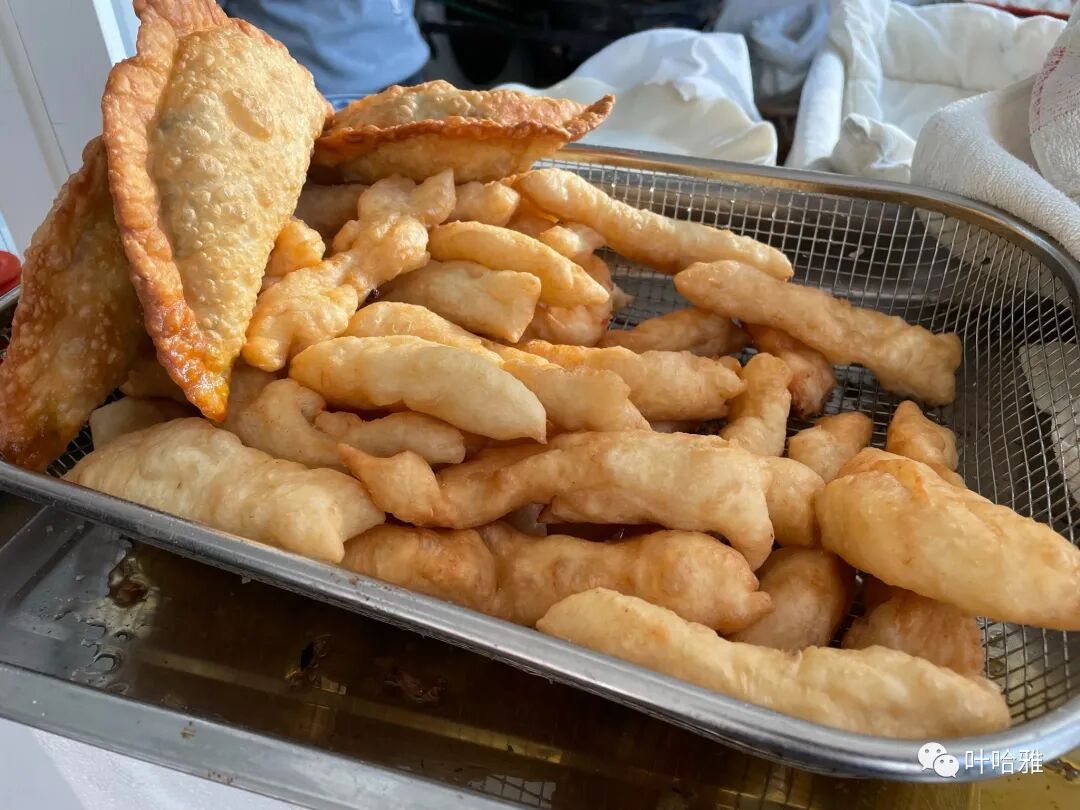
Fried vegetable pockets (caijiao) and fried dough strips (youmotou)
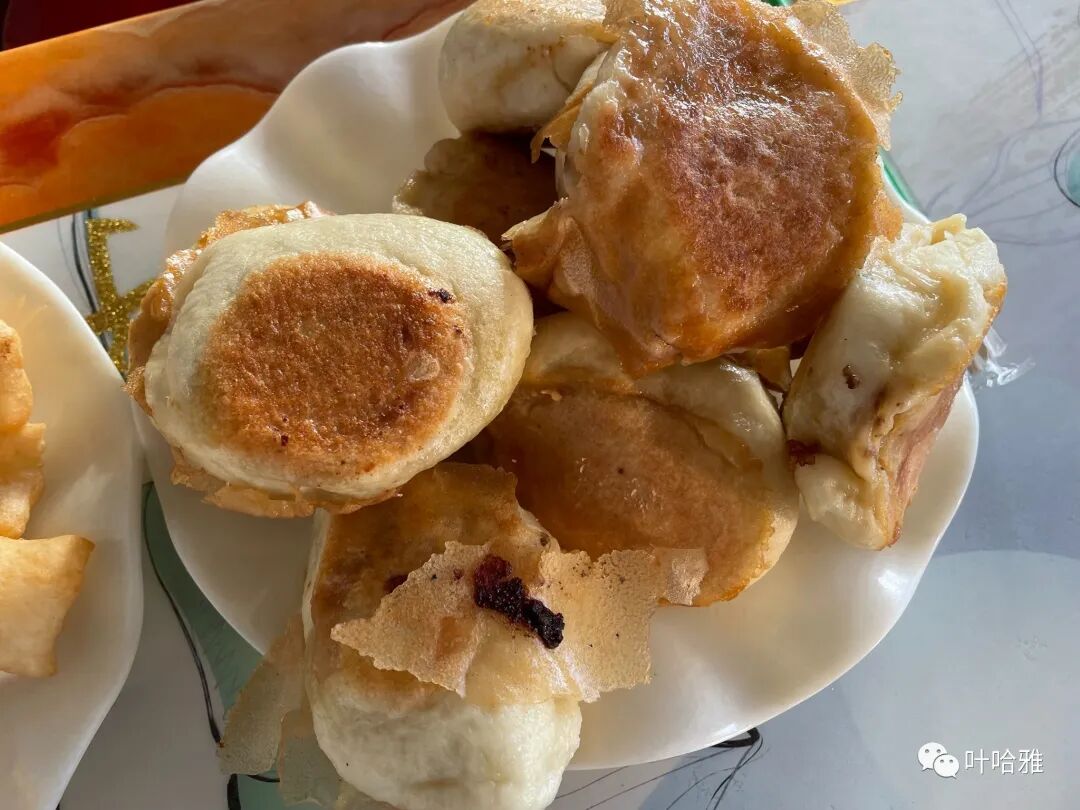
Pan-fried buns (shuijianbao)
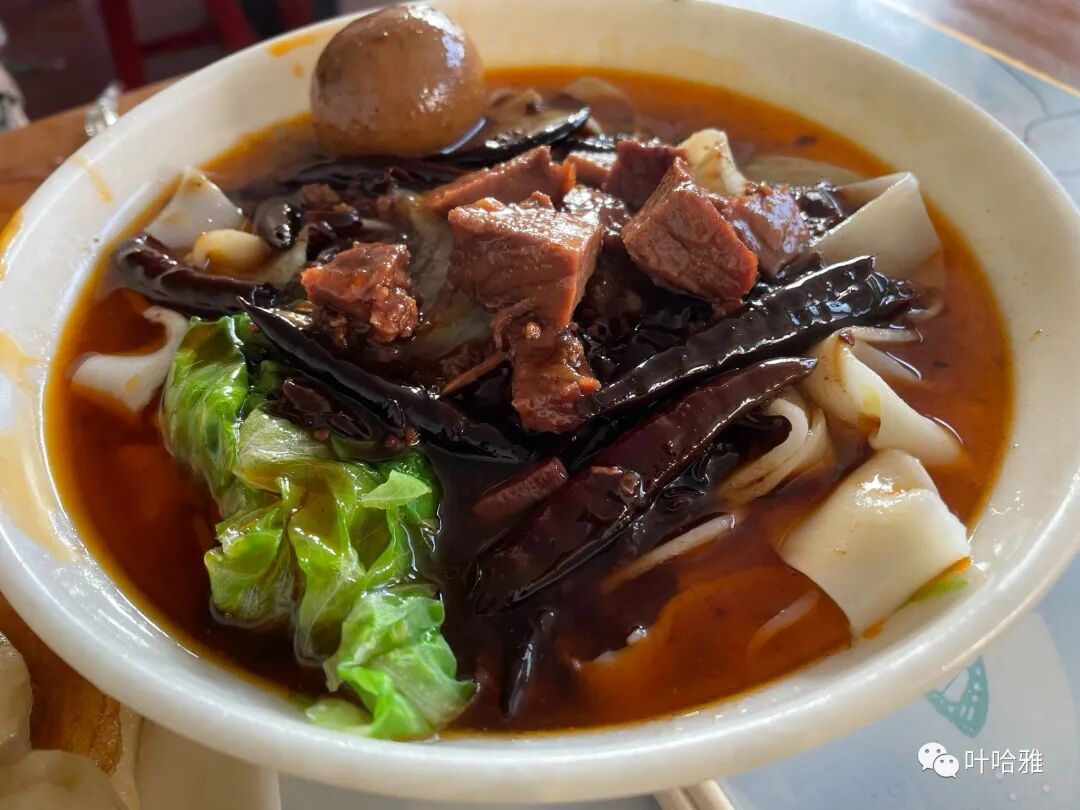
Flat noodles (banmian)
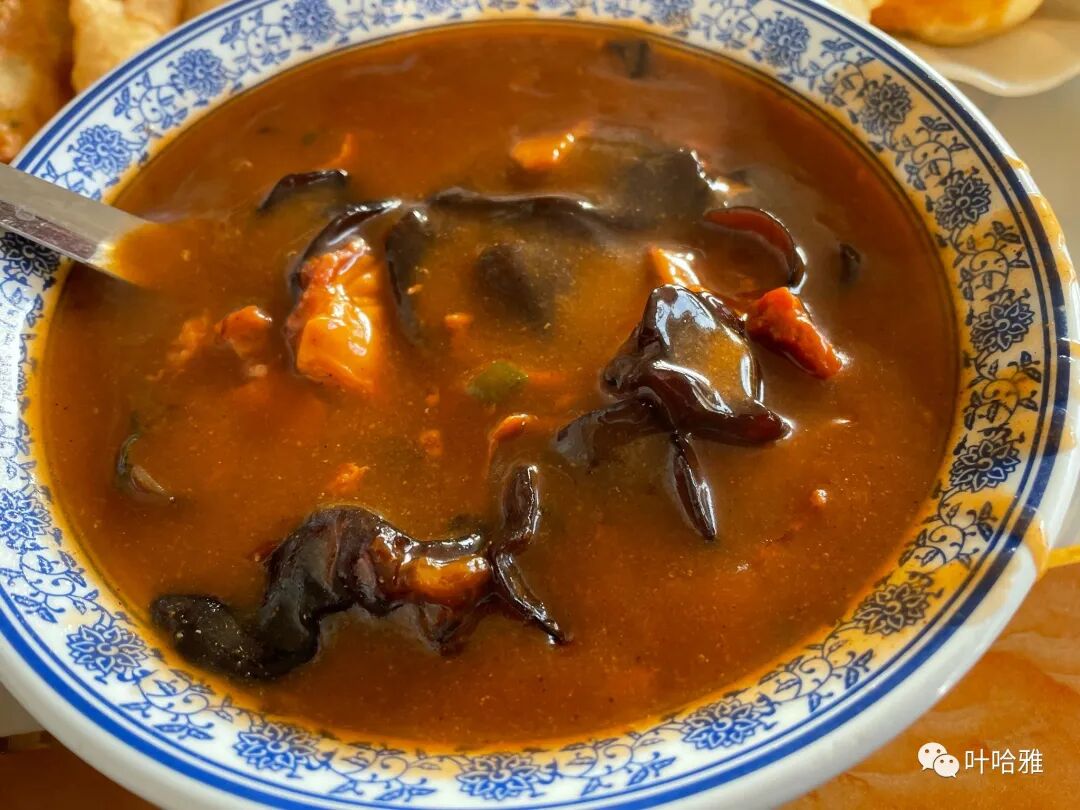
Beef spicy soup (hulatang)
9. Bayi Laoye Workers' Stadium Flagship Store
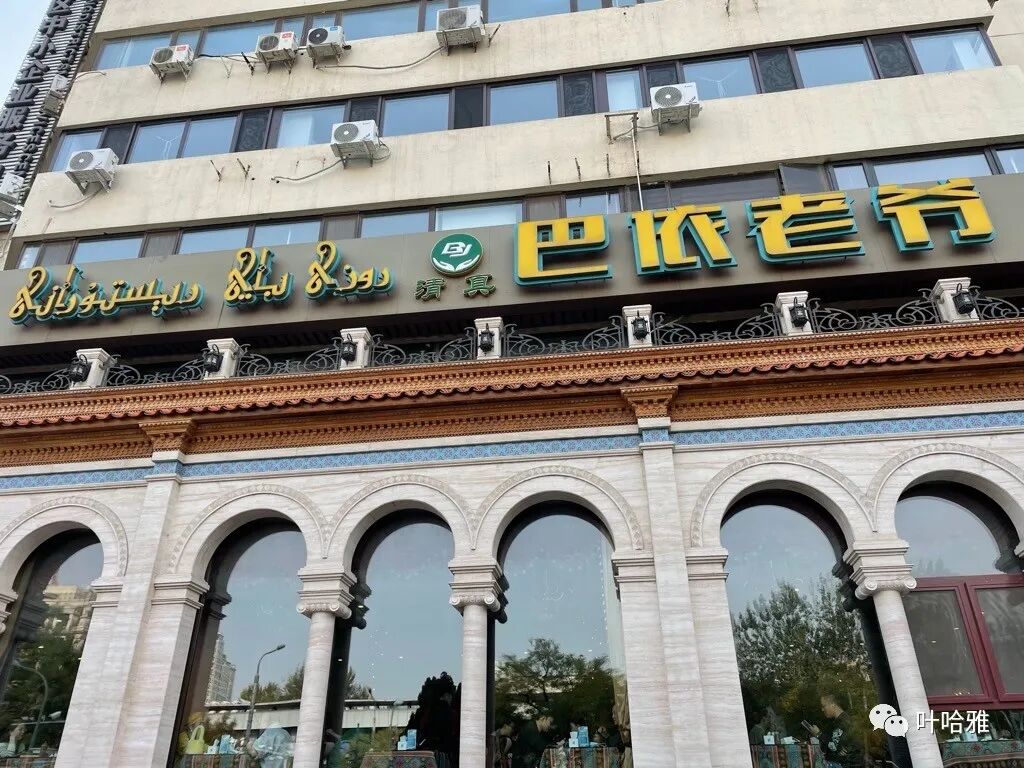
This flagship store next to the Workers' Stadium is the most spacious and has the best environment of all the Bayi Laoye locations.
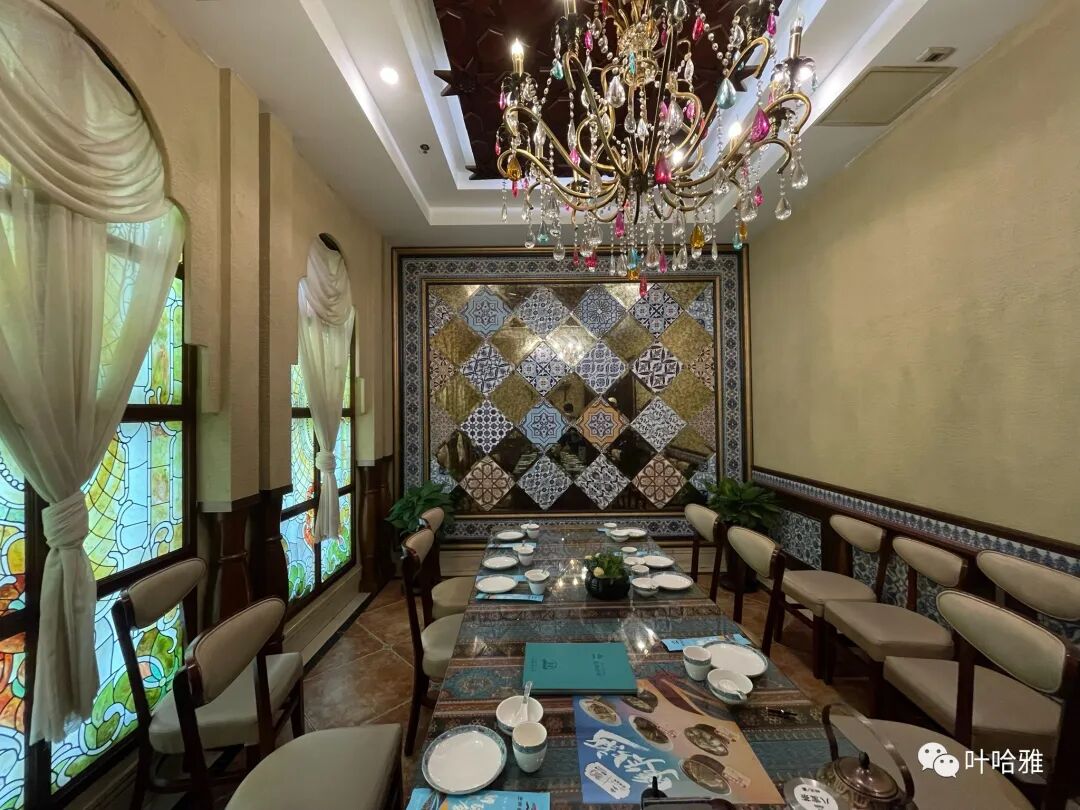
The private rooms are beautifully decorated, the food is delicious, and there is free parking at the entrance. Business is booming.
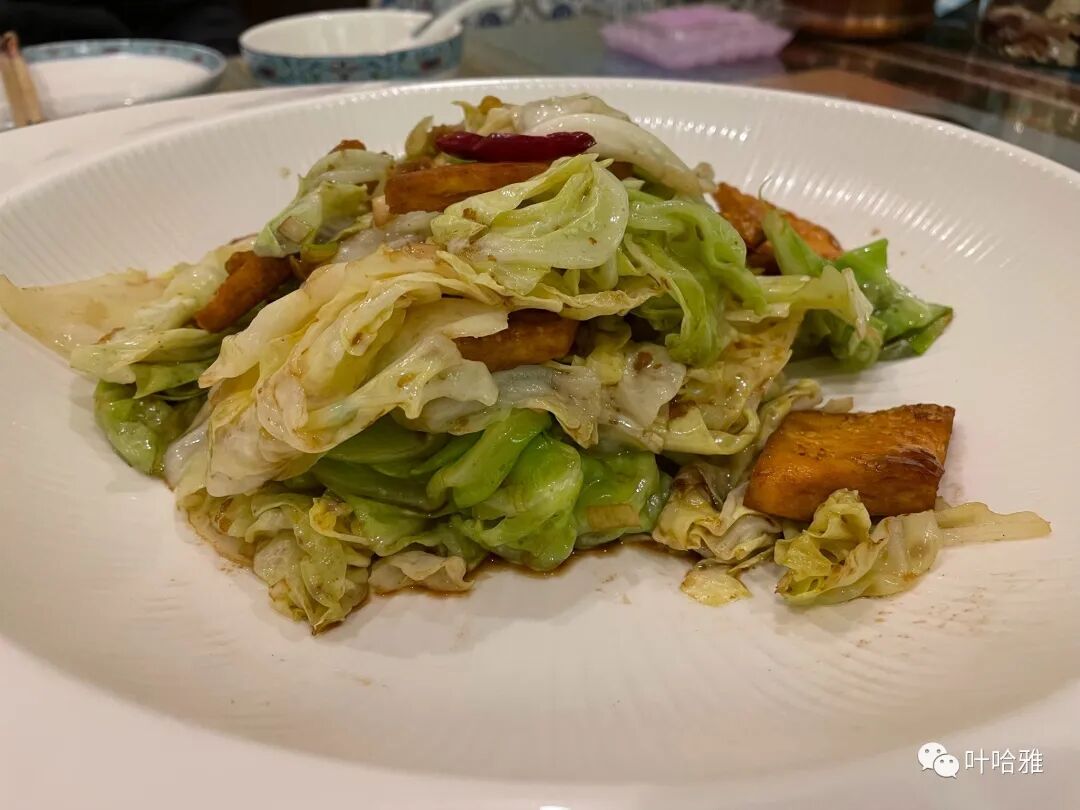
Hand-torn cabbage
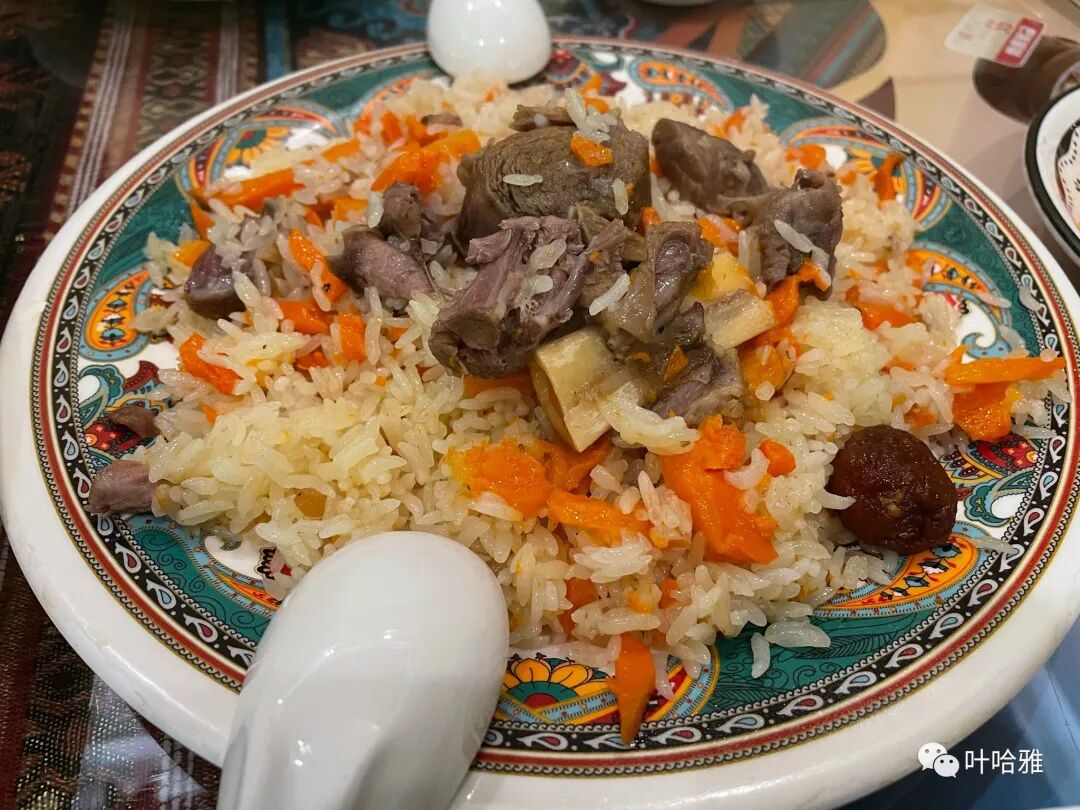
Hand-grabbed rice (shouzhua fan)
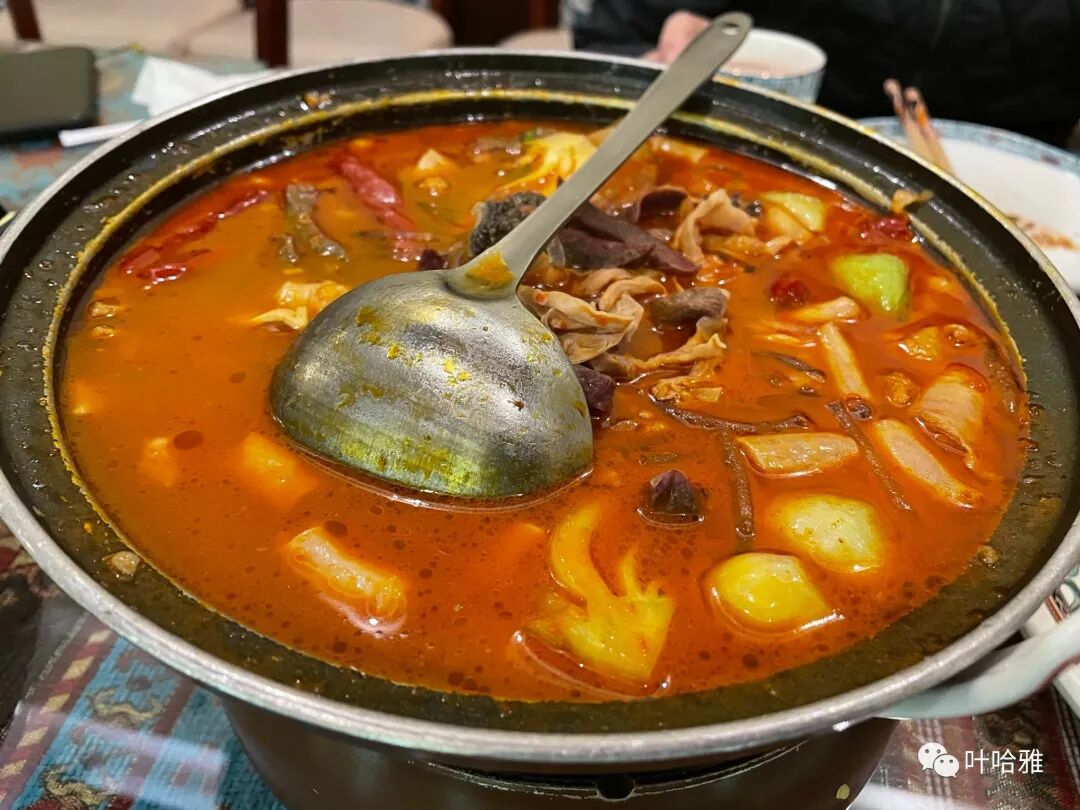
Hot pot lamb offal (guozai yangza)
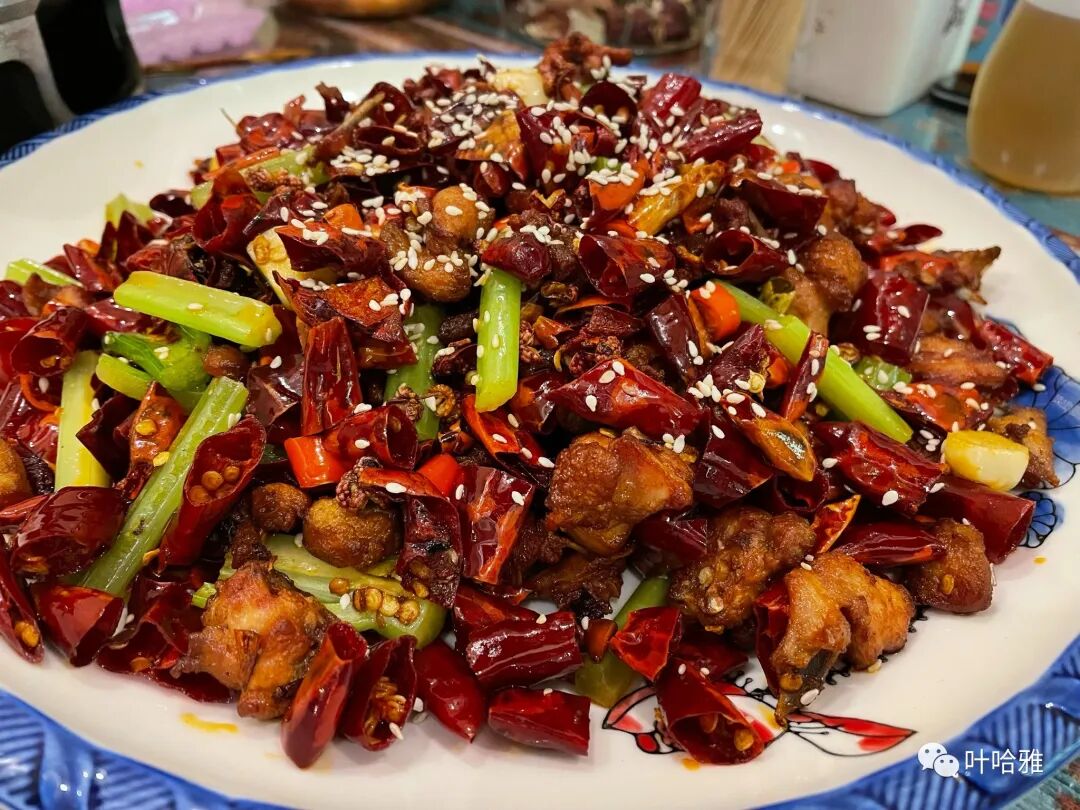
Xinjiang spicy chicken (Xinjiang lazi ji)
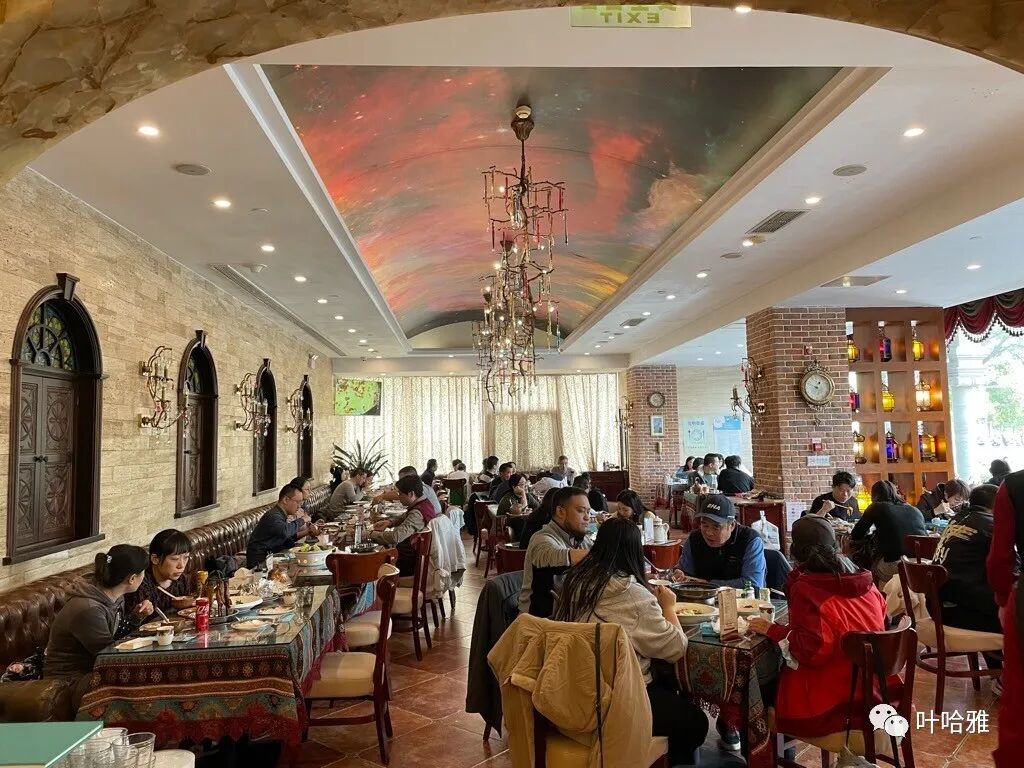
We arrived on Wednesday at noon. Every seat filled up quickly, which shows people really love Xinjiang food. Bayi Laoye stands out as a top brand among the many Xinjiang restaurants.
10. Heiyaochang sugar oil pancake (tangyoubing) and lamb spine hot pot (yangxiezi)
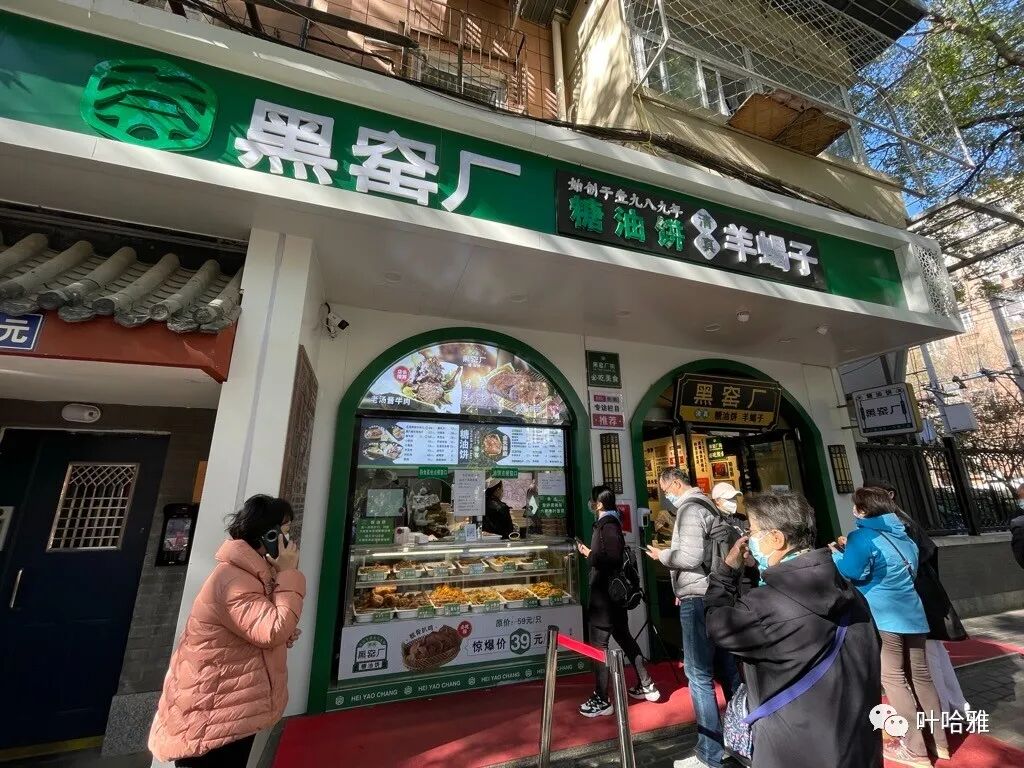
Heiyaochang recently added lamb spine hot pot in their basement. You have to wait in line at the door to buy the sugar oil pancake, but if you eat the lamb spine hot pot in the basement, you can order the pancake directly.
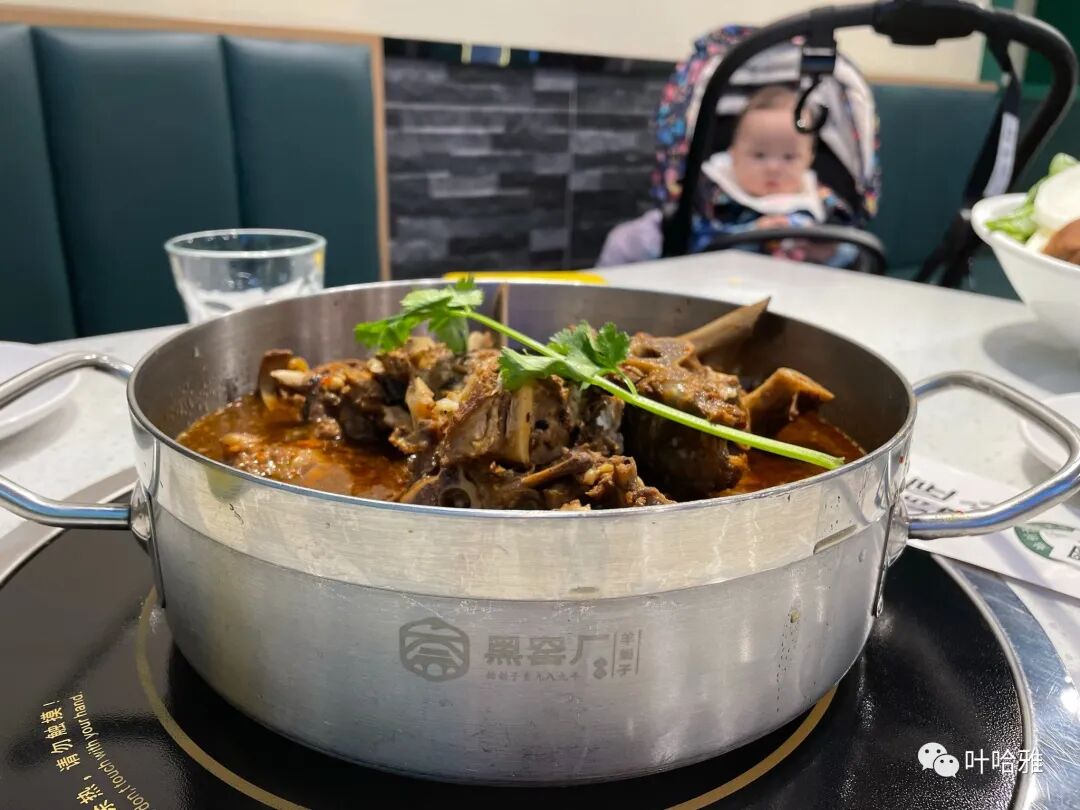
The lamb spine tastes good, but there is not much meat on the bones. We also ordered the crispy stir-fried meat (xiaosurou) and small fennel fried dough sticks (huixiang xiaoyoutiao). The dough sticks were delicious.
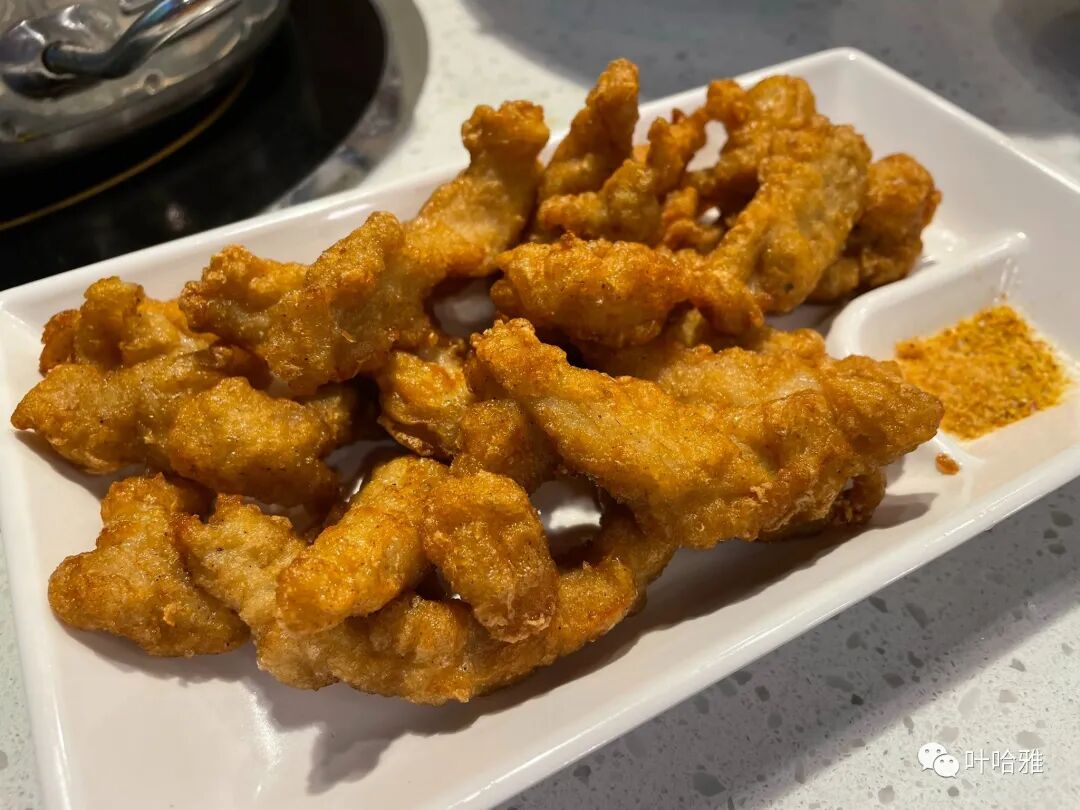
Crispy stir-fried meat (xiaosurou)
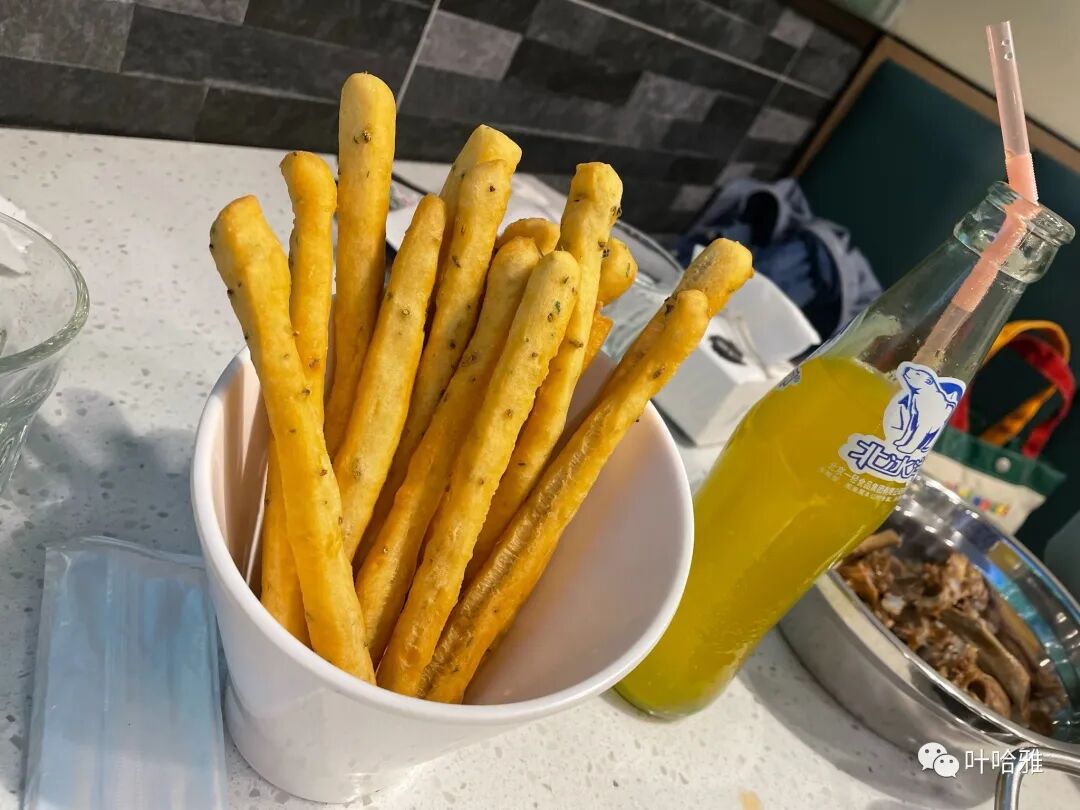
Small fennel fried dough sticks (huixiang xiaoyoutiao)
11. Ritan Hot Pot (Financial Street branch)
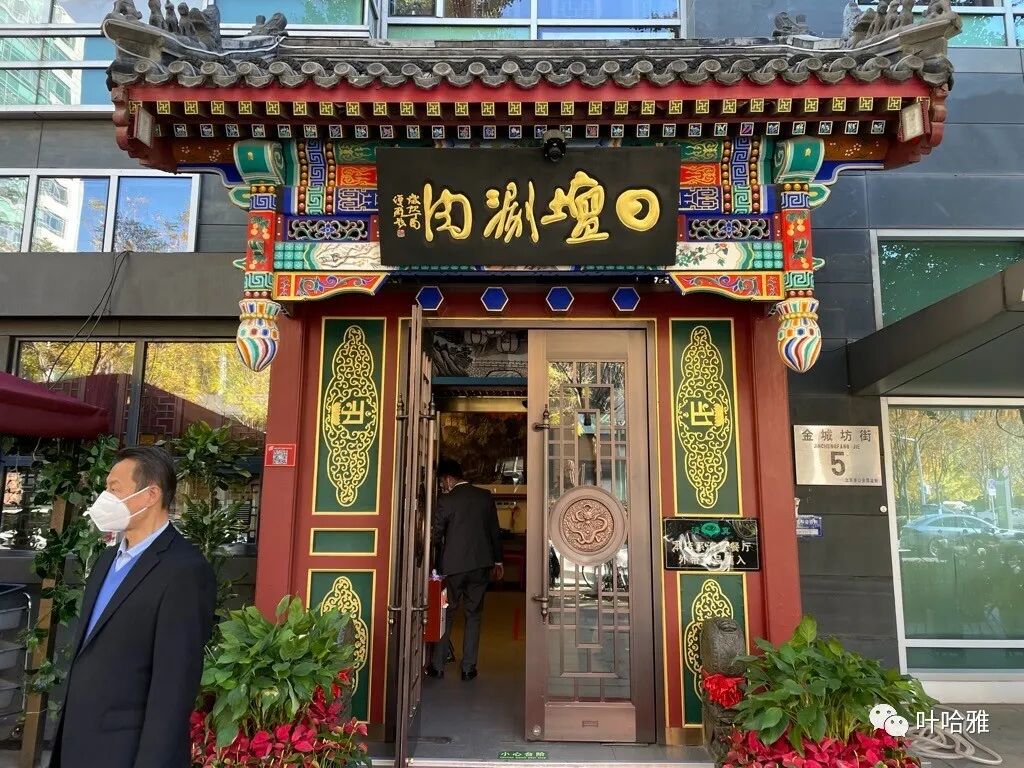
I work out in Financial Street and always felt there were not enough halal restaurants nearby. Recently, I found that Tofu Burger started using imported Australian halal meat again, and this Ritan Hot Pot branch opened right across from the Financial Street Shopping Center. Now I do not have to worry about where to eat after training.
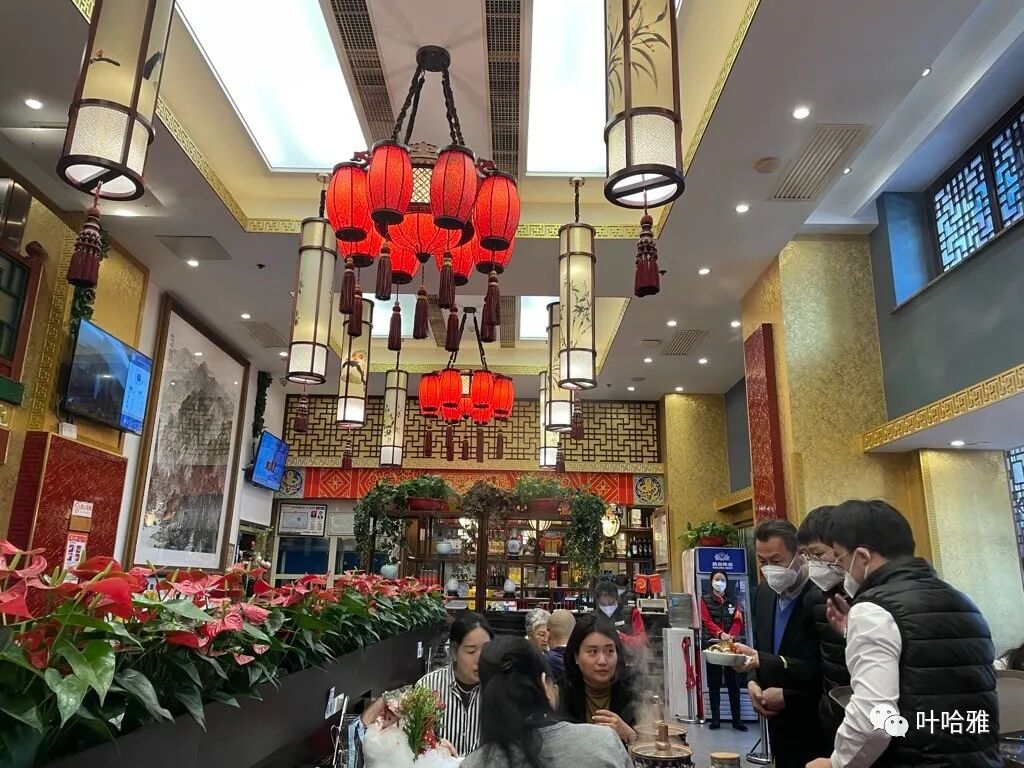
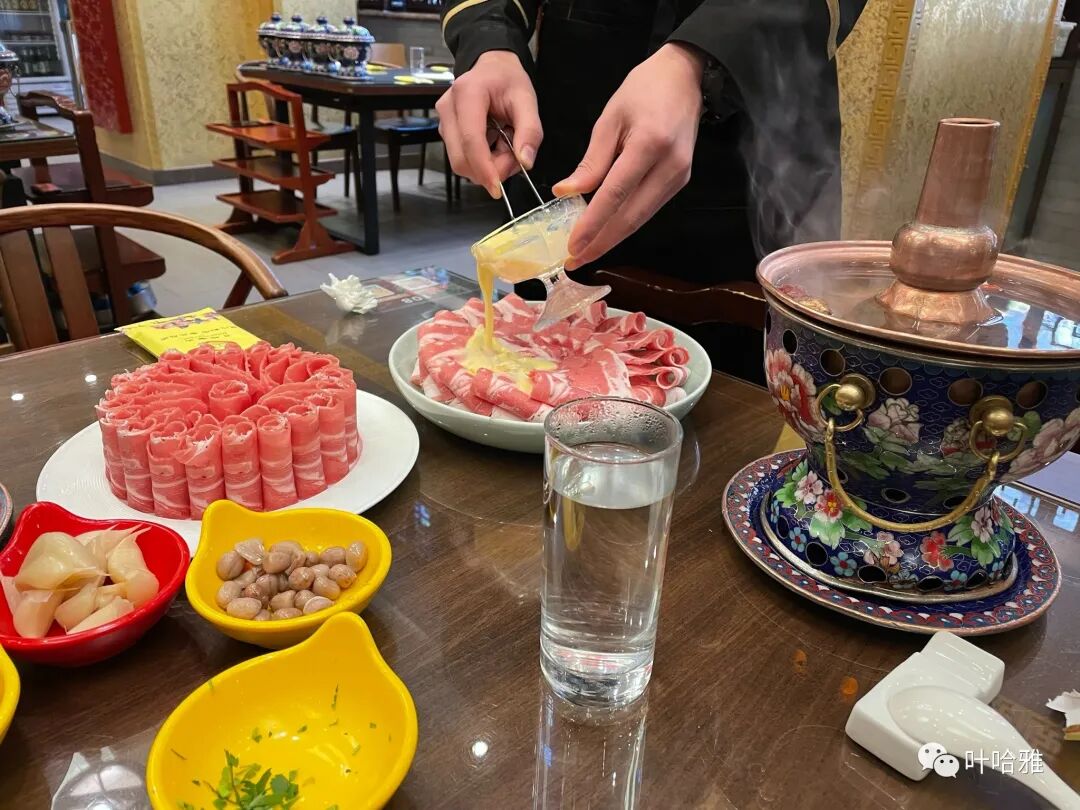
Ritan Hot Pot uses individual small pots. Even though it lacks the charcoal flavor, the meat quality is excellent. Their small sesame flatbreads (shaobing) taste just like the ones at Jubao Yuan, and their various Beijing-style snacks are very well-made.
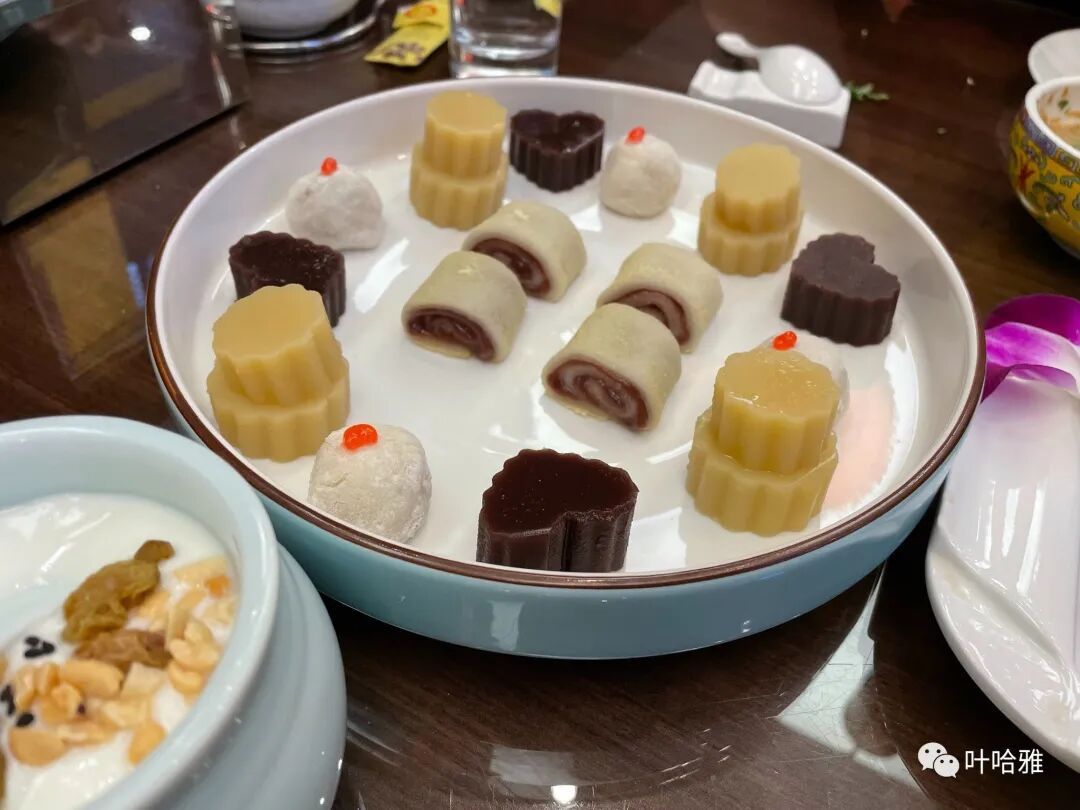
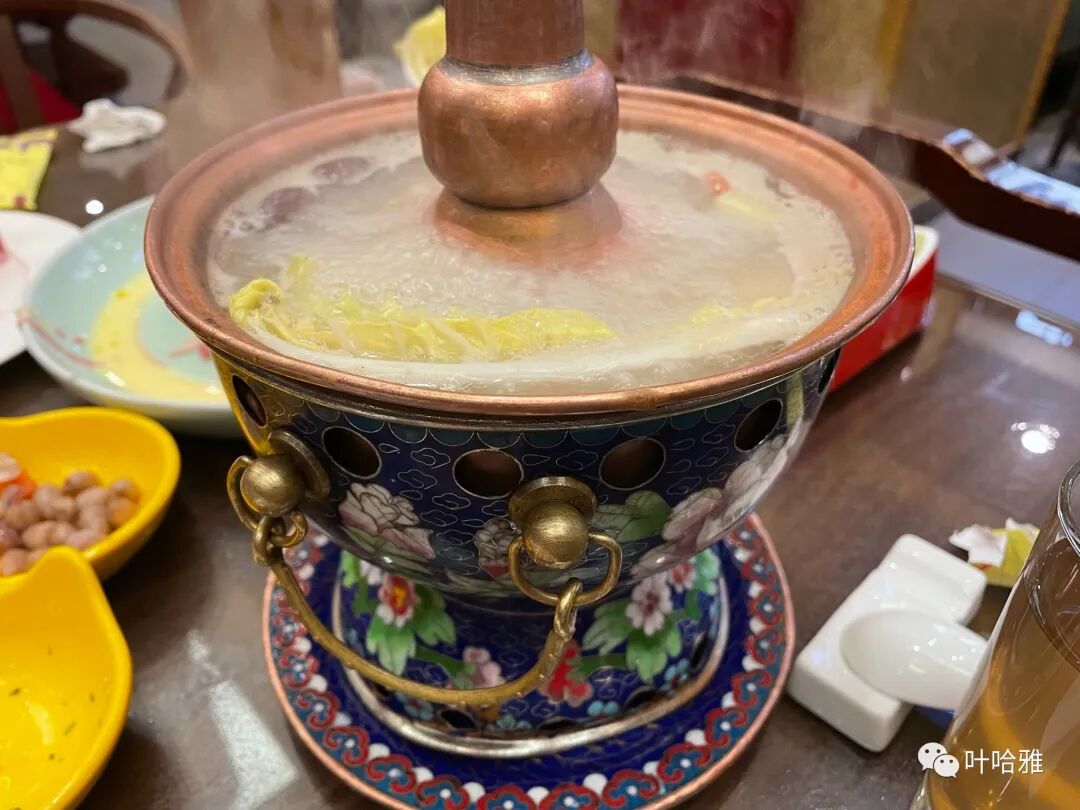
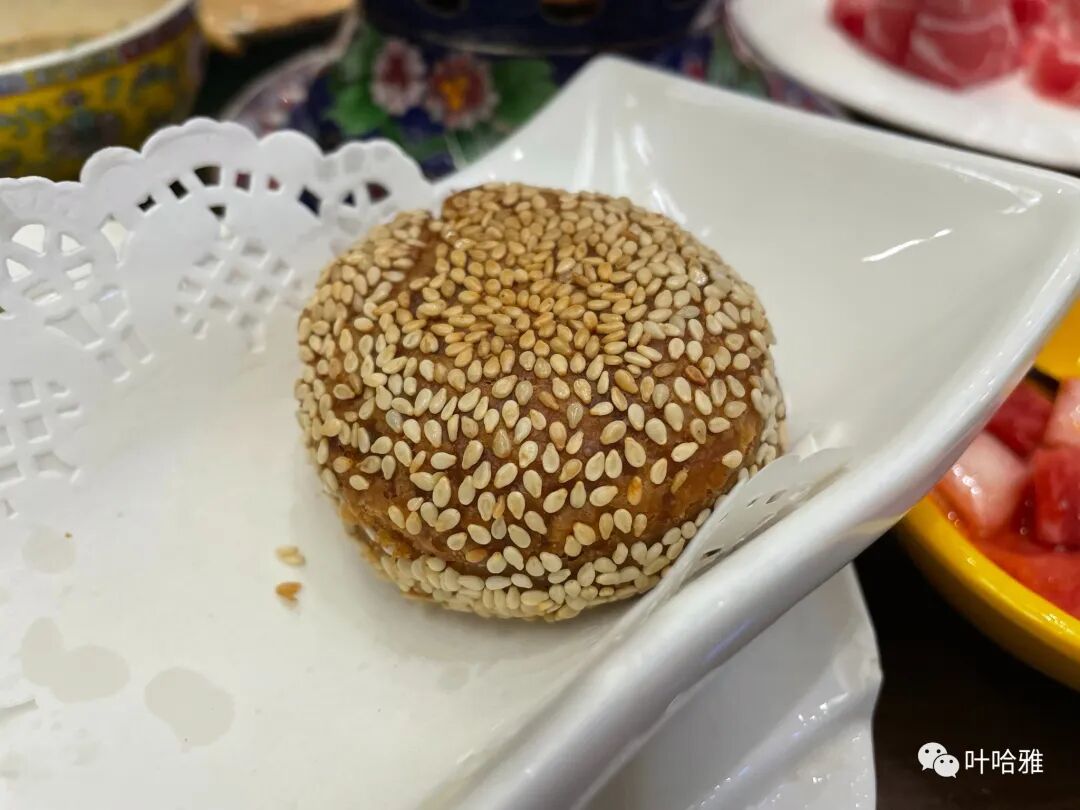
12. Huainan Beef Scald (niuroutang)
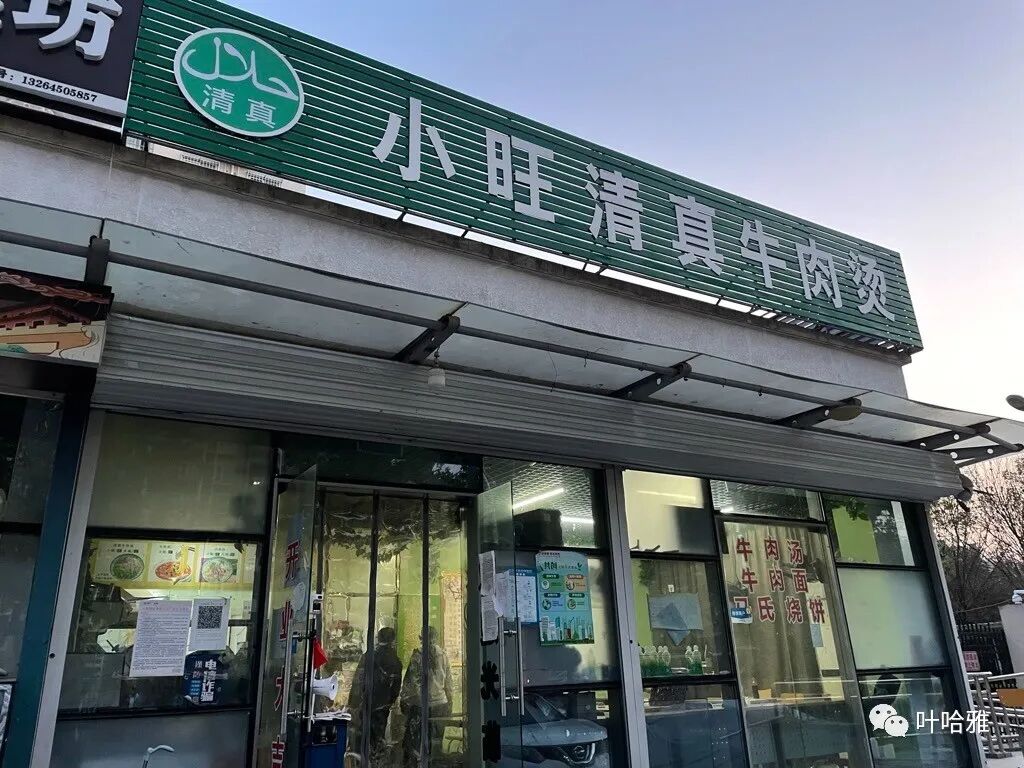
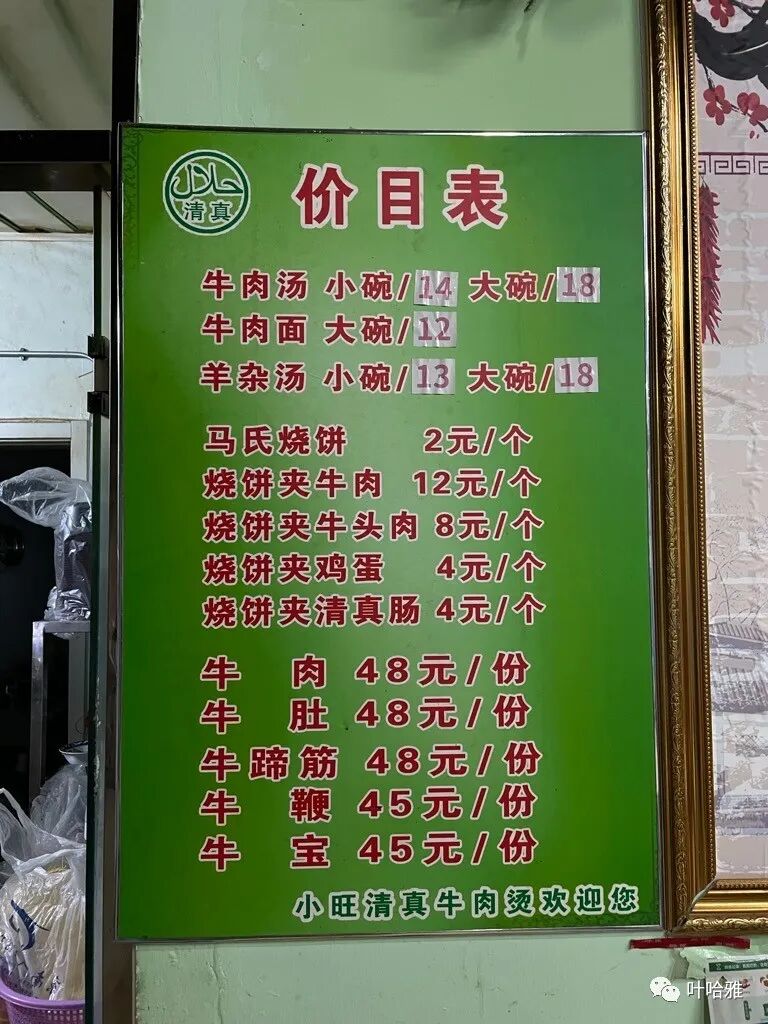
I used to think the Huainan Beef Scald shop in Shunyi had a typo and should have been called Huainan Beef Soup (niurutang). I only realized it was actually called Beef Scald after seeing this shop in Fangshan. The two shops are run by a brother and sister. The owner in Fangshan is the younger brother, a Hui Muslim from Anhui.
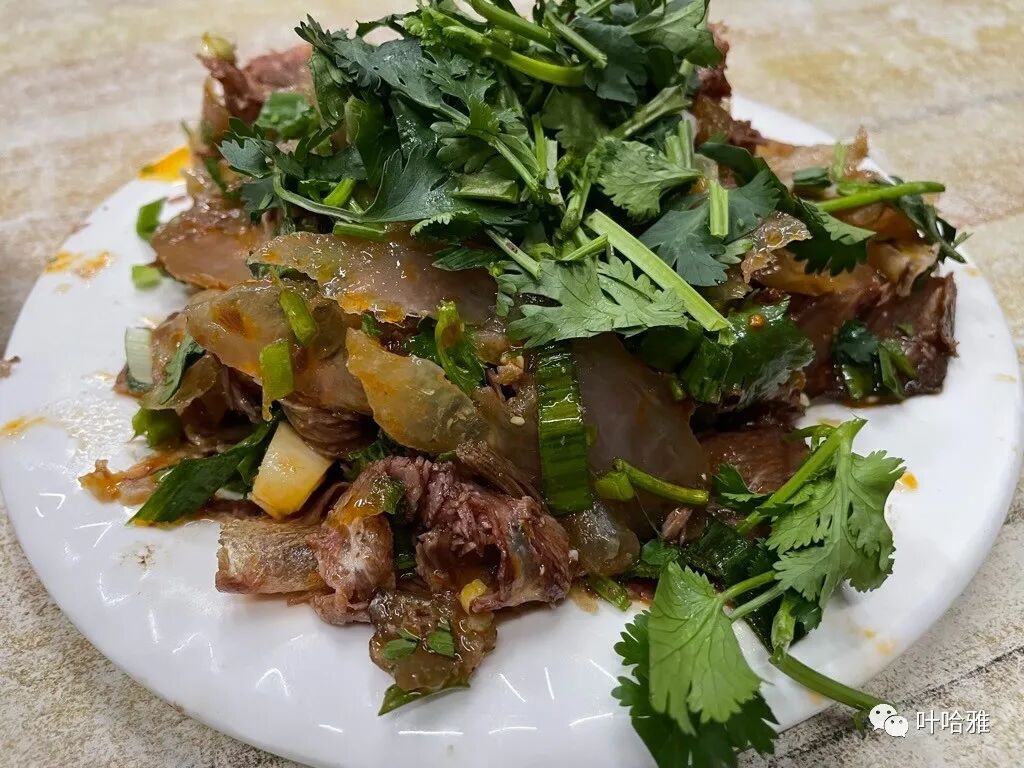
Mixed beef tendon
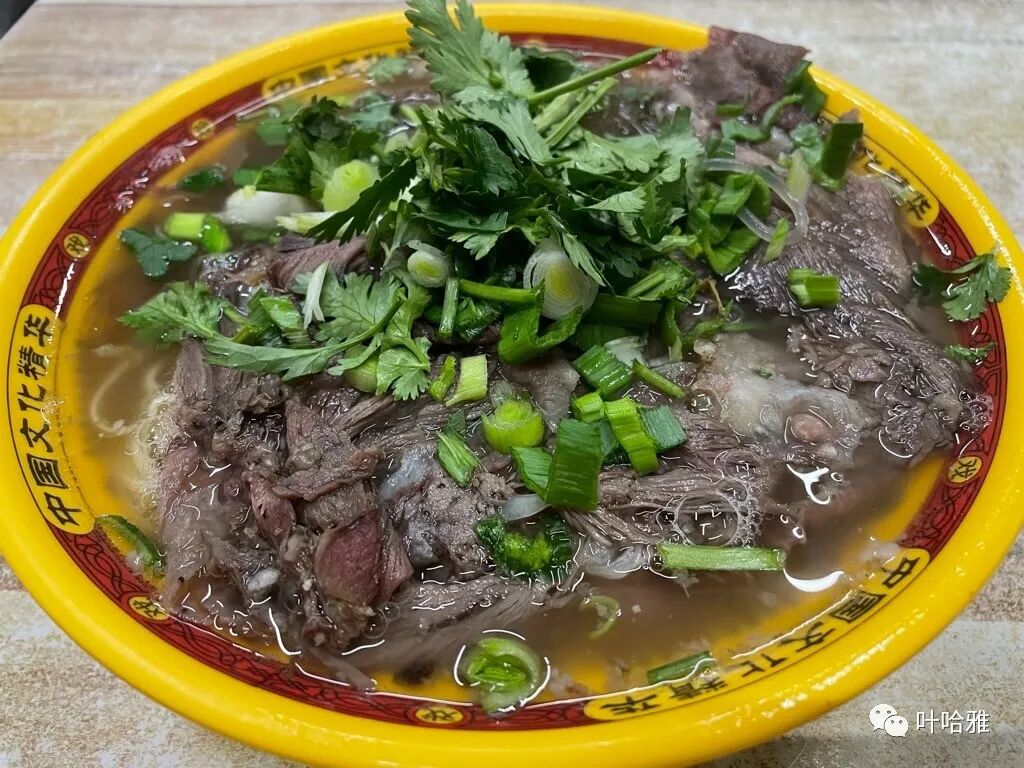
Beef soup (niurutang)
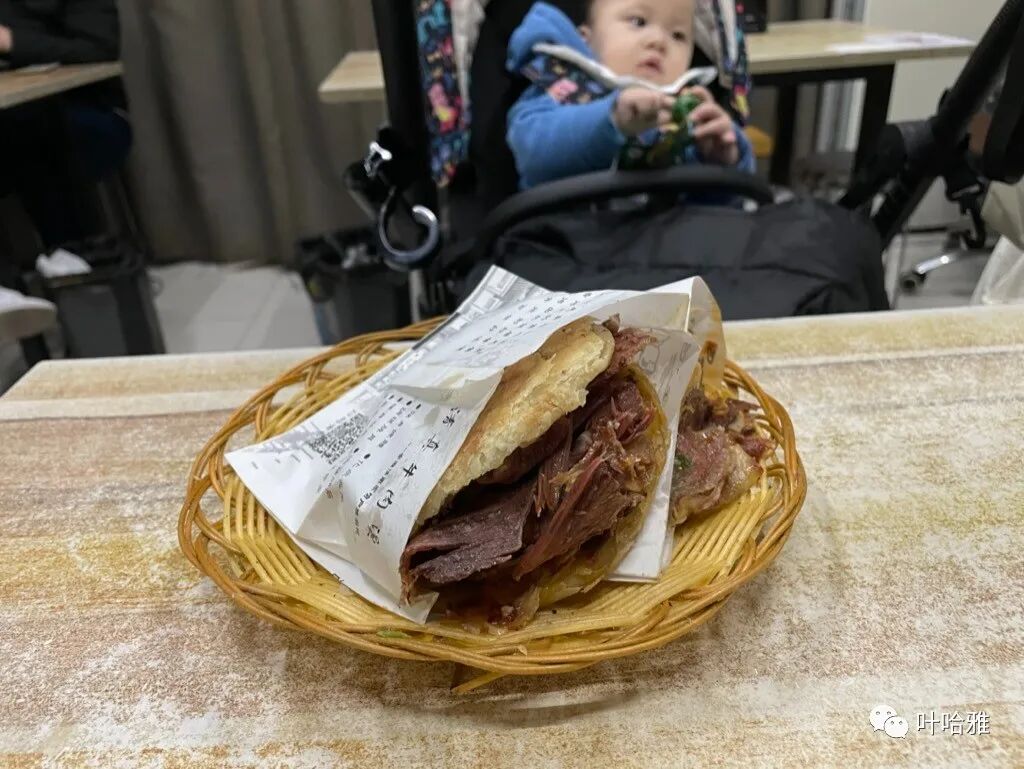
Sesame flatbread (shaobing) with beef
13. Northwest Station: Salt-lake lamb (tanyang)
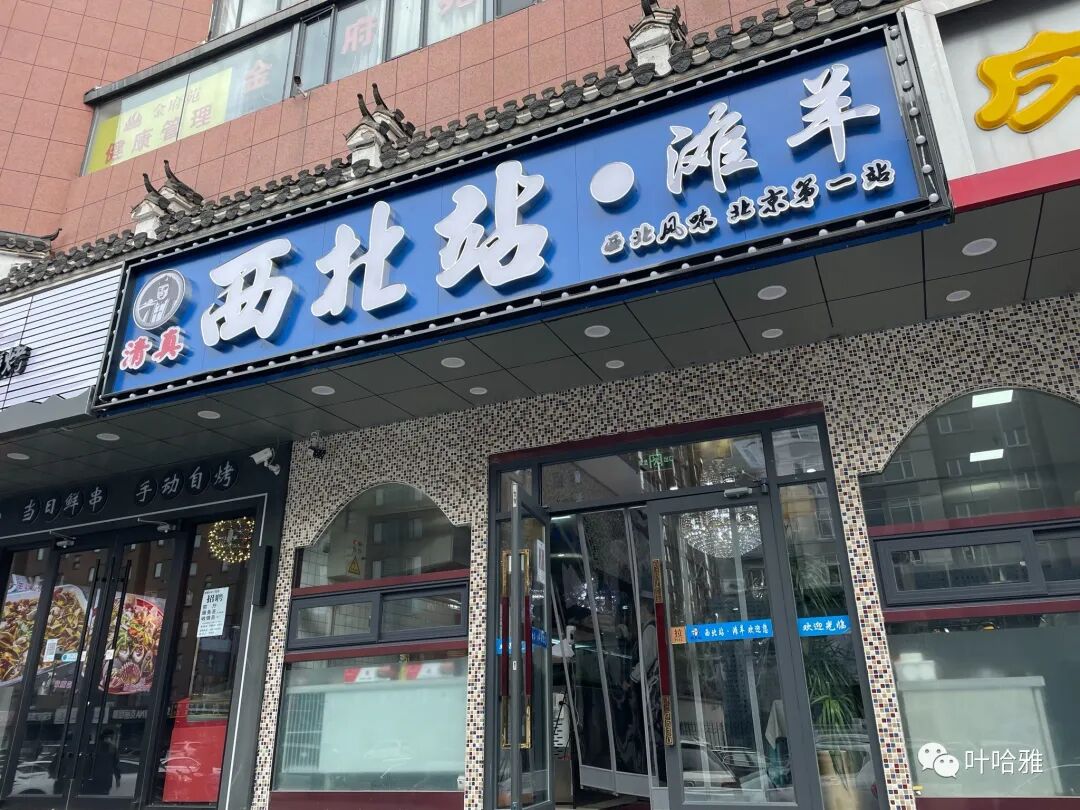
This is a new salt-lake lamb restaurant opened by people from Gansu. They also have Uyghur staff who prepare Xinjiang-style dishes.
They have all kinds of Gansu snacks here. Among the hand-grabbed lamb (shouzhuayangrou) from the five northwestern provinces, I like the texture of the Dongxiang style from Gansu the best.
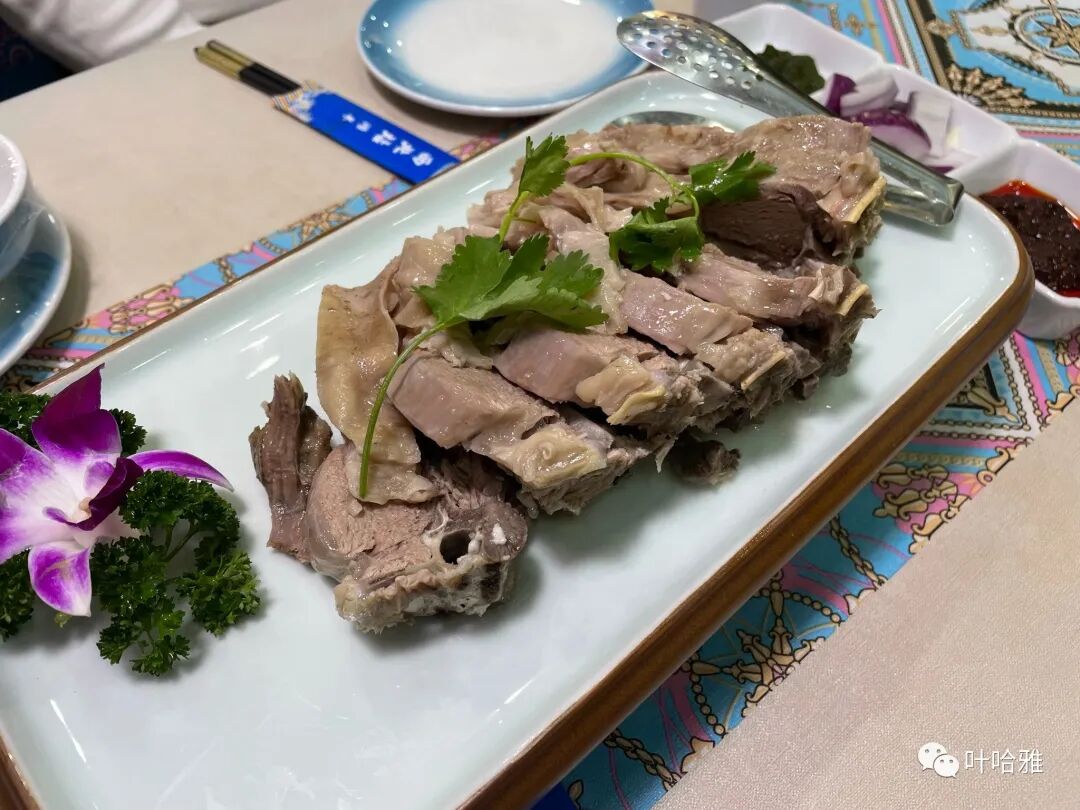
Hand-grabbed lamb (shouzhuayangrou)
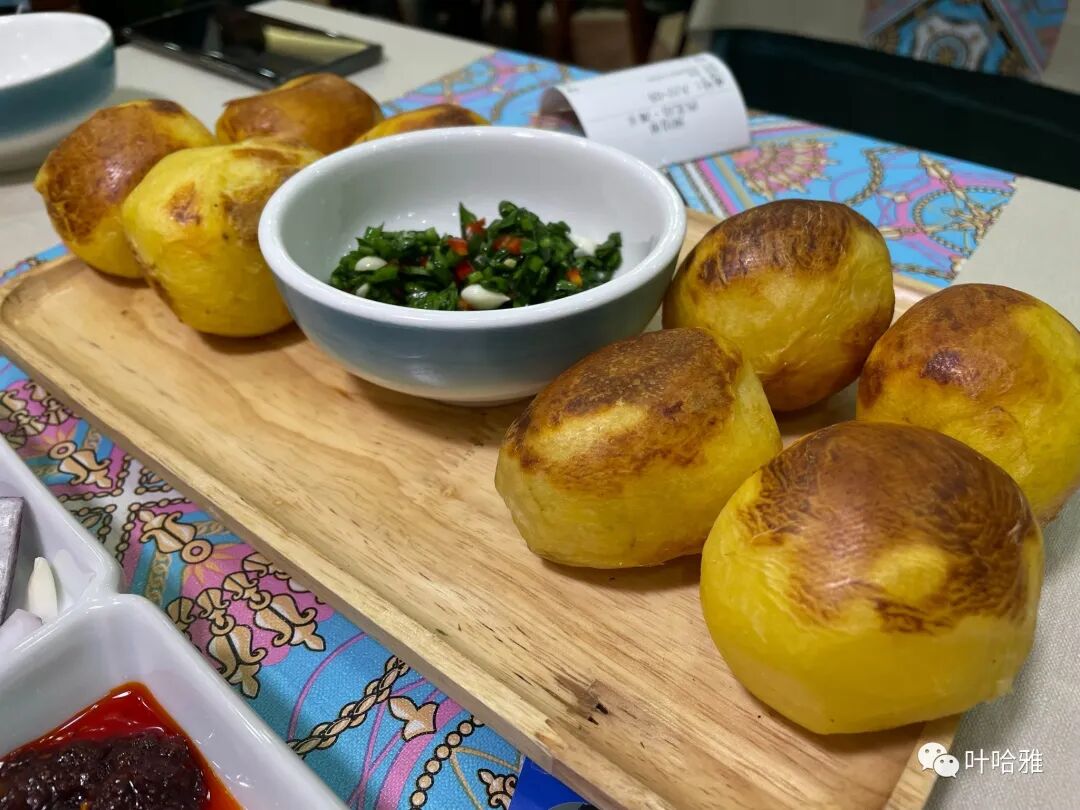
Roasted potato (kaoyangyu)
Roasted potato served with pickled chives, a unique way of eating in the Northwest.
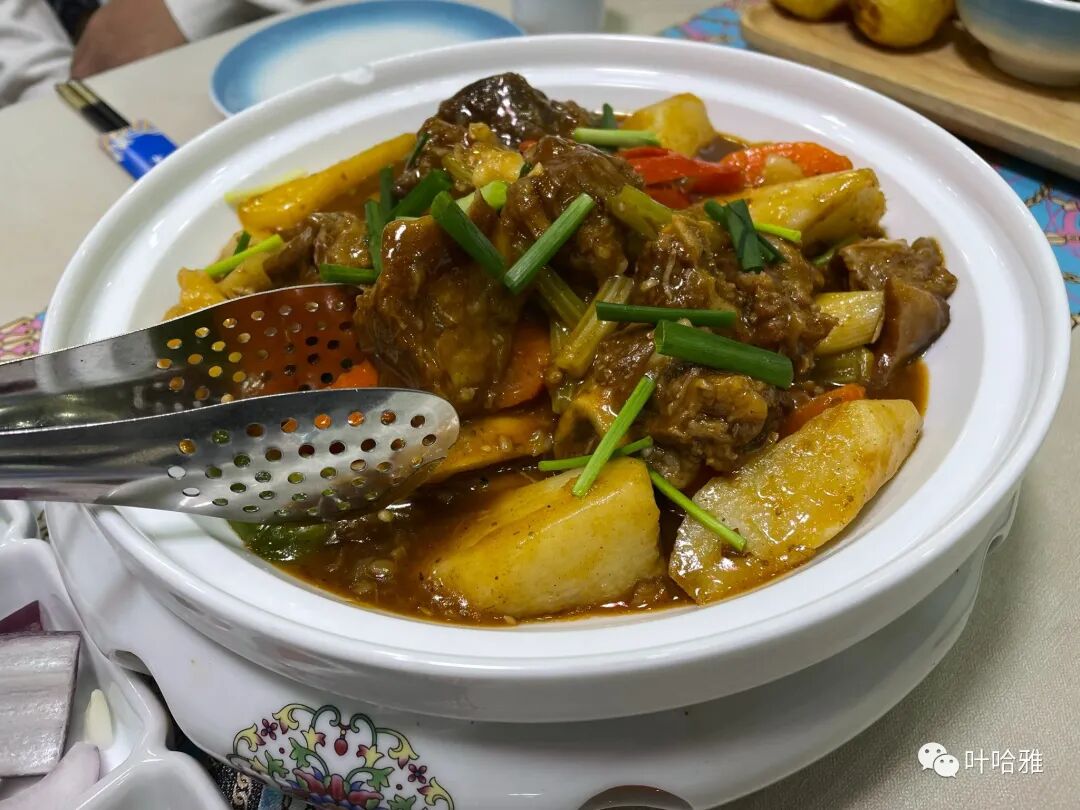
Stewed yak meat with Chinese yam
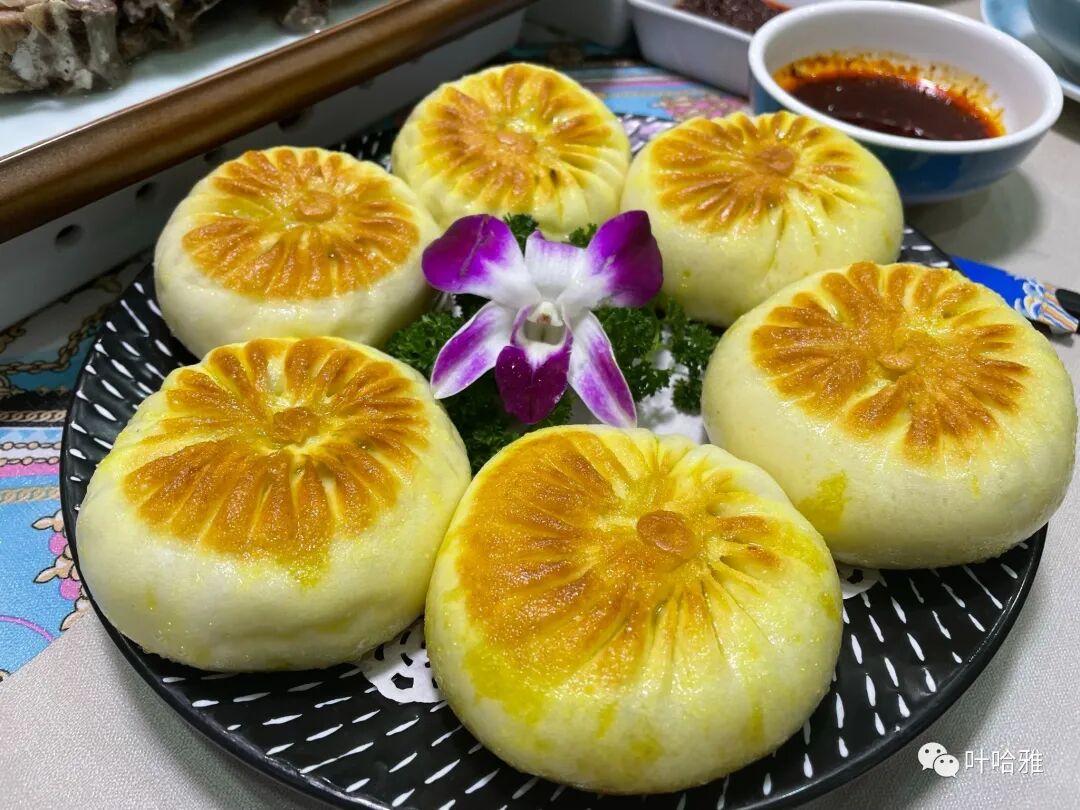
Hezhou steamed buns (Hezhou baozi)
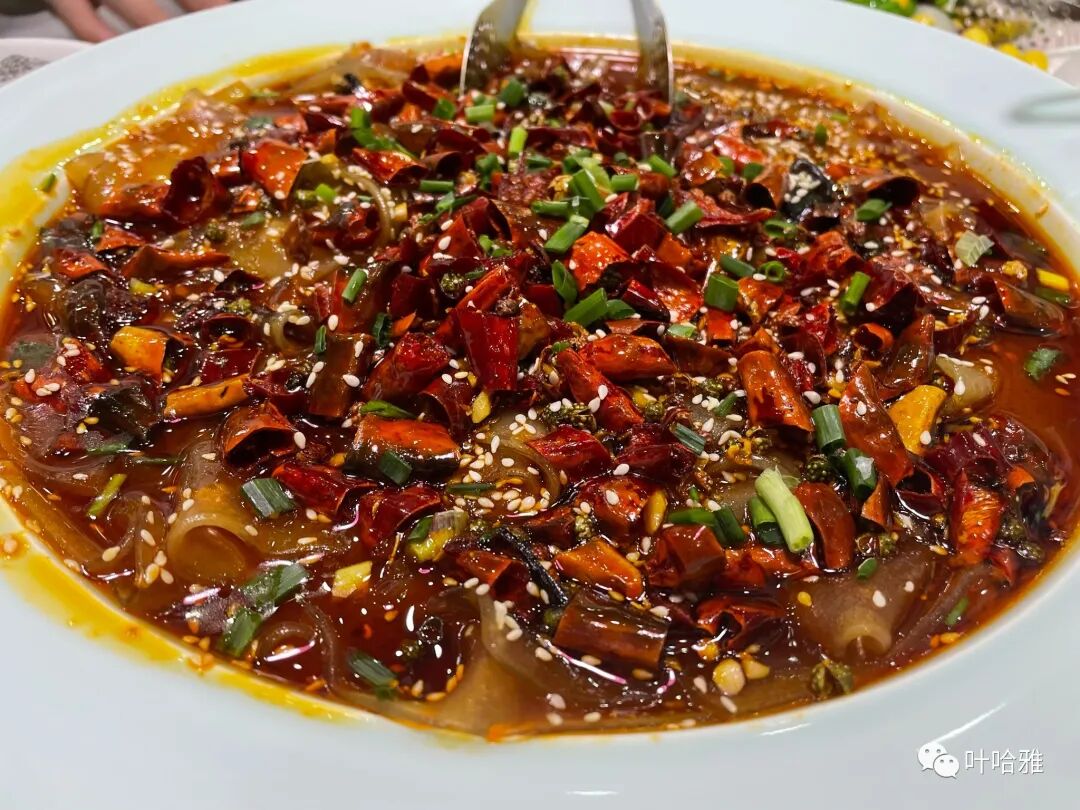
Dingxi wide glass noodles (Dingxi kuanfen)
Our friends from Gansu and Qinghai gave this place a thumbs up. The prices are fair and the service is very friendly. The waiter even told me which dishes weren't good and advised me not to order them. You don't see staff that honest very often.
14. Western Regions Yipinxian Hot Pot (Xiyu Yipinxian Huoguo)
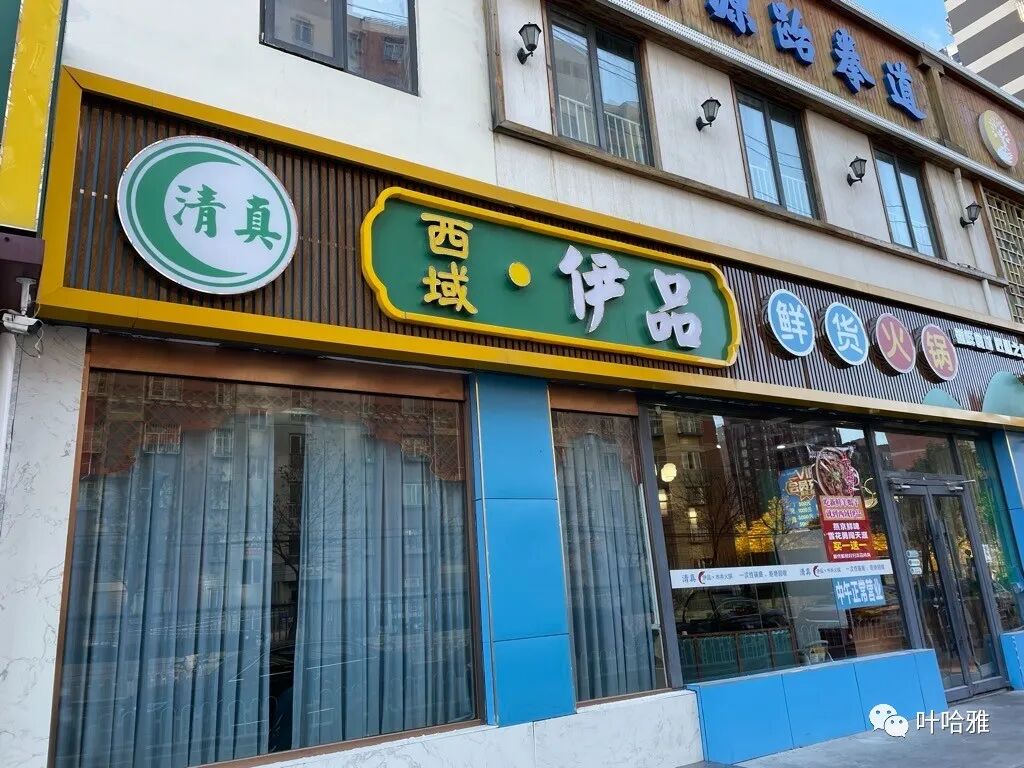
This place is listed as Chongqing-style hot pot on Dazhong Dianping, so it caught my eye and I came to check it out right away.
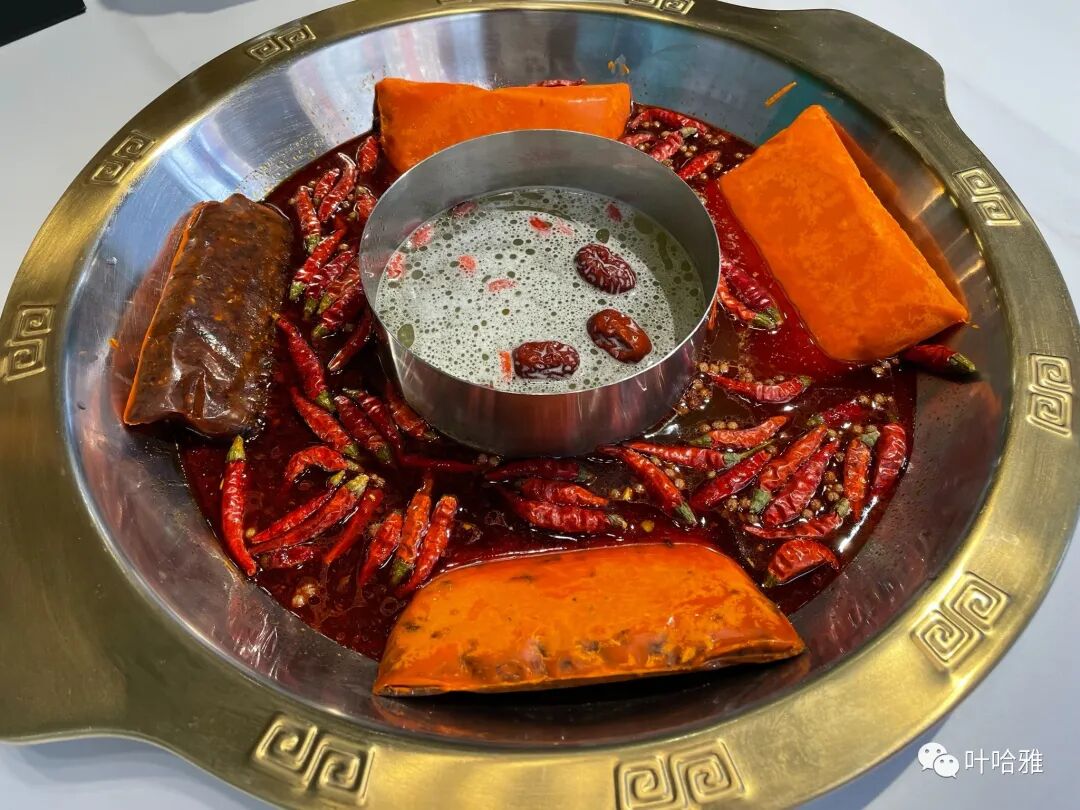
Duck intestines, beef tripe, marbled beef, brown sugar rice cakes (hongtang ciba), and a sesame oil dipping sauce are my go-to order for Sichuan and Chongqing hot pot.
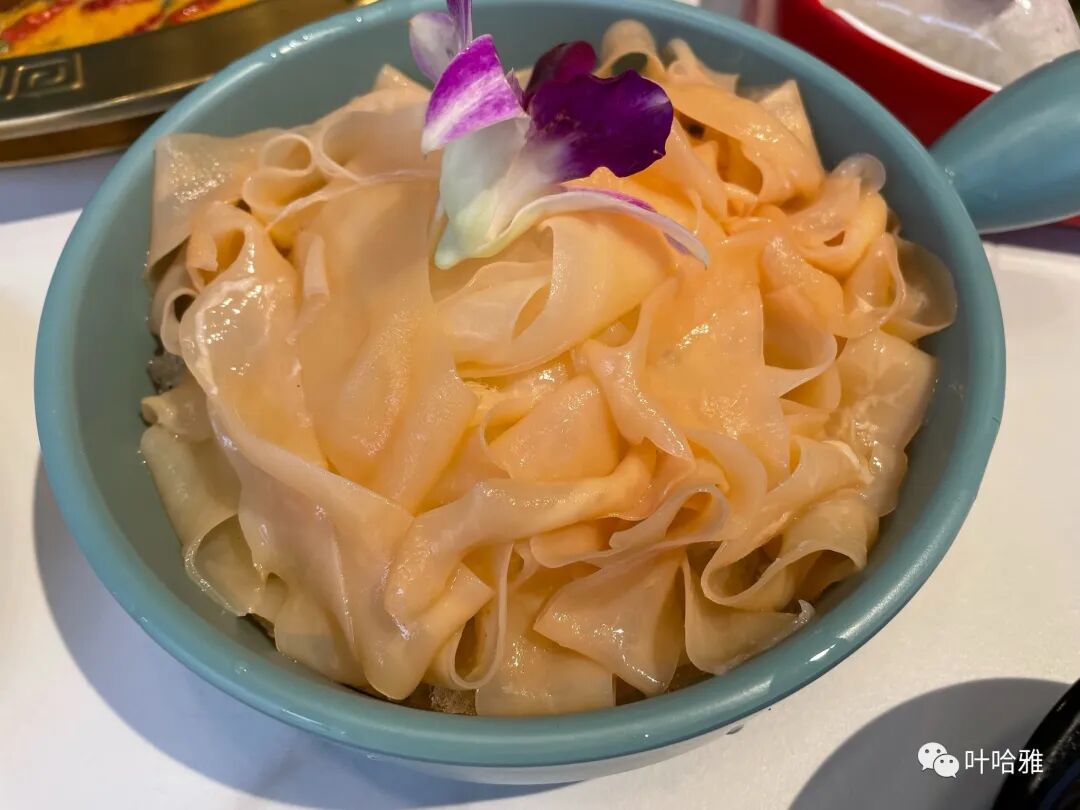
Duck intestines
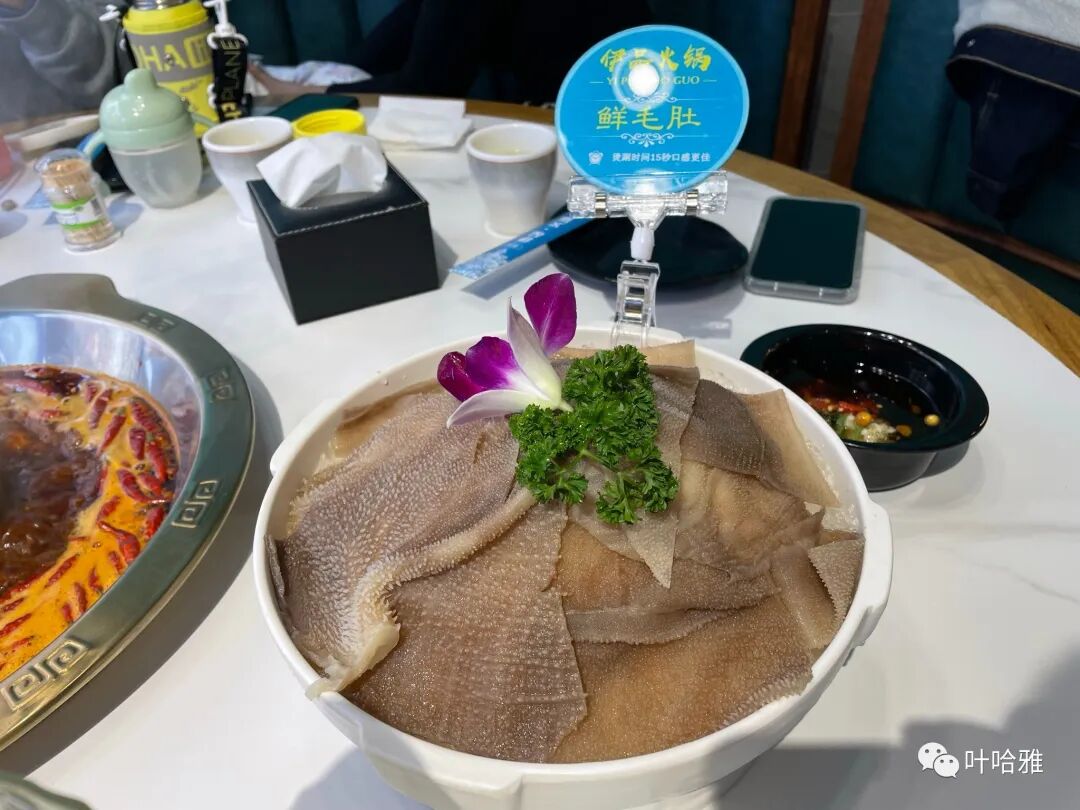
Beef tripe
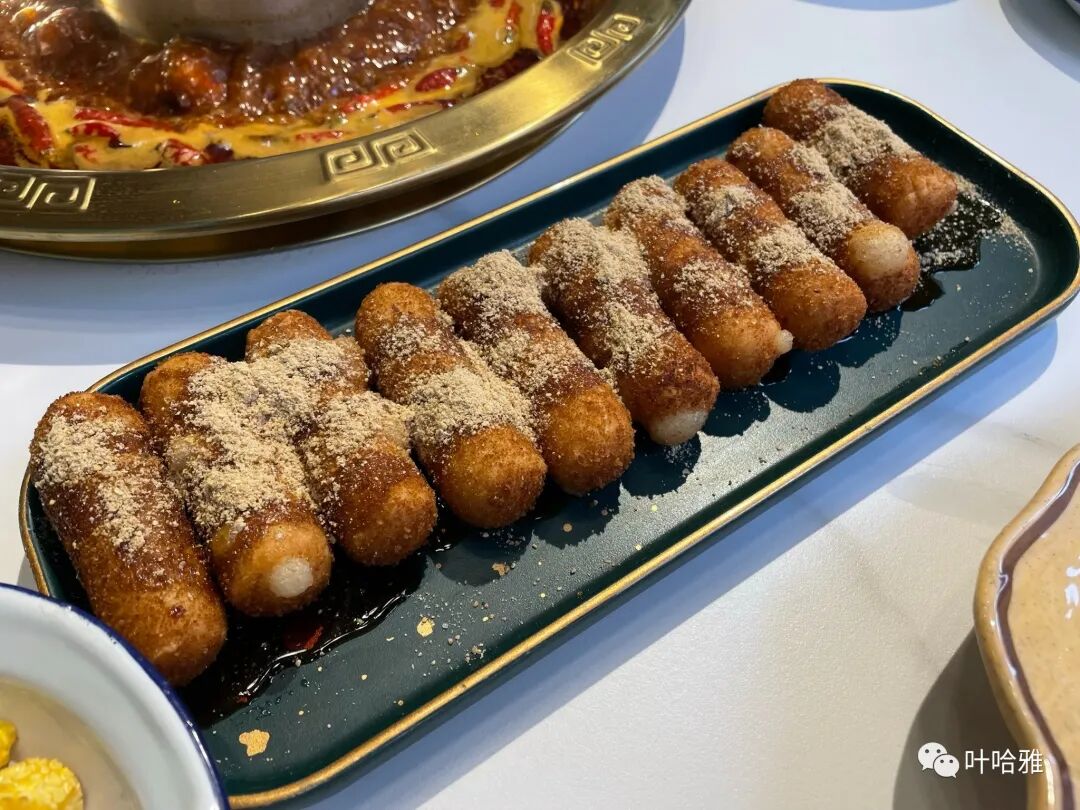
Yellow rice cakes (huangmi ciba)
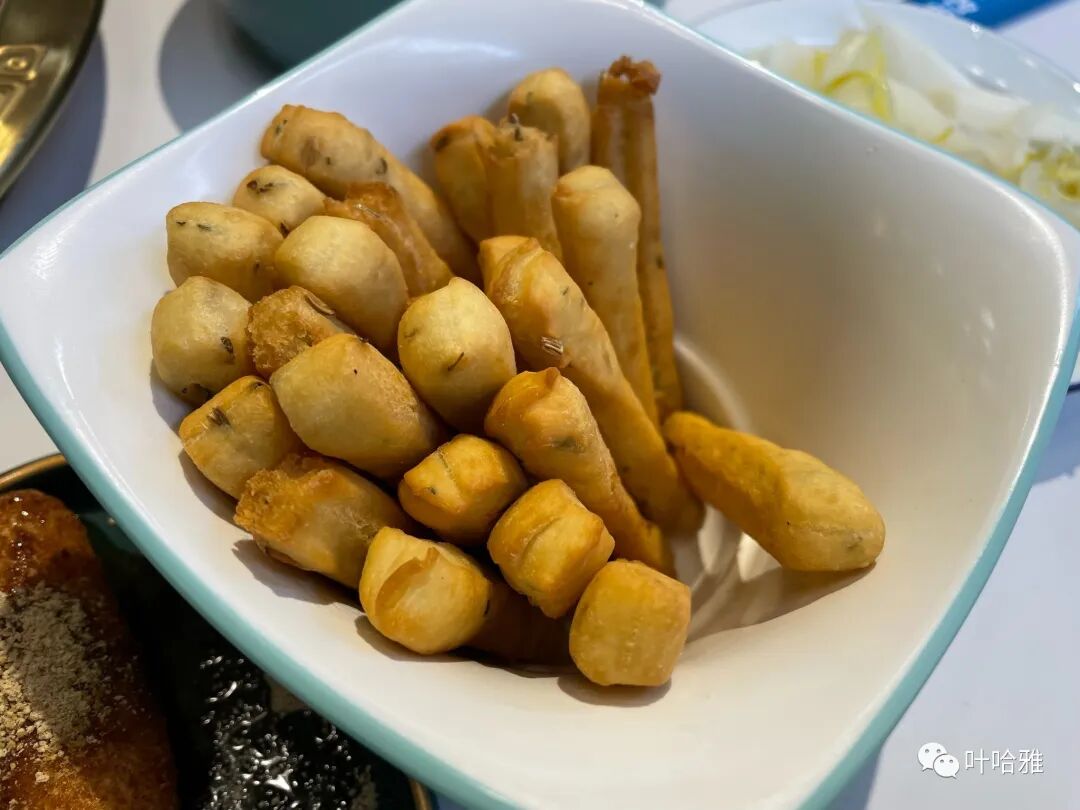
Small fennel fried dough sticks (huixiang xiaoyoutiao)
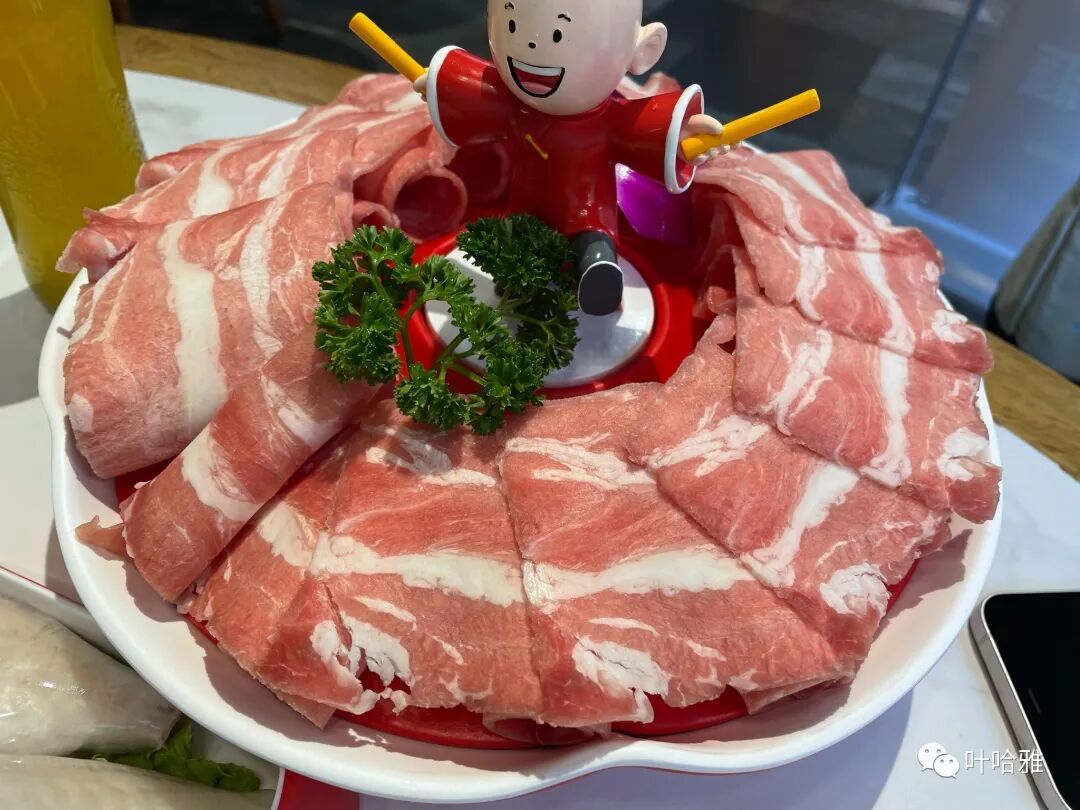
Marbled beef
Overall, the food here is delicious and the ingredients are fresh. The dipping sauces are very flavorful. It is a bit quiet since it just opened, and the location on Fengyi South Road in Fengtai is a bit out of the way.
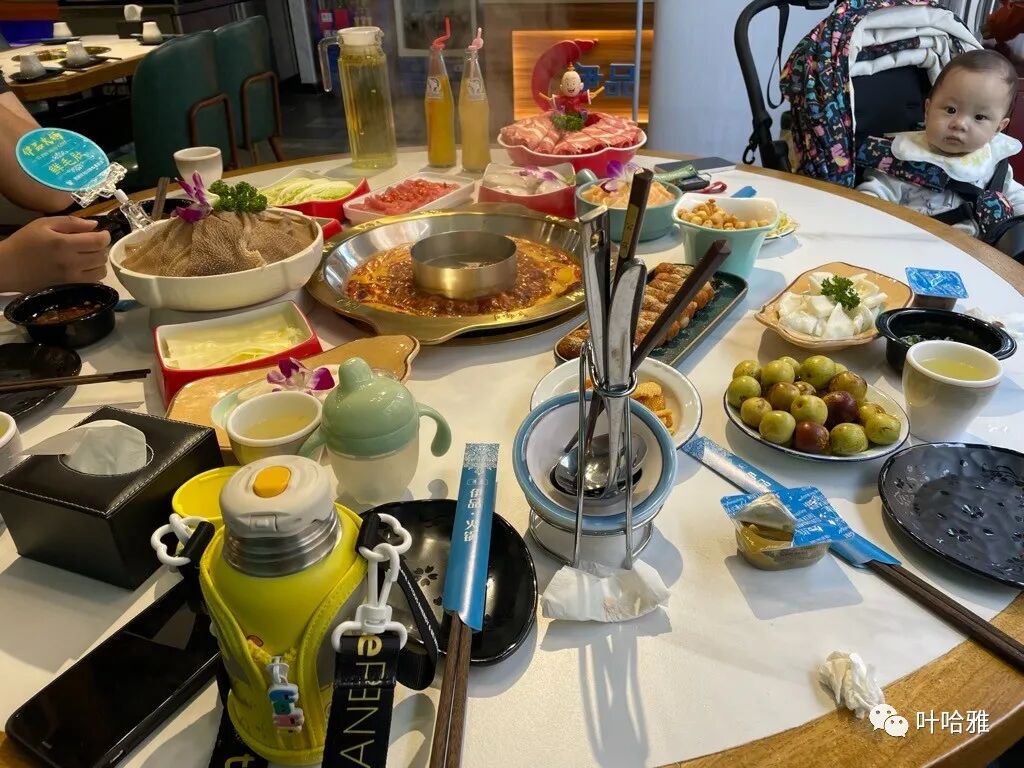
15. Wanping Li's Snacks
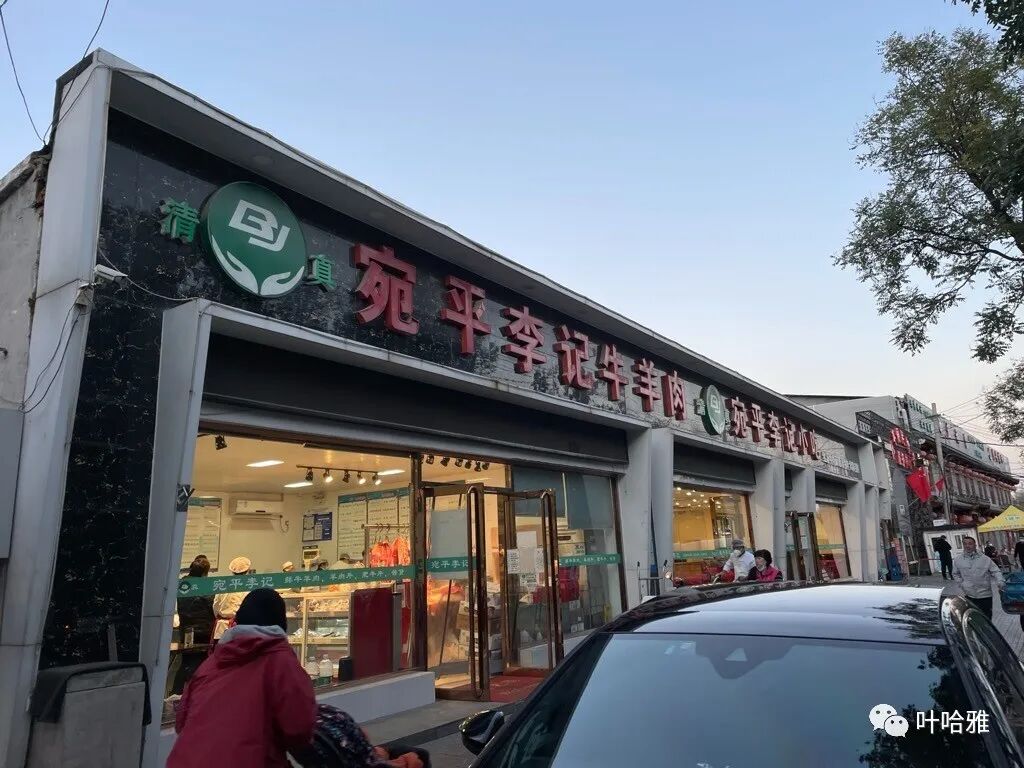
After visiting the Museum of the War of Chinese People's Resistance Against Japanese Aggression, we saw this Wanping Li's nearby. It has a huge sign and includes a snack shop, a beef and mutton shop, and a hot pot restaurant. The snack shop caught our eye.
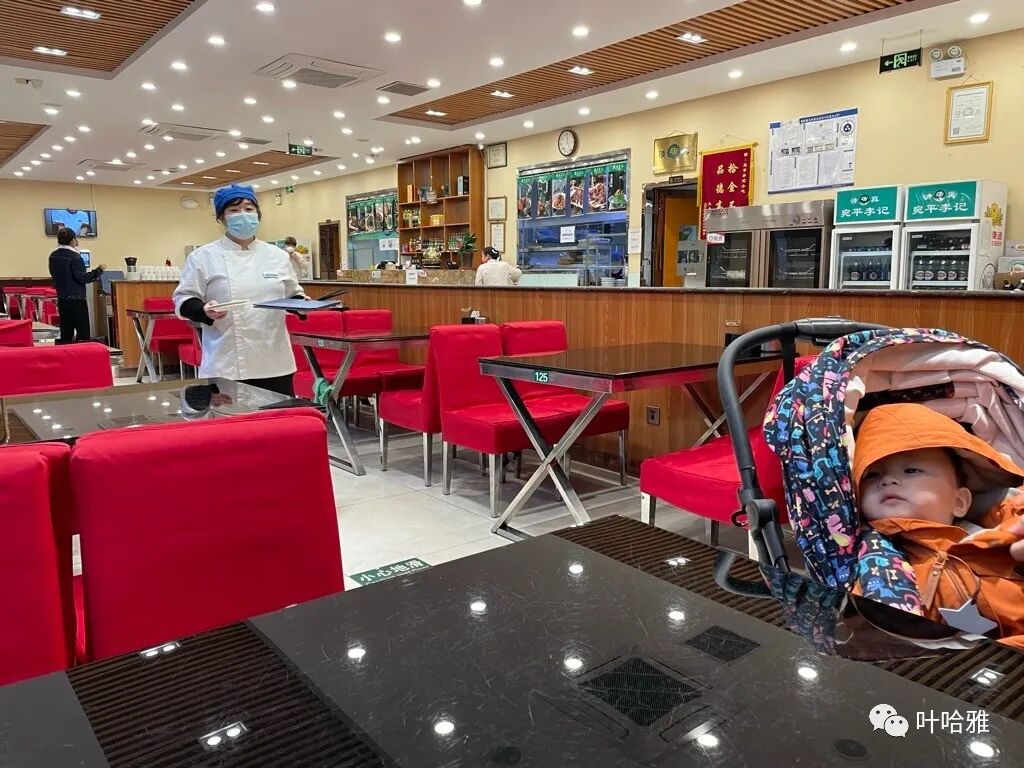
Wanping Li's is famous for its beef noodles, but I think their rice dishes are even better. We chose the abalone sauce steak rice and the seafood sauce fried rice. Both tasted great and were made with Wuchang rice. The seafood sauce fried rice was especially fragrant.
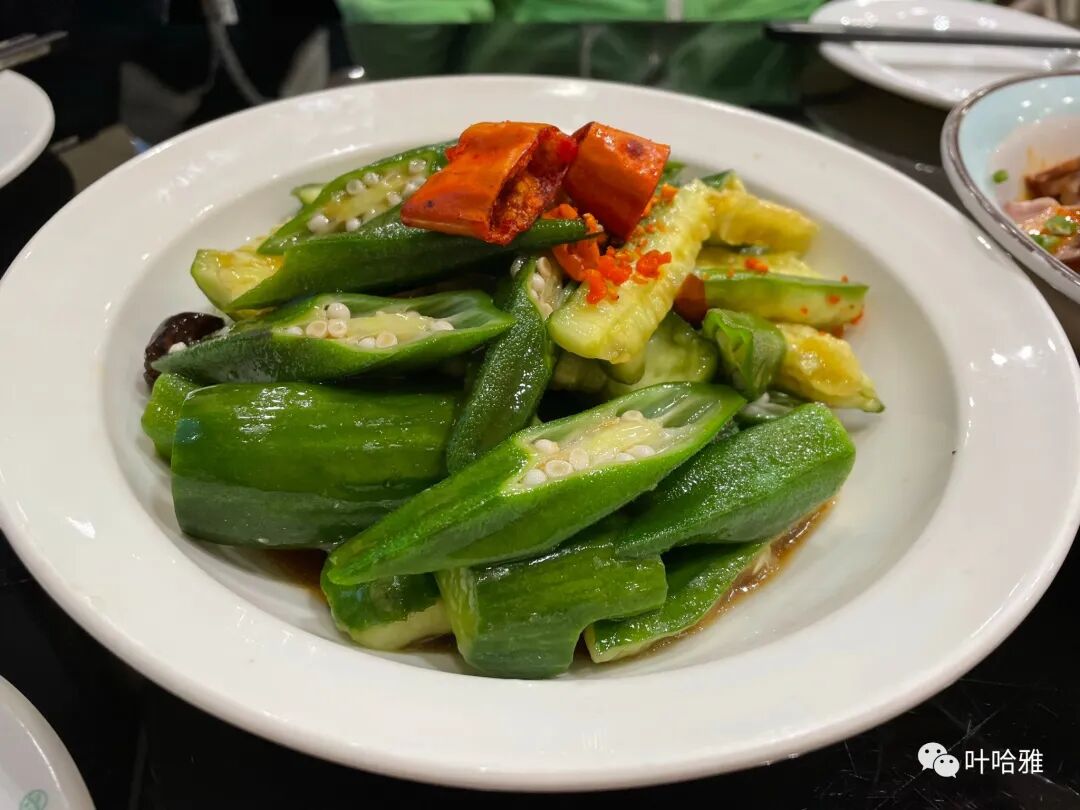
Cold tossed okra
Braised beef noodles
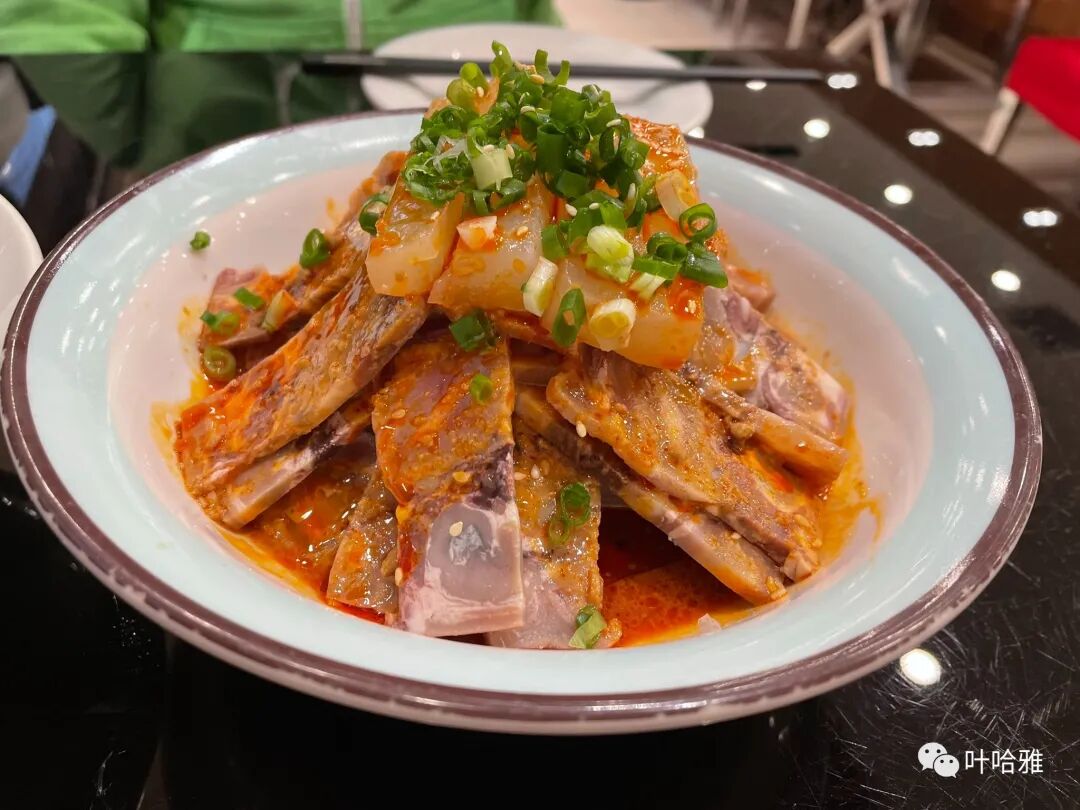
Mutton jelly noodles (liangfen)
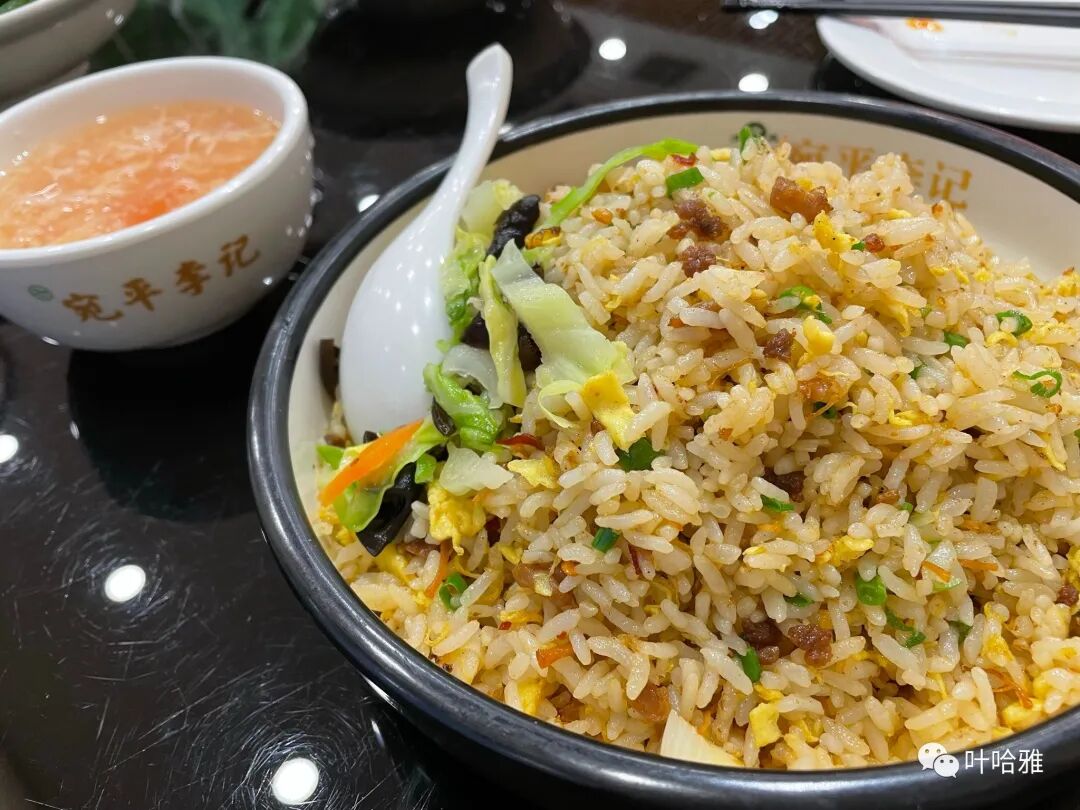
Seafood sauce fried rice
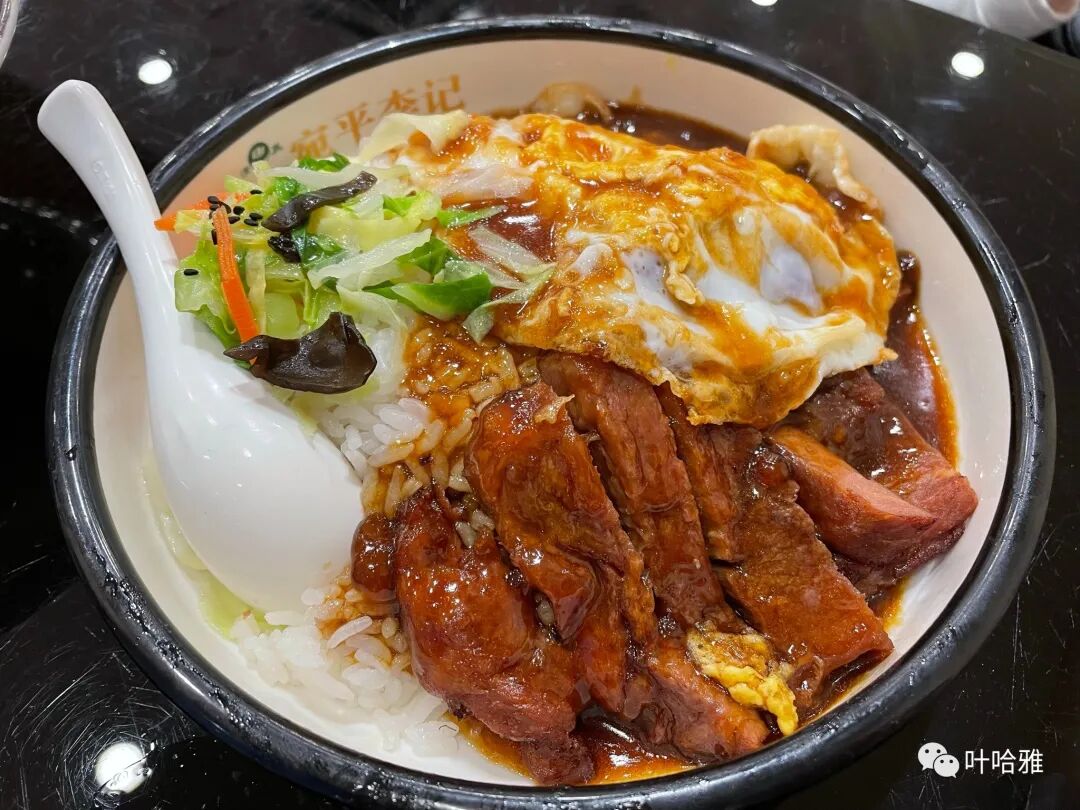
Abalone sauce steak rice
16. Heqingzhai Wang Po Shrimp
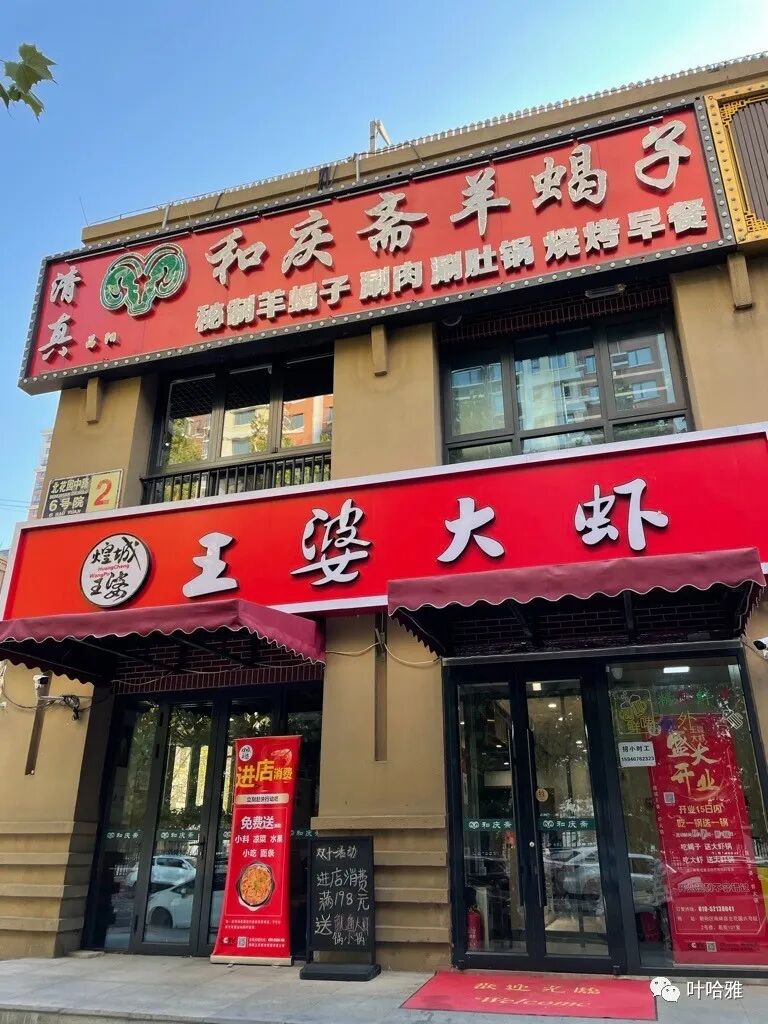
Heqingzhai brought in Wang Po Shrimp. I have eaten the halal version of Wang Po Shrimp in Hangzhou before. I have always loved shrimp, and this shrimp pot serves large, fresh shrimp that taste very good.
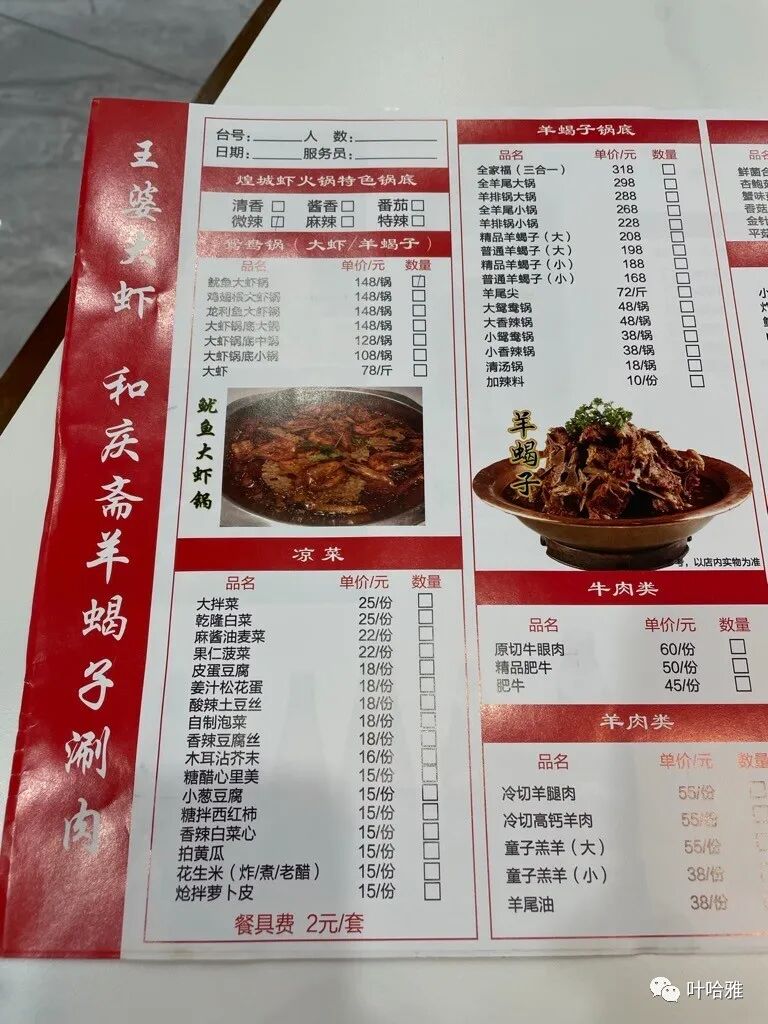
After finishing the shrimp, you can add broth to cook vegetables. Heqingzhai is a brand from Yangfang Town in Changping, and their lamb spine hot pot (yangxiezi) is also delicious.
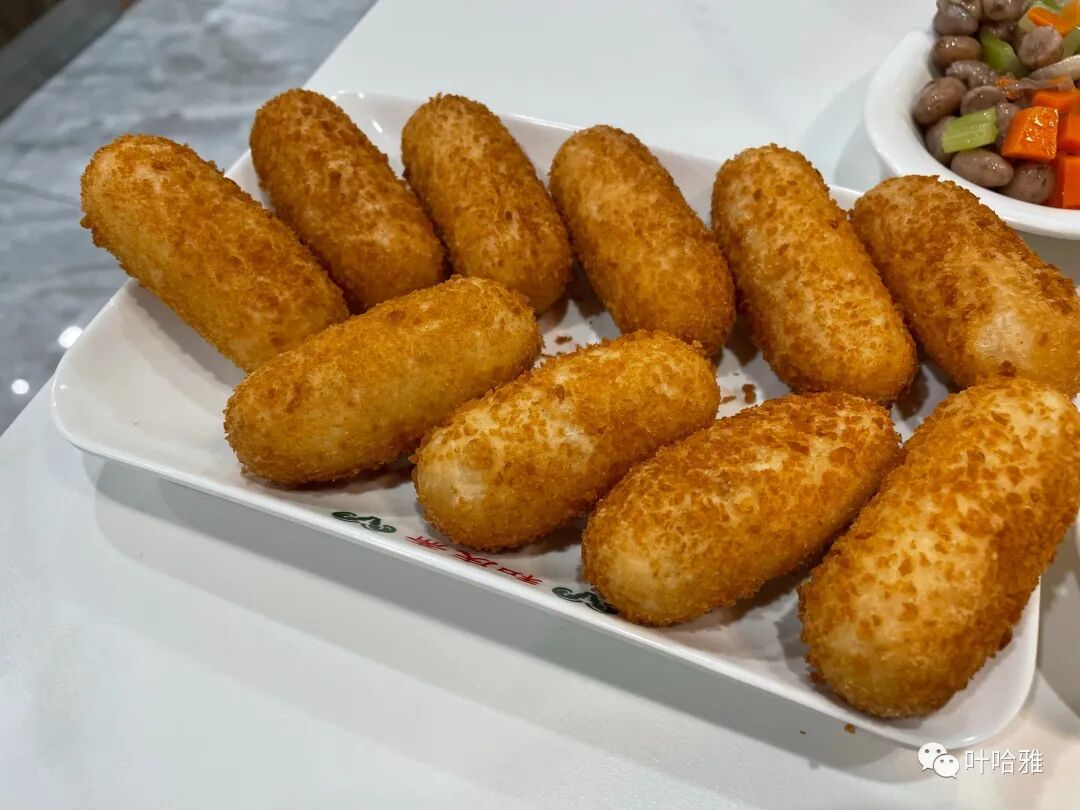
Yellow rice sticky cake (ciba) as a staple food
Large shrimp and squid pot (daxia youyu guo)
That is all for this collection. The text and photos are original, and you are welcome to share them.

Beijing Halal Street Food Guide: Korean BBQ, Turkish Food and Local Hui Restaurants
Articles • yusuf908 posted the article • 0 comments • 331 views • 2026-05-24 00:17
Summary: This Beijing halal food map covers new Muslim-friendly restaurants opened around Ramadan, including Korean-style barbecue, Yanji cold noodles, Anhui banmian, Turkish food, Indian food, and local Hui Muslim dining.
— Hello, Travel —
This is the third Ramadan I have spent during the pandemic. In March, I was locked down for nearly a month in Dachang, which had zero confirmed cases. I could only move around within the community, so I could not go out to visit restaurants. When Langfang lifted the lockdown in early April, I immediately packed my bags and took my family back to our home in Beijing overnight.
Back in the capital after a long absence, I was greeted by many halal restaurants that had just opened. I had only been away for half a year, but halal restaurants in Beijing were opening one after another. Overall, although some shops closed, the speed of new openings was slightly faster than the closures, so I do not have to worry about having nothing to write for my official account.
During Ramadan, we visited a new restaurant almost every night. Sometimes I treated everyone to iftar, and sometimes others treated me. There is a reward for feeding someone who is fasting, so everyone scrambled to pay the bill. The thrilling part was that just as I finished visiting the new restaurants on my list, Beijing suspended dine-in services during the May Day holiday.
This issue (the 25th issue) is very rich in content, with new additions including halal versions of Yanji cold noodles (lengmian), Anhui flat noodles (banmian), Northeast-style barbecue, Turkish food, Indian food, Korean barbecue, and new-style Chinese cuisine.
1
Korean-style Xiaohuiniu Barbecue
Xiaohuiniu Barbecue is located in the ground-floor shops of Maying Village in Zhangjiawan Town, Tongzhou. It is near a residential area for Hui Muslims and close to Universal Studios, so there are many halal restaurants nearby. We even saw a barbecue night market on the roadside with stalls selling halal deep-fried stinky tofu and grilled skewers. This kind of lively atmosphere is hard to find in Beijing nowadays.
We bought a 4-person set meal on Dazhong Dianping for 288 yuan, which is 70 yuan per person. Overall, the price is cheaper than in the city center. The quality of the beef in the set is good, there are servers to help grill the meat, and the restaurant environment is spacious, making for a comfortable dining experience.
The set includes a portion of Hui beef belly and thick-cut beef tongue, as well as lamb butterfly chops and Orleans-style chicken wings. Paired with some cold dishes, it basically satisfies the appetites of four people.
The main courses are a portion of cold noodles (lengmian) and a portion of stone pot bibimbap. These two are the standard main course pairings for Korean barbecue. Both are quite delicious, and the portions are not too large, so there is no waste.
A major highlight of this place is the self-service sauce bar, which offers many flavor options. There are various dry and wet dipping sauces, and I suggest trying each one. I personally prefer the dry dipping sauces.
I have tried grilling meat at home, but a drawback is that the smoke fills the whole room. So, whenever I want to eat barbecue, I still recommend going to a restaurant. There are now several halal Korean barbecue restaurants in Beijing, such as Toupiqi and Qingu in Changying, as well as Japanese-style places like Chidao Yakiniku and Niushi, all of which are good restaurants.
Address: Shop 5, Ground Floor, Maying Village, Zhangjiawan Town
Phone: 17610562606
2
Taihe beef flat noodles (banmian) from Anhui.
We originally planned to break our fast at Xiaohuiniu, but when we arrived at Zhangjiawan, we stumbled upon this halal Anhui flat noodle shop. It is located right at the entrance of the street where the Zhangjiawan mosque stands. The guys and I agreed immediately to eat our noodles here to break our fast before heading off for barbecue. Sometimes plans just cannot keep up with changes.
Taihe beef flat noodles are a specialty snack from Anhui that originated during the Jiaqing reign of the Qing Dynasty. Taihe is a place in Fuyang, Anhui. The name flat noodles comes from the way the dough is flattened with a rolling pin and slapped against a cutting board.
To save room for the barbecue at Xiaohuiniu, we each ordered a small bowl of noodles. The small bowl was actually quite large and cost 10 yuan. The beef broth was rich and the wide noodles were chewy. My teammates could not stop praising them. It was everyone's first time having halal flat noodles, and we all felt the trip was worth it.
3
New Chinese-style pastries: Tanggusu and Guiyizhai.
Tanggusu and Guiyizhai are the same business, located right next to each other with an interior connection. Tanggusu is the takeout window, while you can walk into Guiyizhai to shop. Young people who are not used to traditional pastries can find new flavors here.
They have halal meat floss cakes (xiaobei), egg tarts, jujube cakes, chocolate pies, muffins, Napoleon cakes, and sweetheart cakes (laopobing), as well as sugar-free cakes.
The chocolate pie is their best-selling dessert and is cheap at 8 yuan each. Given the limited options for halal desserts, this shop is quite affordable, even if it is not as good as what my wife makes.
The chocolate pie was packed with filling. Since I was still fasting, I did not get to taste it; my wife ate it all (nursing mothers do not have to fast).
Napoleon cake.
Address: Bungalow 1, Courtyard 2, Jiaomen Road.
Phone: 01067532366.
4
New-style Beijing cuisine: Yimanxuan.
One evening, Tiantian had the intention (niyyah) to treat everyone to break their fast. Since we wanted to keep the cost per person reasonable, I specifically chose this newly opened restaurant near Xidan.
Qianlong cabbage.
Qianlong cabbage (qianlong baicai) is a cold dish made with Chinese cabbage, sesame paste, honey, and sugar.
Dry-fried young chicken (ganbian ziji).
This Sichuan-style dry-fried young chicken is deep-fried first, so it is crispy on the outside and tender on the inside. It is topped with dried chili strips for a spicy, fragrant flavor that is just right.
Stir-fried lamb (baohu).
Baohu is basically stir-fried lamb, but cooked over higher heat for a longer time. You eat it with sesame flatbread (shaobing), which is soft enough to stuff the meat inside. This dish is quite popular.
Fried cornmeal buns with stinky tofu (zha wotou choudoufu).
This is a favorite among old Beijingers. You spread stinky tofu on fried cornmeal buns. Don't smell it; just hold your breath and eat it, and you won't notice the smell.
Noodles with thick gravy (dalu mian).
We chose these noodles with thick gravy as our main course. One big bowl serves three people. The handmade noodles and the gravy are both carefully prepared and highly recommended.
5
Northwest cuisine at Lili Yangke.
During Ramadan, Lili Yangke provides dates for those fasting to break their fast. They also prioritize serving food to guests breaking their fast; just tell the server it is an iftar meal, and the chef will serve it on time.
The waitresses at Lili Yangke wear headscarves, and I saw them performing namaz after breaking their fast.
We use boiled dates to break our fast, following the Sunnah.
The deluxe version of eight-treasure tea (babao cha), also known as three-cannon tea (sanpaotai) in Lanzhou, is always filled to the brim when you visit a home in the Northwest.
Hezhou steamed buns (Hezhou baozi) are not a main course here; in the Northwest, they are served as an appetizer before the meal.
Milk and egg fermented rice soup (niunai jidan laozao) is a Northwest dessert that can be eaten before or after a meal.
Their Dongxiang free-range chicken (Dongxiang liuda ji) is excellent. The meat is tender and has a great texture that is clearly different from regular chicken.
The golden bread roasted lamb leg (huangjin mianbao kao yangtui) is their signature dish. You need to order it an hour in advance because it is baked to order. Once the bread is cut open, it is filled with pre-cut pieces of lamb, and the quality of the meat is excellent.
The small fried dough (youxiang) is fluffy and delicious, and you can eat it like a snack. Many places do not fry youxiang regularly, only on important days, which makes the food feel sacred. There is even a custom that you must break it by hand to eat it. These are local traditions that do not come from the Quran or Hadith. We respect these traditions, but we should also know where they come from.
Address: No. 15 Guangqu Jiayuan, Guangqumen Outer Street.
Phone: 13777836511.
6
Xinjiang Cuisine: Ziyuan.
There are Xinjiang restaurants everywhere in Beijing now, but this one stands out for its decor. People say they hired the famous Japanese designer Shuhei Aoyama. The master's design fee was as high as 2,000 yuan per square meter, which shows the owner has very high standards for aesthetics.
Since they hired a master designer, they are naturally careful about choosing ingredients. The owner is a Hui Muslim from Xinjiang, so the ingredients come directly from Xinjiang.
We saw a note on the menu: 'The restaurant's chefs all come from ethnic minority regions in Xinjiang.' This description speaks for itself. Those who know, know. This is how ethnic restaurants from Xinjiang write it these days.
Actually, before eating at Ziyuan, we had already broken our fast at a nearby Yunnan restaurant called Dianxinyuan. We just happened to pass by here and thought, since we came all this way, we might as well go in and sit for a while.
We ordered a meat-filled flatbread (rou nang). Even though we were very full, we still thought it was delicious. It had plenty of filling and lots of meat.
We also ordered a skewer of grilled lamb liver and a skewer of red willow grilled meat (hongliu kaorou). The ingredients were all very fresh and satisfying.
Address: Block B, Podium Building, AVIC Plaza, Ronghua South Road.
Phone: 13511041942.
7
Turkish Cuisine: SIMIT PALACE.
This is a newly opened Turkish restaurant in the Asian Games Village. The owner is a Turkish man from Istanbul, and his wife is from Beijing. In 2005, they opened a Turkish restaurant called Osman on Lucky Street.
The restaurant has only one floor, with the kitchen on the second floor. The first floor serves desserts, bread, and coffee, making it a great spot for a casual afternoon tea.
I bought some bread to try. It was made very delicately, and after my wife checked it, she said it was quite good.
I love drinking coffee and enjoy the feeling of relaxing in a cafe. Since we cannot drink water during the day in Ramadan, we went at night. I couldn't resist ordering a cup of strong Turkish coffee, even if it meant I might not sleep well later.
The coffee cups here are very delicate and decorated with patterns of dragon robes.
Rice pudding (sutlac) is a small dessert that originated in the Middle East, made by baking cooked rice with milk and butter.
Usually, you should eat Turkish food at a Turkish restaurant, but I saw fried chicken, french fries, and burgers on the menu and couldn't resist. After all, halal Western-style fast food is not as common in Beijing as Turkish restaurants, and we consider Turkish food to be Western cuisine anyway.
The fries and burgers are made to order. The cheese and meat patty in the burger were delicious. This burger combo costs over 50 yuan.
Address: First floor, Building 17, Courtyard 5, Anding Road.
Phone: 13718618634.
8
Yanji Cuisine: Xiangyu Jubinyuan.
This place also opened recently. They serve halal Yanji cold noodles (lengmian) and double-stir-fried meat (guobaorou), which my friends from Northeast China will recognize.
The double-stir-fried meat is sweet and sour, and it is eaten as a side dish with the cold noodles.
Although this is the first restaurant to focus on halal Yanji cold noodles, many barbecue restaurants in Beijing serve halal cold noodles that taste just as good.
Spicy shredded pollock (ban mingtaiyu si).
Spicy shredded pollock is a specialty snack of the Korean ethnic group. It is mixed with Korean chili paste and has a salty, sweet, and slightly spicy taste.
Spicy mixed beef (la ban niurou).
Spicy mixed beef is also a common cold dish for the Korean ethnic group, but they usually use dog meat. Since we cannot eat dog meat, we use beef instead.
Address: No. 1 Beicaochang Hutong, a century-old classic.
Phone: 18501952822
9
Fusion cuisine, Qingxiangge Crayfish, and Anhui Flat Noodles King.
Qingxiangge opened a crayfish shop in Tuanjiehu, specializing in fresh, spicy crayfish. They also opened an Anhui Flat Noodles King (Anhui banmian wang) next door. The iron pot stew (tieguo dun) upstairs and the two shops downstairs all belong to Qingxiangge.
As usual, we couldn't resist ordering a bowl of beef flat noodles (niurou banmian) from next door. Coincidentally, they also sell hot dry noodles (reganmian), so we brought both bowls over to the crayfish shop to break our fast.
Hot dry noodles (reganmian)
In my opinion, the hot dry noodles are better than the beef flat noodles. The hot dry noodles are a bit spicy but very fragrant, similar to what I ate in Wuhan. For beef flat noodles, I prefer the place in Zhangjiawan.
Beef flat noodles (niurou banmian)
The crayfish are fresh, and you can taste it. You must order at least two jin (one kilogram). The price is a bit high, but the chef can help peel the shrimp. You can add noodles to the leftover sauce after eating the shrimp. It is very fragrant but also quite spicy. If you cannot handle spice, I suggest choosing the thirteen-spice (shisanxiang) flavor.
The hand-rolled noodles mixed with the sauce are delicious. The texture of the noodles is similar to noodles with stir-fried meat (guoyourou banmian).
Spicy chicken (lazi ji)
The spicy chicken at this shop is very delicious. The chili peppers are especially fragrant, and it is worth recommending.
Spanish mackerel dumplings (bayu shuijiao)
Qingxiangge started by selling Dalian seafood, so their menu naturally includes Spanish mackerel dumplings. The filling is made of whole mackerel meat, which is pure, soft, and savory.
Address: Five single-story houses on the south side of Building 20, Baijiazhuang Dongli.
Phone: 18911210255
10
Indian Cuisine: Love in Curry
This shop is tucked away. It has been in the basement of Hongqiao Market for five years, but I only found out about it this year.
The space is small, just a stall in the basement food court, but it is clean and hygienic. They do not sell alcohol. Honestly, I have never seen an Indian or Pakistani brother run a restaurant that sells alcohol.
When eating Indian food, curry and naan bread (nangbing) are must-haves. If I want more options, I add fried rice or roasted chicken. Naan and curry come in many flavors, but I recommend the butter naan and lamb curry.
Indian and Pakistani barbecue has bright colors because it is marinated with spices. The green dipping sauce is made from spinach juice.
Deep-fried vegetable curry puffs (samosa)
Address: B1 Food Court, Hongqiao Market, Chongwenmen Outer Street
Phone: 15210944043
11
Beijing Cuisine: Yuelangzhai
In Xiguanshi Village, Changping, there is a halal restaurant with a famous history. Before I arrived, I learned that the restaurant was once an Imperial Escort Agency (yushan biaoju), named for protecting Empress Dowager Cixi during her escape to Xi'an.
Yuelangzhai Restaurant started in 2014. The Li family ancestors were professional escorts. Although that trade no longer exists, the descendants of the Li family are good cooks. Using their ancestral property, they decided to open a restaurant.
At the entrance, a screen wall is carved with the four characters for Imperial Escort Agency. Research confirms it was indeed bestowed by the emperor. The Imperial Escort Agency was originally called Xiguangyu Escort Agency. To protect Empress Dowager Cixi as she left Beijing, the owner Li Entao recommended Yang Juchuan to accompany her all the way to Xi'an and back to Beijing.
The front hall has a dragon chair with a yellow robe hanging nearby. In the center hangs a plaque that reads Yuelangzhai, showing that this shop once served the royal family.
Walking through the porch into the main hall, the space is wide. The interior uses a traditional Chinese style that is simple and elegant. The restaurant has two floors: the first floor has open seating, and the second floor has private rooms.
Inside a private room, the decor remains traditional Chinese with square tables and wooden stools. Calligraphy and ink paintings hang on the walls, creating an atmosphere that feels like traveling back to the late Qing Dynasty.
Vinegar-fried wood-ear and egg (culiu muxu) is a common Beijing home-style dish found in many restaurants. It should be called culiu muxi because the fried eggs look like osmanthus flowers (muxi). It requires high culinary skill; it looks simple, but it is not easy to make well.
Manager Li highly recommended these beef meatballs. He said he usually avoids ordering this dish at other restaurants because they often use too many fillers and not enough beef, but the beef meatballs at Yuelangzhai are made with real, quality ingredients. I picked one up and took a bite. It was just as Manager Li said, full of beef flavor with no taste of starch or other fillers. The meatballs were soft, delicious, and melted in my mouth.
Pan-seared tofu (guota doufu) is a classic Beijing-Shandong dish. You cut the tofu into 5-centimeter squares, mince shrimp into a paste, and mix it with egg wash. Dip the tofu in the egg mixture, pan-fry it over low heat, and when the oil is about 60 percent hot, slide the tofu into the pan. Fry both sides until golden brown, then cover and simmer until the sauce reduces.
For the main course, we had grilled noodles (zhizi kaomian). I had heard of grilled meat (zhizi kaorou) before, but never grilled noodles. Manager Li said he invented this dish. He seasons hand-rolled noodles and stir-fries them on a hot iron grill, similar to stir-fried noodles. The high heat of the grill adds a lot of aroma and texture, and it is very popular with diners.
Address: No. 8, Houchang Street, Xiguanshi Village, Yangfang Town
Phone: 01069760863
12
Northeast Chinese Cuisine: Baixiaobei Northeast Barbecue
This is the only halal Northeast-style barbecue restaurant in Beijing. It just opened, so we organized a group of friends to visit during the trial period. Northeast barbecue is known for small skewers, which is different from Northeast stir-fry dishes that come in large portions.
Boiled beef tripe (shuan niudu)
I don't mind small portions because it lets me try more flavors and helps avoid food waste.
Stir-fried screw snails (baochao dingluo)
Once the tips of the screw snails are broken off, you just suck on them to pull the meat out. The texture is crisp, tender, and chewy.
Fruit cold noodles (shuiguo lengmian). I have to say, the cold noodles here are quite authentic and taste much better than the halal Yanji cold noodles I mentioned earlier.
The skewers are called 'Five Elements Lacking Skewers' (wuxing que chuan). I don't know what that means, but I can tell it's beef, and the yellow part is cheese.
This dish is called 'Super Big Salad' (wocao chaoji da shala) because it is served on a huge plate. People from the Northeast love eating raw vegetables, and the owner gave us this cold salad for free.
Grilled oysters and scallops are a must. The ingredients are very fresh, but they are not cheap.
Deep-sea turbot head (shenhai dieyutou). This fish has sharp teeth and a fierce temperament. The more aggressive the fish, the firmer and tastier the meat.
The cold-tossed fish skin (liangban yupi) has no fishy smell, which shows it is very fresh, and it tastes crisp and refreshing. Cold-tossed fish skin is a classic home-style dish in Northeast China. I wanted to try the roasted silkworm pupae (kao canyong), but my friend talked me out of it because they were scared.
Shenyang chicken rack (jijia) is also a very famous local specialty in the Northeast. The chicken rack is fried until it is golden and crispy, and you can even chew the bones. This shop has a wide variety of small skewers, covering almost all the signature barbecue dishes of the Northeast. The prices are a bit high, with an average cost of over 150 yuan per person.
Address: Ground floor shops on the east side of Dajiaoting International Business Hotel, Guangqu Road.
Phone: 13041118808
13
Beijing Cuisine · Xingyuanzhai Halal Restaurant
It is not easy to find a halal restaurant near the Mutianyu Great Wall in Huairou. Fortunately, there are two halal restaurants right next to each other in Sanduhe Village. I introduced one before, called Sudan Pakistan Restaurant, and the other is this Xingyuanzhai. Xingyuanzhai is a farmhouse-style restaurant with a spacious, two-story layout. In the summer, you can also sit in the courtyard to eat barbecue.
The owner is a Hui Muslim from Shunyi. This shop was originally located in Shunyi and is related to the famous Fushouzhai Hot Pot Restaurant in Shunyi. They just moved to Huairou during the pandemic.
A must-eat in Huairou is the roasted rainbow trout (kao hongzunyu), which is a local farmhouse specialty. Rainbow trout is a cold-water fish with teeth in its mouth. It has a fierce nature and requires high water quality, so its meat is quite delicious.
I originally said I wanted to eat small skewers, but the owner recommended that they have freshly slaughtered lamb, so I could have a pound of freshly grilled large skewers, which are even more fragrant.
Cornmeal flatbread (hubing) stuffed with chives and eggs.
Address: Sanduhe Village, Bohai Town, Huairou District.
Phone: 18910316080
14
Fusion Cuisine · Sayierier
Sayierier Silk Road Cuisine focuses on food from the Silk Road, so it should not be seen as just Xinjiang-style. It also features Mediterranean specialties, as well as Sichuan, Huaiyang, Hunan, Cantonese, and seafood dishes, making it a fusion restaurant.
The environment is upscale and the prices are not cheap, with an average cost of around 200 yuan per person.
There is free ice cream and snacks you can help yourself to while waiting for a table.
The complimentary bread and spicy onion salad (pilahong) served before the meal are also delicious, not just some thrown-together freebie.
For the Mediterranean salad, the dragon fruit and mango are shaped like roses.
Four of us shared a classic grilled meat platter for 328 yuan, which included beef, lamb, vegetables, and seafood. Adding a few carb-heavy sides was plenty. The food tasted great and the service was attentive. I plan to bring more people next time to try other dishes.
Address: 1st Floor, No. F2 Huayuan Road
Phone: 13161344588 view all
Summary: This Beijing halal food map covers new Muslim-friendly restaurants opened around Ramadan, including Korean-style barbecue, Yanji cold noodles, Anhui banmian, Turkish food, Indian food, and local Hui Muslim dining.
— Hello, Travel —
This is the third Ramadan I have spent during the pandemic. In March, I was locked down for nearly a month in Dachang, which had zero confirmed cases. I could only move around within the community, so I could not go out to visit restaurants. When Langfang lifted the lockdown in early April, I immediately packed my bags and took my family back to our home in Beijing overnight.
Back in the capital after a long absence, I was greeted by many halal restaurants that had just opened. I had only been away for half a year, but halal restaurants in Beijing were opening one after another. Overall, although some shops closed, the speed of new openings was slightly faster than the closures, so I do not have to worry about having nothing to write for my official account.
During Ramadan, we visited a new restaurant almost every night. Sometimes I treated everyone to iftar, and sometimes others treated me. There is a reward for feeding someone who is fasting, so everyone scrambled to pay the bill. The thrilling part was that just as I finished visiting the new restaurants on my list, Beijing suspended dine-in services during the May Day holiday.
This issue (the 25th issue) is very rich in content, with new additions including halal versions of Yanji cold noodles (lengmian), Anhui flat noodles (banmian), Northeast-style barbecue, Turkish food, Indian food, Korean barbecue, and new-style Chinese cuisine.
1
Korean-style Xiaohuiniu Barbecue
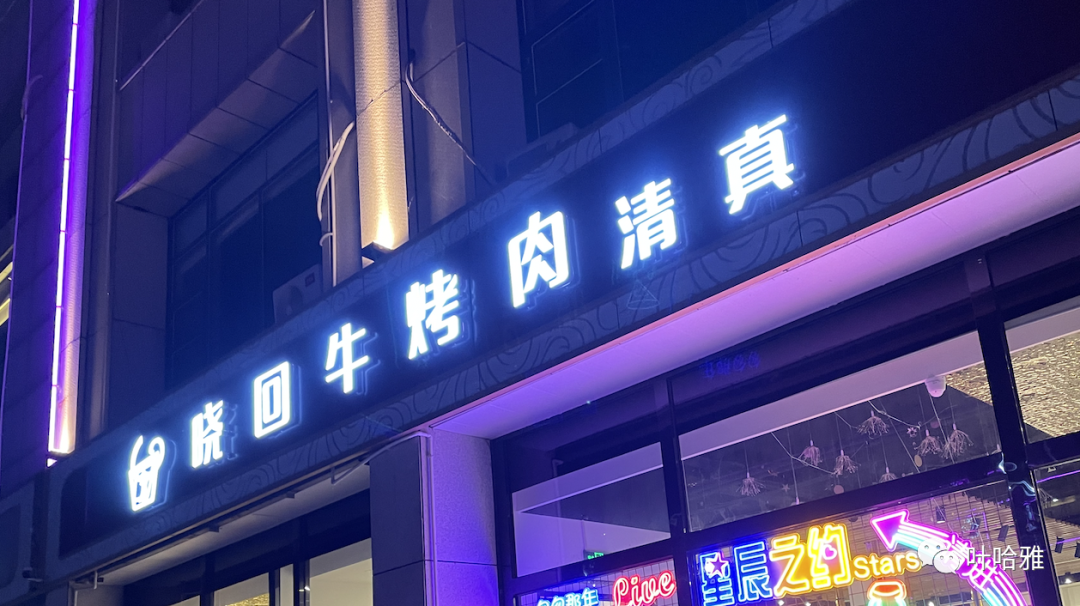
Xiaohuiniu Barbecue is located in the ground-floor shops of Maying Village in Zhangjiawan Town, Tongzhou. It is near a residential area for Hui Muslims and close to Universal Studios, so there are many halal restaurants nearby. We even saw a barbecue night market on the roadside with stalls selling halal deep-fried stinky tofu and grilled skewers. This kind of lively atmosphere is hard to find in Beijing nowadays.
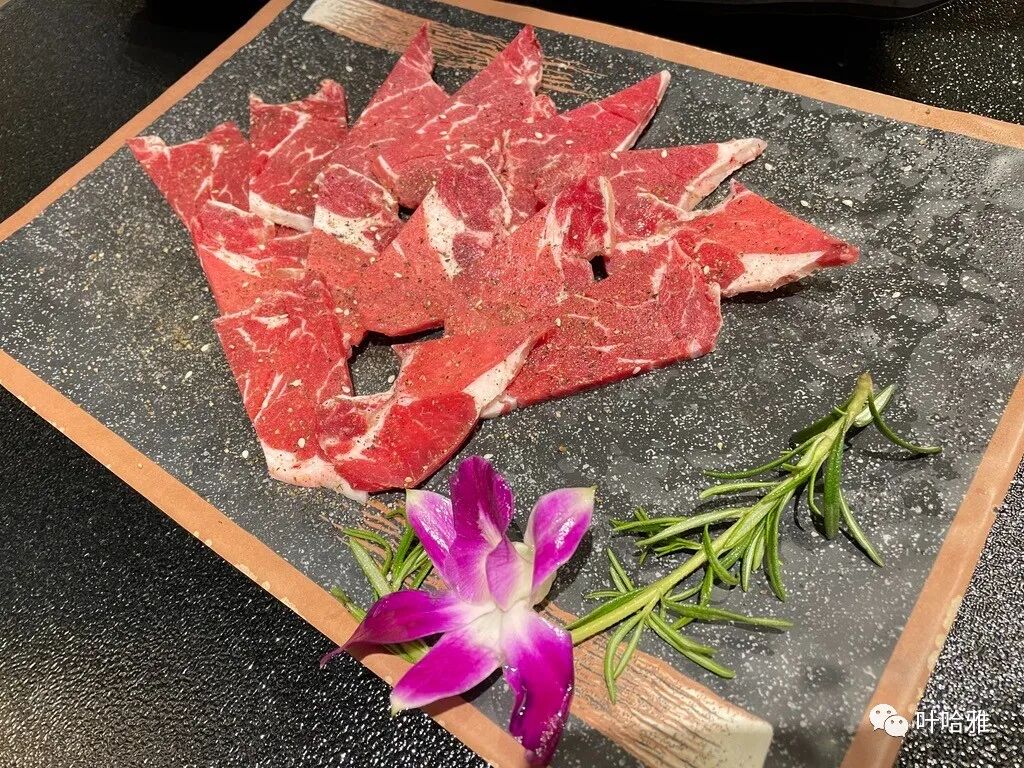
We bought a 4-person set meal on Dazhong Dianping for 288 yuan, which is 70 yuan per person. Overall, the price is cheaper than in the city center. The quality of the beef in the set is good, there are servers to help grill the meat, and the restaurant environment is spacious, making for a comfortable dining experience.
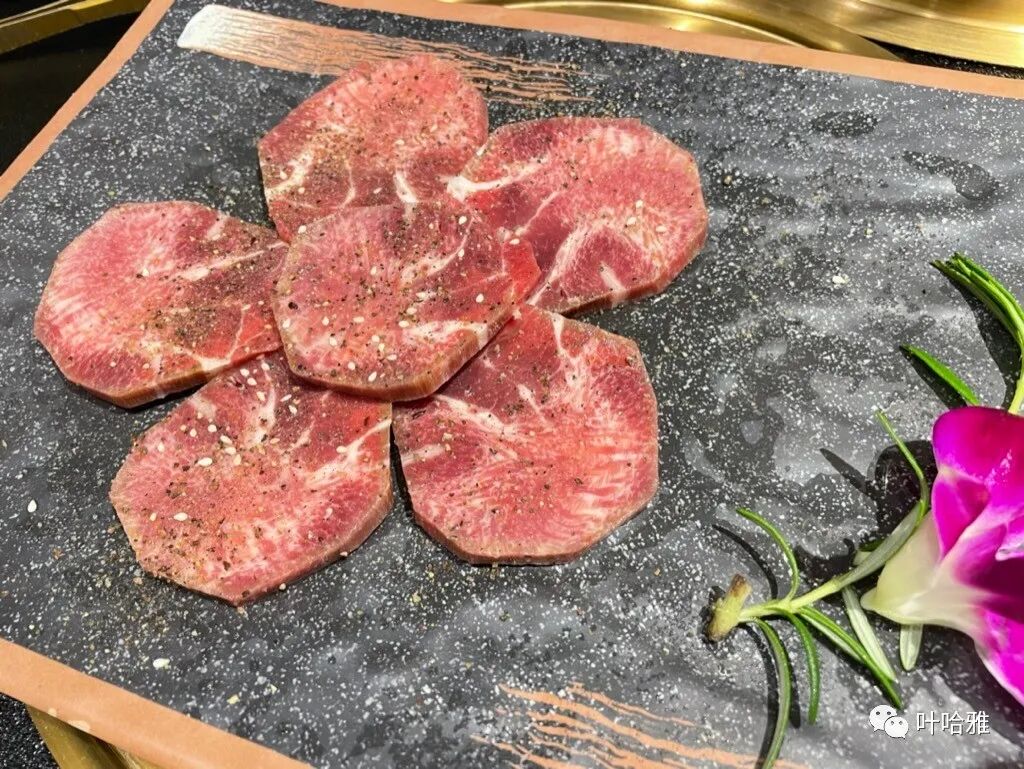
The set includes a portion of Hui beef belly and thick-cut beef tongue, as well as lamb butterfly chops and Orleans-style chicken wings. Paired with some cold dishes, it basically satisfies the appetites of four people.
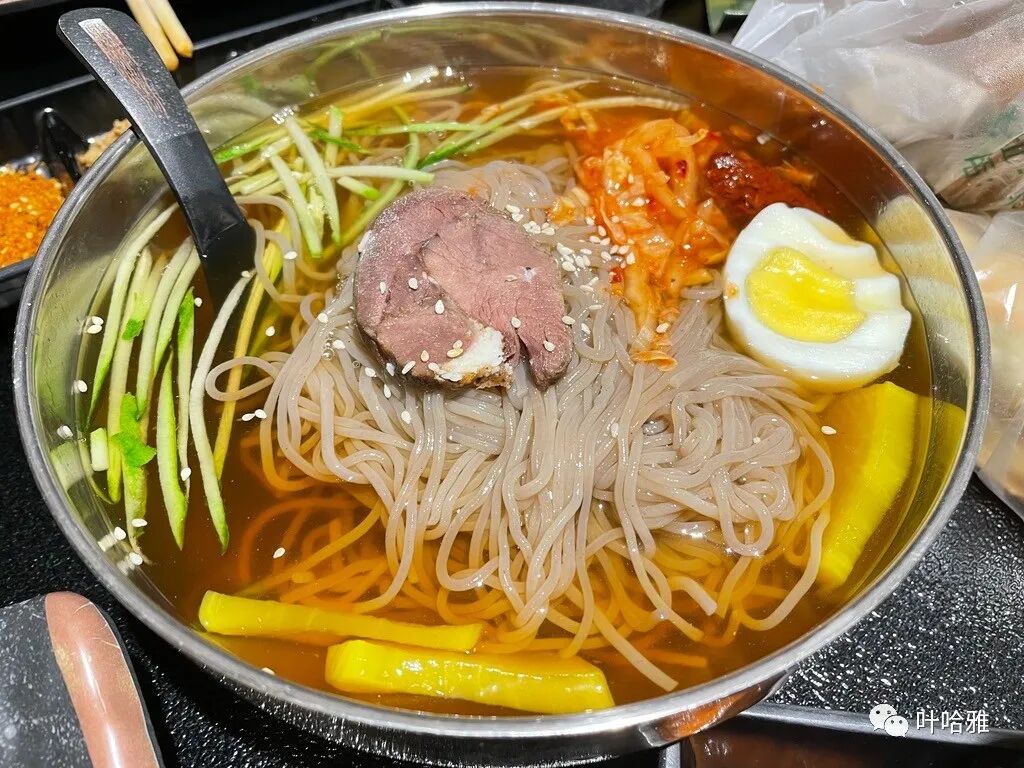
The main courses are a portion of cold noodles (lengmian) and a portion of stone pot bibimbap. These two are the standard main course pairings for Korean barbecue. Both are quite delicious, and the portions are not too large, so there is no waste.
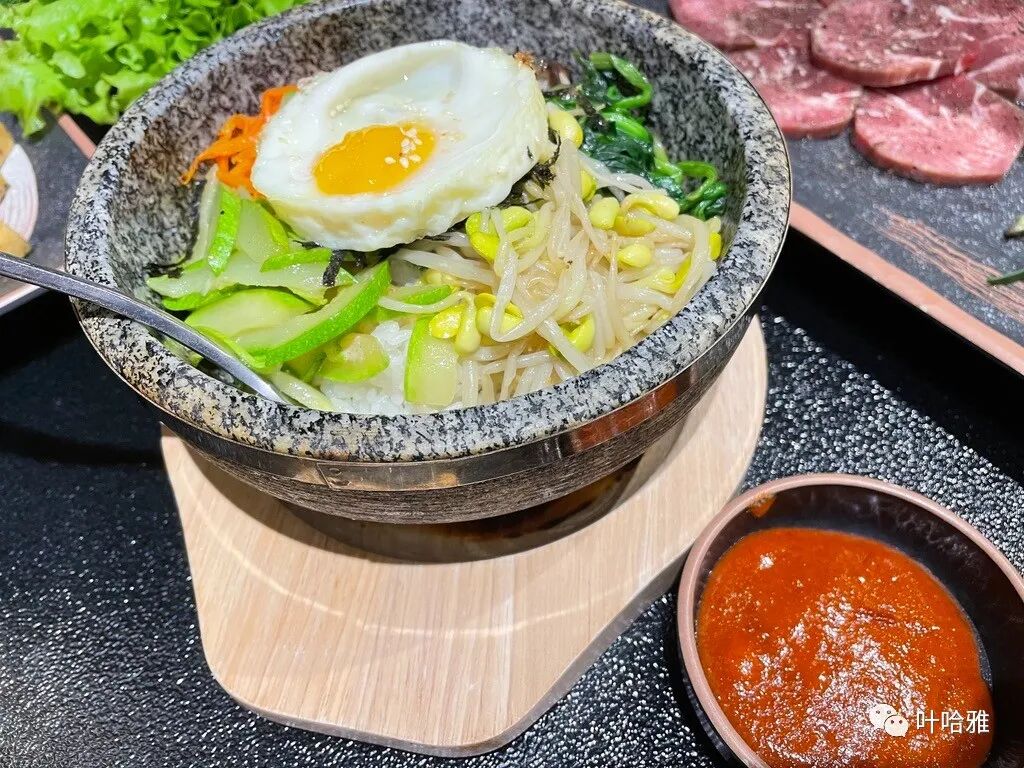
A major highlight of this place is the self-service sauce bar, which offers many flavor options. There are various dry and wet dipping sauces, and I suggest trying each one. I personally prefer the dry dipping sauces.
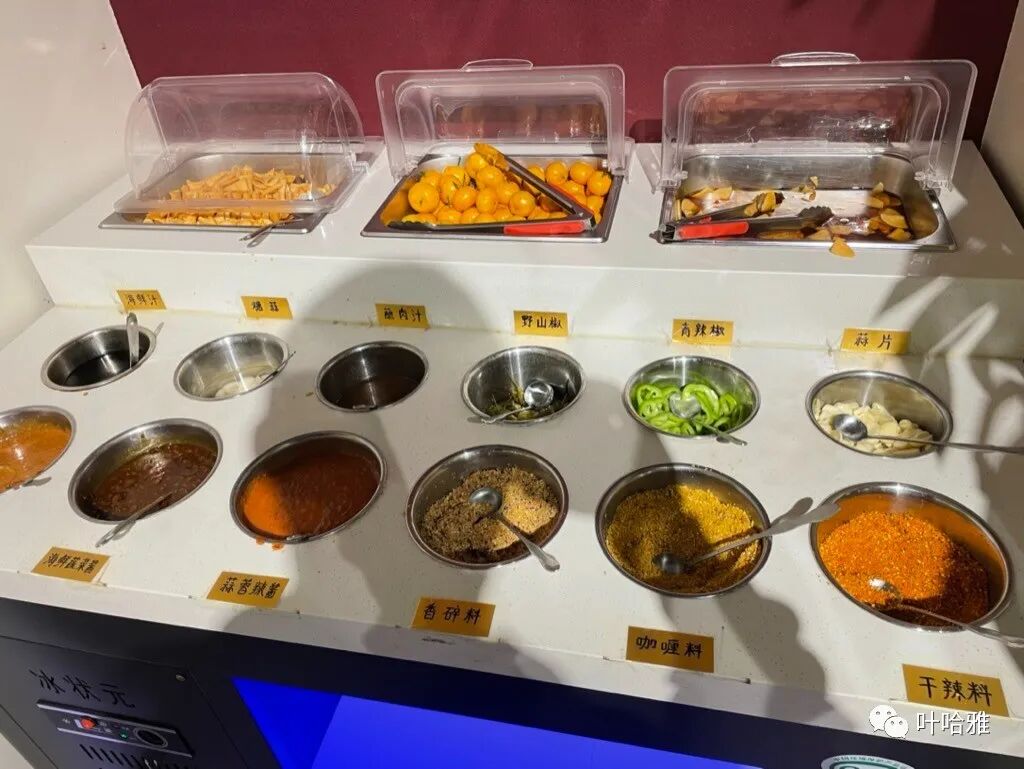
I have tried grilling meat at home, but a drawback is that the smoke fills the whole room. So, whenever I want to eat barbecue, I still recommend going to a restaurant. There are now several halal Korean barbecue restaurants in Beijing, such as Toupiqi and Qingu in Changying, as well as Japanese-style places like Chidao Yakiniku and Niushi, all of which are good restaurants.
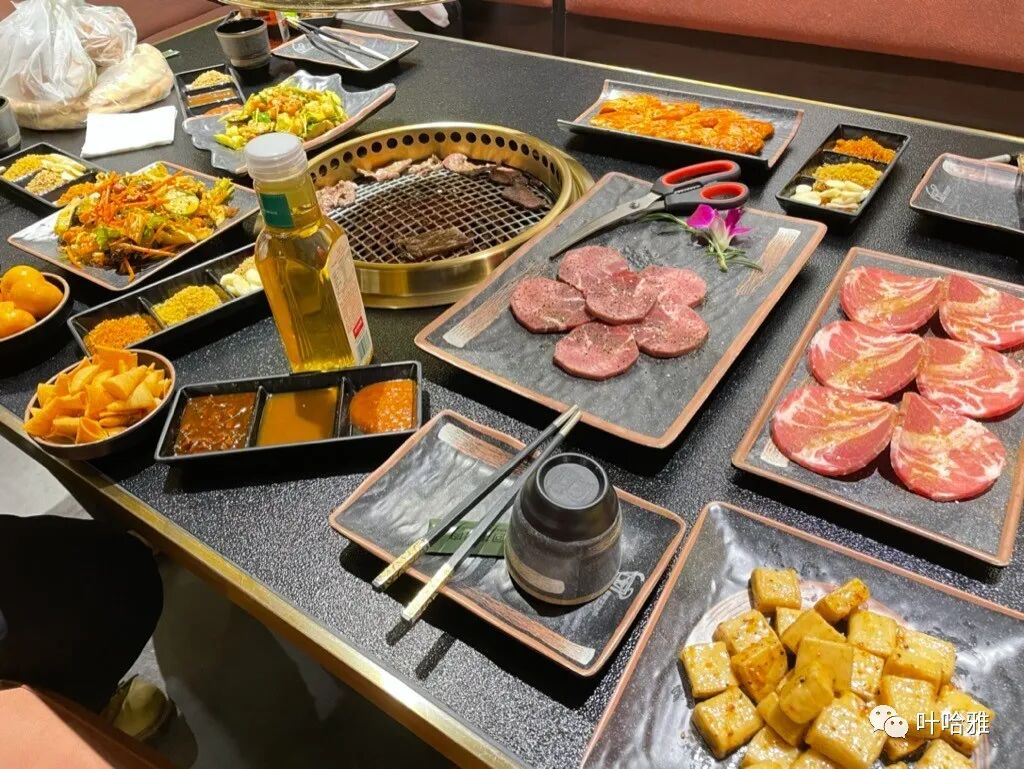
Address: Shop 5, Ground Floor, Maying Village, Zhangjiawan Town
Phone: 17610562606
2
Taihe beef flat noodles (banmian) from Anhui.
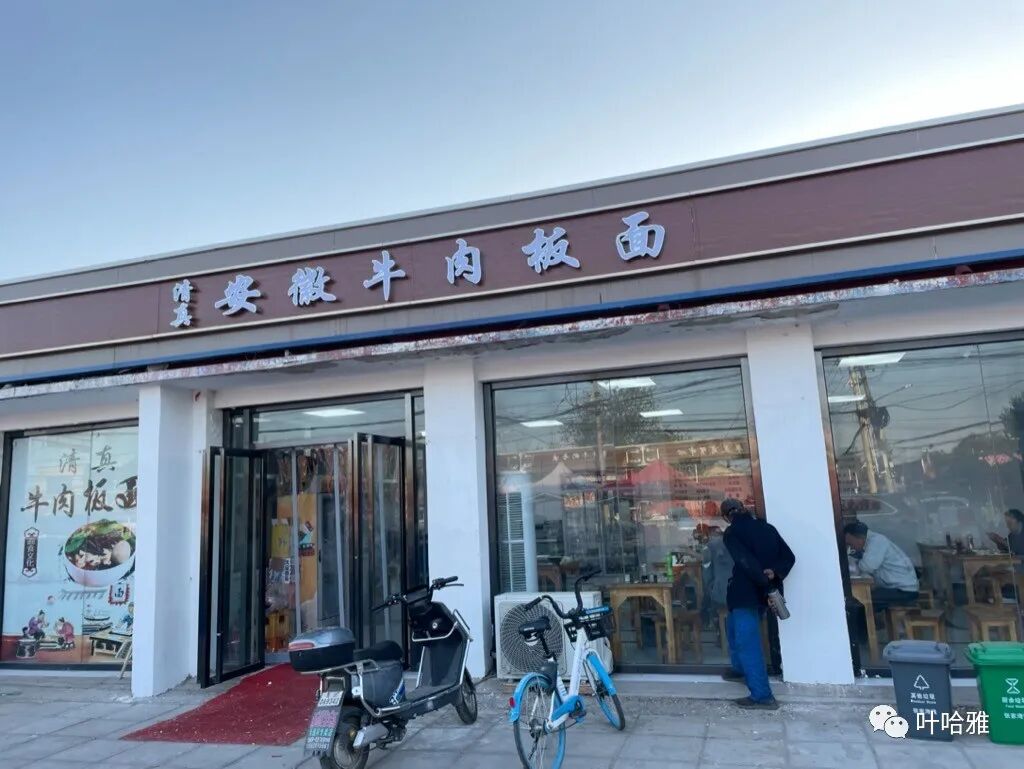
We originally planned to break our fast at Xiaohuiniu, but when we arrived at Zhangjiawan, we stumbled upon this halal Anhui flat noodle shop. It is located right at the entrance of the street where the Zhangjiawan mosque stands. The guys and I agreed immediately to eat our noodles here to break our fast before heading off for barbecue. Sometimes plans just cannot keep up with changes.
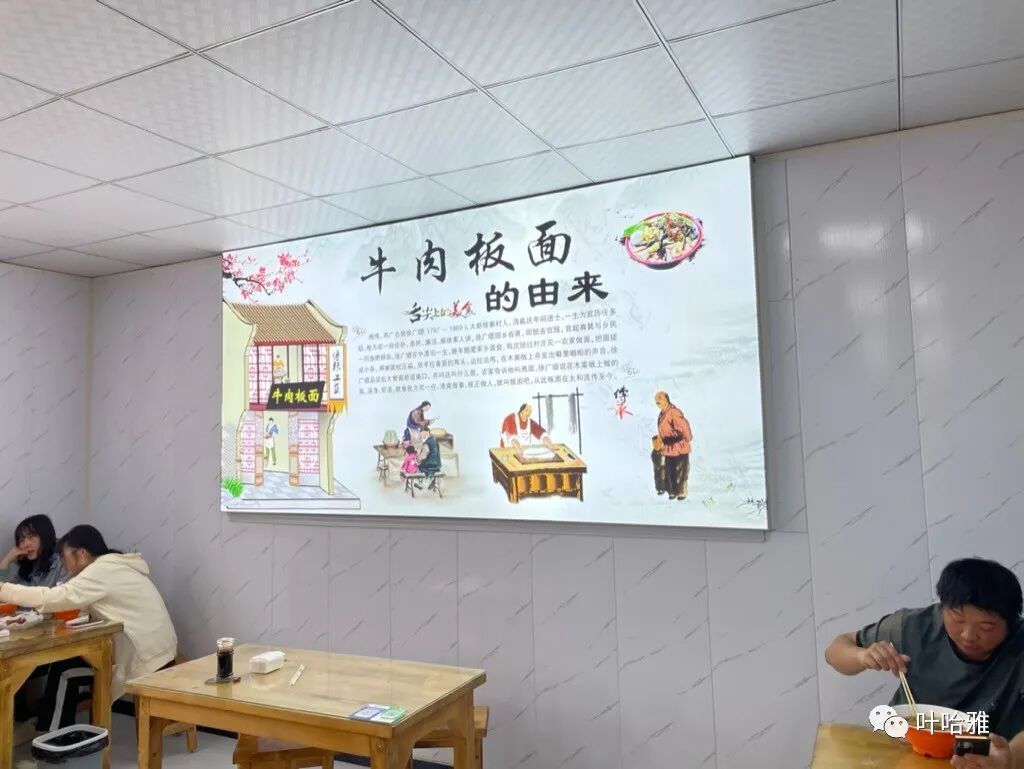
Taihe beef flat noodles are a specialty snack from Anhui that originated during the Jiaqing reign of the Qing Dynasty. Taihe is a place in Fuyang, Anhui. The name flat noodles comes from the way the dough is flattened with a rolling pin and slapped against a cutting board.
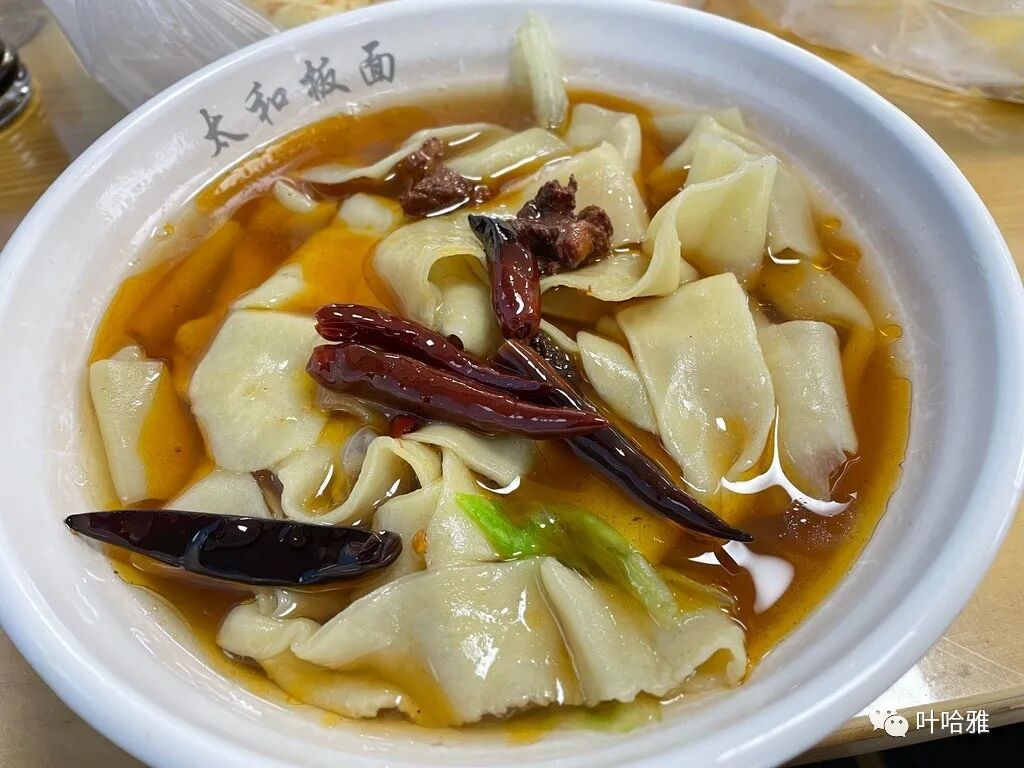
To save room for the barbecue at Xiaohuiniu, we each ordered a small bowl of noodles. The small bowl was actually quite large and cost 10 yuan. The beef broth was rich and the wide noodles were chewy. My teammates could not stop praising them. It was everyone's first time having halal flat noodles, and we all felt the trip was worth it.
3
New Chinese-style pastries: Tanggusu and Guiyizhai.
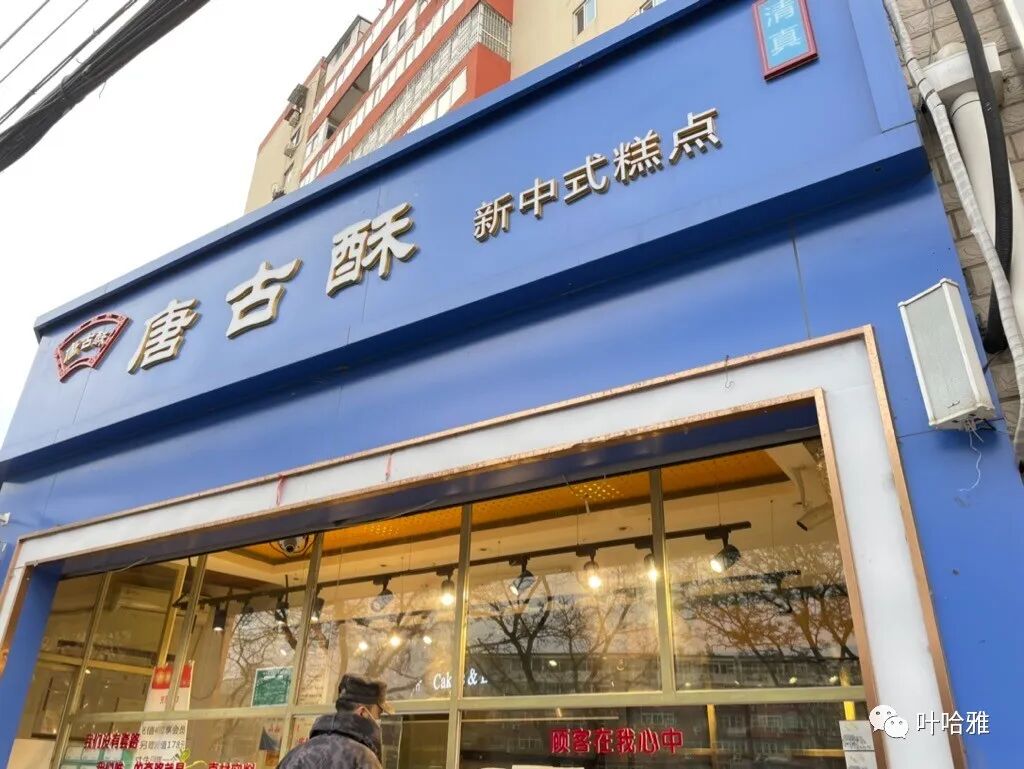
Tanggusu and Guiyizhai are the same business, located right next to each other with an interior connection. Tanggusu is the takeout window, while you can walk into Guiyizhai to shop. Young people who are not used to traditional pastries can find new flavors here.
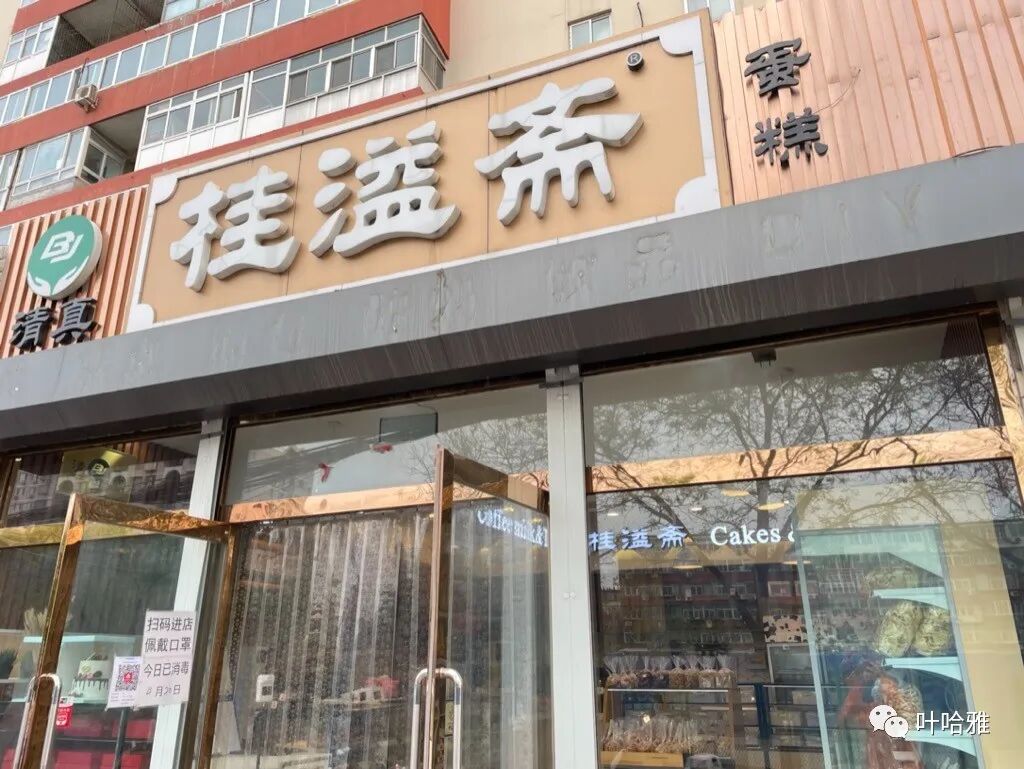
They have halal meat floss cakes (xiaobei), egg tarts, jujube cakes, chocolate pies, muffins, Napoleon cakes, and sweetheart cakes (laopobing), as well as sugar-free cakes.
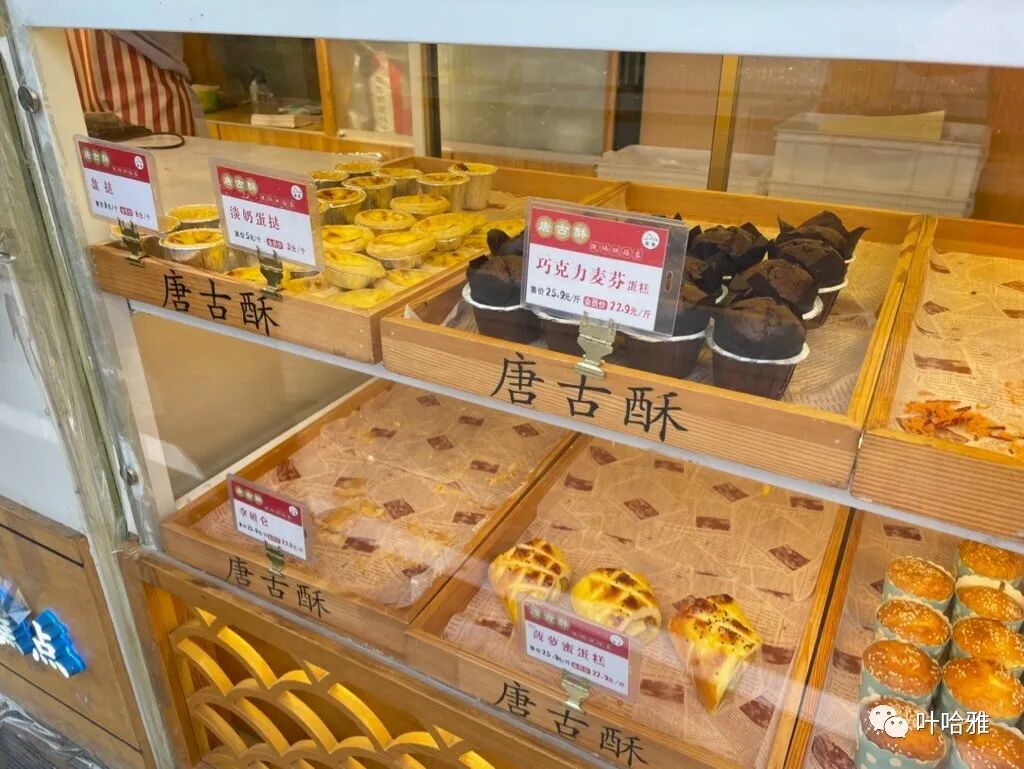
The chocolate pie is their best-selling dessert and is cheap at 8 yuan each. Given the limited options for halal desserts, this shop is quite affordable, even if it is not as good as what my wife makes.
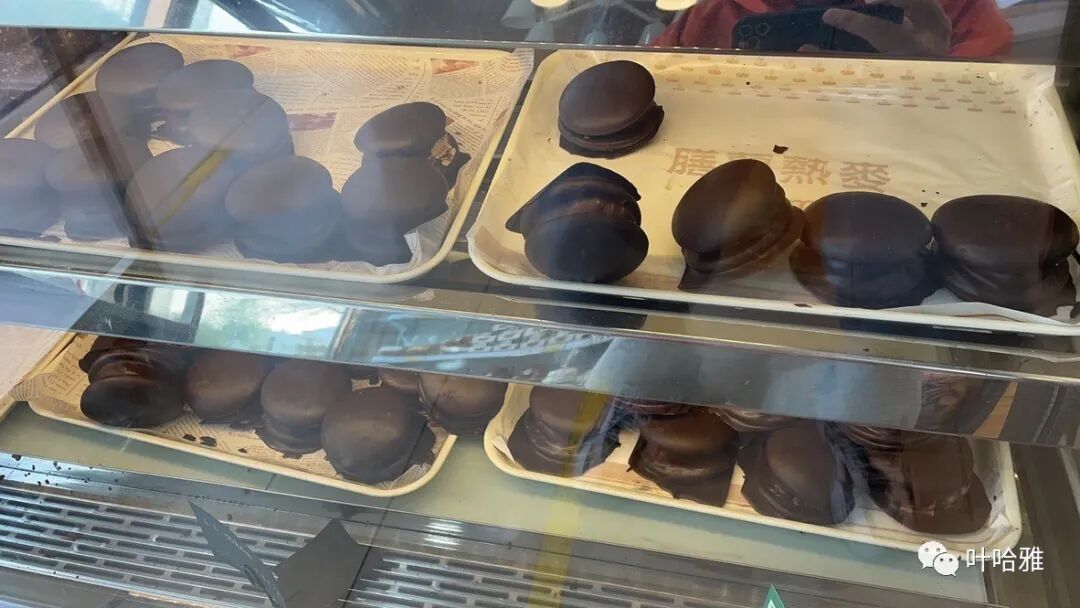
The chocolate pie was packed with filling. Since I was still fasting, I did not get to taste it; my wife ate it all (nursing mothers do not have to fast).
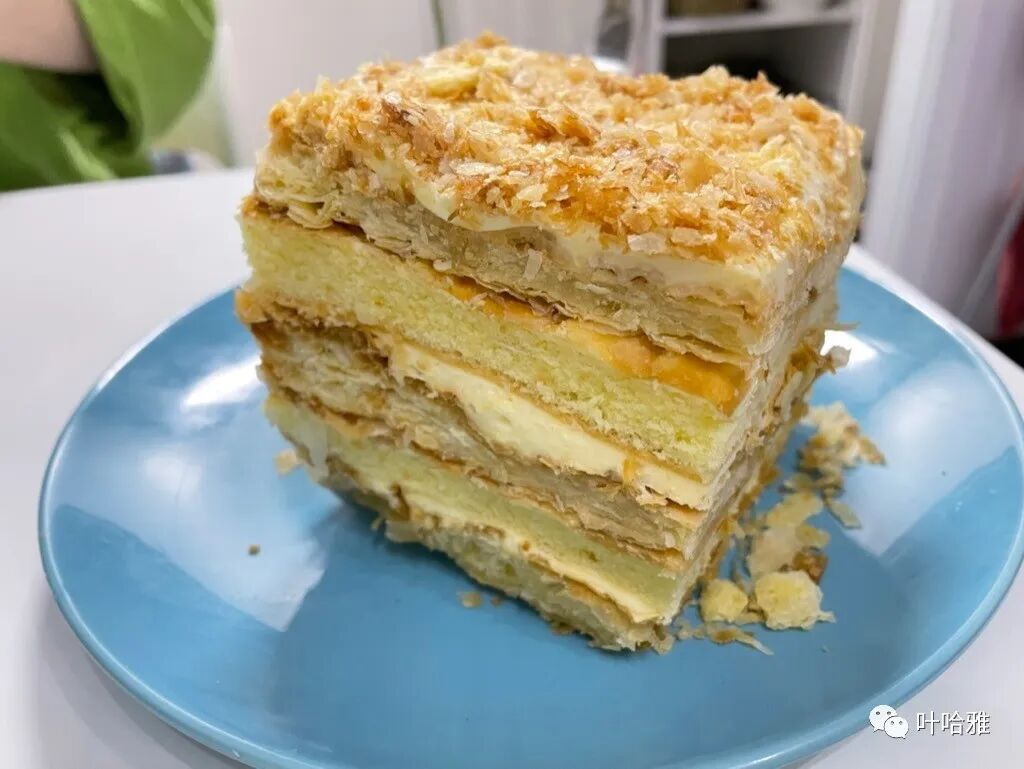
Napoleon cake.
Address: Bungalow 1, Courtyard 2, Jiaomen Road.
Phone: 01067532366.
4
New-style Beijing cuisine: Yimanxuan.
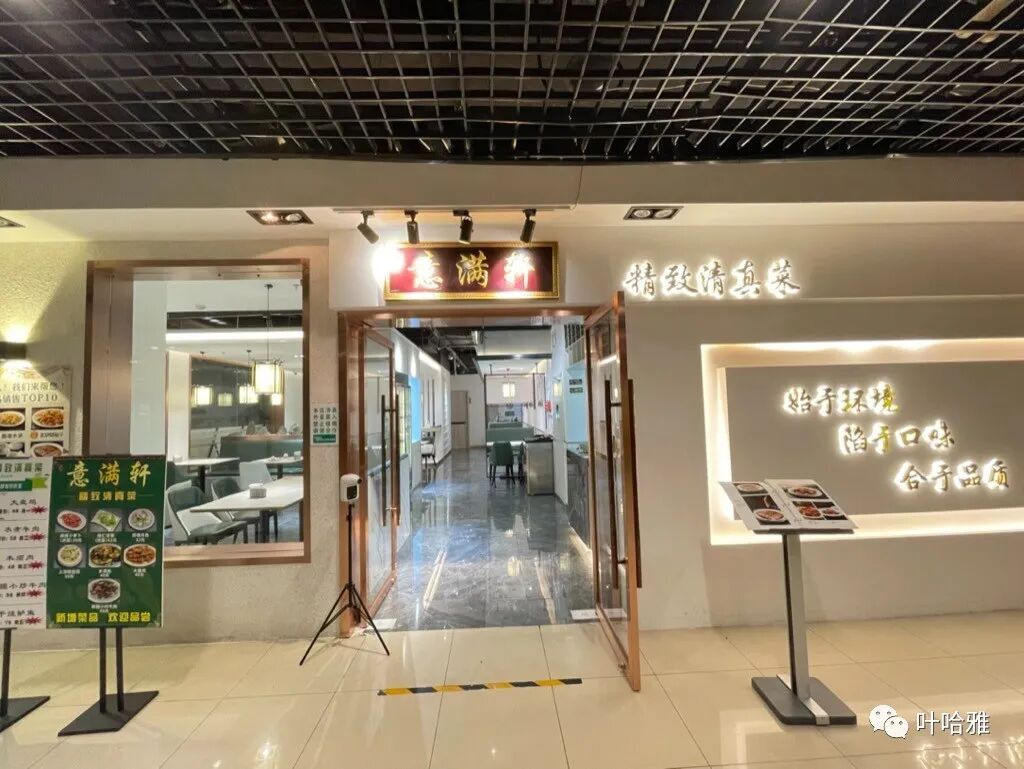
One evening, Tiantian had the intention (niyyah) to treat everyone to break their fast. Since we wanted to keep the cost per person reasonable, I specifically chose this newly opened restaurant near Xidan.
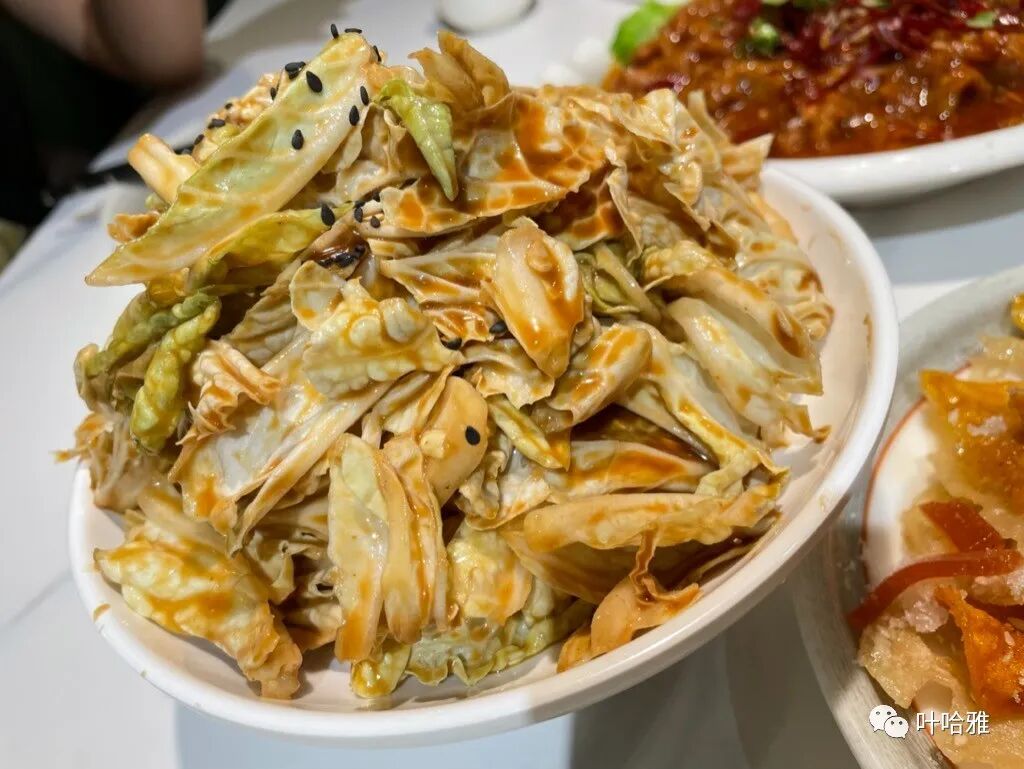
Qianlong cabbage.
Qianlong cabbage (qianlong baicai) is a cold dish made with Chinese cabbage, sesame paste, honey, and sugar.
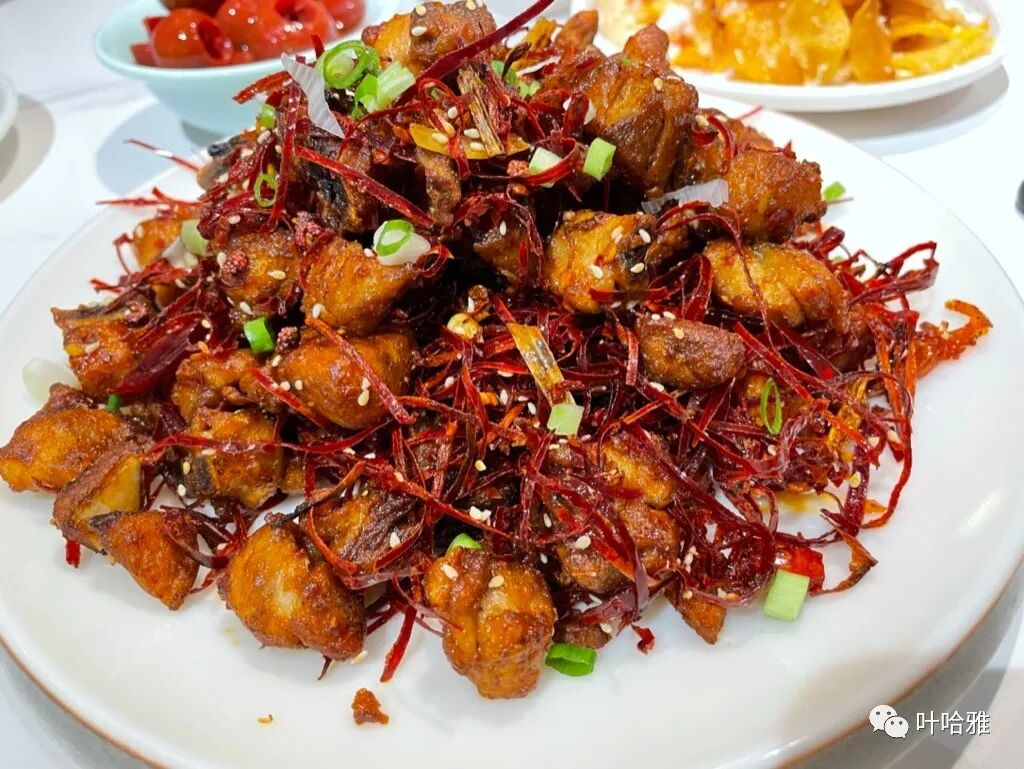
Dry-fried young chicken (ganbian ziji).
This Sichuan-style dry-fried young chicken is deep-fried first, so it is crispy on the outside and tender on the inside. It is topped with dried chili strips for a spicy, fragrant flavor that is just right.
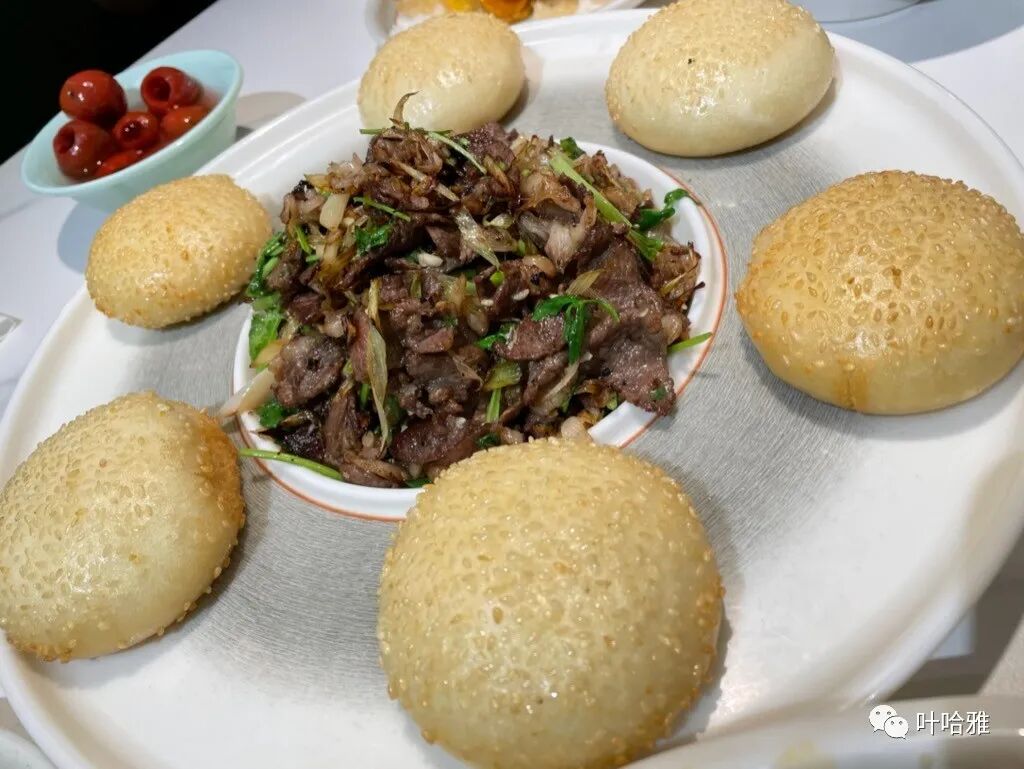
Stir-fried lamb (baohu).
Baohu is basically stir-fried lamb, but cooked over higher heat for a longer time. You eat it with sesame flatbread (shaobing), which is soft enough to stuff the meat inside. This dish is quite popular.
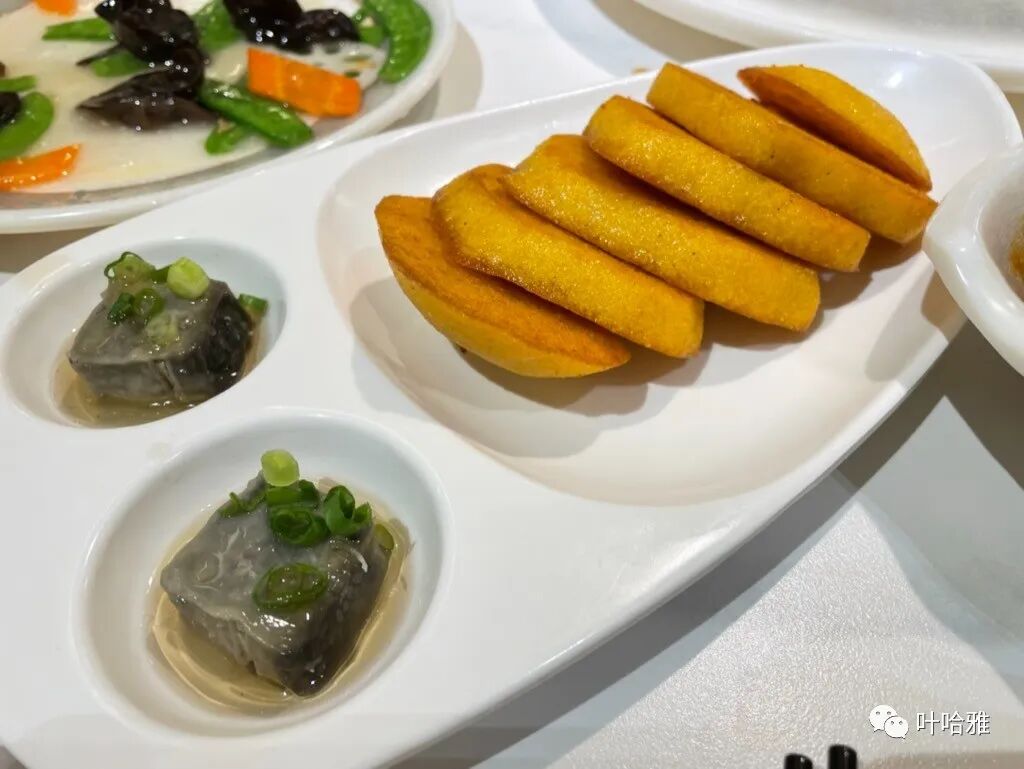
Fried cornmeal buns with stinky tofu (zha wotou choudoufu).
This is a favorite among old Beijingers. You spread stinky tofu on fried cornmeal buns. Don't smell it; just hold your breath and eat it, and you won't notice the smell.
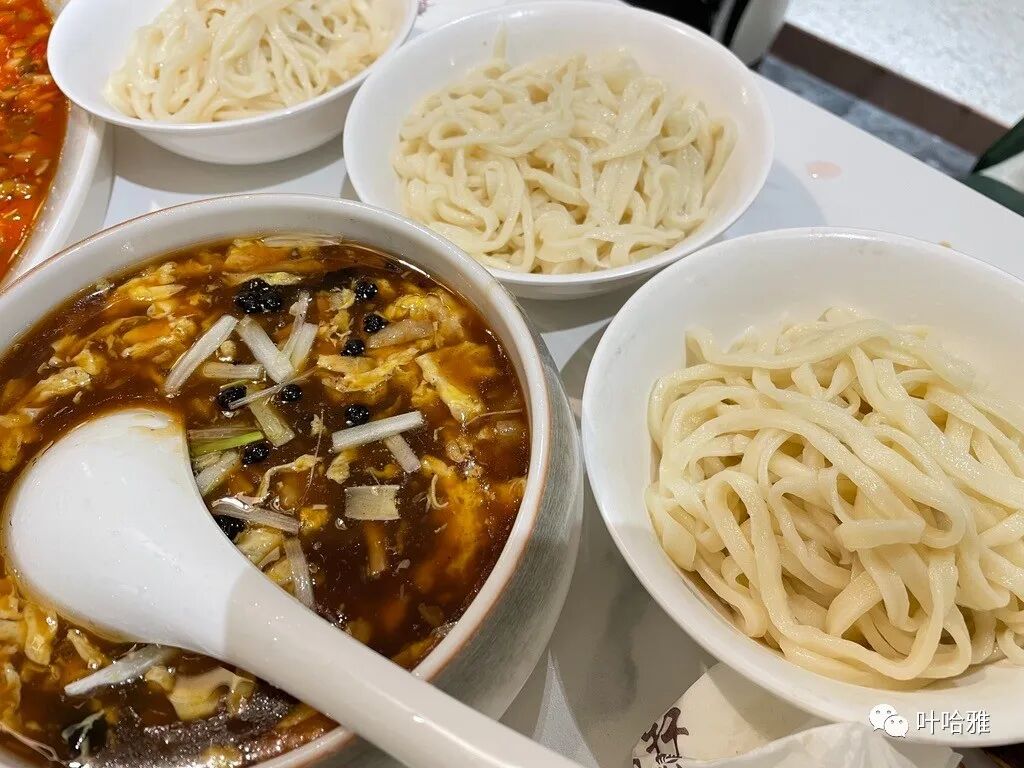
Noodles with thick gravy (dalu mian).
We chose these noodles with thick gravy as our main course. One big bowl serves three people. The handmade noodles and the gravy are both carefully prepared and highly recommended.
5
Northwest cuisine at Lili Yangke.
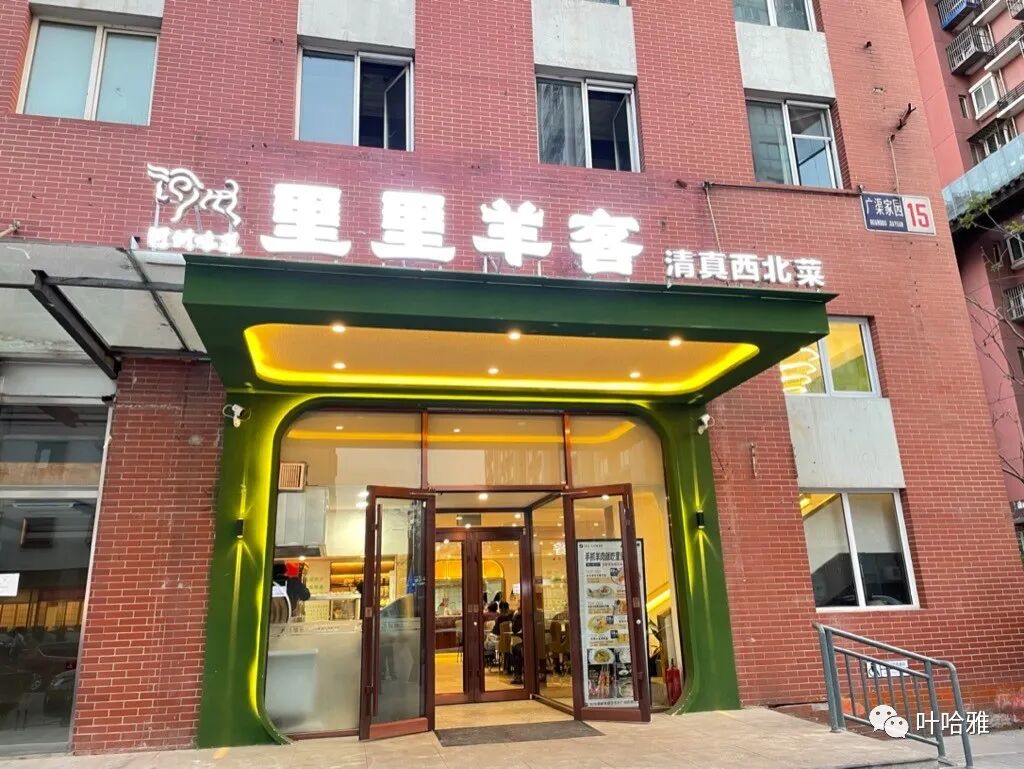
During Ramadan, Lili Yangke provides dates for those fasting to break their fast. They also prioritize serving food to guests breaking their fast; just tell the server it is an iftar meal, and the chef will serve it on time.
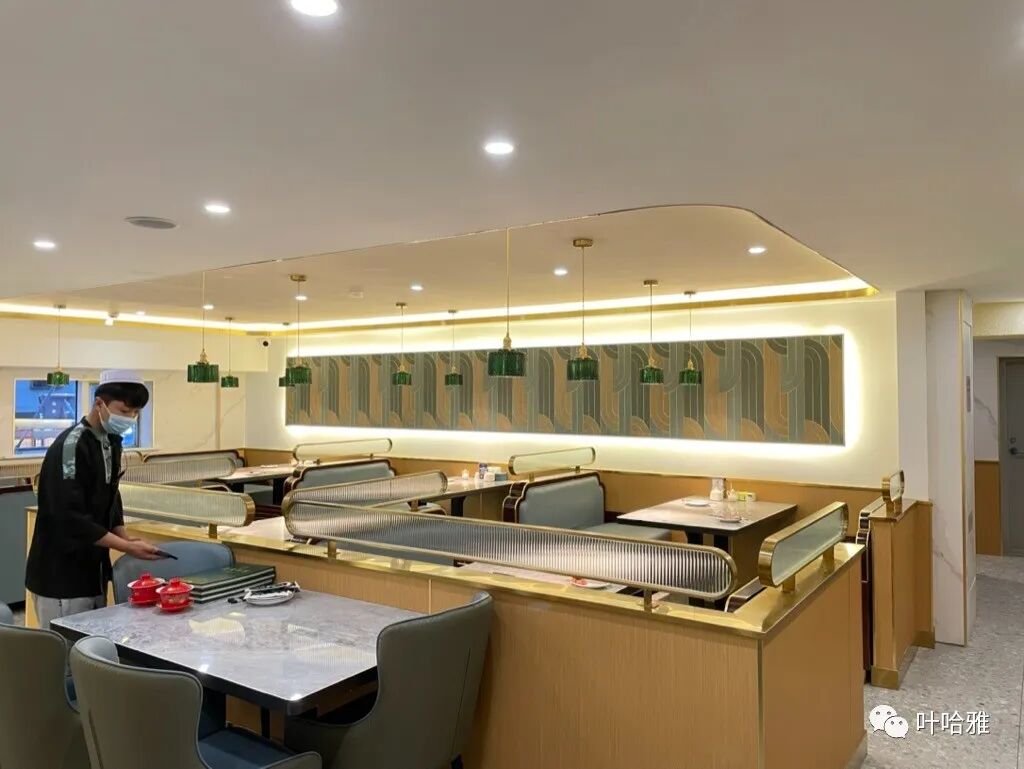
The waitresses at Lili Yangke wear headscarves, and I saw them performing namaz after breaking their fast.
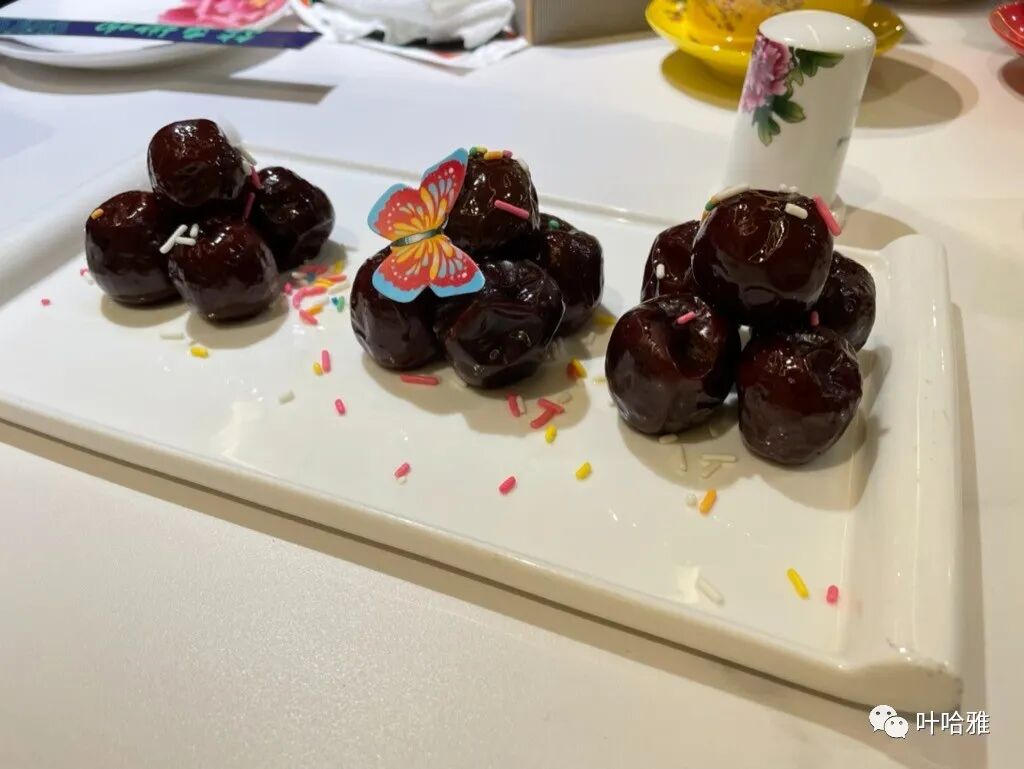
We use boiled dates to break our fast, following the Sunnah.
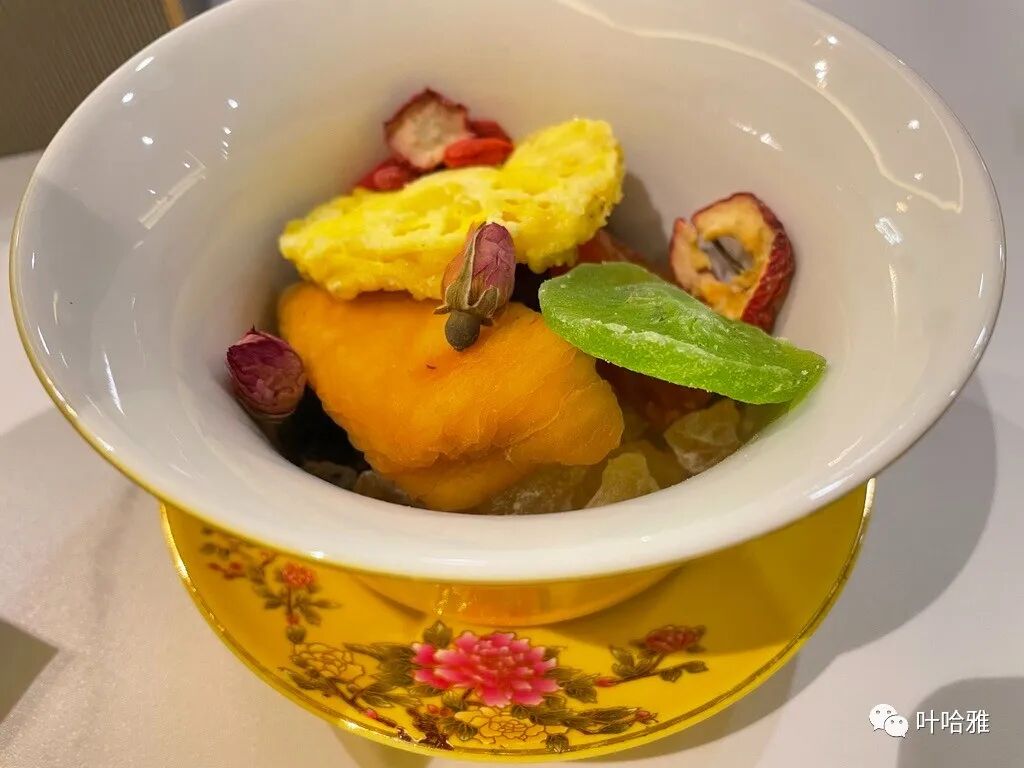
The deluxe version of eight-treasure tea (babao cha), also known as three-cannon tea (sanpaotai) in Lanzhou, is always filled to the brim when you visit a home in the Northwest.
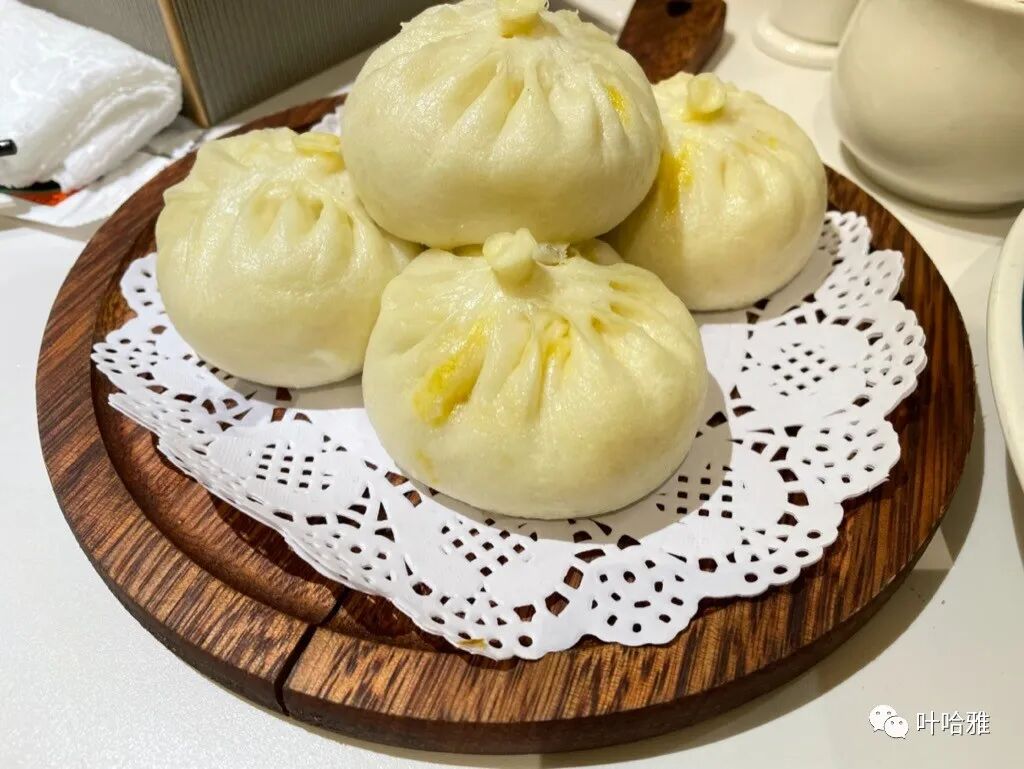
Hezhou steamed buns (Hezhou baozi) are not a main course here; in the Northwest, they are served as an appetizer before the meal.
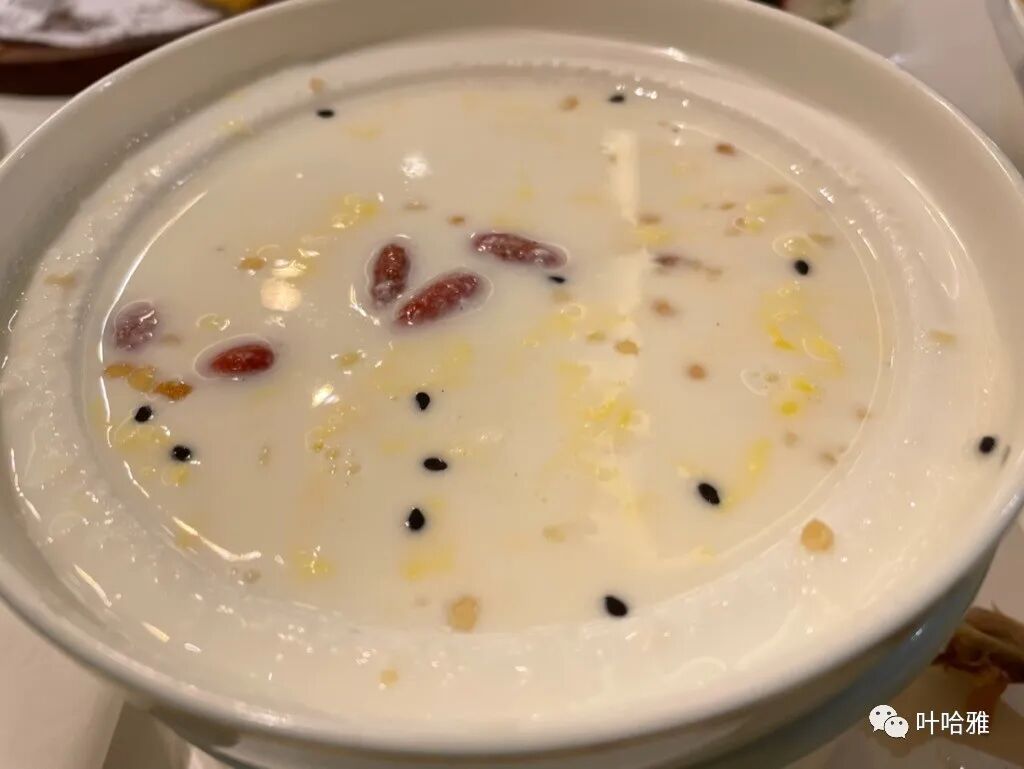
Milk and egg fermented rice soup (niunai jidan laozao) is a Northwest dessert that can be eaten before or after a meal.
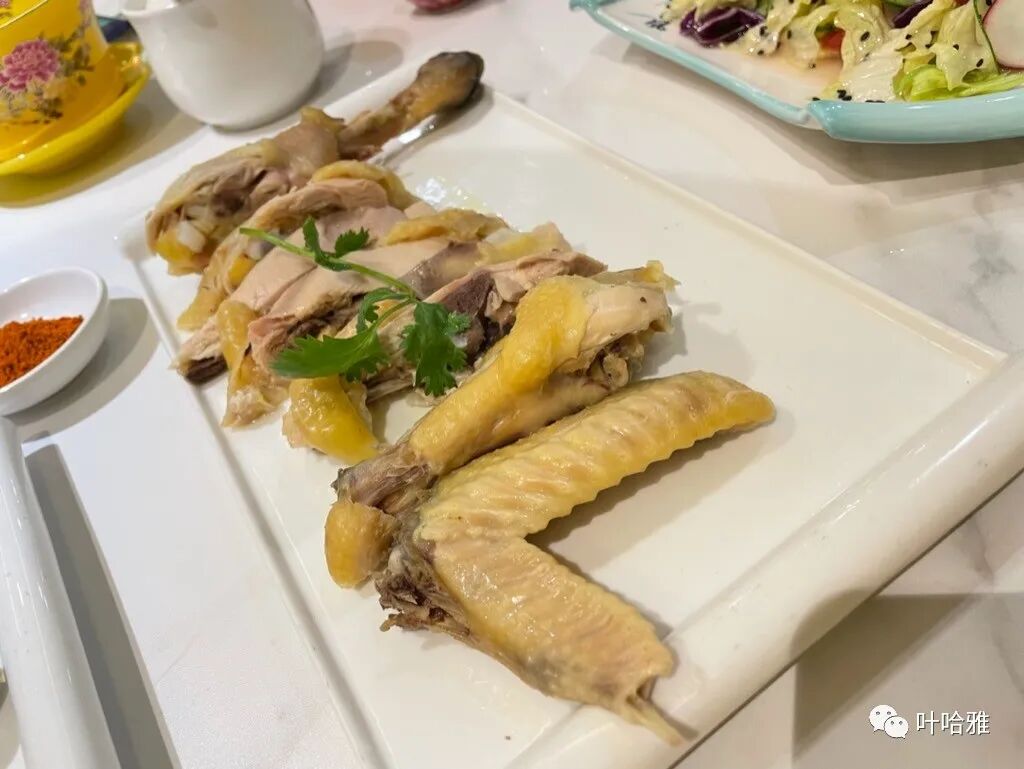
Their Dongxiang free-range chicken (Dongxiang liuda ji) is excellent. The meat is tender and has a great texture that is clearly different from regular chicken.
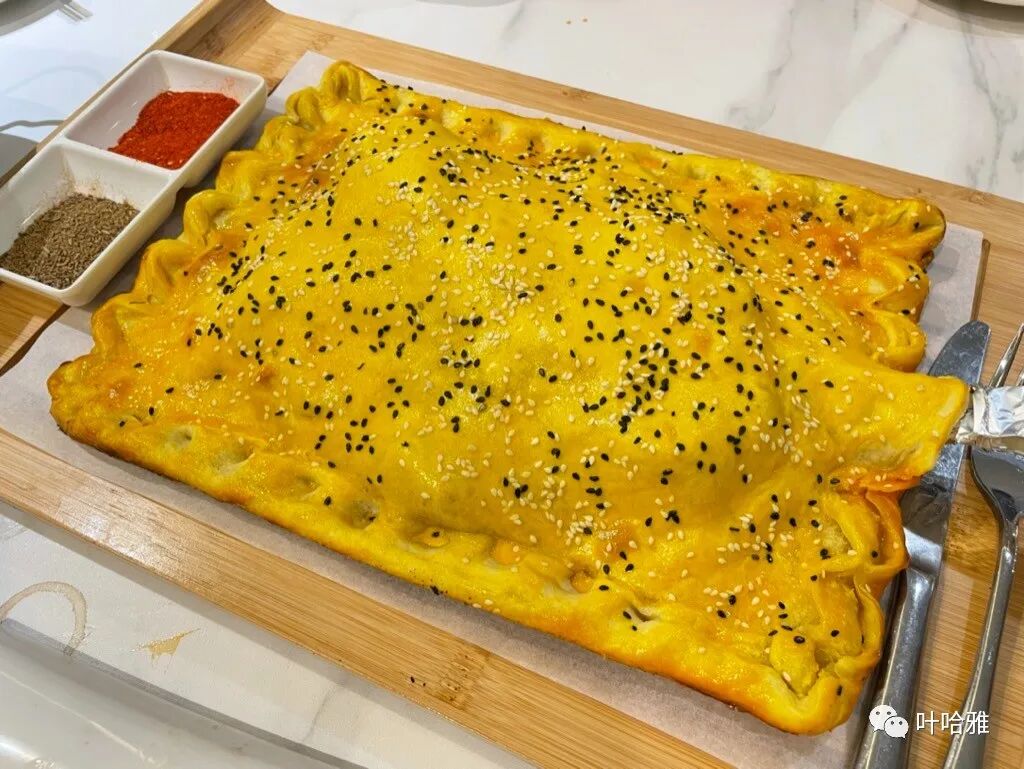
The golden bread roasted lamb leg (huangjin mianbao kao yangtui) is their signature dish. You need to order it an hour in advance because it is baked to order. Once the bread is cut open, it is filled with pre-cut pieces of lamb, and the quality of the meat is excellent.
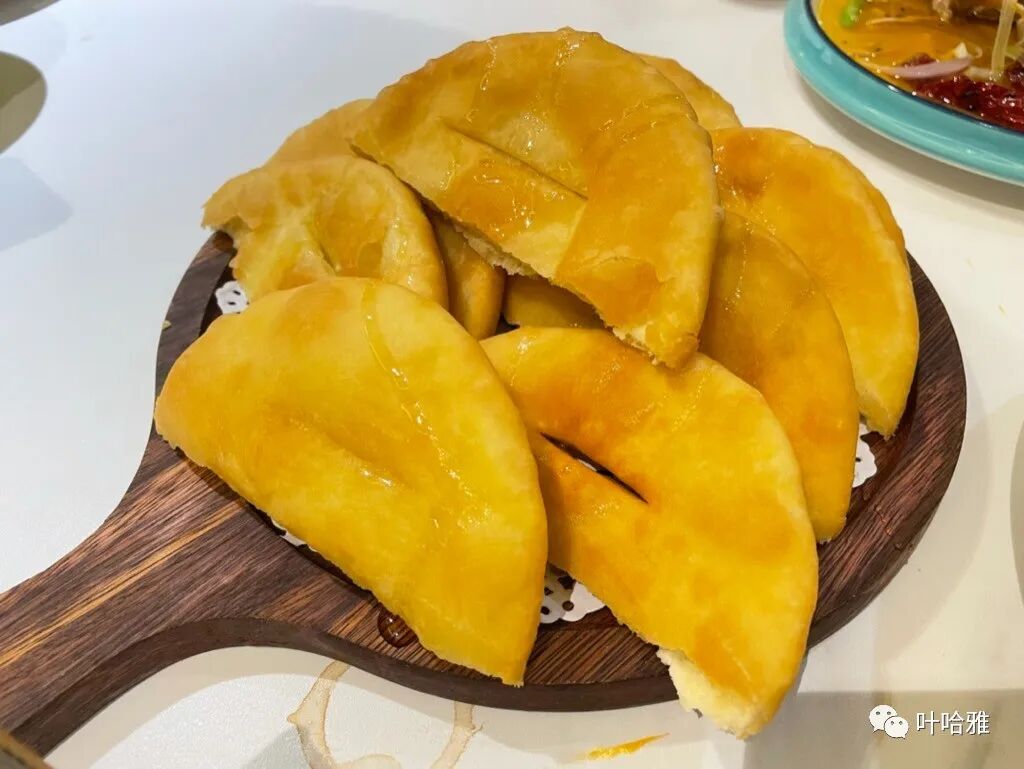
The small fried dough (youxiang) is fluffy and delicious, and you can eat it like a snack. Many places do not fry youxiang regularly, only on important days, which makes the food feel sacred. There is even a custom that you must break it by hand to eat it. These are local traditions that do not come from the Quran or Hadith. We respect these traditions, but we should also know where they come from.
Address: No. 15 Guangqu Jiayuan, Guangqumen Outer Street.
Phone: 13777836511.
6
Xinjiang Cuisine: Ziyuan.
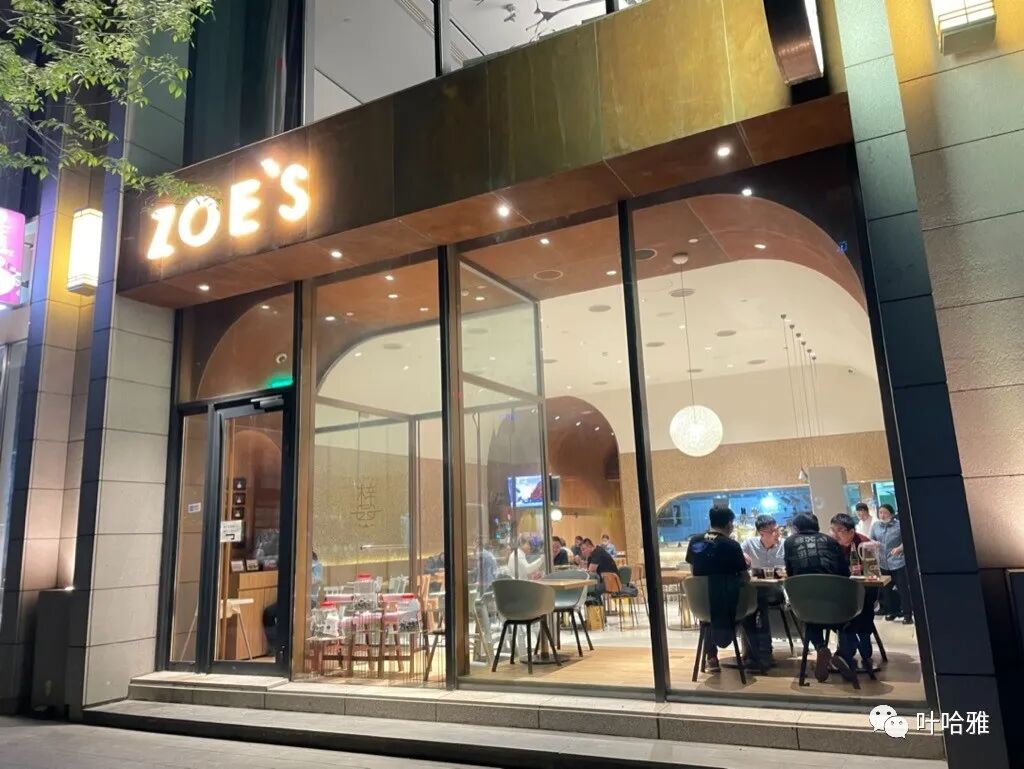
There are Xinjiang restaurants everywhere in Beijing now, but this one stands out for its decor. People say they hired the famous Japanese designer Shuhei Aoyama. The master's design fee was as high as 2,000 yuan per square meter, which shows the owner has very high standards for aesthetics.
Since they hired a master designer, they are naturally careful about choosing ingredients. The owner is a Hui Muslim from Xinjiang, so the ingredients come directly from Xinjiang.
We saw a note on the menu: 'The restaurant's chefs all come from ethnic minority regions in Xinjiang.' This description speaks for itself. Those who know, know. This is how ethnic restaurants from Xinjiang write it these days.
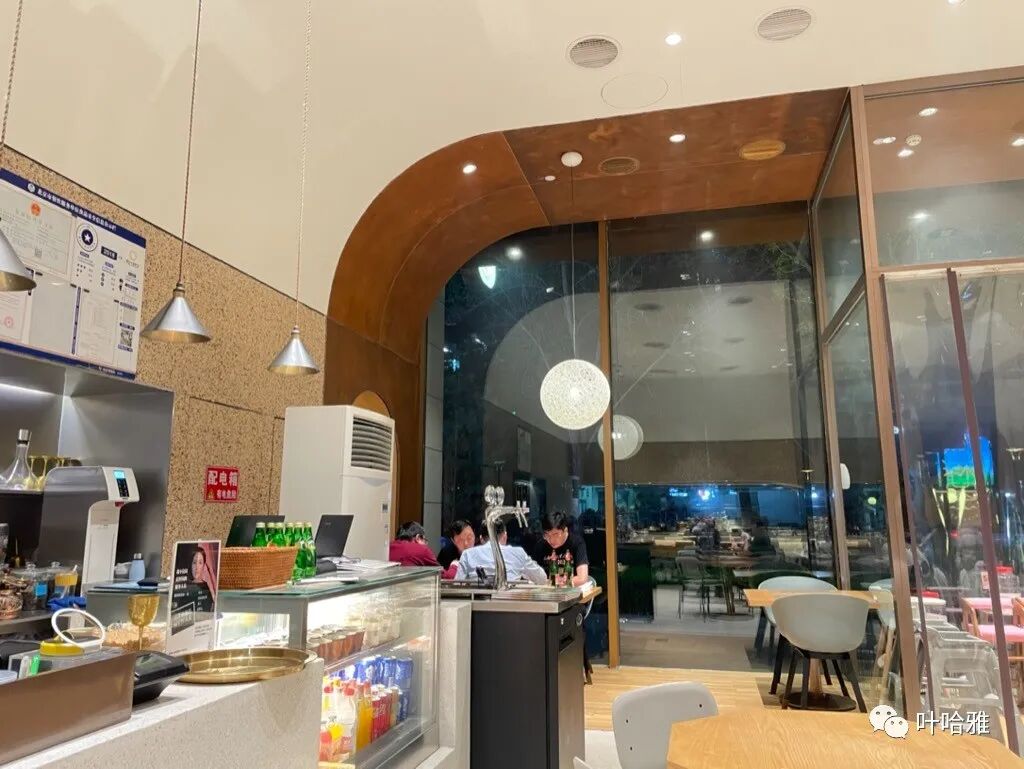
Actually, before eating at Ziyuan, we had already broken our fast at a nearby Yunnan restaurant called Dianxinyuan. We just happened to pass by here and thought, since we came all this way, we might as well go in and sit for a while.
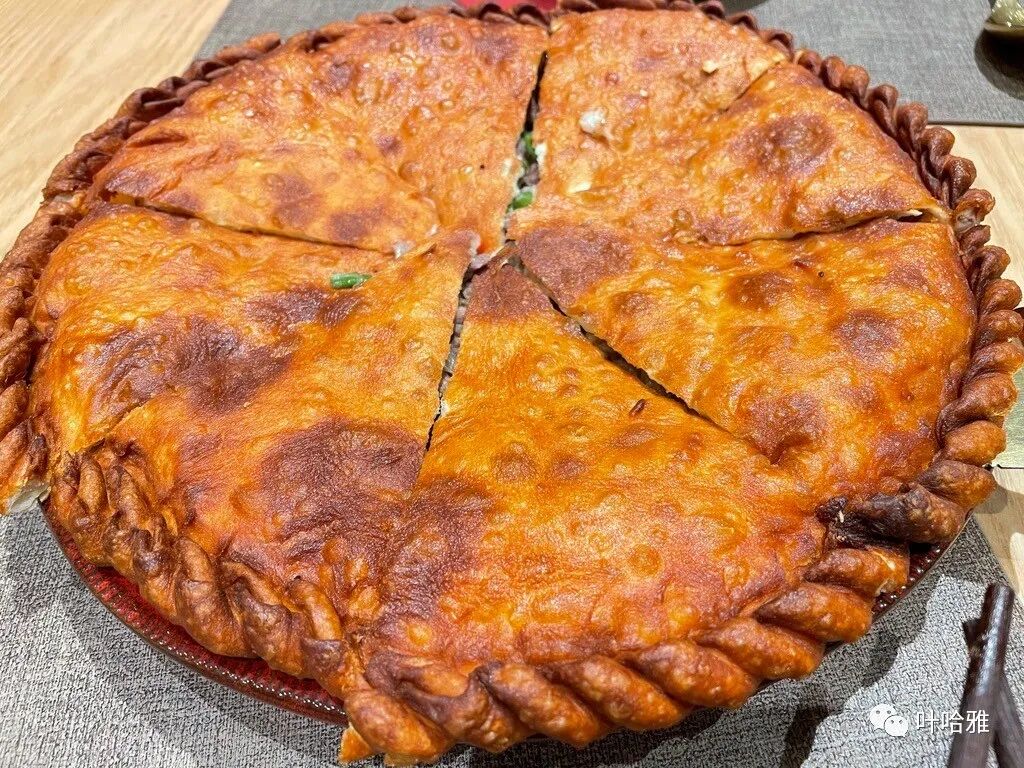
We ordered a meat-filled flatbread (rou nang). Even though we were very full, we still thought it was delicious. It had plenty of filling and lots of meat.
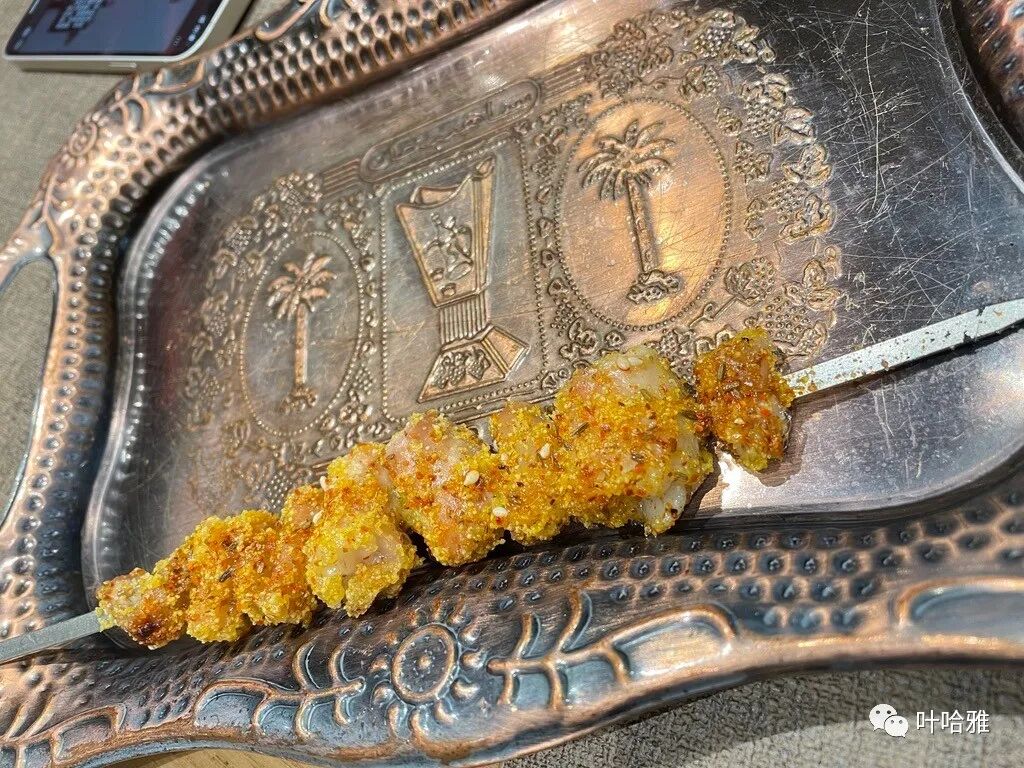
We also ordered a skewer of grilled lamb liver and a skewer of red willow grilled meat (hongliu kaorou). The ingredients were all very fresh and satisfying.
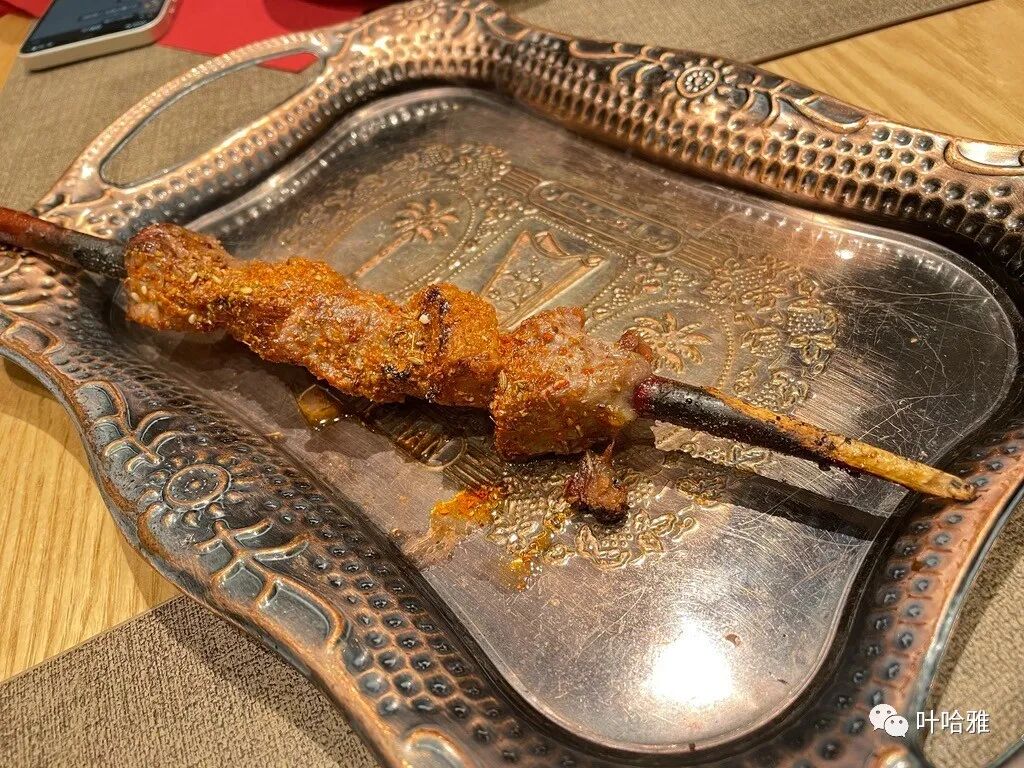
Address: Block B, Podium Building, AVIC Plaza, Ronghua South Road.
Phone: 13511041942.
7
Turkish Cuisine: SIMIT PALACE.
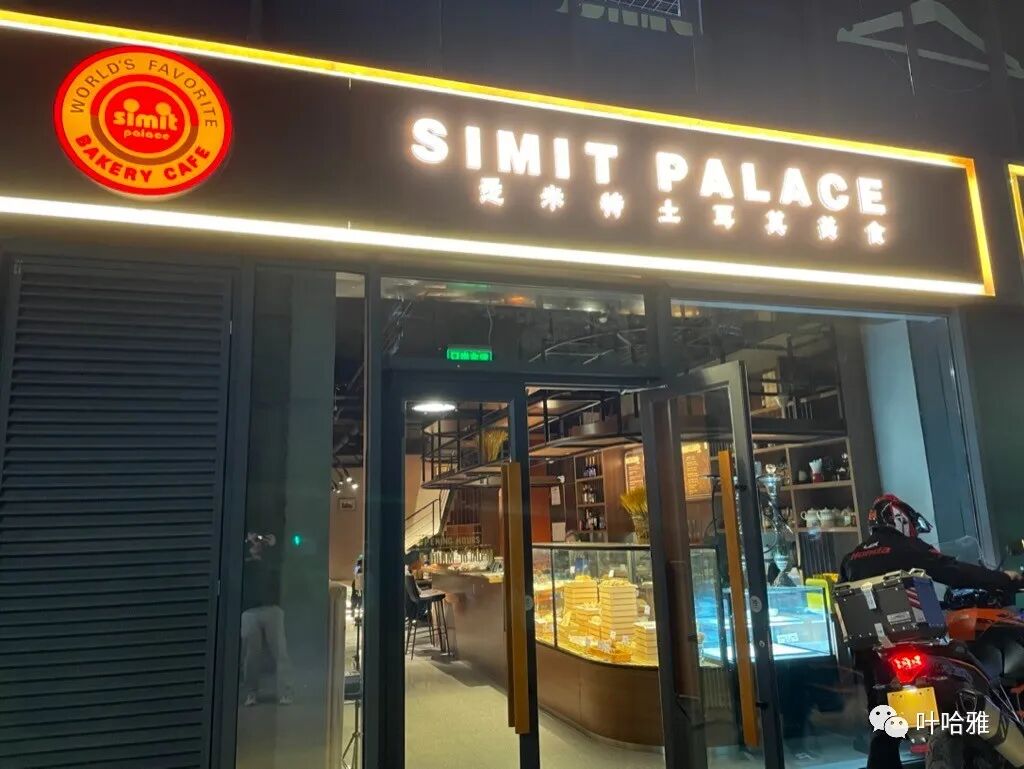
This is a newly opened Turkish restaurant in the Asian Games Village. The owner is a Turkish man from Istanbul, and his wife is from Beijing. In 2005, they opened a Turkish restaurant called Osman on Lucky Street.
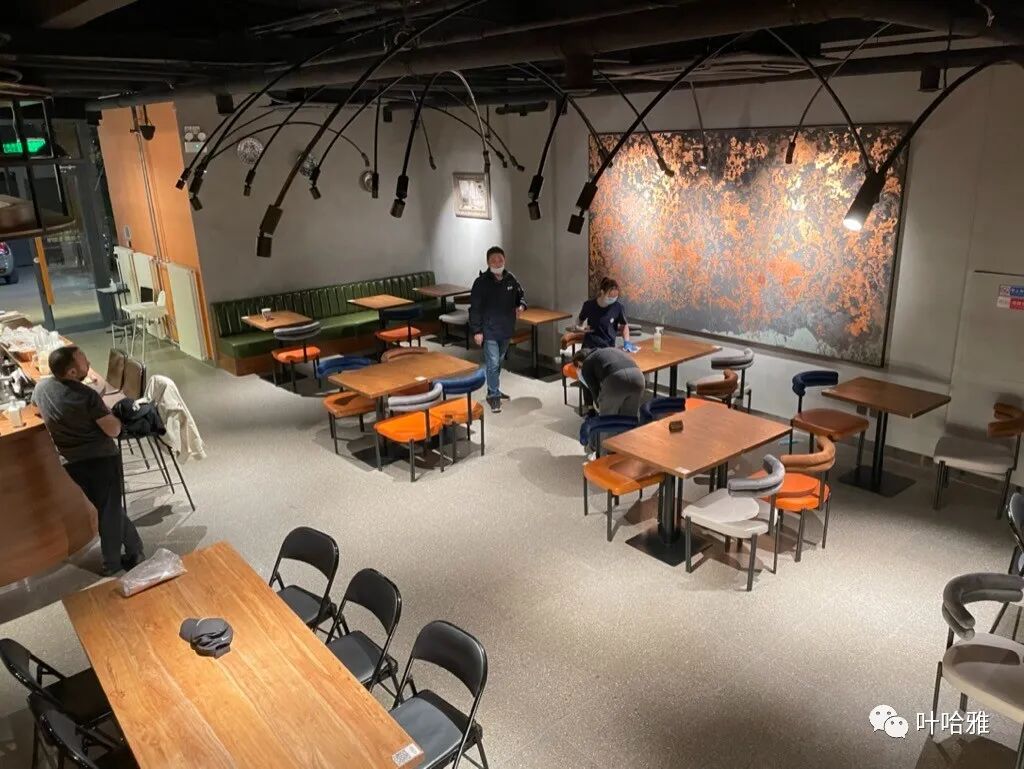
The restaurant has only one floor, with the kitchen on the second floor. The first floor serves desserts, bread, and coffee, making it a great spot for a casual afternoon tea.
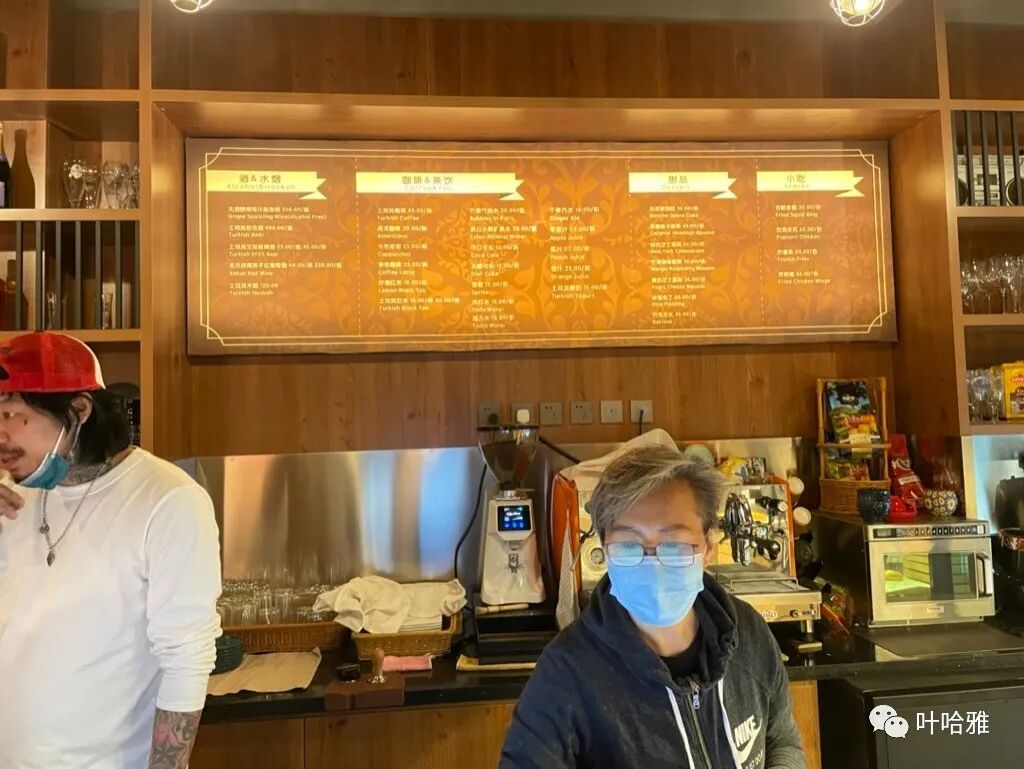
I bought some bread to try. It was made very delicately, and after my wife checked it, she said it was quite good.
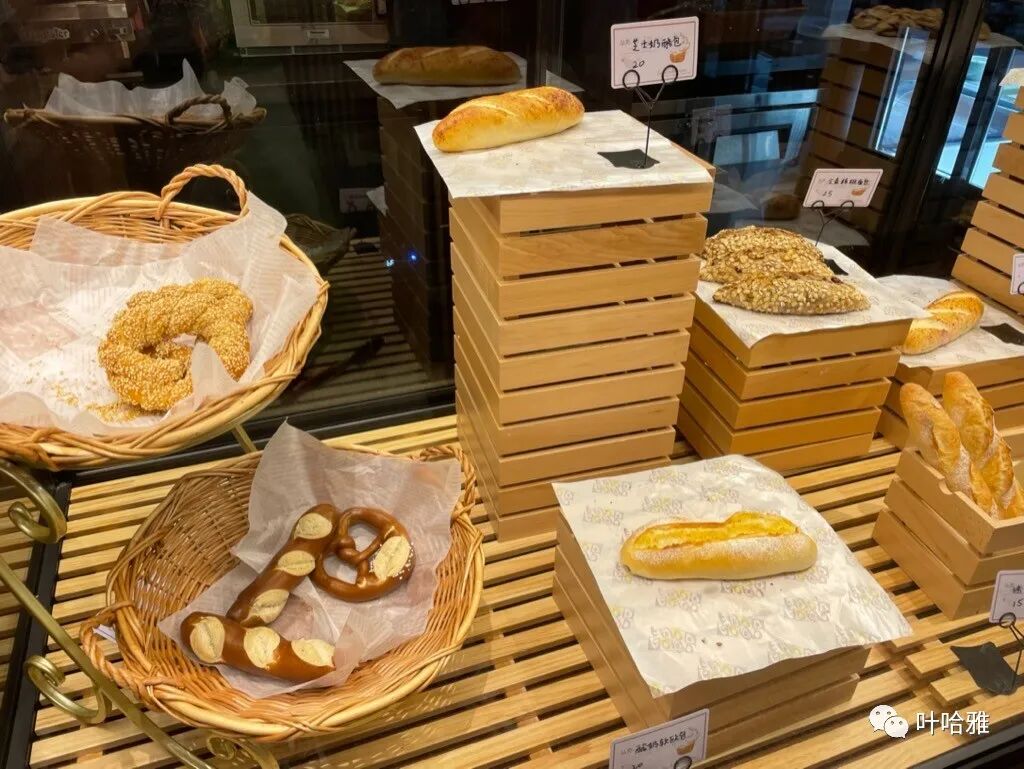
I love drinking coffee and enjoy the feeling of relaxing in a cafe. Since we cannot drink water during the day in Ramadan, we went at night. I couldn't resist ordering a cup of strong Turkish coffee, even if it meant I might not sleep well later.
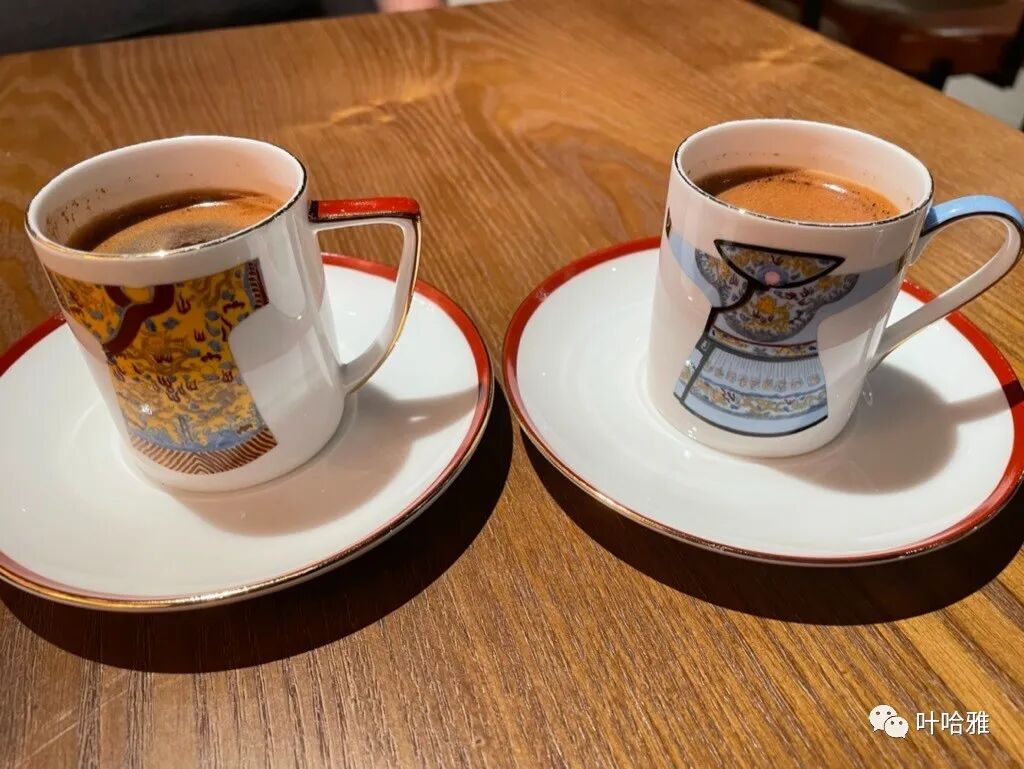
The coffee cups here are very delicate and decorated with patterns of dragon robes.
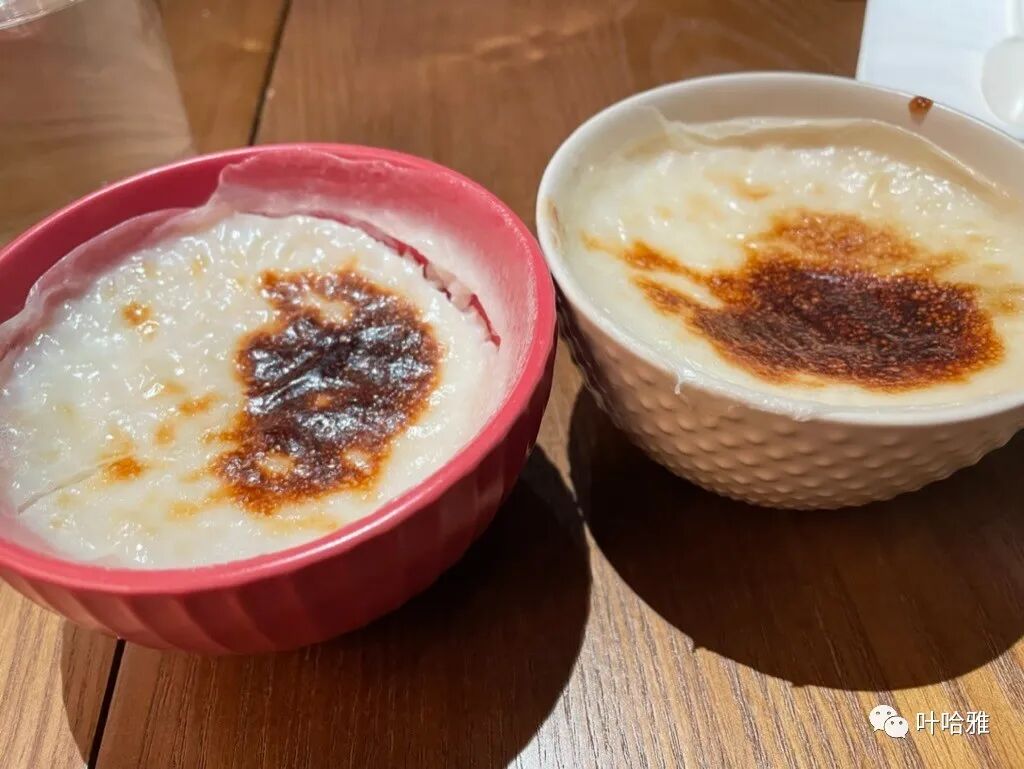
Rice pudding (sutlac) is a small dessert that originated in the Middle East, made by baking cooked rice with milk and butter.
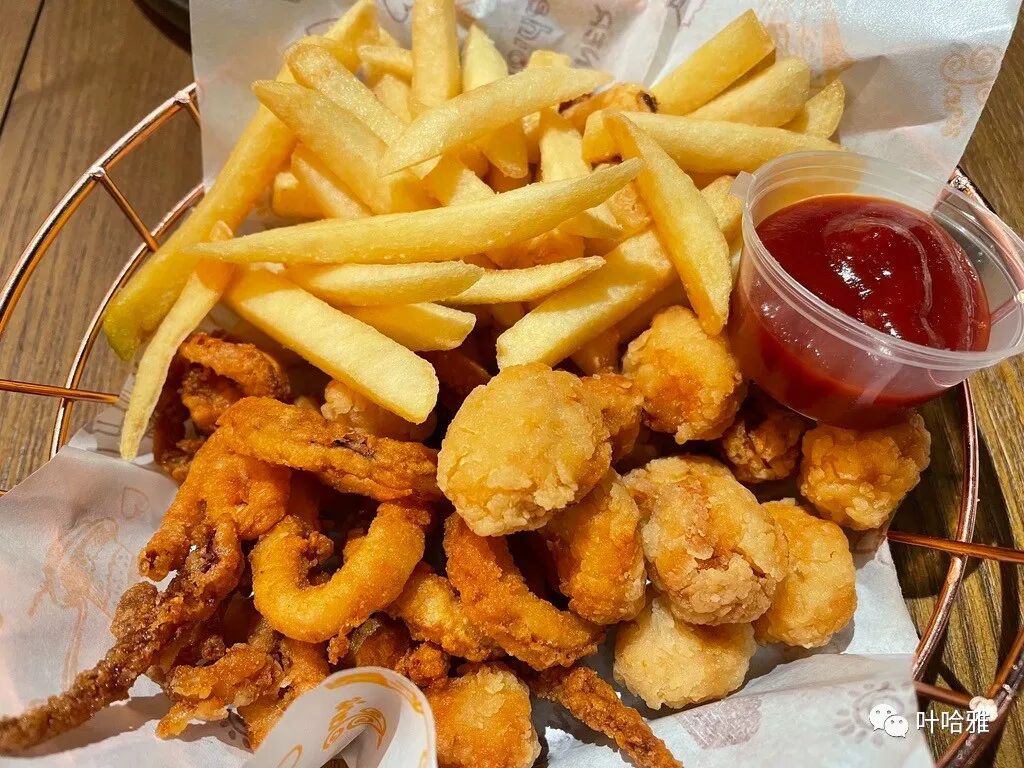
Usually, you should eat Turkish food at a Turkish restaurant, but I saw fried chicken, french fries, and burgers on the menu and couldn't resist. After all, halal Western-style fast food is not as common in Beijing as Turkish restaurants, and we consider Turkish food to be Western cuisine anyway.
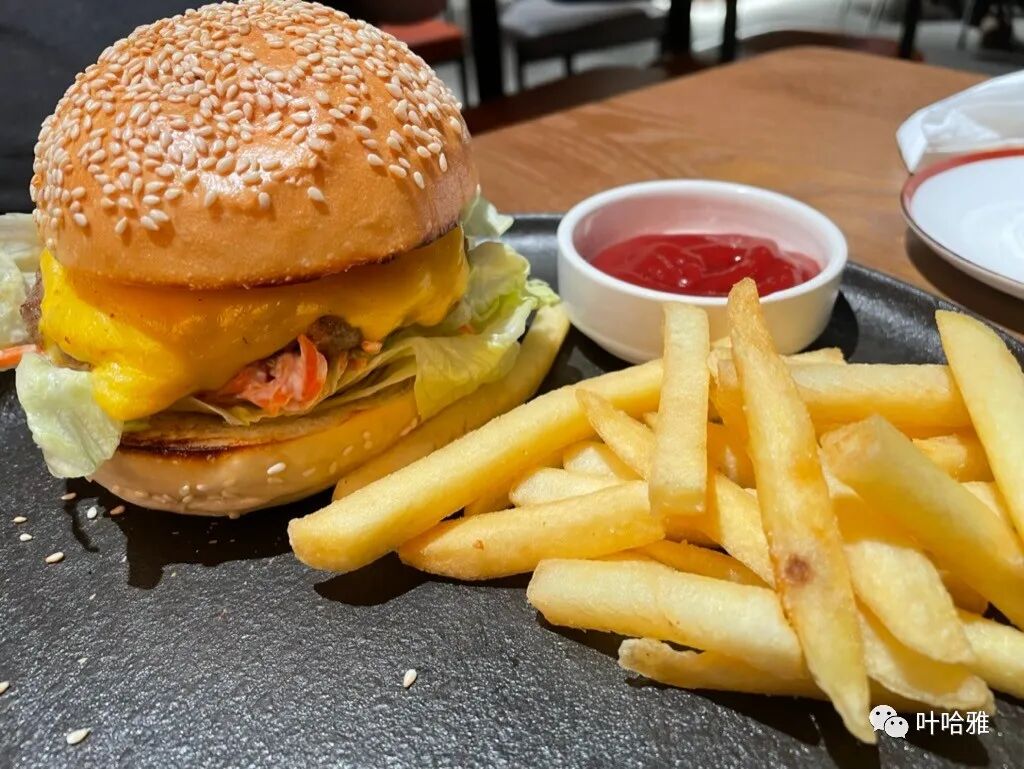
The fries and burgers are made to order. The cheese and meat patty in the burger were delicious. This burger combo costs over 50 yuan.
Address: First floor, Building 17, Courtyard 5, Anding Road.
Phone: 13718618634.
8
Yanji Cuisine: Xiangyu Jubinyuan.
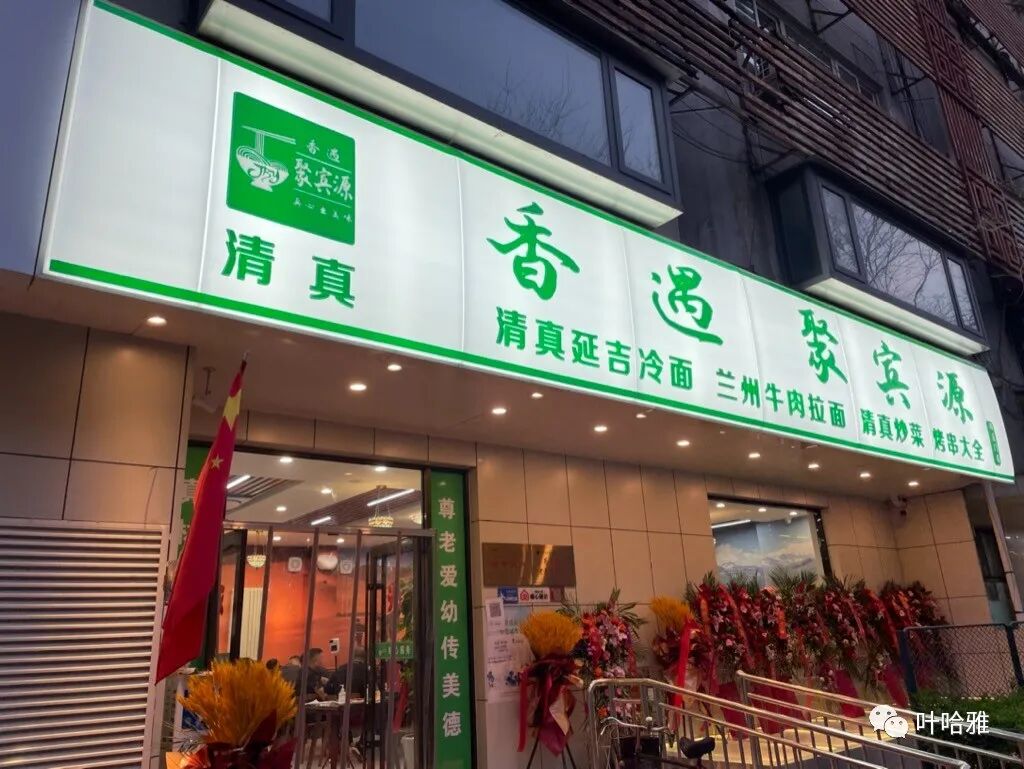
This place also opened recently. They serve halal Yanji cold noodles (lengmian) and double-stir-fried meat (guobaorou), which my friends from Northeast China will recognize.
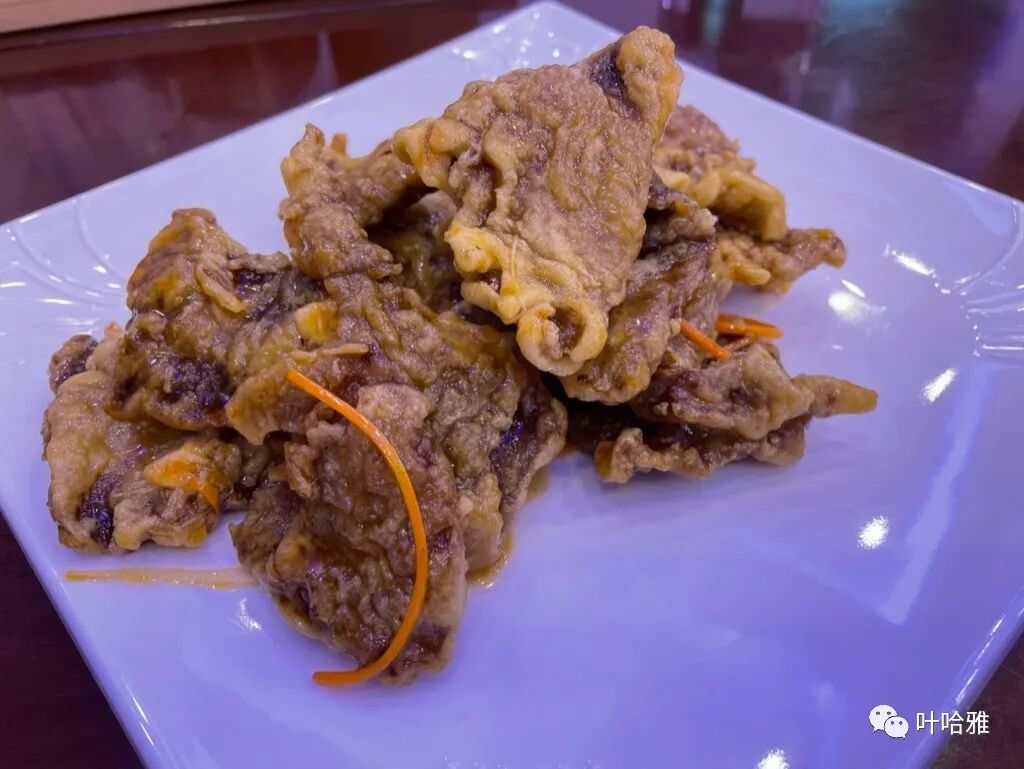
The double-stir-fried meat is sweet and sour, and it is eaten as a side dish with the cold noodles.
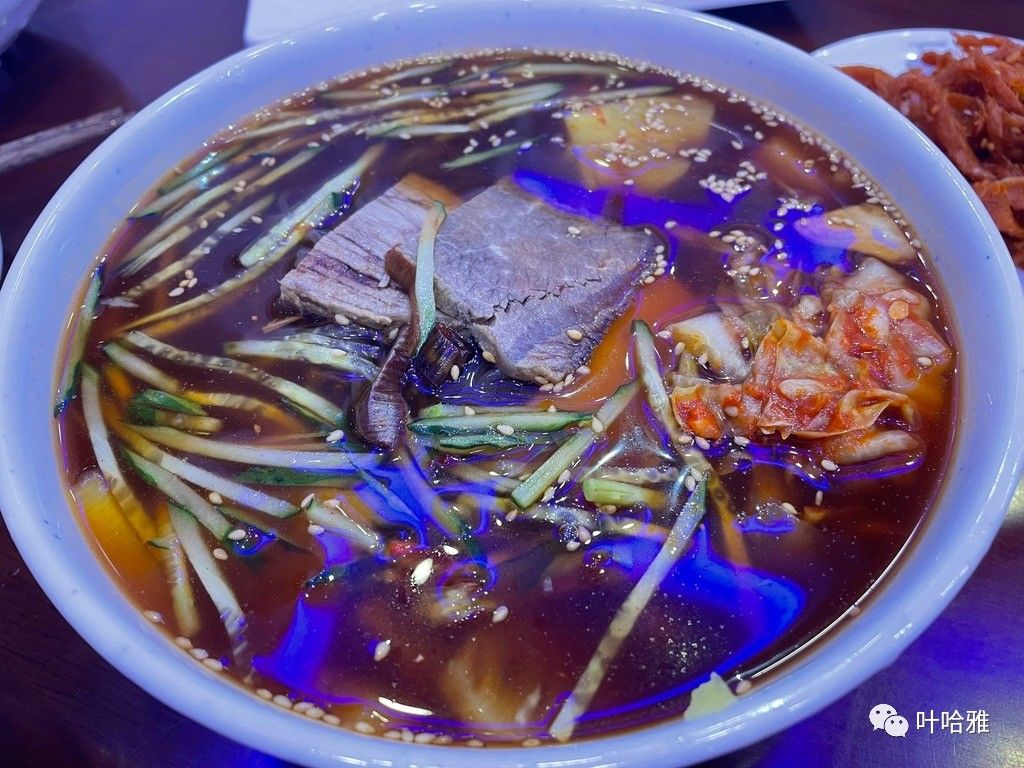
Although this is the first restaurant to focus on halal Yanji cold noodles, many barbecue restaurants in Beijing serve halal cold noodles that taste just as good.
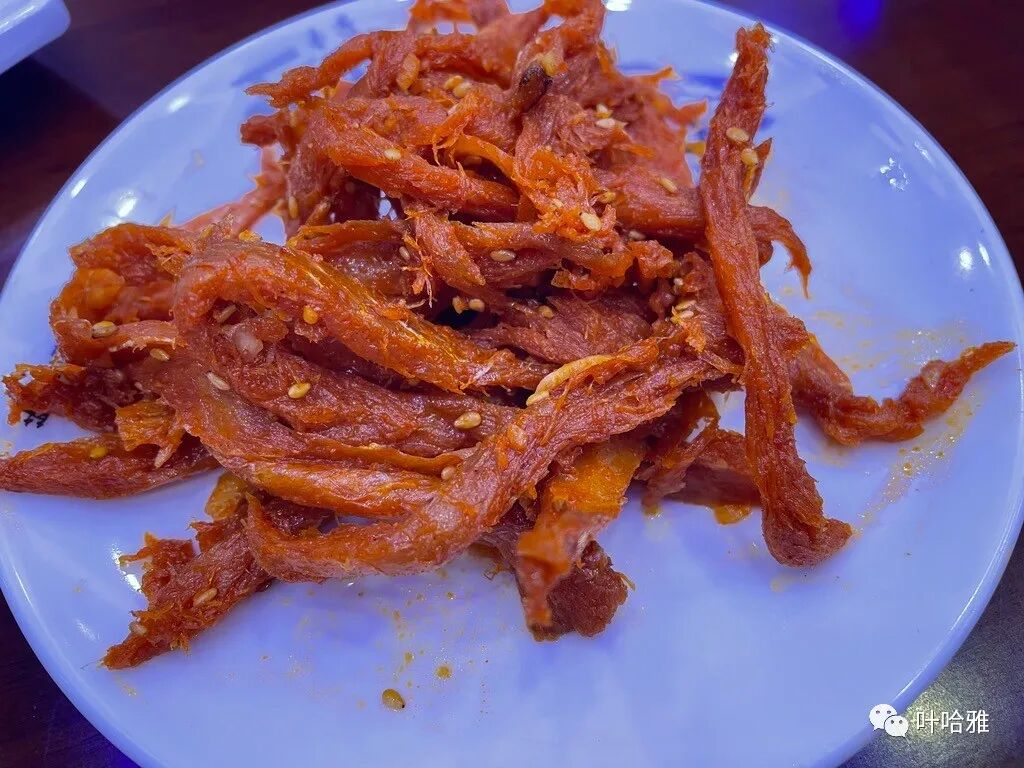
Spicy shredded pollock (ban mingtaiyu si).
Spicy shredded pollock is a specialty snack of the Korean ethnic group. It is mixed with Korean chili paste and has a salty, sweet, and slightly spicy taste.
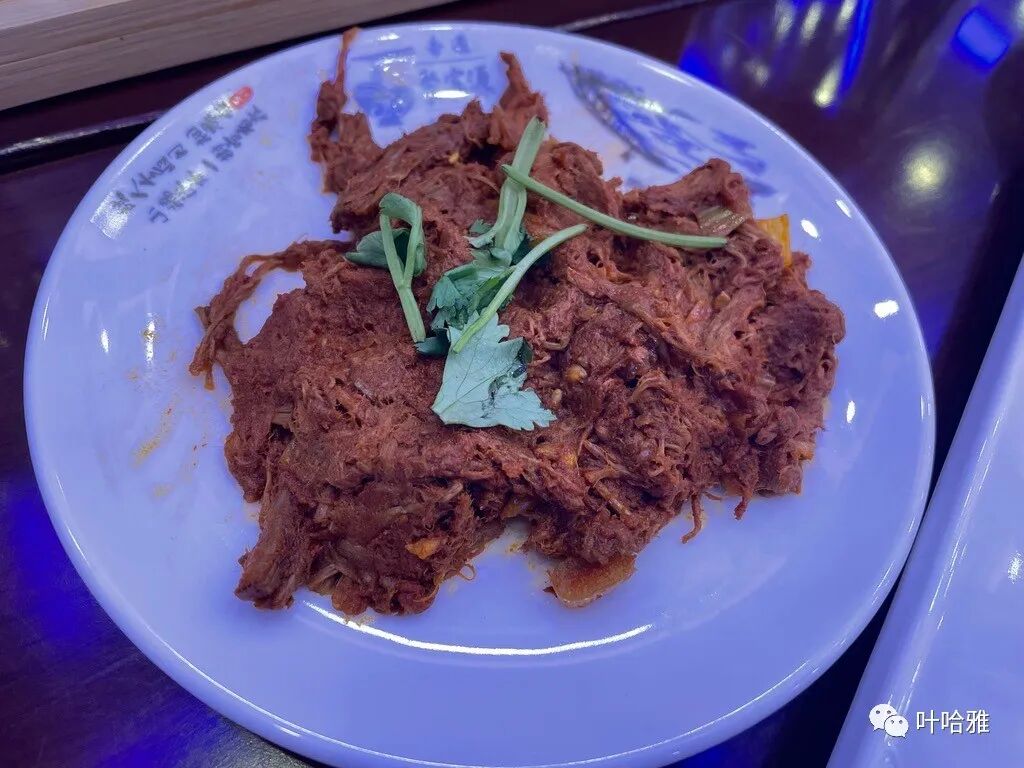
Spicy mixed beef (la ban niurou).
Spicy mixed beef is also a common cold dish for the Korean ethnic group, but they usually use dog meat. Since we cannot eat dog meat, we use beef instead.
Address: No. 1 Beicaochang Hutong, a century-old classic.
Phone: 18501952822
9
Fusion cuisine, Qingxiangge Crayfish, and Anhui Flat Noodles King.
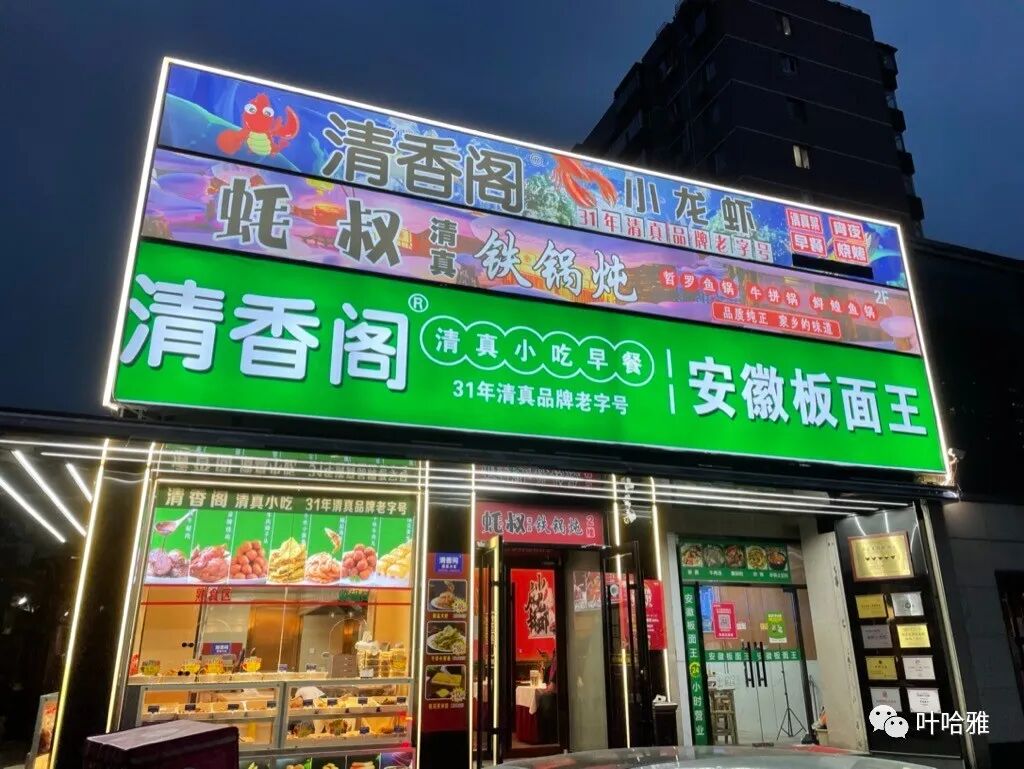
Qingxiangge opened a crayfish shop in Tuanjiehu, specializing in fresh, spicy crayfish. They also opened an Anhui Flat Noodles King (Anhui banmian wang) next door. The iron pot stew (tieguo dun) upstairs and the two shops downstairs all belong to Qingxiangge.
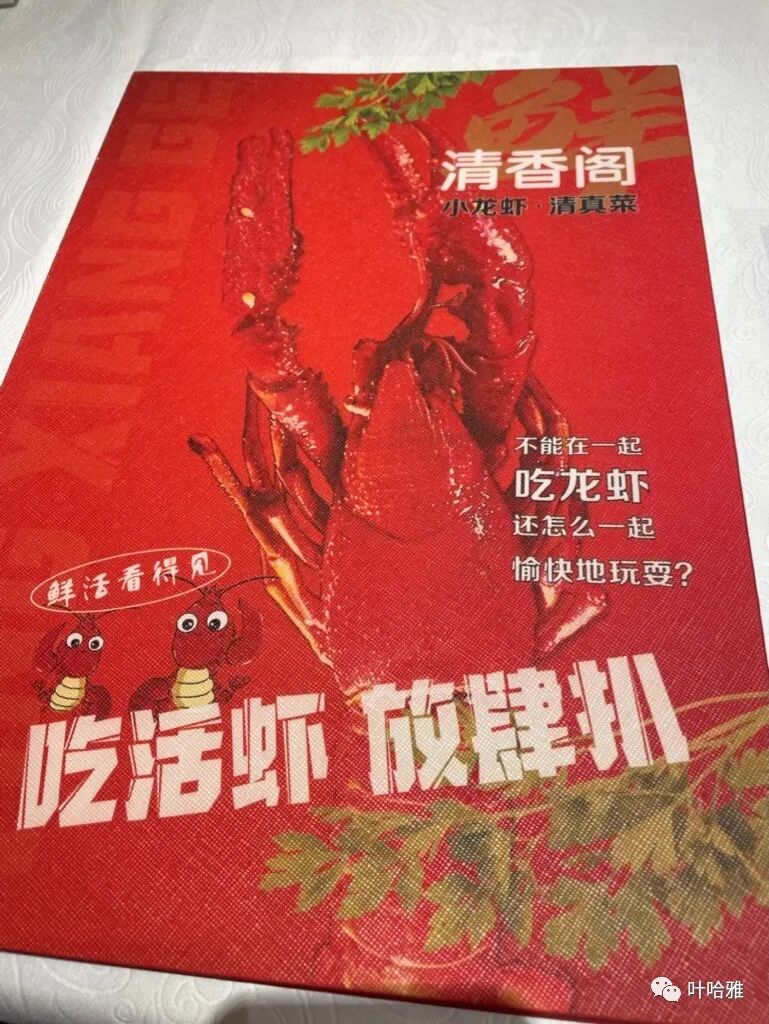
As usual, we couldn't resist ordering a bowl of beef flat noodles (niurou banmian) from next door. Coincidentally, they also sell hot dry noodles (reganmian), so we brought both bowls over to the crayfish shop to break our fast.
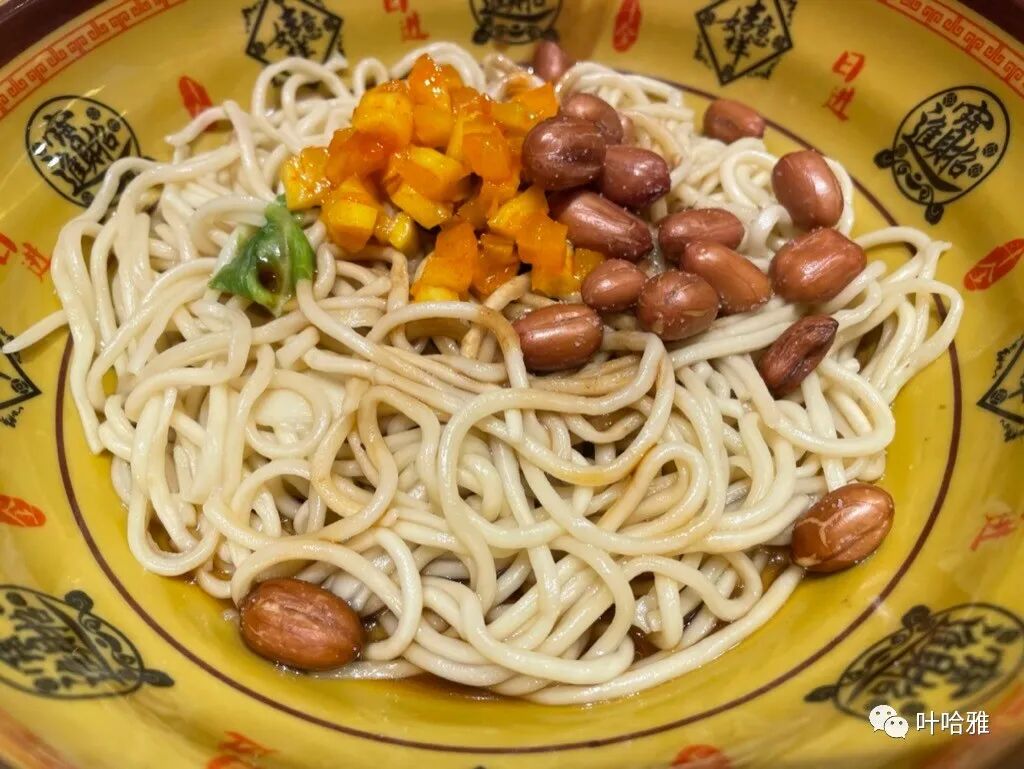
Hot dry noodles (reganmian)
In my opinion, the hot dry noodles are better than the beef flat noodles. The hot dry noodles are a bit spicy but very fragrant, similar to what I ate in Wuhan. For beef flat noodles, I prefer the place in Zhangjiawan.
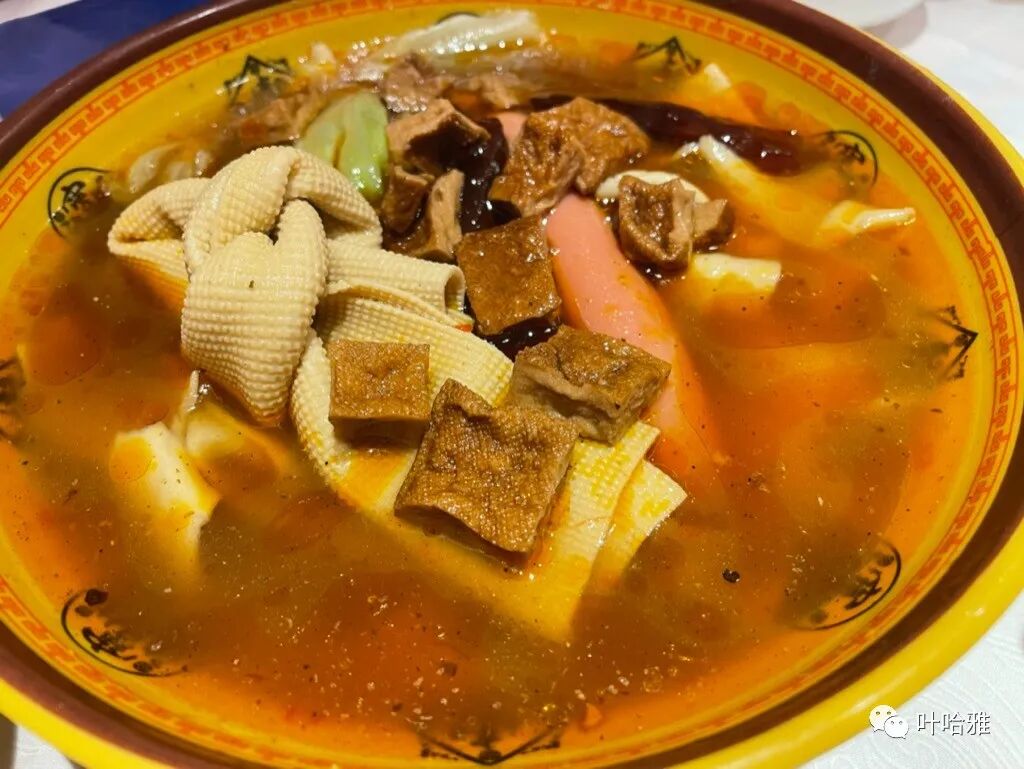
Beef flat noodles (niurou banmian)
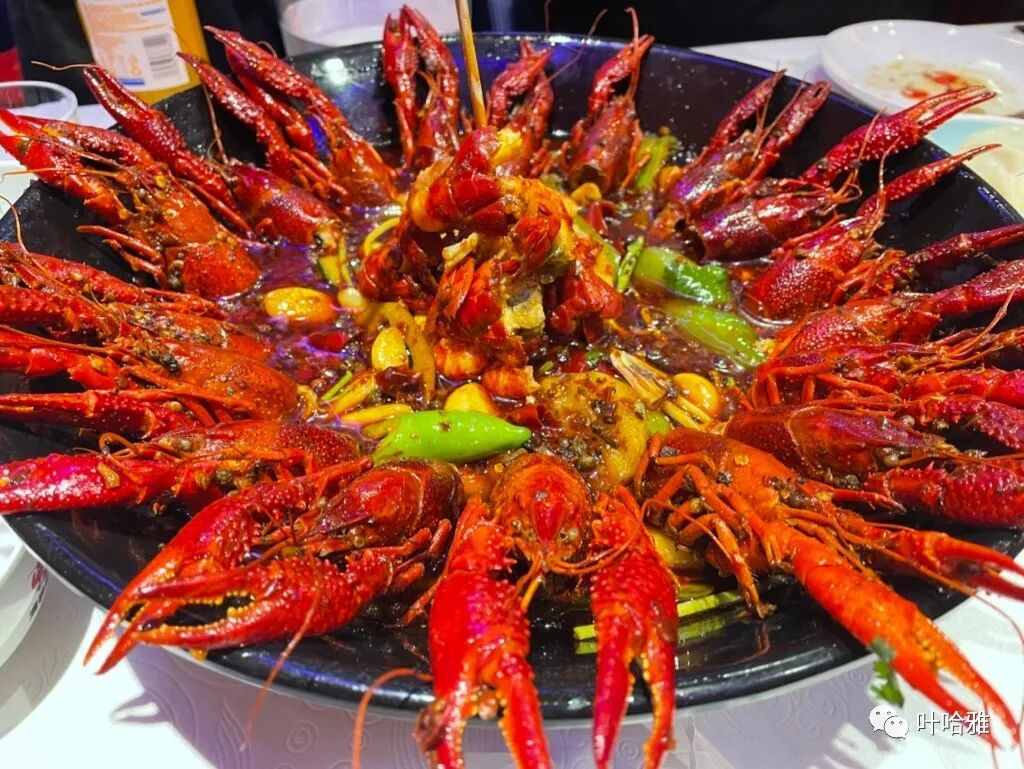
The crayfish are fresh, and you can taste it. You must order at least two jin (one kilogram). The price is a bit high, but the chef can help peel the shrimp. You can add noodles to the leftover sauce after eating the shrimp. It is very fragrant but also quite spicy. If you cannot handle spice, I suggest choosing the thirteen-spice (shisanxiang) flavor.
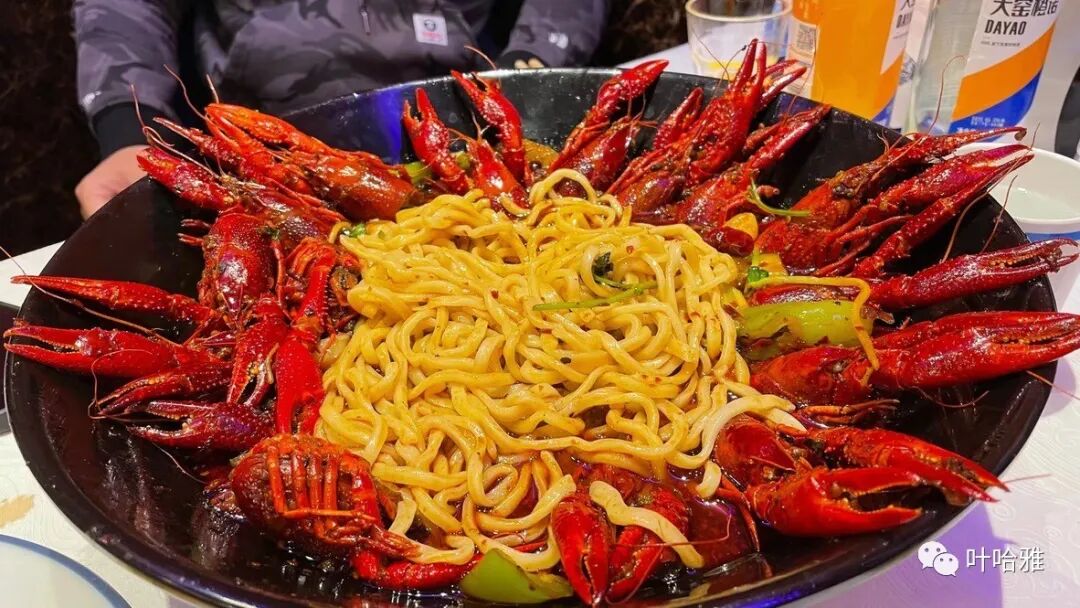
The hand-rolled noodles mixed with the sauce are delicious. The texture of the noodles is similar to noodles with stir-fried meat (guoyourou banmian).
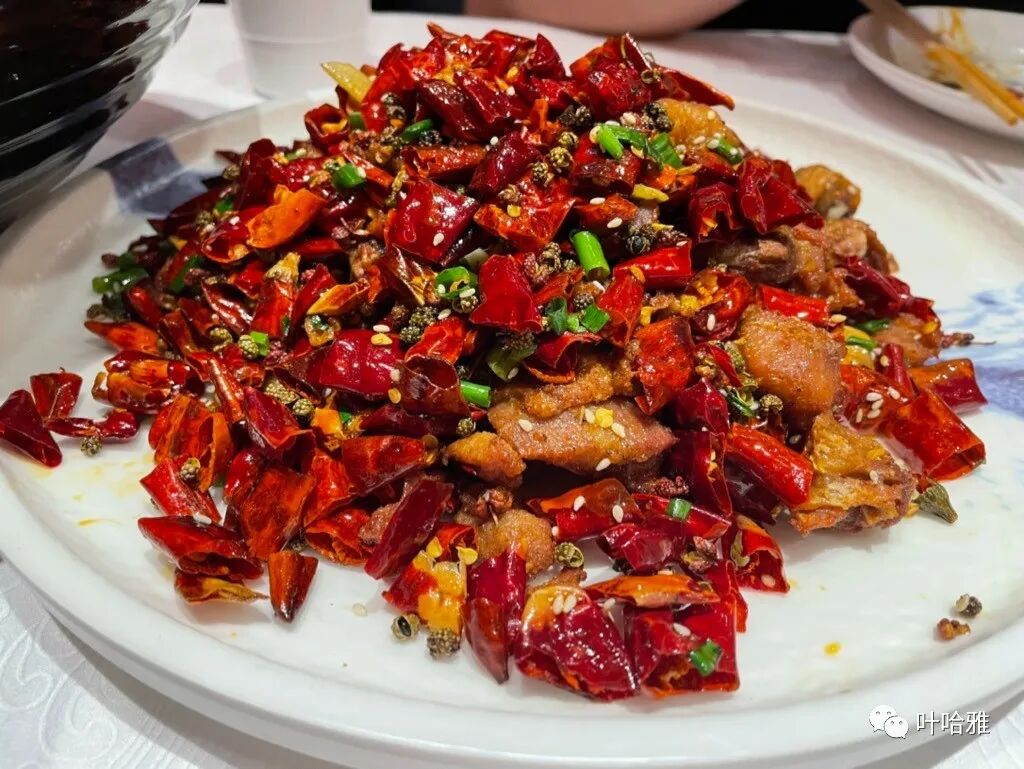
Spicy chicken (lazi ji)
The spicy chicken at this shop is very delicious. The chili peppers are especially fragrant, and it is worth recommending.
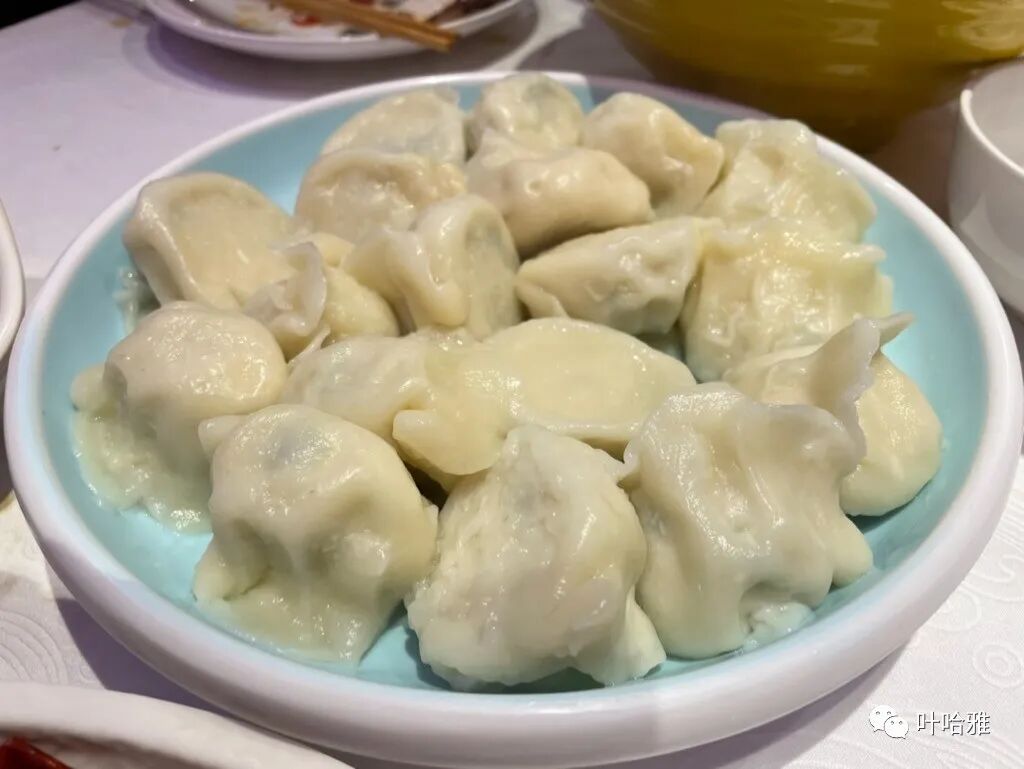
Spanish mackerel dumplings (bayu shuijiao)
Qingxiangge started by selling Dalian seafood, so their menu naturally includes Spanish mackerel dumplings. The filling is made of whole mackerel meat, which is pure, soft, and savory.
Address: Five single-story houses on the south side of Building 20, Baijiazhuang Dongli.
Phone: 18911210255
10
Indian Cuisine: Love in Curry
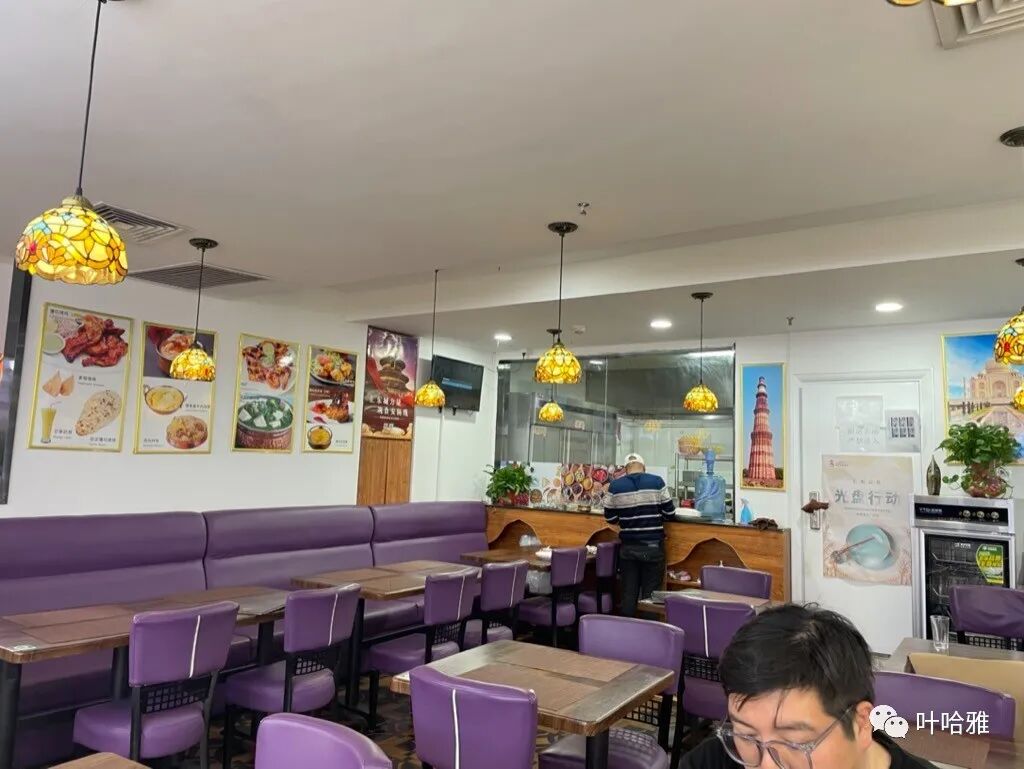
This shop is tucked away. It has been in the basement of Hongqiao Market for five years, but I only found out about it this year.
The space is small, just a stall in the basement food court, but it is clean and hygienic. They do not sell alcohol. Honestly, I have never seen an Indian or Pakistani brother run a restaurant that sells alcohol.
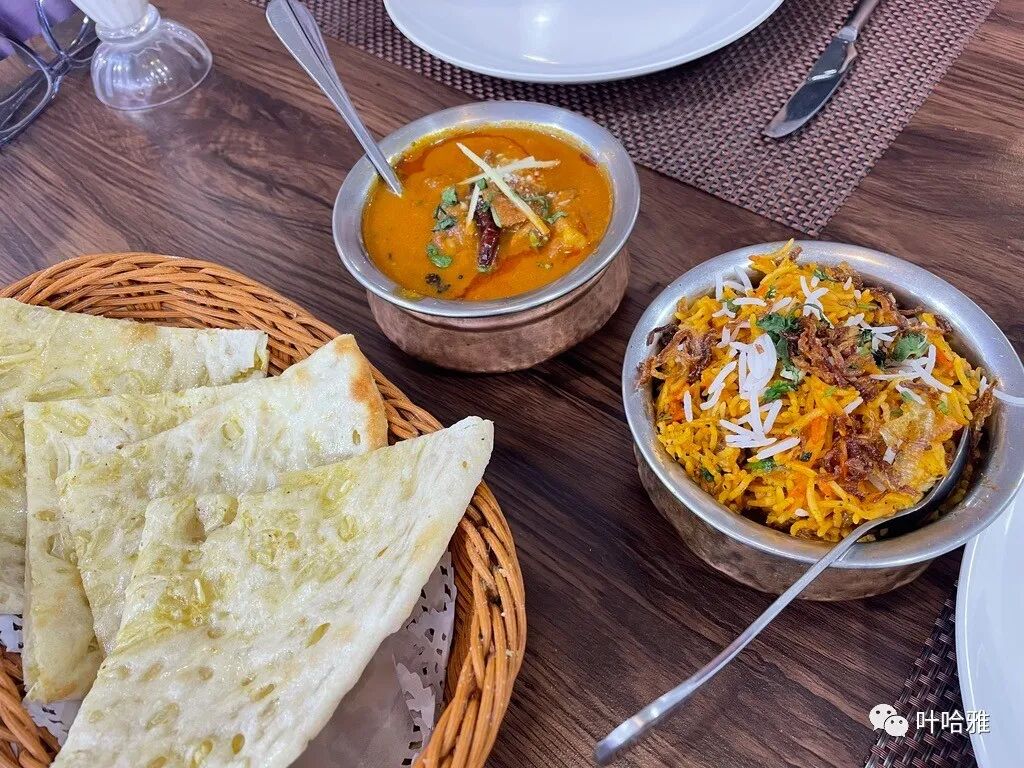
When eating Indian food, curry and naan bread (nangbing) are must-haves. If I want more options, I add fried rice or roasted chicken. Naan and curry come in many flavors, but I recommend the butter naan and lamb curry.
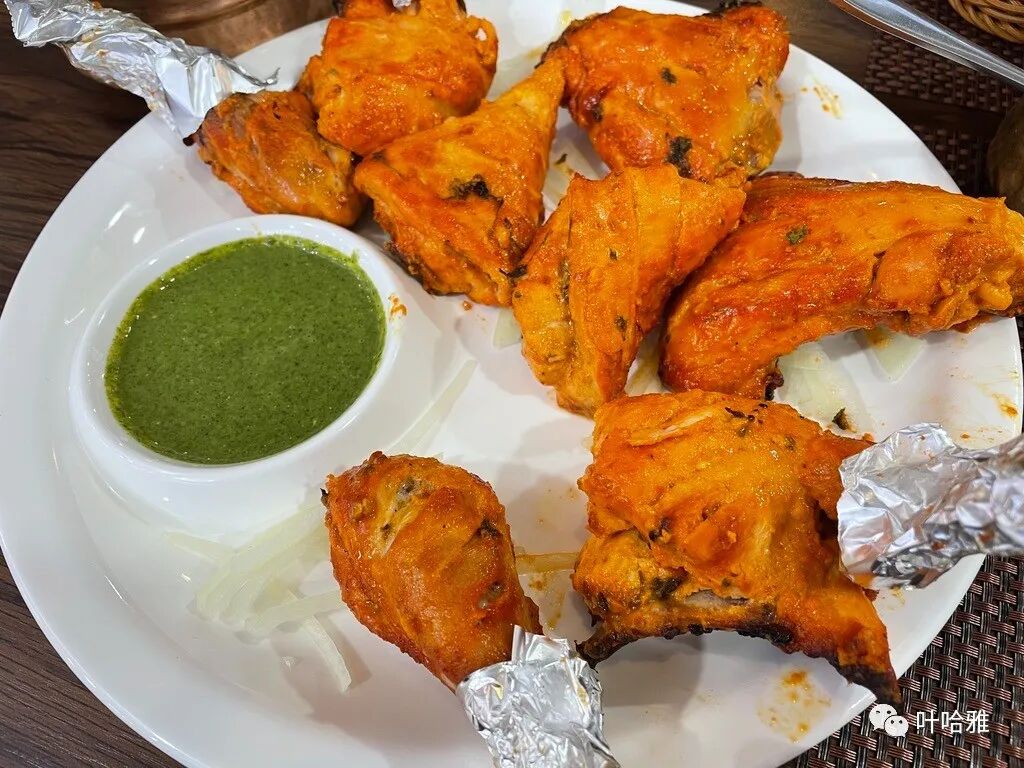
Indian and Pakistani barbecue has bright colors because it is marinated with spices. The green dipping sauce is made from spinach juice.
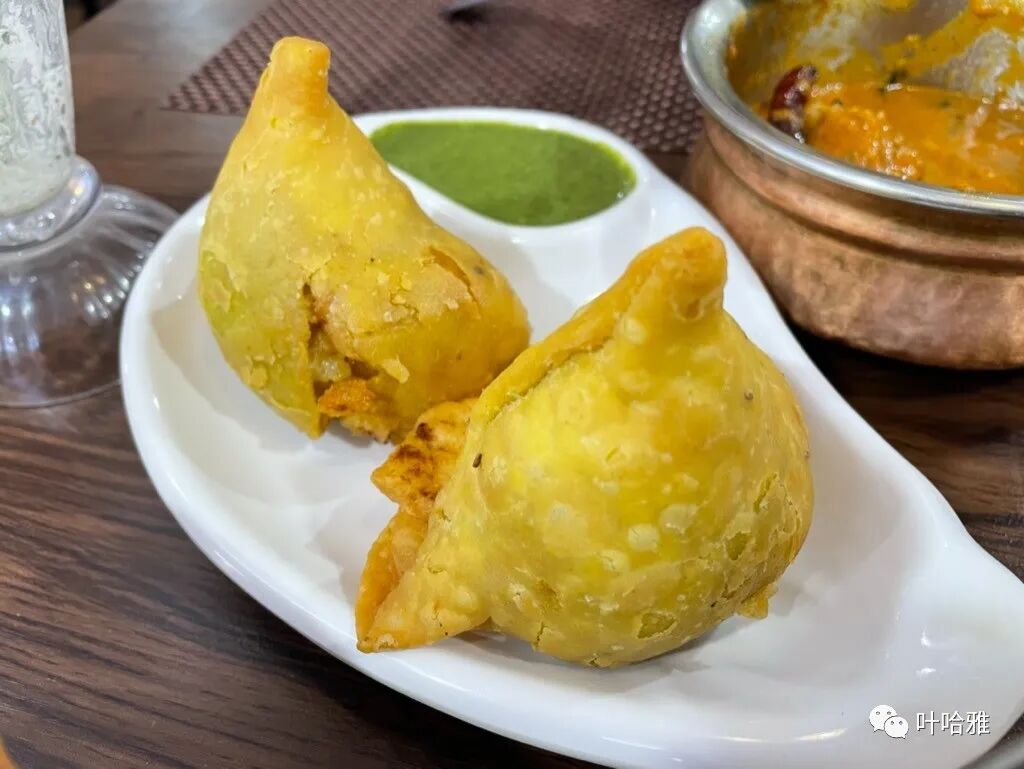
Deep-fried vegetable curry puffs (samosa)
Address: B1 Food Court, Hongqiao Market, Chongwenmen Outer Street
Phone: 15210944043
11
Beijing Cuisine: Yuelangzhai
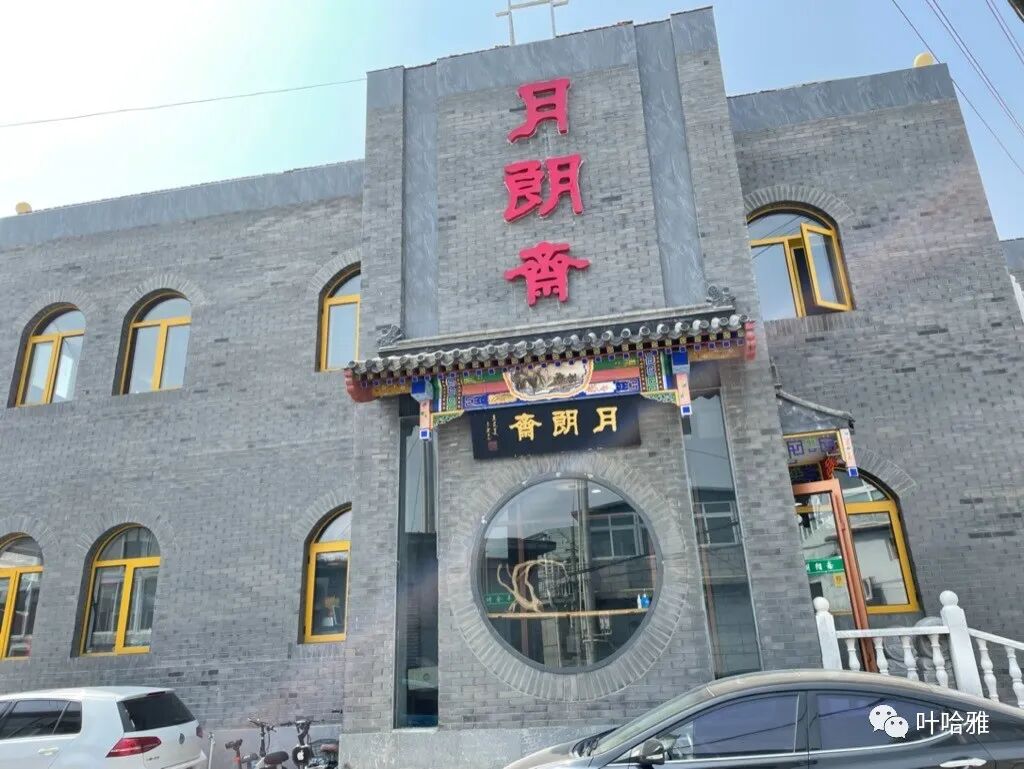
In Xiguanshi Village, Changping, there is a halal restaurant with a famous history. Before I arrived, I learned that the restaurant was once an Imperial Escort Agency (yushan biaoju), named for protecting Empress Dowager Cixi during her escape to Xi'an.
Yuelangzhai Restaurant started in 2014. The Li family ancestors were professional escorts. Although that trade no longer exists, the descendants of the Li family are good cooks. Using their ancestral property, they decided to open a restaurant.
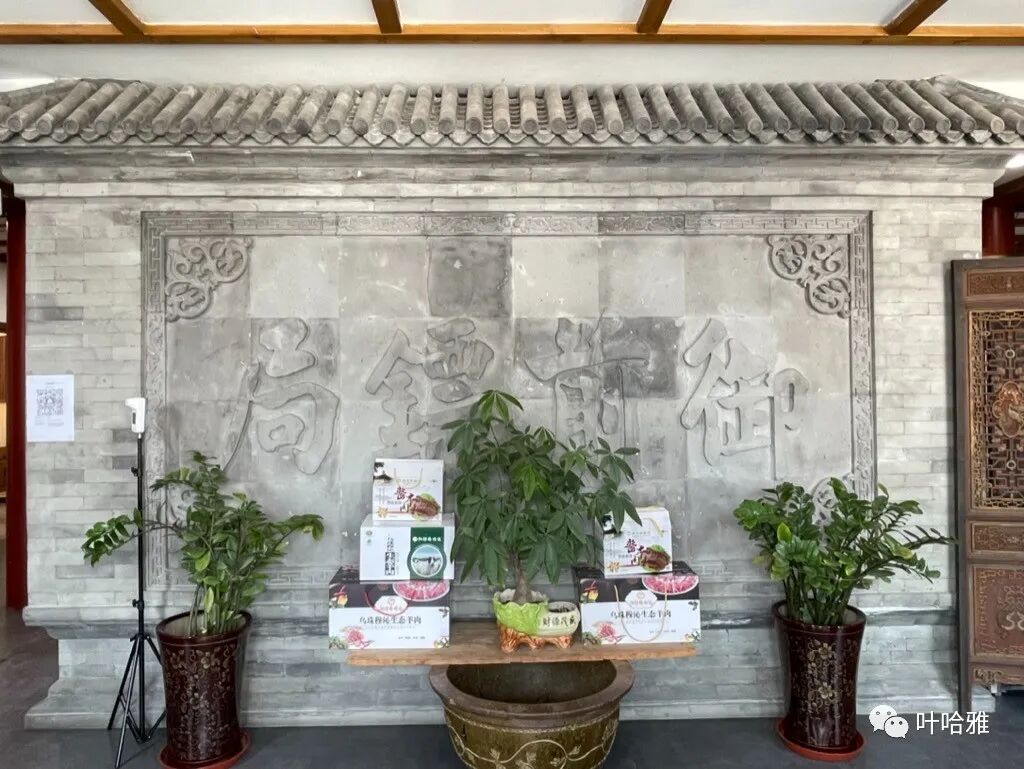
At the entrance, a screen wall is carved with the four characters for Imperial Escort Agency. Research confirms it was indeed bestowed by the emperor. The Imperial Escort Agency was originally called Xiguangyu Escort Agency. To protect Empress Dowager Cixi as she left Beijing, the owner Li Entao recommended Yang Juchuan to accompany her all the way to Xi'an and back to Beijing.
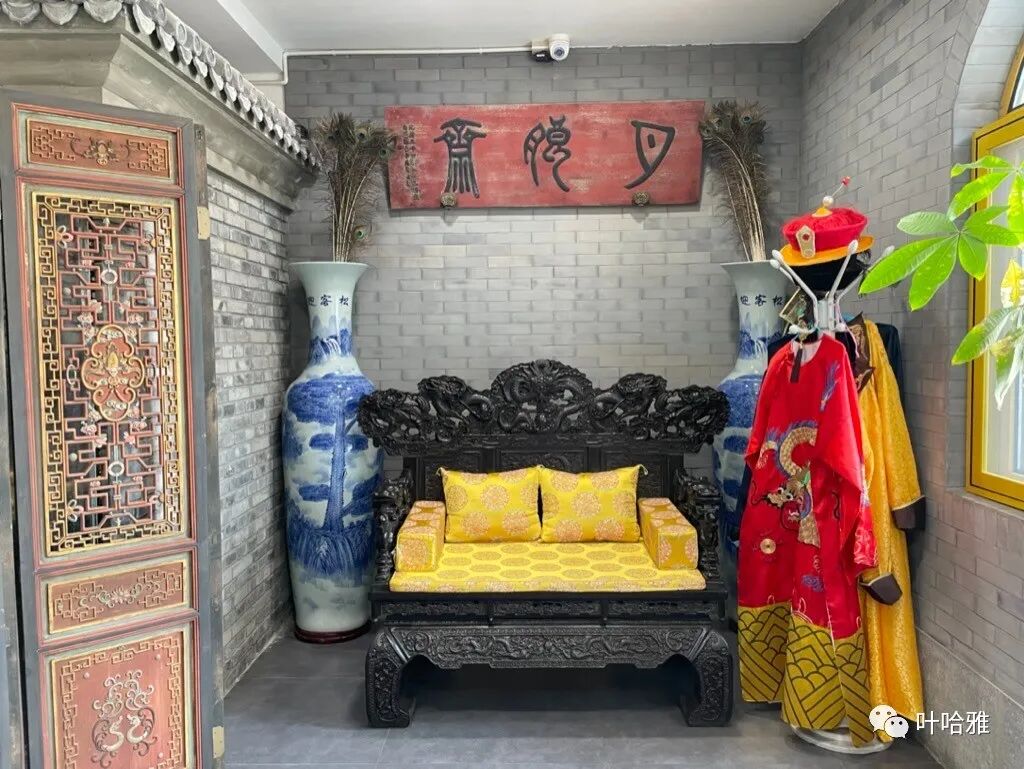
The front hall has a dragon chair with a yellow robe hanging nearby. In the center hangs a plaque that reads Yuelangzhai, showing that this shop once served the royal family.
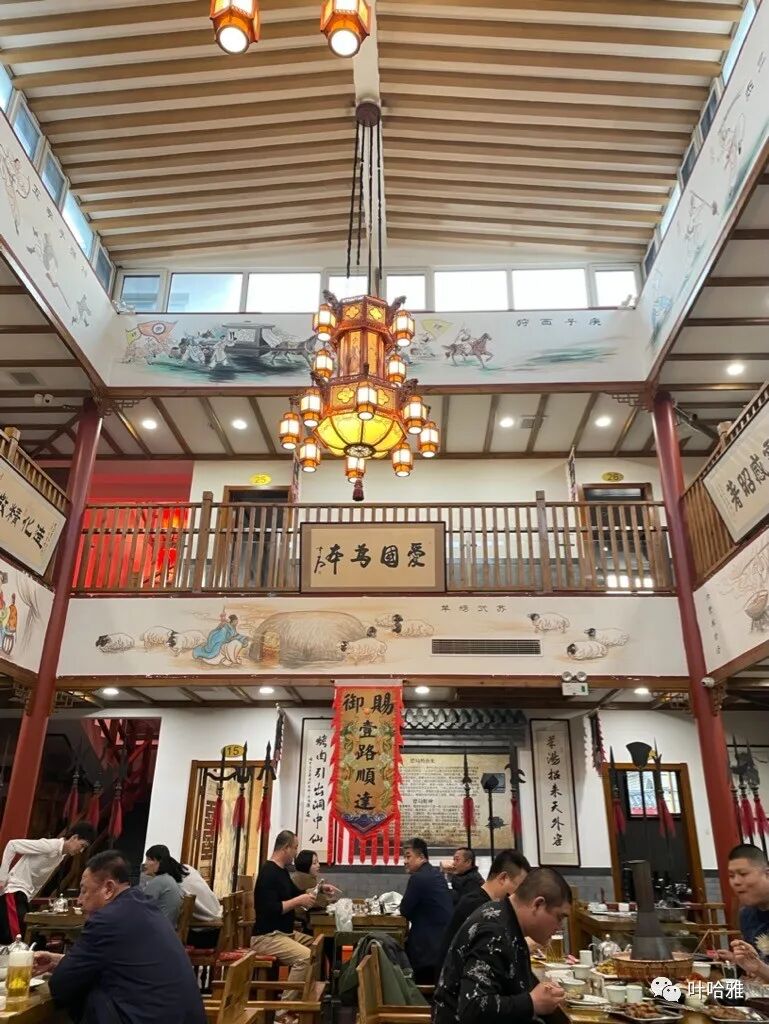
Walking through the porch into the main hall, the space is wide. The interior uses a traditional Chinese style that is simple and elegant. The restaurant has two floors: the first floor has open seating, and the second floor has private rooms.
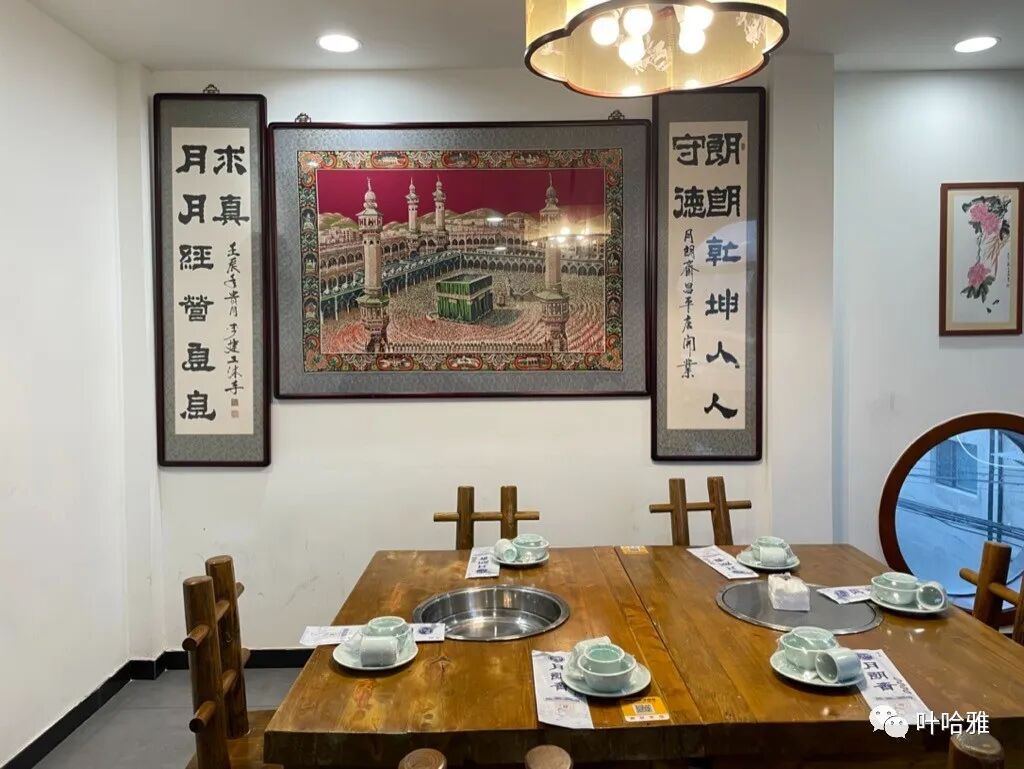
Inside a private room, the decor remains traditional Chinese with square tables and wooden stools. Calligraphy and ink paintings hang on the walls, creating an atmosphere that feels like traveling back to the late Qing Dynasty.
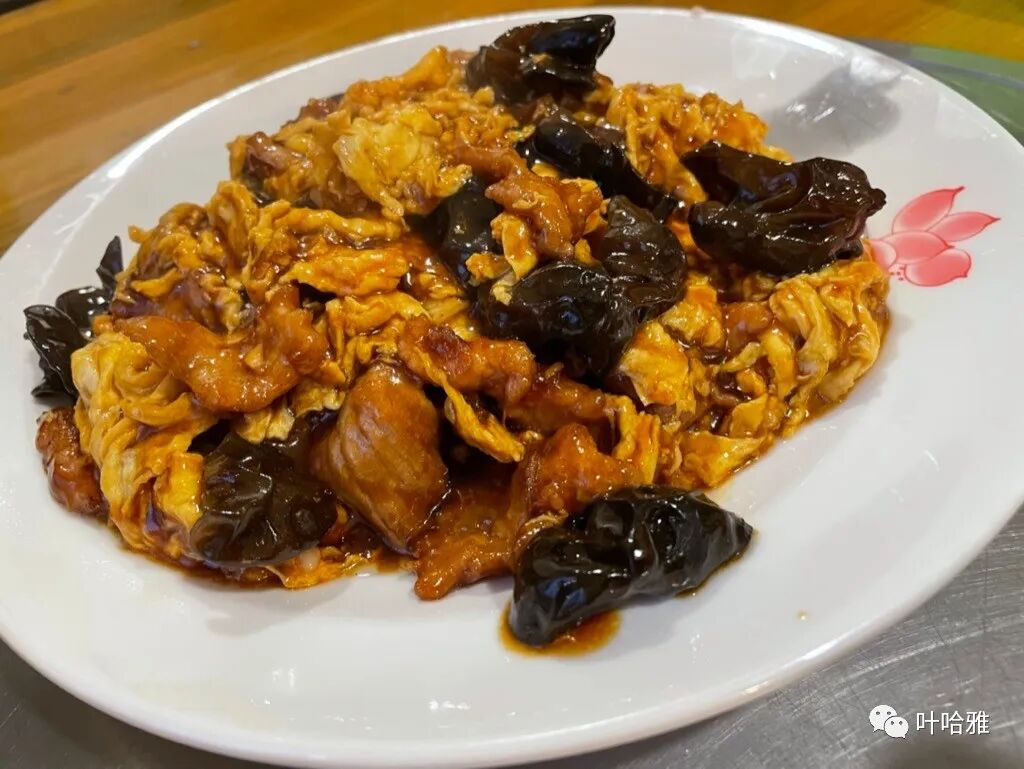
Vinegar-fried wood-ear and egg (culiu muxu) is a common Beijing home-style dish found in many restaurants. It should be called culiu muxi because the fried eggs look like osmanthus flowers (muxi). It requires high culinary skill; it looks simple, but it is not easy to make well.
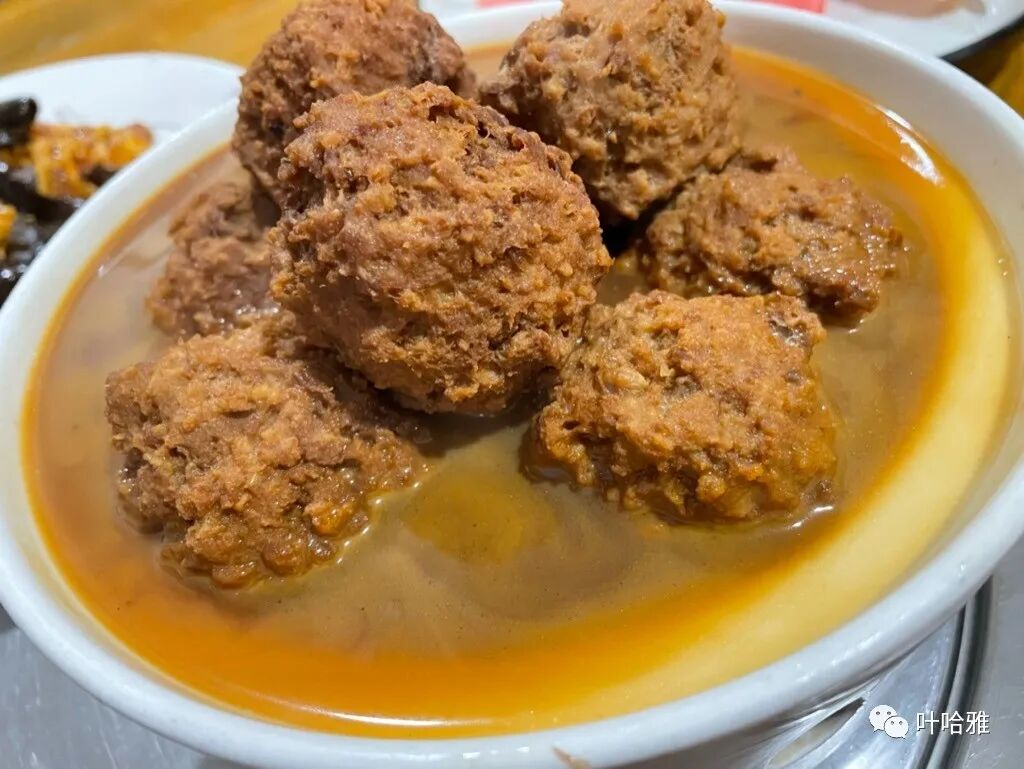
Manager Li highly recommended these beef meatballs. He said he usually avoids ordering this dish at other restaurants because they often use too many fillers and not enough beef, but the beef meatballs at Yuelangzhai are made with real, quality ingredients. I picked one up and took a bite. It was just as Manager Li said, full of beef flavor with no taste of starch or other fillers. The meatballs were soft, delicious, and melted in my mouth.
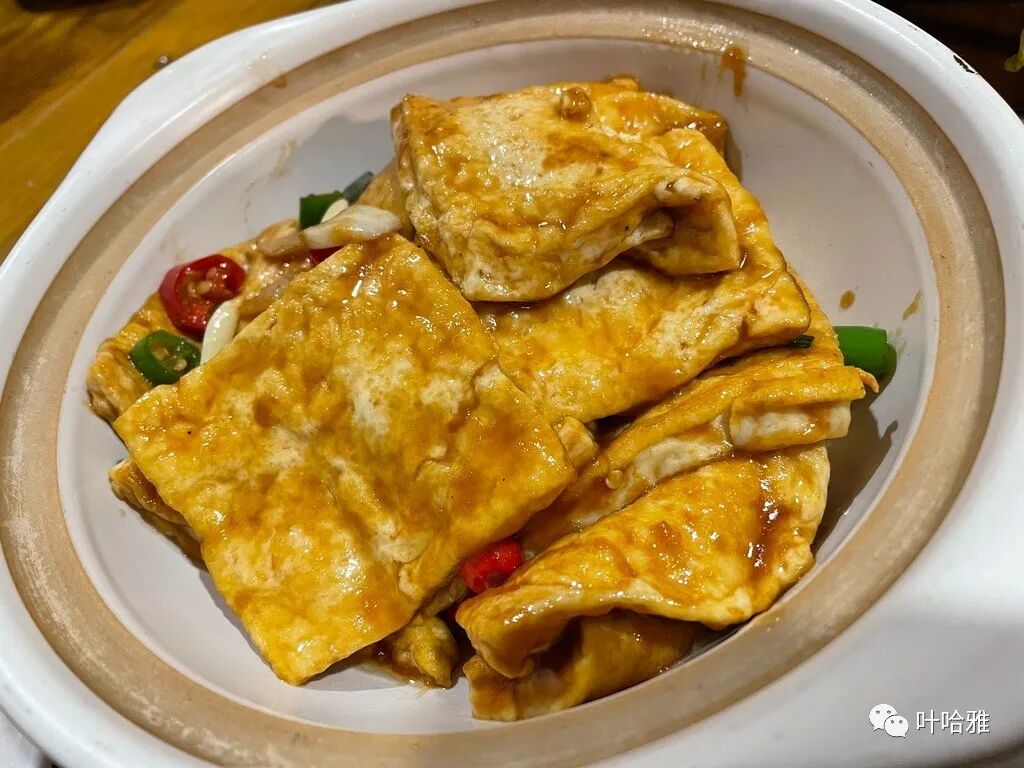
Pan-seared tofu (guota doufu) is a classic Beijing-Shandong dish. You cut the tofu into 5-centimeter squares, mince shrimp into a paste, and mix it with egg wash. Dip the tofu in the egg mixture, pan-fry it over low heat, and when the oil is about 60 percent hot, slide the tofu into the pan. Fry both sides until golden brown, then cover and simmer until the sauce reduces.
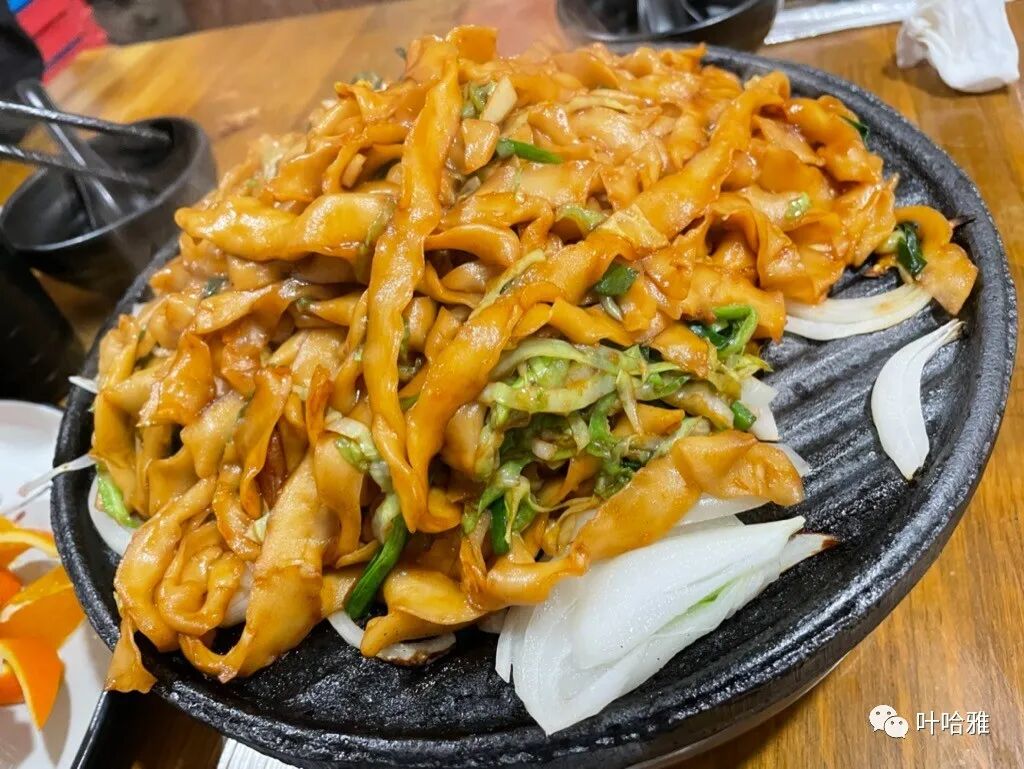
For the main course, we had grilled noodles (zhizi kaomian). I had heard of grilled meat (zhizi kaorou) before, but never grilled noodles. Manager Li said he invented this dish. He seasons hand-rolled noodles and stir-fries them on a hot iron grill, similar to stir-fried noodles. The high heat of the grill adds a lot of aroma and texture, and it is very popular with diners.
Address: No. 8, Houchang Street, Xiguanshi Village, Yangfang Town
Phone: 01069760863
12
Northeast Chinese Cuisine: Baixiaobei Northeast Barbecue
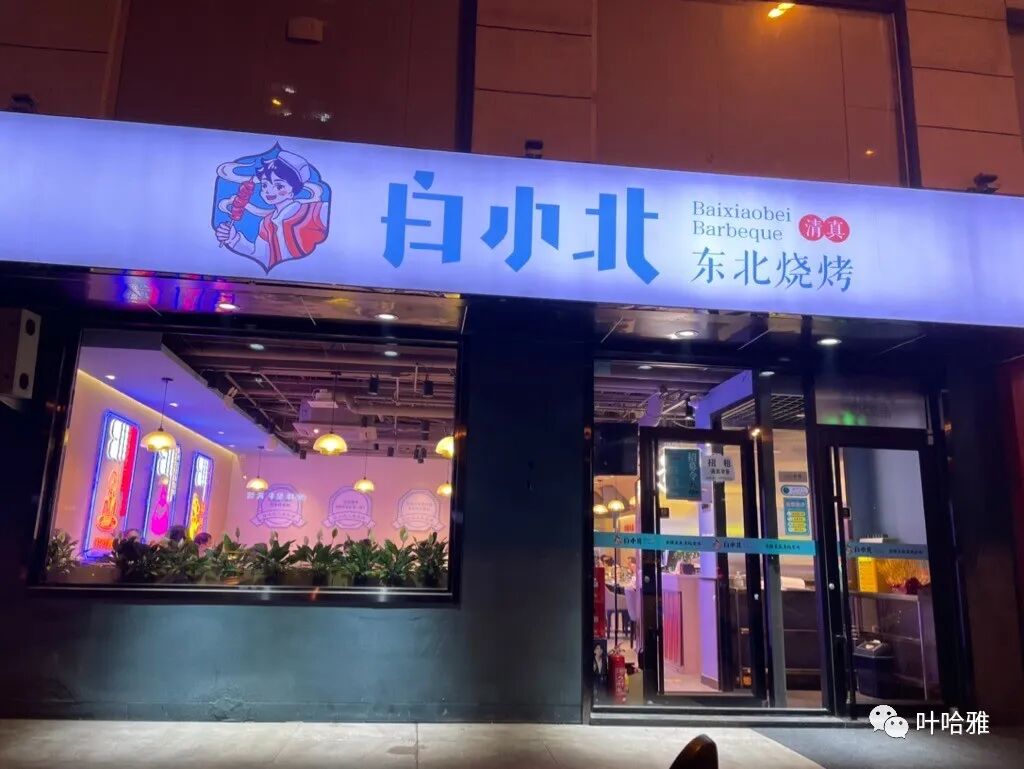
This is the only halal Northeast-style barbecue restaurant in Beijing. It just opened, so we organized a group of friends to visit during the trial period. Northeast barbecue is known for small skewers, which is different from Northeast stir-fry dishes that come in large portions.
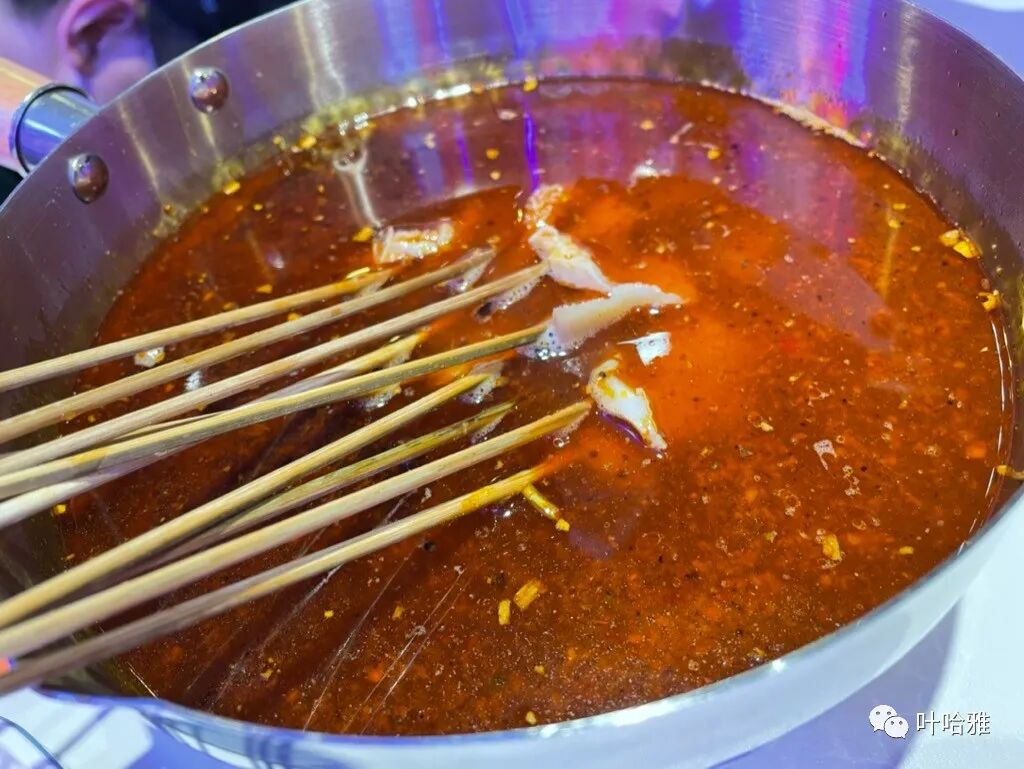
Boiled beef tripe (shuan niudu)
I don't mind small portions because it lets me try more flavors and helps avoid food waste.
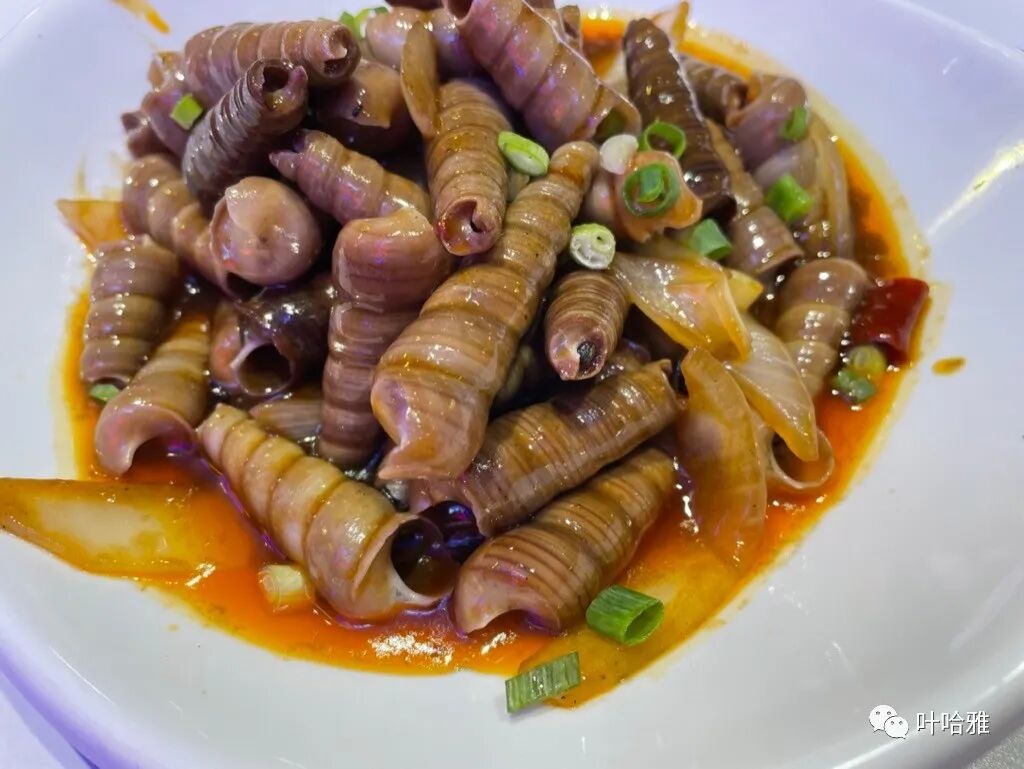
Stir-fried screw snails (baochao dingluo)
Once the tips of the screw snails are broken off, you just suck on them to pull the meat out. The texture is crisp, tender, and chewy.
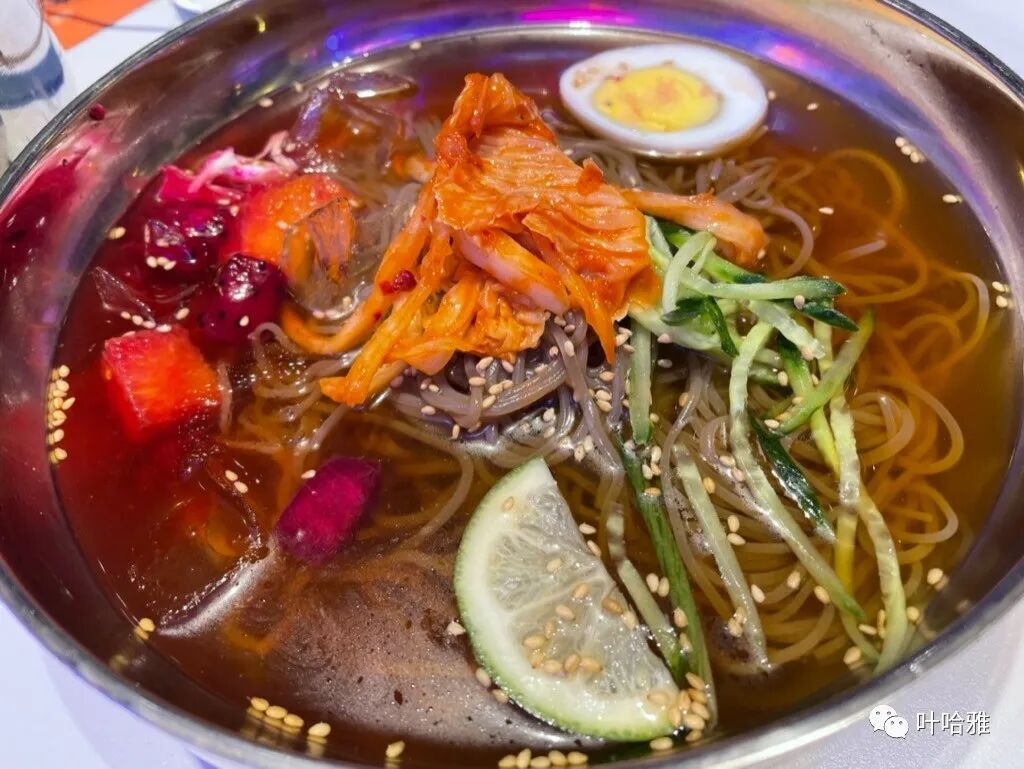
Fruit cold noodles (shuiguo lengmian). I have to say, the cold noodles here are quite authentic and taste much better than the halal Yanji cold noodles I mentioned earlier.
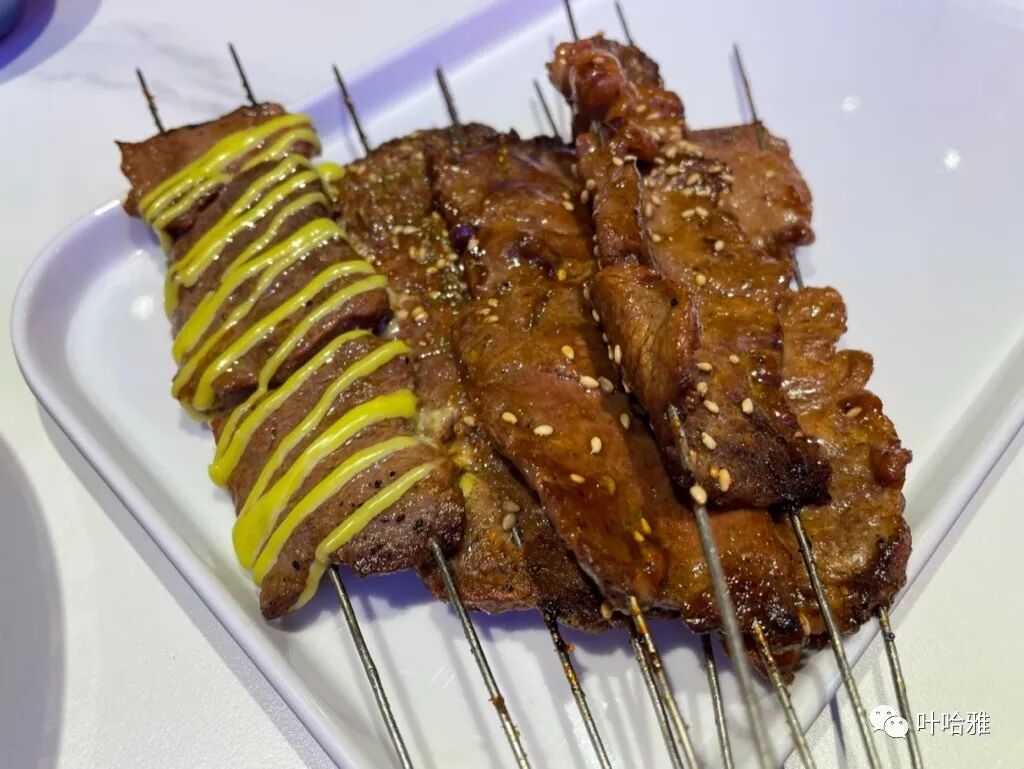
The skewers are called 'Five Elements Lacking Skewers' (wuxing que chuan). I don't know what that means, but I can tell it's beef, and the yellow part is cheese.
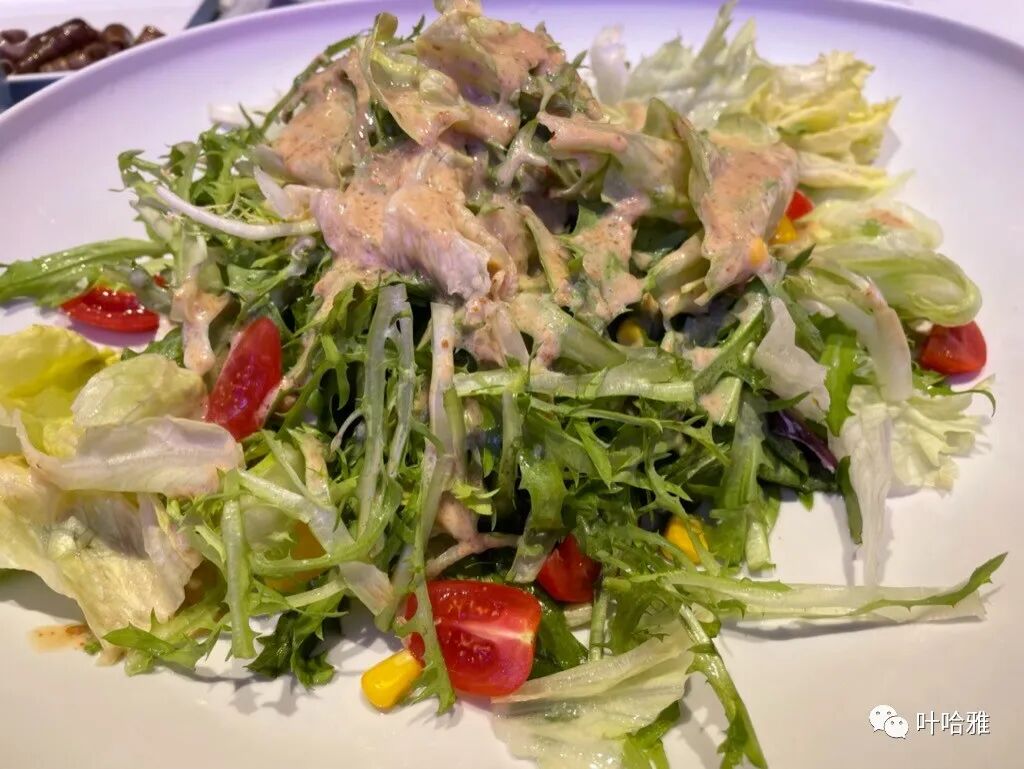
This dish is called 'Super Big Salad' (wocao chaoji da shala) because it is served on a huge plate. People from the Northeast love eating raw vegetables, and the owner gave us this cold salad for free.
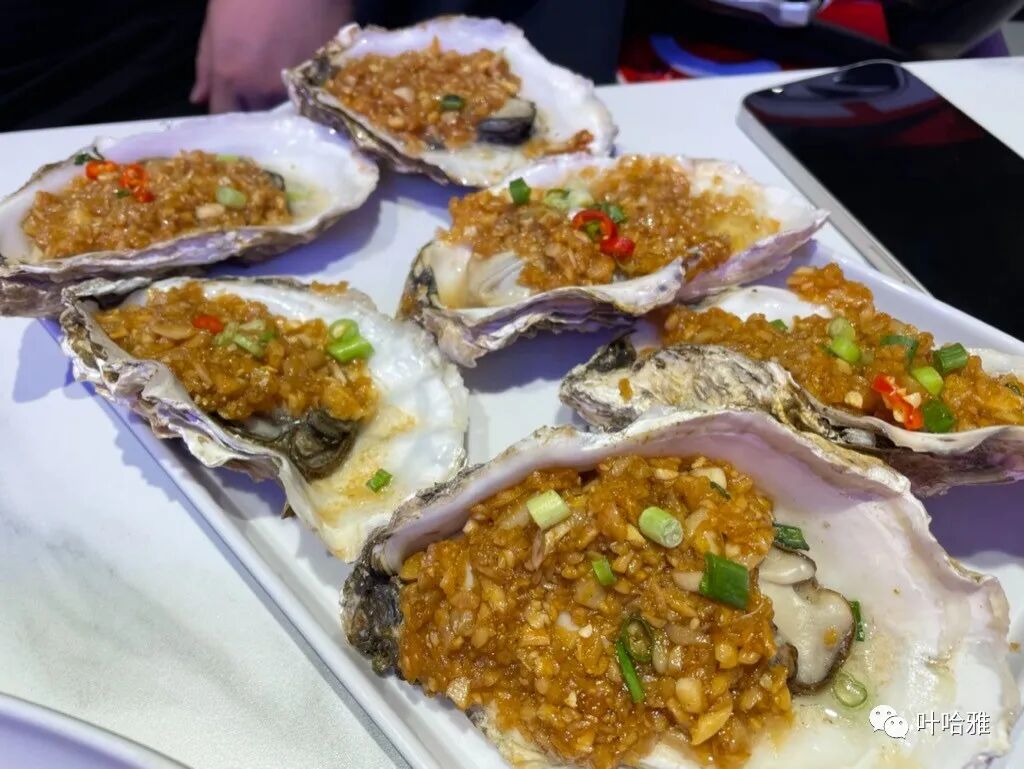
Grilled oysters and scallops are a must. The ingredients are very fresh, but they are not cheap.
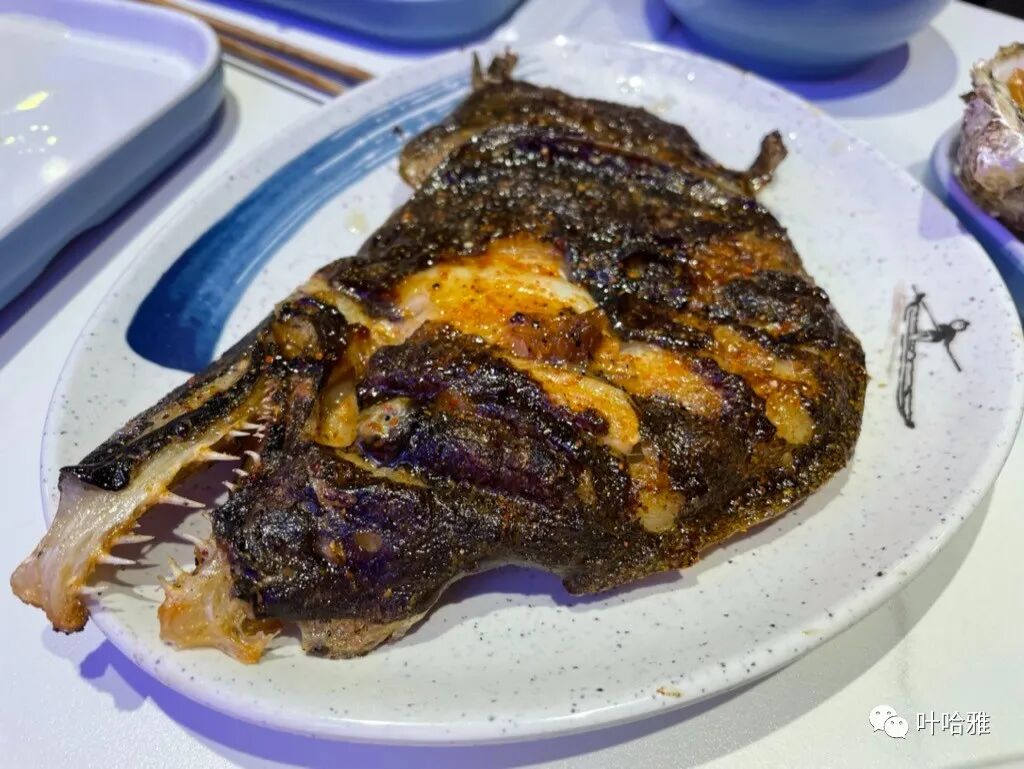
Deep-sea turbot head (shenhai dieyutou). This fish has sharp teeth and a fierce temperament. The more aggressive the fish, the firmer and tastier the meat.
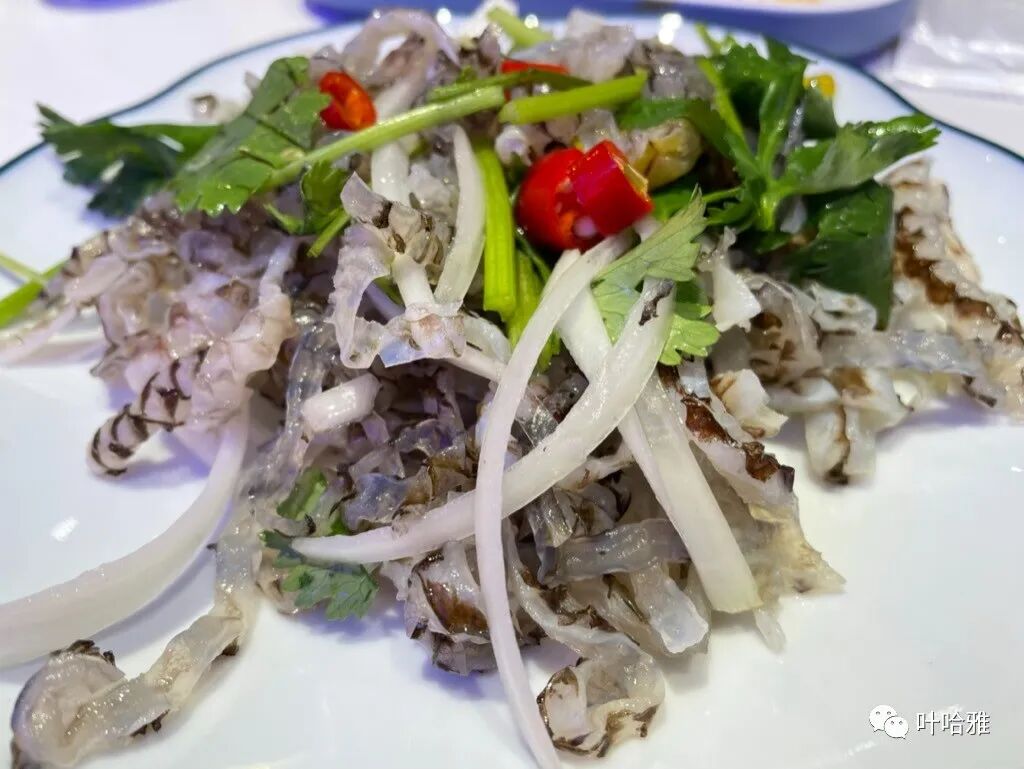
The cold-tossed fish skin (liangban yupi) has no fishy smell, which shows it is very fresh, and it tastes crisp and refreshing. Cold-tossed fish skin is a classic home-style dish in Northeast China. I wanted to try the roasted silkworm pupae (kao canyong), but my friend talked me out of it because they were scared.
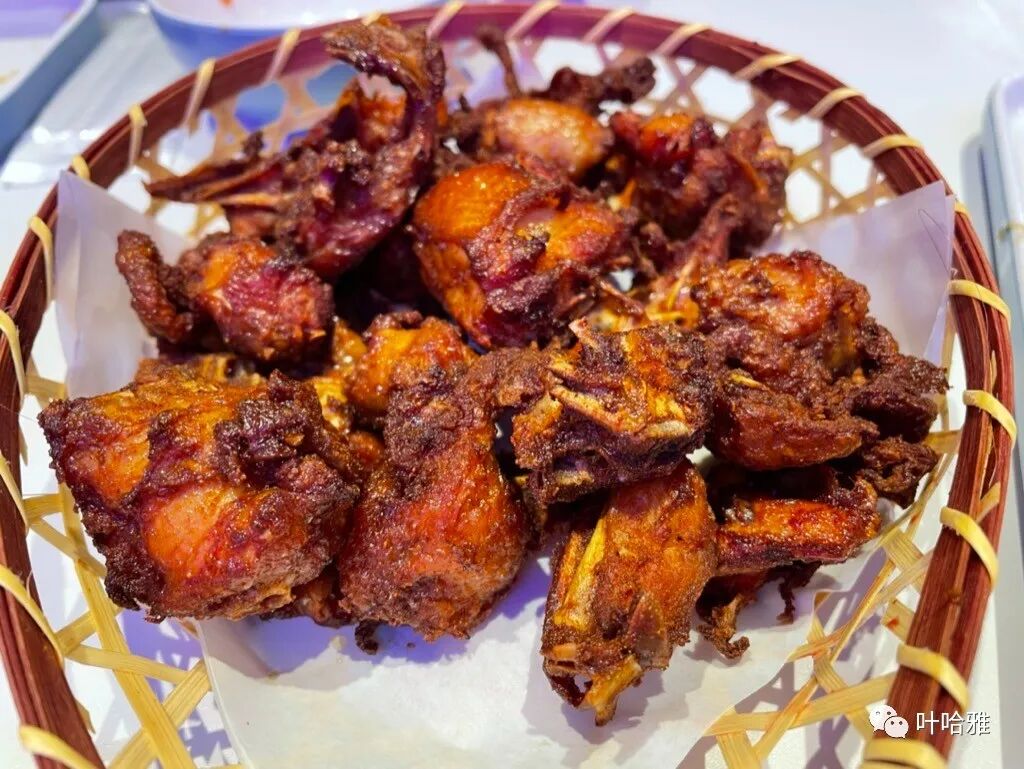
Shenyang chicken rack (jijia) is also a very famous local specialty in the Northeast. The chicken rack is fried until it is golden and crispy, and you can even chew the bones. This shop has a wide variety of small skewers, covering almost all the signature barbecue dishes of the Northeast. The prices are a bit high, with an average cost of over 150 yuan per person.
Address: Ground floor shops on the east side of Dajiaoting International Business Hotel, Guangqu Road.
Phone: 13041118808
13
Beijing Cuisine · Xingyuanzhai Halal Restaurant
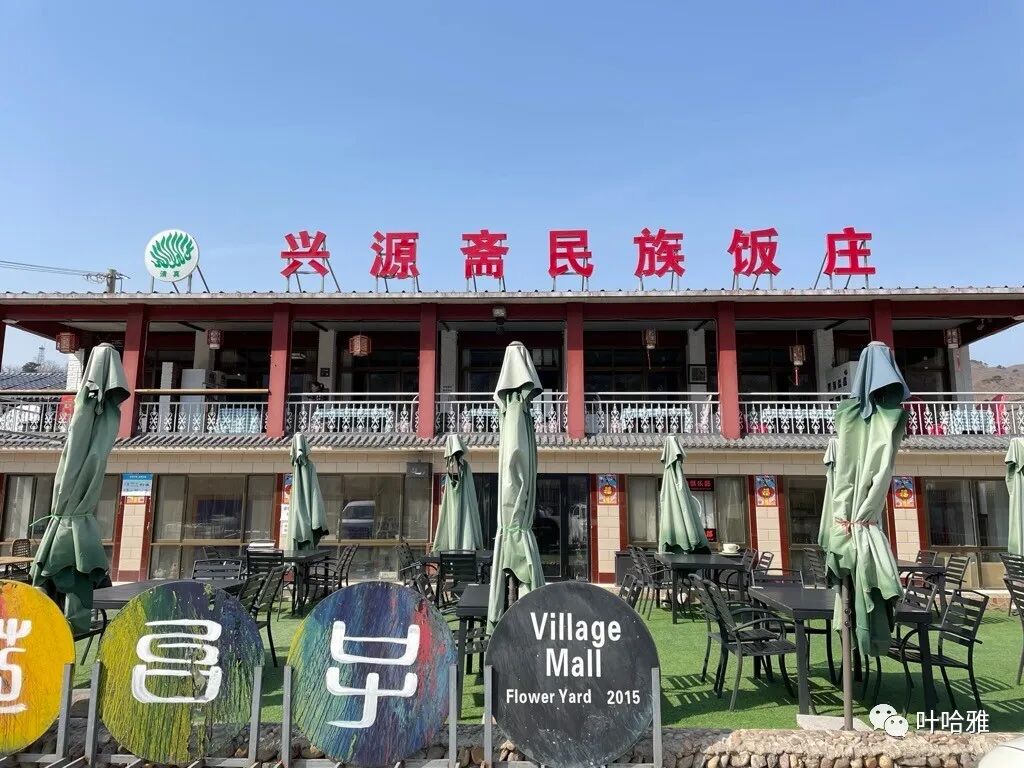
It is not easy to find a halal restaurant near the Mutianyu Great Wall in Huairou. Fortunately, there are two halal restaurants right next to each other in Sanduhe Village. I introduced one before, called Sudan Pakistan Restaurant, and the other is this Xingyuanzhai. Xingyuanzhai is a farmhouse-style restaurant with a spacious, two-story layout. In the summer, you can also sit in the courtyard to eat barbecue.
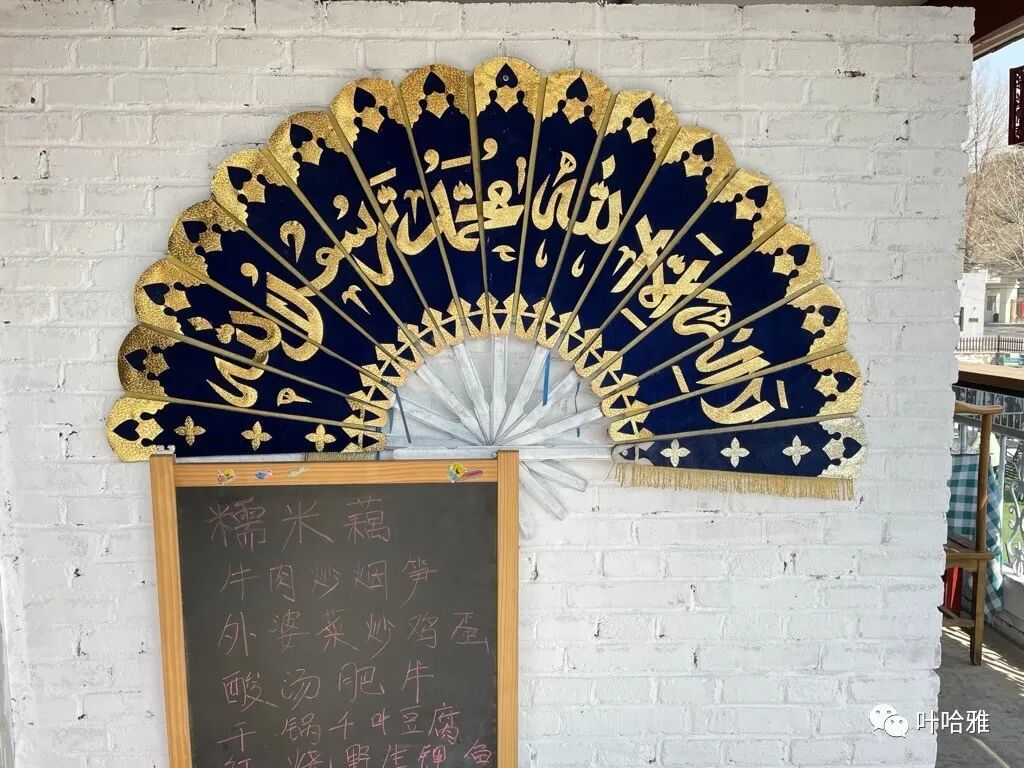
The owner is a Hui Muslim from Shunyi. This shop was originally located in Shunyi and is related to the famous Fushouzhai Hot Pot Restaurant in Shunyi. They just moved to Huairou during the pandemic.
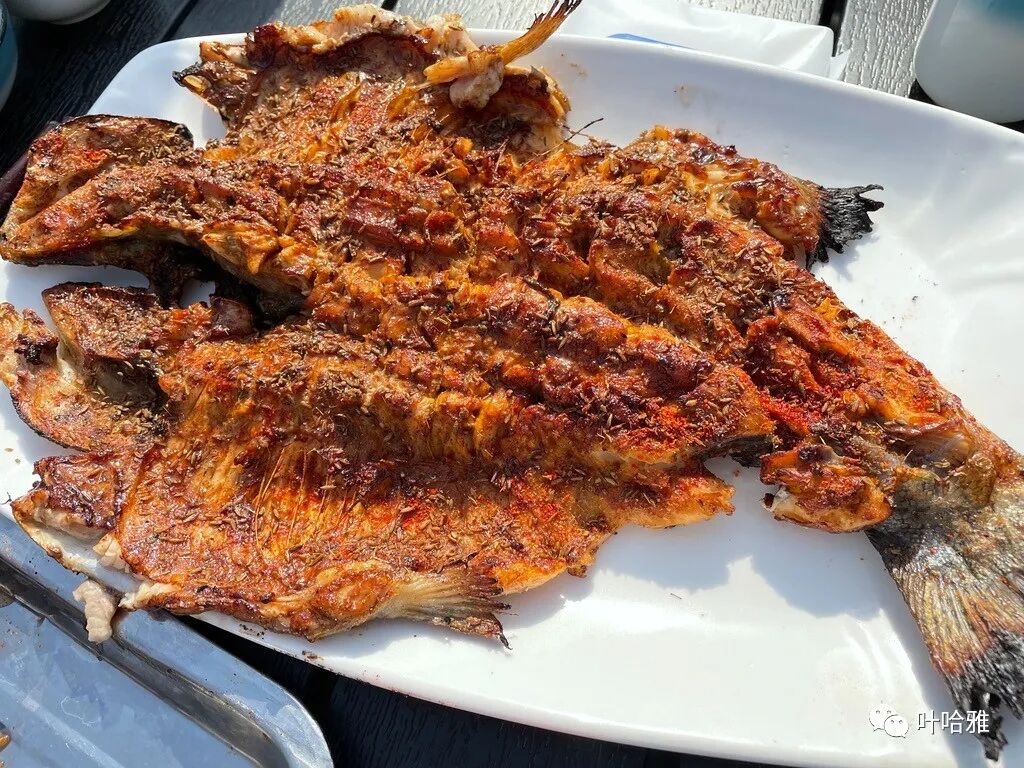
A must-eat in Huairou is the roasted rainbow trout (kao hongzunyu), which is a local farmhouse specialty. Rainbow trout is a cold-water fish with teeth in its mouth. It has a fierce nature and requires high water quality, so its meat is quite delicious.
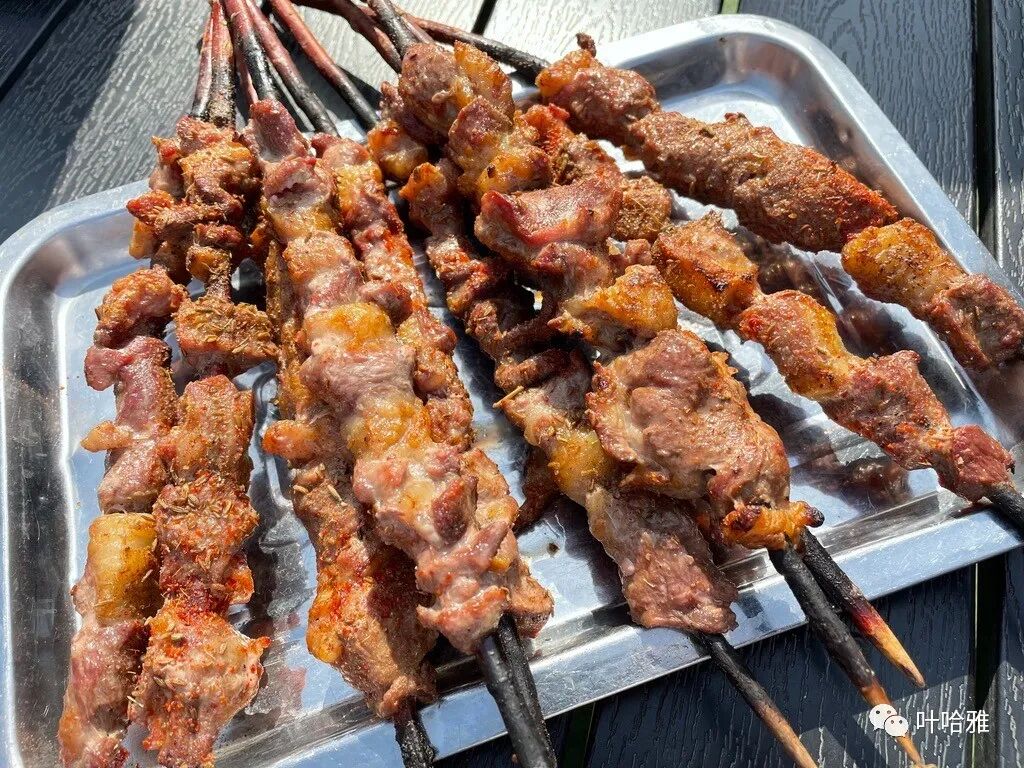
I originally said I wanted to eat small skewers, but the owner recommended that they have freshly slaughtered lamb, so I could have a pound of freshly grilled large skewers, which are even more fragrant.
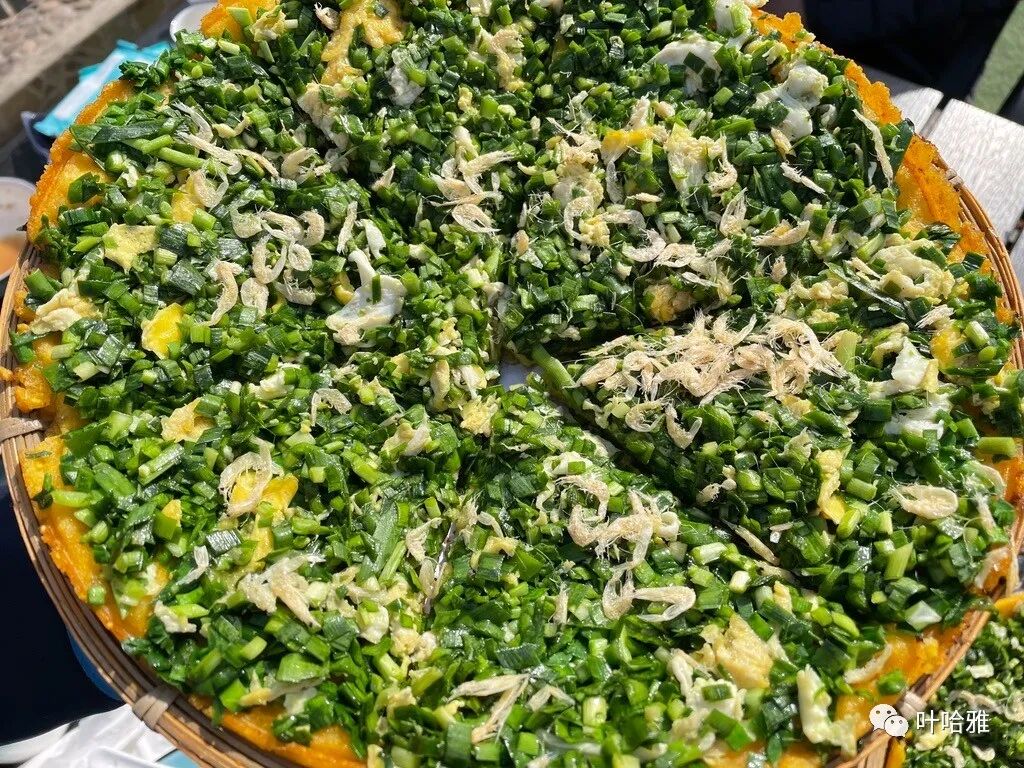
Cornmeal flatbread (hubing) stuffed with chives and eggs.
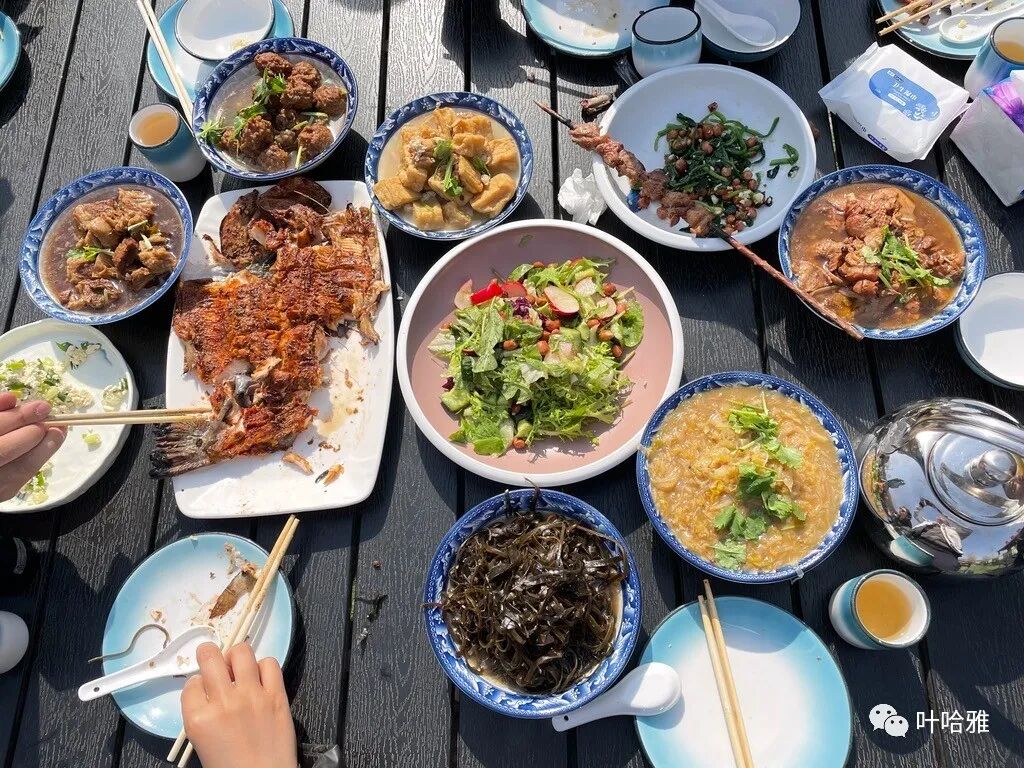
Address: Sanduhe Village, Bohai Town, Huairou District.
Phone: 18910316080
14
Fusion Cuisine · Sayierier
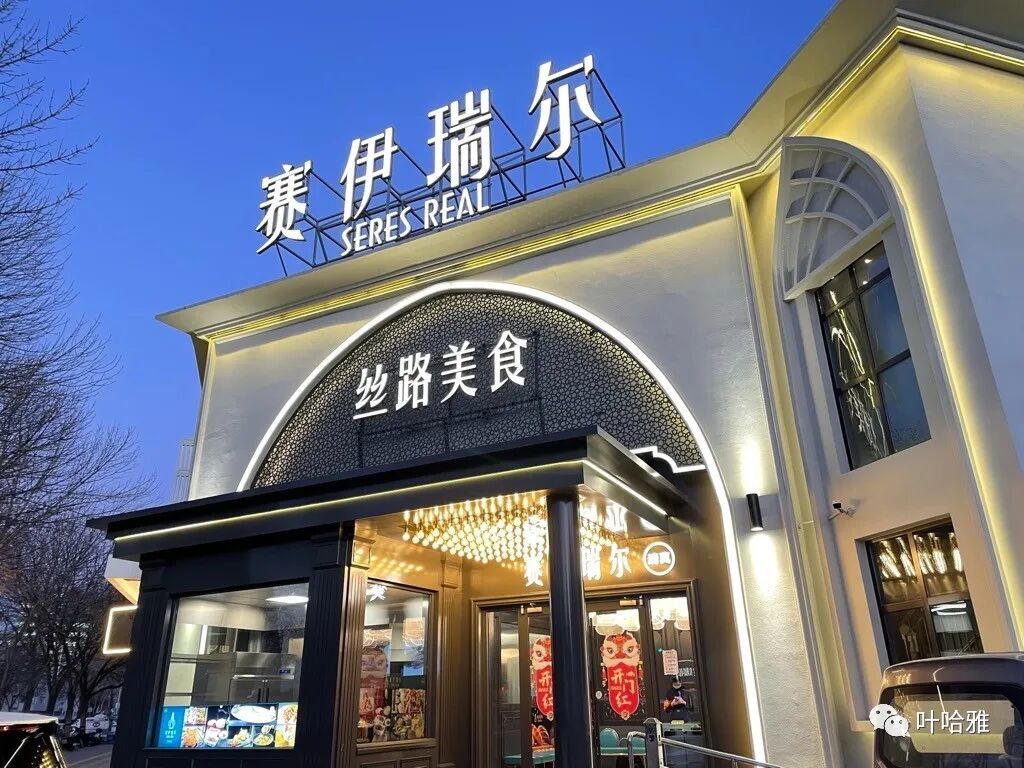
Sayierier Silk Road Cuisine focuses on food from the Silk Road, so it should not be seen as just Xinjiang-style. It also features Mediterranean specialties, as well as Sichuan, Huaiyang, Hunan, Cantonese, and seafood dishes, making it a fusion restaurant.
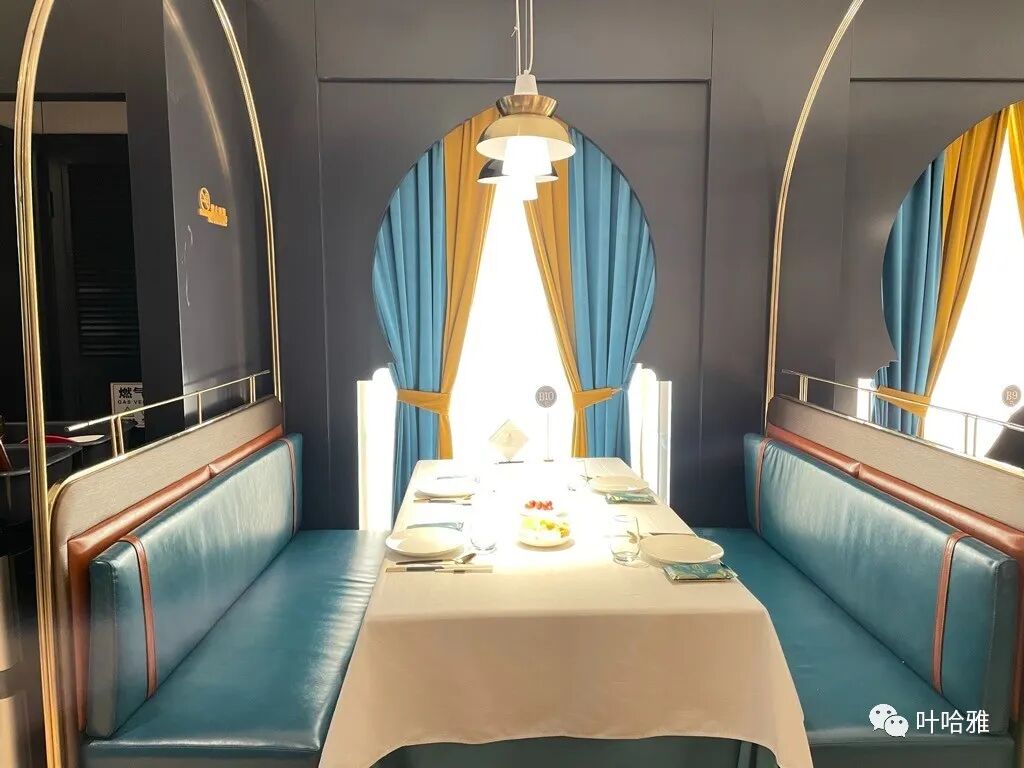
The environment is upscale and the prices are not cheap, with an average cost of around 200 yuan per person.
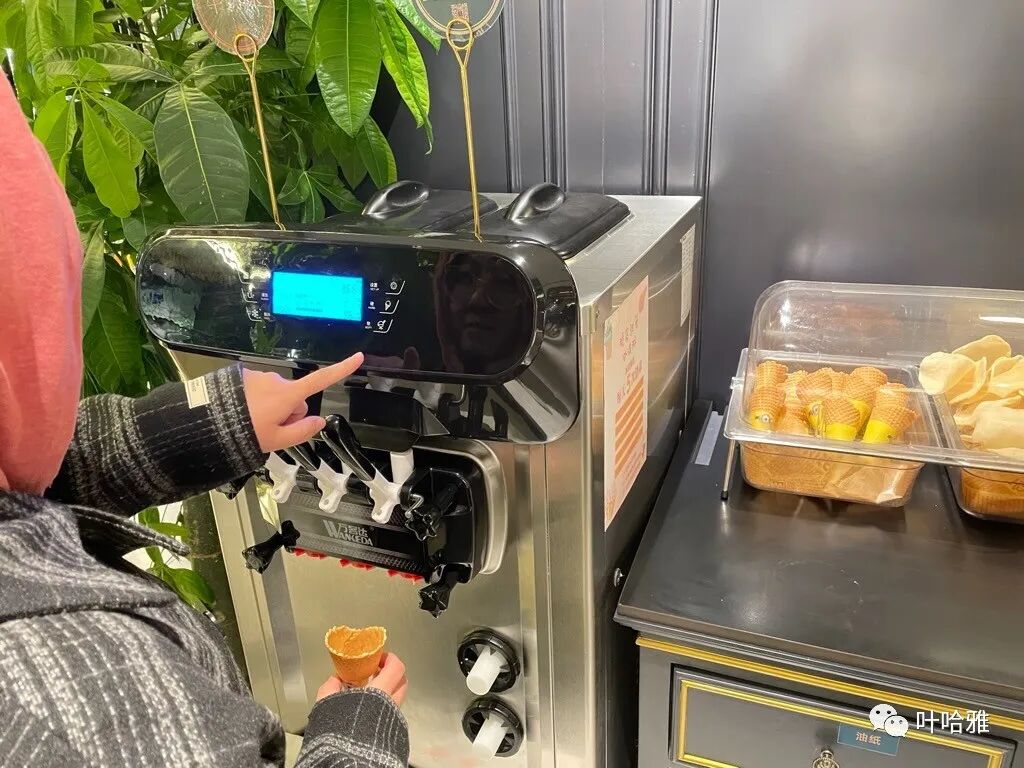
There is free ice cream and snacks you can help yourself to while waiting for a table.
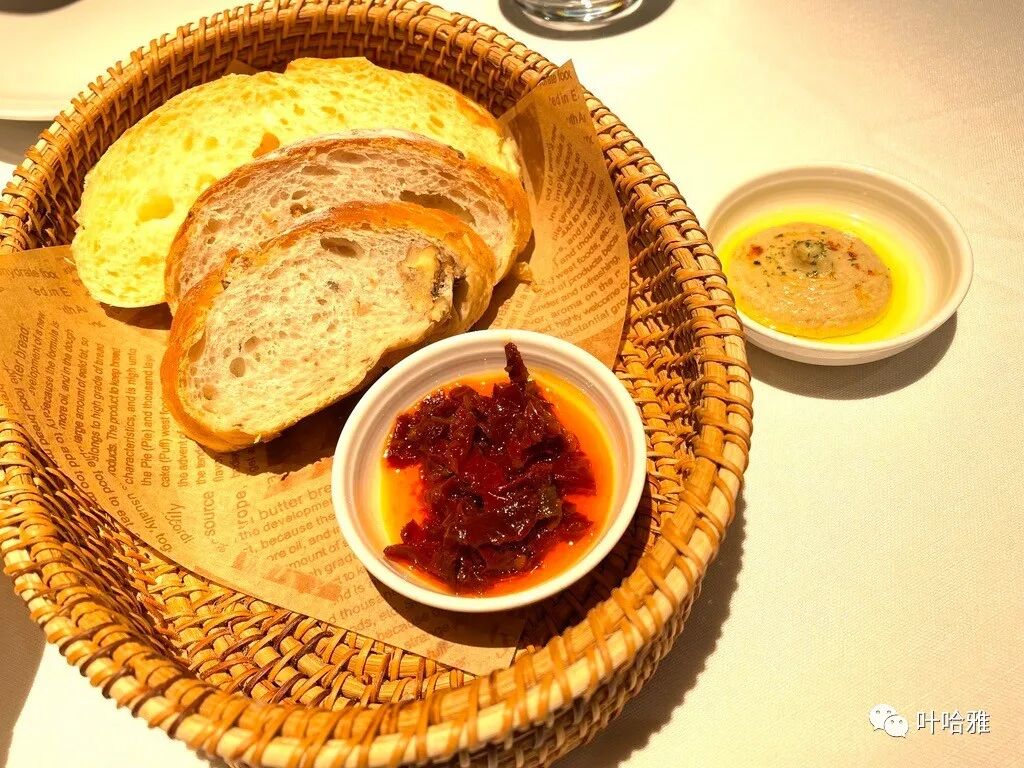
The complimentary bread and spicy onion salad (pilahong) served before the meal are also delicious, not just some thrown-together freebie.
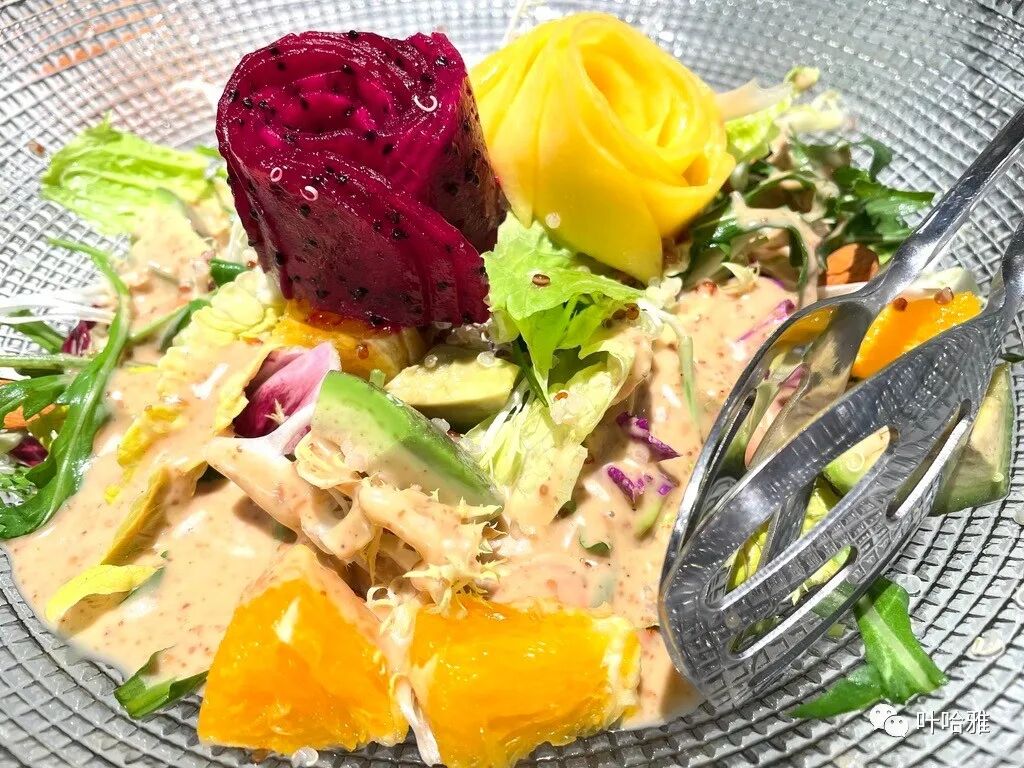
For the Mediterranean salad, the dragon fruit and mango are shaped like roses.
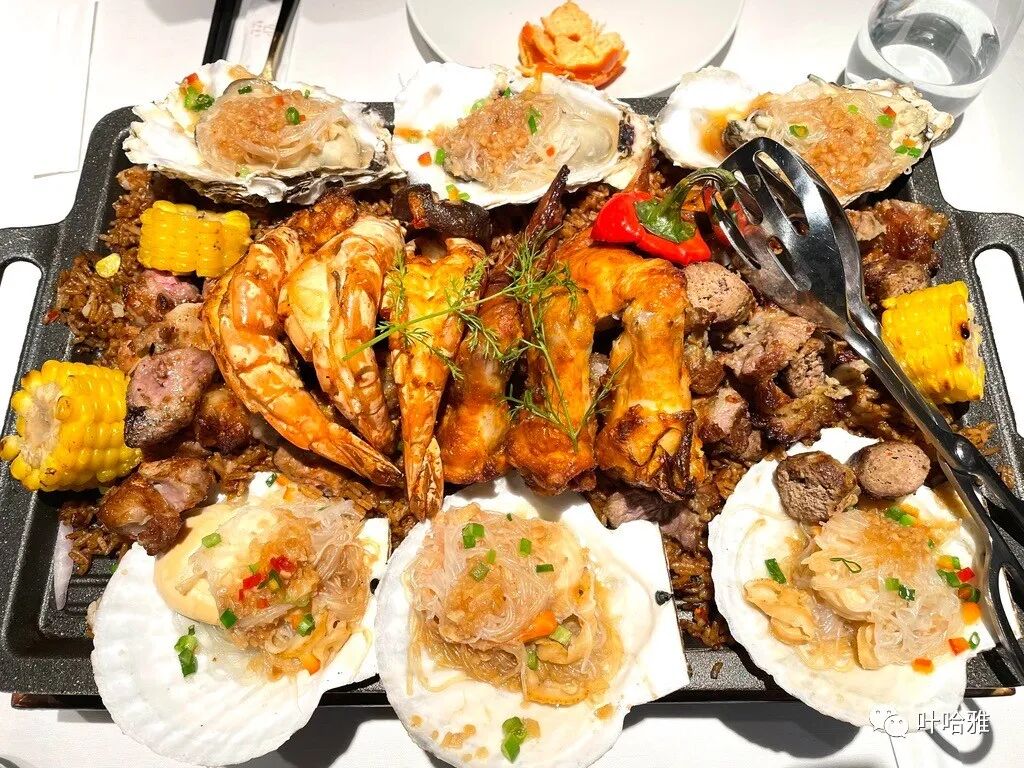
Four of us shared a classic grilled meat platter for 328 yuan, which included beef, lamb, vegetables, and seafood. Adding a few carb-heavy sides was plenty. The food tasted great and the service was attentive. I plan to bring more people next time to try other dishes.
Address: 1st Floor, No. F2 Huayuan Road
Phone: 13161344588
Best Halal Street Food Beijing: Subuha Electric Skewers, Roujiamo, Zhaotong BBQ and Hotan Barbecue
Articles • yusuf908 posted the article • 0 comments • 234 views • 2026-05-23 08:43
Summary: This Beijing halal food map issue 54 focuses on barbecue and snack spots, including Subuha electric-grilled skewers, Ali Northwest barbecue roujiamo, Ganmaya Yunnan Zhaotong barbecue, Shunhexiang Harbin halal food, Xi'an Old Lan Family barbecue, Japanese-style barbecue, Northeast halal cuisine, fried chicken, and Hotan barbecue.
I added an AI smart reply feature to my official account. You can ask the AI directly about any restaurant information. It is still in the testing phase, so the answers might not be perfectly accurate. It is best to describe your questions clearly and accurately when you ask, and double-check the information after you get a reply. If you are not happy with the answer, please do not be mean. That is AI Yahya, not the real Yahya.
The halal restaurants featured in this issue are as follows:
1. Subuha Electric Grilled Skewers (Subuha Dian Kaochuan)
2. Ali Northwest Barbecue Meat Burger (Ali Xibei Shaokao Roujiamo)
3. Ganmaya Yunnan Zhaotong Barbecue (Ganmaya Yunnan Zhaotong Shaokao)
4. Shunhexiang Harbin Halal Small Restaurant (Shunhexiang Haerbin Qingzhen Xiaoguan)
5. Xi'an Old Lan Family Barbecue (Xi'an Lao Lanjia Shaokao)
6. Sun Moon Stars Japanese-style Barbecue (Riyue Xingchen Rishi Shaorou)
7. Zhenming Yihua Zhai Restaurant (Zhenming Yihua Zhai Fandian)
8. Ma's Northeast Halal Cuisine (Maji Dongbei Qingzhen Meishi)
9. Little Yu Barbecue and Fried Chicken (Xiaoyu Shaokao Zhaji)
10. Hotan Barbecue (Hetian Shaokao)
1. Subuha electric-grilled lamb skewers.
This is a halal snack shop run by Hui Muslims in Beijing. Their signature items are almond tofu (xingren doufu) and electric-grilled skewers. Their almond tofu uses high-quality ingredients and has a top-tier texture. It is the best almond tofu I have ever had in Beijing.
I usually order the signature snacks when I visit a shop. The almond tofu is a must. I enjoyed it so much that I ordered a coffee cheese (kafei nailao) afterward.
It costs 10 yuan per serving and comes with a small bag of sugar water. The sweetness is just right—a light, refreshing taste that is neither sticky nor cloying.
The coffee cheese is just as smooth and creamy. The shop also sells mini bottles of zero-sugar lemon tea. The owner cares about health, so many products have no added sugar, but they still taste great and go well with the skewers.
I tried both the beef skewers and the lamb tendon skewers. I think the lamb tendon is more tender and tastes better than the beef.
They have two locations now, one in Qinghe and one in Jiaodaokou. I visited both, but I prefer the Jiaodaokou shop. The skewers at the Qinghe shop were a bit salty, while the seasoning at Jiaodaokou was perfect. The almond tofu tastes the same at both places.
The Qinghe shop has free parking spaces, making it easy to park. The Jiaodaokou shop only has a few parking spots on the side of the road, which makes parking difficult.
2. Ali Northwest Barbecue Meat Burger (Ali Xibei Shaokao Roujiamo)
This is a Gansu-style barbecue stall near Minzu University. Their specialty is grilled flatbread (kaobing) stuffed with everything.
Students nearby often order delivery from here. I have eaten here twice and ordered the set meal both times. For 20 yuan, you get a set with grilled steamed bun (kaomo), beef skewers, an egg, green beans, and oil-wheat lettuce (youmaicai). It makes for a very tasty and satisfying meal.
3. Ganmaya Yunnan Zhaotong Barbecue (Ganmaya Yunnan Zhaotong Shaokao)
A new Yunnan-style barbecue restaurant just opened in Beijing. Gamaya is a well-known brand from Zhaotong.
We visited on the first day of their soft opening and tried the Yunnan-style hot pot chicken and barbecue.
Small-skewer barbecue (xiao shaokao) is a Zhaotong specialty that is very popular in Yunnan, and it has a spicy kick.
Their standout dish is the fresh beef broth rice noodles (mi xian). You can really taste the freshness of the beef soup, and the bowl is authentically Yunnan.
4. Shunhexiang Harbin Halal Small Restaurant (Shunhexiang Haerbin Qingzhen Xiaoguan)
A new Harbin halal eatery called Shunhexiang just opened in Tongzhou. It is a chain brand in Harbin and this is their first shop in Beijing.
The stir-fried dishes at Shunhexiang are excellent. This place is currently the best restaurant in Beijing for halal Northeast-style stir-fry.
I chose the stir-fried chili with dried tofu (jianjiao gandoufu), a classic Northeast home-style dish that tastes great.
The Majiagou celery with sea urchin is also delicious. It is cold, refreshing, and has a sweet and sour flavor.
The beef steamed dumplings (shaomai) are made well, but for shaomai, I personally prefer the Inner Mongolian style from Lianying.
Their sweet and sour pork (guobaorou) is a solid choice, and it tastes just as it should.
Stir-fried potato, eggplant, and pepper (disanxian) is a classic home-style dish in Northeast China. Everything together cost only 200 yuan, and the portions were just right for two people.
5. Xi'an Old Lan Family Barbecue (Xi'an Lao Lanjia Shaokao)
The newly opened Xi'an Lao Lan Jia BBQ restaurant in Tongzhou Cool Car Town serves both barbecue and Xi'an-style noodles.
Lao Lan Jia has been open for over twenty years with a location in Xi'an as well.
I have been here twice and tried all their signature dishes. The barbecue tastes exactly like what you get in Xi'an.
Xi'an barbecue is known for these small iron skewers, served in bundles of 10. The flavor is a bit on the salty side.
Their eight-treasure porridge (babaozhou) is quite good. It has a mild flavor and is not too sweet.
The stir-fried beef with peppers (xiaochao huangniurou) uses beef coated in starch. I personally prefer the stir-fry texture found in Hunan cuisine.
As one of Xi'an's signature dishes, the stir-fried crumbled flatbread (xiaochao paomo) tastes great.
Braised dough bits (hui mashi) is a specialty noodle dish from Northwest China. Mashi are small dough dumplings, and the soup base is delicious.
This dish is called night market stir-fried bean sprouts. It is refreshing, tasty, and has that distinct smoky flavor from the wok.
Shaanxi-style hot oil noodles (youpo mian) use wide noodles. They must be served plain to be truly good, and the drizzled chili oil is fragrant without being too spicy.
Stir-fried beef with crispy rice crust (guoba). The millet rice crust is crunchy, and I highly recommend this dish.
Hot and sour beef tripe (suanla shuan niudu). It was a bit too salty, and I prefer lighter flavors these days.
Guokui flatbread with spicy sauce. Eating one of these when you are hungry really hits the spot. The crust is baked until crispy, and it pairs perfectly with the spicy chili sauce and peppers. It is delicious.
6. Sun Moon Stars Japanese-style Barbecue (Riyue Xingchen Rishi Shaorou)
A new halal Japanese restaurant has opened on the basement level of the Sun and Moon Stars Hotel (Riyue Xingchen Jiudian) in Huangcun, Daxing.
This restaurant is part of the hotel, so you get free parking when you come to eat. They have a very complete selection of Japanese food, including all kinds of grilled meats, sashimi, and sushi. They have pretty much every Japanese dish you can name.
The prices are also cheaper than other Japanese restaurants, costing about 100 yuan per person.
A single-person Japanese ramen set costs only 63 yuan and includes a salad, sushi, fruit, ramen, side dishes, and yogurt. The taste and ingredients are both good, making it a great value.
7. Zhenming Yihua Zhai Restaurant (Zhenming Yihua Zhai Fandian)
There is a halal breakfast shop near Huangcun in Daxing that also serves full meals. Their specialty is selling sesame flatbread (shaobing) with any filling you want.
Something unique they sell is sesame flatbread (shaobing) stuffed with shredded pork in garlic sauce (yuxiang rousi).
This freshly baked sesame flatbread (shaobing) tastes great with anything inside. A big one filled with shredded pork in garlic sauce (yuxiang rousi) costs only 4.5 yuan. Add a bowl of tofu pudding (doufunao) for 4 yuan, and the total for breakfast is 8.5 yuan.
8. Ma's Northeast Halal Cuisine (Maji Dongbei Qingzhen Meishi)
A halal Northeast Chinese restaurant that has been open for many years near the Tongzhou Grand Mosque.
The braised meat strips (ba routiao) do not look very appetizing, and the taste is just so-so.
Stir-fried lamb liver with chives. The lamb liver has a bit of a gamey smell, and their dishes are generally too salty.
The lamb soup is not salty, but it is too thin and watery.
The steamed dumplings (shaomai) are also very average. You can stop by for a quick meal if you are passing by, but it is not worth a special trip. The average cost is about 60 yuan per person.
9. Little Yu Barbecue and Fried Chicken (Xiaoyu Shaokao Zhaji)
A very small fried skewer shop in Shilihe. They sell various fried skewers, fried chicken, and barbecue. It is mainly for takeout, though you can eat inside, but there are only two tables.
They sell grilled cold noodles (kao lengmian) and grilled gluten (kao mianjin), and they have a good variety of fried skewers.
The prices are cheap enough. This handful of four types of skewers cost 15 yuan in total.
10. Hotan Barbecue (Hetian Shaokao)
A few hundred meters from Xiaoyu Fried Skewers (Xiaoyu Zhachuan) is a newly opened Hotan barbecue shop. The shop is located in a parking lot, so there are plenty of empty parking spaces right in front, which is very convenient.
This is an authentic Xinjiang barbecue shop, and the only other Xinjiang specialty dish they serve is big plate chicken (dapanji).
The shop has a nice, spacious environment, and the servers are Uyghur girls.
The shop sells several types of soda from the Xinjiang brand Abide.
A barbecue set meal costs 48 yuan and includes quite a lot of food, enough for one person.
The meat skewers taste great, but the vegetable skewers are just average; when it comes to barbecue, I still love the meat the most. view all
Summary: This Beijing halal food map issue 54 focuses on barbecue and snack spots, including Subuha electric-grilled skewers, Ali Northwest barbecue roujiamo, Ganmaya Yunnan Zhaotong barbecue, Shunhexiang Harbin halal food, Xi'an Old Lan Family barbecue, Japanese-style barbecue, Northeast halal cuisine, fried chicken, and Hotan barbecue.
I added an AI smart reply feature to my official account. You can ask the AI directly about any restaurant information. It is still in the testing phase, so the answers might not be perfectly accurate. It is best to describe your questions clearly and accurately when you ask, and double-check the information after you get a reply. If you are not happy with the answer, please do not be mean. That is AI Yahya, not the real Yahya.
The halal restaurants featured in this issue are as follows:
1. Subuha Electric Grilled Skewers (Subuha Dian Kaochuan)
2. Ali Northwest Barbecue Meat Burger (Ali Xibei Shaokao Roujiamo)
3. Ganmaya Yunnan Zhaotong Barbecue (Ganmaya Yunnan Zhaotong Shaokao)
4. Shunhexiang Harbin Halal Small Restaurant (Shunhexiang Haerbin Qingzhen Xiaoguan)
5. Xi'an Old Lan Family Barbecue (Xi'an Lao Lanjia Shaokao)
6. Sun Moon Stars Japanese-style Barbecue (Riyue Xingchen Rishi Shaorou)
7. Zhenming Yihua Zhai Restaurant (Zhenming Yihua Zhai Fandian)
8. Ma's Northeast Halal Cuisine (Maji Dongbei Qingzhen Meishi)
9. Little Yu Barbecue and Fried Chicken (Xiaoyu Shaokao Zhaji)
10. Hotan Barbecue (Hetian Shaokao)
1. Subuha electric-grilled lamb skewers.
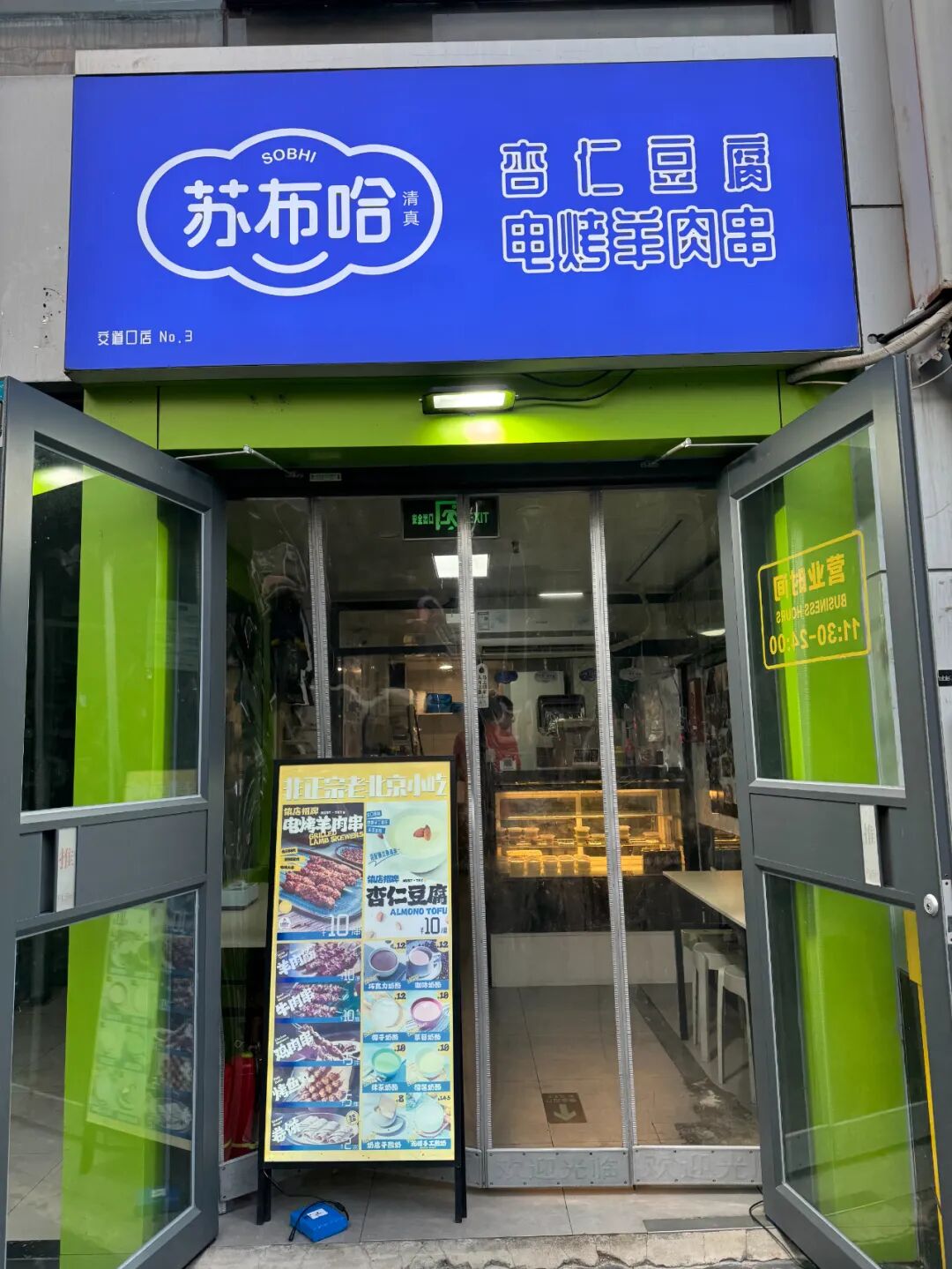
This is a halal snack shop run by Hui Muslims in Beijing. Their signature items are almond tofu (xingren doufu) and electric-grilled skewers. Their almond tofu uses high-quality ingredients and has a top-tier texture. It is the best almond tofu I have ever had in Beijing.
I usually order the signature snacks when I visit a shop. The almond tofu is a must. I enjoyed it so much that I ordered a coffee cheese (kafei nailao) afterward.
It costs 10 yuan per serving and comes with a small bag of sugar water. The sweetness is just right—a light, refreshing taste that is neither sticky nor cloying.
The coffee cheese is just as smooth and creamy. The shop also sells mini bottles of zero-sugar lemon tea. The owner cares about health, so many products have no added sugar, but they still taste great and go well with the skewers.
I tried both the beef skewers and the lamb tendon skewers. I think the lamb tendon is more tender and tastes better than the beef.
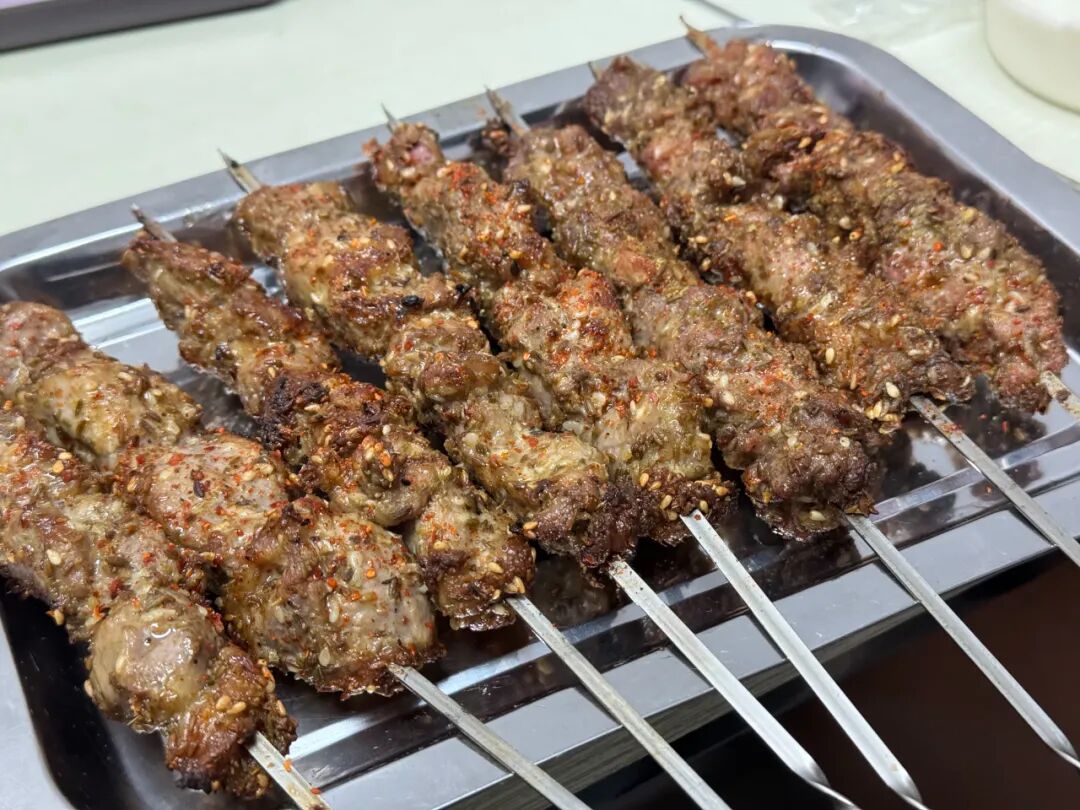
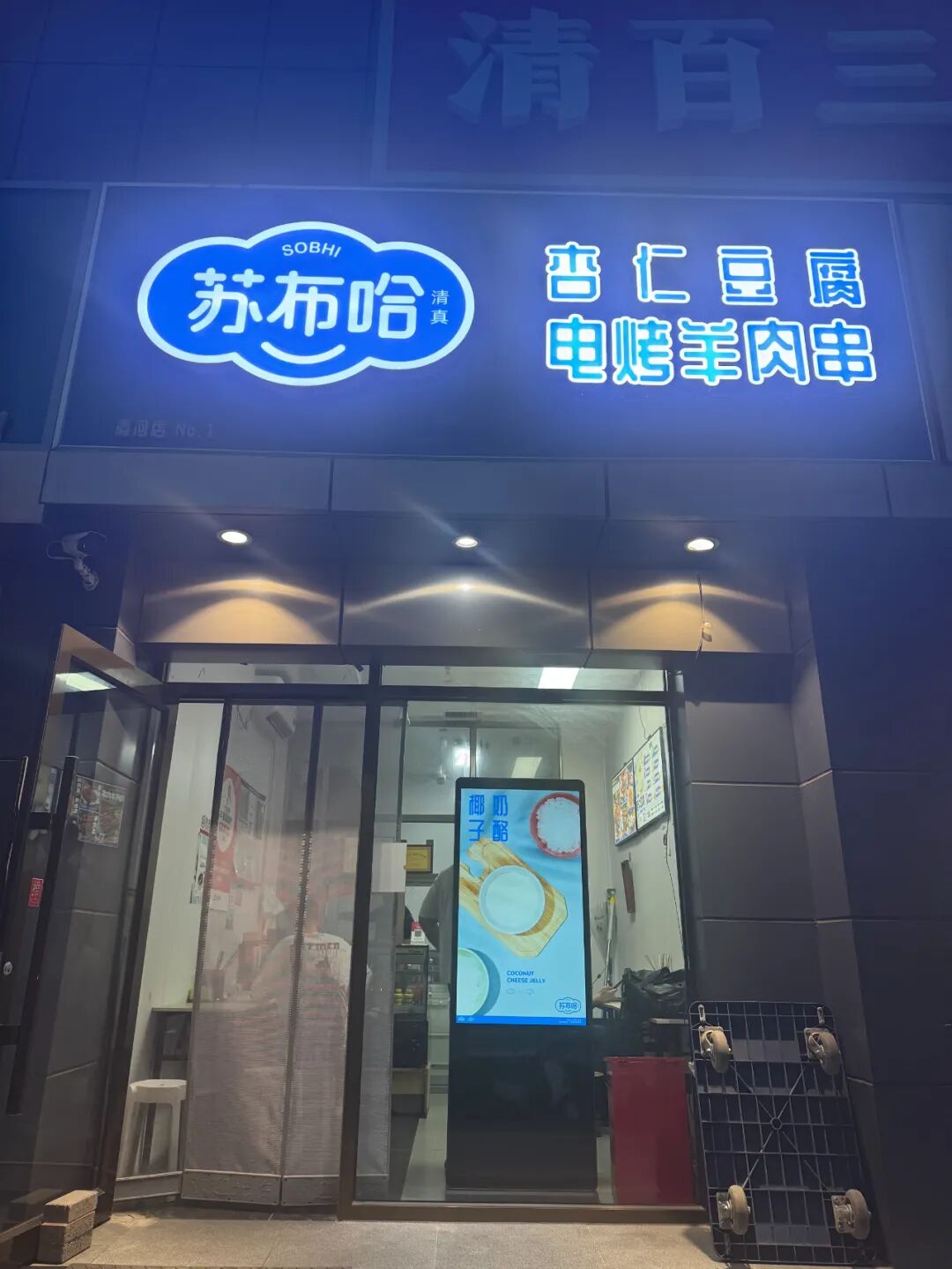
They have two locations now, one in Qinghe and one in Jiaodaokou. I visited both, but I prefer the Jiaodaokou shop. The skewers at the Qinghe shop were a bit salty, while the seasoning at Jiaodaokou was perfect. The almond tofu tastes the same at both places.
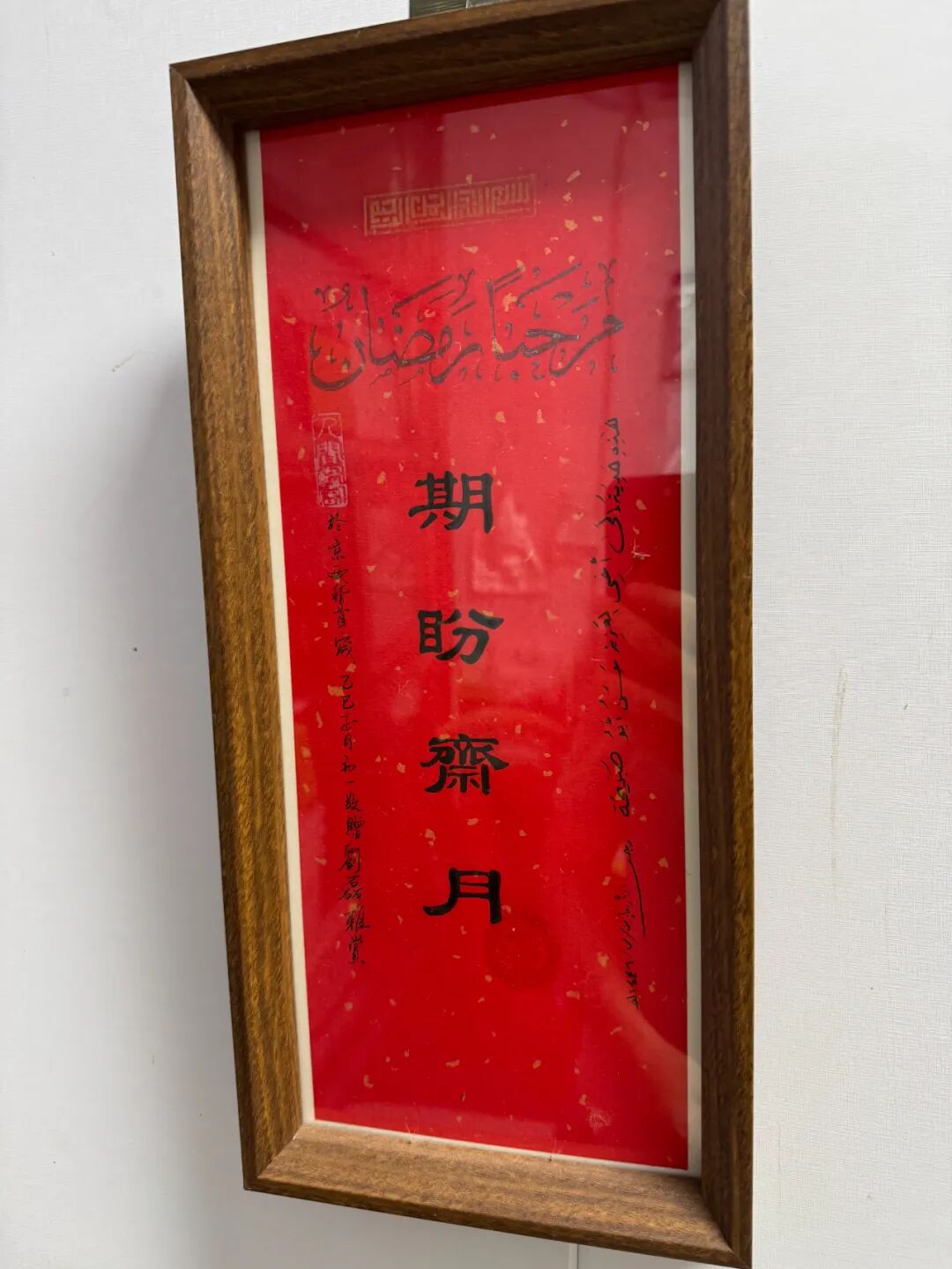
The Qinghe shop has free parking spaces, making it easy to park. The Jiaodaokou shop only has a few parking spots on the side of the road, which makes parking difficult.
2. Ali Northwest Barbecue Meat Burger (Ali Xibei Shaokao Roujiamo)
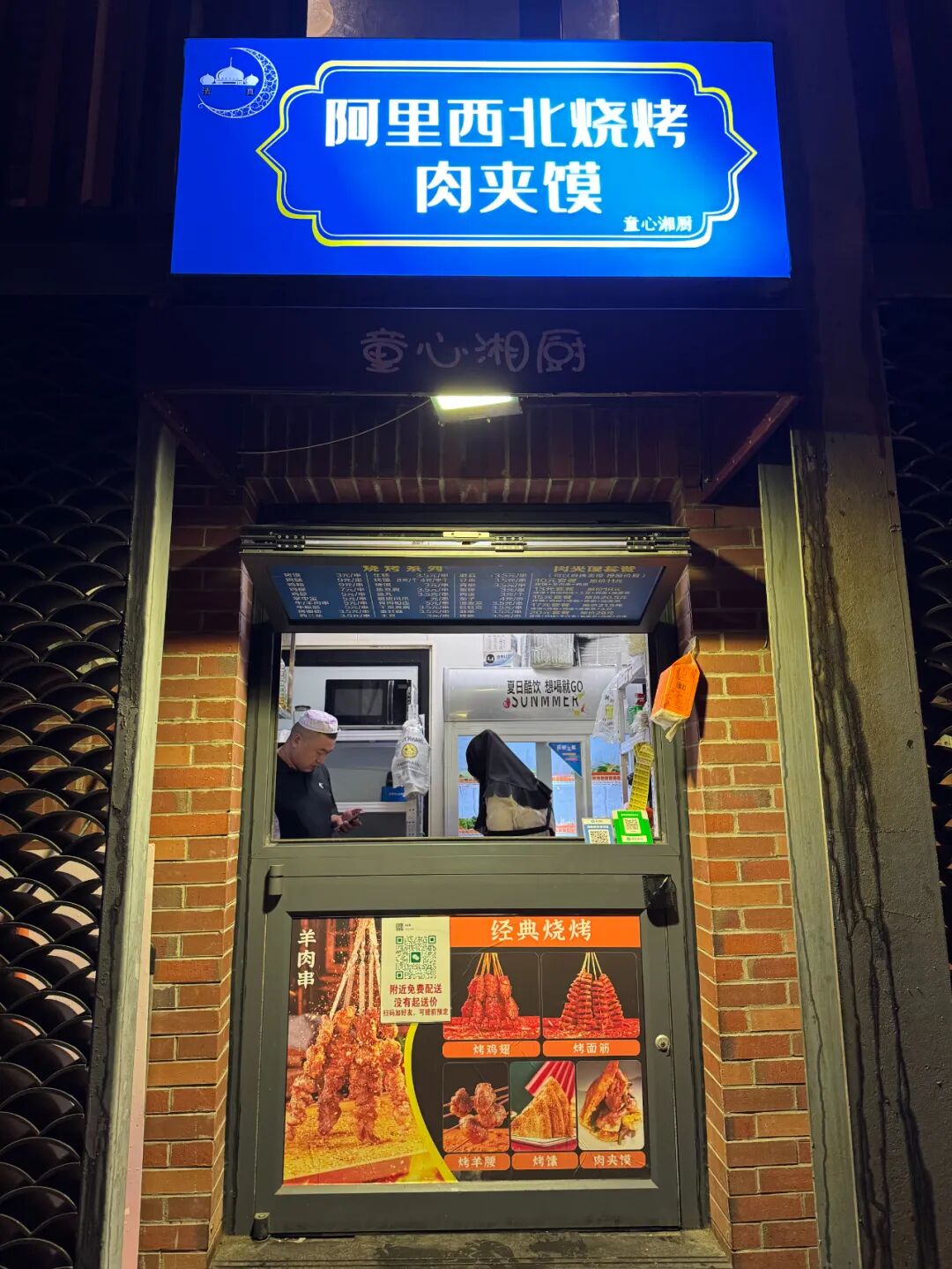
This is a Gansu-style barbecue stall near Minzu University. Their specialty is grilled flatbread (kaobing) stuffed with everything.
Students nearby often order delivery from here. I have eaten here twice and ordered the set meal both times. For 20 yuan, you get a set with grilled steamed bun (kaomo), beef skewers, an egg, green beans, and oil-wheat lettuce (youmaicai). It makes for a very tasty and satisfying meal.
3. Ganmaya Yunnan Zhaotong Barbecue (Ganmaya Yunnan Zhaotong Shaokao)
A new Yunnan-style barbecue restaurant just opened in Beijing. Gamaya is a well-known brand from Zhaotong.
We visited on the first day of their soft opening and tried the Yunnan-style hot pot chicken and barbecue.
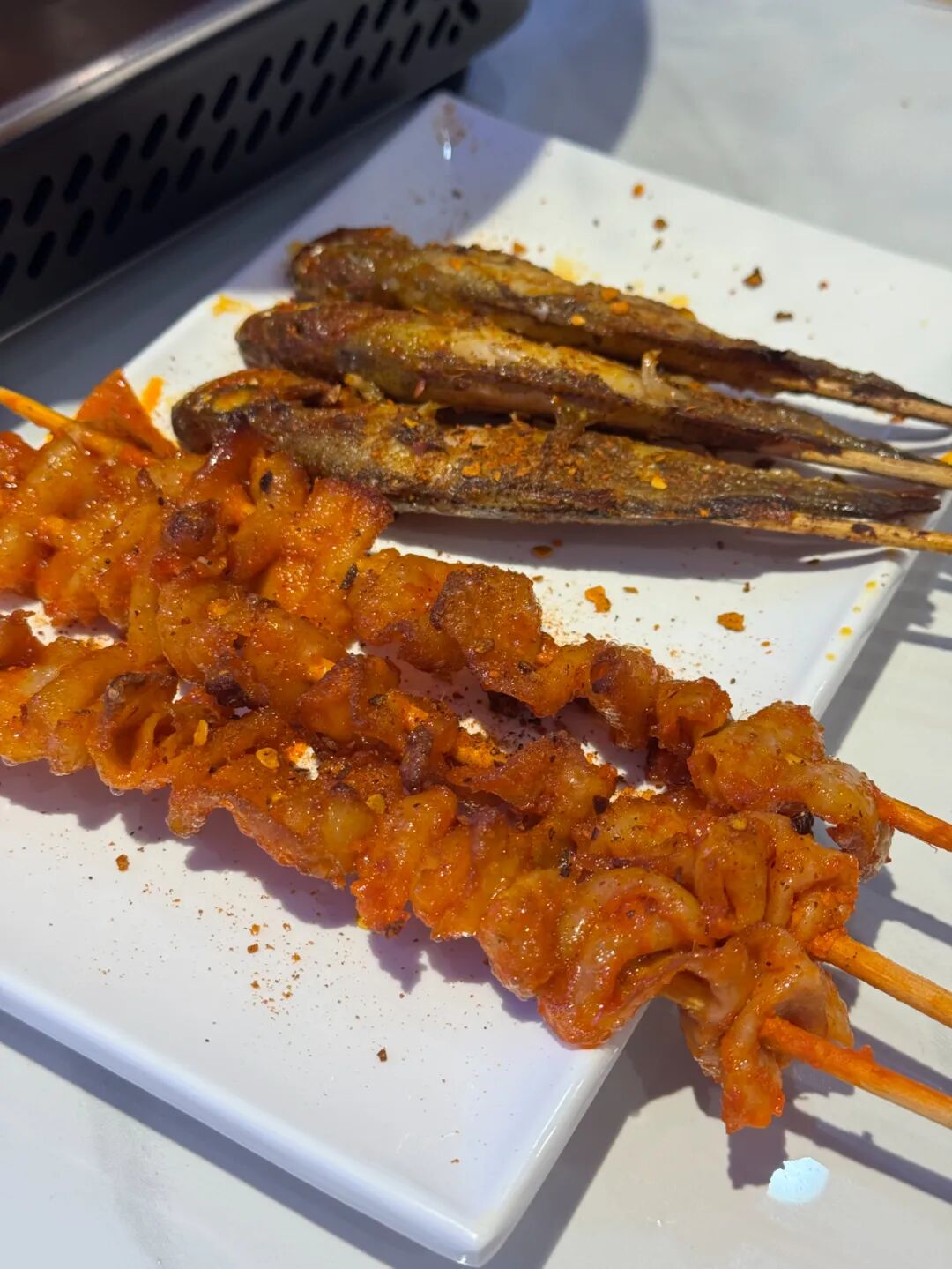
Small-skewer barbecue (xiao shaokao) is a Zhaotong specialty that is very popular in Yunnan, and it has a spicy kick.
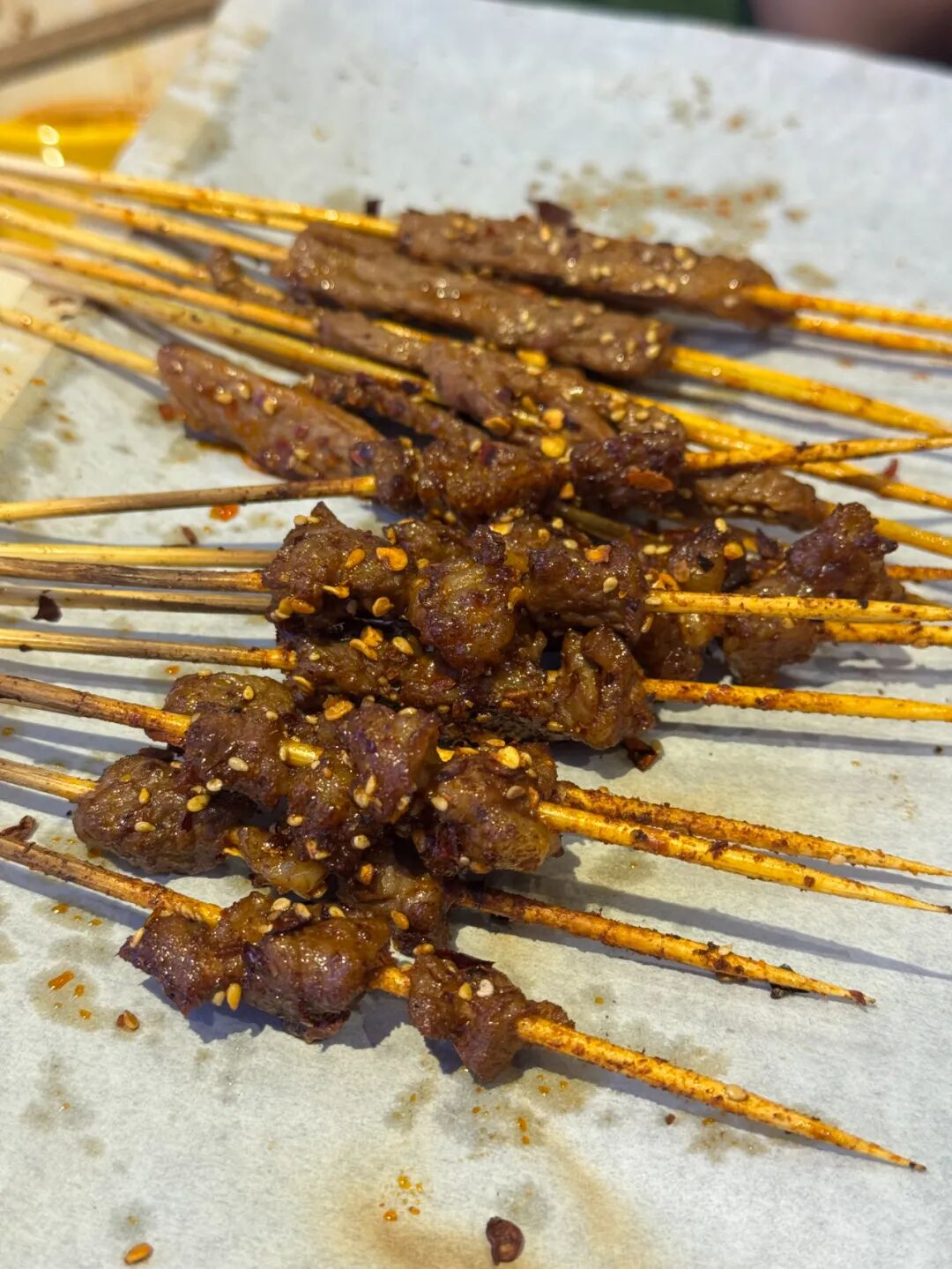
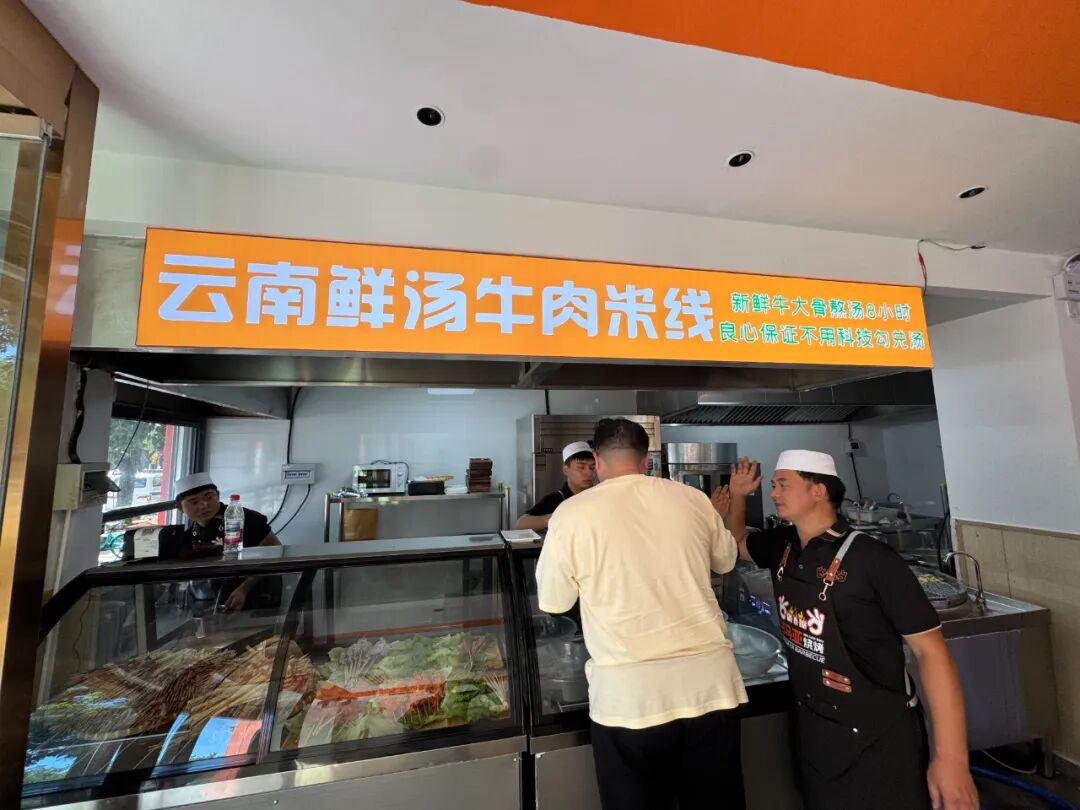
Their standout dish is the fresh beef broth rice noodles (mi xian). You can really taste the freshness of the beef soup, and the bowl is authentically Yunnan.
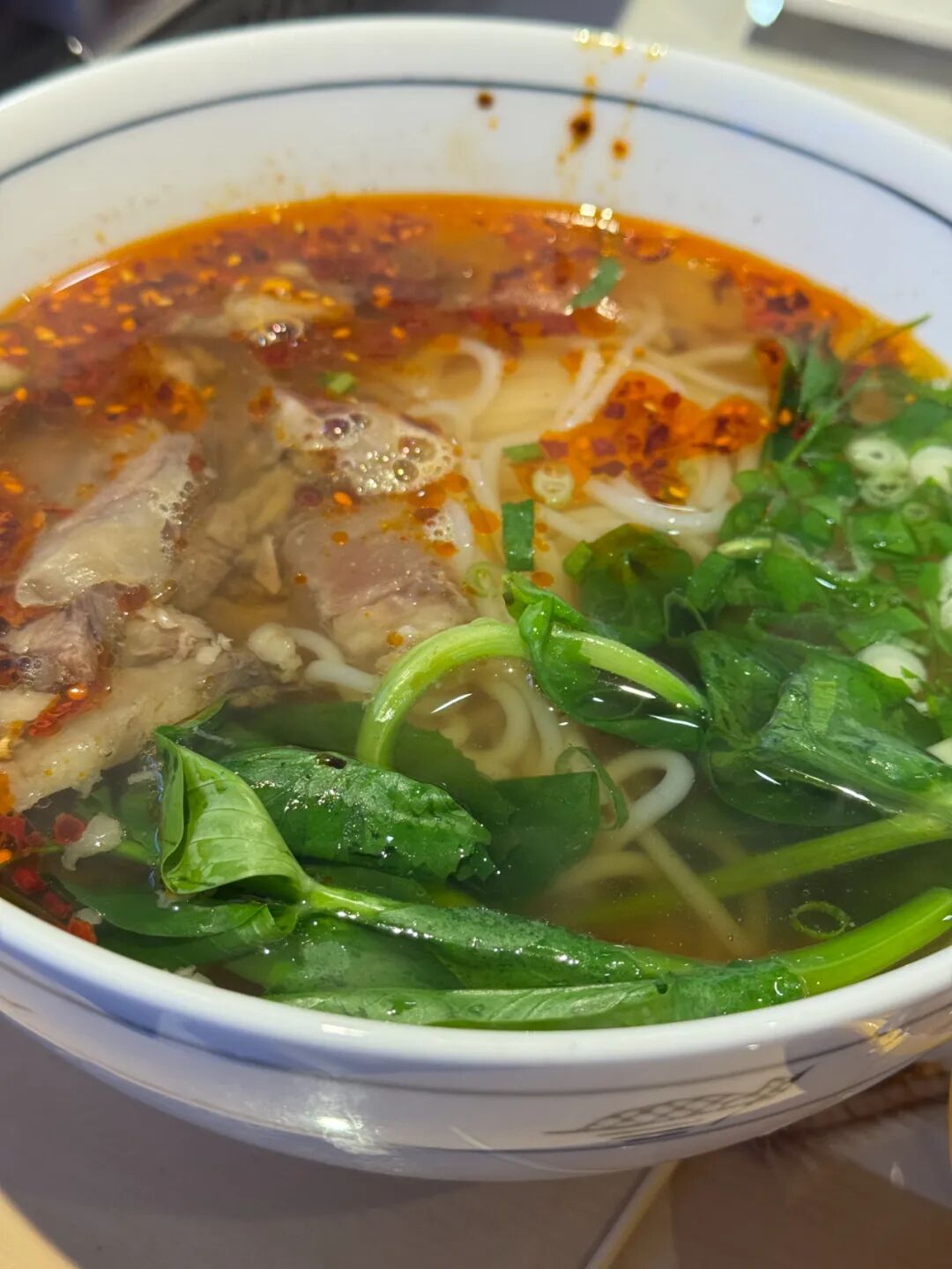
4. Shunhexiang Harbin Halal Small Restaurant (Shunhexiang Haerbin Qingzhen Xiaoguan)
A new Harbin halal eatery called Shunhexiang just opened in Tongzhou. It is a chain brand in Harbin and this is their first shop in Beijing.
The stir-fried dishes at Shunhexiang are excellent. This place is currently the best restaurant in Beijing for halal Northeast-style stir-fry.
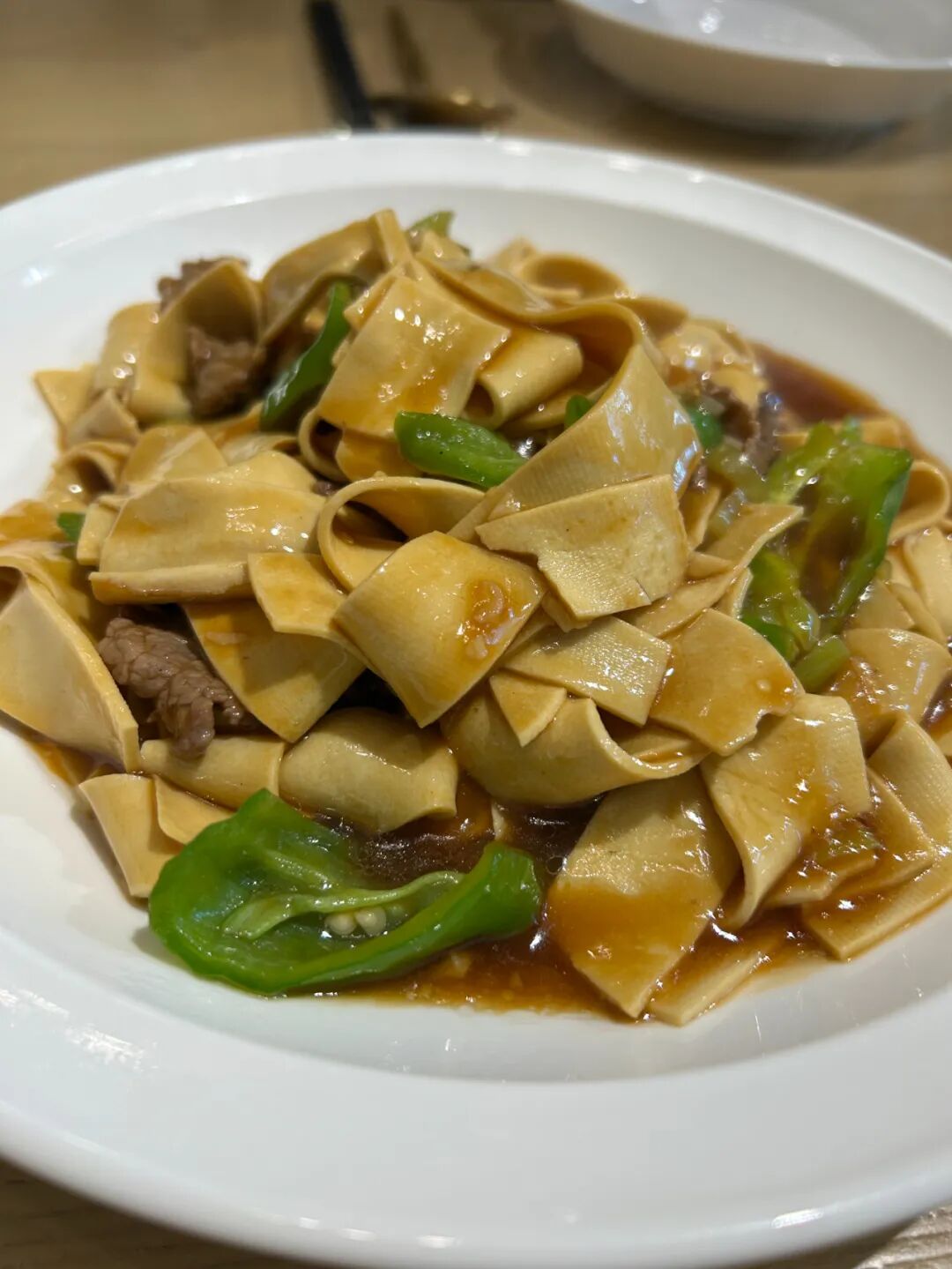
I chose the stir-fried chili with dried tofu (jianjiao gandoufu), a classic Northeast home-style dish that tastes great.
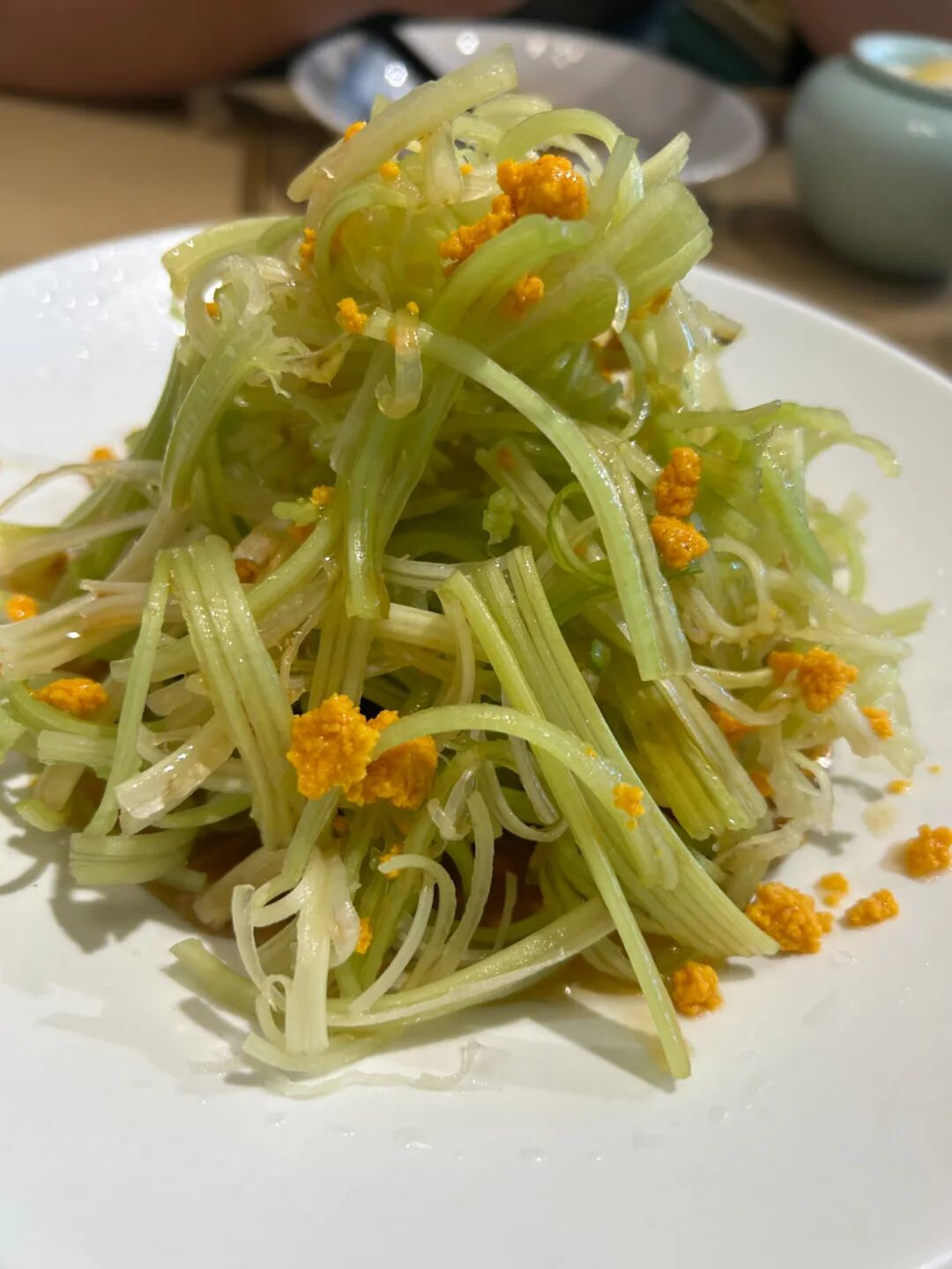
The Majiagou celery with sea urchin is also delicious. It is cold, refreshing, and has a sweet and sour flavor.
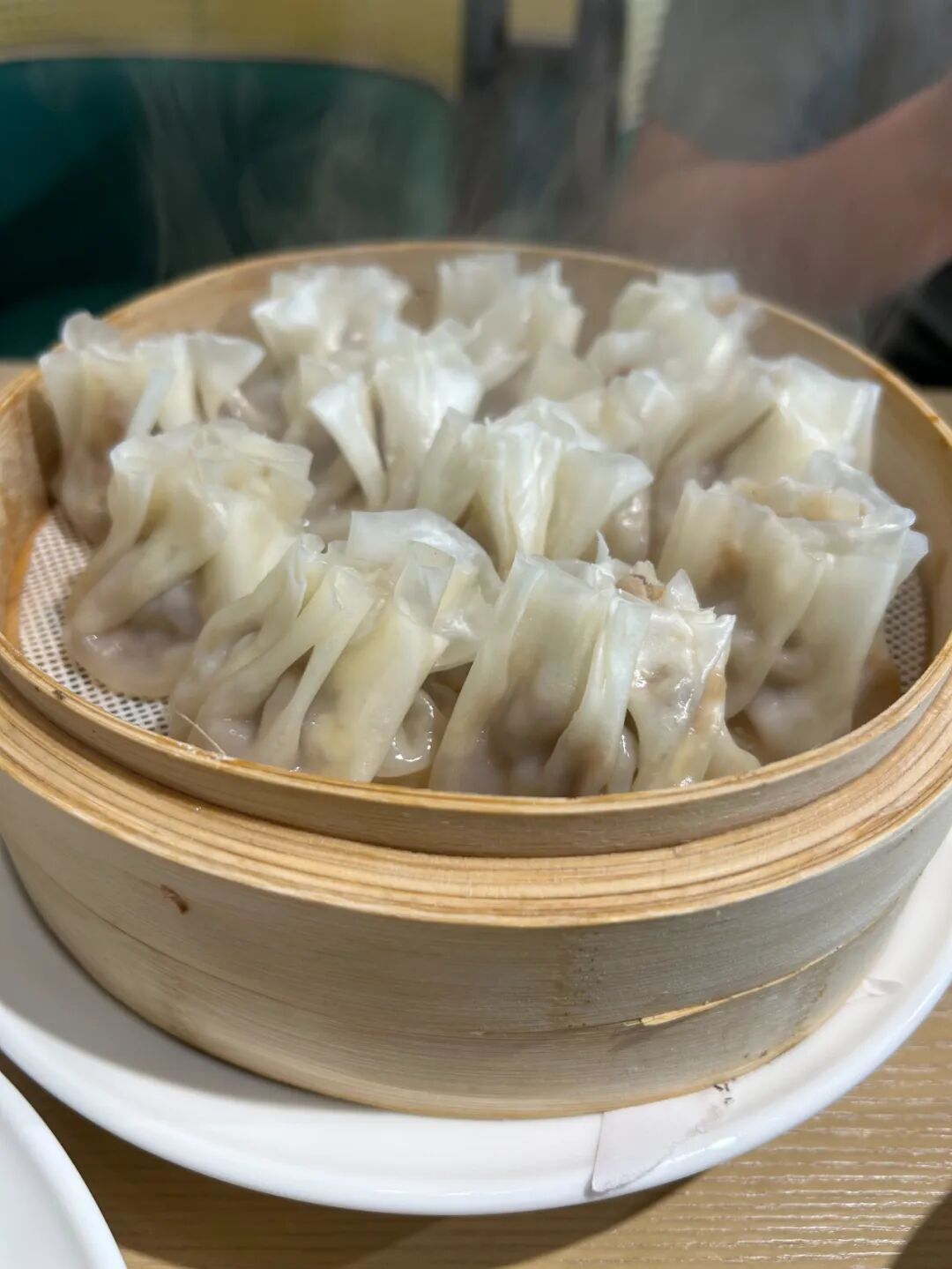
The beef steamed dumplings (shaomai) are made well, but for shaomai, I personally prefer the Inner Mongolian style from Lianying.
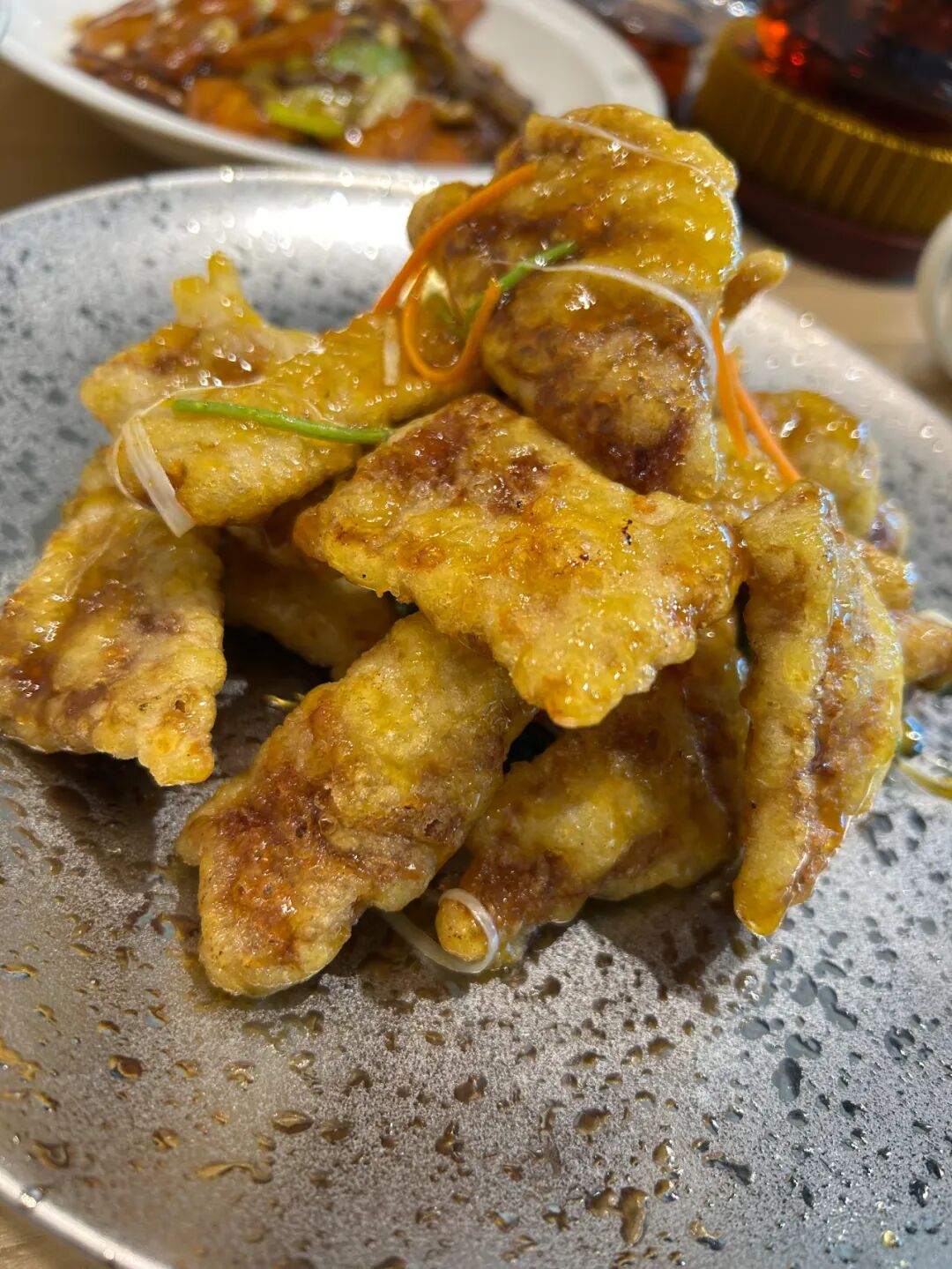
Their sweet and sour pork (guobaorou) is a solid choice, and it tastes just as it should.
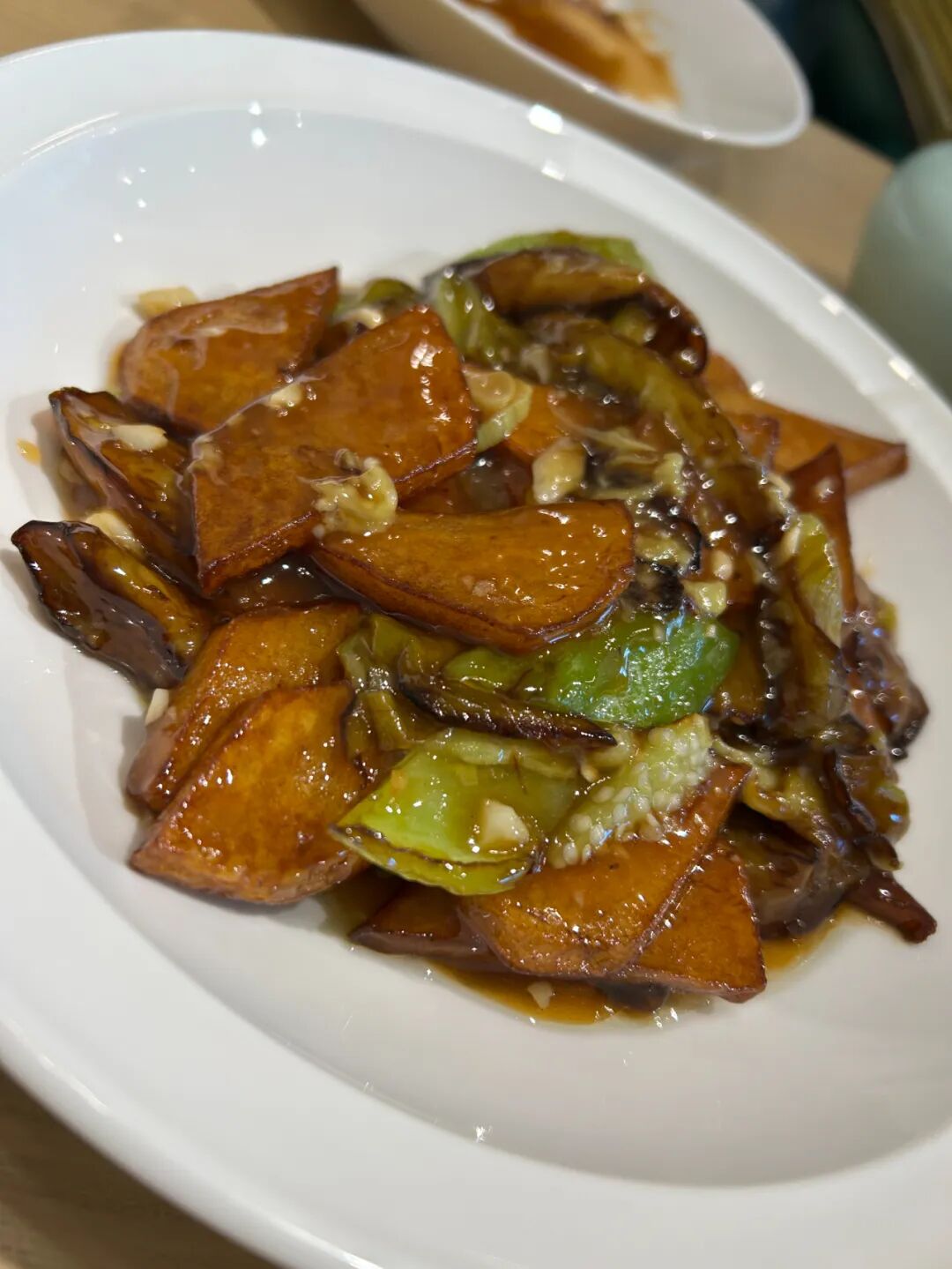
Stir-fried potato, eggplant, and pepper (disanxian) is a classic home-style dish in Northeast China. Everything together cost only 200 yuan, and the portions were just right for two people.
5. Xi'an Old Lan Family Barbecue (Xi'an Lao Lanjia Shaokao)
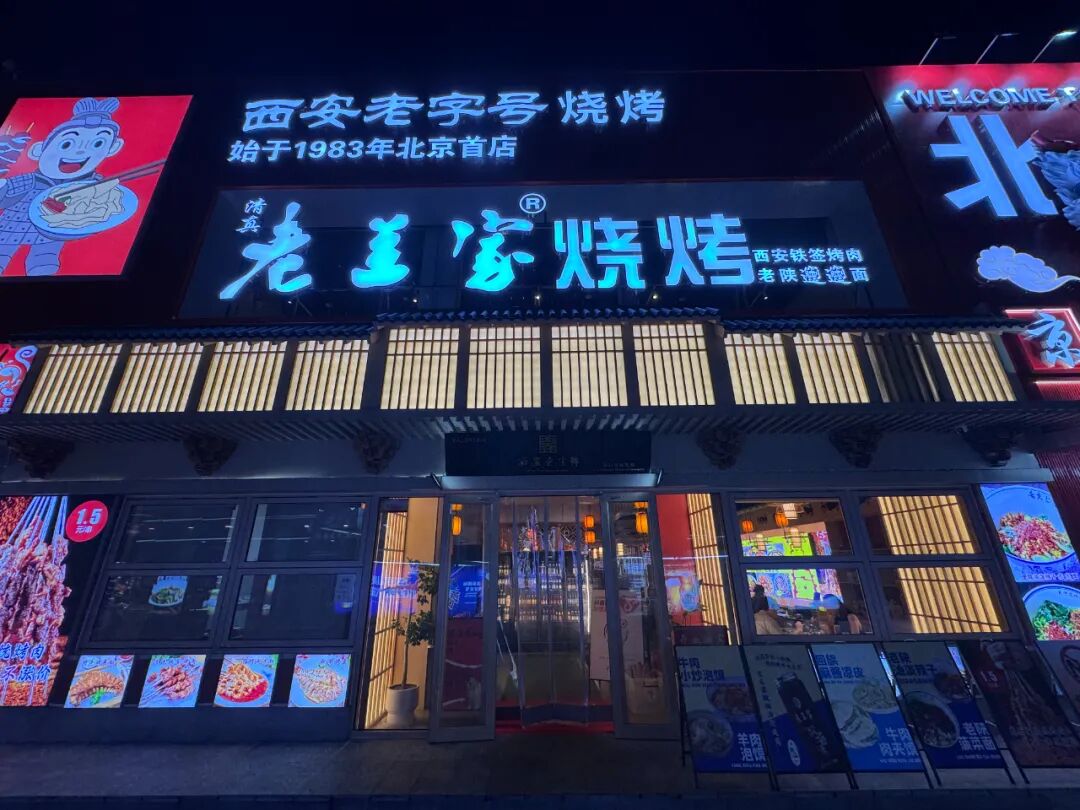
The newly opened Xi'an Lao Lan Jia BBQ restaurant in Tongzhou Cool Car Town serves both barbecue and Xi'an-style noodles.
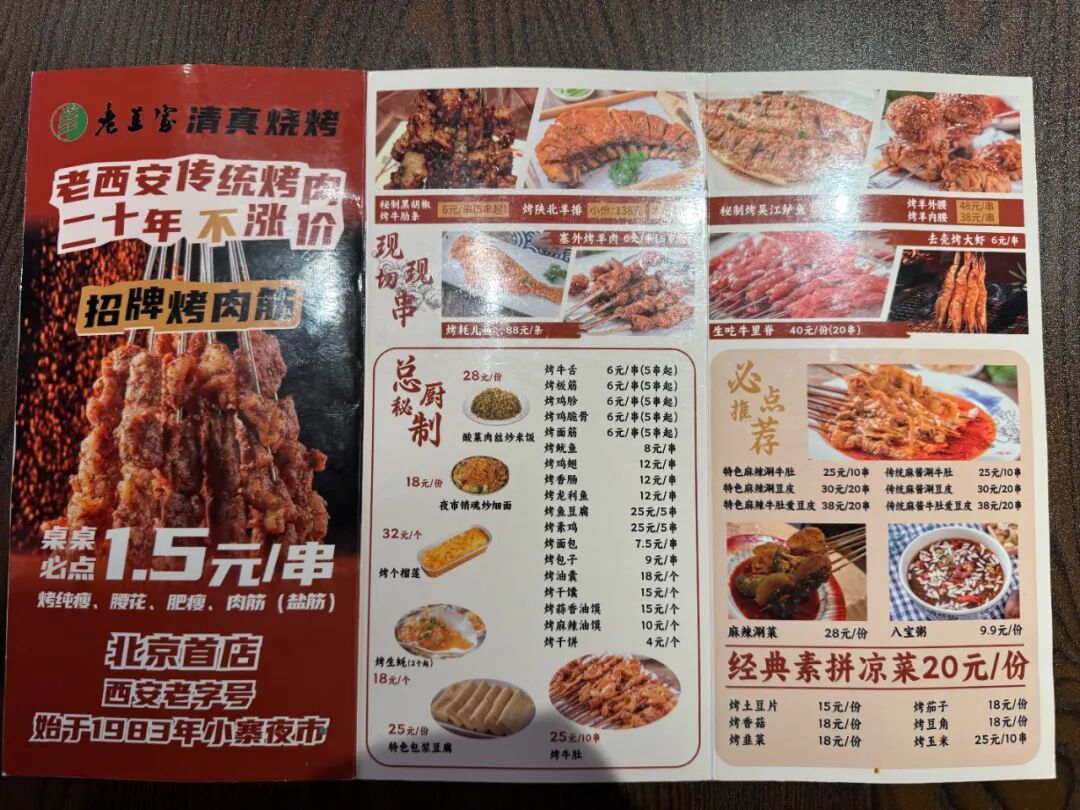
Lao Lan Jia has been open for over twenty years with a location in Xi'an as well.
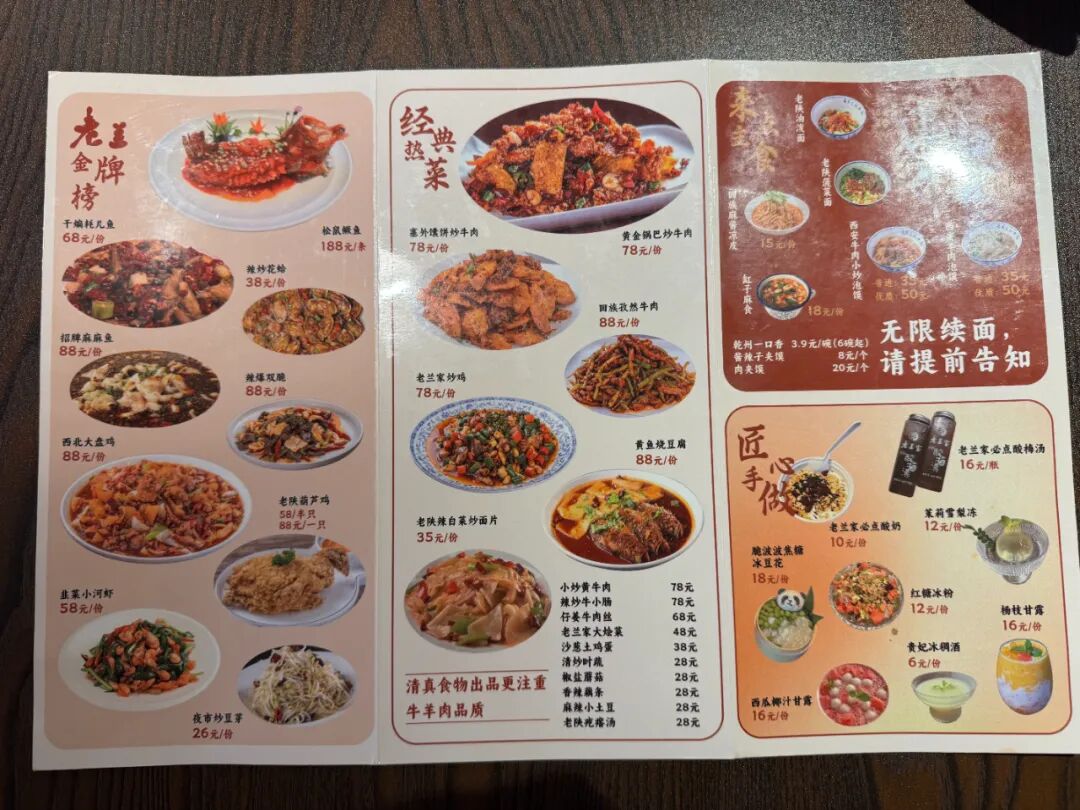
I have been here twice and tried all their signature dishes. The barbecue tastes exactly like what you get in Xi'an.
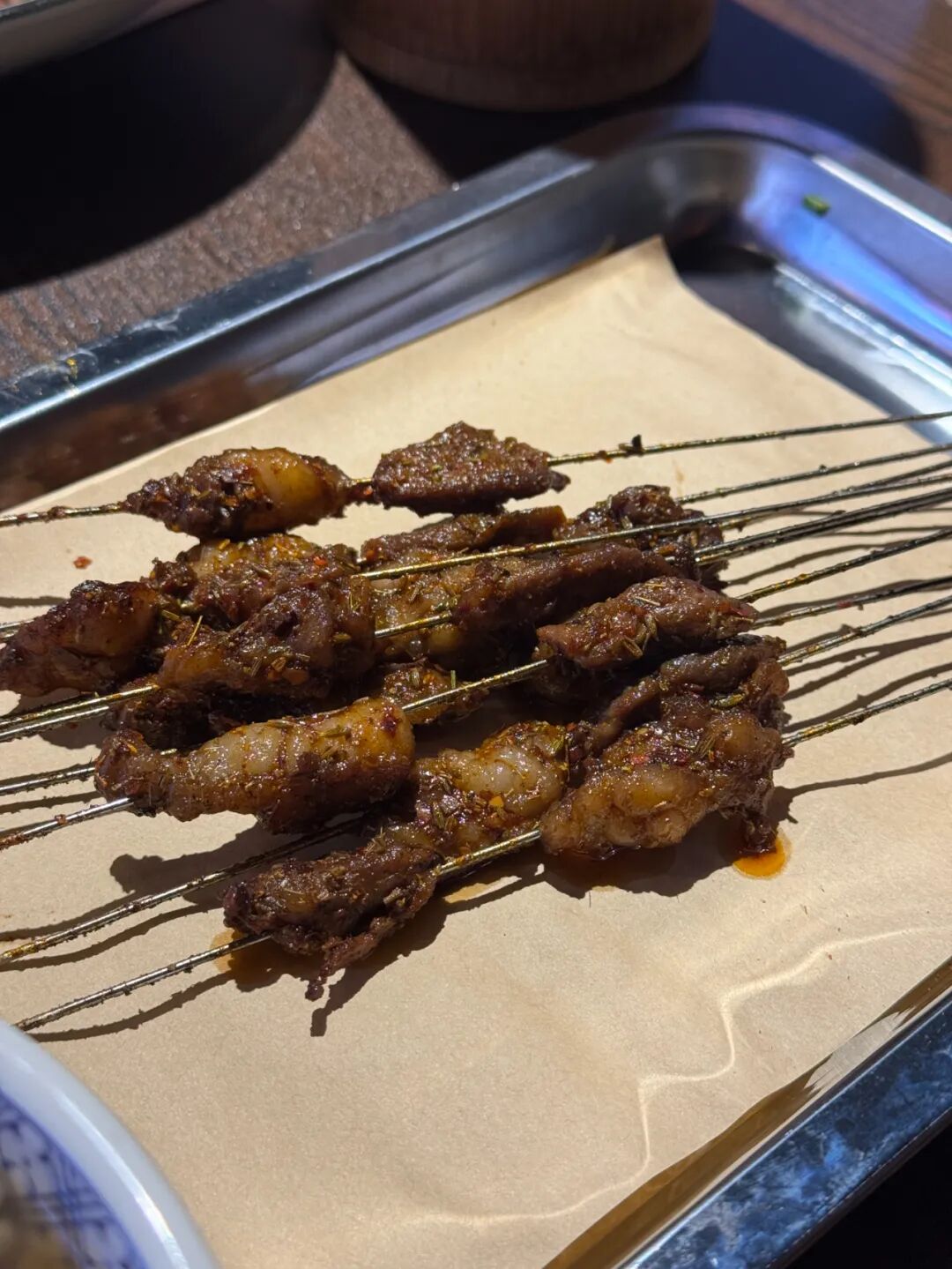
Xi'an barbecue is known for these small iron skewers, served in bundles of 10. The flavor is a bit on the salty side.
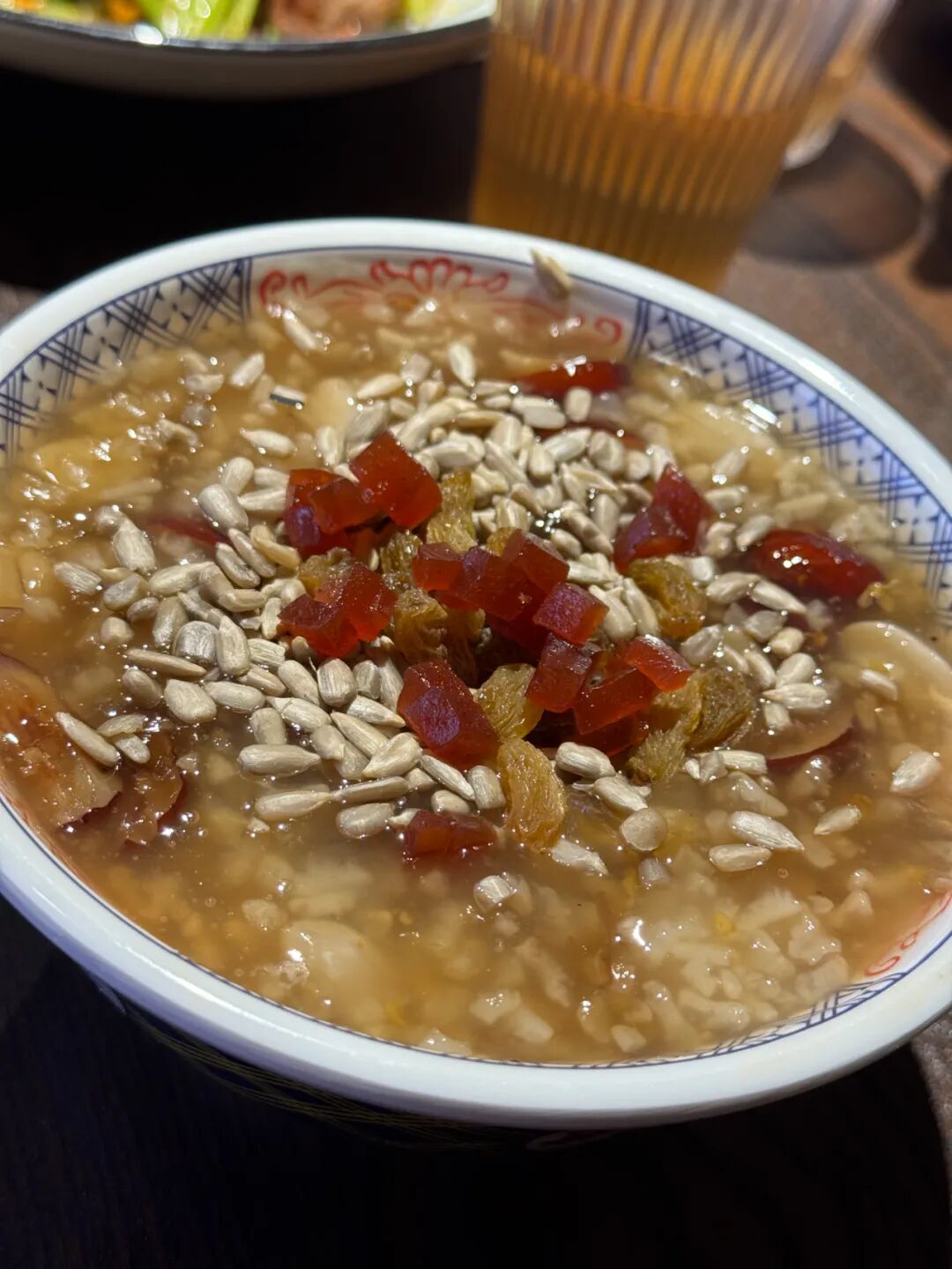
Their eight-treasure porridge (babaozhou) is quite good. It has a mild flavor and is not too sweet.
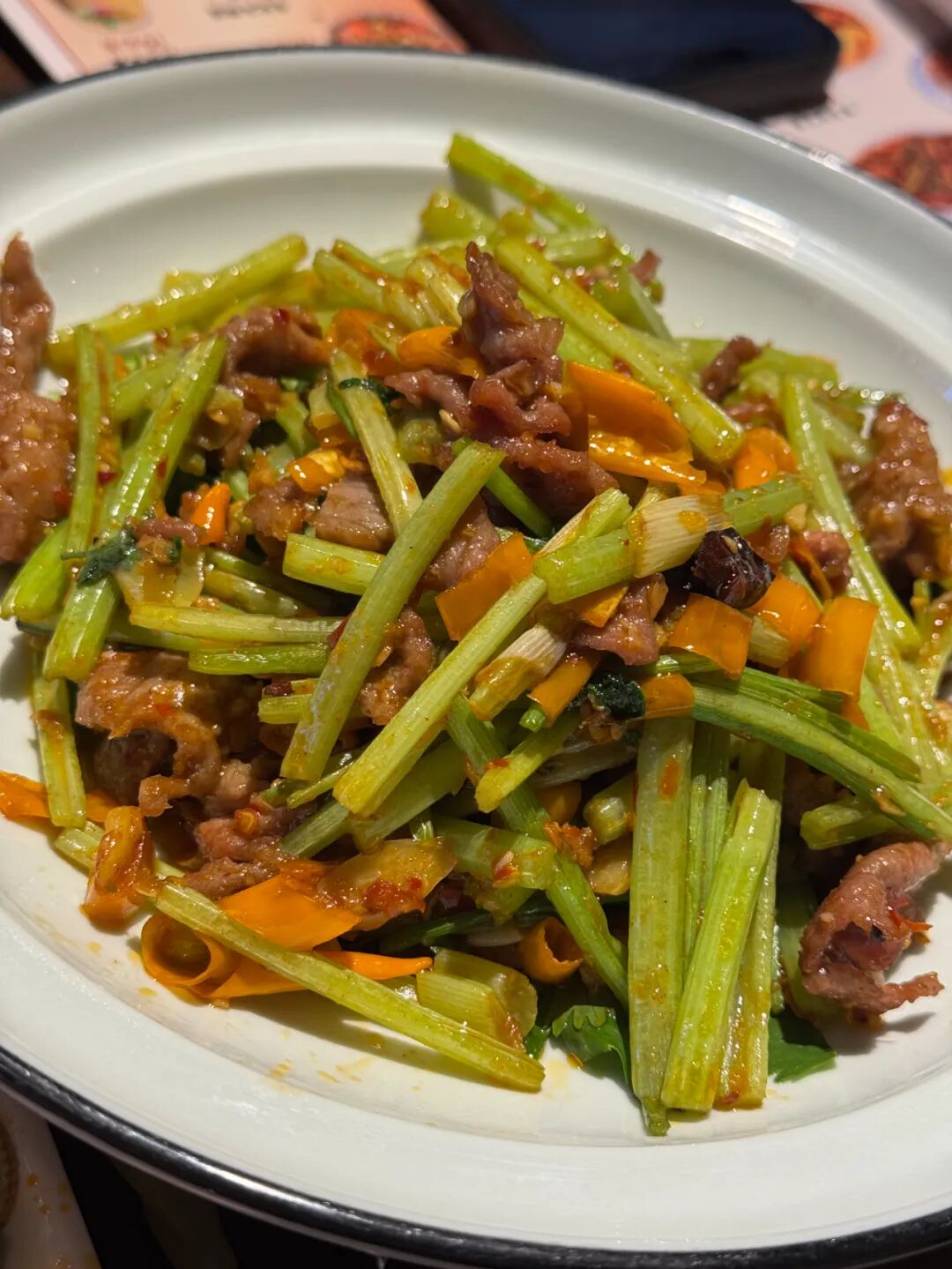
The stir-fried beef with peppers (xiaochao huangniurou) uses beef coated in starch. I personally prefer the stir-fry texture found in Hunan cuisine.
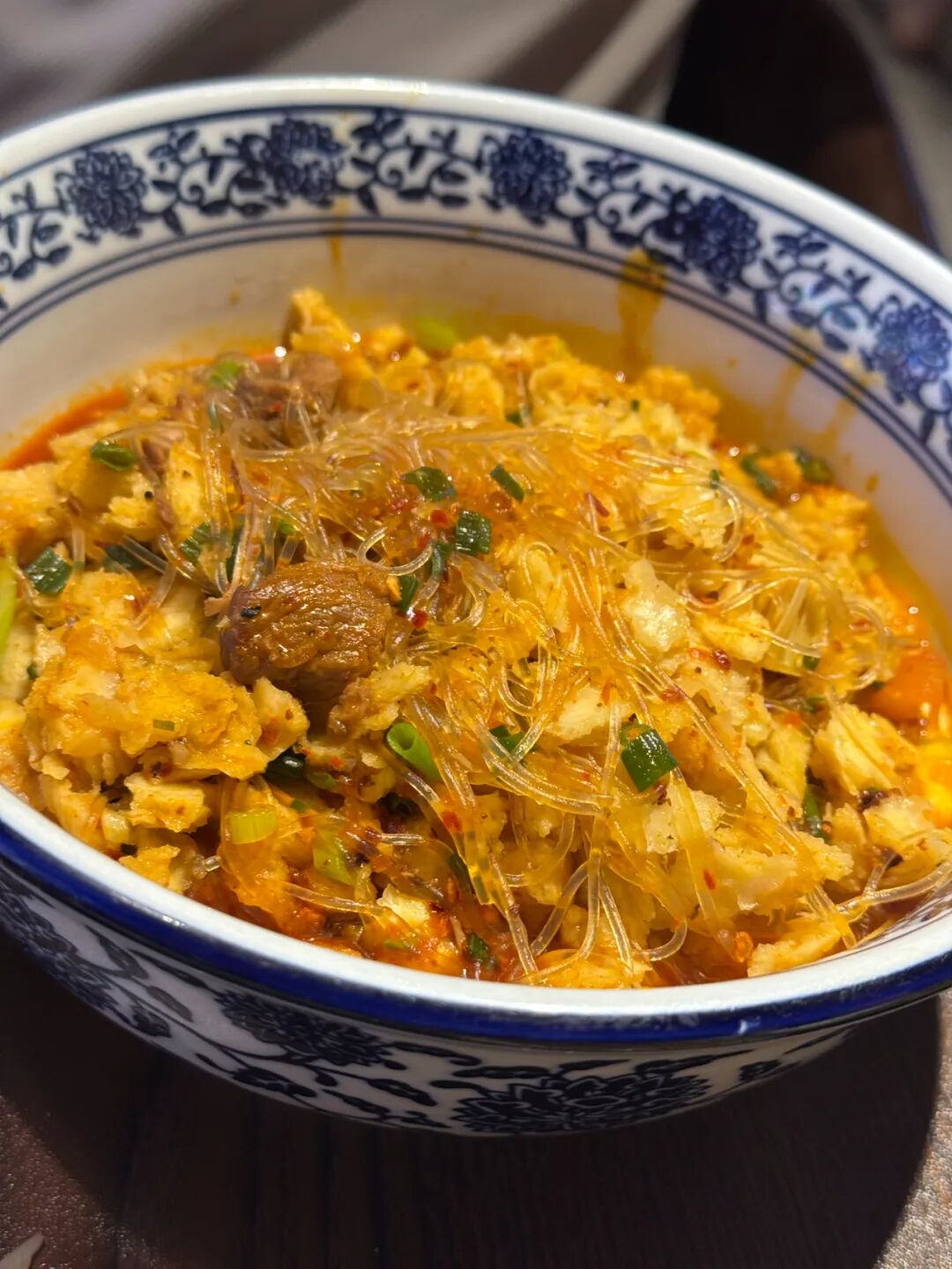
As one of Xi'an's signature dishes, the stir-fried crumbled flatbread (xiaochao paomo) tastes great.
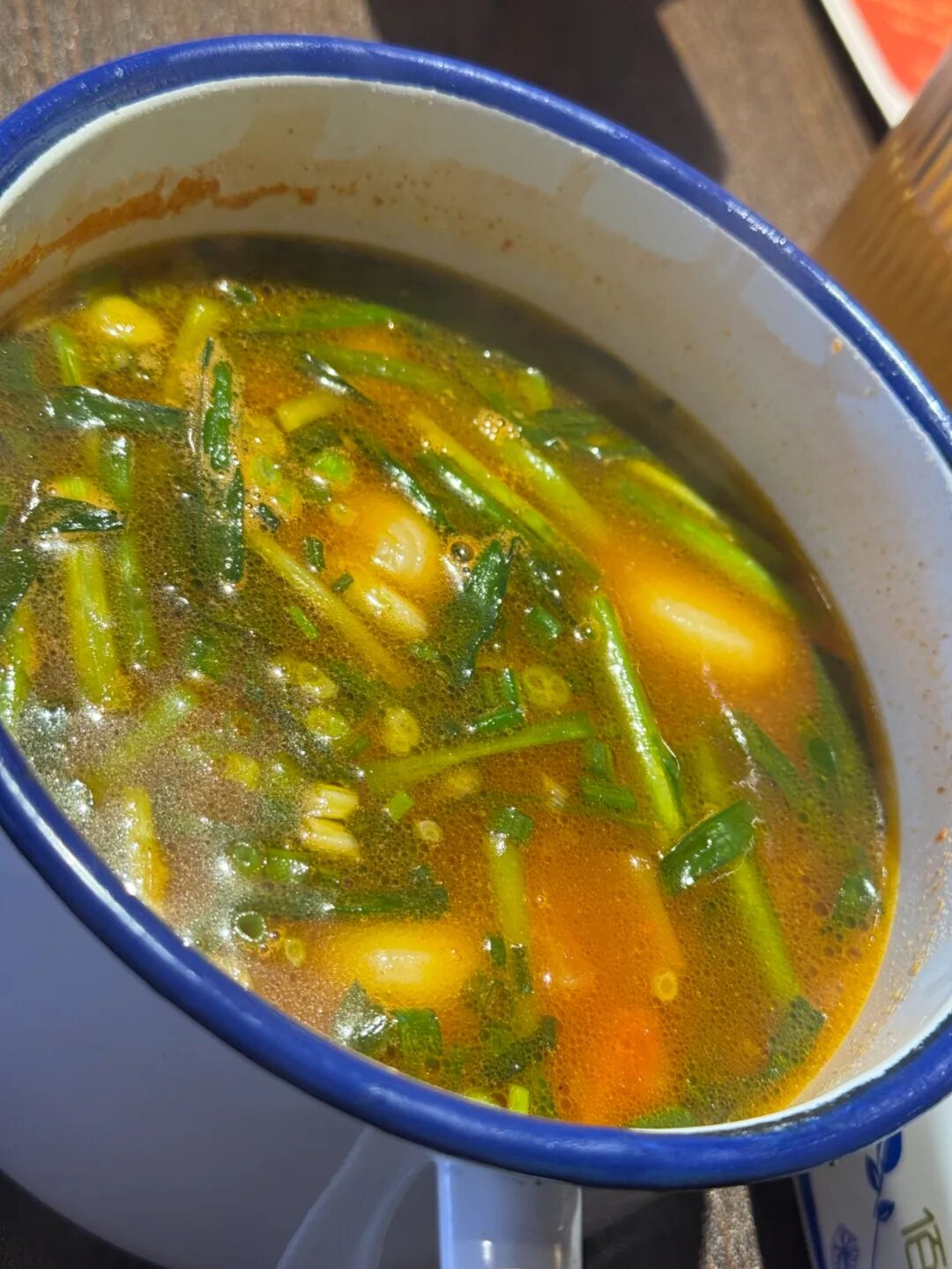
Braised dough bits (hui mashi) is a specialty noodle dish from Northwest China. Mashi are small dough dumplings, and the soup base is delicious.
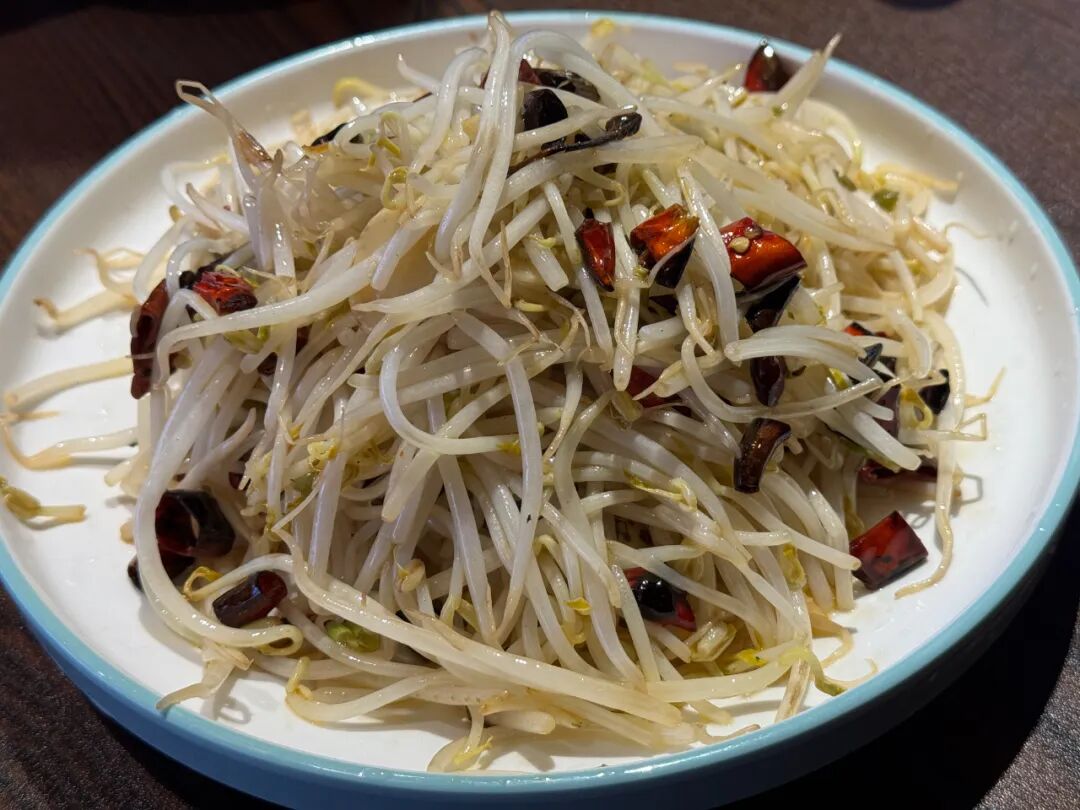
This dish is called night market stir-fried bean sprouts. It is refreshing, tasty, and has that distinct smoky flavor from the wok.
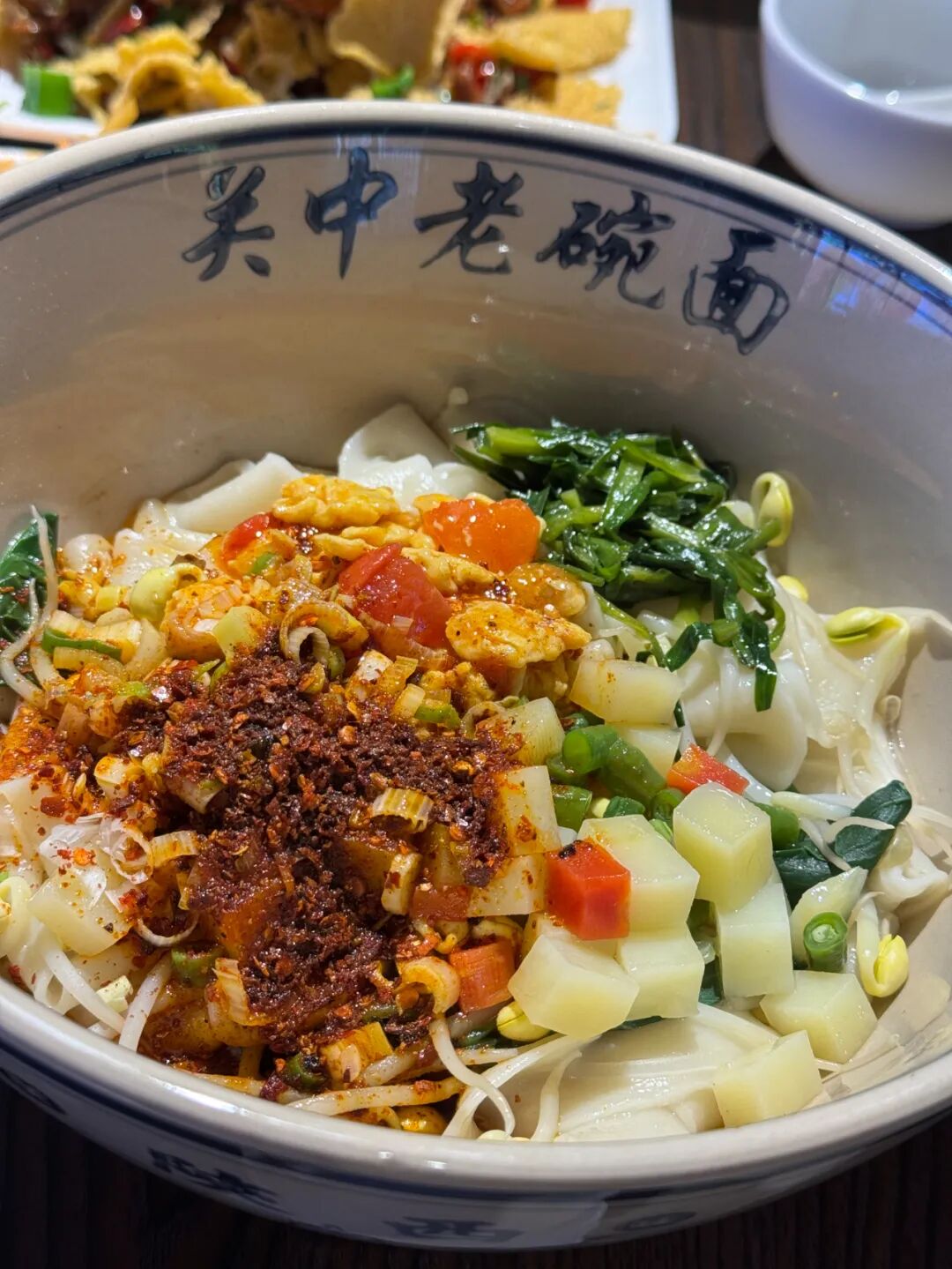
Shaanxi-style hot oil noodles (youpo mian) use wide noodles. They must be served plain to be truly good, and the drizzled chili oil is fragrant without being too spicy.
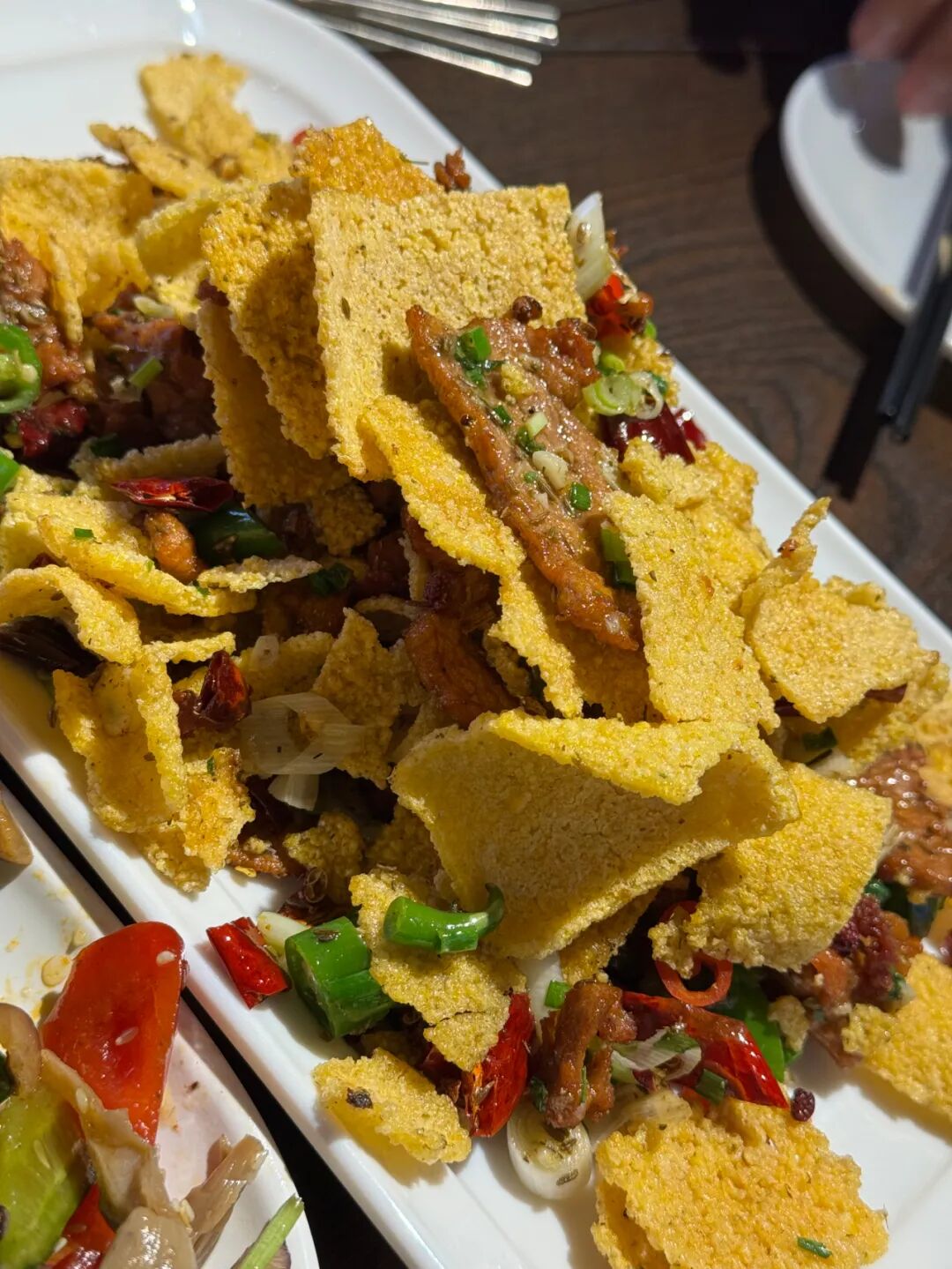
Stir-fried beef with crispy rice crust (guoba). The millet rice crust is crunchy, and I highly recommend this dish.
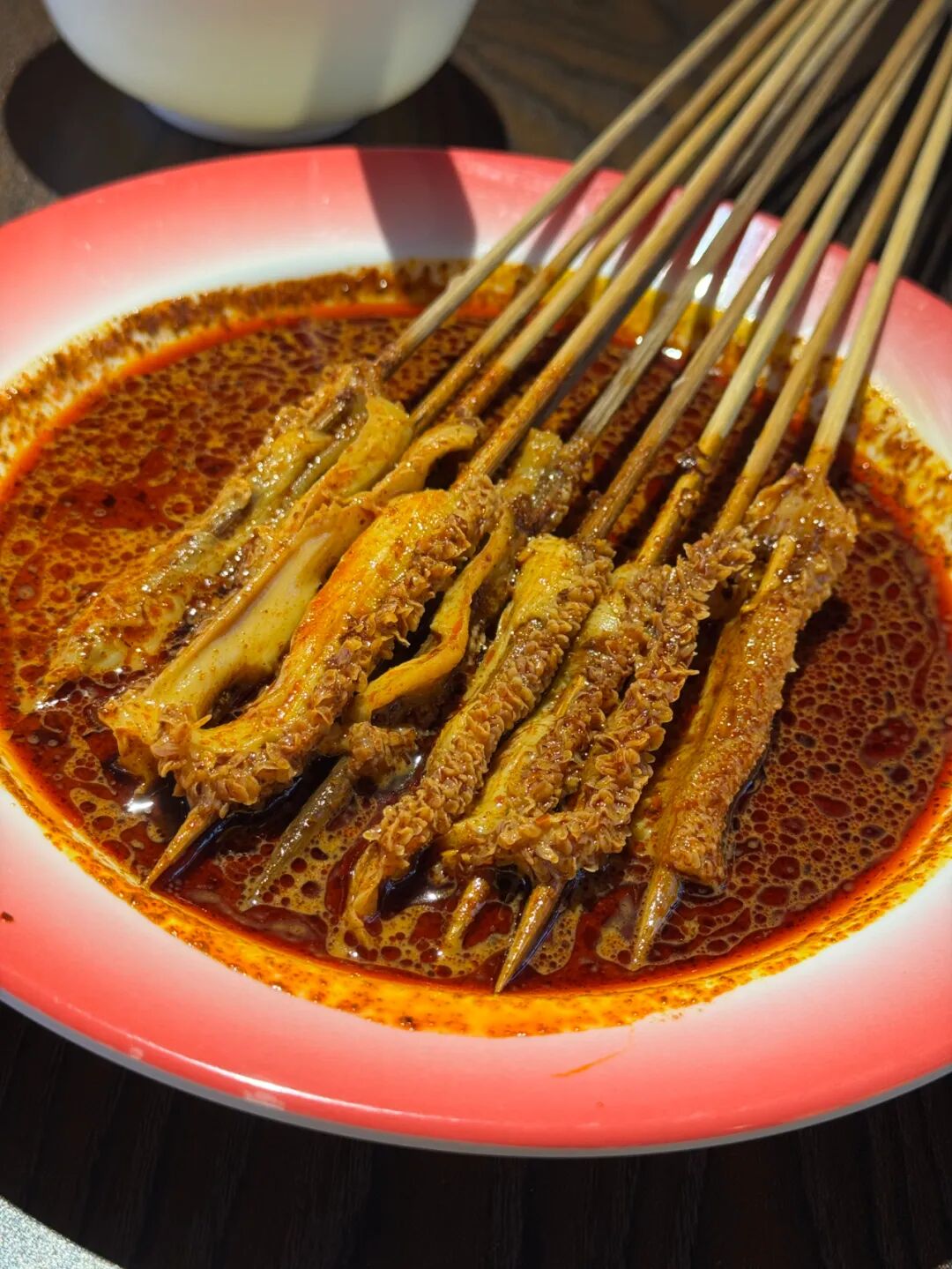
Hot and sour beef tripe (suanla shuan niudu). It was a bit too salty, and I prefer lighter flavors these days.
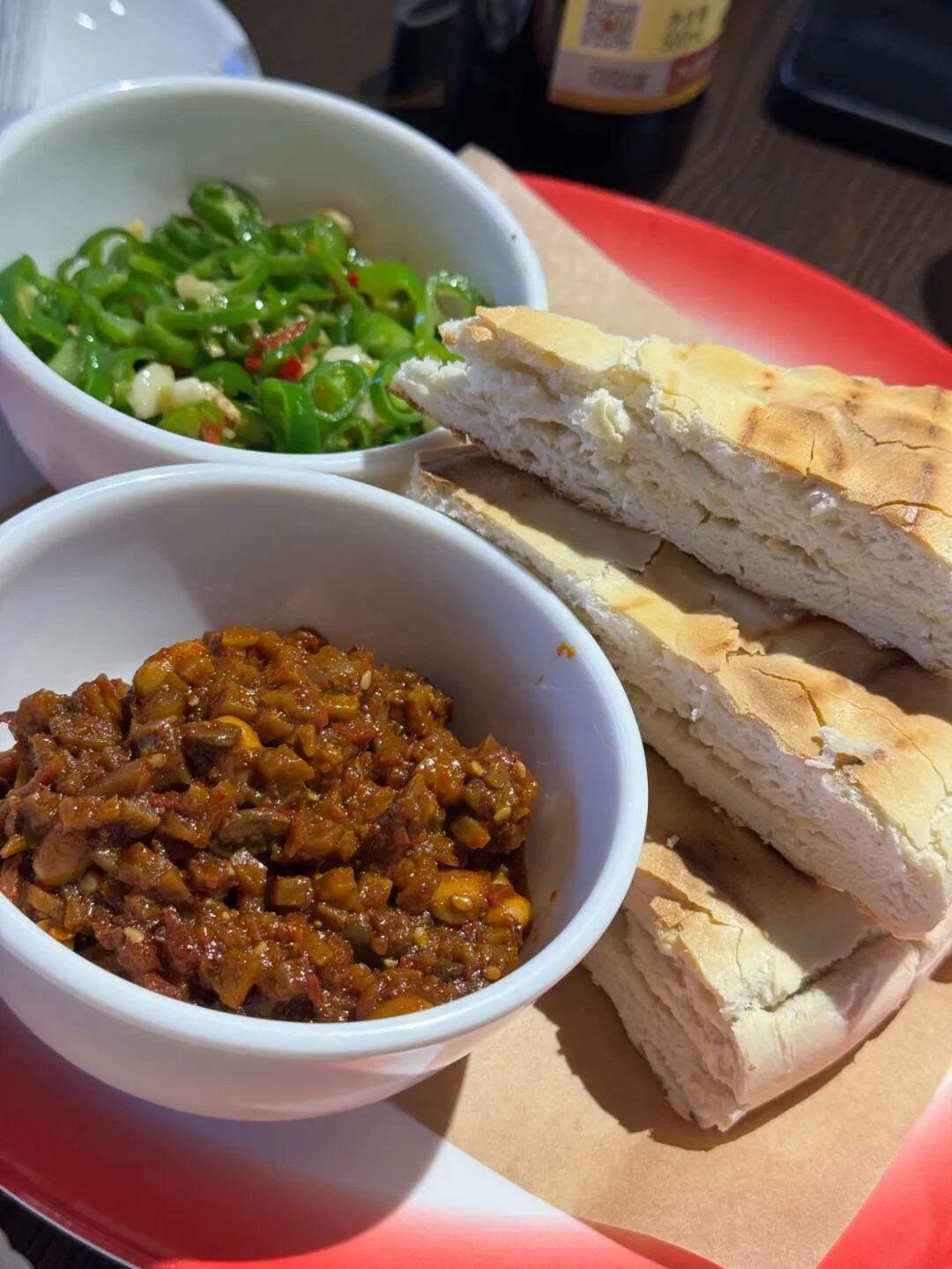
Guokui flatbread with spicy sauce. Eating one of these when you are hungry really hits the spot. The crust is baked until crispy, and it pairs perfectly with the spicy chili sauce and peppers. It is delicious.
6. Sun Moon Stars Japanese-style Barbecue (Riyue Xingchen Rishi Shaorou)
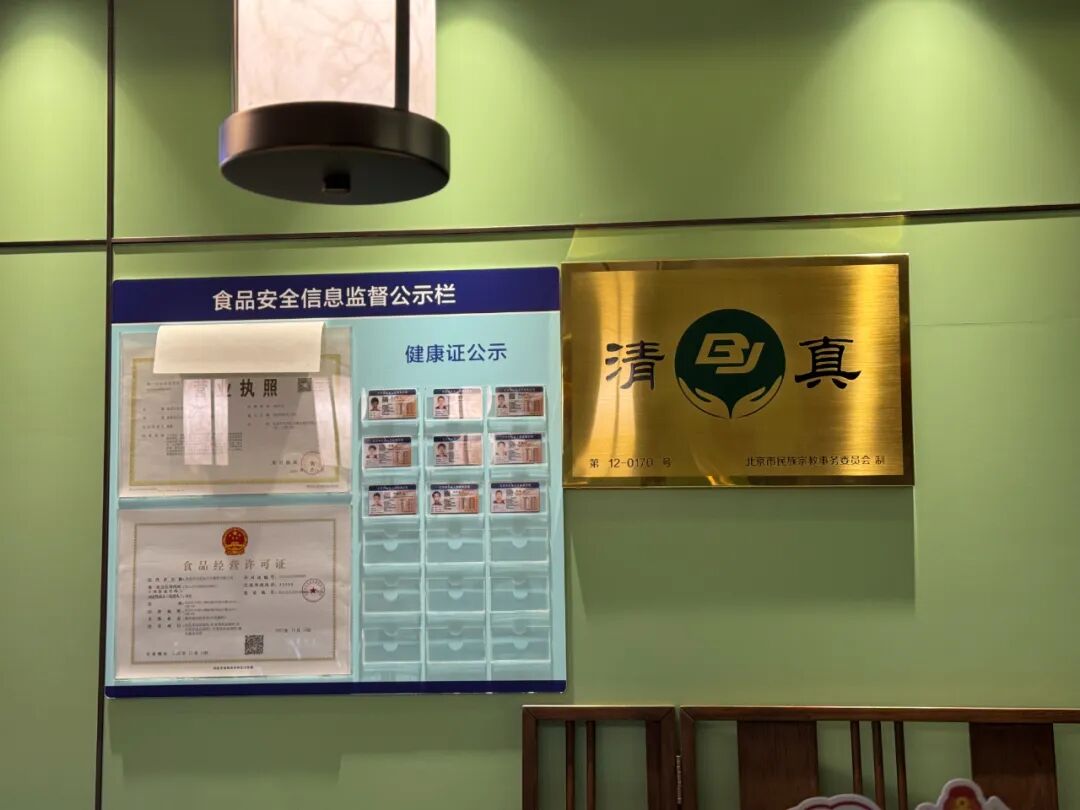
A new halal Japanese restaurant has opened on the basement level of the Sun and Moon Stars Hotel (Riyue Xingchen Jiudian) in Huangcun, Daxing.
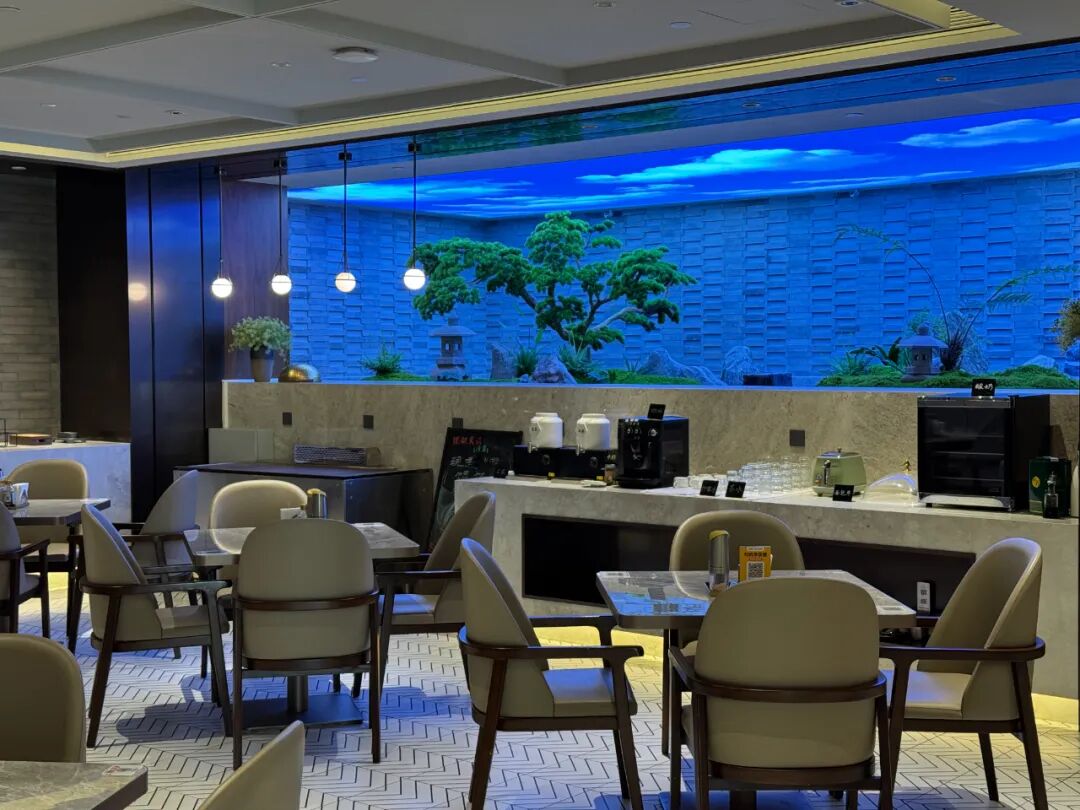
This restaurant is part of the hotel, so you get free parking when you come to eat. They have a very complete selection of Japanese food, including all kinds of grilled meats, sashimi, and sushi. They have pretty much every Japanese dish you can name.
The prices are also cheaper than other Japanese restaurants, costing about 100 yuan per person.
A single-person Japanese ramen set costs only 63 yuan and includes a salad, sushi, fruit, ramen, side dishes, and yogurt. The taste and ingredients are both good, making it a great value.
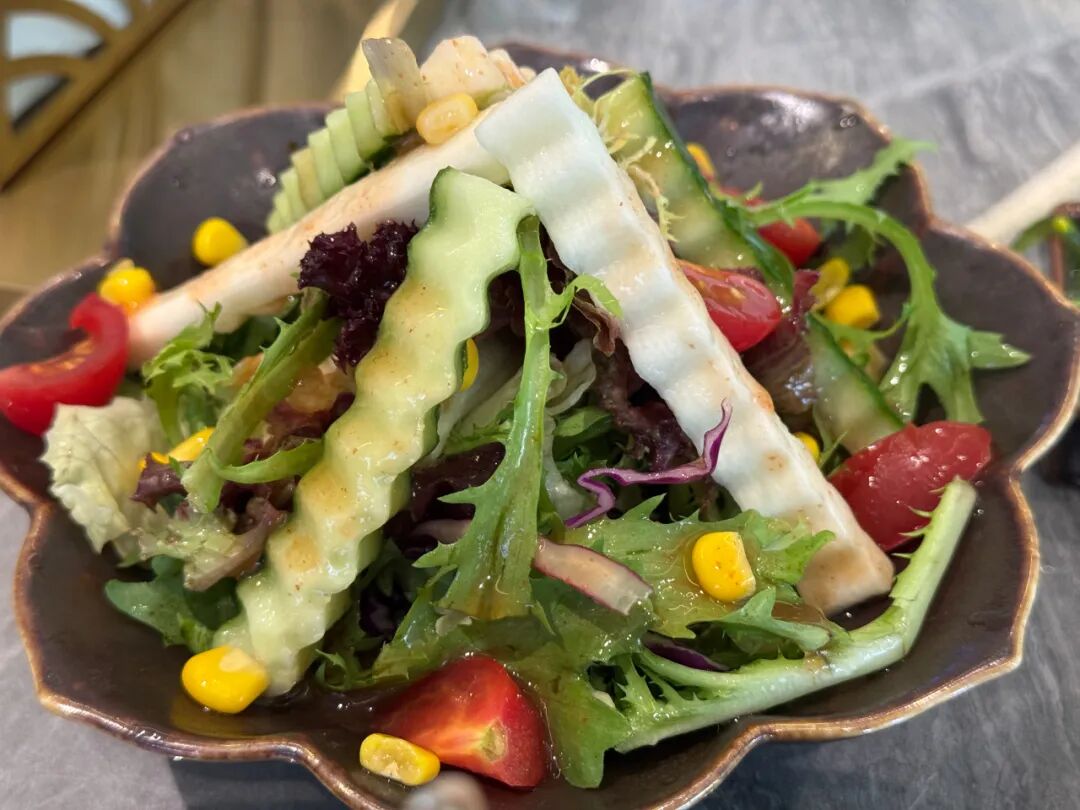
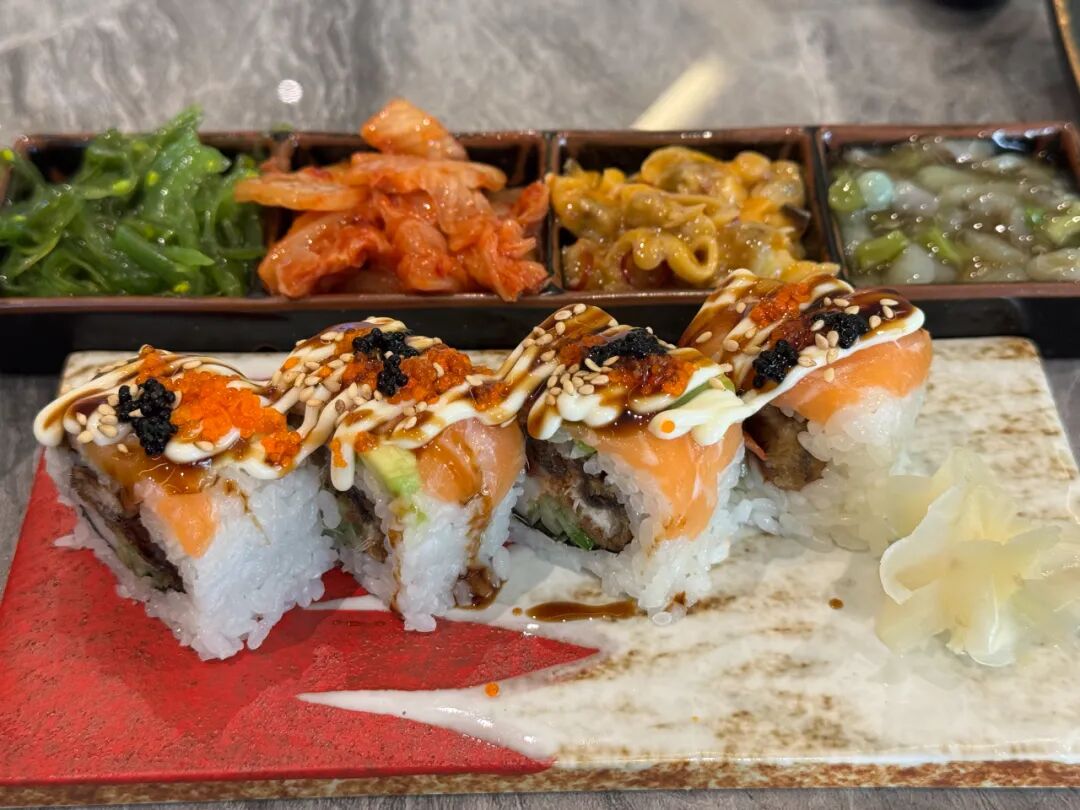
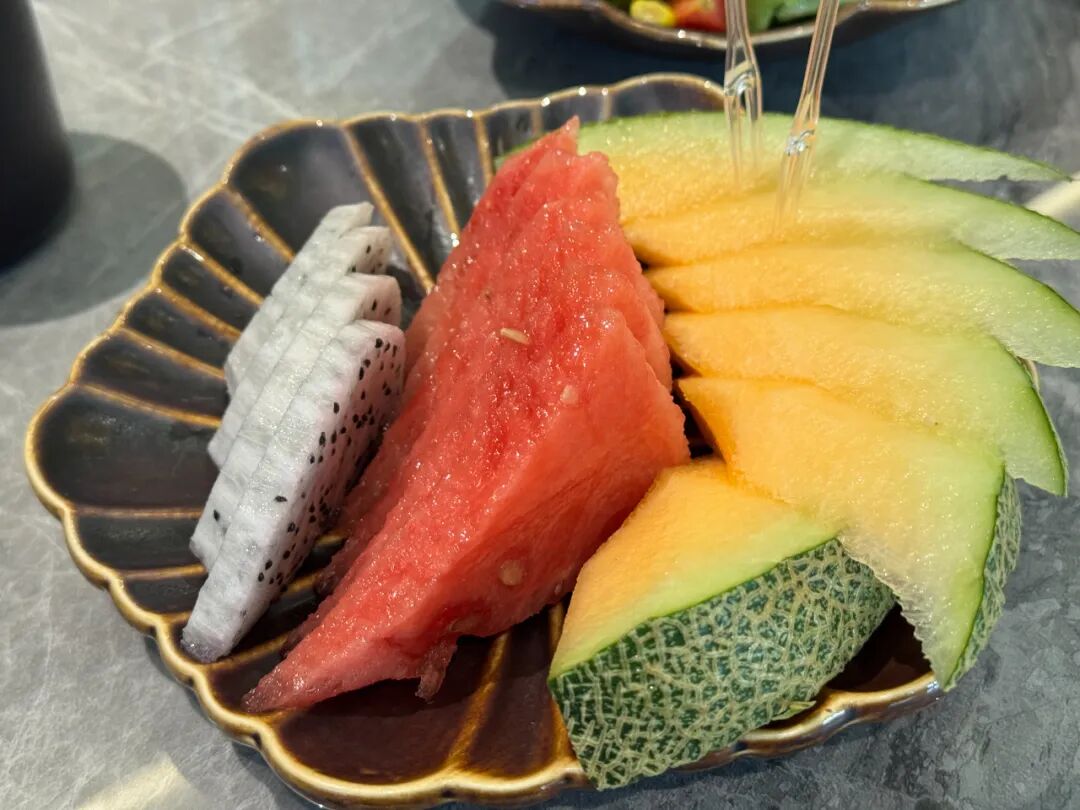
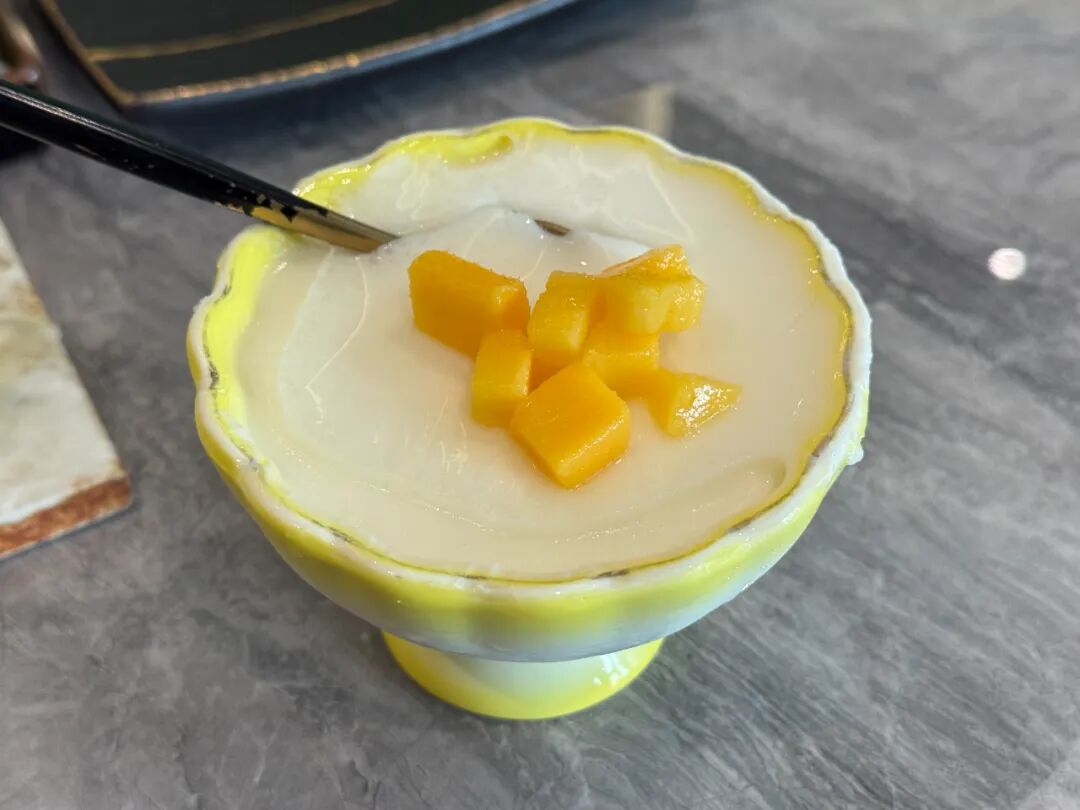
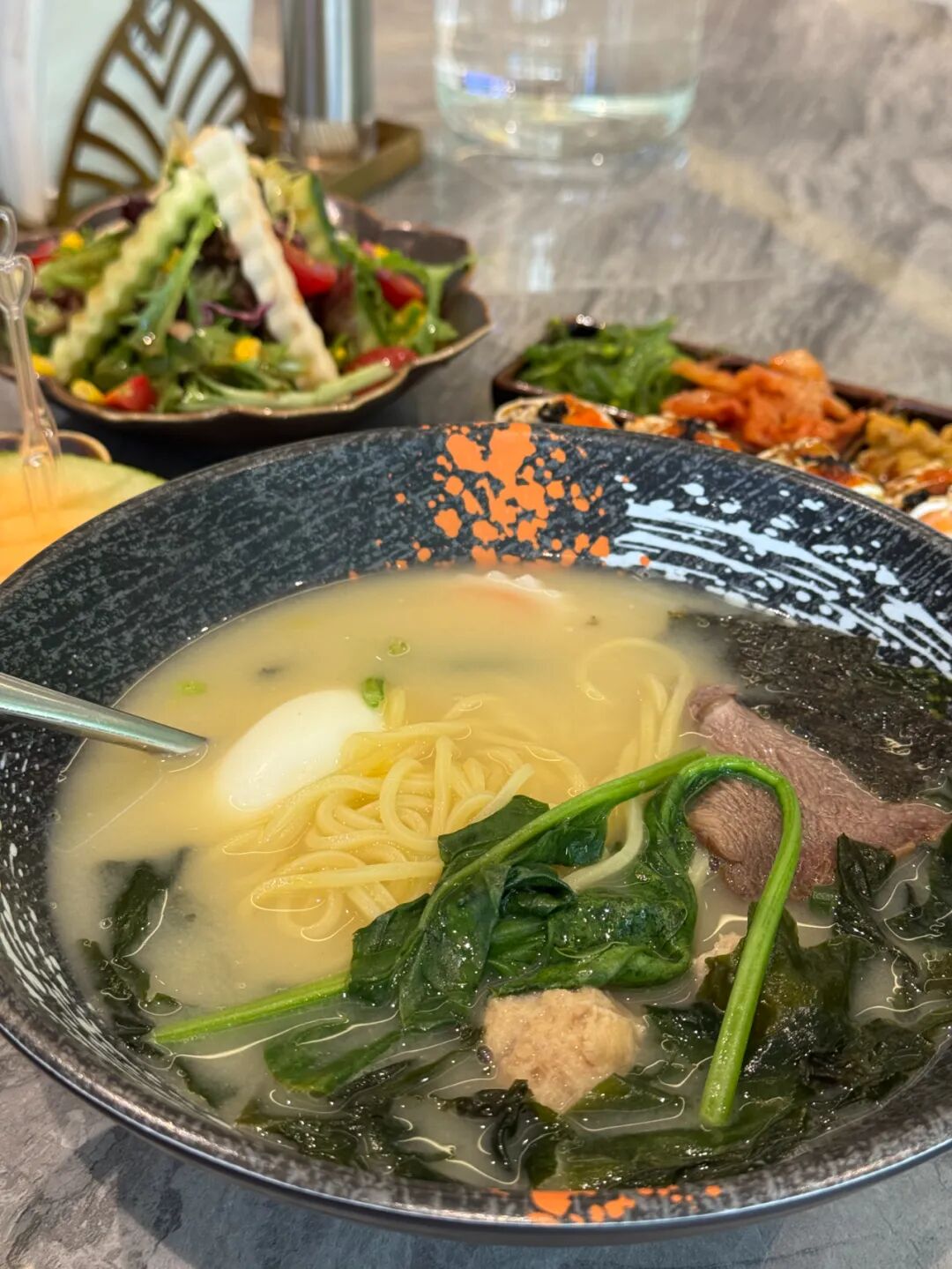
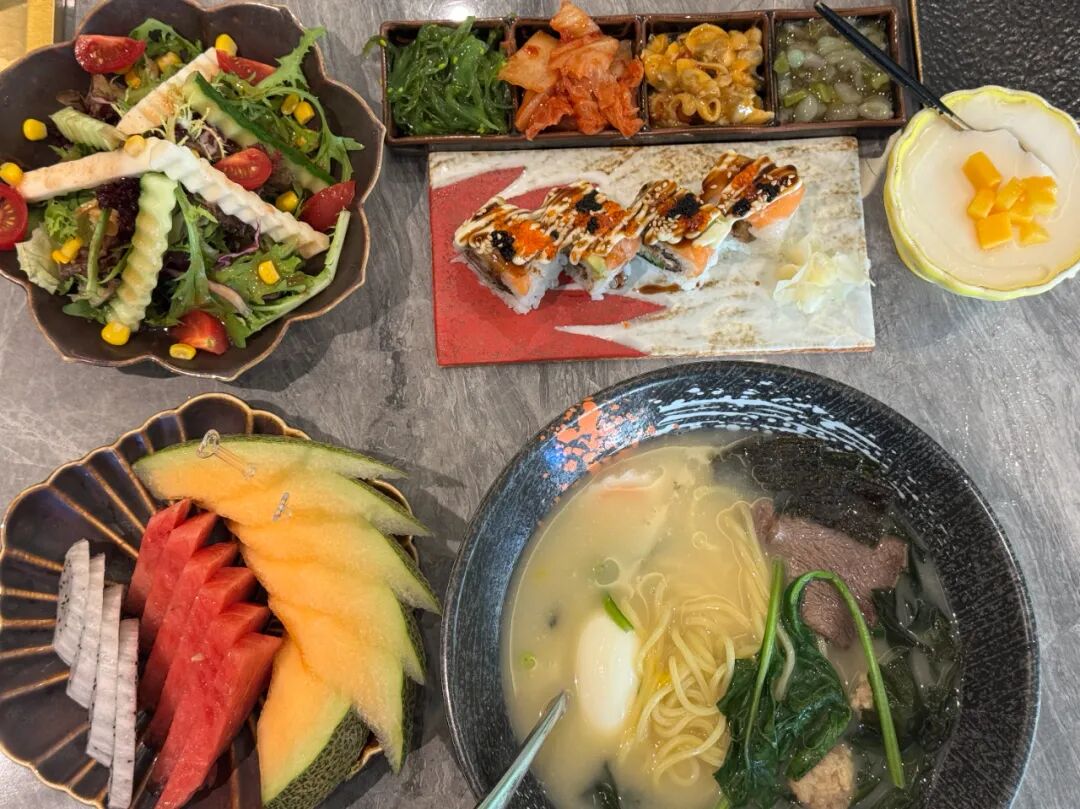
7. Zhenming Yihua Zhai Restaurant (Zhenming Yihua Zhai Fandian)
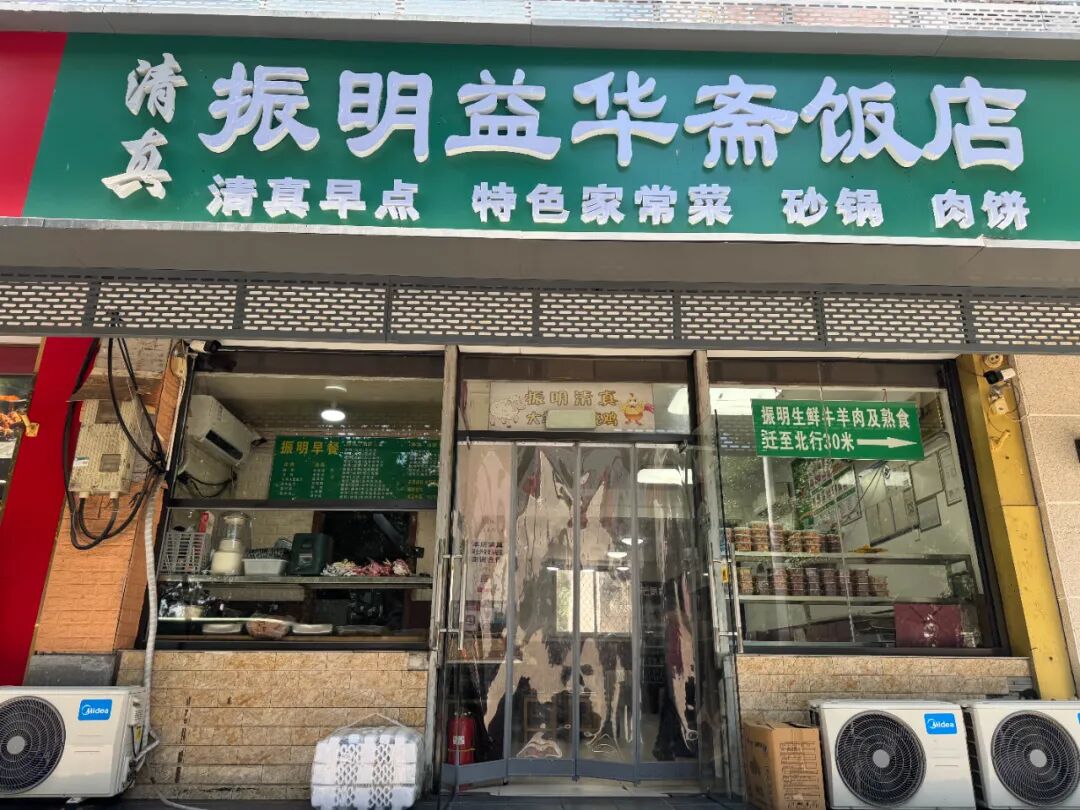
There is a halal breakfast shop near Huangcun in Daxing that also serves full meals. Their specialty is selling sesame flatbread (shaobing) with any filling you want.
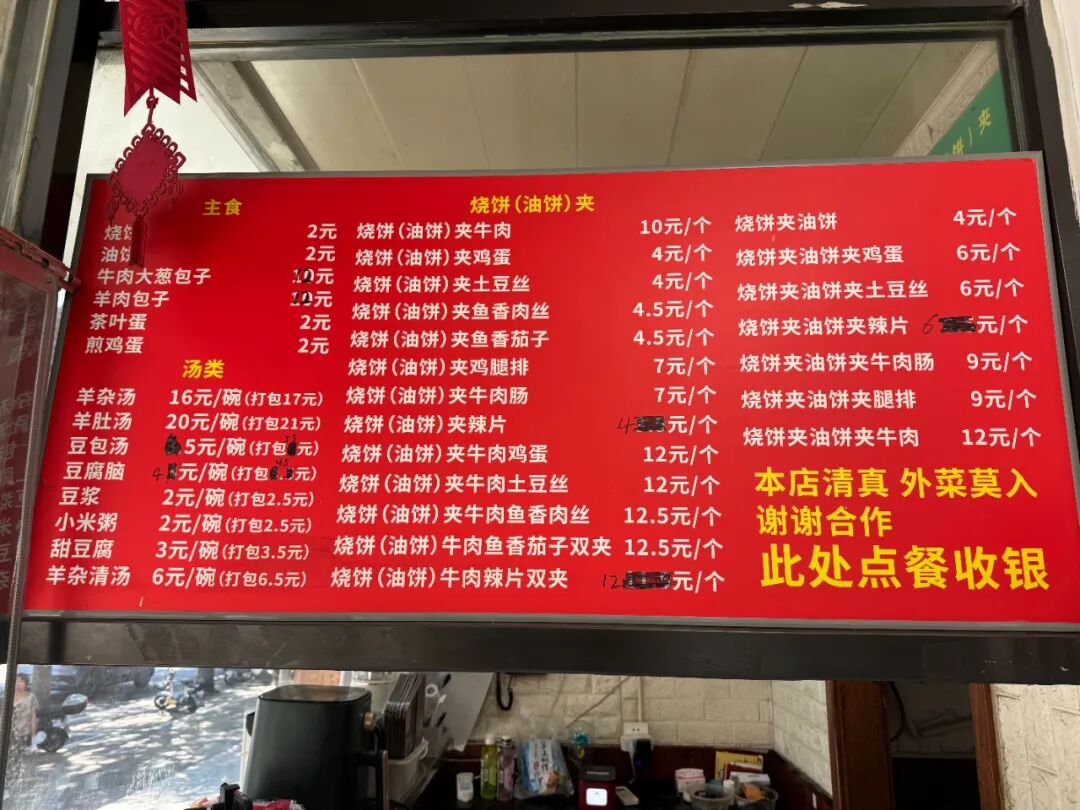
Something unique they sell is sesame flatbread (shaobing) stuffed with shredded pork in garlic sauce (yuxiang rousi).
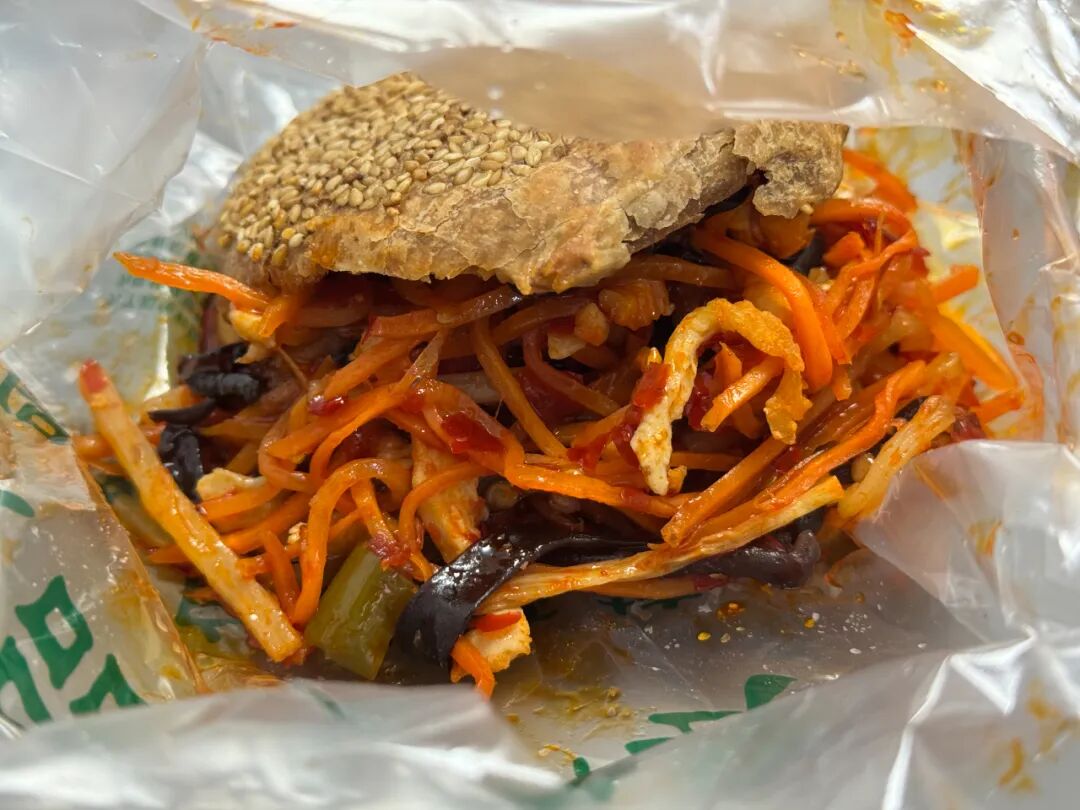
This freshly baked sesame flatbread (shaobing) tastes great with anything inside. A big one filled with shredded pork in garlic sauce (yuxiang rousi) costs only 4.5 yuan. Add a bowl of tofu pudding (doufunao) for 4 yuan, and the total for breakfast is 8.5 yuan.
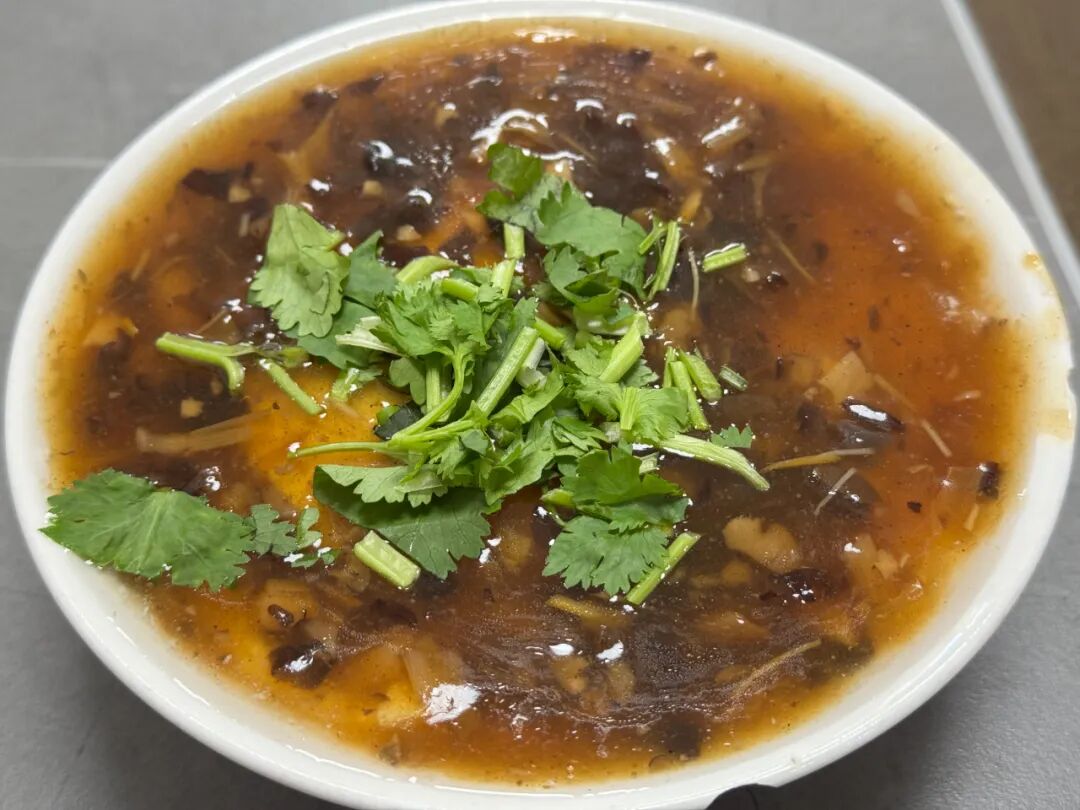
8. Ma's Northeast Halal Cuisine (Maji Dongbei Qingzhen Meishi)
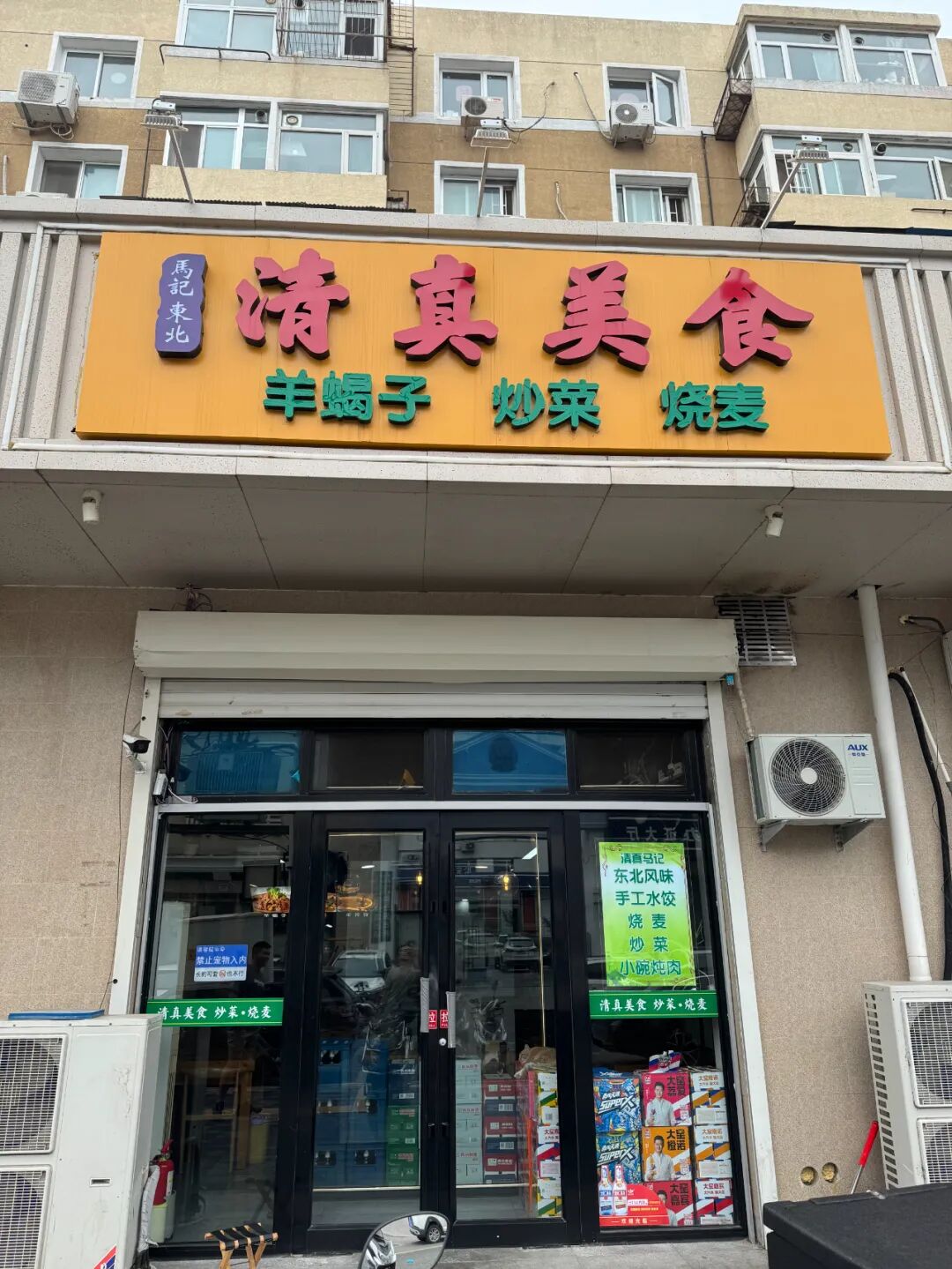
A halal Northeast Chinese restaurant that has been open for many years near the Tongzhou Grand Mosque.
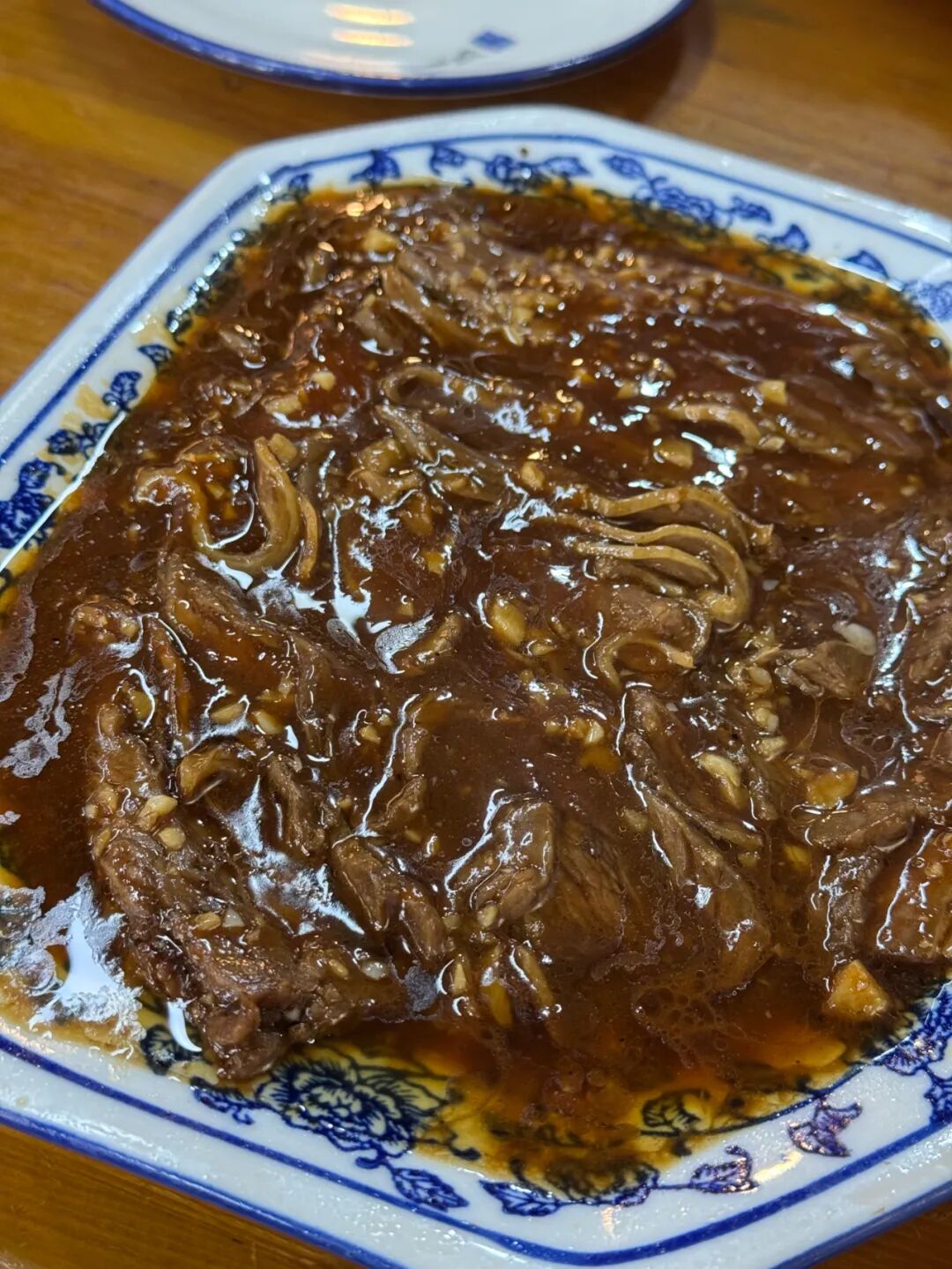
The braised meat strips (ba routiao) do not look very appetizing, and the taste is just so-so.
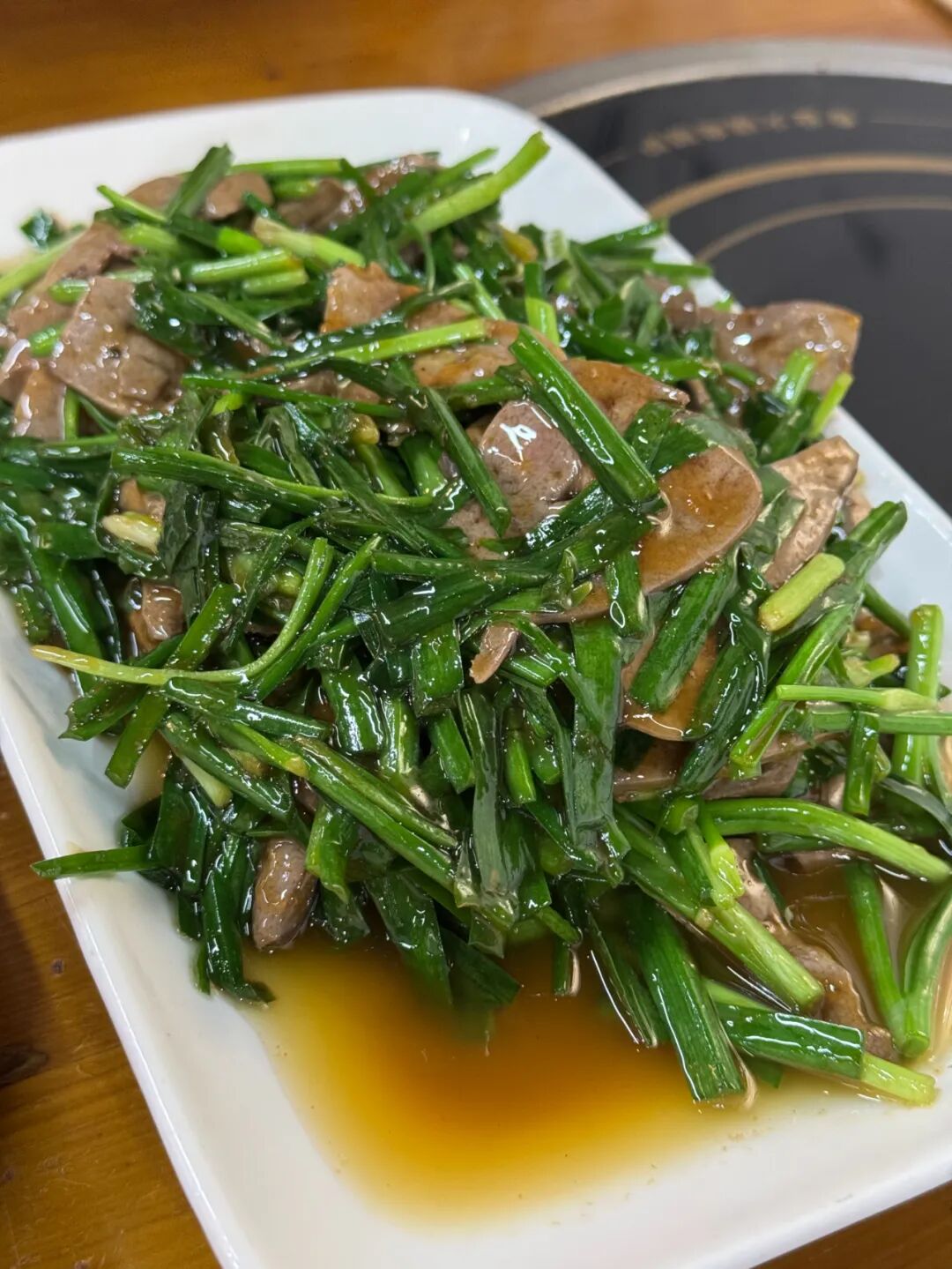
Stir-fried lamb liver with chives. The lamb liver has a bit of a gamey smell, and their dishes are generally too salty.
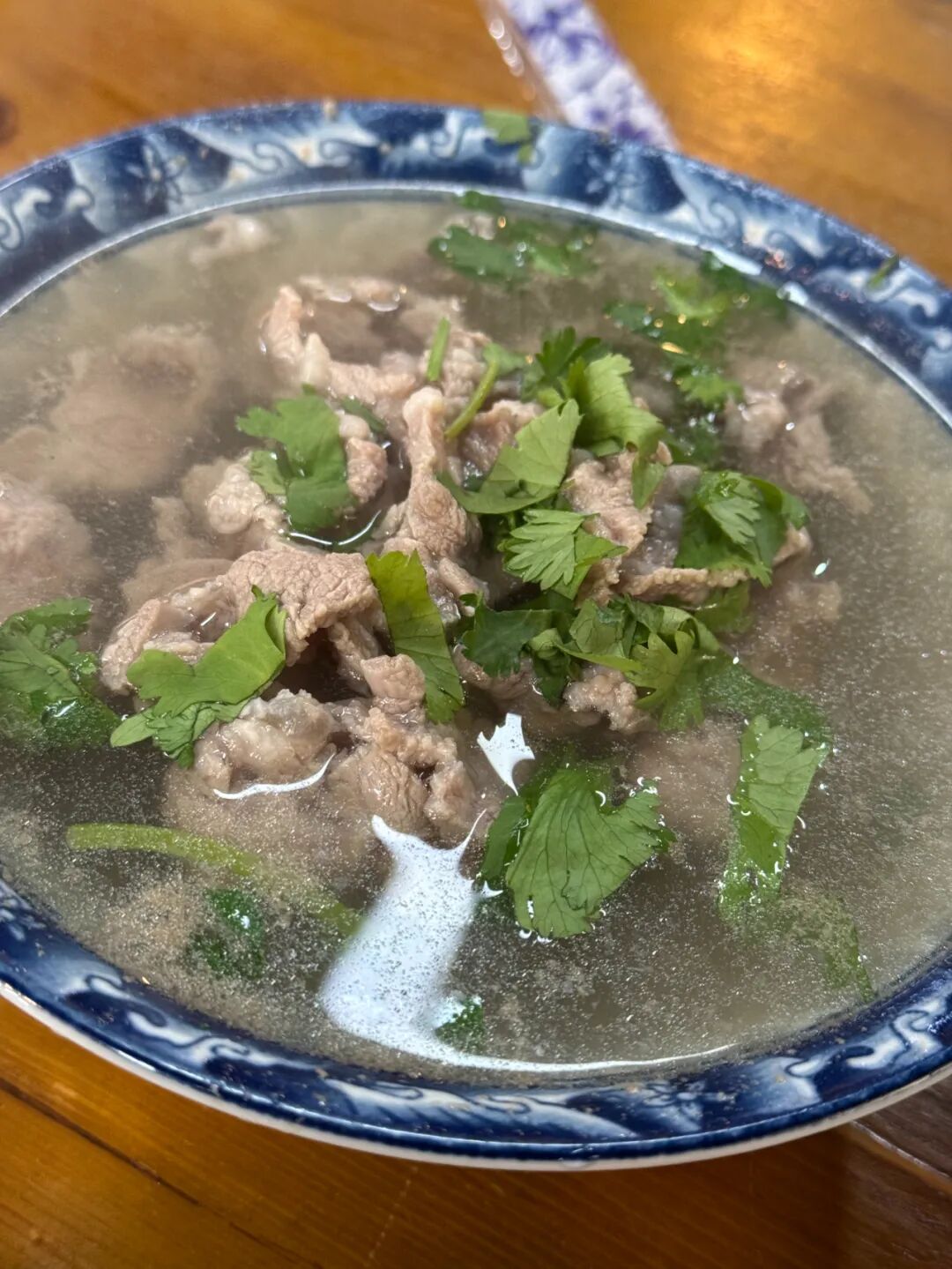
The lamb soup is not salty, but it is too thin and watery.
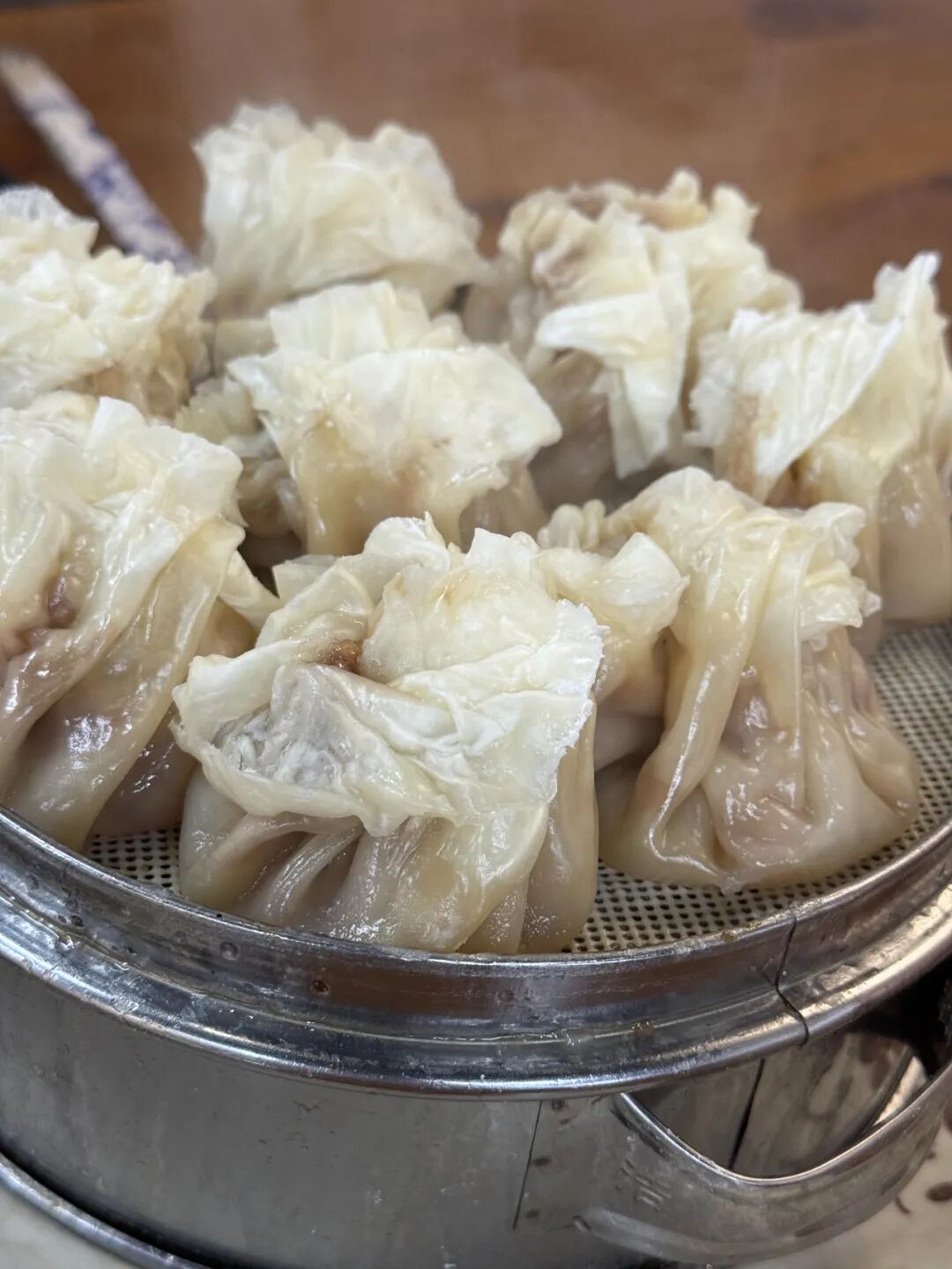
The steamed dumplings (shaomai) are also very average. You can stop by for a quick meal if you are passing by, but it is not worth a special trip. The average cost is about 60 yuan per person.
9. Little Yu Barbecue and Fried Chicken (Xiaoyu Shaokao Zhaji)
A very small fried skewer shop in Shilihe. They sell various fried skewers, fried chicken, and barbecue. It is mainly for takeout, though you can eat inside, but there are only two tables.
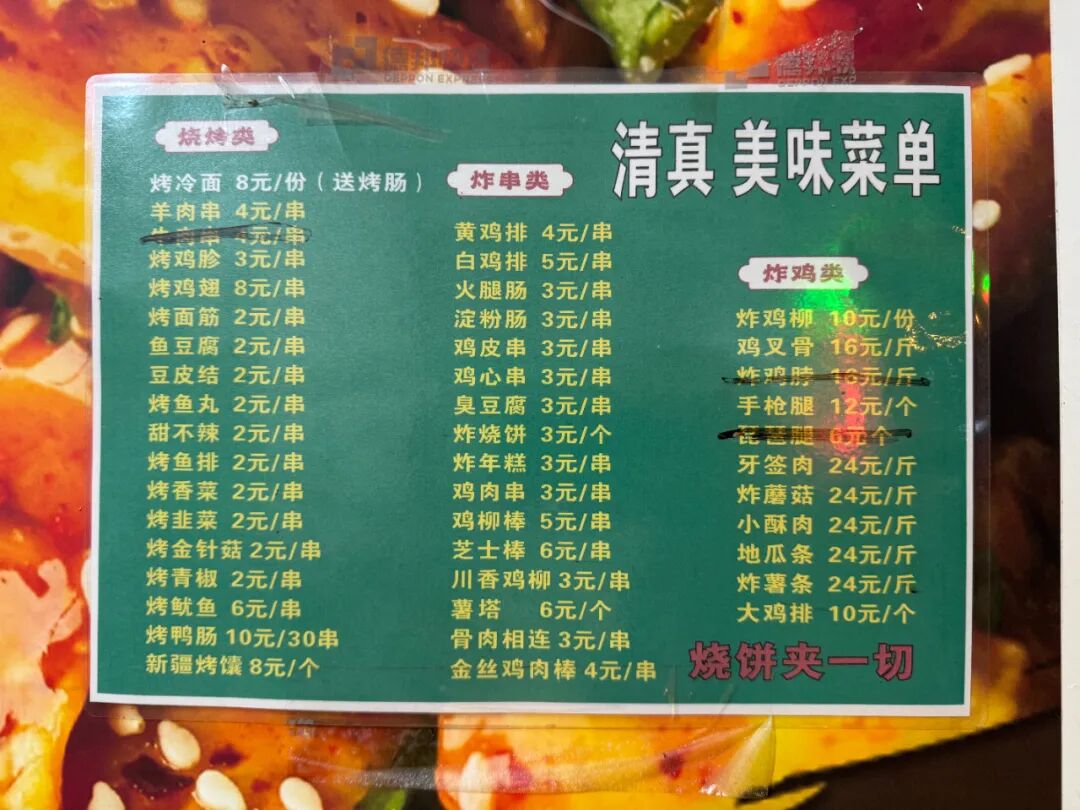
They sell grilled cold noodles (kao lengmian) and grilled gluten (kao mianjin), and they have a good variety of fried skewers.
The prices are cheap enough. This handful of four types of skewers cost 15 yuan in total.
10. Hotan Barbecue (Hetian Shaokao)
A few hundred meters from Xiaoyu Fried Skewers (Xiaoyu Zhachuan) is a newly opened Hotan barbecue shop. The shop is located in a parking lot, so there are plenty of empty parking spaces right in front, which is very convenient.
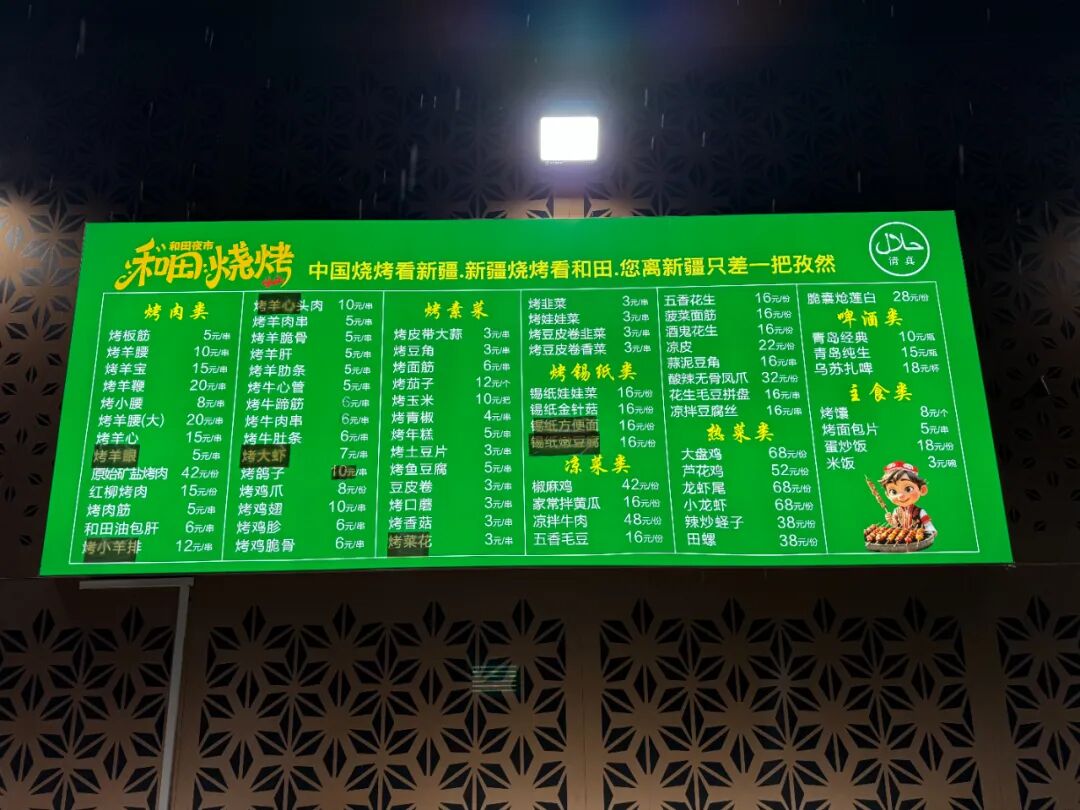
This is an authentic Xinjiang barbecue shop, and the only other Xinjiang specialty dish they serve is big plate chicken (dapanji).
The shop has a nice, spacious environment, and the servers are Uyghur girls.
The shop sells several types of soda from the Xinjiang brand Abide.
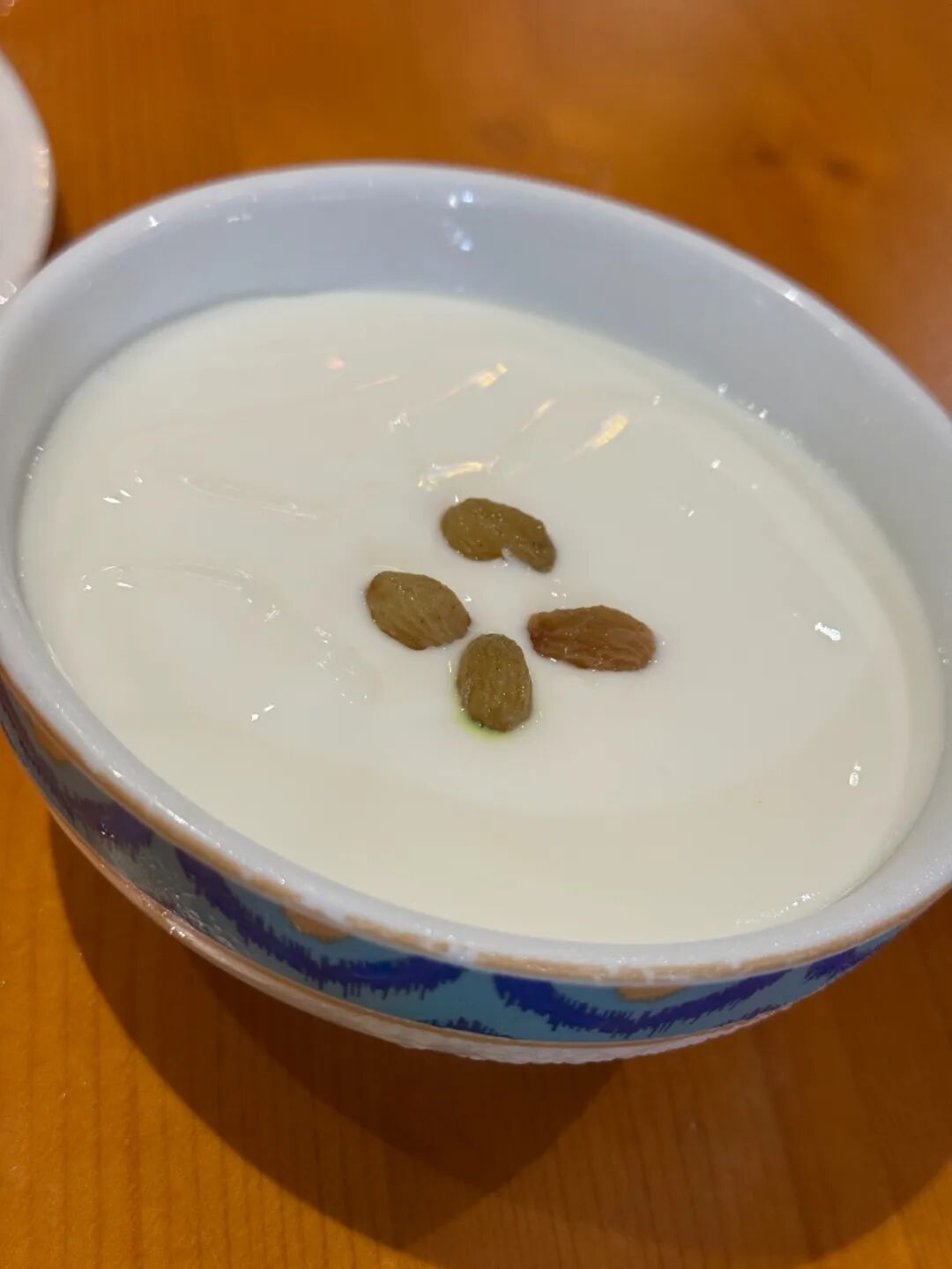
A barbecue set meal costs 48 yuan and includes quite a lot of food, enough for one person.
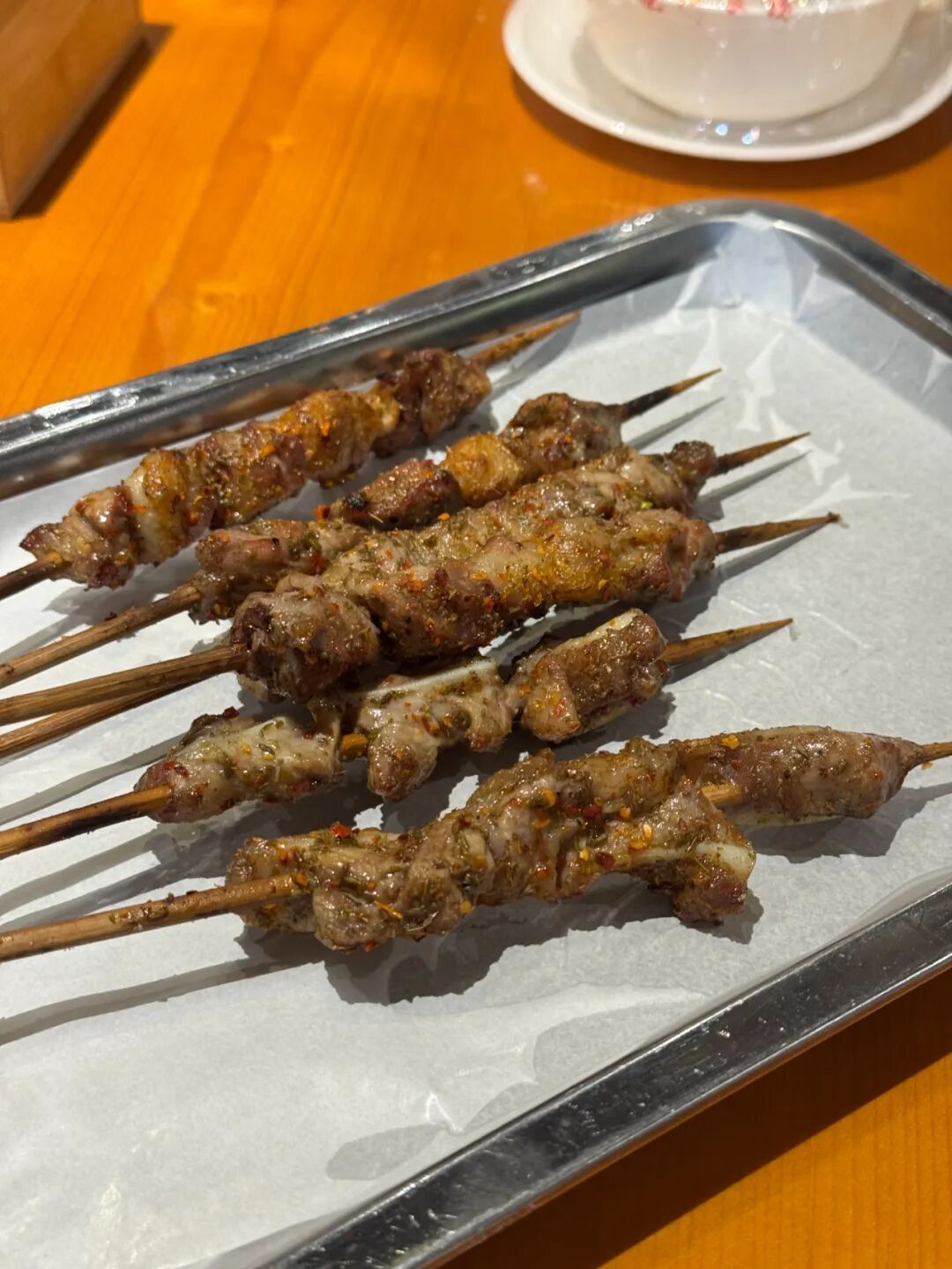
The meat skewers taste great, but the vegetable skewers are just average; when it comes to barbecue, I still love the meat the most.
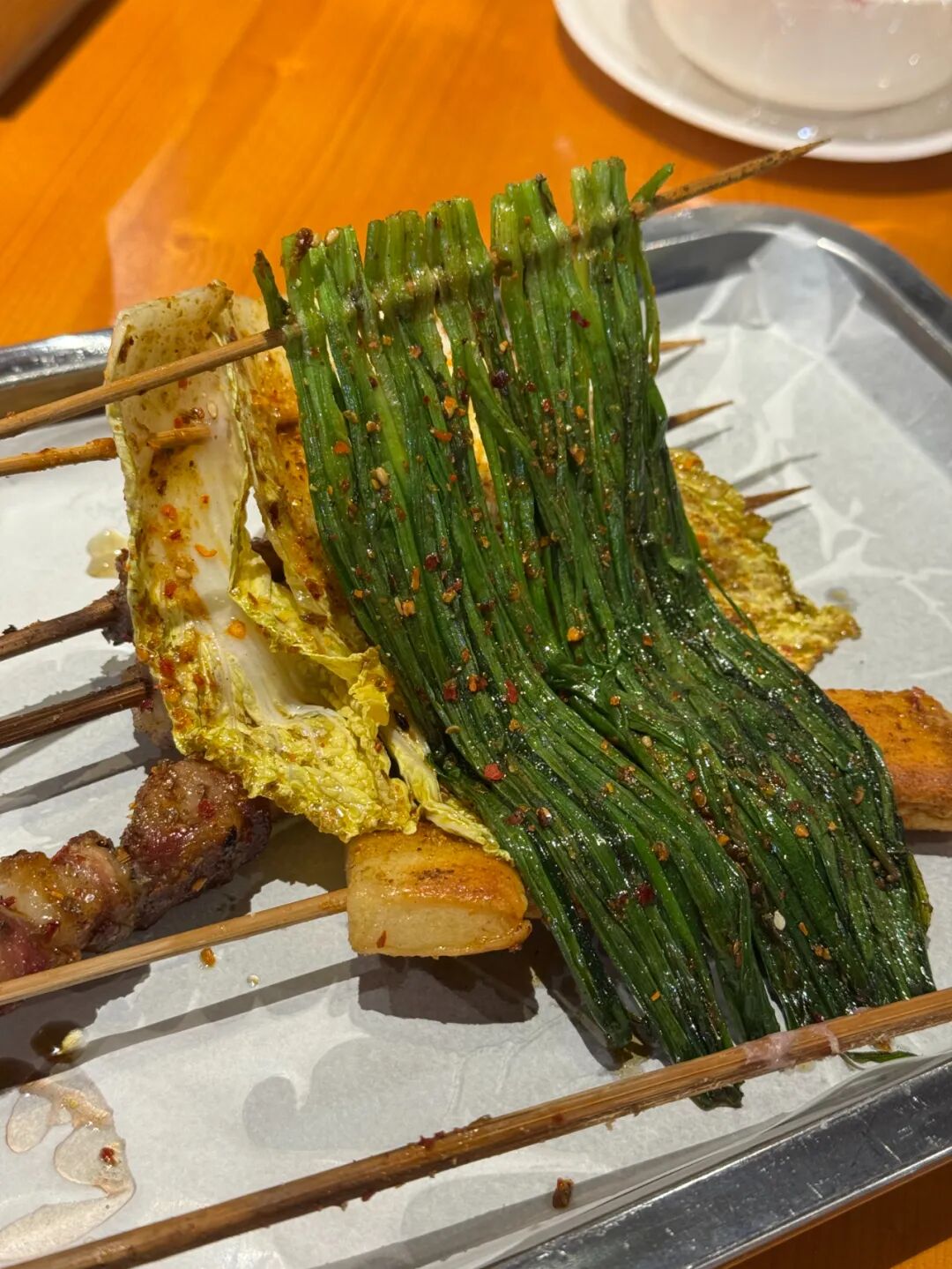
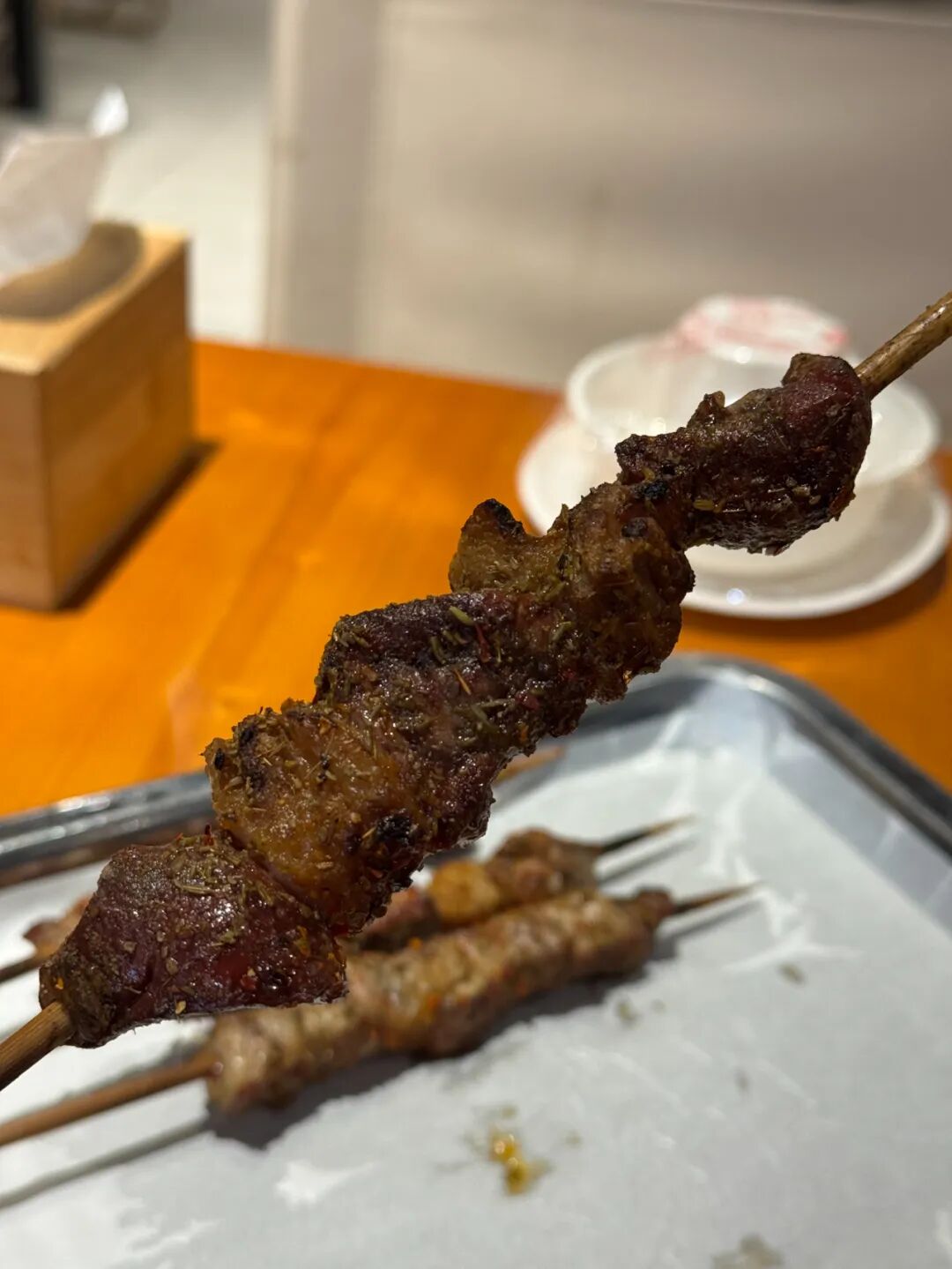
Best Halal Food Beijing: Yujiawu BBQ, Tengzhou Pancake, Buffet Hot Pot and Halal Hunan Food
Articles • yusuf908 posted the article • 0 comments • 244 views • 2026-05-23 07:26
Summary: This Beijing halal food map issue 49 starts with advice about halal signs and then covers Yujiawu BBQ, Tengzhou vegetable pancakes, buffet hot pot, claypot rice noodles, Asen Eight Great Bowls, Qiqihar BBQ, and one of Beijing's rare halal Hunan restaurants.
As usual, I have a few complaints. A few days ago, I posted an article about the Grand Mufti of Egypt saying not to dig too deep into whether meat is halal. The article was barely 800 words long. It clearly stated at the beginning that it was about how to eat halal in Europe and the basic principles of what is halal. I thought the logic was simple and clear, but some people still did not understand it and even reached the exact opposite conclusion. The lesson for Hui Muslims in China is that if a restaurant clearly displays a halal sign, you do not need to dig deeper. You have already made the intention (niyyah) to find halal food, and the restaurant has provided a halal sign, so the responsibility lies entirely with them. Even if they trick you with fake halal food, it has no effect on your worship. There is no such thing as accidentally eating non-halal food damaging your worship. As for those who insist on going to a halal restaurant and then questioning whether the ingredients are truly halal, that is just deceiving yourself and asking for trouble. It is not practical. Even if the owner of a halal restaurant performs all five pillars of Islam, unless they slaughtered the meat themselves, they cannot 100% guarantee the meat is halal. How could you possibly dig any deeper than that?
The halal restaurant information for this issue is as follows:
1. Northeast Halal Charcoal Earth Oven BBQ (Dongbei Qingzhen Tanhuo Dilu Kaorou)
2. Tongxinzhai Tengzhou Vegetable Pancake (Tongxinzhai Tengzhou Caijianbing)
3. Xijia Xike Buffet Hot Pot (Xijia Xike Zizhu Xiaohuoguo)
4. Shili Xiang Claypot Rice Noodles (Shili Xiang Shaguo Mixian)
5. Wanfu Halal Boiled Pot Base (Wanfu Qingzhen Cuanguodi)
6. Halal Asen Eight Great Bowls (Qingzhen Asen Badawan)
7. Yang's Qiqihar BBQ (Yangji Qiqiha'er Kaorou)
8. Mr. Mu Sichuan and Hunan Stir-fry (Mu Xiansheng Chuanxiang Xiaochao)
1. Northeast Halal Charcoal Earth Oven BBQ (Dongbei Qingzhen Tanhuo Dilu Kaorou)
There is a small Northeast-style ground oven barbecue shop on the street in the Hui Muslim village of Yujiawu in Tongzhou. An elderly couple runs the place, and the dining atmosphere is quite cozy.
The meat is all displayed out in the open, so you can pick whatever you want. Besides barbecue, they also serve some Northeast snacks, like roasted moth pupae (yanglaguan)—the pupae of the stinging caterpillar. It is not cheap, costing 108 per plate.
I just got back from Qingdao, where the seafood is both cheap and fresh, so I felt their seafood was a bit expensive.
They also have Northeast cold noodles (lengmian) and small Northeast-style barbecue skewers.
This transparent one is called needlefish (bangyu). It tastes pretty good and has a texture like dried fish.
2. Tengzhou vegetable pancake (caijianbing)
This is the first halal Tengzhou vegetable pancake shop in Beijing, and it is not far from the Northeast barbecue place mentioned earlier.
Tengzhou is a place in Shandong. The special thing about vegetable pancakes is that you can mix in several kinds of vegetables, making them quite healthy and nutritious.
After choosing your side dishes, they are paired with the crispy crust unique to Shandong pancakes (jianbing).
They also serve Shandong-style pan-fried buns (jianbao), with a choice of beef and green onion filling or chive and egg filling.
3. Xijia Xike Buffet Hot Pot (Xijia Xike Zizhu Xiaohuoguo)
A new, very delicate and fresh-style conveyor belt hot pot restaurant has opened in Fengtai.
It costs 59 yuan per person, and you can choose from dozens of snacks. However, the conveyor belt only has chicken and seafood. If you want beef or lamb rolls, you need to order them separately for 9.9 yuan a plate.
I think it is already a great deal just eating the various vegetables, snacks, desserts, and treats on the conveyor belt.
They have many types of tea to choose from. You pick your own and add hot water to brew it yourself.
This shop is already popular, so you have to wait in line during meal times.
4. Shili Xiang Claypot Rice Noodles (Shili Xiang Shaguo Mixian)
This is also a very delicate little restaurant run by a girl from Ningxia, serving clay pot rice noodles (shaguo mixian) and small barbecue skewers.
The clay pot rice noodles taste great, and they are perfect when paired with a baked flatbread (kaobing).
Their small barbecue is Yunnan-style meat skewers that are seasoned and very delicious.
The restaurant is very small and has a little loft on the second floor. The average cost is 30 yuan per person.
5. Wanfu Halal Boiled Pot Base (Wanfu Qingzhen Cuanguodi)
This is another hot pot restaurant serving boiled soup base (cuanguodi) opened by the owner of Wanfu Iron Pot Stew in Daxing.
For a boiled-base hot pot (chuanguodi), you first cook various seafood in the pot, finish that, and then go downstairs to get different ingredients to dip.
This way of eating is a bit like Cantonese hot pot (dabianlu), but it is the first halal boiled-base hot pot shop in Beijing.
6. Halal Asen Eight Great Bowls (Qingzhen Asen Badawan)
This is a traditional Hui Muslim Eight Great Bowls (badawan) shop in Fengtai, where you can choose what to eat as soon as you walk in.
Eight Great Bowls is a classic Hui Muslim banquet, mostly consisting of meat dishes with one or two vegetable dishes.
This shop uses a very traditional method, and their stewed beef is excellent.
7. Yang's Qiqihar BBQ (Yangji Qiqiha'er Kaorou)
This Yang's Daqi Barbecue (Yangji Daqi Kaorou) is quite popular in Shanghai, and it is said they now have 60 chain stores, including both company-owned and franchised locations.
The one in Beijing is the original shop, and the owner is from Qiqihar, where he started out selling barbecue at a street stall.
I think their best feature is the value. A 198-yuan group-buy set for two is basically all meat, and the service is great, with staff helping to grill everything and responding to every request.
We all really like eating these small grilled sausages.
When I eat at Daqi Barbecue, I usually only choose beef, as I think beef tastes better than lamb when cooked on this kind of iron plate.
They also serve frozen pears (dongli) from Northeast China. Because they are located in Wudaokou near many students, the prices are cheap. They have been open for less than a month, but you already have to wait in line to eat there.
8. Mr. Mu's Halal Sichuan and Hunan Stir-fry
This shop is quite interesting. I noticed it when it first opened and thought it was just a takeout stall with no seating. After a while, a friend discovered they actually have a dining area, though it is very small.
There are only four small tables at the entrance, but it is very clean. The shop specializes in Hunan cuisine, and everything is stir-fried to order.
Seeing the halal sign, I knew right away this shop must be run by Hui Muslims from Qinghai.
The menu clearly states they serve wok-fired stir-fry, not pre-made dishes. I chose two classic Hunan dishes: stir-fried yellow beef and Changsha stinky tofu (chou doufu).
Both dishes were very authentic and tasted just like Hunan. I have eaten traditional halal Hunan food in Shaoyang, Hunan, and I can say the cooking here is just as good. Hunan food is truly spicy and goes well with rice. They also use high-quality rice.
As the first halal Hunan restaurant in Beijing, it is rare to find such authentic flavors. It is worth noting that they do not sell alcohol, and I hope they keep it that way. view all
Summary: This Beijing halal food map issue 49 starts with advice about halal signs and then covers Yujiawu BBQ, Tengzhou vegetable pancakes, buffet hot pot, claypot rice noodles, Asen Eight Great Bowls, Qiqihar BBQ, and one of Beijing's rare halal Hunan restaurants.
As usual, I have a few complaints. A few days ago, I posted an article about the Grand Mufti of Egypt saying not to dig too deep into whether meat is halal. The article was barely 800 words long. It clearly stated at the beginning that it was about how to eat halal in Europe and the basic principles of what is halal. I thought the logic was simple and clear, but some people still did not understand it and even reached the exact opposite conclusion. The lesson for Hui Muslims in China is that if a restaurant clearly displays a halal sign, you do not need to dig deeper. You have already made the intention (niyyah) to find halal food, and the restaurant has provided a halal sign, so the responsibility lies entirely with them. Even if they trick you with fake halal food, it has no effect on your worship. There is no such thing as accidentally eating non-halal food damaging your worship. As for those who insist on going to a halal restaurant and then questioning whether the ingredients are truly halal, that is just deceiving yourself and asking for trouble. It is not practical. Even if the owner of a halal restaurant performs all five pillars of Islam, unless they slaughtered the meat themselves, they cannot 100% guarantee the meat is halal. How could you possibly dig any deeper than that?
The halal restaurant information for this issue is as follows:
1. Northeast Halal Charcoal Earth Oven BBQ (Dongbei Qingzhen Tanhuo Dilu Kaorou)
2. Tongxinzhai Tengzhou Vegetable Pancake (Tongxinzhai Tengzhou Caijianbing)
3. Xijia Xike Buffet Hot Pot (Xijia Xike Zizhu Xiaohuoguo)
4. Shili Xiang Claypot Rice Noodles (Shili Xiang Shaguo Mixian)
5. Wanfu Halal Boiled Pot Base (Wanfu Qingzhen Cuanguodi)
6. Halal Asen Eight Great Bowls (Qingzhen Asen Badawan)
7. Yang's Qiqihar BBQ (Yangji Qiqiha'er Kaorou)
8. Mr. Mu Sichuan and Hunan Stir-fry (Mu Xiansheng Chuanxiang Xiaochao)
1. Northeast Halal Charcoal Earth Oven BBQ (Dongbei Qingzhen Tanhuo Dilu Kaorou)
There is a small Northeast-style ground oven barbecue shop on the street in the Hui Muslim village of Yujiawu in Tongzhou. An elderly couple runs the place, and the dining atmosphere is quite cozy.
The meat is all displayed out in the open, so you can pick whatever you want. Besides barbecue, they also serve some Northeast snacks, like roasted moth pupae (yanglaguan)—the pupae of the stinging caterpillar. It is not cheap, costing 108 per plate.
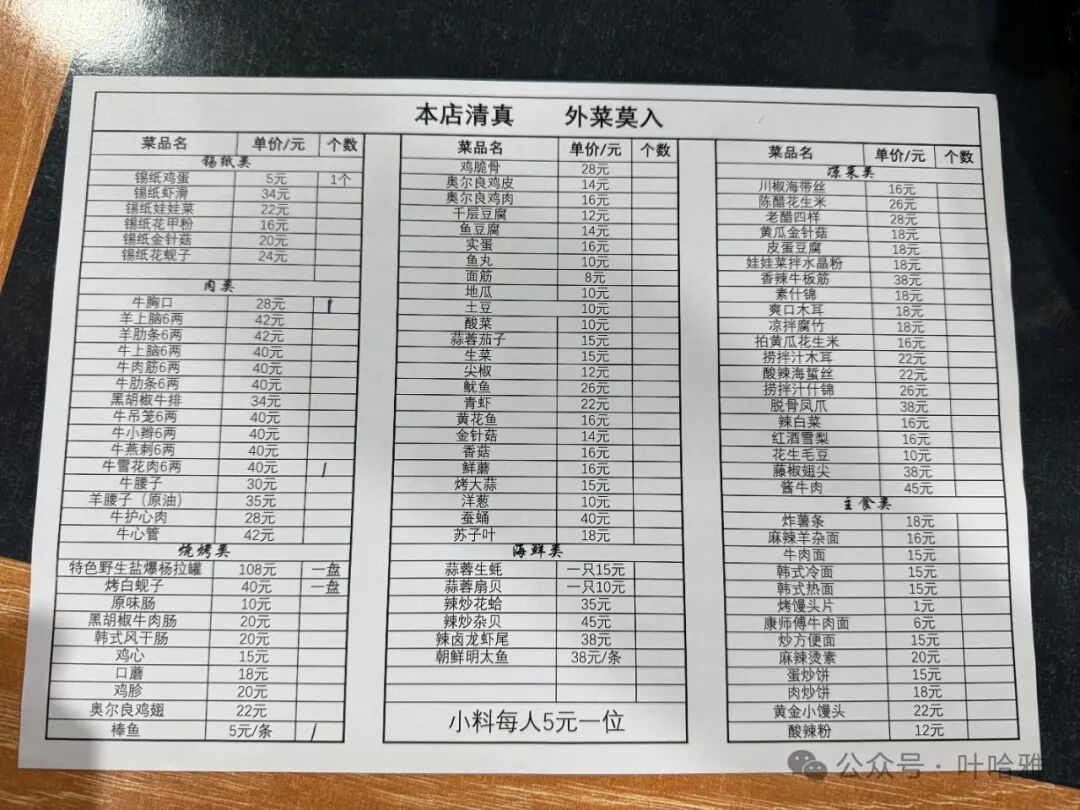
I just got back from Qingdao, where the seafood is both cheap and fresh, so I felt their seafood was a bit expensive.
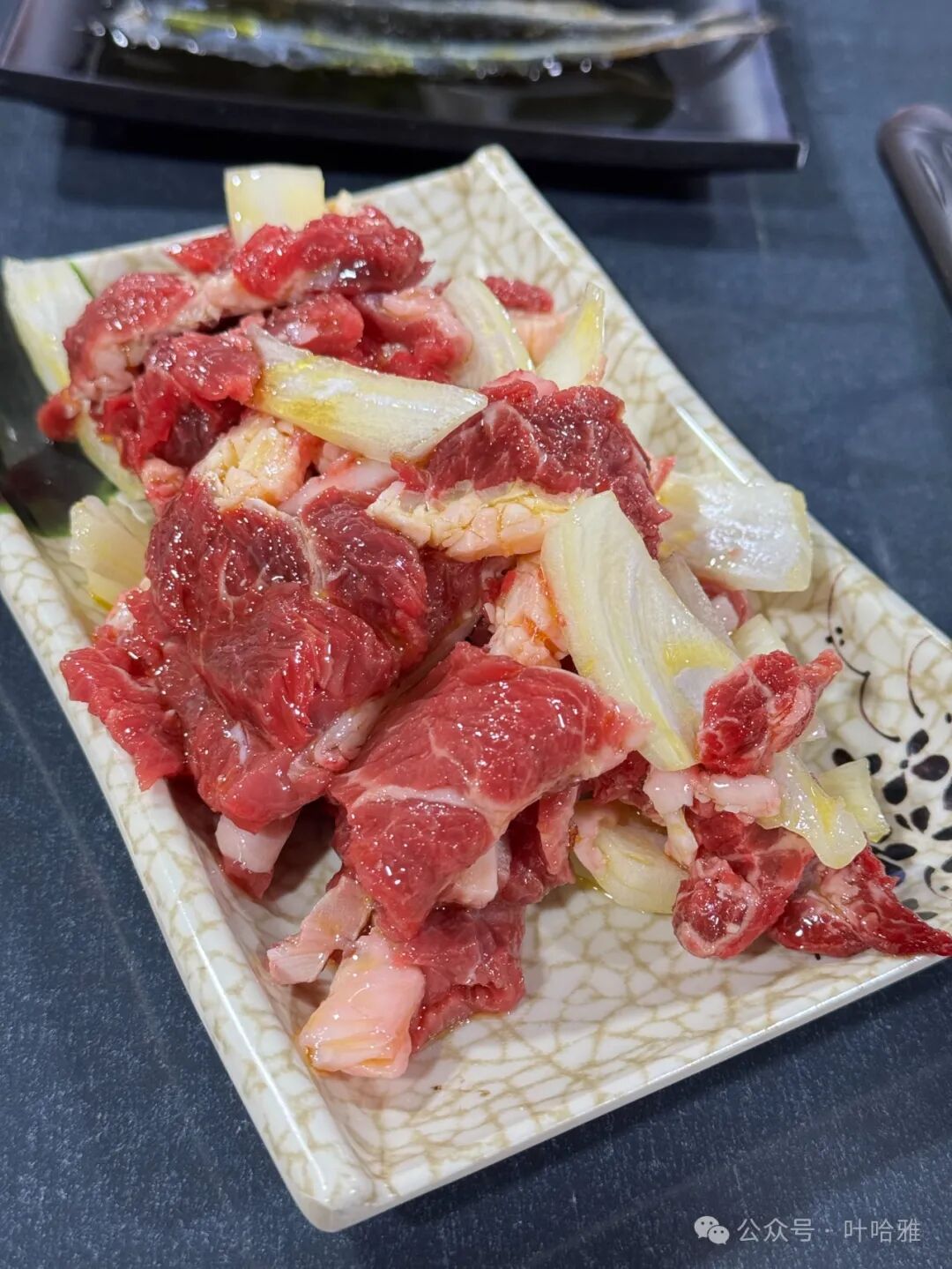
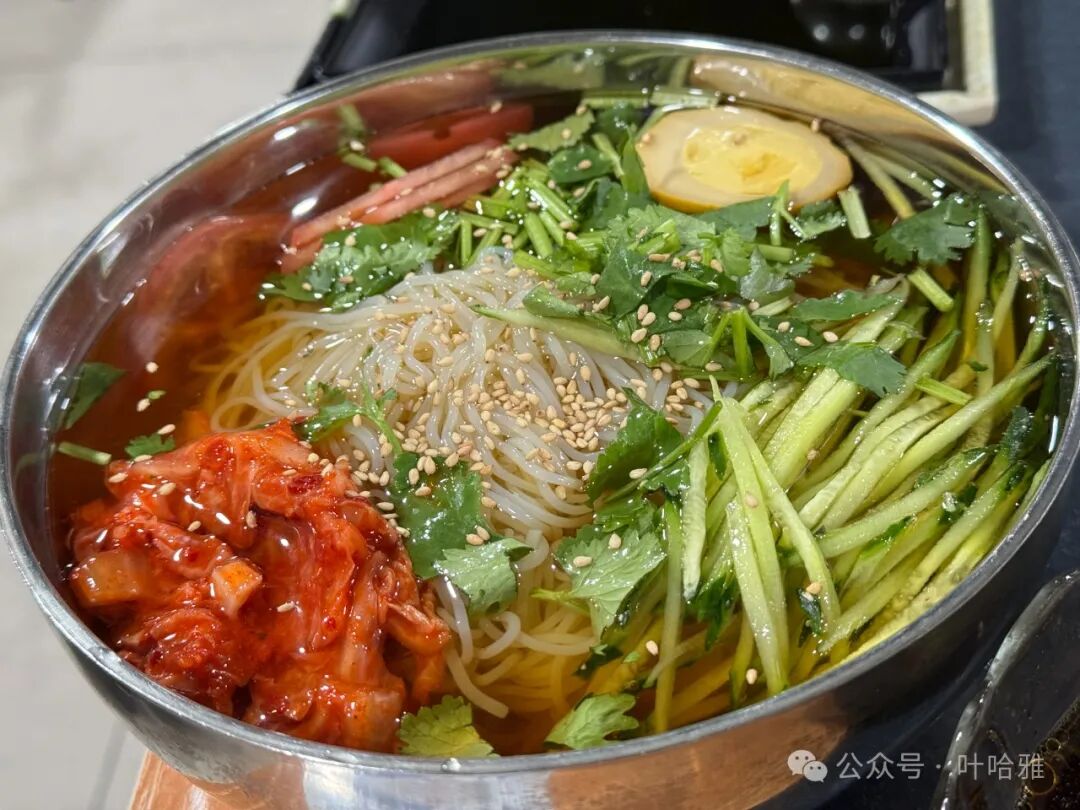
They also have Northeast cold noodles (lengmian) and small Northeast-style barbecue skewers.
This transparent one is called needlefish (bangyu). It tastes pretty good and has a texture like dried fish.
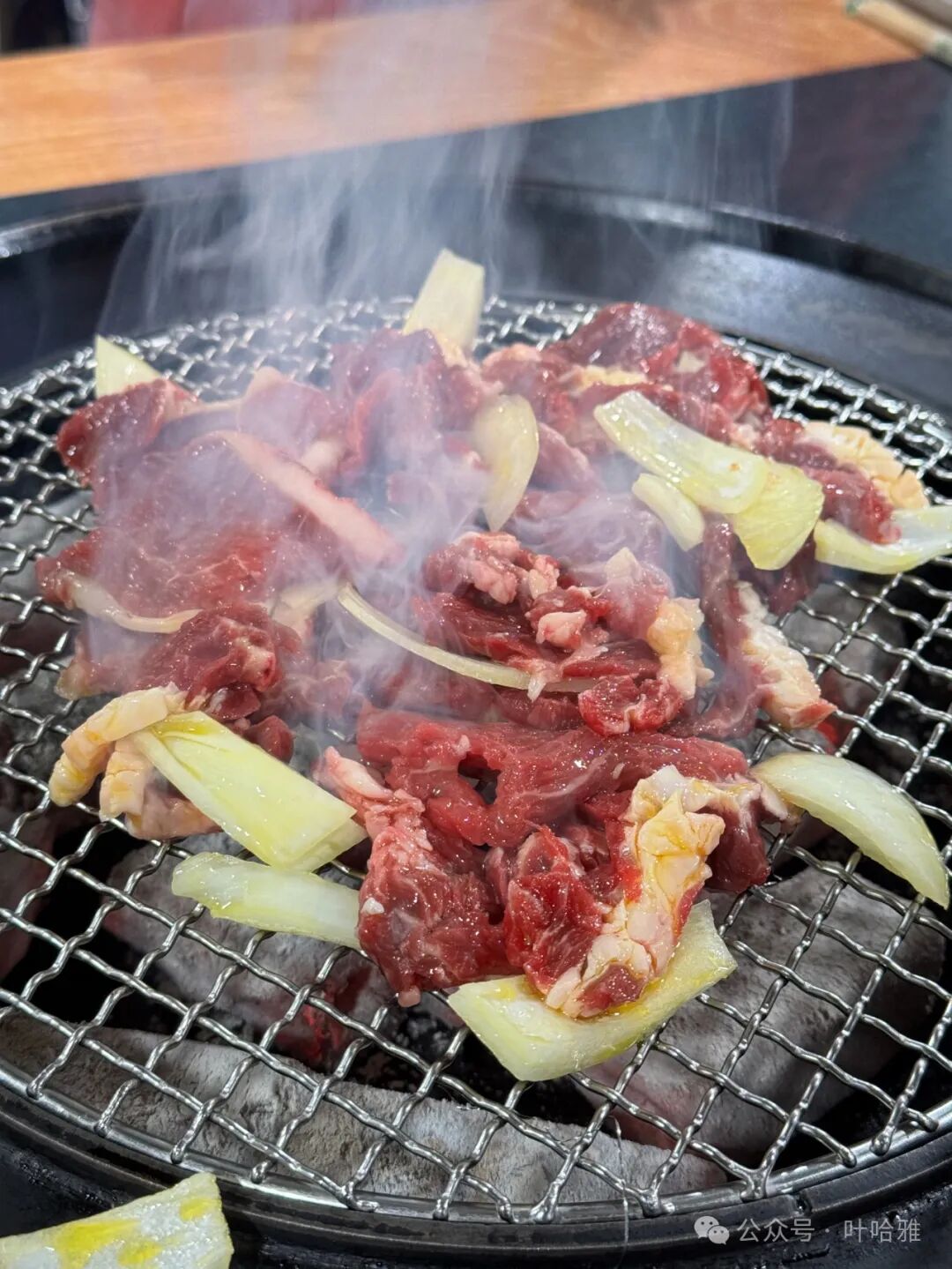
2. Tengzhou vegetable pancake (caijianbing)
This is the first halal Tengzhou vegetable pancake shop in Beijing, and it is not far from the Northeast barbecue place mentioned earlier.
Tengzhou is a place in Shandong. The special thing about vegetable pancakes is that you can mix in several kinds of vegetables, making them quite healthy and nutritious.
After choosing your side dishes, they are paired with the crispy crust unique to Shandong pancakes (jianbing).
They also serve Shandong-style pan-fried buns (jianbao), with a choice of beef and green onion filling or chive and egg filling.
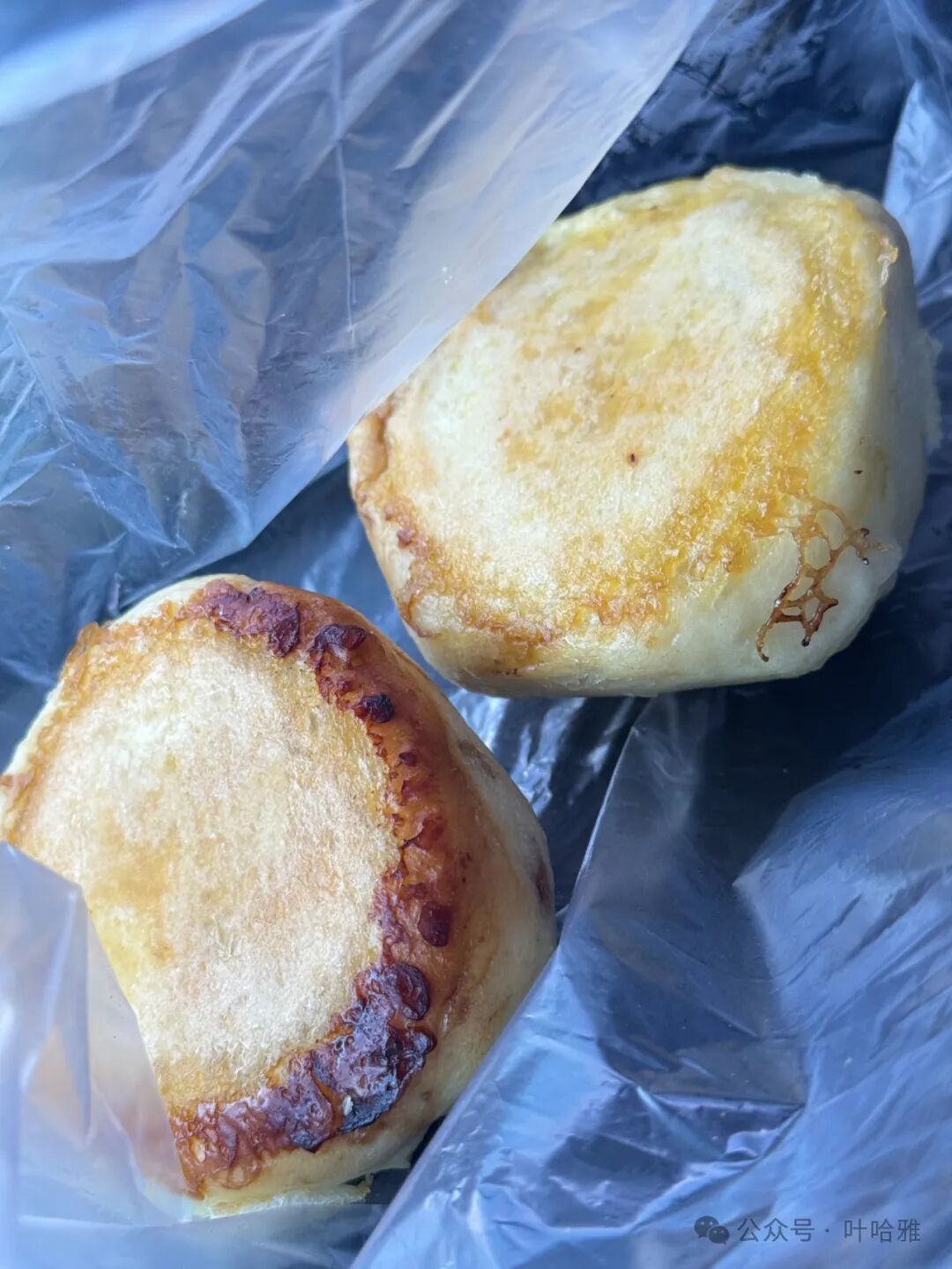
3. Xijia Xike Buffet Hot Pot (Xijia Xike Zizhu Xiaohuoguo)
A new, very delicate and fresh-style conveyor belt hot pot restaurant has opened in Fengtai.
It costs 59 yuan per person, and you can choose from dozens of snacks. However, the conveyor belt only has chicken and seafood. If you want beef or lamb rolls, you need to order them separately for 9.9 yuan a plate.
I think it is already a great deal just eating the various vegetables, snacks, desserts, and treats on the conveyor belt.
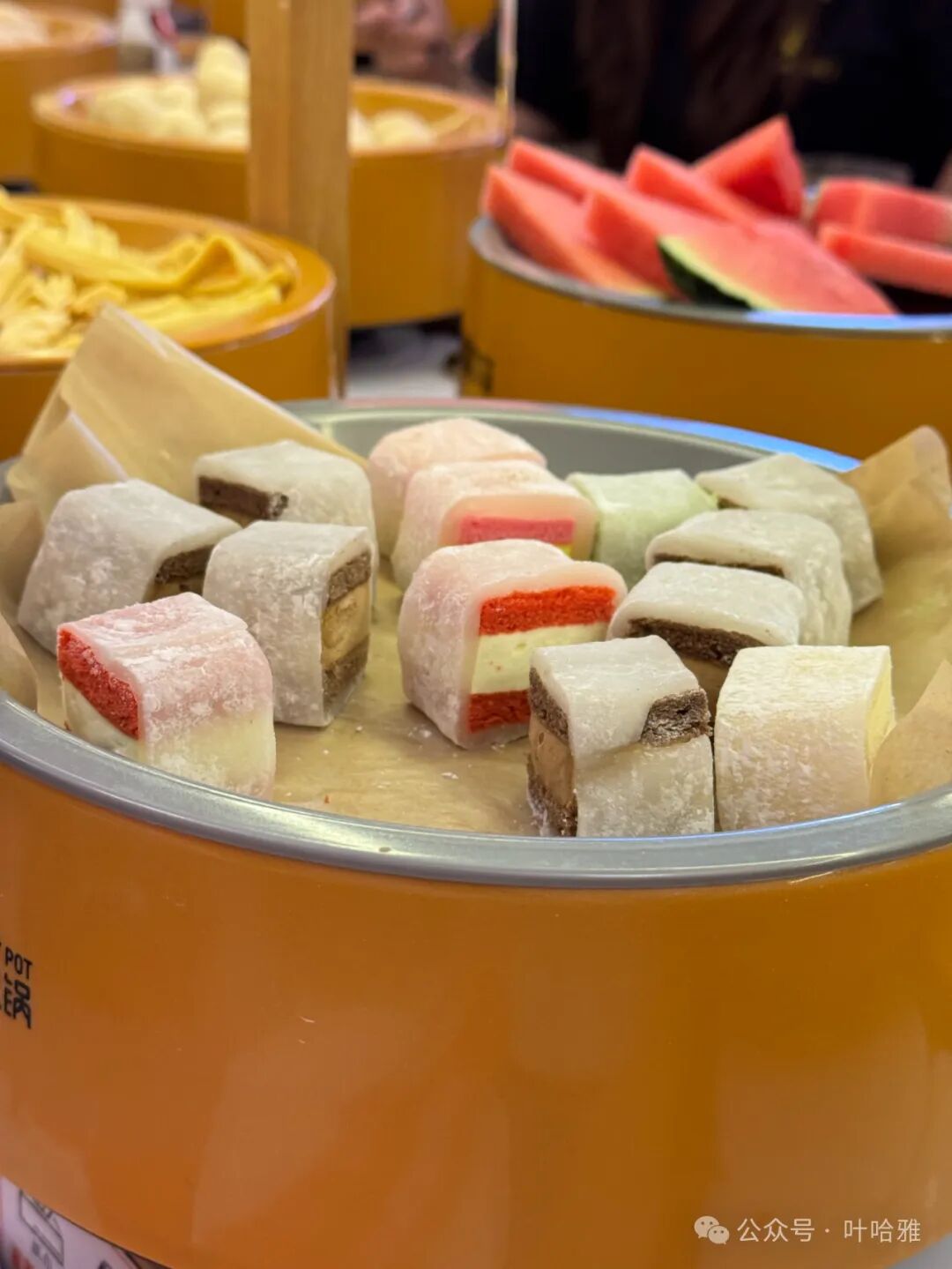
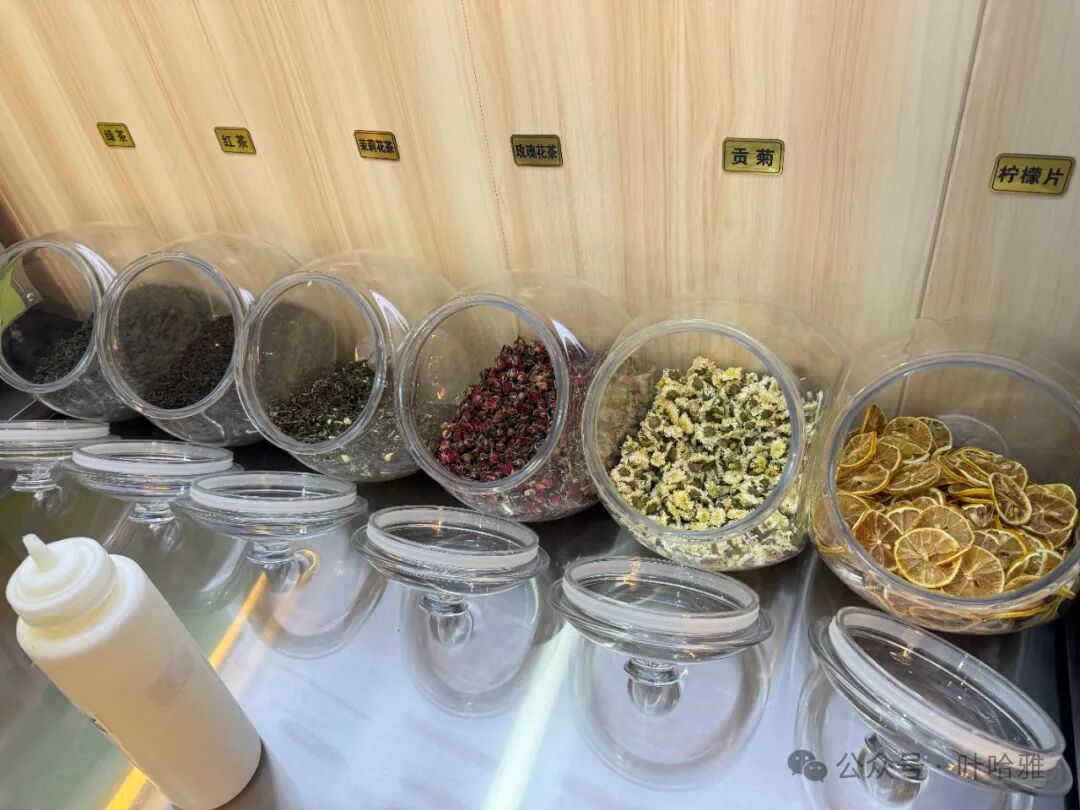
They have many types of tea to choose from. You pick your own and add hot water to brew it yourself.
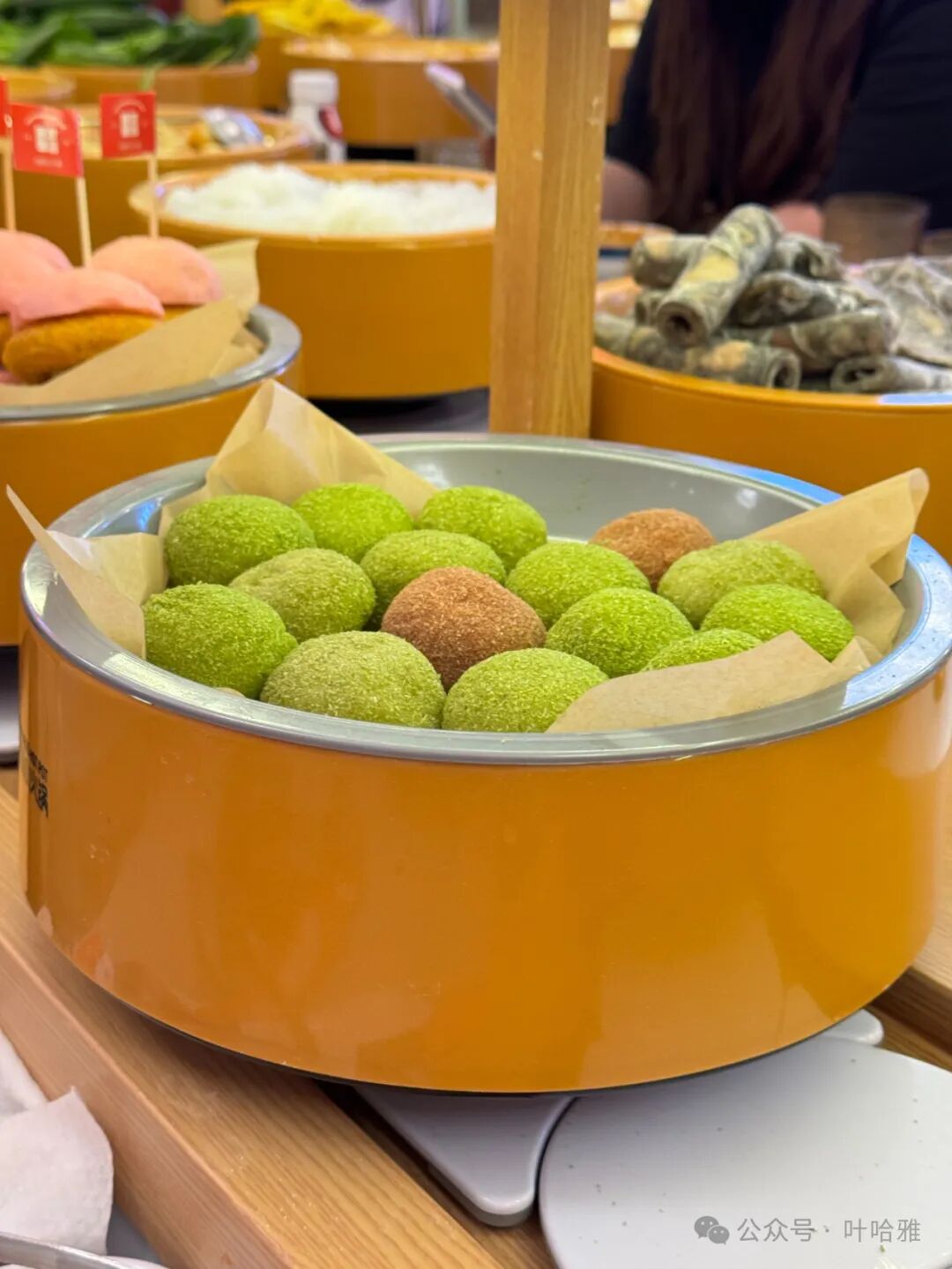
This shop is already popular, so you have to wait in line during meal times.
4. Shili Xiang Claypot Rice Noodles (Shili Xiang Shaguo Mixian)
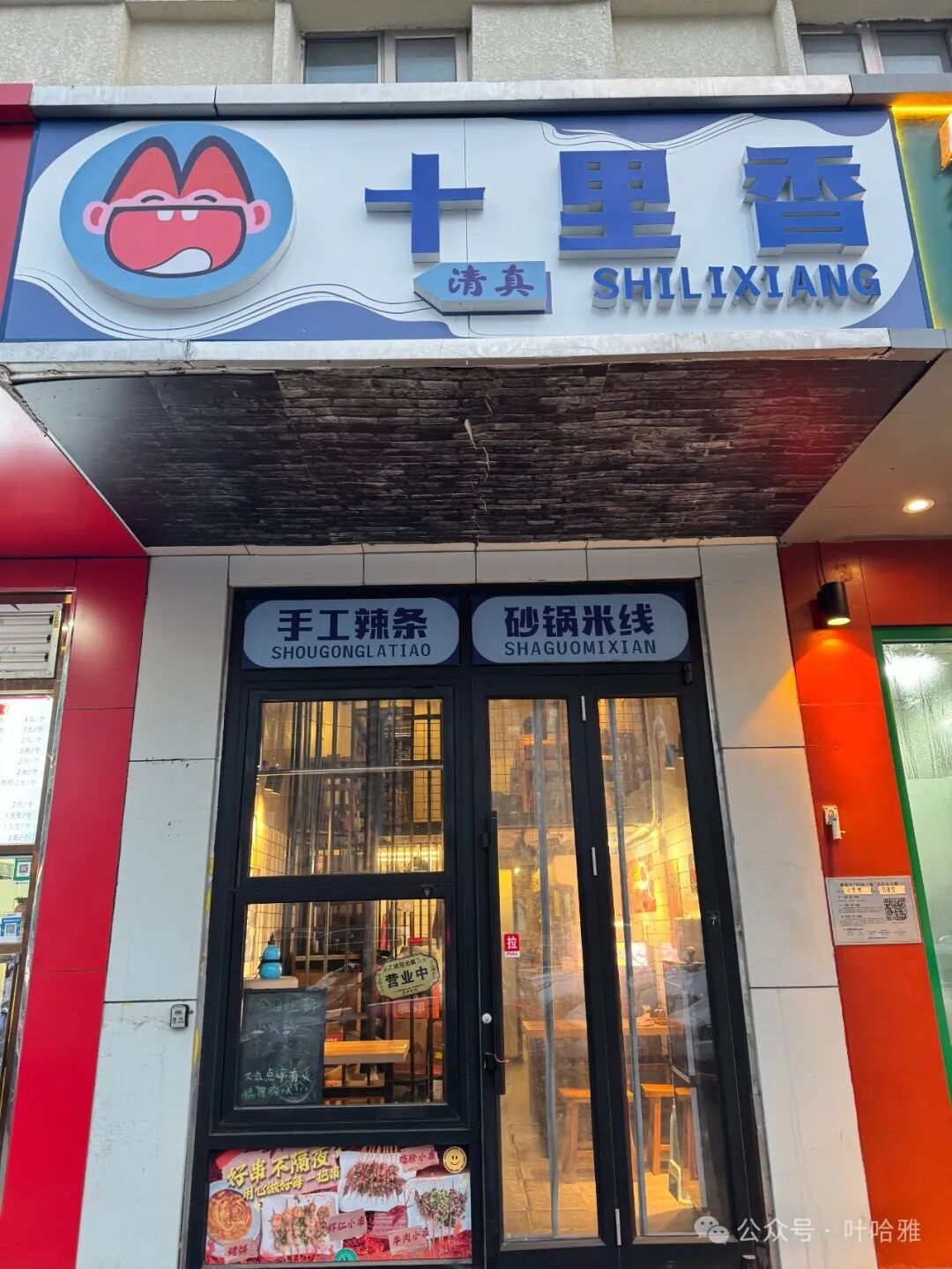
This is also a very delicate little restaurant run by a girl from Ningxia, serving clay pot rice noodles (shaguo mixian) and small barbecue skewers.
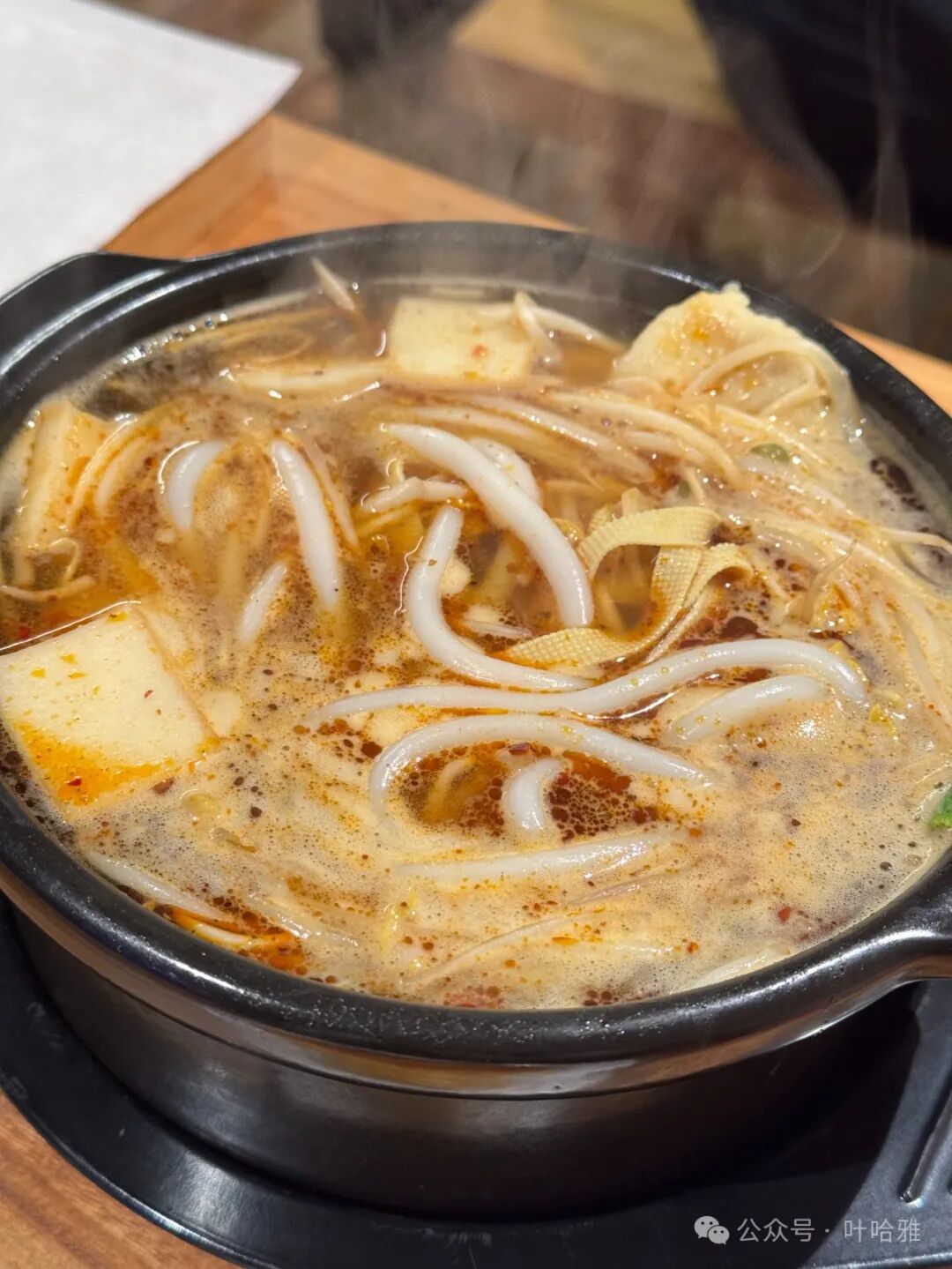
The clay pot rice noodles taste great, and they are perfect when paired with a baked flatbread (kaobing).
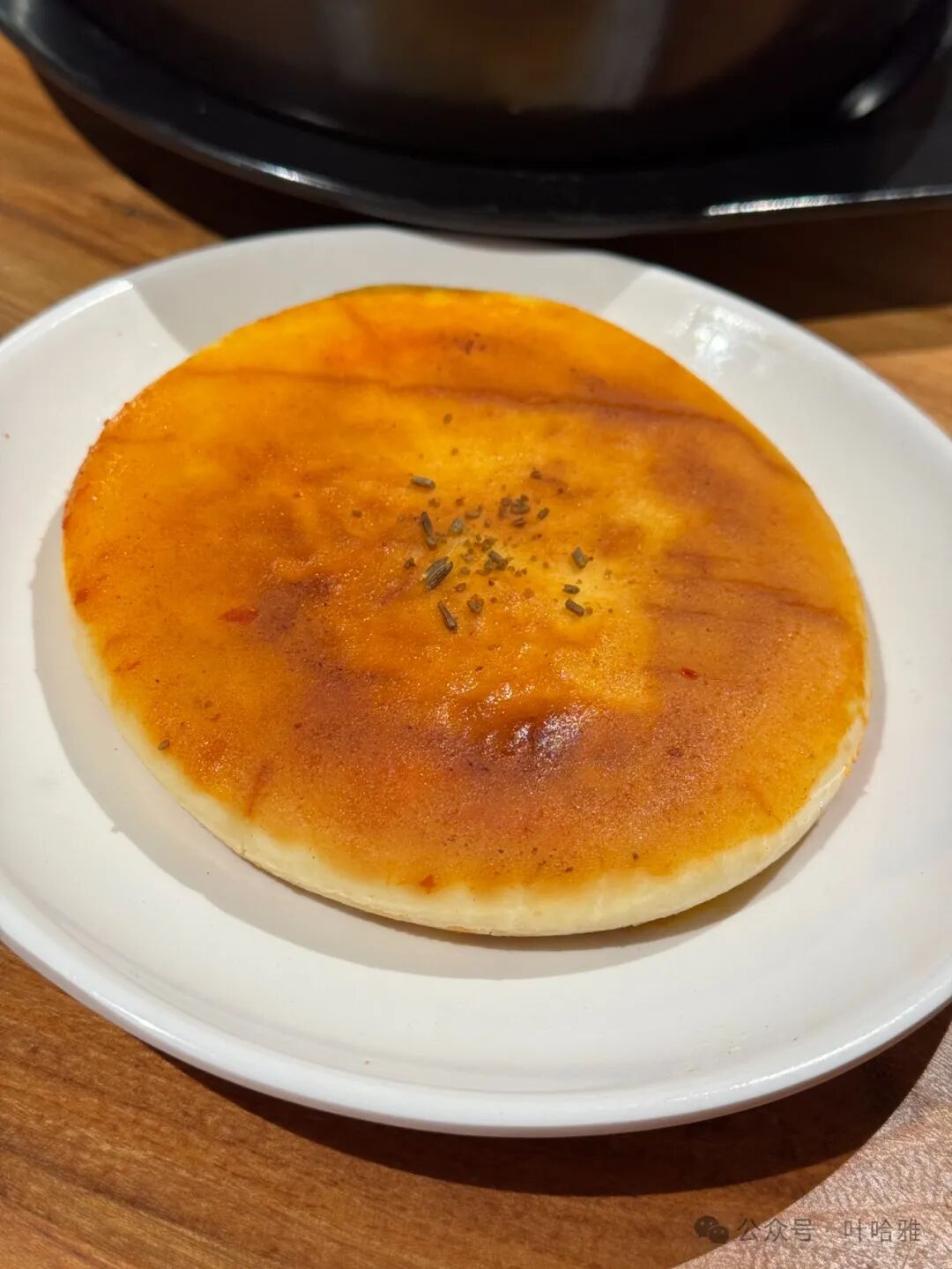
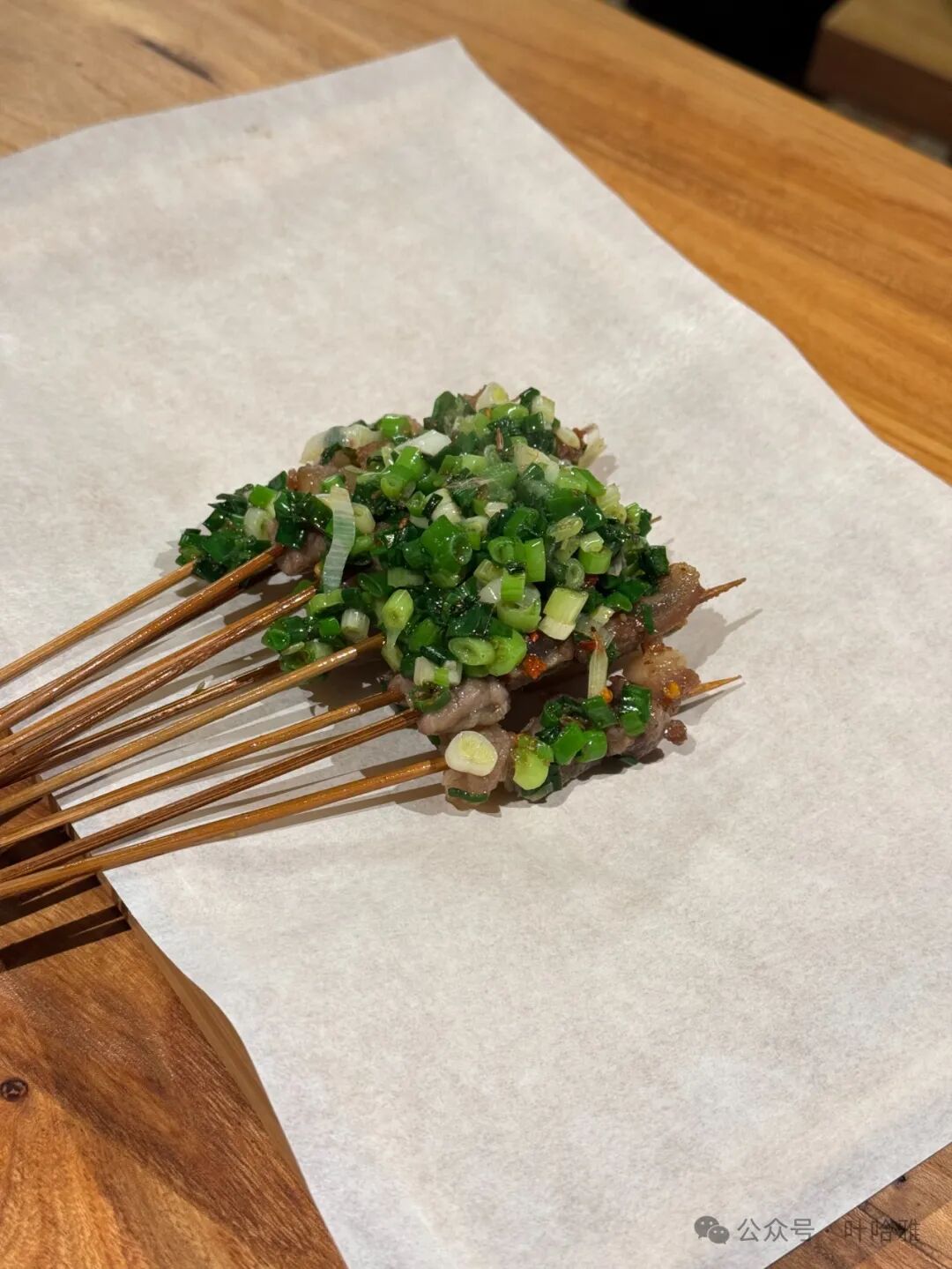
Their small barbecue is Yunnan-style meat skewers that are seasoned and very delicious.
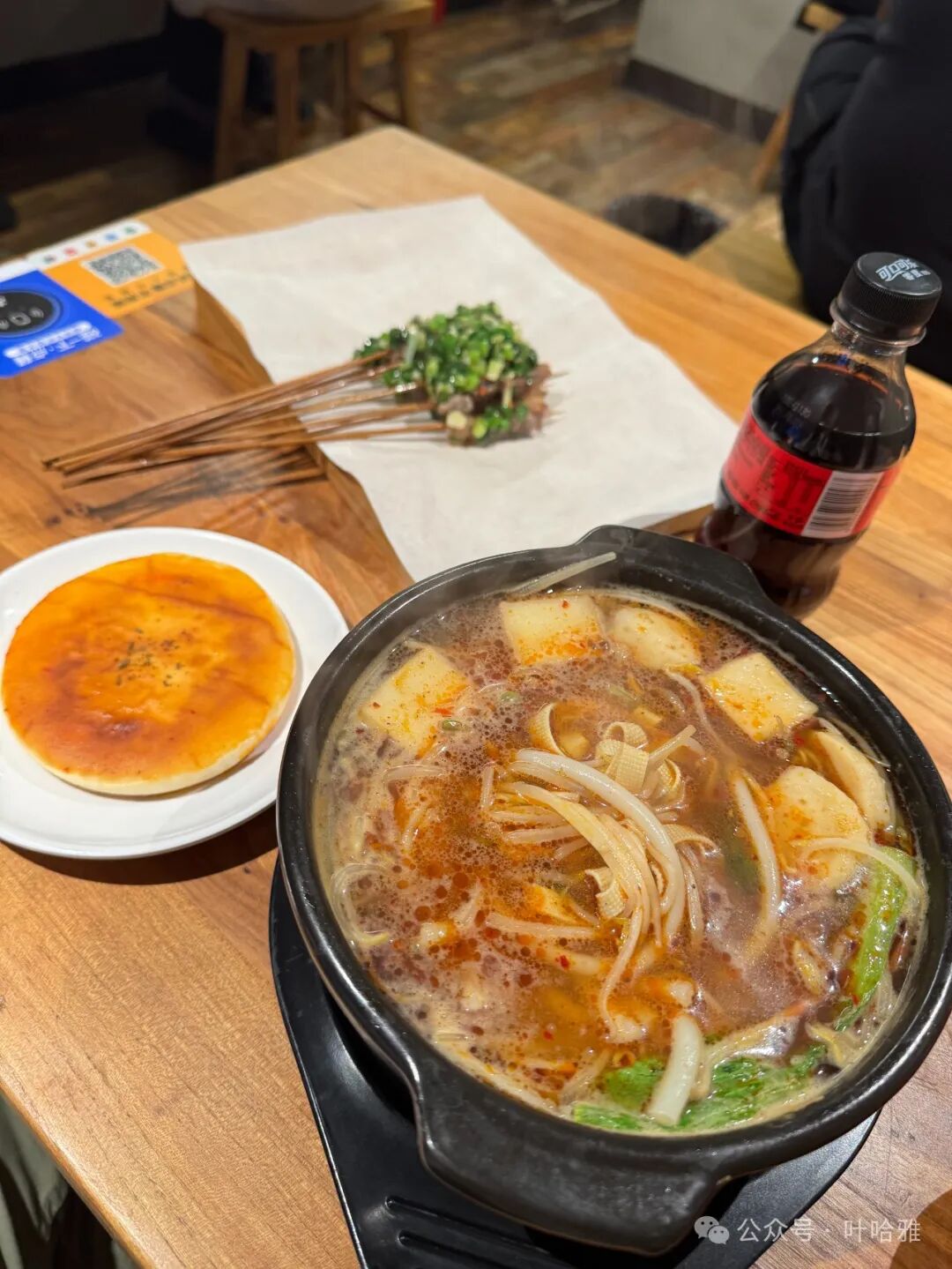
The restaurant is very small and has a little loft on the second floor. The average cost is 30 yuan per person.
5. Wanfu Halal Boiled Pot Base (Wanfu Qingzhen Cuanguodi)
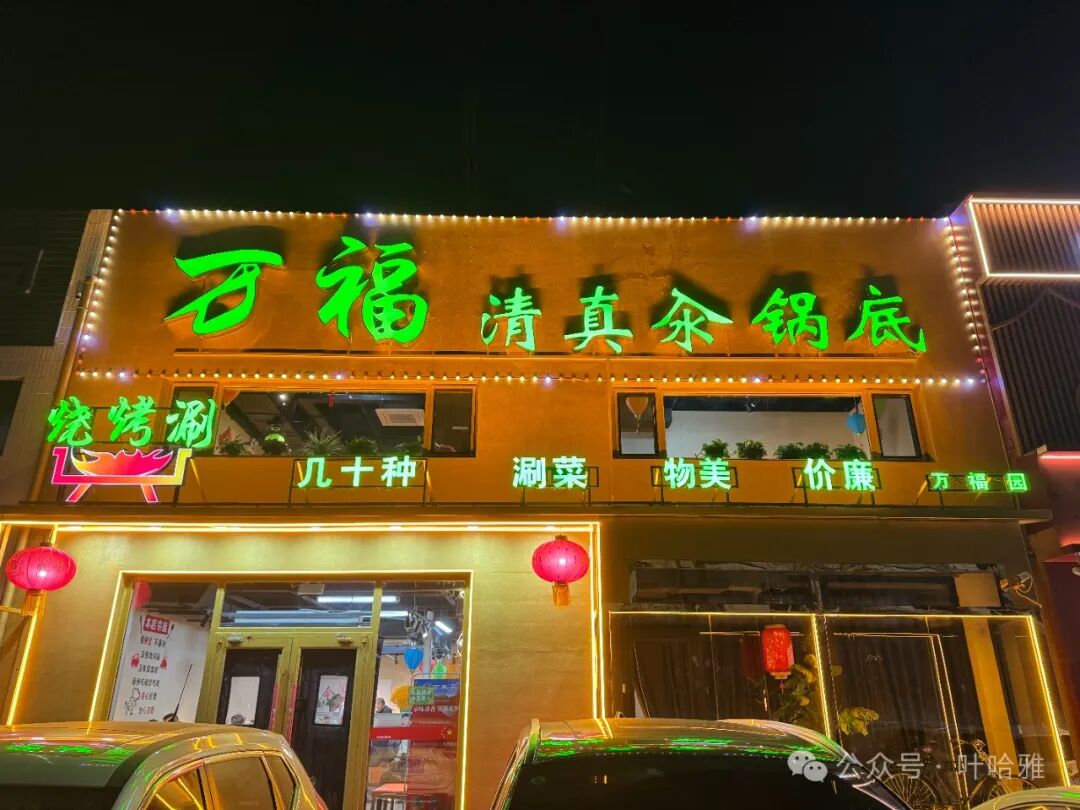
This is another hot pot restaurant serving boiled soup base (cuanguodi) opened by the owner of Wanfu Iron Pot Stew in Daxing.
For a boiled-base hot pot (chuanguodi), you first cook various seafood in the pot, finish that, and then go downstairs to get different ingredients to dip.
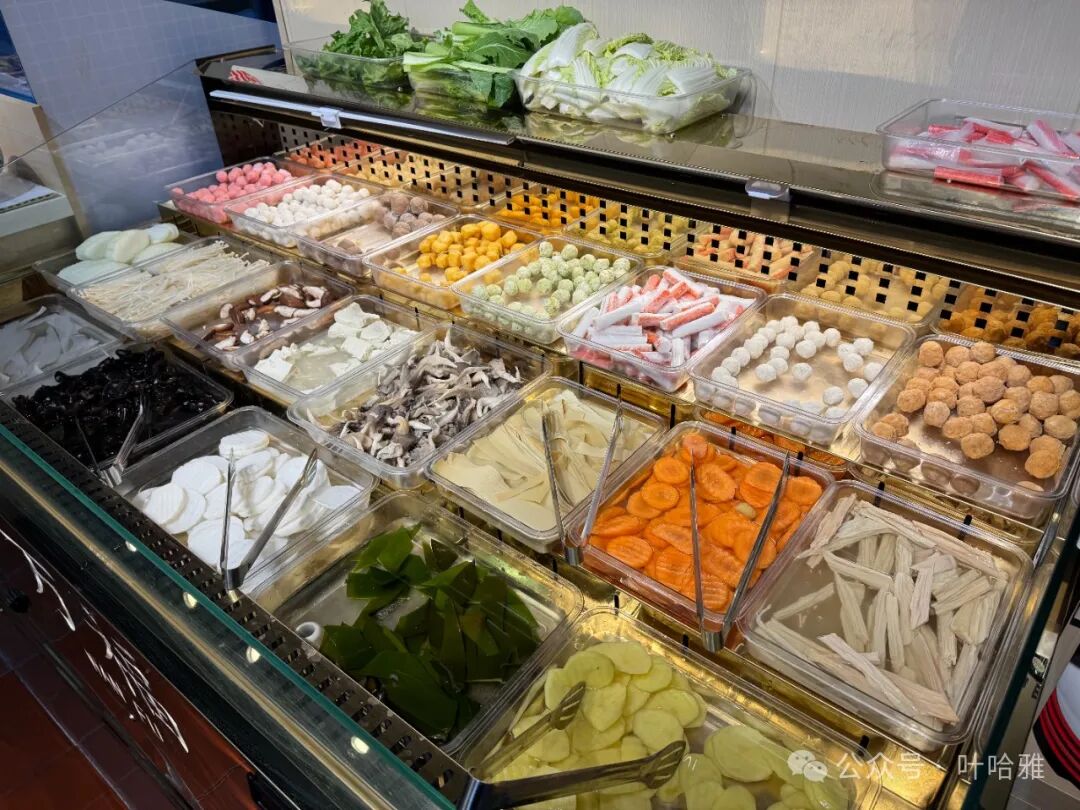
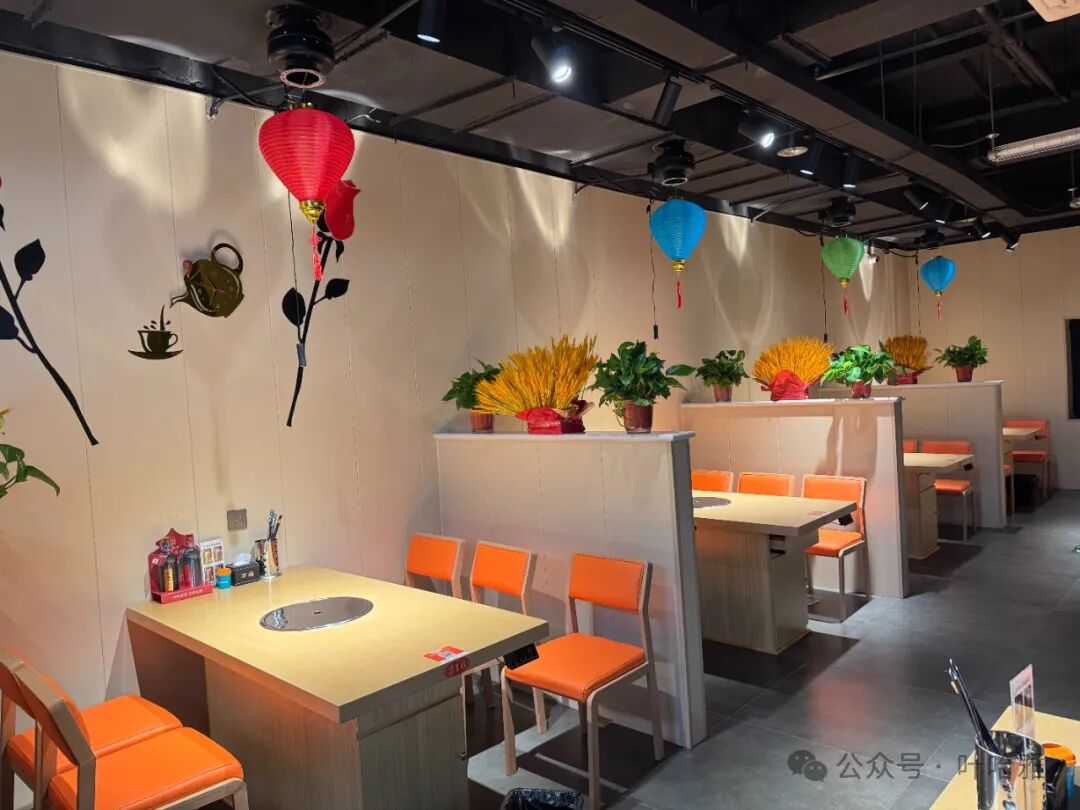
This way of eating is a bit like Cantonese hot pot (dabianlu), but it is the first halal boiled-base hot pot shop in Beijing.
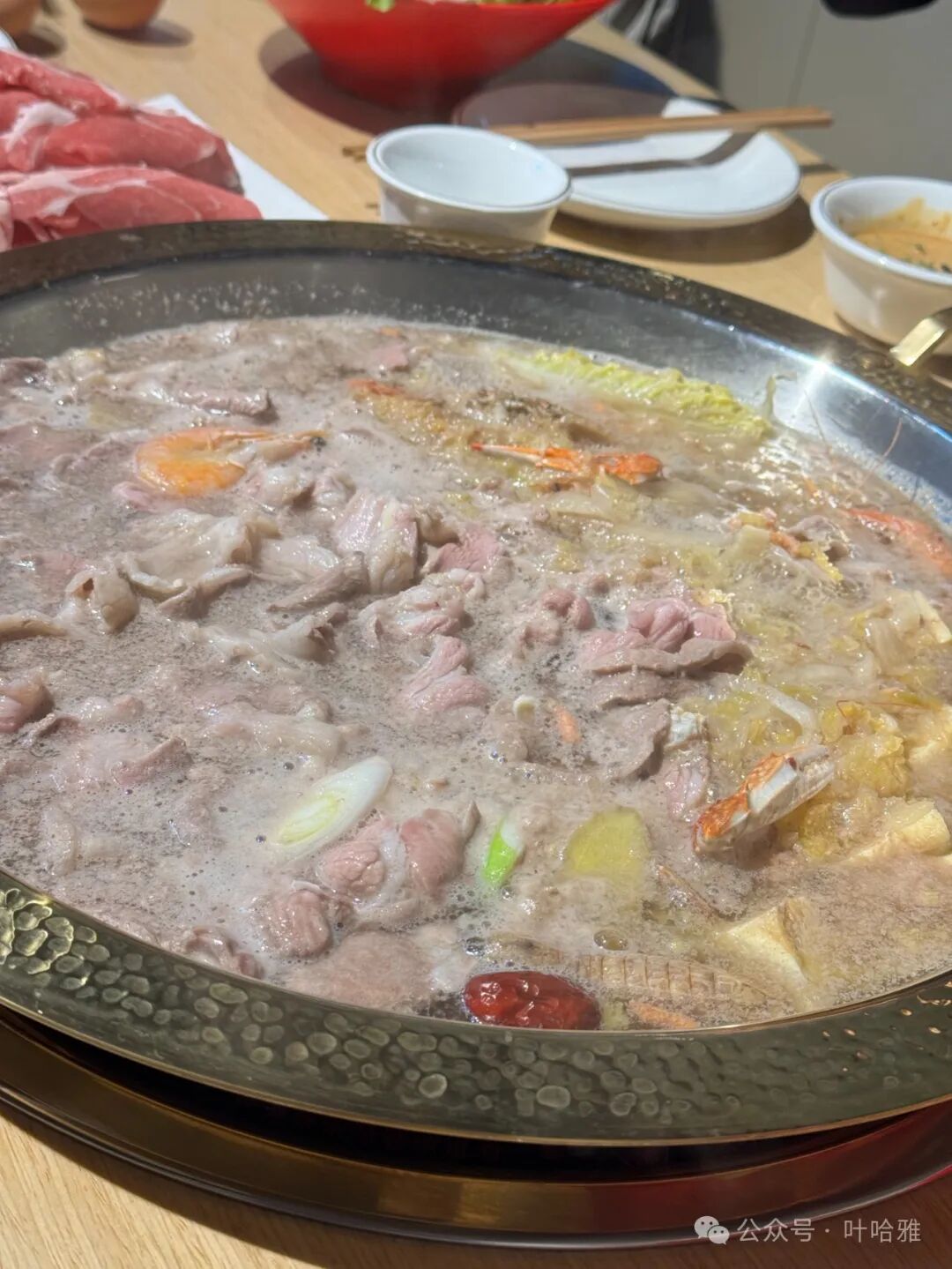
6. Halal Asen Eight Great Bowls (Qingzhen Asen Badawan)
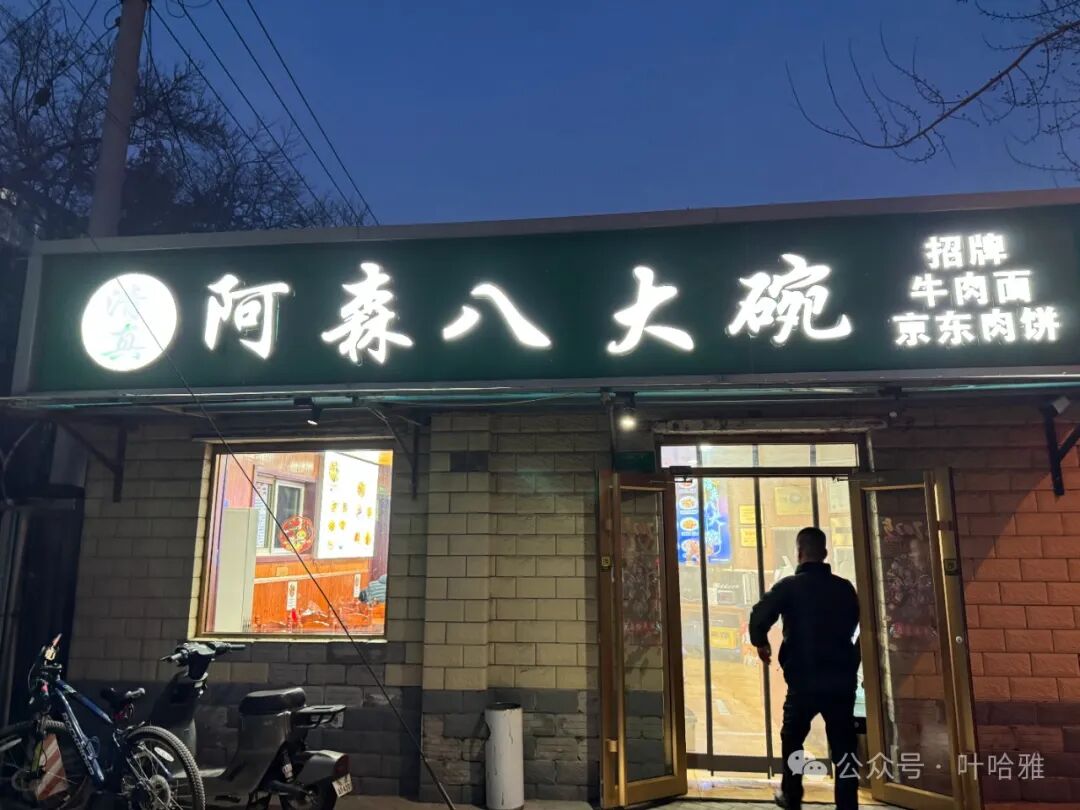
This is a traditional Hui Muslim Eight Great Bowls (badawan) shop in Fengtai, where you can choose what to eat as soon as you walk in.
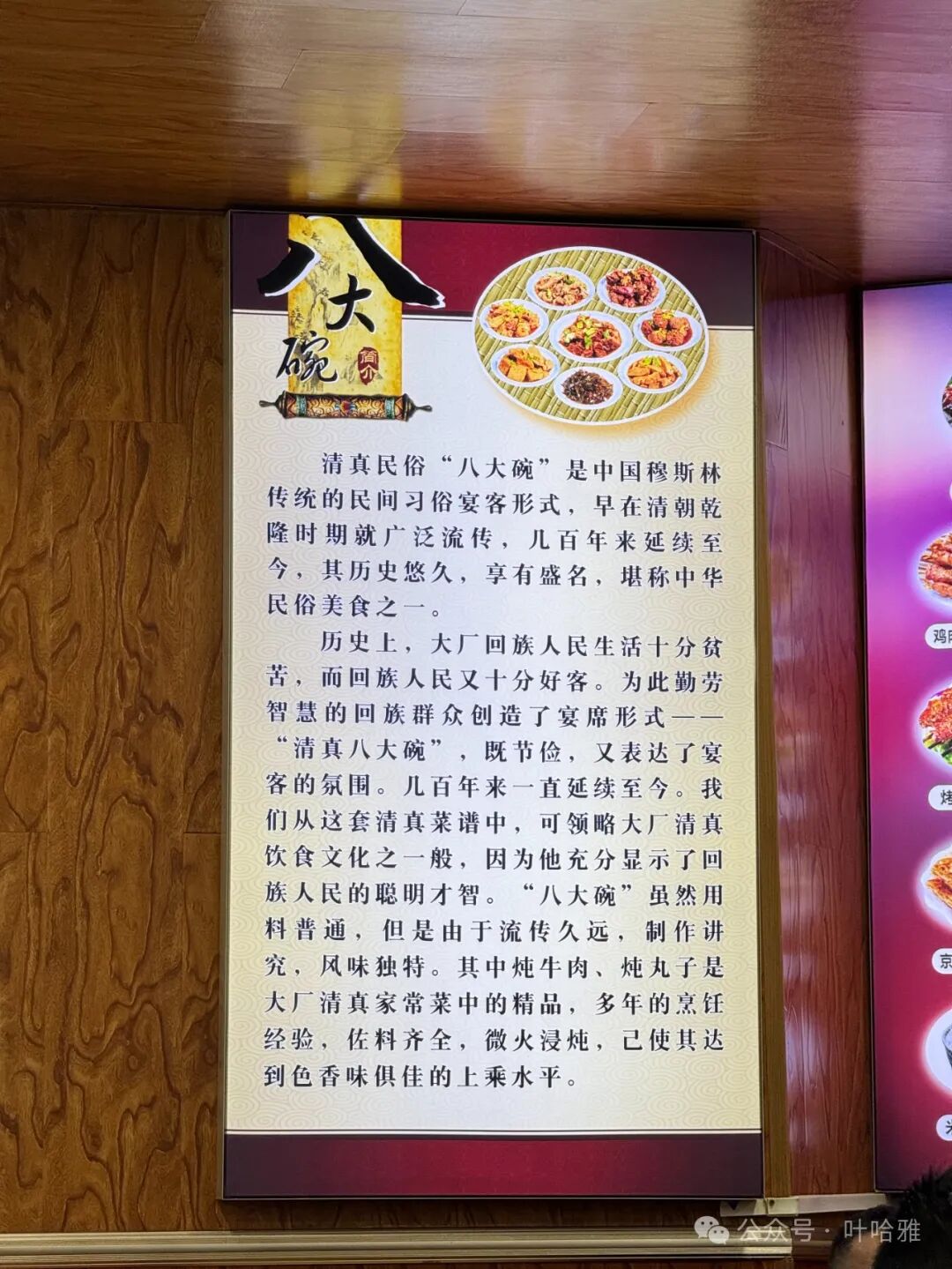
Eight Great Bowls is a classic Hui Muslim banquet, mostly consisting of meat dishes with one or two vegetable dishes.
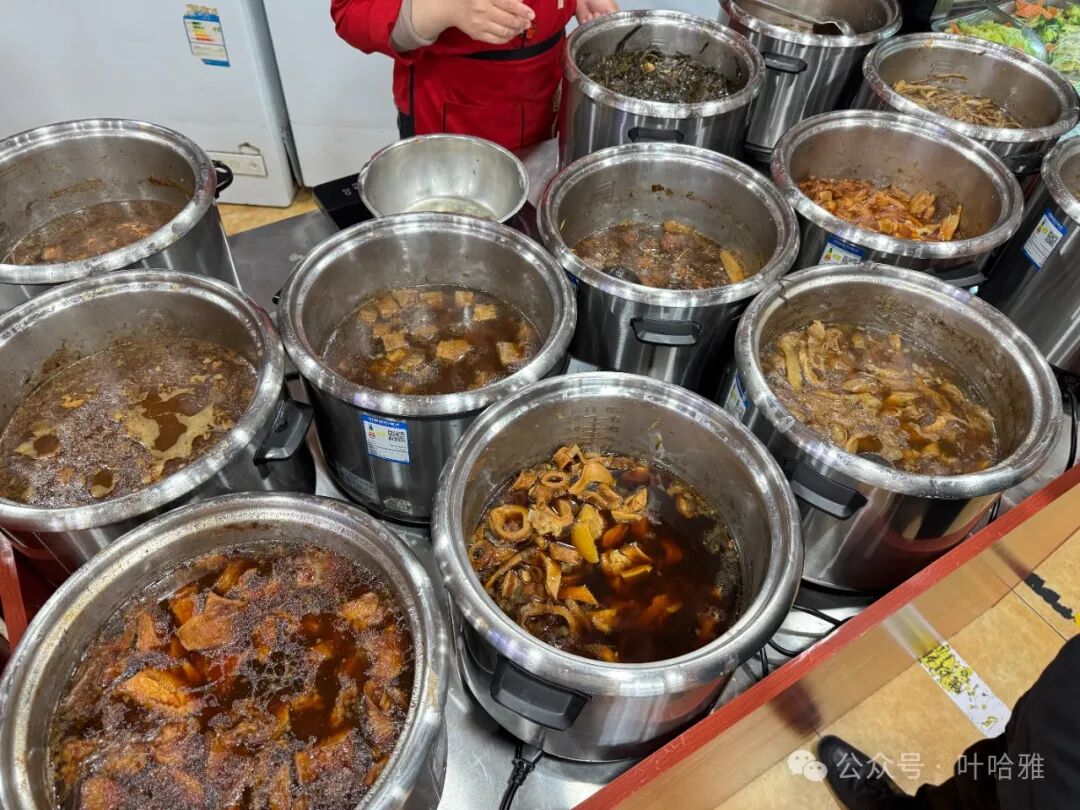
This shop uses a very traditional method, and their stewed beef is excellent.
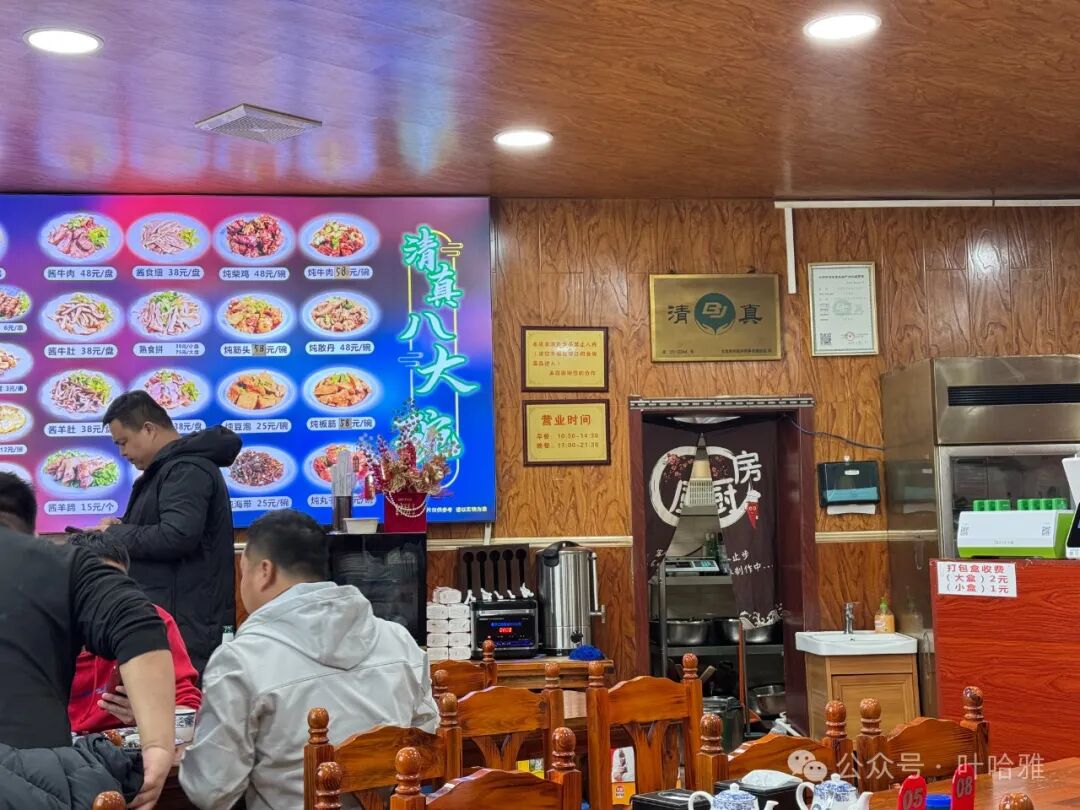
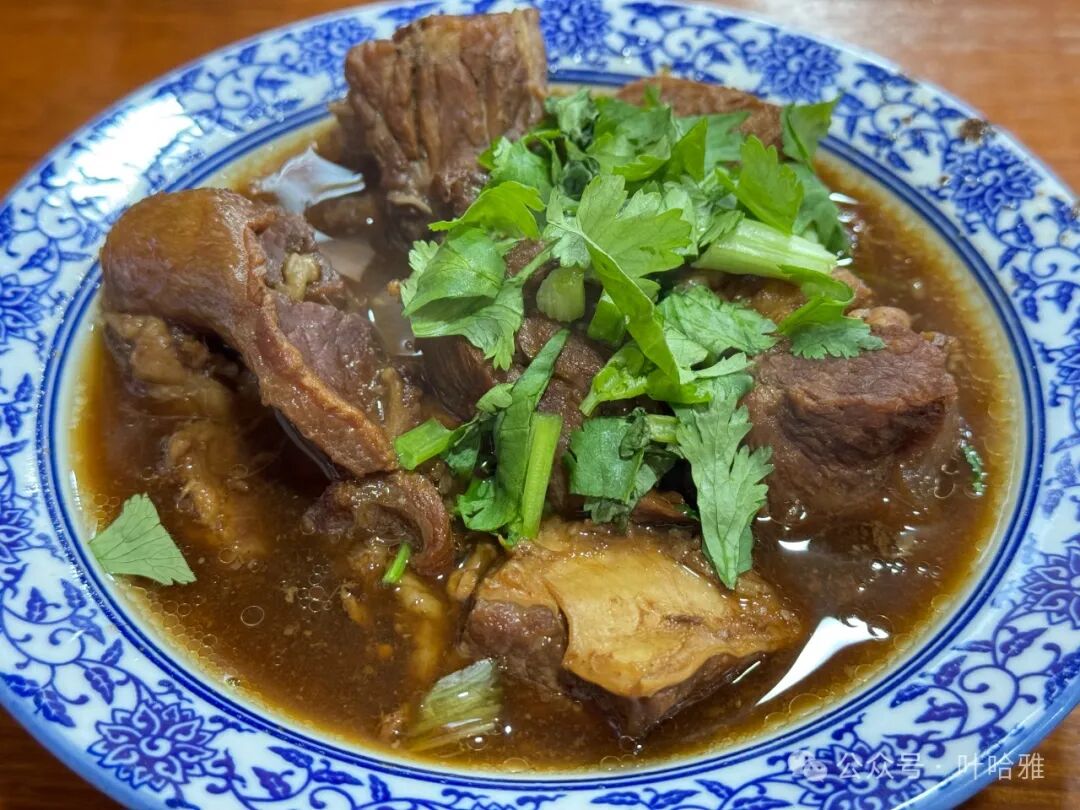
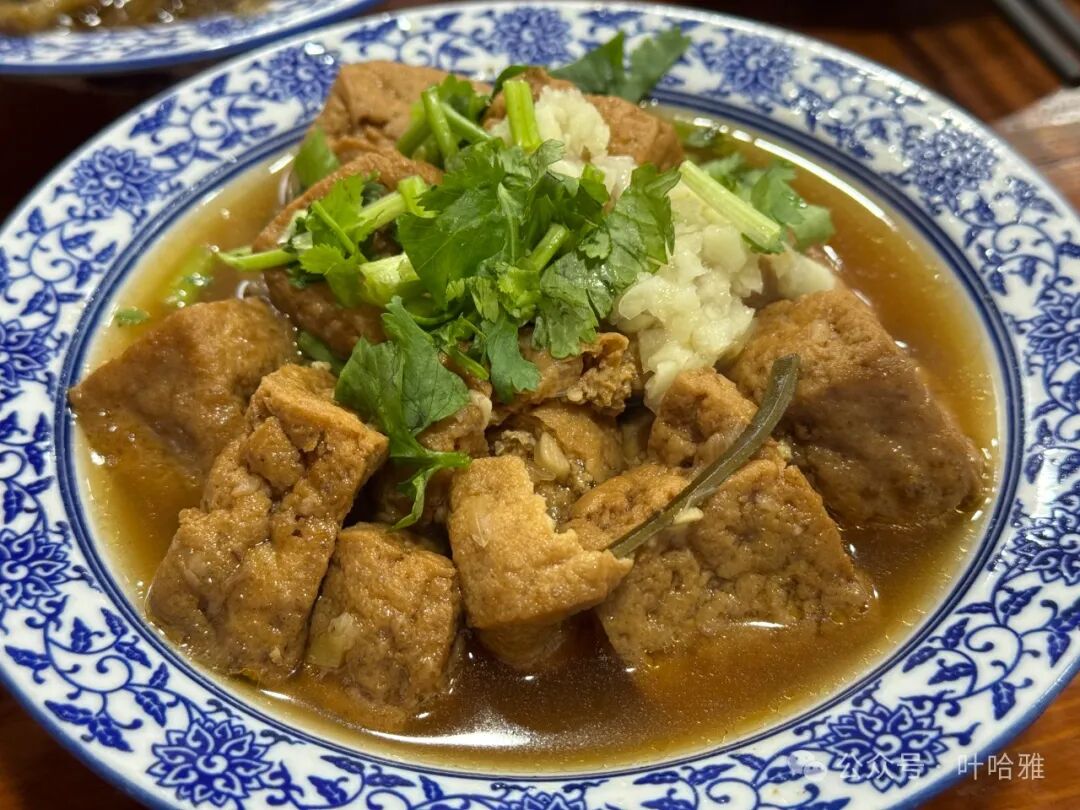
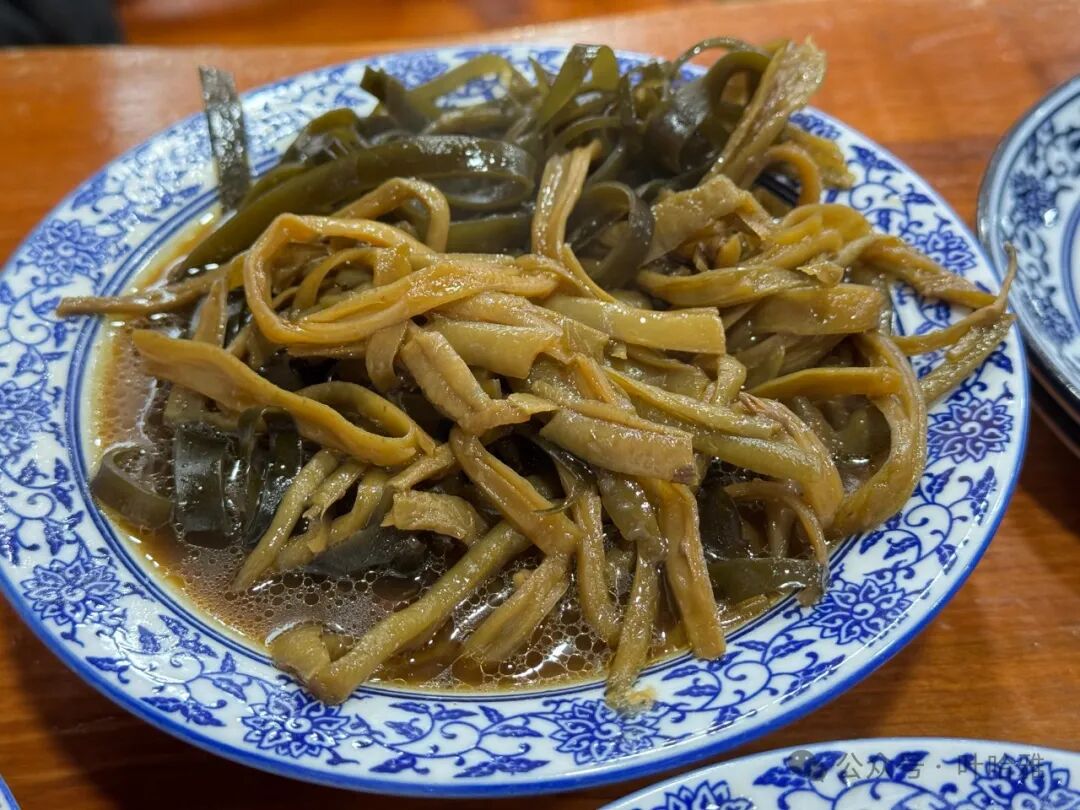
7. Yang's Qiqihar BBQ (Yangji Qiqiha'er Kaorou)
This Yang's Daqi Barbecue (Yangji Daqi Kaorou) is quite popular in Shanghai, and it is said they now have 60 chain stores, including both company-owned and franchised locations.
The one in Beijing is the original shop, and the owner is from Qiqihar, where he started out selling barbecue at a street stall.
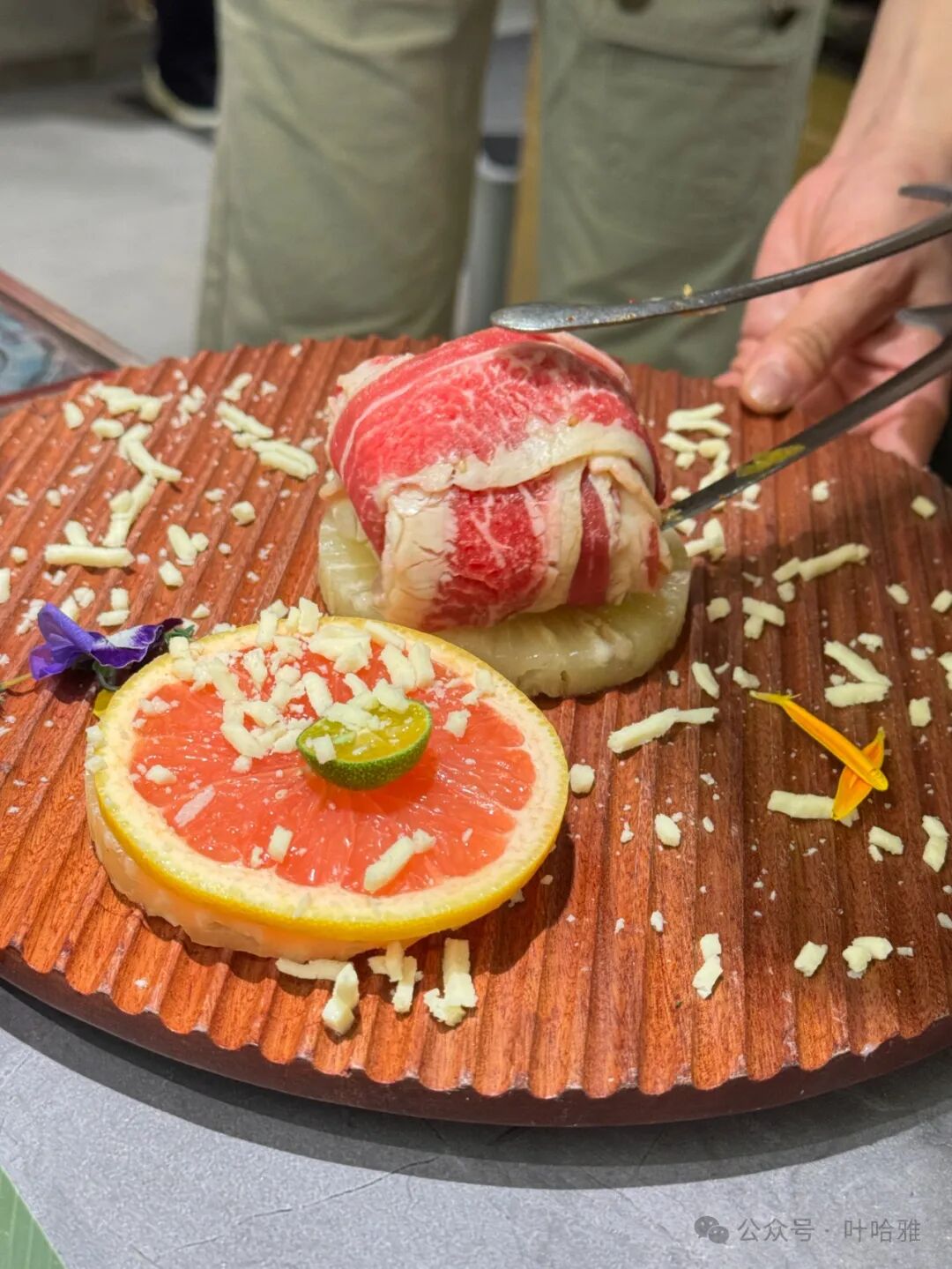
I think their best feature is the value. A 198-yuan group-buy set for two is basically all meat, and the service is great, with staff helping to grill everything and responding to every request.
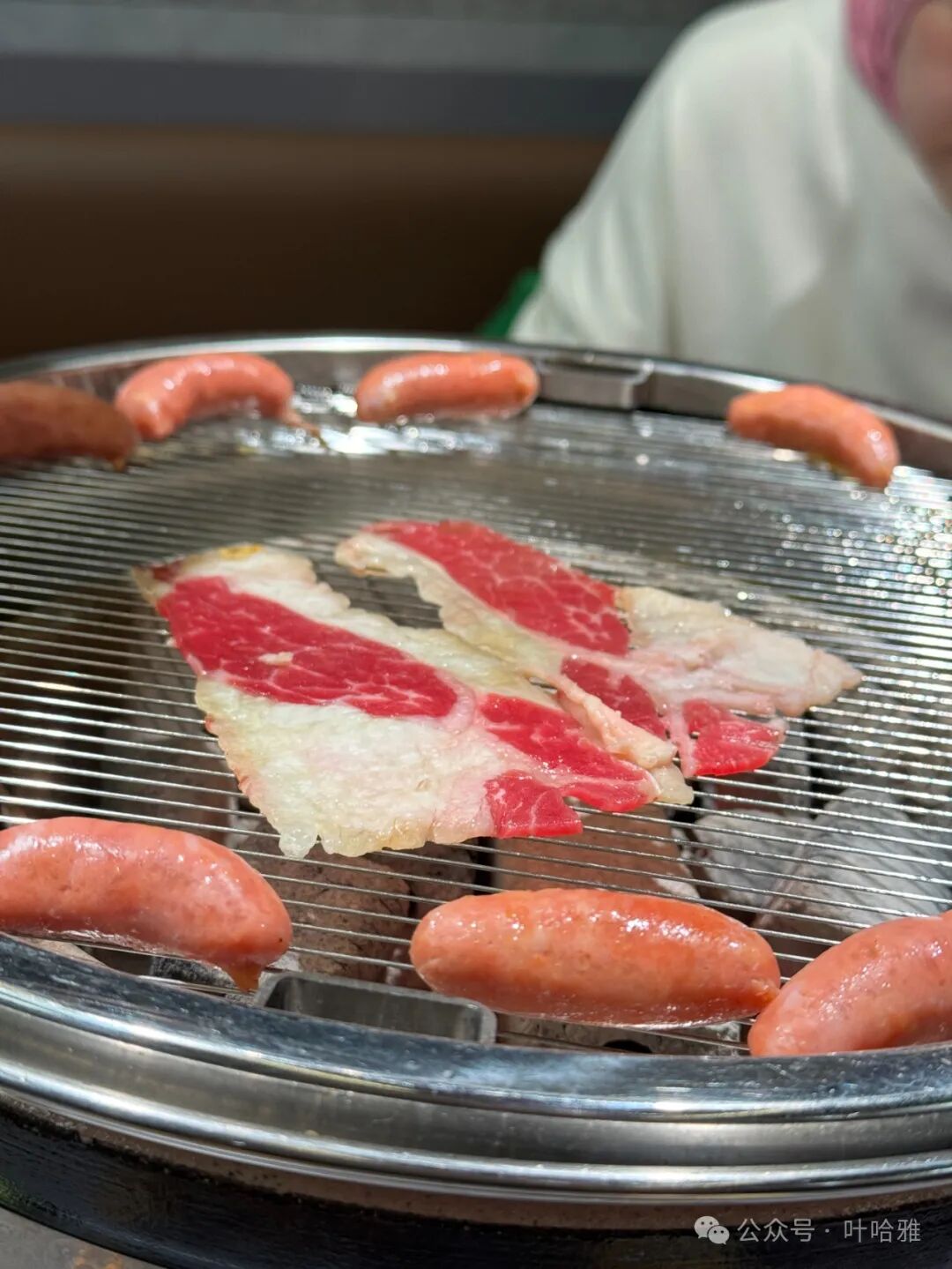
We all really like eating these small grilled sausages.
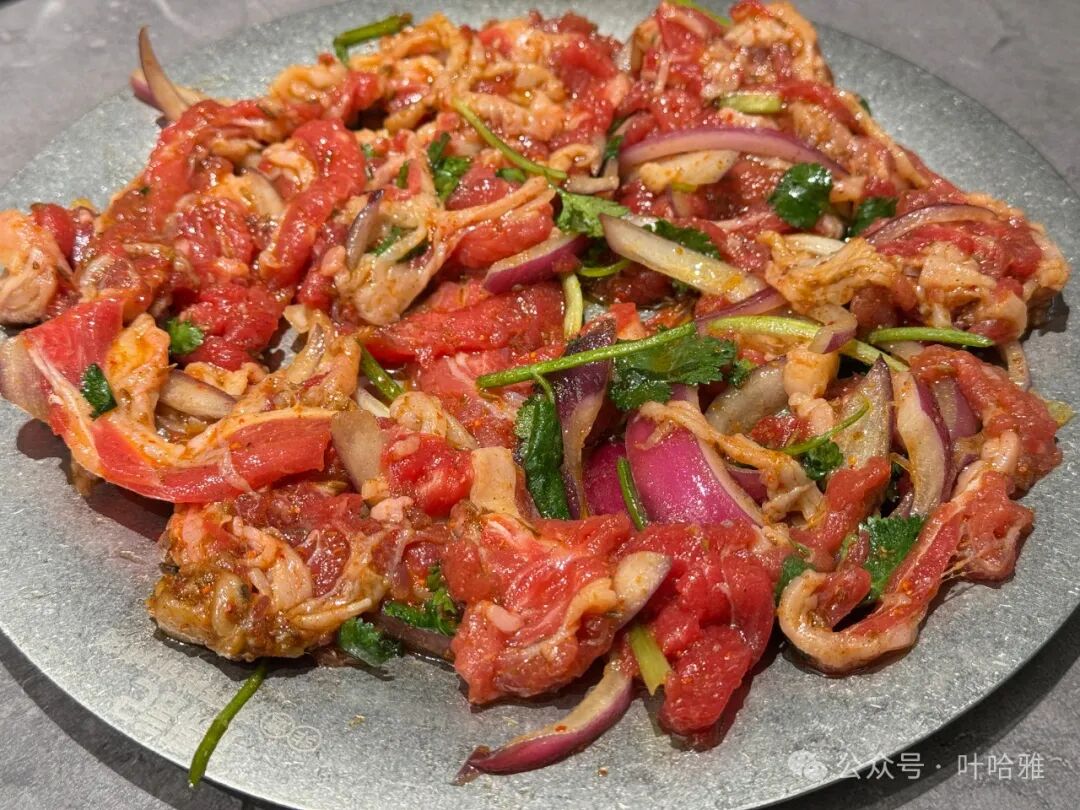
When I eat at Daqi Barbecue, I usually only choose beef, as I think beef tastes better than lamb when cooked on this kind of iron plate.
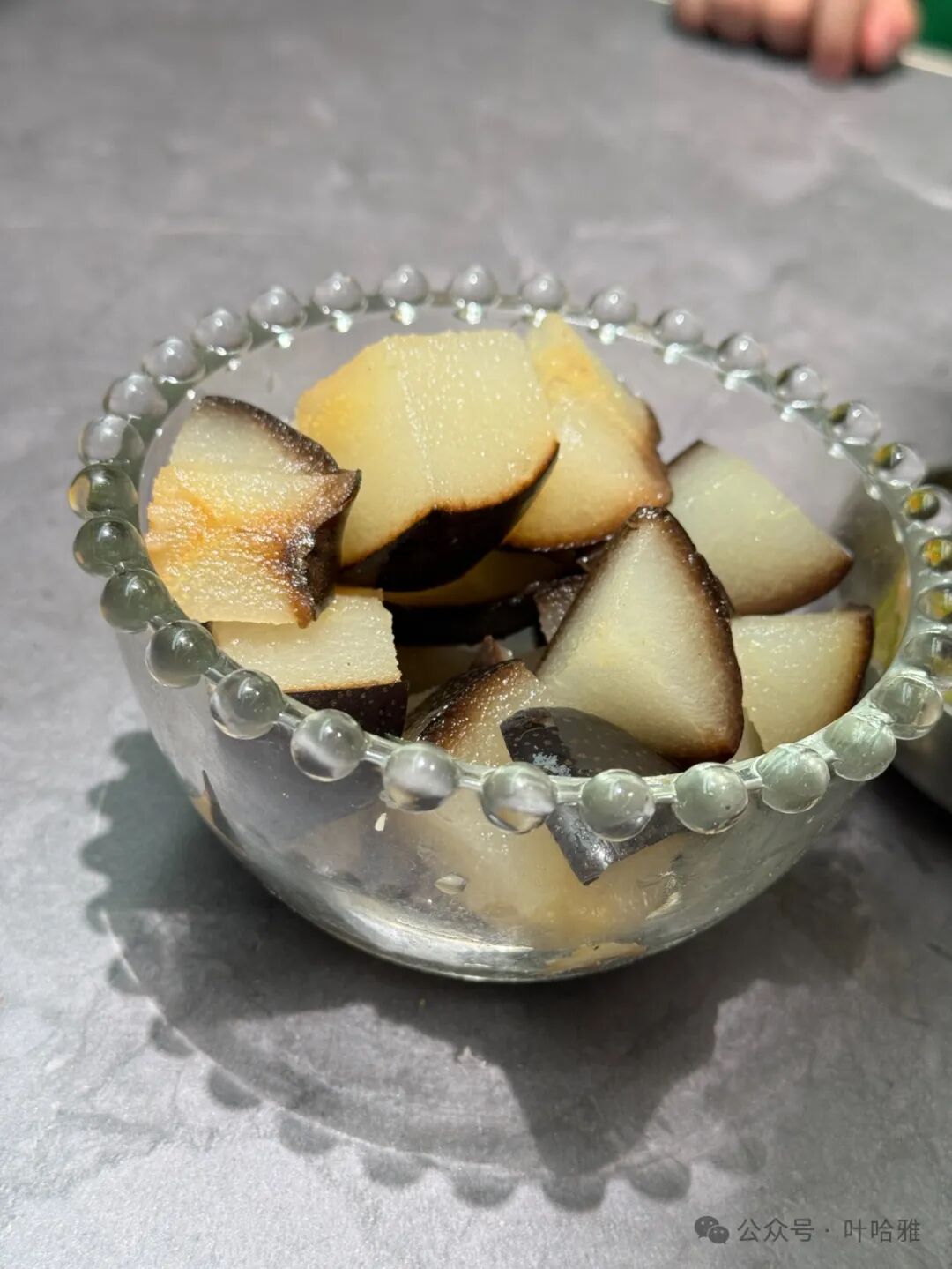
They also serve frozen pears (dongli) from Northeast China. Because they are located in Wudaokou near many students, the prices are cheap. They have been open for less than a month, but you already have to wait in line to eat there.
8. Mr. Mu's Halal Sichuan and Hunan Stir-fry
This shop is quite interesting. I noticed it when it first opened and thought it was just a takeout stall with no seating. After a while, a friend discovered they actually have a dining area, though it is very small.
There are only four small tables at the entrance, but it is very clean. The shop specializes in Hunan cuisine, and everything is stir-fried to order.
Seeing the halal sign, I knew right away this shop must be run by Hui Muslims from Qinghai.
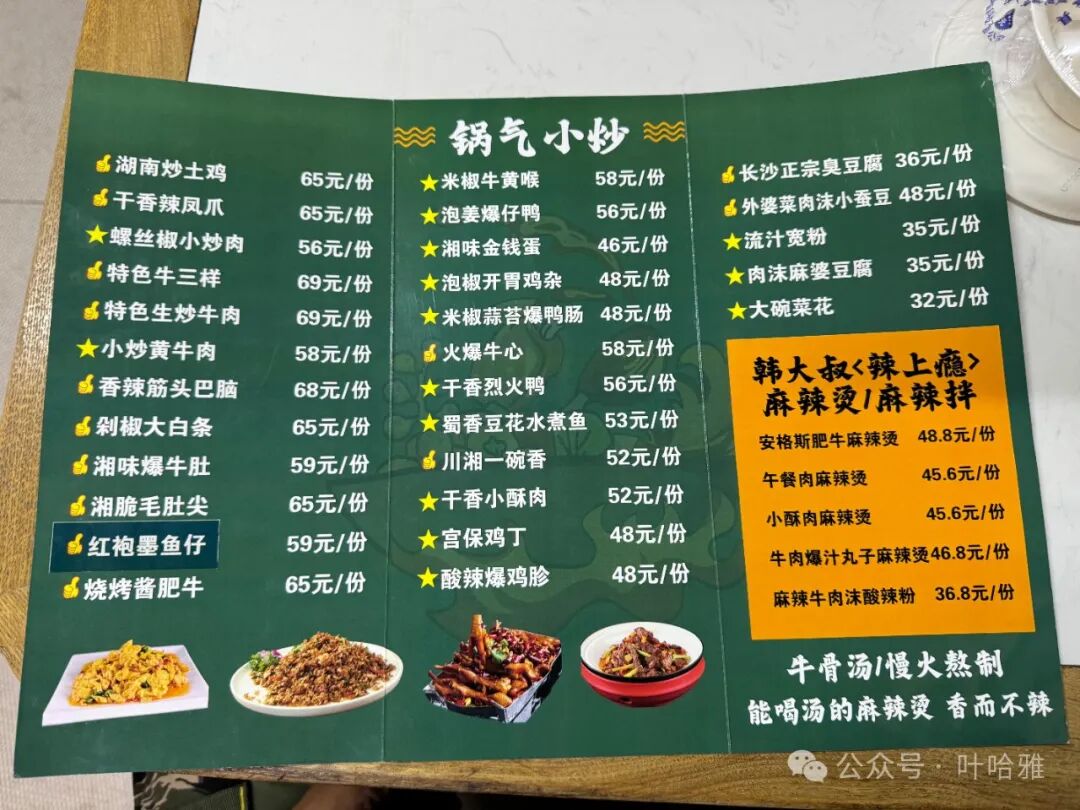
The menu clearly states they serve wok-fired stir-fry, not pre-made dishes. I chose two classic Hunan dishes: stir-fried yellow beef and Changsha stinky tofu (chou doufu).
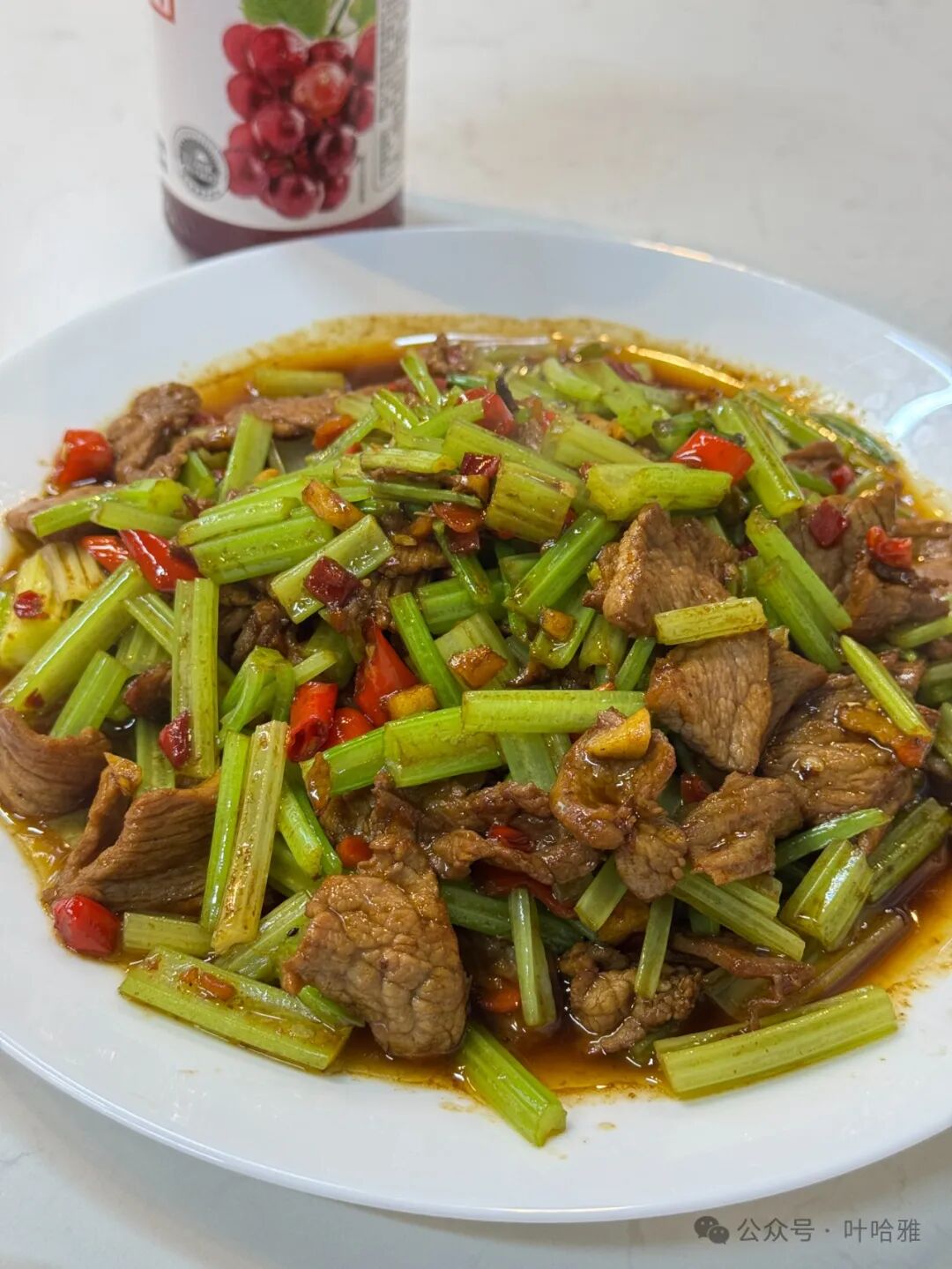
Both dishes were very authentic and tasted just like Hunan. I have eaten traditional halal Hunan food in Shaoyang, Hunan, and I can say the cooking here is just as good. Hunan food is truly spicy and goes well with rice. They also use high-quality rice.
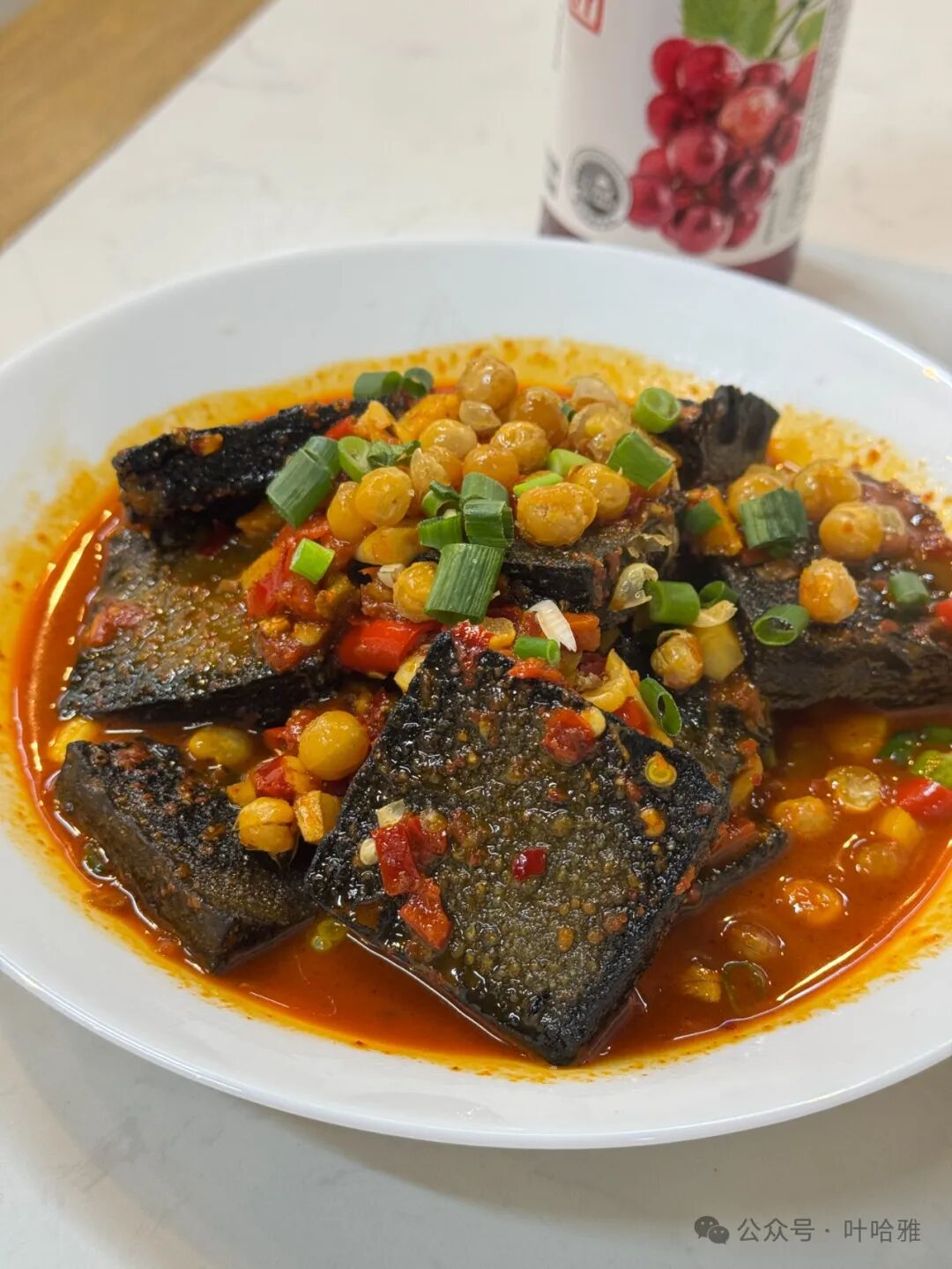
As the first halal Hunan restaurant in Beijing, it is rare to find such authentic flavors. It is worth noting that they do not sell alcohol, and I hope they keep it that way.
Best Halal Food Beijing: Xiaoyao Hulatang, Doudian BBQ, Suancai Fish and Hutong Snacks
Articles • yusuf908 posted the article • 0 comments • 241 views • 2026-05-23 06:09
Summary: This Beijing halal food guide continues the 2024 must-eat list with Xiaoyao hulatang, vegetable flatbread, Doudian barbecue, suancai fish, old Beijing snacks, Xinjiang-style dishes, and several newer halal restaurants worth trying while they are still around.
28. Yuziwei Xiaoyao Spicy Soup
I recommend this newly opened Henan Xiaoyao Town spicy soup (hulatang) shop near Huoying Subway Station. It is more comfortable and easier to enjoy than the version from Fang Zhongshan, which is much spicier. If I wrote about Fang Zhongshan, many of my friends from Henan would surely disagree.
The shop is small with only a few tables, but the service is great. They serve a mix of spicy soup and tofu pudding (doufunao), and the tofu pudding is sweet. They also have pan-fried buns (shuijianbao) and fried dough fritters (youmotou), but the highlight is that you can get vegetable flatbread (caimo) here.
The vegetable flatbread is made to order and served piping hot with plenty of filling.
The spicy soup and beef pockets (niurouhe) are very authentic and taste just like Henan.
29. Yandu Barbecue
This is a barbecue shop in Doudian, Fangshan. The quality is excellent and it offers better value than Qingu in Changying, costing about 80 yuan per person.
Due to various reasons, many Japanese and Korean restaurants are downplaying their origins. While this shop serves Korean-style barbecue, they have added items like sushi to their menu.
The three-person set meal was enough to fill us up, and we had choices like sushi, stone pot bibimbap, and cold noodles.
The bibimbap had a rich variety of ingredients and tasted good, and the staff provided attentive service.
30. Al Safir Arabic Restaurant
This restaurant has been open in Beijing for over ten years and the food quality is always consistent. The owner is Palestinian, speaks fluent Chinese, is a devout Muslim, and the restaurant does not serve alcohol.
Once, I was drinking tea at the shop with the owner and a few Arab friends. One of the Arab guys started to explain why he hadn't performed his namaz on time, but the owner cut him off immediately. He told him not to make any excuses, saying that missing a prayer is wrong and there was nothing more to say.
The owner's mother lives in Jordan, which hosts the largest number of Palestinian refugees. He once brought her to live in Beijing for a while, but she wasn't used to it because she couldn't hear the adhan (the call to prayer) five times a day, so she moved back to Jordan.
A foreign restaurant that has stayed open for over a decade without selling alcohol must have great food. It is also one of the more affordable Arab restaurants in Beijing, with an average cost of about 100 yuan per person.
31. Yangfang Hot Pot (Yangfang Shuanrou)
As a food critic for Yangfang Hot Pot, I have visited almost all of their direct-managed stores in Beijing. I can honestly say that Yangfang's service and food quality control are better than any traditional hot pot restaurant in the city. In the current tough restaurant market, Yangfang continues to grow against the trend, which is due to their commitment to excellence in management.
Among the many Yangfang Hot Pot locations, the service at the Yangfang Beitou flagship store is especially detail-oriented and almost flawless.
Before experiencing the high-quality service at Yangfang, I used to ignore the service standards at halal restaurants and only cared about the food. Now, I realize that in China's highly competitive restaurant market, you cannot win over customers without focusing on service.
Yangfang pioneered the 210-day frost-marbled lamb back tip, which is priced at 1.6 yuan per gram, or about 800 yuan for 500 grams.
Hot pot restaurants today can't just rely on meat quality. Just as Jubao Yuan is famous for its sesame flatbread (shaobing) and Manheng Ji for its sugar pancakes (tangbing), Yangfang's handmade beef buns (baozi) and steamed dumplings (shaomai) are excellent. They even sell these as packaged semi-finished products that you can order through their mini-program for home delivery.
The drinks at Yangfang Hot Pot are another highlight. They aim to match the quality of Heytea, and their homemade fruit tea and sour plum drink (suanmeitang) are very popular.
The durian-flavored tiramisu at the flagship store is so good that it rivals any specialty dessert shop.
Their hot pot vegetables look as good as they taste, and the hydroponic vegetables are safe and healthy. My interest in their vegetables, drinks, desserts, and staple foods has actually surpassed my interest in the meat. Yangfang is also very kid-friendly. Fahim gets a toy every time we go, and the quality of the children's bibs they provide is even better than the ones we buy ourselves. You can take them home after the meal, and my son uses his at home now.
32. Merv
Merv is likely the first halal restaurant in Beijing serving Turkmenistan cuisine. Merv is an ancient city in Turkmenistan listed as a World Heritage site, and the restaurant sign features the Turkmenistan flag.
We came to try this restaurant on its very first day of business. The owner is from Turkmenistan and speaks Chinese. This restaurant does not sell alcohol.
The menu is in Chinese, Russian, and English. Besides Turkmenistan specialties, they also serve Central Asian dishes from Russia, Turkey, and Kazakhstan.
The menu calls this borscht (hongcaitang), also known as beef soup. It is made with beef and cabbage and has a light flavor.
This flaky baked bun (kaobaozi) is excellent. It is filled with large chunks of lamb and onions (piyanzi). The crust is crispy, which is a signature of Central Asian baked buns. It comes with pickles, which are very appetizing, and I enjoy eating them.
We ordered two types of barbecue: fried lamb chops and grilled beef. Both were quite salty, but the side of roasted fries was delicious and had a unique aroma.
The cheese flatbread (nailaokaobing) is filled with salty cheese. It is delicious and I recommend it.
This is a type of bun similar to a thin-skinned bun (baopibaozi), but the dough is thicker. There is a piece of butter in the center of the plate to dip the buns in, and it comes with a cup of plain yogurt. Turkmen people are used to adding yogurt to their buns when they eat them. view all
Summary: This Beijing halal food guide continues the 2024 must-eat list with Xiaoyao hulatang, vegetable flatbread, Doudian barbecue, suancai fish, old Beijing snacks, Xinjiang-style dishes, and several newer halal restaurants worth trying while they are still around.
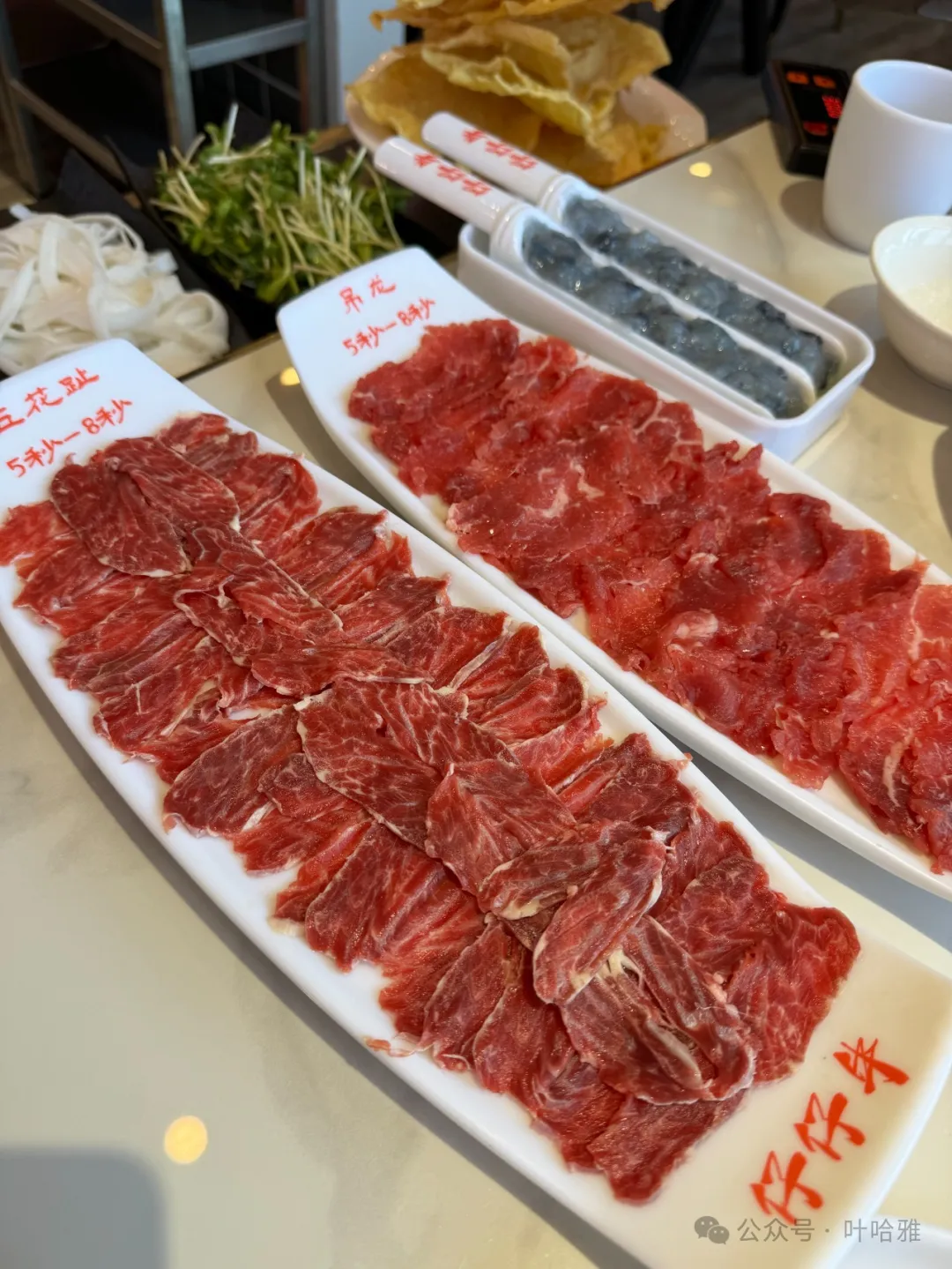
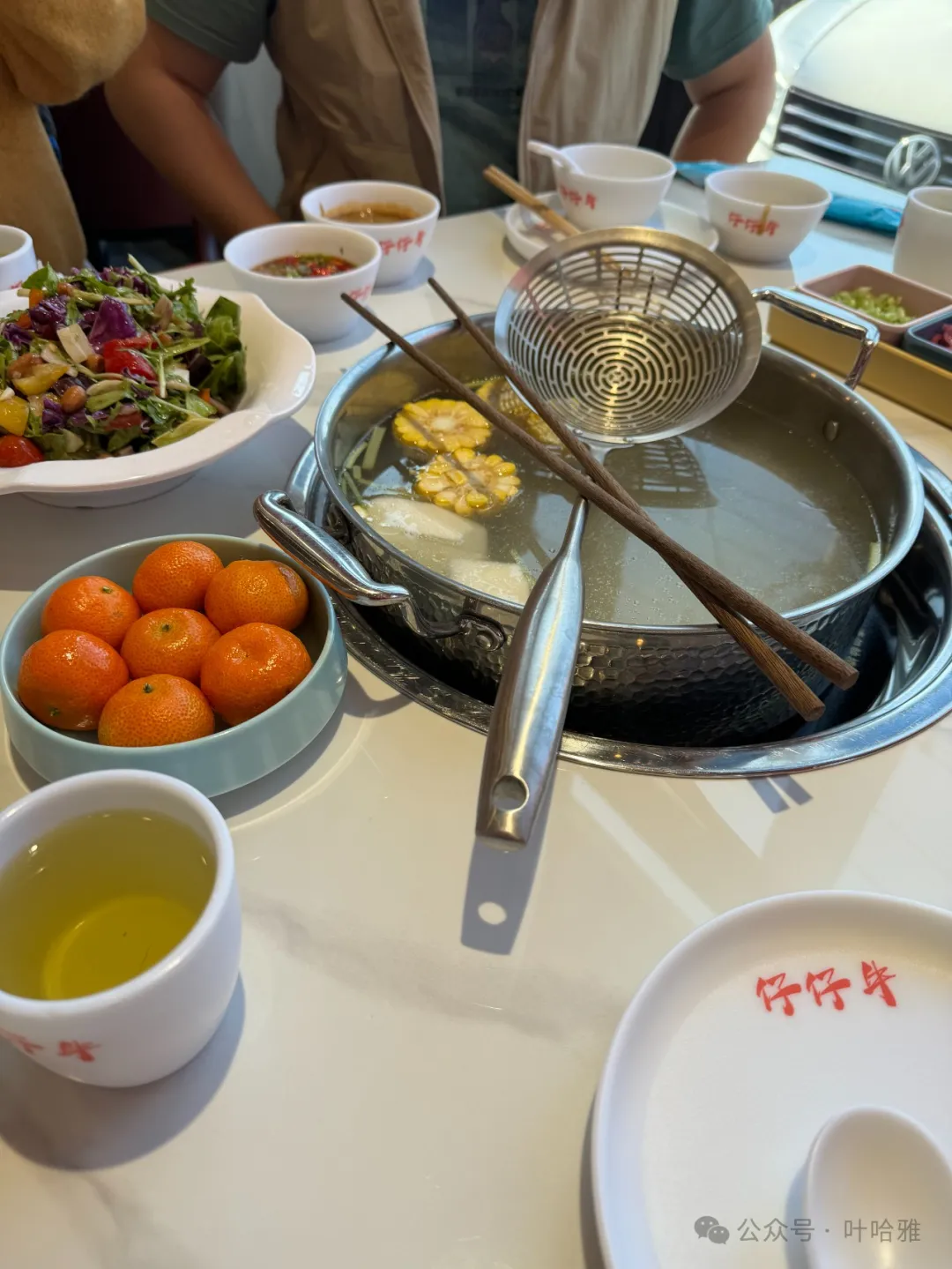
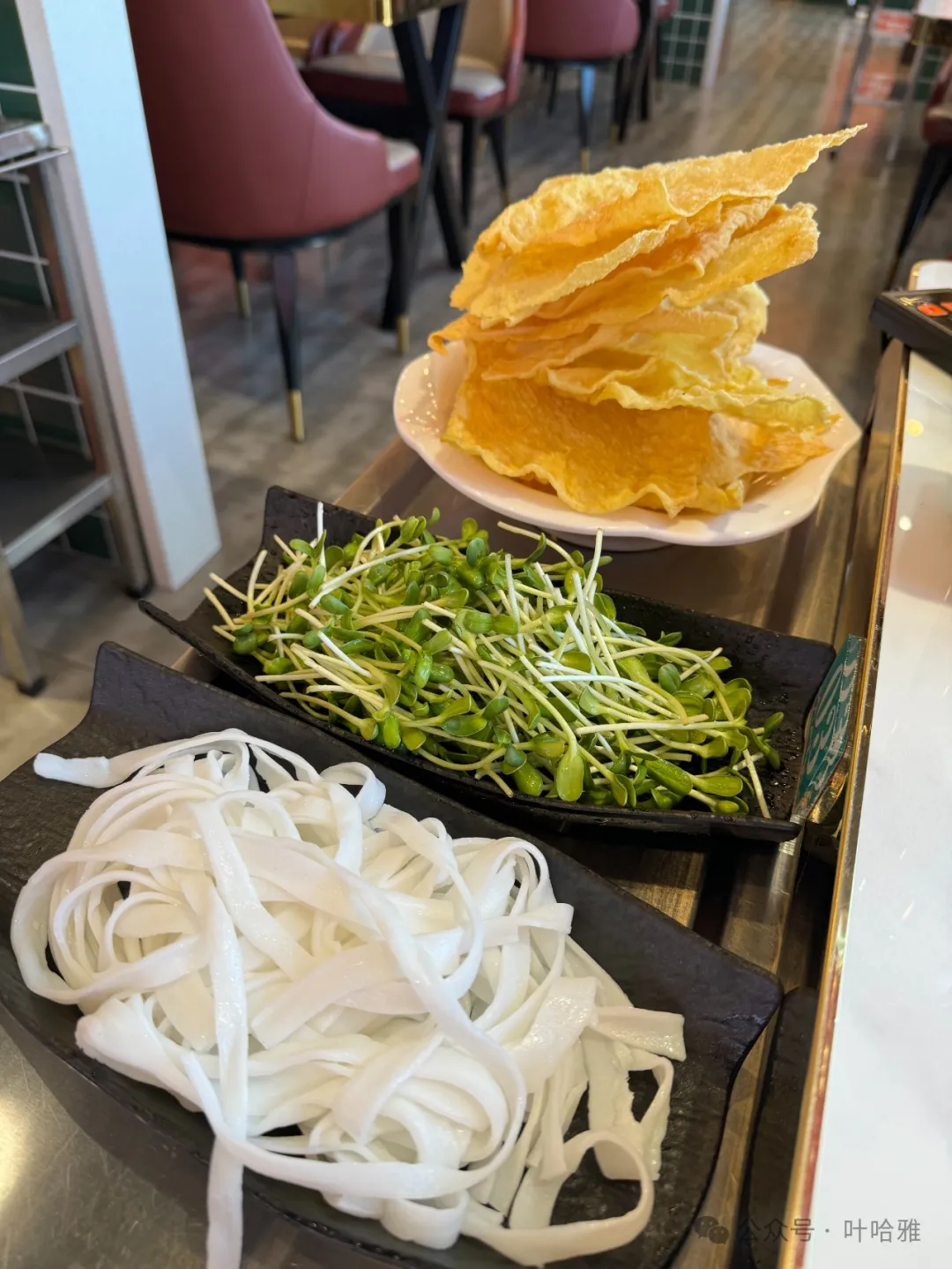
28. Yuziwei Xiaoyao Spicy Soup
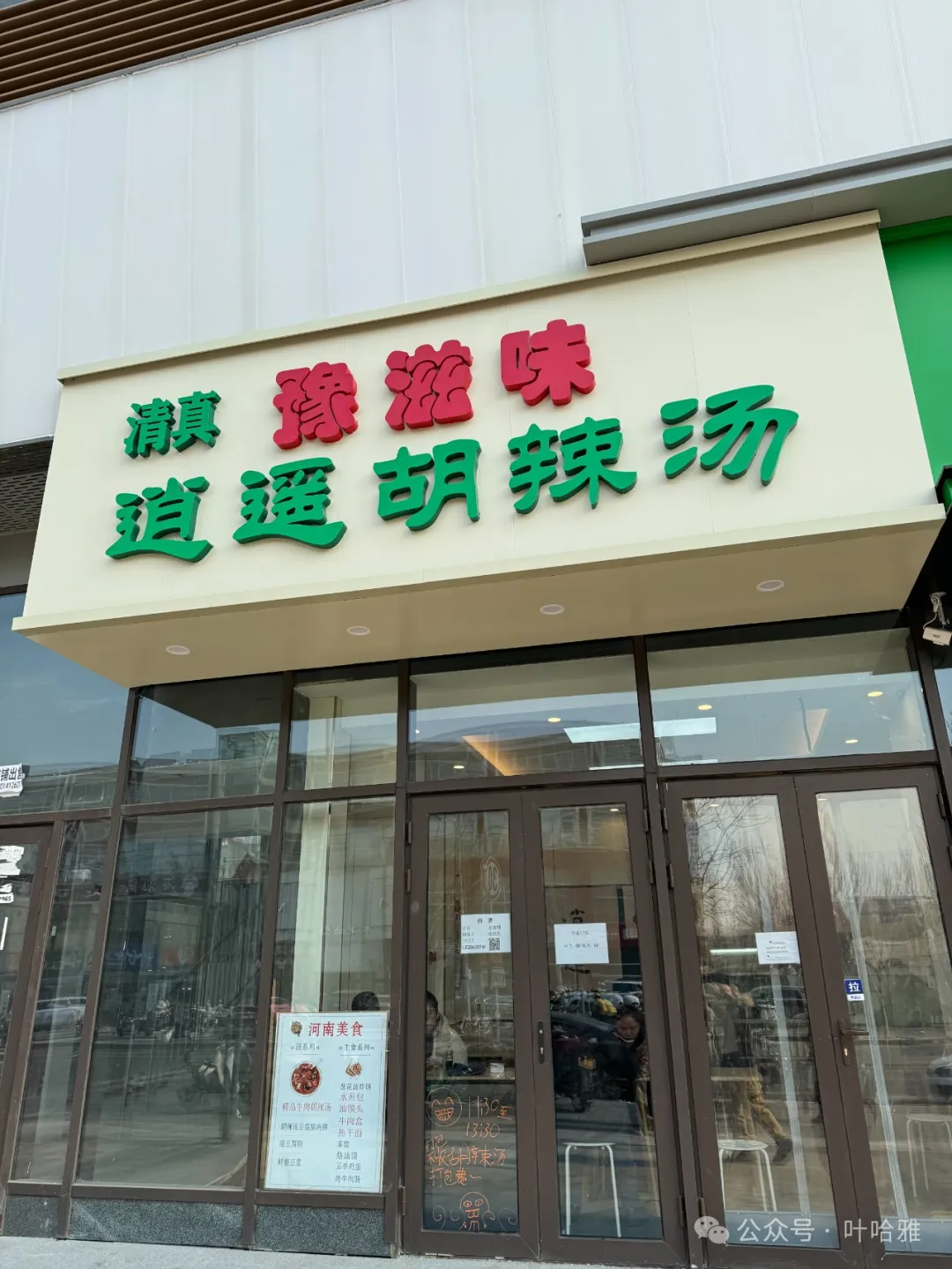
I recommend this newly opened Henan Xiaoyao Town spicy soup (hulatang) shop near Huoying Subway Station. It is more comfortable and easier to enjoy than the version from Fang Zhongshan, which is much spicier. If I wrote about Fang Zhongshan, many of my friends from Henan would surely disagree.
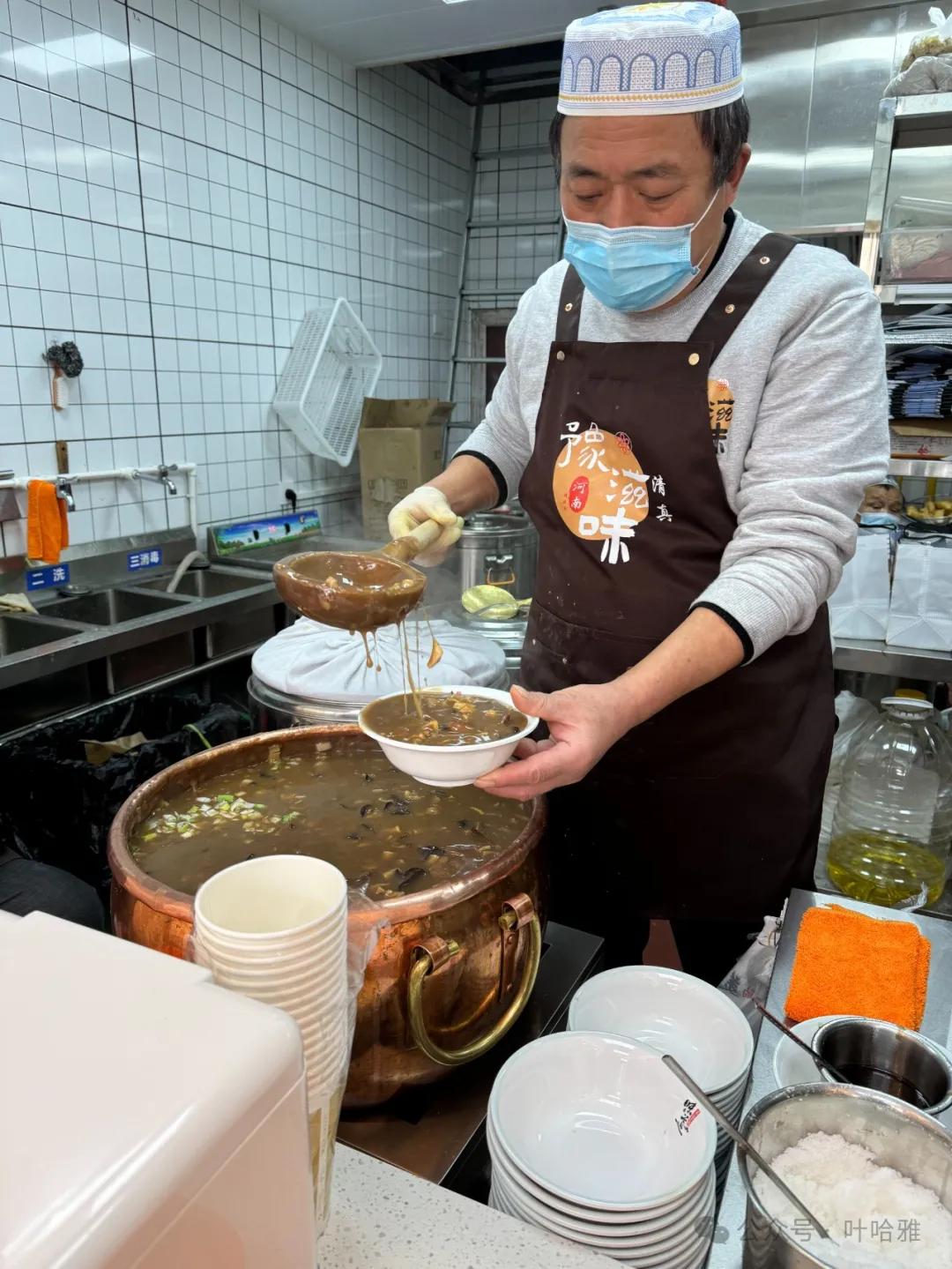
The shop is small with only a few tables, but the service is great. They serve a mix of spicy soup and tofu pudding (doufunao), and the tofu pudding is sweet. They also have pan-fried buns (shuijianbao) and fried dough fritters (youmotou), but the highlight is that you can get vegetable flatbread (caimo) here.
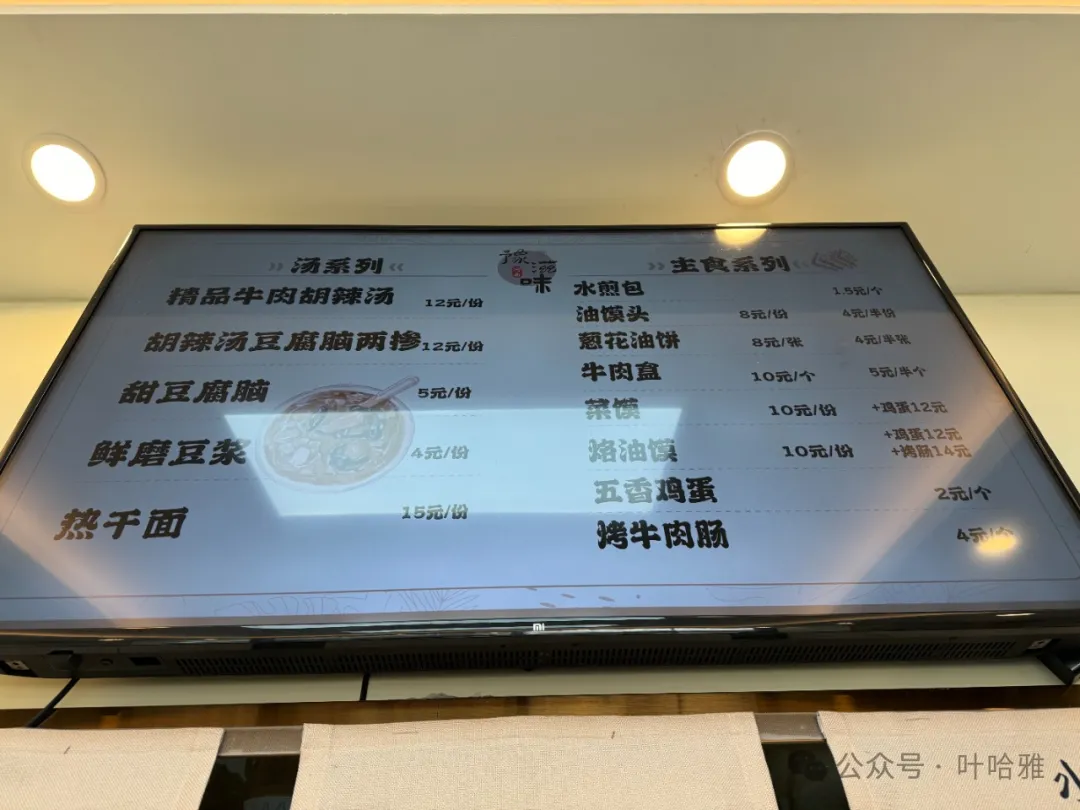
The vegetable flatbread is made to order and served piping hot with plenty of filling.
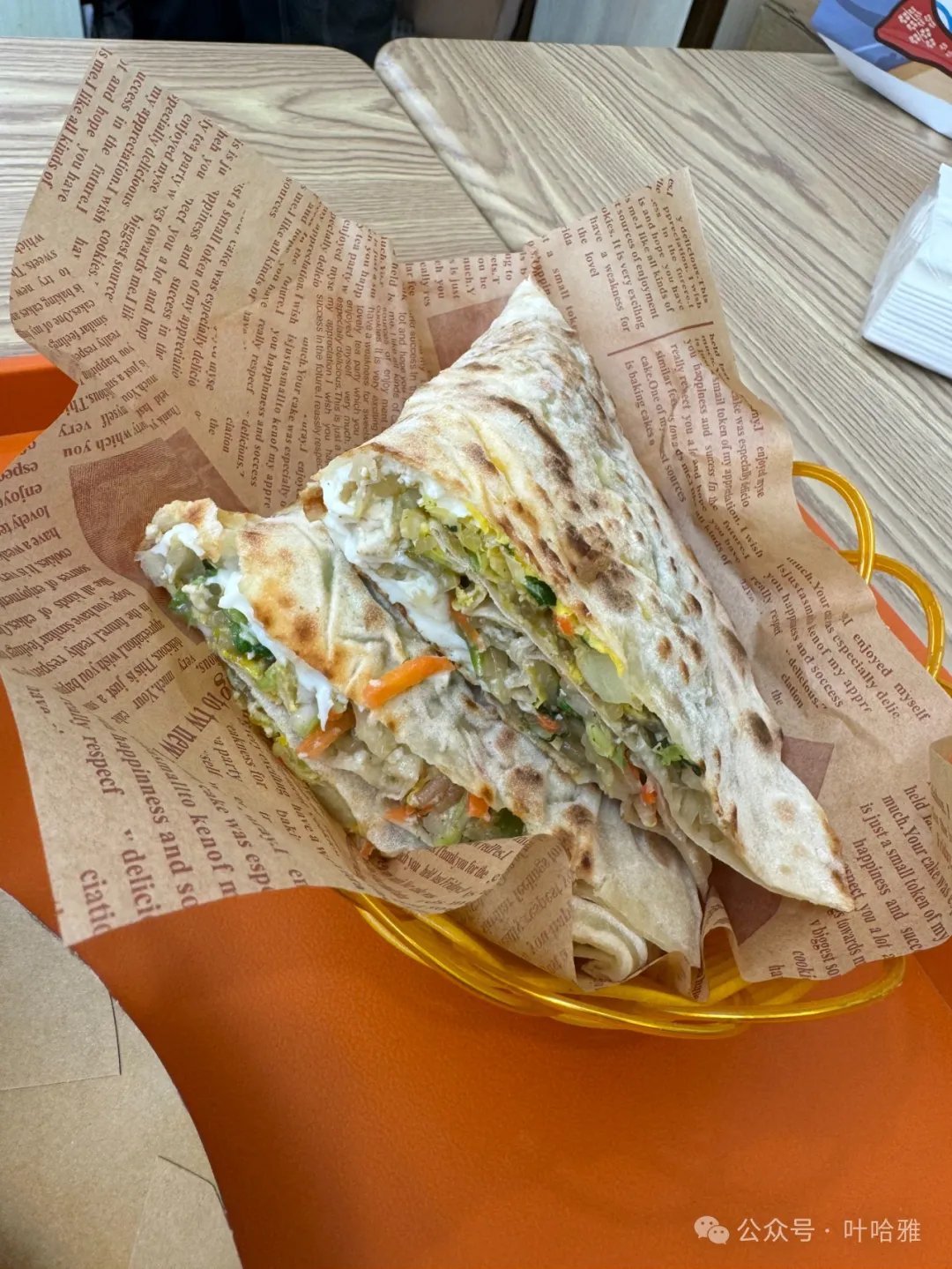
The spicy soup and beef pockets (niurouhe) are very authentic and taste just like Henan.
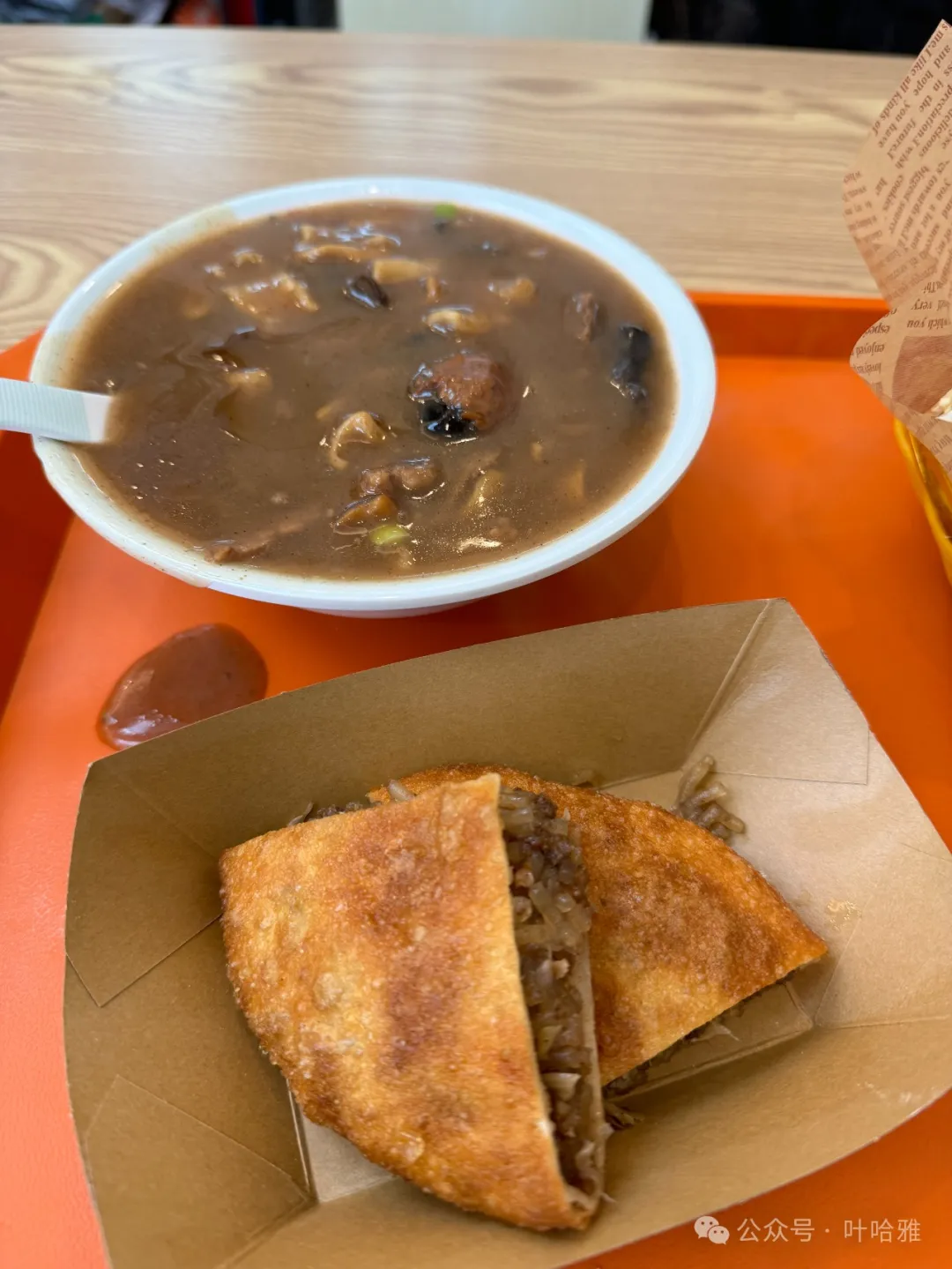
29. Yandu Barbecue
This is a barbecue shop in Doudian, Fangshan. The quality is excellent and it offers better value than Qingu in Changying, costing about 80 yuan per person.
Due to various reasons, many Japanese and Korean restaurants are downplaying their origins. While this shop serves Korean-style barbecue, they have added items like sushi to their menu.
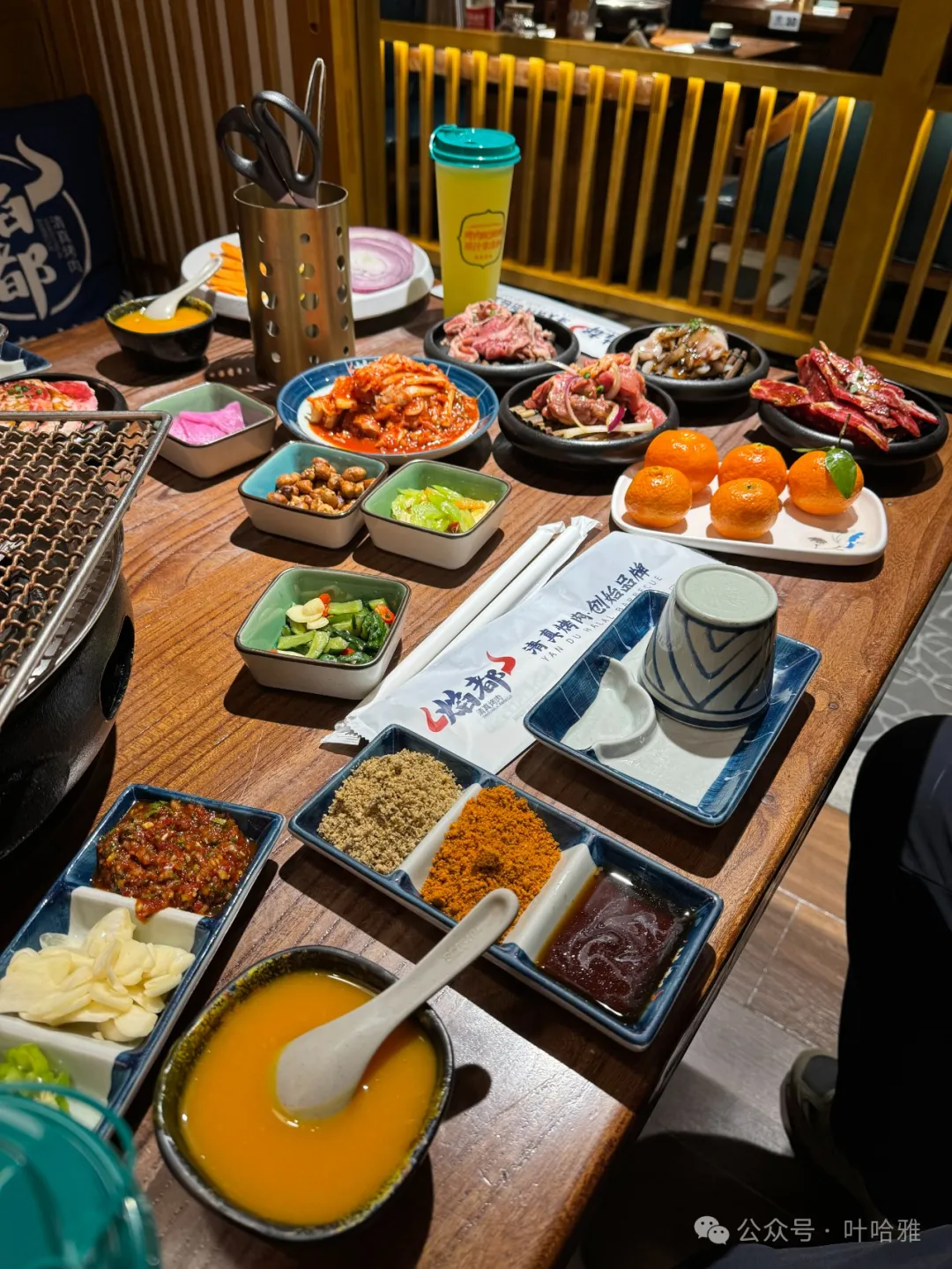
The three-person set meal was enough to fill us up, and we had choices like sushi, stone pot bibimbap, and cold noodles.
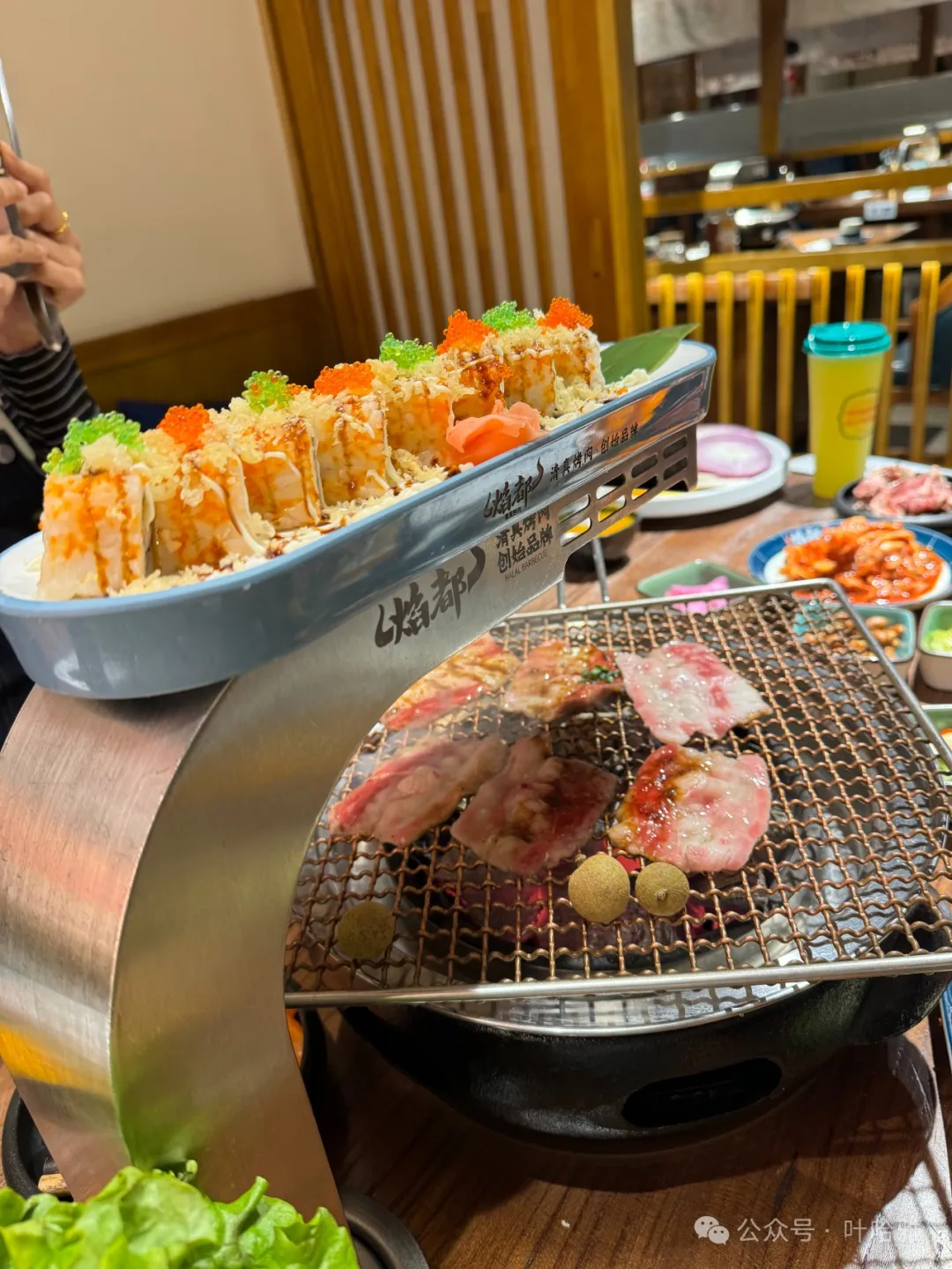
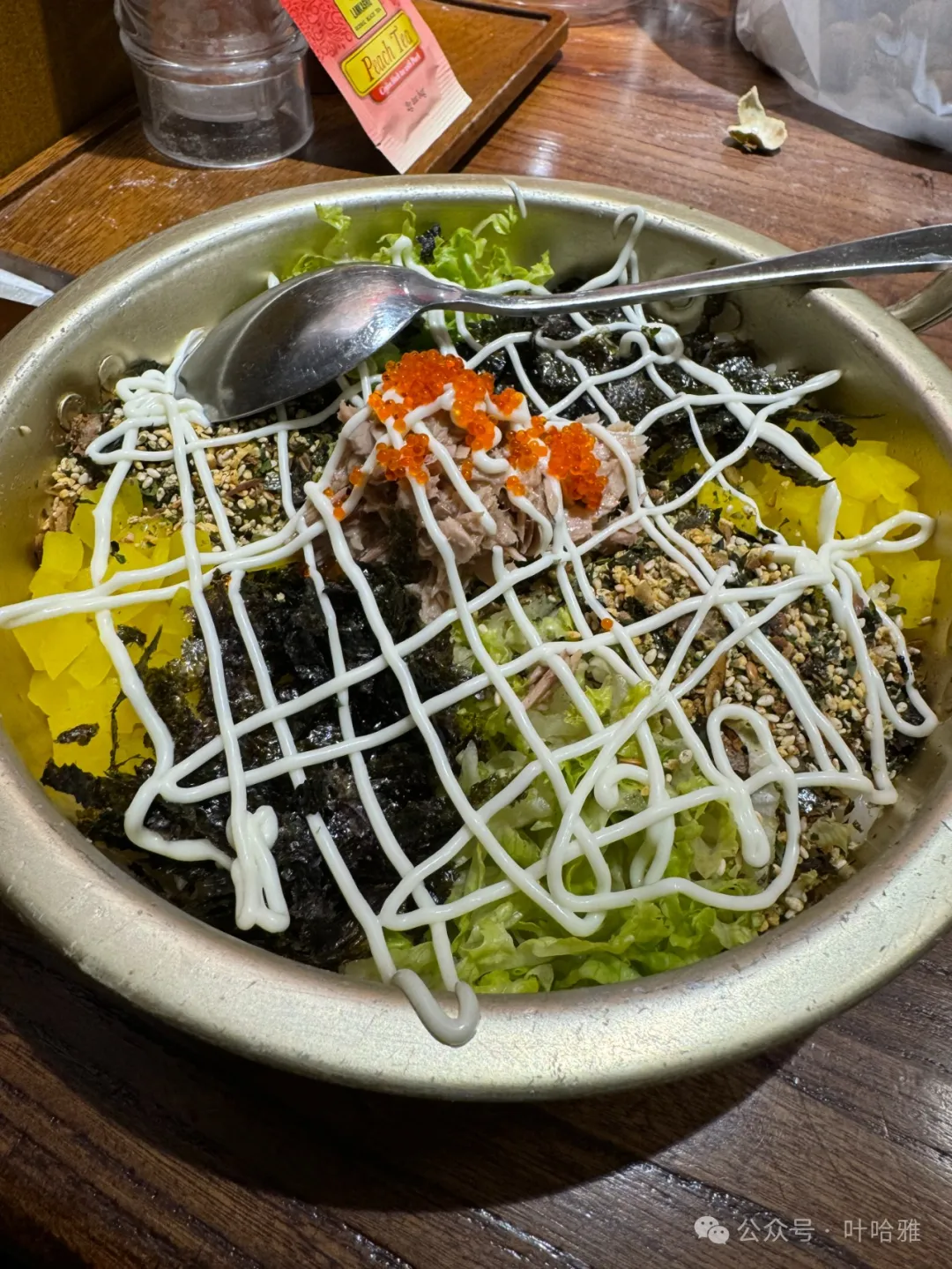
The bibimbap had a rich variety of ingredients and tasted good, and the staff provided attentive service.
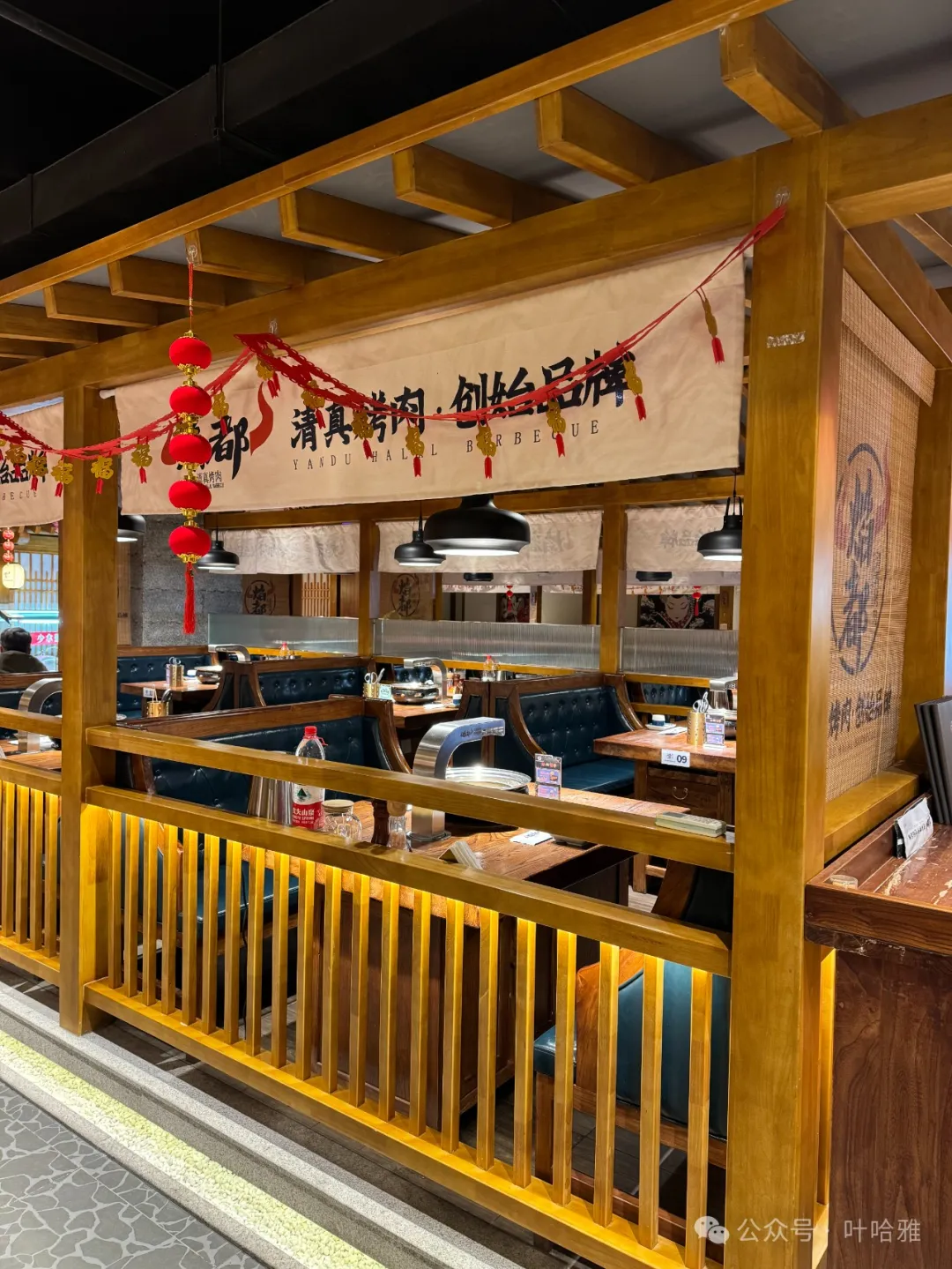
30. Al Safir Arabic Restaurant
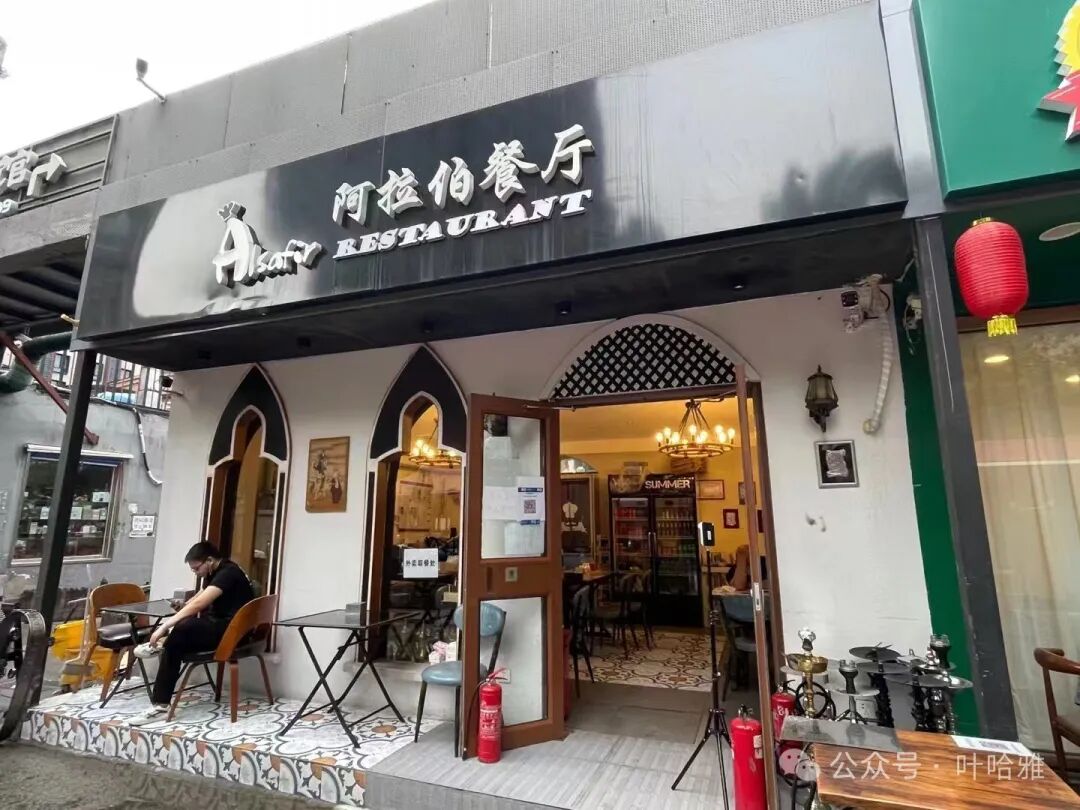
This restaurant has been open in Beijing for over ten years and the food quality is always consistent. The owner is Palestinian, speaks fluent Chinese, is a devout Muslim, and the restaurant does not serve alcohol.
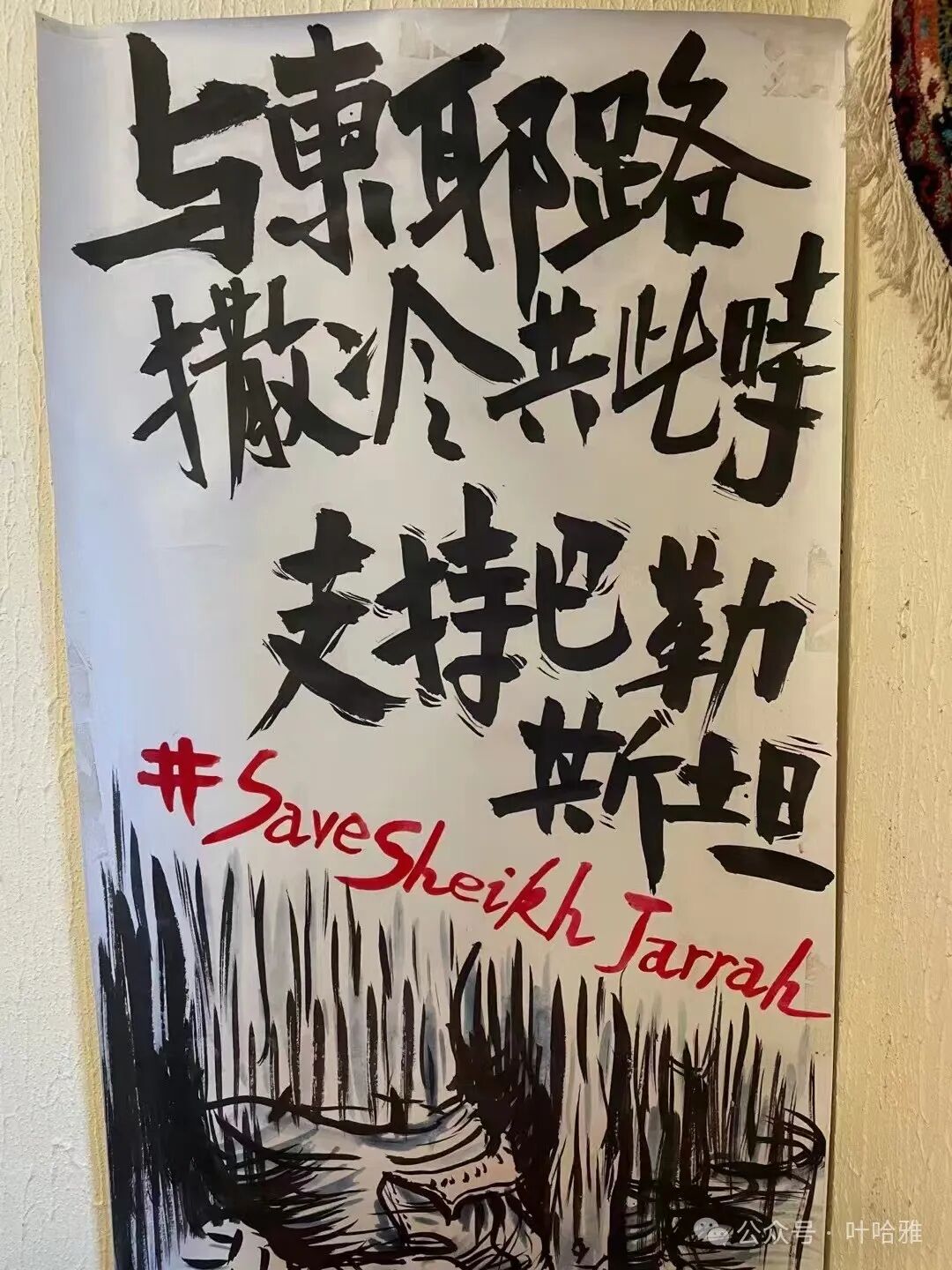
Once, I was drinking tea at the shop with the owner and a few Arab friends. One of the Arab guys started to explain why he hadn't performed his namaz on time, but the owner cut him off immediately. He told him not to make any excuses, saying that missing a prayer is wrong and there was nothing more to say.
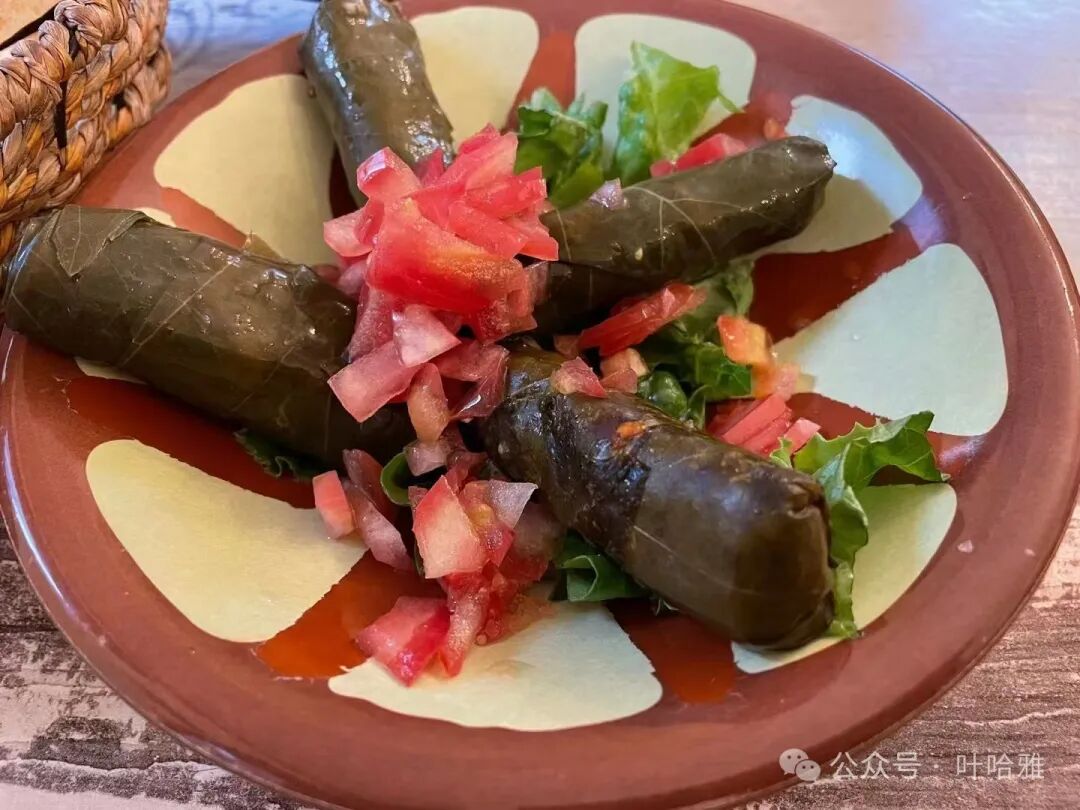
The owner's mother lives in Jordan, which hosts the largest number of Palestinian refugees. He once brought her to live in Beijing for a while, but she wasn't used to it because she couldn't hear the adhan (the call to prayer) five times a day, so she moved back to Jordan.
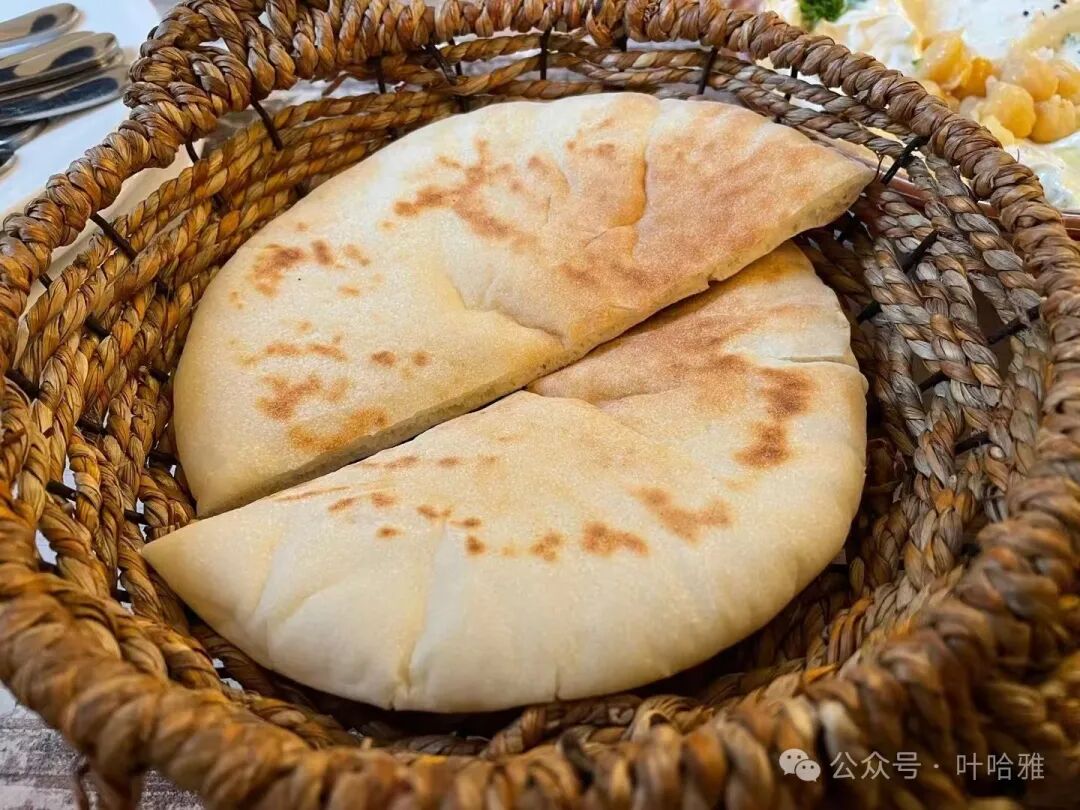
A foreign restaurant that has stayed open for over a decade without selling alcohol must have great food. It is also one of the more affordable Arab restaurants in Beijing, with an average cost of about 100 yuan per person.
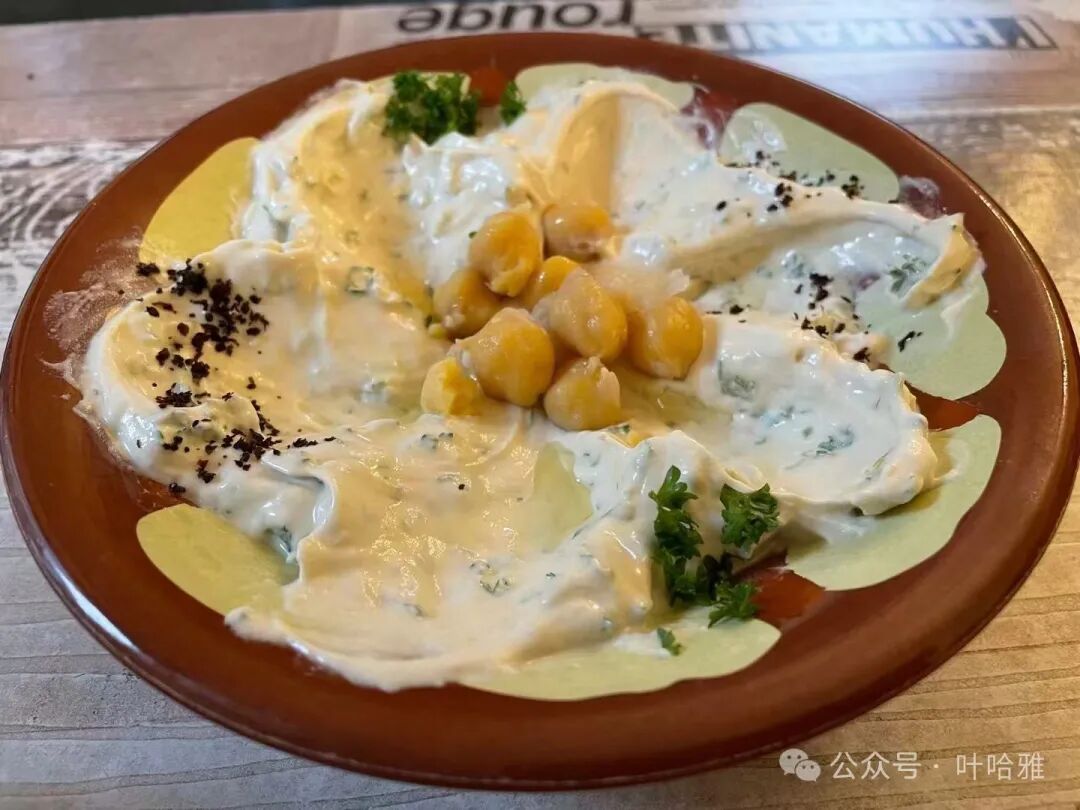
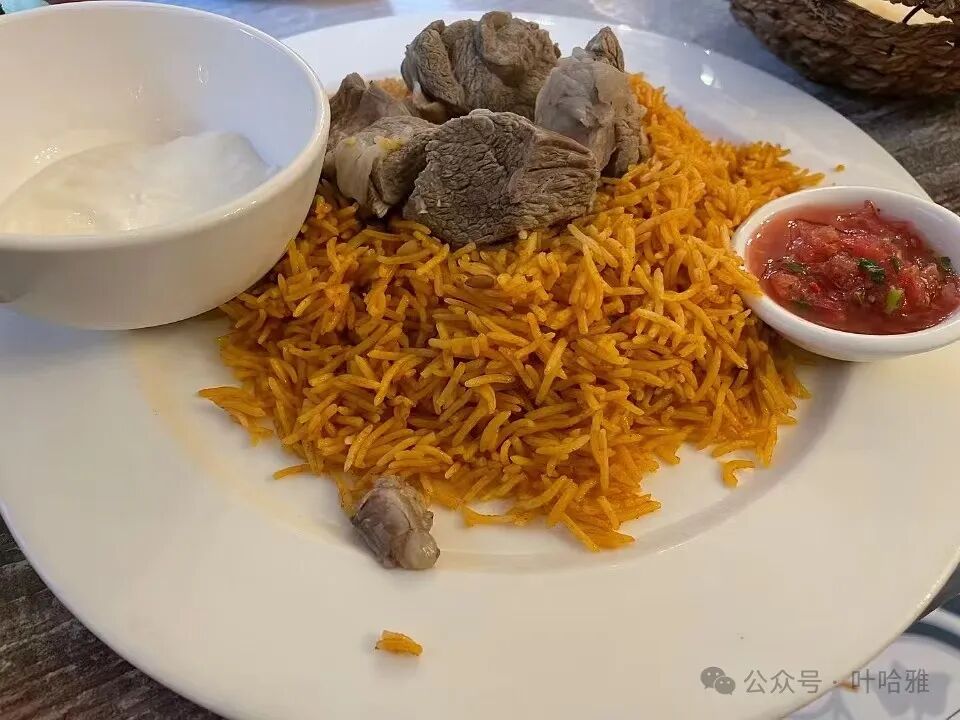
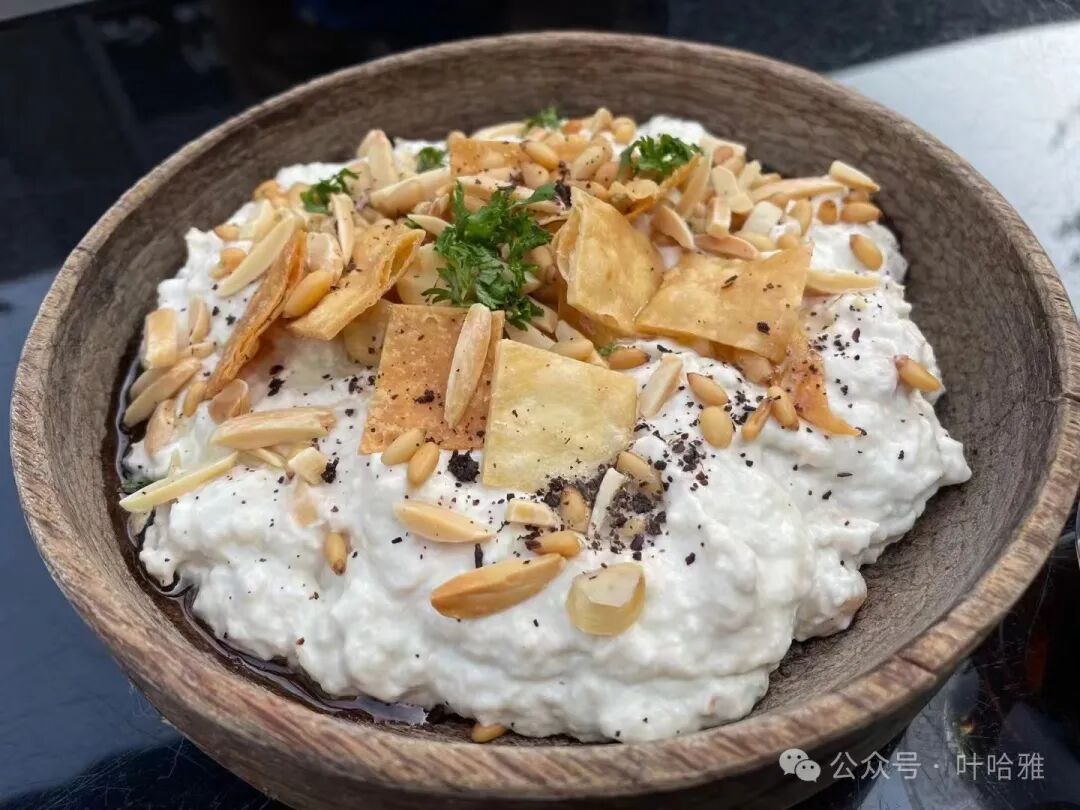
31. Yangfang Hot Pot (Yangfang Shuanrou)
As a food critic for Yangfang Hot Pot, I have visited almost all of their direct-managed stores in Beijing. I can honestly say that Yangfang's service and food quality control are better than any traditional hot pot restaurant in the city. In the current tough restaurant market, Yangfang continues to grow against the trend, which is due to their commitment to excellence in management.
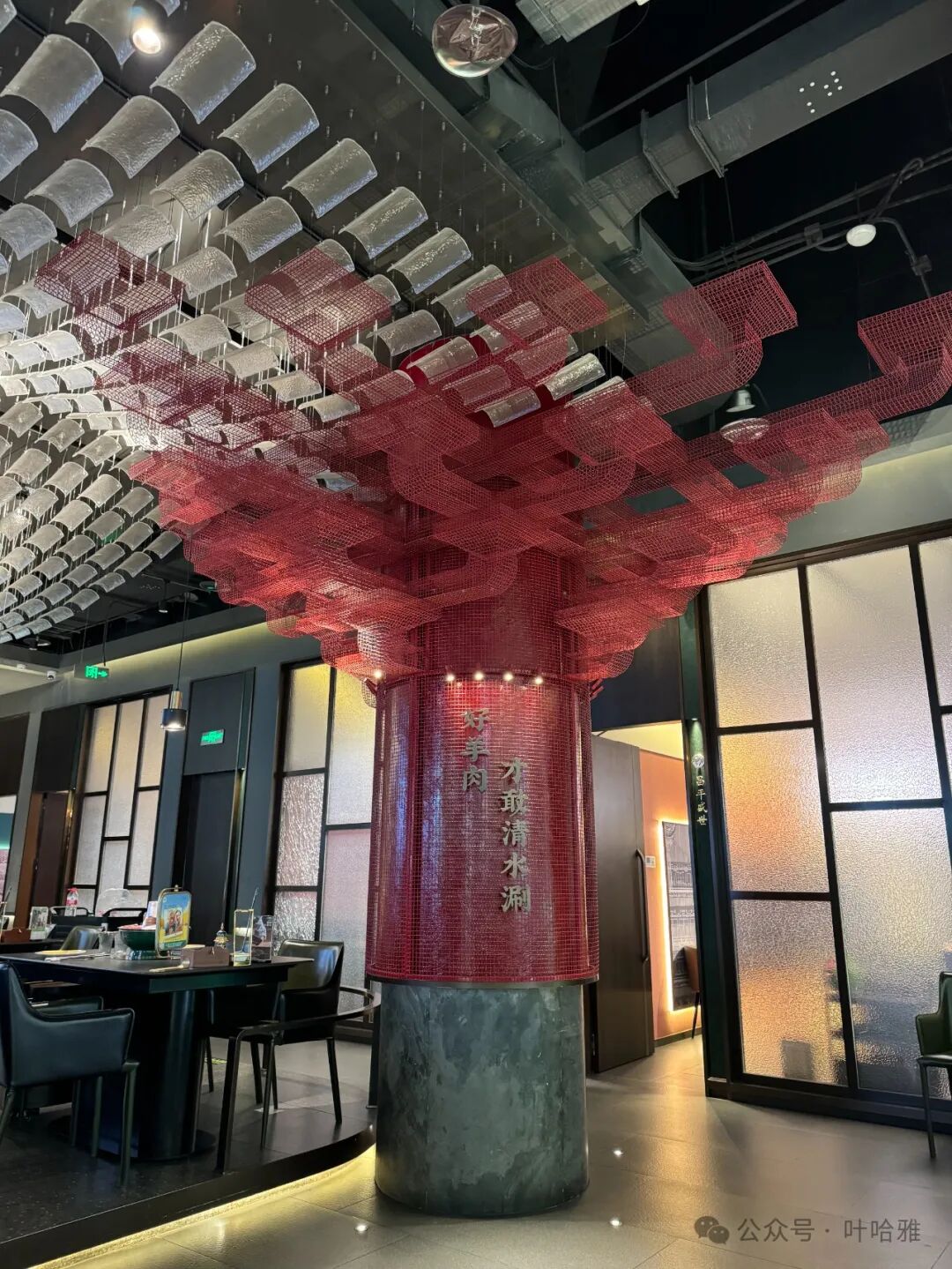
Among the many Yangfang Hot Pot locations, the service at the Yangfang Beitou flagship store is especially detail-oriented and almost flawless.
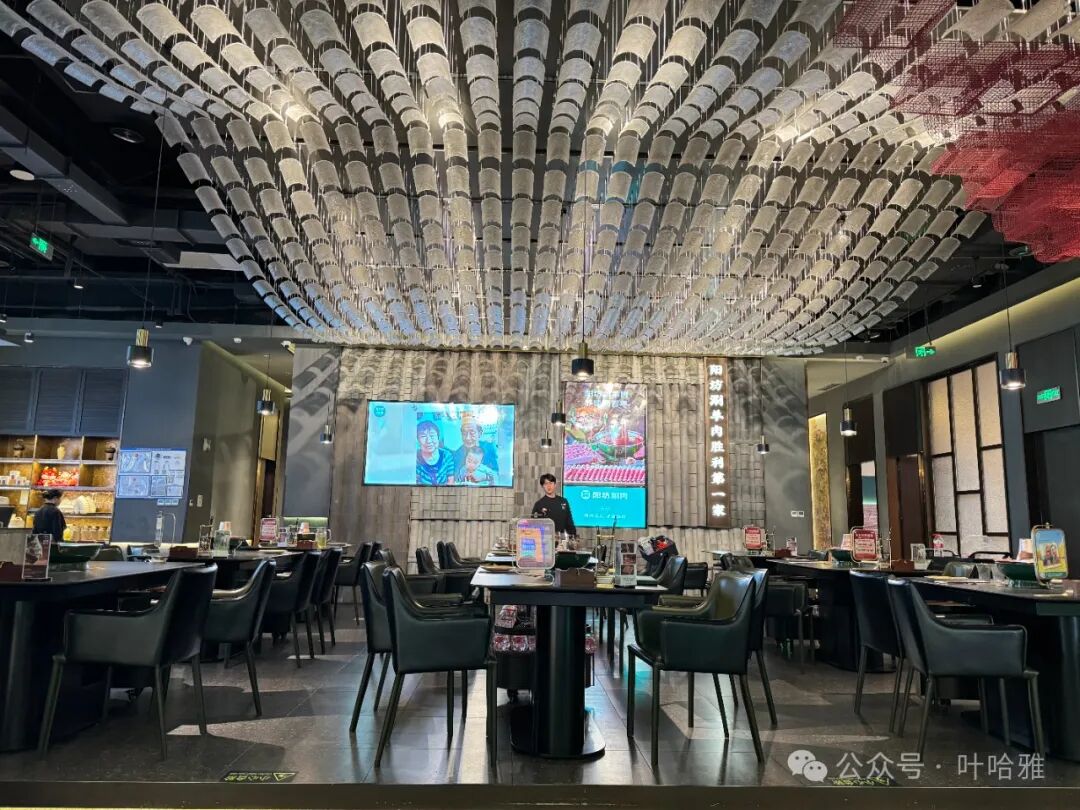
Before experiencing the high-quality service at Yangfang, I used to ignore the service standards at halal restaurants and only cared about the food. Now, I realize that in China's highly competitive restaurant market, you cannot win over customers without focusing on service.
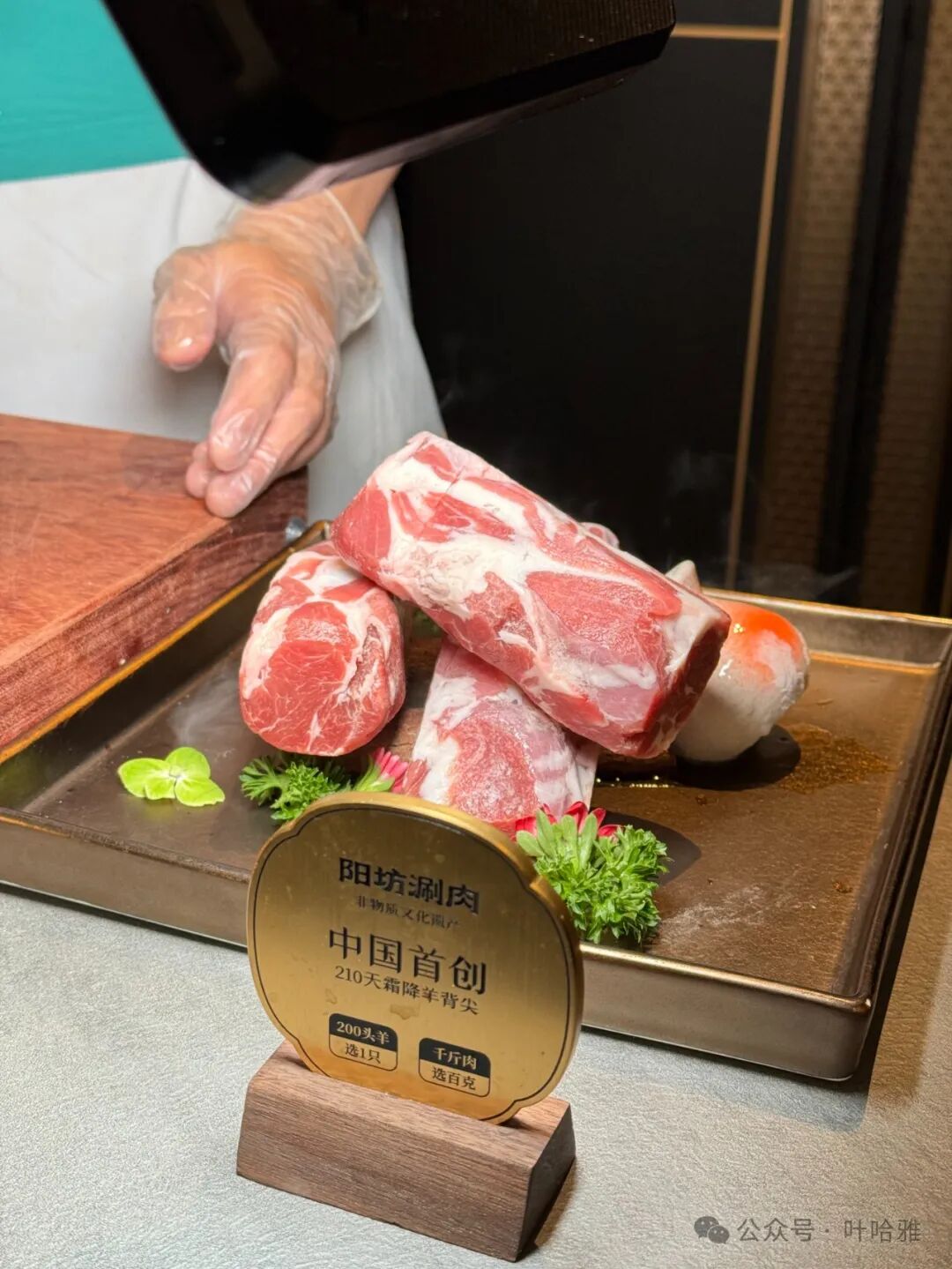
Yangfang pioneered the 210-day frost-marbled lamb back tip, which is priced at 1.6 yuan per gram, or about 800 yuan for 500 grams.
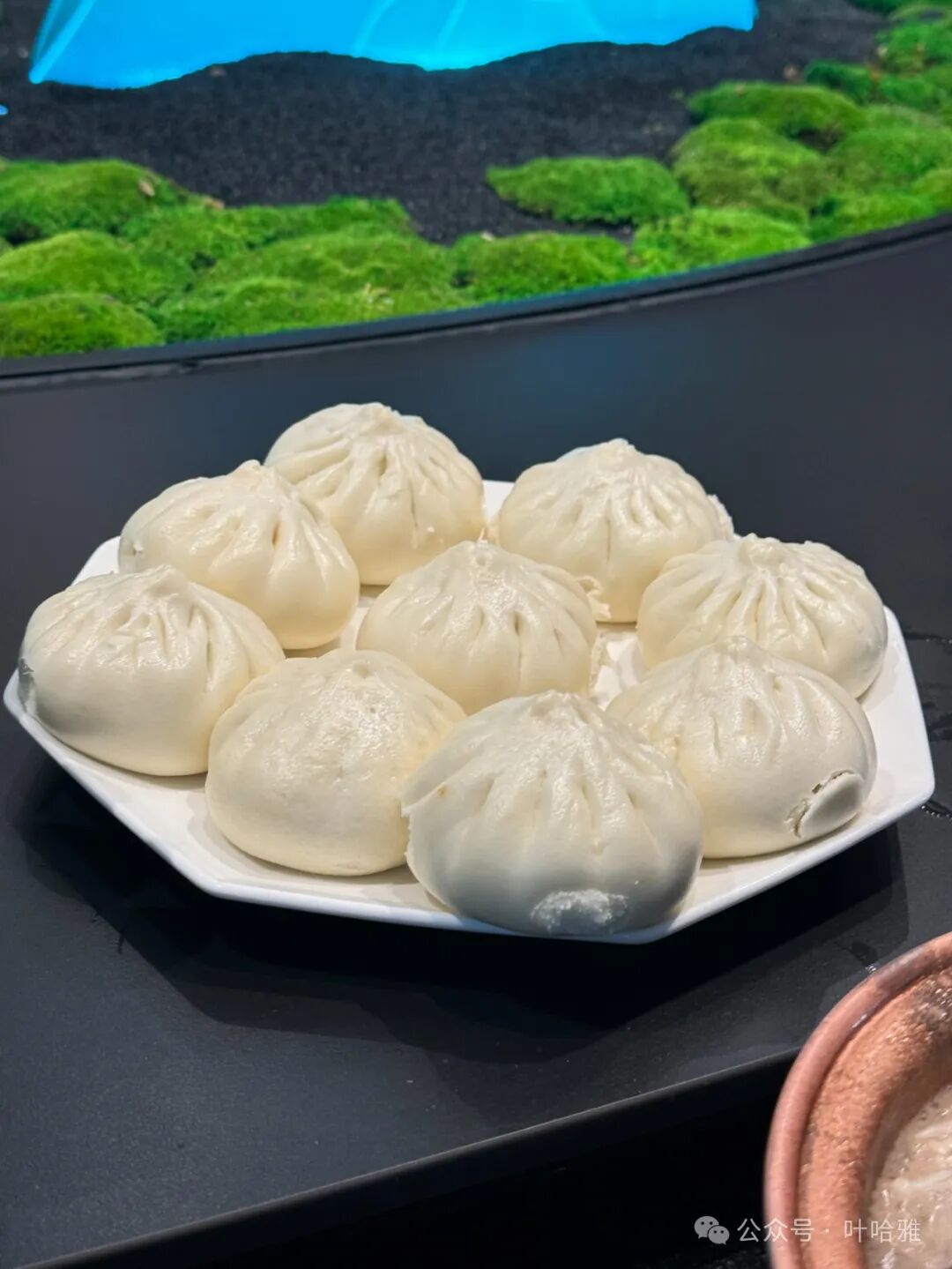
Hot pot restaurants today can't just rely on meat quality. Just as Jubao Yuan is famous for its sesame flatbread (shaobing) and Manheng Ji for its sugar pancakes (tangbing), Yangfang's handmade beef buns (baozi) and steamed dumplings (shaomai) are excellent. They even sell these as packaged semi-finished products that you can order through their mini-program for home delivery.
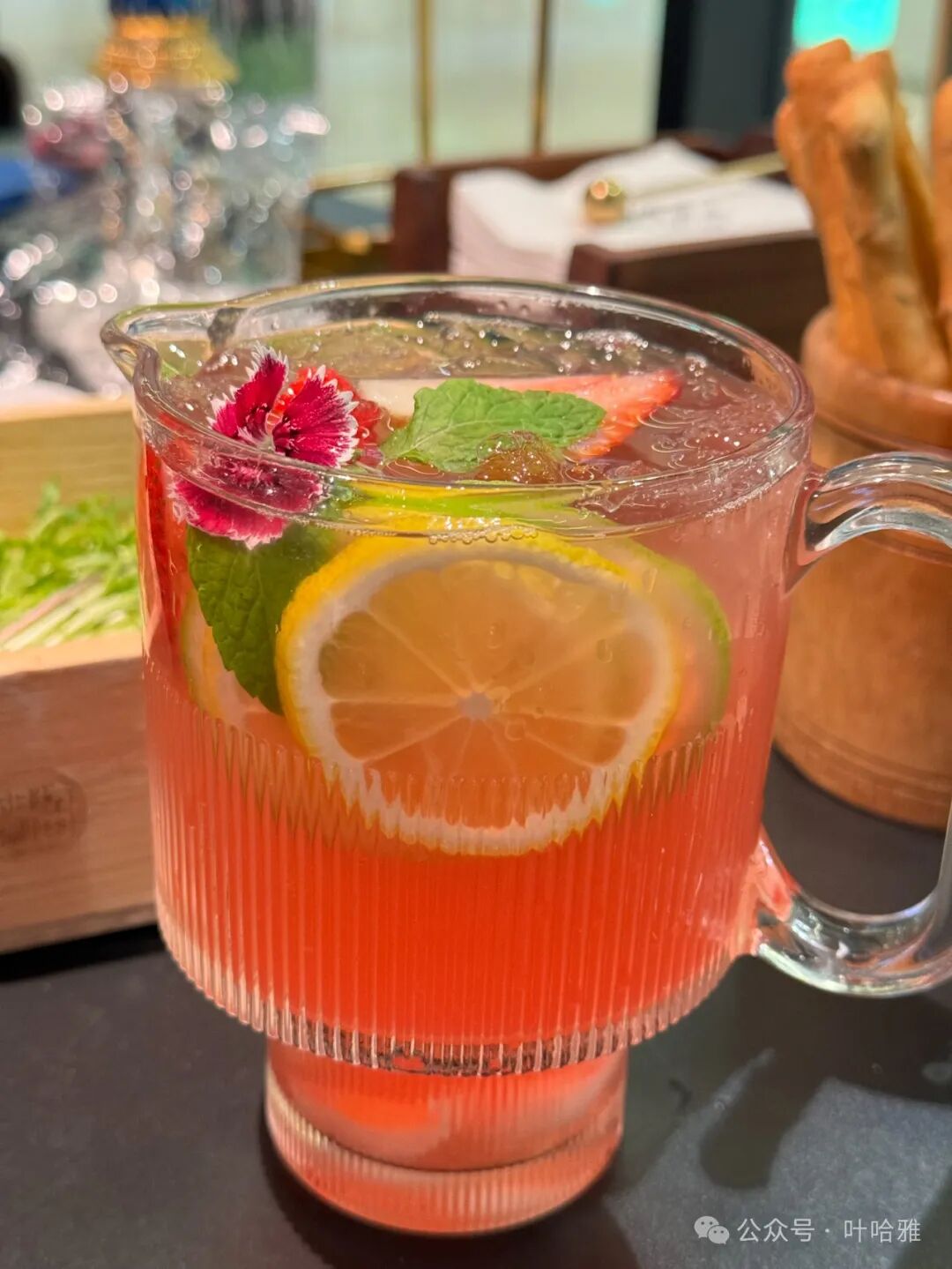
The drinks at Yangfang Hot Pot are another highlight. They aim to match the quality of Heytea, and their homemade fruit tea and sour plum drink (suanmeitang) are very popular.
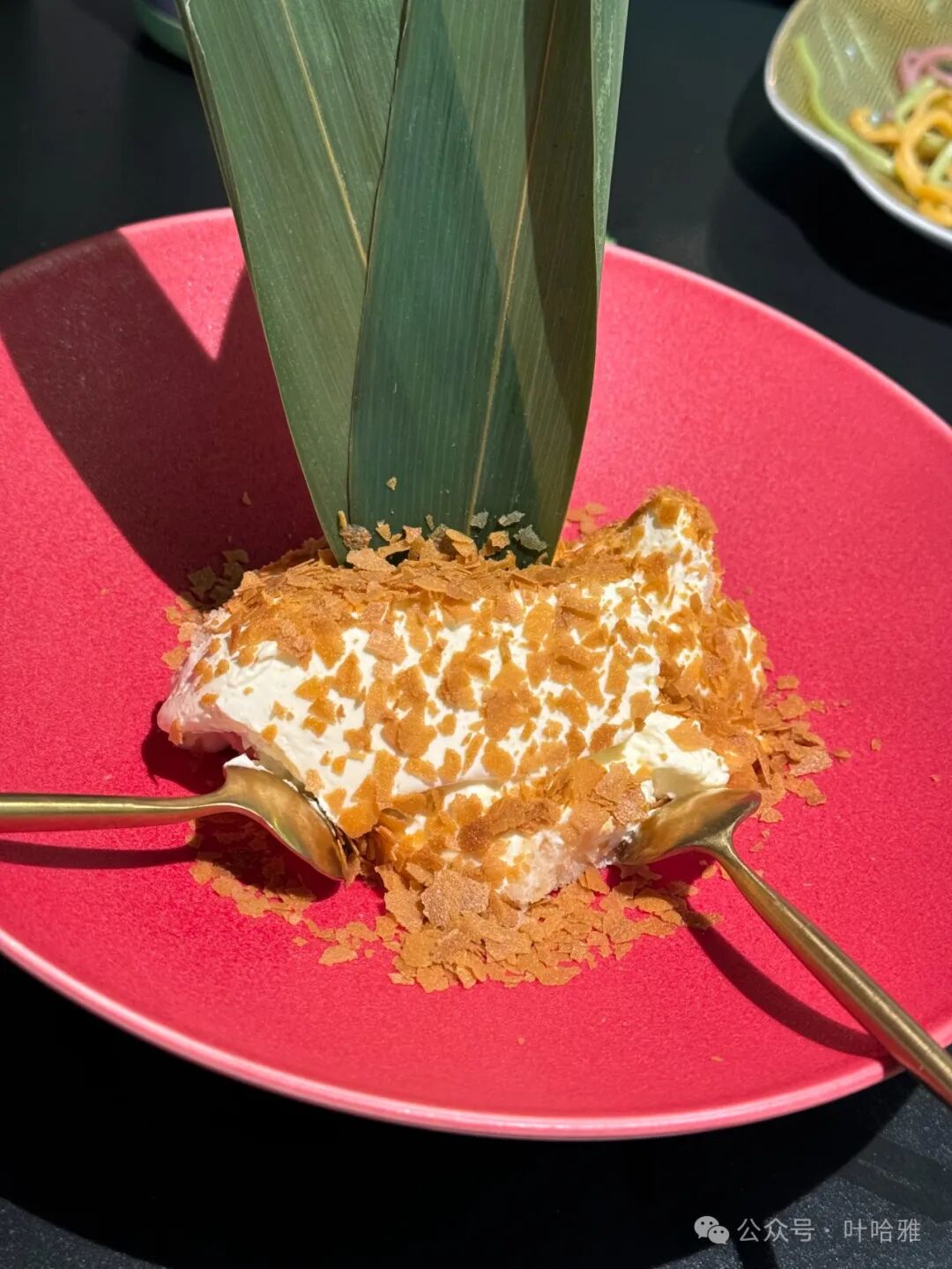
The durian-flavored tiramisu at the flagship store is so good that it rivals any specialty dessert shop.
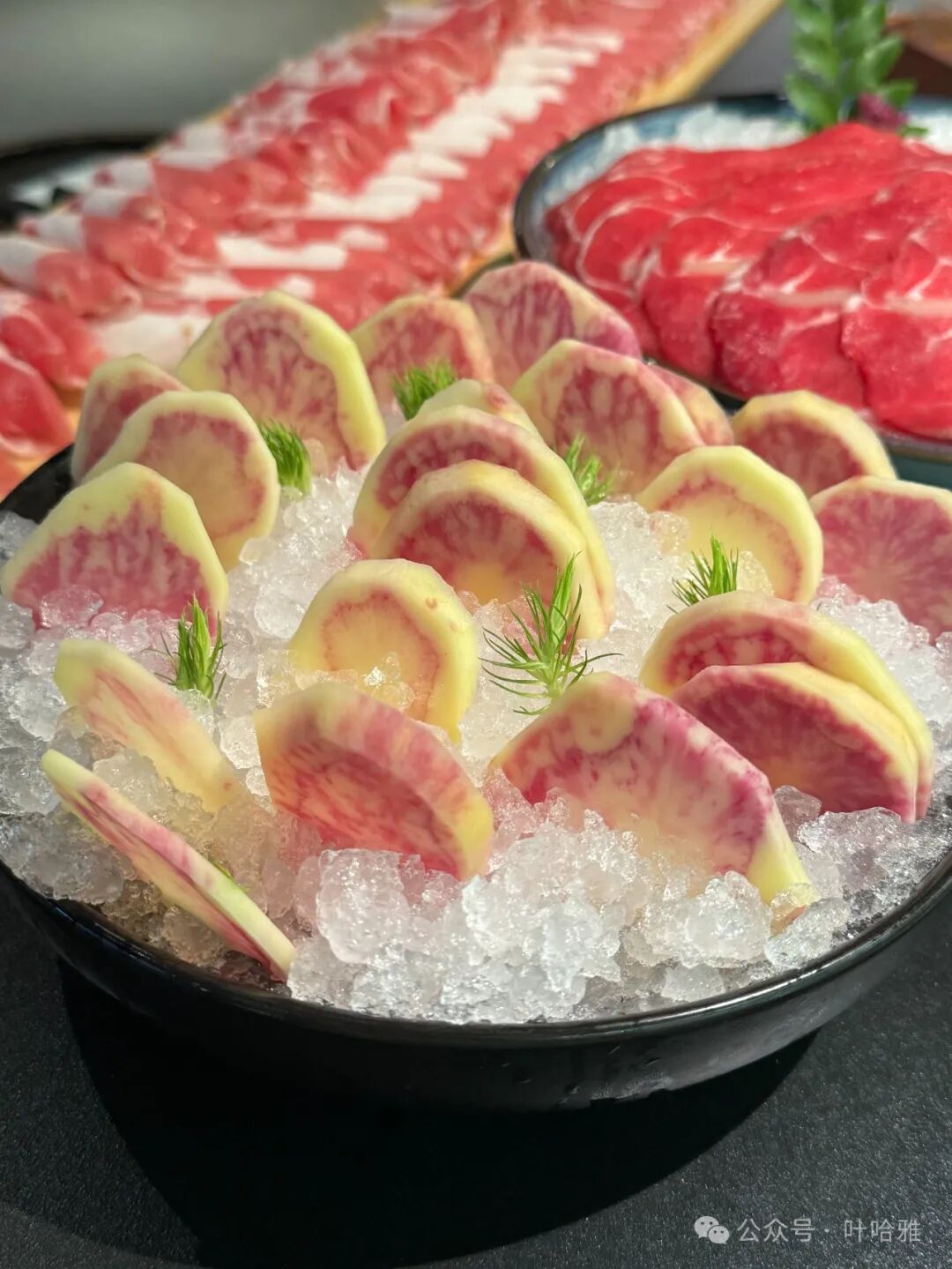
Their hot pot vegetables look as good as they taste, and the hydroponic vegetables are safe and healthy. My interest in their vegetables, drinks, desserts, and staple foods has actually surpassed my interest in the meat. Yangfang is also very kid-friendly. Fahim gets a toy every time we go, and the quality of the children's bibs they provide is even better than the ones we buy ourselves. You can take them home after the meal, and my son uses his at home now.
32. Merv
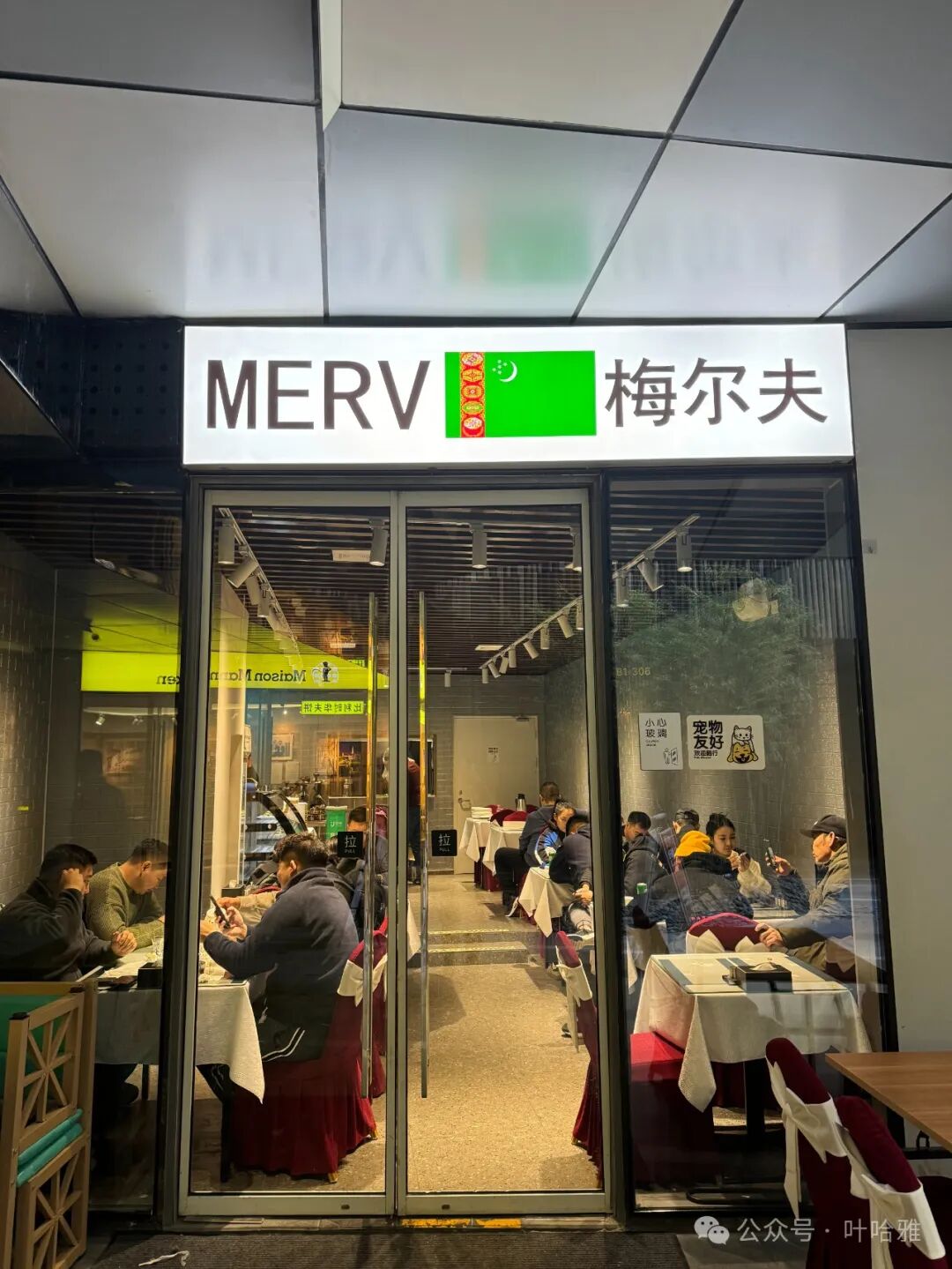
Merv is likely the first halal restaurant in Beijing serving Turkmenistan cuisine. Merv is an ancient city in Turkmenistan listed as a World Heritage site, and the restaurant sign features the Turkmenistan flag.
We came to try this restaurant on its very first day of business. The owner is from Turkmenistan and speaks Chinese. This restaurant does not sell alcohol.
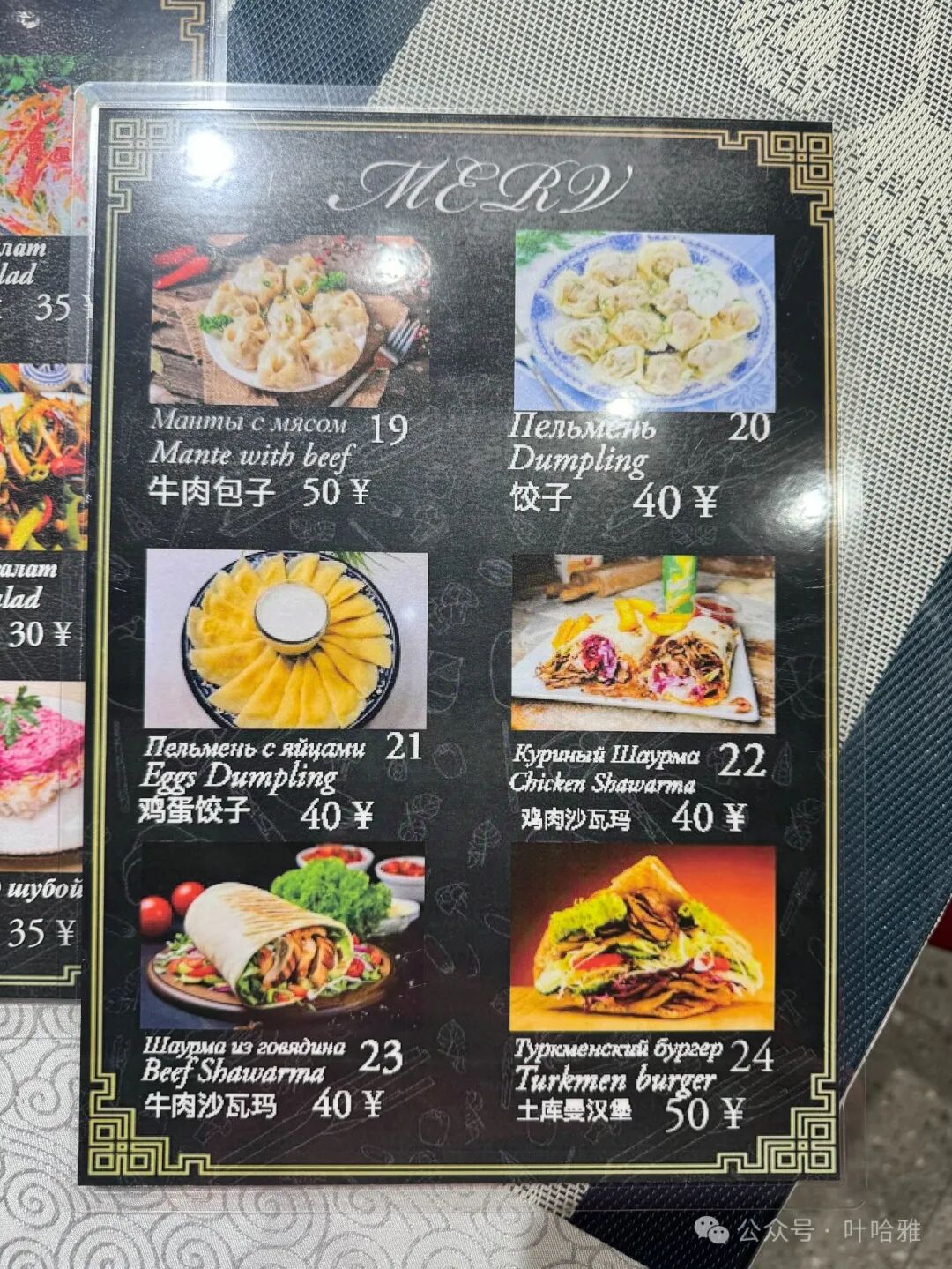
The menu is in Chinese, Russian, and English. Besides Turkmenistan specialties, they also serve Central Asian dishes from Russia, Turkey, and Kazakhstan.
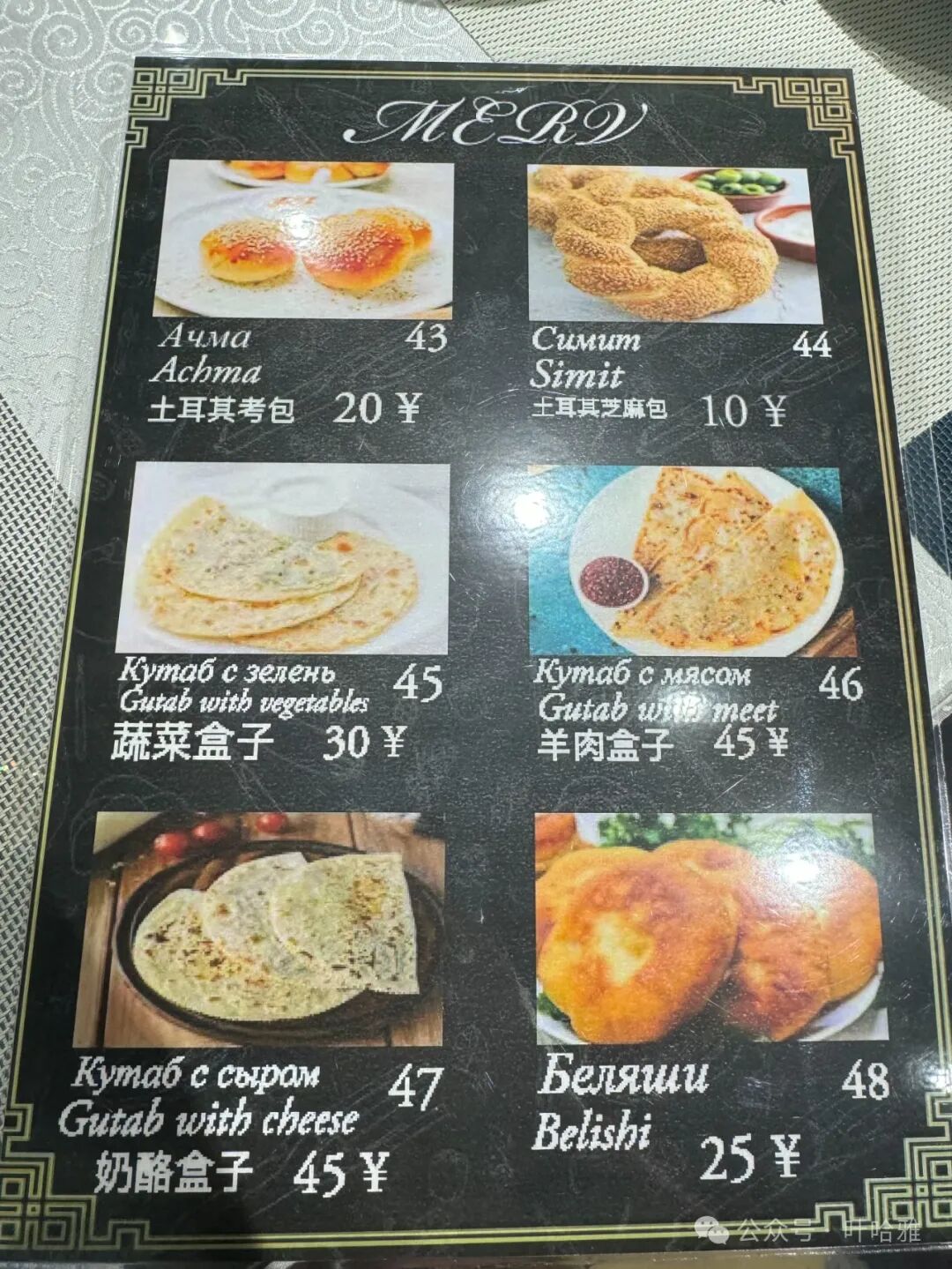
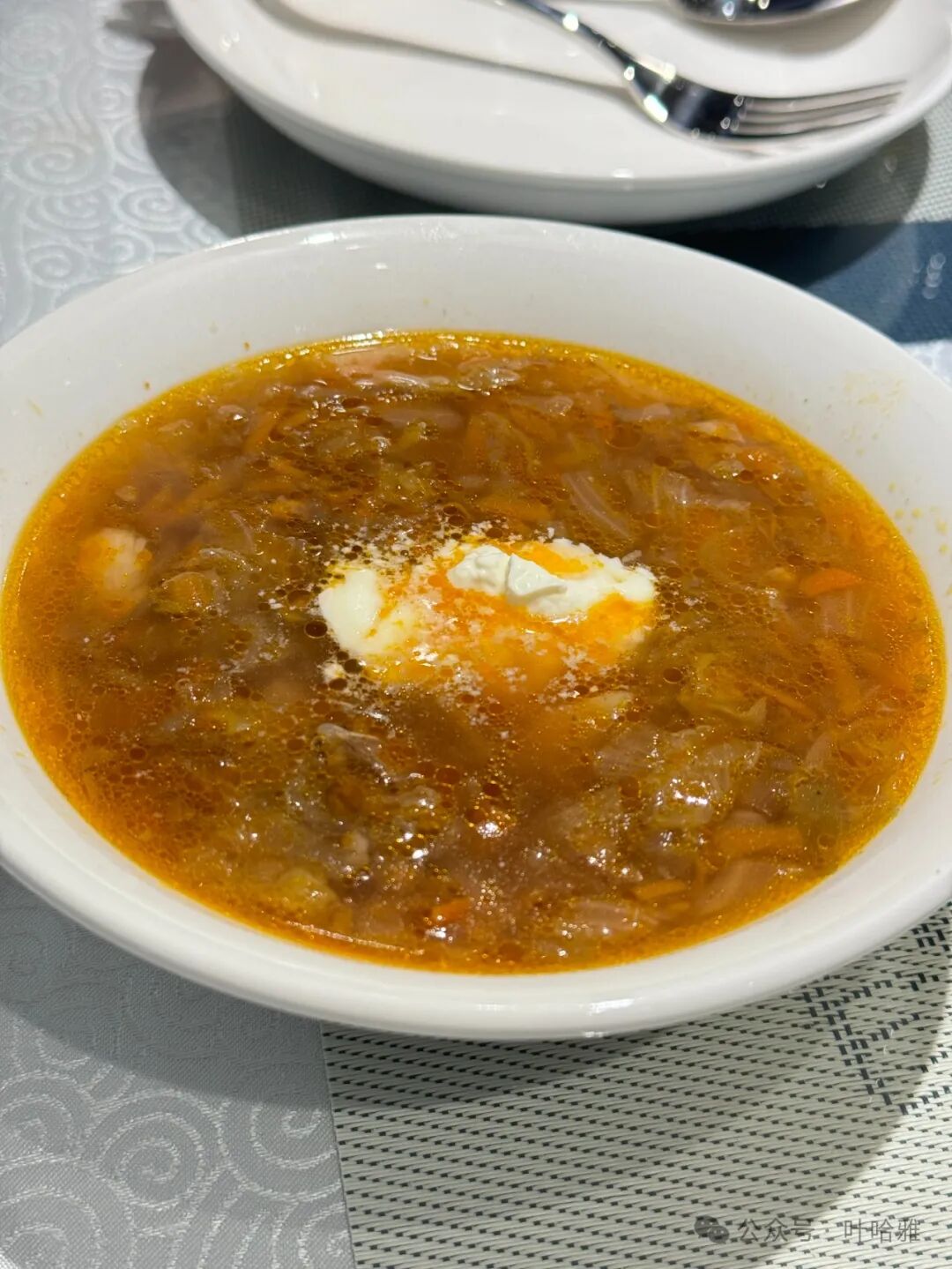
The menu calls this borscht (hongcaitang), also known as beef soup. It is made with beef and cabbage and has a light flavor.
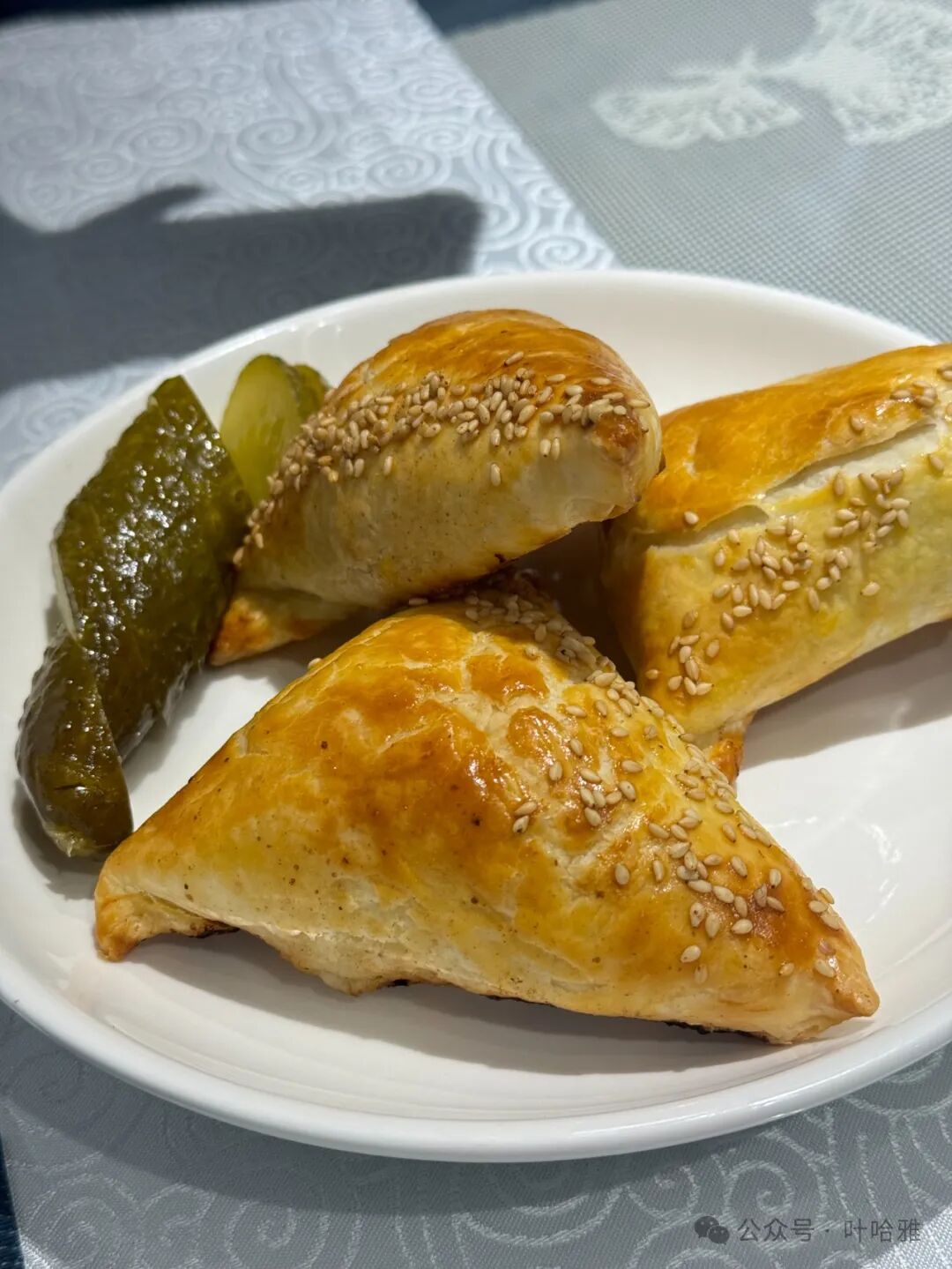
This flaky baked bun (kaobaozi) is excellent. It is filled with large chunks of lamb and onions (piyanzi). The crust is crispy, which is a signature of Central Asian baked buns. It comes with pickles, which are very appetizing, and I enjoy eating them.
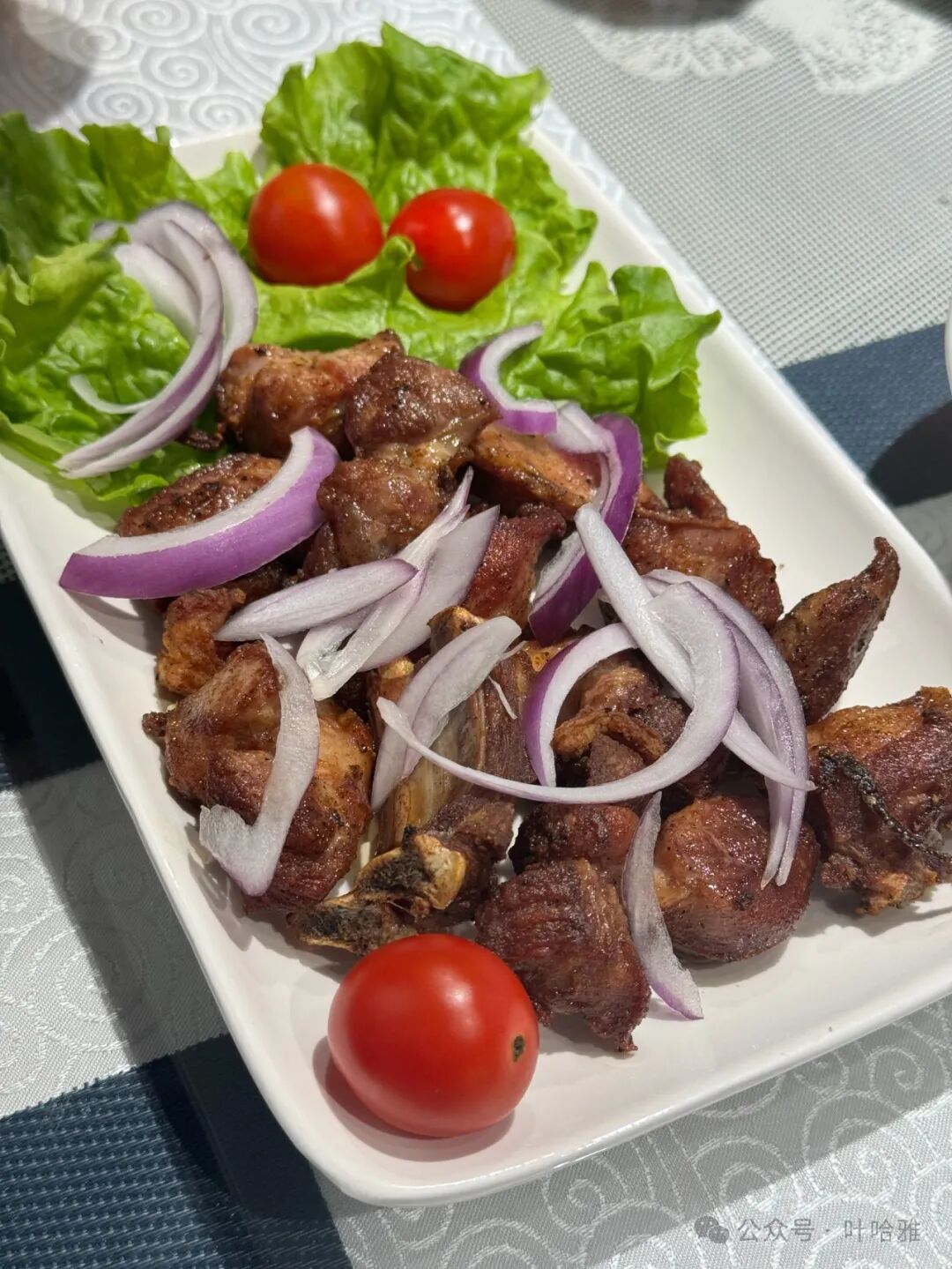
We ordered two types of barbecue: fried lamb chops and grilled beef. Both were quite salty, but the side of roasted fries was delicious and had a unique aroma.
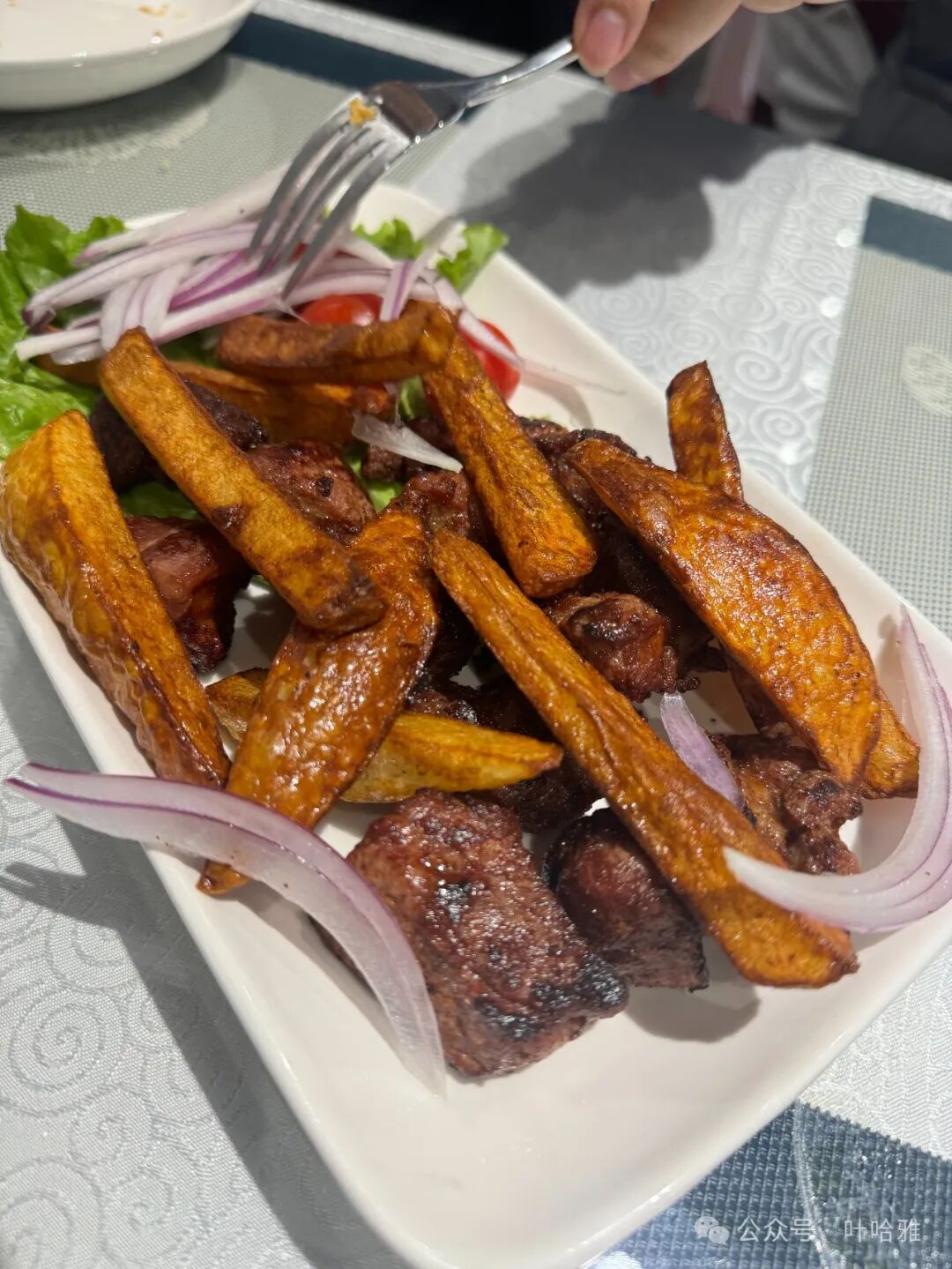
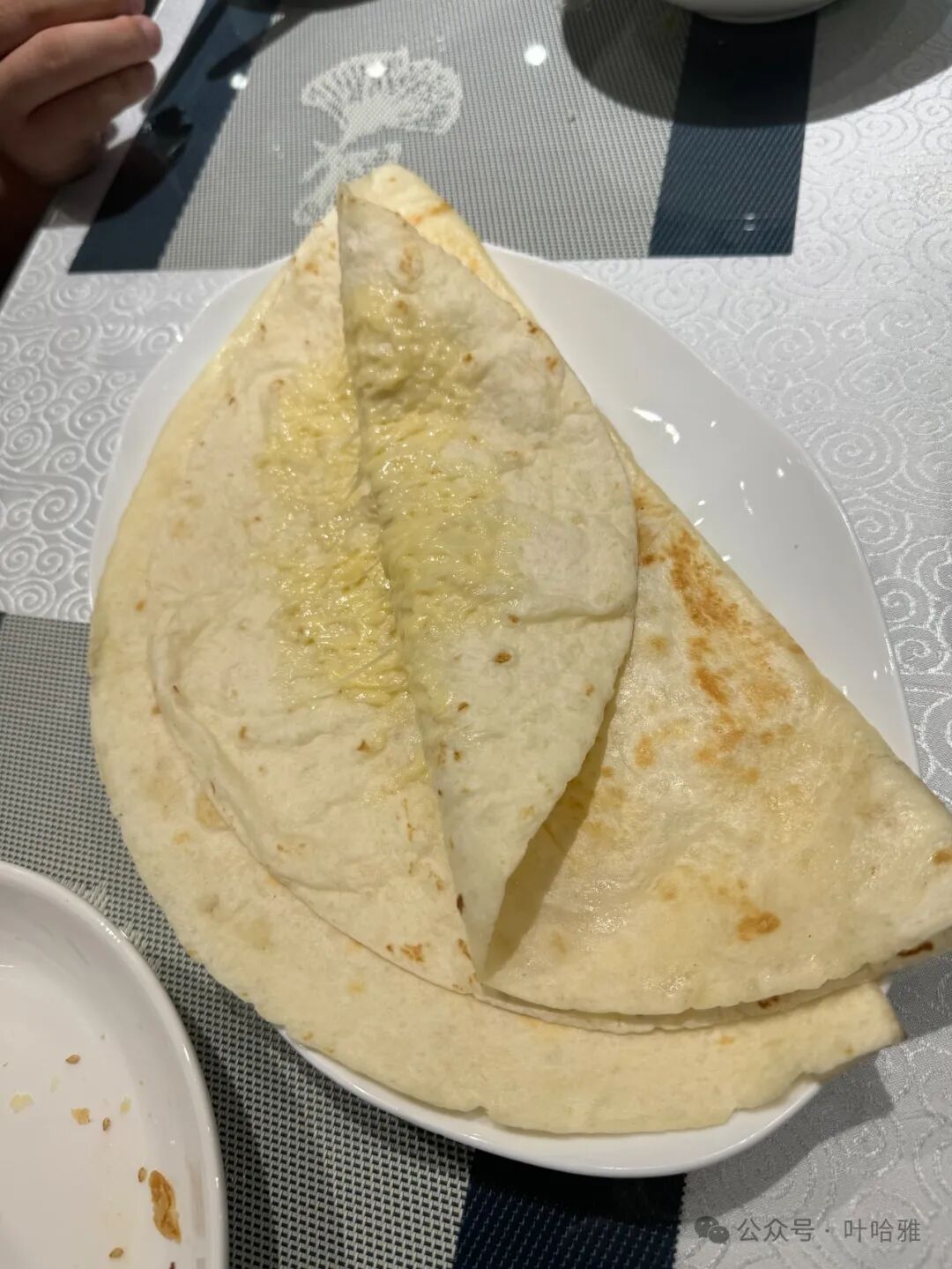
The cheese flatbread (nailaokaobing) is filled with salty cheese. It is delicious and I recommend it.
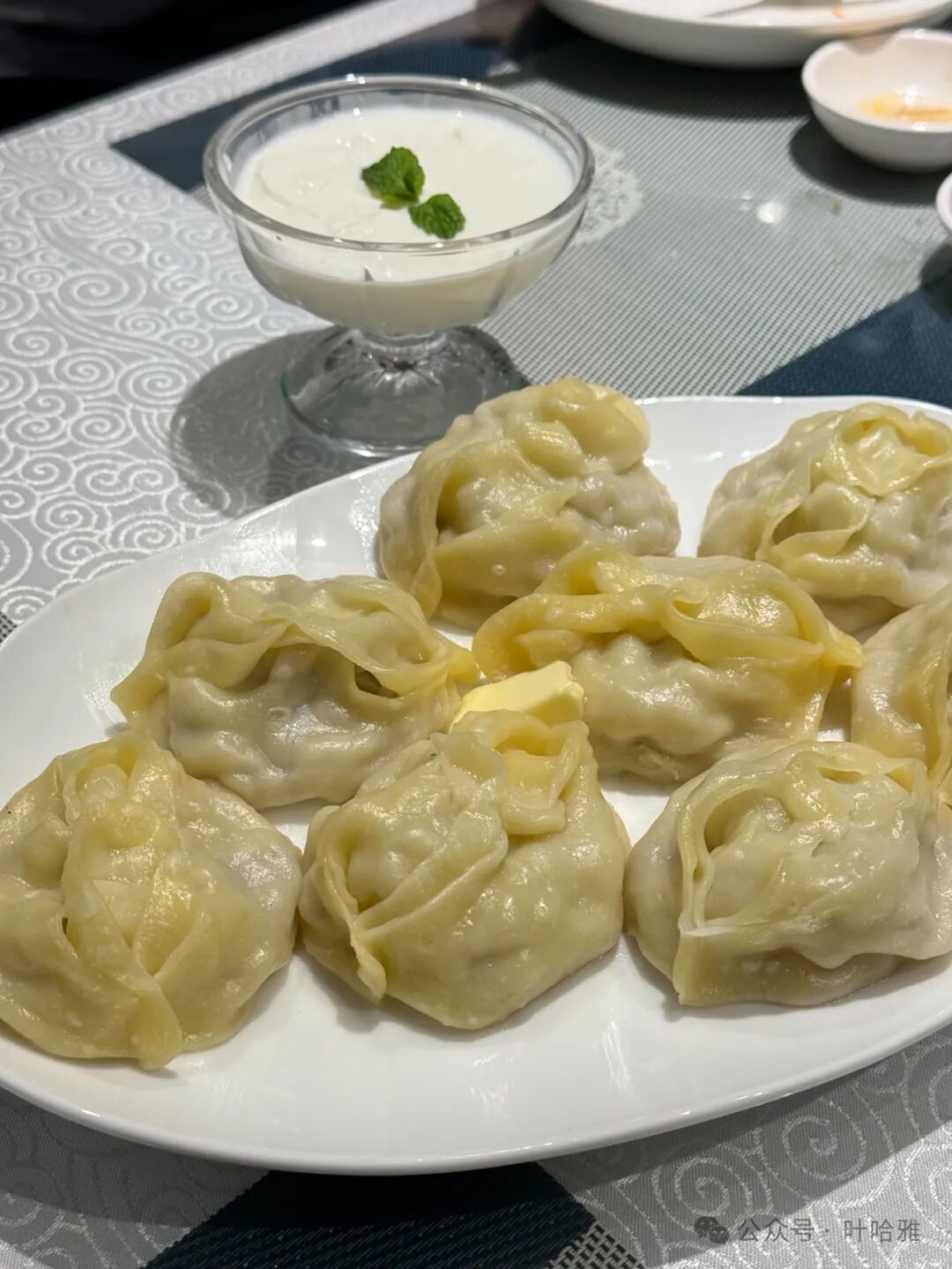
This is a type of bun similar to a thin-skinned bun (baopibaozi), but the dough is thicker. There is a piece of butter in the center of the plate to dip the buns in, and it comes with a cup of plain yogurt. Turkmen people are used to adding yogurt to their buns when they eat them.
Best Halal Food Beijing: Authentic Hui Muslim Fried Chicken, Hulatang and Miyun Reservoir Fish
Articles • yusuf908 posted the article • 0 comments • 225 views • 2026-05-23 02:37
Summary: This Beijing halal food map issue 45 covers Imam Malik food-rule reflections, Chenfei Shiwei fried chicken, Gao Qunsheng hulatang, Hotan Xinjiang rose pilaf, spicy hot pot, Guizhou sour soup, lobster, Ningxia salt-lake lamb, farmhouse dishes, and Miyun reservoir fish.
I am currently translating a research paper on Imam Malik's legal views regarding food. It is quite interesting, as it mentions that Imam Malik allows eating frogs. I will post it later. I previously wrote an article about which foods are considered not halal according to the Quran and Sunnah. The article mentions that the four schools of jurisprudence interpret the Quran and Sunnah differently. I often hear people say that on controversial issues, it is best to be cautious and strict. I think the opposite. In most cases, I prefer to be lenient when facing controversial issues. I believe that having different opinions on the same issue is actually a mercy. It gives people more choices. You cannot label those who choose the lenient path because you do not have enough evidence yet. If there were evidence, there would be no controversy. Some things will only be revealed in the afterlife, and it is not for you in this life to point fingers and judge.
In fact, we create too many difficulties for ourselves, overcome problems that should not exist, and then feel moved by our own efforts. I will not specify which things these are; you can all decide for yourselves.
The restaurant information for this issue is as follows:
1. Chenfei Shiwei
2. Gao Qunsheng Spicy Soup (hulatang)
3. Hotan Xinjiang Rose Pilaf (zhuafan)
4. Luyiyuan Spicy Hot Pot (malatang) and Spicy Dry Pot (mala xiangguo)
5. Guizhou Sour Soup Hot Pot, Beef with Skin (daipi huangniurou), and Sour Soup Fish
6. Fanshen Lobster Restaurant
7. Gameizi Ningxia Salt-lake Lamb Restaurant
8. Fuhua Zhengxing Folk Customs Restaurant
9. Hexingzhai Restaurant
1. Chenfei Shiwei
A new fried chicken shop opened at the entrance of Puhuangyu subway station. It is a takeout window, but you can also sit inside to eat.
The fried chicken tastes pretty good. Usually, as long as the ingredients are fresh, fried food like this will not taste bad.
The group-buy deal for two people including fried chicken and almond tofu (xingren doufu) is quite affordable.
The fried chicken is 39.9 yuan, and two bowls of almond tofu cost 4 yuan.
There is a paid parking lot right at the shop entrance, so it is easy to get to.
2. Gao Qunsheng Spicy Soup (hulatang)
Gao Qunsheng is a halal chain brand from Henan. After they opened in Beijing, I never saw a halal certification displayed, so I did not go. This time, I saw the halal certification at the Shijingshan branch. The staff told me that some branches do not have enough ethnic minority employees to qualify for the certification. If you mind that, you can just go to the Shijingshan branch.
Gao Qunsheng spicy soup (hulatang) is in the style of Xiaoyao Town and is not particularly spicy.
Their pan-fried buns (shuijianbao) are better than the beef pockets, and the pan-fried buns and bean porridge (doumo) are their signature dishes.
The scallion pancakes (congyoubing) are crispy and have a good texture, but the lamb offal soup (yangzatang) is just average.
I went in the evening and they only had spicy soup (hulatang), no bean porridge. It is best to go in the morning for the spicy soup.
There is a paid parking lot at the entrance of the restaurant, which is very convenient.
3. Hotan Rose Xinjiang Pilaf (zhuafan)
This is a Xinjiang halal restaurant that only serves pilaf and has chain stores in Urumqi.
The shop just opened, so they currently only have pilaf and some free side dishes.
Their free side dishes are especially delicious.
The lamb and oil are both shipped from Xinjiang.
Uyghur staff work in the kitchen, and the lamb leg pilaf here is excellent. I arrived late and there was only one lamb leg left. The meat was very tender and flavorful, and the pilaf was fragrant. You could say this is the best place for pilaf among Xinjiang restaurants in Beijing.
4. Luyiyuan Spicy Hot Pot (malaxiangguo)
There are plenty of halal spicy hot pot (malatang) shops, but halal spicy dry pot (mala xiangguo) is rare.
I arrived at 10 p.m., and there were still many customers eating a late-night snack.
The spicy dry pot is quite hot, so be careful if you cannot handle spice. The shop also serves steamed dumplings (shaomai).
5. Guizhou Sour Soup Hot Pot, Beef with Skin (daipi huangniurou), and Sour Soup Fish
This is a Guizhou sour soup hot pot restaurant with a new style, featuring beef hot pot and fish hot pot as their signature dishes.
Business was great as soon as they opened, and you have to wait over 30 minutes for a table.
The owner originally planned to serve Guizhou-style stir-fried dishes, but the hot pot business became so popular that they stopped making stir-fries. Now, they only serve hot pot.
We ordered three cups of homemade prickly pear juice (cili zhi), which is sweet, sour, and icy. They only have three of these cups, so we took them all, and other customers had to order different drinks.
The dipping sauce is the soul of the meal. I suggest following the guide posted by the shop to mix your sauce. You must try the litsea cubeba oil (mujiangzi you), mint leaves, chili powder (hu lajiao mian), and fish mint (zhe'ergen).
The full beef set includes beef and various beef offal, and the ingredients are very fresh. If you like fish, choose the river catfish (jiangtuan). Each fish weighs two jin and three liang, and the meat is firm with no small bones.
You can get free iced jelly (bingfen) if you save the shop on your map and check in. The iced jelly is just okay, but the signature beef and fish hot pots are worth a try.
6. Fanshen Lobster Restaurant
A new crayfish restaurant just opened in Baiziwan. The owner is from Langfang, and they are currently only open for dinner until the early morning.
You can eat seafood like crayfish. For details, check out my previous article on how the Hanafi school views shrimp. They also serve specialties from Cangzhou, Hebei, like hot pot chicken (huoguo ji) and spicy crab (xiangla xie).
The restaurant has a great atmosphere. It is spacious with plenty of room between tables, and the private courtyard at the entrance serves as a free parking lot.
If you leave a review and save the shop on the app, you get a free glass of fresh-squeezed fruit juice.
The most popular dish is the garlic crayfish. You can really taste how fresh the shrimp are. You can dip the freshly griddled hand-torn flatbread (shousi bing) into the golden crayfish broth; it tastes excellent.
The grilled squid is also delicious. Their ingredients are definitely fresh.
The spicy beef tripe (chanzui niudu) has a numbing and spicy flavor and tastes great. Overall, this place has the potential to become a viral hit, whether you look at the service, environment, or taste. It is a bit pricey, with an average cost of over 200 yuan per person.
7. Gameizi Ningxia Tan Sheep
Gameizi is a chain restaurant, and they do a good job with their lamb.
Tan sheep (tan yang) restaurants have popped up all over Beijing in the last two years, but the quality of the meat has been going downhill.
We tried the lamb neck this time, and everyone liked it. It comes with chive flower sauce and chili sauce, both of which are quite tasty.
Stir-fried beef (xiaochao huangniurou) is a common home-cooked dish in southern Ningxia, where people eat more beef.
Salt-lake sheep (tanyang) has a slightly thicker layer of fat, which makes it perfect for roasting. This restaurant is busy at night, but parking is difficult. The average cost is about 150 yuan per person.
8. Fuhua Zhengxing Folk Customs Restaurant
Mujia Yu village, near Miyun Reservoir, is a village for Hui Muslims. There are four halal farm-style restaurants along the road at the village entrance: Fuhua Zhengxing Folk Restaurant, Hexingzhai Restaurant, Shanshui Tianyuan, and Kunanchun. I have eaten at Shanshui Tianyuan before, and Kunanchun was closed, so we had our farm-style lunch at Fuhua Zhengxing.
I recommend trying the farm-style tofu in Miyun. It is a local specialty and has a very fragrant flavor.
Fried river shrimp is another farm specialty. There is also the stir-fried pumpkin (wogua) shown below. Wogua is just pumpkin, and this was grown in their own field. It tastes great.
One of the wild vegetables often found in Beijing farm-style restaurants is muli bud (muliya), also called jasmine bud (moliya), which is actually the tender leaf of the goldenrain tree.
The fried beef strips are covered in sesame seeds. They seem to be made from beef jerky and go very well with rice.
Their signature meat pie has a crispy crust, which is the texture I like. We ordered two jin (one kilogram), and all 10 of us finished it.
The stewed free-range chicken is also good. The meat is soft, tender, and flavorful, and the price is cheap.
Since we did not book in advance, there were no reservoir fish of a suitable size when we arrived at noon, so we chose these fried small fish. Reservoir fish usually weigh between five and eight jin, with the extra-large ones being over ten jin. They are bighead carp, and every restaurant charges 38 yuan per jin, usually cooking them by braising in sauce.
9. Hexingzhai Halal Restaurant
We missed out on reservoir fish at lunch, but we didn't give up. We wandered around until evening and came to Mujia Yu to try this place, Hexingzhai.
The homemade mung bean jelly (liangfen) had mustard oil added, making it extra refreshing.
We had scrambled eggs and stir-fried tofu. Miyun tofu is truly delicious no matter how you cook it.
Stir-fried celery with beef and mixed-grain buns (zaliangbao) are both classic home-style dishes that go great with rice.
Lamb skewers (yangrouchuan) are 5 yuan each, which isn't expensive. The food at these farmhouses in Mujia Yu is quite good.
We finally got to eat reservoir fish. This fish weighed over eight pounds, enough for 10 people. The bighead carp meat was tender, though it had many small bones, so kids should be careful. After finishing the fish, we added a portion of griddle-baked flatbread (laobing) to the sauce to make fish head with soaked flatbread. This dish was a hit with everyone, making the trip well worth it. view all
Summary: This Beijing halal food map issue 45 covers Imam Malik food-rule reflections, Chenfei Shiwei fried chicken, Gao Qunsheng hulatang, Hotan Xinjiang rose pilaf, spicy hot pot, Guizhou sour soup, lobster, Ningxia salt-lake lamb, farmhouse dishes, and Miyun reservoir fish.
I am currently translating a research paper on Imam Malik's legal views regarding food. It is quite interesting, as it mentions that Imam Malik allows eating frogs. I will post it later. I previously wrote an article about which foods are considered not halal according to the Quran and Sunnah. The article mentions that the four schools of jurisprudence interpret the Quran and Sunnah differently. I often hear people say that on controversial issues, it is best to be cautious and strict. I think the opposite. In most cases, I prefer to be lenient when facing controversial issues. I believe that having different opinions on the same issue is actually a mercy. It gives people more choices. You cannot label those who choose the lenient path because you do not have enough evidence yet. If there were evidence, there would be no controversy. Some things will only be revealed in the afterlife, and it is not for you in this life to point fingers and judge.
In fact, we create too many difficulties for ourselves, overcome problems that should not exist, and then feel moved by our own efforts. I will not specify which things these are; you can all decide for yourselves.
The restaurant information for this issue is as follows:
1. Chenfei Shiwei
2. Gao Qunsheng Spicy Soup (hulatang)
3. Hotan Xinjiang Rose Pilaf (zhuafan)
4. Luyiyuan Spicy Hot Pot (malatang) and Spicy Dry Pot (mala xiangguo)
5. Guizhou Sour Soup Hot Pot, Beef with Skin (daipi huangniurou), and Sour Soup Fish
6. Fanshen Lobster Restaurant
7. Gameizi Ningxia Salt-lake Lamb Restaurant
8. Fuhua Zhengxing Folk Customs Restaurant
9. Hexingzhai Restaurant
1. Chenfei Shiwei
A new fried chicken shop opened at the entrance of Puhuangyu subway station. It is a takeout window, but you can also sit inside to eat.
The fried chicken tastes pretty good. Usually, as long as the ingredients are fresh, fried food like this will not taste bad.
The group-buy deal for two people including fried chicken and almond tofu (xingren doufu) is quite affordable.
The fried chicken is 39.9 yuan, and two bowls of almond tofu cost 4 yuan.
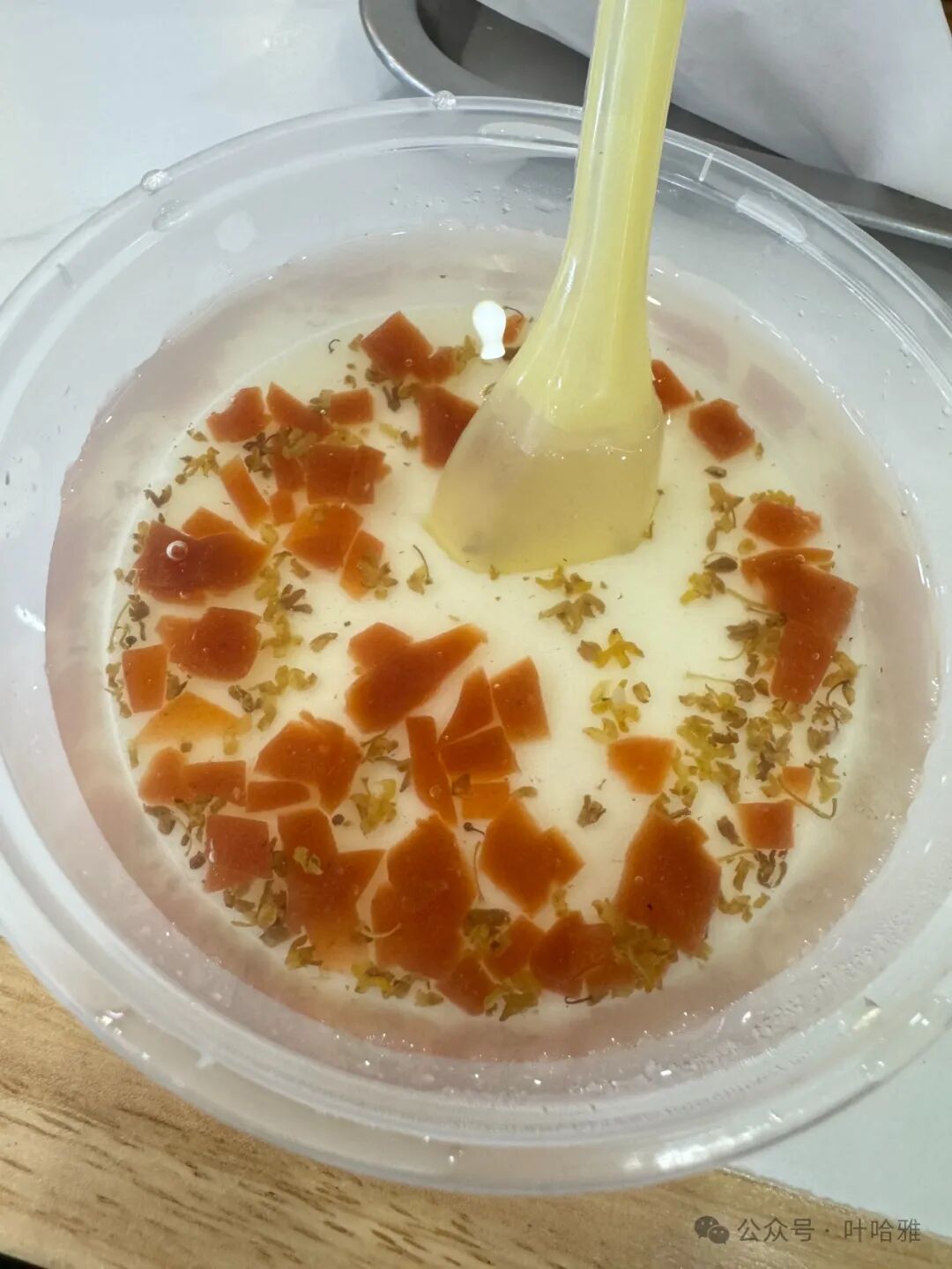
There is a paid parking lot right at the shop entrance, so it is easy to get to.
2. Gao Qunsheng Spicy Soup (hulatang)
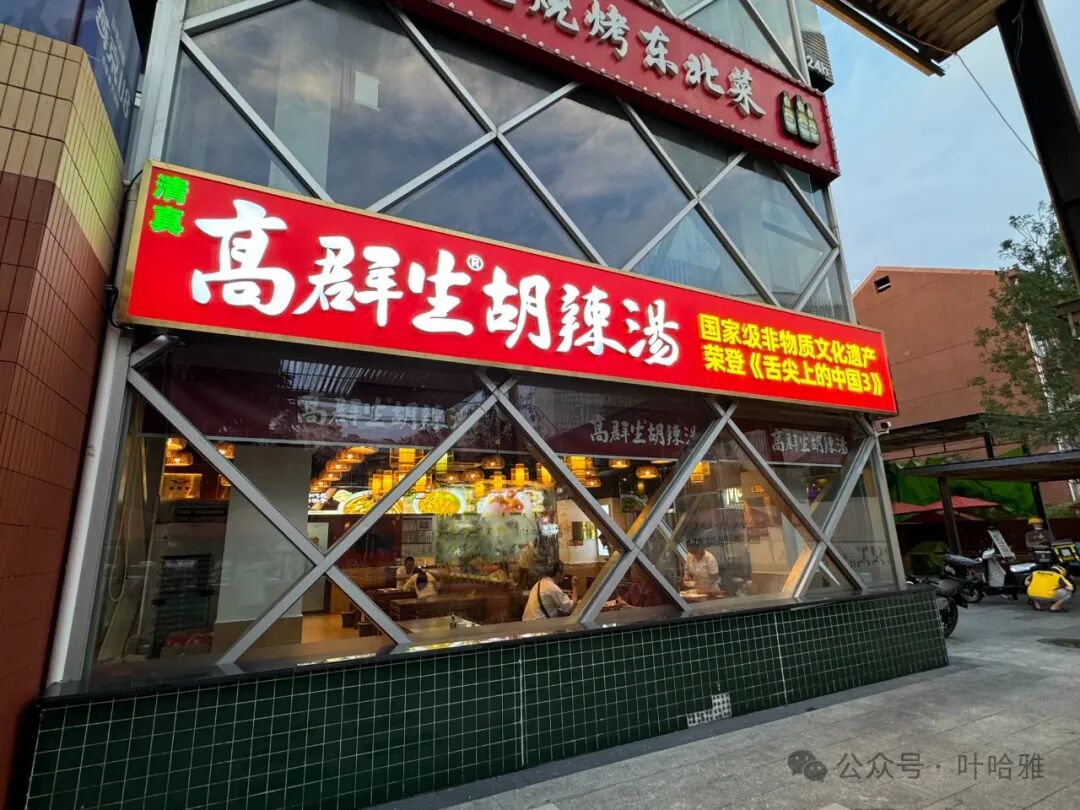
Gao Qunsheng is a halal chain brand from Henan. After they opened in Beijing, I never saw a halal certification displayed, so I did not go. This time, I saw the halal certification at the Shijingshan branch. The staff told me that some branches do not have enough ethnic minority employees to qualify for the certification. If you mind that, you can just go to the Shijingshan branch.
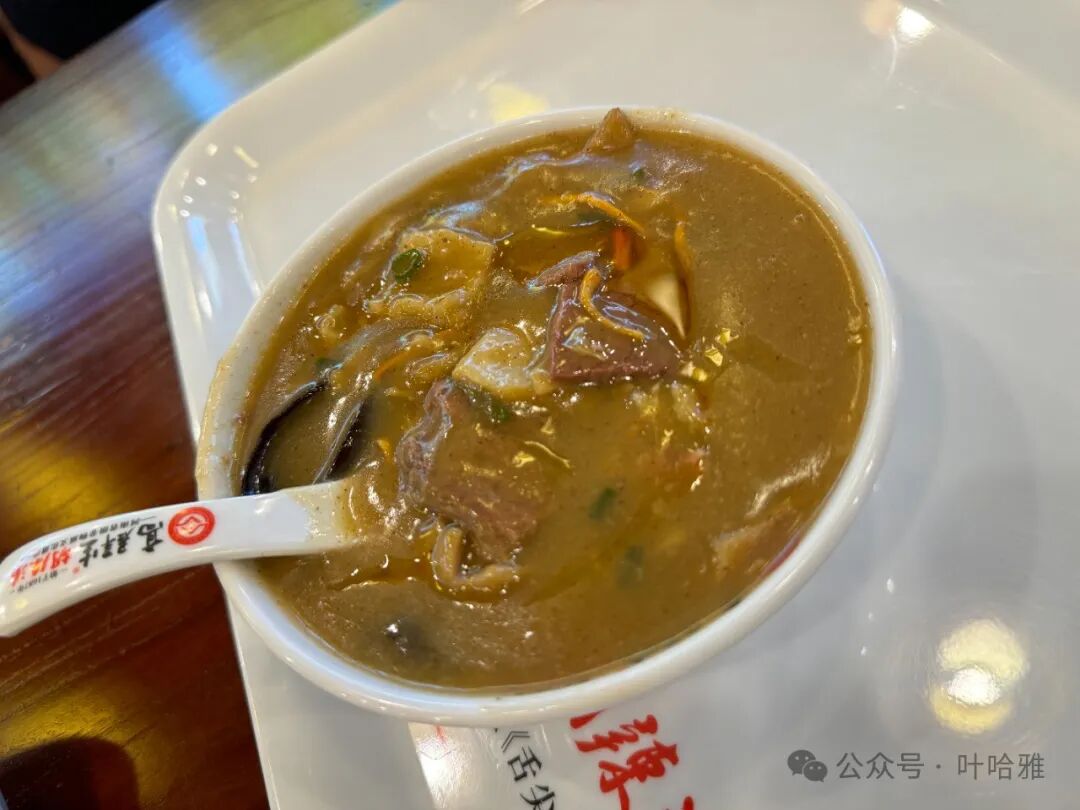
Gao Qunsheng spicy soup (hulatang) is in the style of Xiaoyao Town and is not particularly spicy.
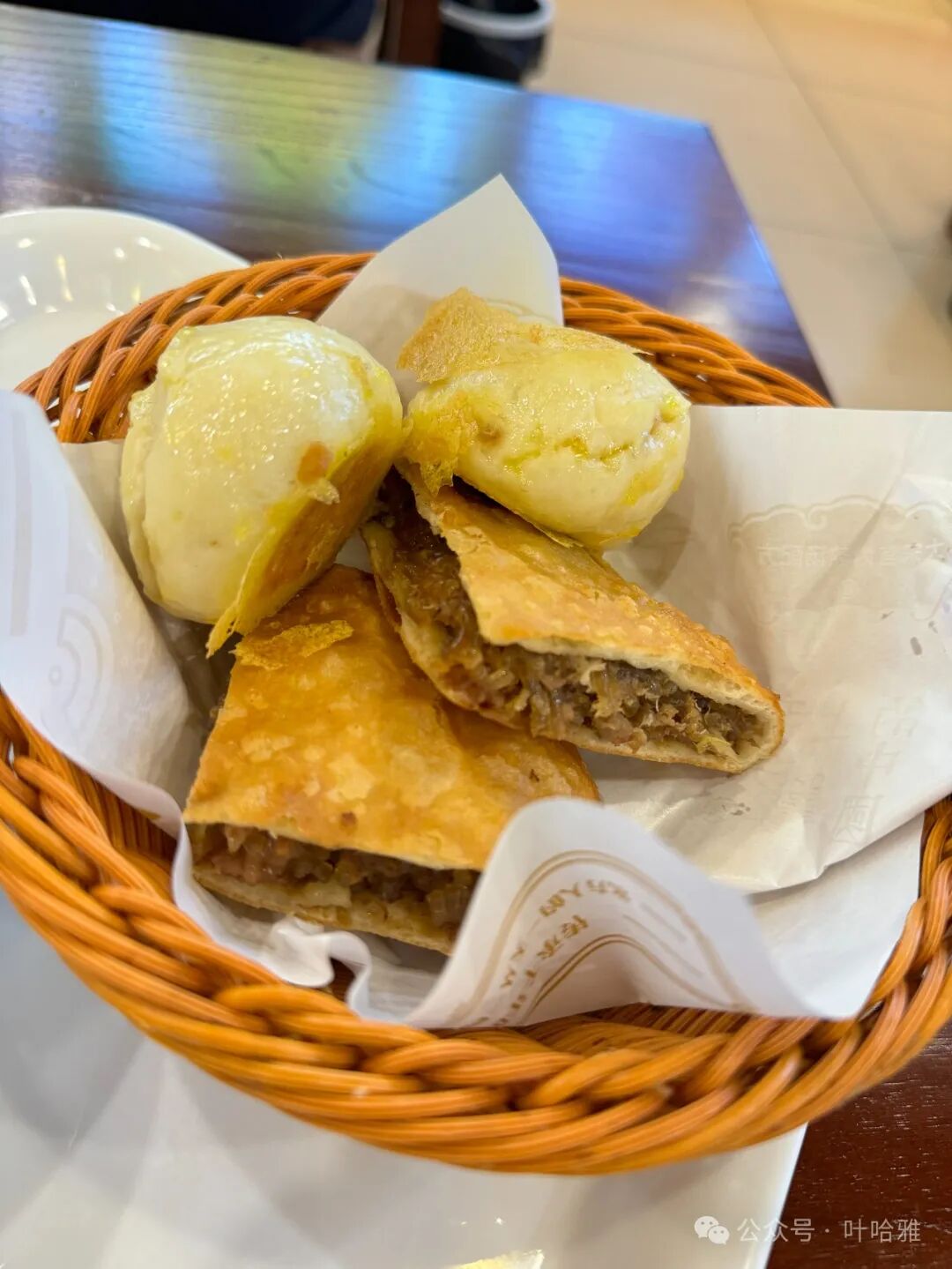
Their pan-fried buns (shuijianbao) are better than the beef pockets, and the pan-fried buns and bean porridge (doumo) are their signature dishes.
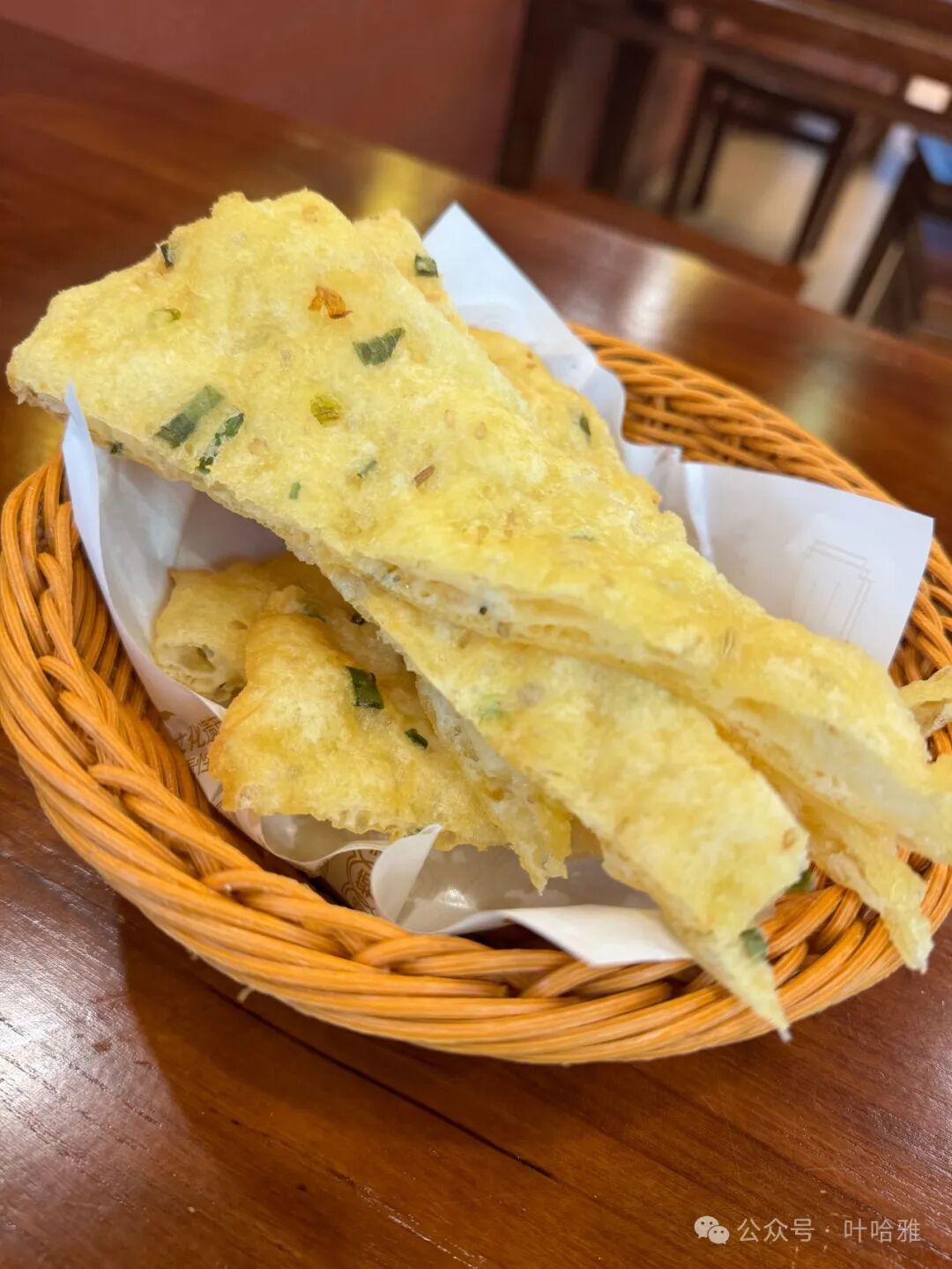
The scallion pancakes (congyoubing) are crispy and have a good texture, but the lamb offal soup (yangzatang) is just average.
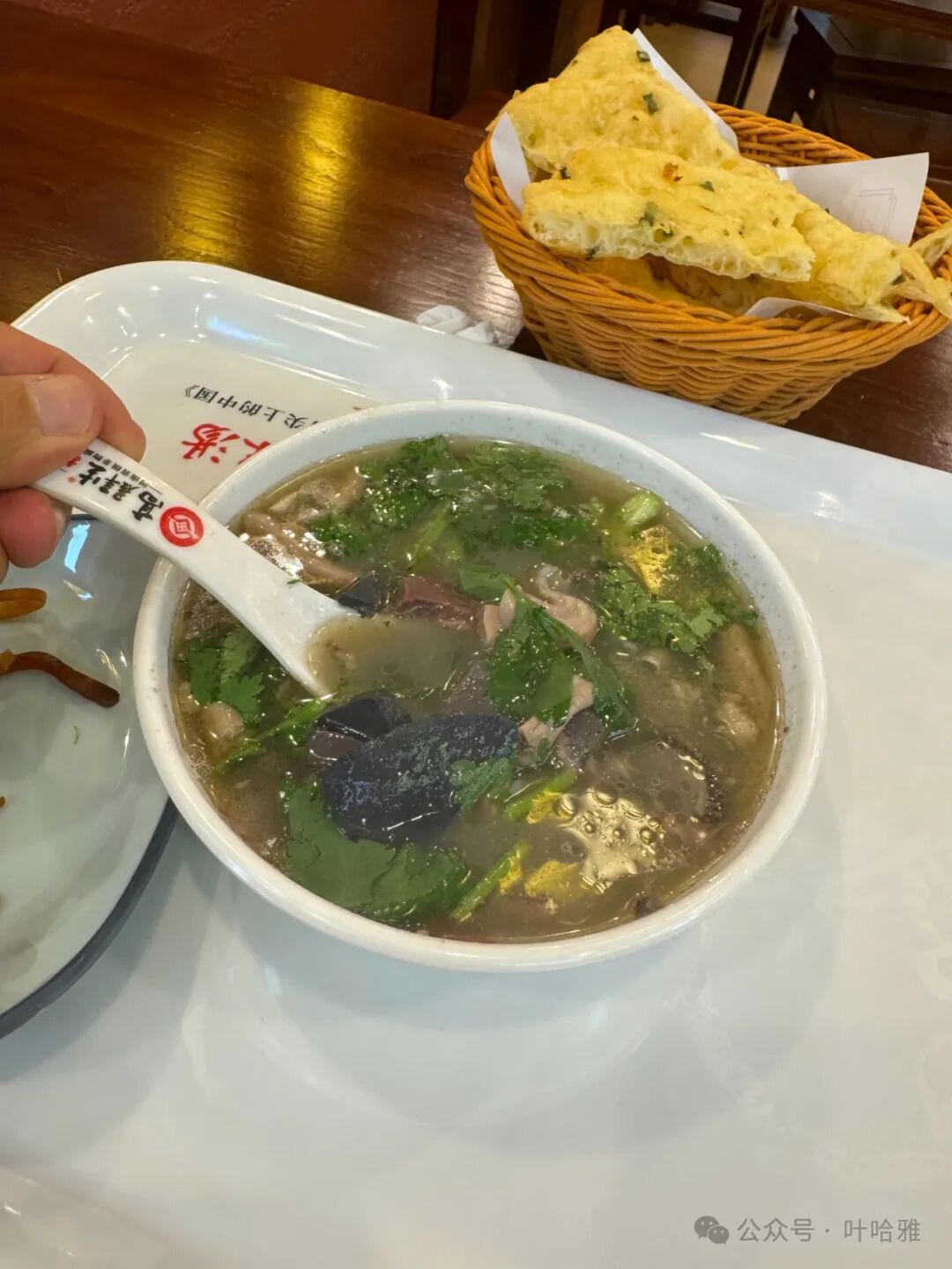
I went in the evening and they only had spicy soup (hulatang), no bean porridge. It is best to go in the morning for the spicy soup.
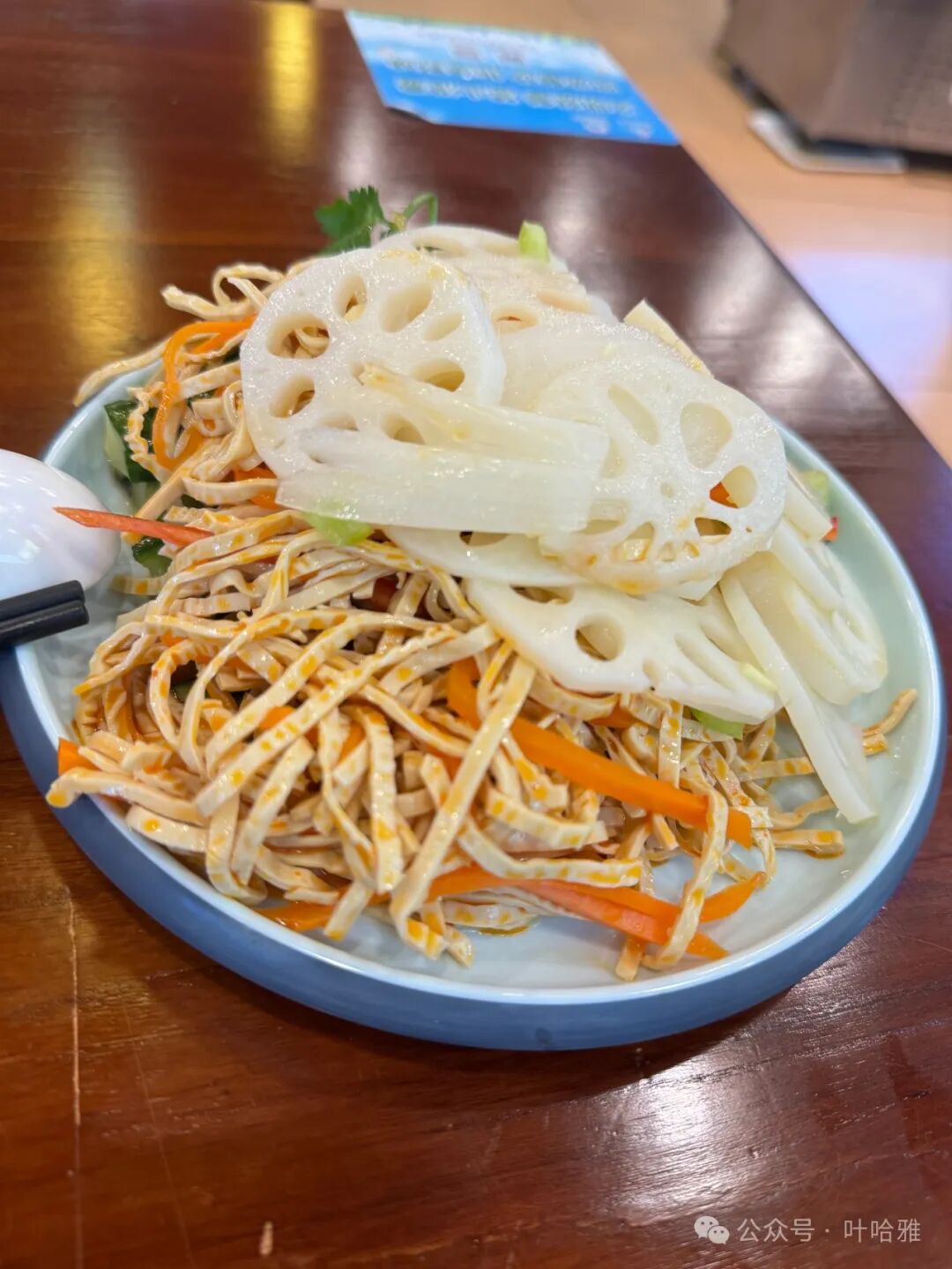
There is a paid parking lot at the entrance of the restaurant, which is very convenient.
3. Hotan Rose Xinjiang Pilaf (zhuafan)
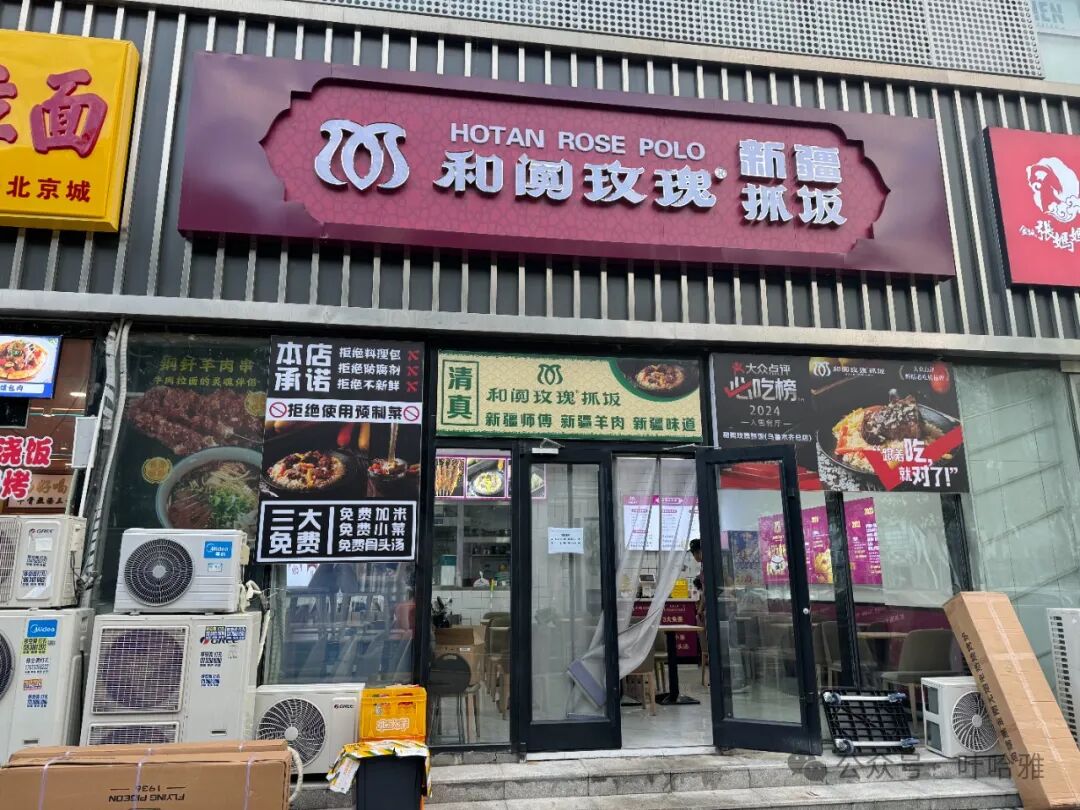
This is a Xinjiang halal restaurant that only serves pilaf and has chain stores in Urumqi.
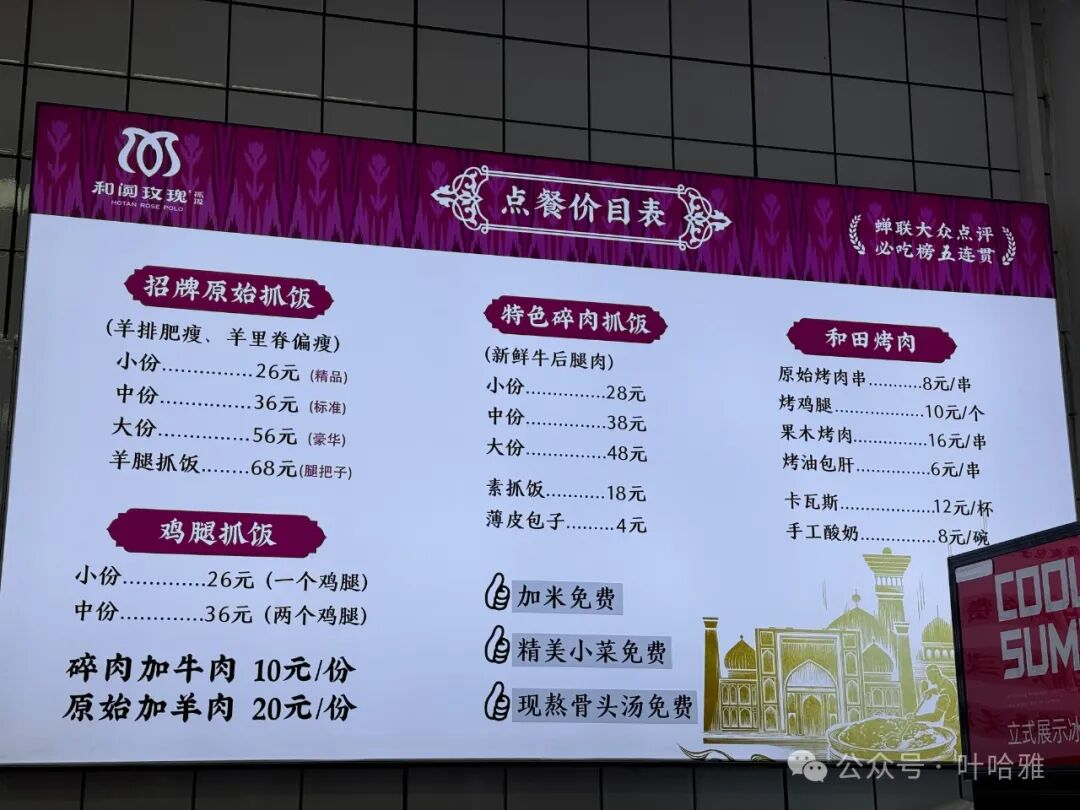
The shop just opened, so they currently only have pilaf and some free side dishes.
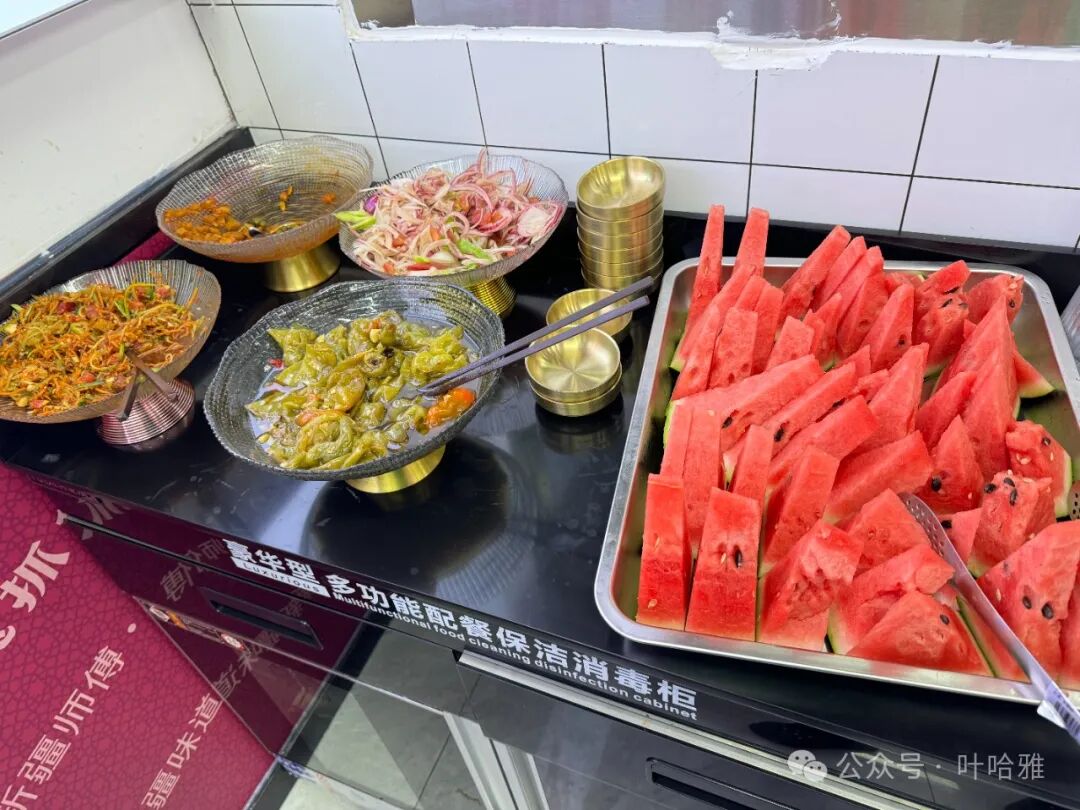
Their free side dishes are especially delicious.
The lamb and oil are both shipped from Xinjiang.
Uyghur staff work in the kitchen, and the lamb leg pilaf here is excellent. I arrived late and there was only one lamb leg left. The meat was very tender and flavorful, and the pilaf was fragrant. You could say this is the best place for pilaf among Xinjiang restaurants in Beijing.
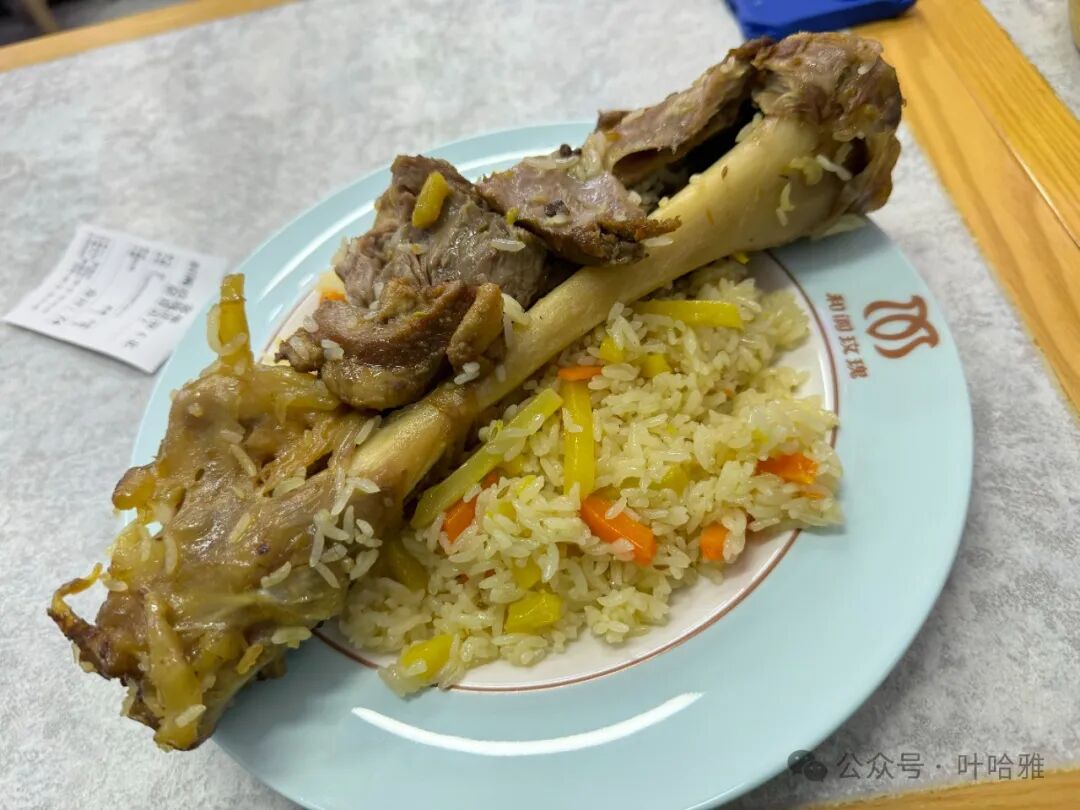
4. Luyiyuan Spicy Hot Pot (malaxiangguo)
There are plenty of halal spicy hot pot (malatang) shops, but halal spicy dry pot (mala xiangguo) is rare.
I arrived at 10 p.m., and there were still many customers eating a late-night snack.
The spicy dry pot is quite hot, so be careful if you cannot handle spice. The shop also serves steamed dumplings (shaomai).
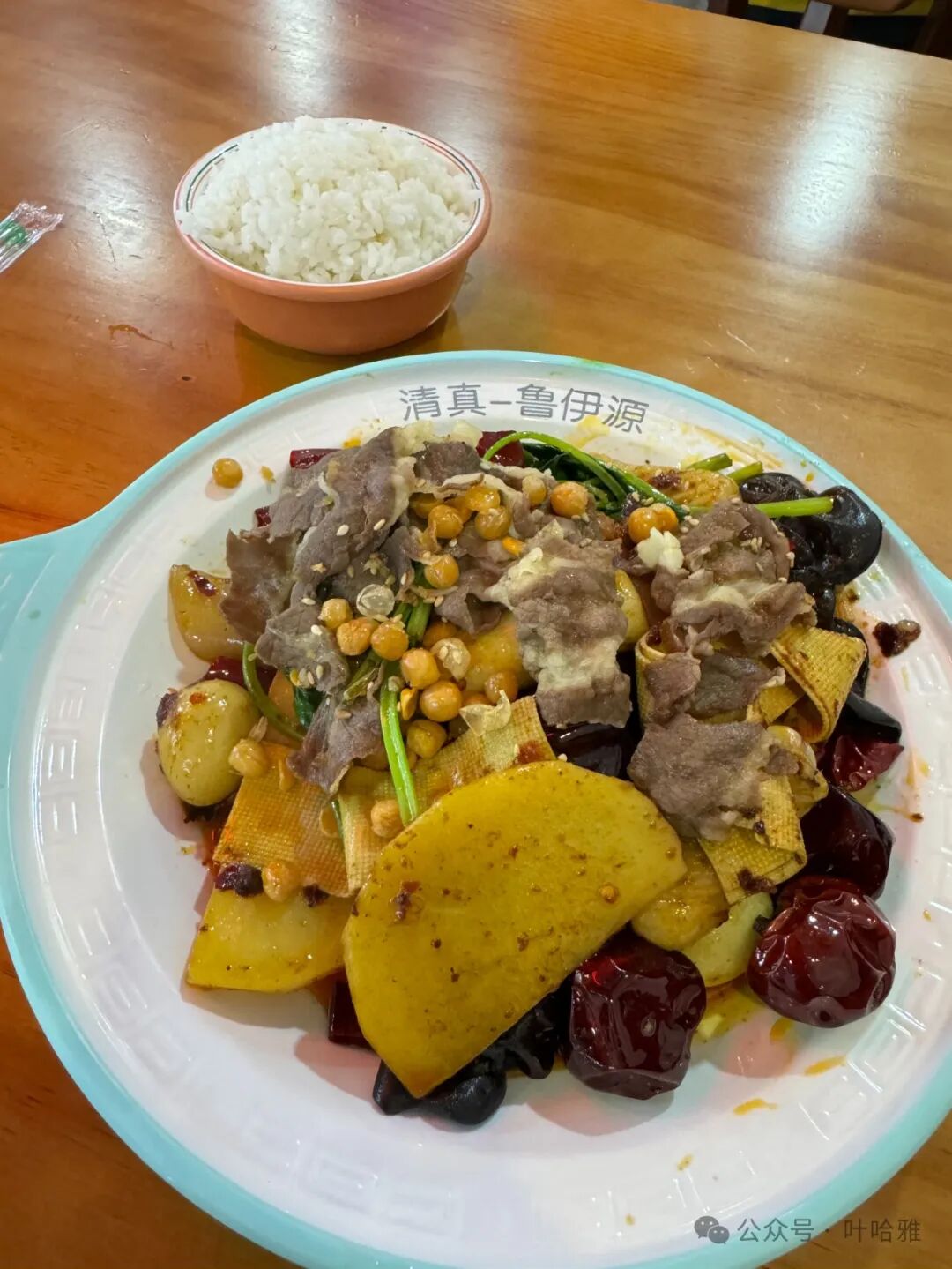
5. Guizhou Sour Soup Hot Pot, Beef with Skin (daipi huangniurou), and Sour Soup Fish
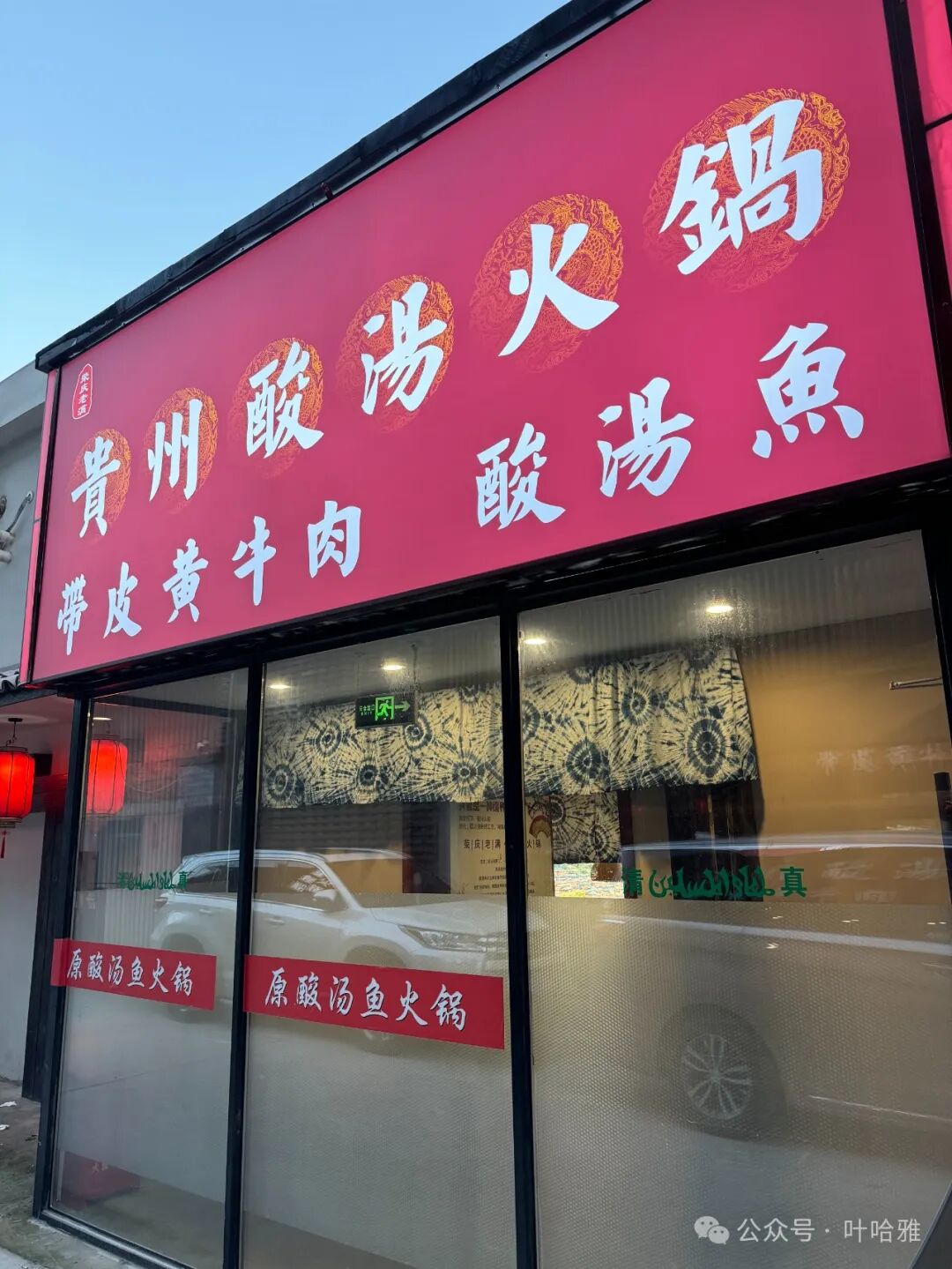
This is a Guizhou sour soup hot pot restaurant with a new style, featuring beef hot pot and fish hot pot as their signature dishes.
Business was great as soon as they opened, and you have to wait over 30 minutes for a table.
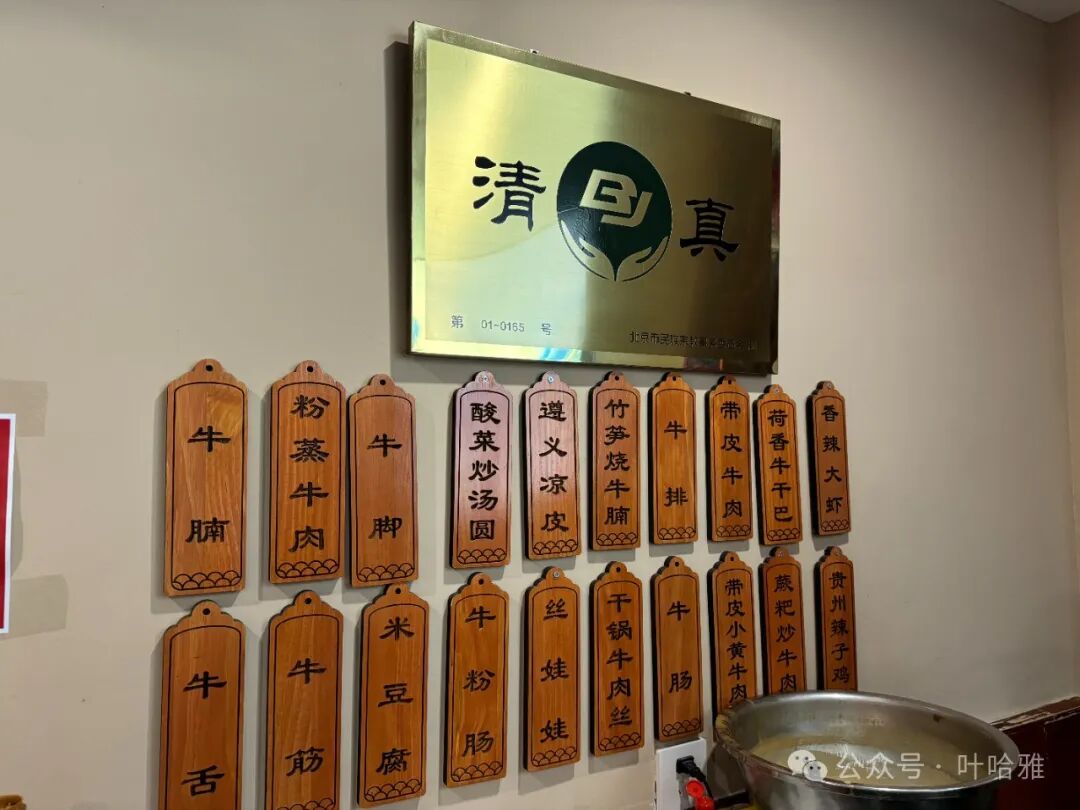
The owner originally planned to serve Guizhou-style stir-fried dishes, but the hot pot business became so popular that they stopped making stir-fries. Now, they only serve hot pot.
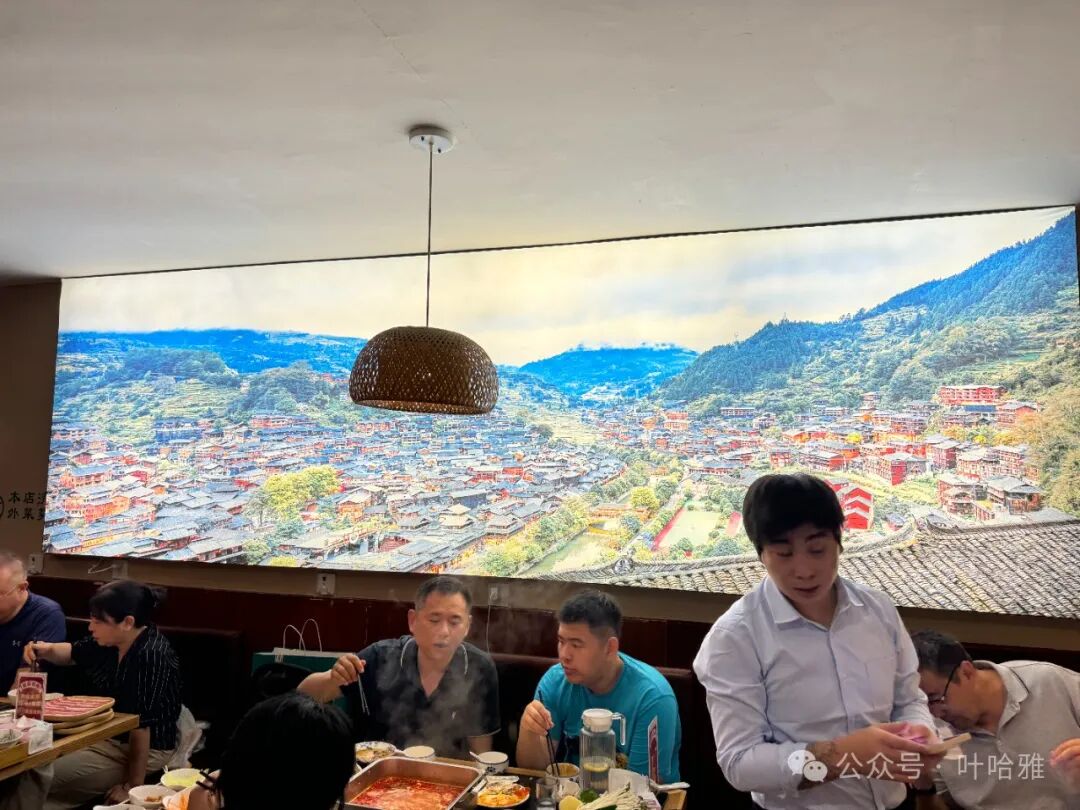
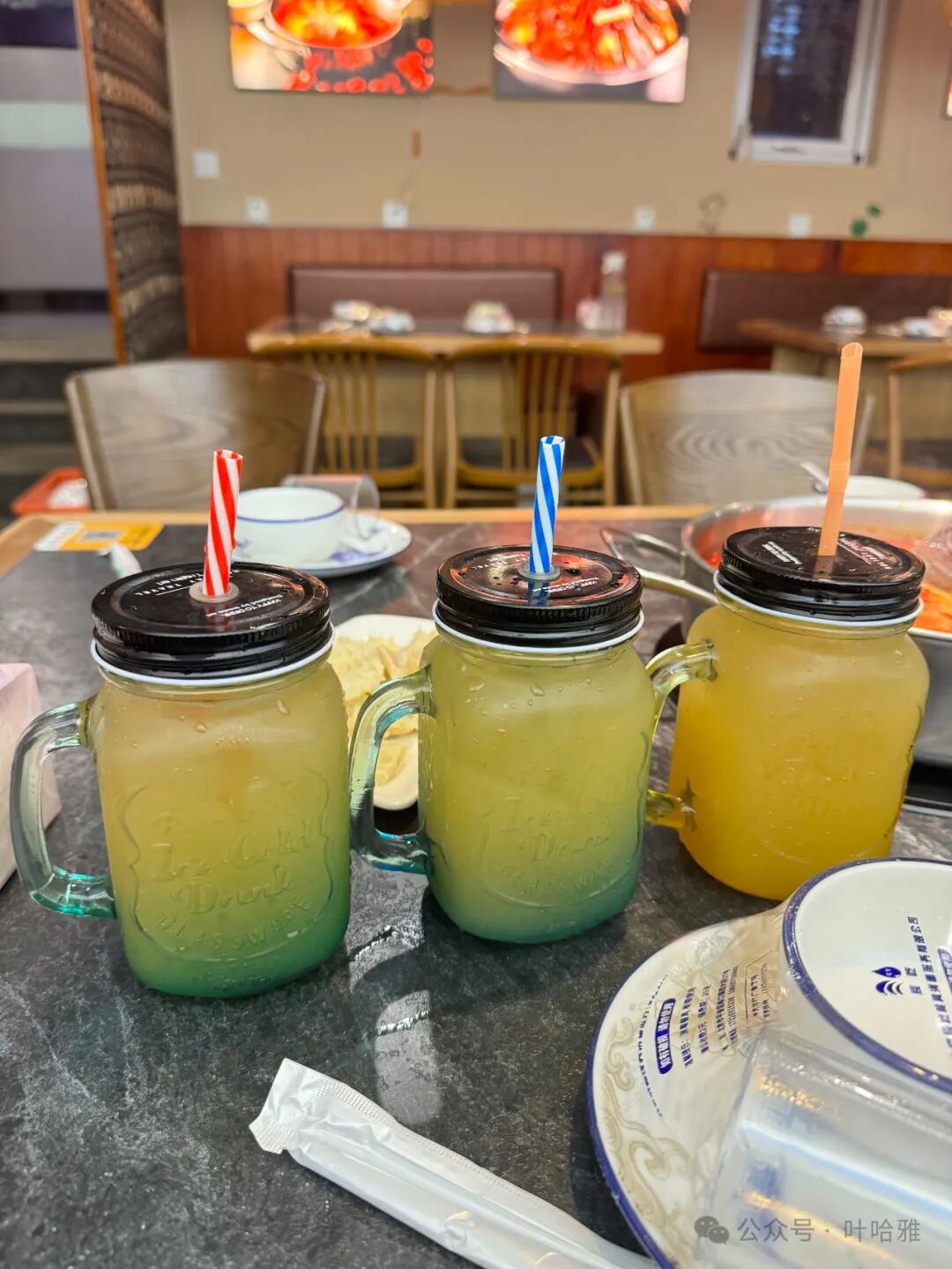
We ordered three cups of homemade prickly pear juice (cili zhi), which is sweet, sour, and icy. They only have three of these cups, so we took them all, and other customers had to order different drinks.
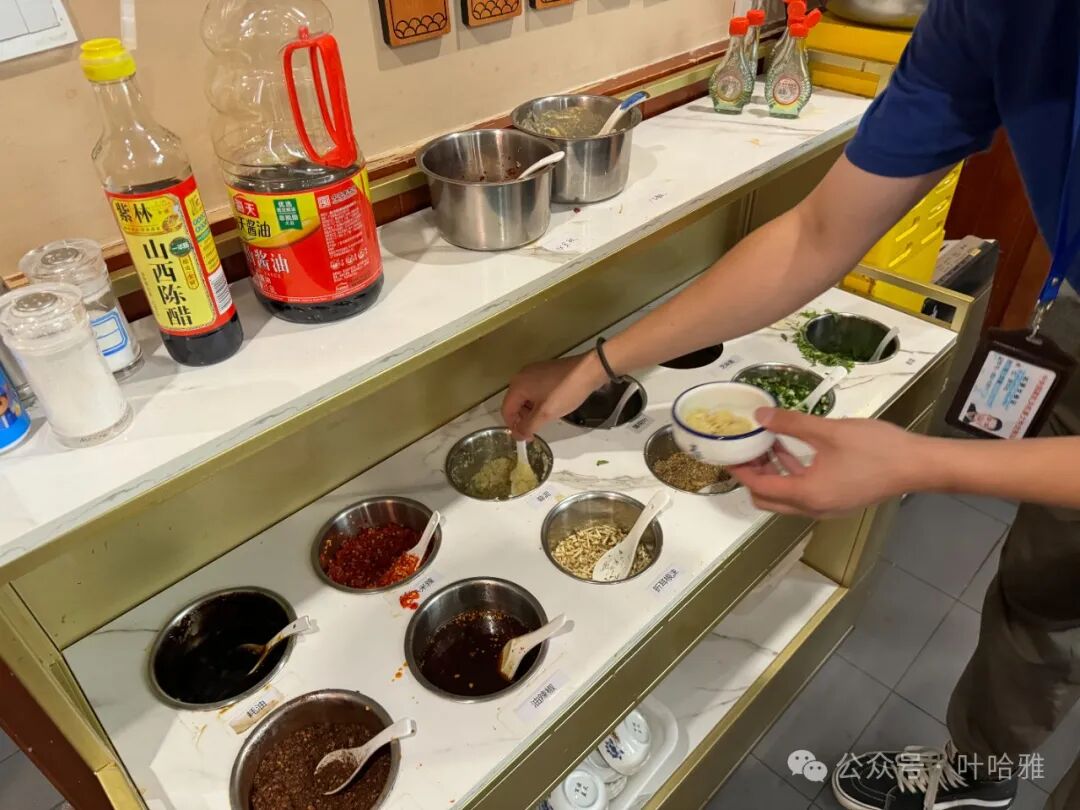
The dipping sauce is the soul of the meal. I suggest following the guide posted by the shop to mix your sauce. You must try the litsea cubeba oil (mujiangzi you), mint leaves, chili powder (hu lajiao mian), and fish mint (zhe'ergen).
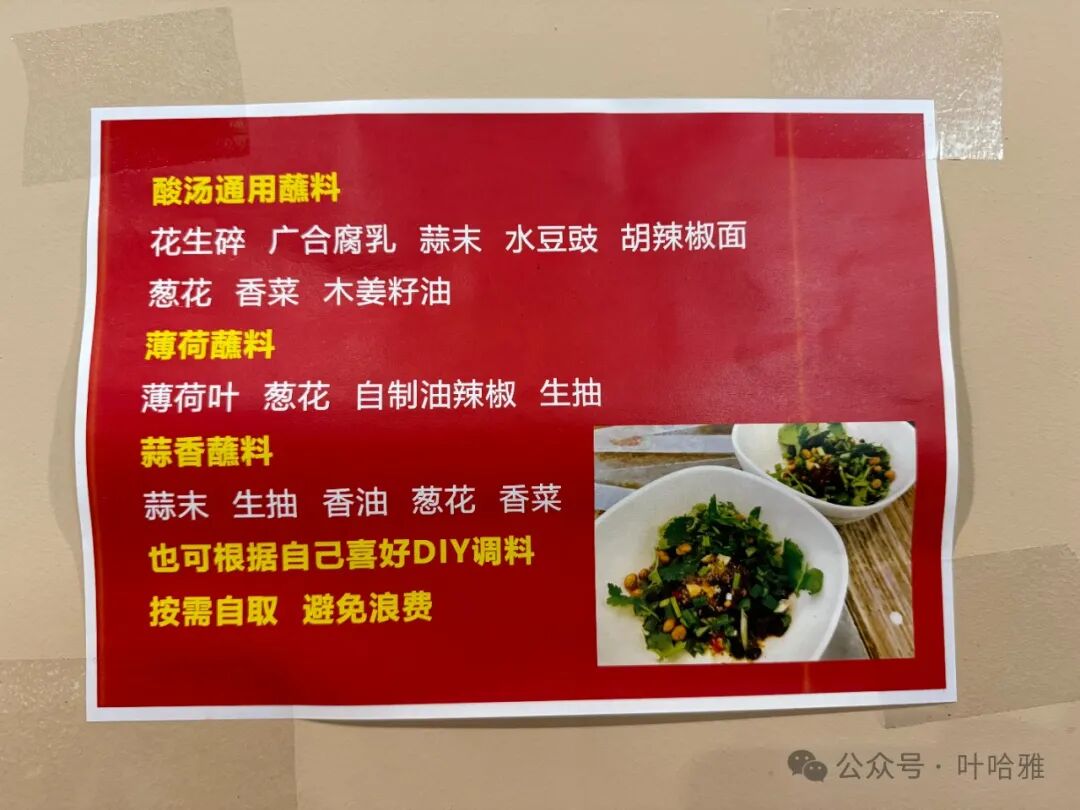
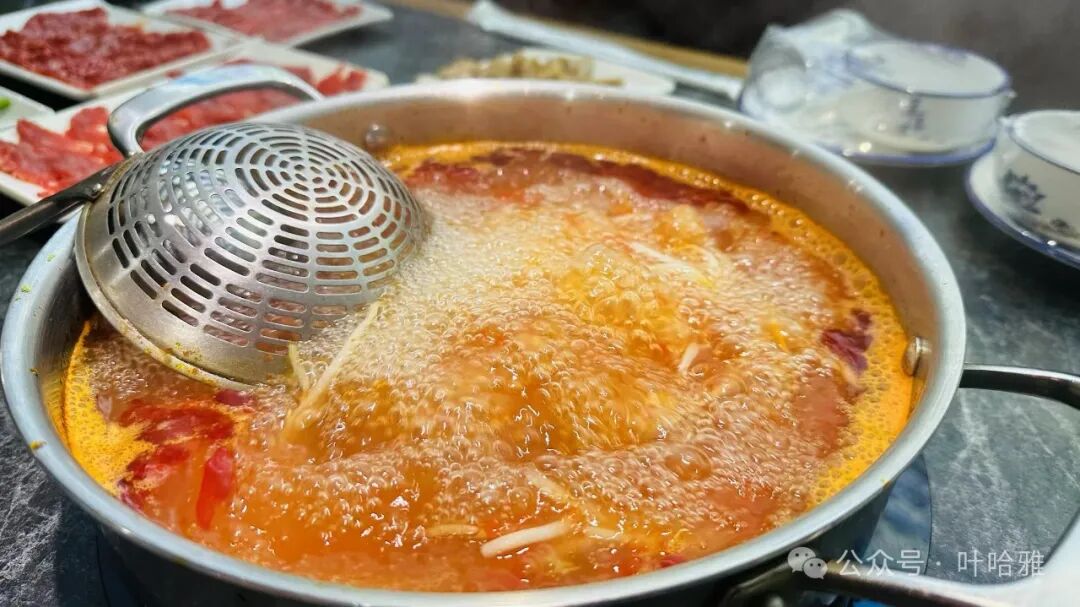
The full beef set includes beef and various beef offal, and the ingredients are very fresh. If you like fish, choose the river catfish (jiangtuan). Each fish weighs two jin and three liang, and the meat is firm with no small bones.
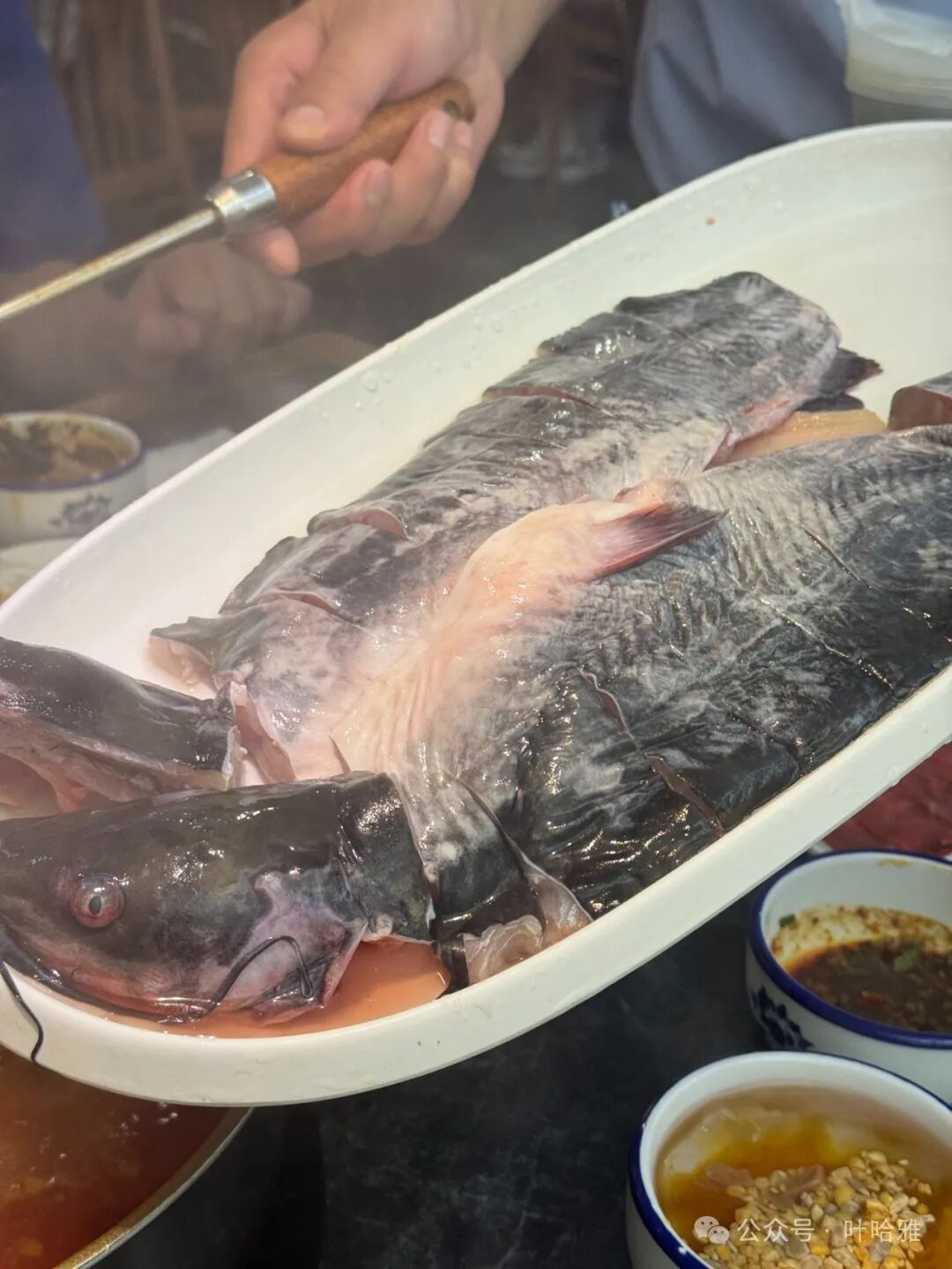
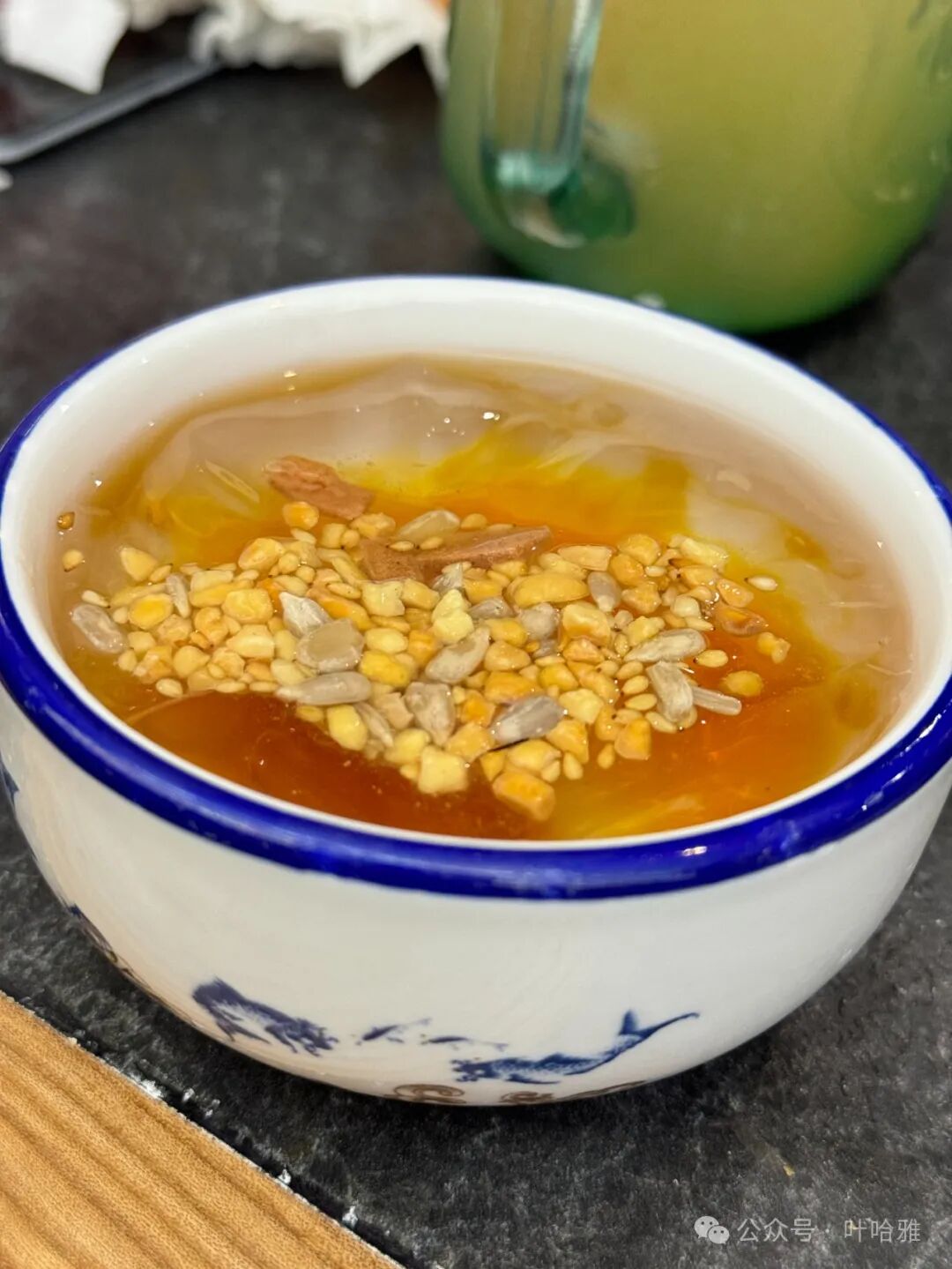
You can get free iced jelly (bingfen) if you save the shop on your map and check in. The iced jelly is just okay, but the signature beef and fish hot pots are worth a try.
6. Fanshen Lobster Restaurant
A new crayfish restaurant just opened in Baiziwan. The owner is from Langfang, and they are currently only open for dinner until the early morning.
You can eat seafood like crayfish. For details, check out my previous article on how the Hanafi school views shrimp. They also serve specialties from Cangzhou, Hebei, like hot pot chicken (huoguo ji) and spicy crab (xiangla xie).
The restaurant has a great atmosphere. It is spacious with plenty of room between tables, and the private courtyard at the entrance serves as a free parking lot.
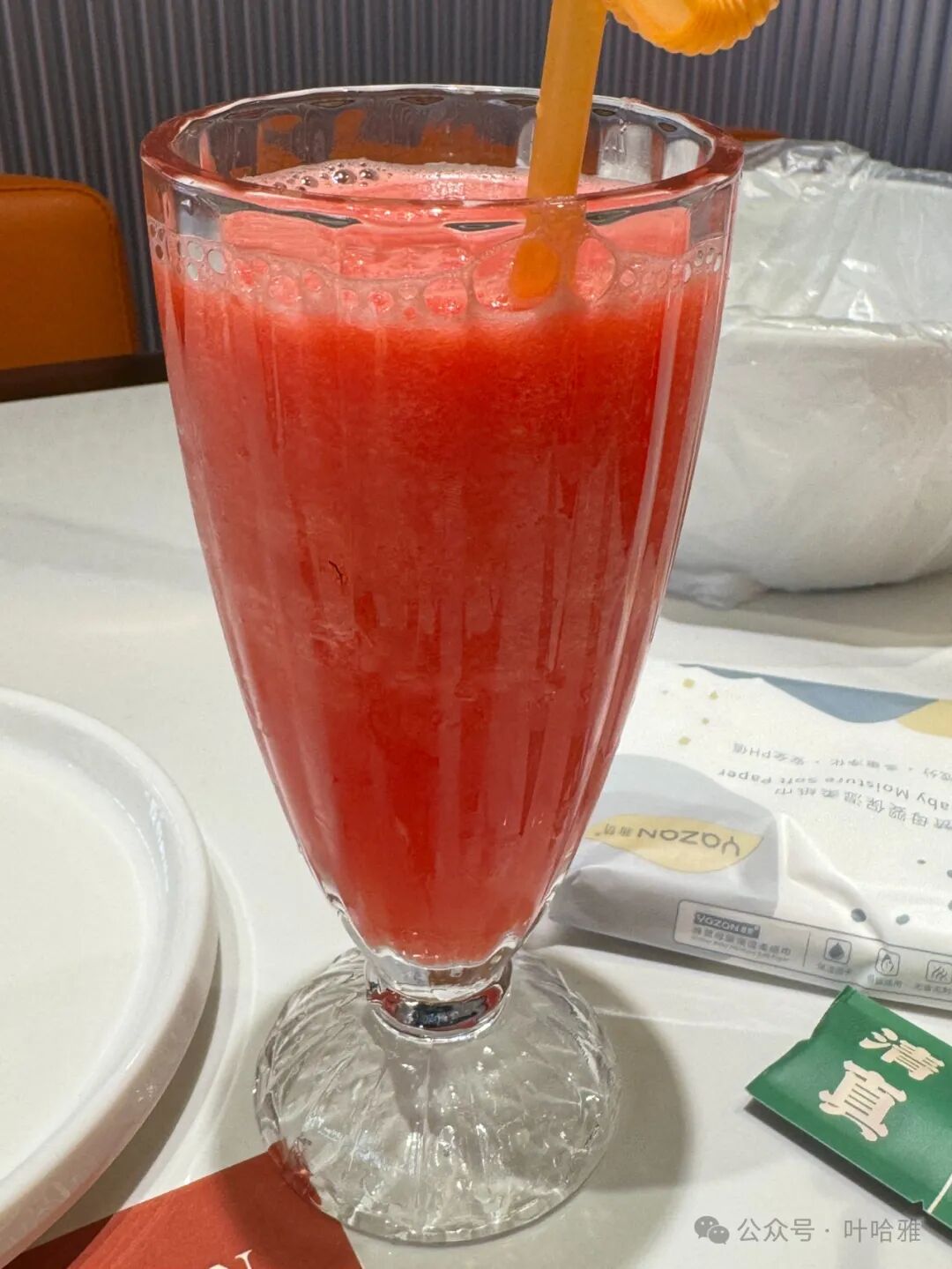
If you leave a review and save the shop on the app, you get a free glass of fresh-squeezed fruit juice.
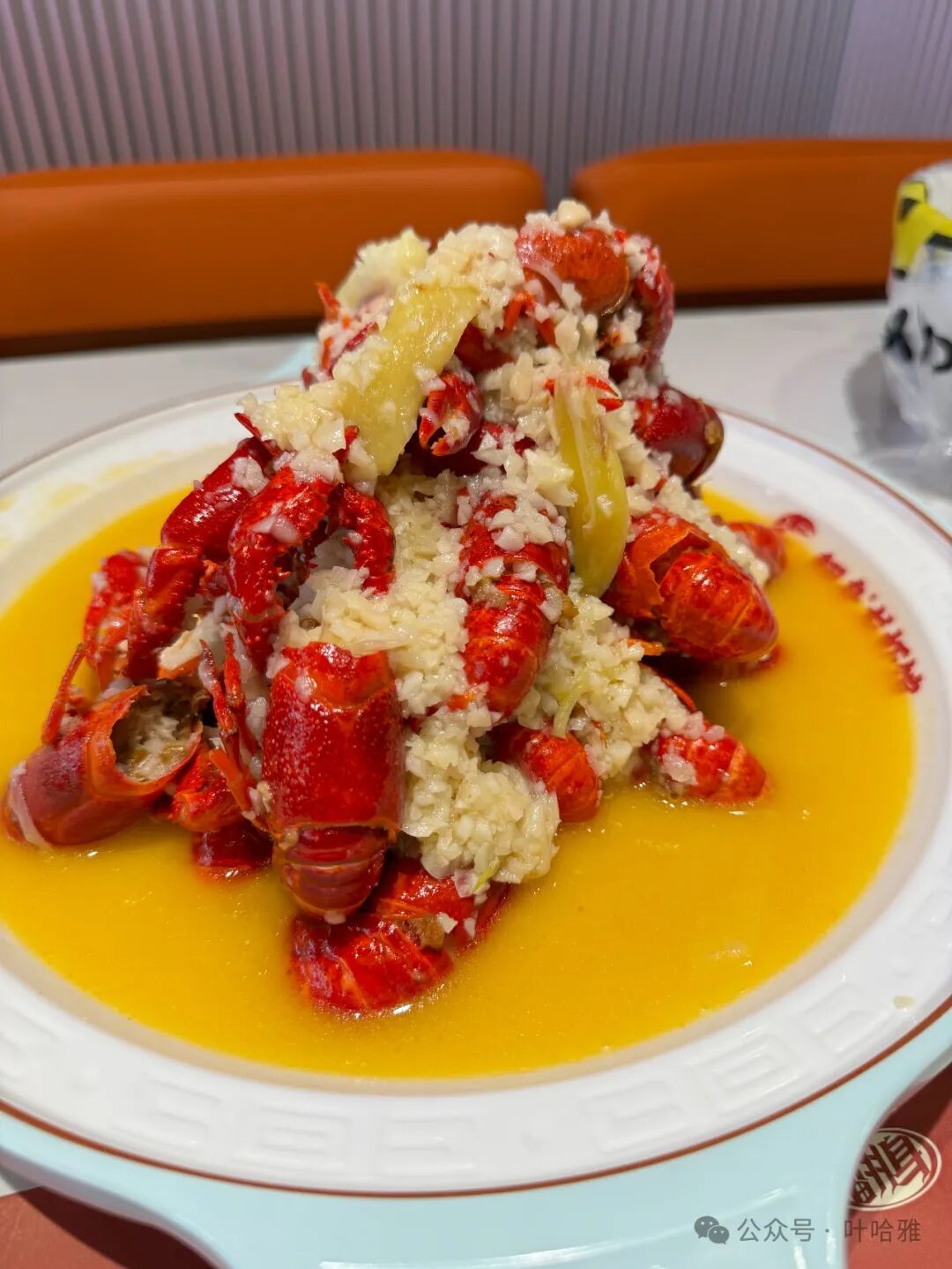
The most popular dish is the garlic crayfish. You can really taste how fresh the shrimp are. You can dip the freshly griddled hand-torn flatbread (shousi bing) into the golden crayfish broth; it tastes excellent.
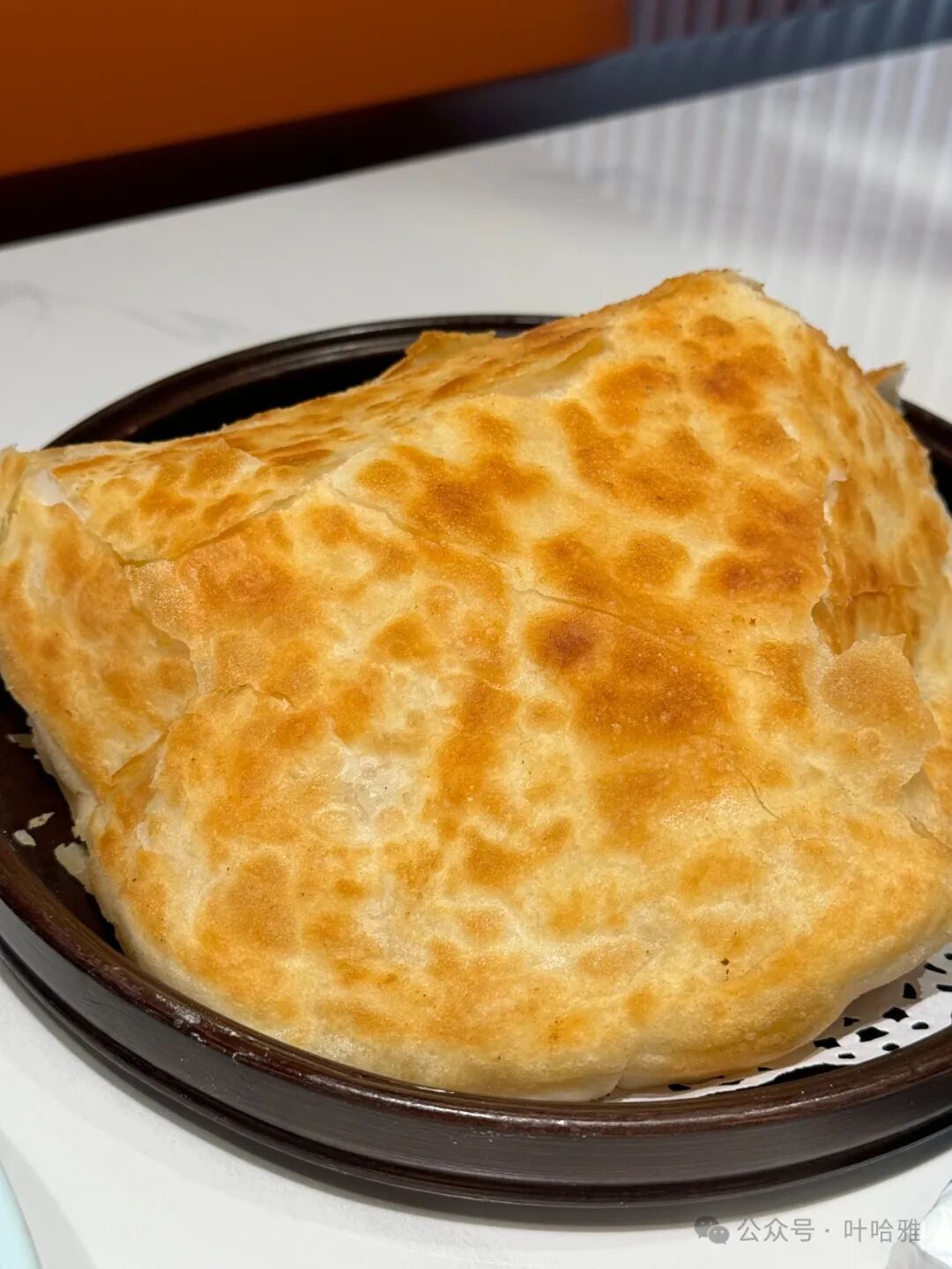
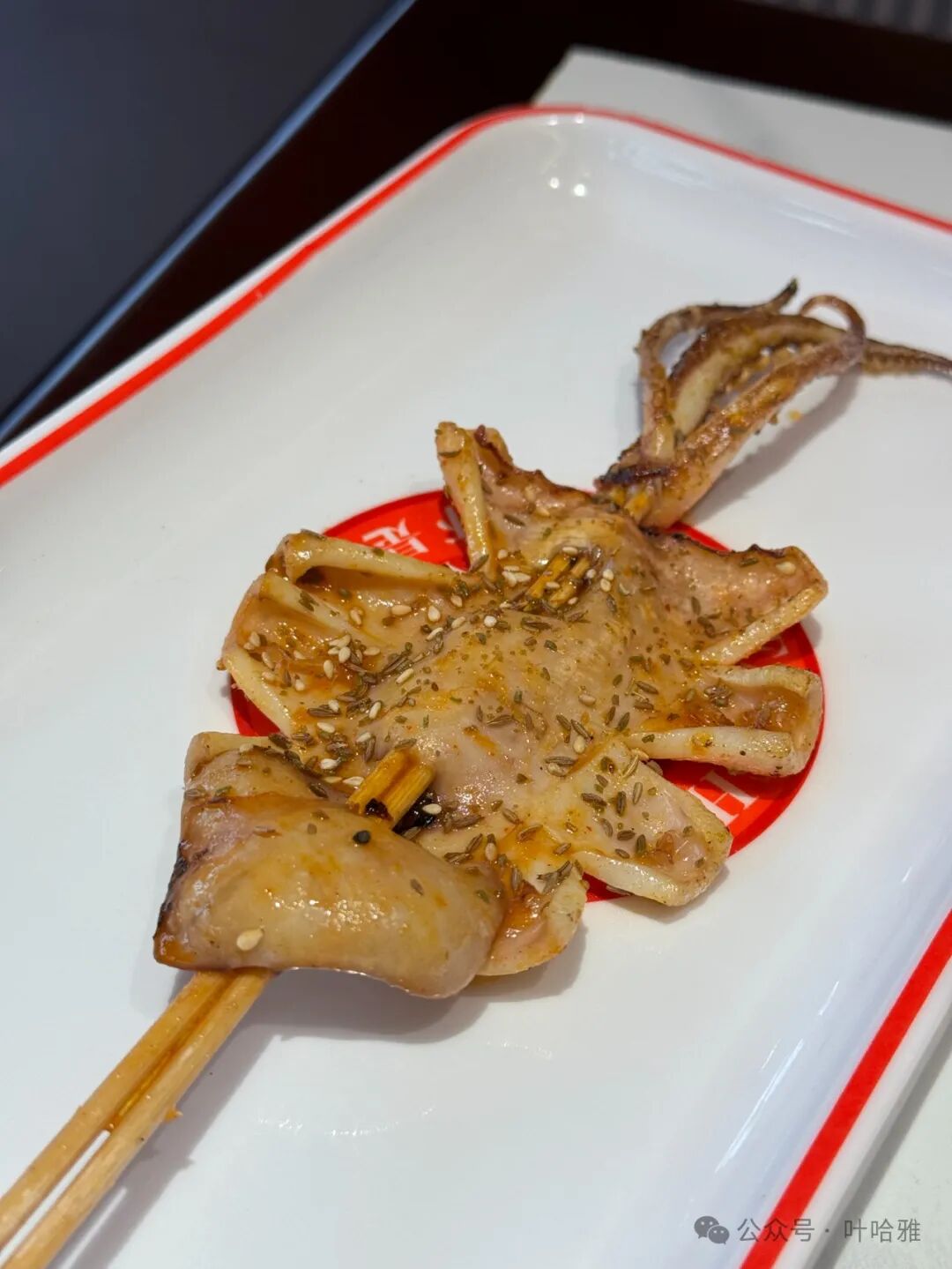
The grilled squid is also delicious. Their ingredients are definitely fresh.
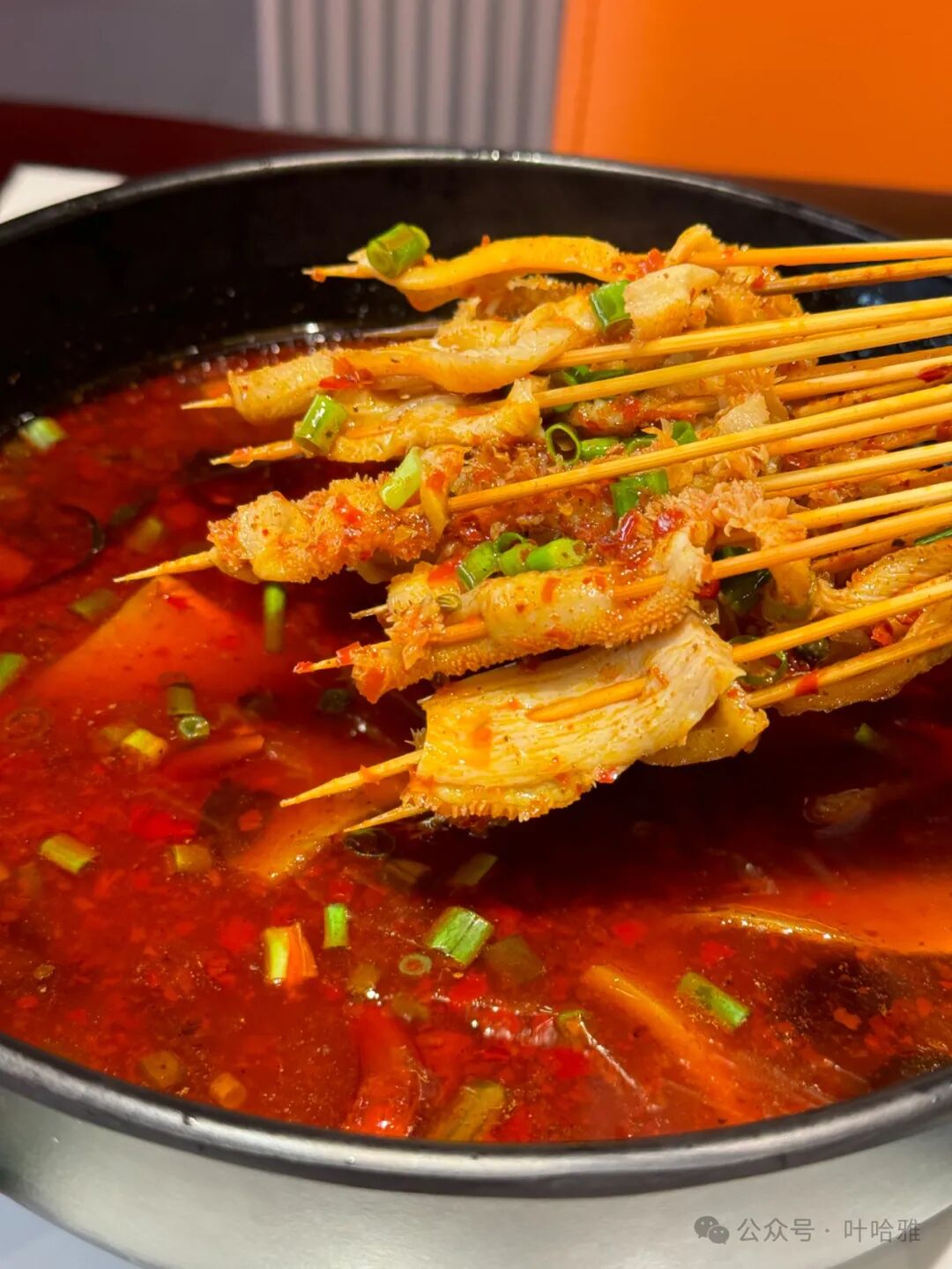
The spicy beef tripe (chanzui niudu) has a numbing and spicy flavor and tastes great. Overall, this place has the potential to become a viral hit, whether you look at the service, environment, or taste. It is a bit pricey, with an average cost of over 200 yuan per person.
7. Gameizi Ningxia Tan Sheep
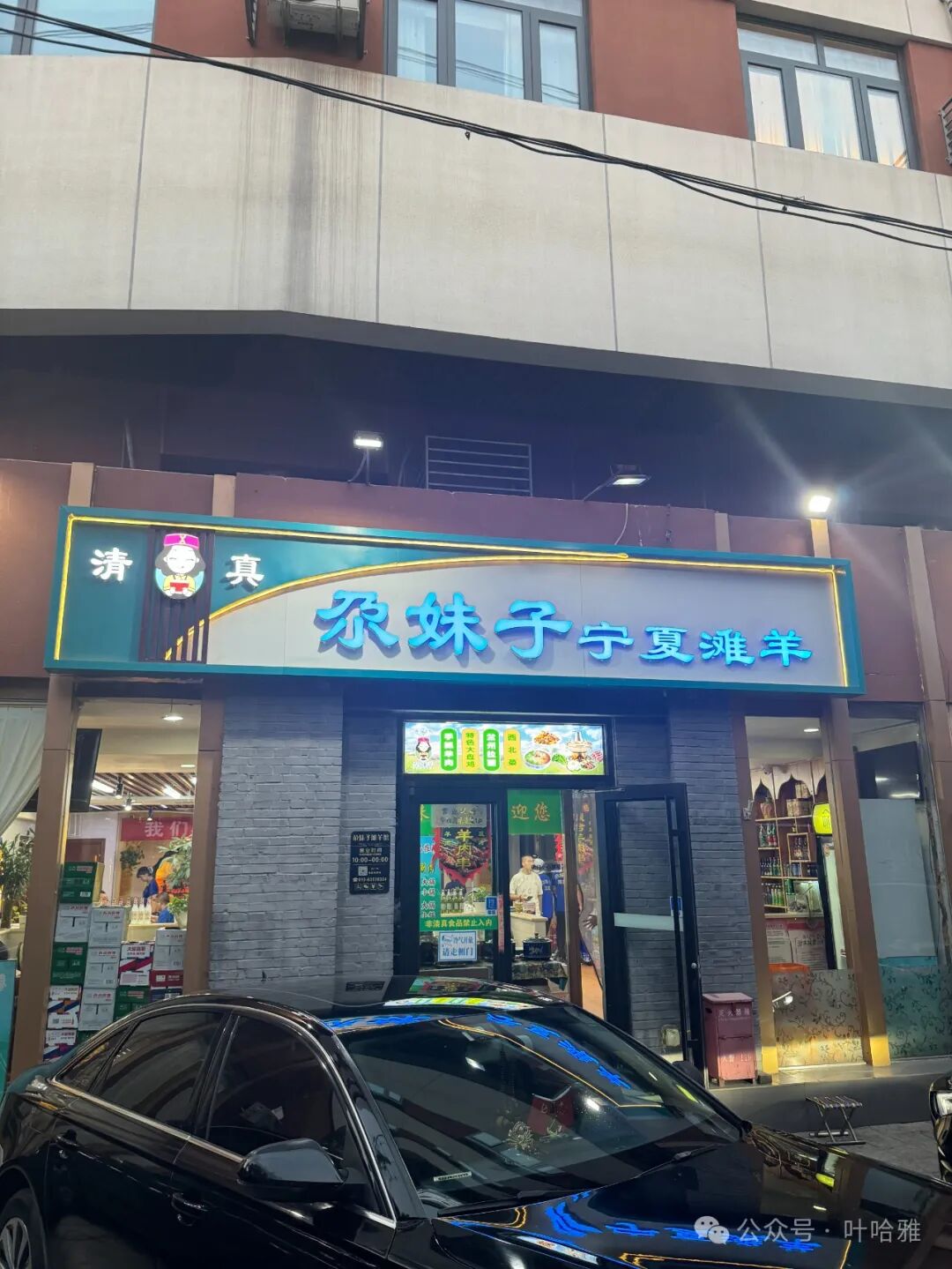
Gameizi is a chain restaurant, and they do a good job with their lamb.
Tan sheep (tan yang) restaurants have popped up all over Beijing in the last two years, but the quality of the meat has been going downhill.
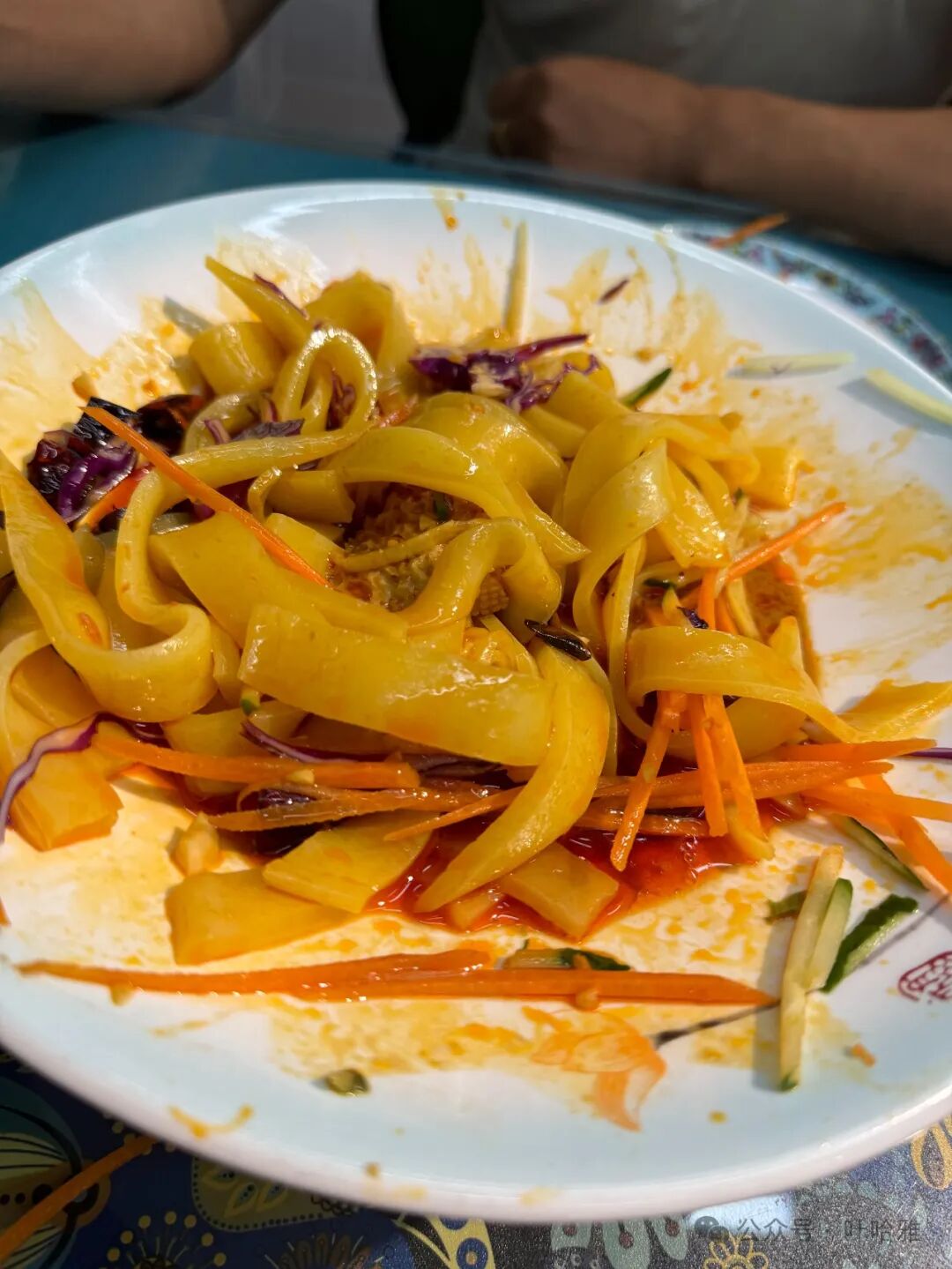
We tried the lamb neck this time, and everyone liked it. It comes with chive flower sauce and chili sauce, both of which are quite tasty.
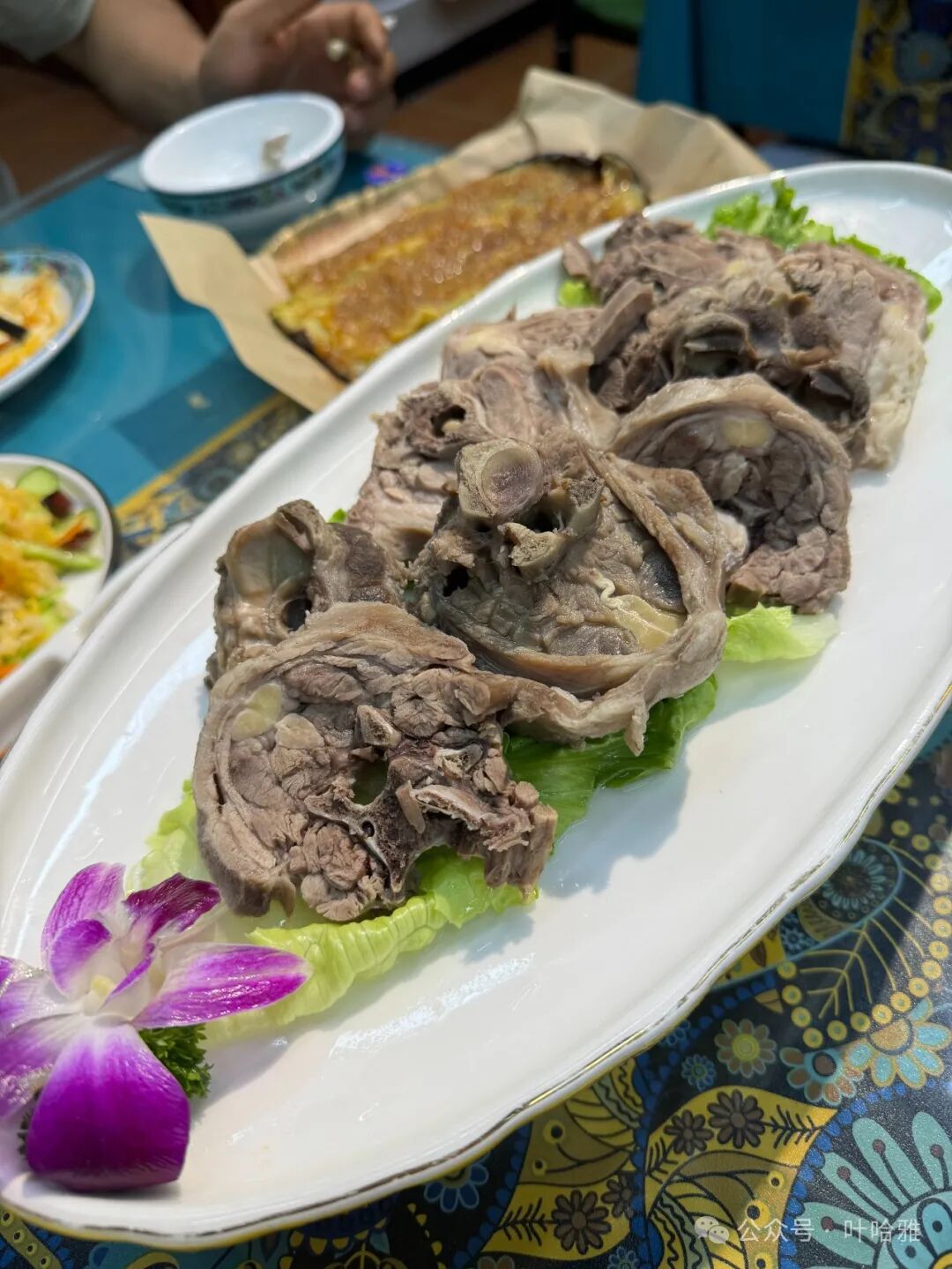
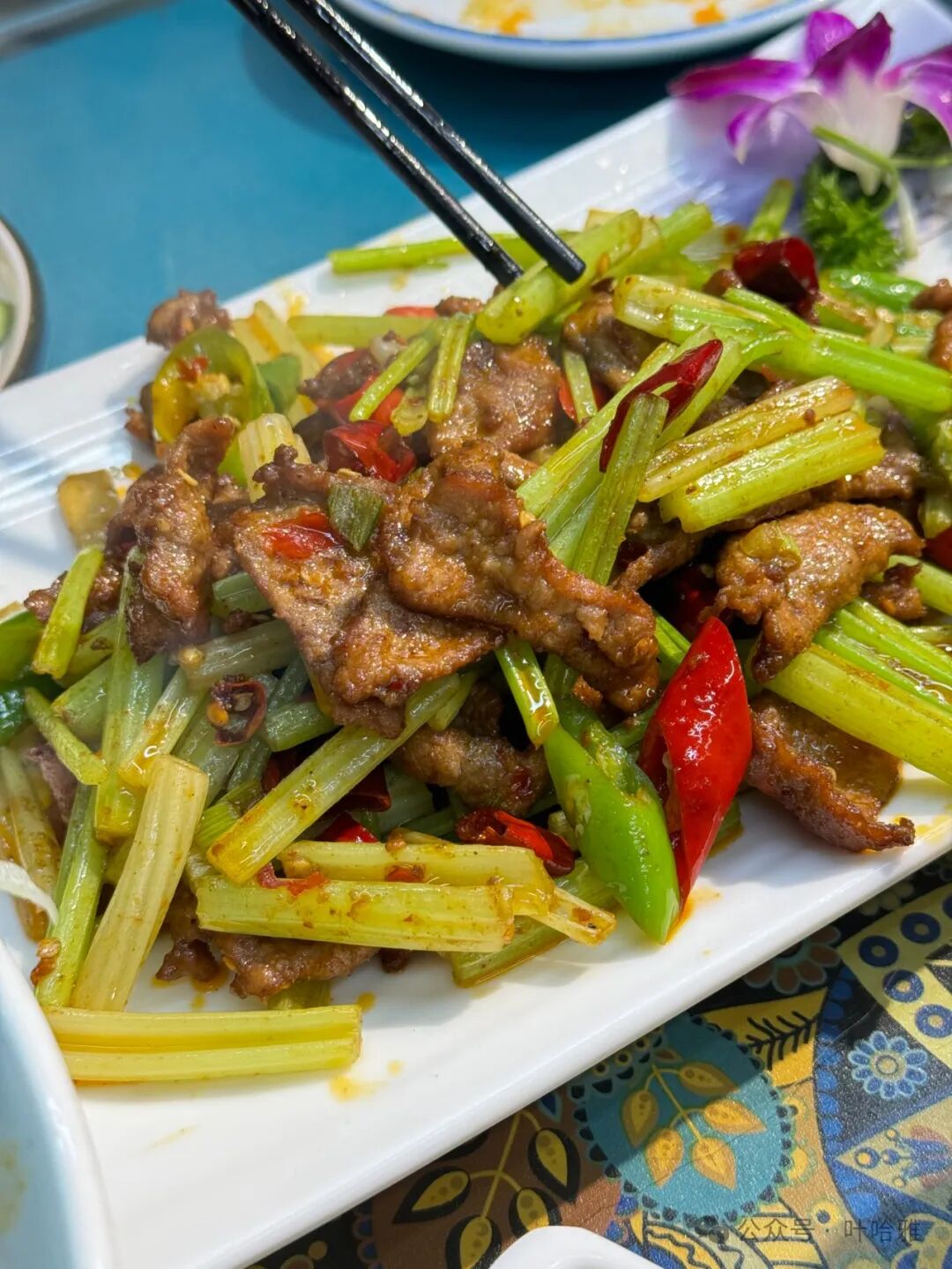
Stir-fried beef (xiaochao huangniurou) is a common home-cooked dish in southern Ningxia, where people eat more beef.
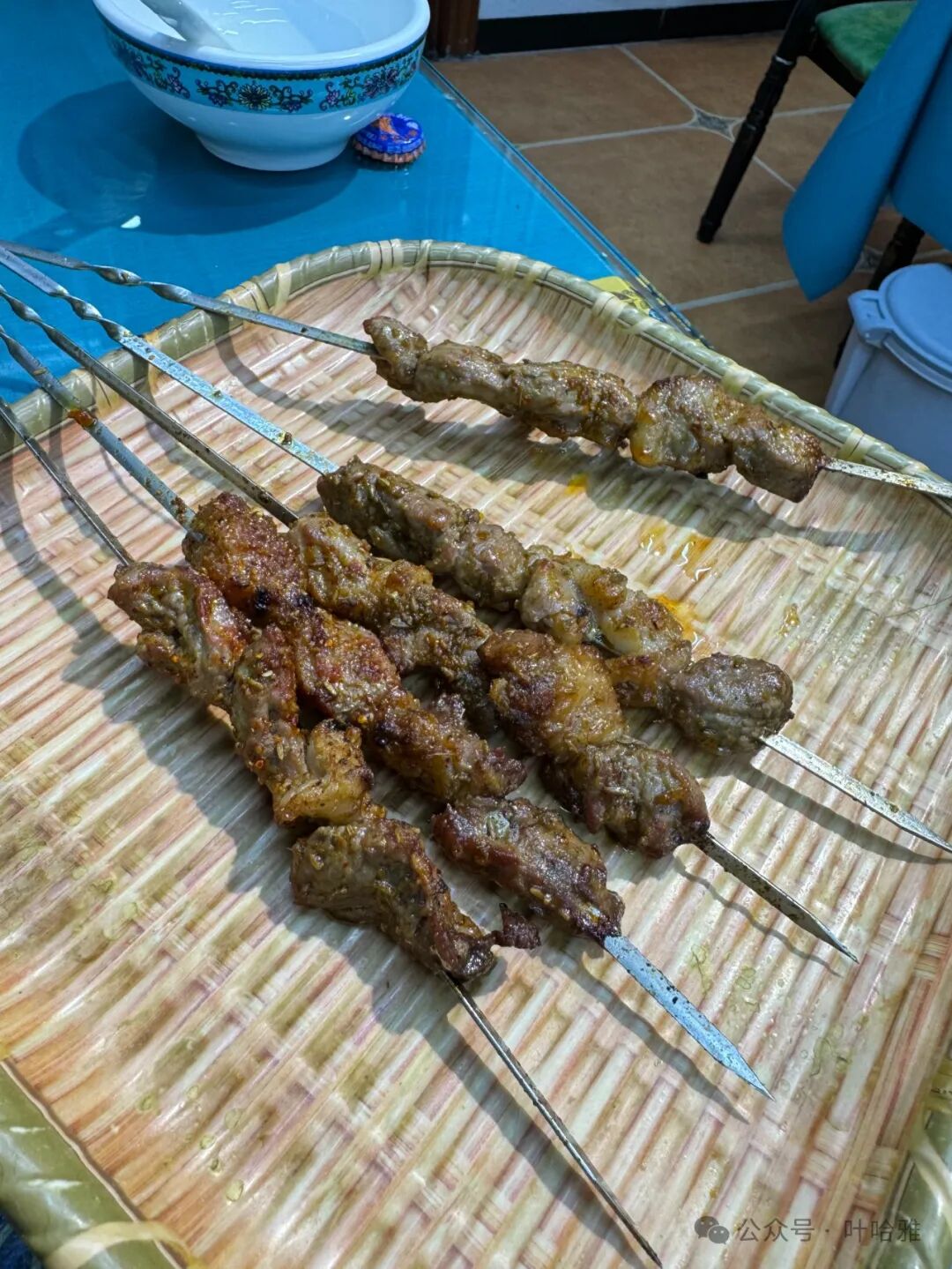
Salt-lake sheep (tanyang) has a slightly thicker layer of fat, which makes it perfect for roasting. This restaurant is busy at night, but parking is difficult. The average cost is about 150 yuan per person.
8. Fuhua Zhengxing Folk Customs Restaurant
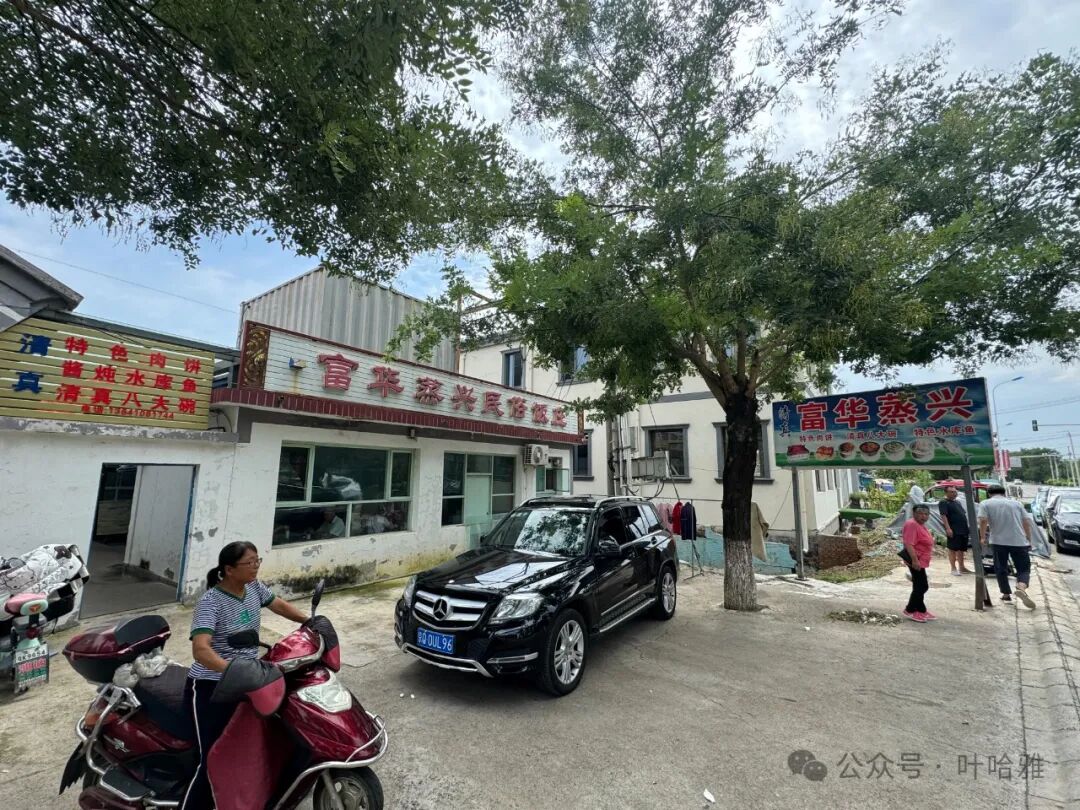
Mujia Yu village, near Miyun Reservoir, is a village for Hui Muslims. There are four halal farm-style restaurants along the road at the village entrance: Fuhua Zhengxing Folk Restaurant, Hexingzhai Restaurant, Shanshui Tianyuan, and Kunanchun. I have eaten at Shanshui Tianyuan before, and Kunanchun was closed, so we had our farm-style lunch at Fuhua Zhengxing.
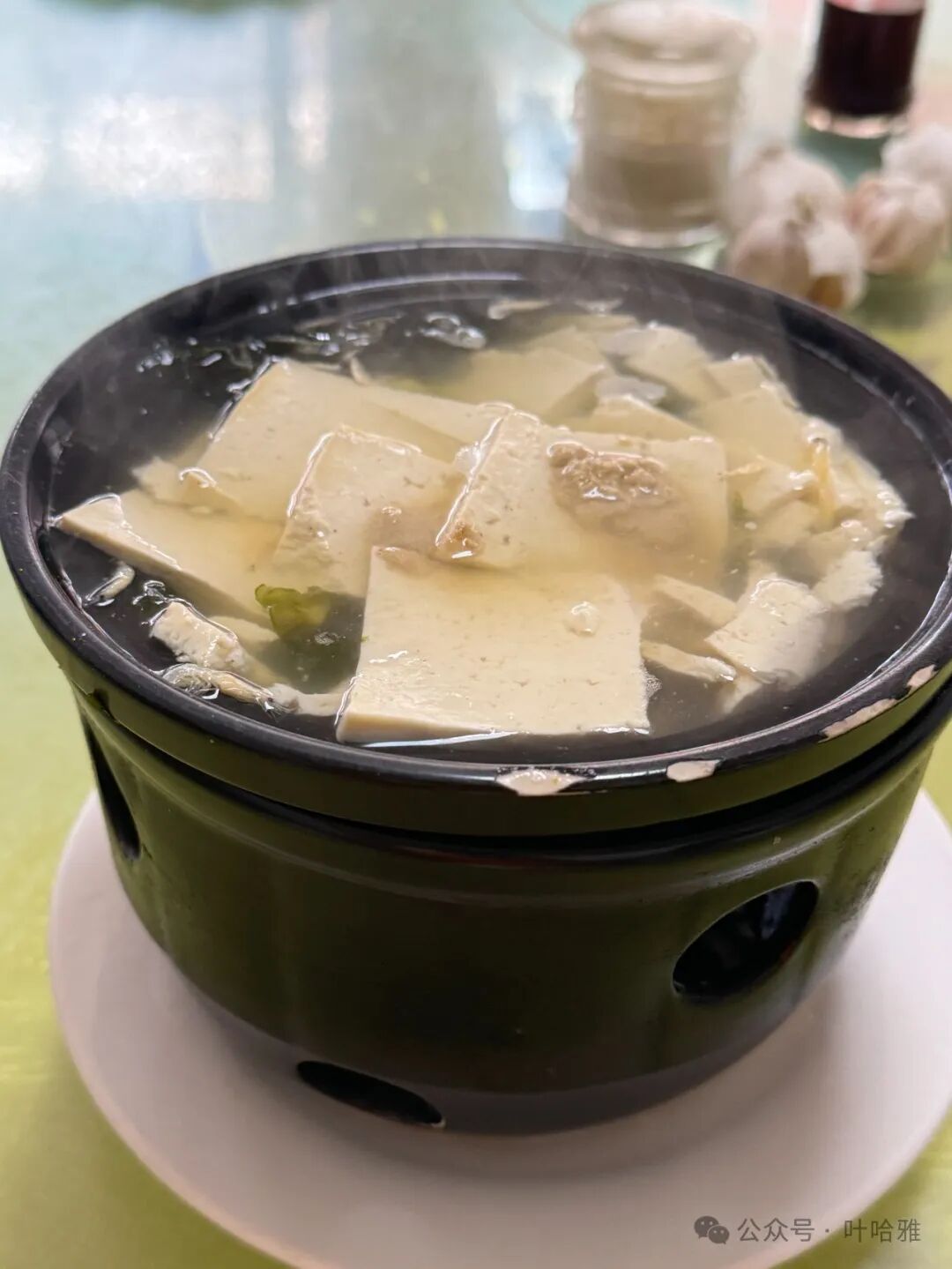
I recommend trying the farm-style tofu in Miyun. It is a local specialty and has a very fragrant flavor.
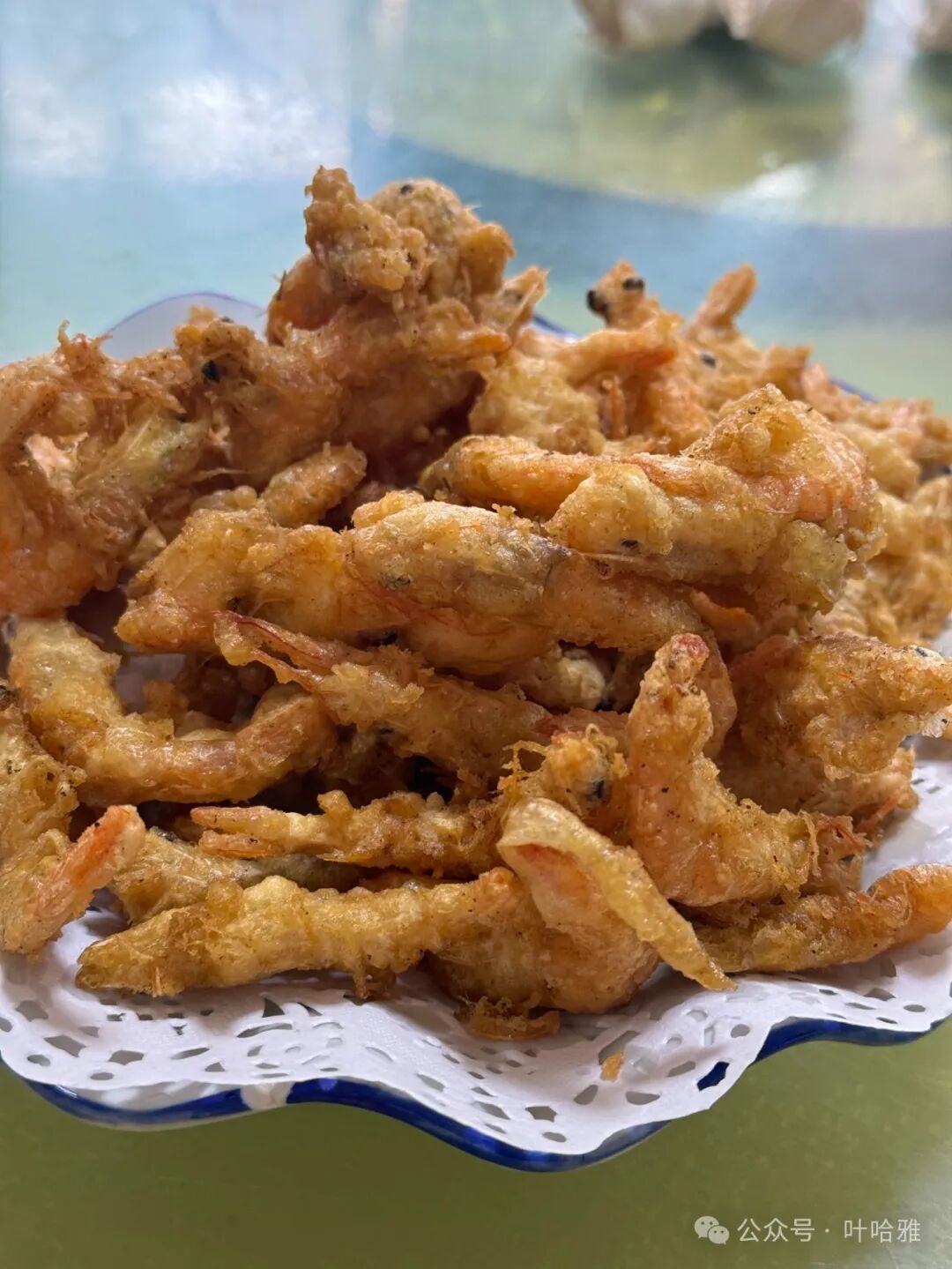
Fried river shrimp is another farm specialty. There is also the stir-fried pumpkin (wogua) shown below. Wogua is just pumpkin, and this was grown in their own field. It tastes great.
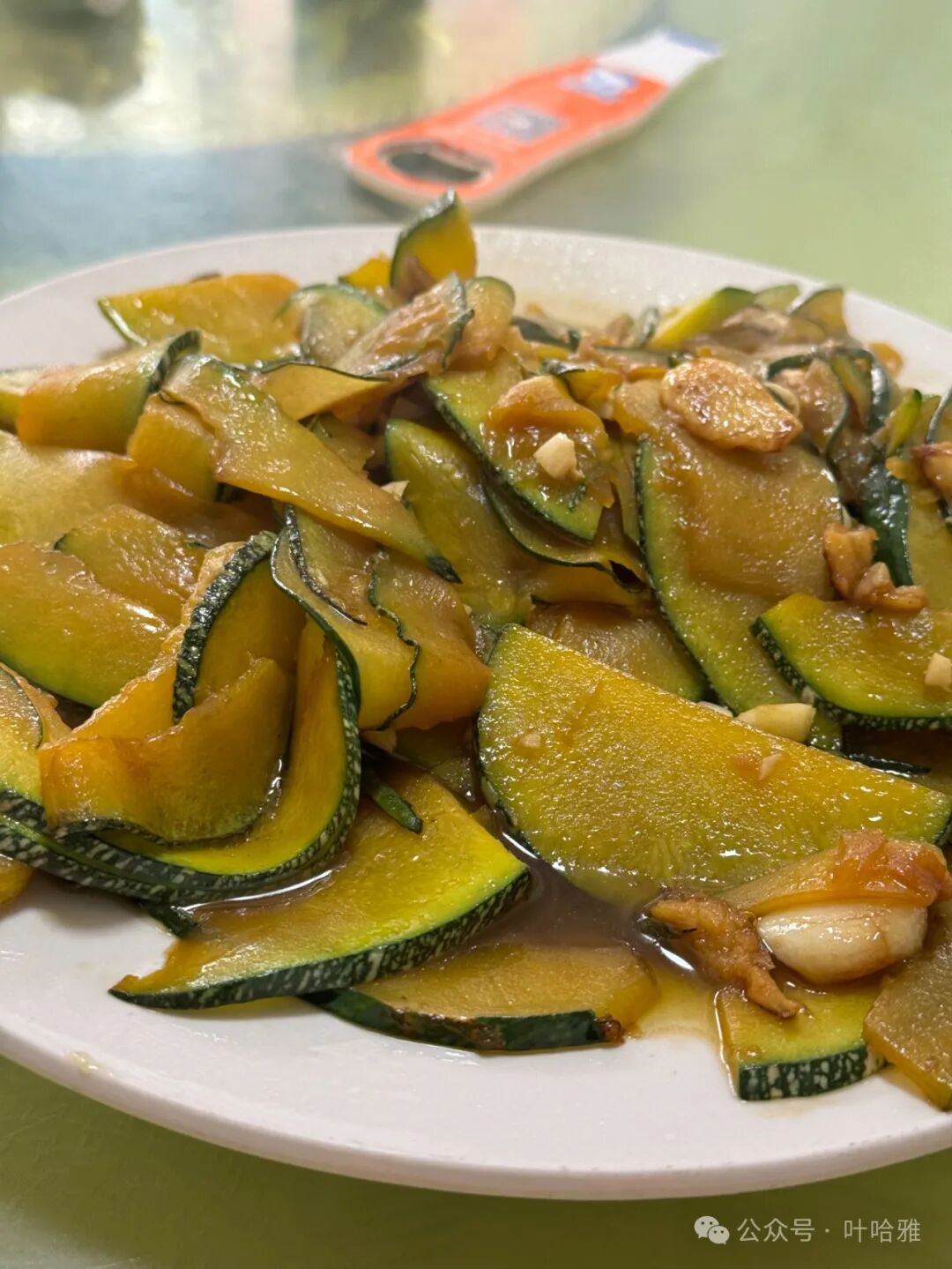
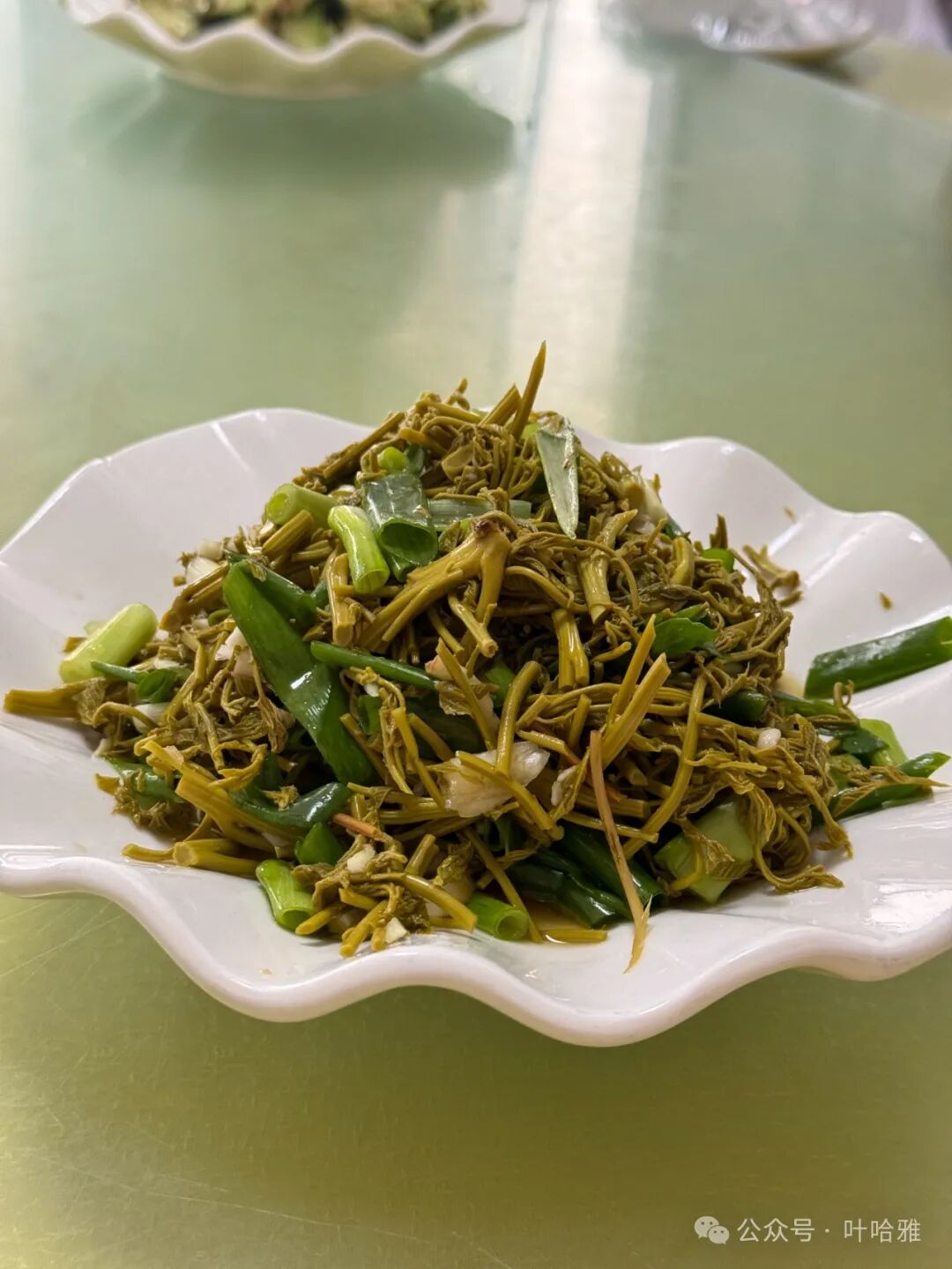
One of the wild vegetables often found in Beijing farm-style restaurants is muli bud (muliya), also called jasmine bud (moliya), which is actually the tender leaf of the goldenrain tree.
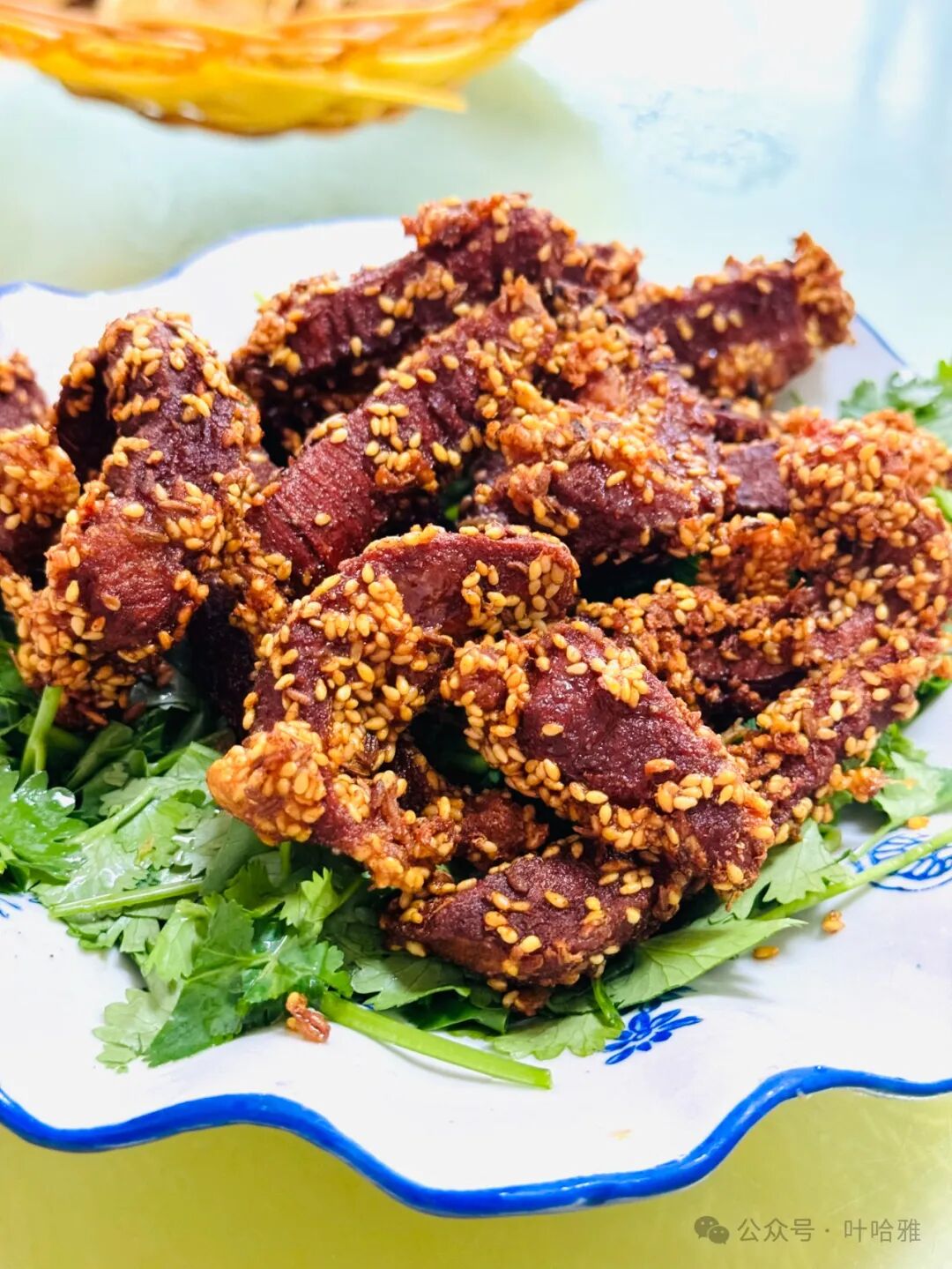
The fried beef strips are covered in sesame seeds. They seem to be made from beef jerky and go very well with rice.
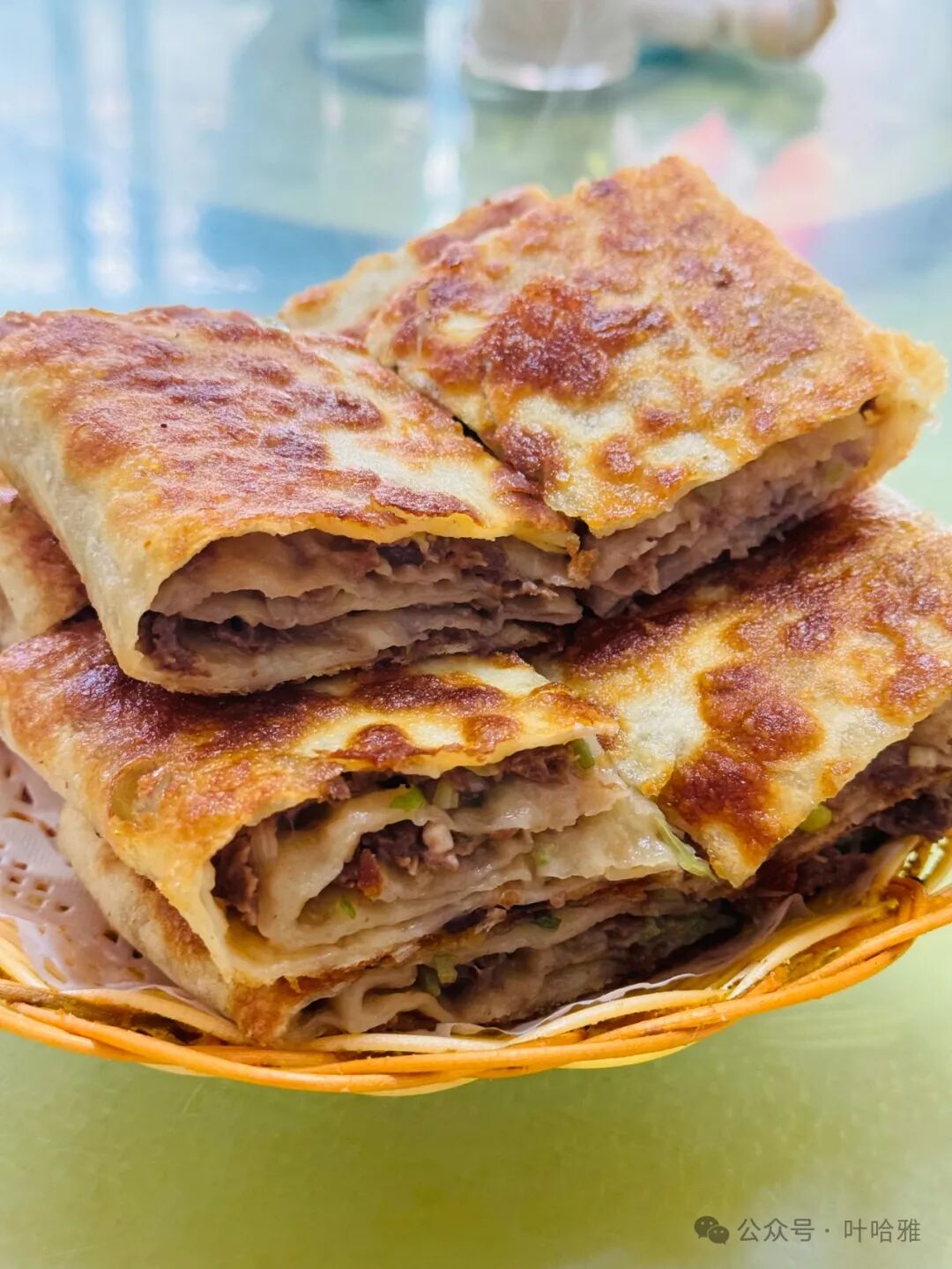
Their signature meat pie has a crispy crust, which is the texture I like. We ordered two jin (one kilogram), and all 10 of us finished it.
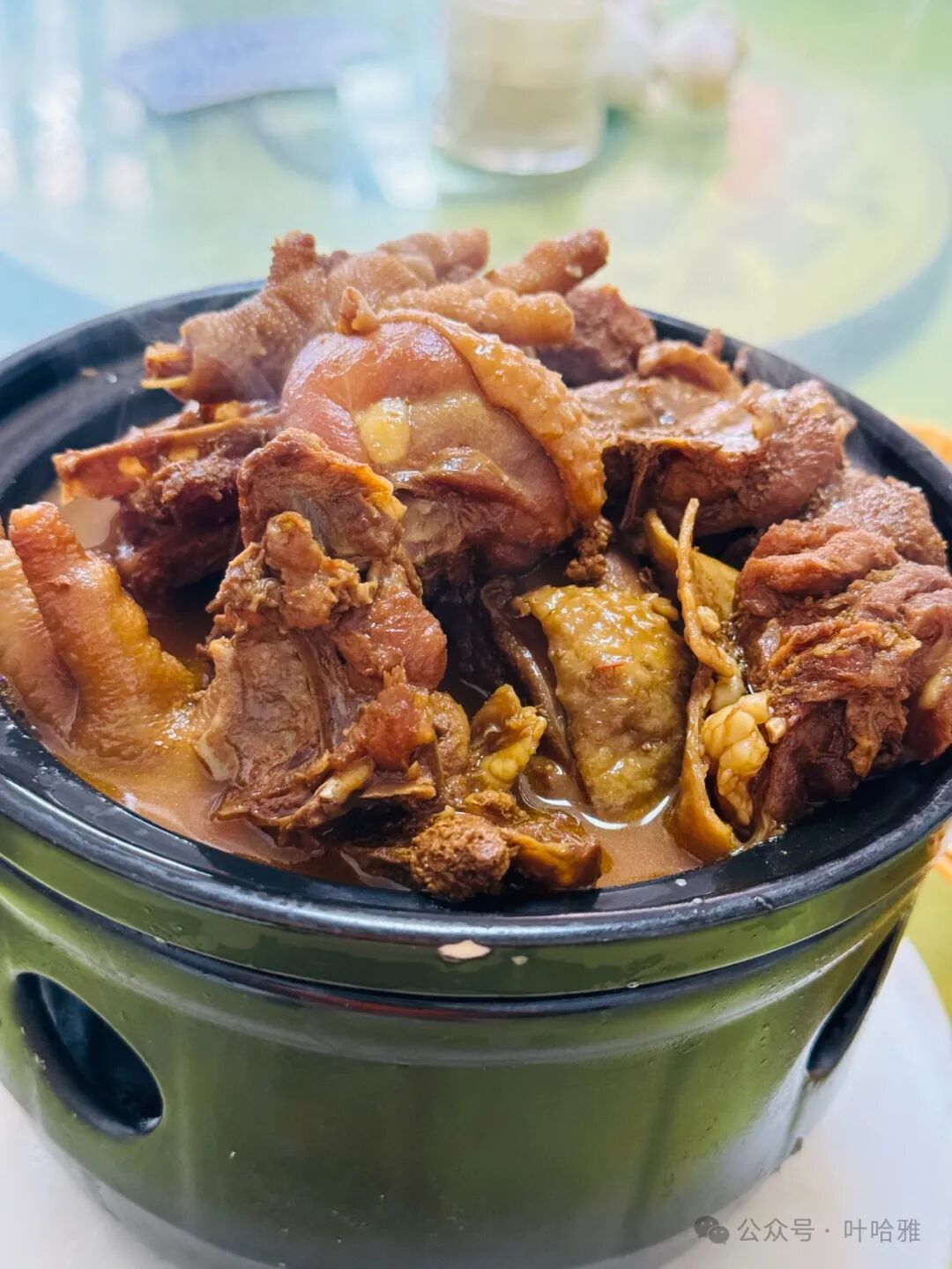
The stewed free-range chicken is also good. The meat is soft, tender, and flavorful, and the price is cheap.
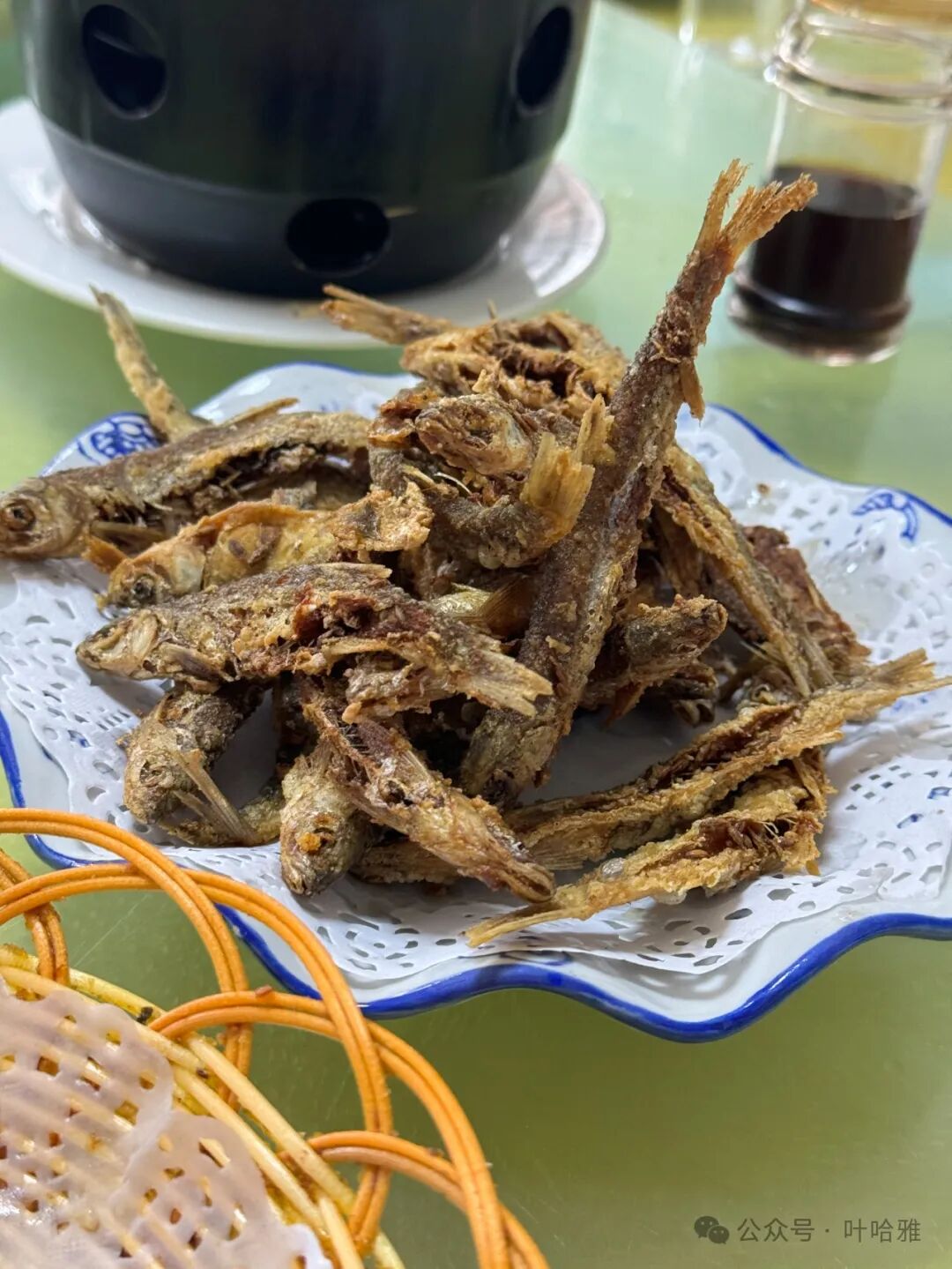
Since we did not book in advance, there were no reservoir fish of a suitable size when we arrived at noon, so we chose these fried small fish. Reservoir fish usually weigh between five and eight jin, with the extra-large ones being over ten jin. They are bighead carp, and every restaurant charges 38 yuan per jin, usually cooking them by braising in sauce.
9. Hexingzhai Halal Restaurant
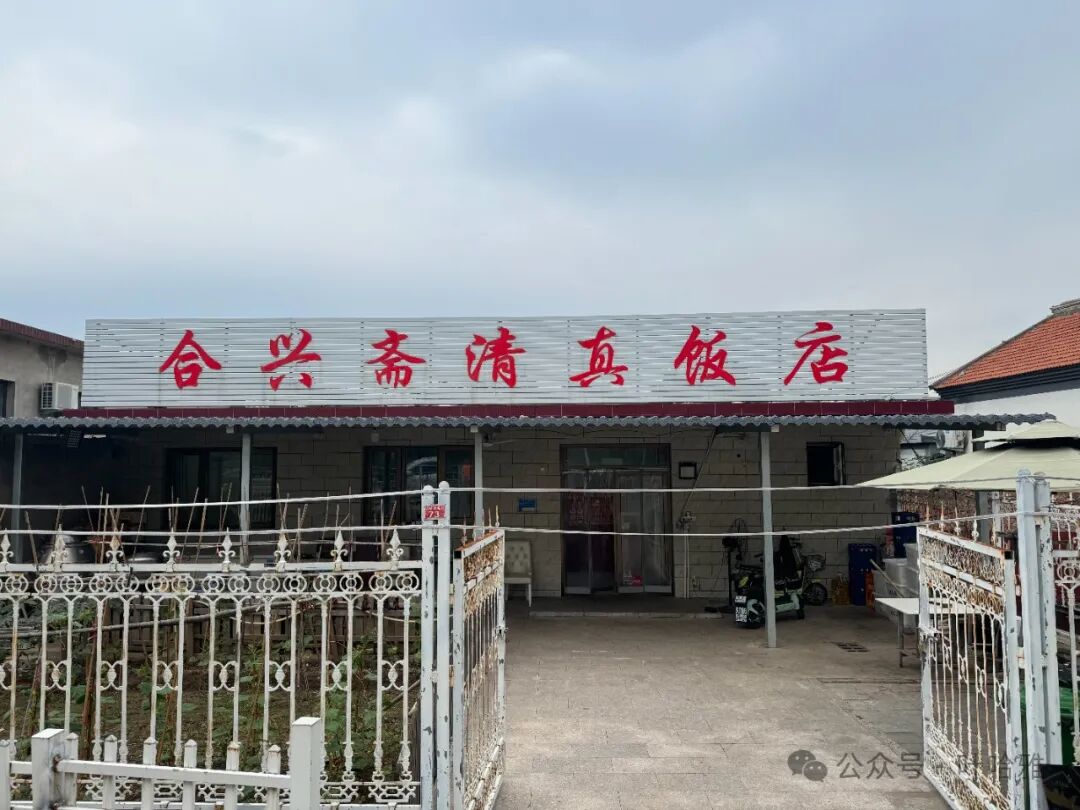
We missed out on reservoir fish at lunch, but we didn't give up. We wandered around until evening and came to Mujia Yu to try this place, Hexingzhai.
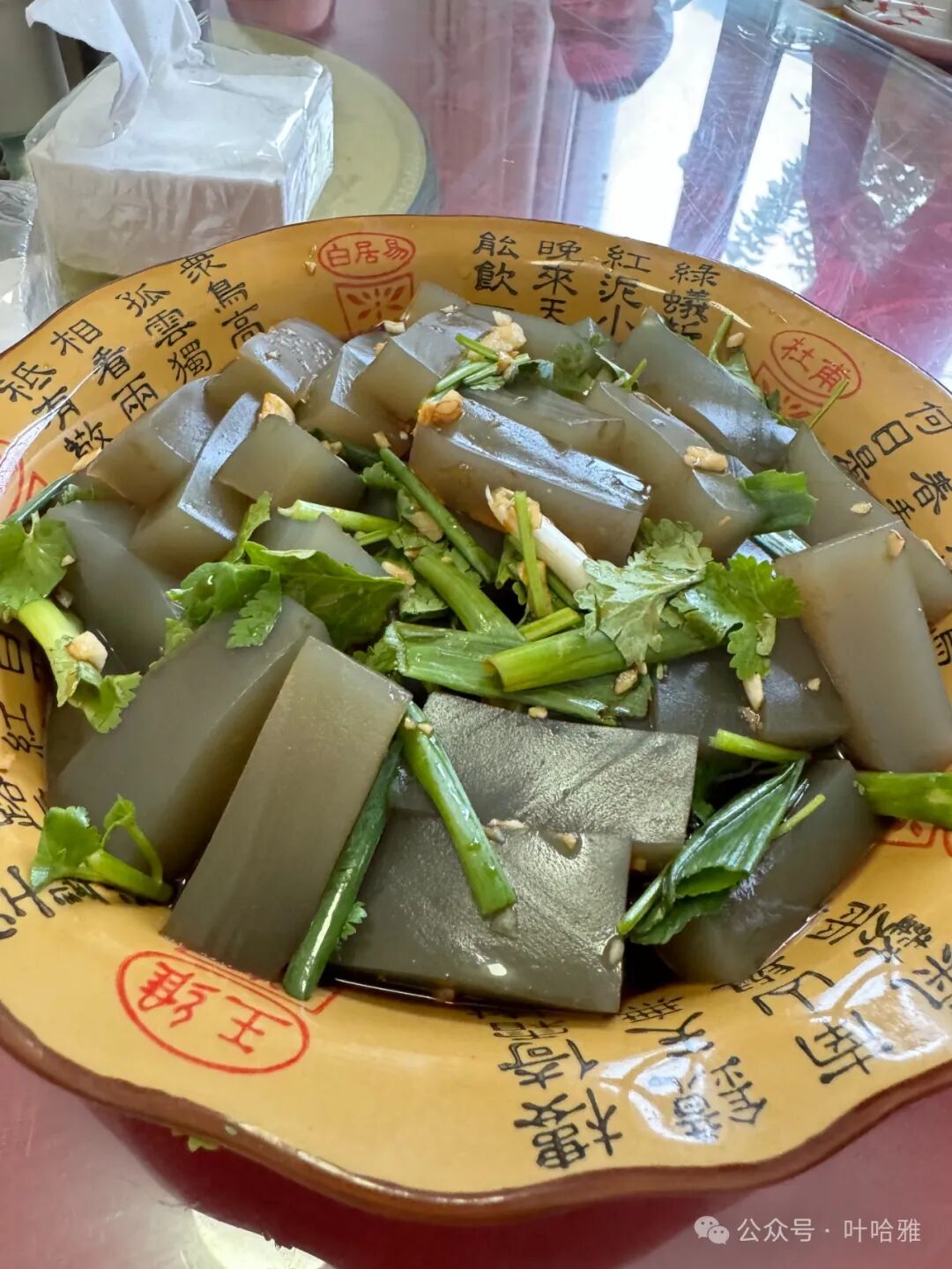
The homemade mung bean jelly (liangfen) had mustard oil added, making it extra refreshing.
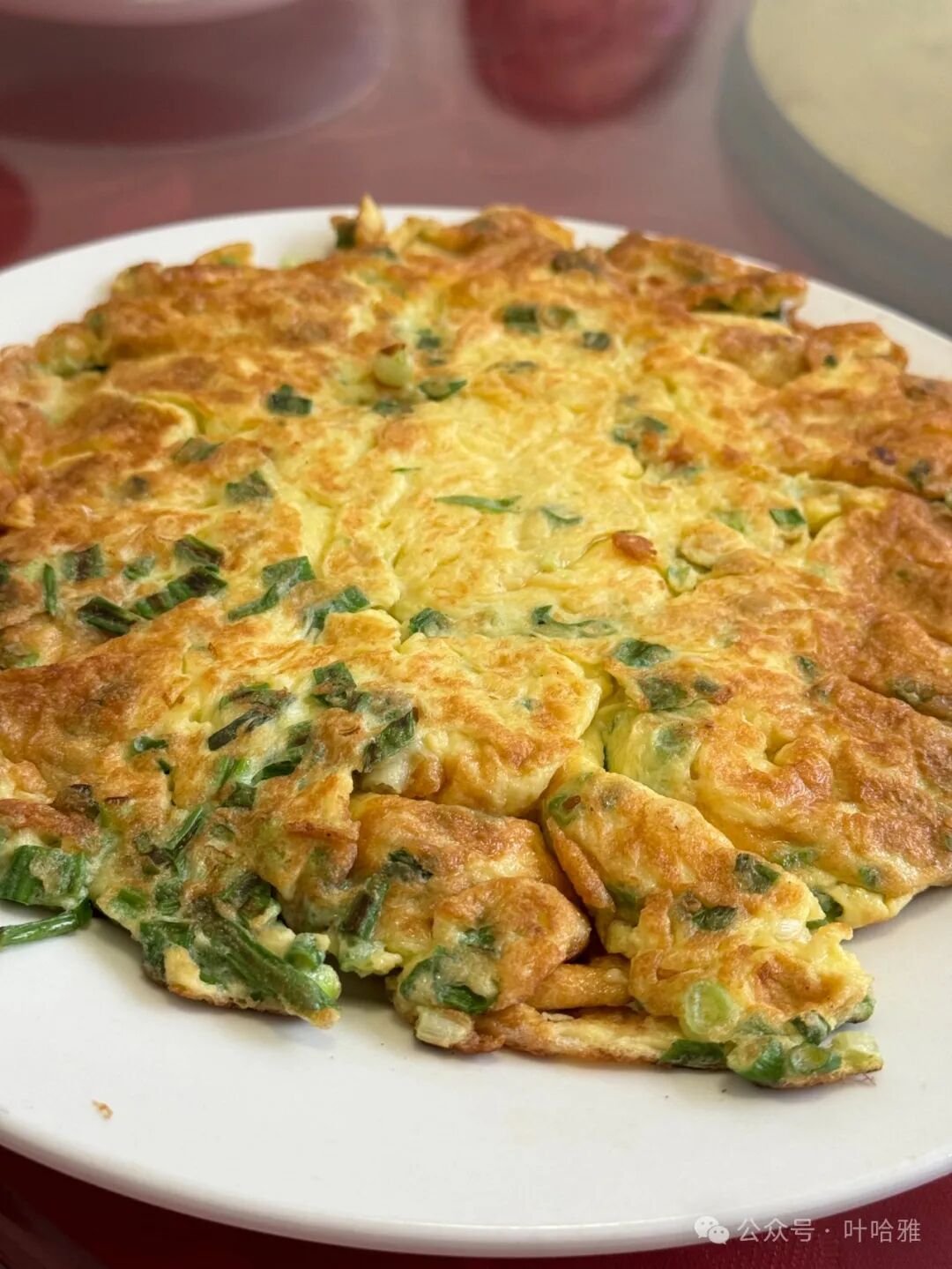
We had scrambled eggs and stir-fried tofu. Miyun tofu is truly delicious no matter how you cook it.
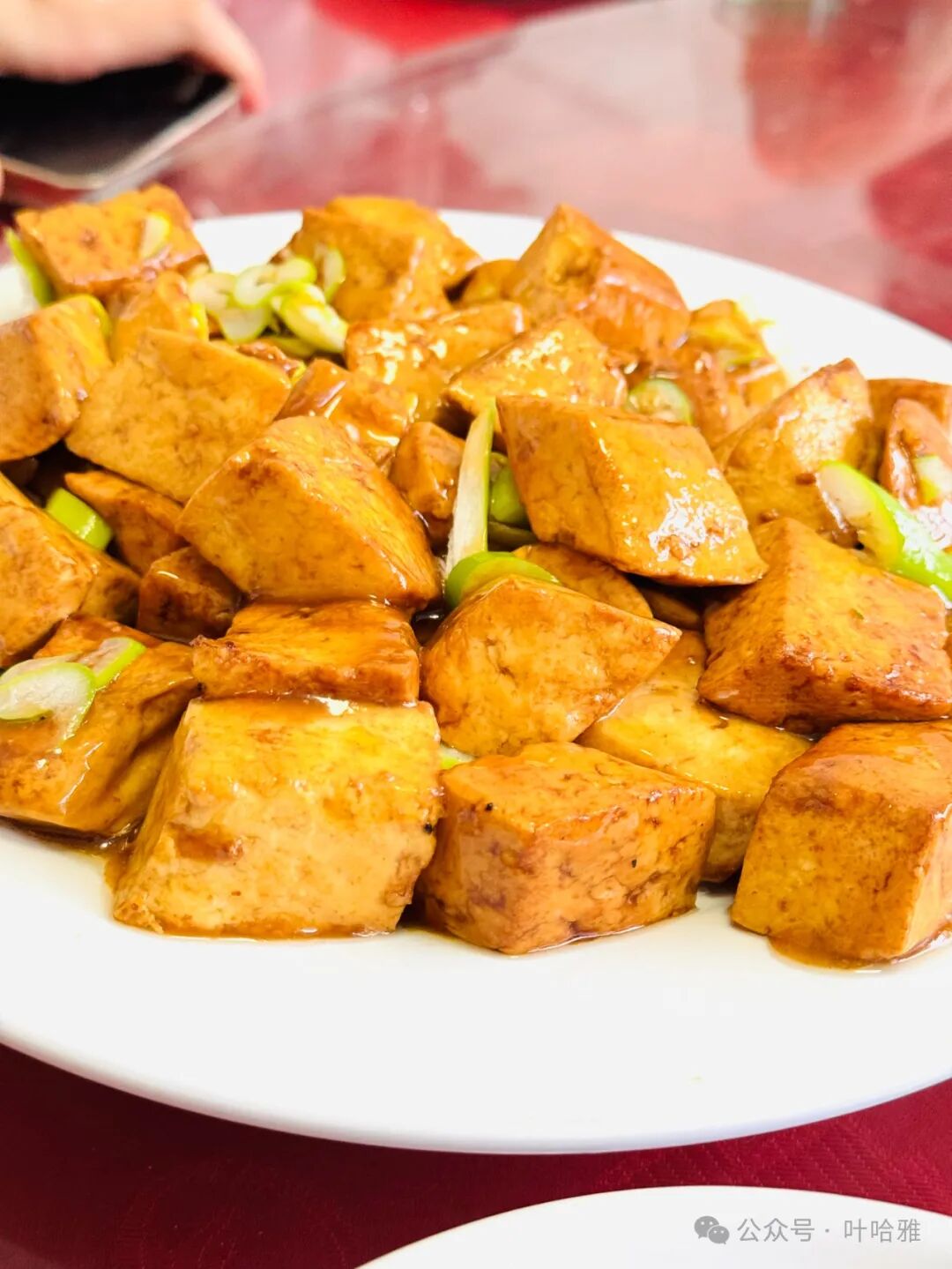
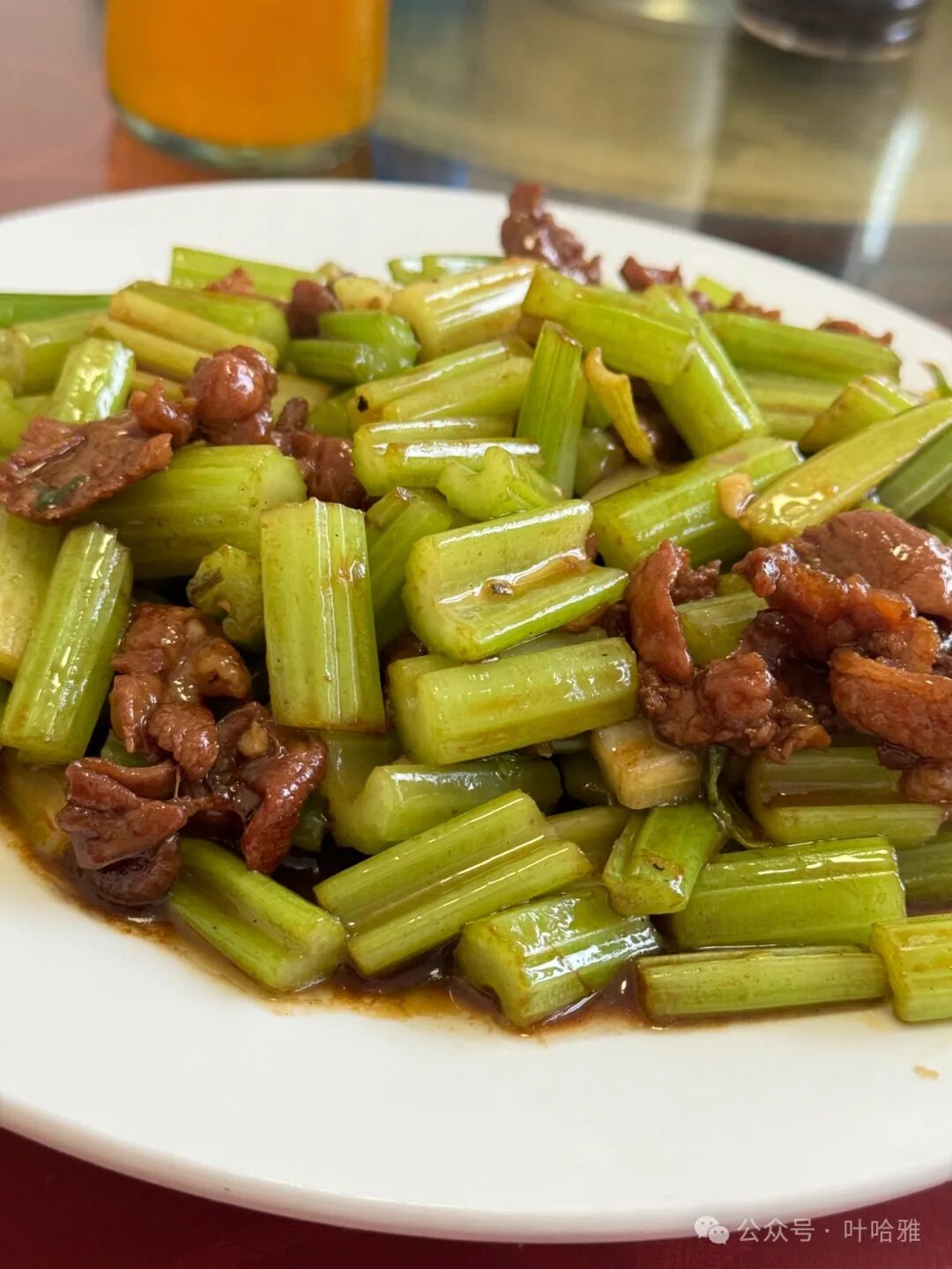
Stir-fried celery with beef and mixed-grain buns (zaliangbao) are both classic home-style dishes that go great with rice.
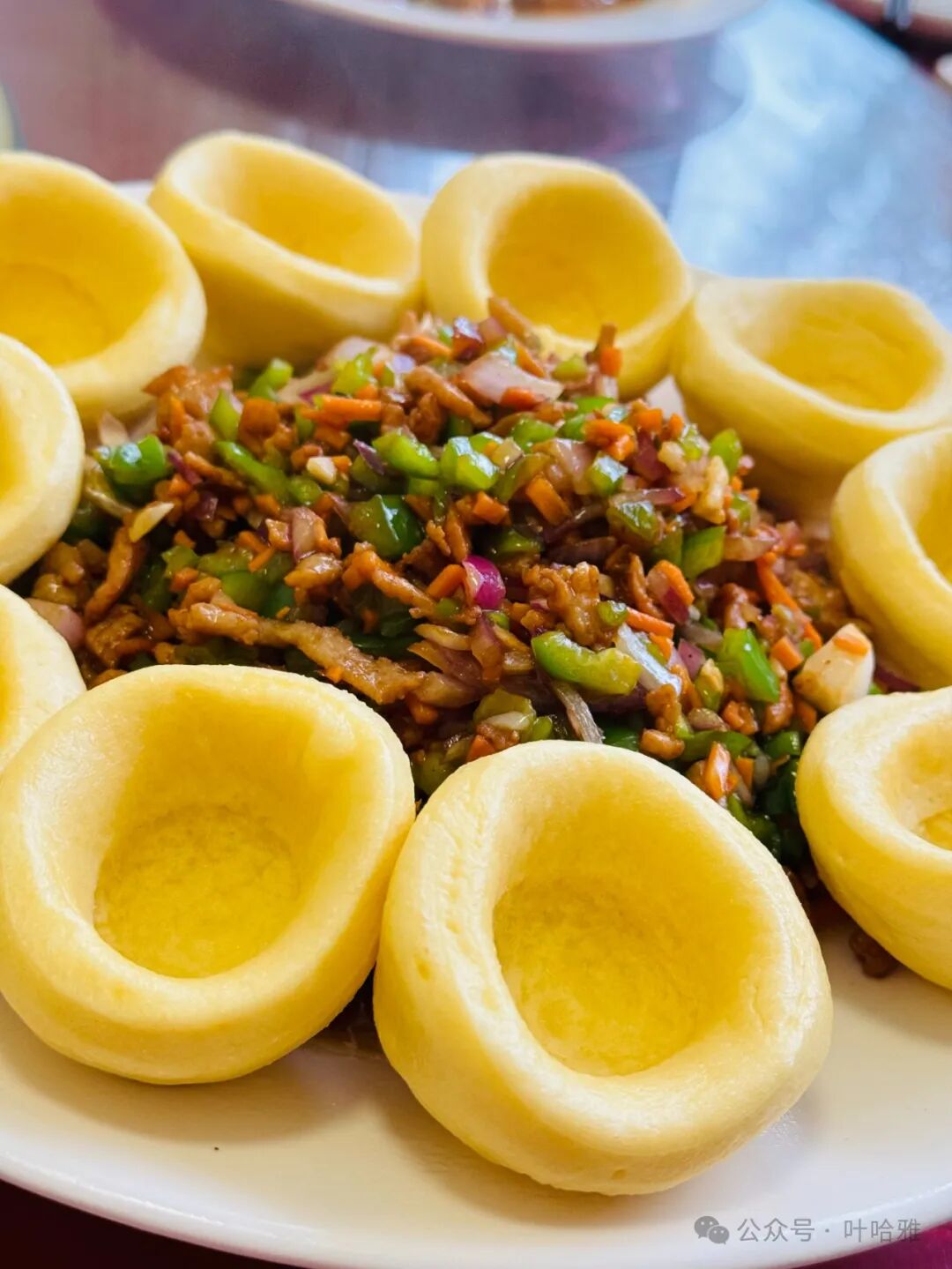
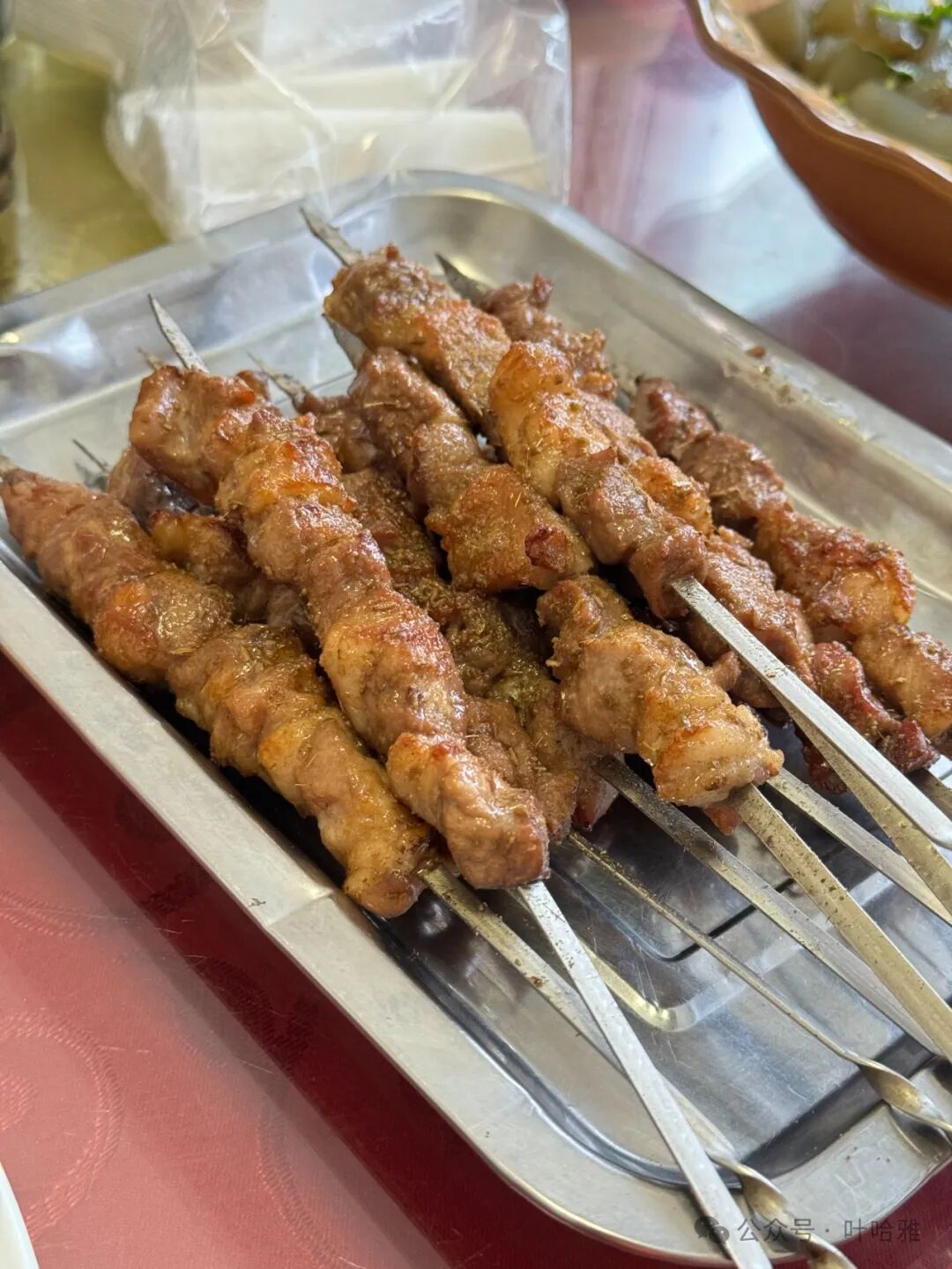
Lamb skewers (yangrouchuan) are 5 yuan each, which isn't expensive. The food at these farmhouses in Mujia Yu is quite good.
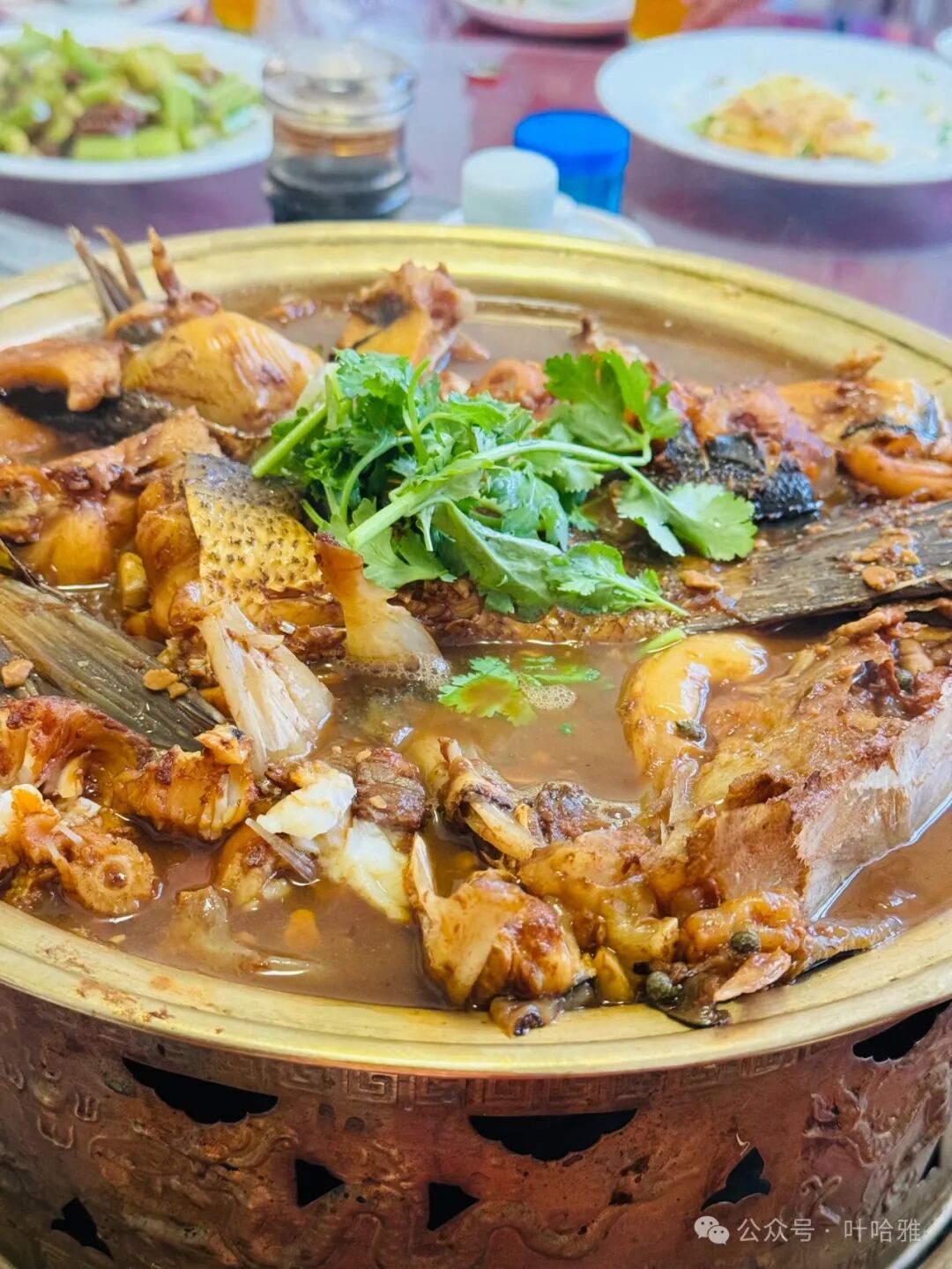
We finally got to eat reservoir fish. This fish weighed over eight pounds, enough for 10 people. The bighead carp meat was tender, though it had many small bones, so kids should be careful. After finishing the fish, we added a portion of griddle-baked flatbread (laobing) to the sauce to make fish head with soaked flatbread. This dish was a hit with everyone, making the trip well worth it.
Best Halal Food Beijing: Ghanaian Restaurant, Arabic Food, Sturgeon Feast and Lanzhou Beef Noodles
Articles • yusuf908 posted the article • 0 comments • 225 views • 2026-05-22 23:43
Summary: This Beijing halal food guide maps issue 40 of the series, featuring a Ghanaian halal restaurant in Sanlitun, Stone Hearth Grill and Tea, Arabic food, tomato beef flatbread, luosifen hot pot, sturgeon feast, and Saddam Lanzhou Beef Noodles.
Beijing Halal Food Map (40) is presented here as a firsthand travel account in clear English, beginning with this scene: Ramadan has just ended, so we can get back to checking out all kinds of halal food. The account keeps its focus on Beijing Halal Food, Muslim Travel, Middle Eastern Food while preserving the names, places, food, and historical details from the Chinese source.
Ramadan has just ended, so we can get back to checking out all kinds of halal food. The restaurants in this guide are all new, and they each have something special. The first one is a West African Ghanaian halal restaurant, which is very rare in China. It is a big step for Beijing as it works to become a global capital for halal food.
Here is the list of halal restaurants for this guide:
1. Tribe Garden African Restaurant
2. Stone Hearth Grill and Tea (Shishangweilu)
3. Ma Bei'er Bistro
4. Carthage Arabic Restaurant
5. Fan Manyu Tomato Beef Flatbread (Paobing)
6. Stinky Star Snail Rice Noodle (Luosifen) Hot Pot
7. Mulaixuan Sturgeon Feast
8. Saddam Lanzhou Beef Noodles
1. Tribe Garden African Restaurant
A new halal restaurant featuring West African flavors recently opened on the first basement level of Sanlitun SOHO. They specialize in Ghanaian cuisine. The staff are all Black Muslims who speak fluent Chinese, and one young lady from Kenya is especially cute.
Ghana is a country in West Africa where about 15% of the population is Muslim, yet the national banknote features a mosque with a unique style.
Larabanga Mosque
The Larabanga Mosque on the banknote was built between the 14th and 15th centuries. It is the oldest mosque in Ghana. Its architectural style is unique to West Africa, built from yellow mud and wood, making it very iconic.
The restaurant decor also has a strong African vibe, including the wall hangings.
African goat meat mixed rice
African goat meat is a bit tough, but it has no gamey smell. The mixed rice is salty and spicy.
Non-alcoholic mojito and fruit punch
African specialty egusi (egusi)
You eat this dish mixed with the cassava flour paste shown below. Eating the cassava flour paste is just like eating rice cake.
Fufu (fufu)
The white dish is called fufu, which translates to rice flour paste in Chinese. It is a staple food for Ghanaians.
Friday special dish
They have a special dish every day. This Friday special is made with beans and rice, served with some noodles and dipping sauce. It tastes sour, salty, and spicy all at once.
Grilled tilapia
This is an African-style grilled fish. It tastes great. Even though the skin looks charred, the meat inside is white.
A young lady from Kenya recommended this milkshake to us. It is very creamy and delicious. The whole meal cost 530 yuan for four people, which is 130 yuan per person.
2. Stone Hearth Grill and Tea (Shishangweilu)
This is a newly opened light meal and coffee shop on the ground floor of the West District of Changying Paradise Walk. The owner is a Hui Muslim from Beijing, and we chose to have a small gathering here for Eid al-Fitr.
Thirty of us ate every single item on the menu twice.
They serve light meals during the day. Besides these pretty salads, they also have burgers and pasta.
The M3 beef burger uses a patty hand-pressed by the owner, and all the meat is sourced from Li Wei's shop in Changying.
This is an Italian-style sandwich, listed on the menu as a panini.
Barbecue is served in the evening. If you want a simple Western-style meal at night, you can call ahead to book. Everyone gave the simple meals and barbecue great reviews. The average cost per person is about 130 yuan.
3. Ma Bei'er Bistro
Ma Bei'er is a new brand started by the original management team of Jubao Yuan after they split up. Next to the main Ma Bei'er hot pot (shuanrou) restaurant on Nanheng West Street, there is also a small Ma Bei'er bistro that specializes in Beijing-style stir-fry dishes.
This stir-fry bistro is just as busy as the hot pot restaurant. We tried a few signature dishes and had a good experience. Everything was delicious and worth recommending. The average cost per person is about 100 yuan.
Stir-fried mixed vegetables (chaohecai)
Quick-fried beef tripe with coriander (yanbaosandan)
Deep-fried meatballs (ganzhawanzi)
Braised yellow croaker in northern style (kuadunhuangyu)
Slow-cooked beef (weiniurou)
Scallion pancake (conghuabing)
4. Carthage Restaurant
This is a Tunisian restaurant. It is owned by the same people as La Medina Tunisian restaurant in Sanlitun. You can find it on the first floor of the Atour X Hotel in Sanlitun.
During Ramadan, they offer an iftar buffet for 120 yuan per person. It includes all the signature dishes you would expect, plus drinks and desserts.
Tunisia is a North African country. Its food habits are a bit different from West Africa, and North African flavors are usually easier for most people to enjoy.
5. Fan Manyu Tomato Beef Flatbread (Paobing)
A new specialty shop just opened on the basement level of the West Zone at Tongzhou Wanda Plaza. They focus on tomato beef brisket with flatbread (paobing) and various other tomato-based dishes.
The staff uniforms are covered in tomato drawings.
Vinegar-stir-fried egg and meat (culiu muxu)
Lychee-flavored cherry tomatoes
Mapo tofu
Their food is prepared very delicately and tastes great. The environment is clean, the prices are affordable, and the average cost is under 80 yuan per person.
6. Stinky Star Snail Rice Noodle (Luosifen) Hot Pot
There is a halal snail rice noodle (luosifen) shop on the ground floor of the Golden Street in the West District of Tongzhou Wanda Plaza. The owner is a Hui Muslim from Changchun who used to work at iQIYI before opening this physical shop. The small shop has two floors and mainly serves halal snail rice noodles and clam rice noodles (huaji fen) in small hot pots.
The snail rice noodle hot pot comes with a wide variety of toppings that you can add to the pot to cook together.
This set meal for two costs 78 yuan and is enough for two or three people to eat.
The set includes Guangxi cassava sweet soup (mushu tangshui).
Add all the side dishes to the pot and cook for one minute before you start eating. The taste is quite authentic.
7. Mulaixuan Sturgeon Feast
Across from the Doudian Mosque in Fangshan, there is a restaurant that specializes in sturgeon (xunlongyu). This place is unique because it has no menu and you cannot order dishes. The owner decides the size of the fish based on how many people are in your group, and all the dishes are made from the fish you choose.
You pick the sturgeon from this fish tank, and they are all quite large. The sturgeon costs 58 yuan per jin, and the smallest fish weigh over five jin, making it perfect for groups.
After picking the fish, you just wait for the owner to serve the food. This is actually nice because it saves you the trouble of ordering.
The standard dishes include salt and pepper fish skin, sweet and sour fish bones, fish offal, fish and radish soup, and stir-fried fish fillets. The main course is sturgeon dumplings. The fish is very fresh, and every dish tastes great.
8. Saddam Lanzhou Beef Noodles
The long-standing Lanzhou brand Saddam Beef Noodles has expanded into Beijing's Fengtai District. Known as the Eastern Heretic of the Lanzhou beef noodle world, the shop opened in eastern Lanzhou in the 1990s. It got its name because the owner looked just like Saddam. Other famous shops include the Western Poison Ma Anjun, the Southern Emperor Guobao, the Northern Beggar Cangying, and the Central Master Ma Zilu.
You can tell the beef noodles will be good just by looking at the chili oil, which is fragrant but not too spicy. I tried it and found it very authentic. My friends from Lanzhou would not be disappointed if they came here to eat. view all
Summary: This Beijing halal food guide maps issue 40 of the series, featuring a Ghanaian halal restaurant in Sanlitun, Stone Hearth Grill and Tea, Arabic food, tomato beef flatbread, luosifen hot pot, sturgeon feast, and Saddam Lanzhou Beef Noodles.
Beijing Halal Food Map (40) is presented here as a firsthand travel account in clear English, beginning with this scene: Ramadan has just ended, so we can get back to checking out all kinds of halal food. The account keeps its focus on Beijing Halal Food, Muslim Travel, Middle Eastern Food while preserving the names, places, food, and historical details from the Chinese source.
Ramadan has just ended, so we can get back to checking out all kinds of halal food. The restaurants in this guide are all new, and they each have something special. The first one is a West African Ghanaian halal restaurant, which is very rare in China. It is a big step for Beijing as it works to become a global capital for halal food.
Here is the list of halal restaurants for this guide:
1. Tribe Garden African Restaurant
2. Stone Hearth Grill and Tea (Shishangweilu)
3. Ma Bei'er Bistro
4. Carthage Arabic Restaurant
5. Fan Manyu Tomato Beef Flatbread (Paobing)
6. Stinky Star Snail Rice Noodle (Luosifen) Hot Pot
7. Mulaixuan Sturgeon Feast
8. Saddam Lanzhou Beef Noodles
1. Tribe Garden African Restaurant
A new halal restaurant featuring West African flavors recently opened on the first basement level of Sanlitun SOHO. They specialize in Ghanaian cuisine. The staff are all Black Muslims who speak fluent Chinese, and one young lady from Kenya is especially cute.
Ghana is a country in West Africa where about 15% of the population is Muslim, yet the national banknote features a mosque with a unique style.
Larabanga Mosque
The Larabanga Mosque on the banknote was built between the 14th and 15th centuries. It is the oldest mosque in Ghana. Its architectural style is unique to West Africa, built from yellow mud and wood, making it very iconic.
The restaurant decor also has a strong African vibe, including the wall hangings.
African goat meat mixed rice
African goat meat is a bit tough, but it has no gamey smell. The mixed rice is salty and spicy.
Non-alcoholic mojito and fruit punch
African specialty egusi (egusi)
You eat this dish mixed with the cassava flour paste shown below. Eating the cassava flour paste is just like eating rice cake.
Fufu (fufu)
The white dish is called fufu, which translates to rice flour paste in Chinese. It is a staple food for Ghanaians.
Friday special dish
They have a special dish every day. This Friday special is made with beans and rice, served with some noodles and dipping sauce. It tastes sour, salty, and spicy all at once.
Grilled tilapia
This is an African-style grilled fish. It tastes great. Even though the skin looks charred, the meat inside is white.
A young lady from Kenya recommended this milkshake to us. It is very creamy and delicious. The whole meal cost 530 yuan for four people, which is 130 yuan per person.
2. Stone Hearth Grill and Tea (Shishangweilu)
This is a newly opened light meal and coffee shop on the ground floor of the West District of Changying Paradise Walk. The owner is a Hui Muslim from Beijing, and we chose to have a small gathering here for Eid al-Fitr.
Thirty of us ate every single item on the menu twice.
They serve light meals during the day. Besides these pretty salads, they also have burgers and pasta.
The M3 beef burger uses a patty hand-pressed by the owner, and all the meat is sourced from Li Wei's shop in Changying.
This is an Italian-style sandwich, listed on the menu as a panini.
Barbecue is served in the evening. If you want a simple Western-style meal at night, you can call ahead to book. Everyone gave the simple meals and barbecue great reviews. The average cost per person is about 130 yuan.
3. Ma Bei'er Bistro
Ma Bei'er is a new brand started by the original management team of Jubao Yuan after they split up. Next to the main Ma Bei'er hot pot (shuanrou) restaurant on Nanheng West Street, there is also a small Ma Bei'er bistro that specializes in Beijing-style stir-fry dishes.
This stir-fry bistro is just as busy as the hot pot restaurant. We tried a few signature dishes and had a good experience. Everything was delicious and worth recommending. The average cost per person is about 100 yuan.
Stir-fried mixed vegetables (chaohecai)
Quick-fried beef tripe with coriander (yanbaosandan)
Deep-fried meatballs (ganzhawanzi)
Braised yellow croaker in northern style (kuadunhuangyu)
Slow-cooked beef (weiniurou)
Scallion pancake (conghuabing)
4. Carthage Restaurant
This is a Tunisian restaurant. It is owned by the same people as La Medina Tunisian restaurant in Sanlitun. You can find it on the first floor of the Atour X Hotel in Sanlitun.
During Ramadan, they offer an iftar buffet for 120 yuan per person. It includes all the signature dishes you would expect, plus drinks and desserts.
Tunisia is a North African country. Its food habits are a bit different from West Africa, and North African flavors are usually easier for most people to enjoy.
5. Fan Manyu Tomato Beef Flatbread (Paobing)
A new specialty shop just opened on the basement level of the West Zone at Tongzhou Wanda Plaza. They focus on tomato beef brisket with flatbread (paobing) and various other tomato-based dishes.
The staff uniforms are covered in tomato drawings.
Vinegar-stir-fried egg and meat (culiu muxu)
Lychee-flavored cherry tomatoes
Mapo tofu
Their food is prepared very delicately and tastes great. The environment is clean, the prices are affordable, and the average cost is under 80 yuan per person.
6. Stinky Star Snail Rice Noodle (Luosifen) Hot Pot
There is a halal snail rice noodle (luosifen) shop on the ground floor of the Golden Street in the West District of Tongzhou Wanda Plaza. The owner is a Hui Muslim from Changchun who used to work at iQIYI before opening this physical shop. The small shop has two floors and mainly serves halal snail rice noodles and clam rice noodles (huaji fen) in small hot pots.
The snail rice noodle hot pot comes with a wide variety of toppings that you can add to the pot to cook together.
This set meal for two costs 78 yuan and is enough for two or three people to eat.
The set includes Guangxi cassava sweet soup (mushu tangshui).
Add all the side dishes to the pot and cook for one minute before you start eating. The taste is quite authentic.
7. Mulaixuan Sturgeon Feast
Across from the Doudian Mosque in Fangshan, there is a restaurant that specializes in sturgeon (xunlongyu). This place is unique because it has no menu and you cannot order dishes. The owner decides the size of the fish based on how many people are in your group, and all the dishes are made from the fish you choose.
You pick the sturgeon from this fish tank, and they are all quite large. The sturgeon costs 58 yuan per jin, and the smallest fish weigh over five jin, making it perfect for groups.
After picking the fish, you just wait for the owner to serve the food. This is actually nice because it saves you the trouble of ordering.
The standard dishes include salt and pepper fish skin, sweet and sour fish bones, fish offal, fish and radish soup, and stir-fried fish fillets. The main course is sturgeon dumplings. The fish is very fresh, and every dish tastes great.
8. Saddam Lanzhou Beef Noodles
The long-standing Lanzhou brand Saddam Beef Noodles has expanded into Beijing's Fengtai District. Known as the Eastern Heretic of the Lanzhou beef noodle world, the shop opened in eastern Lanzhou in the 1990s. It got its name because the owner looked just like Saddam. Other famous shops include the Western Poison Ma Anjun, the Southern Emperor Guobao, the Northern Beggar Cangying, and the Central Master Ma Zilu.
You can tell the beef noodles will be good just by looking at the chili oil, which is fragrant but not too spicy. I tried it and found it very authentic. My friends from Lanzhou would not be disappointed if they came here to eat.
Beijing Halal Street Food Guide: Fangshan Hot Pot, Shidu Xinjiang Food and Local Snacks
Articles • yusuf908 posted the article • 0 comments • 161 views • 2026-05-22 20:55
Summary: This Beijing halal street food guide maps issue 34, covering Fangshan hot pot, Shidu Xinjiang food, farm-style halal dishes, clam vermicelli, local snacks, and places worth saving for Muslim travelers.
Beijing Halal Food Map (34) is presented here as a firsthand travel account in clear English, beginning with this scene: The WeChat official account has a search feature. Just tap the search icon in the top right corner of the homepage to look for articles using keywords. The account keeps its focus on Beijing Halal Food, Muslim Travel, Middle Eastern Food while preserving the names, places, food, and historical details from the Chinese source.
The WeChat official account has a search feature. Just tap the search icon in the top right corner of the homepage to look for articles using keywords. This works for all official accounts, so there is no need to set up automated keyword replies in the backend. I always see all sorts of strange words in the backend, and I really cannot reply to them all.
1. Hengxingxiang
This is a Beijing-style hot pot restaurant. The meat tasted great while I was eating. When I paid the bill, I noticed the payee was Doudian Yisheng. I asked, and it turns out it is run by the Doudian Yisheng beef and mutton shop, which also has a stall selling beef and mutton on Niujie Street.
The restaurant is in Fangshan and is quite large with two floors. I heard they have live vegetables, which are hydroponic greens brought straight to your table for the hot pot. They are incredibly fresh, though I did not get to try them when I visited.
Aorta (huanghou)
Their sesame flatbread (shaobing) is delicious, soft, and unique. I recommend trying one. There is free parking at the entrance; just tell the security guard you are there to eat.
2. Yinsha Halal Restaurant
Shidu in Fangshan is a beautiful summer retreat in the Beijing suburbs. I found three halal restaurants along the road between Badu and Jiudu. This Yinsha Halal Restaurant is run by a friend from Kashgar (adaxi) and is located in Jiudu. These restaurants all offer lodging.
They serve traditional large Xinjiang dishes as well as local farm-style food, such as grilled rainbow trout and stir-fried wild vegetables.
The family from Xinjiang was preparing lung and tripe (mianfeizi) for Eid al-Fitr that day and even invited us to taste it.
Deep-fried prickly ash buds (zhahuajiaoya)
Stir-fried river shrimp (chaohexia)
Grilled rainbow trout (kaohongzunyu)
3. Muyi's House
This is a halal Beijing-style restaurant in Badu, and the owner is a Hui Muslim from Fengtai.
We ordered a few traditional stir-fried dishes, but they were all quite salty. We prefer lighter flavors, so keep that in mind. The Shidu tofu is a specialty dish and it tastes quite good.
Shidu tofu (shidudoufu)
Egg sauce noodles (jidancuanmian)
The egg sauce for these noodles is extremely salty. Add it little by little when you eat. Most people definitely cannot handle the whole serving of sauce.
4. Clam vermicelli (huajiaphen)
This is an unassuming little shop in the Xiguanshi market. It looks very ordinary, but the taste is excellent.
The clam vermicelli is made of glass noodles with clams and some side vegetables. It has a slightly numbing, salty, and savory flavor. You can add chili separately.
You can add any of these side dishes. The portions are small, and one order of large shrimp is just one single shrimp.
The ingredients are quite fresh. The vegetables and seafood cook quickly when blanched, and they taste good.
It comes wrapped in foil and sits on a bowl so you can carry it without burning your hands, because this clam vermicelli (huajiafen) is really piping hot.
5. Huawei Beijing Research Institute Halal Canteen
The Huawei Beijing Research Institute has four halal stalls, and they are owned by the same person as the halal canteen at the Bantian base in Shenzhen.
You can use cash at the big tech company's halal canteen, as long as you can find a way to get inside.
If you have job offers from many big companies and do not know which one to pick, Huawei's halal canteen is a plus.
Huawei employees have a high happiness index. Working and living on the campus is convenient, and the environment is beautiful.
The design style of the canteen and the campus is consistent with the Shenzhen headquarters.
The sour soup dumplings (suantang shuijiao) are really delicious. The last time I had such good sour soup dumplings was in the Muslim Quarter (Huifang) in Xi'an, and these dumplings at Huawei are just as good.
Crispy baked buns (supi kaobaozi)
6. Xiguanshi Halal Night Market
The parking lot at the entrance of Xiguanshi Village in Changping now hosts a halal night market from 5:00 PM to 11:30 PM, which is named Crescent Food Plaza.
The night market is quite large, with four rows of food stalls on both sides offering dozens of different halal dishes.
Various deep-fried snacks.
Grilled meat on a round iron plate (zhizi kaorou) and grilled fish.
All kinds of small snacks.
Steamed chicken in chili sauce (koushuiji).
Teppanyaki.
The grilled squid from the teppanyaki stall is delicious.
Japanese-style desserts.
They have fresh salmon sashimi and sushi.
Electric-grilled skewers and mung bean jelly noodles (liangfen).
Deep-fried stinky tofu (zha chou doufu).
Grilled oysters and grilled scallops.
Pot-pot chicken (boboji).
Pot-pot chicken (boboji) is a dish of cold skewers that are already cooked.
Fruit salad (shuiguolao).
Charcoal-grilled skewers.
Iced jelly (bingfen) and ice cream.
We tried almost everything at the night market. It was not cheap, and the three of us spent over 400 yuan. The Japanese food and grilled skewers were the most expensive, with two stalls costing over 200 yuan. Of course, there are cheaper ways to eat there.
7. Yuejing Lanwan Japanese Buffet Restaurant.
This is a halal bathhouse that opened recently in Changying, and the Japanese buffet inside is a halal restaurant. You can choose a bath and buffet package for 199 yuan, or just come for the Japanese buffet. The buffet with sashimi is 165 yuan, and the one without is 127 yuan. You can buy group deals on Douyin by searching for "Yuejing Japanese Buffet".
Even though it is a buffet, the food quality is just as good as ordering a la carte. You scan a code to order whatever you want. Each dish is made as a single serving, prepared fresh when you order, and you can eat as much as you like. I think the lamb and seafood at this restaurant are excellent, and the desserts are high quality too. It is a great value.
The third-floor lounge has an entertainment area and a self-service station for fruit and drinks. Everything is unlimited, and there is plenty of Yili ice cream.
The lounge at this bathhouse isn't as nice as the one at Shuiguo Tangquan, but it is much cheaper. The Japanese restaurant here is a great deal. If you ordered these dishes separately, they would be expensive, but they are very affordable as part of the set meal. There is free parking at the entrance and a children's play area, so it is a good place to bring kids.
8. Beijing University of Posts and Telecommunications Ethnic Restaurant
The halal canteen at BUPT is called the Ethnic Restaurant. The owner is from Lanzhou. I came to BUPT because they have halal snail rice noodles (luosifen). This is my first time eating halal luosifen in Beijing. I prepared myself mentally on the way here, thinking it would smell very strong. When I actually ate it, I didn't think it was bad at all. It just had a strong smell of pickled bamboo shoots, and it was quite tasty. You can add fried eggs and side dishes to it.
The Ethnic Restaurant has a lot of good food. We also had steamed rice rolls (changfen), and the price was so low it felt like it was free. BUPT students are really lucky.
The campus isn't fully open yet, so you have to find a way to get in if you want to eat here.
Here are some other stalls at the BUPT Ethnic Restaurant, including Chongqing spicy noodles (chongqing xiaomian). I have eaten at many university halal canteens, and BUPT has the widest variety.
9. Peking University Tongyuan
The history of PKU Tongyuan goes back to 1946. That year, PKU established the Department of Oriental Languages and the Department of Arabic. Professor Ma Jian proposed building a canteen for Hui Muslims at PKU. It was the first canteen for Hui Muslims built at a Beijing university and was named the PKU Dongfanghong Hui Muslim Canteen. Later, because the number of Muslim students at PKU increased rapidly, the canteen wasn't big enough. In 1986, PKU raised 500,000 yuan to build a new 400-square-meter halal restaurant on the site of the old Tong Mansion on campus, naming it the PKU Tongyuan Halal Restaurant.
Looking at the halal restaurants at different universities now, Tongyuan at Peking University is on the smaller side. Because it has limited space, it only serves lunch to ethnic minority students, and you cannot pay without a campus card. However, after dinner, Tongyuan opens up to all students and staff for late-night barbecue.
I have been to Tongyuan many times, and they recently added spicy hot pot (mala xiangguo) and spicy soup (malatang) to the menu.
That is the end of this post. The text and photos are original, and unauthorized reproduction is not allowed. view all
Summary: This Beijing halal street food guide maps issue 34, covering Fangshan hot pot, Shidu Xinjiang food, farm-style halal dishes, clam vermicelli, local snacks, and places worth saving for Muslim travelers.
Beijing Halal Food Map (34) is presented here as a firsthand travel account in clear English, beginning with this scene: The WeChat official account has a search feature. Just tap the search icon in the top right corner of the homepage to look for articles using keywords. The account keeps its focus on Beijing Halal Food, Muslim Travel, Middle Eastern Food while preserving the names, places, food, and historical details from the Chinese source.
The WeChat official account has a search feature. Just tap the search icon in the top right corner of the homepage to look for articles using keywords. This works for all official accounts, so there is no need to set up automated keyword replies in the backend. I always see all sorts of strange words in the backend, and I really cannot reply to them all.
1. Hengxingxiang
This is a Beijing-style hot pot restaurant. The meat tasted great while I was eating. When I paid the bill, I noticed the payee was Doudian Yisheng. I asked, and it turns out it is run by the Doudian Yisheng beef and mutton shop, which also has a stall selling beef and mutton on Niujie Street.
The restaurant is in Fangshan and is quite large with two floors. I heard they have live vegetables, which are hydroponic greens brought straight to your table for the hot pot. They are incredibly fresh, though I did not get to try them when I visited.
Aorta (huanghou)
Their sesame flatbread (shaobing) is delicious, soft, and unique. I recommend trying one. There is free parking at the entrance; just tell the security guard you are there to eat.
2. Yinsha Halal Restaurant
Shidu in Fangshan is a beautiful summer retreat in the Beijing suburbs. I found three halal restaurants along the road between Badu and Jiudu. This Yinsha Halal Restaurant is run by a friend from Kashgar (adaxi) and is located in Jiudu. These restaurants all offer lodging.
They serve traditional large Xinjiang dishes as well as local farm-style food, such as grilled rainbow trout and stir-fried wild vegetables.
The family from Xinjiang was preparing lung and tripe (mianfeizi) for Eid al-Fitr that day and even invited us to taste it.
Deep-fried prickly ash buds (zhahuajiaoya)
Stir-fried river shrimp (chaohexia)
Grilled rainbow trout (kaohongzunyu)
3. Muyi's House
This is a halal Beijing-style restaurant in Badu, and the owner is a Hui Muslim from Fengtai.
We ordered a few traditional stir-fried dishes, but they were all quite salty. We prefer lighter flavors, so keep that in mind. The Shidu tofu is a specialty dish and it tastes quite good.
Shidu tofu (shidudoufu)
Egg sauce noodles (jidancuanmian)
The egg sauce for these noodles is extremely salty. Add it little by little when you eat. Most people definitely cannot handle the whole serving of sauce.
4. Clam vermicelli (huajiaphen)
This is an unassuming little shop in the Xiguanshi market. It looks very ordinary, but the taste is excellent.
The clam vermicelli is made of glass noodles with clams and some side vegetables. It has a slightly numbing, salty, and savory flavor. You can add chili separately.
You can add any of these side dishes. The portions are small, and one order of large shrimp is just one single shrimp.
The ingredients are quite fresh. The vegetables and seafood cook quickly when blanched, and they taste good.
It comes wrapped in foil and sits on a bowl so you can carry it without burning your hands, because this clam vermicelli (huajiafen) is really piping hot.
5. Huawei Beijing Research Institute Halal Canteen
The Huawei Beijing Research Institute has four halal stalls, and they are owned by the same person as the halal canteen at the Bantian base in Shenzhen.
You can use cash at the big tech company's halal canteen, as long as you can find a way to get inside.
If you have job offers from many big companies and do not know which one to pick, Huawei's halal canteen is a plus.
Huawei employees have a high happiness index. Working and living on the campus is convenient, and the environment is beautiful.
The design style of the canteen and the campus is consistent with the Shenzhen headquarters.
The sour soup dumplings (suantang shuijiao) are really delicious. The last time I had such good sour soup dumplings was in the Muslim Quarter (Huifang) in Xi'an, and these dumplings at Huawei are just as good.
Crispy baked buns (supi kaobaozi)
6. Xiguanshi Halal Night Market
The parking lot at the entrance of Xiguanshi Village in Changping now hosts a halal night market from 5:00 PM to 11:30 PM, which is named Crescent Food Plaza.
The night market is quite large, with four rows of food stalls on both sides offering dozens of different halal dishes.
Various deep-fried snacks.
Grilled meat on a round iron plate (zhizi kaorou) and grilled fish.
All kinds of small snacks.
Steamed chicken in chili sauce (koushuiji).
Teppanyaki.
The grilled squid from the teppanyaki stall is delicious.
Japanese-style desserts.
They have fresh salmon sashimi and sushi.
Electric-grilled skewers and mung bean jelly noodles (liangfen).
Deep-fried stinky tofu (zha chou doufu).
Grilled oysters and grilled scallops.
Pot-pot chicken (boboji).
Pot-pot chicken (boboji) is a dish of cold skewers that are already cooked.
Fruit salad (shuiguolao).
Charcoal-grilled skewers.
Iced jelly (bingfen) and ice cream.
We tried almost everything at the night market. It was not cheap, and the three of us spent over 400 yuan. The Japanese food and grilled skewers were the most expensive, with two stalls costing over 200 yuan. Of course, there are cheaper ways to eat there.
7. Yuejing Lanwan Japanese Buffet Restaurant.
This is a halal bathhouse that opened recently in Changying, and the Japanese buffet inside is a halal restaurant. You can choose a bath and buffet package for 199 yuan, or just come for the Japanese buffet. The buffet with sashimi is 165 yuan, and the one without is 127 yuan. You can buy group deals on Douyin by searching for "Yuejing Japanese Buffet".
Even though it is a buffet, the food quality is just as good as ordering a la carte. You scan a code to order whatever you want. Each dish is made as a single serving, prepared fresh when you order, and you can eat as much as you like. I think the lamb and seafood at this restaurant are excellent, and the desserts are high quality too. It is a great value.
The third-floor lounge has an entertainment area and a self-service station for fruit and drinks. Everything is unlimited, and there is plenty of Yili ice cream.
The lounge at this bathhouse isn't as nice as the one at Shuiguo Tangquan, but it is much cheaper. The Japanese restaurant here is a great deal. If you ordered these dishes separately, they would be expensive, but they are very affordable as part of the set meal. There is free parking at the entrance and a children's play area, so it is a good place to bring kids.
8. Beijing University of Posts and Telecommunications Ethnic Restaurant
The halal canteen at BUPT is called the Ethnic Restaurant. The owner is from Lanzhou. I came to BUPT because they have halal snail rice noodles (luosifen). This is my first time eating halal luosifen in Beijing. I prepared myself mentally on the way here, thinking it would smell very strong. When I actually ate it, I didn't think it was bad at all. It just had a strong smell of pickled bamboo shoots, and it was quite tasty. You can add fried eggs and side dishes to it.
The Ethnic Restaurant has a lot of good food. We also had steamed rice rolls (changfen), and the price was so low it felt like it was free. BUPT students are really lucky.
The campus isn't fully open yet, so you have to find a way to get in if you want to eat here.
Here are some other stalls at the BUPT Ethnic Restaurant, including Chongqing spicy noodles (chongqing xiaomian). I have eaten at many university halal canteens, and BUPT has the widest variety.
9. Peking University Tongyuan
The history of PKU Tongyuan goes back to 1946. That year, PKU established the Department of Oriental Languages and the Department of Arabic. Professor Ma Jian proposed building a canteen for Hui Muslims at PKU. It was the first canteen for Hui Muslims built at a Beijing university and was named the PKU Dongfanghong Hui Muslim Canteen. Later, because the number of Muslim students at PKU increased rapidly, the canteen wasn't big enough. In 1986, PKU raised 500,000 yuan to build a new 400-square-meter halal restaurant on the site of the old Tong Mansion on campus, naming it the PKU Tongyuan Halal Restaurant.
Looking at the halal restaurants at different universities now, Tongyuan at Peking University is on the smaller side. Because it has limited space, it only serves lunch to ethnic minority students, and you cannot pay without a campus card. However, after dinner, Tongyuan opens up to all students and staff for late-night barbecue.
I have been to Tongyuan many times, and they recently added spicy hot pot (mala xiangguo) and spicy soup (malatang) to the menu.
That is the end of this post. The text and photos are original, and unauthorized reproduction is not allowed.
Best Halal Food Beijing: Authentic Xinjiang Restaurants, Tanyang Lamb and Grilled Pigeon
Articles • yusuf908 posted the article • 0 comments • 161 views • 2026-05-22 20:52
Summary: This Beijing halal food guide maps issue 31 of the author restaurant series, featuring Xinjiang restaurants, Tanyang lamb, grilled pigeon, roasted goose egg, soup noodles, milk beer, and practical notes for Muslim diners.
Beijing Halal Food Map (31) is presented here as a firsthand travel account in clear English, beginning with this scene: The restaurants I have saved on my phone that I still need to visit are basically just Northwest and Xinjiang spots now. The account keeps its focus on Beijing Halal Food, Muslim Travel, Middle Eastern Food while preserving the names, places, food, and historical details from the Chinese source.
The restaurants I have saved on my phone that I still need to visit are basically just Northwest and Xinjiang spots now. There are not many new specialty restaurants lately, but there are really quite a few new Xinjiang restaurants. After things opened up this year, I plan to start traveling abroad since I have basically been everywhere I can go in China. I have already arranged a trip to Hong Kong and Macau at the end of this month, and I will spend a long time in Malaysia in March to visit my grandmother and aunt whom I have never met before.
1. Tanyang Puzi North and South Xinjiang Specialties
This Xinjiang restaurant started in Mentougou and has several branches in the Beijing suburbs. Just seeing the words 'Tanyang' (salt-lake sheep) might make you think it is a Ningxia restaurant, but it is actually a Xinjiang restaurant with a full range of dishes from both North and South Xinjiang. They just use Tanyang from Ningxia as their main ingredient.
At the Mentougou main store, the hot pot and stir-fry sections are separate and have different entrances. The restaurant is spacious and has private rooms and booths.
Napaliyong
Napaliyong is a Xinjiang dessert. It is actually a transliteration of Napoleon, which is the same thing as a French mille-feuille. You can choose a dual-flavor option here, with both chocolate and milk.
The portion of pilaf (zhuafan) is large and affordable, and they give you plenty of meat, but the flavor is a bit bland and the lamb leg is not well-seasoned.
The barbecue is quite popular. The grilled lamb liver and grilled lamb trotters are both excellent. Tanyang meat has thick fat, which makes it perfect for grilling.
Grilled pigeon
Grilled pigeon is a Xinjiang specialty. The grilled pigeon at Tanyang Puzi is delicious, with crispy skin and tender meat.
Roasted goose egg
Roasted goose egg is a special Xinjiang barbecue dish you rarely see in other restaurants. Goose eggs are much bigger than chicken eggs. You have to boil them before roasting, or they will explode. Eat them with a dipping sauce made of cumin and crushed peanuts.
Xinjiang soup noodles (tangfan)
Soup noodles are hand-torn dough pieces. They are filling enough to be a main meal. The portions are huge, but the flavor is a bit mild. Their hot dishes generally have a light taste.
Milk beer (naipi) is a special Xinjiang drink. The label says it is a non-alcoholic fermented beverage. Some people worry it might contain trace amounts of alcohol. I once discussed what foods are not halal according to Islamic teachings. According to international halal food certification standards, trace amounts of alcohol produced by natural fermentation do not affect the halal status of food. This happens everywhere in daily life. It is not realistic to carry an alcohol tester to check every food you eat, including fruit. Milk beer does not make you drunk, and it certainly will not cause you to fail a drunk driving test.
There is a Xinjiang dance performance around 7:00 PM. My son loves watching the young ladies in colorful outfits dance. Overall, Tanyang Shop wins on value. The cost per person is under 100 yuan. They have a full range of Xinjiang dishes, but the taste is only average.
2. Xiefeng Steamed Bun Shop
Just looking at the name of this bun shop, you can tell how much the owner suffered, waiting three years to finally open.
This is a Huaiyang snack shop from Henan. From 7:00 AM to 10:00 AM, they serve spicy soup (hulatang) and steamed buns. These are large steamed buns, not pan-fried buns.
The skin of the large steamed bun is a bit thick. I personally prefer pan-fried buns, but unfortunately, they do not have them here.
The spicy pepper soup (hulatang) in Huaiyang is lighter and less spicy than the one in Zhengzhou. Since it is called spicy pepper soup, it tastes better with that signature spicy kick.
I think their clay pot dishes (shaguo) are the best. You can choose from many side dishes. I recommend the crispy pork clay pot (xiaosurou shaguo) and adding a side of noodles. It is delicious, and crispy pork (xiaosurou) is a classic Henan snack.
3. AIIB Executive Dining Room
I had the set meal at the AIIB main cafeteria last time, and I promised myself I would come back to try a proper meal at the executive dining room. Just to be clear, the AIIB restaurant is not open to the public. Why mention it then? I think you should apply for a job at the AIIB. You can live a lifestyle that balances your faith and your work here, and you can even get praised by your boss for taking paid time for namaz.
The executive dining room is not a halal restaurant, but they do prepare halal ingredients separately if you book in advance. Many AIIB executives and staff come from Muslim countries, so you do not need to worry about the food. The servers said all their meat is imported from Arab countries.
Teriyaki chicken leg burger
The executive dining room is a fusion restaurant that brings together food from many different countries, so we picked a specialty dish from each one.
Avocado sauce embroidered shrimp balls
The avocado sauce embroidered shrimp balls are a Mexican-style dish because avocado sauce is a Mexican specialty.
Japanese eel rice (unagi don)
The eel rice is topped with bonito flakes (muyuhua), which is a seasoning made from shaved dried skipjack tuna.
Coconut curry fish
Curry fish is a South Asian dish, and there are many people from India and Pakistan at the Asian Infrastructure Investment Bank.
Vietnamese beef noodle soup (pho)
I have eaten halal rice noodles in Vietnam, but I never saw halal Vietnamese food back home until I finally found it here at the Asian Infrastructure Investment Bank.
Angus tomahawk steak
It is rare to find a halal tomahawk steak. The server will ask how you want it cooked. I suggest medium-well. If you order it well-done, the beef juices dry out and you lose some of the fresh flavor.
4. One Thousand and One Nights Restaurant
I visited the One Thousand and One Nights branch in Solana many years ago. After it closed, I never came to the Sanlitun location, but the Sanlitun shop is actually decorated with a very exotic style.
Next door to this shop are an Iranian restaurant and a Turkish Mom restaurant. Both are long-standing businesses, and their customers are mostly foreigners.
Cream of mushroom soup
One Thousand and One Nights is an Egyptian-themed Arabic restaurant. According to the rules, you drink soup before your meal.
Hummus and spicy sesame sauce. Both are dips for cedar bread (xuesongbing). One is salty and savory, and the other is salty and spicy.
Cedar bread (xuesongbing)
Roasted lamb chops (kaoyangpai)
The roasted lamb chops and mixed grill at One Thousand and One Nights taste great. The lamb is fresh and tender with no gamey smell, keeping the natural flavor of the meat. The dipping sauce is simple, just salt and lemon juice, served with a small side of salad dressing. I think the meat tastes perfect on its own.
Mixed grill (zonghe shaokao)
The mixed grill is a combination of lamb, chicken, and beef skewers. Each skewer has even more meat than the red willow skewers (hongliu kaorou).
Shawarma
Shawarma can also be called a sandwich. It is a very popular Middle Eastern specialty, famous even in Western countries, much like the popularity of meat burgers (roujiamo) in our country.
Halawa
There are two unique Middle Eastern desserts: halawa and baklawa. Halawa is a peanut brittle with a mildly sweet taste. Baklawa is a honey cashew pastry with a sweetness level of over five plus signs.
Baklawa
One Thousand and One Nights has Egyptian belly dancing performances at night. These shows were paused for three years due to the pandemic, but they have now resumed.
5. Jianglai
Jianglai is a chain restaurant, and this is their flagship store in Wangjing. It is very spacious, but it gets packed at lunch and you will need to wait for a table. There is a paid parking lot next door, but parking in Wangjing is very expensive.
Jianglai is a bit like a localized version of Bayi Laoye, but the food is slightly inferior to Bayi Laoye.
Overall, their Xinjiang food has no major flaws, but it is not very surprising either. The flavors are quite mild.
The combo of big plate chicken (dapanji) and spicy chicken (laziji) is creative. It lets you eat two hearty dishes at once and saves you the cost of an extra dish.
6. Xi'an lamb pita bread in soup (yangrou paomo)
Qin Laoda Paomo Restaurant has been open in Beijing for 16 years. I vaguely remember eating here a few years ago. It is a standard paomo shop. Unfortunately, you cannot break the bread yourself, which is a big part of the fun for people from Xi'an.
Cold skin noodles (liangpi) with wheat gluten (mianjin) topped with chili oil is a sour and spicy dish perfect for summer.
The meat burger (roujiamo) tastes good. The crust is very crispy and they give you plenty of meat.
To get the full experience when eating Xi'an paomo, you have to drink a local Xi'an Bingfeng soda.
Although paomo is famous for the lamb version, locals in Xi'an mostly eat beef paomo, which I also prefer. Qin Laoda's paomo is decent, but it is definitely not as authentic as what you get in the Muslim Quarter (Huifang) in Xi'an.
7. Lianghuo Lanzhou twisted fried dough and skewers (fanhua kaochuan)
A new Lanzhou-style skewer shop just opened in Baiziwan. It does not have a halal sign because, while the owner is not a Hui Muslim, all the staff are. The staff says all their ingredients are sourced from halal suppliers.
The kitchen staff all wear prayer caps (libaimao). If you have eaten at Lianshou Barbecue in Baiziwan, this shop has a very similar style.
Lianghuo is a Lanzhou dialect word that means to praise someone. The wall also explains a few other Lanzhou dialect phrases.
To me, flower-style skewers (fanhua shaokao) are just meat with fat in the middle. This shop offers two ways to grill: dry or wet, with wet meaning they brush on a sauce.
A Lanzhou-style barbecue shop must have Lanzhou snacks. You can have sweet fermented oat drink (tianbeizi) served hot, and once heated, you cannot smell the alcohol in it.
A must-order Lanzhou delicacy is the flowing sauce wide noodles (liuzhi kuanfen). They are smooth, chewy, and the sour and spicy broth is great for opening your appetite.
Milk egg fermented rice (niunai jidan laozao) is a nutritious hot drink. However, they did not beat the eggs well enough, so they were clumpy. It would be better if they were more spread out.
The sour and spicy lamb tripe (suanla xiaoyangdu) is a delicious skewer. The sour and spicy flavor is very unique to the region, as you do not usually find this taste in northern-style barbecue.
The grilled lamb kidney (kao yangyao) is also worth recommending. The small kidneys are not big, but they are grilled until crispy on the outside while staying tender inside.
This is a bundle of lamb flower skewers (yang jiahua), which are just lamb skewers. One bundle has 20 small skewers, and one person can easily eat 40 or 50 in a sitting. I tested it myself, and these lamb flower skewers are better than the beef tendon. We ended up ordering another bundle.
For the grilled vegetable platter, the best items are the grilled potato slices and grilled mushrooms. The crispy texture of the grilled mushrooms makes them taste just like meat.
The Lanzhou grilled flatbread (lanzhou kaobing) was the main dish I was looking forward to most. I had tried this flatbread stuffed with skewers at Lianshou before, and it is delicious. The flatbread is about the same size as a sesame flatbread (shaobing), with a crispy crust and a soft center, perfect for stuffing with anything. Overall, it is about the same as Lianshou, and the prices are similar too. The small skewers are not cheap, with an average cost of about 100 per person.
8. Liang's Skewer Shop (Liang de chuandian)
The owner's name is Liang, and he is from Hebei. He named his shop Liang's Skewer Shop.
The shop is on the second floor and is very spacious. One side has large floor-to-ceiling windows, making it very pleasant to eat barbecue by the window.
They serve seafood, barbecue, and hot pot. We came specifically for the seafood and barbecue.
The grilled beef tendon, lamb heart tube, and lamb cartilage were all quite tasty. The chili was not very spicy, the saltiness was just right, and there were no extra flavors.
A handful of small lamb skewers shows that their lamb quality is very good; it is neither gamey nor tough.
Grilled stone egg (kaoshidan)
We also tried some skewers we had never eaten before, like this grilled stone egg. It tasted like a grilled century egg (songhuadan).
The crispy potato chunks (guoba tudou) were sprinkled with salt and pepper. The potatoes were soft inside, and the skin felt like it had been fried, similar to eating french fries.
The grilled oysters, grilled scallops, and spicy stir-fried clams were generally not as good as the meat skewers, but you could tell the ingredients were fresh. The oysters and scallops were both 12 yuan each.
Baby cabbage in foil (xizhi wawacai)
seaweed and egg drop soup (zicai danhua tang)
I found their seaweed and egg drop soup (zicai danhua tang) to be a great value because they pack it with ingredients, filling the whole bowl with fluffy egg ribbons. The average cost is about 80 yuan per person.
That is all for this collection. The text and photos are original, and you may not repost them without permission. view all
Summary: This Beijing halal food guide maps issue 31 of the author restaurant series, featuring Xinjiang restaurants, Tanyang lamb, grilled pigeon, roasted goose egg, soup noodles, milk beer, and practical notes for Muslim diners.
Beijing Halal Food Map (31) is presented here as a firsthand travel account in clear English, beginning with this scene: The restaurants I have saved on my phone that I still need to visit are basically just Northwest and Xinjiang spots now. The account keeps its focus on Beijing Halal Food, Muslim Travel, Middle Eastern Food while preserving the names, places, food, and historical details from the Chinese source.
The restaurants I have saved on my phone that I still need to visit are basically just Northwest and Xinjiang spots now. There are not many new specialty restaurants lately, but there are really quite a few new Xinjiang restaurants. After things opened up this year, I plan to start traveling abroad since I have basically been everywhere I can go in China. I have already arranged a trip to Hong Kong and Macau at the end of this month, and I will spend a long time in Malaysia in March to visit my grandmother and aunt whom I have never met before.
1. Tanyang Puzi North and South Xinjiang Specialties
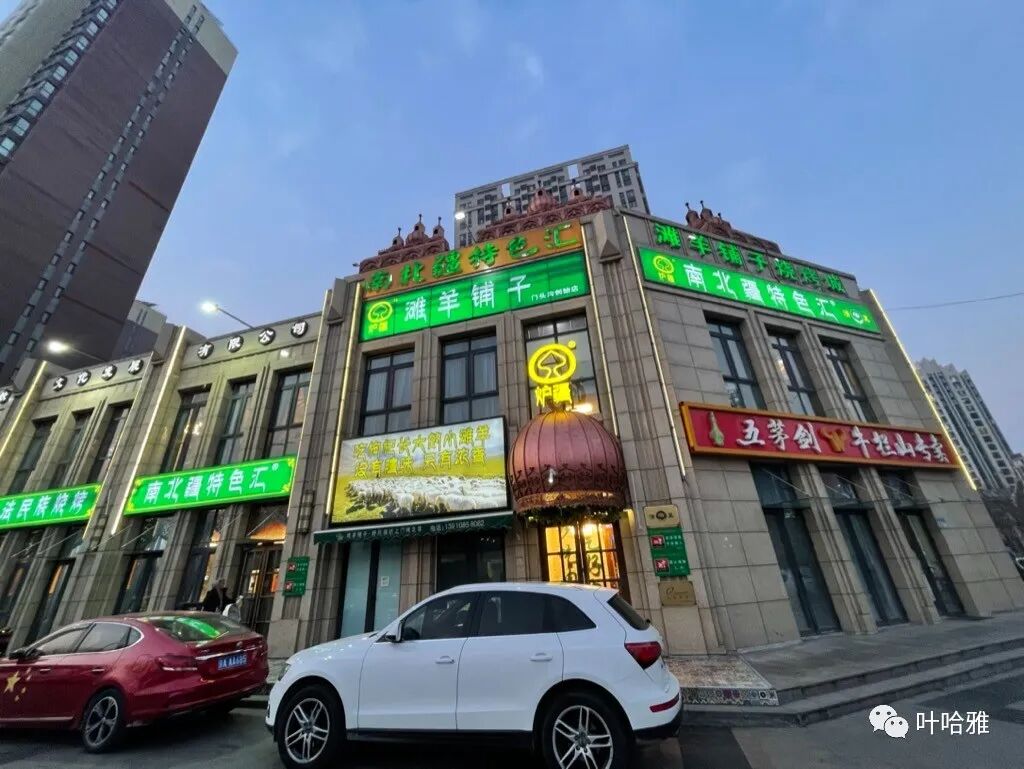
This Xinjiang restaurant started in Mentougou and has several branches in the Beijing suburbs. Just seeing the words 'Tanyang' (salt-lake sheep) might make you think it is a Ningxia restaurant, but it is actually a Xinjiang restaurant with a full range of dishes from both North and South Xinjiang. They just use Tanyang from Ningxia as their main ingredient.
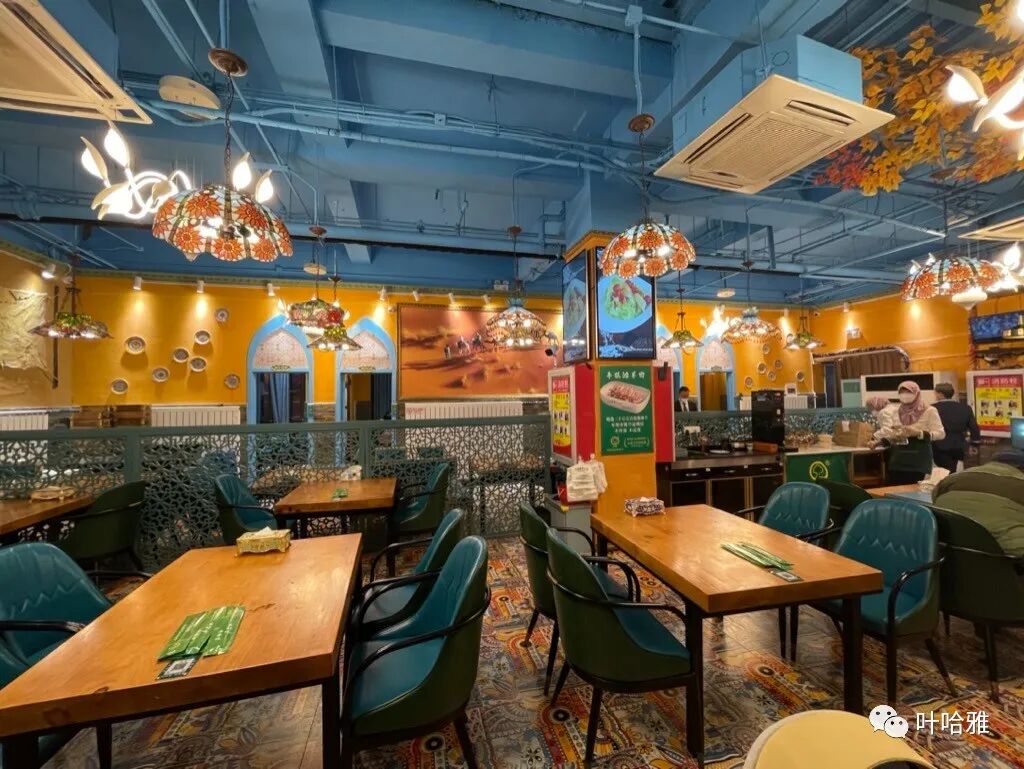
At the Mentougou main store, the hot pot and stir-fry sections are separate and have different entrances. The restaurant is spacious and has private rooms and booths.
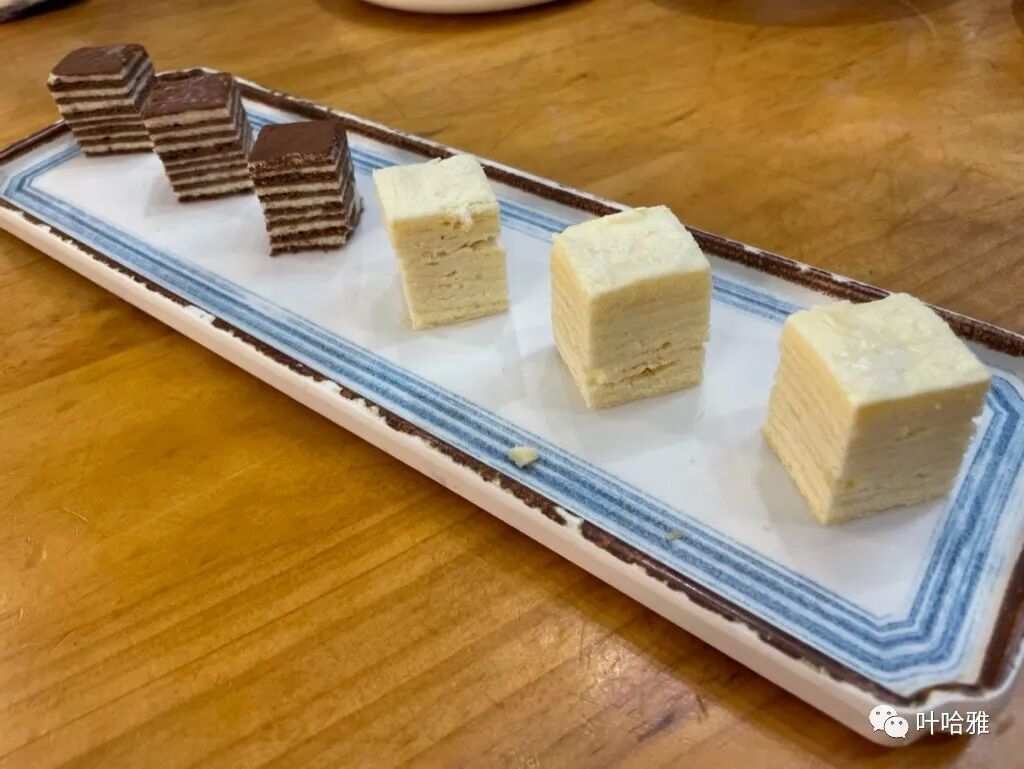
Napaliyong
Napaliyong is a Xinjiang dessert. It is actually a transliteration of Napoleon, which is the same thing as a French mille-feuille. You can choose a dual-flavor option here, with both chocolate and milk.
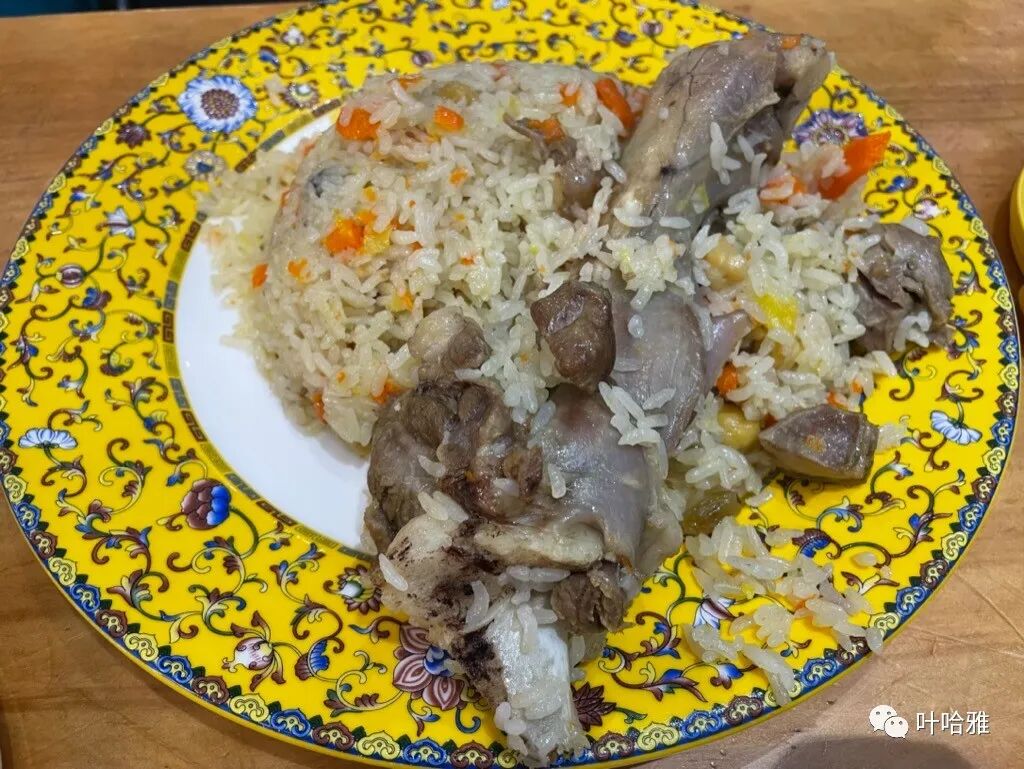
The portion of pilaf (zhuafan) is large and affordable, and they give you plenty of meat, but the flavor is a bit bland and the lamb leg is not well-seasoned.
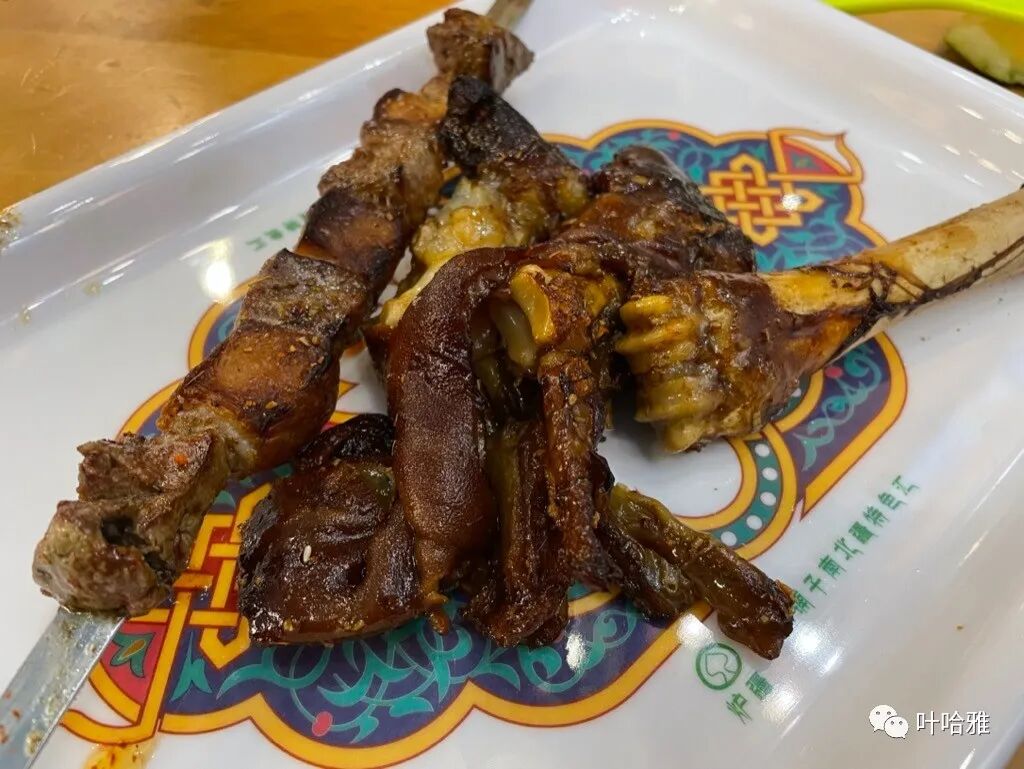
The barbecue is quite popular. The grilled lamb liver and grilled lamb trotters are both excellent. Tanyang meat has thick fat, which makes it perfect for grilling.
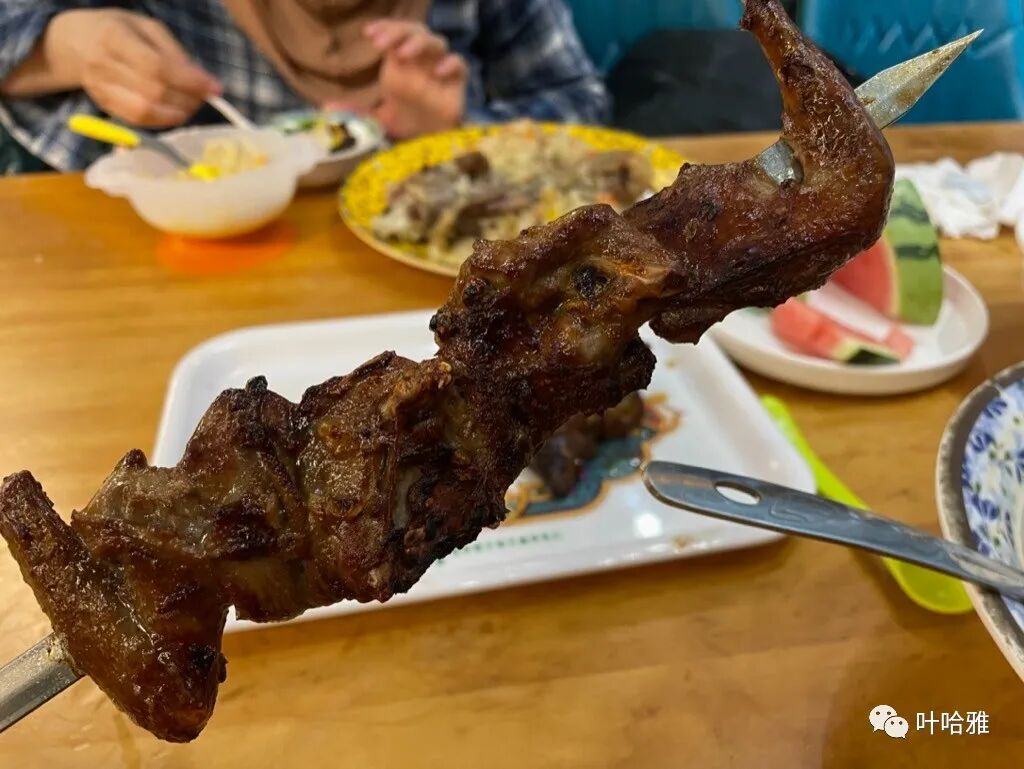
Grilled pigeon
Grilled pigeon is a Xinjiang specialty. The grilled pigeon at Tanyang Puzi is delicious, with crispy skin and tender meat.
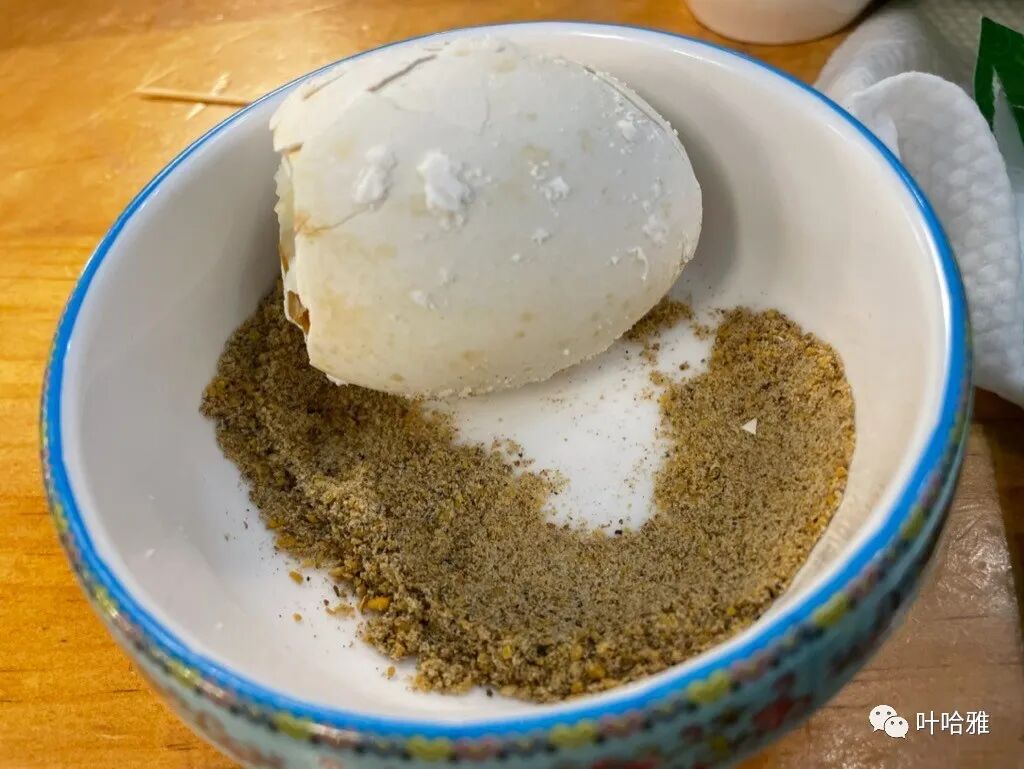
Roasted goose egg
Roasted goose egg is a special Xinjiang barbecue dish you rarely see in other restaurants. Goose eggs are much bigger than chicken eggs. You have to boil them before roasting, or they will explode. Eat them with a dipping sauce made of cumin and crushed peanuts.
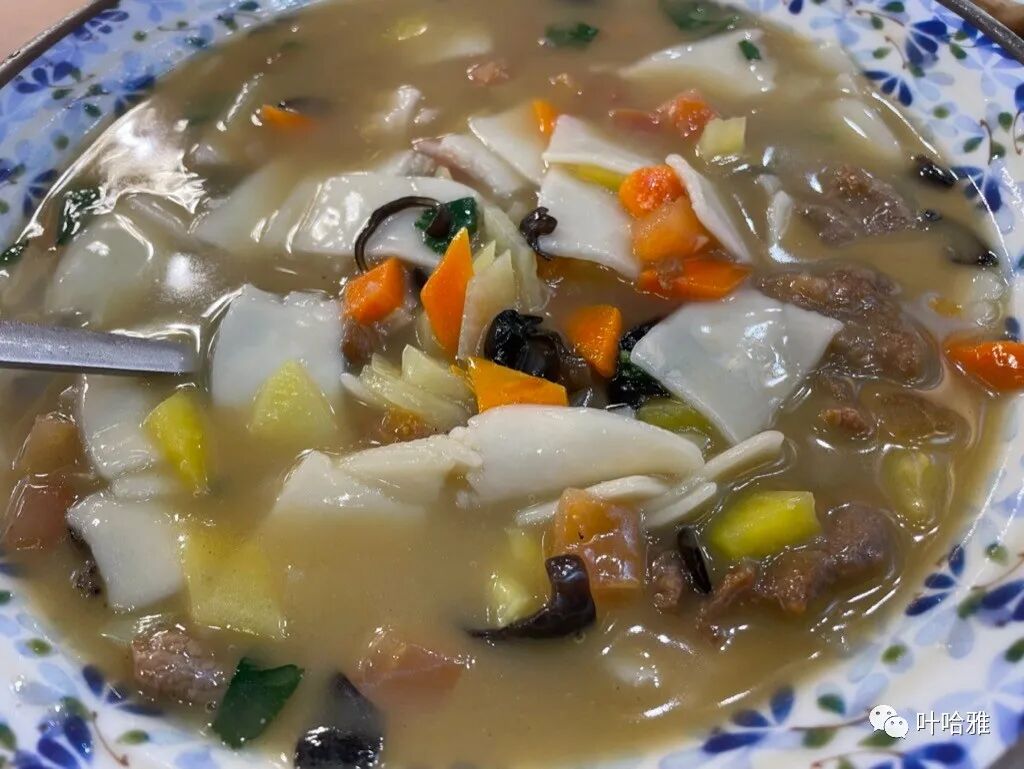
Xinjiang soup noodles (tangfan)
Soup noodles are hand-torn dough pieces. They are filling enough to be a main meal. The portions are huge, but the flavor is a bit mild. Their hot dishes generally have a light taste.
Milk beer (naipi) is a special Xinjiang drink. The label says it is a non-alcoholic fermented beverage. Some people worry it might contain trace amounts of alcohol. I once discussed what foods are not halal according to Islamic teachings. According to international halal food certification standards, trace amounts of alcohol produced by natural fermentation do not affect the halal status of food. This happens everywhere in daily life. It is not realistic to carry an alcohol tester to check every food you eat, including fruit. Milk beer does not make you drunk, and it certainly will not cause you to fail a drunk driving test.
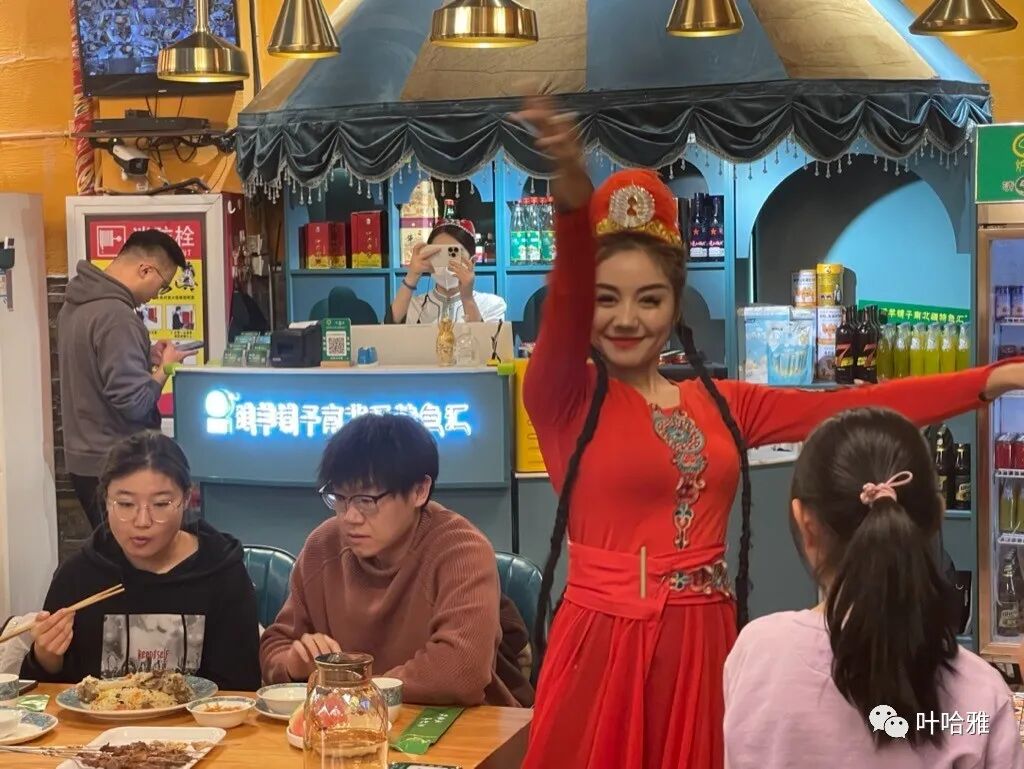
There is a Xinjiang dance performance around 7:00 PM. My son loves watching the young ladies in colorful outfits dance. Overall, Tanyang Shop wins on value. The cost per person is under 100 yuan. They have a full range of Xinjiang dishes, but the taste is only average.
2. Xiefeng Steamed Bun Shop
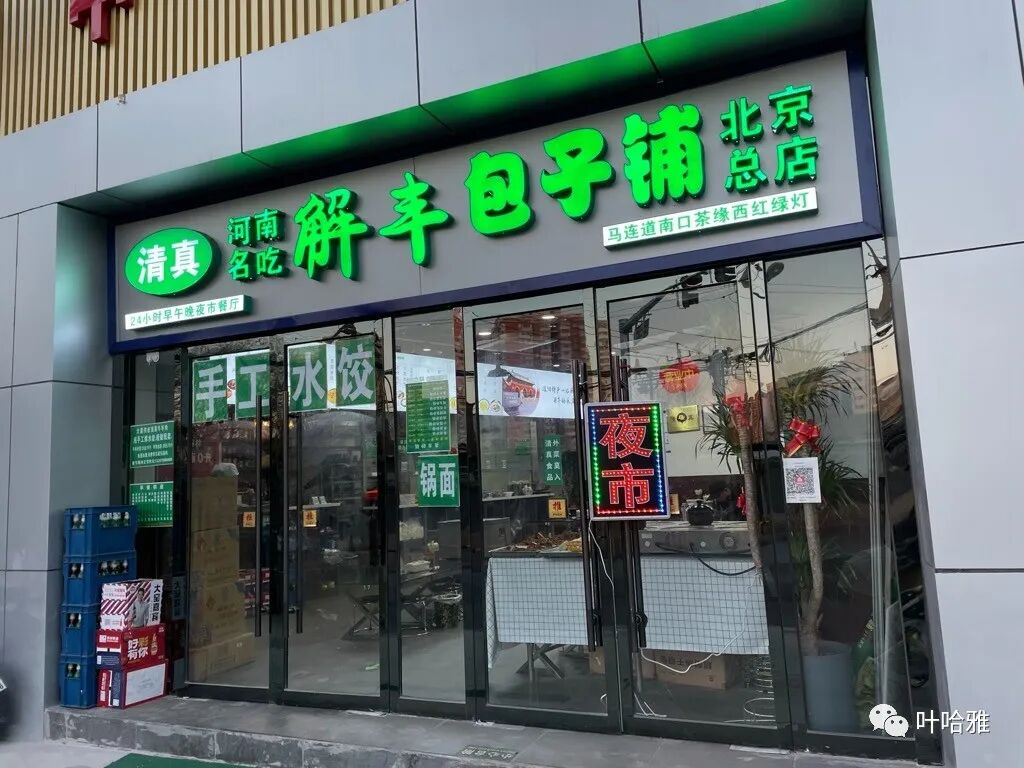
Just looking at the name of this bun shop, you can tell how much the owner suffered, waiting three years to finally open.
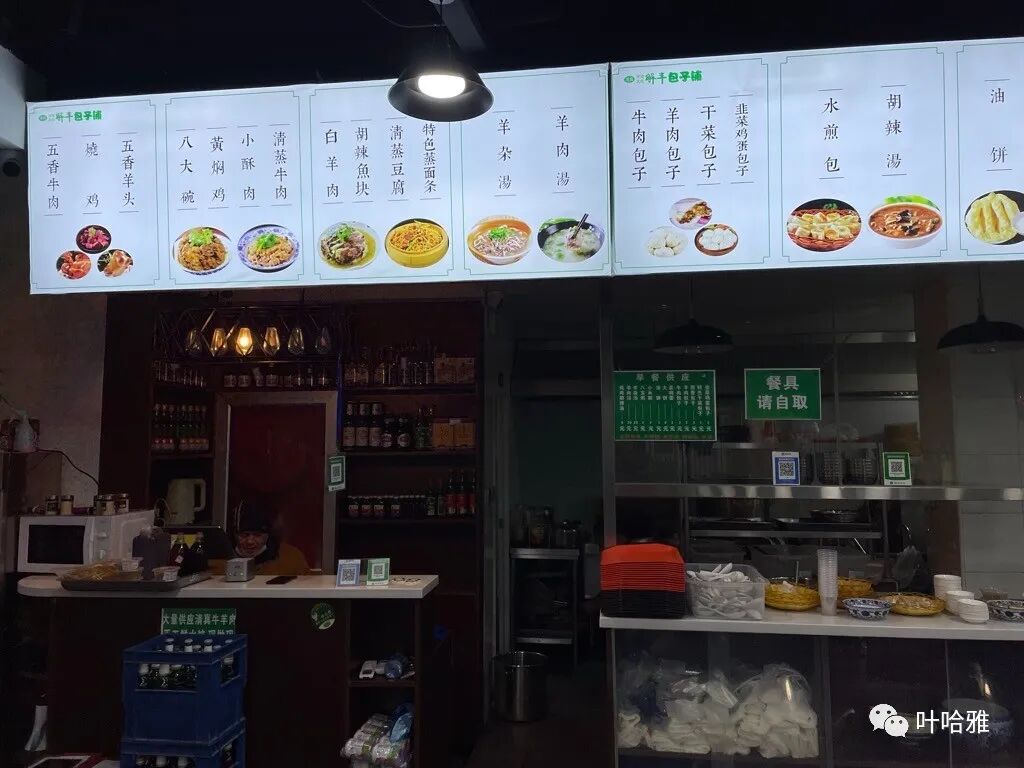
This is a Huaiyang snack shop from Henan. From 7:00 AM to 10:00 AM, they serve spicy soup (hulatang) and steamed buns. These are large steamed buns, not pan-fried buns.
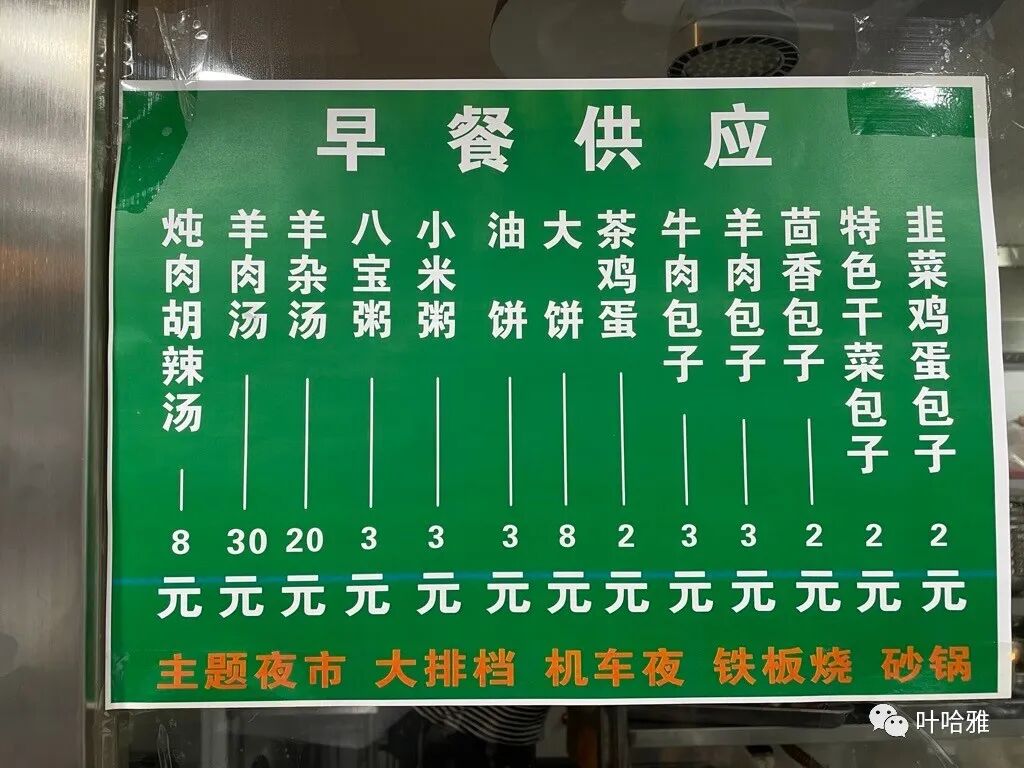
The skin of the large steamed bun is a bit thick. I personally prefer pan-fried buns, but unfortunately, they do not have them here.
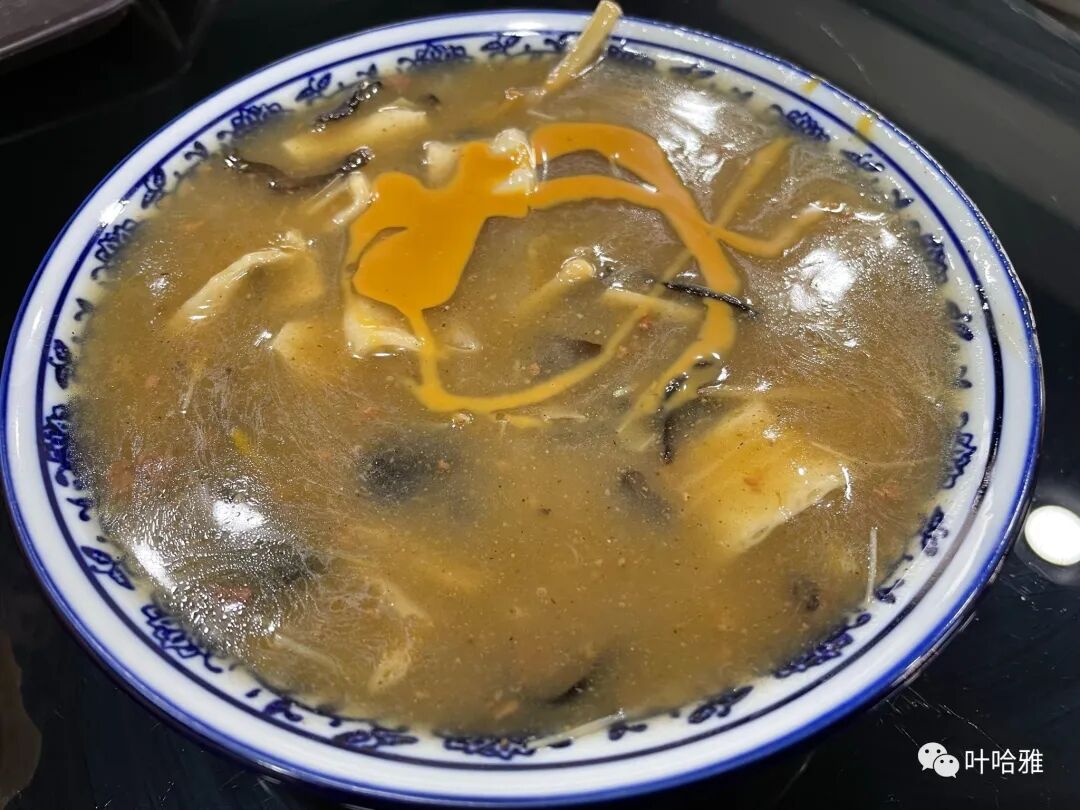
The spicy pepper soup (hulatang) in Huaiyang is lighter and less spicy than the one in Zhengzhou. Since it is called spicy pepper soup, it tastes better with that signature spicy kick.
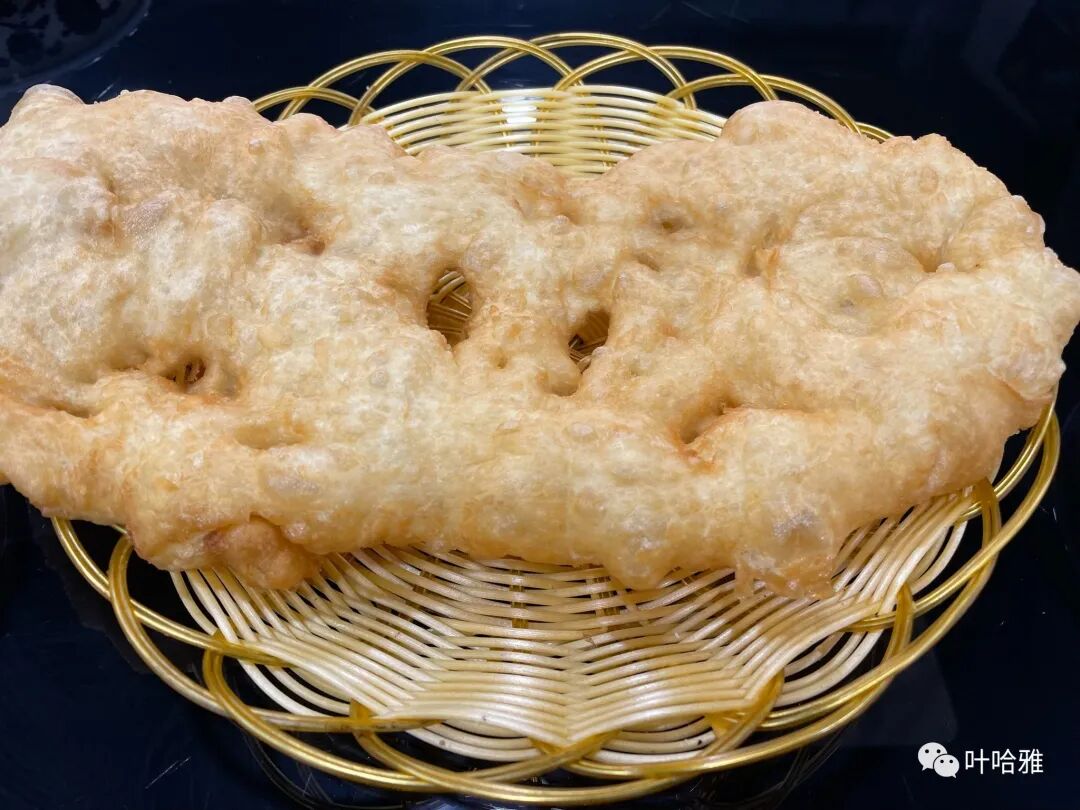
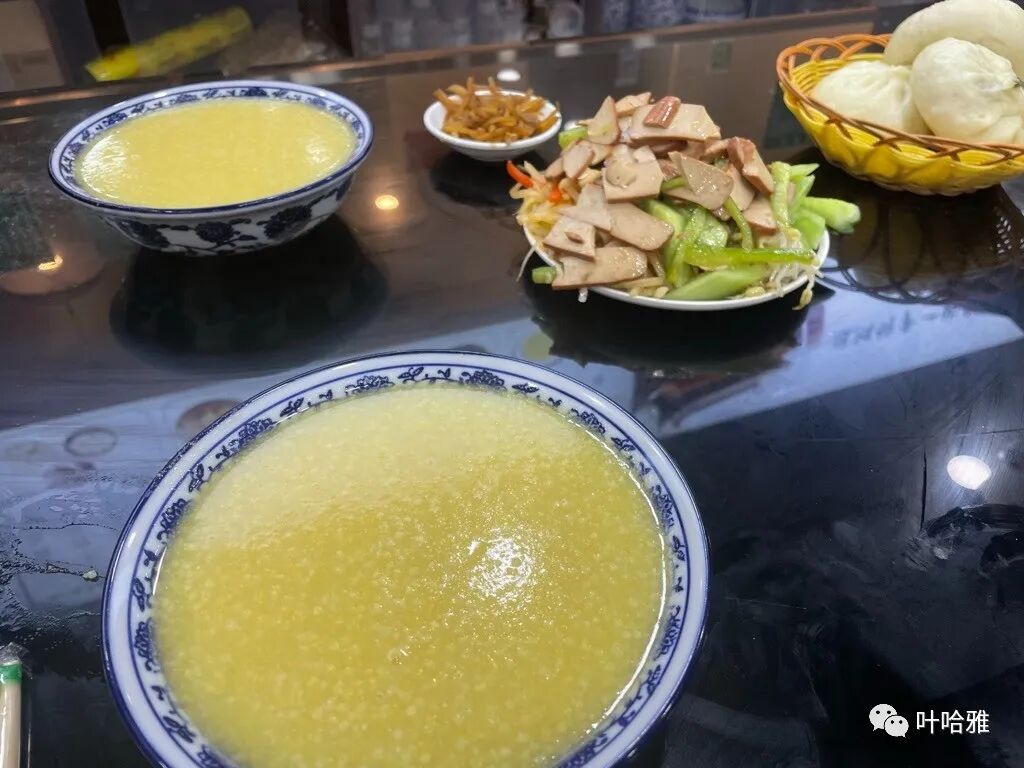
I think their clay pot dishes (shaguo) are the best. You can choose from many side dishes. I recommend the crispy pork clay pot (xiaosurou shaguo) and adding a side of noodles. It is delicious, and crispy pork (xiaosurou) is a classic Henan snack.
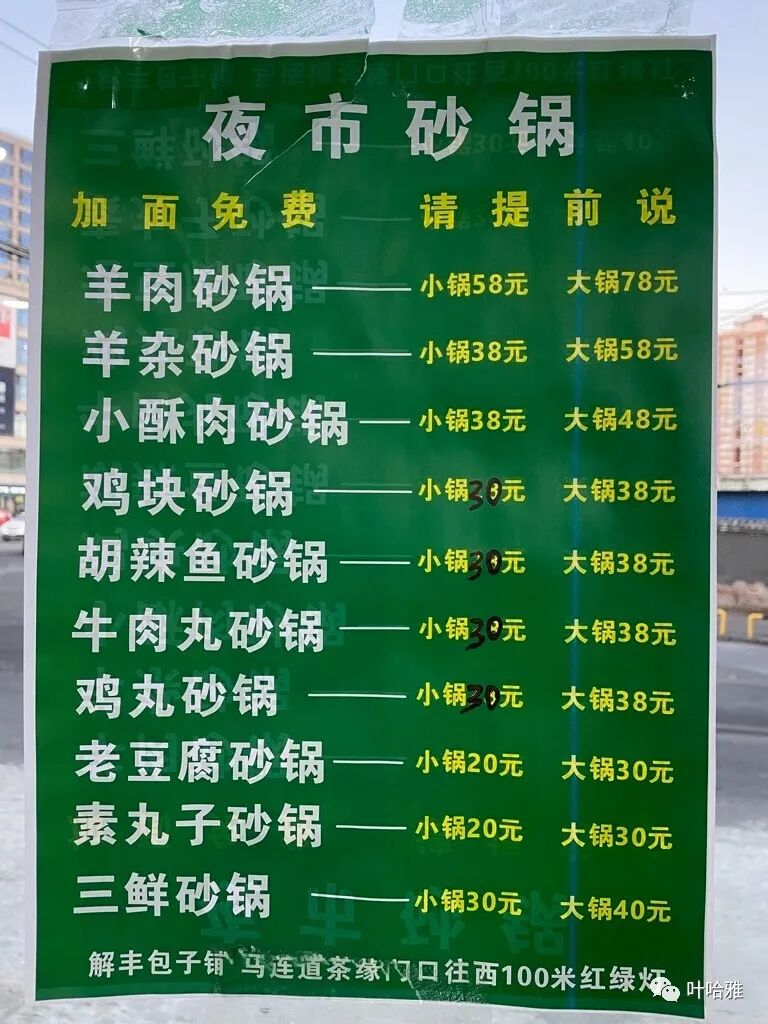
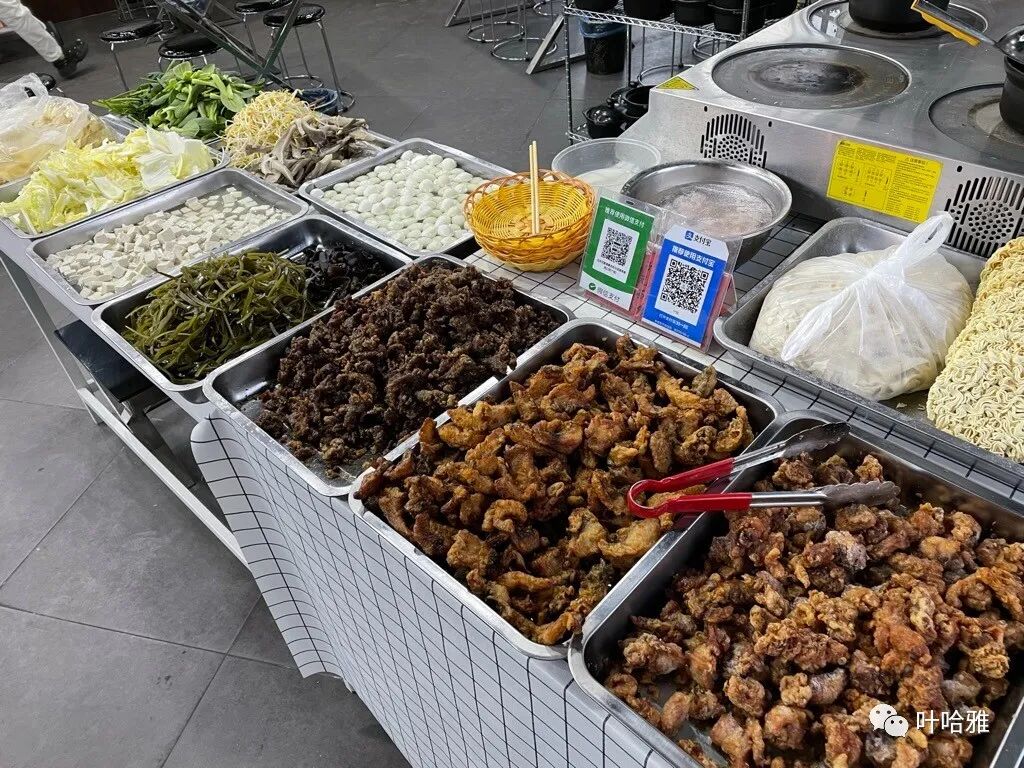
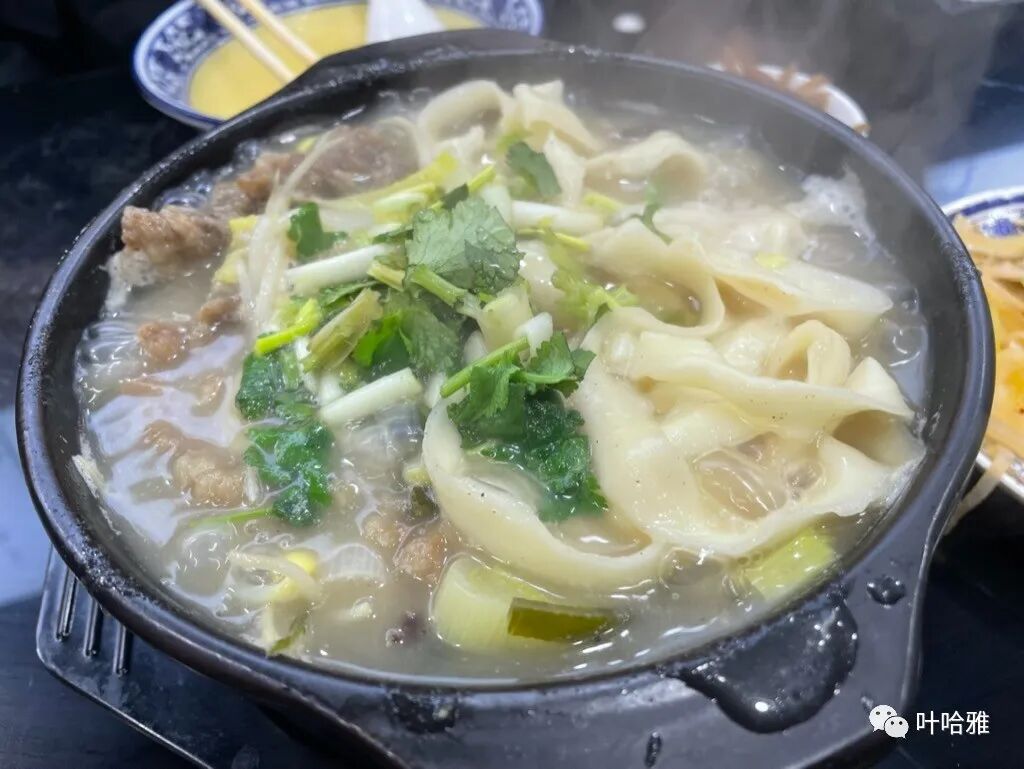
3. AIIB Executive Dining Room
I had the set meal at the AIIB main cafeteria last time, and I promised myself I would come back to try a proper meal at the executive dining room. Just to be clear, the AIIB restaurant is not open to the public. Why mention it then? I think you should apply for a job at the AIIB. You can live a lifestyle that balances your faith and your work here, and you can even get praised by your boss for taking paid time for namaz.
The executive dining room is not a halal restaurant, but they do prepare halal ingredients separately if you book in advance. Many AIIB executives and staff come from Muslim countries, so you do not need to worry about the food. The servers said all their meat is imported from Arab countries.
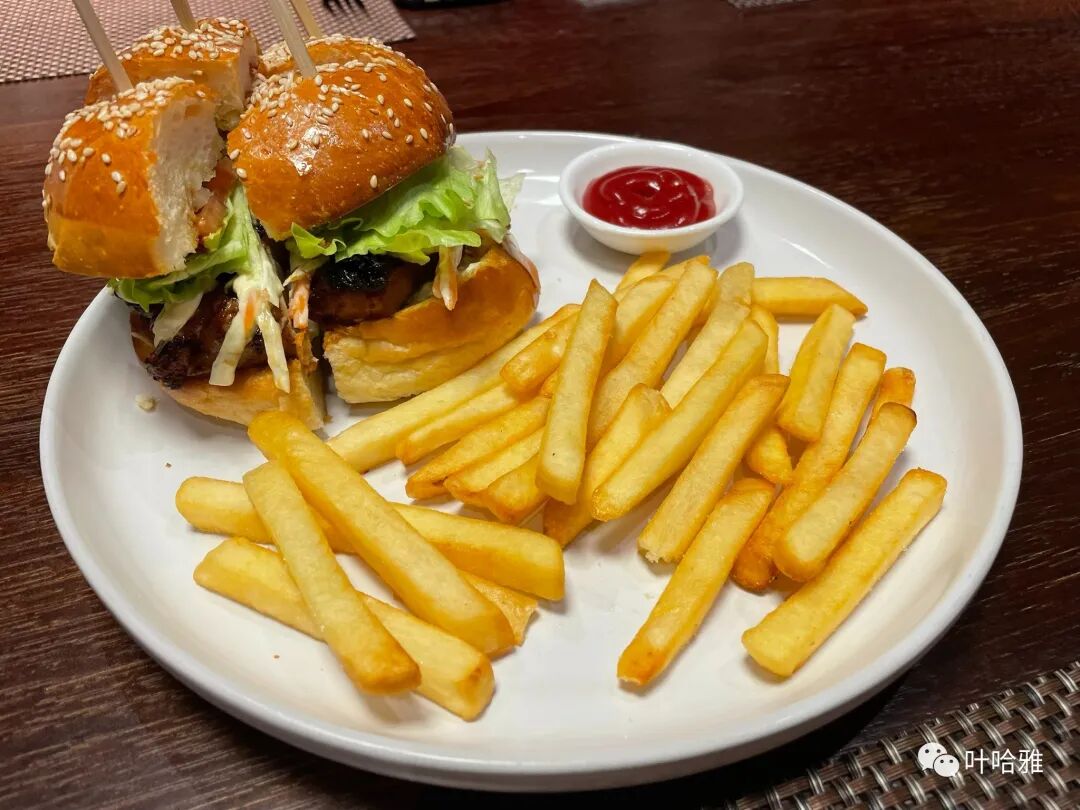
Teriyaki chicken leg burger
The executive dining room is a fusion restaurant that brings together food from many different countries, so we picked a specialty dish from each one.
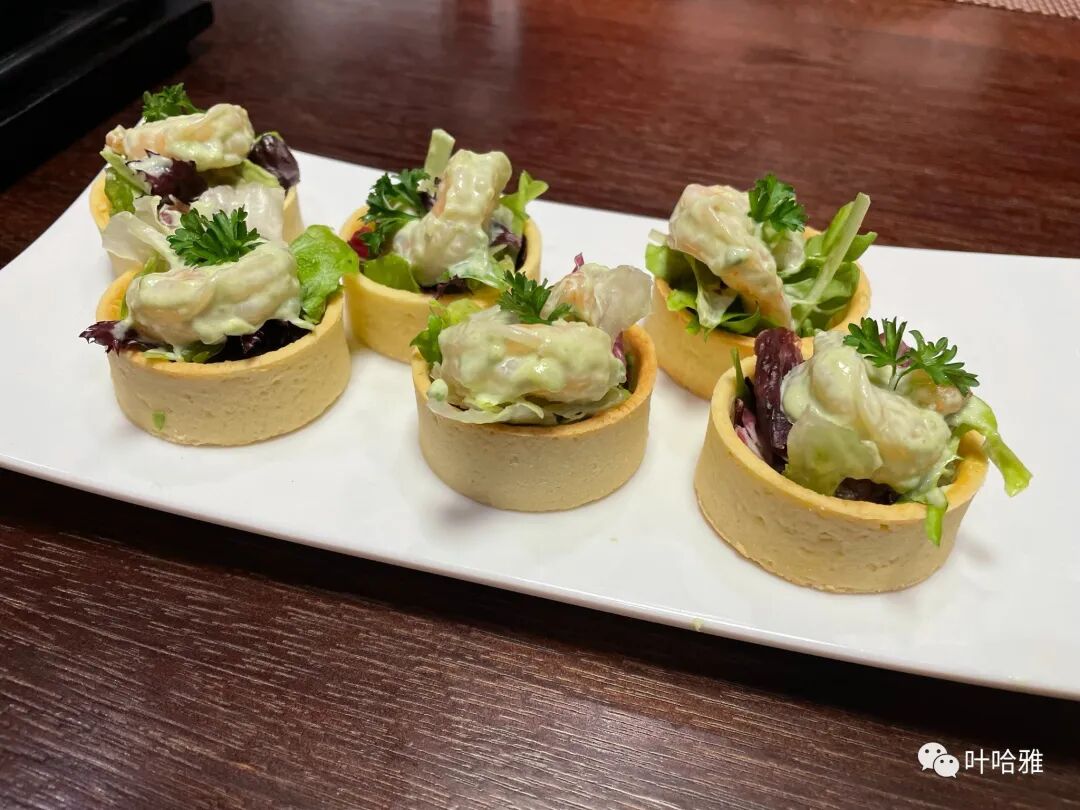
Avocado sauce embroidered shrimp balls
The avocado sauce embroidered shrimp balls are a Mexican-style dish because avocado sauce is a Mexican specialty.
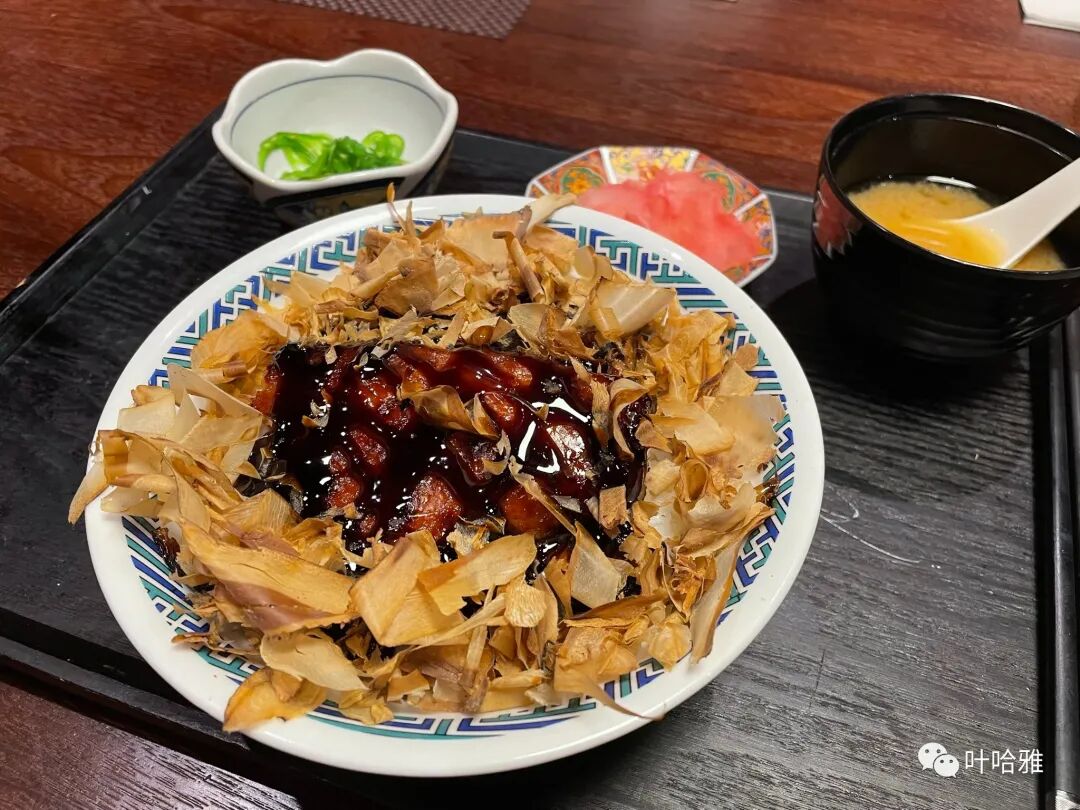
Japanese eel rice (unagi don)
The eel rice is topped with bonito flakes (muyuhua), which is a seasoning made from shaved dried skipjack tuna.
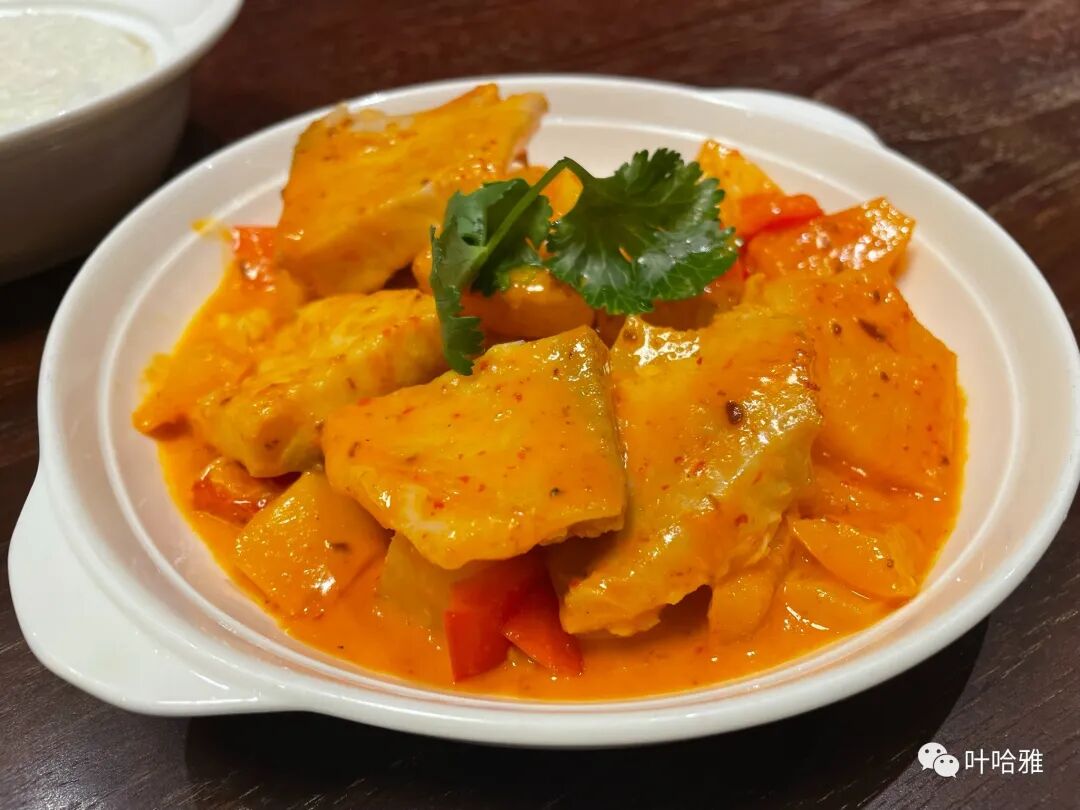
Coconut curry fish
Curry fish is a South Asian dish, and there are many people from India and Pakistan at the Asian Infrastructure Investment Bank.
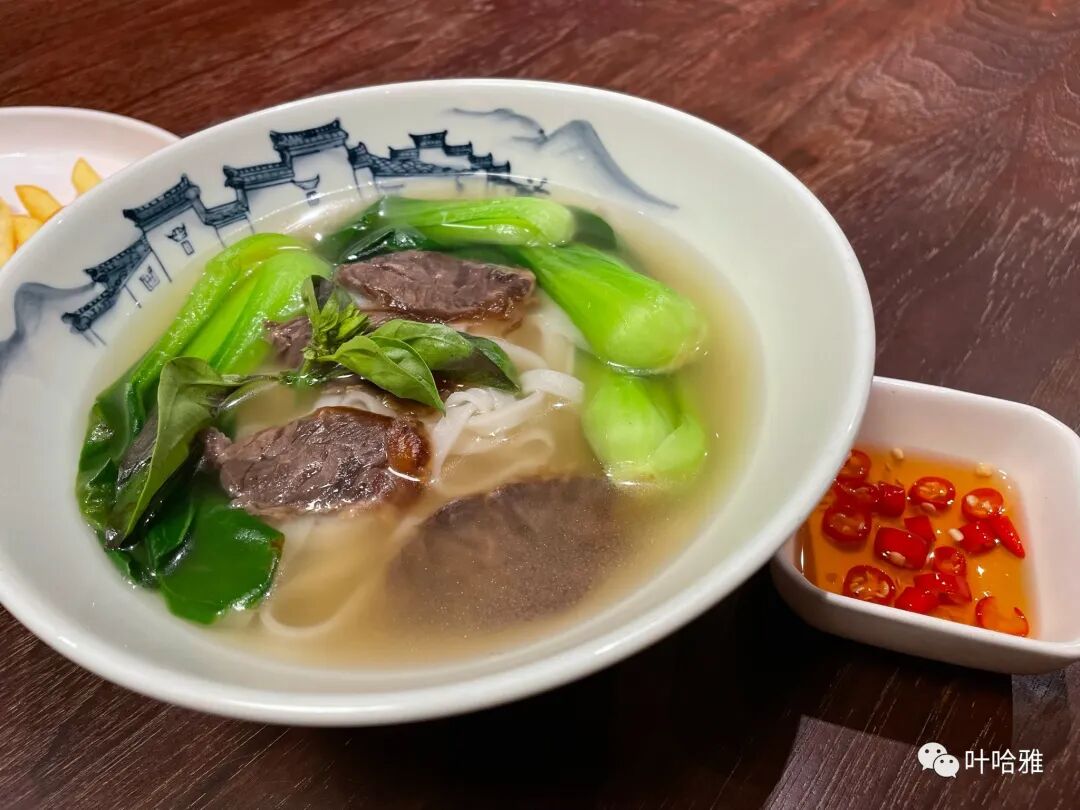
Vietnamese beef noodle soup (pho)
I have eaten halal rice noodles in Vietnam, but I never saw halal Vietnamese food back home until I finally found it here at the Asian Infrastructure Investment Bank.
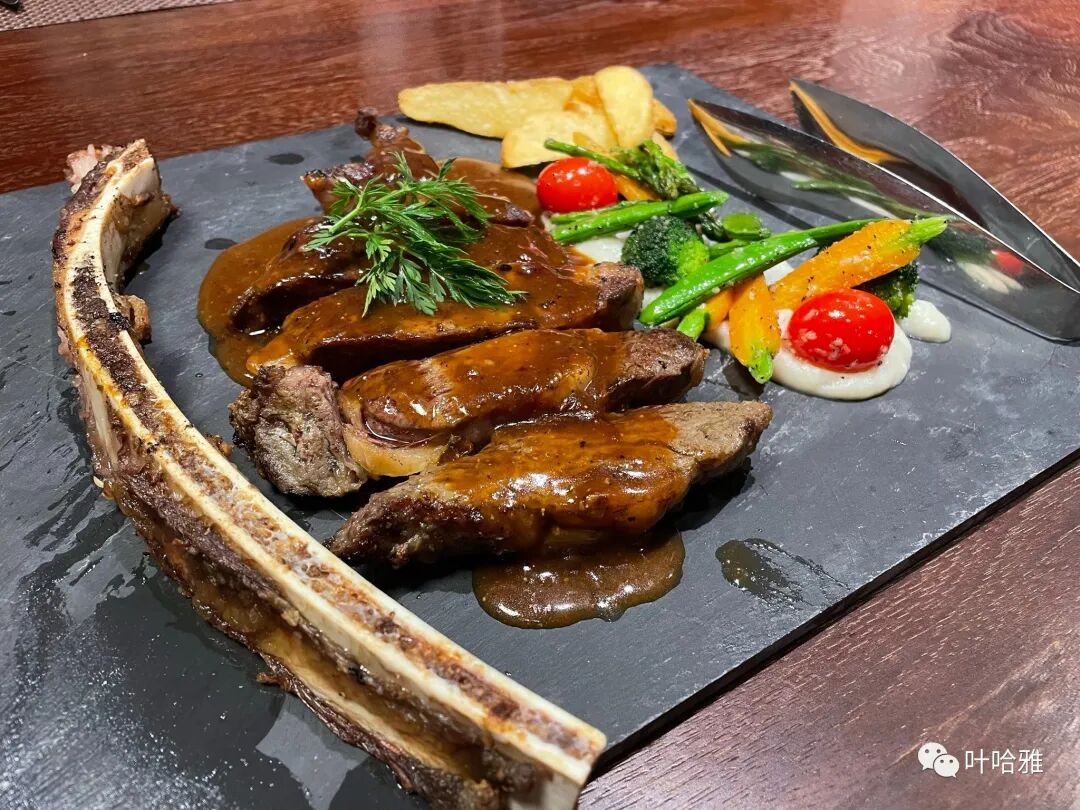
Angus tomahawk steak
It is rare to find a halal tomahawk steak. The server will ask how you want it cooked. I suggest medium-well. If you order it well-done, the beef juices dry out and you lose some of the fresh flavor.
4. One Thousand and One Nights Restaurant
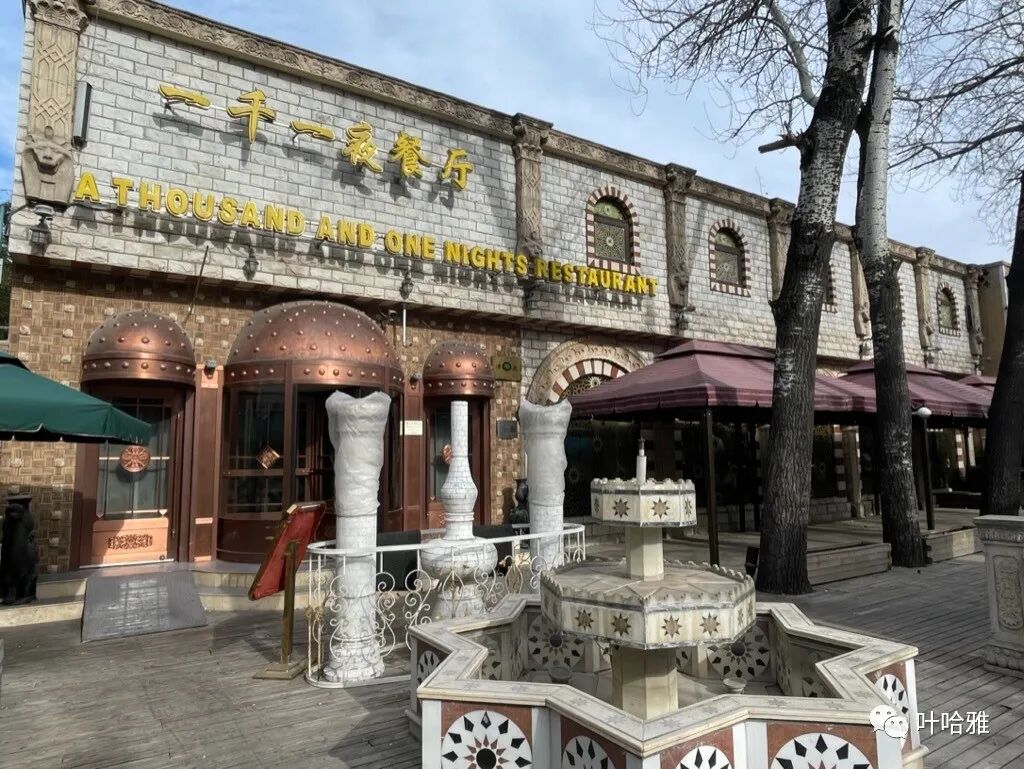
I visited the One Thousand and One Nights branch in Solana many years ago. After it closed, I never came to the Sanlitun location, but the Sanlitun shop is actually decorated with a very exotic style.
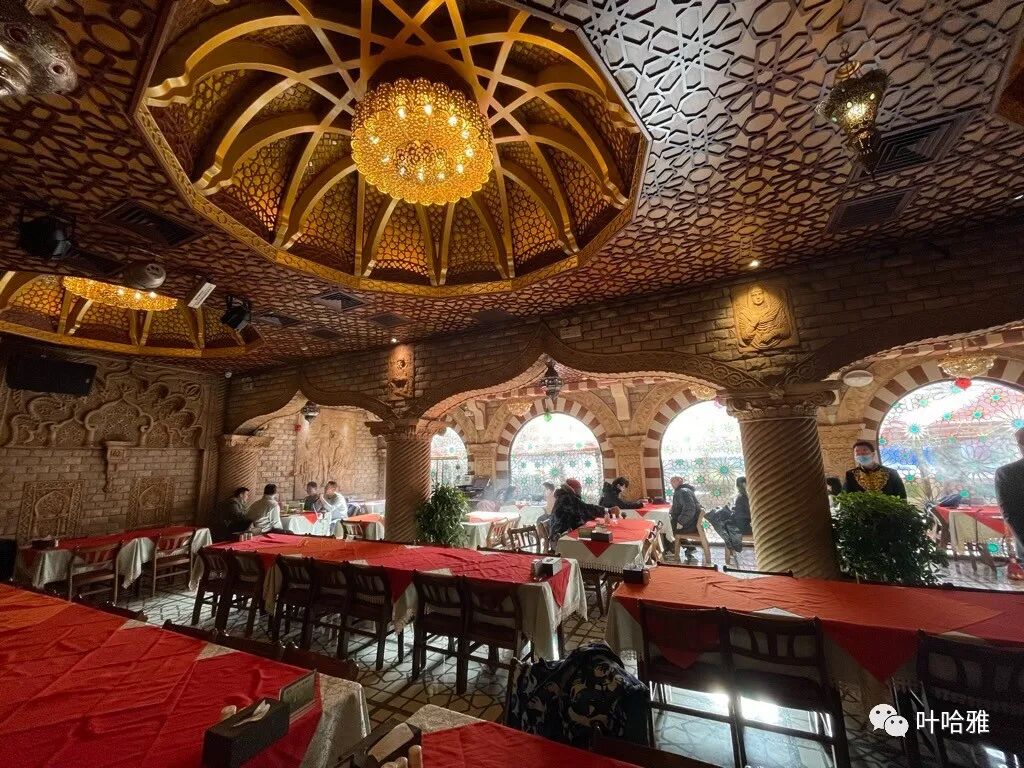
Next door to this shop are an Iranian restaurant and a Turkish Mom restaurant. Both are long-standing businesses, and their customers are mostly foreigners.
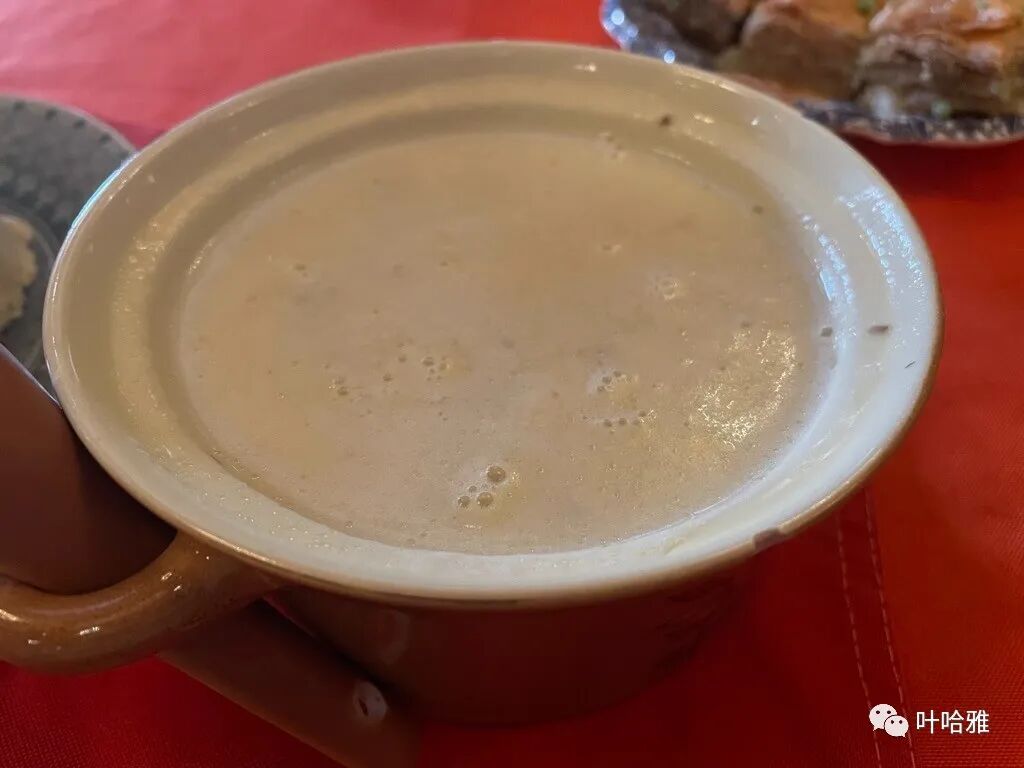
Cream of mushroom soup
One Thousand and One Nights is an Egyptian-themed Arabic restaurant. According to the rules, you drink soup before your meal.
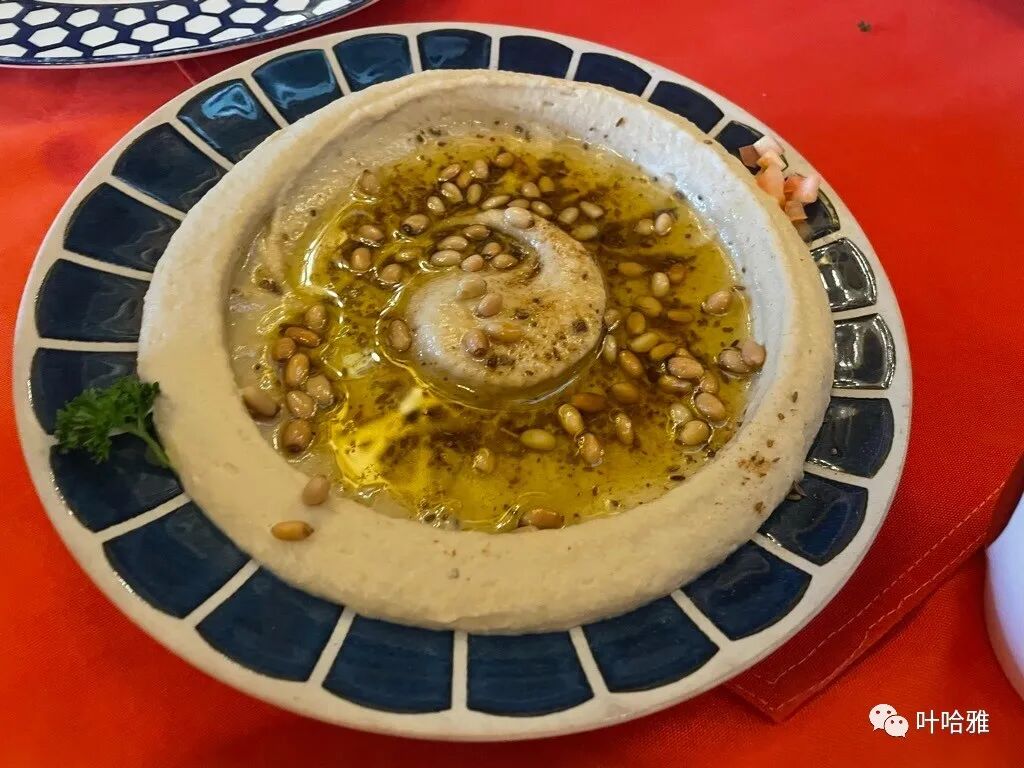
Hummus and spicy sesame sauce. Both are dips for cedar bread (xuesongbing). One is salty and savory, and the other is salty and spicy.
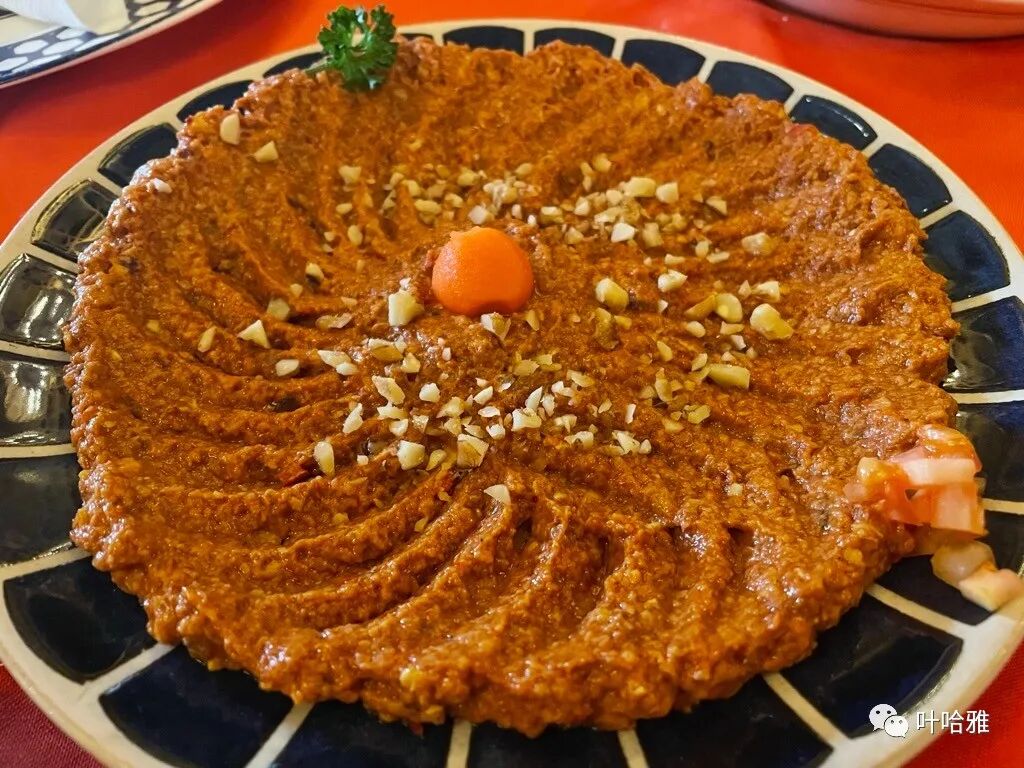
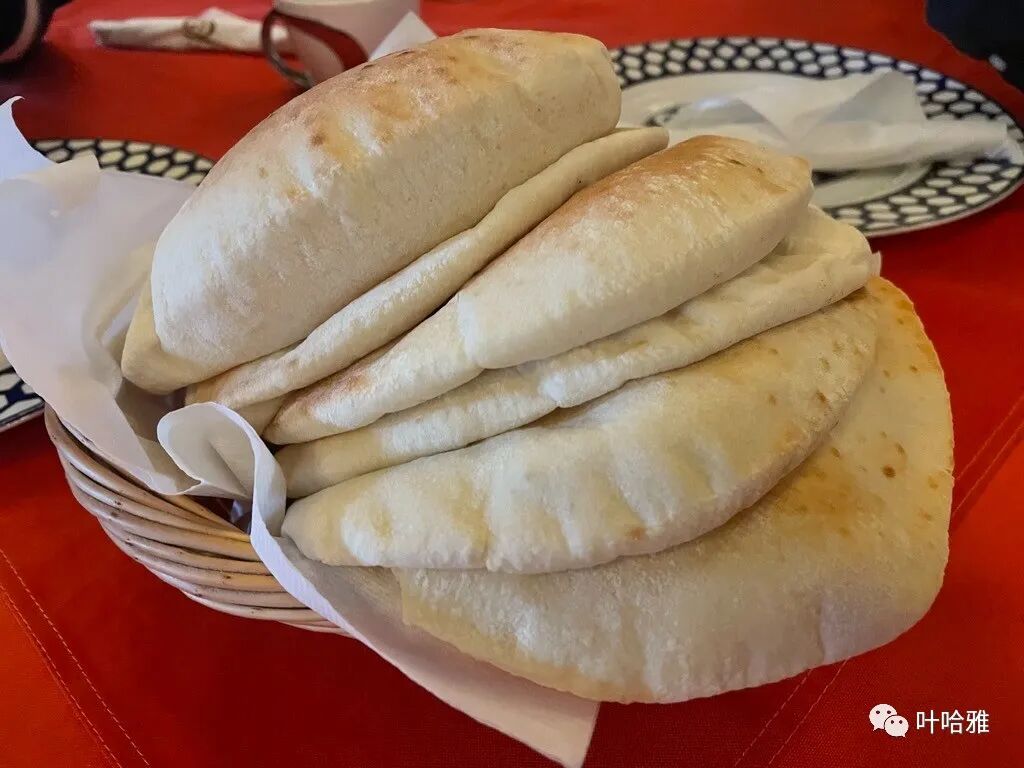
Cedar bread (xuesongbing)
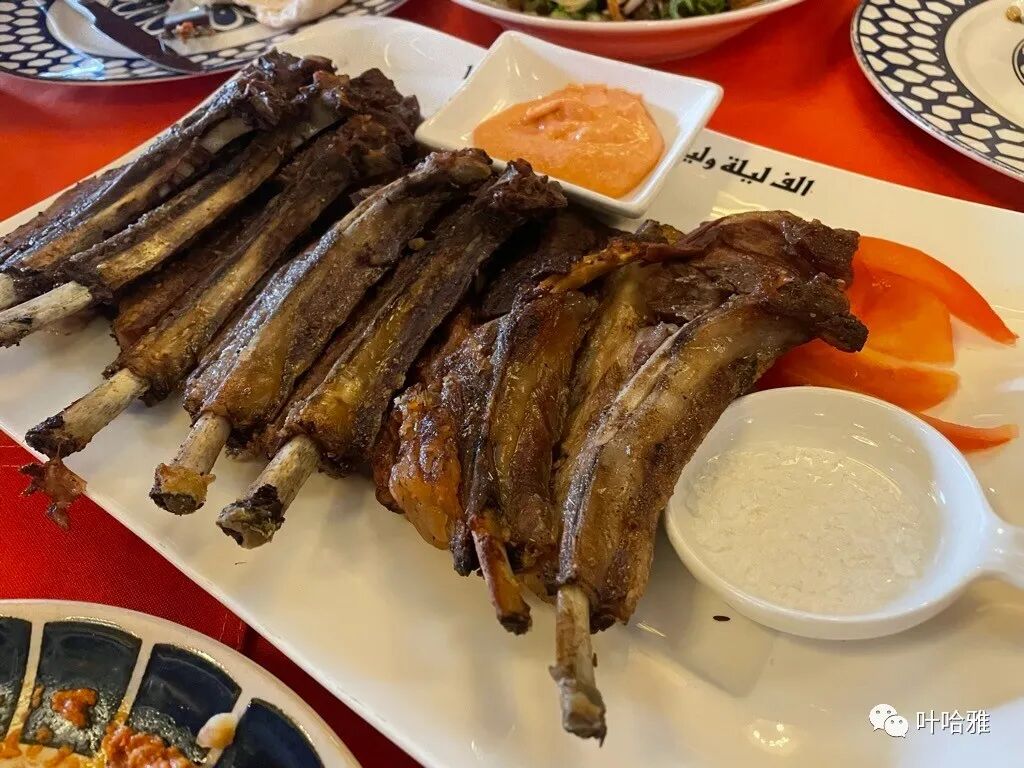
Roasted lamb chops (kaoyangpai)
The roasted lamb chops and mixed grill at One Thousand and One Nights taste great. The lamb is fresh and tender with no gamey smell, keeping the natural flavor of the meat. The dipping sauce is simple, just salt and lemon juice, served with a small side of salad dressing. I think the meat tastes perfect on its own.
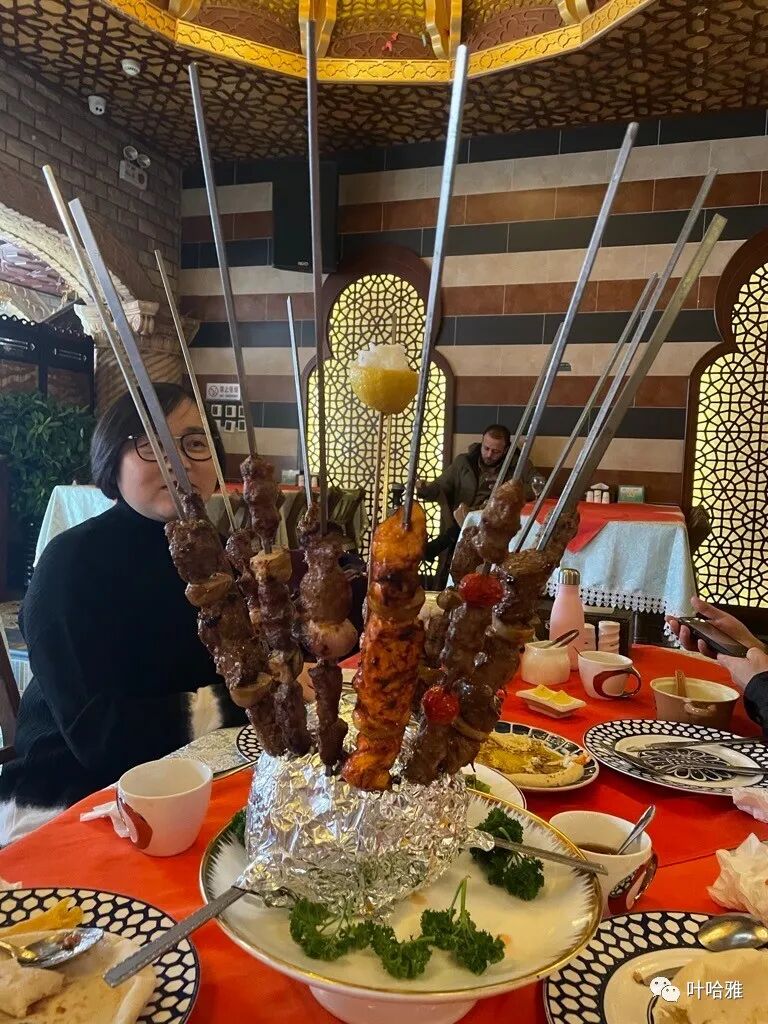
Mixed grill (zonghe shaokao)
The mixed grill is a combination of lamb, chicken, and beef skewers. Each skewer has even more meat than the red willow skewers (hongliu kaorou).
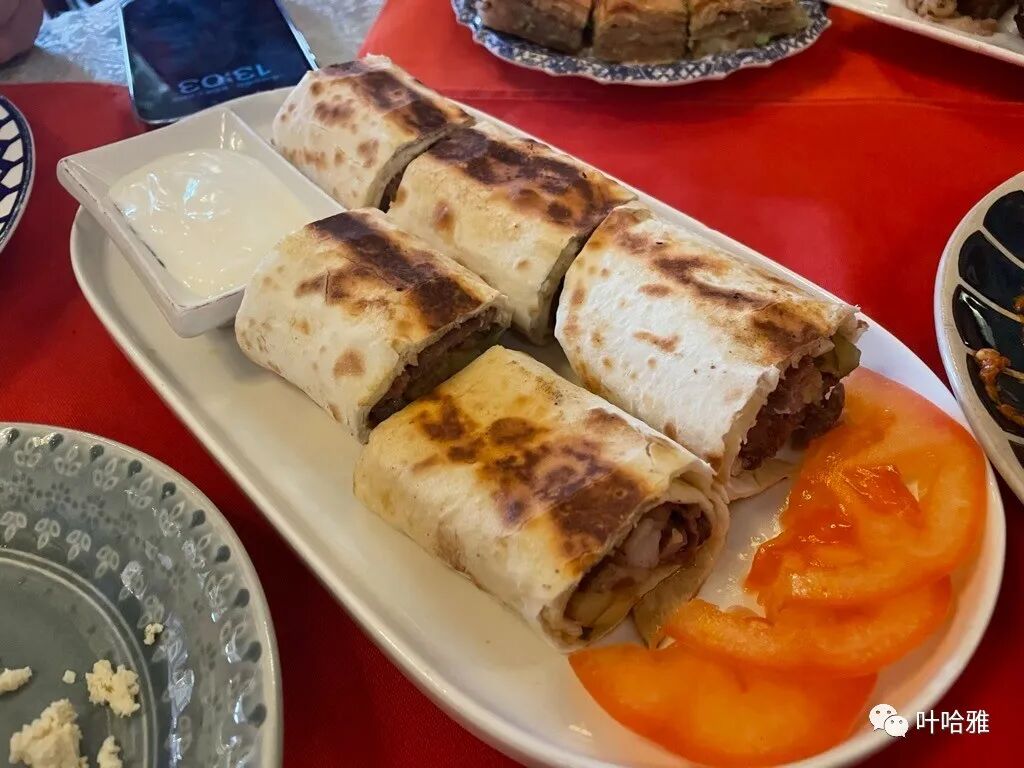
Shawarma
Shawarma can also be called a sandwich. It is a very popular Middle Eastern specialty, famous even in Western countries, much like the popularity of meat burgers (roujiamo) in our country.
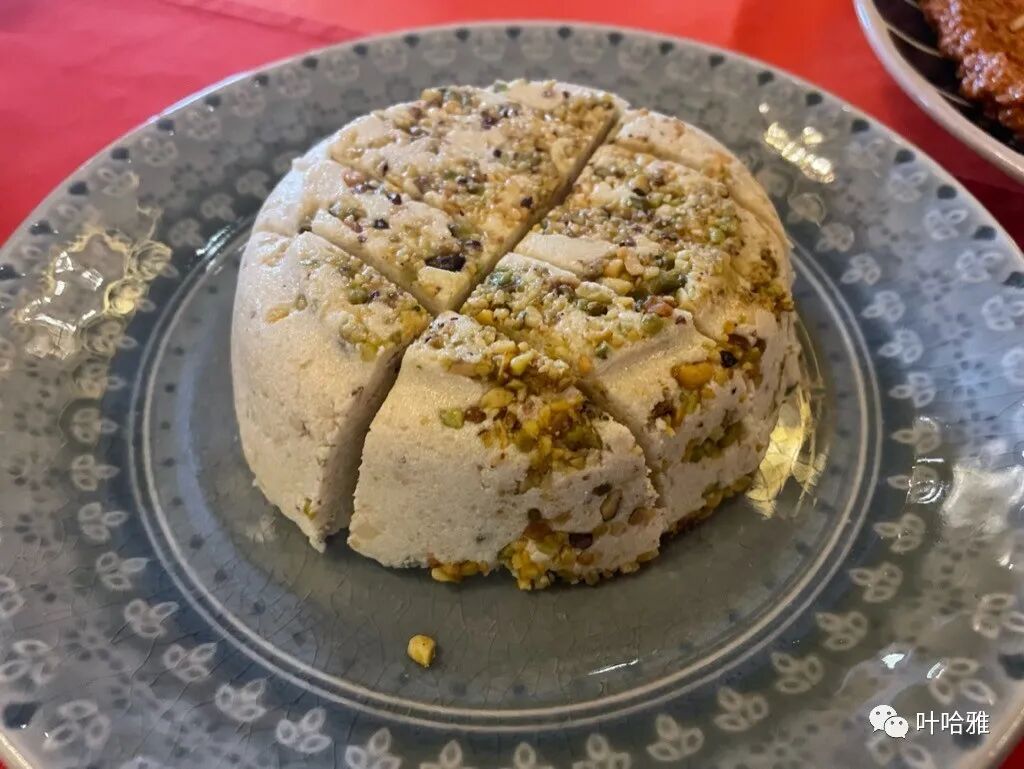
Halawa
There are two unique Middle Eastern desserts: halawa and baklawa. Halawa is a peanut brittle with a mildly sweet taste. Baklawa is a honey cashew pastry with a sweetness level of over five plus signs.
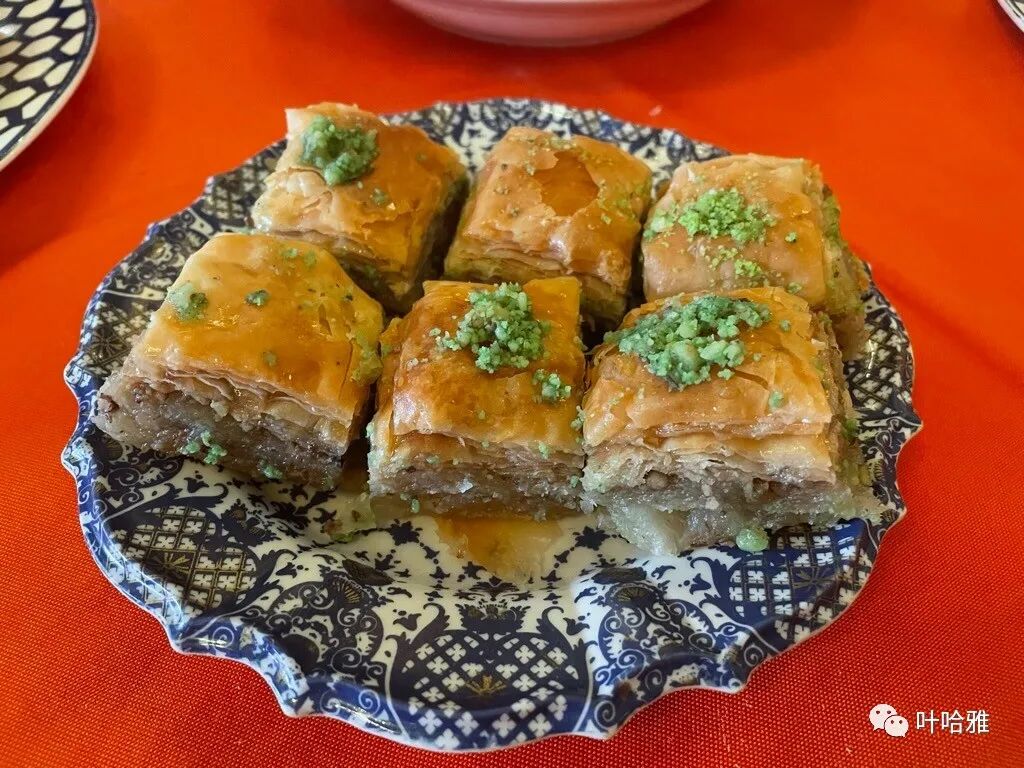
Baklawa
One Thousand and One Nights has Egyptian belly dancing performances at night. These shows were paused for three years due to the pandemic, but they have now resumed.
5. Jianglai
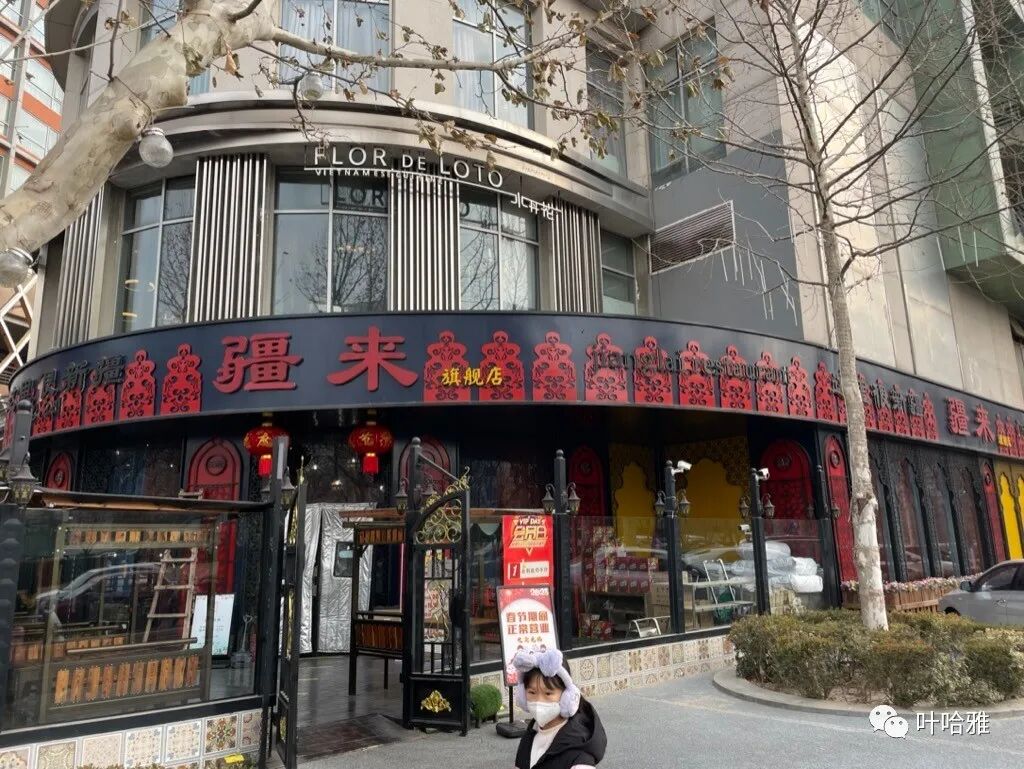
Jianglai is a chain restaurant, and this is their flagship store in Wangjing. It is very spacious, but it gets packed at lunch and you will need to wait for a table. There is a paid parking lot next door, but parking in Wangjing is very expensive.
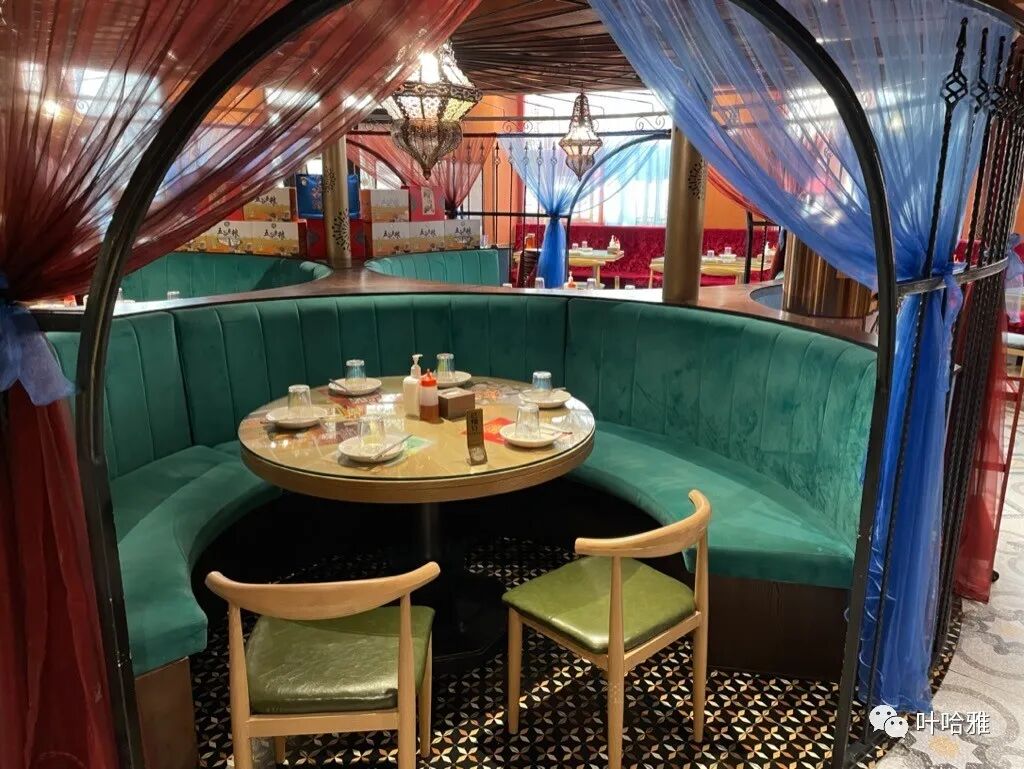
Jianglai is a bit like a localized version of Bayi Laoye, but the food is slightly inferior to Bayi Laoye.
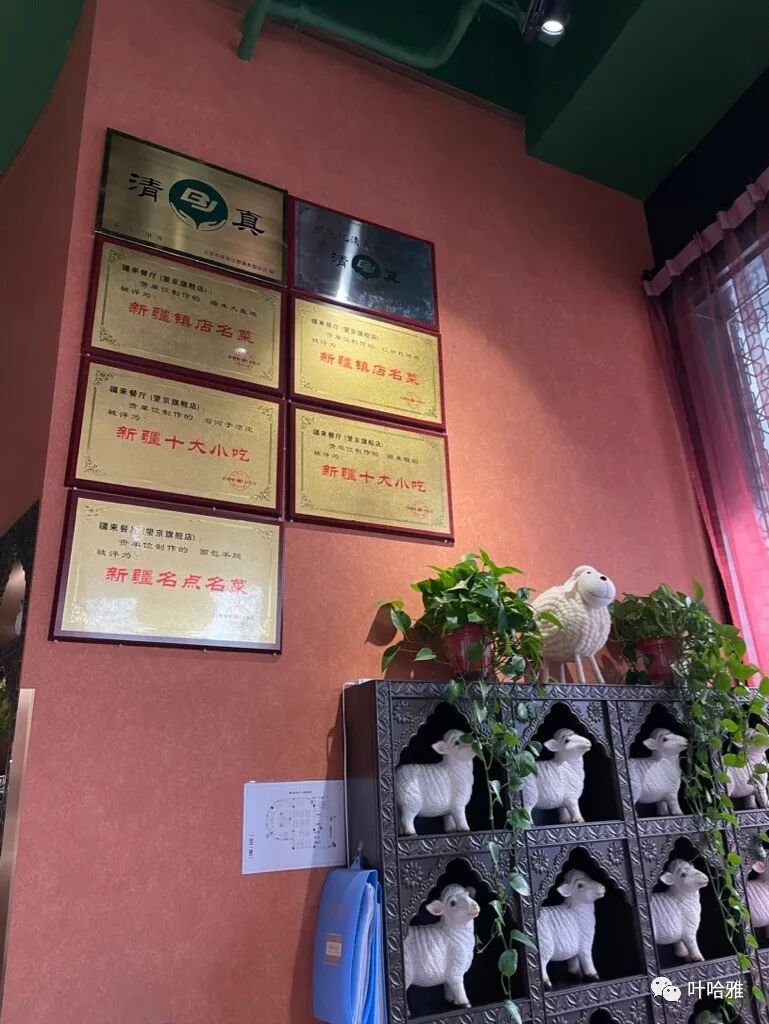
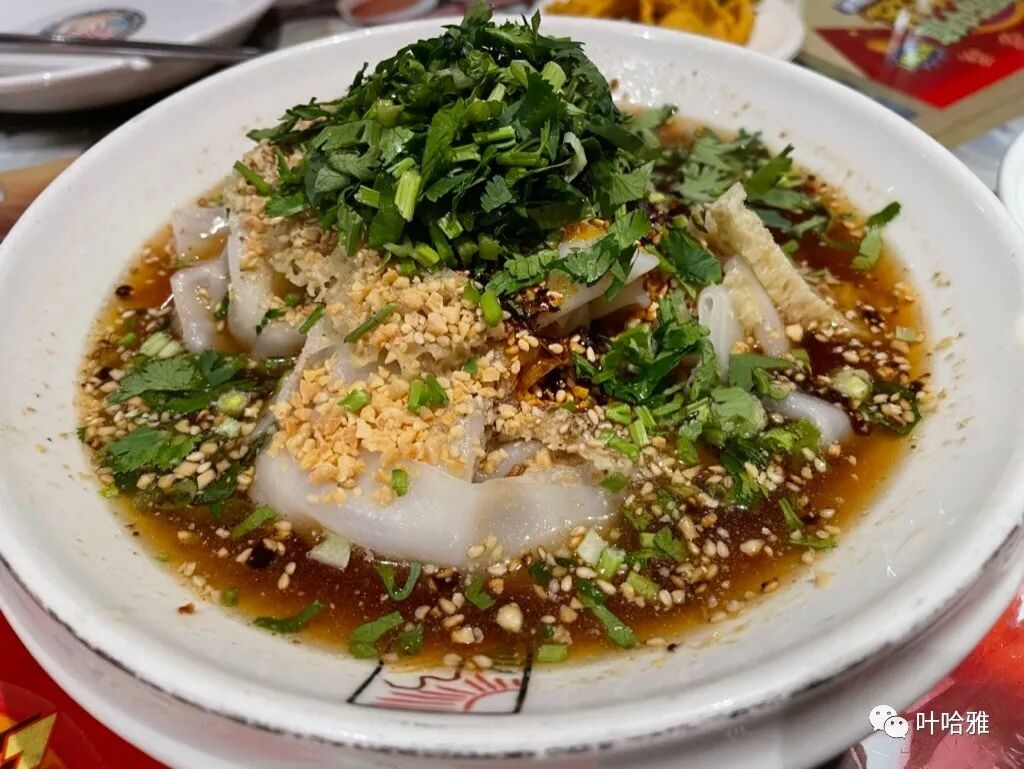
Overall, their Xinjiang food has no major flaws, but it is not very surprising either. The flavors are quite mild.
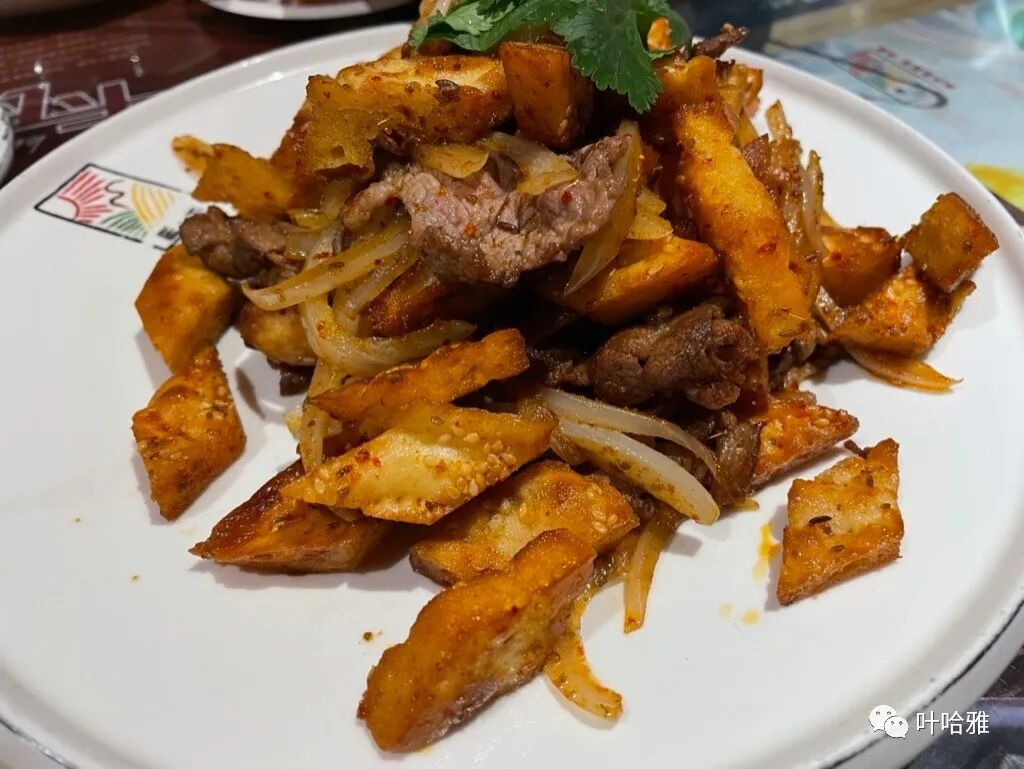
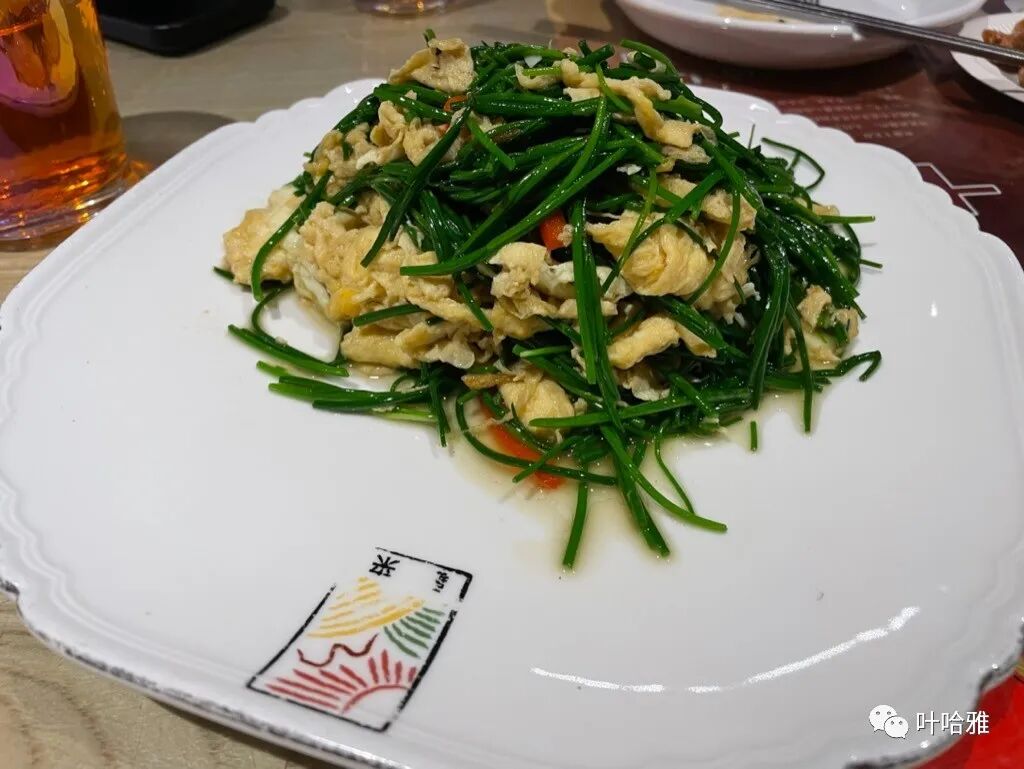
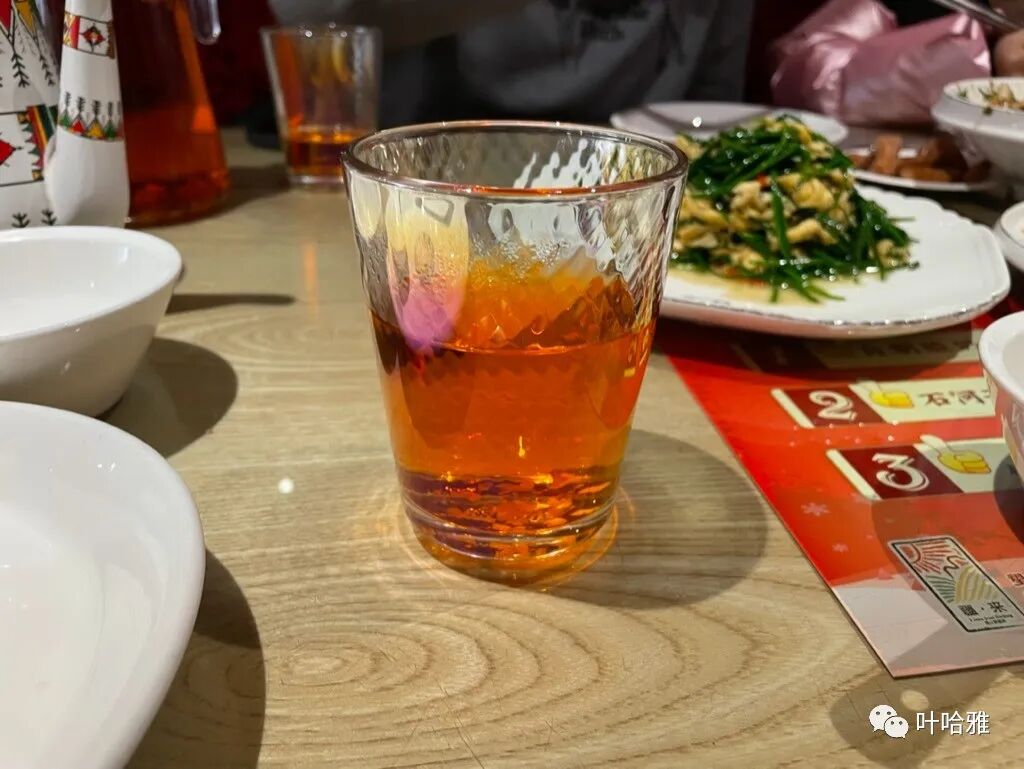
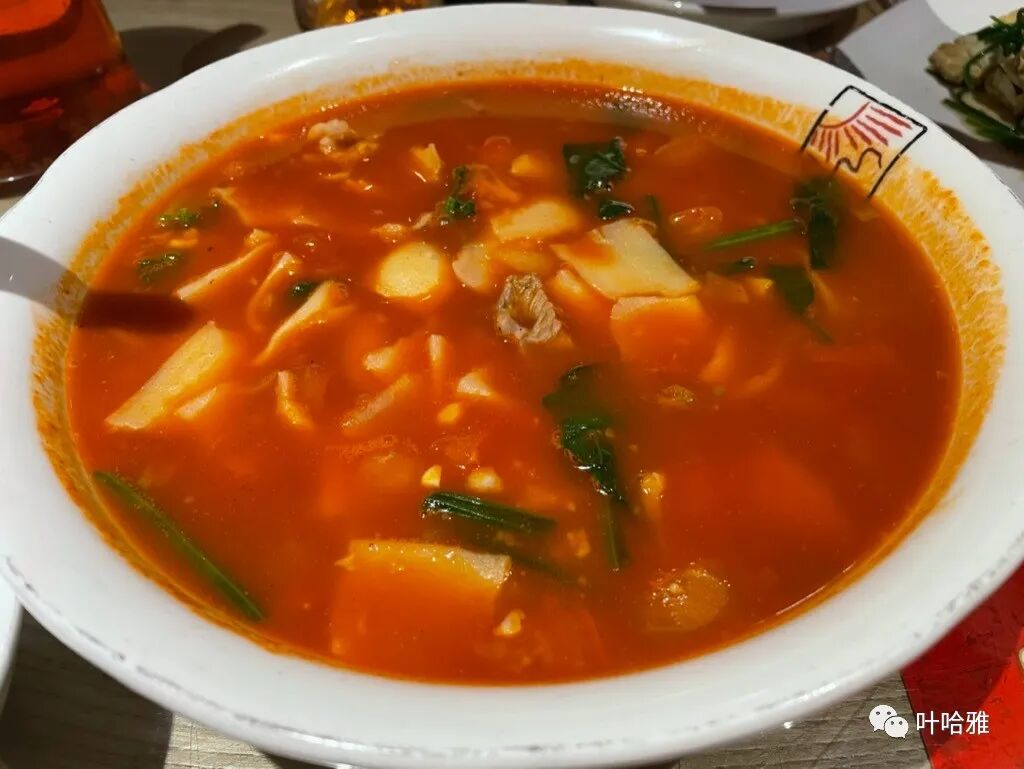
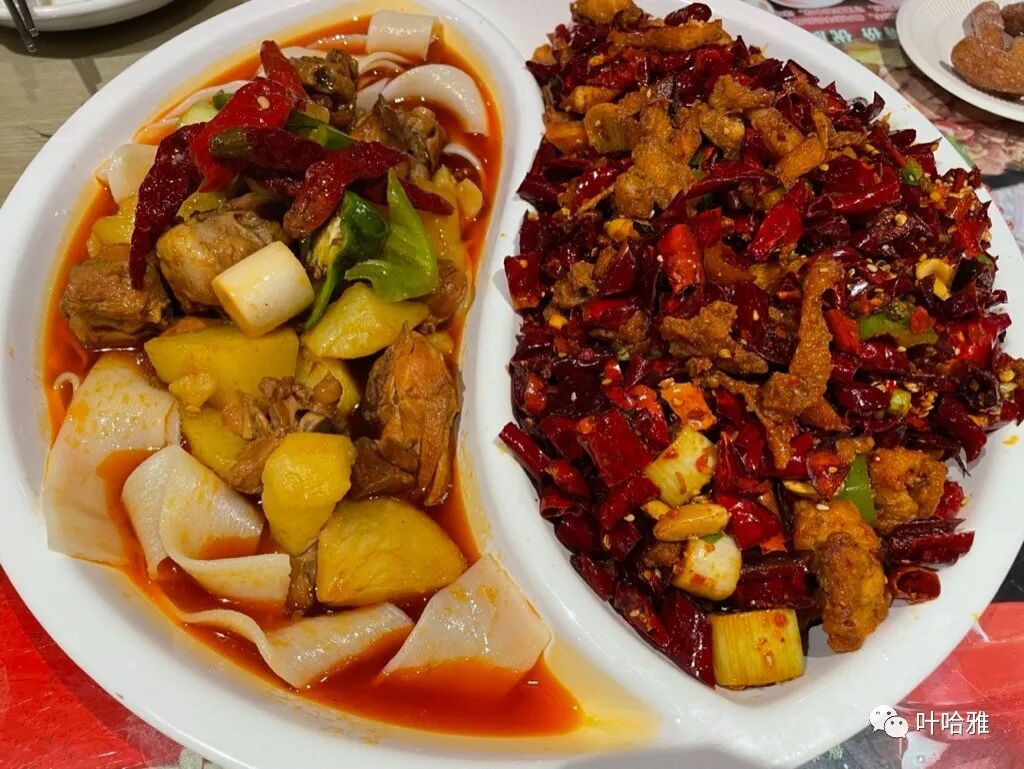
The combo of big plate chicken (dapanji) and spicy chicken (laziji) is creative. It lets you eat two hearty dishes at once and saves you the cost of an extra dish.
6. Xi'an lamb pita bread in soup (yangrou paomo)
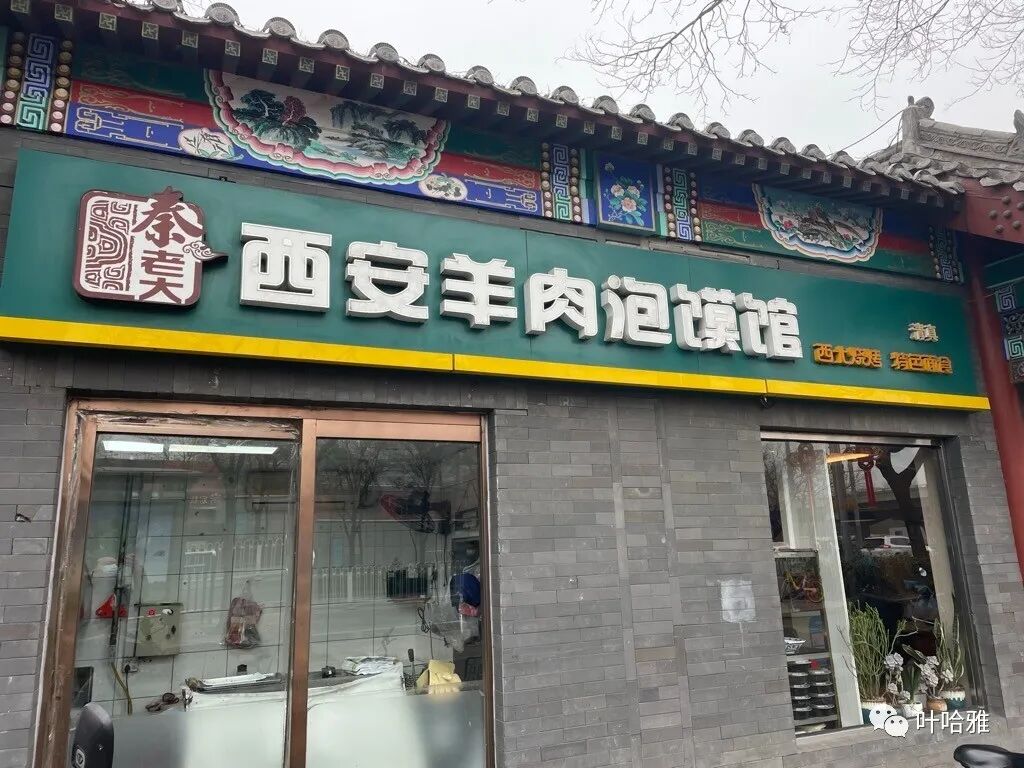
Qin Laoda Paomo Restaurant has been open in Beijing for 16 years. I vaguely remember eating here a few years ago. It is a standard paomo shop. Unfortunately, you cannot break the bread yourself, which is a big part of the fun for people from Xi'an.
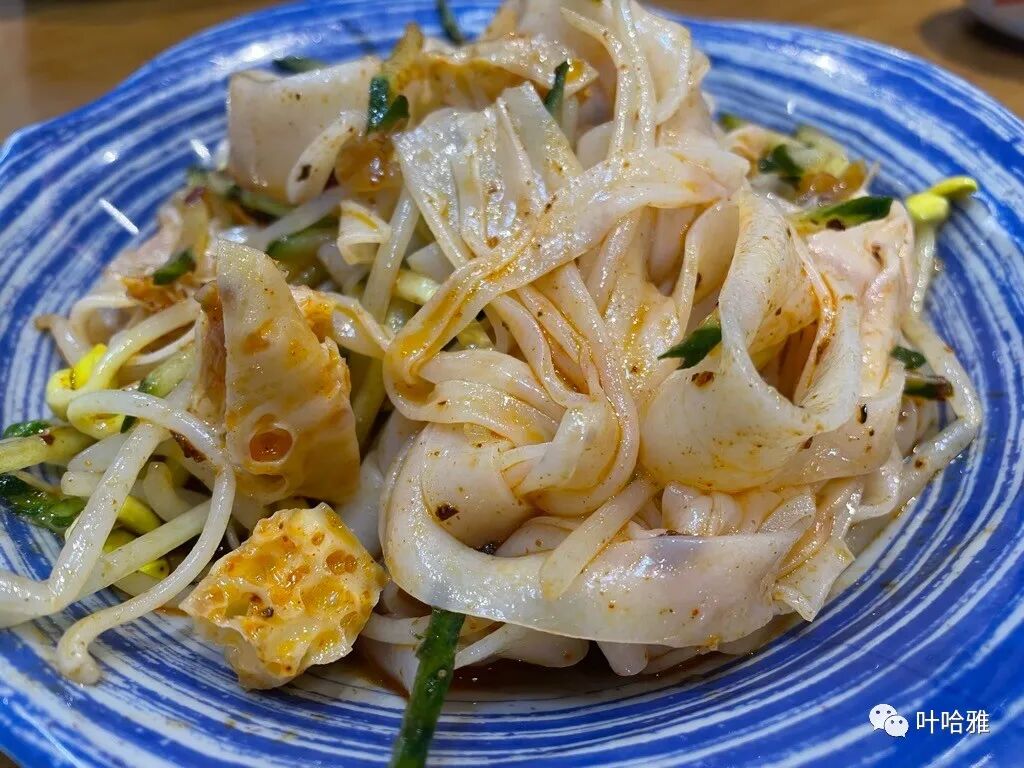
Cold skin noodles (liangpi) with wheat gluten (mianjin) topped with chili oil is a sour and spicy dish perfect for summer.
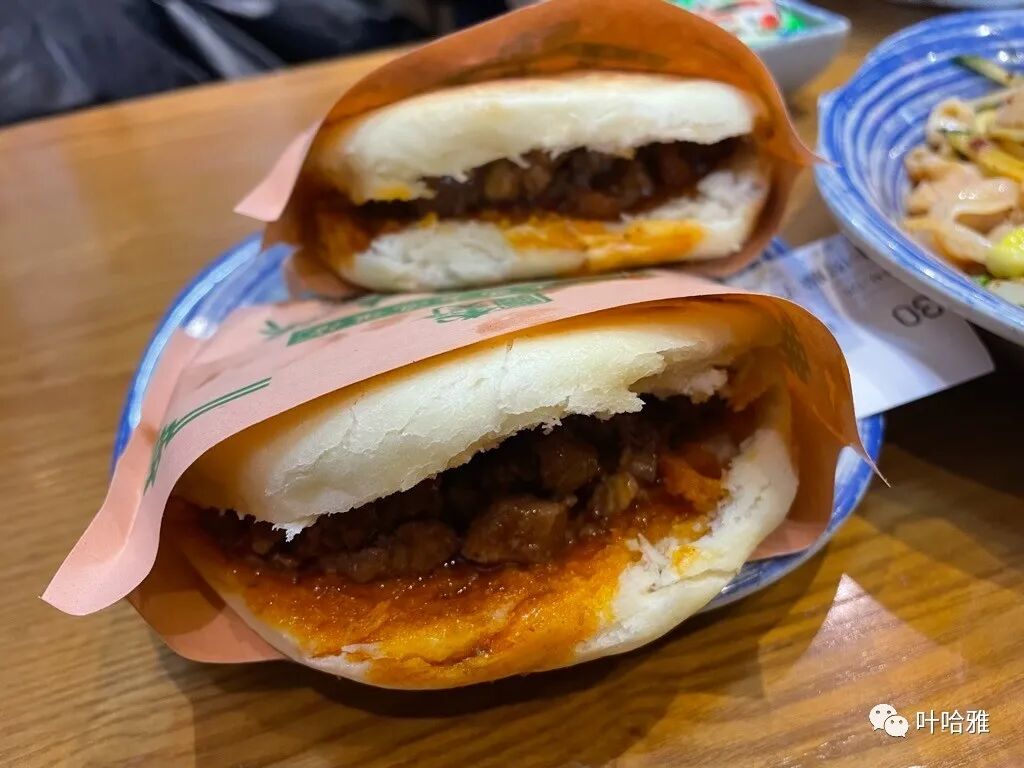
The meat burger (roujiamo) tastes good. The crust is very crispy and they give you plenty of meat.
To get the full experience when eating Xi'an paomo, you have to drink a local Xi'an Bingfeng soda.
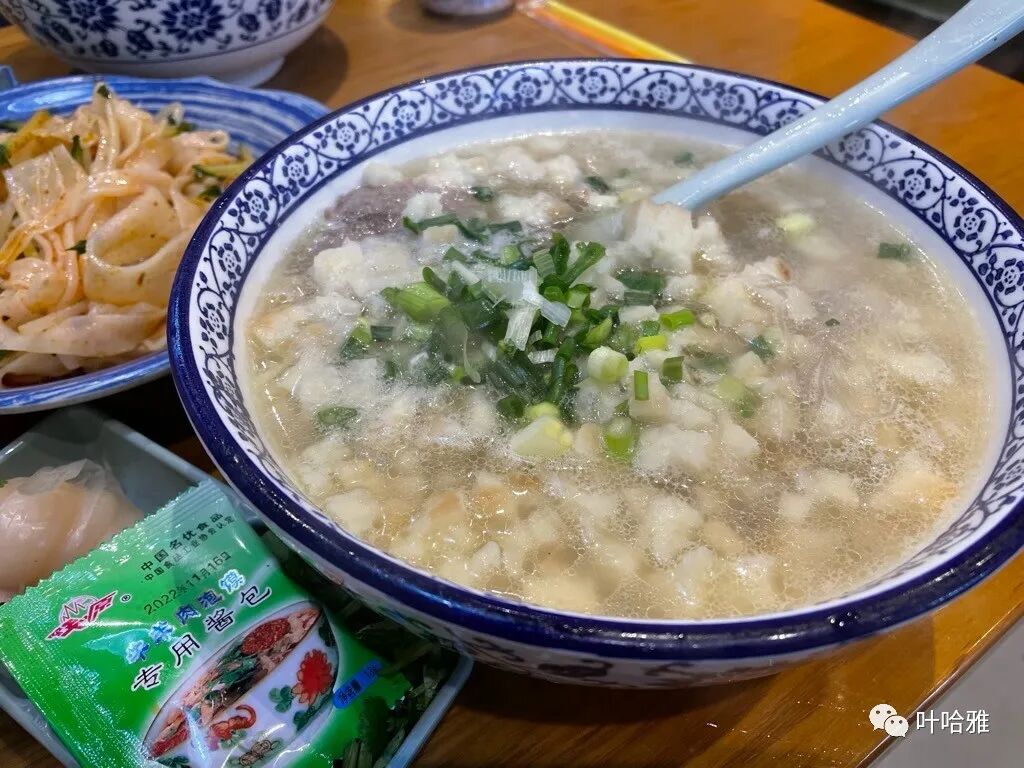
Although paomo is famous for the lamb version, locals in Xi'an mostly eat beef paomo, which I also prefer. Qin Laoda's paomo is decent, but it is definitely not as authentic as what you get in the Muslim Quarter (Huifang) in Xi'an.
7. Lianghuo Lanzhou twisted fried dough and skewers (fanhua kaochuan)
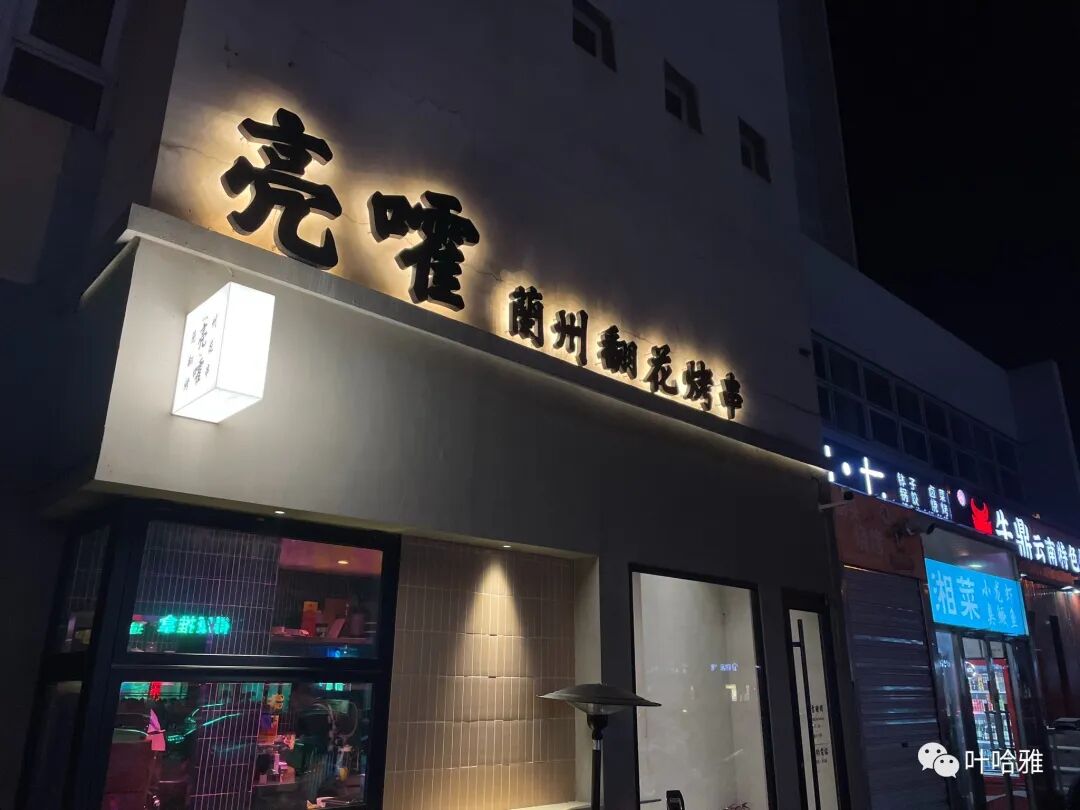
A new Lanzhou-style skewer shop just opened in Baiziwan. It does not have a halal sign because, while the owner is not a Hui Muslim, all the staff are. The staff says all their ingredients are sourced from halal suppliers.
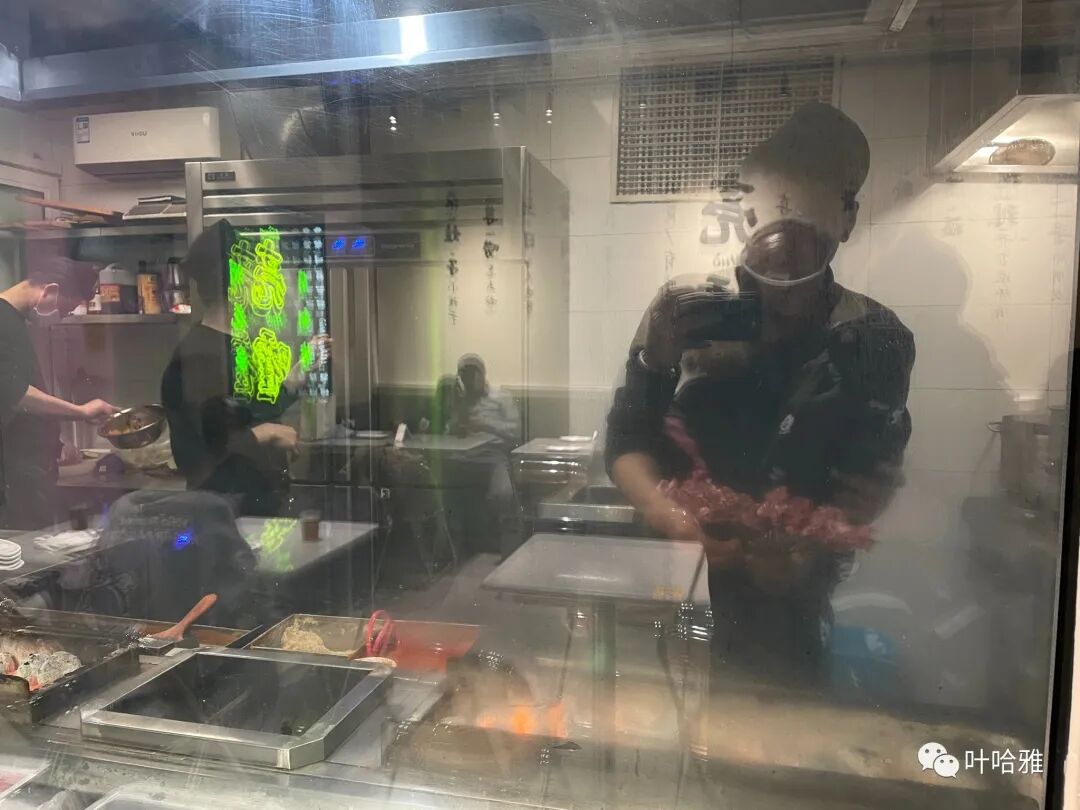
The kitchen staff all wear prayer caps (libaimao). If you have eaten at Lianshou Barbecue in Baiziwan, this shop has a very similar style.
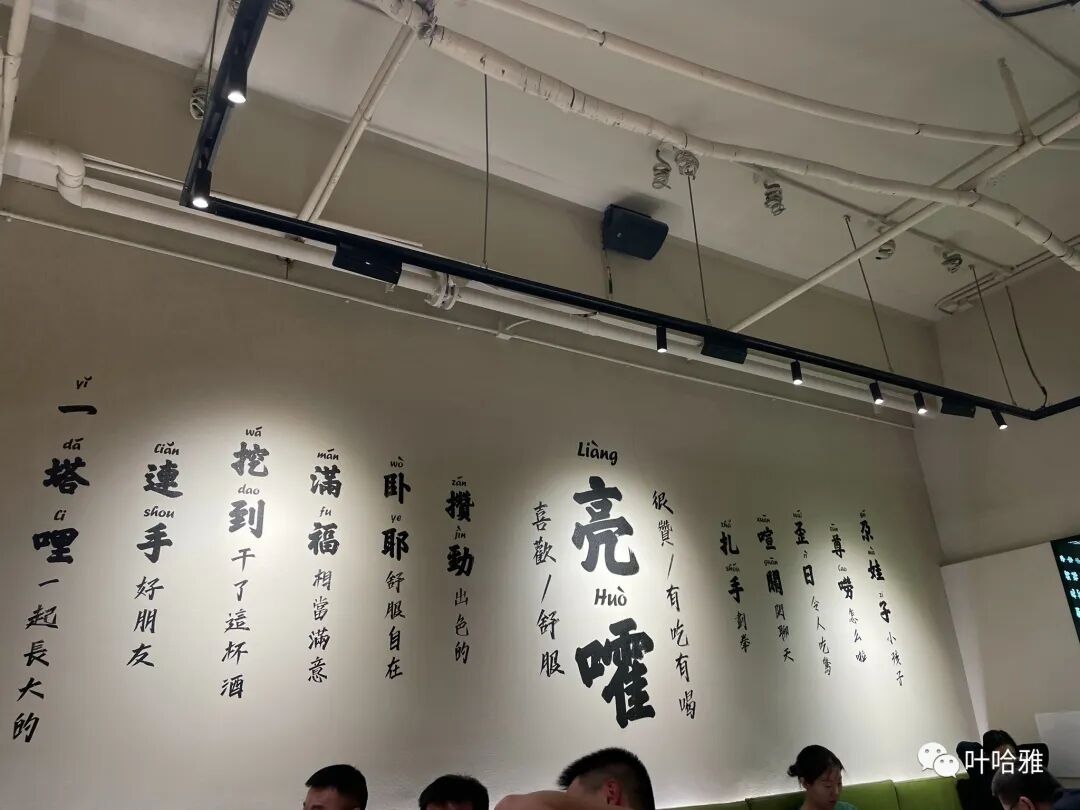
Lianghuo is a Lanzhou dialect word that means to praise someone. The wall also explains a few other Lanzhou dialect phrases.
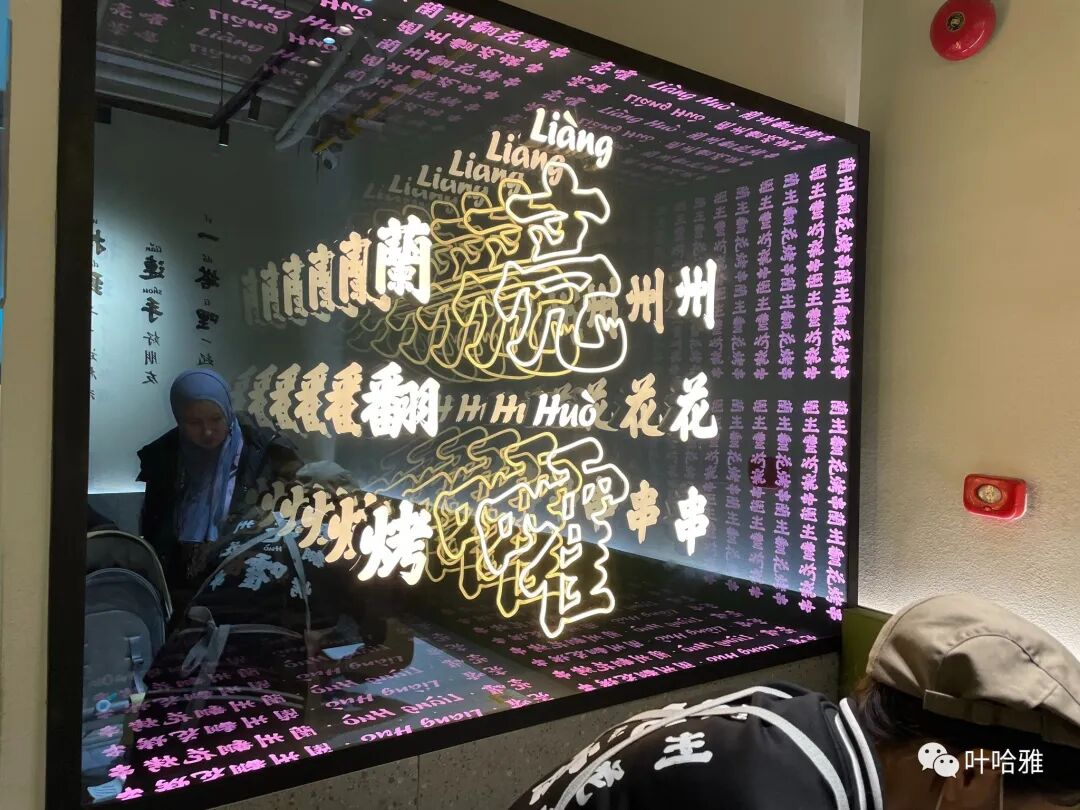
To me, flower-style skewers (fanhua shaokao) are just meat with fat in the middle. This shop offers two ways to grill: dry or wet, with wet meaning they brush on a sauce.
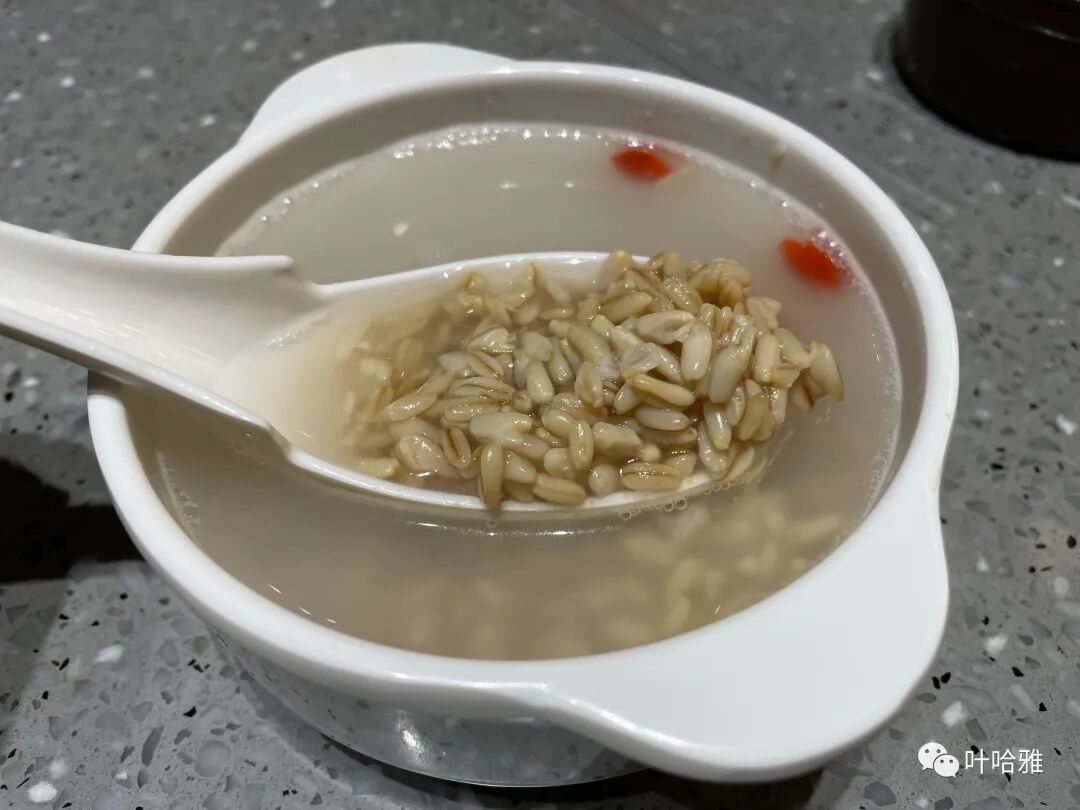
A Lanzhou-style barbecue shop must have Lanzhou snacks. You can have sweet fermented oat drink (tianbeizi) served hot, and once heated, you cannot smell the alcohol in it.
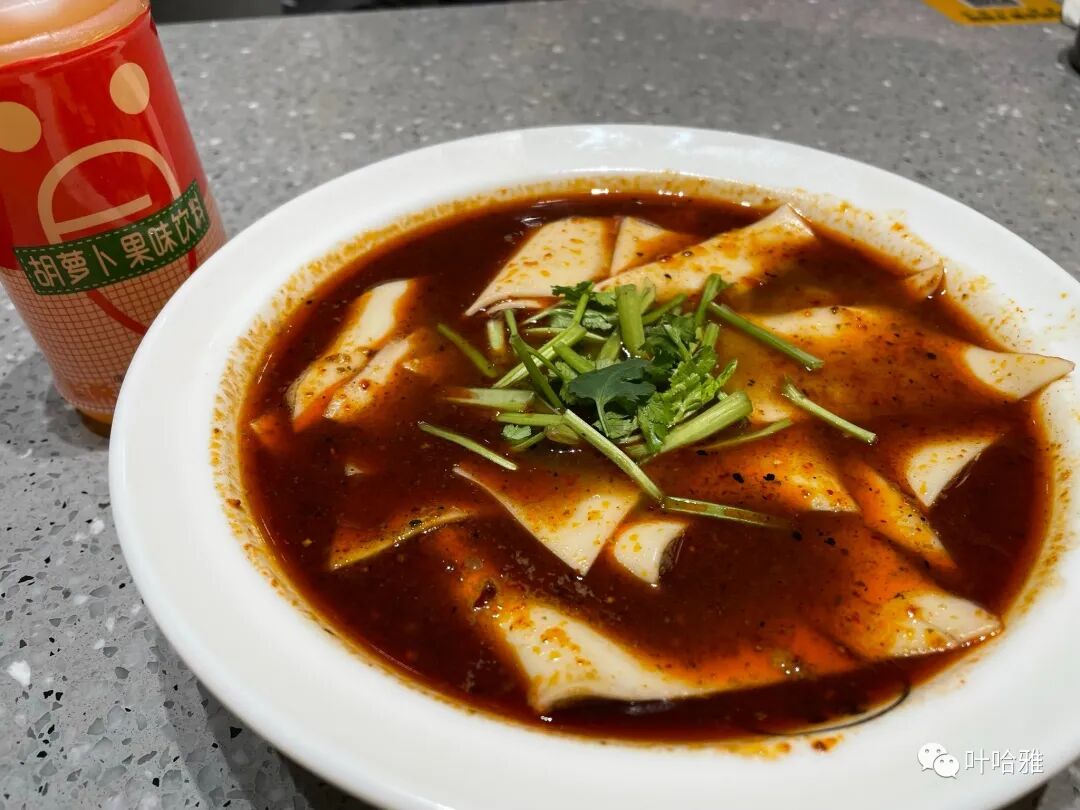
A must-order Lanzhou delicacy is the flowing sauce wide noodles (liuzhi kuanfen). They are smooth, chewy, and the sour and spicy broth is great for opening your appetite.
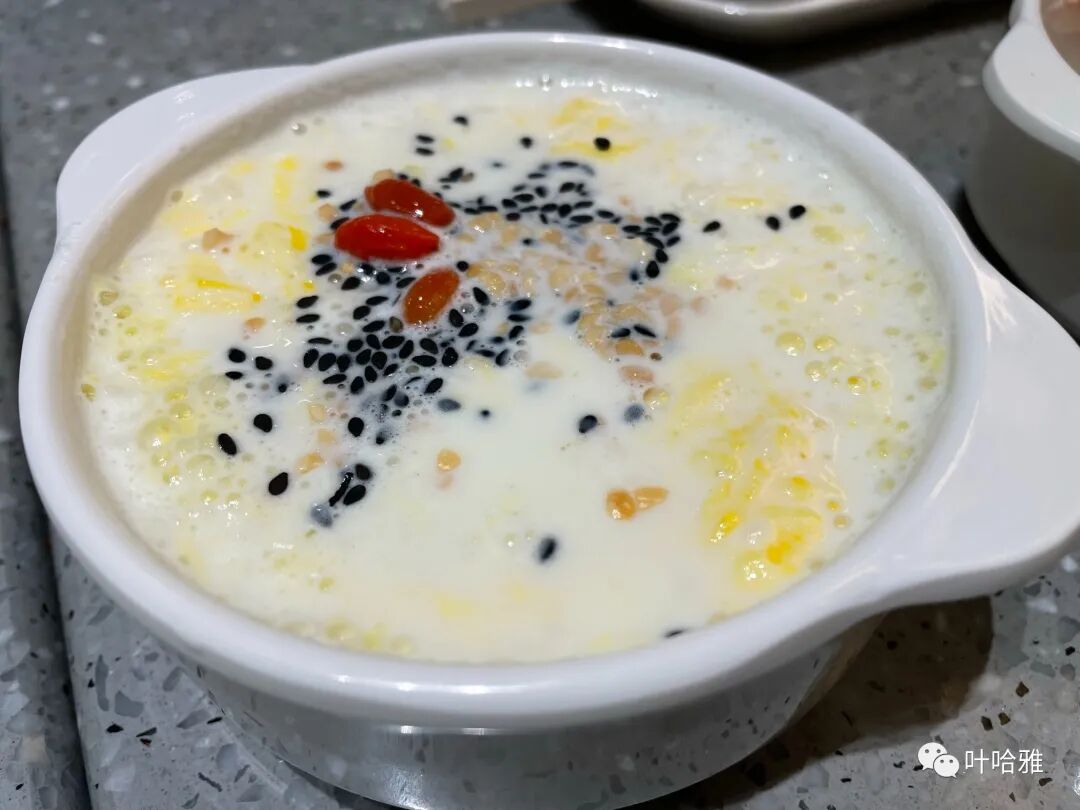
Milk egg fermented rice (niunai jidan laozao) is a nutritious hot drink. However, they did not beat the eggs well enough, so they were clumpy. It would be better if they were more spread out.
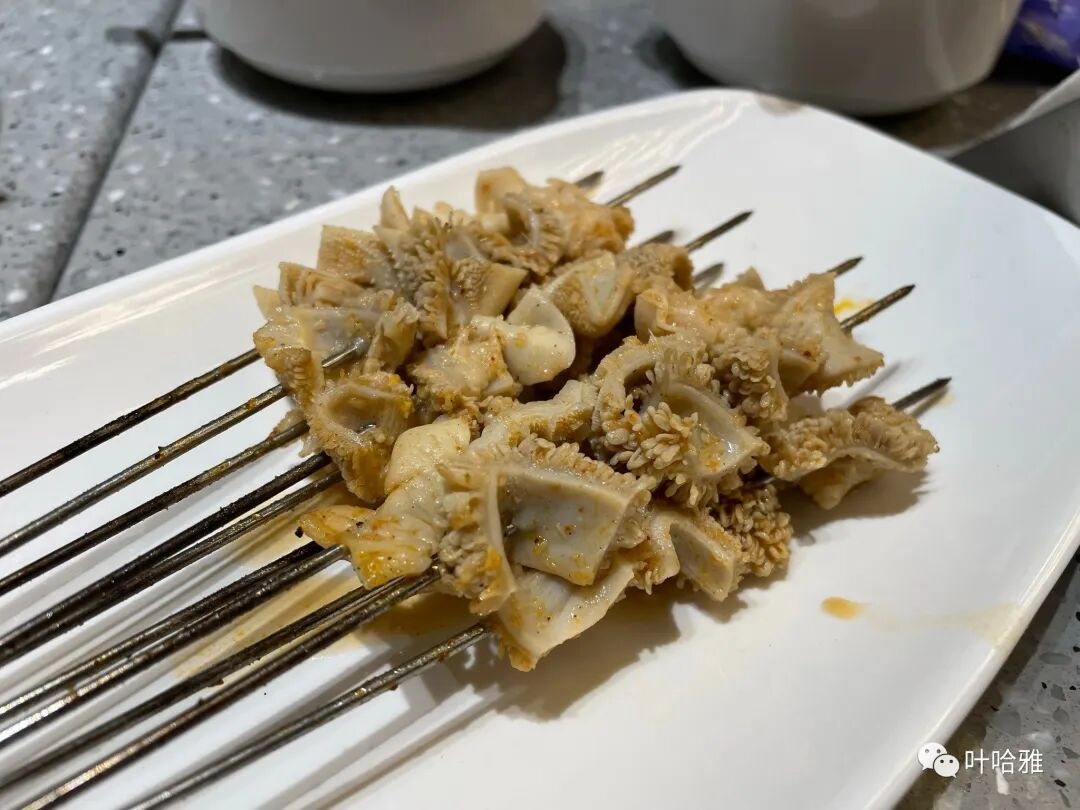
The sour and spicy lamb tripe (suanla xiaoyangdu) is a delicious skewer. The sour and spicy flavor is very unique to the region, as you do not usually find this taste in northern-style barbecue.
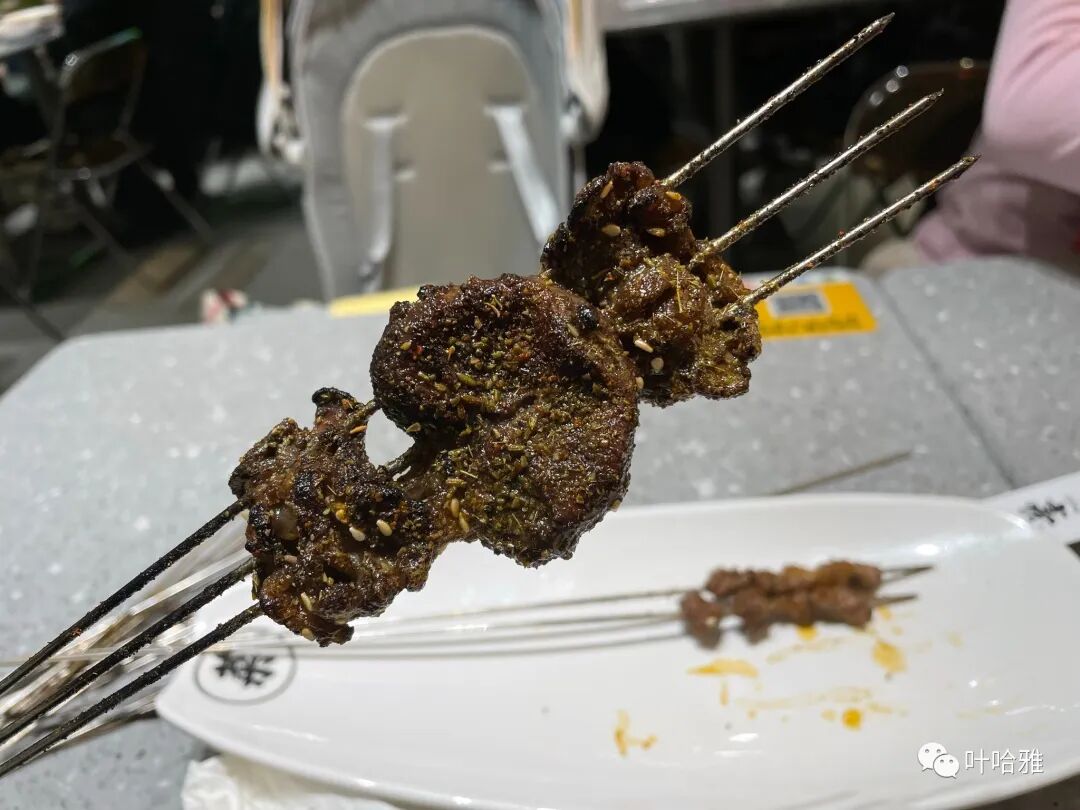
The grilled lamb kidney (kao yangyao) is also worth recommending. The small kidneys are not big, but they are grilled until crispy on the outside while staying tender inside.
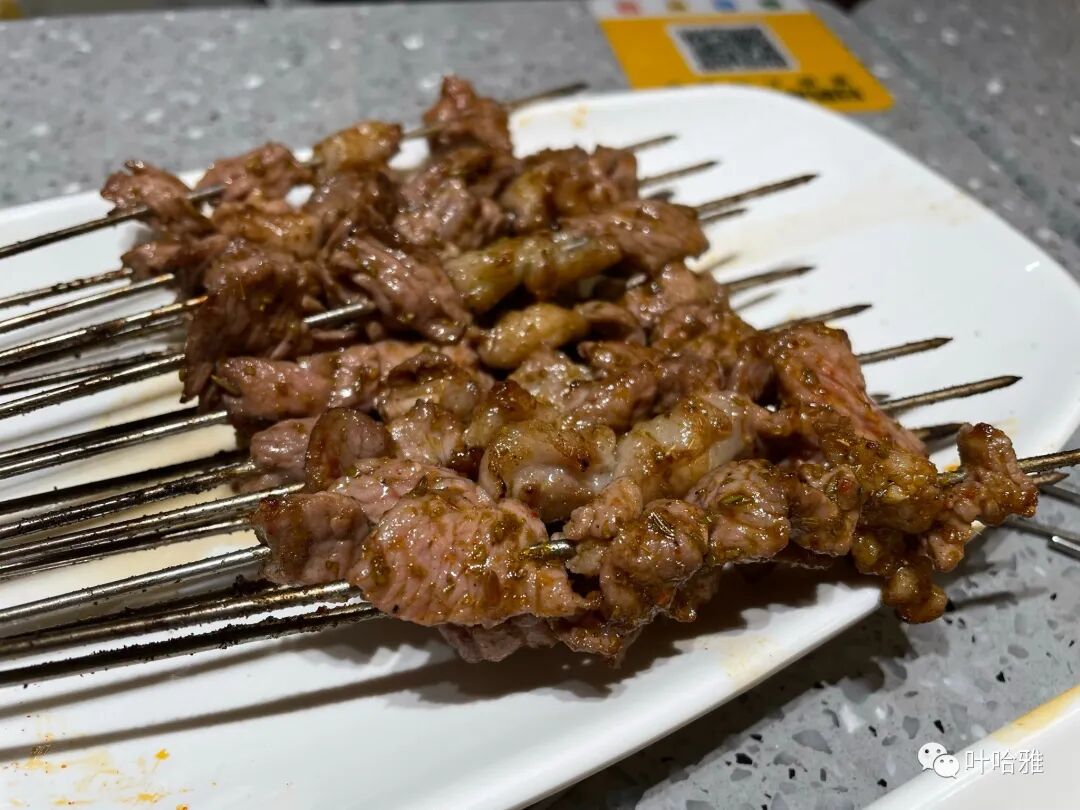
This is a bundle of lamb flower skewers (yang jiahua), which are just lamb skewers. One bundle has 20 small skewers, and one person can easily eat 40 or 50 in a sitting. I tested it myself, and these lamb flower skewers are better than the beef tendon. We ended up ordering another bundle.
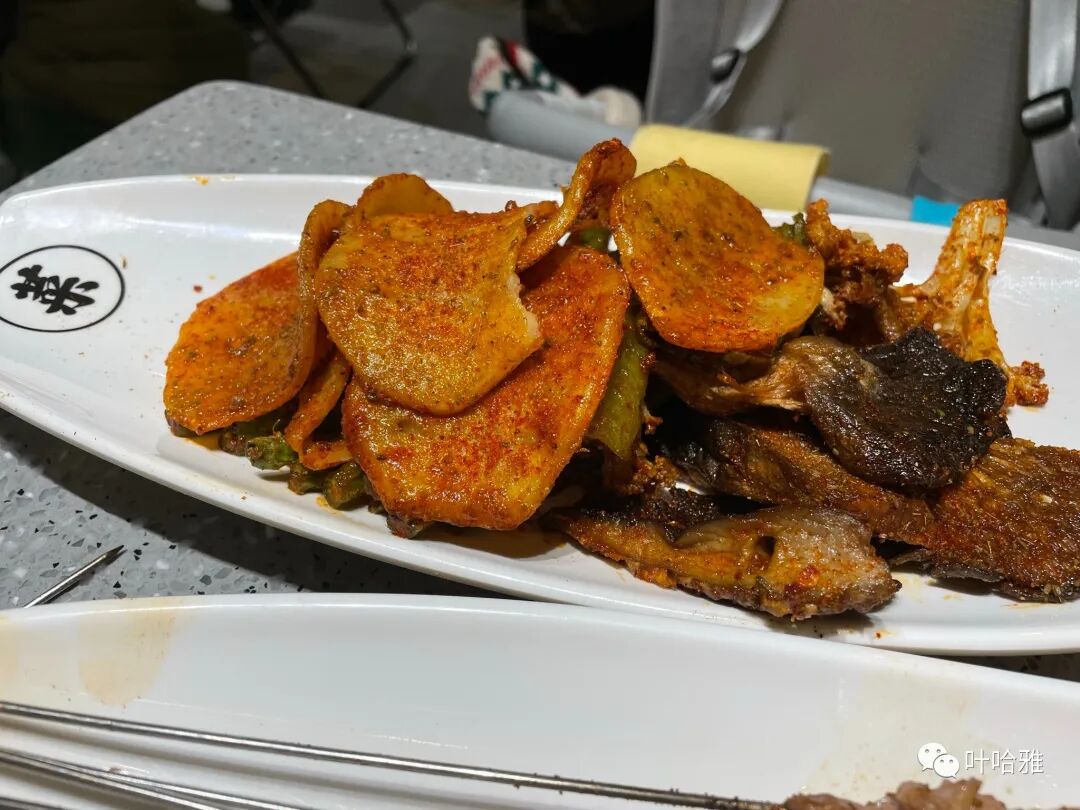
For the grilled vegetable platter, the best items are the grilled potato slices and grilled mushrooms. The crispy texture of the grilled mushrooms makes them taste just like meat.
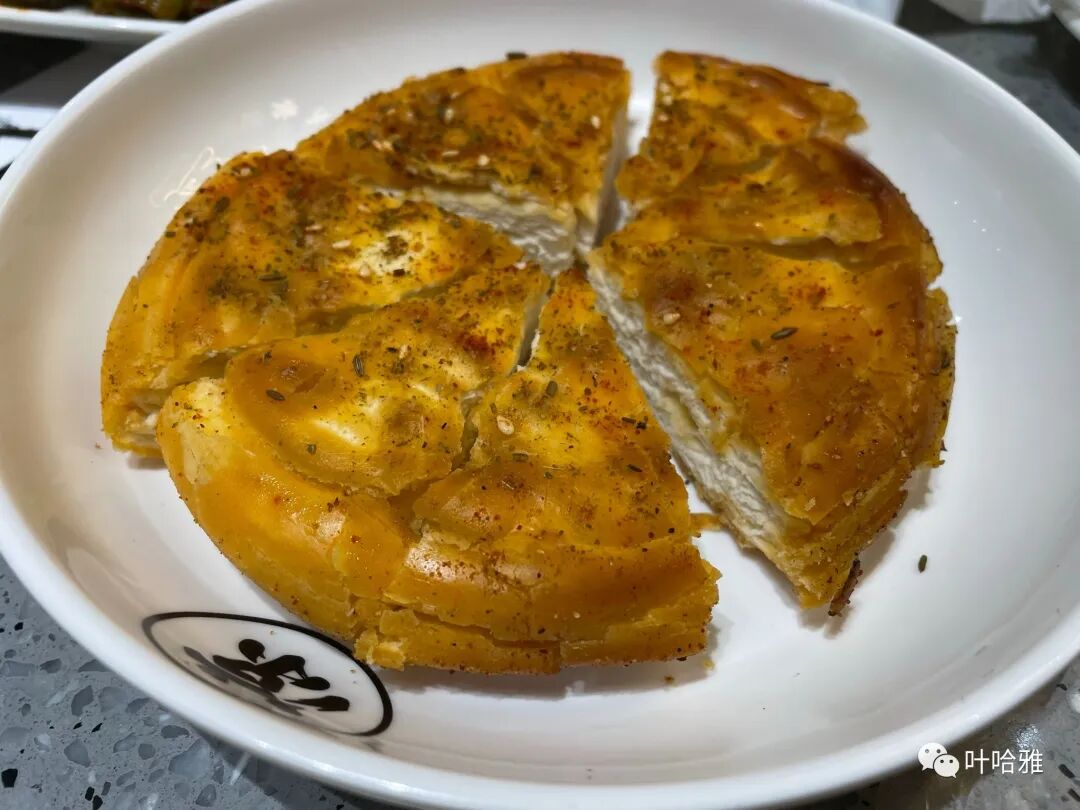
The Lanzhou grilled flatbread (lanzhou kaobing) was the main dish I was looking forward to most. I had tried this flatbread stuffed with skewers at Lianshou before, and it is delicious. The flatbread is about the same size as a sesame flatbread (shaobing), with a crispy crust and a soft center, perfect for stuffing with anything. Overall, it is about the same as Lianshou, and the prices are similar too. The small skewers are not cheap, with an average cost of about 100 per person.
8. Liang's Skewer Shop (Liang de chuandian)
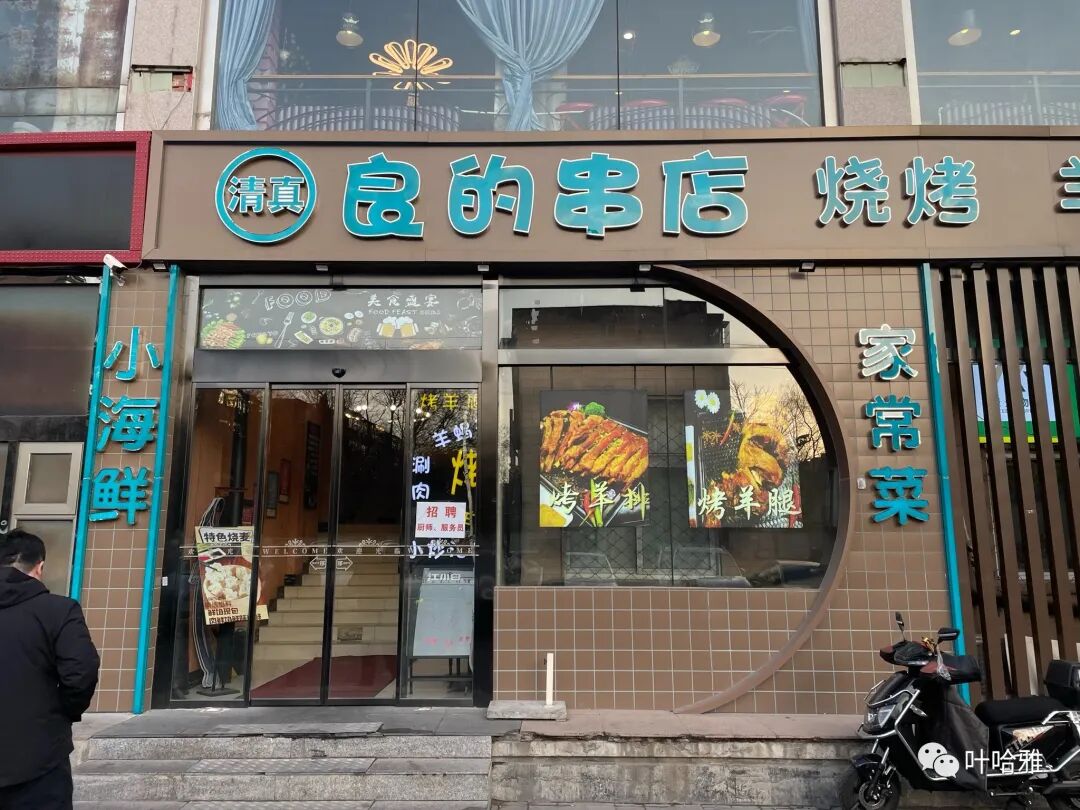
The owner's name is Liang, and he is from Hebei. He named his shop Liang's Skewer Shop.
The shop is on the second floor and is very spacious. One side has large floor-to-ceiling windows, making it very pleasant to eat barbecue by the window.
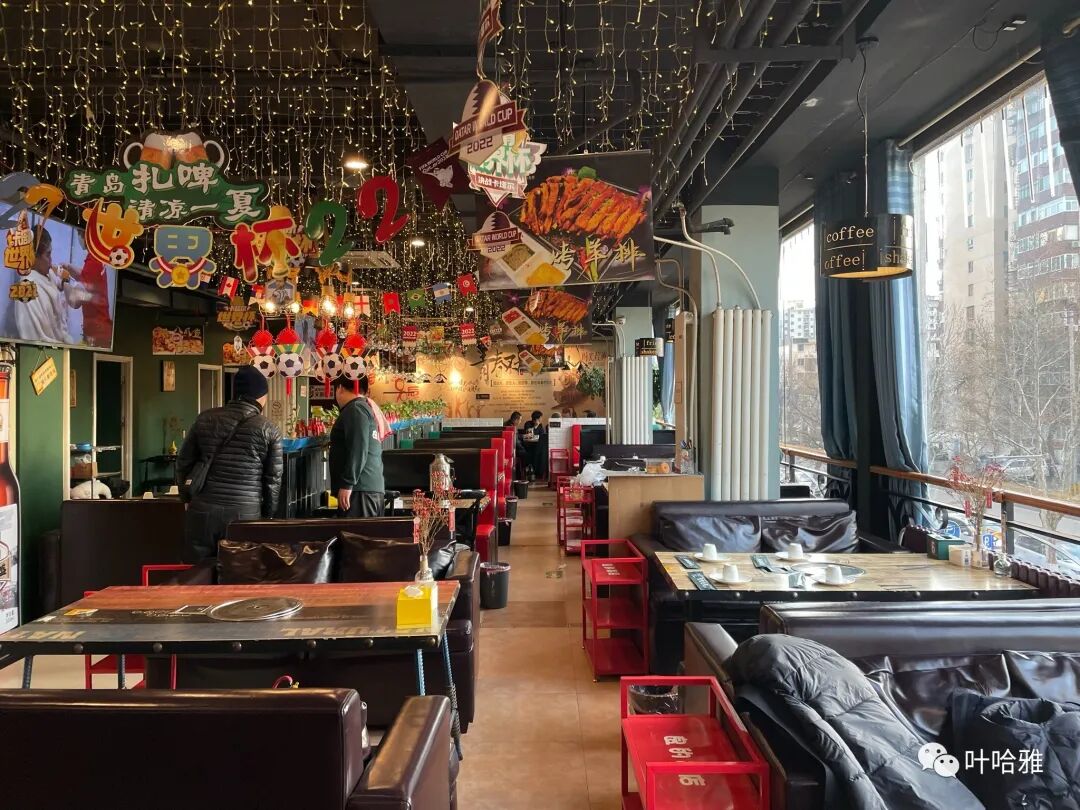
They serve seafood, barbecue, and hot pot. We came specifically for the seafood and barbecue.
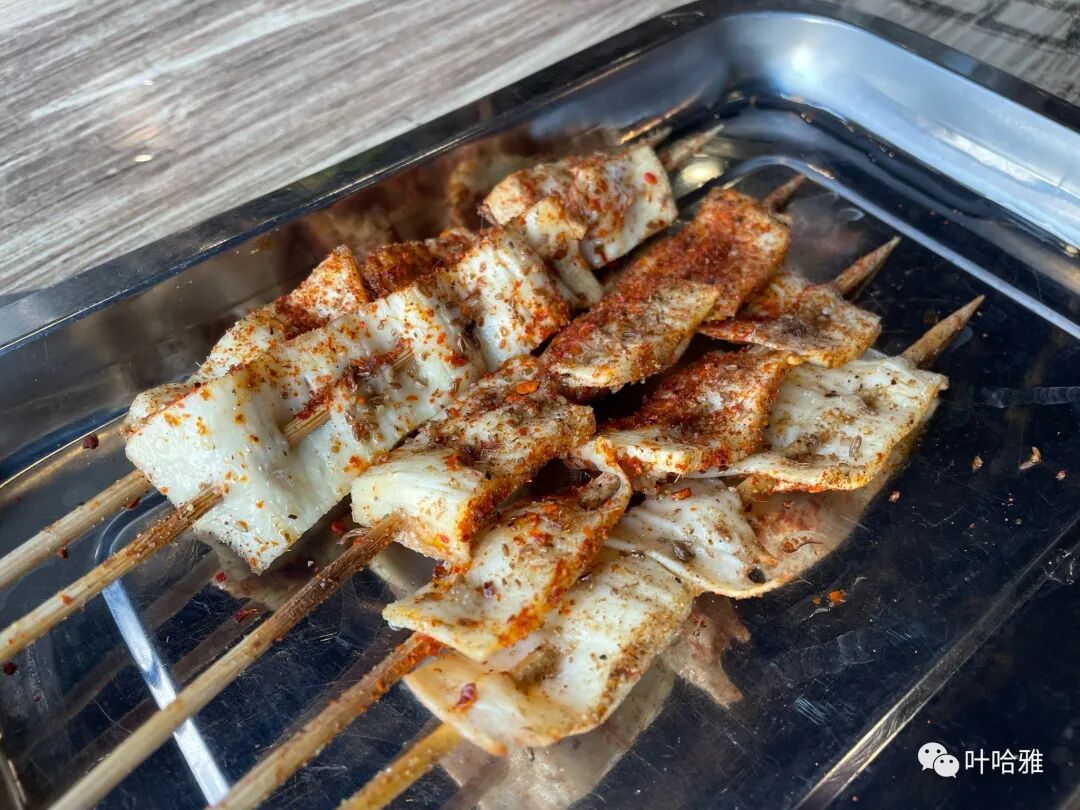
The grilled beef tendon, lamb heart tube, and lamb cartilage were all quite tasty. The chili was not very spicy, the saltiness was just right, and there were no extra flavors.
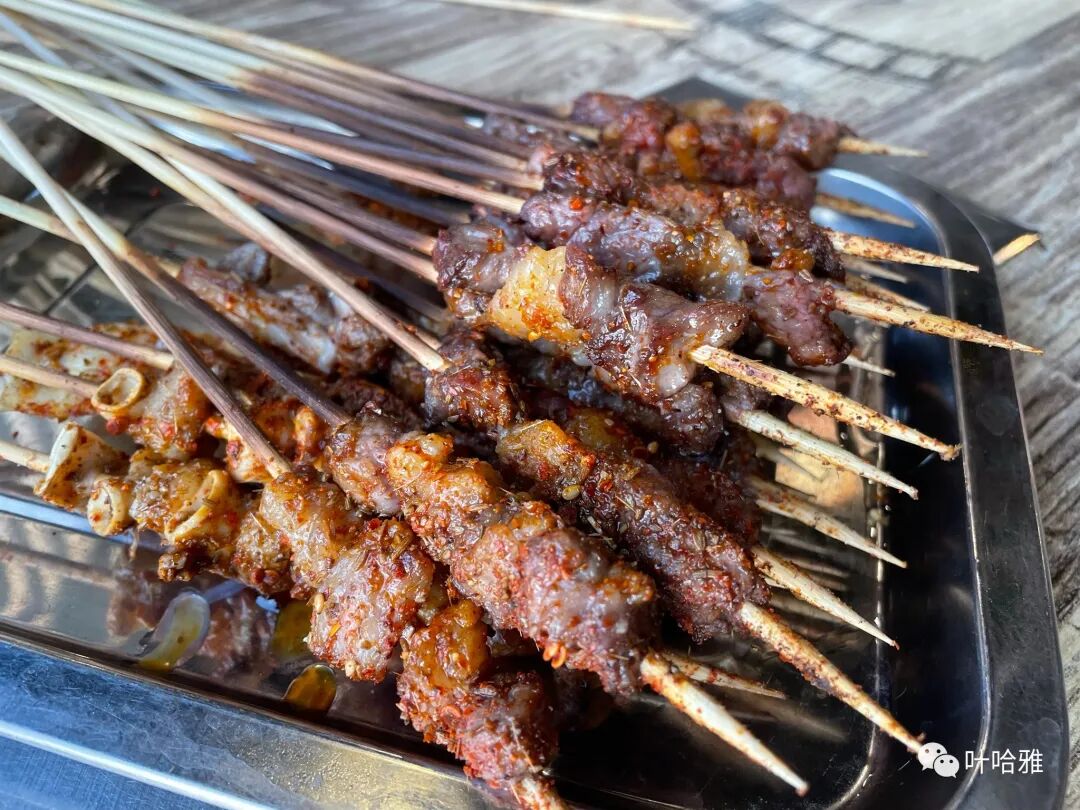
A handful of small lamb skewers shows that their lamb quality is very good; it is neither gamey nor tough.
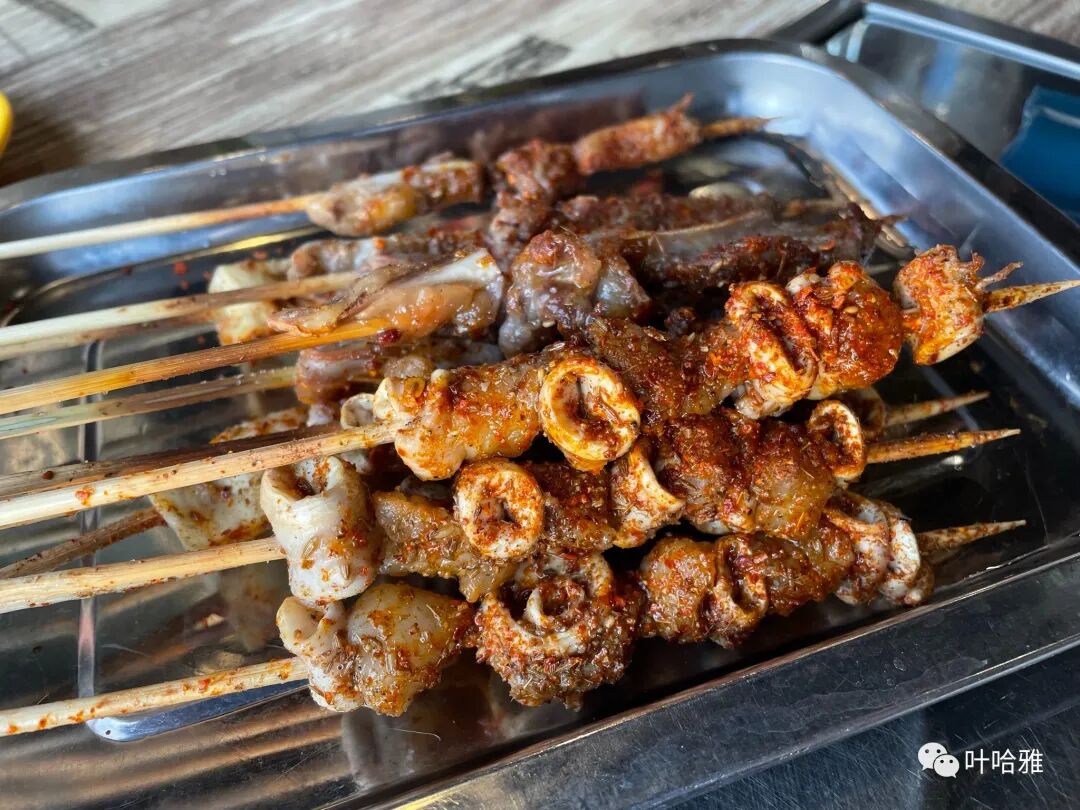
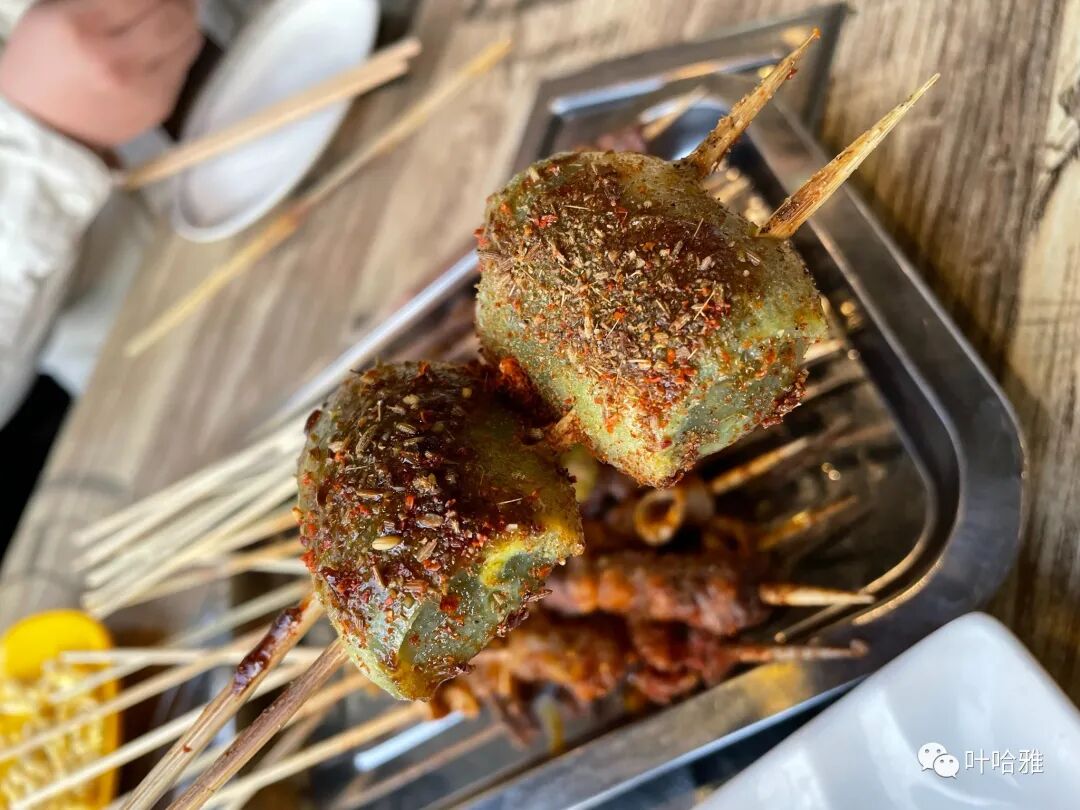
Grilled stone egg (kaoshidan)
We also tried some skewers we had never eaten before, like this grilled stone egg. It tasted like a grilled century egg (songhuadan).
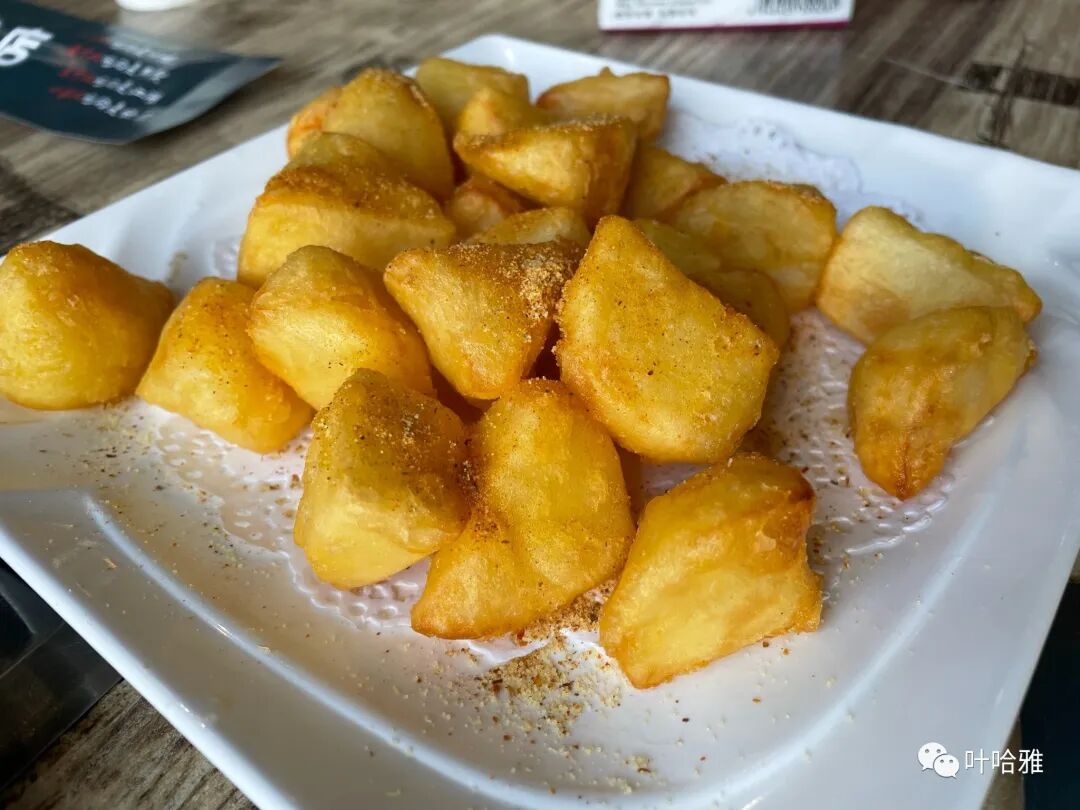
The crispy potato chunks (guoba tudou) were sprinkled with salt and pepper. The potatoes were soft inside, and the skin felt like it had been fried, similar to eating french fries.
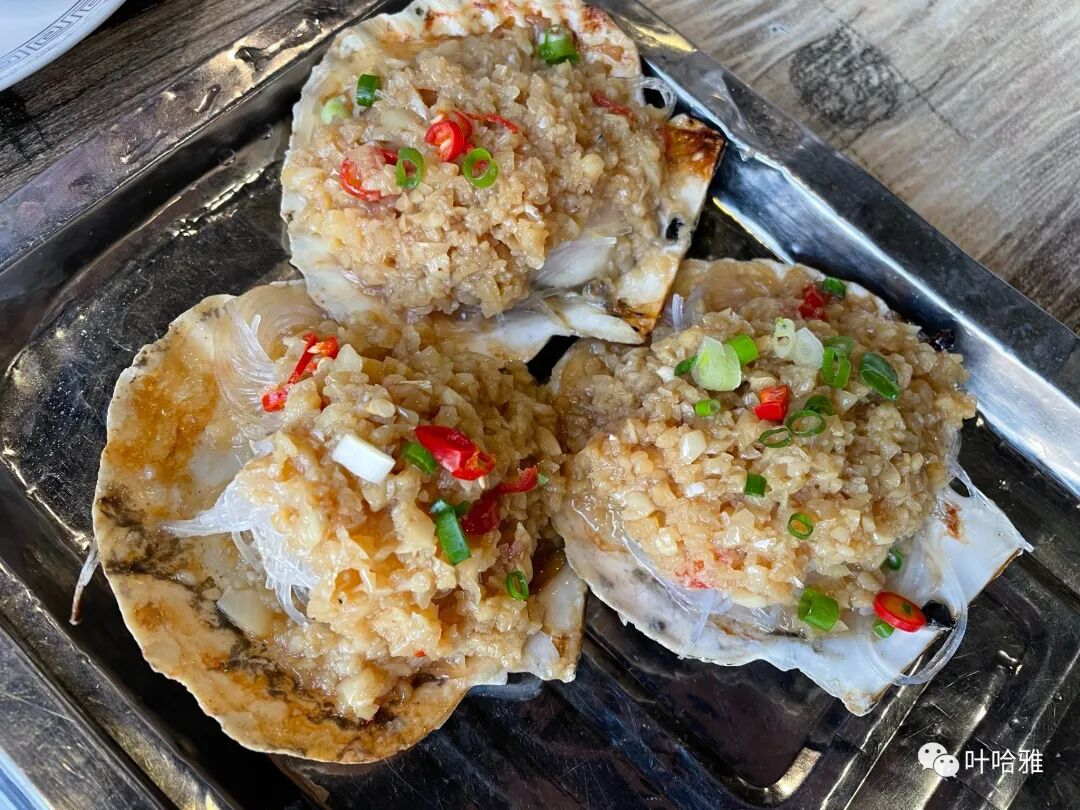
The grilled oysters, grilled scallops, and spicy stir-fried clams were generally not as good as the meat skewers, but you could tell the ingredients were fresh. The oysters and scallops were both 12 yuan each.
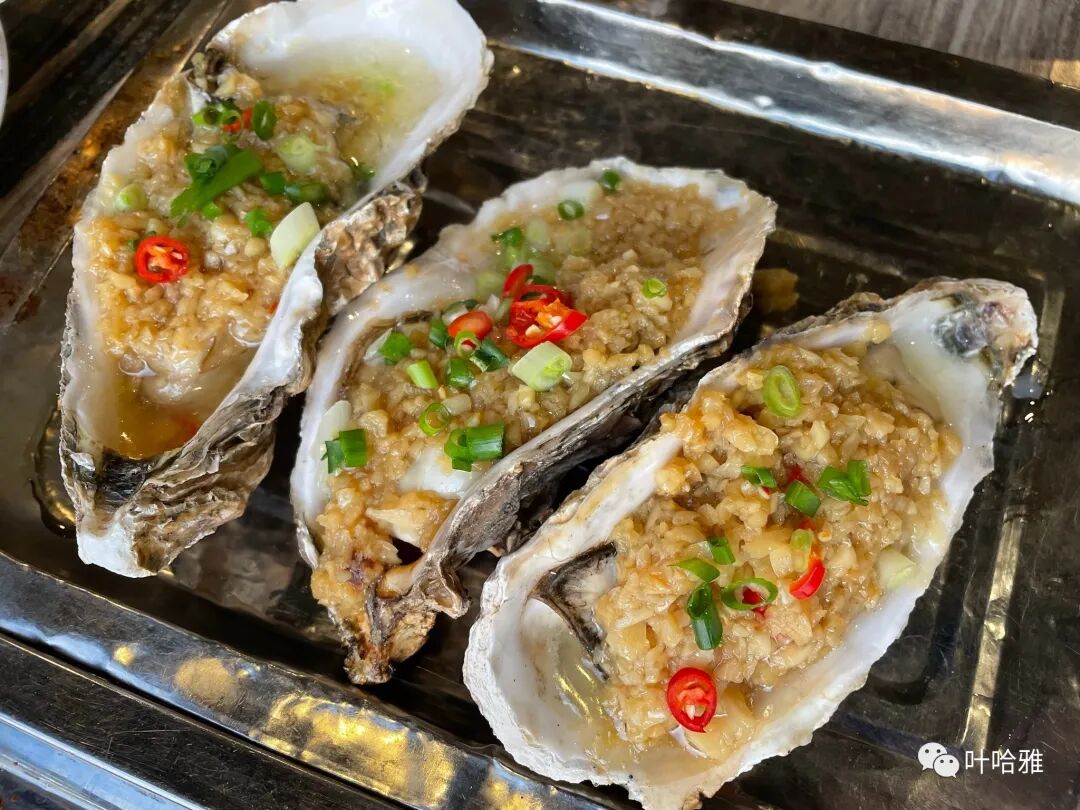
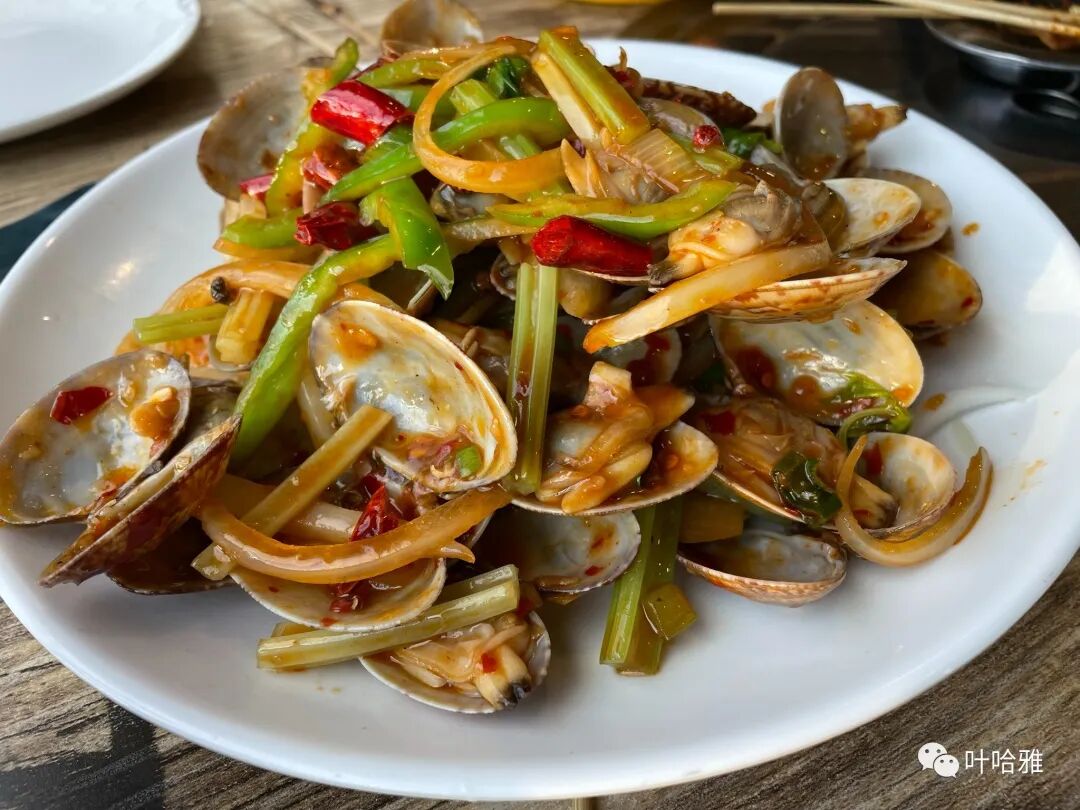
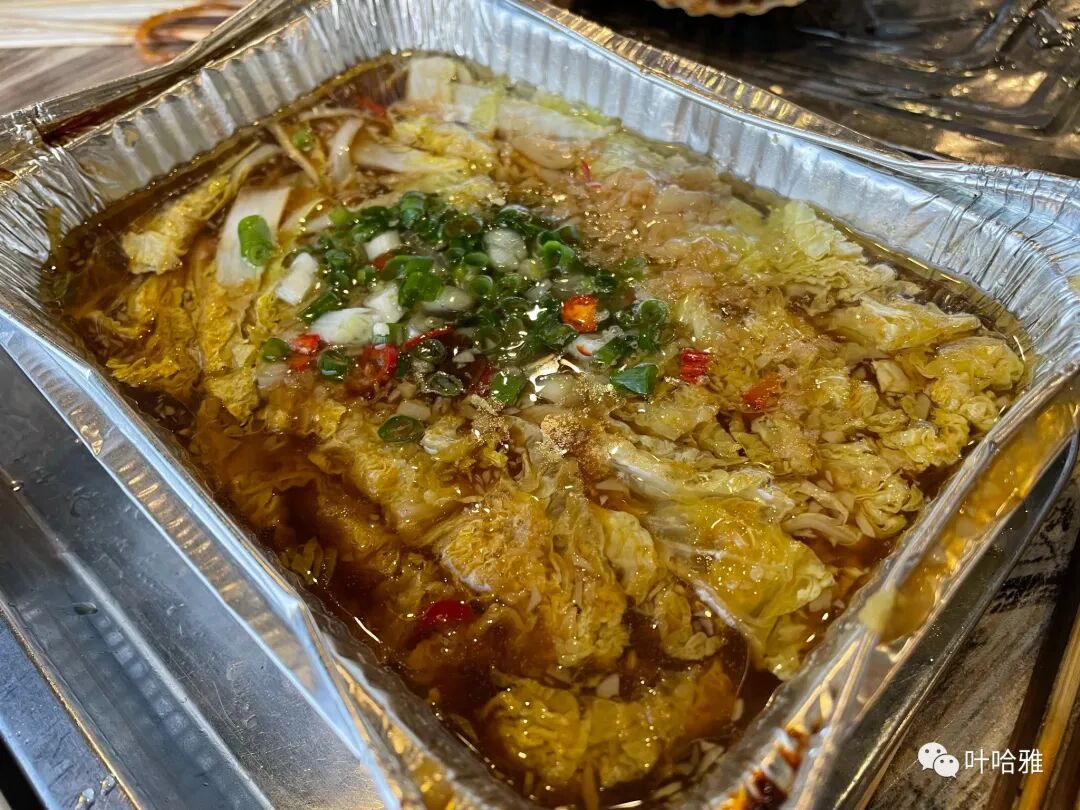
Baby cabbage in foil (xizhi wawacai)
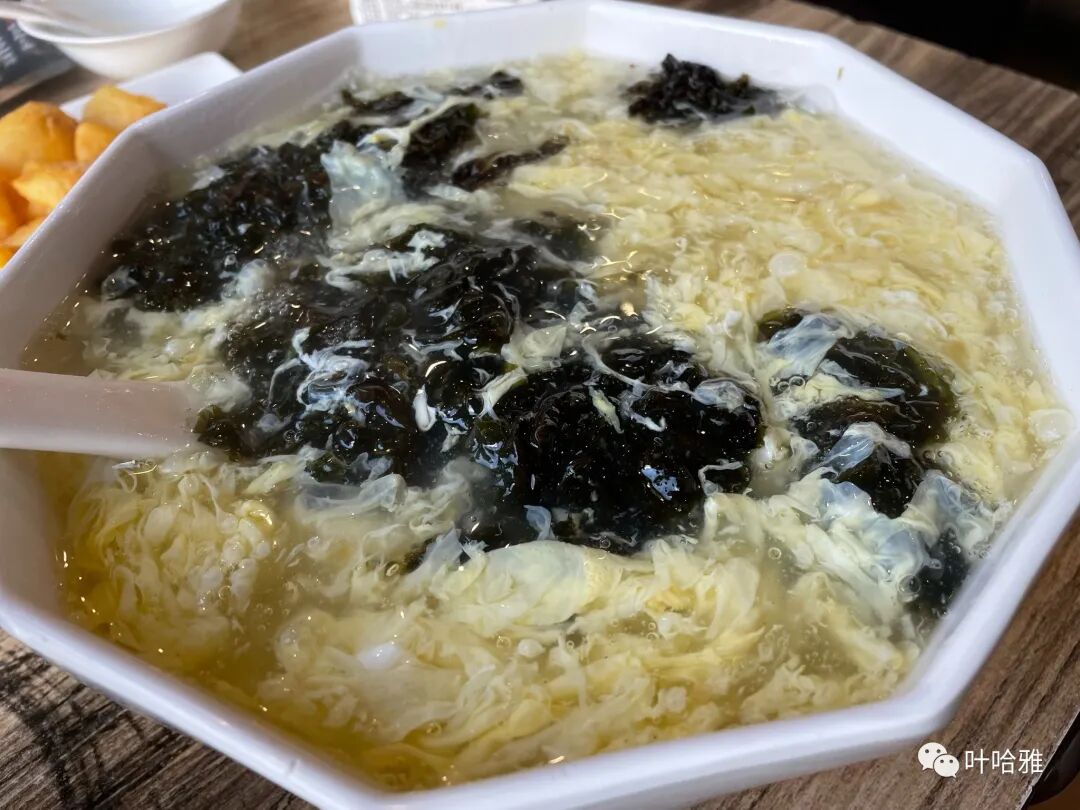
seaweed and egg drop soup (zicai danhua tang)
I found their seaweed and egg drop soup (zicai danhua tang) to be a great value because they pack it with ingredients, filling the whole bowl with fluffy egg ribbons. The average cost is about 80 yuan per person.
That is all for this collection. The text and photos are original, and you may not repost them without permission.
Beijing Halal Street Food Guide: Shaomai, Savory Guobaorou, Stewed Pigeon and Shrimp Hotpot
Articles • yusuf908 posted the article • 0 comments • 225 views • 2026-05-22 11:47
Summary: This Beijing halal street food guide covers issue 29 of the author’s map, including shaomai, savory Hui-style guobaorou, stewed pigeon, grilled fish, pepper chicken, and shrimp hotpot.
Beijing Halal Food Map (29) is presented here as a firsthand travel account in clear English, beginning with this scene: I have found many new restaurants in Beijing over the past month. Friends complain that the places I write about are getting further from the city center, often in far suburbs like Fangshan or Daxing. The account keeps its focus on Beijing Halal Food, Muslim Travel, Middle Eastern Food while preserving the names, places, food, and historical details from the Chinese source.
I have found many new restaurants in Beijing over the past month. Friends complain that the places I write about are getting further from the city center, often in far suburbs like Fangshan or Daxing. This is because it is hard to find new, unique restaurants inside the Fourth Ring Road. Lower rents and a quieter environment in the suburbs help many small shops survive. These shops far from the city center usually have more consistent flavors and more 'wok hei' (the smoky flavor from high-heat stir-frying), with less artificial additives.
1. Traditional Steamed Dumpling (shaomai) Restaurant
This is a Northeast Chinese restaurant. It has been open for three years, but I only just discovered it. It is located in the South District of Jindi Green Garden in Tongzhou District. What drew me here is that they can make savory-style stir-fried meat in batter (guobaorou). You need to tell the chef when you place your order.
Savory-style stir-fried meat in batter is a specialty of Hui Muslims in Harbin, which is different from the sweet version made with pork.
Northeast-style starch noodles (lapi)
For our main course, we tried the beef and lamb steamed dumplings (shaomai), but they were not as good as the ones in Inner Mongolia.
Beef and lamb steamed dumplings (shaomai)
The method for making savory-style stir-fried meat in batter is quite particular, and it is hard for most families to recreate the restaurant flavor. The best savory-style stir-fried meat in batter I have ever had was in Harbin.
Savory stir-fried meat in batter (guobaorou)
Besides Northeast Chinese food, this restaurant also serves some Southern dishes. We tried the chopped chili fish head, a Hunan dish. It tasted pretty good, but for authentic halal Hunan food, you have to go to Shaoyang. Shaoyang has the best halal Hunan restaurants I have ever eaten at.
Chopped chili fish head (duojiao yutou)
2. Yilan Pavilion (Yilan Ge)
We noticed Yilan Pavilion while looking for the Daxing Tongying Mosque. The shop is right across from the mosque.
Stewed pigeon
This large restaurant in the village serves delicious stewed pigeon and grilled fish. It was a pleasant surprise.
Grilled fish
Chive pockets (jiucai hezi)
Deep-fried shredded meat (zha songrou)
The deep-fried shredded meat was fresh out of the fryer, and the owner invited me to try some. In my experience, it is hard to find good versions of this Hui Muslim home-style dish in restaurants because they usually skimp on the meat. One bite confirmed my suspicion.
3. Yanfu Restaurant
Yanfu is not far from Tongying Village. It is another large halal restaurant where I unexpectedly found they could make savory-style stir-fried meat in batter (guobaorou).
Beef tendon and brisket stew (jintou banao)
Experience shows that if you order stir-fried meat in batter at a non-Northeastern restaurant, you should be ready for a disappointment. Currently, the only place in Beijing that makes authentic savory-style stir-fried meat in batter is Uncle Oyster's Iron Pot Stew (Houshu Tieguo Dun).
Dry-fried green beans (ganbian doujiao)
Homestyle griddle-baked flatbread (jiachang laobing)
Savory stir-fried meat in batter (guobaorou)
4. Daquan Feizai Braised Beef Noodles
This is a chain restaurant specializing in old Beijing-style beef noodle soup (jiaotang niuroumian). The beef noodles are quite tasty, and you can choose to add extra meat.
Beef noodle soup (jiaotang niuroumian)
5. Muhelan Ningxia Tanyang Hand-Grabbed Lamb
The owner of Huiwei Palace invested heavily to open this new Ningxia cuisine flagship store. They brought all the local specialties from Ningxia to Beijing.
During the soft opening, the restaurant is giving away steamed lamb (zheng yanggaorou). It is steamed to order, which is quite unique for Beijing.
Steamed Ningxia salt-lake lamb (longzheng tanyangrou)
Ningxia salt-lake lamb (tanyang) has become very popular in Beijing over the last few years. The meat is tender and has a perfect balance of fat and lean, making it great for grilling or hot pot.
Peppery and numbing lamb tripe (jiaoma yangdu)
I am most looking forward to their upcoming Wuzhong morning tea, which should arrive by the end of the year. Wuzhong morning tea has only been around for 20 years, but it has already become a local cultural staple that deserves to be shared. Halal breakfasts in Beijing are limited and not very healthy, so I hope Muhelan's Wuzhong morning tea can fill that gap.
Yinchuan cold skin noodles (niangpi)
Jingyuan yellow beef (huang niurou)
Cold hand-grabbed lamb (liang shouzhuo)
Bowl dishes (wancai)
6. Habibi Arabic Food
My team found this Arabic takeout spot near Jiugong. I happened to be nearby, so I went to check it out right away. Since they only do takeout and have no seating, and I couldn't get into the market, I had to order and pick it up at the door. The food was surprisingly delicious and very affordable.
Corn tacos, Turkish kebab, and hummus (humusi jiang)
7. Daqi Stewed Meat Noodles
Their stewed beef over rice is better than their beef noodles. The best part is that they do not sell alcohol. Honestly, it is rare to find a traditional Beijing restaurant that doesn't serve alcohol; this is the only one I have seen, which really surprised me as a local. You can also get free soup and noodle refills, so I highly recommend it.
Beef noodles
Stewed meat over rice
8. Fatty's Classic Quality Pan-Fried Buns (shuijianbao)
This Henan spicy soup (hulatang) shop in Dayuan Village, Liangxiang, is run by people from Zhengzhou. Everything from the shop's style to the taste is very Zhengzhou.
They are only open for half a day, closing at 2 p.m. They serve classic Henan breakfasts like spicy soup (hulatang), pan-fried buns (shuijianbao), fried dough strips (youmotou), and fried vegetable pockets (caijiao), along with Anhui flat noodles (banmian).
The flavors are very authentic and the prices are affordable. They have been in the village for five or six years with steady business.
Fried vegetable pockets (caijiao) and fried dough strips (youmotou)
Pan-fried buns (shuijianbao)
Flat noodles (banmian)
Beef spicy soup (hulatang)
9. Bayi Laoye Workers' Stadium Flagship Store
This flagship store next to the Workers' Stadium is the most spacious and has the best environment of all the Bayi Laoye locations.
The private rooms are beautifully decorated, the food is delicious, and there is free parking at the entrance. Business is booming.
Hand-torn cabbage
Hand-grabbed rice (shouzhua fan)
Hot pot lamb offal (guozai yangza)
Xinjiang spicy chicken (Xinjiang lazi ji)
We arrived on Wednesday at noon. Every seat filled up quickly, which shows people really love Xinjiang food. Bayi Laoye stands out as a top brand among the many Xinjiang restaurants.
10. Heiyaochang sugar oil pancake (tangyoubing) and lamb spine hot pot (yangxiezi)
Heiyaochang recently added lamb spine hot pot in their basement. You have to wait in line at the door to buy the sugar oil pancake, but if you eat the lamb spine hot pot in the basement, you can order the pancake directly.
The lamb spine tastes good, but there is not much meat on the bones. We also ordered the crispy stir-fried meat (xiaosurou) and small fennel fried dough sticks (huixiang xiaoyoutiao). The dough sticks were delicious.
Crispy stir-fried meat (xiaosurou)
Small fennel fried dough sticks (huixiang xiaoyoutiao)
11. Ritan Hot Pot (Financial Street branch)
I work out in Financial Street and always felt there were not enough halal restaurants nearby. Recently, I found that Tofu Burger started using imported Australian halal meat again, and this Ritan Hot Pot branch opened right across from the Financial Street Shopping Center. Now I do not have to worry about where to eat after training.
Ritan Hot Pot uses individual small pots. Even though it lacks the charcoal flavor, the meat quality is excellent. Their small sesame flatbreads (shaobing) taste just like the ones at Jubao Yuan, and their various Beijing-style snacks are very well-made.
12. Huainan Beef Scald (niuroutang)
I used to think the Huainan Beef Scald shop in Shunyi had a typo and should have been called Huainan Beef Soup (niurutang). I only realized it was actually called Beef Scald after seeing this shop in Fangshan. The two shops are run by a brother and sister. The owner in Fangshan is the younger brother, a Hui Muslim from Anhui.
Mixed beef tendon
Beef soup (niurutang)
Sesame flatbread (shaobing) with beef
13. Northwest Station: Salt-lake lamb (tanyang)
This is a new salt-lake lamb restaurant opened by people from Gansu. They also have Uyghur staff who prepare Xinjiang-style dishes.
They have all kinds of Gansu snacks here. Among the hand-grabbed lamb (shouzhuayangrou) from the five northwestern provinces, I like the texture of the Dongxiang style from Gansu the best.
Hand-grabbed lamb (shouzhuayangrou)
Roasted potato (kaoyangyu)
Roasted potato served with pickled chives, a unique way of eating in the Northwest.
Stewed yak meat with Chinese yam
Hezhou steamed buns (Hezhou baozi)
Dingxi wide glass noodles (Dingxi kuanfen)
Our friends from Gansu and Qinghai gave this place a thumbs up. The prices are fair and the service is very friendly. The waiter even told me which dishes weren't good and advised me not to order them. You don't see staff that honest very often.
14. Western Regions Yipinxian Hot Pot (Xiyu Yipinxian Huoguo)
This place is listed as Chongqing-style hot pot on Dazhong Dianping, so it caught my eye and I came to check it out right away.
Duck intestines, beef tripe, marbled beef, brown sugar rice cakes (hongtang ciba), and a sesame oil dipping sauce are my go-to order for Sichuan and Chongqing hot pot.
Duck intestines
Beef tripe
Yellow rice cakes (huangmi ciba)
Small fennel fried dough sticks (huixiang xiaoyoutiao)
Marbled beef
Overall, the food here is delicious and the ingredients are fresh. The dipping sauces are very flavorful. It is a bit quiet since it just opened, and the location on Fengyi South Road in Fengtai is a bit out of the way.
15. Wanping Li's Snacks
After visiting the Museum of the War of Chinese People's Resistance Against Japanese Aggression, we saw this Wanping Li's nearby. It has a huge sign and includes a snack shop, a beef and mutton shop, and a hot pot restaurant. The snack shop caught our eye.
Wanping Li's is famous for its beef noodles, but I think their rice dishes are even better. We chose the abalone sauce steak rice and the seafood sauce fried rice. Both tasted great and were made with Wuchang rice. The seafood sauce fried rice was especially fragrant.
Cold tossed okra
Braised beef noodles
Mutton jelly noodles (liangfen)
Seafood sauce fried rice
Abalone sauce steak rice
16. Heqingzhai Wang Po Shrimp
Heqingzhai brought in Wang Po Shrimp. I have eaten the halal version of Wang Po Shrimp in Hangzhou before. I have always loved shrimp, and this shrimp pot serves large, fresh shrimp that taste very good.
After finishing the shrimp, you can add broth to cook vegetables. Heqingzhai is a brand from Yangfang Town in Changping, and their lamb spine hot pot (yangxiezi) is also delicious.
Yellow rice sticky cake (ciba) as a staple food
Large shrimp and squid pot (daxia youyu guo)
That is all for this collection. The text and photos are original, and you are welcome to share them. view all
Summary: This Beijing halal street food guide covers issue 29 of the author’s map, including shaomai, savory Hui-style guobaorou, stewed pigeon, grilled fish, pepper chicken, and shrimp hotpot.
Beijing Halal Food Map (29) is presented here as a firsthand travel account in clear English, beginning with this scene: I have found many new restaurants in Beijing over the past month. Friends complain that the places I write about are getting further from the city center, often in far suburbs like Fangshan or Daxing. The account keeps its focus on Beijing Halal Food, Muslim Travel, Middle Eastern Food while preserving the names, places, food, and historical details from the Chinese source.
I have found many new restaurants in Beijing over the past month. Friends complain that the places I write about are getting further from the city center, often in far suburbs like Fangshan or Daxing. This is because it is hard to find new, unique restaurants inside the Fourth Ring Road. Lower rents and a quieter environment in the suburbs help many small shops survive. These shops far from the city center usually have more consistent flavors and more 'wok hei' (the smoky flavor from high-heat stir-frying), with less artificial additives.
1. Traditional Steamed Dumpling (shaomai) Restaurant
This is a Northeast Chinese restaurant. It has been open for three years, but I only just discovered it. It is located in the South District of Jindi Green Garden in Tongzhou District. What drew me here is that they can make savory-style stir-fried meat in batter (guobaorou). You need to tell the chef when you place your order.
Savory-style stir-fried meat in batter is a specialty of Hui Muslims in Harbin, which is different from the sweet version made with pork.
Northeast-style starch noodles (lapi)
For our main course, we tried the beef and lamb steamed dumplings (shaomai), but they were not as good as the ones in Inner Mongolia.
Beef and lamb steamed dumplings (shaomai)
The method for making savory-style stir-fried meat in batter is quite particular, and it is hard for most families to recreate the restaurant flavor. The best savory-style stir-fried meat in batter I have ever had was in Harbin.
Savory stir-fried meat in batter (guobaorou)
Besides Northeast Chinese food, this restaurant also serves some Southern dishes. We tried the chopped chili fish head, a Hunan dish. It tasted pretty good, but for authentic halal Hunan food, you have to go to Shaoyang. Shaoyang has the best halal Hunan restaurants I have ever eaten at.
Chopped chili fish head (duojiao yutou)
2. Yilan Pavilion (Yilan Ge)
We noticed Yilan Pavilion while looking for the Daxing Tongying Mosque. The shop is right across from the mosque.
Stewed pigeon
This large restaurant in the village serves delicious stewed pigeon and grilled fish. It was a pleasant surprise.
Grilled fish
Chive pockets (jiucai hezi)
Deep-fried shredded meat (zha songrou)
The deep-fried shredded meat was fresh out of the fryer, and the owner invited me to try some. In my experience, it is hard to find good versions of this Hui Muslim home-style dish in restaurants because they usually skimp on the meat. One bite confirmed my suspicion.
3. Yanfu Restaurant
Yanfu is not far from Tongying Village. It is another large halal restaurant where I unexpectedly found they could make savory-style stir-fried meat in batter (guobaorou).
Beef tendon and brisket stew (jintou banao)
Experience shows that if you order stir-fried meat in batter at a non-Northeastern restaurant, you should be ready for a disappointment. Currently, the only place in Beijing that makes authentic savory-style stir-fried meat in batter is Uncle Oyster's Iron Pot Stew (Houshu Tieguo Dun).
Dry-fried green beans (ganbian doujiao)
Homestyle griddle-baked flatbread (jiachang laobing)
Savory stir-fried meat in batter (guobaorou)
4. Daquan Feizai Braised Beef Noodles
This is a chain restaurant specializing in old Beijing-style beef noodle soup (jiaotang niuroumian). The beef noodles are quite tasty, and you can choose to add extra meat.
Beef noodle soup (jiaotang niuroumian)
5. Muhelan Ningxia Tanyang Hand-Grabbed Lamb
The owner of Huiwei Palace invested heavily to open this new Ningxia cuisine flagship store. They brought all the local specialties from Ningxia to Beijing.
During the soft opening, the restaurant is giving away steamed lamb (zheng yanggaorou). It is steamed to order, which is quite unique for Beijing.
Steamed Ningxia salt-lake lamb (longzheng tanyangrou)
Ningxia salt-lake lamb (tanyang) has become very popular in Beijing over the last few years. The meat is tender and has a perfect balance of fat and lean, making it great for grilling or hot pot.
Peppery and numbing lamb tripe (jiaoma yangdu)
I am most looking forward to their upcoming Wuzhong morning tea, which should arrive by the end of the year. Wuzhong morning tea has only been around for 20 years, but it has already become a local cultural staple that deserves to be shared. Halal breakfasts in Beijing are limited and not very healthy, so I hope Muhelan's Wuzhong morning tea can fill that gap.
Yinchuan cold skin noodles (niangpi)
Jingyuan yellow beef (huang niurou)
Cold hand-grabbed lamb (liang shouzhuo)
Bowl dishes (wancai)
6. Habibi Arabic Food
My team found this Arabic takeout spot near Jiugong. I happened to be nearby, so I went to check it out right away. Since they only do takeout and have no seating, and I couldn't get into the market, I had to order and pick it up at the door. The food was surprisingly delicious and very affordable.
Corn tacos, Turkish kebab, and hummus (humusi jiang)
7. Daqi Stewed Meat Noodles
Their stewed beef over rice is better than their beef noodles. The best part is that they do not sell alcohol. Honestly, it is rare to find a traditional Beijing restaurant that doesn't serve alcohol; this is the only one I have seen, which really surprised me as a local. You can also get free soup and noodle refills, so I highly recommend it.
Beef noodles
Stewed meat over rice
8. Fatty's Classic Quality Pan-Fried Buns (shuijianbao)
This Henan spicy soup (hulatang) shop in Dayuan Village, Liangxiang, is run by people from Zhengzhou. Everything from the shop's style to the taste is very Zhengzhou.
They are only open for half a day, closing at 2 p.m. They serve classic Henan breakfasts like spicy soup (hulatang), pan-fried buns (shuijianbao), fried dough strips (youmotou), and fried vegetable pockets (caijiao), along with Anhui flat noodles (banmian).
The flavors are very authentic and the prices are affordable. They have been in the village for five or six years with steady business.
Fried vegetable pockets (caijiao) and fried dough strips (youmotou)
Pan-fried buns (shuijianbao)
Flat noodles (banmian)
Beef spicy soup (hulatang)
9. Bayi Laoye Workers' Stadium Flagship Store
This flagship store next to the Workers' Stadium is the most spacious and has the best environment of all the Bayi Laoye locations.
The private rooms are beautifully decorated, the food is delicious, and there is free parking at the entrance. Business is booming.
Hand-torn cabbage
Hand-grabbed rice (shouzhua fan)
Hot pot lamb offal (guozai yangza)
Xinjiang spicy chicken (Xinjiang lazi ji)
We arrived on Wednesday at noon. Every seat filled up quickly, which shows people really love Xinjiang food. Bayi Laoye stands out as a top brand among the many Xinjiang restaurants.
10. Heiyaochang sugar oil pancake (tangyoubing) and lamb spine hot pot (yangxiezi)
Heiyaochang recently added lamb spine hot pot in their basement. You have to wait in line at the door to buy the sugar oil pancake, but if you eat the lamb spine hot pot in the basement, you can order the pancake directly.
The lamb spine tastes good, but there is not much meat on the bones. We also ordered the crispy stir-fried meat (xiaosurou) and small fennel fried dough sticks (huixiang xiaoyoutiao). The dough sticks were delicious.
Crispy stir-fried meat (xiaosurou)
Small fennel fried dough sticks (huixiang xiaoyoutiao)
11. Ritan Hot Pot (Financial Street branch)
I work out in Financial Street and always felt there were not enough halal restaurants nearby. Recently, I found that Tofu Burger started using imported Australian halal meat again, and this Ritan Hot Pot branch opened right across from the Financial Street Shopping Center. Now I do not have to worry about where to eat after training.
Ritan Hot Pot uses individual small pots. Even though it lacks the charcoal flavor, the meat quality is excellent. Their small sesame flatbreads (shaobing) taste just like the ones at Jubao Yuan, and their various Beijing-style snacks are very well-made.
12. Huainan Beef Scald (niuroutang)
I used to think the Huainan Beef Scald shop in Shunyi had a typo and should have been called Huainan Beef Soup (niurutang). I only realized it was actually called Beef Scald after seeing this shop in Fangshan. The two shops are run by a brother and sister. The owner in Fangshan is the younger brother, a Hui Muslim from Anhui.
Mixed beef tendon
Beef soup (niurutang)
Sesame flatbread (shaobing) with beef
13. Northwest Station: Salt-lake lamb (tanyang)
This is a new salt-lake lamb restaurant opened by people from Gansu. They also have Uyghur staff who prepare Xinjiang-style dishes.
They have all kinds of Gansu snacks here. Among the hand-grabbed lamb (shouzhuayangrou) from the five northwestern provinces, I like the texture of the Dongxiang style from Gansu the best.
Hand-grabbed lamb (shouzhuayangrou)
Roasted potato (kaoyangyu)
Roasted potato served with pickled chives, a unique way of eating in the Northwest.
Stewed yak meat with Chinese yam
Hezhou steamed buns (Hezhou baozi)
Dingxi wide glass noodles (Dingxi kuanfen)
Our friends from Gansu and Qinghai gave this place a thumbs up. The prices are fair and the service is very friendly. The waiter even told me which dishes weren't good and advised me not to order them. You don't see staff that honest very often.
14. Western Regions Yipinxian Hot Pot (Xiyu Yipinxian Huoguo)
This place is listed as Chongqing-style hot pot on Dazhong Dianping, so it caught my eye and I came to check it out right away.
Duck intestines, beef tripe, marbled beef, brown sugar rice cakes (hongtang ciba), and a sesame oil dipping sauce are my go-to order for Sichuan and Chongqing hot pot.
Duck intestines
Beef tripe
Yellow rice cakes (huangmi ciba)
Small fennel fried dough sticks (huixiang xiaoyoutiao)
Marbled beef
Overall, the food here is delicious and the ingredients are fresh. The dipping sauces are very flavorful. It is a bit quiet since it just opened, and the location on Fengyi South Road in Fengtai is a bit out of the way.
15. Wanping Li's Snacks
After visiting the Museum of the War of Chinese People's Resistance Against Japanese Aggression, we saw this Wanping Li's nearby. It has a huge sign and includes a snack shop, a beef and mutton shop, and a hot pot restaurant. The snack shop caught our eye.
Wanping Li's is famous for its beef noodles, but I think their rice dishes are even better. We chose the abalone sauce steak rice and the seafood sauce fried rice. Both tasted great and were made with Wuchang rice. The seafood sauce fried rice was especially fragrant.
Cold tossed okra
Braised beef noodles
Mutton jelly noodles (liangfen)
Seafood sauce fried rice
Abalone sauce steak rice
16. Heqingzhai Wang Po Shrimp
Heqingzhai brought in Wang Po Shrimp. I have eaten the halal version of Wang Po Shrimp in Hangzhou before. I have always loved shrimp, and this shrimp pot serves large, fresh shrimp that taste very good.
After finishing the shrimp, you can add broth to cook vegetables. Heqingzhai is a brand from Yangfang Town in Changping, and their lamb spine hot pot (yangxiezi) is also delicious.
Yellow rice sticky cake (ciba) as a staple food
Large shrimp and squid pot (daxia youyu guo)
That is all for this collection. The text and photos are original, and you are welcome to share them.
Beijing Halal Street Food Guide: Korean BBQ, Turkish Food and Local Hui Restaurants
Articles • yusuf908 posted the article • 0 comments • 203 views • 2026-05-22 11:26
Summary: This Beijing halal food map covers new Muslim-friendly restaurants opened around Ramadan, including Korean-style barbecue, Yanji cold noodles, Anhui banmian, Turkish food, Indian food, and local Hui Muslim dining.
— Hello, Travel —
This is the third Ramadan I have spent during the pandemic. In March, I was locked down for nearly a month in Dachang, which had zero confirmed cases. I could only move around within the community, so I could not go out to visit restaurants. When Langfang lifted the lockdown in early April, I immediately packed my bags and took my family back to our home in Beijing overnight.
Back in the capital after a long absence, I was greeted by many halal restaurants that had just opened. I had only been away for half a year, but halal restaurants in Beijing were opening one after another. Overall, although some shops closed, the speed of new openings was slightly faster than the closures, so I do not have to worry about having nothing to write for my official account.
During Ramadan, we visited a new restaurant almost every night. Sometimes I treated everyone to iftar, and sometimes others treated me. There is a reward for feeding someone who is fasting, so everyone scrambled to pay the bill. The thrilling part was that just as I finished visiting the new restaurants on my list, Beijing suspended dine-in services during the May Day holiday.
This issue (the 25th issue) is very rich in content, with new additions including halal versions of Yanji cold noodles (lengmian), Anhui flat noodles (banmian), Northeast-style barbecue, Turkish food, Indian food, Korean barbecue, and new-style Chinese cuisine.
1
Korean-style Xiaohuiniu Barbecue
Xiaohuiniu Barbecue is located in the ground-floor shops of Maying Village in Zhangjiawan Town, Tongzhou. It is near a residential area for Hui Muslims and close to Universal Studios, so there are many halal restaurants nearby. We even saw a barbecue night market on the roadside with stalls selling halal deep-fried stinky tofu and grilled skewers. This kind of lively atmosphere is hard to find in Beijing nowadays.
We bought a 4-person set meal on Dazhong Dianping for 288 yuan, which is 70 yuan per person. Overall, the price is cheaper than in the city center. The quality of the beef in the set is good, there are servers to help grill the meat, and the restaurant environment is spacious, making for a comfortable dining experience.
The set includes a portion of Hui beef belly and thick-cut beef tongue, as well as lamb butterfly chops and Orleans-style chicken wings. Paired with some cold dishes, it basically satisfies the appetites of four people.
The main courses are a portion of cold noodles (lengmian) and a portion of stone pot bibimbap. These two are the standard main course pairings for Korean barbecue. Both are quite delicious, and the portions are not too large, so there is no waste.
A major highlight of this place is the self-service sauce bar, which offers many flavor options. There are various dry and wet dipping sauces, and I suggest trying each one. I personally prefer the dry dipping sauces.
I have tried grilling meat at home, but a drawback is that the smoke fills the whole room. So, whenever I want to eat barbecue, I still recommend going to a restaurant. There are now several halal Korean barbecue restaurants in Beijing, such as Toupiqi and Qingu in Changying, as well as Japanese-style places like Chidao Yakiniku and Niushi, all of which are good restaurants.
Address: Shop 5, Ground Floor, Maying Village, Zhangjiawan Town
Phone: 17610562606
2
Taihe beef flat noodles (banmian) from Anhui.
We originally planned to break our fast at Xiaohuiniu, but when we arrived at Zhangjiawan, we stumbled upon this halal Anhui flat noodle shop. It is located right at the entrance of the street where the Zhangjiawan mosque stands. The guys and I agreed immediately to eat our noodles here to break our fast before heading off for barbecue. Sometimes plans just cannot keep up with changes.
Taihe beef flat noodles are a specialty snack from Anhui that originated during the Jiaqing reign of the Qing Dynasty. Taihe is a place in Fuyang, Anhui. The name flat noodles comes from the way the dough is flattened with a rolling pin and slapped against a cutting board.
To save room for the barbecue at Xiaohuiniu, we each ordered a small bowl of noodles. The small bowl was actually quite large and cost 10 yuan. The beef broth was rich and the wide noodles were chewy. My teammates could not stop praising them. It was everyone's first time having halal flat noodles, and we all felt the trip was worth it.
3
New Chinese-style pastries: Tanggusu and Guiyizhai.
Tanggusu and Guiyizhai are the same business, located right next to each other with an interior connection. Tanggusu is the takeout window, while you can walk into Guiyizhai to shop. Young people who are not used to traditional pastries can find new flavors here.
They have halal meat floss cakes (xiaobei), egg tarts, jujube cakes, chocolate pies, muffins, Napoleon cakes, and sweetheart cakes (laopobing), as well as sugar-free cakes.
The chocolate pie is their best-selling dessert and is cheap at 8 yuan each. Given the limited options for halal desserts, this shop is quite affordable, even if it is not as good as what my wife makes.
The chocolate pie was packed with filling. Since I was still fasting, I did not get to taste it; my wife ate it all (nursing mothers do not have to fast).
Napoleon cake.
Address: Bungalow 1, Courtyard 2, Jiaomen Road.
Phone: 01067532366.
4
New-style Beijing cuisine: Yimanxuan.
One evening, Tiantian had the intention (niyyah) to treat everyone to break their fast. Since we wanted to keep the cost per person reasonable, I specifically chose this newly opened restaurant near Xidan.
Qianlong cabbage.
Qianlong cabbage (qianlong baicai) is a cold dish made with Chinese cabbage, sesame paste, honey, and sugar.
Dry-fried young chicken (ganbian ziji).
This Sichuan-style dry-fried young chicken is deep-fried first, so it is crispy on the outside and tender on the inside. It is topped with dried chili strips for a spicy, fragrant flavor that is just right.
Stir-fried lamb (baohu).
Baohu is basically stir-fried lamb, but cooked over higher heat for a longer time. You eat it with sesame flatbread (shaobing), which is soft enough to stuff the meat inside. This dish is quite popular.
Fried cornmeal buns with stinky tofu (zha wotou choudoufu).
This is a favorite among old Beijingers. You spread stinky tofu on fried cornmeal buns. Don't smell it; just hold your breath and eat it, and you won't notice the smell.
Noodles with thick gravy (dalu mian).
We chose these noodles with thick gravy as our main course. One big bowl serves three people. The handmade noodles and the gravy are both carefully prepared and highly recommended.
5
Northwest cuisine at Lili Yangke.
During Ramadan, Lili Yangke provides dates for those fasting to break their fast. They also prioritize serving food to guests breaking their fast; just tell the server it is an iftar meal, and the chef will serve it on time.
The waitresses at Lili Yangke wear headscarves, and I saw them performing namaz after breaking their fast.
We use boiled dates to break our fast, following the Sunnah.
The deluxe version of eight-treasure tea (babao cha), also known as three-cannon tea (sanpaotai) in Lanzhou, is always filled to the brim when you visit a home in the Northwest.
Hezhou steamed buns (Hezhou baozi) are not a main course here; in the Northwest, they are served as an appetizer before the meal.
Milk and egg fermented rice soup (niunai jidan laozao) is a Northwest dessert that can be eaten before or after a meal.
Their Dongxiang free-range chicken (Dongxiang liuda ji) is excellent. The meat is tender and has a great texture that is clearly different from regular chicken.
The golden bread roasted lamb leg (huangjin mianbao kao yangtui) is their signature dish. You need to order it an hour in advance because it is baked to order. Once the bread is cut open, it is filled with pre-cut pieces of lamb, and the quality of the meat is excellent.
The small fried dough (youxiang) is fluffy and delicious, and you can eat it like a snack. Many places do not fry youxiang regularly, only on important days, which makes the food feel sacred. There is even a custom that you must break it by hand to eat it. These are local traditions that do not come from the Quran or Hadith. We respect these traditions, but we should also know where they come from.
Address: No. 15 Guangqu Jiayuan, Guangqumen Outer Street.
Phone: 13777836511.
6
Xinjiang Cuisine: Ziyuan.
There are Xinjiang restaurants everywhere in Beijing now, but this one stands out for its decor. People say they hired the famous Japanese designer Shuhei Aoyama. The master's design fee was as high as 2,000 yuan per square meter, which shows the owner has very high standards for aesthetics.
Since they hired a master designer, they are naturally careful about choosing ingredients. The owner is a Hui Muslim from Xinjiang, so the ingredients come directly from Xinjiang.
We saw a note on the menu: 'The restaurant's chefs all come from ethnic minority regions in Xinjiang.' This description speaks for itself. Those who know, know. This is how ethnic restaurants from Xinjiang write it these days.
Actually, before eating at Ziyuan, we had already broken our fast at a nearby Yunnan restaurant called Dianxinyuan. We just happened to pass by here and thought, since we came all this way, we might as well go in and sit for a while.
We ordered a meat-filled flatbread (rou nang). Even though we were very full, we still thought it was delicious. It had plenty of filling and lots of meat.
We also ordered a skewer of grilled lamb liver and a skewer of red willow grilled meat (hongliu kaorou). The ingredients were all very fresh and satisfying.
Address: Block B, Podium Building, AVIC Plaza, Ronghua South Road.
Phone: 13511041942.
7
Turkish Cuisine: SIMIT PALACE.
This is a newly opened Turkish restaurant in the Asian Games Village. The owner is a Turkish man from Istanbul, and his wife is from Beijing. In 2005, they opened a Turkish restaurant called Osman on Lucky Street.
The restaurant has only one floor, with the kitchen on the second floor. The first floor serves desserts, bread, and coffee, making it a great spot for a casual afternoon tea.
I bought some bread to try. It was made very delicately, and after my wife checked it, she said it was quite good.
I love drinking coffee and enjoy the feeling of relaxing in a cafe. Since we cannot drink water during the day in Ramadan, we went at night. I couldn't resist ordering a cup of strong Turkish coffee, even if it meant I might not sleep well later.
The coffee cups here are very delicate and decorated with patterns of dragon robes.
Rice pudding (sutlac) is a small dessert that originated in the Middle East, made by baking cooked rice with milk and butter.
Usually, you should eat Turkish food at a Turkish restaurant, but I saw fried chicken, french fries, and burgers on the menu and couldn't resist. After all, halal Western-style fast food is not as common in Beijing as Turkish restaurants, and we consider Turkish food to be Western cuisine anyway.
The fries and burgers are made to order. The cheese and meat patty in the burger were delicious. This burger combo costs over 50 yuan.
Address: First floor, Building 17, Courtyard 5, Anding Road.
Phone: 13718618634.
8
Yanji Cuisine: Xiangyu Jubinyuan.
This place also opened recently. They serve halal Yanji cold noodles (lengmian) and double-stir-fried meat (guobaorou), which my friends from Northeast China will recognize.
The double-stir-fried meat is sweet and sour, and it is eaten as a side dish with the cold noodles.
Although this is the first restaurant to focus on halal Yanji cold noodles, many barbecue restaurants in Beijing serve halal cold noodles that taste just as good.
Spicy shredded pollock (ban mingtaiyu si).
Spicy shredded pollock is a specialty snack of the Korean ethnic group. It is mixed with Korean chili paste and has a salty, sweet, and slightly spicy taste.
Spicy mixed beef (la ban niurou).
Spicy mixed beef is also a common cold dish for the Korean ethnic group, but they usually use dog meat. Since we cannot eat dog meat, we use beef instead.
Address: No. 1 Beicaochang Hutong, a century-old classic.
Phone: 18501952822
9
Fusion cuisine, Qingxiangge Crayfish, and Anhui Flat Noodles King.
Qingxiangge opened a crayfish shop in Tuanjiehu, specializing in fresh, spicy crayfish. They also opened an Anhui Flat Noodles King (Anhui banmian wang) next door. The iron pot stew (tieguo dun) upstairs and the two shops downstairs all belong to Qingxiangge.
As usual, we couldn't resist ordering a bowl of beef flat noodles (niurou banmian) from next door. Coincidentally, they also sell hot dry noodles (reganmian), so we brought both bowls over to the crayfish shop to break our fast.
Hot dry noodles (reganmian)
In my opinion, the hot dry noodles are better than the beef flat noodles. The hot dry noodles are a bit spicy but very fragrant, similar to what I ate in Wuhan. For beef flat noodles, I prefer the place in Zhangjiawan.
Beef flat noodles (niurou banmian)
The crayfish are fresh, and you can taste it. You must order at least two jin (one kilogram). The price is a bit high, but the chef can help peel the shrimp. You can add noodles to the leftover sauce after eating the shrimp. It is very fragrant but also quite spicy. If you cannot handle spice, I suggest choosing the thirteen-spice (shisanxiang) flavor.
The hand-rolled noodles mixed with the sauce are delicious. The texture of the noodles is similar to noodles with stir-fried meat (guoyourou banmian).
Spicy chicken (lazi ji)
The spicy chicken at this shop is very delicious. The chili peppers are especially fragrant, and it is worth recommending.
Spanish mackerel dumplings (bayu shuijiao)
Qingxiangge started by selling Dalian seafood, so their menu naturally includes Spanish mackerel dumplings. The filling is made of whole mackerel meat, which is pure, soft, and savory.
Address: Five single-story houses on the south side of Building 20, Baijiazhuang Dongli.
Phone: 18911210255
10
Indian Cuisine: Love in Curry
This shop is tucked away. It has been in the basement of Hongqiao Market for five years, but I only found out about it this year.
The space is small, just a stall in the basement food court, but it is clean and hygienic. They do not sell alcohol. Honestly, I have never seen an Indian or Pakistani brother run a restaurant that sells alcohol.
When eating Indian food, curry and naan bread (nangbing) are must-haves. If I want more options, I add fried rice or roasted chicken. Naan and curry come in many flavors, but I recommend the butter naan and lamb curry.
Indian and Pakistani barbecue has bright colors because it is marinated with spices. The green dipping sauce is made from spinach juice.
Deep-fried vegetable curry puffs (samosa)
Address: B1 Food Court, Hongqiao Market, Chongwenmen Outer Street
Phone: 15210944043
11
Beijing Cuisine: Yuelangzhai
In Xiguanshi Village, Changping, there is a halal restaurant with a famous history. Before I arrived, I learned that the restaurant was once an Imperial Escort Agency (yushan biaoju), named for protecting Empress Dowager Cixi during her escape to Xi'an.
Yuelangzhai Restaurant started in 2014. The Li family ancestors were professional escorts. Although that trade no longer exists, the descendants of the Li family are good cooks. Using their ancestral property, they decided to open a restaurant.
At the entrance, a screen wall is carved with the four characters for Imperial Escort Agency. Research confirms it was indeed bestowed by the emperor. The Imperial Escort Agency was originally called Xiguangyu Escort Agency. To protect Empress Dowager Cixi as she left Beijing, the owner Li Entao recommended Yang Juchuan to accompany her all the way to Xi'an and back to Beijing.
The front hall has a dragon chair with a yellow robe hanging nearby. In the center hangs a plaque that reads Yuelangzhai, showing that this shop once served the royal family.
Walking through the porch into the main hall, the space is wide. The interior uses a traditional Chinese style that is simple and elegant. The restaurant has two floors: the first floor has open seating, and the second floor has private rooms.
Inside a private room, the decor remains traditional Chinese with square tables and wooden stools. Calligraphy and ink paintings hang on the walls, creating an atmosphere that feels like traveling back to the late Qing Dynasty.
Vinegar-fried wood-ear and egg (culiu muxu) is a common Beijing home-style dish found in many restaurants. It should be called culiu muxi because the fried eggs look like osmanthus flowers (muxi). It requires high culinary skill; it looks simple, but it is not easy to make well.
Manager Li highly recommended these beef meatballs. He said he usually avoids ordering this dish at other restaurants because they often use too many fillers and not enough beef, but the beef meatballs at Yuelangzhai are made with real, quality ingredients. I picked one up and took a bite. It was just as Manager Li said, full of beef flavor with no taste of starch or other fillers. The meatballs were soft, delicious, and melted in my mouth.
Pan-seared tofu (guota doufu) is a classic Beijing-Shandong dish. You cut the tofu into 5-centimeter squares, mince shrimp into a paste, and mix it with egg wash. Dip the tofu in the egg mixture, pan-fry it over low heat, and when the oil is about 60 percent hot, slide the tofu into the pan. Fry both sides until golden brown, then cover and simmer until the sauce reduces.
For the main course, we had grilled noodles (zhizi kaomian). I had heard of grilled meat (zhizi kaorou) before, but never grilled noodles. Manager Li said he invented this dish. He seasons hand-rolled noodles and stir-fries them on a hot iron grill, similar to stir-fried noodles. The high heat of the grill adds a lot of aroma and texture, and it is very popular with diners.
Address: No. 8, Houchang Street, Xiguanshi Village, Yangfang Town
Phone: 01069760863
12
Northeast Chinese Cuisine: Baixiaobei Northeast Barbecue
This is the only halal Northeast-style barbecue restaurant in Beijing. It just opened, so we organized a group of friends to visit during the trial period. Northeast barbecue is known for small skewers, which is different from Northeast stir-fry dishes that come in large portions.
Boiled beef tripe (shuan niudu)
I don't mind small portions because it lets me try more flavors and helps avoid food waste.
Stir-fried screw snails (baochao dingluo)
Once the tips of the screw snails are broken off, you just suck on them to pull the meat out. The texture is crisp, tender, and chewy.
Fruit cold noodles (shuiguo lengmian). I have to say, the cold noodles here are quite authentic and taste much better than the halal Yanji cold noodles I mentioned earlier.
The skewers are called 'Five Elements Lacking Skewers' (wuxing que chuan). I don't know what that means, but I can tell it's beef, and the yellow part is cheese.
This dish is called 'Super Big Salad' (wocao chaoji da shala) because it is served on a huge plate. People from the Northeast love eating raw vegetables, and the owner gave us this cold salad for free.
Grilled oysters and scallops are a must. The ingredients are very fresh, but they are not cheap.
Deep-sea turbot head (shenhai dieyutou). This fish has sharp teeth and a fierce temperament. The more aggressive the fish, the firmer and tastier the meat.
The cold-tossed fish skin (liangban yupi) has no fishy smell, which shows it is very fresh, and it tastes crisp and refreshing. Cold-tossed fish skin is a classic home-style dish in Northeast China. I wanted to try the roasted silkworm pupae (kao canyong), but my friend talked me out of it because they were scared.
Shenyang chicken rack (jijia) is also a very famous local specialty in the Northeast. The chicken rack is fried until it is golden and crispy, and you can even chew the bones. This shop has a wide variety of small skewers, covering almost all the signature barbecue dishes of the Northeast. The prices are a bit high, with an average cost of over 150 yuan per person.
Address: Ground floor shops on the east side of Dajiaoting International Business Hotel, Guangqu Road.
Phone: 13041118808
13
Beijing Cuisine · Xingyuanzhai Halal Restaurant
It is not easy to find a halal restaurant near the Mutianyu Great Wall in Huairou. Fortunately, there are two halal restaurants right next to each other in Sanduhe Village. I introduced one before, called Sudan Pakistan Restaurant, and the other is this Xingyuanzhai. Xingyuanzhai is a farmhouse-style restaurant with a spacious, two-story layout. In the summer, you can also sit in the courtyard to eat barbecue.
The owner is a Hui Muslim from Shunyi. This shop was originally located in Shunyi and is related to the famous Fushouzhai Hot Pot Restaurant in Shunyi. They just moved to Huairou during the pandemic.
A must-eat in Huairou is the roasted rainbow trout (kao hongzunyu), which is a local farmhouse specialty. Rainbow trout is a cold-water fish with teeth in its mouth. It has a fierce nature and requires high water quality, so its meat is quite delicious.
I originally said I wanted to eat small skewers, but the owner recommended that they have freshly slaughtered lamb, so I could have a pound of freshly grilled large skewers, which are even more fragrant.
Cornmeal flatbread (hubing) stuffed with chives and eggs.
Address: Sanduhe Village, Bohai Town, Huairou District.
Phone: 18910316080
14
Fusion Cuisine · Sayierier
Sayierier Silk Road Cuisine focuses on food from the Silk Road, so it should not be seen as just Xinjiang-style. It also features Mediterranean specialties, as well as Sichuan, Huaiyang, Hunan, Cantonese, and seafood dishes, making it a fusion restaurant.
The environment is upscale and the prices are not cheap, with an average cost of around 200 yuan per person.
There is free ice cream and snacks you can help yourself to while waiting for a table.
The complimentary bread and spicy onion salad (pilahong) served before the meal are also delicious, not just some thrown-together freebie.
For the Mediterranean salad, the dragon fruit and mango are shaped like roses.
Four of us shared a classic grilled meat platter for 328 yuan, which included beef, lamb, vegetables, and seafood. Adding a few carb-heavy sides was plenty. The food tasted great and the service was attentive. I plan to bring more people next time to try other dishes.
Address: 1st Floor, No. F2 Huayuan Road
Phone: 13161344588 view all
Summary: This Beijing halal food map covers new Muslim-friendly restaurants opened around Ramadan, including Korean-style barbecue, Yanji cold noodles, Anhui banmian, Turkish food, Indian food, and local Hui Muslim dining.
— Hello, Travel —
This is the third Ramadan I have spent during the pandemic. In March, I was locked down for nearly a month in Dachang, which had zero confirmed cases. I could only move around within the community, so I could not go out to visit restaurants. When Langfang lifted the lockdown in early April, I immediately packed my bags and took my family back to our home in Beijing overnight.
Back in the capital after a long absence, I was greeted by many halal restaurants that had just opened. I had only been away for half a year, but halal restaurants in Beijing were opening one after another. Overall, although some shops closed, the speed of new openings was slightly faster than the closures, so I do not have to worry about having nothing to write for my official account.
During Ramadan, we visited a new restaurant almost every night. Sometimes I treated everyone to iftar, and sometimes others treated me. There is a reward for feeding someone who is fasting, so everyone scrambled to pay the bill. The thrilling part was that just as I finished visiting the new restaurants on my list, Beijing suspended dine-in services during the May Day holiday.
This issue (the 25th issue) is very rich in content, with new additions including halal versions of Yanji cold noodles (lengmian), Anhui flat noodles (banmian), Northeast-style barbecue, Turkish food, Indian food, Korean barbecue, and new-style Chinese cuisine.
1
Korean-style Xiaohuiniu Barbecue
Xiaohuiniu Barbecue is located in the ground-floor shops of Maying Village in Zhangjiawan Town, Tongzhou. It is near a residential area for Hui Muslims and close to Universal Studios, so there are many halal restaurants nearby. We even saw a barbecue night market on the roadside with stalls selling halal deep-fried stinky tofu and grilled skewers. This kind of lively atmosphere is hard to find in Beijing nowadays.
We bought a 4-person set meal on Dazhong Dianping for 288 yuan, which is 70 yuan per person. Overall, the price is cheaper than in the city center. The quality of the beef in the set is good, there are servers to help grill the meat, and the restaurant environment is spacious, making for a comfortable dining experience.
The set includes a portion of Hui beef belly and thick-cut beef tongue, as well as lamb butterfly chops and Orleans-style chicken wings. Paired with some cold dishes, it basically satisfies the appetites of four people.
The main courses are a portion of cold noodles (lengmian) and a portion of stone pot bibimbap. These two are the standard main course pairings for Korean barbecue. Both are quite delicious, and the portions are not too large, so there is no waste.
A major highlight of this place is the self-service sauce bar, which offers many flavor options. There are various dry and wet dipping sauces, and I suggest trying each one. I personally prefer the dry dipping sauces.
I have tried grilling meat at home, but a drawback is that the smoke fills the whole room. So, whenever I want to eat barbecue, I still recommend going to a restaurant. There are now several halal Korean barbecue restaurants in Beijing, such as Toupiqi and Qingu in Changying, as well as Japanese-style places like Chidao Yakiniku and Niushi, all of which are good restaurants.
Address: Shop 5, Ground Floor, Maying Village, Zhangjiawan Town
Phone: 17610562606
2
Taihe beef flat noodles (banmian) from Anhui.
We originally planned to break our fast at Xiaohuiniu, but when we arrived at Zhangjiawan, we stumbled upon this halal Anhui flat noodle shop. It is located right at the entrance of the street where the Zhangjiawan mosque stands. The guys and I agreed immediately to eat our noodles here to break our fast before heading off for barbecue. Sometimes plans just cannot keep up with changes.
Taihe beef flat noodles are a specialty snack from Anhui that originated during the Jiaqing reign of the Qing Dynasty. Taihe is a place in Fuyang, Anhui. The name flat noodles comes from the way the dough is flattened with a rolling pin and slapped against a cutting board.
To save room for the barbecue at Xiaohuiniu, we each ordered a small bowl of noodles. The small bowl was actually quite large and cost 10 yuan. The beef broth was rich and the wide noodles were chewy. My teammates could not stop praising them. It was everyone's first time having halal flat noodles, and we all felt the trip was worth it.
3
New Chinese-style pastries: Tanggusu and Guiyizhai.
Tanggusu and Guiyizhai are the same business, located right next to each other with an interior connection. Tanggusu is the takeout window, while you can walk into Guiyizhai to shop. Young people who are not used to traditional pastries can find new flavors here.
They have halal meat floss cakes (xiaobei), egg tarts, jujube cakes, chocolate pies, muffins, Napoleon cakes, and sweetheart cakes (laopobing), as well as sugar-free cakes.
The chocolate pie is their best-selling dessert and is cheap at 8 yuan each. Given the limited options for halal desserts, this shop is quite affordable, even if it is not as good as what my wife makes.
The chocolate pie was packed with filling. Since I was still fasting, I did not get to taste it; my wife ate it all (nursing mothers do not have to fast).
Napoleon cake.
Address: Bungalow 1, Courtyard 2, Jiaomen Road.
Phone: 01067532366.
4
New-style Beijing cuisine: Yimanxuan.
One evening, Tiantian had the intention (niyyah) to treat everyone to break their fast. Since we wanted to keep the cost per person reasonable, I specifically chose this newly opened restaurant near Xidan.
Qianlong cabbage.
Qianlong cabbage (qianlong baicai) is a cold dish made with Chinese cabbage, sesame paste, honey, and sugar.
Dry-fried young chicken (ganbian ziji).
This Sichuan-style dry-fried young chicken is deep-fried first, so it is crispy on the outside and tender on the inside. It is topped with dried chili strips for a spicy, fragrant flavor that is just right.
Stir-fried lamb (baohu).
Baohu is basically stir-fried lamb, but cooked over higher heat for a longer time. You eat it with sesame flatbread (shaobing), which is soft enough to stuff the meat inside. This dish is quite popular.
Fried cornmeal buns with stinky tofu (zha wotou choudoufu).
This is a favorite among old Beijingers. You spread stinky tofu on fried cornmeal buns. Don't smell it; just hold your breath and eat it, and you won't notice the smell.
Noodles with thick gravy (dalu mian).
We chose these noodles with thick gravy as our main course. One big bowl serves three people. The handmade noodles and the gravy are both carefully prepared and highly recommended.
5
Northwest cuisine at Lili Yangke.
During Ramadan, Lili Yangke provides dates for those fasting to break their fast. They also prioritize serving food to guests breaking their fast; just tell the server it is an iftar meal, and the chef will serve it on time.
The waitresses at Lili Yangke wear headscarves, and I saw them performing namaz after breaking their fast.
We use boiled dates to break our fast, following the Sunnah.
The deluxe version of eight-treasure tea (babao cha), also known as three-cannon tea (sanpaotai) in Lanzhou, is always filled to the brim when you visit a home in the Northwest.
Hezhou steamed buns (Hezhou baozi) are not a main course here; in the Northwest, they are served as an appetizer before the meal.
Milk and egg fermented rice soup (niunai jidan laozao) is a Northwest dessert that can be eaten before or after a meal.
Their Dongxiang free-range chicken (Dongxiang liuda ji) is excellent. The meat is tender and has a great texture that is clearly different from regular chicken.
The golden bread roasted lamb leg (huangjin mianbao kao yangtui) is their signature dish. You need to order it an hour in advance because it is baked to order. Once the bread is cut open, it is filled with pre-cut pieces of lamb, and the quality of the meat is excellent.
The small fried dough (youxiang) is fluffy and delicious, and you can eat it like a snack. Many places do not fry youxiang regularly, only on important days, which makes the food feel sacred. There is even a custom that you must break it by hand to eat it. These are local traditions that do not come from the Quran or Hadith. We respect these traditions, but we should also know where they come from.
Address: No. 15 Guangqu Jiayuan, Guangqumen Outer Street.
Phone: 13777836511.
6
Xinjiang Cuisine: Ziyuan.
There are Xinjiang restaurants everywhere in Beijing now, but this one stands out for its decor. People say they hired the famous Japanese designer Shuhei Aoyama. The master's design fee was as high as 2,000 yuan per square meter, which shows the owner has very high standards for aesthetics.
Since they hired a master designer, they are naturally careful about choosing ingredients. The owner is a Hui Muslim from Xinjiang, so the ingredients come directly from Xinjiang.
We saw a note on the menu: 'The restaurant's chefs all come from ethnic minority regions in Xinjiang.' This description speaks for itself. Those who know, know. This is how ethnic restaurants from Xinjiang write it these days.
Actually, before eating at Ziyuan, we had already broken our fast at a nearby Yunnan restaurant called Dianxinyuan. We just happened to pass by here and thought, since we came all this way, we might as well go in and sit for a while.
We ordered a meat-filled flatbread (rou nang). Even though we were very full, we still thought it was delicious. It had plenty of filling and lots of meat.
We also ordered a skewer of grilled lamb liver and a skewer of red willow grilled meat (hongliu kaorou). The ingredients were all very fresh and satisfying.
Address: Block B, Podium Building, AVIC Plaza, Ronghua South Road.
Phone: 13511041942.
7
Turkish Cuisine: SIMIT PALACE.
This is a newly opened Turkish restaurant in the Asian Games Village. The owner is a Turkish man from Istanbul, and his wife is from Beijing. In 2005, they opened a Turkish restaurant called Osman on Lucky Street.
The restaurant has only one floor, with the kitchen on the second floor. The first floor serves desserts, bread, and coffee, making it a great spot for a casual afternoon tea.
I bought some bread to try. It was made very delicately, and after my wife checked it, she said it was quite good.
I love drinking coffee and enjoy the feeling of relaxing in a cafe. Since we cannot drink water during the day in Ramadan, we went at night. I couldn't resist ordering a cup of strong Turkish coffee, even if it meant I might not sleep well later.
The coffee cups here are very delicate and decorated with patterns of dragon robes.
Rice pudding (sutlac) is a small dessert that originated in the Middle East, made by baking cooked rice with milk and butter.
Usually, you should eat Turkish food at a Turkish restaurant, but I saw fried chicken, french fries, and burgers on the menu and couldn't resist. After all, halal Western-style fast food is not as common in Beijing as Turkish restaurants, and we consider Turkish food to be Western cuisine anyway.
The fries and burgers are made to order. The cheese and meat patty in the burger were delicious. This burger combo costs over 50 yuan.
Address: First floor, Building 17, Courtyard 5, Anding Road.
Phone: 13718618634.
8
Yanji Cuisine: Xiangyu Jubinyuan.
This place also opened recently. They serve halal Yanji cold noodles (lengmian) and double-stir-fried meat (guobaorou), which my friends from Northeast China will recognize.
The double-stir-fried meat is sweet and sour, and it is eaten as a side dish with the cold noodles.
Although this is the first restaurant to focus on halal Yanji cold noodles, many barbecue restaurants in Beijing serve halal cold noodles that taste just as good.
Spicy shredded pollock (ban mingtaiyu si).
Spicy shredded pollock is a specialty snack of the Korean ethnic group. It is mixed with Korean chili paste and has a salty, sweet, and slightly spicy taste.
Spicy mixed beef (la ban niurou).
Spicy mixed beef is also a common cold dish for the Korean ethnic group, but they usually use dog meat. Since we cannot eat dog meat, we use beef instead.
Address: No. 1 Beicaochang Hutong, a century-old classic.
Phone: 18501952822
9
Fusion cuisine, Qingxiangge Crayfish, and Anhui Flat Noodles King.
Qingxiangge opened a crayfish shop in Tuanjiehu, specializing in fresh, spicy crayfish. They also opened an Anhui Flat Noodles King (Anhui banmian wang) next door. The iron pot stew (tieguo dun) upstairs and the two shops downstairs all belong to Qingxiangge.
As usual, we couldn't resist ordering a bowl of beef flat noodles (niurou banmian) from next door. Coincidentally, they also sell hot dry noodles (reganmian), so we brought both bowls over to the crayfish shop to break our fast.
Hot dry noodles (reganmian)
In my opinion, the hot dry noodles are better than the beef flat noodles. The hot dry noodles are a bit spicy but very fragrant, similar to what I ate in Wuhan. For beef flat noodles, I prefer the place in Zhangjiawan.
Beef flat noodles (niurou banmian)
The crayfish are fresh, and you can taste it. You must order at least two jin (one kilogram). The price is a bit high, but the chef can help peel the shrimp. You can add noodles to the leftover sauce after eating the shrimp. It is very fragrant but also quite spicy. If you cannot handle spice, I suggest choosing the thirteen-spice (shisanxiang) flavor.
The hand-rolled noodles mixed with the sauce are delicious. The texture of the noodles is similar to noodles with stir-fried meat (guoyourou banmian).
Spicy chicken (lazi ji)
The spicy chicken at this shop is very delicious. The chili peppers are especially fragrant, and it is worth recommending.
Spanish mackerel dumplings (bayu shuijiao)
Qingxiangge started by selling Dalian seafood, so their menu naturally includes Spanish mackerel dumplings. The filling is made of whole mackerel meat, which is pure, soft, and savory.
Address: Five single-story houses on the south side of Building 20, Baijiazhuang Dongli.
Phone: 18911210255
10
Indian Cuisine: Love in Curry
This shop is tucked away. It has been in the basement of Hongqiao Market for five years, but I only found out about it this year.
The space is small, just a stall in the basement food court, but it is clean and hygienic. They do not sell alcohol. Honestly, I have never seen an Indian or Pakistani brother run a restaurant that sells alcohol.
When eating Indian food, curry and naan bread (nangbing) are must-haves. If I want more options, I add fried rice or roasted chicken. Naan and curry come in many flavors, but I recommend the butter naan and lamb curry.
Indian and Pakistani barbecue has bright colors because it is marinated with spices. The green dipping sauce is made from spinach juice.
Deep-fried vegetable curry puffs (samosa)
Address: B1 Food Court, Hongqiao Market, Chongwenmen Outer Street
Phone: 15210944043
11
Beijing Cuisine: Yuelangzhai
In Xiguanshi Village, Changping, there is a halal restaurant with a famous history. Before I arrived, I learned that the restaurant was once an Imperial Escort Agency (yushan biaoju), named for protecting Empress Dowager Cixi during her escape to Xi'an.
Yuelangzhai Restaurant started in 2014. The Li family ancestors were professional escorts. Although that trade no longer exists, the descendants of the Li family are good cooks. Using their ancestral property, they decided to open a restaurant.
At the entrance, a screen wall is carved with the four characters for Imperial Escort Agency. Research confirms it was indeed bestowed by the emperor. The Imperial Escort Agency was originally called Xiguangyu Escort Agency. To protect Empress Dowager Cixi as she left Beijing, the owner Li Entao recommended Yang Juchuan to accompany her all the way to Xi'an and back to Beijing.
The front hall has a dragon chair with a yellow robe hanging nearby. In the center hangs a plaque that reads Yuelangzhai, showing that this shop once served the royal family.
Walking through the porch into the main hall, the space is wide. The interior uses a traditional Chinese style that is simple and elegant. The restaurant has two floors: the first floor has open seating, and the second floor has private rooms.
Inside a private room, the decor remains traditional Chinese with square tables and wooden stools. Calligraphy and ink paintings hang on the walls, creating an atmosphere that feels like traveling back to the late Qing Dynasty.
Vinegar-fried wood-ear and egg (culiu muxu) is a common Beijing home-style dish found in many restaurants. It should be called culiu muxi because the fried eggs look like osmanthus flowers (muxi). It requires high culinary skill; it looks simple, but it is not easy to make well.
Manager Li highly recommended these beef meatballs. He said he usually avoids ordering this dish at other restaurants because they often use too many fillers and not enough beef, but the beef meatballs at Yuelangzhai are made with real, quality ingredients. I picked one up and took a bite. It was just as Manager Li said, full of beef flavor with no taste of starch or other fillers. The meatballs were soft, delicious, and melted in my mouth.
Pan-seared tofu (guota doufu) is a classic Beijing-Shandong dish. You cut the tofu into 5-centimeter squares, mince shrimp into a paste, and mix it with egg wash. Dip the tofu in the egg mixture, pan-fry it over low heat, and when the oil is about 60 percent hot, slide the tofu into the pan. Fry both sides until golden brown, then cover and simmer until the sauce reduces.
For the main course, we had grilled noodles (zhizi kaomian). I had heard of grilled meat (zhizi kaorou) before, but never grilled noodles. Manager Li said he invented this dish. He seasons hand-rolled noodles and stir-fries them on a hot iron grill, similar to stir-fried noodles. The high heat of the grill adds a lot of aroma and texture, and it is very popular with diners.
Address: No. 8, Houchang Street, Xiguanshi Village, Yangfang Town
Phone: 01069760863
12
Northeast Chinese Cuisine: Baixiaobei Northeast Barbecue
This is the only halal Northeast-style barbecue restaurant in Beijing. It just opened, so we organized a group of friends to visit during the trial period. Northeast barbecue is known for small skewers, which is different from Northeast stir-fry dishes that come in large portions.
Boiled beef tripe (shuan niudu)
I don't mind small portions because it lets me try more flavors and helps avoid food waste.
Stir-fried screw snails (baochao dingluo)
Once the tips of the screw snails are broken off, you just suck on them to pull the meat out. The texture is crisp, tender, and chewy.
Fruit cold noodles (shuiguo lengmian). I have to say, the cold noodles here are quite authentic and taste much better than the halal Yanji cold noodles I mentioned earlier.
The skewers are called 'Five Elements Lacking Skewers' (wuxing que chuan). I don't know what that means, but I can tell it's beef, and the yellow part is cheese.
This dish is called 'Super Big Salad' (wocao chaoji da shala) because it is served on a huge plate. People from the Northeast love eating raw vegetables, and the owner gave us this cold salad for free.
Grilled oysters and scallops are a must. The ingredients are very fresh, but they are not cheap.
Deep-sea turbot head (shenhai dieyutou). This fish has sharp teeth and a fierce temperament. The more aggressive the fish, the firmer and tastier the meat.
The cold-tossed fish skin (liangban yupi) has no fishy smell, which shows it is very fresh, and it tastes crisp and refreshing. Cold-tossed fish skin is a classic home-style dish in Northeast China. I wanted to try the roasted silkworm pupae (kao canyong), but my friend talked me out of it because they were scared.
Shenyang chicken rack (jijia) is also a very famous local specialty in the Northeast. The chicken rack is fried until it is golden and crispy, and you can even chew the bones. This shop has a wide variety of small skewers, covering almost all the signature barbecue dishes of the Northeast. The prices are a bit high, with an average cost of over 150 yuan per person.
Address: Ground floor shops on the east side of Dajiaoting International Business Hotel, Guangqu Road.
Phone: 13041118808
13
Beijing Cuisine · Xingyuanzhai Halal Restaurant
It is not easy to find a halal restaurant near the Mutianyu Great Wall in Huairou. Fortunately, there are two halal restaurants right next to each other in Sanduhe Village. I introduced one before, called Sudan Pakistan Restaurant, and the other is this Xingyuanzhai. Xingyuanzhai is a farmhouse-style restaurant with a spacious, two-story layout. In the summer, you can also sit in the courtyard to eat barbecue.
The owner is a Hui Muslim from Shunyi. This shop was originally located in Shunyi and is related to the famous Fushouzhai Hot Pot Restaurant in Shunyi. They just moved to Huairou during the pandemic.
A must-eat in Huairou is the roasted rainbow trout (kao hongzunyu), which is a local farmhouse specialty. Rainbow trout is a cold-water fish with teeth in its mouth. It has a fierce nature and requires high water quality, so its meat is quite delicious.
I originally said I wanted to eat small skewers, but the owner recommended that they have freshly slaughtered lamb, so I could have a pound of freshly grilled large skewers, which are even more fragrant.
Cornmeal flatbread (hubing) stuffed with chives and eggs.
Address: Sanduhe Village, Bohai Town, Huairou District.
Phone: 18910316080
14
Fusion Cuisine · Sayierier
Sayierier Silk Road Cuisine focuses on food from the Silk Road, so it should not be seen as just Xinjiang-style. It also features Mediterranean specialties, as well as Sichuan, Huaiyang, Hunan, Cantonese, and seafood dishes, making it a fusion restaurant.
The environment is upscale and the prices are not cheap, with an average cost of around 200 yuan per person.
There is free ice cream and snacks you can help yourself to while waiting for a table.
The complimentary bread and spicy onion salad (pilahong) served before the meal are also delicious, not just some thrown-together freebie.
For the Mediterranean salad, the dragon fruit and mango are shaped like roses.
Four of us shared a classic grilled meat platter for 328 yuan, which included beef, lamb, vegetables, and seafood. Adding a few carb-heavy sides was plenty. The food tasted great and the service was attentive. I plan to bring more people next time to try other dishes.
Address: 1st Floor, No. F2 Huayuan Road
Phone: 13161344588
Halal Street Food China: Beijing Muslim Restaurants, Shaxian Snacks and Local Noodles
Articles • ali2007fr posted the article • 0 comments • 243 views • 2026-05-21 12:47
Summary: Halal Street Food China: Beijing Muslim Restaurants, Shaxian Snacks and Local Noodles is presented here as a clear English travel account for Muslim readers, beginning with this scene: Recently, I have been busy with the "Participating Insurance and Universal Insurance" sales qualification exam. This exam is very important to me. It is roughly equivalent to an intermediate professional title. The article keeps the original place names, food details, photographs, and cultural context while focusing on Beijing Halal Food, Muslim Restaurants, Halal Street Food.
Recently, I have been busy with the "Participating Insurance and Universal Insurance" sales qualification exam. This exam is very important to me. It is roughly equivalent to an intermediate professional title certificate in the insurance industry. Only by passing the exam successfully can I have time to continue updating the Beijing Halal Food Map series. This issue is rich in content. I have newly discovered restaurants with distinctive features such as halal Shaxian snacks, crayfish, and hot dry noodles. The halal catering market in Beijing is really endless~
1. Rumi’s Secret
I’ve been to Rumi’s Secret Turkish Restaurant at least five or six times since it opened in early June, and I’ve basically eaten all of their Turkish specialties. This is an international chain brand with dozens of chain stores in Europe and the Middle East. The restaurant is named after Rumi, a world-famous Persian poet. The Turks in the Middle Ages called the Eastern Roman Empire Rum. Rumi means coming from the Eastern Roman Empire.
I detail Rumi’s secrets in the Joyful Taste Buds section of the upcoming August issue of Travel magazine. This restaurant does not sell alcohol
, chefs come from Türkiye, Azerbaijan and other places, and can provide worship rooms
The decoration of the restaurant has the atmosphere of an Ottoman palace. It is spacious and comfortable. In summer, you can sit in the garden in front and behind the restaurant and enjoy the delicious food while admiring the beautiful women. This sentence was originally used in an official magazine. It was considered not serious enough and requested to be deleted.
This room can be used for worship, and you can also experience the Central Asian people's family dining customs of sitting cross-legged on the carpet. The bathroom can be used for wudu.
The restaurant is open and you can watch chefs from all over the world cooking delicious food through the glass.
There are various books related to Rumi placed in the grid of the restaurant corridor, all of which are Chinese translations. Rumi's works have been translated into many languages and have far-reaching influence around the world.
Marmara Chicken Steak
Marmara is the inland sea of Türkiye and the dividing line between Türkiye, Europe and Asia. The chicken steak is fried until golden brown, and you can squeeze some lemon juice to relieve the greasiness.
Uzbekistan’s black rice
Black pilaf is rarely eaten outside, and the preparation is more complicated than ordinary pilaf. The black color is obtained by frying onions, and it tastes fragrant.
Kefta Beef Patties
The meatloaf is made of pure meat and paired with fries and vegetable salad, it is a meal for one person.
Lahma bread
It is a Turkish-style pie. The dough is thinner than pizza, and the filling is on top. The pie is crispy and tastes refreshing and not greasy.
Turkish three-flavor pizza
Pida is Turkish pizza, which is also translated as Pide. It is shaped like a boat. Three-flavor pizza is made up of beef, fresh vegetables and cheese. You can also choose a single flavor. I like cheese pizza the most.
Turkish dessert baklava
This kind of Turkish dessert is really sweet. You can just eat one piece. Some friends can't even finish one piece. It's really sweet.
king breakfast
Rumi's Secret has a special breakfast, called the King's Breakfast. It is very rich in variety and delicious. It is suitable for people like me who want to eat a little bit of everything but can't eat much. Breakfast is priced per person, 198 yuan for two people and 268 yuan for 4-5 people. It is served from 9:00 to 14:00 in the morning. It is worth a try.
Address: Ritan Shang Street, Chaoyang District
2. Huainan beef blanching
There are now more than one halal Huainan Beef Soup in Beijing. to Hu Ji Huainan Beef Soup, another one was found in Shunyi. This store is also opened by Hui Muslims from Huainan, Anhui. It specializes in beef soup and hot dry noodles.
What surprised me was that there is Caiji Hot Dry Noodles here. The taste is very similar to the ones eaten in Hubei, a bit spicy. You can also get a bowl of beef bone soup when you eat the Hot Dry Noodles. It is a real experience to eat halal hot dry noodles in Beijing.
The amount of hot dry noodles eaten in Wuhan is not so large. You can add various seasonings according to your own taste.
Huainan beef soup is a famous delicacy. You can add shredded tofu, vermicelli or noodles to the soup, and eat it with freshly baked sesame cakes, which is very satisfying.
Ma Kee's sesame cakes are stuffed with beef intestines. You can eat one at a time and drink a bowl of beef soup to make you full.
Address: 1st Floor, Building 2, No. 3, Jinguan North Second Street, Jiao Road, Nanfaxin Town, Shunyi District
3. Tiffin New Indian and Pakistani Cuisine
An Indian-Pakistani fast food restaurant with a very hidden location. During the epidemic, you can only order takeaways, not dine-in.
There are traditional Indian and Pakistani curry chicken rice, as well as hamburger and fries set meals. There are two Pakistani veterans working in the store.
They said that due to the epidemic, there were not enough staff and they could not receive too many customers, so they could only order and take away.
I just bought a beef burger, which tasted pretty good, although the appearance was not good. I hope to resume dine-in dining soon.
Address: Commercial 2nd Floor, Building 6, No. 2, Xili, Qingnian Road
4. Sala Huaer Western Food
Sala Hua'er has been operating in Beijing for 20 years. When I first ate Sala Hua'er on Zaolinqian Street, they were still a small restaurant. Now they have developed into a chain brand. The owner of Salar Huaer is from the Salar ethnic group in Qinghai. His ability to optimize and innovate Qinghai's food proves that the owner is very business-minded.
Ashural
Ashura is a distinguished day. Many important events in history occurred on Ashura. Muslims who are qualified should fast on Ashura. Muslims in some places have the tradition of cooking Ashura porridge.
Qinghai yogurt
Qinghai's yogurt has a unique flavor. It is made from fermented yak milk. It has moderate sweetness and sourness, and is relatively viscous. After adding fruits, the color and taste become richer. It can be seen that Sarah Huaer is more careful in her cooking skills.
Braised yak meat and potatoes in small pot
Qinghai is where yaks live. Yaks grow on the plateau and their meat is firm and chewy, so Qinghai people also like to eat chewy meat.
Mengda mountain spring water black goat meat
Mengda Mountain is a place in Xunhua Salar Autonomous County. Most of the people living on the mountain are Salar people. They have many shepherds. The black goat meat of Mengda Mountain is very delicious, has no odor, and is tender in texture.
It is served with six kinds of seasonings, both dry and wet. I give full marks to this innovation. You can only eat it at Salar Huaer in Beijing.
Address: Next to KFC, 3-3 Jiangong South Lane, Caiyuan Street, South of Baizhifang
5. Cantonese rice rolls
I found a halal Cantonese rice roll shop on the basement floor of Hangtianqiao Shibao Street. The proprietress is a Muslim from Beijing. She had only eaten halal rice rolls at Hongyunlou Kuche Town Store before. This shop just opened.
There are many kinds of rice rolls. I tried the Internet celebrity shrimp and red rice rice rolls with a cup of milk tea.
The taste of milk tea is not very good. It is recommended to only eat rice rolls. After all, there are many shops selling milk tea in Shibao Street.
Address: Ground Floor, Food Treasure Street, Guangyao Oriental Center
6. Xiting·Beauty
I was introduced to this restaurant by Rumi’s secret boss at the Xiting·Xiuse Turkish Restaurant near Liangmaqiao. The store manager is from Turkmenistan, the chef is from Azerbaijan, and the store clerk is from Uzbekistan.
The environment of this restaurant is very beautiful, arranged like a garden, and the Turkish food is particularly delicious.
Chicken with Pomegranate Sauce
This store has a good relationship with Rumi's Secret. The manager of Rumi's Secret previously worked at Xiting Xiuse. The dishes of the two stores are similar. What I recommend this time are Xiting's unique dishes, such as this pomegranate sauce chicken.
Hot air balloon cake
The hot-air balloon pancake looks big, but it is actually a pancake puffed up by the steam. It is hollow inside and is served steaming hot. When you tear it open, you can smell the aroma of wheat. It is a perfect combination to dip this pancake into hummus sauce.
Betty sushi roll
The Turkish barbecue is made into sushi, and it still tastes like authentic barbecue. This idea of combining East and West looks very harmonious.
Grape leaf meat rolls
A special delicacy from Central Asia, it is wrapped in grape leaves and stuffed with meat inside. The grape leaves can be eaten, dipped in salty cheese or yogurt.
Address: 1st Floor, Jinshangyuan SHANG Building, Xindong Road
7. Meat skewers
Meat Chuan Wang is a brand chain barbecue restaurant, but this is the only one that is halal and the owner is a Muslim from Northeast China.
Judging from the style of the skewers, you can tell that they are Northeastern barbecue, small skewers with bamboo sticks, and there are many types, including various grilled seafood.
The store has two floors. It looks very clean and spacious. The skewers taste good, and they are open until late at night. It is a good place to come here if you want to enjoy skewers in summer.
As a special cold dish, I recommend this sesame sauce and gluten dish. The sesame sauce is very fragrant and the gluten is strong.
Address: Room 2, Building 3, Courtyard 5, Sanli Hebei Street
8. Mai·Ben noodles
A new noodle shop opened in Beijing by a Hui owner from Xining has an interesting name. It does not sell alcohol and its specialty is Qinghai dry noodles. Qinghai veterans who miss the taste of their hometown can come here to satisfy their cravings.
The environment is very spacious, the waiters all wear headscarves, and the prices are affordable, with discounts available during the trial opening period.
Dry noodles are a specialty of Qinghai. I have only eaten Qinghai dry noodles made by my mother-in-law before. The noodles are chewy and topped with meat sauce. It is cooler to eat in summer.
Address: No. 2, Floor 1, Fengtai Center, East Street, Zhushi
9. Li Ji Baishui Sheep Head
Li Ji Baishui Sheep's Head is a time-honored restaurant in Nancheng. The store makes very authentic Beijing traditional halal dishes.
Baishui Sheep Head is rated as a famous snack in China. This sheep head meat tastes really delicious, neither smelly nor greasy. It basically maintains the natural taste of mutton. It can be eaten plain or dipped in salt and pepper.
white water sheep head
White water sheep head does not boil the sheep head in plain water, but adds salt and spices to the water. The sheep soup will be milky white.
Crispy fried milk
Crispy fried fresh milk, ingredients include fresh milk, starch and flour. It has a rich milky flavor and can be paired with condensed milk as a dipping sauce.
Braised lamb ribs
A very popular dish, the bone marrow in the mutton stick bones has to be eaten with a straw. The mutton is stewed so badly that the meat falls off as soon as you pinch it.
Address: South Annex Building, 22-5 Baiqiao Street, Federation of Industry and Commerce Building
10. Seafood hotpot fish
The original Huozhouke Western Region Restaurant was renamed Seafood Hotpot Fish. The boss remained the same and added new signature dishes.
Breakfast can be served all day, there are wontons available, and they taste pretty good.
Xiangguo can be made into Xiangguo Chicken or Xiangguo Fish. The seafood includes crabs, prawns and squid. It is not very spicy and vegetables can be added to it.
The price of a full pot is just over 100, which is quite affordable. The location is right next to the Madian Mosque.
Address: No. 19, Madian East Road
12. Join hands
Lian Hand is a barbecue restaurant with Lanzhou characteristics. to Lanzhou skewers, you can also eat many Lanzhou snacks. Lian Hand has two stores in Beijing, both of which are halal. One is in Andingmen and the other is in Baiziwan. The Baiziwan store has a better environment. The Lanzhou Beef Noodle House next door is also opened by their family.
Milk and egg fermented glutinous rice
My favorite Lanzhou snack drink is milk and egg fermented glutinous rice. The dishes in this restaurant are very small, so you can try everything.
Hot and Sour Dingxi Kuan Noodles
Wide noodles are also my favorite Northwest snack, and I often choose them when making hotpot.
There are so many types of barbecue, and the skewers are all sold in different sizes, ranging from 5 to 15 skewers in a handful, with some meat and some vegetarian.
I highly recommend this scone. The pancake is delicious and can be filled with everything. It is soft and delicious. We ate one after another and everyone thought it was delicious.
Address: 1st Floor, Building 12, No. 13 Baiziwan Road
13. Qingxiangge·Fat Lobster
Qingxiangge has been making great moves recently. It has joined Fatty Lobster Restaurant. Qingxiangge in Madian has set aside part of the store to operate a crayfish barbecue.
Fatty Lobster is a chain brand. Please note that only Qingxiang Pavilion is a halal store. The decoration style of the store is very modern, a bit like a nightclub. You can sing in the private room on the second floor.
Crayfish is the signature dish, and there are many ways to eat it. I recommend the spicy crayfish. This store just opened, but business is booming, and you have to queue up when you go there at night.
Spicy fried clams
to eating crayfish, you can also eat seafood and barbecue in Qingxiang Pavilion. The price is not cheap, more than 100 per person, but the taste is really good.
Crayfish noodles
The noodles made with lobster meat are quite spicy, but they are so satisfying to eat. You won’t be full just by eating crayfish, so you have to have a staple food.
Address: Next to Qingxiang Pavilion, Beitucheng West Road
14. Poshang Jinyuan Spicy Hotpot
The owner of Niujie Input Hutong Meat Wan opened another spicy hot pot restaurant, and the taste is surprisingly delicious.
Nancheng Xiaobanjin is the original name of the meatloaf. Not only does their meatloaf taste delicious, but the hot pot frying is also different from other places. Once you eat it, you can tell that they put their heart into it.
There are meat dishes below, and vegetarian dishes above. The meat and vegetables are separated. You can choose what to eat. After you have selected it, let the waiter take it to the kitchen for processing. It is more hygienic to cover it with a plastic sheet.
Their spicy hot pot uses golden peppers from the northwest, which are fragrant but not spicy. I especially like the taste of fried louver leaves. There is an event now where you can get a free fried rice for orders over 98. I have been here several times recently.
Address: Shop on the ground floor of Fenghuahaojing, Caishikou
15. Jubilee Story
Qingxiang Pavilion in Dongdaqiao opened a pastry shop next door, using the halal catering license of Moon House. Moon House is a Shenyang-style halal restaurant that offers Western pastries and Chinese pastries.
There are egg tarts, egg yolk cakes, and jujube cakes. I tried some of each, and they were quite delicious, with moderate sweetness.
There are also handmade pizzas made with chicken, and Qingxiang Pavilion also has burgers and fried chicken for takeaway.
Address: Next to Qingxiang Pavilion, Dongdaqiao, Chaoyang District
16. Qingxiangge·Shaxian Snacks
Another thing I didn’t expect from Qingxiangge was that it actually opened a halal snack in Shaxian, Fujian. This was the first time I saw that Shaxian snacks were also halal. Beijing’s halal catering category continues to lead the country.
There are many types of snacks in Shaxian, including rice, pasta, soups, braised vegetables, and hot dry noodles. The ingredients are uniformly distributed by Qingxiang Pavilion, and the chefs are all Fujianese.
Black chicken noodle soup
For southern noodles, the soup is sweeter, the noodles are thinner, and the black-bone chicken is delicious.
Hot Noodles with Sesame Paste
Friends who have never tasted halal hot dry noodles are in good luck and come here to try the hot dry noodles made by Fujianese.
Braised duck legs
Duck legs are very fat, rich in meat, and delicious. In fact, Shaxian snacks are also a brand created by the local government. Just like Qinghai people go to ramen restaurants, there are not so many local snack varieties in Shaxian County, but people with smart business minds can bring economic benefits to the locals.
Address: Next to Qingxiang Pavilion, Dongdaqiao, Chaoyang District view all
Summary: Halal Street Food China: Beijing Muslim Restaurants, Shaxian Snacks and Local Noodles is presented here as a clear English travel account for Muslim readers, beginning with this scene: Recently, I have been busy with the "Participating Insurance and Universal Insurance" sales qualification exam. This exam is very important to me. It is roughly equivalent to an intermediate professional title. The article keeps the original place names, food details, photographs, and cultural context while focusing on Beijing Halal Food, Muslim Restaurants, Halal Street Food.
Recently, I have been busy with the "Participating Insurance and Universal Insurance" sales qualification exam. This exam is very important to me. It is roughly equivalent to an intermediate professional title certificate in the insurance industry. Only by passing the exam successfully can I have time to continue updating the Beijing Halal Food Map series. This issue is rich in content. I have newly discovered restaurants with distinctive features such as halal Shaxian snacks, crayfish, and hot dry noodles. The halal catering market in Beijing is really endless~
1. Rumi’s Secret
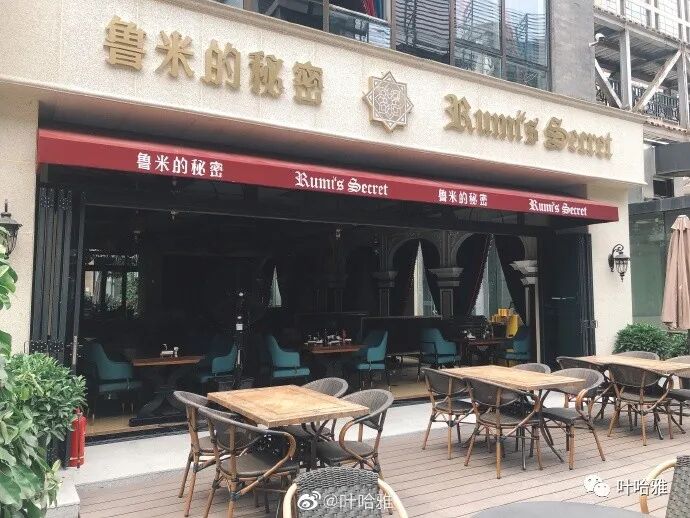
I’ve been to Rumi’s Secret Turkish Restaurant at least five or six times since it opened in early June, and I’ve basically eaten all of their Turkish specialties. This is an international chain brand with dozens of chain stores in Europe and the Middle East. The restaurant is named after Rumi, a world-famous Persian poet. The Turks in the Middle Ages called the Eastern Roman Empire Rum. Rumi means coming from the Eastern Roman Empire.
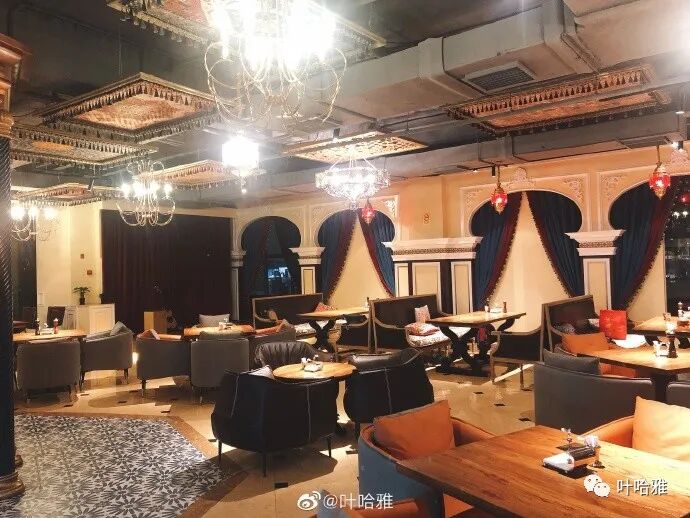
I detail Rumi’s secrets in the Joyful Taste Buds section of the upcoming August issue of Travel magazine. This restaurant does not sell alcohol
, chefs come from Türkiye, Azerbaijan and other places, and can provide worship rooms
The decoration of the restaurant has the atmosphere of an Ottoman palace. It is spacious and comfortable. In summer, you can sit in the garden in front and behind the restaurant and enjoy the delicious food while admiring the beautiful women. This sentence was originally used in an official magazine. It was considered not serious enough and requested to be deleted.

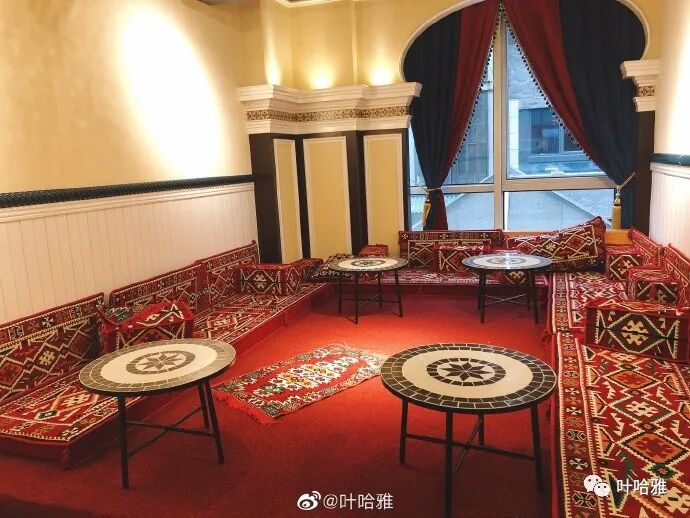
This room can be used for worship, and you can also experience the Central Asian people's family dining customs of sitting cross-legged on the carpet. The bathroom can be used for wudu.
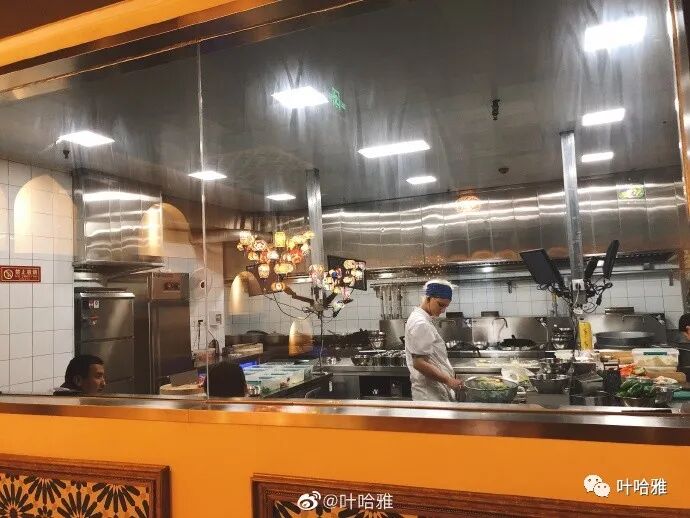
The restaurant is open and you can watch chefs from all over the world cooking delicious food through the glass.
There are various books related to Rumi placed in the grid of the restaurant corridor, all of which are Chinese translations. Rumi's works have been translated into many languages and have far-reaching influence around the world.
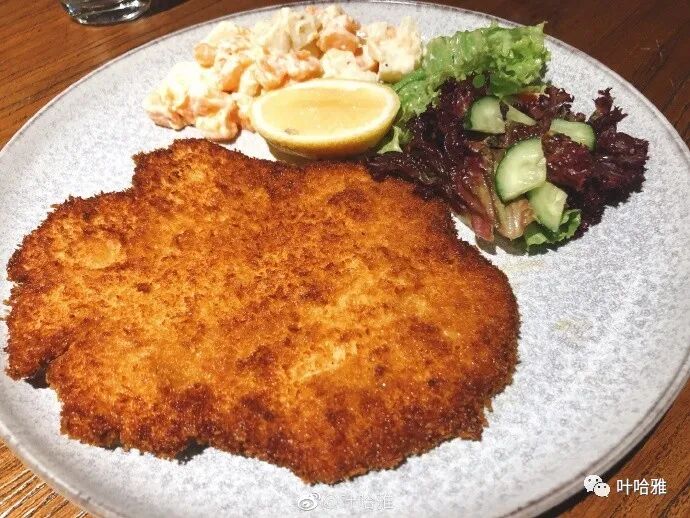
Marmara Chicken Steak
Marmara is the inland sea of Türkiye and the dividing line between Türkiye, Europe and Asia. The chicken steak is fried until golden brown, and you can squeeze some lemon juice to relieve the greasiness.
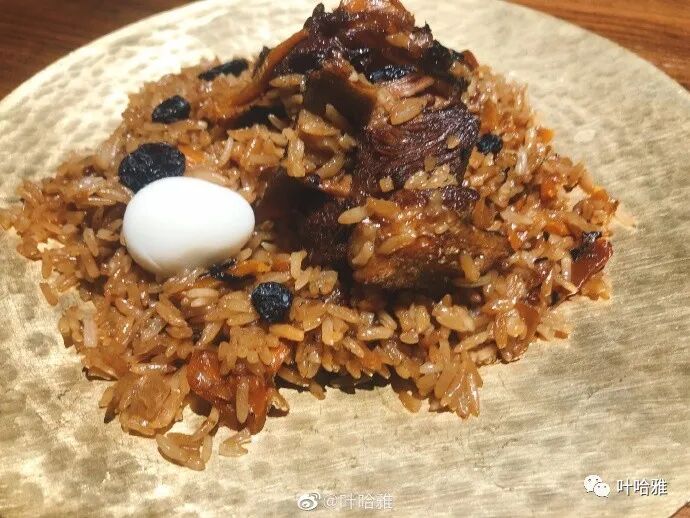
Uzbekistan’s black rice
Black pilaf is rarely eaten outside, and the preparation is more complicated than ordinary pilaf. The black color is obtained by frying onions, and it tastes fragrant.
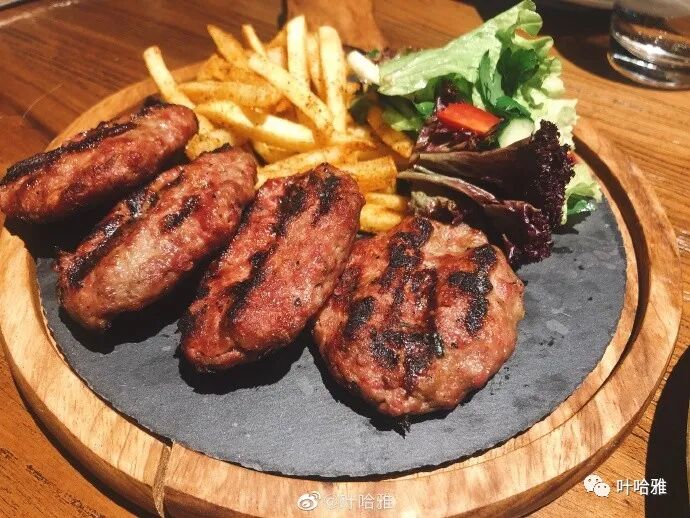
Kefta Beef Patties
The meatloaf is made of pure meat and paired with fries and vegetable salad, it is a meal for one person.
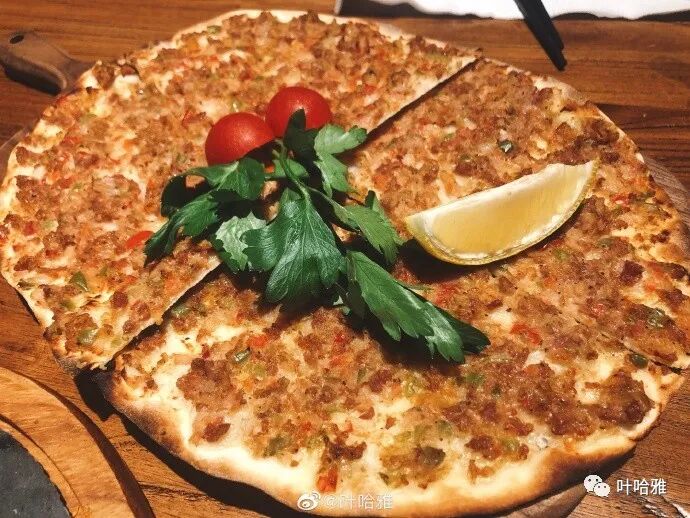
Lahma bread
It is a Turkish-style pie. The dough is thinner than pizza, and the filling is on top. The pie is crispy and tastes refreshing and not greasy.
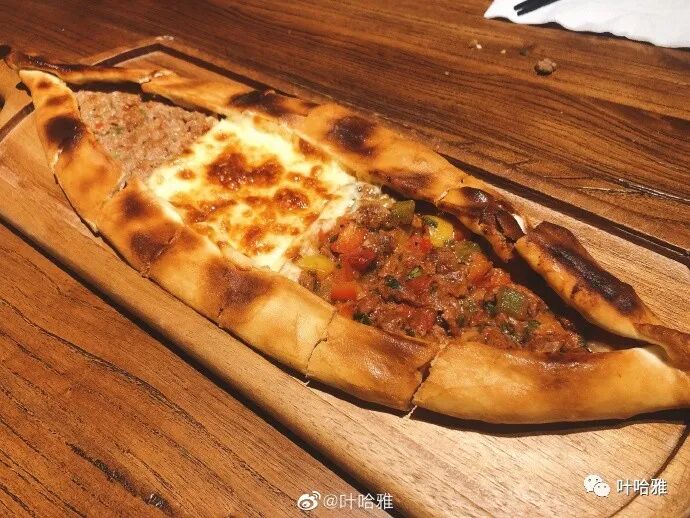
Turkish three-flavor pizza
Pida is Turkish pizza, which is also translated as Pide. It is shaped like a boat. Three-flavor pizza is made up of beef, fresh vegetables and cheese. You can also choose a single flavor. I like cheese pizza the most.
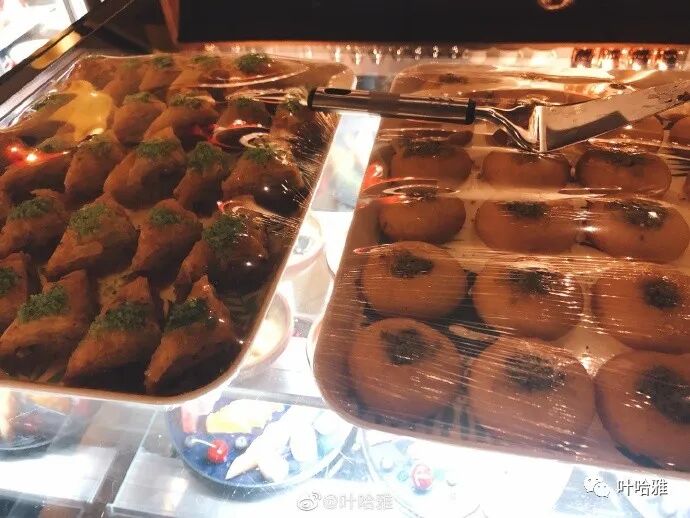
Turkish dessert baklava
This kind of Turkish dessert is really sweet. You can just eat one piece. Some friends can't even finish one piece. It's really sweet.
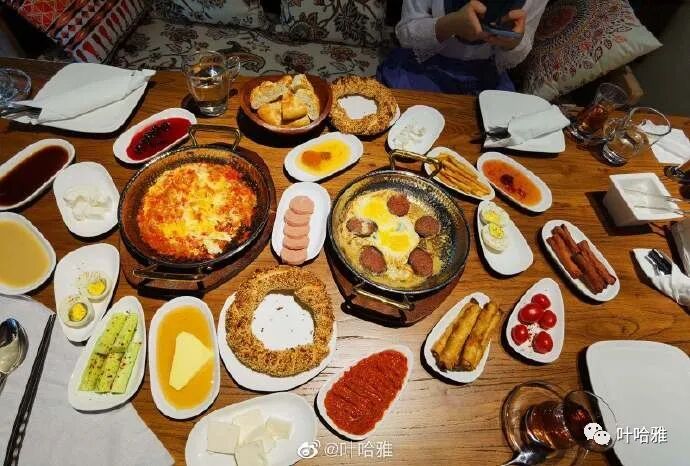
king breakfast
Rumi's Secret has a special breakfast, called the King's Breakfast. It is very rich in variety and delicious. It is suitable for people like me who want to eat a little bit of everything but can't eat much. Breakfast is priced per person, 198 yuan for two people and 268 yuan for 4-5 people. It is served from 9:00 to 14:00 in the morning. It is worth a try.
Address: Ritan Shang Street, Chaoyang District
2. Huainan beef blanching
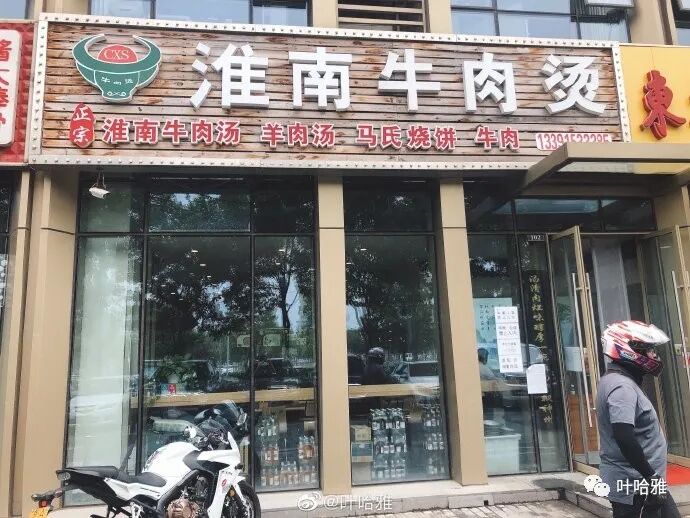
There are now more than one halal Huainan Beef Soup in Beijing. to Hu Ji Huainan Beef Soup, another one was found in Shunyi. This store is also opened by Hui Muslims from Huainan, Anhui. It specializes in beef soup and hot dry noodles.
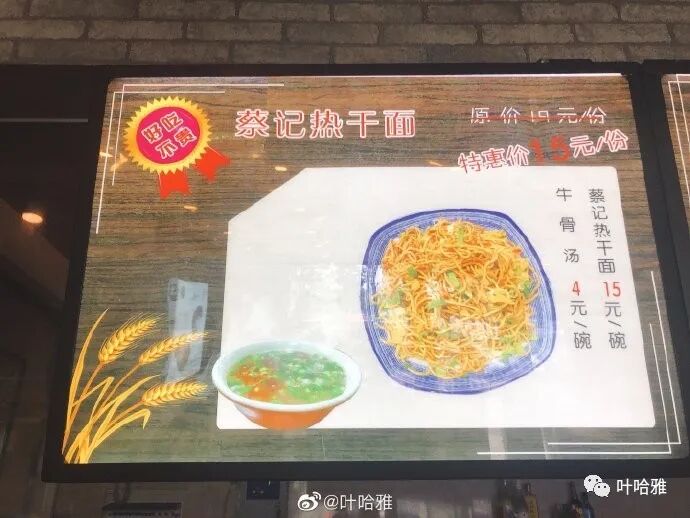
What surprised me was that there is Caiji Hot Dry Noodles here. The taste is very similar to the ones eaten in Hubei, a bit spicy. You can also get a bowl of beef bone soup when you eat the Hot Dry Noodles. It is a real experience to eat halal hot dry noodles in Beijing.
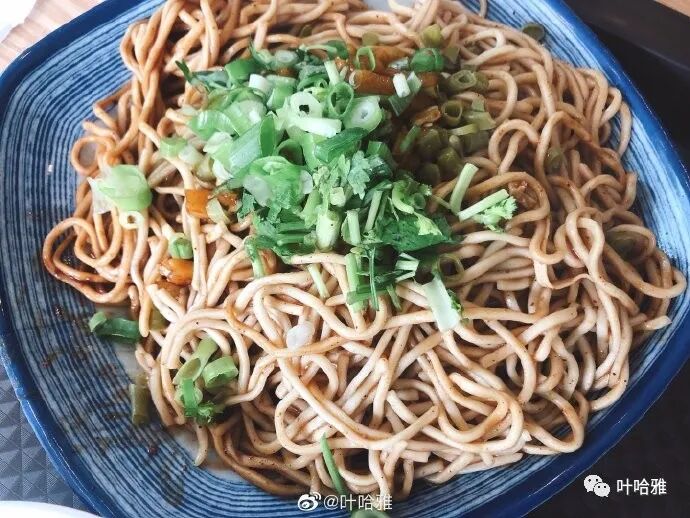
The amount of hot dry noodles eaten in Wuhan is not so large. You can add various seasonings according to your own taste.
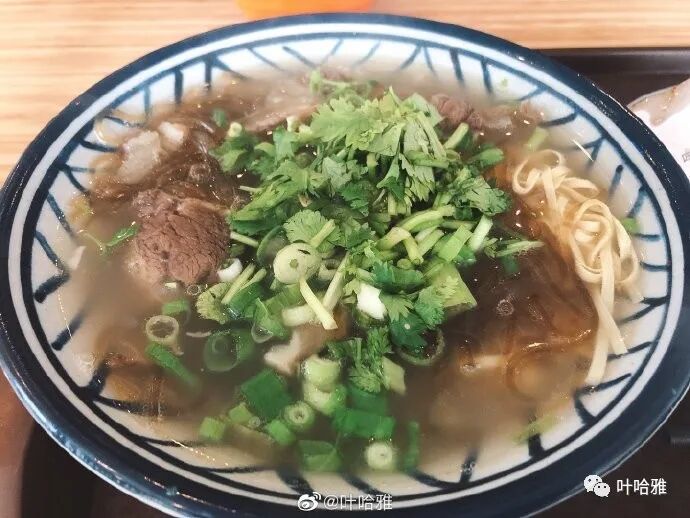
Huainan beef soup is a famous delicacy. You can add shredded tofu, vermicelli or noodles to the soup, and eat it with freshly baked sesame cakes, which is very satisfying.
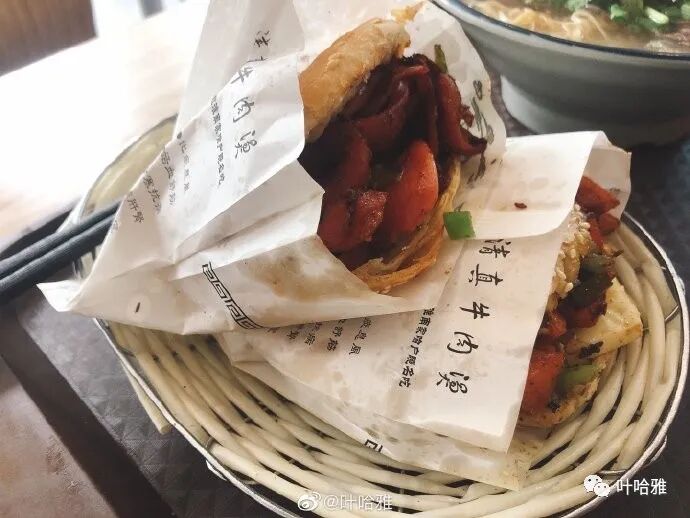
Ma Kee's sesame cakes are stuffed with beef intestines. You can eat one at a time and drink a bowl of beef soup to make you full.
Address: 1st Floor, Building 2, No. 3, Jinguan North Second Street, Jiao Road, Nanfaxin Town, Shunyi District
3. Tiffin New Indian and Pakistani Cuisine
An Indian-Pakistani fast food restaurant with a very hidden location. During the epidemic, you can only order takeaways, not dine-in.
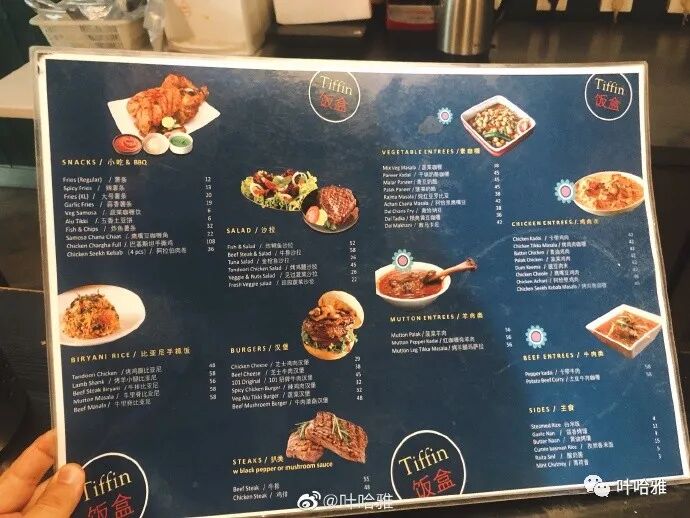
There are traditional Indian and Pakistani curry chicken rice, as well as hamburger and fries set meals. There are two Pakistani veterans working in the store.
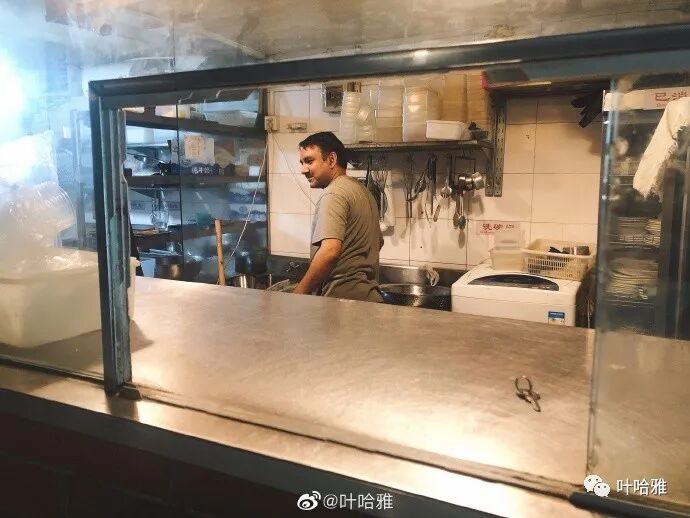
They said that due to the epidemic, there were not enough staff and they could not receive too many customers, so they could only order and take away.
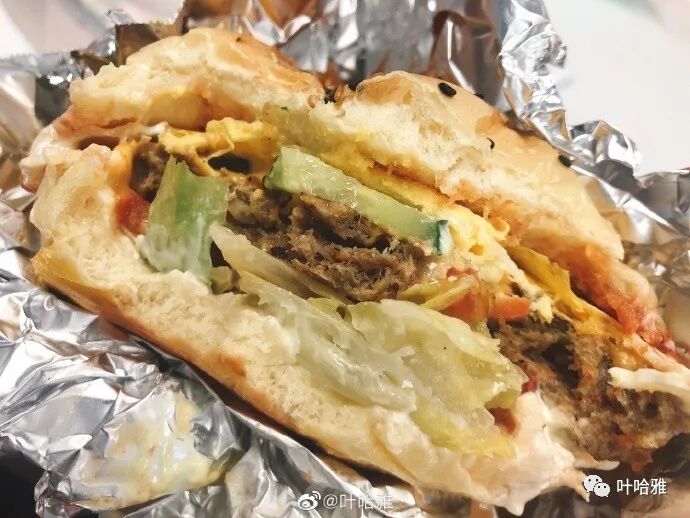
I just bought a beef burger, which tasted pretty good, although the appearance was not good. I hope to resume dine-in dining soon.
Address: Commercial 2nd Floor, Building 6, No. 2, Xili, Qingnian Road
4. Sala Huaer Western Food
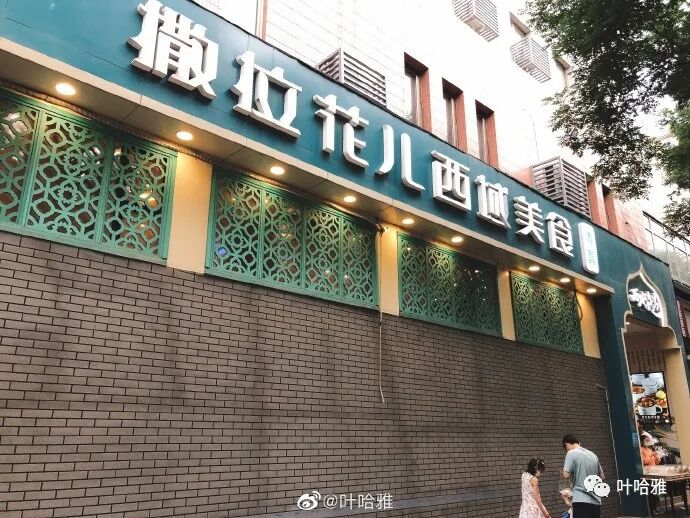
Sala Hua'er has been operating in Beijing for 20 years. When I first ate Sala Hua'er on Zaolinqian Street, they were still a small restaurant. Now they have developed into a chain brand. The owner of Salar Huaer is from the Salar ethnic group in Qinghai. His ability to optimize and innovate Qinghai's food proves that the owner is very business-minded.
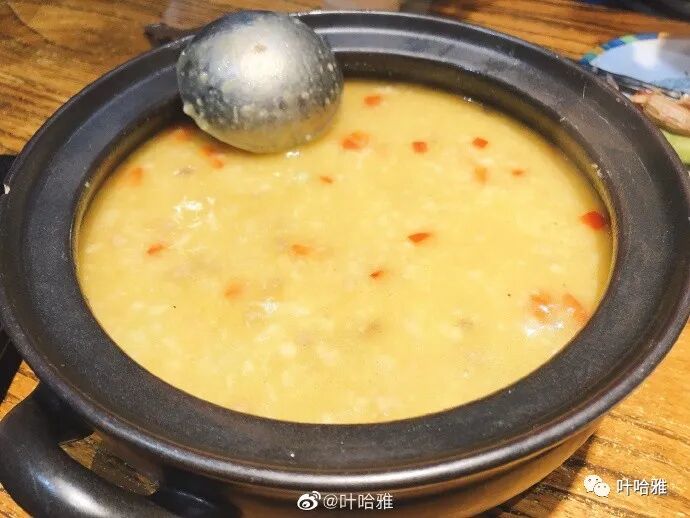
Ashural
Ashura is a distinguished day. Many important events in history occurred on Ashura. Muslims who are qualified should fast on Ashura. Muslims in some places have the tradition of cooking Ashura porridge.
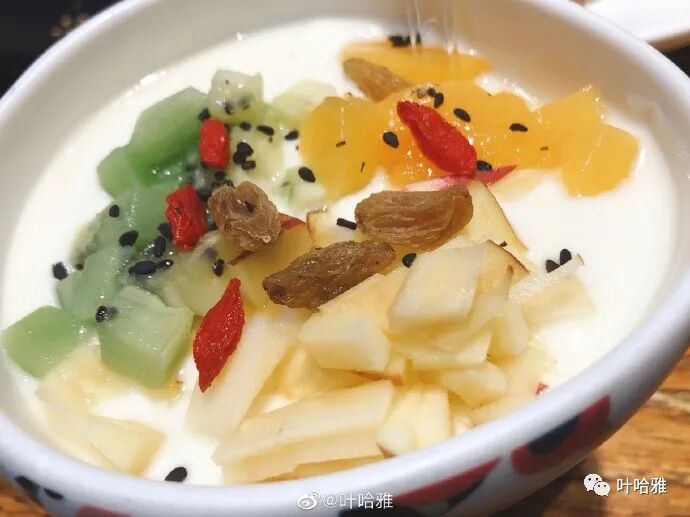
Qinghai yogurt
Qinghai's yogurt has a unique flavor. It is made from fermented yak milk. It has moderate sweetness and sourness, and is relatively viscous. After adding fruits, the color and taste become richer. It can be seen that Sarah Huaer is more careful in her cooking skills.
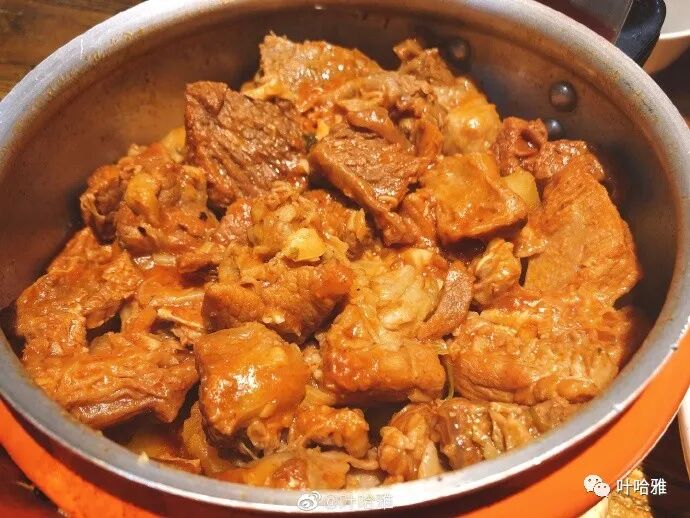
Braised yak meat and potatoes in small pot
Qinghai is where yaks live. Yaks grow on the plateau and their meat is firm and chewy, so Qinghai people also like to eat chewy meat.
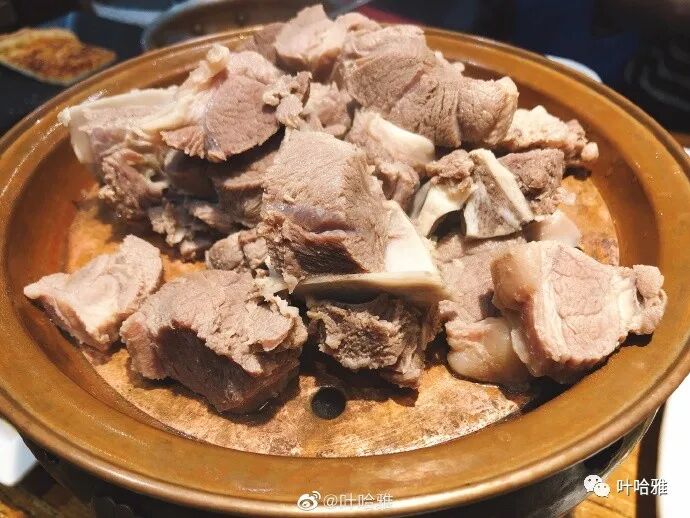
Mengda mountain spring water black goat meat
Mengda Mountain is a place in Xunhua Salar Autonomous County. Most of the people living on the mountain are Salar people. They have many shepherds. The black goat meat of Mengda Mountain is very delicious, has no odor, and is tender in texture.
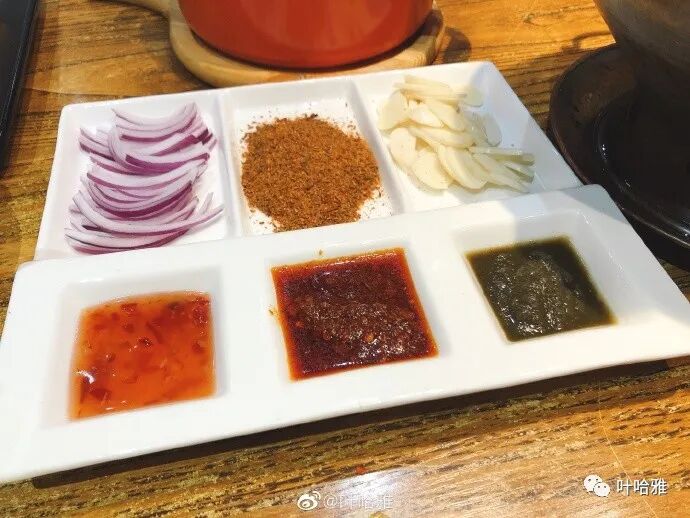
It is served with six kinds of seasonings, both dry and wet. I give full marks to this innovation. You can only eat it at Salar Huaer in Beijing.
Address: Next to KFC, 3-3 Jiangong South Lane, Caiyuan Street, South of Baizhifang
5. Cantonese rice rolls
I found a halal Cantonese rice roll shop on the basement floor of Hangtianqiao Shibao Street. The proprietress is a Muslim from Beijing. She had only eaten halal rice rolls at Hongyunlou Kuche Town Store before. This shop just opened.
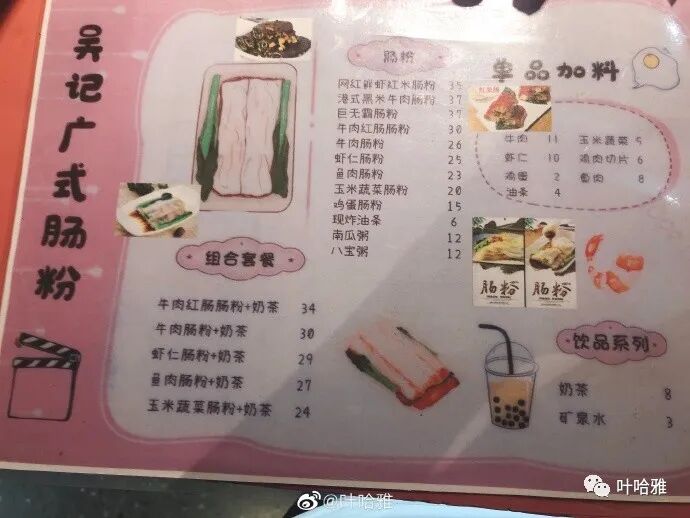
There are many kinds of rice rolls. I tried the Internet celebrity shrimp and red rice rice rolls with a cup of milk tea.
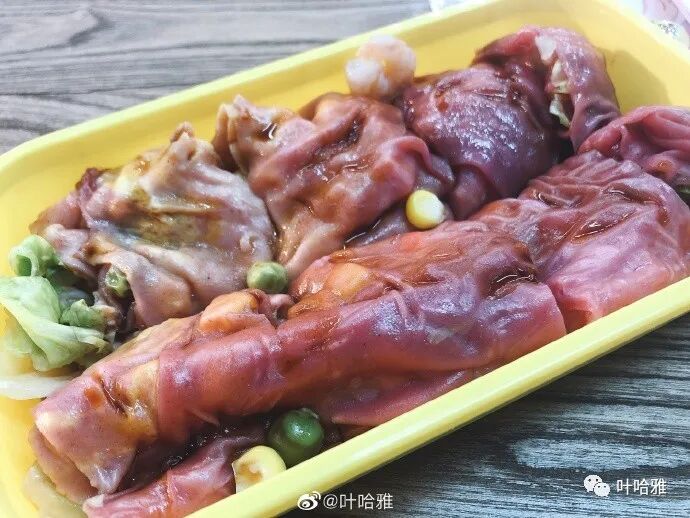
The taste of milk tea is not very good. It is recommended to only eat rice rolls. After all, there are many shops selling milk tea in Shibao Street.
Address: Ground Floor, Food Treasure Street, Guangyao Oriental Center
6. Xiting·Beauty
I was introduced to this restaurant by Rumi’s secret boss at the Xiting·Xiuse Turkish Restaurant near Liangmaqiao. The store manager is from Turkmenistan, the chef is from Azerbaijan, and the store clerk is from Uzbekistan.
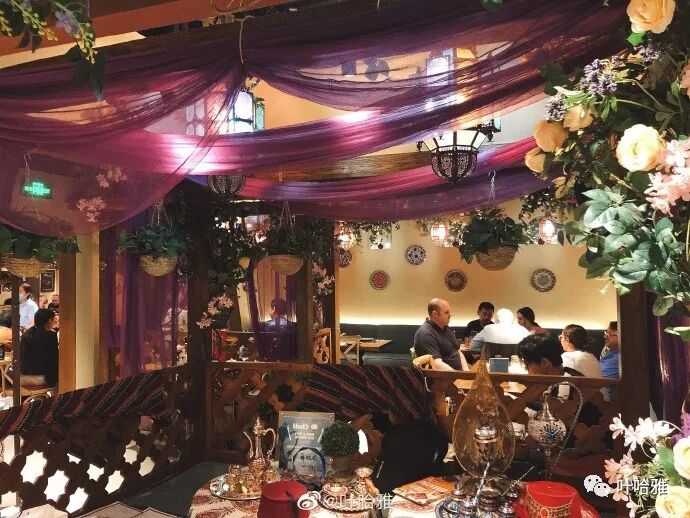
The environment of this restaurant is very beautiful, arranged like a garden, and the Turkish food is particularly delicious.
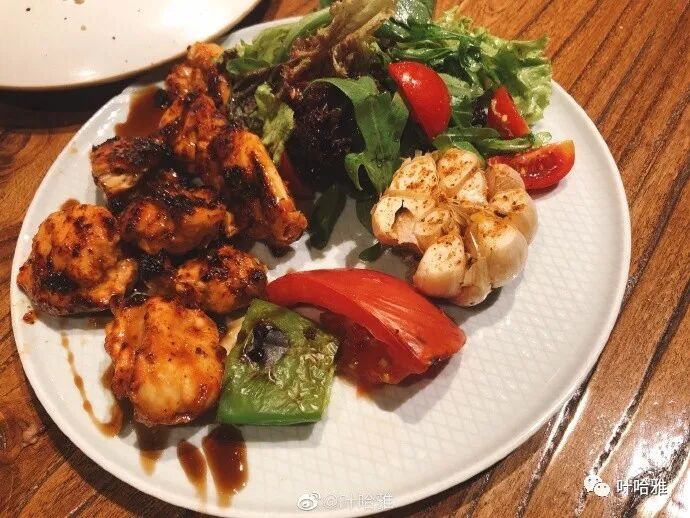
Chicken with Pomegranate Sauce
This store has a good relationship with Rumi's Secret. The manager of Rumi's Secret previously worked at Xiting Xiuse. The dishes of the two stores are similar. What I recommend this time are Xiting's unique dishes, such as this pomegranate sauce chicken.
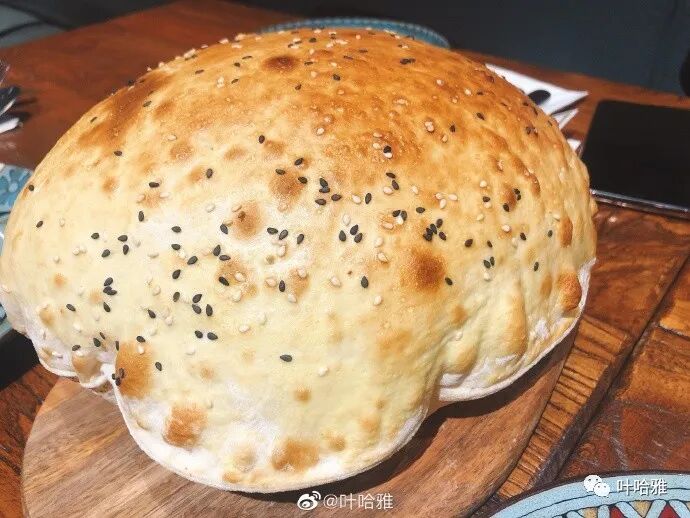
Hot air balloon cake
The hot-air balloon pancake looks big, but it is actually a pancake puffed up by the steam. It is hollow inside and is served steaming hot. When you tear it open, you can smell the aroma of wheat. It is a perfect combination to dip this pancake into hummus sauce.
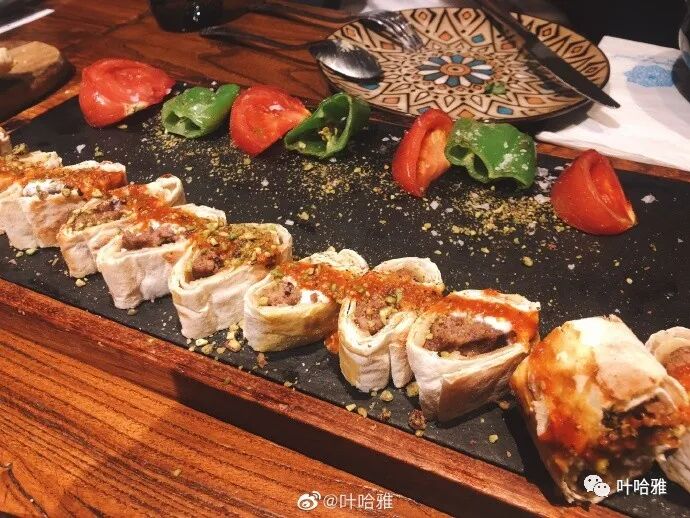
Betty sushi roll
The Turkish barbecue is made into sushi, and it still tastes like authentic barbecue. This idea of combining East and West looks very harmonious.
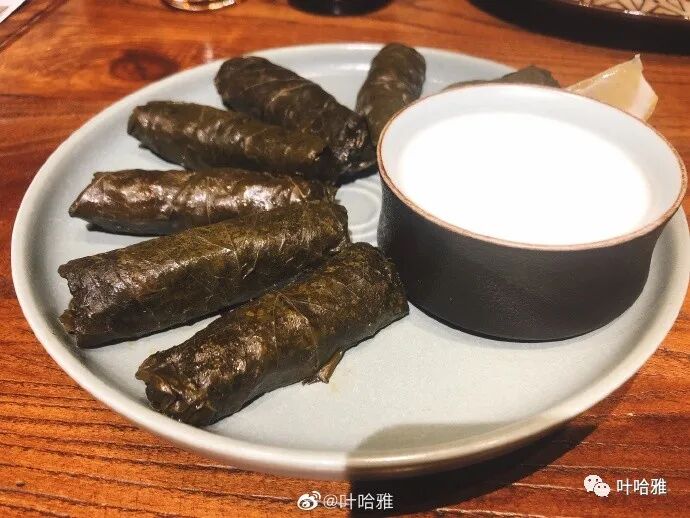
Grape leaf meat rolls
A special delicacy from Central Asia, it is wrapped in grape leaves and stuffed with meat inside. The grape leaves can be eaten, dipped in salty cheese or yogurt.
Address: 1st Floor, Jinshangyuan SHANG Building, Xindong Road
7. Meat skewers
Meat Chuan Wang is a brand chain barbecue restaurant, but this is the only one that is halal and the owner is a Muslim from Northeast China.
Judging from the style of the skewers, you can tell that they are Northeastern barbecue, small skewers with bamboo sticks, and there are many types, including various grilled seafood.
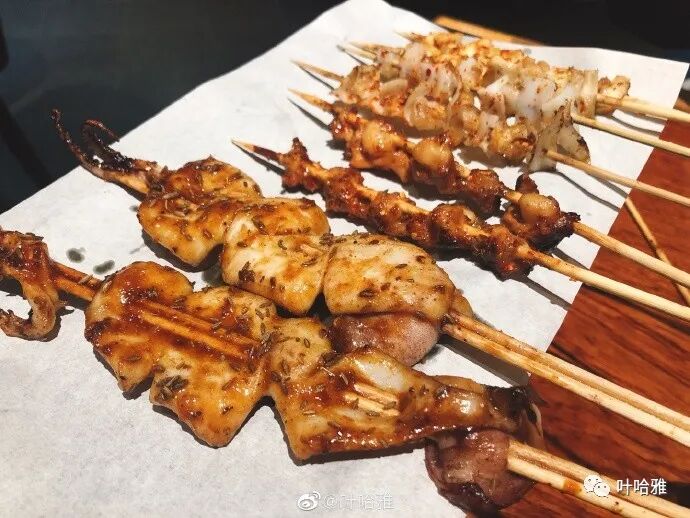
The store has two floors. It looks very clean and spacious. The skewers taste good, and they are open until late at night. It is a good place to come here if you want to enjoy skewers in summer.
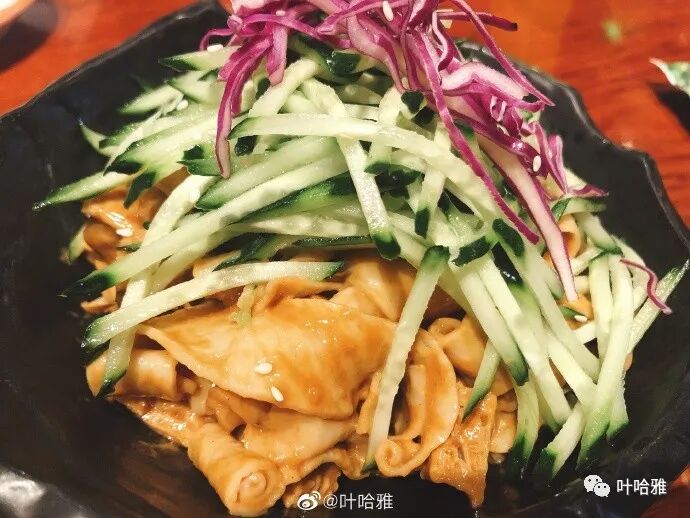
As a special cold dish, I recommend this sesame sauce and gluten dish. The sesame sauce is very fragrant and the gluten is strong.
Address: Room 2, Building 3, Courtyard 5, Sanli Hebei Street
8. Mai·Ben noodles
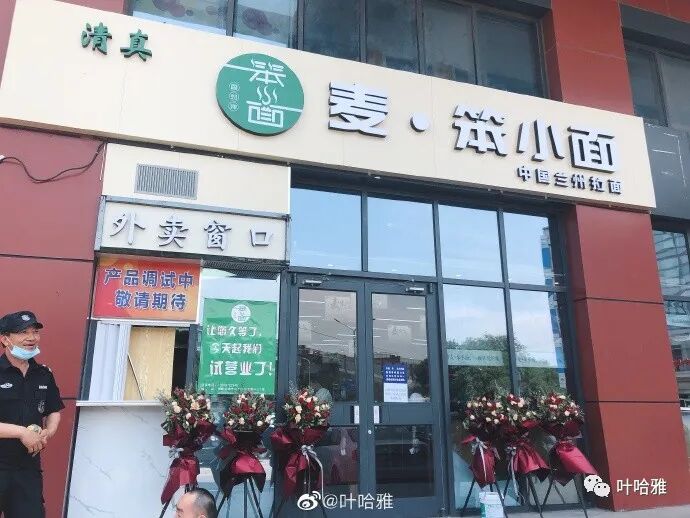
A new noodle shop opened in Beijing by a Hui owner from Xining has an interesting name. It does not sell alcohol and its specialty is Qinghai dry noodles. Qinghai veterans who miss the taste of their hometown can come here to satisfy their cravings.
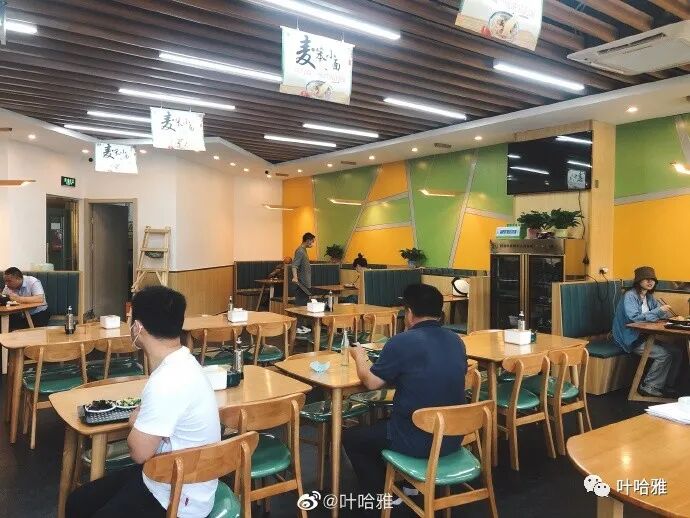
The environment is very spacious, the waiters all wear headscarves, and the prices are affordable, with discounts available during the trial opening period.
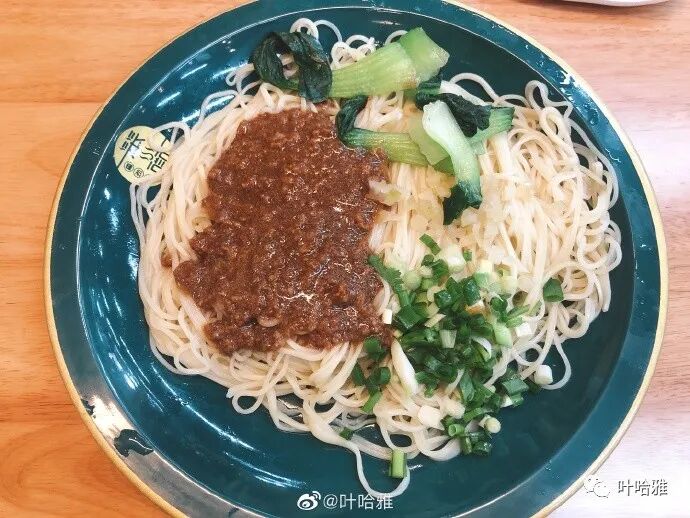
Dry noodles are a specialty of Qinghai. I have only eaten Qinghai dry noodles made by my mother-in-law before. The noodles are chewy and topped with meat sauce. It is cooler to eat in summer.
Address: No. 2, Floor 1, Fengtai Center, East Street, Zhushi
9. Li Ji Baishui Sheep Head
Li Ji Baishui Sheep's Head is a time-honored restaurant in Nancheng. The store makes very authentic Beijing traditional halal dishes.
Baishui Sheep Head is rated as a famous snack in China. This sheep head meat tastes really delicious, neither smelly nor greasy. It basically maintains the natural taste of mutton. It can be eaten plain or dipped in salt and pepper.
white water sheep head
White water sheep head does not boil the sheep head in plain water, but adds salt and spices to the water. The sheep soup will be milky white.
Crispy fried milk
Crispy fried fresh milk, ingredients include fresh milk, starch and flour. It has a rich milky flavor and can be paired with condensed milk as a dipping sauce.
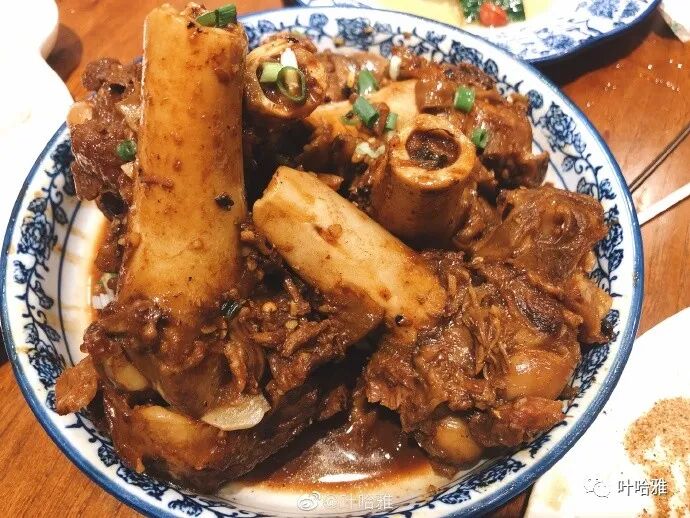
Braised lamb ribs
A very popular dish, the bone marrow in the mutton stick bones has to be eaten with a straw. The mutton is stewed so badly that the meat falls off as soon as you pinch it.
Address: South Annex Building, 22-5 Baiqiao Street, Federation of Industry and Commerce Building
10. Seafood hotpot fish
The original Huozhouke Western Region Restaurant was renamed Seafood Hotpot Fish. The boss remained the same and added new signature dishes.
Breakfast can be served all day, there are wontons available, and they taste pretty good.
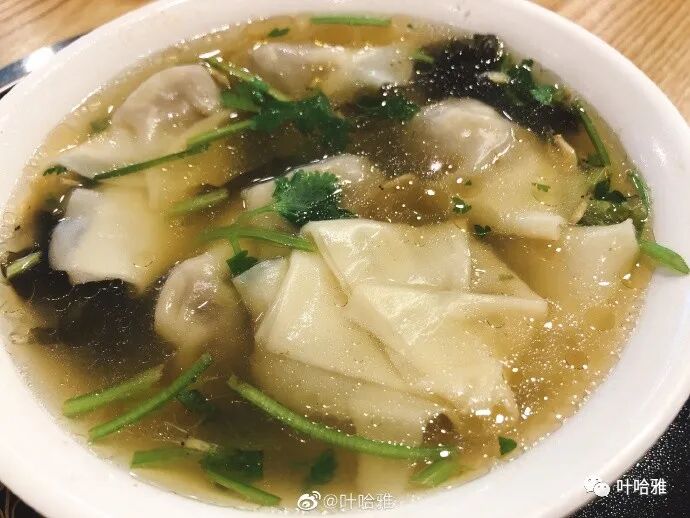
Xiangguo can be made into Xiangguo Chicken or Xiangguo Fish. The seafood includes crabs, prawns and squid. It is not very spicy and vegetables can be added to it.
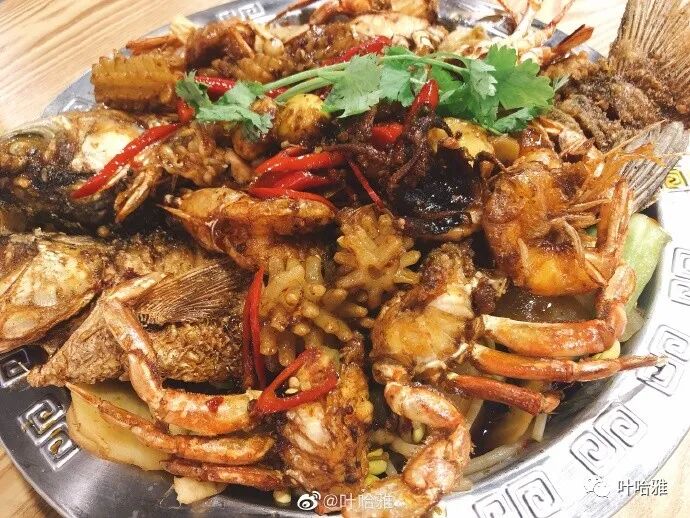
The price of a full pot is just over 100, which is quite affordable. The location is right next to the Madian Mosque.
Address: No. 19, Madian East Road
12. Join hands
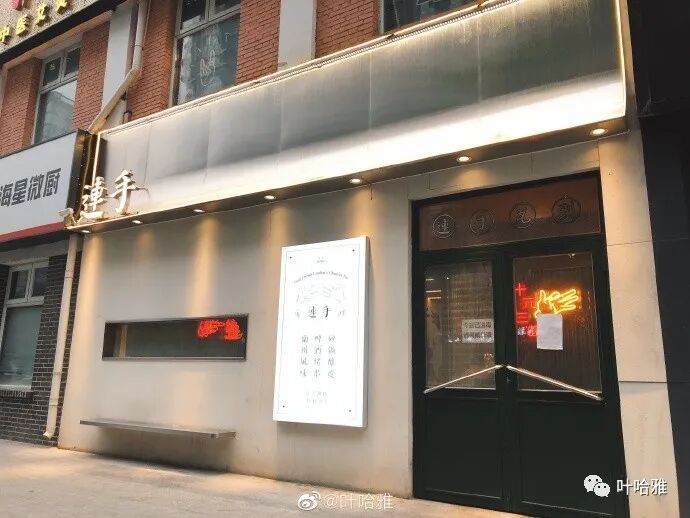
Lian Hand is a barbecue restaurant with Lanzhou characteristics. to Lanzhou skewers, you can also eat many Lanzhou snacks. Lian Hand has two stores in Beijing, both of which are halal. One is in Andingmen and the other is in Baiziwan. The Baiziwan store has a better environment. The Lanzhou Beef Noodle House next door is also opened by their family.
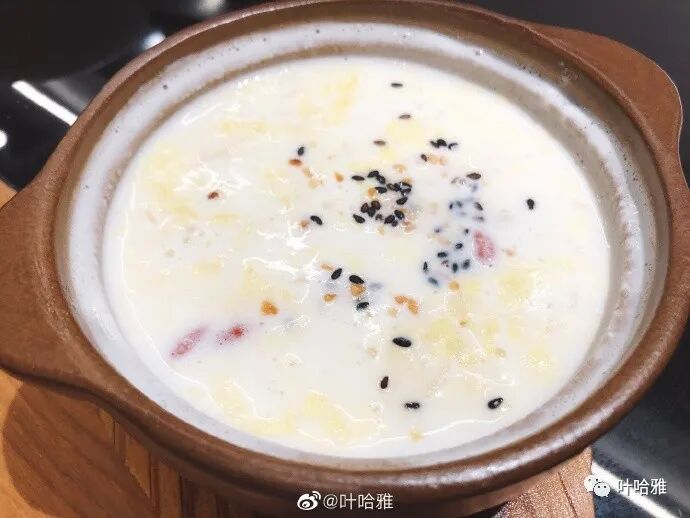
Milk and egg fermented glutinous rice
My favorite Lanzhou snack drink is milk and egg fermented glutinous rice. The dishes in this restaurant are very small, so you can try everything.
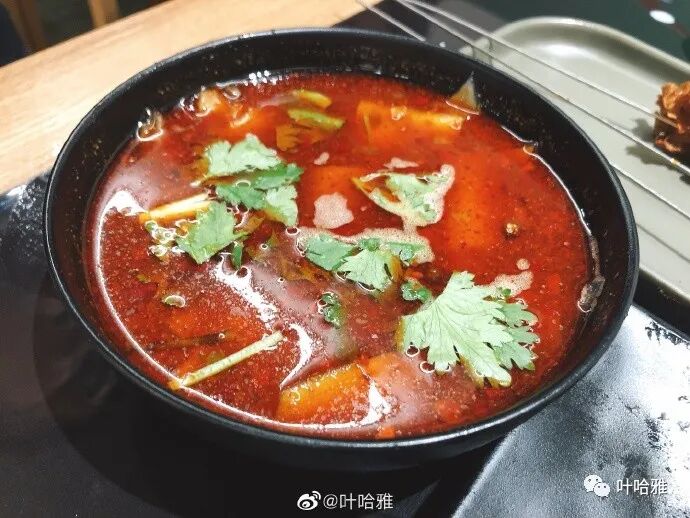
Hot and Sour Dingxi Kuan Noodles
Wide noodles are also my favorite Northwest snack, and I often choose them when making hotpot.
There are so many types of barbecue, and the skewers are all sold in different sizes, ranging from 5 to 15 skewers in a handful, with some meat and some vegetarian.
I highly recommend this scone. The pancake is delicious and can be filled with everything. It is soft and delicious. We ate one after another and everyone thought it was delicious.
Address: 1st Floor, Building 12, No. 13 Baiziwan Road
13. Qingxiangge·Fat Lobster
Qingxiangge has been making great moves recently. It has joined Fatty Lobster Restaurant. Qingxiangge in Madian has set aside part of the store to operate a crayfish barbecue.
Fatty Lobster is a chain brand. Please note that only Qingxiang Pavilion is a halal store. The decoration style of the store is very modern, a bit like a nightclub. You can sing in the private room on the second floor.
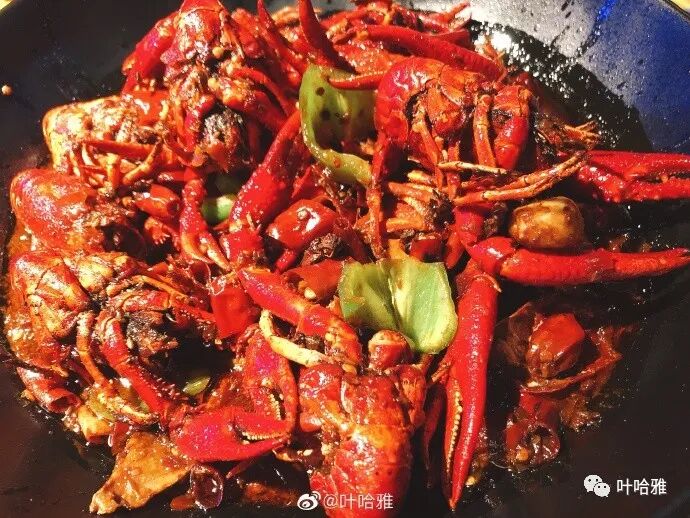
Crayfish is the signature dish, and there are many ways to eat it. I recommend the spicy crayfish. This store just opened, but business is booming, and you have to queue up when you go there at night.
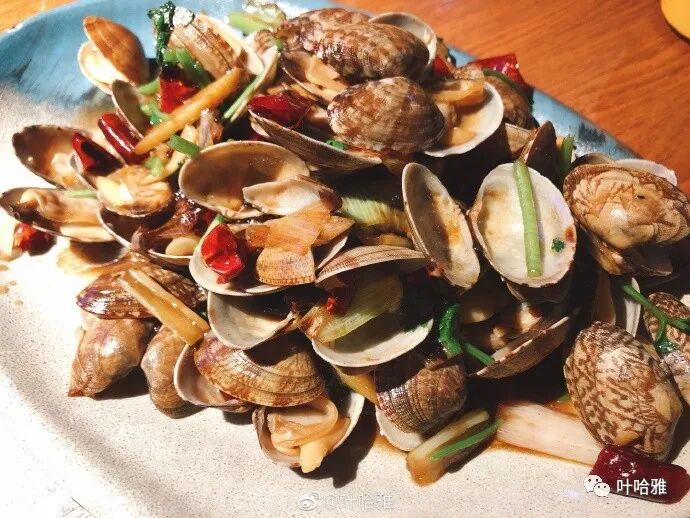
Spicy fried clams
to eating crayfish, you can also eat seafood and barbecue in Qingxiang Pavilion. The price is not cheap, more than 100 per person, but the taste is really good.
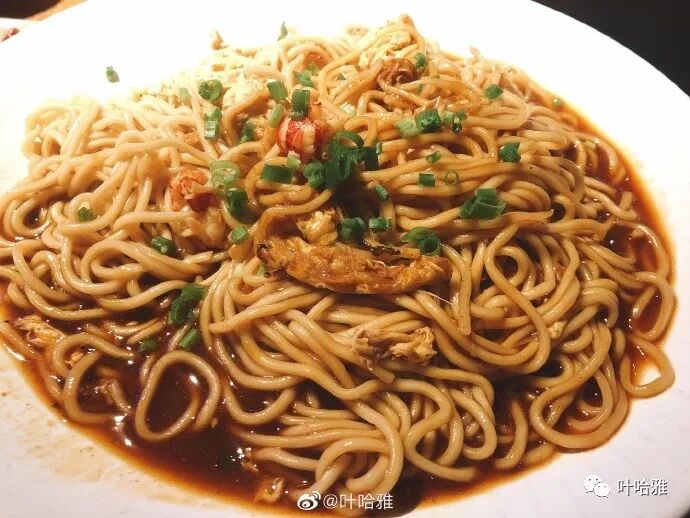
Crayfish noodles
The noodles made with lobster meat are quite spicy, but they are so satisfying to eat. You won’t be full just by eating crayfish, so you have to have a staple food.
Address: Next to Qingxiang Pavilion, Beitucheng West Road
14. Poshang Jinyuan Spicy Hotpot
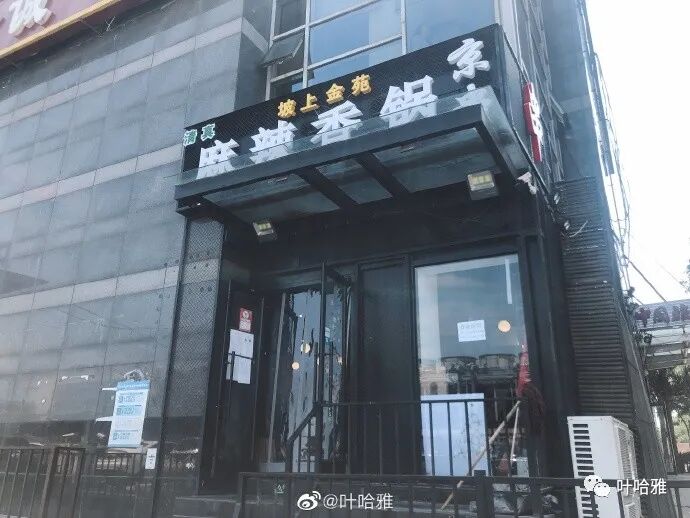
The owner of Niujie Input Hutong Meat Wan opened another spicy hot pot restaurant, and the taste is surprisingly delicious.
Nancheng Xiaobanjin is the original name of the meatloaf. Not only does their meatloaf taste delicious, but the hot pot frying is also different from other places. Once you eat it, you can tell that they put their heart into it.
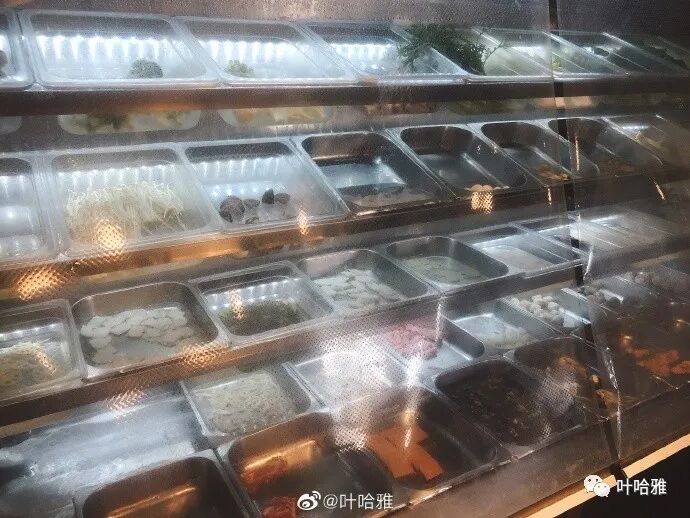
There are meat dishes below, and vegetarian dishes above. The meat and vegetables are separated. You can choose what to eat. After you have selected it, let the waiter take it to the kitchen for processing. It is more hygienic to cover it with a plastic sheet.
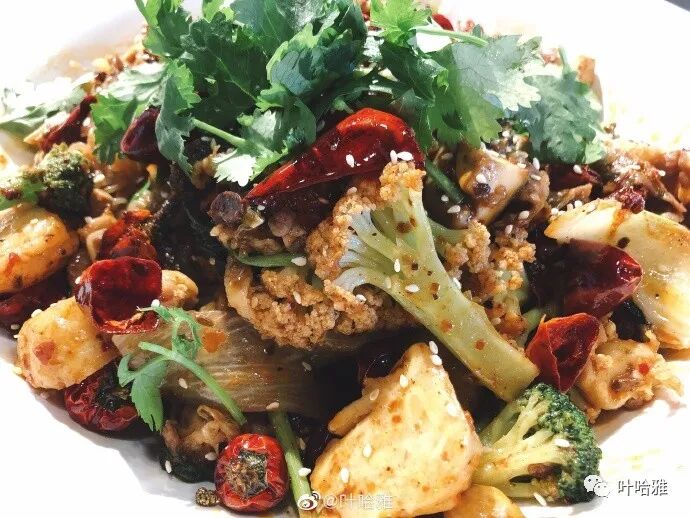
Their spicy hot pot uses golden peppers from the northwest, which are fragrant but not spicy. I especially like the taste of fried louver leaves. There is an event now where you can get a free fried rice for orders over 98. I have been here several times recently.
Address: Shop on the ground floor of Fenghuahaojing, Caishikou
15. Jubilee Story
Qingxiang Pavilion in Dongdaqiao opened a pastry shop next door, using the halal catering license of Moon House. Moon House is a Shenyang-style halal restaurant that offers Western pastries and Chinese pastries.
There are egg tarts, egg yolk cakes, and jujube cakes. I tried some of each, and they were quite delicious, with moderate sweetness.
There are also handmade pizzas made with chicken, and Qingxiang Pavilion also has burgers and fried chicken for takeaway.
Address: Next to Qingxiang Pavilion, Dongdaqiao, Chaoyang District
16. Qingxiangge·Shaxian Snacks
Another thing I didn’t expect from Qingxiangge was that it actually opened a halal snack in Shaxian, Fujian. This was the first time I saw that Shaxian snacks were also halal. Beijing’s halal catering category continues to lead the country.
There are many types of snacks in Shaxian, including rice, pasta, soups, braised vegetables, and hot dry noodles. The ingredients are uniformly distributed by Qingxiang Pavilion, and the chefs are all Fujianese.
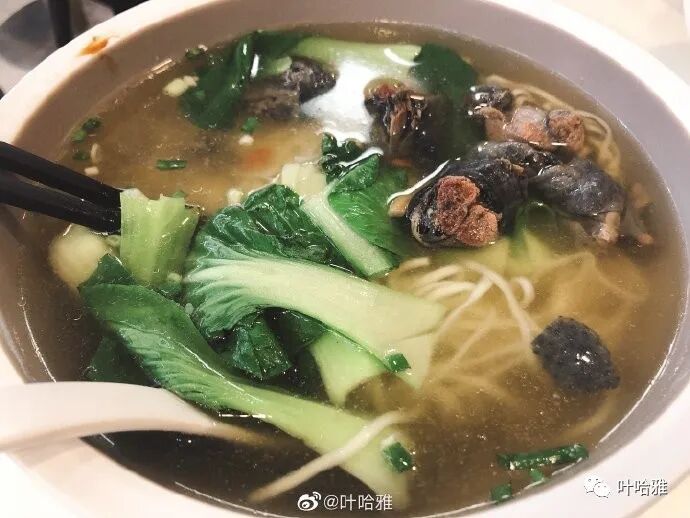
Black chicken noodle soup
For southern noodles, the soup is sweeter, the noodles are thinner, and the black-bone chicken is delicious.
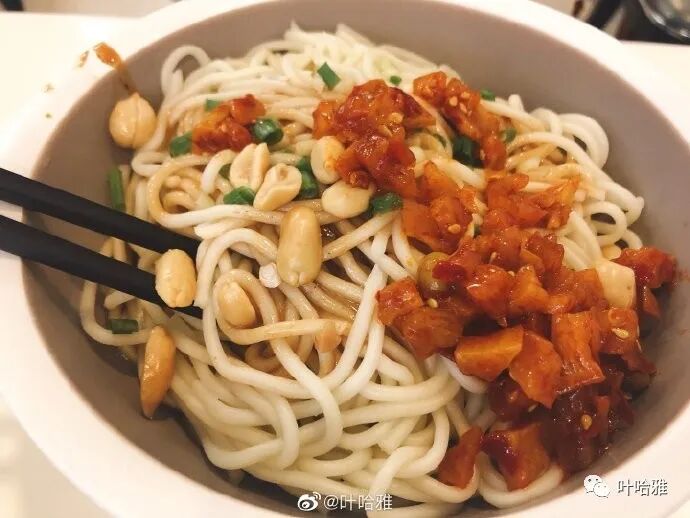
Hot Noodles with Sesame Paste
Friends who have never tasted halal hot dry noodles are in good luck and come here to try the hot dry noodles made by Fujianese.
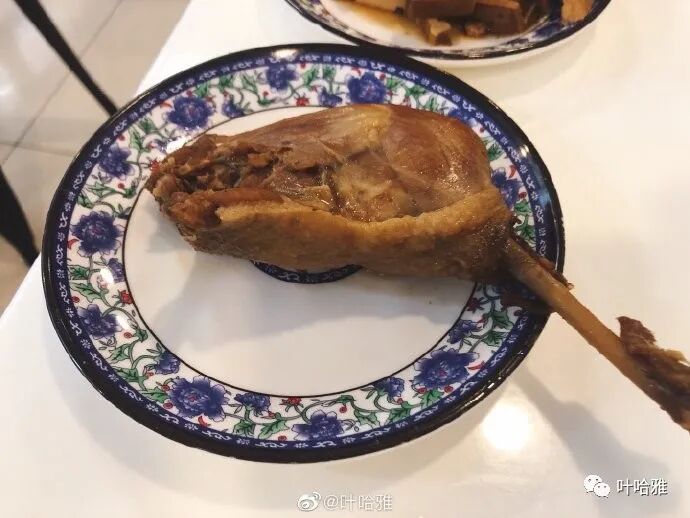
Braised duck legs
Duck legs are very fat, rich in meat, and delicious. In fact, Shaxian snacks are also a brand created by the local government. Just like Qinghai people go to ramen restaurants, there are not so many local snack varieties in Shaxian County, but people with smart business minds can bring economic benefits to the locals.
Address: Next to Qingxiang Pavilion, Dongdaqiao, Chaoyang District
Halal Street Food China: Beijing Qingcheng, Xinjiang Rice Noodles and Zam Zam
Articles • ali2007fr posted the article • 0 comments • 179 views • 2026-05-21 11:00
Summary: This Beijing halal street food guide keeps the original part-fifteen map, including Qingcheng Hotel, Xinjiang rice noodles, Zam Zam, addresses, dishes, and photos. It helps readers find real halal food in China while preserving the original details.
1. Qingcheng Restaurant
I found a long-running Inner Mongolian restaurant in Changping. The owner is from Hohhot, which means 'blue city' in the Mongolian language.
The patterns on the restaurant's ceiling are beautiful.
Since eastern Inner Mongolia is part of Manchuria, the food styles are similar, so you can eat sweet and sour stir-fried meat (guobaorou) here.
Halal stir-fried meat (guobaorou) is not easy to find in Beijing anymore. The few Northeast-style restaurants I recommended before have all closed.
They also have potstickers (guotie) and steamed dumplings (shaomai), which are both traditional Inner Mongolian snacks.
This is called oat noodle nests (youmian wowo), a type of pasta that you dip into the lamb bone broth (yangtang) served on the side.
Address:
No. 14 Donghuan Road, Changping District
2. Crescent Moon (Wanwan Yueliang)
This is a Xinjiang restaurant with a strong Uyghur style. It has been open for many years and was recommended by my Uyghur friends.
All the staff are Uyghur.
The food is quite traditional and the prices are not expensive.
Address: No. 16, Liutiao Hutong, Dongsi North Street, Dongcheng District.
3. Lafengqin Xinjiang Rice Noodles.
It opened recently and serves stir-fried rice cakes and stir-fried fish fillets. There are more and more halal Xinjiang rice noodle shops in Beijing.
Stir-fried rice cakes with chicken.
Address:
First floor of Kaishi Building, Wudaokou.
4. ZAM ZAM Indo-Pak Cuisine.
This is a newly opened Pakistani restaurant in Wudaokou. The owner is a Hui Muslim from Beijing, while the kitchen staff and servers are from Pakistan and India. They do not sell alcohol and offer a 58 yuan buffet all day.
I only found this restaurant because I was making a phone call outside and saw women wearing headscarves going in and out.
The food is delicious. It is excellent for a buffet and offers great value.
You can choose the buffet or order a la carte. They have pizza and various Indo-Pak desserts.
Address:
Located on the first floor of Kaishi Building in Wudaokou, right next to La Feng Qin.
5. BRBR Arabic Restaurant
This shop used to be near the University of International Business and Economics. It just moved here recently, but it is already busy and the food tastes great.
Roasted lamb
Shawarma sandwich
Black tea
Address:
No. 3 East, Building 327, Zhongguancun South Second Alley, Haidian District
6. Ali Restaurant
We had our Eid al-Fitr dinner at Ali Restaurant on Jiaoda East Road. This Ningxia-style place has a great atmosphere. You can pre-order the Jingyuan steamed chicken. I ordered the spicy beef and the Yanchi salt lake hand-grabbed lamb, plus the layered steamed buns (bubu gaosheng momo). We finished every single dish.
Eight-treasure tea (babao cha)
Sour soup fish (suantang yu)
Steamed buns for success (bubugao sheng momo)
Hand-grabbed salt-lake lamb (tanyang shouzhuo)
Spicy stir-fried yellow beef
Address: Beijing
Courtyard 58, Jiaotong University East Road
6. Jinying Specialty Meatball Soup
This is a new branch of the Xinjiang-style meatball soup shop in Dongsi. It just opened, and the taste is the same as the original shop, but the twisted flower rolls (huajuan) are not as good as the ones at the old place.
Address:
Temporary No. 138, Chengfu Road, Haidian District
7. Yingfeng Yunnan Grilled Rice Cakes (shaierkuai)
Yingfeng is a chain brand from Yunnan, and this time they have opened a shop in Beijing.
The young man at the shop is a Hui Muslim from Yunnan.
Rice cake (erkua) is a Yunnan specialty, a snack made from rice.
The shop sells homemade drinks like rose sago dessert (meigui ximilu).
Address:
No. 9 Yanjingli Middle Street, Chaoyang North Road (next to Youli Youmian).
8. Maihemuti Restaurant in Kashgar, Xinjiang.
This Xinjiang restaurant has been open for many years and the staff are all Uyghurs. Restaurants run by Uyghurs like this are becoming rare in Beijing now.
The restaurant has a takeout window where you can buy lamb leg, lamb trotters, and baked flatbread (nang).
Address:
No. 5 Baiyunguan Street, Xicheng District.
9. Alijiang Xinjiang Flavors.
Alijiang is a new brand under the Western Mahua group, focusing on Xinjiang flavors.
You can watch Uyghur dancing while you eat dinner.
The food at Western Ma Hua is always good, so Alijiang is pretty decent too.
The server highly recommended the spicy peppercorn chicken (jiaomaji).
The pilaf (zhuafan) was standard and well-made.
Address:
Alijiang Spicy Peppercorn Chicken, 5th Floor, Souxiu City, 40 Chongwenmen Outer Street, Dongcheng District.
10. Hongyunlou Hong Kong-style Tea Restaurant.
Hongyunlou started as a halal Beijing-style restaurant in Tuanjiehu. Recently, they opened a new halal spot in Nanlouzizhuang that serves both Beijing dishes and Hong Kong-style tea snacks.
The environment is quite nice, and there is a private room that seats 10 people.
I looked at their menu and wanted to try many of the Cantonese-style dim sum dishes, so I invited 10 friends to come for a meal.
Fresh shrimp wonton noodles.
Steamed beef ribs with preserved mustard greens.
Stir-fried green beans with minced meat and olive vegetables (ganlan cai roumo sijidou)
Eggplant from that autumn
Curry radish with two types of meatballs (gali luobo shuangwan)
Brine-poached sea bass (yanshui gongfu luyu)
Steamed beef dumplings (ganzheng niurou shaomai)
Three-cup chicken baked with Thai basil (jinbuhuan ju sanbei ji)
Hong Kong-style shrimp dumplings (gangshi xiajiao huang)
Mango pancake (mangguo banji)
Cute bear-shaped buns (ke'ai xiaoxiong bao)
Steamed rice rolls with yellow chives and fresh shrimp (jiuhuang xianxia changfen)
Mango pomelo sago dessert (yangzhi ganlu)
We ordered almost all the signature Cantonese tea dishes on the menu. None of them were disappointing. The cooking methods were very refined, and everyone praised them highly.
Address: Take Subway Line 7 to Nanlouzizhuang Station, exit at C, walk 100 meters, and find it inside the Cool Car Town (Kuche Xiaozhen).
11. Roubing Wan
Roubing Wan first had a small shop next to the Hui Muslim Middle School. After that place closed, they moved to Majiapu, and now they are back on Niujie Street.
Niujie Street really needed a small shop like this where you can eat Beijing-style skewers.
They also serve traditional Hui Muslim Eight Great Bowls (badawan), a meal you used to have to travel all the way to Tongxian to find.
The southern-style small beef tendon (xiaoban jin) and meat pie (roubing) are their signature dishes.
Address: Next to the halal beef and mutton market on Shuru Hutong, Niujie Street.
12. Huaxi Dingxin Style Halal Hot Pot
The Yilaobaiwei dipping sauce hot pot in Changying changed its name, but the owner and staff are the same. They now serve a new style of hot pot with a slightly different menu than before.
The shop has a nice environment with two floors and private rooms. The servers are polite and greet guests when they arrive.
The dipping sauces are self-service with a wide variety to suit everyone's taste. There is also unlimited fruit and snacks available.
You can choose a small individual hot pot, which is more hygienic. I tried the mushroom hot pot and the vitamin C tomato nutrition hot pot.
You can also order beef brisket stew and some snacks.
I saw the famous Baoding beef cover pancake (niurou zhaobing) on the menu, and when I asked the owner, it turned out they are from Hebei.
Yellow peaches, watermelon, and pickled vegetables (pao cai) are all free to take, and the pickled vegetables taste great.
Address: No. 13B, Changying Minzu Jiayuan.
Previous links:
[Beijing Halal Dining Guide (Including the most complete list of foreign restaurants)] (Part 1) (Note: Baodu Wai is closed, Yang's Beef Pancake is closed, Halal Spicy Hot Pot is closed, Yuanxie Shuanrou Restaurant is closed, Dafengshou Fish Restaurant is closed, Hongliushu Roasted Lamb Scorpion is closed, Weidao Xinjiang Restaurant is closed, Shashi Castle Restaurant is closed, Badang Restaurant is closed, Barkley Caspian Western Restaurant is closed, Istanbul Restaurant is closed, Sukhothai Thai-Malaysian Restaurant is closed, and Cheese Molecule Pizza has removed its halal sign).
[Beijing Halal Dining Guide (Including the most complete list of foreign restaurants)] (Part 2) (Note: 1001 Nights Restaurant Solana branch is closed, Haitian Yise Chinese Restaurant is closed, and Changying Seafood BBQ is closed).
[Beijing Halal Dining Guide (Including the most complete list of foreign restaurants)] (Part 3) (Note: Changji Zhizi BBQ is closed and Yiding Shandouji Private Kitchen is closed).
Beijing Halal Dining Guide (Part 4) (Note: Features Ningxia cuisine, Korean BBQ, soybean paste noodles (zhajiangmian), and Yunnan cuisine; Xuezhan Dapanji is closed, Islam Lan Hot Pot is closed, and Xingyuege Muslim Restaurant is closed).
Beijing Halal Dining Guide (Part 5) (Note: Features Yunnan cuisine and Shan County lamb soup (Shanxian yangtang)).
Beijing Halal Dining Guide (Part 6) (Note: Highlights include Chongqing hot pot, Moroccan restaurants; Yijinglan Restaurant, Weidao Seafood Restaurant are closed; Laoma Lamb Spine Potstickers has been renamed Little Conch Seafood BBQ).
Beijing Halal Dining Guide (Part 7) (Note: Highlights include Turkish kebabs, Chinese tea houses; Yijinyuan, Laoduiyuan are closed).
Beijing Halal Dining Guide (Part 8) (Highlights include Korean BBQ, soup-filled dumplings (guantangbao); Fangchengshun Hot Pot, Father's New-Style Western Region Cuisine are closed).
Beijing Halal Dining Guide (Part 9) (Note: Highlights include ox head feast, Qinghai hot pot; Halimei Kitchen is closed, Meisi Coffee has removed its halal sign, Yilaobaiwei Dipping Sauce Hot Pot has been renamed Huaxiding New-Style Halal Hot Pot).
Beijing Halal Dining Guide (Part 10) (Note: Highlights include Huainan beef soup, Western fast food, pita bread in soup (paomo), octopus balls, Yunnan cuisine).
Beijing Halal Dining Guide (Part 11) (Note: Highlights include French cuisine, Sichuan-style hot pot, spicy dry pot (mala xiangguo), seafood buffet, Henan pan-fried buns (shuijianbao)).
Beijing Halal Dining Guide (Part 12) (Note: Highlights include Henan braised noodles (huimian), spicy soup (hulatang); Erjie Diguo Stew, HI HELLO Western-style grilled rice are closed).
Beijing Halal Food Map (Part 13) (Note: Highlights include beef tendon hot pot, Palestinian restaurant, Jewish restaurant, American burgers; Japanese restaurant Caicai Shidang is closed). view all
Summary: This Beijing halal street food guide keeps the original part-fifteen map, including Qingcheng Hotel, Xinjiang rice noodles, Zam Zam, addresses, dishes, and photos. It helps readers find real halal food in China while preserving the original details.
1. Qingcheng Restaurant
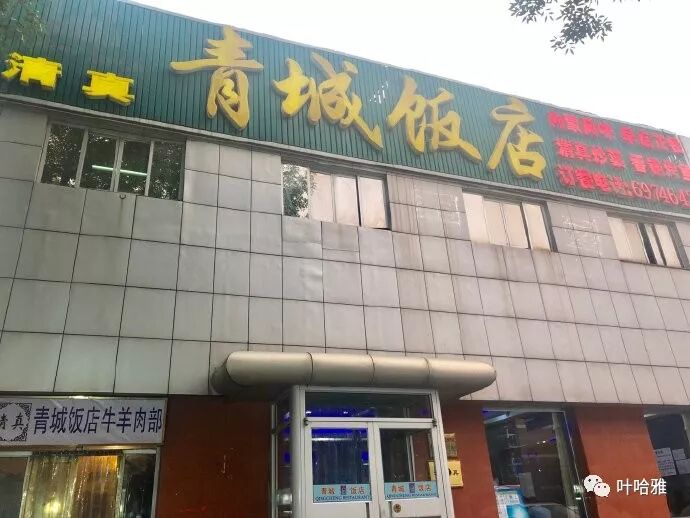
I found a long-running Inner Mongolian restaurant in Changping. The owner is from Hohhot, which means 'blue city' in the Mongolian language.
The patterns on the restaurant's ceiling are beautiful.
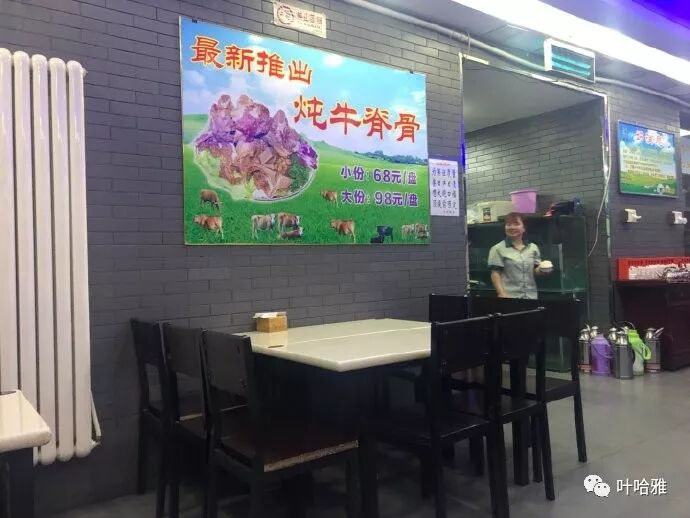
Since eastern Inner Mongolia is part of Manchuria, the food styles are similar, so you can eat sweet and sour stir-fried meat (guobaorou) here.
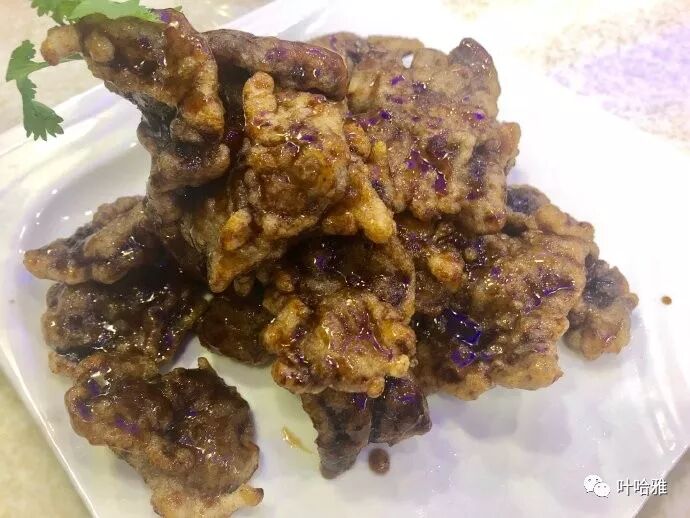
Halal stir-fried meat (guobaorou) is not easy to find in Beijing anymore. The few Northeast-style restaurants I recommended before have all closed.
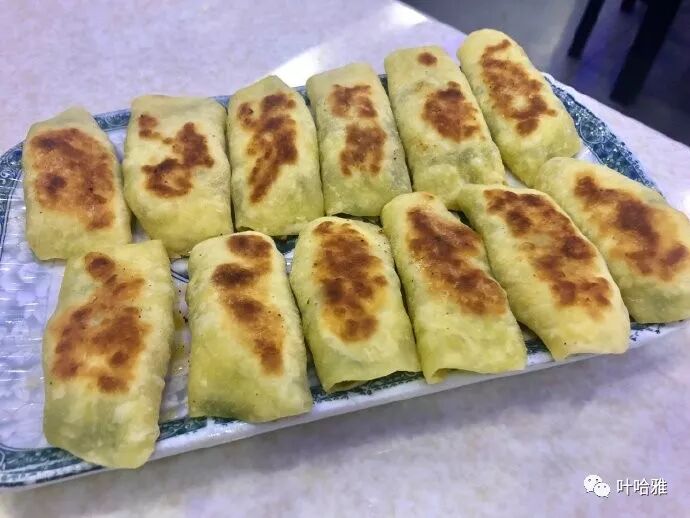
They also have potstickers (guotie) and steamed dumplings (shaomai), which are both traditional Inner Mongolian snacks.
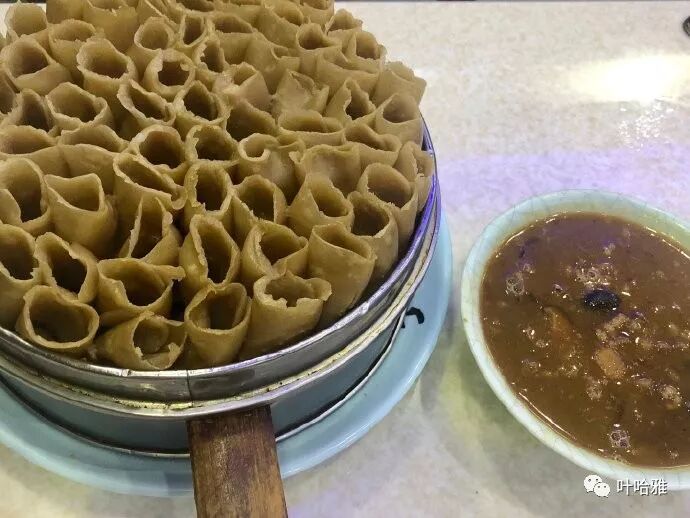
This is called oat noodle nests (youmian wowo), a type of pasta that you dip into the lamb bone broth (yangtang) served on the side.
Address:
No. 14 Donghuan Road, Changping District
2. Crescent Moon (Wanwan Yueliang)
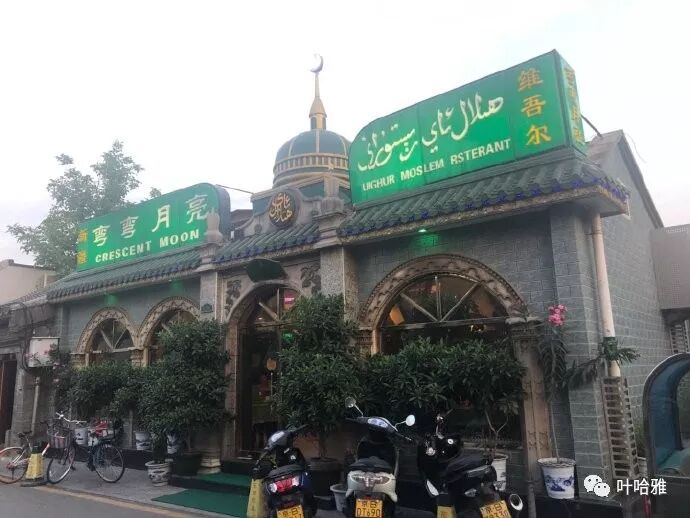
This is a Xinjiang restaurant with a strong Uyghur style. It has been open for many years and was recommended by my Uyghur friends.
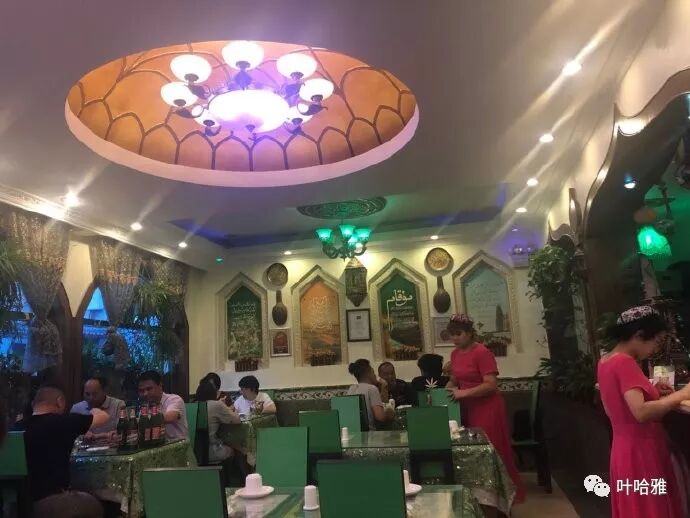
All the staff are Uyghur.
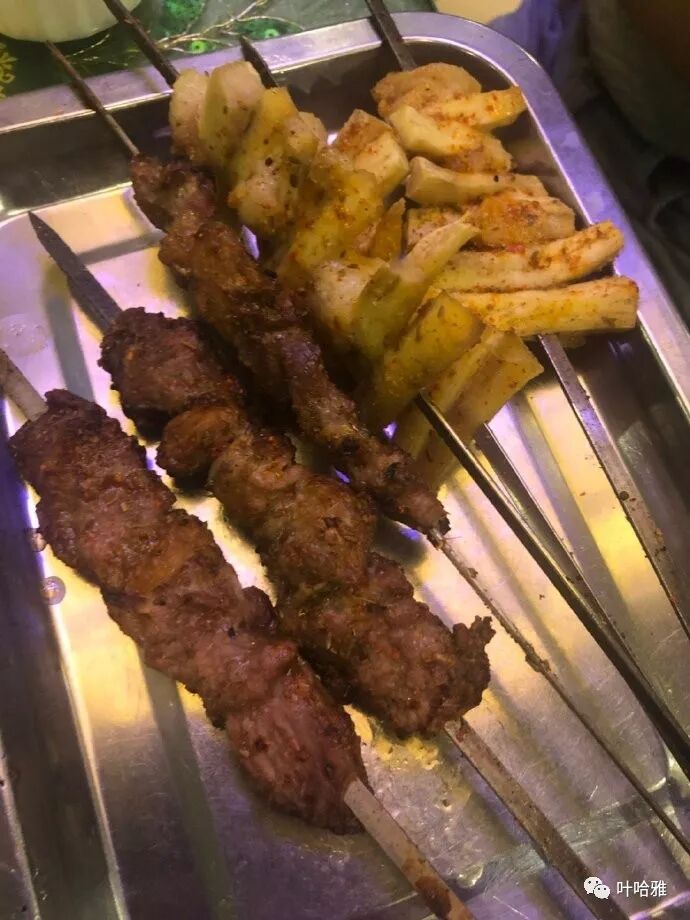
The food is quite traditional and the prices are not expensive.
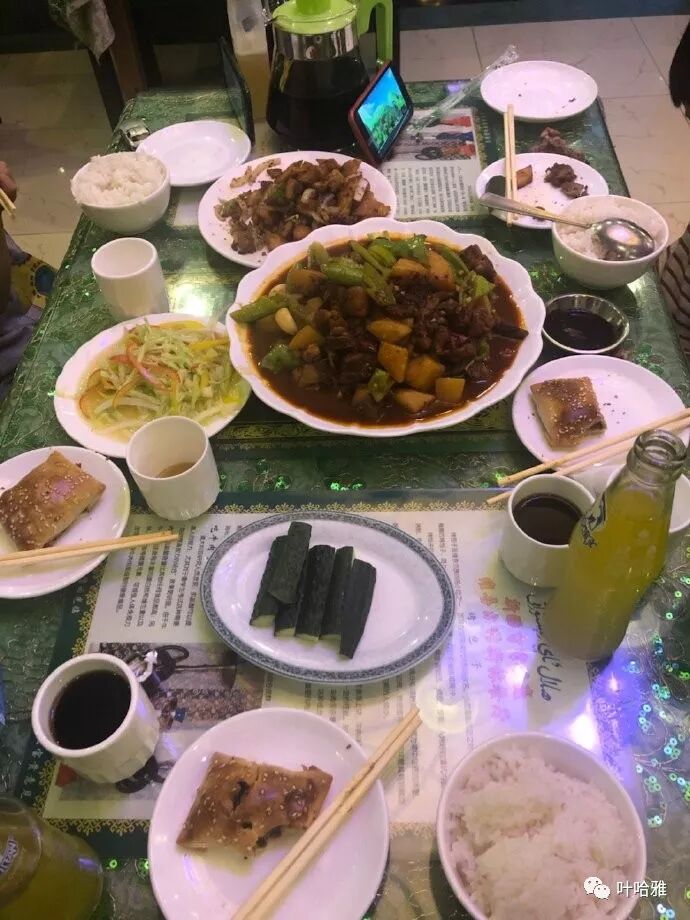
Address: No. 16, Liutiao Hutong, Dongsi North Street, Dongcheng District.
3. Lafengqin Xinjiang Rice Noodles.
It opened recently and serves stir-fried rice cakes and stir-fried fish fillets. There are more and more halal Xinjiang rice noodle shops in Beijing.
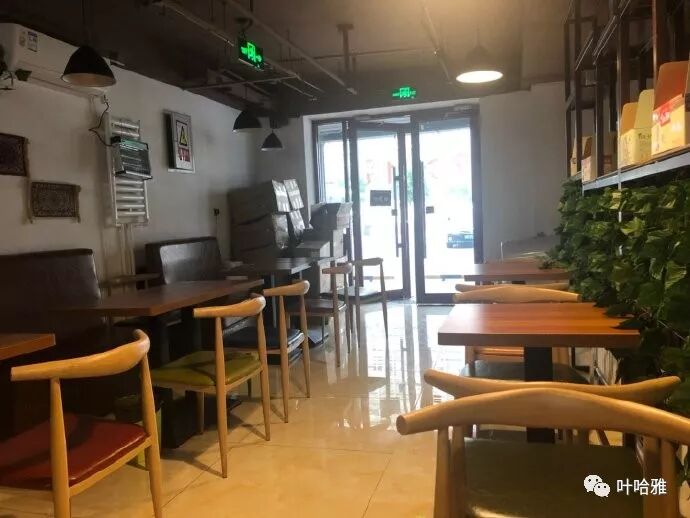
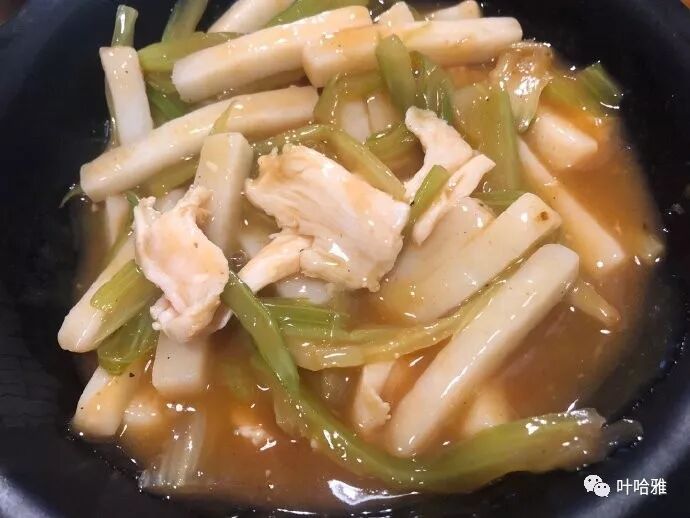
Stir-fried rice cakes with chicken.
Address:
First floor of Kaishi Building, Wudaokou.
4. ZAM ZAM Indo-Pak Cuisine.
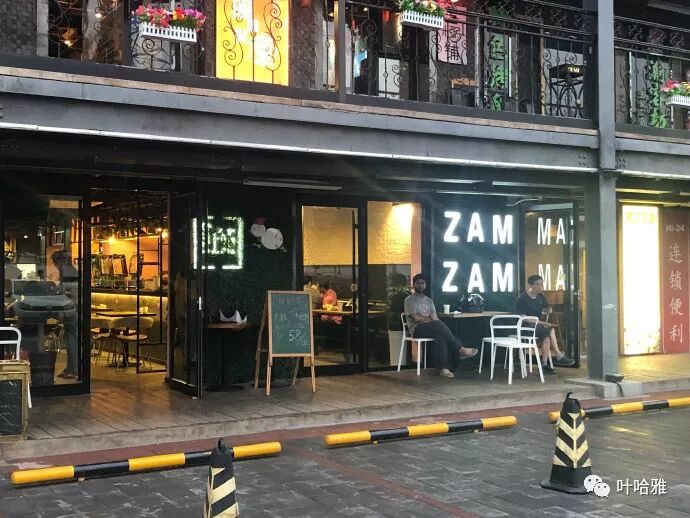
This is a newly opened Pakistani restaurant in Wudaokou. The owner is a Hui Muslim from Beijing, while the kitchen staff and servers are from Pakistan and India. They do not sell alcohol and offer a 58 yuan buffet all day.
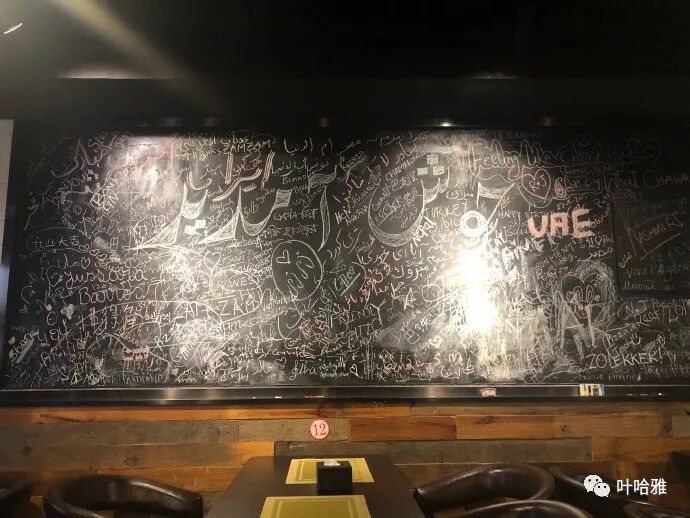
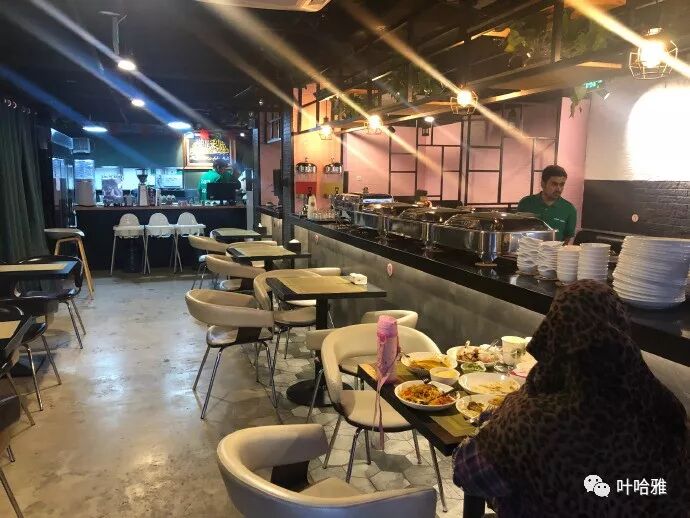
I only found this restaurant because I was making a phone call outside and saw women wearing headscarves going in and out.
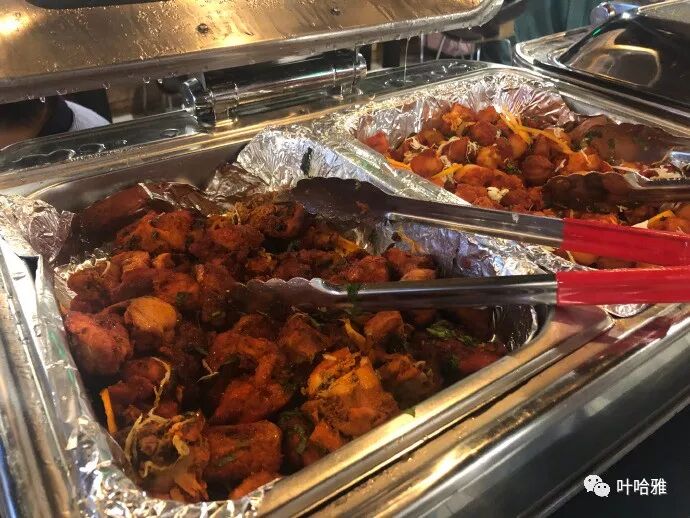
The food is delicious. It is excellent for a buffet and offers great value.
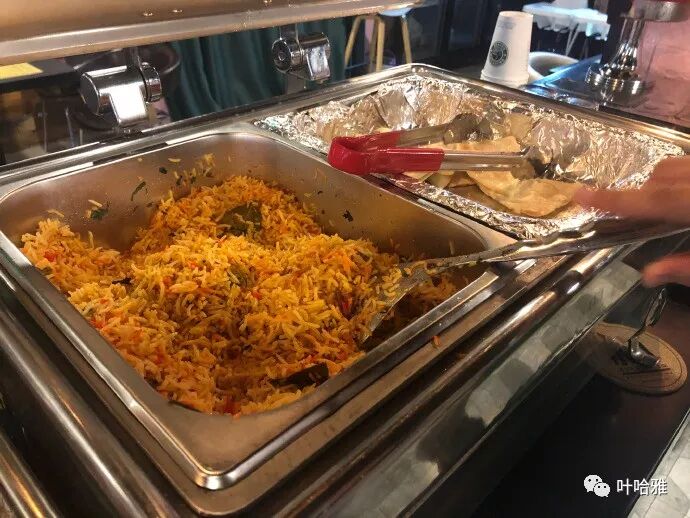
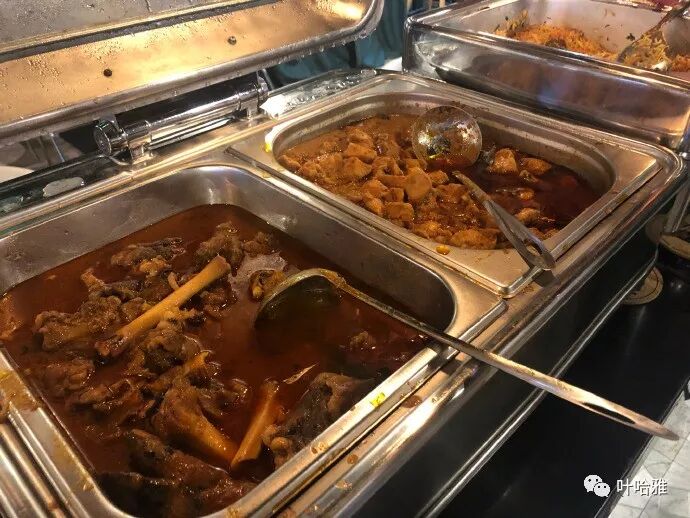
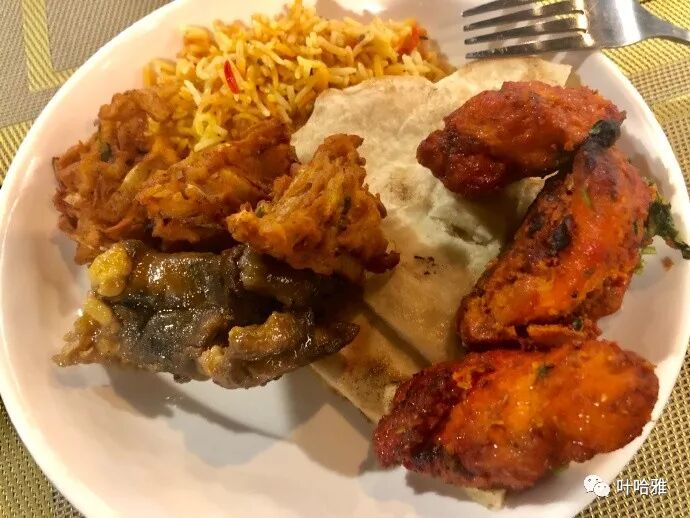
You can choose the buffet or order a la carte. They have pizza and various Indo-Pak desserts.
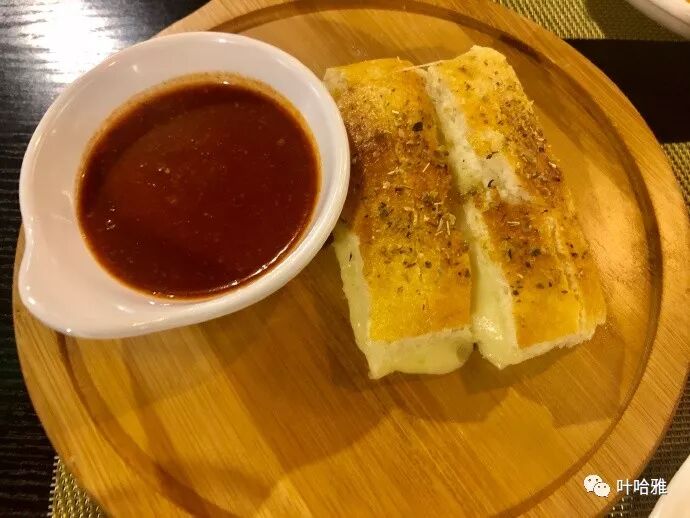
Address:
Located on the first floor of Kaishi Building in Wudaokou, right next to La Feng Qin.
5. BRBR Arabic Restaurant
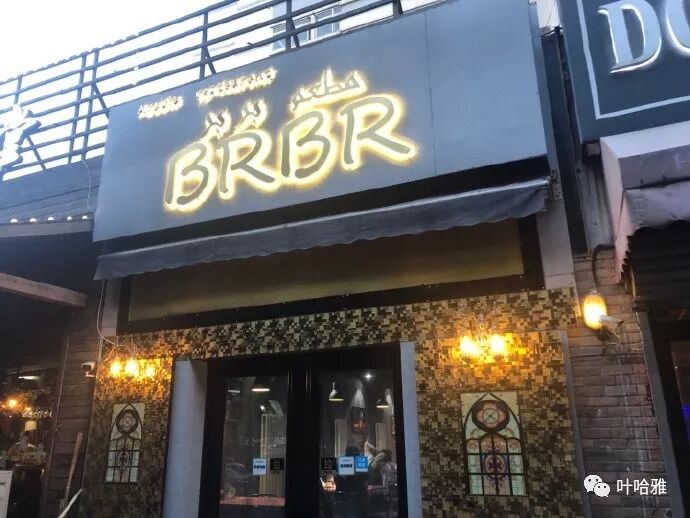
This shop used to be near the University of International Business and Economics. It just moved here recently, but it is already busy and the food tastes great.
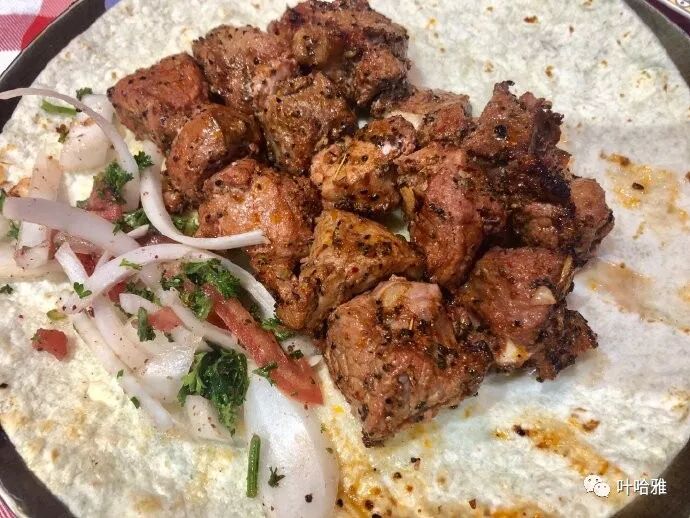
Roasted lamb
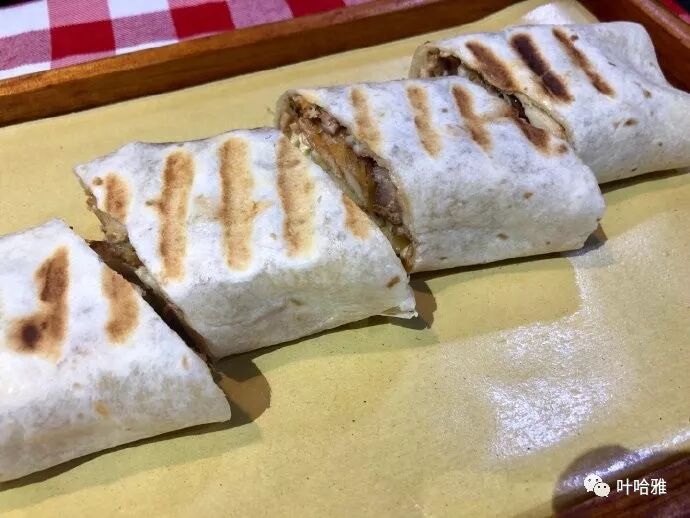
Shawarma sandwich
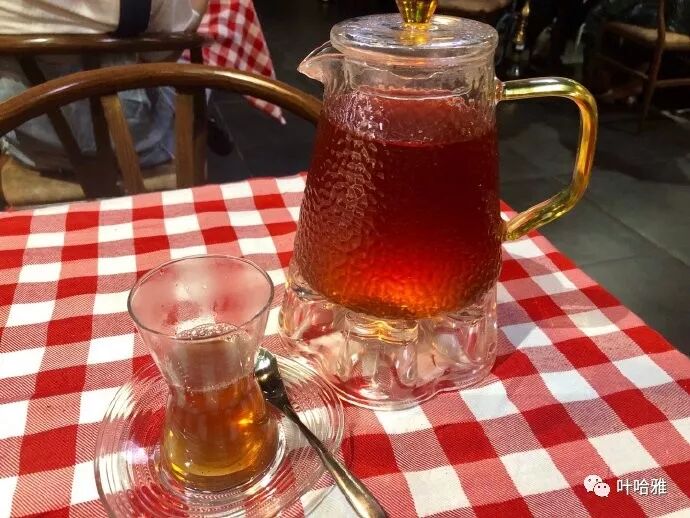
Black tea
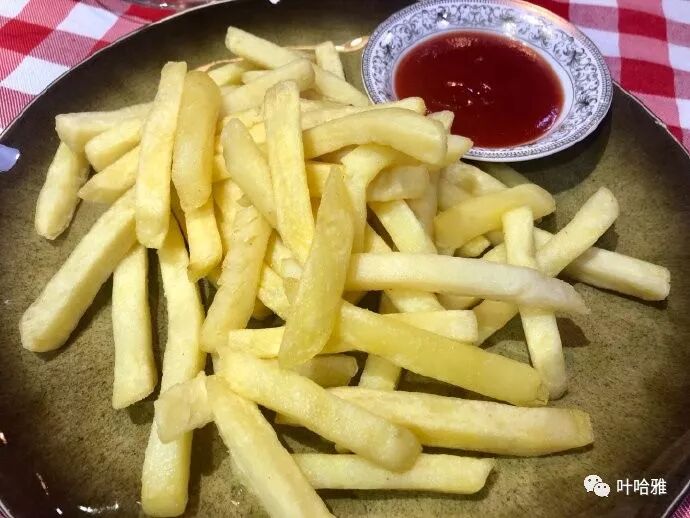
Address:
No. 3 East, Building 327, Zhongguancun South Second Alley, Haidian District
6. Ali Restaurant
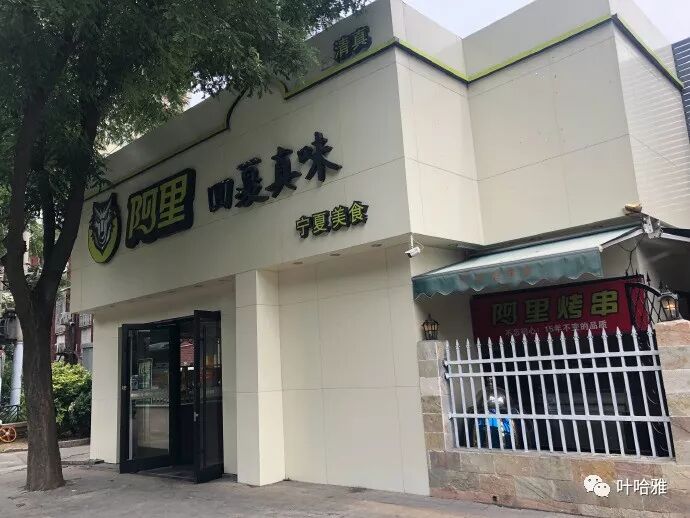
We had our Eid al-Fitr dinner at Ali Restaurant on Jiaoda East Road. This Ningxia-style place has a great atmosphere. You can pre-order the Jingyuan steamed chicken. I ordered the spicy beef and the Yanchi salt lake hand-grabbed lamb, plus the layered steamed buns (bubu gaosheng momo). We finished every single dish.
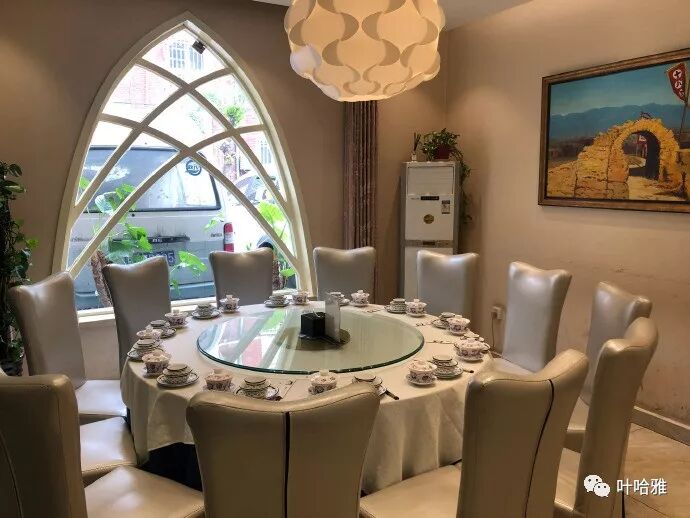
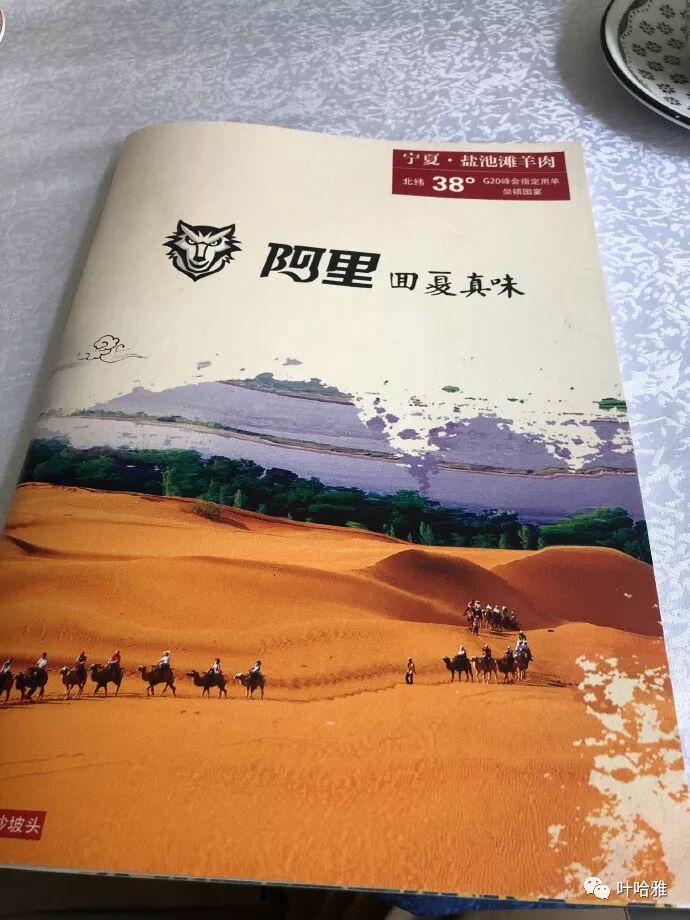
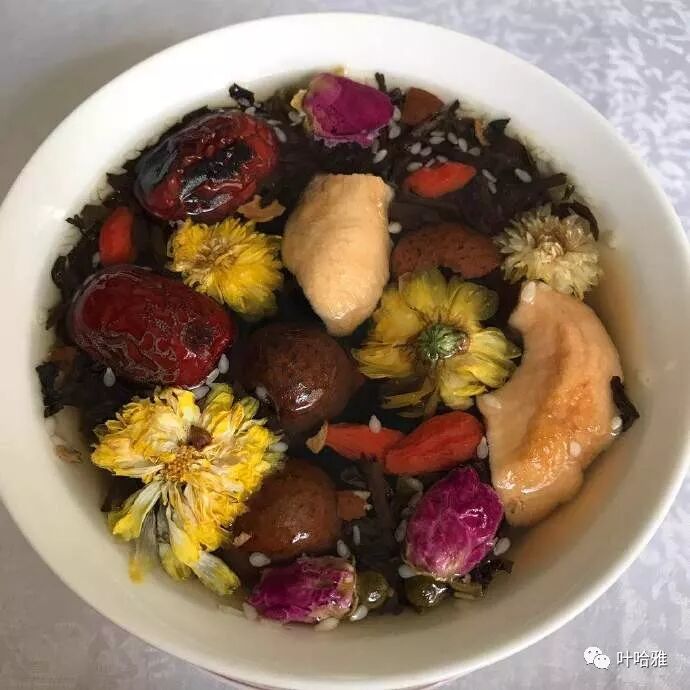
Eight-treasure tea (babao cha)
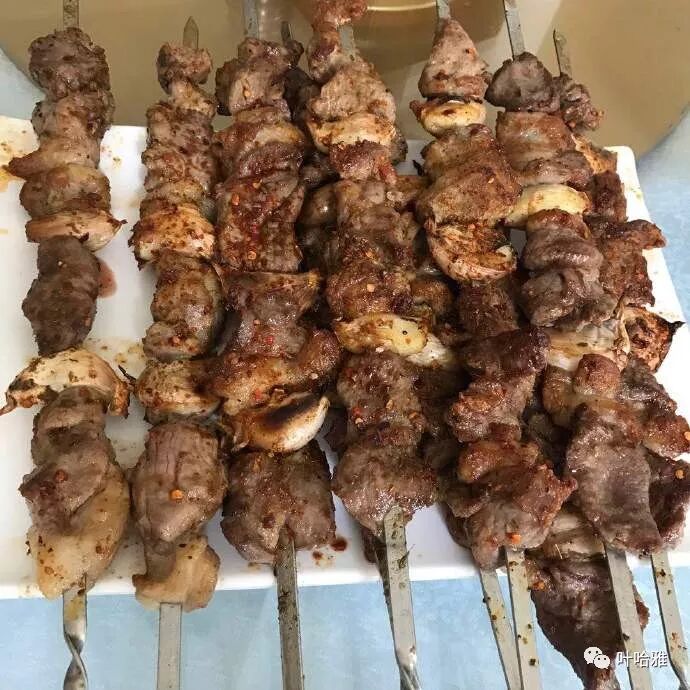
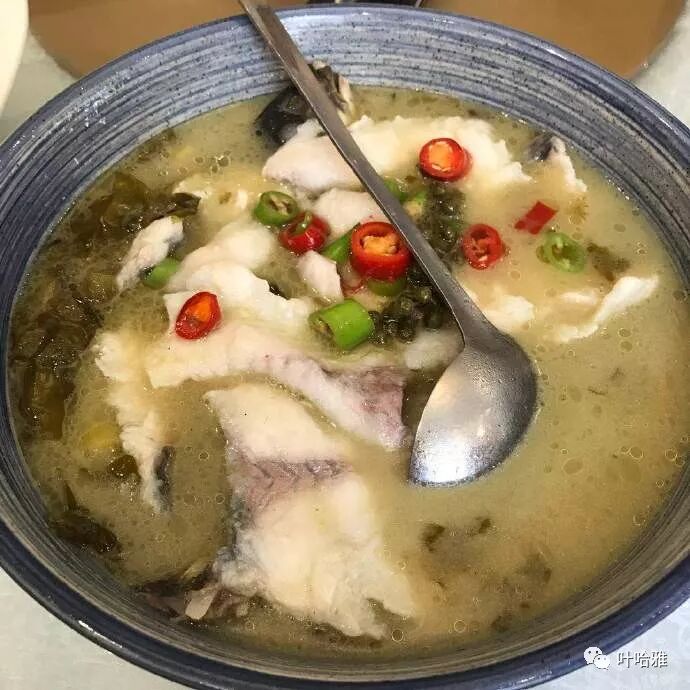
Sour soup fish (suantang yu)
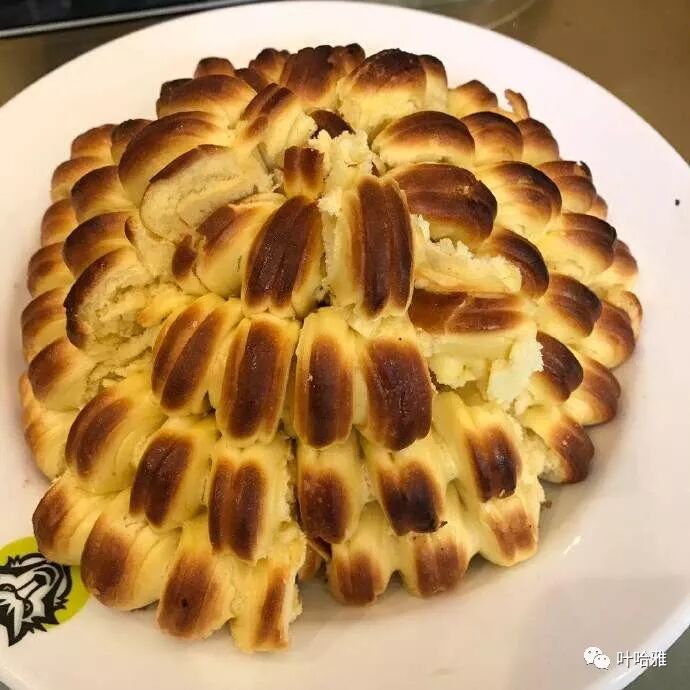
Steamed buns for success (bubugao sheng momo)
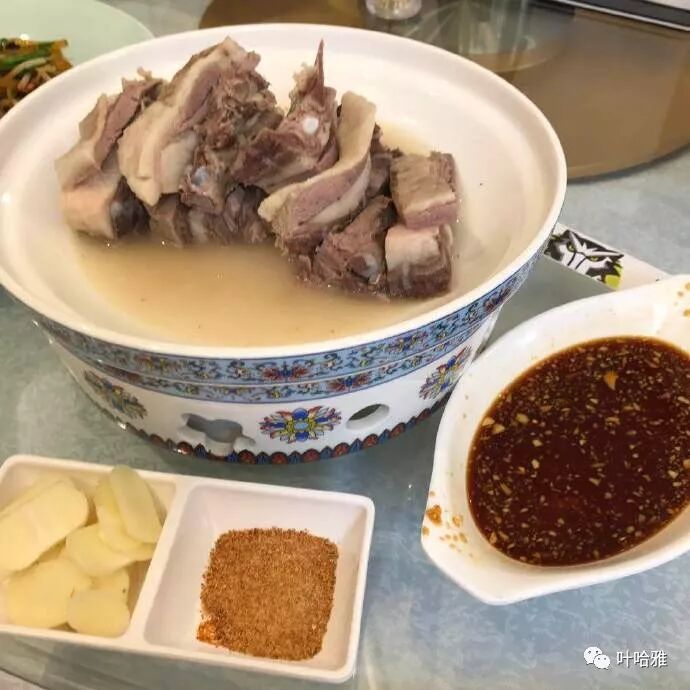
Hand-grabbed salt-lake lamb (tanyang shouzhuo)
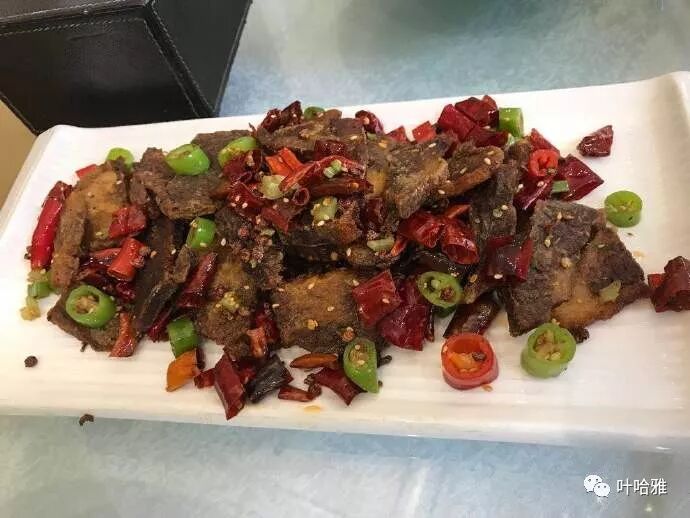
Spicy stir-fried yellow beef
Address: Beijing
Courtyard 58, Jiaotong University East Road
6. Jinying Specialty Meatball Soup
This is a new branch of the Xinjiang-style meatball soup shop in Dongsi. It just opened, and the taste is the same as the original shop, but the twisted flower rolls (huajuan) are not as good as the ones at the old place.
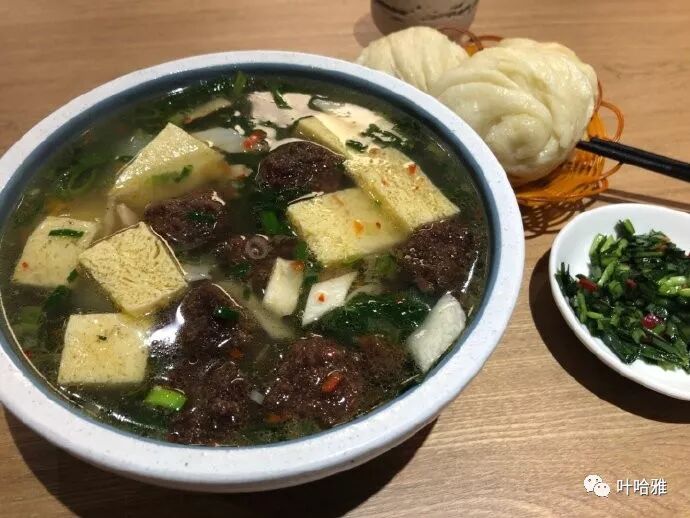
Address:
Temporary No. 138, Chengfu Road, Haidian District
7. Yingfeng Yunnan Grilled Rice Cakes (shaierkuai)
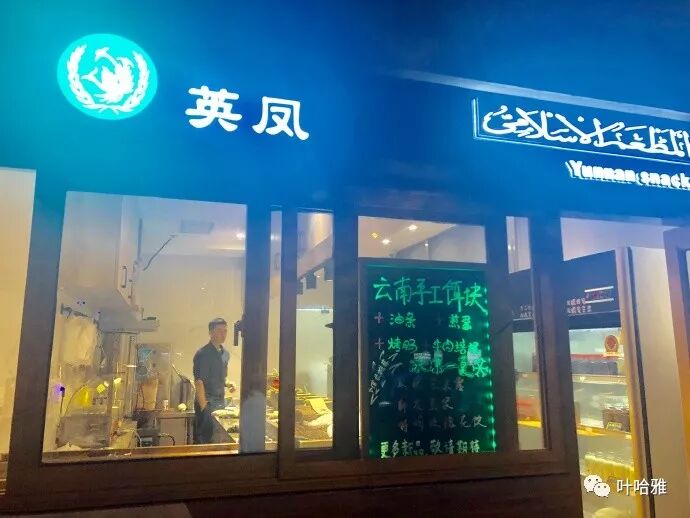
Yingfeng is a chain brand from Yunnan, and this time they have opened a shop in Beijing.
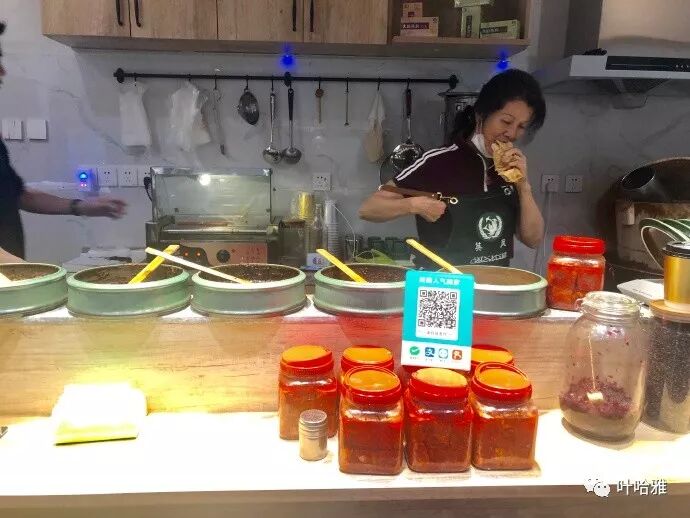
The young man at the shop is a Hui Muslim from Yunnan.
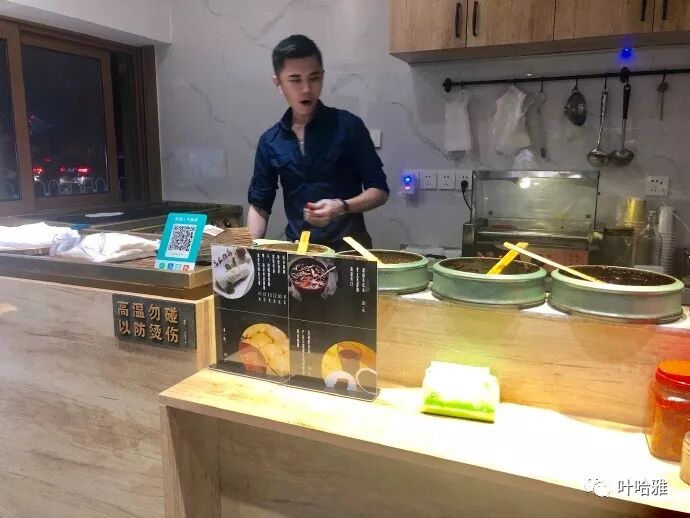
Rice cake (erkua) is a Yunnan specialty, a snack made from rice.
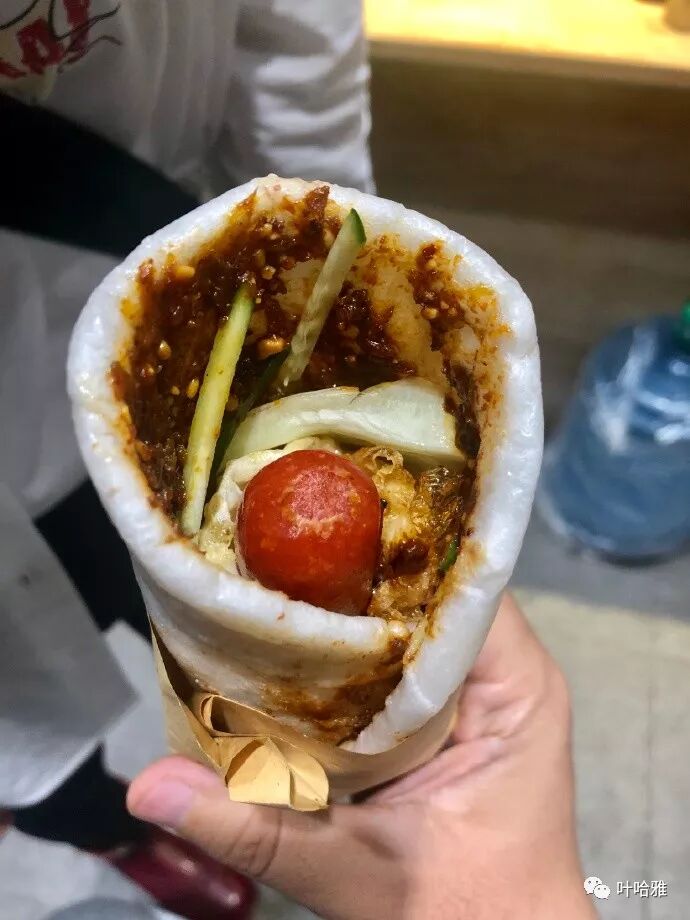
The shop sells homemade drinks like rose sago dessert (meigui ximilu).
Address:
No. 9 Yanjingli Middle Street, Chaoyang North Road (next to Youli Youmian).
8. Maihemuti Restaurant in Kashgar, Xinjiang.
This Xinjiang restaurant has been open for many years and the staff are all Uyghurs. Restaurants run by Uyghurs like this are becoming rare in Beijing now.
The restaurant has a takeout window where you can buy lamb leg, lamb trotters, and baked flatbread (nang).
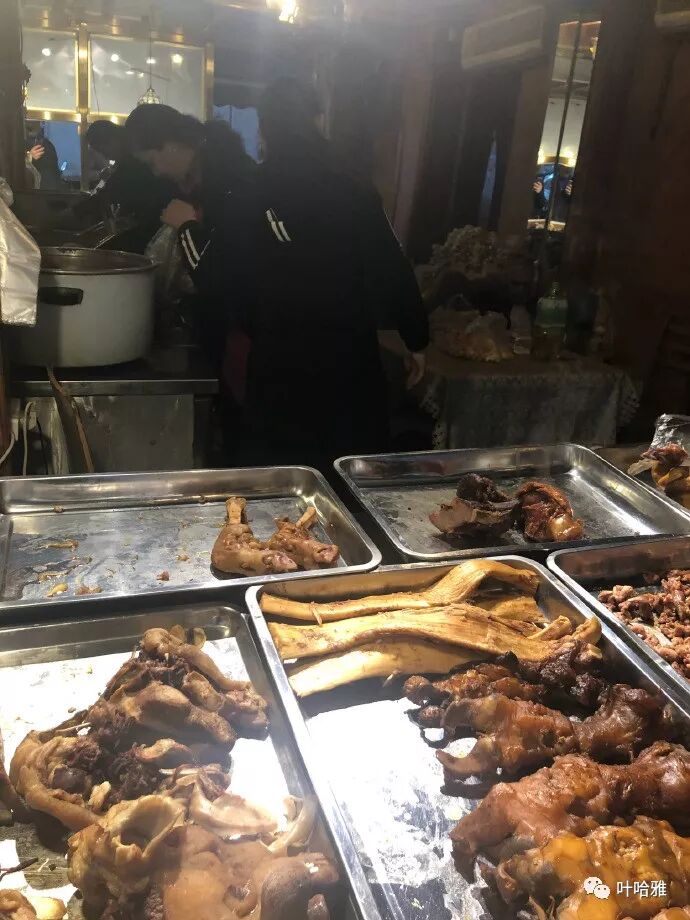
Address:
No. 5 Baiyunguan Street, Xicheng District.
9. Alijiang Xinjiang Flavors.
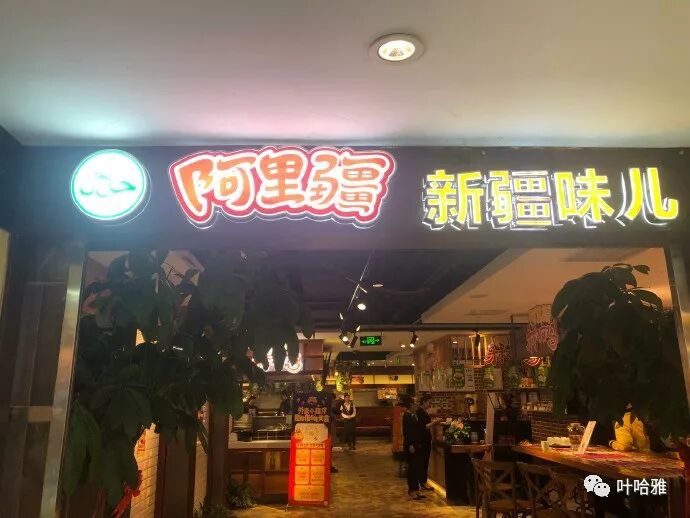
Alijiang is a new brand under the Western Mahua group, focusing on Xinjiang flavors.
You can watch Uyghur dancing while you eat dinner.
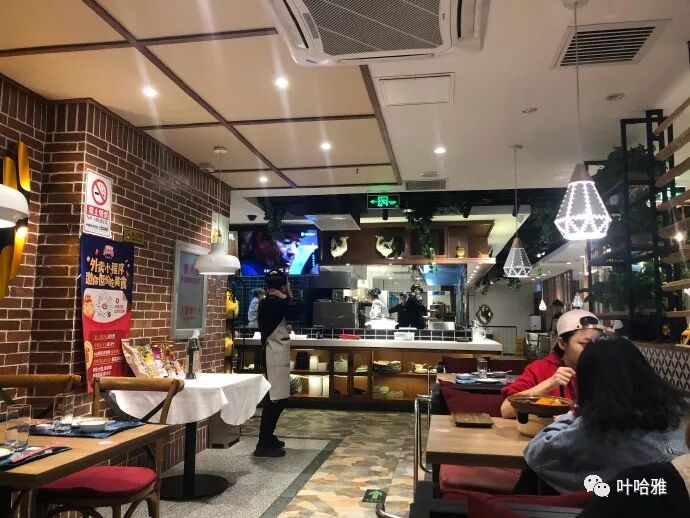
The food at Western Ma Hua is always good, so Alijiang is pretty decent too.
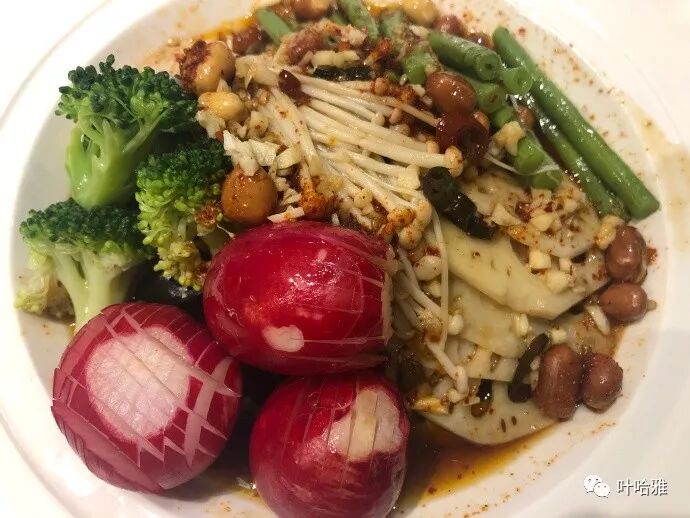
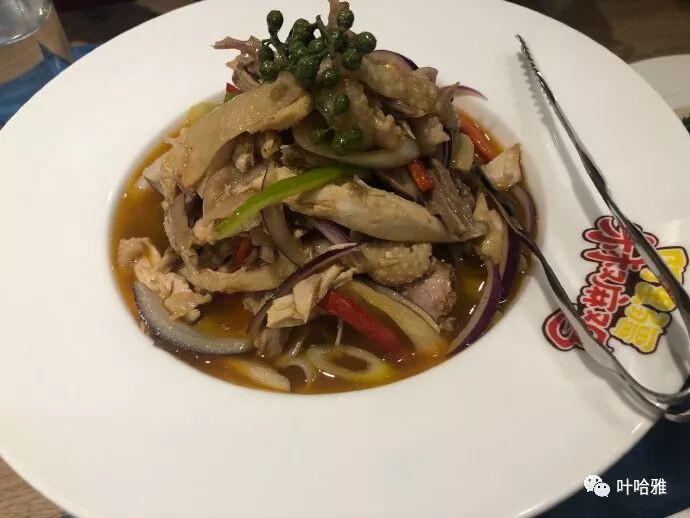
The server highly recommended the spicy peppercorn chicken (jiaomaji).
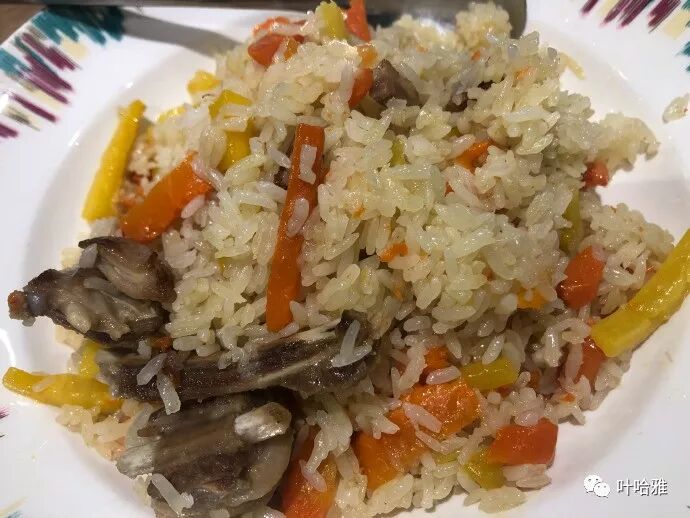
The pilaf (zhuafan) was standard and well-made.
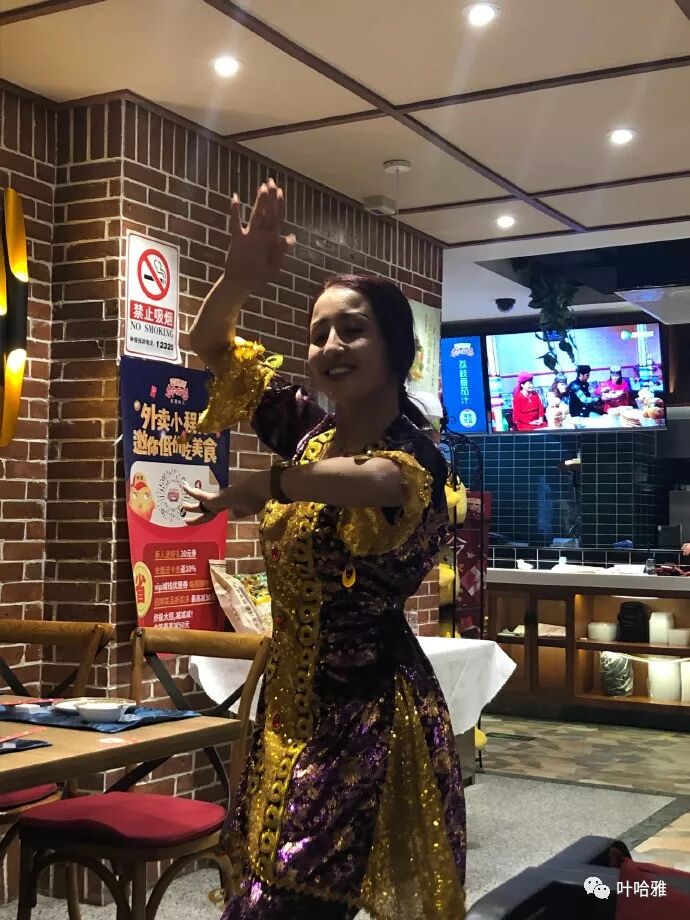
Address:
Alijiang Spicy Peppercorn Chicken, 5th Floor, Souxiu City, 40 Chongwenmen Outer Street, Dongcheng District.
10. Hongyunlou Hong Kong-style Tea Restaurant.
Hongyunlou started as a halal Beijing-style restaurant in Tuanjiehu. Recently, they opened a new halal spot in Nanlouzizhuang that serves both Beijing dishes and Hong Kong-style tea snacks.
The environment is quite nice, and there is a private room that seats 10 people.
I looked at their menu and wanted to try many of the Cantonese-style dim sum dishes, so I invited 10 friends to come for a meal.
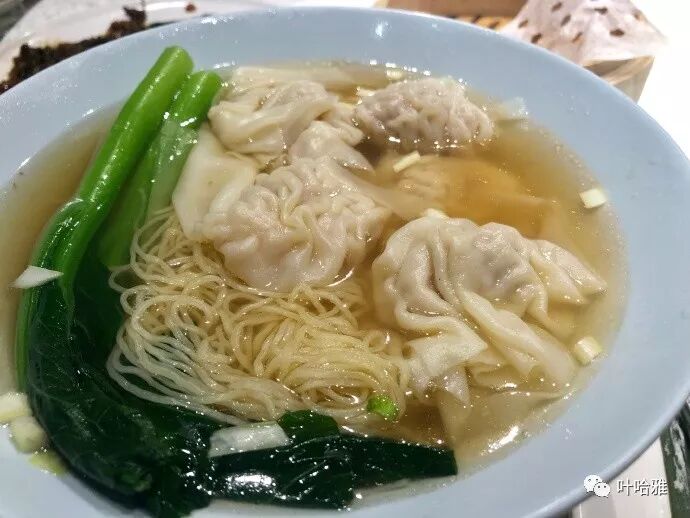
Fresh shrimp wonton noodles.
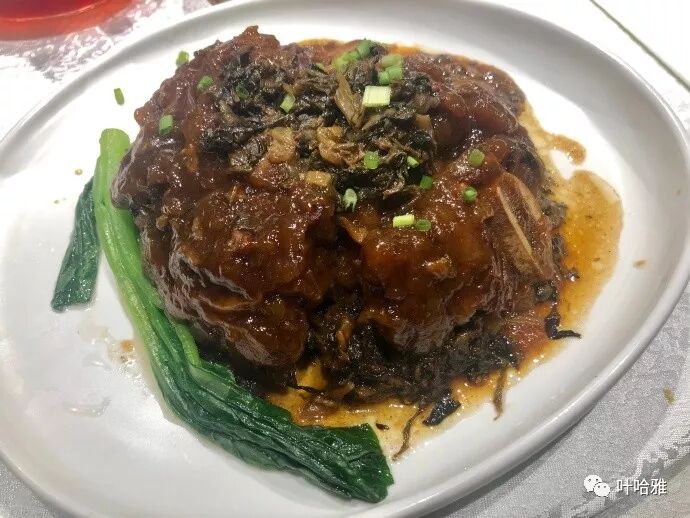
Steamed beef ribs with preserved mustard greens.
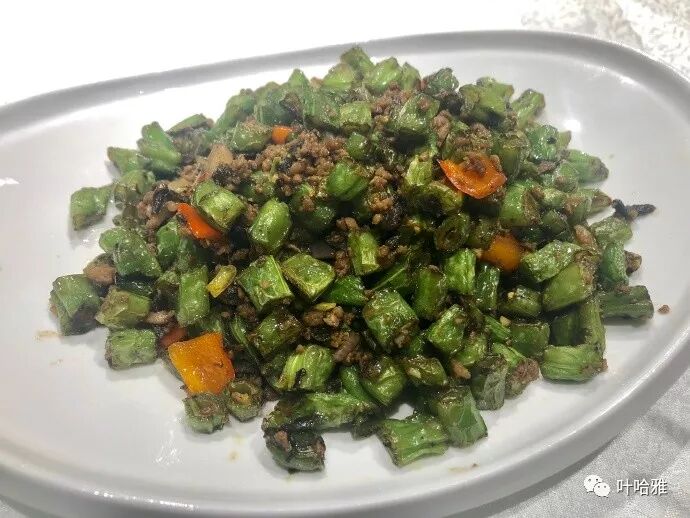
Stir-fried green beans with minced meat and olive vegetables (ganlan cai roumo sijidou)
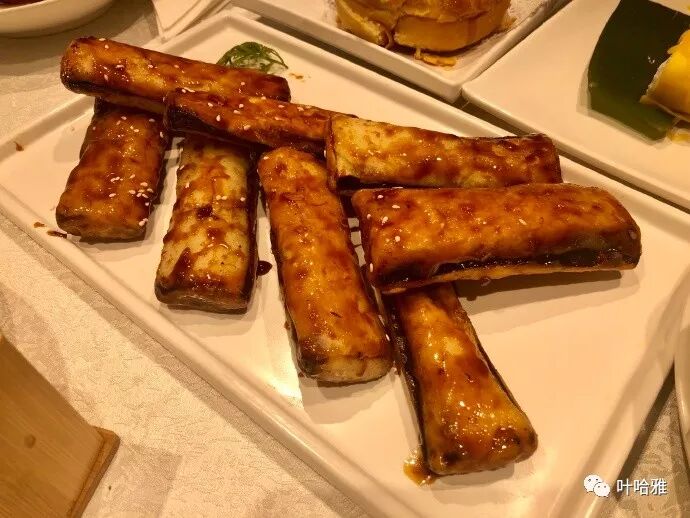
Eggplant from that autumn
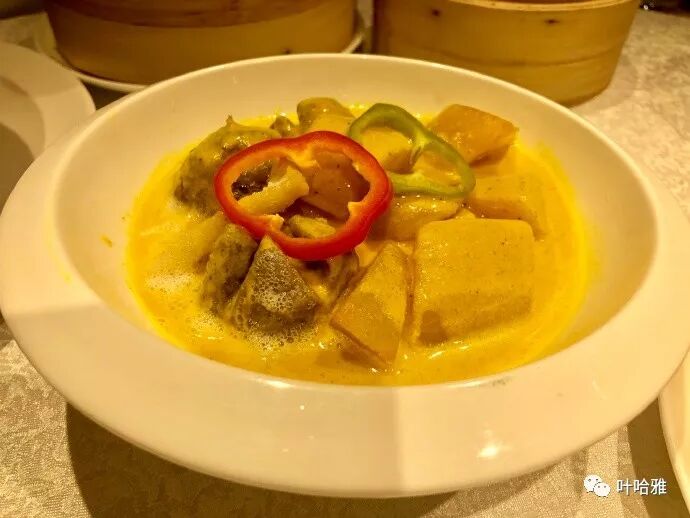
Curry radish with two types of meatballs (gali luobo shuangwan)
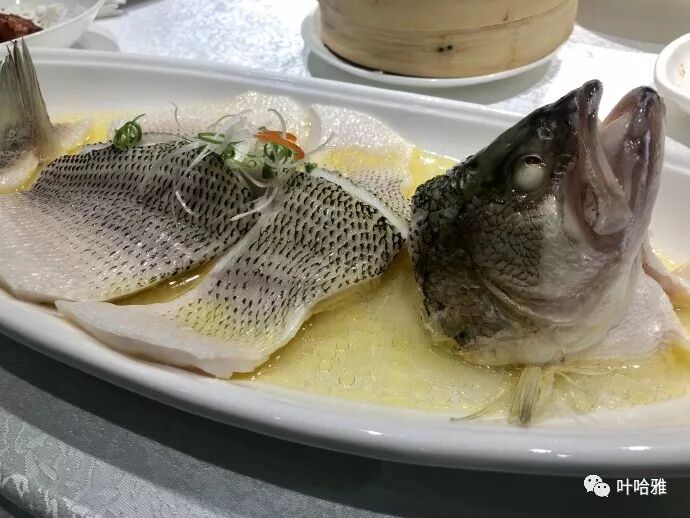
Brine-poached sea bass (yanshui gongfu luyu)
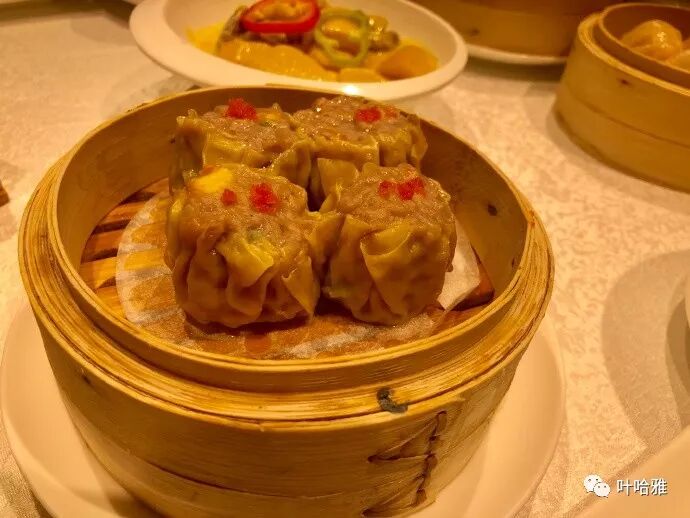
Steamed beef dumplings (ganzheng niurou shaomai)
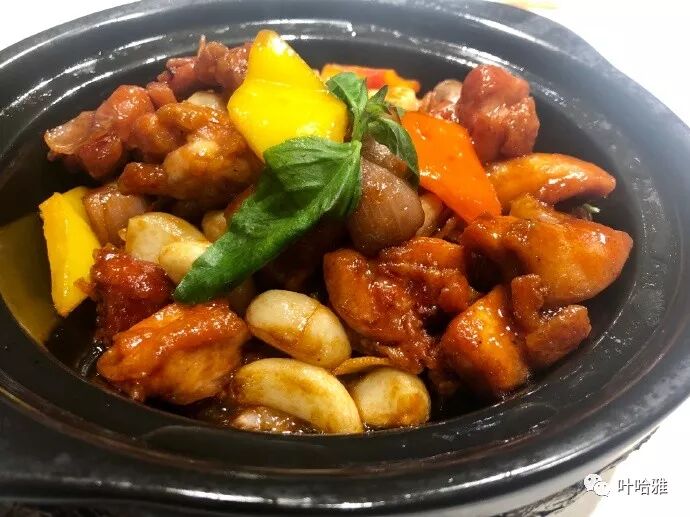
Three-cup chicken baked with Thai basil (jinbuhuan ju sanbei ji)
Hong Kong-style shrimp dumplings (gangshi xiajiao huang)
Mango pancake (mangguo banji)
Cute bear-shaped buns (ke'ai xiaoxiong bao)
Steamed rice rolls with yellow chives and fresh shrimp (jiuhuang xianxia changfen)
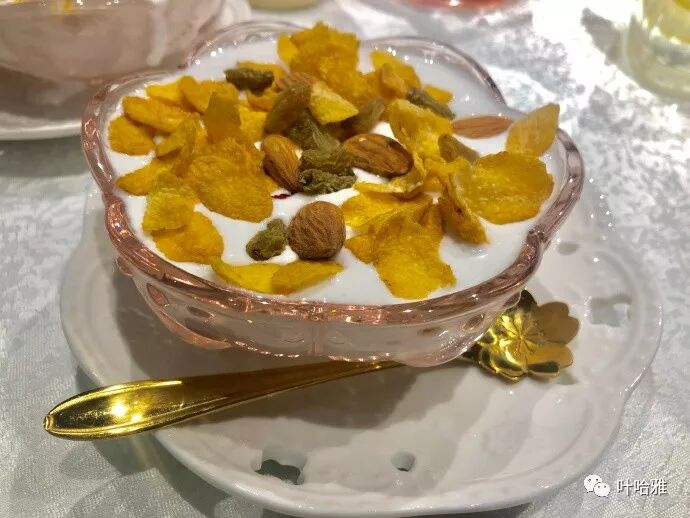
Mango pomelo sago dessert (yangzhi ganlu)
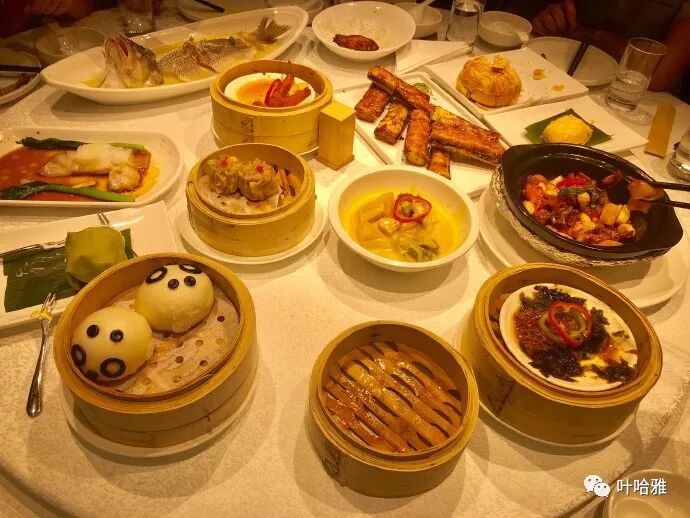
We ordered almost all the signature Cantonese tea dishes on the menu. None of them were disappointing. The cooking methods were very refined, and everyone praised them highly.
Address: Take Subway Line 7 to Nanlouzizhuang Station, exit at C, walk 100 meters, and find it inside the Cool Car Town (Kuche Xiaozhen).
11. Roubing Wan
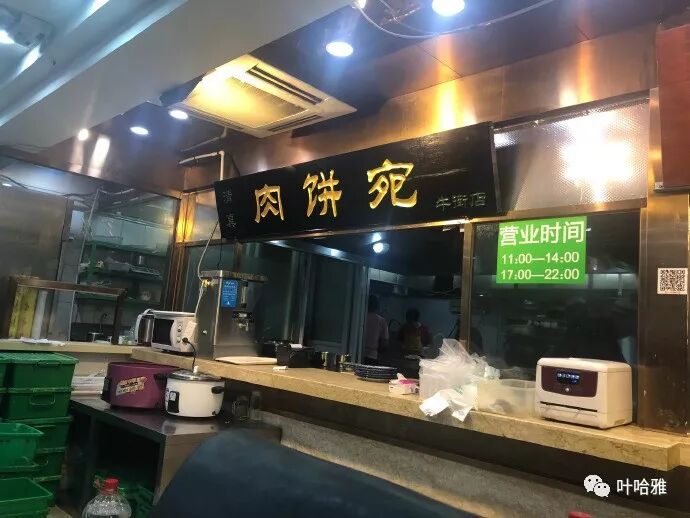
Roubing Wan first had a small shop next to the Hui Muslim Middle School. After that place closed, they moved to Majiapu, and now they are back on Niujie Street.
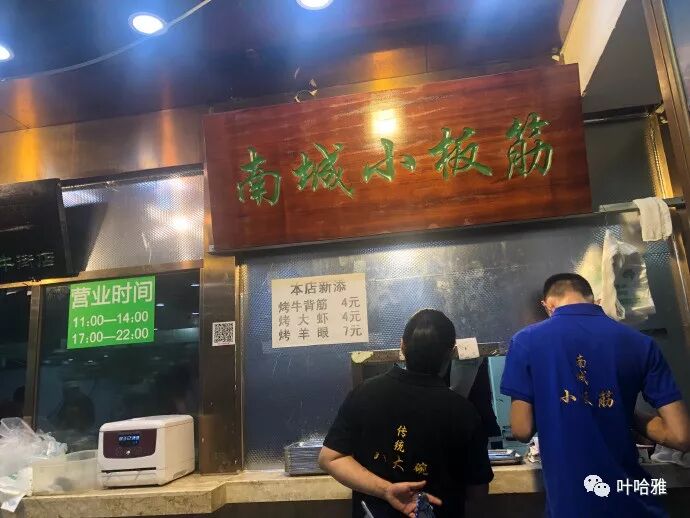
Niujie Street really needed a small shop like this where you can eat Beijing-style skewers.
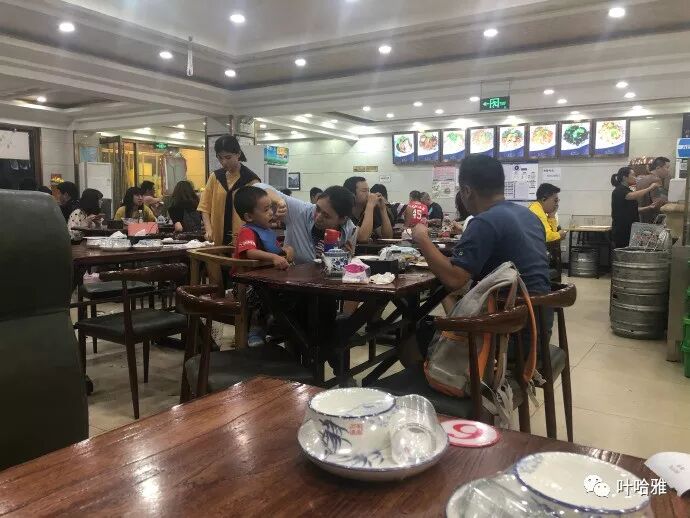
They also serve traditional Hui Muslim Eight Great Bowls (badawan), a meal you used to have to travel all the way to Tongxian to find.
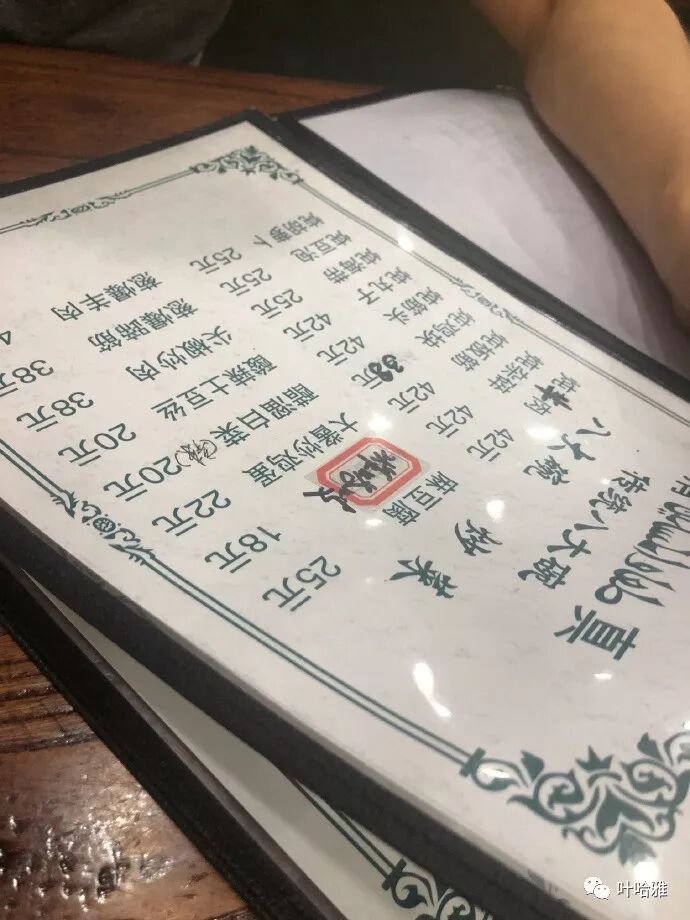
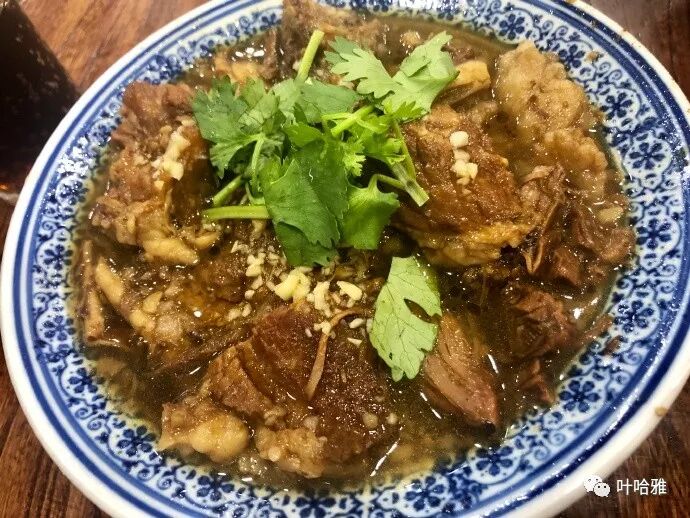
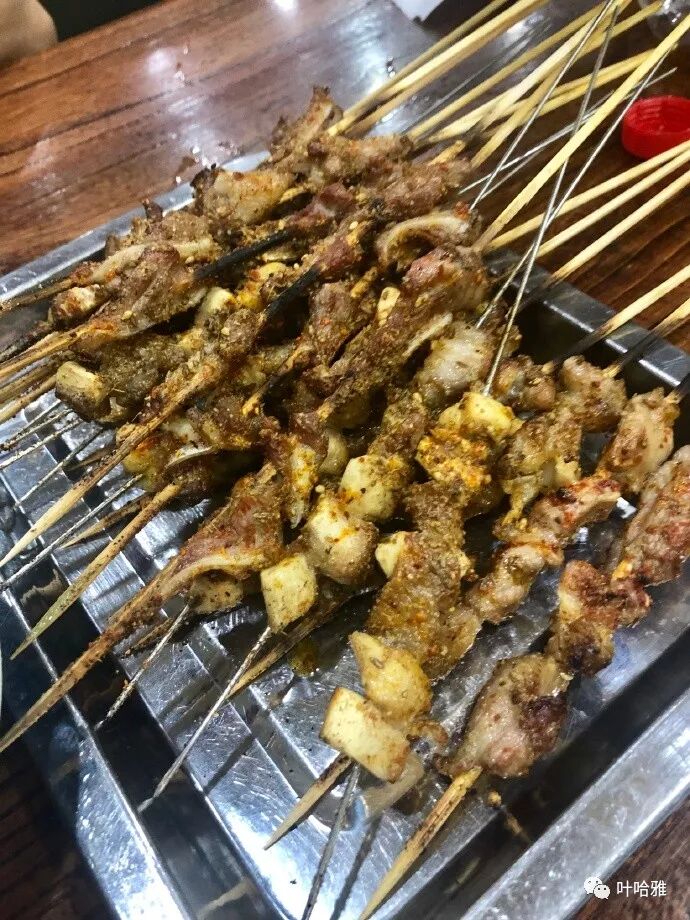
The southern-style small beef tendon (xiaoban jin) and meat pie (roubing) are their signature dishes.
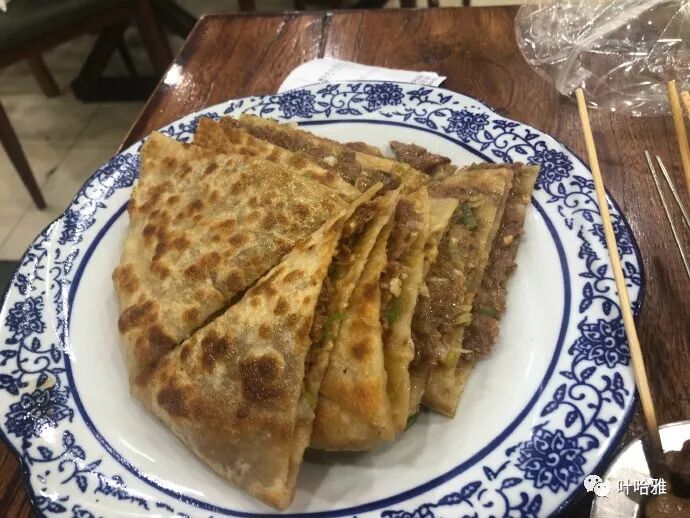
Address: Next to the halal beef and mutton market on Shuru Hutong, Niujie Street.
12. Huaxi Dingxin Style Halal Hot Pot
The Yilaobaiwei dipping sauce hot pot in Changying changed its name, but the owner and staff are the same. They now serve a new style of hot pot with a slightly different menu than before.
The shop has a nice environment with two floors and private rooms. The servers are polite and greet guests when they arrive.
The dipping sauces are self-service with a wide variety to suit everyone's taste. There is also unlimited fruit and snacks available.
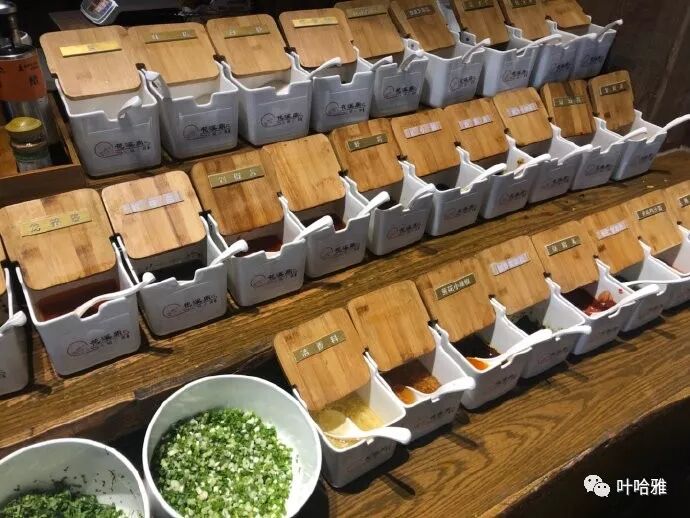
You can choose a small individual hot pot, which is more hygienic. I tried the mushroom hot pot and the vitamin C tomato nutrition hot pot.
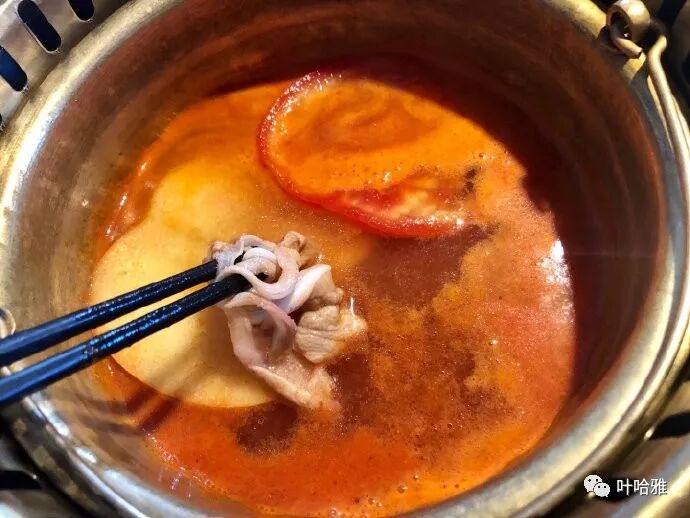
You can also order beef brisket stew and some snacks.
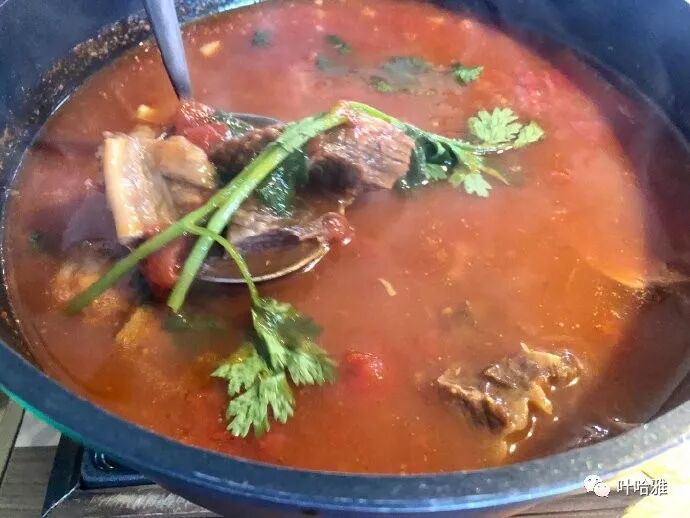
I saw the famous Baoding beef cover pancake (niurou zhaobing) on the menu, and when I asked the owner, it turned out they are from Hebei.
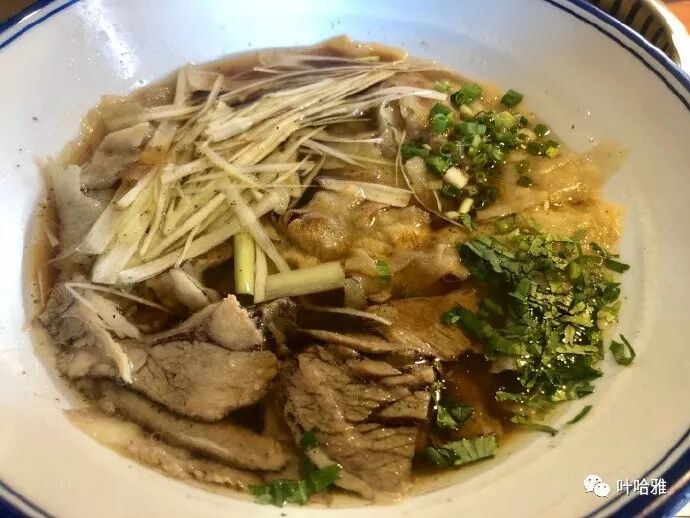
Yellow peaches, watermelon, and pickled vegetables (pao cai) are all free to take, and the pickled vegetables taste great.
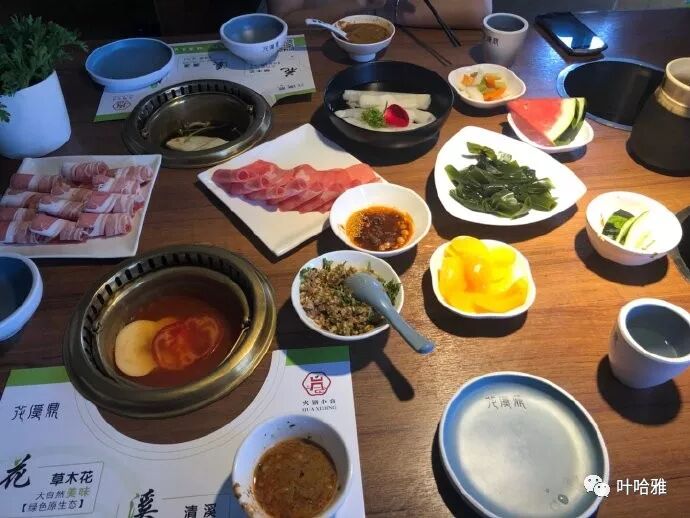
Address: No. 13B, Changying Minzu Jiayuan.
Previous links:
[Beijing Halal Dining Guide (Including the most complete list of foreign restaurants)] (Part 1) (Note: Baodu Wai is closed, Yang's Beef Pancake is closed, Halal Spicy Hot Pot is closed, Yuanxie Shuanrou Restaurant is closed, Dafengshou Fish Restaurant is closed, Hongliushu Roasted Lamb Scorpion is closed, Weidao Xinjiang Restaurant is closed, Shashi Castle Restaurant is closed, Badang Restaurant is closed, Barkley Caspian Western Restaurant is closed, Istanbul Restaurant is closed, Sukhothai Thai-Malaysian Restaurant is closed, and Cheese Molecule Pizza has removed its halal sign).
[Beijing Halal Dining Guide (Including the most complete list of foreign restaurants)] (Part 2) (Note: 1001 Nights Restaurant Solana branch is closed, Haitian Yise Chinese Restaurant is closed, and Changying Seafood BBQ is closed).
[Beijing Halal Dining Guide (Including the most complete list of foreign restaurants)] (Part 3) (Note: Changji Zhizi BBQ is closed and Yiding Shandouji Private Kitchen is closed).
Beijing Halal Dining Guide (Part 4) (Note: Features Ningxia cuisine, Korean BBQ, soybean paste noodles (zhajiangmian), and Yunnan cuisine; Xuezhan Dapanji is closed, Islam Lan Hot Pot is closed, and Xingyuege Muslim Restaurant is closed).
Beijing Halal Dining Guide (Part 5) (Note: Features Yunnan cuisine and Shan County lamb soup (Shanxian yangtang)).
Beijing Halal Dining Guide (Part 6) (Note: Highlights include Chongqing hot pot, Moroccan restaurants; Yijinglan Restaurant, Weidao Seafood Restaurant are closed; Laoma Lamb Spine Potstickers has been renamed Little Conch Seafood BBQ).
Beijing Halal Dining Guide (Part 7) (Note: Highlights include Turkish kebabs, Chinese tea houses; Yijinyuan, Laoduiyuan are closed).
Beijing Halal Dining Guide (Part 8) (Highlights include Korean BBQ, soup-filled dumplings (guantangbao); Fangchengshun Hot Pot, Father's New-Style Western Region Cuisine are closed).
Beijing Halal Dining Guide (Part 9) (Note: Highlights include ox head feast, Qinghai hot pot; Halimei Kitchen is closed, Meisi Coffee has removed its halal sign, Yilaobaiwei Dipping Sauce Hot Pot has been renamed Huaxiding New-Style Halal Hot Pot).
Beijing Halal Dining Guide (Part 10) (Note: Highlights include Huainan beef soup, Western fast food, pita bread in soup (paomo), octopus balls, Yunnan cuisine).
Beijing Halal Dining Guide (Part 11) (Note: Highlights include French cuisine, Sichuan-style hot pot, spicy dry pot (mala xiangguo), seafood buffet, Henan pan-fried buns (shuijianbao)).
Beijing Halal Dining Guide (Part 12) (Note: Highlights include Henan braised noodles (huimian), spicy soup (hulatang); Erjie Diguo Stew, HI HELLO Western-style grilled rice are closed).
Beijing Halal Food Map (Part 13) (Note: Highlights include beef tendon hot pot, Palestinian restaurant, Jewish restaurant, American burgers; Japanese restaurant Caicai Shidang is closed).
Chinese Muslim Food Xi'an: Hui Muslim Quarter Street Food, Paomo and Mosque Lanes
Articles • ali2007fr posted the article • 0 comments • 180 views • 2026-05-21 11:00
Summary: This Xi'an Chinese Muslim food guide follows the original Hui Muslim Quarter walking and eating route, including paomo, steamed meat, sweets, mosque lanes, addresses, and photos. It keeps the source's order for readers exploring halal street food in Xi'an.
I wrote this article during the May Day holiday. I planned to save it for Eid al-Fitr, but the tradition of beating the wooden clapper (bangzi) to signal the end of the daily fast is a special sight in the Muslim Quarter (Huifang). Since friends (dost) visiting the quarter during Ramadan can see the lively atmosphere of breaking and starting the fast, I decided to post it now.
First, I need to clear something up. The famous Xi'an Muslim Street (Huimin Jie) does not actually exist. It is more accurate to call it the Muslim Quarter (Huifang). It is a residential area for Hui Muslims covering less than two square kilometers, and every alley inside can be called a Muslim street.
Before the Qing Dynasty, the Xi'an Muslim Quarter was known for its seven mosques and thirteen neighborhoods. The seven mosques are: Great Mosque of Huajue Lane (Huajue Xiang Qingzhen Dasi), North Mosque of Xiaopi Yard (Xiaopi Yuan Qingzhen Beidasi), Ancient Mosque of Sajin Bridge (Sajin Qiao Qingzhen Gusi), Mosque of Great Learning Lane (Daxuexi Xiang Qingzhensi), Mosque of Dapi Yard (Dapi Yuan Qingzhensi), Mosque of North Guangji Street (Bei Guangji Jie Qingzhensi), and the Mosque of the Muslim Camp (Qingzhen Yingli Si). The thirteen neighborhoods are: Huajue Lane, Xiyang Market, Beiyuan Gate, Maixian Street, Dapi Yard, Xiaopi Yard, North Guangji Street, Shizi Temple Street, Great Learning Lane, Small Learning Lane, Damai Market Street, Sajin Bridge, and Huihui Lane south of the city wall.
This is not my first time in the Muslim Quarter, but I usually come here just to eat. I know many first-time visitors get overwhelmed by all the halal food on the streets and do not know where to start. There is just too much to choose from. Local elders told me there are at least 200 types of food here. You cannot try everything unless you stay for a month, which is impossible for tourists. We have to be selective. I prefer to eat and drink with the local friends (dost). Only by following the old neighbors can you find the authentic food. I will now share the guide to eating in the Muslim Quarter that the local friends taught me.
all halal restaurants in the Muslim Quarter do not sell alcohol.
This is thanks to the anti-alcohol movement started by the friends (dost) over twenty years ago, so you can eat and drink with peace of mind.
1. Little House Liu's Steamed Beef with Rice Flour (Xiaofangzi Liujia Fenzhengrou)
Little House Liu's has been open for at least 30 years and only sells steamed beef with rice flour (fenzhengrou). It is one of the famous snacks in the quarter. The special thing about their dish is that the rice flour is added before the meat, making the flour very flavorful and even tastier than the meat itself.
Address: North Guangji Street
2. Bai's Mirror Cake (Baijia Jinggao)
Mirror cake (jinggao) and steamed cake (zenggao, pronounced 'jing' in the quarter without the 'er' sound) are not the same thing. Mirror cake is a sweet treat that children in the quarter grow up eating. The Bai family has been making it for over ten years. The cakes come in many flavors, are served on small skewers, and have a light, sweet taste.
Address: You can find them at both Sajinqiao and the entrance of the Great Mosque (Qingzhen Dasi) on Huajue Lane.
3. Limu Stir-fried Crumbled Flatbread (Limu Xiaochao Paomo)
Locals in the Muslim Quarter (Fangshang) say that both regular crumbled flatbread (paomo) and stir-fried crumbled flatbread (xiaochao) belong to the same category. The difference is how they are cooked. Paomo is boiled, while xiaochao is stir-fried. You can choose to have it with less broth or with plenty of broth. Limu Stir-fried Crumbled Flatbread is not in a busy area, so it is quite quiet, and the taste is well-regarded by the people in the Muslim Quarter.
Other good places for crumbled flatbread include Yijianlou and Li Xin, which all taste fairly similar.
Pair your crumbled flatbread with a Bingfeng, a local Xi'an soda that holds the same status there as Beibingyang does in Beijing.
Address: No. 60 Dalianhuachi Street, next to the Lotus Pond Inn (Lianhuachi Pan Kezhan).
4. Bai Family Fried Cake Shop (Baijia Yougao Pu)
Fried cake (yougao) is a favorite sweet for people in the Muslim Quarter. It comes in three flavors and contains ingredients like peanuts, sweet osmanthus, and white sugar. It tastes sweet and fragrant, is made with great care, and is better than regular fried dough cakes (zhagao).
Address: 100 meters north of the intersection of Dalianhuachi and Maixian Street.
5. Shengzhiwang Sesame Paste Cold Noodles Shop (Shengzhiwang Majiang Liangpi Pu)
Their sesame paste cold noodles (majiang liangpi) are a famous snack in the Muslim Quarter. They have been open for many years, and locals are used to eating cold noodles for breakfast. I have to say, the cold noodles in the Muslim Quarter (Huifang) are rich in flavor and use plenty of ingredients, which I really like.
Address: West entrance of Dapiyuan.
6. Hongshunxiang Starch Jelly in Savory Sauce (luzhi liangfen).
Hongshunxiang Starch Jelly in Savory Sauce at the T-junction of Dapiyuan in the Muslim Quarter is one of the old-established shops in the area. Starch jelly in savory sauce is a dish that represents the Muslim Quarter even better than soaked flatbread (paomo). Visitors might not be used to it at first. You have to break the flatbread (mo) yourself before eating. Put the bread at the bottom of the bowl, pour on the savory sauce, add the starch jelly, and pour on another layer of sauce. Then add vinegar, sesame paste, garlic juice, salt, chili oil (youpo lazi), and mustard. Do not stir it when you eat; instead, rotate the bowl and slurp it so the flavors stay distinct.
An elder in the neighborhood introduced the dish to me like this: 'Whenever you see this bowl of food, you know the hot Xi'an summer is coming. If one dish could explain the uniqueness of the Xi'an Muslim Quarter, it would be starch jelly in savory sauce.' You won't find it in Muslim quarters elsewhere or in the Han areas of Xi'an. Its unique charm has been quietly passed down in this small neighborhood for a hundred years. The locals in the neighborhood affectionately call it 'buckwheat starch jelly in sauce' (lu qiaofen). Use a large, thick bowl, break the flatbread into large chunks, add sliced starch jelly, pour on the savory sauce, sprinkle with salt, and season with sesame paste, garlic juice, mustard, fragrant vinegar, and chili oil. If you want to be fancy, add a preserved egg (biandan) and a tea egg. That is how this vibrant, spicy bowl of food is made. It is simple, refreshing, nutritious, and flavorful. It is the perfect choice, especially for lunch during the summer.
Also, People say the starch jelly in savory sauce at Lao He's place is very authentic.
Address: T-junction of Dapiyuan (diagonally opposite Dingjia Small Crispy Meat and Shengjia Steamed Cold Noodles).
7. Laobai's Lamb Soup (shuipen yangrou).
Laobai's Lamb Soup on Beiguangji Street in the Muslim Quarter was featured on A Bite of China. It is one of the old-established shops recognized by the locals. You should eat the lamb soup with a firm flatbread (tuotomo). Break the bread yourself into pieces slightly larger than those used for soaked flatbread. Break off a bit, eat it, and then break off some more so the bread does not get soggy.
Address: No. 76 Beiguangji Street.
8. Nianzipo Laotongjia.
Laotongjia Cured Beef (la niurou) is one of the oldest established shops in the Muslim Quarter. Legend has it that when Empress Dowager Cixi fled to Xi'an, she smelled the aroma of their cured beef, enjoyed it, and personally inscribed a plaque for the shop. While praying at the mosque, I met the young owner of the Tong family. He shared their history and explained that the elder Mr. Tong insists on passing down traditional methods. He prioritizes quality over sales volume and focuses on serving the local residents of the neighborhood.
Laotongjia sells cured beef, spiced beef (jiang niurou), and oil tea powder (youcha fen). Locals love the cured beef. It has a reddish color and is softer and more tender than the spiced beef, making it perfect for both the young and the elderly.
Address: Tong Family Old Residence, No. 162 Beiguangji Street.
9. Grandma Hua · Chenchen's Shop.
Everyone knows Grandma Hua's sour plum drink (suanmeitang) is delicious, but you usually have to wait in line. There is a shop called Grandma Hua · Chenchen's Shop at the T-junction in Dapiyuan. The owner is Grandma Hua's granddaughter. The sour plum drink is brewed in the same pot as Grandma Hua's, so it tastes the same, but you do not have to wait in line. I only tell this to people I know.
Address: Dapiyuan T-junction, next to Hongshunxiang Braised Jelly (luzhi liangfen).
10. Southeast Asia Steamed Cake (zenggao).
Southeast Asia Steamed Cake in the Muslim Quarter is one of the most famous shops in the area. Steamed cake (zenggao) is pronounced 'jing gao'. This 'Southeast Asia' has nothing to do with the region. The old owner jokingly said his steamed cakes were sold to the 'East Gate (Dongguan), South Suburbs (Nanjiao), and the School for the Deaf and Mute (Longya Xuexiao),' which he abbreviated as 'sold to Southeast Asia.' Over time, everyone in the neighborhood just got used to calling that shop 'Southeast Asia' when they wanted to buy steamed cake.
The lotus leaf steamed cake (zenggao) from Yibao at the Niujie Halal Supermarket is made by the people from the Muslim Quarter (fangshang) in Xi'an.
Address: Northeast corner of Majia Shizi, Xiyangshi Street.
11. Ma Zhishan Xihulan Cooked Meat Shop.
Ma Zhishan's Xihulan is another old shop that locals in the Muslim Quarter visit often. Xihulan is actually cured beef that is very soft and tender. You can use it to make meat burgers (roujiamo). They can vacuum-pack it for you. I took a pound home to eat during the pre-dawn meal (suhoor) in Ramadan, and it kept my energy up all day.
Ma Zhishan's meat burger is the authentic kind. It is quite large, so one is enough to fill you up for a meal.
Address: No. 196 Beiguangji Street.
12. Ma Erli Meatball Spicy Soup (hulatang).
The meatball spicy soup is a signature dish of the Muslim Quarter. It is very different from the spicy soup in Henan. The version here has various vegetables and meatballs, and it is not very spicy.
Address: No. 113 Damaishi Street, Sajinqiao.
13. Qinyixiang Air-dried Beef.
A friend from Qianxian once gave me some Qinyixiang beef jerky, and my family liked it so much they asked me to bring more back when I visited Xi'an. I recommend the soy-sauce flavored beef jerky. Heat it in the microwave for 30 seconds before eating, then slice it with a knife. It has a long shelf life and makes a great snack. This brand has several branches in the Muslim Quarter.
Address: Dapiyuan / Xiyangshi.
14. Liu Zhijun Beef Sauce
An elder in the Muslim Quarter recommended Liu Zhijun’s beef sauce to me and suggested I take some back to Beijing. Their beef sauce is packed with flavor, so friends visiting Xi'an should definitely check it out.
Address: 133 Damaishi Street
15. Crescent (Xinyue) Cake and Pastry Shop
A local friend in the Muslim Quarter really loves this bakery. It is tucked away deep in the quarter and doesn't get many tourists. He wanted to keep it a secret because he was worried it would be harder to buy their desserts once it got popular.
Address: 94 Damaishi Street
16. Ding Family Crispy Beef (Dingjia Xiaosurou)
This is one of the famous local snacks. The line is always very long. It is made with beef and seasoned with eggs, Sichuan peppercorns, star anise, and cinnamon. I bought a vacuum-packed portion to take home; I just need to steam it to eat.
Address: 223 West Entrance of Dapiyuan
Mosque
After talking about food, let's talk about the mosques in the Muslim Quarter. The original seven mosques have grown, and there are more than seven today. I spent an afternoon walking to visit twelve mosques in the area. Maybe we can call it the 'Twelve Mosques and Thirteen Quarters' from now on.
The mosques in the Muslim Quarter belong to three sects: Gedimu, Ikhwan, and Salafiyya. The West Mosque (Qingzhen Xisi), Yingli Mosque, Daxuexixiang Mosque, and Dapiyuan Mosque belong to the Ikhwan sect. The Hongbujie New Mosque and Xicang Mosque belong to the Salafiyya sect, and the rest are Gedimu. The mosque map is as follows:
1. Huajue Lane Great Mosque
The Huajue Lane Great Mosque is the oldest mosque in the Muslim Quarter. It is a grand complex of ancient buildings with five courtyards. In 1988, it became a national key cultural relic protection site. It has welcomed over 10 million visitors from more than 100 countries.
2. Xiaopiyuan North Mosque
The Xiaopiyuan North Mosque was originally called the True Teaching Mosque (Zhenjiao Si) or Longevity Mosque (Wanshou Si). Because it sits north of the Huajue Lane Great Mosque (also called the East Mosque) and is quite large, people also call it the North Mosque. Legend says the Xiaopiyuan Mosque was built at the end of the Tang Dynasty. In 1107, during the Daguan reign of Emperor Huizong of the Song Dynasty, the True Teaching Mosque was already one of the old mosques in the four districts of Chang'an. It is one of the earliest Islamic buildings in Xi'an.
3. Sajinqiao Ancient Mosque
The Sajinqiao Ancient Mosque in Xi'an is also known as the North Mosque. It is very old with a long history. Legend says it has existed since the Yuan and Ming dynasties, dating back six or seven hundred years.
4. Daxuexi Lane Mosque
The Daxuexi Lane Mosque in Xi'an was built in 705 AD. Zheng He once invited the imam here, Hasan, to be a translator for his fleet, and a Zheng He stele stands here. This place was also where Arabs came to China to learn the Chinese language.
5. Dapiyuan Mosque
The Dapiyuan Mosque is located at No. 108 Dapiyuan Street, Lianhu District, Xi'an. It was first built in the ninth year of the Yongle reign of the Ming Dynasty (1411) after Mr. Ma Daozhen bought the land.
6. Beiguangji Street Mosque
Beiguangji Street Mosque is said to have been founded in the late Ming Dynasty (around 1600 AD). It is located in Guangji Square near the Great Mosque of Huajue Lane. Locals call it the "Small Mosque" and jokingly refer to it as the "sentry gate" of the Great Mosque. The main buildings of the mosque were rebuilt in the 33rd year of the Qianlong reign of the Qing Dynasty (1769 AD).
7. Qingzhen Yingli Mosque
The documented founding date of the Xi'an Yingli Mosque is the Jiawu year of the Qianlong reign of the Qing Dynasty, as marked on the plaque above the mountain gate tower. At that time, many of the soldiers stationed here were Hui Muslim officers and troops.
Notice the "Iftar" (kaizhai) sign on the mosque. It is a light box that turns on at sunset during Ramadan when it is time to break the fast. At the same time, a friend (dosti) walks through the streets hitting a wooden clapper to let everyone know it is time for Iftar. These light boxes are found on streets throughout the neighborhood to help those fasting see when the light turns on, and they have become a local sight.
8. Central Mosque
The Xi'an Central Mosque was built between the late Qing Dynasty and the early Republic of China period.
9. Xicang Mosque
Xicang Mosque was established on April 1, 2003. It was originally a borrowed factory building that was later torn down and rebuilt as a mosque. It belongs to the Salafiyya movement. Every Thursday and Sunday, there are stalls selling flowers, birds, fish, and insects at Xicang. "Strolling the stalls" at Xicang is a favorite pastime for many long-time Xi'an residents.
10. Lvshan Mosque
Lvshan Mosque is a simple mosque built by Henan Hui Muslims living in Xi'an. The building was a private home in the 1970s. It was declared a dangerous structure and had to be torn down in 2011. Imam Ma Jie from the neighborhood led the fundraising to rebuild the mosque.
11. Hongbu Street New Mosque
This mosque was built in the 1990s after some community members bought a private house. It is a Salafiyya mosque with the style of a traditional residential courtyard.
12. West Mosque
The West Mosque on Sajinqiao was first established in 1920. The current site is said to have been a Buddhist mosque called Haihui Nunnery. It originally had three main halls. In 1926, community members who left the old Sajinqiao mosque raised 2,000 silver dollars to buy the land and convert it into a mosque.
I have finished introducing the halal food and mosques in the Muslim Quarter. I should also mention Yongxingfang, another food street in Xi'an that became popular on Douyin in the last two years. I went to check it out and only found one halal snack shop. The most famous thing there is the bowl-smashing wine, which I do not recommend. However, many people do not know about Dongxin Street, which is just one subway stop away from the Muslim Quarter. It is a halal food street where Henan Hui Muslims gather in Xi'an. Interested friends can go take a look. The night market on Dongxin Street is quite lively. There are also two mosques for Henan people here: one is called Dongxin Street Mosque and the other is Jianguo Lane Mosque. There are five mosques for Henan people in total in Xi'an.
Dongxin Street
Dongxin Street Mosque
Jianguo Lane Mosque
Accommodation: Lianhuachi Pan Inn
I chose this Lianhuachi Pan Inn based on the recommendation of the elders in the neighborhood. The location is excellent, right at the north entrance of the Muslim Quarter. The area near the north gate is quieter than other entrances. You can walk a few steps and be deep inside the Muslim Quarter. The inn has a place for wudu (small ritual washing) and a prayer room. The environment is beautiful, and the owner and staff are mostly elders from the neighborhood who can provide travel information.
The prayer room on the first floor of the inn is small but has everything you need, including a place for ritual washing and copies of the Quran.
The inn owner also runs a professional travel agency for Muslim tourists that organizes group visits to the Al-Aqsa Mosque. I talked with him and found he is very knowledgeable and has strong faith. During Ramadan, he travels across Shaanxi to hand out Ramadan gift packages. May Allah grant him success in his business and blessings in this life and the next. view all
Summary: This Xi'an Chinese Muslim food guide follows the original Hui Muslim Quarter walking and eating route, including paomo, steamed meat, sweets, mosque lanes, addresses, and photos. It keeps the source's order for readers exploring halal street food in Xi'an.
I wrote this article during the May Day holiday. I planned to save it for Eid al-Fitr, but the tradition of beating the wooden clapper (bangzi) to signal the end of the daily fast is a special sight in the Muslim Quarter (Huifang). Since friends (dost) visiting the quarter during Ramadan can see the lively atmosphere of breaking and starting the fast, I decided to post it now.
First, I need to clear something up. The famous Xi'an Muslim Street (Huimin Jie) does not actually exist. It is more accurate to call it the Muslim Quarter (Huifang). It is a residential area for Hui Muslims covering less than two square kilometers, and every alley inside can be called a Muslim street.
Before the Qing Dynasty, the Xi'an Muslim Quarter was known for its seven mosques and thirteen neighborhoods. The seven mosques are: Great Mosque of Huajue Lane (Huajue Xiang Qingzhen Dasi), North Mosque of Xiaopi Yard (Xiaopi Yuan Qingzhen Beidasi), Ancient Mosque of Sajin Bridge (Sajin Qiao Qingzhen Gusi), Mosque of Great Learning Lane (Daxuexi Xiang Qingzhensi), Mosque of Dapi Yard (Dapi Yuan Qingzhensi), Mosque of North Guangji Street (Bei Guangji Jie Qingzhensi), and the Mosque of the Muslim Camp (Qingzhen Yingli Si). The thirteen neighborhoods are: Huajue Lane, Xiyang Market, Beiyuan Gate, Maixian Street, Dapi Yard, Xiaopi Yard, North Guangji Street, Shizi Temple Street, Great Learning Lane, Small Learning Lane, Damai Market Street, Sajin Bridge, and Huihui Lane south of the city wall.
This is not my first time in the Muslim Quarter, but I usually come here just to eat. I know many first-time visitors get overwhelmed by all the halal food on the streets and do not know where to start. There is just too much to choose from. Local elders told me there are at least 200 types of food here. You cannot try everything unless you stay for a month, which is impossible for tourists. We have to be selective. I prefer to eat and drink with the local friends (dost). Only by following the old neighbors can you find the authentic food. I will now share the guide to eating in the Muslim Quarter that the local friends taught me.
all halal restaurants in the Muslim Quarter do not sell alcohol.
This is thanks to the anti-alcohol movement started by the friends (dost) over twenty years ago, so you can eat and drink with peace of mind.
1. Little House Liu's Steamed Beef with Rice Flour (Xiaofangzi Liujia Fenzhengrou)
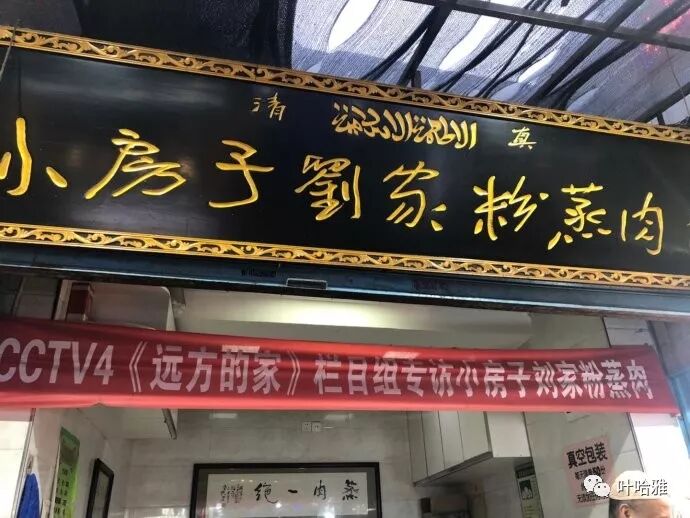
Little House Liu's has been open for at least 30 years and only sells steamed beef with rice flour (fenzhengrou). It is one of the famous snacks in the quarter. The special thing about their dish is that the rice flour is added before the meat, making the flour very flavorful and even tastier than the meat itself.
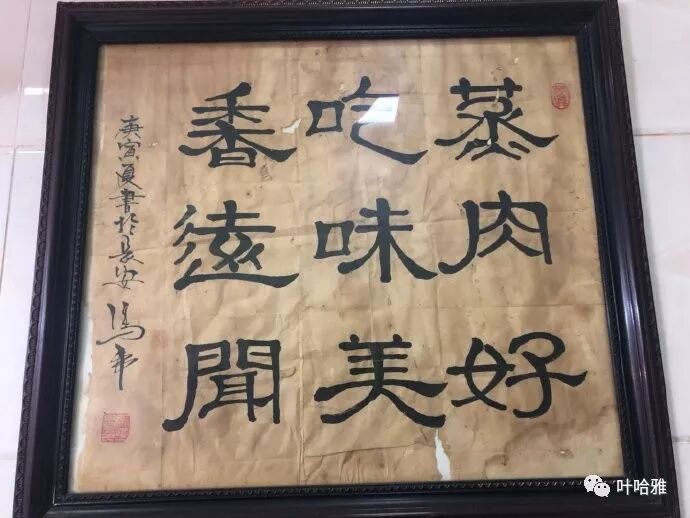
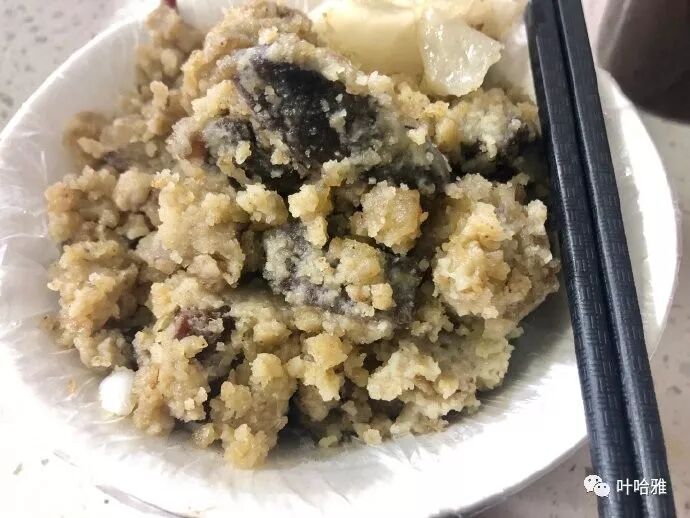
Address: North Guangji Street
2. Bai's Mirror Cake (Baijia Jinggao)
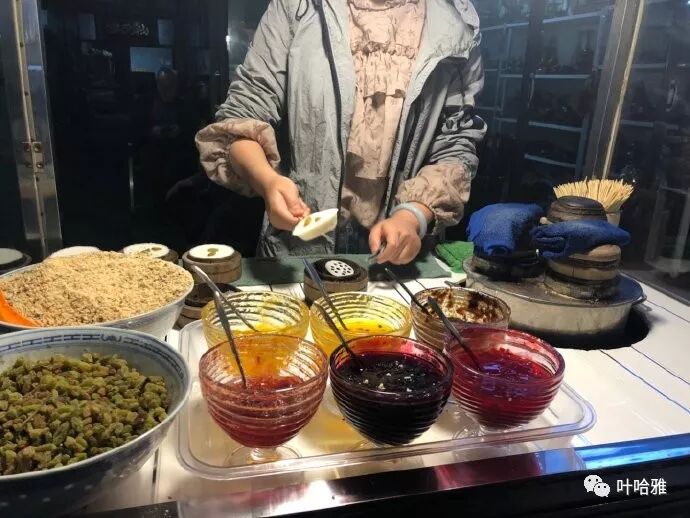
Mirror cake (jinggao) and steamed cake (zenggao, pronounced 'jing' in the quarter without the 'er' sound) are not the same thing. Mirror cake is a sweet treat that children in the quarter grow up eating. The Bai family has been making it for over ten years. The cakes come in many flavors, are served on small skewers, and have a light, sweet taste.
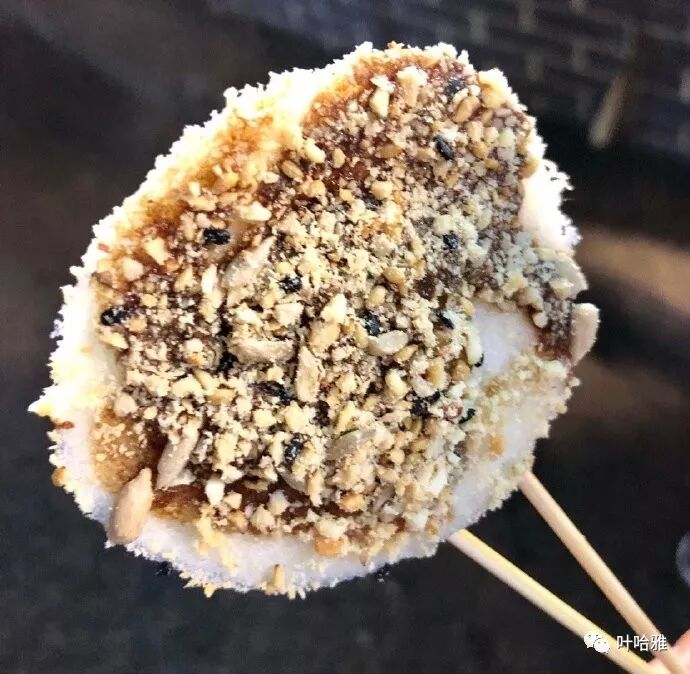
Address: You can find them at both Sajinqiao and the entrance of the Great Mosque (Qingzhen Dasi) on Huajue Lane.
3. Limu Stir-fried Crumbled Flatbread (Limu Xiaochao Paomo)
Locals in the Muslim Quarter (Fangshang) say that both regular crumbled flatbread (paomo) and stir-fried crumbled flatbread (xiaochao) belong to the same category. The difference is how they are cooked. Paomo is boiled, while xiaochao is stir-fried. You can choose to have it with less broth or with plenty of broth. Limu Stir-fried Crumbled Flatbread is not in a busy area, so it is quite quiet, and the taste is well-regarded by the people in the Muslim Quarter.
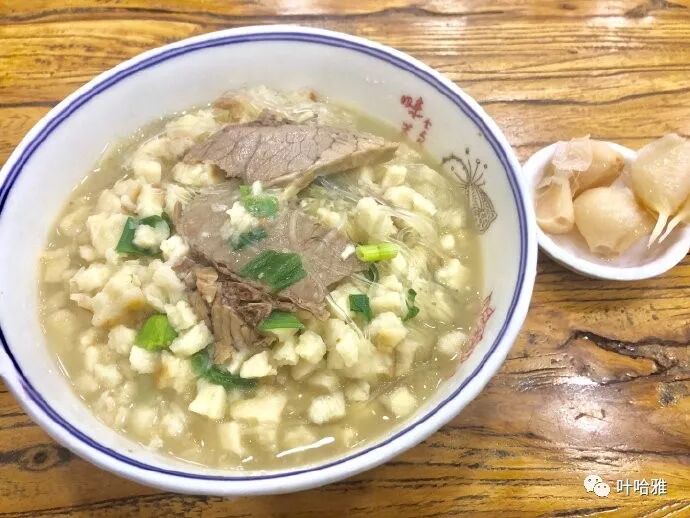
Other good places for crumbled flatbread include Yijianlou and Li Xin, which all taste fairly similar.
Pair your crumbled flatbread with a Bingfeng, a local Xi'an soda that holds the same status there as Beibingyang does in Beijing.
Address: No. 60 Dalianhuachi Street, next to the Lotus Pond Inn (Lianhuachi Pan Kezhan).
4. Bai Family Fried Cake Shop (Baijia Yougao Pu)
Fried cake (yougao) is a favorite sweet for people in the Muslim Quarter. It comes in three flavors and contains ingredients like peanuts, sweet osmanthus, and white sugar. It tastes sweet and fragrant, is made with great care, and is better than regular fried dough cakes (zhagao).
Address: 100 meters north of the intersection of Dalianhuachi and Maixian Street.
5. Shengzhiwang Sesame Paste Cold Noodles Shop (Shengzhiwang Majiang Liangpi Pu)
Their sesame paste cold noodles (majiang liangpi) are a famous snack in the Muslim Quarter. They have been open for many years, and locals are used to eating cold noodles for breakfast. I have to say, the cold noodles in the Muslim Quarter (Huifang) are rich in flavor and use plenty of ingredients, which I really like.
Address: West entrance of Dapiyuan.
6. Hongshunxiang Starch Jelly in Savory Sauce (luzhi liangfen).
Hongshunxiang Starch Jelly in Savory Sauce at the T-junction of Dapiyuan in the Muslim Quarter is one of the old-established shops in the area. Starch jelly in savory sauce is a dish that represents the Muslim Quarter even better than soaked flatbread (paomo). Visitors might not be used to it at first. You have to break the flatbread (mo) yourself before eating. Put the bread at the bottom of the bowl, pour on the savory sauce, add the starch jelly, and pour on another layer of sauce. Then add vinegar, sesame paste, garlic juice, salt, chili oil (youpo lazi), and mustard. Do not stir it when you eat; instead, rotate the bowl and slurp it so the flavors stay distinct.
An elder in the neighborhood introduced the dish to me like this: 'Whenever you see this bowl of food, you know the hot Xi'an summer is coming. If one dish could explain the uniqueness of the Xi'an Muslim Quarter, it would be starch jelly in savory sauce.' You won't find it in Muslim quarters elsewhere or in the Han areas of Xi'an. Its unique charm has been quietly passed down in this small neighborhood for a hundred years. The locals in the neighborhood affectionately call it 'buckwheat starch jelly in sauce' (lu qiaofen). Use a large, thick bowl, break the flatbread into large chunks, add sliced starch jelly, pour on the savory sauce, sprinkle with salt, and season with sesame paste, garlic juice, mustard, fragrant vinegar, and chili oil. If you want to be fancy, add a preserved egg (biandan) and a tea egg. That is how this vibrant, spicy bowl of food is made. It is simple, refreshing, nutritious, and flavorful. It is the perfect choice, especially for lunch during the summer.
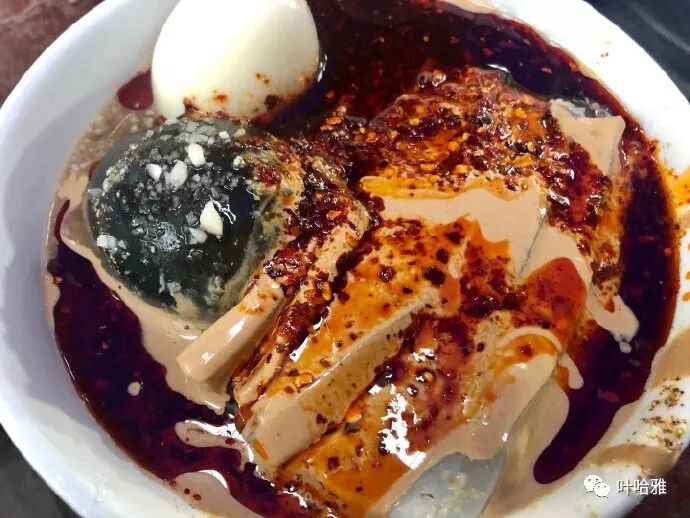
Also, People say the starch jelly in savory sauce at Lao He's place is very authentic.
Address: T-junction of Dapiyuan (diagonally opposite Dingjia Small Crispy Meat and Shengjia Steamed Cold Noodles).
7. Laobai's Lamb Soup (shuipen yangrou).
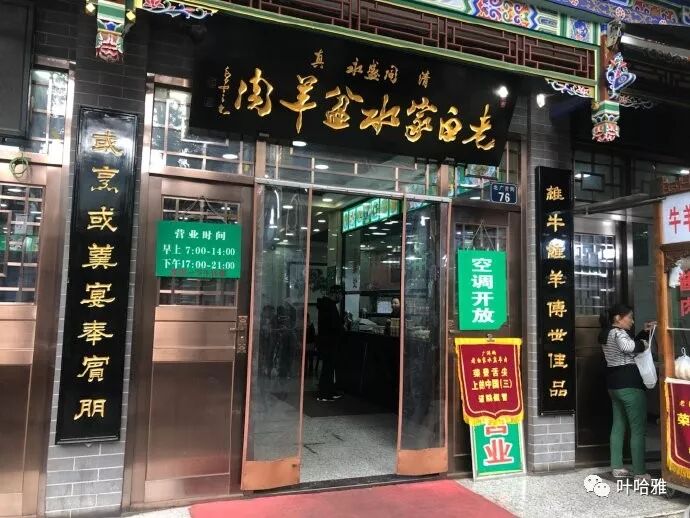
Laobai's Lamb Soup on Beiguangji Street in the Muslim Quarter was featured on A Bite of China. It is one of the old-established shops recognized by the locals. You should eat the lamb soup with a firm flatbread (tuotomo). Break the bread yourself into pieces slightly larger than those used for soaked flatbread. Break off a bit, eat it, and then break off some more so the bread does not get soggy.
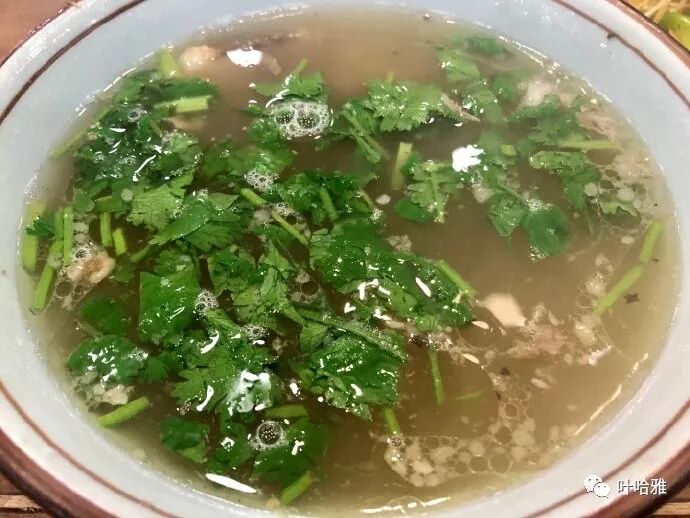
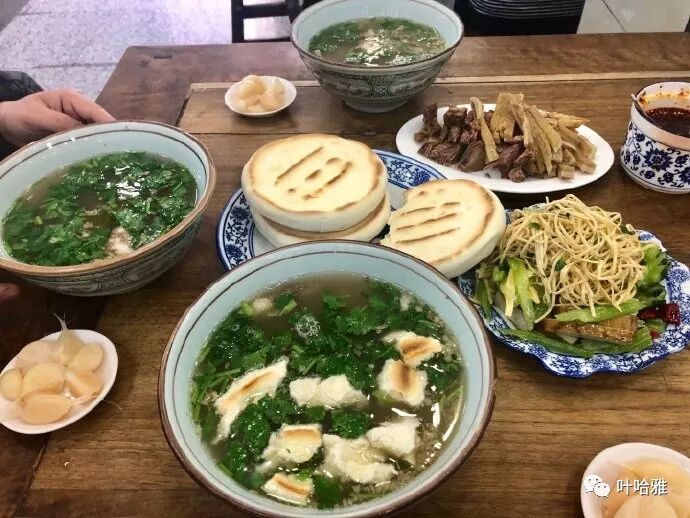
Address: No. 76 Beiguangji Street.
8. Nianzipo Laotongjia.
Laotongjia Cured Beef (la niurou) is one of the oldest established shops in the Muslim Quarter. Legend has it that when Empress Dowager Cixi fled to Xi'an, she smelled the aroma of their cured beef, enjoyed it, and personally inscribed a plaque for the shop. While praying at the mosque, I met the young owner of the Tong family. He shared their history and explained that the elder Mr. Tong insists on passing down traditional methods. He prioritizes quality over sales volume and focuses on serving the local residents of the neighborhood.
Laotongjia sells cured beef, spiced beef (jiang niurou), and oil tea powder (youcha fen). Locals love the cured beef. It has a reddish color and is softer and more tender than the spiced beef, making it perfect for both the young and the elderly.
Address: Tong Family Old Residence, No. 162 Beiguangji Street.
9. Grandma Hua · Chenchen's Shop.
Everyone knows Grandma Hua's sour plum drink (suanmeitang) is delicious, but you usually have to wait in line. There is a shop called Grandma Hua · Chenchen's Shop at the T-junction in Dapiyuan. The owner is Grandma Hua's granddaughter. The sour plum drink is brewed in the same pot as Grandma Hua's, so it tastes the same, but you do not have to wait in line. I only tell this to people I know.
Address: Dapiyuan T-junction, next to Hongshunxiang Braised Jelly (luzhi liangfen).
10. Southeast Asia Steamed Cake (zenggao).
Southeast Asia Steamed Cake in the Muslim Quarter is one of the most famous shops in the area. Steamed cake (zenggao) is pronounced 'jing gao'. This 'Southeast Asia' has nothing to do with the region. The old owner jokingly said his steamed cakes were sold to the 'East Gate (Dongguan), South Suburbs (Nanjiao), and the School for the Deaf and Mute (Longya Xuexiao),' which he abbreviated as 'sold to Southeast Asia.' Over time, everyone in the neighborhood just got used to calling that shop 'Southeast Asia' when they wanted to buy steamed cake.
The lotus leaf steamed cake (zenggao) from Yibao at the Niujie Halal Supermarket is made by the people from the Muslim Quarter (fangshang) in Xi'an.
Address: Northeast corner of Majia Shizi, Xiyangshi Street.
11. Ma Zhishan Xihulan Cooked Meat Shop.
Ma Zhishan's Xihulan is another old shop that locals in the Muslim Quarter visit often. Xihulan is actually cured beef that is very soft and tender. You can use it to make meat burgers (roujiamo). They can vacuum-pack it for you. I took a pound home to eat during the pre-dawn meal (suhoor) in Ramadan, and it kept my energy up all day.
Ma Zhishan's meat burger is the authentic kind. It is quite large, so one is enough to fill you up for a meal.
Address: No. 196 Beiguangji Street.
12. Ma Erli Meatball Spicy Soup (hulatang).
The meatball spicy soup is a signature dish of the Muslim Quarter. It is very different from the spicy soup in Henan. The version here has various vegetables and meatballs, and it is not very spicy.
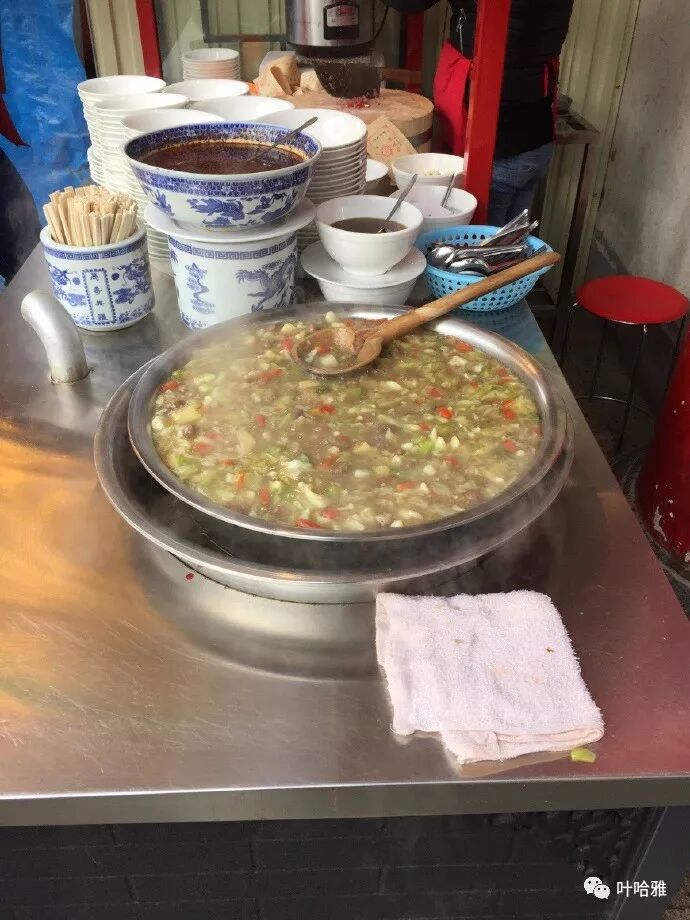
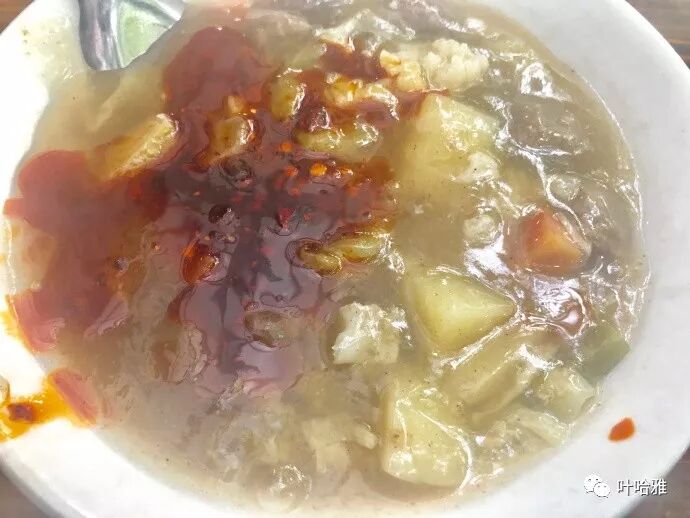
Address: No. 113 Damaishi Street, Sajinqiao.
13. Qinyixiang Air-dried Beef.
A friend from Qianxian once gave me some Qinyixiang beef jerky, and my family liked it so much they asked me to bring more back when I visited Xi'an. I recommend the soy-sauce flavored beef jerky. Heat it in the microwave for 30 seconds before eating, then slice it with a knife. It has a long shelf life and makes a great snack. This brand has several branches in the Muslim Quarter.
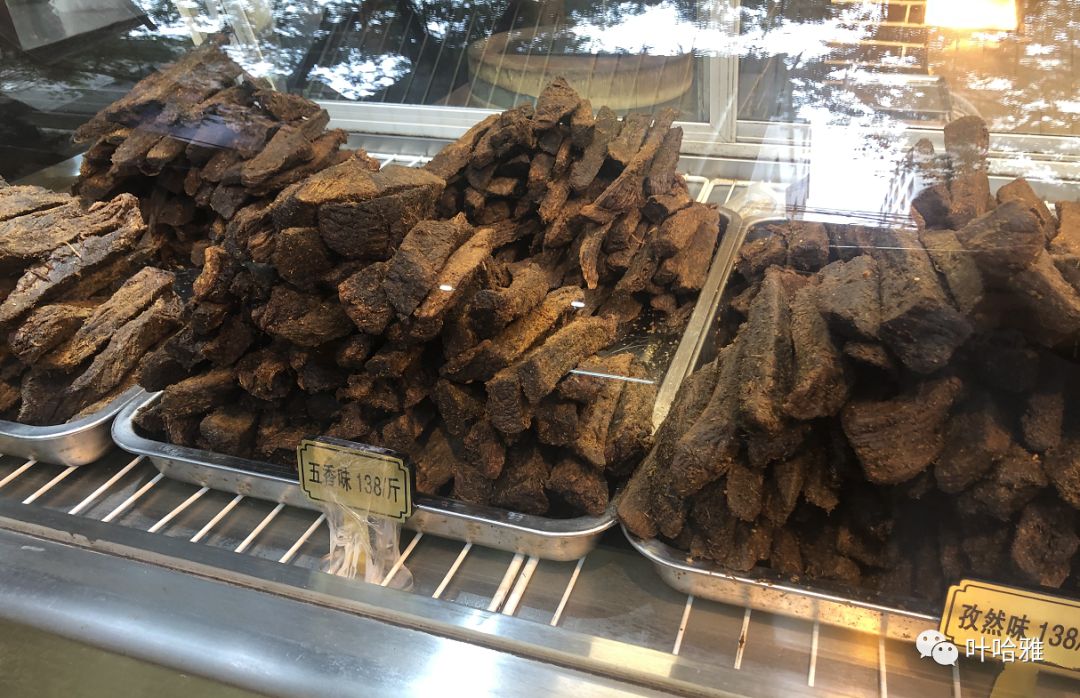
Address: Dapiyuan / Xiyangshi.
14. Liu Zhijun Beef Sauce
An elder in the Muslim Quarter recommended Liu Zhijun’s beef sauce to me and suggested I take some back to Beijing. Their beef sauce is packed with flavor, so friends visiting Xi'an should definitely check it out.
Address: 133 Damaishi Street
15. Crescent (Xinyue) Cake and Pastry Shop
A local friend in the Muslim Quarter really loves this bakery. It is tucked away deep in the quarter and doesn't get many tourists. He wanted to keep it a secret because he was worried it would be harder to buy their desserts once it got popular.
Address: 94 Damaishi Street
16. Ding Family Crispy Beef (Dingjia Xiaosurou)
This is one of the famous local snacks. The line is always very long. It is made with beef and seasoned with eggs, Sichuan peppercorns, star anise, and cinnamon. I bought a vacuum-packed portion to take home; I just need to steam it to eat.
Address: 223 West Entrance of Dapiyuan
Mosque
After talking about food, let's talk about the mosques in the Muslim Quarter. The original seven mosques have grown, and there are more than seven today. I spent an afternoon walking to visit twelve mosques in the area. Maybe we can call it the 'Twelve Mosques and Thirteen Quarters' from now on.
The mosques in the Muslim Quarter belong to three sects: Gedimu, Ikhwan, and Salafiyya. The West Mosque (Qingzhen Xisi), Yingli Mosque, Daxuexixiang Mosque, and Dapiyuan Mosque belong to the Ikhwan sect. The Hongbujie New Mosque and Xicang Mosque belong to the Salafiyya sect, and the rest are Gedimu. The mosque map is as follows:
1. Huajue Lane Great Mosque
The Huajue Lane Great Mosque is the oldest mosque in the Muslim Quarter. It is a grand complex of ancient buildings with five courtyards. In 1988, it became a national key cultural relic protection site. It has welcomed over 10 million visitors from more than 100 countries.
2. Xiaopiyuan North Mosque
The Xiaopiyuan North Mosque was originally called the True Teaching Mosque (Zhenjiao Si) or Longevity Mosque (Wanshou Si). Because it sits north of the Huajue Lane Great Mosque (also called the East Mosque) and is quite large, people also call it the North Mosque. Legend says the Xiaopiyuan Mosque was built at the end of the Tang Dynasty. In 1107, during the Daguan reign of Emperor Huizong of the Song Dynasty, the True Teaching Mosque was already one of the old mosques in the four districts of Chang'an. It is one of the earliest Islamic buildings in Xi'an.
3. Sajinqiao Ancient Mosque
The Sajinqiao Ancient Mosque in Xi'an is also known as the North Mosque. It is very old with a long history. Legend says it has existed since the Yuan and Ming dynasties, dating back six or seven hundred years.
4. Daxuexi Lane Mosque
The Daxuexi Lane Mosque in Xi'an was built in 705 AD. Zheng He once invited the imam here, Hasan, to be a translator for his fleet, and a Zheng He stele stands here. This place was also where Arabs came to China to learn the Chinese language.
5. Dapiyuan Mosque
The Dapiyuan Mosque is located at No. 108 Dapiyuan Street, Lianhu District, Xi'an. It was first built in the ninth year of the Yongle reign of the Ming Dynasty (1411) after Mr. Ma Daozhen bought the land.
6. Beiguangji Street Mosque
Beiguangji Street Mosque is said to have been founded in the late Ming Dynasty (around 1600 AD). It is located in Guangji Square near the Great Mosque of Huajue Lane. Locals call it the "Small Mosque" and jokingly refer to it as the "sentry gate" of the Great Mosque. The main buildings of the mosque were rebuilt in the 33rd year of the Qianlong reign of the Qing Dynasty (1769 AD).
7. Qingzhen Yingli Mosque
The documented founding date of the Xi'an Yingli Mosque is the Jiawu year of the Qianlong reign of the Qing Dynasty, as marked on the plaque above the mountain gate tower. At that time, many of the soldiers stationed here were Hui Muslim officers and troops.
Notice the "Iftar" (kaizhai) sign on the mosque. It is a light box that turns on at sunset during Ramadan when it is time to break the fast. At the same time, a friend (dosti) walks through the streets hitting a wooden clapper to let everyone know it is time for Iftar. These light boxes are found on streets throughout the neighborhood to help those fasting see when the light turns on, and they have become a local sight.
8. Central Mosque
The Xi'an Central Mosque was built between the late Qing Dynasty and the early Republic of China period.
9. Xicang Mosque
Xicang Mosque was established on April 1, 2003. It was originally a borrowed factory building that was later torn down and rebuilt as a mosque. It belongs to the Salafiyya movement. Every Thursday and Sunday, there are stalls selling flowers, birds, fish, and insects at Xicang. "Strolling the stalls" at Xicang is a favorite pastime for many long-time Xi'an residents.
10. Lvshan Mosque
Lvshan Mosque is a simple mosque built by Henan Hui Muslims living in Xi'an. The building was a private home in the 1970s. It was declared a dangerous structure and had to be torn down in 2011. Imam Ma Jie from the neighborhood led the fundraising to rebuild the mosque.
11. Hongbu Street New Mosque
This mosque was built in the 1990s after some community members bought a private house. It is a Salafiyya mosque with the style of a traditional residential courtyard.
12. West Mosque
The West Mosque on Sajinqiao was first established in 1920. The current site is said to have been a Buddhist mosque called Haihui Nunnery. It originally had three main halls. In 1926, community members who left the old Sajinqiao mosque raised 2,000 silver dollars to buy the land and convert it into a mosque.
I have finished introducing the halal food and mosques in the Muslim Quarter. I should also mention Yongxingfang, another food street in Xi'an that became popular on Douyin in the last two years. I went to check it out and only found one halal snack shop. The most famous thing there is the bowl-smashing wine, which I do not recommend. However, many people do not know about Dongxin Street, which is just one subway stop away from the Muslim Quarter. It is a halal food street where Henan Hui Muslims gather in Xi'an. Interested friends can go take a look. The night market on Dongxin Street is quite lively. There are also two mosques for Henan people here: one is called Dongxin Street Mosque and the other is Jianguo Lane Mosque. There are five mosques for Henan people in total in Xi'an.
Dongxin Street
Dongxin Street Mosque
Jianguo Lane Mosque
Accommodation: Lianhuachi Pan Inn
I chose this Lianhuachi Pan Inn based on the recommendation of the elders in the neighborhood. The location is excellent, right at the north entrance of the Muslim Quarter. The area near the north gate is quieter than other entrances. You can walk a few steps and be deep inside the Muslim Quarter. The inn has a place for wudu (small ritual washing) and a prayer room. The environment is beautiful, and the owner and staff are mostly elders from the neighborhood who can provide travel information.
The prayer room on the first floor of the inn is small but has everything you need, including a place for ritual washing and copies of the Quran.
The inn owner also runs a professional travel agency for Muslim tourists that organizes group visits to the Al-Aqsa Mosque. I talked with him and found he is very knowledgeable and has strong faith. During Ramadan, he travels across Shaanxi to hand out Ramadan gift packages. May Allah grant him success in his business and blessings in this life and the next.
Must Try Halal Street Food Beijing: Hui Village Barbecue, Turkish Coffee & Northwest Banquet
Articles • ali2007fr posted the article • 0 comments • 161 views • 2026-05-21 10:01
Summary: A must-try Beijing halal dining guide with Hui village barbecue, Musha barbecue, Northwest banquet dishes, Turkish coffee, and Muslim-friendly restaurant details, preserving the source order and image placement.
121. Lao Jin Barbecue and Hot Pot (shuan)
I am not recommending this place because the barbecue is amazing, but because it is located in a Hui Muslim village called Liushizhuang Village in Daxing District. Many Hui Muslims in the village raise sheep for a living, and every year, friends (dost) from all over come here to buy sheep for Eid al-Adha.
The skewers taste average and a bit salty, but the peanuts and edamame are delicious. I originally wanted to find a larger halal restaurant in this village, but I could not find one. There is a mosque in the village.
122. Musha Barbecue
This is a newly opened Xinjiang restaurant at The Place (Shimao Tianjie). They serve traditional Xinjiang dishes like baked buns (kaobaozi) and pilaf (zhuafan).
The flatbread (nang) is actually very small, only one-third the size of a normal one.
The pilaf tastes okay, but it is definitely not as authentic as what I ate in Xinjiang.
Overall, the reviews for this place are average. The pros are the nice environment and beautiful interior decor.
Address: First floor of World City, Chaoyang District.
123. Zhongfayuan Northwest Feast
This is a high-end Northwest Chinese restaurant. It feels a bit more upscale than Yanlanlou. It is a chain brand, and there is also one in Shenzhen.
The restaurant is very large, and the tables are spaced far apart, making it a good place for chatting.
The menu features traditional Northwest dishes, but they are prepared more delicately, and there are also fusion dishes.
The seasoning is just right, and the ingredients are high quality.
The average cost is about 150 yuan per person, and the service is excellent.
Address:
2nd Floor, Block C, Oriental Media Center, No. 4 Guanghua Road, Chaoyang District.
124. D
Öner Turkish Coffee
This is a Turkish coffee and fast-food restaurant where you can get kebab wraps.
They have black tea to sip on, and they also offer hookah.
The kebab wrap costs over 30 yuan.
You can also get pizza here. The shop is small, but the environment is nice and the prices are very cheap.
Address: Ground floor shops next to Xiushui Street, Chaoyang District.
125. Yiyuan Food and Tea House.
This restaurant is hard to find because there is no halal sign outside.
The sign is inside. The owner is a Hui Muslim, and the restaurant is mid-to-high end.
It is both a tea house and a restaurant with a classic Chinese decor style.
The restaurant focuses on Cantonese and Beijing cuisine. This is the famous Cantonese dish stir-fried beef noodles (ganchao niuhe).
Stewed beef brisket with tomato (xihongshi dun niunan).
Braised oxtail (hongshao niuwei).
Traditional Beijing snack pea flour cake (wandouhuang).
Chicken with chestnuts (lizi jikuai). The restaurant is generally good. The environment, service, and food quality are all above average. The average cost per person is about 100 yuan.
Address: First floor of New Town International, Chaoyang District.
126. Yijinyuan.
This is arguably the most expensive halal restaurant in Beijing, located near the University of International Business and Economics.
The exterior has a courtyard style, and the interior is very luxurious.
The lobby looks like a royal mansion, surrounded by private dining rooms.
Boiled fish (shuizhu yu). This place serves fusion cuisine. Besides Northwest Chinese food, they also have Cantonese and Sichuan dishes.
The food tastes great and the service is good. The only downside is the high price. The average cost per person is about 250 yuan.
Address:
Inside the east gate of the Longze Yuyue scenic area at the Yuan Dynasty City Wall Relics Park, Beitucheng East Road, Chaoyang District.
127. Lao Duiyuan Restaurant.
This shop has been open for a long time. I had never eaten there, and when I finally passed by and wanted to try it, it was under renovation.
The restaurant features a soccer fan theme. Friends who like soccer can gather here to eat skewers (chuan).
You can tell the owner is a Beijing Guoan fan.
Based on the time since I last passed by, it should be finished with renovations now. Interested soccer fans can go and give it a try.
Address: Second floor, across the street from the east gate of the University of International Business and Economics.
128. Suhu Vegetarian Restaurant.
This is a chain of vegetarian restaurants, and every location is very busy. I recommend this place because it also meets halal food standards. Aisha said: 'Do not eat what was slaughtered for that day, but you may eat their (non-Muslims') vegetables.' (Ge'ertebin Religious Law 2:224) Suhu Restaurant serves no meat, eggs, dairy, smoke, or alcohol, and they only use vegetable oil for cooking.
Suhu is very popular, and people start lining up as soon as mealtime arrives.
The treasure yellow paper-wrapped tofu (bao huang zhi bao doufu) and every other vegetarian dish are made with great care, and the colors look very appetizing.
It looks like matcha cake, but it is actually nut and green pea puree.
Grilled lion's mane mushroom skewers (houtougu kaochuan).
Fried rice with Chinese toon sprouts (chunya saozi chaofan).
Lotus root and peanut soup (lian'ou bao huasheng).
Address: First floor, Building 3, Zhengyang Market, Qianmen West Street, Xicheng District, units 1-3. view all
Summary: A must-try Beijing halal dining guide with Hui village barbecue, Musha barbecue, Northwest banquet dishes, Turkish coffee, and Muslim-friendly restaurant details, preserving the source order and image placement.
121. Lao Jin Barbecue and Hot Pot (shuan)
I am not recommending this place because the barbecue is amazing, but because it is located in a Hui Muslim village called Liushizhuang Village in Daxing District. Many Hui Muslims in the village raise sheep for a living, and every year, friends (dost) from all over come here to buy sheep for Eid al-Adha.
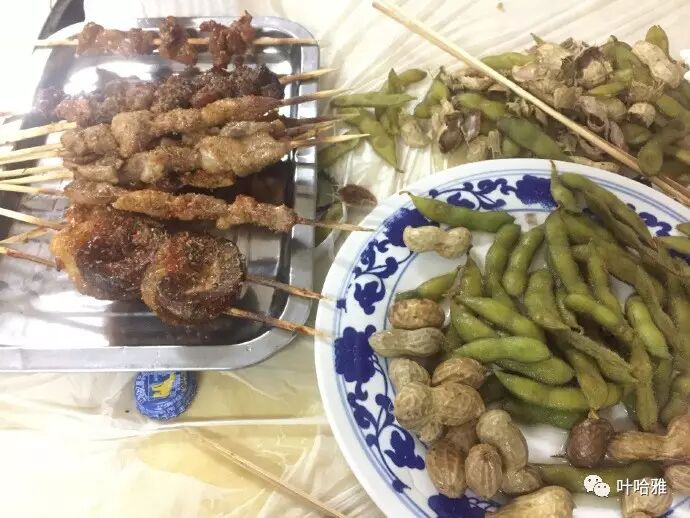
The skewers taste average and a bit salty, but the peanuts and edamame are delicious. I originally wanted to find a larger halal restaurant in this village, but I could not find one. There is a mosque in the village.
122. Musha Barbecue
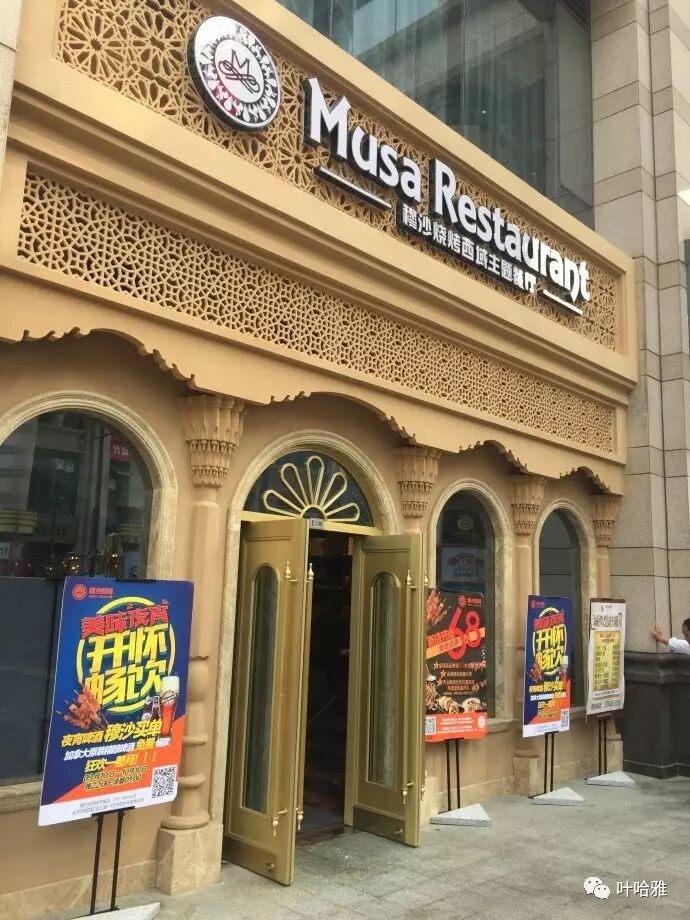
This is a newly opened Xinjiang restaurant at The Place (Shimao Tianjie). They serve traditional Xinjiang dishes like baked buns (kaobaozi) and pilaf (zhuafan).
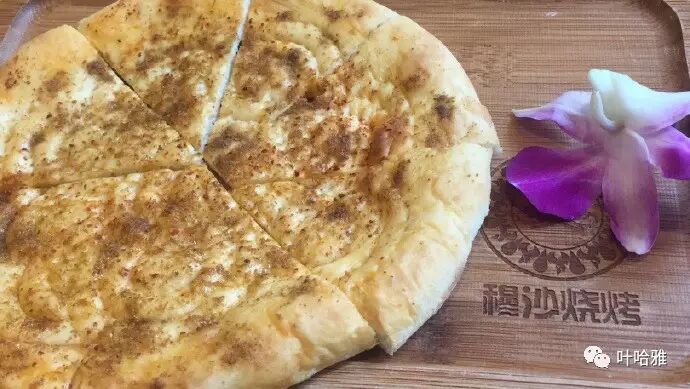
The flatbread (nang) is actually very small, only one-third the size of a normal one.
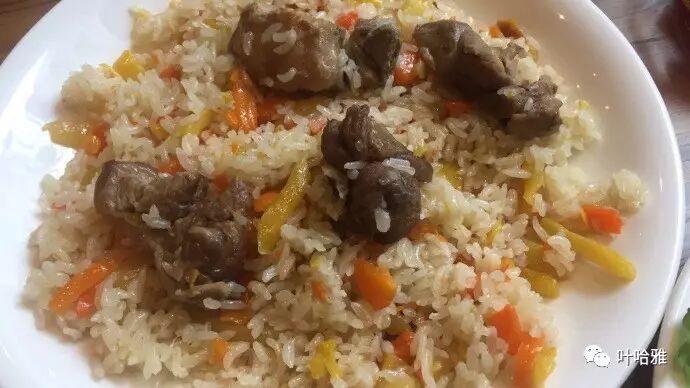
The pilaf tastes okay, but it is definitely not as authentic as what I ate in Xinjiang.
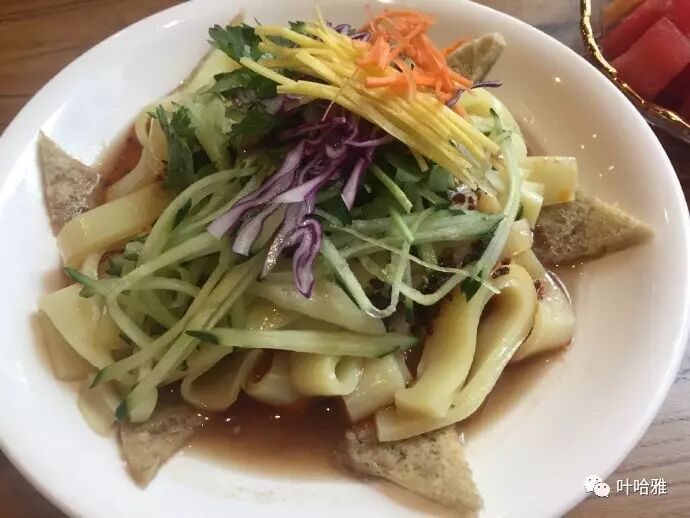
Overall, the reviews for this place are average. The pros are the nice environment and beautiful interior decor.
Address: First floor of World City, Chaoyang District.
123. Zhongfayuan Northwest Feast
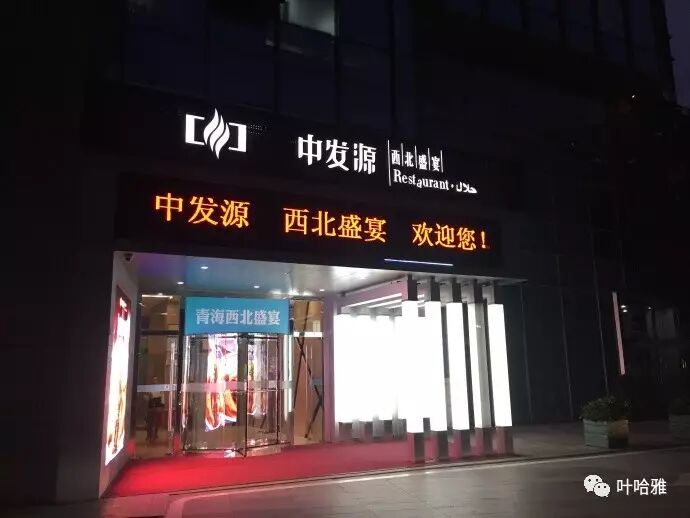
This is a high-end Northwest Chinese restaurant. It feels a bit more upscale than Yanlanlou. It is a chain brand, and there is also one in Shenzhen.
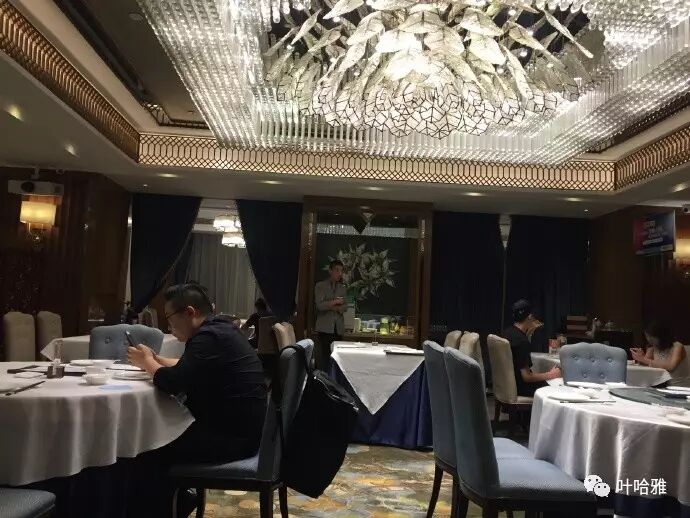
The restaurant is very large, and the tables are spaced far apart, making it a good place for chatting.
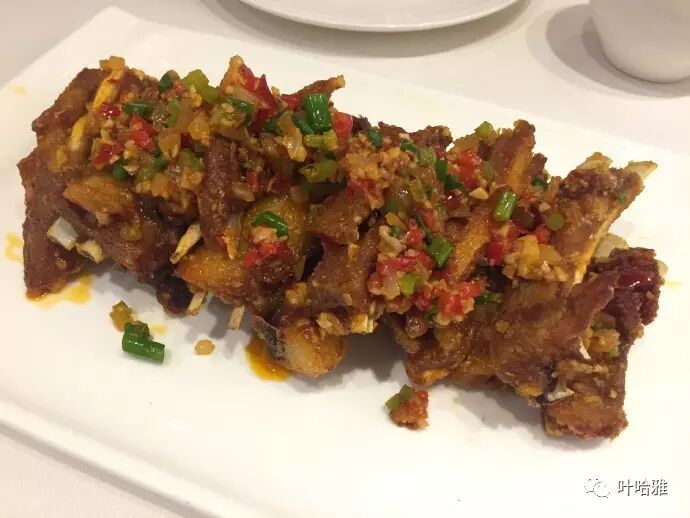
The menu features traditional Northwest dishes, but they are prepared more delicately, and there are also fusion dishes.
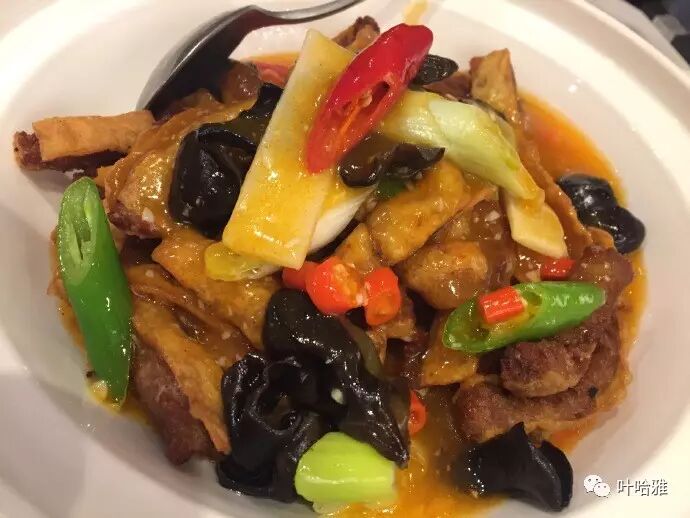
The seasoning is just right, and the ingredients are high quality.
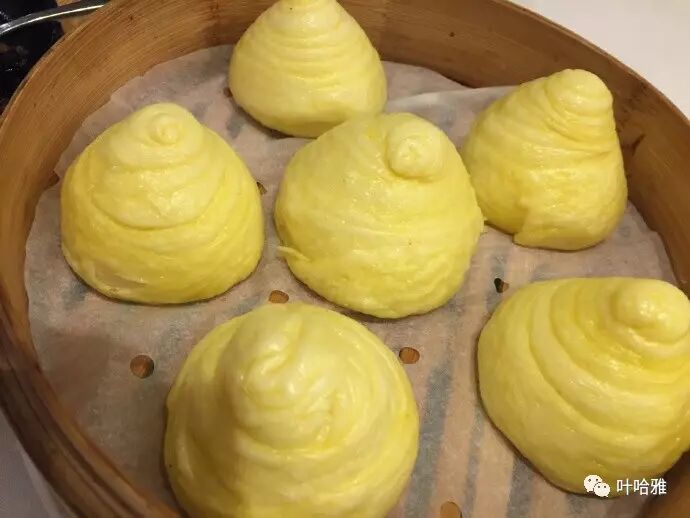
The average cost is about 150 yuan per person, and the service is excellent.
Address:
2nd Floor, Block C, Oriental Media Center, No. 4 Guanghua Road, Chaoyang District.
124. D
Öner Turkish Coffee
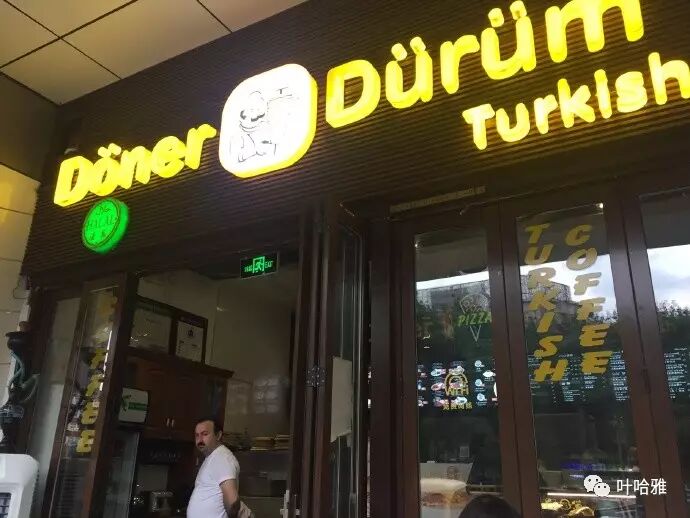
This is a Turkish coffee and fast-food restaurant where you can get kebab wraps.
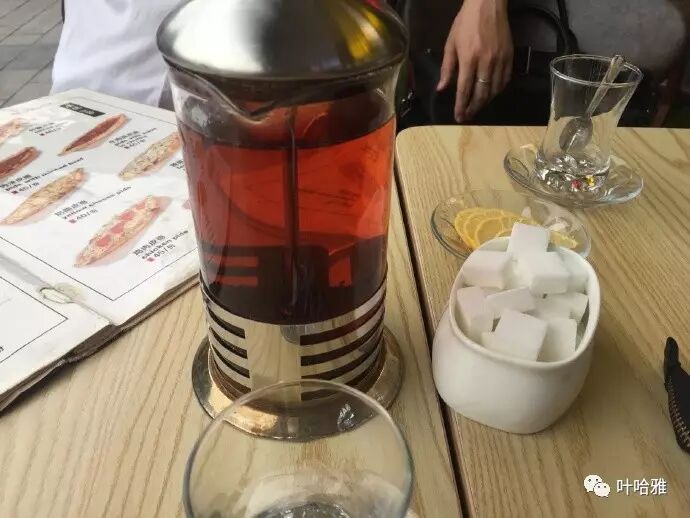
They have black tea to sip on, and they also offer hookah.
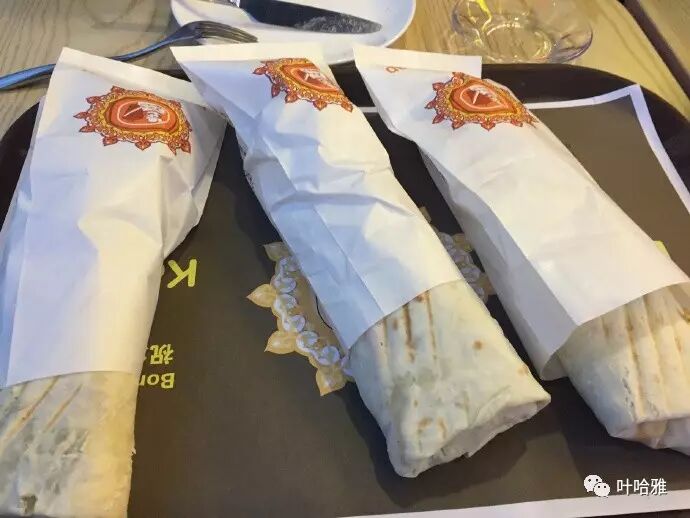
The kebab wrap costs over 30 yuan.
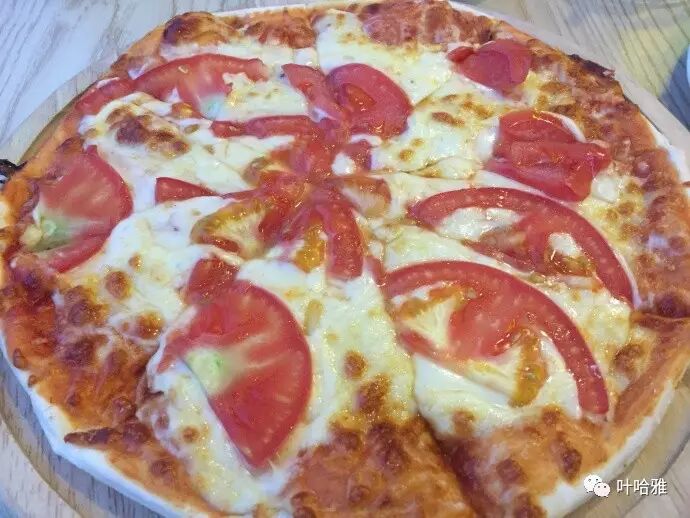
You can also get pizza here. The shop is small, but the environment is nice and the prices are very cheap.
Address: Ground floor shops next to Xiushui Street, Chaoyang District.
125. Yiyuan Food and Tea House.
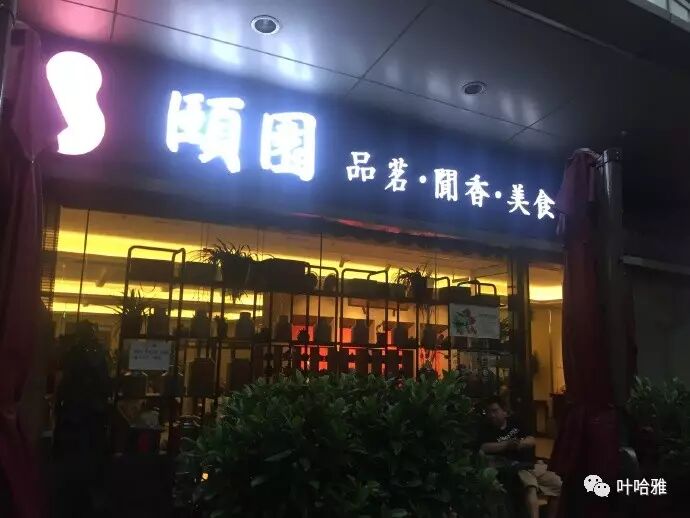
This restaurant is hard to find because there is no halal sign outside.
The sign is inside. The owner is a Hui Muslim, and the restaurant is mid-to-high end.
It is both a tea house and a restaurant with a classic Chinese decor style.
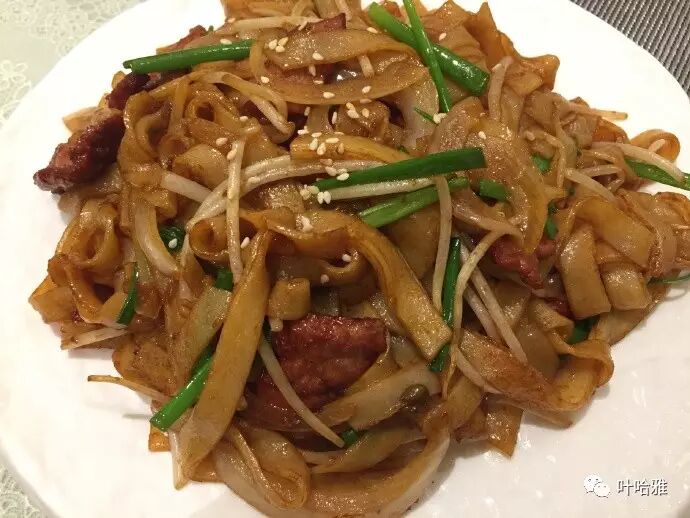
The restaurant focuses on Cantonese and Beijing cuisine. This is the famous Cantonese dish stir-fried beef noodles (ganchao niuhe).
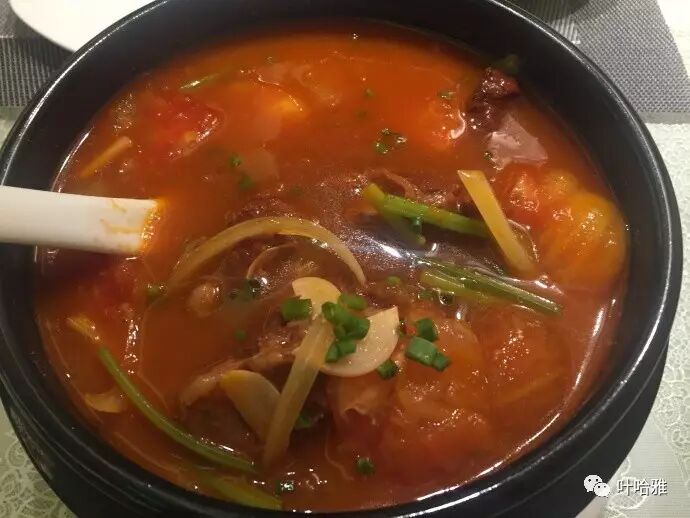
Stewed beef brisket with tomato (xihongshi dun niunan).
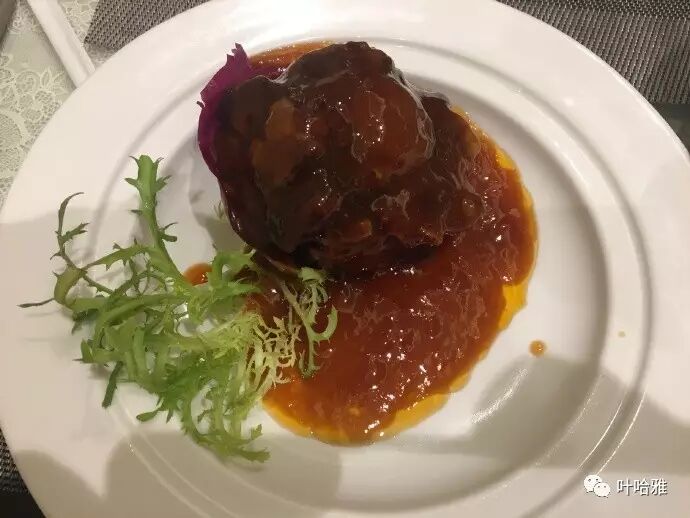
Braised oxtail (hongshao niuwei).
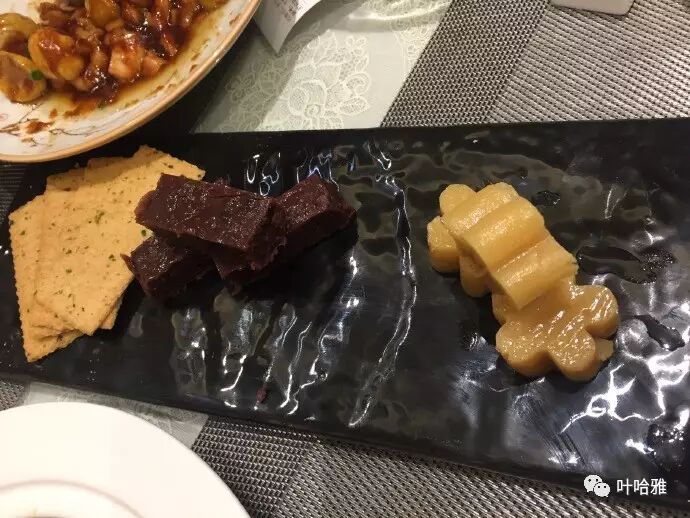
Traditional Beijing snack pea flour cake (wandouhuang).
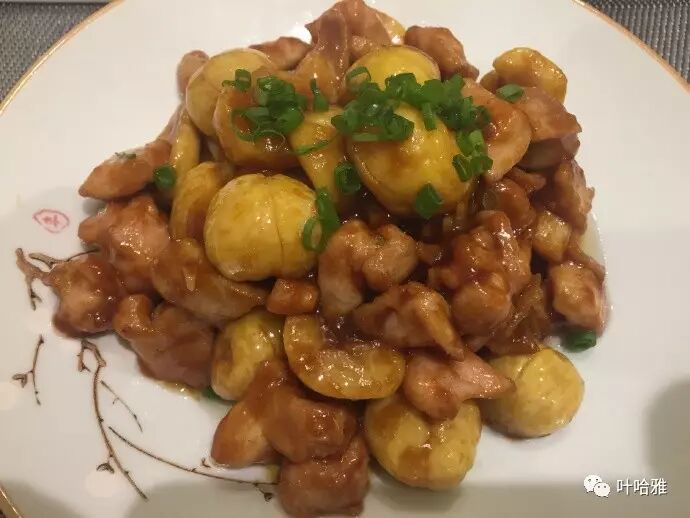
Chicken with chestnuts (lizi jikuai). The restaurant is generally good. The environment, service, and food quality are all above average. The average cost per person is about 100 yuan.
Address: First floor of New Town International, Chaoyang District.
126. Yijinyuan.
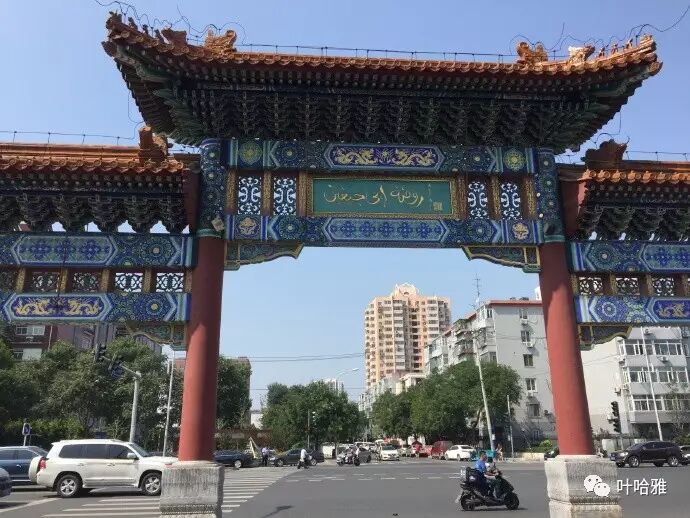
This is arguably the most expensive halal restaurant in Beijing, located near the University of International Business and Economics.
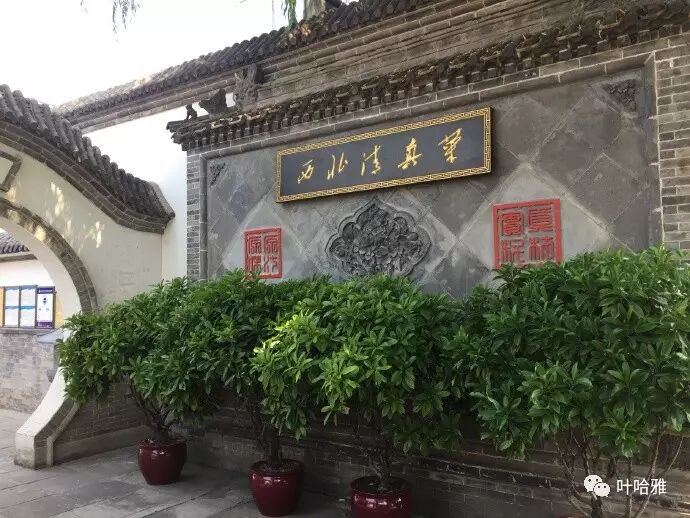
The exterior has a courtyard style, and the interior is very luxurious.
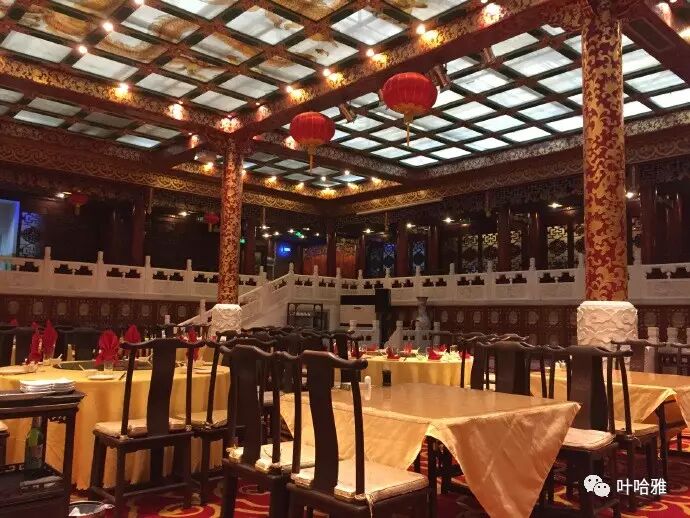
The lobby looks like a royal mansion, surrounded by private dining rooms.
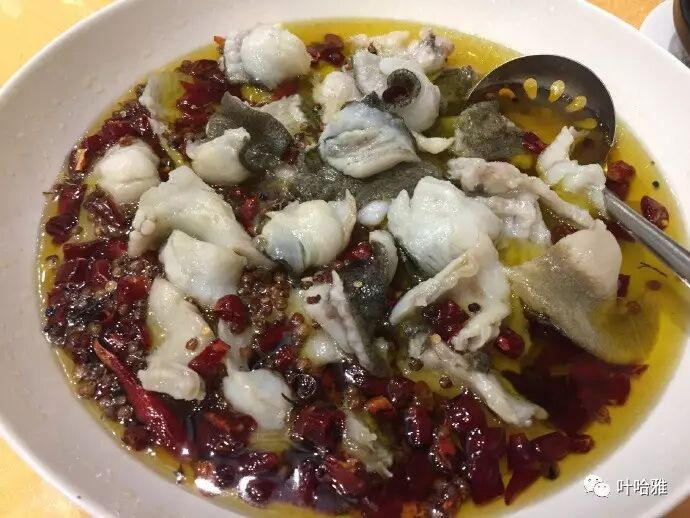
Boiled fish (shuizhu yu). This place serves fusion cuisine. Besides Northwest Chinese food, they also have Cantonese and Sichuan dishes.
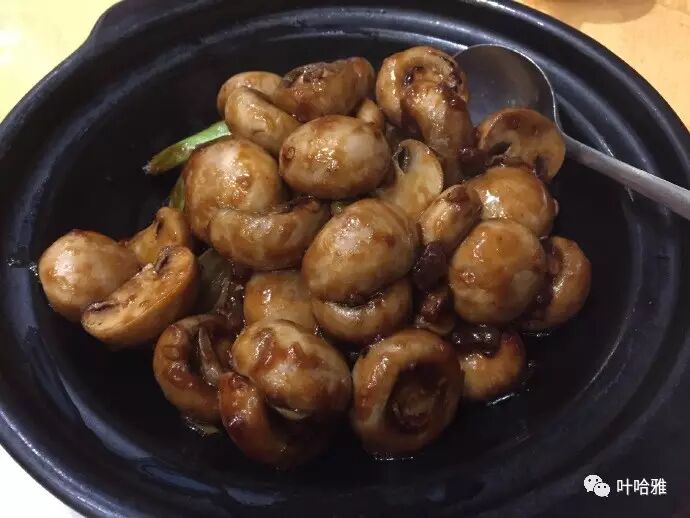
The food tastes great and the service is good. The only downside is the high price. The average cost per person is about 250 yuan.
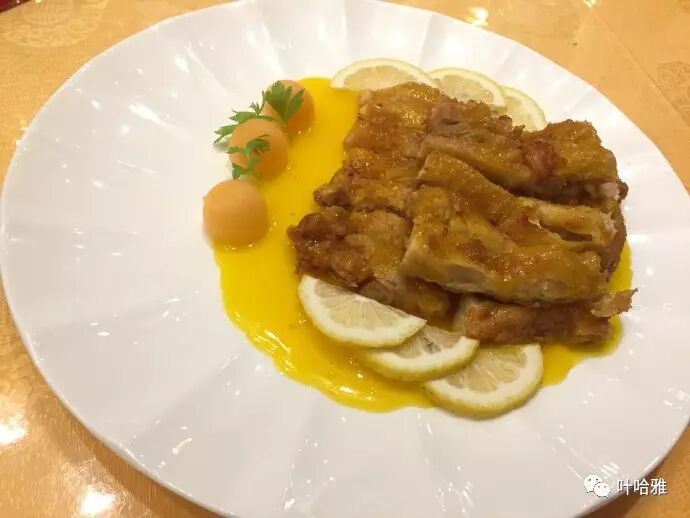
Address:
Inside the east gate of the Longze Yuyue scenic area at the Yuan Dynasty City Wall Relics Park, Beitucheng East Road, Chaoyang District.
127. Lao Duiyuan Restaurant.
This shop has been open for a long time. I had never eaten there, and when I finally passed by and wanted to try it, it was under renovation.
The restaurant features a soccer fan theme. Friends who like soccer can gather here to eat skewers (chuan).
You can tell the owner is a Beijing Guoan fan.
Based on the time since I last passed by, it should be finished with renovations now. Interested soccer fans can go and give it a try.
Address: Second floor, across the street from the east gate of the University of International Business and Economics.
128. Suhu Vegetarian Restaurant.
This is a chain of vegetarian restaurants, and every location is very busy. I recommend this place because it also meets halal food standards. Aisha said: 'Do not eat what was slaughtered for that day, but you may eat their (non-Muslims') vegetables.' (Ge'ertebin Religious Law 2:224) Suhu Restaurant serves no meat, eggs, dairy, smoke, or alcohol, and they only use vegetable oil for cooking.
Suhu is very popular, and people start lining up as soon as mealtime arrives.
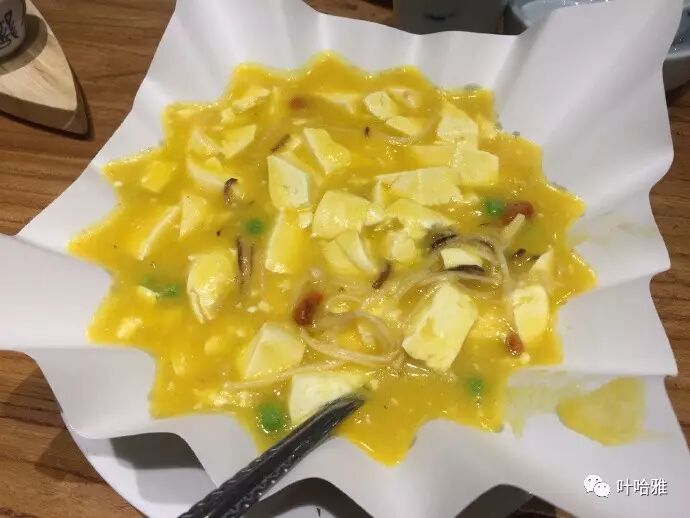
The treasure yellow paper-wrapped tofu (bao huang zhi bao doufu) and every other vegetarian dish are made with great care, and the colors look very appetizing.
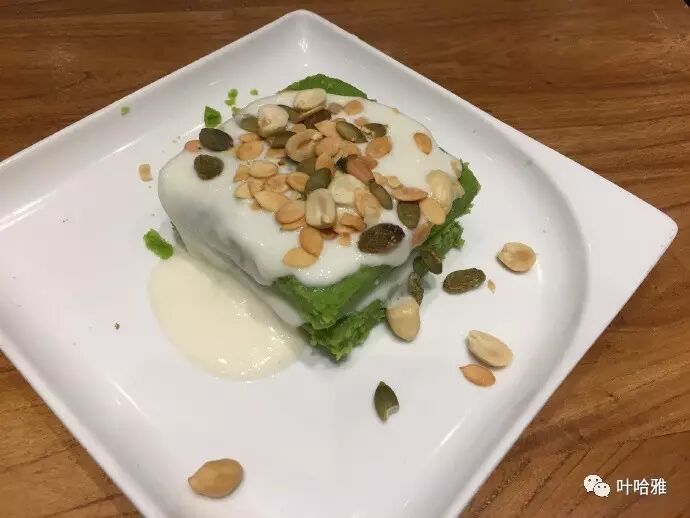
It looks like matcha cake, but it is actually nut and green pea puree.
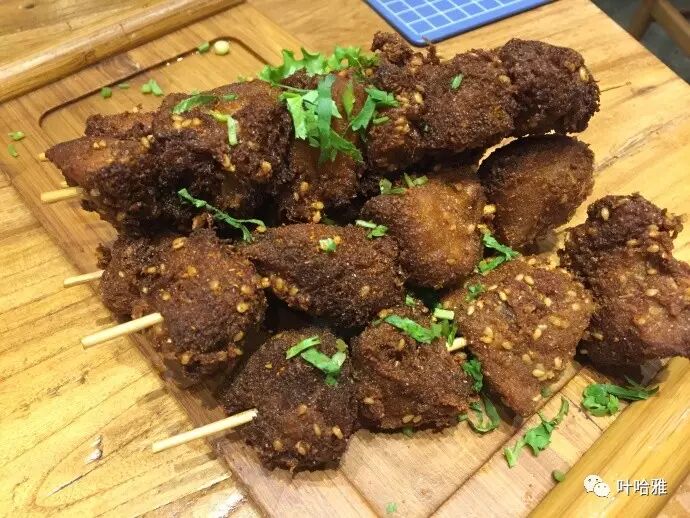
Grilled lion's mane mushroom skewers (houtougu kaochuan).
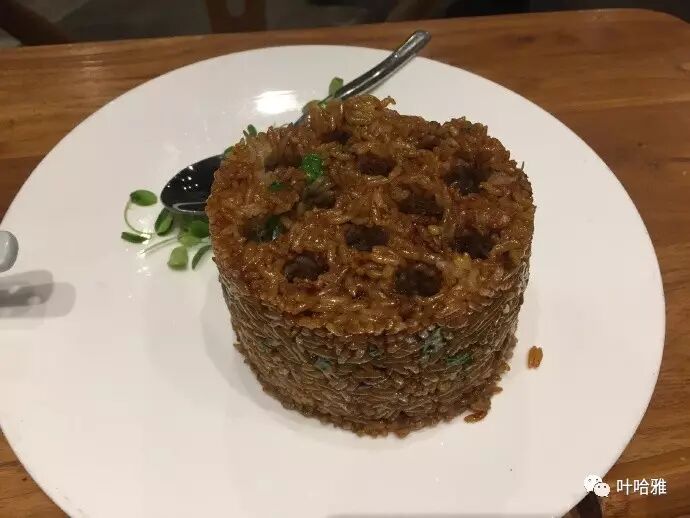
Fried rice with Chinese toon sprouts (chunya saozi chaofan).
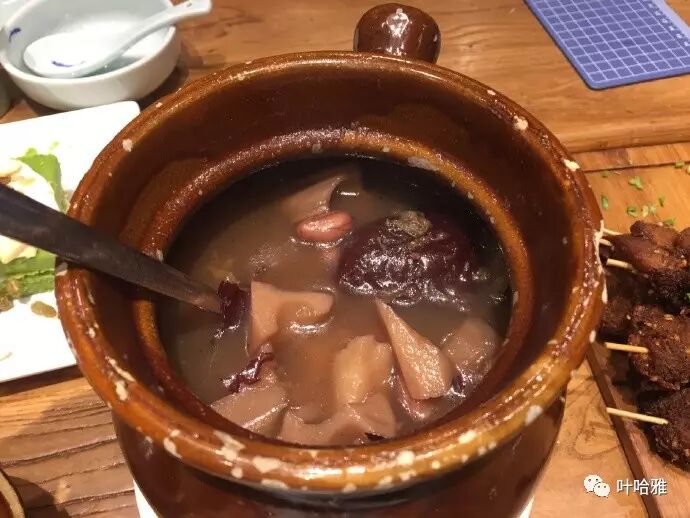
Lotus root and peanut soup (lian'ou bao huasheng).
Address: First floor, Building 3, Zhengyang Market, Qianmen West Street, Xicheng District, units 1-3.
Best Halal Food Beijing: Ghanaian Restaurant, Arabic Food, Sturgeon Feast and Lanzhou Beef Noodles
Articles • yusuf908 posted the article • 0 comments • 185 views • 2026-05-24 00:17
Summary: This Beijing halal food guide maps issue 40 of the series, featuring a Ghanaian halal restaurant in Sanlitun, Stone Hearth Grill and Tea, Arabic food, tomato beef flatbread, luosifen hot pot, sturgeon feast, and Saddam Lanzhou Beef Noodles.
Beijing Halal Food Map (40) is presented here as a firsthand travel account in clear English, beginning with this scene: Ramadan has just ended, so we can get back to checking out all kinds of halal food. The account keeps its focus on Beijing Halal Food, Muslim Travel, Middle Eastern Food while preserving the names, places, food, and historical details from the Chinese source.
Ramadan has just ended, so we can get back to checking out all kinds of halal food. The restaurants in this guide are all new, and they each have something special. The first one is a West African Ghanaian halal restaurant, which is very rare in China. It is a big step for Beijing as it works to become a global capital for halal food.
Here is the list of halal restaurants for this guide:
1. Tribe Garden African Restaurant
2. Stone Hearth Grill and Tea (Shishangweilu)
3. Ma Bei'er Bistro
4. Carthage Arabic Restaurant
5. Fan Manyu Tomato Beef Flatbread (Paobing)
6. Stinky Star Snail Rice Noodle (Luosifen) Hot Pot
7. Mulaixuan Sturgeon Feast
8. Saddam Lanzhou Beef Noodles
1. Tribe Garden African Restaurant
A new halal restaurant featuring West African flavors recently opened on the first basement level of Sanlitun SOHO. They specialize in Ghanaian cuisine. The staff are all Black Muslims who speak fluent Chinese, and one young lady from Kenya is especially cute.
Ghana is a country in West Africa where about 15% of the population is Muslim, yet the national banknote features a mosque with a unique style.
Larabanga Mosque
The Larabanga Mosque on the banknote was built between the 14th and 15th centuries. It is the oldest mosque in Ghana. Its architectural style is unique to West Africa, built from yellow mud and wood, making it very iconic.
The restaurant decor also has a strong African vibe, including the wall hangings.
African goat meat mixed rice
African goat meat is a bit tough, but it has no gamey smell. The mixed rice is salty and spicy.
Non-alcoholic mojito and fruit punch
African specialty egusi (egusi)
You eat this dish mixed with the cassava flour paste shown below. Eating the cassava flour paste is just like eating rice cake.
Fufu (fufu)
The white dish is called fufu, which translates to rice flour paste in Chinese. It is a staple food for Ghanaians.
Friday special dish
They have a special dish every day. This Friday special is made with beans and rice, served with some noodles and dipping sauce. It tastes sour, salty, and spicy all at once.
Grilled tilapia
This is an African-style grilled fish. It tastes great. Even though the skin looks charred, the meat inside is white.
A young lady from Kenya recommended this milkshake to us. It is very creamy and delicious. The whole meal cost 530 yuan for four people, which is 130 yuan per person.
2. Stone Hearth Grill and Tea (Shishangweilu)
This is a newly opened light meal and coffee shop on the ground floor of the West District of Changying Paradise Walk. The owner is a Hui Muslim from Beijing, and we chose to have a small gathering here for Eid al-Fitr.
Thirty of us ate every single item on the menu twice.
They serve light meals during the day. Besides these pretty salads, they also have burgers and pasta.
The M3 beef burger uses a patty hand-pressed by the owner, and all the meat is sourced from Li Wei's shop in Changying.
This is an Italian-style sandwich, listed on the menu as a panini.
Barbecue is served in the evening. If you want a simple Western-style meal at night, you can call ahead to book. Everyone gave the simple meals and barbecue great reviews. The average cost per person is about 130 yuan.
3. Ma Bei'er Bistro
Ma Bei'er is a new brand started by the original management team of Jubao Yuan after they split up. Next to the main Ma Bei'er hot pot (shuanrou) restaurant on Nanheng West Street, there is also a small Ma Bei'er bistro that specializes in Beijing-style stir-fry dishes.
This stir-fry bistro is just as busy as the hot pot restaurant. We tried a few signature dishes and had a good experience. Everything was delicious and worth recommending. The average cost per person is about 100 yuan.
Stir-fried mixed vegetables (chaohecai)
Quick-fried beef tripe with coriander (yanbaosandan)
Deep-fried meatballs (ganzhawanzi)
Braised yellow croaker in northern style (kuadunhuangyu)
Slow-cooked beef (weiniurou)
Scallion pancake (conghuabing)
4. Carthage Restaurant
This is a Tunisian restaurant. It is owned by the same people as La Medina Tunisian restaurant in Sanlitun. You can find it on the first floor of the Atour X Hotel in Sanlitun.
During Ramadan, they offer an iftar buffet for 120 yuan per person. It includes all the signature dishes you would expect, plus drinks and desserts.
Tunisia is a North African country. Its food habits are a bit different from West Africa, and North African flavors are usually easier for most people to enjoy.
5. Fan Manyu Tomato Beef Flatbread (Paobing)
A new specialty shop just opened on the basement level of the West Zone at Tongzhou Wanda Plaza. They focus on tomato beef brisket with flatbread (paobing) and various other tomato-based dishes.
The staff uniforms are covered in tomato drawings.
Vinegar-stir-fried egg and meat (culiu muxu)
Lychee-flavored cherry tomatoes
Mapo tofu
Their food is prepared very delicately and tastes great. The environment is clean, the prices are affordable, and the average cost is under 80 yuan per person.
6. Stinky Star Snail Rice Noodle (Luosifen) Hot Pot
There is a halal snail rice noodle (luosifen) shop on the ground floor of the Golden Street in the West District of Tongzhou Wanda Plaza. The owner is a Hui Muslim from Changchun who used to work at iQIYI before opening this physical shop. The small shop has two floors and mainly serves halal snail rice noodles and clam rice noodles (huaji fen) in small hot pots.
The snail rice noodle hot pot comes with a wide variety of toppings that you can add to the pot to cook together.
This set meal for two costs 78 yuan and is enough for two or three people to eat.
The set includes Guangxi cassava sweet soup (mushu tangshui).
Add all the side dishes to the pot and cook for one minute before you start eating. The taste is quite authentic.
7. Mulaixuan Sturgeon Feast
Across from the Doudian Mosque in Fangshan, there is a restaurant that specializes in sturgeon (xunlongyu). This place is unique because it has no menu and you cannot order dishes. The owner decides the size of the fish based on how many people are in your group, and all the dishes are made from the fish you choose.
You pick the sturgeon from this fish tank, and they are all quite large. The sturgeon costs 58 yuan per jin, and the smallest fish weigh over five jin, making it perfect for groups.
After picking the fish, you just wait for the owner to serve the food. This is actually nice because it saves you the trouble of ordering.
The standard dishes include salt and pepper fish skin, sweet and sour fish bones, fish offal, fish and radish soup, and stir-fried fish fillets. The main course is sturgeon dumplings. The fish is very fresh, and every dish tastes great.
8. Saddam Lanzhou Beef Noodles
The long-standing Lanzhou brand Saddam Beef Noodles has expanded into Beijing's Fengtai District. Known as the Eastern Heretic of the Lanzhou beef noodle world, the shop opened in eastern Lanzhou in the 1990s. It got its name because the owner looked just like Saddam. Other famous shops include the Western Poison Ma Anjun, the Southern Emperor Guobao, the Northern Beggar Cangying, and the Central Master Ma Zilu.
You can tell the beef noodles will be good just by looking at the chili oil, which is fragrant but not too spicy. I tried it and found it very authentic. My friends from Lanzhou would not be disappointed if they came here to eat. view all
Summary: This Beijing halal food guide maps issue 40 of the series, featuring a Ghanaian halal restaurant in Sanlitun, Stone Hearth Grill and Tea, Arabic food, tomato beef flatbread, luosifen hot pot, sturgeon feast, and Saddam Lanzhou Beef Noodles.
Beijing Halal Food Map (40) is presented here as a firsthand travel account in clear English, beginning with this scene: Ramadan has just ended, so we can get back to checking out all kinds of halal food. The account keeps its focus on Beijing Halal Food, Muslim Travel, Middle Eastern Food while preserving the names, places, food, and historical details from the Chinese source.
Ramadan has just ended, so we can get back to checking out all kinds of halal food. The restaurants in this guide are all new, and they each have something special. The first one is a West African Ghanaian halal restaurant, which is very rare in China. It is a big step for Beijing as it works to become a global capital for halal food.
Here is the list of halal restaurants for this guide:
1. Tribe Garden African Restaurant
2. Stone Hearth Grill and Tea (Shishangweilu)
3. Ma Bei'er Bistro
4. Carthage Arabic Restaurant
5. Fan Manyu Tomato Beef Flatbread (Paobing)
6. Stinky Star Snail Rice Noodle (Luosifen) Hot Pot
7. Mulaixuan Sturgeon Feast
8. Saddam Lanzhou Beef Noodles
1. Tribe Garden African Restaurant
A new halal restaurant featuring West African flavors recently opened on the first basement level of Sanlitun SOHO. They specialize in Ghanaian cuisine. The staff are all Black Muslims who speak fluent Chinese, and one young lady from Kenya is especially cute.
Ghana is a country in West Africa where about 15% of the population is Muslim, yet the national banknote features a mosque with a unique style.
Larabanga Mosque
The Larabanga Mosque on the banknote was built between the 14th and 15th centuries. It is the oldest mosque in Ghana. Its architectural style is unique to West Africa, built from yellow mud and wood, making it very iconic.
The restaurant decor also has a strong African vibe, including the wall hangings.
African goat meat mixed rice
African goat meat is a bit tough, but it has no gamey smell. The mixed rice is salty and spicy.
Non-alcoholic mojito and fruit punch
African specialty egusi (egusi)
You eat this dish mixed with the cassava flour paste shown below. Eating the cassava flour paste is just like eating rice cake.
Fufu (fufu)
The white dish is called fufu, which translates to rice flour paste in Chinese. It is a staple food for Ghanaians.
Friday special dish
They have a special dish every day. This Friday special is made with beans and rice, served with some noodles and dipping sauce. It tastes sour, salty, and spicy all at once.
Grilled tilapia
This is an African-style grilled fish. It tastes great. Even though the skin looks charred, the meat inside is white.
A young lady from Kenya recommended this milkshake to us. It is very creamy and delicious. The whole meal cost 530 yuan for four people, which is 130 yuan per person.
2. Stone Hearth Grill and Tea (Shishangweilu)
This is a newly opened light meal and coffee shop on the ground floor of the West District of Changying Paradise Walk. The owner is a Hui Muslim from Beijing, and we chose to have a small gathering here for Eid al-Fitr.
Thirty of us ate every single item on the menu twice.
They serve light meals during the day. Besides these pretty salads, they also have burgers and pasta.
The M3 beef burger uses a patty hand-pressed by the owner, and all the meat is sourced from Li Wei's shop in Changying.
This is an Italian-style sandwich, listed on the menu as a panini.
Barbecue is served in the evening. If you want a simple Western-style meal at night, you can call ahead to book. Everyone gave the simple meals and barbecue great reviews. The average cost per person is about 130 yuan.
3. Ma Bei'er Bistro
Ma Bei'er is a new brand started by the original management team of Jubao Yuan after they split up. Next to the main Ma Bei'er hot pot (shuanrou) restaurant on Nanheng West Street, there is also a small Ma Bei'er bistro that specializes in Beijing-style stir-fry dishes.
This stir-fry bistro is just as busy as the hot pot restaurant. We tried a few signature dishes and had a good experience. Everything was delicious and worth recommending. The average cost per person is about 100 yuan.
Stir-fried mixed vegetables (chaohecai)
Quick-fried beef tripe with coriander (yanbaosandan)
Deep-fried meatballs (ganzhawanzi)
Braised yellow croaker in northern style (kuadunhuangyu)
Slow-cooked beef (weiniurou)
Scallion pancake (conghuabing)
4. Carthage Restaurant
This is a Tunisian restaurant. It is owned by the same people as La Medina Tunisian restaurant in Sanlitun. You can find it on the first floor of the Atour X Hotel in Sanlitun.
During Ramadan, they offer an iftar buffet for 120 yuan per person. It includes all the signature dishes you would expect, plus drinks and desserts.
Tunisia is a North African country. Its food habits are a bit different from West Africa, and North African flavors are usually easier for most people to enjoy.
5. Fan Manyu Tomato Beef Flatbread (Paobing)
A new specialty shop just opened on the basement level of the West Zone at Tongzhou Wanda Plaza. They focus on tomato beef brisket with flatbread (paobing) and various other tomato-based dishes.
The staff uniforms are covered in tomato drawings.
Vinegar-stir-fried egg and meat (culiu muxu)
Lychee-flavored cherry tomatoes
Mapo tofu
Their food is prepared very delicately and tastes great. The environment is clean, the prices are affordable, and the average cost is under 80 yuan per person.
6. Stinky Star Snail Rice Noodle (Luosifen) Hot Pot
There is a halal snail rice noodle (luosifen) shop on the ground floor of the Golden Street in the West District of Tongzhou Wanda Plaza. The owner is a Hui Muslim from Changchun who used to work at iQIYI before opening this physical shop. The small shop has two floors and mainly serves halal snail rice noodles and clam rice noodles (huaji fen) in small hot pots.
The snail rice noodle hot pot comes with a wide variety of toppings that you can add to the pot to cook together.
This set meal for two costs 78 yuan and is enough for two or three people to eat.
The set includes Guangxi cassava sweet soup (mushu tangshui).
Add all the side dishes to the pot and cook for one minute before you start eating. The taste is quite authentic.
7. Mulaixuan Sturgeon Feast
Across from the Doudian Mosque in Fangshan, there is a restaurant that specializes in sturgeon (xunlongyu). This place is unique because it has no menu and you cannot order dishes. The owner decides the size of the fish based on how many people are in your group, and all the dishes are made from the fish you choose.
You pick the sturgeon from this fish tank, and they are all quite large. The sturgeon costs 58 yuan per jin, and the smallest fish weigh over five jin, making it perfect for groups.
After picking the fish, you just wait for the owner to serve the food. This is actually nice because it saves you the trouble of ordering.
The standard dishes include salt and pepper fish skin, sweet and sour fish bones, fish offal, fish and radish soup, and stir-fried fish fillets. The main course is sturgeon dumplings. The fish is very fresh, and every dish tastes great.
8. Saddam Lanzhou Beef Noodles
The long-standing Lanzhou brand Saddam Beef Noodles has expanded into Beijing's Fengtai District. Known as the Eastern Heretic of the Lanzhou beef noodle world, the shop opened in eastern Lanzhou in the 1990s. It got its name because the owner looked just like Saddam. Other famous shops include the Western Poison Ma Anjun, the Southern Emperor Guobao, the Northern Beggar Cangying, and the Central Master Ma Zilu.
You can tell the beef noodles will be good just by looking at the chili oil, which is fragrant but not too spicy. I tried it and found it very authentic. My friends from Lanzhou would not be disappointed if they came here to eat.
Beijing Halal Street Food Guide: Fangshan Hot Pot, Shidu Xinjiang Food and Local Snacks
Articles • yusuf908 posted the article • 0 comments • 209 views • 2026-05-24 00:17
Summary: This Beijing halal street food guide maps issue 34, covering Fangshan hot pot, Shidu Xinjiang food, farm-style halal dishes, clam vermicelli, local snacks, and places worth saving for Muslim travelers.
Beijing Halal Food Map (34) is presented here as a firsthand travel account in clear English, beginning with this scene: The WeChat official account has a search feature. Just tap the search icon in the top right corner of the homepage to look for articles using keywords. The account keeps its focus on Beijing Halal Food, Muslim Travel, Middle Eastern Food while preserving the names, places, food, and historical details from the Chinese source.
The WeChat official account has a search feature. Just tap the search icon in the top right corner of the homepage to look for articles using keywords. This works for all official accounts, so there is no need to set up automated keyword replies in the backend. I always see all sorts of strange words in the backend, and I really cannot reply to them all.
1. Hengxingxiang
This is a Beijing-style hot pot restaurant. The meat tasted great while I was eating. When I paid the bill, I noticed the payee was Doudian Yisheng. I asked, and it turns out it is run by the Doudian Yisheng beef and mutton shop, which also has a stall selling beef and mutton on Niujie Street.
The restaurant is in Fangshan and is quite large with two floors. I heard they have live vegetables, which are hydroponic greens brought straight to your table for the hot pot. They are incredibly fresh, though I did not get to try them when I visited.
Aorta (huanghou)
Their sesame flatbread (shaobing) is delicious, soft, and unique. I recommend trying one. There is free parking at the entrance; just tell the security guard you are there to eat.
2. Yinsha Halal Restaurant
Shidu in Fangshan is a beautiful summer retreat in the Beijing suburbs. I found three halal restaurants along the road between Badu and Jiudu. This Yinsha Halal Restaurant is run by a friend from Kashgar (adaxi) and is located in Jiudu. These restaurants all offer lodging.
They serve traditional large Xinjiang dishes as well as local farm-style food, such as grilled rainbow trout and stir-fried wild vegetables.
The family from Xinjiang was preparing lung and tripe (mianfeizi) for Eid al-Fitr that day and even invited us to taste it.
Deep-fried prickly ash buds (zhahuajiaoya)
Stir-fried river shrimp (chaohexia)
Grilled rainbow trout (kaohongzunyu)
3. Muyi's House
This is a halal Beijing-style restaurant in Badu, and the owner is a Hui Muslim from Fengtai.
We ordered a few traditional stir-fried dishes, but they were all quite salty. We prefer lighter flavors, so keep that in mind. The Shidu tofu is a specialty dish and it tastes quite good.
Shidu tofu (shidudoufu)
Egg sauce noodles (jidancuanmian)
The egg sauce for these noodles is extremely salty. Add it little by little when you eat. Most people definitely cannot handle the whole serving of sauce.
4. Clam vermicelli (huajiaphen)
This is an unassuming little shop in the Xiguanshi market. It looks very ordinary, but the taste is excellent.
The clam vermicelli is made of glass noodles with clams and some side vegetables. It has a slightly numbing, salty, and savory flavor. You can add chili separately.
You can add any of these side dishes. The portions are small, and one order of large shrimp is just one single shrimp.
The ingredients are quite fresh. The vegetables and seafood cook quickly when blanched, and they taste good.
It comes wrapped in foil and sits on a bowl so you can carry it without burning your hands, because this clam vermicelli (huajiafen) is really piping hot.
5. Huawei Beijing Research Institute Halal Canteen
The Huawei Beijing Research Institute has four halal stalls, and they are owned by the same person as the halal canteen at the Bantian base in Shenzhen.
You can use cash at the big tech company's halal canteen, as long as you can find a way to get inside.
If you have job offers from many big companies and do not know which one to pick, Huawei's halal canteen is a plus.
Huawei employees have a high happiness index. Working and living on the campus is convenient, and the environment is beautiful.
The design style of the canteen and the campus is consistent with the Shenzhen headquarters.
The sour soup dumplings (suantang shuijiao) are really delicious. The last time I had such good sour soup dumplings was in the Muslim Quarter (Huifang) in Xi'an, and these dumplings at Huawei are just as good.
Crispy baked buns (supi kaobaozi)
6. Xiguanshi Halal Night Market
The parking lot at the entrance of Xiguanshi Village in Changping now hosts a halal night market from 5:00 PM to 11:30 PM, which is named Crescent Food Plaza.
The night market is quite large, with four rows of food stalls on both sides offering dozens of different halal dishes.
Various deep-fried snacks.
Grilled meat on a round iron plate (zhizi kaorou) and grilled fish.
All kinds of small snacks.
Steamed chicken in chili sauce (koushuiji).
Teppanyaki.
The grilled squid from the teppanyaki stall is delicious.
Japanese-style desserts.
They have fresh salmon sashimi and sushi.
Electric-grilled skewers and mung bean jelly noodles (liangfen).
Deep-fried stinky tofu (zha chou doufu).
Grilled oysters and grilled scallops.
Pot-pot chicken (boboji).
Pot-pot chicken (boboji) is a dish of cold skewers that are already cooked.
Fruit salad (shuiguolao).
Charcoal-grilled skewers.
Iced jelly (bingfen) and ice cream.
We tried almost everything at the night market. It was not cheap, and the three of us spent over 400 yuan. The Japanese food and grilled skewers were the most expensive, with two stalls costing over 200 yuan. Of course, there are cheaper ways to eat there.
7. Yuejing Lanwan Japanese Buffet Restaurant.
This is a halal bathhouse that opened recently in Changying, and the Japanese buffet inside is a halal restaurant. You can choose a bath and buffet package for 199 yuan, or just come for the Japanese buffet. The buffet with sashimi is 165 yuan, and the one without is 127 yuan. You can buy group deals on Douyin by searching for "Yuejing Japanese Buffet".
Even though it is a buffet, the food quality is just as good as ordering a la carte. You scan a code to order whatever you want. Each dish is made as a single serving, prepared fresh when you order, and you can eat as much as you like. I think the lamb and seafood at this restaurant are excellent, and the desserts are high quality too. It is a great value.
The third-floor lounge has an entertainment area and a self-service station for fruit and drinks. Everything is unlimited, and there is plenty of Yili ice cream.
The lounge at this bathhouse isn't as nice as the one at Shuiguo Tangquan, but it is much cheaper. The Japanese restaurant here is a great deal. If you ordered these dishes separately, they would be expensive, but they are very affordable as part of the set meal. There is free parking at the entrance and a children's play area, so it is a good place to bring kids.
8. Beijing University of Posts and Telecommunications Ethnic Restaurant
The halal canteen at BUPT is called the Ethnic Restaurant. The owner is from Lanzhou. I came to BUPT because they have halal snail rice noodles (luosifen). This is my first time eating halal luosifen in Beijing. I prepared myself mentally on the way here, thinking it would smell very strong. When I actually ate it, I didn't think it was bad at all. It just had a strong smell of pickled bamboo shoots, and it was quite tasty. You can add fried eggs and side dishes to it.
The Ethnic Restaurant has a lot of good food. We also had steamed rice rolls (changfen), and the price was so low it felt like it was free. BUPT students are really lucky.
The campus isn't fully open yet, so you have to find a way to get in if you want to eat here.
Here are some other stalls at the BUPT Ethnic Restaurant, including Chongqing spicy noodles (chongqing xiaomian). I have eaten at many university halal canteens, and BUPT has the widest variety.
9. Peking University Tongyuan
The history of PKU Tongyuan goes back to 1946. That year, PKU established the Department of Oriental Languages and the Department of Arabic. Professor Ma Jian proposed building a canteen for Hui Muslims at PKU. It was the first canteen for Hui Muslims built at a Beijing university and was named the PKU Dongfanghong Hui Muslim Canteen. Later, because the number of Muslim students at PKU increased rapidly, the canteen wasn't big enough. In 1986, PKU raised 500,000 yuan to build a new 400-square-meter halal restaurant on the site of the old Tong Mansion on campus, naming it the PKU Tongyuan Halal Restaurant.
Looking at the halal restaurants at different universities now, Tongyuan at Peking University is on the smaller side. Because it has limited space, it only serves lunch to ethnic minority students, and you cannot pay without a campus card. However, after dinner, Tongyuan opens up to all students and staff for late-night barbecue.
I have been to Tongyuan many times, and they recently added spicy hot pot (mala xiangguo) and spicy soup (malatang) to the menu.
That is the end of this post. The text and photos are original, and unauthorized reproduction is not allowed. view all
Summary: This Beijing halal street food guide maps issue 34, covering Fangshan hot pot, Shidu Xinjiang food, farm-style halal dishes, clam vermicelli, local snacks, and places worth saving for Muslim travelers.
Beijing Halal Food Map (34) is presented here as a firsthand travel account in clear English, beginning with this scene: The WeChat official account has a search feature. Just tap the search icon in the top right corner of the homepage to look for articles using keywords. The account keeps its focus on Beijing Halal Food, Muslim Travel, Middle Eastern Food while preserving the names, places, food, and historical details from the Chinese source.
The WeChat official account has a search feature. Just tap the search icon in the top right corner of the homepage to look for articles using keywords. This works for all official accounts, so there is no need to set up automated keyword replies in the backend. I always see all sorts of strange words in the backend, and I really cannot reply to them all.
1. Hengxingxiang
This is a Beijing-style hot pot restaurant. The meat tasted great while I was eating. When I paid the bill, I noticed the payee was Doudian Yisheng. I asked, and it turns out it is run by the Doudian Yisheng beef and mutton shop, which also has a stall selling beef and mutton on Niujie Street.
The restaurant is in Fangshan and is quite large with two floors. I heard they have live vegetables, which are hydroponic greens brought straight to your table for the hot pot. They are incredibly fresh, though I did not get to try them when I visited.
Aorta (huanghou)
Their sesame flatbread (shaobing) is delicious, soft, and unique. I recommend trying one. There is free parking at the entrance; just tell the security guard you are there to eat.
2. Yinsha Halal Restaurant
Shidu in Fangshan is a beautiful summer retreat in the Beijing suburbs. I found three halal restaurants along the road between Badu and Jiudu. This Yinsha Halal Restaurant is run by a friend from Kashgar (adaxi) and is located in Jiudu. These restaurants all offer lodging.
They serve traditional large Xinjiang dishes as well as local farm-style food, such as grilled rainbow trout and stir-fried wild vegetables.
The family from Xinjiang was preparing lung and tripe (mianfeizi) for Eid al-Fitr that day and even invited us to taste it.
Deep-fried prickly ash buds (zhahuajiaoya)
Stir-fried river shrimp (chaohexia)
Grilled rainbow trout (kaohongzunyu)
3. Muyi's House
This is a halal Beijing-style restaurant in Badu, and the owner is a Hui Muslim from Fengtai.
We ordered a few traditional stir-fried dishes, but they were all quite salty. We prefer lighter flavors, so keep that in mind. The Shidu tofu is a specialty dish and it tastes quite good.
Shidu tofu (shidudoufu)
Egg sauce noodles (jidancuanmian)
The egg sauce for these noodles is extremely salty. Add it little by little when you eat. Most people definitely cannot handle the whole serving of sauce.
4. Clam vermicelli (huajiaphen)
This is an unassuming little shop in the Xiguanshi market. It looks very ordinary, but the taste is excellent.
The clam vermicelli is made of glass noodles with clams and some side vegetables. It has a slightly numbing, salty, and savory flavor. You can add chili separately.
You can add any of these side dishes. The portions are small, and one order of large shrimp is just one single shrimp.
The ingredients are quite fresh. The vegetables and seafood cook quickly when blanched, and they taste good.
It comes wrapped in foil and sits on a bowl so you can carry it without burning your hands, because this clam vermicelli (huajiafen) is really piping hot.
5. Huawei Beijing Research Institute Halal Canteen
The Huawei Beijing Research Institute has four halal stalls, and they are owned by the same person as the halal canteen at the Bantian base in Shenzhen.
You can use cash at the big tech company's halal canteen, as long as you can find a way to get inside.
If you have job offers from many big companies and do not know which one to pick, Huawei's halal canteen is a plus.
Huawei employees have a high happiness index. Working and living on the campus is convenient, and the environment is beautiful.
The design style of the canteen and the campus is consistent with the Shenzhen headquarters.
The sour soup dumplings (suantang shuijiao) are really delicious. The last time I had such good sour soup dumplings was in the Muslim Quarter (Huifang) in Xi'an, and these dumplings at Huawei are just as good.
Crispy baked buns (supi kaobaozi)
6. Xiguanshi Halal Night Market
The parking lot at the entrance of Xiguanshi Village in Changping now hosts a halal night market from 5:00 PM to 11:30 PM, which is named Crescent Food Plaza.
The night market is quite large, with four rows of food stalls on both sides offering dozens of different halal dishes.
Various deep-fried snacks.
Grilled meat on a round iron plate (zhizi kaorou) and grilled fish.
All kinds of small snacks.
Steamed chicken in chili sauce (koushuiji).
Teppanyaki.
The grilled squid from the teppanyaki stall is delicious.
Japanese-style desserts.
They have fresh salmon sashimi and sushi.
Electric-grilled skewers and mung bean jelly noodles (liangfen).
Deep-fried stinky tofu (zha chou doufu).
Grilled oysters and grilled scallops.
Pot-pot chicken (boboji).
Pot-pot chicken (boboji) is a dish of cold skewers that are already cooked.
Fruit salad (shuiguolao).
Charcoal-grilled skewers.
Iced jelly (bingfen) and ice cream.
We tried almost everything at the night market. It was not cheap, and the three of us spent over 400 yuan. The Japanese food and grilled skewers were the most expensive, with two stalls costing over 200 yuan. Of course, there are cheaper ways to eat there.
7. Yuejing Lanwan Japanese Buffet Restaurant.
This is a halal bathhouse that opened recently in Changying, and the Japanese buffet inside is a halal restaurant. You can choose a bath and buffet package for 199 yuan, or just come for the Japanese buffet. The buffet with sashimi is 165 yuan, and the one without is 127 yuan. You can buy group deals on Douyin by searching for "Yuejing Japanese Buffet".
Even though it is a buffet, the food quality is just as good as ordering a la carte. You scan a code to order whatever you want. Each dish is made as a single serving, prepared fresh when you order, and you can eat as much as you like. I think the lamb and seafood at this restaurant are excellent, and the desserts are high quality too. It is a great value.
The third-floor lounge has an entertainment area and a self-service station for fruit and drinks. Everything is unlimited, and there is plenty of Yili ice cream.
The lounge at this bathhouse isn't as nice as the one at Shuiguo Tangquan, but it is much cheaper. The Japanese restaurant here is a great deal. If you ordered these dishes separately, they would be expensive, but they are very affordable as part of the set meal. There is free parking at the entrance and a children's play area, so it is a good place to bring kids.
8. Beijing University of Posts and Telecommunications Ethnic Restaurant
The halal canteen at BUPT is called the Ethnic Restaurant. The owner is from Lanzhou. I came to BUPT because they have halal snail rice noodles (luosifen). This is my first time eating halal luosifen in Beijing. I prepared myself mentally on the way here, thinking it would smell very strong. When I actually ate it, I didn't think it was bad at all. It just had a strong smell of pickled bamboo shoots, and it was quite tasty. You can add fried eggs and side dishes to it.
The Ethnic Restaurant has a lot of good food. We also had steamed rice rolls (changfen), and the price was so low it felt like it was free. BUPT students are really lucky.
The campus isn't fully open yet, so you have to find a way to get in if you want to eat here.
Here are some other stalls at the BUPT Ethnic Restaurant, including Chongqing spicy noodles (chongqing xiaomian). I have eaten at many university halal canteens, and BUPT has the widest variety.
9. Peking University Tongyuan
The history of PKU Tongyuan goes back to 1946. That year, PKU established the Department of Oriental Languages and the Department of Arabic. Professor Ma Jian proposed building a canteen for Hui Muslims at PKU. It was the first canteen for Hui Muslims built at a Beijing university and was named the PKU Dongfanghong Hui Muslim Canteen. Later, because the number of Muslim students at PKU increased rapidly, the canteen wasn't big enough. In 1986, PKU raised 500,000 yuan to build a new 400-square-meter halal restaurant on the site of the old Tong Mansion on campus, naming it the PKU Tongyuan Halal Restaurant.
Looking at the halal restaurants at different universities now, Tongyuan at Peking University is on the smaller side. Because it has limited space, it only serves lunch to ethnic minority students, and you cannot pay without a campus card. However, after dinner, Tongyuan opens up to all students and staff for late-night barbecue.
I have been to Tongyuan many times, and they recently added spicy hot pot (mala xiangguo) and spicy soup (malatang) to the menu.
That is the end of this post. The text and photos are original, and unauthorized reproduction is not allowed.
Beijing Halal Street Food Guide: Shaomai, Savory Guobaorou, Stewed Pigeon and Shrimp Hotpot
Articles • yusuf908 posted the article • 0 comments • 173 views • 2026-05-24 00:17
Summary: This Beijing halal street food guide covers issue 29 of the author’s map, including shaomai, savory Hui-style guobaorou, stewed pigeon, grilled fish, pepper chicken, and shrimp hotpot.
Beijing Halal Food Map (29) is presented here as a firsthand travel account in clear English, beginning with this scene: I have found many new restaurants in Beijing over the past month. Friends complain that the places I write about are getting further from the city center, often in far suburbs like Fangshan or Daxing. The account keeps its focus on Beijing Halal Food, Muslim Travel, Middle Eastern Food while preserving the names, places, food, and historical details from the Chinese source.
I have found many new restaurants in Beijing over the past month. Friends complain that the places I write about are getting further from the city center, often in far suburbs like Fangshan or Daxing. This is because it is hard to find new, unique restaurants inside the Fourth Ring Road. Lower rents and a quieter environment in the suburbs help many small shops survive. These shops far from the city center usually have more consistent flavors and more 'wok hei' (the smoky flavor from high-heat stir-frying), with less artificial additives.
1. Traditional Steamed Dumpling (shaomai) Restaurant
This is a Northeast Chinese restaurant. It has been open for three years, but I only just discovered it. It is located in the South District of Jindi Green Garden in Tongzhou District. What drew me here is that they can make savory-style stir-fried meat in batter (guobaorou). You need to tell the chef when you place your order.
Savory-style stir-fried meat in batter is a specialty of Hui Muslims in Harbin, which is different from the sweet version made with pork.
Northeast-style starch noodles (lapi)
For our main course, we tried the beef and lamb steamed dumplings (shaomai), but they were not as good as the ones in Inner Mongolia.
Beef and lamb steamed dumplings (shaomai)
The method for making savory-style stir-fried meat in batter is quite particular, and it is hard for most families to recreate the restaurant flavor. The best savory-style stir-fried meat in batter I have ever had was in Harbin.
Savory stir-fried meat in batter (guobaorou)
Besides Northeast Chinese food, this restaurant also serves some Southern dishes. We tried the chopped chili fish head, a Hunan dish. It tasted pretty good, but for authentic halal Hunan food, you have to go to Shaoyang. Shaoyang has the best halal Hunan restaurants I have ever eaten at.
Chopped chili fish head (duojiao yutou)
2. Yilan Pavilion (Yilan Ge)
We noticed Yilan Pavilion while looking for the Daxing Tongying Mosque. The shop is right across from the mosque.
Stewed pigeon
This large restaurant in the village serves delicious stewed pigeon and grilled fish. It was a pleasant surprise.
Grilled fish
Chive pockets (jiucai hezi)
Deep-fried shredded meat (zha songrou)
The deep-fried shredded meat was fresh out of the fryer, and the owner invited me to try some. In my experience, it is hard to find good versions of this Hui Muslim home-style dish in restaurants because they usually skimp on the meat. One bite confirmed my suspicion.
3. Yanfu Restaurant
Yanfu is not far from Tongying Village. It is another large halal restaurant where I unexpectedly found they could make savory-style stir-fried meat in batter (guobaorou).
Beef tendon and brisket stew (jintou banao)
Experience shows that if you order stir-fried meat in batter at a non-Northeastern restaurant, you should be ready for a disappointment. Currently, the only place in Beijing that makes authentic savory-style stir-fried meat in batter is Uncle Oyster's Iron Pot Stew (Houshu Tieguo Dun).
Dry-fried green beans (ganbian doujiao)
Homestyle griddle-baked flatbread (jiachang laobing)
Savory stir-fried meat in batter (guobaorou)
4. Daquan Feizai Braised Beef Noodles
This is a chain restaurant specializing in old Beijing-style beef noodle soup (jiaotang niuroumian). The beef noodles are quite tasty, and you can choose to add extra meat.
Beef noodle soup (jiaotang niuroumian)
5. Muhelan Ningxia Tanyang Hand-Grabbed Lamb
The owner of Huiwei Palace invested heavily to open this new Ningxia cuisine flagship store. They brought all the local specialties from Ningxia to Beijing.
During the soft opening, the restaurant is giving away steamed lamb (zheng yanggaorou). It is steamed to order, which is quite unique for Beijing.
Steamed Ningxia salt-lake lamb (longzheng tanyangrou)
Ningxia salt-lake lamb (tanyang) has become very popular in Beijing over the last few years. The meat is tender and has a perfect balance of fat and lean, making it great for grilling or hot pot.
Peppery and numbing lamb tripe (jiaoma yangdu)
I am most looking forward to their upcoming Wuzhong morning tea, which should arrive by the end of the year. Wuzhong morning tea has only been around for 20 years, but it has already become a local cultural staple that deserves to be shared. Halal breakfasts in Beijing are limited and not very healthy, so I hope Muhelan's Wuzhong morning tea can fill that gap.
Yinchuan cold skin noodles (niangpi)
Jingyuan yellow beef (huang niurou)
Cold hand-grabbed lamb (liang shouzhuo)
Bowl dishes (wancai)
6. Habibi Arabic Food
My team found this Arabic takeout spot near Jiugong. I happened to be nearby, so I went to check it out right away. Since they only do takeout and have no seating, and I couldn't get into the market, I had to order and pick it up at the door. The food was surprisingly delicious and very affordable.
Corn tacos, Turkish kebab, and hummus (humusi jiang)
7. Daqi Stewed Meat Noodles
Their stewed beef over rice is better than their beef noodles. The best part is that they do not sell alcohol. Honestly, it is rare to find a traditional Beijing restaurant that doesn't serve alcohol; this is the only one I have seen, which really surprised me as a local. You can also get free soup and noodle refills, so I highly recommend it.
Beef noodles
Stewed meat over rice
8. Fatty's Classic Quality Pan-Fried Buns (shuijianbao)
This Henan spicy soup (hulatang) shop in Dayuan Village, Liangxiang, is run by people from Zhengzhou. Everything from the shop's style to the taste is very Zhengzhou.
They are only open for half a day, closing at 2 p.m. They serve classic Henan breakfasts like spicy soup (hulatang), pan-fried buns (shuijianbao), fried dough strips (youmotou), and fried vegetable pockets (caijiao), along with Anhui flat noodles (banmian).
The flavors are very authentic and the prices are affordable. They have been in the village for five or six years with steady business.
Fried vegetable pockets (caijiao) and fried dough strips (youmotou)
Pan-fried buns (shuijianbao)
Flat noodles (banmian)
Beef spicy soup (hulatang)
9. Bayi Laoye Workers' Stadium Flagship Store
This flagship store next to the Workers' Stadium is the most spacious and has the best environment of all the Bayi Laoye locations.
The private rooms are beautifully decorated, the food is delicious, and there is free parking at the entrance. Business is booming.
Hand-torn cabbage
Hand-grabbed rice (shouzhua fan)
Hot pot lamb offal (guozai yangza)
Xinjiang spicy chicken (Xinjiang lazi ji)
We arrived on Wednesday at noon. Every seat filled up quickly, which shows people really love Xinjiang food. Bayi Laoye stands out as a top brand among the many Xinjiang restaurants.
10. Heiyaochang sugar oil pancake (tangyoubing) and lamb spine hot pot (yangxiezi)
Heiyaochang recently added lamb spine hot pot in their basement. You have to wait in line at the door to buy the sugar oil pancake, but if you eat the lamb spine hot pot in the basement, you can order the pancake directly.
The lamb spine tastes good, but there is not much meat on the bones. We also ordered the crispy stir-fried meat (xiaosurou) and small fennel fried dough sticks (huixiang xiaoyoutiao). The dough sticks were delicious.
Crispy stir-fried meat (xiaosurou)
Small fennel fried dough sticks (huixiang xiaoyoutiao)
11. Ritan Hot Pot (Financial Street branch)
I work out in Financial Street and always felt there were not enough halal restaurants nearby. Recently, I found that Tofu Burger started using imported Australian halal meat again, and this Ritan Hot Pot branch opened right across from the Financial Street Shopping Center. Now I do not have to worry about where to eat after training.
Ritan Hot Pot uses individual small pots. Even though it lacks the charcoal flavor, the meat quality is excellent. Their small sesame flatbreads (shaobing) taste just like the ones at Jubao Yuan, and their various Beijing-style snacks are very well-made.
12. Huainan Beef Scald (niuroutang)
I used to think the Huainan Beef Scald shop in Shunyi had a typo and should have been called Huainan Beef Soup (niurutang). I only realized it was actually called Beef Scald after seeing this shop in Fangshan. The two shops are run by a brother and sister. The owner in Fangshan is the younger brother, a Hui Muslim from Anhui.
Mixed beef tendon
Beef soup (niurutang)
Sesame flatbread (shaobing) with beef
13. Northwest Station: Salt-lake lamb (tanyang)
This is a new salt-lake lamb restaurant opened by people from Gansu. They also have Uyghur staff who prepare Xinjiang-style dishes.
They have all kinds of Gansu snacks here. Among the hand-grabbed lamb (shouzhuayangrou) from the five northwestern provinces, I like the texture of the Dongxiang style from Gansu the best.
Hand-grabbed lamb (shouzhuayangrou)
Roasted potato (kaoyangyu)
Roasted potato served with pickled chives, a unique way of eating in the Northwest.
Stewed yak meat with Chinese yam
Hezhou steamed buns (Hezhou baozi)
Dingxi wide glass noodles (Dingxi kuanfen)
Our friends from Gansu and Qinghai gave this place a thumbs up. The prices are fair and the service is very friendly. The waiter even told me which dishes weren't good and advised me not to order them. You don't see staff that honest very often.
14. Western Regions Yipinxian Hot Pot (Xiyu Yipinxian Huoguo)
This place is listed as Chongqing-style hot pot on Dazhong Dianping, so it caught my eye and I came to check it out right away.
Duck intestines, beef tripe, marbled beef, brown sugar rice cakes (hongtang ciba), and a sesame oil dipping sauce are my go-to order for Sichuan and Chongqing hot pot.
Duck intestines
Beef tripe
Yellow rice cakes (huangmi ciba)
Small fennel fried dough sticks (huixiang xiaoyoutiao)
Marbled beef
Overall, the food here is delicious and the ingredients are fresh. The dipping sauces are very flavorful. It is a bit quiet since it just opened, and the location on Fengyi South Road in Fengtai is a bit out of the way.
15. Wanping Li's Snacks
After visiting the Museum of the War of Chinese People's Resistance Against Japanese Aggression, we saw this Wanping Li's nearby. It has a huge sign and includes a snack shop, a beef and mutton shop, and a hot pot restaurant. The snack shop caught our eye.
Wanping Li's is famous for its beef noodles, but I think their rice dishes are even better. We chose the abalone sauce steak rice and the seafood sauce fried rice. Both tasted great and were made with Wuchang rice. The seafood sauce fried rice was especially fragrant.
Cold tossed okra
Braised beef noodles
Mutton jelly noodles (liangfen)
Seafood sauce fried rice
Abalone sauce steak rice
16. Heqingzhai Wang Po Shrimp
Heqingzhai brought in Wang Po Shrimp. I have eaten the halal version of Wang Po Shrimp in Hangzhou before. I have always loved shrimp, and this shrimp pot serves large, fresh shrimp that taste very good.
After finishing the shrimp, you can add broth to cook vegetables. Heqingzhai is a brand from Yangfang Town in Changping, and their lamb spine hot pot (yangxiezi) is also delicious.
Yellow rice sticky cake (ciba) as a staple food
Large shrimp and squid pot (daxia youyu guo)
That is all for this collection. The text and photos are original, and you are welcome to share them. view all
Summary: This Beijing halal street food guide covers issue 29 of the author’s map, including shaomai, savory Hui-style guobaorou, stewed pigeon, grilled fish, pepper chicken, and shrimp hotpot.
Beijing Halal Food Map (29) is presented here as a firsthand travel account in clear English, beginning with this scene: I have found many new restaurants in Beijing over the past month. Friends complain that the places I write about are getting further from the city center, often in far suburbs like Fangshan or Daxing. The account keeps its focus on Beijing Halal Food, Muslim Travel, Middle Eastern Food while preserving the names, places, food, and historical details from the Chinese source.
I have found many new restaurants in Beijing over the past month. Friends complain that the places I write about are getting further from the city center, often in far suburbs like Fangshan or Daxing. This is because it is hard to find new, unique restaurants inside the Fourth Ring Road. Lower rents and a quieter environment in the suburbs help many small shops survive. These shops far from the city center usually have more consistent flavors and more 'wok hei' (the smoky flavor from high-heat stir-frying), with less artificial additives.
1. Traditional Steamed Dumpling (shaomai) Restaurant
This is a Northeast Chinese restaurant. It has been open for three years, but I only just discovered it. It is located in the South District of Jindi Green Garden in Tongzhou District. What drew me here is that they can make savory-style stir-fried meat in batter (guobaorou). You need to tell the chef when you place your order.
Savory-style stir-fried meat in batter is a specialty of Hui Muslims in Harbin, which is different from the sweet version made with pork.
Northeast-style starch noodles (lapi)
For our main course, we tried the beef and lamb steamed dumplings (shaomai), but they were not as good as the ones in Inner Mongolia.
Beef and lamb steamed dumplings (shaomai)
The method for making savory-style stir-fried meat in batter is quite particular, and it is hard for most families to recreate the restaurant flavor. The best savory-style stir-fried meat in batter I have ever had was in Harbin.
Savory stir-fried meat in batter (guobaorou)
Besides Northeast Chinese food, this restaurant also serves some Southern dishes. We tried the chopped chili fish head, a Hunan dish. It tasted pretty good, but for authentic halal Hunan food, you have to go to Shaoyang. Shaoyang has the best halal Hunan restaurants I have ever eaten at.
Chopped chili fish head (duojiao yutou)
2. Yilan Pavilion (Yilan Ge)
We noticed Yilan Pavilion while looking for the Daxing Tongying Mosque. The shop is right across from the mosque.
Stewed pigeon
This large restaurant in the village serves delicious stewed pigeon and grilled fish. It was a pleasant surprise.
Grilled fish
Chive pockets (jiucai hezi)
Deep-fried shredded meat (zha songrou)
The deep-fried shredded meat was fresh out of the fryer, and the owner invited me to try some. In my experience, it is hard to find good versions of this Hui Muslim home-style dish in restaurants because they usually skimp on the meat. One bite confirmed my suspicion.
3. Yanfu Restaurant
Yanfu is not far from Tongying Village. It is another large halal restaurant where I unexpectedly found they could make savory-style stir-fried meat in batter (guobaorou).
Beef tendon and brisket stew (jintou banao)
Experience shows that if you order stir-fried meat in batter at a non-Northeastern restaurant, you should be ready for a disappointment. Currently, the only place in Beijing that makes authentic savory-style stir-fried meat in batter is Uncle Oyster's Iron Pot Stew (Houshu Tieguo Dun).
Dry-fried green beans (ganbian doujiao)
Homestyle griddle-baked flatbread (jiachang laobing)
Savory stir-fried meat in batter (guobaorou)
4. Daquan Feizai Braised Beef Noodles
This is a chain restaurant specializing in old Beijing-style beef noodle soup (jiaotang niuroumian). The beef noodles are quite tasty, and you can choose to add extra meat.
Beef noodle soup (jiaotang niuroumian)
5. Muhelan Ningxia Tanyang Hand-Grabbed Lamb
The owner of Huiwei Palace invested heavily to open this new Ningxia cuisine flagship store. They brought all the local specialties from Ningxia to Beijing.
During the soft opening, the restaurant is giving away steamed lamb (zheng yanggaorou). It is steamed to order, which is quite unique for Beijing.
Steamed Ningxia salt-lake lamb (longzheng tanyangrou)
Ningxia salt-lake lamb (tanyang) has become very popular in Beijing over the last few years. The meat is tender and has a perfect balance of fat and lean, making it great for grilling or hot pot.
Peppery and numbing lamb tripe (jiaoma yangdu)
I am most looking forward to their upcoming Wuzhong morning tea, which should arrive by the end of the year. Wuzhong morning tea has only been around for 20 years, but it has already become a local cultural staple that deserves to be shared. Halal breakfasts in Beijing are limited and not very healthy, so I hope Muhelan's Wuzhong morning tea can fill that gap.
Yinchuan cold skin noodles (niangpi)
Jingyuan yellow beef (huang niurou)
Cold hand-grabbed lamb (liang shouzhuo)
Bowl dishes (wancai)
6. Habibi Arabic Food
My team found this Arabic takeout spot near Jiugong. I happened to be nearby, so I went to check it out right away. Since they only do takeout and have no seating, and I couldn't get into the market, I had to order and pick it up at the door. The food was surprisingly delicious and very affordable.
Corn tacos, Turkish kebab, and hummus (humusi jiang)
7. Daqi Stewed Meat Noodles
Their stewed beef over rice is better than their beef noodles. The best part is that they do not sell alcohol. Honestly, it is rare to find a traditional Beijing restaurant that doesn't serve alcohol; this is the only one I have seen, which really surprised me as a local. You can also get free soup and noodle refills, so I highly recommend it.
Beef noodles
Stewed meat over rice
8. Fatty's Classic Quality Pan-Fried Buns (shuijianbao)
This Henan spicy soup (hulatang) shop in Dayuan Village, Liangxiang, is run by people from Zhengzhou. Everything from the shop's style to the taste is very Zhengzhou.
They are only open for half a day, closing at 2 p.m. They serve classic Henan breakfasts like spicy soup (hulatang), pan-fried buns (shuijianbao), fried dough strips (youmotou), and fried vegetable pockets (caijiao), along with Anhui flat noodles (banmian).
The flavors are very authentic and the prices are affordable. They have been in the village for five or six years with steady business.
Fried vegetable pockets (caijiao) and fried dough strips (youmotou)
Pan-fried buns (shuijianbao)
Flat noodles (banmian)
Beef spicy soup (hulatang)
9. Bayi Laoye Workers' Stadium Flagship Store
This flagship store next to the Workers' Stadium is the most spacious and has the best environment of all the Bayi Laoye locations.
The private rooms are beautifully decorated, the food is delicious, and there is free parking at the entrance. Business is booming.
Hand-torn cabbage
Hand-grabbed rice (shouzhua fan)
Hot pot lamb offal (guozai yangza)
Xinjiang spicy chicken (Xinjiang lazi ji)
We arrived on Wednesday at noon. Every seat filled up quickly, which shows people really love Xinjiang food. Bayi Laoye stands out as a top brand among the many Xinjiang restaurants.
10. Heiyaochang sugar oil pancake (tangyoubing) and lamb spine hot pot (yangxiezi)
Heiyaochang recently added lamb spine hot pot in their basement. You have to wait in line at the door to buy the sugar oil pancake, but if you eat the lamb spine hot pot in the basement, you can order the pancake directly.
The lamb spine tastes good, but there is not much meat on the bones. We also ordered the crispy stir-fried meat (xiaosurou) and small fennel fried dough sticks (huixiang xiaoyoutiao). The dough sticks were delicious.
Crispy stir-fried meat (xiaosurou)
Small fennel fried dough sticks (huixiang xiaoyoutiao)
11. Ritan Hot Pot (Financial Street branch)
I work out in Financial Street and always felt there were not enough halal restaurants nearby. Recently, I found that Tofu Burger started using imported Australian halal meat again, and this Ritan Hot Pot branch opened right across from the Financial Street Shopping Center. Now I do not have to worry about where to eat after training.
Ritan Hot Pot uses individual small pots. Even though it lacks the charcoal flavor, the meat quality is excellent. Their small sesame flatbreads (shaobing) taste just like the ones at Jubao Yuan, and their various Beijing-style snacks are very well-made.
12. Huainan Beef Scald (niuroutang)
I used to think the Huainan Beef Scald shop in Shunyi had a typo and should have been called Huainan Beef Soup (niurutang). I only realized it was actually called Beef Scald after seeing this shop in Fangshan. The two shops are run by a brother and sister. The owner in Fangshan is the younger brother, a Hui Muslim from Anhui.
Mixed beef tendon
Beef soup (niurutang)
Sesame flatbread (shaobing) with beef
13. Northwest Station: Salt-lake lamb (tanyang)
This is a new salt-lake lamb restaurant opened by people from Gansu. They also have Uyghur staff who prepare Xinjiang-style dishes.
They have all kinds of Gansu snacks here. Among the hand-grabbed lamb (shouzhuayangrou) from the five northwestern provinces, I like the texture of the Dongxiang style from Gansu the best.
Hand-grabbed lamb (shouzhuayangrou)
Roasted potato (kaoyangyu)
Roasted potato served with pickled chives, a unique way of eating in the Northwest.
Stewed yak meat with Chinese yam
Hezhou steamed buns (Hezhou baozi)
Dingxi wide glass noodles (Dingxi kuanfen)
Our friends from Gansu and Qinghai gave this place a thumbs up. The prices are fair and the service is very friendly. The waiter even told me which dishes weren't good and advised me not to order them. You don't see staff that honest very often.
14. Western Regions Yipinxian Hot Pot (Xiyu Yipinxian Huoguo)
This place is listed as Chongqing-style hot pot on Dazhong Dianping, so it caught my eye and I came to check it out right away.
Duck intestines, beef tripe, marbled beef, brown sugar rice cakes (hongtang ciba), and a sesame oil dipping sauce are my go-to order for Sichuan and Chongqing hot pot.
Duck intestines
Beef tripe
Yellow rice cakes (huangmi ciba)
Small fennel fried dough sticks (huixiang xiaoyoutiao)
Marbled beef
Overall, the food here is delicious and the ingredients are fresh. The dipping sauces are very flavorful. It is a bit quiet since it just opened, and the location on Fengyi South Road in Fengtai is a bit out of the way.
15. Wanping Li's Snacks
After visiting the Museum of the War of Chinese People's Resistance Against Japanese Aggression, we saw this Wanping Li's nearby. It has a huge sign and includes a snack shop, a beef and mutton shop, and a hot pot restaurant. The snack shop caught our eye.
Wanping Li's is famous for its beef noodles, but I think their rice dishes are even better. We chose the abalone sauce steak rice and the seafood sauce fried rice. Both tasted great and were made with Wuchang rice. The seafood sauce fried rice was especially fragrant.
Cold tossed okra
Braised beef noodles
Mutton jelly noodles (liangfen)
Seafood sauce fried rice
Abalone sauce steak rice
16. Heqingzhai Wang Po Shrimp
Heqingzhai brought in Wang Po Shrimp. I have eaten the halal version of Wang Po Shrimp in Hangzhou before. I have always loved shrimp, and this shrimp pot serves large, fresh shrimp that taste very good.
After finishing the shrimp, you can add broth to cook vegetables. Heqingzhai is a brand from Yangfang Town in Changping, and their lamb spine hot pot (yangxiezi) is also delicious.
Yellow rice sticky cake (ciba) as a staple food
Large shrimp and squid pot (daxia youyu guo)
That is all for this collection. The text and photos are original, and you are welcome to share them.
Beijing Halal Street Food Guide: Korean BBQ, Turkish Food and Local Hui Restaurants
Articles • yusuf908 posted the article • 0 comments • 331 views • 2026-05-24 00:17
Summary: This Beijing halal food map covers new Muslim-friendly restaurants opened around Ramadan, including Korean-style barbecue, Yanji cold noodles, Anhui banmian, Turkish food, Indian food, and local Hui Muslim dining.
— Hello, Travel —
This is the third Ramadan I have spent during the pandemic. In March, I was locked down for nearly a month in Dachang, which had zero confirmed cases. I could only move around within the community, so I could not go out to visit restaurants. When Langfang lifted the lockdown in early April, I immediately packed my bags and took my family back to our home in Beijing overnight.
Back in the capital after a long absence, I was greeted by many halal restaurants that had just opened. I had only been away for half a year, but halal restaurants in Beijing were opening one after another. Overall, although some shops closed, the speed of new openings was slightly faster than the closures, so I do not have to worry about having nothing to write for my official account.
During Ramadan, we visited a new restaurant almost every night. Sometimes I treated everyone to iftar, and sometimes others treated me. There is a reward for feeding someone who is fasting, so everyone scrambled to pay the bill. The thrilling part was that just as I finished visiting the new restaurants on my list, Beijing suspended dine-in services during the May Day holiday.
This issue (the 25th issue) is very rich in content, with new additions including halal versions of Yanji cold noodles (lengmian), Anhui flat noodles (banmian), Northeast-style barbecue, Turkish food, Indian food, Korean barbecue, and new-style Chinese cuisine.
1
Korean-style Xiaohuiniu Barbecue
Xiaohuiniu Barbecue is located in the ground-floor shops of Maying Village in Zhangjiawan Town, Tongzhou. It is near a residential area for Hui Muslims and close to Universal Studios, so there are many halal restaurants nearby. We even saw a barbecue night market on the roadside with stalls selling halal deep-fried stinky tofu and grilled skewers. This kind of lively atmosphere is hard to find in Beijing nowadays.
We bought a 4-person set meal on Dazhong Dianping for 288 yuan, which is 70 yuan per person. Overall, the price is cheaper than in the city center. The quality of the beef in the set is good, there are servers to help grill the meat, and the restaurant environment is spacious, making for a comfortable dining experience.
The set includes a portion of Hui beef belly and thick-cut beef tongue, as well as lamb butterfly chops and Orleans-style chicken wings. Paired with some cold dishes, it basically satisfies the appetites of four people.
The main courses are a portion of cold noodles (lengmian) and a portion of stone pot bibimbap. These two are the standard main course pairings for Korean barbecue. Both are quite delicious, and the portions are not too large, so there is no waste.
A major highlight of this place is the self-service sauce bar, which offers many flavor options. There are various dry and wet dipping sauces, and I suggest trying each one. I personally prefer the dry dipping sauces.
I have tried grilling meat at home, but a drawback is that the smoke fills the whole room. So, whenever I want to eat barbecue, I still recommend going to a restaurant. There are now several halal Korean barbecue restaurants in Beijing, such as Toupiqi and Qingu in Changying, as well as Japanese-style places like Chidao Yakiniku and Niushi, all of which are good restaurants.
Address: Shop 5, Ground Floor, Maying Village, Zhangjiawan Town
Phone: 17610562606
2
Taihe beef flat noodles (banmian) from Anhui.
We originally planned to break our fast at Xiaohuiniu, but when we arrived at Zhangjiawan, we stumbled upon this halal Anhui flat noodle shop. It is located right at the entrance of the street where the Zhangjiawan mosque stands. The guys and I agreed immediately to eat our noodles here to break our fast before heading off for barbecue. Sometimes plans just cannot keep up with changes.
Taihe beef flat noodles are a specialty snack from Anhui that originated during the Jiaqing reign of the Qing Dynasty. Taihe is a place in Fuyang, Anhui. The name flat noodles comes from the way the dough is flattened with a rolling pin and slapped against a cutting board.
To save room for the barbecue at Xiaohuiniu, we each ordered a small bowl of noodles. The small bowl was actually quite large and cost 10 yuan. The beef broth was rich and the wide noodles were chewy. My teammates could not stop praising them. It was everyone's first time having halal flat noodles, and we all felt the trip was worth it.
3
New Chinese-style pastries: Tanggusu and Guiyizhai.
Tanggusu and Guiyizhai are the same business, located right next to each other with an interior connection. Tanggusu is the takeout window, while you can walk into Guiyizhai to shop. Young people who are not used to traditional pastries can find new flavors here.
They have halal meat floss cakes (xiaobei), egg tarts, jujube cakes, chocolate pies, muffins, Napoleon cakes, and sweetheart cakes (laopobing), as well as sugar-free cakes.
The chocolate pie is their best-selling dessert and is cheap at 8 yuan each. Given the limited options for halal desserts, this shop is quite affordable, even if it is not as good as what my wife makes.
The chocolate pie was packed with filling. Since I was still fasting, I did not get to taste it; my wife ate it all (nursing mothers do not have to fast).
Napoleon cake.
Address: Bungalow 1, Courtyard 2, Jiaomen Road.
Phone: 01067532366.
4
New-style Beijing cuisine: Yimanxuan.
One evening, Tiantian had the intention (niyyah) to treat everyone to break their fast. Since we wanted to keep the cost per person reasonable, I specifically chose this newly opened restaurant near Xidan.
Qianlong cabbage.
Qianlong cabbage (qianlong baicai) is a cold dish made with Chinese cabbage, sesame paste, honey, and sugar.
Dry-fried young chicken (ganbian ziji).
This Sichuan-style dry-fried young chicken is deep-fried first, so it is crispy on the outside and tender on the inside. It is topped with dried chili strips for a spicy, fragrant flavor that is just right.
Stir-fried lamb (baohu).
Baohu is basically stir-fried lamb, but cooked over higher heat for a longer time. You eat it with sesame flatbread (shaobing), which is soft enough to stuff the meat inside. This dish is quite popular.
Fried cornmeal buns with stinky tofu (zha wotou choudoufu).
This is a favorite among old Beijingers. You spread stinky tofu on fried cornmeal buns. Don't smell it; just hold your breath and eat it, and you won't notice the smell.
Noodles with thick gravy (dalu mian).
We chose these noodles with thick gravy as our main course. One big bowl serves three people. The handmade noodles and the gravy are both carefully prepared and highly recommended.
5
Northwest cuisine at Lili Yangke.
During Ramadan, Lili Yangke provides dates for those fasting to break their fast. They also prioritize serving food to guests breaking their fast; just tell the server it is an iftar meal, and the chef will serve it on time.
The waitresses at Lili Yangke wear headscarves, and I saw them performing namaz after breaking their fast.
We use boiled dates to break our fast, following the Sunnah.
The deluxe version of eight-treasure tea (babao cha), also known as three-cannon tea (sanpaotai) in Lanzhou, is always filled to the brim when you visit a home in the Northwest.
Hezhou steamed buns (Hezhou baozi) are not a main course here; in the Northwest, they are served as an appetizer before the meal.
Milk and egg fermented rice soup (niunai jidan laozao) is a Northwest dessert that can be eaten before or after a meal.
Their Dongxiang free-range chicken (Dongxiang liuda ji) is excellent. The meat is tender and has a great texture that is clearly different from regular chicken.
The golden bread roasted lamb leg (huangjin mianbao kao yangtui) is their signature dish. You need to order it an hour in advance because it is baked to order. Once the bread is cut open, it is filled with pre-cut pieces of lamb, and the quality of the meat is excellent.
The small fried dough (youxiang) is fluffy and delicious, and you can eat it like a snack. Many places do not fry youxiang regularly, only on important days, which makes the food feel sacred. There is even a custom that you must break it by hand to eat it. These are local traditions that do not come from the Quran or Hadith. We respect these traditions, but we should also know where they come from.
Address: No. 15 Guangqu Jiayuan, Guangqumen Outer Street.
Phone: 13777836511.
6
Xinjiang Cuisine: Ziyuan.
There are Xinjiang restaurants everywhere in Beijing now, but this one stands out for its decor. People say they hired the famous Japanese designer Shuhei Aoyama. The master's design fee was as high as 2,000 yuan per square meter, which shows the owner has very high standards for aesthetics.
Since they hired a master designer, they are naturally careful about choosing ingredients. The owner is a Hui Muslim from Xinjiang, so the ingredients come directly from Xinjiang.
We saw a note on the menu: 'The restaurant's chefs all come from ethnic minority regions in Xinjiang.' This description speaks for itself. Those who know, know. This is how ethnic restaurants from Xinjiang write it these days.
Actually, before eating at Ziyuan, we had already broken our fast at a nearby Yunnan restaurant called Dianxinyuan. We just happened to pass by here and thought, since we came all this way, we might as well go in and sit for a while.
We ordered a meat-filled flatbread (rou nang). Even though we were very full, we still thought it was delicious. It had plenty of filling and lots of meat.
We also ordered a skewer of grilled lamb liver and a skewer of red willow grilled meat (hongliu kaorou). The ingredients were all very fresh and satisfying.
Address: Block B, Podium Building, AVIC Plaza, Ronghua South Road.
Phone: 13511041942.
7
Turkish Cuisine: SIMIT PALACE.
This is a newly opened Turkish restaurant in the Asian Games Village. The owner is a Turkish man from Istanbul, and his wife is from Beijing. In 2005, they opened a Turkish restaurant called Osman on Lucky Street.
The restaurant has only one floor, with the kitchen on the second floor. The first floor serves desserts, bread, and coffee, making it a great spot for a casual afternoon tea.
I bought some bread to try. It was made very delicately, and after my wife checked it, she said it was quite good.
I love drinking coffee and enjoy the feeling of relaxing in a cafe. Since we cannot drink water during the day in Ramadan, we went at night. I couldn't resist ordering a cup of strong Turkish coffee, even if it meant I might not sleep well later.
The coffee cups here are very delicate and decorated with patterns of dragon robes.
Rice pudding (sutlac) is a small dessert that originated in the Middle East, made by baking cooked rice with milk and butter.
Usually, you should eat Turkish food at a Turkish restaurant, but I saw fried chicken, french fries, and burgers on the menu and couldn't resist. After all, halal Western-style fast food is not as common in Beijing as Turkish restaurants, and we consider Turkish food to be Western cuisine anyway.
The fries and burgers are made to order. The cheese and meat patty in the burger were delicious. This burger combo costs over 50 yuan.
Address: First floor, Building 17, Courtyard 5, Anding Road.
Phone: 13718618634.
8
Yanji Cuisine: Xiangyu Jubinyuan.
This place also opened recently. They serve halal Yanji cold noodles (lengmian) and double-stir-fried meat (guobaorou), which my friends from Northeast China will recognize.
The double-stir-fried meat is sweet and sour, and it is eaten as a side dish with the cold noodles.
Although this is the first restaurant to focus on halal Yanji cold noodles, many barbecue restaurants in Beijing serve halal cold noodles that taste just as good.
Spicy shredded pollock (ban mingtaiyu si).
Spicy shredded pollock is a specialty snack of the Korean ethnic group. It is mixed with Korean chili paste and has a salty, sweet, and slightly spicy taste.
Spicy mixed beef (la ban niurou).
Spicy mixed beef is also a common cold dish for the Korean ethnic group, but they usually use dog meat. Since we cannot eat dog meat, we use beef instead.
Address: No. 1 Beicaochang Hutong, a century-old classic.
Phone: 18501952822
9
Fusion cuisine, Qingxiangge Crayfish, and Anhui Flat Noodles King.
Qingxiangge opened a crayfish shop in Tuanjiehu, specializing in fresh, spicy crayfish. They also opened an Anhui Flat Noodles King (Anhui banmian wang) next door. The iron pot stew (tieguo dun) upstairs and the two shops downstairs all belong to Qingxiangge.
As usual, we couldn't resist ordering a bowl of beef flat noodles (niurou banmian) from next door. Coincidentally, they also sell hot dry noodles (reganmian), so we brought both bowls over to the crayfish shop to break our fast.
Hot dry noodles (reganmian)
In my opinion, the hot dry noodles are better than the beef flat noodles. The hot dry noodles are a bit spicy but very fragrant, similar to what I ate in Wuhan. For beef flat noodles, I prefer the place in Zhangjiawan.
Beef flat noodles (niurou banmian)
The crayfish are fresh, and you can taste it. You must order at least two jin (one kilogram). The price is a bit high, but the chef can help peel the shrimp. You can add noodles to the leftover sauce after eating the shrimp. It is very fragrant but also quite spicy. If you cannot handle spice, I suggest choosing the thirteen-spice (shisanxiang) flavor.
The hand-rolled noodles mixed with the sauce are delicious. The texture of the noodles is similar to noodles with stir-fried meat (guoyourou banmian).
Spicy chicken (lazi ji)
The spicy chicken at this shop is very delicious. The chili peppers are especially fragrant, and it is worth recommending.
Spanish mackerel dumplings (bayu shuijiao)
Qingxiangge started by selling Dalian seafood, so their menu naturally includes Spanish mackerel dumplings. The filling is made of whole mackerel meat, which is pure, soft, and savory.
Address: Five single-story houses on the south side of Building 20, Baijiazhuang Dongli.
Phone: 18911210255
10
Indian Cuisine: Love in Curry
This shop is tucked away. It has been in the basement of Hongqiao Market for five years, but I only found out about it this year.
The space is small, just a stall in the basement food court, but it is clean and hygienic. They do not sell alcohol. Honestly, I have never seen an Indian or Pakistani brother run a restaurant that sells alcohol.
When eating Indian food, curry and naan bread (nangbing) are must-haves. If I want more options, I add fried rice or roasted chicken. Naan and curry come in many flavors, but I recommend the butter naan and lamb curry.
Indian and Pakistani barbecue has bright colors because it is marinated with spices. The green dipping sauce is made from spinach juice.
Deep-fried vegetable curry puffs (samosa)
Address: B1 Food Court, Hongqiao Market, Chongwenmen Outer Street
Phone: 15210944043
11
Beijing Cuisine: Yuelangzhai
In Xiguanshi Village, Changping, there is a halal restaurant with a famous history. Before I arrived, I learned that the restaurant was once an Imperial Escort Agency (yushan biaoju), named for protecting Empress Dowager Cixi during her escape to Xi'an.
Yuelangzhai Restaurant started in 2014. The Li family ancestors were professional escorts. Although that trade no longer exists, the descendants of the Li family are good cooks. Using their ancestral property, they decided to open a restaurant.
At the entrance, a screen wall is carved with the four characters for Imperial Escort Agency. Research confirms it was indeed bestowed by the emperor. The Imperial Escort Agency was originally called Xiguangyu Escort Agency. To protect Empress Dowager Cixi as she left Beijing, the owner Li Entao recommended Yang Juchuan to accompany her all the way to Xi'an and back to Beijing.
The front hall has a dragon chair with a yellow robe hanging nearby. In the center hangs a plaque that reads Yuelangzhai, showing that this shop once served the royal family.
Walking through the porch into the main hall, the space is wide. The interior uses a traditional Chinese style that is simple and elegant. The restaurant has two floors: the first floor has open seating, and the second floor has private rooms.
Inside a private room, the decor remains traditional Chinese with square tables and wooden stools. Calligraphy and ink paintings hang on the walls, creating an atmosphere that feels like traveling back to the late Qing Dynasty.
Vinegar-fried wood-ear and egg (culiu muxu) is a common Beijing home-style dish found in many restaurants. It should be called culiu muxi because the fried eggs look like osmanthus flowers (muxi). It requires high culinary skill; it looks simple, but it is not easy to make well.
Manager Li highly recommended these beef meatballs. He said he usually avoids ordering this dish at other restaurants because they often use too many fillers and not enough beef, but the beef meatballs at Yuelangzhai are made with real, quality ingredients. I picked one up and took a bite. It was just as Manager Li said, full of beef flavor with no taste of starch or other fillers. The meatballs were soft, delicious, and melted in my mouth.
Pan-seared tofu (guota doufu) is a classic Beijing-Shandong dish. You cut the tofu into 5-centimeter squares, mince shrimp into a paste, and mix it with egg wash. Dip the tofu in the egg mixture, pan-fry it over low heat, and when the oil is about 60 percent hot, slide the tofu into the pan. Fry both sides until golden brown, then cover and simmer until the sauce reduces.
For the main course, we had grilled noodles (zhizi kaomian). I had heard of grilled meat (zhizi kaorou) before, but never grilled noodles. Manager Li said he invented this dish. He seasons hand-rolled noodles and stir-fries them on a hot iron grill, similar to stir-fried noodles. The high heat of the grill adds a lot of aroma and texture, and it is very popular with diners.
Address: No. 8, Houchang Street, Xiguanshi Village, Yangfang Town
Phone: 01069760863
12
Northeast Chinese Cuisine: Baixiaobei Northeast Barbecue
This is the only halal Northeast-style barbecue restaurant in Beijing. It just opened, so we organized a group of friends to visit during the trial period. Northeast barbecue is known for small skewers, which is different from Northeast stir-fry dishes that come in large portions.
Boiled beef tripe (shuan niudu)
I don't mind small portions because it lets me try more flavors and helps avoid food waste.
Stir-fried screw snails (baochao dingluo)
Once the tips of the screw snails are broken off, you just suck on them to pull the meat out. The texture is crisp, tender, and chewy.
Fruit cold noodles (shuiguo lengmian). I have to say, the cold noodles here are quite authentic and taste much better than the halal Yanji cold noodles I mentioned earlier.
The skewers are called 'Five Elements Lacking Skewers' (wuxing que chuan). I don't know what that means, but I can tell it's beef, and the yellow part is cheese.
This dish is called 'Super Big Salad' (wocao chaoji da shala) because it is served on a huge plate. People from the Northeast love eating raw vegetables, and the owner gave us this cold salad for free.
Grilled oysters and scallops are a must. The ingredients are very fresh, but they are not cheap.
Deep-sea turbot head (shenhai dieyutou). This fish has sharp teeth and a fierce temperament. The more aggressive the fish, the firmer and tastier the meat.
The cold-tossed fish skin (liangban yupi) has no fishy smell, which shows it is very fresh, and it tastes crisp and refreshing. Cold-tossed fish skin is a classic home-style dish in Northeast China. I wanted to try the roasted silkworm pupae (kao canyong), but my friend talked me out of it because they were scared.
Shenyang chicken rack (jijia) is also a very famous local specialty in the Northeast. The chicken rack is fried until it is golden and crispy, and you can even chew the bones. This shop has a wide variety of small skewers, covering almost all the signature barbecue dishes of the Northeast. The prices are a bit high, with an average cost of over 150 yuan per person.
Address: Ground floor shops on the east side of Dajiaoting International Business Hotel, Guangqu Road.
Phone: 13041118808
13
Beijing Cuisine · Xingyuanzhai Halal Restaurant
It is not easy to find a halal restaurant near the Mutianyu Great Wall in Huairou. Fortunately, there are two halal restaurants right next to each other in Sanduhe Village. I introduced one before, called Sudan Pakistan Restaurant, and the other is this Xingyuanzhai. Xingyuanzhai is a farmhouse-style restaurant with a spacious, two-story layout. In the summer, you can also sit in the courtyard to eat barbecue.
The owner is a Hui Muslim from Shunyi. This shop was originally located in Shunyi and is related to the famous Fushouzhai Hot Pot Restaurant in Shunyi. They just moved to Huairou during the pandemic.
A must-eat in Huairou is the roasted rainbow trout (kao hongzunyu), which is a local farmhouse specialty. Rainbow trout is a cold-water fish with teeth in its mouth. It has a fierce nature and requires high water quality, so its meat is quite delicious.
I originally said I wanted to eat small skewers, but the owner recommended that they have freshly slaughtered lamb, so I could have a pound of freshly grilled large skewers, which are even more fragrant.
Cornmeal flatbread (hubing) stuffed with chives and eggs.
Address: Sanduhe Village, Bohai Town, Huairou District.
Phone: 18910316080
14
Fusion Cuisine · Sayierier
Sayierier Silk Road Cuisine focuses on food from the Silk Road, so it should not be seen as just Xinjiang-style. It also features Mediterranean specialties, as well as Sichuan, Huaiyang, Hunan, Cantonese, and seafood dishes, making it a fusion restaurant.
The environment is upscale and the prices are not cheap, with an average cost of around 200 yuan per person.
There is free ice cream and snacks you can help yourself to while waiting for a table.
The complimentary bread and spicy onion salad (pilahong) served before the meal are also delicious, not just some thrown-together freebie.
For the Mediterranean salad, the dragon fruit and mango are shaped like roses.
Four of us shared a classic grilled meat platter for 328 yuan, which included beef, lamb, vegetables, and seafood. Adding a few carb-heavy sides was plenty. The food tasted great and the service was attentive. I plan to bring more people next time to try other dishes.
Address: 1st Floor, No. F2 Huayuan Road
Phone: 13161344588 view all
Summary: This Beijing halal food map covers new Muslim-friendly restaurants opened around Ramadan, including Korean-style barbecue, Yanji cold noodles, Anhui banmian, Turkish food, Indian food, and local Hui Muslim dining.
— Hello, Travel —
This is the third Ramadan I have spent during the pandemic. In March, I was locked down for nearly a month in Dachang, which had zero confirmed cases. I could only move around within the community, so I could not go out to visit restaurants. When Langfang lifted the lockdown in early April, I immediately packed my bags and took my family back to our home in Beijing overnight.
Back in the capital after a long absence, I was greeted by many halal restaurants that had just opened. I had only been away for half a year, but halal restaurants in Beijing were opening one after another. Overall, although some shops closed, the speed of new openings was slightly faster than the closures, so I do not have to worry about having nothing to write for my official account.
During Ramadan, we visited a new restaurant almost every night. Sometimes I treated everyone to iftar, and sometimes others treated me. There is a reward for feeding someone who is fasting, so everyone scrambled to pay the bill. The thrilling part was that just as I finished visiting the new restaurants on my list, Beijing suspended dine-in services during the May Day holiday.
This issue (the 25th issue) is very rich in content, with new additions including halal versions of Yanji cold noodles (lengmian), Anhui flat noodles (banmian), Northeast-style barbecue, Turkish food, Indian food, Korean barbecue, and new-style Chinese cuisine.
1
Korean-style Xiaohuiniu Barbecue
Xiaohuiniu Barbecue is located in the ground-floor shops of Maying Village in Zhangjiawan Town, Tongzhou. It is near a residential area for Hui Muslims and close to Universal Studios, so there are many halal restaurants nearby. We even saw a barbecue night market on the roadside with stalls selling halal deep-fried stinky tofu and grilled skewers. This kind of lively atmosphere is hard to find in Beijing nowadays.
We bought a 4-person set meal on Dazhong Dianping for 288 yuan, which is 70 yuan per person. Overall, the price is cheaper than in the city center. The quality of the beef in the set is good, there are servers to help grill the meat, and the restaurant environment is spacious, making for a comfortable dining experience.
The set includes a portion of Hui beef belly and thick-cut beef tongue, as well as lamb butterfly chops and Orleans-style chicken wings. Paired with some cold dishes, it basically satisfies the appetites of four people.
The main courses are a portion of cold noodles (lengmian) and a portion of stone pot bibimbap. These two are the standard main course pairings for Korean barbecue. Both are quite delicious, and the portions are not too large, so there is no waste.
A major highlight of this place is the self-service sauce bar, which offers many flavor options. There are various dry and wet dipping sauces, and I suggest trying each one. I personally prefer the dry dipping sauces.
I have tried grilling meat at home, but a drawback is that the smoke fills the whole room. So, whenever I want to eat barbecue, I still recommend going to a restaurant. There are now several halal Korean barbecue restaurants in Beijing, such as Toupiqi and Qingu in Changying, as well as Japanese-style places like Chidao Yakiniku and Niushi, all of which are good restaurants.
Address: Shop 5, Ground Floor, Maying Village, Zhangjiawan Town
Phone: 17610562606
2
Taihe beef flat noodles (banmian) from Anhui.
We originally planned to break our fast at Xiaohuiniu, but when we arrived at Zhangjiawan, we stumbled upon this halal Anhui flat noodle shop. It is located right at the entrance of the street where the Zhangjiawan mosque stands. The guys and I agreed immediately to eat our noodles here to break our fast before heading off for barbecue. Sometimes plans just cannot keep up with changes.
Taihe beef flat noodles are a specialty snack from Anhui that originated during the Jiaqing reign of the Qing Dynasty. Taihe is a place in Fuyang, Anhui. The name flat noodles comes from the way the dough is flattened with a rolling pin and slapped against a cutting board.
To save room for the barbecue at Xiaohuiniu, we each ordered a small bowl of noodles. The small bowl was actually quite large and cost 10 yuan. The beef broth was rich and the wide noodles were chewy. My teammates could not stop praising them. It was everyone's first time having halal flat noodles, and we all felt the trip was worth it.
3
New Chinese-style pastries: Tanggusu and Guiyizhai.
Tanggusu and Guiyizhai are the same business, located right next to each other with an interior connection. Tanggusu is the takeout window, while you can walk into Guiyizhai to shop. Young people who are not used to traditional pastries can find new flavors here.
They have halal meat floss cakes (xiaobei), egg tarts, jujube cakes, chocolate pies, muffins, Napoleon cakes, and sweetheart cakes (laopobing), as well as sugar-free cakes.
The chocolate pie is their best-selling dessert and is cheap at 8 yuan each. Given the limited options for halal desserts, this shop is quite affordable, even if it is not as good as what my wife makes.
The chocolate pie was packed with filling. Since I was still fasting, I did not get to taste it; my wife ate it all (nursing mothers do not have to fast).
Napoleon cake.
Address: Bungalow 1, Courtyard 2, Jiaomen Road.
Phone: 01067532366.
4
New-style Beijing cuisine: Yimanxuan.
One evening, Tiantian had the intention (niyyah) to treat everyone to break their fast. Since we wanted to keep the cost per person reasonable, I specifically chose this newly opened restaurant near Xidan.
Qianlong cabbage.
Qianlong cabbage (qianlong baicai) is a cold dish made with Chinese cabbage, sesame paste, honey, and sugar.
Dry-fried young chicken (ganbian ziji).
This Sichuan-style dry-fried young chicken is deep-fried first, so it is crispy on the outside and tender on the inside. It is topped with dried chili strips for a spicy, fragrant flavor that is just right.
Stir-fried lamb (baohu).
Baohu is basically stir-fried lamb, but cooked over higher heat for a longer time. You eat it with sesame flatbread (shaobing), which is soft enough to stuff the meat inside. This dish is quite popular.
Fried cornmeal buns with stinky tofu (zha wotou choudoufu).
This is a favorite among old Beijingers. You spread stinky tofu on fried cornmeal buns. Don't smell it; just hold your breath and eat it, and you won't notice the smell.
Noodles with thick gravy (dalu mian).
We chose these noodles with thick gravy as our main course. One big bowl serves three people. The handmade noodles and the gravy are both carefully prepared and highly recommended.
5
Northwest cuisine at Lili Yangke.
During Ramadan, Lili Yangke provides dates for those fasting to break their fast. They also prioritize serving food to guests breaking their fast; just tell the server it is an iftar meal, and the chef will serve it on time.
The waitresses at Lili Yangke wear headscarves, and I saw them performing namaz after breaking their fast.
We use boiled dates to break our fast, following the Sunnah.
The deluxe version of eight-treasure tea (babao cha), also known as three-cannon tea (sanpaotai) in Lanzhou, is always filled to the brim when you visit a home in the Northwest.
Hezhou steamed buns (Hezhou baozi) are not a main course here; in the Northwest, they are served as an appetizer before the meal.
Milk and egg fermented rice soup (niunai jidan laozao) is a Northwest dessert that can be eaten before or after a meal.
Their Dongxiang free-range chicken (Dongxiang liuda ji) is excellent. The meat is tender and has a great texture that is clearly different from regular chicken.
The golden bread roasted lamb leg (huangjin mianbao kao yangtui) is their signature dish. You need to order it an hour in advance because it is baked to order. Once the bread is cut open, it is filled with pre-cut pieces of lamb, and the quality of the meat is excellent.
The small fried dough (youxiang) is fluffy and delicious, and you can eat it like a snack. Many places do not fry youxiang regularly, only on important days, which makes the food feel sacred. There is even a custom that you must break it by hand to eat it. These are local traditions that do not come from the Quran or Hadith. We respect these traditions, but we should also know where they come from.
Address: No. 15 Guangqu Jiayuan, Guangqumen Outer Street.
Phone: 13777836511.
6
Xinjiang Cuisine: Ziyuan.
There are Xinjiang restaurants everywhere in Beijing now, but this one stands out for its decor. People say they hired the famous Japanese designer Shuhei Aoyama. The master's design fee was as high as 2,000 yuan per square meter, which shows the owner has very high standards for aesthetics.
Since they hired a master designer, they are naturally careful about choosing ingredients. The owner is a Hui Muslim from Xinjiang, so the ingredients come directly from Xinjiang.
We saw a note on the menu: 'The restaurant's chefs all come from ethnic minority regions in Xinjiang.' This description speaks for itself. Those who know, know. This is how ethnic restaurants from Xinjiang write it these days.
Actually, before eating at Ziyuan, we had already broken our fast at a nearby Yunnan restaurant called Dianxinyuan. We just happened to pass by here and thought, since we came all this way, we might as well go in and sit for a while.
We ordered a meat-filled flatbread (rou nang). Even though we were very full, we still thought it was delicious. It had plenty of filling and lots of meat.
We also ordered a skewer of grilled lamb liver and a skewer of red willow grilled meat (hongliu kaorou). The ingredients were all very fresh and satisfying.
Address: Block B, Podium Building, AVIC Plaza, Ronghua South Road.
Phone: 13511041942.
7
Turkish Cuisine: SIMIT PALACE.
This is a newly opened Turkish restaurant in the Asian Games Village. The owner is a Turkish man from Istanbul, and his wife is from Beijing. In 2005, they opened a Turkish restaurant called Osman on Lucky Street.
The restaurant has only one floor, with the kitchen on the second floor. The first floor serves desserts, bread, and coffee, making it a great spot for a casual afternoon tea.
I bought some bread to try. It was made very delicately, and after my wife checked it, she said it was quite good.
I love drinking coffee and enjoy the feeling of relaxing in a cafe. Since we cannot drink water during the day in Ramadan, we went at night. I couldn't resist ordering a cup of strong Turkish coffee, even if it meant I might not sleep well later.
The coffee cups here are very delicate and decorated with patterns of dragon robes.
Rice pudding (sutlac) is a small dessert that originated in the Middle East, made by baking cooked rice with milk and butter.
Usually, you should eat Turkish food at a Turkish restaurant, but I saw fried chicken, french fries, and burgers on the menu and couldn't resist. After all, halal Western-style fast food is not as common in Beijing as Turkish restaurants, and we consider Turkish food to be Western cuisine anyway.
The fries and burgers are made to order. The cheese and meat patty in the burger were delicious. This burger combo costs over 50 yuan.
Address: First floor, Building 17, Courtyard 5, Anding Road.
Phone: 13718618634.
8
Yanji Cuisine: Xiangyu Jubinyuan.
This place also opened recently. They serve halal Yanji cold noodles (lengmian) and double-stir-fried meat (guobaorou), which my friends from Northeast China will recognize.
The double-stir-fried meat is sweet and sour, and it is eaten as a side dish with the cold noodles.
Although this is the first restaurant to focus on halal Yanji cold noodles, many barbecue restaurants in Beijing serve halal cold noodles that taste just as good.
Spicy shredded pollock (ban mingtaiyu si).
Spicy shredded pollock is a specialty snack of the Korean ethnic group. It is mixed with Korean chili paste and has a salty, sweet, and slightly spicy taste.
Spicy mixed beef (la ban niurou).
Spicy mixed beef is also a common cold dish for the Korean ethnic group, but they usually use dog meat. Since we cannot eat dog meat, we use beef instead.
Address: No. 1 Beicaochang Hutong, a century-old classic.
Phone: 18501952822
9
Fusion cuisine, Qingxiangge Crayfish, and Anhui Flat Noodles King.
Qingxiangge opened a crayfish shop in Tuanjiehu, specializing in fresh, spicy crayfish. They also opened an Anhui Flat Noodles King (Anhui banmian wang) next door. The iron pot stew (tieguo dun) upstairs and the two shops downstairs all belong to Qingxiangge.
As usual, we couldn't resist ordering a bowl of beef flat noodles (niurou banmian) from next door. Coincidentally, they also sell hot dry noodles (reganmian), so we brought both bowls over to the crayfish shop to break our fast.
Hot dry noodles (reganmian)
In my opinion, the hot dry noodles are better than the beef flat noodles. The hot dry noodles are a bit spicy but very fragrant, similar to what I ate in Wuhan. For beef flat noodles, I prefer the place in Zhangjiawan.
Beef flat noodles (niurou banmian)
The crayfish are fresh, and you can taste it. You must order at least two jin (one kilogram). The price is a bit high, but the chef can help peel the shrimp. You can add noodles to the leftover sauce after eating the shrimp. It is very fragrant but also quite spicy. If you cannot handle spice, I suggest choosing the thirteen-spice (shisanxiang) flavor.
The hand-rolled noodles mixed with the sauce are delicious. The texture of the noodles is similar to noodles with stir-fried meat (guoyourou banmian).
Spicy chicken (lazi ji)
The spicy chicken at this shop is very delicious. The chili peppers are especially fragrant, and it is worth recommending.
Spanish mackerel dumplings (bayu shuijiao)
Qingxiangge started by selling Dalian seafood, so their menu naturally includes Spanish mackerel dumplings. The filling is made of whole mackerel meat, which is pure, soft, and savory.
Address: Five single-story houses on the south side of Building 20, Baijiazhuang Dongli.
Phone: 18911210255
10
Indian Cuisine: Love in Curry
This shop is tucked away. It has been in the basement of Hongqiao Market for five years, but I only found out about it this year.
The space is small, just a stall in the basement food court, but it is clean and hygienic. They do not sell alcohol. Honestly, I have never seen an Indian or Pakistani brother run a restaurant that sells alcohol.
When eating Indian food, curry and naan bread (nangbing) are must-haves. If I want more options, I add fried rice or roasted chicken. Naan and curry come in many flavors, but I recommend the butter naan and lamb curry.
Indian and Pakistani barbecue has bright colors because it is marinated with spices. The green dipping sauce is made from spinach juice.
Deep-fried vegetable curry puffs (samosa)
Address: B1 Food Court, Hongqiao Market, Chongwenmen Outer Street
Phone: 15210944043
11
Beijing Cuisine: Yuelangzhai
In Xiguanshi Village, Changping, there is a halal restaurant with a famous history. Before I arrived, I learned that the restaurant was once an Imperial Escort Agency (yushan biaoju), named for protecting Empress Dowager Cixi during her escape to Xi'an.
Yuelangzhai Restaurant started in 2014. The Li family ancestors were professional escorts. Although that trade no longer exists, the descendants of the Li family are good cooks. Using their ancestral property, they decided to open a restaurant.
At the entrance, a screen wall is carved with the four characters for Imperial Escort Agency. Research confirms it was indeed bestowed by the emperor. The Imperial Escort Agency was originally called Xiguangyu Escort Agency. To protect Empress Dowager Cixi as she left Beijing, the owner Li Entao recommended Yang Juchuan to accompany her all the way to Xi'an and back to Beijing.
The front hall has a dragon chair with a yellow robe hanging nearby. In the center hangs a plaque that reads Yuelangzhai, showing that this shop once served the royal family.
Walking through the porch into the main hall, the space is wide. The interior uses a traditional Chinese style that is simple and elegant. The restaurant has two floors: the first floor has open seating, and the second floor has private rooms.
Inside a private room, the decor remains traditional Chinese with square tables and wooden stools. Calligraphy and ink paintings hang on the walls, creating an atmosphere that feels like traveling back to the late Qing Dynasty.
Vinegar-fried wood-ear and egg (culiu muxu) is a common Beijing home-style dish found in many restaurants. It should be called culiu muxi because the fried eggs look like osmanthus flowers (muxi). It requires high culinary skill; it looks simple, but it is not easy to make well.
Manager Li highly recommended these beef meatballs. He said he usually avoids ordering this dish at other restaurants because they often use too many fillers and not enough beef, but the beef meatballs at Yuelangzhai are made with real, quality ingredients. I picked one up and took a bite. It was just as Manager Li said, full of beef flavor with no taste of starch or other fillers. The meatballs were soft, delicious, and melted in my mouth.
Pan-seared tofu (guota doufu) is a classic Beijing-Shandong dish. You cut the tofu into 5-centimeter squares, mince shrimp into a paste, and mix it with egg wash. Dip the tofu in the egg mixture, pan-fry it over low heat, and when the oil is about 60 percent hot, slide the tofu into the pan. Fry both sides until golden brown, then cover and simmer until the sauce reduces.
For the main course, we had grilled noodles (zhizi kaomian). I had heard of grilled meat (zhizi kaorou) before, but never grilled noodles. Manager Li said he invented this dish. He seasons hand-rolled noodles and stir-fries them on a hot iron grill, similar to stir-fried noodles. The high heat of the grill adds a lot of aroma and texture, and it is very popular with diners.
Address: No. 8, Houchang Street, Xiguanshi Village, Yangfang Town
Phone: 01069760863
12
Northeast Chinese Cuisine: Baixiaobei Northeast Barbecue
This is the only halal Northeast-style barbecue restaurant in Beijing. It just opened, so we organized a group of friends to visit during the trial period. Northeast barbecue is known for small skewers, which is different from Northeast stir-fry dishes that come in large portions.
Boiled beef tripe (shuan niudu)
I don't mind small portions because it lets me try more flavors and helps avoid food waste.
Stir-fried screw snails (baochao dingluo)
Once the tips of the screw snails are broken off, you just suck on them to pull the meat out. The texture is crisp, tender, and chewy.
Fruit cold noodles (shuiguo lengmian). I have to say, the cold noodles here are quite authentic and taste much better than the halal Yanji cold noodles I mentioned earlier.
The skewers are called 'Five Elements Lacking Skewers' (wuxing que chuan). I don't know what that means, but I can tell it's beef, and the yellow part is cheese.
This dish is called 'Super Big Salad' (wocao chaoji da shala) because it is served on a huge plate. People from the Northeast love eating raw vegetables, and the owner gave us this cold salad for free.
Grilled oysters and scallops are a must. The ingredients are very fresh, but they are not cheap.
Deep-sea turbot head (shenhai dieyutou). This fish has sharp teeth and a fierce temperament. The more aggressive the fish, the firmer and tastier the meat.
The cold-tossed fish skin (liangban yupi) has no fishy smell, which shows it is very fresh, and it tastes crisp and refreshing. Cold-tossed fish skin is a classic home-style dish in Northeast China. I wanted to try the roasted silkworm pupae (kao canyong), but my friend talked me out of it because they were scared.
Shenyang chicken rack (jijia) is also a very famous local specialty in the Northeast. The chicken rack is fried until it is golden and crispy, and you can even chew the bones. This shop has a wide variety of small skewers, covering almost all the signature barbecue dishes of the Northeast. The prices are a bit high, with an average cost of over 150 yuan per person.
Address: Ground floor shops on the east side of Dajiaoting International Business Hotel, Guangqu Road.
Phone: 13041118808
13
Beijing Cuisine · Xingyuanzhai Halal Restaurant
It is not easy to find a halal restaurant near the Mutianyu Great Wall in Huairou. Fortunately, there are two halal restaurants right next to each other in Sanduhe Village. I introduced one before, called Sudan Pakistan Restaurant, and the other is this Xingyuanzhai. Xingyuanzhai is a farmhouse-style restaurant with a spacious, two-story layout. In the summer, you can also sit in the courtyard to eat barbecue.
The owner is a Hui Muslim from Shunyi. This shop was originally located in Shunyi and is related to the famous Fushouzhai Hot Pot Restaurant in Shunyi. They just moved to Huairou during the pandemic.
A must-eat in Huairou is the roasted rainbow trout (kao hongzunyu), which is a local farmhouse specialty. Rainbow trout is a cold-water fish with teeth in its mouth. It has a fierce nature and requires high water quality, so its meat is quite delicious.
I originally said I wanted to eat small skewers, but the owner recommended that they have freshly slaughtered lamb, so I could have a pound of freshly grilled large skewers, which are even more fragrant.
Cornmeal flatbread (hubing) stuffed with chives and eggs.
Address: Sanduhe Village, Bohai Town, Huairou District.
Phone: 18910316080
14
Fusion Cuisine · Sayierier
Sayierier Silk Road Cuisine focuses on food from the Silk Road, so it should not be seen as just Xinjiang-style. It also features Mediterranean specialties, as well as Sichuan, Huaiyang, Hunan, Cantonese, and seafood dishes, making it a fusion restaurant.
The environment is upscale and the prices are not cheap, with an average cost of around 200 yuan per person.
There is free ice cream and snacks you can help yourself to while waiting for a table.
The complimentary bread and spicy onion salad (pilahong) served before the meal are also delicious, not just some thrown-together freebie.
For the Mediterranean salad, the dragon fruit and mango are shaped like roses.
Four of us shared a classic grilled meat platter for 328 yuan, which included beef, lamb, vegetables, and seafood. Adding a few carb-heavy sides was plenty. The food tasted great and the service was attentive. I plan to bring more people next time to try other dishes.
Address: 1st Floor, No. F2 Huayuan Road
Phone: 13161344588
Best Halal Street Food Beijing: Subuha Electric Skewers, Roujiamo, Zhaotong BBQ and Hotan Barbecue
Articles • yusuf908 posted the article • 0 comments • 234 views • 2026-05-23 08:43
Summary: This Beijing halal food map issue 54 focuses on barbecue and snack spots, including Subuha electric-grilled skewers, Ali Northwest barbecue roujiamo, Ganmaya Yunnan Zhaotong barbecue, Shunhexiang Harbin halal food, Xi'an Old Lan Family barbecue, Japanese-style barbecue, Northeast halal cuisine, fried chicken, and Hotan barbecue.
I added an AI smart reply feature to my official account. You can ask the AI directly about any restaurant information. It is still in the testing phase, so the answers might not be perfectly accurate. It is best to describe your questions clearly and accurately when you ask, and double-check the information after you get a reply. If you are not happy with the answer, please do not be mean. That is AI Yahya, not the real Yahya.
The halal restaurants featured in this issue are as follows:
1. Subuha Electric Grilled Skewers (Subuha Dian Kaochuan)
2. Ali Northwest Barbecue Meat Burger (Ali Xibei Shaokao Roujiamo)
3. Ganmaya Yunnan Zhaotong Barbecue (Ganmaya Yunnan Zhaotong Shaokao)
4. Shunhexiang Harbin Halal Small Restaurant (Shunhexiang Haerbin Qingzhen Xiaoguan)
5. Xi'an Old Lan Family Barbecue (Xi'an Lao Lanjia Shaokao)
6. Sun Moon Stars Japanese-style Barbecue (Riyue Xingchen Rishi Shaorou)
7. Zhenming Yihua Zhai Restaurant (Zhenming Yihua Zhai Fandian)
8. Ma's Northeast Halal Cuisine (Maji Dongbei Qingzhen Meishi)
9. Little Yu Barbecue and Fried Chicken (Xiaoyu Shaokao Zhaji)
10. Hotan Barbecue (Hetian Shaokao)
1. Subuha electric-grilled lamb skewers.
This is a halal snack shop run by Hui Muslims in Beijing. Their signature items are almond tofu (xingren doufu) and electric-grilled skewers. Their almond tofu uses high-quality ingredients and has a top-tier texture. It is the best almond tofu I have ever had in Beijing.
I usually order the signature snacks when I visit a shop. The almond tofu is a must. I enjoyed it so much that I ordered a coffee cheese (kafei nailao) afterward.
It costs 10 yuan per serving and comes with a small bag of sugar water. The sweetness is just right—a light, refreshing taste that is neither sticky nor cloying.
The coffee cheese is just as smooth and creamy. The shop also sells mini bottles of zero-sugar lemon tea. The owner cares about health, so many products have no added sugar, but they still taste great and go well with the skewers.
I tried both the beef skewers and the lamb tendon skewers. I think the lamb tendon is more tender and tastes better than the beef.
They have two locations now, one in Qinghe and one in Jiaodaokou. I visited both, but I prefer the Jiaodaokou shop. The skewers at the Qinghe shop were a bit salty, while the seasoning at Jiaodaokou was perfect. The almond tofu tastes the same at both places.
The Qinghe shop has free parking spaces, making it easy to park. The Jiaodaokou shop only has a few parking spots on the side of the road, which makes parking difficult.
2. Ali Northwest Barbecue Meat Burger (Ali Xibei Shaokao Roujiamo)
This is a Gansu-style barbecue stall near Minzu University. Their specialty is grilled flatbread (kaobing) stuffed with everything.
Students nearby often order delivery from here. I have eaten here twice and ordered the set meal both times. For 20 yuan, you get a set with grilled steamed bun (kaomo), beef skewers, an egg, green beans, and oil-wheat lettuce (youmaicai). It makes for a very tasty and satisfying meal.
3. Ganmaya Yunnan Zhaotong Barbecue (Ganmaya Yunnan Zhaotong Shaokao)
A new Yunnan-style barbecue restaurant just opened in Beijing. Gamaya is a well-known brand from Zhaotong.
We visited on the first day of their soft opening and tried the Yunnan-style hot pot chicken and barbecue.
Small-skewer barbecue (xiao shaokao) is a Zhaotong specialty that is very popular in Yunnan, and it has a spicy kick.
Their standout dish is the fresh beef broth rice noodles (mi xian). You can really taste the freshness of the beef soup, and the bowl is authentically Yunnan.
4. Shunhexiang Harbin Halal Small Restaurant (Shunhexiang Haerbin Qingzhen Xiaoguan)
A new Harbin halal eatery called Shunhexiang just opened in Tongzhou. It is a chain brand in Harbin and this is their first shop in Beijing.
The stir-fried dishes at Shunhexiang are excellent. This place is currently the best restaurant in Beijing for halal Northeast-style stir-fry.
I chose the stir-fried chili with dried tofu (jianjiao gandoufu), a classic Northeast home-style dish that tastes great.
The Majiagou celery with sea urchin is also delicious. It is cold, refreshing, and has a sweet and sour flavor.
The beef steamed dumplings (shaomai) are made well, but for shaomai, I personally prefer the Inner Mongolian style from Lianying.
Their sweet and sour pork (guobaorou) is a solid choice, and it tastes just as it should.
Stir-fried potato, eggplant, and pepper (disanxian) is a classic home-style dish in Northeast China. Everything together cost only 200 yuan, and the portions were just right for two people.
5. Xi'an Old Lan Family Barbecue (Xi'an Lao Lanjia Shaokao)
The newly opened Xi'an Lao Lan Jia BBQ restaurant in Tongzhou Cool Car Town serves both barbecue and Xi'an-style noodles.
Lao Lan Jia has been open for over twenty years with a location in Xi'an as well.
I have been here twice and tried all their signature dishes. The barbecue tastes exactly like what you get in Xi'an.
Xi'an barbecue is known for these small iron skewers, served in bundles of 10. The flavor is a bit on the salty side.
Their eight-treasure porridge (babaozhou) is quite good. It has a mild flavor and is not too sweet.
The stir-fried beef with peppers (xiaochao huangniurou) uses beef coated in starch. I personally prefer the stir-fry texture found in Hunan cuisine.
As one of Xi'an's signature dishes, the stir-fried crumbled flatbread (xiaochao paomo) tastes great.
Braised dough bits (hui mashi) is a specialty noodle dish from Northwest China. Mashi are small dough dumplings, and the soup base is delicious.
This dish is called night market stir-fried bean sprouts. It is refreshing, tasty, and has that distinct smoky flavor from the wok.
Shaanxi-style hot oil noodles (youpo mian) use wide noodles. They must be served plain to be truly good, and the drizzled chili oil is fragrant without being too spicy.
Stir-fried beef with crispy rice crust (guoba). The millet rice crust is crunchy, and I highly recommend this dish.
Hot and sour beef tripe (suanla shuan niudu). It was a bit too salty, and I prefer lighter flavors these days.
Guokui flatbread with spicy sauce. Eating one of these when you are hungry really hits the spot. The crust is baked until crispy, and it pairs perfectly with the spicy chili sauce and peppers. It is delicious.
6. Sun Moon Stars Japanese-style Barbecue (Riyue Xingchen Rishi Shaorou)
A new halal Japanese restaurant has opened on the basement level of the Sun and Moon Stars Hotel (Riyue Xingchen Jiudian) in Huangcun, Daxing.
This restaurant is part of the hotel, so you get free parking when you come to eat. They have a very complete selection of Japanese food, including all kinds of grilled meats, sashimi, and sushi. They have pretty much every Japanese dish you can name.
The prices are also cheaper than other Japanese restaurants, costing about 100 yuan per person.
A single-person Japanese ramen set costs only 63 yuan and includes a salad, sushi, fruit, ramen, side dishes, and yogurt. The taste and ingredients are both good, making it a great value.
7. Zhenming Yihua Zhai Restaurant (Zhenming Yihua Zhai Fandian)
There is a halal breakfast shop near Huangcun in Daxing that also serves full meals. Their specialty is selling sesame flatbread (shaobing) with any filling you want.
Something unique they sell is sesame flatbread (shaobing) stuffed with shredded pork in garlic sauce (yuxiang rousi).
This freshly baked sesame flatbread (shaobing) tastes great with anything inside. A big one filled with shredded pork in garlic sauce (yuxiang rousi) costs only 4.5 yuan. Add a bowl of tofu pudding (doufunao) for 4 yuan, and the total for breakfast is 8.5 yuan.
8. Ma's Northeast Halal Cuisine (Maji Dongbei Qingzhen Meishi)
A halal Northeast Chinese restaurant that has been open for many years near the Tongzhou Grand Mosque.
The braised meat strips (ba routiao) do not look very appetizing, and the taste is just so-so.
Stir-fried lamb liver with chives. The lamb liver has a bit of a gamey smell, and their dishes are generally too salty.
The lamb soup is not salty, but it is too thin and watery.
The steamed dumplings (shaomai) are also very average. You can stop by for a quick meal if you are passing by, but it is not worth a special trip. The average cost is about 60 yuan per person.
9. Little Yu Barbecue and Fried Chicken (Xiaoyu Shaokao Zhaji)
A very small fried skewer shop in Shilihe. They sell various fried skewers, fried chicken, and barbecue. It is mainly for takeout, though you can eat inside, but there are only two tables.
They sell grilled cold noodles (kao lengmian) and grilled gluten (kao mianjin), and they have a good variety of fried skewers.
The prices are cheap enough. This handful of four types of skewers cost 15 yuan in total.
10. Hotan Barbecue (Hetian Shaokao)
A few hundred meters from Xiaoyu Fried Skewers (Xiaoyu Zhachuan) is a newly opened Hotan barbecue shop. The shop is located in a parking lot, so there are plenty of empty parking spaces right in front, which is very convenient.
This is an authentic Xinjiang barbecue shop, and the only other Xinjiang specialty dish they serve is big plate chicken (dapanji).
The shop has a nice, spacious environment, and the servers are Uyghur girls.
The shop sells several types of soda from the Xinjiang brand Abide.
A barbecue set meal costs 48 yuan and includes quite a lot of food, enough for one person.
The meat skewers taste great, but the vegetable skewers are just average; when it comes to barbecue, I still love the meat the most. view all
Summary: This Beijing halal food map issue 54 focuses on barbecue and snack spots, including Subuha electric-grilled skewers, Ali Northwest barbecue roujiamo, Ganmaya Yunnan Zhaotong barbecue, Shunhexiang Harbin halal food, Xi'an Old Lan Family barbecue, Japanese-style barbecue, Northeast halal cuisine, fried chicken, and Hotan barbecue.
I added an AI smart reply feature to my official account. You can ask the AI directly about any restaurant information. It is still in the testing phase, so the answers might not be perfectly accurate. It is best to describe your questions clearly and accurately when you ask, and double-check the information after you get a reply. If you are not happy with the answer, please do not be mean. That is AI Yahya, not the real Yahya.
The halal restaurants featured in this issue are as follows:
1. Subuha Electric Grilled Skewers (Subuha Dian Kaochuan)
2. Ali Northwest Barbecue Meat Burger (Ali Xibei Shaokao Roujiamo)
3. Ganmaya Yunnan Zhaotong Barbecue (Ganmaya Yunnan Zhaotong Shaokao)
4. Shunhexiang Harbin Halal Small Restaurant (Shunhexiang Haerbin Qingzhen Xiaoguan)
5. Xi'an Old Lan Family Barbecue (Xi'an Lao Lanjia Shaokao)
6. Sun Moon Stars Japanese-style Barbecue (Riyue Xingchen Rishi Shaorou)
7. Zhenming Yihua Zhai Restaurant (Zhenming Yihua Zhai Fandian)
8. Ma's Northeast Halal Cuisine (Maji Dongbei Qingzhen Meishi)
9. Little Yu Barbecue and Fried Chicken (Xiaoyu Shaokao Zhaji)
10. Hotan Barbecue (Hetian Shaokao)
1. Subuha electric-grilled lamb skewers.
This is a halal snack shop run by Hui Muslims in Beijing. Their signature items are almond tofu (xingren doufu) and electric-grilled skewers. Their almond tofu uses high-quality ingredients and has a top-tier texture. It is the best almond tofu I have ever had in Beijing.
I usually order the signature snacks when I visit a shop. The almond tofu is a must. I enjoyed it so much that I ordered a coffee cheese (kafei nailao) afterward.
It costs 10 yuan per serving and comes with a small bag of sugar water. The sweetness is just right—a light, refreshing taste that is neither sticky nor cloying.
The coffee cheese is just as smooth and creamy. The shop also sells mini bottles of zero-sugar lemon tea. The owner cares about health, so many products have no added sugar, but they still taste great and go well with the skewers.
I tried both the beef skewers and the lamb tendon skewers. I think the lamb tendon is more tender and tastes better than the beef.
They have two locations now, one in Qinghe and one in Jiaodaokou. I visited both, but I prefer the Jiaodaokou shop. The skewers at the Qinghe shop were a bit salty, while the seasoning at Jiaodaokou was perfect. The almond tofu tastes the same at both places.
The Qinghe shop has free parking spaces, making it easy to park. The Jiaodaokou shop only has a few parking spots on the side of the road, which makes parking difficult.
2. Ali Northwest Barbecue Meat Burger (Ali Xibei Shaokao Roujiamo)
This is a Gansu-style barbecue stall near Minzu University. Their specialty is grilled flatbread (kaobing) stuffed with everything.
Students nearby often order delivery from here. I have eaten here twice and ordered the set meal both times. For 20 yuan, you get a set with grilled steamed bun (kaomo), beef skewers, an egg, green beans, and oil-wheat lettuce (youmaicai). It makes for a very tasty and satisfying meal.
3. Ganmaya Yunnan Zhaotong Barbecue (Ganmaya Yunnan Zhaotong Shaokao)
A new Yunnan-style barbecue restaurant just opened in Beijing. Gamaya is a well-known brand from Zhaotong.
We visited on the first day of their soft opening and tried the Yunnan-style hot pot chicken and barbecue.
Small-skewer barbecue (xiao shaokao) is a Zhaotong specialty that is very popular in Yunnan, and it has a spicy kick.
Their standout dish is the fresh beef broth rice noodles (mi xian). You can really taste the freshness of the beef soup, and the bowl is authentically Yunnan.
4. Shunhexiang Harbin Halal Small Restaurant (Shunhexiang Haerbin Qingzhen Xiaoguan)
A new Harbin halal eatery called Shunhexiang just opened in Tongzhou. It is a chain brand in Harbin and this is their first shop in Beijing.
The stir-fried dishes at Shunhexiang are excellent. This place is currently the best restaurant in Beijing for halal Northeast-style stir-fry.
I chose the stir-fried chili with dried tofu (jianjiao gandoufu), a classic Northeast home-style dish that tastes great.
The Majiagou celery with sea urchin is also delicious. It is cold, refreshing, and has a sweet and sour flavor.
The beef steamed dumplings (shaomai) are made well, but for shaomai, I personally prefer the Inner Mongolian style from Lianying.
Their sweet and sour pork (guobaorou) is a solid choice, and it tastes just as it should.
Stir-fried potato, eggplant, and pepper (disanxian) is a classic home-style dish in Northeast China. Everything together cost only 200 yuan, and the portions were just right for two people.
5. Xi'an Old Lan Family Barbecue (Xi'an Lao Lanjia Shaokao)
The newly opened Xi'an Lao Lan Jia BBQ restaurant in Tongzhou Cool Car Town serves both barbecue and Xi'an-style noodles.
Lao Lan Jia has been open for over twenty years with a location in Xi'an as well.
I have been here twice and tried all their signature dishes. The barbecue tastes exactly like what you get in Xi'an.
Xi'an barbecue is known for these small iron skewers, served in bundles of 10. The flavor is a bit on the salty side.
Their eight-treasure porridge (babaozhou) is quite good. It has a mild flavor and is not too sweet.
The stir-fried beef with peppers (xiaochao huangniurou) uses beef coated in starch. I personally prefer the stir-fry texture found in Hunan cuisine.
As one of Xi'an's signature dishes, the stir-fried crumbled flatbread (xiaochao paomo) tastes great.
Braised dough bits (hui mashi) is a specialty noodle dish from Northwest China. Mashi are small dough dumplings, and the soup base is delicious.
This dish is called night market stir-fried bean sprouts. It is refreshing, tasty, and has that distinct smoky flavor from the wok.
Shaanxi-style hot oil noodles (youpo mian) use wide noodles. They must be served plain to be truly good, and the drizzled chili oil is fragrant without being too spicy.
Stir-fried beef with crispy rice crust (guoba). The millet rice crust is crunchy, and I highly recommend this dish.
Hot and sour beef tripe (suanla shuan niudu). It was a bit too salty, and I prefer lighter flavors these days.
Guokui flatbread with spicy sauce. Eating one of these when you are hungry really hits the spot. The crust is baked until crispy, and it pairs perfectly with the spicy chili sauce and peppers. It is delicious.
6. Sun Moon Stars Japanese-style Barbecue (Riyue Xingchen Rishi Shaorou)
A new halal Japanese restaurant has opened on the basement level of the Sun and Moon Stars Hotel (Riyue Xingchen Jiudian) in Huangcun, Daxing.
This restaurant is part of the hotel, so you get free parking when you come to eat. They have a very complete selection of Japanese food, including all kinds of grilled meats, sashimi, and sushi. They have pretty much every Japanese dish you can name.
The prices are also cheaper than other Japanese restaurants, costing about 100 yuan per person.
A single-person Japanese ramen set costs only 63 yuan and includes a salad, sushi, fruit, ramen, side dishes, and yogurt. The taste and ingredients are both good, making it a great value.
7. Zhenming Yihua Zhai Restaurant (Zhenming Yihua Zhai Fandian)
There is a halal breakfast shop near Huangcun in Daxing that also serves full meals. Their specialty is selling sesame flatbread (shaobing) with any filling you want.
Something unique they sell is sesame flatbread (shaobing) stuffed with shredded pork in garlic sauce (yuxiang rousi).
This freshly baked sesame flatbread (shaobing) tastes great with anything inside. A big one filled with shredded pork in garlic sauce (yuxiang rousi) costs only 4.5 yuan. Add a bowl of tofu pudding (doufunao) for 4 yuan, and the total for breakfast is 8.5 yuan.
8. Ma's Northeast Halal Cuisine (Maji Dongbei Qingzhen Meishi)
A halal Northeast Chinese restaurant that has been open for many years near the Tongzhou Grand Mosque.
The braised meat strips (ba routiao) do not look very appetizing, and the taste is just so-so.
Stir-fried lamb liver with chives. The lamb liver has a bit of a gamey smell, and their dishes are generally too salty.
The lamb soup is not salty, but it is too thin and watery.
The steamed dumplings (shaomai) are also very average. You can stop by for a quick meal if you are passing by, but it is not worth a special trip. The average cost is about 60 yuan per person.
9. Little Yu Barbecue and Fried Chicken (Xiaoyu Shaokao Zhaji)
A very small fried skewer shop in Shilihe. They sell various fried skewers, fried chicken, and barbecue. It is mainly for takeout, though you can eat inside, but there are only two tables.
They sell grilled cold noodles (kao lengmian) and grilled gluten (kao mianjin), and they have a good variety of fried skewers.
The prices are cheap enough. This handful of four types of skewers cost 15 yuan in total.
10. Hotan Barbecue (Hetian Shaokao)
A few hundred meters from Xiaoyu Fried Skewers (Xiaoyu Zhachuan) is a newly opened Hotan barbecue shop. The shop is located in a parking lot, so there are plenty of empty parking spaces right in front, which is very convenient.
This is an authentic Xinjiang barbecue shop, and the only other Xinjiang specialty dish they serve is big plate chicken (dapanji).
The shop has a nice, spacious environment, and the servers are Uyghur girls.
The shop sells several types of soda from the Xinjiang brand Abide.
A barbecue set meal costs 48 yuan and includes quite a lot of food, enough for one person.
The meat skewers taste great, but the vegetable skewers are just average; when it comes to barbecue, I still love the meat the most.
Best Halal Food Beijing: Yujiawu BBQ, Tengzhou Pancake, Buffet Hot Pot and Halal Hunan Food
Articles • yusuf908 posted the article • 0 comments • 244 views • 2026-05-23 07:26
Summary: This Beijing halal food map issue 49 starts with advice about halal signs and then covers Yujiawu BBQ, Tengzhou vegetable pancakes, buffet hot pot, claypot rice noodles, Asen Eight Great Bowls, Qiqihar BBQ, and one of Beijing's rare halal Hunan restaurants.
As usual, I have a few complaints. A few days ago, I posted an article about the Grand Mufti of Egypt saying not to dig too deep into whether meat is halal. The article was barely 800 words long. It clearly stated at the beginning that it was about how to eat halal in Europe and the basic principles of what is halal. I thought the logic was simple and clear, but some people still did not understand it and even reached the exact opposite conclusion. The lesson for Hui Muslims in China is that if a restaurant clearly displays a halal sign, you do not need to dig deeper. You have already made the intention (niyyah) to find halal food, and the restaurant has provided a halal sign, so the responsibility lies entirely with them. Even if they trick you with fake halal food, it has no effect on your worship. There is no such thing as accidentally eating non-halal food damaging your worship. As for those who insist on going to a halal restaurant and then questioning whether the ingredients are truly halal, that is just deceiving yourself and asking for trouble. It is not practical. Even if the owner of a halal restaurant performs all five pillars of Islam, unless they slaughtered the meat themselves, they cannot 100% guarantee the meat is halal. How could you possibly dig any deeper than that?
The halal restaurant information for this issue is as follows:
1. Northeast Halal Charcoal Earth Oven BBQ (Dongbei Qingzhen Tanhuo Dilu Kaorou)
2. Tongxinzhai Tengzhou Vegetable Pancake (Tongxinzhai Tengzhou Caijianbing)
3. Xijia Xike Buffet Hot Pot (Xijia Xike Zizhu Xiaohuoguo)
4. Shili Xiang Claypot Rice Noodles (Shili Xiang Shaguo Mixian)
5. Wanfu Halal Boiled Pot Base (Wanfu Qingzhen Cuanguodi)
6. Halal Asen Eight Great Bowls (Qingzhen Asen Badawan)
7. Yang's Qiqihar BBQ (Yangji Qiqiha'er Kaorou)
8. Mr. Mu Sichuan and Hunan Stir-fry (Mu Xiansheng Chuanxiang Xiaochao)
1. Northeast Halal Charcoal Earth Oven BBQ (Dongbei Qingzhen Tanhuo Dilu Kaorou)
There is a small Northeast-style ground oven barbecue shop on the street in the Hui Muslim village of Yujiawu in Tongzhou. An elderly couple runs the place, and the dining atmosphere is quite cozy.
The meat is all displayed out in the open, so you can pick whatever you want. Besides barbecue, they also serve some Northeast snacks, like roasted moth pupae (yanglaguan)—the pupae of the stinging caterpillar. It is not cheap, costing 108 per plate.
I just got back from Qingdao, where the seafood is both cheap and fresh, so I felt their seafood was a bit expensive.
They also have Northeast cold noodles (lengmian) and small Northeast-style barbecue skewers.
This transparent one is called needlefish (bangyu). It tastes pretty good and has a texture like dried fish.
2. Tengzhou vegetable pancake (caijianbing)
This is the first halal Tengzhou vegetable pancake shop in Beijing, and it is not far from the Northeast barbecue place mentioned earlier.
Tengzhou is a place in Shandong. The special thing about vegetable pancakes is that you can mix in several kinds of vegetables, making them quite healthy and nutritious.
After choosing your side dishes, they are paired with the crispy crust unique to Shandong pancakes (jianbing).
They also serve Shandong-style pan-fried buns (jianbao), with a choice of beef and green onion filling or chive and egg filling.
3. Xijia Xike Buffet Hot Pot (Xijia Xike Zizhu Xiaohuoguo)
A new, very delicate and fresh-style conveyor belt hot pot restaurant has opened in Fengtai.
It costs 59 yuan per person, and you can choose from dozens of snacks. However, the conveyor belt only has chicken and seafood. If you want beef or lamb rolls, you need to order them separately for 9.9 yuan a plate.
I think it is already a great deal just eating the various vegetables, snacks, desserts, and treats on the conveyor belt.
They have many types of tea to choose from. You pick your own and add hot water to brew it yourself.
This shop is already popular, so you have to wait in line during meal times.
4. Shili Xiang Claypot Rice Noodles (Shili Xiang Shaguo Mixian)
This is also a very delicate little restaurant run by a girl from Ningxia, serving clay pot rice noodles (shaguo mixian) and small barbecue skewers.
The clay pot rice noodles taste great, and they are perfect when paired with a baked flatbread (kaobing).
Their small barbecue is Yunnan-style meat skewers that are seasoned and very delicious.
The restaurant is very small and has a little loft on the second floor. The average cost is 30 yuan per person.
5. Wanfu Halal Boiled Pot Base (Wanfu Qingzhen Cuanguodi)
This is another hot pot restaurant serving boiled soup base (cuanguodi) opened by the owner of Wanfu Iron Pot Stew in Daxing.
For a boiled-base hot pot (chuanguodi), you first cook various seafood in the pot, finish that, and then go downstairs to get different ingredients to dip.
This way of eating is a bit like Cantonese hot pot (dabianlu), but it is the first halal boiled-base hot pot shop in Beijing.
6. Halal Asen Eight Great Bowls (Qingzhen Asen Badawan)
This is a traditional Hui Muslim Eight Great Bowls (badawan) shop in Fengtai, where you can choose what to eat as soon as you walk in.
Eight Great Bowls is a classic Hui Muslim banquet, mostly consisting of meat dishes with one or two vegetable dishes.
This shop uses a very traditional method, and their stewed beef is excellent.
7. Yang's Qiqihar BBQ (Yangji Qiqiha'er Kaorou)
This Yang's Daqi Barbecue (Yangji Daqi Kaorou) is quite popular in Shanghai, and it is said they now have 60 chain stores, including both company-owned and franchised locations.
The one in Beijing is the original shop, and the owner is from Qiqihar, where he started out selling barbecue at a street stall.
I think their best feature is the value. A 198-yuan group-buy set for two is basically all meat, and the service is great, with staff helping to grill everything and responding to every request.
We all really like eating these small grilled sausages.
When I eat at Daqi Barbecue, I usually only choose beef, as I think beef tastes better than lamb when cooked on this kind of iron plate.
They also serve frozen pears (dongli) from Northeast China. Because they are located in Wudaokou near many students, the prices are cheap. They have been open for less than a month, but you already have to wait in line to eat there.
8. Mr. Mu's Halal Sichuan and Hunan Stir-fry
This shop is quite interesting. I noticed it when it first opened and thought it was just a takeout stall with no seating. After a while, a friend discovered they actually have a dining area, though it is very small.
There are only four small tables at the entrance, but it is very clean. The shop specializes in Hunan cuisine, and everything is stir-fried to order.
Seeing the halal sign, I knew right away this shop must be run by Hui Muslims from Qinghai.
The menu clearly states they serve wok-fired stir-fry, not pre-made dishes. I chose two classic Hunan dishes: stir-fried yellow beef and Changsha stinky tofu (chou doufu).
Both dishes were very authentic and tasted just like Hunan. I have eaten traditional halal Hunan food in Shaoyang, Hunan, and I can say the cooking here is just as good. Hunan food is truly spicy and goes well with rice. They also use high-quality rice.
As the first halal Hunan restaurant in Beijing, it is rare to find such authentic flavors. It is worth noting that they do not sell alcohol, and I hope they keep it that way. view all
Summary: This Beijing halal food map issue 49 starts with advice about halal signs and then covers Yujiawu BBQ, Tengzhou vegetable pancakes, buffet hot pot, claypot rice noodles, Asen Eight Great Bowls, Qiqihar BBQ, and one of Beijing's rare halal Hunan restaurants.
As usual, I have a few complaints. A few days ago, I posted an article about the Grand Mufti of Egypt saying not to dig too deep into whether meat is halal. The article was barely 800 words long. It clearly stated at the beginning that it was about how to eat halal in Europe and the basic principles of what is halal. I thought the logic was simple and clear, but some people still did not understand it and even reached the exact opposite conclusion. The lesson for Hui Muslims in China is that if a restaurant clearly displays a halal sign, you do not need to dig deeper. You have already made the intention (niyyah) to find halal food, and the restaurant has provided a halal sign, so the responsibility lies entirely with them. Even if they trick you with fake halal food, it has no effect on your worship. There is no such thing as accidentally eating non-halal food damaging your worship. As for those who insist on going to a halal restaurant and then questioning whether the ingredients are truly halal, that is just deceiving yourself and asking for trouble. It is not practical. Even if the owner of a halal restaurant performs all five pillars of Islam, unless they slaughtered the meat themselves, they cannot 100% guarantee the meat is halal. How could you possibly dig any deeper than that?
The halal restaurant information for this issue is as follows:
1. Northeast Halal Charcoal Earth Oven BBQ (Dongbei Qingzhen Tanhuo Dilu Kaorou)
2. Tongxinzhai Tengzhou Vegetable Pancake (Tongxinzhai Tengzhou Caijianbing)
3. Xijia Xike Buffet Hot Pot (Xijia Xike Zizhu Xiaohuoguo)
4. Shili Xiang Claypot Rice Noodles (Shili Xiang Shaguo Mixian)
5. Wanfu Halal Boiled Pot Base (Wanfu Qingzhen Cuanguodi)
6. Halal Asen Eight Great Bowls (Qingzhen Asen Badawan)
7. Yang's Qiqihar BBQ (Yangji Qiqiha'er Kaorou)
8. Mr. Mu Sichuan and Hunan Stir-fry (Mu Xiansheng Chuanxiang Xiaochao)
1. Northeast Halal Charcoal Earth Oven BBQ (Dongbei Qingzhen Tanhuo Dilu Kaorou)
There is a small Northeast-style ground oven barbecue shop on the street in the Hui Muslim village of Yujiawu in Tongzhou. An elderly couple runs the place, and the dining atmosphere is quite cozy.
The meat is all displayed out in the open, so you can pick whatever you want. Besides barbecue, they also serve some Northeast snacks, like roasted moth pupae (yanglaguan)—the pupae of the stinging caterpillar. It is not cheap, costing 108 per plate.
I just got back from Qingdao, where the seafood is both cheap and fresh, so I felt their seafood was a bit expensive.
They also have Northeast cold noodles (lengmian) and small Northeast-style barbecue skewers.
This transparent one is called needlefish (bangyu). It tastes pretty good and has a texture like dried fish.
2. Tengzhou vegetable pancake (caijianbing)
This is the first halal Tengzhou vegetable pancake shop in Beijing, and it is not far from the Northeast barbecue place mentioned earlier.
Tengzhou is a place in Shandong. The special thing about vegetable pancakes is that you can mix in several kinds of vegetables, making them quite healthy and nutritious.
After choosing your side dishes, they are paired with the crispy crust unique to Shandong pancakes (jianbing).
They also serve Shandong-style pan-fried buns (jianbao), with a choice of beef and green onion filling or chive and egg filling.
3. Xijia Xike Buffet Hot Pot (Xijia Xike Zizhu Xiaohuoguo)
A new, very delicate and fresh-style conveyor belt hot pot restaurant has opened in Fengtai.
It costs 59 yuan per person, and you can choose from dozens of snacks. However, the conveyor belt only has chicken and seafood. If you want beef or lamb rolls, you need to order them separately for 9.9 yuan a plate.
I think it is already a great deal just eating the various vegetables, snacks, desserts, and treats on the conveyor belt.
They have many types of tea to choose from. You pick your own and add hot water to brew it yourself.
This shop is already popular, so you have to wait in line during meal times.
4. Shili Xiang Claypot Rice Noodles (Shili Xiang Shaguo Mixian)
This is also a very delicate little restaurant run by a girl from Ningxia, serving clay pot rice noodles (shaguo mixian) and small barbecue skewers.
The clay pot rice noodles taste great, and they are perfect when paired with a baked flatbread (kaobing).
Their small barbecue is Yunnan-style meat skewers that are seasoned and very delicious.
The restaurant is very small and has a little loft on the second floor. The average cost is 30 yuan per person.
5. Wanfu Halal Boiled Pot Base (Wanfu Qingzhen Cuanguodi)
This is another hot pot restaurant serving boiled soup base (cuanguodi) opened by the owner of Wanfu Iron Pot Stew in Daxing.
For a boiled-base hot pot (chuanguodi), you first cook various seafood in the pot, finish that, and then go downstairs to get different ingredients to dip.
This way of eating is a bit like Cantonese hot pot (dabianlu), but it is the first halal boiled-base hot pot shop in Beijing.
6. Halal Asen Eight Great Bowls (Qingzhen Asen Badawan)
This is a traditional Hui Muslim Eight Great Bowls (badawan) shop in Fengtai, where you can choose what to eat as soon as you walk in.
Eight Great Bowls is a classic Hui Muslim banquet, mostly consisting of meat dishes with one or two vegetable dishes.
This shop uses a very traditional method, and their stewed beef is excellent.
7. Yang's Qiqihar BBQ (Yangji Qiqiha'er Kaorou)
This Yang's Daqi Barbecue (Yangji Daqi Kaorou) is quite popular in Shanghai, and it is said they now have 60 chain stores, including both company-owned and franchised locations.
The one in Beijing is the original shop, and the owner is from Qiqihar, where he started out selling barbecue at a street stall.
I think their best feature is the value. A 198-yuan group-buy set for two is basically all meat, and the service is great, with staff helping to grill everything and responding to every request.
We all really like eating these small grilled sausages.
When I eat at Daqi Barbecue, I usually only choose beef, as I think beef tastes better than lamb when cooked on this kind of iron plate.
They also serve frozen pears (dongli) from Northeast China. Because they are located in Wudaokou near many students, the prices are cheap. They have been open for less than a month, but you already have to wait in line to eat there.
8. Mr. Mu's Halal Sichuan and Hunan Stir-fry
This shop is quite interesting. I noticed it when it first opened and thought it was just a takeout stall with no seating. After a while, a friend discovered they actually have a dining area, though it is very small.
There are only four small tables at the entrance, but it is very clean. The shop specializes in Hunan cuisine, and everything is stir-fried to order.
Seeing the halal sign, I knew right away this shop must be run by Hui Muslims from Qinghai.
The menu clearly states they serve wok-fired stir-fry, not pre-made dishes. I chose two classic Hunan dishes: stir-fried yellow beef and Changsha stinky tofu (chou doufu).
Both dishes were very authentic and tasted just like Hunan. I have eaten traditional halal Hunan food in Shaoyang, Hunan, and I can say the cooking here is just as good. Hunan food is truly spicy and goes well with rice. They also use high-quality rice.
As the first halal Hunan restaurant in Beijing, it is rare to find such authentic flavors. It is worth noting that they do not sell alcohol, and I hope they keep it that way.
Best Halal Food Beijing: Xiaoyao Hulatang, Doudian BBQ, Suancai Fish and Hutong Snacks
Articles • yusuf908 posted the article • 0 comments • 241 views • 2026-05-23 06:09
Summary: This Beijing halal food guide continues the 2024 must-eat list with Xiaoyao hulatang, vegetable flatbread, Doudian barbecue, suancai fish, old Beijing snacks, Xinjiang-style dishes, and several newer halal restaurants worth trying while they are still around.
28. Yuziwei Xiaoyao Spicy Soup
I recommend this newly opened Henan Xiaoyao Town spicy soup (hulatang) shop near Huoying Subway Station. It is more comfortable and easier to enjoy than the version from Fang Zhongshan, which is much spicier. If I wrote about Fang Zhongshan, many of my friends from Henan would surely disagree.
The shop is small with only a few tables, but the service is great. They serve a mix of spicy soup and tofu pudding (doufunao), and the tofu pudding is sweet. They also have pan-fried buns (shuijianbao) and fried dough fritters (youmotou), but the highlight is that you can get vegetable flatbread (caimo) here.
The vegetable flatbread is made to order and served piping hot with plenty of filling.
The spicy soup and beef pockets (niurouhe) are very authentic and taste just like Henan.
29. Yandu Barbecue
This is a barbecue shop in Doudian, Fangshan. The quality is excellent and it offers better value than Qingu in Changying, costing about 80 yuan per person.
Due to various reasons, many Japanese and Korean restaurants are downplaying their origins. While this shop serves Korean-style barbecue, they have added items like sushi to their menu.
The three-person set meal was enough to fill us up, and we had choices like sushi, stone pot bibimbap, and cold noodles.
The bibimbap had a rich variety of ingredients and tasted good, and the staff provided attentive service.
30. Al Safir Arabic Restaurant
This restaurant has been open in Beijing for over ten years and the food quality is always consistent. The owner is Palestinian, speaks fluent Chinese, is a devout Muslim, and the restaurant does not serve alcohol.
Once, I was drinking tea at the shop with the owner and a few Arab friends. One of the Arab guys started to explain why he hadn't performed his namaz on time, but the owner cut him off immediately. He told him not to make any excuses, saying that missing a prayer is wrong and there was nothing more to say.
The owner's mother lives in Jordan, which hosts the largest number of Palestinian refugees. He once brought her to live in Beijing for a while, but she wasn't used to it because she couldn't hear the adhan (the call to prayer) five times a day, so she moved back to Jordan.
A foreign restaurant that has stayed open for over a decade without selling alcohol must have great food. It is also one of the more affordable Arab restaurants in Beijing, with an average cost of about 100 yuan per person.
31. Yangfang Hot Pot (Yangfang Shuanrou)
As a food critic for Yangfang Hot Pot, I have visited almost all of their direct-managed stores in Beijing. I can honestly say that Yangfang's service and food quality control are better than any traditional hot pot restaurant in the city. In the current tough restaurant market, Yangfang continues to grow against the trend, which is due to their commitment to excellence in management.
Among the many Yangfang Hot Pot locations, the service at the Yangfang Beitou flagship store is especially detail-oriented and almost flawless.
Before experiencing the high-quality service at Yangfang, I used to ignore the service standards at halal restaurants and only cared about the food. Now, I realize that in China's highly competitive restaurant market, you cannot win over customers without focusing on service.
Yangfang pioneered the 210-day frost-marbled lamb back tip, which is priced at 1.6 yuan per gram, or about 800 yuan for 500 grams.
Hot pot restaurants today can't just rely on meat quality. Just as Jubao Yuan is famous for its sesame flatbread (shaobing) and Manheng Ji for its sugar pancakes (tangbing), Yangfang's handmade beef buns (baozi) and steamed dumplings (shaomai) are excellent. They even sell these as packaged semi-finished products that you can order through their mini-program for home delivery.
The drinks at Yangfang Hot Pot are another highlight. They aim to match the quality of Heytea, and their homemade fruit tea and sour plum drink (suanmeitang) are very popular.
The durian-flavored tiramisu at the flagship store is so good that it rivals any specialty dessert shop.
Their hot pot vegetables look as good as they taste, and the hydroponic vegetables are safe and healthy. My interest in their vegetables, drinks, desserts, and staple foods has actually surpassed my interest in the meat. Yangfang is also very kid-friendly. Fahim gets a toy every time we go, and the quality of the children's bibs they provide is even better than the ones we buy ourselves. You can take them home after the meal, and my son uses his at home now.
32. Merv
Merv is likely the first halal restaurant in Beijing serving Turkmenistan cuisine. Merv is an ancient city in Turkmenistan listed as a World Heritage site, and the restaurant sign features the Turkmenistan flag.
We came to try this restaurant on its very first day of business. The owner is from Turkmenistan and speaks Chinese. This restaurant does not sell alcohol.
The menu is in Chinese, Russian, and English. Besides Turkmenistan specialties, they also serve Central Asian dishes from Russia, Turkey, and Kazakhstan.
The menu calls this borscht (hongcaitang), also known as beef soup. It is made with beef and cabbage and has a light flavor.
This flaky baked bun (kaobaozi) is excellent. It is filled with large chunks of lamb and onions (piyanzi). The crust is crispy, which is a signature of Central Asian baked buns. It comes with pickles, which are very appetizing, and I enjoy eating them.
We ordered two types of barbecue: fried lamb chops and grilled beef. Both were quite salty, but the side of roasted fries was delicious and had a unique aroma.
The cheese flatbread (nailaokaobing) is filled with salty cheese. It is delicious and I recommend it.
This is a type of bun similar to a thin-skinned bun (baopibaozi), but the dough is thicker. There is a piece of butter in the center of the plate to dip the buns in, and it comes with a cup of plain yogurt. Turkmen people are used to adding yogurt to their buns when they eat them. view all
Summary: This Beijing halal food guide continues the 2024 must-eat list with Xiaoyao hulatang, vegetable flatbread, Doudian barbecue, suancai fish, old Beijing snacks, Xinjiang-style dishes, and several newer halal restaurants worth trying while they are still around.
28. Yuziwei Xiaoyao Spicy Soup
I recommend this newly opened Henan Xiaoyao Town spicy soup (hulatang) shop near Huoying Subway Station. It is more comfortable and easier to enjoy than the version from Fang Zhongshan, which is much spicier. If I wrote about Fang Zhongshan, many of my friends from Henan would surely disagree.
The shop is small with only a few tables, but the service is great. They serve a mix of spicy soup and tofu pudding (doufunao), and the tofu pudding is sweet. They also have pan-fried buns (shuijianbao) and fried dough fritters (youmotou), but the highlight is that you can get vegetable flatbread (caimo) here.
The vegetable flatbread is made to order and served piping hot with plenty of filling.
The spicy soup and beef pockets (niurouhe) are very authentic and taste just like Henan.
29. Yandu Barbecue
This is a barbecue shop in Doudian, Fangshan. The quality is excellent and it offers better value than Qingu in Changying, costing about 80 yuan per person.
Due to various reasons, many Japanese and Korean restaurants are downplaying their origins. While this shop serves Korean-style barbecue, they have added items like sushi to their menu.
The three-person set meal was enough to fill us up, and we had choices like sushi, stone pot bibimbap, and cold noodles.
The bibimbap had a rich variety of ingredients and tasted good, and the staff provided attentive service.
30. Al Safir Arabic Restaurant
This restaurant has been open in Beijing for over ten years and the food quality is always consistent. The owner is Palestinian, speaks fluent Chinese, is a devout Muslim, and the restaurant does not serve alcohol.
Once, I was drinking tea at the shop with the owner and a few Arab friends. One of the Arab guys started to explain why he hadn't performed his namaz on time, but the owner cut him off immediately. He told him not to make any excuses, saying that missing a prayer is wrong and there was nothing more to say.
The owner's mother lives in Jordan, which hosts the largest number of Palestinian refugees. He once brought her to live in Beijing for a while, but she wasn't used to it because she couldn't hear the adhan (the call to prayer) five times a day, so she moved back to Jordan.
A foreign restaurant that has stayed open for over a decade without selling alcohol must have great food. It is also one of the more affordable Arab restaurants in Beijing, with an average cost of about 100 yuan per person.
31. Yangfang Hot Pot (Yangfang Shuanrou)
As a food critic for Yangfang Hot Pot, I have visited almost all of their direct-managed stores in Beijing. I can honestly say that Yangfang's service and food quality control are better than any traditional hot pot restaurant in the city. In the current tough restaurant market, Yangfang continues to grow against the trend, which is due to their commitment to excellence in management.
Among the many Yangfang Hot Pot locations, the service at the Yangfang Beitou flagship store is especially detail-oriented and almost flawless.
Before experiencing the high-quality service at Yangfang, I used to ignore the service standards at halal restaurants and only cared about the food. Now, I realize that in China's highly competitive restaurant market, you cannot win over customers without focusing on service.
Yangfang pioneered the 210-day frost-marbled lamb back tip, which is priced at 1.6 yuan per gram, or about 800 yuan for 500 grams.
Hot pot restaurants today can't just rely on meat quality. Just as Jubao Yuan is famous for its sesame flatbread (shaobing) and Manheng Ji for its sugar pancakes (tangbing), Yangfang's handmade beef buns (baozi) and steamed dumplings (shaomai) are excellent. They even sell these as packaged semi-finished products that you can order through their mini-program for home delivery.
The drinks at Yangfang Hot Pot are another highlight. They aim to match the quality of Heytea, and their homemade fruit tea and sour plum drink (suanmeitang) are very popular.
The durian-flavored tiramisu at the flagship store is so good that it rivals any specialty dessert shop.
Their hot pot vegetables look as good as they taste, and the hydroponic vegetables are safe and healthy. My interest in their vegetables, drinks, desserts, and staple foods has actually surpassed my interest in the meat. Yangfang is also very kid-friendly. Fahim gets a toy every time we go, and the quality of the children's bibs they provide is even better than the ones we buy ourselves. You can take them home after the meal, and my son uses his at home now.
32. Merv
Merv is likely the first halal restaurant in Beijing serving Turkmenistan cuisine. Merv is an ancient city in Turkmenistan listed as a World Heritage site, and the restaurant sign features the Turkmenistan flag.
We came to try this restaurant on its very first day of business. The owner is from Turkmenistan and speaks Chinese. This restaurant does not sell alcohol.
The menu is in Chinese, Russian, and English. Besides Turkmenistan specialties, they also serve Central Asian dishes from Russia, Turkey, and Kazakhstan.
The menu calls this borscht (hongcaitang), also known as beef soup. It is made with beef and cabbage and has a light flavor.
This flaky baked bun (kaobaozi) is excellent. It is filled with large chunks of lamb and onions (piyanzi). The crust is crispy, which is a signature of Central Asian baked buns. It comes with pickles, which are very appetizing, and I enjoy eating them.
We ordered two types of barbecue: fried lamb chops and grilled beef. Both were quite salty, but the side of roasted fries was delicious and had a unique aroma.
The cheese flatbread (nailaokaobing) is filled with salty cheese. It is delicious and I recommend it.
This is a type of bun similar to a thin-skinned bun (baopibaozi), but the dough is thicker. There is a piece of butter in the center of the plate to dip the buns in, and it comes with a cup of plain yogurt. Turkmen people are used to adding yogurt to their buns when they eat them.
Best Halal Food Beijing: Authentic Hui Muslim Fried Chicken, Hulatang and Miyun Reservoir Fish
Articles • yusuf908 posted the article • 0 comments • 225 views • 2026-05-23 02:37
Summary: This Beijing halal food map issue 45 covers Imam Malik food-rule reflections, Chenfei Shiwei fried chicken, Gao Qunsheng hulatang, Hotan Xinjiang rose pilaf, spicy hot pot, Guizhou sour soup, lobster, Ningxia salt-lake lamb, farmhouse dishes, and Miyun reservoir fish.
I am currently translating a research paper on Imam Malik's legal views regarding food. It is quite interesting, as it mentions that Imam Malik allows eating frogs. I will post it later. I previously wrote an article about which foods are considered not halal according to the Quran and Sunnah. The article mentions that the four schools of jurisprudence interpret the Quran and Sunnah differently. I often hear people say that on controversial issues, it is best to be cautious and strict. I think the opposite. In most cases, I prefer to be lenient when facing controversial issues. I believe that having different opinions on the same issue is actually a mercy. It gives people more choices. You cannot label those who choose the lenient path because you do not have enough evidence yet. If there were evidence, there would be no controversy. Some things will only be revealed in the afterlife, and it is not for you in this life to point fingers and judge.
In fact, we create too many difficulties for ourselves, overcome problems that should not exist, and then feel moved by our own efforts. I will not specify which things these are; you can all decide for yourselves.
The restaurant information for this issue is as follows:
1. Chenfei Shiwei
2. Gao Qunsheng Spicy Soup (hulatang)
3. Hotan Xinjiang Rose Pilaf (zhuafan)
4. Luyiyuan Spicy Hot Pot (malatang) and Spicy Dry Pot (mala xiangguo)
5. Guizhou Sour Soup Hot Pot, Beef with Skin (daipi huangniurou), and Sour Soup Fish
6. Fanshen Lobster Restaurant
7. Gameizi Ningxia Salt-lake Lamb Restaurant
8. Fuhua Zhengxing Folk Customs Restaurant
9. Hexingzhai Restaurant
1. Chenfei Shiwei
A new fried chicken shop opened at the entrance of Puhuangyu subway station. It is a takeout window, but you can also sit inside to eat.
The fried chicken tastes pretty good. Usually, as long as the ingredients are fresh, fried food like this will not taste bad.
The group-buy deal for two people including fried chicken and almond tofu (xingren doufu) is quite affordable.
The fried chicken is 39.9 yuan, and two bowls of almond tofu cost 4 yuan.
There is a paid parking lot right at the shop entrance, so it is easy to get to.
2. Gao Qunsheng Spicy Soup (hulatang)
Gao Qunsheng is a halal chain brand from Henan. After they opened in Beijing, I never saw a halal certification displayed, so I did not go. This time, I saw the halal certification at the Shijingshan branch. The staff told me that some branches do not have enough ethnic minority employees to qualify for the certification. If you mind that, you can just go to the Shijingshan branch.
Gao Qunsheng spicy soup (hulatang) is in the style of Xiaoyao Town and is not particularly spicy.
Their pan-fried buns (shuijianbao) are better than the beef pockets, and the pan-fried buns and bean porridge (doumo) are their signature dishes.
The scallion pancakes (congyoubing) are crispy and have a good texture, but the lamb offal soup (yangzatang) is just average.
I went in the evening and they only had spicy soup (hulatang), no bean porridge. It is best to go in the morning for the spicy soup.
There is a paid parking lot at the entrance of the restaurant, which is very convenient.
3. Hotan Rose Xinjiang Pilaf (zhuafan)
This is a Xinjiang halal restaurant that only serves pilaf and has chain stores in Urumqi.
The shop just opened, so they currently only have pilaf and some free side dishes.
Their free side dishes are especially delicious.
The lamb and oil are both shipped from Xinjiang.
Uyghur staff work in the kitchen, and the lamb leg pilaf here is excellent. I arrived late and there was only one lamb leg left. The meat was very tender and flavorful, and the pilaf was fragrant. You could say this is the best place for pilaf among Xinjiang restaurants in Beijing.
4. Luyiyuan Spicy Hot Pot (malaxiangguo)
There are plenty of halal spicy hot pot (malatang) shops, but halal spicy dry pot (mala xiangguo) is rare.
I arrived at 10 p.m., and there were still many customers eating a late-night snack.
The spicy dry pot is quite hot, so be careful if you cannot handle spice. The shop also serves steamed dumplings (shaomai).
5. Guizhou Sour Soup Hot Pot, Beef with Skin (daipi huangniurou), and Sour Soup Fish
This is a Guizhou sour soup hot pot restaurant with a new style, featuring beef hot pot and fish hot pot as their signature dishes.
Business was great as soon as they opened, and you have to wait over 30 minutes for a table.
The owner originally planned to serve Guizhou-style stir-fried dishes, but the hot pot business became so popular that they stopped making stir-fries. Now, they only serve hot pot.
We ordered three cups of homemade prickly pear juice (cili zhi), which is sweet, sour, and icy. They only have three of these cups, so we took them all, and other customers had to order different drinks.
The dipping sauce is the soul of the meal. I suggest following the guide posted by the shop to mix your sauce. You must try the litsea cubeba oil (mujiangzi you), mint leaves, chili powder (hu lajiao mian), and fish mint (zhe'ergen).
The full beef set includes beef and various beef offal, and the ingredients are very fresh. If you like fish, choose the river catfish (jiangtuan). Each fish weighs two jin and three liang, and the meat is firm with no small bones.
You can get free iced jelly (bingfen) if you save the shop on your map and check in. The iced jelly is just okay, but the signature beef and fish hot pots are worth a try.
6. Fanshen Lobster Restaurant
A new crayfish restaurant just opened in Baiziwan. The owner is from Langfang, and they are currently only open for dinner until the early morning.
You can eat seafood like crayfish. For details, check out my previous article on how the Hanafi school views shrimp. They also serve specialties from Cangzhou, Hebei, like hot pot chicken (huoguo ji) and spicy crab (xiangla xie).
The restaurant has a great atmosphere. It is spacious with plenty of room between tables, and the private courtyard at the entrance serves as a free parking lot.
If you leave a review and save the shop on the app, you get a free glass of fresh-squeezed fruit juice.
The most popular dish is the garlic crayfish. You can really taste how fresh the shrimp are. You can dip the freshly griddled hand-torn flatbread (shousi bing) into the golden crayfish broth; it tastes excellent.
The grilled squid is also delicious. Their ingredients are definitely fresh.
The spicy beef tripe (chanzui niudu) has a numbing and spicy flavor and tastes great. Overall, this place has the potential to become a viral hit, whether you look at the service, environment, or taste. It is a bit pricey, with an average cost of over 200 yuan per person.
7. Gameizi Ningxia Tan Sheep
Gameizi is a chain restaurant, and they do a good job with their lamb.
Tan sheep (tan yang) restaurants have popped up all over Beijing in the last two years, but the quality of the meat has been going downhill.
We tried the lamb neck this time, and everyone liked it. It comes with chive flower sauce and chili sauce, both of which are quite tasty.
Stir-fried beef (xiaochao huangniurou) is a common home-cooked dish in southern Ningxia, where people eat more beef.
Salt-lake sheep (tanyang) has a slightly thicker layer of fat, which makes it perfect for roasting. This restaurant is busy at night, but parking is difficult. The average cost is about 150 yuan per person.
8. Fuhua Zhengxing Folk Customs Restaurant
Mujia Yu village, near Miyun Reservoir, is a village for Hui Muslims. There are four halal farm-style restaurants along the road at the village entrance: Fuhua Zhengxing Folk Restaurant, Hexingzhai Restaurant, Shanshui Tianyuan, and Kunanchun. I have eaten at Shanshui Tianyuan before, and Kunanchun was closed, so we had our farm-style lunch at Fuhua Zhengxing.
I recommend trying the farm-style tofu in Miyun. It is a local specialty and has a very fragrant flavor.
Fried river shrimp is another farm specialty. There is also the stir-fried pumpkin (wogua) shown below. Wogua is just pumpkin, and this was grown in their own field. It tastes great.
One of the wild vegetables often found in Beijing farm-style restaurants is muli bud (muliya), also called jasmine bud (moliya), which is actually the tender leaf of the goldenrain tree.
The fried beef strips are covered in sesame seeds. They seem to be made from beef jerky and go very well with rice.
Their signature meat pie has a crispy crust, which is the texture I like. We ordered two jin (one kilogram), and all 10 of us finished it.
The stewed free-range chicken is also good. The meat is soft, tender, and flavorful, and the price is cheap.
Since we did not book in advance, there were no reservoir fish of a suitable size when we arrived at noon, so we chose these fried small fish. Reservoir fish usually weigh between five and eight jin, with the extra-large ones being over ten jin. They are bighead carp, and every restaurant charges 38 yuan per jin, usually cooking them by braising in sauce.
9. Hexingzhai Halal Restaurant
We missed out on reservoir fish at lunch, but we didn't give up. We wandered around until evening and came to Mujia Yu to try this place, Hexingzhai.
The homemade mung bean jelly (liangfen) had mustard oil added, making it extra refreshing.
We had scrambled eggs and stir-fried tofu. Miyun tofu is truly delicious no matter how you cook it.
Stir-fried celery with beef and mixed-grain buns (zaliangbao) are both classic home-style dishes that go great with rice.
Lamb skewers (yangrouchuan) are 5 yuan each, which isn't expensive. The food at these farmhouses in Mujia Yu is quite good.
We finally got to eat reservoir fish. This fish weighed over eight pounds, enough for 10 people. The bighead carp meat was tender, though it had many small bones, so kids should be careful. After finishing the fish, we added a portion of griddle-baked flatbread (laobing) to the sauce to make fish head with soaked flatbread. This dish was a hit with everyone, making the trip well worth it. view all
Summary: This Beijing halal food map issue 45 covers Imam Malik food-rule reflections, Chenfei Shiwei fried chicken, Gao Qunsheng hulatang, Hotan Xinjiang rose pilaf, spicy hot pot, Guizhou sour soup, lobster, Ningxia salt-lake lamb, farmhouse dishes, and Miyun reservoir fish.
I am currently translating a research paper on Imam Malik's legal views regarding food. It is quite interesting, as it mentions that Imam Malik allows eating frogs. I will post it later. I previously wrote an article about which foods are considered not halal according to the Quran and Sunnah. The article mentions that the four schools of jurisprudence interpret the Quran and Sunnah differently. I often hear people say that on controversial issues, it is best to be cautious and strict. I think the opposite. In most cases, I prefer to be lenient when facing controversial issues. I believe that having different opinions on the same issue is actually a mercy. It gives people more choices. You cannot label those who choose the lenient path because you do not have enough evidence yet. If there were evidence, there would be no controversy. Some things will only be revealed in the afterlife, and it is not for you in this life to point fingers and judge.
In fact, we create too many difficulties for ourselves, overcome problems that should not exist, and then feel moved by our own efforts. I will not specify which things these are; you can all decide for yourselves.
The restaurant information for this issue is as follows:
1. Chenfei Shiwei
2. Gao Qunsheng Spicy Soup (hulatang)
3. Hotan Xinjiang Rose Pilaf (zhuafan)
4. Luyiyuan Spicy Hot Pot (malatang) and Spicy Dry Pot (mala xiangguo)
5. Guizhou Sour Soup Hot Pot, Beef with Skin (daipi huangniurou), and Sour Soup Fish
6. Fanshen Lobster Restaurant
7. Gameizi Ningxia Salt-lake Lamb Restaurant
8. Fuhua Zhengxing Folk Customs Restaurant
9. Hexingzhai Restaurant
1. Chenfei Shiwei
A new fried chicken shop opened at the entrance of Puhuangyu subway station. It is a takeout window, but you can also sit inside to eat.
The fried chicken tastes pretty good. Usually, as long as the ingredients are fresh, fried food like this will not taste bad.
The group-buy deal for two people including fried chicken and almond tofu (xingren doufu) is quite affordable.
The fried chicken is 39.9 yuan, and two bowls of almond tofu cost 4 yuan.
There is a paid parking lot right at the shop entrance, so it is easy to get to.
2. Gao Qunsheng Spicy Soup (hulatang)
Gao Qunsheng is a halal chain brand from Henan. After they opened in Beijing, I never saw a halal certification displayed, so I did not go. This time, I saw the halal certification at the Shijingshan branch. The staff told me that some branches do not have enough ethnic minority employees to qualify for the certification. If you mind that, you can just go to the Shijingshan branch.
Gao Qunsheng spicy soup (hulatang) is in the style of Xiaoyao Town and is not particularly spicy.
Their pan-fried buns (shuijianbao) are better than the beef pockets, and the pan-fried buns and bean porridge (doumo) are their signature dishes.
The scallion pancakes (congyoubing) are crispy and have a good texture, but the lamb offal soup (yangzatang) is just average.
I went in the evening and they only had spicy soup (hulatang), no bean porridge. It is best to go in the morning for the spicy soup.
There is a paid parking lot at the entrance of the restaurant, which is very convenient.
3. Hotan Rose Xinjiang Pilaf (zhuafan)
This is a Xinjiang halal restaurant that only serves pilaf and has chain stores in Urumqi.
The shop just opened, so they currently only have pilaf and some free side dishes.
Their free side dishes are especially delicious.
The lamb and oil are both shipped from Xinjiang.
Uyghur staff work in the kitchen, and the lamb leg pilaf here is excellent. I arrived late and there was only one lamb leg left. The meat was very tender and flavorful, and the pilaf was fragrant. You could say this is the best place for pilaf among Xinjiang restaurants in Beijing.
4. Luyiyuan Spicy Hot Pot (malaxiangguo)
There are plenty of halal spicy hot pot (malatang) shops, but halal spicy dry pot (mala xiangguo) is rare.
I arrived at 10 p.m., and there were still many customers eating a late-night snack.
The spicy dry pot is quite hot, so be careful if you cannot handle spice. The shop also serves steamed dumplings (shaomai).
5. Guizhou Sour Soup Hot Pot, Beef with Skin (daipi huangniurou), and Sour Soup Fish
This is a Guizhou sour soup hot pot restaurant with a new style, featuring beef hot pot and fish hot pot as their signature dishes.
Business was great as soon as they opened, and you have to wait over 30 minutes for a table.
The owner originally planned to serve Guizhou-style stir-fried dishes, but the hot pot business became so popular that they stopped making stir-fries. Now, they only serve hot pot.
We ordered three cups of homemade prickly pear juice (cili zhi), which is sweet, sour, and icy. They only have three of these cups, so we took them all, and other customers had to order different drinks.
The dipping sauce is the soul of the meal. I suggest following the guide posted by the shop to mix your sauce. You must try the litsea cubeba oil (mujiangzi you), mint leaves, chili powder (hu lajiao mian), and fish mint (zhe'ergen).
The full beef set includes beef and various beef offal, and the ingredients are very fresh. If you like fish, choose the river catfish (jiangtuan). Each fish weighs two jin and three liang, and the meat is firm with no small bones.
You can get free iced jelly (bingfen) if you save the shop on your map and check in. The iced jelly is just okay, but the signature beef and fish hot pots are worth a try.
6. Fanshen Lobster Restaurant
A new crayfish restaurant just opened in Baiziwan. The owner is from Langfang, and they are currently only open for dinner until the early morning.
You can eat seafood like crayfish. For details, check out my previous article on how the Hanafi school views shrimp. They also serve specialties from Cangzhou, Hebei, like hot pot chicken (huoguo ji) and spicy crab (xiangla xie).
The restaurant has a great atmosphere. It is spacious with plenty of room between tables, and the private courtyard at the entrance serves as a free parking lot.
If you leave a review and save the shop on the app, you get a free glass of fresh-squeezed fruit juice.
The most popular dish is the garlic crayfish. You can really taste how fresh the shrimp are. You can dip the freshly griddled hand-torn flatbread (shousi bing) into the golden crayfish broth; it tastes excellent.
The grilled squid is also delicious. Their ingredients are definitely fresh.
The spicy beef tripe (chanzui niudu) has a numbing and spicy flavor and tastes great. Overall, this place has the potential to become a viral hit, whether you look at the service, environment, or taste. It is a bit pricey, with an average cost of over 200 yuan per person.
7. Gameizi Ningxia Tan Sheep
Gameizi is a chain restaurant, and they do a good job with their lamb.
Tan sheep (tan yang) restaurants have popped up all over Beijing in the last two years, but the quality of the meat has been going downhill.
We tried the lamb neck this time, and everyone liked it. It comes with chive flower sauce and chili sauce, both of which are quite tasty.
Stir-fried beef (xiaochao huangniurou) is a common home-cooked dish in southern Ningxia, where people eat more beef.
Salt-lake sheep (tanyang) has a slightly thicker layer of fat, which makes it perfect for roasting. This restaurant is busy at night, but parking is difficult. The average cost is about 150 yuan per person.
8. Fuhua Zhengxing Folk Customs Restaurant
Mujia Yu village, near Miyun Reservoir, is a village for Hui Muslims. There are four halal farm-style restaurants along the road at the village entrance: Fuhua Zhengxing Folk Restaurant, Hexingzhai Restaurant, Shanshui Tianyuan, and Kunanchun. I have eaten at Shanshui Tianyuan before, and Kunanchun was closed, so we had our farm-style lunch at Fuhua Zhengxing.
I recommend trying the farm-style tofu in Miyun. It is a local specialty and has a very fragrant flavor.
Fried river shrimp is another farm specialty. There is also the stir-fried pumpkin (wogua) shown below. Wogua is just pumpkin, and this was grown in their own field. It tastes great.
One of the wild vegetables often found in Beijing farm-style restaurants is muli bud (muliya), also called jasmine bud (moliya), which is actually the tender leaf of the goldenrain tree.
The fried beef strips are covered in sesame seeds. They seem to be made from beef jerky and go very well with rice.
Their signature meat pie has a crispy crust, which is the texture I like. We ordered two jin (one kilogram), and all 10 of us finished it.
The stewed free-range chicken is also good. The meat is soft, tender, and flavorful, and the price is cheap.
Since we did not book in advance, there were no reservoir fish of a suitable size when we arrived at noon, so we chose these fried small fish. Reservoir fish usually weigh between five and eight jin, with the extra-large ones being over ten jin. They are bighead carp, and every restaurant charges 38 yuan per jin, usually cooking them by braising in sauce.
9. Hexingzhai Halal Restaurant
We missed out on reservoir fish at lunch, but we didn't give up. We wandered around until evening and came to Mujia Yu to try this place, Hexingzhai.
The homemade mung bean jelly (liangfen) had mustard oil added, making it extra refreshing.
We had scrambled eggs and stir-fried tofu. Miyun tofu is truly delicious no matter how you cook it.
Stir-fried celery with beef and mixed-grain buns (zaliangbao) are both classic home-style dishes that go great with rice.
Lamb skewers (yangrouchuan) are 5 yuan each, which isn't expensive. The food at these farmhouses in Mujia Yu is quite good.
We finally got to eat reservoir fish. This fish weighed over eight pounds, enough for 10 people. The bighead carp meat was tender, though it had many small bones, so kids should be careful. After finishing the fish, we added a portion of griddle-baked flatbread (laobing) to the sauce to make fish head with soaked flatbread. This dish was a hit with everyone, making the trip well worth it.
Best Halal Food Beijing: Ghanaian Restaurant, Arabic Food, Sturgeon Feast and Lanzhou Beef Noodles
Articles • yusuf908 posted the article • 0 comments • 225 views • 2026-05-22 23:43
Summary: This Beijing halal food guide maps issue 40 of the series, featuring a Ghanaian halal restaurant in Sanlitun, Stone Hearth Grill and Tea, Arabic food, tomato beef flatbread, luosifen hot pot, sturgeon feast, and Saddam Lanzhou Beef Noodles.
Beijing Halal Food Map (40) is presented here as a firsthand travel account in clear English, beginning with this scene: Ramadan has just ended, so we can get back to checking out all kinds of halal food. The account keeps its focus on Beijing Halal Food, Muslim Travel, Middle Eastern Food while preserving the names, places, food, and historical details from the Chinese source.
Ramadan has just ended, so we can get back to checking out all kinds of halal food. The restaurants in this guide are all new, and they each have something special. The first one is a West African Ghanaian halal restaurant, which is very rare in China. It is a big step for Beijing as it works to become a global capital for halal food.
Here is the list of halal restaurants for this guide:
1. Tribe Garden African Restaurant
2. Stone Hearth Grill and Tea (Shishangweilu)
3. Ma Bei'er Bistro
4. Carthage Arabic Restaurant
5. Fan Manyu Tomato Beef Flatbread (Paobing)
6. Stinky Star Snail Rice Noodle (Luosifen) Hot Pot
7. Mulaixuan Sturgeon Feast
8. Saddam Lanzhou Beef Noodles
1. Tribe Garden African Restaurant
A new halal restaurant featuring West African flavors recently opened on the first basement level of Sanlitun SOHO. They specialize in Ghanaian cuisine. The staff are all Black Muslims who speak fluent Chinese, and one young lady from Kenya is especially cute.
Ghana is a country in West Africa where about 15% of the population is Muslim, yet the national banknote features a mosque with a unique style.
Larabanga Mosque
The Larabanga Mosque on the banknote was built between the 14th and 15th centuries. It is the oldest mosque in Ghana. Its architectural style is unique to West Africa, built from yellow mud and wood, making it very iconic.
The restaurant decor also has a strong African vibe, including the wall hangings.
African goat meat mixed rice
African goat meat is a bit tough, but it has no gamey smell. The mixed rice is salty and spicy.
Non-alcoholic mojito and fruit punch
African specialty egusi (egusi)
You eat this dish mixed with the cassava flour paste shown below. Eating the cassava flour paste is just like eating rice cake.
Fufu (fufu)
The white dish is called fufu, which translates to rice flour paste in Chinese. It is a staple food for Ghanaians.
Friday special dish
They have a special dish every day. This Friday special is made with beans and rice, served with some noodles and dipping sauce. It tastes sour, salty, and spicy all at once.
Grilled tilapia
This is an African-style grilled fish. It tastes great. Even though the skin looks charred, the meat inside is white.
A young lady from Kenya recommended this milkshake to us. It is very creamy and delicious. The whole meal cost 530 yuan for four people, which is 130 yuan per person.
2. Stone Hearth Grill and Tea (Shishangweilu)
This is a newly opened light meal and coffee shop on the ground floor of the West District of Changying Paradise Walk. The owner is a Hui Muslim from Beijing, and we chose to have a small gathering here for Eid al-Fitr.
Thirty of us ate every single item on the menu twice.
They serve light meals during the day. Besides these pretty salads, they also have burgers and pasta.
The M3 beef burger uses a patty hand-pressed by the owner, and all the meat is sourced from Li Wei's shop in Changying.
This is an Italian-style sandwich, listed on the menu as a panini.
Barbecue is served in the evening. If you want a simple Western-style meal at night, you can call ahead to book. Everyone gave the simple meals and barbecue great reviews. The average cost per person is about 130 yuan.
3. Ma Bei'er Bistro
Ma Bei'er is a new brand started by the original management team of Jubao Yuan after they split up. Next to the main Ma Bei'er hot pot (shuanrou) restaurant on Nanheng West Street, there is also a small Ma Bei'er bistro that specializes in Beijing-style stir-fry dishes.
This stir-fry bistro is just as busy as the hot pot restaurant. We tried a few signature dishes and had a good experience. Everything was delicious and worth recommending. The average cost per person is about 100 yuan.
Stir-fried mixed vegetables (chaohecai)
Quick-fried beef tripe with coriander (yanbaosandan)
Deep-fried meatballs (ganzhawanzi)
Braised yellow croaker in northern style (kuadunhuangyu)
Slow-cooked beef (weiniurou)
Scallion pancake (conghuabing)
4. Carthage Restaurant
This is a Tunisian restaurant. It is owned by the same people as La Medina Tunisian restaurant in Sanlitun. You can find it on the first floor of the Atour X Hotel in Sanlitun.
During Ramadan, they offer an iftar buffet for 120 yuan per person. It includes all the signature dishes you would expect, plus drinks and desserts.
Tunisia is a North African country. Its food habits are a bit different from West Africa, and North African flavors are usually easier for most people to enjoy.
5. Fan Manyu Tomato Beef Flatbread (Paobing)
A new specialty shop just opened on the basement level of the West Zone at Tongzhou Wanda Plaza. They focus on tomato beef brisket with flatbread (paobing) and various other tomato-based dishes.
The staff uniforms are covered in tomato drawings.
Vinegar-stir-fried egg and meat (culiu muxu)
Lychee-flavored cherry tomatoes
Mapo tofu
Their food is prepared very delicately and tastes great. The environment is clean, the prices are affordable, and the average cost is under 80 yuan per person.
6. Stinky Star Snail Rice Noodle (Luosifen) Hot Pot
There is a halal snail rice noodle (luosifen) shop on the ground floor of the Golden Street in the West District of Tongzhou Wanda Plaza. The owner is a Hui Muslim from Changchun who used to work at iQIYI before opening this physical shop. The small shop has two floors and mainly serves halal snail rice noodles and clam rice noodles (huaji fen) in small hot pots.
The snail rice noodle hot pot comes with a wide variety of toppings that you can add to the pot to cook together.
This set meal for two costs 78 yuan and is enough for two or three people to eat.
The set includes Guangxi cassava sweet soup (mushu tangshui).
Add all the side dishes to the pot and cook for one minute before you start eating. The taste is quite authentic.
7. Mulaixuan Sturgeon Feast
Across from the Doudian Mosque in Fangshan, there is a restaurant that specializes in sturgeon (xunlongyu). This place is unique because it has no menu and you cannot order dishes. The owner decides the size of the fish based on how many people are in your group, and all the dishes are made from the fish you choose.
You pick the sturgeon from this fish tank, and they are all quite large. The sturgeon costs 58 yuan per jin, and the smallest fish weigh over five jin, making it perfect for groups.
After picking the fish, you just wait for the owner to serve the food. This is actually nice because it saves you the trouble of ordering.
The standard dishes include salt and pepper fish skin, sweet and sour fish bones, fish offal, fish and radish soup, and stir-fried fish fillets. The main course is sturgeon dumplings. The fish is very fresh, and every dish tastes great.
8. Saddam Lanzhou Beef Noodles
The long-standing Lanzhou brand Saddam Beef Noodles has expanded into Beijing's Fengtai District. Known as the Eastern Heretic of the Lanzhou beef noodle world, the shop opened in eastern Lanzhou in the 1990s. It got its name because the owner looked just like Saddam. Other famous shops include the Western Poison Ma Anjun, the Southern Emperor Guobao, the Northern Beggar Cangying, and the Central Master Ma Zilu.
You can tell the beef noodles will be good just by looking at the chili oil, which is fragrant but not too spicy. I tried it and found it very authentic. My friends from Lanzhou would not be disappointed if they came here to eat. view all
Summary: This Beijing halal food guide maps issue 40 of the series, featuring a Ghanaian halal restaurant in Sanlitun, Stone Hearth Grill and Tea, Arabic food, tomato beef flatbread, luosifen hot pot, sturgeon feast, and Saddam Lanzhou Beef Noodles.
Beijing Halal Food Map (40) is presented here as a firsthand travel account in clear English, beginning with this scene: Ramadan has just ended, so we can get back to checking out all kinds of halal food. The account keeps its focus on Beijing Halal Food, Muslim Travel, Middle Eastern Food while preserving the names, places, food, and historical details from the Chinese source.
Ramadan has just ended, so we can get back to checking out all kinds of halal food. The restaurants in this guide are all new, and they each have something special. The first one is a West African Ghanaian halal restaurant, which is very rare in China. It is a big step for Beijing as it works to become a global capital for halal food.
Here is the list of halal restaurants for this guide:
1. Tribe Garden African Restaurant
2. Stone Hearth Grill and Tea (Shishangweilu)
3. Ma Bei'er Bistro
4. Carthage Arabic Restaurant
5. Fan Manyu Tomato Beef Flatbread (Paobing)
6. Stinky Star Snail Rice Noodle (Luosifen) Hot Pot
7. Mulaixuan Sturgeon Feast
8. Saddam Lanzhou Beef Noodles
1. Tribe Garden African Restaurant
A new halal restaurant featuring West African flavors recently opened on the first basement level of Sanlitun SOHO. They specialize in Ghanaian cuisine. The staff are all Black Muslims who speak fluent Chinese, and one young lady from Kenya is especially cute.
Ghana is a country in West Africa where about 15% of the population is Muslim, yet the national banknote features a mosque with a unique style.
Larabanga Mosque
The Larabanga Mosque on the banknote was built between the 14th and 15th centuries. It is the oldest mosque in Ghana. Its architectural style is unique to West Africa, built from yellow mud and wood, making it very iconic.
The restaurant decor also has a strong African vibe, including the wall hangings.
African goat meat mixed rice
African goat meat is a bit tough, but it has no gamey smell. The mixed rice is salty and spicy.
Non-alcoholic mojito and fruit punch
African specialty egusi (egusi)
You eat this dish mixed with the cassava flour paste shown below. Eating the cassava flour paste is just like eating rice cake.
Fufu (fufu)
The white dish is called fufu, which translates to rice flour paste in Chinese. It is a staple food for Ghanaians.
Friday special dish
They have a special dish every day. This Friday special is made with beans and rice, served with some noodles and dipping sauce. It tastes sour, salty, and spicy all at once.
Grilled tilapia
This is an African-style grilled fish. It tastes great. Even though the skin looks charred, the meat inside is white.
A young lady from Kenya recommended this milkshake to us. It is very creamy and delicious. The whole meal cost 530 yuan for four people, which is 130 yuan per person.
2. Stone Hearth Grill and Tea (Shishangweilu)
This is a newly opened light meal and coffee shop on the ground floor of the West District of Changying Paradise Walk. The owner is a Hui Muslim from Beijing, and we chose to have a small gathering here for Eid al-Fitr.
Thirty of us ate every single item on the menu twice.
They serve light meals during the day. Besides these pretty salads, they also have burgers and pasta.
The M3 beef burger uses a patty hand-pressed by the owner, and all the meat is sourced from Li Wei's shop in Changying.
This is an Italian-style sandwich, listed on the menu as a panini.
Barbecue is served in the evening. If you want a simple Western-style meal at night, you can call ahead to book. Everyone gave the simple meals and barbecue great reviews. The average cost per person is about 130 yuan.
3. Ma Bei'er Bistro
Ma Bei'er is a new brand started by the original management team of Jubao Yuan after they split up. Next to the main Ma Bei'er hot pot (shuanrou) restaurant on Nanheng West Street, there is also a small Ma Bei'er bistro that specializes in Beijing-style stir-fry dishes.
This stir-fry bistro is just as busy as the hot pot restaurant. We tried a few signature dishes and had a good experience. Everything was delicious and worth recommending. The average cost per person is about 100 yuan.
Stir-fried mixed vegetables (chaohecai)
Quick-fried beef tripe with coriander (yanbaosandan)
Deep-fried meatballs (ganzhawanzi)
Braised yellow croaker in northern style (kuadunhuangyu)
Slow-cooked beef (weiniurou)
Scallion pancake (conghuabing)
4. Carthage Restaurant
This is a Tunisian restaurant. It is owned by the same people as La Medina Tunisian restaurant in Sanlitun. You can find it on the first floor of the Atour X Hotel in Sanlitun.
During Ramadan, they offer an iftar buffet for 120 yuan per person. It includes all the signature dishes you would expect, plus drinks and desserts.
Tunisia is a North African country. Its food habits are a bit different from West Africa, and North African flavors are usually easier for most people to enjoy.
5. Fan Manyu Tomato Beef Flatbread (Paobing)
A new specialty shop just opened on the basement level of the West Zone at Tongzhou Wanda Plaza. They focus on tomato beef brisket with flatbread (paobing) and various other tomato-based dishes.
The staff uniforms are covered in tomato drawings.
Vinegar-stir-fried egg and meat (culiu muxu)
Lychee-flavored cherry tomatoes
Mapo tofu
Their food is prepared very delicately and tastes great. The environment is clean, the prices are affordable, and the average cost is under 80 yuan per person.
6. Stinky Star Snail Rice Noodle (Luosifen) Hot Pot
There is a halal snail rice noodle (luosifen) shop on the ground floor of the Golden Street in the West District of Tongzhou Wanda Plaza. The owner is a Hui Muslim from Changchun who used to work at iQIYI before opening this physical shop. The small shop has two floors and mainly serves halal snail rice noodles and clam rice noodles (huaji fen) in small hot pots.
The snail rice noodle hot pot comes with a wide variety of toppings that you can add to the pot to cook together.
This set meal for two costs 78 yuan and is enough for two or three people to eat.
The set includes Guangxi cassava sweet soup (mushu tangshui).
Add all the side dishes to the pot and cook for one minute before you start eating. The taste is quite authentic.
7. Mulaixuan Sturgeon Feast
Across from the Doudian Mosque in Fangshan, there is a restaurant that specializes in sturgeon (xunlongyu). This place is unique because it has no menu and you cannot order dishes. The owner decides the size of the fish based on how many people are in your group, and all the dishes are made from the fish you choose.
You pick the sturgeon from this fish tank, and they are all quite large. The sturgeon costs 58 yuan per jin, and the smallest fish weigh over five jin, making it perfect for groups.
After picking the fish, you just wait for the owner to serve the food. This is actually nice because it saves you the trouble of ordering.
The standard dishes include salt and pepper fish skin, sweet and sour fish bones, fish offal, fish and radish soup, and stir-fried fish fillets. The main course is sturgeon dumplings. The fish is very fresh, and every dish tastes great.
8. Saddam Lanzhou Beef Noodles
The long-standing Lanzhou brand Saddam Beef Noodles has expanded into Beijing's Fengtai District. Known as the Eastern Heretic of the Lanzhou beef noodle world, the shop opened in eastern Lanzhou in the 1990s. It got its name because the owner looked just like Saddam. Other famous shops include the Western Poison Ma Anjun, the Southern Emperor Guobao, the Northern Beggar Cangying, and the Central Master Ma Zilu.
You can tell the beef noodles will be good just by looking at the chili oil, which is fragrant but not too spicy. I tried it and found it very authentic. My friends from Lanzhou would not be disappointed if they came here to eat.
Beijing Halal Street Food Guide: Fangshan Hot Pot, Shidu Xinjiang Food and Local Snacks
Articles • yusuf908 posted the article • 0 comments • 161 views • 2026-05-22 20:55
Summary: This Beijing halal street food guide maps issue 34, covering Fangshan hot pot, Shidu Xinjiang food, farm-style halal dishes, clam vermicelli, local snacks, and places worth saving for Muslim travelers.
Beijing Halal Food Map (34) is presented here as a firsthand travel account in clear English, beginning with this scene: The WeChat official account has a search feature. Just tap the search icon in the top right corner of the homepage to look for articles using keywords. The account keeps its focus on Beijing Halal Food, Muslim Travel, Middle Eastern Food while preserving the names, places, food, and historical details from the Chinese source.
The WeChat official account has a search feature. Just tap the search icon in the top right corner of the homepage to look for articles using keywords. This works for all official accounts, so there is no need to set up automated keyword replies in the backend. I always see all sorts of strange words in the backend, and I really cannot reply to them all.
1. Hengxingxiang
This is a Beijing-style hot pot restaurant. The meat tasted great while I was eating. When I paid the bill, I noticed the payee was Doudian Yisheng. I asked, and it turns out it is run by the Doudian Yisheng beef and mutton shop, which also has a stall selling beef and mutton on Niujie Street.
The restaurant is in Fangshan and is quite large with two floors. I heard they have live vegetables, which are hydroponic greens brought straight to your table for the hot pot. They are incredibly fresh, though I did not get to try them when I visited.
Aorta (huanghou)
Their sesame flatbread (shaobing) is delicious, soft, and unique. I recommend trying one. There is free parking at the entrance; just tell the security guard you are there to eat.
2. Yinsha Halal Restaurant
Shidu in Fangshan is a beautiful summer retreat in the Beijing suburbs. I found three halal restaurants along the road between Badu and Jiudu. This Yinsha Halal Restaurant is run by a friend from Kashgar (adaxi) and is located in Jiudu. These restaurants all offer lodging.
They serve traditional large Xinjiang dishes as well as local farm-style food, such as grilled rainbow trout and stir-fried wild vegetables.
The family from Xinjiang was preparing lung and tripe (mianfeizi) for Eid al-Fitr that day and even invited us to taste it.
Deep-fried prickly ash buds (zhahuajiaoya)
Stir-fried river shrimp (chaohexia)
Grilled rainbow trout (kaohongzunyu)
3. Muyi's House
This is a halal Beijing-style restaurant in Badu, and the owner is a Hui Muslim from Fengtai.
We ordered a few traditional stir-fried dishes, but they were all quite salty. We prefer lighter flavors, so keep that in mind. The Shidu tofu is a specialty dish and it tastes quite good.
Shidu tofu (shidudoufu)
Egg sauce noodles (jidancuanmian)
The egg sauce for these noodles is extremely salty. Add it little by little when you eat. Most people definitely cannot handle the whole serving of sauce.
4. Clam vermicelli (huajiaphen)
This is an unassuming little shop in the Xiguanshi market. It looks very ordinary, but the taste is excellent.
The clam vermicelli is made of glass noodles with clams and some side vegetables. It has a slightly numbing, salty, and savory flavor. You can add chili separately.
You can add any of these side dishes. The portions are small, and one order of large shrimp is just one single shrimp.
The ingredients are quite fresh. The vegetables and seafood cook quickly when blanched, and they taste good.
It comes wrapped in foil and sits on a bowl so you can carry it without burning your hands, because this clam vermicelli (huajiafen) is really piping hot.
5. Huawei Beijing Research Institute Halal Canteen
The Huawei Beijing Research Institute has four halal stalls, and they are owned by the same person as the halal canteen at the Bantian base in Shenzhen.
You can use cash at the big tech company's halal canteen, as long as you can find a way to get inside.
If you have job offers from many big companies and do not know which one to pick, Huawei's halal canteen is a plus.
Huawei employees have a high happiness index. Working and living on the campus is convenient, and the environment is beautiful.
The design style of the canteen and the campus is consistent with the Shenzhen headquarters.
The sour soup dumplings (suantang shuijiao) are really delicious. The last time I had such good sour soup dumplings was in the Muslim Quarter (Huifang) in Xi'an, and these dumplings at Huawei are just as good.
Crispy baked buns (supi kaobaozi)
6. Xiguanshi Halal Night Market
The parking lot at the entrance of Xiguanshi Village in Changping now hosts a halal night market from 5:00 PM to 11:30 PM, which is named Crescent Food Plaza.
The night market is quite large, with four rows of food stalls on both sides offering dozens of different halal dishes.
Various deep-fried snacks.
Grilled meat on a round iron plate (zhizi kaorou) and grilled fish.
All kinds of small snacks.
Steamed chicken in chili sauce (koushuiji).
Teppanyaki.
The grilled squid from the teppanyaki stall is delicious.
Japanese-style desserts.
They have fresh salmon sashimi and sushi.
Electric-grilled skewers and mung bean jelly noodles (liangfen).
Deep-fried stinky tofu (zha chou doufu).
Grilled oysters and grilled scallops.
Pot-pot chicken (boboji).
Pot-pot chicken (boboji) is a dish of cold skewers that are already cooked.
Fruit salad (shuiguolao).
Charcoal-grilled skewers.
Iced jelly (bingfen) and ice cream.
We tried almost everything at the night market. It was not cheap, and the three of us spent over 400 yuan. The Japanese food and grilled skewers were the most expensive, with two stalls costing over 200 yuan. Of course, there are cheaper ways to eat there.
7. Yuejing Lanwan Japanese Buffet Restaurant.
This is a halal bathhouse that opened recently in Changying, and the Japanese buffet inside is a halal restaurant. You can choose a bath and buffet package for 199 yuan, or just come for the Japanese buffet. The buffet with sashimi is 165 yuan, and the one without is 127 yuan. You can buy group deals on Douyin by searching for "Yuejing Japanese Buffet".
Even though it is a buffet, the food quality is just as good as ordering a la carte. You scan a code to order whatever you want. Each dish is made as a single serving, prepared fresh when you order, and you can eat as much as you like. I think the lamb and seafood at this restaurant are excellent, and the desserts are high quality too. It is a great value.
The third-floor lounge has an entertainment area and a self-service station for fruit and drinks. Everything is unlimited, and there is plenty of Yili ice cream.
The lounge at this bathhouse isn't as nice as the one at Shuiguo Tangquan, but it is much cheaper. The Japanese restaurant here is a great deal. If you ordered these dishes separately, they would be expensive, but they are very affordable as part of the set meal. There is free parking at the entrance and a children's play area, so it is a good place to bring kids.
8. Beijing University of Posts and Telecommunications Ethnic Restaurant
The halal canteen at BUPT is called the Ethnic Restaurant. The owner is from Lanzhou. I came to BUPT because they have halal snail rice noodles (luosifen). This is my first time eating halal luosifen in Beijing. I prepared myself mentally on the way here, thinking it would smell very strong. When I actually ate it, I didn't think it was bad at all. It just had a strong smell of pickled bamboo shoots, and it was quite tasty. You can add fried eggs and side dishes to it.
The Ethnic Restaurant has a lot of good food. We also had steamed rice rolls (changfen), and the price was so low it felt like it was free. BUPT students are really lucky.
The campus isn't fully open yet, so you have to find a way to get in if you want to eat here.
Here are some other stalls at the BUPT Ethnic Restaurant, including Chongqing spicy noodles (chongqing xiaomian). I have eaten at many university halal canteens, and BUPT has the widest variety.
9. Peking University Tongyuan
The history of PKU Tongyuan goes back to 1946. That year, PKU established the Department of Oriental Languages and the Department of Arabic. Professor Ma Jian proposed building a canteen for Hui Muslims at PKU. It was the first canteen for Hui Muslims built at a Beijing university and was named the PKU Dongfanghong Hui Muslim Canteen. Later, because the number of Muslim students at PKU increased rapidly, the canteen wasn't big enough. In 1986, PKU raised 500,000 yuan to build a new 400-square-meter halal restaurant on the site of the old Tong Mansion on campus, naming it the PKU Tongyuan Halal Restaurant.
Looking at the halal restaurants at different universities now, Tongyuan at Peking University is on the smaller side. Because it has limited space, it only serves lunch to ethnic minority students, and you cannot pay without a campus card. However, after dinner, Tongyuan opens up to all students and staff for late-night barbecue.
I have been to Tongyuan many times, and they recently added spicy hot pot (mala xiangguo) and spicy soup (malatang) to the menu.
That is the end of this post. The text and photos are original, and unauthorized reproduction is not allowed. view all
Summary: This Beijing halal street food guide maps issue 34, covering Fangshan hot pot, Shidu Xinjiang food, farm-style halal dishes, clam vermicelli, local snacks, and places worth saving for Muslim travelers.
Beijing Halal Food Map (34) is presented here as a firsthand travel account in clear English, beginning with this scene: The WeChat official account has a search feature. Just tap the search icon in the top right corner of the homepage to look for articles using keywords. The account keeps its focus on Beijing Halal Food, Muslim Travel, Middle Eastern Food while preserving the names, places, food, and historical details from the Chinese source.
The WeChat official account has a search feature. Just tap the search icon in the top right corner of the homepage to look for articles using keywords. This works for all official accounts, so there is no need to set up automated keyword replies in the backend. I always see all sorts of strange words in the backend, and I really cannot reply to them all.
1. Hengxingxiang
This is a Beijing-style hot pot restaurant. The meat tasted great while I was eating. When I paid the bill, I noticed the payee was Doudian Yisheng. I asked, and it turns out it is run by the Doudian Yisheng beef and mutton shop, which also has a stall selling beef and mutton on Niujie Street.
The restaurant is in Fangshan and is quite large with two floors. I heard they have live vegetables, which are hydroponic greens brought straight to your table for the hot pot. They are incredibly fresh, though I did not get to try them when I visited.
Aorta (huanghou)
Their sesame flatbread (shaobing) is delicious, soft, and unique. I recommend trying one. There is free parking at the entrance; just tell the security guard you are there to eat.
2. Yinsha Halal Restaurant
Shidu in Fangshan is a beautiful summer retreat in the Beijing suburbs. I found three halal restaurants along the road between Badu and Jiudu. This Yinsha Halal Restaurant is run by a friend from Kashgar (adaxi) and is located in Jiudu. These restaurants all offer lodging.
They serve traditional large Xinjiang dishes as well as local farm-style food, such as grilled rainbow trout and stir-fried wild vegetables.
The family from Xinjiang was preparing lung and tripe (mianfeizi) for Eid al-Fitr that day and even invited us to taste it.
Deep-fried prickly ash buds (zhahuajiaoya)
Stir-fried river shrimp (chaohexia)
Grilled rainbow trout (kaohongzunyu)
3. Muyi's House
This is a halal Beijing-style restaurant in Badu, and the owner is a Hui Muslim from Fengtai.
We ordered a few traditional stir-fried dishes, but they were all quite salty. We prefer lighter flavors, so keep that in mind. The Shidu tofu is a specialty dish and it tastes quite good.
Shidu tofu (shidudoufu)
Egg sauce noodles (jidancuanmian)
The egg sauce for these noodles is extremely salty. Add it little by little when you eat. Most people definitely cannot handle the whole serving of sauce.
4. Clam vermicelli (huajiaphen)
This is an unassuming little shop in the Xiguanshi market. It looks very ordinary, but the taste is excellent.
The clam vermicelli is made of glass noodles with clams and some side vegetables. It has a slightly numbing, salty, and savory flavor. You can add chili separately.
You can add any of these side dishes. The portions are small, and one order of large shrimp is just one single shrimp.
The ingredients are quite fresh. The vegetables and seafood cook quickly when blanched, and they taste good.
It comes wrapped in foil and sits on a bowl so you can carry it without burning your hands, because this clam vermicelli (huajiafen) is really piping hot.
5. Huawei Beijing Research Institute Halal Canteen
The Huawei Beijing Research Institute has four halal stalls, and they are owned by the same person as the halal canteen at the Bantian base in Shenzhen.
You can use cash at the big tech company's halal canteen, as long as you can find a way to get inside.
If you have job offers from many big companies and do not know which one to pick, Huawei's halal canteen is a plus.
Huawei employees have a high happiness index. Working and living on the campus is convenient, and the environment is beautiful.
The design style of the canteen and the campus is consistent with the Shenzhen headquarters.
The sour soup dumplings (suantang shuijiao) are really delicious. The last time I had such good sour soup dumplings was in the Muslim Quarter (Huifang) in Xi'an, and these dumplings at Huawei are just as good.
Crispy baked buns (supi kaobaozi)
6. Xiguanshi Halal Night Market
The parking lot at the entrance of Xiguanshi Village in Changping now hosts a halal night market from 5:00 PM to 11:30 PM, which is named Crescent Food Plaza.
The night market is quite large, with four rows of food stalls on both sides offering dozens of different halal dishes.
Various deep-fried snacks.
Grilled meat on a round iron plate (zhizi kaorou) and grilled fish.
All kinds of small snacks.
Steamed chicken in chili sauce (koushuiji).
Teppanyaki.
The grilled squid from the teppanyaki stall is delicious.
Japanese-style desserts.
They have fresh salmon sashimi and sushi.
Electric-grilled skewers and mung bean jelly noodles (liangfen).
Deep-fried stinky tofu (zha chou doufu).
Grilled oysters and grilled scallops.
Pot-pot chicken (boboji).
Pot-pot chicken (boboji) is a dish of cold skewers that are already cooked.
Fruit salad (shuiguolao).
Charcoal-grilled skewers.
Iced jelly (bingfen) and ice cream.
We tried almost everything at the night market. It was not cheap, and the three of us spent over 400 yuan. The Japanese food and grilled skewers were the most expensive, with two stalls costing over 200 yuan. Of course, there are cheaper ways to eat there.
7. Yuejing Lanwan Japanese Buffet Restaurant.
This is a halal bathhouse that opened recently in Changying, and the Japanese buffet inside is a halal restaurant. You can choose a bath and buffet package for 199 yuan, or just come for the Japanese buffet. The buffet with sashimi is 165 yuan, and the one without is 127 yuan. You can buy group deals on Douyin by searching for "Yuejing Japanese Buffet".
Even though it is a buffet, the food quality is just as good as ordering a la carte. You scan a code to order whatever you want. Each dish is made as a single serving, prepared fresh when you order, and you can eat as much as you like. I think the lamb and seafood at this restaurant are excellent, and the desserts are high quality too. It is a great value.
The third-floor lounge has an entertainment area and a self-service station for fruit and drinks. Everything is unlimited, and there is plenty of Yili ice cream.
The lounge at this bathhouse isn't as nice as the one at Shuiguo Tangquan, but it is much cheaper. The Japanese restaurant here is a great deal. If you ordered these dishes separately, they would be expensive, but they are very affordable as part of the set meal. There is free parking at the entrance and a children's play area, so it is a good place to bring kids.
8. Beijing University of Posts and Telecommunications Ethnic Restaurant
The halal canteen at BUPT is called the Ethnic Restaurant. The owner is from Lanzhou. I came to BUPT because they have halal snail rice noodles (luosifen). This is my first time eating halal luosifen in Beijing. I prepared myself mentally on the way here, thinking it would smell very strong. When I actually ate it, I didn't think it was bad at all. It just had a strong smell of pickled bamboo shoots, and it was quite tasty. You can add fried eggs and side dishes to it.
The Ethnic Restaurant has a lot of good food. We also had steamed rice rolls (changfen), and the price was so low it felt like it was free. BUPT students are really lucky.
The campus isn't fully open yet, so you have to find a way to get in if you want to eat here.
Here are some other stalls at the BUPT Ethnic Restaurant, including Chongqing spicy noodles (chongqing xiaomian). I have eaten at many university halal canteens, and BUPT has the widest variety.
9. Peking University Tongyuan
The history of PKU Tongyuan goes back to 1946. That year, PKU established the Department of Oriental Languages and the Department of Arabic. Professor Ma Jian proposed building a canteen for Hui Muslims at PKU. It was the first canteen for Hui Muslims built at a Beijing university and was named the PKU Dongfanghong Hui Muslim Canteen. Later, because the number of Muslim students at PKU increased rapidly, the canteen wasn't big enough. In 1986, PKU raised 500,000 yuan to build a new 400-square-meter halal restaurant on the site of the old Tong Mansion on campus, naming it the PKU Tongyuan Halal Restaurant.
Looking at the halal restaurants at different universities now, Tongyuan at Peking University is on the smaller side. Because it has limited space, it only serves lunch to ethnic minority students, and you cannot pay without a campus card. However, after dinner, Tongyuan opens up to all students and staff for late-night barbecue.
I have been to Tongyuan many times, and they recently added spicy hot pot (mala xiangguo) and spicy soup (malatang) to the menu.
That is the end of this post. The text and photos are original, and unauthorized reproduction is not allowed.
Best Halal Food Beijing: Authentic Xinjiang Restaurants, Tanyang Lamb and Grilled Pigeon
Articles • yusuf908 posted the article • 0 comments • 161 views • 2026-05-22 20:52
Summary: This Beijing halal food guide maps issue 31 of the author restaurant series, featuring Xinjiang restaurants, Tanyang lamb, grilled pigeon, roasted goose egg, soup noodles, milk beer, and practical notes for Muslim diners.
Beijing Halal Food Map (31) is presented here as a firsthand travel account in clear English, beginning with this scene: The restaurants I have saved on my phone that I still need to visit are basically just Northwest and Xinjiang spots now. The account keeps its focus on Beijing Halal Food, Muslim Travel, Middle Eastern Food while preserving the names, places, food, and historical details from the Chinese source.
The restaurants I have saved on my phone that I still need to visit are basically just Northwest and Xinjiang spots now. There are not many new specialty restaurants lately, but there are really quite a few new Xinjiang restaurants. After things opened up this year, I plan to start traveling abroad since I have basically been everywhere I can go in China. I have already arranged a trip to Hong Kong and Macau at the end of this month, and I will spend a long time in Malaysia in March to visit my grandmother and aunt whom I have never met before.
1. Tanyang Puzi North and South Xinjiang Specialties
This Xinjiang restaurant started in Mentougou and has several branches in the Beijing suburbs. Just seeing the words 'Tanyang' (salt-lake sheep) might make you think it is a Ningxia restaurant, but it is actually a Xinjiang restaurant with a full range of dishes from both North and South Xinjiang. They just use Tanyang from Ningxia as their main ingredient.
At the Mentougou main store, the hot pot and stir-fry sections are separate and have different entrances. The restaurant is spacious and has private rooms and booths.
Napaliyong
Napaliyong is a Xinjiang dessert. It is actually a transliteration of Napoleon, which is the same thing as a French mille-feuille. You can choose a dual-flavor option here, with both chocolate and milk.
The portion of pilaf (zhuafan) is large and affordable, and they give you plenty of meat, but the flavor is a bit bland and the lamb leg is not well-seasoned.
The barbecue is quite popular. The grilled lamb liver and grilled lamb trotters are both excellent. Tanyang meat has thick fat, which makes it perfect for grilling.
Grilled pigeon
Grilled pigeon is a Xinjiang specialty. The grilled pigeon at Tanyang Puzi is delicious, with crispy skin and tender meat.
Roasted goose egg
Roasted goose egg is a special Xinjiang barbecue dish you rarely see in other restaurants. Goose eggs are much bigger than chicken eggs. You have to boil them before roasting, or they will explode. Eat them with a dipping sauce made of cumin and crushed peanuts.
Xinjiang soup noodles (tangfan)
Soup noodles are hand-torn dough pieces. They are filling enough to be a main meal. The portions are huge, but the flavor is a bit mild. Their hot dishes generally have a light taste.
Milk beer (naipi) is a special Xinjiang drink. The label says it is a non-alcoholic fermented beverage. Some people worry it might contain trace amounts of alcohol. I once discussed what foods are not halal according to Islamic teachings. According to international halal food certification standards, trace amounts of alcohol produced by natural fermentation do not affect the halal status of food. This happens everywhere in daily life. It is not realistic to carry an alcohol tester to check every food you eat, including fruit. Milk beer does not make you drunk, and it certainly will not cause you to fail a drunk driving test.
There is a Xinjiang dance performance around 7:00 PM. My son loves watching the young ladies in colorful outfits dance. Overall, Tanyang Shop wins on value. The cost per person is under 100 yuan. They have a full range of Xinjiang dishes, but the taste is only average.
2. Xiefeng Steamed Bun Shop
Just looking at the name of this bun shop, you can tell how much the owner suffered, waiting three years to finally open.
This is a Huaiyang snack shop from Henan. From 7:00 AM to 10:00 AM, they serve spicy soup (hulatang) and steamed buns. These are large steamed buns, not pan-fried buns.
The skin of the large steamed bun is a bit thick. I personally prefer pan-fried buns, but unfortunately, they do not have them here.
The spicy pepper soup (hulatang) in Huaiyang is lighter and less spicy than the one in Zhengzhou. Since it is called spicy pepper soup, it tastes better with that signature spicy kick.
I think their clay pot dishes (shaguo) are the best. You can choose from many side dishes. I recommend the crispy pork clay pot (xiaosurou shaguo) and adding a side of noodles. It is delicious, and crispy pork (xiaosurou) is a classic Henan snack.
3. AIIB Executive Dining Room
I had the set meal at the AIIB main cafeteria last time, and I promised myself I would come back to try a proper meal at the executive dining room. Just to be clear, the AIIB restaurant is not open to the public. Why mention it then? I think you should apply for a job at the AIIB. You can live a lifestyle that balances your faith and your work here, and you can even get praised by your boss for taking paid time for namaz.
The executive dining room is not a halal restaurant, but they do prepare halal ingredients separately if you book in advance. Many AIIB executives and staff come from Muslim countries, so you do not need to worry about the food. The servers said all their meat is imported from Arab countries.
Teriyaki chicken leg burger
The executive dining room is a fusion restaurant that brings together food from many different countries, so we picked a specialty dish from each one.
Avocado sauce embroidered shrimp balls
The avocado sauce embroidered shrimp balls are a Mexican-style dish because avocado sauce is a Mexican specialty.
Japanese eel rice (unagi don)
The eel rice is topped with bonito flakes (muyuhua), which is a seasoning made from shaved dried skipjack tuna.
Coconut curry fish
Curry fish is a South Asian dish, and there are many people from India and Pakistan at the Asian Infrastructure Investment Bank.
Vietnamese beef noodle soup (pho)
I have eaten halal rice noodles in Vietnam, but I never saw halal Vietnamese food back home until I finally found it here at the Asian Infrastructure Investment Bank.
Angus tomahawk steak
It is rare to find a halal tomahawk steak. The server will ask how you want it cooked. I suggest medium-well. If you order it well-done, the beef juices dry out and you lose some of the fresh flavor.
4. One Thousand and One Nights Restaurant
I visited the One Thousand and One Nights branch in Solana many years ago. After it closed, I never came to the Sanlitun location, but the Sanlitun shop is actually decorated with a very exotic style.
Next door to this shop are an Iranian restaurant and a Turkish Mom restaurant. Both are long-standing businesses, and their customers are mostly foreigners.
Cream of mushroom soup
One Thousand and One Nights is an Egyptian-themed Arabic restaurant. According to the rules, you drink soup before your meal.
Hummus and spicy sesame sauce. Both are dips for cedar bread (xuesongbing). One is salty and savory, and the other is salty and spicy.
Cedar bread (xuesongbing)
Roasted lamb chops (kaoyangpai)
The roasted lamb chops and mixed grill at One Thousand and One Nights taste great. The lamb is fresh and tender with no gamey smell, keeping the natural flavor of the meat. The dipping sauce is simple, just salt and lemon juice, served with a small side of salad dressing. I think the meat tastes perfect on its own.
Mixed grill (zonghe shaokao)
The mixed grill is a combination of lamb, chicken, and beef skewers. Each skewer has even more meat than the red willow skewers (hongliu kaorou).
Shawarma
Shawarma can also be called a sandwich. It is a very popular Middle Eastern specialty, famous even in Western countries, much like the popularity of meat burgers (roujiamo) in our country.
Halawa
There are two unique Middle Eastern desserts: halawa and baklawa. Halawa is a peanut brittle with a mildly sweet taste. Baklawa is a honey cashew pastry with a sweetness level of over five plus signs.
Baklawa
One Thousand and One Nights has Egyptian belly dancing performances at night. These shows were paused for three years due to the pandemic, but they have now resumed.
5. Jianglai
Jianglai is a chain restaurant, and this is their flagship store in Wangjing. It is very spacious, but it gets packed at lunch and you will need to wait for a table. There is a paid parking lot next door, but parking in Wangjing is very expensive.
Jianglai is a bit like a localized version of Bayi Laoye, but the food is slightly inferior to Bayi Laoye.
Overall, their Xinjiang food has no major flaws, but it is not very surprising either. The flavors are quite mild.
The combo of big plate chicken (dapanji) and spicy chicken (laziji) is creative. It lets you eat two hearty dishes at once and saves you the cost of an extra dish.
6. Xi'an lamb pita bread in soup (yangrou paomo)
Qin Laoda Paomo Restaurant has been open in Beijing for 16 years. I vaguely remember eating here a few years ago. It is a standard paomo shop. Unfortunately, you cannot break the bread yourself, which is a big part of the fun for people from Xi'an.
Cold skin noodles (liangpi) with wheat gluten (mianjin) topped with chili oil is a sour and spicy dish perfect for summer.
The meat burger (roujiamo) tastes good. The crust is very crispy and they give you plenty of meat.
To get the full experience when eating Xi'an paomo, you have to drink a local Xi'an Bingfeng soda.
Although paomo is famous for the lamb version, locals in Xi'an mostly eat beef paomo, which I also prefer. Qin Laoda's paomo is decent, but it is definitely not as authentic as what you get in the Muslim Quarter (Huifang) in Xi'an.
7. Lianghuo Lanzhou twisted fried dough and skewers (fanhua kaochuan)
A new Lanzhou-style skewer shop just opened in Baiziwan. It does not have a halal sign because, while the owner is not a Hui Muslim, all the staff are. The staff says all their ingredients are sourced from halal suppliers.
The kitchen staff all wear prayer caps (libaimao). If you have eaten at Lianshou Barbecue in Baiziwan, this shop has a very similar style.
Lianghuo is a Lanzhou dialect word that means to praise someone. The wall also explains a few other Lanzhou dialect phrases.
To me, flower-style skewers (fanhua shaokao) are just meat with fat in the middle. This shop offers two ways to grill: dry or wet, with wet meaning they brush on a sauce.
A Lanzhou-style barbecue shop must have Lanzhou snacks. You can have sweet fermented oat drink (tianbeizi) served hot, and once heated, you cannot smell the alcohol in it.
A must-order Lanzhou delicacy is the flowing sauce wide noodles (liuzhi kuanfen). They are smooth, chewy, and the sour and spicy broth is great for opening your appetite.
Milk egg fermented rice (niunai jidan laozao) is a nutritious hot drink. However, they did not beat the eggs well enough, so they were clumpy. It would be better if they were more spread out.
The sour and spicy lamb tripe (suanla xiaoyangdu) is a delicious skewer. The sour and spicy flavor is very unique to the region, as you do not usually find this taste in northern-style barbecue.
The grilled lamb kidney (kao yangyao) is also worth recommending. The small kidneys are not big, but they are grilled until crispy on the outside while staying tender inside.
This is a bundle of lamb flower skewers (yang jiahua), which are just lamb skewers. One bundle has 20 small skewers, and one person can easily eat 40 or 50 in a sitting. I tested it myself, and these lamb flower skewers are better than the beef tendon. We ended up ordering another bundle.
For the grilled vegetable platter, the best items are the grilled potato slices and grilled mushrooms. The crispy texture of the grilled mushrooms makes them taste just like meat.
The Lanzhou grilled flatbread (lanzhou kaobing) was the main dish I was looking forward to most. I had tried this flatbread stuffed with skewers at Lianshou before, and it is delicious. The flatbread is about the same size as a sesame flatbread (shaobing), with a crispy crust and a soft center, perfect for stuffing with anything. Overall, it is about the same as Lianshou, and the prices are similar too. The small skewers are not cheap, with an average cost of about 100 per person.
8. Liang's Skewer Shop (Liang de chuandian)
The owner's name is Liang, and he is from Hebei. He named his shop Liang's Skewer Shop.
The shop is on the second floor and is very spacious. One side has large floor-to-ceiling windows, making it very pleasant to eat barbecue by the window.
They serve seafood, barbecue, and hot pot. We came specifically for the seafood and barbecue.
The grilled beef tendon, lamb heart tube, and lamb cartilage were all quite tasty. The chili was not very spicy, the saltiness was just right, and there were no extra flavors.
A handful of small lamb skewers shows that their lamb quality is very good; it is neither gamey nor tough.
Grilled stone egg (kaoshidan)
We also tried some skewers we had never eaten before, like this grilled stone egg. It tasted like a grilled century egg (songhuadan).
The crispy potato chunks (guoba tudou) were sprinkled with salt and pepper. The potatoes were soft inside, and the skin felt like it had been fried, similar to eating french fries.
The grilled oysters, grilled scallops, and spicy stir-fried clams were generally not as good as the meat skewers, but you could tell the ingredients were fresh. The oysters and scallops were both 12 yuan each.
Baby cabbage in foil (xizhi wawacai)
seaweed and egg drop soup (zicai danhua tang)
I found their seaweed and egg drop soup (zicai danhua tang) to be a great value because they pack it with ingredients, filling the whole bowl with fluffy egg ribbons. The average cost is about 80 yuan per person.
That is all for this collection. The text and photos are original, and you may not repost them without permission. view all
Summary: This Beijing halal food guide maps issue 31 of the author restaurant series, featuring Xinjiang restaurants, Tanyang lamb, grilled pigeon, roasted goose egg, soup noodles, milk beer, and practical notes for Muslim diners.
Beijing Halal Food Map (31) is presented here as a firsthand travel account in clear English, beginning with this scene: The restaurants I have saved on my phone that I still need to visit are basically just Northwest and Xinjiang spots now. The account keeps its focus on Beijing Halal Food, Muslim Travel, Middle Eastern Food while preserving the names, places, food, and historical details from the Chinese source.
The restaurants I have saved on my phone that I still need to visit are basically just Northwest and Xinjiang spots now. There are not many new specialty restaurants lately, but there are really quite a few new Xinjiang restaurants. After things opened up this year, I plan to start traveling abroad since I have basically been everywhere I can go in China. I have already arranged a trip to Hong Kong and Macau at the end of this month, and I will spend a long time in Malaysia in March to visit my grandmother and aunt whom I have never met before.
1. Tanyang Puzi North and South Xinjiang Specialties
This Xinjiang restaurant started in Mentougou and has several branches in the Beijing suburbs. Just seeing the words 'Tanyang' (salt-lake sheep) might make you think it is a Ningxia restaurant, but it is actually a Xinjiang restaurant with a full range of dishes from both North and South Xinjiang. They just use Tanyang from Ningxia as their main ingredient.
At the Mentougou main store, the hot pot and stir-fry sections are separate and have different entrances. The restaurant is spacious and has private rooms and booths.
Napaliyong
Napaliyong is a Xinjiang dessert. It is actually a transliteration of Napoleon, which is the same thing as a French mille-feuille. You can choose a dual-flavor option here, with both chocolate and milk.
The portion of pilaf (zhuafan) is large and affordable, and they give you plenty of meat, but the flavor is a bit bland and the lamb leg is not well-seasoned.
The barbecue is quite popular. The grilled lamb liver and grilled lamb trotters are both excellent. Tanyang meat has thick fat, which makes it perfect for grilling.
Grilled pigeon
Grilled pigeon is a Xinjiang specialty. The grilled pigeon at Tanyang Puzi is delicious, with crispy skin and tender meat.
Roasted goose egg
Roasted goose egg is a special Xinjiang barbecue dish you rarely see in other restaurants. Goose eggs are much bigger than chicken eggs. You have to boil them before roasting, or they will explode. Eat them with a dipping sauce made of cumin and crushed peanuts.
Xinjiang soup noodles (tangfan)
Soup noodles are hand-torn dough pieces. They are filling enough to be a main meal. The portions are huge, but the flavor is a bit mild. Their hot dishes generally have a light taste.
Milk beer (naipi) is a special Xinjiang drink. The label says it is a non-alcoholic fermented beverage. Some people worry it might contain trace amounts of alcohol. I once discussed what foods are not halal according to Islamic teachings. According to international halal food certification standards, trace amounts of alcohol produced by natural fermentation do not affect the halal status of food. This happens everywhere in daily life. It is not realistic to carry an alcohol tester to check every food you eat, including fruit. Milk beer does not make you drunk, and it certainly will not cause you to fail a drunk driving test.
There is a Xinjiang dance performance around 7:00 PM. My son loves watching the young ladies in colorful outfits dance. Overall, Tanyang Shop wins on value. The cost per person is under 100 yuan. They have a full range of Xinjiang dishes, but the taste is only average.
2. Xiefeng Steamed Bun Shop
Just looking at the name of this bun shop, you can tell how much the owner suffered, waiting three years to finally open.
This is a Huaiyang snack shop from Henan. From 7:00 AM to 10:00 AM, they serve spicy soup (hulatang) and steamed buns. These are large steamed buns, not pan-fried buns.
The skin of the large steamed bun is a bit thick. I personally prefer pan-fried buns, but unfortunately, they do not have them here.
The spicy pepper soup (hulatang) in Huaiyang is lighter and less spicy than the one in Zhengzhou. Since it is called spicy pepper soup, it tastes better with that signature spicy kick.
I think their clay pot dishes (shaguo) are the best. You can choose from many side dishes. I recommend the crispy pork clay pot (xiaosurou shaguo) and adding a side of noodles. It is delicious, and crispy pork (xiaosurou) is a classic Henan snack.
3. AIIB Executive Dining Room
I had the set meal at the AIIB main cafeteria last time, and I promised myself I would come back to try a proper meal at the executive dining room. Just to be clear, the AIIB restaurant is not open to the public. Why mention it then? I think you should apply for a job at the AIIB. You can live a lifestyle that balances your faith and your work here, and you can even get praised by your boss for taking paid time for namaz.
The executive dining room is not a halal restaurant, but they do prepare halal ingredients separately if you book in advance. Many AIIB executives and staff come from Muslim countries, so you do not need to worry about the food. The servers said all their meat is imported from Arab countries.
Teriyaki chicken leg burger
The executive dining room is a fusion restaurant that brings together food from many different countries, so we picked a specialty dish from each one.
Avocado sauce embroidered shrimp balls
The avocado sauce embroidered shrimp balls are a Mexican-style dish because avocado sauce is a Mexican specialty.
Japanese eel rice (unagi don)
The eel rice is topped with bonito flakes (muyuhua), which is a seasoning made from shaved dried skipjack tuna.
Coconut curry fish
Curry fish is a South Asian dish, and there are many people from India and Pakistan at the Asian Infrastructure Investment Bank.
Vietnamese beef noodle soup (pho)
I have eaten halal rice noodles in Vietnam, but I never saw halal Vietnamese food back home until I finally found it here at the Asian Infrastructure Investment Bank.
Angus tomahawk steak
It is rare to find a halal tomahawk steak. The server will ask how you want it cooked. I suggest medium-well. If you order it well-done, the beef juices dry out and you lose some of the fresh flavor.
4. One Thousand and One Nights Restaurant
I visited the One Thousand and One Nights branch in Solana many years ago. After it closed, I never came to the Sanlitun location, but the Sanlitun shop is actually decorated with a very exotic style.
Next door to this shop are an Iranian restaurant and a Turkish Mom restaurant. Both are long-standing businesses, and their customers are mostly foreigners.
Cream of mushroom soup
One Thousand and One Nights is an Egyptian-themed Arabic restaurant. According to the rules, you drink soup before your meal.
Hummus and spicy sesame sauce. Both are dips for cedar bread (xuesongbing). One is salty and savory, and the other is salty and spicy.
Cedar bread (xuesongbing)
Roasted lamb chops (kaoyangpai)
The roasted lamb chops and mixed grill at One Thousand and One Nights taste great. The lamb is fresh and tender with no gamey smell, keeping the natural flavor of the meat. The dipping sauce is simple, just salt and lemon juice, served with a small side of salad dressing. I think the meat tastes perfect on its own.
Mixed grill (zonghe shaokao)
The mixed grill is a combination of lamb, chicken, and beef skewers. Each skewer has even more meat than the red willow skewers (hongliu kaorou).
Shawarma
Shawarma can also be called a sandwich. It is a very popular Middle Eastern specialty, famous even in Western countries, much like the popularity of meat burgers (roujiamo) in our country.
Halawa
There are two unique Middle Eastern desserts: halawa and baklawa. Halawa is a peanut brittle with a mildly sweet taste. Baklawa is a honey cashew pastry with a sweetness level of over five plus signs.
Baklawa
One Thousand and One Nights has Egyptian belly dancing performances at night. These shows were paused for three years due to the pandemic, but they have now resumed.
5. Jianglai
Jianglai is a chain restaurant, and this is their flagship store in Wangjing. It is very spacious, but it gets packed at lunch and you will need to wait for a table. There is a paid parking lot next door, but parking in Wangjing is very expensive.
Jianglai is a bit like a localized version of Bayi Laoye, but the food is slightly inferior to Bayi Laoye.
Overall, their Xinjiang food has no major flaws, but it is not very surprising either. The flavors are quite mild.
The combo of big plate chicken (dapanji) and spicy chicken (laziji) is creative. It lets you eat two hearty dishes at once and saves you the cost of an extra dish.
6. Xi'an lamb pita bread in soup (yangrou paomo)
Qin Laoda Paomo Restaurant has been open in Beijing for 16 years. I vaguely remember eating here a few years ago. It is a standard paomo shop. Unfortunately, you cannot break the bread yourself, which is a big part of the fun for people from Xi'an.
Cold skin noodles (liangpi) with wheat gluten (mianjin) topped with chili oil is a sour and spicy dish perfect for summer.
The meat burger (roujiamo) tastes good. The crust is very crispy and they give you plenty of meat.
To get the full experience when eating Xi'an paomo, you have to drink a local Xi'an Bingfeng soda.
Although paomo is famous for the lamb version, locals in Xi'an mostly eat beef paomo, which I also prefer. Qin Laoda's paomo is decent, but it is definitely not as authentic as what you get in the Muslim Quarter (Huifang) in Xi'an.
7. Lianghuo Lanzhou twisted fried dough and skewers (fanhua kaochuan)
A new Lanzhou-style skewer shop just opened in Baiziwan. It does not have a halal sign because, while the owner is not a Hui Muslim, all the staff are. The staff says all their ingredients are sourced from halal suppliers.
The kitchen staff all wear prayer caps (libaimao). If you have eaten at Lianshou Barbecue in Baiziwan, this shop has a very similar style.
Lianghuo is a Lanzhou dialect word that means to praise someone. The wall also explains a few other Lanzhou dialect phrases.
To me, flower-style skewers (fanhua shaokao) are just meat with fat in the middle. This shop offers two ways to grill: dry or wet, with wet meaning they brush on a sauce.
A Lanzhou-style barbecue shop must have Lanzhou snacks. You can have sweet fermented oat drink (tianbeizi) served hot, and once heated, you cannot smell the alcohol in it.
A must-order Lanzhou delicacy is the flowing sauce wide noodles (liuzhi kuanfen). They are smooth, chewy, and the sour and spicy broth is great for opening your appetite.
Milk egg fermented rice (niunai jidan laozao) is a nutritious hot drink. However, they did not beat the eggs well enough, so they were clumpy. It would be better if they were more spread out.
The sour and spicy lamb tripe (suanla xiaoyangdu) is a delicious skewer. The sour and spicy flavor is very unique to the region, as you do not usually find this taste in northern-style barbecue.
The grilled lamb kidney (kao yangyao) is also worth recommending. The small kidneys are not big, but they are grilled until crispy on the outside while staying tender inside.
This is a bundle of lamb flower skewers (yang jiahua), which are just lamb skewers. One bundle has 20 small skewers, and one person can easily eat 40 or 50 in a sitting. I tested it myself, and these lamb flower skewers are better than the beef tendon. We ended up ordering another bundle.
For the grilled vegetable platter, the best items are the grilled potato slices and grilled mushrooms. The crispy texture of the grilled mushrooms makes them taste just like meat.
The Lanzhou grilled flatbread (lanzhou kaobing) was the main dish I was looking forward to most. I had tried this flatbread stuffed with skewers at Lianshou before, and it is delicious. The flatbread is about the same size as a sesame flatbread (shaobing), with a crispy crust and a soft center, perfect for stuffing with anything. Overall, it is about the same as Lianshou, and the prices are similar too. The small skewers are not cheap, with an average cost of about 100 per person.
8. Liang's Skewer Shop (Liang de chuandian)
The owner's name is Liang, and he is from Hebei. He named his shop Liang's Skewer Shop.
The shop is on the second floor and is very spacious. One side has large floor-to-ceiling windows, making it very pleasant to eat barbecue by the window.
They serve seafood, barbecue, and hot pot. We came specifically for the seafood and barbecue.
The grilled beef tendon, lamb heart tube, and lamb cartilage were all quite tasty. The chili was not very spicy, the saltiness was just right, and there were no extra flavors.
A handful of small lamb skewers shows that their lamb quality is very good; it is neither gamey nor tough.
Grilled stone egg (kaoshidan)
We also tried some skewers we had never eaten before, like this grilled stone egg. It tasted like a grilled century egg (songhuadan).
The crispy potato chunks (guoba tudou) were sprinkled with salt and pepper. The potatoes were soft inside, and the skin felt like it had been fried, similar to eating french fries.
The grilled oysters, grilled scallops, and spicy stir-fried clams were generally not as good as the meat skewers, but you could tell the ingredients were fresh. The oysters and scallops were both 12 yuan each.
Baby cabbage in foil (xizhi wawacai)
seaweed and egg drop soup (zicai danhua tang)
I found their seaweed and egg drop soup (zicai danhua tang) to be a great value because they pack it with ingredients, filling the whole bowl with fluffy egg ribbons. The average cost is about 80 yuan per person.
That is all for this collection. The text and photos are original, and you may not repost them without permission.
Beijing Halal Street Food Guide: Shaomai, Savory Guobaorou, Stewed Pigeon and Shrimp Hotpot
Articles • yusuf908 posted the article • 0 comments • 225 views • 2026-05-22 11:47
Summary: This Beijing halal street food guide covers issue 29 of the author’s map, including shaomai, savory Hui-style guobaorou, stewed pigeon, grilled fish, pepper chicken, and shrimp hotpot.
Beijing Halal Food Map (29) is presented here as a firsthand travel account in clear English, beginning with this scene: I have found many new restaurants in Beijing over the past month. Friends complain that the places I write about are getting further from the city center, often in far suburbs like Fangshan or Daxing. The account keeps its focus on Beijing Halal Food, Muslim Travel, Middle Eastern Food while preserving the names, places, food, and historical details from the Chinese source.
I have found many new restaurants in Beijing over the past month. Friends complain that the places I write about are getting further from the city center, often in far suburbs like Fangshan or Daxing. This is because it is hard to find new, unique restaurants inside the Fourth Ring Road. Lower rents and a quieter environment in the suburbs help many small shops survive. These shops far from the city center usually have more consistent flavors and more 'wok hei' (the smoky flavor from high-heat stir-frying), with less artificial additives.
1. Traditional Steamed Dumpling (shaomai) Restaurant
This is a Northeast Chinese restaurant. It has been open for three years, but I only just discovered it. It is located in the South District of Jindi Green Garden in Tongzhou District. What drew me here is that they can make savory-style stir-fried meat in batter (guobaorou). You need to tell the chef when you place your order.
Savory-style stir-fried meat in batter is a specialty of Hui Muslims in Harbin, which is different from the sweet version made with pork.
Northeast-style starch noodles (lapi)
For our main course, we tried the beef and lamb steamed dumplings (shaomai), but they were not as good as the ones in Inner Mongolia.
Beef and lamb steamed dumplings (shaomai)
The method for making savory-style stir-fried meat in batter is quite particular, and it is hard for most families to recreate the restaurant flavor. The best savory-style stir-fried meat in batter I have ever had was in Harbin.
Savory stir-fried meat in batter (guobaorou)
Besides Northeast Chinese food, this restaurant also serves some Southern dishes. We tried the chopped chili fish head, a Hunan dish. It tasted pretty good, but for authentic halal Hunan food, you have to go to Shaoyang. Shaoyang has the best halal Hunan restaurants I have ever eaten at.
Chopped chili fish head (duojiao yutou)
2. Yilan Pavilion (Yilan Ge)
We noticed Yilan Pavilion while looking for the Daxing Tongying Mosque. The shop is right across from the mosque.
Stewed pigeon
This large restaurant in the village serves delicious stewed pigeon and grilled fish. It was a pleasant surprise.
Grilled fish
Chive pockets (jiucai hezi)
Deep-fried shredded meat (zha songrou)
The deep-fried shredded meat was fresh out of the fryer, and the owner invited me to try some. In my experience, it is hard to find good versions of this Hui Muslim home-style dish in restaurants because they usually skimp on the meat. One bite confirmed my suspicion.
3. Yanfu Restaurant
Yanfu is not far from Tongying Village. It is another large halal restaurant where I unexpectedly found they could make savory-style stir-fried meat in batter (guobaorou).
Beef tendon and brisket stew (jintou banao)
Experience shows that if you order stir-fried meat in batter at a non-Northeastern restaurant, you should be ready for a disappointment. Currently, the only place in Beijing that makes authentic savory-style stir-fried meat in batter is Uncle Oyster's Iron Pot Stew (Houshu Tieguo Dun).
Dry-fried green beans (ganbian doujiao)
Homestyle griddle-baked flatbread (jiachang laobing)
Savory stir-fried meat in batter (guobaorou)
4. Daquan Feizai Braised Beef Noodles
This is a chain restaurant specializing in old Beijing-style beef noodle soup (jiaotang niuroumian). The beef noodles are quite tasty, and you can choose to add extra meat.
Beef noodle soup (jiaotang niuroumian)
5. Muhelan Ningxia Tanyang Hand-Grabbed Lamb
The owner of Huiwei Palace invested heavily to open this new Ningxia cuisine flagship store. They brought all the local specialties from Ningxia to Beijing.
During the soft opening, the restaurant is giving away steamed lamb (zheng yanggaorou). It is steamed to order, which is quite unique for Beijing.
Steamed Ningxia salt-lake lamb (longzheng tanyangrou)
Ningxia salt-lake lamb (tanyang) has become very popular in Beijing over the last few years. The meat is tender and has a perfect balance of fat and lean, making it great for grilling or hot pot.
Peppery and numbing lamb tripe (jiaoma yangdu)
I am most looking forward to their upcoming Wuzhong morning tea, which should arrive by the end of the year. Wuzhong morning tea has only been around for 20 years, but it has already become a local cultural staple that deserves to be shared. Halal breakfasts in Beijing are limited and not very healthy, so I hope Muhelan's Wuzhong morning tea can fill that gap.
Yinchuan cold skin noodles (niangpi)
Jingyuan yellow beef (huang niurou)
Cold hand-grabbed lamb (liang shouzhuo)
Bowl dishes (wancai)
6. Habibi Arabic Food
My team found this Arabic takeout spot near Jiugong. I happened to be nearby, so I went to check it out right away. Since they only do takeout and have no seating, and I couldn't get into the market, I had to order and pick it up at the door. The food was surprisingly delicious and very affordable.
Corn tacos, Turkish kebab, and hummus (humusi jiang)
7. Daqi Stewed Meat Noodles
Their stewed beef over rice is better than their beef noodles. The best part is that they do not sell alcohol. Honestly, it is rare to find a traditional Beijing restaurant that doesn't serve alcohol; this is the only one I have seen, which really surprised me as a local. You can also get free soup and noodle refills, so I highly recommend it.
Beef noodles
Stewed meat over rice
8. Fatty's Classic Quality Pan-Fried Buns (shuijianbao)
This Henan spicy soup (hulatang) shop in Dayuan Village, Liangxiang, is run by people from Zhengzhou. Everything from the shop's style to the taste is very Zhengzhou.
They are only open for half a day, closing at 2 p.m. They serve classic Henan breakfasts like spicy soup (hulatang), pan-fried buns (shuijianbao), fried dough strips (youmotou), and fried vegetable pockets (caijiao), along with Anhui flat noodles (banmian).
The flavors are very authentic and the prices are affordable. They have been in the village for five or six years with steady business.
Fried vegetable pockets (caijiao) and fried dough strips (youmotou)
Pan-fried buns (shuijianbao)
Flat noodles (banmian)
Beef spicy soup (hulatang)
9. Bayi Laoye Workers' Stadium Flagship Store
This flagship store next to the Workers' Stadium is the most spacious and has the best environment of all the Bayi Laoye locations.
The private rooms are beautifully decorated, the food is delicious, and there is free parking at the entrance. Business is booming.
Hand-torn cabbage
Hand-grabbed rice (shouzhua fan)
Hot pot lamb offal (guozai yangza)
Xinjiang spicy chicken (Xinjiang lazi ji)
We arrived on Wednesday at noon. Every seat filled up quickly, which shows people really love Xinjiang food. Bayi Laoye stands out as a top brand among the many Xinjiang restaurants.
10. Heiyaochang sugar oil pancake (tangyoubing) and lamb spine hot pot (yangxiezi)
Heiyaochang recently added lamb spine hot pot in their basement. You have to wait in line at the door to buy the sugar oil pancake, but if you eat the lamb spine hot pot in the basement, you can order the pancake directly.
The lamb spine tastes good, but there is not much meat on the bones. We also ordered the crispy stir-fried meat (xiaosurou) and small fennel fried dough sticks (huixiang xiaoyoutiao). The dough sticks were delicious.
Crispy stir-fried meat (xiaosurou)
Small fennel fried dough sticks (huixiang xiaoyoutiao)
11. Ritan Hot Pot (Financial Street branch)
I work out in Financial Street and always felt there were not enough halal restaurants nearby. Recently, I found that Tofu Burger started using imported Australian halal meat again, and this Ritan Hot Pot branch opened right across from the Financial Street Shopping Center. Now I do not have to worry about where to eat after training.
Ritan Hot Pot uses individual small pots. Even though it lacks the charcoal flavor, the meat quality is excellent. Their small sesame flatbreads (shaobing) taste just like the ones at Jubao Yuan, and their various Beijing-style snacks are very well-made.
12. Huainan Beef Scald (niuroutang)
I used to think the Huainan Beef Scald shop in Shunyi had a typo and should have been called Huainan Beef Soup (niurutang). I only realized it was actually called Beef Scald after seeing this shop in Fangshan. The two shops are run by a brother and sister. The owner in Fangshan is the younger brother, a Hui Muslim from Anhui.
Mixed beef tendon
Beef soup (niurutang)
Sesame flatbread (shaobing) with beef
13. Northwest Station: Salt-lake lamb (tanyang)
This is a new salt-lake lamb restaurant opened by people from Gansu. They also have Uyghur staff who prepare Xinjiang-style dishes.
They have all kinds of Gansu snacks here. Among the hand-grabbed lamb (shouzhuayangrou) from the five northwestern provinces, I like the texture of the Dongxiang style from Gansu the best.
Hand-grabbed lamb (shouzhuayangrou)
Roasted potato (kaoyangyu)
Roasted potato served with pickled chives, a unique way of eating in the Northwest.
Stewed yak meat with Chinese yam
Hezhou steamed buns (Hezhou baozi)
Dingxi wide glass noodles (Dingxi kuanfen)
Our friends from Gansu and Qinghai gave this place a thumbs up. The prices are fair and the service is very friendly. The waiter even told me which dishes weren't good and advised me not to order them. You don't see staff that honest very often.
14. Western Regions Yipinxian Hot Pot (Xiyu Yipinxian Huoguo)
This place is listed as Chongqing-style hot pot on Dazhong Dianping, so it caught my eye and I came to check it out right away.
Duck intestines, beef tripe, marbled beef, brown sugar rice cakes (hongtang ciba), and a sesame oil dipping sauce are my go-to order for Sichuan and Chongqing hot pot.
Duck intestines
Beef tripe
Yellow rice cakes (huangmi ciba)
Small fennel fried dough sticks (huixiang xiaoyoutiao)
Marbled beef
Overall, the food here is delicious and the ingredients are fresh. The dipping sauces are very flavorful. It is a bit quiet since it just opened, and the location on Fengyi South Road in Fengtai is a bit out of the way.
15. Wanping Li's Snacks
After visiting the Museum of the War of Chinese People's Resistance Against Japanese Aggression, we saw this Wanping Li's nearby. It has a huge sign and includes a snack shop, a beef and mutton shop, and a hot pot restaurant. The snack shop caught our eye.
Wanping Li's is famous for its beef noodles, but I think their rice dishes are even better. We chose the abalone sauce steak rice and the seafood sauce fried rice. Both tasted great and were made with Wuchang rice. The seafood sauce fried rice was especially fragrant.
Cold tossed okra
Braised beef noodles
Mutton jelly noodles (liangfen)
Seafood sauce fried rice
Abalone sauce steak rice
16. Heqingzhai Wang Po Shrimp
Heqingzhai brought in Wang Po Shrimp. I have eaten the halal version of Wang Po Shrimp in Hangzhou before. I have always loved shrimp, and this shrimp pot serves large, fresh shrimp that taste very good.
After finishing the shrimp, you can add broth to cook vegetables. Heqingzhai is a brand from Yangfang Town in Changping, and their lamb spine hot pot (yangxiezi) is also delicious.
Yellow rice sticky cake (ciba) as a staple food
Large shrimp and squid pot (daxia youyu guo)
That is all for this collection. The text and photos are original, and you are welcome to share them. view all
Summary: This Beijing halal street food guide covers issue 29 of the author’s map, including shaomai, savory Hui-style guobaorou, stewed pigeon, grilled fish, pepper chicken, and shrimp hotpot.
Beijing Halal Food Map (29) is presented here as a firsthand travel account in clear English, beginning with this scene: I have found many new restaurants in Beijing over the past month. Friends complain that the places I write about are getting further from the city center, often in far suburbs like Fangshan or Daxing. The account keeps its focus on Beijing Halal Food, Muslim Travel, Middle Eastern Food while preserving the names, places, food, and historical details from the Chinese source.
I have found many new restaurants in Beijing over the past month. Friends complain that the places I write about are getting further from the city center, often in far suburbs like Fangshan or Daxing. This is because it is hard to find new, unique restaurants inside the Fourth Ring Road. Lower rents and a quieter environment in the suburbs help many small shops survive. These shops far from the city center usually have more consistent flavors and more 'wok hei' (the smoky flavor from high-heat stir-frying), with less artificial additives.
1. Traditional Steamed Dumpling (shaomai) Restaurant
This is a Northeast Chinese restaurant. It has been open for three years, but I only just discovered it. It is located in the South District of Jindi Green Garden in Tongzhou District. What drew me here is that they can make savory-style stir-fried meat in batter (guobaorou). You need to tell the chef when you place your order.
Savory-style stir-fried meat in batter is a specialty of Hui Muslims in Harbin, which is different from the sweet version made with pork.
Northeast-style starch noodles (lapi)
For our main course, we tried the beef and lamb steamed dumplings (shaomai), but they were not as good as the ones in Inner Mongolia.
Beef and lamb steamed dumplings (shaomai)
The method for making savory-style stir-fried meat in batter is quite particular, and it is hard for most families to recreate the restaurant flavor. The best savory-style stir-fried meat in batter I have ever had was in Harbin.
Savory stir-fried meat in batter (guobaorou)
Besides Northeast Chinese food, this restaurant also serves some Southern dishes. We tried the chopped chili fish head, a Hunan dish. It tasted pretty good, but for authentic halal Hunan food, you have to go to Shaoyang. Shaoyang has the best halal Hunan restaurants I have ever eaten at.
Chopped chili fish head (duojiao yutou)
2. Yilan Pavilion (Yilan Ge)
We noticed Yilan Pavilion while looking for the Daxing Tongying Mosque. The shop is right across from the mosque.
Stewed pigeon
This large restaurant in the village serves delicious stewed pigeon and grilled fish. It was a pleasant surprise.
Grilled fish
Chive pockets (jiucai hezi)
Deep-fried shredded meat (zha songrou)
The deep-fried shredded meat was fresh out of the fryer, and the owner invited me to try some. In my experience, it is hard to find good versions of this Hui Muslim home-style dish in restaurants because they usually skimp on the meat. One bite confirmed my suspicion.
3. Yanfu Restaurant
Yanfu is not far from Tongying Village. It is another large halal restaurant where I unexpectedly found they could make savory-style stir-fried meat in batter (guobaorou).
Beef tendon and brisket stew (jintou banao)
Experience shows that if you order stir-fried meat in batter at a non-Northeastern restaurant, you should be ready for a disappointment. Currently, the only place in Beijing that makes authentic savory-style stir-fried meat in batter is Uncle Oyster's Iron Pot Stew (Houshu Tieguo Dun).
Dry-fried green beans (ganbian doujiao)
Homestyle griddle-baked flatbread (jiachang laobing)
Savory stir-fried meat in batter (guobaorou)
4. Daquan Feizai Braised Beef Noodles
This is a chain restaurant specializing in old Beijing-style beef noodle soup (jiaotang niuroumian). The beef noodles are quite tasty, and you can choose to add extra meat.
Beef noodle soup (jiaotang niuroumian)
5. Muhelan Ningxia Tanyang Hand-Grabbed Lamb
The owner of Huiwei Palace invested heavily to open this new Ningxia cuisine flagship store. They brought all the local specialties from Ningxia to Beijing.
During the soft opening, the restaurant is giving away steamed lamb (zheng yanggaorou). It is steamed to order, which is quite unique for Beijing.
Steamed Ningxia salt-lake lamb (longzheng tanyangrou)
Ningxia salt-lake lamb (tanyang) has become very popular in Beijing over the last few years. The meat is tender and has a perfect balance of fat and lean, making it great for grilling or hot pot.
Peppery and numbing lamb tripe (jiaoma yangdu)
I am most looking forward to their upcoming Wuzhong morning tea, which should arrive by the end of the year. Wuzhong morning tea has only been around for 20 years, but it has already become a local cultural staple that deserves to be shared. Halal breakfasts in Beijing are limited and not very healthy, so I hope Muhelan's Wuzhong morning tea can fill that gap.
Yinchuan cold skin noodles (niangpi)
Jingyuan yellow beef (huang niurou)
Cold hand-grabbed lamb (liang shouzhuo)
Bowl dishes (wancai)
6. Habibi Arabic Food
My team found this Arabic takeout spot near Jiugong. I happened to be nearby, so I went to check it out right away. Since they only do takeout and have no seating, and I couldn't get into the market, I had to order and pick it up at the door. The food was surprisingly delicious and very affordable.
Corn tacos, Turkish kebab, and hummus (humusi jiang)
7. Daqi Stewed Meat Noodles
Their stewed beef over rice is better than their beef noodles. The best part is that they do not sell alcohol. Honestly, it is rare to find a traditional Beijing restaurant that doesn't serve alcohol; this is the only one I have seen, which really surprised me as a local. You can also get free soup and noodle refills, so I highly recommend it.
Beef noodles
Stewed meat over rice
8. Fatty's Classic Quality Pan-Fried Buns (shuijianbao)
This Henan spicy soup (hulatang) shop in Dayuan Village, Liangxiang, is run by people from Zhengzhou. Everything from the shop's style to the taste is very Zhengzhou.
They are only open for half a day, closing at 2 p.m. They serve classic Henan breakfasts like spicy soup (hulatang), pan-fried buns (shuijianbao), fried dough strips (youmotou), and fried vegetable pockets (caijiao), along with Anhui flat noodles (banmian).
The flavors are very authentic and the prices are affordable. They have been in the village for five or six years with steady business.
Fried vegetable pockets (caijiao) and fried dough strips (youmotou)
Pan-fried buns (shuijianbao)
Flat noodles (banmian)
Beef spicy soup (hulatang)
9. Bayi Laoye Workers' Stadium Flagship Store
This flagship store next to the Workers' Stadium is the most spacious and has the best environment of all the Bayi Laoye locations.
The private rooms are beautifully decorated, the food is delicious, and there is free parking at the entrance. Business is booming.
Hand-torn cabbage
Hand-grabbed rice (shouzhua fan)
Hot pot lamb offal (guozai yangza)
Xinjiang spicy chicken (Xinjiang lazi ji)
We arrived on Wednesday at noon. Every seat filled up quickly, which shows people really love Xinjiang food. Bayi Laoye stands out as a top brand among the many Xinjiang restaurants.
10. Heiyaochang sugar oil pancake (tangyoubing) and lamb spine hot pot (yangxiezi)
Heiyaochang recently added lamb spine hot pot in their basement. You have to wait in line at the door to buy the sugar oil pancake, but if you eat the lamb spine hot pot in the basement, you can order the pancake directly.
The lamb spine tastes good, but there is not much meat on the bones. We also ordered the crispy stir-fried meat (xiaosurou) and small fennel fried dough sticks (huixiang xiaoyoutiao). The dough sticks were delicious.
Crispy stir-fried meat (xiaosurou)
Small fennel fried dough sticks (huixiang xiaoyoutiao)
11. Ritan Hot Pot (Financial Street branch)
I work out in Financial Street and always felt there were not enough halal restaurants nearby. Recently, I found that Tofu Burger started using imported Australian halal meat again, and this Ritan Hot Pot branch opened right across from the Financial Street Shopping Center. Now I do not have to worry about where to eat after training.
Ritan Hot Pot uses individual small pots. Even though it lacks the charcoal flavor, the meat quality is excellent. Their small sesame flatbreads (shaobing) taste just like the ones at Jubao Yuan, and their various Beijing-style snacks are very well-made.
12. Huainan Beef Scald (niuroutang)
I used to think the Huainan Beef Scald shop in Shunyi had a typo and should have been called Huainan Beef Soup (niurutang). I only realized it was actually called Beef Scald after seeing this shop in Fangshan. The two shops are run by a brother and sister. The owner in Fangshan is the younger brother, a Hui Muslim from Anhui.
Mixed beef tendon
Beef soup (niurutang)
Sesame flatbread (shaobing) with beef
13. Northwest Station: Salt-lake lamb (tanyang)
This is a new salt-lake lamb restaurant opened by people from Gansu. They also have Uyghur staff who prepare Xinjiang-style dishes.
They have all kinds of Gansu snacks here. Among the hand-grabbed lamb (shouzhuayangrou) from the five northwestern provinces, I like the texture of the Dongxiang style from Gansu the best.
Hand-grabbed lamb (shouzhuayangrou)
Roasted potato (kaoyangyu)
Roasted potato served with pickled chives, a unique way of eating in the Northwest.
Stewed yak meat with Chinese yam
Hezhou steamed buns (Hezhou baozi)
Dingxi wide glass noodles (Dingxi kuanfen)
Our friends from Gansu and Qinghai gave this place a thumbs up. The prices are fair and the service is very friendly. The waiter even told me which dishes weren't good and advised me not to order them. You don't see staff that honest very often.
14. Western Regions Yipinxian Hot Pot (Xiyu Yipinxian Huoguo)
This place is listed as Chongqing-style hot pot on Dazhong Dianping, so it caught my eye and I came to check it out right away.
Duck intestines, beef tripe, marbled beef, brown sugar rice cakes (hongtang ciba), and a sesame oil dipping sauce are my go-to order for Sichuan and Chongqing hot pot.
Duck intestines
Beef tripe
Yellow rice cakes (huangmi ciba)
Small fennel fried dough sticks (huixiang xiaoyoutiao)
Marbled beef
Overall, the food here is delicious and the ingredients are fresh. The dipping sauces are very flavorful. It is a bit quiet since it just opened, and the location on Fengyi South Road in Fengtai is a bit out of the way.
15. Wanping Li's Snacks
After visiting the Museum of the War of Chinese People's Resistance Against Japanese Aggression, we saw this Wanping Li's nearby. It has a huge sign and includes a snack shop, a beef and mutton shop, and a hot pot restaurant. The snack shop caught our eye.
Wanping Li's is famous for its beef noodles, but I think their rice dishes are even better. We chose the abalone sauce steak rice and the seafood sauce fried rice. Both tasted great and were made with Wuchang rice. The seafood sauce fried rice was especially fragrant.
Cold tossed okra
Braised beef noodles
Mutton jelly noodles (liangfen)
Seafood sauce fried rice
Abalone sauce steak rice
16. Heqingzhai Wang Po Shrimp
Heqingzhai brought in Wang Po Shrimp. I have eaten the halal version of Wang Po Shrimp in Hangzhou before. I have always loved shrimp, and this shrimp pot serves large, fresh shrimp that taste very good.
After finishing the shrimp, you can add broth to cook vegetables. Heqingzhai is a brand from Yangfang Town in Changping, and their lamb spine hot pot (yangxiezi) is also delicious.
Yellow rice sticky cake (ciba) as a staple food
Large shrimp and squid pot (daxia youyu guo)
That is all for this collection. The text and photos are original, and you are welcome to share them.
Beijing Halal Street Food Guide: Korean BBQ, Turkish Food and Local Hui Restaurants
Articles • yusuf908 posted the article • 0 comments • 203 views • 2026-05-22 11:26
Summary: This Beijing halal food map covers new Muslim-friendly restaurants opened around Ramadan, including Korean-style barbecue, Yanji cold noodles, Anhui banmian, Turkish food, Indian food, and local Hui Muslim dining.
— Hello, Travel —
This is the third Ramadan I have spent during the pandemic. In March, I was locked down for nearly a month in Dachang, which had zero confirmed cases. I could only move around within the community, so I could not go out to visit restaurants. When Langfang lifted the lockdown in early April, I immediately packed my bags and took my family back to our home in Beijing overnight.
Back in the capital after a long absence, I was greeted by many halal restaurants that had just opened. I had only been away for half a year, but halal restaurants in Beijing were opening one after another. Overall, although some shops closed, the speed of new openings was slightly faster than the closures, so I do not have to worry about having nothing to write for my official account.
During Ramadan, we visited a new restaurant almost every night. Sometimes I treated everyone to iftar, and sometimes others treated me. There is a reward for feeding someone who is fasting, so everyone scrambled to pay the bill. The thrilling part was that just as I finished visiting the new restaurants on my list, Beijing suspended dine-in services during the May Day holiday.
This issue (the 25th issue) is very rich in content, with new additions including halal versions of Yanji cold noodles (lengmian), Anhui flat noodles (banmian), Northeast-style barbecue, Turkish food, Indian food, Korean barbecue, and new-style Chinese cuisine.
1
Korean-style Xiaohuiniu Barbecue
Xiaohuiniu Barbecue is located in the ground-floor shops of Maying Village in Zhangjiawan Town, Tongzhou. It is near a residential area for Hui Muslims and close to Universal Studios, so there are many halal restaurants nearby. We even saw a barbecue night market on the roadside with stalls selling halal deep-fried stinky tofu and grilled skewers. This kind of lively atmosphere is hard to find in Beijing nowadays.
We bought a 4-person set meal on Dazhong Dianping for 288 yuan, which is 70 yuan per person. Overall, the price is cheaper than in the city center. The quality of the beef in the set is good, there are servers to help grill the meat, and the restaurant environment is spacious, making for a comfortable dining experience.
The set includes a portion of Hui beef belly and thick-cut beef tongue, as well as lamb butterfly chops and Orleans-style chicken wings. Paired with some cold dishes, it basically satisfies the appetites of four people.
The main courses are a portion of cold noodles (lengmian) and a portion of stone pot bibimbap. These two are the standard main course pairings for Korean barbecue. Both are quite delicious, and the portions are not too large, so there is no waste.
A major highlight of this place is the self-service sauce bar, which offers many flavor options. There are various dry and wet dipping sauces, and I suggest trying each one. I personally prefer the dry dipping sauces.
I have tried grilling meat at home, but a drawback is that the smoke fills the whole room. So, whenever I want to eat barbecue, I still recommend going to a restaurant. There are now several halal Korean barbecue restaurants in Beijing, such as Toupiqi and Qingu in Changying, as well as Japanese-style places like Chidao Yakiniku and Niushi, all of which are good restaurants.
Address: Shop 5, Ground Floor, Maying Village, Zhangjiawan Town
Phone: 17610562606
2
Taihe beef flat noodles (banmian) from Anhui.
We originally planned to break our fast at Xiaohuiniu, but when we arrived at Zhangjiawan, we stumbled upon this halal Anhui flat noodle shop. It is located right at the entrance of the street where the Zhangjiawan mosque stands. The guys and I agreed immediately to eat our noodles here to break our fast before heading off for barbecue. Sometimes plans just cannot keep up with changes.
Taihe beef flat noodles are a specialty snack from Anhui that originated during the Jiaqing reign of the Qing Dynasty. Taihe is a place in Fuyang, Anhui. The name flat noodles comes from the way the dough is flattened with a rolling pin and slapped against a cutting board.
To save room for the barbecue at Xiaohuiniu, we each ordered a small bowl of noodles. The small bowl was actually quite large and cost 10 yuan. The beef broth was rich and the wide noodles were chewy. My teammates could not stop praising them. It was everyone's first time having halal flat noodles, and we all felt the trip was worth it.
3
New Chinese-style pastries: Tanggusu and Guiyizhai.
Tanggusu and Guiyizhai are the same business, located right next to each other with an interior connection. Tanggusu is the takeout window, while you can walk into Guiyizhai to shop. Young people who are not used to traditional pastries can find new flavors here.
They have halal meat floss cakes (xiaobei), egg tarts, jujube cakes, chocolate pies, muffins, Napoleon cakes, and sweetheart cakes (laopobing), as well as sugar-free cakes.
The chocolate pie is their best-selling dessert and is cheap at 8 yuan each. Given the limited options for halal desserts, this shop is quite affordable, even if it is not as good as what my wife makes.
The chocolate pie was packed with filling. Since I was still fasting, I did not get to taste it; my wife ate it all (nursing mothers do not have to fast).
Napoleon cake.
Address: Bungalow 1, Courtyard 2, Jiaomen Road.
Phone: 01067532366.
4
New-style Beijing cuisine: Yimanxuan.
One evening, Tiantian had the intention (niyyah) to treat everyone to break their fast. Since we wanted to keep the cost per person reasonable, I specifically chose this newly opened restaurant near Xidan.
Qianlong cabbage.
Qianlong cabbage (qianlong baicai) is a cold dish made with Chinese cabbage, sesame paste, honey, and sugar.
Dry-fried young chicken (ganbian ziji).
This Sichuan-style dry-fried young chicken is deep-fried first, so it is crispy on the outside and tender on the inside. It is topped with dried chili strips for a spicy, fragrant flavor that is just right.
Stir-fried lamb (baohu).
Baohu is basically stir-fried lamb, but cooked over higher heat for a longer time. You eat it with sesame flatbread (shaobing), which is soft enough to stuff the meat inside. This dish is quite popular.
Fried cornmeal buns with stinky tofu (zha wotou choudoufu).
This is a favorite among old Beijingers. You spread stinky tofu on fried cornmeal buns. Don't smell it; just hold your breath and eat it, and you won't notice the smell.
Noodles with thick gravy (dalu mian).
We chose these noodles with thick gravy as our main course. One big bowl serves three people. The handmade noodles and the gravy are both carefully prepared and highly recommended.
5
Northwest cuisine at Lili Yangke.
During Ramadan, Lili Yangke provides dates for those fasting to break their fast. They also prioritize serving food to guests breaking their fast; just tell the server it is an iftar meal, and the chef will serve it on time.
The waitresses at Lili Yangke wear headscarves, and I saw them performing namaz after breaking their fast.
We use boiled dates to break our fast, following the Sunnah.
The deluxe version of eight-treasure tea (babao cha), also known as three-cannon tea (sanpaotai) in Lanzhou, is always filled to the brim when you visit a home in the Northwest.
Hezhou steamed buns (Hezhou baozi) are not a main course here; in the Northwest, they are served as an appetizer before the meal.
Milk and egg fermented rice soup (niunai jidan laozao) is a Northwest dessert that can be eaten before or after a meal.
Their Dongxiang free-range chicken (Dongxiang liuda ji) is excellent. The meat is tender and has a great texture that is clearly different from regular chicken.
The golden bread roasted lamb leg (huangjin mianbao kao yangtui) is their signature dish. You need to order it an hour in advance because it is baked to order. Once the bread is cut open, it is filled with pre-cut pieces of lamb, and the quality of the meat is excellent.
The small fried dough (youxiang) is fluffy and delicious, and you can eat it like a snack. Many places do not fry youxiang regularly, only on important days, which makes the food feel sacred. There is even a custom that you must break it by hand to eat it. These are local traditions that do not come from the Quran or Hadith. We respect these traditions, but we should also know where they come from.
Address: No. 15 Guangqu Jiayuan, Guangqumen Outer Street.
Phone: 13777836511.
6
Xinjiang Cuisine: Ziyuan.
There are Xinjiang restaurants everywhere in Beijing now, but this one stands out for its decor. People say they hired the famous Japanese designer Shuhei Aoyama. The master's design fee was as high as 2,000 yuan per square meter, which shows the owner has very high standards for aesthetics.
Since they hired a master designer, they are naturally careful about choosing ingredients. The owner is a Hui Muslim from Xinjiang, so the ingredients come directly from Xinjiang.
We saw a note on the menu: 'The restaurant's chefs all come from ethnic minority regions in Xinjiang.' This description speaks for itself. Those who know, know. This is how ethnic restaurants from Xinjiang write it these days.
Actually, before eating at Ziyuan, we had already broken our fast at a nearby Yunnan restaurant called Dianxinyuan. We just happened to pass by here and thought, since we came all this way, we might as well go in and sit for a while.
We ordered a meat-filled flatbread (rou nang). Even though we were very full, we still thought it was delicious. It had plenty of filling and lots of meat.
We also ordered a skewer of grilled lamb liver and a skewer of red willow grilled meat (hongliu kaorou). The ingredients were all very fresh and satisfying.
Address: Block B, Podium Building, AVIC Plaza, Ronghua South Road.
Phone: 13511041942.
7
Turkish Cuisine: SIMIT PALACE.
This is a newly opened Turkish restaurant in the Asian Games Village. The owner is a Turkish man from Istanbul, and his wife is from Beijing. In 2005, they opened a Turkish restaurant called Osman on Lucky Street.
The restaurant has only one floor, with the kitchen on the second floor. The first floor serves desserts, bread, and coffee, making it a great spot for a casual afternoon tea.
I bought some bread to try. It was made very delicately, and after my wife checked it, she said it was quite good.
I love drinking coffee and enjoy the feeling of relaxing in a cafe. Since we cannot drink water during the day in Ramadan, we went at night. I couldn't resist ordering a cup of strong Turkish coffee, even if it meant I might not sleep well later.
The coffee cups here are very delicate and decorated with patterns of dragon robes.
Rice pudding (sutlac) is a small dessert that originated in the Middle East, made by baking cooked rice with milk and butter.
Usually, you should eat Turkish food at a Turkish restaurant, but I saw fried chicken, french fries, and burgers on the menu and couldn't resist. After all, halal Western-style fast food is not as common in Beijing as Turkish restaurants, and we consider Turkish food to be Western cuisine anyway.
The fries and burgers are made to order. The cheese and meat patty in the burger were delicious. This burger combo costs over 50 yuan.
Address: First floor, Building 17, Courtyard 5, Anding Road.
Phone: 13718618634.
8
Yanji Cuisine: Xiangyu Jubinyuan.
This place also opened recently. They serve halal Yanji cold noodles (lengmian) and double-stir-fried meat (guobaorou), which my friends from Northeast China will recognize.
The double-stir-fried meat is sweet and sour, and it is eaten as a side dish with the cold noodles.
Although this is the first restaurant to focus on halal Yanji cold noodles, many barbecue restaurants in Beijing serve halal cold noodles that taste just as good.
Spicy shredded pollock (ban mingtaiyu si).
Spicy shredded pollock is a specialty snack of the Korean ethnic group. It is mixed with Korean chili paste and has a salty, sweet, and slightly spicy taste.
Spicy mixed beef (la ban niurou).
Spicy mixed beef is also a common cold dish for the Korean ethnic group, but they usually use dog meat. Since we cannot eat dog meat, we use beef instead.
Address: No. 1 Beicaochang Hutong, a century-old classic.
Phone: 18501952822
9
Fusion cuisine, Qingxiangge Crayfish, and Anhui Flat Noodles King.
Qingxiangge opened a crayfish shop in Tuanjiehu, specializing in fresh, spicy crayfish. They also opened an Anhui Flat Noodles King (Anhui banmian wang) next door. The iron pot stew (tieguo dun) upstairs and the two shops downstairs all belong to Qingxiangge.
As usual, we couldn't resist ordering a bowl of beef flat noodles (niurou banmian) from next door. Coincidentally, they also sell hot dry noodles (reganmian), so we brought both bowls over to the crayfish shop to break our fast.
Hot dry noodles (reganmian)
In my opinion, the hot dry noodles are better than the beef flat noodles. The hot dry noodles are a bit spicy but very fragrant, similar to what I ate in Wuhan. For beef flat noodles, I prefer the place in Zhangjiawan.
Beef flat noodles (niurou banmian)
The crayfish are fresh, and you can taste it. You must order at least two jin (one kilogram). The price is a bit high, but the chef can help peel the shrimp. You can add noodles to the leftover sauce after eating the shrimp. It is very fragrant but also quite spicy. If you cannot handle spice, I suggest choosing the thirteen-spice (shisanxiang) flavor.
The hand-rolled noodles mixed with the sauce are delicious. The texture of the noodles is similar to noodles with stir-fried meat (guoyourou banmian).
Spicy chicken (lazi ji)
The spicy chicken at this shop is very delicious. The chili peppers are especially fragrant, and it is worth recommending.
Spanish mackerel dumplings (bayu shuijiao)
Qingxiangge started by selling Dalian seafood, so their menu naturally includes Spanish mackerel dumplings. The filling is made of whole mackerel meat, which is pure, soft, and savory.
Address: Five single-story houses on the south side of Building 20, Baijiazhuang Dongli.
Phone: 18911210255
10
Indian Cuisine: Love in Curry
This shop is tucked away. It has been in the basement of Hongqiao Market for five years, but I only found out about it this year.
The space is small, just a stall in the basement food court, but it is clean and hygienic. They do not sell alcohol. Honestly, I have never seen an Indian or Pakistani brother run a restaurant that sells alcohol.
When eating Indian food, curry and naan bread (nangbing) are must-haves. If I want more options, I add fried rice or roasted chicken. Naan and curry come in many flavors, but I recommend the butter naan and lamb curry.
Indian and Pakistani barbecue has bright colors because it is marinated with spices. The green dipping sauce is made from spinach juice.
Deep-fried vegetable curry puffs (samosa)
Address: B1 Food Court, Hongqiao Market, Chongwenmen Outer Street
Phone: 15210944043
11
Beijing Cuisine: Yuelangzhai
In Xiguanshi Village, Changping, there is a halal restaurant with a famous history. Before I arrived, I learned that the restaurant was once an Imperial Escort Agency (yushan biaoju), named for protecting Empress Dowager Cixi during her escape to Xi'an.
Yuelangzhai Restaurant started in 2014. The Li family ancestors were professional escorts. Although that trade no longer exists, the descendants of the Li family are good cooks. Using their ancestral property, they decided to open a restaurant.
At the entrance, a screen wall is carved with the four characters for Imperial Escort Agency. Research confirms it was indeed bestowed by the emperor. The Imperial Escort Agency was originally called Xiguangyu Escort Agency. To protect Empress Dowager Cixi as she left Beijing, the owner Li Entao recommended Yang Juchuan to accompany her all the way to Xi'an and back to Beijing.
The front hall has a dragon chair with a yellow robe hanging nearby. In the center hangs a plaque that reads Yuelangzhai, showing that this shop once served the royal family.
Walking through the porch into the main hall, the space is wide. The interior uses a traditional Chinese style that is simple and elegant. The restaurant has two floors: the first floor has open seating, and the second floor has private rooms.
Inside a private room, the decor remains traditional Chinese with square tables and wooden stools. Calligraphy and ink paintings hang on the walls, creating an atmosphere that feels like traveling back to the late Qing Dynasty.
Vinegar-fried wood-ear and egg (culiu muxu) is a common Beijing home-style dish found in many restaurants. It should be called culiu muxi because the fried eggs look like osmanthus flowers (muxi). It requires high culinary skill; it looks simple, but it is not easy to make well.
Manager Li highly recommended these beef meatballs. He said he usually avoids ordering this dish at other restaurants because they often use too many fillers and not enough beef, but the beef meatballs at Yuelangzhai are made with real, quality ingredients. I picked one up and took a bite. It was just as Manager Li said, full of beef flavor with no taste of starch or other fillers. The meatballs were soft, delicious, and melted in my mouth.
Pan-seared tofu (guota doufu) is a classic Beijing-Shandong dish. You cut the tofu into 5-centimeter squares, mince shrimp into a paste, and mix it with egg wash. Dip the tofu in the egg mixture, pan-fry it over low heat, and when the oil is about 60 percent hot, slide the tofu into the pan. Fry both sides until golden brown, then cover and simmer until the sauce reduces.
For the main course, we had grilled noodles (zhizi kaomian). I had heard of grilled meat (zhizi kaorou) before, but never grilled noodles. Manager Li said he invented this dish. He seasons hand-rolled noodles and stir-fries them on a hot iron grill, similar to stir-fried noodles. The high heat of the grill adds a lot of aroma and texture, and it is very popular with diners.
Address: No. 8, Houchang Street, Xiguanshi Village, Yangfang Town
Phone: 01069760863
12
Northeast Chinese Cuisine: Baixiaobei Northeast Barbecue
This is the only halal Northeast-style barbecue restaurant in Beijing. It just opened, so we organized a group of friends to visit during the trial period. Northeast barbecue is known for small skewers, which is different from Northeast stir-fry dishes that come in large portions.
Boiled beef tripe (shuan niudu)
I don't mind small portions because it lets me try more flavors and helps avoid food waste.
Stir-fried screw snails (baochao dingluo)
Once the tips of the screw snails are broken off, you just suck on them to pull the meat out. The texture is crisp, tender, and chewy.
Fruit cold noodles (shuiguo lengmian). I have to say, the cold noodles here are quite authentic and taste much better than the halal Yanji cold noodles I mentioned earlier.
The skewers are called 'Five Elements Lacking Skewers' (wuxing que chuan). I don't know what that means, but I can tell it's beef, and the yellow part is cheese.
This dish is called 'Super Big Salad' (wocao chaoji da shala) because it is served on a huge plate. People from the Northeast love eating raw vegetables, and the owner gave us this cold salad for free.
Grilled oysters and scallops are a must. The ingredients are very fresh, but they are not cheap.
Deep-sea turbot head (shenhai dieyutou). This fish has sharp teeth and a fierce temperament. The more aggressive the fish, the firmer and tastier the meat.
The cold-tossed fish skin (liangban yupi) has no fishy smell, which shows it is very fresh, and it tastes crisp and refreshing. Cold-tossed fish skin is a classic home-style dish in Northeast China. I wanted to try the roasted silkworm pupae (kao canyong), but my friend talked me out of it because they were scared.
Shenyang chicken rack (jijia) is also a very famous local specialty in the Northeast. The chicken rack is fried until it is golden and crispy, and you can even chew the bones. This shop has a wide variety of small skewers, covering almost all the signature barbecue dishes of the Northeast. The prices are a bit high, with an average cost of over 150 yuan per person.
Address: Ground floor shops on the east side of Dajiaoting International Business Hotel, Guangqu Road.
Phone: 13041118808
13
Beijing Cuisine · Xingyuanzhai Halal Restaurant
It is not easy to find a halal restaurant near the Mutianyu Great Wall in Huairou. Fortunately, there are two halal restaurants right next to each other in Sanduhe Village. I introduced one before, called Sudan Pakistan Restaurant, and the other is this Xingyuanzhai. Xingyuanzhai is a farmhouse-style restaurant with a spacious, two-story layout. In the summer, you can also sit in the courtyard to eat barbecue.
The owner is a Hui Muslim from Shunyi. This shop was originally located in Shunyi and is related to the famous Fushouzhai Hot Pot Restaurant in Shunyi. They just moved to Huairou during the pandemic.
A must-eat in Huairou is the roasted rainbow trout (kao hongzunyu), which is a local farmhouse specialty. Rainbow trout is a cold-water fish with teeth in its mouth. It has a fierce nature and requires high water quality, so its meat is quite delicious.
I originally said I wanted to eat small skewers, but the owner recommended that they have freshly slaughtered lamb, so I could have a pound of freshly grilled large skewers, which are even more fragrant.
Cornmeal flatbread (hubing) stuffed with chives and eggs.
Address: Sanduhe Village, Bohai Town, Huairou District.
Phone: 18910316080
14
Fusion Cuisine · Sayierier
Sayierier Silk Road Cuisine focuses on food from the Silk Road, so it should not be seen as just Xinjiang-style. It also features Mediterranean specialties, as well as Sichuan, Huaiyang, Hunan, Cantonese, and seafood dishes, making it a fusion restaurant.
The environment is upscale and the prices are not cheap, with an average cost of around 200 yuan per person.
There is free ice cream and snacks you can help yourself to while waiting for a table.
The complimentary bread and spicy onion salad (pilahong) served before the meal are also delicious, not just some thrown-together freebie.
For the Mediterranean salad, the dragon fruit and mango are shaped like roses.
Four of us shared a classic grilled meat platter for 328 yuan, which included beef, lamb, vegetables, and seafood. Adding a few carb-heavy sides was plenty. The food tasted great and the service was attentive. I plan to bring more people next time to try other dishes.
Address: 1st Floor, No. F2 Huayuan Road
Phone: 13161344588 view all
Summary: This Beijing halal food map covers new Muslim-friendly restaurants opened around Ramadan, including Korean-style barbecue, Yanji cold noodles, Anhui banmian, Turkish food, Indian food, and local Hui Muslim dining.
— Hello, Travel —
This is the third Ramadan I have spent during the pandemic. In March, I was locked down for nearly a month in Dachang, which had zero confirmed cases. I could only move around within the community, so I could not go out to visit restaurants. When Langfang lifted the lockdown in early April, I immediately packed my bags and took my family back to our home in Beijing overnight.
Back in the capital after a long absence, I was greeted by many halal restaurants that had just opened. I had only been away for half a year, but halal restaurants in Beijing were opening one after another. Overall, although some shops closed, the speed of new openings was slightly faster than the closures, so I do not have to worry about having nothing to write for my official account.
During Ramadan, we visited a new restaurant almost every night. Sometimes I treated everyone to iftar, and sometimes others treated me. There is a reward for feeding someone who is fasting, so everyone scrambled to pay the bill. The thrilling part was that just as I finished visiting the new restaurants on my list, Beijing suspended dine-in services during the May Day holiday.
This issue (the 25th issue) is very rich in content, with new additions including halal versions of Yanji cold noodles (lengmian), Anhui flat noodles (banmian), Northeast-style barbecue, Turkish food, Indian food, Korean barbecue, and new-style Chinese cuisine.
1
Korean-style Xiaohuiniu Barbecue
Xiaohuiniu Barbecue is located in the ground-floor shops of Maying Village in Zhangjiawan Town, Tongzhou. It is near a residential area for Hui Muslims and close to Universal Studios, so there are many halal restaurants nearby. We even saw a barbecue night market on the roadside with stalls selling halal deep-fried stinky tofu and grilled skewers. This kind of lively atmosphere is hard to find in Beijing nowadays.
We bought a 4-person set meal on Dazhong Dianping for 288 yuan, which is 70 yuan per person. Overall, the price is cheaper than in the city center. The quality of the beef in the set is good, there are servers to help grill the meat, and the restaurant environment is spacious, making for a comfortable dining experience.
The set includes a portion of Hui beef belly and thick-cut beef tongue, as well as lamb butterfly chops and Orleans-style chicken wings. Paired with some cold dishes, it basically satisfies the appetites of four people.
The main courses are a portion of cold noodles (lengmian) and a portion of stone pot bibimbap. These two are the standard main course pairings for Korean barbecue. Both are quite delicious, and the portions are not too large, so there is no waste.
A major highlight of this place is the self-service sauce bar, which offers many flavor options. There are various dry and wet dipping sauces, and I suggest trying each one. I personally prefer the dry dipping sauces.
I have tried grilling meat at home, but a drawback is that the smoke fills the whole room. So, whenever I want to eat barbecue, I still recommend going to a restaurant. There are now several halal Korean barbecue restaurants in Beijing, such as Toupiqi and Qingu in Changying, as well as Japanese-style places like Chidao Yakiniku and Niushi, all of which are good restaurants.
Address: Shop 5, Ground Floor, Maying Village, Zhangjiawan Town
Phone: 17610562606
2
Taihe beef flat noodles (banmian) from Anhui.
We originally planned to break our fast at Xiaohuiniu, but when we arrived at Zhangjiawan, we stumbled upon this halal Anhui flat noodle shop. It is located right at the entrance of the street where the Zhangjiawan mosque stands. The guys and I agreed immediately to eat our noodles here to break our fast before heading off for barbecue. Sometimes plans just cannot keep up with changes.
Taihe beef flat noodles are a specialty snack from Anhui that originated during the Jiaqing reign of the Qing Dynasty. Taihe is a place in Fuyang, Anhui. The name flat noodles comes from the way the dough is flattened with a rolling pin and slapped against a cutting board.
To save room for the barbecue at Xiaohuiniu, we each ordered a small bowl of noodles. The small bowl was actually quite large and cost 10 yuan. The beef broth was rich and the wide noodles were chewy. My teammates could not stop praising them. It was everyone's first time having halal flat noodles, and we all felt the trip was worth it.
3
New Chinese-style pastries: Tanggusu and Guiyizhai.
Tanggusu and Guiyizhai are the same business, located right next to each other with an interior connection. Tanggusu is the takeout window, while you can walk into Guiyizhai to shop. Young people who are not used to traditional pastries can find new flavors here.
They have halal meat floss cakes (xiaobei), egg tarts, jujube cakes, chocolate pies, muffins, Napoleon cakes, and sweetheart cakes (laopobing), as well as sugar-free cakes.
The chocolate pie is their best-selling dessert and is cheap at 8 yuan each. Given the limited options for halal desserts, this shop is quite affordable, even if it is not as good as what my wife makes.
The chocolate pie was packed with filling. Since I was still fasting, I did not get to taste it; my wife ate it all (nursing mothers do not have to fast).
Napoleon cake.
Address: Bungalow 1, Courtyard 2, Jiaomen Road.
Phone: 01067532366.
4
New-style Beijing cuisine: Yimanxuan.
One evening, Tiantian had the intention (niyyah) to treat everyone to break their fast. Since we wanted to keep the cost per person reasonable, I specifically chose this newly opened restaurant near Xidan.
Qianlong cabbage.
Qianlong cabbage (qianlong baicai) is a cold dish made with Chinese cabbage, sesame paste, honey, and sugar.
Dry-fried young chicken (ganbian ziji).
This Sichuan-style dry-fried young chicken is deep-fried first, so it is crispy on the outside and tender on the inside. It is topped with dried chili strips for a spicy, fragrant flavor that is just right.
Stir-fried lamb (baohu).
Baohu is basically stir-fried lamb, but cooked over higher heat for a longer time. You eat it with sesame flatbread (shaobing), which is soft enough to stuff the meat inside. This dish is quite popular.
Fried cornmeal buns with stinky tofu (zha wotou choudoufu).
This is a favorite among old Beijingers. You spread stinky tofu on fried cornmeal buns. Don't smell it; just hold your breath and eat it, and you won't notice the smell.
Noodles with thick gravy (dalu mian).
We chose these noodles with thick gravy as our main course. One big bowl serves three people. The handmade noodles and the gravy are both carefully prepared and highly recommended.
5
Northwest cuisine at Lili Yangke.
During Ramadan, Lili Yangke provides dates for those fasting to break their fast. They also prioritize serving food to guests breaking their fast; just tell the server it is an iftar meal, and the chef will serve it on time.
The waitresses at Lili Yangke wear headscarves, and I saw them performing namaz after breaking their fast.
We use boiled dates to break our fast, following the Sunnah.
The deluxe version of eight-treasure tea (babao cha), also known as three-cannon tea (sanpaotai) in Lanzhou, is always filled to the brim when you visit a home in the Northwest.
Hezhou steamed buns (Hezhou baozi) are not a main course here; in the Northwest, they are served as an appetizer before the meal.
Milk and egg fermented rice soup (niunai jidan laozao) is a Northwest dessert that can be eaten before or after a meal.
Their Dongxiang free-range chicken (Dongxiang liuda ji) is excellent. The meat is tender and has a great texture that is clearly different from regular chicken.
The golden bread roasted lamb leg (huangjin mianbao kao yangtui) is their signature dish. You need to order it an hour in advance because it is baked to order. Once the bread is cut open, it is filled with pre-cut pieces of lamb, and the quality of the meat is excellent.
The small fried dough (youxiang) is fluffy and delicious, and you can eat it like a snack. Many places do not fry youxiang regularly, only on important days, which makes the food feel sacred. There is even a custom that you must break it by hand to eat it. These are local traditions that do not come from the Quran or Hadith. We respect these traditions, but we should also know where they come from.
Address: No. 15 Guangqu Jiayuan, Guangqumen Outer Street.
Phone: 13777836511.
6
Xinjiang Cuisine: Ziyuan.
There are Xinjiang restaurants everywhere in Beijing now, but this one stands out for its decor. People say they hired the famous Japanese designer Shuhei Aoyama. The master's design fee was as high as 2,000 yuan per square meter, which shows the owner has very high standards for aesthetics.
Since they hired a master designer, they are naturally careful about choosing ingredients. The owner is a Hui Muslim from Xinjiang, so the ingredients come directly from Xinjiang.
We saw a note on the menu: 'The restaurant's chefs all come from ethnic minority regions in Xinjiang.' This description speaks for itself. Those who know, know. This is how ethnic restaurants from Xinjiang write it these days.
Actually, before eating at Ziyuan, we had already broken our fast at a nearby Yunnan restaurant called Dianxinyuan. We just happened to pass by here and thought, since we came all this way, we might as well go in and sit for a while.
We ordered a meat-filled flatbread (rou nang). Even though we were very full, we still thought it was delicious. It had plenty of filling and lots of meat.
We also ordered a skewer of grilled lamb liver and a skewer of red willow grilled meat (hongliu kaorou). The ingredients were all very fresh and satisfying.
Address: Block B, Podium Building, AVIC Plaza, Ronghua South Road.
Phone: 13511041942.
7
Turkish Cuisine: SIMIT PALACE.
This is a newly opened Turkish restaurant in the Asian Games Village. The owner is a Turkish man from Istanbul, and his wife is from Beijing. In 2005, they opened a Turkish restaurant called Osman on Lucky Street.
The restaurant has only one floor, with the kitchen on the second floor. The first floor serves desserts, bread, and coffee, making it a great spot for a casual afternoon tea.
I bought some bread to try. It was made very delicately, and after my wife checked it, she said it was quite good.
I love drinking coffee and enjoy the feeling of relaxing in a cafe. Since we cannot drink water during the day in Ramadan, we went at night. I couldn't resist ordering a cup of strong Turkish coffee, even if it meant I might not sleep well later.
The coffee cups here are very delicate and decorated with patterns of dragon robes.
Rice pudding (sutlac) is a small dessert that originated in the Middle East, made by baking cooked rice with milk and butter.
Usually, you should eat Turkish food at a Turkish restaurant, but I saw fried chicken, french fries, and burgers on the menu and couldn't resist. After all, halal Western-style fast food is not as common in Beijing as Turkish restaurants, and we consider Turkish food to be Western cuisine anyway.
The fries and burgers are made to order. The cheese and meat patty in the burger were delicious. This burger combo costs over 50 yuan.
Address: First floor, Building 17, Courtyard 5, Anding Road.
Phone: 13718618634.
8
Yanji Cuisine: Xiangyu Jubinyuan.
This place also opened recently. They serve halal Yanji cold noodles (lengmian) and double-stir-fried meat (guobaorou), which my friends from Northeast China will recognize.
The double-stir-fried meat is sweet and sour, and it is eaten as a side dish with the cold noodles.
Although this is the first restaurant to focus on halal Yanji cold noodles, many barbecue restaurants in Beijing serve halal cold noodles that taste just as good.
Spicy shredded pollock (ban mingtaiyu si).
Spicy shredded pollock is a specialty snack of the Korean ethnic group. It is mixed with Korean chili paste and has a salty, sweet, and slightly spicy taste.
Spicy mixed beef (la ban niurou).
Spicy mixed beef is also a common cold dish for the Korean ethnic group, but they usually use dog meat. Since we cannot eat dog meat, we use beef instead.
Address: No. 1 Beicaochang Hutong, a century-old classic.
Phone: 18501952822
9
Fusion cuisine, Qingxiangge Crayfish, and Anhui Flat Noodles King.
Qingxiangge opened a crayfish shop in Tuanjiehu, specializing in fresh, spicy crayfish. They also opened an Anhui Flat Noodles King (Anhui banmian wang) next door. The iron pot stew (tieguo dun) upstairs and the two shops downstairs all belong to Qingxiangge.
As usual, we couldn't resist ordering a bowl of beef flat noodles (niurou banmian) from next door. Coincidentally, they also sell hot dry noodles (reganmian), so we brought both bowls over to the crayfish shop to break our fast.
Hot dry noodles (reganmian)
In my opinion, the hot dry noodles are better than the beef flat noodles. The hot dry noodles are a bit spicy but very fragrant, similar to what I ate in Wuhan. For beef flat noodles, I prefer the place in Zhangjiawan.
Beef flat noodles (niurou banmian)
The crayfish are fresh, and you can taste it. You must order at least two jin (one kilogram). The price is a bit high, but the chef can help peel the shrimp. You can add noodles to the leftover sauce after eating the shrimp. It is very fragrant but also quite spicy. If you cannot handle spice, I suggest choosing the thirteen-spice (shisanxiang) flavor.
The hand-rolled noodles mixed with the sauce are delicious. The texture of the noodles is similar to noodles with stir-fried meat (guoyourou banmian).
Spicy chicken (lazi ji)
The spicy chicken at this shop is very delicious. The chili peppers are especially fragrant, and it is worth recommending.
Spanish mackerel dumplings (bayu shuijiao)
Qingxiangge started by selling Dalian seafood, so their menu naturally includes Spanish mackerel dumplings. The filling is made of whole mackerel meat, which is pure, soft, and savory.
Address: Five single-story houses on the south side of Building 20, Baijiazhuang Dongli.
Phone: 18911210255
10
Indian Cuisine: Love in Curry
This shop is tucked away. It has been in the basement of Hongqiao Market for five years, but I only found out about it this year.
The space is small, just a stall in the basement food court, but it is clean and hygienic. They do not sell alcohol. Honestly, I have never seen an Indian or Pakistani brother run a restaurant that sells alcohol.
When eating Indian food, curry and naan bread (nangbing) are must-haves. If I want more options, I add fried rice or roasted chicken. Naan and curry come in many flavors, but I recommend the butter naan and lamb curry.
Indian and Pakistani barbecue has bright colors because it is marinated with spices. The green dipping sauce is made from spinach juice.
Deep-fried vegetable curry puffs (samosa)
Address: B1 Food Court, Hongqiao Market, Chongwenmen Outer Street
Phone: 15210944043
11
Beijing Cuisine: Yuelangzhai
In Xiguanshi Village, Changping, there is a halal restaurant with a famous history. Before I arrived, I learned that the restaurant was once an Imperial Escort Agency (yushan biaoju), named for protecting Empress Dowager Cixi during her escape to Xi'an.
Yuelangzhai Restaurant started in 2014. The Li family ancestors were professional escorts. Although that trade no longer exists, the descendants of the Li family are good cooks. Using their ancestral property, they decided to open a restaurant.
At the entrance, a screen wall is carved with the four characters for Imperial Escort Agency. Research confirms it was indeed bestowed by the emperor. The Imperial Escort Agency was originally called Xiguangyu Escort Agency. To protect Empress Dowager Cixi as she left Beijing, the owner Li Entao recommended Yang Juchuan to accompany her all the way to Xi'an and back to Beijing.
The front hall has a dragon chair with a yellow robe hanging nearby. In the center hangs a plaque that reads Yuelangzhai, showing that this shop once served the royal family.
Walking through the porch into the main hall, the space is wide. The interior uses a traditional Chinese style that is simple and elegant. The restaurant has two floors: the first floor has open seating, and the second floor has private rooms.
Inside a private room, the decor remains traditional Chinese with square tables and wooden stools. Calligraphy and ink paintings hang on the walls, creating an atmosphere that feels like traveling back to the late Qing Dynasty.
Vinegar-fried wood-ear and egg (culiu muxu) is a common Beijing home-style dish found in many restaurants. It should be called culiu muxi because the fried eggs look like osmanthus flowers (muxi). It requires high culinary skill; it looks simple, but it is not easy to make well.
Manager Li highly recommended these beef meatballs. He said he usually avoids ordering this dish at other restaurants because they often use too many fillers and not enough beef, but the beef meatballs at Yuelangzhai are made with real, quality ingredients. I picked one up and took a bite. It was just as Manager Li said, full of beef flavor with no taste of starch or other fillers. The meatballs were soft, delicious, and melted in my mouth.
Pan-seared tofu (guota doufu) is a classic Beijing-Shandong dish. You cut the tofu into 5-centimeter squares, mince shrimp into a paste, and mix it with egg wash. Dip the tofu in the egg mixture, pan-fry it over low heat, and when the oil is about 60 percent hot, slide the tofu into the pan. Fry both sides until golden brown, then cover and simmer until the sauce reduces.
For the main course, we had grilled noodles (zhizi kaomian). I had heard of grilled meat (zhizi kaorou) before, but never grilled noodles. Manager Li said he invented this dish. He seasons hand-rolled noodles and stir-fries them on a hot iron grill, similar to stir-fried noodles. The high heat of the grill adds a lot of aroma and texture, and it is very popular with diners.
Address: No. 8, Houchang Street, Xiguanshi Village, Yangfang Town
Phone: 01069760863
12
Northeast Chinese Cuisine: Baixiaobei Northeast Barbecue
This is the only halal Northeast-style barbecue restaurant in Beijing. It just opened, so we organized a group of friends to visit during the trial period. Northeast barbecue is known for small skewers, which is different from Northeast stir-fry dishes that come in large portions.
Boiled beef tripe (shuan niudu)
I don't mind small portions because it lets me try more flavors and helps avoid food waste.
Stir-fried screw snails (baochao dingluo)
Once the tips of the screw snails are broken off, you just suck on them to pull the meat out. The texture is crisp, tender, and chewy.
Fruit cold noodles (shuiguo lengmian). I have to say, the cold noodles here are quite authentic and taste much better than the halal Yanji cold noodles I mentioned earlier.
The skewers are called 'Five Elements Lacking Skewers' (wuxing que chuan). I don't know what that means, but I can tell it's beef, and the yellow part is cheese.
This dish is called 'Super Big Salad' (wocao chaoji da shala) because it is served on a huge plate. People from the Northeast love eating raw vegetables, and the owner gave us this cold salad for free.
Grilled oysters and scallops are a must. The ingredients are very fresh, but they are not cheap.
Deep-sea turbot head (shenhai dieyutou). This fish has sharp teeth and a fierce temperament. The more aggressive the fish, the firmer and tastier the meat.
The cold-tossed fish skin (liangban yupi) has no fishy smell, which shows it is very fresh, and it tastes crisp and refreshing. Cold-tossed fish skin is a classic home-style dish in Northeast China. I wanted to try the roasted silkworm pupae (kao canyong), but my friend talked me out of it because they were scared.
Shenyang chicken rack (jijia) is also a very famous local specialty in the Northeast. The chicken rack is fried until it is golden and crispy, and you can even chew the bones. This shop has a wide variety of small skewers, covering almost all the signature barbecue dishes of the Northeast. The prices are a bit high, with an average cost of over 150 yuan per person.
Address: Ground floor shops on the east side of Dajiaoting International Business Hotel, Guangqu Road.
Phone: 13041118808
13
Beijing Cuisine · Xingyuanzhai Halal Restaurant
It is not easy to find a halal restaurant near the Mutianyu Great Wall in Huairou. Fortunately, there are two halal restaurants right next to each other in Sanduhe Village. I introduced one before, called Sudan Pakistan Restaurant, and the other is this Xingyuanzhai. Xingyuanzhai is a farmhouse-style restaurant with a spacious, two-story layout. In the summer, you can also sit in the courtyard to eat barbecue.
The owner is a Hui Muslim from Shunyi. This shop was originally located in Shunyi and is related to the famous Fushouzhai Hot Pot Restaurant in Shunyi. They just moved to Huairou during the pandemic.
A must-eat in Huairou is the roasted rainbow trout (kao hongzunyu), which is a local farmhouse specialty. Rainbow trout is a cold-water fish with teeth in its mouth. It has a fierce nature and requires high water quality, so its meat is quite delicious.
I originally said I wanted to eat small skewers, but the owner recommended that they have freshly slaughtered lamb, so I could have a pound of freshly grilled large skewers, which are even more fragrant.
Cornmeal flatbread (hubing) stuffed with chives and eggs.
Address: Sanduhe Village, Bohai Town, Huairou District.
Phone: 18910316080
14
Fusion Cuisine · Sayierier
Sayierier Silk Road Cuisine focuses on food from the Silk Road, so it should not be seen as just Xinjiang-style. It also features Mediterranean specialties, as well as Sichuan, Huaiyang, Hunan, Cantonese, and seafood dishes, making it a fusion restaurant.
The environment is upscale and the prices are not cheap, with an average cost of around 200 yuan per person.
There is free ice cream and snacks you can help yourself to while waiting for a table.
The complimentary bread and spicy onion salad (pilahong) served before the meal are also delicious, not just some thrown-together freebie.
For the Mediterranean salad, the dragon fruit and mango are shaped like roses.
Four of us shared a classic grilled meat platter for 328 yuan, which included beef, lamb, vegetables, and seafood. Adding a few carb-heavy sides was plenty. The food tasted great and the service was attentive. I plan to bring more people next time to try other dishes.
Address: 1st Floor, No. F2 Huayuan Road
Phone: 13161344588
Halal Street Food China: Beijing Muslim Restaurants, Shaxian Snacks and Local Noodles
Articles • ali2007fr posted the article • 0 comments • 243 views • 2026-05-21 12:47
Summary: Halal Street Food China: Beijing Muslim Restaurants, Shaxian Snacks and Local Noodles is presented here as a clear English travel account for Muslim readers, beginning with this scene: Recently, I have been busy with the "Participating Insurance and Universal Insurance" sales qualification exam. This exam is very important to me. It is roughly equivalent to an intermediate professional title. The article keeps the original place names, food details, photographs, and cultural context while focusing on Beijing Halal Food, Muslim Restaurants, Halal Street Food.
Recently, I have been busy with the "Participating Insurance and Universal Insurance" sales qualification exam. This exam is very important to me. It is roughly equivalent to an intermediate professional title certificate in the insurance industry. Only by passing the exam successfully can I have time to continue updating the Beijing Halal Food Map series. This issue is rich in content. I have newly discovered restaurants with distinctive features such as halal Shaxian snacks, crayfish, and hot dry noodles. The halal catering market in Beijing is really endless~
1. Rumi’s Secret
I’ve been to Rumi’s Secret Turkish Restaurant at least five or six times since it opened in early June, and I’ve basically eaten all of their Turkish specialties. This is an international chain brand with dozens of chain stores in Europe and the Middle East. The restaurant is named after Rumi, a world-famous Persian poet. The Turks in the Middle Ages called the Eastern Roman Empire Rum. Rumi means coming from the Eastern Roman Empire.
I detail Rumi’s secrets in the Joyful Taste Buds section of the upcoming August issue of Travel magazine. This restaurant does not sell alcohol
, chefs come from Türkiye, Azerbaijan and other places, and can provide worship rooms
The decoration of the restaurant has the atmosphere of an Ottoman palace. It is spacious and comfortable. In summer, you can sit in the garden in front and behind the restaurant and enjoy the delicious food while admiring the beautiful women. This sentence was originally used in an official magazine. It was considered not serious enough and requested to be deleted.
This room can be used for worship, and you can also experience the Central Asian people's family dining customs of sitting cross-legged on the carpet. The bathroom can be used for wudu.
The restaurant is open and you can watch chefs from all over the world cooking delicious food through the glass.
There are various books related to Rumi placed in the grid of the restaurant corridor, all of which are Chinese translations. Rumi's works have been translated into many languages and have far-reaching influence around the world.
Marmara Chicken Steak
Marmara is the inland sea of Türkiye and the dividing line between Türkiye, Europe and Asia. The chicken steak is fried until golden brown, and you can squeeze some lemon juice to relieve the greasiness.
Uzbekistan’s black rice
Black pilaf is rarely eaten outside, and the preparation is more complicated than ordinary pilaf. The black color is obtained by frying onions, and it tastes fragrant.
Kefta Beef Patties
The meatloaf is made of pure meat and paired with fries and vegetable salad, it is a meal for one person.
Lahma bread
It is a Turkish-style pie. The dough is thinner than pizza, and the filling is on top. The pie is crispy and tastes refreshing and not greasy.
Turkish three-flavor pizza
Pida is Turkish pizza, which is also translated as Pide. It is shaped like a boat. Three-flavor pizza is made up of beef, fresh vegetables and cheese. You can also choose a single flavor. I like cheese pizza the most.
Turkish dessert baklava
This kind of Turkish dessert is really sweet. You can just eat one piece. Some friends can't even finish one piece. It's really sweet.
king breakfast
Rumi's Secret has a special breakfast, called the King's Breakfast. It is very rich in variety and delicious. It is suitable for people like me who want to eat a little bit of everything but can't eat much. Breakfast is priced per person, 198 yuan for two people and 268 yuan for 4-5 people. It is served from 9:00 to 14:00 in the morning. It is worth a try.
Address: Ritan Shang Street, Chaoyang District
2. Huainan beef blanching
There are now more than one halal Huainan Beef Soup in Beijing. to Hu Ji Huainan Beef Soup, another one was found in Shunyi. This store is also opened by Hui Muslims from Huainan, Anhui. It specializes in beef soup and hot dry noodles.
What surprised me was that there is Caiji Hot Dry Noodles here. The taste is very similar to the ones eaten in Hubei, a bit spicy. You can also get a bowl of beef bone soup when you eat the Hot Dry Noodles. It is a real experience to eat halal hot dry noodles in Beijing.
The amount of hot dry noodles eaten in Wuhan is not so large. You can add various seasonings according to your own taste.
Huainan beef soup is a famous delicacy. You can add shredded tofu, vermicelli or noodles to the soup, and eat it with freshly baked sesame cakes, which is very satisfying.
Ma Kee's sesame cakes are stuffed with beef intestines. You can eat one at a time and drink a bowl of beef soup to make you full.
Address: 1st Floor, Building 2, No. 3, Jinguan North Second Street, Jiao Road, Nanfaxin Town, Shunyi District
3. Tiffin New Indian and Pakistani Cuisine
An Indian-Pakistani fast food restaurant with a very hidden location. During the epidemic, you can only order takeaways, not dine-in.
There are traditional Indian and Pakistani curry chicken rice, as well as hamburger and fries set meals. There are two Pakistani veterans working in the store.
They said that due to the epidemic, there were not enough staff and they could not receive too many customers, so they could only order and take away.
I just bought a beef burger, which tasted pretty good, although the appearance was not good. I hope to resume dine-in dining soon.
Address: Commercial 2nd Floor, Building 6, No. 2, Xili, Qingnian Road
4. Sala Huaer Western Food
Sala Hua'er has been operating in Beijing for 20 years. When I first ate Sala Hua'er on Zaolinqian Street, they were still a small restaurant. Now they have developed into a chain brand. The owner of Salar Huaer is from the Salar ethnic group in Qinghai. His ability to optimize and innovate Qinghai's food proves that the owner is very business-minded.
Ashural
Ashura is a distinguished day. Many important events in history occurred on Ashura. Muslims who are qualified should fast on Ashura. Muslims in some places have the tradition of cooking Ashura porridge.
Qinghai yogurt
Qinghai's yogurt has a unique flavor. It is made from fermented yak milk. It has moderate sweetness and sourness, and is relatively viscous. After adding fruits, the color and taste become richer. It can be seen that Sarah Huaer is more careful in her cooking skills.
Braised yak meat and potatoes in small pot
Qinghai is where yaks live. Yaks grow on the plateau and their meat is firm and chewy, so Qinghai people also like to eat chewy meat.
Mengda mountain spring water black goat meat
Mengda Mountain is a place in Xunhua Salar Autonomous County. Most of the people living on the mountain are Salar people. They have many shepherds. The black goat meat of Mengda Mountain is very delicious, has no odor, and is tender in texture.
It is served with six kinds of seasonings, both dry and wet. I give full marks to this innovation. You can only eat it at Salar Huaer in Beijing.
Address: Next to KFC, 3-3 Jiangong South Lane, Caiyuan Street, South of Baizhifang
5. Cantonese rice rolls
I found a halal Cantonese rice roll shop on the basement floor of Hangtianqiao Shibao Street. The proprietress is a Muslim from Beijing. She had only eaten halal rice rolls at Hongyunlou Kuche Town Store before. This shop just opened.
There are many kinds of rice rolls. I tried the Internet celebrity shrimp and red rice rice rolls with a cup of milk tea.
The taste of milk tea is not very good. It is recommended to only eat rice rolls. After all, there are many shops selling milk tea in Shibao Street.
Address: Ground Floor, Food Treasure Street, Guangyao Oriental Center
6. Xiting·Beauty
I was introduced to this restaurant by Rumi’s secret boss at the Xiting·Xiuse Turkish Restaurant near Liangmaqiao. The store manager is from Turkmenistan, the chef is from Azerbaijan, and the store clerk is from Uzbekistan.
The environment of this restaurant is very beautiful, arranged like a garden, and the Turkish food is particularly delicious.
Chicken with Pomegranate Sauce
This store has a good relationship with Rumi's Secret. The manager of Rumi's Secret previously worked at Xiting Xiuse. The dishes of the two stores are similar. What I recommend this time are Xiting's unique dishes, such as this pomegranate sauce chicken.
Hot air balloon cake
The hot-air balloon pancake looks big, but it is actually a pancake puffed up by the steam. It is hollow inside and is served steaming hot. When you tear it open, you can smell the aroma of wheat. It is a perfect combination to dip this pancake into hummus sauce.
Betty sushi roll
The Turkish barbecue is made into sushi, and it still tastes like authentic barbecue. This idea of combining East and West looks very harmonious.
Grape leaf meat rolls
A special delicacy from Central Asia, it is wrapped in grape leaves and stuffed with meat inside. The grape leaves can be eaten, dipped in salty cheese or yogurt.
Address: 1st Floor, Jinshangyuan SHANG Building, Xindong Road
7. Meat skewers
Meat Chuan Wang is a brand chain barbecue restaurant, but this is the only one that is halal and the owner is a Muslim from Northeast China.
Judging from the style of the skewers, you can tell that they are Northeastern barbecue, small skewers with bamboo sticks, and there are many types, including various grilled seafood.
The store has two floors. It looks very clean and spacious. The skewers taste good, and they are open until late at night. It is a good place to come here if you want to enjoy skewers in summer.
As a special cold dish, I recommend this sesame sauce and gluten dish. The sesame sauce is very fragrant and the gluten is strong.
Address: Room 2, Building 3, Courtyard 5, Sanli Hebei Street
8. Mai·Ben noodles
A new noodle shop opened in Beijing by a Hui owner from Xining has an interesting name. It does not sell alcohol and its specialty is Qinghai dry noodles. Qinghai veterans who miss the taste of their hometown can come here to satisfy their cravings.
The environment is very spacious, the waiters all wear headscarves, and the prices are affordable, with discounts available during the trial opening period.
Dry noodles are a specialty of Qinghai. I have only eaten Qinghai dry noodles made by my mother-in-law before. The noodles are chewy and topped with meat sauce. It is cooler to eat in summer.
Address: No. 2, Floor 1, Fengtai Center, East Street, Zhushi
9. Li Ji Baishui Sheep Head
Li Ji Baishui Sheep's Head is a time-honored restaurant in Nancheng. The store makes very authentic Beijing traditional halal dishes.
Baishui Sheep Head is rated as a famous snack in China. This sheep head meat tastes really delicious, neither smelly nor greasy. It basically maintains the natural taste of mutton. It can be eaten plain or dipped in salt and pepper.
white water sheep head
White water sheep head does not boil the sheep head in plain water, but adds salt and spices to the water. The sheep soup will be milky white.
Crispy fried milk
Crispy fried fresh milk, ingredients include fresh milk, starch and flour. It has a rich milky flavor and can be paired with condensed milk as a dipping sauce.
Braised lamb ribs
A very popular dish, the bone marrow in the mutton stick bones has to be eaten with a straw. The mutton is stewed so badly that the meat falls off as soon as you pinch it.
Address: South Annex Building, 22-5 Baiqiao Street, Federation of Industry and Commerce Building
10. Seafood hotpot fish
The original Huozhouke Western Region Restaurant was renamed Seafood Hotpot Fish. The boss remained the same and added new signature dishes.
Breakfast can be served all day, there are wontons available, and they taste pretty good.
Xiangguo can be made into Xiangguo Chicken or Xiangguo Fish. The seafood includes crabs, prawns and squid. It is not very spicy and vegetables can be added to it.
The price of a full pot is just over 100, which is quite affordable. The location is right next to the Madian Mosque.
Address: No. 19, Madian East Road
12. Join hands
Lian Hand is a barbecue restaurant with Lanzhou characteristics. to Lanzhou skewers, you can also eat many Lanzhou snacks. Lian Hand has two stores in Beijing, both of which are halal. One is in Andingmen and the other is in Baiziwan. The Baiziwan store has a better environment. The Lanzhou Beef Noodle House next door is also opened by their family.
Milk and egg fermented glutinous rice
My favorite Lanzhou snack drink is milk and egg fermented glutinous rice. The dishes in this restaurant are very small, so you can try everything.
Hot and Sour Dingxi Kuan Noodles
Wide noodles are also my favorite Northwest snack, and I often choose them when making hotpot.
There are so many types of barbecue, and the skewers are all sold in different sizes, ranging from 5 to 15 skewers in a handful, with some meat and some vegetarian.
I highly recommend this scone. The pancake is delicious and can be filled with everything. It is soft and delicious. We ate one after another and everyone thought it was delicious.
Address: 1st Floor, Building 12, No. 13 Baiziwan Road
13. Qingxiangge·Fat Lobster
Qingxiangge has been making great moves recently. It has joined Fatty Lobster Restaurant. Qingxiangge in Madian has set aside part of the store to operate a crayfish barbecue.
Fatty Lobster is a chain brand. Please note that only Qingxiang Pavilion is a halal store. The decoration style of the store is very modern, a bit like a nightclub. You can sing in the private room on the second floor.
Crayfish is the signature dish, and there are many ways to eat it. I recommend the spicy crayfish. This store just opened, but business is booming, and you have to queue up when you go there at night.
Spicy fried clams
to eating crayfish, you can also eat seafood and barbecue in Qingxiang Pavilion. The price is not cheap, more than 100 per person, but the taste is really good.
Crayfish noodles
The noodles made with lobster meat are quite spicy, but they are so satisfying to eat. You won’t be full just by eating crayfish, so you have to have a staple food.
Address: Next to Qingxiang Pavilion, Beitucheng West Road
14. Poshang Jinyuan Spicy Hotpot
The owner of Niujie Input Hutong Meat Wan opened another spicy hot pot restaurant, and the taste is surprisingly delicious.
Nancheng Xiaobanjin is the original name of the meatloaf. Not only does their meatloaf taste delicious, but the hot pot frying is also different from other places. Once you eat it, you can tell that they put their heart into it.
There are meat dishes below, and vegetarian dishes above. The meat and vegetables are separated. You can choose what to eat. After you have selected it, let the waiter take it to the kitchen for processing. It is more hygienic to cover it with a plastic sheet.
Their spicy hot pot uses golden peppers from the northwest, which are fragrant but not spicy. I especially like the taste of fried louver leaves. There is an event now where you can get a free fried rice for orders over 98. I have been here several times recently.
Address: Shop on the ground floor of Fenghuahaojing, Caishikou
15. Jubilee Story
Qingxiang Pavilion in Dongdaqiao opened a pastry shop next door, using the halal catering license of Moon House. Moon House is a Shenyang-style halal restaurant that offers Western pastries and Chinese pastries.
There are egg tarts, egg yolk cakes, and jujube cakes. I tried some of each, and they were quite delicious, with moderate sweetness.
There are also handmade pizzas made with chicken, and Qingxiang Pavilion also has burgers and fried chicken for takeaway.
Address: Next to Qingxiang Pavilion, Dongdaqiao, Chaoyang District
16. Qingxiangge·Shaxian Snacks
Another thing I didn’t expect from Qingxiangge was that it actually opened a halal snack in Shaxian, Fujian. This was the first time I saw that Shaxian snacks were also halal. Beijing’s halal catering category continues to lead the country.
There are many types of snacks in Shaxian, including rice, pasta, soups, braised vegetables, and hot dry noodles. The ingredients are uniformly distributed by Qingxiang Pavilion, and the chefs are all Fujianese.
Black chicken noodle soup
For southern noodles, the soup is sweeter, the noodles are thinner, and the black-bone chicken is delicious.
Hot Noodles with Sesame Paste
Friends who have never tasted halal hot dry noodles are in good luck and come here to try the hot dry noodles made by Fujianese.
Braised duck legs
Duck legs are very fat, rich in meat, and delicious. In fact, Shaxian snacks are also a brand created by the local government. Just like Qinghai people go to ramen restaurants, there are not so many local snack varieties in Shaxian County, but people with smart business minds can bring economic benefits to the locals.
Address: Next to Qingxiang Pavilion, Dongdaqiao, Chaoyang District view all
Summary: Halal Street Food China: Beijing Muslim Restaurants, Shaxian Snacks and Local Noodles is presented here as a clear English travel account for Muslim readers, beginning with this scene: Recently, I have been busy with the "Participating Insurance and Universal Insurance" sales qualification exam. This exam is very important to me. It is roughly equivalent to an intermediate professional title. The article keeps the original place names, food details, photographs, and cultural context while focusing on Beijing Halal Food, Muslim Restaurants, Halal Street Food.
Recently, I have been busy with the "Participating Insurance and Universal Insurance" sales qualification exam. This exam is very important to me. It is roughly equivalent to an intermediate professional title certificate in the insurance industry. Only by passing the exam successfully can I have time to continue updating the Beijing Halal Food Map series. This issue is rich in content. I have newly discovered restaurants with distinctive features such as halal Shaxian snacks, crayfish, and hot dry noodles. The halal catering market in Beijing is really endless~
1. Rumi’s Secret
I’ve been to Rumi’s Secret Turkish Restaurant at least five or six times since it opened in early June, and I’ve basically eaten all of their Turkish specialties. This is an international chain brand with dozens of chain stores in Europe and the Middle East. The restaurant is named after Rumi, a world-famous Persian poet. The Turks in the Middle Ages called the Eastern Roman Empire Rum. Rumi means coming from the Eastern Roman Empire.
I detail Rumi’s secrets in the Joyful Taste Buds section of the upcoming August issue of Travel magazine. This restaurant does not sell alcohol
, chefs come from Türkiye, Azerbaijan and other places, and can provide worship rooms
The decoration of the restaurant has the atmosphere of an Ottoman palace. It is spacious and comfortable. In summer, you can sit in the garden in front and behind the restaurant and enjoy the delicious food while admiring the beautiful women. This sentence was originally used in an official magazine. It was considered not serious enough and requested to be deleted.
This room can be used for worship, and you can also experience the Central Asian people's family dining customs of sitting cross-legged on the carpet. The bathroom can be used for wudu.
The restaurant is open and you can watch chefs from all over the world cooking delicious food through the glass.
There are various books related to Rumi placed in the grid of the restaurant corridor, all of which are Chinese translations. Rumi's works have been translated into many languages and have far-reaching influence around the world.
Marmara Chicken Steak
Marmara is the inland sea of Türkiye and the dividing line between Türkiye, Europe and Asia. The chicken steak is fried until golden brown, and you can squeeze some lemon juice to relieve the greasiness.
Uzbekistan’s black rice
Black pilaf is rarely eaten outside, and the preparation is more complicated than ordinary pilaf. The black color is obtained by frying onions, and it tastes fragrant.
Kefta Beef Patties
The meatloaf is made of pure meat and paired with fries and vegetable salad, it is a meal for one person.
Lahma bread
It is a Turkish-style pie. The dough is thinner than pizza, and the filling is on top. The pie is crispy and tastes refreshing and not greasy.
Turkish three-flavor pizza
Pida is Turkish pizza, which is also translated as Pide. It is shaped like a boat. Three-flavor pizza is made up of beef, fresh vegetables and cheese. You can also choose a single flavor. I like cheese pizza the most.
Turkish dessert baklava
This kind of Turkish dessert is really sweet. You can just eat one piece. Some friends can't even finish one piece. It's really sweet.
king breakfast
Rumi's Secret has a special breakfast, called the King's Breakfast. It is very rich in variety and delicious. It is suitable for people like me who want to eat a little bit of everything but can't eat much. Breakfast is priced per person, 198 yuan for two people and 268 yuan for 4-5 people. It is served from 9:00 to 14:00 in the morning. It is worth a try.
Address: Ritan Shang Street, Chaoyang District
2. Huainan beef blanching
There are now more than one halal Huainan Beef Soup in Beijing. to Hu Ji Huainan Beef Soup, another one was found in Shunyi. This store is also opened by Hui Muslims from Huainan, Anhui. It specializes in beef soup and hot dry noodles.
What surprised me was that there is Caiji Hot Dry Noodles here. The taste is very similar to the ones eaten in Hubei, a bit spicy. You can also get a bowl of beef bone soup when you eat the Hot Dry Noodles. It is a real experience to eat halal hot dry noodles in Beijing.
The amount of hot dry noodles eaten in Wuhan is not so large. You can add various seasonings according to your own taste.
Huainan beef soup is a famous delicacy. You can add shredded tofu, vermicelli or noodles to the soup, and eat it with freshly baked sesame cakes, which is very satisfying.
Ma Kee's sesame cakes are stuffed with beef intestines. You can eat one at a time and drink a bowl of beef soup to make you full.
Address: 1st Floor, Building 2, No. 3, Jinguan North Second Street, Jiao Road, Nanfaxin Town, Shunyi District
3. Tiffin New Indian and Pakistani Cuisine
An Indian-Pakistani fast food restaurant with a very hidden location. During the epidemic, you can only order takeaways, not dine-in.
There are traditional Indian and Pakistani curry chicken rice, as well as hamburger and fries set meals. There are two Pakistani veterans working in the store.
They said that due to the epidemic, there were not enough staff and they could not receive too many customers, so they could only order and take away.
I just bought a beef burger, which tasted pretty good, although the appearance was not good. I hope to resume dine-in dining soon.
Address: Commercial 2nd Floor, Building 6, No. 2, Xili, Qingnian Road
4. Sala Huaer Western Food
Sala Hua'er has been operating in Beijing for 20 years. When I first ate Sala Hua'er on Zaolinqian Street, they were still a small restaurant. Now they have developed into a chain brand. The owner of Salar Huaer is from the Salar ethnic group in Qinghai. His ability to optimize and innovate Qinghai's food proves that the owner is very business-minded.
Ashural
Ashura is a distinguished day. Many important events in history occurred on Ashura. Muslims who are qualified should fast on Ashura. Muslims in some places have the tradition of cooking Ashura porridge.
Qinghai yogurt
Qinghai's yogurt has a unique flavor. It is made from fermented yak milk. It has moderate sweetness and sourness, and is relatively viscous. After adding fruits, the color and taste become richer. It can be seen that Sarah Huaer is more careful in her cooking skills.
Braised yak meat and potatoes in small pot
Qinghai is where yaks live. Yaks grow on the plateau and their meat is firm and chewy, so Qinghai people also like to eat chewy meat.
Mengda mountain spring water black goat meat
Mengda Mountain is a place in Xunhua Salar Autonomous County. Most of the people living on the mountain are Salar people. They have many shepherds. The black goat meat of Mengda Mountain is very delicious, has no odor, and is tender in texture.
It is served with six kinds of seasonings, both dry and wet. I give full marks to this innovation. You can only eat it at Salar Huaer in Beijing.
Address: Next to KFC, 3-3 Jiangong South Lane, Caiyuan Street, South of Baizhifang
5. Cantonese rice rolls
I found a halal Cantonese rice roll shop on the basement floor of Hangtianqiao Shibao Street. The proprietress is a Muslim from Beijing. She had only eaten halal rice rolls at Hongyunlou Kuche Town Store before. This shop just opened.
There are many kinds of rice rolls. I tried the Internet celebrity shrimp and red rice rice rolls with a cup of milk tea.
The taste of milk tea is not very good. It is recommended to only eat rice rolls. After all, there are many shops selling milk tea in Shibao Street.
Address: Ground Floor, Food Treasure Street, Guangyao Oriental Center
6. Xiting·Beauty
I was introduced to this restaurant by Rumi’s secret boss at the Xiting·Xiuse Turkish Restaurant near Liangmaqiao. The store manager is from Turkmenistan, the chef is from Azerbaijan, and the store clerk is from Uzbekistan.
The environment of this restaurant is very beautiful, arranged like a garden, and the Turkish food is particularly delicious.
Chicken with Pomegranate Sauce
This store has a good relationship with Rumi's Secret. The manager of Rumi's Secret previously worked at Xiting Xiuse. The dishes of the two stores are similar. What I recommend this time are Xiting's unique dishes, such as this pomegranate sauce chicken.
Hot air balloon cake
The hot-air balloon pancake looks big, but it is actually a pancake puffed up by the steam. It is hollow inside and is served steaming hot. When you tear it open, you can smell the aroma of wheat. It is a perfect combination to dip this pancake into hummus sauce.
Betty sushi roll
The Turkish barbecue is made into sushi, and it still tastes like authentic barbecue. This idea of combining East and West looks very harmonious.
Grape leaf meat rolls
A special delicacy from Central Asia, it is wrapped in grape leaves and stuffed with meat inside. The grape leaves can be eaten, dipped in salty cheese or yogurt.
Address: 1st Floor, Jinshangyuan SHANG Building, Xindong Road
7. Meat skewers
Meat Chuan Wang is a brand chain barbecue restaurant, but this is the only one that is halal and the owner is a Muslim from Northeast China.
Judging from the style of the skewers, you can tell that they are Northeastern barbecue, small skewers with bamboo sticks, and there are many types, including various grilled seafood.
The store has two floors. It looks very clean and spacious. The skewers taste good, and they are open until late at night. It is a good place to come here if you want to enjoy skewers in summer.
As a special cold dish, I recommend this sesame sauce and gluten dish. The sesame sauce is very fragrant and the gluten is strong.
Address: Room 2, Building 3, Courtyard 5, Sanli Hebei Street
8. Mai·Ben noodles
A new noodle shop opened in Beijing by a Hui owner from Xining has an interesting name. It does not sell alcohol and its specialty is Qinghai dry noodles. Qinghai veterans who miss the taste of their hometown can come here to satisfy their cravings.
The environment is very spacious, the waiters all wear headscarves, and the prices are affordable, with discounts available during the trial opening period.
Dry noodles are a specialty of Qinghai. I have only eaten Qinghai dry noodles made by my mother-in-law before. The noodles are chewy and topped with meat sauce. It is cooler to eat in summer.
Address: No. 2, Floor 1, Fengtai Center, East Street, Zhushi
9. Li Ji Baishui Sheep Head
Li Ji Baishui Sheep's Head is a time-honored restaurant in Nancheng. The store makes very authentic Beijing traditional halal dishes.
Baishui Sheep Head is rated as a famous snack in China. This sheep head meat tastes really delicious, neither smelly nor greasy. It basically maintains the natural taste of mutton. It can be eaten plain or dipped in salt and pepper.
white water sheep head
White water sheep head does not boil the sheep head in plain water, but adds salt and spices to the water. The sheep soup will be milky white.
Crispy fried milk
Crispy fried fresh milk, ingredients include fresh milk, starch and flour. It has a rich milky flavor and can be paired with condensed milk as a dipping sauce.
Braised lamb ribs
A very popular dish, the bone marrow in the mutton stick bones has to be eaten with a straw. The mutton is stewed so badly that the meat falls off as soon as you pinch it.
Address: South Annex Building, 22-5 Baiqiao Street, Federation of Industry and Commerce Building
10. Seafood hotpot fish
The original Huozhouke Western Region Restaurant was renamed Seafood Hotpot Fish. The boss remained the same and added new signature dishes.
Breakfast can be served all day, there are wontons available, and they taste pretty good.
Xiangguo can be made into Xiangguo Chicken or Xiangguo Fish. The seafood includes crabs, prawns and squid. It is not very spicy and vegetables can be added to it.
The price of a full pot is just over 100, which is quite affordable. The location is right next to the Madian Mosque.
Address: No. 19, Madian East Road
12. Join hands
Lian Hand is a barbecue restaurant with Lanzhou characteristics. to Lanzhou skewers, you can also eat many Lanzhou snacks. Lian Hand has two stores in Beijing, both of which are halal. One is in Andingmen and the other is in Baiziwan. The Baiziwan store has a better environment. The Lanzhou Beef Noodle House next door is also opened by their family.
Milk and egg fermented glutinous rice
My favorite Lanzhou snack drink is milk and egg fermented glutinous rice. The dishes in this restaurant are very small, so you can try everything.
Hot and Sour Dingxi Kuan Noodles
Wide noodles are also my favorite Northwest snack, and I often choose them when making hotpot.
There are so many types of barbecue, and the skewers are all sold in different sizes, ranging from 5 to 15 skewers in a handful, with some meat and some vegetarian.
I highly recommend this scone. The pancake is delicious and can be filled with everything. It is soft and delicious. We ate one after another and everyone thought it was delicious.
Address: 1st Floor, Building 12, No. 13 Baiziwan Road
13. Qingxiangge·Fat Lobster
Qingxiangge has been making great moves recently. It has joined Fatty Lobster Restaurant. Qingxiangge in Madian has set aside part of the store to operate a crayfish barbecue.
Fatty Lobster is a chain brand. Please note that only Qingxiang Pavilion is a halal store. The decoration style of the store is very modern, a bit like a nightclub. You can sing in the private room on the second floor.
Crayfish is the signature dish, and there are many ways to eat it. I recommend the spicy crayfish. This store just opened, but business is booming, and you have to queue up when you go there at night.
Spicy fried clams
to eating crayfish, you can also eat seafood and barbecue in Qingxiang Pavilion. The price is not cheap, more than 100 per person, but the taste is really good.
Crayfish noodles
The noodles made with lobster meat are quite spicy, but they are so satisfying to eat. You won’t be full just by eating crayfish, so you have to have a staple food.
Address: Next to Qingxiang Pavilion, Beitucheng West Road
14. Poshang Jinyuan Spicy Hotpot
The owner of Niujie Input Hutong Meat Wan opened another spicy hot pot restaurant, and the taste is surprisingly delicious.
Nancheng Xiaobanjin is the original name of the meatloaf. Not only does their meatloaf taste delicious, but the hot pot frying is also different from other places. Once you eat it, you can tell that they put their heart into it.
There are meat dishes below, and vegetarian dishes above. The meat and vegetables are separated. You can choose what to eat. After you have selected it, let the waiter take it to the kitchen for processing. It is more hygienic to cover it with a plastic sheet.
Their spicy hot pot uses golden peppers from the northwest, which are fragrant but not spicy. I especially like the taste of fried louver leaves. There is an event now where you can get a free fried rice for orders over 98. I have been here several times recently.
Address: Shop on the ground floor of Fenghuahaojing, Caishikou
15. Jubilee Story
Qingxiang Pavilion in Dongdaqiao opened a pastry shop next door, using the halal catering license of Moon House. Moon House is a Shenyang-style halal restaurant that offers Western pastries and Chinese pastries.
There are egg tarts, egg yolk cakes, and jujube cakes. I tried some of each, and they were quite delicious, with moderate sweetness.
There are also handmade pizzas made with chicken, and Qingxiang Pavilion also has burgers and fried chicken for takeaway.
Address: Next to Qingxiang Pavilion, Dongdaqiao, Chaoyang District
16. Qingxiangge·Shaxian Snacks
Another thing I didn’t expect from Qingxiangge was that it actually opened a halal snack in Shaxian, Fujian. This was the first time I saw that Shaxian snacks were also halal. Beijing’s halal catering category continues to lead the country.
There are many types of snacks in Shaxian, including rice, pasta, soups, braised vegetables, and hot dry noodles. The ingredients are uniformly distributed by Qingxiang Pavilion, and the chefs are all Fujianese.
Black chicken noodle soup
For southern noodles, the soup is sweeter, the noodles are thinner, and the black-bone chicken is delicious.
Hot Noodles with Sesame Paste
Friends who have never tasted halal hot dry noodles are in good luck and come here to try the hot dry noodles made by Fujianese.
Braised duck legs
Duck legs are very fat, rich in meat, and delicious. In fact, Shaxian snacks are also a brand created by the local government. Just like Qinghai people go to ramen restaurants, there are not so many local snack varieties in Shaxian County, but people with smart business minds can bring economic benefits to the locals.
Address: Next to Qingxiang Pavilion, Dongdaqiao, Chaoyang District
Halal Street Food China: Beijing Qingcheng, Xinjiang Rice Noodles and Zam Zam
Articles • ali2007fr posted the article • 0 comments • 179 views • 2026-05-21 11:00
Summary: This Beijing halal street food guide keeps the original part-fifteen map, including Qingcheng Hotel, Xinjiang rice noodles, Zam Zam, addresses, dishes, and photos. It helps readers find real halal food in China while preserving the original details.
1. Qingcheng Restaurant
I found a long-running Inner Mongolian restaurant in Changping. The owner is from Hohhot, which means 'blue city' in the Mongolian language.
The patterns on the restaurant's ceiling are beautiful.
Since eastern Inner Mongolia is part of Manchuria, the food styles are similar, so you can eat sweet and sour stir-fried meat (guobaorou) here.
Halal stir-fried meat (guobaorou) is not easy to find in Beijing anymore. The few Northeast-style restaurants I recommended before have all closed.
They also have potstickers (guotie) and steamed dumplings (shaomai), which are both traditional Inner Mongolian snacks.
This is called oat noodle nests (youmian wowo), a type of pasta that you dip into the lamb bone broth (yangtang) served on the side.
Address:
No. 14 Donghuan Road, Changping District
2. Crescent Moon (Wanwan Yueliang)
This is a Xinjiang restaurant with a strong Uyghur style. It has been open for many years and was recommended by my Uyghur friends.
All the staff are Uyghur.
The food is quite traditional and the prices are not expensive.
Address: No. 16, Liutiao Hutong, Dongsi North Street, Dongcheng District.
3. Lafengqin Xinjiang Rice Noodles.
It opened recently and serves stir-fried rice cakes and stir-fried fish fillets. There are more and more halal Xinjiang rice noodle shops in Beijing.
Stir-fried rice cakes with chicken.
Address:
First floor of Kaishi Building, Wudaokou.
4. ZAM ZAM Indo-Pak Cuisine.
This is a newly opened Pakistani restaurant in Wudaokou. The owner is a Hui Muslim from Beijing, while the kitchen staff and servers are from Pakistan and India. They do not sell alcohol and offer a 58 yuan buffet all day.
I only found this restaurant because I was making a phone call outside and saw women wearing headscarves going in and out.
The food is delicious. It is excellent for a buffet and offers great value.
You can choose the buffet or order a la carte. They have pizza and various Indo-Pak desserts.
Address:
Located on the first floor of Kaishi Building in Wudaokou, right next to La Feng Qin.
5. BRBR Arabic Restaurant
This shop used to be near the University of International Business and Economics. It just moved here recently, but it is already busy and the food tastes great.
Roasted lamb
Shawarma sandwich
Black tea
Address:
No. 3 East, Building 327, Zhongguancun South Second Alley, Haidian District
6. Ali Restaurant
We had our Eid al-Fitr dinner at Ali Restaurant on Jiaoda East Road. This Ningxia-style place has a great atmosphere. You can pre-order the Jingyuan steamed chicken. I ordered the spicy beef and the Yanchi salt lake hand-grabbed lamb, plus the layered steamed buns (bubu gaosheng momo). We finished every single dish.
Eight-treasure tea (babao cha)
Sour soup fish (suantang yu)
Steamed buns for success (bubugao sheng momo)
Hand-grabbed salt-lake lamb (tanyang shouzhuo)
Spicy stir-fried yellow beef
Address: Beijing
Courtyard 58, Jiaotong University East Road
6. Jinying Specialty Meatball Soup
This is a new branch of the Xinjiang-style meatball soup shop in Dongsi. It just opened, and the taste is the same as the original shop, but the twisted flower rolls (huajuan) are not as good as the ones at the old place.
Address:
Temporary No. 138, Chengfu Road, Haidian District
7. Yingfeng Yunnan Grilled Rice Cakes (shaierkuai)
Yingfeng is a chain brand from Yunnan, and this time they have opened a shop in Beijing.
The young man at the shop is a Hui Muslim from Yunnan.
Rice cake (erkua) is a Yunnan specialty, a snack made from rice.
The shop sells homemade drinks like rose sago dessert (meigui ximilu).
Address:
No. 9 Yanjingli Middle Street, Chaoyang North Road (next to Youli Youmian).
8. Maihemuti Restaurant in Kashgar, Xinjiang.
This Xinjiang restaurant has been open for many years and the staff are all Uyghurs. Restaurants run by Uyghurs like this are becoming rare in Beijing now.
The restaurant has a takeout window where you can buy lamb leg, lamb trotters, and baked flatbread (nang).
Address:
No. 5 Baiyunguan Street, Xicheng District.
9. Alijiang Xinjiang Flavors.
Alijiang is a new brand under the Western Mahua group, focusing on Xinjiang flavors.
You can watch Uyghur dancing while you eat dinner.
The food at Western Ma Hua is always good, so Alijiang is pretty decent too.
The server highly recommended the spicy peppercorn chicken (jiaomaji).
The pilaf (zhuafan) was standard and well-made.
Address:
Alijiang Spicy Peppercorn Chicken, 5th Floor, Souxiu City, 40 Chongwenmen Outer Street, Dongcheng District.
10. Hongyunlou Hong Kong-style Tea Restaurant.
Hongyunlou started as a halal Beijing-style restaurant in Tuanjiehu. Recently, they opened a new halal spot in Nanlouzizhuang that serves both Beijing dishes and Hong Kong-style tea snacks.
The environment is quite nice, and there is a private room that seats 10 people.
I looked at their menu and wanted to try many of the Cantonese-style dim sum dishes, so I invited 10 friends to come for a meal.
Fresh shrimp wonton noodles.
Steamed beef ribs with preserved mustard greens.
Stir-fried green beans with minced meat and olive vegetables (ganlan cai roumo sijidou)
Eggplant from that autumn
Curry radish with two types of meatballs (gali luobo shuangwan)
Brine-poached sea bass (yanshui gongfu luyu)
Steamed beef dumplings (ganzheng niurou shaomai)
Three-cup chicken baked with Thai basil (jinbuhuan ju sanbei ji)
Hong Kong-style shrimp dumplings (gangshi xiajiao huang)
Mango pancake (mangguo banji)
Cute bear-shaped buns (ke'ai xiaoxiong bao)
Steamed rice rolls with yellow chives and fresh shrimp (jiuhuang xianxia changfen)
Mango pomelo sago dessert (yangzhi ganlu)
We ordered almost all the signature Cantonese tea dishes on the menu. None of them were disappointing. The cooking methods were very refined, and everyone praised them highly.
Address: Take Subway Line 7 to Nanlouzizhuang Station, exit at C, walk 100 meters, and find it inside the Cool Car Town (Kuche Xiaozhen).
11. Roubing Wan
Roubing Wan first had a small shop next to the Hui Muslim Middle School. After that place closed, they moved to Majiapu, and now they are back on Niujie Street.
Niujie Street really needed a small shop like this where you can eat Beijing-style skewers.
They also serve traditional Hui Muslim Eight Great Bowls (badawan), a meal you used to have to travel all the way to Tongxian to find.
The southern-style small beef tendon (xiaoban jin) and meat pie (roubing) are their signature dishes.
Address: Next to the halal beef and mutton market on Shuru Hutong, Niujie Street.
12. Huaxi Dingxin Style Halal Hot Pot
The Yilaobaiwei dipping sauce hot pot in Changying changed its name, but the owner and staff are the same. They now serve a new style of hot pot with a slightly different menu than before.
The shop has a nice environment with two floors and private rooms. The servers are polite and greet guests when they arrive.
The dipping sauces are self-service with a wide variety to suit everyone's taste. There is also unlimited fruit and snacks available.
You can choose a small individual hot pot, which is more hygienic. I tried the mushroom hot pot and the vitamin C tomato nutrition hot pot.
You can also order beef brisket stew and some snacks.
I saw the famous Baoding beef cover pancake (niurou zhaobing) on the menu, and when I asked the owner, it turned out they are from Hebei.
Yellow peaches, watermelon, and pickled vegetables (pao cai) are all free to take, and the pickled vegetables taste great.
Address: No. 13B, Changying Minzu Jiayuan.
Previous links:
[Beijing Halal Dining Guide (Including the most complete list of foreign restaurants)] (Part 1) (Note: Baodu Wai is closed, Yang's Beef Pancake is closed, Halal Spicy Hot Pot is closed, Yuanxie Shuanrou Restaurant is closed, Dafengshou Fish Restaurant is closed, Hongliushu Roasted Lamb Scorpion is closed, Weidao Xinjiang Restaurant is closed, Shashi Castle Restaurant is closed, Badang Restaurant is closed, Barkley Caspian Western Restaurant is closed, Istanbul Restaurant is closed, Sukhothai Thai-Malaysian Restaurant is closed, and Cheese Molecule Pizza has removed its halal sign).
[Beijing Halal Dining Guide (Including the most complete list of foreign restaurants)] (Part 2) (Note: 1001 Nights Restaurant Solana branch is closed, Haitian Yise Chinese Restaurant is closed, and Changying Seafood BBQ is closed).
[Beijing Halal Dining Guide (Including the most complete list of foreign restaurants)] (Part 3) (Note: Changji Zhizi BBQ is closed and Yiding Shandouji Private Kitchen is closed).
Beijing Halal Dining Guide (Part 4) (Note: Features Ningxia cuisine, Korean BBQ, soybean paste noodles (zhajiangmian), and Yunnan cuisine; Xuezhan Dapanji is closed, Islam Lan Hot Pot is closed, and Xingyuege Muslim Restaurant is closed).
Beijing Halal Dining Guide (Part 5) (Note: Features Yunnan cuisine and Shan County lamb soup (Shanxian yangtang)).
Beijing Halal Dining Guide (Part 6) (Note: Highlights include Chongqing hot pot, Moroccan restaurants; Yijinglan Restaurant, Weidao Seafood Restaurant are closed; Laoma Lamb Spine Potstickers has been renamed Little Conch Seafood BBQ).
Beijing Halal Dining Guide (Part 7) (Note: Highlights include Turkish kebabs, Chinese tea houses; Yijinyuan, Laoduiyuan are closed).
Beijing Halal Dining Guide (Part 8) (Highlights include Korean BBQ, soup-filled dumplings (guantangbao); Fangchengshun Hot Pot, Father's New-Style Western Region Cuisine are closed).
Beijing Halal Dining Guide (Part 9) (Note: Highlights include ox head feast, Qinghai hot pot; Halimei Kitchen is closed, Meisi Coffee has removed its halal sign, Yilaobaiwei Dipping Sauce Hot Pot has been renamed Huaxiding New-Style Halal Hot Pot).
Beijing Halal Dining Guide (Part 10) (Note: Highlights include Huainan beef soup, Western fast food, pita bread in soup (paomo), octopus balls, Yunnan cuisine).
Beijing Halal Dining Guide (Part 11) (Note: Highlights include French cuisine, Sichuan-style hot pot, spicy dry pot (mala xiangguo), seafood buffet, Henan pan-fried buns (shuijianbao)).
Beijing Halal Dining Guide (Part 12) (Note: Highlights include Henan braised noodles (huimian), spicy soup (hulatang); Erjie Diguo Stew, HI HELLO Western-style grilled rice are closed).
Beijing Halal Food Map (Part 13) (Note: Highlights include beef tendon hot pot, Palestinian restaurant, Jewish restaurant, American burgers; Japanese restaurant Caicai Shidang is closed). view all
Summary: This Beijing halal street food guide keeps the original part-fifteen map, including Qingcheng Hotel, Xinjiang rice noodles, Zam Zam, addresses, dishes, and photos. It helps readers find real halal food in China while preserving the original details.
1. Qingcheng Restaurant
I found a long-running Inner Mongolian restaurant in Changping. The owner is from Hohhot, which means 'blue city' in the Mongolian language.
The patterns on the restaurant's ceiling are beautiful.
Since eastern Inner Mongolia is part of Manchuria, the food styles are similar, so you can eat sweet and sour stir-fried meat (guobaorou) here.
Halal stir-fried meat (guobaorou) is not easy to find in Beijing anymore. The few Northeast-style restaurants I recommended before have all closed.
They also have potstickers (guotie) and steamed dumplings (shaomai), which are both traditional Inner Mongolian snacks.
This is called oat noodle nests (youmian wowo), a type of pasta that you dip into the lamb bone broth (yangtang) served on the side.
Address:
No. 14 Donghuan Road, Changping District
2. Crescent Moon (Wanwan Yueliang)
This is a Xinjiang restaurant with a strong Uyghur style. It has been open for many years and was recommended by my Uyghur friends.
All the staff are Uyghur.
The food is quite traditional and the prices are not expensive.
Address: No. 16, Liutiao Hutong, Dongsi North Street, Dongcheng District.
3. Lafengqin Xinjiang Rice Noodles.
It opened recently and serves stir-fried rice cakes and stir-fried fish fillets. There are more and more halal Xinjiang rice noodle shops in Beijing.
Stir-fried rice cakes with chicken.
Address:
First floor of Kaishi Building, Wudaokou.
4. ZAM ZAM Indo-Pak Cuisine.
This is a newly opened Pakistani restaurant in Wudaokou. The owner is a Hui Muslim from Beijing, while the kitchen staff and servers are from Pakistan and India. They do not sell alcohol and offer a 58 yuan buffet all day.
I only found this restaurant because I was making a phone call outside and saw women wearing headscarves going in and out.
The food is delicious. It is excellent for a buffet and offers great value.
You can choose the buffet or order a la carte. They have pizza and various Indo-Pak desserts.
Address:
Located on the first floor of Kaishi Building in Wudaokou, right next to La Feng Qin.
5. BRBR Arabic Restaurant
This shop used to be near the University of International Business and Economics. It just moved here recently, but it is already busy and the food tastes great.
Roasted lamb
Shawarma sandwich
Black tea
Address:
No. 3 East, Building 327, Zhongguancun South Second Alley, Haidian District
6. Ali Restaurant
We had our Eid al-Fitr dinner at Ali Restaurant on Jiaoda East Road. This Ningxia-style place has a great atmosphere. You can pre-order the Jingyuan steamed chicken. I ordered the spicy beef and the Yanchi salt lake hand-grabbed lamb, plus the layered steamed buns (bubu gaosheng momo). We finished every single dish.
Eight-treasure tea (babao cha)
Sour soup fish (suantang yu)
Steamed buns for success (bubugao sheng momo)
Hand-grabbed salt-lake lamb (tanyang shouzhuo)
Spicy stir-fried yellow beef
Address: Beijing
Courtyard 58, Jiaotong University East Road
6. Jinying Specialty Meatball Soup
This is a new branch of the Xinjiang-style meatball soup shop in Dongsi. It just opened, and the taste is the same as the original shop, but the twisted flower rolls (huajuan) are not as good as the ones at the old place.
Address:
Temporary No. 138, Chengfu Road, Haidian District
7. Yingfeng Yunnan Grilled Rice Cakes (shaierkuai)
Yingfeng is a chain brand from Yunnan, and this time they have opened a shop in Beijing.
The young man at the shop is a Hui Muslim from Yunnan.
Rice cake (erkua) is a Yunnan specialty, a snack made from rice.
The shop sells homemade drinks like rose sago dessert (meigui ximilu).
Address:
No. 9 Yanjingli Middle Street, Chaoyang North Road (next to Youli Youmian).
8. Maihemuti Restaurant in Kashgar, Xinjiang.
This Xinjiang restaurant has been open for many years and the staff are all Uyghurs. Restaurants run by Uyghurs like this are becoming rare in Beijing now.
The restaurant has a takeout window where you can buy lamb leg, lamb trotters, and baked flatbread (nang).
Address:
No. 5 Baiyunguan Street, Xicheng District.
9. Alijiang Xinjiang Flavors.
Alijiang is a new brand under the Western Mahua group, focusing on Xinjiang flavors.
You can watch Uyghur dancing while you eat dinner.
The food at Western Ma Hua is always good, so Alijiang is pretty decent too.
The server highly recommended the spicy peppercorn chicken (jiaomaji).
The pilaf (zhuafan) was standard and well-made.
Address:
Alijiang Spicy Peppercorn Chicken, 5th Floor, Souxiu City, 40 Chongwenmen Outer Street, Dongcheng District.
10. Hongyunlou Hong Kong-style Tea Restaurant.
Hongyunlou started as a halal Beijing-style restaurant in Tuanjiehu. Recently, they opened a new halal spot in Nanlouzizhuang that serves both Beijing dishes and Hong Kong-style tea snacks.
The environment is quite nice, and there is a private room that seats 10 people.
I looked at their menu and wanted to try many of the Cantonese-style dim sum dishes, so I invited 10 friends to come for a meal.
Fresh shrimp wonton noodles.
Steamed beef ribs with preserved mustard greens.
Stir-fried green beans with minced meat and olive vegetables (ganlan cai roumo sijidou)
Eggplant from that autumn
Curry radish with two types of meatballs (gali luobo shuangwan)
Brine-poached sea bass (yanshui gongfu luyu)
Steamed beef dumplings (ganzheng niurou shaomai)
Three-cup chicken baked with Thai basil (jinbuhuan ju sanbei ji)
Hong Kong-style shrimp dumplings (gangshi xiajiao huang)
Mango pancake (mangguo banji)
Cute bear-shaped buns (ke'ai xiaoxiong bao)
Steamed rice rolls with yellow chives and fresh shrimp (jiuhuang xianxia changfen)
Mango pomelo sago dessert (yangzhi ganlu)
We ordered almost all the signature Cantonese tea dishes on the menu. None of them were disappointing. The cooking methods were very refined, and everyone praised them highly.
Address: Take Subway Line 7 to Nanlouzizhuang Station, exit at C, walk 100 meters, and find it inside the Cool Car Town (Kuche Xiaozhen).
11. Roubing Wan
Roubing Wan first had a small shop next to the Hui Muslim Middle School. After that place closed, they moved to Majiapu, and now they are back on Niujie Street.
Niujie Street really needed a small shop like this where you can eat Beijing-style skewers.
They also serve traditional Hui Muslim Eight Great Bowls (badawan), a meal you used to have to travel all the way to Tongxian to find.
The southern-style small beef tendon (xiaoban jin) and meat pie (roubing) are their signature dishes.
Address: Next to the halal beef and mutton market on Shuru Hutong, Niujie Street.
12. Huaxi Dingxin Style Halal Hot Pot
The Yilaobaiwei dipping sauce hot pot in Changying changed its name, but the owner and staff are the same. They now serve a new style of hot pot with a slightly different menu than before.
The shop has a nice environment with two floors and private rooms. The servers are polite and greet guests when they arrive.
The dipping sauces are self-service with a wide variety to suit everyone's taste. There is also unlimited fruit and snacks available.
You can choose a small individual hot pot, which is more hygienic. I tried the mushroom hot pot and the vitamin C tomato nutrition hot pot.
You can also order beef brisket stew and some snacks.
I saw the famous Baoding beef cover pancake (niurou zhaobing) on the menu, and when I asked the owner, it turned out they are from Hebei.
Yellow peaches, watermelon, and pickled vegetables (pao cai) are all free to take, and the pickled vegetables taste great.
Address: No. 13B, Changying Minzu Jiayuan.
Previous links:
[Beijing Halal Dining Guide (Including the most complete list of foreign restaurants)] (Part 1) (Note: Baodu Wai is closed, Yang's Beef Pancake is closed, Halal Spicy Hot Pot is closed, Yuanxie Shuanrou Restaurant is closed, Dafengshou Fish Restaurant is closed, Hongliushu Roasted Lamb Scorpion is closed, Weidao Xinjiang Restaurant is closed, Shashi Castle Restaurant is closed, Badang Restaurant is closed, Barkley Caspian Western Restaurant is closed, Istanbul Restaurant is closed, Sukhothai Thai-Malaysian Restaurant is closed, and Cheese Molecule Pizza has removed its halal sign).
[Beijing Halal Dining Guide (Including the most complete list of foreign restaurants)] (Part 2) (Note: 1001 Nights Restaurant Solana branch is closed, Haitian Yise Chinese Restaurant is closed, and Changying Seafood BBQ is closed).
[Beijing Halal Dining Guide (Including the most complete list of foreign restaurants)] (Part 3) (Note: Changji Zhizi BBQ is closed and Yiding Shandouji Private Kitchen is closed).
Beijing Halal Dining Guide (Part 4) (Note: Features Ningxia cuisine, Korean BBQ, soybean paste noodles (zhajiangmian), and Yunnan cuisine; Xuezhan Dapanji is closed, Islam Lan Hot Pot is closed, and Xingyuege Muslim Restaurant is closed).
Beijing Halal Dining Guide (Part 5) (Note: Features Yunnan cuisine and Shan County lamb soup (Shanxian yangtang)).
Beijing Halal Dining Guide (Part 6) (Note: Highlights include Chongqing hot pot, Moroccan restaurants; Yijinglan Restaurant, Weidao Seafood Restaurant are closed; Laoma Lamb Spine Potstickers has been renamed Little Conch Seafood BBQ).
Beijing Halal Dining Guide (Part 7) (Note: Highlights include Turkish kebabs, Chinese tea houses; Yijinyuan, Laoduiyuan are closed).
Beijing Halal Dining Guide (Part 8) (Highlights include Korean BBQ, soup-filled dumplings (guantangbao); Fangchengshun Hot Pot, Father's New-Style Western Region Cuisine are closed).
Beijing Halal Dining Guide (Part 9) (Note: Highlights include ox head feast, Qinghai hot pot; Halimei Kitchen is closed, Meisi Coffee has removed its halal sign, Yilaobaiwei Dipping Sauce Hot Pot has been renamed Huaxiding New-Style Halal Hot Pot).
Beijing Halal Dining Guide (Part 10) (Note: Highlights include Huainan beef soup, Western fast food, pita bread in soup (paomo), octopus balls, Yunnan cuisine).
Beijing Halal Dining Guide (Part 11) (Note: Highlights include French cuisine, Sichuan-style hot pot, spicy dry pot (mala xiangguo), seafood buffet, Henan pan-fried buns (shuijianbao)).
Beijing Halal Dining Guide (Part 12) (Note: Highlights include Henan braised noodles (huimian), spicy soup (hulatang); Erjie Diguo Stew, HI HELLO Western-style grilled rice are closed).
Beijing Halal Food Map (Part 13) (Note: Highlights include beef tendon hot pot, Palestinian restaurant, Jewish restaurant, American burgers; Japanese restaurant Caicai Shidang is closed).
Chinese Muslim Food Xi'an: Hui Muslim Quarter Street Food, Paomo and Mosque Lanes
Articles • ali2007fr posted the article • 0 comments • 180 views • 2026-05-21 11:00
Summary: This Xi'an Chinese Muslim food guide follows the original Hui Muslim Quarter walking and eating route, including paomo, steamed meat, sweets, mosque lanes, addresses, and photos. It keeps the source's order for readers exploring halal street food in Xi'an.
I wrote this article during the May Day holiday. I planned to save it for Eid al-Fitr, but the tradition of beating the wooden clapper (bangzi) to signal the end of the daily fast is a special sight in the Muslim Quarter (Huifang). Since friends (dost) visiting the quarter during Ramadan can see the lively atmosphere of breaking and starting the fast, I decided to post it now.
First, I need to clear something up. The famous Xi'an Muslim Street (Huimin Jie) does not actually exist. It is more accurate to call it the Muslim Quarter (Huifang). It is a residential area for Hui Muslims covering less than two square kilometers, and every alley inside can be called a Muslim street.
Before the Qing Dynasty, the Xi'an Muslim Quarter was known for its seven mosques and thirteen neighborhoods. The seven mosques are: Great Mosque of Huajue Lane (Huajue Xiang Qingzhen Dasi), North Mosque of Xiaopi Yard (Xiaopi Yuan Qingzhen Beidasi), Ancient Mosque of Sajin Bridge (Sajin Qiao Qingzhen Gusi), Mosque of Great Learning Lane (Daxuexi Xiang Qingzhensi), Mosque of Dapi Yard (Dapi Yuan Qingzhensi), Mosque of North Guangji Street (Bei Guangji Jie Qingzhensi), and the Mosque of the Muslim Camp (Qingzhen Yingli Si). The thirteen neighborhoods are: Huajue Lane, Xiyang Market, Beiyuan Gate, Maixian Street, Dapi Yard, Xiaopi Yard, North Guangji Street, Shizi Temple Street, Great Learning Lane, Small Learning Lane, Damai Market Street, Sajin Bridge, and Huihui Lane south of the city wall.
This is not my first time in the Muslim Quarter, but I usually come here just to eat. I know many first-time visitors get overwhelmed by all the halal food on the streets and do not know where to start. There is just too much to choose from. Local elders told me there are at least 200 types of food here. You cannot try everything unless you stay for a month, which is impossible for tourists. We have to be selective. I prefer to eat and drink with the local friends (dost). Only by following the old neighbors can you find the authentic food. I will now share the guide to eating in the Muslim Quarter that the local friends taught me.
all halal restaurants in the Muslim Quarter do not sell alcohol.
This is thanks to the anti-alcohol movement started by the friends (dost) over twenty years ago, so you can eat and drink with peace of mind.
1. Little House Liu's Steamed Beef with Rice Flour (Xiaofangzi Liujia Fenzhengrou)
Little House Liu's has been open for at least 30 years and only sells steamed beef with rice flour (fenzhengrou). It is one of the famous snacks in the quarter. The special thing about their dish is that the rice flour is added before the meat, making the flour very flavorful and even tastier than the meat itself.
Address: North Guangji Street
2. Bai's Mirror Cake (Baijia Jinggao)
Mirror cake (jinggao) and steamed cake (zenggao, pronounced 'jing' in the quarter without the 'er' sound) are not the same thing. Mirror cake is a sweet treat that children in the quarter grow up eating. The Bai family has been making it for over ten years. The cakes come in many flavors, are served on small skewers, and have a light, sweet taste.
Address: You can find them at both Sajinqiao and the entrance of the Great Mosque (Qingzhen Dasi) on Huajue Lane.
3. Limu Stir-fried Crumbled Flatbread (Limu Xiaochao Paomo)
Locals in the Muslim Quarter (Fangshang) say that both regular crumbled flatbread (paomo) and stir-fried crumbled flatbread (xiaochao) belong to the same category. The difference is how they are cooked. Paomo is boiled, while xiaochao is stir-fried. You can choose to have it with less broth or with plenty of broth. Limu Stir-fried Crumbled Flatbread is not in a busy area, so it is quite quiet, and the taste is well-regarded by the people in the Muslim Quarter.
Other good places for crumbled flatbread include Yijianlou and Li Xin, which all taste fairly similar.
Pair your crumbled flatbread with a Bingfeng, a local Xi'an soda that holds the same status there as Beibingyang does in Beijing.
Address: No. 60 Dalianhuachi Street, next to the Lotus Pond Inn (Lianhuachi Pan Kezhan).
4. Bai Family Fried Cake Shop (Baijia Yougao Pu)
Fried cake (yougao) is a favorite sweet for people in the Muslim Quarter. It comes in three flavors and contains ingredients like peanuts, sweet osmanthus, and white sugar. It tastes sweet and fragrant, is made with great care, and is better than regular fried dough cakes (zhagao).
Address: 100 meters north of the intersection of Dalianhuachi and Maixian Street.
5. Shengzhiwang Sesame Paste Cold Noodles Shop (Shengzhiwang Majiang Liangpi Pu)
Their sesame paste cold noodles (majiang liangpi) are a famous snack in the Muslim Quarter. They have been open for many years, and locals are used to eating cold noodles for breakfast. I have to say, the cold noodles in the Muslim Quarter (Huifang) are rich in flavor and use plenty of ingredients, which I really like.
Address: West entrance of Dapiyuan.
6. Hongshunxiang Starch Jelly in Savory Sauce (luzhi liangfen).
Hongshunxiang Starch Jelly in Savory Sauce at the T-junction of Dapiyuan in the Muslim Quarter is one of the old-established shops in the area. Starch jelly in savory sauce is a dish that represents the Muslim Quarter even better than soaked flatbread (paomo). Visitors might not be used to it at first. You have to break the flatbread (mo) yourself before eating. Put the bread at the bottom of the bowl, pour on the savory sauce, add the starch jelly, and pour on another layer of sauce. Then add vinegar, sesame paste, garlic juice, salt, chili oil (youpo lazi), and mustard. Do not stir it when you eat; instead, rotate the bowl and slurp it so the flavors stay distinct.
An elder in the neighborhood introduced the dish to me like this: 'Whenever you see this bowl of food, you know the hot Xi'an summer is coming. If one dish could explain the uniqueness of the Xi'an Muslim Quarter, it would be starch jelly in savory sauce.' You won't find it in Muslim quarters elsewhere or in the Han areas of Xi'an. Its unique charm has been quietly passed down in this small neighborhood for a hundred years. The locals in the neighborhood affectionately call it 'buckwheat starch jelly in sauce' (lu qiaofen). Use a large, thick bowl, break the flatbread into large chunks, add sliced starch jelly, pour on the savory sauce, sprinkle with salt, and season with sesame paste, garlic juice, mustard, fragrant vinegar, and chili oil. If you want to be fancy, add a preserved egg (biandan) and a tea egg. That is how this vibrant, spicy bowl of food is made. It is simple, refreshing, nutritious, and flavorful. It is the perfect choice, especially for lunch during the summer.
Also, People say the starch jelly in savory sauce at Lao He's place is very authentic.
Address: T-junction of Dapiyuan (diagonally opposite Dingjia Small Crispy Meat and Shengjia Steamed Cold Noodles).
7. Laobai's Lamb Soup (shuipen yangrou).
Laobai's Lamb Soup on Beiguangji Street in the Muslim Quarter was featured on A Bite of China. It is one of the old-established shops recognized by the locals. You should eat the lamb soup with a firm flatbread (tuotomo). Break the bread yourself into pieces slightly larger than those used for soaked flatbread. Break off a bit, eat it, and then break off some more so the bread does not get soggy.
Address: No. 76 Beiguangji Street.
8. Nianzipo Laotongjia.
Laotongjia Cured Beef (la niurou) is one of the oldest established shops in the Muslim Quarter. Legend has it that when Empress Dowager Cixi fled to Xi'an, she smelled the aroma of their cured beef, enjoyed it, and personally inscribed a plaque for the shop. While praying at the mosque, I met the young owner of the Tong family. He shared their history and explained that the elder Mr. Tong insists on passing down traditional methods. He prioritizes quality over sales volume and focuses on serving the local residents of the neighborhood.
Laotongjia sells cured beef, spiced beef (jiang niurou), and oil tea powder (youcha fen). Locals love the cured beef. It has a reddish color and is softer and more tender than the spiced beef, making it perfect for both the young and the elderly.
Address: Tong Family Old Residence, No. 162 Beiguangji Street.
9. Grandma Hua · Chenchen's Shop.
Everyone knows Grandma Hua's sour plum drink (suanmeitang) is delicious, but you usually have to wait in line. There is a shop called Grandma Hua · Chenchen's Shop at the T-junction in Dapiyuan. The owner is Grandma Hua's granddaughter. The sour plum drink is brewed in the same pot as Grandma Hua's, so it tastes the same, but you do not have to wait in line. I only tell this to people I know.
Address: Dapiyuan T-junction, next to Hongshunxiang Braised Jelly (luzhi liangfen).
10. Southeast Asia Steamed Cake (zenggao).
Southeast Asia Steamed Cake in the Muslim Quarter is one of the most famous shops in the area. Steamed cake (zenggao) is pronounced 'jing gao'. This 'Southeast Asia' has nothing to do with the region. The old owner jokingly said his steamed cakes were sold to the 'East Gate (Dongguan), South Suburbs (Nanjiao), and the School for the Deaf and Mute (Longya Xuexiao),' which he abbreviated as 'sold to Southeast Asia.' Over time, everyone in the neighborhood just got used to calling that shop 'Southeast Asia' when they wanted to buy steamed cake.
The lotus leaf steamed cake (zenggao) from Yibao at the Niujie Halal Supermarket is made by the people from the Muslim Quarter (fangshang) in Xi'an.
Address: Northeast corner of Majia Shizi, Xiyangshi Street.
11. Ma Zhishan Xihulan Cooked Meat Shop.
Ma Zhishan's Xihulan is another old shop that locals in the Muslim Quarter visit often. Xihulan is actually cured beef that is very soft and tender. You can use it to make meat burgers (roujiamo). They can vacuum-pack it for you. I took a pound home to eat during the pre-dawn meal (suhoor) in Ramadan, and it kept my energy up all day.
Ma Zhishan's meat burger is the authentic kind. It is quite large, so one is enough to fill you up for a meal.
Address: No. 196 Beiguangji Street.
12. Ma Erli Meatball Spicy Soup (hulatang).
The meatball spicy soup is a signature dish of the Muslim Quarter. It is very different from the spicy soup in Henan. The version here has various vegetables and meatballs, and it is not very spicy.
Address: No. 113 Damaishi Street, Sajinqiao.
13. Qinyixiang Air-dried Beef.
A friend from Qianxian once gave me some Qinyixiang beef jerky, and my family liked it so much they asked me to bring more back when I visited Xi'an. I recommend the soy-sauce flavored beef jerky. Heat it in the microwave for 30 seconds before eating, then slice it with a knife. It has a long shelf life and makes a great snack. This brand has several branches in the Muslim Quarter.
Address: Dapiyuan / Xiyangshi.
14. Liu Zhijun Beef Sauce
An elder in the Muslim Quarter recommended Liu Zhijun’s beef sauce to me and suggested I take some back to Beijing. Their beef sauce is packed with flavor, so friends visiting Xi'an should definitely check it out.
Address: 133 Damaishi Street
15. Crescent (Xinyue) Cake and Pastry Shop
A local friend in the Muslim Quarter really loves this bakery. It is tucked away deep in the quarter and doesn't get many tourists. He wanted to keep it a secret because he was worried it would be harder to buy their desserts once it got popular.
Address: 94 Damaishi Street
16. Ding Family Crispy Beef (Dingjia Xiaosurou)
This is one of the famous local snacks. The line is always very long. It is made with beef and seasoned with eggs, Sichuan peppercorns, star anise, and cinnamon. I bought a vacuum-packed portion to take home; I just need to steam it to eat.
Address: 223 West Entrance of Dapiyuan
Mosque
After talking about food, let's talk about the mosques in the Muslim Quarter. The original seven mosques have grown, and there are more than seven today. I spent an afternoon walking to visit twelve mosques in the area. Maybe we can call it the 'Twelve Mosques and Thirteen Quarters' from now on.
The mosques in the Muslim Quarter belong to three sects: Gedimu, Ikhwan, and Salafiyya. The West Mosque (Qingzhen Xisi), Yingli Mosque, Daxuexixiang Mosque, and Dapiyuan Mosque belong to the Ikhwan sect. The Hongbujie New Mosque and Xicang Mosque belong to the Salafiyya sect, and the rest are Gedimu. The mosque map is as follows:
1. Huajue Lane Great Mosque
The Huajue Lane Great Mosque is the oldest mosque in the Muslim Quarter. It is a grand complex of ancient buildings with five courtyards. In 1988, it became a national key cultural relic protection site. It has welcomed over 10 million visitors from more than 100 countries.
2. Xiaopiyuan North Mosque
The Xiaopiyuan North Mosque was originally called the True Teaching Mosque (Zhenjiao Si) or Longevity Mosque (Wanshou Si). Because it sits north of the Huajue Lane Great Mosque (also called the East Mosque) and is quite large, people also call it the North Mosque. Legend says the Xiaopiyuan Mosque was built at the end of the Tang Dynasty. In 1107, during the Daguan reign of Emperor Huizong of the Song Dynasty, the True Teaching Mosque was already one of the old mosques in the four districts of Chang'an. It is one of the earliest Islamic buildings in Xi'an.
3. Sajinqiao Ancient Mosque
The Sajinqiao Ancient Mosque in Xi'an is also known as the North Mosque. It is very old with a long history. Legend says it has existed since the Yuan and Ming dynasties, dating back six or seven hundred years.
4. Daxuexi Lane Mosque
The Daxuexi Lane Mosque in Xi'an was built in 705 AD. Zheng He once invited the imam here, Hasan, to be a translator for his fleet, and a Zheng He stele stands here. This place was also where Arabs came to China to learn the Chinese language.
5. Dapiyuan Mosque
The Dapiyuan Mosque is located at No. 108 Dapiyuan Street, Lianhu District, Xi'an. It was first built in the ninth year of the Yongle reign of the Ming Dynasty (1411) after Mr. Ma Daozhen bought the land.
6. Beiguangji Street Mosque
Beiguangji Street Mosque is said to have been founded in the late Ming Dynasty (around 1600 AD). It is located in Guangji Square near the Great Mosque of Huajue Lane. Locals call it the "Small Mosque" and jokingly refer to it as the "sentry gate" of the Great Mosque. The main buildings of the mosque were rebuilt in the 33rd year of the Qianlong reign of the Qing Dynasty (1769 AD).
7. Qingzhen Yingli Mosque
The documented founding date of the Xi'an Yingli Mosque is the Jiawu year of the Qianlong reign of the Qing Dynasty, as marked on the plaque above the mountain gate tower. At that time, many of the soldiers stationed here were Hui Muslim officers and troops.
Notice the "Iftar" (kaizhai) sign on the mosque. It is a light box that turns on at sunset during Ramadan when it is time to break the fast. At the same time, a friend (dosti) walks through the streets hitting a wooden clapper to let everyone know it is time for Iftar. These light boxes are found on streets throughout the neighborhood to help those fasting see when the light turns on, and they have become a local sight.
8. Central Mosque
The Xi'an Central Mosque was built between the late Qing Dynasty and the early Republic of China period.
9. Xicang Mosque
Xicang Mosque was established on April 1, 2003. It was originally a borrowed factory building that was later torn down and rebuilt as a mosque. It belongs to the Salafiyya movement. Every Thursday and Sunday, there are stalls selling flowers, birds, fish, and insects at Xicang. "Strolling the stalls" at Xicang is a favorite pastime for many long-time Xi'an residents.
10. Lvshan Mosque
Lvshan Mosque is a simple mosque built by Henan Hui Muslims living in Xi'an. The building was a private home in the 1970s. It was declared a dangerous structure and had to be torn down in 2011. Imam Ma Jie from the neighborhood led the fundraising to rebuild the mosque.
11. Hongbu Street New Mosque
This mosque was built in the 1990s after some community members bought a private house. It is a Salafiyya mosque with the style of a traditional residential courtyard.
12. West Mosque
The West Mosque on Sajinqiao was first established in 1920. The current site is said to have been a Buddhist mosque called Haihui Nunnery. It originally had three main halls. In 1926, community members who left the old Sajinqiao mosque raised 2,000 silver dollars to buy the land and convert it into a mosque.
I have finished introducing the halal food and mosques in the Muslim Quarter. I should also mention Yongxingfang, another food street in Xi'an that became popular on Douyin in the last two years. I went to check it out and only found one halal snack shop. The most famous thing there is the bowl-smashing wine, which I do not recommend. However, many people do not know about Dongxin Street, which is just one subway stop away from the Muslim Quarter. It is a halal food street where Henan Hui Muslims gather in Xi'an. Interested friends can go take a look. The night market on Dongxin Street is quite lively. There are also two mosques for Henan people here: one is called Dongxin Street Mosque and the other is Jianguo Lane Mosque. There are five mosques for Henan people in total in Xi'an.
Dongxin Street
Dongxin Street Mosque
Jianguo Lane Mosque
Accommodation: Lianhuachi Pan Inn
I chose this Lianhuachi Pan Inn based on the recommendation of the elders in the neighborhood. The location is excellent, right at the north entrance of the Muslim Quarter. The area near the north gate is quieter than other entrances. You can walk a few steps and be deep inside the Muslim Quarter. The inn has a place for wudu (small ritual washing) and a prayer room. The environment is beautiful, and the owner and staff are mostly elders from the neighborhood who can provide travel information.
The prayer room on the first floor of the inn is small but has everything you need, including a place for ritual washing and copies of the Quran.
The inn owner also runs a professional travel agency for Muslim tourists that organizes group visits to the Al-Aqsa Mosque. I talked with him and found he is very knowledgeable and has strong faith. During Ramadan, he travels across Shaanxi to hand out Ramadan gift packages. May Allah grant him success in his business and blessings in this life and the next. view all
Summary: This Xi'an Chinese Muslim food guide follows the original Hui Muslim Quarter walking and eating route, including paomo, steamed meat, sweets, mosque lanes, addresses, and photos. It keeps the source's order for readers exploring halal street food in Xi'an.
I wrote this article during the May Day holiday. I planned to save it for Eid al-Fitr, but the tradition of beating the wooden clapper (bangzi) to signal the end of the daily fast is a special sight in the Muslim Quarter (Huifang). Since friends (dost) visiting the quarter during Ramadan can see the lively atmosphere of breaking and starting the fast, I decided to post it now.
First, I need to clear something up. The famous Xi'an Muslim Street (Huimin Jie) does not actually exist. It is more accurate to call it the Muslim Quarter (Huifang). It is a residential area for Hui Muslims covering less than two square kilometers, and every alley inside can be called a Muslim street.
Before the Qing Dynasty, the Xi'an Muslim Quarter was known for its seven mosques and thirteen neighborhoods. The seven mosques are: Great Mosque of Huajue Lane (Huajue Xiang Qingzhen Dasi), North Mosque of Xiaopi Yard (Xiaopi Yuan Qingzhen Beidasi), Ancient Mosque of Sajin Bridge (Sajin Qiao Qingzhen Gusi), Mosque of Great Learning Lane (Daxuexi Xiang Qingzhensi), Mosque of Dapi Yard (Dapi Yuan Qingzhensi), Mosque of North Guangji Street (Bei Guangji Jie Qingzhensi), and the Mosque of the Muslim Camp (Qingzhen Yingli Si). The thirteen neighborhoods are: Huajue Lane, Xiyang Market, Beiyuan Gate, Maixian Street, Dapi Yard, Xiaopi Yard, North Guangji Street, Shizi Temple Street, Great Learning Lane, Small Learning Lane, Damai Market Street, Sajin Bridge, and Huihui Lane south of the city wall.
This is not my first time in the Muslim Quarter, but I usually come here just to eat. I know many first-time visitors get overwhelmed by all the halal food on the streets and do not know where to start. There is just too much to choose from. Local elders told me there are at least 200 types of food here. You cannot try everything unless you stay for a month, which is impossible for tourists. We have to be selective. I prefer to eat and drink with the local friends (dost). Only by following the old neighbors can you find the authentic food. I will now share the guide to eating in the Muslim Quarter that the local friends taught me.
all halal restaurants in the Muslim Quarter do not sell alcohol.
This is thanks to the anti-alcohol movement started by the friends (dost) over twenty years ago, so you can eat and drink with peace of mind.
1. Little House Liu's Steamed Beef with Rice Flour (Xiaofangzi Liujia Fenzhengrou)
Little House Liu's has been open for at least 30 years and only sells steamed beef with rice flour (fenzhengrou). It is one of the famous snacks in the quarter. The special thing about their dish is that the rice flour is added before the meat, making the flour very flavorful and even tastier than the meat itself.
Address: North Guangji Street
2. Bai's Mirror Cake (Baijia Jinggao)
Mirror cake (jinggao) and steamed cake (zenggao, pronounced 'jing' in the quarter without the 'er' sound) are not the same thing. Mirror cake is a sweet treat that children in the quarter grow up eating. The Bai family has been making it for over ten years. The cakes come in many flavors, are served on small skewers, and have a light, sweet taste.
Address: You can find them at both Sajinqiao and the entrance of the Great Mosque (Qingzhen Dasi) on Huajue Lane.
3. Limu Stir-fried Crumbled Flatbread (Limu Xiaochao Paomo)
Locals in the Muslim Quarter (Fangshang) say that both regular crumbled flatbread (paomo) and stir-fried crumbled flatbread (xiaochao) belong to the same category. The difference is how they are cooked. Paomo is boiled, while xiaochao is stir-fried. You can choose to have it with less broth or with plenty of broth. Limu Stir-fried Crumbled Flatbread is not in a busy area, so it is quite quiet, and the taste is well-regarded by the people in the Muslim Quarter.
Other good places for crumbled flatbread include Yijianlou and Li Xin, which all taste fairly similar.
Pair your crumbled flatbread with a Bingfeng, a local Xi'an soda that holds the same status there as Beibingyang does in Beijing.
Address: No. 60 Dalianhuachi Street, next to the Lotus Pond Inn (Lianhuachi Pan Kezhan).
4. Bai Family Fried Cake Shop (Baijia Yougao Pu)
Fried cake (yougao) is a favorite sweet for people in the Muslim Quarter. It comes in three flavors and contains ingredients like peanuts, sweet osmanthus, and white sugar. It tastes sweet and fragrant, is made with great care, and is better than regular fried dough cakes (zhagao).
Address: 100 meters north of the intersection of Dalianhuachi and Maixian Street.
5. Shengzhiwang Sesame Paste Cold Noodles Shop (Shengzhiwang Majiang Liangpi Pu)
Their sesame paste cold noodles (majiang liangpi) are a famous snack in the Muslim Quarter. They have been open for many years, and locals are used to eating cold noodles for breakfast. I have to say, the cold noodles in the Muslim Quarter (Huifang) are rich in flavor and use plenty of ingredients, which I really like.
Address: West entrance of Dapiyuan.
6. Hongshunxiang Starch Jelly in Savory Sauce (luzhi liangfen).
Hongshunxiang Starch Jelly in Savory Sauce at the T-junction of Dapiyuan in the Muslim Quarter is one of the old-established shops in the area. Starch jelly in savory sauce is a dish that represents the Muslim Quarter even better than soaked flatbread (paomo). Visitors might not be used to it at first. You have to break the flatbread (mo) yourself before eating. Put the bread at the bottom of the bowl, pour on the savory sauce, add the starch jelly, and pour on another layer of sauce. Then add vinegar, sesame paste, garlic juice, salt, chili oil (youpo lazi), and mustard. Do not stir it when you eat; instead, rotate the bowl and slurp it so the flavors stay distinct.
An elder in the neighborhood introduced the dish to me like this: 'Whenever you see this bowl of food, you know the hot Xi'an summer is coming. If one dish could explain the uniqueness of the Xi'an Muslim Quarter, it would be starch jelly in savory sauce.' You won't find it in Muslim quarters elsewhere or in the Han areas of Xi'an. Its unique charm has been quietly passed down in this small neighborhood for a hundred years. The locals in the neighborhood affectionately call it 'buckwheat starch jelly in sauce' (lu qiaofen). Use a large, thick bowl, break the flatbread into large chunks, add sliced starch jelly, pour on the savory sauce, sprinkle with salt, and season with sesame paste, garlic juice, mustard, fragrant vinegar, and chili oil. If you want to be fancy, add a preserved egg (biandan) and a tea egg. That is how this vibrant, spicy bowl of food is made. It is simple, refreshing, nutritious, and flavorful. It is the perfect choice, especially for lunch during the summer.
Also, People say the starch jelly in savory sauce at Lao He's place is very authentic.
Address: T-junction of Dapiyuan (diagonally opposite Dingjia Small Crispy Meat and Shengjia Steamed Cold Noodles).
7. Laobai's Lamb Soup (shuipen yangrou).
Laobai's Lamb Soup on Beiguangji Street in the Muslim Quarter was featured on A Bite of China. It is one of the old-established shops recognized by the locals. You should eat the lamb soup with a firm flatbread (tuotomo). Break the bread yourself into pieces slightly larger than those used for soaked flatbread. Break off a bit, eat it, and then break off some more so the bread does not get soggy.
Address: No. 76 Beiguangji Street.
8. Nianzipo Laotongjia.
Laotongjia Cured Beef (la niurou) is one of the oldest established shops in the Muslim Quarter. Legend has it that when Empress Dowager Cixi fled to Xi'an, she smelled the aroma of their cured beef, enjoyed it, and personally inscribed a plaque for the shop. While praying at the mosque, I met the young owner of the Tong family. He shared their history and explained that the elder Mr. Tong insists on passing down traditional methods. He prioritizes quality over sales volume and focuses on serving the local residents of the neighborhood.
Laotongjia sells cured beef, spiced beef (jiang niurou), and oil tea powder (youcha fen). Locals love the cured beef. It has a reddish color and is softer and more tender than the spiced beef, making it perfect for both the young and the elderly.
Address: Tong Family Old Residence, No. 162 Beiguangji Street.
9. Grandma Hua · Chenchen's Shop.
Everyone knows Grandma Hua's sour plum drink (suanmeitang) is delicious, but you usually have to wait in line. There is a shop called Grandma Hua · Chenchen's Shop at the T-junction in Dapiyuan. The owner is Grandma Hua's granddaughter. The sour plum drink is brewed in the same pot as Grandma Hua's, so it tastes the same, but you do not have to wait in line. I only tell this to people I know.
Address: Dapiyuan T-junction, next to Hongshunxiang Braised Jelly (luzhi liangfen).
10. Southeast Asia Steamed Cake (zenggao).
Southeast Asia Steamed Cake in the Muslim Quarter is one of the most famous shops in the area. Steamed cake (zenggao) is pronounced 'jing gao'. This 'Southeast Asia' has nothing to do with the region. The old owner jokingly said his steamed cakes were sold to the 'East Gate (Dongguan), South Suburbs (Nanjiao), and the School for the Deaf and Mute (Longya Xuexiao),' which he abbreviated as 'sold to Southeast Asia.' Over time, everyone in the neighborhood just got used to calling that shop 'Southeast Asia' when they wanted to buy steamed cake.
The lotus leaf steamed cake (zenggao) from Yibao at the Niujie Halal Supermarket is made by the people from the Muslim Quarter (fangshang) in Xi'an.
Address: Northeast corner of Majia Shizi, Xiyangshi Street.
11. Ma Zhishan Xihulan Cooked Meat Shop.
Ma Zhishan's Xihulan is another old shop that locals in the Muslim Quarter visit often. Xihulan is actually cured beef that is very soft and tender. You can use it to make meat burgers (roujiamo). They can vacuum-pack it for you. I took a pound home to eat during the pre-dawn meal (suhoor) in Ramadan, and it kept my energy up all day.
Ma Zhishan's meat burger is the authentic kind. It is quite large, so one is enough to fill you up for a meal.
Address: No. 196 Beiguangji Street.
12. Ma Erli Meatball Spicy Soup (hulatang).
The meatball spicy soup is a signature dish of the Muslim Quarter. It is very different from the spicy soup in Henan. The version here has various vegetables and meatballs, and it is not very spicy.
Address: No. 113 Damaishi Street, Sajinqiao.
13. Qinyixiang Air-dried Beef.
A friend from Qianxian once gave me some Qinyixiang beef jerky, and my family liked it so much they asked me to bring more back when I visited Xi'an. I recommend the soy-sauce flavored beef jerky. Heat it in the microwave for 30 seconds before eating, then slice it with a knife. It has a long shelf life and makes a great snack. This brand has several branches in the Muslim Quarter.
Address: Dapiyuan / Xiyangshi.
14. Liu Zhijun Beef Sauce
An elder in the Muslim Quarter recommended Liu Zhijun’s beef sauce to me and suggested I take some back to Beijing. Their beef sauce is packed with flavor, so friends visiting Xi'an should definitely check it out.
Address: 133 Damaishi Street
15. Crescent (Xinyue) Cake and Pastry Shop
A local friend in the Muslim Quarter really loves this bakery. It is tucked away deep in the quarter and doesn't get many tourists. He wanted to keep it a secret because he was worried it would be harder to buy their desserts once it got popular.
Address: 94 Damaishi Street
16. Ding Family Crispy Beef (Dingjia Xiaosurou)
This is one of the famous local snacks. The line is always very long. It is made with beef and seasoned with eggs, Sichuan peppercorns, star anise, and cinnamon. I bought a vacuum-packed portion to take home; I just need to steam it to eat.
Address: 223 West Entrance of Dapiyuan
Mosque
After talking about food, let's talk about the mosques in the Muslim Quarter. The original seven mosques have grown, and there are more than seven today. I spent an afternoon walking to visit twelve mosques in the area. Maybe we can call it the 'Twelve Mosques and Thirteen Quarters' from now on.
The mosques in the Muslim Quarter belong to three sects: Gedimu, Ikhwan, and Salafiyya. The West Mosque (Qingzhen Xisi), Yingli Mosque, Daxuexixiang Mosque, and Dapiyuan Mosque belong to the Ikhwan sect. The Hongbujie New Mosque and Xicang Mosque belong to the Salafiyya sect, and the rest are Gedimu. The mosque map is as follows:
1. Huajue Lane Great Mosque
The Huajue Lane Great Mosque is the oldest mosque in the Muslim Quarter. It is a grand complex of ancient buildings with five courtyards. In 1988, it became a national key cultural relic protection site. It has welcomed over 10 million visitors from more than 100 countries.
2. Xiaopiyuan North Mosque
The Xiaopiyuan North Mosque was originally called the True Teaching Mosque (Zhenjiao Si) or Longevity Mosque (Wanshou Si). Because it sits north of the Huajue Lane Great Mosque (also called the East Mosque) and is quite large, people also call it the North Mosque. Legend says the Xiaopiyuan Mosque was built at the end of the Tang Dynasty. In 1107, during the Daguan reign of Emperor Huizong of the Song Dynasty, the True Teaching Mosque was already one of the old mosques in the four districts of Chang'an. It is one of the earliest Islamic buildings in Xi'an.
3. Sajinqiao Ancient Mosque
The Sajinqiao Ancient Mosque in Xi'an is also known as the North Mosque. It is very old with a long history. Legend says it has existed since the Yuan and Ming dynasties, dating back six or seven hundred years.
4. Daxuexi Lane Mosque
The Daxuexi Lane Mosque in Xi'an was built in 705 AD. Zheng He once invited the imam here, Hasan, to be a translator for his fleet, and a Zheng He stele stands here. This place was also where Arabs came to China to learn the Chinese language.
5. Dapiyuan Mosque
The Dapiyuan Mosque is located at No. 108 Dapiyuan Street, Lianhu District, Xi'an. It was first built in the ninth year of the Yongle reign of the Ming Dynasty (1411) after Mr. Ma Daozhen bought the land.
6. Beiguangji Street Mosque
Beiguangji Street Mosque is said to have been founded in the late Ming Dynasty (around 1600 AD). It is located in Guangji Square near the Great Mosque of Huajue Lane. Locals call it the "Small Mosque" and jokingly refer to it as the "sentry gate" of the Great Mosque. The main buildings of the mosque were rebuilt in the 33rd year of the Qianlong reign of the Qing Dynasty (1769 AD).
7. Qingzhen Yingli Mosque
The documented founding date of the Xi'an Yingli Mosque is the Jiawu year of the Qianlong reign of the Qing Dynasty, as marked on the plaque above the mountain gate tower. At that time, many of the soldiers stationed here were Hui Muslim officers and troops.
Notice the "Iftar" (kaizhai) sign on the mosque. It is a light box that turns on at sunset during Ramadan when it is time to break the fast. At the same time, a friend (dosti) walks through the streets hitting a wooden clapper to let everyone know it is time for Iftar. These light boxes are found on streets throughout the neighborhood to help those fasting see when the light turns on, and they have become a local sight.
8. Central Mosque
The Xi'an Central Mosque was built between the late Qing Dynasty and the early Republic of China period.
9. Xicang Mosque
Xicang Mosque was established on April 1, 2003. It was originally a borrowed factory building that was later torn down and rebuilt as a mosque. It belongs to the Salafiyya movement. Every Thursday and Sunday, there are stalls selling flowers, birds, fish, and insects at Xicang. "Strolling the stalls" at Xicang is a favorite pastime for many long-time Xi'an residents.
10. Lvshan Mosque
Lvshan Mosque is a simple mosque built by Henan Hui Muslims living in Xi'an. The building was a private home in the 1970s. It was declared a dangerous structure and had to be torn down in 2011. Imam Ma Jie from the neighborhood led the fundraising to rebuild the mosque.
11. Hongbu Street New Mosque
This mosque was built in the 1990s after some community members bought a private house. It is a Salafiyya mosque with the style of a traditional residential courtyard.
12. West Mosque
The West Mosque on Sajinqiao was first established in 1920. The current site is said to have been a Buddhist mosque called Haihui Nunnery. It originally had three main halls. In 1926, community members who left the old Sajinqiao mosque raised 2,000 silver dollars to buy the land and convert it into a mosque.
I have finished introducing the halal food and mosques in the Muslim Quarter. I should also mention Yongxingfang, another food street in Xi'an that became popular on Douyin in the last two years. I went to check it out and only found one halal snack shop. The most famous thing there is the bowl-smashing wine, which I do not recommend. However, many people do not know about Dongxin Street, which is just one subway stop away from the Muslim Quarter. It is a halal food street where Henan Hui Muslims gather in Xi'an. Interested friends can go take a look. The night market on Dongxin Street is quite lively. There are also two mosques for Henan people here: one is called Dongxin Street Mosque and the other is Jianguo Lane Mosque. There are five mosques for Henan people in total in Xi'an.
Dongxin Street
Dongxin Street Mosque
Jianguo Lane Mosque
Accommodation: Lianhuachi Pan Inn
I chose this Lianhuachi Pan Inn based on the recommendation of the elders in the neighborhood. The location is excellent, right at the north entrance of the Muslim Quarter. The area near the north gate is quieter than other entrances. You can walk a few steps and be deep inside the Muslim Quarter. The inn has a place for wudu (small ritual washing) and a prayer room. The environment is beautiful, and the owner and staff are mostly elders from the neighborhood who can provide travel information.
The prayer room on the first floor of the inn is small but has everything you need, including a place for ritual washing and copies of the Quran.
The inn owner also runs a professional travel agency for Muslim tourists that organizes group visits to the Al-Aqsa Mosque. I talked with him and found he is very knowledgeable and has strong faith. During Ramadan, he travels across Shaanxi to hand out Ramadan gift packages. May Allah grant him success in his business and blessings in this life and the next.
Must Try Halal Street Food Beijing: Hui Village Barbecue, Turkish Coffee & Northwest Banquet
Articles • ali2007fr posted the article • 0 comments • 161 views • 2026-05-21 10:01
Summary: A must-try Beijing halal dining guide with Hui village barbecue, Musha barbecue, Northwest banquet dishes, Turkish coffee, and Muslim-friendly restaurant details, preserving the source order and image placement.
121. Lao Jin Barbecue and Hot Pot (shuan)
I am not recommending this place because the barbecue is amazing, but because it is located in a Hui Muslim village called Liushizhuang Village in Daxing District. Many Hui Muslims in the village raise sheep for a living, and every year, friends (dost) from all over come here to buy sheep for Eid al-Adha.
The skewers taste average and a bit salty, but the peanuts and edamame are delicious. I originally wanted to find a larger halal restaurant in this village, but I could not find one. There is a mosque in the village.
122. Musha Barbecue
This is a newly opened Xinjiang restaurant at The Place (Shimao Tianjie). They serve traditional Xinjiang dishes like baked buns (kaobaozi) and pilaf (zhuafan).
The flatbread (nang) is actually very small, only one-third the size of a normal one.
The pilaf tastes okay, but it is definitely not as authentic as what I ate in Xinjiang.
Overall, the reviews for this place are average. The pros are the nice environment and beautiful interior decor.
Address: First floor of World City, Chaoyang District.
123. Zhongfayuan Northwest Feast
This is a high-end Northwest Chinese restaurant. It feels a bit more upscale than Yanlanlou. It is a chain brand, and there is also one in Shenzhen.
The restaurant is very large, and the tables are spaced far apart, making it a good place for chatting.
The menu features traditional Northwest dishes, but they are prepared more delicately, and there are also fusion dishes.
The seasoning is just right, and the ingredients are high quality.
The average cost is about 150 yuan per person, and the service is excellent.
Address:
2nd Floor, Block C, Oriental Media Center, No. 4 Guanghua Road, Chaoyang District.
124. D
Öner Turkish Coffee
This is a Turkish coffee and fast-food restaurant where you can get kebab wraps.
They have black tea to sip on, and they also offer hookah.
The kebab wrap costs over 30 yuan.
You can also get pizza here. The shop is small, but the environment is nice and the prices are very cheap.
Address: Ground floor shops next to Xiushui Street, Chaoyang District.
125. Yiyuan Food and Tea House.
This restaurant is hard to find because there is no halal sign outside.
The sign is inside. The owner is a Hui Muslim, and the restaurant is mid-to-high end.
It is both a tea house and a restaurant with a classic Chinese decor style.
The restaurant focuses on Cantonese and Beijing cuisine. This is the famous Cantonese dish stir-fried beef noodles (ganchao niuhe).
Stewed beef brisket with tomato (xihongshi dun niunan).
Braised oxtail (hongshao niuwei).
Traditional Beijing snack pea flour cake (wandouhuang).
Chicken with chestnuts (lizi jikuai). The restaurant is generally good. The environment, service, and food quality are all above average. The average cost per person is about 100 yuan.
Address: First floor of New Town International, Chaoyang District.
126. Yijinyuan.
This is arguably the most expensive halal restaurant in Beijing, located near the University of International Business and Economics.
The exterior has a courtyard style, and the interior is very luxurious.
The lobby looks like a royal mansion, surrounded by private dining rooms.
Boiled fish (shuizhu yu). This place serves fusion cuisine. Besides Northwest Chinese food, they also have Cantonese and Sichuan dishes.
The food tastes great and the service is good. The only downside is the high price. The average cost per person is about 250 yuan.
Address:
Inside the east gate of the Longze Yuyue scenic area at the Yuan Dynasty City Wall Relics Park, Beitucheng East Road, Chaoyang District.
127. Lao Duiyuan Restaurant.
This shop has been open for a long time. I had never eaten there, and when I finally passed by and wanted to try it, it was under renovation.
The restaurant features a soccer fan theme. Friends who like soccer can gather here to eat skewers (chuan).
You can tell the owner is a Beijing Guoan fan.
Based on the time since I last passed by, it should be finished with renovations now. Interested soccer fans can go and give it a try.
Address: Second floor, across the street from the east gate of the University of International Business and Economics.
128. Suhu Vegetarian Restaurant.
This is a chain of vegetarian restaurants, and every location is very busy. I recommend this place because it also meets halal food standards. Aisha said: 'Do not eat what was slaughtered for that day, but you may eat their (non-Muslims') vegetables.' (Ge'ertebin Religious Law 2:224) Suhu Restaurant serves no meat, eggs, dairy, smoke, or alcohol, and they only use vegetable oil for cooking.
Suhu is very popular, and people start lining up as soon as mealtime arrives.
The treasure yellow paper-wrapped tofu (bao huang zhi bao doufu) and every other vegetarian dish are made with great care, and the colors look very appetizing.
It looks like matcha cake, but it is actually nut and green pea puree.
Grilled lion's mane mushroom skewers (houtougu kaochuan).
Fried rice with Chinese toon sprouts (chunya saozi chaofan).
Lotus root and peanut soup (lian'ou bao huasheng).
Address: First floor, Building 3, Zhengyang Market, Qianmen West Street, Xicheng District, units 1-3. view all
Summary: A must-try Beijing halal dining guide with Hui village barbecue, Musha barbecue, Northwest banquet dishes, Turkish coffee, and Muslim-friendly restaurant details, preserving the source order and image placement.
121. Lao Jin Barbecue and Hot Pot (shuan)
I am not recommending this place because the barbecue is amazing, but because it is located in a Hui Muslim village called Liushizhuang Village in Daxing District. Many Hui Muslims in the village raise sheep for a living, and every year, friends (dost) from all over come here to buy sheep for Eid al-Adha.
The skewers taste average and a bit salty, but the peanuts and edamame are delicious. I originally wanted to find a larger halal restaurant in this village, but I could not find one. There is a mosque in the village.
122. Musha Barbecue
This is a newly opened Xinjiang restaurant at The Place (Shimao Tianjie). They serve traditional Xinjiang dishes like baked buns (kaobaozi) and pilaf (zhuafan).
The flatbread (nang) is actually very small, only one-third the size of a normal one.
The pilaf tastes okay, but it is definitely not as authentic as what I ate in Xinjiang.
Overall, the reviews for this place are average. The pros are the nice environment and beautiful interior decor.
Address: First floor of World City, Chaoyang District.
123. Zhongfayuan Northwest Feast
This is a high-end Northwest Chinese restaurant. It feels a bit more upscale than Yanlanlou. It is a chain brand, and there is also one in Shenzhen.
The restaurant is very large, and the tables are spaced far apart, making it a good place for chatting.
The menu features traditional Northwest dishes, but they are prepared more delicately, and there are also fusion dishes.
The seasoning is just right, and the ingredients are high quality.
The average cost is about 150 yuan per person, and the service is excellent.
Address:
2nd Floor, Block C, Oriental Media Center, No. 4 Guanghua Road, Chaoyang District.
124. D
Öner Turkish Coffee
This is a Turkish coffee and fast-food restaurant where you can get kebab wraps.
They have black tea to sip on, and they also offer hookah.
The kebab wrap costs over 30 yuan.
You can also get pizza here. The shop is small, but the environment is nice and the prices are very cheap.
Address: Ground floor shops next to Xiushui Street, Chaoyang District.
125. Yiyuan Food and Tea House.
This restaurant is hard to find because there is no halal sign outside.
The sign is inside. The owner is a Hui Muslim, and the restaurant is mid-to-high end.
It is both a tea house and a restaurant with a classic Chinese decor style.
The restaurant focuses on Cantonese and Beijing cuisine. This is the famous Cantonese dish stir-fried beef noodles (ganchao niuhe).
Stewed beef brisket with tomato (xihongshi dun niunan).
Braised oxtail (hongshao niuwei).
Traditional Beijing snack pea flour cake (wandouhuang).
Chicken with chestnuts (lizi jikuai). The restaurant is generally good. The environment, service, and food quality are all above average. The average cost per person is about 100 yuan.
Address: First floor of New Town International, Chaoyang District.
126. Yijinyuan.
This is arguably the most expensive halal restaurant in Beijing, located near the University of International Business and Economics.
The exterior has a courtyard style, and the interior is very luxurious.
The lobby looks like a royal mansion, surrounded by private dining rooms.
Boiled fish (shuizhu yu). This place serves fusion cuisine. Besides Northwest Chinese food, they also have Cantonese and Sichuan dishes.
The food tastes great and the service is good. The only downside is the high price. The average cost per person is about 250 yuan.
Address:
Inside the east gate of the Longze Yuyue scenic area at the Yuan Dynasty City Wall Relics Park, Beitucheng East Road, Chaoyang District.
127. Lao Duiyuan Restaurant.
This shop has been open for a long time. I had never eaten there, and when I finally passed by and wanted to try it, it was under renovation.
The restaurant features a soccer fan theme. Friends who like soccer can gather here to eat skewers (chuan).
You can tell the owner is a Beijing Guoan fan.
Based on the time since I last passed by, it should be finished with renovations now. Interested soccer fans can go and give it a try.
Address: Second floor, across the street from the east gate of the University of International Business and Economics.
128. Suhu Vegetarian Restaurant.
This is a chain of vegetarian restaurants, and every location is very busy. I recommend this place because it also meets halal food standards. Aisha said: 'Do not eat what was slaughtered for that day, but you may eat their (non-Muslims') vegetables.' (Ge'ertebin Religious Law 2:224) Suhu Restaurant serves no meat, eggs, dairy, smoke, or alcohol, and they only use vegetable oil for cooking.
Suhu is very popular, and people start lining up as soon as mealtime arrives.
The treasure yellow paper-wrapped tofu (bao huang zhi bao doufu) and every other vegetarian dish are made with great care, and the colors look very appetizing.
It looks like matcha cake, but it is actually nut and green pea puree.
Grilled lion's mane mushroom skewers (houtougu kaochuan).
Fried rice with Chinese toon sprouts (chunya saozi chaofan).
Lotus root and peanut soup (lian'ou bao huasheng).
Address: First floor, Building 3, Zhengyang Market, Qianmen West Street, Xicheng District, units 1-3.