

China Travel
Local Halal Food in China: Nanjing Duck, Muslim Snacks & Historic Hui Restaurants
Articles • yusuf908 posted the article • 0 comments • 294 views • 2026-05-24 00:17
Summary: A Nanjing halal food map covering historic Hui Muslim restaurants, classic local snacks, duck dishes, and old neighborhood food stops, with names, addresses, photos, and cultural context kept from the source article.
Hui Muslims have a very long history in Nanjing. During the Ming Dynasty, they made up a large part of the population in the old city. When the capital moved to Beijing, many Hui Muslims moved north with it. Many northern Hui Muslim family trees can be traced back to Nanjing. During the Republic of China era, Nanjing became the capital again. Many high-ranking Nationalist generals were Hui Muslims, which helped Nanjing's halal food culture grow quickly during that time.
1. Maxingxing
Maxingxing Restaurant is the oldest halal restaurant in Nanjing. It has been around for over 160 years, dating back to 1845 during the Daoguang period of the Qing Dynasty. It is one of the four great traditional halal brands in Nanjing. Its four signature dishes are beauty liver (meiren gan), phoenix tail shrimp (fengwei xia), egg steamed dumplings (dan shaomai), and squirrel fish (songshu yu). Today, Maxingxing is listed as a Jiangsu Province intangible cultural heritage and was among the first group of time-honored Chinese brands named by the Ministry of Commerce.
Visitors to Nanjing usually want to try the local snacks. Maxingxing's pan-fried dumplings (guotie) and soup dumplings (xiaolongbao) are delicious treats you should not miss.
Address: No. 32 Yunnan North Road, Gulou District (near Hubei Road)
2. Qifangge
Qifangge is one of Nanjing's four great traditional halal brands. It was founded in 1917 by socialites and business leaders like Li Yangchao, Zhu Shouren, Liu Hairu, and Yu Zikuan. They pooled their money to open the Qifangge Halal Tea House near Chengsi Mosque on what was then Qiwang Street (now Jiankang Road), focusing on halal snacks.
This place serves the 25 varieties of Qinhuai River snacks. Because Nanjing has so many types of snacks, Qifangge offers a snack set to help diners try them all. Each item comes in a small plate, allowing you to sample the entire range of Qinhuai River snacks at once.
The diners here include both long-time Nanjing locals and tourists from out of town.
The shepherd's purse steamed dumplings (jicai zhengjiao) are not only beautifully made but also perfectly seasoned, soft, and tasty.
Four-color cakes (sise gao) are a traditional snack in the Jiangsu region, carefully made from ingredients like glutinous rice flour and rose petals.
Address: No. 12 Gongyuan West Street, Confucius Temple, Qinhuai District
3. Lvliuju
Founded in 1912, Lvliuju is a Jiangsu Province intangible cultural heritage site famous for its vegetarian and halal dishes. Records show that Bai Chongxi, Sun Yat-sen, and the Soong sisters were all regular customers at Lvliuju.
The first floor is a shop for homemade food, selling hundreds of finished or semi-finished products. The second floor serves snacks, the third floor serves stir-fried dishes, and the floors above have private rooms.
Since I prefer local snacks, I naturally went to the second floor to try them.
I had a vegetable bun (sucai bao). These Jiangnan-style buns really show a refined quality from the outside in.
These are small sweet rice balls (xiao tangyuan), round and chewy.
Sugar taro seedlings (tang yumiao) are a Jiangnan snack made by boiling taro in sugar water.
Address: Floors 1-6, No. 248 Taiping South Road, Qinhuai District (near Taiping Shopping Mall)
4. Anleyuan
Anleyuan is the largest halal restaurant in Nanjing, known as the premier halal establishment in the Jiangnan region. This building is just for stir-fried dishes. Next to it, there is another building for snacks and one for hot pot.
The diners inside all sound like locals from Nanjing. Don't ask me how I know; the person who brought me here is a Nanjing Hui Muslim.
Nanjing's famous salted duck (yanshuiya) is a local specialty. Even though it is called salted duck, Jiangnan cuisine is generally light in flavor.
Tofu pudding soup (douhuageng) served with deep-fried dough twists (sanzi) to mix together.
Hui Muslim snack deep-fried dough twists (sanzi).
Vegetable steamed dumplings (su zhengjiao) are also one of Nanjing's famous snacks.
Squirrel-shaped mandarin fish (songshu guiyu) is a famous Jiangsu dish with a sweet and sour taste.
Address: 138 Wangfu Street.
5. Jiang Youji.
Jiang Youji is also a century-old halal shop in Nanjing. Its most famous item is the beef potstickers (niurou guotie), which are known as one of the Eight Wonders of Qinhuai. I heard they had a lawsuit over the brand a few years ago, but it doesn't matter to the diners. We don't care if the successor is authentic; if it doesn't taste good, being authentic is useless.
The beef potstickers at this Laomendong branch on Santiaoying in Qinhuai District are delicious.
Have a bowl of wontons (huntun) for breakfast; the soup is fresh and the ingredients are plentiful.
Address: 40 Santiaoying, Laomendong.
6. Yiguangge.
Yiguangge is another old shop in Nanjing. The owner owns the storefront, so they don't pay rent, which keeps the prices cheap.
I came here to eat crayfish (xiaolongxia). Crayfish is a common home-cooked dish in Jiangnan, and you naturally have to eat authentic halal crayfish when in Nanjing. This time, I learned the proper way to eat crayfish from a friend and realized my previous simple and rough way of eating them was a total waste.
Stir-fried celery with dried tofu (ganzi). Dried tofu is a common soy product in the south.
Address: 15-2 Beimenqiao Road, Beimenqiao Street (near New World Department Store).
7. Lan Laoda Sugar Porridge and Lotus Root Shop.
I really like these kinds of street-side shops. Lan Laoda is also an old brand with several branches in Nanjing.
They mainly sell snacks like sugar porridge with lotus root (tang zhou ou) and sugar taro seedlings (tang yumiao). Sugar porridge with lotus root is a sweet porridge made from lotus root and glutinous rice, and it is one of Nanjing's famous specialties.
Address: 22 Shuangtang Road, Qinhuai District.
8. Li Ji Halal Restaurant
Li Ji Halal Restaurant has only this one location in Nanjing with no other branches. It is a long-standing shop that sells a variety of Nanjing snacks.
There are so many types of snacks, and each one comes in different flavors. People in the south are truly meticulous when it comes to cooking.
I tried Nanjing soup dumplings (xiaolongbao) for the first time. The skin is thin and there is a hole on top. You can suck out the soup first before eating the dumpling, but be careful not to burn your mouth.
The wontons and beef offal vermicelli soup are both made fresh on the spot.
A famous Nanjing snack is duck blood vermicelli soup, but Hui Muslims do not eat blood, so we eat beef offal vermicelli soup or beef vermicelli soup instead.
Address: No. 1 Dading Lane, Qinhuai District
9. Taoyuan Village
Taoyuan Village pastries originated in Beijing's Niujie and have a history of over 150 years. They later moved to Shanghai and opened a factory near the Xiaotaoyuan Mosque, which is how they got the name Taoyuan Village. During the Republic of China era, Taoyuan Village was invited by the government to open in the Nanjing Central Shopping Mall, officially becoming a local Nanjing halal pastry brand.
Beijing-style pastries like honey-glazed dough cubes (misandao), Beijing eight-piece gift boxes (jingbajian), and fried flour cakes (saqima) will surely feel familiar to people from Beijing.
Address: No. 264 Baixia Road, Baixia District
10. Jinhongxing Duck Shop
Jinhongxing's duck is as popular as the deli food at Jubao Yuan, with people lining up all day long.
You must try authentic Nanjing roast duck when you are in Nanjing. It is very different from the Beijing style. Nanjing roast duck can be sliced and eaten by dipping it directly into the sauce.
This is a takeout shop, and you can ask the owner to vacuum-pack it on the spot to take away.
Address: No. 5-1 Mingwalang
11. Han Fuxing
Founded during the Tongzhi reign of the Qing Dynasty, Han Fuxing Pressed Duck Shop is the largest halal food company in Nanjing. It is a time-honored Chinese brand that mainly sells pressed duck and other duck products.
Han Fuxing Duck Shop now has several branches in Nanjing, and the Han family's osmanthus duck (guihuaya) is their signature dish.
Address: No. 32 Hubu Street, Qinhuai District
12. Nanjing University of Aeronautics and Astronautics (NUAA) Jiangjun Road Campus Halal Canteen
After recommending old-fashioned restaurants in Nanjing, I will finally recommend a halal canteen. The halal canteen at NUAA is not an ordinary canteen; it is the highest-rated canteen in the local area.
The variety of specialty snacks is enough to dazzle your eyes.
NUAA has many international students, so the halal canteen is quite large. Anyone can come to eat here, and you can pay with cash.
It is hard to believe these snacks come from a cafeteria. The bear-shaped red bean buns (doushabao) are chocolate-flavored, and they also serve stir-fried dishes and barbecue. Being a student at Nanjing University of Aeronautics and Astronautics is truly a blessing.
Address: Second floor of the Fourth Cafeteria, Jiangjun Road Campus, Nanjing University of Aeronautics and Astronautics.
Some friends (dosti) ask me how I find so many local halal specialties and what apps I use. I tell them I use locals. I praise Allah for letting me meet such wonderful friends (dosti) in Nanjing. No app is better than a local who knows the area inside and out. I have been treated very well by friends whenever I travel. All Muslims are one family. May Allah reward everyone who helps others with a kind heart. view all
Summary: A Nanjing halal food map covering historic Hui Muslim restaurants, classic local snacks, duck dishes, and old neighborhood food stops, with names, addresses, photos, and cultural context kept from the source article.
Hui Muslims have a very long history in Nanjing. During the Ming Dynasty, they made up a large part of the population in the old city. When the capital moved to Beijing, many Hui Muslims moved north with it. Many northern Hui Muslim family trees can be traced back to Nanjing. During the Republic of China era, Nanjing became the capital again. Many high-ranking Nationalist generals were Hui Muslims, which helped Nanjing's halal food culture grow quickly during that time.
1. Maxingxing
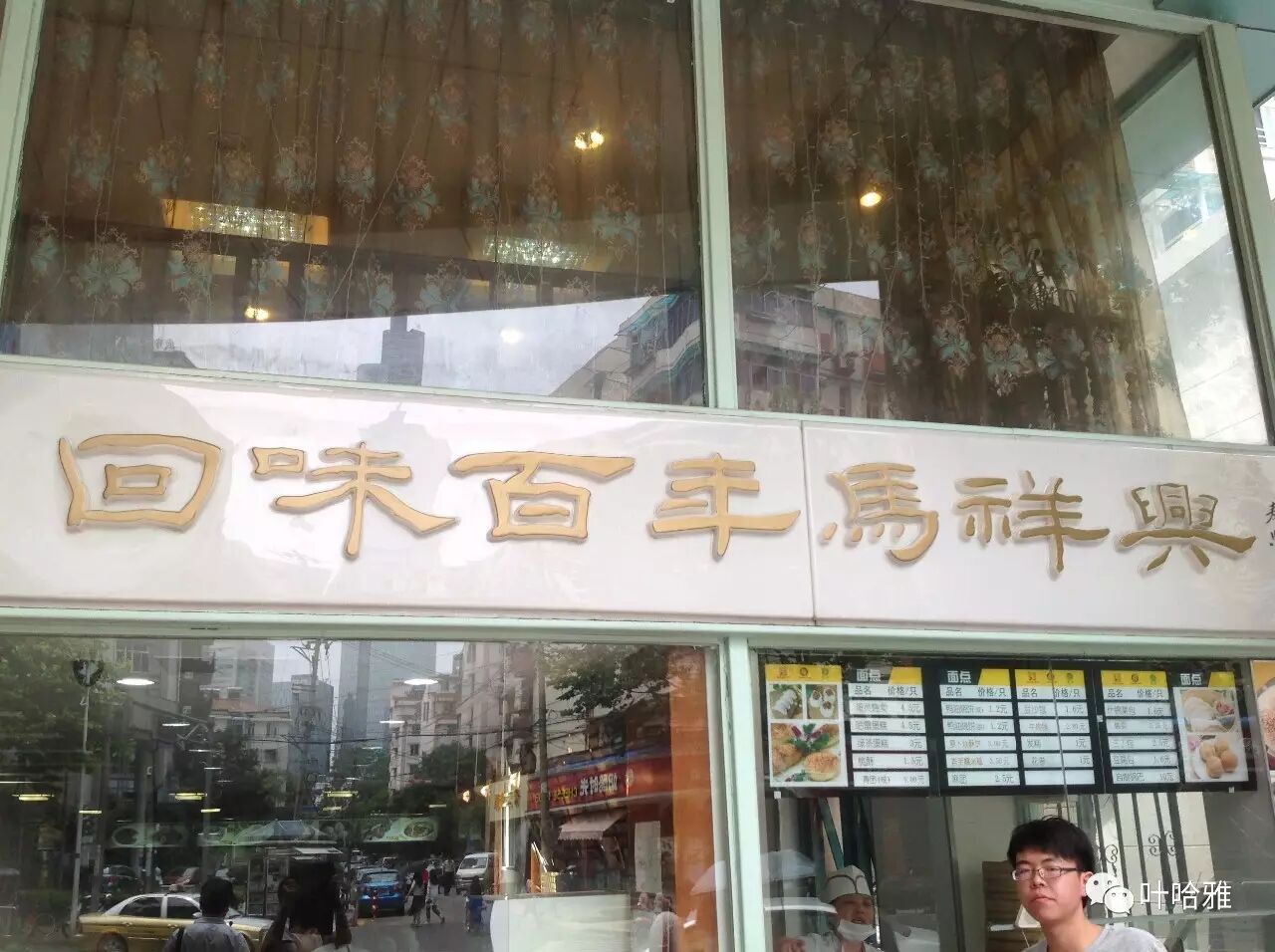
Maxingxing Restaurant is the oldest halal restaurant in Nanjing. It has been around for over 160 years, dating back to 1845 during the Daoguang period of the Qing Dynasty. It is one of the four great traditional halal brands in Nanjing. Its four signature dishes are beauty liver (meiren gan), phoenix tail shrimp (fengwei xia), egg steamed dumplings (dan shaomai), and squirrel fish (songshu yu). Today, Maxingxing is listed as a Jiangsu Province intangible cultural heritage and was among the first group of time-honored Chinese brands named by the Ministry of Commerce.
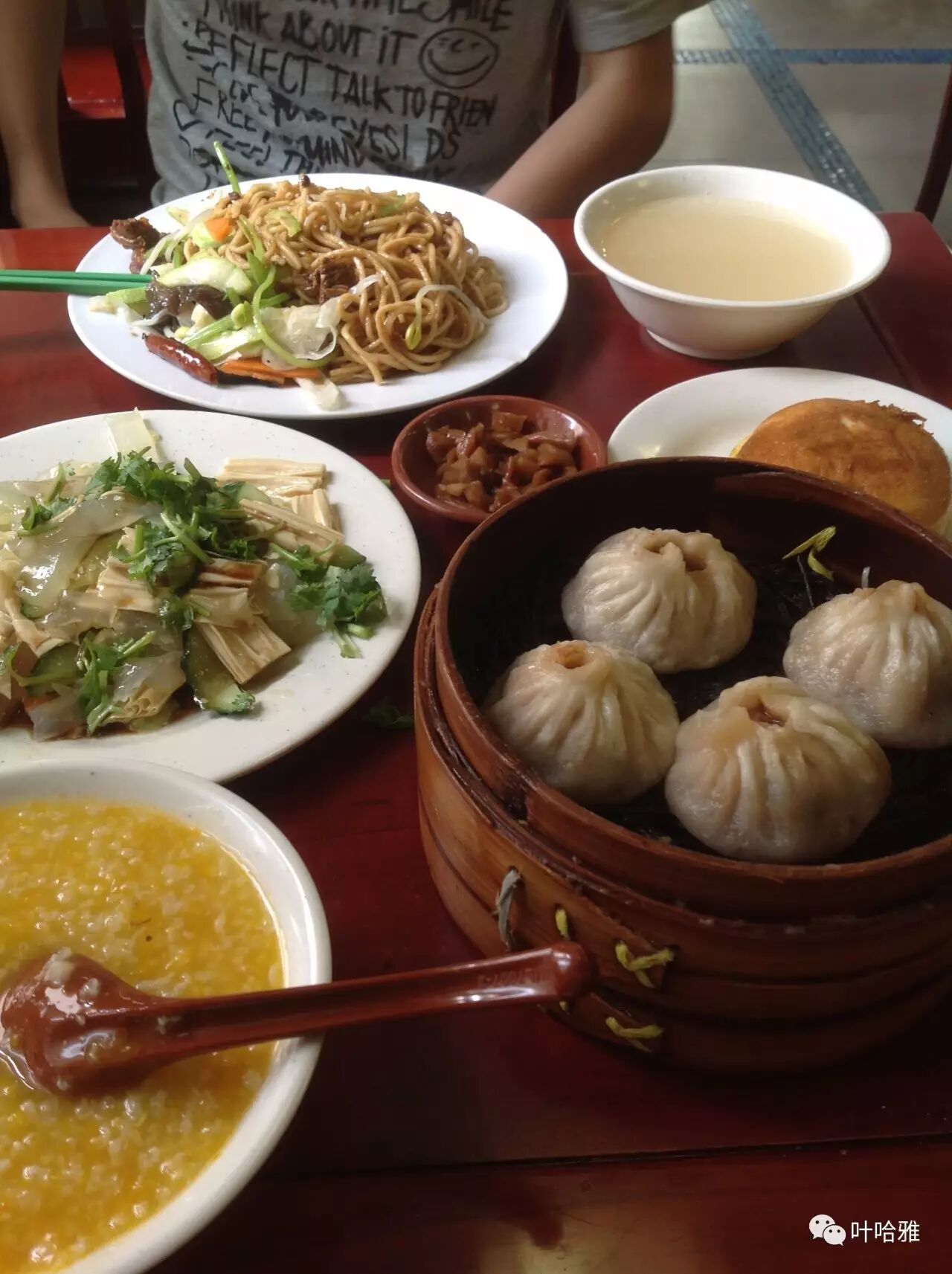
Visitors to Nanjing usually want to try the local snacks. Maxingxing's pan-fried dumplings (guotie) and soup dumplings (xiaolongbao) are delicious treats you should not miss.
Address: No. 32 Yunnan North Road, Gulou District (near Hubei Road)
2. Qifangge
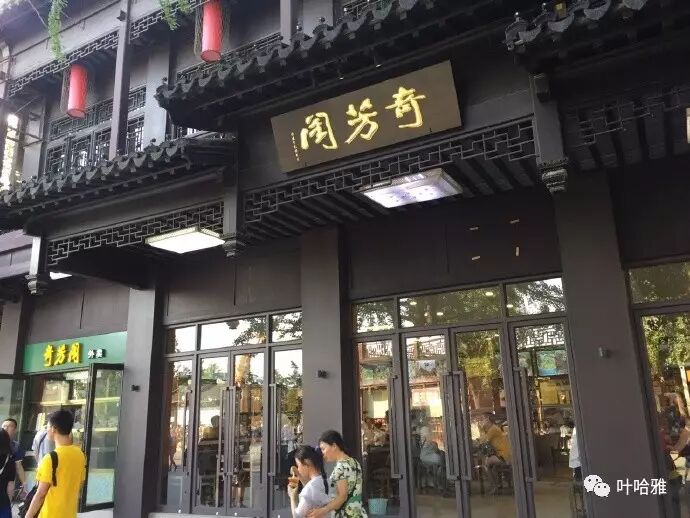
Qifangge is one of Nanjing's four great traditional halal brands. It was founded in 1917 by socialites and business leaders like Li Yangchao, Zhu Shouren, Liu Hairu, and Yu Zikuan. They pooled their money to open the Qifangge Halal Tea House near Chengsi Mosque on what was then Qiwang Street (now Jiankang Road), focusing on halal snacks.
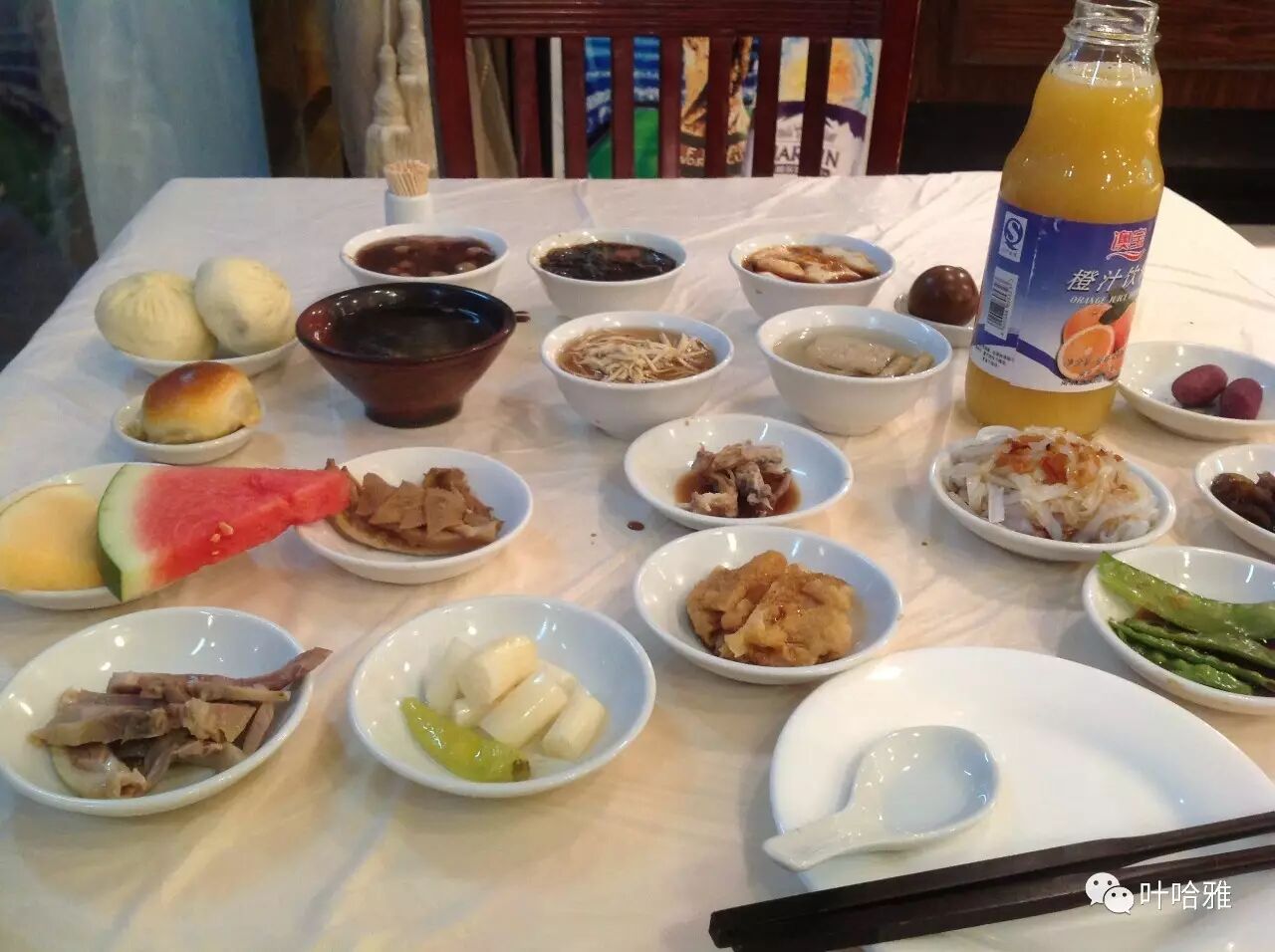
This place serves the 25 varieties of Qinhuai River snacks. Because Nanjing has so many types of snacks, Qifangge offers a snack set to help diners try them all. Each item comes in a small plate, allowing you to sample the entire range of Qinhuai River snacks at once.
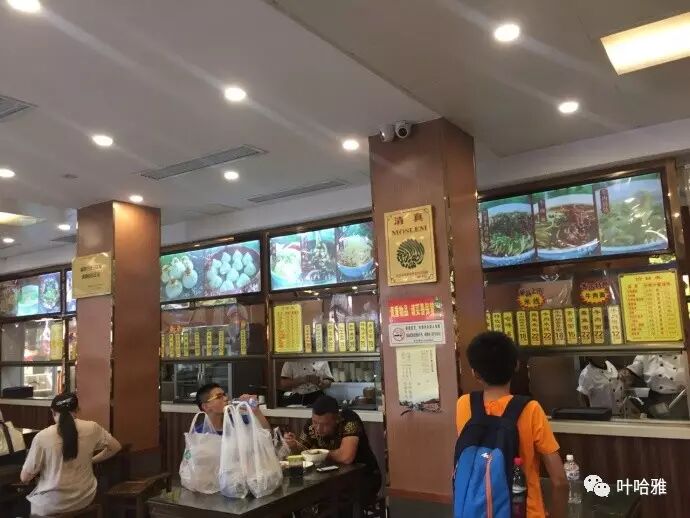
The diners here include both long-time Nanjing locals and tourists from out of town.
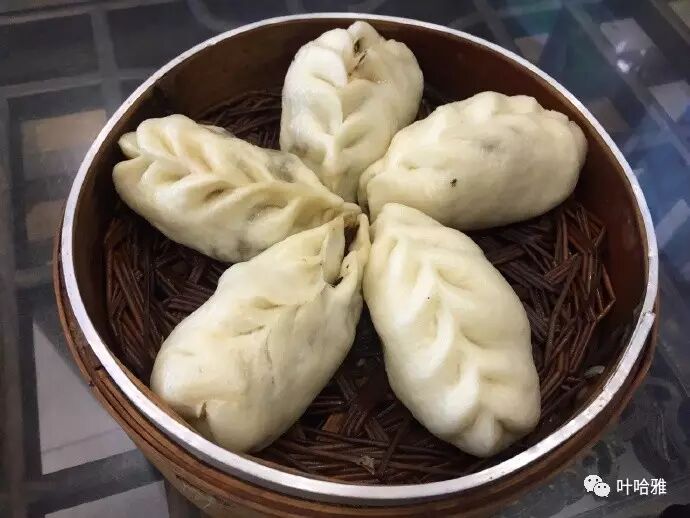
The shepherd's purse steamed dumplings (jicai zhengjiao) are not only beautifully made but also perfectly seasoned, soft, and tasty.
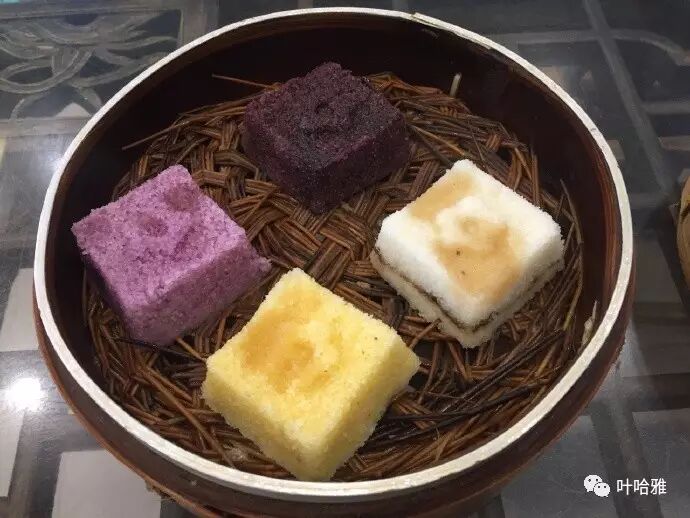
Four-color cakes (sise gao) are a traditional snack in the Jiangsu region, carefully made from ingredients like glutinous rice flour and rose petals.
Address: No. 12 Gongyuan West Street, Confucius Temple, Qinhuai District
3. Lvliuju
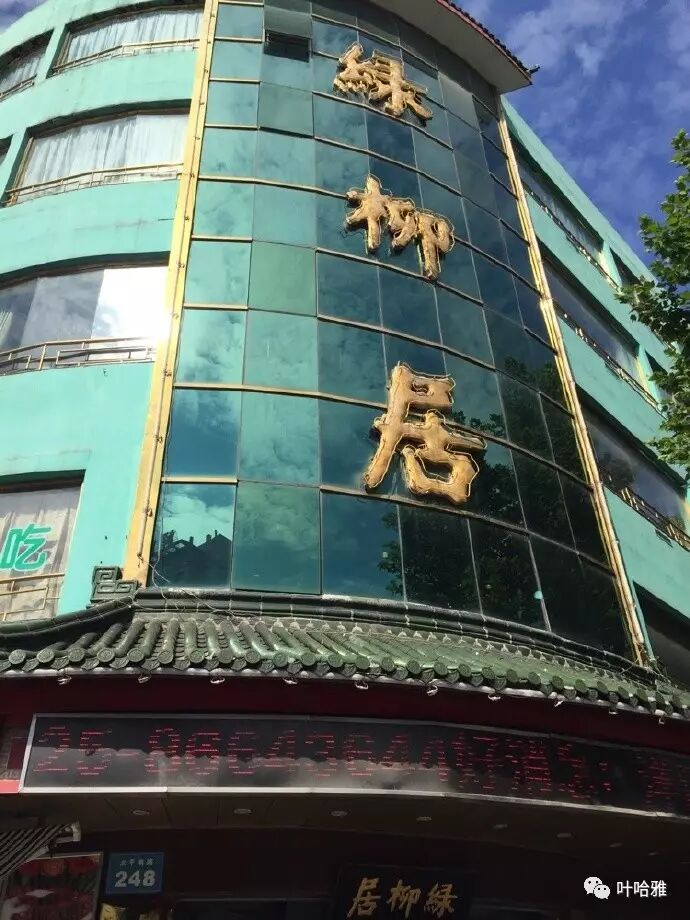
Founded in 1912, Lvliuju is a Jiangsu Province intangible cultural heritage site famous for its vegetarian and halal dishes. Records show that Bai Chongxi, Sun Yat-sen, and the Soong sisters were all regular customers at Lvliuju.
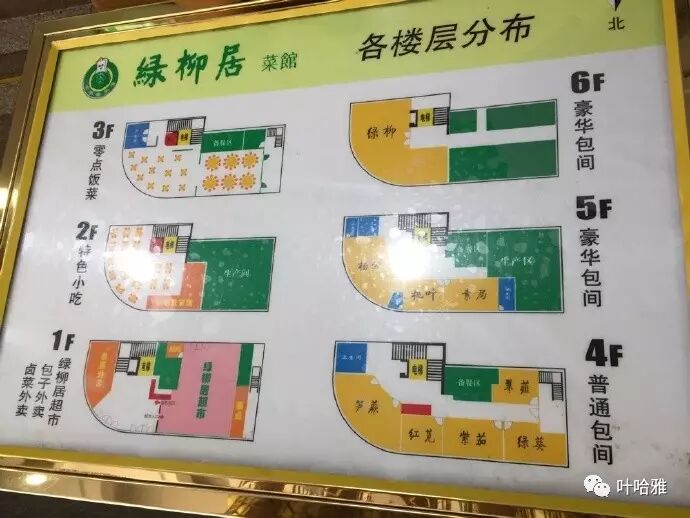
The first floor is a shop for homemade food, selling hundreds of finished or semi-finished products. The second floor serves snacks, the third floor serves stir-fried dishes, and the floors above have private rooms.
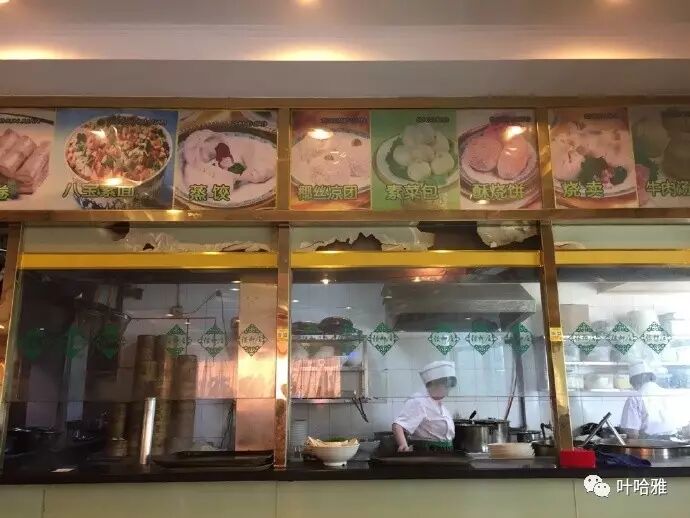
Since I prefer local snacks, I naturally went to the second floor to try them.
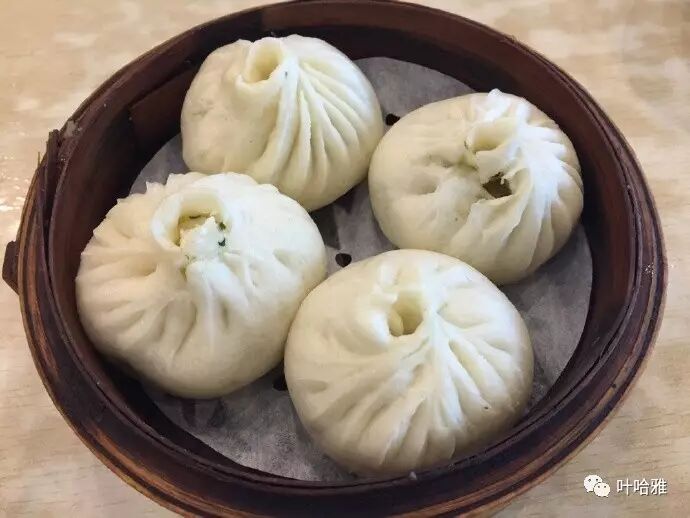
I had a vegetable bun (sucai bao). These Jiangnan-style buns really show a refined quality from the outside in.
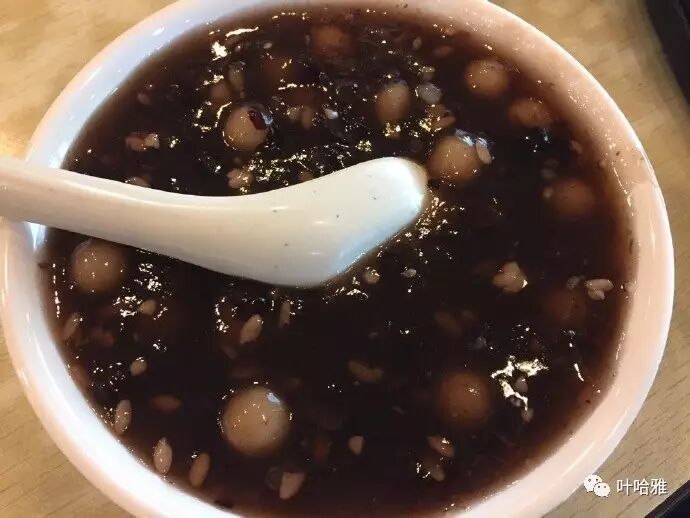
These are small sweet rice balls (xiao tangyuan), round and chewy.
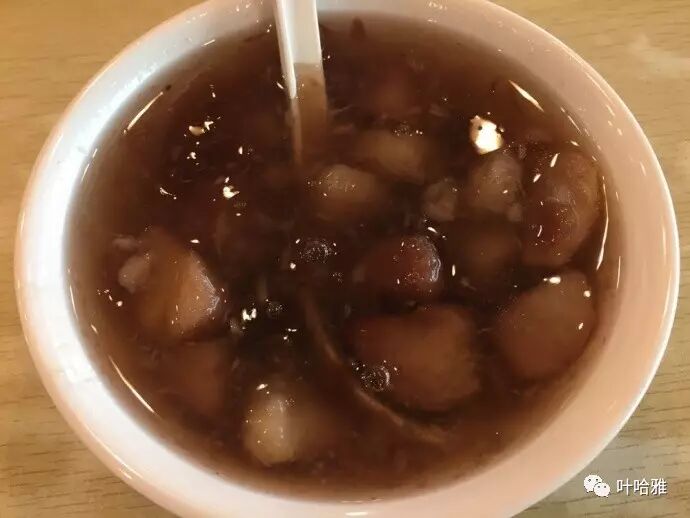
Sugar taro seedlings (tang yumiao) are a Jiangnan snack made by boiling taro in sugar water.
Address: Floors 1-6, No. 248 Taiping South Road, Qinhuai District (near Taiping Shopping Mall)
4. Anleyuan
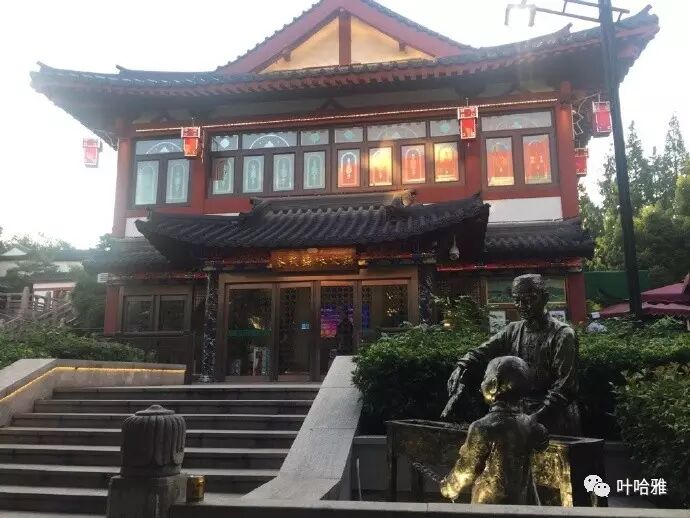
Anleyuan is the largest halal restaurant in Nanjing, known as the premier halal establishment in the Jiangnan region. This building is just for stir-fried dishes. Next to it, there is another building for snacks and one for hot pot.
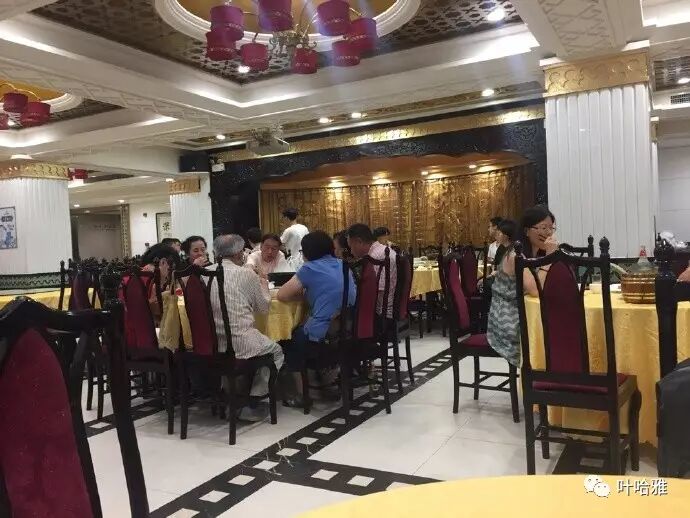
The diners inside all sound like locals from Nanjing. Don't ask me how I know; the person who brought me here is a Nanjing Hui Muslim.
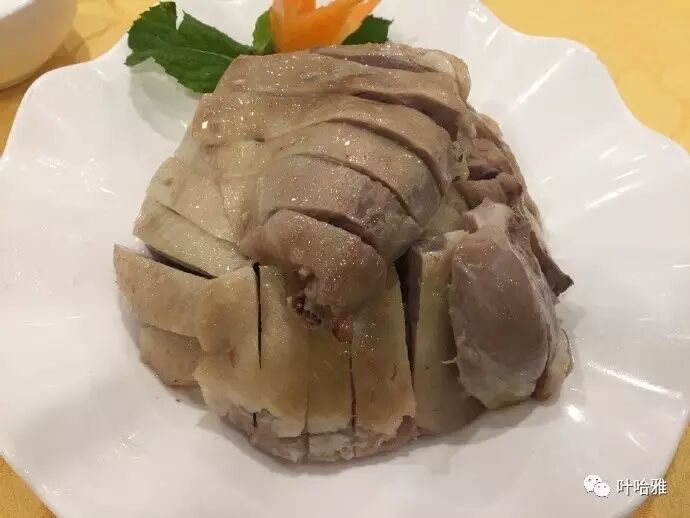
Nanjing's famous salted duck (yanshuiya) is a local specialty. Even though it is called salted duck, Jiangnan cuisine is generally light in flavor.
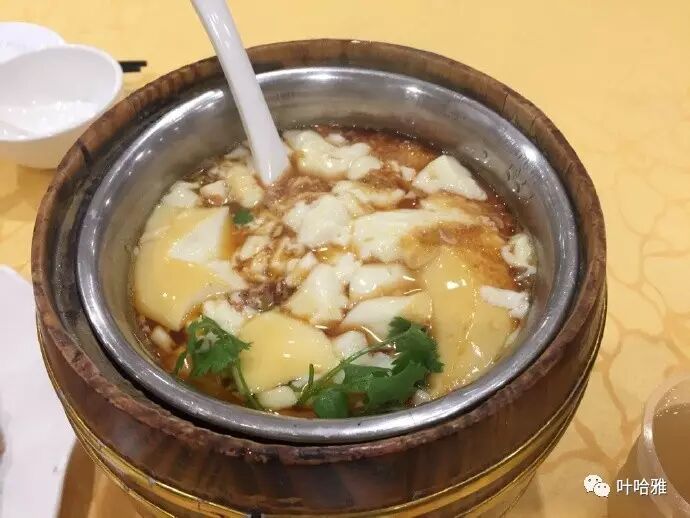
Tofu pudding soup (douhuageng) served with deep-fried dough twists (sanzi) to mix together.
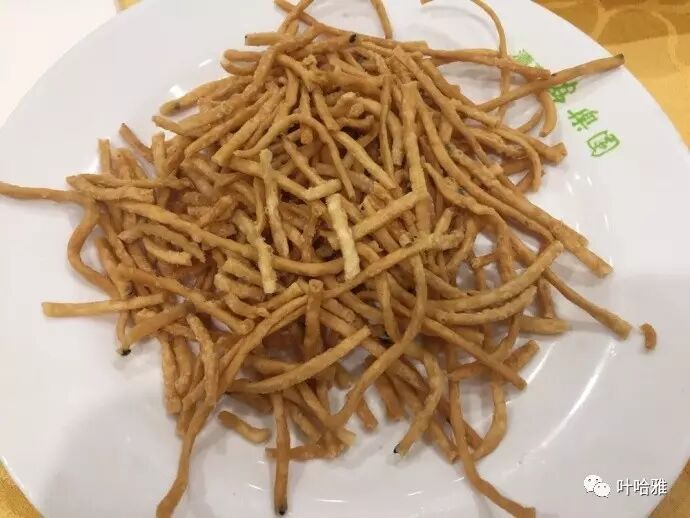
Hui Muslim snack deep-fried dough twists (sanzi).
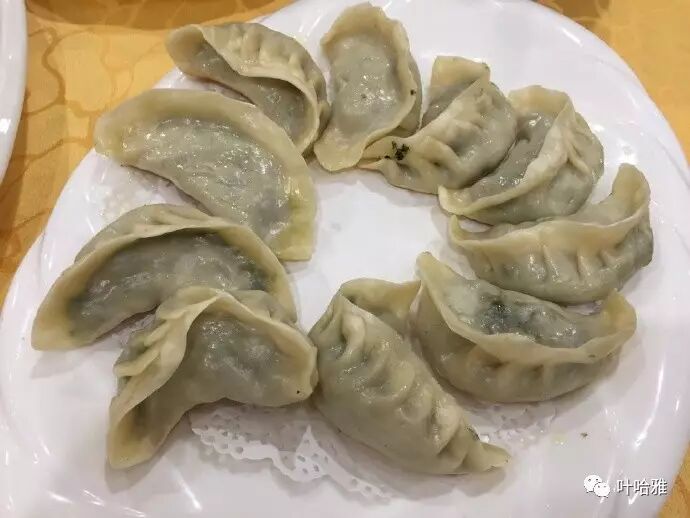
Vegetable steamed dumplings (su zhengjiao) are also one of Nanjing's famous snacks.
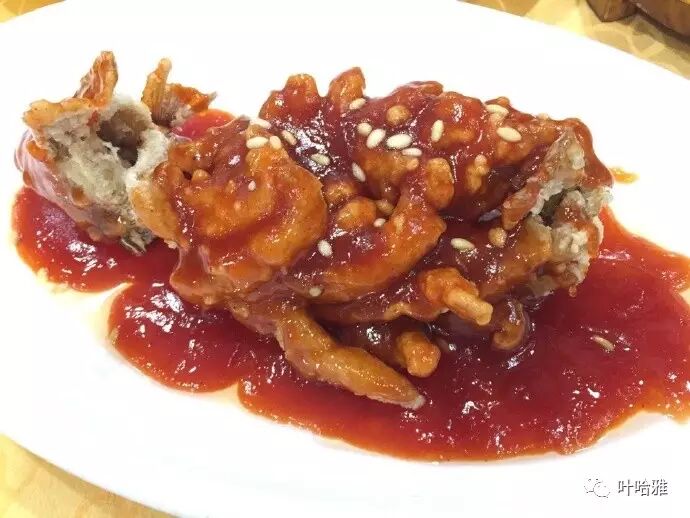
Squirrel-shaped mandarin fish (songshu guiyu) is a famous Jiangsu dish with a sweet and sour taste.
Address: 138 Wangfu Street.
5. Jiang Youji.
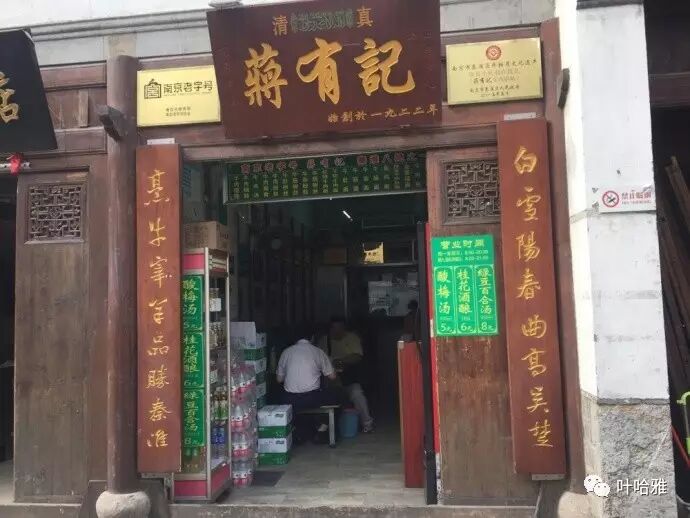
Jiang Youji is also a century-old halal shop in Nanjing. Its most famous item is the beef potstickers (niurou guotie), which are known as one of the Eight Wonders of Qinhuai. I heard they had a lawsuit over the brand a few years ago, but it doesn't matter to the diners. We don't care if the successor is authentic; if it doesn't taste good, being authentic is useless.
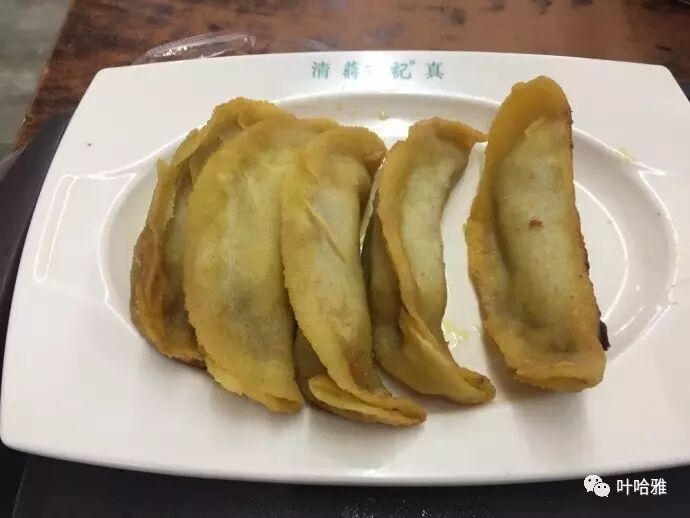
The beef potstickers at this Laomendong branch on Santiaoying in Qinhuai District are delicious.
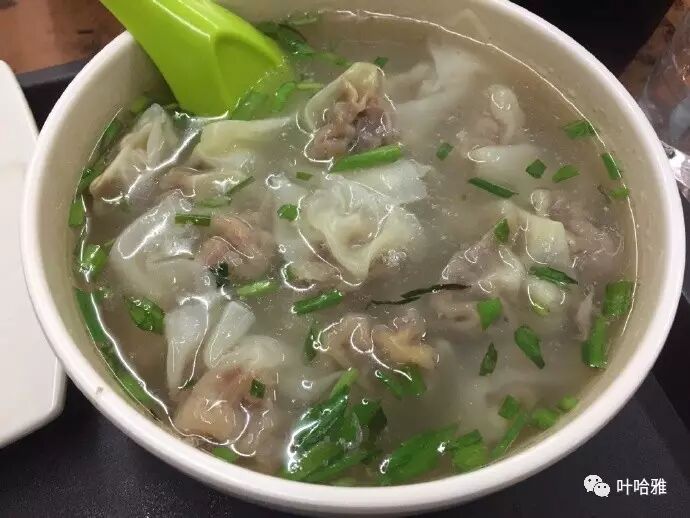
Have a bowl of wontons (huntun) for breakfast; the soup is fresh and the ingredients are plentiful.
Address: 40 Santiaoying, Laomendong.
6. Yiguangge.
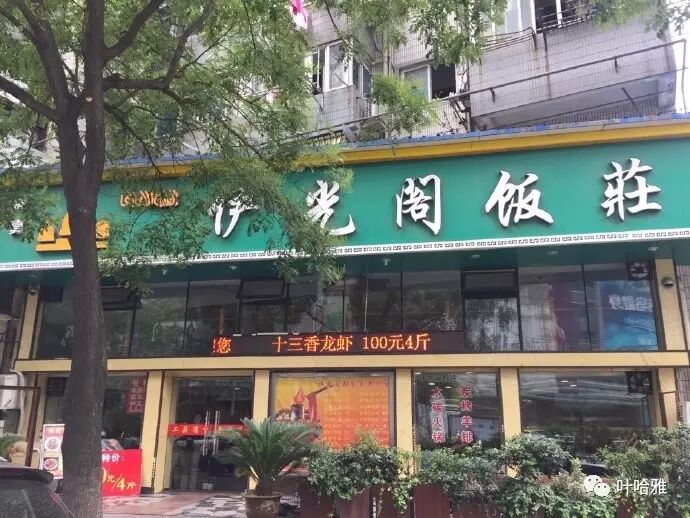
Yiguangge is another old shop in Nanjing. The owner owns the storefront, so they don't pay rent, which keeps the prices cheap.
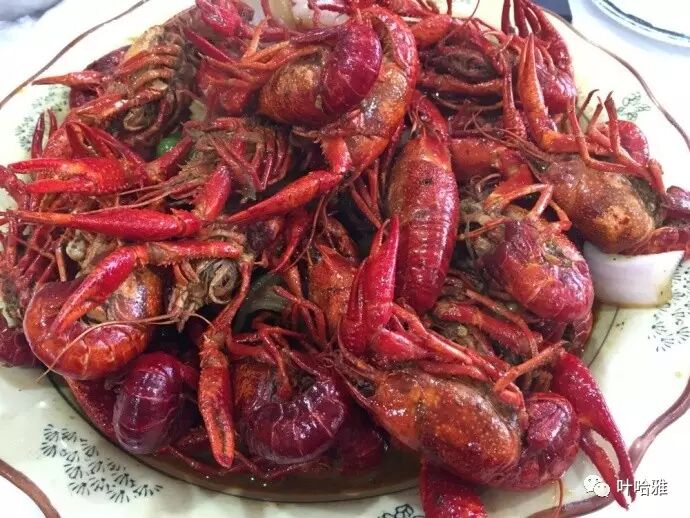
I came here to eat crayfish (xiaolongxia). Crayfish is a common home-cooked dish in Jiangnan, and you naturally have to eat authentic halal crayfish when in Nanjing. This time, I learned the proper way to eat crayfish from a friend and realized my previous simple and rough way of eating them was a total waste.
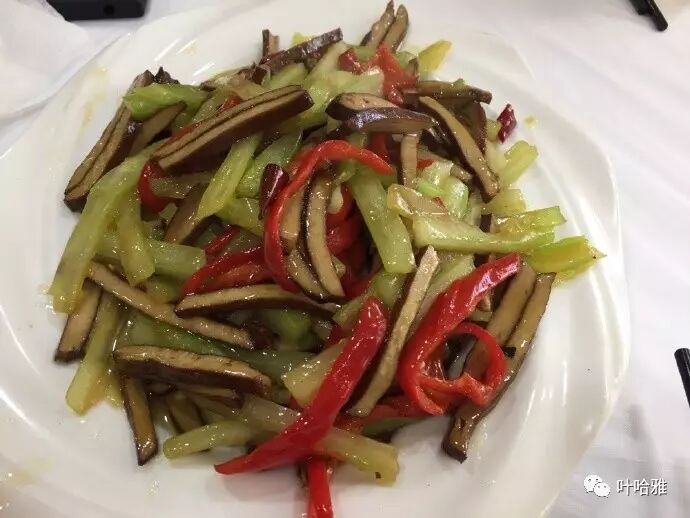
Stir-fried celery with dried tofu (ganzi). Dried tofu is a common soy product in the south.
Address: 15-2 Beimenqiao Road, Beimenqiao Street (near New World Department Store).
7. Lan Laoda Sugar Porridge and Lotus Root Shop.
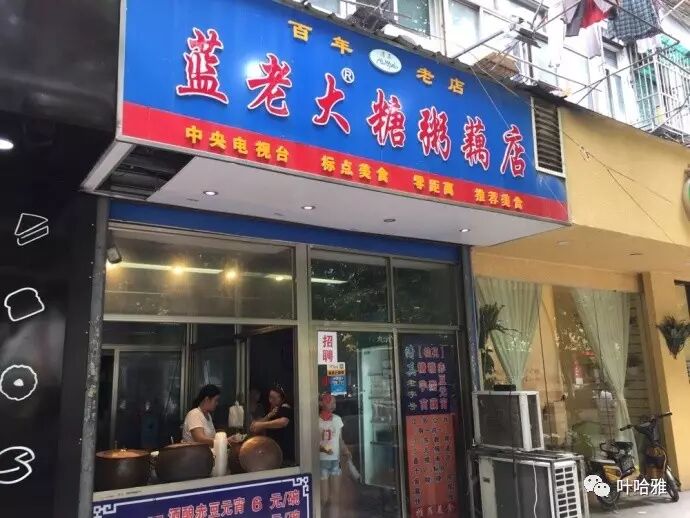
I really like these kinds of street-side shops. Lan Laoda is also an old brand with several branches in Nanjing.
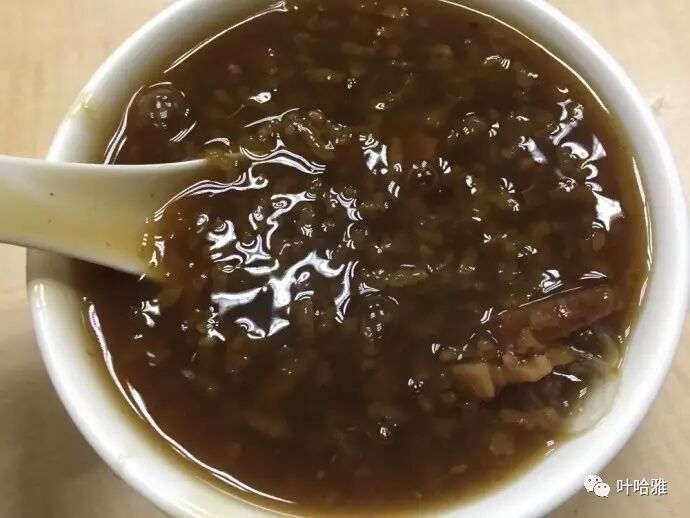
They mainly sell snacks like sugar porridge with lotus root (tang zhou ou) and sugar taro seedlings (tang yumiao). Sugar porridge with lotus root is a sweet porridge made from lotus root and glutinous rice, and it is one of Nanjing's famous specialties.
Address: 22 Shuangtang Road, Qinhuai District.
8. Li Ji Halal Restaurant
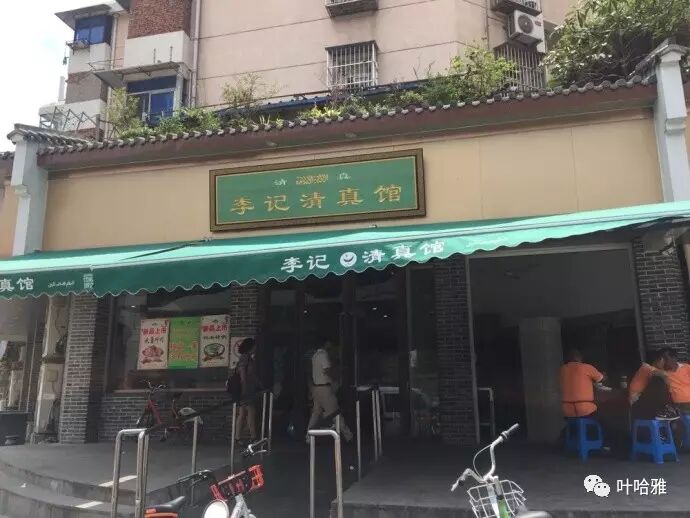
Li Ji Halal Restaurant has only this one location in Nanjing with no other branches. It is a long-standing shop that sells a variety of Nanjing snacks.
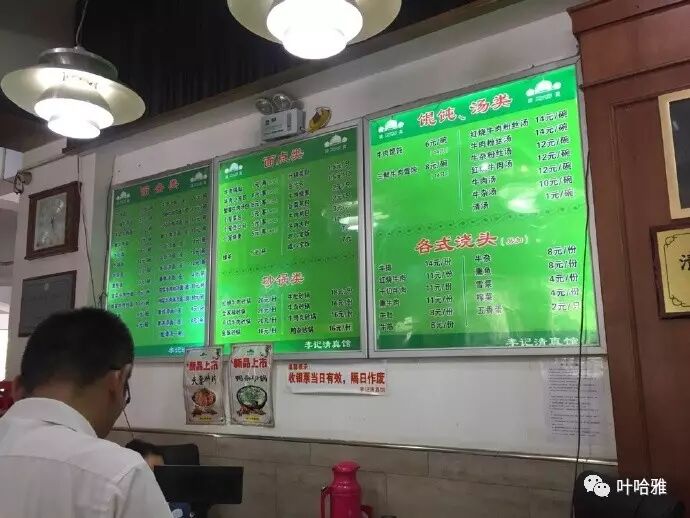
There are so many types of snacks, and each one comes in different flavors. People in the south are truly meticulous when it comes to cooking.
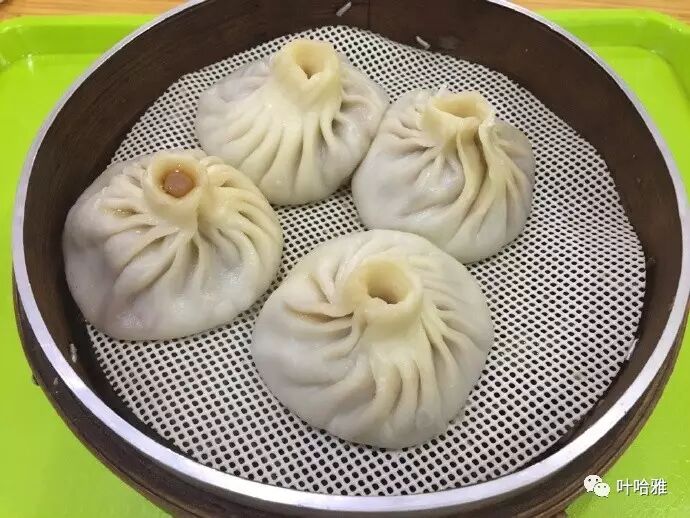
I tried Nanjing soup dumplings (xiaolongbao) for the first time. The skin is thin and there is a hole on top. You can suck out the soup first before eating the dumpling, but be careful not to burn your mouth.
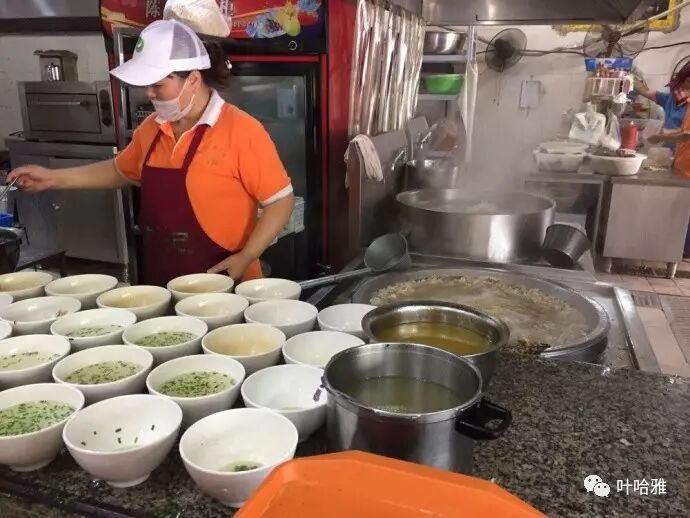
The wontons and beef offal vermicelli soup are both made fresh on the spot.
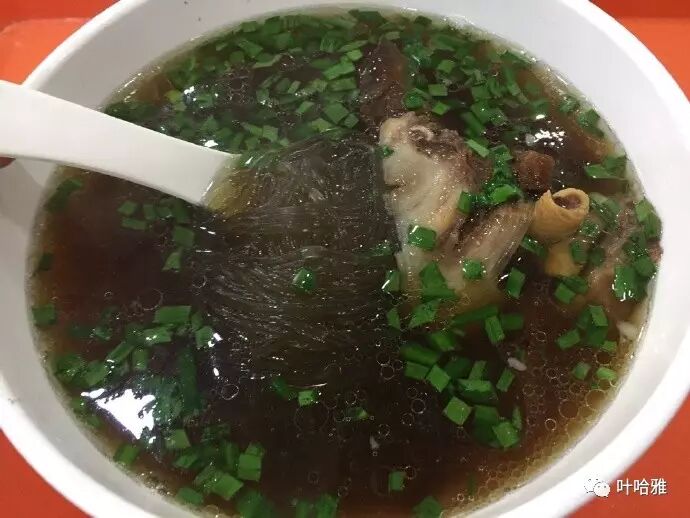
A famous Nanjing snack is duck blood vermicelli soup, but Hui Muslims do not eat blood, so we eat beef offal vermicelli soup or beef vermicelli soup instead.
Address: No. 1 Dading Lane, Qinhuai District
9. Taoyuan Village
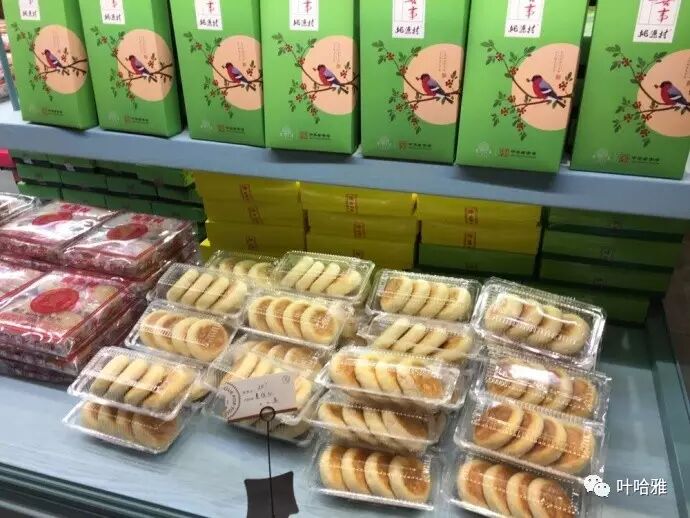
Taoyuan Village pastries originated in Beijing's Niujie and have a history of over 150 years. They later moved to Shanghai and opened a factory near the Xiaotaoyuan Mosque, which is how they got the name Taoyuan Village. During the Republic of China era, Taoyuan Village was invited by the government to open in the Nanjing Central Shopping Mall, officially becoming a local Nanjing halal pastry brand.
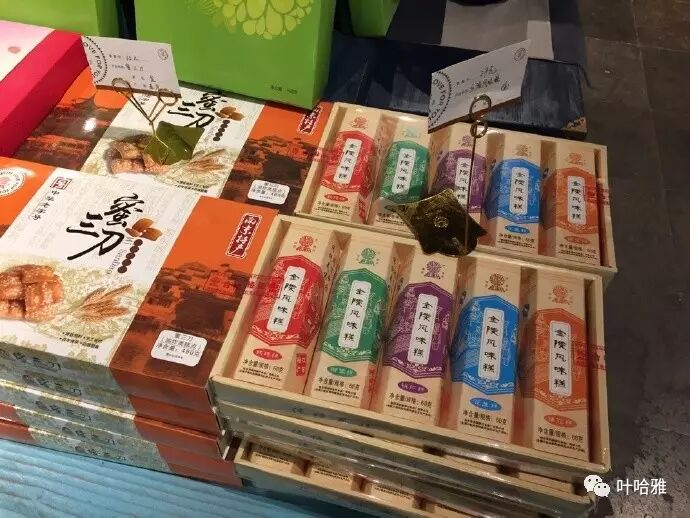
Beijing-style pastries like honey-glazed dough cubes (misandao), Beijing eight-piece gift boxes (jingbajian), and fried flour cakes (saqima) will surely feel familiar to people from Beijing.
Address: No. 264 Baixia Road, Baixia District
10. Jinhongxing Duck Shop
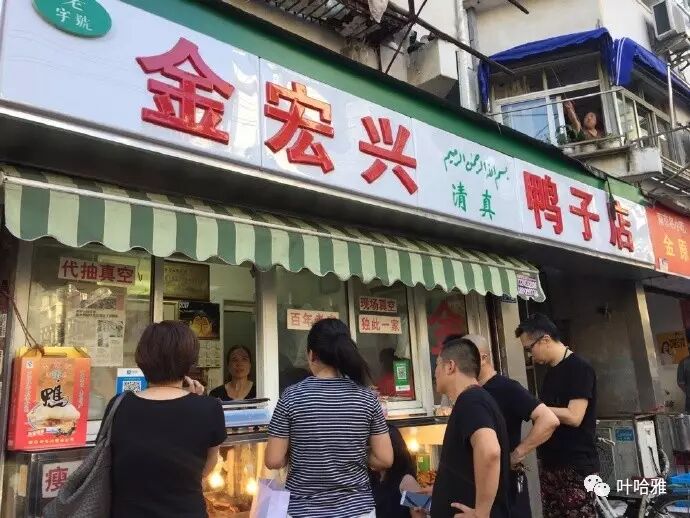
Jinhongxing's duck is as popular as the deli food at Jubao Yuan, with people lining up all day long.
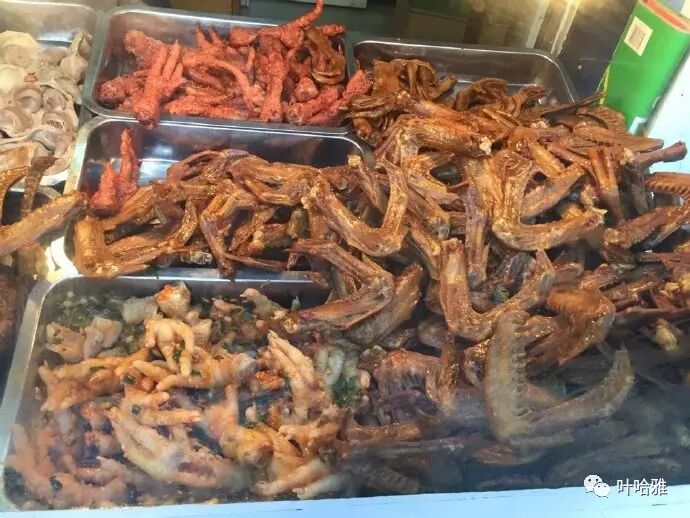
You must try authentic Nanjing roast duck when you are in Nanjing. It is very different from the Beijing style. Nanjing roast duck can be sliced and eaten by dipping it directly into the sauce.
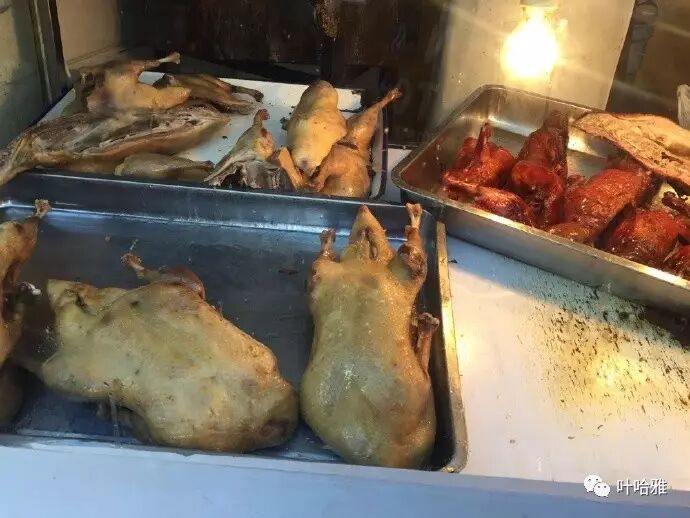
This is a takeout shop, and you can ask the owner to vacuum-pack it on the spot to take away.
Address: No. 5-1 Mingwalang
11. Han Fuxing
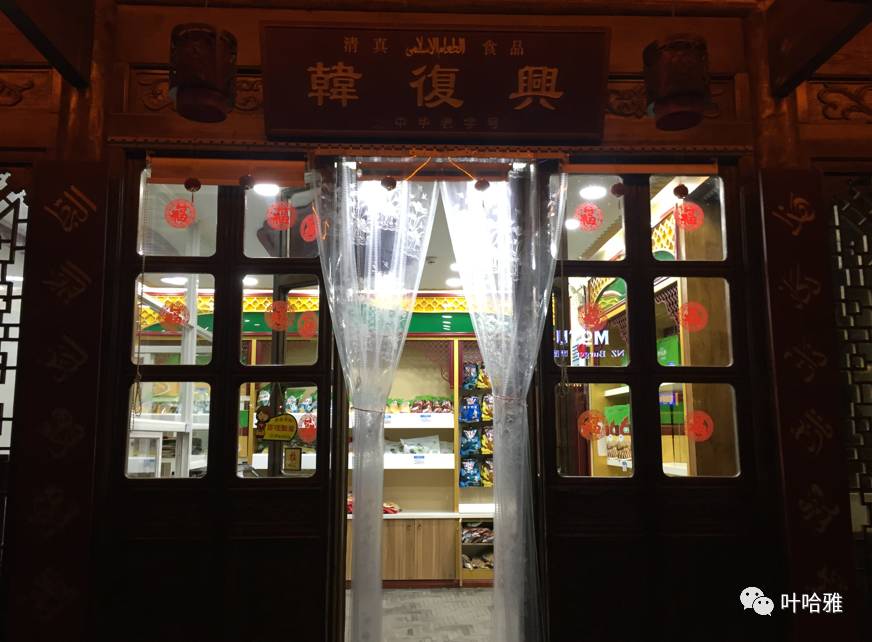
Founded during the Tongzhi reign of the Qing Dynasty, Han Fuxing Pressed Duck Shop is the largest halal food company in Nanjing. It is a time-honored Chinese brand that mainly sells pressed duck and other duck products.
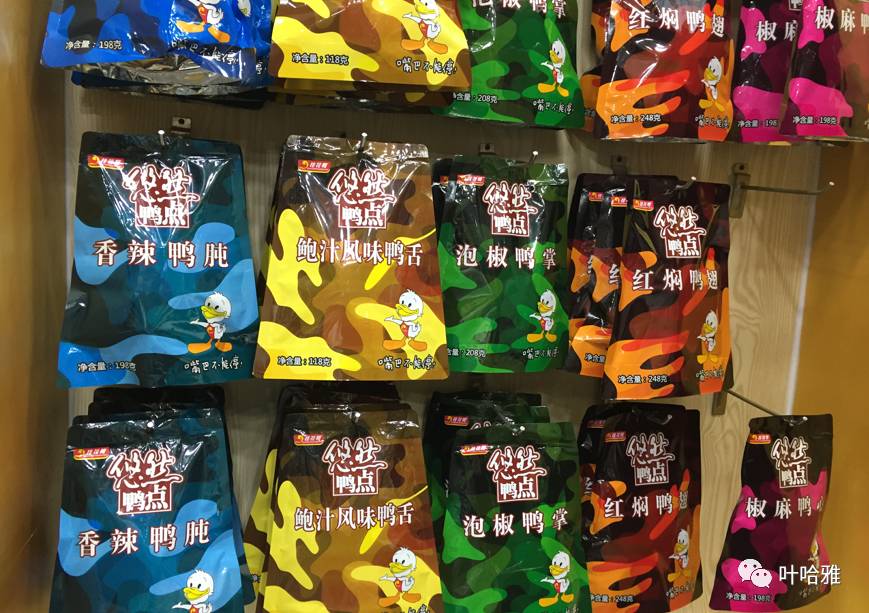
Han Fuxing Duck Shop now has several branches in Nanjing, and the Han family's osmanthus duck (guihuaya) is their signature dish.
Address: No. 32 Hubu Street, Qinhuai District
12. Nanjing University of Aeronautics and Astronautics (NUAA) Jiangjun Road Campus Halal Canteen
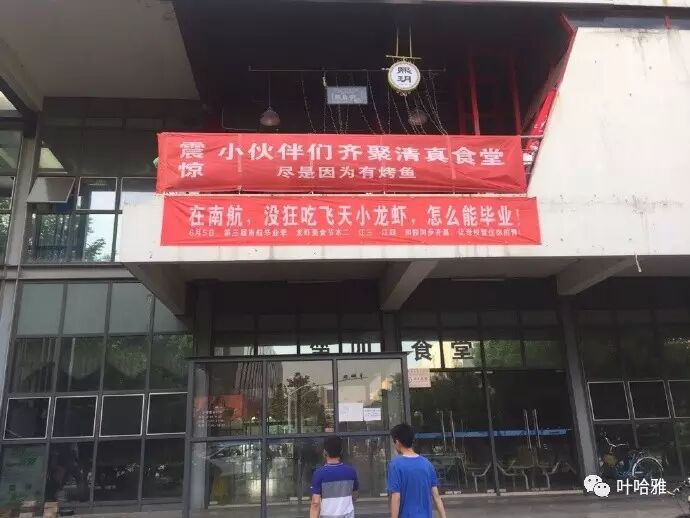
After recommending old-fashioned restaurants in Nanjing, I will finally recommend a halal canteen. The halal canteen at NUAA is not an ordinary canteen; it is the highest-rated canteen in the local area.
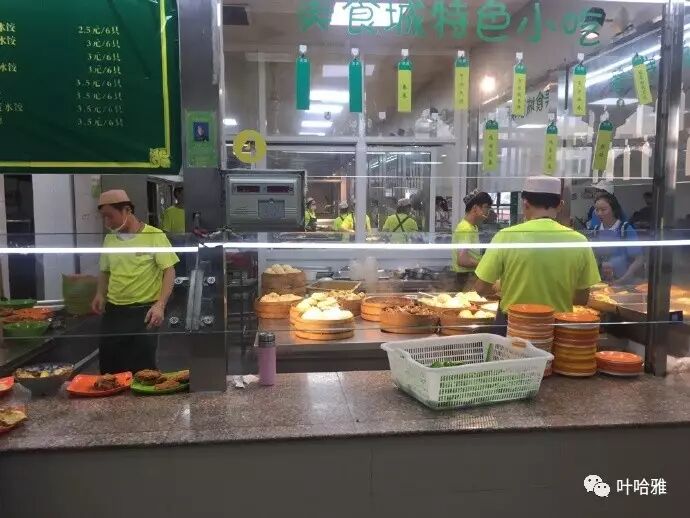
The variety of specialty snacks is enough to dazzle your eyes.
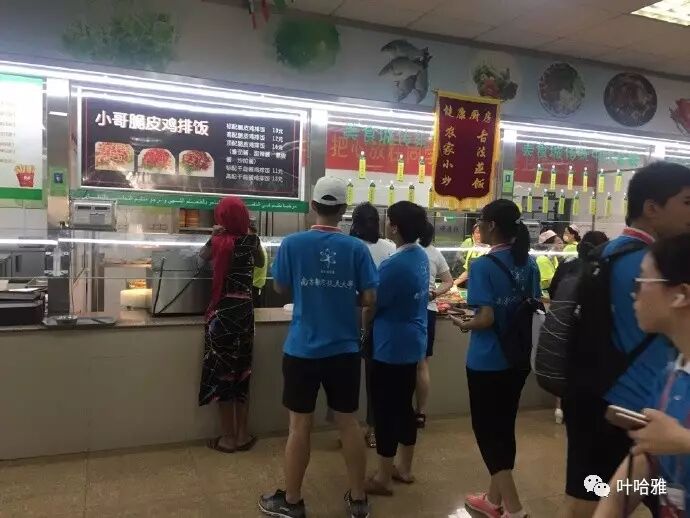
NUAA has many international students, so the halal canteen is quite large. Anyone can come to eat here, and you can pay with cash.
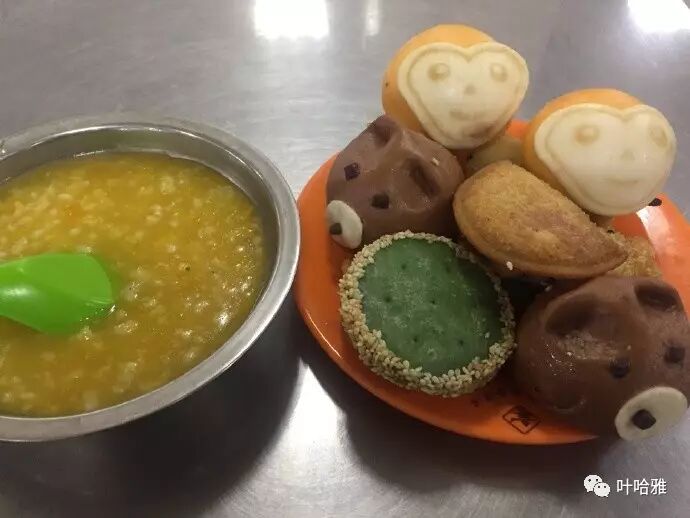
It is hard to believe these snacks come from a cafeteria. The bear-shaped red bean buns (doushabao) are chocolate-flavored, and they also serve stir-fried dishes and barbecue. Being a student at Nanjing University of Aeronautics and Astronautics is truly a blessing.
Address: Second floor of the Fourth Cafeteria, Jiangjun Road Campus, Nanjing University of Aeronautics and Astronautics.
Some friends (dosti) ask me how I find so many local halal specialties and what apps I use. I tell them I use locals. I praise Allah for letting me meet such wonderful friends (dosti) in Nanjing. No app is better than a local who knows the area inside and out. I have been treated very well by friends whenever I travel. All Muslims are one family. May Allah reward everyone who helps others with a kind heart.
Local Halal Food in China: Nanjing Duck, Muslim Snacks & Historic Hui Restaurants
Articles • ali2007fr posted the article • 0 comments • 153 views • 2026-05-21 10:17
Summary: A Nanjing halal food map covering historic Hui Muslim restaurants, classic local snacks, duck dishes, and old neighborhood food stops, with names, addresses, photos, and cultural context kept from the source article.
Hui Muslims have a very long history in Nanjing. During the Ming Dynasty, they made up a large part of the population in the old city. When the capital moved to Beijing, many Hui Muslims moved north with it. Many northern Hui Muslim family trees can be traced back to Nanjing. During the Republic of China era, Nanjing became the capital again. Many high-ranking Nationalist generals were Hui Muslims, which helped Nanjing's halal food culture grow quickly during that time.
1. Maxingxing
Maxingxing Restaurant is the oldest halal restaurant in Nanjing. It has been around for over 160 years, dating back to 1845 during the Daoguang period of the Qing Dynasty. It is one of the four great traditional halal brands in Nanjing. Its four signature dishes are beauty liver (meiren gan), phoenix tail shrimp (fengwei xia), egg steamed dumplings (dan shaomai), and squirrel fish (songshu yu). Today, Maxingxing is listed as a Jiangsu Province intangible cultural heritage and was among the first group of time-honored Chinese brands named by the Ministry of Commerce.
Visitors to Nanjing usually want to try the local snacks. Maxingxing's pan-fried dumplings (guotie) and soup dumplings (xiaolongbao) are delicious treats you should not miss.
Address: No. 32 Yunnan North Road, Gulou District (near Hubei Road)
2. Qifangge
Qifangge is one of Nanjing's four great traditional halal brands. It was founded in 1917 by socialites and business leaders like Li Yangchao, Zhu Shouren, Liu Hairu, and Yu Zikuan. They pooled their money to open the Qifangge Halal Tea House near Chengsi Mosque on what was then Qiwang Street (now Jiankang Road), focusing on halal snacks.
This place serves the 25 varieties of Qinhuai River snacks. Because Nanjing has so many types of snacks, Qifangge offers a snack set to help diners try them all. Each item comes in a small plate, allowing you to sample the entire range of Qinhuai River snacks at once.
The diners here include both long-time Nanjing locals and tourists from out of town.
The shepherd's purse steamed dumplings (jicai zhengjiao) are not only beautifully made but also perfectly seasoned, soft, and tasty.
Four-color cakes (sise gao) are a traditional snack in the Jiangsu region, carefully made from ingredients like glutinous rice flour and rose petals.
Address: No. 12 Gongyuan West Street, Confucius Temple, Qinhuai District
3. Lvliuju
Founded in 1912, Lvliuju is a Jiangsu Province intangible cultural heritage site famous for its vegetarian and halal dishes. Records show that Bai Chongxi, Sun Yat-sen, and the Soong sisters were all regular customers at Lvliuju.
The first floor is a shop for homemade food, selling hundreds of finished or semi-finished products. The second floor serves snacks, the third floor serves stir-fried dishes, and the floors above have private rooms.
Since I prefer local snacks, I naturally went to the second floor to try them.
I had a vegetable bun (sucai bao). These Jiangnan-style buns really show a refined quality from the outside in.
These are small sweet rice balls (xiao tangyuan), round and chewy.
Sugar taro seedlings (tang yumiao) are a Jiangnan snack made by boiling taro in sugar water.
Address: Floors 1-6, No. 248 Taiping South Road, Qinhuai District (near Taiping Shopping Mall)
4. Anleyuan
Anleyuan is the largest halal restaurant in Nanjing, known as the premier halal establishment in the Jiangnan region. This building is just for stir-fried dishes. Next to it, there is another building for snacks and one for hot pot.
The diners inside all sound like locals from Nanjing. Don't ask me how I know; the person who brought me here is a Nanjing Hui Muslim.
Nanjing's famous salted duck (yanshuiya) is a local specialty. Even though it is called salted duck, Jiangnan cuisine is generally light in flavor.
Tofu pudding soup (douhuageng) served with deep-fried dough twists (sanzi) to mix together.
Hui Muslim snack deep-fried dough twists (sanzi).
Vegetable steamed dumplings (su zhengjiao) are also one of Nanjing's famous snacks.
Squirrel-shaped mandarin fish (songshu guiyu) is a famous Jiangsu dish with a sweet and sour taste.
Address: 138 Wangfu Street.
5. Jiang Youji.
Jiang Youji is also a century-old halal shop in Nanjing. Its most famous item is the beef potstickers (niurou guotie), which are known as one of the Eight Wonders of Qinhuai. I heard they had a lawsuit over the brand a few years ago, but it doesn't matter to the diners. We don't care if the successor is authentic; if it doesn't taste good, being authentic is useless.
The beef potstickers at this Laomendong branch on Santiaoying in Qinhuai District are delicious.
Have a bowl of wontons (huntun) for breakfast; the soup is fresh and the ingredients are plentiful.
Address: 40 Santiaoying, Laomendong.
6. Yiguangge.
Yiguangge is another old shop in Nanjing. The owner owns the storefront, so they don't pay rent, which keeps the prices cheap.
I came here to eat crayfish (xiaolongxia). Crayfish is a common home-cooked dish in Jiangnan, and you naturally have to eat authentic halal crayfish when in Nanjing. This time, I learned the proper way to eat crayfish from a friend and realized my previous simple and rough way of eating them was a total waste.
Stir-fried celery with dried tofu (ganzi). Dried tofu is a common soy product in the south.
Address: 15-2 Beimenqiao Road, Beimenqiao Street (near New World Department Store).
7. Lan Laoda Sugar Porridge and Lotus Root Shop.
I really like these kinds of street-side shops. Lan Laoda is also an old brand with several branches in Nanjing.
They mainly sell snacks like sugar porridge with lotus root (tang zhou ou) and sugar taro seedlings (tang yumiao). Sugar porridge with lotus root is a sweet porridge made from lotus root and glutinous rice, and it is one of Nanjing's famous specialties.
Address: 22 Shuangtang Road, Qinhuai District.
8. Li Ji Halal Restaurant
Li Ji Halal Restaurant has only this one location in Nanjing with no other branches. It is a long-standing shop that sells a variety of Nanjing snacks.
There are so many types of snacks, and each one comes in different flavors. People in the south are truly meticulous when it comes to cooking.
I tried Nanjing soup dumplings (xiaolongbao) for the first time. The skin is thin and there is a hole on top. You can suck out the soup first before eating the dumpling, but be careful not to burn your mouth.
The wontons and beef offal vermicelli soup are both made fresh on the spot.
A famous Nanjing snack is duck blood vermicelli soup, but Hui Muslims do not eat blood, so we eat beef offal vermicelli soup or beef vermicelli soup instead.
Address: No. 1 Dading Lane, Qinhuai District
9. Taoyuan Village
Taoyuan Village pastries originated in Beijing's Niujie and have a history of over 150 years. They later moved to Shanghai and opened a factory near the Xiaotaoyuan Mosque, which is how they got the name Taoyuan Village. During the Republic of China era, Taoyuan Village was invited by the government to open in the Nanjing Central Shopping Mall, officially becoming a local Nanjing halal pastry brand.
Beijing-style pastries like honey-glazed dough cubes (misandao), Beijing eight-piece gift boxes (jingbajian), and fried flour cakes (saqima) will surely feel familiar to people from Beijing.
Address: No. 264 Baixia Road, Baixia District
10. Jinhongxing Duck Shop
Jinhongxing's duck is as popular as the deli food at Jubao Yuan, with people lining up all day long.
You must try authentic Nanjing roast duck when you are in Nanjing. It is very different from the Beijing style. Nanjing roast duck can be sliced and eaten by dipping it directly into the sauce.
This is a takeout shop, and you can ask the owner to vacuum-pack it on the spot to take away.
Address: No. 5-1 Mingwalang
11. Han Fuxing
Founded during the Tongzhi reign of the Qing Dynasty, Han Fuxing Pressed Duck Shop is the largest halal food company in Nanjing. It is a time-honored Chinese brand that mainly sells pressed duck and other duck products.
Han Fuxing Duck Shop now has several branches in Nanjing, and the Han family's osmanthus duck (guihuaya) is their signature dish.
Address: No. 32 Hubu Street, Qinhuai District
12. Nanjing University of Aeronautics and Astronautics (NUAA) Jiangjun Road Campus Halal Canteen
After recommending old-fashioned restaurants in Nanjing, I will finally recommend a halal canteen. The halal canteen at NUAA is not an ordinary canteen; it is the highest-rated canteen in the local area.
The variety of specialty snacks is enough to dazzle your eyes.
NUAA has many international students, so the halal canteen is quite large. Anyone can come to eat here, and you can pay with cash.
It is hard to believe these snacks come from a cafeteria. The bear-shaped red bean buns (doushabao) are chocolate-flavored, and they also serve stir-fried dishes and barbecue. Being a student at Nanjing University of Aeronautics and Astronautics is truly a blessing.
Address: Second floor of the Fourth Cafeteria, Jiangjun Road Campus, Nanjing University of Aeronautics and Astronautics.
Some friends (dosti) ask me how I find so many local halal specialties and what apps I use. I tell them I use locals. I praise Allah for letting me meet such wonderful friends (dosti) in Nanjing. No app is better than a local who knows the area inside and out. I have been treated very well by friends whenever I travel. All Muslims are one family. May Allah reward everyone who helps others with a kind heart. view all
Summary: A Nanjing halal food map covering historic Hui Muslim restaurants, classic local snacks, duck dishes, and old neighborhood food stops, with names, addresses, photos, and cultural context kept from the source article.
Hui Muslims have a very long history in Nanjing. During the Ming Dynasty, they made up a large part of the population in the old city. When the capital moved to Beijing, many Hui Muslims moved north with it. Many northern Hui Muslim family trees can be traced back to Nanjing. During the Republic of China era, Nanjing became the capital again. Many high-ranking Nationalist generals were Hui Muslims, which helped Nanjing's halal food culture grow quickly during that time.
1. Maxingxing
Maxingxing Restaurant is the oldest halal restaurant in Nanjing. It has been around for over 160 years, dating back to 1845 during the Daoguang period of the Qing Dynasty. It is one of the four great traditional halal brands in Nanjing. Its four signature dishes are beauty liver (meiren gan), phoenix tail shrimp (fengwei xia), egg steamed dumplings (dan shaomai), and squirrel fish (songshu yu). Today, Maxingxing is listed as a Jiangsu Province intangible cultural heritage and was among the first group of time-honored Chinese brands named by the Ministry of Commerce.
Visitors to Nanjing usually want to try the local snacks. Maxingxing's pan-fried dumplings (guotie) and soup dumplings (xiaolongbao) are delicious treats you should not miss.
Address: No. 32 Yunnan North Road, Gulou District (near Hubei Road)
2. Qifangge
Qifangge is one of Nanjing's four great traditional halal brands. It was founded in 1917 by socialites and business leaders like Li Yangchao, Zhu Shouren, Liu Hairu, and Yu Zikuan. They pooled their money to open the Qifangge Halal Tea House near Chengsi Mosque on what was then Qiwang Street (now Jiankang Road), focusing on halal snacks.
This place serves the 25 varieties of Qinhuai River snacks. Because Nanjing has so many types of snacks, Qifangge offers a snack set to help diners try them all. Each item comes in a small plate, allowing you to sample the entire range of Qinhuai River snacks at once.
The diners here include both long-time Nanjing locals and tourists from out of town.
The shepherd's purse steamed dumplings (jicai zhengjiao) are not only beautifully made but also perfectly seasoned, soft, and tasty.
Four-color cakes (sise gao) are a traditional snack in the Jiangsu region, carefully made from ingredients like glutinous rice flour and rose petals.
Address: No. 12 Gongyuan West Street, Confucius Temple, Qinhuai District
3. Lvliuju
Founded in 1912, Lvliuju is a Jiangsu Province intangible cultural heritage site famous for its vegetarian and halal dishes. Records show that Bai Chongxi, Sun Yat-sen, and the Soong sisters were all regular customers at Lvliuju.
The first floor is a shop for homemade food, selling hundreds of finished or semi-finished products. The second floor serves snacks, the third floor serves stir-fried dishes, and the floors above have private rooms.
Since I prefer local snacks, I naturally went to the second floor to try them.
I had a vegetable bun (sucai bao). These Jiangnan-style buns really show a refined quality from the outside in.
These are small sweet rice balls (xiao tangyuan), round and chewy.
Sugar taro seedlings (tang yumiao) are a Jiangnan snack made by boiling taro in sugar water.
Address: Floors 1-6, No. 248 Taiping South Road, Qinhuai District (near Taiping Shopping Mall)
4. Anleyuan
Anleyuan is the largest halal restaurant in Nanjing, known as the premier halal establishment in the Jiangnan region. This building is just for stir-fried dishes. Next to it, there is another building for snacks and one for hot pot.
The diners inside all sound like locals from Nanjing. Don't ask me how I know; the person who brought me here is a Nanjing Hui Muslim.
Nanjing's famous salted duck (yanshuiya) is a local specialty. Even though it is called salted duck, Jiangnan cuisine is generally light in flavor.
Tofu pudding soup (douhuageng) served with deep-fried dough twists (sanzi) to mix together.
Hui Muslim snack deep-fried dough twists (sanzi).
Vegetable steamed dumplings (su zhengjiao) are also one of Nanjing's famous snacks.
Squirrel-shaped mandarin fish (songshu guiyu) is a famous Jiangsu dish with a sweet and sour taste.
Address: 138 Wangfu Street.
5. Jiang Youji.
Jiang Youji is also a century-old halal shop in Nanjing. Its most famous item is the beef potstickers (niurou guotie), which are known as one of the Eight Wonders of Qinhuai. I heard they had a lawsuit over the brand a few years ago, but it doesn't matter to the diners. We don't care if the successor is authentic; if it doesn't taste good, being authentic is useless.
The beef potstickers at this Laomendong branch on Santiaoying in Qinhuai District are delicious.
Have a bowl of wontons (huntun) for breakfast; the soup is fresh and the ingredients are plentiful.
Address: 40 Santiaoying, Laomendong.
6. Yiguangge.
Yiguangge is another old shop in Nanjing. The owner owns the storefront, so they don't pay rent, which keeps the prices cheap.
I came here to eat crayfish (xiaolongxia). Crayfish is a common home-cooked dish in Jiangnan, and you naturally have to eat authentic halal crayfish when in Nanjing. This time, I learned the proper way to eat crayfish from a friend and realized my previous simple and rough way of eating them was a total waste.
Stir-fried celery with dried tofu (ganzi). Dried tofu is a common soy product in the south.
Address: 15-2 Beimenqiao Road, Beimenqiao Street (near New World Department Store).
7. Lan Laoda Sugar Porridge and Lotus Root Shop.
I really like these kinds of street-side shops. Lan Laoda is also an old brand with several branches in Nanjing.
They mainly sell snacks like sugar porridge with lotus root (tang zhou ou) and sugar taro seedlings (tang yumiao). Sugar porridge with lotus root is a sweet porridge made from lotus root and glutinous rice, and it is one of Nanjing's famous specialties.
Address: 22 Shuangtang Road, Qinhuai District.
8. Li Ji Halal Restaurant
Li Ji Halal Restaurant has only this one location in Nanjing with no other branches. It is a long-standing shop that sells a variety of Nanjing snacks.
There are so many types of snacks, and each one comes in different flavors. People in the south are truly meticulous when it comes to cooking.
I tried Nanjing soup dumplings (xiaolongbao) for the first time. The skin is thin and there is a hole on top. You can suck out the soup first before eating the dumpling, but be careful not to burn your mouth.
The wontons and beef offal vermicelli soup are both made fresh on the spot.
A famous Nanjing snack is duck blood vermicelli soup, but Hui Muslims do not eat blood, so we eat beef offal vermicelli soup or beef vermicelli soup instead.
Address: No. 1 Dading Lane, Qinhuai District
9. Taoyuan Village
Taoyuan Village pastries originated in Beijing's Niujie and have a history of over 150 years. They later moved to Shanghai and opened a factory near the Xiaotaoyuan Mosque, which is how they got the name Taoyuan Village. During the Republic of China era, Taoyuan Village was invited by the government to open in the Nanjing Central Shopping Mall, officially becoming a local Nanjing halal pastry brand.
Beijing-style pastries like honey-glazed dough cubes (misandao), Beijing eight-piece gift boxes (jingbajian), and fried flour cakes (saqima) will surely feel familiar to people from Beijing.
Address: No. 264 Baixia Road, Baixia District
10. Jinhongxing Duck Shop
Jinhongxing's duck is as popular as the deli food at Jubao Yuan, with people lining up all day long.
You must try authentic Nanjing roast duck when you are in Nanjing. It is very different from the Beijing style. Nanjing roast duck can be sliced and eaten by dipping it directly into the sauce.
This is a takeout shop, and you can ask the owner to vacuum-pack it on the spot to take away.
Address: No. 5-1 Mingwalang
11. Han Fuxing
Founded during the Tongzhi reign of the Qing Dynasty, Han Fuxing Pressed Duck Shop is the largest halal food company in Nanjing. It is a time-honored Chinese brand that mainly sells pressed duck and other duck products.
Han Fuxing Duck Shop now has several branches in Nanjing, and the Han family's osmanthus duck (guihuaya) is their signature dish.
Address: No. 32 Hubu Street, Qinhuai District
12. Nanjing University of Aeronautics and Astronautics (NUAA) Jiangjun Road Campus Halal Canteen
After recommending old-fashioned restaurants in Nanjing, I will finally recommend a halal canteen. The halal canteen at NUAA is not an ordinary canteen; it is the highest-rated canteen in the local area.
The variety of specialty snacks is enough to dazzle your eyes.
NUAA has many international students, so the halal canteen is quite large. Anyone can come to eat here, and you can pay with cash.
It is hard to believe these snacks come from a cafeteria. The bear-shaped red bean buns (doushabao) are chocolate-flavored, and they also serve stir-fried dishes and barbecue. Being a student at Nanjing University of Aeronautics and Astronautics is truly a blessing.
Address: Second floor of the Fourth Cafeteria, Jiangjun Road Campus, Nanjing University of Aeronautics and Astronautics.
Some friends (dosti) ask me how I find so many local halal specialties and what apps I use. I tell them I use locals. I praise Allah for letting me meet such wonderful friends (dosti) in Nanjing. No app is better than a local who knows the area inside and out. I have been treated very well by friends whenever I travel. All Muslims are one family. May Allah reward everyone who helps others with a kind heart.
Halal Travel Guide: 16 Ancient Mosques in China
Articles • ali2007fr posted the article • 0 comments • 170 views • 2026-05-20 01:48
Summary: This English travel account follows a 2016 route through 16 ancient mosques in China, including sites in Anhui, Jiangsu, Xinjiang, and other regions. It keeps the original mosque names, dates, routes, photographs, and Hui Muslim history while presenting the journey in clear everyday English.
In 2016, I officially began visiting Hui Muslim communities along the Grand Canal and the Huai River, as well as several ancient mosques. I also used the October National Day holiday to take a loop tour of Xinjiang.
In May, I visited 4 mosques in Anhui.
Shouxian Great Mosque: It is generally believed that the mosque moved from the northwest corner of the city, where it was built in the Song Dynasty, to the southwest corner during the Tianqi period of the Ming Dynasty (1621-1627). It was renovated multiple times during the Qing Dynasty's Daoguang period and the Republic of China era.
Huainan Laishanji Mosque: Built in 1619 (the 47th year of the Wanli period of the Ming Dynasty), it was constructed after a branch of the Yang family moved from Hongnong County in Shaanxi to Yanghu Town in Yingshang, Anhui, and settled in Laishanji. In 1872 (the 11th year of the Tongzhi period), Yang Qizhen, the Admiral of the Fujian Navy, donated funds to expand it.
Linbei Ancient Mosque: Located in Linbei Hui Muslim village, it was built in the late Ming Dynasty. Because it sits in the Huai River flood zone, the entire village moved behind the northern Huai River levee in 2015, leaving only the abandoned Linbei Ancient Mosque behind.
Fengyang Fucheng Mosque: This mosque was built shortly after the Fengyang Prefecture city was completed in 1755. In 1924 (the 13th year of the Republic of China), it was renovated through donations led by Imam Chang Jiasheng. It was renovated again in 2004 to its current appearance.
In June, I visited 2 mosques in Jiangsu.
Hushu Mosque: First built in 1392 (the 25th year of the Hongwu period), it was destroyed during the Taiping Rebellion. The main prayer hall was rebuilt in 1896 (the 22nd year of the Guangxu period). In 1911, five tile-roofed rooms were built on the left side in front of the main hall, with a water room (shuifang) on the left, dormitories on the right, and a guest hall in the middle. In 1919, the three rooms of the front hall, the five rooms of the main prayer hall, and two side rooms at the east end of the main gate were rebuilt.
Xiaowangfu Lane Mosque: First built in 1874 (the 13th year of the Tongzhi period), it hosted the Wuben Primary School in 1917, which operated until it was taken over by the local government in 1951. Later, the mosque was occupied by a wire and cable factory to serve as staff dormitories.
In October, I visited 5 mosques in Xinjiang.
Hami Shaanxi Great Mosque: In 1875, Zuo Zongtang entered Xinjiang and stationed troops in Hami for five years. One of the five battalions of the Jianrui Army stationed there was composed of Hui Muslims from the Guanzhong region of Shaanxi. After the troops left in 1881, some Hui Muslims chose to stay in Hami, forming the Shaanxi community (Shaanxi dafang) and building the Shaanxi Great Mosque in 1898. The current nine-bay-wide main prayer hall was renovated in 1999, but it retains the old hanging flower gate (chuihuamen), which features very delicate carvings of various fruits.
Shanshan East Great Mosque: Construction began in 1906 and was completed in 1911. It belongs to the Jahriyya Shagou menhuan.
Yining Shaanxi Great Mosque: The earliest Hui mosque in Yili was built in 1751. In 1757, after the Qing Dynasty defeated Amursana of the Dzungar Khanate, some Hui Muslim soldiers and civilians from Shaanxi were demobilized and stayed here. The mosque was expanded into the Shaanxi Great Mosque in 1760. In 1762, the Qing dynasty established the Ili General and built the Nine Cities of Ili. The Shaanxi Grand Mosque (Shaanxi Dasi) near Ningyuan City, which is now Yining City, was also named Ninggu Mosque, meaning peace and stability forever. The Shaanxi Grand Mosque was expanded in 1781, the 46th year of the Qianlong reign, and has been repaired many times since.
Yining Uzbek Mosque: After 1919, wealthy Uzbek merchants, landlords, nobles, intellectuals, White Army officers, and religious figures who originally lived in Central Asian cities like Tashkent entered Xinjiang to seek refuge. From 1929 to 1932, a large number of Uzbeks came to Xinjiang because the Soviet Union implemented agricultural collectivization. Ili is the most important settlement for Uzbeks in northern Xinjiang and was their first stop when they arrived in the region. In 1933, Uzbek merchants in Ili raised funds to build the Uzbek Mosque.
Baitula Mosque minaret: The Baitula Mosque was built in 1773, the 38th year of the Qianlong reign, by order of the Qing government under the Ili Hakim Beg, Oromzhab. The Baitula Mosque was located in the center of Ningyuan City, one of the Nine Cities of Ili, and it remains the most important architectural relic of that city. The main building was demolished in 1995, and only the minaret remains of the historical structure.
November, 2 mosques in Beijing
Tongzhou Grand Mosque: Built during the Yuan dynasty Yanyou period (1314–1320), it was originally named Chaozhen Mosque. It was repaired in 1516, the 11th year of the Ming Zhengde reign, and expanded again in 1593, the 21st year of the Wanli reign.
Zhangjiawan Mosque: Built in the early Ming dynasty, it was renovated during the Qing Daoguang reign, and the fourth section of the prayer hall was expanded in 1956. It was renovated in 1998, but the layout of the third and fourth sections of the prayer hall was reversed, and the south lecture hall and the main gate were rebuilt.
December, 3 mosques in Shandong
Jining Shunhe East Grand Mosque: Built around 1420 in the late Ming Yongle period, it was renovated in 1459, the third year of the Tianshun reign, expanded during the Kangxi reign, and renovated during the Qianlong reign, eventually reaching its current size.
Liuhang East Mosque: Built during the Wanli reign and expanded during the Kangxi reign.
Dezhou Beiying Mosque: During the Ming Wanli reign, descendants of the Sultan of Sulu built this mosque southwest of the Sultan of Sulu's tomb. The Ming dynasty issued an imperial decree to select one person from the Wen and An families to serve as the religious leader, inherit the sect, and manage the Hui Muslims. In 1917, the canal levee broke, and the mosque along with Beiying Village was washed away. It was not rebuilt until 1940, becoming the building seen today. According to an old imam, the pavilions at the four corners of the mosque could actually be used as watchtowers. view all
Summary: This English travel account follows a 2016 route through 16 ancient mosques in China, including sites in Anhui, Jiangsu, Xinjiang, and other regions. It keeps the original mosque names, dates, routes, photographs, and Hui Muslim history while presenting the journey in clear everyday English.
In 2016, I officially began visiting Hui Muslim communities along the Grand Canal and the Huai River, as well as several ancient mosques. I also used the October National Day holiday to take a loop tour of Xinjiang.
In May, I visited 4 mosques in Anhui.
Shouxian Great Mosque: It is generally believed that the mosque moved from the northwest corner of the city, where it was built in the Song Dynasty, to the southwest corner during the Tianqi period of the Ming Dynasty (1621-1627). It was renovated multiple times during the Qing Dynasty's Daoguang period and the Republic of China era.
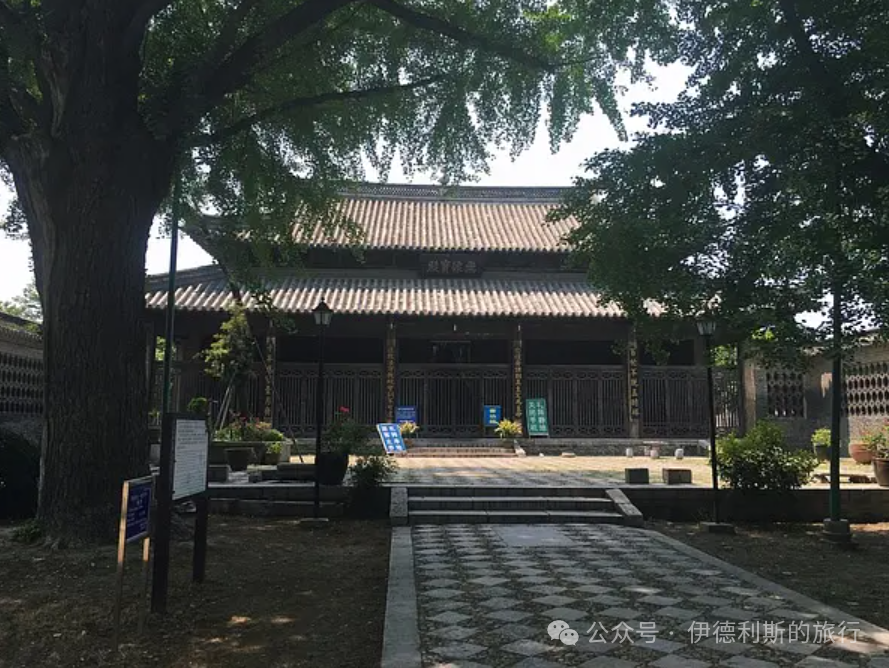
Huainan Laishanji Mosque: Built in 1619 (the 47th year of the Wanli period of the Ming Dynasty), it was constructed after a branch of the Yang family moved from Hongnong County in Shaanxi to Yanghu Town in Yingshang, Anhui, and settled in Laishanji. In 1872 (the 11th year of the Tongzhi period), Yang Qizhen, the Admiral of the Fujian Navy, donated funds to expand it.
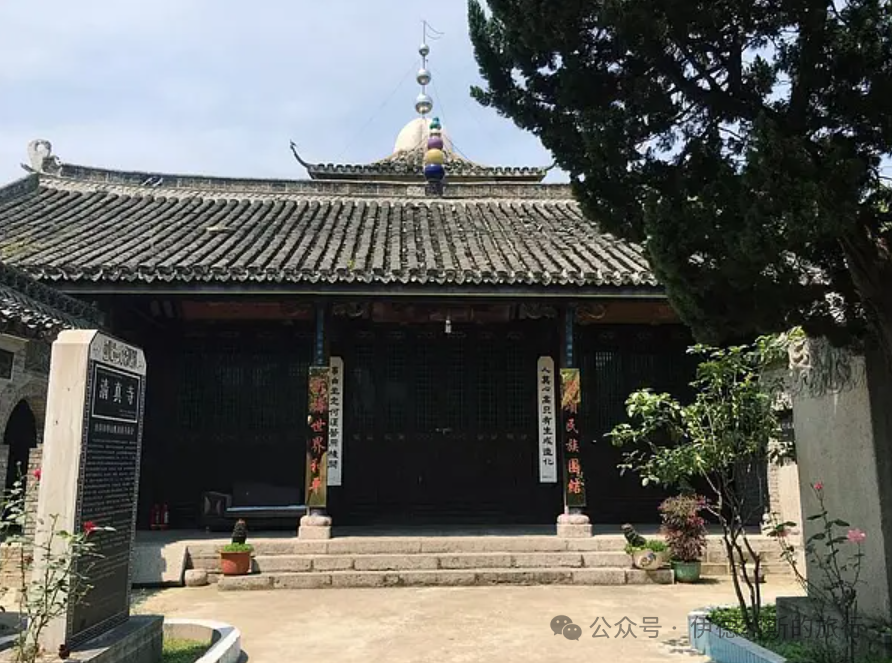
Linbei Ancient Mosque: Located in Linbei Hui Muslim village, it was built in the late Ming Dynasty. Because it sits in the Huai River flood zone, the entire village moved behind the northern Huai River levee in 2015, leaving only the abandoned Linbei Ancient Mosque behind.
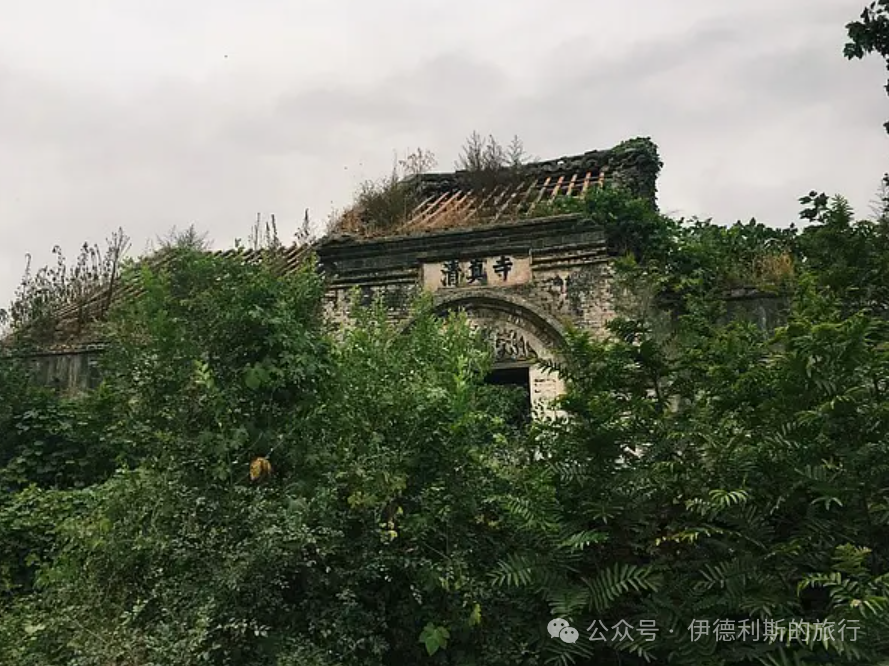
Fengyang Fucheng Mosque: This mosque was built shortly after the Fengyang Prefecture city was completed in 1755. In 1924 (the 13th year of the Republic of China), it was renovated through donations led by Imam Chang Jiasheng. It was renovated again in 2004 to its current appearance.
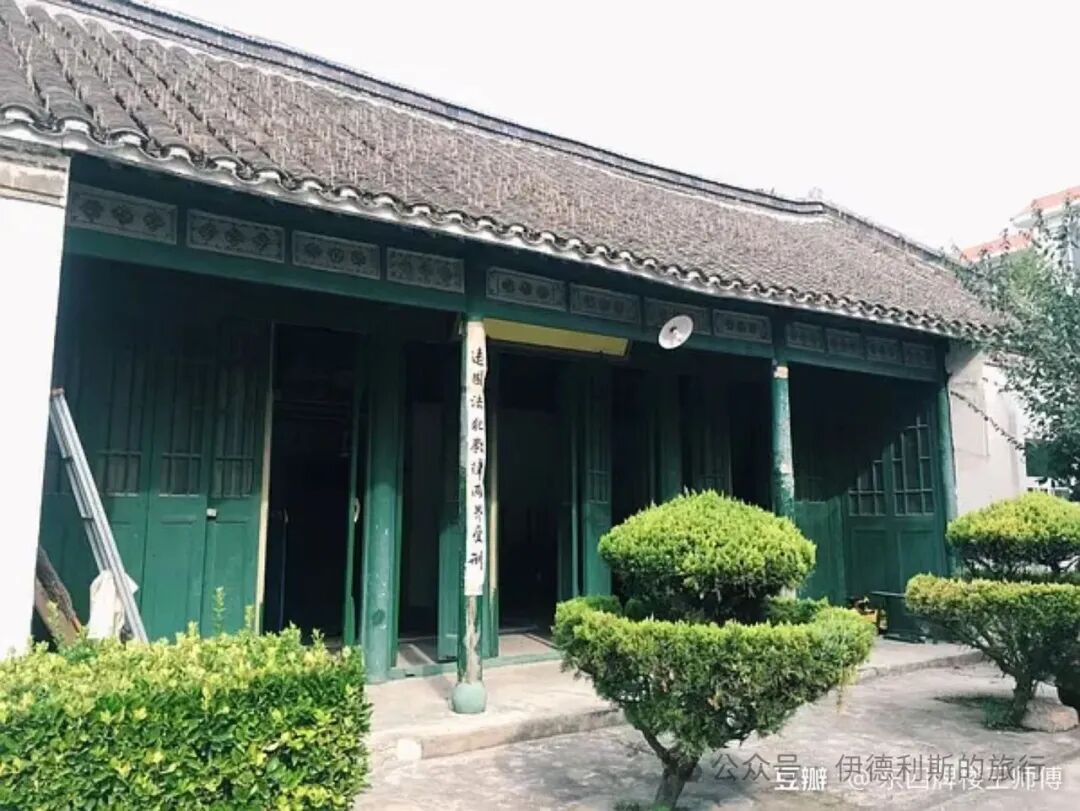
In June, I visited 2 mosques in Jiangsu.
Hushu Mosque: First built in 1392 (the 25th year of the Hongwu period), it was destroyed during the Taiping Rebellion. The main prayer hall was rebuilt in 1896 (the 22nd year of the Guangxu period). In 1911, five tile-roofed rooms were built on the left side in front of the main hall, with a water room (shuifang) on the left, dormitories on the right, and a guest hall in the middle. In 1919, the three rooms of the front hall, the five rooms of the main prayer hall, and two side rooms at the east end of the main gate were rebuilt.
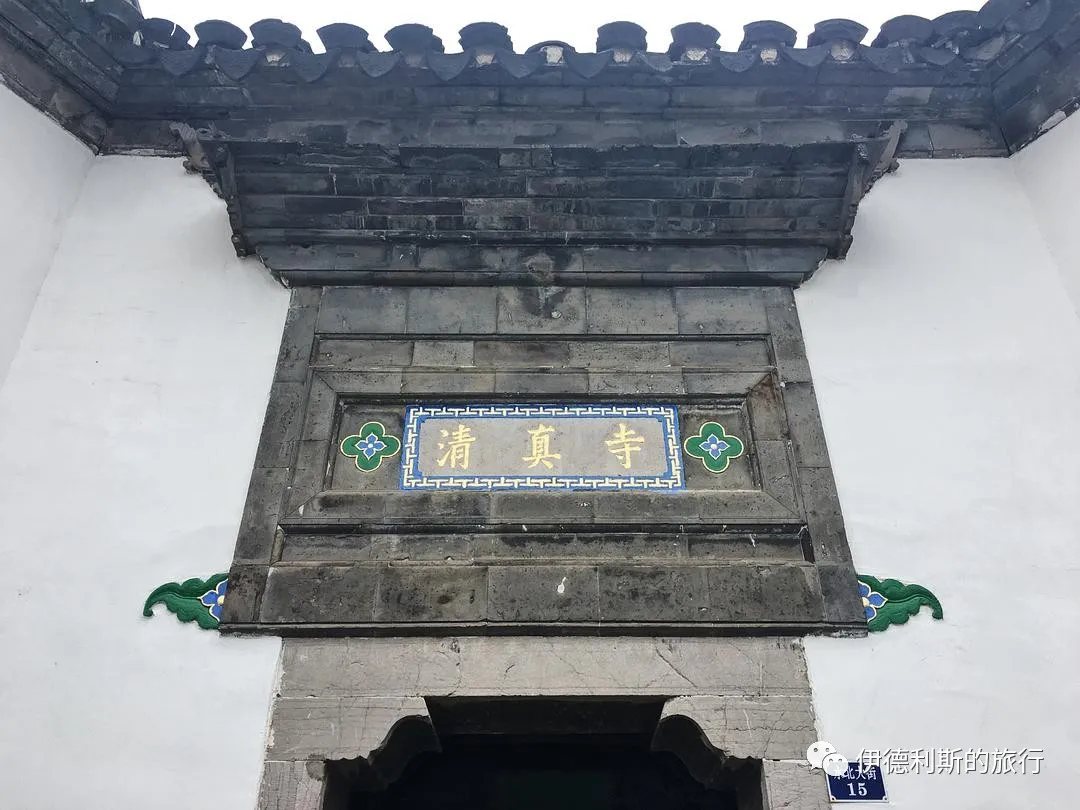
Xiaowangfu Lane Mosque: First built in 1874 (the 13th year of the Tongzhi period), it hosted the Wuben Primary School in 1917, which operated until it was taken over by the local government in 1951. Later, the mosque was occupied by a wire and cable factory to serve as staff dormitories.
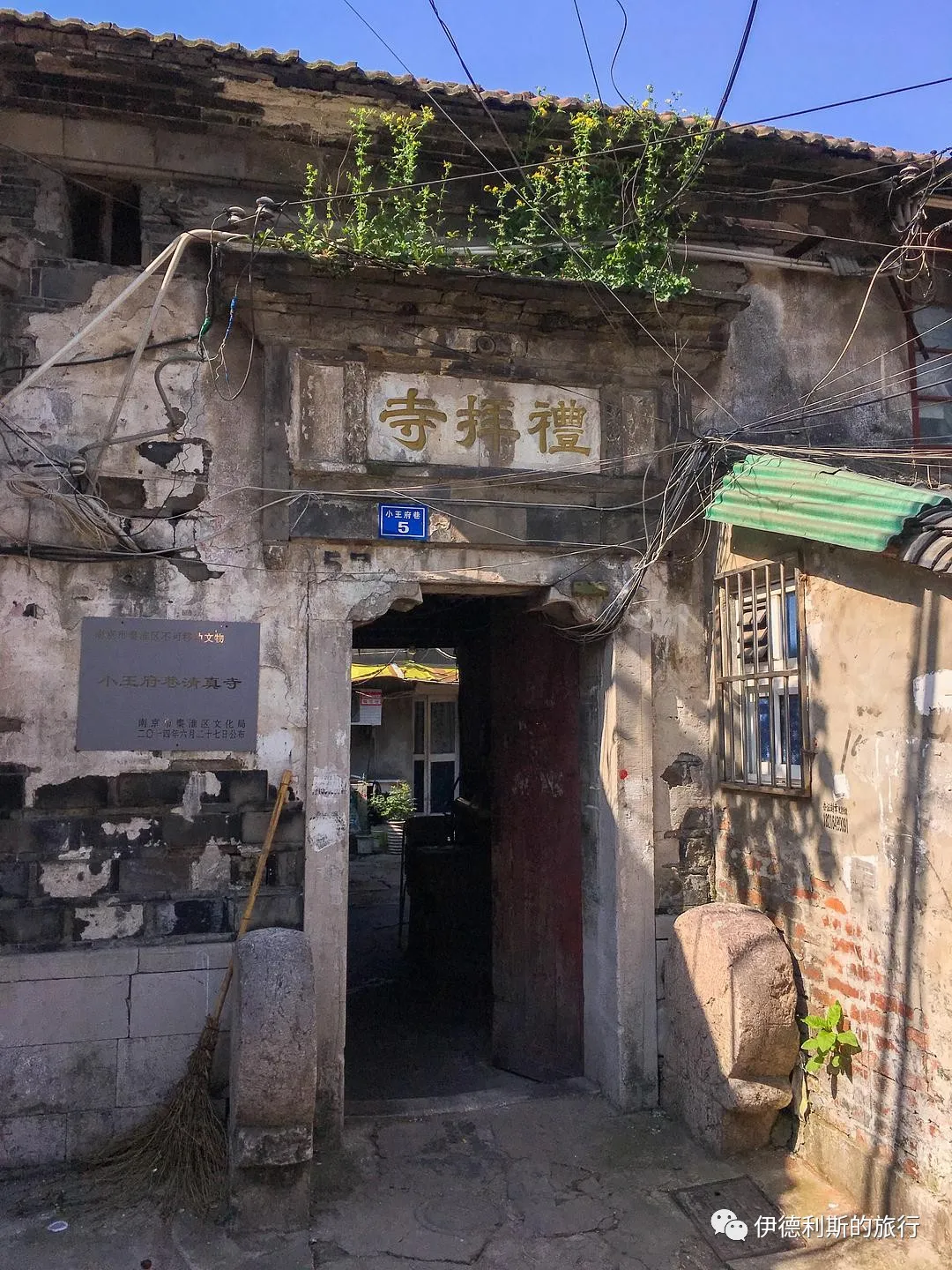
In October, I visited 5 mosques in Xinjiang.
Hami Shaanxi Great Mosque: In 1875, Zuo Zongtang entered Xinjiang and stationed troops in Hami for five years. One of the five battalions of the Jianrui Army stationed there was composed of Hui Muslims from the Guanzhong region of Shaanxi. After the troops left in 1881, some Hui Muslims chose to stay in Hami, forming the Shaanxi community (Shaanxi dafang) and building the Shaanxi Great Mosque in 1898. The current nine-bay-wide main prayer hall was renovated in 1999, but it retains the old hanging flower gate (chuihuamen), which features very delicate carvings of various fruits.
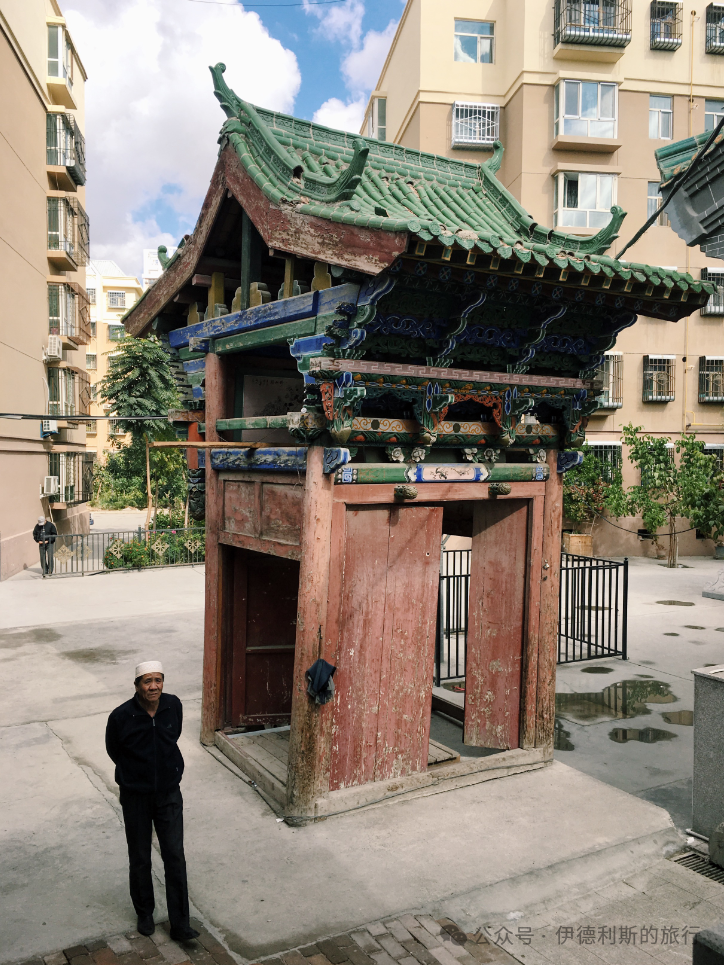
Shanshan East Great Mosque: Construction began in 1906 and was completed in 1911. It belongs to the Jahriyya Shagou menhuan.
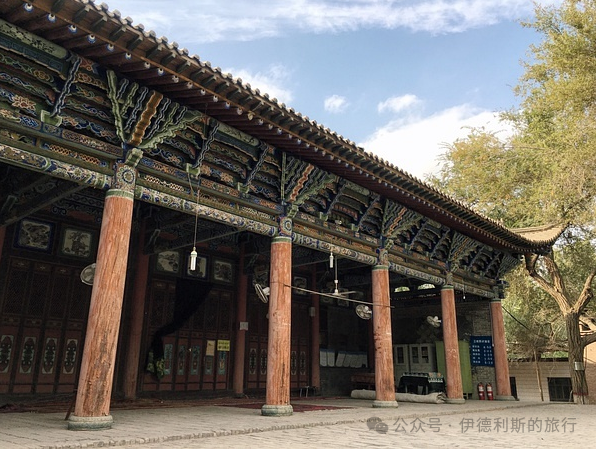
Yining Shaanxi Great Mosque: The earliest Hui mosque in Yili was built in 1751. In 1757, after the Qing Dynasty defeated Amursana of the Dzungar Khanate, some Hui Muslim soldiers and civilians from Shaanxi were demobilized and stayed here. The mosque was expanded into the Shaanxi Great Mosque in 1760. In 1762, the Qing dynasty established the Ili General and built the Nine Cities of Ili. The Shaanxi Grand Mosque (Shaanxi Dasi) near Ningyuan City, which is now Yining City, was also named Ninggu Mosque, meaning peace and stability forever. The Shaanxi Grand Mosque was expanded in 1781, the 46th year of the Qianlong reign, and has been repaired many times since.
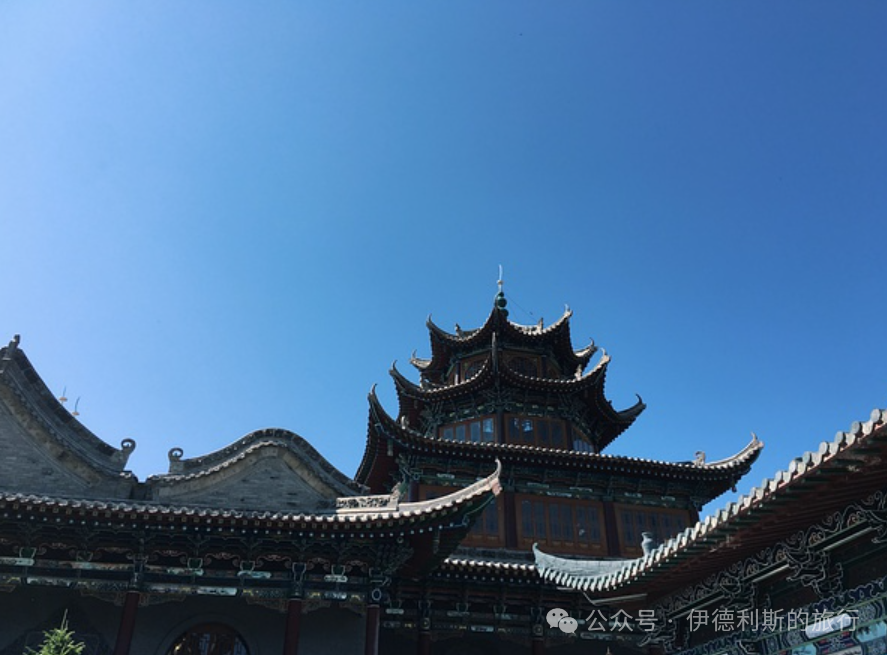
Yining Uzbek Mosque: After 1919, wealthy Uzbek merchants, landlords, nobles, intellectuals, White Army officers, and religious figures who originally lived in Central Asian cities like Tashkent entered Xinjiang to seek refuge. From 1929 to 1932, a large number of Uzbeks came to Xinjiang because the Soviet Union implemented agricultural collectivization. Ili is the most important settlement for Uzbeks in northern Xinjiang and was their first stop when they arrived in the region. In 1933, Uzbek merchants in Ili raised funds to build the Uzbek Mosque.
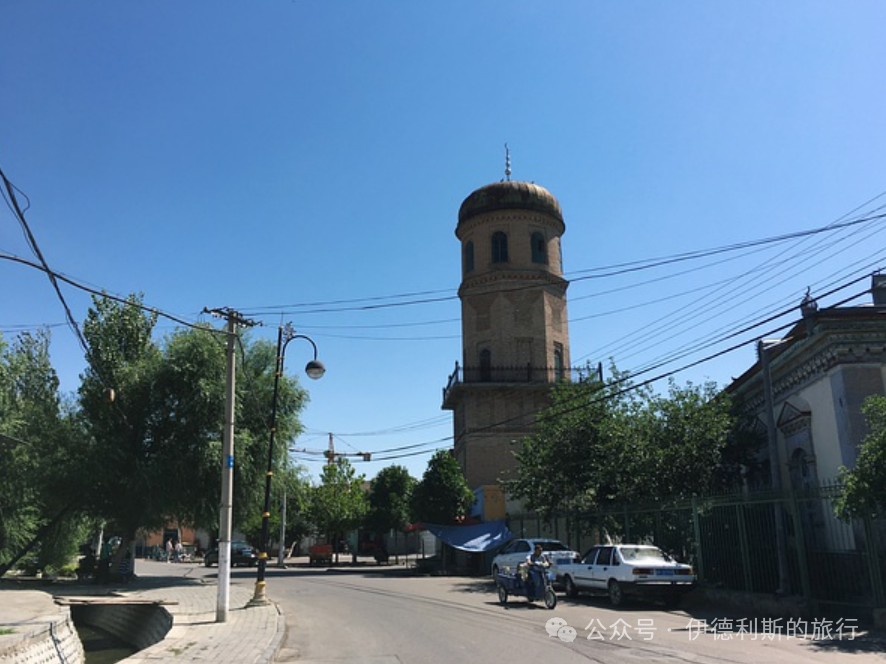
Baitula Mosque minaret: The Baitula Mosque was built in 1773, the 38th year of the Qianlong reign, by order of the Qing government under the Ili Hakim Beg, Oromzhab. The Baitula Mosque was located in the center of Ningyuan City, one of the Nine Cities of Ili, and it remains the most important architectural relic of that city. The main building was demolished in 1995, and only the minaret remains of the historical structure.
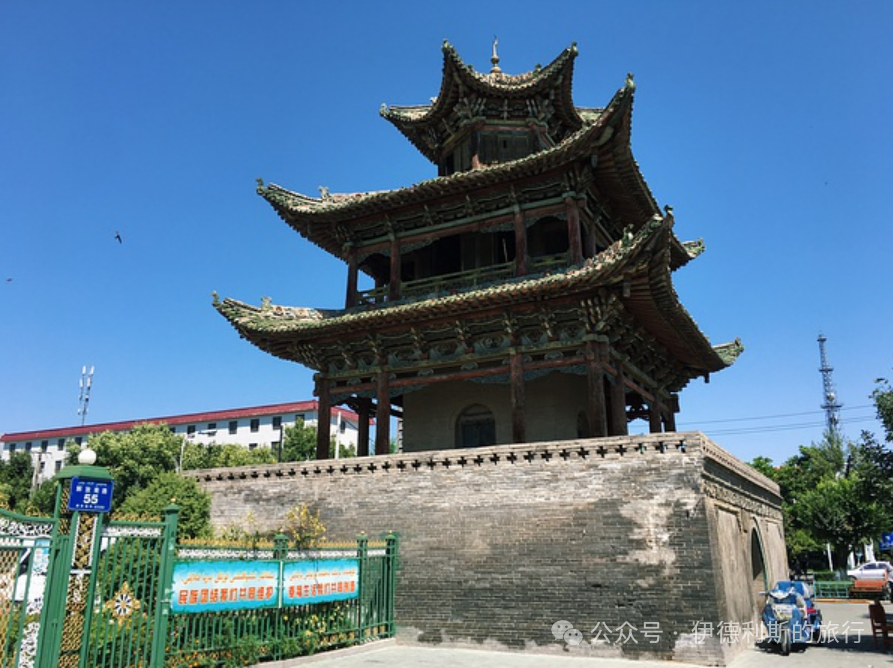
November, 2 mosques in Beijing
Tongzhou Grand Mosque: Built during the Yuan dynasty Yanyou period (1314–1320), it was originally named Chaozhen Mosque. It was repaired in 1516, the 11th year of the Ming Zhengde reign, and expanded again in 1593, the 21st year of the Wanli reign.
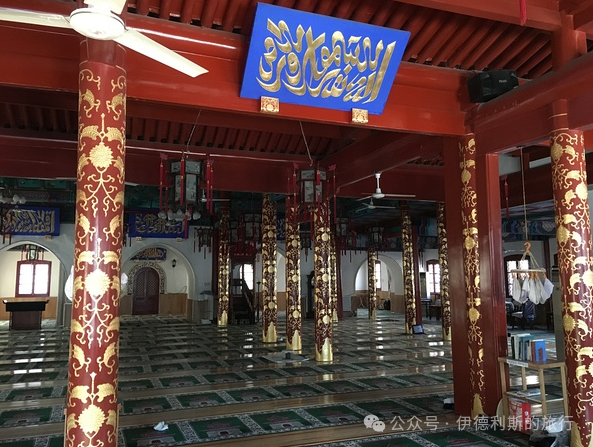
Zhangjiawan Mosque: Built in the early Ming dynasty, it was renovated during the Qing Daoguang reign, and the fourth section of the prayer hall was expanded in 1956. It was renovated in 1998, but the layout of the third and fourth sections of the prayer hall was reversed, and the south lecture hall and the main gate were rebuilt.
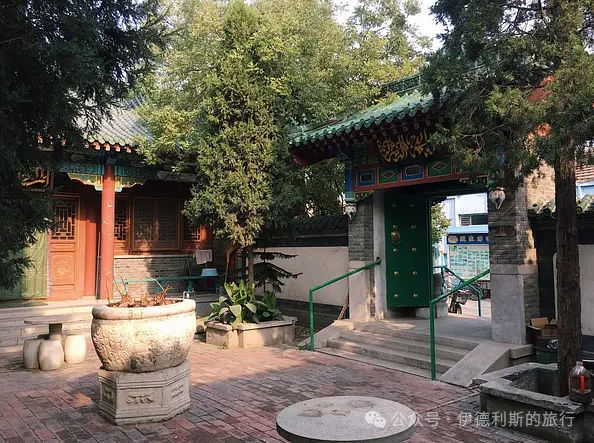
December, 3 mosques in Shandong
Jining Shunhe East Grand Mosque: Built around 1420 in the late Ming Yongle period, it was renovated in 1459, the third year of the Tianshun reign, expanded during the Kangxi reign, and renovated during the Qianlong reign, eventually reaching its current size.
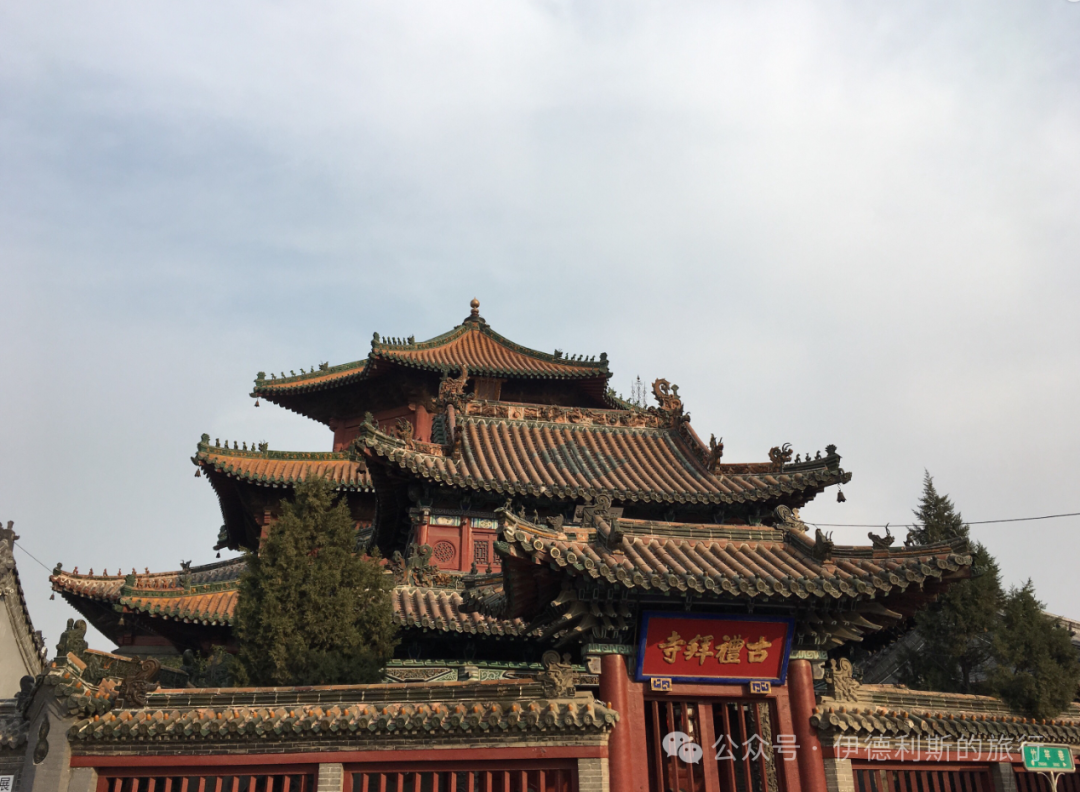
Liuhang East Mosque: Built during the Wanli reign and expanded during the Kangxi reign.
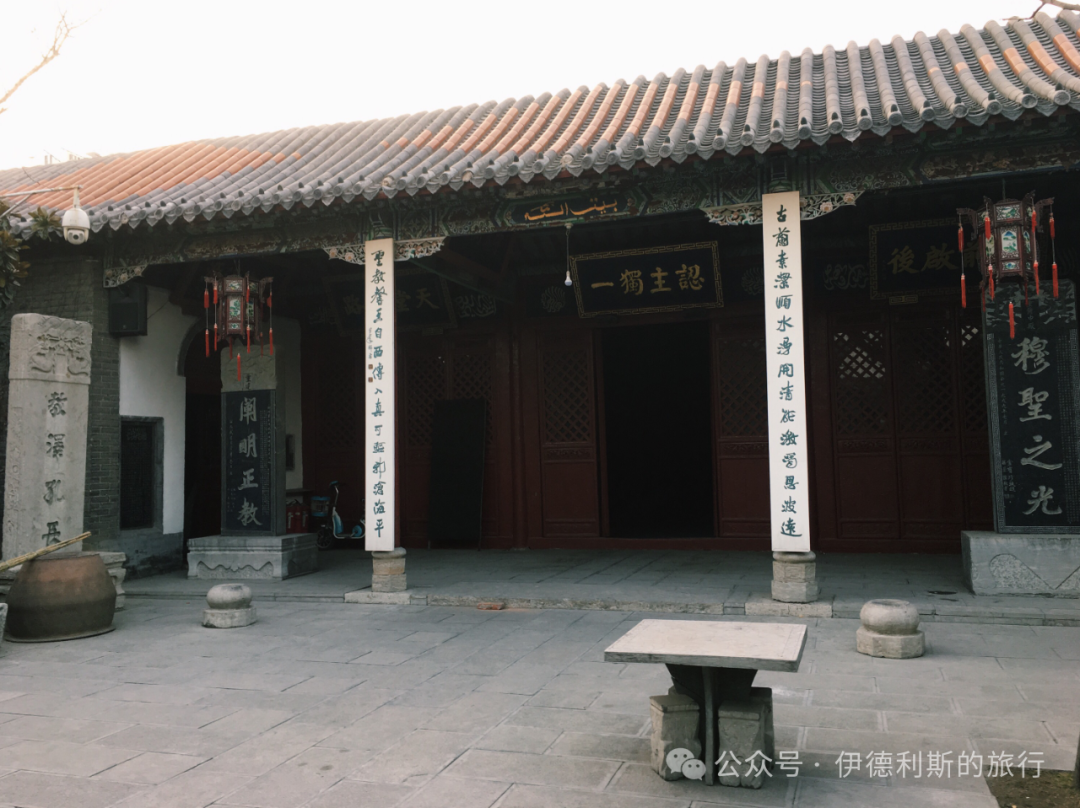
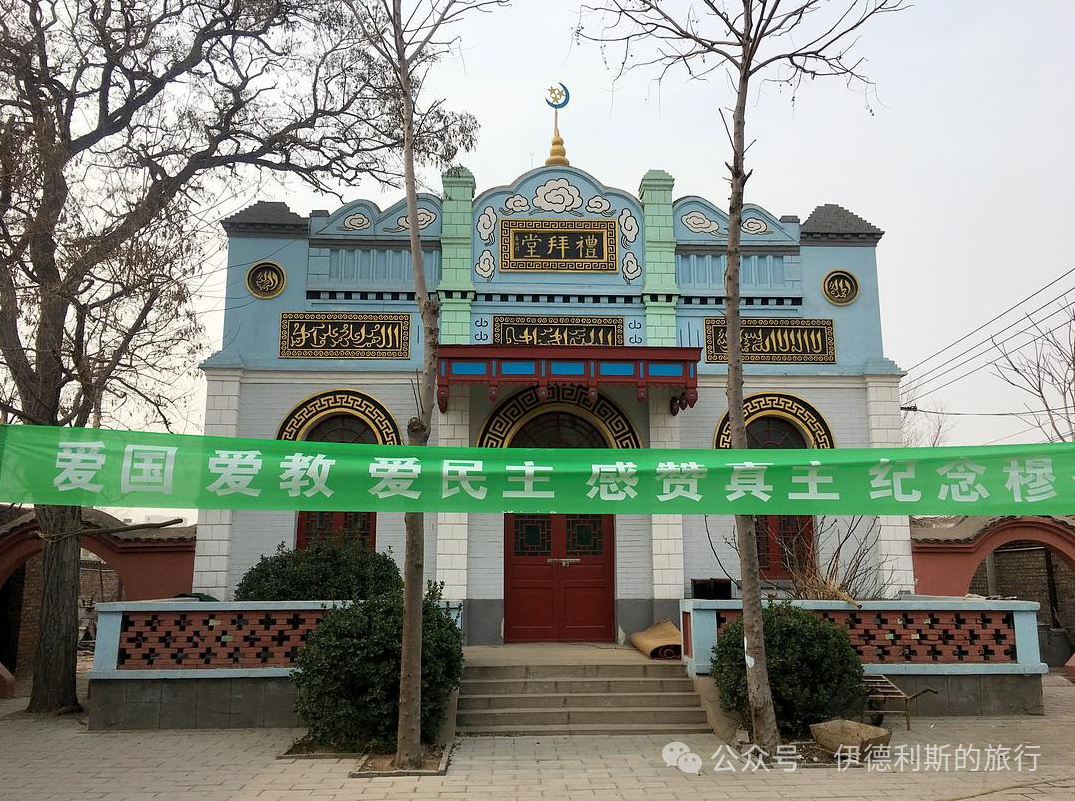
Dezhou Beiying Mosque: During the Ming Wanli reign, descendants of the Sultan of Sulu built this mosque southwest of the Sultan of Sulu's tomb. The Ming dynasty issued an imperial decree to select one person from the Wen and An families to serve as the religious leader, inherit the sect, and manage the Hui Muslims. In 1917, the canal levee broke, and the mosque along with Beiying Village was washed away. It was not rebuilt until 1940, becoming the building seen today. According to an old imam, the pavilions at the four corners of the mosque could actually be used as watchtowers.
Muslim Music Records in China: Hui Culture, Old Albums and Memory
Articles • ali2007fr posted the article • 0 comments • 195 views • 2026-05-18 00:35
Summary: Muslim Music Records in China: Hui Culture, Old Albums and Memory is presented here as a firsthand travel account in clear English, beginning with this scene: On December 17, 2021, I went to Xinqiao Market at Sun Palace Building, outside Xizhimen in Beijing, to browse CDs at Director Cong Feng's stall. The account keeps its focus on Muslim Music, Hui Culture, China Travel while preserving the names, places, food, and historical details from the Chinese source.
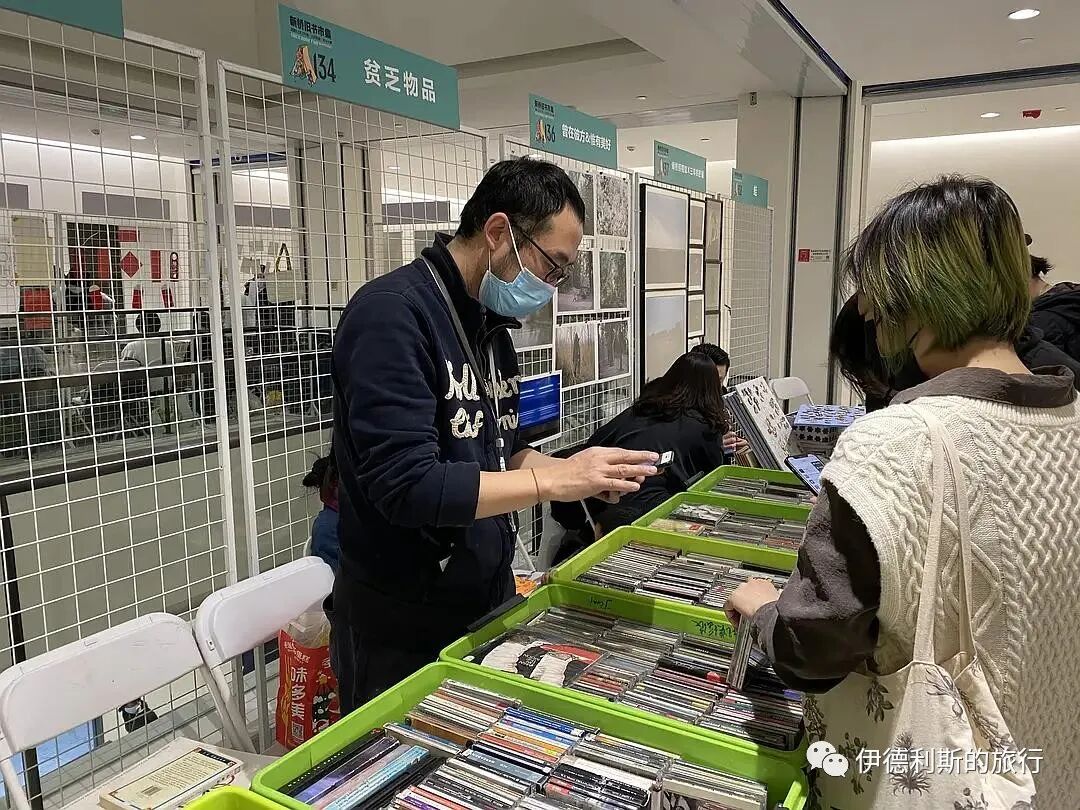
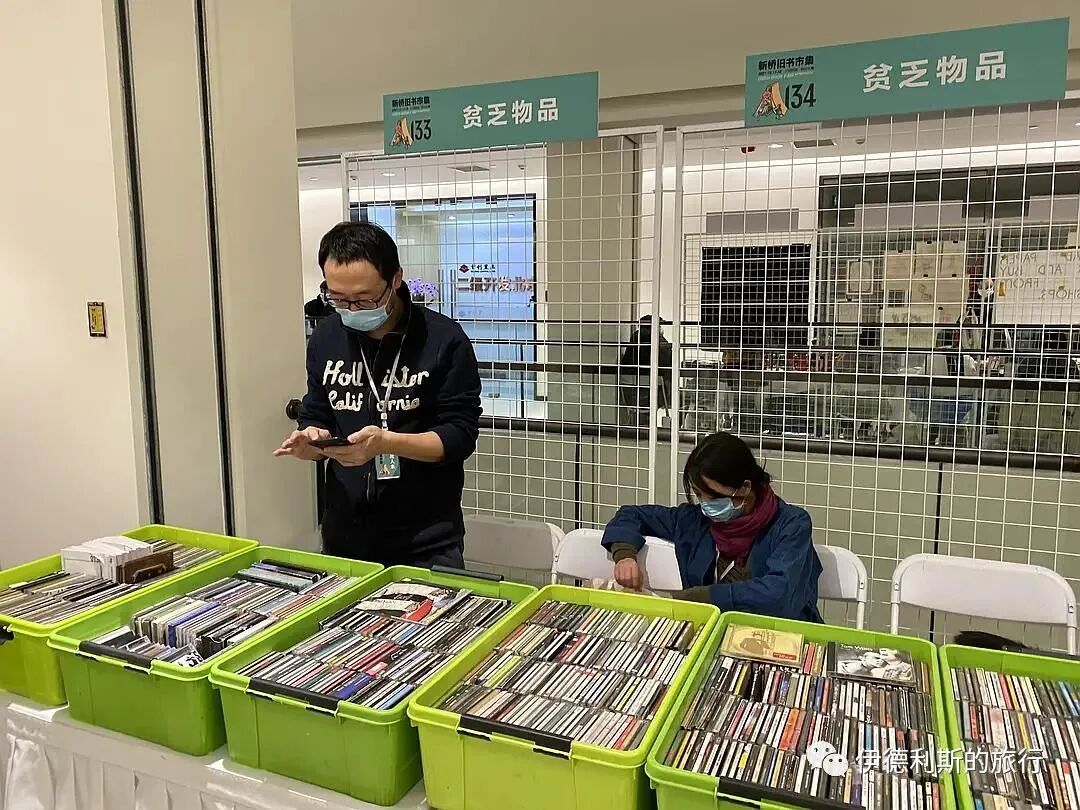
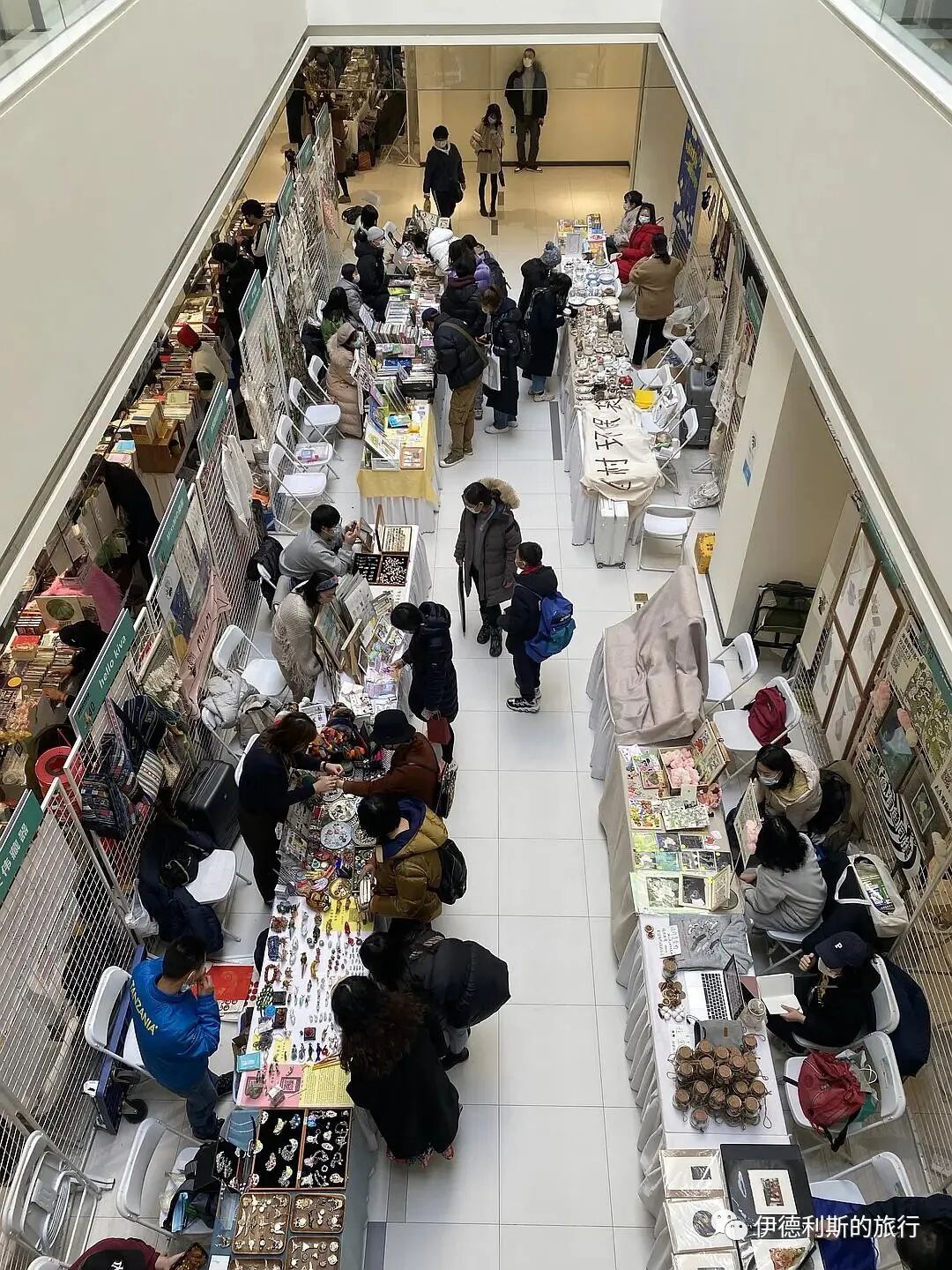
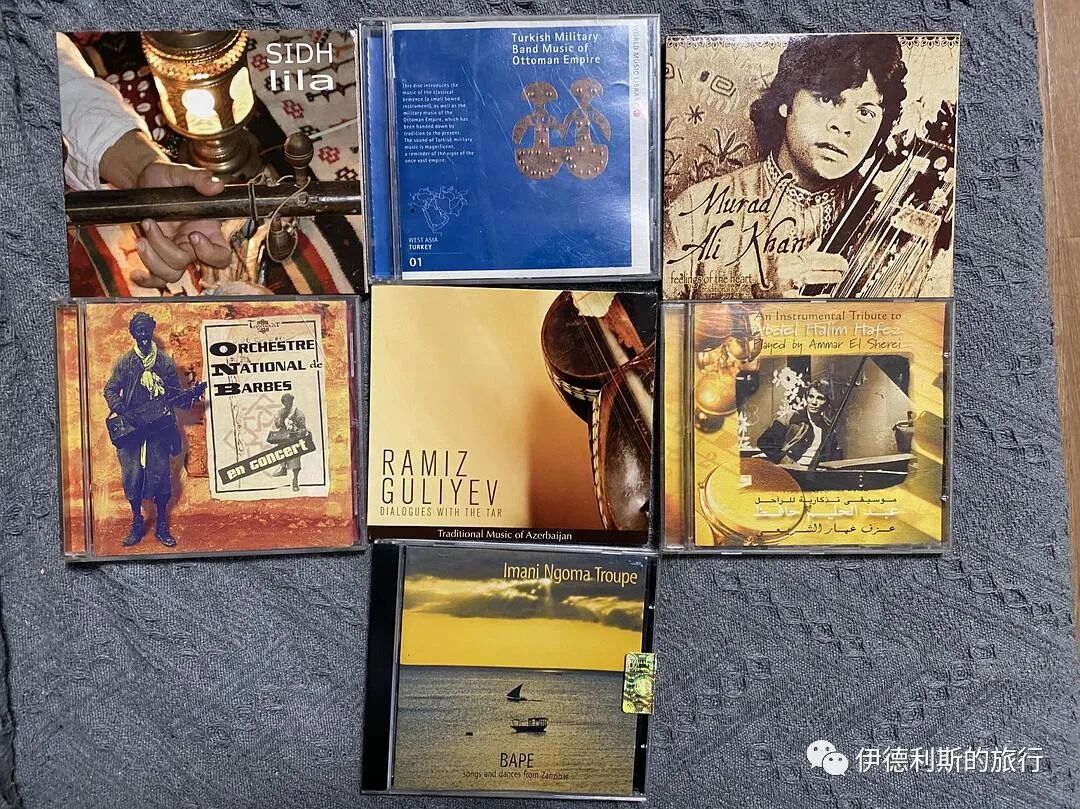
On December 17, 2021, I went to Xinqiao Market at Sun Palace Building, outside Xizhimen in Beijing, to browse CDs at Director Cong Feng's stall. After just a couple of sentences, Director Cong recognized me as Wang Dongsì, laughing. He said a friend had shown him the diary entry I wrote about him before. Back in April 2021, at the Xinqiao Market, I bought several favorite CDs from Director Cong. This time, I picked up several more. Among them were Tanzanian dance music, Ottoman military band music, Algerian Sufi music, Azerbaijani tar music, music from a North African orchestra in Paris, and North Indian Sarangi music. Later, I got the urge to buy more, so I bought a Pakistani Sufi music album and a Syrian wedding music album from Director Cong's online store (Kong.com cf1972). I'll share them with you below.
Algerian Sufi Gnawa Music.
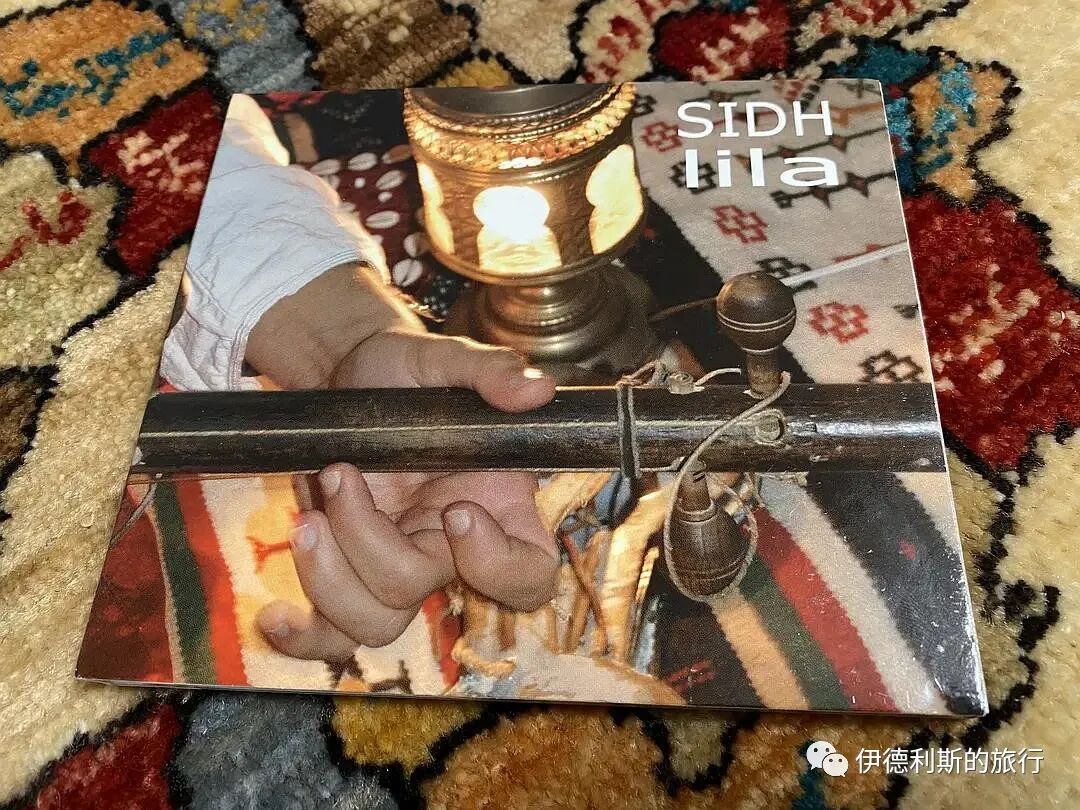
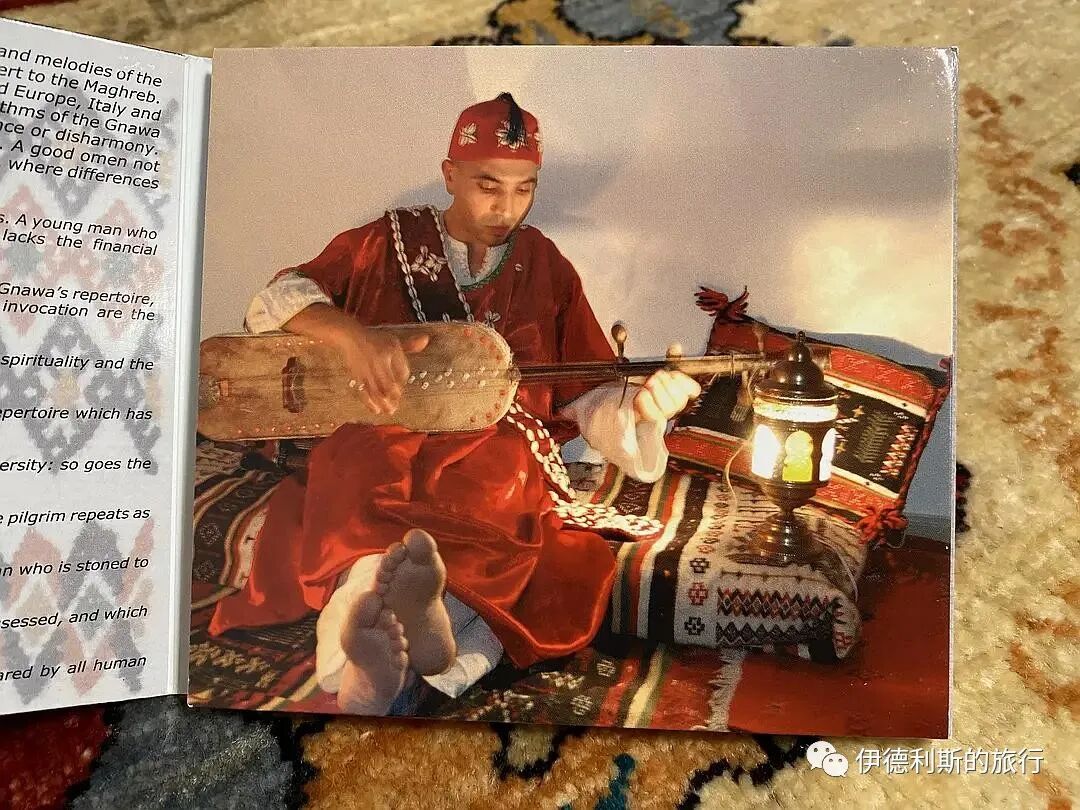
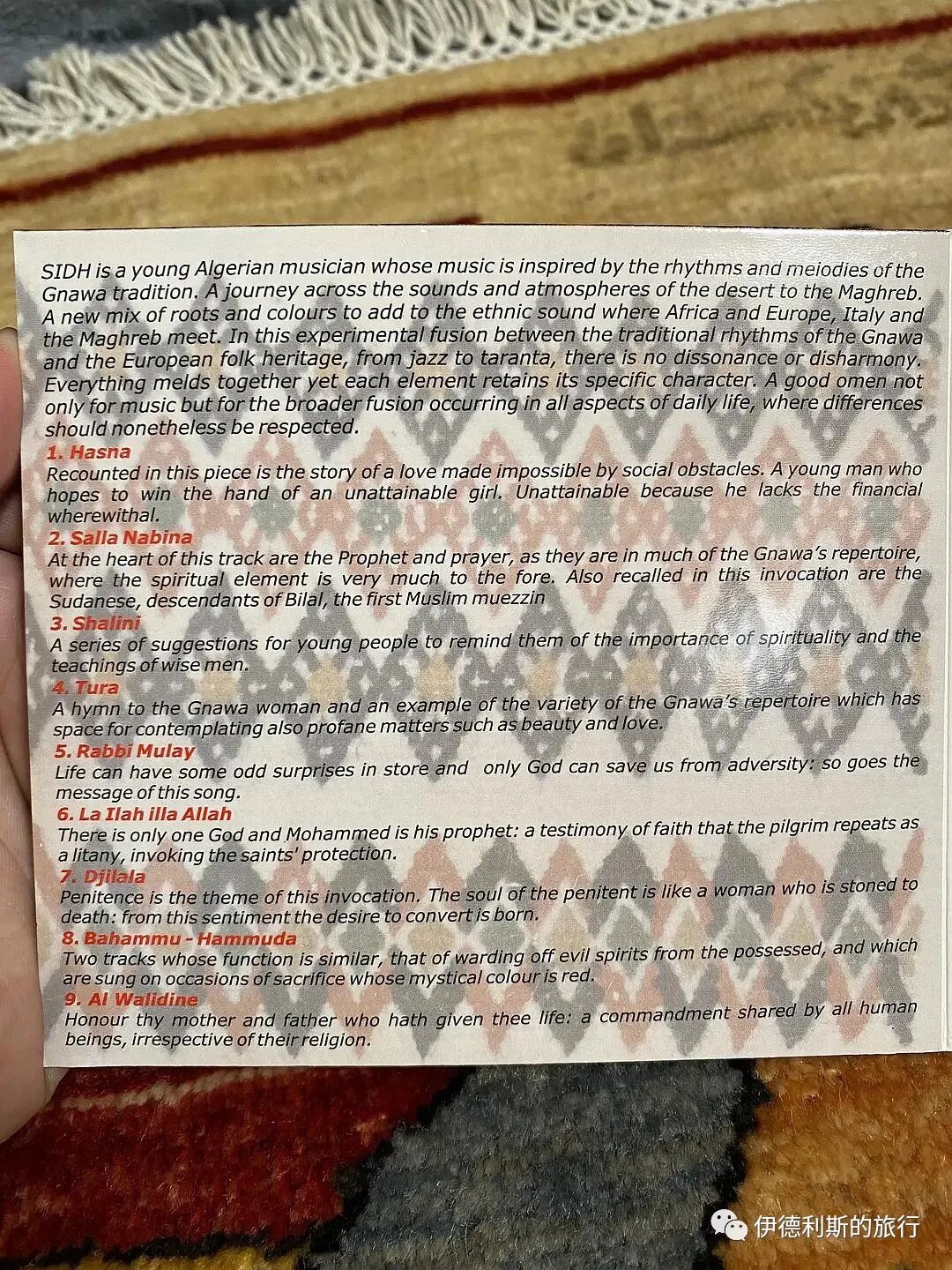
Sidh, a young Algerian musician based in Italy, released an African Sufi Gnawa music album called
Gnawa music comes from the Gnawa people, who migrated from sub-Saharan Africa to North and West Africa. Today, Gnawa music is centered in Essaouira, southwestern Morocco, and is popular across West and North Africa. It's a blend of classical Sufi music and traditional African music. In 2019, UNESCO listed it as an Intangible Cultural Heritage. Traditional Gnawa musicians use music and dance for spiritual healing. This ritual is called
On the album, Sidh plays two traditional Gnawa instruments: the Gumbri and the Qraqeb. The Gumbri is a bass three-string plucked instrument. It's carved from a log, with a body shaped like a canoe. Its soundbox is covered with camel or goat skin, and its strings are made from goat gut. The Qraqeb are large cast-iron castanets. Long ago, Gnawa people were sold as slaves from sub-Saharan Africa to North Africa. This instrument is used to recall the sound of horse hooves when they were carried away in sacks. It also represents the sound of shackles being removed when they regained their freedom. Sidh also plays the Bendir, a traditional North African wooden frame drum.
After the 1990s, Gnawa musicians began experimenting with blending their music with other genres. So, this album features Riccardo Manzi on guitar and the Greek plucked Bouzouki, Renato Vecchio on saxophone, flute, and the Armenian Duduk pipe, and Zaki Bedaida on acoustic guitar.
Sarangi from a North Indian Musician.
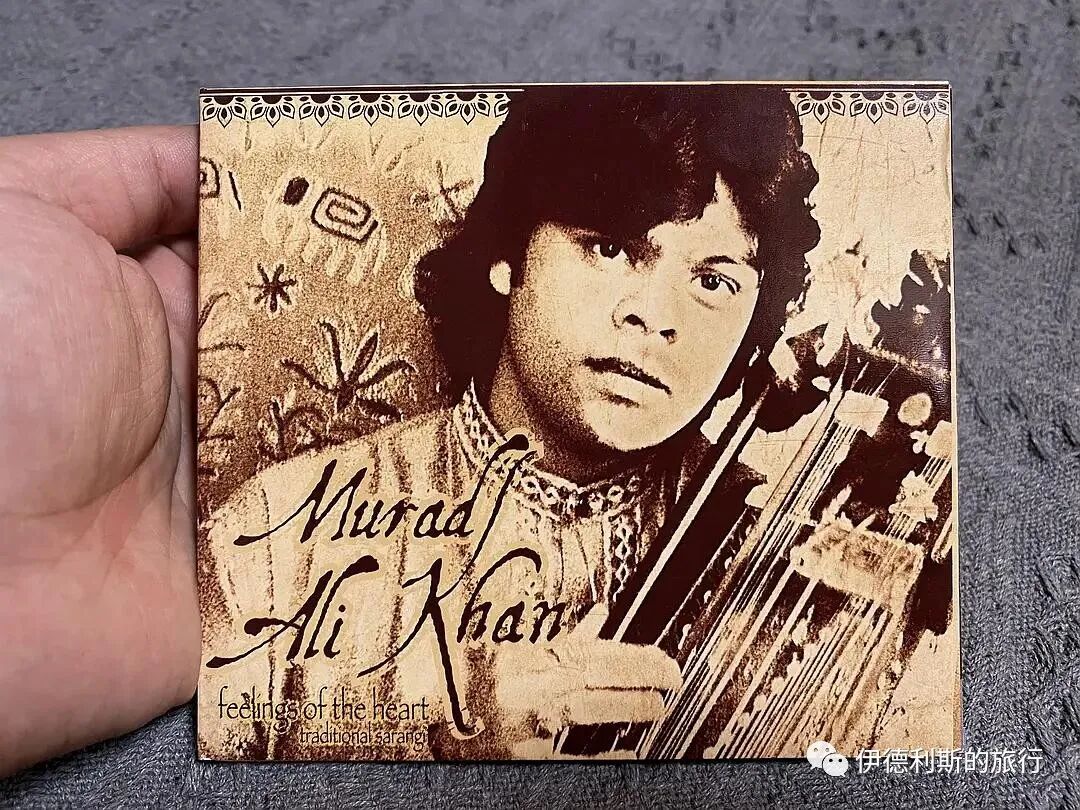
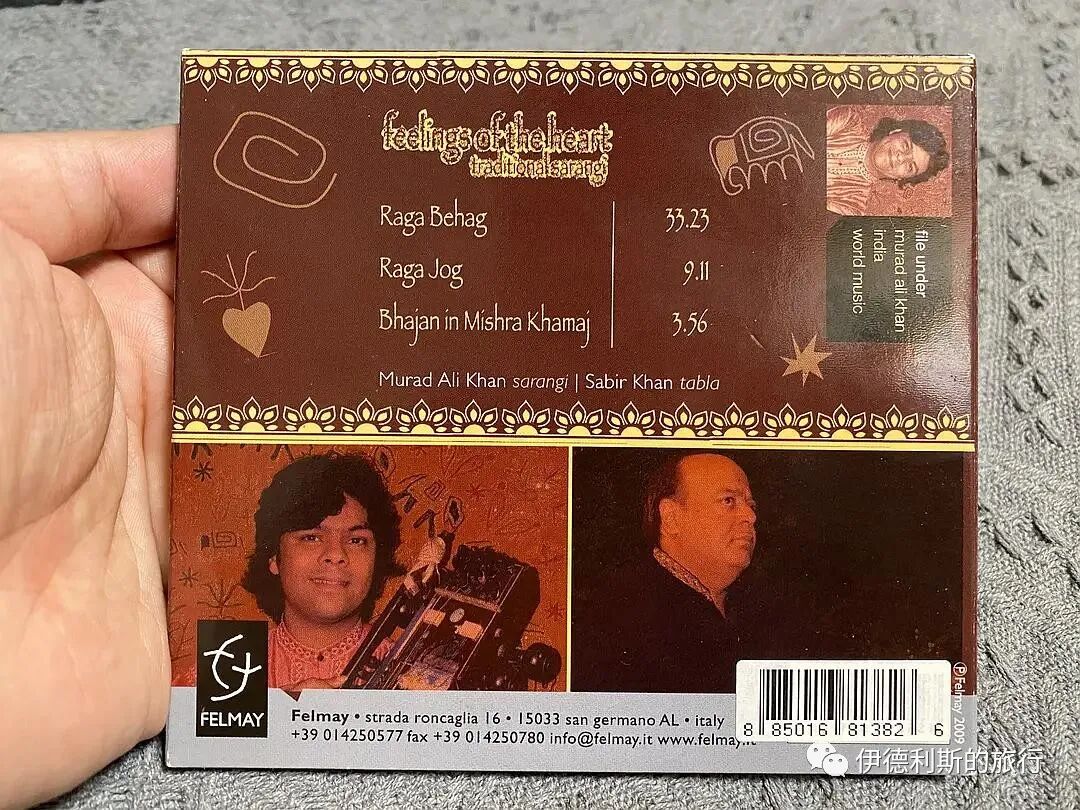
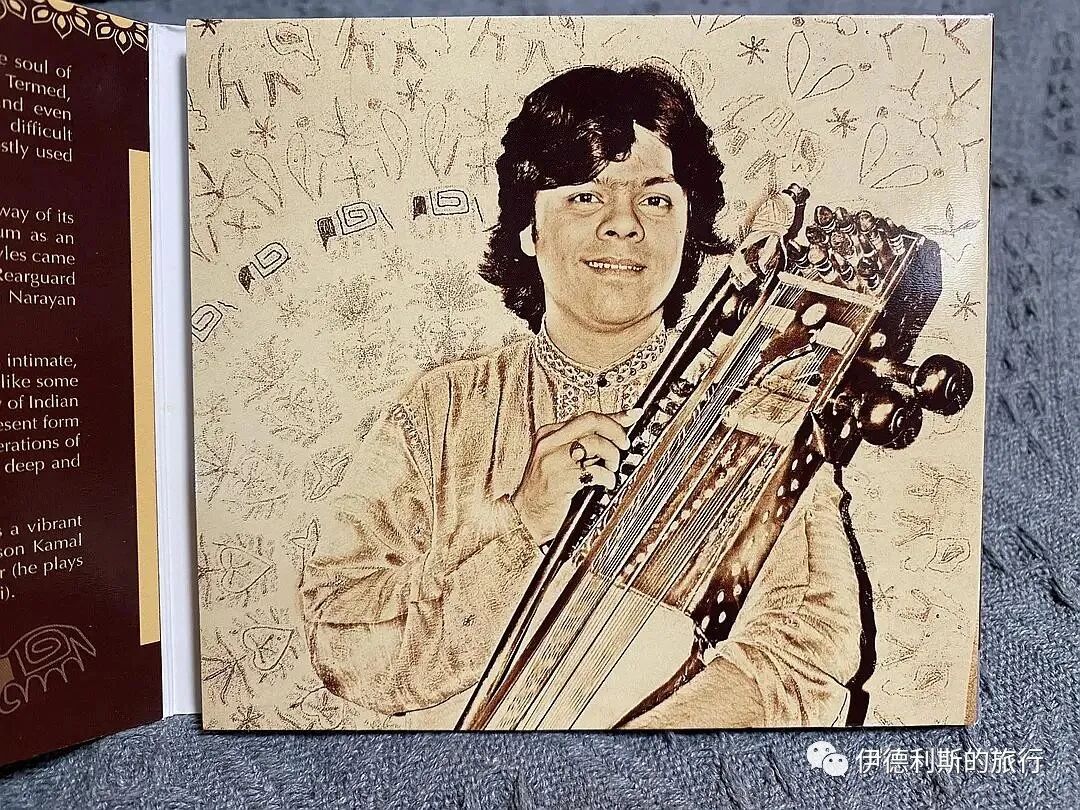
North Indian musician Murad Ali Khan released his Sarangi album, "Feelings of the Heart (Traditional Sarangi)," on the Italian label Felmay in 2009. The Sarangi is a bowed, short-necked string instrument popular in North South Asia, including Punjab, Rajasthan, Pakistan, and Bangladesh. Its sound is much like a soprano voice, and it is known as one of the most difficult South Asian instruments to play. Historically, the Sarangi mainly accompanied wandering singers and dancers. The Sarangi became a solo instrument only after musicians like Bundu Khan (1880-1955) and Ram Narayan (1927-) improved it in the 20th century.
Murad Ali Khan comes from a musical family in Moradabad, a city in India's Uttar Pradesh state. He is a leading Sarangi musician among India's middle-aged and younger artists. Murad Ali Khan's family has played the Sarangi for six generations. He learned the Sarangi from a young age under the strict training of his grandfather and father. He started performing on stage at age 10. His playing has a bright tone and rich imagination.
Contemporary Azerbaijani Tar Master.
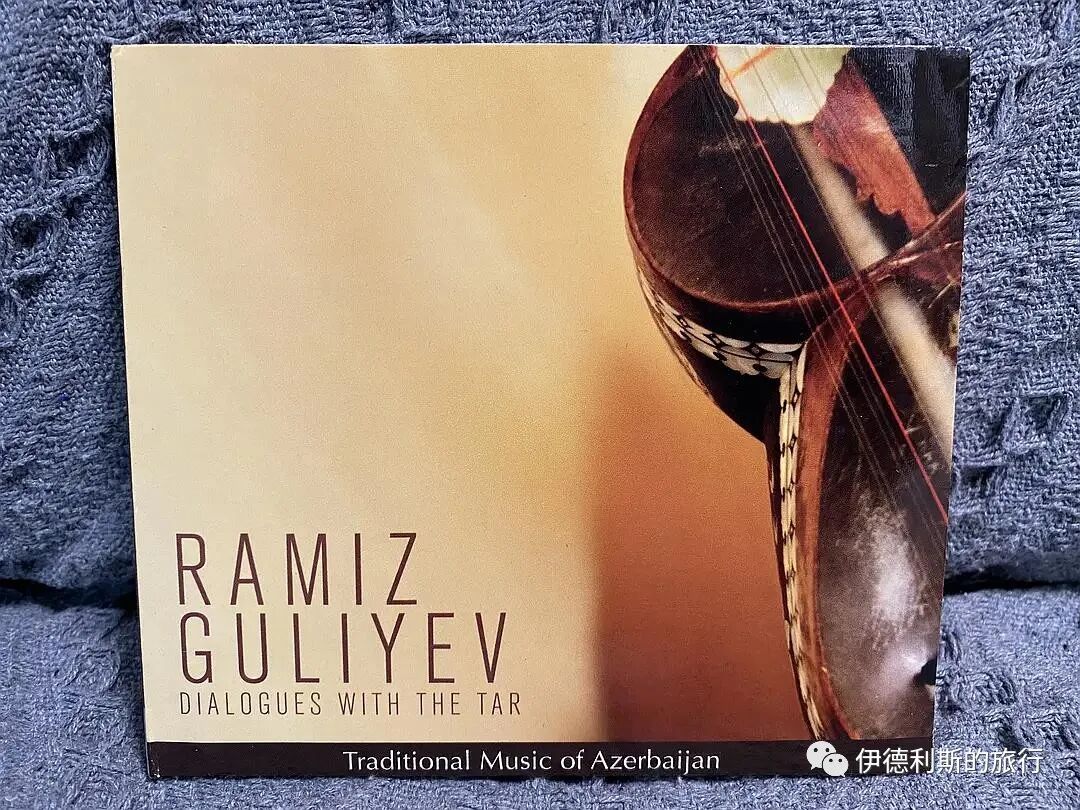
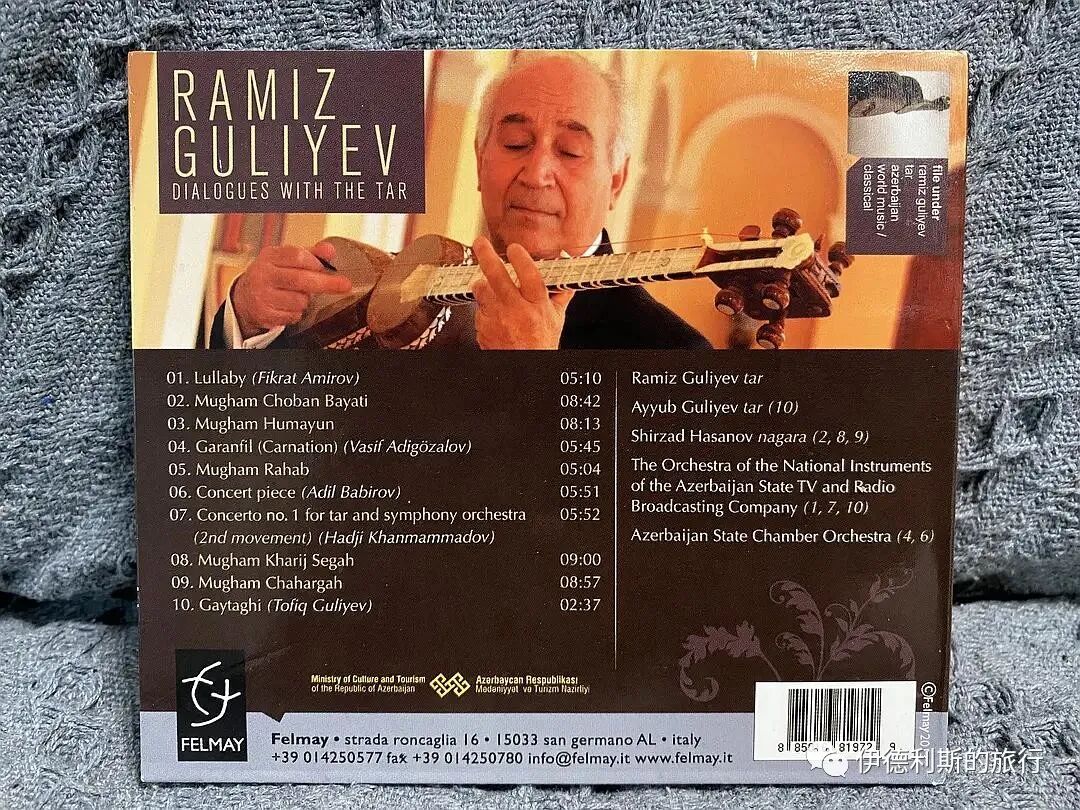
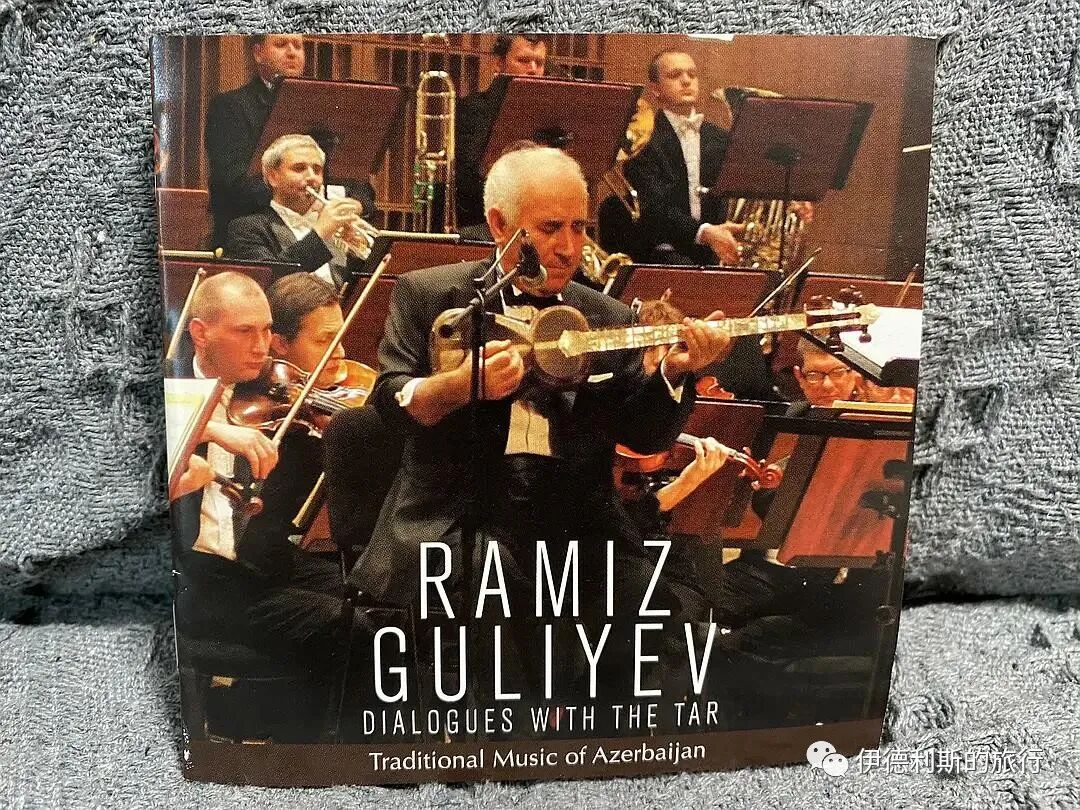
Contemporary Azerbaijani Tar master Ramiz Quliyev released his album, "Dialogues with the Tar (Traditional Music of Azerbaijan)," on the Italian label Felmay in 2013.
Ramiz was born in Agdam in 1947. Neither of his parents were musicians, but his uncle Habib's tar hung on the wall of their home since Ramiz was a child. His uncle, Habib Quliyev, was once an excellent tar player. Sadly, he could no longer play after injuring his arm in World War II. Habib became Ramiz's first teacher, and the tar on the wall became Ramiz's first instrument. When that tar broke from practice, Ramiz's father sold several beehives from their farm to buy Ramiz a new instrument. His father strongly supported his music.
Ramiz started at the Agdam music school at age 7. At 17, he went to the Azerbaijan State Conservatory for advanced studies. After age 27, he stayed at the conservatory as a national instrument teacher. He won many awards after that and has been known as the People's Artist of Azerbaijan since 1988. Ramiz toured Europe and America in the late 1980s and early 2000s. He had great success at a folk festival in Washington in 1988, which led to an invitation to perform at the White House.
Besides traditional Azerbaijani mugham (muqam), Ramiz also excels at playing works by many Azerbaijani composers and tar (tar) pieces adapted from European music. Countless people love his exquisite playing, unique tone, and rich creativity. Ramiz still teaches at the Baku Academy of Music today. He has trained many excellent tar (tar) artists.
Ottoman Military Band
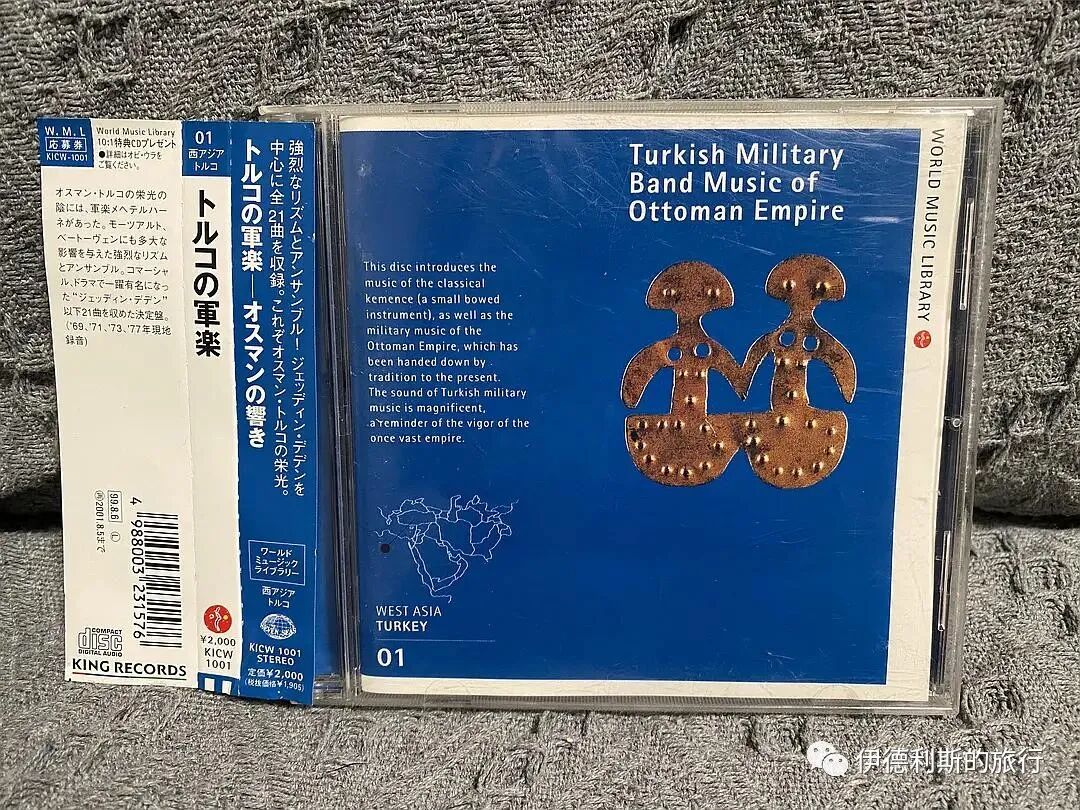
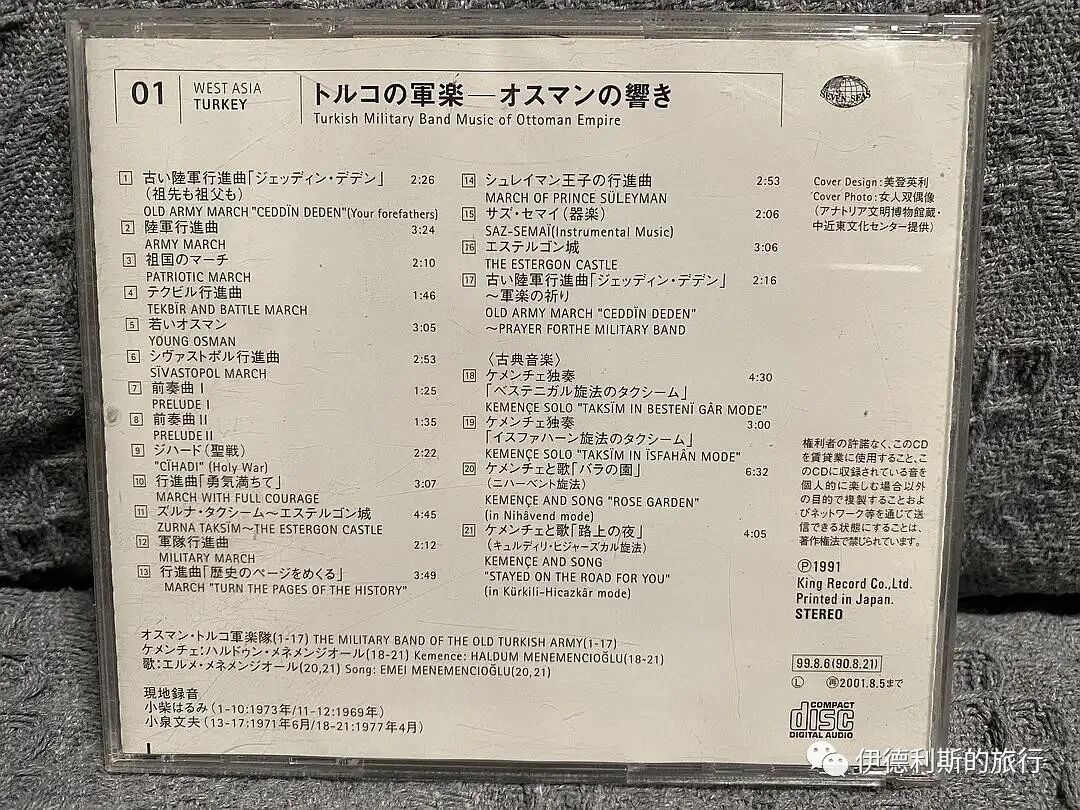
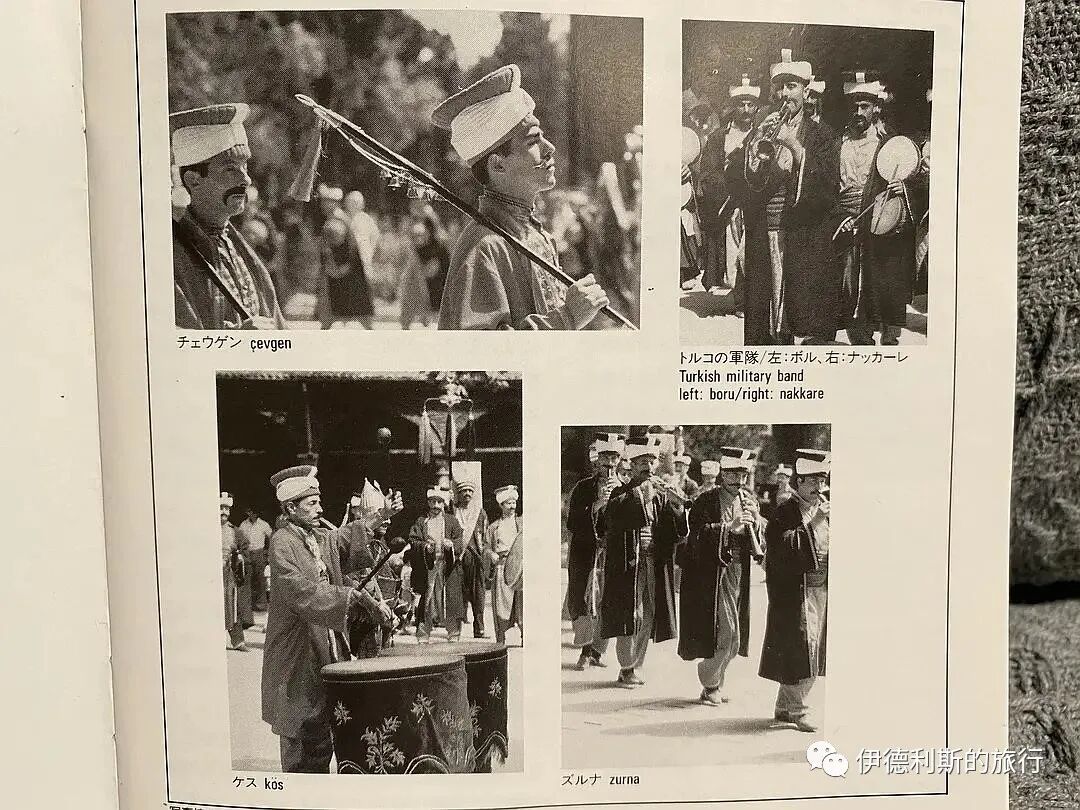
Seven Seas, a sub-label of Japan's King Records, released the first volume in its "World Music Library" series in 1999, titled "Turkish Military Band Music of Ottoman Empire." The album includes two parts: Ottoman military music and Turkish traditional music played on the Klasik Kemence bowed string instrument. Both are live recordings from the 1960s-70s.
The Ottoman Military Band (Mehter Bölüğü) might be the oldest existing military band. Sultan Kayqubad III (reigned 1298-1302) of the Seljuk Sultanate of Rum reportedly gave the first Ottoman military musicians as a gift to the Ottoman dynasty in 1299. From then on, every day after the afternoon namaz, the musicians would play for the Ottoman Sultan.
The tunes of the Ottoman Military Band date back to the 16th century. They developed greatly in the 17th century, and many musicians composed pieces for the band. In the mid-17th century, 300 military band musicians lived in the Ottoman palace in Istanbul. They performed three times a day. Another 1,000 military band musicians in Istanbul were spread across various armies in the city. They performed once at dawn and once at sunset every day. In 1826, Sultan Mahmud II (reigned 1808-1839) abolished the Janissaries (Sultan's elite infantry). The military band then disbanded.
Standard military band instruments included the large kettledrum (Kös), small kettledrum (Nakare), bass drum (Davul), cymbals (Zil), bass zurna (Kaba Zurna), horn (Boru), and a percussion instrument with bells called Cevgen. The band's composition varied in different eras. On the eve of the Janissaries' abolition, one band consisted of nine Davul drummers, nine zurna players, nine Nakare drummers, nine cymbal players, and nine horn players.
After the 20th century, the Istanbul Military Museum revived the Ottoman Military Band's performances. They played in 1953 to celebrate the 500th anniversary of Sultan Mehmed the Conqueror's capture of Istanbul.
Today, the Ottoman Military Band performs regularly at the Istanbul Military Museum and at various ceremonies. The grandest performance happens on May 29 each year, at the ceremony celebrating the Ottoman conquest of Constantinople.
Tanzanian Dance Music
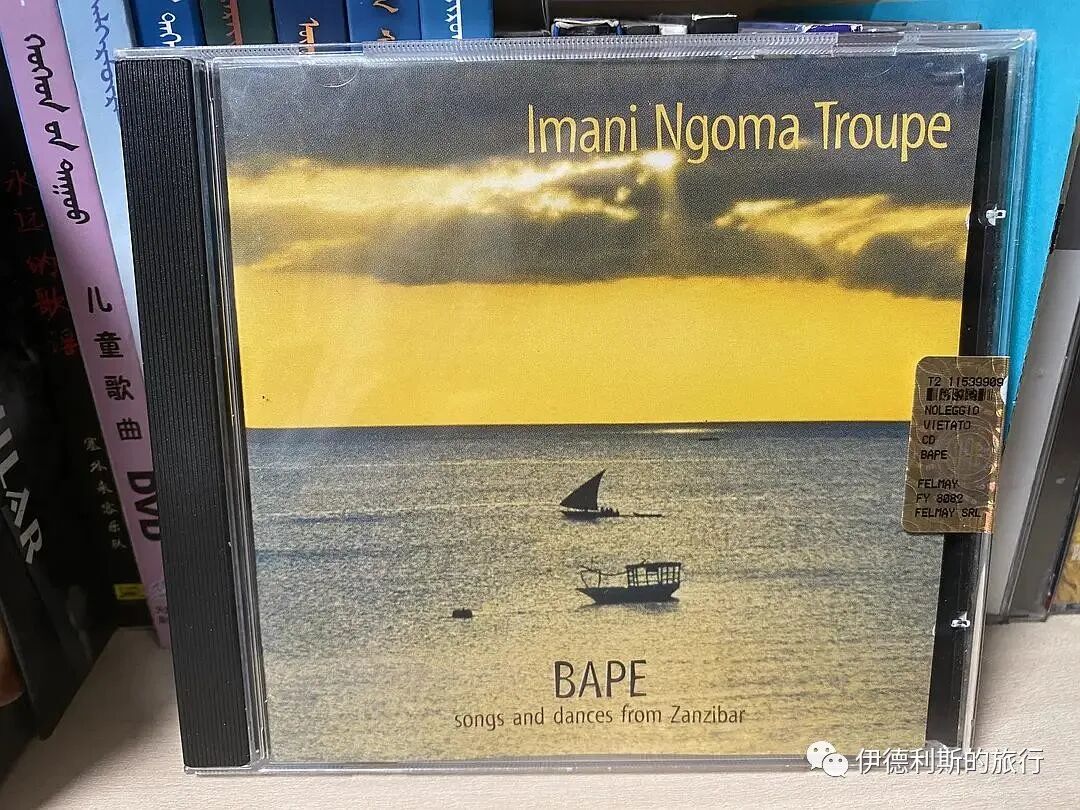
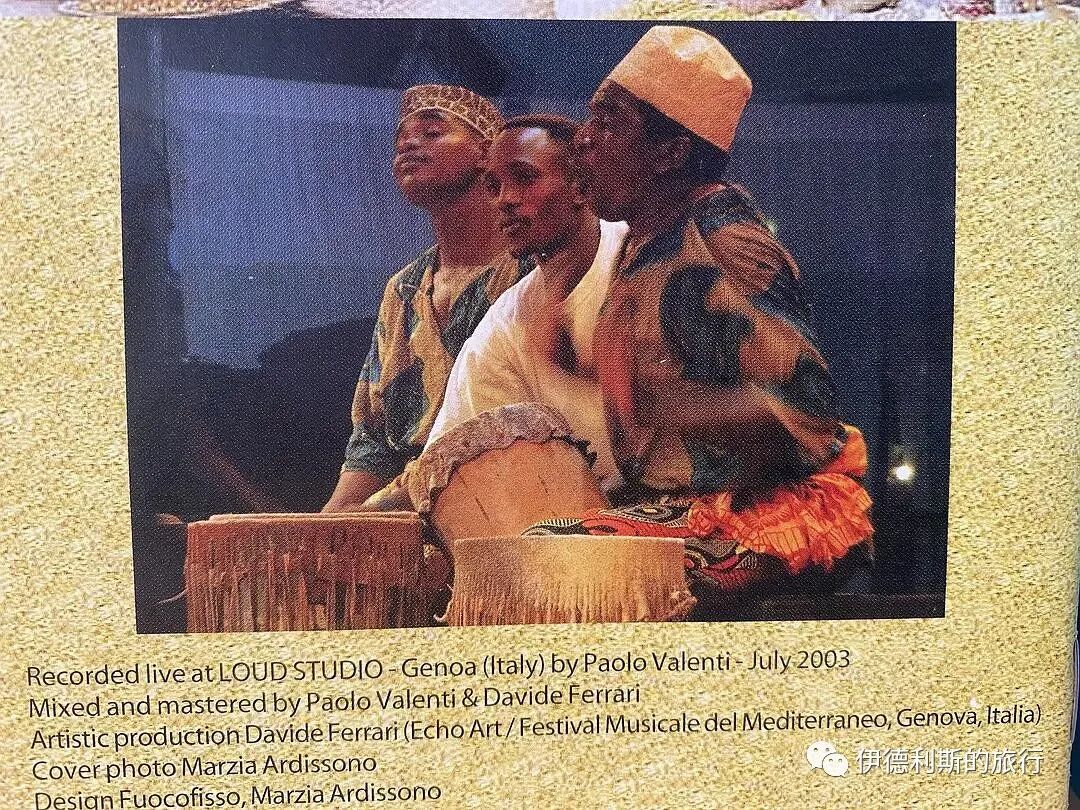
The Tanzanian Imani Ngoma Art Troupe's album 'BAPE' was released in 2005 by the Italian label Felmay. The Imani Ngoma Art Troupe started in 2000 in Kariakoo, a Tanzanian city on the Indian Ocean. Its goal is to revive, develop, and promote traditional Tanzanian music, dance, and theater. The Imani Troupe performs traditional songs and dances from Zanzibar Island and mainland Tanzania. The Nogoma drum is their most important instrument. They also use the Zumari woodwind, which might have come from Portugal, the Sanduku bass, and various percussion instruments. Female vocals are also very important in the troupe. These powerful songs cover many topics, including history, culture, love, poverty, and the fight against AIDS. They range from current social issues to the eternal mysteries of the human heart.
North African Band in Paris
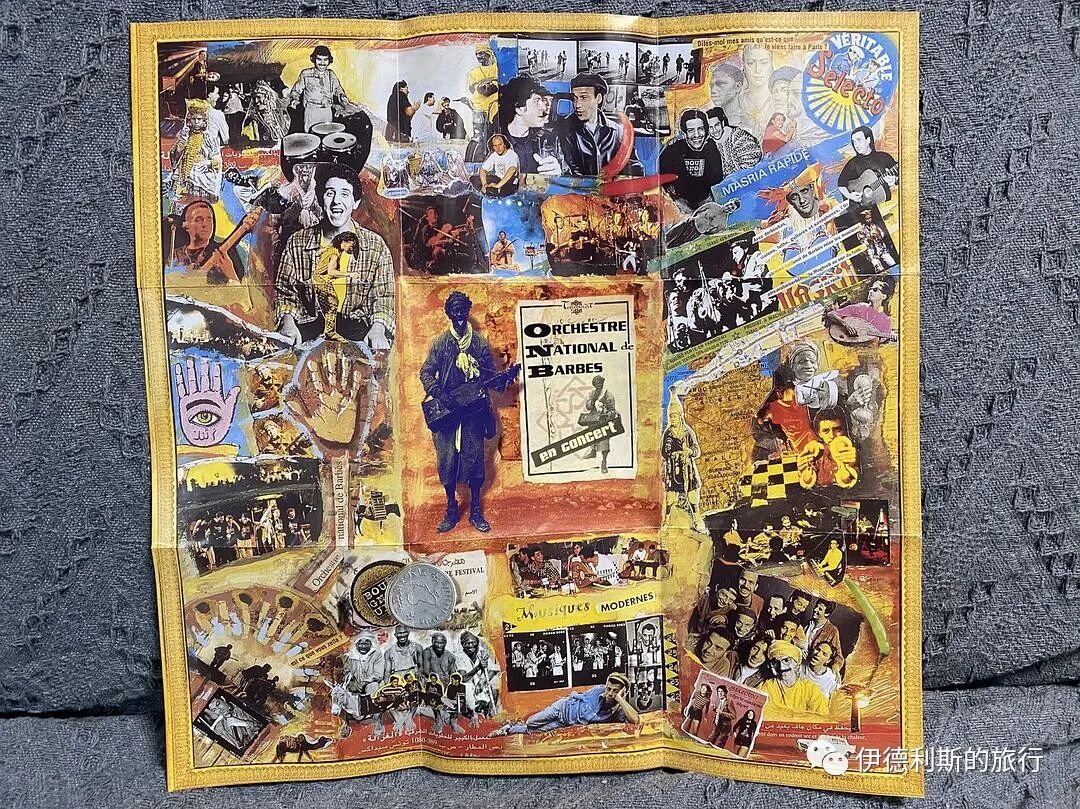
The North African Orchestre National de Barbes from Paris released their album 'En Concert' in 1998.
Barbès is a neighborhood at the foot of Paris's Sacré-Cœur Basilica. It has the largest concentration of North Africans and is known as 'a little piece of North Africa'. This area is a melting pot of North African culture, food, and music. You can find many small North African restaurants and shisha (water pipe) lounges. TVs here play various Middle Eastern music programs through satellite dishes.
In the 1980s, people from all over North Africa moved to this Parisian neighborhood. Many talented musicians were among them. Among these musicians, Larbi Dida was a founding member of the famous Algerian band Raina Rai. This band was the first to mix Algerian folk music, Rai, with rock music. Youcef Boukalla was the bassist for T34, a pioneering Algerian Arabic rock band from the 1980s. Aziz Sahmouni is a Sufi musician from Marrakech, Morocco. He is skilled at blending Moroccan Sufi Gnawa music with modern music.
After the 1990s, these talented North African musicians living in Barbès came together to form the Orchestre National de Barbes. They began to experiment with combining traditional North African Maghreb music with modern rock and funk music. After this, more North African and French musicians kept joining the group. In 1998, the band recorded their first album, 'En Concert,' live at the Agory Theater in Paris.
Legendary Syrian wedding singer
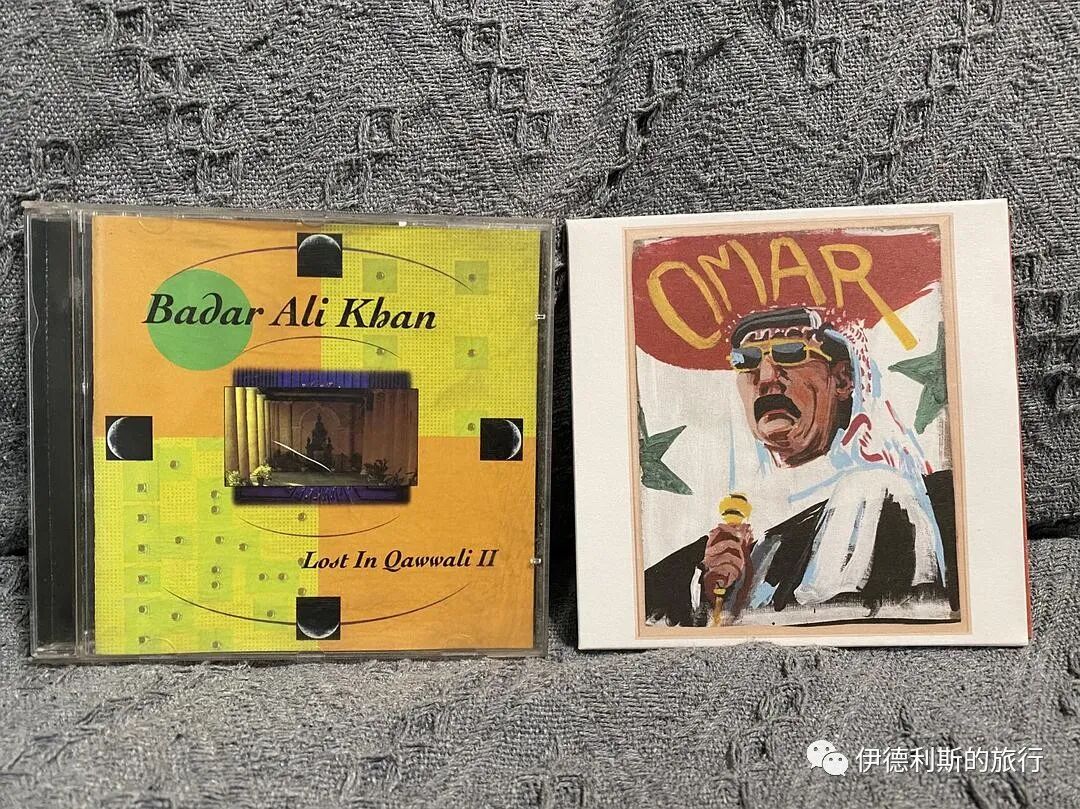
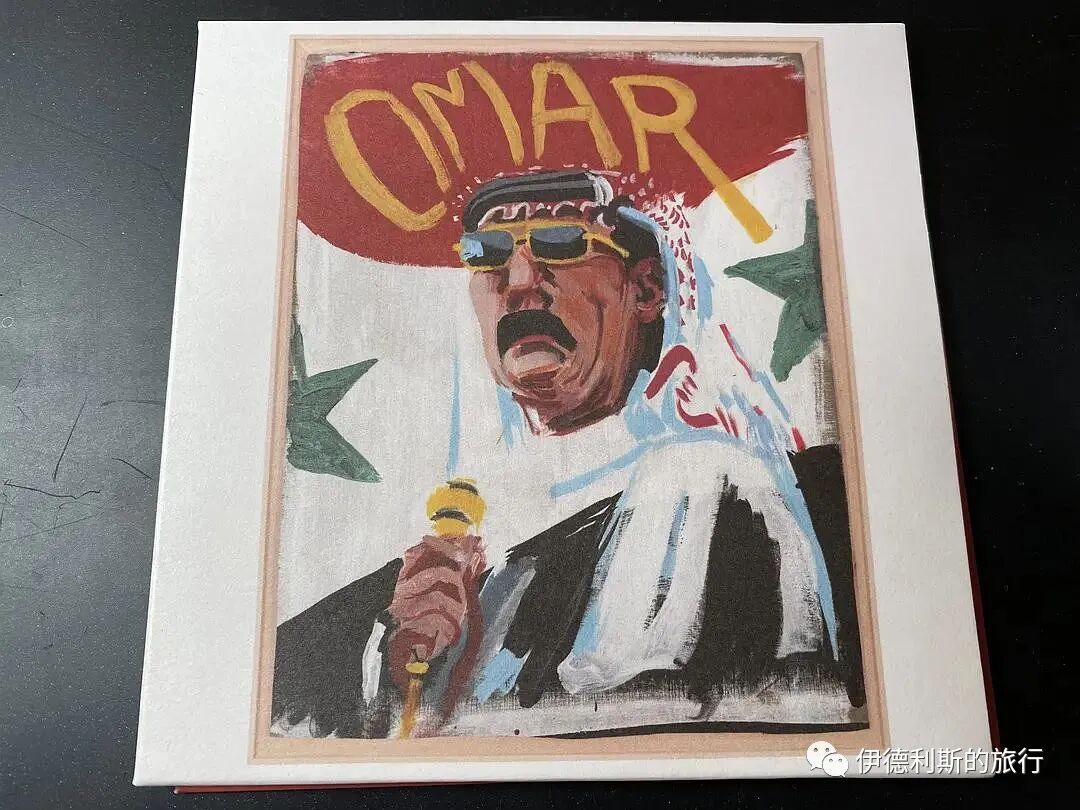
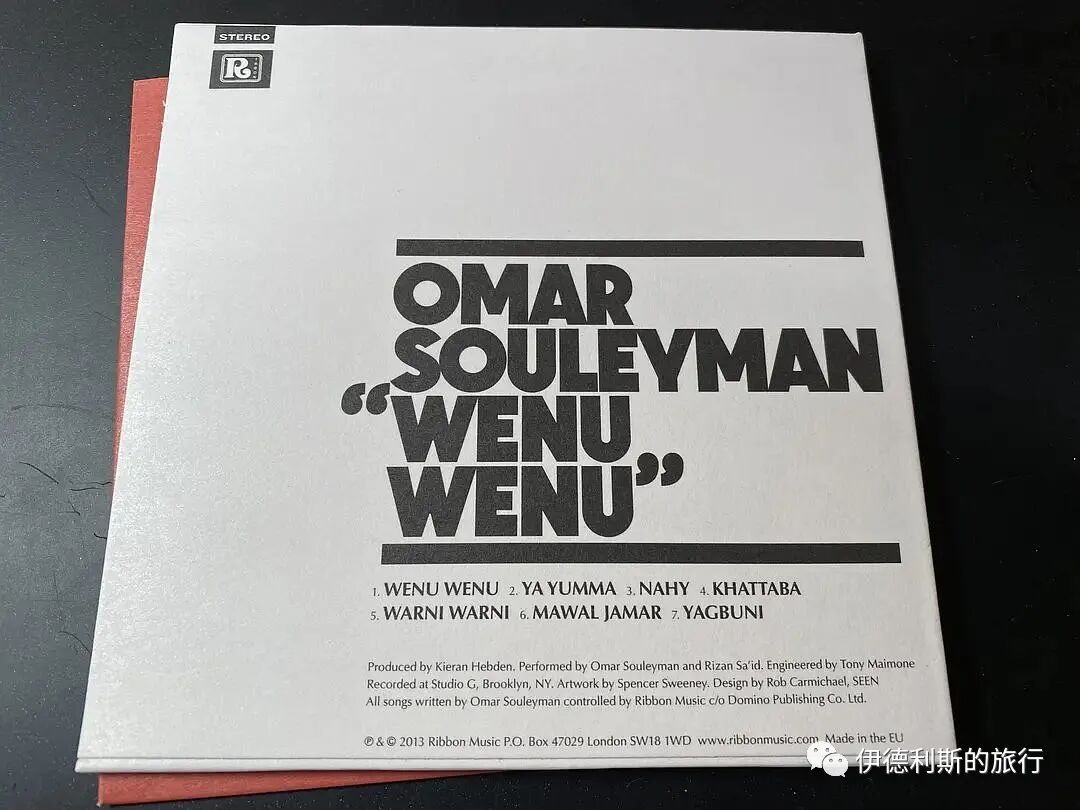
Legendary Syrian wedding singer Omar Souleyman's 2013 album "Wenu Wenu" features very energetic Syrian dance music. This album shows you the favorite songs Syrians play at weddings, birthdays, and circumcisions. Omar Souleyman's singing style is called Dabke, a traditional dance music from the Levant region. With keyboardist Rizan Sa'id's captivating music and Omar Souleyman's singing, Syrians open their arms, put them on each other's shoulders, and dance together.
Omar Souleyman was born in 1966 on the Syria-Turkey border. He made a living singing at weddings. He is a Sunni Arab, but his singing goes beyond ethnic groups. Kurds, Assyrians, Arabs, and Turks all like to invite him to sing at their weddings. Since 1994, Omar has recorded over 500 albums. He recorded 80% of them live at weddings. He would give these albums to the newlyweds and then sell them at local kiosks. In 2013, the British label Ribbon Music released Omar's studio album "Wenu Wenu." This is the album I bought.
After the Syrian civil war started in 2011, Omar fled to Turkey. In the Turkish border town of Akçakale, he set up a free bakery. It provides free bread to Syrian refugees in Turkey.
Famous Pakistani Sufi Qawwali music
"Lost in Qawwali II" is an album by famous Pakistani Sufi Qawwali singer Badar Ali Khan. The American world music label Triloka Records released it in 1998.
Badar Ali Khan was a Punjabi Muslim. He was born in 1960 in Pakistan's Punjab province into a Sufi Qawwali music family with 600 years of history. His cousin was Nusrat Fateh Ali Khan, known as the "King of Qawwali."
Badar Ali Khan became a professional Qawwali singer in 1975. By the mid-1980s, he was well-known. He wrote music for many Bollywood and Pakistani films in the 1980s and 1990s. He returned to Allah from heart disease in 2007 at only 47 years old.
Qawwali music was invented in the 13th century by Amir Khusrow, a Sufi saint from the Chisti order in Delhi, India. He blended Persian, Turkic, Arabic, and Indian traditional music. Like the Turkish Sufi whirling dance we know, Qawwali is part of the Sufi Sama ritual. During the Mughal Empire, Qawwali was mainly sung in Persian. But as it spread across South Asia, people started singing it in many languages, including Urdu, Bengali, and Punjabi. At first, Qawwali music was only performed in Sufi shrines (Dargahs). It wasn't until the late 20th century that the international music world discovered it, and it began to be performed at world music festivals. view all
Summary: Muslim Music Records in China: Hui Culture, Old Albums and Memory is presented here as a firsthand travel account in clear English, beginning with this scene: On December 17, 2021, I went to Xinqiao Market at Sun Palace Building, outside Xizhimen in Beijing, to browse CDs at Director Cong Feng's stall. The account keeps its focus on Muslim Music, Hui Culture, China Travel while preserving the names, places, food, and historical details from the Chinese source.
On December 17, 2021, I went to Xinqiao Market at Sun Palace Building, outside Xizhimen in Beijing, to browse CDs at Director Cong Feng's stall. After just a couple of sentences, Director Cong recognized me as Wang Dongsì, laughing. He said a friend had shown him the diary entry I wrote about him before. Back in April 2021, at the Xinqiao Market, I bought several favorite CDs from Director Cong. This time, I picked up several more. Among them were Tanzanian dance music, Ottoman military band music, Algerian Sufi music, Azerbaijani tar music, music from a North African orchestra in Paris, and North Indian Sarangi music. Later, I got the urge to buy more, so I bought a Pakistani Sufi music album and a Syrian wedding music album from Director Cong's online store (Kong.com cf1972). I'll share them with you below.
Algerian Sufi Gnawa Music.
Sidh, a young Algerian musician based in Italy, released an African Sufi Gnawa music album called
Gnawa music comes from the Gnawa people, who migrated from sub-Saharan Africa to North and West Africa. Today, Gnawa music is centered in Essaouira, southwestern Morocco, and is popular across West and North Africa. It's a blend of classical Sufi music and traditional African music. In 2019, UNESCO listed it as an Intangible Cultural Heritage. Traditional Gnawa musicians use music and dance for spiritual healing. This ritual is called
On the album, Sidh plays two traditional Gnawa instruments: the Gumbri and the Qraqeb. The Gumbri is a bass three-string plucked instrument. It's carved from a log, with a body shaped like a canoe. Its soundbox is covered with camel or goat skin, and its strings are made from goat gut. The Qraqeb are large cast-iron castanets. Long ago, Gnawa people were sold as slaves from sub-Saharan Africa to North Africa. This instrument is used to recall the sound of horse hooves when they were carried away in sacks. It also represents the sound of shackles being removed when they regained their freedom. Sidh also plays the Bendir, a traditional North African wooden frame drum.
After the 1990s, Gnawa musicians began experimenting with blending their music with other genres. So, this album features Riccardo Manzi on guitar and the Greek plucked Bouzouki, Renato Vecchio on saxophone, flute, and the Armenian Duduk pipe, and Zaki Bedaida on acoustic guitar.
Sarangi from a North Indian Musician.
North Indian musician Murad Ali Khan released his Sarangi album, "Feelings of the Heart (Traditional Sarangi)," on the Italian label Felmay in 2009. The Sarangi is a bowed, short-necked string instrument popular in North South Asia, including Punjab, Rajasthan, Pakistan, and Bangladesh. Its sound is much like a soprano voice, and it is known as one of the most difficult South Asian instruments to play. Historically, the Sarangi mainly accompanied wandering singers and dancers. The Sarangi became a solo instrument only after musicians like Bundu Khan (1880-1955) and Ram Narayan (1927-) improved it in the 20th century.
Murad Ali Khan comes from a musical family in Moradabad, a city in India's Uttar Pradesh state. He is a leading Sarangi musician among India's middle-aged and younger artists. Murad Ali Khan's family has played the Sarangi for six generations. He learned the Sarangi from a young age under the strict training of his grandfather and father. He started performing on stage at age 10. His playing has a bright tone and rich imagination.
Contemporary Azerbaijani Tar Master.
Contemporary Azerbaijani Tar master Ramiz Quliyev released his album, "Dialogues with the Tar (Traditional Music of Azerbaijan)," on the Italian label Felmay in 2013.
Ramiz was born in Agdam in 1947. Neither of his parents were musicians, but his uncle Habib's tar hung on the wall of their home since Ramiz was a child. His uncle, Habib Quliyev, was once an excellent tar player. Sadly, he could no longer play after injuring his arm in World War II. Habib became Ramiz's first teacher, and the tar on the wall became Ramiz's first instrument. When that tar broke from practice, Ramiz's father sold several beehives from their farm to buy Ramiz a new instrument. His father strongly supported his music.
Ramiz started at the Agdam music school at age 7. At 17, he went to the Azerbaijan State Conservatory for advanced studies. After age 27, he stayed at the conservatory as a national instrument teacher. He won many awards after that and has been known as the People's Artist of Azerbaijan since 1988. Ramiz toured Europe and America in the late 1980s and early 2000s. He had great success at a folk festival in Washington in 1988, which led to an invitation to perform at the White House.
Besides traditional Azerbaijani mugham (muqam), Ramiz also excels at playing works by many Azerbaijani composers and tar (tar) pieces adapted from European music. Countless people love his exquisite playing, unique tone, and rich creativity. Ramiz still teaches at the Baku Academy of Music today. He has trained many excellent tar (tar) artists.
Ottoman Military Band
Seven Seas, a sub-label of Japan's King Records, released the first volume in its "World Music Library" series in 1999, titled "Turkish Military Band Music of Ottoman Empire." The album includes two parts: Ottoman military music and Turkish traditional music played on the Klasik Kemence bowed string instrument. Both are live recordings from the 1960s-70s.
The Ottoman Military Band (Mehter Bölüğü) might be the oldest existing military band. Sultan Kayqubad III (reigned 1298-1302) of the Seljuk Sultanate of Rum reportedly gave the first Ottoman military musicians as a gift to the Ottoman dynasty in 1299. From then on, every day after the afternoon namaz, the musicians would play for the Ottoman Sultan.
The tunes of the Ottoman Military Band date back to the 16th century. They developed greatly in the 17th century, and many musicians composed pieces for the band. In the mid-17th century, 300 military band musicians lived in the Ottoman palace in Istanbul. They performed three times a day. Another 1,000 military band musicians in Istanbul were spread across various armies in the city. They performed once at dawn and once at sunset every day. In 1826, Sultan Mahmud II (reigned 1808-1839) abolished the Janissaries (Sultan's elite infantry). The military band then disbanded.
Standard military band instruments included the large kettledrum (Kös), small kettledrum (Nakare), bass drum (Davul), cymbals (Zil), bass zurna (Kaba Zurna), horn (Boru), and a percussion instrument with bells called Cevgen. The band's composition varied in different eras. On the eve of the Janissaries' abolition, one band consisted of nine Davul drummers, nine zurna players, nine Nakare drummers, nine cymbal players, and nine horn players.
After the 20th century, the Istanbul Military Museum revived the Ottoman Military Band's performances. They played in 1953 to celebrate the 500th anniversary of Sultan Mehmed the Conqueror's capture of Istanbul.
Today, the Ottoman Military Band performs regularly at the Istanbul Military Museum and at various ceremonies. The grandest performance happens on May 29 each year, at the ceremony celebrating the Ottoman conquest of Constantinople.
Tanzanian Dance Music
The Tanzanian Imani Ngoma Art Troupe's album 'BAPE' was released in 2005 by the Italian label Felmay. The Imani Ngoma Art Troupe started in 2000 in Kariakoo, a Tanzanian city on the Indian Ocean. Its goal is to revive, develop, and promote traditional Tanzanian music, dance, and theater. The Imani Troupe performs traditional songs and dances from Zanzibar Island and mainland Tanzania. The Nogoma drum is their most important instrument. They also use the Zumari woodwind, which might have come from Portugal, the Sanduku bass, and various percussion instruments. Female vocals are also very important in the troupe. These powerful songs cover many topics, including history, culture, love, poverty, and the fight against AIDS. They range from current social issues to the eternal mysteries of the human heart.
North African Band in Paris
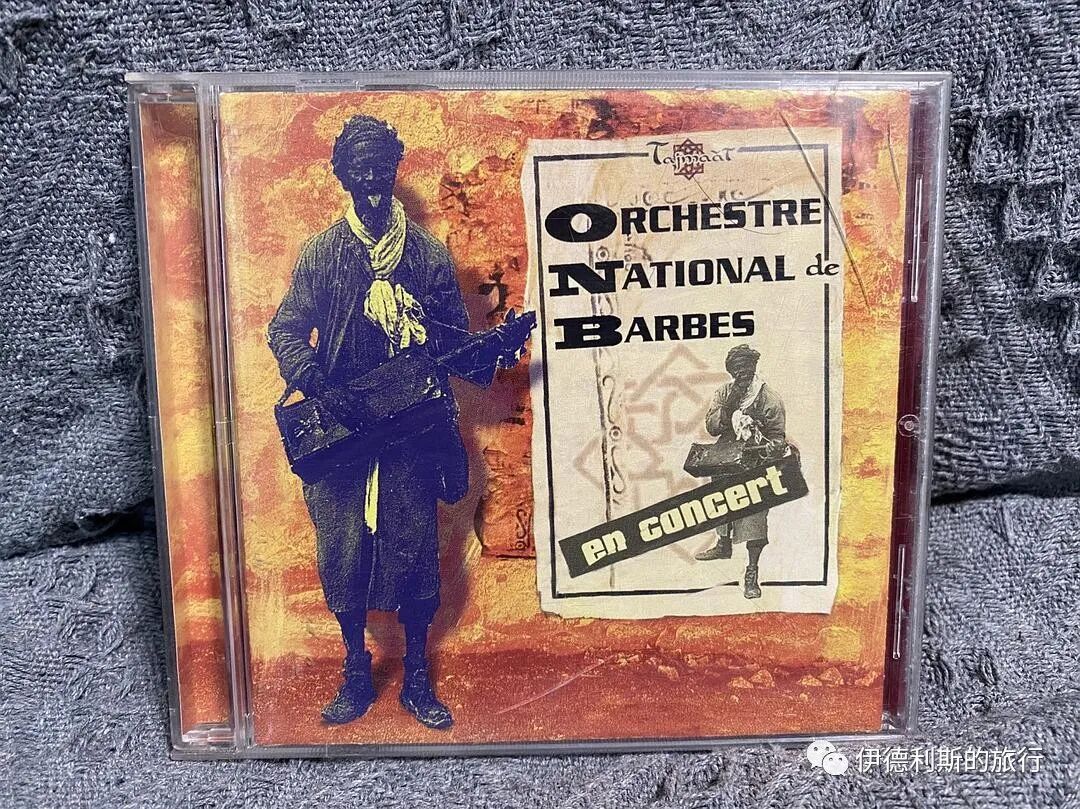
The North African Orchestre National de Barbes from Paris released their album 'En Concert' in 1998.
Barbès is a neighborhood at the foot of Paris's Sacré-Cœur Basilica. It has the largest concentration of North Africans and is known as 'a little piece of North Africa'. This area is a melting pot of North African culture, food, and music. You can find many small North African restaurants and shisha (water pipe) lounges. TVs here play various Middle Eastern music programs through satellite dishes.
In the 1980s, people from all over North Africa moved to this Parisian neighborhood. Many talented musicians were among them. Among these musicians, Larbi Dida was a founding member of the famous Algerian band Raina Rai. This band was the first to mix Algerian folk music, Rai, with rock music. Youcef Boukalla was the bassist for T34, a pioneering Algerian Arabic rock band from the 1980s. Aziz Sahmouni is a Sufi musician from Marrakech, Morocco. He is skilled at blending Moroccan Sufi Gnawa music with modern music.
After the 1990s, these talented North African musicians living in Barbès came together to form the Orchestre National de Barbes. They began to experiment with combining traditional North African Maghreb music with modern rock and funk music. After this, more North African and French musicians kept joining the group. In 1998, the band recorded their first album, 'En Concert,' live at the Agory Theater in Paris.
Legendary Syrian wedding singer
Legendary Syrian wedding singer Omar Souleyman's 2013 album "Wenu Wenu" features very energetic Syrian dance music. This album shows you the favorite songs Syrians play at weddings, birthdays, and circumcisions. Omar Souleyman's singing style is called Dabke, a traditional dance music from the Levant region. With keyboardist Rizan Sa'id's captivating music and Omar Souleyman's singing, Syrians open their arms, put them on each other's shoulders, and dance together.
Omar Souleyman was born in 1966 on the Syria-Turkey border. He made a living singing at weddings. He is a Sunni Arab, but his singing goes beyond ethnic groups. Kurds, Assyrians, Arabs, and Turks all like to invite him to sing at their weddings. Since 1994, Omar has recorded over 500 albums. He recorded 80% of them live at weddings. He would give these albums to the newlyweds and then sell them at local kiosks. In 2013, the British label Ribbon Music released Omar's studio album "Wenu Wenu." This is the album I bought.
After the Syrian civil war started in 2011, Omar fled to Turkey. In the Turkish border town of Akçakale, he set up a free bakery. It provides free bread to Syrian refugees in Turkey.
Famous Pakistani Sufi Qawwali music
"Lost in Qawwali II" is an album by famous Pakistani Sufi Qawwali singer Badar Ali Khan. The American world music label Triloka Records released it in 1998.
Badar Ali Khan was a Punjabi Muslim. He was born in 1960 in Pakistan's Punjab province into a Sufi Qawwali music family with 600 years of history. His cousin was Nusrat Fateh Ali Khan, known as the "King of Qawwali."
Badar Ali Khan became a professional Qawwali singer in 1975. By the mid-1980s, he was well-known. He wrote music for many Bollywood and Pakistani films in the 1980s and 1990s. He returned to Allah from heart disease in 2007 at only 47 years old.
Qawwali music was invented in the 13th century by Amir Khusrow, a Sufi saint from the Chisti order in Delhi, India. He blended Persian, Turkic, Arabic, and Indian traditional music. Like the Turkish Sufi whirling dance we know, Qawwali is part of the Sufi Sama ritual. During the Mughal Empire, Qawwali was mainly sung in Persian. But as it spread across South Asia, people started singing it in many languages, including Urdu, Bengali, and Punjabi. At first, Qawwali music was only performed in Sufi shrines (Dargahs). It wasn't until the late 20th century that the international music world discovered it, and it began to be performed at world music festivals.
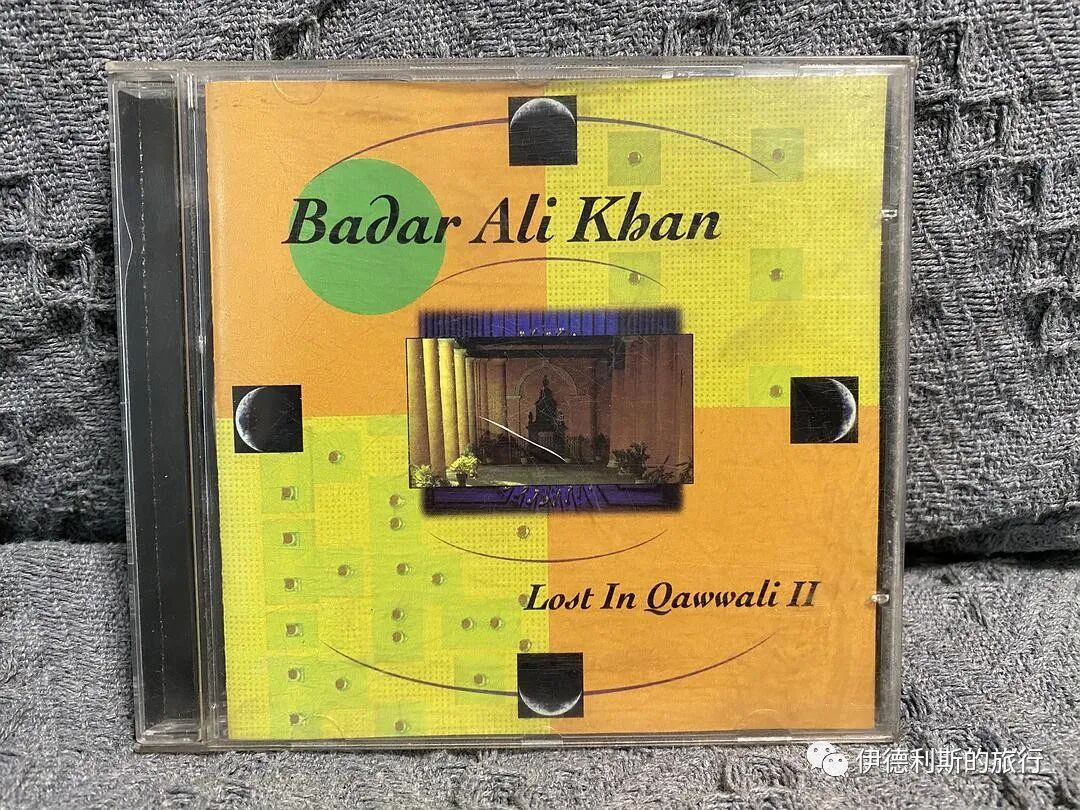
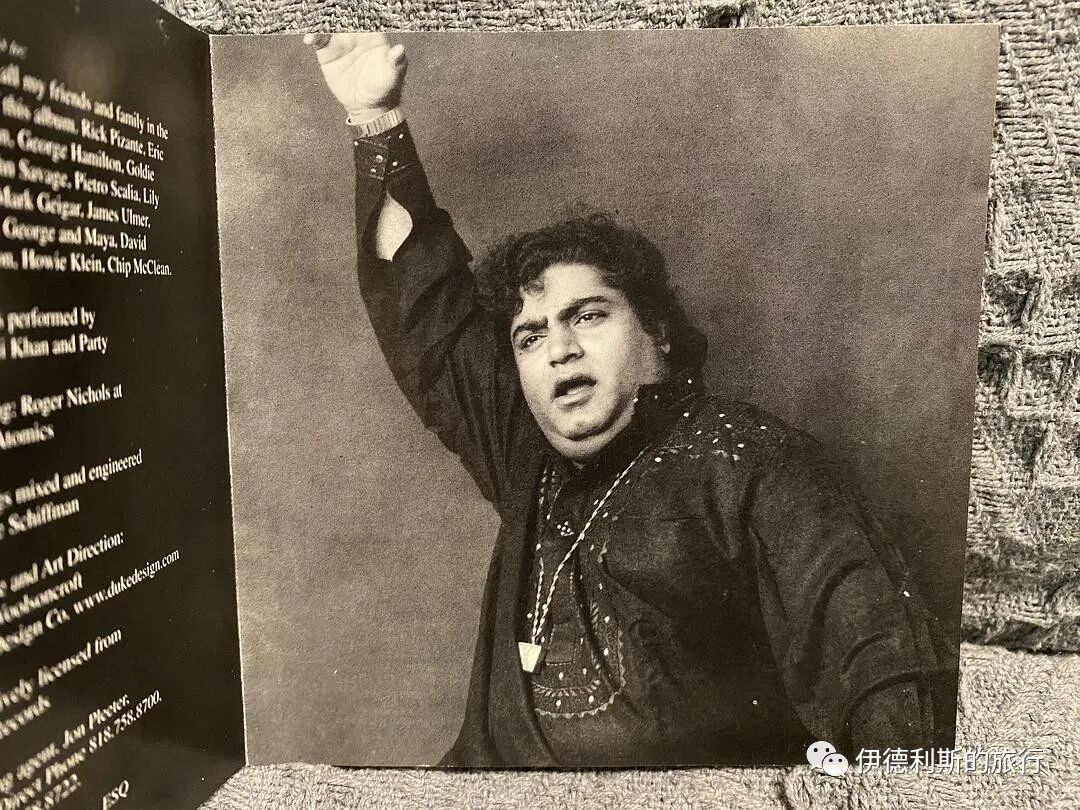
Halal Food Guide: Western China — Muslim Snacks and Local Halal Food (Part 2)
Articles • ali2007fr posted the article • 0 comments • 162 views • 2026-05-17 21:54
Summary: Halal Food Guide: Western China — Muslim Snacks and Local Halal Food is presented here as a firsthand travel account in clear English, beginning with this scene: Xianyin Mosque is not far northwest of the Hanzhong train station. Like Baba Mosque in Langzhong and Luling Mosque in Xixiang, it belongs to the Sufi Qadiriyya menhuan gongbei tradition. The account keeps its focus on Western China Food, Halal Snacks, China Travel while preserving the names, places, food, and historical details from the Chinese source.
5. Xianyin Mosque in Hanzhong
Xianyin Mosque is not far northwest of the Hanzhong train station. Like Baba Mosque in Langzhong and Luling Mosque in Xixiang, it belongs to the Sufi Qadiriyya menhuan gongbei tradition.
Two ascetics who guard the gongbei at Xianyin Mosque gave us a warm welcome. Beyond following the Quran and Sunnah, the Qadiriyya menhuan gongbei tradition teaches that one must escape the temptations of daily life and practice asceticism to know and draw closer to Allah. Because of this, disciples of the gongbei tradition enter the site at a young age to live apart from the world, remain unmarried for life, and are known as ascetics. According to the rules, religious workers must rotate every three years to guard the various shrines under the jurisdiction of the Great Gongbei, a practice known as guarding the gongbei. The two religious workers at Xianyin Mosque were both sent from the Linxia Great Gongbei and will return to Linxia after their three-year term ends.
When we visited Xianyin Mosque, we happened to meet a large family from Linxia who had come to hold a religious gathering (a'mali), which allowed us to enjoy some Hezhou delicacies in Hanzhong. The religious workers prepared fresh hand-grabbed lamb (shouzhua rou) that was very tender, and they also stir-fried lamb liver and deep-fried hot-water dough fritters (youxiang).
4. Inner Mongolia
1. Hohhot
Buy some baked milk skin (kaonaipi) at Bai's Dairy Shop on Houxincheng Road in Hohhot. Their baked milk skin has a great texture and is not hard at all. Zainab said it tastes much better than the kind she bought online before. Their cheese is also delicious, with a sweet and sour taste, but it was too hot to carry, so we only tried a little.
One theory says the Bai family of Hui Muslims in Hohhot came to Guihua City to trade after Princess Kejing married the Mongol Tushetu Khan in 1697 (the 36th year of the Kangxi reign). Another theory says they moved from Xi'an during the late Qing Dynasty. The most famous noodle shop outside the north gate of Guihua City at that time was run by Bai Xiu.
2. Longshengzhuang
Longshengzhuang sits on the border of Shanxi and Inner Mongolia. From the Qing Dynasty to the early Republic of China, it was a meeting point for trade routes between Hohhot, Datong, and Zhangjiakou, serving as a key market town for Shanxi merchants trading in Mongolia. Shanxi merchants traveling to Mongolia brought rice, flour, tea, oil, wine, and daily goods from Longshengzhuang to Mongolia, returning with furs, livestock, and leather, which brought great wealth to the town.
Starting in the early Qing Dynasty, Hui Muslims from Hebei and Shandong moved to Longshengzhuang in Inner Mongolia for business, and many more Hui Muslims from Shaanxi arrived during the late Qing Dynasty. After the Ping-Sui Railway opened in 1921, Longshengzhuang declined quickly. People moved away in large numbers after the 1930s, and today only about 30 Hui Muslims remain, mostly elderly.
In Maqiao Square at the center of Longshengzhuang, a few Hui Muslim vendors still sell honey pastries (misu), fried dough strips (maye), fried dough twists (mahua), and baked flatbreads (beizi). We bought a sugar-coated fried dough strip (tangmaye) at the old Liu Zhen shop. It looked very sweet, but it was not greasy at all, and I finished it in a few bites.
3. Jining
Xinti Street is the halal food street of Jining. It is lined with various halal restaurants serving oat noodles (youmian), bone broth, steamed dumplings (zhengjiao), steamed meat dumplings (shaomai), rice noodles (mixian), stir-fried meat stew (chaohuirou), and barbecue. We arrived at 3:00 PM, and many of these places were closed, so we had meat pies instead. The freshly pan-fried meat pies were hot and fragrant. We also ordered shredded tofu salad, braised beef liver, and stir-fried meat stew with potato starch noodles (tudoufen chaohuirou). The noodles were delicious, and the meat had no gamey taste.
5. Ningxia
1. Yinchuan
Visit Fuyuan Noodle Restaurant on Zhongxin Lane in Yinchuan. They only sell lamb neck, lamb stew with hand-torn noodles (lian guo yangrou xiao jiupian), and side dishes. I ordered half a jin of lamb neck. It tasted great and smelled delicious. Three people work together to tear the dough for the lamb hand-torn noodles into a large pot. Watching the pieces of dough fly into the pot is quite a sight.
6. Gansu
1. Lanzhou
I arrived in Lanzhou at night and went straight to the Jianlan Road night market. I had a sheep head with milk egg fermented rice soup (niunai jidan laozao). The hot-mixed version tastes different from the stir-fried one, but it is also quite delicious!
2. Linxia
At the Lao Dongxiang Manai stall in the Linxia North Street night market, I had beef clay pot (niurou shaguo) and stir-fried flour sausage (fazi mianchang). Fazi, also called fazi, is sheep intestine stuffed with chopped organ meats and minced meat. I think the highlight of the Linxia North Street night market is the stir-frying. The flames on the stoves can rise higher than a person, but I didn't manage to take a picture.
7. Qinghai
1. Ping'an
Go to the Daqingzhen Kangguo Grill in Ping'an District, Haidong, to eat pan-roasted meat (kangguo). They have many kinds of pan-roasted dishes (kanguo) here, including lamb, tripe, intestines, and chicken. We ordered the pan-roasted lamb head and the wheat kernel porridge (mairen zhou), which is a must-have at any Qinghai barbecue shop.
The restaurant layout features small private rooms common in Qinghai towns. Even for two people, you can pull the curtain for privacy, which feels quite nice. After we ordered, they brought out free pickles, radishes, mung bean jelly (liangfen), and boiled tea (aocha). The servers were very friendly. We had a few bites of the mung bean jelly and some tea before the pan-roasted dish arrived. Besides the whole lamb head, it came with potatoes, corn, and vermicelli (fentiao). We really did not need to order any other main dish. Finish with a bowl of wheat kernel porridge (mairen zhou) for a very satisfying end.
2. Xunhua
In Xunhua County, we had a home-style assorted clay pot hotpot (tuhuoguo). It was packed with a variety of vegetables, and there was actually plenty of meat hidden underneath. A small pot was more than enough to leave two people feeling full.
3. Xining
At Old Wang’s place in Dongguan, Xining, we had starch noodles (gengpi) and fresh yak yogurt. Zainabu said this was the best yogurt we had during our entire trip to Xining.
8. Xinjiang
1. Urumqi
We had milk tea at a Kazakh milk tea shop in Dawan. This place is likely the most famous spot for Kazakh breakfast in the area. Seeing the fresh milk being boiled in a basin made it feel very authentic. We ate milk tea, horse meat sausage (machangzi), fried dough (baowusake), Kazakh-style potatoes, and steamed buns (baozi). Everything tasted great.
2. Toksun County
The most popular spot in Tuokexun County is Lao Si Hao. It is packed at meal times with both locals and people who travel all the way from Turpan just to eat here. Their specialty is stir-fried meat with noodles (guoyou rou banmian) made with black goat. This local specialty lives on the cliffs of the Tianshan Mountains. It costs much more than regular lamb, but the taste and texture are truly different. I think it is much better.
3. Turpan
At the Turpan Museum, you can find the incredibly popular baked buns (kaobaozi) from Koshimaklar. They used to be the Twin Baked Buns at the entrance of the Big Cross Bazaar before moving here. We arrived at 8:30 in the morning to catch the first batch from the oven. We had to get a queue card to buy them, and there were already many people waiting behind us.
Their baked buns (kaobaozi) are truly delicious. They are baked over charcoal, which is hard to find in Urumqi. The filling inside is not fatty and has plenty of meat.
4. Huoyanshan Town
Huoyanshan Town is famous for its yellow noodles with grilled meat (huangmian kaorou). The whole street is filled with shops selling them. The most famous one is called Huoyanshan Famous Yellow Noodle and Grilled Meat Shop, but it was fully booked when we arrived, so we ate at the place across the street. We ordered a mix of yellow noodles and cold starch noodles (liangpi). Once the grilled meat was ready, they took it off the skewers and placed it on top of the noodles. It was so refreshing to eat in the summer and felt perfect for the climate of the Flaming Mountains. We also had grilled fish, and everyone agreed the meat was tender and delicious.
The beef head meat had a great chewy texture and the portion was huge. We also drank a fermented raisin and dried apricot beverage that is a specialty of Flaming Mountain Town, which is even richer than kvass (kawasi).
5. Shanshan County
We ate bean noodle soup (doudou mian) and eggplant noodles in Shanshan County, Turpan. People in Turpan love eating beans, including bean soup noodles (doudou tangfan), bean dumplings (doudou ququ'er), and bean mixed noodles (doudou banmian).
6. Yarkant (Shache)
We ate pigeon with the Yarkant Muqam Art Troupe at the Hometown of Muqam Restaurant (Mukamu Guxiang Canting). This is a famous spot for pigeon in Yarkant.
We ordered pigeon meat with turnip noodles (qiamugula mian) and roasted pigeon, both of which were delicious.
7. Kashgar (Kashi)
The fried fish at the night market across from the Id Kah Mosque in Kashgar is so fragrant, and this enamel plate is huge!
8. Yining
On Ahemaitijiang Road in Yining, there is a traditional Russian bread shop (lieba) run by locals. It has been open since 1988, and they still make their bread by hand and bake it over charcoal. The original owner was an old man with a big beard named Vladimir. Later, it was run by a long-haired young man named Balike, along with his mother Lima and his aunts Liuba and Ala. Since the traditional plain bread (lieba) is only available on Mondays, I only bought the raisin bread, but it was still delicious. The shop also has small apricot jam buns, and they make the apricot jam themselves.
9. Qingshuihe Town, Huocheng County
Eat yogurt shaved ice (suannai baobing), beef tendon noodles (niujinmian), and yellow noodles (huangmian) in the shed outside the Qingshuihe Town bus station in Huocheng County, Ili. Summer in the Ili Valley is much hotter than in the surrounding pasture areas. view all
Summary: Halal Food Guide: Western China — Muslim Snacks and Local Halal Food is presented here as a firsthand travel account in clear English, beginning with this scene: Xianyin Mosque is not far northwest of the Hanzhong train station. Like Baba Mosque in Langzhong and Luling Mosque in Xixiang, it belongs to the Sufi Qadiriyya menhuan gongbei tradition. The account keeps its focus on Western China Food, Halal Snacks, China Travel while preserving the names, places, food, and historical details from the Chinese source.
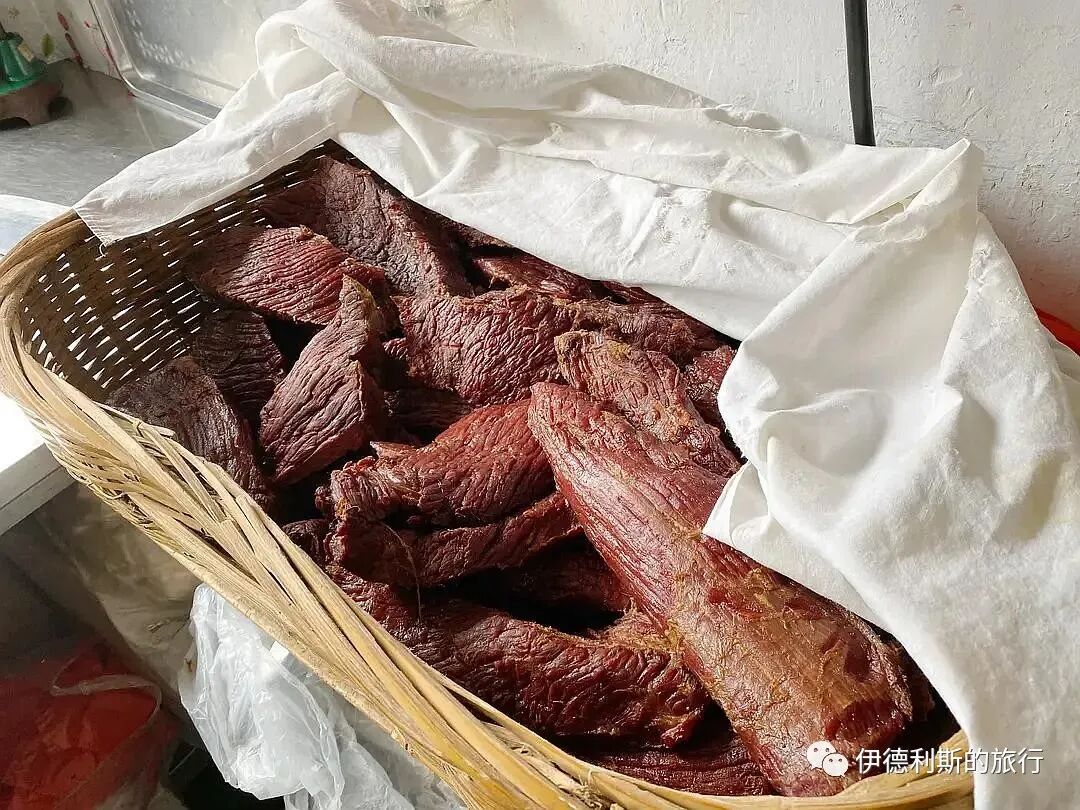
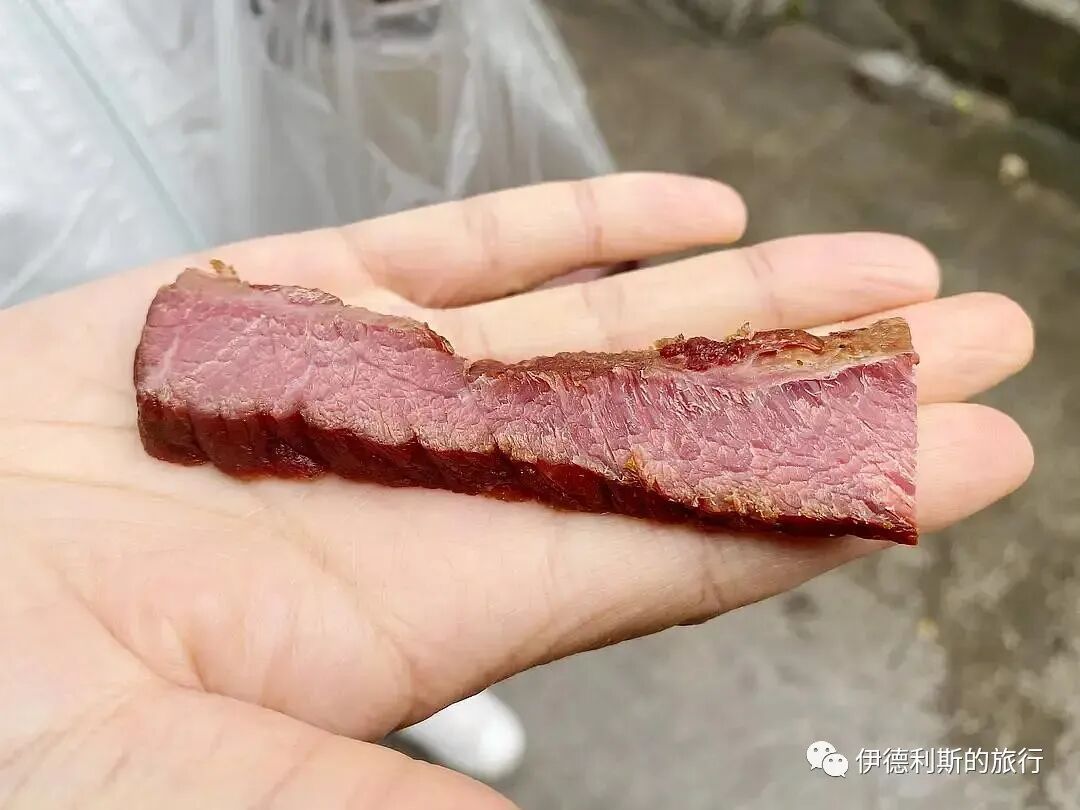
5. Xianyin Mosque in Hanzhong
Xianyin Mosque is not far northwest of the Hanzhong train station. Like Baba Mosque in Langzhong and Luling Mosque in Xixiang, it belongs to the Sufi Qadiriyya menhuan gongbei tradition.
Two ascetics who guard the gongbei at Xianyin Mosque gave us a warm welcome. Beyond following the Quran and Sunnah, the Qadiriyya menhuan gongbei tradition teaches that one must escape the temptations of daily life and practice asceticism to know and draw closer to Allah. Because of this, disciples of the gongbei tradition enter the site at a young age to live apart from the world, remain unmarried for life, and are known as ascetics. According to the rules, religious workers must rotate every three years to guard the various shrines under the jurisdiction of the Great Gongbei, a practice known as guarding the gongbei. The two religious workers at Xianyin Mosque were both sent from the Linxia Great Gongbei and will return to Linxia after their three-year term ends.
When we visited Xianyin Mosque, we happened to meet a large family from Linxia who had come to hold a religious gathering (a'mali), which allowed us to enjoy some Hezhou delicacies in Hanzhong. The religious workers prepared fresh hand-grabbed lamb (shouzhua rou) that was very tender, and they also stir-fried lamb liver and deep-fried hot-water dough fritters (youxiang).
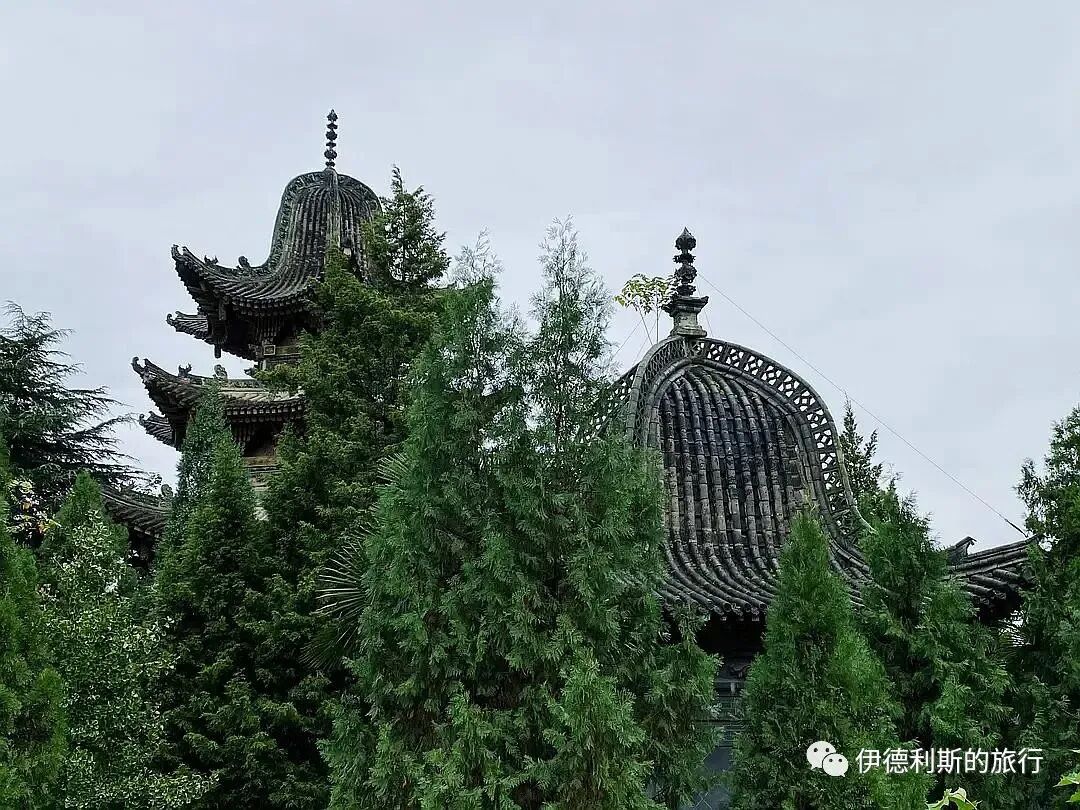
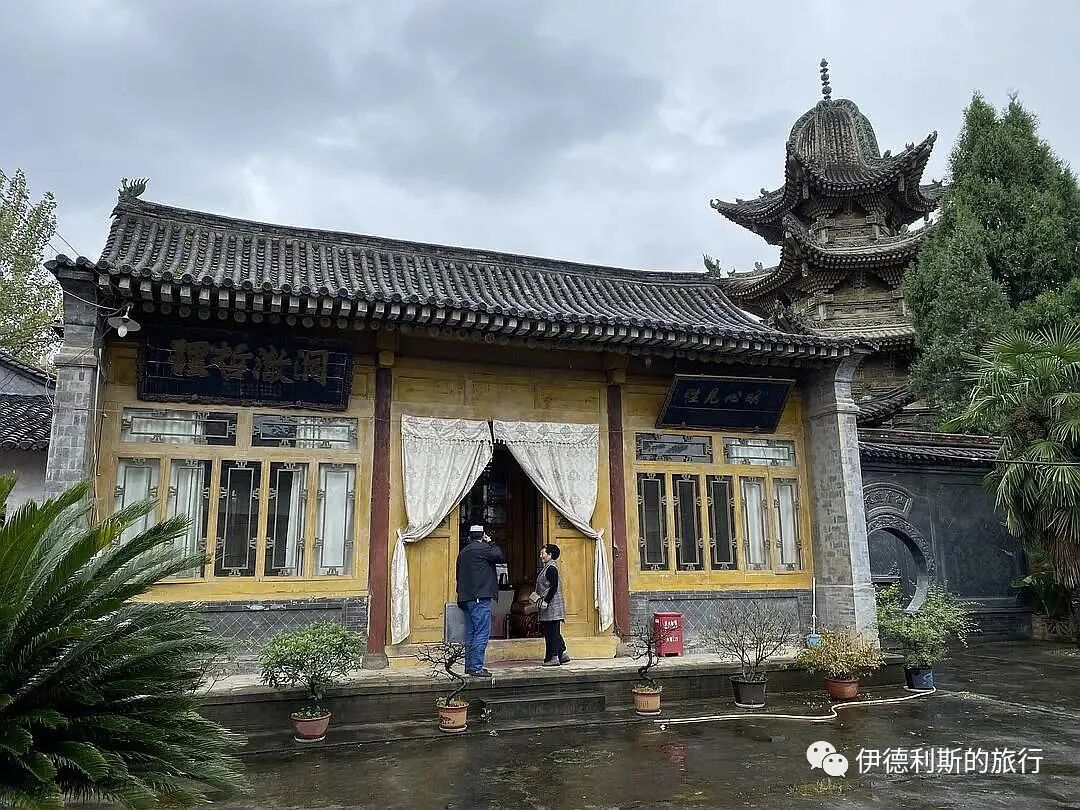
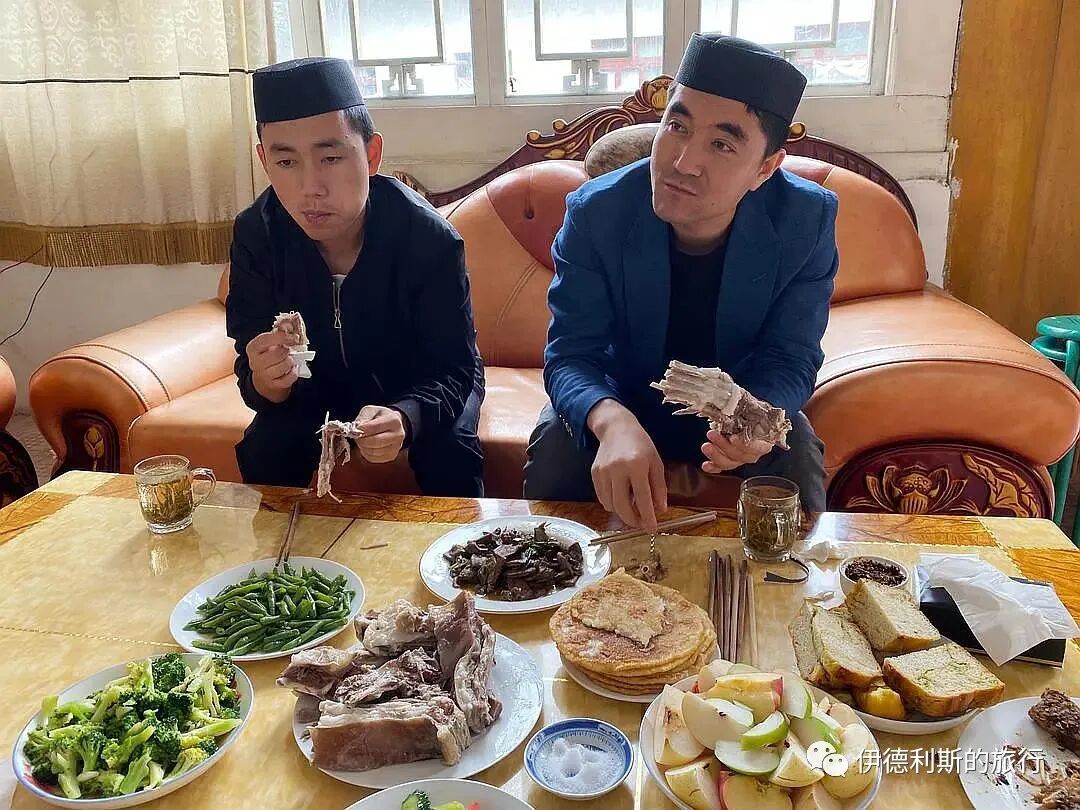
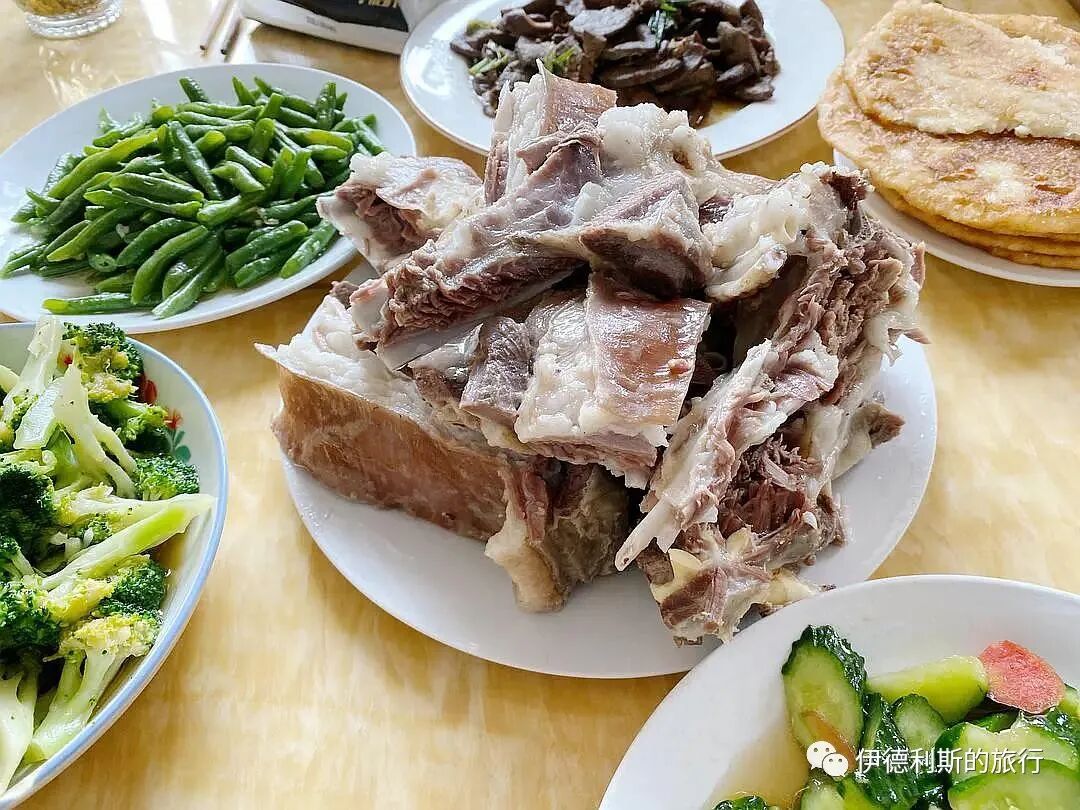
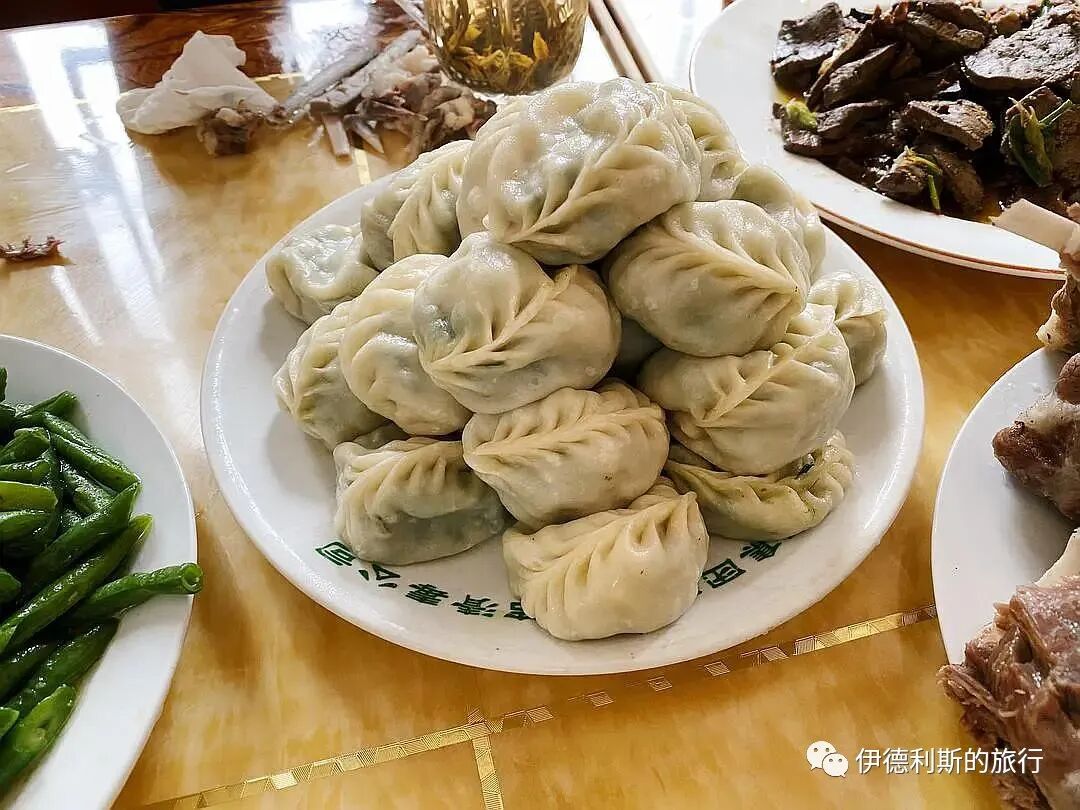
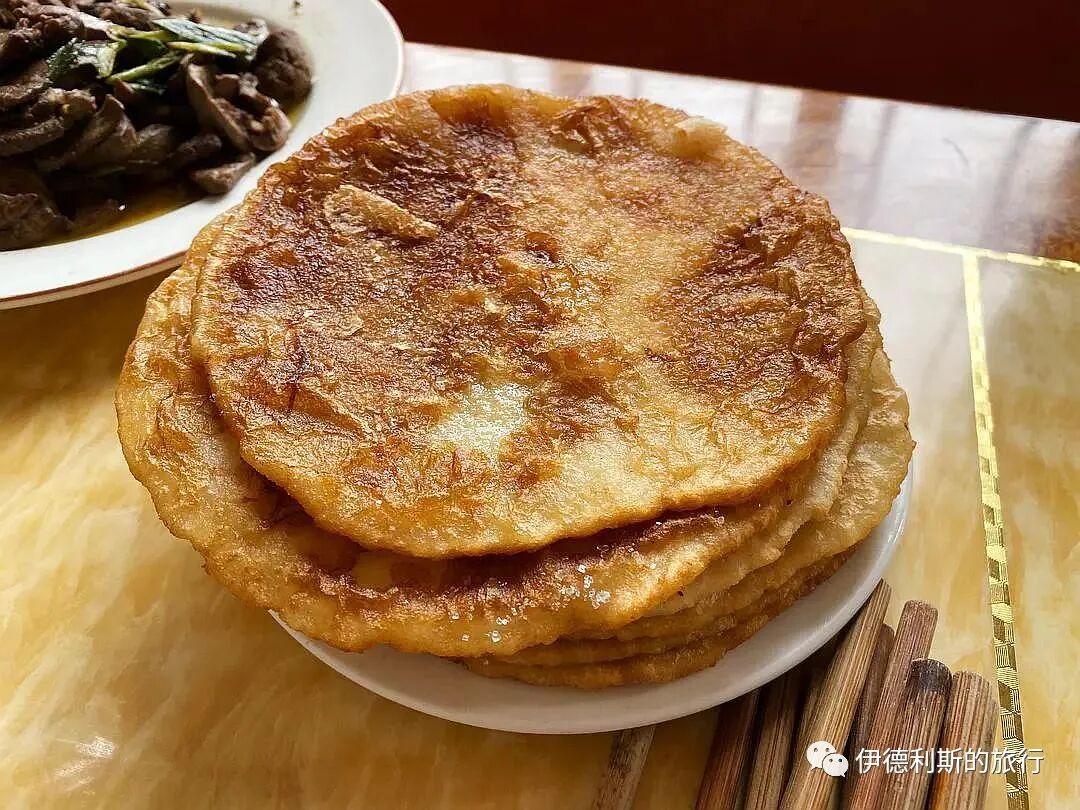
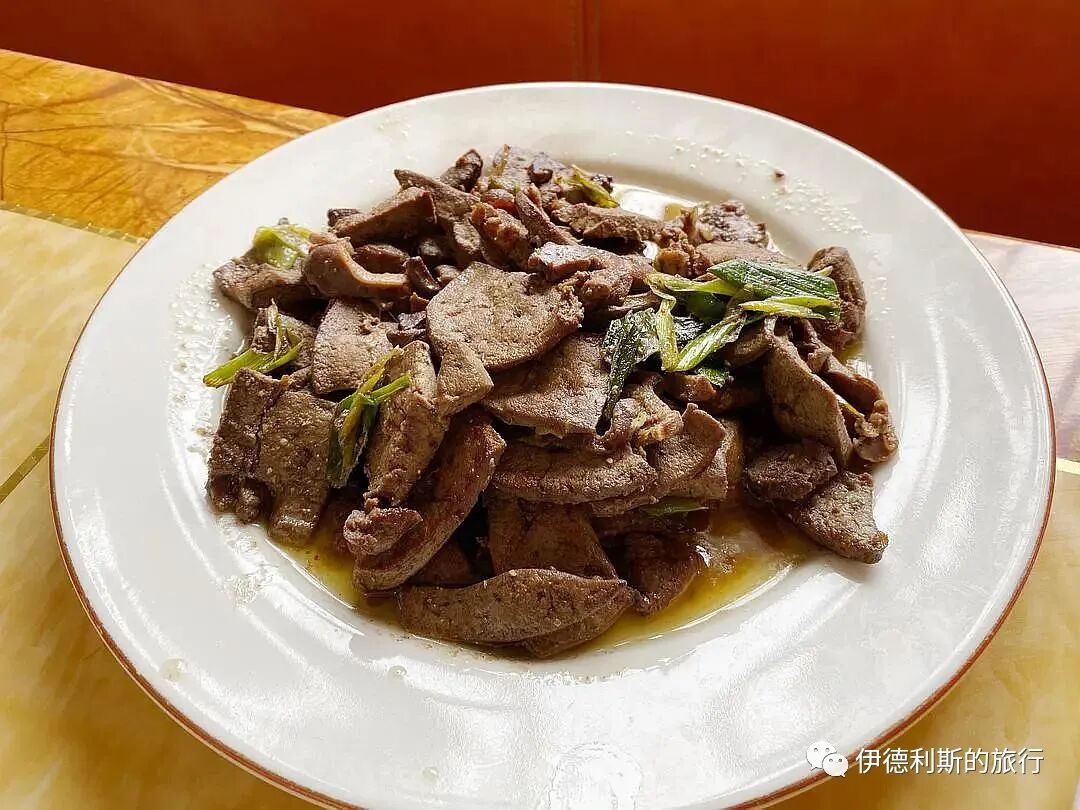
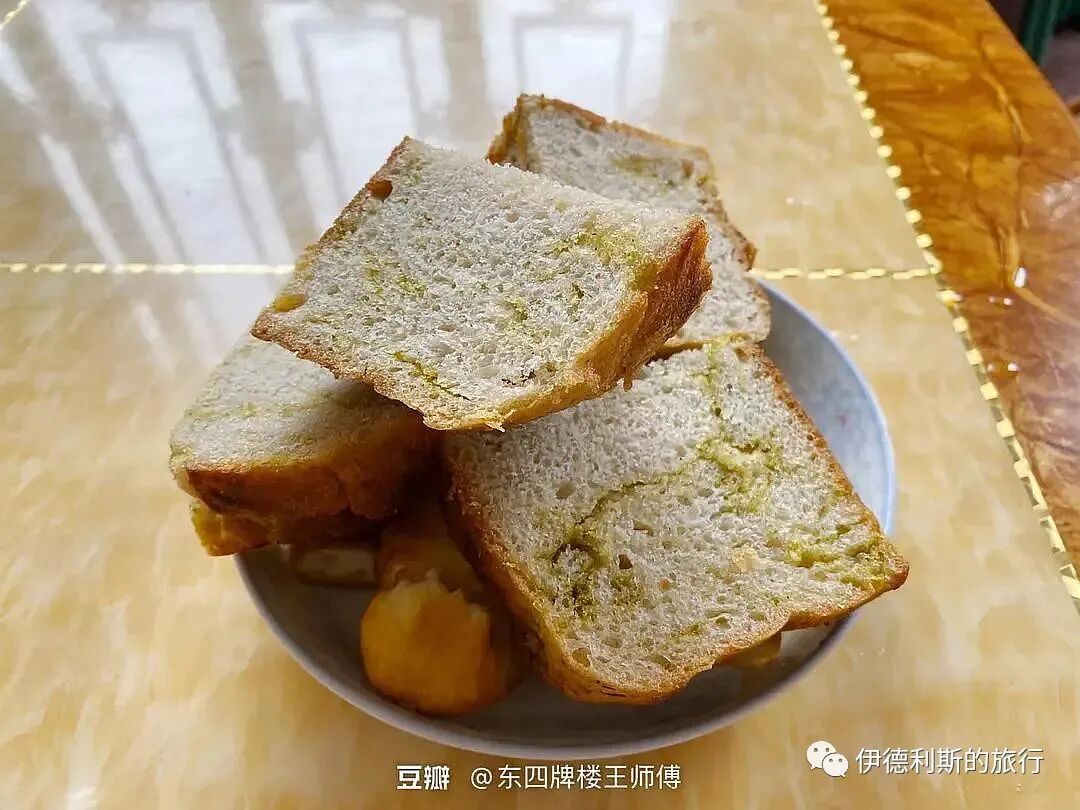
4. Inner Mongolia
1. Hohhot
Buy some baked milk skin (kaonaipi) at Bai's Dairy Shop on Houxincheng Road in Hohhot. Their baked milk skin has a great texture and is not hard at all. Zainab said it tastes much better than the kind she bought online before. Their cheese is also delicious, with a sweet and sour taste, but it was too hot to carry, so we only tried a little.
One theory says the Bai family of Hui Muslims in Hohhot came to Guihua City to trade after Princess Kejing married the Mongol Tushetu Khan in 1697 (the 36th year of the Kangxi reign). Another theory says they moved from Xi'an during the late Qing Dynasty. The most famous noodle shop outside the north gate of Guihua City at that time was run by Bai Xiu.
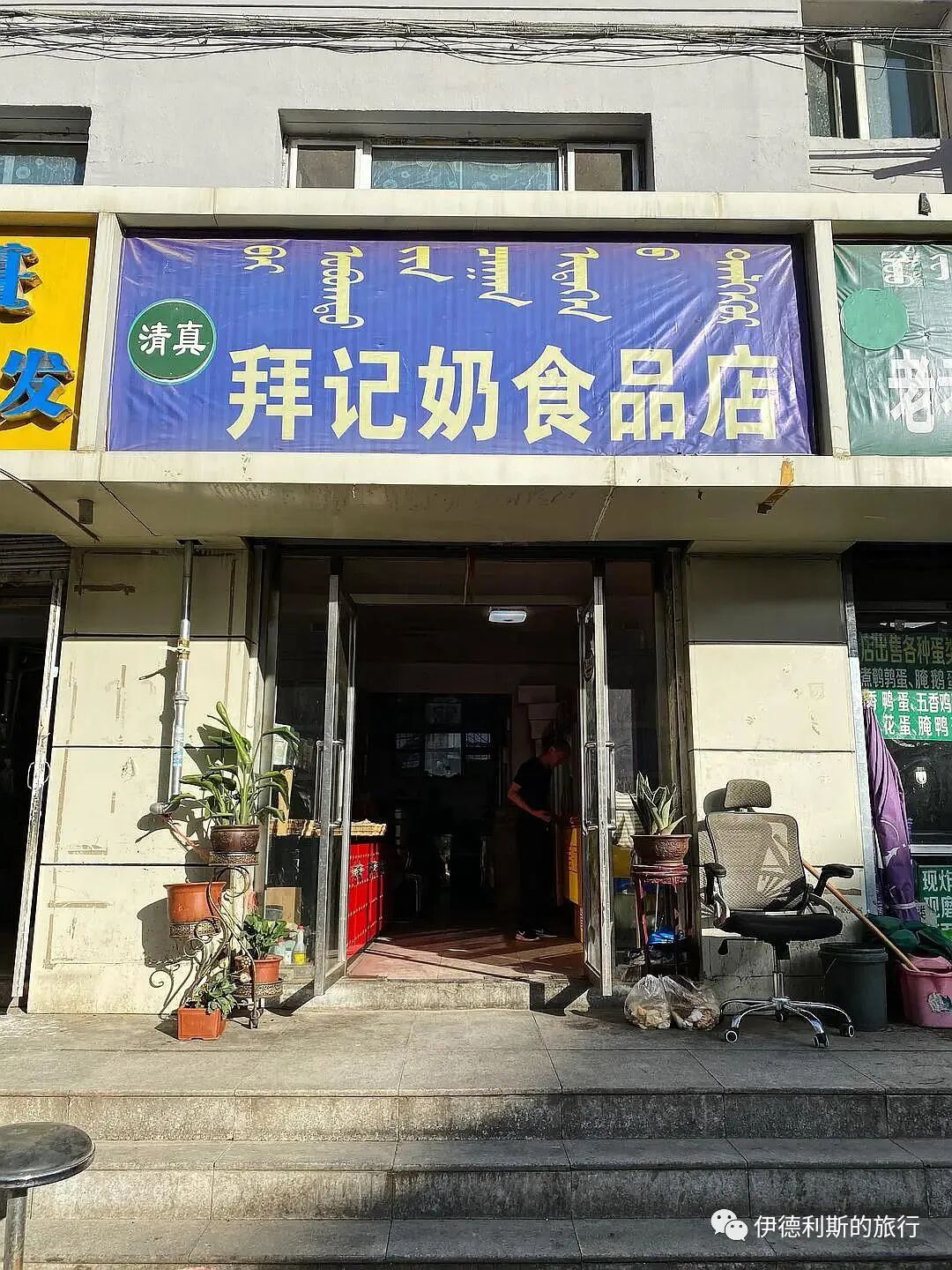
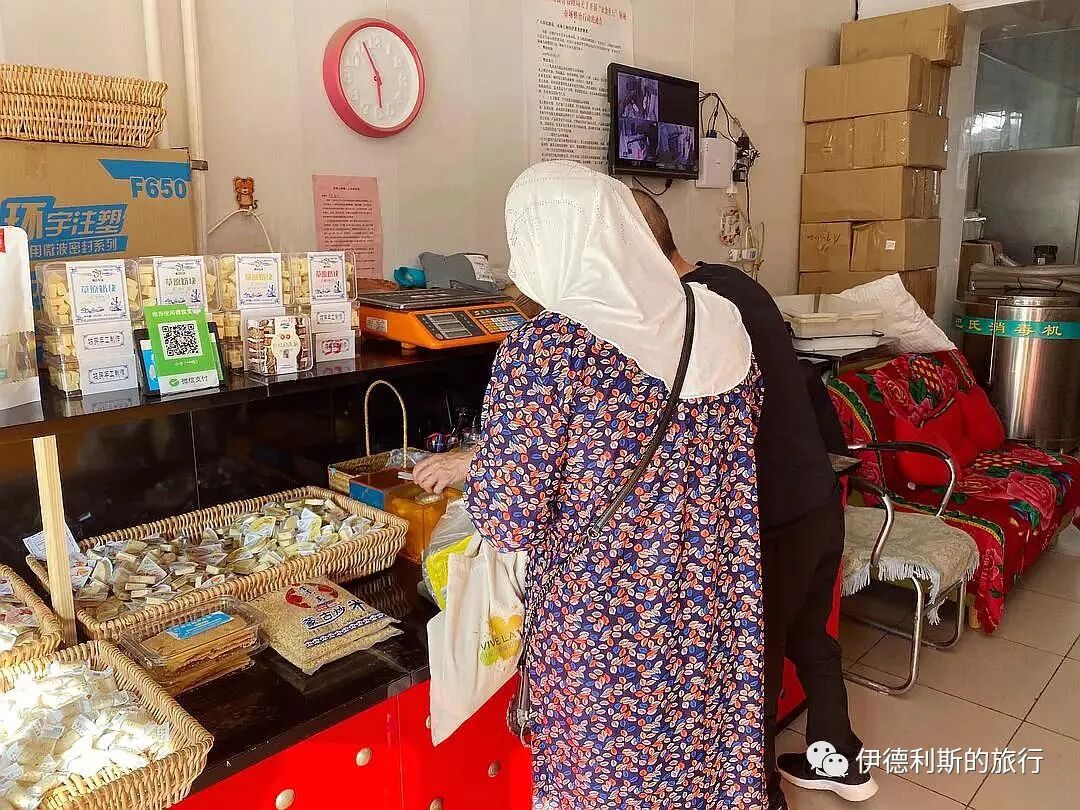
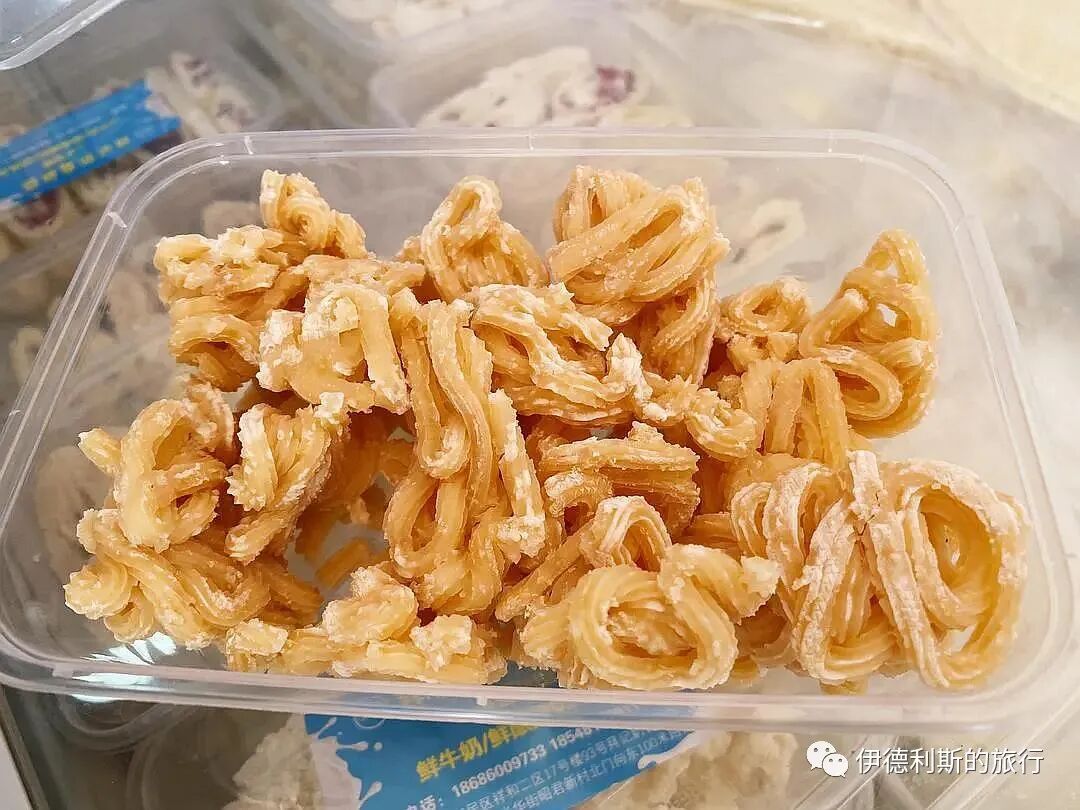
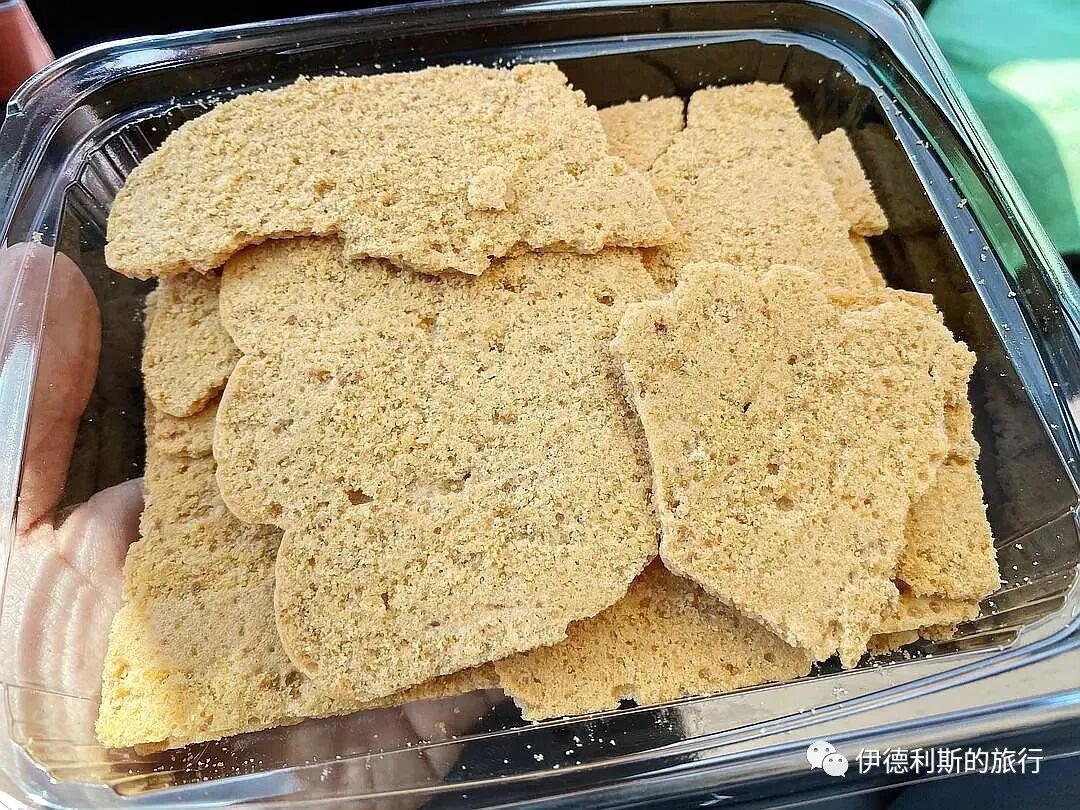
2. Longshengzhuang
Longshengzhuang sits on the border of Shanxi and Inner Mongolia. From the Qing Dynasty to the early Republic of China, it was a meeting point for trade routes between Hohhot, Datong, and Zhangjiakou, serving as a key market town for Shanxi merchants trading in Mongolia. Shanxi merchants traveling to Mongolia brought rice, flour, tea, oil, wine, and daily goods from Longshengzhuang to Mongolia, returning with furs, livestock, and leather, which brought great wealth to the town.
Starting in the early Qing Dynasty, Hui Muslims from Hebei and Shandong moved to Longshengzhuang in Inner Mongolia for business, and many more Hui Muslims from Shaanxi arrived during the late Qing Dynasty. After the Ping-Sui Railway opened in 1921, Longshengzhuang declined quickly. People moved away in large numbers after the 1930s, and today only about 30 Hui Muslims remain, mostly elderly.
In Maqiao Square at the center of Longshengzhuang, a few Hui Muslim vendors still sell honey pastries (misu), fried dough strips (maye), fried dough twists (mahua), and baked flatbreads (beizi). We bought a sugar-coated fried dough strip (tangmaye) at the old Liu Zhen shop. It looked very sweet, but it was not greasy at all, and I finished it in a few bites.
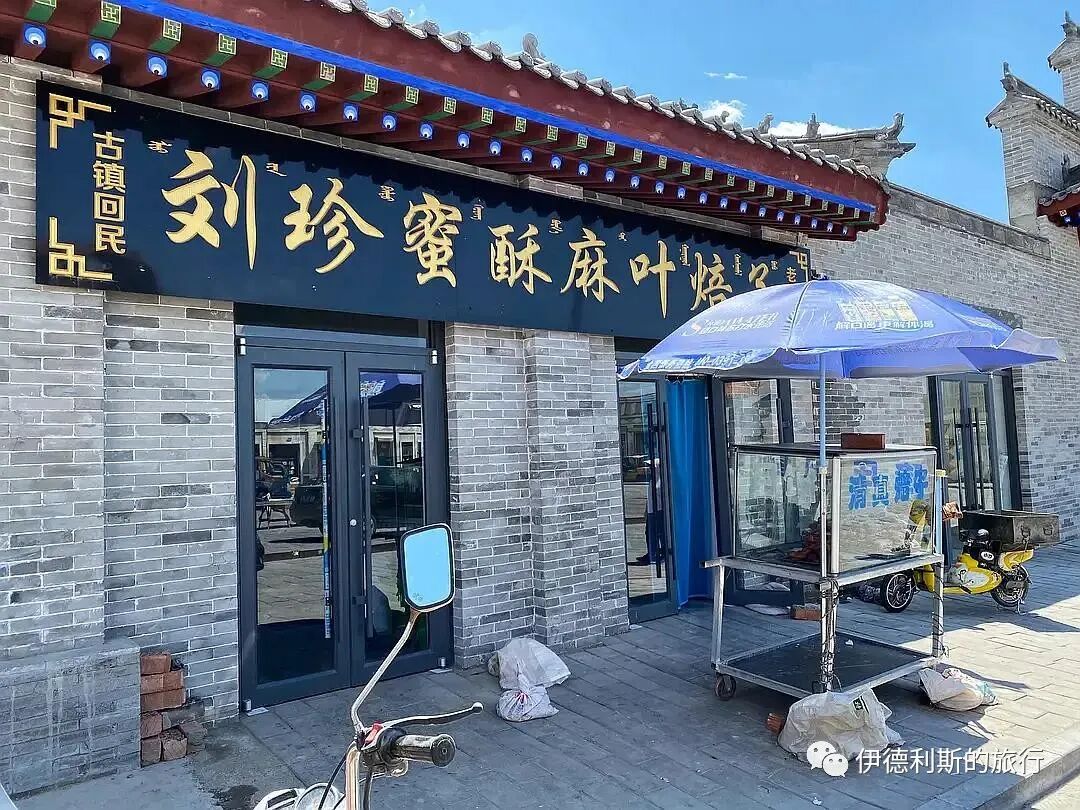
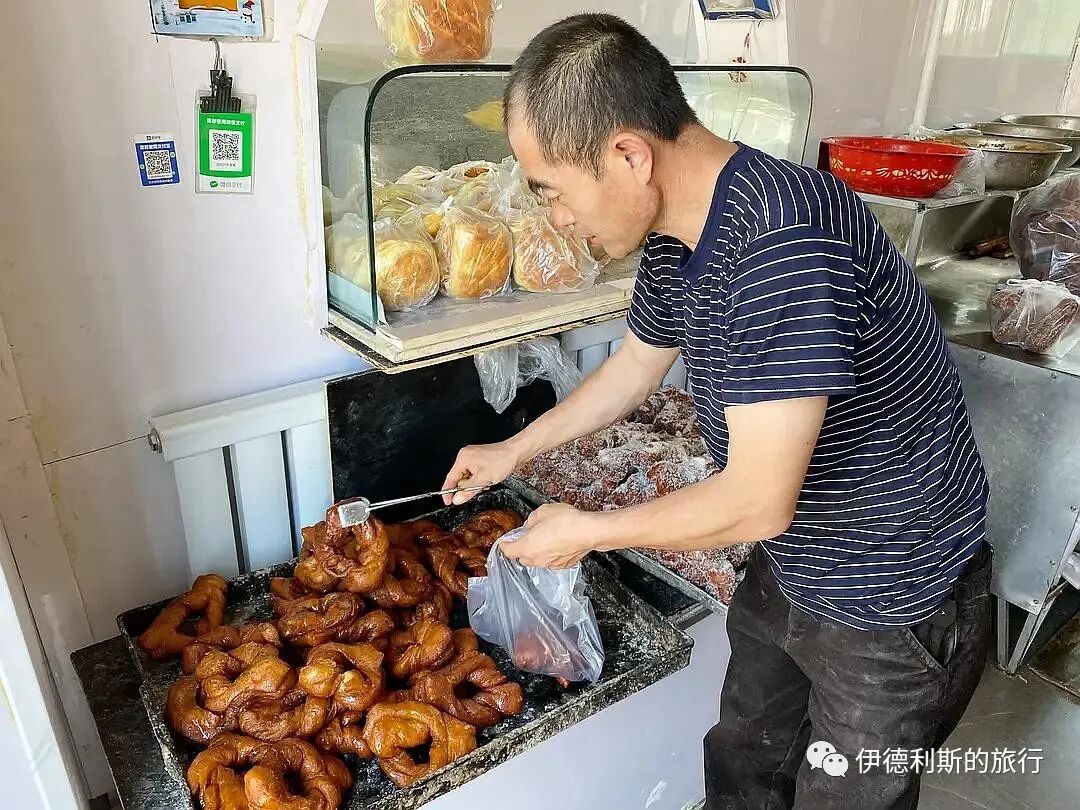
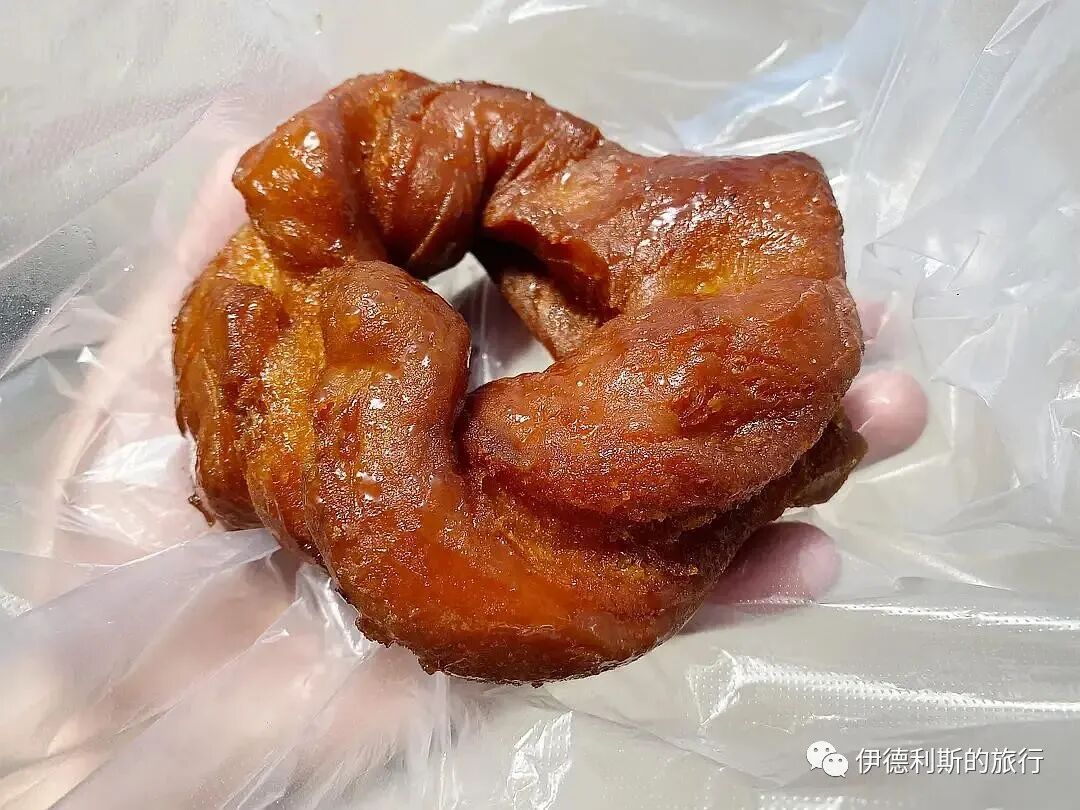
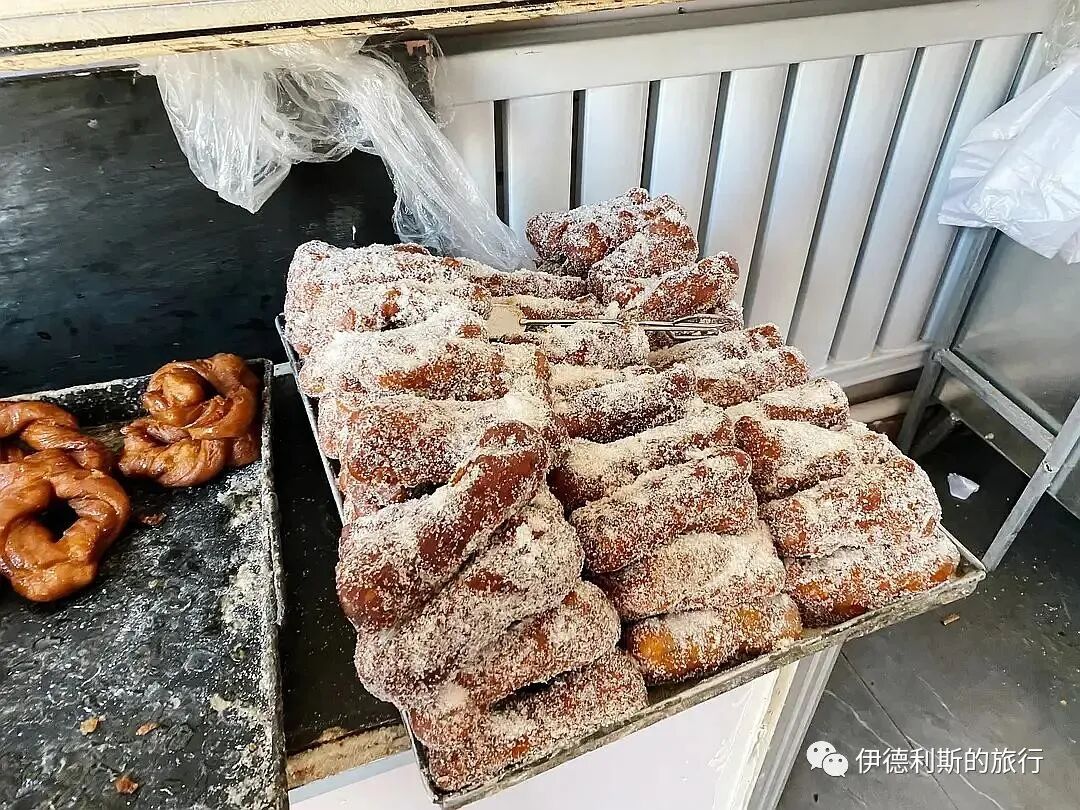
3. Jining
Xinti Street is the halal food street of Jining. It is lined with various halal restaurants serving oat noodles (youmian), bone broth, steamed dumplings (zhengjiao), steamed meat dumplings (shaomai), rice noodles (mixian), stir-fried meat stew (chaohuirou), and barbecue. We arrived at 3:00 PM, and many of these places were closed, so we had meat pies instead. The freshly pan-fried meat pies were hot and fragrant. We also ordered shredded tofu salad, braised beef liver, and stir-fried meat stew with potato starch noodles (tudoufen chaohuirou). The noodles were delicious, and the meat had no gamey taste.
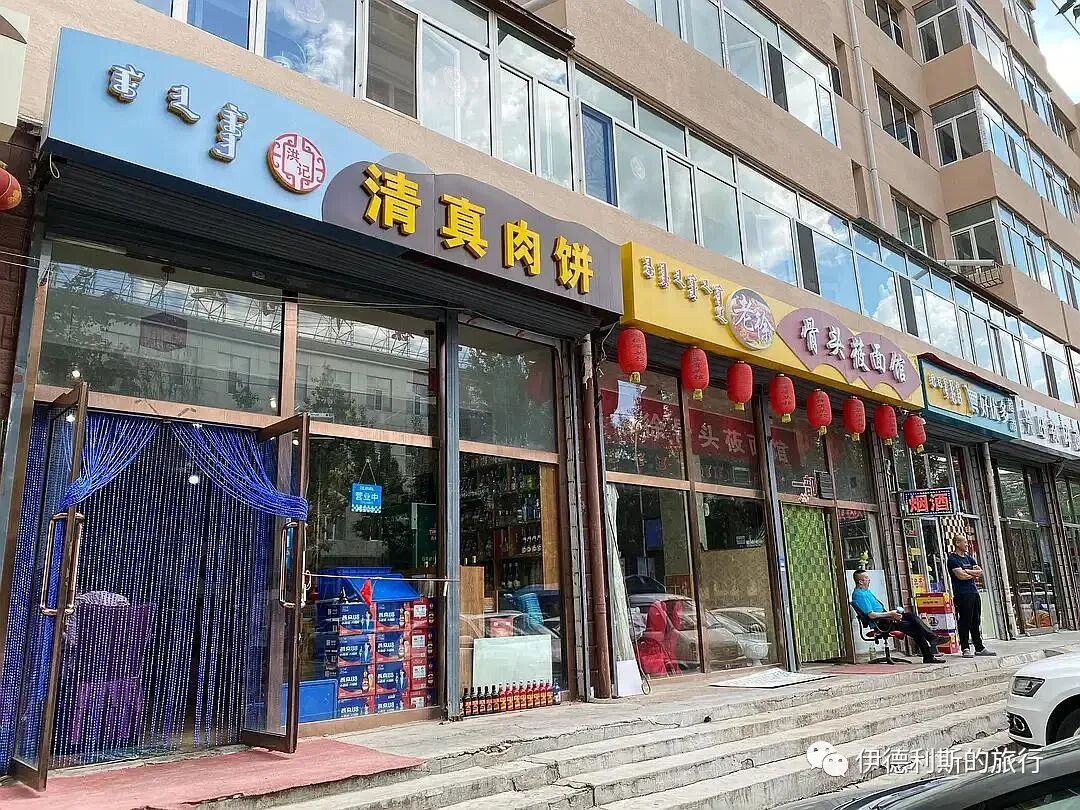
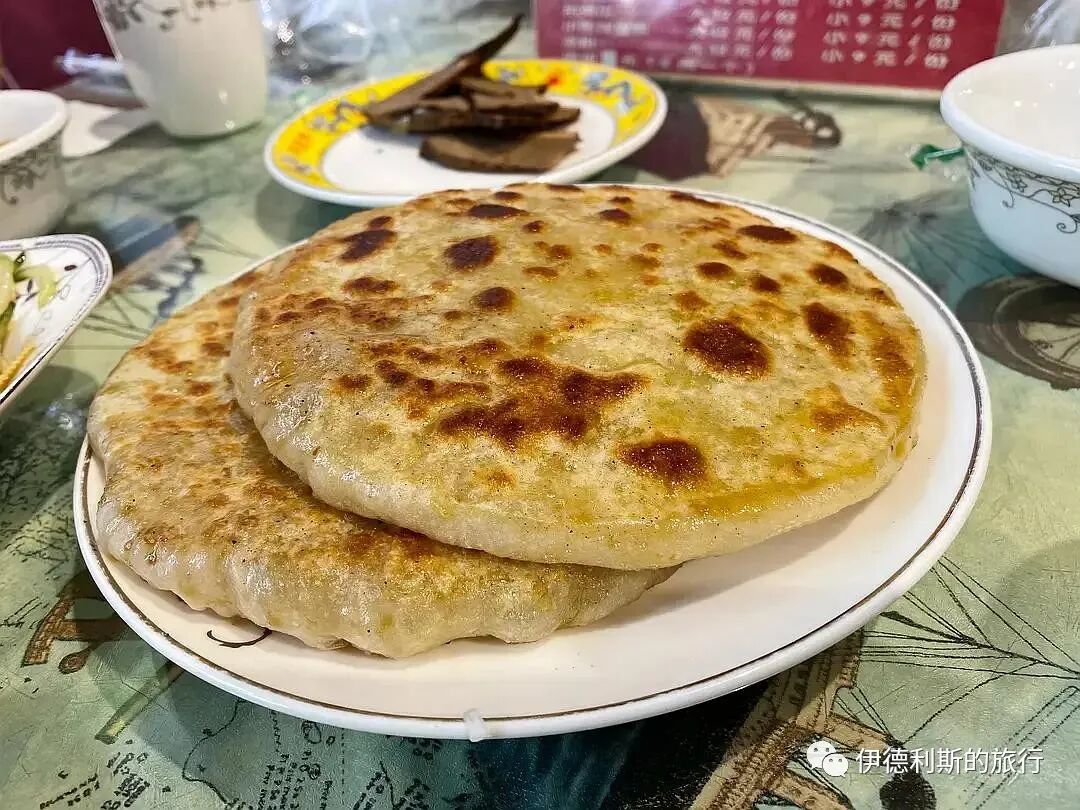
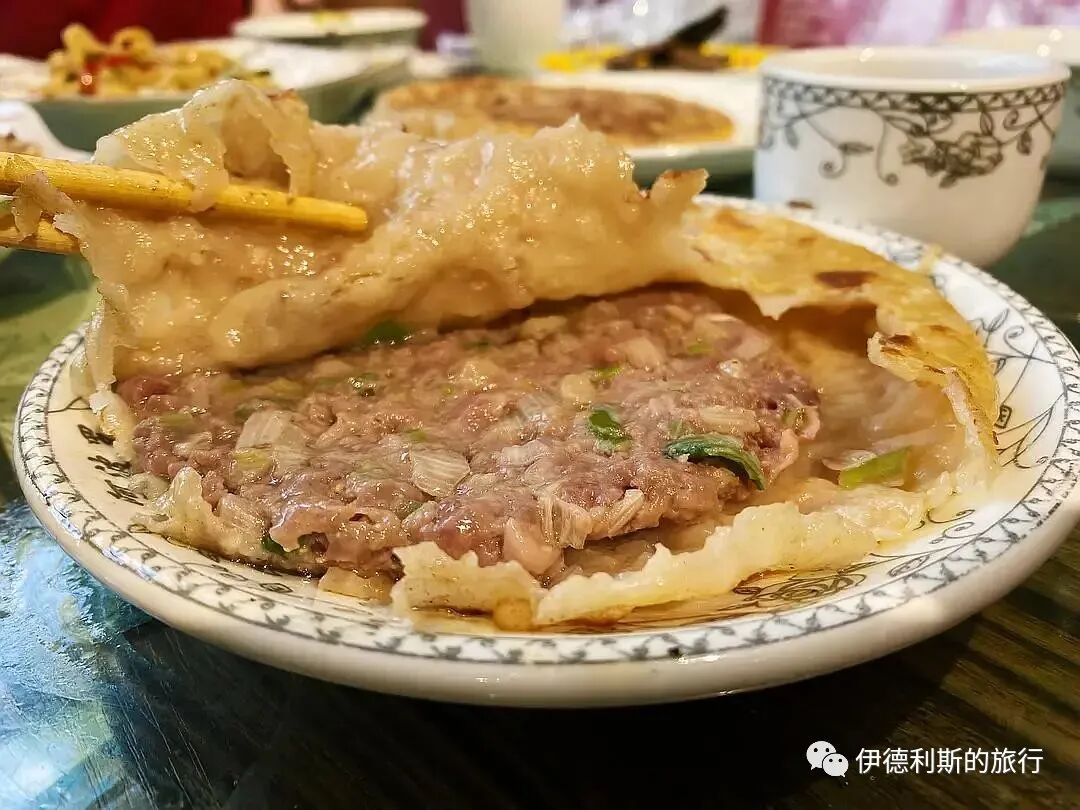
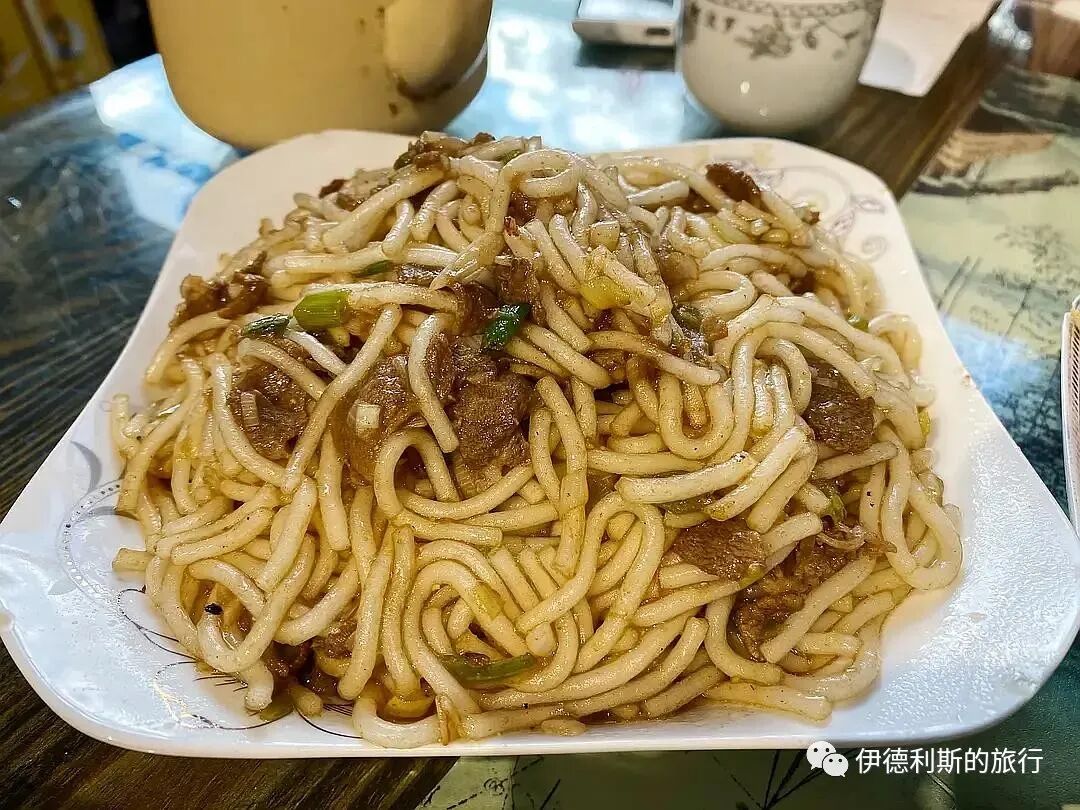
5. Ningxia
1. Yinchuan
Visit Fuyuan Noodle Restaurant on Zhongxin Lane in Yinchuan. They only sell lamb neck, lamb stew with hand-torn noodles (lian guo yangrou xiao jiupian), and side dishes. I ordered half a jin of lamb neck. It tasted great and smelled delicious. Three people work together to tear the dough for the lamb hand-torn noodles into a large pot. Watching the pieces of dough fly into the pot is quite a sight.
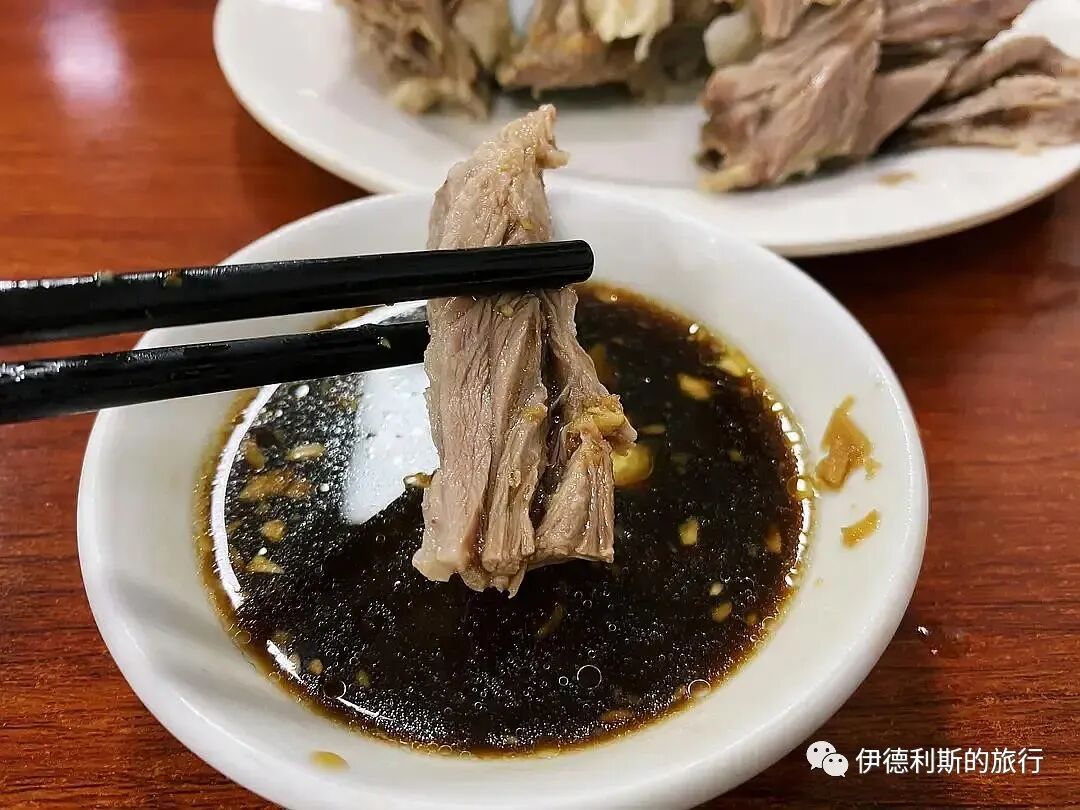
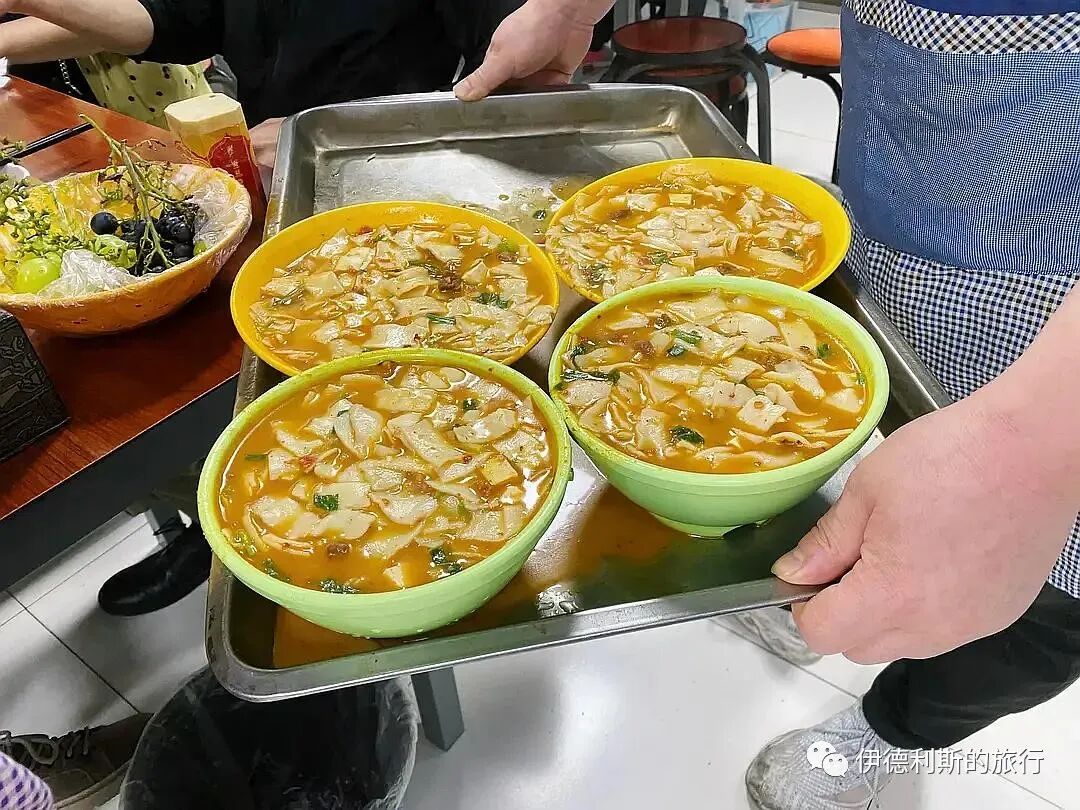
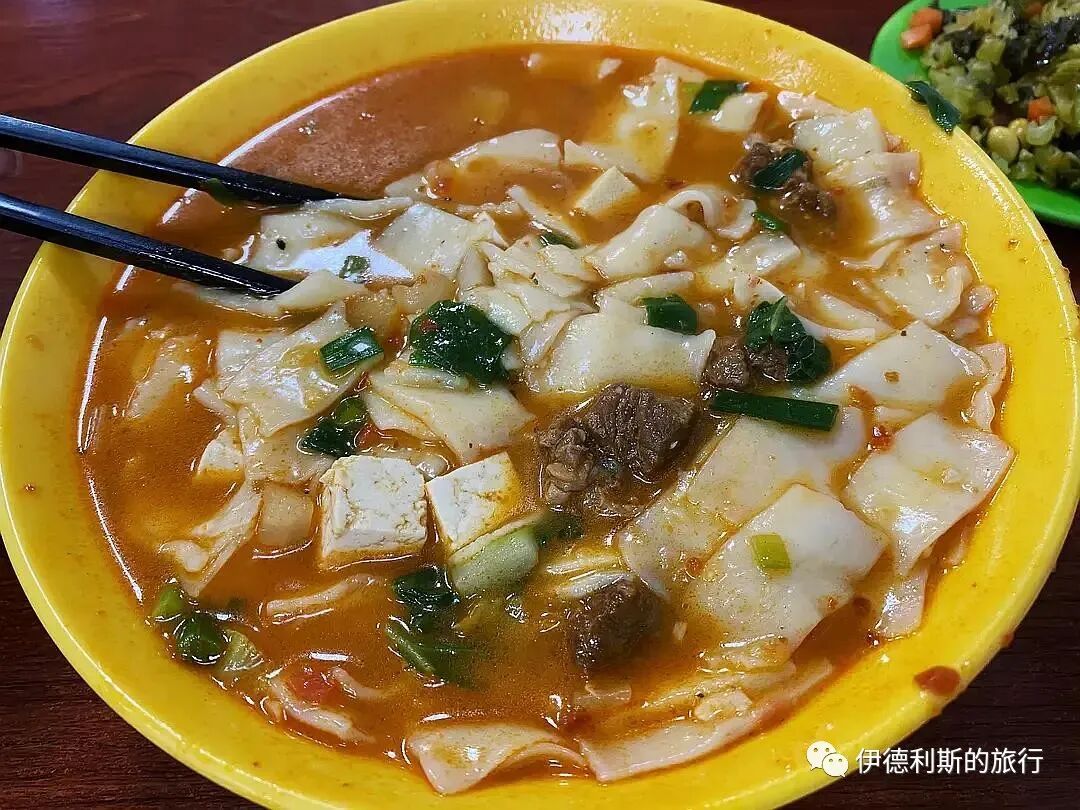
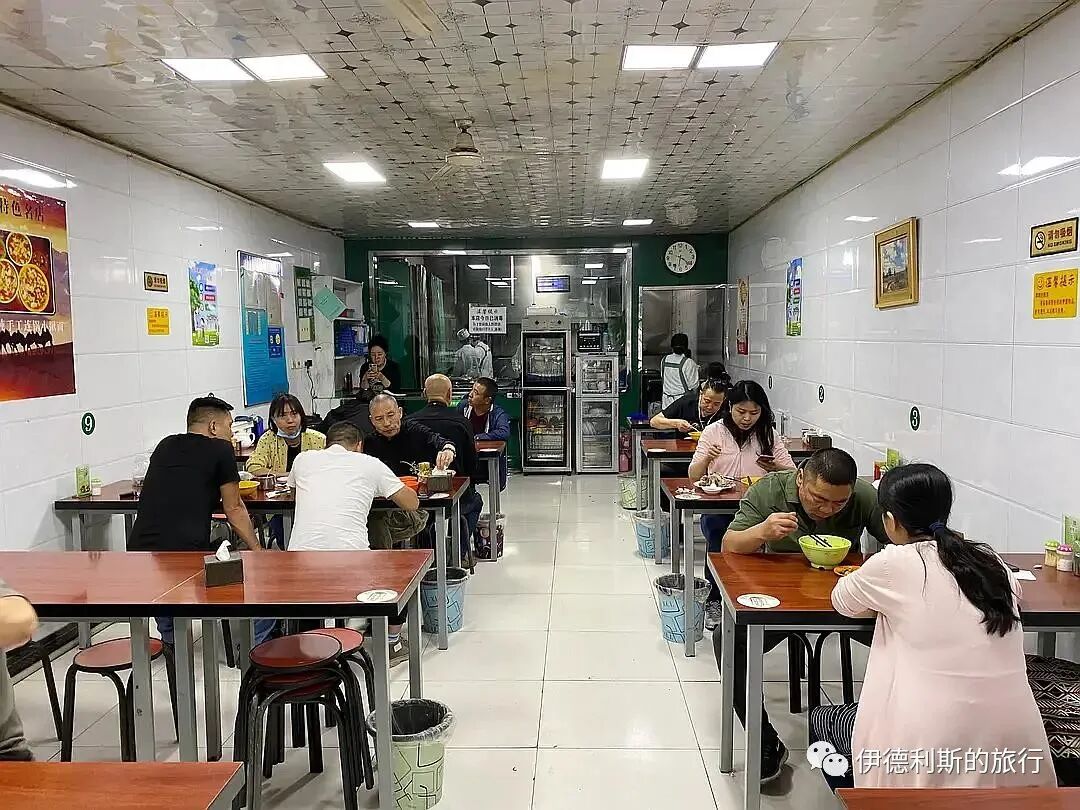
6. Gansu
1. Lanzhou
I arrived in Lanzhou at night and went straight to the Jianlan Road night market. I had a sheep head with milk egg fermented rice soup (niunai jidan laozao). The hot-mixed version tastes different from the stir-fried one, but it is also quite delicious!
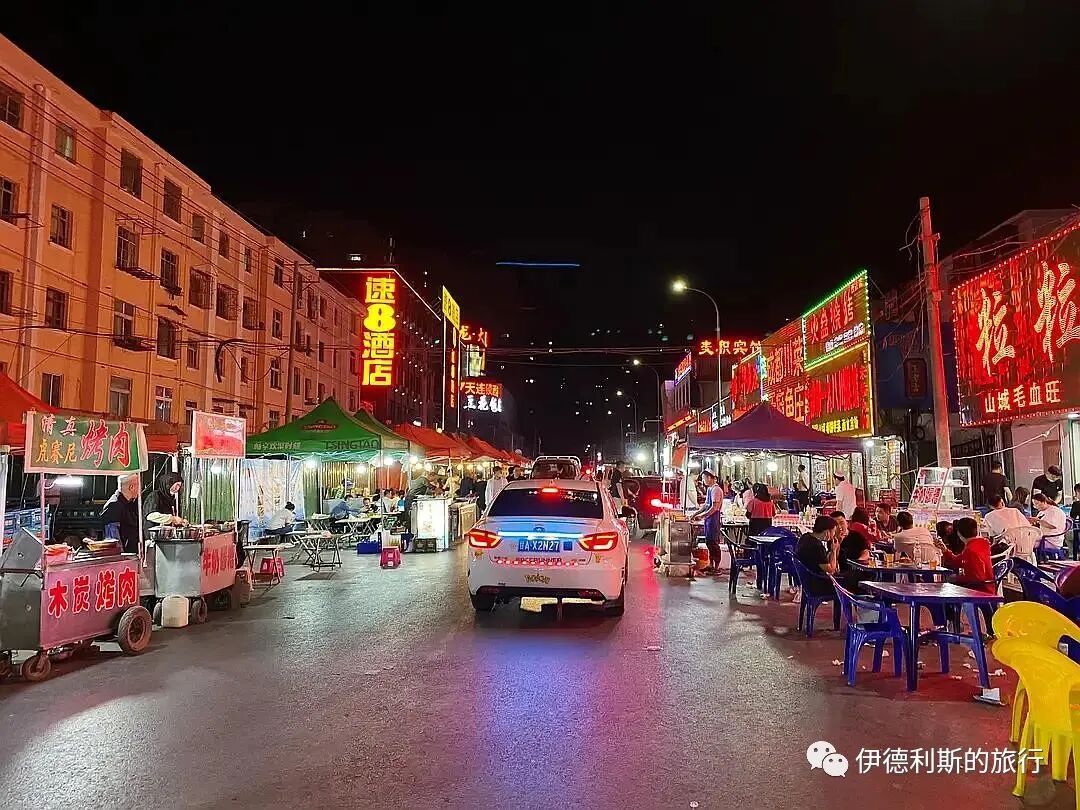
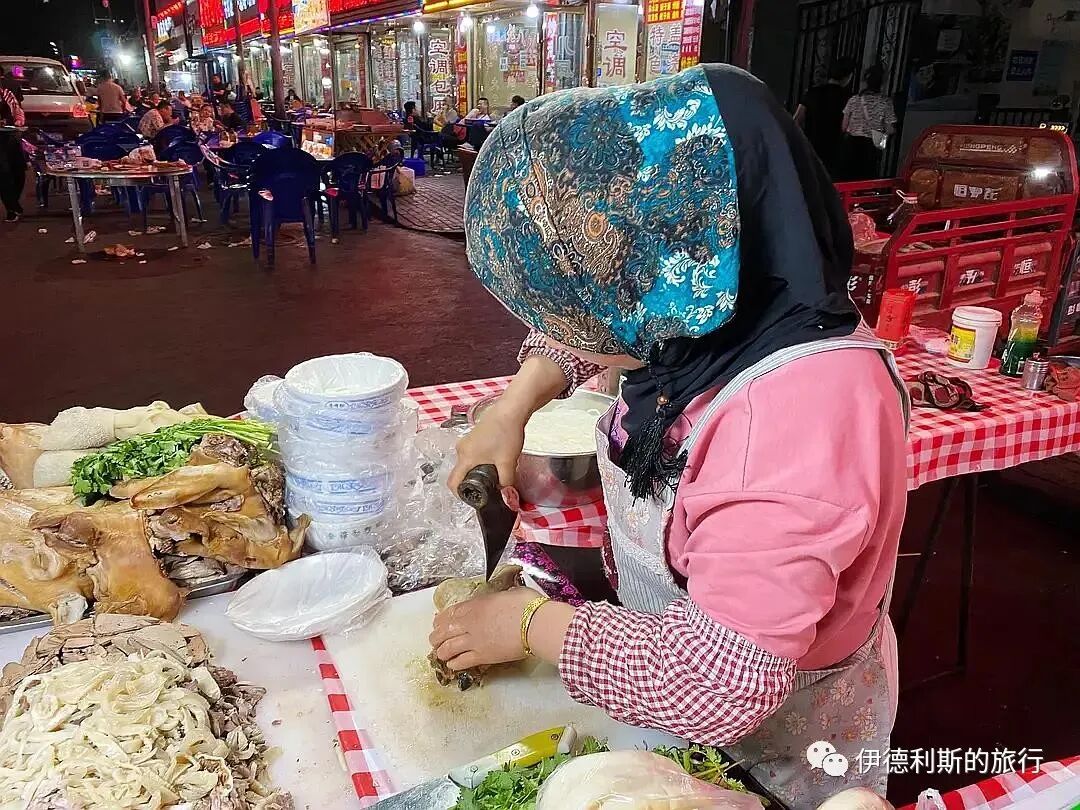
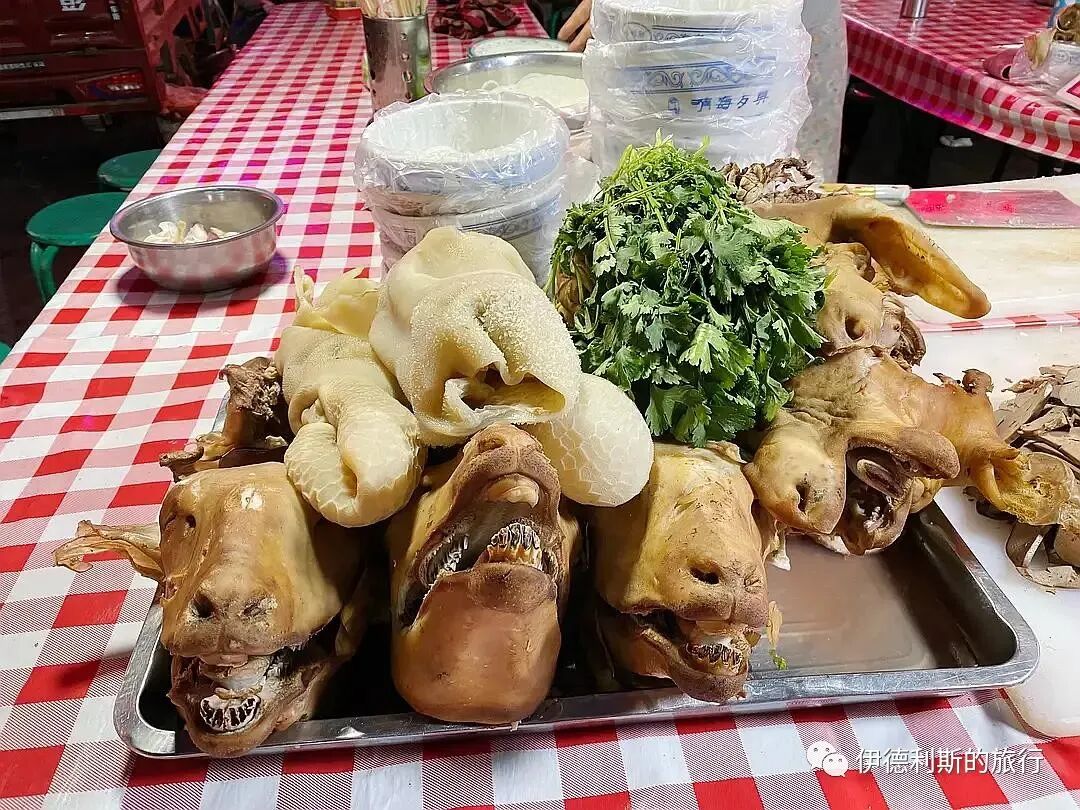
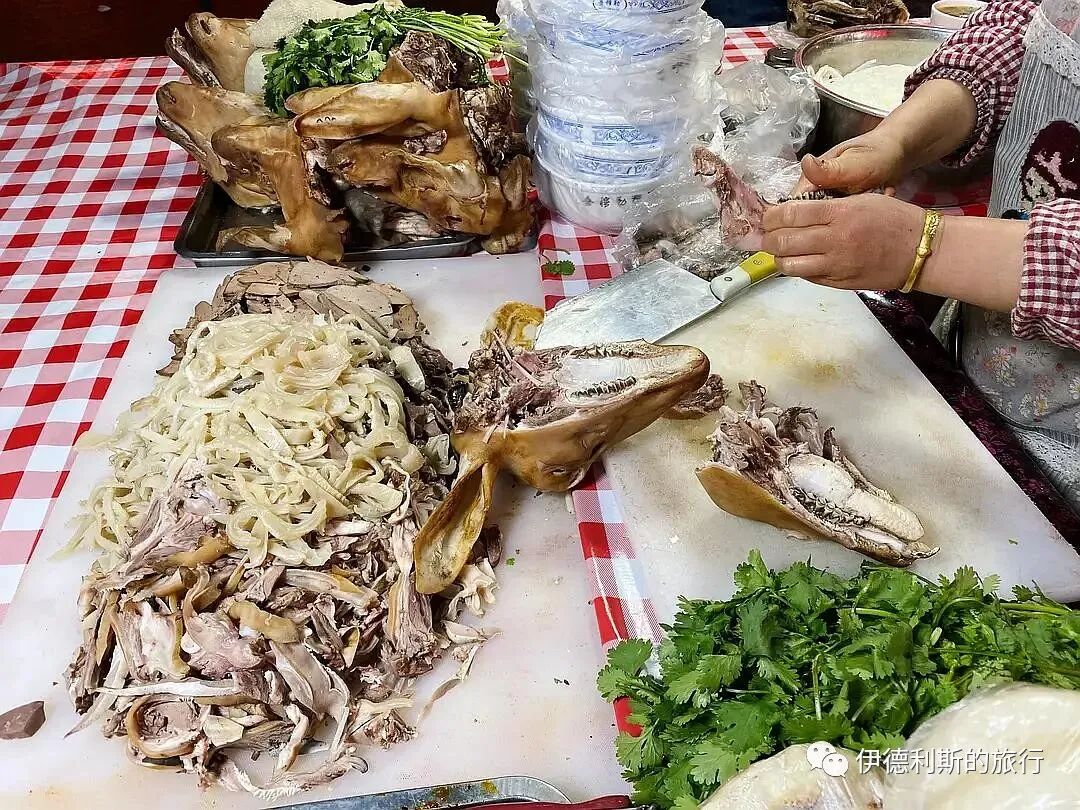
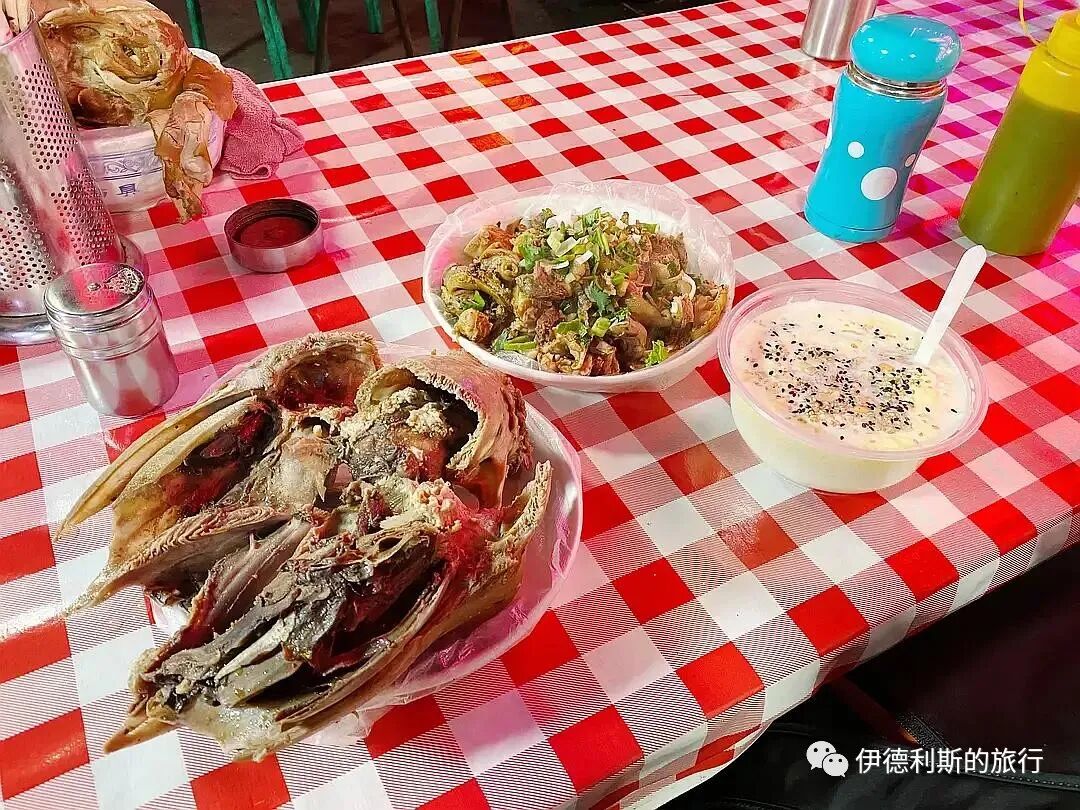
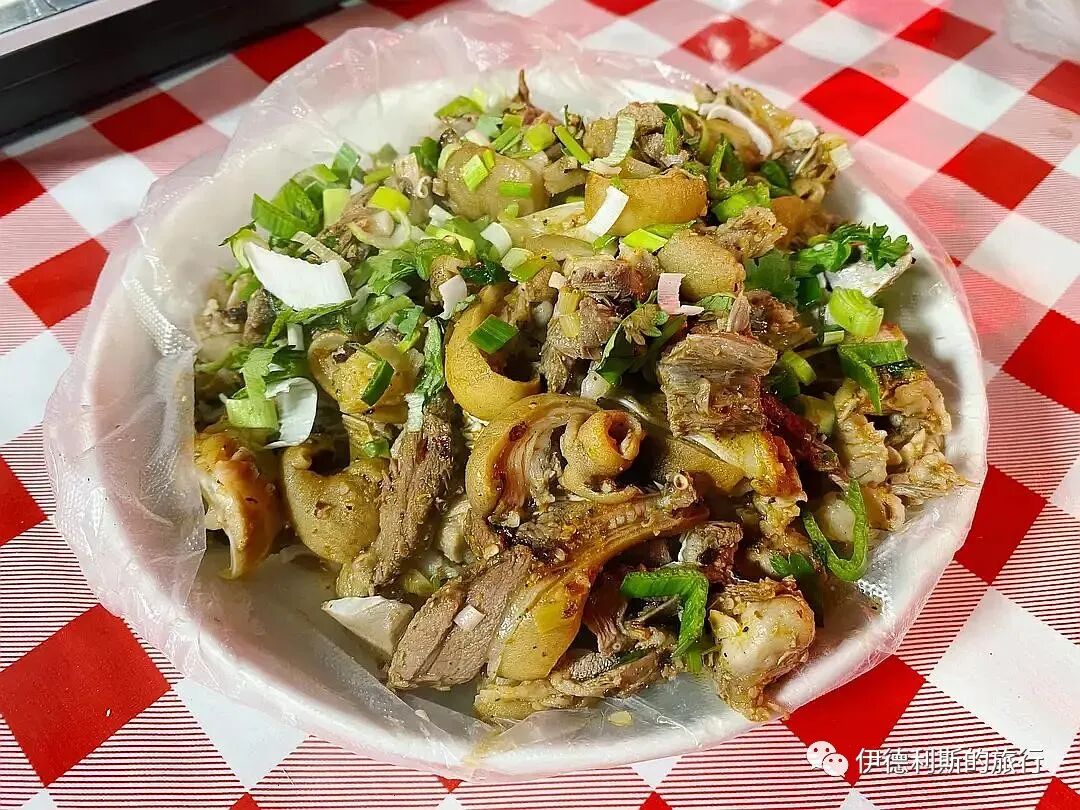
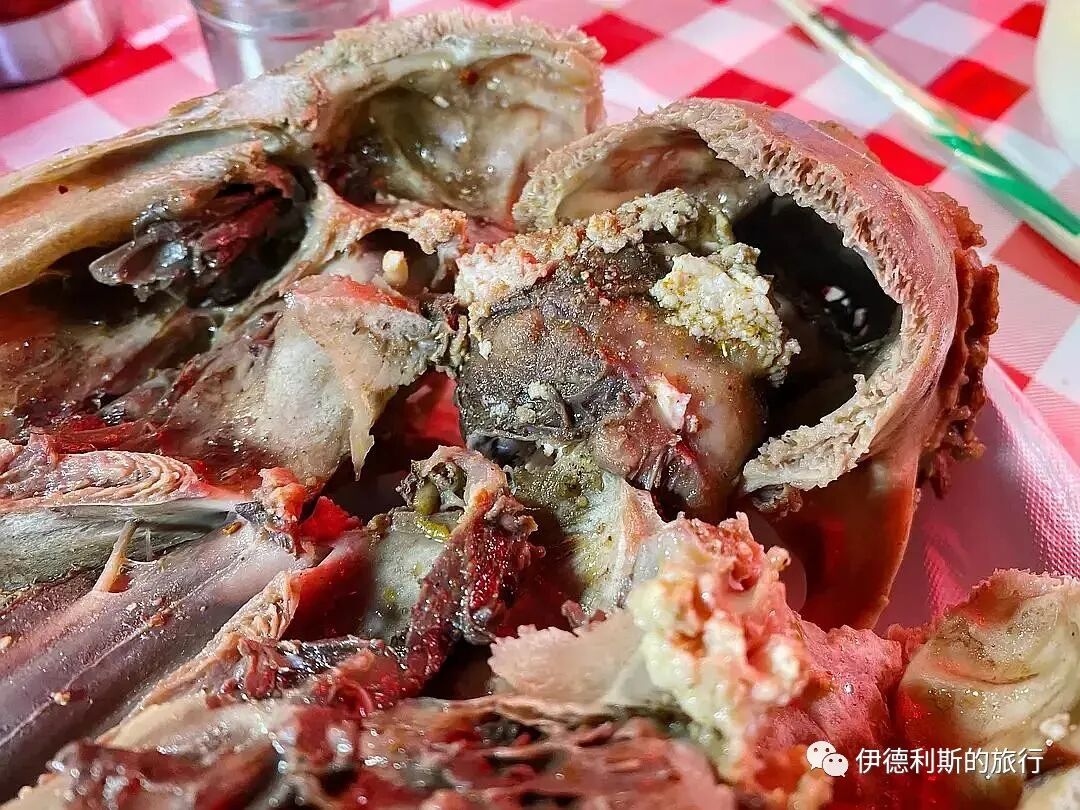
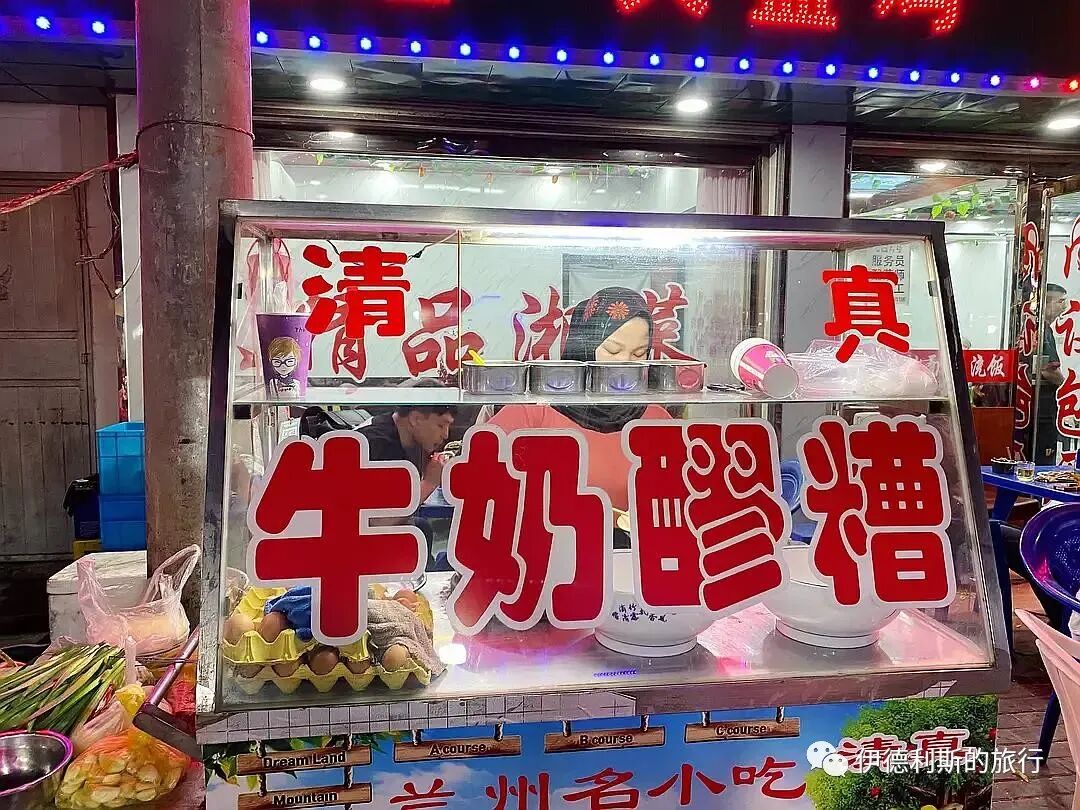
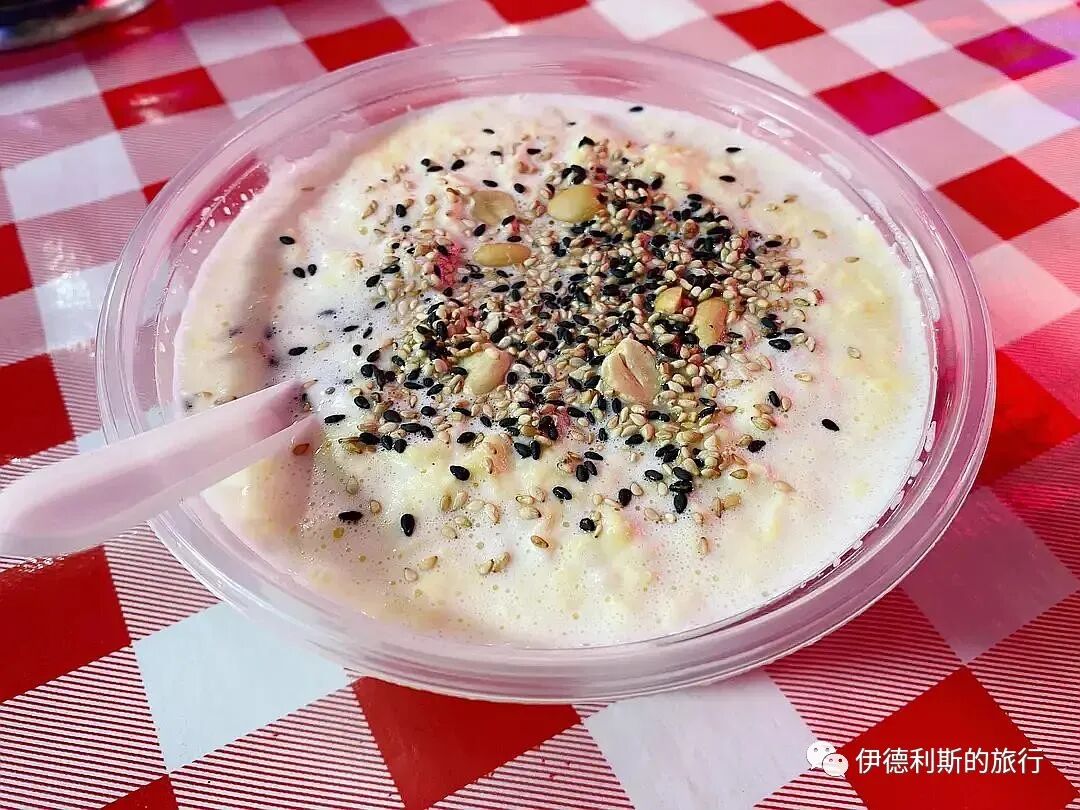
2. Linxia
At the Lao Dongxiang Manai stall in the Linxia North Street night market, I had beef clay pot (niurou shaguo) and stir-fried flour sausage (fazi mianchang). Fazi, also called fazi, is sheep intestine stuffed with chopped organ meats and minced meat. I think the highlight of the Linxia North Street night market is the stir-frying. The flames on the stoves can rise higher than a person, but I didn't manage to take a picture.
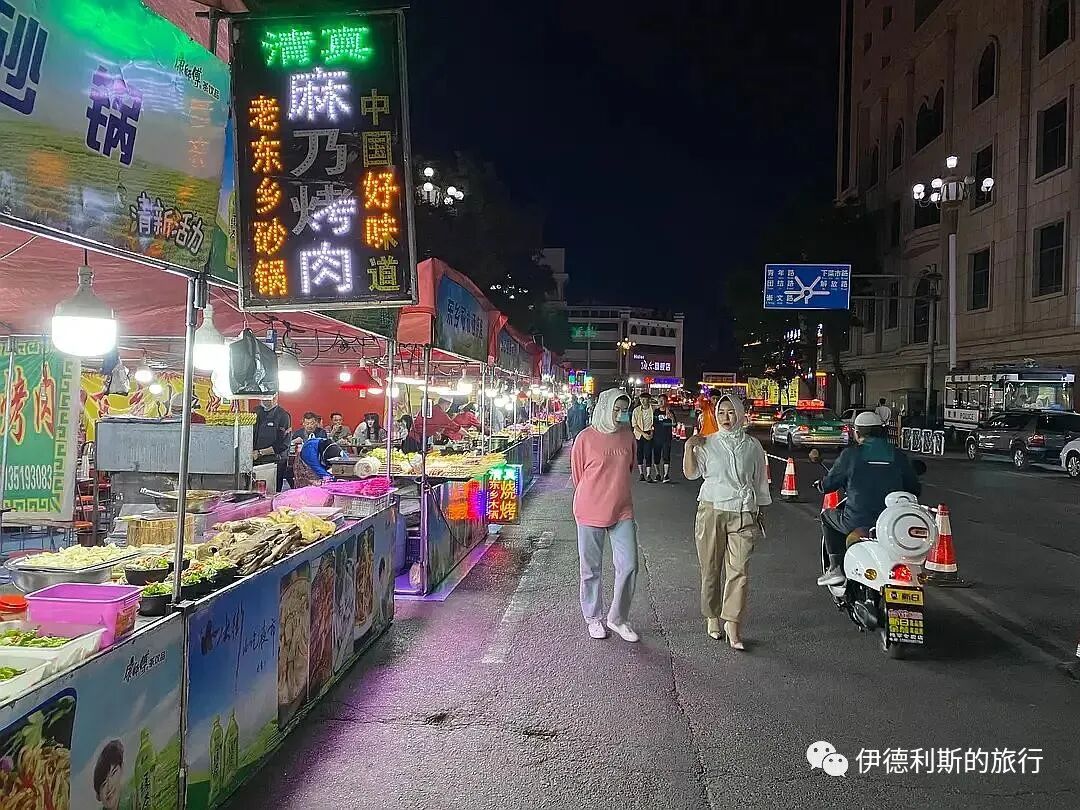
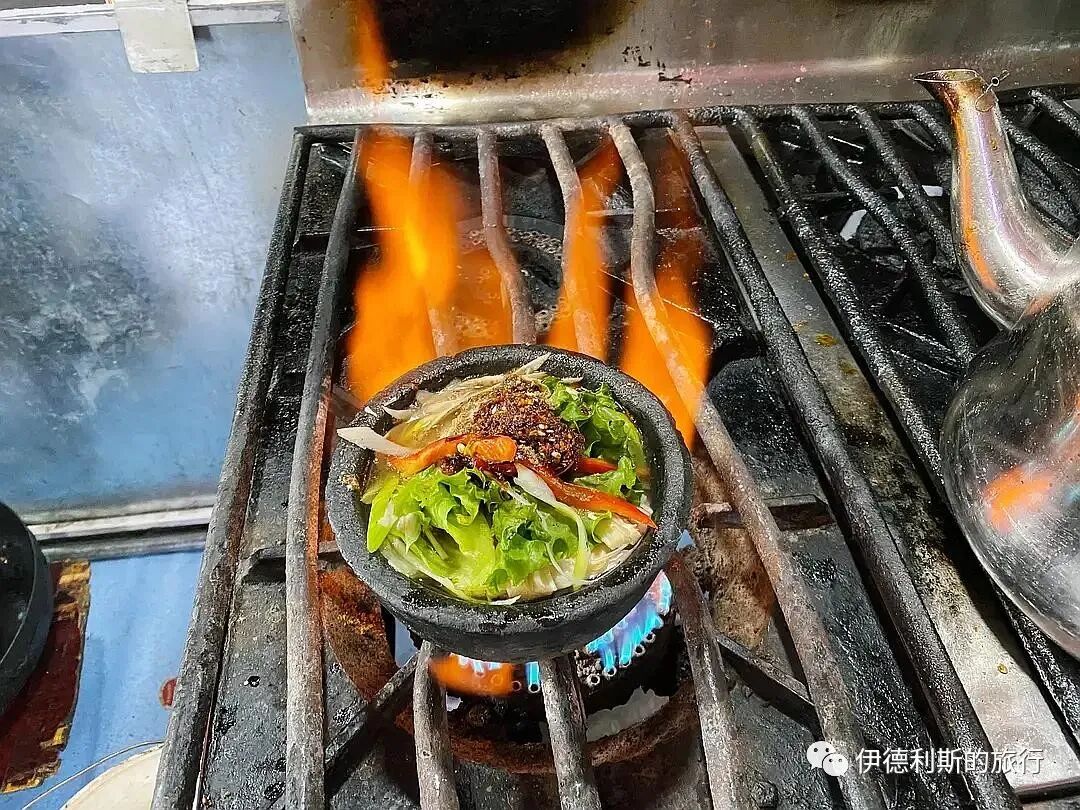
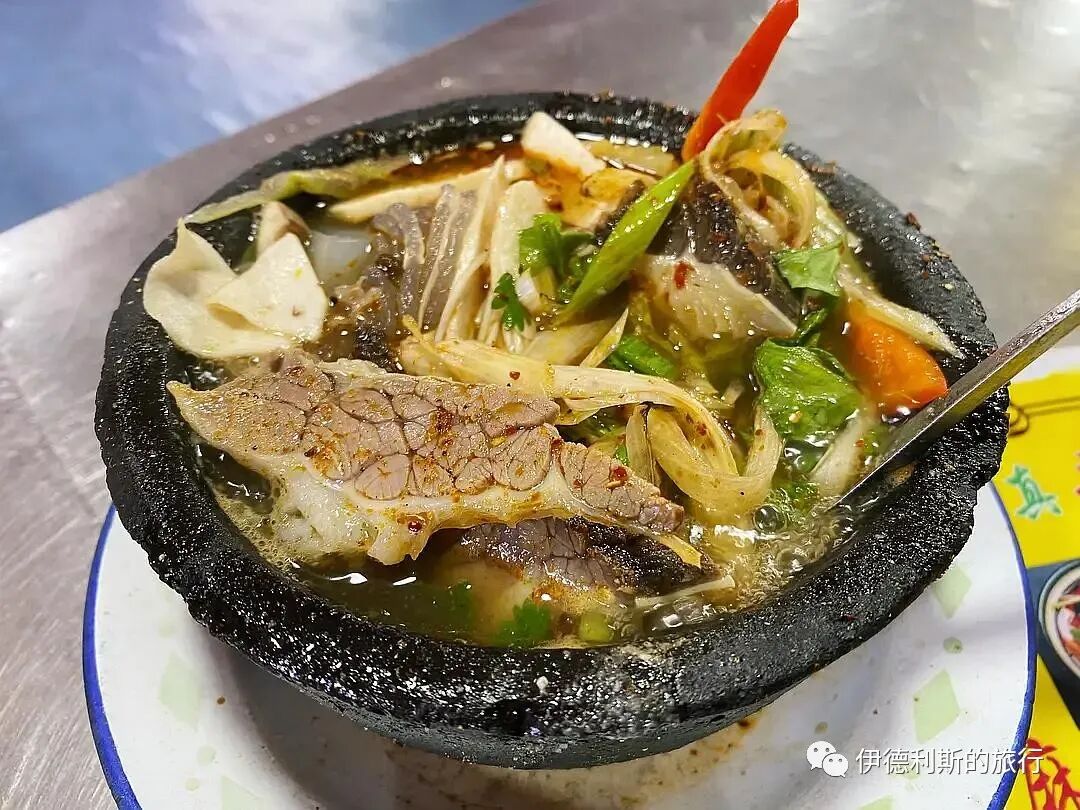
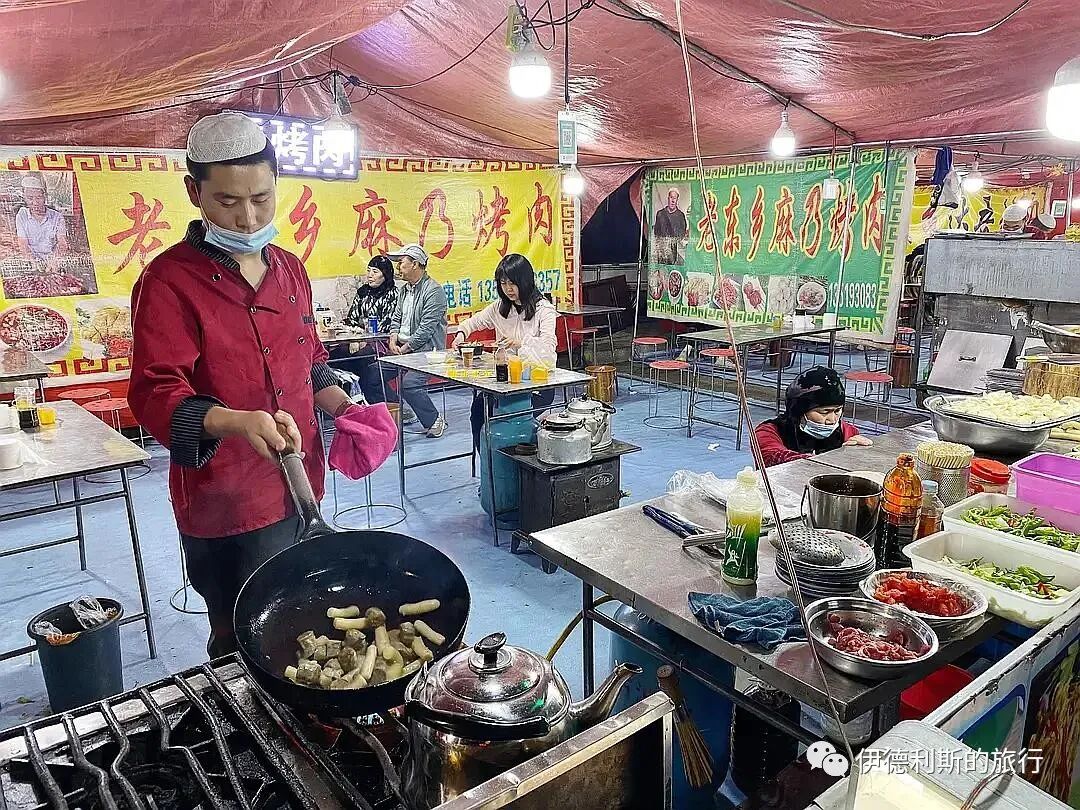
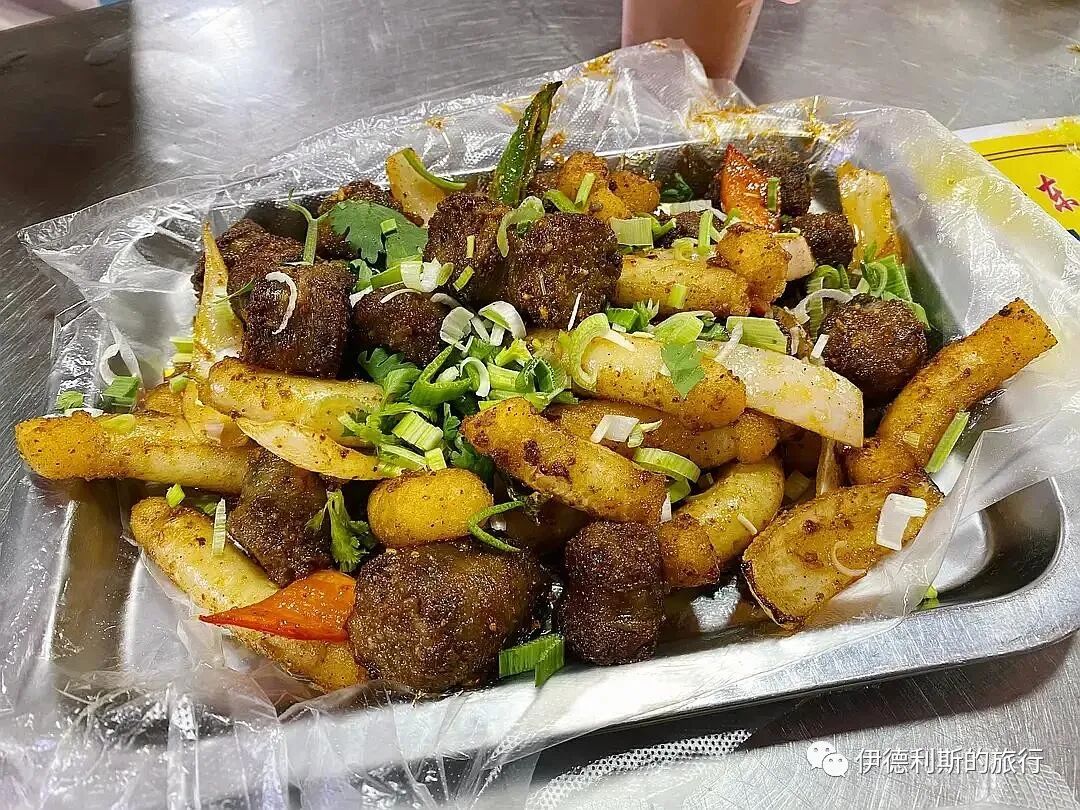
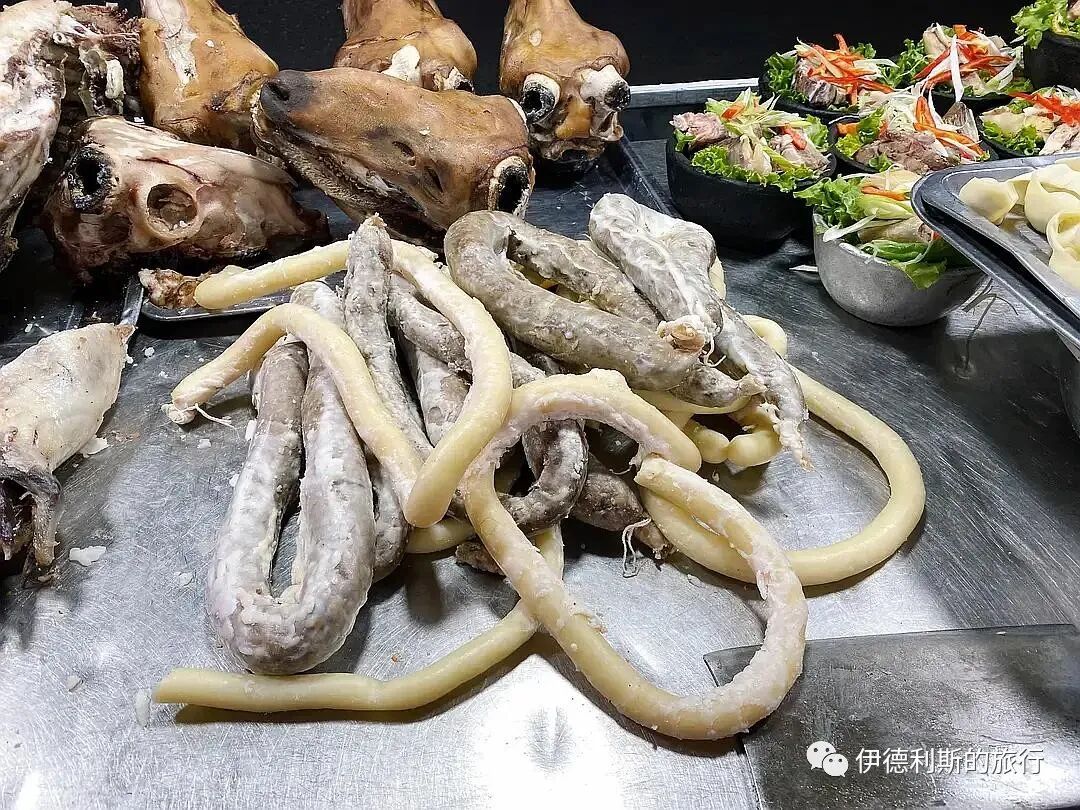
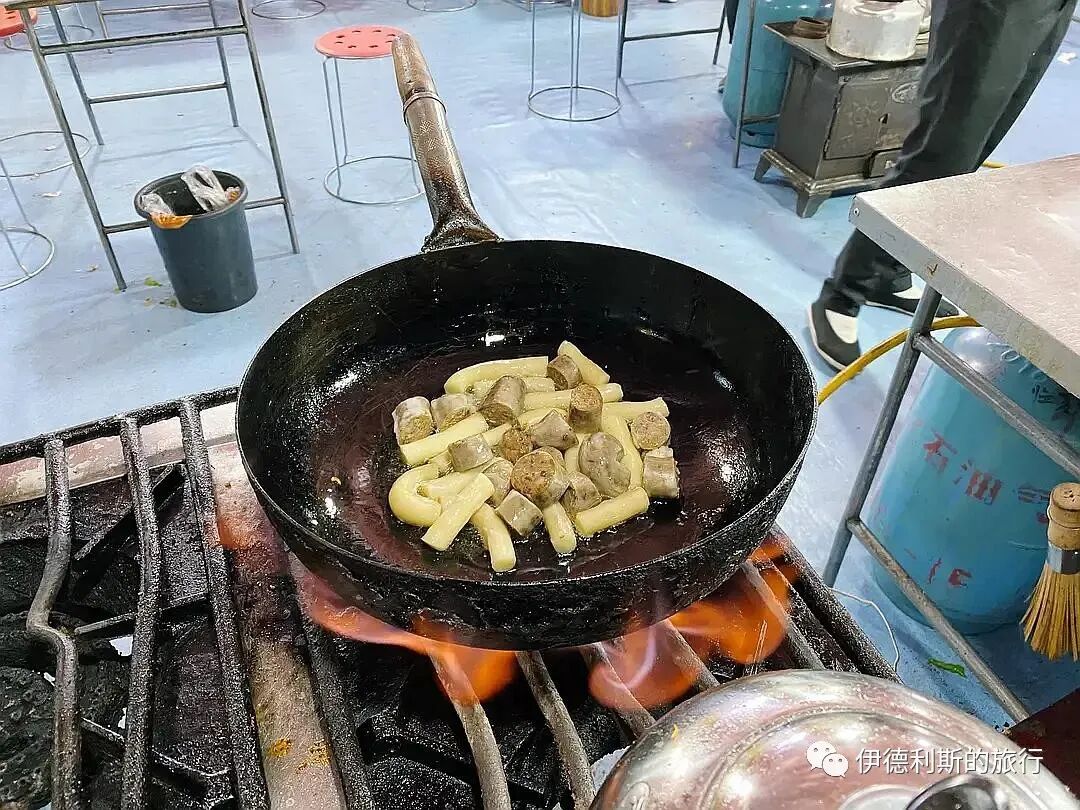
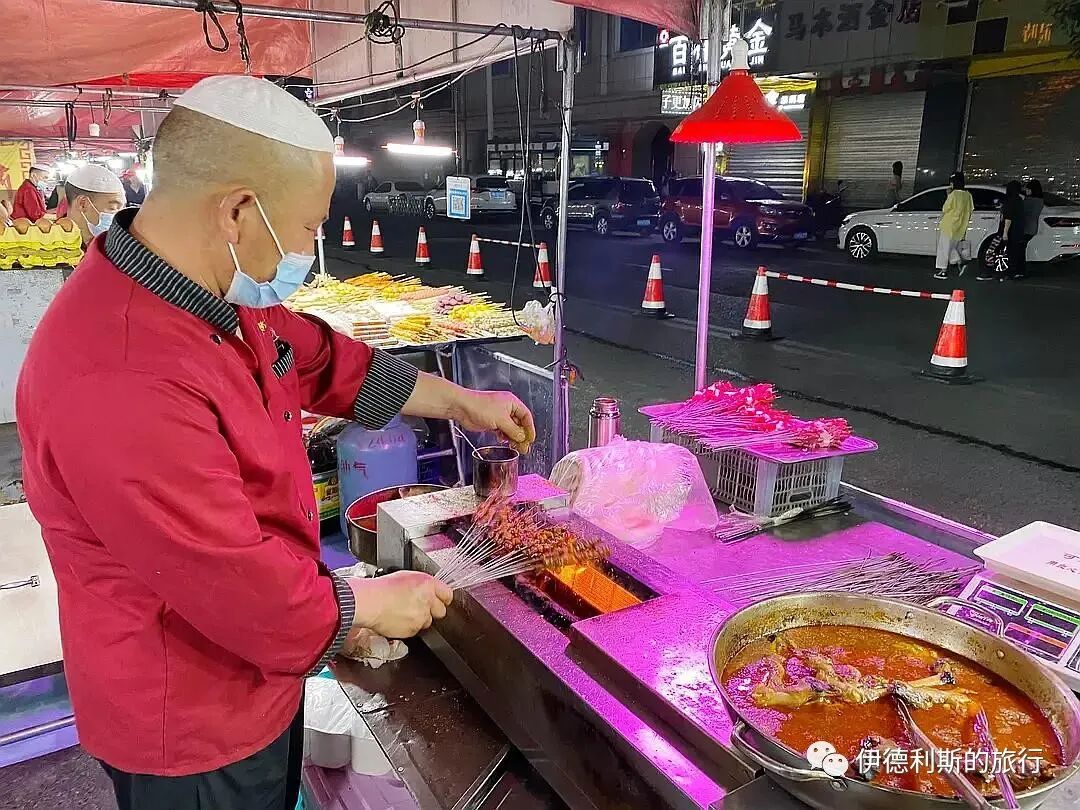
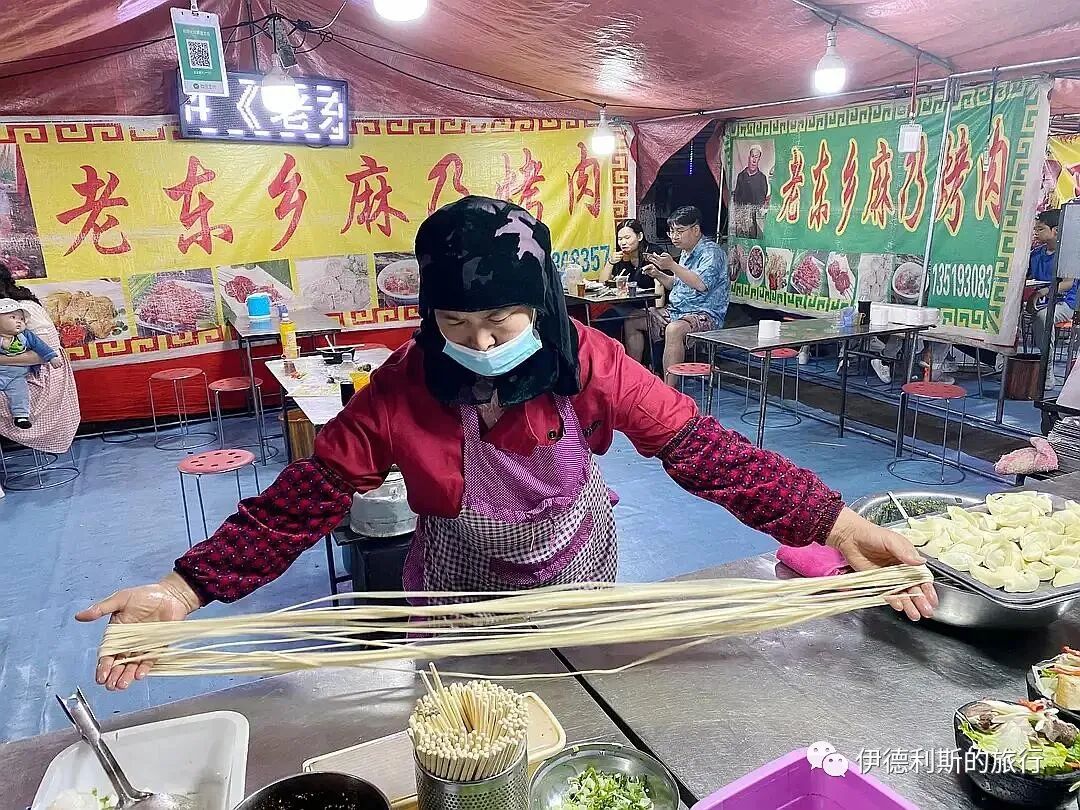
7. Qinghai
1. Ping'an
Go to the Daqingzhen Kangguo Grill in Ping'an District, Haidong, to eat pan-roasted meat (kangguo). They have many kinds of pan-roasted dishes (kanguo) here, including lamb, tripe, intestines, and chicken. We ordered the pan-roasted lamb head and the wheat kernel porridge (mairen zhou), which is a must-have at any Qinghai barbecue shop.
The restaurant layout features small private rooms common in Qinghai towns. Even for two people, you can pull the curtain for privacy, which feels quite nice. After we ordered, they brought out free pickles, radishes, mung bean jelly (liangfen), and boiled tea (aocha). The servers were very friendly. We had a few bites of the mung bean jelly and some tea before the pan-roasted dish arrived. Besides the whole lamb head, it came with potatoes, corn, and vermicelli (fentiao). We really did not need to order any other main dish. Finish with a bowl of wheat kernel porridge (mairen zhou) for a very satisfying end.
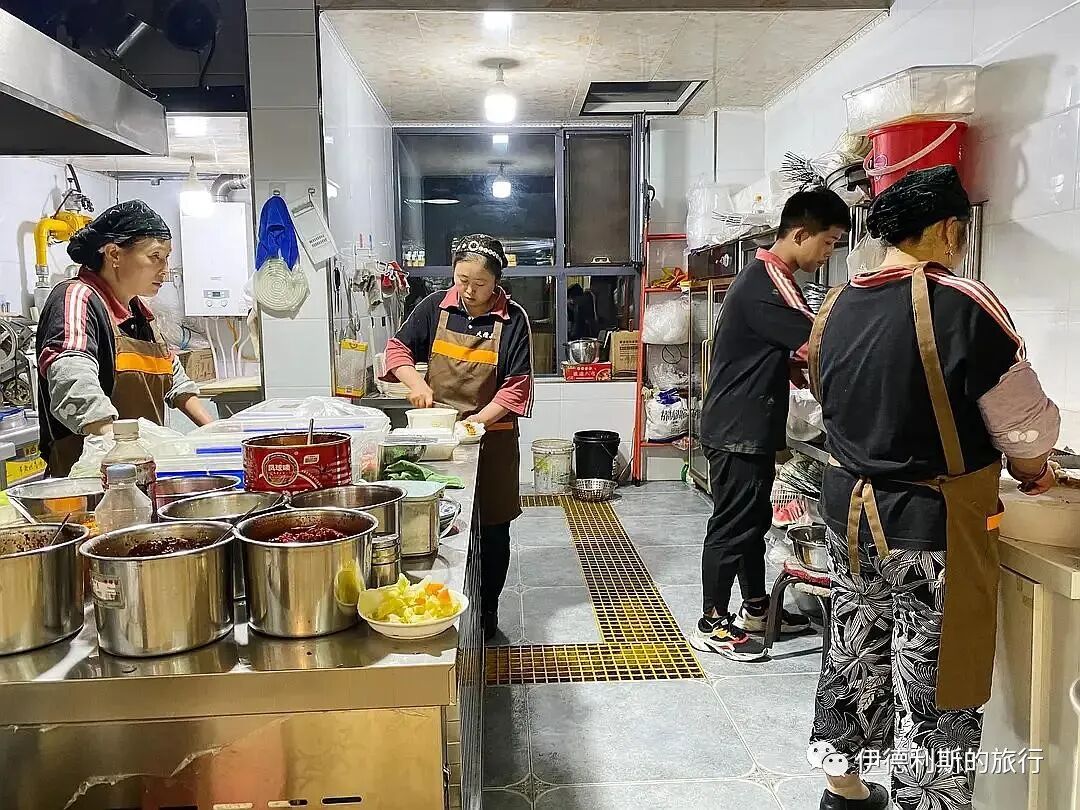
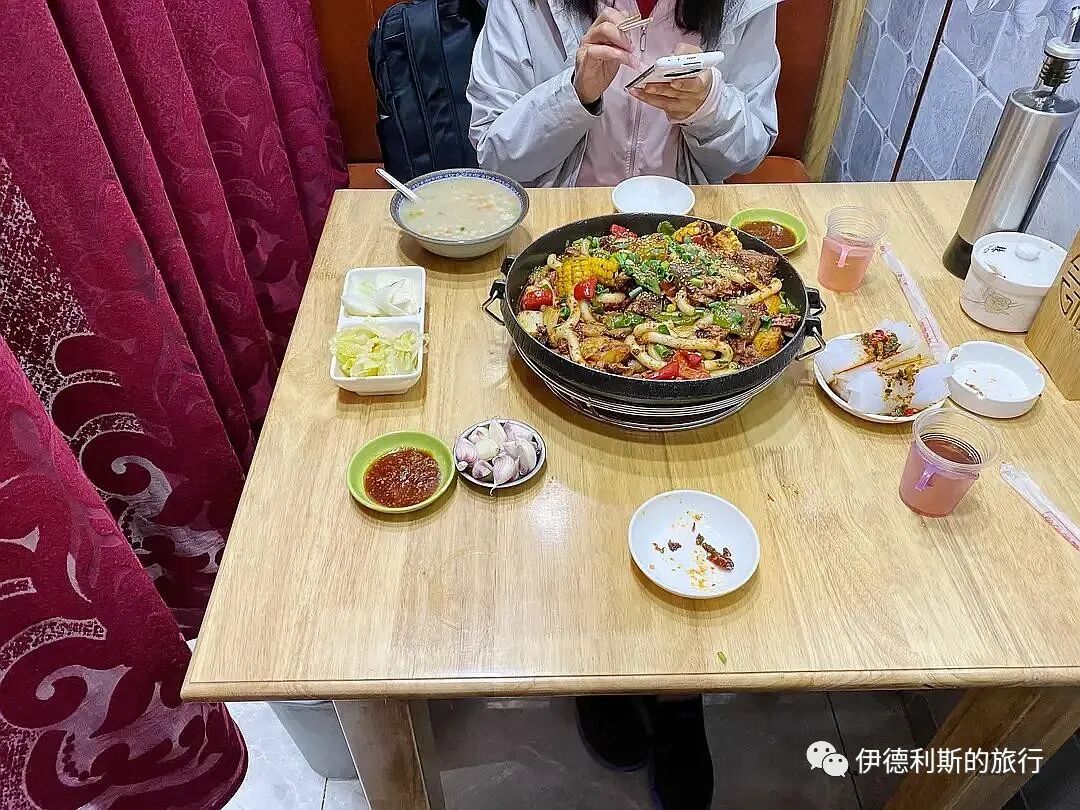
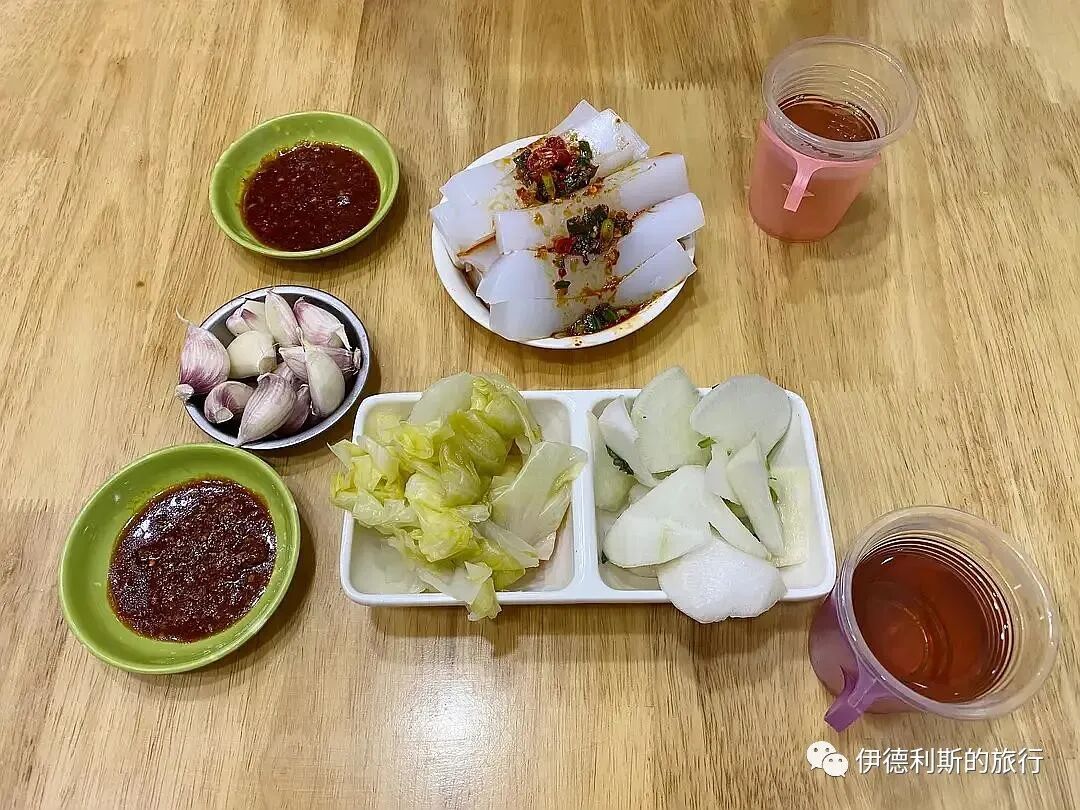
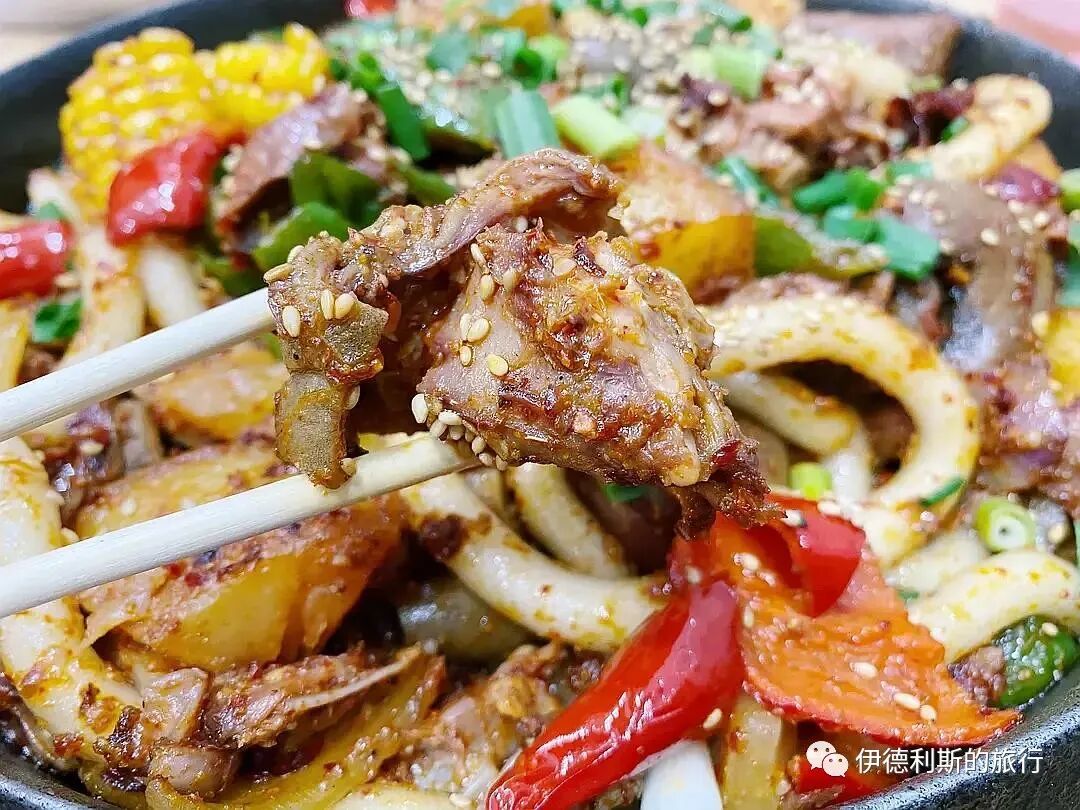
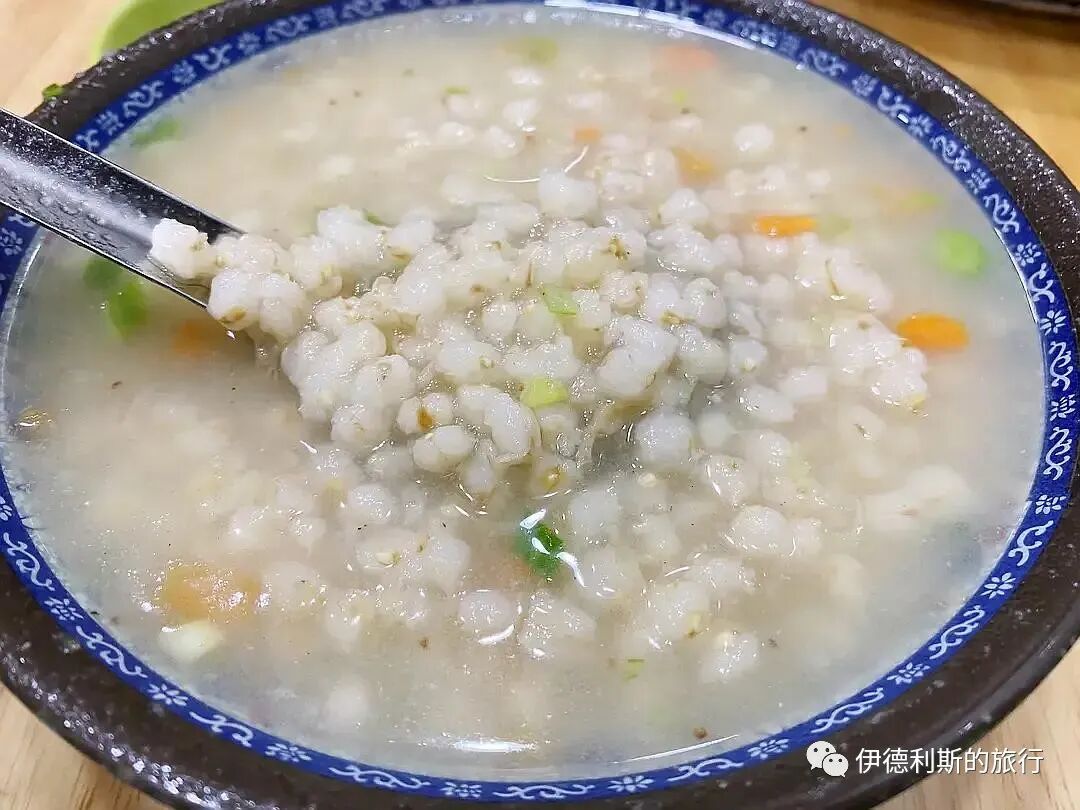
2. Xunhua
In Xunhua County, we had a home-style assorted clay pot hotpot (tuhuoguo). It was packed with a variety of vegetables, and there was actually plenty of meat hidden underneath. A small pot was more than enough to leave two people feeling full.
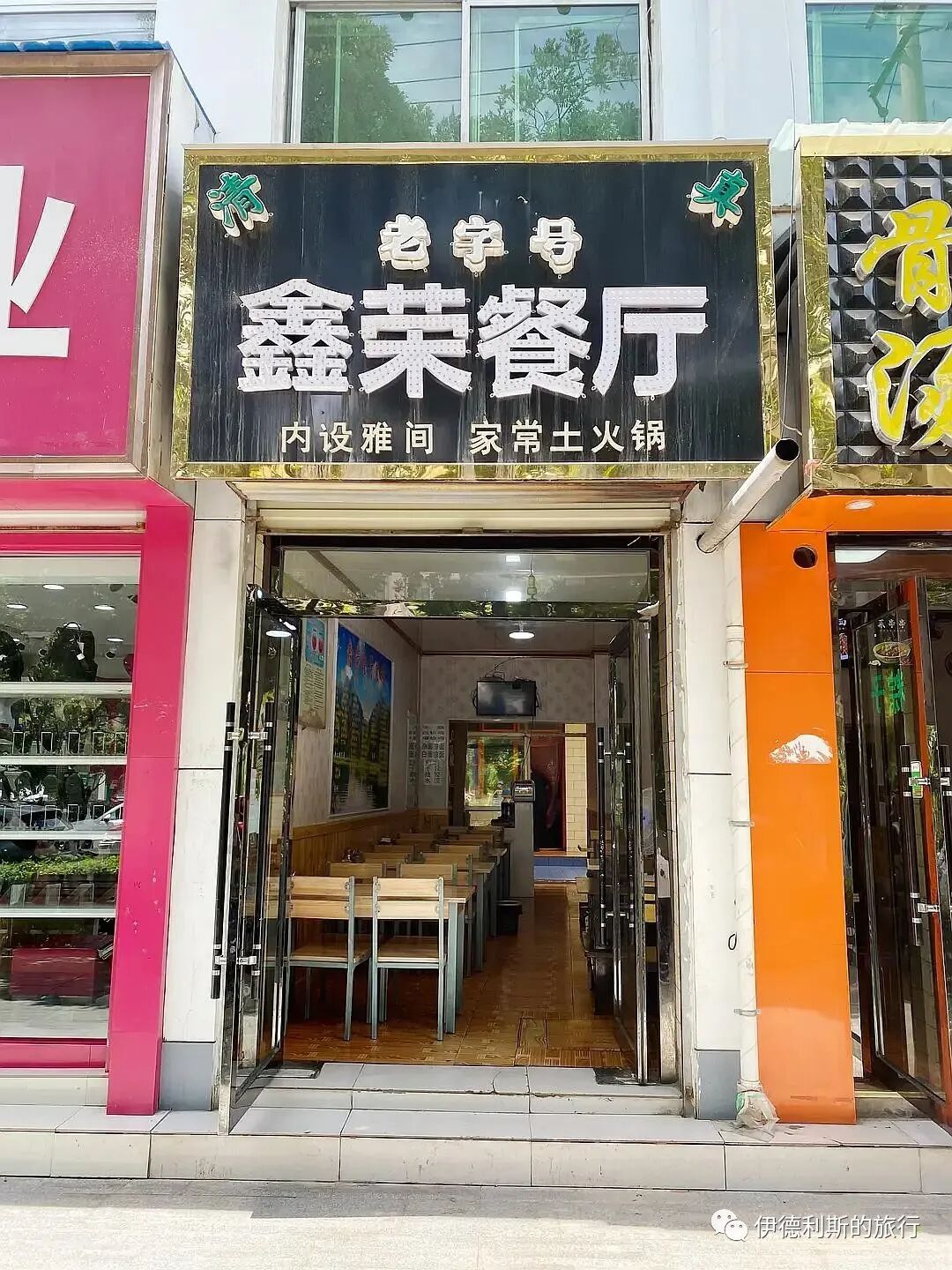
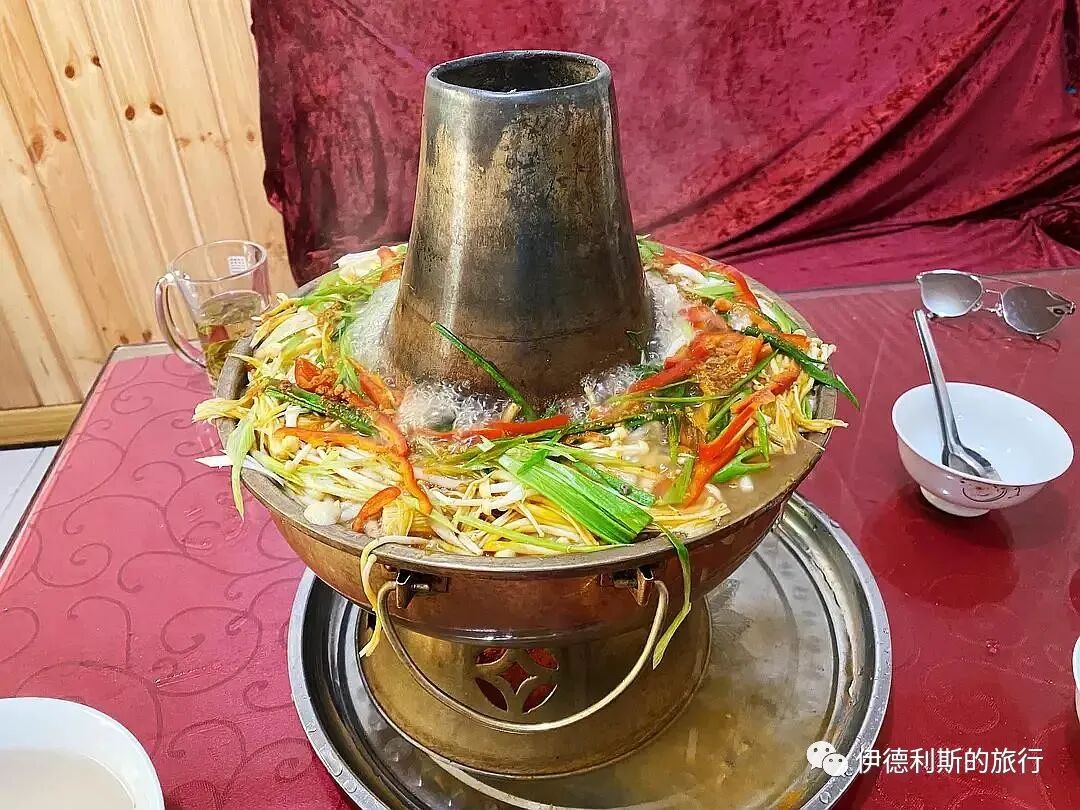
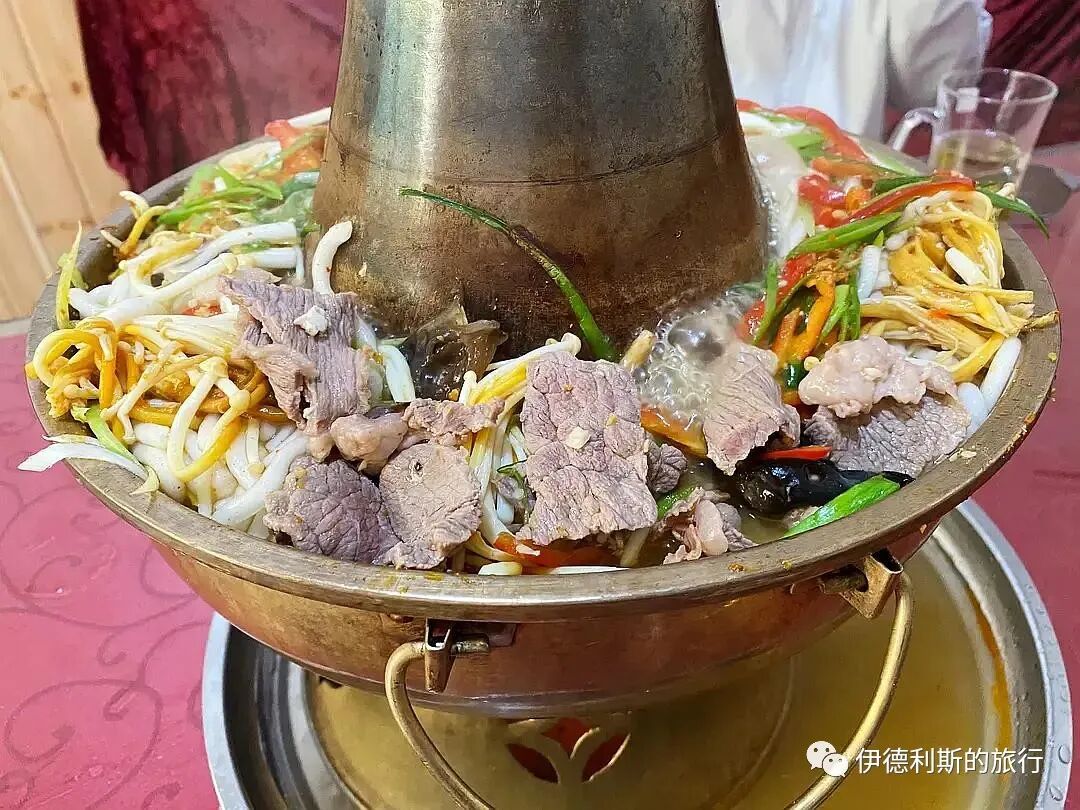
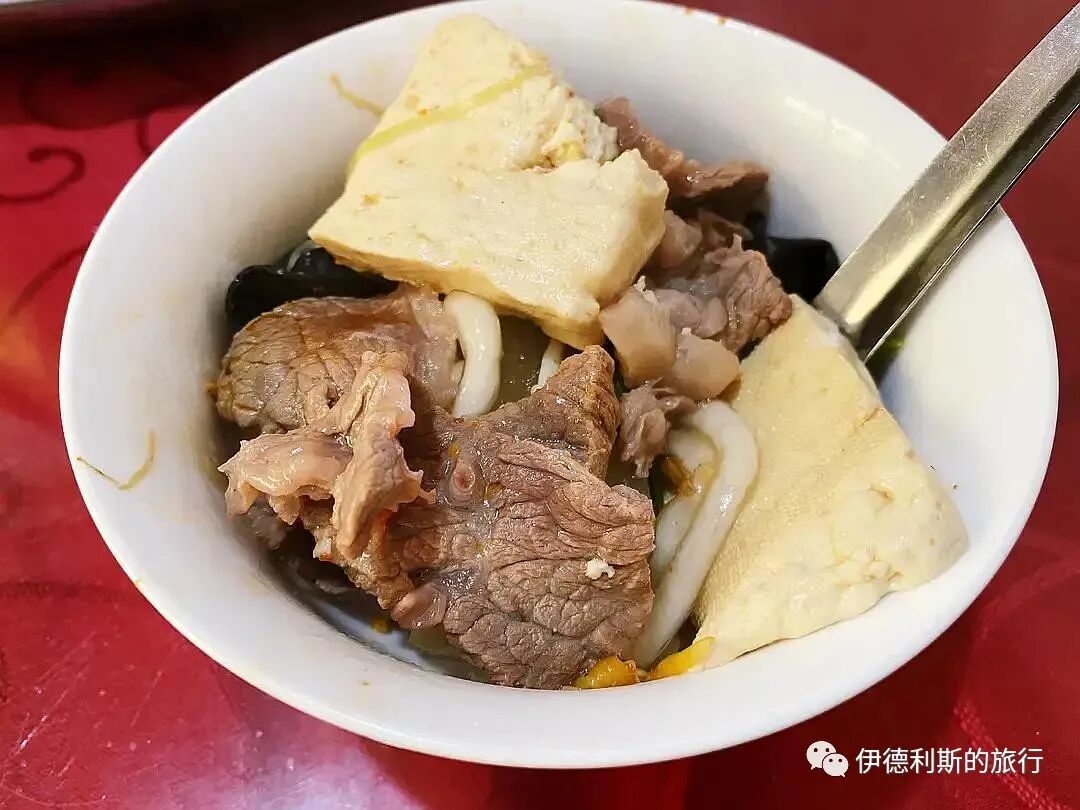
3. Xining
At Old Wang’s place in Dongguan, Xining, we had starch noodles (gengpi) and fresh yak yogurt. Zainabu said this was the best yogurt we had during our entire trip to Xining.
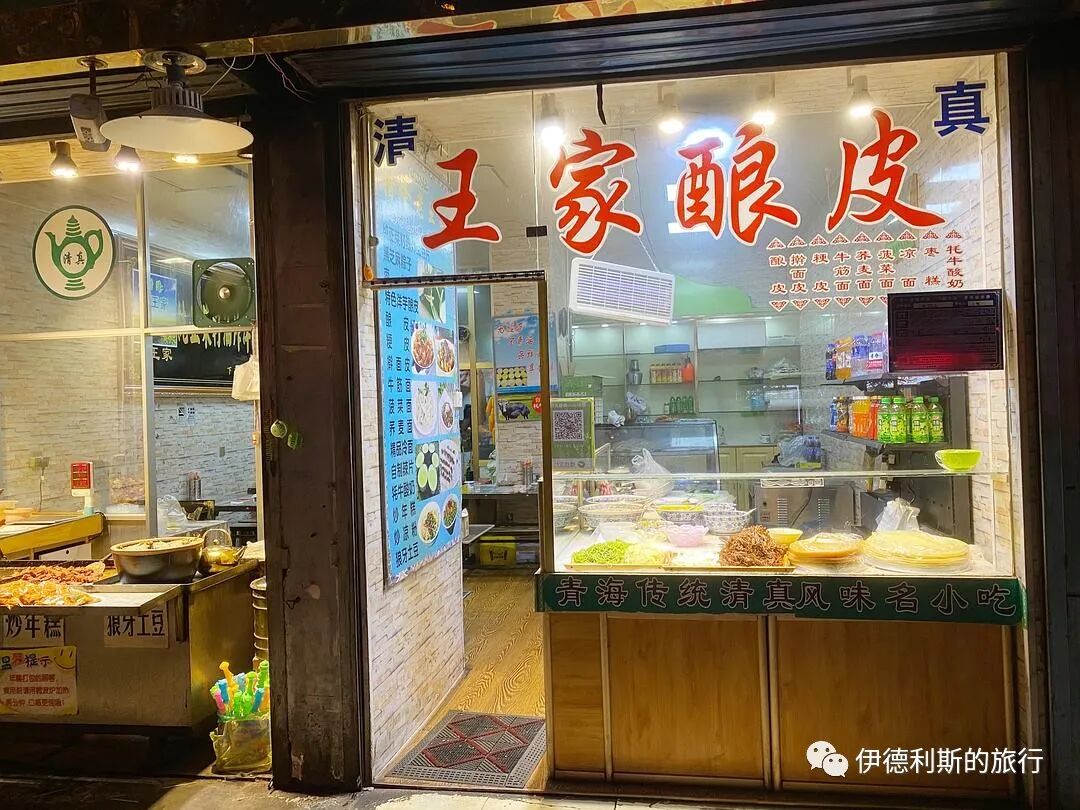
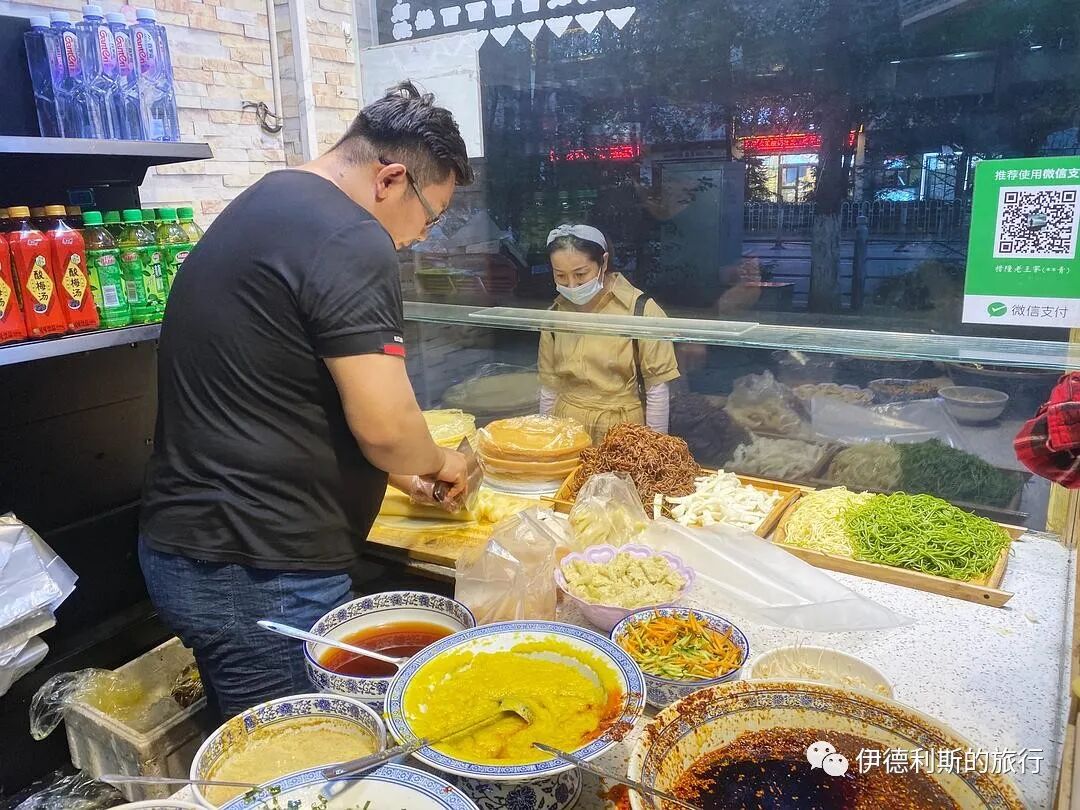
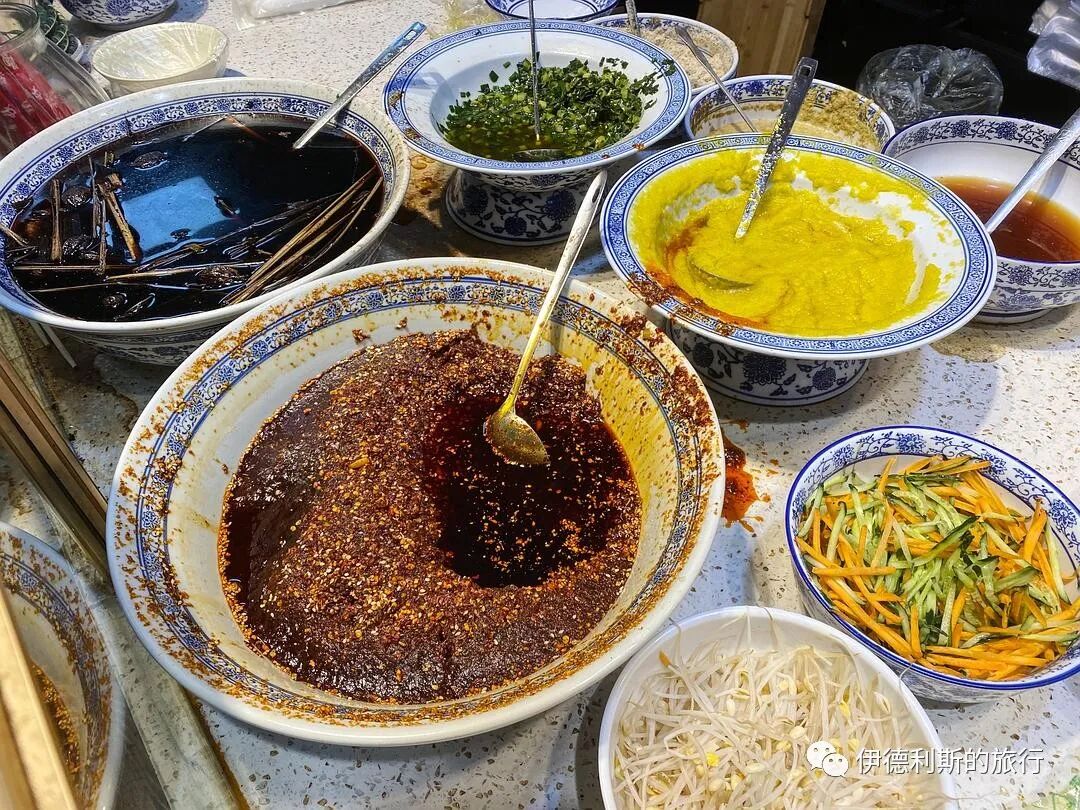
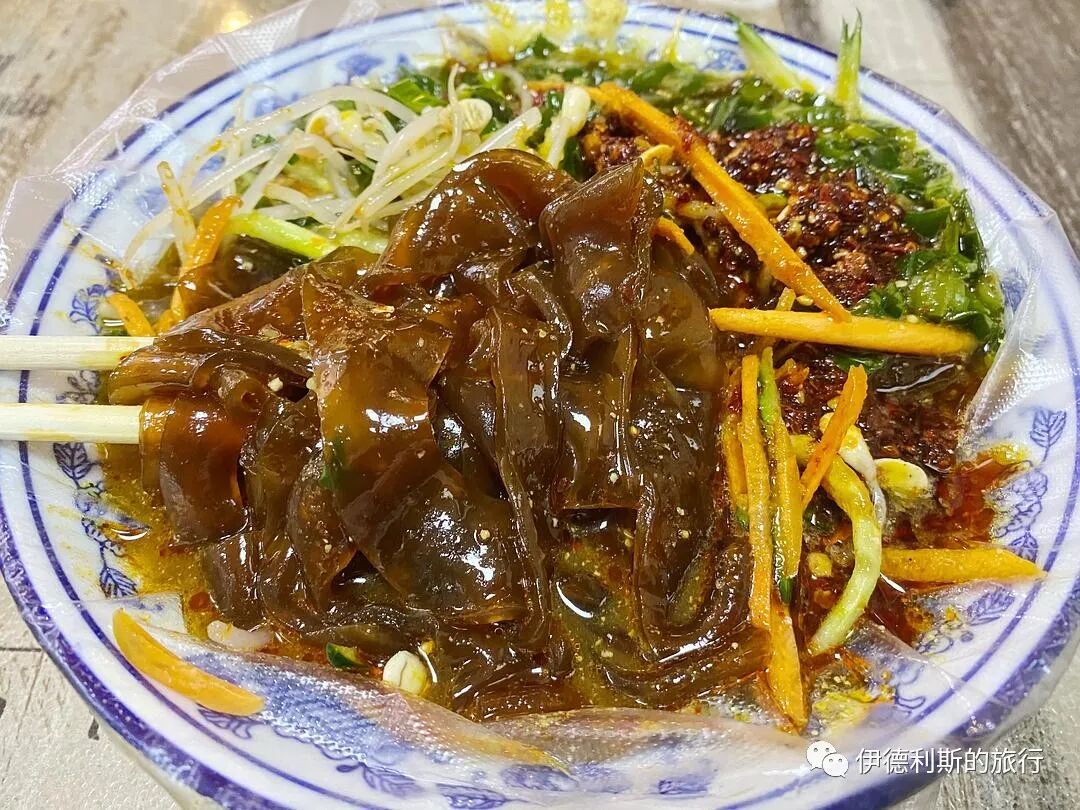
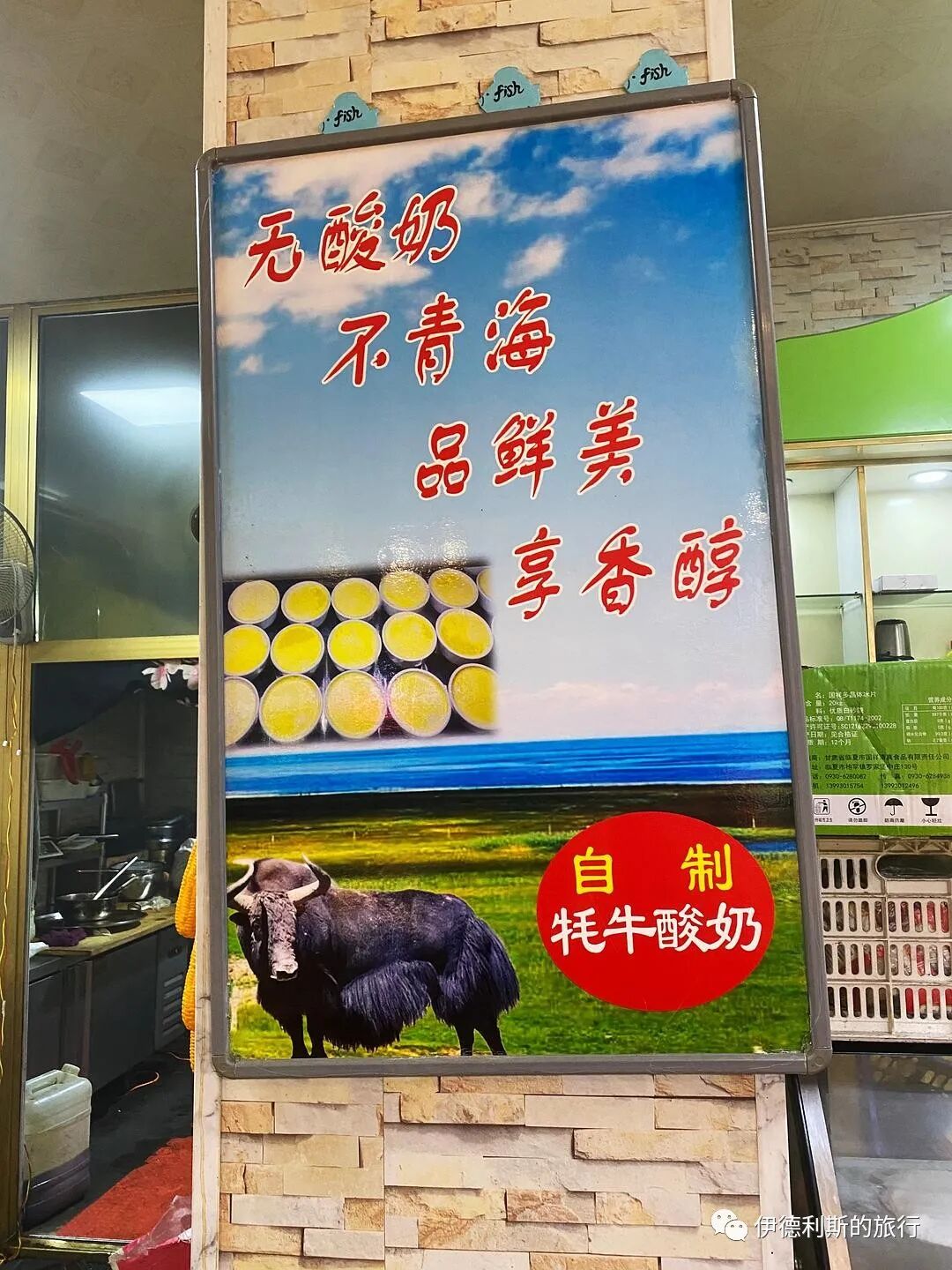
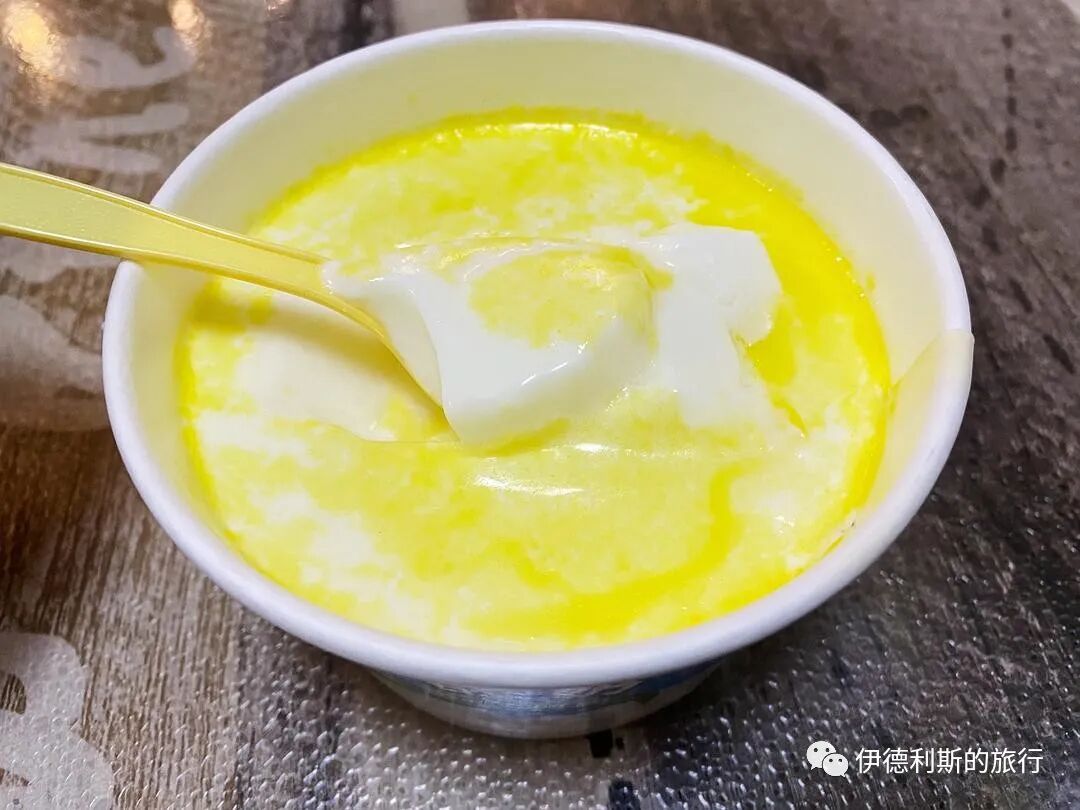
8. Xinjiang
1. Urumqi
We had milk tea at a Kazakh milk tea shop in Dawan. This place is likely the most famous spot for Kazakh breakfast in the area. Seeing the fresh milk being boiled in a basin made it feel very authentic. We ate milk tea, horse meat sausage (machangzi), fried dough (baowusake), Kazakh-style potatoes, and steamed buns (baozi). Everything tasted great.
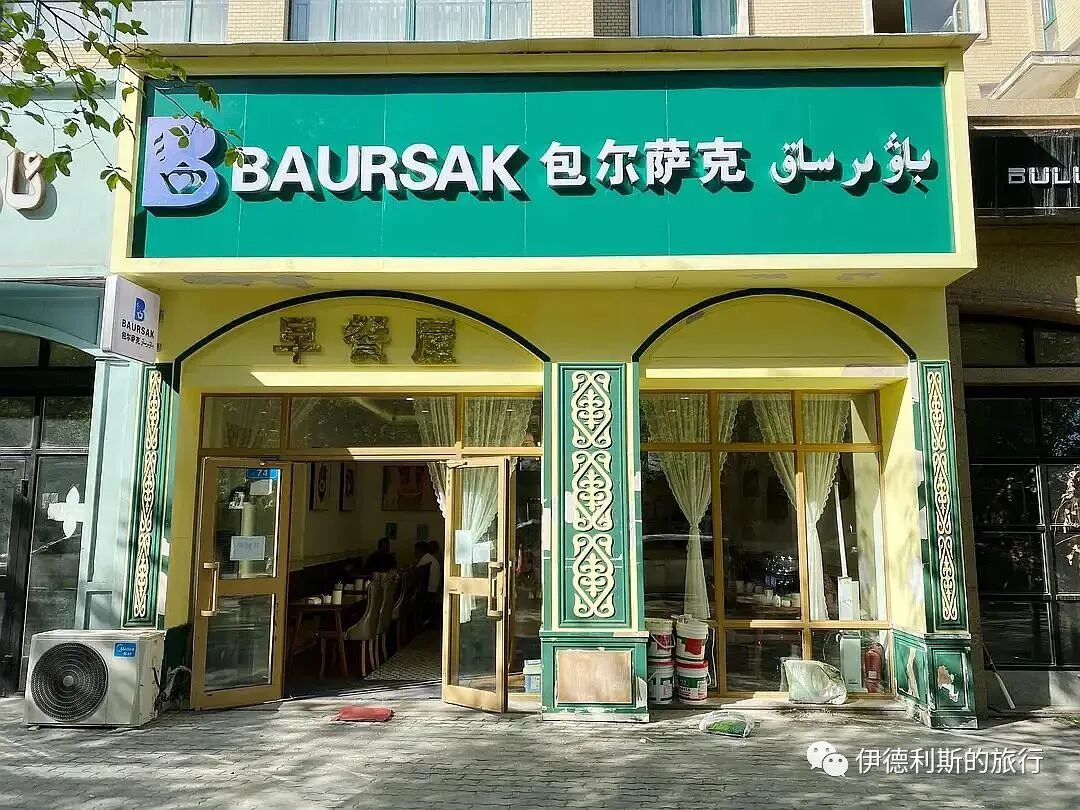
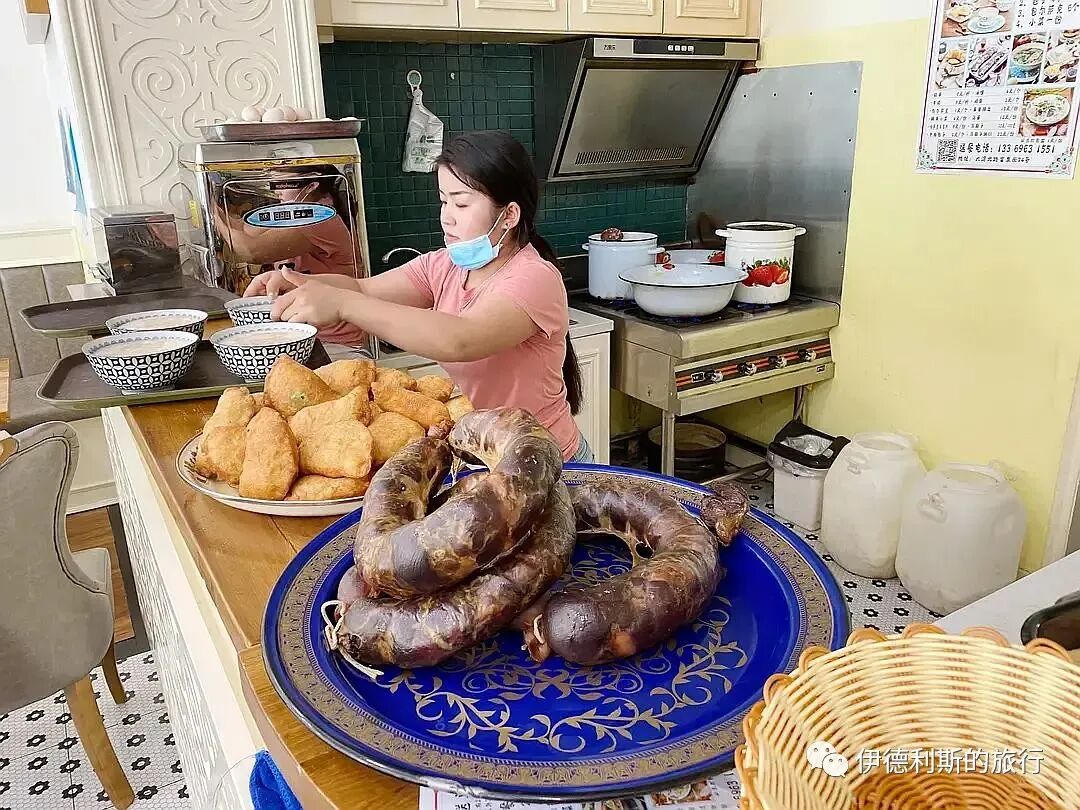
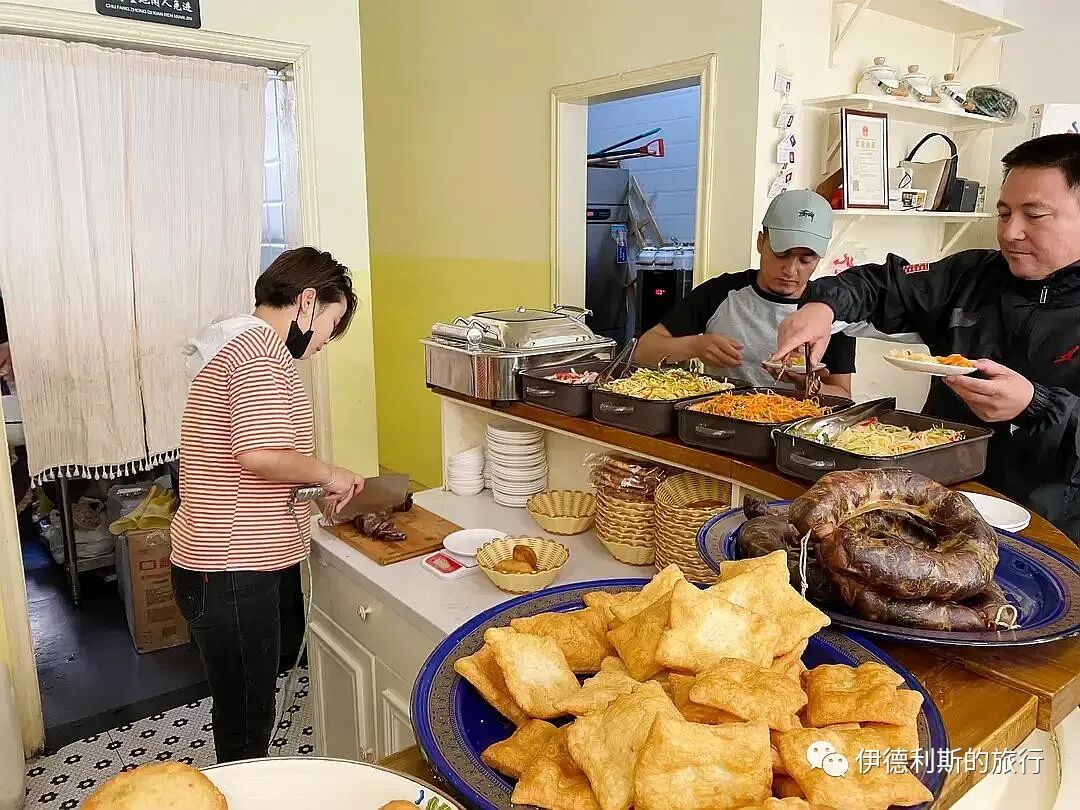
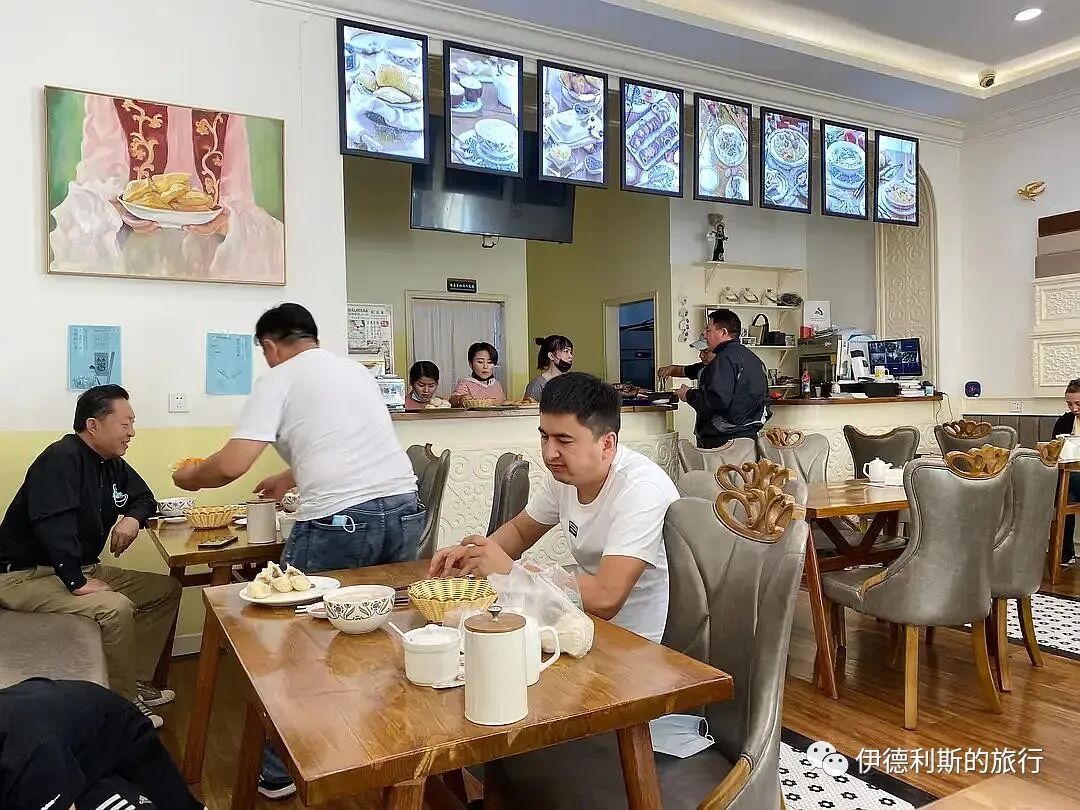
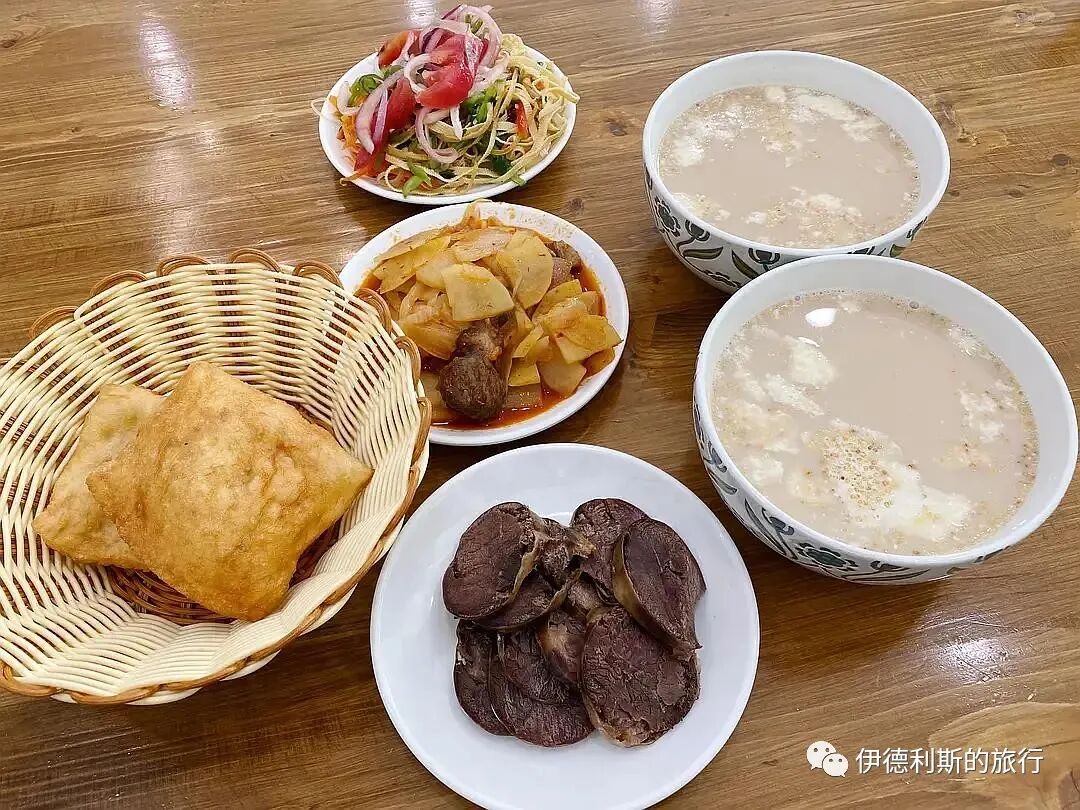
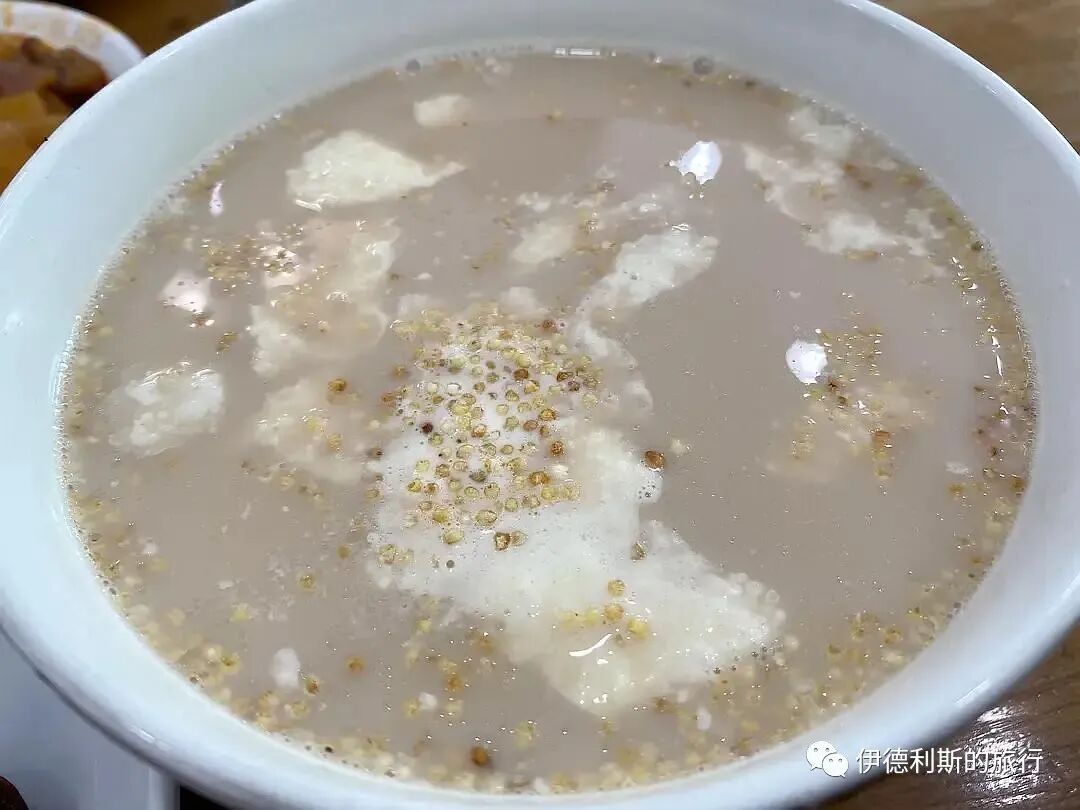
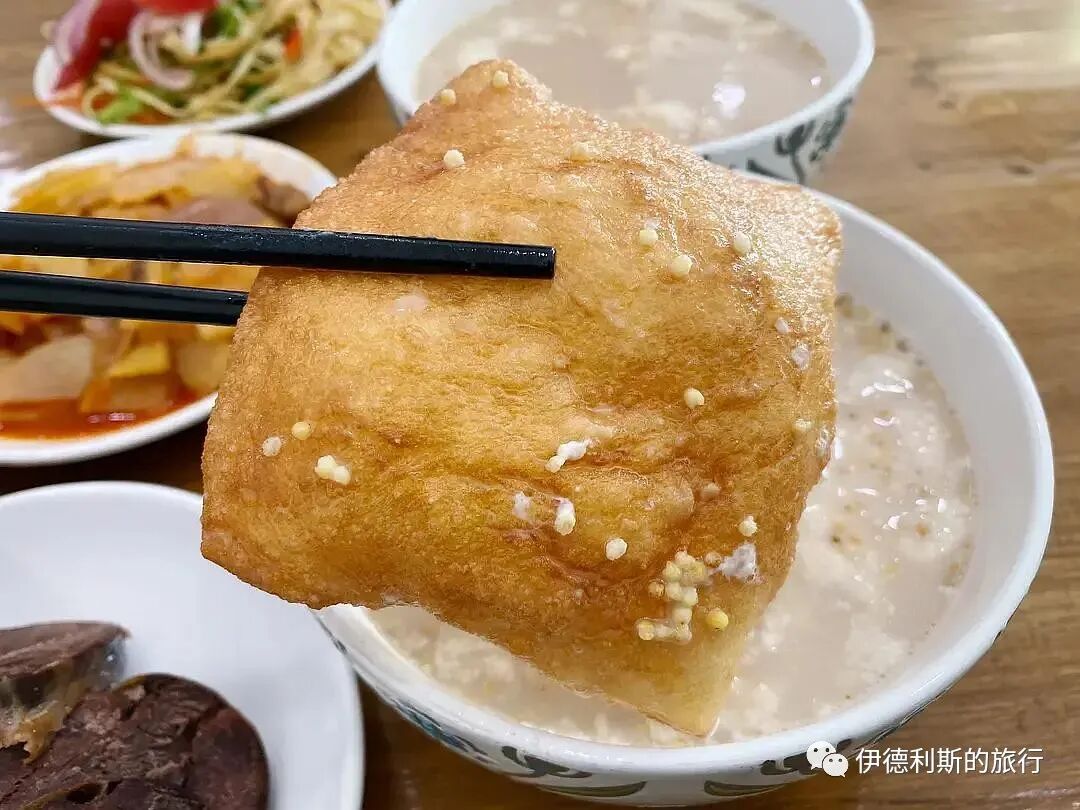
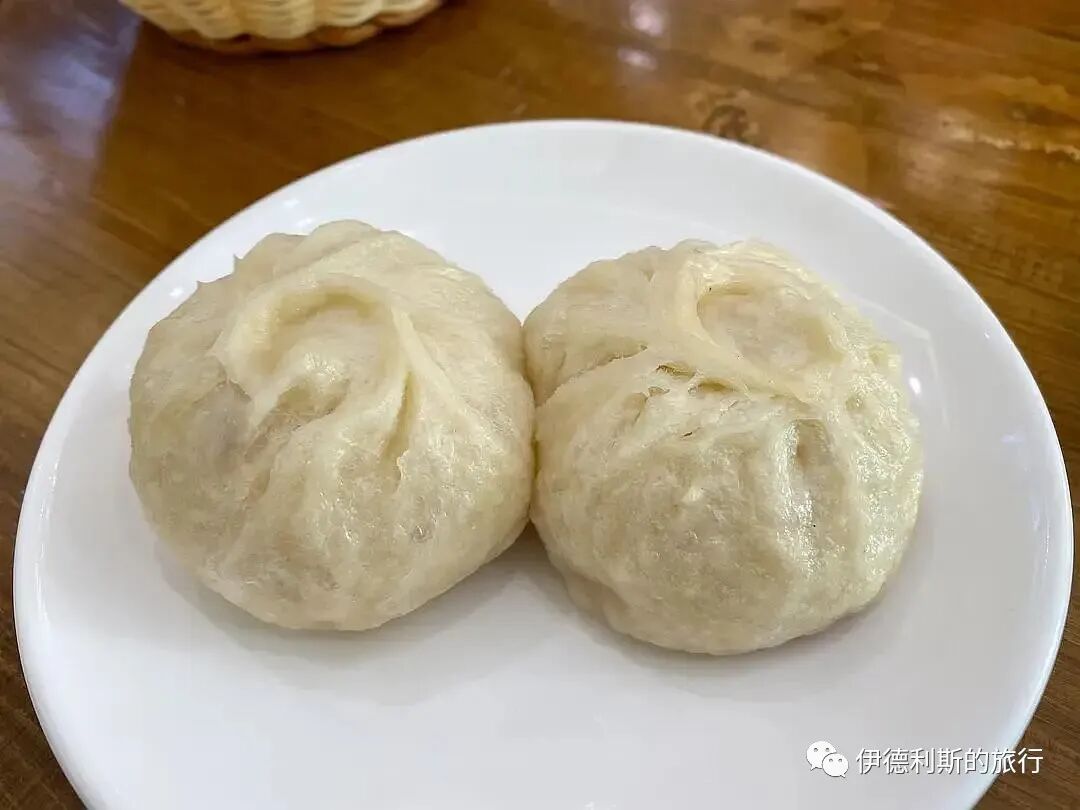
2. Toksun County
The most popular spot in Tuokexun County is Lao Si Hao. It is packed at meal times with both locals and people who travel all the way from Turpan just to eat here. Their specialty is stir-fried meat with noodles (guoyou rou banmian) made with black goat. This local specialty lives on the cliffs of the Tianshan Mountains. It costs much more than regular lamb, but the taste and texture are truly different. I think it is much better.
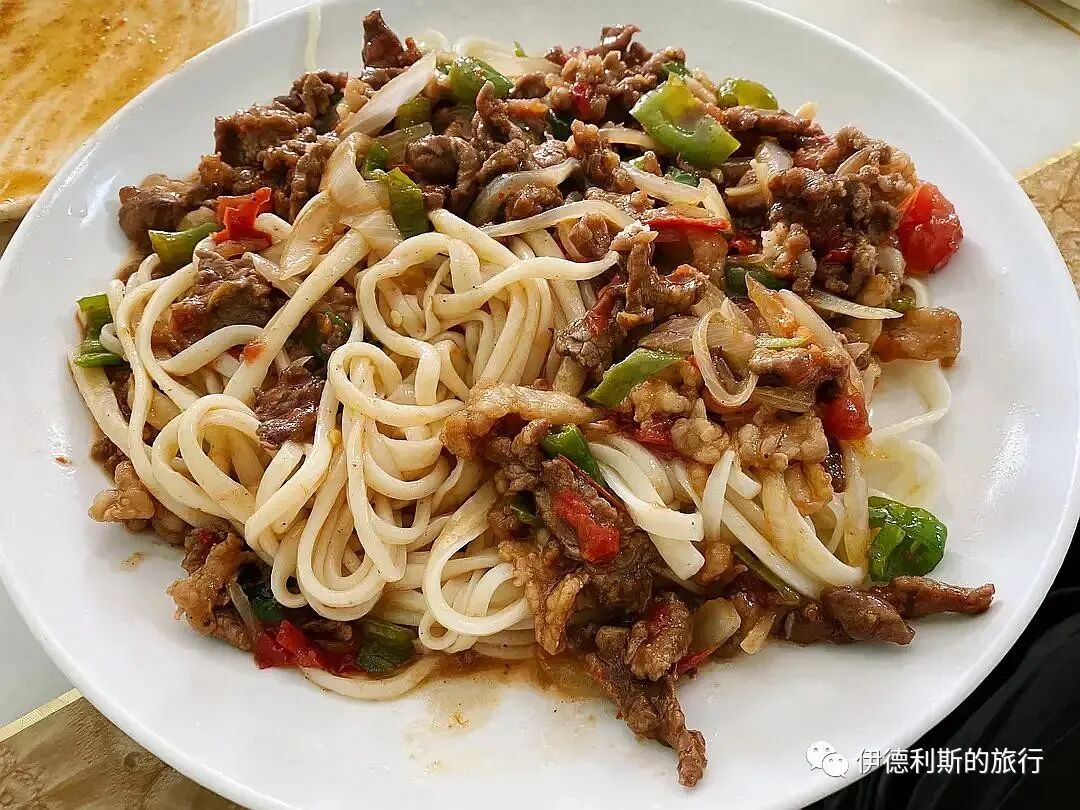
3. Turpan
At the Turpan Museum, you can find the incredibly popular baked buns (kaobaozi) from Koshimaklar. They used to be the Twin Baked Buns at the entrance of the Big Cross Bazaar before moving here. We arrived at 8:30 in the morning to catch the first batch from the oven. We had to get a queue card to buy them, and there were already many people waiting behind us.
Their baked buns (kaobaozi) are truly delicious. They are baked over charcoal, which is hard to find in Urumqi. The filling inside is not fatty and has plenty of meat.
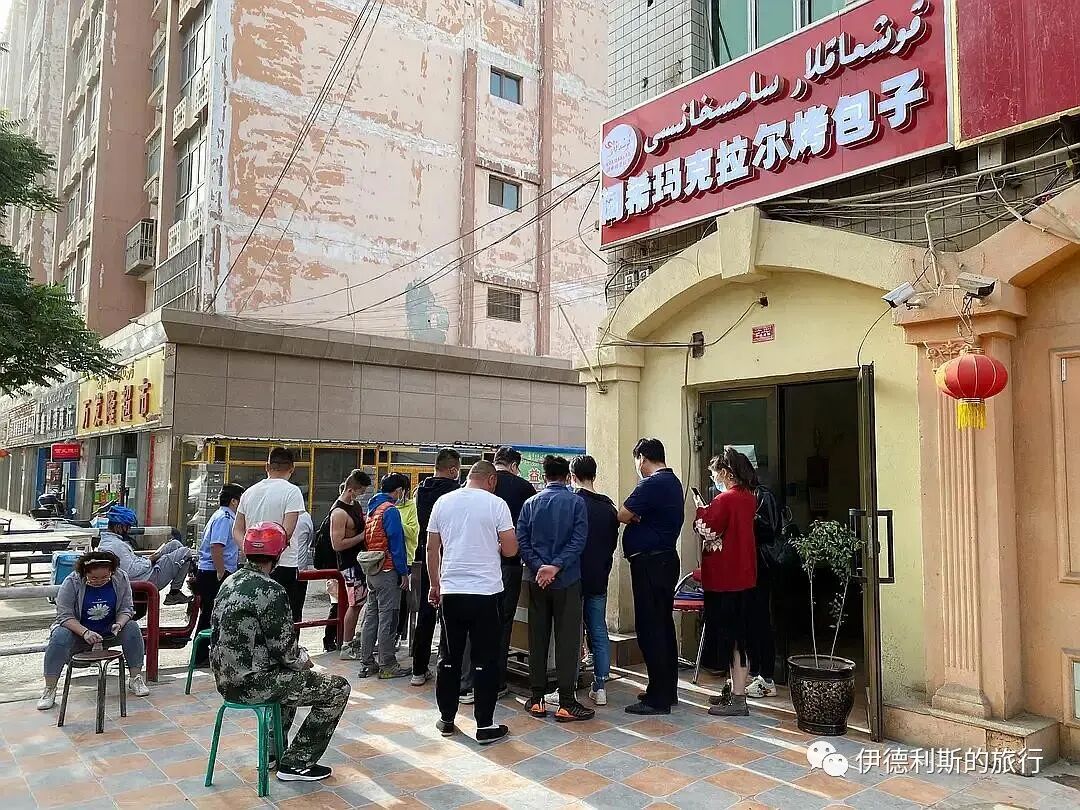
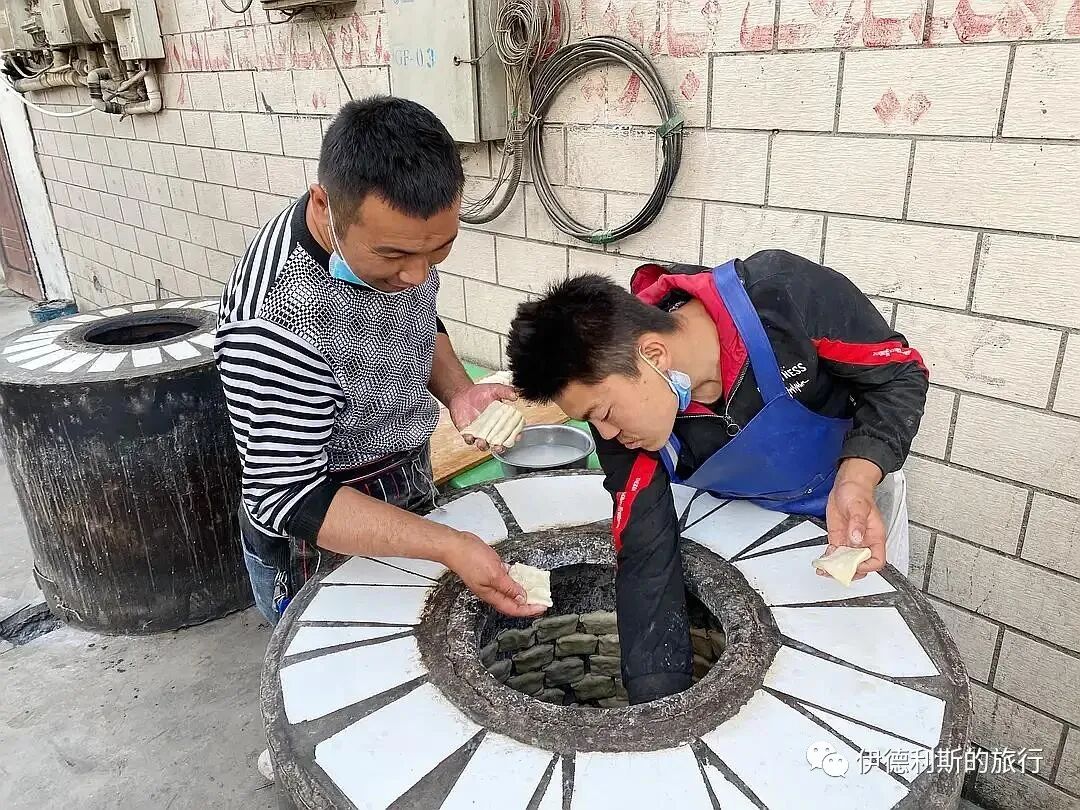
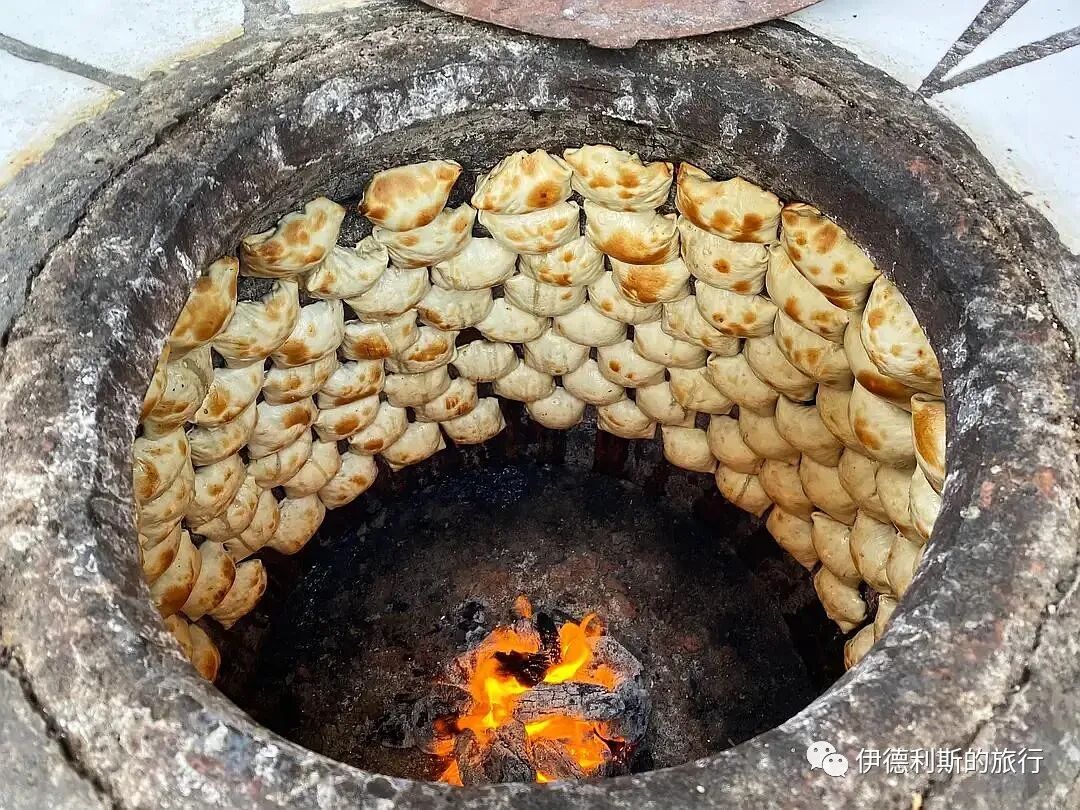
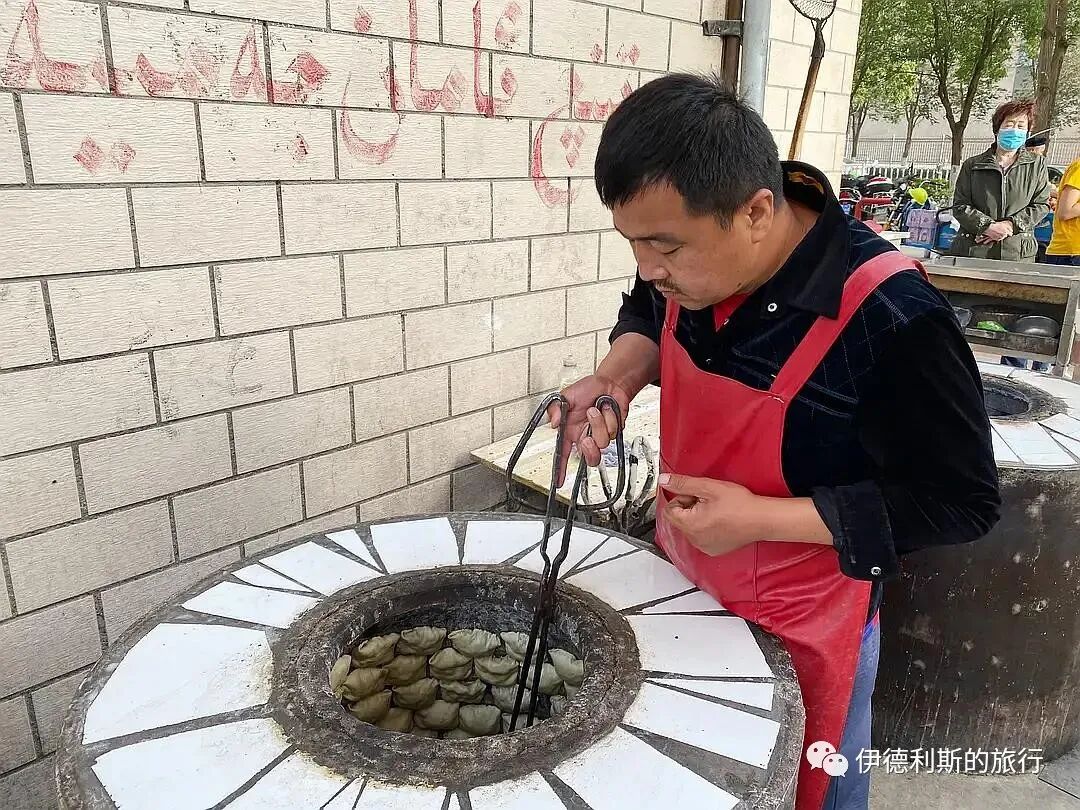
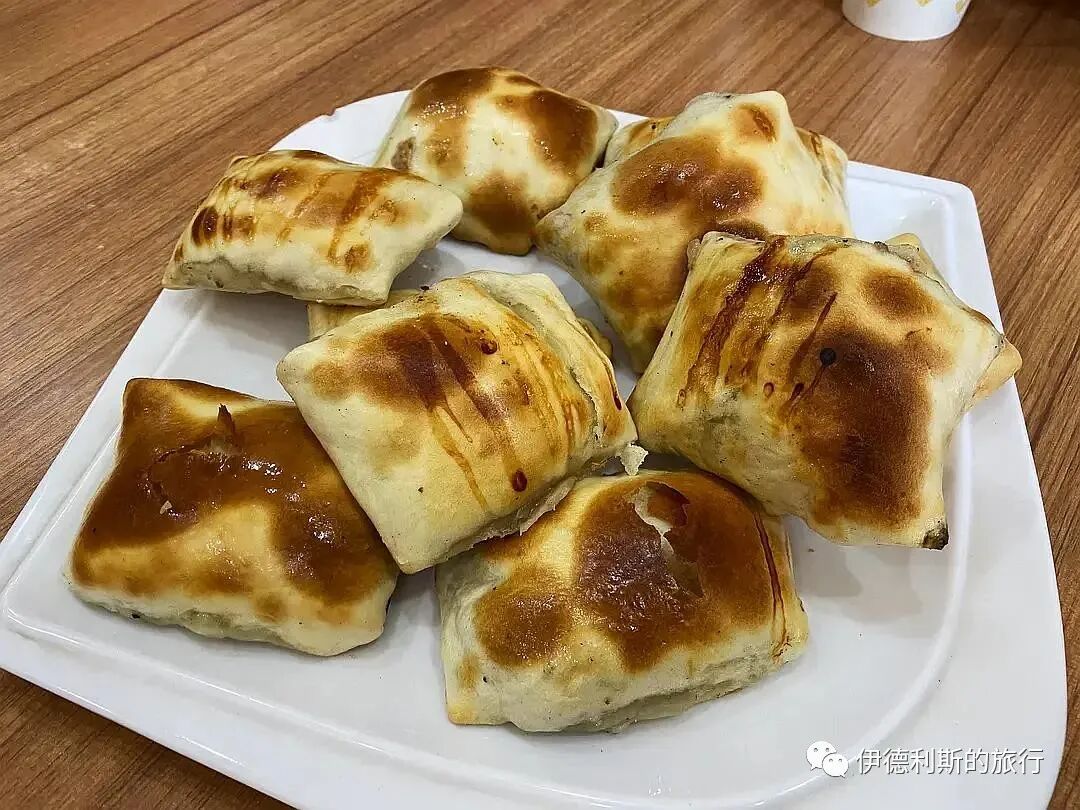
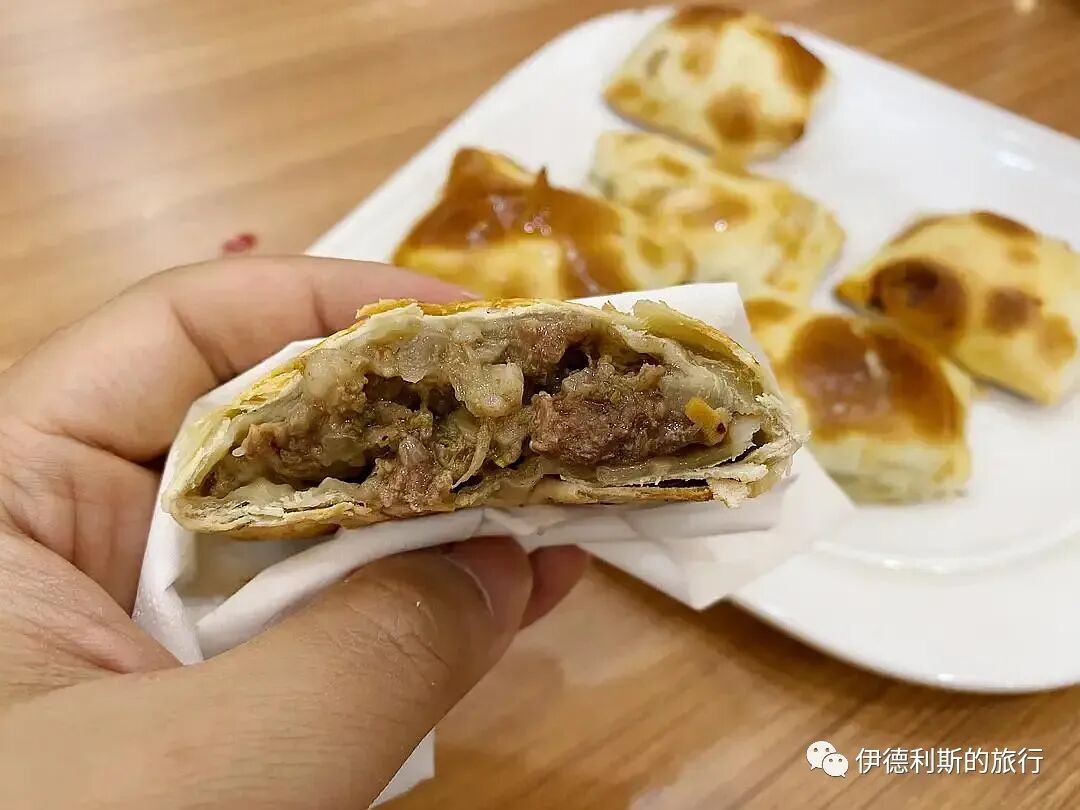
4. Huoyanshan Town
Huoyanshan Town is famous for its yellow noodles with grilled meat (huangmian kaorou). The whole street is filled with shops selling them. The most famous one is called Huoyanshan Famous Yellow Noodle and Grilled Meat Shop, but it was fully booked when we arrived, so we ate at the place across the street. We ordered a mix of yellow noodles and cold starch noodles (liangpi). Once the grilled meat was ready, they took it off the skewers and placed it on top of the noodles. It was so refreshing to eat in the summer and felt perfect for the climate of the Flaming Mountains. We also had grilled fish, and everyone agreed the meat was tender and delicious.
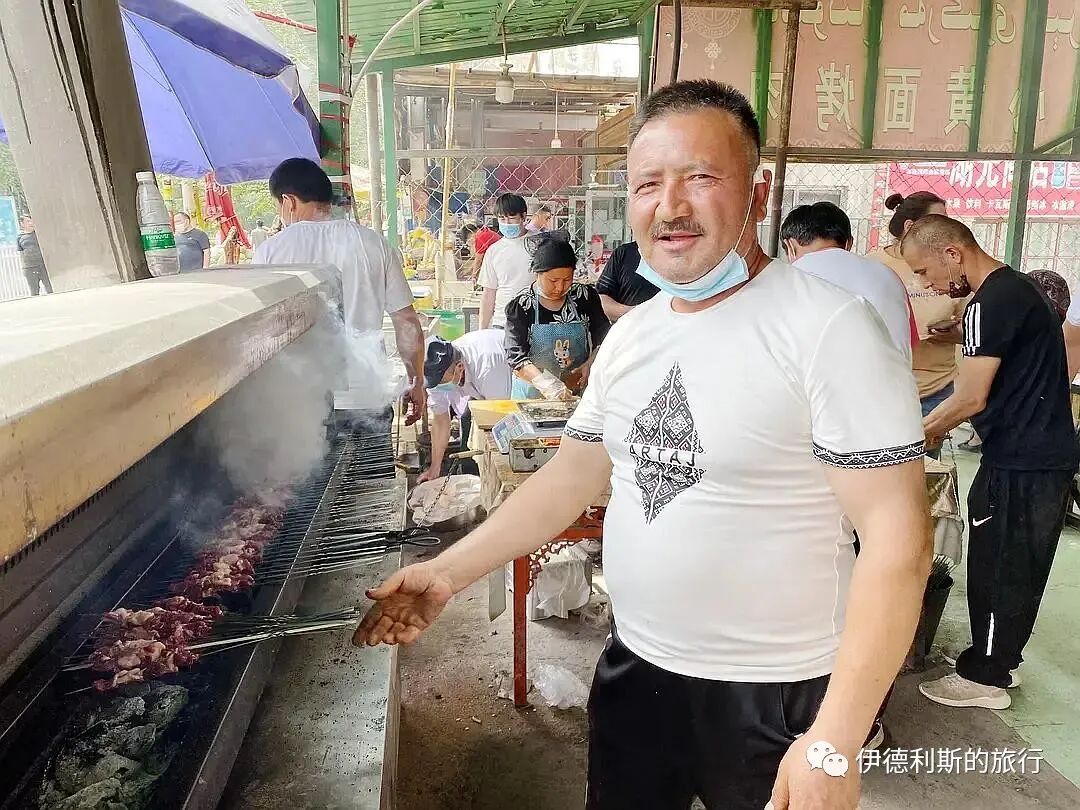
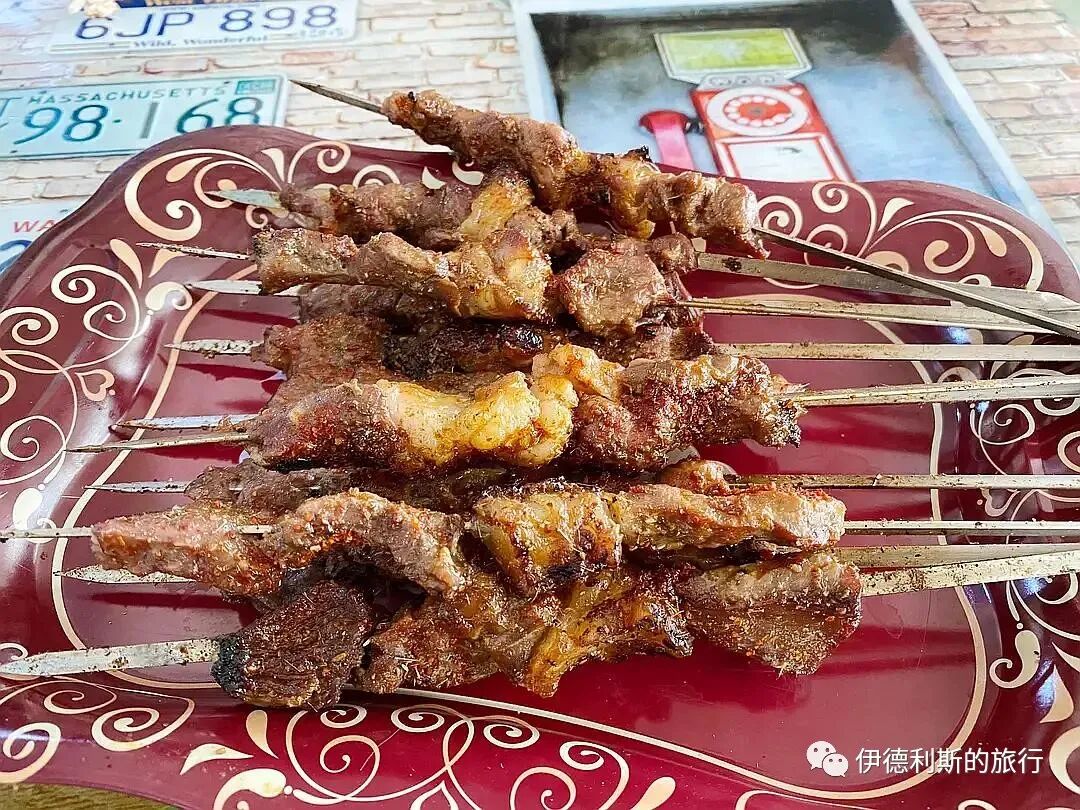
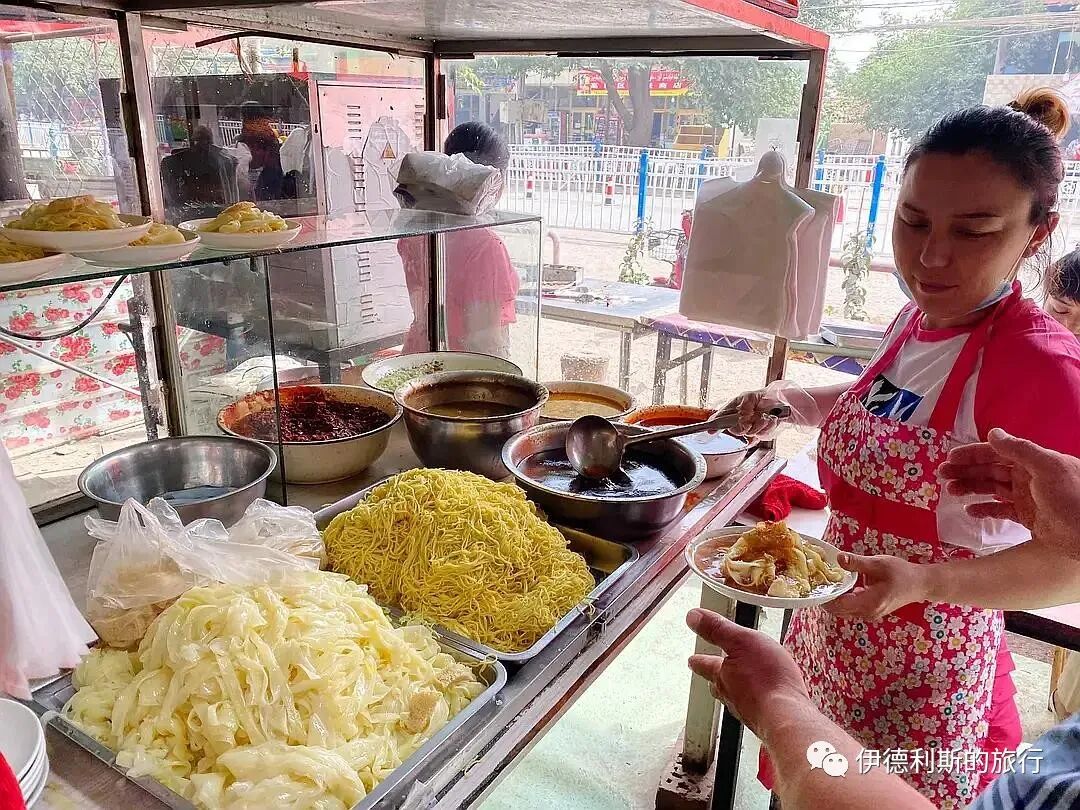
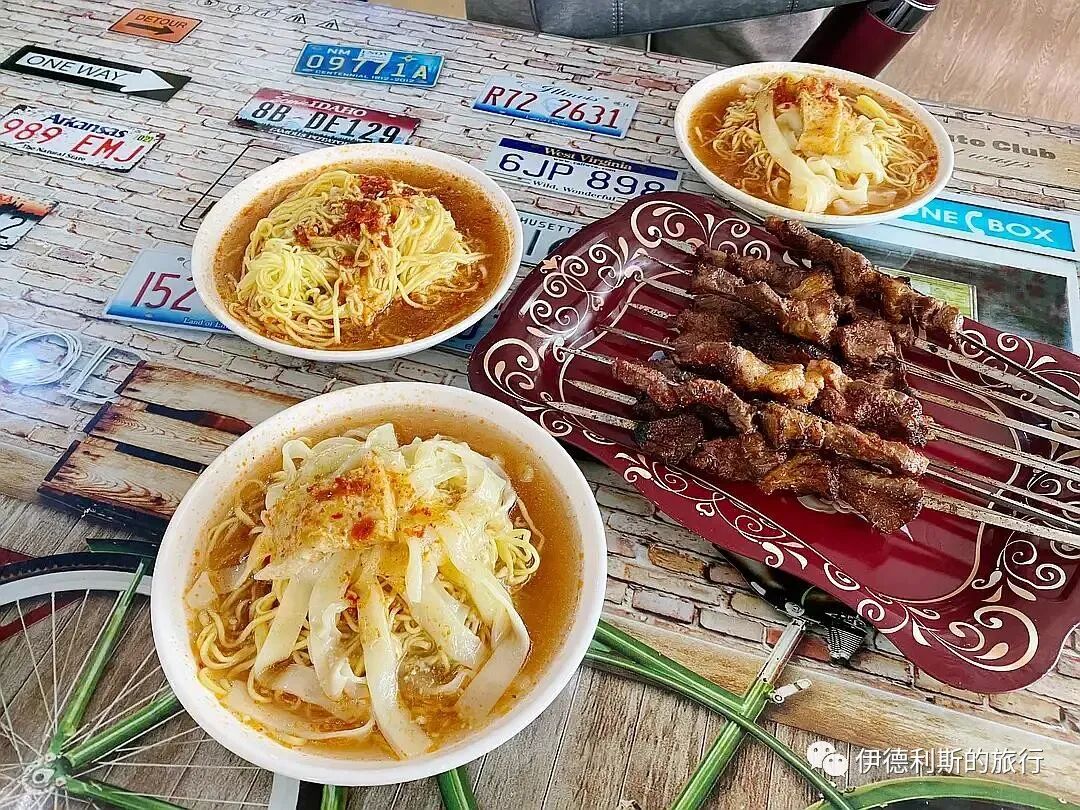
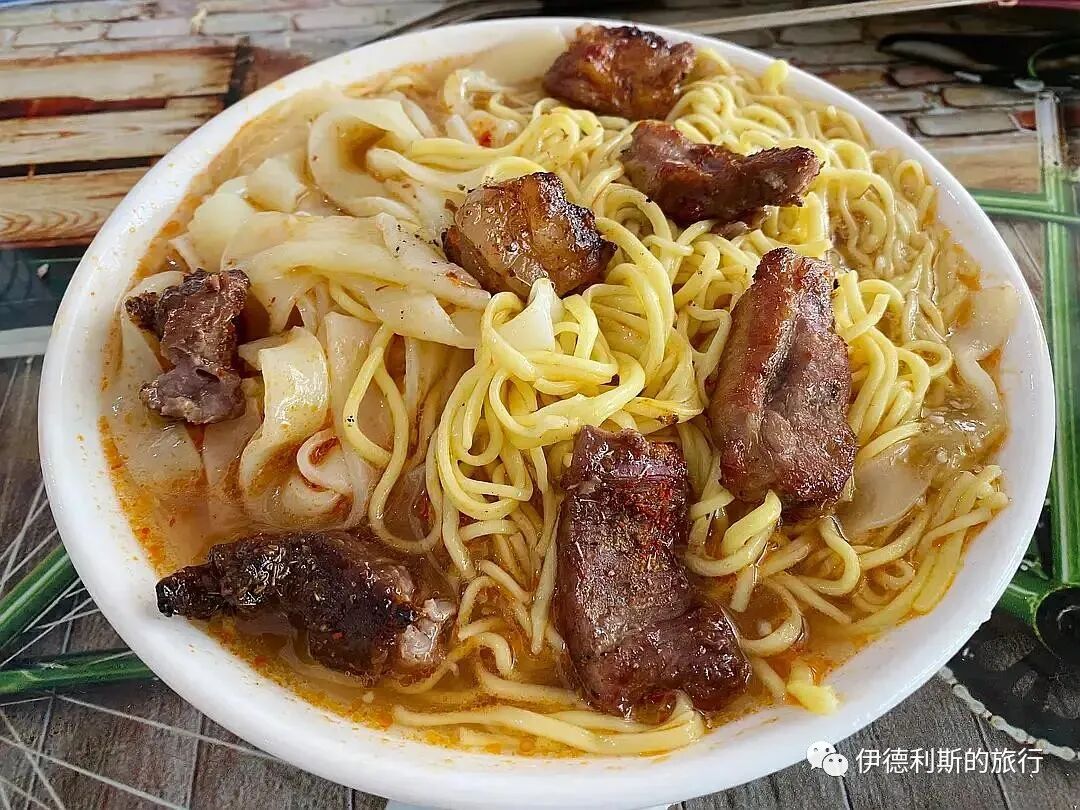
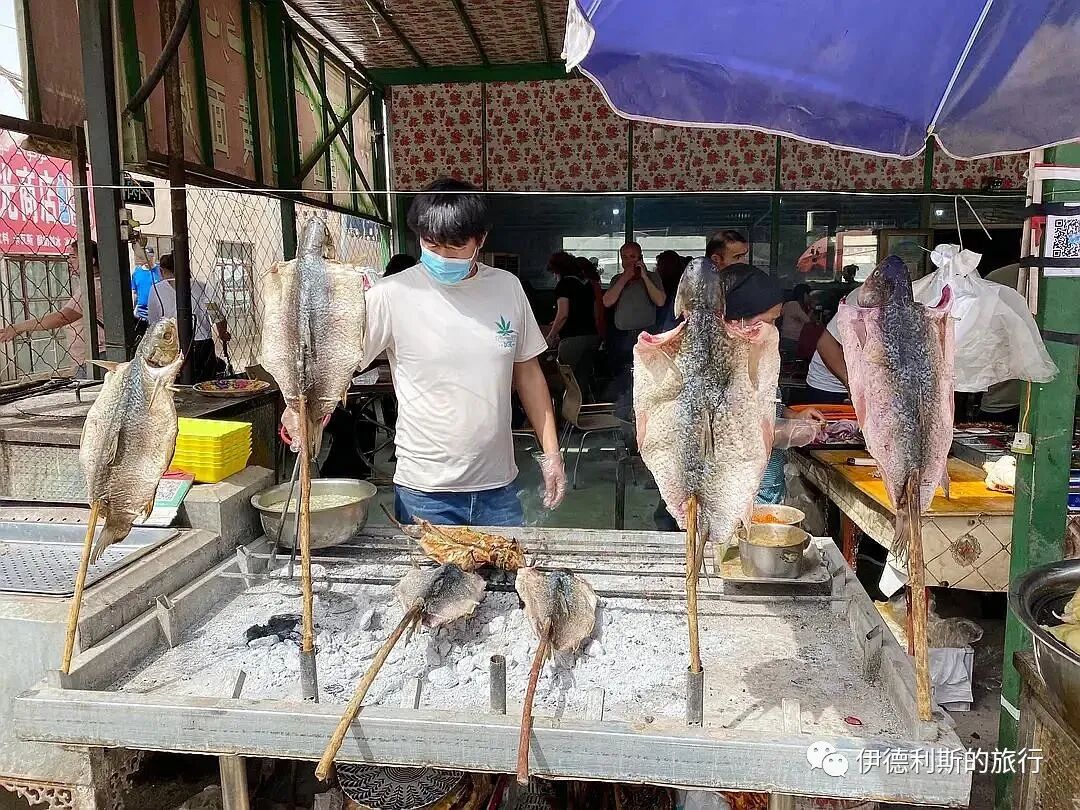
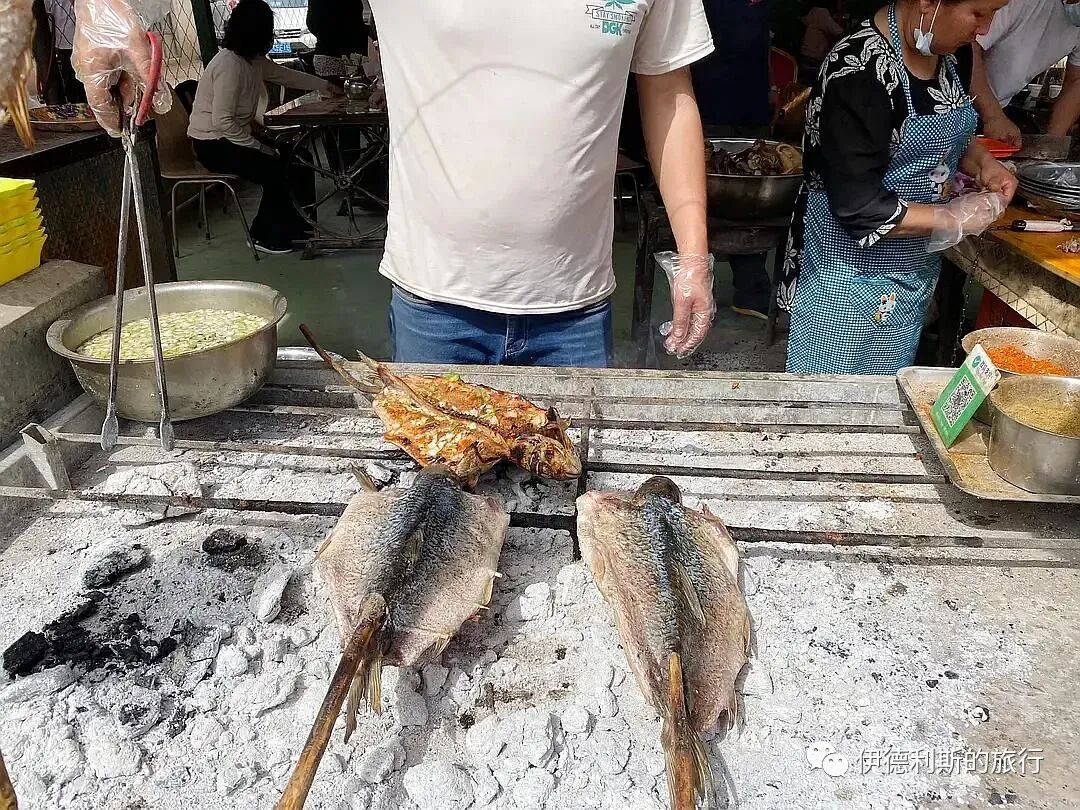
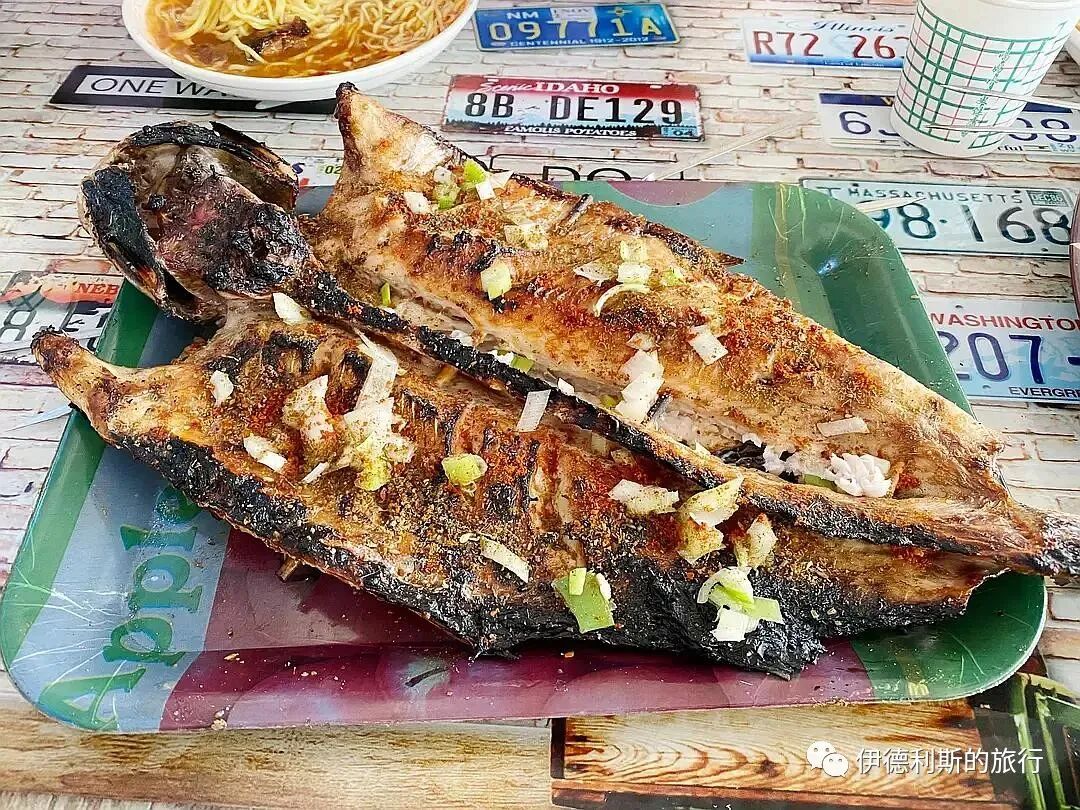
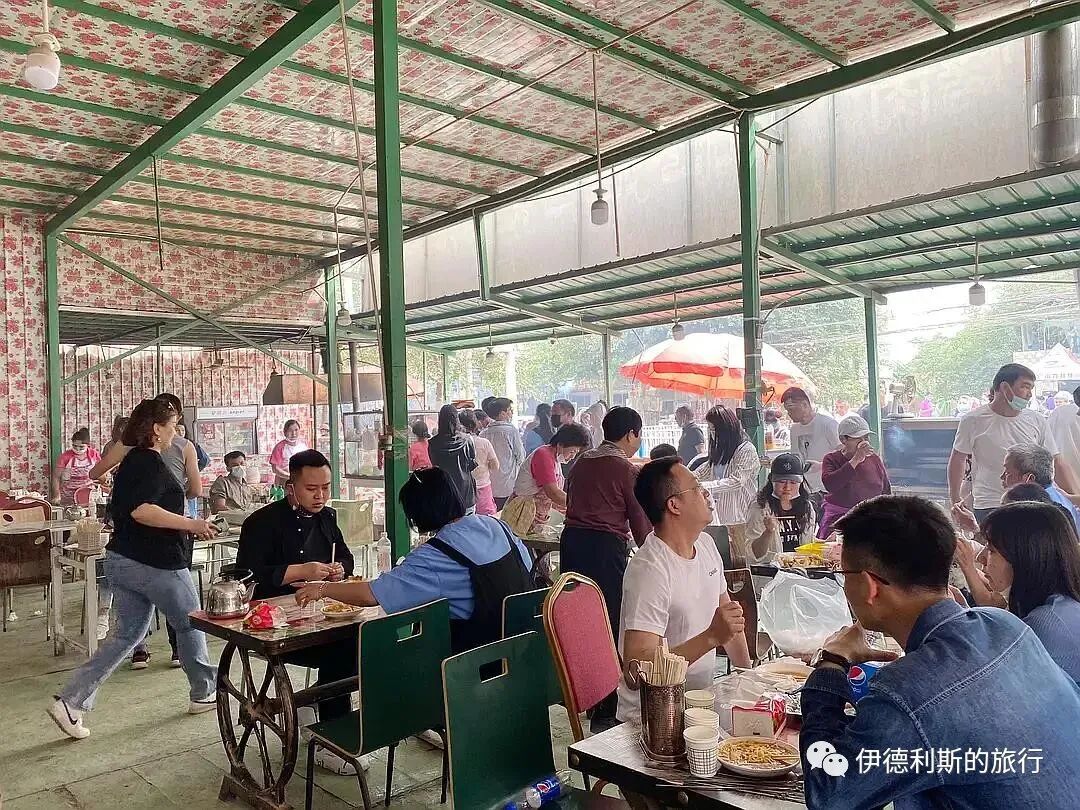
The beef head meat had a great chewy texture and the portion was huge. We also drank a fermented raisin and dried apricot beverage that is a specialty of Flaming Mountain Town, which is even richer than kvass (kawasi).
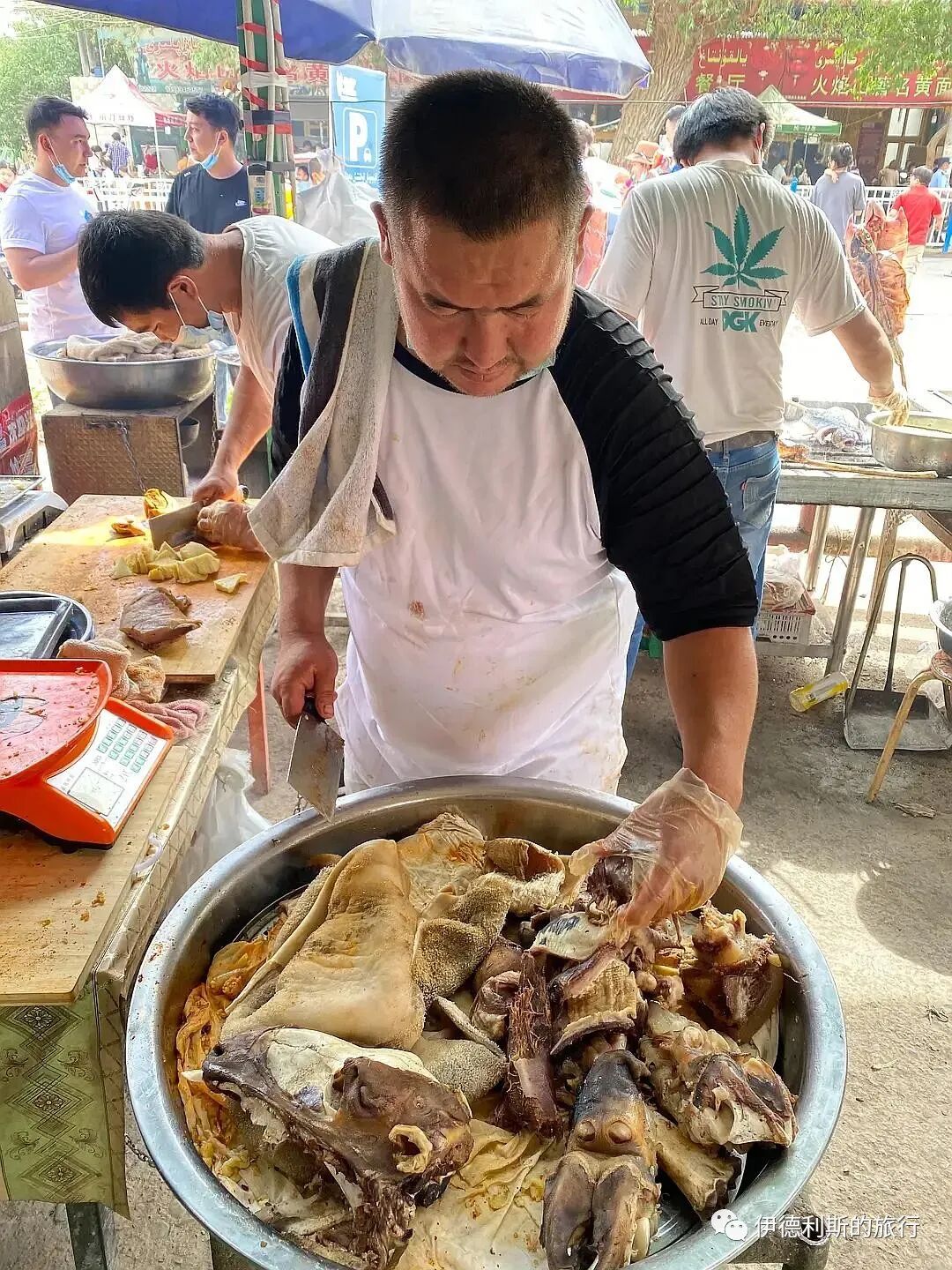
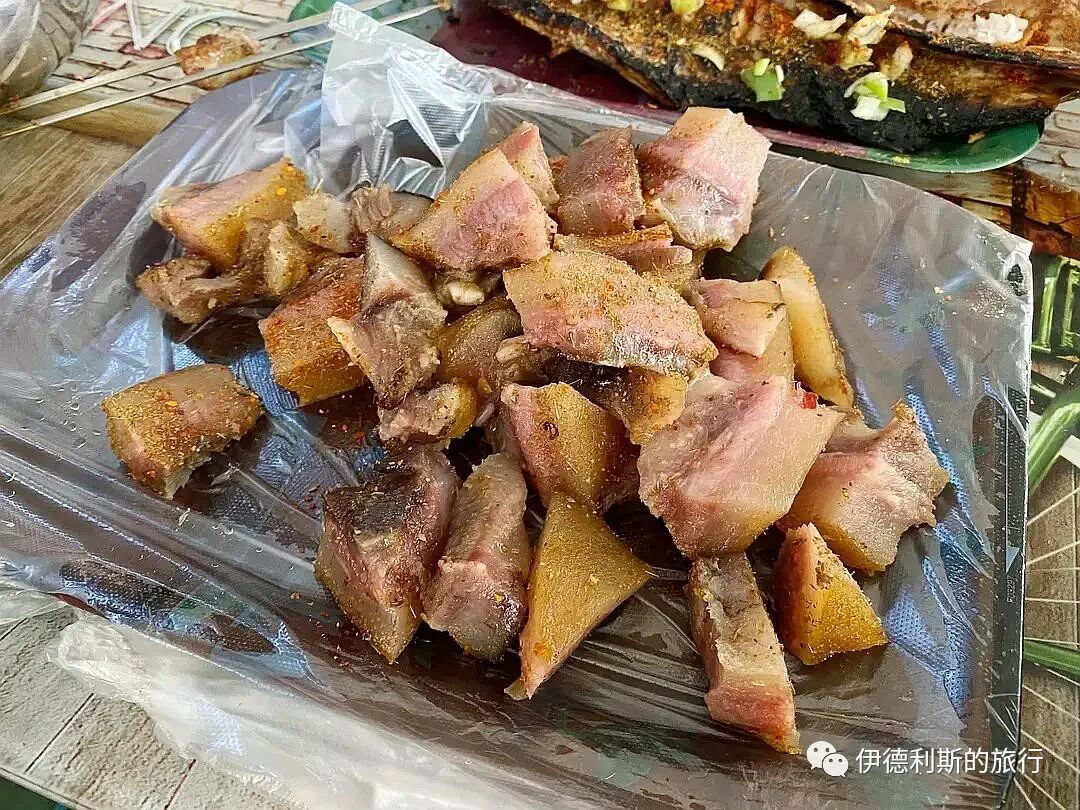
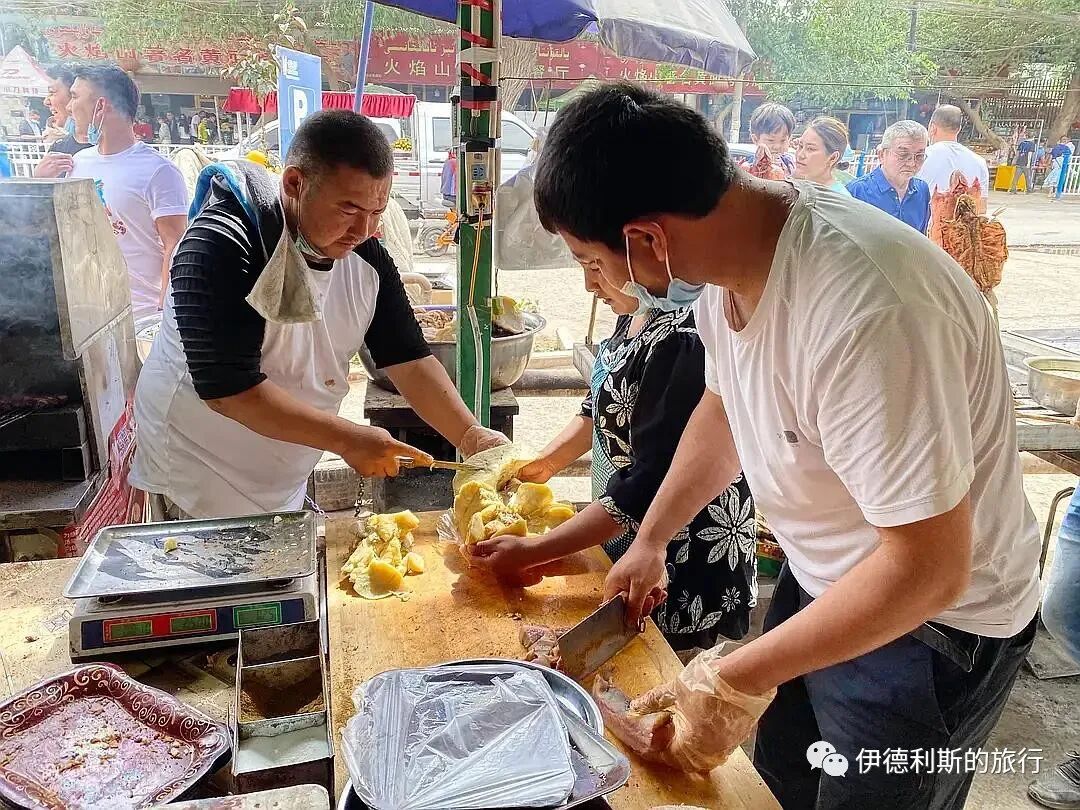
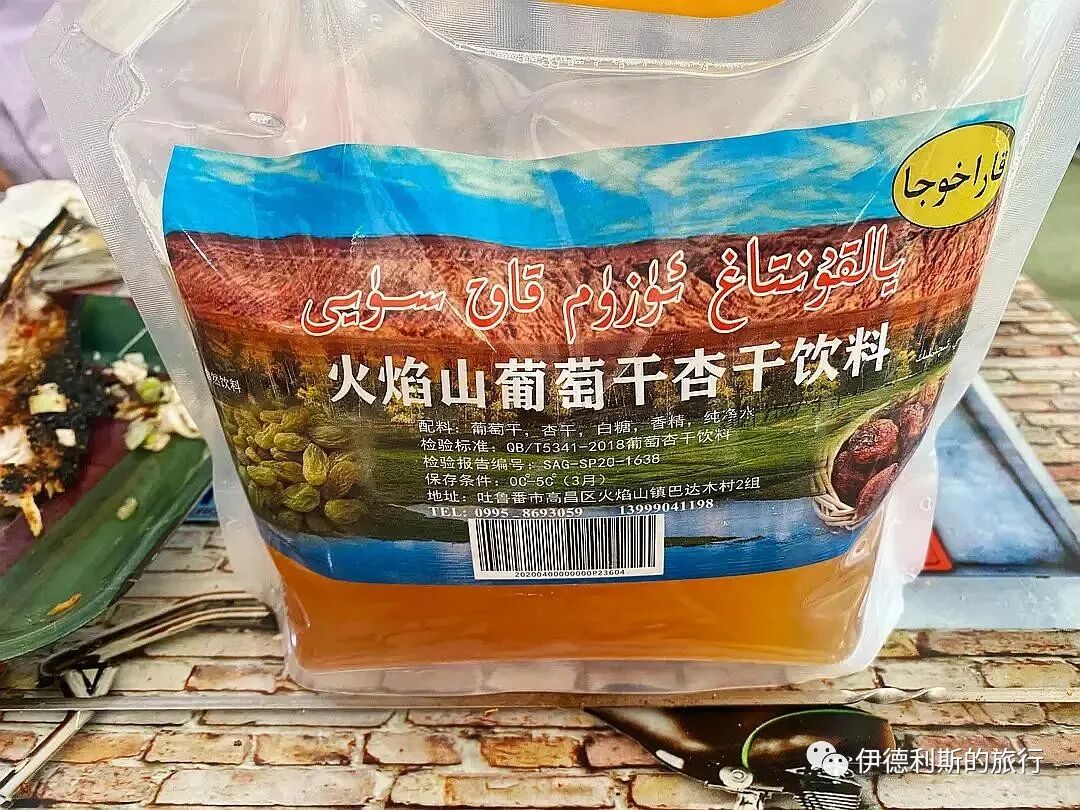
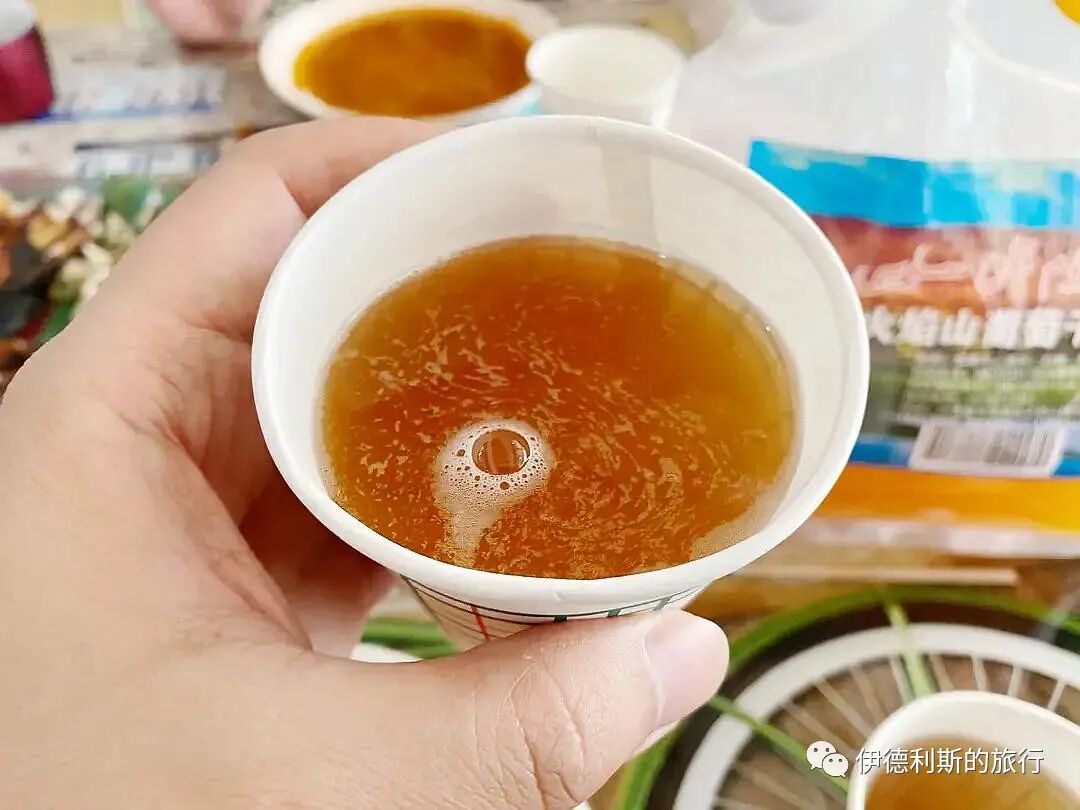
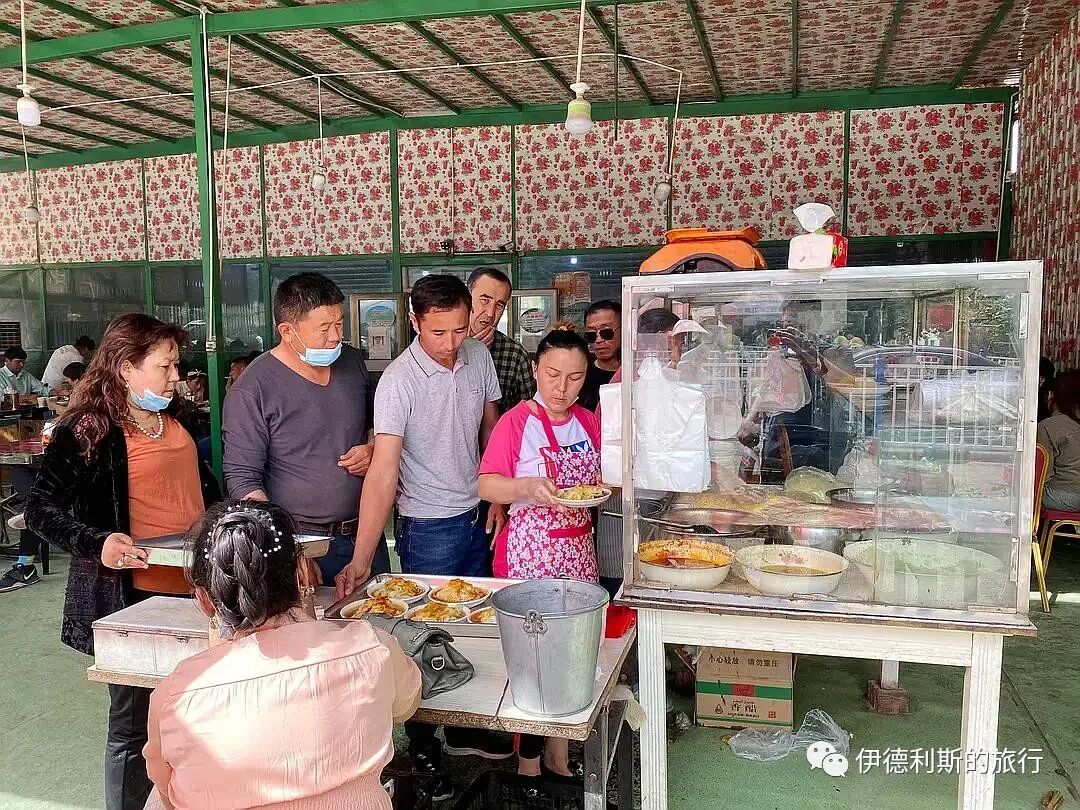
5. Shanshan County
We ate bean noodle soup (doudou mian) and eggplant noodles in Shanshan County, Turpan. People in Turpan love eating beans, including bean soup noodles (doudou tangfan), bean dumplings (doudou ququ'er), and bean mixed noodles (doudou banmian).
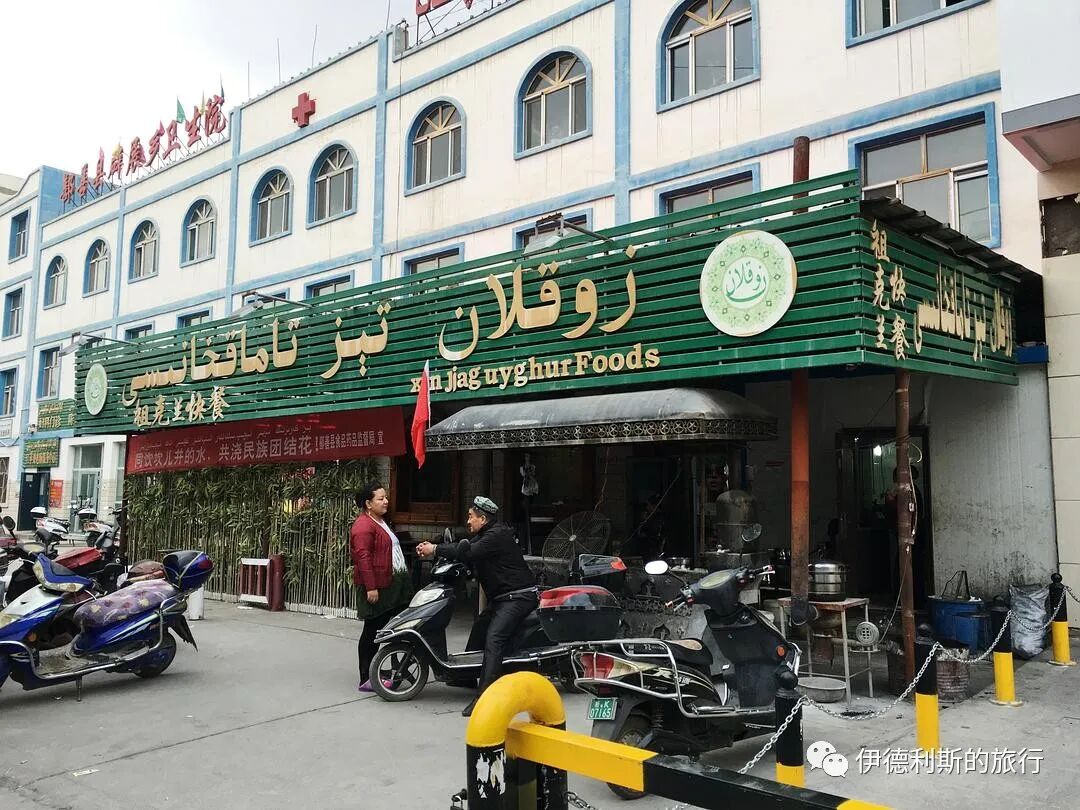
6. Yarkant (Shache)
We ate pigeon with the Yarkant Muqam Art Troupe at the Hometown of Muqam Restaurant (Mukamu Guxiang Canting). This is a famous spot for pigeon in Yarkant.
We ordered pigeon meat with turnip noodles (qiamugula mian) and roasted pigeon, both of which were delicious.
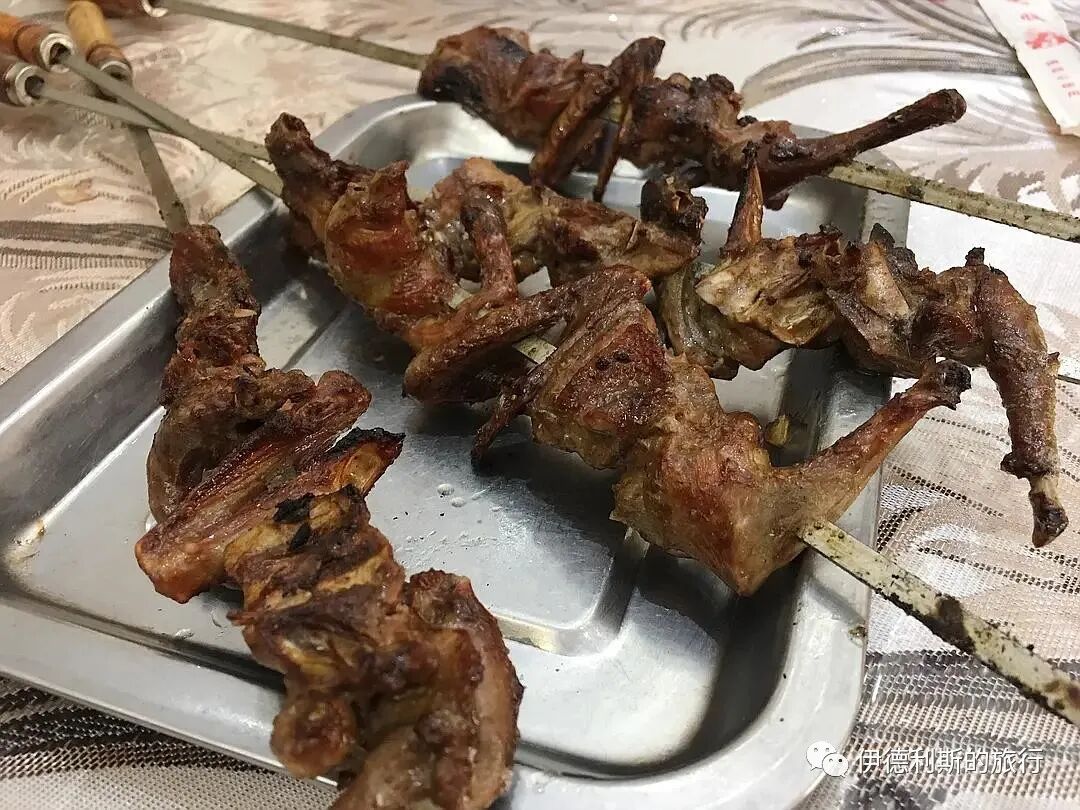
7. Kashgar (Kashi)
The fried fish at the night market across from the Id Kah Mosque in Kashgar is so fragrant, and this enamel plate is huge!
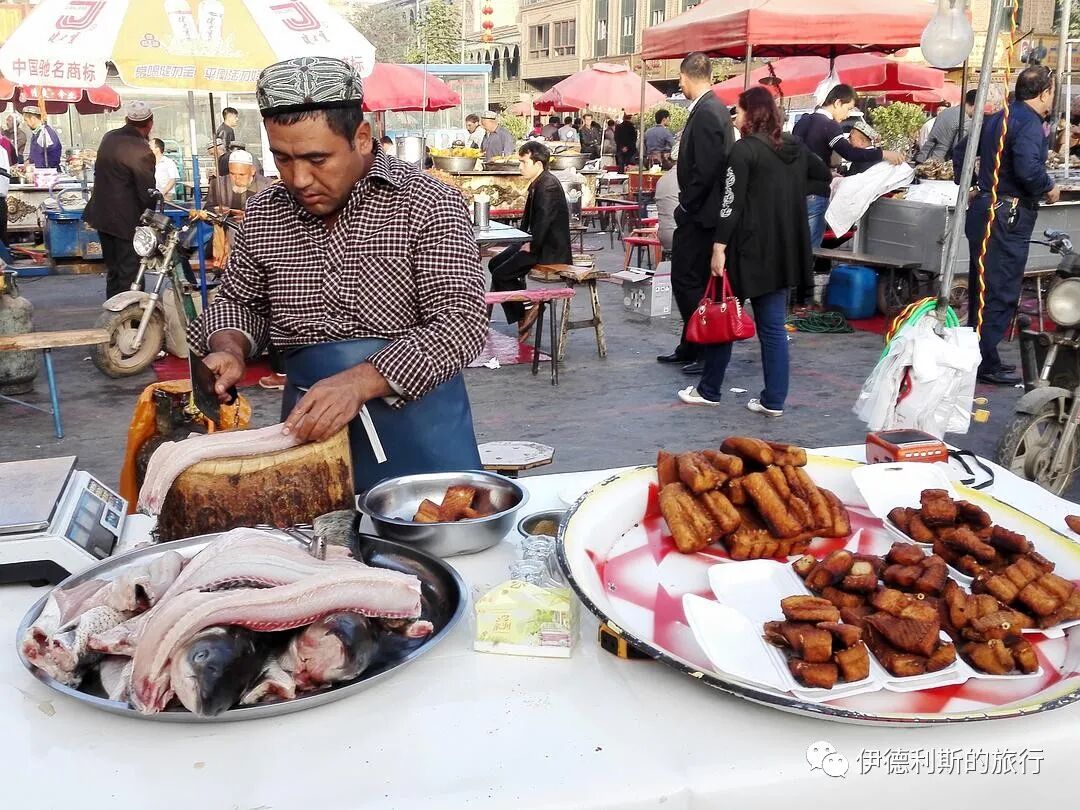
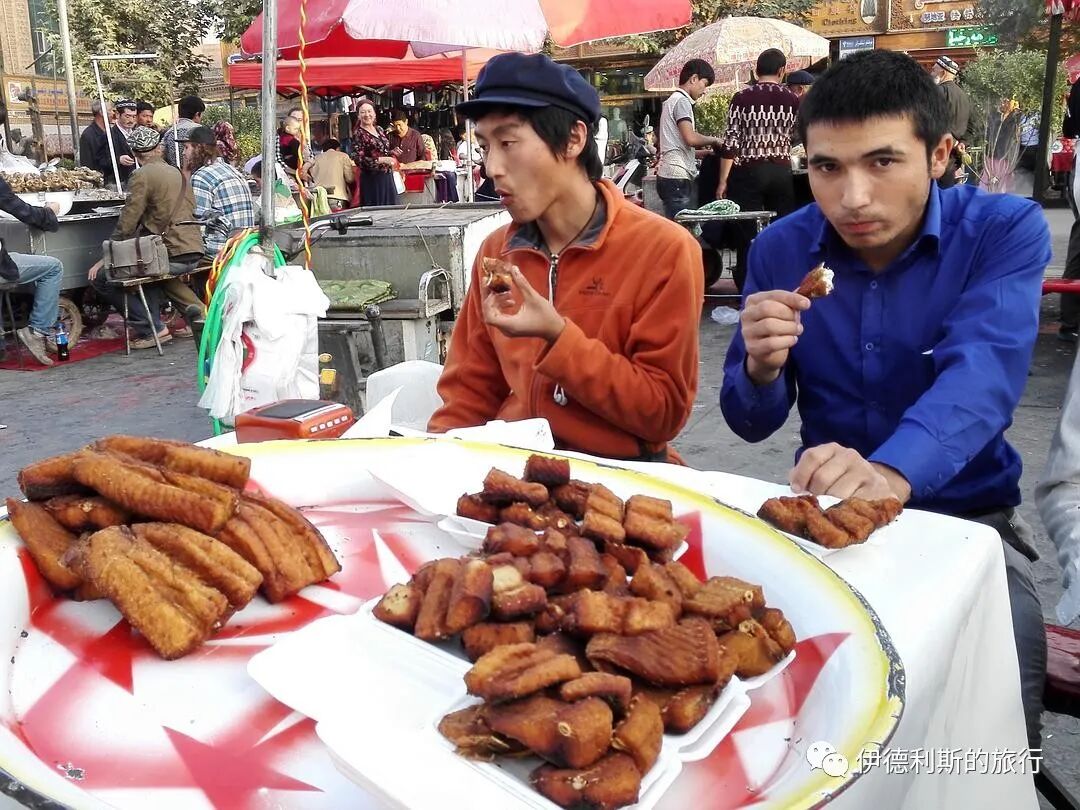
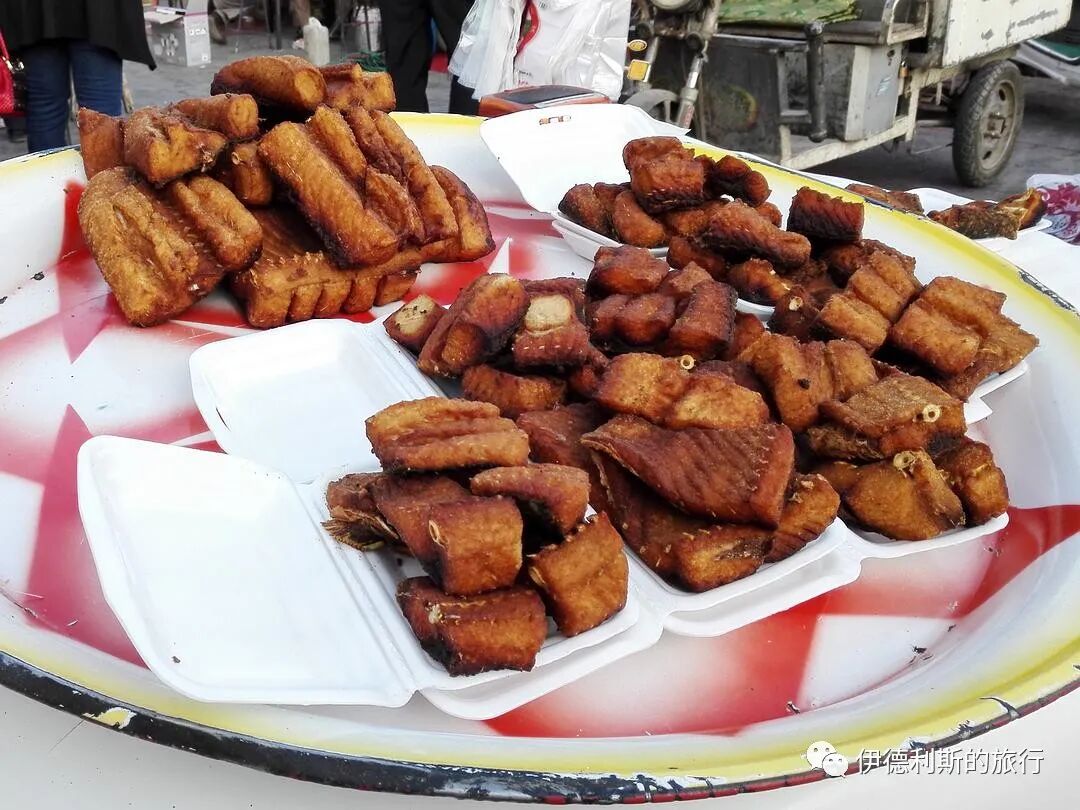
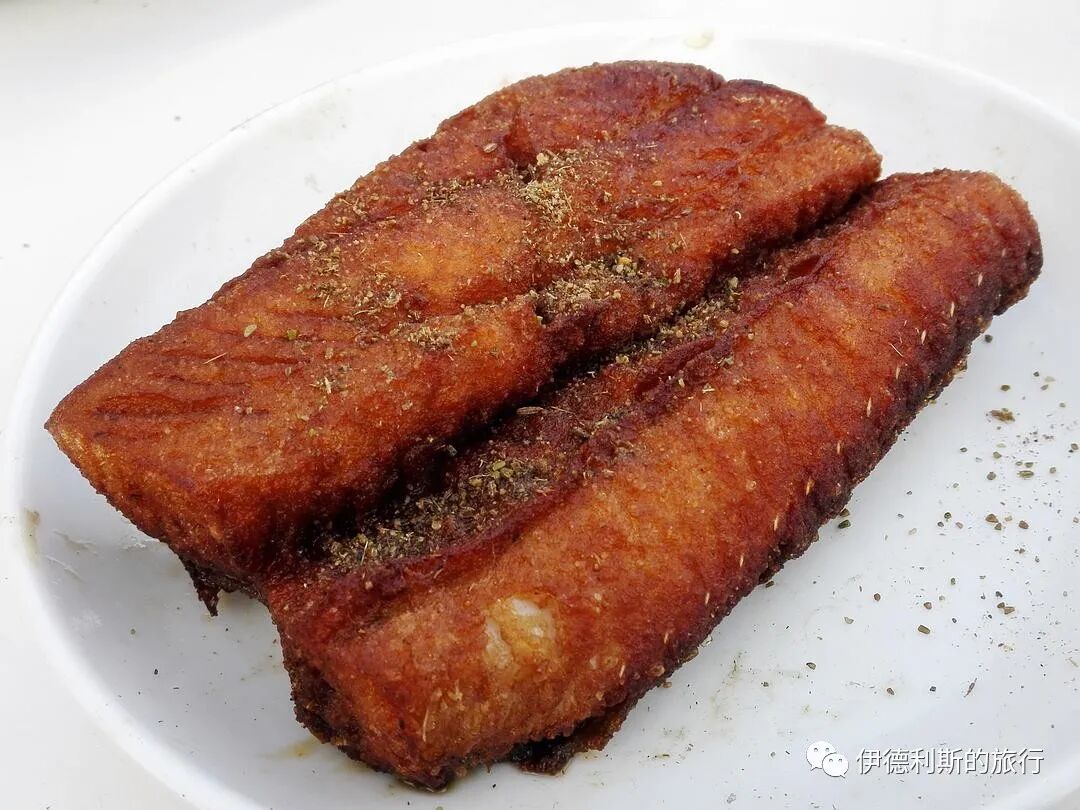
8. Yining
On Ahemaitijiang Road in Yining, there is a traditional Russian bread shop (lieba) run by locals. It has been open since 1988, and they still make their bread by hand and bake it over charcoal. The original owner was an old man with a big beard named Vladimir. Later, it was run by a long-haired young man named Balike, along with his mother Lima and his aunts Liuba and Ala. Since the traditional plain bread (lieba) is only available on Mondays, I only bought the raisin bread, but it was still delicious. The shop also has small apricot jam buns, and they make the apricot jam themselves.
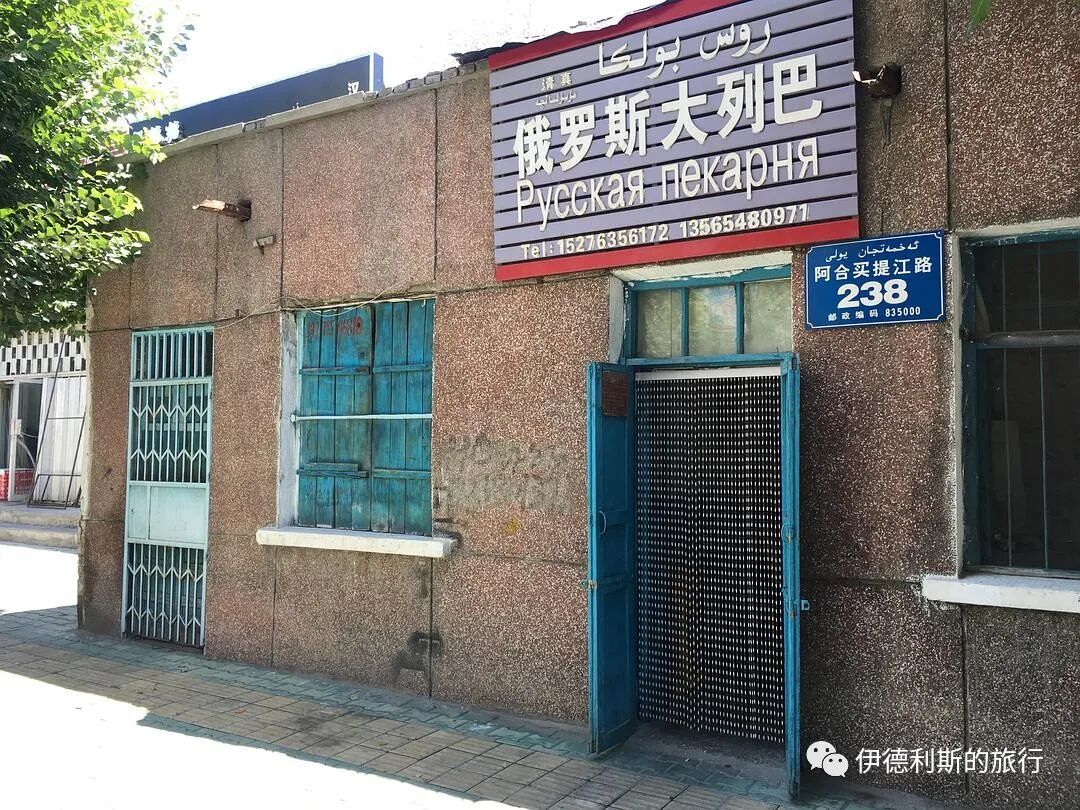
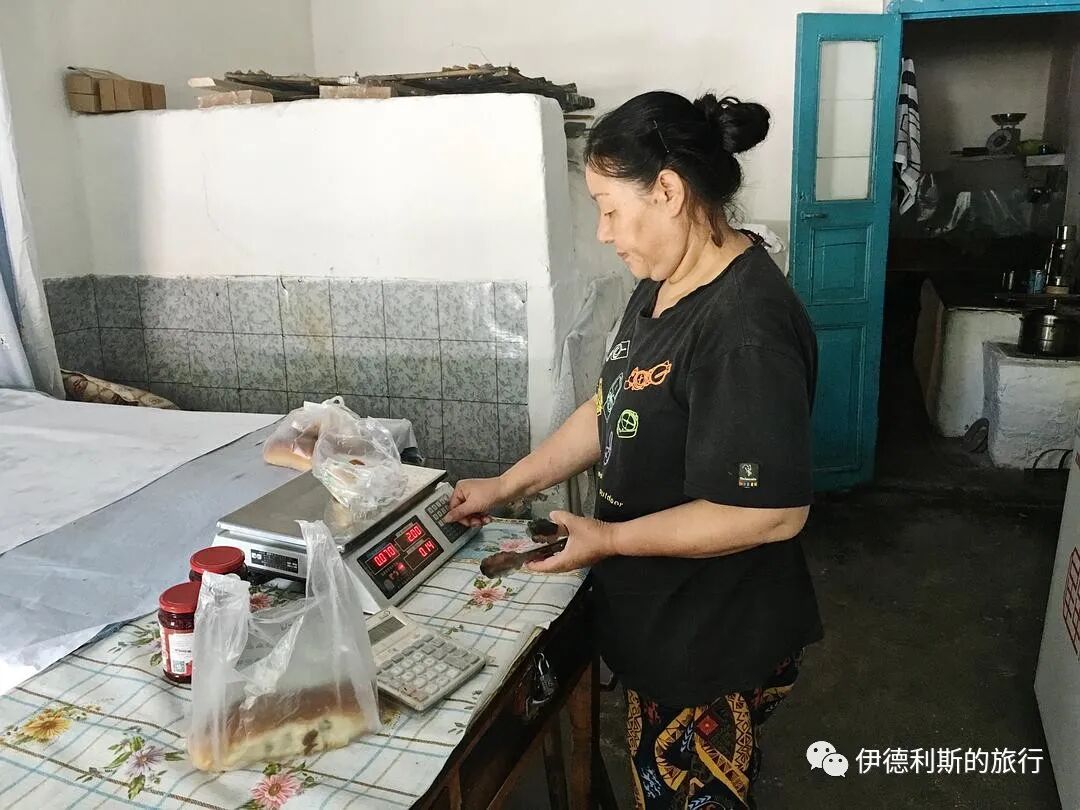
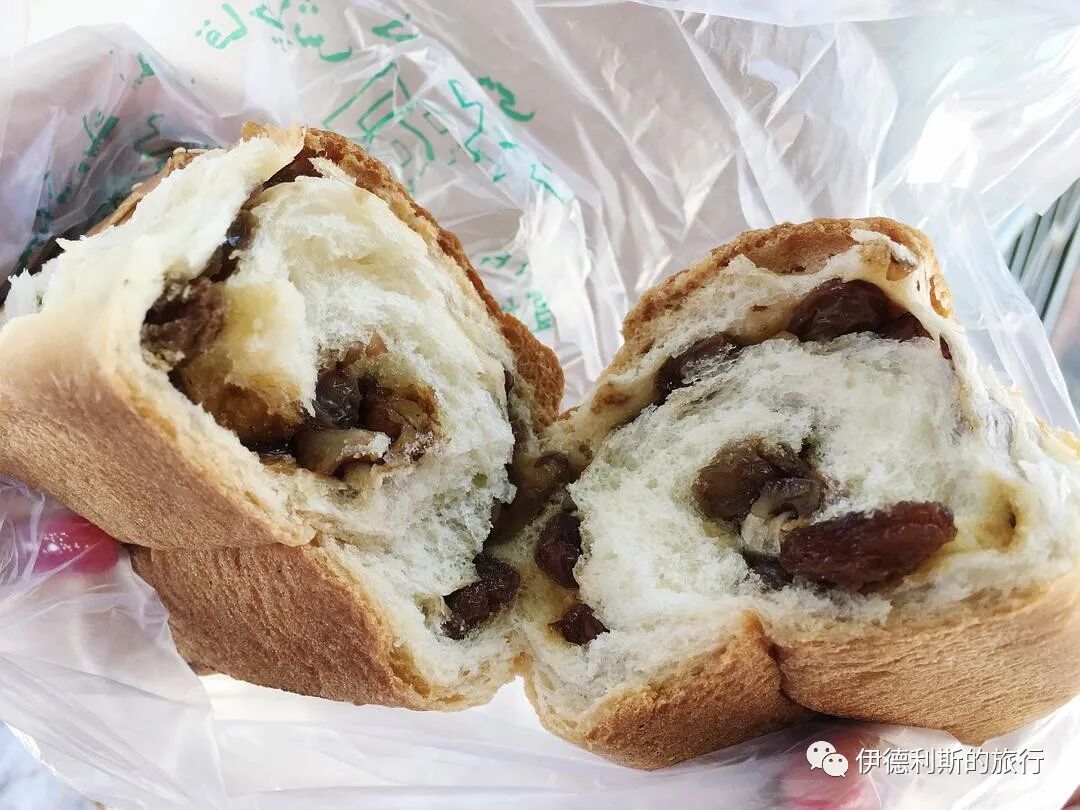
9. Qingshuihe Town, Huocheng County
Eat yogurt shaved ice (suannai baobing), beef tendon noodles (niujinmian), and yellow noodles (huangmian) in the shed outside the Qingshuihe Town bus station in Huocheng County, Ili. Summer in the Ili Valley is much hotter than in the surrounding pasture areas.
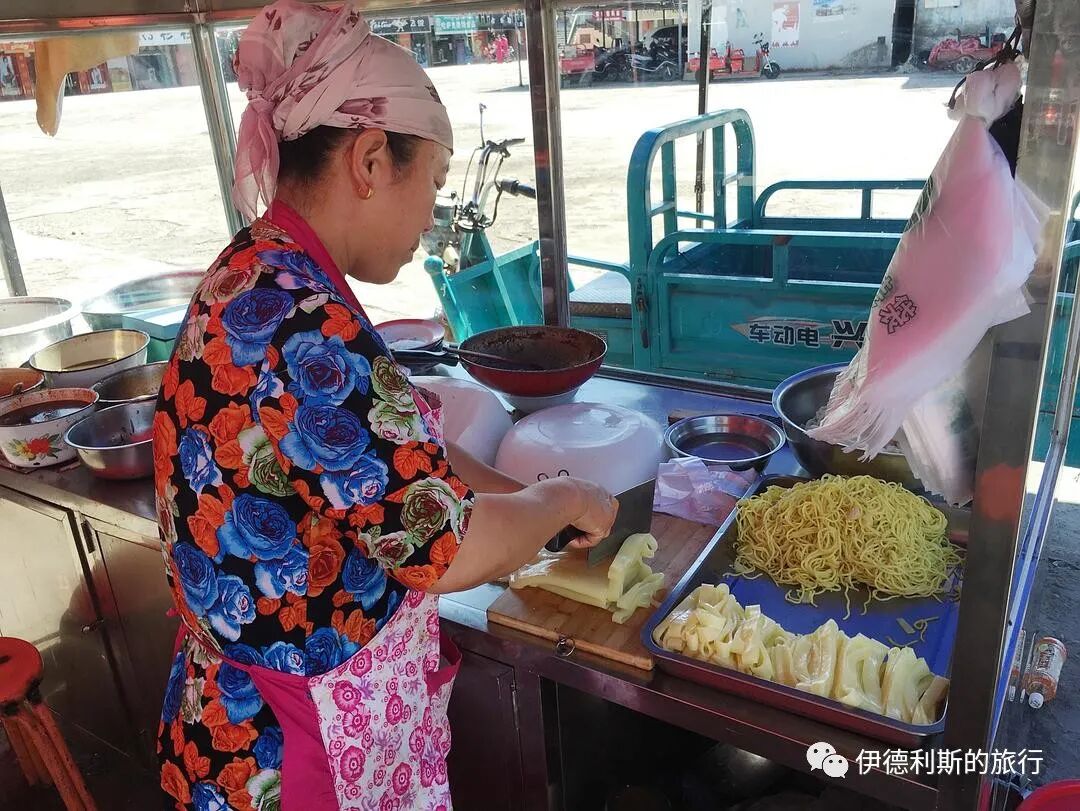
Twenty Ethnic Restaurants in China: Halal and Minority Food Guide (Part 4 of 4)
Articles • ali2007fr posted the article • 0 comments • 143 views • 2026-05-17 07:16
Summary: This travel note introduces Twenty Ethnic Restaurants in China: Halal and Minority Food Guide (Part 1). In my travels over the past few years, I have encountered some very interesting ethnic groups. It is useful for readers interested in Ethnic Food, Halal Food, China Travel. This is part 4 of 4.
There is a Yunnan Hui Muslim community called "Wang He" by the Ping River outside the east gate of the ancient city of Chiang Mai, Thailand. In Thai, "Wang" means village, and "He" originally referred to the horse caravan merchants who came from Yunnan to engage in cross-border trade. From the 19th century to the early 20th century, Yunnan horse caravans controlled the trade route from Yunnan to northern Thailand. They transported tea, silk, hardware, and copperware from Yunnan to northern Thailand, and transported raw cotton and tobacco from northern Thailand back to Yunnan. In 1904, Zheng Chonglin, a Hui Muslim horse caravan merchant from Yuxi, Yunnan, established his own large horse inn in the east of Chiang Mai, which became the base for Yunnan horse caravans in Chiang Mai. Many Yunnan Hui Muslim horse caravan members came to live near the horse inn, and the Wang He community gradually formed.
There are several halal restaurants opened by Yunnan Hui Muslims on Wang He Street. I ate the famous northern Thai curry noodle khao soi at this KAO SOI FUENG FAH restaurant. It is said that this noodle was brought to northern Thailand by Yunnanese people. Slightly spicy noodle soup, sprinkled with sanzi (fried dough strips) and served with raw onions and lemon, the taste is quite good.
Northern Thai pineapple cakes are very likely produced by the northern Thai isolated army.
12. Korean-speaking Muslims in Itaewon, Seoul
In 1952, the US military stationed in the Korean Peninsula officially established its headquarters in Yongsan, and after 1957 it became the headquarters of the US Forces Korea. To meet the living needs of a large number of US troops stationed in Korea, various foreign restaurants began to appear in Itaewon, not far east of the Yongsan base, and Muslims also began to come to Itaewon to open halal restaurants.
In 1976, President Park Chung-hee provided land to the KMF (Korea Muslim Federation) to build the Seoul Central Mosque in Itaewon, and a halal commercial street was formed in Itaewon. After the 1990s, with Muslims from Pakistan, Bangladesh, Indonesia, Malaysia, and other places coming to work, the number of Muslims in South Korea reached 150,000. Currently, it is estimated that there are 100,000 Muslims in South Korea, 40,000 of whom are local converts.
Although there are so many Middle Eastern, Indian, and Turkish halal restaurants in Itaewon, the most distinctive one is of course the halal Korean restaurant, and Makan is one of the most famous.
This sister is the chef.
Serving side dishes before eating is a feature of Korean restaurants here.
Grilled fish.
Doenjang-jjigae (soybean paste stew).
Soak the rice in the soup.
Korean-style bibimbap with grilled meat; the meat was covered by an egg, so I didn't take a picture.
Teppanyaki squid with rice cakes.
The person in the front right of the picture is also the chef.
In addition to the main store south of the mosque, Makan also has a store west of the mosque that specializes in Korean fried chicken and jajangmyeon (black bean noodles). The chef is an uncle, and it is the same business as the main store.
Korean-style jajangmyeon, the taste is different from Beijing jajangmyeon, and the noodles are a bit like udon noodles. view all
Summary: This travel note introduces Twenty Ethnic Restaurants in China: Halal and Minority Food Guide (Part 1). In my travels over the past few years, I have encountered some very interesting ethnic groups. It is useful for readers interested in Ethnic Food, Halal Food, China Travel. This is part 4 of 4.
There is a Yunnan Hui Muslim community called "Wang He" by the Ping River outside the east gate of the ancient city of Chiang Mai, Thailand. In Thai, "Wang" means village, and "He" originally referred to the horse caravan merchants who came from Yunnan to engage in cross-border trade. From the 19th century to the early 20th century, Yunnan horse caravans controlled the trade route from Yunnan to northern Thailand. They transported tea, silk, hardware, and copperware from Yunnan to northern Thailand, and transported raw cotton and tobacco from northern Thailand back to Yunnan. In 1904, Zheng Chonglin, a Hui Muslim horse caravan merchant from Yuxi, Yunnan, established his own large horse inn in the east of Chiang Mai, which became the base for Yunnan horse caravans in Chiang Mai. Many Yunnan Hui Muslim horse caravan members came to live near the horse inn, and the Wang He community gradually formed.
There are several halal restaurants opened by Yunnan Hui Muslims on Wang He Street. I ate the famous northern Thai curry noodle khao soi at this KAO SOI FUENG FAH restaurant. It is said that this noodle was brought to northern Thailand by Yunnanese people. Slightly spicy noodle soup, sprinkled with sanzi (fried dough strips) and served with raw onions and lemon, the taste is quite good.
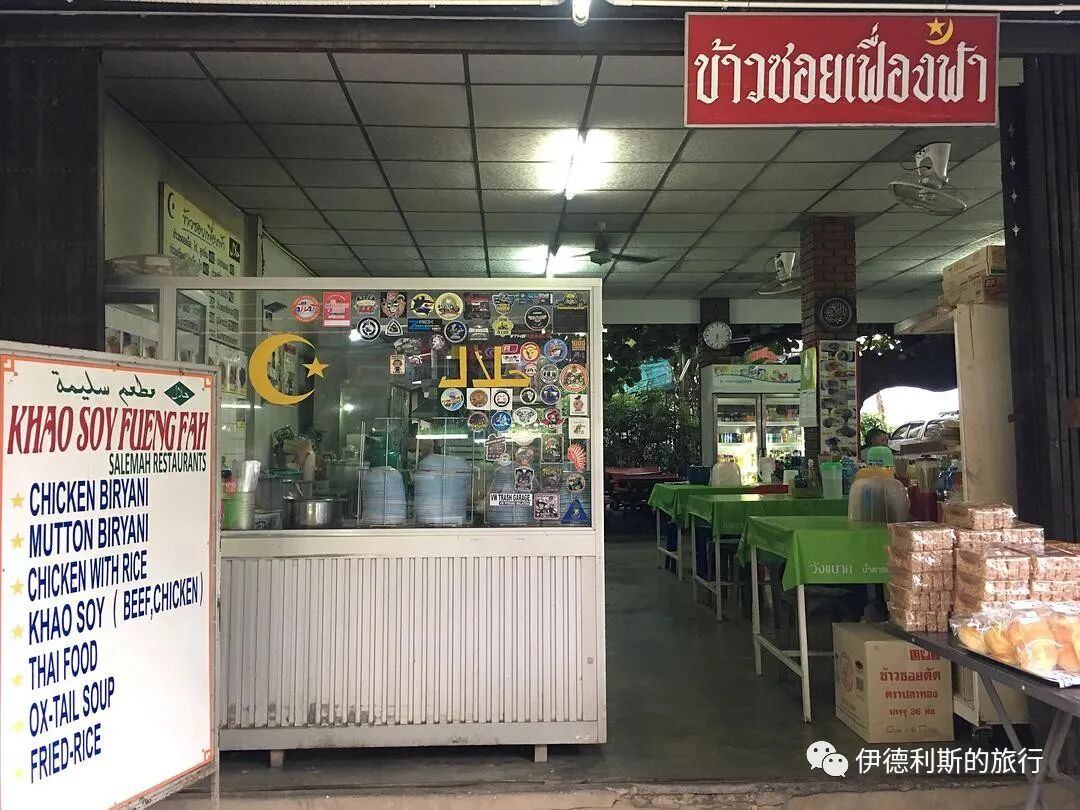
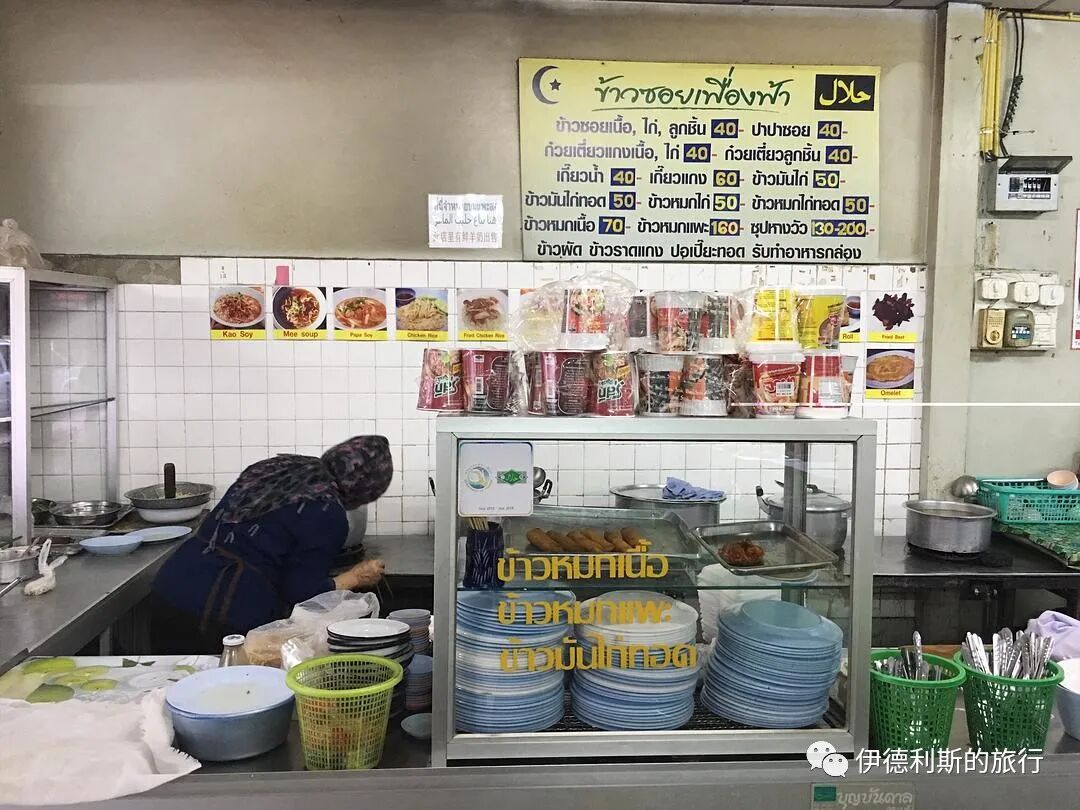
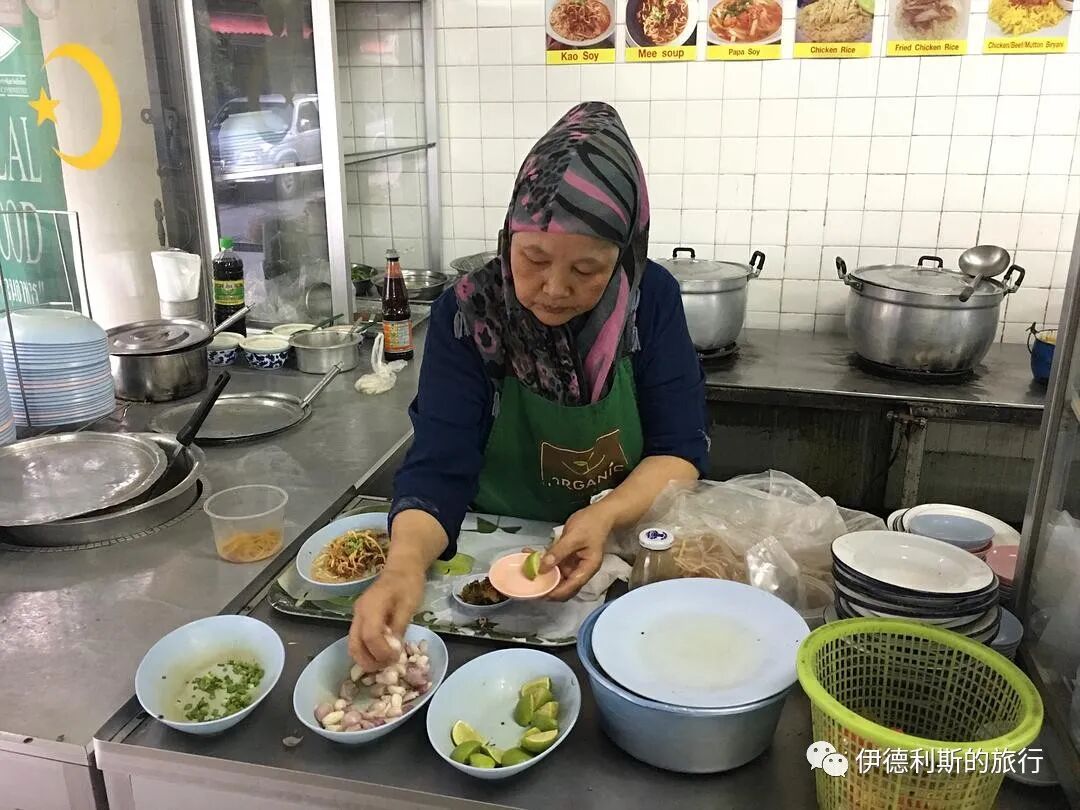
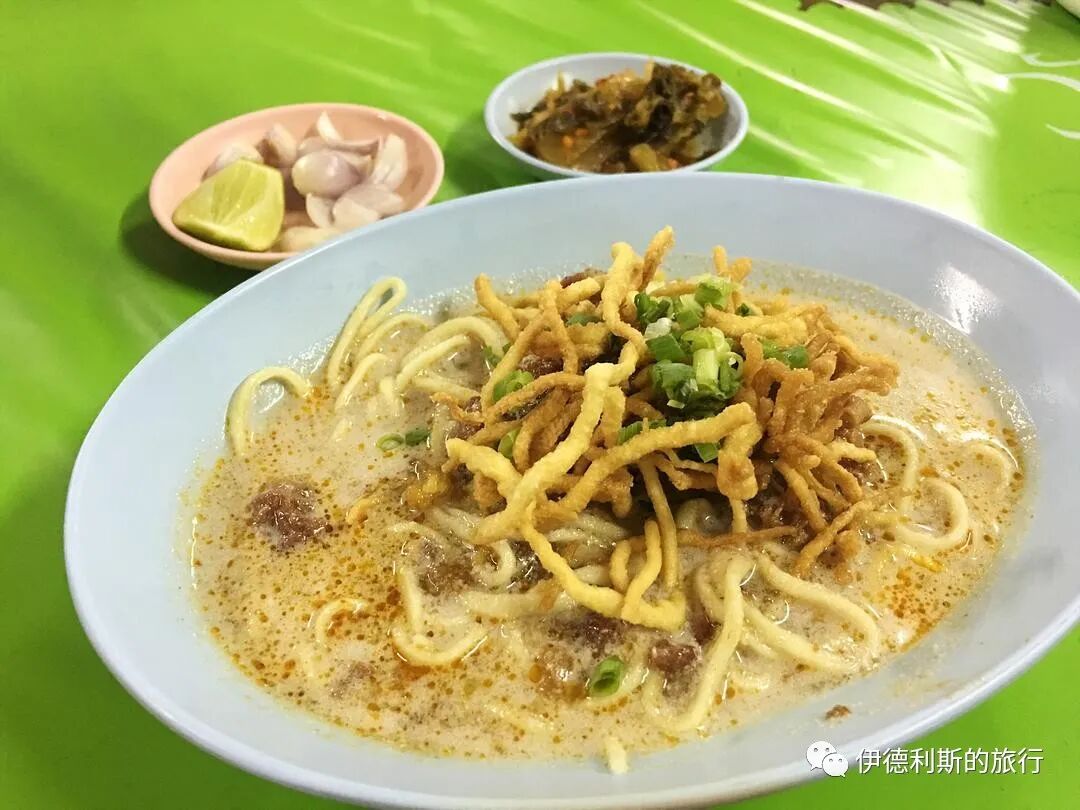
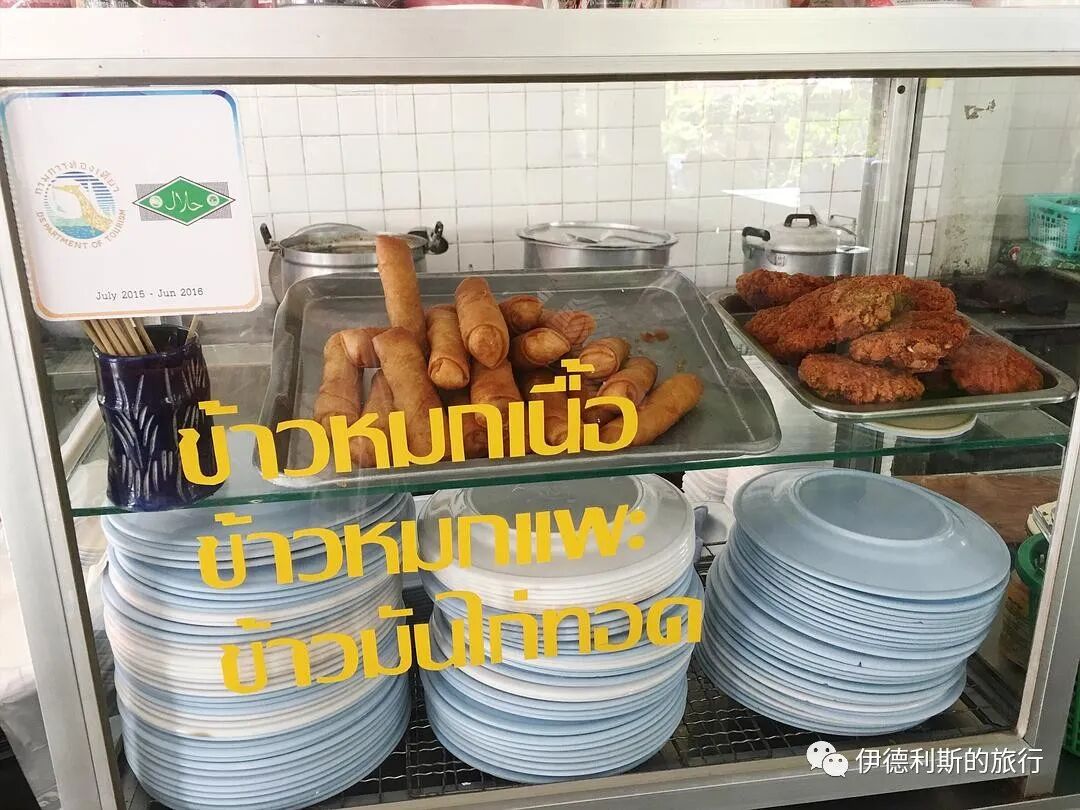
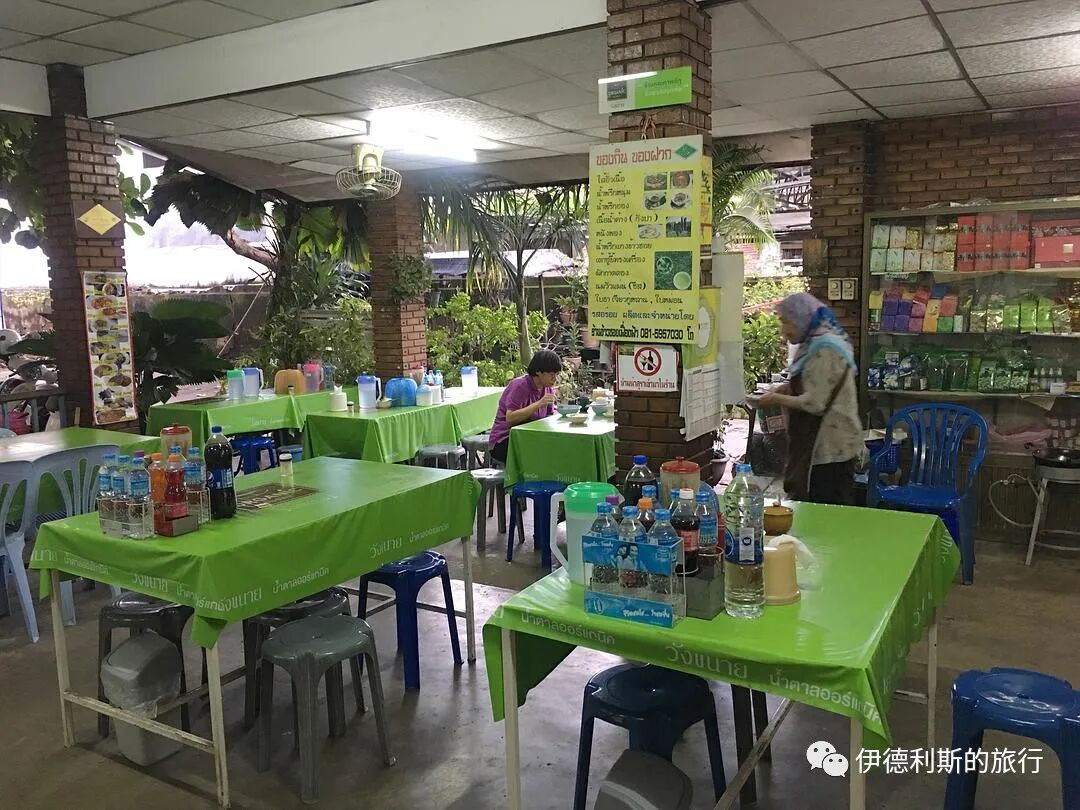
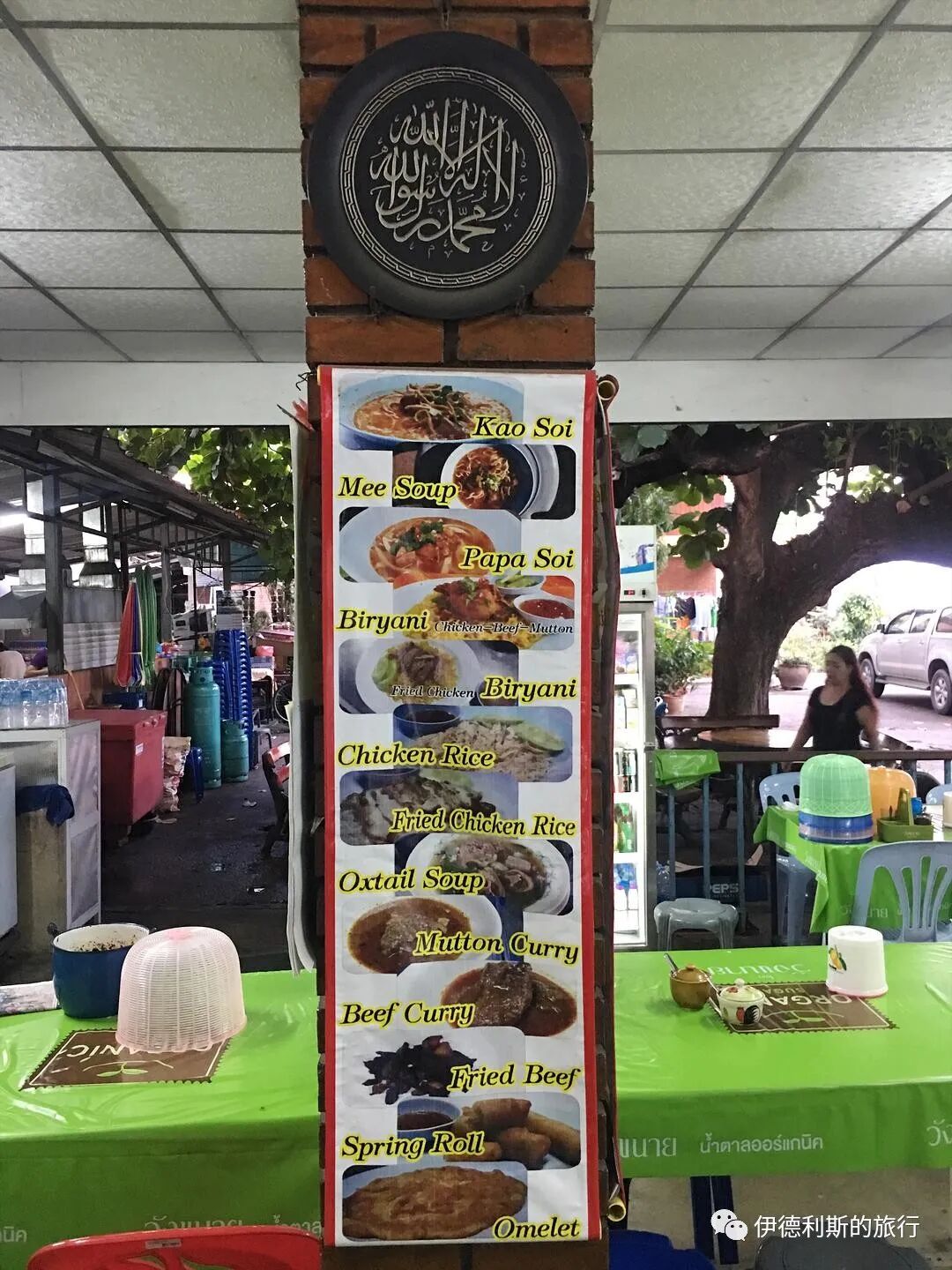
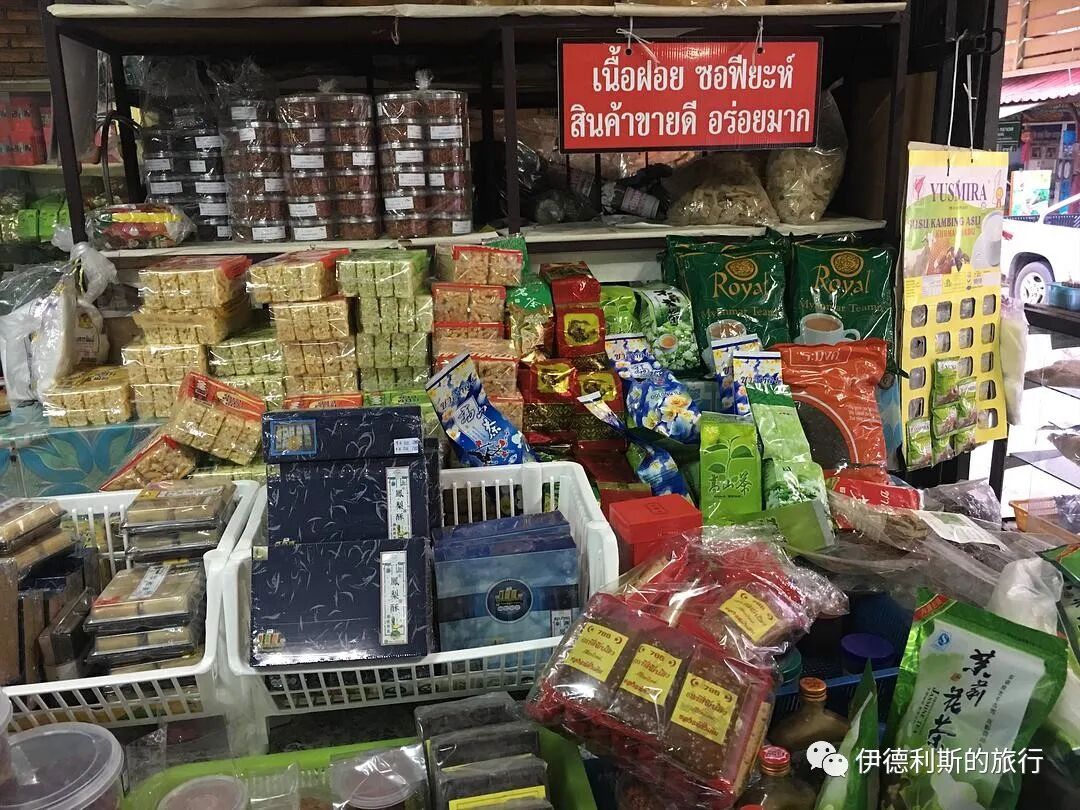
Northern Thai pineapple cakes are very likely produced by the northern Thai isolated army.
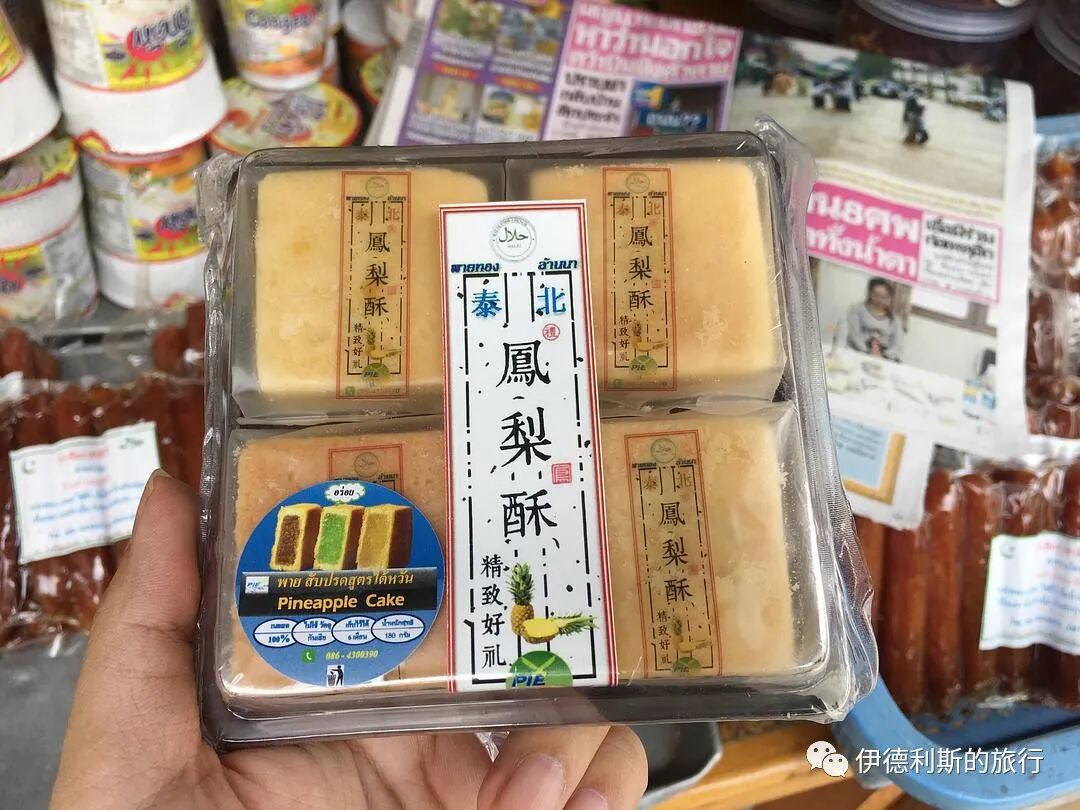
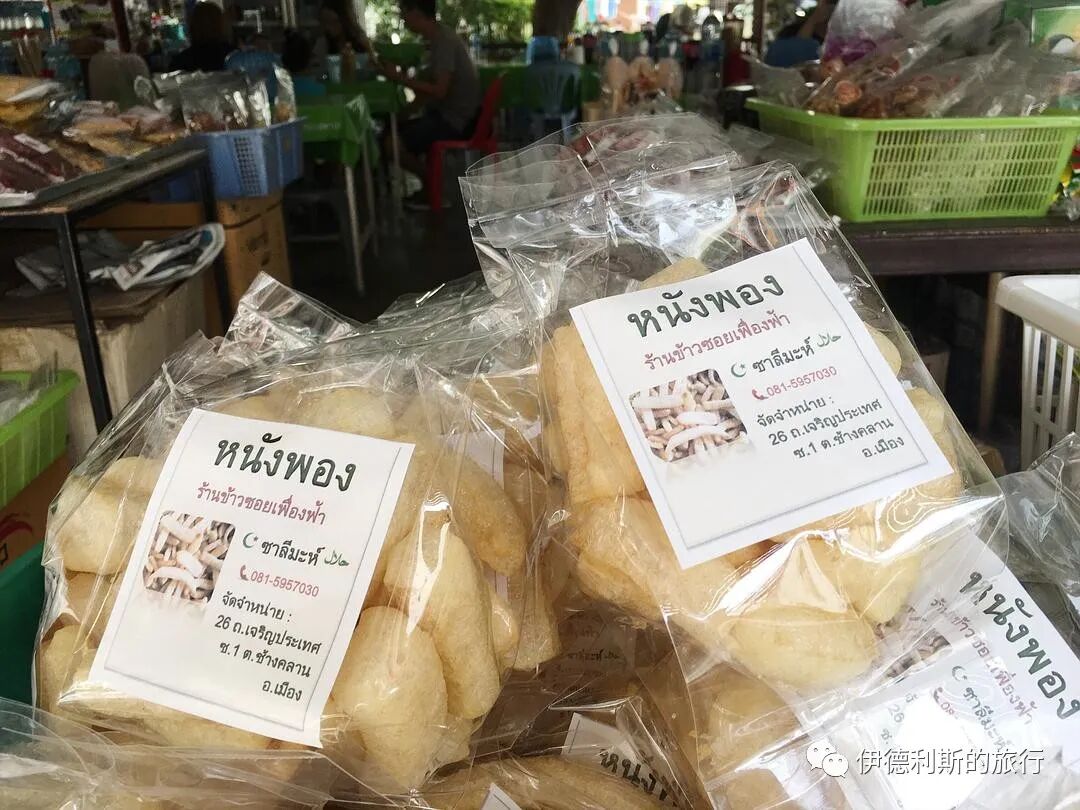
12. Korean-speaking Muslims in Itaewon, Seoul
In 1952, the US military stationed in the Korean Peninsula officially established its headquarters in Yongsan, and after 1957 it became the headquarters of the US Forces Korea. To meet the living needs of a large number of US troops stationed in Korea, various foreign restaurants began to appear in Itaewon, not far east of the Yongsan base, and Muslims also began to come to Itaewon to open halal restaurants.
In 1976, President Park Chung-hee provided land to the KMF (Korea Muslim Federation) to build the Seoul Central Mosque in Itaewon, and a halal commercial street was formed in Itaewon. After the 1990s, with Muslims from Pakistan, Bangladesh, Indonesia, Malaysia, and other places coming to work, the number of Muslims in South Korea reached 150,000. Currently, it is estimated that there are 100,000 Muslims in South Korea, 40,000 of whom are local converts.
Although there are so many Middle Eastern, Indian, and Turkish halal restaurants in Itaewon, the most distinctive one is of course the halal Korean restaurant, and Makan is one of the most famous.
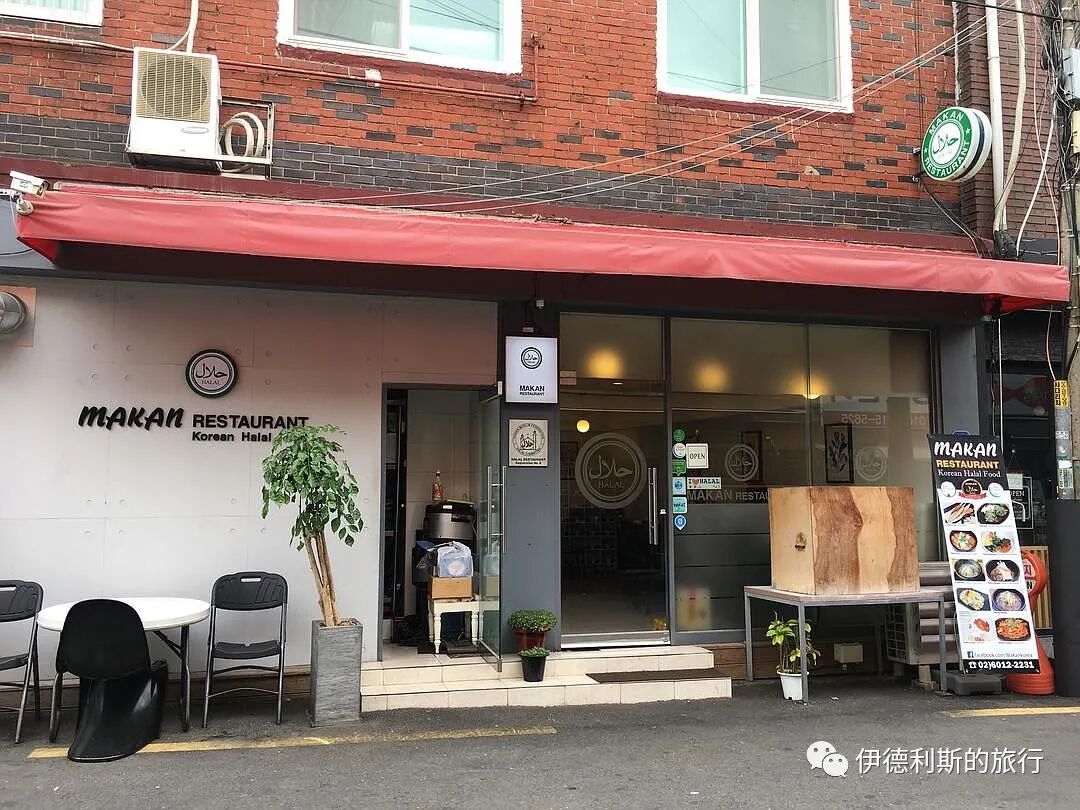
This sister is the chef.
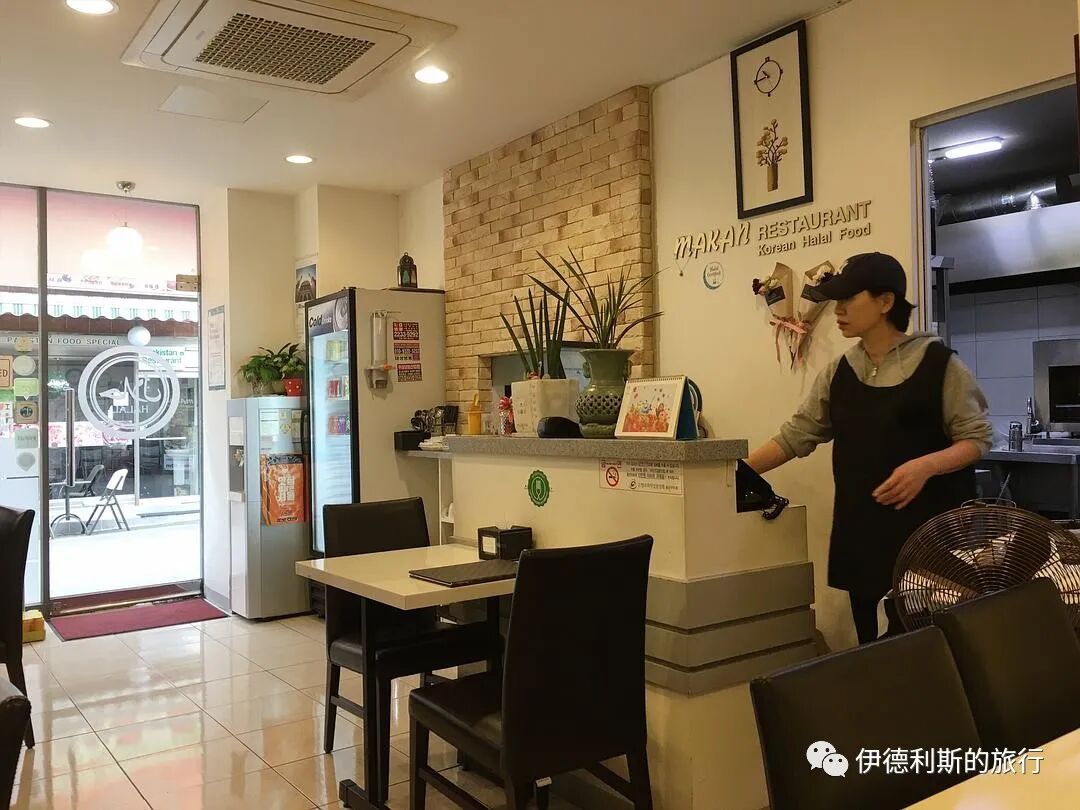
Serving side dishes before eating is a feature of Korean restaurants here.
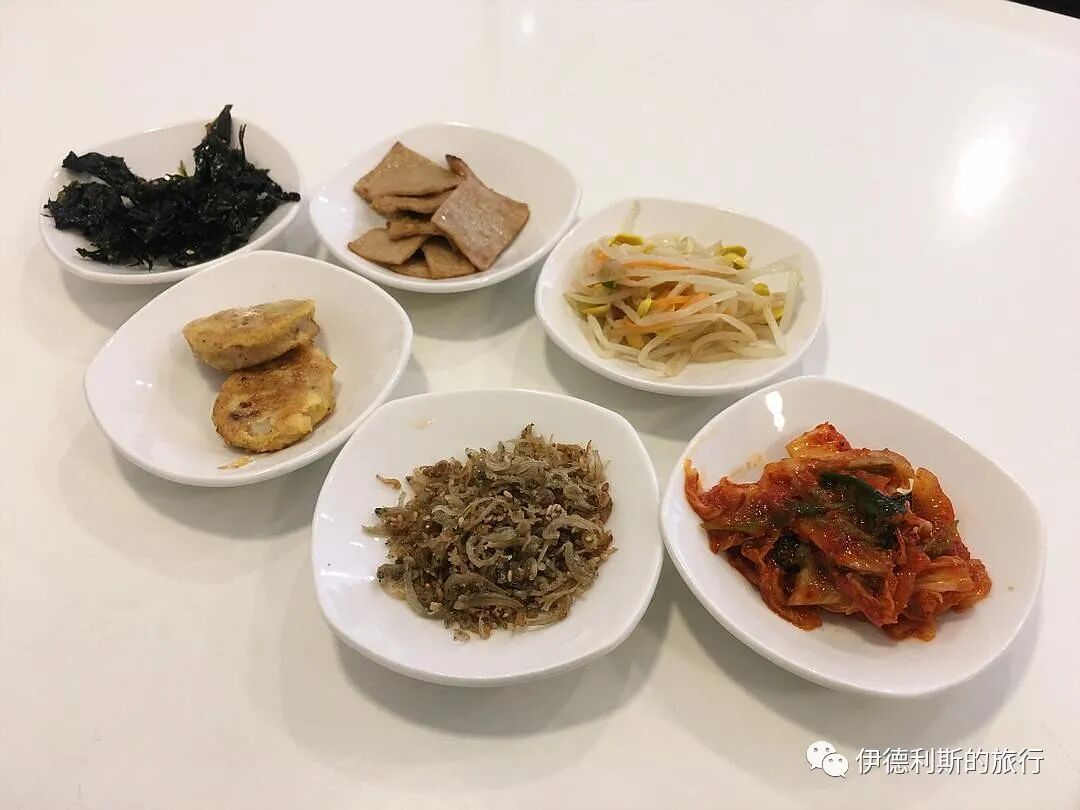
Grilled fish.
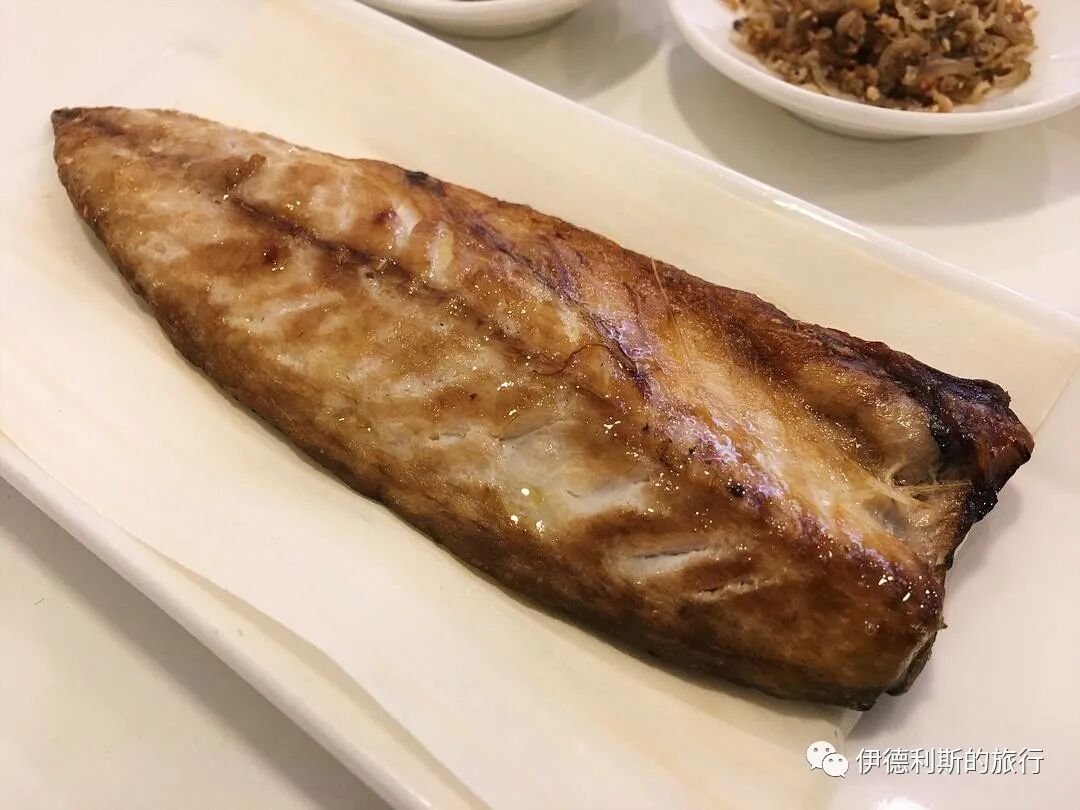
Doenjang-jjigae (soybean paste stew).
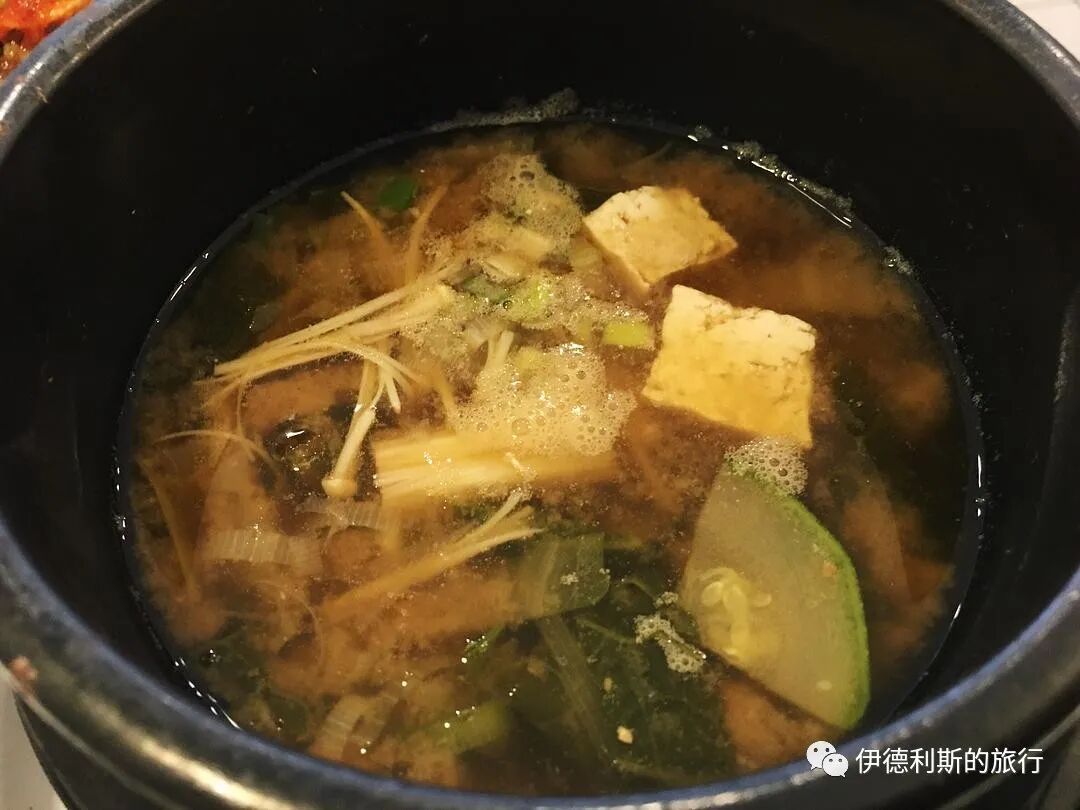
Soak the rice in the soup.
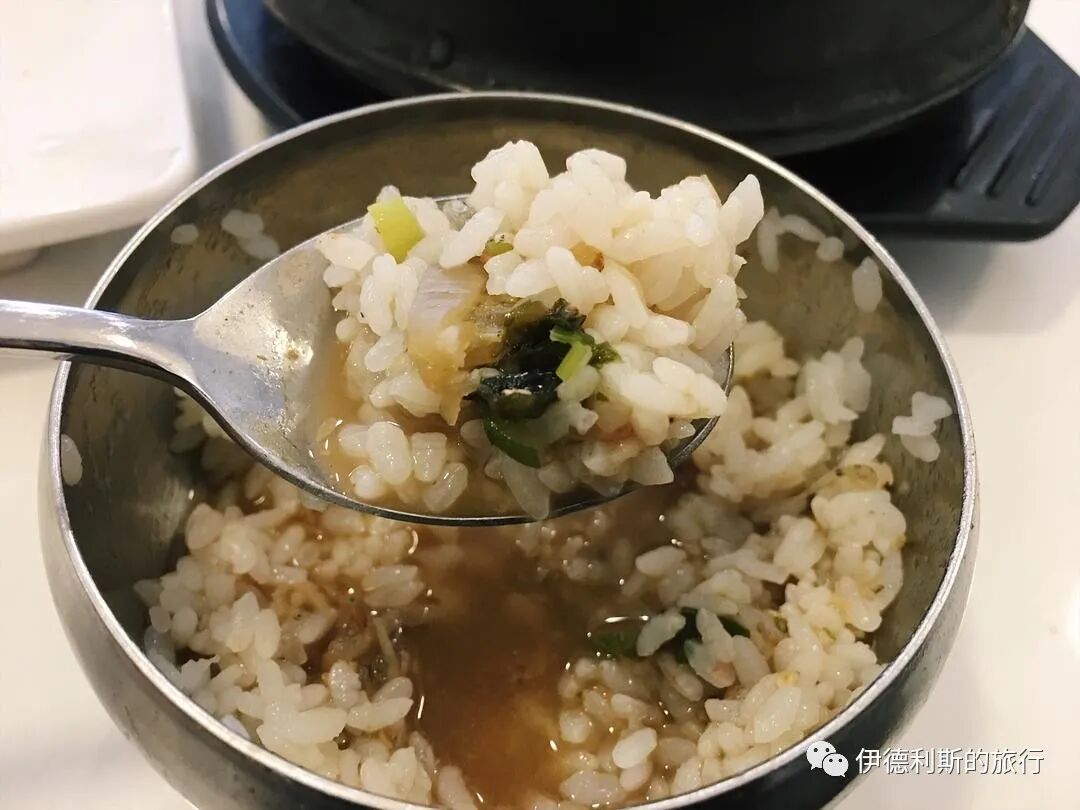
Korean-style bibimbap with grilled meat; the meat was covered by an egg, so I didn't take a picture.
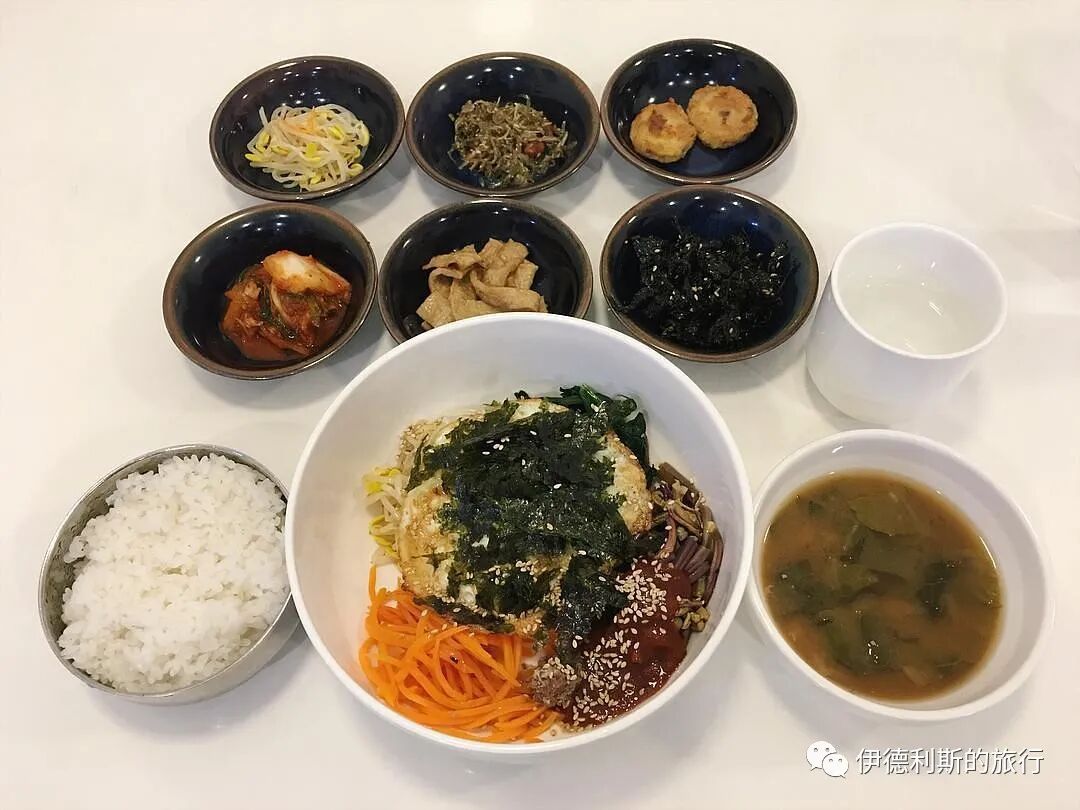
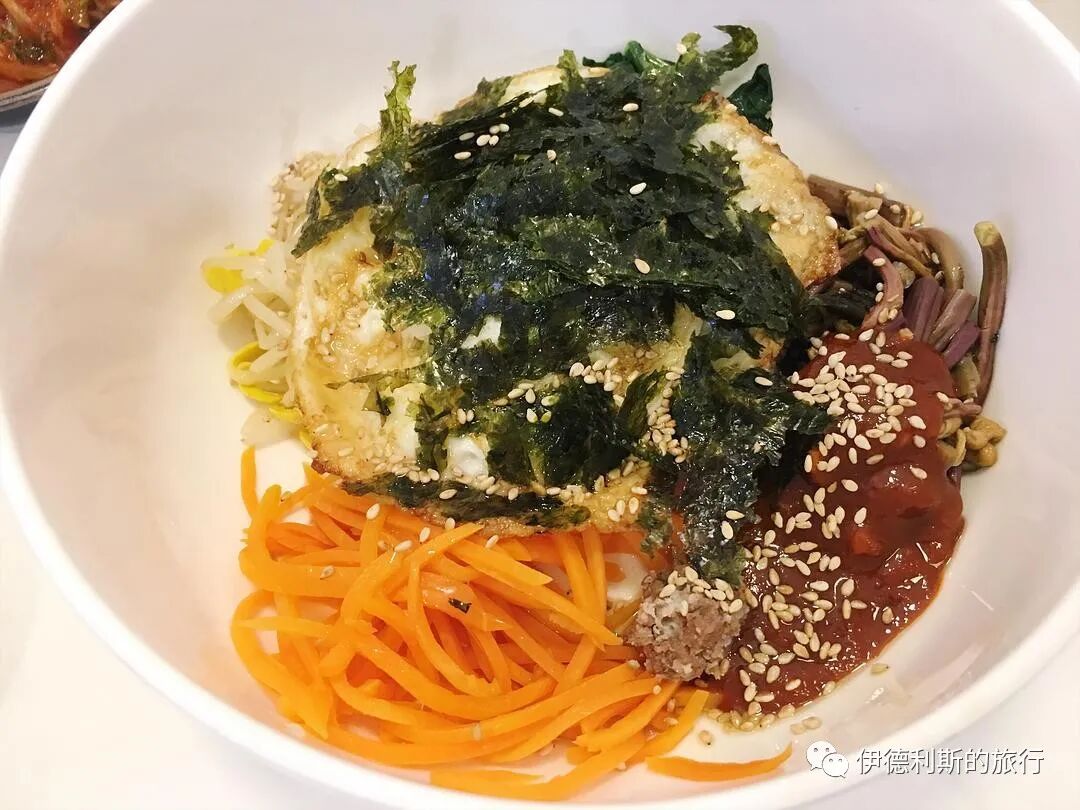
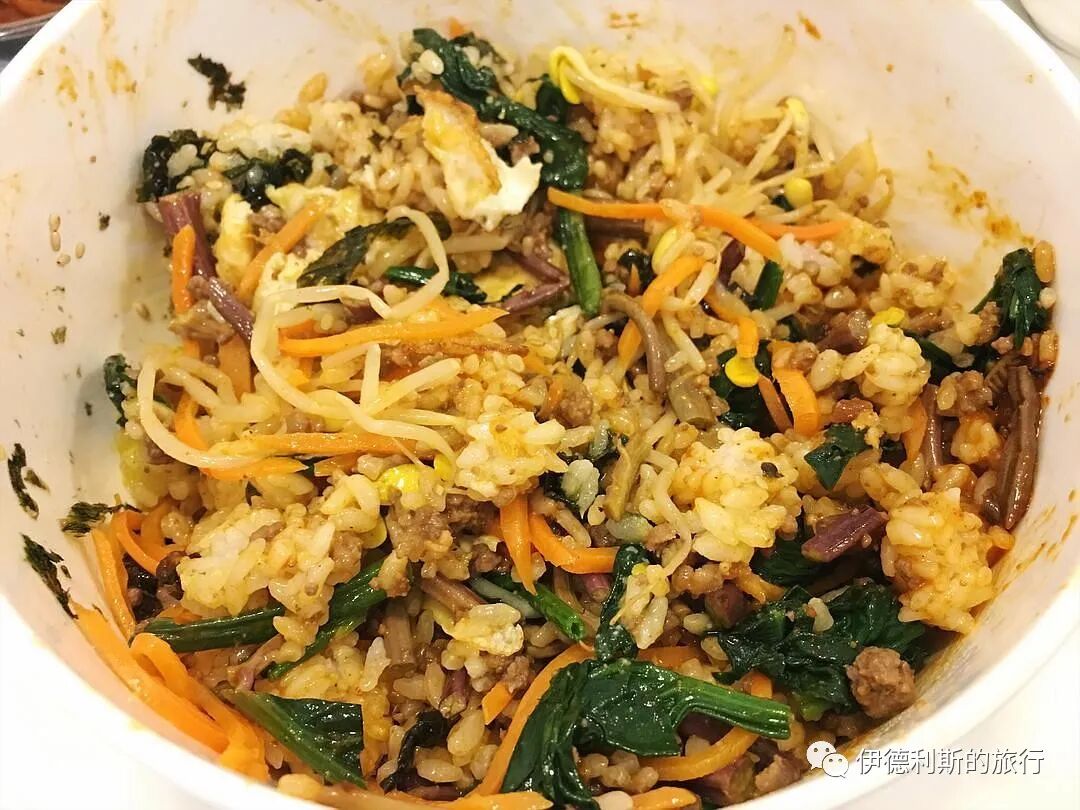
Teppanyaki squid with rice cakes.
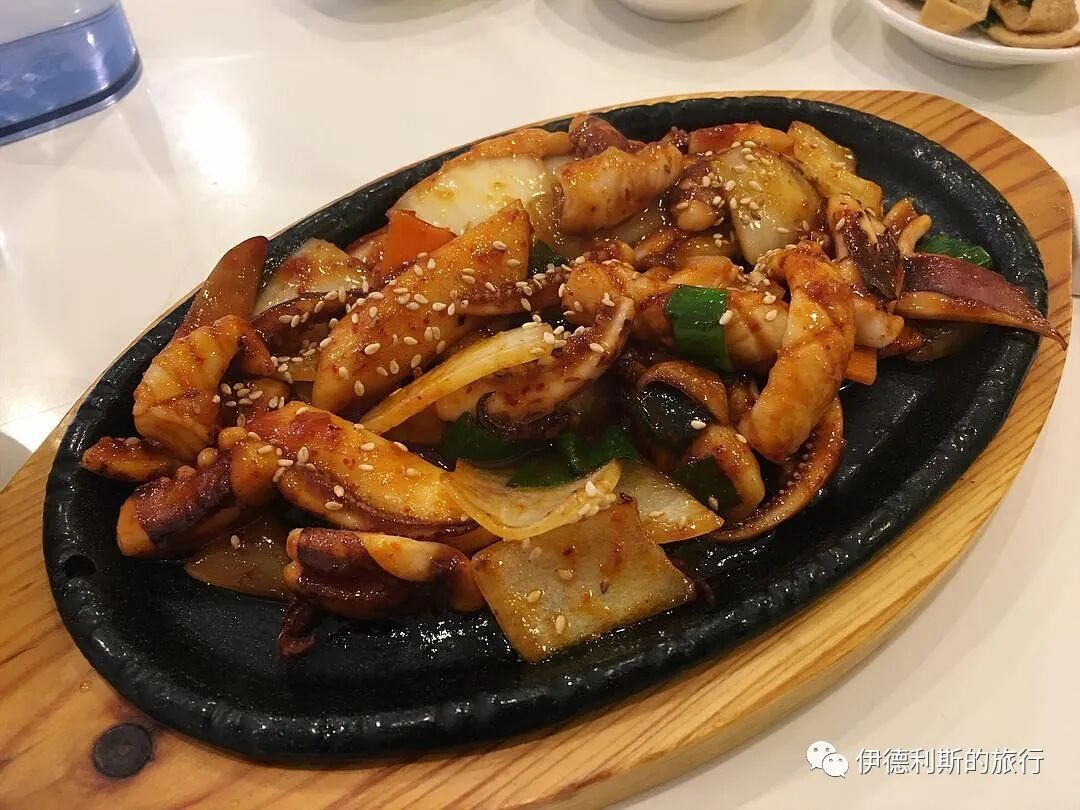
The person in the front right of the picture is also the chef.
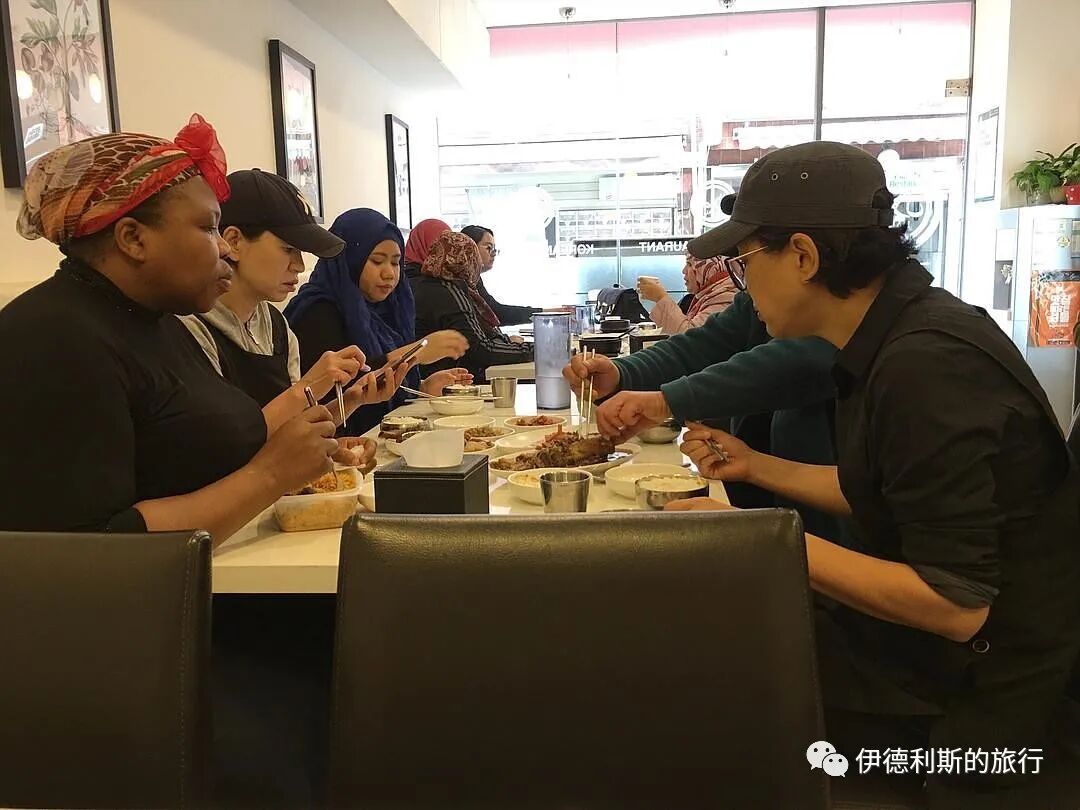
In addition to the main store south of the mosque, Makan also has a store west of the mosque that specializes in Korean fried chicken and jajangmyeon (black bean noodles). The chef is an uncle, and it is the same business as the main store.
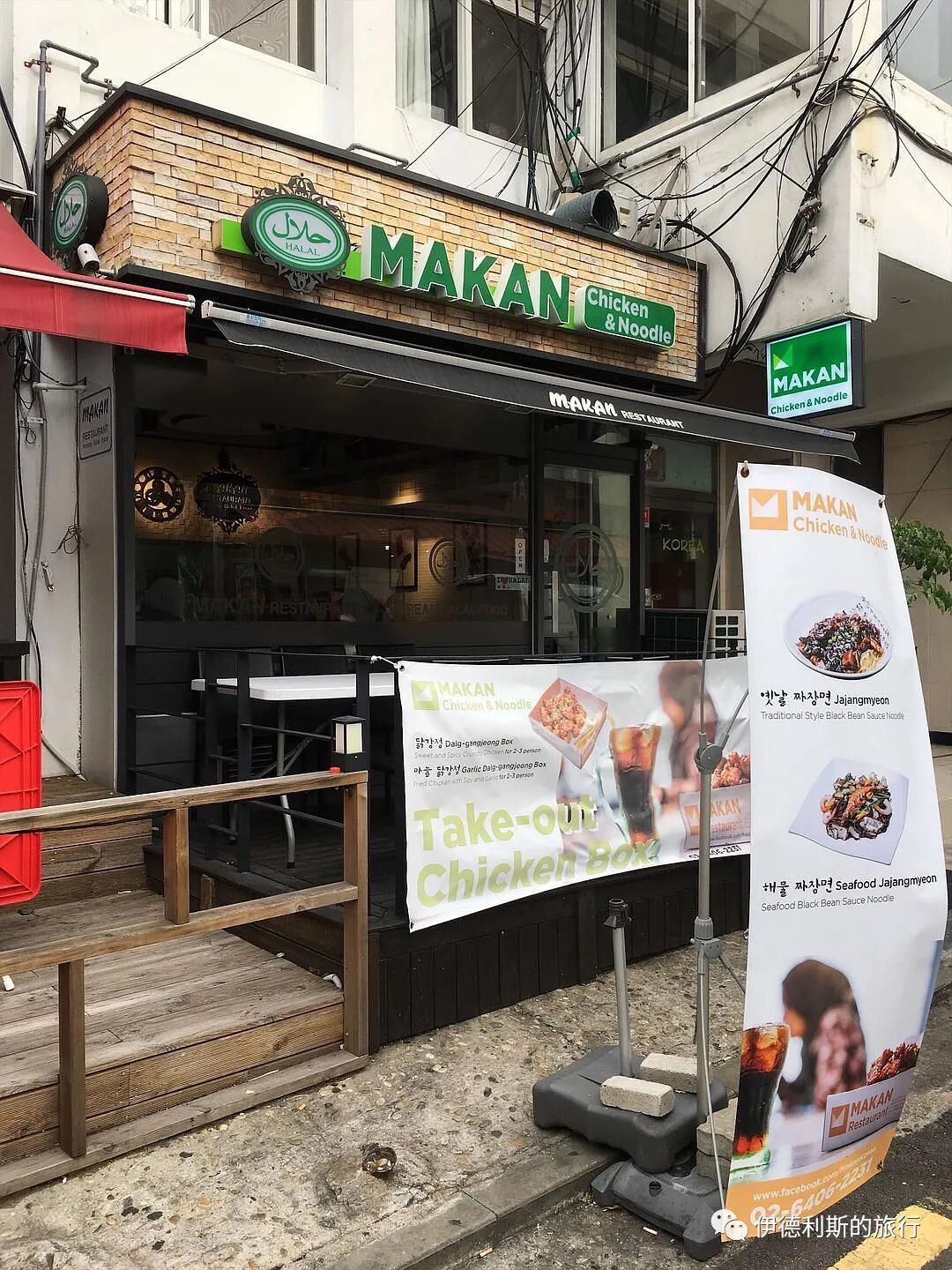
Korean-style jajangmyeon, the taste is different from Beijing jajangmyeon, and the noodles are a bit like udon noodles.
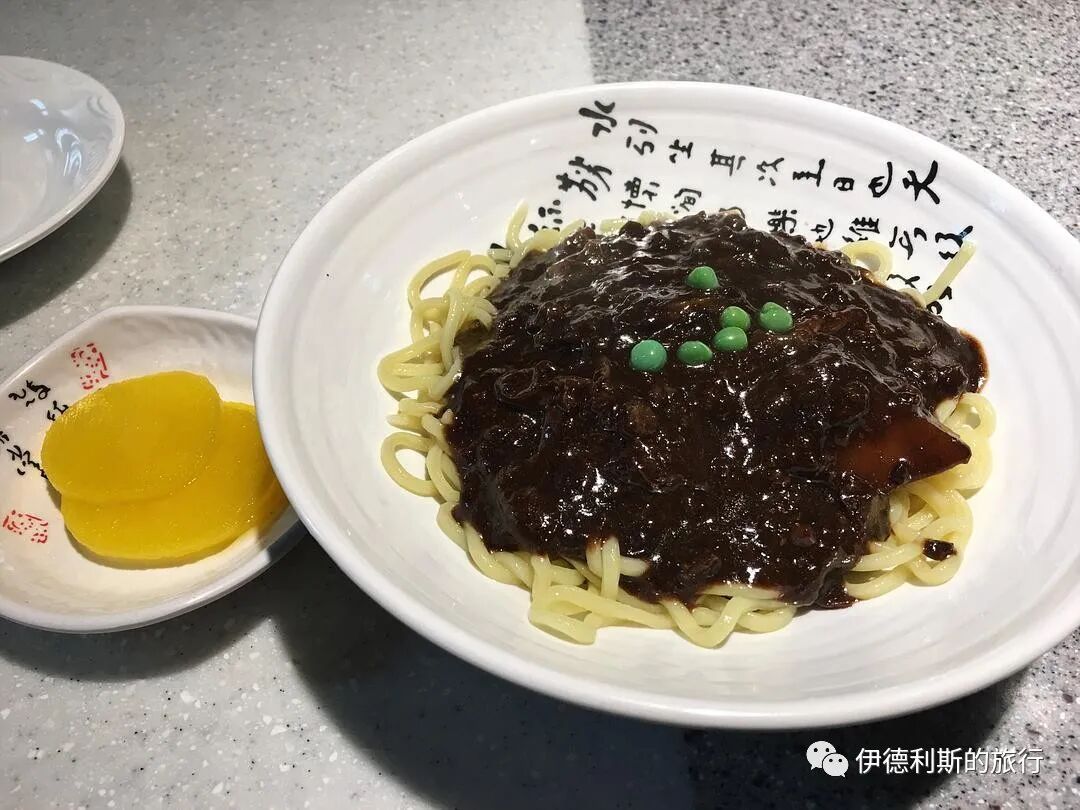
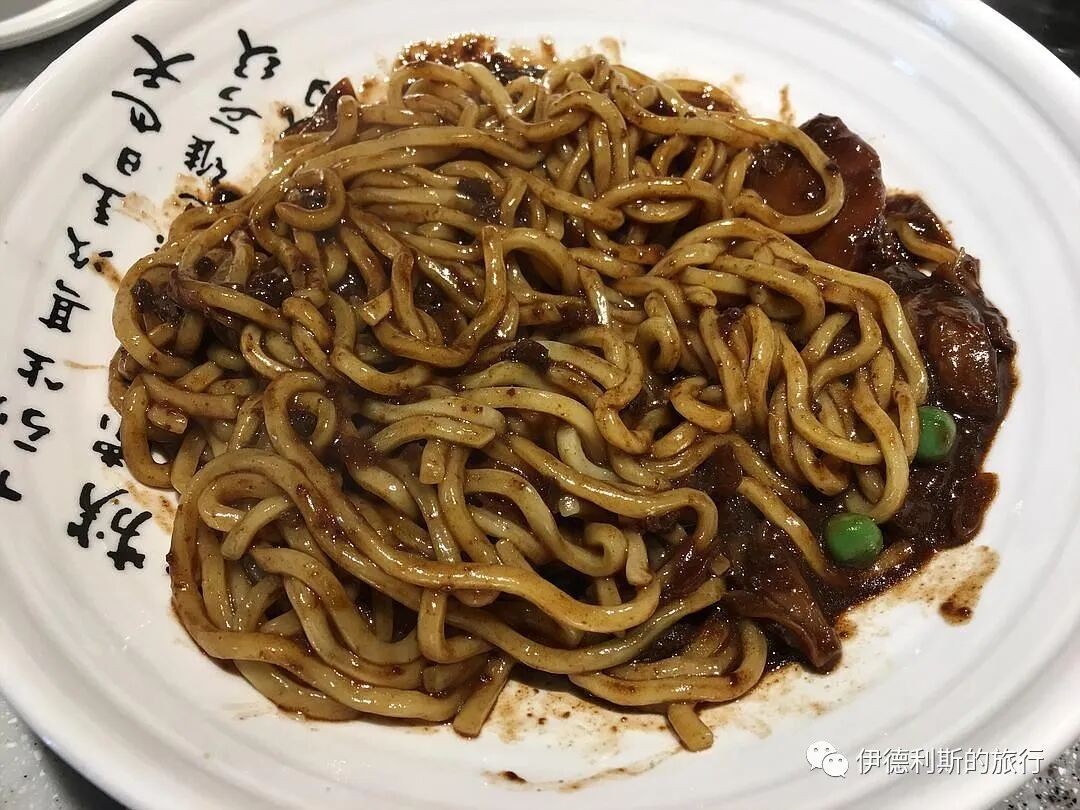
Twenty Ethnic Restaurants in China: Halal and Minority Food Guide (Part 3 of 4)
Articles • ali2007fr posted the article • 0 comments • 187 views • 2026-05-17 07:16
Summary: This travel note introduces Twenty Ethnic Restaurants in China: Halal and Minority Food Guide (Part 1). In my travels over the past few years, I have encountered some very interesting ethnic groups. It is useful for readers interested in Ethnic Food, Halal Food, China Travel. This is part 3 of 4.
Today, the place where you can best experience the Jawi Peranakan culture in Penang is Jawi House Cafe Gallery. This building was originally a Straits Eclectic-style Chinese shophouse built in the 1860s, with Malay-style decorations, and later it was an Indian Muslim coppersmith shop. Armenian Street (Lebuh Armenian, originally named Malay lane) where the shop is located was the earliest settlement area for the Jawi Peranakan community. In 2012, the Karim family, who had lived in Penang for six generations and had Punjabi roots, opened Jawi House here to make the most authentic Jawi Peranakan food.
We ate Cucur Udang (fried shrimp fritters), Nasi Lemuni (chaste tree berry rice), Jawi Chicken Curry, drank Penang Nutmeg and Arabian Sherbet, and also had Sago Pudding for dessert.
Cucur Udang is made by coating shrimp and scallions in flour and deep-frying them, then dipping them in peanut sauce. "Cucur" means fried fritter in Malay, and "Udang" means shrimp.
Nasi Lemuni is rice cooked with coconut milk, lemongrass, and blue Lemuni (chaste tree) flowers, served with fried anchovies and sambal (spicy chili paste). In the past, Lemuni rice was a traditional food for Malay women during their postpartum confinement, and it is said to promote blood circulation.
Jawi Chicken Curry is the Jawi Peranakan version of chicken curry. As a fusion ethnic group, Jawi Peranakan curry is also a fusion version of Indian curry and Malay curry.
Nutmeg is the meaning of nutmeg, and honey and lemon are added to the drink, which is a special way of drinking in Penang, sweet and sour.
Sherbet comes from the Persian word "Sharbat," meaning non-alcoholic sugar water. In medieval Arabia, people liked to add syrup and honey to Sharbat to increase sweetness, and also liked to add various almonds, lemons, apples, pomegranates, tamarinds, dates, sumac berries, musk, and mint. With the spread of Arabs and Persians, Sharbat is now popular in West Asia, South Asia, and the Malay Archipelago, especially during Ramadan. The Arabian Sherbet made by Jawi House is made with rose syrup, mallow nuts, gum arabic, and basil seeds, and the taste is very rich.
The Jawi Peranakan special version of sago pudding is drizzled with coconut cream and rich palm sugar syrup, and then sprinkled with crushed peanuts, which feels very exquisite.
Jawi House exhibits a series of old photos of Penang Jawi Peranakan, as well as paintings of the Penang Muslim community.
8. The Betawi people in Jakarta, Indonesia
In 1619, the Dutch razed Jakarta under the rule of the Banten Sultanate to the ground and renamed it Batavia, serving as the trading and administrative center of the Dutch East India Company. In 1684, the Dutch East India Company signed a peace treaty with the Banten Sultanate, and many ethnic groups including Malays, Sundanese, Javanese, Minangkabau, and Bugis began to reclaim and settle in the swamp areas outside the walls of Batavia. After one or two hundred years of integration, these ethnic groups finally formed the Betawi people in the early 20th century.
The Betawi people use a Malay language mixed with Hokkien Chinese, Arabic, and Dutch, called Betawi Malay, which is the only Malay-speaking region on the northern coast of Java. The diet of the Betawi people is also strongly influenced by Indonesian Chinese, Arab, European, local Sundanese, and Javanese diets.
The City Hall built in 1710 in the center of the old city of Batavia has now become the Jakarta History Museum. When I visited the museum in 2019, there was a small area in the courtyard that specifically provided Betawi snacks. I ate Kerak telor (spicy egg crust) and Selendang Mayang (iced drink). It is a great pity that I didn't know at the time that the snacks sold here were Betawi specialties that are hard to eat elsewhere, otherwise I should have tasted every one of them.
Kerak telor is made of glutinous rice and eggs with fried coconut shreds, topped with fried scallions and dried shrimp. In the colonial era, this food could only be eaten at gatherings of Dutch or wealthy Betawi merchants, and it was invented to increase the texture of glutinous rice.
Selendang Mayang is now rarely seen. It is a long-standing Batavia iced drink made from rice flour, vanilla powder, pandan leaves, red sugar syrup, and coconut milk.
9. The Javanese people in Yogyakarta, Indonesia
Yogyakarta is an ancient cultural city in central Java, still ruled by a Sultan. In addition to traditional Javanese architecture, Gamelan music, and Wayang shadow puppetry, Yogyakarta also has many Javanese specialties.
nDalem Joyokusuman next to the Yogyakarta Sultan's Palace is the residence of Sultan's Prince Gusti Haryo Haji Joyokusumo, and it is now open as a cultural center and restaurant. I ate Nasi Blawong and Telo ijo here. Nasi Blawong is a specialty of the Sultan of Yogyakarta. It used to be eaten only at the Sultan's birthday banquet, and the reddish Blawong rice used in it is considered sacred. Telo ijo is a cassava pastry drizzled with pandan coconut milk.
nDalem Joyokusuman was built in 1916 during the reign of the eighth Sultan of Yogyakarta, Hamengkubuwono VIII, and has been inhabited by members of the Sultan's family ever since.
Peringgitan is the inner hall behind the large living room, where the prince's family activities take place, and it contains valuable gifts received by the prince.
Sentong Kiwo in Figure 4 was originally a guest room and is now used as an exhibition hall.
The place where Gamelan is performed in the courtyard.
10. The Bantenese people on Java Island, Indonesia
Banten is located at the westernmost tip of Java Island, facing Sumatra across the Sunda Strait. The local residents, the Bantenese, belong to a branch of the Sundanese. In the 16th century, the Banten Sultanate rose to become a maritime trading power in western Java, controlling the pepper trade in Southeast Asia.
The Great Mosque of Banten (Masjid Agung Banten), built in 1566, is a famous Javanese-style mosque. Muslims come to visit every day, and a very lively bazaar has formed around the mosque. I drank Es Campur (iced drink made with coconut milk, red sugar syrup, coconut meat, and fruit jelly) at the bazaar, and also had the simplest street egg noodles, Mie Rebus. Sapodilla (Manilkara zapota) is sold everywhere in the bazaar, which is sweet and delicious. Sapodilla is native to Central America and the Caribbean, introduced to the Philippines by Spanish colonists, and then widely planted in Southeast Asia. It is called sawo in Indonesia.
11. Yunnan Hui Muslims in Chiang Mai, Thailand view all
Summary: This travel note introduces Twenty Ethnic Restaurants in China: Halal and Minority Food Guide (Part 1). In my travels over the past few years, I have encountered some very interesting ethnic groups. It is useful for readers interested in Ethnic Food, Halal Food, China Travel. This is part 3 of 4.
Today, the place where you can best experience the Jawi Peranakan culture in Penang is Jawi House Cafe Gallery. This building was originally a Straits Eclectic-style Chinese shophouse built in the 1860s, with Malay-style decorations, and later it was an Indian Muslim coppersmith shop. Armenian Street (Lebuh Armenian, originally named Malay lane) where the shop is located was the earliest settlement area for the Jawi Peranakan community. In 2012, the Karim family, who had lived in Penang for six generations and had Punjabi roots, opened Jawi House here to make the most authentic Jawi Peranakan food.
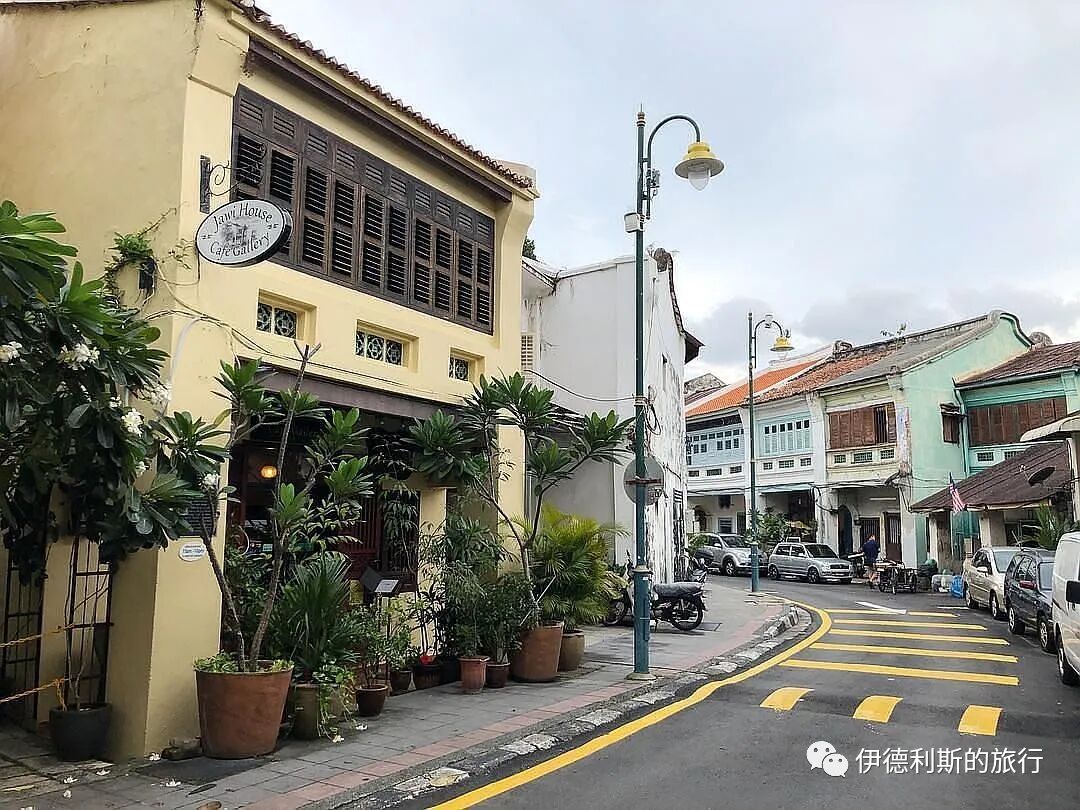
We ate Cucur Udang (fried shrimp fritters), Nasi Lemuni (chaste tree berry rice), Jawi Chicken Curry, drank Penang Nutmeg and Arabian Sherbet, and also had Sago Pudding for dessert.
Cucur Udang is made by coating shrimp and scallions in flour and deep-frying them, then dipping them in peanut sauce. "Cucur" means fried fritter in Malay, and "Udang" means shrimp.
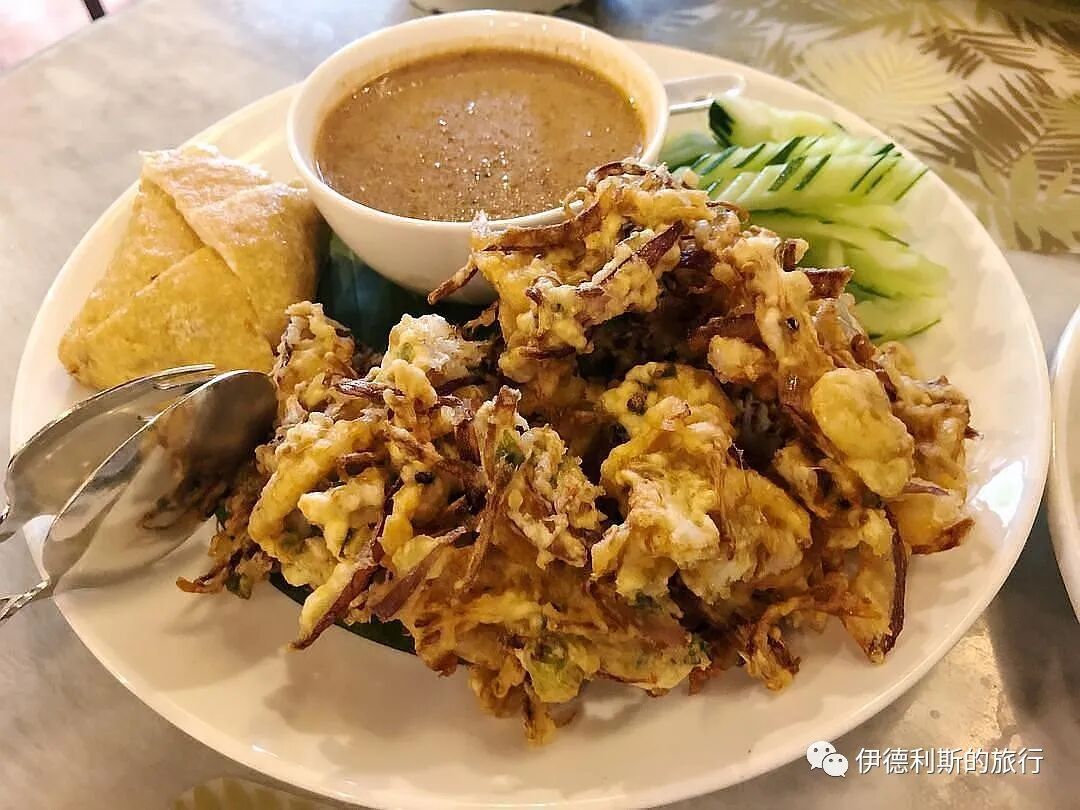
Nasi Lemuni is rice cooked with coconut milk, lemongrass, and blue Lemuni (chaste tree) flowers, served with fried anchovies and sambal (spicy chili paste). In the past, Lemuni rice was a traditional food for Malay women during their postpartum confinement, and it is said to promote blood circulation.
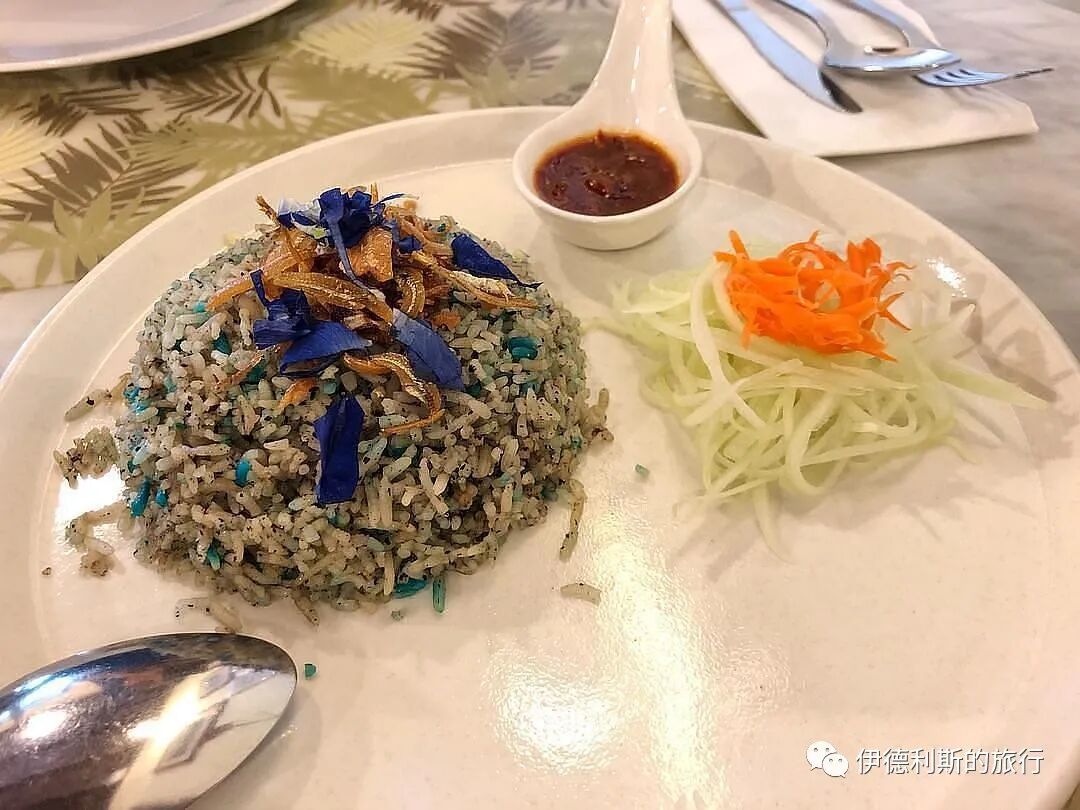
Jawi Chicken Curry is the Jawi Peranakan version of chicken curry. As a fusion ethnic group, Jawi Peranakan curry is also a fusion version of Indian curry and Malay curry.
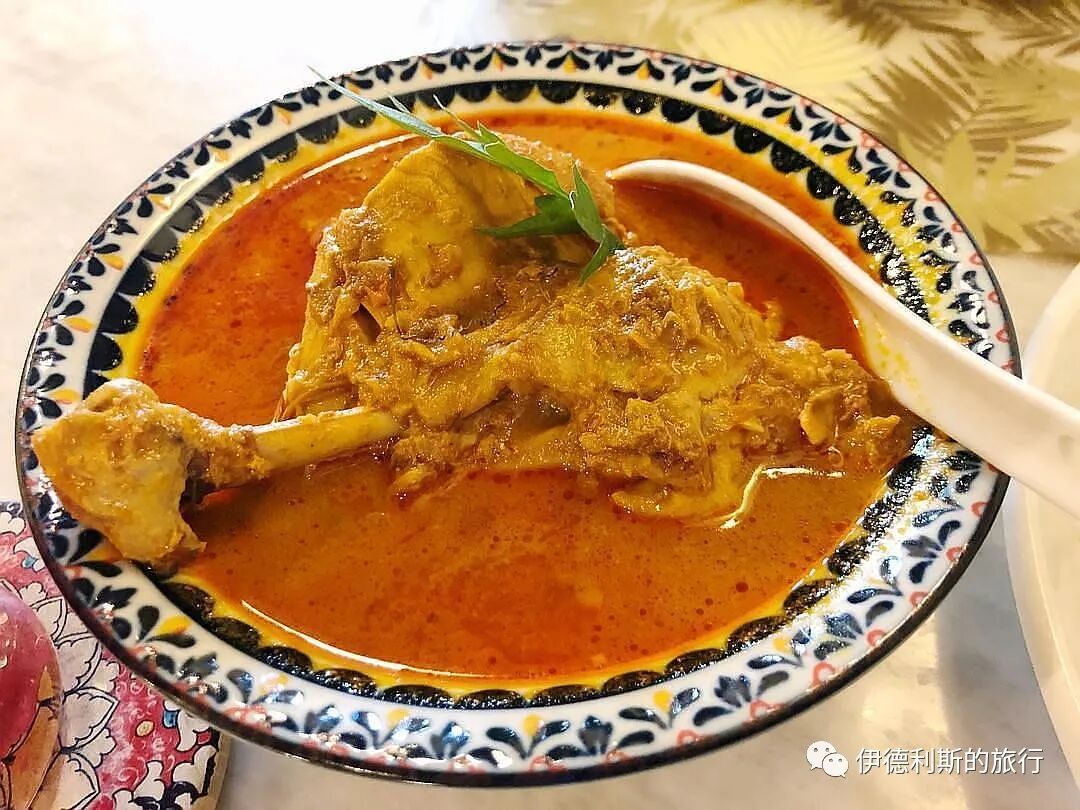
Nutmeg is the meaning of nutmeg, and honey and lemon are added to the drink, which is a special way of drinking in Penang, sweet and sour.
Sherbet comes from the Persian word "Sharbat," meaning non-alcoholic sugar water. In medieval Arabia, people liked to add syrup and honey to Sharbat to increase sweetness, and also liked to add various almonds, lemons, apples, pomegranates, tamarinds, dates, sumac berries, musk, and mint. With the spread of Arabs and Persians, Sharbat is now popular in West Asia, South Asia, and the Malay Archipelago, especially during Ramadan. The Arabian Sherbet made by Jawi House is made with rose syrup, mallow nuts, gum arabic, and basil seeds, and the taste is very rich.
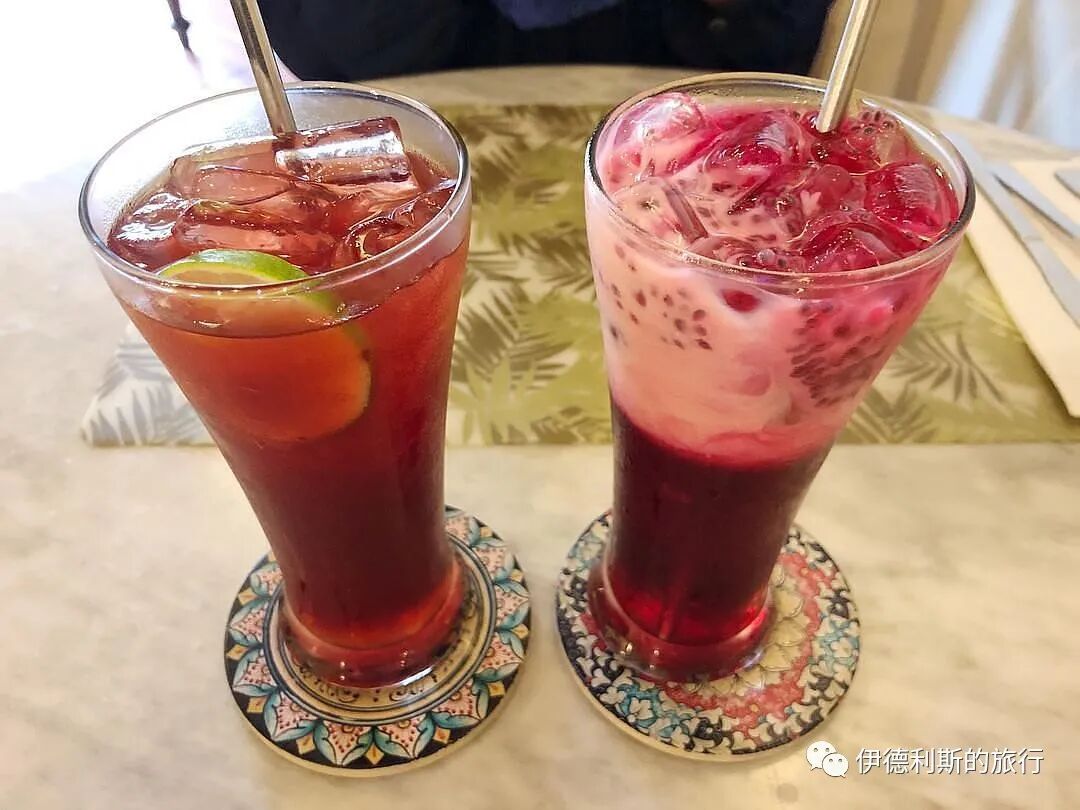
The Jawi Peranakan special version of sago pudding is drizzled with coconut cream and rich palm sugar syrup, and then sprinkled with crushed peanuts, which feels very exquisite.
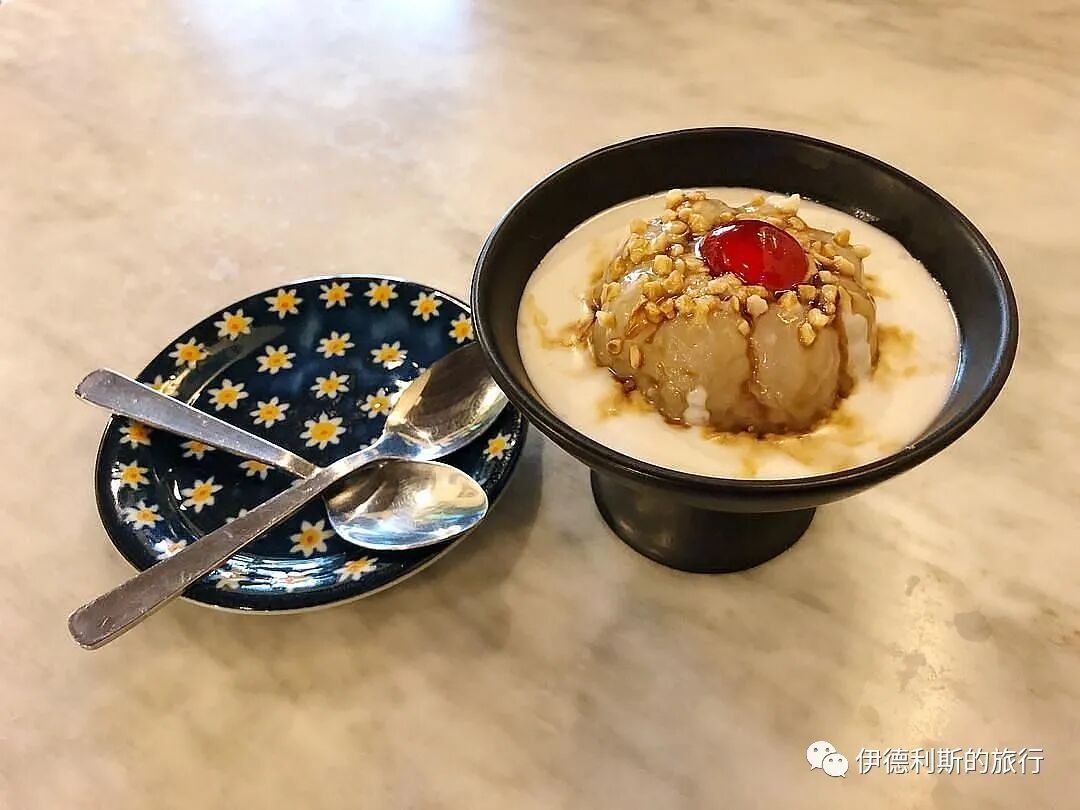
Jawi House exhibits a series of old photos of Penang Jawi Peranakan, as well as paintings of the Penang Muslim community.
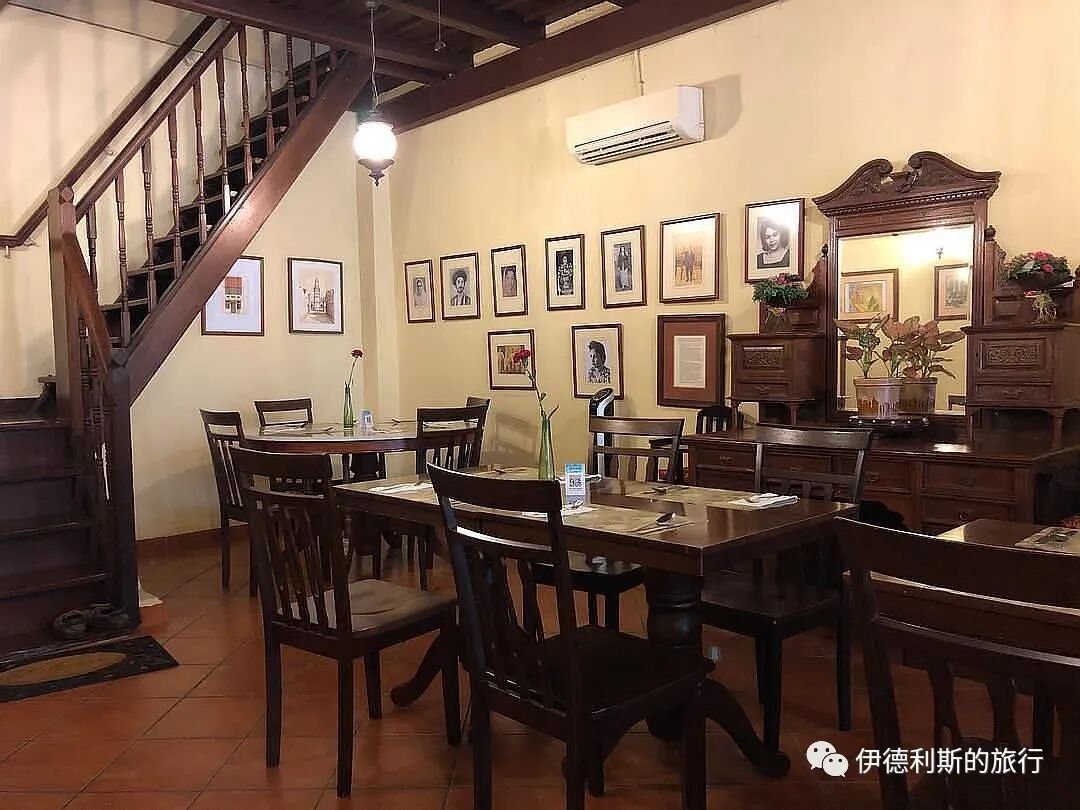
8. The Betawi people in Jakarta, Indonesia
In 1619, the Dutch razed Jakarta under the rule of the Banten Sultanate to the ground and renamed it Batavia, serving as the trading and administrative center of the Dutch East India Company. In 1684, the Dutch East India Company signed a peace treaty with the Banten Sultanate, and many ethnic groups including Malays, Sundanese, Javanese, Minangkabau, and Bugis began to reclaim and settle in the swamp areas outside the walls of Batavia. After one or two hundred years of integration, these ethnic groups finally formed the Betawi people in the early 20th century.
The Betawi people use a Malay language mixed with Hokkien Chinese, Arabic, and Dutch, called Betawi Malay, which is the only Malay-speaking region on the northern coast of Java. The diet of the Betawi people is also strongly influenced by Indonesian Chinese, Arab, European, local Sundanese, and Javanese diets.
The City Hall built in 1710 in the center of the old city of Batavia has now become the Jakarta History Museum. When I visited the museum in 2019, there was a small area in the courtyard that specifically provided Betawi snacks. I ate Kerak telor (spicy egg crust) and Selendang Mayang (iced drink). It is a great pity that I didn't know at the time that the snacks sold here were Betawi specialties that are hard to eat elsewhere, otherwise I should have tasted every one of them.
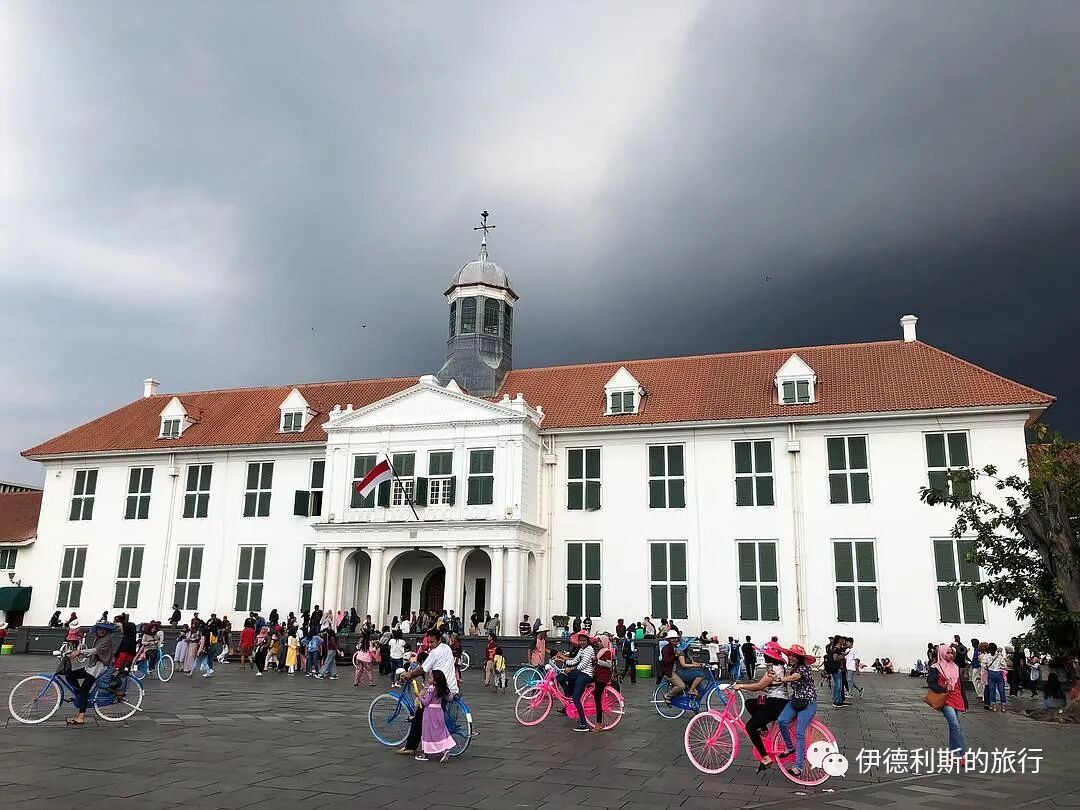
Kerak telor is made of glutinous rice and eggs with fried coconut shreds, topped with fried scallions and dried shrimp. In the colonial era, this food could only be eaten at gatherings of Dutch or wealthy Betawi merchants, and it was invented to increase the texture of glutinous rice.
Selendang Mayang is now rarely seen. It is a long-standing Batavia iced drink made from rice flour, vanilla powder, pandan leaves, red sugar syrup, and coconut milk.
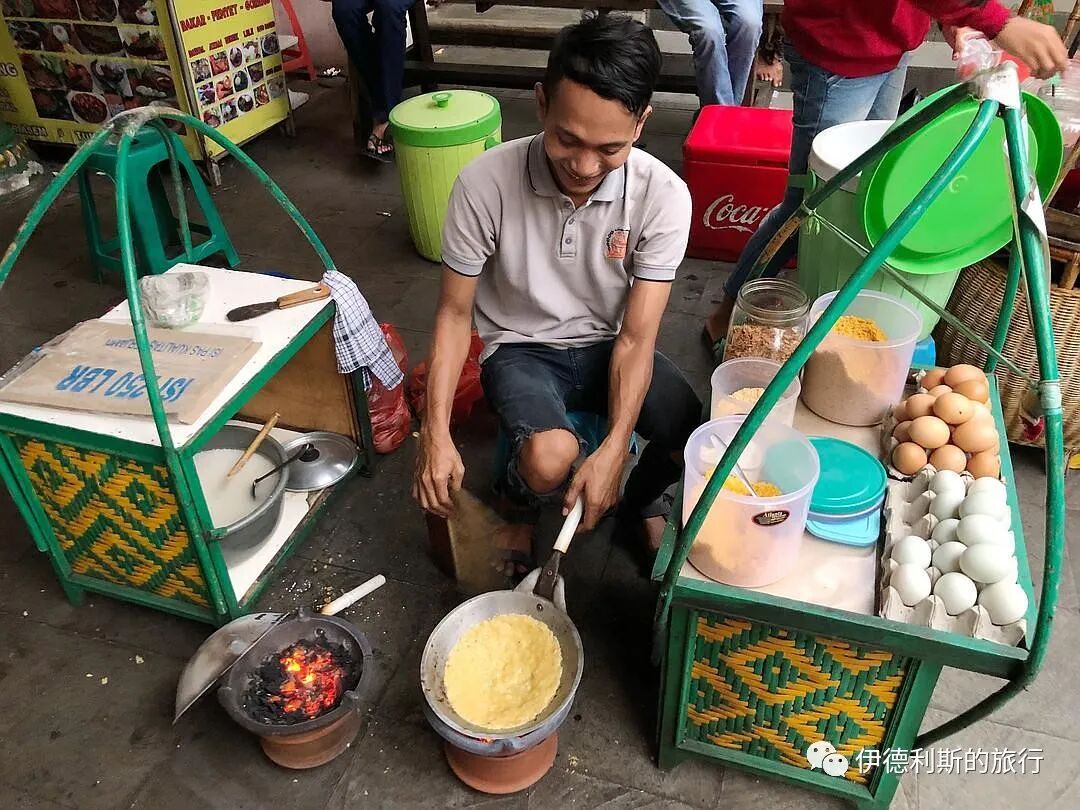
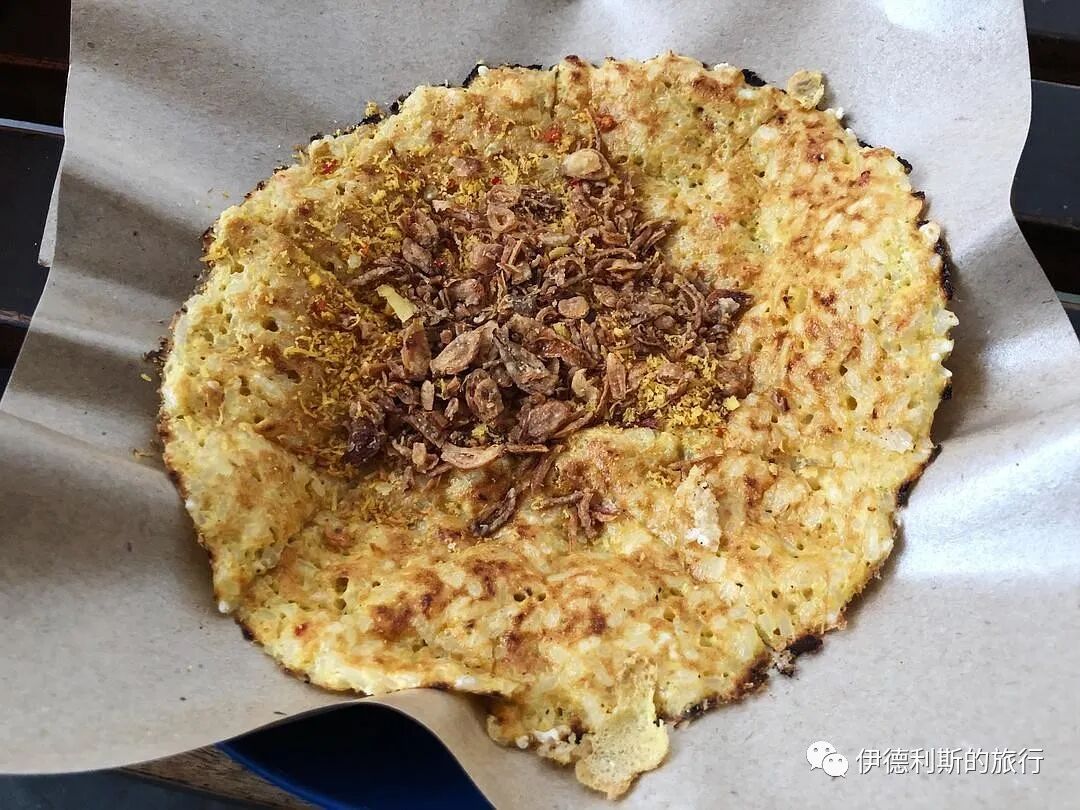
9. The Javanese people in Yogyakarta, Indonesia
Yogyakarta is an ancient cultural city in central Java, still ruled by a Sultan. In addition to traditional Javanese architecture, Gamelan music, and Wayang shadow puppetry, Yogyakarta also has many Javanese specialties.
nDalem Joyokusuman next to the Yogyakarta Sultan's Palace is the residence of Sultan's Prince Gusti Haryo Haji Joyokusumo, and it is now open as a cultural center and restaurant. I ate Nasi Blawong and Telo ijo here. Nasi Blawong is a specialty of the Sultan of Yogyakarta. It used to be eaten only at the Sultan's birthday banquet, and the reddish Blawong rice used in it is considered sacred. Telo ijo is a cassava pastry drizzled with pandan coconut milk.
nDalem Joyokusuman was built in 1916 during the reign of the eighth Sultan of Yogyakarta, Hamengkubuwono VIII, and has been inhabited by members of the Sultan's family ever since.
Peringgitan is the inner hall behind the large living room, where the prince's family activities take place, and it contains valuable gifts received by the prince.
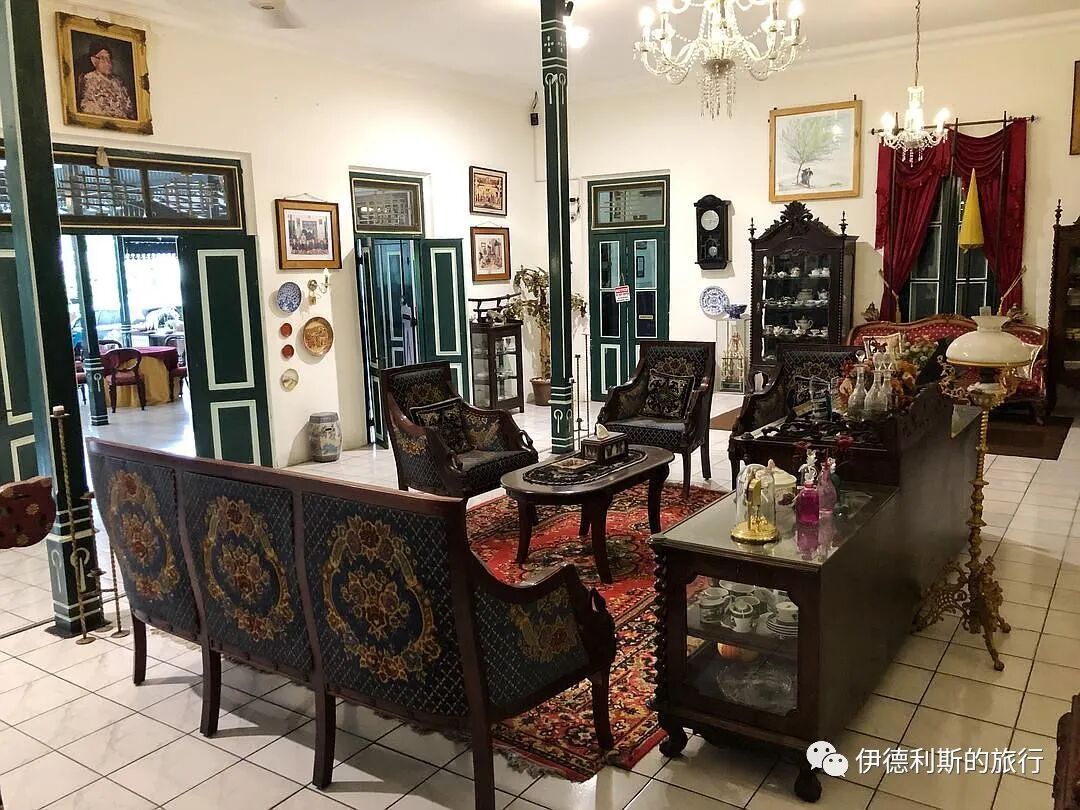
Sentong Kiwo in Figure 4 was originally a guest room and is now used as an exhibition hall.
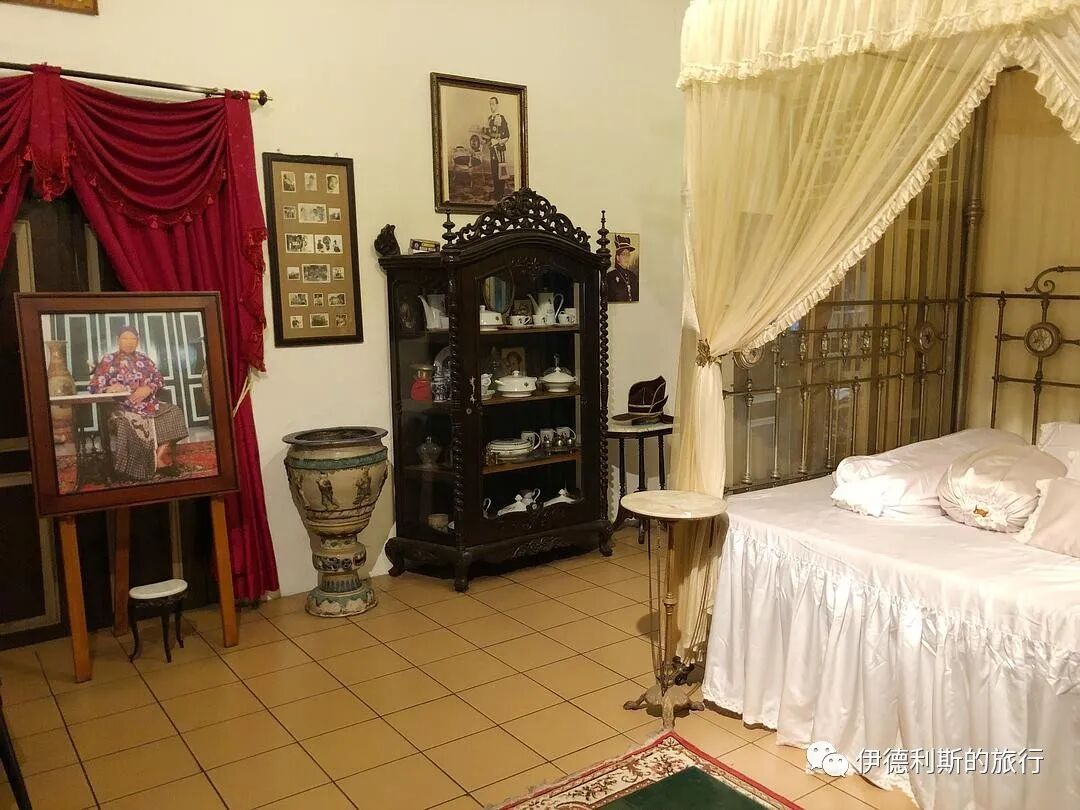
The place where Gamelan is performed in the courtyard.
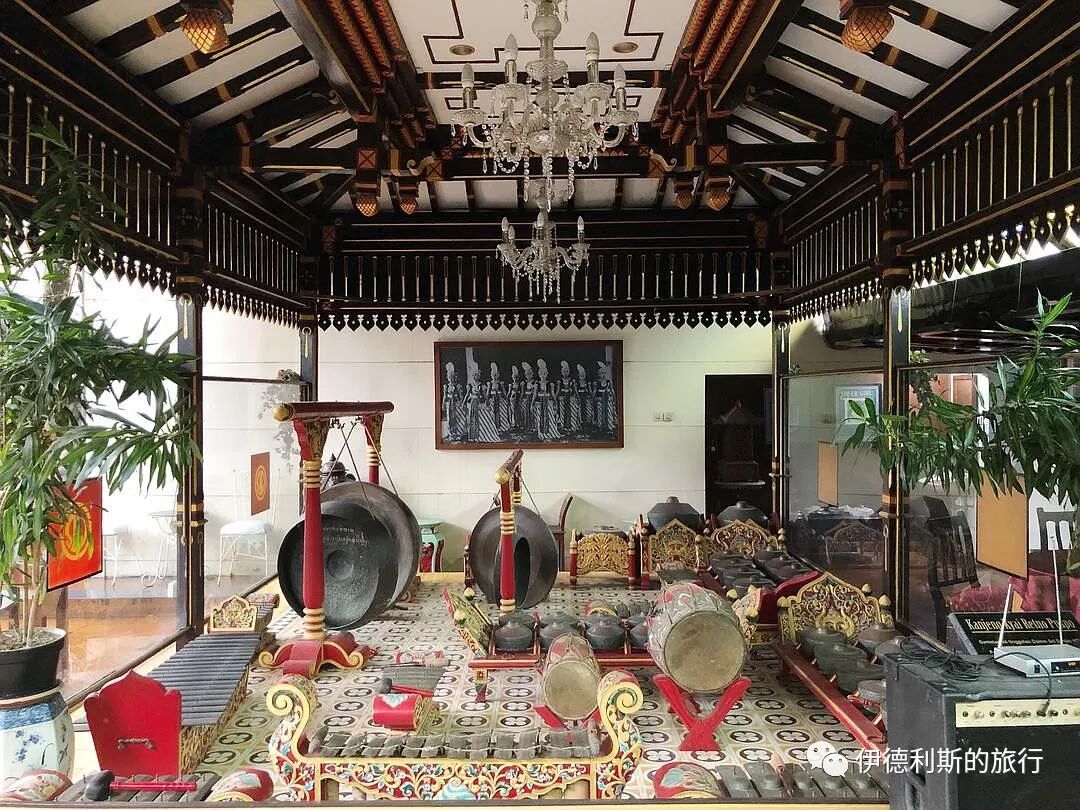
10. The Bantenese people on Java Island, Indonesia
Banten is located at the westernmost tip of Java Island, facing Sumatra across the Sunda Strait. The local residents, the Bantenese, belong to a branch of the Sundanese. In the 16th century, the Banten Sultanate rose to become a maritime trading power in western Java, controlling the pepper trade in Southeast Asia.
The Great Mosque of Banten (Masjid Agung Banten), built in 1566, is a famous Javanese-style mosque. Muslims come to visit every day, and a very lively bazaar has formed around the mosque. I drank Es Campur (iced drink made with coconut milk, red sugar syrup, coconut meat, and fruit jelly) at the bazaar, and also had the simplest street egg noodles, Mie Rebus. Sapodilla (Manilkara zapota) is sold everywhere in the bazaar, which is sweet and delicious. Sapodilla is native to Central America and the Caribbean, introduced to the Philippines by Spanish colonists, and then widely planted in Southeast Asia. It is called sawo in Indonesia.
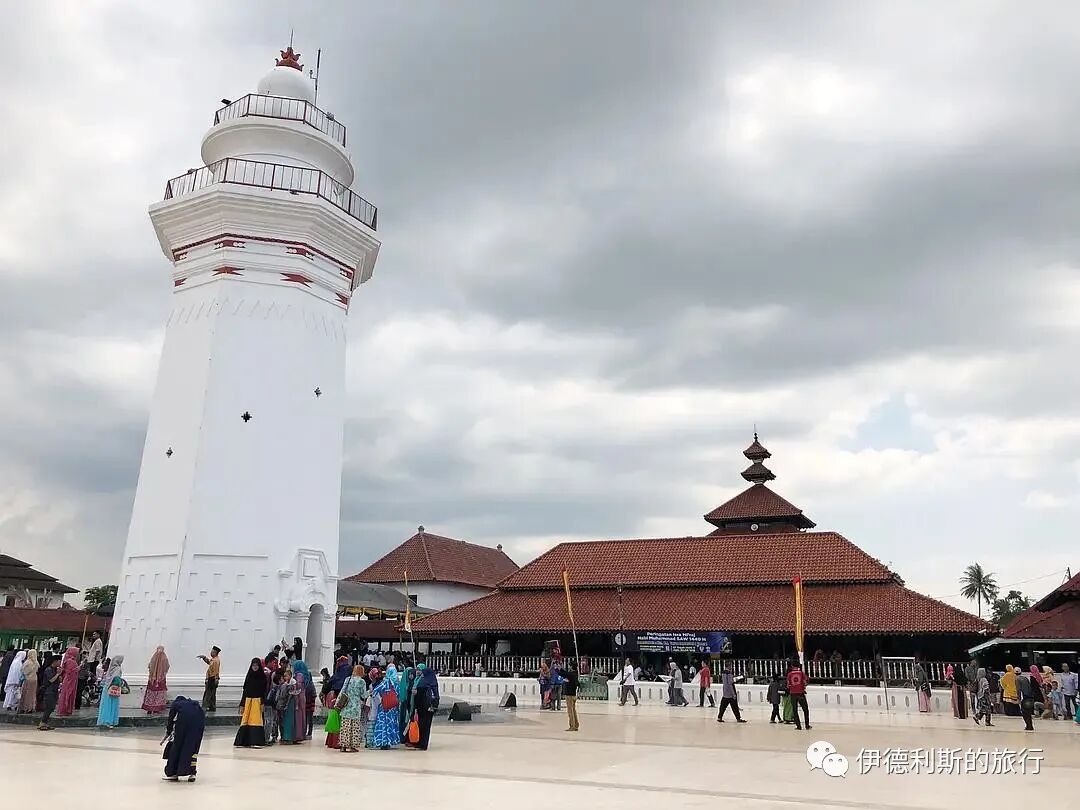
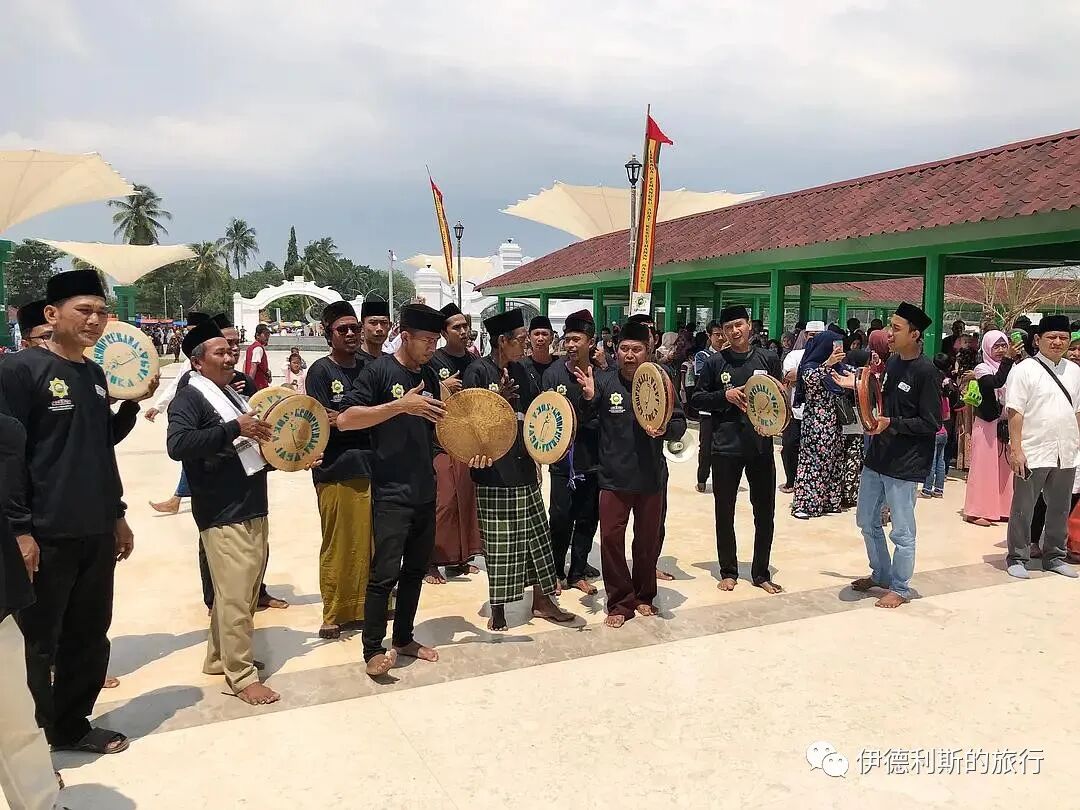
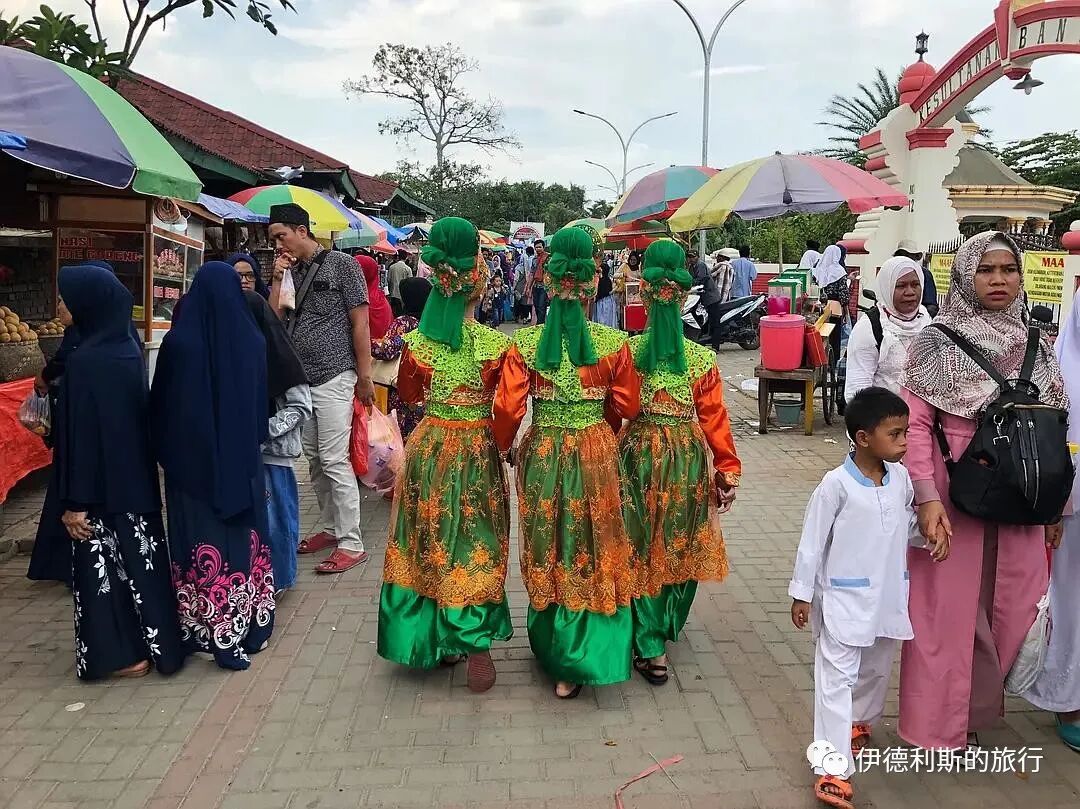
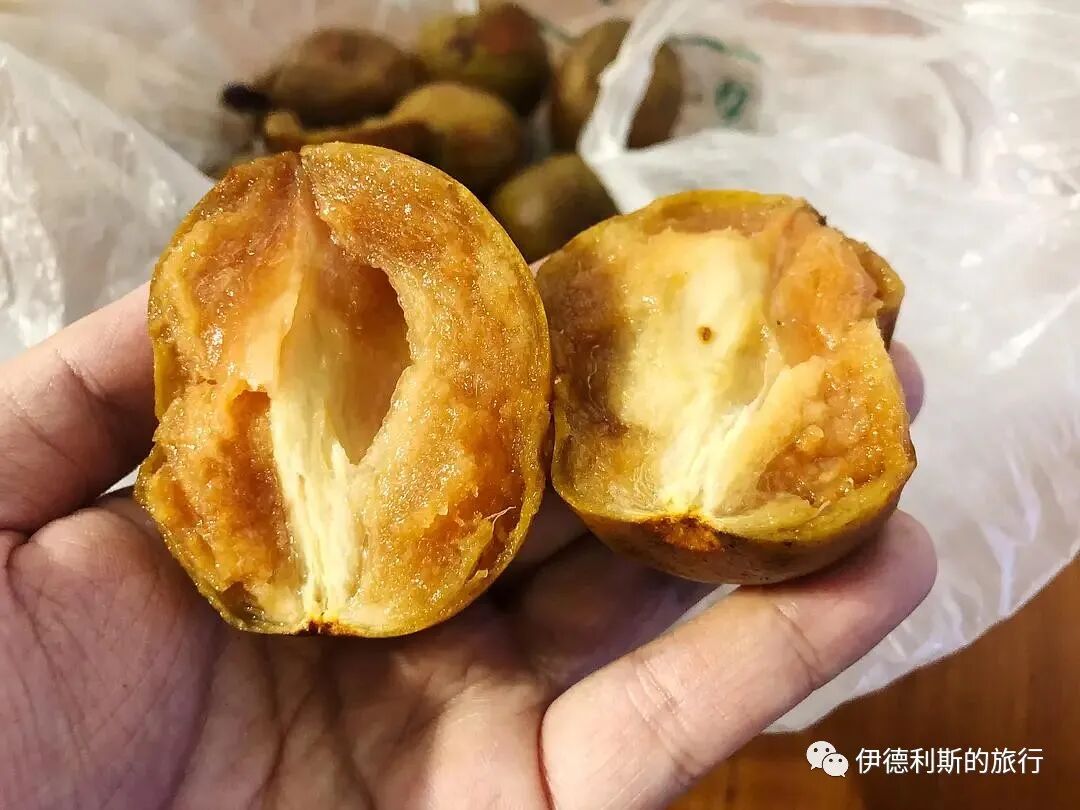
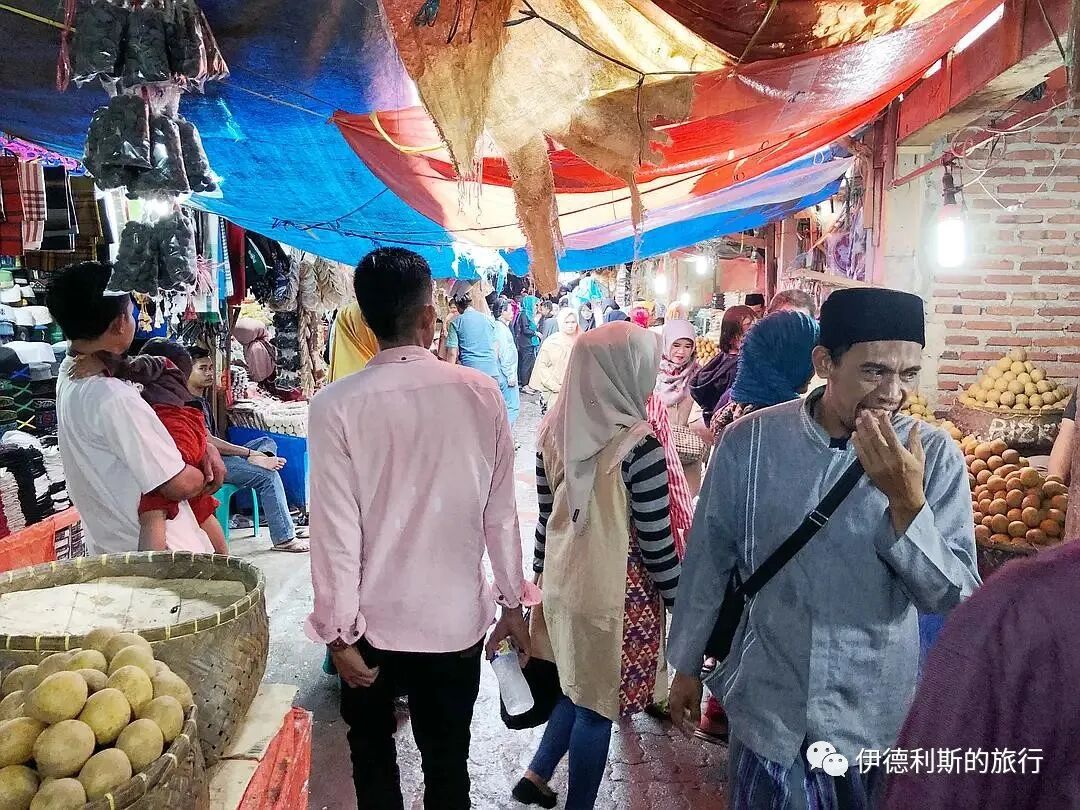
11. Yunnan Hui Muslims in Chiang Mai, Thailand
Twenty Ethnic Restaurants in China: Halal and Minority Food Guide (Part 1 of 2)
Articles • ali2007fr posted the article • 0 comments • 184 views • 2026-05-17 07:16
Summary: This travel note introduces Twenty Ethnic Restaurants in China: Halal and Minority Food Guide (Part 2). Qingzhen Huiji is currently the only local traditional halal snack shop on Hong Kong Island. It is useful for readers interested in Ethnic Food, Halal Food, China Travel. This is part 1 of 2.
Chinese Muslims in Hong Kong
Qingzhen Huiji is currently the only local traditional halal snack shop on Hong Kong Island. It is located inside the Gwan-Ying Street Market on Bowrington Road in Wan Chai. It is not very easy to find, so if you cannot find it after entering the market, you can ask a local stall owner.
It is said that Qingzhen Huiji has been operating at the Wan Chai Gwan-Ying Bridge for over 60 years, and it moved into the Gwan-Ying Street Market after the market opened in 1979. Qingzhen Huiji's dine-in hours are from 11:00 AM to 6:00 PM, so friends planning to go in the afternoon must arrive early.
Qingzhen Huiji is famous for its traditional hanging-oven roasted duck and Taiye chicken (soy-sauce chicken), as well as their own original curry lamb brisket. To be honest, this is the best curry lamb brisket I have ever eaten; the flavor is exceptionally authentic.
14. The Huihui people of Sanya, Hainan
The Huihui people are a Muslim ethnic group living in Huihui Village and Huixin Village in Sanya City, Hainan, with a population of nearly 10,000. The Huihui language they use belongs to the Austronesian language family and shares the same origin as the Chamic languages of southern Vietnam. The lifestyle of the Huihui people is strongly influenced by local Hainan ethnic groups, but they simultaneously maintain a devout Islamic faith, making them a very unique ethnic group on the southeast coast of China.
Starting from the 10th century, Champa, located in southern Vietnam, fought successive wars with Dai Viet, Chenla (Cambodia), and the Yuan Dynasty. Many Arab and Persian merchants from Champa sailed across the sea to Hainan. The History of Song: Champa contains the earliest record of a Champa person named Pu Luo'e leading over a hundred clansmen to Danzhou, Hainan, to submit to the empire in 986.
During the Ming and Qing dynasties, Muslims living in Yazhou, Wanzhou, Qiongshan, and other parts of Hainan gradually moved to the Sanya Lifan Village (now Sanya Huixin Village). During the Qing Dynasty, Muslim communities across Hainan experienced Sinicization, Li-ization, or Dan-ization. Sanya Lifan Village became the only Muslim community in Hainan and eventually formed the modern Huihui people.
In addition, some Huihui people came from the mainland. The ancestors of the Ha surname among the Huihui people came from Shaanxi. Later, the whole family moved to Dadan Port in Yazhou, Hainan. During the late Ming and early Qing dynasties, they moved to Sanya Lifan Village together with another group of Hui Muslims surnamed Liu.
In Huixin Village, we happened to encounter a banquet being held for a child of the Ha family who was admitted to Tsinghua University.
Watching the Huihui people make traditional coconut rice.
First, you must use old coconuts with thick meat, scrape all the coconut meat into coconut shreds, and then use cheesecloth to squeeze out all the coconut oil.
The rice is steamed using a traditional Li ethnic pottery steamer (tao zeng). After the rice is steamed, the coconut milk and rice are thoroughly mixed together. At this stage, the coconut rice is very firm and chewy.
Then, the mixed coconut rice is steamed a second time in the pottery steamer. At this point, the coconut rice is softer and stickier than in the first stage, and the coconut milk and rice are completely fused together.
They used beef slaughtered the previous day for Eid al-Adha. First, stew the meat, then add wood ear mushrooms and yuba (dried bean curd sheets). This is a classic main dish at Huihui banquets.
15. The Tatars of Urumqi
The Tatar ethnic group is the smallest ethnic group in China, with only about 3,000 people. Most of the Tatars in Urumqi belong to the Kazan Tatars, who moved here successively from the Kazan area along the Volga River from the 19th century to the early 20th century. At that time, most Tatars were intellectuals or merchants, and they played an important role in promoting the establishment of modern education in Xinjiang.
The Tatar pastry shop in Urumqi is located on the site of a former Russian trading port. A hundred years ago, this was a place where Russians, Tatars, and various Central Asian merchants traded, a bit like Sanlitun in Beijing. The Tatar pastry shop is also a witness to this history.
Their most classic cake consists of six layers of pastry sandwiched with six layers of cream. The pastry is made from milk, eggs, ghee, and honey, without adding water, and it tastes exceptionally fragrant.
16. The Dongxiang people of Xiaoxihu, Lanzhou
The Dongxiang people are a Muslim ethnic group that uses the Dongxiang language of the Mongolic language family. They are mainly distributed in Dongxiang County, Hezheng County, and Guanghe County in Linxia, Gansu. The loess hills where the Dongxiang people live are relatively barren, so after the 1980s, many people chose to go to Lanzhou to make a living. Xiaoxihu is located at the end of the road from Linxia to Lanzhou, close to the Hui Muslim communities of Xiyuan and Xihu that have formed since the Qing Dynasty. Coupled with the commercial development driven by the Xiaoxihu Yiwu Trade City since the 1990s, Xiaoxihu has become the main residential area for the Dongxiang people in Lanzhou.
The Dongxiang people in Xiaoxihu are most concentrated in Baishu Lane, Jiangouyan, and Shangxiyuan, where you can eat various Dongxiang delicacies.
The owner of Zhonghua Shouzhua Dawang (Zhonghua Hand-Grabbed Mutton King) is named Ma Zhonghua, and it is a very popular Dongxiang hand-grabbed mutton shop in Lanzhou. Drinking sanpaotai (a traditional tea with three ingredients) while eating half a jin (250 grams) of hand-grabbed mutton ribs, a small bowl of lentil sparrow-tongue noodles, and a plate of liangpi (cold skin noodles), I felt very satisfied. This place has a good environment and good service; they refill the water frequently, and of course, the sanpaotai itself is also delicious.
The mutton tastes very authentic; basically, it is one piece of meat with one clove of garlic, and the garlic is also very fragrant.
Liangpi (cold skin noodles)
Lentil sparrow-tongue noodles view all
Summary: This travel note introduces Twenty Ethnic Restaurants in China: Halal and Minority Food Guide (Part 2). Qingzhen Huiji is currently the only local traditional halal snack shop on Hong Kong Island. It is useful for readers interested in Ethnic Food, Halal Food, China Travel. This is part 1 of 2.
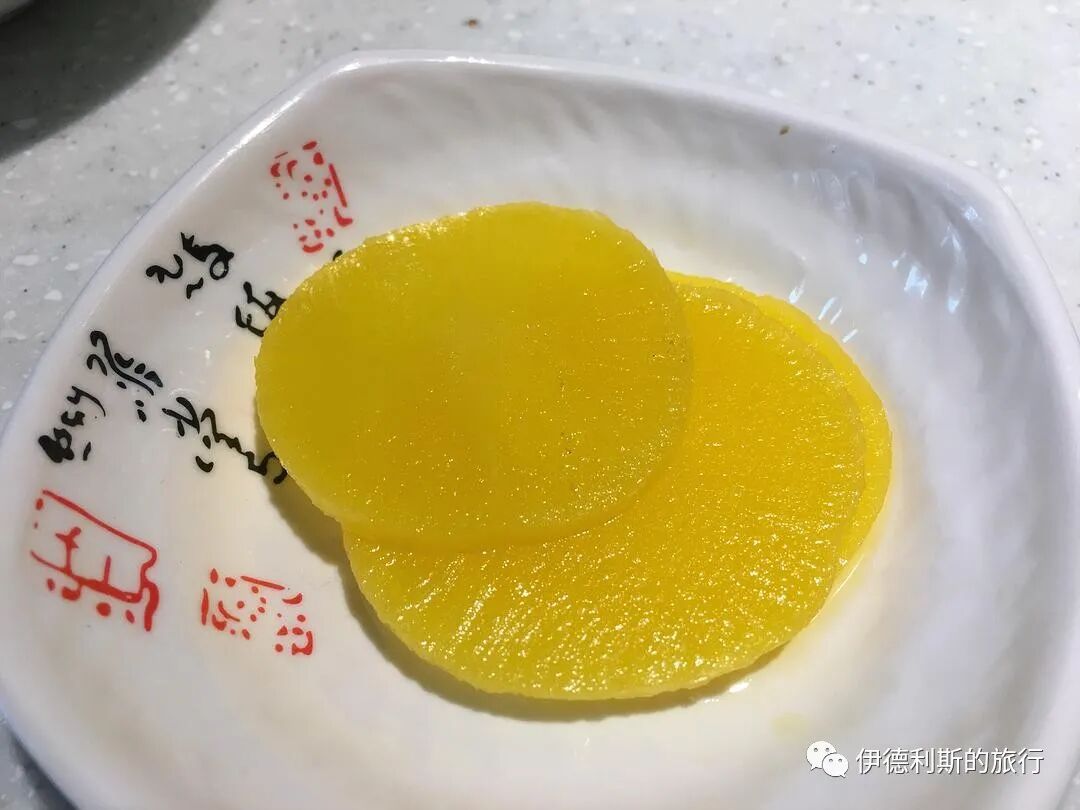
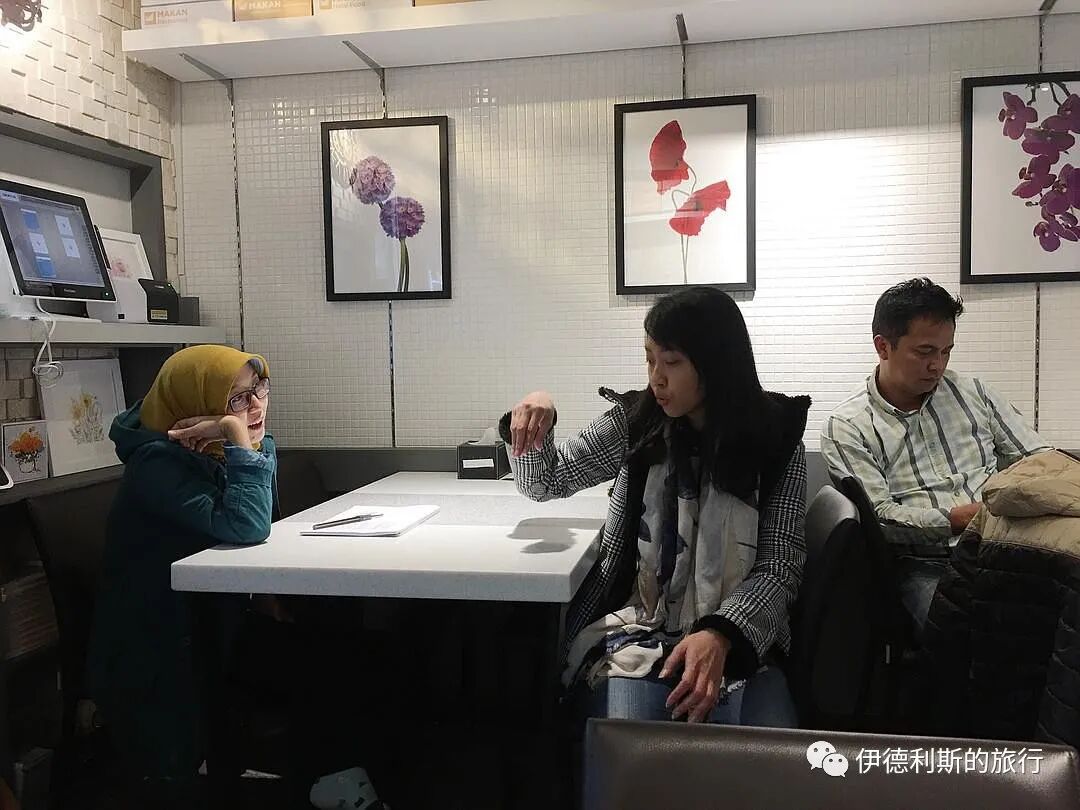
Chinese Muslims in Hong Kong
Qingzhen Huiji is currently the only local traditional halal snack shop on Hong Kong Island. It is located inside the Gwan-Ying Street Market on Bowrington Road in Wan Chai. It is not very easy to find, so if you cannot find it after entering the market, you can ask a local stall owner.
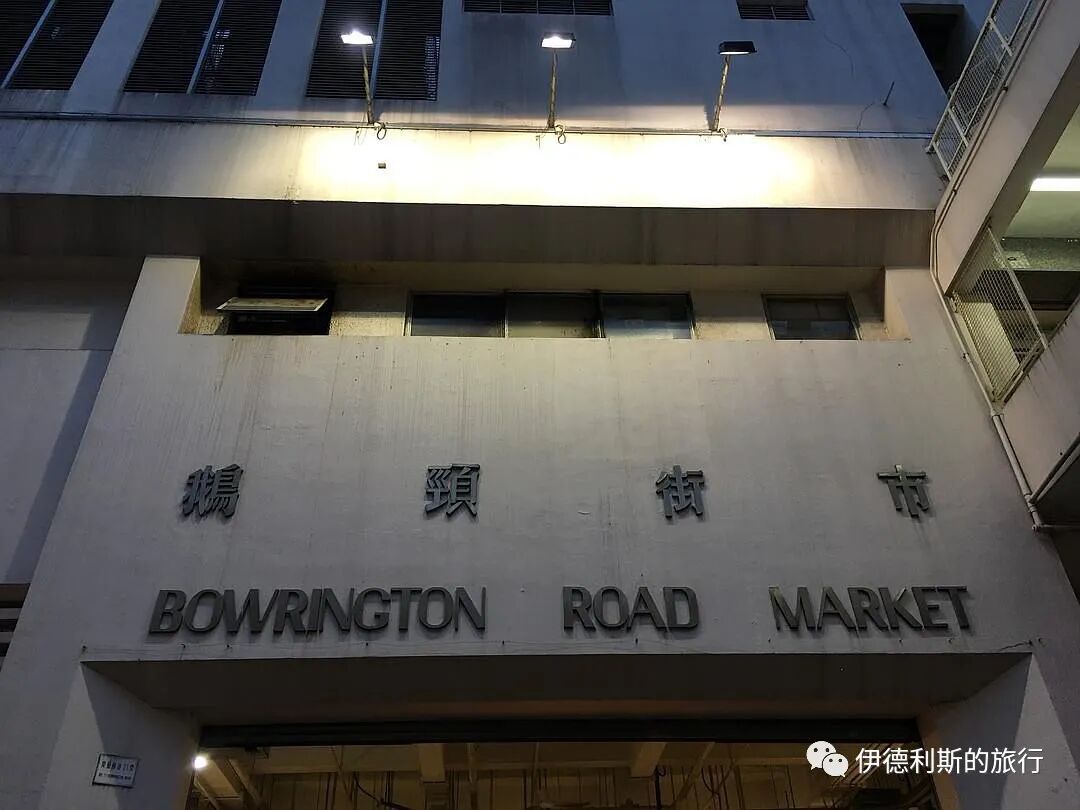
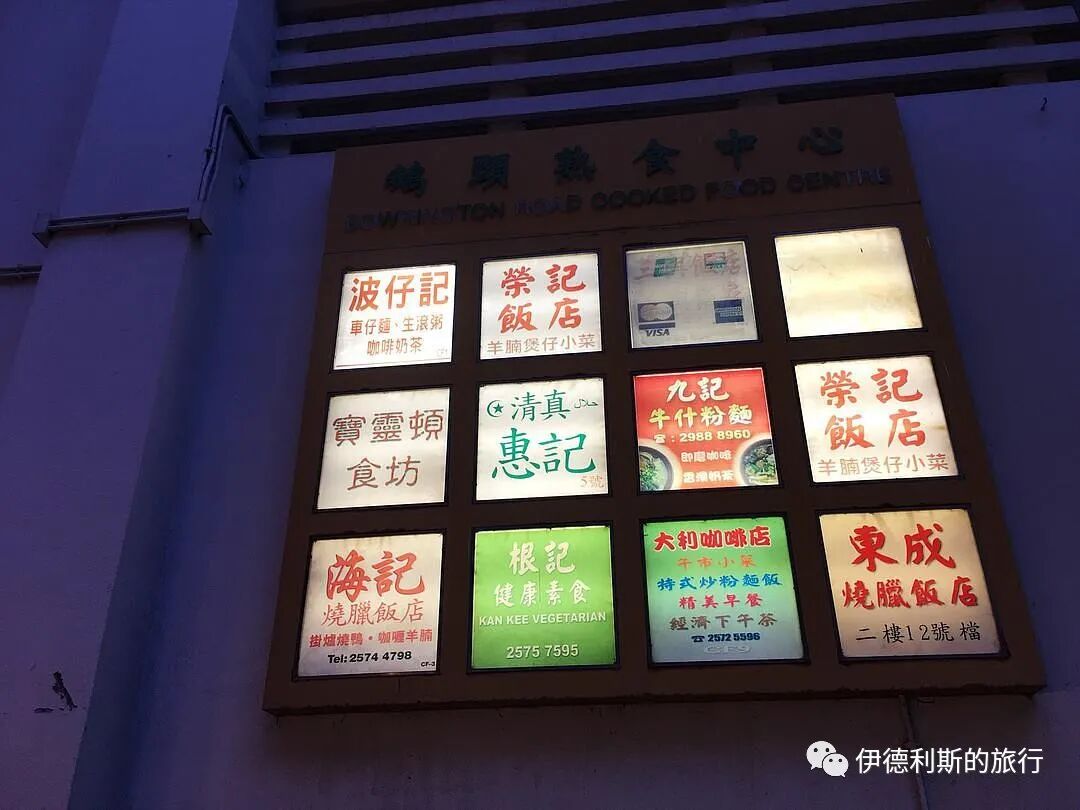
It is said that Qingzhen Huiji has been operating at the Wan Chai Gwan-Ying Bridge for over 60 years, and it moved into the Gwan-Ying Street Market after the market opened in 1979. Qingzhen Huiji's dine-in hours are from 11:00 AM to 6:00 PM, so friends planning to go in the afternoon must arrive early.
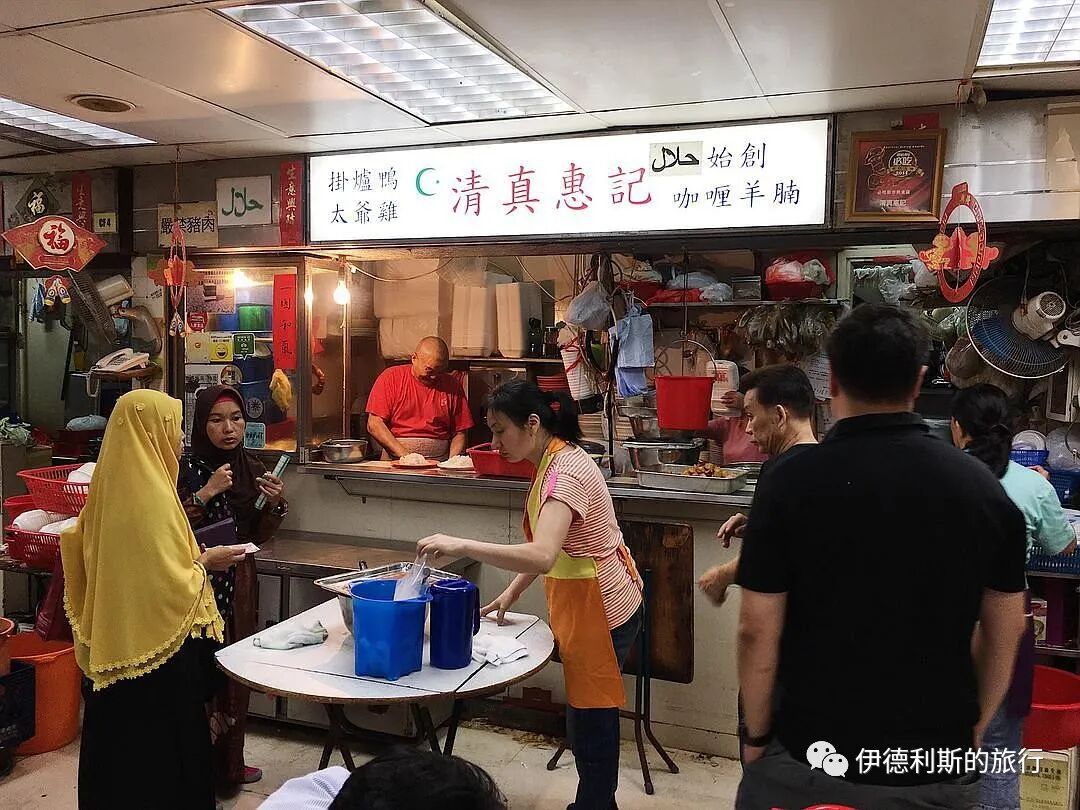
Qingzhen Huiji is famous for its traditional hanging-oven roasted duck and Taiye chicken (soy-sauce chicken), as well as their own original curry lamb brisket. To be honest, this is the best curry lamb brisket I have ever eaten; the flavor is exceptionally authentic.
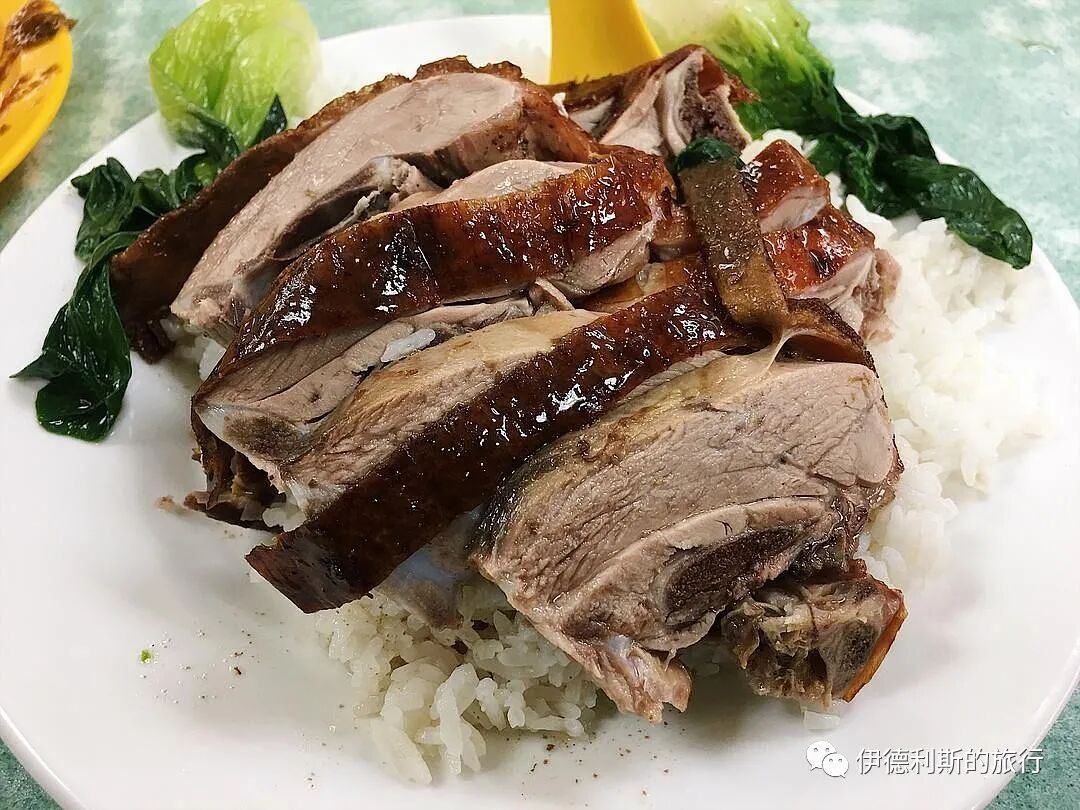
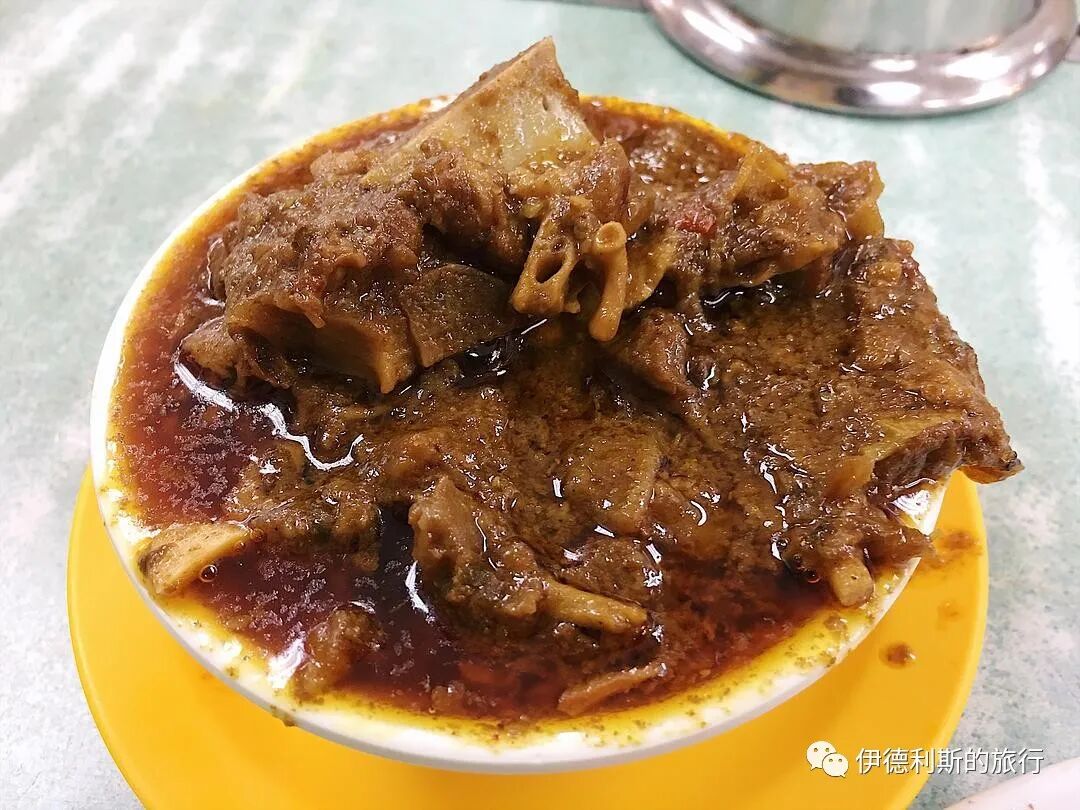
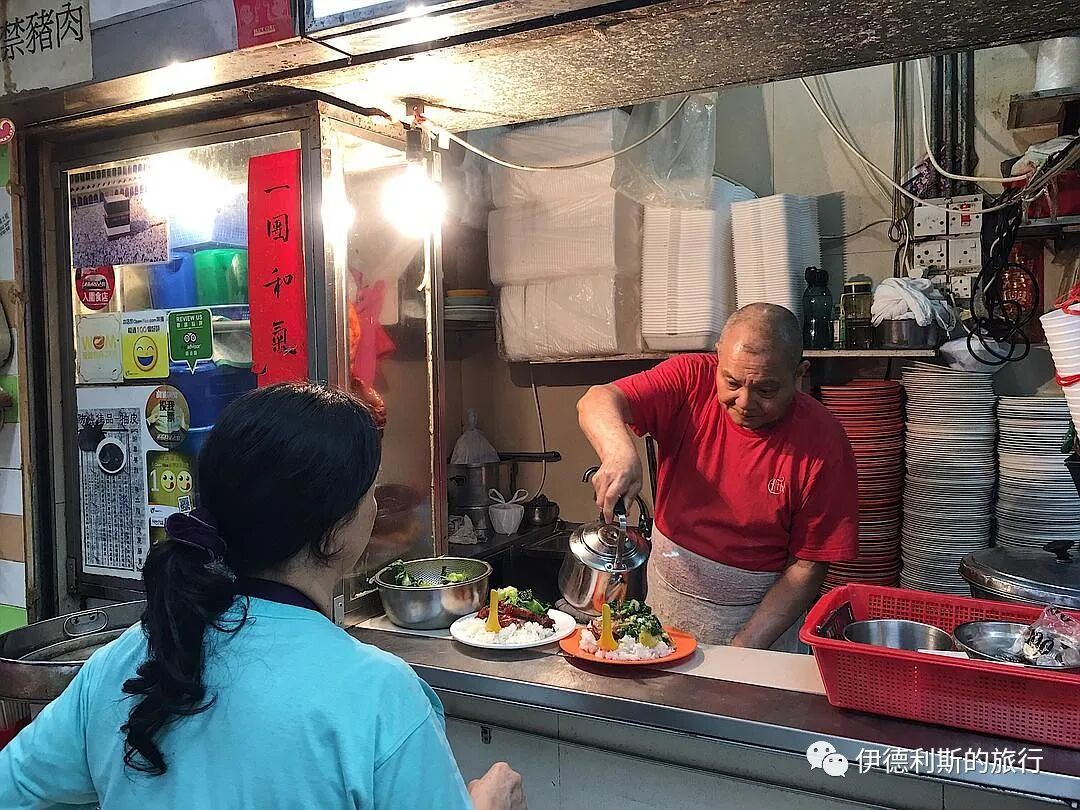
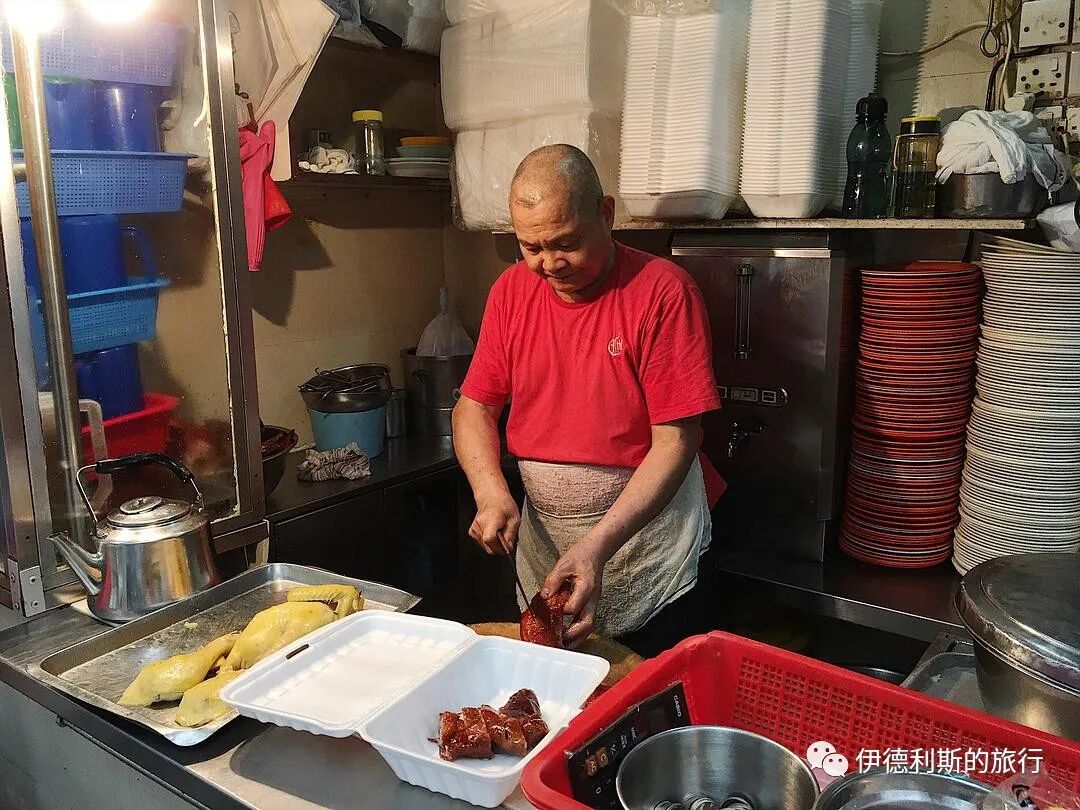
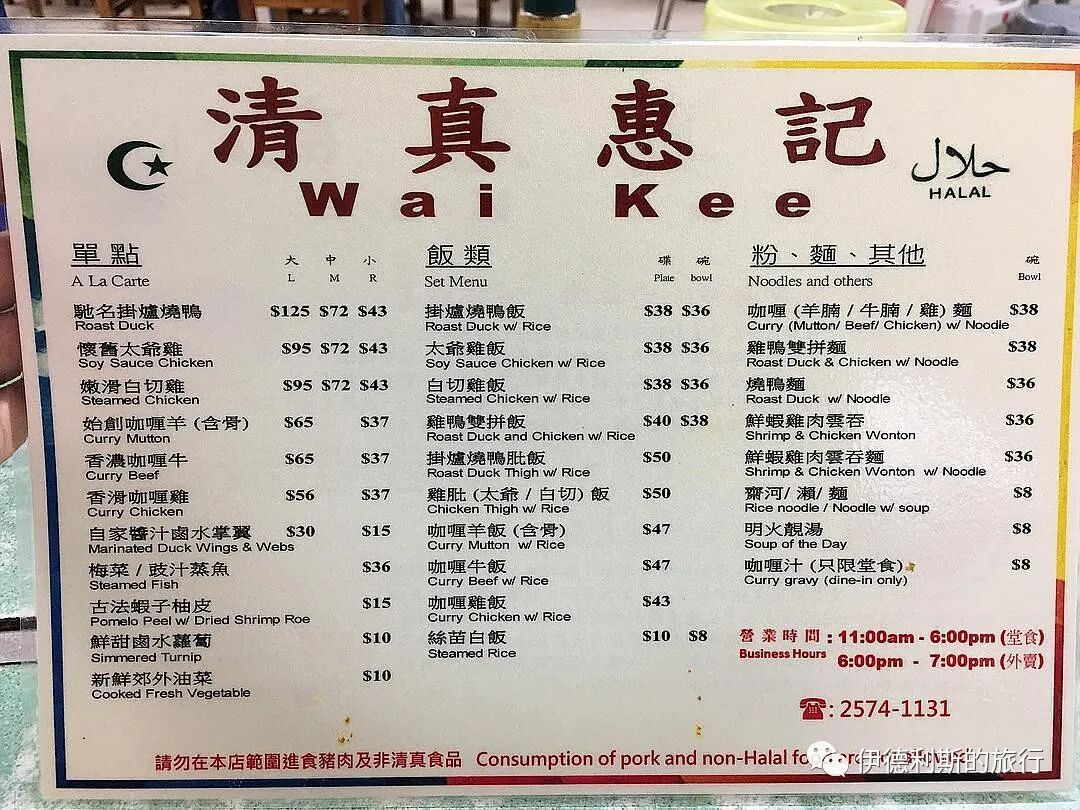
14. The Huihui people of Sanya, Hainan
The Huihui people are a Muslim ethnic group living in Huihui Village and Huixin Village in Sanya City, Hainan, with a population of nearly 10,000. The Huihui language they use belongs to the Austronesian language family and shares the same origin as the Chamic languages of southern Vietnam. The lifestyle of the Huihui people is strongly influenced by local Hainan ethnic groups, but they simultaneously maintain a devout Islamic faith, making them a very unique ethnic group on the southeast coast of China.
Starting from the 10th century, Champa, located in southern Vietnam, fought successive wars with Dai Viet, Chenla (Cambodia), and the Yuan Dynasty. Many Arab and Persian merchants from Champa sailed across the sea to Hainan. The History of Song: Champa contains the earliest record of a Champa person named Pu Luo'e leading over a hundred clansmen to Danzhou, Hainan, to submit to the empire in 986.
During the Ming and Qing dynasties, Muslims living in Yazhou, Wanzhou, Qiongshan, and other parts of Hainan gradually moved to the Sanya Lifan Village (now Sanya Huixin Village). During the Qing Dynasty, Muslim communities across Hainan experienced Sinicization, Li-ization, or Dan-ization. Sanya Lifan Village became the only Muslim community in Hainan and eventually formed the modern Huihui people.
In addition, some Huihui people came from the mainland. The ancestors of the Ha surname among the Huihui people came from Shaanxi. Later, the whole family moved to Dadan Port in Yazhou, Hainan. During the late Ming and early Qing dynasties, they moved to Sanya Lifan Village together with another group of Hui Muslims surnamed Liu.
In Huixin Village, we happened to encounter a banquet being held for a child of the Ha family who was admitted to Tsinghua University.
Watching the Huihui people make traditional coconut rice.
First, you must use old coconuts with thick meat, scrape all the coconut meat into coconut shreds, and then use cheesecloth to squeeze out all the coconut oil.
The rice is steamed using a traditional Li ethnic pottery steamer (tao zeng). After the rice is steamed, the coconut milk and rice are thoroughly mixed together. At this stage, the coconut rice is very firm and chewy.
Then, the mixed coconut rice is steamed a second time in the pottery steamer. At this point, the coconut rice is softer and stickier than in the first stage, and the coconut milk and rice are completely fused together.
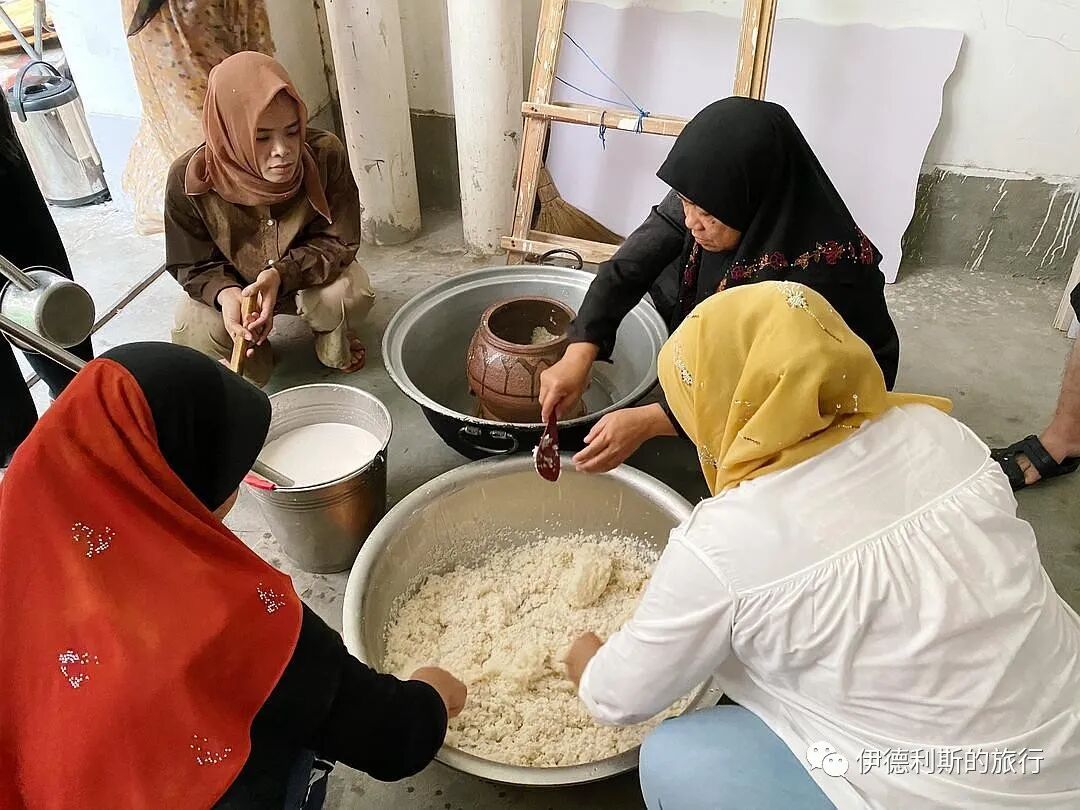
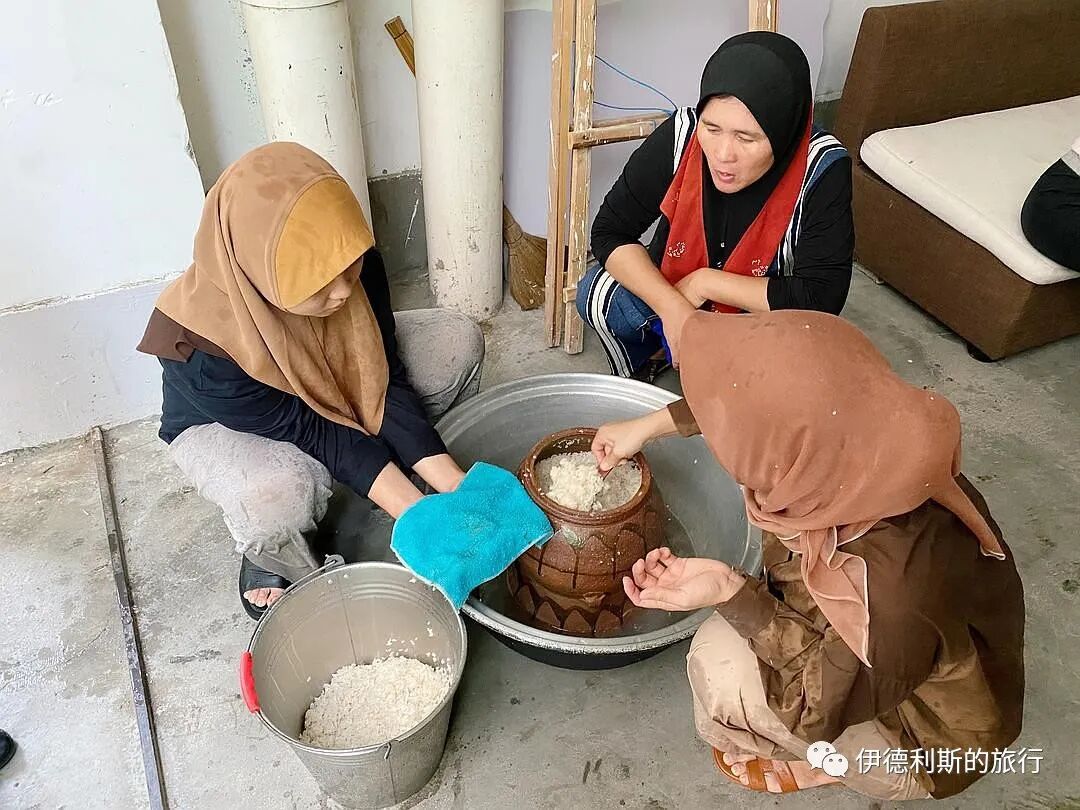
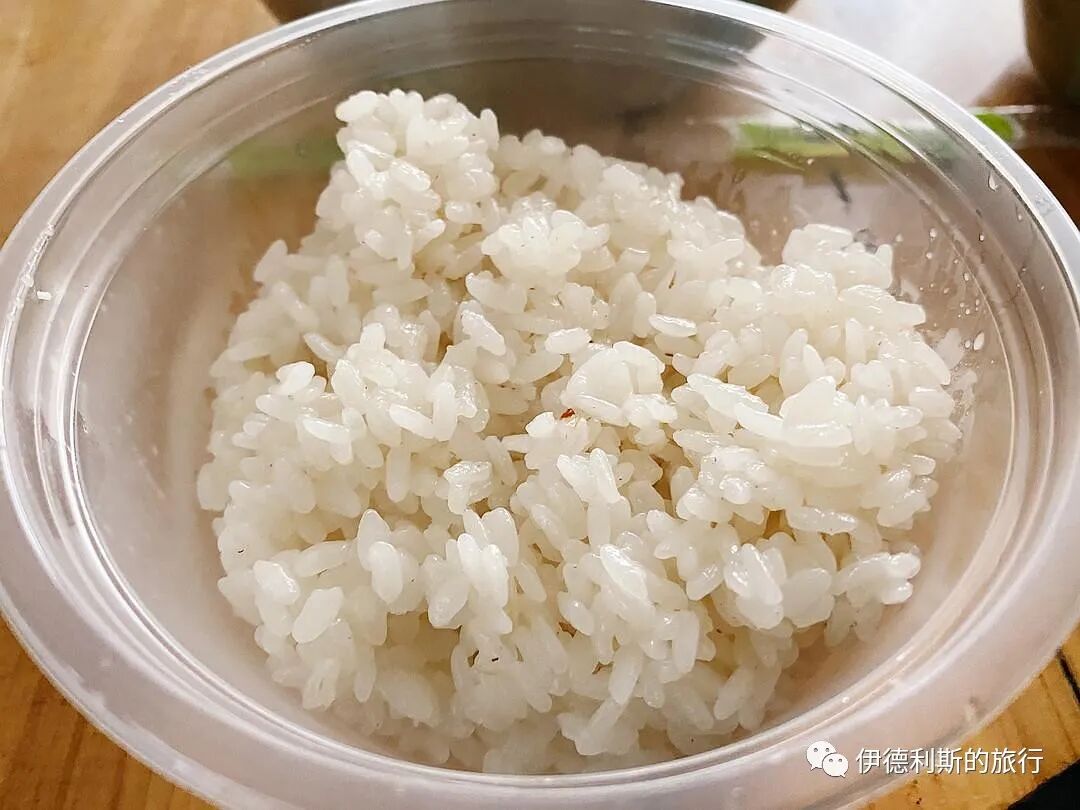
They used beef slaughtered the previous day for Eid al-Adha. First, stew the meat, then add wood ear mushrooms and yuba (dried bean curd sheets). This is a classic main dish at Huihui banquets.
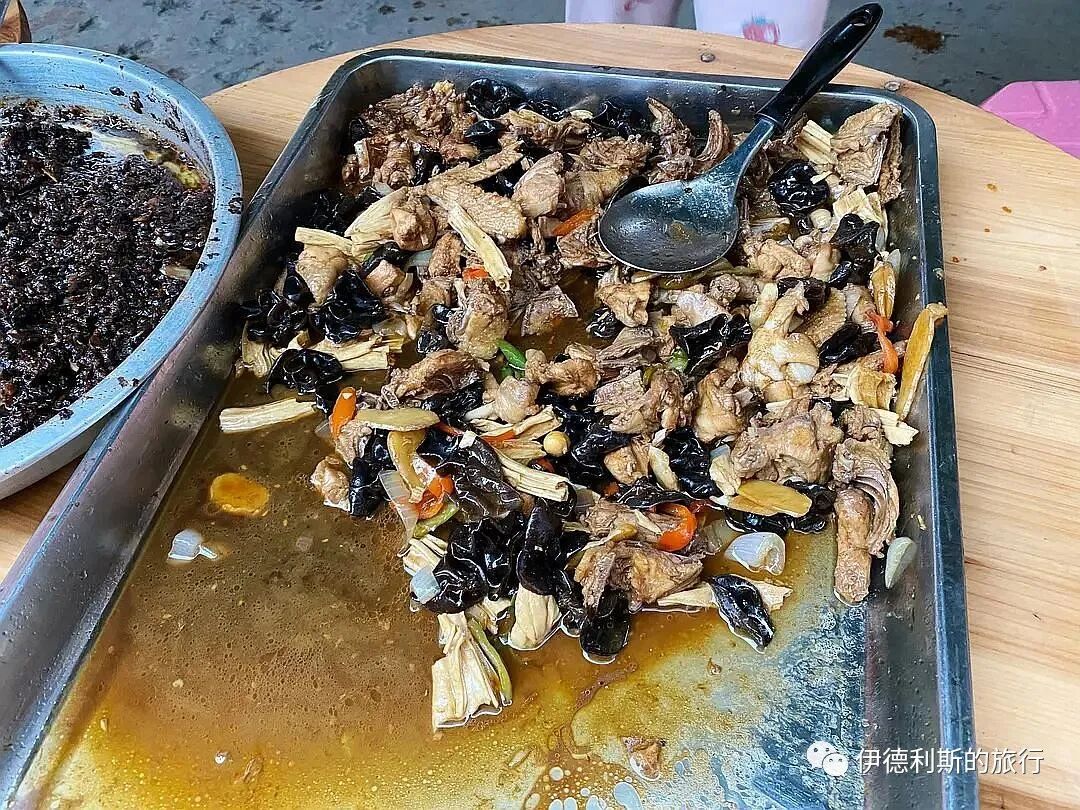
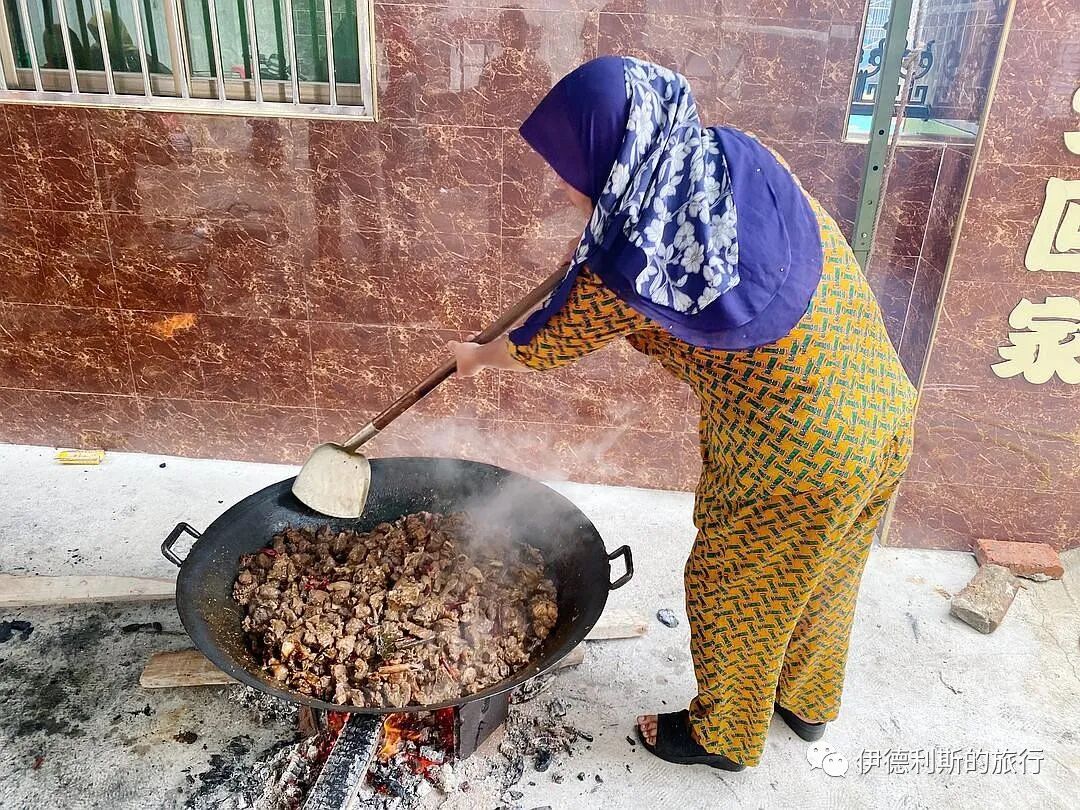
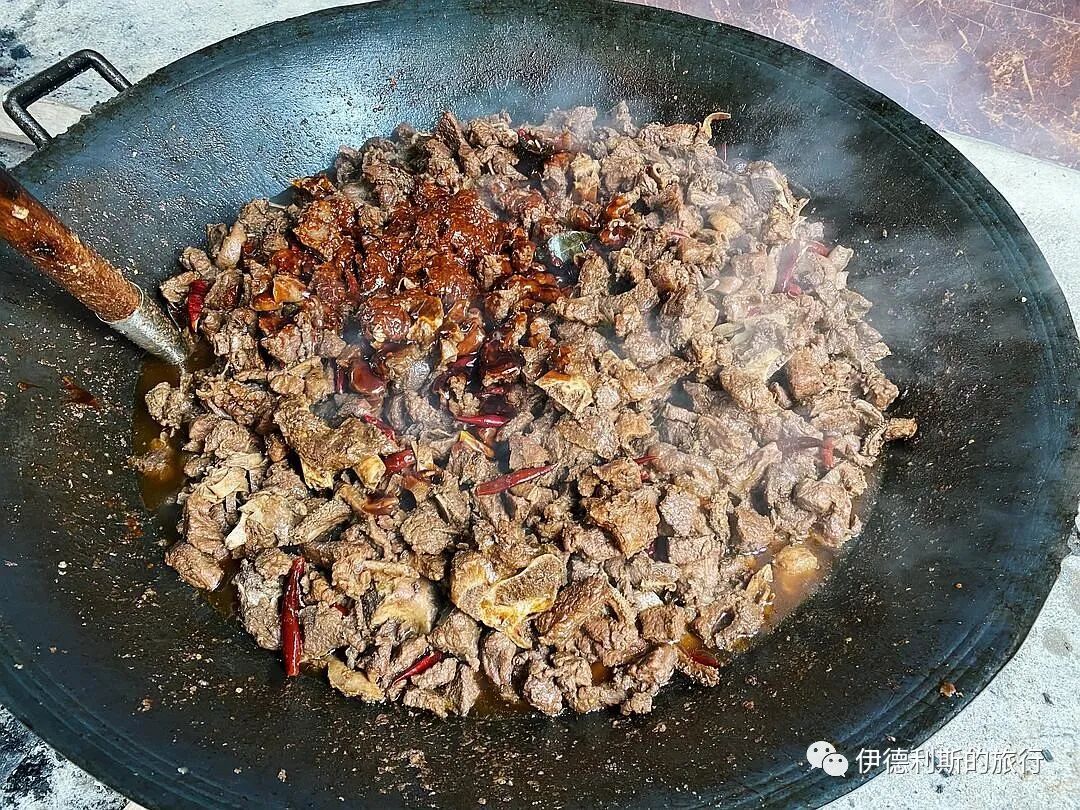
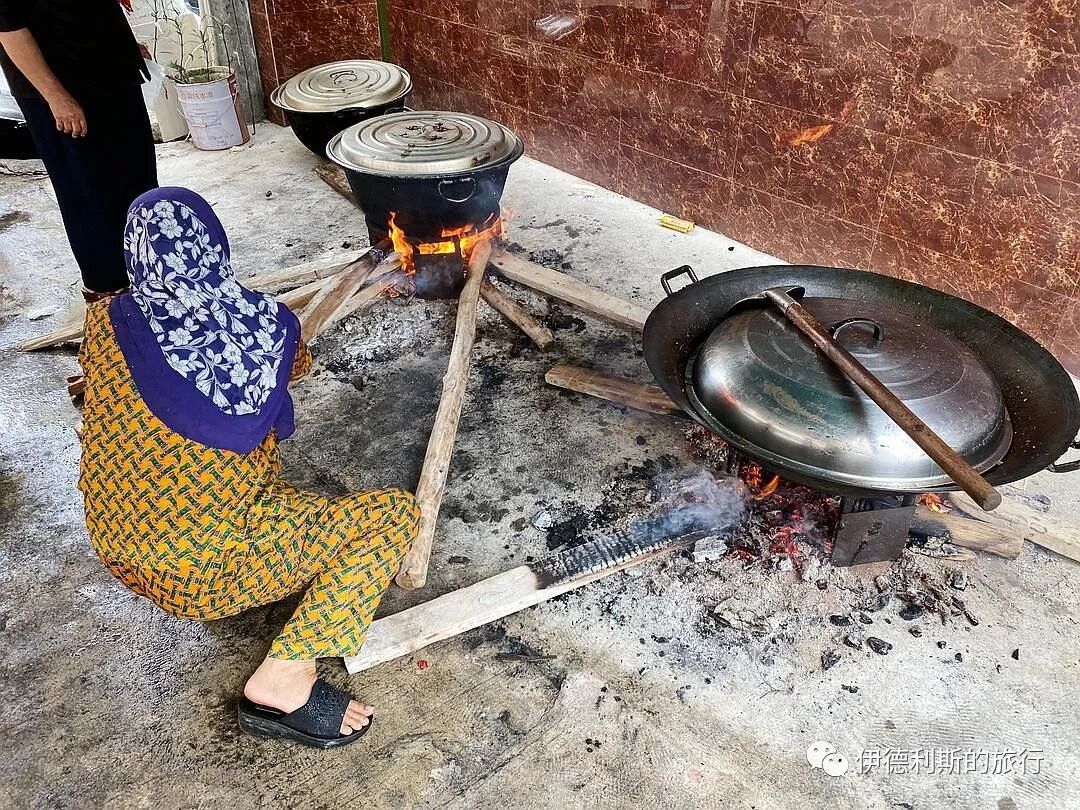
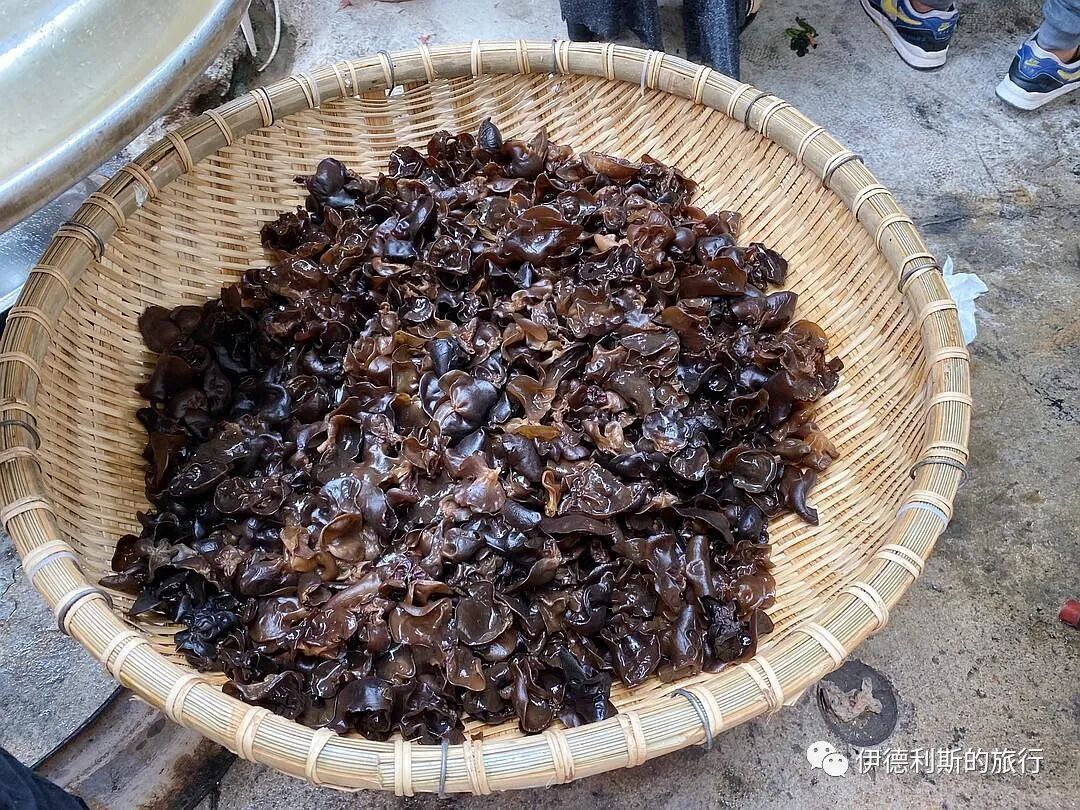
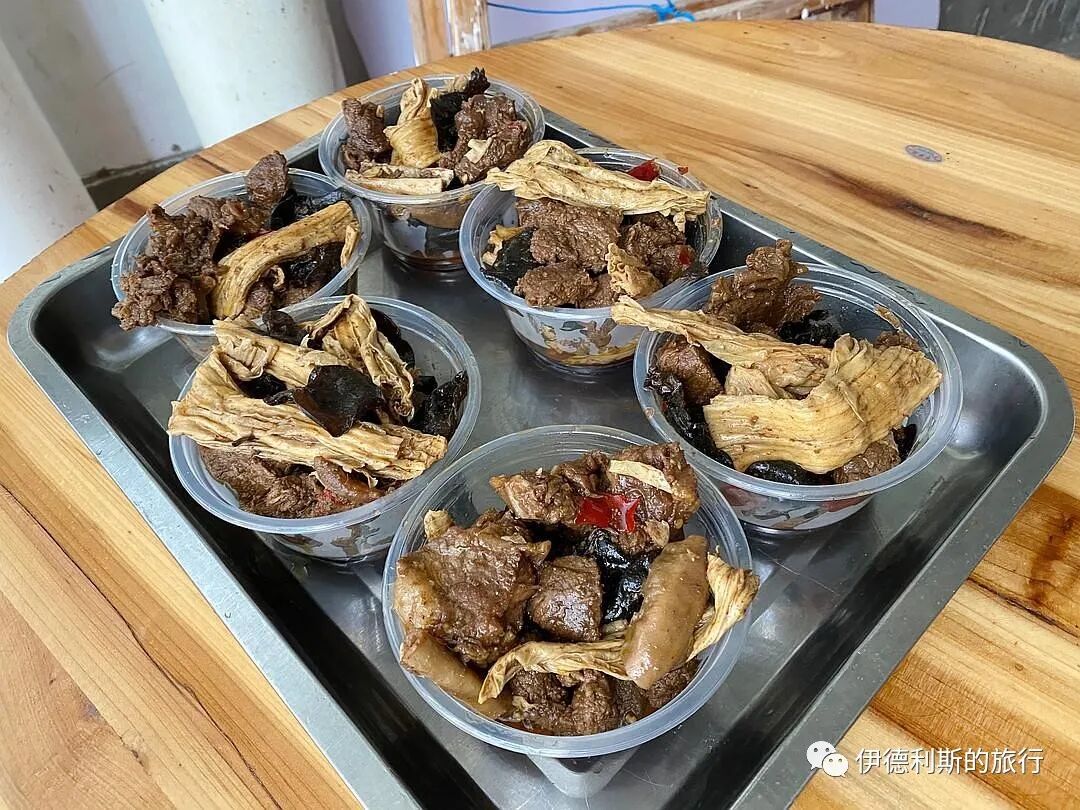
15. The Tatars of Urumqi
The Tatar ethnic group is the smallest ethnic group in China, with only about 3,000 people. Most of the Tatars in Urumqi belong to the Kazan Tatars, who moved here successively from the Kazan area along the Volga River from the 19th century to the early 20th century. At that time, most Tatars were intellectuals or merchants, and they played an important role in promoting the establishment of modern education in Xinjiang.
The Tatar pastry shop in Urumqi is located on the site of a former Russian trading port. A hundred years ago, this was a place where Russians, Tatars, and various Central Asian merchants traded, a bit like Sanlitun in Beijing. The Tatar pastry shop is also a witness to this history.
Their most classic cake consists of six layers of pastry sandwiched with six layers of cream. The pastry is made from milk, eggs, ghee, and honey, without adding water, and it tastes exceptionally fragrant.
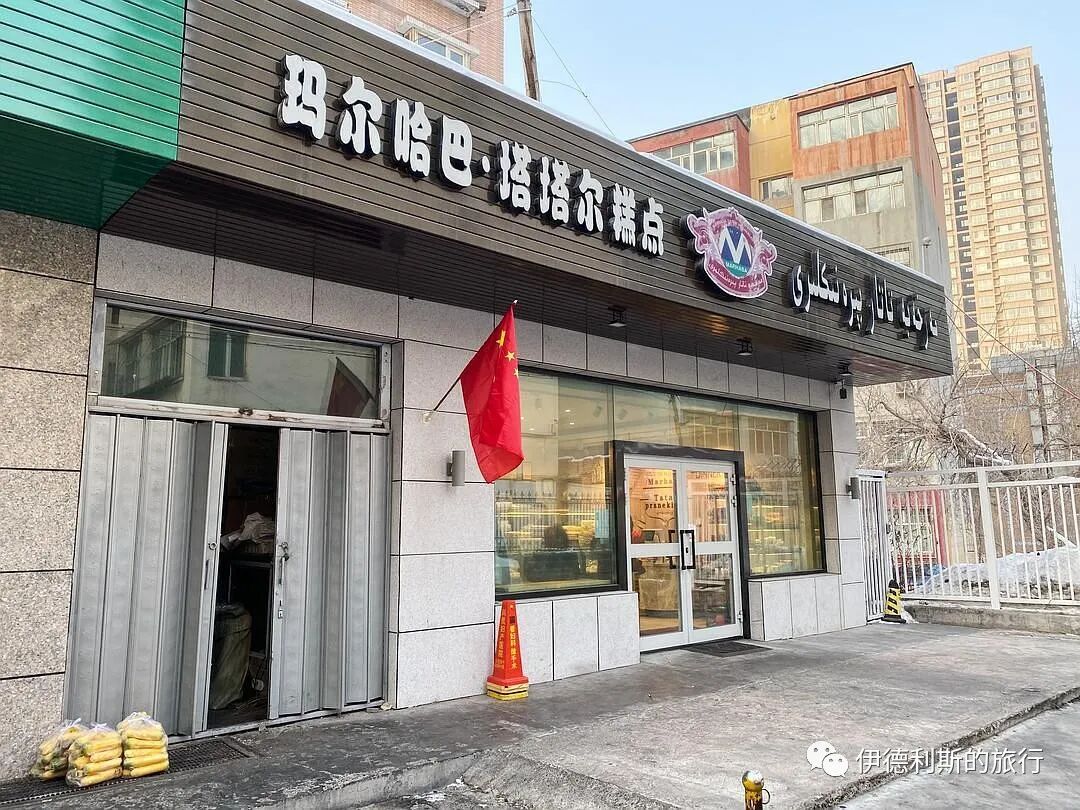
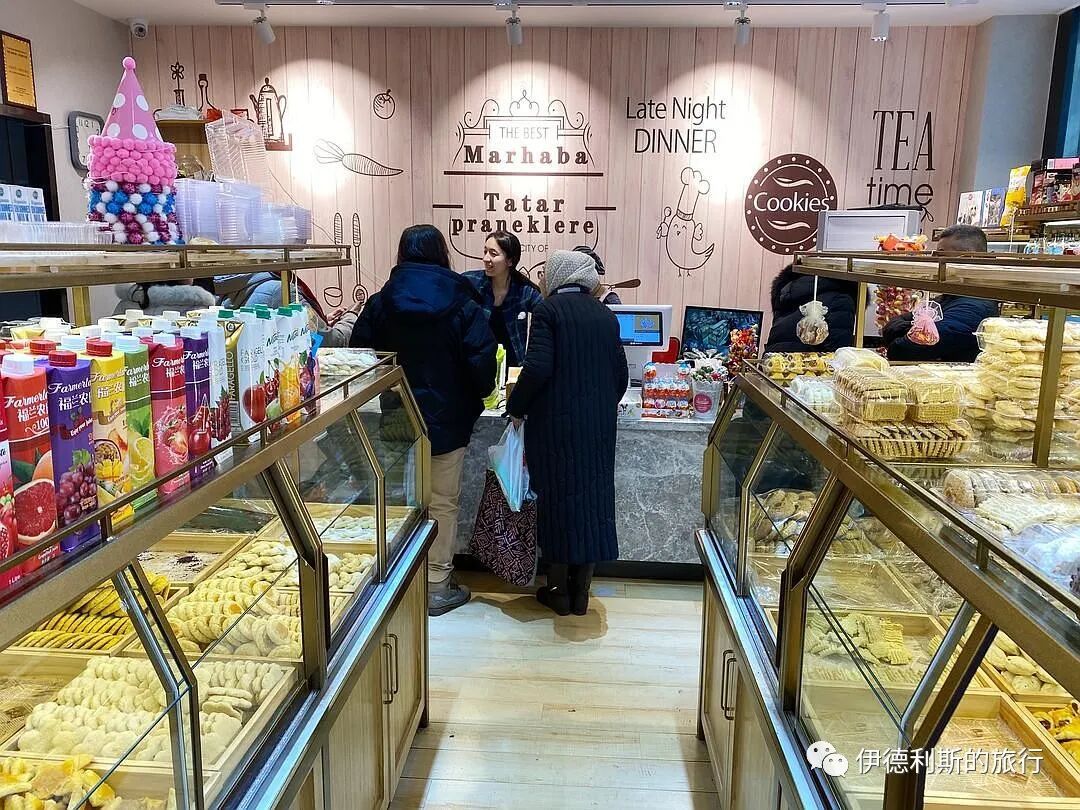
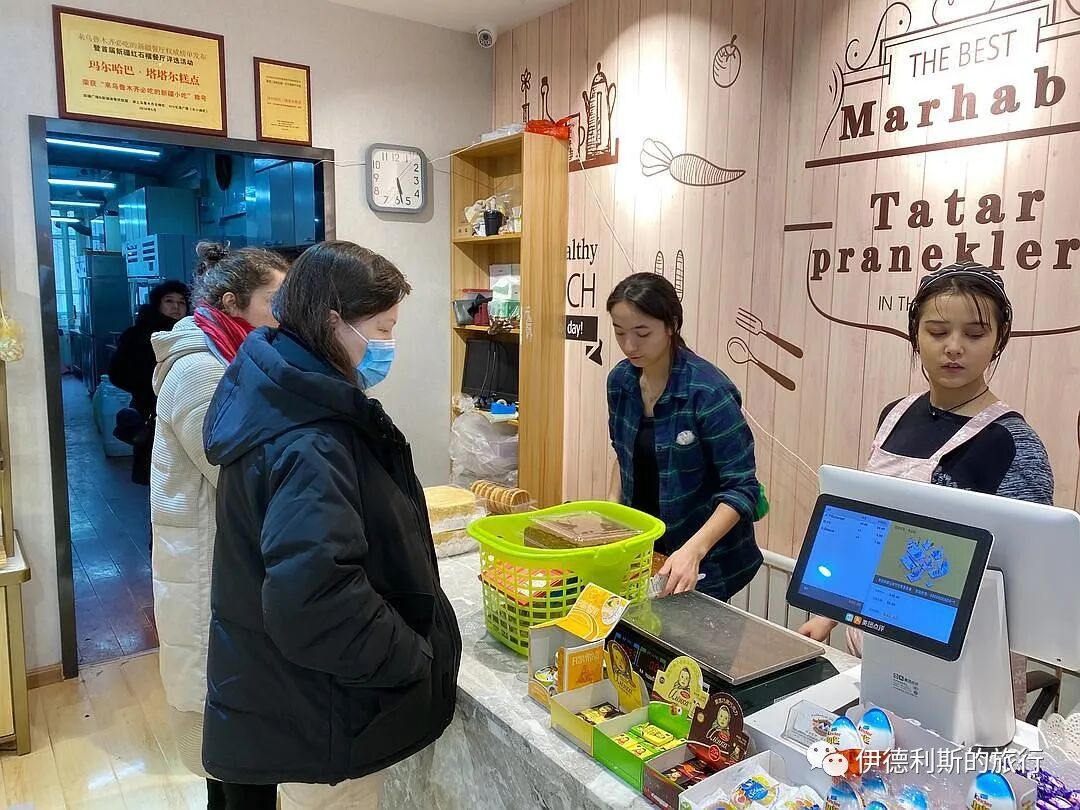
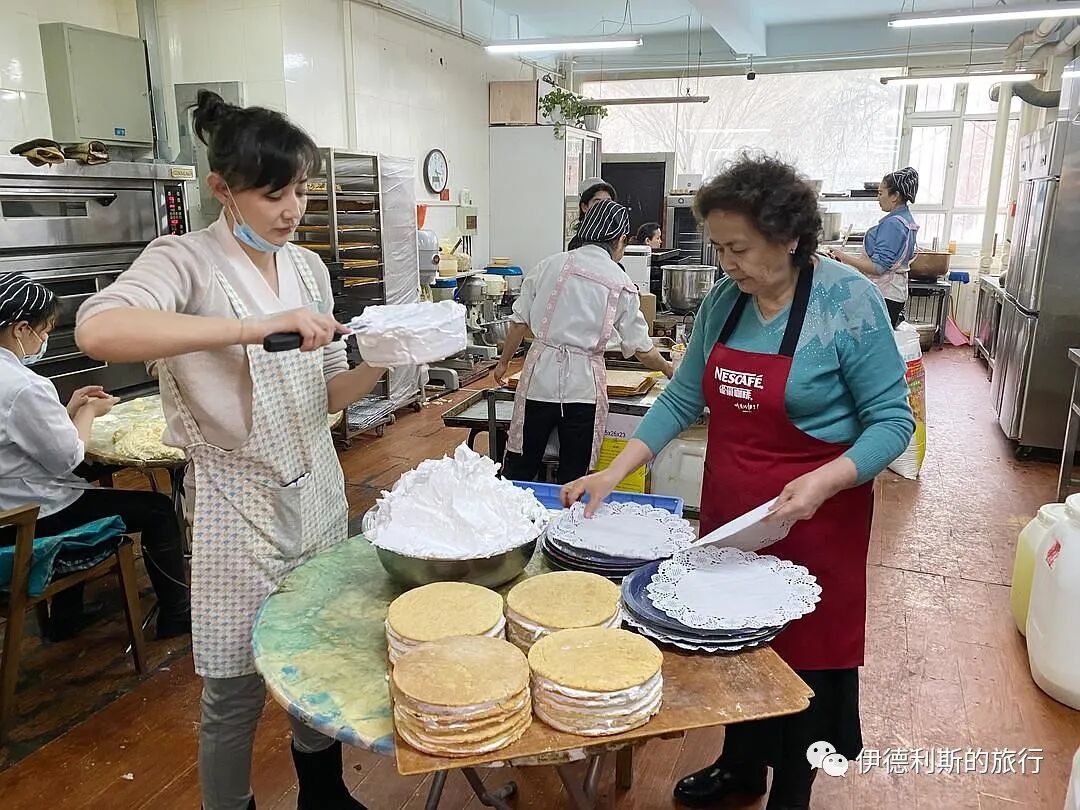
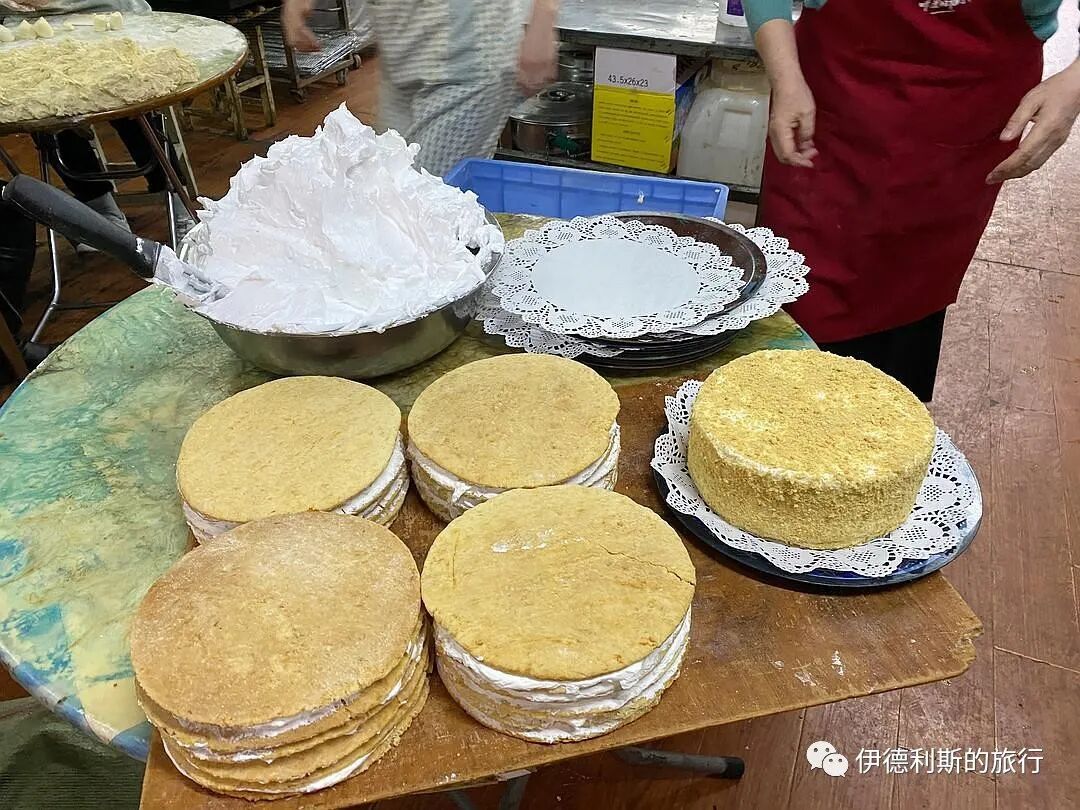
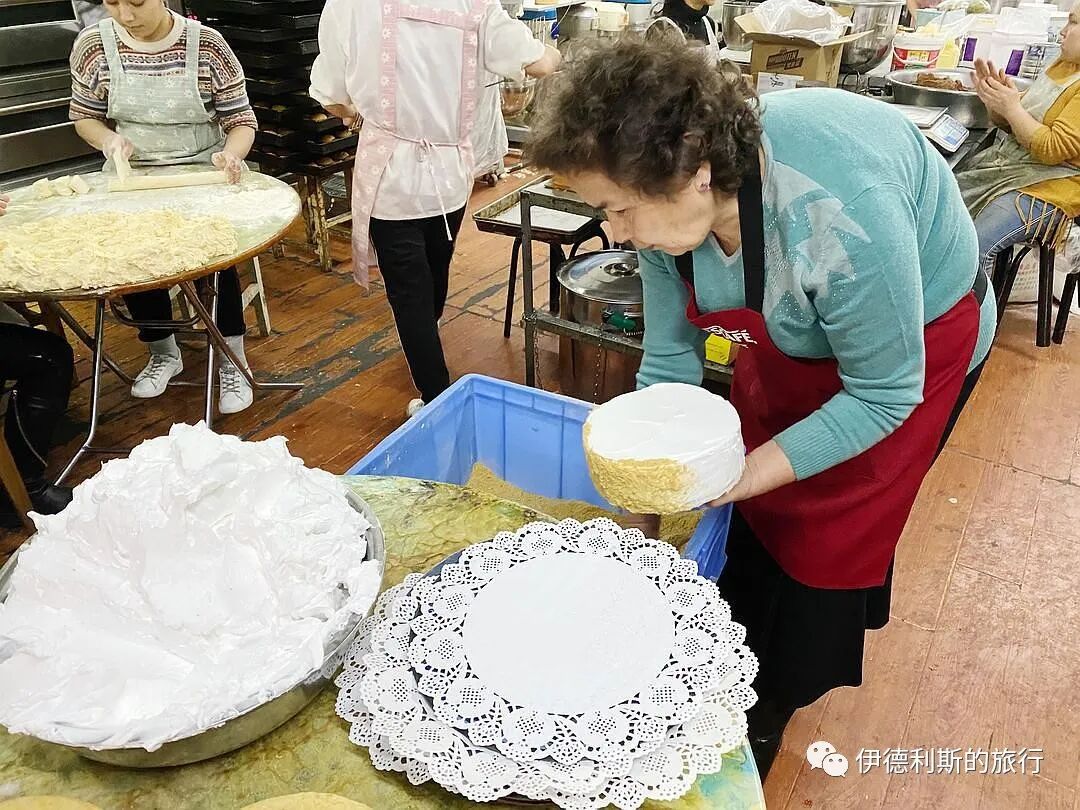
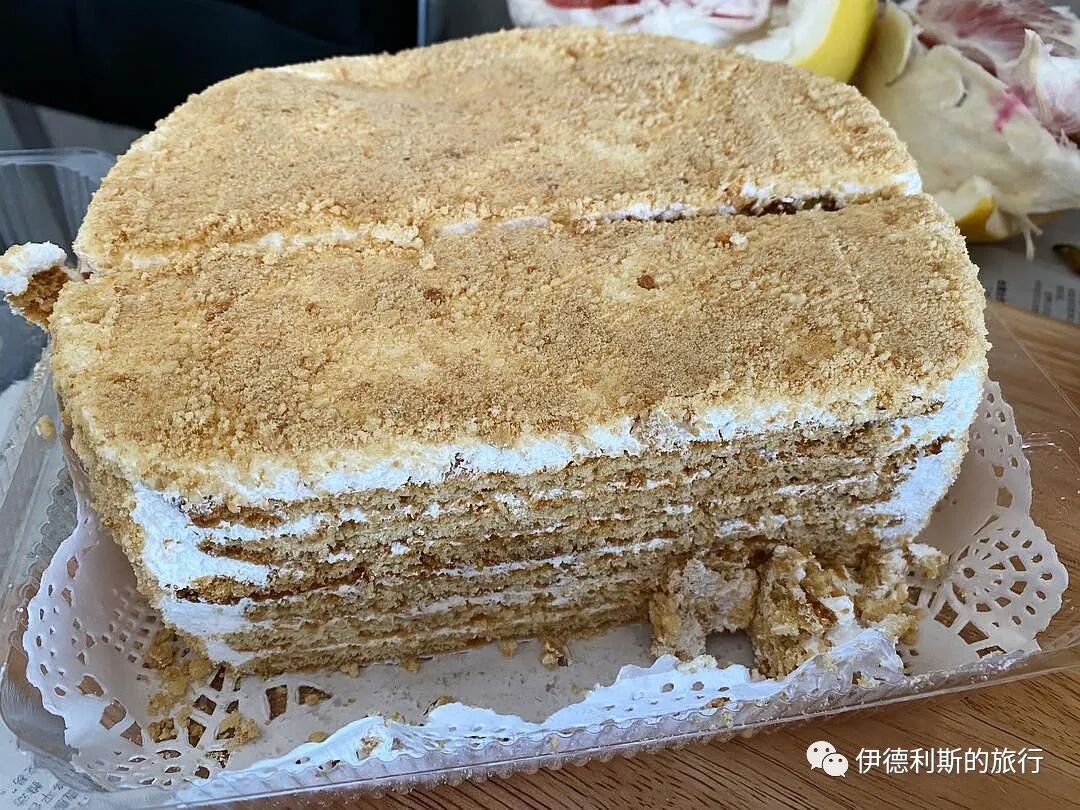
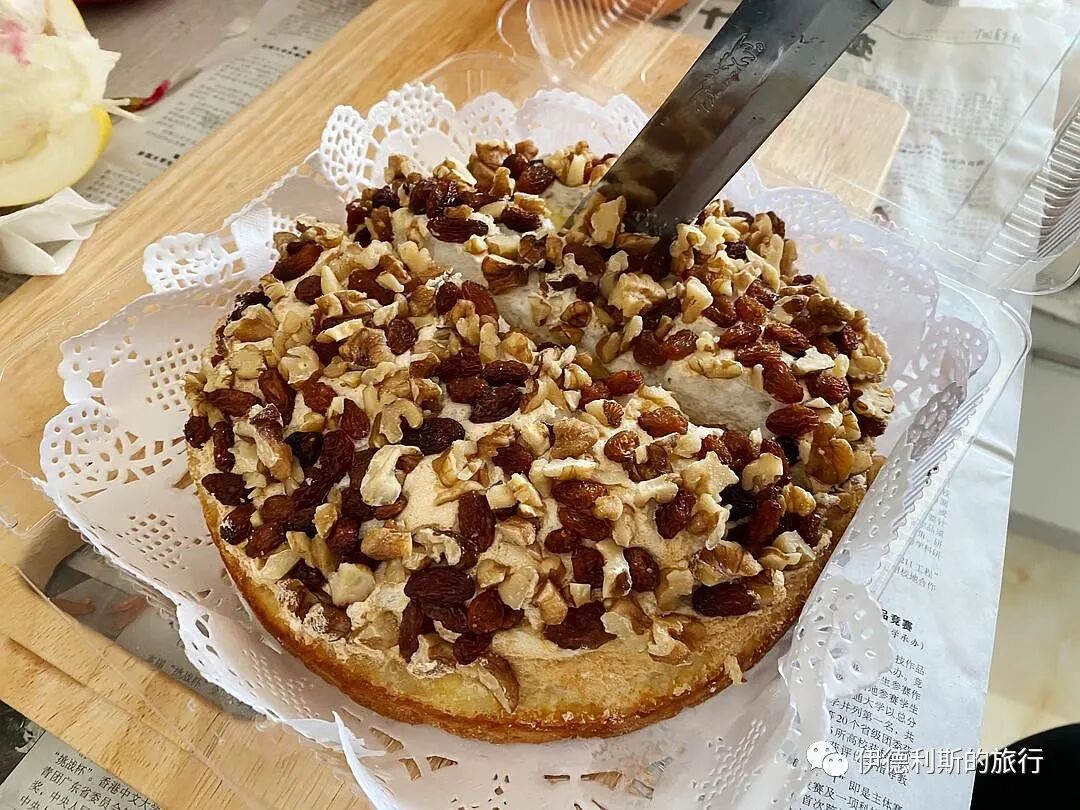
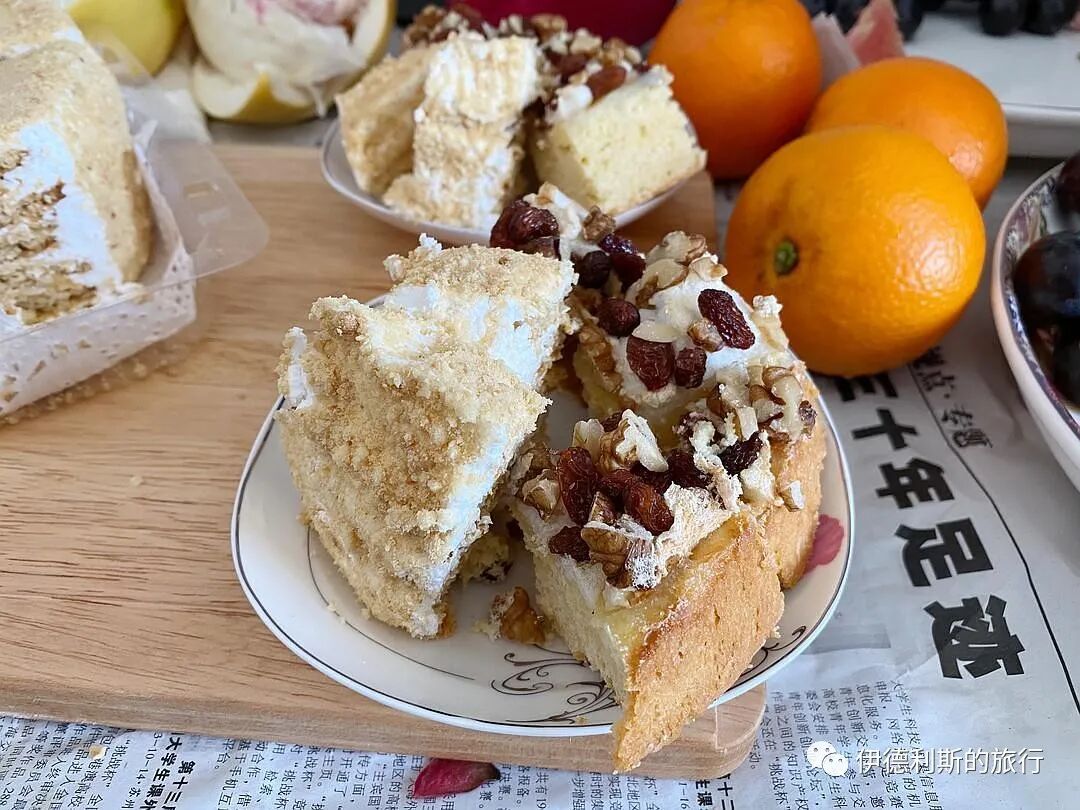
16. The Dongxiang people of Xiaoxihu, Lanzhou
The Dongxiang people are a Muslim ethnic group that uses the Dongxiang language of the Mongolic language family. They are mainly distributed in Dongxiang County, Hezheng County, and Guanghe County in Linxia, Gansu. The loess hills where the Dongxiang people live are relatively barren, so after the 1980s, many people chose to go to Lanzhou to make a living. Xiaoxihu is located at the end of the road from Linxia to Lanzhou, close to the Hui Muslim communities of Xiyuan and Xihu that have formed since the Qing Dynasty. Coupled with the commercial development driven by the Xiaoxihu Yiwu Trade City since the 1990s, Xiaoxihu has become the main residential area for the Dongxiang people in Lanzhou.
The Dongxiang people in Xiaoxihu are most concentrated in Baishu Lane, Jiangouyan, and Shangxiyuan, where you can eat various Dongxiang delicacies.
The owner of Zhonghua Shouzhua Dawang (Zhonghua Hand-Grabbed Mutton King) is named Ma Zhonghua, and it is a very popular Dongxiang hand-grabbed mutton shop in Lanzhou. Drinking sanpaotai (a traditional tea with three ingredients) while eating half a jin (250 grams) of hand-grabbed mutton ribs, a small bowl of lentil sparrow-tongue noodles, and a plate of liangpi (cold skin noodles), I felt very satisfied. This place has a good environment and good service; they refill the water frequently, and of course, the sanpaotai itself is also delicious.
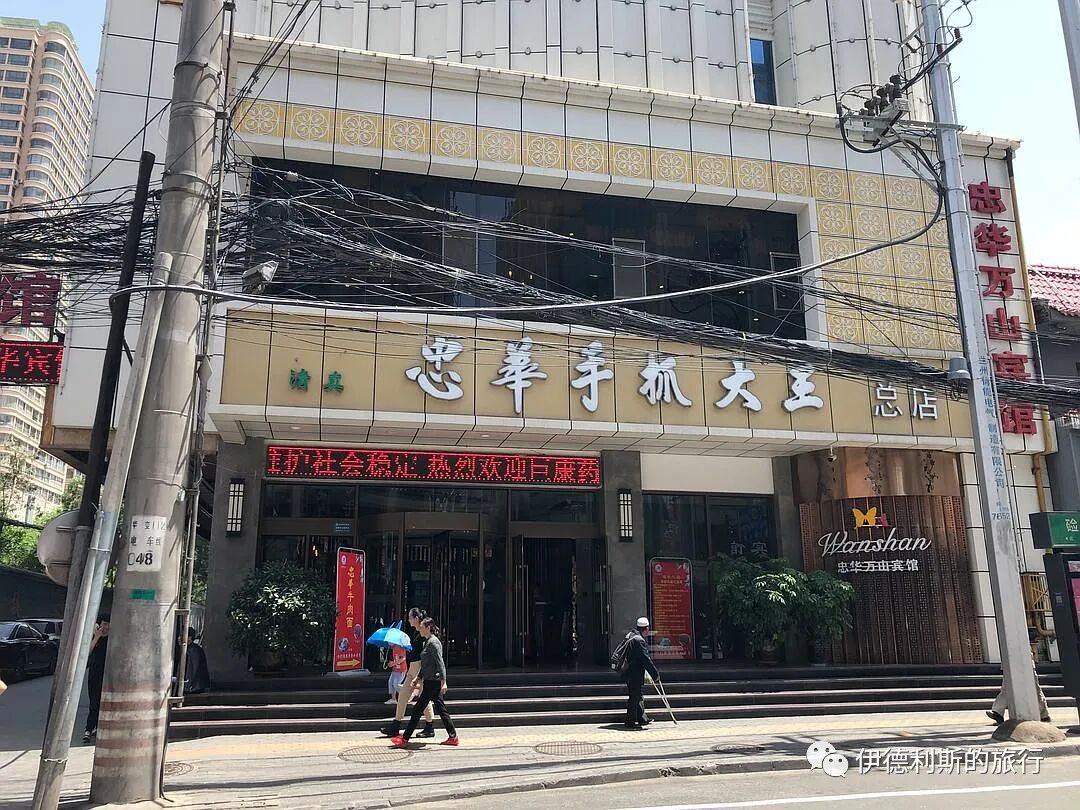
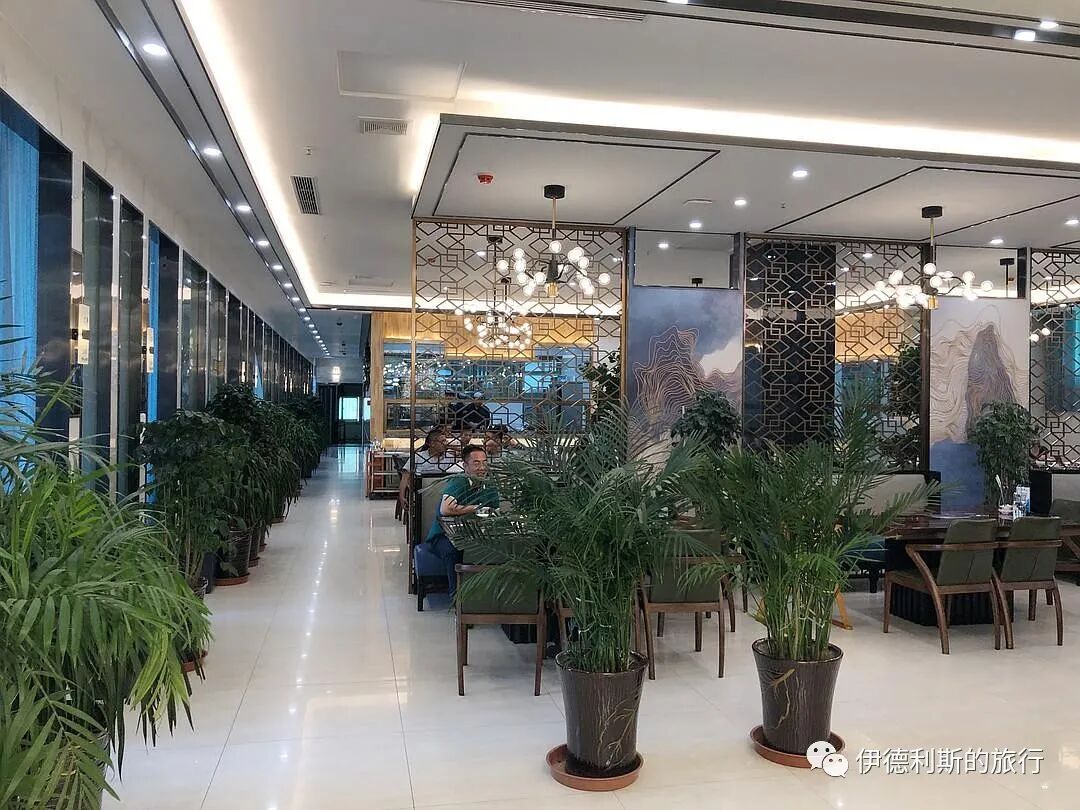
The mutton tastes very authentic; basically, it is one piece of meat with one clove of garlic, and the garlic is also very fragrant.
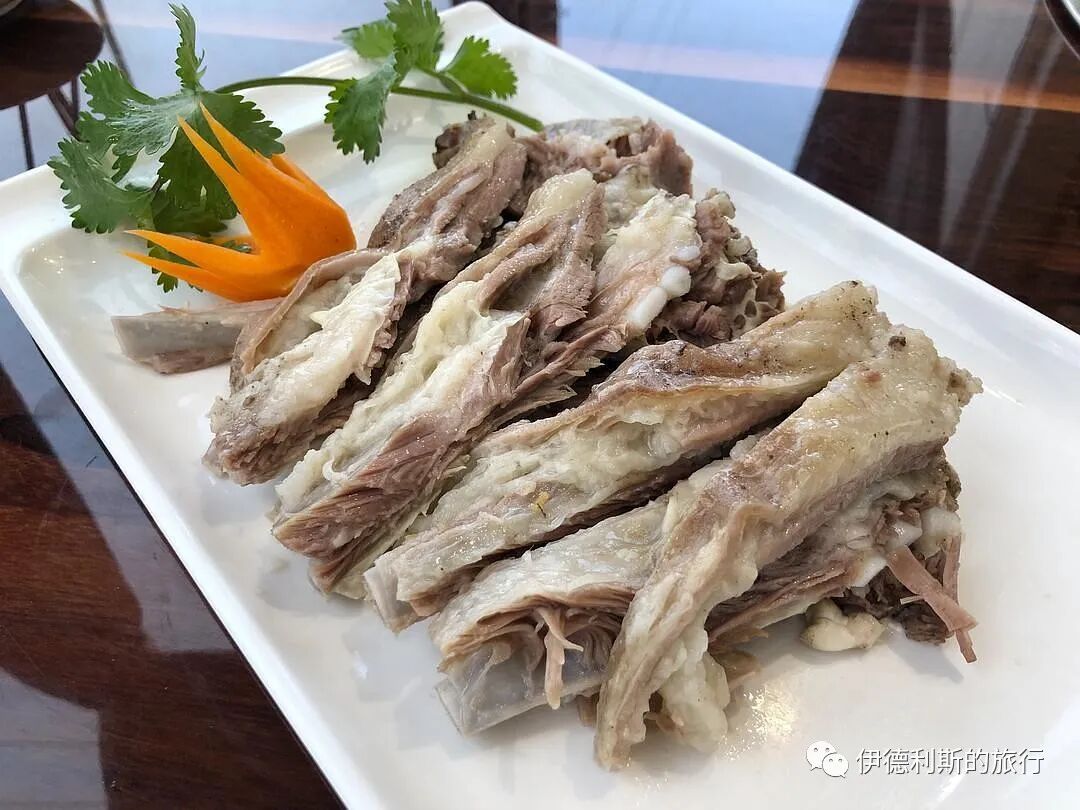
Liangpi (cold skin noodles)
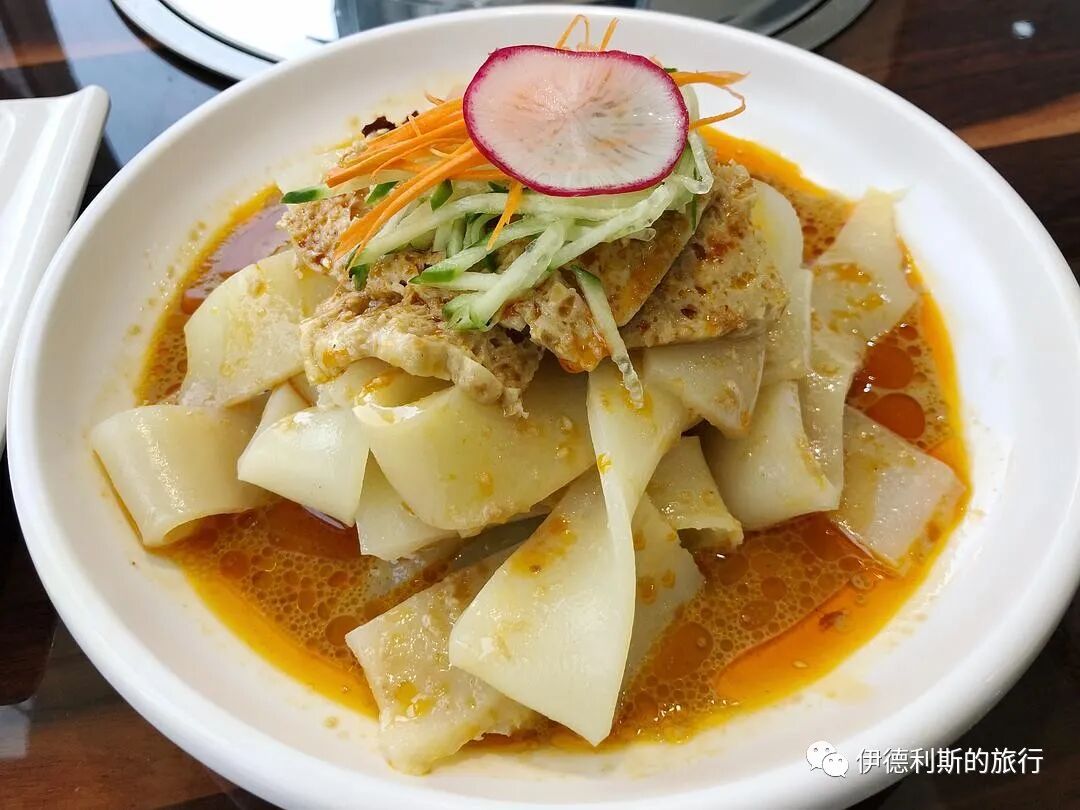
Lentil sparrow-tongue noodles
Twenty Ethnic Restaurants in China: Halal and Minority Food Guide (Part 2 of 4)
Articles • ali2007fr posted the article • 0 comments • 178 views • 2026-05-17 06:55
Summary: This travel note introduces Twenty Ethnic Restaurants in China: Halal and Minority Food Guide (Part 1). In my travels over the past few years, I have encountered some very interesting ethnic groups. It is useful for readers interested in Ethnic Food, Halal Food, China Travel. This is part 2 of 4.
Bitter melon served with a type of fish ball called featherback; I looked it up and it seems to be translated as the bronze featherback fish.
The mosque in the menu is the Jamiul Aman Mosque located in Chau Phu District, An Giang Province, Vietnam, built in 1965.
This is the Jamiul Azhar Mosque in Phu Tan District, An Giang Province, Vietnam. It is said to have been built in 1425 and is the mosque with the highest status among the orthodox Muslims of the Cham people in Vietnam.
5. Tamil Muslims in Penang, Malaysia
Penang, also known as Pulau Pinang, is an island in northwestern Malaysia. Over 90% of Indians in Penang are Tamils from southeastern India and northern Sri Lanka. As early as 1790, four years after George Town in Penang was built, the British East India Company mentioned that Tamils were opening shops and farming in Penang. In the late 19th century, with the increase in wages caused by labor shortages in Penang, Indian immigration to Penang was officially legalized in 1872, and in 1887, subsidies for Indian immigrant ship tickets began, leading to an increasing number of Tamil immigrants to Penang.
Tamil Muslims are called "Mamak" in Malaysia, which comes from the Tamil word for "uncle" (maa-ma). In Malaysia and Singapore, Tamil children often address Tamil male elders this way, especially in Tamil Muslim restaurants, so Malays began to call the entire Tamil Muslim ethnic group "Mamak," where the final "k" is not pronounced in Malay.
Penang's Tamil Muslims are most famous for their "Mamak stall" and "Mamak restaurant" food culture, and one of the oldest century-old Mamak restaurants is Hameediyah Restaurant, which opened in 1907.
The founder of Hameediyah Restaurant was named Mohamed, who came from a Tamil Muslim village in the southernmost state of Tamil Nadu, India. Mohamed came to Penang in 1890, and shortly after, he rented the land where the restaurant is now located. At first, he only used this place to prepare food, and usually carried it on a shoulder pole to sell along the street, which is the famous "Nasi Kandar" (literally "shoulder-pole rice"). In 1907, Mohamed officially founded Hameediyah Restaurant and hired two helpers.
Mohamed learned many Tamil delicacies from his mother when he was young in South India, among which Biryani (spiced rice) and Murtabak (stuffed pancake) were his specialties.
After opening, the diners who came to the restaurant included port immigrant workers, rickshaw pullers, local traders, and government employees, etc. Some diners affectionately called Mohamed and his staff "Mamak." It was also during this period that restaurants opened by South Indian Tamil Muslims in Penang were gradually called Mamak restaurants.
After Mohamed passed away in 1927, his son Kander took over the restaurant, and later his grandson took over, and the restaurant's business was very prosperous. In 1941, Penang suffered a devastating air raid by the Japanese army. Hameediyah Restaurant insisted on staying open during this period and miraculously survived the bombing. In 1945, after Japan was defeated, Kander's grandson, the fourth-generation successor Abu Bakar, took over the restaurant, and later passed it on to his relative Abdul Sukkoor. Today, Abdul Sukkoor's eldest son Seeni Pakir and youngest son Syed Ibrahim have become the restaurant's chefs and are responsible for daily operations.
Nasi Kandar is a delicacy invented by South Indian Tamil Muslims in Penang, which is rice served with various curries of beef, mutton, chicken, fish, shrimp, and side dishes. When Tamil Muslims first arrived in Penang in the 19th century, most of them carried food on shoulder poles to sell along the street, so the food they sold was called "Nasi Kandar." By the 20th century, Tamil Muslims began to open restaurants and stalls, but the name "Nasi Kandar" has been used to this day. This time at Hameediyah Restaurant, I had Biryani Kosong (plain spiced rice) with lamb shank, chicken, and cabbage.
Murtabak is a thick pancake filled with eggs, onions, minced meat, and shrimp. In Malaysia, Singapore, and Thailand, the way Murtabak is made is basically the same as the way Roti canai (Indian flatbread) is made. The Malaysian version has less meat and more eggs than the Singaporean one. One theory is that Murtabak comes from the Arabic word "Mutabbaq," meaning "folded," so it may have been brought to India by Indian Muslims from Yemen, and then brought to the Malay Archipelago by South Indian Tamil Muslims. Another theory is that Murtabak comes from Kerala, South India, where "muta" means egg and "bar" is an abbreviation for "barota" bread.
6. Chinese Muslims in Penang, Malaysia
Restoran Haji Sharin Low Grand is the largest Chinese Muslim restaurant chain in Southeast Asia, with over 17 branches in Malaysia and Indonesia. The headquarters is in Kuala Lumpur, and the founder is Chinese Muslim Tuan Haji Sharin Low.
We ordered Nyonya flower crab, Teochew-style steamed grouper, Low's claypot tofu, and mee sua (wheat vermicelli) soup. They were all delicious~ And in one table of dishes, there were local Nyonya styles, as well as Teochew and Minnan styles, and they were all halal ingredients, which was a great cultural fusion.
After the meal, we chatted with the landlady for a while. The landlady is a local Chinese Muslim. I was very excited to finally be able to communicate face-to-face with this ethnic group that I had previously only learned about in news and papers. The landlady was very enthusiastic and said to come and visit again when we have time. We also learned that the local Chinese mosque in Penang was going to start construction in 2020, so Penang could have a social center for local Chinese Muslims.
7. The Jawi Peranakan community in Penang, Malaysia
Malaysia has a unique ethnic group called Jawi Peranakan, which refers to a Malay-speaking Muslim ethnic group formed after the intermarriage of Indian Muslim (also including Arab and Persian, etc.) men and Malay women. "Jawi" means "Southeast Asian Muslim" in Arabic, and "Peranakan" means "locally born" in Malay.
The Jawi Peranakan community does not prioritize the ethnic group of the other party when getting married, but first looks at the other party's wealth and status. Therefore, after the mid-19th century, the Jawi Peranakan had become the elite class of British Malaya. Jawi Peranakan attached great importance to English education, so many people held positions in the colonial government. At the same time, Jawi Peranakan also attached great importance to cultural development; the first Malay-language newspaper was founded by Jawi Peranakan.
After the 20th century, with the decline of the British Empire, the Jawi Peranakan community began to integrate into the Malays. Today, most Jawi Peranakan are counted as "Malays" by the government. Despite this, the Jawi Peranakan community still strives to pass on its unique culture, which can be reflected in architecture, clothing, jewelry, and food. view all
Summary: This travel note introduces Twenty Ethnic Restaurants in China: Halal and Minority Food Guide (Part 1). In my travels over the past few years, I have encountered some very interesting ethnic groups. It is useful for readers interested in Ethnic Food, Halal Food, China Travel. This is part 2 of 4.
Bitter melon served with a type of fish ball called featherback; I looked it up and it seems to be translated as the bronze featherback fish.
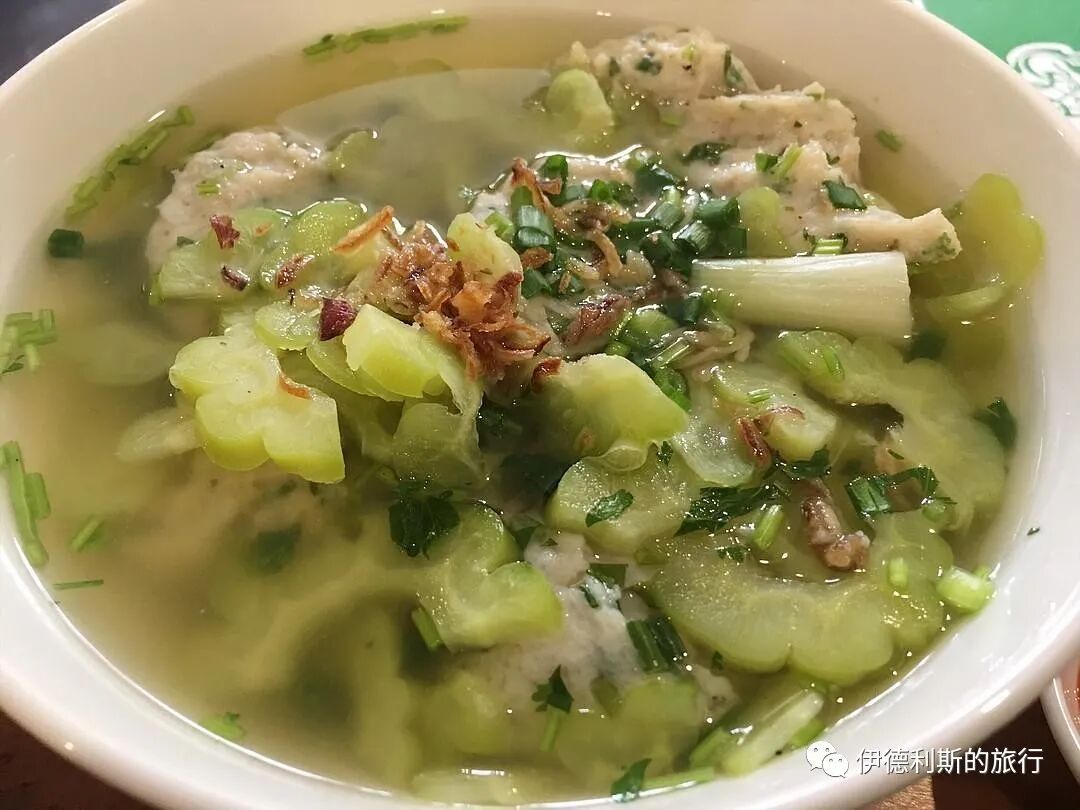
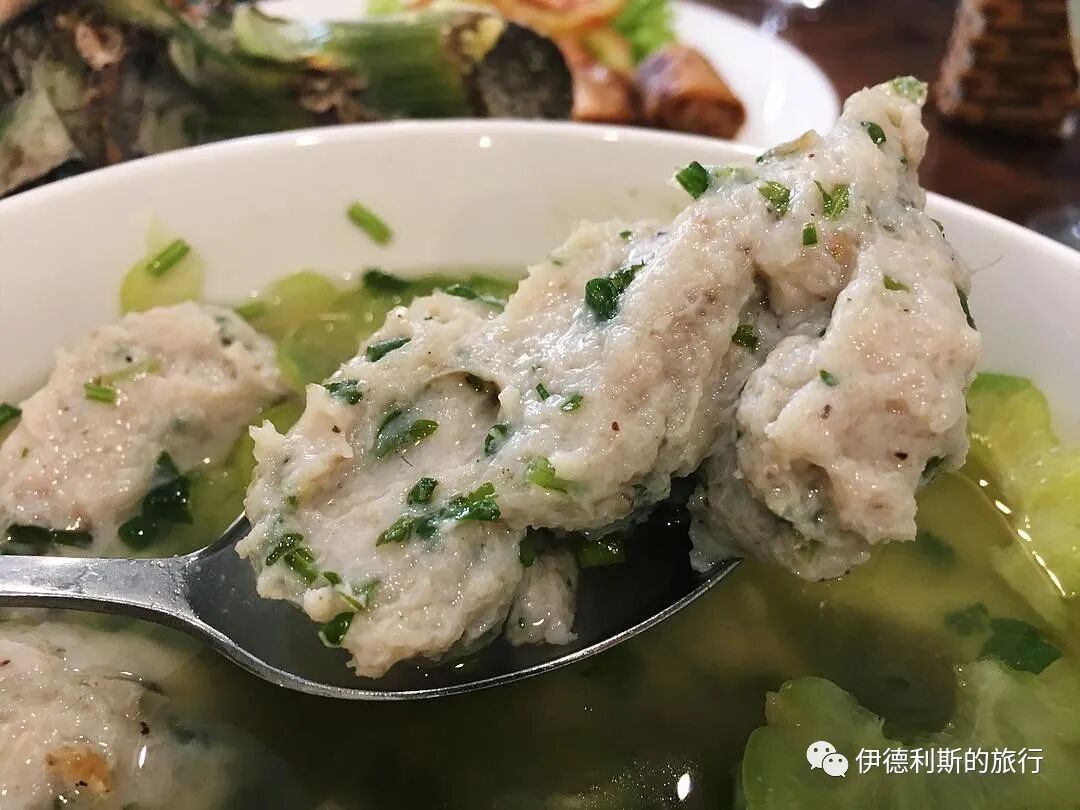
The mosque in the menu is the Jamiul Aman Mosque located in Chau Phu District, An Giang Province, Vietnam, built in 1965.
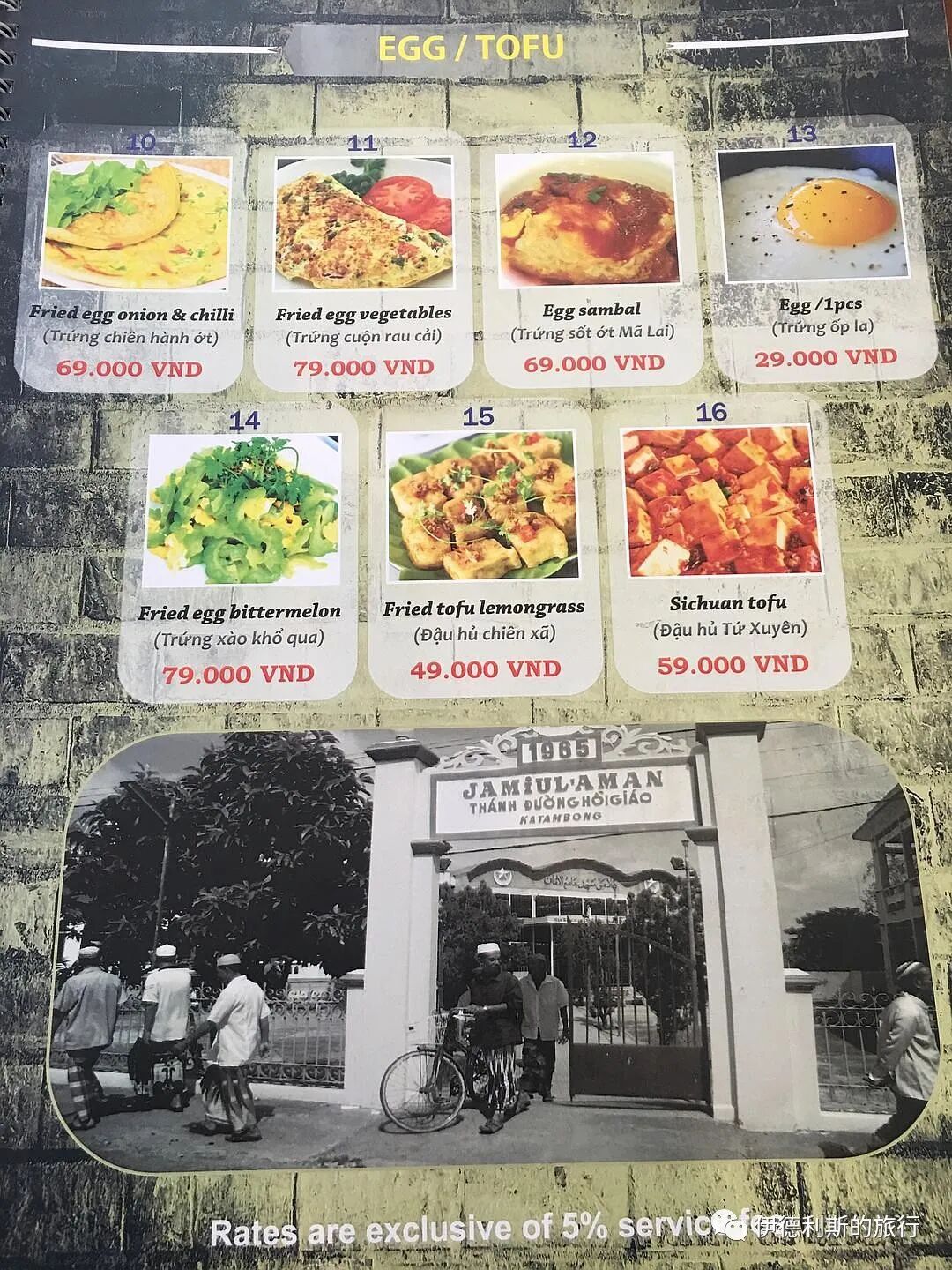
This is the Jamiul Azhar Mosque in Phu Tan District, An Giang Province, Vietnam. It is said to have been built in 1425 and is the mosque with the highest status among the orthodox Muslims of the Cham people in Vietnam.
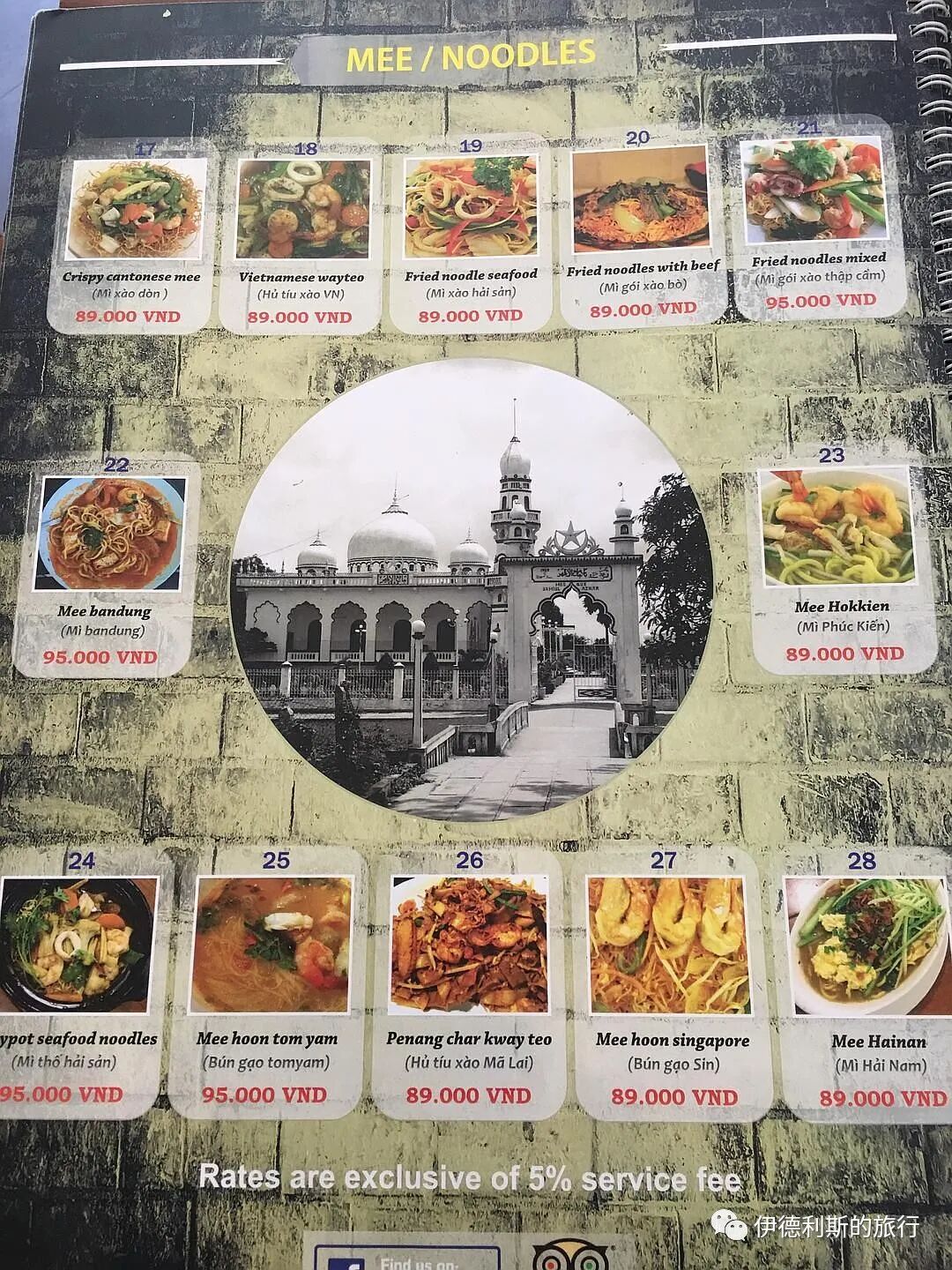
5. Tamil Muslims in Penang, Malaysia
Penang, also known as Pulau Pinang, is an island in northwestern Malaysia. Over 90% of Indians in Penang are Tamils from southeastern India and northern Sri Lanka. As early as 1790, four years after George Town in Penang was built, the British East India Company mentioned that Tamils were opening shops and farming in Penang. In the late 19th century, with the increase in wages caused by labor shortages in Penang, Indian immigration to Penang was officially legalized in 1872, and in 1887, subsidies for Indian immigrant ship tickets began, leading to an increasing number of Tamil immigrants to Penang.
Tamil Muslims are called "Mamak" in Malaysia, which comes from the Tamil word for "uncle" (maa-ma). In Malaysia and Singapore, Tamil children often address Tamil male elders this way, especially in Tamil Muslim restaurants, so Malays began to call the entire Tamil Muslim ethnic group "Mamak," where the final "k" is not pronounced in Malay.
Penang's Tamil Muslims are most famous for their "Mamak stall" and "Mamak restaurant" food culture, and one of the oldest century-old Mamak restaurants is Hameediyah Restaurant, which opened in 1907.
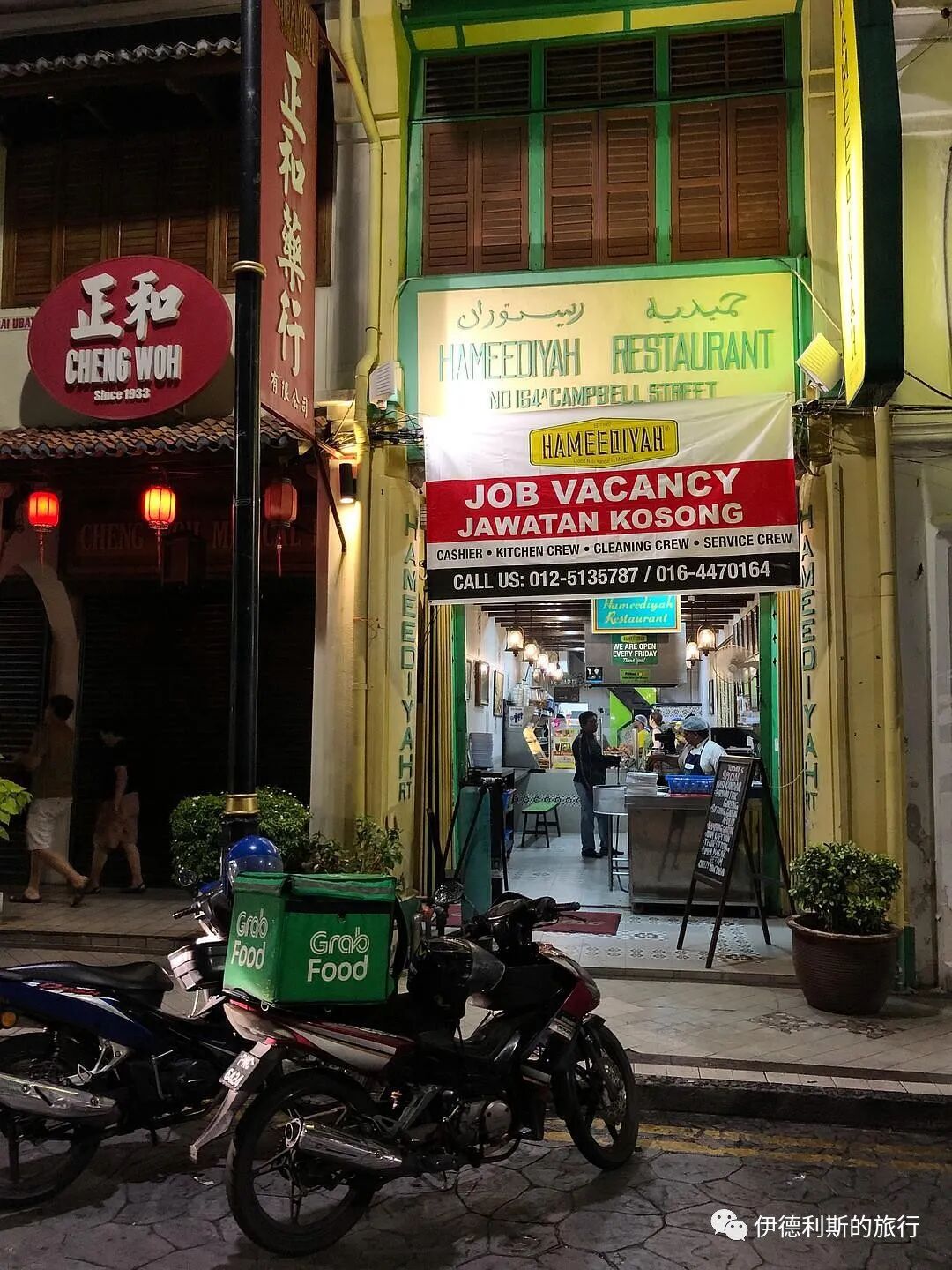
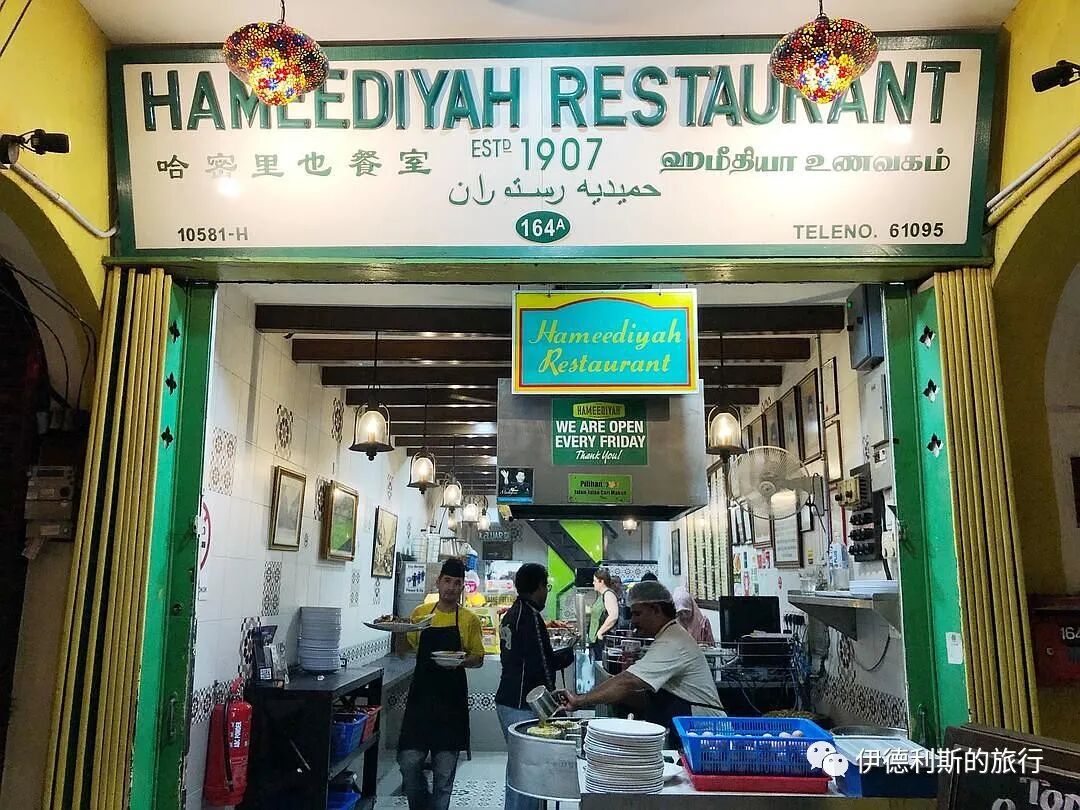
The founder of Hameediyah Restaurant was named Mohamed, who came from a Tamil Muslim village in the southernmost state of Tamil Nadu, India. Mohamed came to Penang in 1890, and shortly after, he rented the land where the restaurant is now located. At first, he only used this place to prepare food, and usually carried it on a shoulder pole to sell along the street, which is the famous "Nasi Kandar" (literally "shoulder-pole rice"). In 1907, Mohamed officially founded Hameediyah Restaurant and hired two helpers.
Mohamed learned many Tamil delicacies from his mother when he was young in South India, among which Biryani (spiced rice) and Murtabak (stuffed pancake) were his specialties.
After opening, the diners who came to the restaurant included port immigrant workers, rickshaw pullers, local traders, and government employees, etc. Some diners affectionately called Mohamed and his staff "Mamak." It was also during this period that restaurants opened by South Indian Tamil Muslims in Penang were gradually called Mamak restaurants.
After Mohamed passed away in 1927, his son Kander took over the restaurant, and later his grandson took over, and the restaurant's business was very prosperous. In 1941, Penang suffered a devastating air raid by the Japanese army. Hameediyah Restaurant insisted on staying open during this period and miraculously survived the bombing. In 1945, after Japan was defeated, Kander's grandson, the fourth-generation successor Abu Bakar, took over the restaurant, and later passed it on to his relative Abdul Sukkoor. Today, Abdul Sukkoor's eldest son Seeni Pakir and youngest son Syed Ibrahim have become the restaurant's chefs and are responsible for daily operations.
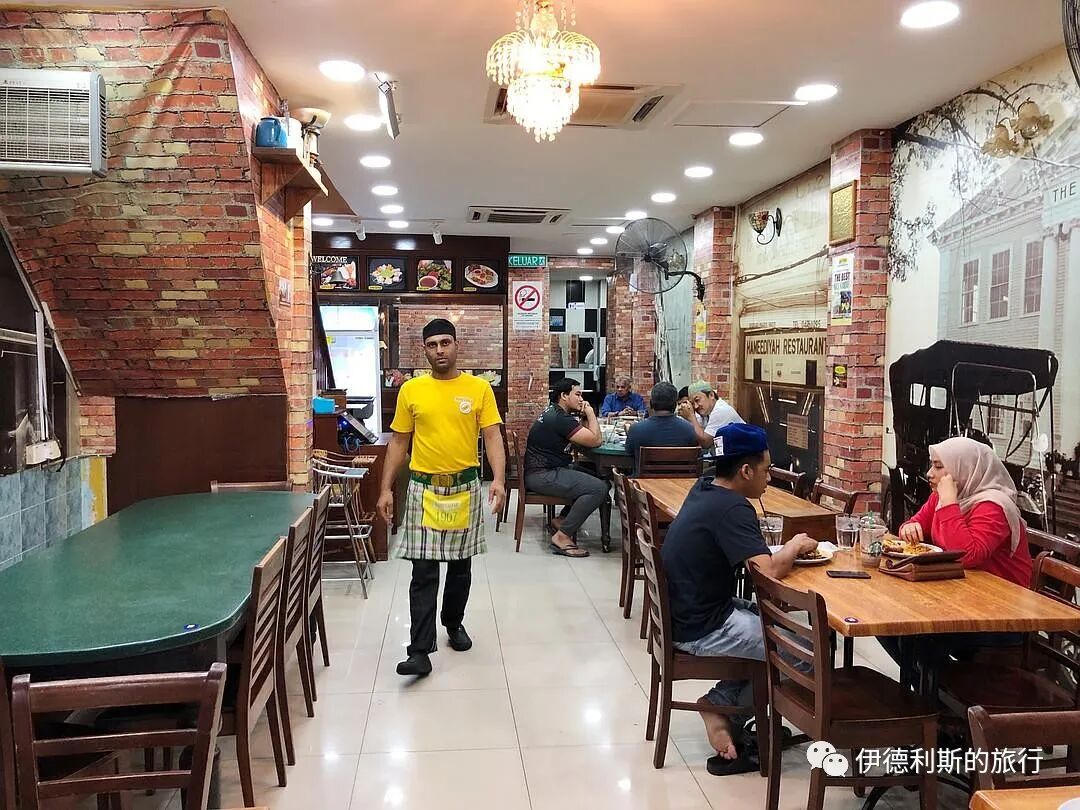
Nasi Kandar is a delicacy invented by South Indian Tamil Muslims in Penang, which is rice served with various curries of beef, mutton, chicken, fish, shrimp, and side dishes. When Tamil Muslims first arrived in Penang in the 19th century, most of them carried food on shoulder poles to sell along the street, so the food they sold was called "Nasi Kandar." By the 20th century, Tamil Muslims began to open restaurants and stalls, but the name "Nasi Kandar" has been used to this day. This time at Hameediyah Restaurant, I had Biryani Kosong (plain spiced rice) with lamb shank, chicken, and cabbage.
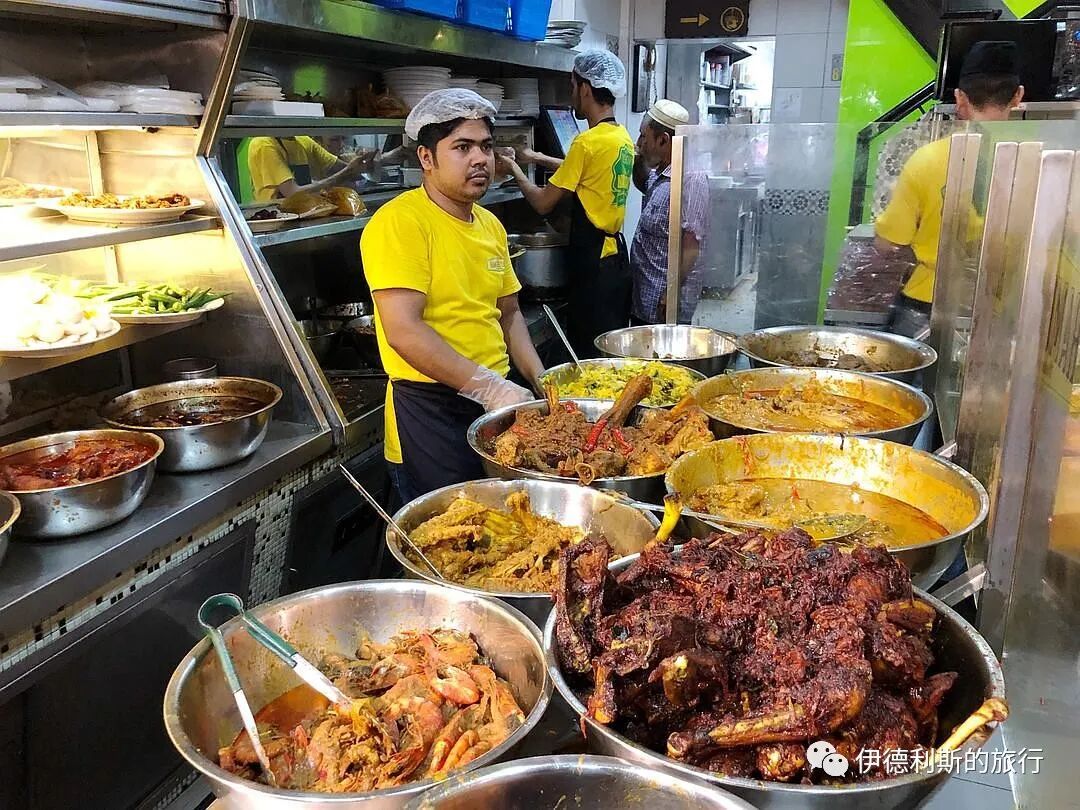
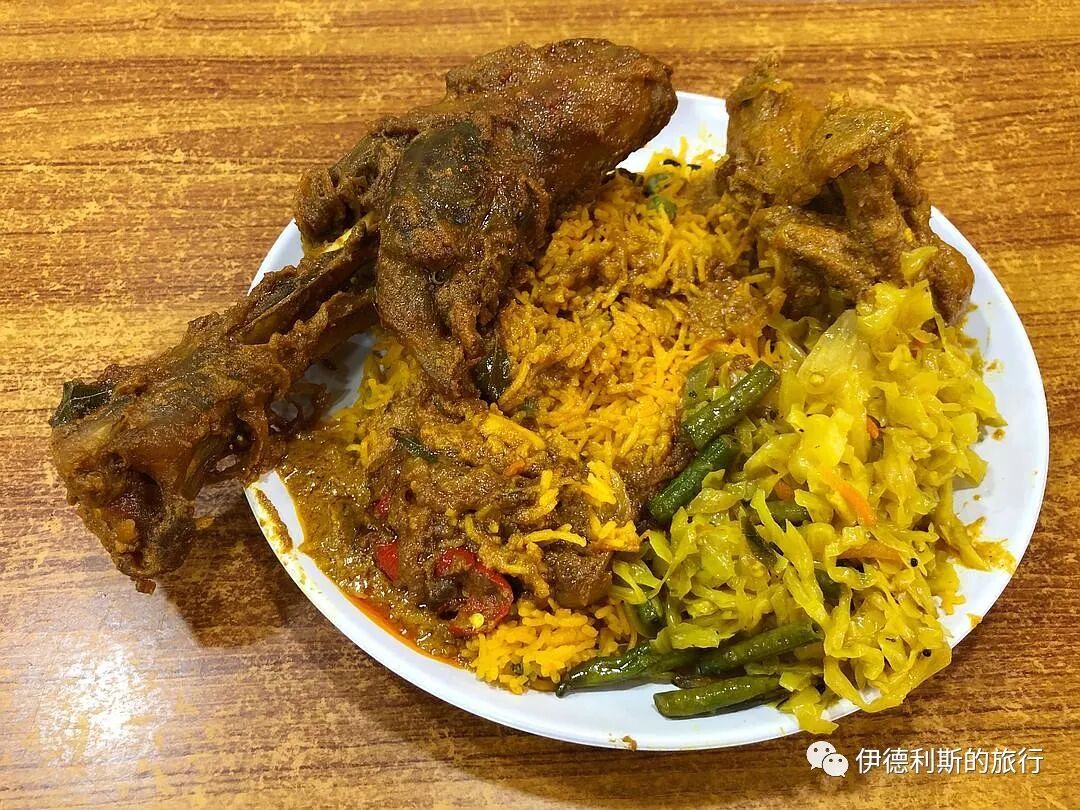
Murtabak is a thick pancake filled with eggs, onions, minced meat, and shrimp. In Malaysia, Singapore, and Thailand, the way Murtabak is made is basically the same as the way Roti canai (Indian flatbread) is made. The Malaysian version has less meat and more eggs than the Singaporean one. One theory is that Murtabak comes from the Arabic word "Mutabbaq," meaning "folded," so it may have been brought to India by Indian Muslims from Yemen, and then brought to the Malay Archipelago by South Indian Tamil Muslims. Another theory is that Murtabak comes from Kerala, South India, where "muta" means egg and "bar" is an abbreviation for "barota" bread.
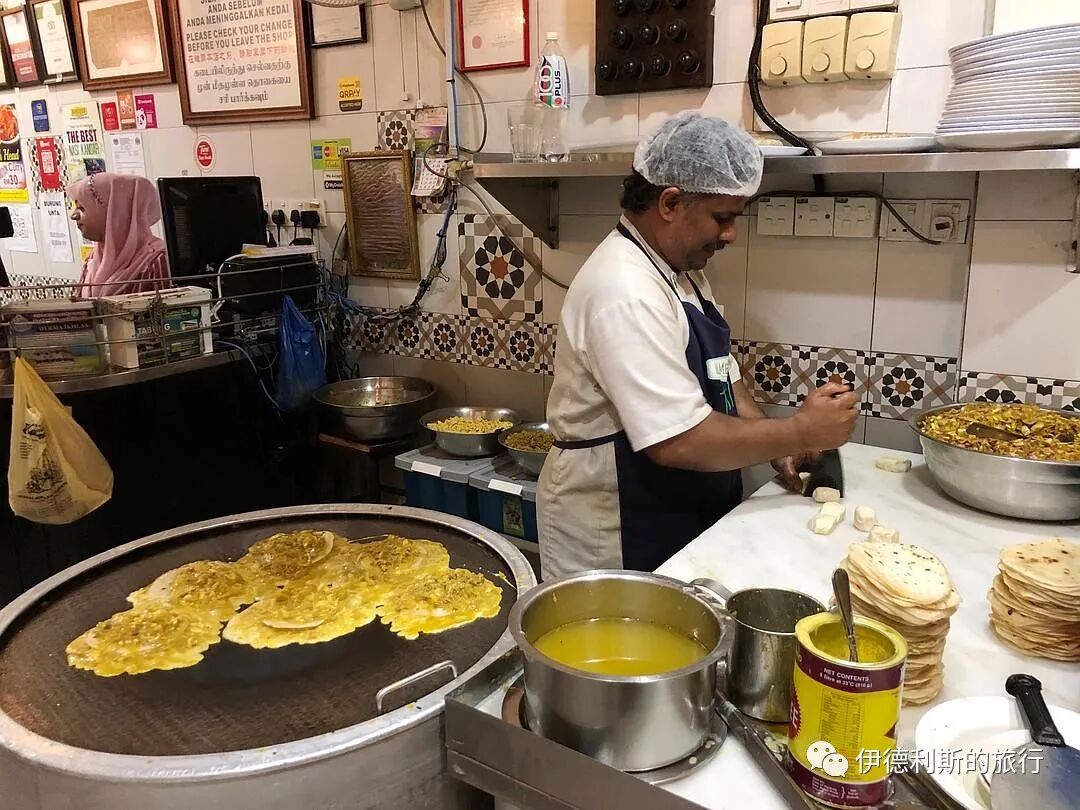
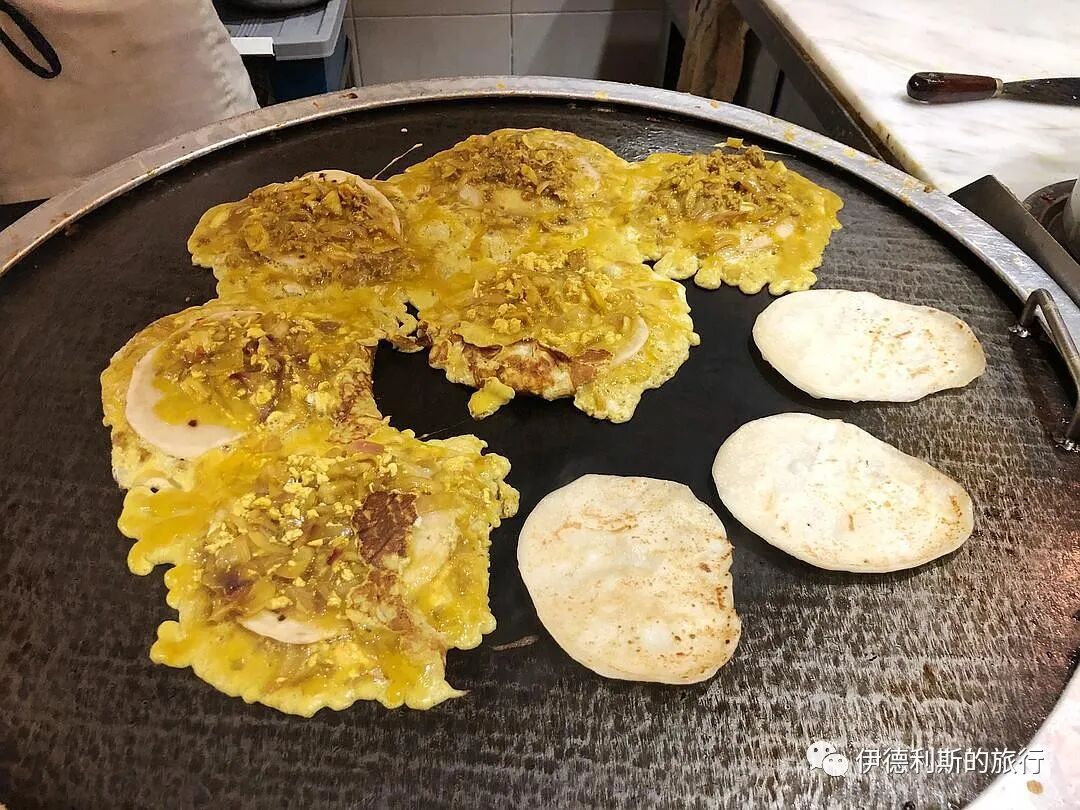
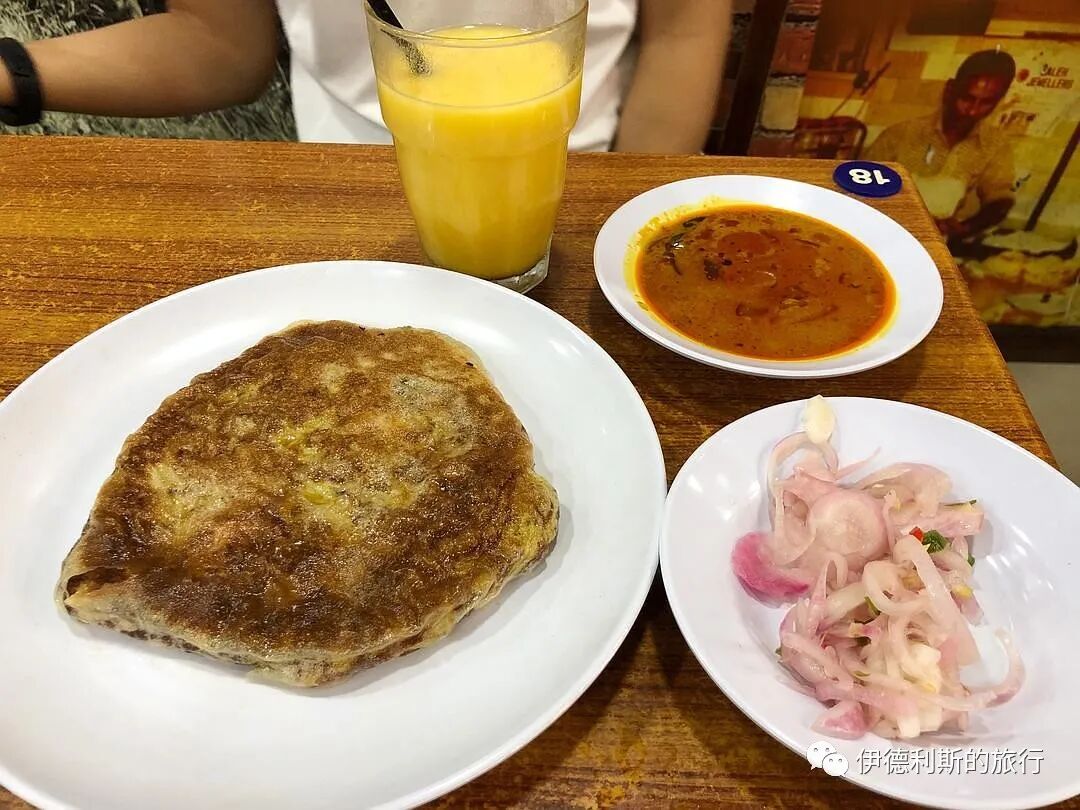
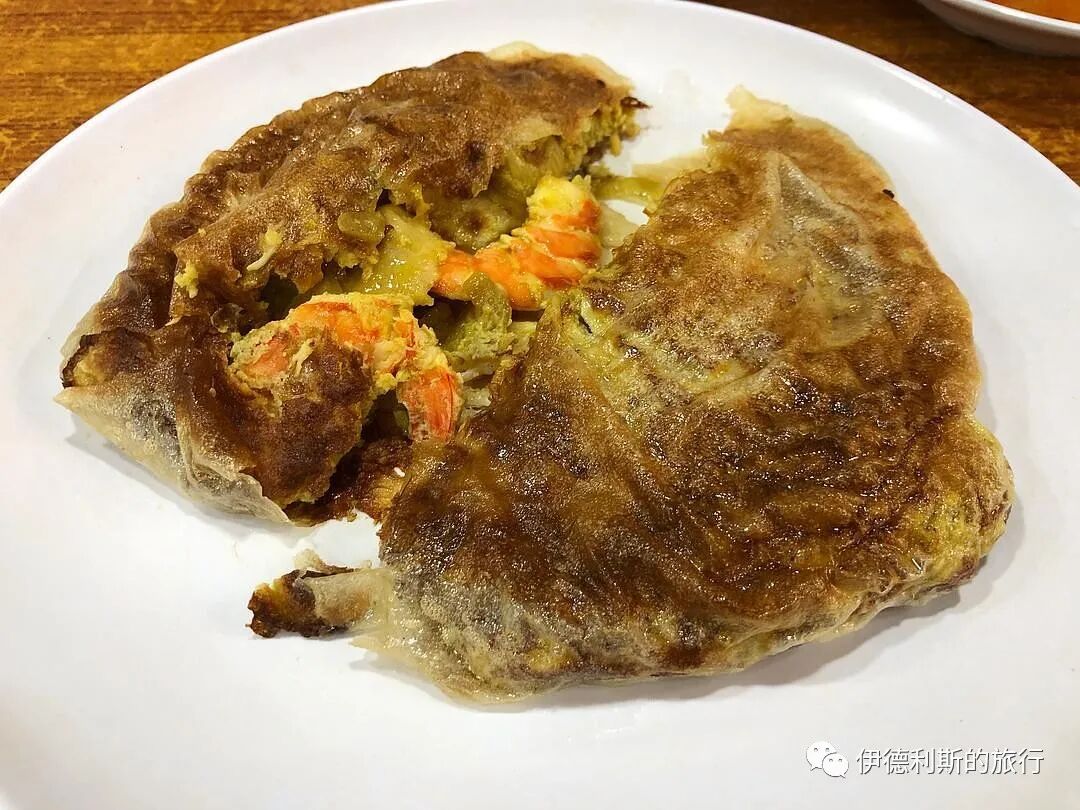
6. Chinese Muslims in Penang, Malaysia
Restoran Haji Sharin Low Grand is the largest Chinese Muslim restaurant chain in Southeast Asia, with over 17 branches in Malaysia and Indonesia. The headquarters is in Kuala Lumpur, and the founder is Chinese Muslim Tuan Haji Sharin Low.
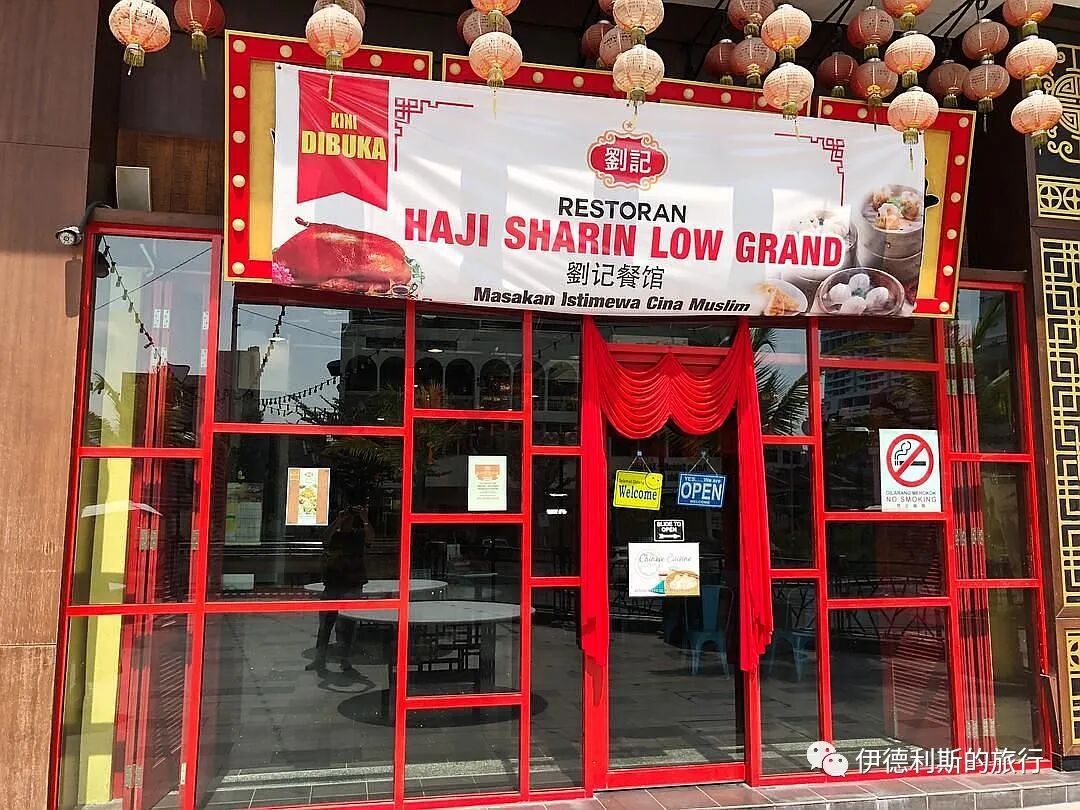
We ordered Nyonya flower crab, Teochew-style steamed grouper, Low's claypot tofu, and mee sua (wheat vermicelli) soup. They were all delicious~ And in one table of dishes, there were local Nyonya styles, as well as Teochew and Minnan styles, and they were all halal ingredients, which was a great cultural fusion.
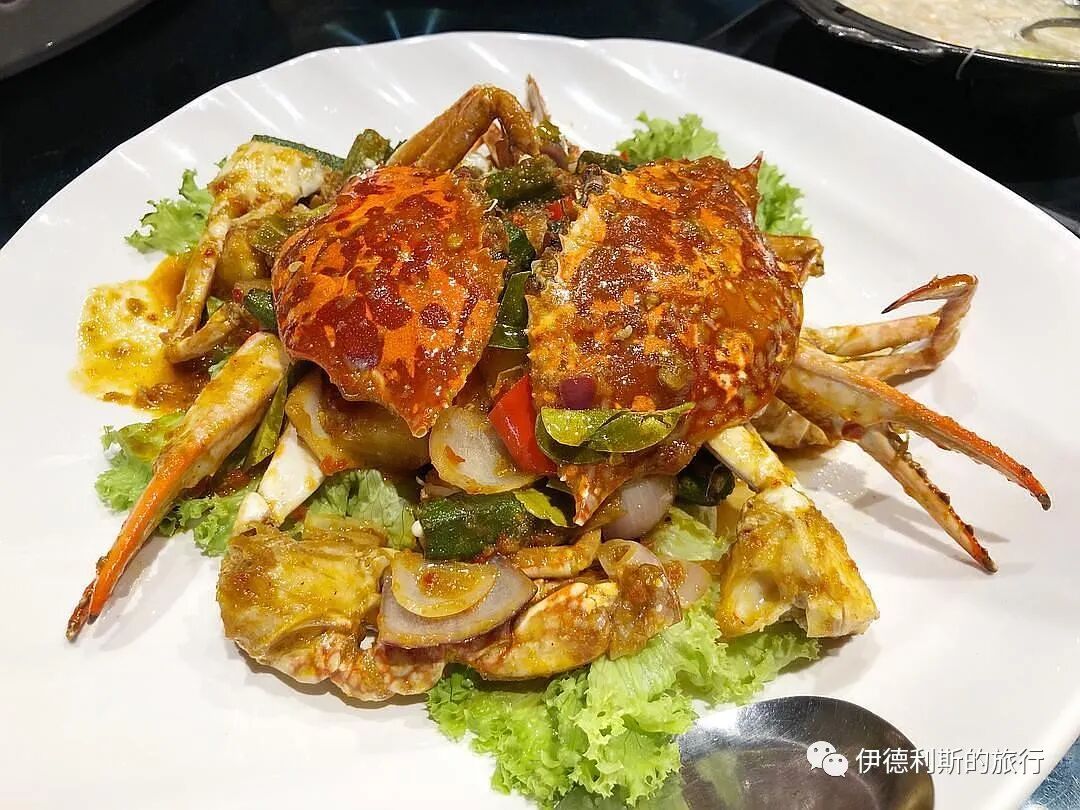
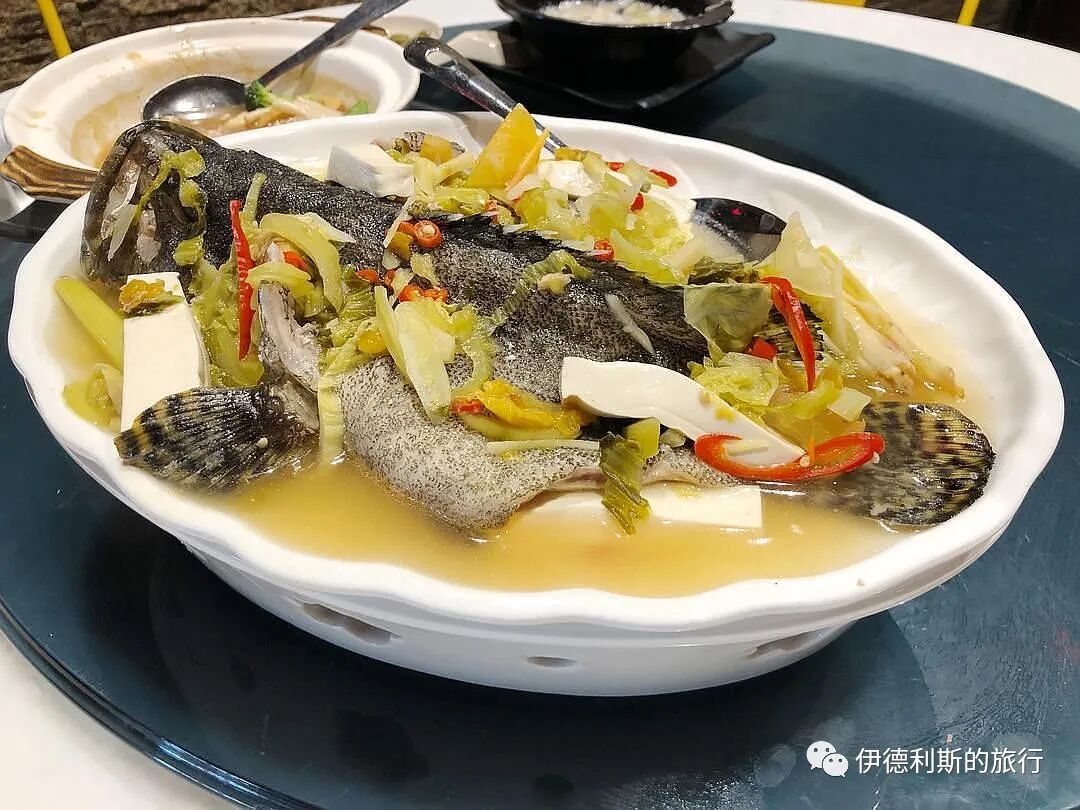
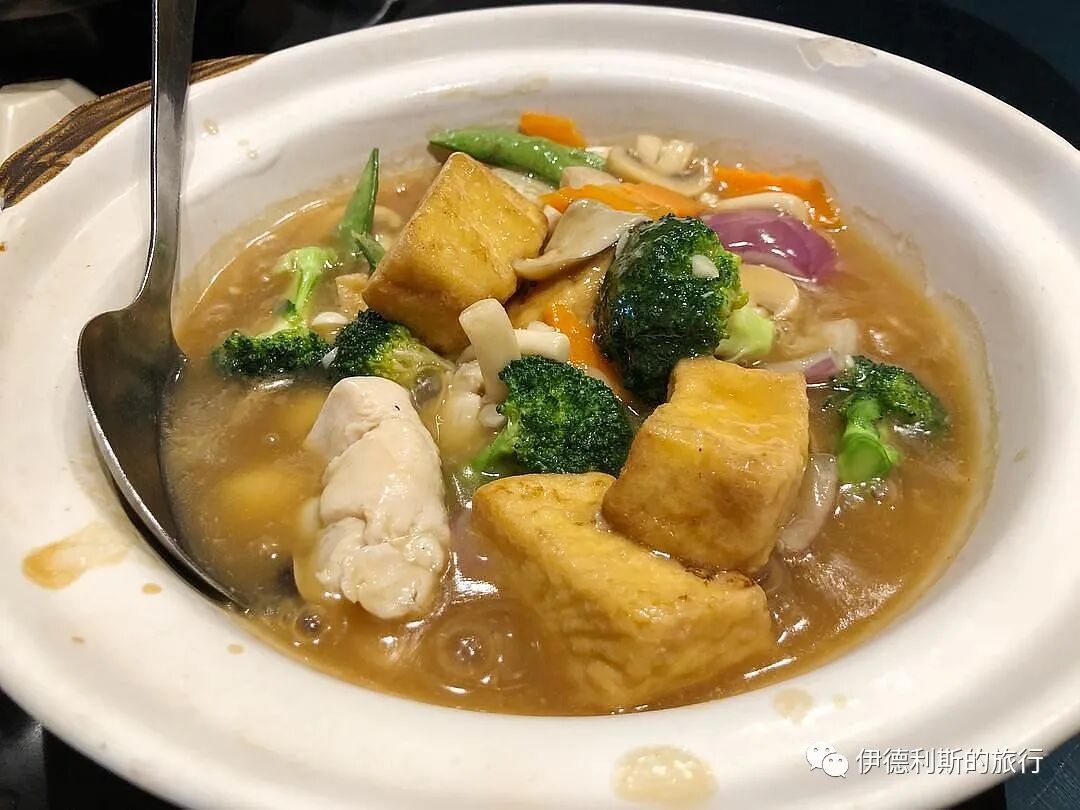
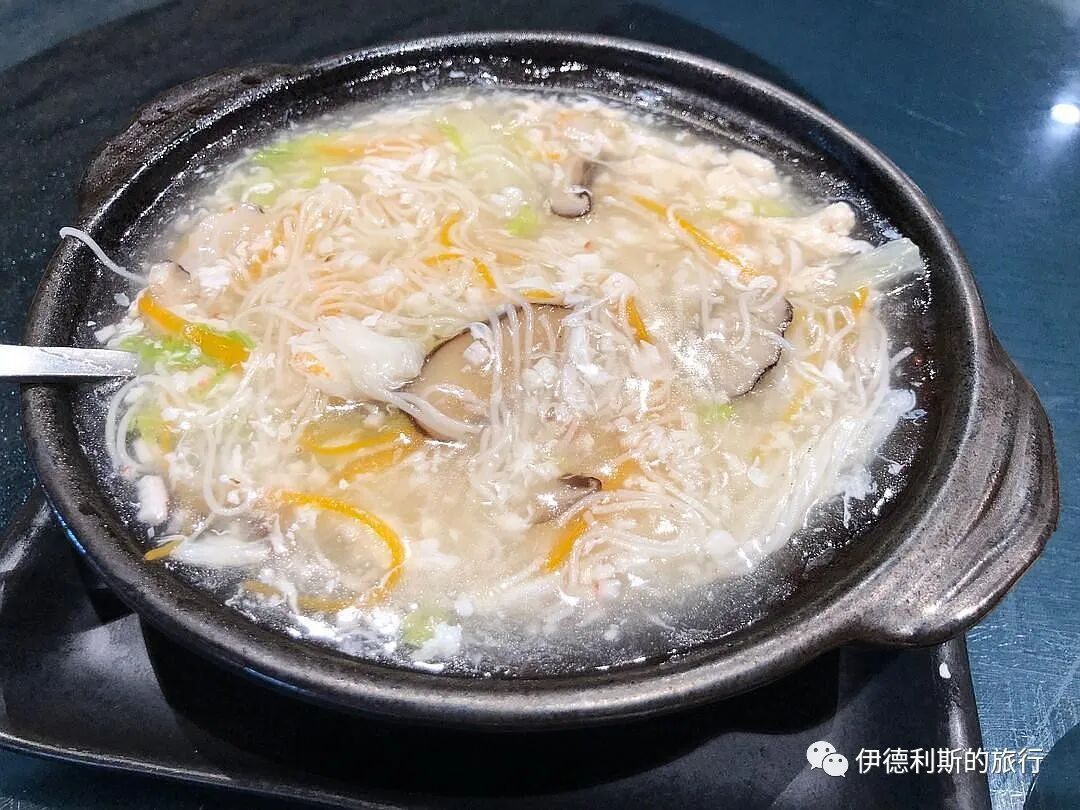
After the meal, we chatted with the landlady for a while. The landlady is a local Chinese Muslim. I was very excited to finally be able to communicate face-to-face with this ethnic group that I had previously only learned about in news and papers. The landlady was very enthusiastic and said to come and visit again when we have time. We also learned that the local Chinese mosque in Penang was going to start construction in 2020, so Penang could have a social center for local Chinese Muslims.
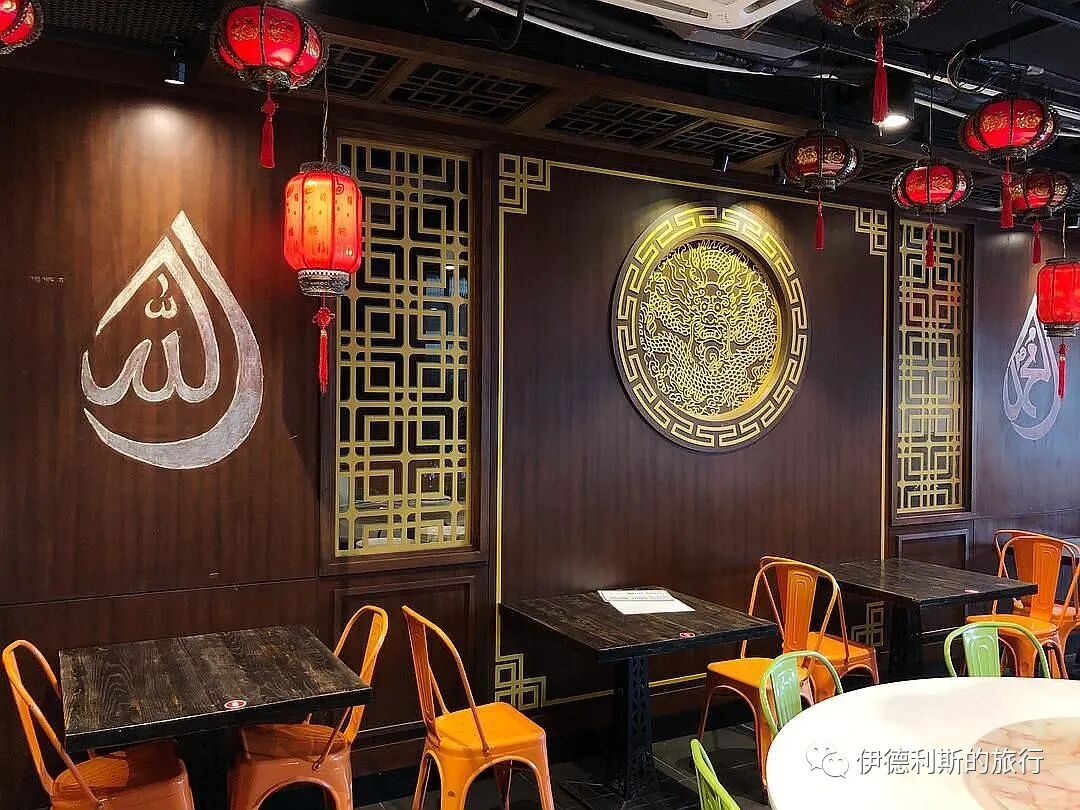
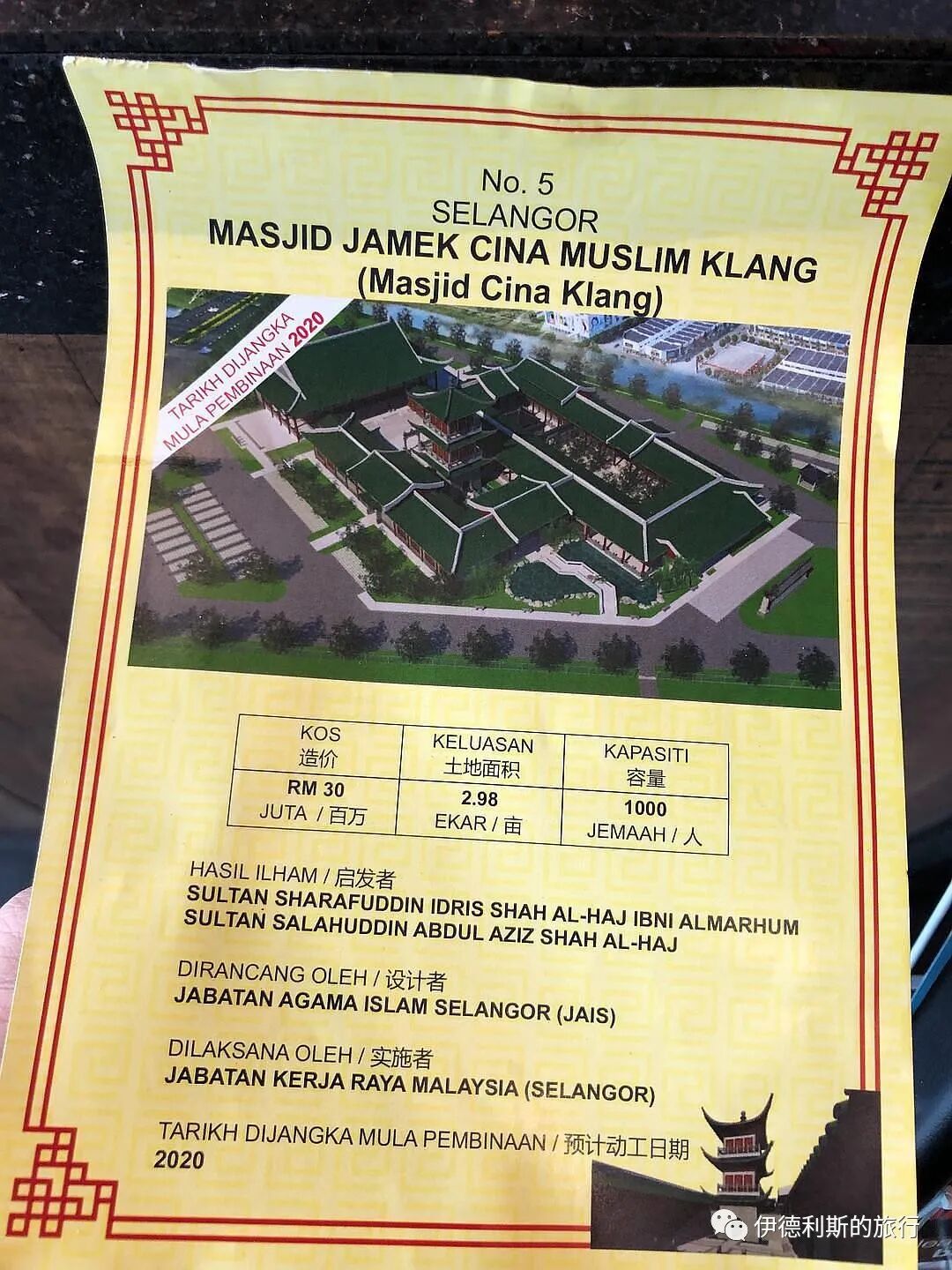
7. The Jawi Peranakan community in Penang, Malaysia
Malaysia has a unique ethnic group called Jawi Peranakan, which refers to a Malay-speaking Muslim ethnic group formed after the intermarriage of Indian Muslim (also including Arab and Persian, etc.) men and Malay women. "Jawi" means "Southeast Asian Muslim" in Arabic, and "Peranakan" means "locally born" in Malay.
The Jawi Peranakan community does not prioritize the ethnic group of the other party when getting married, but first looks at the other party's wealth and status. Therefore, after the mid-19th century, the Jawi Peranakan had become the elite class of British Malaya. Jawi Peranakan attached great importance to English education, so many people held positions in the colonial government. At the same time, Jawi Peranakan also attached great importance to cultural development; the first Malay-language newspaper was founded by Jawi Peranakan.
After the 20th century, with the decline of the British Empire, the Jawi Peranakan community began to integrate into the Malays. Today, most Jawi Peranakan are counted as "Malays" by the government. Despite this, the Jawi Peranakan community still strives to pass on its unique culture, which can be reflected in architecture, clothing, jewelry, and food.
Twenty Ethnic Restaurants in China: Halal and Minority Food Guide (Part 1 of 4)
Articles • ali2007fr posted the article • 0 comments • 159 views • 2026-05-17 06:55
Summary: This travel note introduces Twenty Ethnic Restaurants in China: Halal and Minority Food Guide (Part 1). In my travels over the past few years, I have encountered some very interesting ethnic groups. It is useful for readers interested in Ethnic Food, Halal Food, China Travel. This is part 1 of 4.
In my travels over the past few years, I have encountered some very interesting ethnic groups. In this diary, I will introduce twenty ethnic groups through twenty restaurants, hoping to increase everyone's understanding of these groups.
1. Kazan Tatars in Moscow
2. Crimean Tatars on the Crimean Peninsula
3. Gulf Bedouins in Dubai
4. The Cham people in Ho Chi Minh City, Vietnam
5. Tamil Muslims in Penang, Malaysia
6. Chinese Muslims in Penang, Malaysia
7. The Jawi Peranakan community in Penang, Malaysia
8. The Betawi people in Jakarta, Indonesia
9. The Javanese people in Yogyakarta, Indonesia
10. The Bantenese people on Java Island, Indonesia
11. Yunnan Hui Muslims in Chiang Mai, Thailand
12. Korean-speaking Muslims in Itaewon, Seoul
13. Chinese Muslims in Hong Kong
14. The Huihui people of Sanya, Hainan
15. The Tatars of Urumqi
16. The Dongxiang people of Xiaoxihu, Lanzhou
17. The Tibetan Muslims of Lhasa, Tibet
18. The Paxi Dai of Xishuangbanna, Yunnan
19. The Bai Hui of Dali, Yunnan
20. The Salar people of Xunhua, Qinghai
1. Kazan Tatars in Moscow
After the 17th century, with the establishment of the Romanov dynasty, Moscow gradually prospered, and many Tatars from the Volga River and steppe regions came to do business. The Tatar community (Tatarskaya sloboda) was formally formed south of the Moskva River, opposite the Kremlin. The community's main street, Tatarskaya Street, was first mentioned in documents in 1682.
The historic Tatar community has a Tatar restaurant called Kazan Tea Bar, which is also the center for Tatar cultural activities in Moscow, frequently organizing various Tatar cultural events.
Inside, I ate Beshbarmak (five-finger stew), Kystyby (flatbread with filling), the Tatar version of horse sausage Kazy, pilaf, Kazan chicken salad, and Tatar milk tea. Tatar milk tea is made of black tea + green tea + thyme + linden leaves + chamomile flowers + oregano leaves + mint leaves + sage.
2. Crimean Tatars on the Crimean Peninsula
In the summer of 2019, I went to an ancient city in the mountains of the Crimean Peninsula—Bakhchysarai. Bakhchysarai was founded by the Crimean Tatars and became the capital of the Crimean Khanate in 1532. Although it became an ordinary town after Russia occupied the Crimean Khanate in 1783, it remains the cultural center of the Crimean Tatars, preserving their unique culture and customs.
The dietary culture of the Crimean Tatars is closely related to their history. Because the Crimean Khanate was a long-term vassal of the Ottoman Empire, it possesses many Ottoman-related foods, such as Turkish coffee, Baklava (Turkish dessert), and Dolma (stuffed grape leaves). After being exiled to Uzbekistan in 1944, a large amount of Uzbek cuisine was added to the Crimean Tatar diet, including pilaf, lagman (pulled noodles), samsa (baked buns), manti (steamed buns), and naan. In addition, the Crimean Tatars also have some unique delicacies, one of which is Chebureki (fried meat turnover), known as a Crimean Tatar national delicacy.
This time I stayed at a very beautiful traditional Crimean Tatar courtyard house, Bahitgul Boutique-Hotel. They serve traditional Crimean Tatar meals, so I basically ate breakfast at my accommodation. Moreover, the view while eating at their place is particularly good, overlooking the entire ancient capital.
For the first breakfast, I had Lagman (pulled noodles), Omlet (omelet), Lepyoshka (naan), and traditional coffee. The coffee comes from the Ottoman Empire, and the lagman comes from the exile in Uzbekistan.
Tatar Ash (small dumplings) dipped in yogurt, Kasha v Assortimente (assorted porridge), and Bliny (thin pancakes) dipped in jam.
3. Gulf Bedouins in Dubai
The Al Ras neighborhood in Dubai literally means "cape" or "headland." It is surrounded by Dubai Creek on three sides and is the oldest neighborhood in Dubai's Deira area. There is a traditional Gulf Bedouin restaurant in the neighborhood called "Al Bait Alqadeem," which means "the old house" in Arabic. This restaurant is located in a traditional Gulf courtyard house built in 1909. The house was built by pearl boat owner Abdulla Bin Jamaan, who was also a guard for the then-ruler of Dubai. In 1954, Abdulla Bin Jamaan became the first mayor of Dubai.
The freshly baked bread is particularly crispy and tastes great, and these large enamel plates also have a special feel.
The grilled fish is recommended by the chef and is also excellent.
I also drank cucumber honey water, which I liked very much.
4. The Cham people in Ho Chi Minh City, Vietnam
The Chams are an Austronesian-speaking people who migrated from Borneo to the Indochinese Peninsula and established Champa in southern Vietnam in 192 AD. Due to the narrow and fragmented land, Champa always focused on developing maritime trade, becoming an important trading port on the Maritime Silk Road during the Song and Yuan dynasties.
After the 12th century, Champa fell into long-term war. After the Champa capital Vijaya was captured by Vietnam in 1471, a large number of Cham people fled to Cambodia for refuge. Before this, in the 14th and 15th centuries, many Malay Muslims had already moved to Cambodia. These Malay Muslims integrated with the Cham people, who also spoke Austronesian languages of the Indonesian branch, through trade, intermarriage, and other means, and the Cambodian Cham people gradually converted to Islam.
After the 18th century, some Cambodian Cham people began to move to the Mekong Delta on the Vietnam-Cambodia border to live. After France occupied Saigon in 1862, because of the relatively loose autonomy policy implemented for the Cham people, more and more Cham people settled in Saigon.
Saigon Green House is the best Cham restaurant in Ho Chi Minh City, with a rich variety of dishes that are all delicious.
First, eat Phở!
Pineapple fried rice.
Fried spring rolls.
Drink iced tea. view all
Summary: This travel note introduces Twenty Ethnic Restaurants in China: Halal and Minority Food Guide (Part 1). In my travels over the past few years, I have encountered some very interesting ethnic groups. It is useful for readers interested in Ethnic Food, Halal Food, China Travel. This is part 1 of 4.
In my travels over the past few years, I have encountered some very interesting ethnic groups. In this diary, I will introduce twenty ethnic groups through twenty restaurants, hoping to increase everyone's understanding of these groups.
1. Kazan Tatars in Moscow
2. Crimean Tatars on the Crimean Peninsula
3. Gulf Bedouins in Dubai
4. The Cham people in Ho Chi Minh City, Vietnam
5. Tamil Muslims in Penang, Malaysia
6. Chinese Muslims in Penang, Malaysia
7. The Jawi Peranakan community in Penang, Malaysia
8. The Betawi people in Jakarta, Indonesia
9. The Javanese people in Yogyakarta, Indonesia
10. The Bantenese people on Java Island, Indonesia
11. Yunnan Hui Muslims in Chiang Mai, Thailand
12. Korean-speaking Muslims in Itaewon, Seoul
13. Chinese Muslims in Hong Kong
14. The Huihui people of Sanya, Hainan
15. The Tatars of Urumqi
16. The Dongxiang people of Xiaoxihu, Lanzhou
17. The Tibetan Muslims of Lhasa, Tibet
18. The Paxi Dai of Xishuangbanna, Yunnan
19. The Bai Hui of Dali, Yunnan
20. The Salar people of Xunhua, Qinghai
1. Kazan Tatars in Moscow
After the 17th century, with the establishment of the Romanov dynasty, Moscow gradually prospered, and many Tatars from the Volga River and steppe regions came to do business. The Tatar community (Tatarskaya sloboda) was formally formed south of the Moskva River, opposite the Kremlin. The community's main street, Tatarskaya Street, was first mentioned in documents in 1682.
The historic Tatar community has a Tatar restaurant called Kazan Tea Bar, which is also the center for Tatar cultural activities in Moscow, frequently organizing various Tatar cultural events.
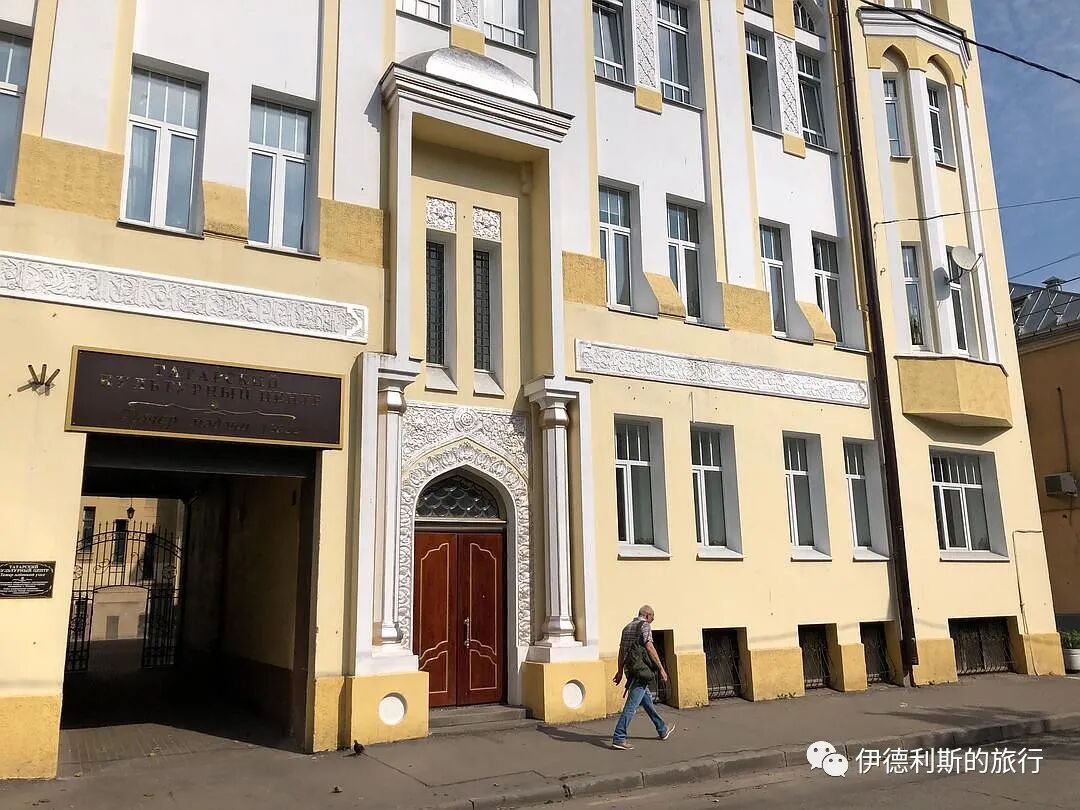
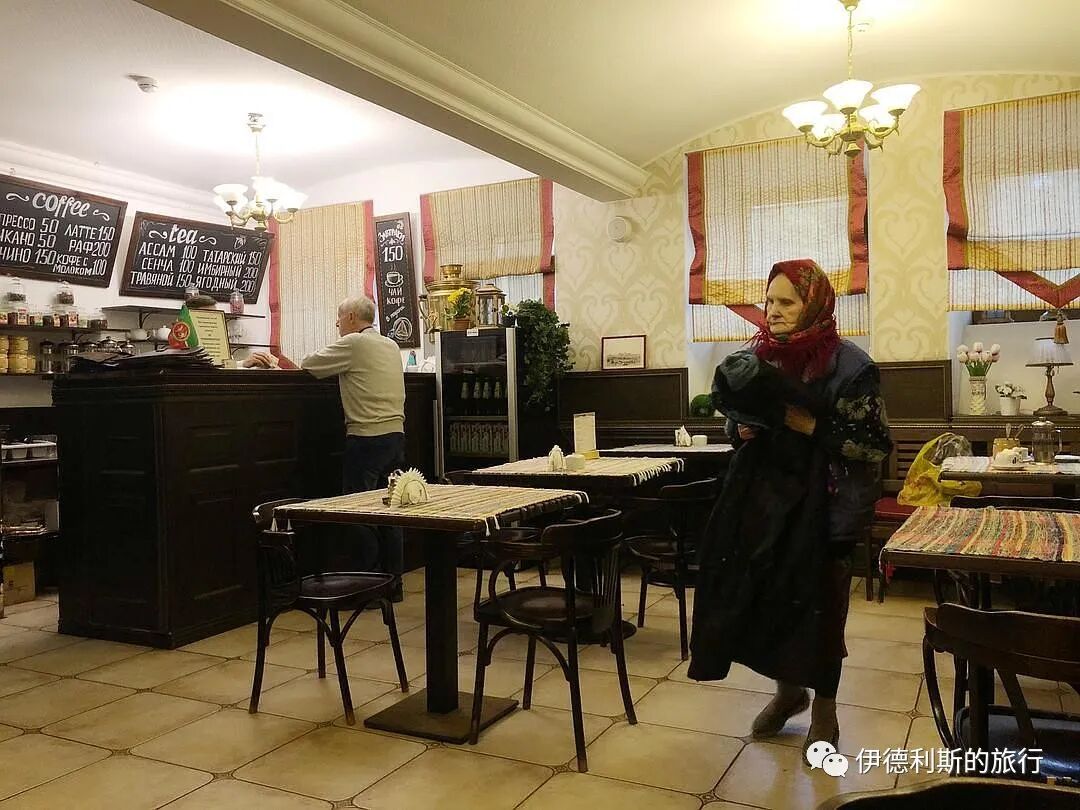
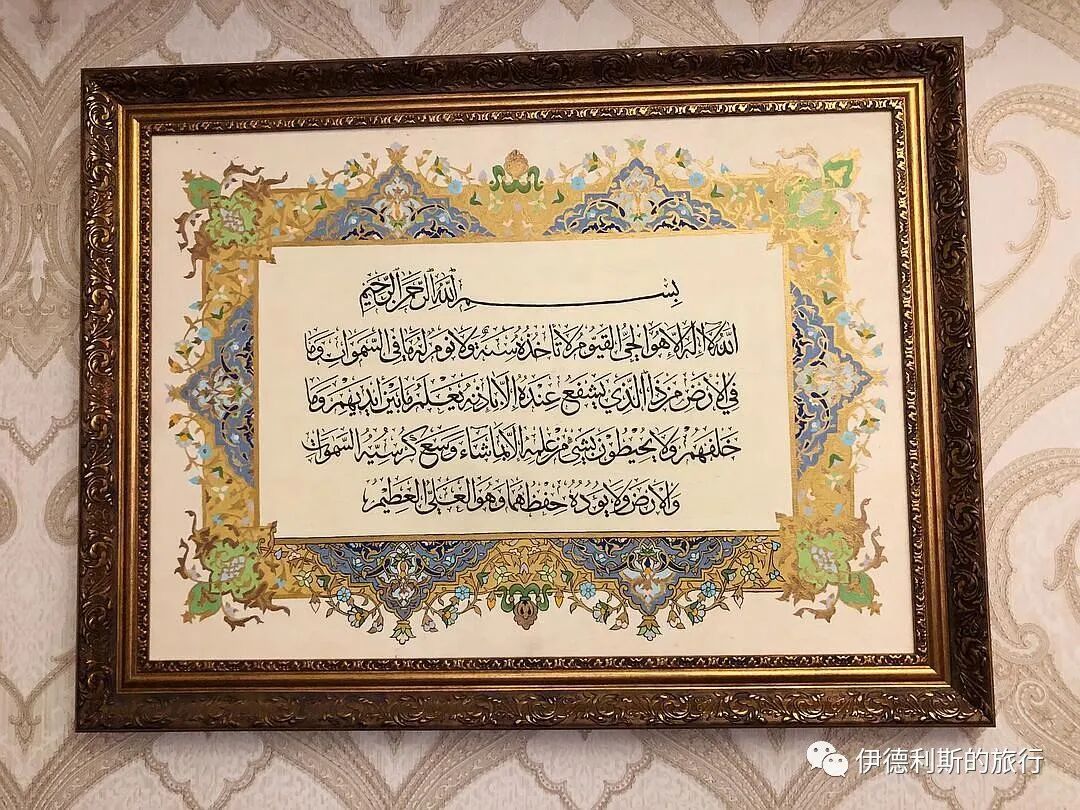
Inside, I ate Beshbarmak (five-finger stew), Kystyby (flatbread with filling), the Tatar version of horse sausage Kazy, pilaf, Kazan chicken salad, and Tatar milk tea. Tatar milk tea is made of black tea + green tea + thyme + linden leaves + chamomile flowers + oregano leaves + mint leaves + sage.
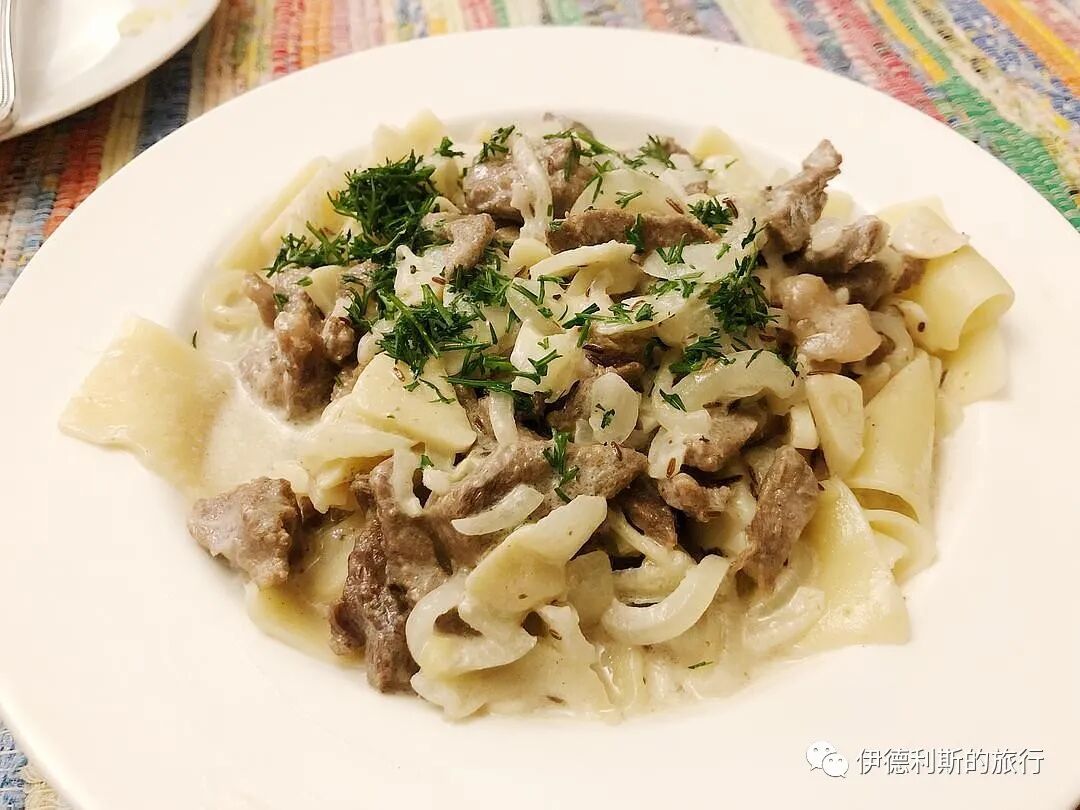
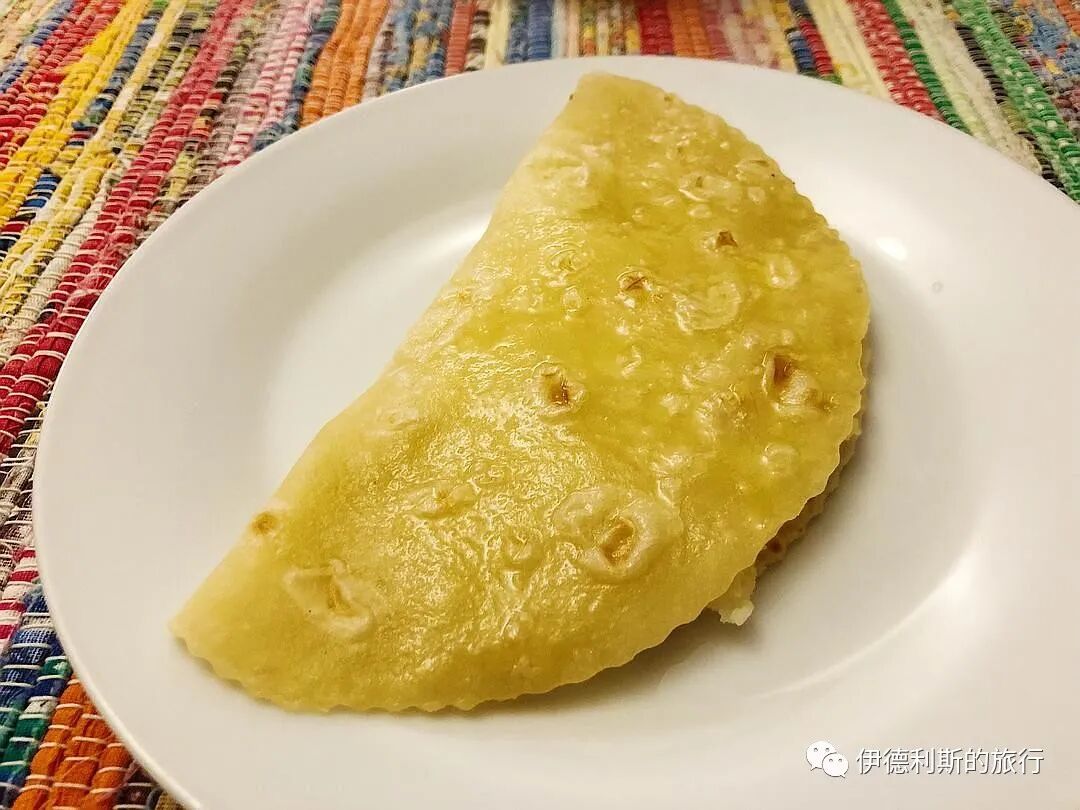
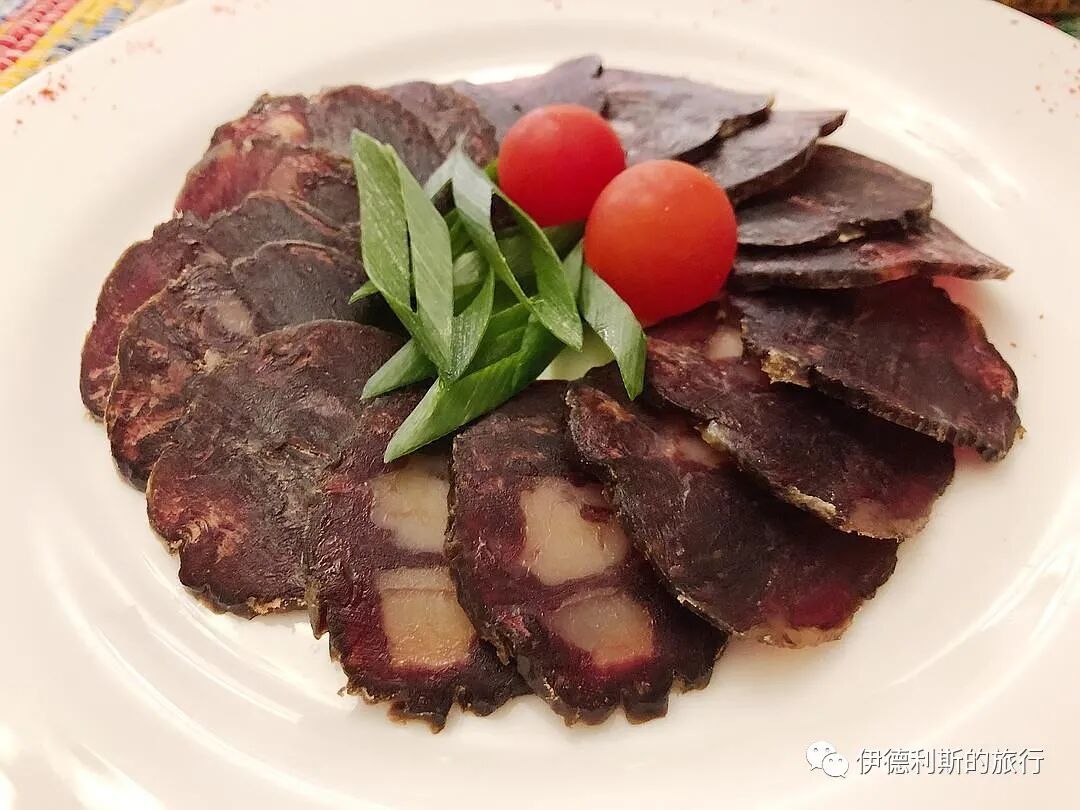
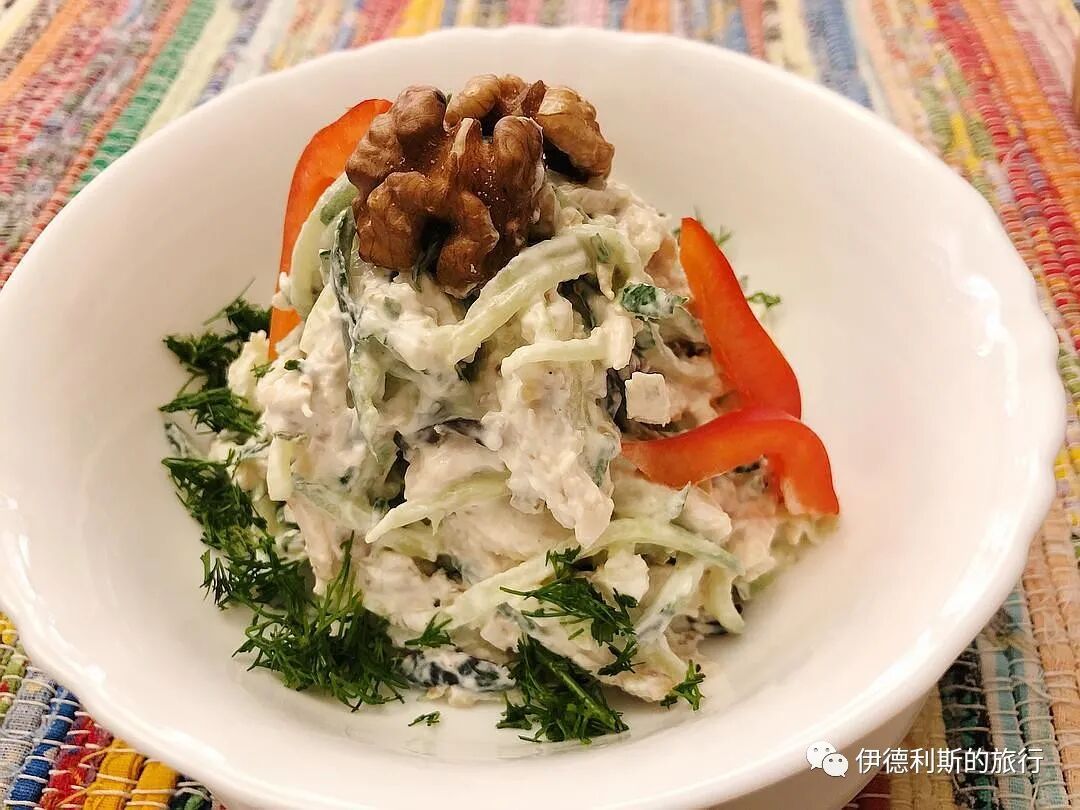
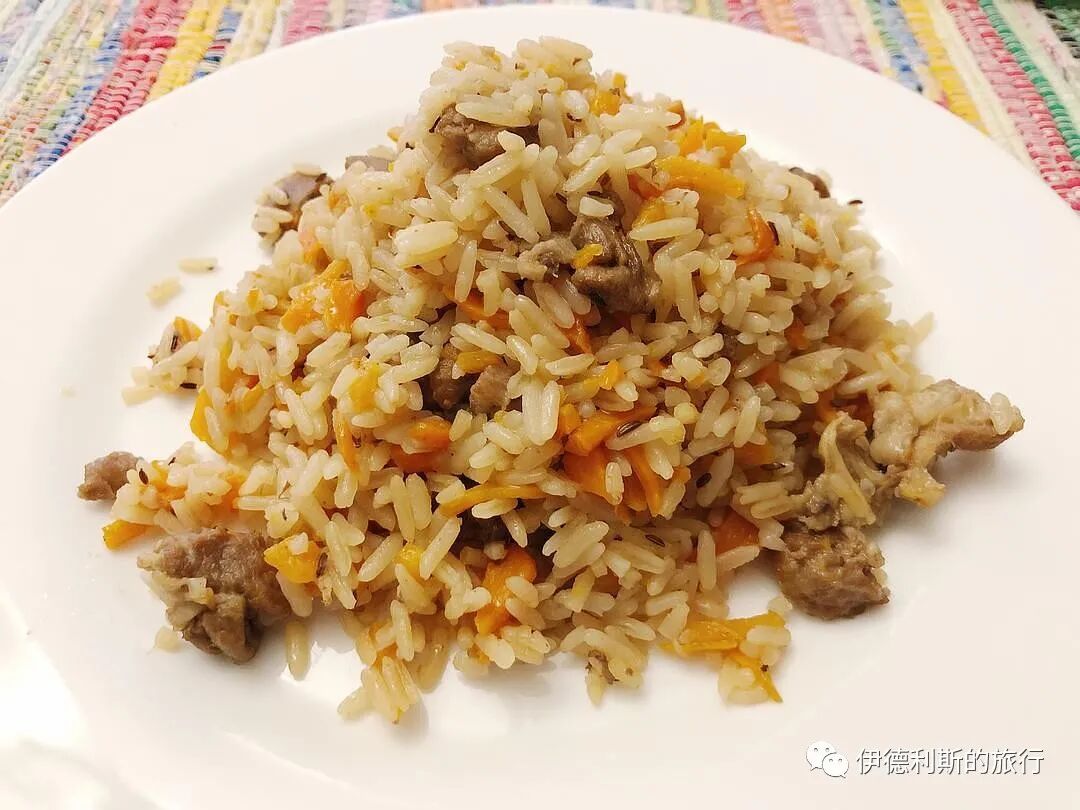
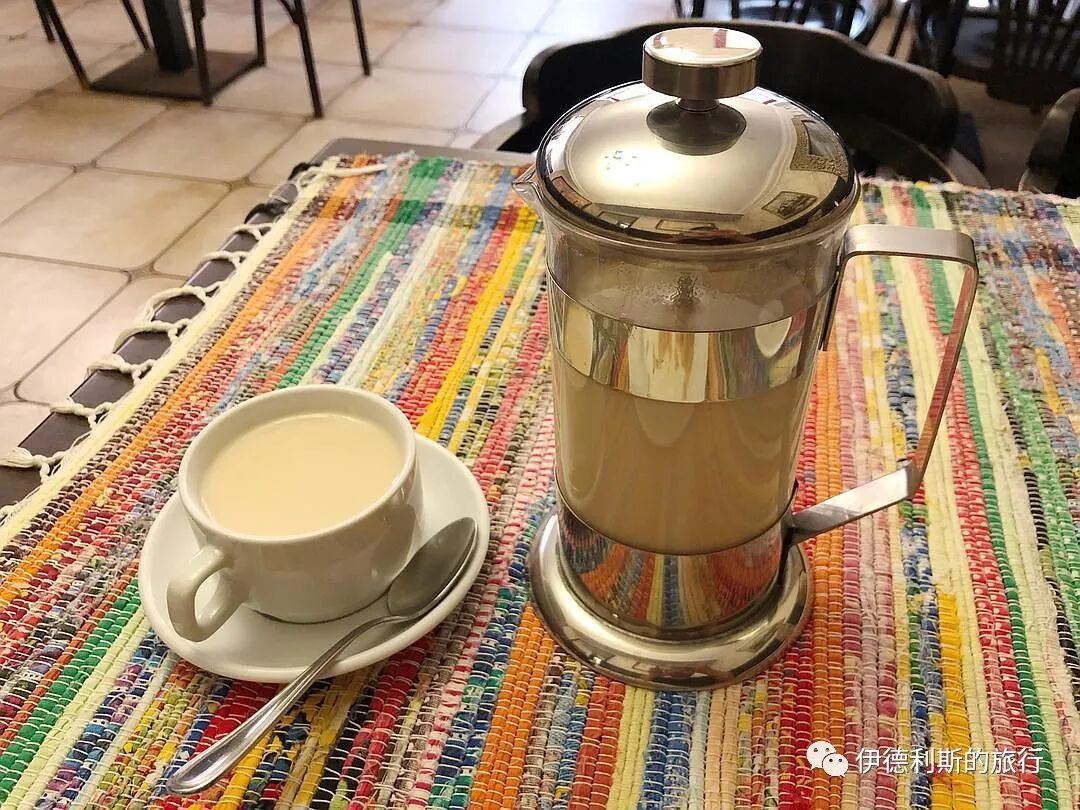
2. Crimean Tatars on the Crimean Peninsula
In the summer of 2019, I went to an ancient city in the mountains of the Crimean Peninsula—Bakhchysarai. Bakhchysarai was founded by the Crimean Tatars and became the capital of the Crimean Khanate in 1532. Although it became an ordinary town after Russia occupied the Crimean Khanate in 1783, it remains the cultural center of the Crimean Tatars, preserving their unique culture and customs.
The dietary culture of the Crimean Tatars is closely related to their history. Because the Crimean Khanate was a long-term vassal of the Ottoman Empire, it possesses many Ottoman-related foods, such as Turkish coffee, Baklava (Turkish dessert), and Dolma (stuffed grape leaves). After being exiled to Uzbekistan in 1944, a large amount of Uzbek cuisine was added to the Crimean Tatar diet, including pilaf, lagman (pulled noodles), samsa (baked buns), manti (steamed buns), and naan. In addition, the Crimean Tatars also have some unique delicacies, one of which is Chebureki (fried meat turnover), known as a Crimean Tatar national delicacy.
This time I stayed at a very beautiful traditional Crimean Tatar courtyard house, Bahitgul Boutique-Hotel. They serve traditional Crimean Tatar meals, so I basically ate breakfast at my accommodation. Moreover, the view while eating at their place is particularly good, overlooking the entire ancient capital.
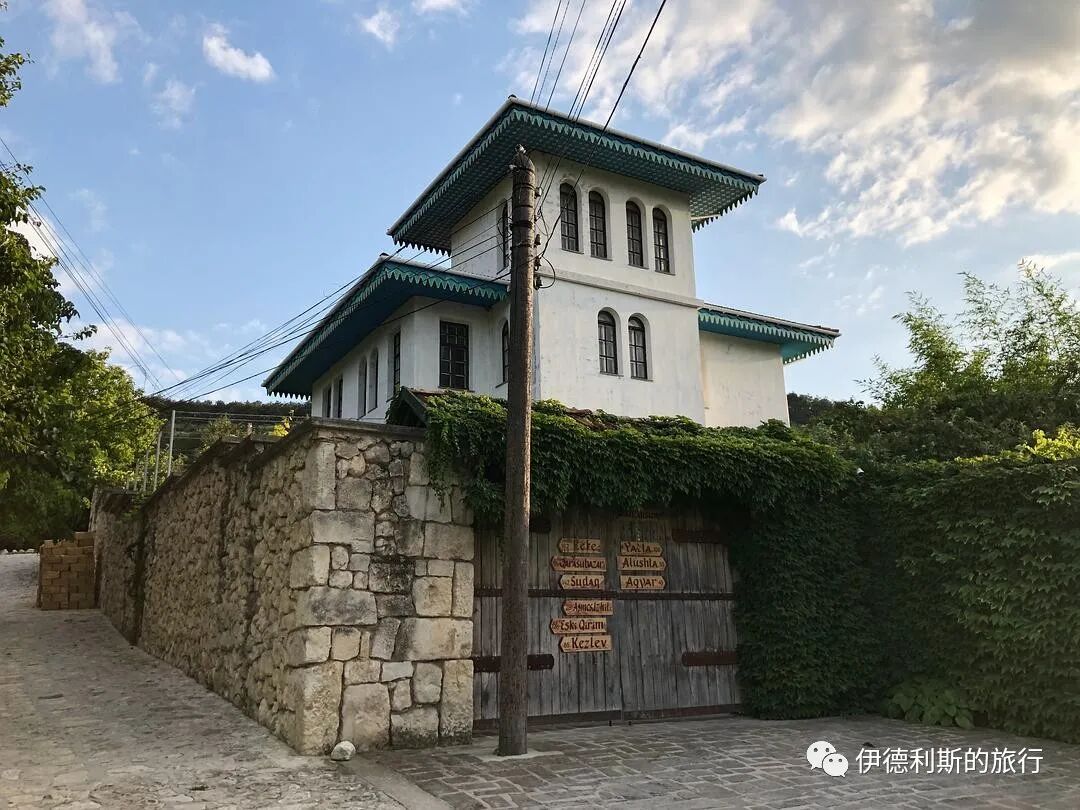
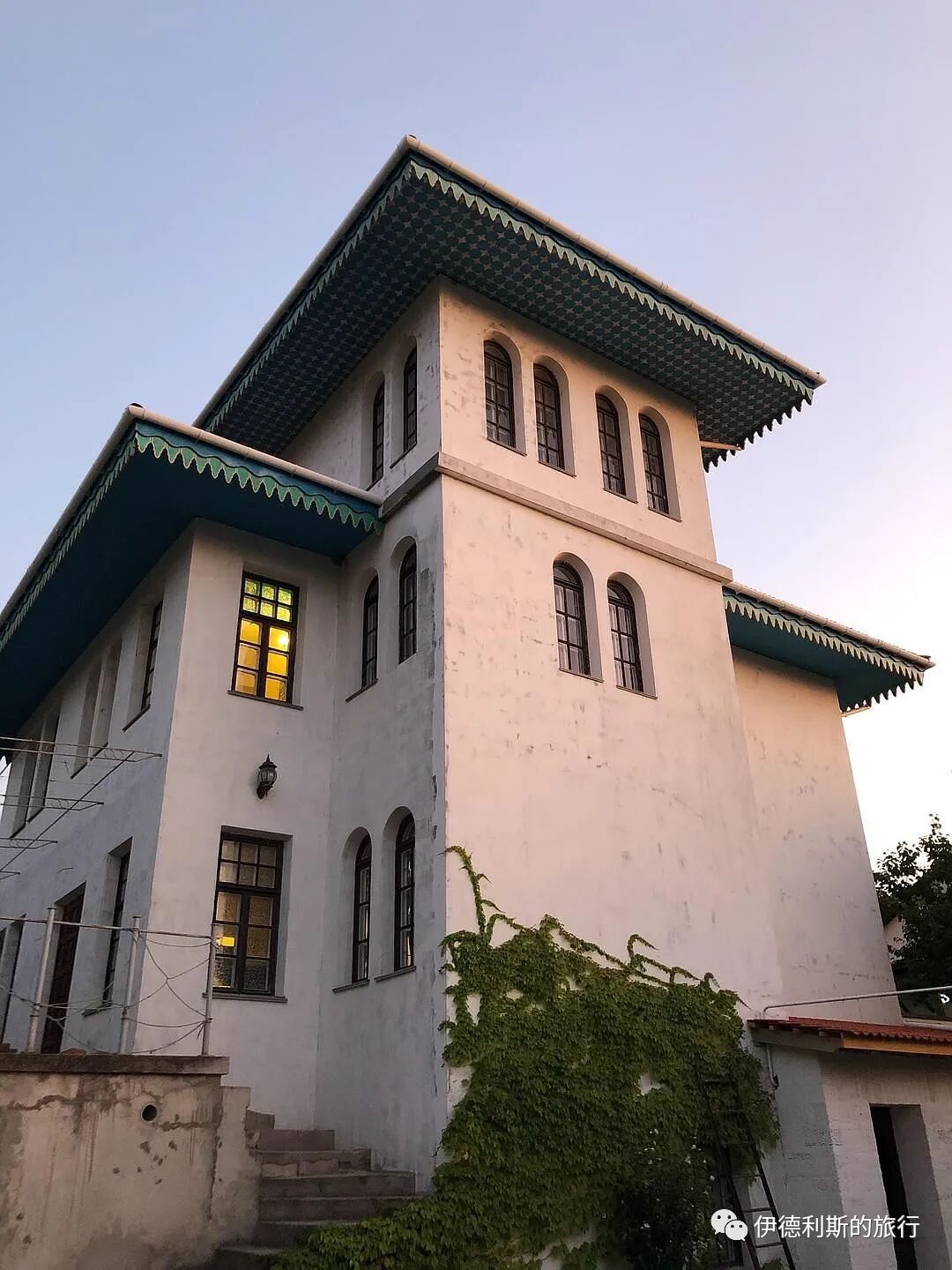
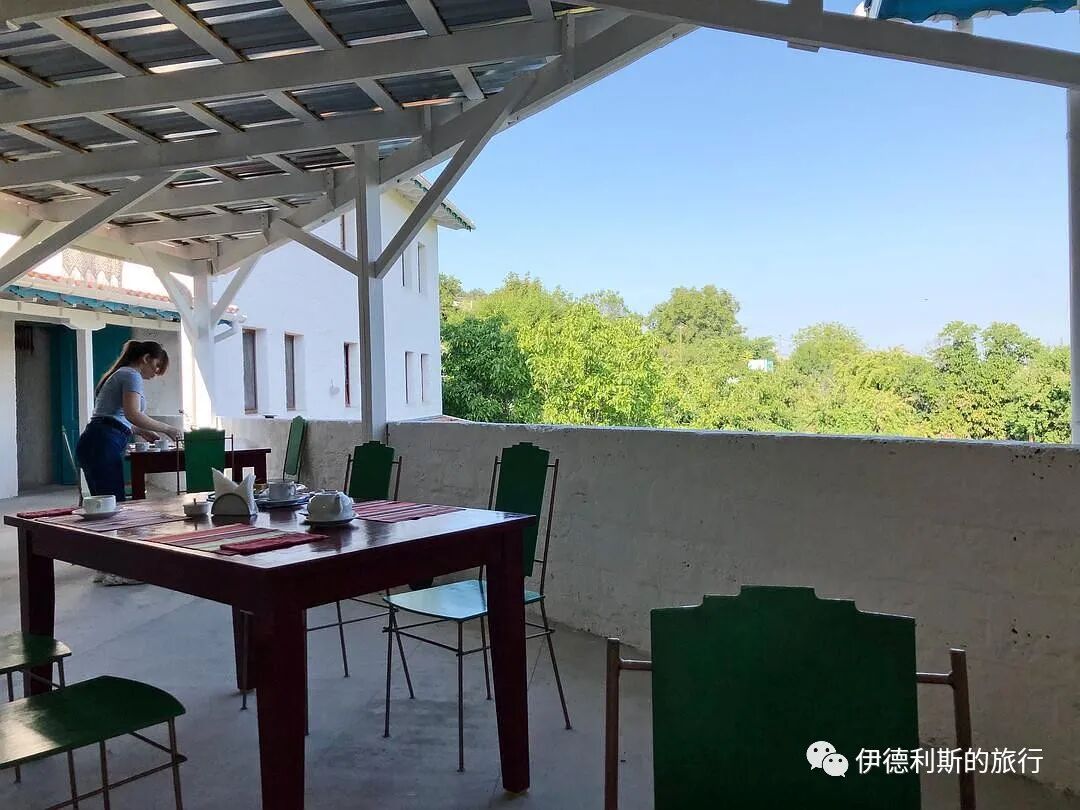
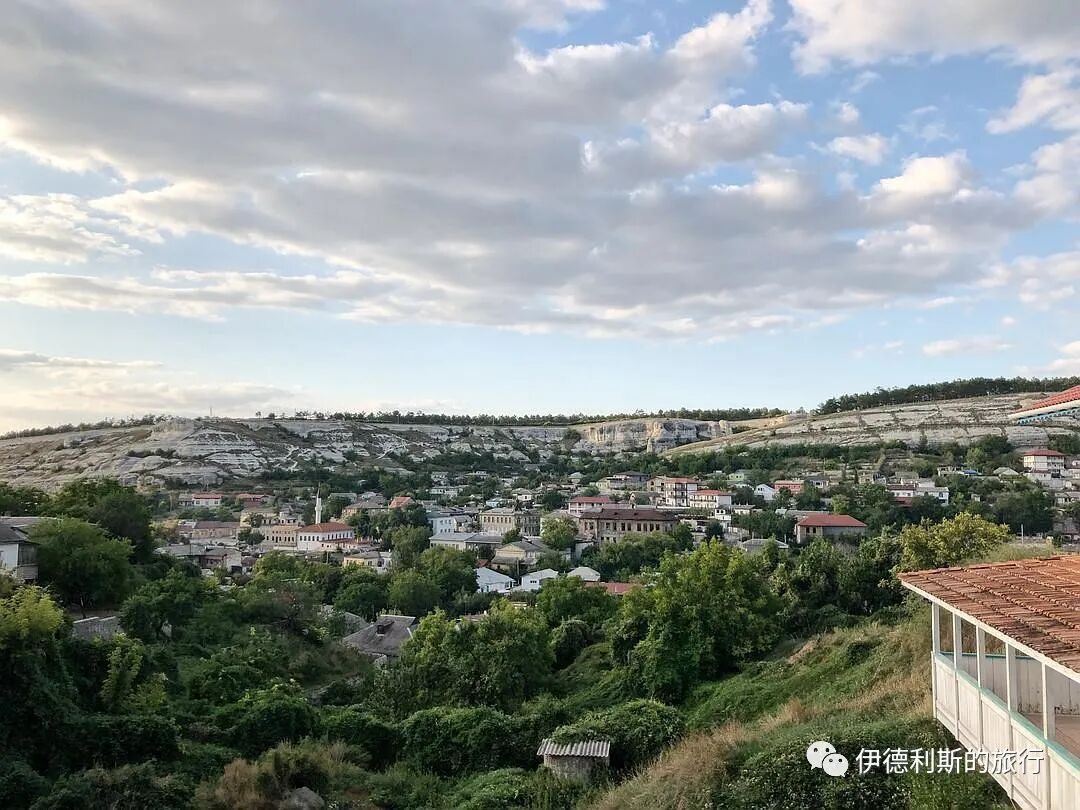
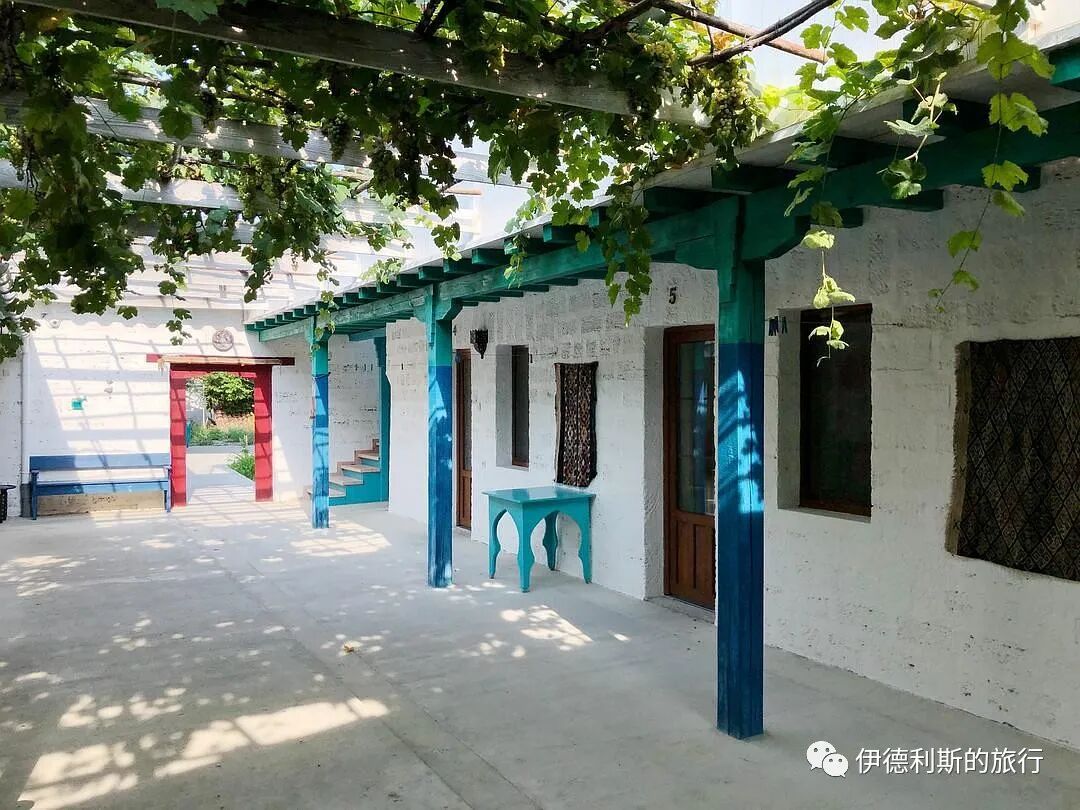
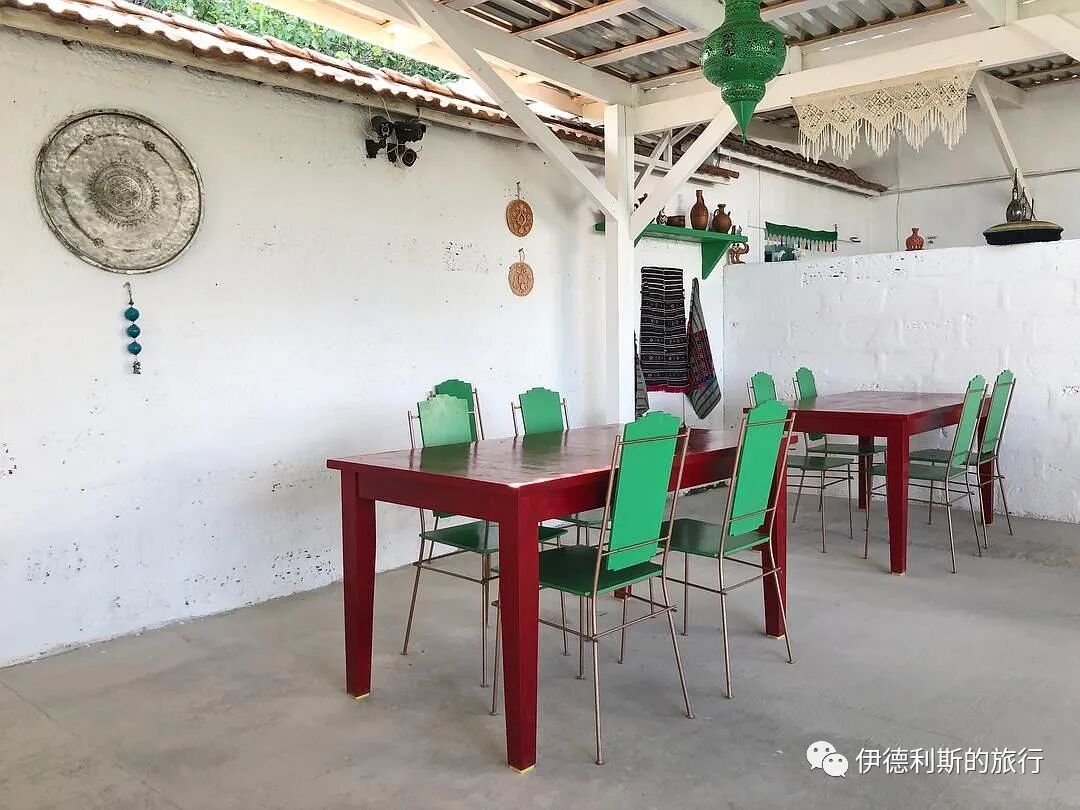
For the first breakfast, I had Lagman (pulled noodles), Omlet (omelet), Lepyoshka (naan), and traditional coffee. The coffee comes from the Ottoman Empire, and the lagman comes from the exile in Uzbekistan.
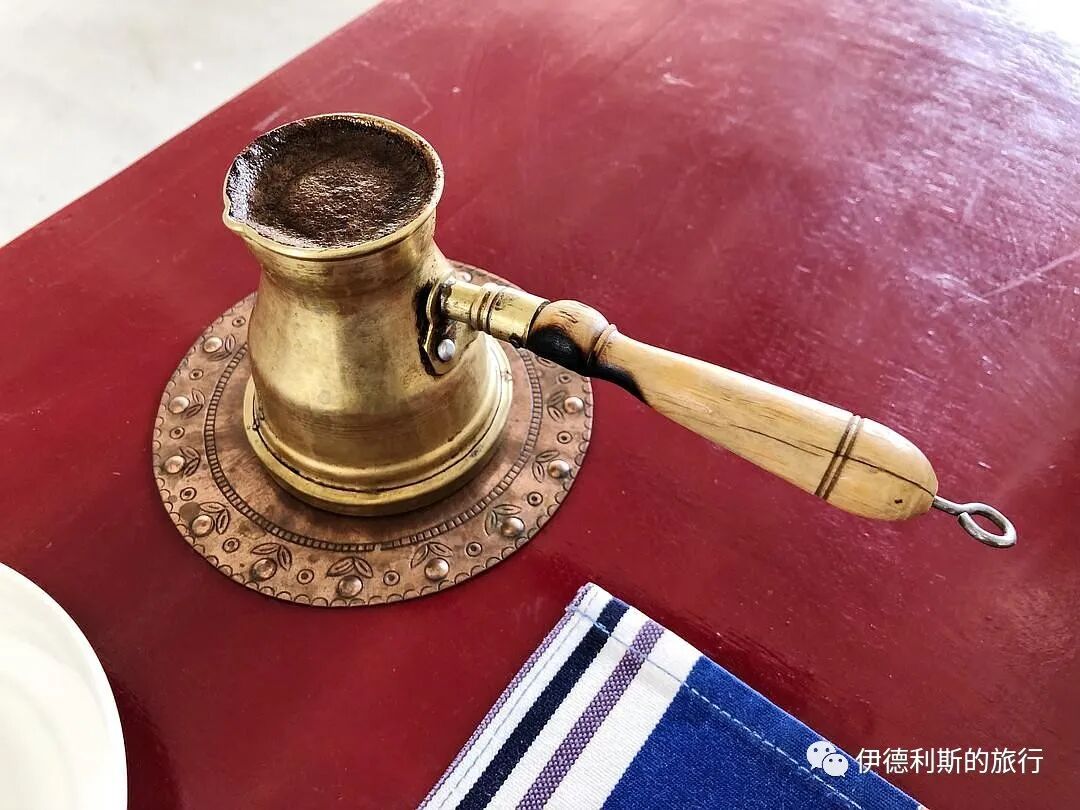
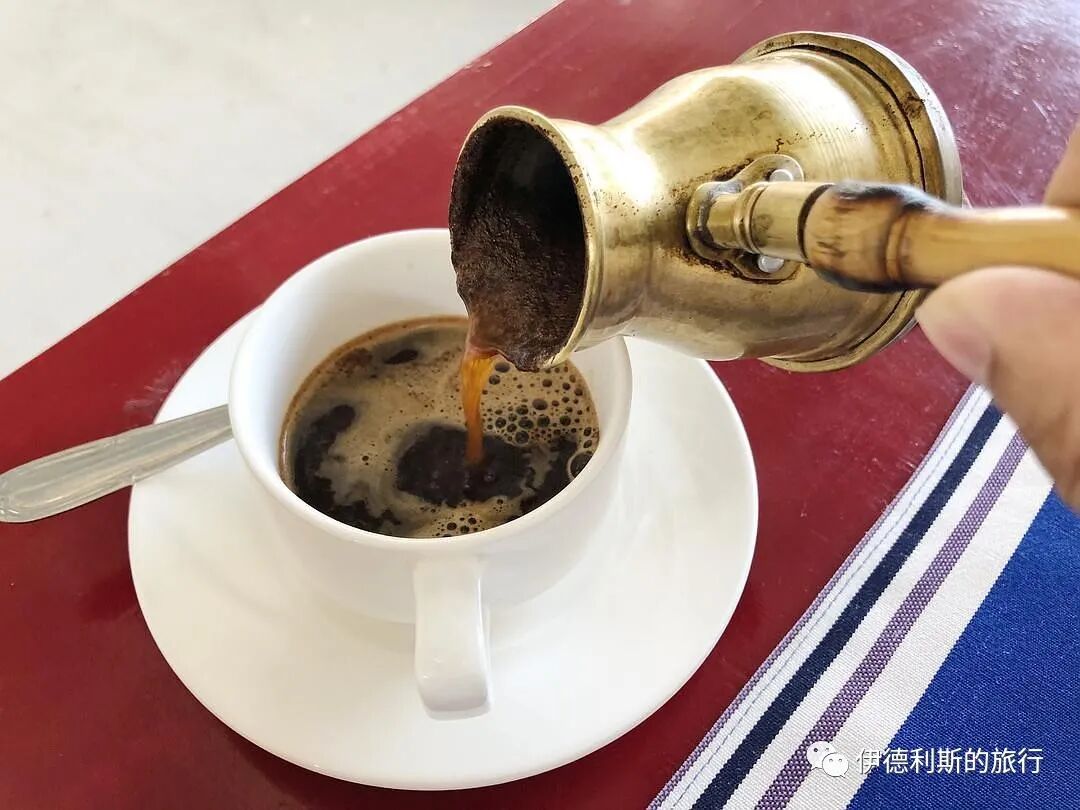
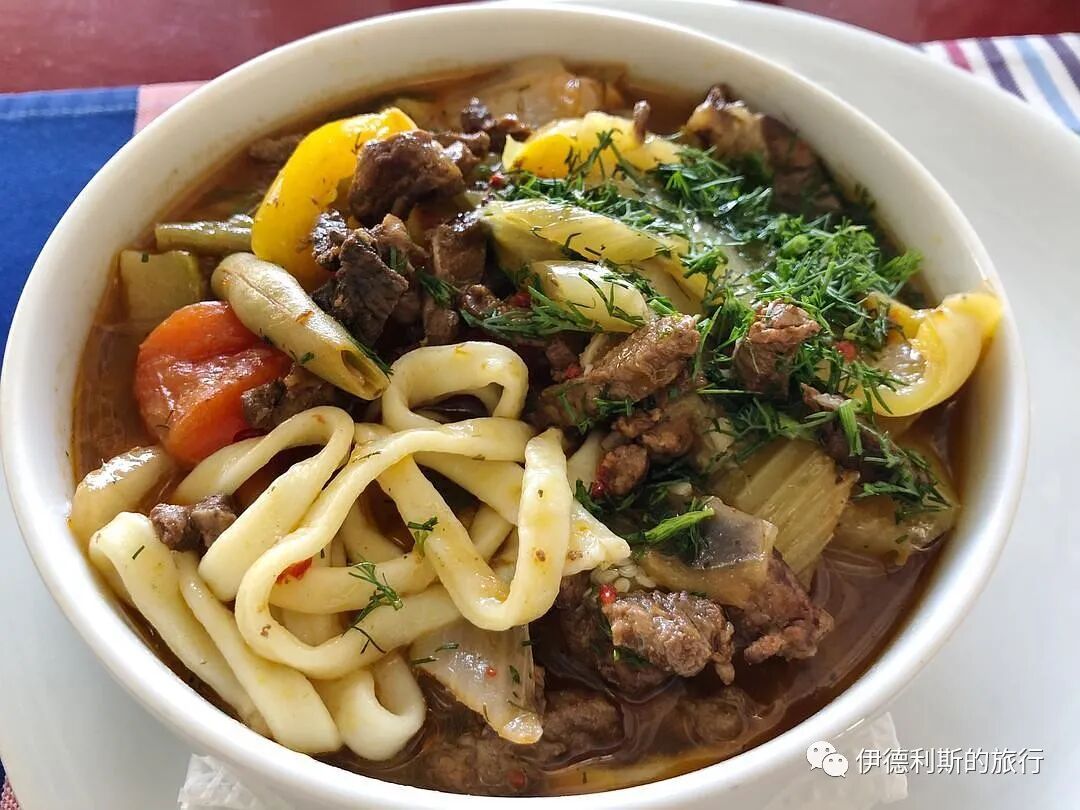
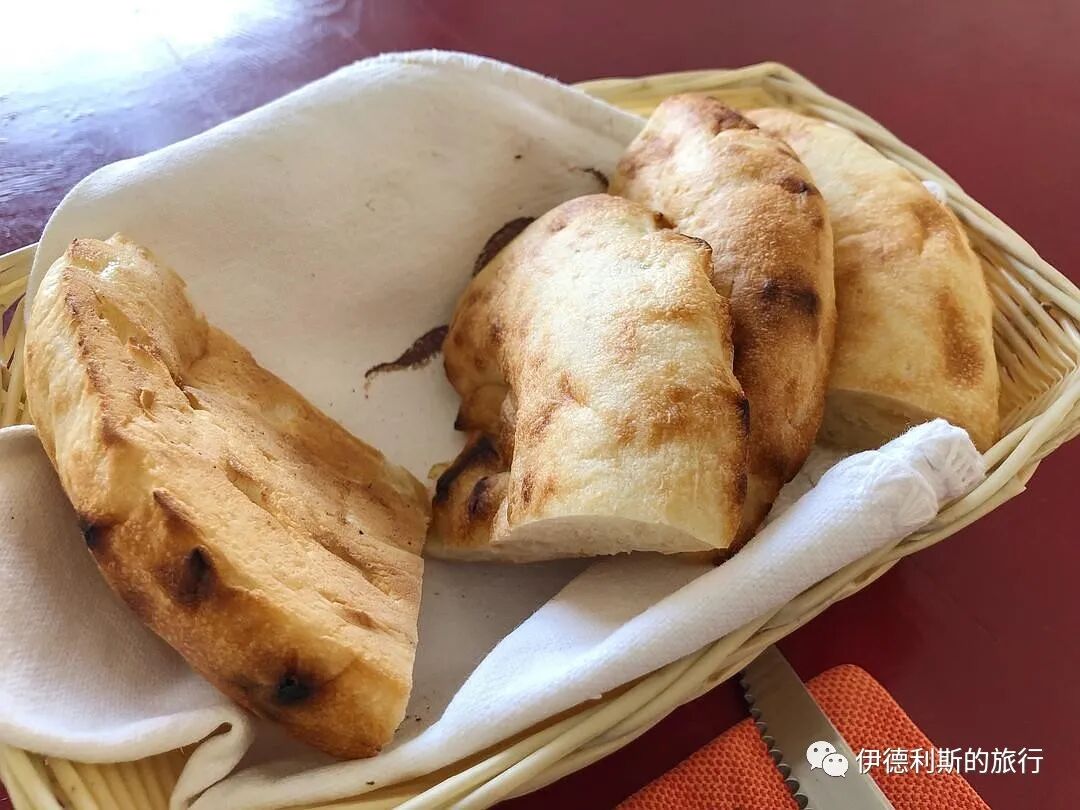
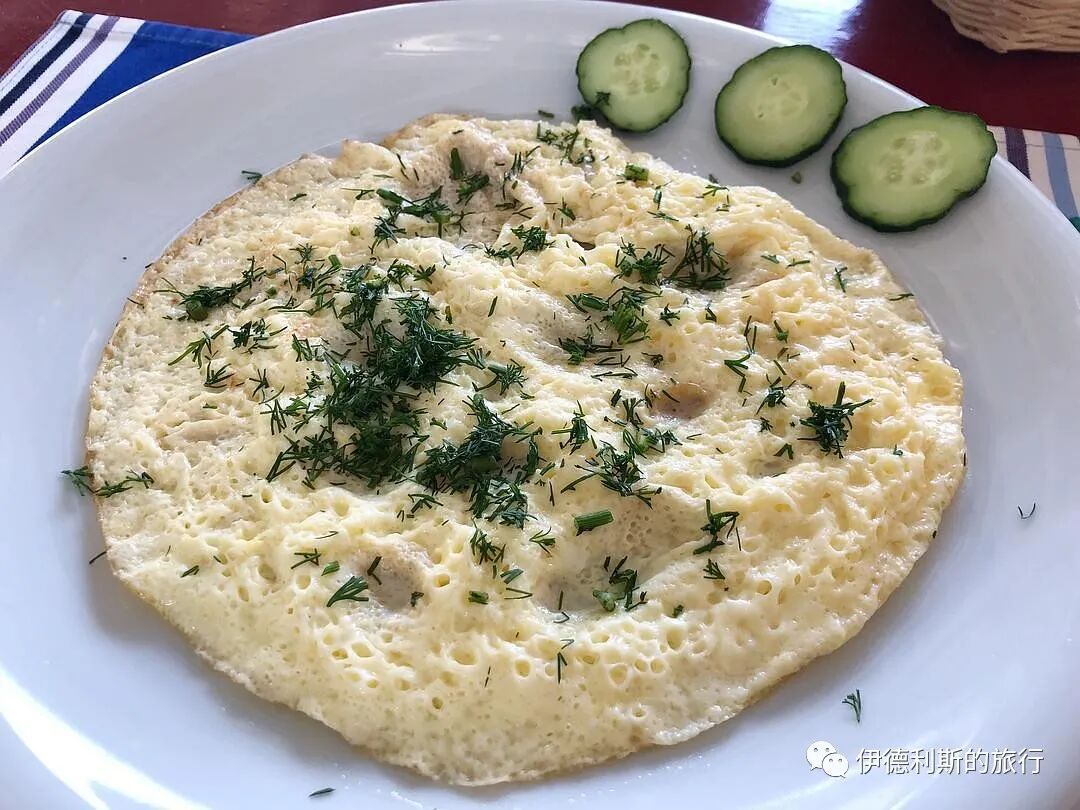
Tatar Ash (small dumplings) dipped in yogurt, Kasha v Assortimente (assorted porridge), and Bliny (thin pancakes) dipped in jam.
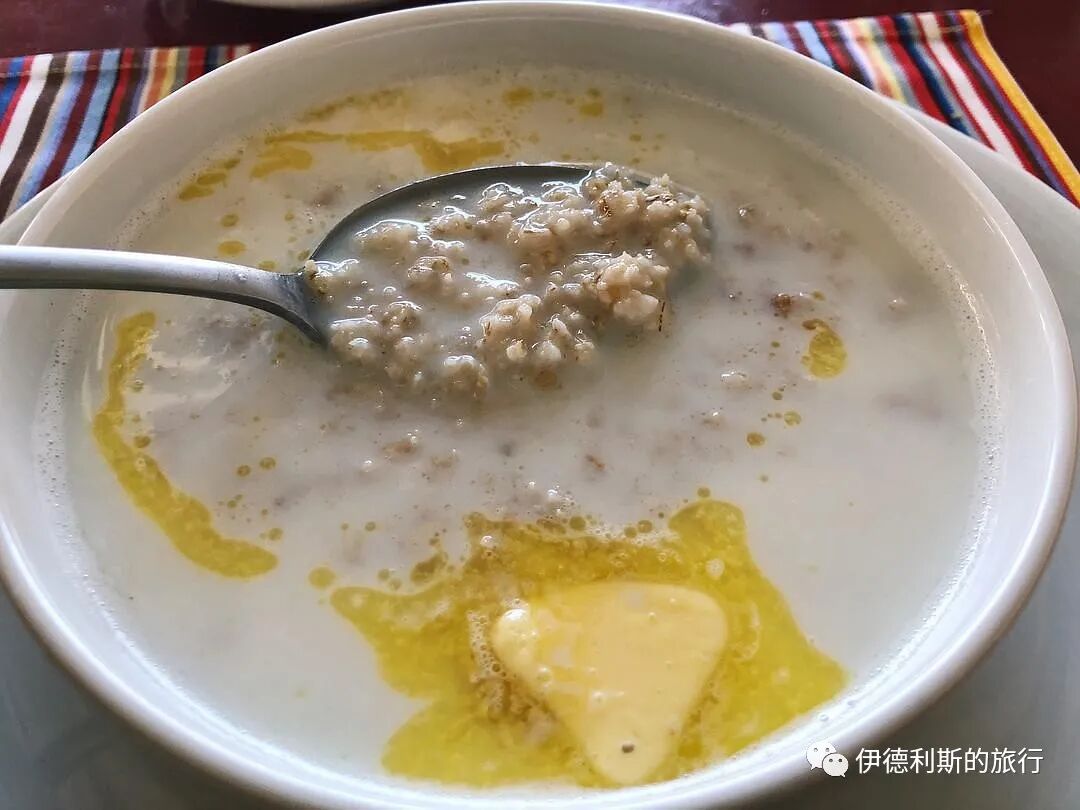
3. Gulf Bedouins in Dubai
The Al Ras neighborhood in Dubai literally means "cape" or "headland." It is surrounded by Dubai Creek on three sides and is the oldest neighborhood in Dubai's Deira area. There is a traditional Gulf Bedouin restaurant in the neighborhood called "Al Bait Alqadeem," which means "the old house" in Arabic. This restaurant is located in a traditional Gulf courtyard house built in 1909. The house was built by pearl boat owner Abdulla Bin Jamaan, who was also a guard for the then-ruler of Dubai. In 1954, Abdulla Bin Jamaan became the first mayor of Dubai.
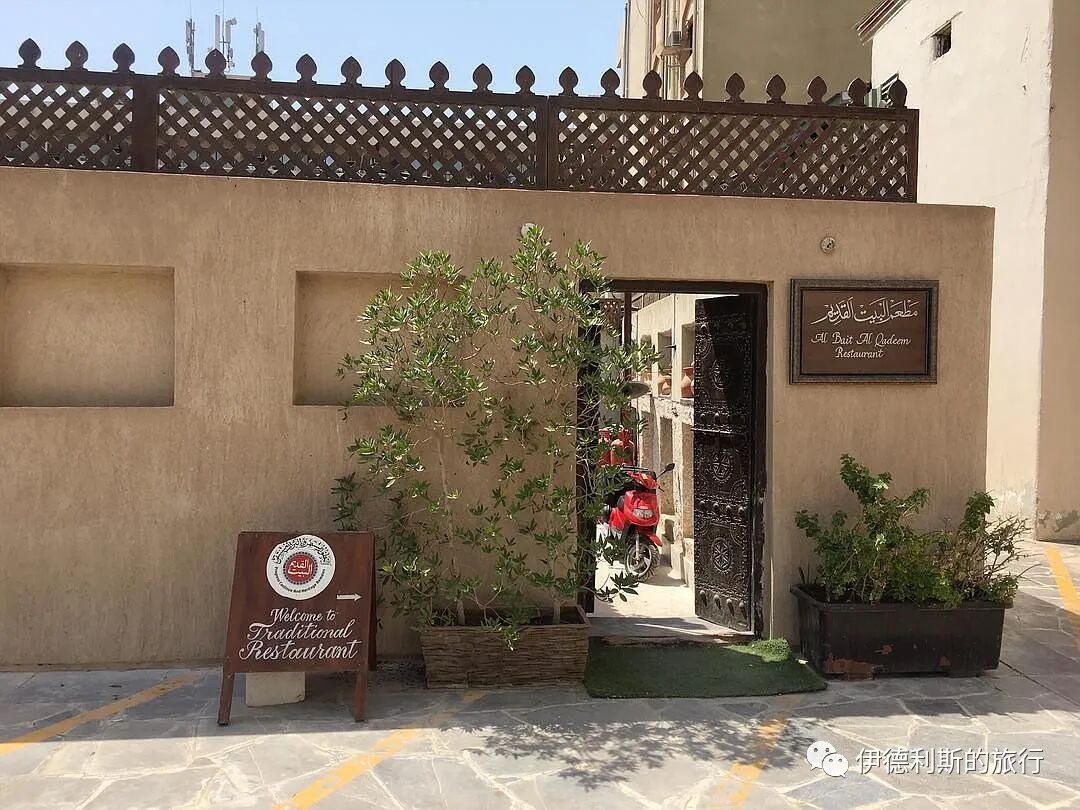
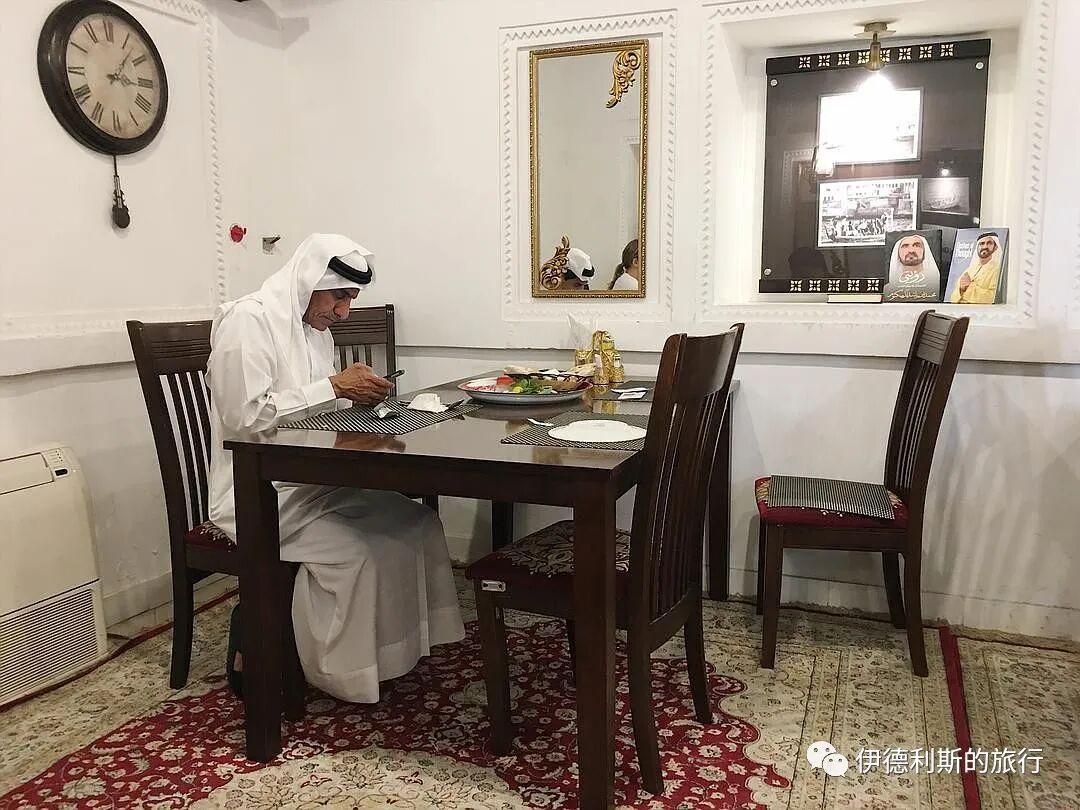
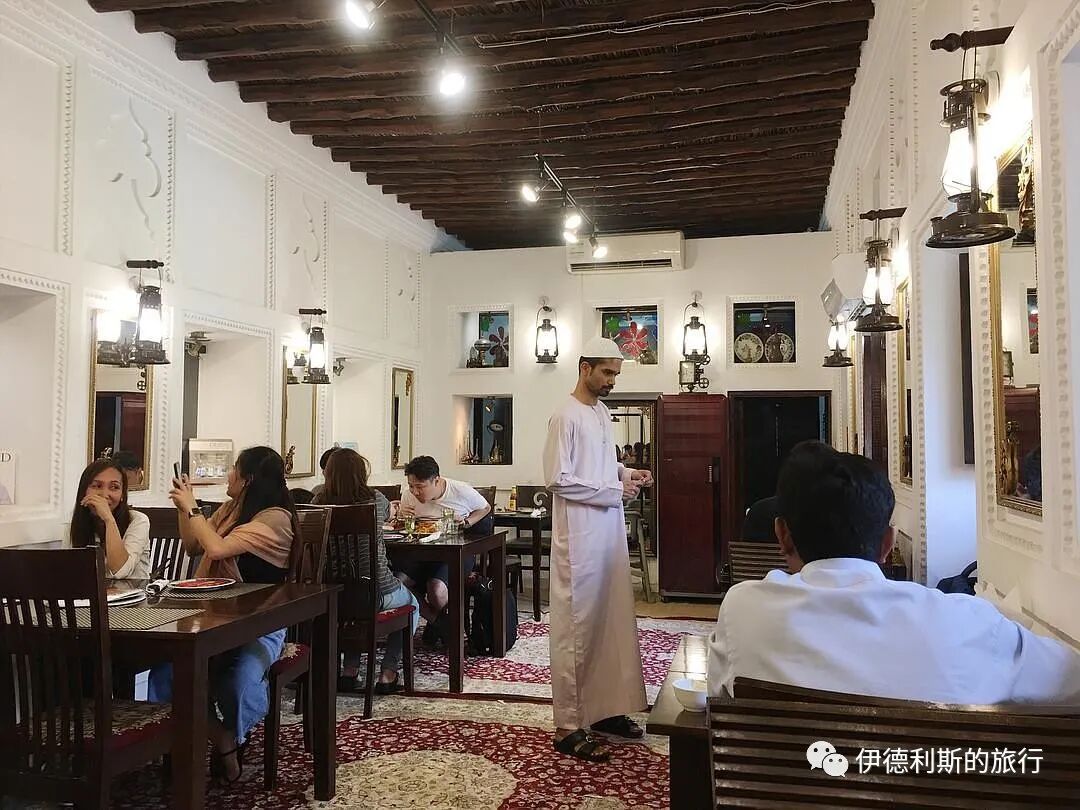
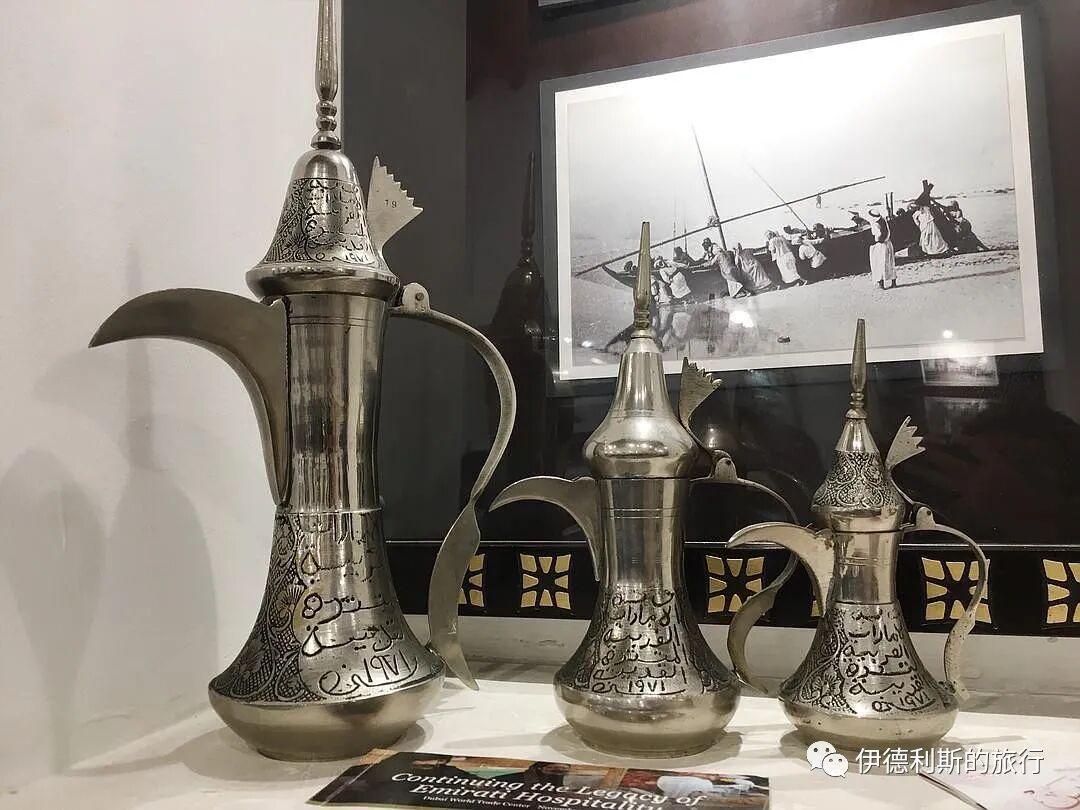
The freshly baked bread is particularly crispy and tastes great, and these large enamel plates also have a special feel.
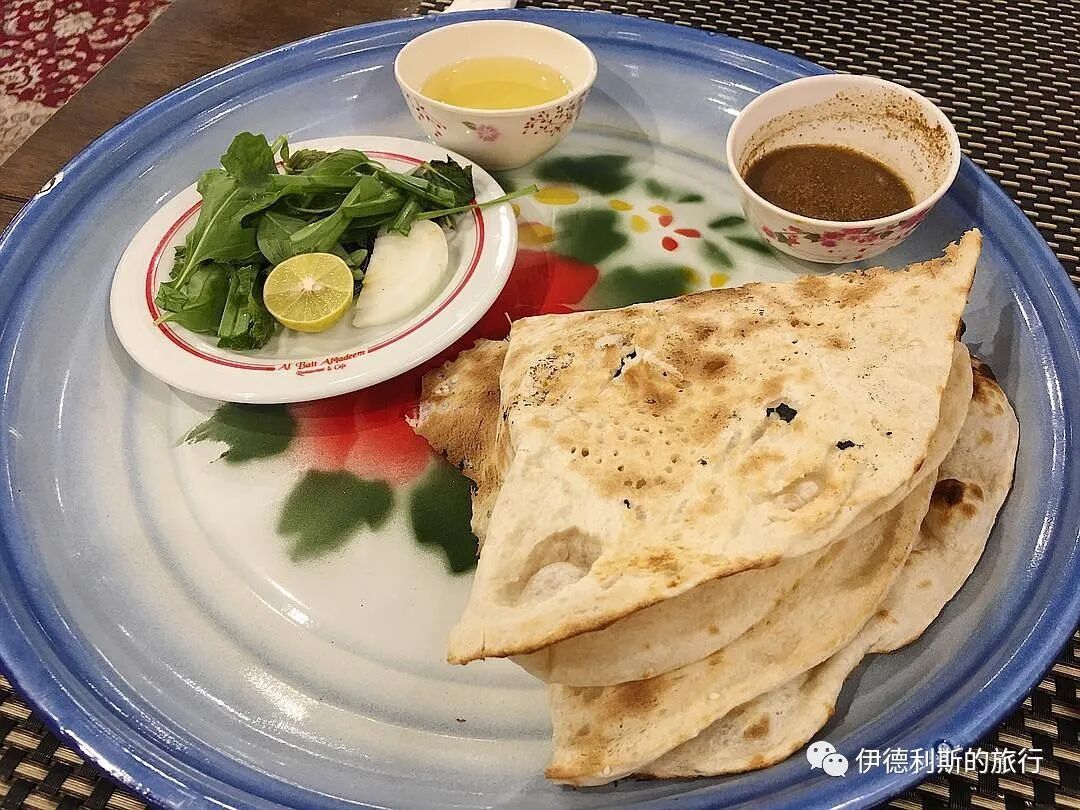
The grilled fish is recommended by the chef and is also excellent.
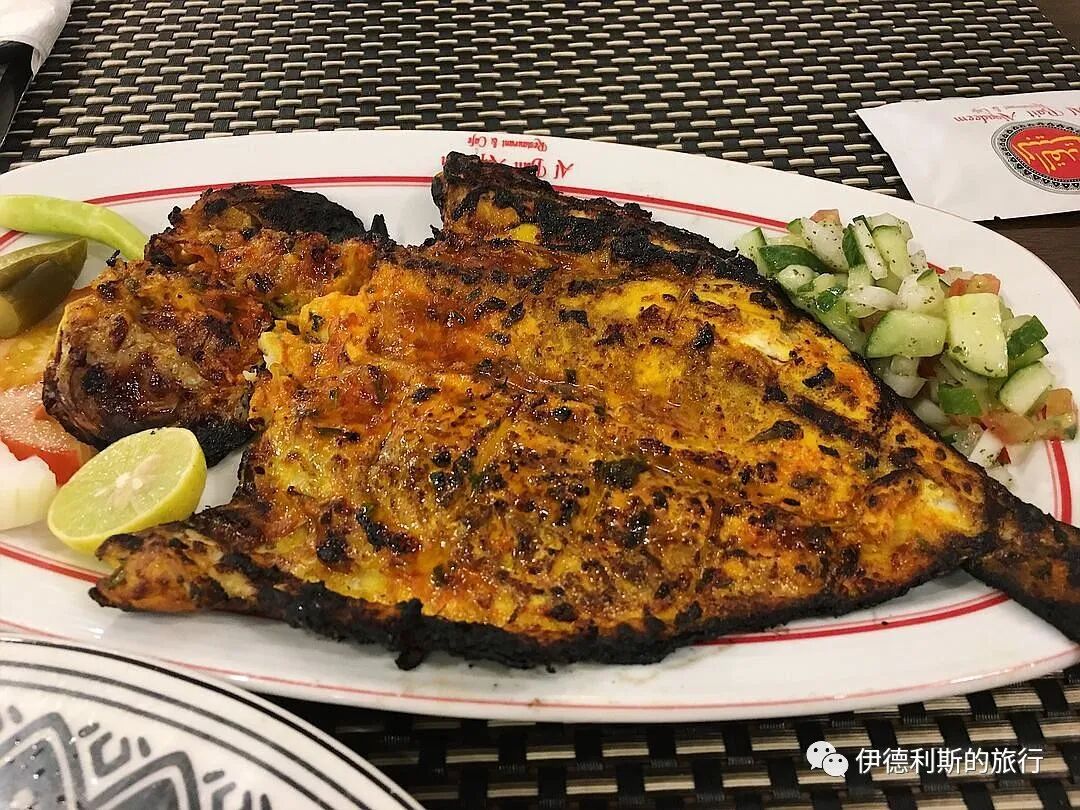
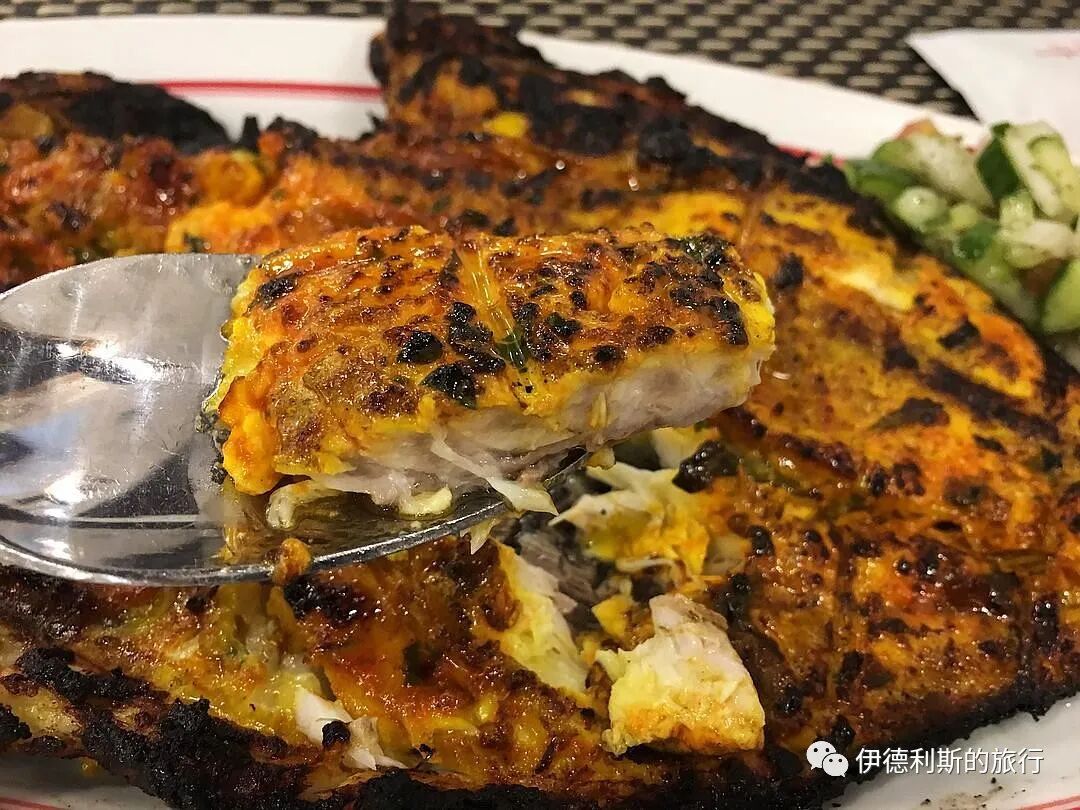
I also drank cucumber honey water, which I liked very much.
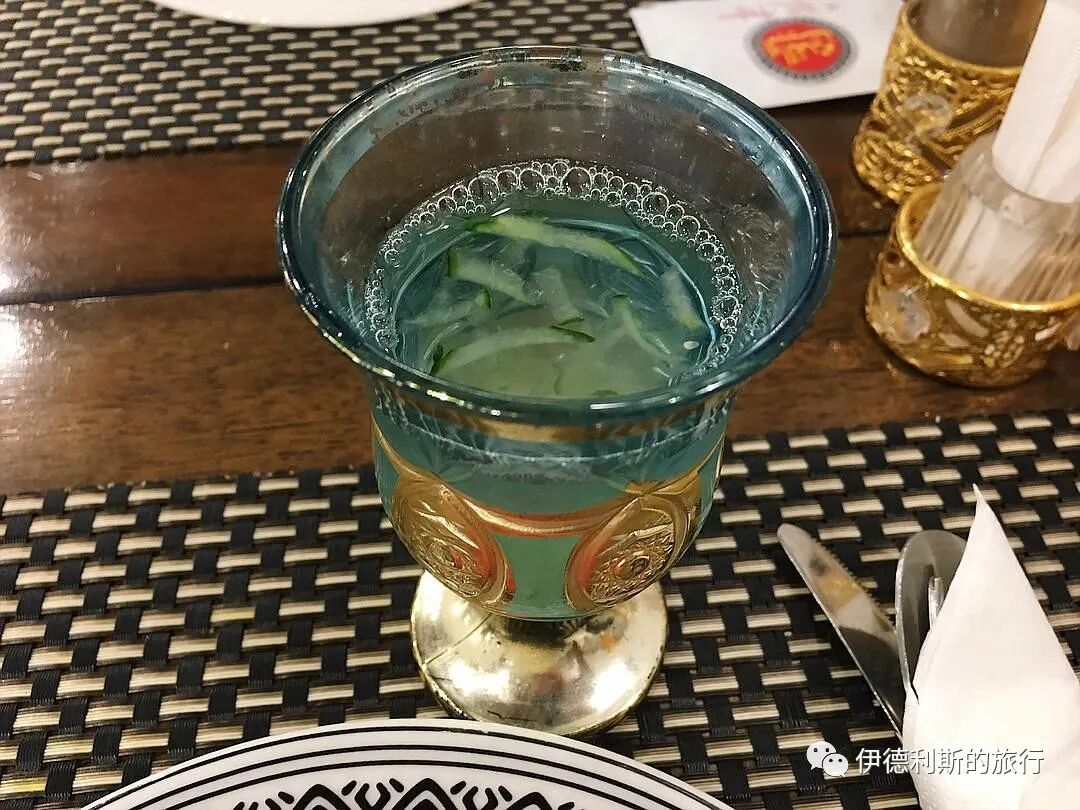
4. The Cham people in Ho Chi Minh City, Vietnam
The Chams are an Austronesian-speaking people who migrated from Borneo to the Indochinese Peninsula and established Champa in southern Vietnam in 192 AD. Due to the narrow and fragmented land, Champa always focused on developing maritime trade, becoming an important trading port on the Maritime Silk Road during the Song and Yuan dynasties.
After the 12th century, Champa fell into long-term war. After the Champa capital Vijaya was captured by Vietnam in 1471, a large number of Cham people fled to Cambodia for refuge. Before this, in the 14th and 15th centuries, many Malay Muslims had already moved to Cambodia. These Malay Muslims integrated with the Cham people, who also spoke Austronesian languages of the Indonesian branch, through trade, intermarriage, and other means, and the Cambodian Cham people gradually converted to Islam.
After the 18th century, some Cambodian Cham people began to move to the Mekong Delta on the Vietnam-Cambodia border to live. After France occupied Saigon in 1862, because of the relatively loose autonomy policy implemented for the Cham people, more and more Cham people settled in Saigon.
Saigon Green House is the best Cham restaurant in Ho Chi Minh City, with a rich variety of dishes that are all delicious.
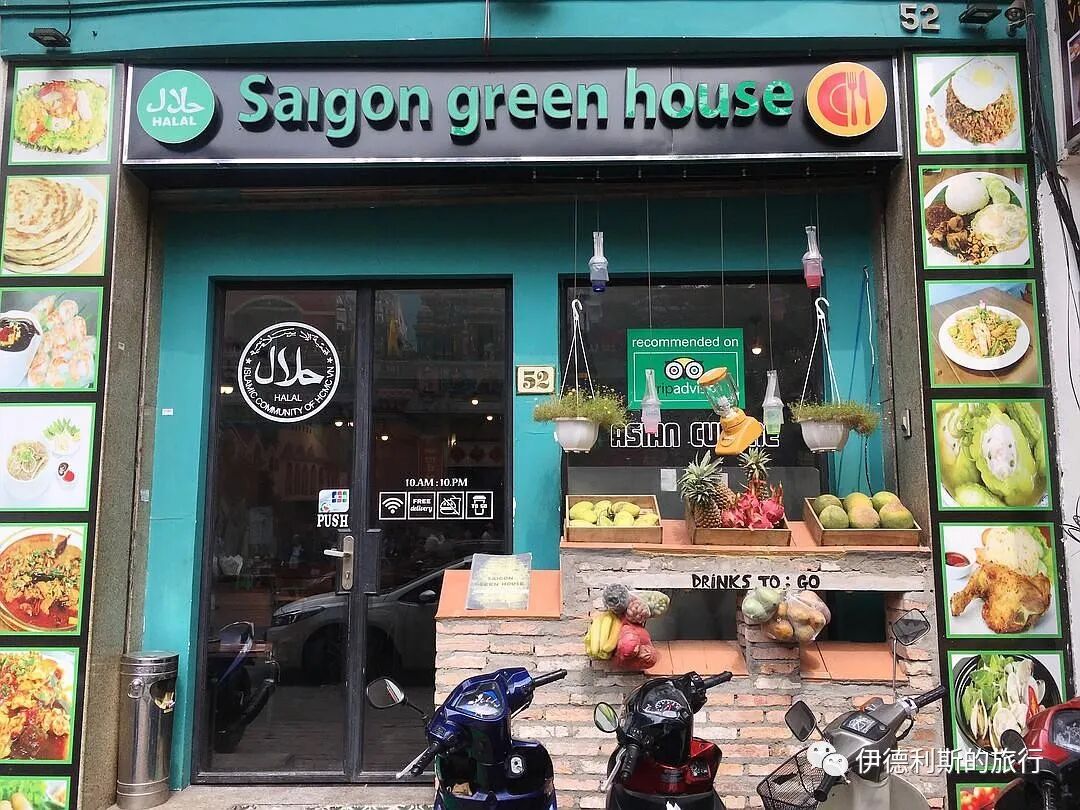
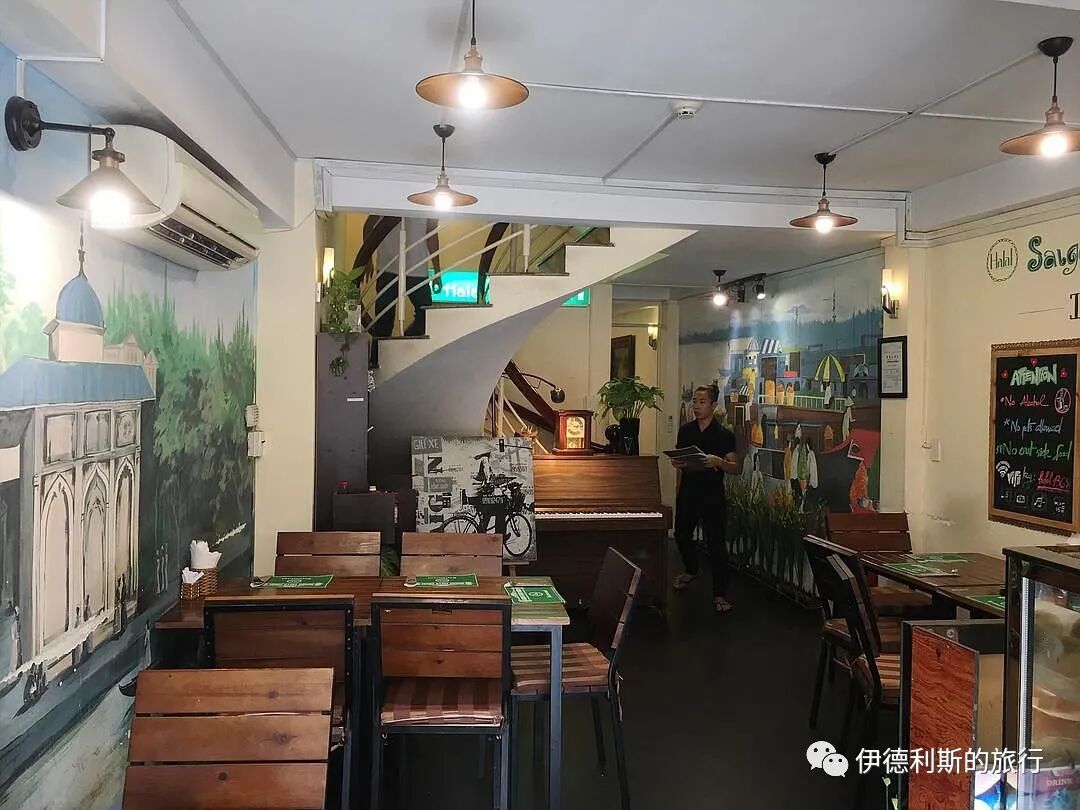
First, eat Phở!
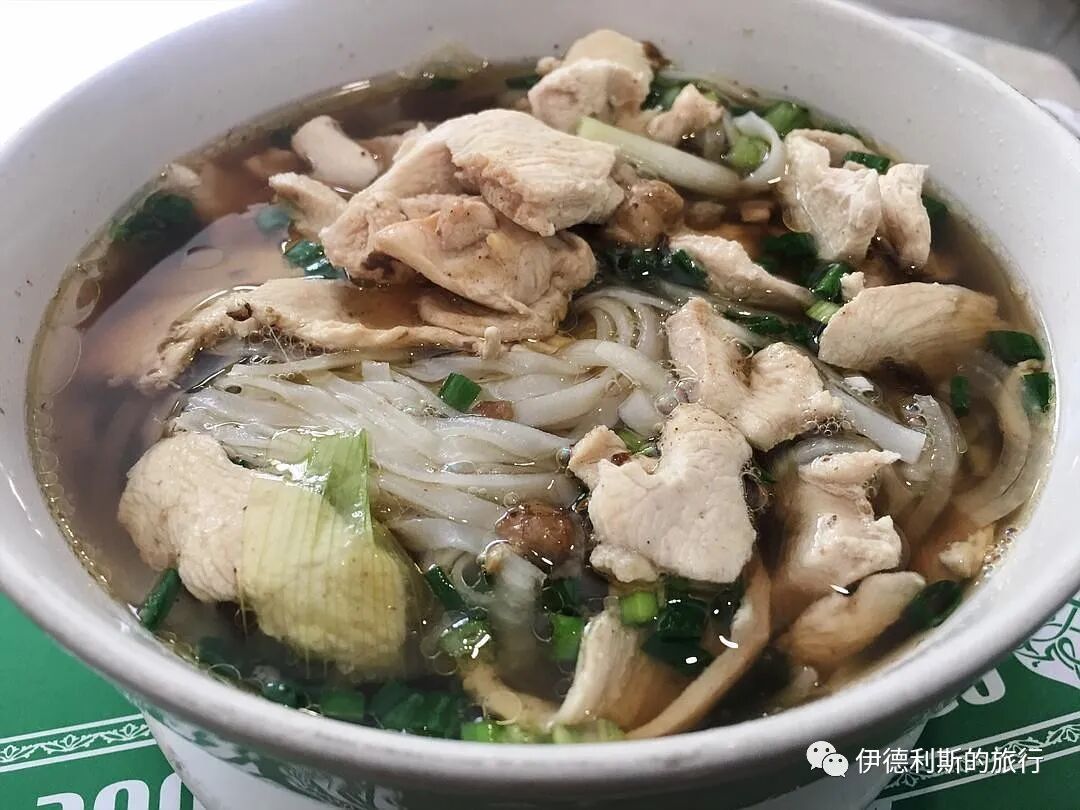
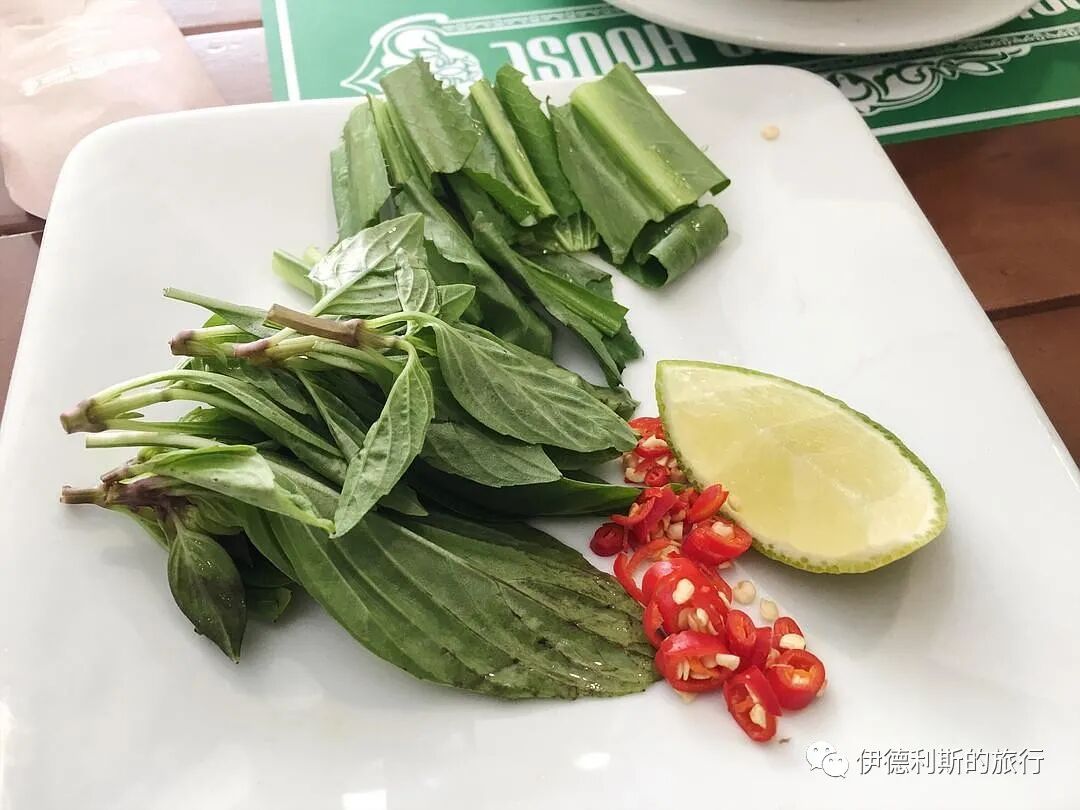
Pineapple fried rice.
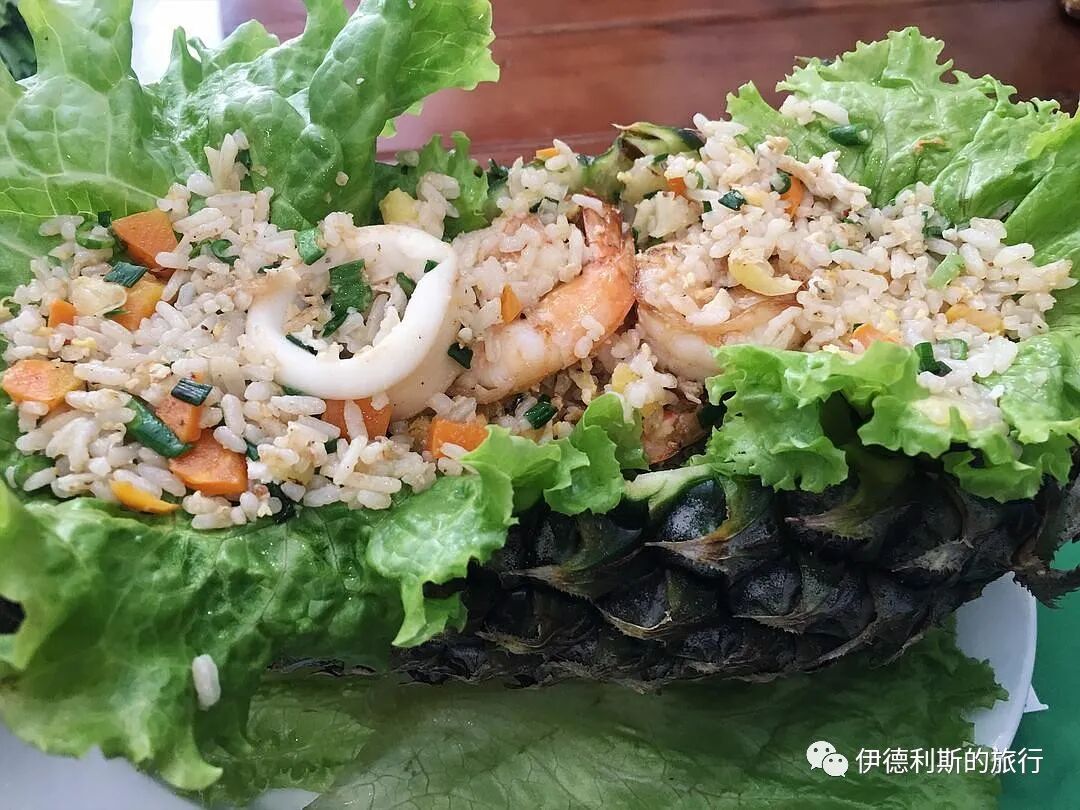
Fried spring rolls.
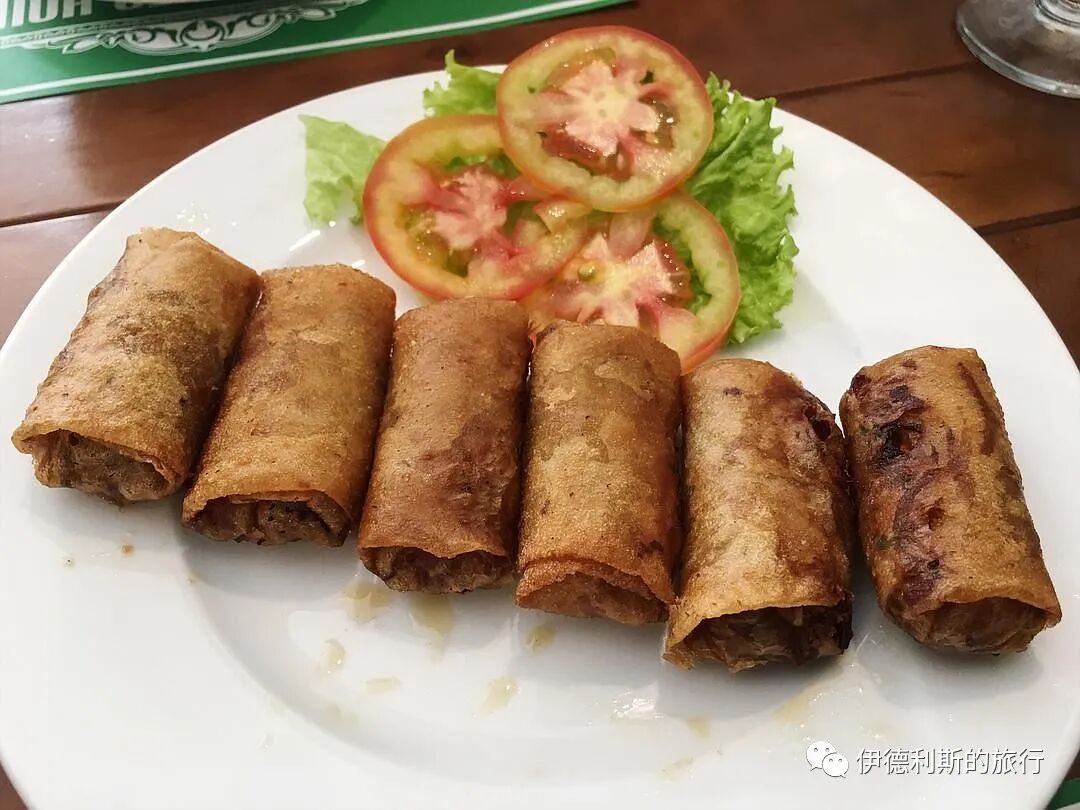
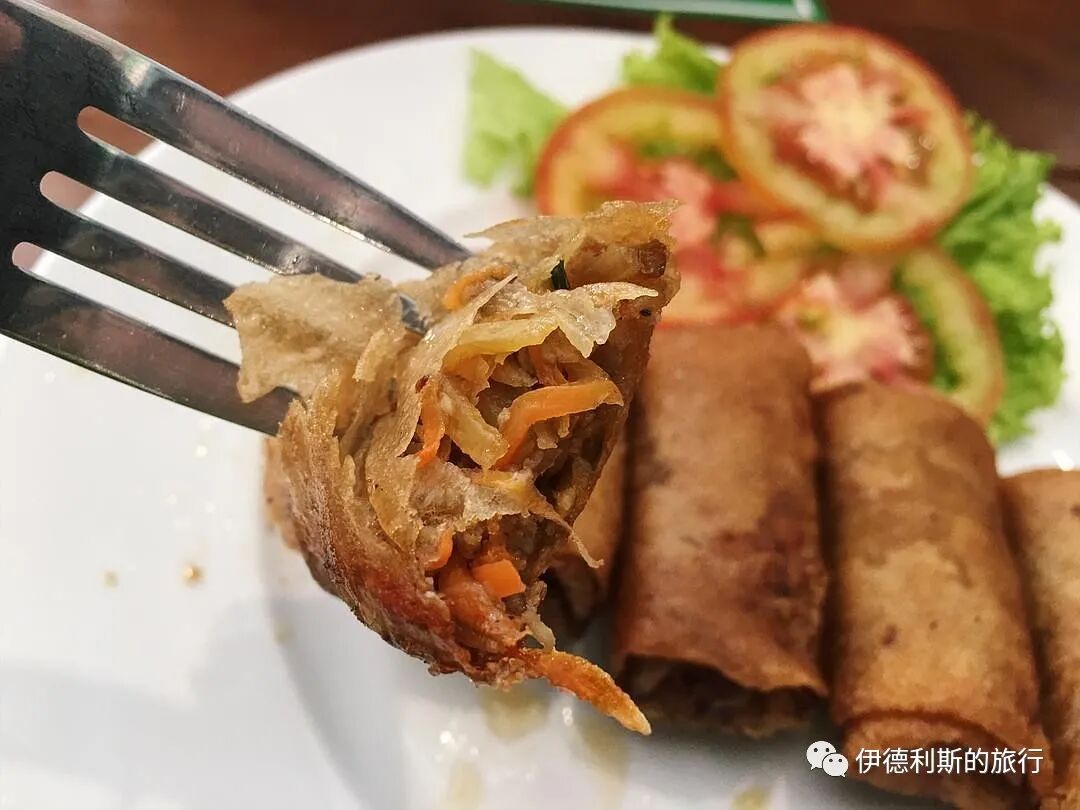
Drink iced tea.
Twenty Ethnic Restaurants in China: Halal and Minority Food Guide (Part 2 of 2)
Articles • ali2007fr posted the article • 0 comments • 166 views • 2026-05-17 06:55
Summary: This travel note introduces Twenty Ethnic Restaurants in China: Halal and Minority Food Guide (Part 2). Qingzhen Huiji is currently the only local traditional halal snack shop on Hong Kong Island. It is useful for readers interested in Ethnic Food, Halal Food, China Travel. This is part 2 of 2.
Rose sanpaotai; I wanted more after finishing it, so I finally bought a lot at the supermarket to take home.
17. The Tibetan Muslims of Lhasa, Tibet
Today, there are three Muslim ethnic groups in Lhasa: Tibetan-speaking Muslims whose ancestors were from Kashmir, Nepal, etc.; Tibetan-speaking Muslims whose ancestors were from Sichuan, Yunnan, etc.; and Chinese-speaking Muslims who came from Gansu and Qinghai to do business after the 1980s—these are what we often call Kashmiris, Tibetan Muslims, and Gansu-Qinghai Hui Muslims. In the Tibetan language, Muslims are called "Khache," which was translated as "Kaqi" in Qing Dynasty documents, derived from the Tibetan name for Kashmir, "Khache Yul." After the 14th century, Kashmir, west of the Tibetan region, completed its Islamization. Kashmiri Muslims traveled to the Tibetan region for business and settled in Lhasa in the 17th century. After the 18th century, the Qing army began to be stationed in Tibet. The Hui Muslim officers and soldiers in the Qing army stationed in Tibet became the second Muslim ethnic group to arrive in Lhasa.
These Muslims who settled in Lhasa intermarried with local Tibetans for hundreds of years and gradually became "Fan-Kaqi" who speak Tibetan, wear Tibetan clothes, drink butter tea, and live in Tibetan-style houses. "Fan" in Tibetan represents "Tibetan."
Hebalin, where the Lhasa Great Mosque is located, is the main residential area for Tibetan Muslims, and there are some restaurants run by Tibetan Muslims here. Yibire Baozi Shop is a very famous Tibetan Muslim restaurant located in the small alleys of Hebalin.
Tibetan-style sweet tea actually originated from black tea with milk and sugar introduced to India by the British, and it became popular in Lhasa in the early 20th century.
Eating zhajiangmian (noodles with soybean paste)
Red oil dumplings
A Tibetan Muslim teenager wearing Adidas
Basically all local Tibetans
Menu
18. The Paxi Dai of Xishuangbanna, Yunnan
The Paxi Dai live in two villages, "Manluan Hui" and "Mansai Hui," in Menghai County, Xishuangbanna Prefecture. "Man" means "village" in the Dai language. The Paxi Dai call themselves "Paxi," believe in Islam, observe the faith, but speak the Dai language, use the Dai script, and make halal Dai-style food. It can be said that they have maintained their Hui Muslim identity while integrating into Dai culture.
During the Jiaqing and Daoguang periods of the Qing Dynasty, Menghai became an important transit point for Yunnan horse caravans traveling to Myanmar and Thailand for business. A Hui Muslim caravan leader named Ma Wulong from Dali came to Menghai and gave the Menghai Zhaomeng (local chieftain) leader Zha Yakun 3 loads of salt, which led the Zhaomeng to agree to set aside a small mountain valley for Ma Wulong to live in. Ma Wulong later married a Dai woman, had a son named Yan Han, and then returned to his hometown. After Yan Han grew up, he also married a Dai woman and had four sons and two daughters, gradually forming the current Paxi Dai village, "Manluan Hui."
There is a restaurant called "Paxi Dai" at the Ganbai Street Night Market in Jinghong, and the landlady is a Paxi Dai from Manluan Hui. The restaurant is by the lake, opposite the famous Starlight Night Market, so you can enjoy the night view while eating.
We ordered a nanmi (Dai-style dipping sauce) platter, stir-fried porcini mushrooms, Dai-style pounded chicken feet, passion fruit stewed tilapia, lemon hand-shredded beef jerky, and beef pineapple rice.
Nanmi is a Dai-style dipping sauce with a sour and spicy flavor, used for dipping fried beef skin, cucumber, and cowpeas. This was my first time eating fried beef skin; the texture is a bit like shrimp crackers, but harder.
The pounded chicken feet were very sour and spicy, and my mouth was burning from eating them. The Dai-style passion fruit stewed fish is very flavorful, comparable to the starfruit sour soup fish of the Sanya Huihui people, but the sourness is stronger; I could only drink a little bit of this soup.
Our whole family liked the beef pineapple rice the most. This kind of fried rice is rare locally, and we thought it was better than any other fried rice we had eaten before.
19. The Bai Hui of Dali, Yunnan
In the Hui Muslim villages of Jiming, Shipang, and Sanmei in Eryuan County, Dali, because they are located in a Bai ethnic area, the Hui Muslims here speak the Bai language, wear traditional Bai clothing, and their architecture is also strongly influenced by the Bai people, so they are also called "Bai Hui" by outsiders.
A Bai Hui restaurant was discovered in Yousuo Town, Eryuan, opened by a Hui Muslim surnamed Ma from Shipang Village. I ate salty rushan (milk fan cheese) and liangpian (cold sliced meat) at this restaurant. The liangpian was very spicy but extremely fragrant; it was the first time I had eaten liangpian that went so well with rice.
Aunties carrying rushan in the Bai Hui village
20. The Salar people of Xunhua, Qinghai
The Salar people, who speak the Salar language of the Turkic language family, live in Xunhua County, Qinghai, and surrounding areas. In the legends of the Salar people, Ahman and Qarman originally lived in the Samarkand area of Central Asia. Because they were oppressed by the rulers, they led their people across the Tianshan Mountains all the way east and finally settled in Xunhua.
Eating stir-fried beef and jiaotuan (a thick paste made of flour) at a Salar family farmhouse in Xunhua County. Jiaotuan is made by stir-frying flour, adding water to boil, and then adding refined vegetable oil; it tastes very fragrant. Salar households in Xunhua are divided into tea restaurants and farmhouses. The cuisine in tea restaurants is more mixed. If you want to eat authentic Salar food, it is recommended to go to a farmhouse. view all
Summary: This travel note introduces Twenty Ethnic Restaurants in China: Halal and Minority Food Guide (Part 2). Qingzhen Huiji is currently the only local traditional halal snack shop on Hong Kong Island. It is useful for readers interested in Ethnic Food, Halal Food, China Travel. This is part 2 of 2.
Rose sanpaotai; I wanted more after finishing it, so I finally bought a lot at the supermarket to take home.
17. The Tibetan Muslims of Lhasa, Tibet
Today, there are three Muslim ethnic groups in Lhasa: Tibetan-speaking Muslims whose ancestors were from Kashmir, Nepal, etc.; Tibetan-speaking Muslims whose ancestors were from Sichuan, Yunnan, etc.; and Chinese-speaking Muslims who came from Gansu and Qinghai to do business after the 1980s—these are what we often call Kashmiris, Tibetan Muslims, and Gansu-Qinghai Hui Muslims. In the Tibetan language, Muslims are called "Khache," which was translated as "Kaqi" in Qing Dynasty documents, derived from the Tibetan name for Kashmir, "Khache Yul." After the 14th century, Kashmir, west of the Tibetan region, completed its Islamization. Kashmiri Muslims traveled to the Tibetan region for business and settled in Lhasa in the 17th century. After the 18th century, the Qing army began to be stationed in Tibet. The Hui Muslim officers and soldiers in the Qing army stationed in Tibet became the second Muslim ethnic group to arrive in Lhasa.
These Muslims who settled in Lhasa intermarried with local Tibetans for hundreds of years and gradually became "Fan-Kaqi" who speak Tibetan, wear Tibetan clothes, drink butter tea, and live in Tibetan-style houses. "Fan" in Tibetan represents "Tibetan."
Hebalin, where the Lhasa Great Mosque is located, is the main residential area for Tibetan Muslims, and there are some restaurants run by Tibetan Muslims here. Yibire Baozi Shop is a very famous Tibetan Muslim restaurant located in the small alleys of Hebalin.
Tibetan-style sweet tea actually originated from black tea with milk and sugar introduced to India by the British, and it became popular in Lhasa in the early 20th century.
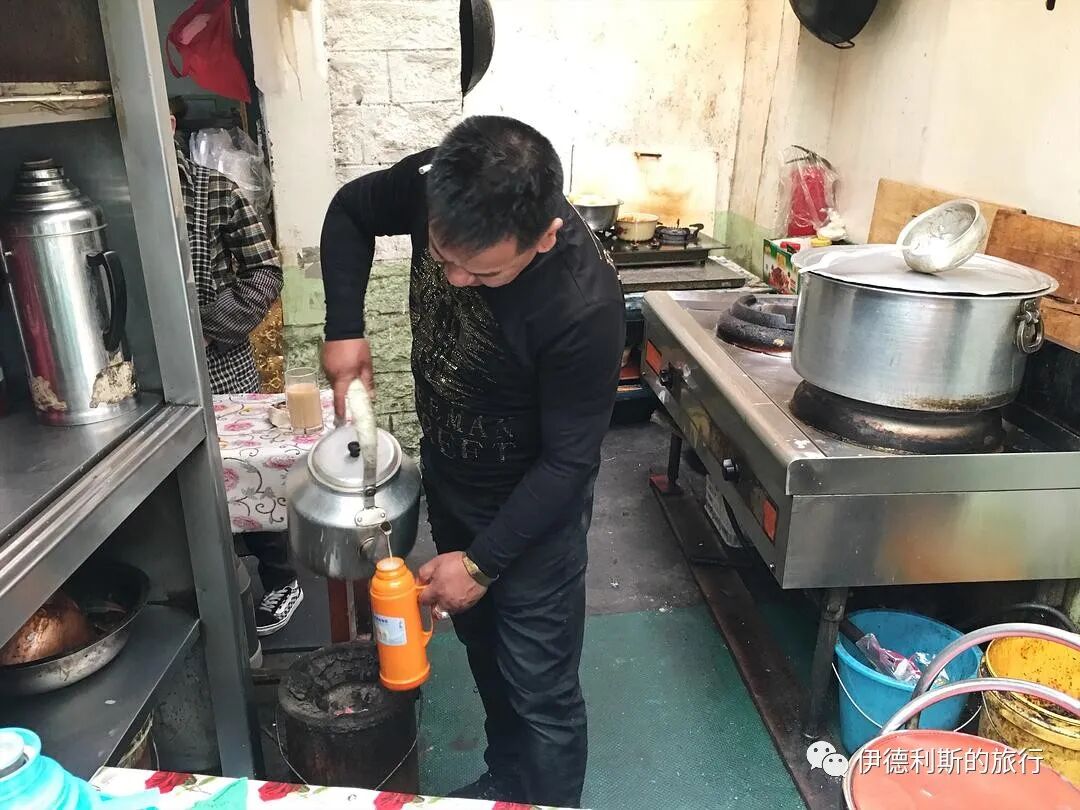
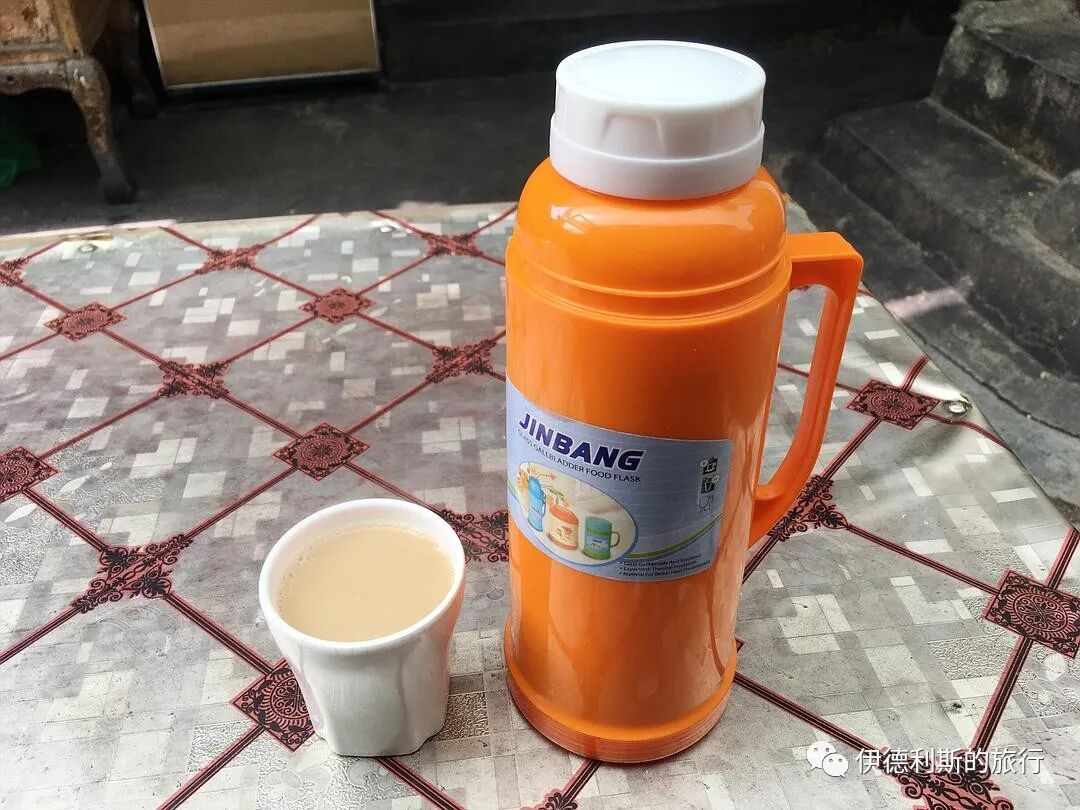
Eating zhajiangmian (noodles with soybean paste)
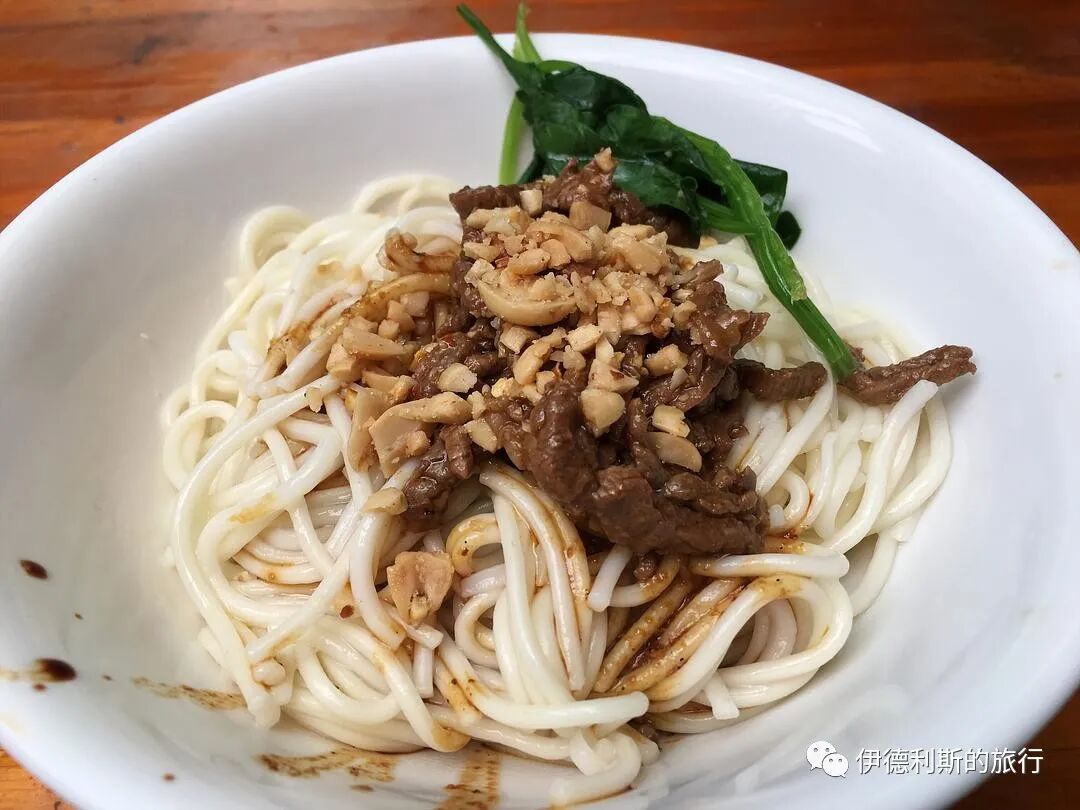
Red oil dumplings
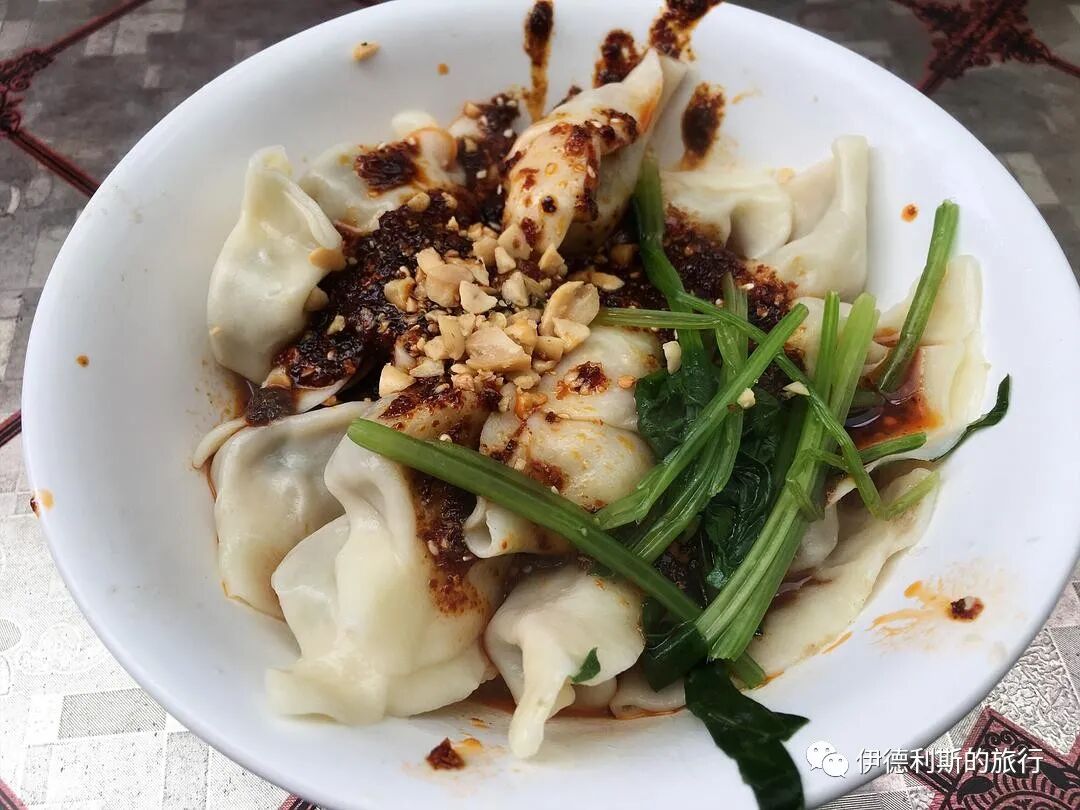
A Tibetan Muslim teenager wearing Adidas
Basically all local Tibetans
Menu
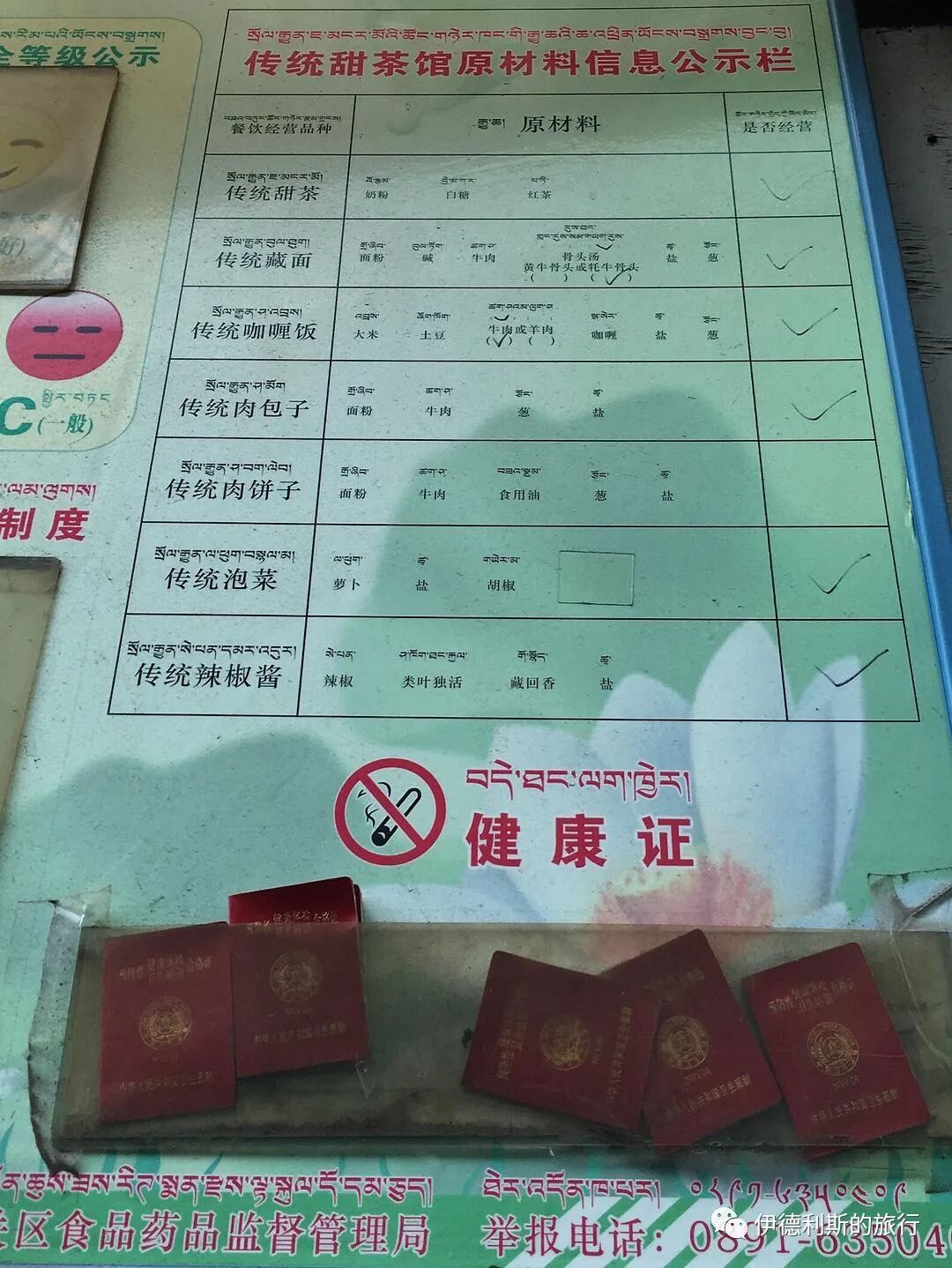
18. The Paxi Dai of Xishuangbanna, Yunnan
The Paxi Dai live in two villages, "Manluan Hui" and "Mansai Hui," in Menghai County, Xishuangbanna Prefecture. "Man" means "village" in the Dai language. The Paxi Dai call themselves "Paxi," believe in Islam, observe the faith, but speak the Dai language, use the Dai script, and make halal Dai-style food. It can be said that they have maintained their Hui Muslim identity while integrating into Dai culture.
During the Jiaqing and Daoguang periods of the Qing Dynasty, Menghai became an important transit point for Yunnan horse caravans traveling to Myanmar and Thailand for business. A Hui Muslim caravan leader named Ma Wulong from Dali came to Menghai and gave the Menghai Zhaomeng (local chieftain) leader Zha Yakun 3 loads of salt, which led the Zhaomeng to agree to set aside a small mountain valley for Ma Wulong to live in. Ma Wulong later married a Dai woman, had a son named Yan Han, and then returned to his hometown. After Yan Han grew up, he also married a Dai woman and had four sons and two daughters, gradually forming the current Paxi Dai village, "Manluan Hui."
There is a restaurant called "Paxi Dai" at the Ganbai Street Night Market in Jinghong, and the landlady is a Paxi Dai from Manluan Hui. The restaurant is by the lake, opposite the famous Starlight Night Market, so you can enjoy the night view while eating.
We ordered a nanmi (Dai-style dipping sauce) platter, stir-fried porcini mushrooms, Dai-style pounded chicken feet, passion fruit stewed tilapia, lemon hand-shredded beef jerky, and beef pineapple rice.
Nanmi is a Dai-style dipping sauce with a sour and spicy flavor, used for dipping fried beef skin, cucumber, and cowpeas. This was my first time eating fried beef skin; the texture is a bit like shrimp crackers, but harder.
The pounded chicken feet were very sour and spicy, and my mouth was burning from eating them. The Dai-style passion fruit stewed fish is very flavorful, comparable to the starfruit sour soup fish of the Sanya Huihui people, but the sourness is stronger; I could only drink a little bit of this soup.
Our whole family liked the beef pineapple rice the most. This kind of fried rice is rare locally, and we thought it was better than any other fried rice we had eaten before.
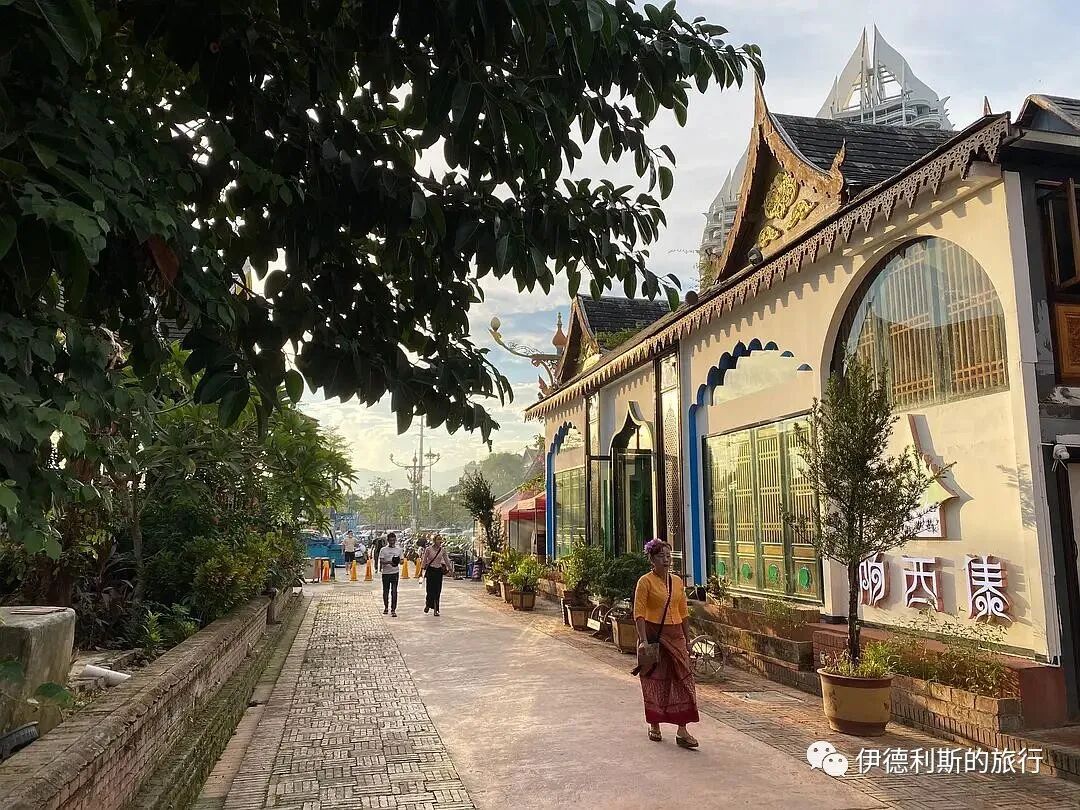
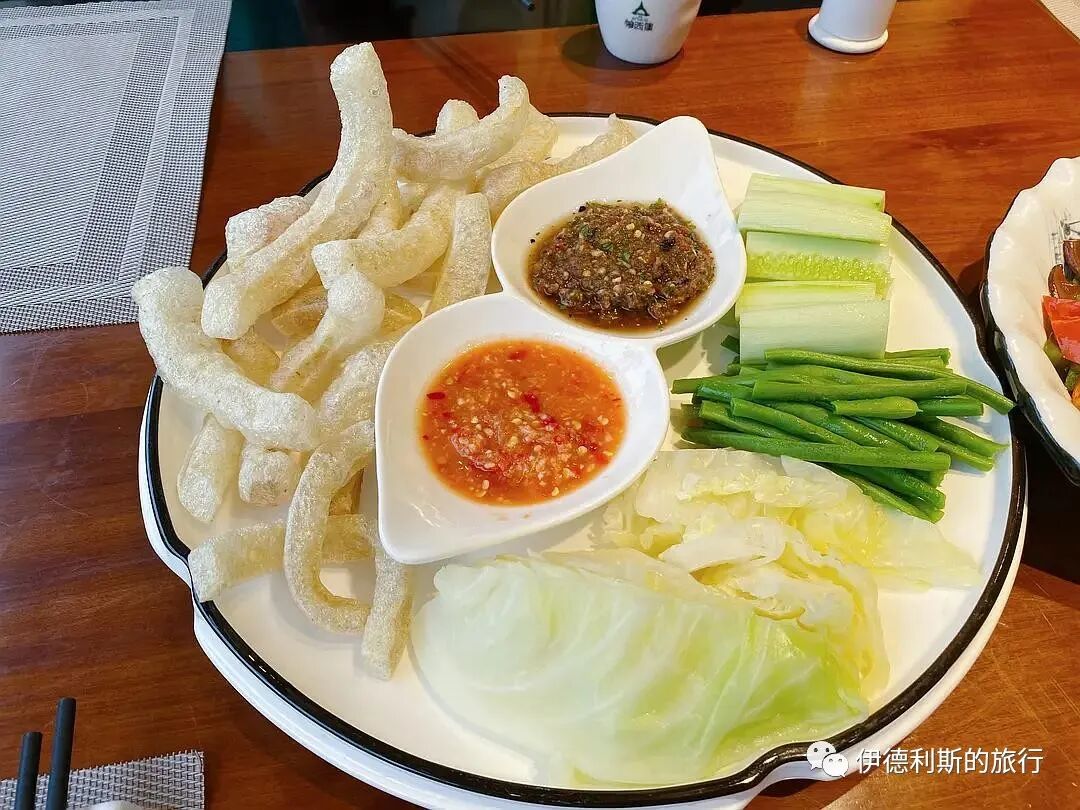
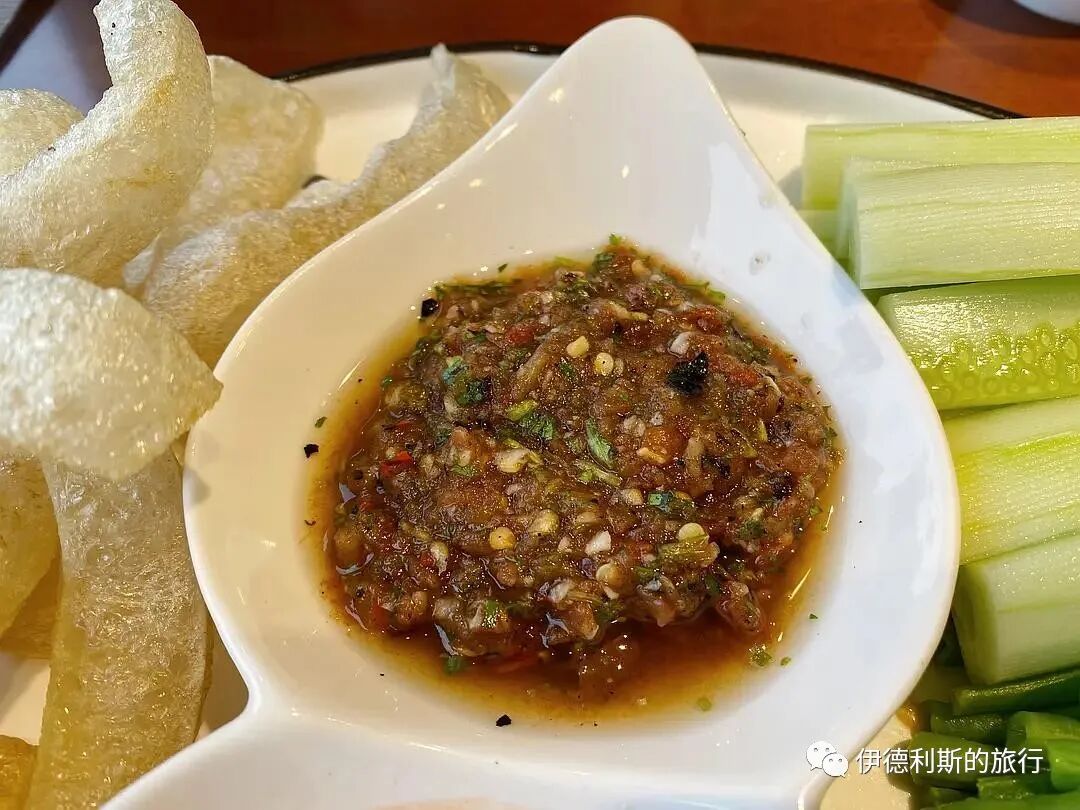
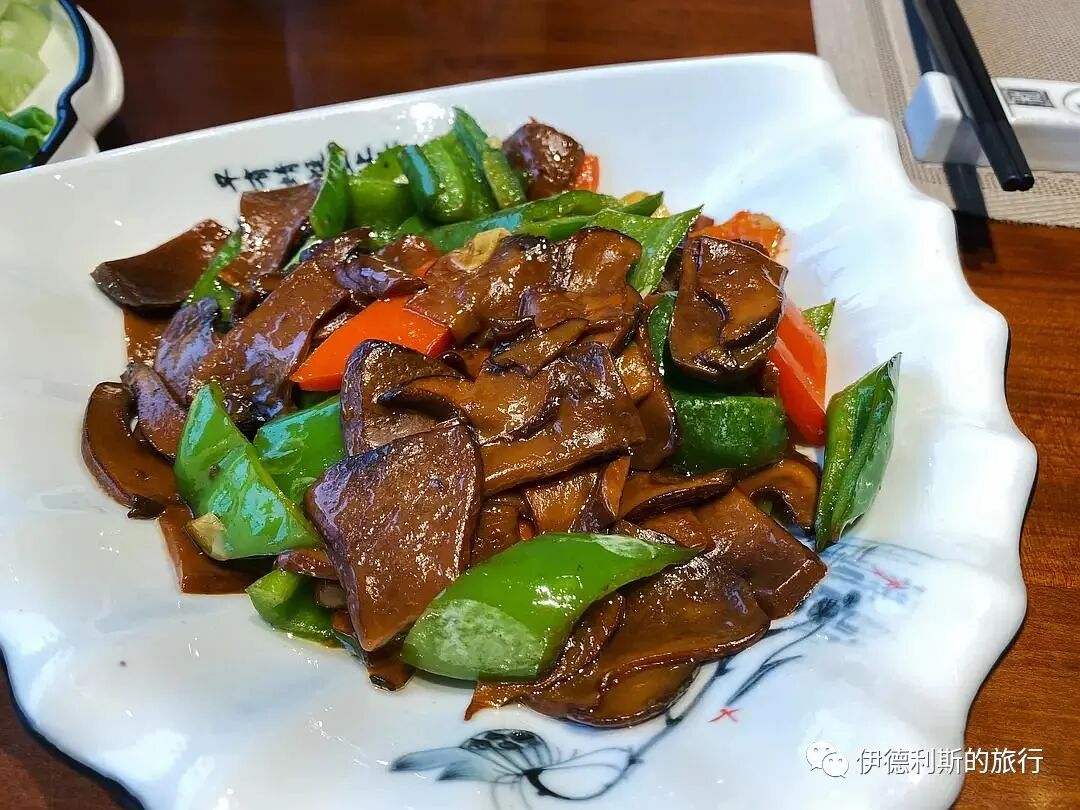
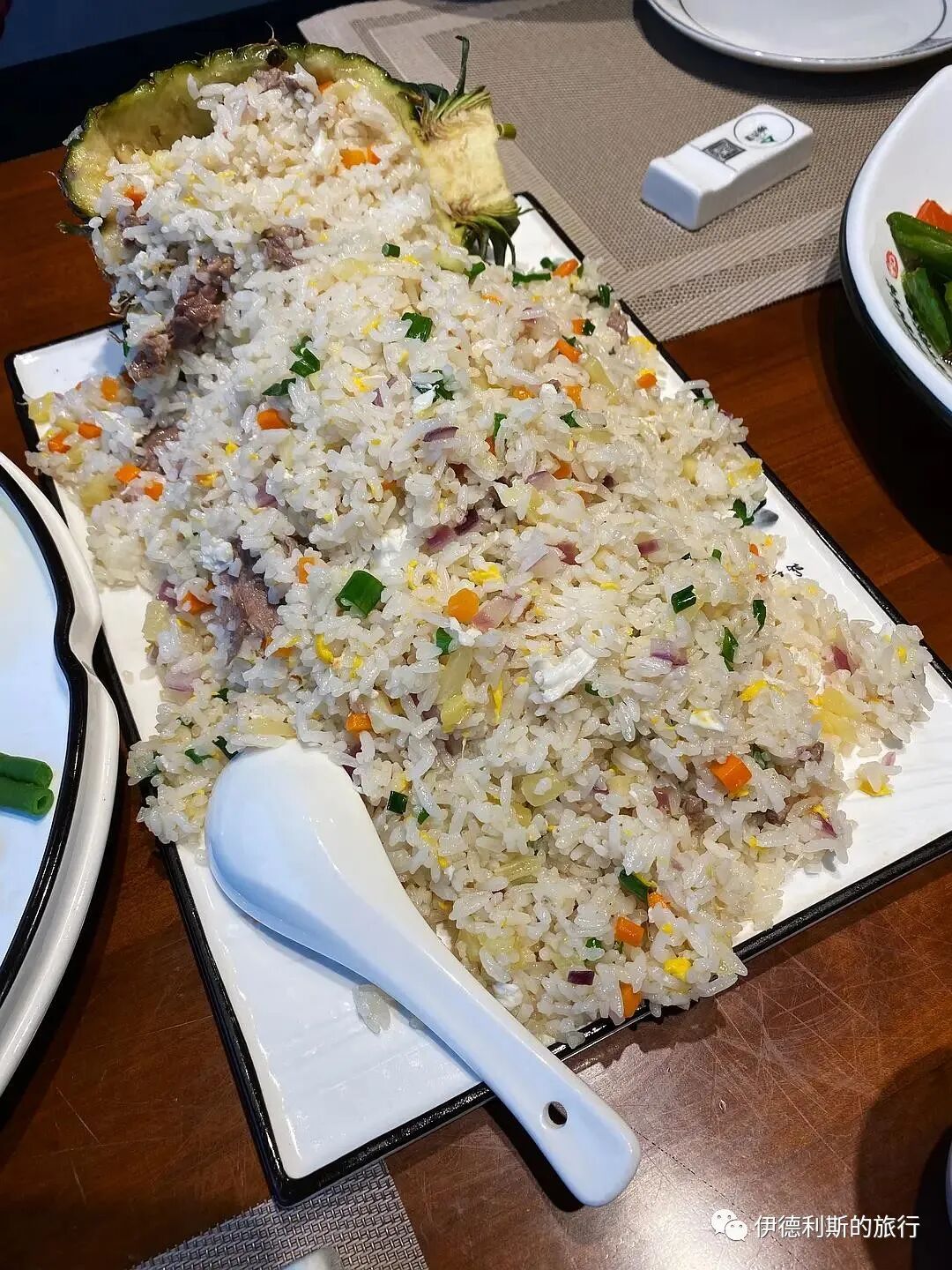
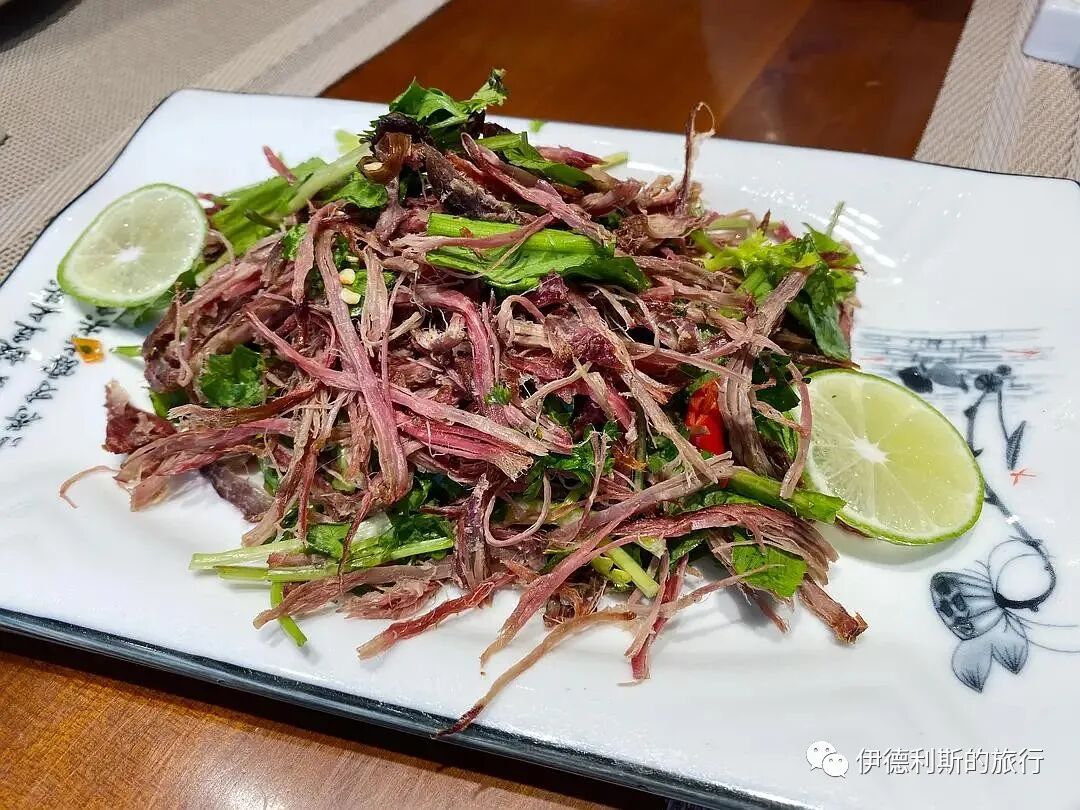
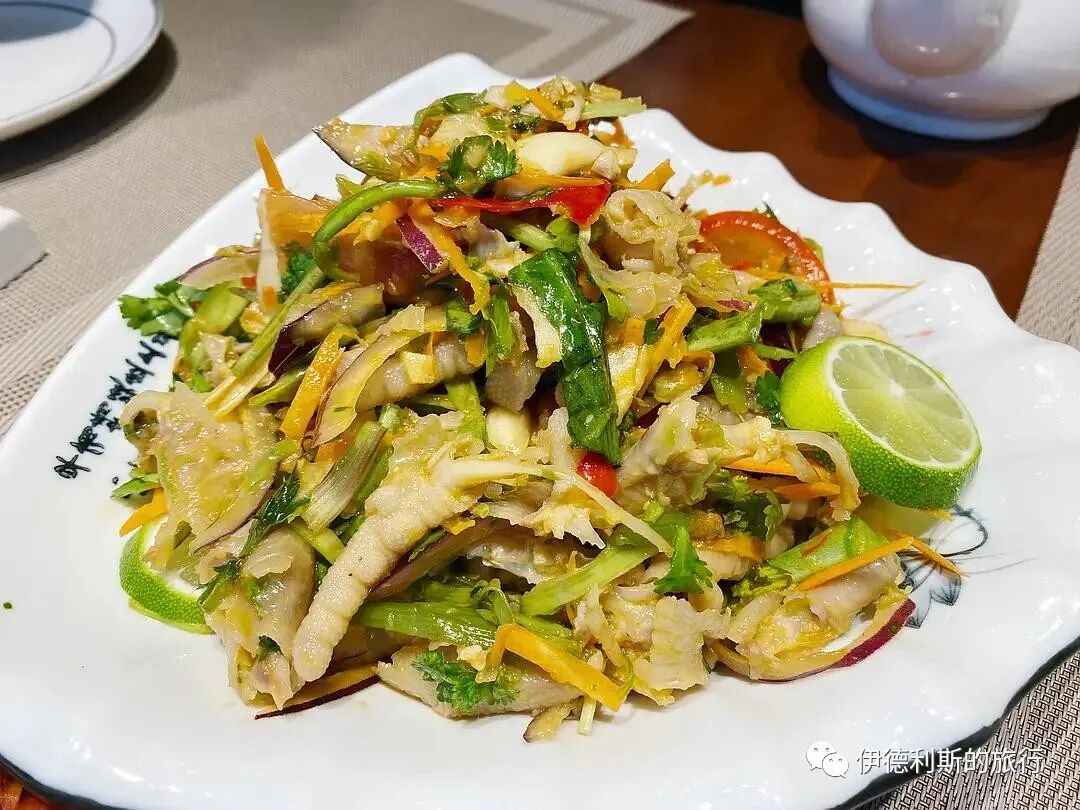
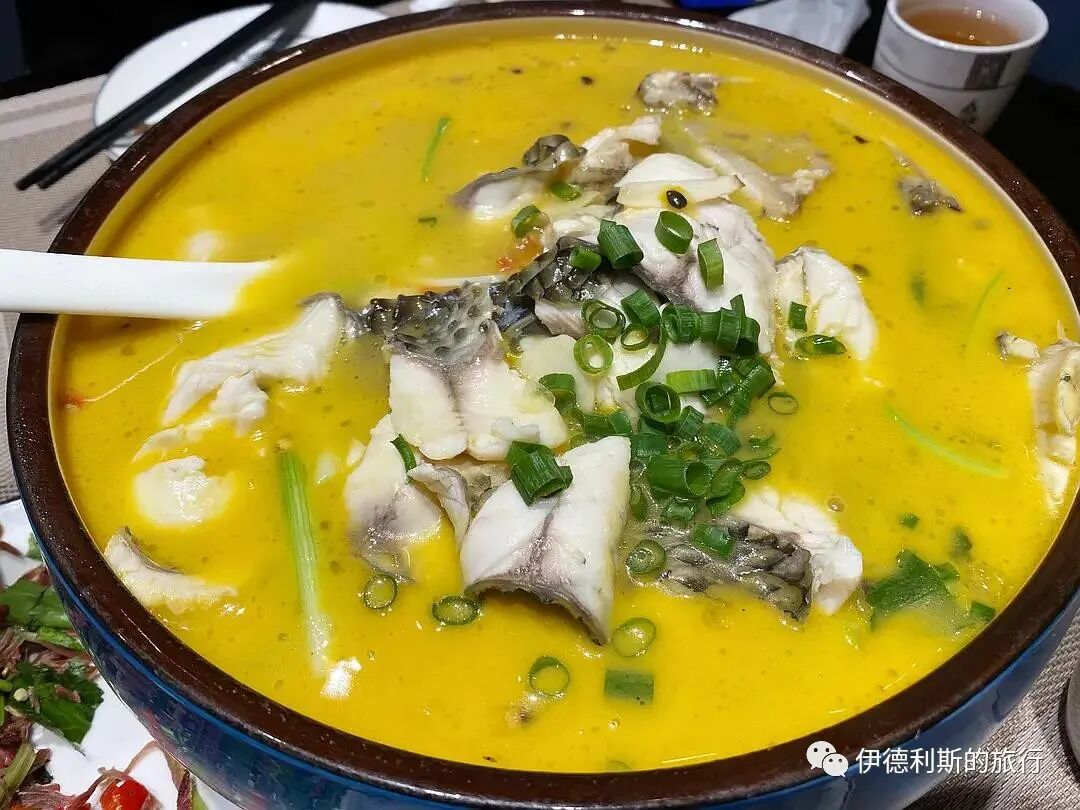
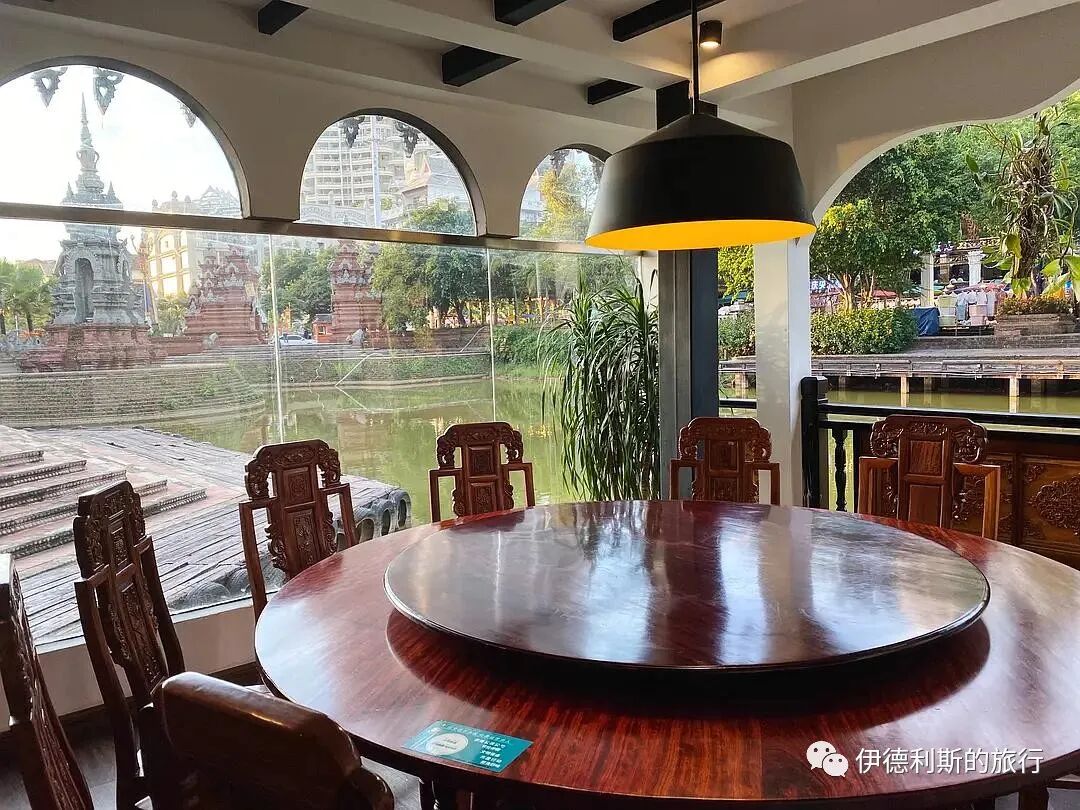
19. The Bai Hui of Dali, Yunnan
In the Hui Muslim villages of Jiming, Shipang, and Sanmei in Eryuan County, Dali, because they are located in a Bai ethnic area, the Hui Muslims here speak the Bai language, wear traditional Bai clothing, and their architecture is also strongly influenced by the Bai people, so they are also called "Bai Hui" by outsiders.
A Bai Hui restaurant was discovered in Yousuo Town, Eryuan, opened by a Hui Muslim surnamed Ma from Shipang Village. I ate salty rushan (milk fan cheese) and liangpian (cold sliced meat) at this restaurant. The liangpian was very spicy but extremely fragrant; it was the first time I had eaten liangpian that went so well with rice.
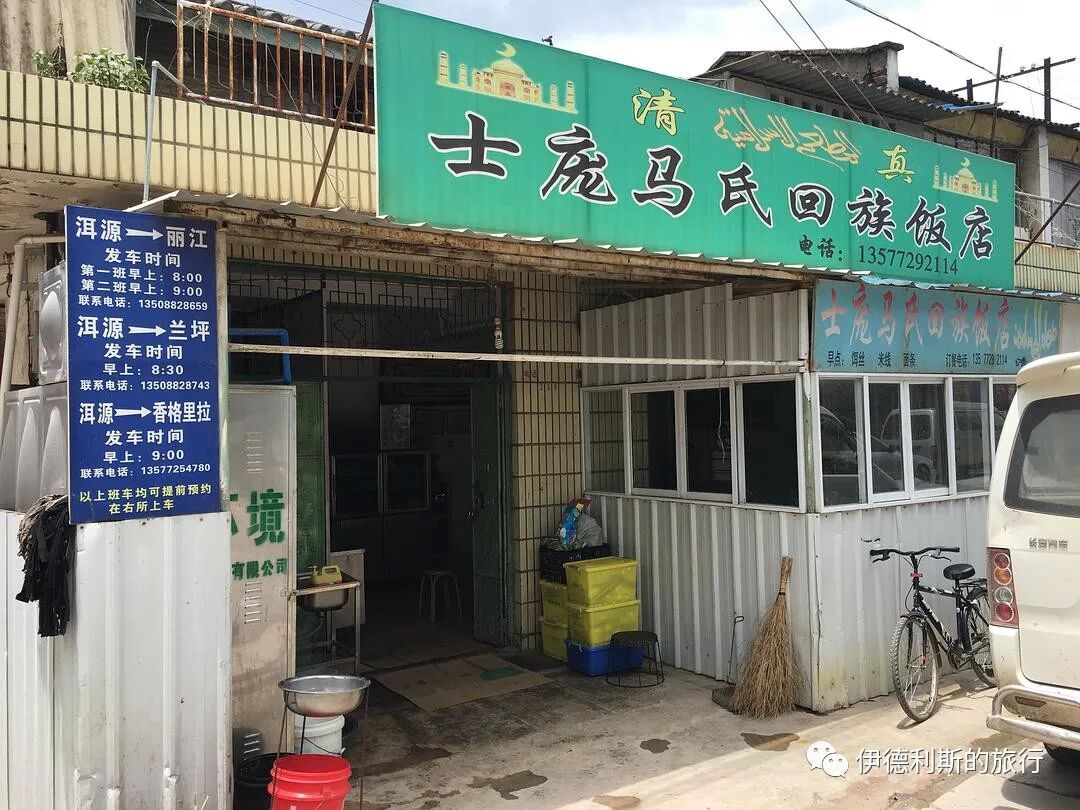
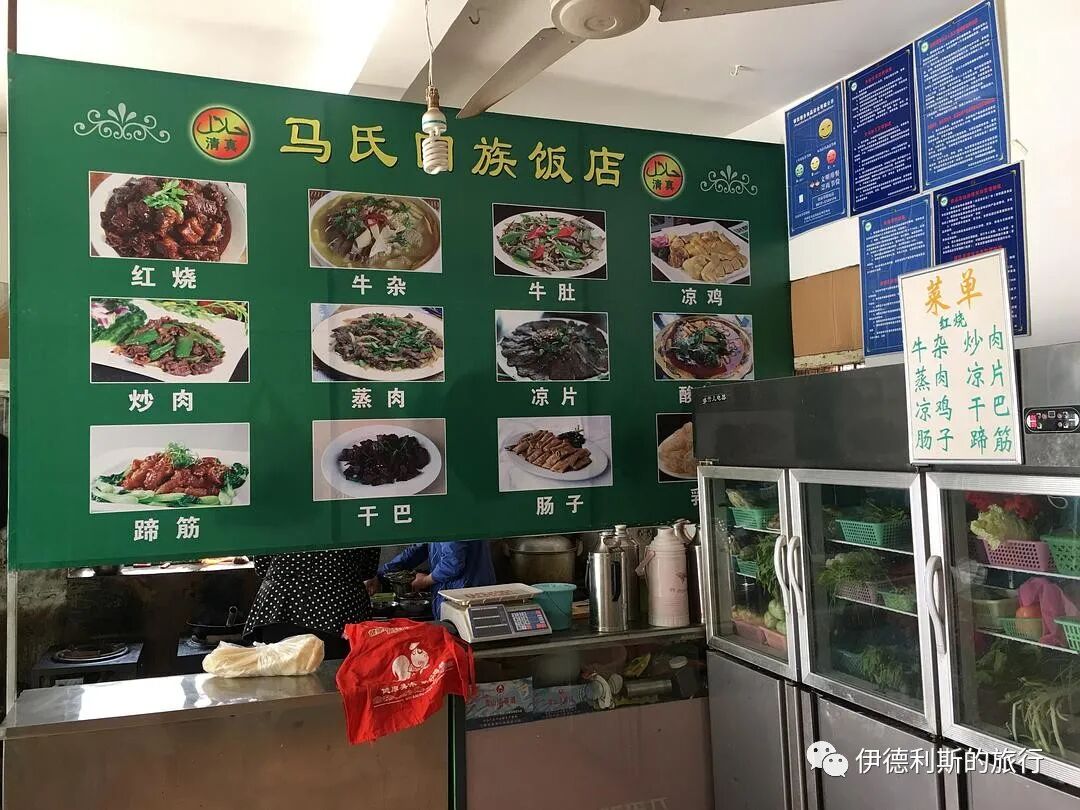
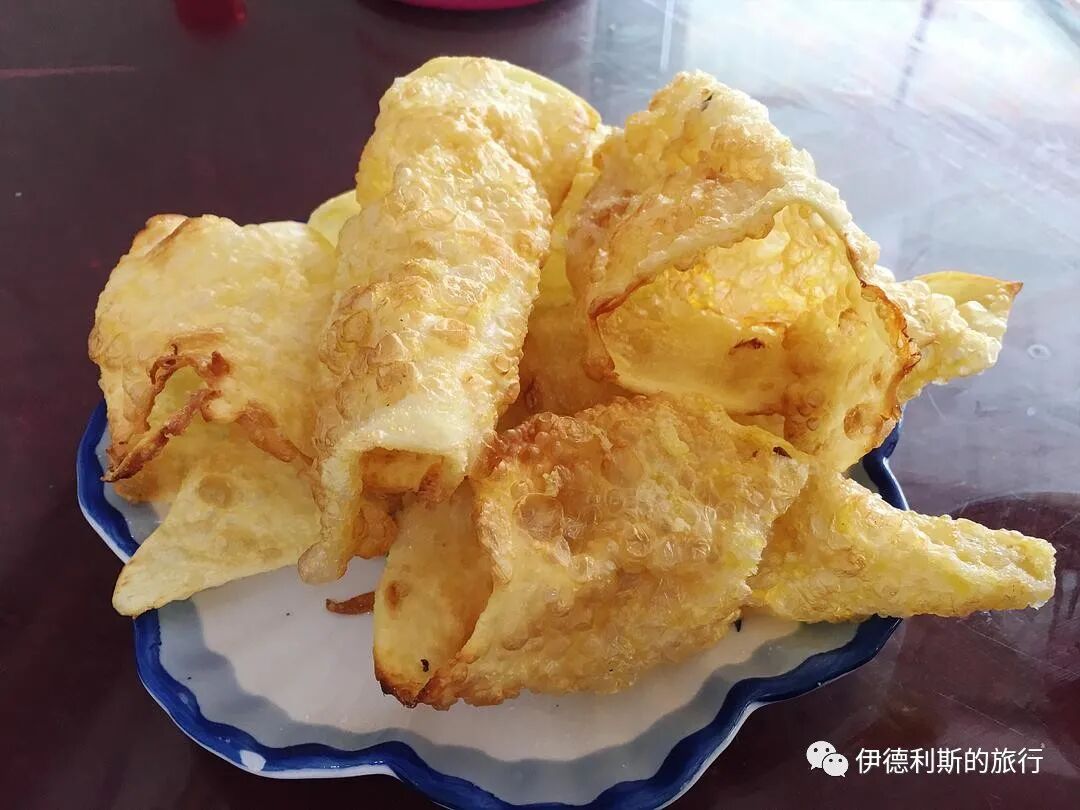
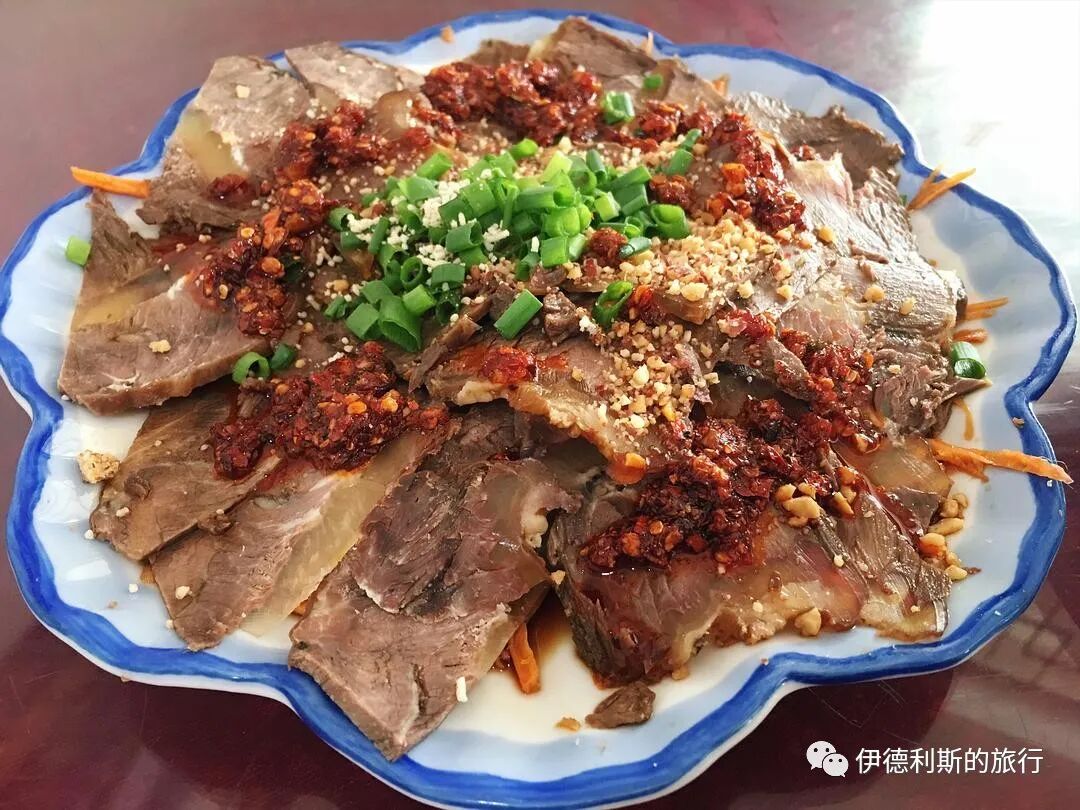
Aunties carrying rushan in the Bai Hui village
20. The Salar people of Xunhua, Qinghai
The Salar people, who speak the Salar language of the Turkic language family, live in Xunhua County, Qinghai, and surrounding areas. In the legends of the Salar people, Ahman and Qarman originally lived in the Samarkand area of Central Asia. Because they were oppressed by the rulers, they led their people across the Tianshan Mountains all the way east and finally settled in Xunhua.
Eating stir-fried beef and jiaotuan (a thick paste made of flour) at a Salar family farmhouse in Xunhua County. Jiaotuan is made by stir-frying flour, adding water to boil, and then adding refined vegetable oil; it tastes very fragrant. Salar households in Xunhua are divided into tea restaurants and farmhouses. The cuisine in tea restaurants is more mixed. If you want to eat authentic Salar food, it is recommended to go to a farmhouse.
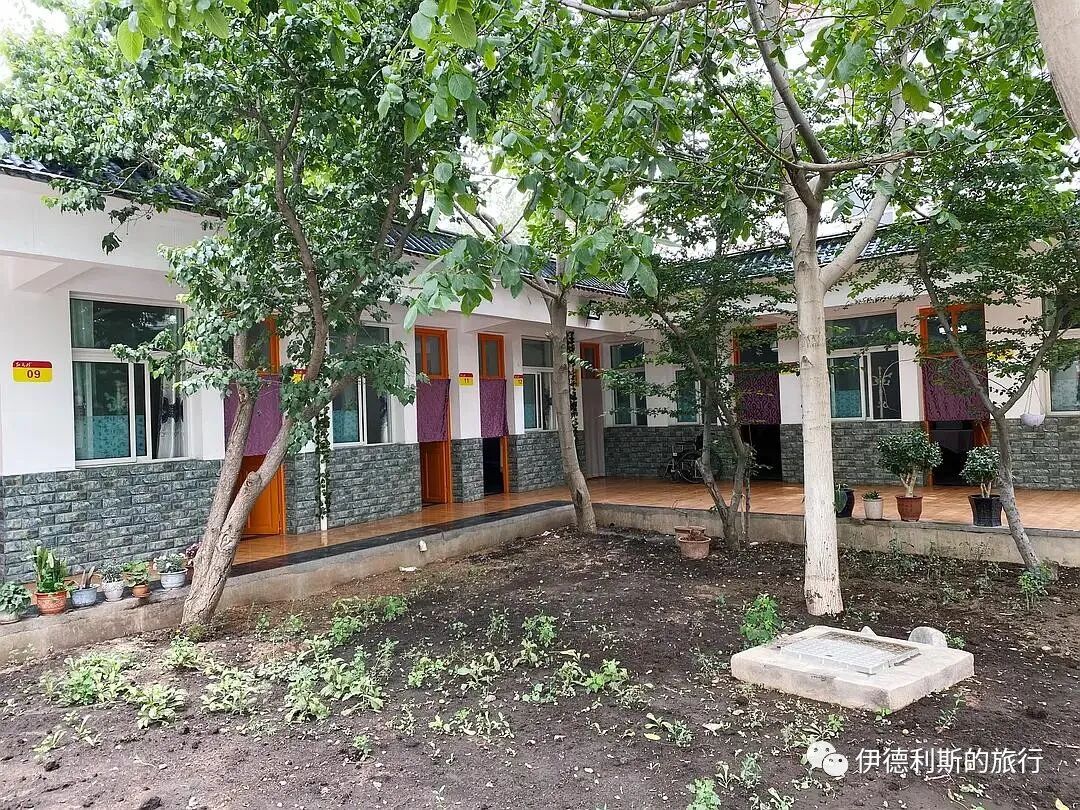
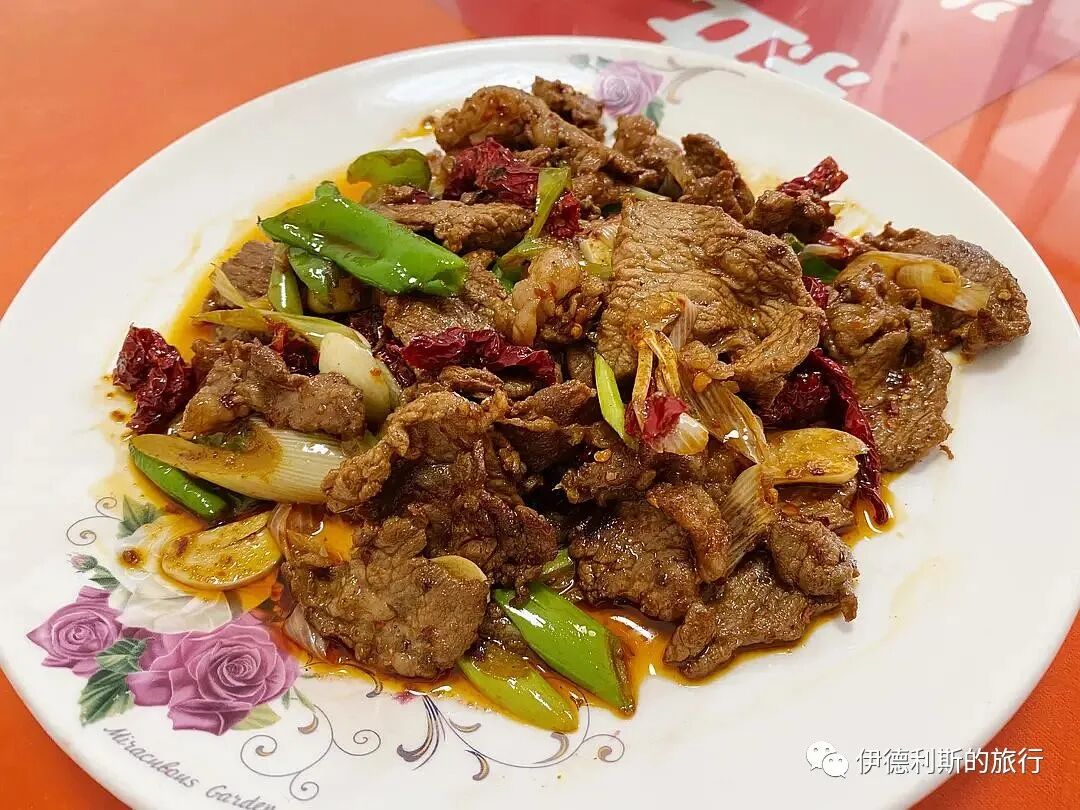
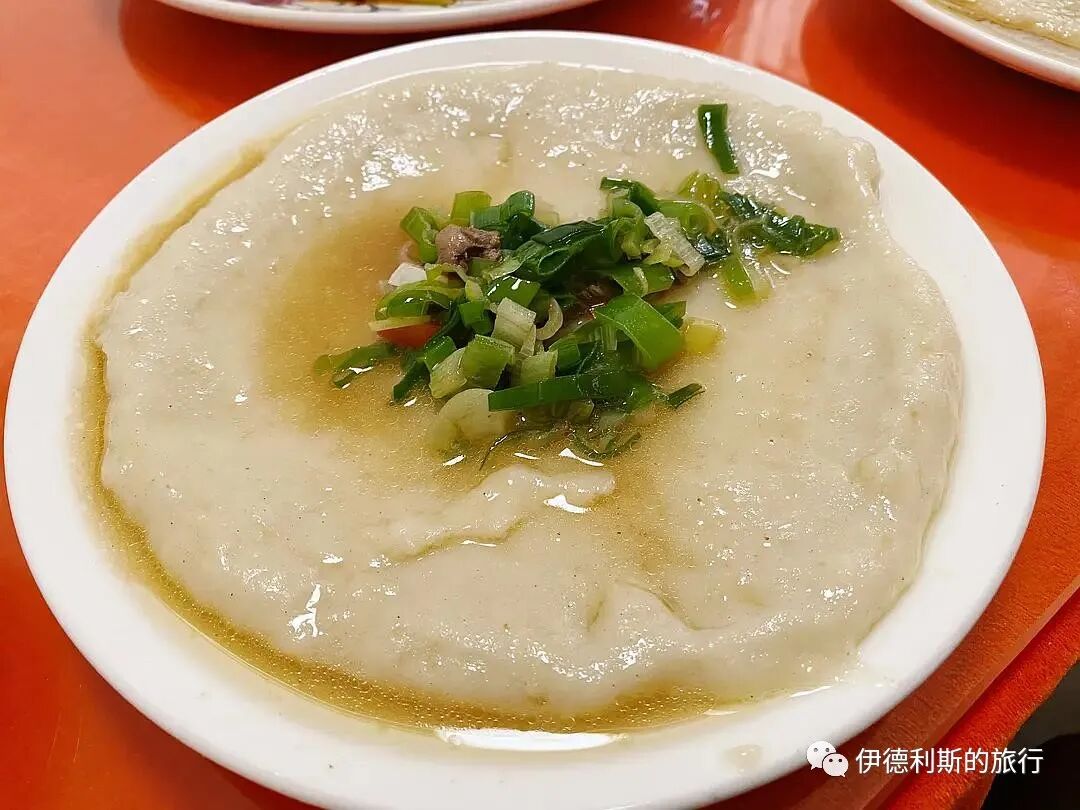
Twenty Ethnic Restaurants in China: Halal and Minority Food Guide (Part 1)
Articles • ali2007fr posted the article • 0 comments • 178 views • 2026-05-17 06:52
Summary: This travel note introduces Twenty Ethnic Restaurants in China: Halal and Minority Food Guide (Part 1). In my travels over the past few years, I have encountered some very interesting ethnic groups. It is useful for readers interested in Ethnic Food, Halal Food, China Travel.
In my travels over the past few years, I have encountered some very interesting ethnic groups. In this diary, I will introduce twenty ethnic groups through twenty restaurants, hoping to increase everyone's understanding of these groups.
1. Kazan Tatars in Moscow
2. Crimean Tatars on the Crimean Peninsula
3. Gulf Bedouins in Dubai
4. The Cham people in Ho Chi Minh City, Vietnam
5. Tamil Muslims in Penang, Malaysia
6. Chinese Muslims in Penang, Malaysia
7. The Jawi Peranakan community in Penang, Malaysia
8. The Betawi people in Jakarta, Indonesia
9. The Javanese people in Yogyakarta, Indonesia
10. The Bantenese people on Java Island, Indonesia
11. Yunnan Hui Muslims in Chiang Mai, Thailand
12. Korean-speaking Muslims in Itaewon, Seoul
13. Chinese Muslims in Hong Kong
14. The Huihui people of Sanya, Hainan
15. The Tatars of Urumqi
16. The Dongxiang people of Xiaoxihu, Lanzhou
17. The Tibetan Muslims of Lhasa, Tibet
18. The Paxi Dai of Xishuangbanna, Yunnan
19. The Bai Hui of Dali, Yunnan
20. The Salar people of Xunhua, Qinghai
1. Kazan Tatars in Moscow
After the 17th century, with the establishment of the Romanov dynasty, Moscow gradually prospered, and many Tatars from the Volga River and steppe regions came to do business. The Tatar community (Tatarskaya sloboda) was formally formed south of the Moskva River, opposite the Kremlin. The community's main street, Tatarskaya Street, was first mentioned in documents in 1682.
The historic Tatar community has a Tatar restaurant called Kazan Tea Bar, which is also the center for Tatar cultural activities in Moscow, frequently organizing various Tatar cultural events.
Inside, I ate Beshbarmak (five-finger stew), Kystyby (flatbread with filling), the Tatar version of horse sausage Kazy, pilaf, Kazan chicken salad, and Tatar milk tea. Tatar milk tea is made of black tea + green tea + thyme + linden leaves + chamomile flowers + oregano leaves + mint leaves + sage.
2. Crimean Tatars on the Crimean Peninsula
In the summer of 2019, I went to an ancient city in the mountains of the Crimean Peninsula—Bakhchysarai. Bakhchysarai was founded by the Crimean Tatars and became the capital of the Crimean Khanate in 1532. Although it became an ordinary town after Russia occupied the Crimean Khanate in 1783, it remains the cultural center of the Crimean Tatars, preserving their unique culture and customs.
The dietary culture of the Crimean Tatars is closely related to their history. Because the Crimean Khanate was a long-term vassal of the Ottoman Empire, it possesses many Ottoman-related foods, such as Turkish coffee, Baklava (Turkish dessert), and Dolma (stuffed grape leaves). After being exiled to Uzbekistan in 1944, a large amount of Uzbek cuisine was added to the Crimean Tatar diet, including pilaf, lagman (pulled noodles), samsa (baked buns), manti (steamed buns), and naan. In addition, the Crimean Tatars also have some unique delicacies, one of which is Chebureki (fried meat turnover), known as a Crimean Tatar national delicacy.
This time I stayed at a very beautiful traditional Crimean Tatar courtyard house, Bahitgul Boutique-Hotel. They serve traditional Crimean Tatar meals, so I basically ate breakfast at my accommodation. Moreover, the view while eating at their place is particularly good, overlooking the entire ancient capital.
For the first breakfast, I had Lagman (pulled noodles), Omlet (omelet), Lepyoshka (naan), and traditional coffee. The coffee comes from the Ottoman Empire, and the lagman comes from the exile in Uzbekistan.
Tatar Ash (small dumplings) dipped in yogurt, Kasha v Assortimente (assorted porridge), and Bliny (thin pancakes) dipped in jam.
3. Gulf Bedouins in Dubai
The Al Ras neighborhood in Dubai literally means "cape" or "headland." It is surrounded by Dubai Creek on three sides and is the oldest neighborhood in Dubai's Deira area. There is a traditional Gulf Bedouin restaurant in the neighborhood called "Al Bait Alqadeem," which means "the old house" in Arabic. This restaurant is located in a traditional Gulf courtyard house built in 1909. The house was built by pearl boat owner Abdulla Bin Jamaan, who was also a guard for the then-ruler of Dubai. In 1954, Abdulla Bin Jamaan became the first mayor of Dubai.
The freshly baked bread is particularly crispy and tastes great, and these large enamel plates also have a special feel.
The grilled fish is recommended by the chef and is also excellent.
I also drank cucumber honey water, which I liked very much.
4. The Cham people in Ho Chi Minh City, Vietnam
The Chams are an Austronesian-speaking people who migrated from Borneo to the Indochinese Peninsula and established Champa in southern Vietnam in 192 AD. Due to the narrow and fragmented land, Champa always focused on developing maritime trade, becoming an important trading port on the Maritime Silk Road during the Song and Yuan dynasties.
After the 12th century, Champa fell into long-term war. After the Champa capital Vijaya was captured by Vietnam in 1471, a large number of Cham people fled to Cambodia for refuge. Before this, in the 14th and 15th centuries, many Malay Muslims had already moved to Cambodia. These Malay Muslims integrated with the Cham people, who also spoke Austronesian languages of the Indonesian branch, through trade, intermarriage, and other means, and the Cambodian Cham people gradually converted to Islam.
After the 18th century, some Cambodian Cham people began to move to the Mekong Delta on the Vietnam-Cambodia border to live. After France occupied Saigon in 1862, because of the relatively loose autonomy policy implemented for the Cham people, more and more Cham people settled in Saigon.
Saigon Green House is the best Cham restaurant in Ho Chi Minh City, with a rich variety of dishes that are all delicious.
First, eat Phở!
Pineapple fried rice.
Fried spring rolls.
Drink iced tea.
Bitter melon served with a type of fish ball called featherback; I looked it up and it seems to be translated as the bronze featherback fish.
The mosque in the menu is the Jamiul Aman Mosque located in Chau Phu District, An Giang Province, Vietnam, built in 1965.
This is the Jamiul Azhar Mosque in Phu Tan District, An Giang Province, Vietnam. It is said to have been built in 1425 and is the mosque with the highest status among the orthodox Muslims of the Cham people in Vietnam.
5. Tamil Muslims in Penang, Malaysia
Penang, also known as Pulau Pinang, is an island in northwestern Malaysia. Over 90% of Indians in Penang are Tamils from southeastern India and northern Sri Lanka. As early as 1790, four years after George Town in Penang was built, the British East India Company mentioned that Tamils were opening shops and farming in Penang. In the late 19th century, with the increase in wages caused by labor shortages in Penang, Indian immigration to Penang was officially legalized in 1872, and in 1887, subsidies for Indian immigrant ship tickets began, leading to an increasing number of Tamil immigrants to Penang.
Tamil Muslims are called "Mamak" in Malaysia, which comes from the Tamil word for "uncle" (maa-ma). In Malaysia and Singapore, Tamil children often address Tamil male elders this way, especially in Tamil Muslim restaurants, so Malays began to call the entire Tamil Muslim ethnic group "Mamak," where the final "k" is not pronounced in Malay.
Penang's Tamil Muslims are most famous for their "Mamak stall" and "Mamak restaurant" food culture, and one of the oldest century-old Mamak restaurants is Hameediyah Restaurant, which opened in 1907.
The founder of Hameediyah Restaurant was named Mohamed, who came from a Tamil Muslim village in the southernmost state of Tamil Nadu, India. Mohamed came to Penang in 1890, and shortly after, he rented the land where the restaurant is now located. At first, he only used this place to prepare food, and usually carried it on a shoulder pole to sell along the street, which is the famous "Nasi Kandar" (literally "shoulder-pole rice"). In 1907, Mohamed officially founded Hameediyah Restaurant and hired two helpers.
Mohamed learned many Tamil delicacies from his mother when he was young in South India, among which Biryani (spiced rice) and Murtabak (stuffed pancake) were his specialties.
After opening, the diners who came to the restaurant included port immigrant workers, rickshaw pullers, local traders, and government employees, etc. Some diners affectionately called Mohamed and his staff "Mamak." It was also during this period that restaurants opened by South Indian Tamil Muslims in Penang were gradually called Mamak restaurants.
After Mohamed passed away in 1927, his son Kander took over the restaurant, and later his grandson took over, and the restaurant's business was very prosperous. In 1941, Penang suffered a devastating air raid by the Japanese army. Hameediyah Restaurant insisted on staying open during this period and miraculously survived the bombing. In 1945, after Japan was defeated, Kander's grandson, the fourth-generation successor Abu Bakar, took over the restaurant, and later passed it on to his relative Abdul Sukkoor. Today, Abdul Sukkoor's eldest son Seeni Pakir and youngest son Syed Ibrahim have become the restaurant's chefs and are responsible for daily operations.
Nasi Kandar is a delicacy invented by South Indian Tamil Muslims in Penang, which is rice served with various curries of beef, mutton, chicken, fish, shrimp, and side dishes. When Tamil Muslims first arrived in Penang in the 19th century, most of them carried food on shoulder poles to sell along the street, so the food they sold was called "Nasi Kandar." By the 20th century, Tamil Muslims began to open restaurants and stalls, but the name "Nasi Kandar" has been used to this day. This time at Hameediyah Restaurant, I had Biryani Kosong (plain spiced rice) with lamb shank, chicken, and cabbage.
Murtabak is a thick pancake filled with eggs, onions, minced meat, and shrimp. In Malaysia, Singapore, and Thailand, the way Murtabak is made is basically the same as the way Roti canai (Indian flatbread) is made. The Malaysian version has less meat and more eggs than the Singaporean one. One theory is that Murtabak comes from the Arabic word "Mutabbaq," meaning "folded," so it may have been brought to India by Indian Muslims from Yemen, and then brought to the Malay Archipelago by South Indian Tamil Muslims. Another theory is that Murtabak comes from Kerala, South India, where "muta" means egg and "bar" is an abbreviation for "barota" bread.
6. Chinese Muslims in Penang, Malaysia
Restoran Haji Sharin Low Grand is the largest Chinese Muslim restaurant chain in Southeast Asia, with over 17 branches in Malaysia and Indonesia. The headquarters is in Kuala Lumpur, and the founder is Chinese Muslim Tuan Haji Sharin Low.
We ordered Nyonya flower crab, Teochew-style steamed grouper, Low's claypot tofu, and mee sua (wheat vermicelli) soup. They were all delicious~ And in one table of dishes, there were local Nyonya styles, as well as Teochew and Minnan styles, and they were all halal ingredients, which was a great cultural fusion.
After the meal, we chatted with the landlady for a while. The landlady is a local Chinese Muslim. I was very excited to finally be able to communicate face-to-face with this ethnic group that I had previously only learned about in news and papers. The landlady was very enthusiastic and said to come and visit again when we have time. We also learned that the local Chinese mosque in Penang was going to start construction in 2020, so Penang could have a social center for local Chinese Muslims.
7. The Jawi Peranakan community in Penang, Malaysia
Malaysia has a unique ethnic group called Jawi Peranakan, which refers to a Malay-speaking Muslim ethnic group formed after the intermarriage of Indian Muslim (also including Arab and Persian, etc.) men and Malay women. "Jawi" means "Southeast Asian Muslim" in Arabic, and "Peranakan" means "locally born" in Malay.
The Jawi Peranakan community does not prioritize the ethnic group of the other party when getting married, but first looks at the other party's wealth and status. Therefore, after the mid-19th century, the Jawi Peranakan had become the elite class of British Malaya. Jawi Peranakan attached great importance to English education, so many people held positions in the colonial government. At the same time, Jawi Peranakan also attached great importance to cultural development; the first Malay-language newspaper was founded by Jawi Peranakan.
After the 20th century, with the decline of the British Empire, the Jawi Peranakan community began to integrate into the Malays. Today, most Jawi Peranakan are counted as "Malays" by the government. Despite this, the Jawi Peranakan community still strives to pass on its unique culture, which can be reflected in architecture, clothing, jewelry, and food.
Today, the place where you can best experience the Jawi Peranakan culture in Penang is Jawi House Cafe Gallery. This building was originally a Straits Eclectic-style Chinese shophouse built in the 1860s, with Malay-style decorations, and later it was an Indian Muslim coppersmith shop. Armenian Street (Lebuh Armenian, originally named Malay lane) where the shop is located was the earliest settlement area for the Jawi Peranakan community. In 2012, the Karim family, who had lived in Penang for six generations and had Punjabi roots, opened Jawi House here to make the most authentic Jawi Peranakan food.
We ate Cucur Udang (fried shrimp fritters), Nasi Lemuni (chaste tree berry rice), Jawi Chicken Curry, drank Penang Nutmeg and Arabian Sherbet, and also had Sago Pudding for dessert.
Cucur Udang is made by coating shrimp and scallions in flour and deep-frying them, then dipping them in peanut sauce. "Cucur" means fried fritter in Malay, and "Udang" means shrimp.
Nasi Lemuni is rice cooked with coconut milk, lemongrass, and blue Lemuni (chaste tree) flowers, served with fried anchovies and sambal (spicy chili paste). In the past, Lemuni rice was a traditional food for Malay women during their postpartum confinement, and it is said to promote blood circulation.
Jawi Chicken Curry is the Jawi Peranakan version of chicken curry. As a fusion ethnic group, Jawi Peranakan curry is also a fusion version of Indian curry and Malay curry.
Nutmeg is the meaning of nutmeg, and honey and lemon are added to the drink, which is a special way of drinking in Penang, sweet and sour.
Sherbet comes from the Persian word "Sharbat," meaning non-alcoholic sugar water. In medieval Arabia, people liked to add syrup and honey to Sharbat to increase sweetness, and also liked to add various almonds, lemons, apples, pomegranates, tamarinds, dates, sumac berries, musk, and mint. With the spread of Arabs and Persians, Sharbat is now popular in West Asia, South Asia, and the Malay Archipelago, especially during Ramadan. The Arabian Sherbet made by Jawi House is made with rose syrup, mallow nuts, gum arabic, and basil seeds, and the taste is very rich.
The Jawi Peranakan special version of sago pudding is drizzled with coconut cream and rich palm sugar syrup, and then sprinkled with crushed peanuts, which feels very exquisite.
Jawi House exhibits a series of old photos of Penang Jawi Peranakan, as well as paintings of the Penang Muslim community.
8. The Betawi people in Jakarta, Indonesia
In 1619, the Dutch razed Jakarta under the rule of the Banten Sultanate to the ground and renamed it Batavia, serving as the trading and administrative center of the Dutch East India Company. In 1684, the Dutch East India Company signed a peace treaty with the Banten Sultanate, and many ethnic groups including Malays, Sundanese, Javanese, Minangkabau, and Bugis began to reclaim and settle in the swamp areas outside the walls of Batavia. After one or two hundred years of integration, these ethnic groups finally formed the Betawi people in the early 20th century.
The Betawi people use a Malay language mixed with Hokkien Chinese, Arabic, and Dutch, called Betawi Malay, which is the only Malay-speaking region on the northern coast of Java. The diet of the Betawi people is also strongly influenced by Indonesian Chinese, Arab, European, local Sundanese, and Javanese diets.
The City Hall built in 1710 in the center of the old city of Batavia has now become the Jakarta History Museum. When I visited the museum in 2019, there was a small area in the courtyard that specifically provided Betawi snacks. I ate Kerak telor (spicy egg crust) and Selendang Mayang (iced drink). It is a great pity that I didn't know at the time that the snacks sold here were Betawi specialties that are hard to eat elsewhere, otherwise I should have tasted every one of them.
Kerak telor is made of glutinous rice and eggs with fried coconut shreds, topped with fried scallions and dried shrimp. In the colonial era, this food could only be eaten at gatherings of Dutch or wealthy Betawi merchants, and it was invented to increase the texture of glutinous rice.
Selendang Mayang is now rarely seen. It is a long-standing Batavia iced drink made from rice flour, vanilla powder, pandan leaves, red sugar syrup, and coconut milk.
9. The Javanese people in Yogyakarta, Indonesia
Yogyakarta is an ancient cultural city in central Java, still ruled by a Sultan. In addition to traditional Javanese architecture, Gamelan music, and Wayang shadow puppetry, Yogyakarta also has many Javanese specialties.
nDalem Joyokusuman next to the Yogyakarta Sultan's Palace is the residence of Sultan's Prince Gusti Haryo Haji Joyokusumo, and it is now open as a cultural center and restaurant. I ate Nasi Blawong and Telo ijo here. Nasi Blawong is a specialty of the Sultan of Yogyakarta. It used to be eaten only at the Sultan's birthday banquet, and the reddish Blawong rice used in it is considered sacred. Telo ijo is a cassava pastry drizzled with pandan coconut milk.
nDalem Joyokusuman was built in 1916 during the reign of the eighth Sultan of Yogyakarta, Hamengkubuwono VIII, and has been inhabited by members of the Sultan's family ever since.
Peringgitan is the inner hall behind the large living room, where the prince's family activities take place, and it contains valuable gifts received by the prince.
Sentong Kiwo in Figure 4 was originally a guest room and is now used as an exhibition hall.
The place where Gamelan is performed in the courtyard.
10. The Bantenese people on Java Island, Indonesia
Banten is located at the westernmost tip of Java Island, facing Sumatra across the Sunda Strait. The local residents, the Bantenese, belong to a branch of the Sundanese. In the 16th century, the Banten Sultanate rose to become a maritime trading power in western Java, controlling the pepper trade in Southeast Asia.
The Great Mosque of Banten (Masjid Agung Banten), built in 1566, is a famous Javanese-style mosque. Muslims come to visit every day, and a very lively bazaar has formed around the mosque. I drank Es Campur (iced drink made with coconut milk, red sugar syrup, coconut meat, and fruit jelly) at the bazaar, and also had the simplest street egg noodles, Mie Rebus. Sapodilla (Manilkara zapota) is sold everywhere in the bazaar, which is sweet and delicious. Sapodilla is native to Central America and the Caribbean, introduced to the Philippines by Spanish colonists, and then widely planted in Southeast Asia. It is called sawo in Indonesia.
11. Yunnan Hui Muslims in Chiang Mai, Thailand
There is a Yunnan Hui Muslim community called "Wang He" by the Ping River outside the east gate of the ancient city of Chiang Mai, Thailand. In Thai, "Wang" means village, and "He" originally referred to the horse caravan merchants who came from Yunnan to engage in cross-border trade. From the 19th century to the early 20th century, Yunnan horse caravans controlled the trade route from Yunnan to northern Thailand. They transported tea, silk, hardware, and copperware from Yunnan to northern Thailand, and transported raw cotton and tobacco from northern Thailand back to Yunnan. In 1904, Zheng Chonglin, a Hui Muslim horse caravan merchant from Yuxi, Yunnan, established his own large horse inn in the east of Chiang Mai, which became the base for Yunnan horse caravans in Chiang Mai. Many Yunnan Hui Muslim horse caravan members came to live near the horse inn, and the Wang He community gradually formed.
There are several halal restaurants opened by Yunnan Hui Muslims on Wang He Street. I ate the famous northern Thai curry noodle khao soi at this KAO SOI FUENG FAH restaurant. It is said that this noodle was brought to northern Thailand by Yunnanese people. Slightly spicy noodle soup, sprinkled with sanzi (fried dough strips) and served with raw onions and lemon, the taste is quite good.
Northern Thai pineapple cakes are very likely produced by the northern Thai isolated army.
12. Korean-speaking Muslims in Itaewon, Seoul
In 1952, the US military stationed in the Korean Peninsula officially established its headquarters in Yongsan, and after 1957 it became the headquarters of the US Forces Korea. To meet the living needs of a large number of US troops stationed in Korea, various foreign restaurants began to appear in Itaewon, not far east of the Yongsan base, and Muslims also began to come to Itaewon to open halal restaurants.
In 1976, President Park Chung-hee provided land to the KMF (Korea Muslim Federation) to build the Seoul Central Mosque in Itaewon, and a halal commercial street was formed in Itaewon. After the 1990s, with Muslims from Pakistan, Bangladesh, Indonesia, Malaysia, and other places coming to work, the number of Muslims in South Korea reached 150,000. Currently, it is estimated that there are 100,000 Muslims in South Korea, 40,000 of whom are local converts.
Although there are so many Middle Eastern, Indian, and Turkish halal restaurants in Itaewon, the most distinctive one is of course the halal Korean restaurant, and Makan is one of the most famous.
This sister is the chef.
Serving side dishes before eating is a feature of Korean restaurants here.
Grilled fish.
Doenjang-jjigae (soybean paste stew).
Soak the rice in the soup.
Korean-style bibimbap with grilled meat; the meat was covered by an egg, so I didn't take a picture.
Teppanyaki squid with rice cakes.
The person in the front right of the picture is also the chef.
In addition to the main store south of the mosque, Makan also has a store west of the mosque that specializes in Korean fried chicken and jajangmyeon (black bean noodles). The chef is an uncle, and it is the same business as the main store.
Korean-style jajangmyeon, the taste is different from Beijing jajangmyeon, and the noodles are a bit like udon noodles. view all
Summary: This travel note introduces Twenty Ethnic Restaurants in China: Halal and Minority Food Guide (Part 1). In my travels over the past few years, I have encountered some very interesting ethnic groups. It is useful for readers interested in Ethnic Food, Halal Food, China Travel.
In my travels over the past few years, I have encountered some very interesting ethnic groups. In this diary, I will introduce twenty ethnic groups through twenty restaurants, hoping to increase everyone's understanding of these groups.
1. Kazan Tatars in Moscow
2. Crimean Tatars on the Crimean Peninsula
3. Gulf Bedouins in Dubai
4. The Cham people in Ho Chi Minh City, Vietnam
5. Tamil Muslims in Penang, Malaysia
6. Chinese Muslims in Penang, Malaysia
7. The Jawi Peranakan community in Penang, Malaysia
8. The Betawi people in Jakarta, Indonesia
9. The Javanese people in Yogyakarta, Indonesia
10. The Bantenese people on Java Island, Indonesia
11. Yunnan Hui Muslims in Chiang Mai, Thailand
12. Korean-speaking Muslims in Itaewon, Seoul
13. Chinese Muslims in Hong Kong
14. The Huihui people of Sanya, Hainan
15. The Tatars of Urumqi
16. The Dongxiang people of Xiaoxihu, Lanzhou
17. The Tibetan Muslims of Lhasa, Tibet
18. The Paxi Dai of Xishuangbanna, Yunnan
19. The Bai Hui of Dali, Yunnan
20. The Salar people of Xunhua, Qinghai
1. Kazan Tatars in Moscow
After the 17th century, with the establishment of the Romanov dynasty, Moscow gradually prospered, and many Tatars from the Volga River and steppe regions came to do business. The Tatar community (Tatarskaya sloboda) was formally formed south of the Moskva River, opposite the Kremlin. The community's main street, Tatarskaya Street, was first mentioned in documents in 1682.
The historic Tatar community has a Tatar restaurant called Kazan Tea Bar, which is also the center for Tatar cultural activities in Moscow, frequently organizing various Tatar cultural events.
Inside, I ate Beshbarmak (five-finger stew), Kystyby (flatbread with filling), the Tatar version of horse sausage Kazy, pilaf, Kazan chicken salad, and Tatar milk tea. Tatar milk tea is made of black tea + green tea + thyme + linden leaves + chamomile flowers + oregano leaves + mint leaves + sage.
2. Crimean Tatars on the Crimean Peninsula
In the summer of 2019, I went to an ancient city in the mountains of the Crimean Peninsula—Bakhchysarai. Bakhchysarai was founded by the Crimean Tatars and became the capital of the Crimean Khanate in 1532. Although it became an ordinary town after Russia occupied the Crimean Khanate in 1783, it remains the cultural center of the Crimean Tatars, preserving their unique culture and customs.
The dietary culture of the Crimean Tatars is closely related to their history. Because the Crimean Khanate was a long-term vassal of the Ottoman Empire, it possesses many Ottoman-related foods, such as Turkish coffee, Baklava (Turkish dessert), and Dolma (stuffed grape leaves). After being exiled to Uzbekistan in 1944, a large amount of Uzbek cuisine was added to the Crimean Tatar diet, including pilaf, lagman (pulled noodles), samsa (baked buns), manti (steamed buns), and naan. In addition, the Crimean Tatars also have some unique delicacies, one of which is Chebureki (fried meat turnover), known as a Crimean Tatar national delicacy.
This time I stayed at a very beautiful traditional Crimean Tatar courtyard house, Bahitgul Boutique-Hotel. They serve traditional Crimean Tatar meals, so I basically ate breakfast at my accommodation. Moreover, the view while eating at their place is particularly good, overlooking the entire ancient capital.
For the first breakfast, I had Lagman (pulled noodles), Omlet (omelet), Lepyoshka (naan), and traditional coffee. The coffee comes from the Ottoman Empire, and the lagman comes from the exile in Uzbekistan.
Tatar Ash (small dumplings) dipped in yogurt, Kasha v Assortimente (assorted porridge), and Bliny (thin pancakes) dipped in jam.
3. Gulf Bedouins in Dubai
The Al Ras neighborhood in Dubai literally means "cape" or "headland." It is surrounded by Dubai Creek on three sides and is the oldest neighborhood in Dubai's Deira area. There is a traditional Gulf Bedouin restaurant in the neighborhood called "Al Bait Alqadeem," which means "the old house" in Arabic. This restaurant is located in a traditional Gulf courtyard house built in 1909. The house was built by pearl boat owner Abdulla Bin Jamaan, who was also a guard for the then-ruler of Dubai. In 1954, Abdulla Bin Jamaan became the first mayor of Dubai.
The freshly baked bread is particularly crispy and tastes great, and these large enamel plates also have a special feel.
The grilled fish is recommended by the chef and is also excellent.
I also drank cucumber honey water, which I liked very much.
4. The Cham people in Ho Chi Minh City, Vietnam
The Chams are an Austronesian-speaking people who migrated from Borneo to the Indochinese Peninsula and established Champa in southern Vietnam in 192 AD. Due to the narrow and fragmented land, Champa always focused on developing maritime trade, becoming an important trading port on the Maritime Silk Road during the Song and Yuan dynasties.
After the 12th century, Champa fell into long-term war. After the Champa capital Vijaya was captured by Vietnam in 1471, a large number of Cham people fled to Cambodia for refuge. Before this, in the 14th and 15th centuries, many Malay Muslims had already moved to Cambodia. These Malay Muslims integrated with the Cham people, who also spoke Austronesian languages of the Indonesian branch, through trade, intermarriage, and other means, and the Cambodian Cham people gradually converted to Islam.
After the 18th century, some Cambodian Cham people began to move to the Mekong Delta on the Vietnam-Cambodia border to live. After France occupied Saigon in 1862, because of the relatively loose autonomy policy implemented for the Cham people, more and more Cham people settled in Saigon.
Saigon Green House is the best Cham restaurant in Ho Chi Minh City, with a rich variety of dishes that are all delicious.
First, eat Phở!
Pineapple fried rice.
Fried spring rolls.
Drink iced tea.
Bitter melon served with a type of fish ball called featherback; I looked it up and it seems to be translated as the bronze featherback fish.
The mosque in the menu is the Jamiul Aman Mosque located in Chau Phu District, An Giang Province, Vietnam, built in 1965.
This is the Jamiul Azhar Mosque in Phu Tan District, An Giang Province, Vietnam. It is said to have been built in 1425 and is the mosque with the highest status among the orthodox Muslims of the Cham people in Vietnam.
5. Tamil Muslims in Penang, Malaysia
Penang, also known as Pulau Pinang, is an island in northwestern Malaysia. Over 90% of Indians in Penang are Tamils from southeastern India and northern Sri Lanka. As early as 1790, four years after George Town in Penang was built, the British East India Company mentioned that Tamils were opening shops and farming in Penang. In the late 19th century, with the increase in wages caused by labor shortages in Penang, Indian immigration to Penang was officially legalized in 1872, and in 1887, subsidies for Indian immigrant ship tickets began, leading to an increasing number of Tamil immigrants to Penang.
Tamil Muslims are called "Mamak" in Malaysia, which comes from the Tamil word for "uncle" (maa-ma). In Malaysia and Singapore, Tamil children often address Tamil male elders this way, especially in Tamil Muslim restaurants, so Malays began to call the entire Tamil Muslim ethnic group "Mamak," where the final "k" is not pronounced in Malay.
Penang's Tamil Muslims are most famous for their "Mamak stall" and "Mamak restaurant" food culture, and one of the oldest century-old Mamak restaurants is Hameediyah Restaurant, which opened in 1907.
The founder of Hameediyah Restaurant was named Mohamed, who came from a Tamil Muslim village in the southernmost state of Tamil Nadu, India. Mohamed came to Penang in 1890, and shortly after, he rented the land where the restaurant is now located. At first, he only used this place to prepare food, and usually carried it on a shoulder pole to sell along the street, which is the famous "Nasi Kandar" (literally "shoulder-pole rice"). In 1907, Mohamed officially founded Hameediyah Restaurant and hired two helpers.
Mohamed learned many Tamil delicacies from his mother when he was young in South India, among which Biryani (spiced rice) and Murtabak (stuffed pancake) were his specialties.
After opening, the diners who came to the restaurant included port immigrant workers, rickshaw pullers, local traders, and government employees, etc. Some diners affectionately called Mohamed and his staff "Mamak." It was also during this period that restaurants opened by South Indian Tamil Muslims in Penang were gradually called Mamak restaurants.
After Mohamed passed away in 1927, his son Kander took over the restaurant, and later his grandson took over, and the restaurant's business was very prosperous. In 1941, Penang suffered a devastating air raid by the Japanese army. Hameediyah Restaurant insisted on staying open during this period and miraculously survived the bombing. In 1945, after Japan was defeated, Kander's grandson, the fourth-generation successor Abu Bakar, took over the restaurant, and later passed it on to his relative Abdul Sukkoor. Today, Abdul Sukkoor's eldest son Seeni Pakir and youngest son Syed Ibrahim have become the restaurant's chefs and are responsible for daily operations.
Nasi Kandar is a delicacy invented by South Indian Tamil Muslims in Penang, which is rice served with various curries of beef, mutton, chicken, fish, shrimp, and side dishes. When Tamil Muslims first arrived in Penang in the 19th century, most of them carried food on shoulder poles to sell along the street, so the food they sold was called "Nasi Kandar." By the 20th century, Tamil Muslims began to open restaurants and stalls, but the name "Nasi Kandar" has been used to this day. This time at Hameediyah Restaurant, I had Biryani Kosong (plain spiced rice) with lamb shank, chicken, and cabbage.
Murtabak is a thick pancake filled with eggs, onions, minced meat, and shrimp. In Malaysia, Singapore, and Thailand, the way Murtabak is made is basically the same as the way Roti canai (Indian flatbread) is made. The Malaysian version has less meat and more eggs than the Singaporean one. One theory is that Murtabak comes from the Arabic word "Mutabbaq," meaning "folded," so it may have been brought to India by Indian Muslims from Yemen, and then brought to the Malay Archipelago by South Indian Tamil Muslims. Another theory is that Murtabak comes from Kerala, South India, where "muta" means egg and "bar" is an abbreviation for "barota" bread.
6. Chinese Muslims in Penang, Malaysia
Restoran Haji Sharin Low Grand is the largest Chinese Muslim restaurant chain in Southeast Asia, with over 17 branches in Malaysia and Indonesia. The headquarters is in Kuala Lumpur, and the founder is Chinese Muslim Tuan Haji Sharin Low.
We ordered Nyonya flower crab, Teochew-style steamed grouper, Low's claypot tofu, and mee sua (wheat vermicelli) soup. They were all delicious~ And in one table of dishes, there were local Nyonya styles, as well as Teochew and Minnan styles, and they were all halal ingredients, which was a great cultural fusion.
After the meal, we chatted with the landlady for a while. The landlady is a local Chinese Muslim. I was very excited to finally be able to communicate face-to-face with this ethnic group that I had previously only learned about in news and papers. The landlady was very enthusiastic and said to come and visit again when we have time. We also learned that the local Chinese mosque in Penang was going to start construction in 2020, so Penang could have a social center for local Chinese Muslims.
7. The Jawi Peranakan community in Penang, Malaysia
Malaysia has a unique ethnic group called Jawi Peranakan, which refers to a Malay-speaking Muslim ethnic group formed after the intermarriage of Indian Muslim (also including Arab and Persian, etc.) men and Malay women. "Jawi" means "Southeast Asian Muslim" in Arabic, and "Peranakan" means "locally born" in Malay.
The Jawi Peranakan community does not prioritize the ethnic group of the other party when getting married, but first looks at the other party's wealth and status. Therefore, after the mid-19th century, the Jawi Peranakan had become the elite class of British Malaya. Jawi Peranakan attached great importance to English education, so many people held positions in the colonial government. At the same time, Jawi Peranakan also attached great importance to cultural development; the first Malay-language newspaper was founded by Jawi Peranakan.
After the 20th century, with the decline of the British Empire, the Jawi Peranakan community began to integrate into the Malays. Today, most Jawi Peranakan are counted as "Malays" by the government. Despite this, the Jawi Peranakan community still strives to pass on its unique culture, which can be reflected in architecture, clothing, jewelry, and food.
Today, the place where you can best experience the Jawi Peranakan culture in Penang is Jawi House Cafe Gallery. This building was originally a Straits Eclectic-style Chinese shophouse built in the 1860s, with Malay-style decorations, and later it was an Indian Muslim coppersmith shop. Armenian Street (Lebuh Armenian, originally named Malay lane) where the shop is located was the earliest settlement area for the Jawi Peranakan community. In 2012, the Karim family, who had lived in Penang for six generations and had Punjabi roots, opened Jawi House here to make the most authentic Jawi Peranakan food.
We ate Cucur Udang (fried shrimp fritters), Nasi Lemuni (chaste tree berry rice), Jawi Chicken Curry, drank Penang Nutmeg and Arabian Sherbet, and also had Sago Pudding for dessert.
Cucur Udang is made by coating shrimp and scallions in flour and deep-frying them, then dipping them in peanut sauce. "Cucur" means fried fritter in Malay, and "Udang" means shrimp.
Nasi Lemuni is rice cooked with coconut milk, lemongrass, and blue Lemuni (chaste tree) flowers, served with fried anchovies and sambal (spicy chili paste). In the past, Lemuni rice was a traditional food for Malay women during their postpartum confinement, and it is said to promote blood circulation.
Jawi Chicken Curry is the Jawi Peranakan version of chicken curry. As a fusion ethnic group, Jawi Peranakan curry is also a fusion version of Indian curry and Malay curry.
Nutmeg is the meaning of nutmeg, and honey and lemon are added to the drink, which is a special way of drinking in Penang, sweet and sour.
Sherbet comes from the Persian word "Sharbat," meaning non-alcoholic sugar water. In medieval Arabia, people liked to add syrup and honey to Sharbat to increase sweetness, and also liked to add various almonds, lemons, apples, pomegranates, tamarinds, dates, sumac berries, musk, and mint. With the spread of Arabs and Persians, Sharbat is now popular in West Asia, South Asia, and the Malay Archipelago, especially during Ramadan. The Arabian Sherbet made by Jawi House is made with rose syrup, mallow nuts, gum arabic, and basil seeds, and the taste is very rich.
The Jawi Peranakan special version of sago pudding is drizzled with coconut cream and rich palm sugar syrup, and then sprinkled with crushed peanuts, which feels very exquisite.
Jawi House exhibits a series of old photos of Penang Jawi Peranakan, as well as paintings of the Penang Muslim community.
8. The Betawi people in Jakarta, Indonesia
In 1619, the Dutch razed Jakarta under the rule of the Banten Sultanate to the ground and renamed it Batavia, serving as the trading and administrative center of the Dutch East India Company. In 1684, the Dutch East India Company signed a peace treaty with the Banten Sultanate, and many ethnic groups including Malays, Sundanese, Javanese, Minangkabau, and Bugis began to reclaim and settle in the swamp areas outside the walls of Batavia. After one or two hundred years of integration, these ethnic groups finally formed the Betawi people in the early 20th century.
The Betawi people use a Malay language mixed with Hokkien Chinese, Arabic, and Dutch, called Betawi Malay, which is the only Malay-speaking region on the northern coast of Java. The diet of the Betawi people is also strongly influenced by Indonesian Chinese, Arab, European, local Sundanese, and Javanese diets.
The City Hall built in 1710 in the center of the old city of Batavia has now become the Jakarta History Museum. When I visited the museum in 2019, there was a small area in the courtyard that specifically provided Betawi snacks. I ate Kerak telor (spicy egg crust) and Selendang Mayang (iced drink). It is a great pity that I didn't know at the time that the snacks sold here were Betawi specialties that are hard to eat elsewhere, otherwise I should have tasted every one of them.
Kerak telor is made of glutinous rice and eggs with fried coconut shreds, topped with fried scallions and dried shrimp. In the colonial era, this food could only be eaten at gatherings of Dutch or wealthy Betawi merchants, and it was invented to increase the texture of glutinous rice.
Selendang Mayang is now rarely seen. It is a long-standing Batavia iced drink made from rice flour, vanilla powder, pandan leaves, red sugar syrup, and coconut milk.
9. The Javanese people in Yogyakarta, Indonesia
Yogyakarta is an ancient cultural city in central Java, still ruled by a Sultan. In addition to traditional Javanese architecture, Gamelan music, and Wayang shadow puppetry, Yogyakarta also has many Javanese specialties.
nDalem Joyokusuman next to the Yogyakarta Sultan's Palace is the residence of Sultan's Prince Gusti Haryo Haji Joyokusumo, and it is now open as a cultural center and restaurant. I ate Nasi Blawong and Telo ijo here. Nasi Blawong is a specialty of the Sultan of Yogyakarta. It used to be eaten only at the Sultan's birthday banquet, and the reddish Blawong rice used in it is considered sacred. Telo ijo is a cassava pastry drizzled with pandan coconut milk.
nDalem Joyokusuman was built in 1916 during the reign of the eighth Sultan of Yogyakarta, Hamengkubuwono VIII, and has been inhabited by members of the Sultan's family ever since.
Peringgitan is the inner hall behind the large living room, where the prince's family activities take place, and it contains valuable gifts received by the prince.
Sentong Kiwo in Figure 4 was originally a guest room and is now used as an exhibition hall.
The place where Gamelan is performed in the courtyard.
10. The Bantenese people on Java Island, Indonesia
Banten is located at the westernmost tip of Java Island, facing Sumatra across the Sunda Strait. The local residents, the Bantenese, belong to a branch of the Sundanese. In the 16th century, the Banten Sultanate rose to become a maritime trading power in western Java, controlling the pepper trade in Southeast Asia.
The Great Mosque of Banten (Masjid Agung Banten), built in 1566, is a famous Javanese-style mosque. Muslims come to visit every day, and a very lively bazaar has formed around the mosque. I drank Es Campur (iced drink made with coconut milk, red sugar syrup, coconut meat, and fruit jelly) at the bazaar, and also had the simplest street egg noodles, Mie Rebus. Sapodilla (Manilkara zapota) is sold everywhere in the bazaar, which is sweet and delicious. Sapodilla is native to Central America and the Caribbean, introduced to the Philippines by Spanish colonists, and then widely planted in Southeast Asia. It is called sawo in Indonesia.
11. Yunnan Hui Muslims in Chiang Mai, Thailand
There is a Yunnan Hui Muslim community called "Wang He" by the Ping River outside the east gate of the ancient city of Chiang Mai, Thailand. In Thai, "Wang" means village, and "He" originally referred to the horse caravan merchants who came from Yunnan to engage in cross-border trade. From the 19th century to the early 20th century, Yunnan horse caravans controlled the trade route from Yunnan to northern Thailand. They transported tea, silk, hardware, and copperware from Yunnan to northern Thailand, and transported raw cotton and tobacco from northern Thailand back to Yunnan. In 1904, Zheng Chonglin, a Hui Muslim horse caravan merchant from Yuxi, Yunnan, established his own large horse inn in the east of Chiang Mai, which became the base for Yunnan horse caravans in Chiang Mai. Many Yunnan Hui Muslim horse caravan members came to live near the horse inn, and the Wang He community gradually formed.
There are several halal restaurants opened by Yunnan Hui Muslims on Wang He Street. I ate the famous northern Thai curry noodle khao soi at this KAO SOI FUENG FAH restaurant. It is said that this noodle was brought to northern Thailand by Yunnanese people. Slightly spicy noodle soup, sprinkled with sanzi (fried dough strips) and served with raw onions and lemon, the taste is quite good.
Northern Thai pineapple cakes are very likely produced by the northern Thai isolated army.
12. Korean-speaking Muslims in Itaewon, Seoul
In 1952, the US military stationed in the Korean Peninsula officially established its headquarters in Yongsan, and after 1957 it became the headquarters of the US Forces Korea. To meet the living needs of a large number of US troops stationed in Korea, various foreign restaurants began to appear in Itaewon, not far east of the Yongsan base, and Muslims also began to come to Itaewon to open halal restaurants.
In 1976, President Park Chung-hee provided land to the KMF (Korea Muslim Federation) to build the Seoul Central Mosque in Itaewon, and a halal commercial street was formed in Itaewon. After the 1990s, with Muslims from Pakistan, Bangladesh, Indonesia, Malaysia, and other places coming to work, the number of Muslims in South Korea reached 150,000. Currently, it is estimated that there are 100,000 Muslims in South Korea, 40,000 of whom are local converts.
Although there are so many Middle Eastern, Indian, and Turkish halal restaurants in Itaewon, the most distinctive one is of course the halal Korean restaurant, and Makan is one of the most famous.
This sister is the chef.
Serving side dishes before eating is a feature of Korean restaurants here.
Grilled fish.
Doenjang-jjigae (soybean paste stew).
Soak the rice in the soup.
Korean-style bibimbap with grilled meat; the meat was covered by an egg, so I didn't take a picture.
Teppanyaki squid with rice cakes.
The person in the front right of the picture is also the chef.
In addition to the main store south of the mosque, Makan also has a store west of the mosque that specializes in Korean fried chicken and jajangmyeon (black bean noodles). The chef is an uncle, and it is the same business as the main store.
Korean-style jajangmyeon, the taste is different from Beijing jajangmyeon, and the noodles are a bit like udon noodles.
Twenty Ethnic Restaurants in China: Halal and Minority Food Guide (Part 2)
Articles • ali2007fr posted the article • 0 comments • 200 views • 2026-05-17 06:52
Summary: This travel note introduces Twenty Ethnic Restaurants in China: Halal and Minority Food Guide (Part 2). Qingzhen Huiji is currently the only local traditional halal snack shop on Hong Kong Island. It is useful for readers interested in Ethnic Food, Halal Food, China Travel.
Chinese Muslims in Hong Kong
Qingzhen Huiji is currently the only local traditional halal snack shop on Hong Kong Island. It is located inside the Gwan-Ying Street Market on Bowrington Road in Wan Chai. It is not very easy to find, so if you cannot find it after entering the market, you can ask a local stall owner.
It is said that Qingzhen Huiji has been operating at the Wan Chai Gwan-Ying Bridge for over 60 years, and it moved into the Gwan-Ying Street Market after the market opened in 1979. Qingzhen Huiji's dine-in hours are from 11:00 AM to 6:00 PM, so friends planning to go in the afternoon must arrive early.
Qingzhen Huiji is famous for its traditional hanging-oven roasted duck and Taiye chicken (soy-sauce chicken), as well as their own original curry lamb brisket. To be honest, this is the best curry lamb brisket I have ever eaten; the flavor is exceptionally authentic.
14. The Huihui people of Sanya, Hainan
The Huihui people are a Muslim ethnic group living in Huihui Village and Huixin Village in Sanya City, Hainan, with a population of nearly 10,000. The Huihui language they use belongs to the Austronesian language family and shares the same origin as the Chamic languages of southern Vietnam. The lifestyle of the Huihui people is strongly influenced by local Hainan ethnic groups, but they simultaneously maintain a devout Islamic faith, making them a very unique ethnic group on the southeast coast of China.
Starting from the 10th century, Champa, located in southern Vietnam, fought successive wars with Dai Viet, Chenla (Cambodia), and the Yuan Dynasty. Many Arab and Persian merchants from Champa sailed across the sea to Hainan. The History of Song: Champa contains the earliest record of a Champa person named Pu Luo'e leading over a hundred clansmen to Danzhou, Hainan, to submit to the empire in 986.
During the Ming and Qing dynasties, Muslims living in Yazhou, Wanzhou, Qiongshan, and other parts of Hainan gradually moved to the Sanya Lifan Village (now Sanya Huixin Village). During the Qing Dynasty, Muslim communities across Hainan experienced Sinicization, Li-ization, or Dan-ization. Sanya Lifan Village became the only Muslim community in Hainan and eventually formed the modern Huihui people.
In addition, some Huihui people came from the mainland. The ancestors of the Ha surname among the Huihui people came from Shaanxi. Later, the whole family moved to Dadan Port in Yazhou, Hainan. During the late Ming and early Qing dynasties, they moved to Sanya Lifan Village together with another group of Hui Muslims surnamed Liu.
In Huixin Village, we happened to encounter a banquet being held for a child of the Ha family who was admitted to Tsinghua University.
Watching the Huihui people make traditional coconut rice.
First, you must use old coconuts with thick meat, scrape all the coconut meat into coconut shreds, and then use cheesecloth to squeeze out all the coconut oil.
The rice is steamed using a traditional Li ethnic pottery steamer (tao zeng). After the rice is steamed, the coconut milk and rice are thoroughly mixed together. At this stage, the coconut rice is very firm and chewy.
Then, the mixed coconut rice is steamed a second time in the pottery steamer. At this point, the coconut rice is softer and stickier than in the first stage, and the coconut milk and rice are completely fused together.
They used beef slaughtered the previous day for Eid al-Adha. First, stew the meat, then add wood ear mushrooms and yuba (dried bean curd sheets). This is a classic main dish at Huihui banquets.
15. The Tatars of Urumqi
The Tatar ethnic group is the smallest ethnic group in China, with only about 3,000 people. Most of the Tatars in Urumqi belong to the Kazan Tatars, who moved here successively from the Kazan area along the Volga River from the 19th century to the early 20th century. At that time, most Tatars were intellectuals or merchants, and they played an important role in promoting the establishment of modern education in Xinjiang.
The Tatar pastry shop in Urumqi is located on the site of a former Russian trading port. A hundred years ago, this was a place where Russians, Tatars, and various Central Asian merchants traded, a bit like Sanlitun in Beijing. The Tatar pastry shop is also a witness to this history.
Their most classic cake consists of six layers of pastry sandwiched with six layers of cream. The pastry is made from milk, eggs, ghee, and honey, without adding water, and it tastes exceptionally fragrant.
16. The Dongxiang people of Xiaoxihu, Lanzhou
The Dongxiang people are a Muslim ethnic group that uses the Dongxiang language of the Mongolic language family. They are mainly distributed in Dongxiang County, Hezheng County, and Guanghe County in Linxia, Gansu. The loess hills where the Dongxiang people live are relatively barren, so after the 1980s, many people chose to go to Lanzhou to make a living. Xiaoxihu is located at the end of the road from Linxia to Lanzhou, close to the Hui Muslim communities of Xiyuan and Xihu that have formed since the Qing Dynasty. Coupled with the commercial development driven by the Xiaoxihu Yiwu Trade City since the 1990s, Xiaoxihu has become the main residential area for the Dongxiang people in Lanzhou.
The Dongxiang people in Xiaoxihu are most concentrated in Baishu Lane, Jiangouyan, and Shangxiyuan, where you can eat various Dongxiang delicacies.
The owner of Zhonghua Shouzhua Dawang (Zhonghua Hand-Grabbed Mutton King) is named Ma Zhonghua, and it is a very popular Dongxiang hand-grabbed mutton shop in Lanzhou. Drinking sanpaotai (a traditional tea with three ingredients) while eating half a jin (250 grams) of hand-grabbed mutton ribs, a small bowl of lentil sparrow-tongue noodles, and a plate of liangpi (cold skin noodles), I felt very satisfied. This place has a good environment and good service; they refill the water frequently, and of course, the sanpaotai itself is also delicious.
The mutton tastes very authentic; basically, it is one piece of meat with one clove of garlic, and the garlic is also very fragrant.
Liangpi (cold skin noodles)
Lentil sparrow-tongue noodles
Rose sanpaotai; I wanted more after finishing it, so I finally bought a lot at the supermarket to take home.
17. The Tibetan Muslims of Lhasa, Tibet
Today, there are three Muslim ethnic groups in Lhasa: Tibetan-speaking Muslims whose ancestors were from Kashmir, Nepal, etc.; Tibetan-speaking Muslims whose ancestors were from Sichuan, Yunnan, etc.; and Chinese-speaking Muslims who came from Gansu and Qinghai to do business after the 1980s—these are what we often call Kashmiris, Tibetan Muslims, and Gansu-Qinghai Hui Muslims. In the Tibetan language, Muslims are called "Khache," which was translated as "Kaqi" in Qing Dynasty documents, derived from the Tibetan name for Kashmir, "Khache Yul." After the 14th century, Kashmir, west of the Tibetan region, completed its Islamization. Kashmiri Muslims traveled to the Tibetan region for business and settled in Lhasa in the 17th century. After the 18th century, the Qing army began to be stationed in Tibet. The Hui Muslim officers and soldiers in the Qing army stationed in Tibet became the second Muslim ethnic group to arrive in Lhasa.
These Muslims who settled in Lhasa intermarried with local Tibetans for hundreds of years and gradually became "Fan-Kaqi" who speak Tibetan, wear Tibetan clothes, drink butter tea, and live in Tibetan-style houses. "Fan" in Tibetan represents "Tibetan."
Hebalin, where the Lhasa Great Mosque is located, is the main residential area for Tibetan Muslims, and there are some restaurants run by Tibetan Muslims here. Yibire Baozi Shop is a very famous Tibetan Muslim restaurant located in the small alleys of Hebalin.
Tibetan-style sweet tea actually originated from black tea with milk and sugar introduced to India by the British, and it became popular in Lhasa in the early 20th century.
Eating zhajiangmian (noodles with soybean paste)
Red oil dumplings
A Tibetan Muslim teenager wearing Adidas
Basically all local Tibetans
Menu
18. The Paxi Dai of Xishuangbanna, Yunnan
The Paxi Dai live in two villages, "Manluan Hui" and "Mansai Hui," in Menghai County, Xishuangbanna Prefecture. "Man" means "village" in the Dai language. The Paxi Dai call themselves "Paxi," believe in Islam, observe the faith, but speak the Dai language, use the Dai script, and make halal Dai-style food. It can be said that they have maintained their Hui Muslim identity while integrating into Dai culture.
During the Jiaqing and Daoguang periods of the Qing Dynasty, Menghai became an important transit point for Yunnan horse caravans traveling to Myanmar and Thailand for business. A Hui Muslim caravan leader named Ma Wulong from Dali came to Menghai and gave the Menghai Zhaomeng (local chieftain) leader Zha Yakun 3 loads of salt, which led the Zhaomeng to agree to set aside a small mountain valley for Ma Wulong to live in. Ma Wulong later married a Dai woman, had a son named Yan Han, and then returned to his hometown. After Yan Han grew up, he also married a Dai woman and had four sons and two daughters, gradually forming the current Paxi Dai village, "Manluan Hui."
There is a restaurant called "Paxi Dai" at the Ganbai Street Night Market in Jinghong, and the landlady is a Paxi Dai from Manluan Hui. The restaurant is by the lake, opposite the famous Starlight Night Market, so you can enjoy the night view while eating.
We ordered a nanmi (Dai-style dipping sauce) platter, stir-fried porcini mushrooms, Dai-style pounded chicken feet, passion fruit stewed tilapia, lemon hand-shredded beef jerky, and beef pineapple rice.
Nanmi is a Dai-style dipping sauce with a sour and spicy flavor, used for dipping fried beef skin, cucumber, and cowpeas. This was my first time eating fried beef skin; the texture is a bit like shrimp crackers, but harder.
The pounded chicken feet were very sour and spicy, and my mouth was burning from eating them. The Dai-style passion fruit stewed fish is very flavorful, comparable to the starfruit sour soup fish of the Sanya Huihui people, but the sourness is stronger; I could only drink a little bit of this soup.
Our whole family liked the beef pineapple rice the most. This kind of fried rice is rare locally, and we thought it was better than any other fried rice we had eaten before.
19. The Bai Hui of Dali, Yunnan
In the Hui Muslim villages of Jiming, Shipang, and Sanmei in Eryuan County, Dali, because they are located in a Bai ethnic area, the Hui Muslims here speak the Bai language, wear traditional Bai clothing, and their architecture is also strongly influenced by the Bai people, so they are also called "Bai Hui" by outsiders.
A Bai Hui restaurant was discovered in Yousuo Town, Eryuan, opened by a Hui Muslim surnamed Ma from Shipang Village. I ate salty rushan (milk fan cheese) and liangpian (cold sliced meat) at this restaurant. The liangpian was very spicy but extremely fragrant; it was the first time I had eaten liangpian that went so well with rice.
Aunties carrying rushan in the Bai Hui village
20. The Salar people of Xunhua, Qinghai
The Salar people, who speak the Salar language of the Turkic language family, live in Xunhua County, Qinghai, and surrounding areas. In the legends of the Salar people, Ahman and Qarman originally lived in the Samarkand area of Central Asia. Because they were oppressed by the rulers, they led their people across the Tianshan Mountains all the way east and finally settled in Xunhua.
Eating stir-fried beef and jiaotuan (a thick paste made of flour) at a Salar family farmhouse in Xunhua County. Jiaotuan is made by stir-frying flour, adding water to boil, and then adding refined vegetable oil; it tastes very fragrant. Salar households in Xunhua are divided into tea restaurants and farmhouses. The cuisine in tea restaurants is more mixed. If you want to eat authentic Salar food, it is recommended to go to a farmhouse. view all
Summary: This travel note introduces Twenty Ethnic Restaurants in China: Halal and Minority Food Guide (Part 2). Qingzhen Huiji is currently the only local traditional halal snack shop on Hong Kong Island. It is useful for readers interested in Ethnic Food, Halal Food, China Travel.
Chinese Muslims in Hong Kong
Qingzhen Huiji is currently the only local traditional halal snack shop on Hong Kong Island. It is located inside the Gwan-Ying Street Market on Bowrington Road in Wan Chai. It is not very easy to find, so if you cannot find it after entering the market, you can ask a local stall owner.
It is said that Qingzhen Huiji has been operating at the Wan Chai Gwan-Ying Bridge for over 60 years, and it moved into the Gwan-Ying Street Market after the market opened in 1979. Qingzhen Huiji's dine-in hours are from 11:00 AM to 6:00 PM, so friends planning to go in the afternoon must arrive early.
Qingzhen Huiji is famous for its traditional hanging-oven roasted duck and Taiye chicken (soy-sauce chicken), as well as their own original curry lamb brisket. To be honest, this is the best curry lamb brisket I have ever eaten; the flavor is exceptionally authentic.
14. The Huihui people of Sanya, Hainan
The Huihui people are a Muslim ethnic group living in Huihui Village and Huixin Village in Sanya City, Hainan, with a population of nearly 10,000. The Huihui language they use belongs to the Austronesian language family and shares the same origin as the Chamic languages of southern Vietnam. The lifestyle of the Huihui people is strongly influenced by local Hainan ethnic groups, but they simultaneously maintain a devout Islamic faith, making them a very unique ethnic group on the southeast coast of China.
Starting from the 10th century, Champa, located in southern Vietnam, fought successive wars with Dai Viet, Chenla (Cambodia), and the Yuan Dynasty. Many Arab and Persian merchants from Champa sailed across the sea to Hainan. The History of Song: Champa contains the earliest record of a Champa person named Pu Luo'e leading over a hundred clansmen to Danzhou, Hainan, to submit to the empire in 986.
During the Ming and Qing dynasties, Muslims living in Yazhou, Wanzhou, Qiongshan, and other parts of Hainan gradually moved to the Sanya Lifan Village (now Sanya Huixin Village). During the Qing Dynasty, Muslim communities across Hainan experienced Sinicization, Li-ization, or Dan-ization. Sanya Lifan Village became the only Muslim community in Hainan and eventually formed the modern Huihui people.
In addition, some Huihui people came from the mainland. The ancestors of the Ha surname among the Huihui people came from Shaanxi. Later, the whole family moved to Dadan Port in Yazhou, Hainan. During the late Ming and early Qing dynasties, they moved to Sanya Lifan Village together with another group of Hui Muslims surnamed Liu.
In Huixin Village, we happened to encounter a banquet being held for a child of the Ha family who was admitted to Tsinghua University.
Watching the Huihui people make traditional coconut rice.
First, you must use old coconuts with thick meat, scrape all the coconut meat into coconut shreds, and then use cheesecloth to squeeze out all the coconut oil.
The rice is steamed using a traditional Li ethnic pottery steamer (tao zeng). After the rice is steamed, the coconut milk and rice are thoroughly mixed together. At this stage, the coconut rice is very firm and chewy.
Then, the mixed coconut rice is steamed a second time in the pottery steamer. At this point, the coconut rice is softer and stickier than in the first stage, and the coconut milk and rice are completely fused together.
They used beef slaughtered the previous day for Eid al-Adha. First, stew the meat, then add wood ear mushrooms and yuba (dried bean curd sheets). This is a classic main dish at Huihui banquets.
15. The Tatars of Urumqi
The Tatar ethnic group is the smallest ethnic group in China, with only about 3,000 people. Most of the Tatars in Urumqi belong to the Kazan Tatars, who moved here successively from the Kazan area along the Volga River from the 19th century to the early 20th century. At that time, most Tatars were intellectuals or merchants, and they played an important role in promoting the establishment of modern education in Xinjiang.
The Tatar pastry shop in Urumqi is located on the site of a former Russian trading port. A hundred years ago, this was a place where Russians, Tatars, and various Central Asian merchants traded, a bit like Sanlitun in Beijing. The Tatar pastry shop is also a witness to this history.
Their most classic cake consists of six layers of pastry sandwiched with six layers of cream. The pastry is made from milk, eggs, ghee, and honey, without adding water, and it tastes exceptionally fragrant.
16. The Dongxiang people of Xiaoxihu, Lanzhou
The Dongxiang people are a Muslim ethnic group that uses the Dongxiang language of the Mongolic language family. They are mainly distributed in Dongxiang County, Hezheng County, and Guanghe County in Linxia, Gansu. The loess hills where the Dongxiang people live are relatively barren, so after the 1980s, many people chose to go to Lanzhou to make a living. Xiaoxihu is located at the end of the road from Linxia to Lanzhou, close to the Hui Muslim communities of Xiyuan and Xihu that have formed since the Qing Dynasty. Coupled with the commercial development driven by the Xiaoxihu Yiwu Trade City since the 1990s, Xiaoxihu has become the main residential area for the Dongxiang people in Lanzhou.
The Dongxiang people in Xiaoxihu are most concentrated in Baishu Lane, Jiangouyan, and Shangxiyuan, where you can eat various Dongxiang delicacies.
The owner of Zhonghua Shouzhua Dawang (Zhonghua Hand-Grabbed Mutton King) is named Ma Zhonghua, and it is a very popular Dongxiang hand-grabbed mutton shop in Lanzhou. Drinking sanpaotai (a traditional tea with three ingredients) while eating half a jin (250 grams) of hand-grabbed mutton ribs, a small bowl of lentil sparrow-tongue noodles, and a plate of liangpi (cold skin noodles), I felt very satisfied. This place has a good environment and good service; they refill the water frequently, and of course, the sanpaotai itself is also delicious.
The mutton tastes very authentic; basically, it is one piece of meat with one clove of garlic, and the garlic is also very fragrant.
Liangpi (cold skin noodles)
Lentil sparrow-tongue noodles
Rose sanpaotai; I wanted more after finishing it, so I finally bought a lot at the supermarket to take home.
17. The Tibetan Muslims of Lhasa, Tibet
Today, there are three Muslim ethnic groups in Lhasa: Tibetan-speaking Muslims whose ancestors were from Kashmir, Nepal, etc.; Tibetan-speaking Muslims whose ancestors were from Sichuan, Yunnan, etc.; and Chinese-speaking Muslims who came from Gansu and Qinghai to do business after the 1980s—these are what we often call Kashmiris, Tibetan Muslims, and Gansu-Qinghai Hui Muslims. In the Tibetan language, Muslims are called "Khache," which was translated as "Kaqi" in Qing Dynasty documents, derived from the Tibetan name for Kashmir, "Khache Yul." After the 14th century, Kashmir, west of the Tibetan region, completed its Islamization. Kashmiri Muslims traveled to the Tibetan region for business and settled in Lhasa in the 17th century. After the 18th century, the Qing army began to be stationed in Tibet. The Hui Muslim officers and soldiers in the Qing army stationed in Tibet became the second Muslim ethnic group to arrive in Lhasa.
These Muslims who settled in Lhasa intermarried with local Tibetans for hundreds of years and gradually became "Fan-Kaqi" who speak Tibetan, wear Tibetan clothes, drink butter tea, and live in Tibetan-style houses. "Fan" in Tibetan represents "Tibetan."
Hebalin, where the Lhasa Great Mosque is located, is the main residential area for Tibetan Muslims, and there are some restaurants run by Tibetan Muslims here. Yibire Baozi Shop is a very famous Tibetan Muslim restaurant located in the small alleys of Hebalin.
Tibetan-style sweet tea actually originated from black tea with milk and sugar introduced to India by the British, and it became popular in Lhasa in the early 20th century.
Eating zhajiangmian (noodles with soybean paste)
Red oil dumplings
A Tibetan Muslim teenager wearing Adidas
Basically all local Tibetans
Menu
18. The Paxi Dai of Xishuangbanna, Yunnan
The Paxi Dai live in two villages, "Manluan Hui" and "Mansai Hui," in Menghai County, Xishuangbanna Prefecture. "Man" means "village" in the Dai language. The Paxi Dai call themselves "Paxi," believe in Islam, observe the faith, but speak the Dai language, use the Dai script, and make halal Dai-style food. It can be said that they have maintained their Hui Muslim identity while integrating into Dai culture.
During the Jiaqing and Daoguang periods of the Qing Dynasty, Menghai became an important transit point for Yunnan horse caravans traveling to Myanmar and Thailand for business. A Hui Muslim caravan leader named Ma Wulong from Dali came to Menghai and gave the Menghai Zhaomeng (local chieftain) leader Zha Yakun 3 loads of salt, which led the Zhaomeng to agree to set aside a small mountain valley for Ma Wulong to live in. Ma Wulong later married a Dai woman, had a son named Yan Han, and then returned to his hometown. After Yan Han grew up, he also married a Dai woman and had four sons and two daughters, gradually forming the current Paxi Dai village, "Manluan Hui."
There is a restaurant called "Paxi Dai" at the Ganbai Street Night Market in Jinghong, and the landlady is a Paxi Dai from Manluan Hui. The restaurant is by the lake, opposite the famous Starlight Night Market, so you can enjoy the night view while eating.
We ordered a nanmi (Dai-style dipping sauce) platter, stir-fried porcini mushrooms, Dai-style pounded chicken feet, passion fruit stewed tilapia, lemon hand-shredded beef jerky, and beef pineapple rice.
Nanmi is a Dai-style dipping sauce with a sour and spicy flavor, used for dipping fried beef skin, cucumber, and cowpeas. This was my first time eating fried beef skin; the texture is a bit like shrimp crackers, but harder.
The pounded chicken feet were very sour and spicy, and my mouth was burning from eating them. The Dai-style passion fruit stewed fish is very flavorful, comparable to the starfruit sour soup fish of the Sanya Huihui people, but the sourness is stronger; I could only drink a little bit of this soup.
Our whole family liked the beef pineapple rice the most. This kind of fried rice is rare locally, and we thought it was better than any other fried rice we had eaten before.
19. The Bai Hui of Dali, Yunnan
In the Hui Muslim villages of Jiming, Shipang, and Sanmei in Eryuan County, Dali, because they are located in a Bai ethnic area, the Hui Muslims here speak the Bai language, wear traditional Bai clothing, and their architecture is also strongly influenced by the Bai people, so they are also called "Bai Hui" by outsiders.
A Bai Hui restaurant was discovered in Yousuo Town, Eryuan, opened by a Hui Muslim surnamed Ma from Shipang Village. I ate salty rushan (milk fan cheese) and liangpian (cold sliced meat) at this restaurant. The liangpian was very spicy but extremely fragrant; it was the first time I had eaten liangpian that went so well with rice.
Aunties carrying rushan in the Bai Hui village
20. The Salar people of Xunhua, Qinghai
The Salar people, who speak the Salar language of the Turkic language family, live in Xunhua County, Qinghai, and surrounding areas. In the legends of the Salar people, Ahman and Qarman originally lived in the Samarkand area of Central Asia. Because they were oppressed by the rulers, they led their people across the Tianshan Mountains all the way east and finally settled in Xunhua.
Eating stir-fried beef and jiaotuan (a thick paste made of flour) at a Salar family farmhouse in Xunhua County. Jiaotuan is made by stir-frying flour, adding water to boil, and then adding refined vegetable oil; it tastes very fragrant. Salar households in Xunhua are divided into tea restaurants and farmhouses. The cuisine in tea restaurants is more mixed. If you want to eat authentic Salar food, it is recommended to go to a farmhouse.
Longshengzhuang Travel Notes: an Old Shanxi Merchant Town on the Mongolian Trade Route
Articles • ali2007fr posted the article • 0 comments • 143 views • 2026-05-17 05:44
Summary: This travel note introduces Longshengzhuang Travel Notes: an Old Shanxi Merchant Town on the Mongolian Trade Route. Take the high-speed train from Hohhot to Ulanqab, then take a taxi from the train station to the ancient Jin merchant town of Longshengzhuang. It is useful for readers interested in Longshengzhuang, Shanxi Merchants, China Travel.
Take the high-speed train from Hohhot to Ulanqab, then take a taxi from the train station to the ancient Jin merchant town of Longshengzhuang.
Longshengzhuang is located at the border of Shanxi and Inner Mongolia. From the Qing Dynasty to the early Republic of China, it was at the intersection of trade routes between Hohhot, Datong, and Zhangjiakou. It was an important market town for Jin merchants trading in Mongolia and was officially named Longshengzhuang in 1765 (the 30th year of the Qianlong reign). Jin merchants trading in Mongolia transported rice, flour, tea, oil, wine, and various daily goods from Longshengzhuang to Mongolia, and brought back furs, livestock, and leather, bringing great wealth to Longshengzhuang.
During the Xianfeng reign, the economy of Longshengzhuang reached its peak, with 500,000 sheep sold and transshipped annually. In the early Republic of China, Longshengzhuang reached its zenith, with over 300 merchant firms in the town and more than a dozen horse inns used for transshipping and trading cattle, horses, and sheep. At that time, there were nearly 2 kilometers of storefronts from the South Street to the North Street of Longshengzhuang, lined with merchant firms. Today, you can still see the century-old Ding Si Horse Inn on North Street, as well as shop facades that blend Chinese and Western styles.
Starting from the early Qing Dynasty, Hui Muslims from Hebei and Shandong traveled to Longshengzhuang in Inner Mongolia for business, and in the late Qing Dynasty, many Hui Muslims from Shaanxi also migrated here. During the Guangxu reign of the Qing Dynasty, the Hui Muslim population in Longshengzhuang grew to two or three thousand, reaching over five thousand at its peak in the early Republic of China. At that time, Longshengzhuang had a large halal restaurant, as well as nearly twenty merchant firms including livestock traders, brokers, and horse inns. After the Ping-Sui Railway opened in 1921, Longshengzhuang declined rapidly. After the 1930s, a large number of people moved away. Today, only about 30 Hui Muslims remain, mostly elderly, and there are no longer any halal restaurants.
Today, in Maqiao Square in the center of Longshengzhuang, there are still a few Hui Muslims selling misu (honey-crisp pastry), maye (fried dough strips), mahua (fried dough twists), and beizi (steamed buns). We bought a sugar-coated maye at the Liu Zhen time-honored brand; although it looked very sweet, it was not greasy at all, and I finished it in a few bites.
The Longshengzhuang Mosque was first built in 1751 (the 16th year of the Qianlong reign of the Qing Dynasty). Initially, it only had three main halls. Later, as the number of Muslims doing business here increased, 13 main halls, a front gate, a second gate, side rooms, and a screen wall were added in 1831 (the 11th year of the Daoguang reign), forming a three-courtyard layout.
The mosque's scroll-style shed was expanded in 1926 and features exquisite ironwork decorations from the Republic of China era.
The main hall was also expanded in 1926.
The 'Zun Da Qing Gao' (Respect the Great Qing's Nobility) plaque from 1915 (the 4th year of the Republic of China) bears the inscription 'Koubei Mongolian Salt Bureau'. From the Qing Dynasty to the Republic of China, all types of salt produced in the salt lakes of the Inner Mongolian Plateau were collectively referred to as Mengyan (Mongolian salt). In 1913, the Beiyang government signed a 25-million-pound reorganization loan with a banking consortium from Britain, France, Germany, Russia, and Japan, using salt taxes as collateral. The agreement stipulated that China must hire foreigners to assist in reorganizing the salt tax. China thus began salt administration reforms, and the Koubei Mongolian Salt Bureau was established, with its headquarters in Dolon Nor and a branch office in Longshengzhuang, Fengzhen.
In 1861 (the 11th year of the Xianfeng reign), the Fengzhen Prefect presented the 'Dao Tong Qian Kun' (The Way Connects Heaven and Earth) plaque.
Prince De inscribed 'Shou Zhen Cun Cheng' (Uphold Truth and Maintain Sincerity) in 1940. The date is written as '734th Year of the Genghis Khan Era,' which is 1940, as Prince De was a descendant of Genghis Khan. Prince Demchugdongrub was a Mongolian prince and the Duke of the Sunid Right Banner. In 1933, he initiated the 'Inner Mongolia High Autonomy Movement' at Bailingmiao. In 1939, he became the chairman of the puppet regime 'Mongolian United Autonomous Government.' This plaque was inscribed when Prince De took office as chairman.
Inscribed in 1909 (the 1st year of the Xuantong reign) by Datong Muslims Deng Risheng and Ma Jiansheng. The Ma-surname Hui Muslims were originally from Youwei, Shanxi. During the Ming Dynasty, they were a prominent military family. The 'Ma Family Army' formed by Ma Gui and his brothers and nephews in the mid-Wanli reign was known for its combat prowess and made great contributions by defending Youwei for six months against Altan Khan. The Ma surname has been a major Hui Muslim family in Datong since the Ming Dynasty. They participated in the renovation of the Datong Mosque many times during the Ming and Qing dynasties and served as religious leaders. After the Qing Dynasty, when military garrisons were converted into prefectures and counties, the Ma-surname Hui Muslims in Datong left the military to become civilians. They achieved success in both business and officialdom and were once the actual managers of the Datong Mosque.
A commemorative plaque left by the local Muslims when the prayer hall was expanded in 1926.
The 'Qi Zun Wu Dui' (His Nobility is Unmatched) and 'Kai Tian Gu Jiao' (Ancient Religion that Opened the Heavens) plaques were inscribed by Ma Fuxiang, a Hui Muslim general who was a Lieutenant General and the Military Governor of Suiyuan at the time, to celebrate the mosque's expansion in 1926. The brick-carved screen wall behind the main hall of the Hohhot Great Mosque also features an inscription by Ma Fuxiang.
Scenery of Longshengzhuang.
In the afternoon, we said goodbye to Longshengzhuang and took a car to Jining, the capital of Ulanqab. Xinti Street can be called the halal food street of Jining, with one halal restaurant after another. There are youmian (oat noodles), bone dishes, steamed dumplings, shaomai (steamed dumplings), rice noodles, stir-fried meat, barbecue, and more. However, we arrived at 3:00 PM, and many of these restaurants were closed, so we ate meat pies. The freshly pan-fried meat pies were hot and fragrant. We also ordered mixed tofu strips, soy-sauce braised beef liver, and stir-fried potato starch noodles with meat. The starch noodles were quite delicious, and the meat had no gamey smell at all.
On the train from Ulanqab to Beijing. view all
Summary: This travel note introduces Longshengzhuang Travel Notes: an Old Shanxi Merchant Town on the Mongolian Trade Route. Take the high-speed train from Hohhot to Ulanqab, then take a taxi from the train station to the ancient Jin merchant town of Longshengzhuang. It is useful for readers interested in Longshengzhuang, Shanxi Merchants, China Travel.
Take the high-speed train from Hohhot to Ulanqab, then take a taxi from the train station to the ancient Jin merchant town of Longshengzhuang.
Longshengzhuang is located at the border of Shanxi and Inner Mongolia. From the Qing Dynasty to the early Republic of China, it was at the intersection of trade routes between Hohhot, Datong, and Zhangjiakou. It was an important market town for Jin merchants trading in Mongolia and was officially named Longshengzhuang in 1765 (the 30th year of the Qianlong reign). Jin merchants trading in Mongolia transported rice, flour, tea, oil, wine, and various daily goods from Longshengzhuang to Mongolia, and brought back furs, livestock, and leather, bringing great wealth to Longshengzhuang.
During the Xianfeng reign, the economy of Longshengzhuang reached its peak, with 500,000 sheep sold and transshipped annually. In the early Republic of China, Longshengzhuang reached its zenith, with over 300 merchant firms in the town and more than a dozen horse inns used for transshipping and trading cattle, horses, and sheep. At that time, there were nearly 2 kilometers of storefronts from the South Street to the North Street of Longshengzhuang, lined with merchant firms. Today, you can still see the century-old Ding Si Horse Inn on North Street, as well as shop facades that blend Chinese and Western styles.
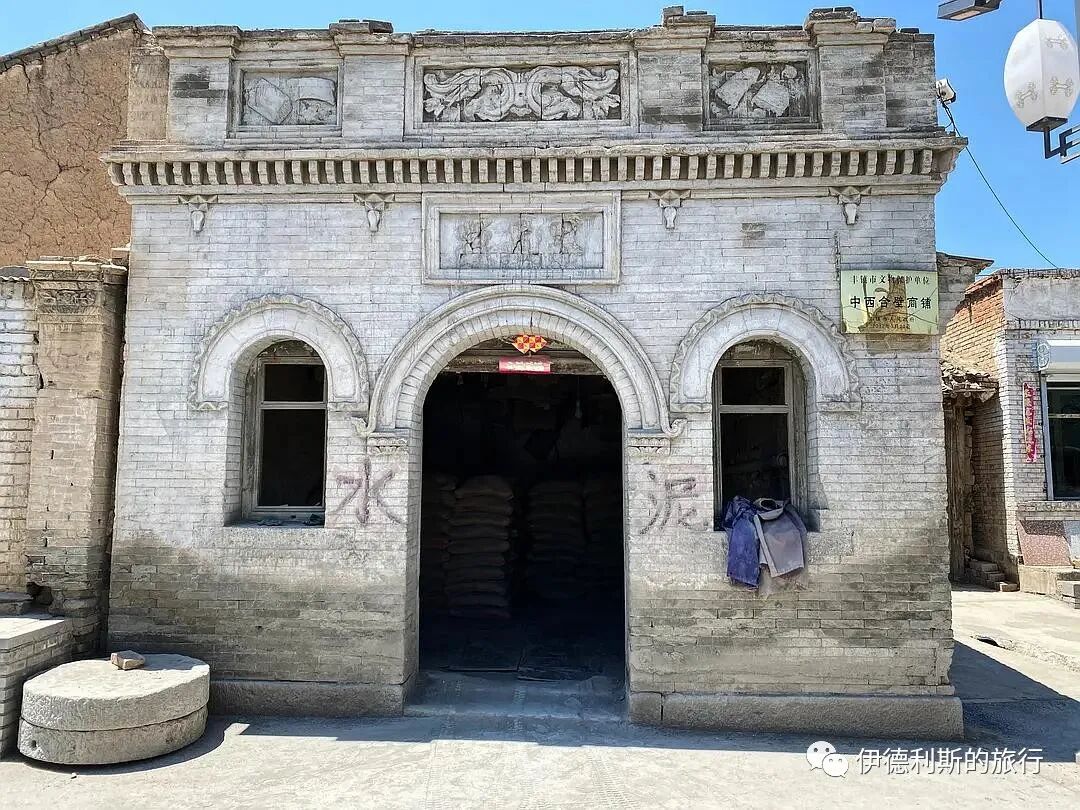
Starting from the early Qing Dynasty, Hui Muslims from Hebei and Shandong traveled to Longshengzhuang in Inner Mongolia for business, and in the late Qing Dynasty, many Hui Muslims from Shaanxi also migrated here. During the Guangxu reign of the Qing Dynasty, the Hui Muslim population in Longshengzhuang grew to two or three thousand, reaching over five thousand at its peak in the early Republic of China. At that time, Longshengzhuang had a large halal restaurant, as well as nearly twenty merchant firms including livestock traders, brokers, and horse inns. After the Ping-Sui Railway opened in 1921, Longshengzhuang declined rapidly. After the 1930s, a large number of people moved away. Today, only about 30 Hui Muslims remain, mostly elderly, and there are no longer any halal restaurants.
Today, in Maqiao Square in the center of Longshengzhuang, there are still a few Hui Muslims selling misu (honey-crisp pastry), maye (fried dough strips), mahua (fried dough twists), and beizi (steamed buns). We bought a sugar-coated maye at the Liu Zhen time-honored brand; although it looked very sweet, it was not greasy at all, and I finished it in a few bites.
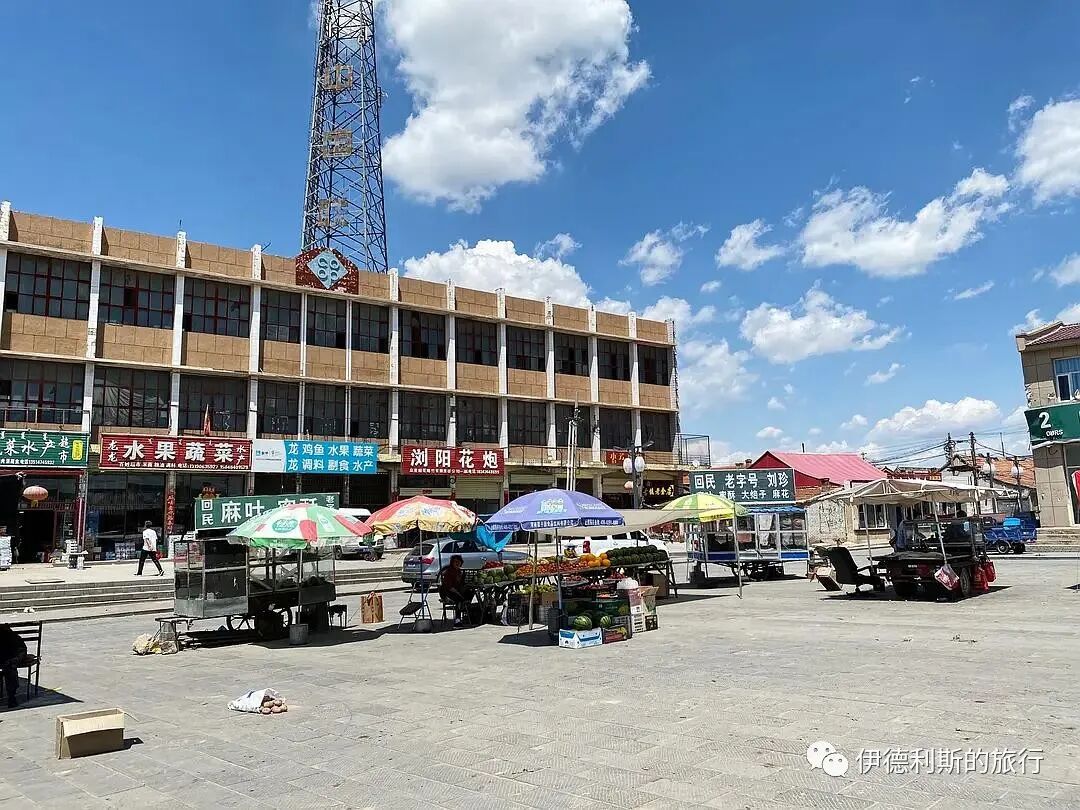
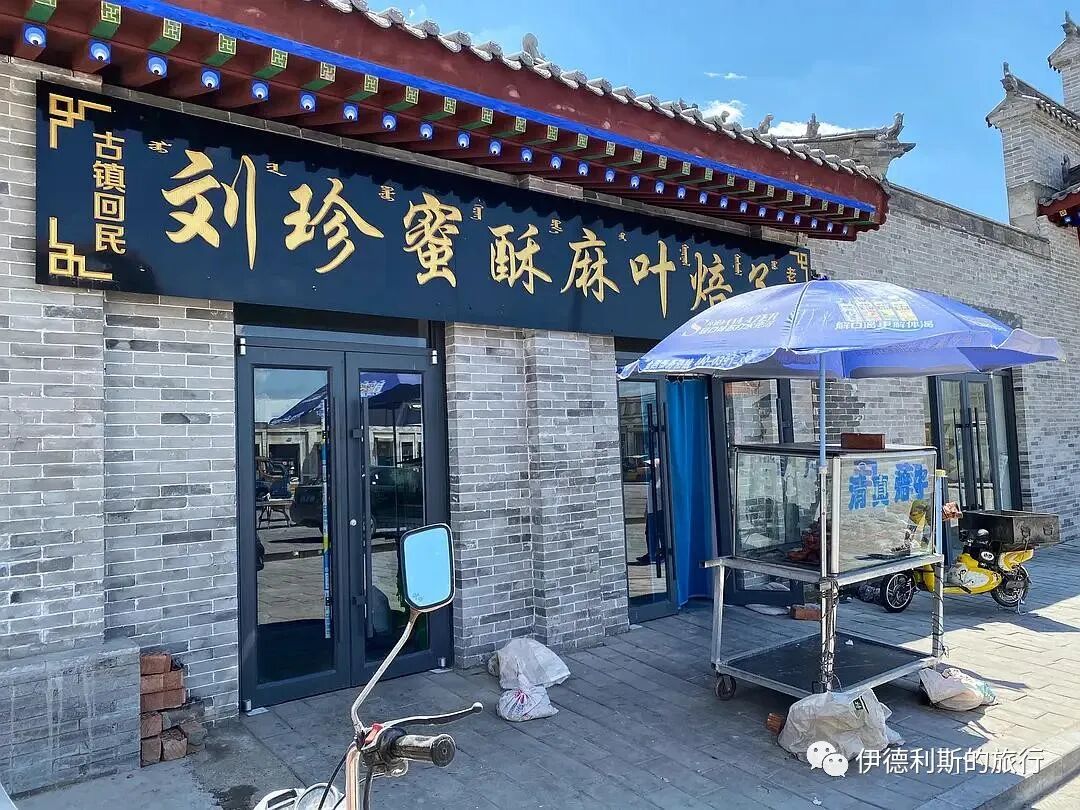
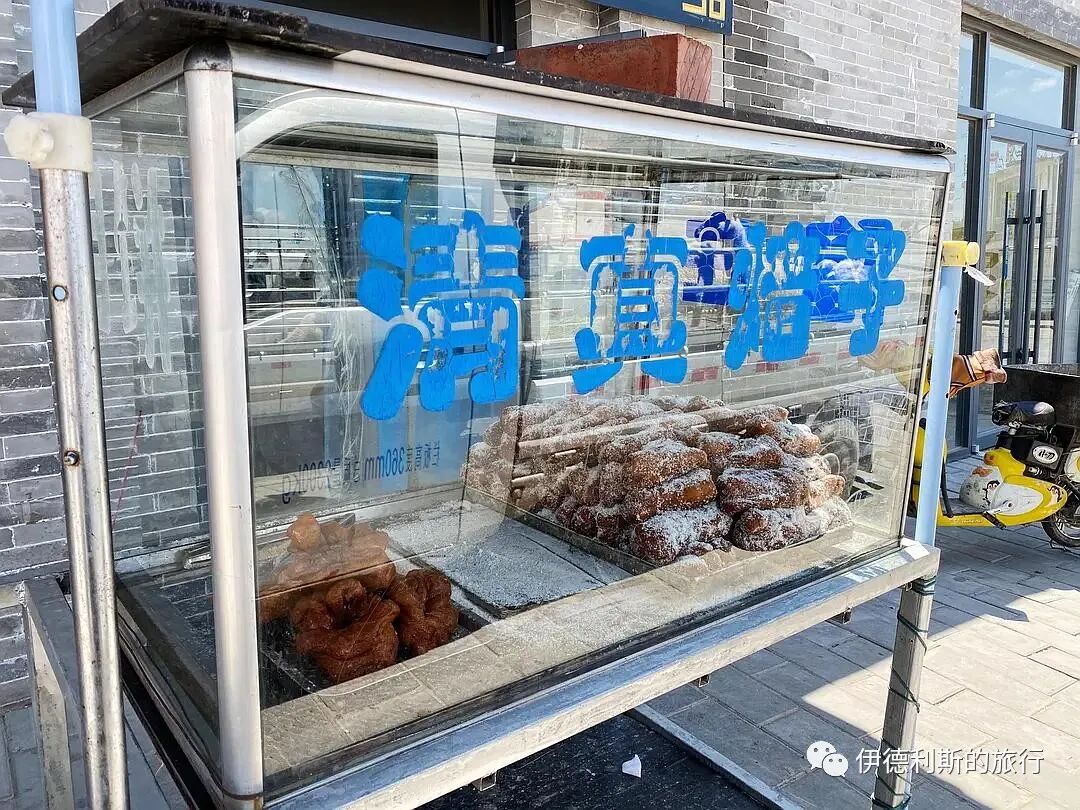
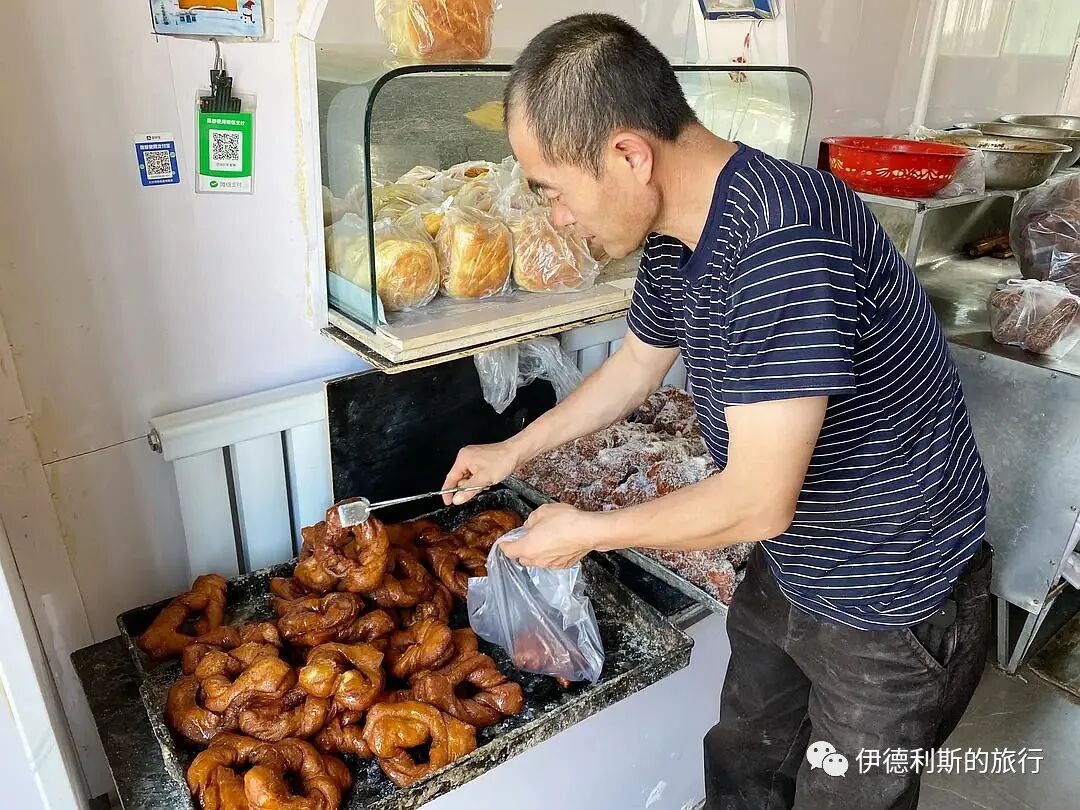
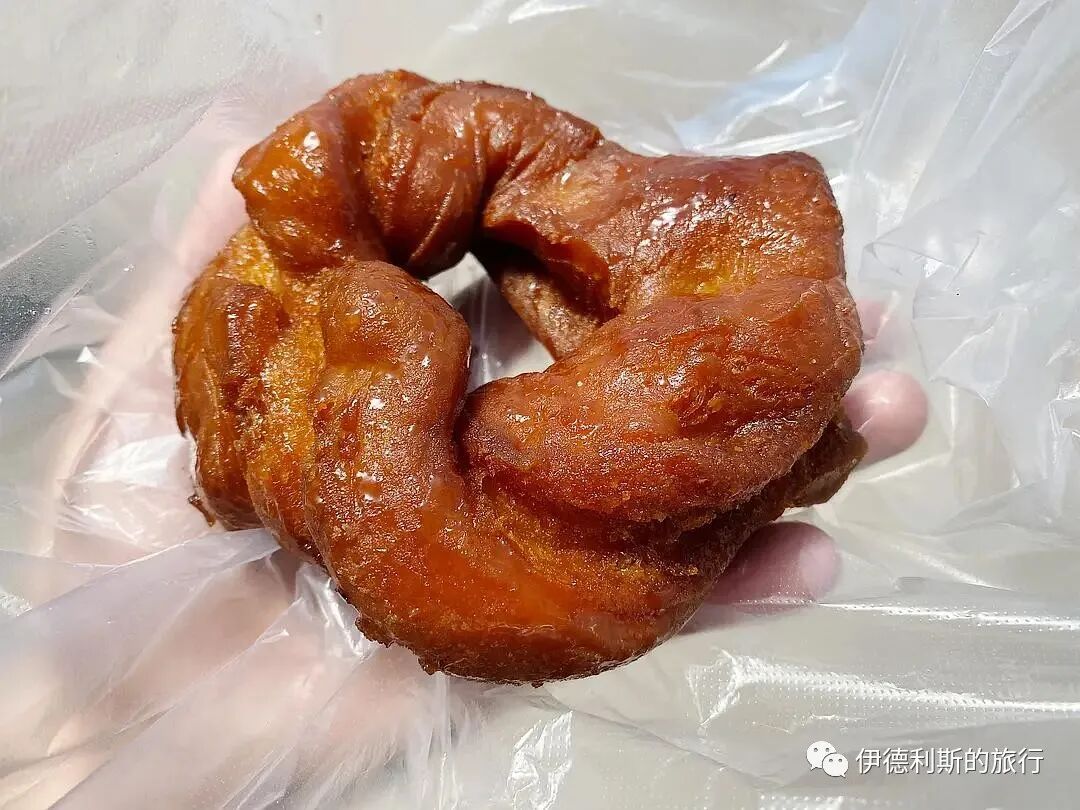
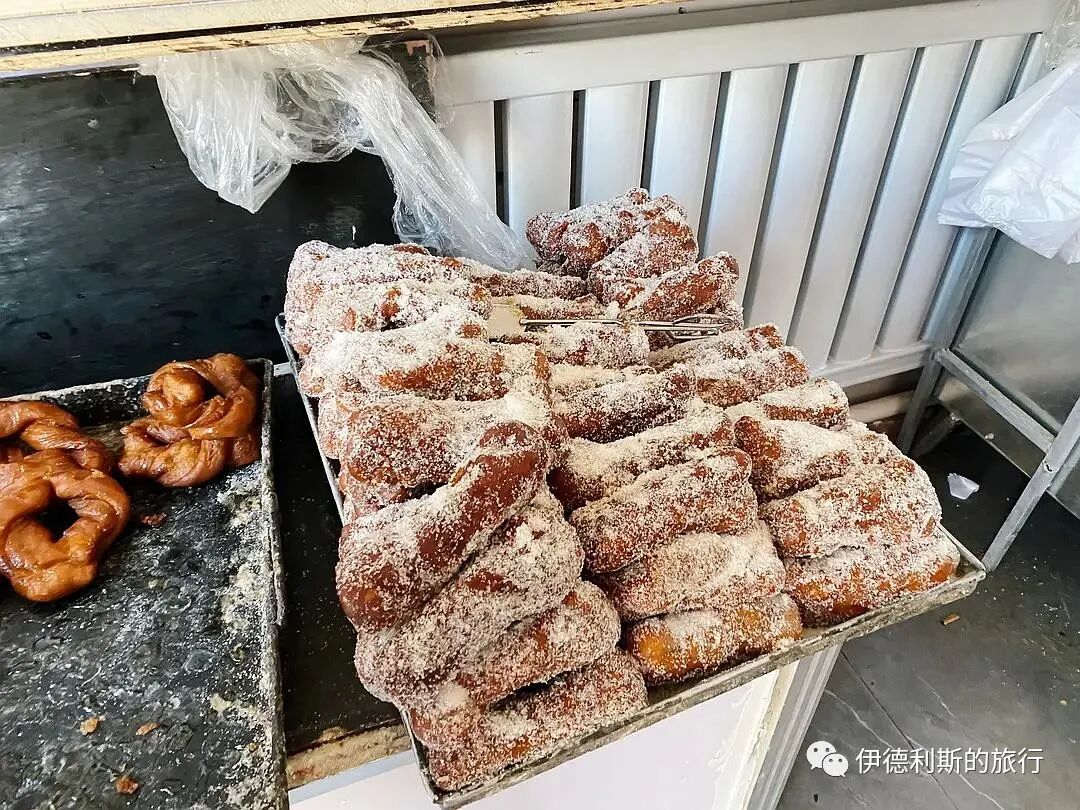
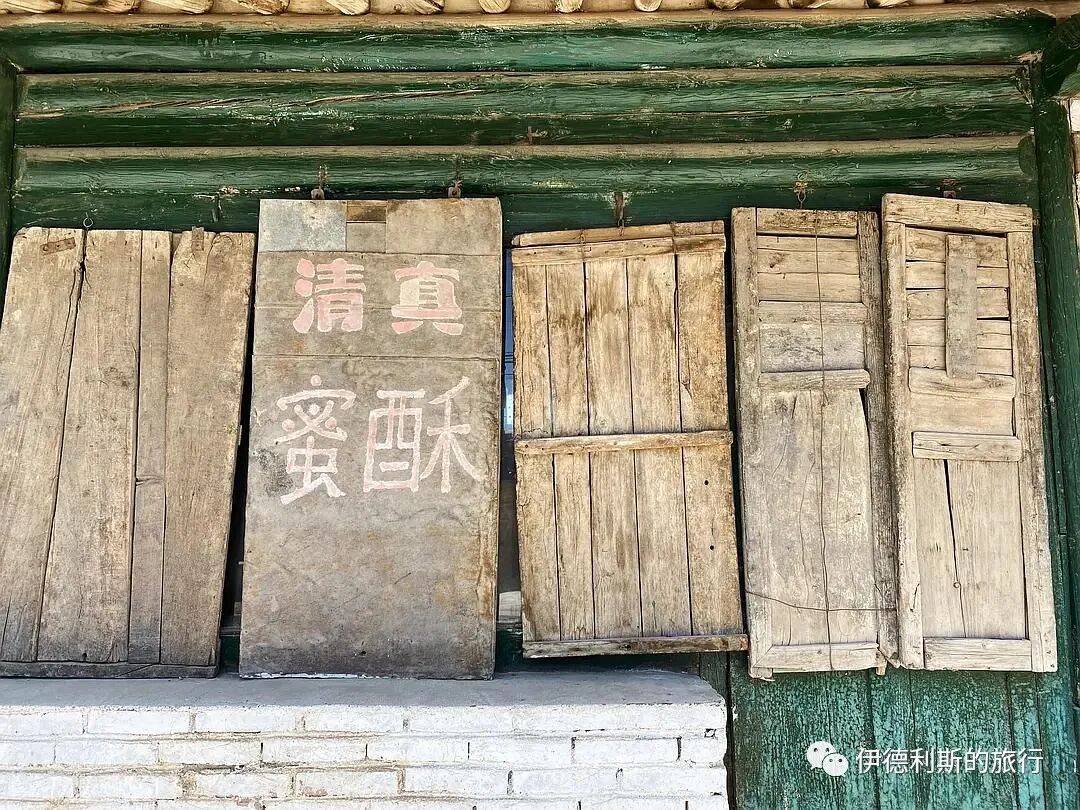
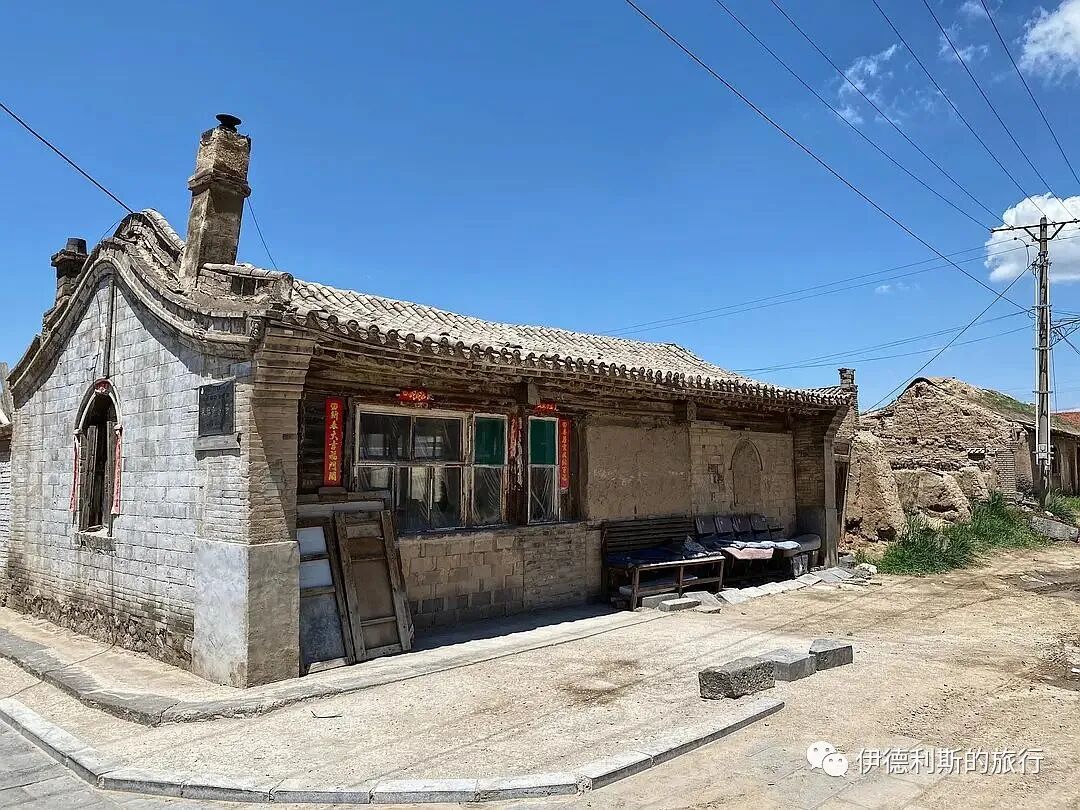
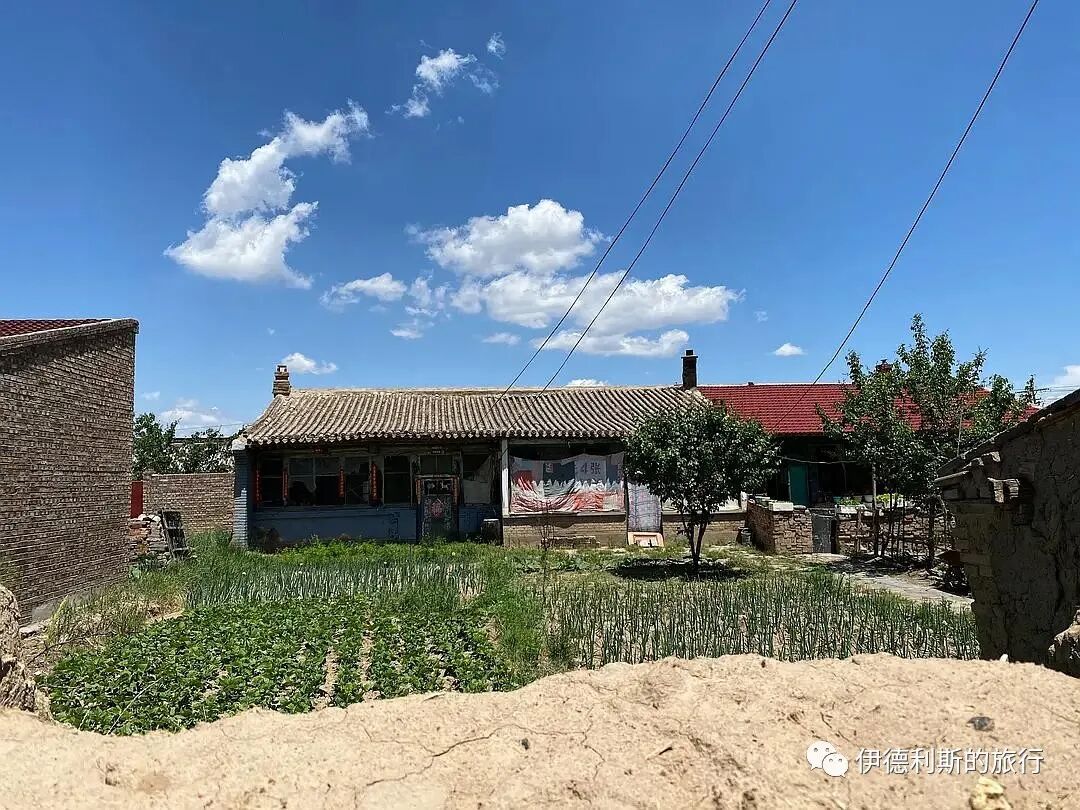
The Longshengzhuang Mosque was first built in 1751 (the 16th year of the Qianlong reign of the Qing Dynasty). Initially, it only had three main halls. Later, as the number of Muslims doing business here increased, 13 main halls, a front gate, a second gate, side rooms, and a screen wall were added in 1831 (the 11th year of the Daoguang reign), forming a three-courtyard layout.
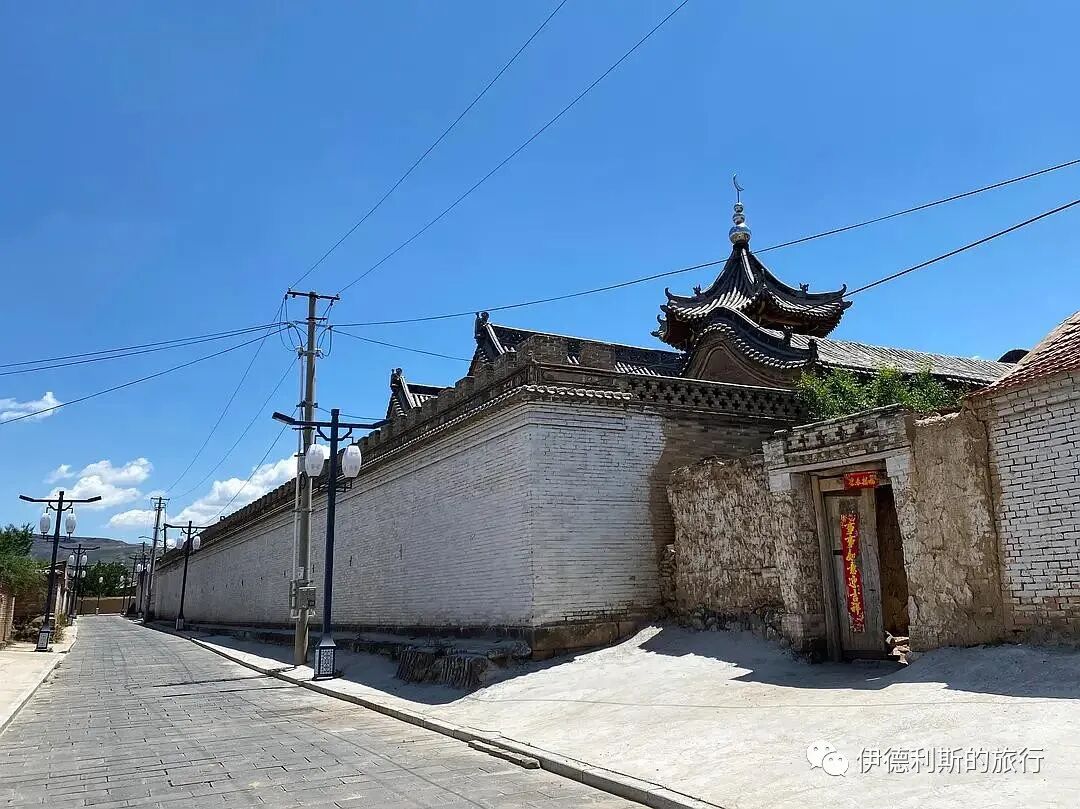
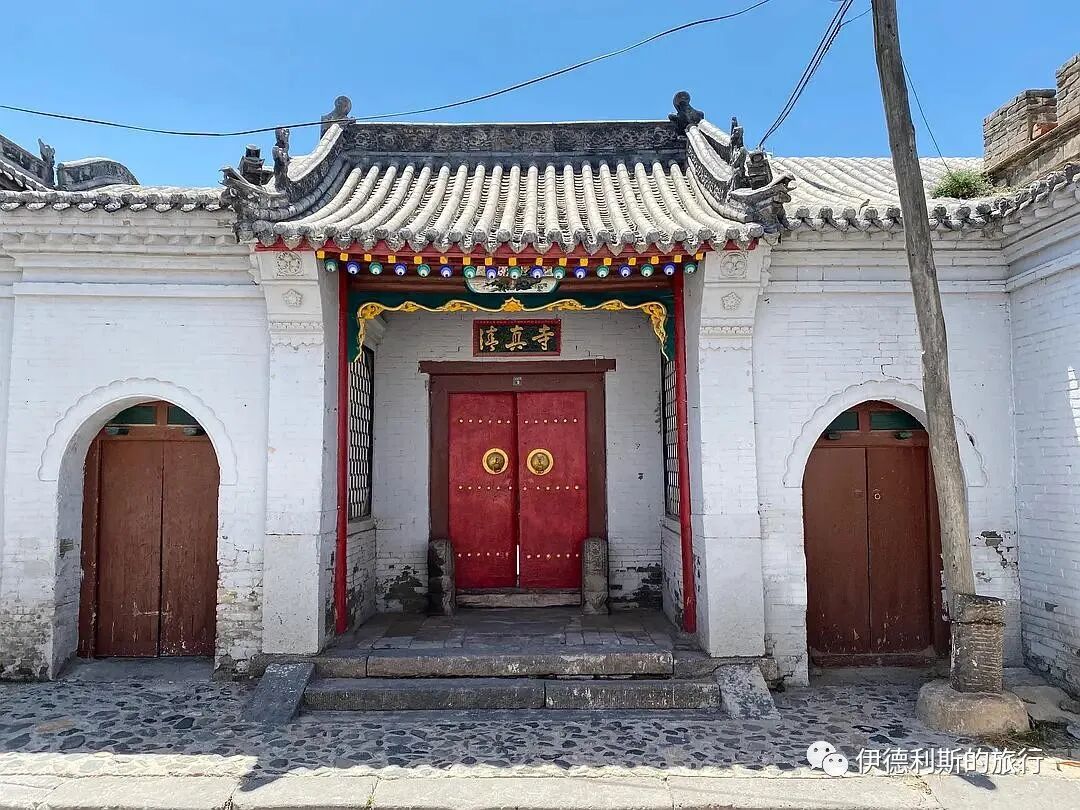
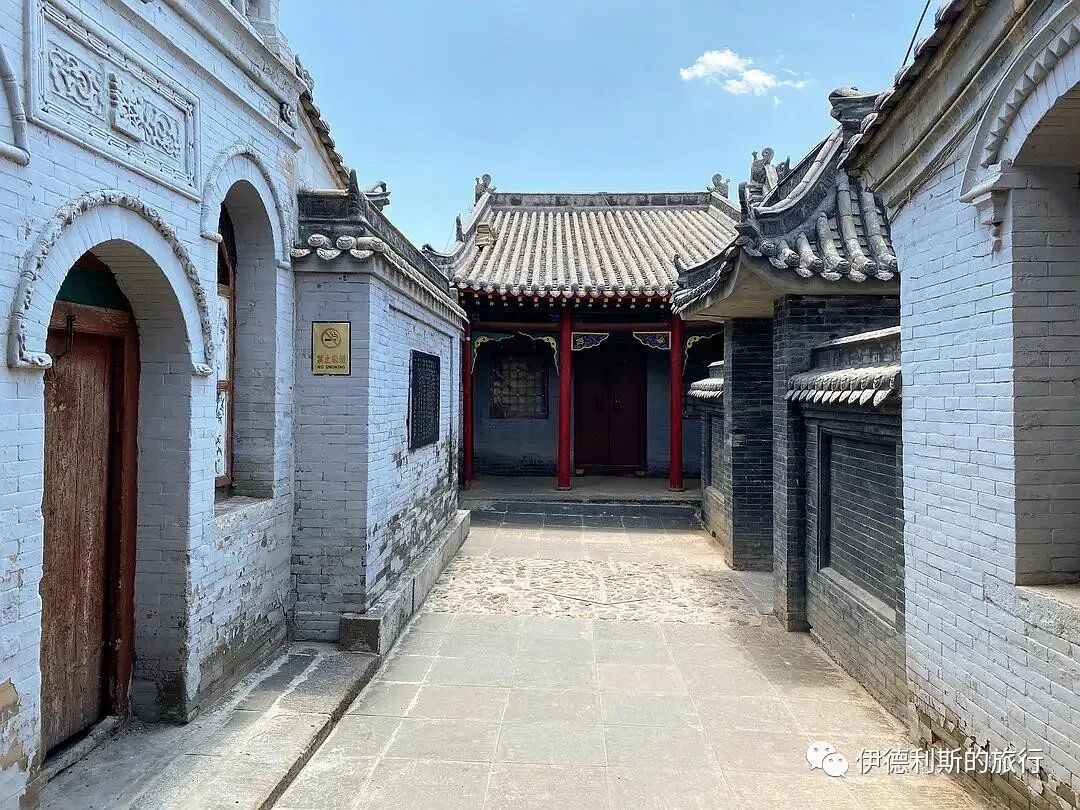
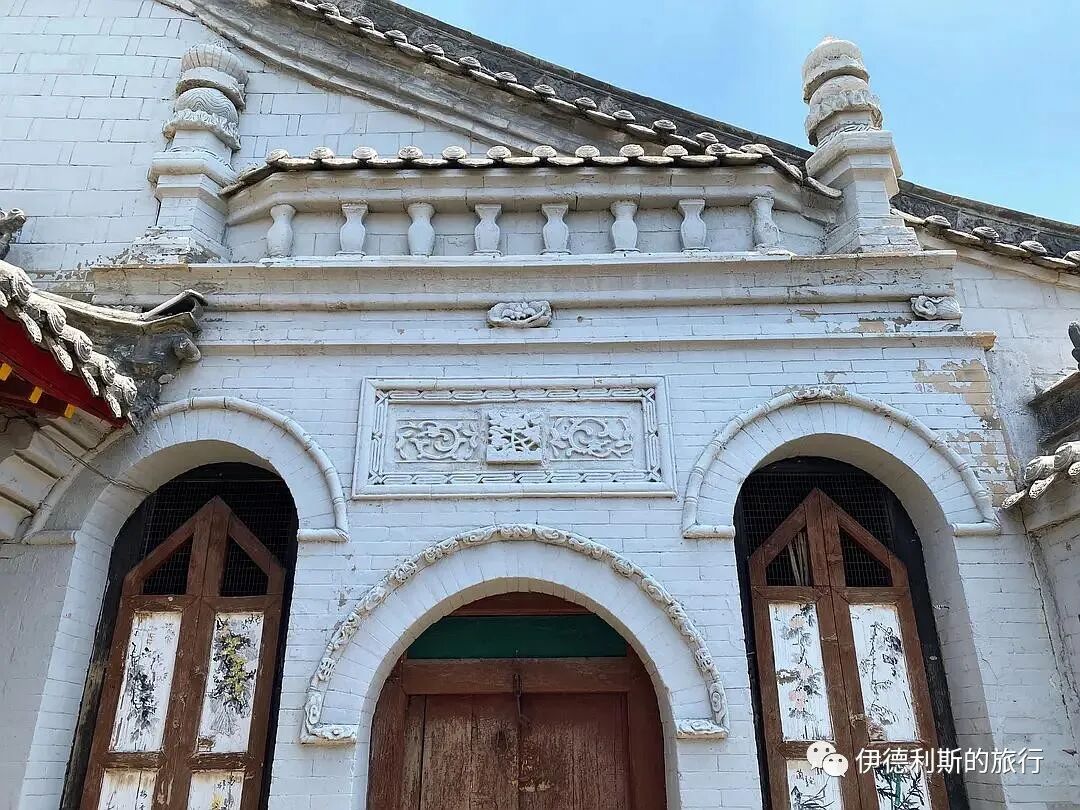
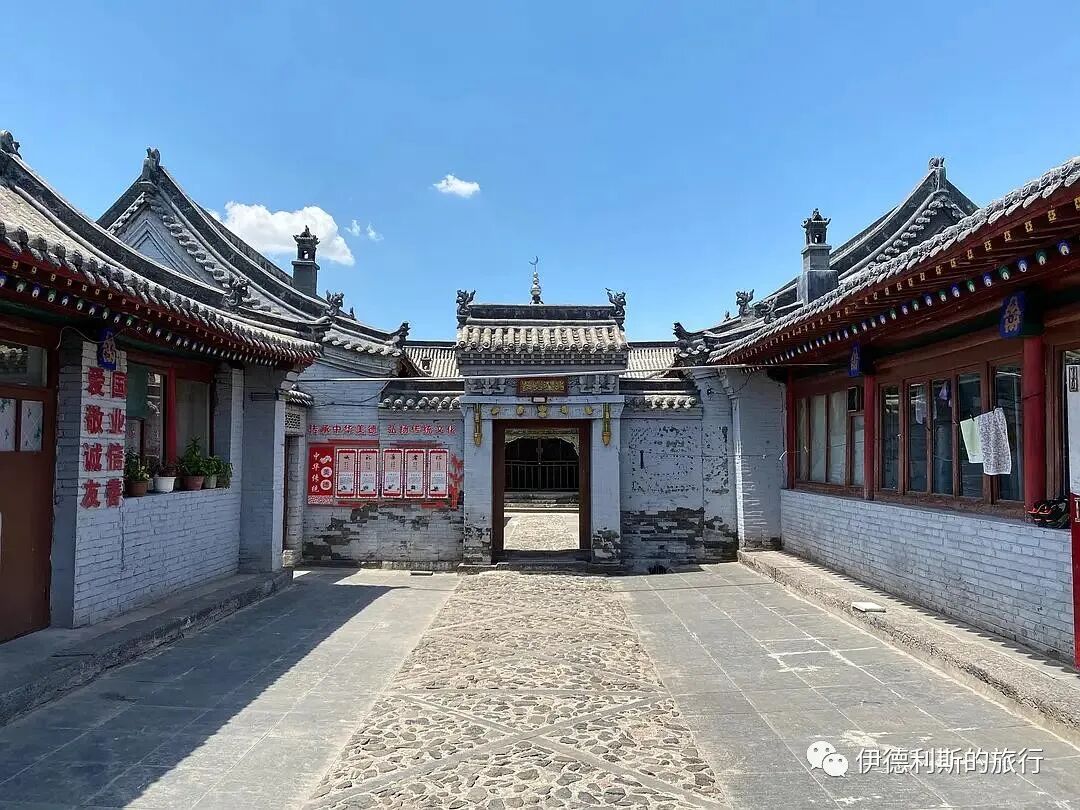
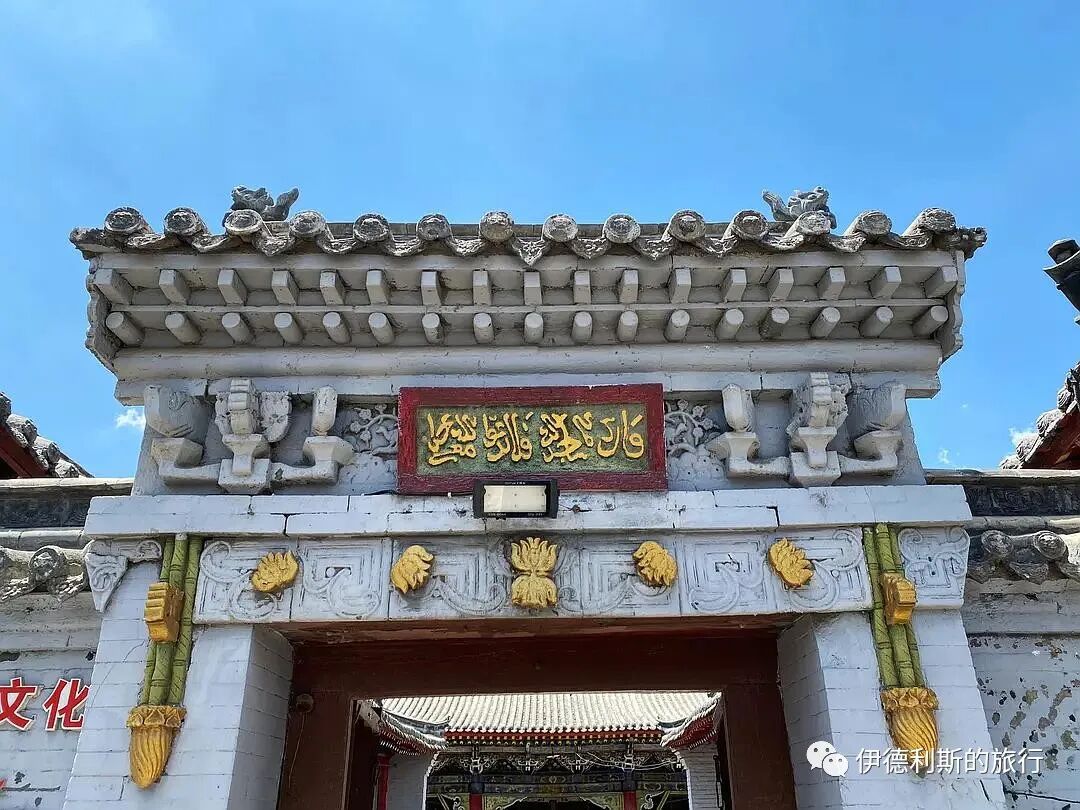
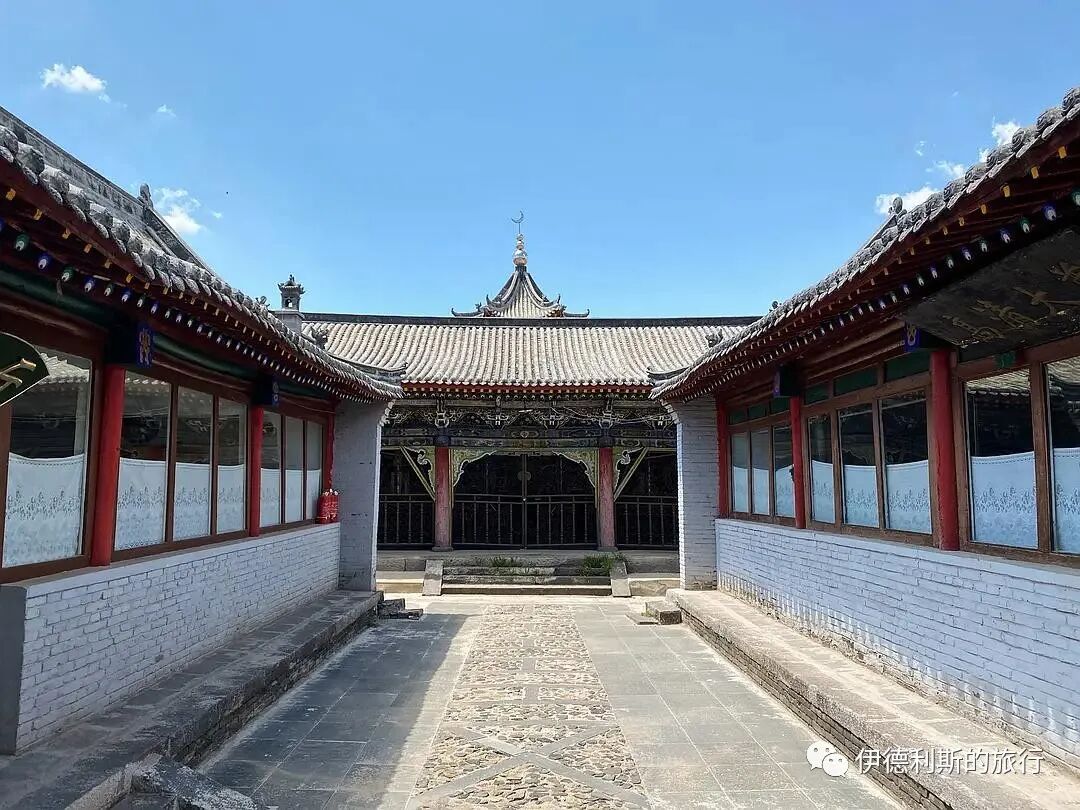
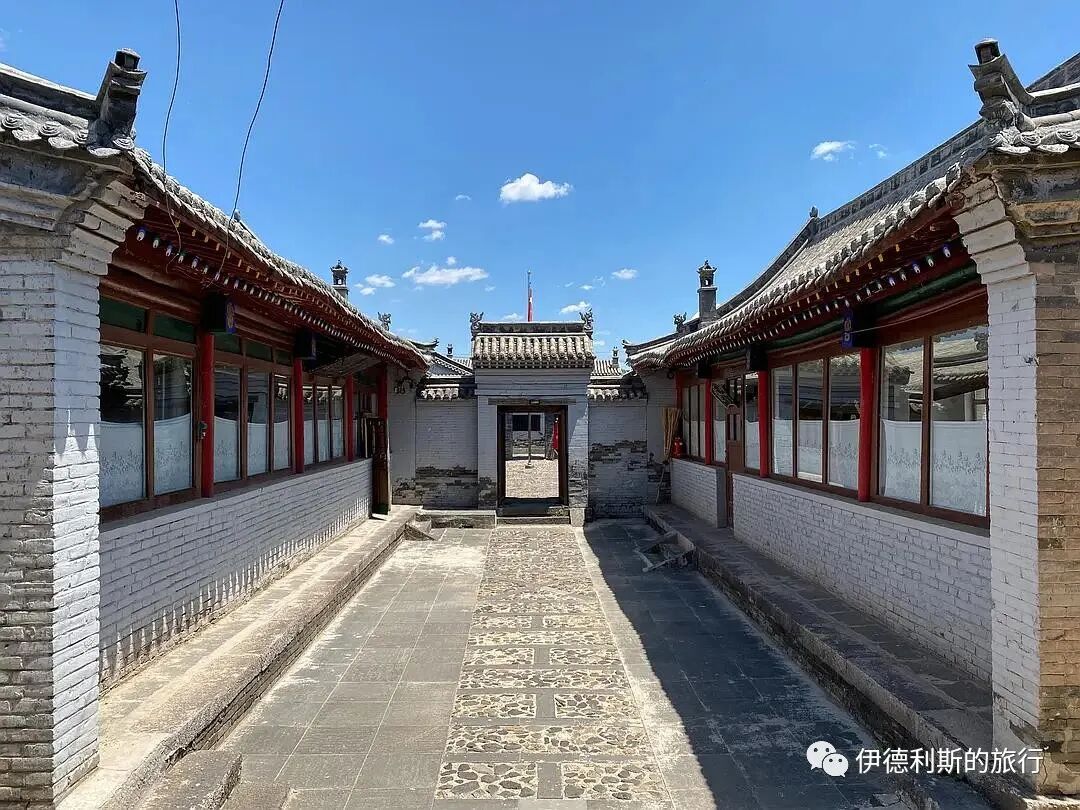
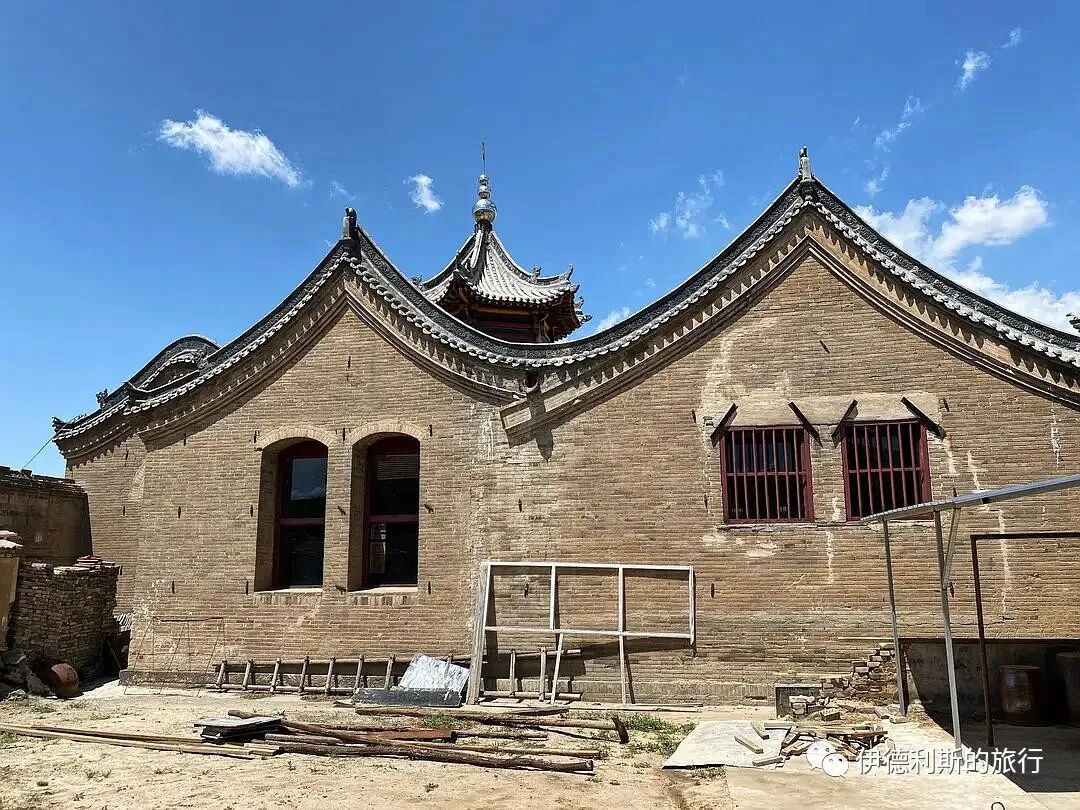
The mosque's scroll-style shed was expanded in 1926 and features exquisite ironwork decorations from the Republic of China era.
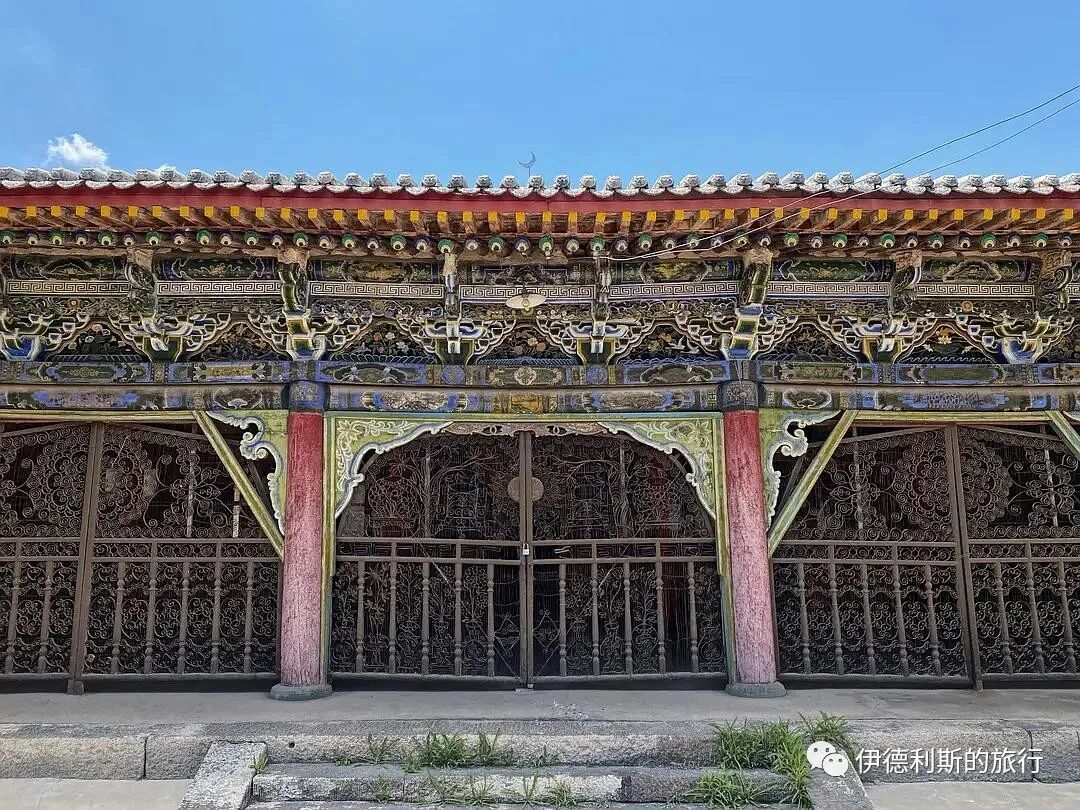
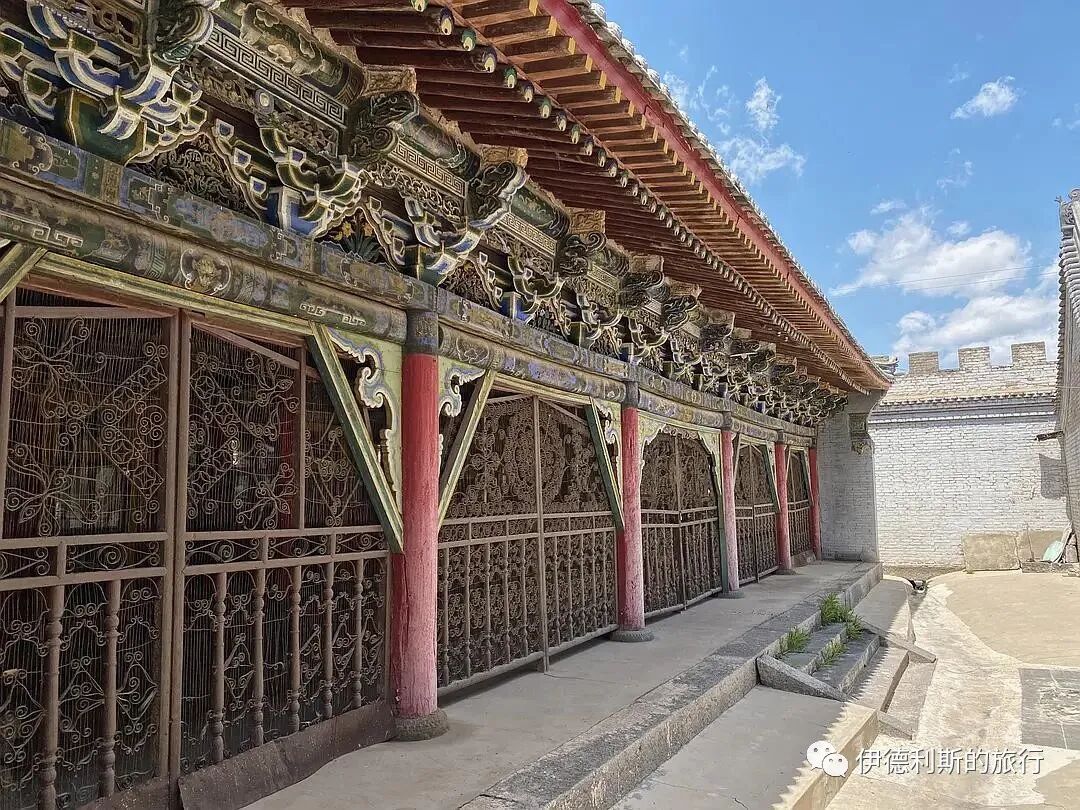
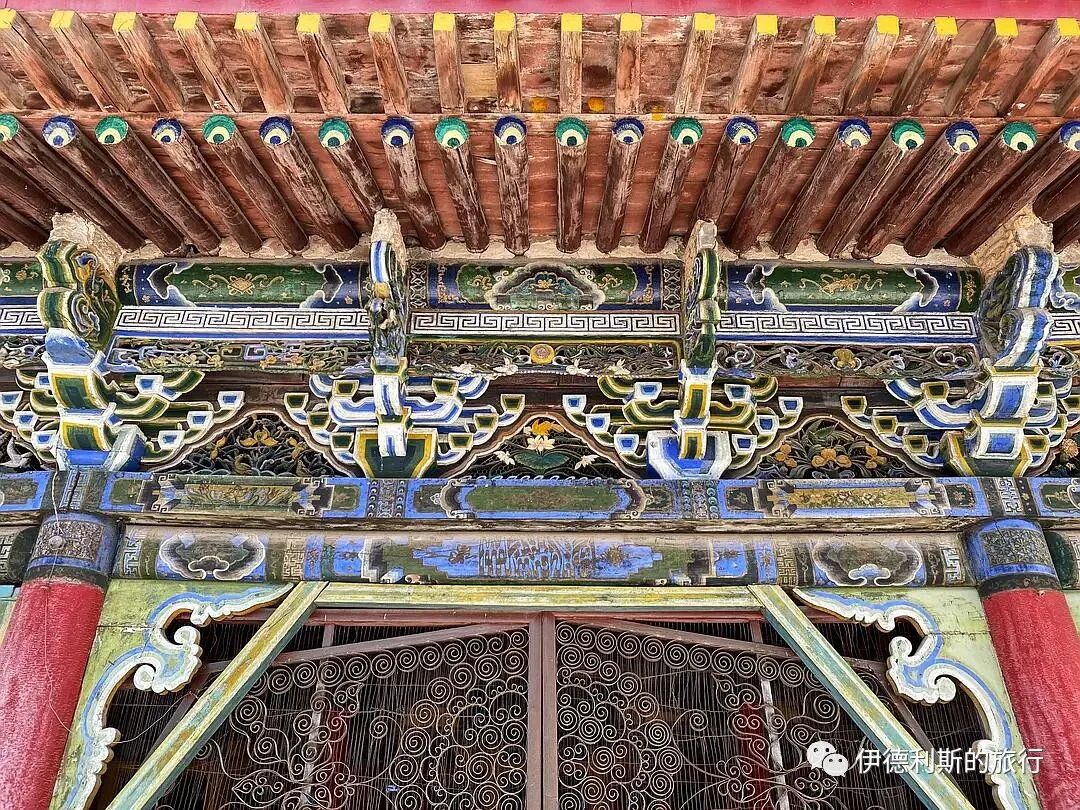
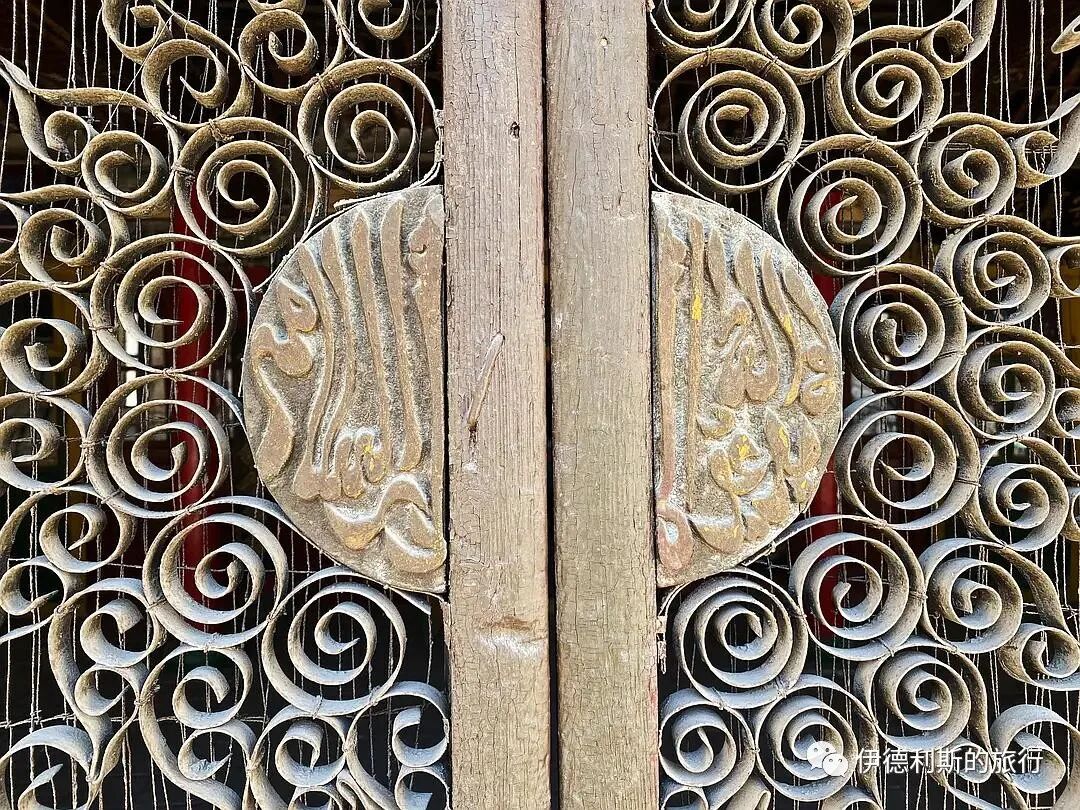
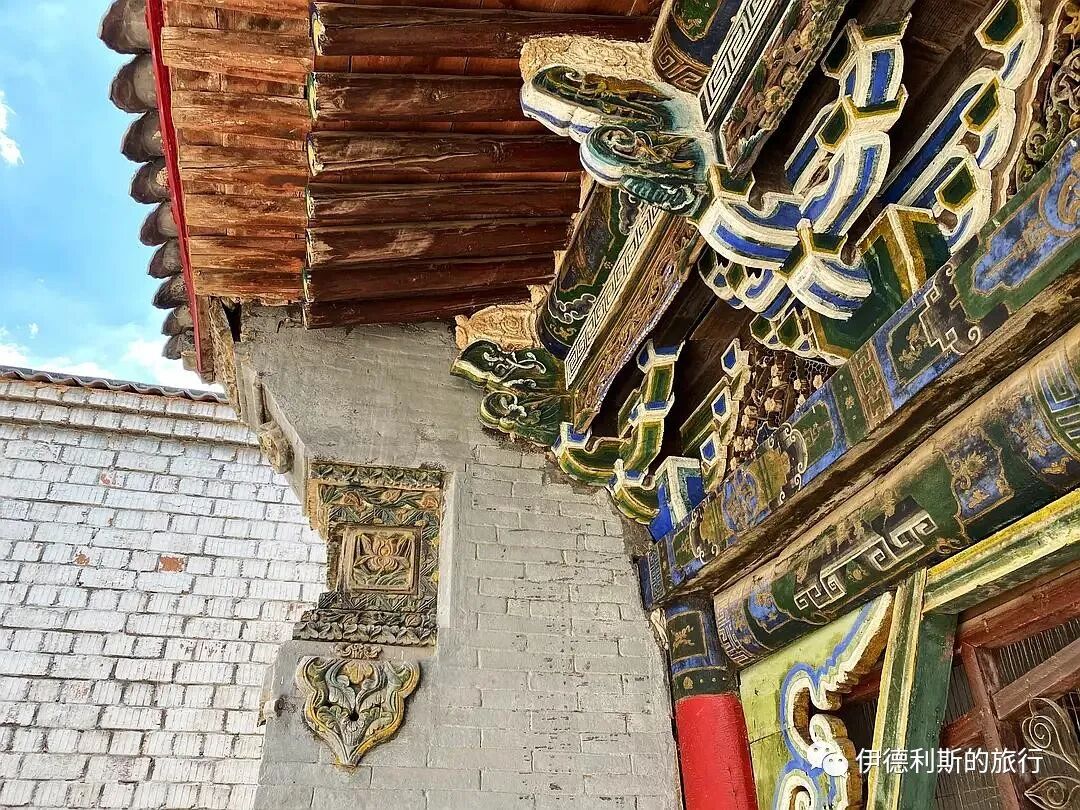
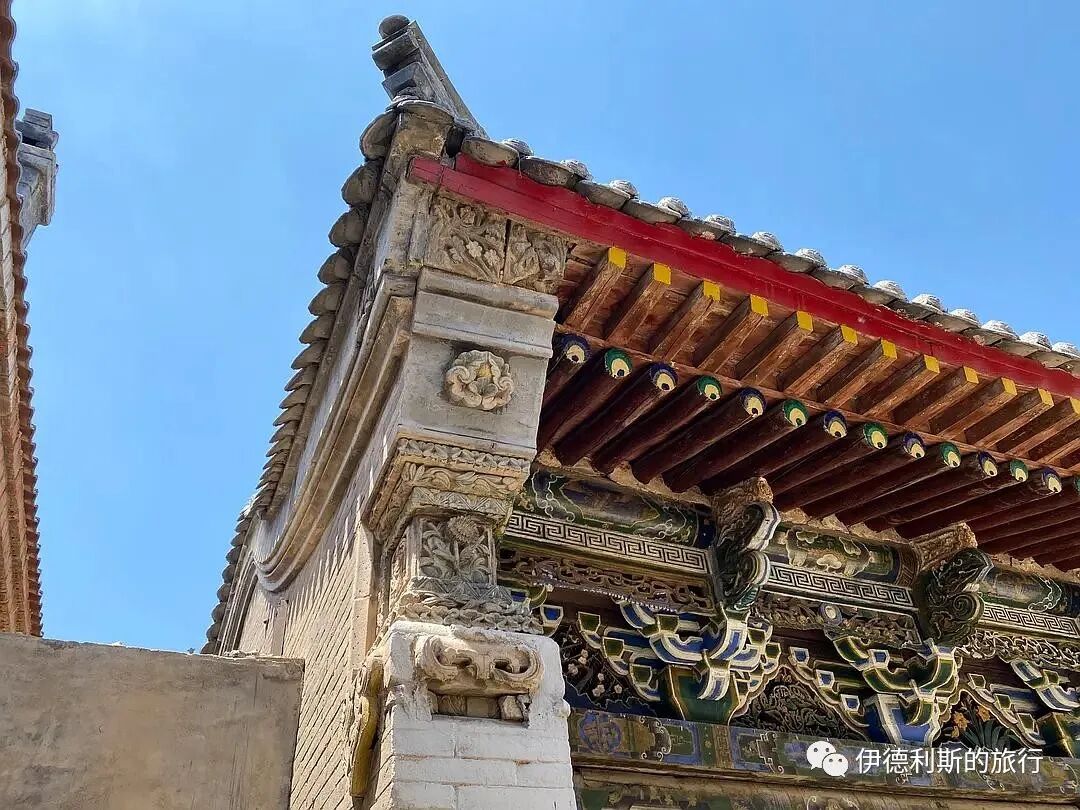
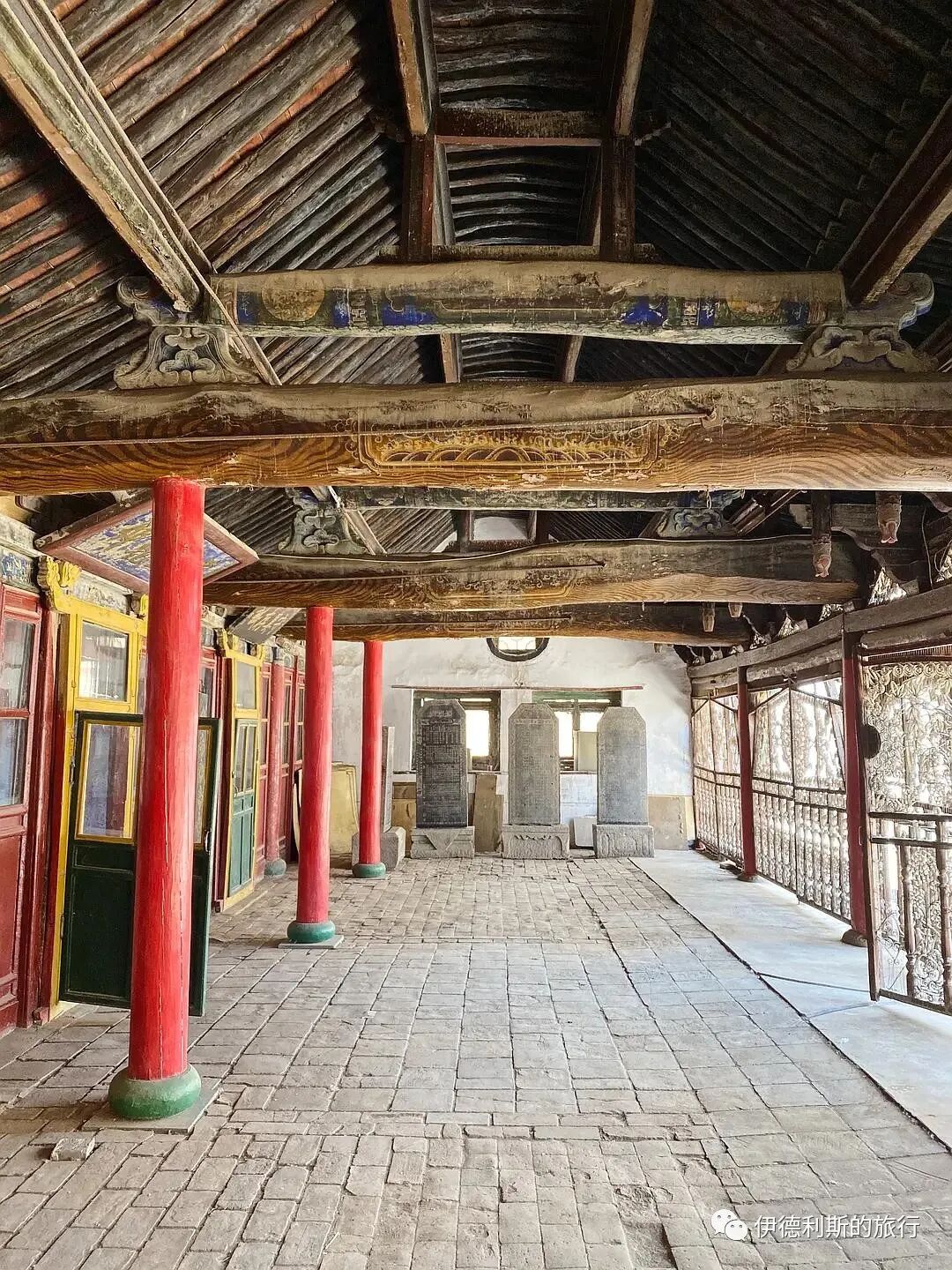
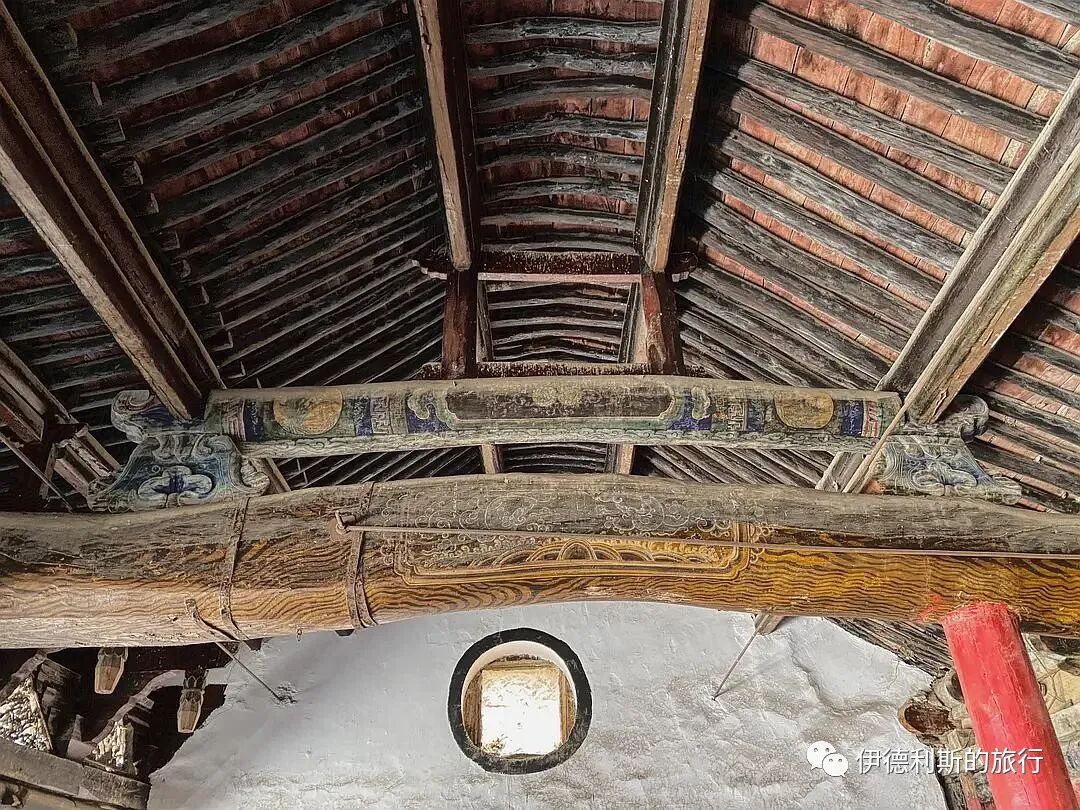
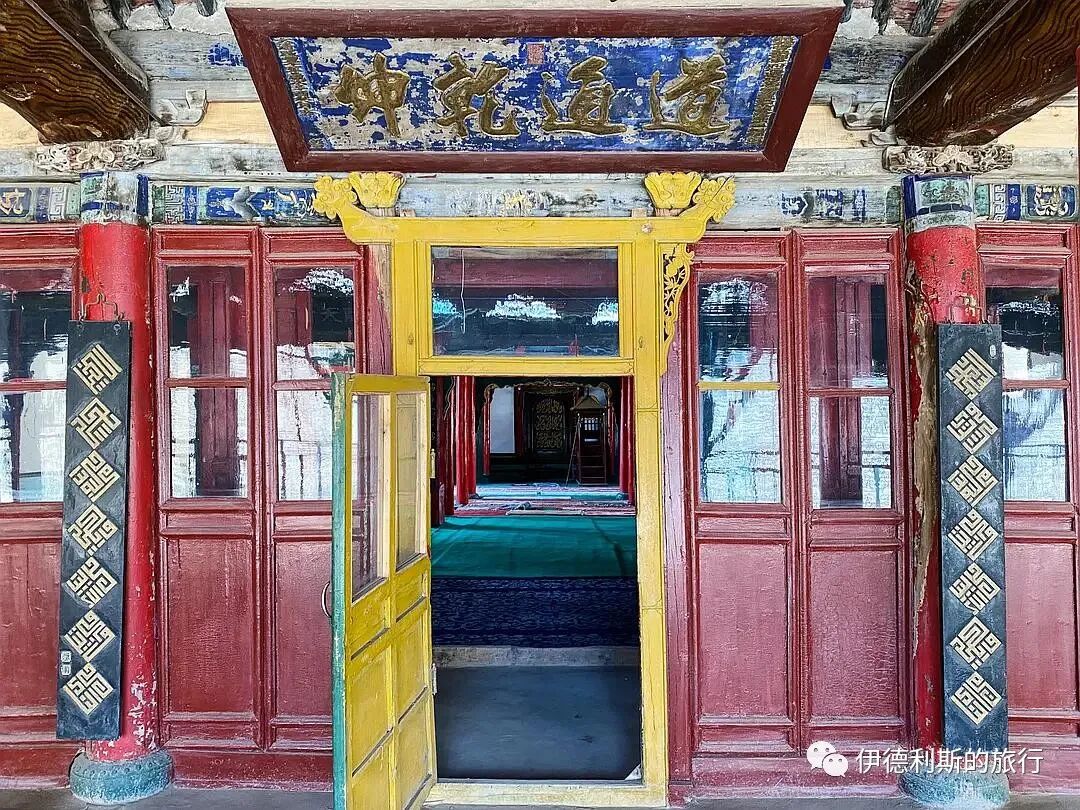
The main hall was also expanded in 1926.
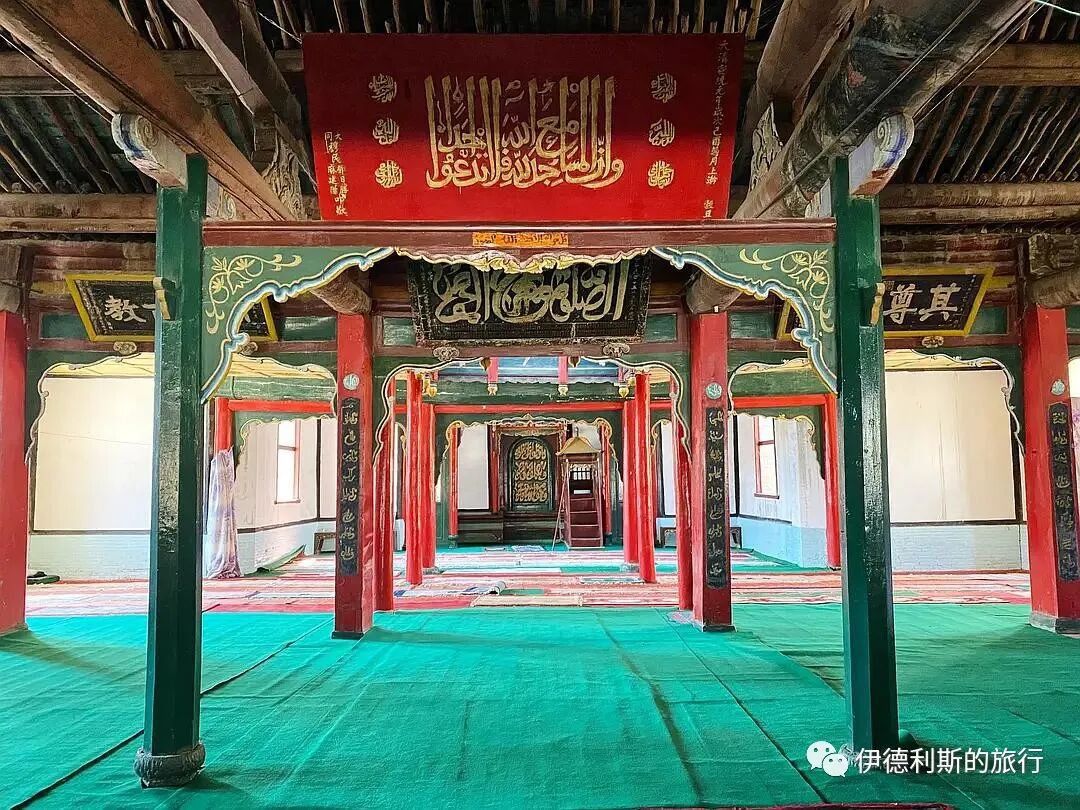
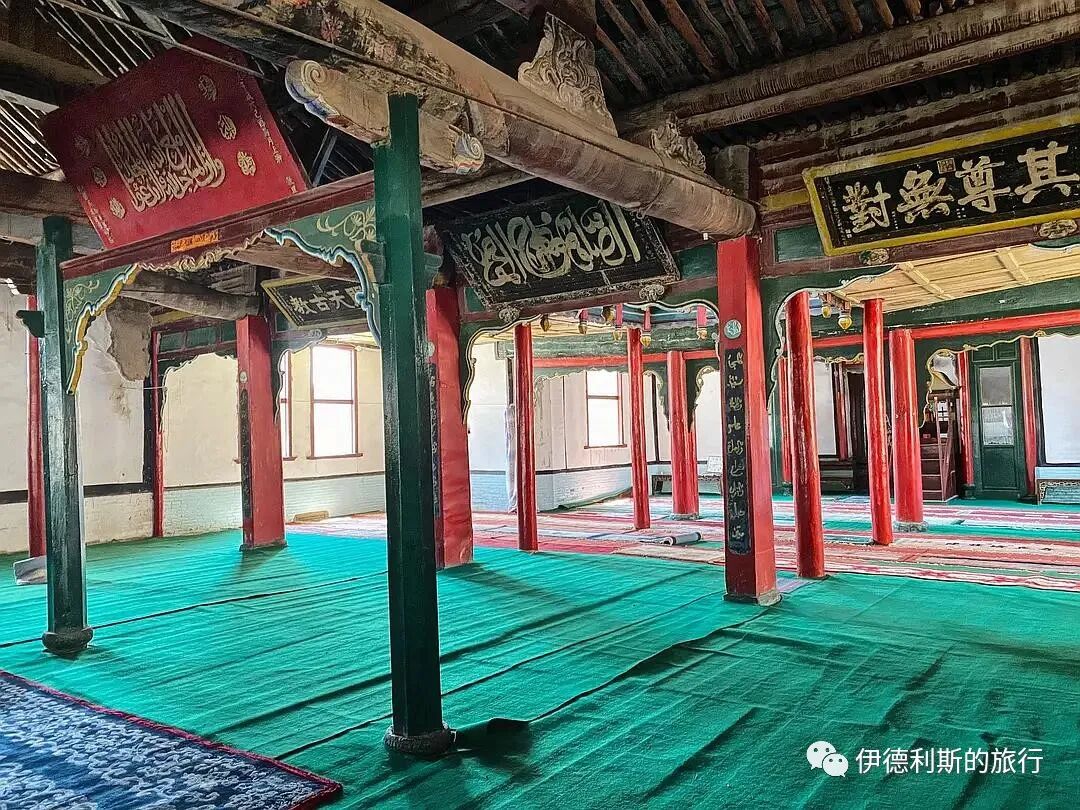
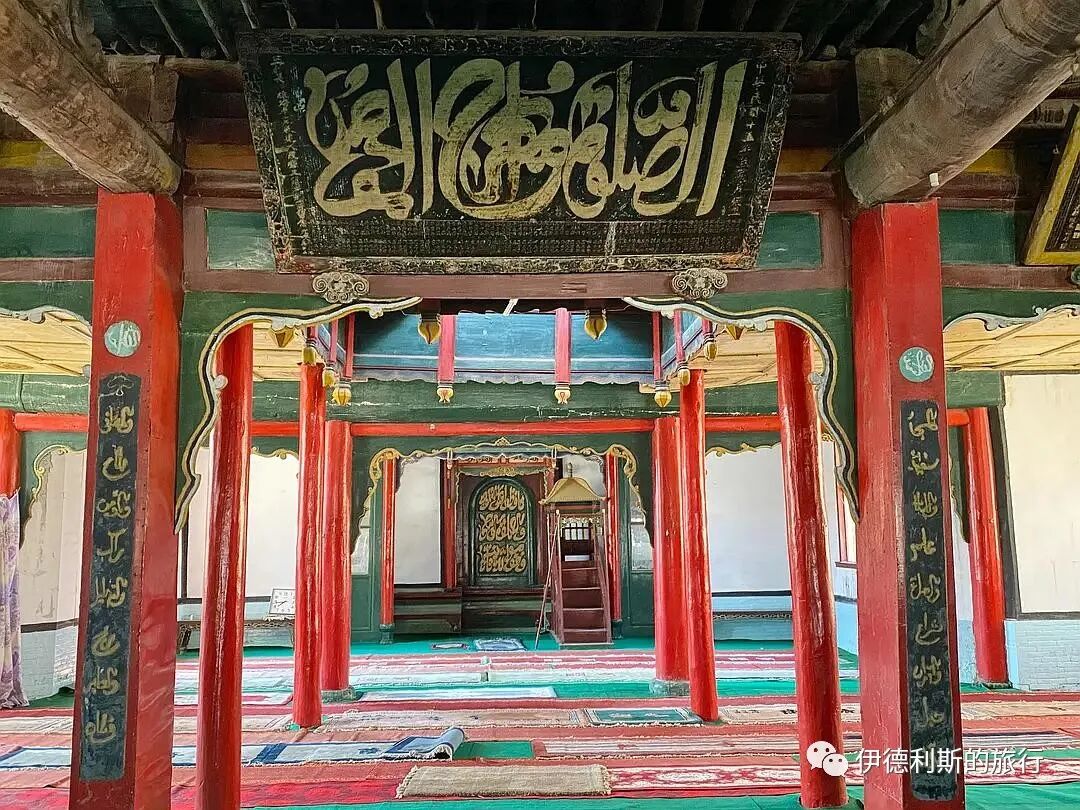
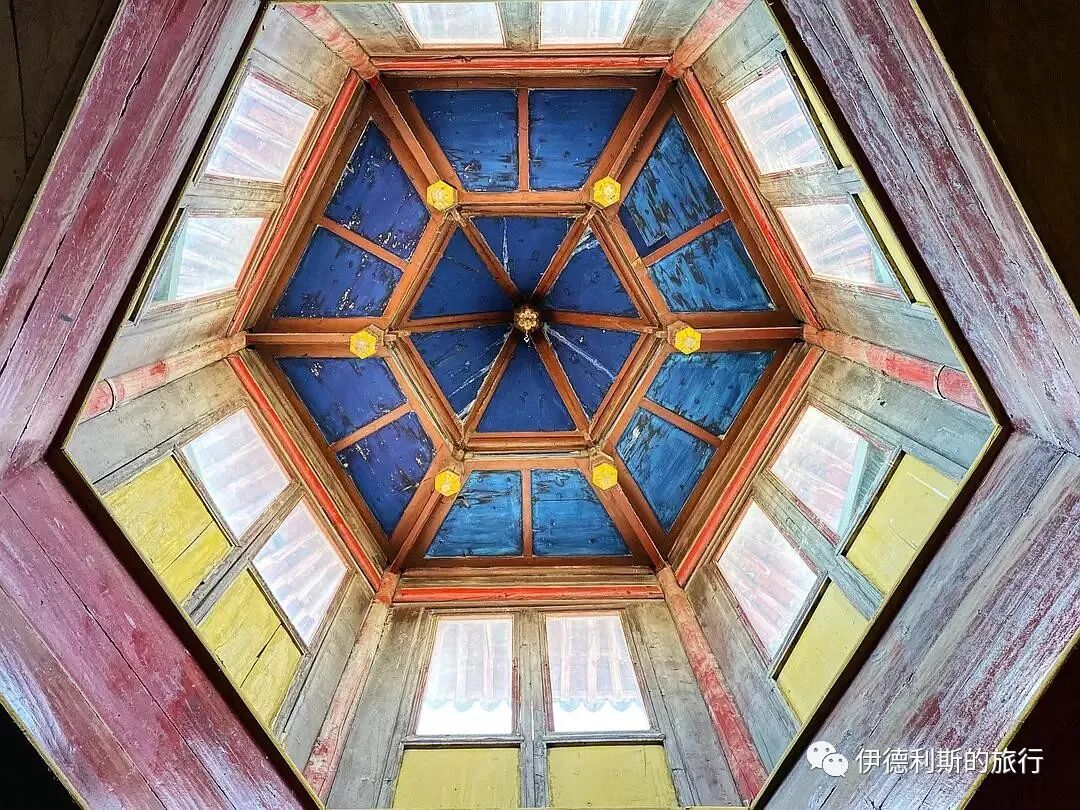
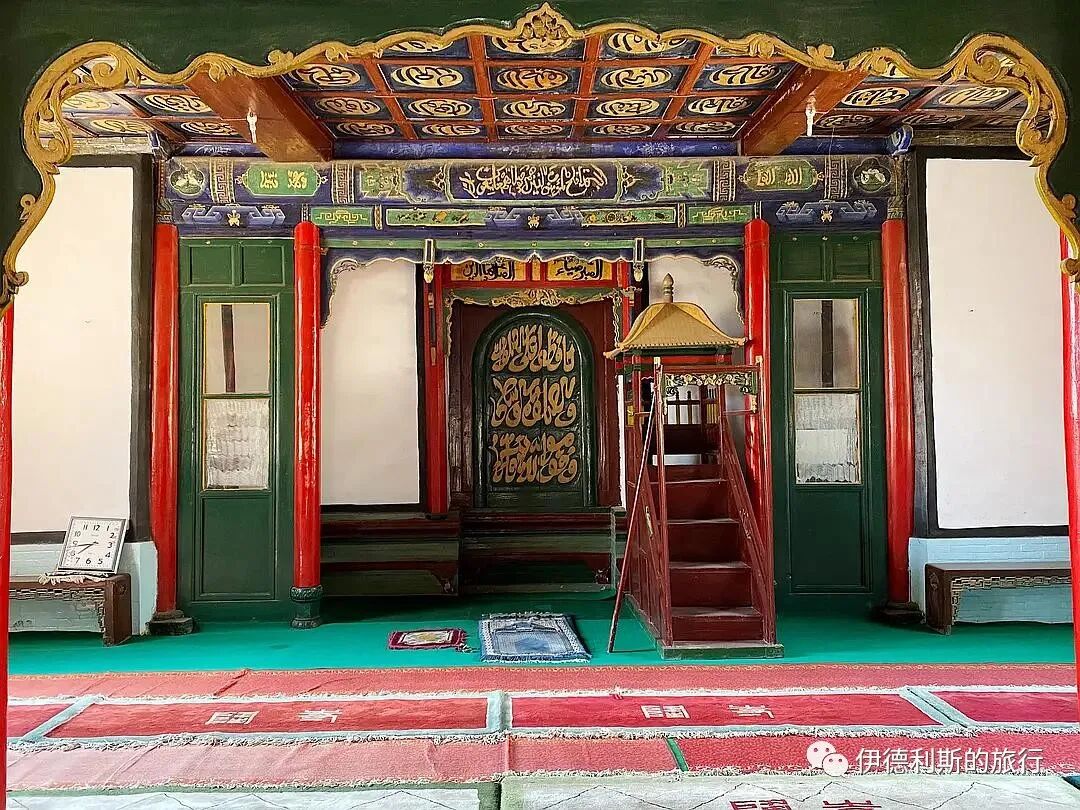
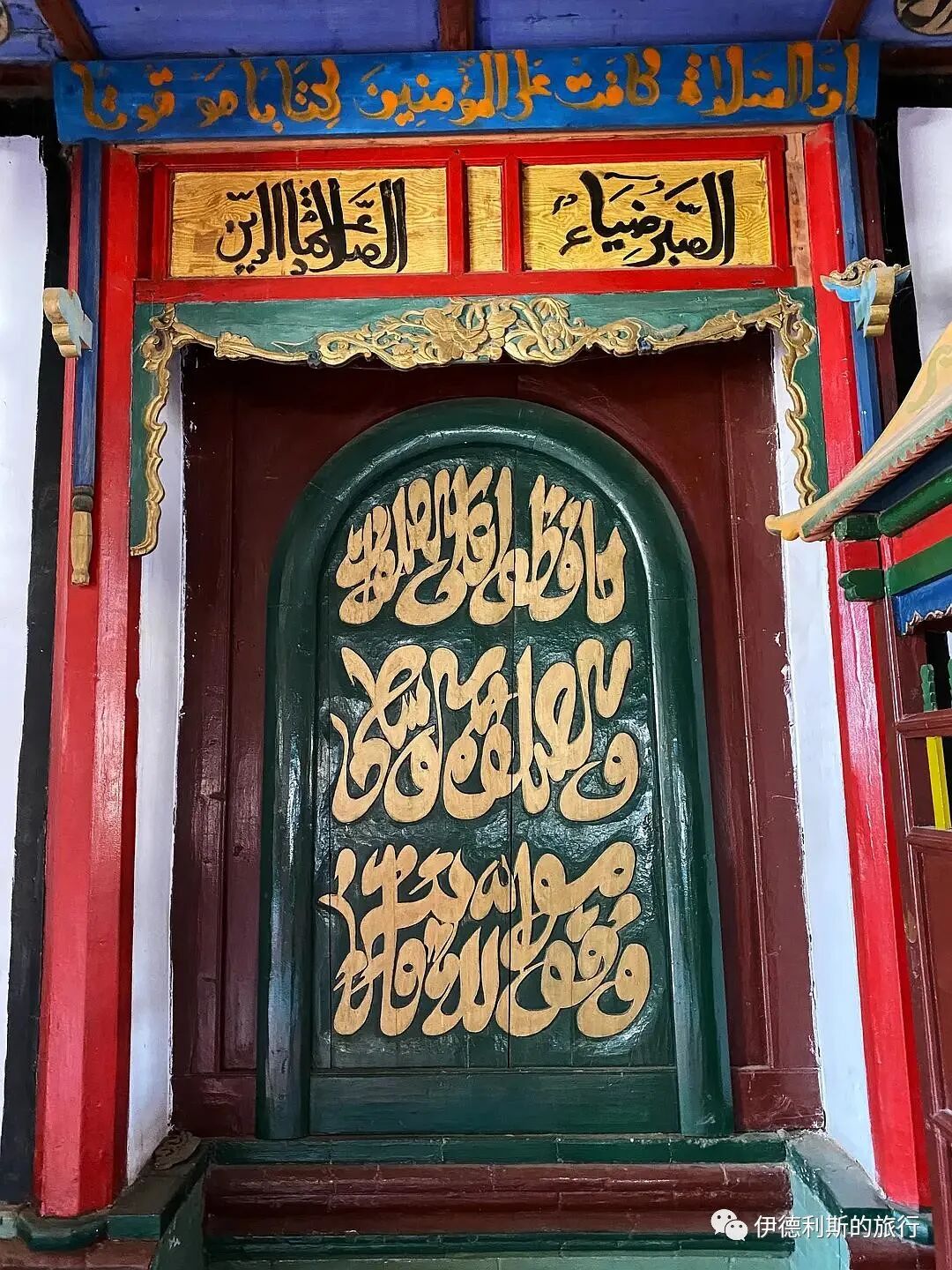
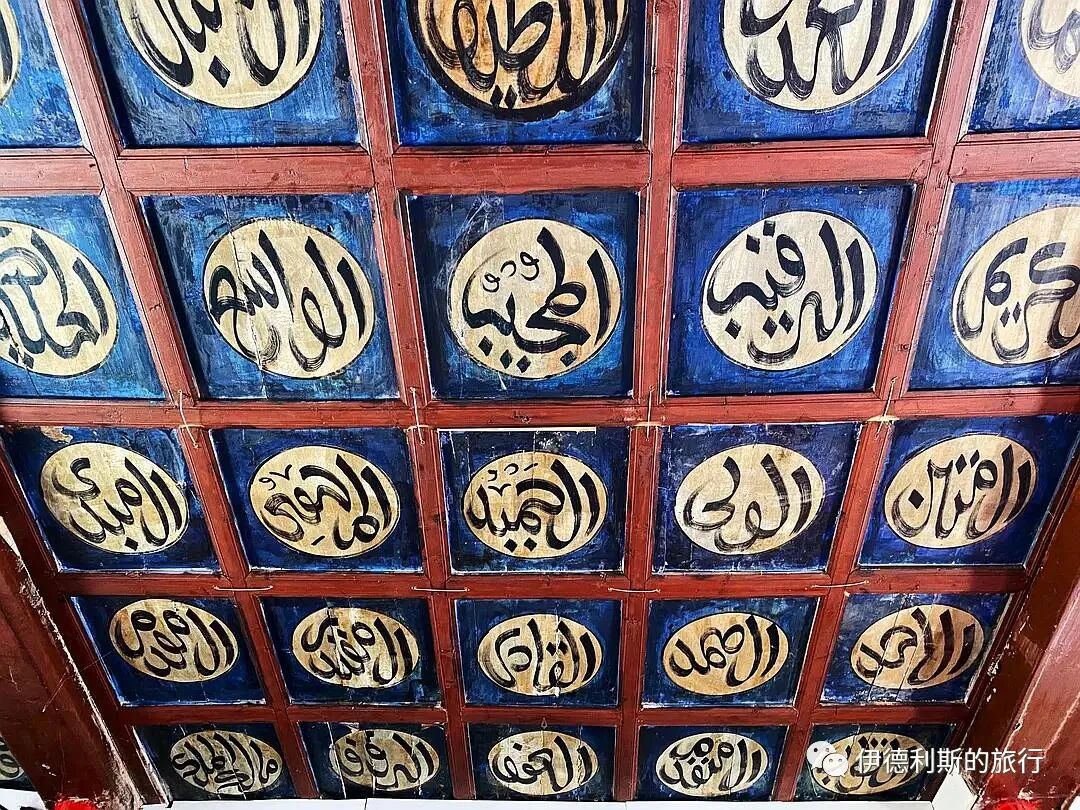
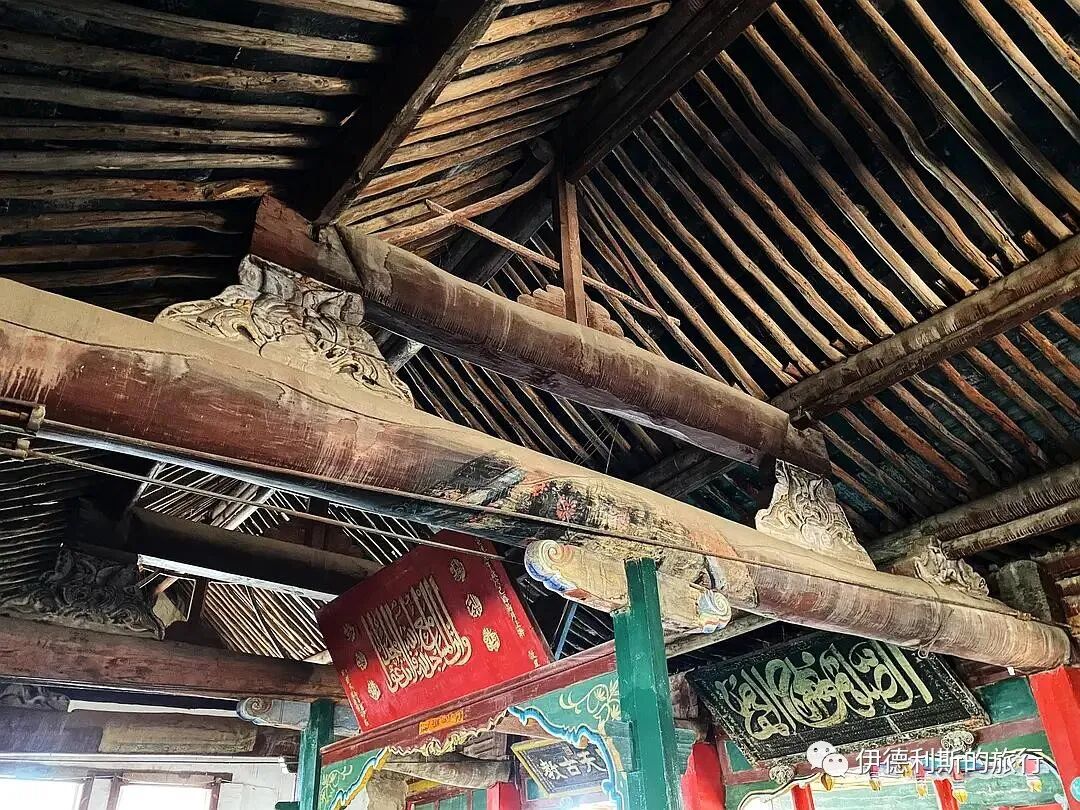
The 'Zun Da Qing Gao' (Respect the Great Qing's Nobility) plaque from 1915 (the 4th year of the Republic of China) bears the inscription 'Koubei Mongolian Salt Bureau'. From the Qing Dynasty to the Republic of China, all types of salt produced in the salt lakes of the Inner Mongolian Plateau were collectively referred to as Mengyan (Mongolian salt). In 1913, the Beiyang government signed a 25-million-pound reorganization loan with a banking consortium from Britain, France, Germany, Russia, and Japan, using salt taxes as collateral. The agreement stipulated that China must hire foreigners to assist in reorganizing the salt tax. China thus began salt administration reforms, and the Koubei Mongolian Salt Bureau was established, with its headquarters in Dolon Nor and a branch office in Longshengzhuang, Fengzhen.
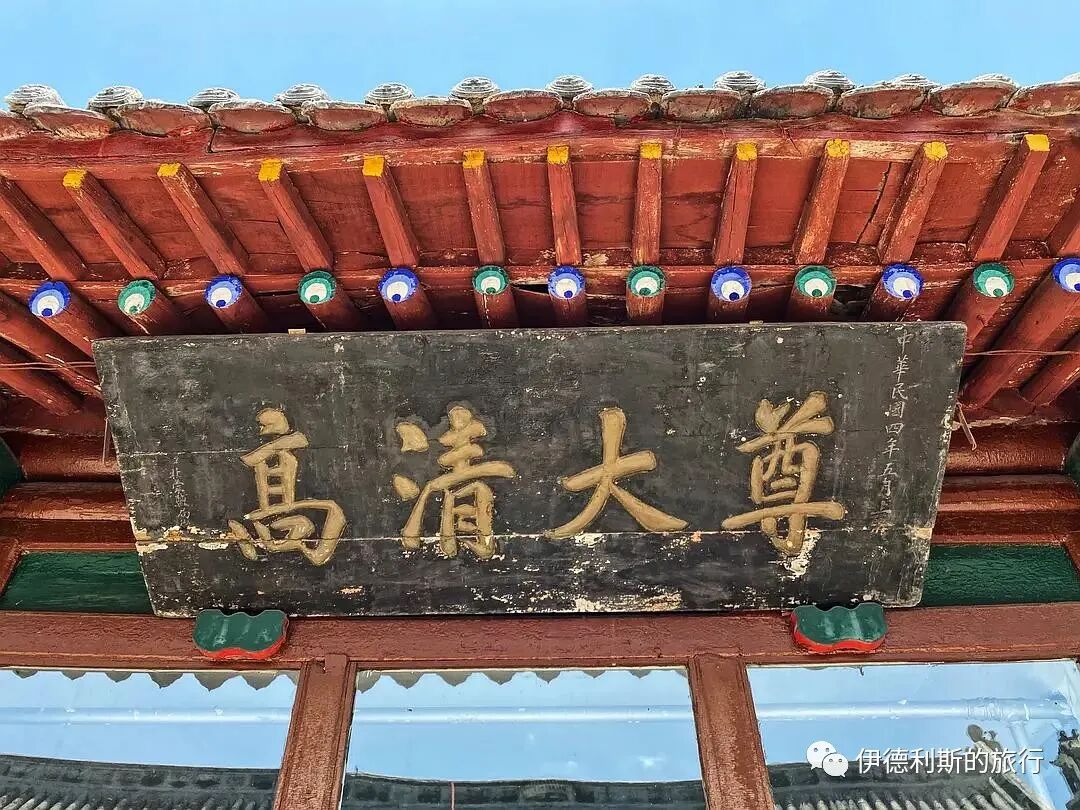
In 1861 (the 11th year of the Xianfeng reign), the Fengzhen Prefect presented the 'Dao Tong Qian Kun' (The Way Connects Heaven and Earth) plaque.
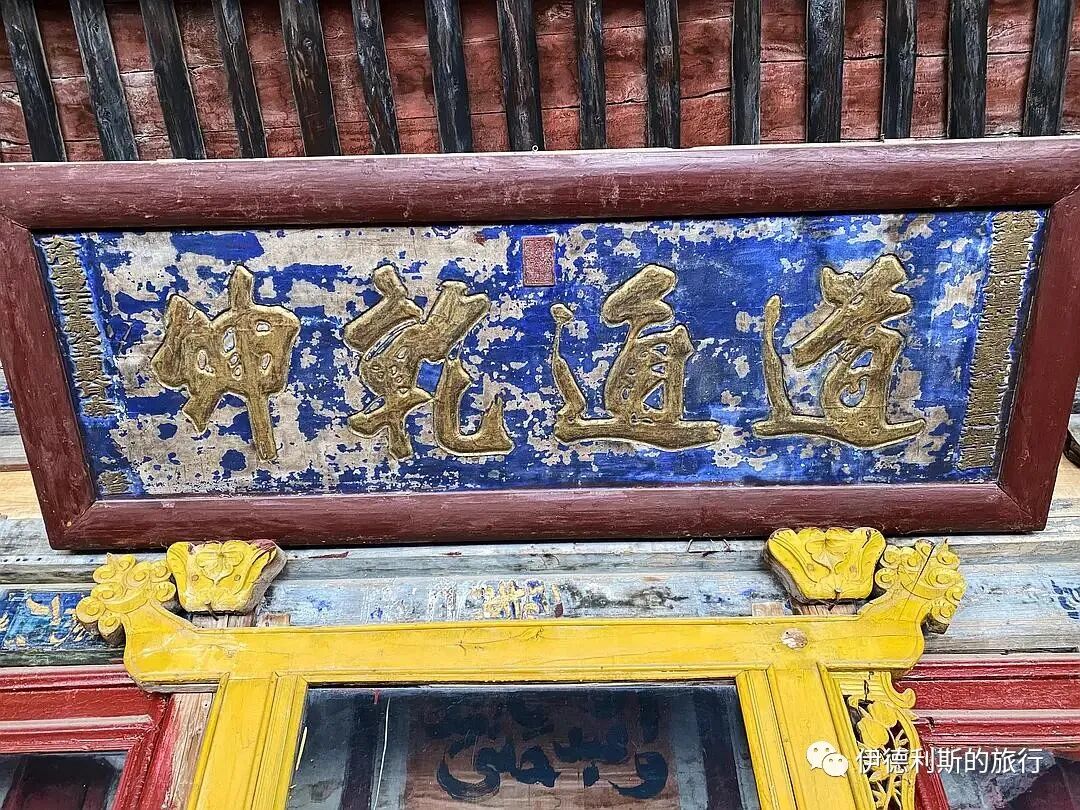
Prince De inscribed 'Shou Zhen Cun Cheng' (Uphold Truth and Maintain Sincerity) in 1940. The date is written as '734th Year of the Genghis Khan Era,' which is 1940, as Prince De was a descendant of Genghis Khan. Prince Demchugdongrub was a Mongolian prince and the Duke of the Sunid Right Banner. In 1933, he initiated the 'Inner Mongolia High Autonomy Movement' at Bailingmiao. In 1939, he became the chairman of the puppet regime 'Mongolian United Autonomous Government.' This plaque was inscribed when Prince De took office as chairman.
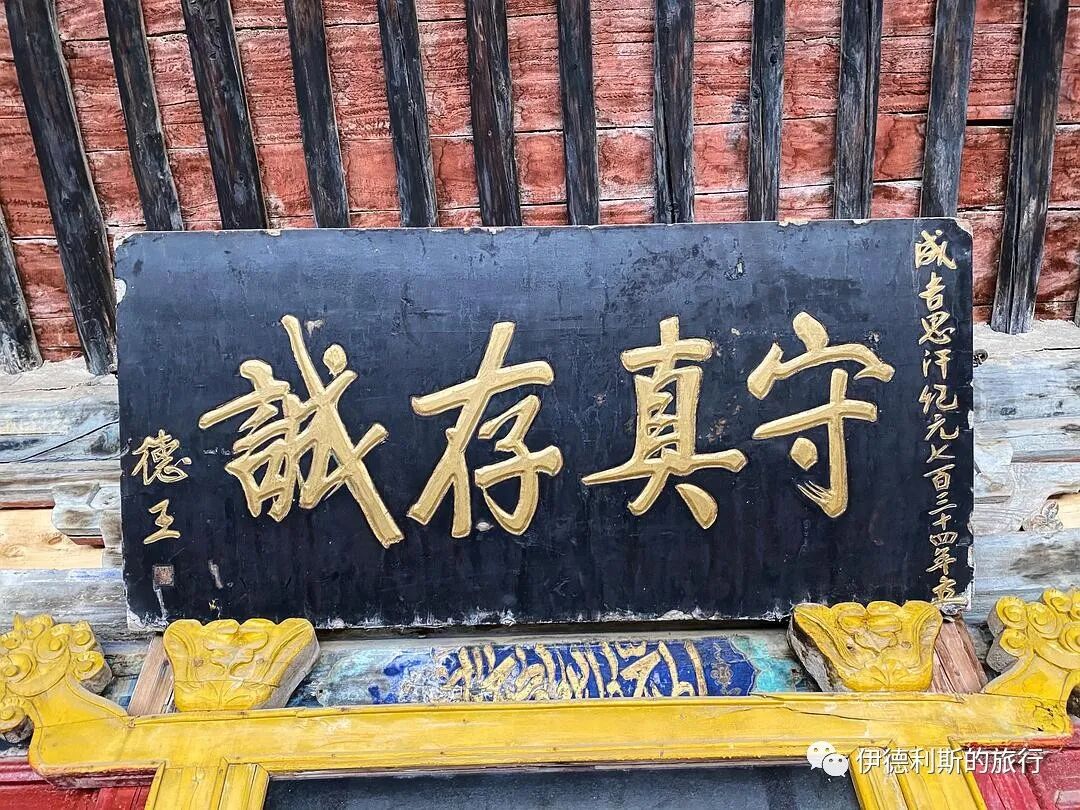
Inscribed in 1909 (the 1st year of the Xuantong reign) by Datong Muslims Deng Risheng and Ma Jiansheng. The Ma-surname Hui Muslims were originally from Youwei, Shanxi. During the Ming Dynasty, they were a prominent military family. The 'Ma Family Army' formed by Ma Gui and his brothers and nephews in the mid-Wanli reign was known for its combat prowess and made great contributions by defending Youwei for six months against Altan Khan. The Ma surname has been a major Hui Muslim family in Datong since the Ming Dynasty. They participated in the renovation of the Datong Mosque many times during the Ming and Qing dynasties and served as religious leaders. After the Qing Dynasty, when military garrisons were converted into prefectures and counties, the Ma-surname Hui Muslims in Datong left the military to become civilians. They achieved success in both business and officialdom and were once the actual managers of the Datong Mosque.
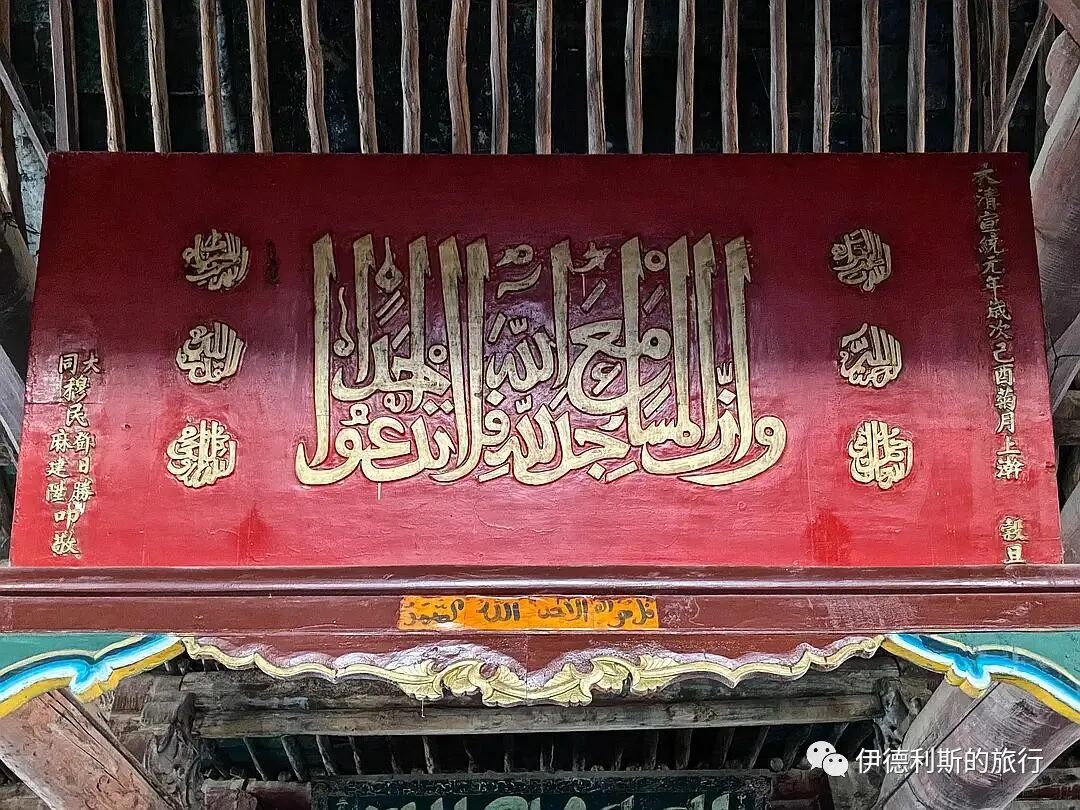
A commemorative plaque left by the local Muslims when the prayer hall was expanded in 1926.
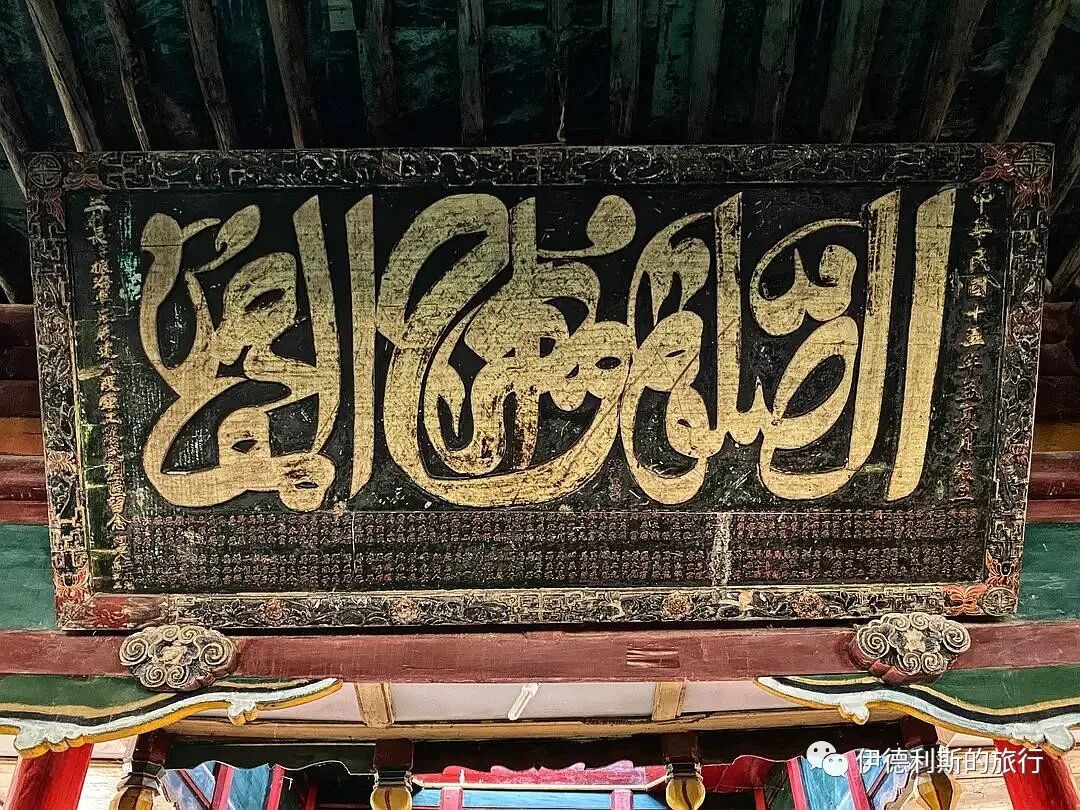
The 'Qi Zun Wu Dui' (His Nobility is Unmatched) and 'Kai Tian Gu Jiao' (Ancient Religion that Opened the Heavens) plaques were inscribed by Ma Fuxiang, a Hui Muslim general who was a Lieutenant General and the Military Governor of Suiyuan at the time, to celebrate the mosque's expansion in 1926. The brick-carved screen wall behind the main hall of the Hohhot Great Mosque also features an inscription by Ma Fuxiang.
Scenery of Longshengzhuang.
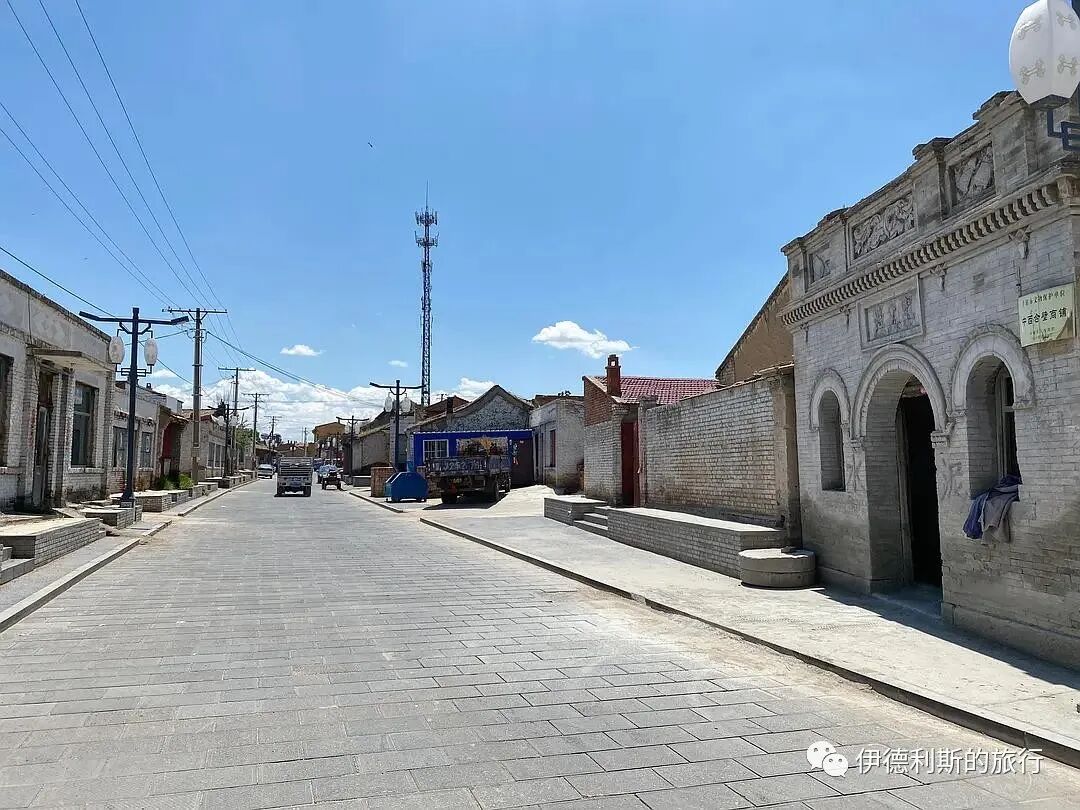
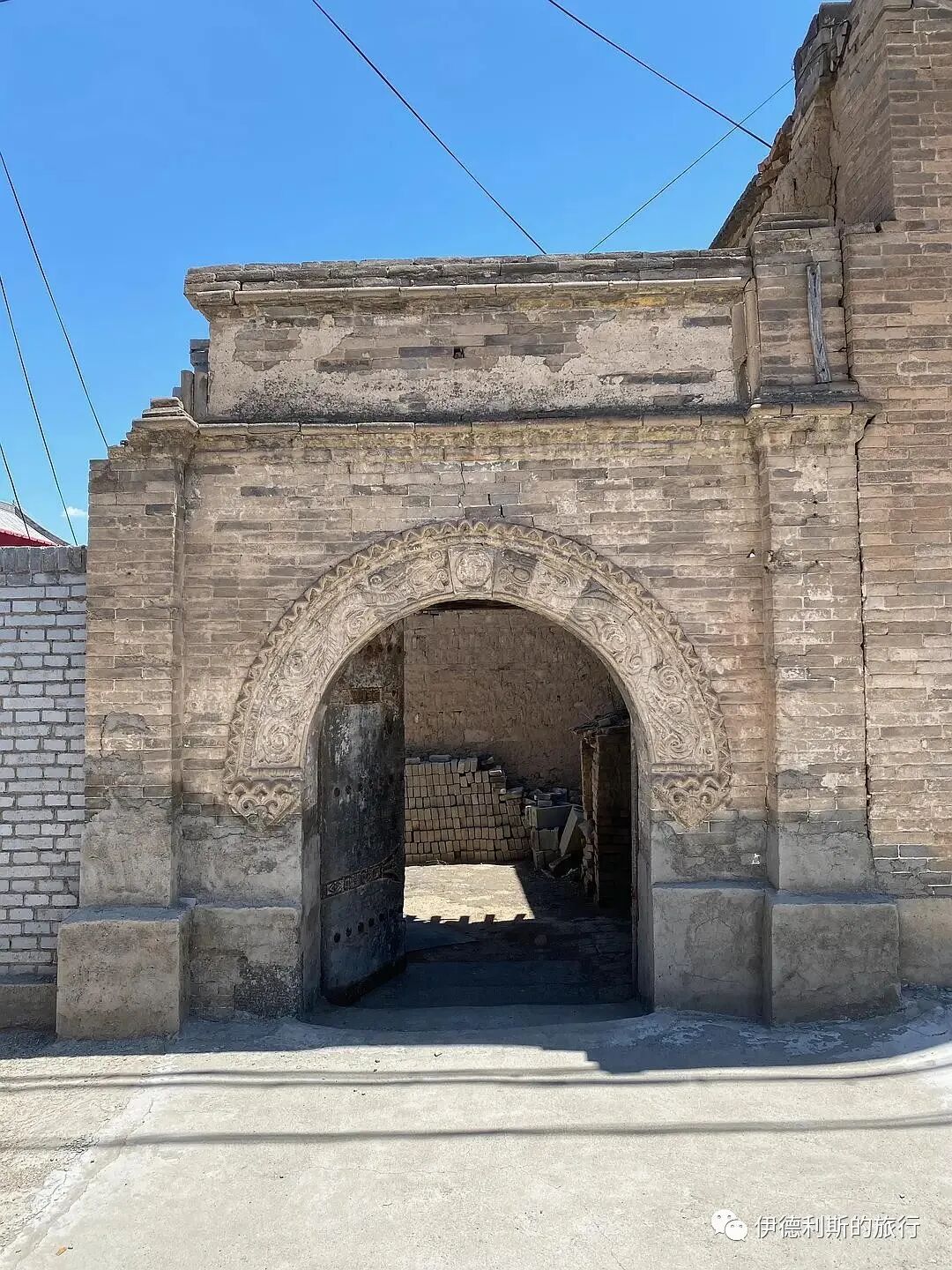
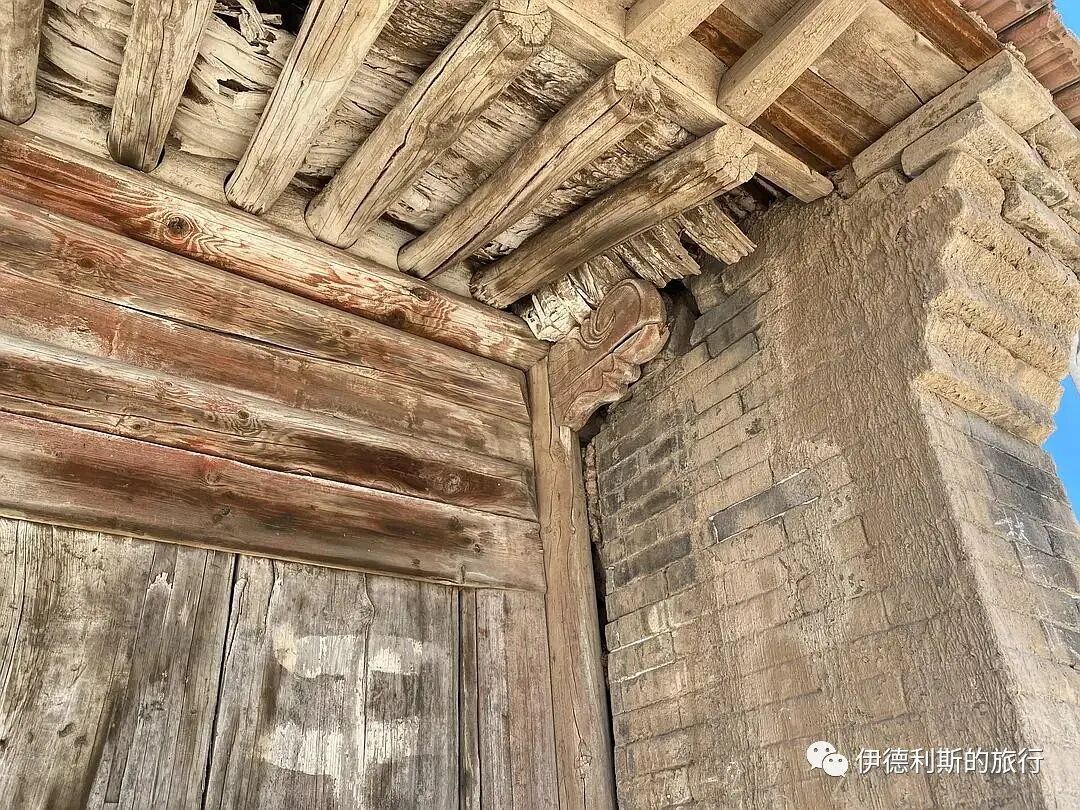
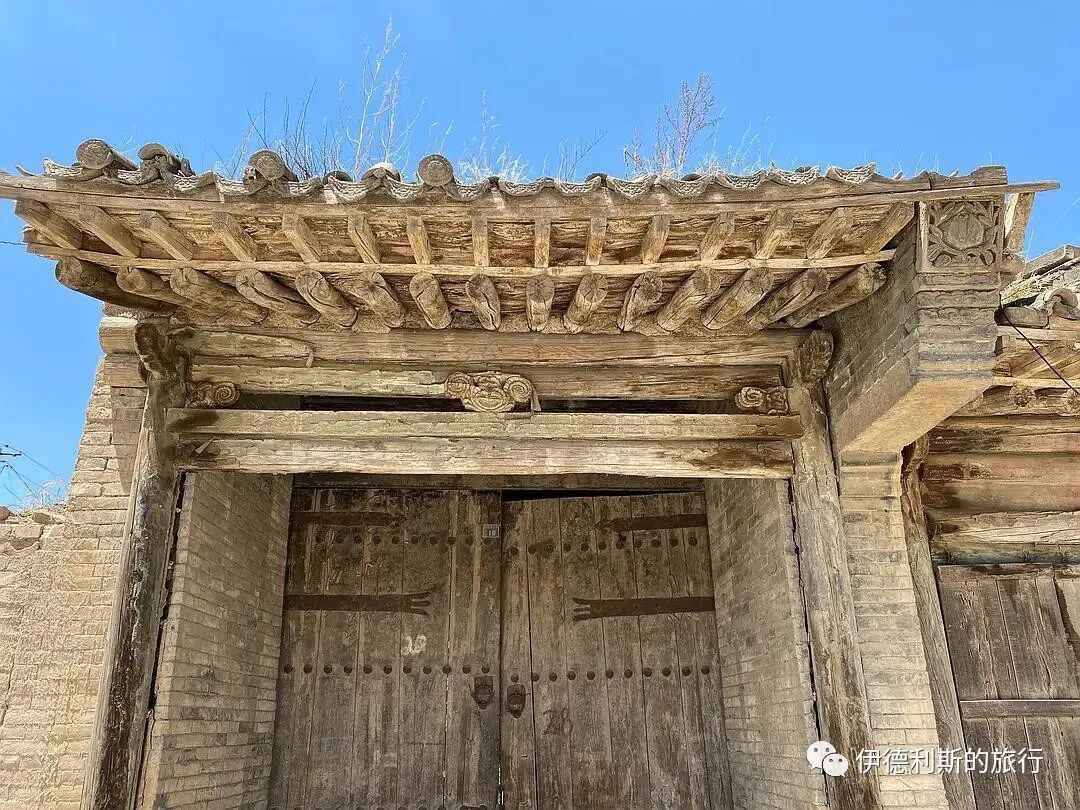
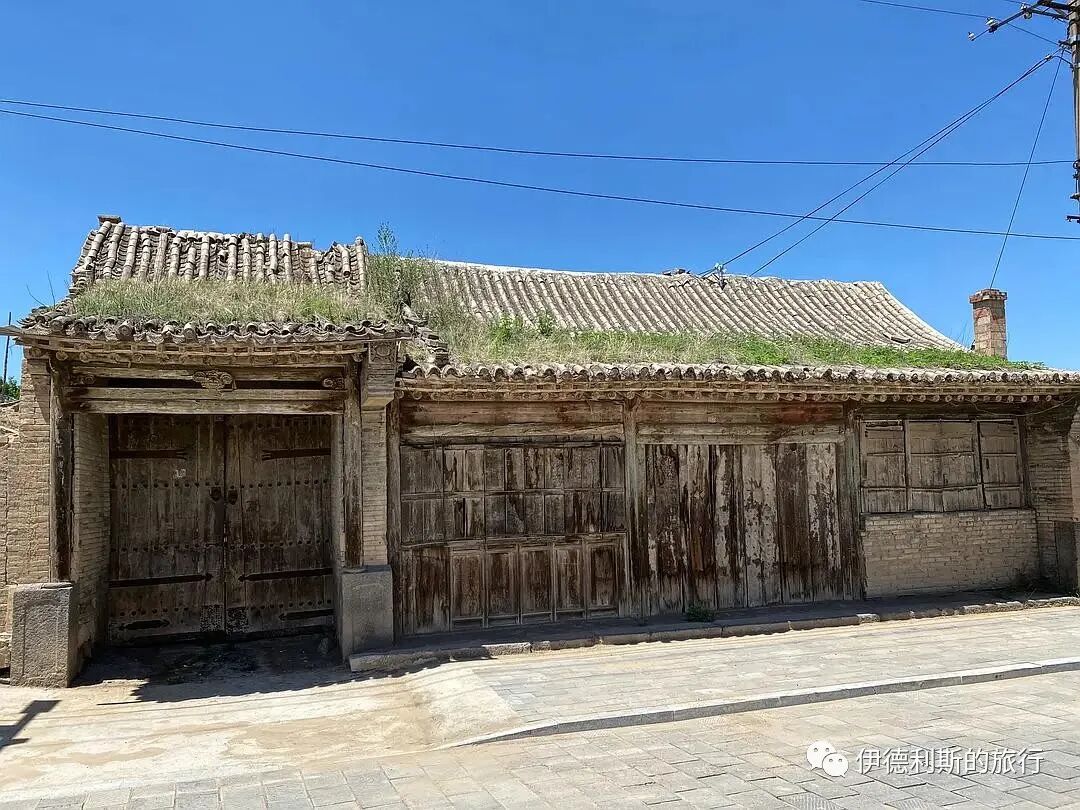
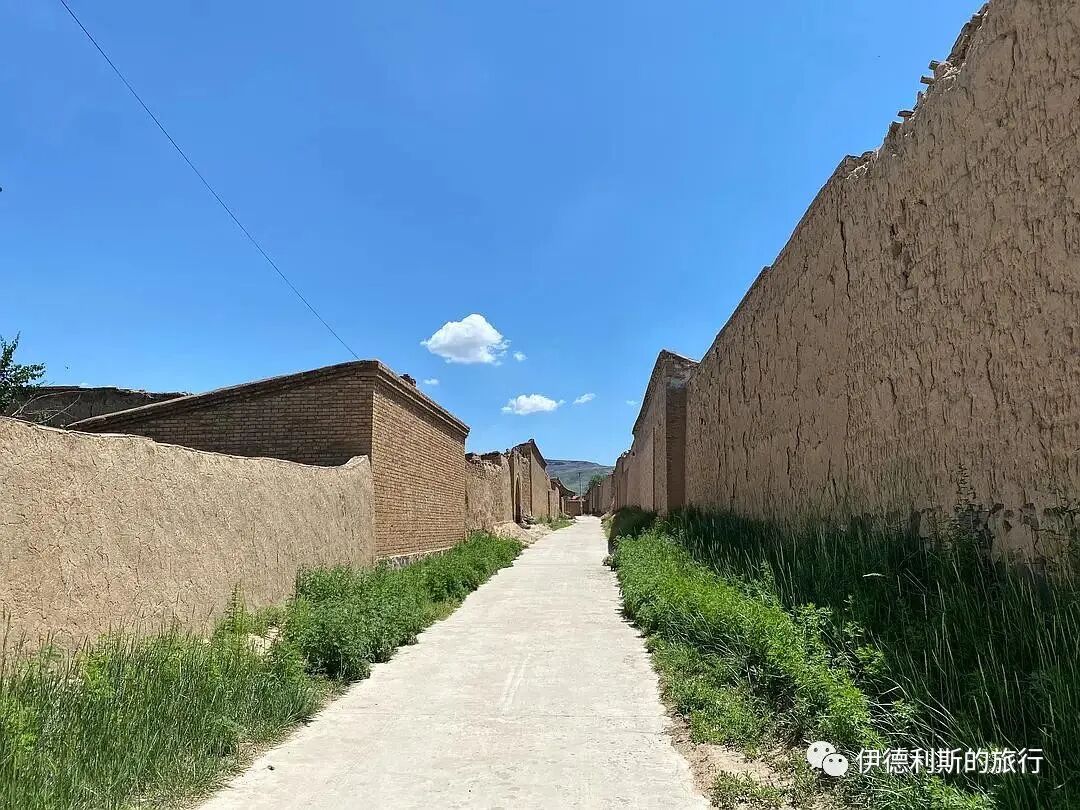
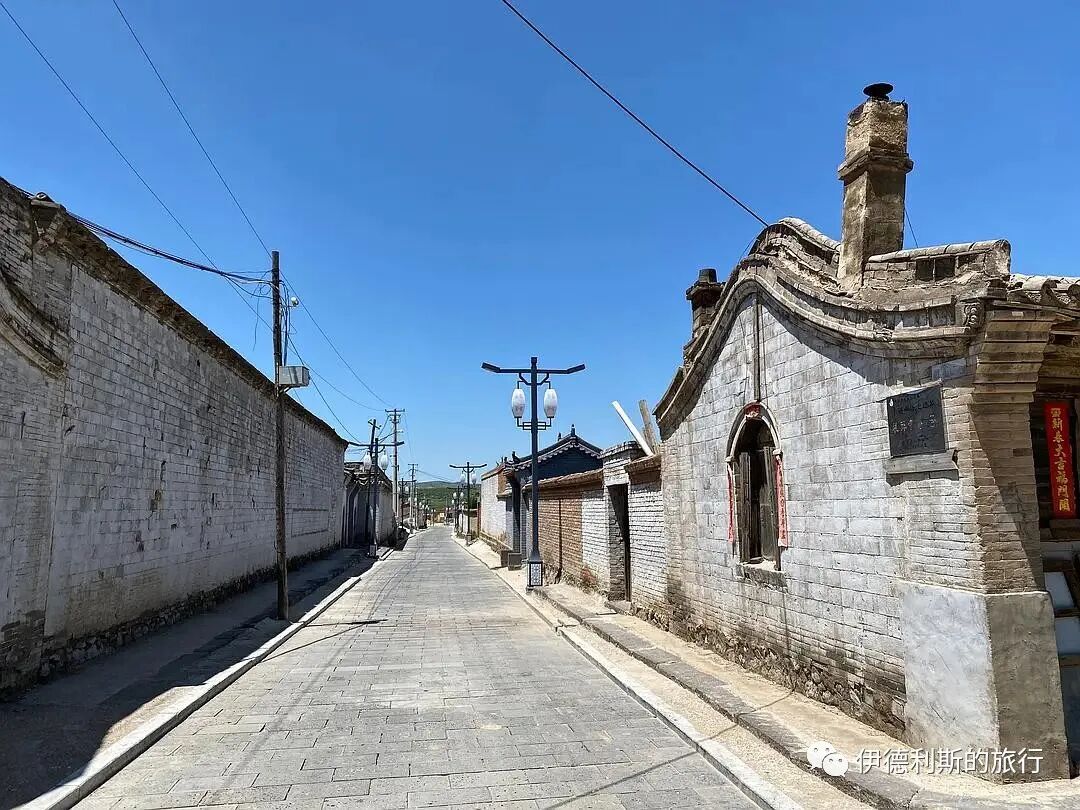
In the afternoon, we said goodbye to Longshengzhuang and took a car to Jining, the capital of Ulanqab. Xinti Street can be called the halal food street of Jining, with one halal restaurant after another. There are youmian (oat noodles), bone dishes, steamed dumplings, shaomai (steamed dumplings), rice noodles, stir-fried meat, barbecue, and more. However, we arrived at 3:00 PM, and many of these restaurants were closed, so we ate meat pies. The freshly pan-fried meat pies were hot and fragrant. We also ordered mixed tofu strips, soy-sauce braised beef liver, and stir-fried potato starch noodles with meat. The starch noodles were quite delicious, and the meat had no gamey smell at all.
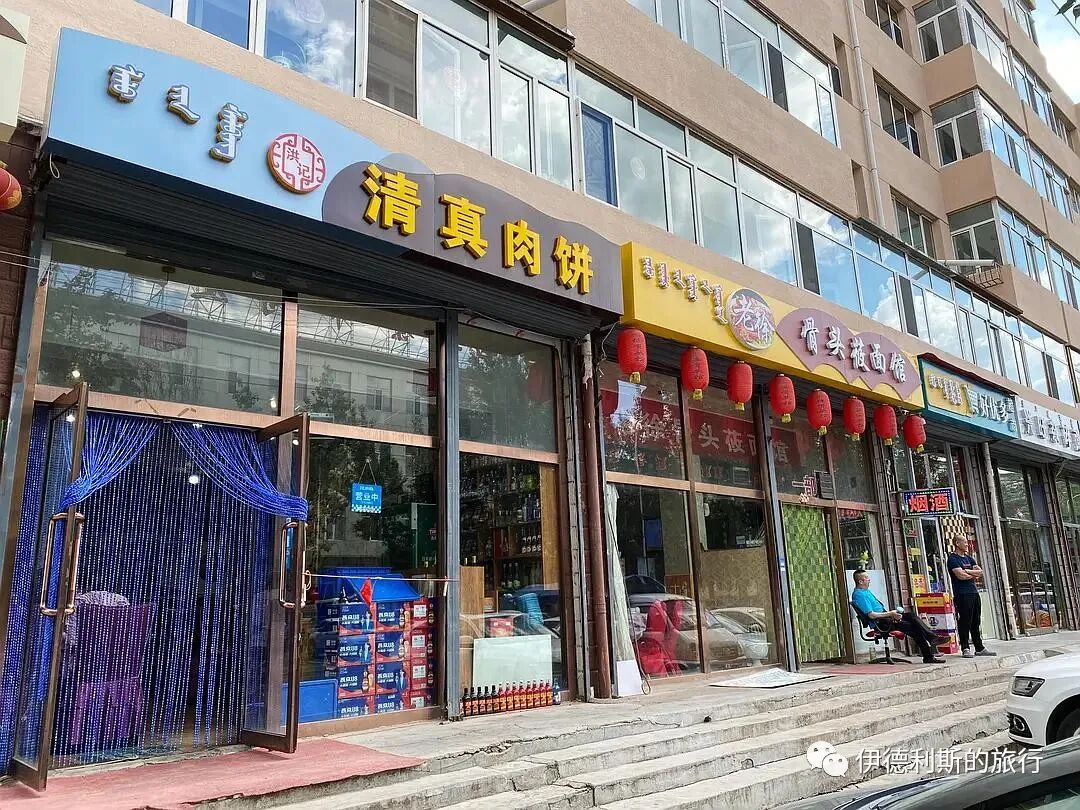
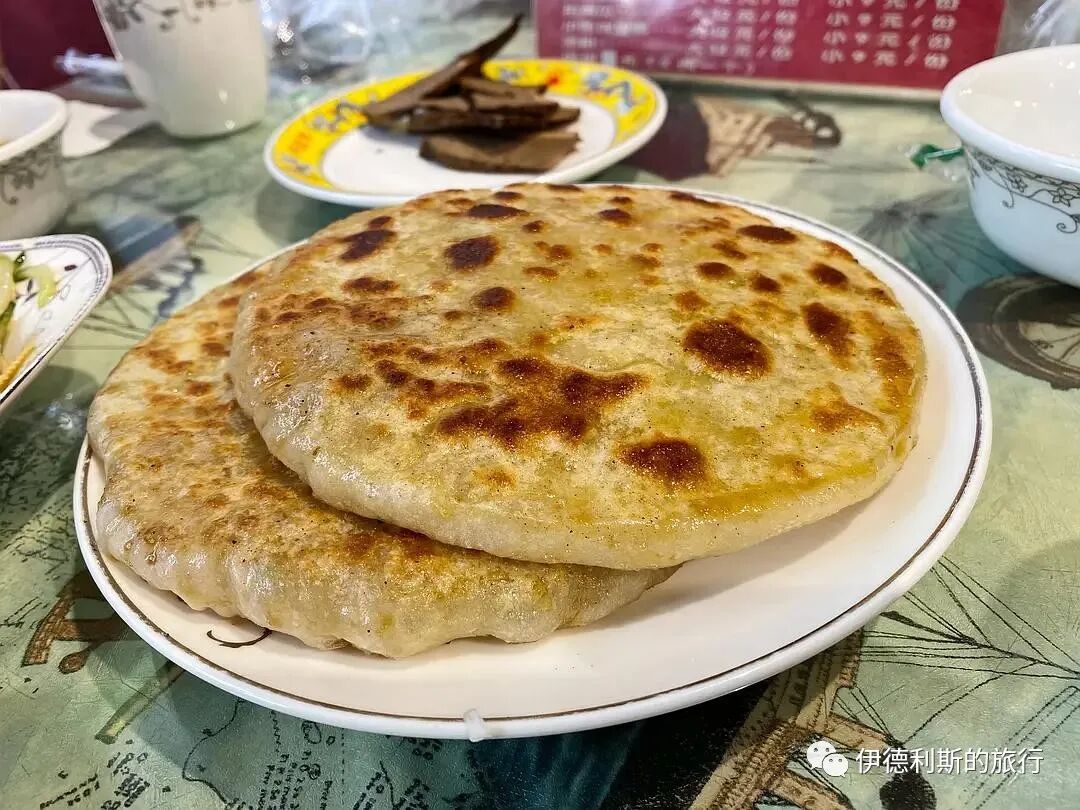
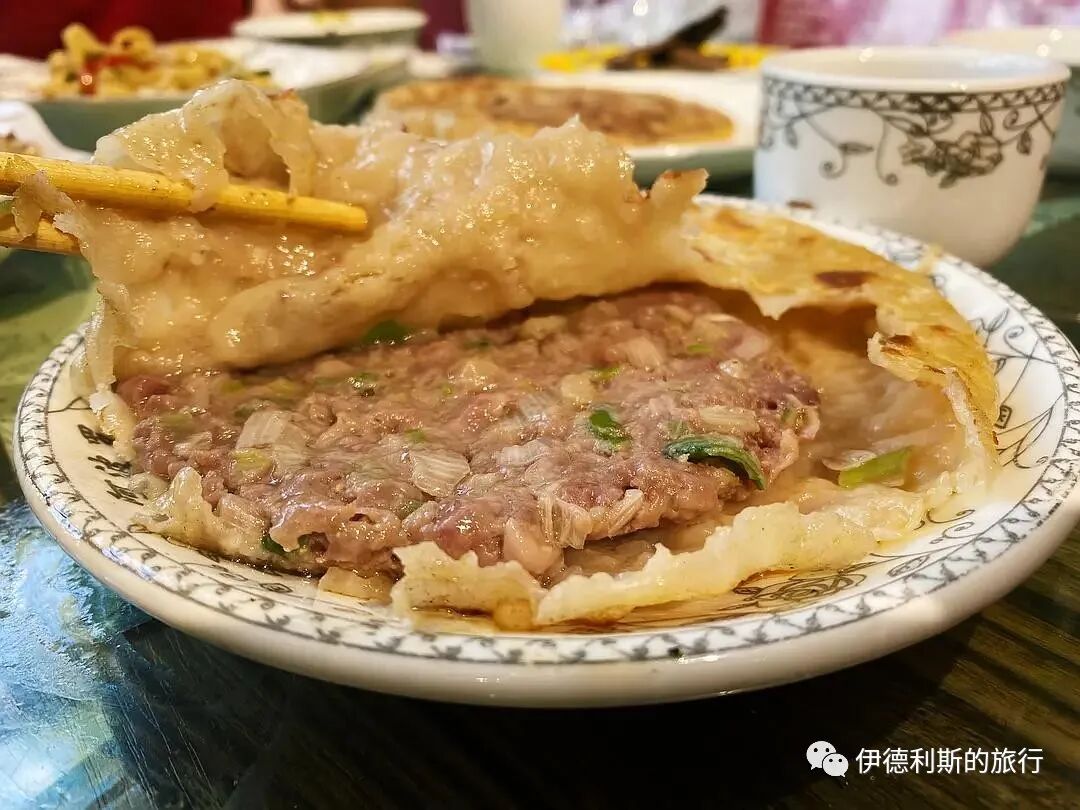
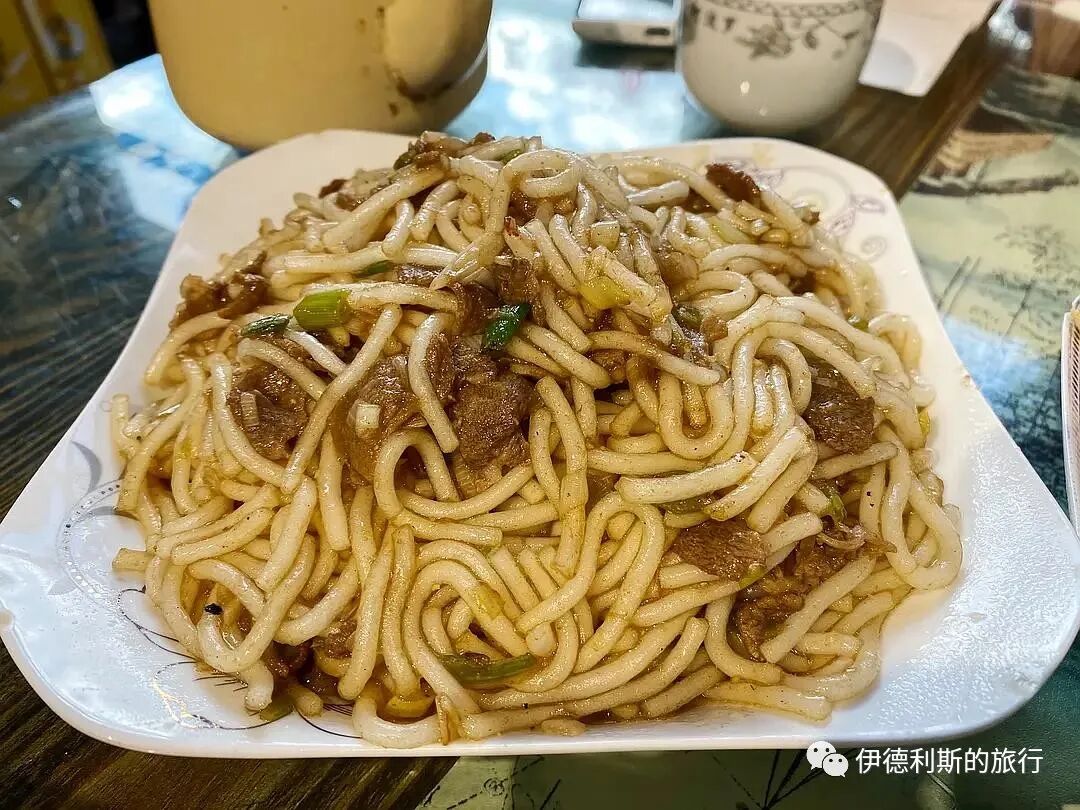
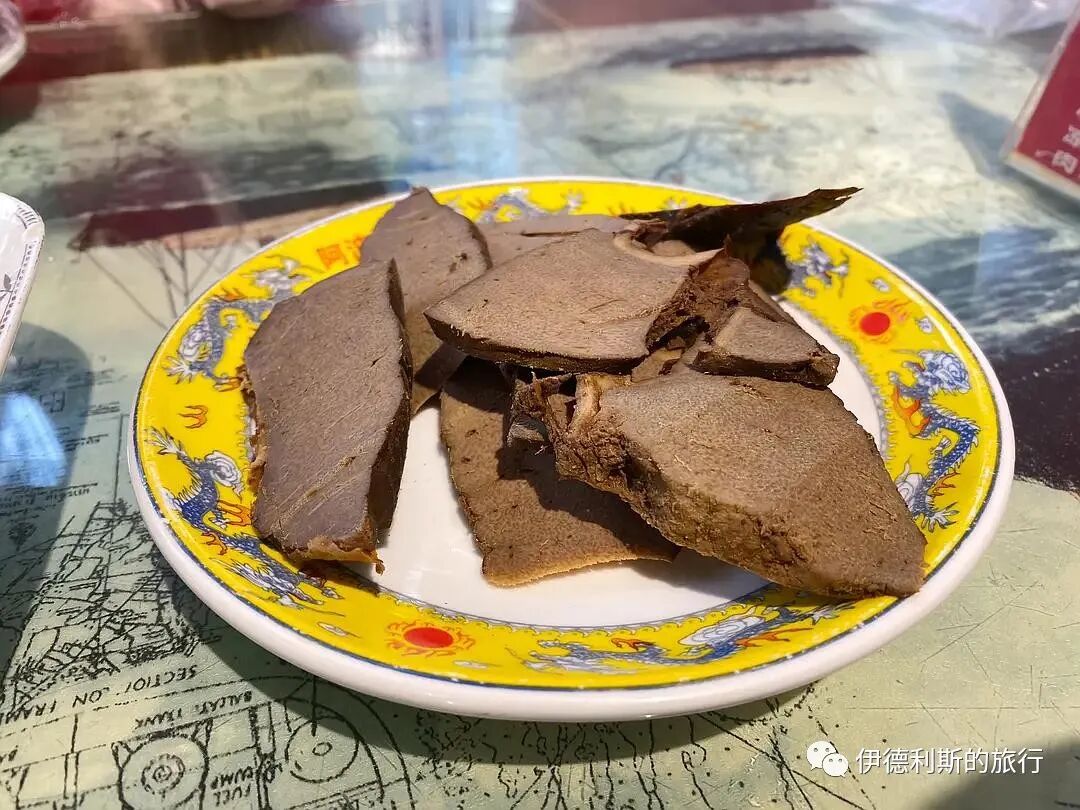
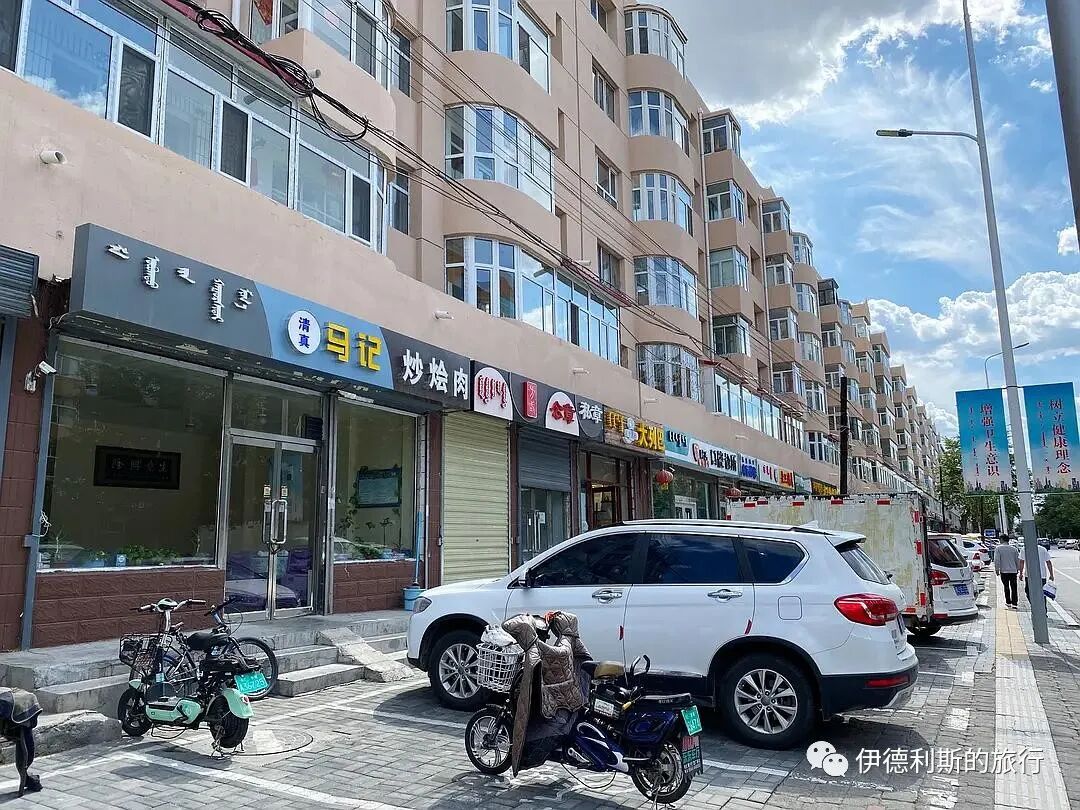
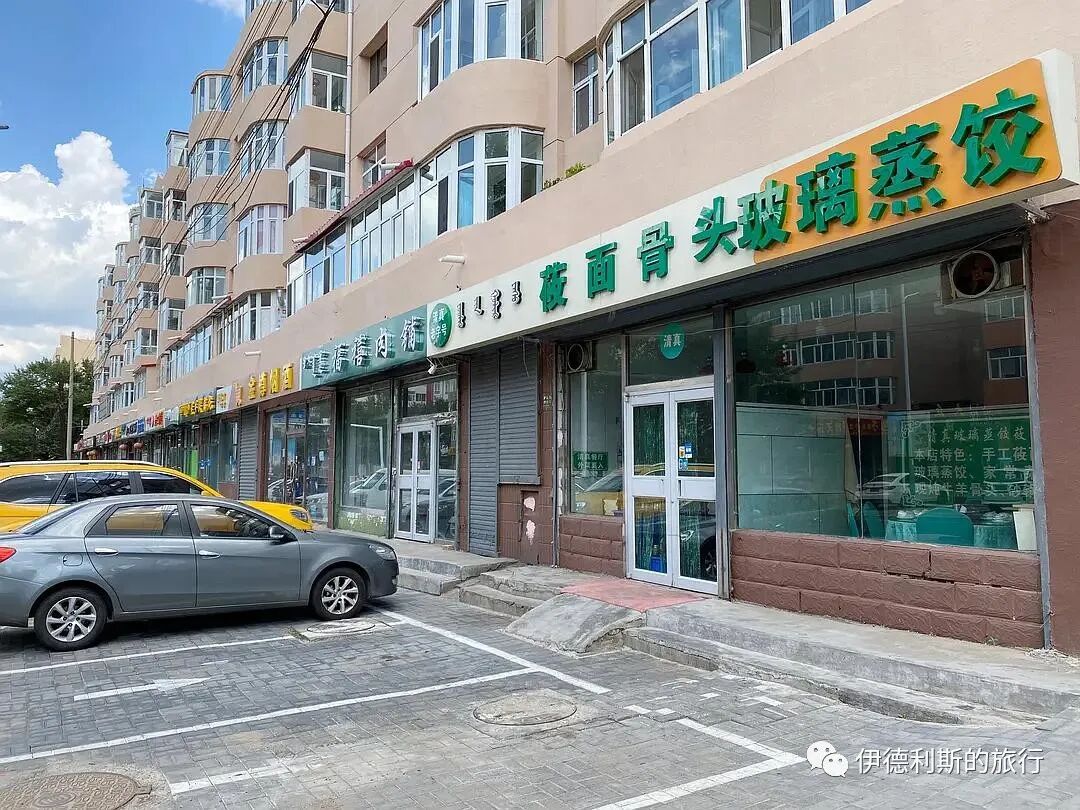
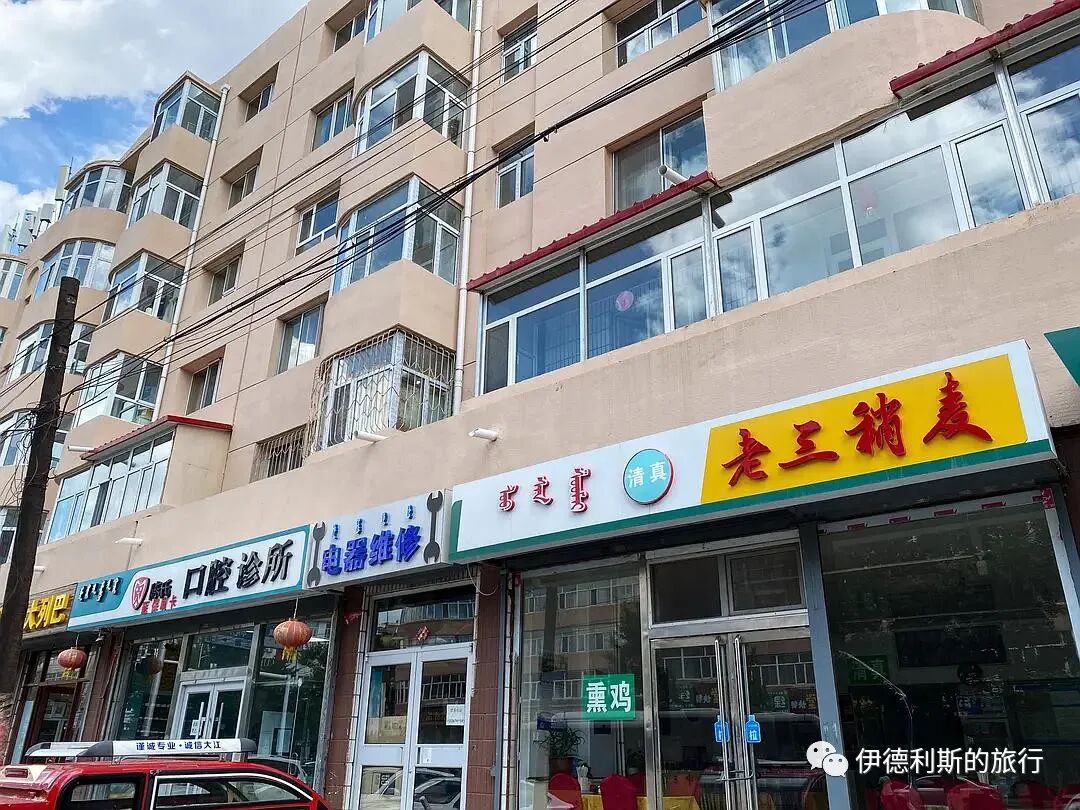
On the train from Ulanqab to Beijing.
[Halal Travel] Shuhe Ancient Town Deep Along the Han River
Articles • ali2007fr posted the article • 0 comments • 261 views • 2026-05-16 23:50
Summary: This travel note introduces [Halal Travel] Shuhe Ancient Town Deep Along the Han River. Shuhe Ancient Town is the last town the Han River passes through before flowing from southern Shaanxi into Hubei. It is useful for readers interested in Shuhe Ancient Town, Muslim Travel, China Travel.
Shuhe Ancient Town is the last town the Han River passes through before flowing from southern Shaanxi into Hubei. Near the town, there is a very small train station, with only one K-series train arriving and departing each day. We arrived at Shuhe train station in the light morning rain. The station is built on a hillside with no flat ground around it. After leaving the station, there is only a path of steps leading to the Han River; once you go down, you reach the Han River ferry. Shuhe Town is a few kilometers downstream on the opposite bank of the Han River. The only way to get there from the station is by boat.
Eating lamb saozimian and beef paomo on the streets of Shuhe Town. During the Ming and Qing dynasties, when Han River shipping was prosperous, Shuhe Ancient Town was an important commercial post. Merchants gathered and shops lined the streets. It was also during that time that Hui Muslims moved to Shuhe to settle, and there are still several hundred households today.
Shuhe Mosque is built on a steep cliff behind the ancient town, connected to the streets below by a hundred steps. The mosque was first built during the Jiajing period of the Ming Dynasty, expanded in 1915, severely damaged and occupied during the Cultural Revolution, and renovated again in 1994.
The current main entrance was added during the 1915 expansion, and the original main entrance has now become the back door.
Shuhe Mosque features a 'cat-arched back' fire-blocking wall, which is very unique among traditional Chinese mosques. Some traditional mosques in southern China are built with fire-blocking walls, each with its own regional characteristics, such as the 'wok-ear' walls of the Guilin Old Village Mosque and the 'horse-head' walls of the Jingjue Mosque in Nanjing. The 'cat-arched back' fire-blocking wall is a characteristic style of the Hunan region that extends into the Qinba mountain area. Currently, besides Shuhe Mosque, the only other traditional mosque I know of that has a 'cat-arched back' fire-blocking wall is the Jingziguan Mosque in Xichuan, Henan.
In addition, there are ink paintings and inscriptions on the brick carvings of the fire-blocking wall, which is also a very southern style.
The mosque's courtyard is very small, with a stone-paved concave pool in the middle to collect rainwater from the eaves, which is very suitable for the rainy climate. Behind it are the north and south wing rooms and the main prayer hall. The main hall follows the traditional three-section structure of Chinese mosques: a front porch, a central hall, and a rear kiln-style hall.
Most of the mosque's colorful paintings were destroyed during the Cultural Revolution, with only a portion preserved on the exterior of the rear kiln-style hall, where various traditional Chinese patterns can be seen. Additionally, there are ink paintings on the door frame of the main entrance. One of the mosque's beams bears an inscription from the renovation in the fourth year of the Republic of China (1915), and it still retains Arabic calligraphy from 100 years ago. The last photo shows the mosque right next to the cliff.
Traces of the 1915 expansion of the Ming Dynasty main hall of the mosque.
After performing Jumu'ah prayer at the mosque, we happened to catch a Shuhe-style 'ten-bowl' banquet. Zaynab enjoyed it very much, and in the end, we were even given a lot of youxiang. The ten bowls include lotus root boxes (lotus root stuffed with lamb, coated in egg, fried, and then steamed), lamb meatballs (coated in egg, fried, and then steamed), braised beef, steamed flour-coated meat (lamb coated in flour and steamed with sweet potato chunks), steamed white meat (fatty meat near the lamb cartilage, steamed), chicken (stir-fried until half-cooked and then steamed), fish chunks (grass carp chunks coated in flour, fried, and then steamed), and three vegetable dishes. The dishes at a Hui banquet are different from ordinary home-cooked stir-fries because they usually have to serve many people. Most of the food is prepared half-cooked and then steamed in a large pot, which ensures both efficiency and that the food stays warm.
The hotel we stayed in was converted from an old pawn shop.
The two relatively large halal restaurants in town.
Strolling around the ancient town in the evening.
The Shuhe River flowing into the Han River.
In the light rain of the early morning, we took the ferry from the pier to the train station, watching the Han River slowly wake up. Looking from afar, the Shuhe train station looks like a small white dot on the cliff. As the white dot becomes clearer, we know we are about to leave Shuhe. view all
Summary: This travel note introduces [Halal Travel] Shuhe Ancient Town Deep Along the Han River. Shuhe Ancient Town is the last town the Han River passes through before flowing from southern Shaanxi into Hubei. It is useful for readers interested in Shuhe Ancient Town, Muslim Travel, China Travel.
Shuhe Ancient Town is the last town the Han River passes through before flowing from southern Shaanxi into Hubei. Near the town, there is a very small train station, with only one K-series train arriving and departing each day. We arrived at Shuhe train station in the light morning rain. The station is built on a hillside with no flat ground around it. After leaving the station, there is only a path of steps leading to the Han River; once you go down, you reach the Han River ferry. Shuhe Town is a few kilometers downstream on the opposite bank of the Han River. The only way to get there from the station is by boat.
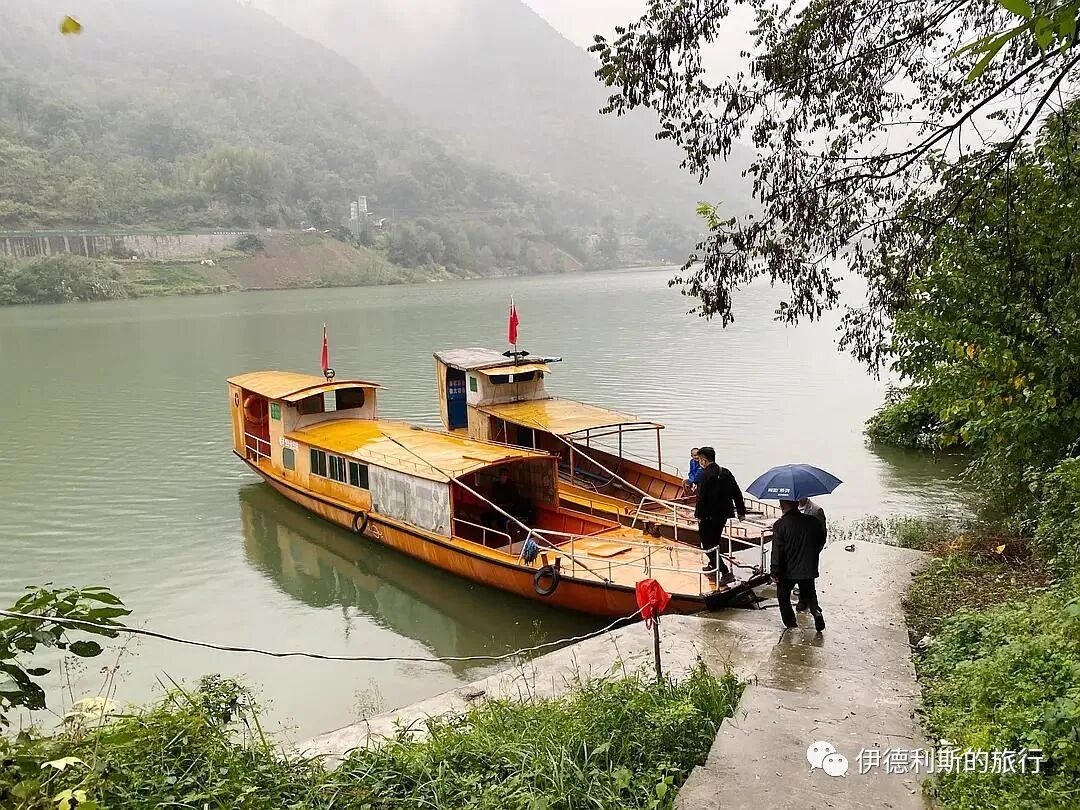

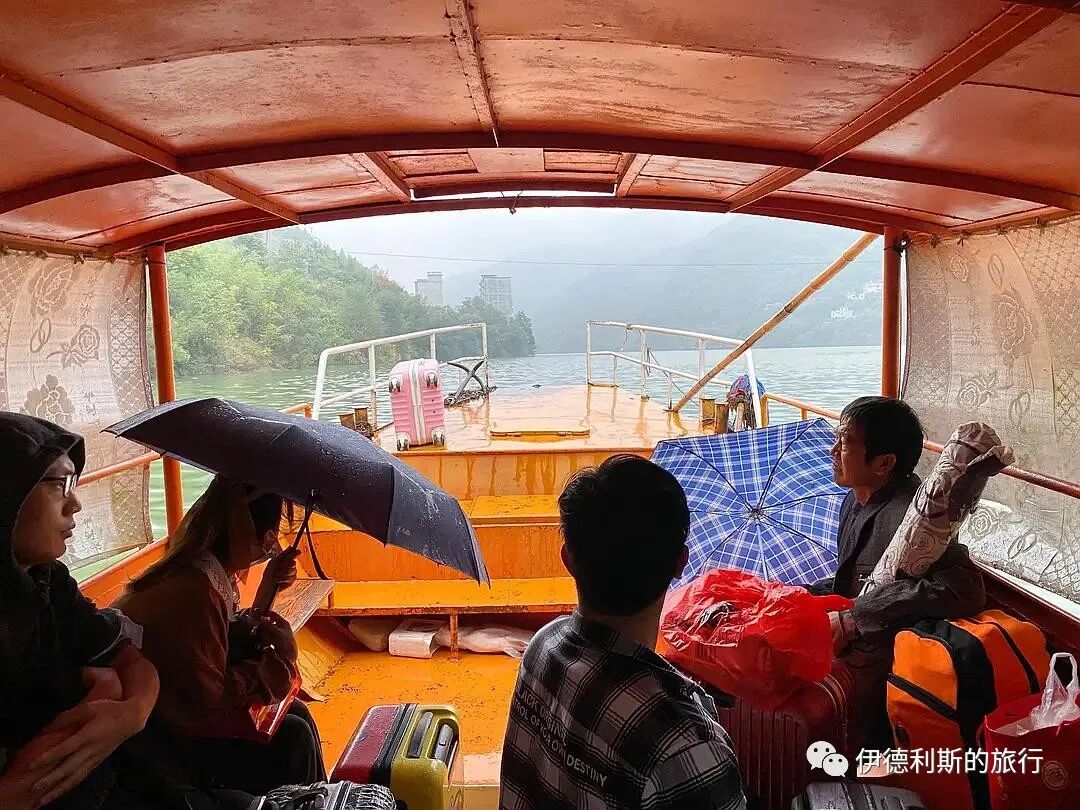
Eating lamb saozimian and beef paomo on the streets of Shuhe Town. During the Ming and Qing dynasties, when Han River shipping was prosperous, Shuhe Ancient Town was an important commercial post. Merchants gathered and shops lined the streets. It was also during that time that Hui Muslims moved to Shuhe to settle, and there are still several hundred households today.
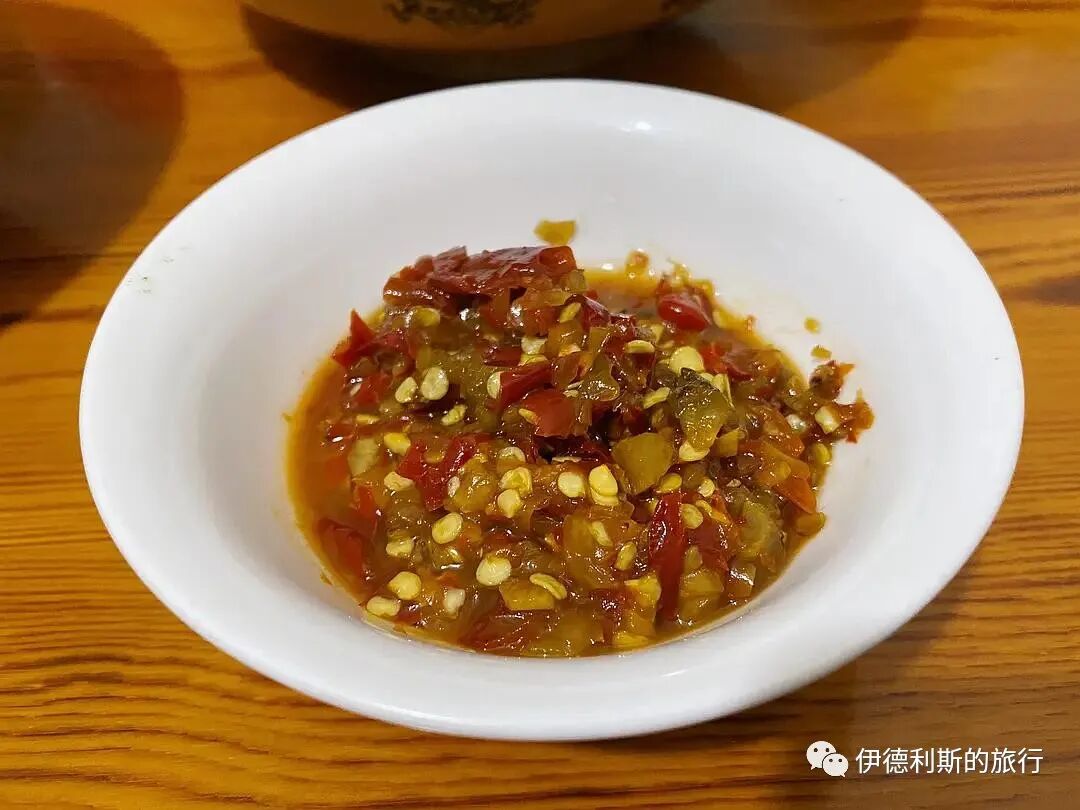
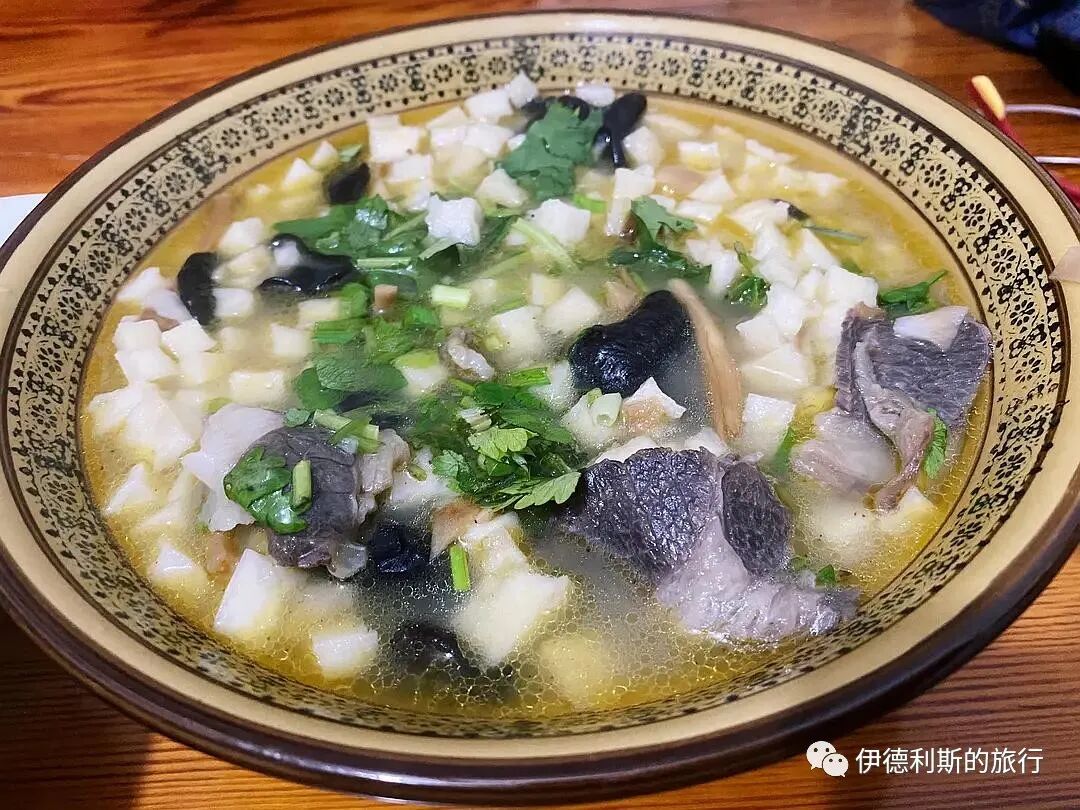
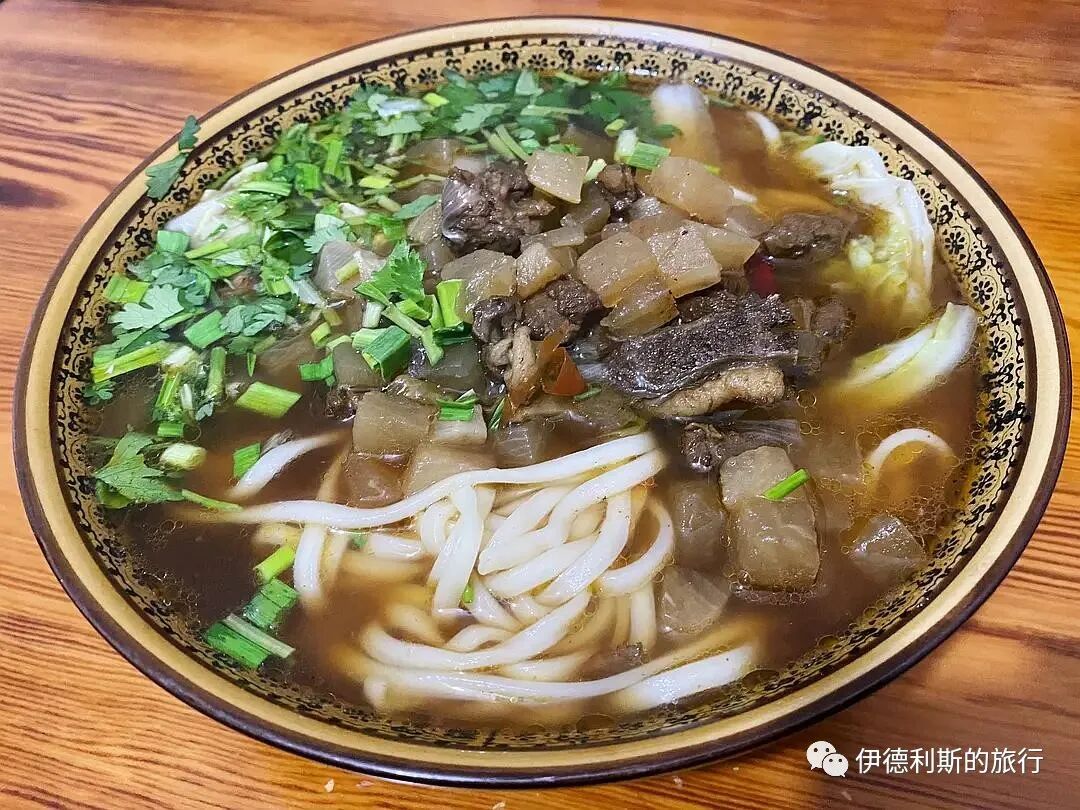
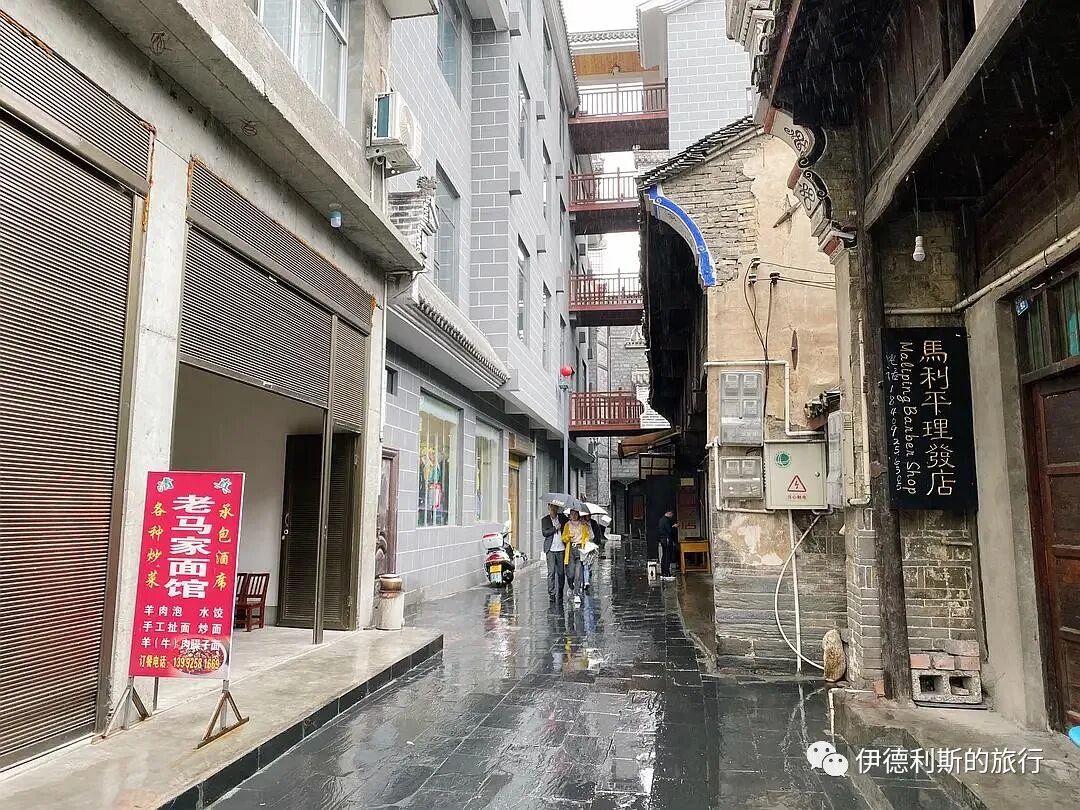
Shuhe Mosque is built on a steep cliff behind the ancient town, connected to the streets below by a hundred steps. The mosque was first built during the Jiajing period of the Ming Dynasty, expanded in 1915, severely damaged and occupied during the Cultural Revolution, and renovated again in 1994.
The current main entrance was added during the 1915 expansion, and the original main entrance has now become the back door.
Shuhe Mosque features a 'cat-arched back' fire-blocking wall, which is very unique among traditional Chinese mosques. Some traditional mosques in southern China are built with fire-blocking walls, each with its own regional characteristics, such as the 'wok-ear' walls of the Guilin Old Village Mosque and the 'horse-head' walls of the Jingjue Mosque in Nanjing. The 'cat-arched back' fire-blocking wall is a characteristic style of the Hunan region that extends into the Qinba mountain area. Currently, besides Shuhe Mosque, the only other traditional mosque I know of that has a 'cat-arched back' fire-blocking wall is the Jingziguan Mosque in Xichuan, Henan.
In addition, there are ink paintings and inscriptions on the brick carvings of the fire-blocking wall, which is also a very southern style.
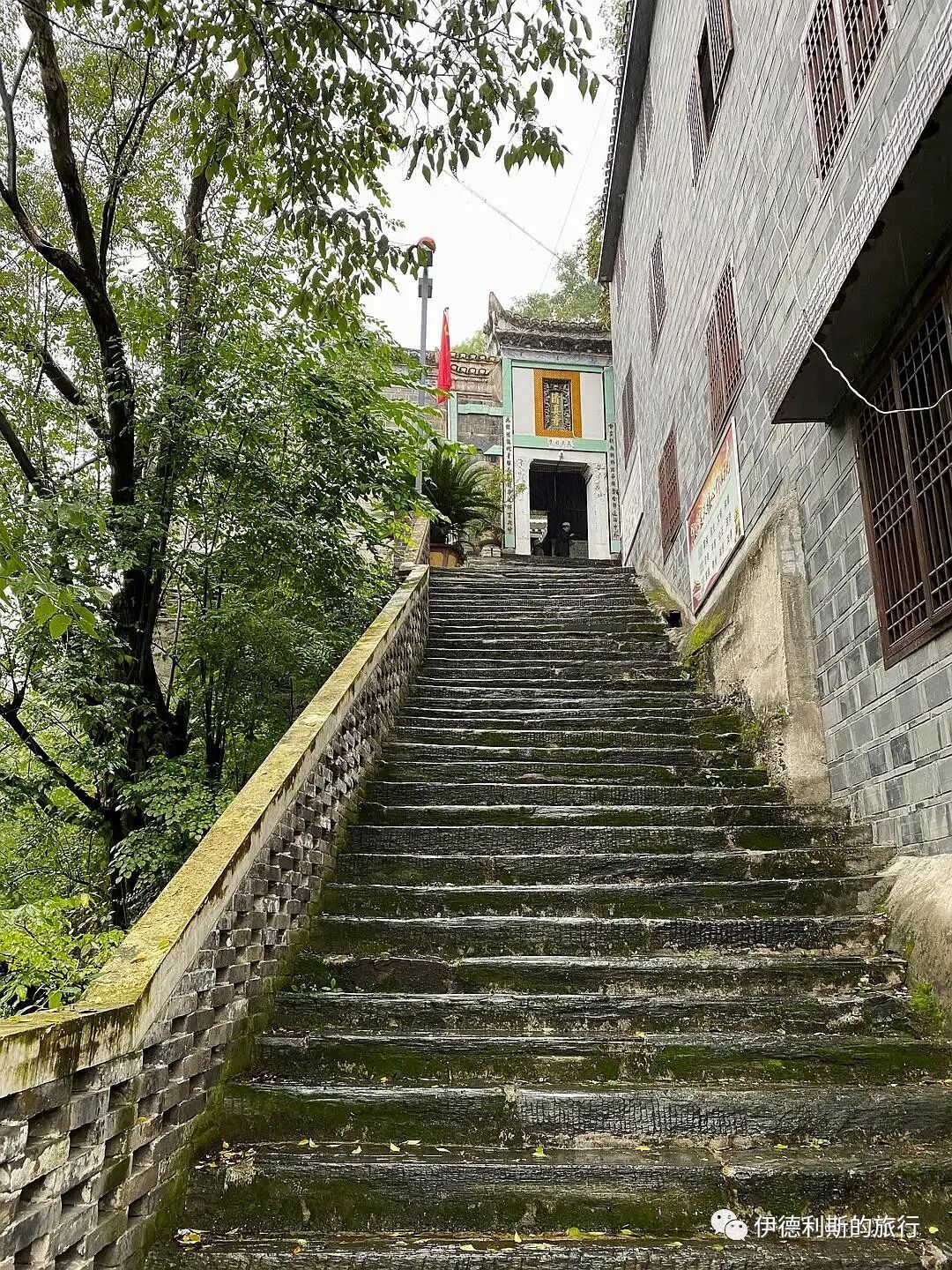
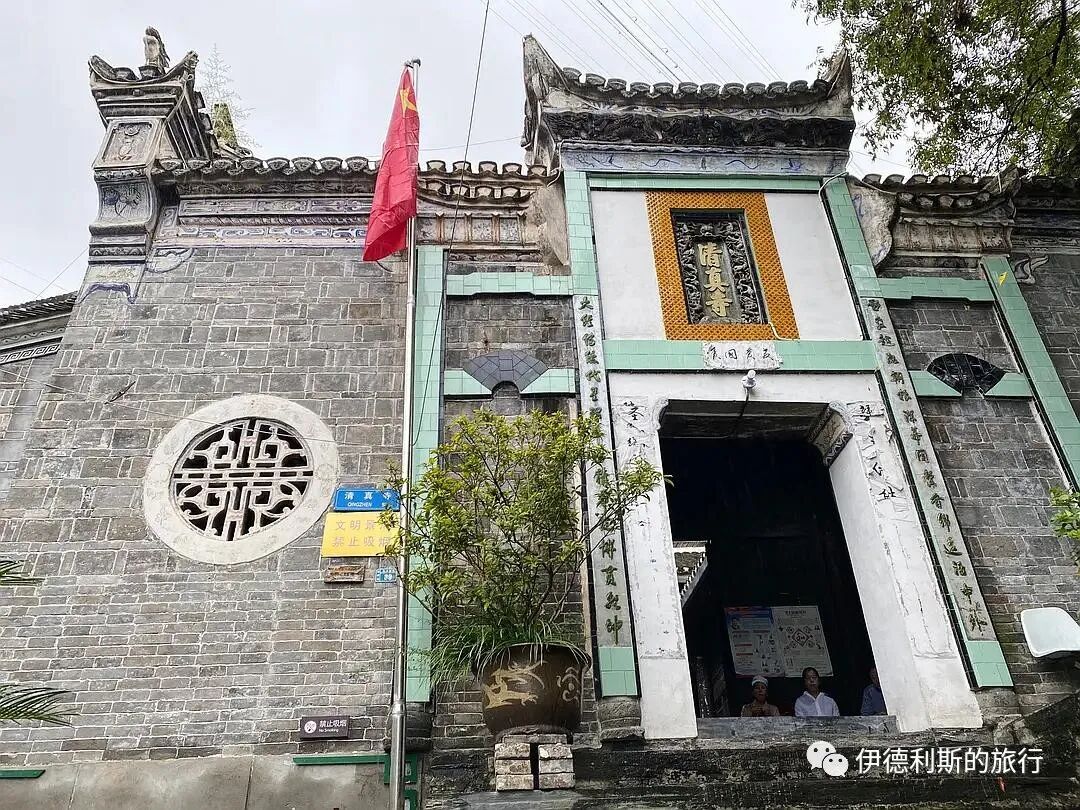
The mosque's courtyard is very small, with a stone-paved concave pool in the middle to collect rainwater from the eaves, which is very suitable for the rainy climate. Behind it are the north and south wing rooms and the main prayer hall. The main hall follows the traditional three-section structure of Chinese mosques: a front porch, a central hall, and a rear kiln-style hall.
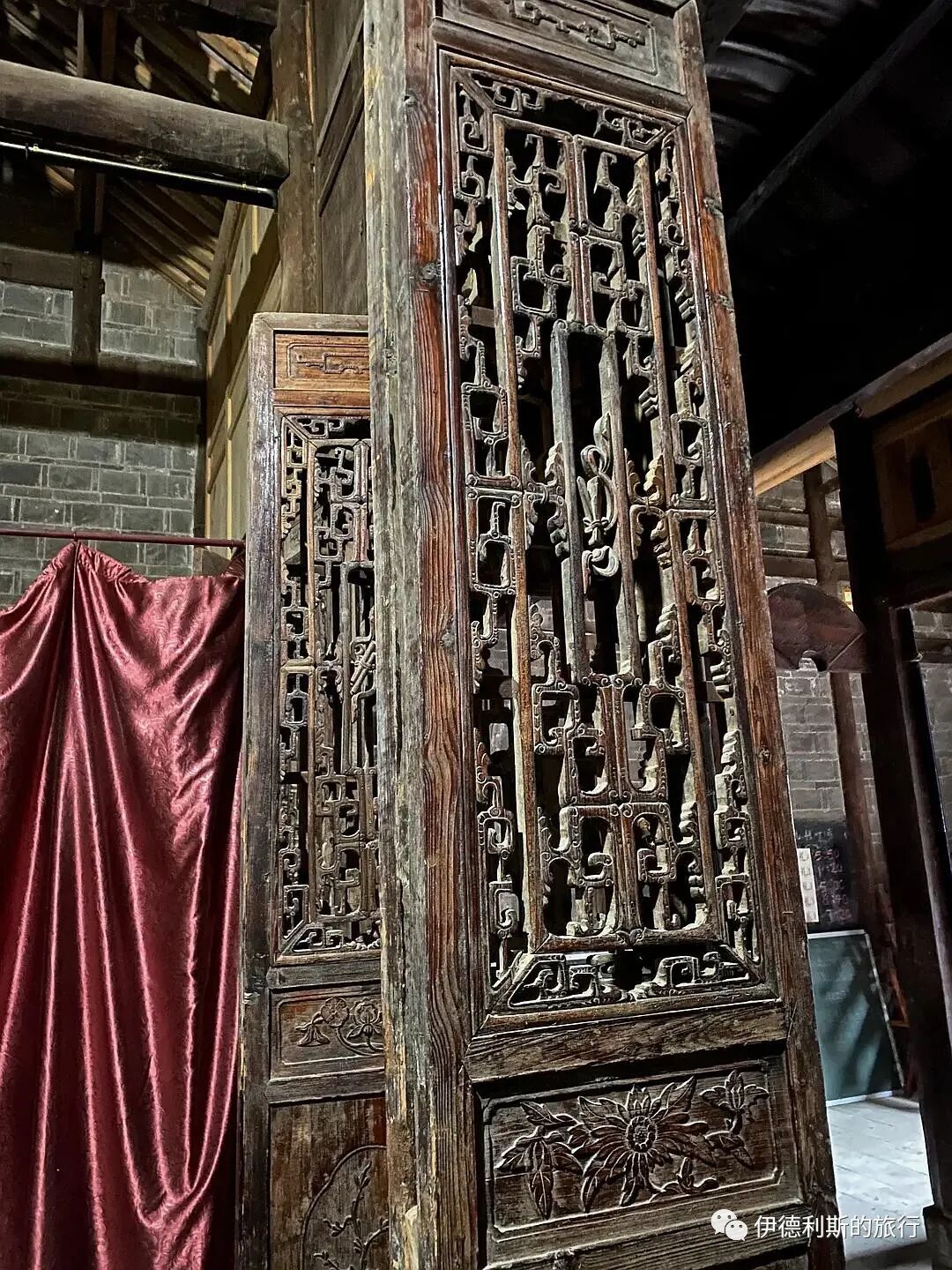
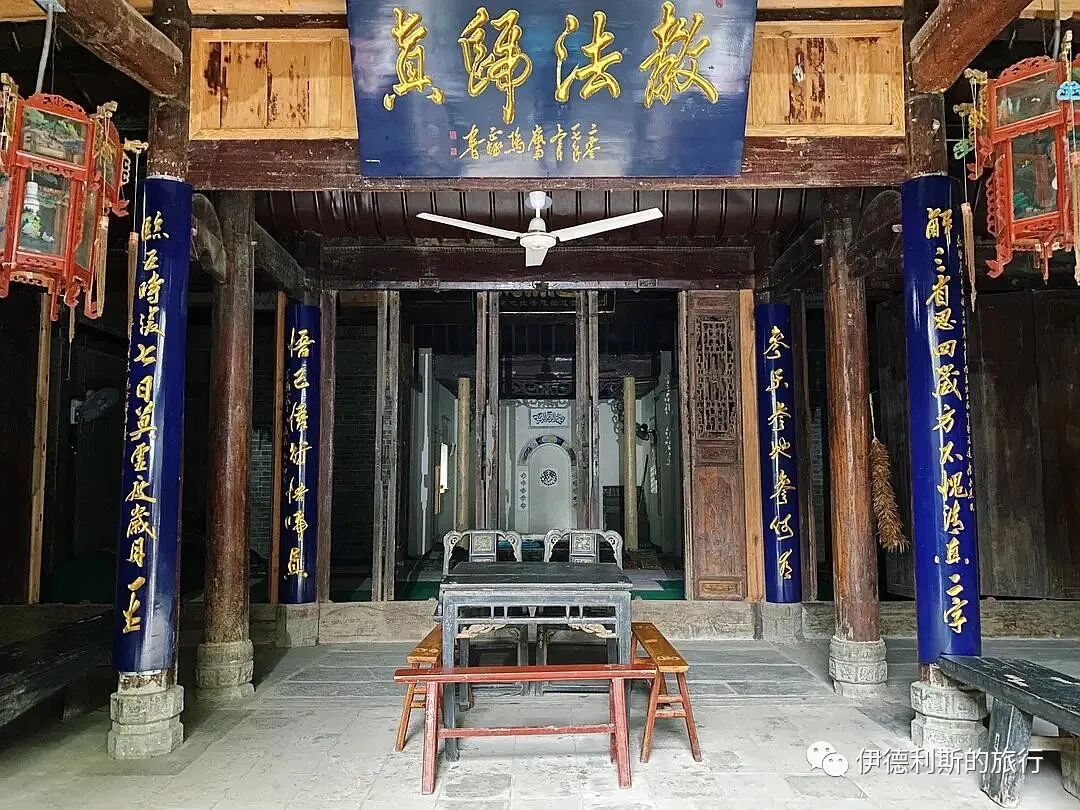
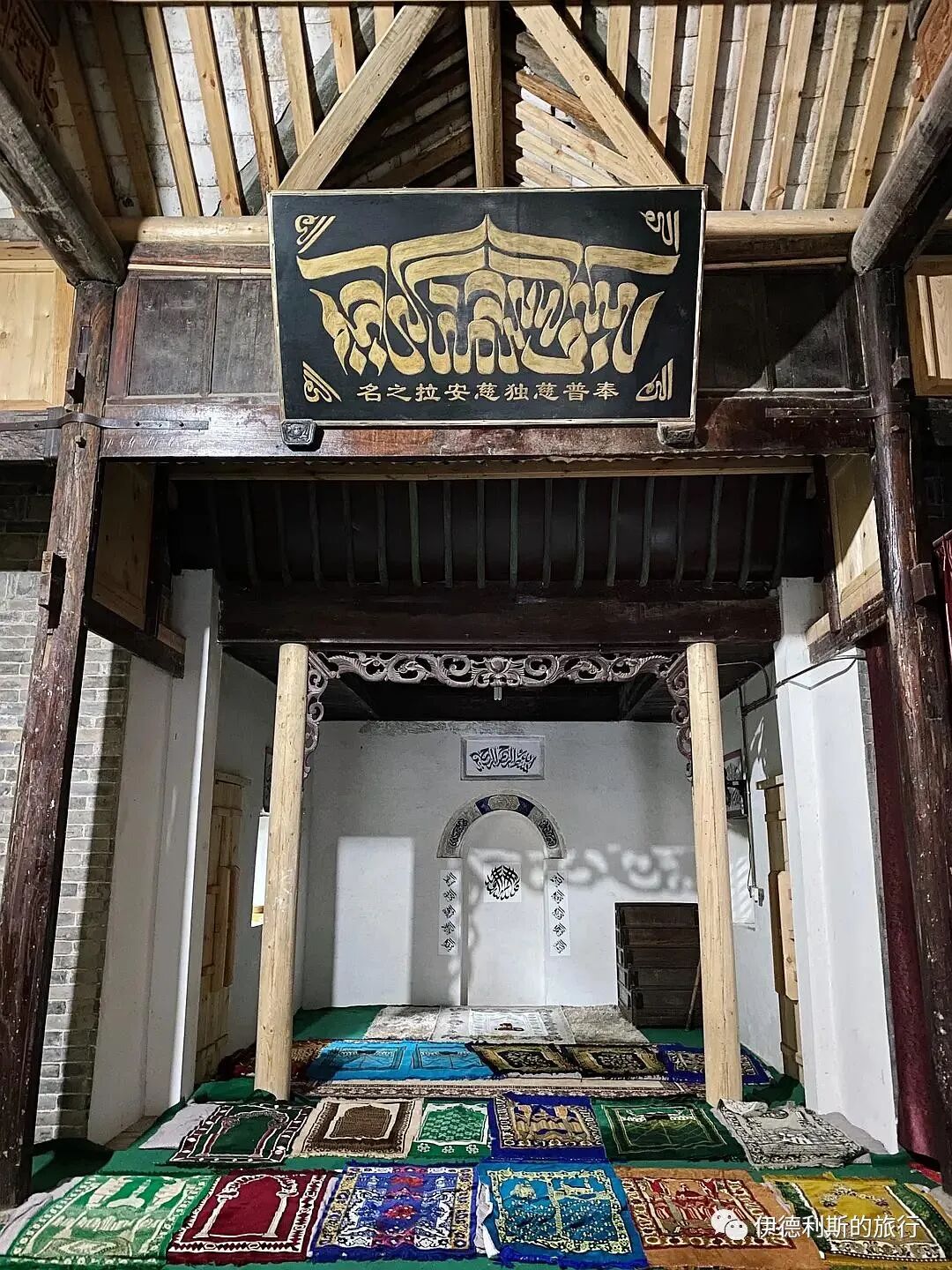
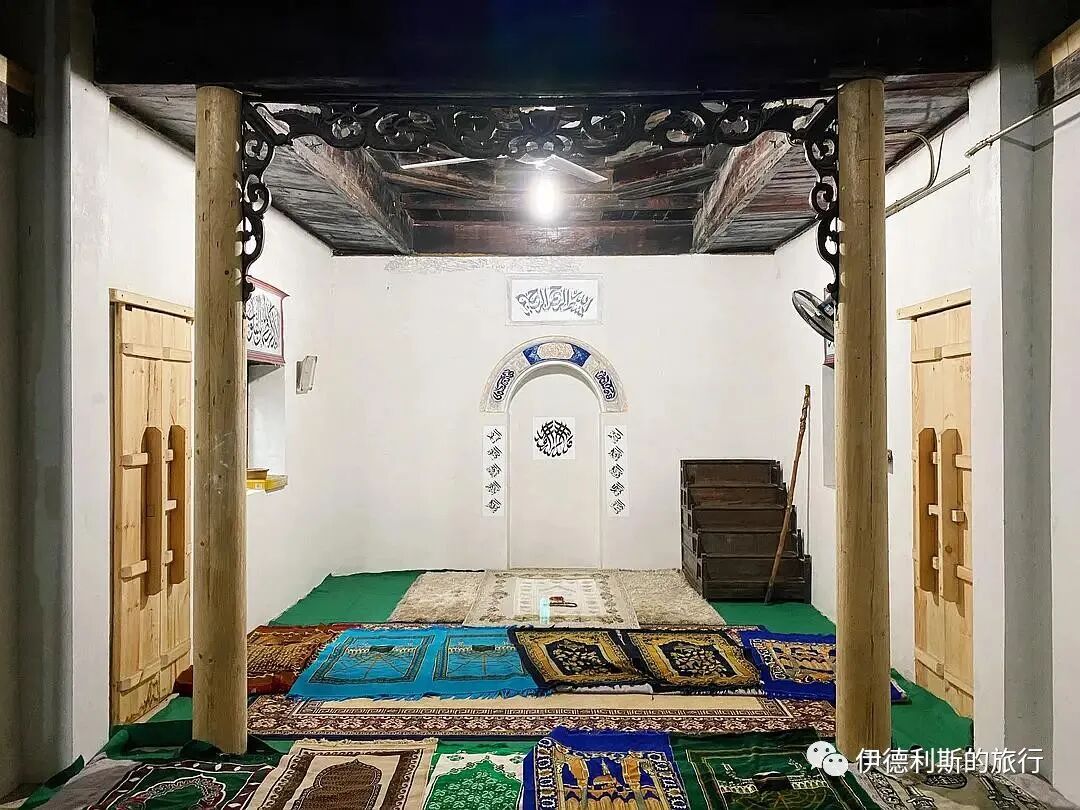
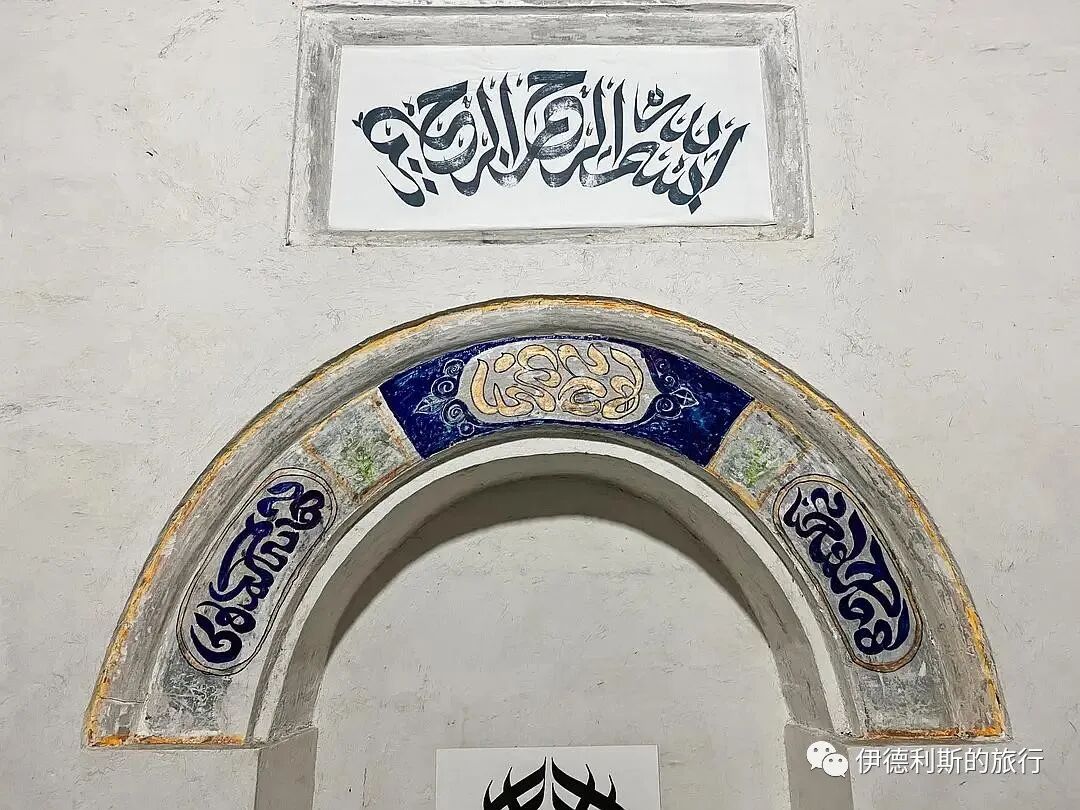
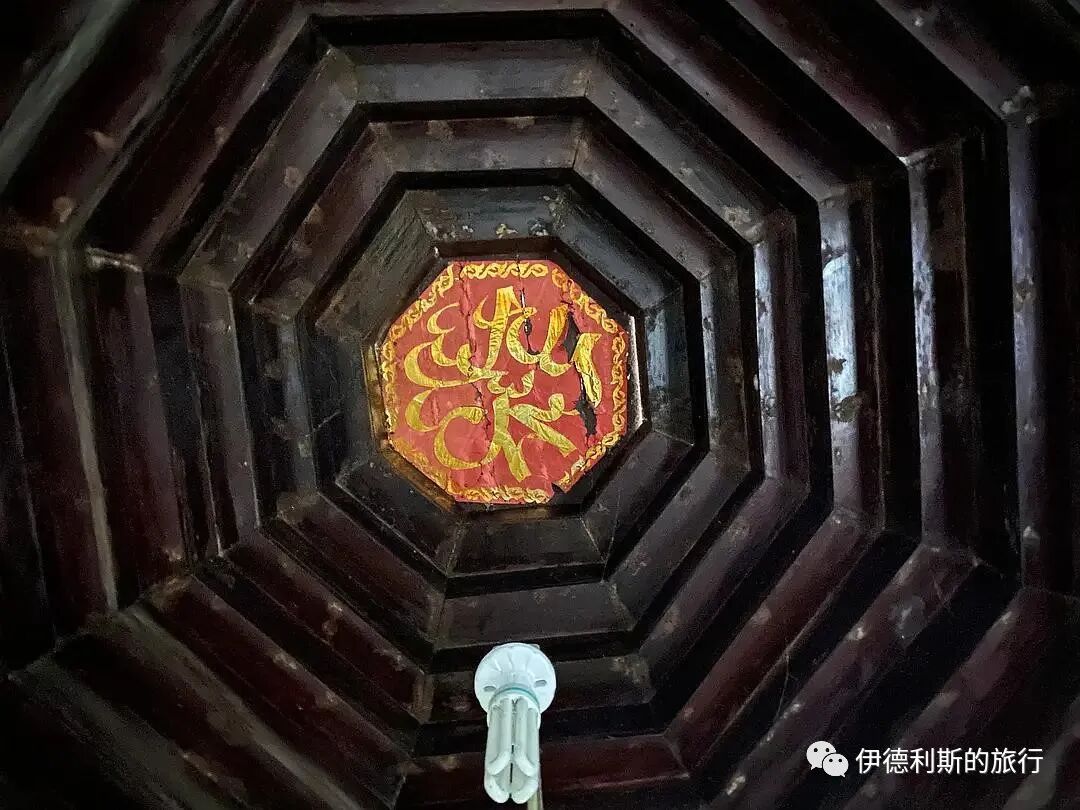
Most of the mosque's colorful paintings were destroyed during the Cultural Revolution, with only a portion preserved on the exterior of the rear kiln-style hall, where various traditional Chinese patterns can be seen. Additionally, there are ink paintings on the door frame of the main entrance. One of the mosque's beams bears an inscription from the renovation in the fourth year of the Republic of China (1915), and it still retains Arabic calligraphy from 100 years ago. The last photo shows the mosque right next to the cliff.
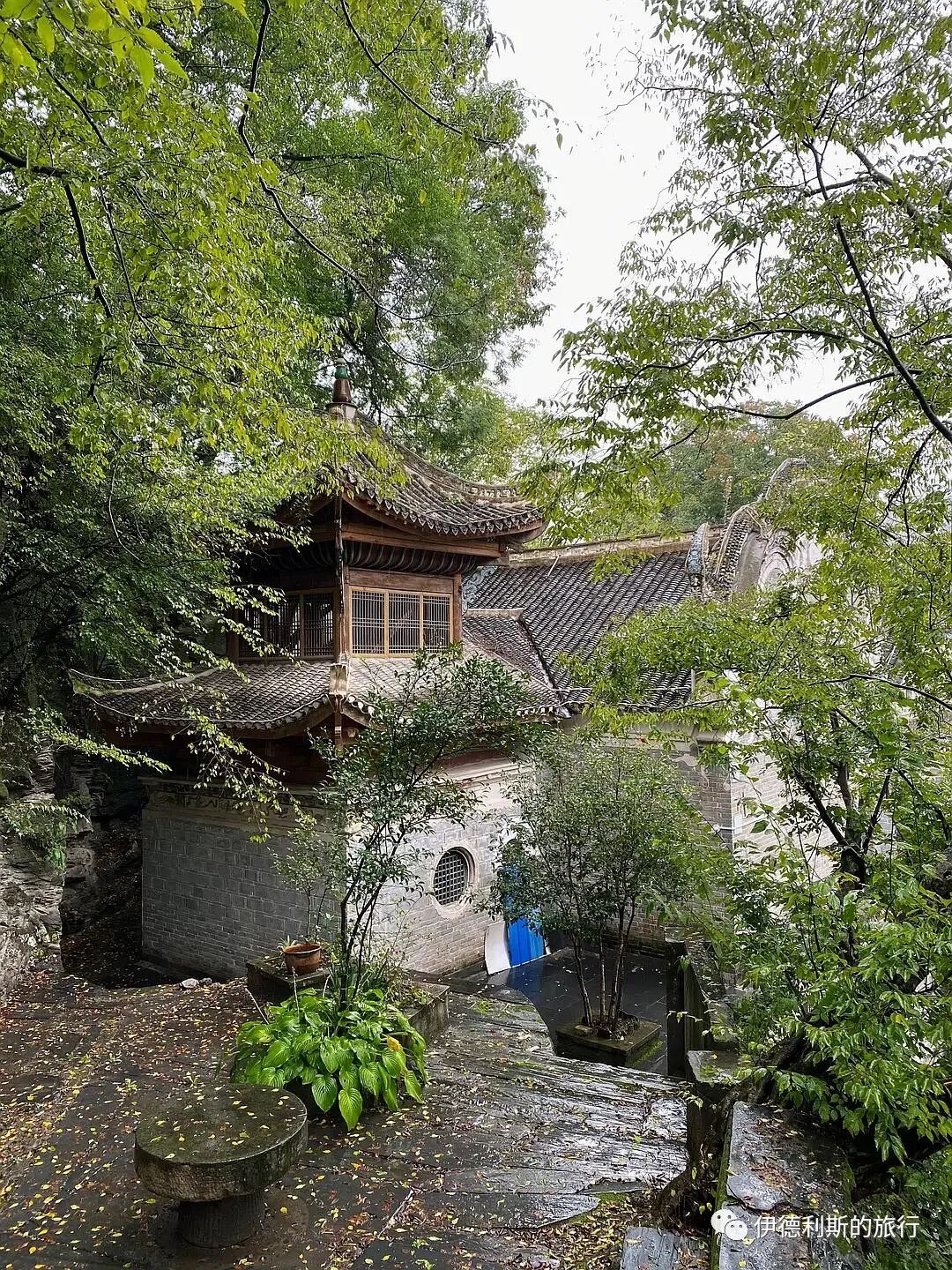
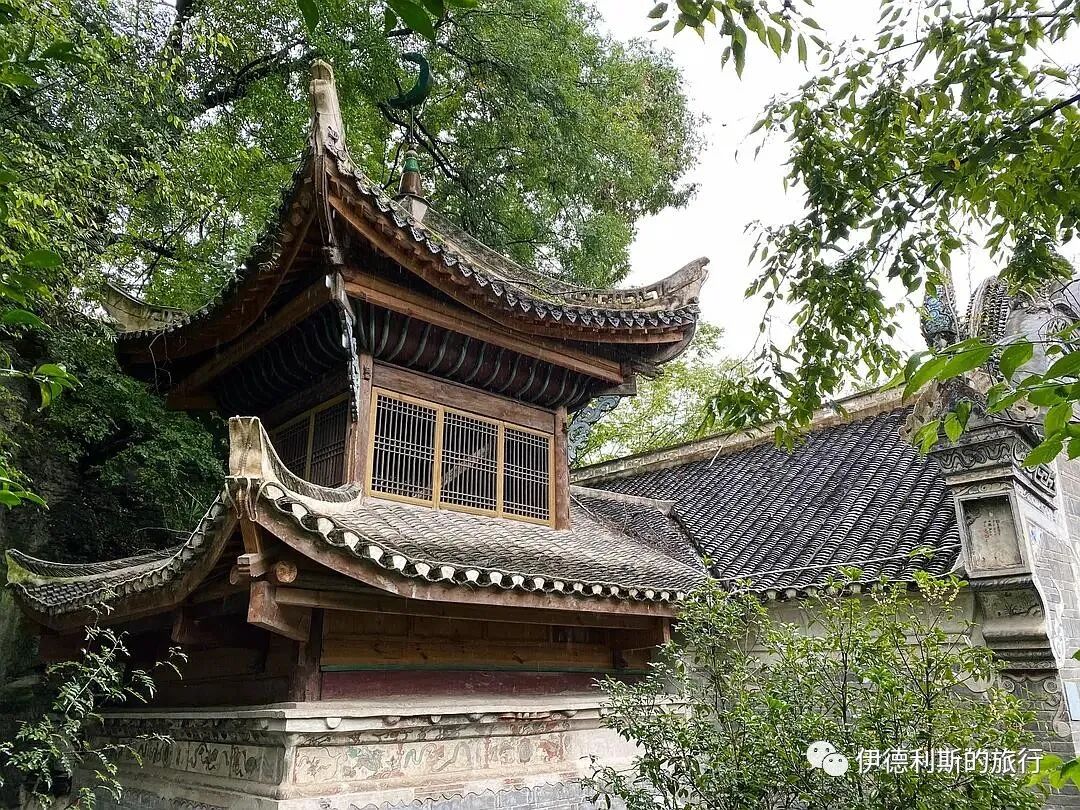
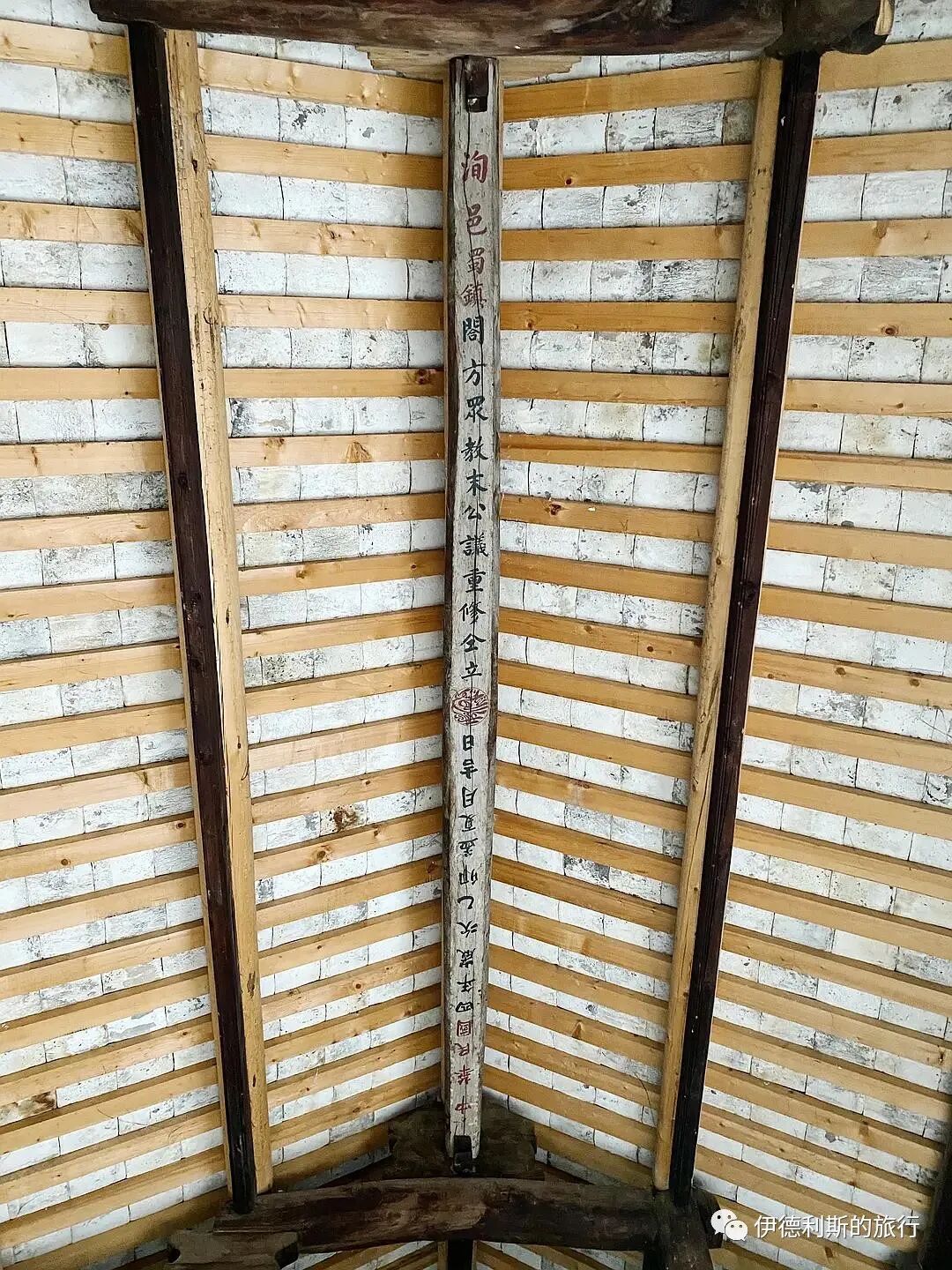
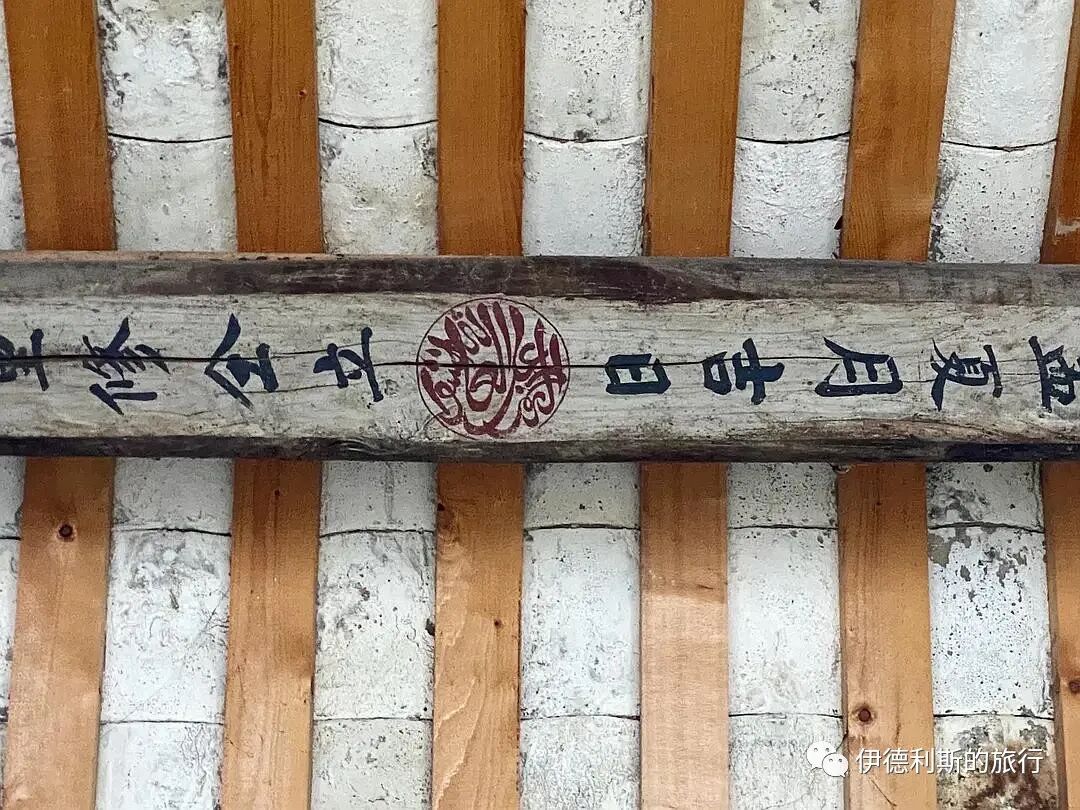
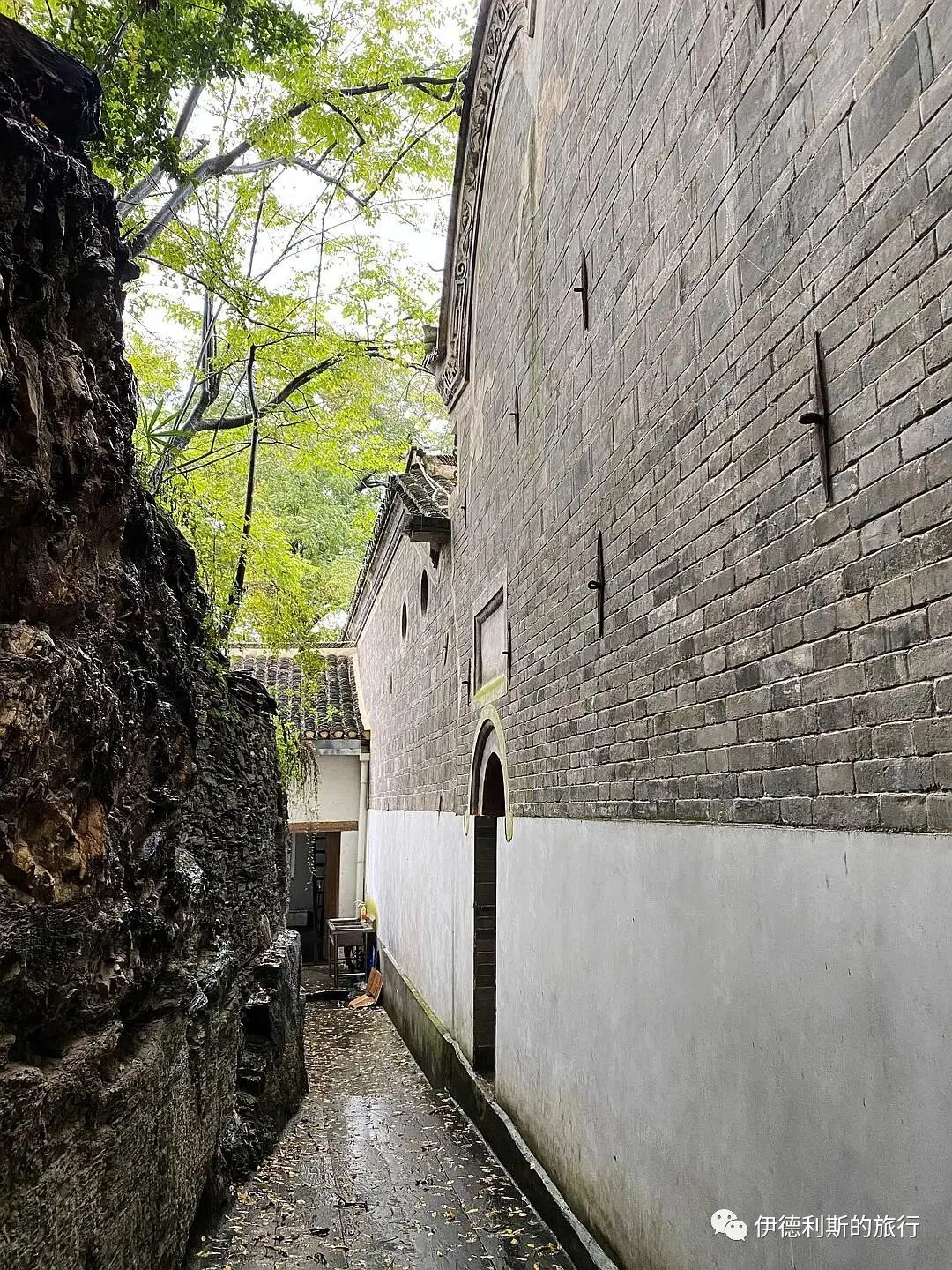
Traces of the 1915 expansion of the Ming Dynasty main hall of the mosque.
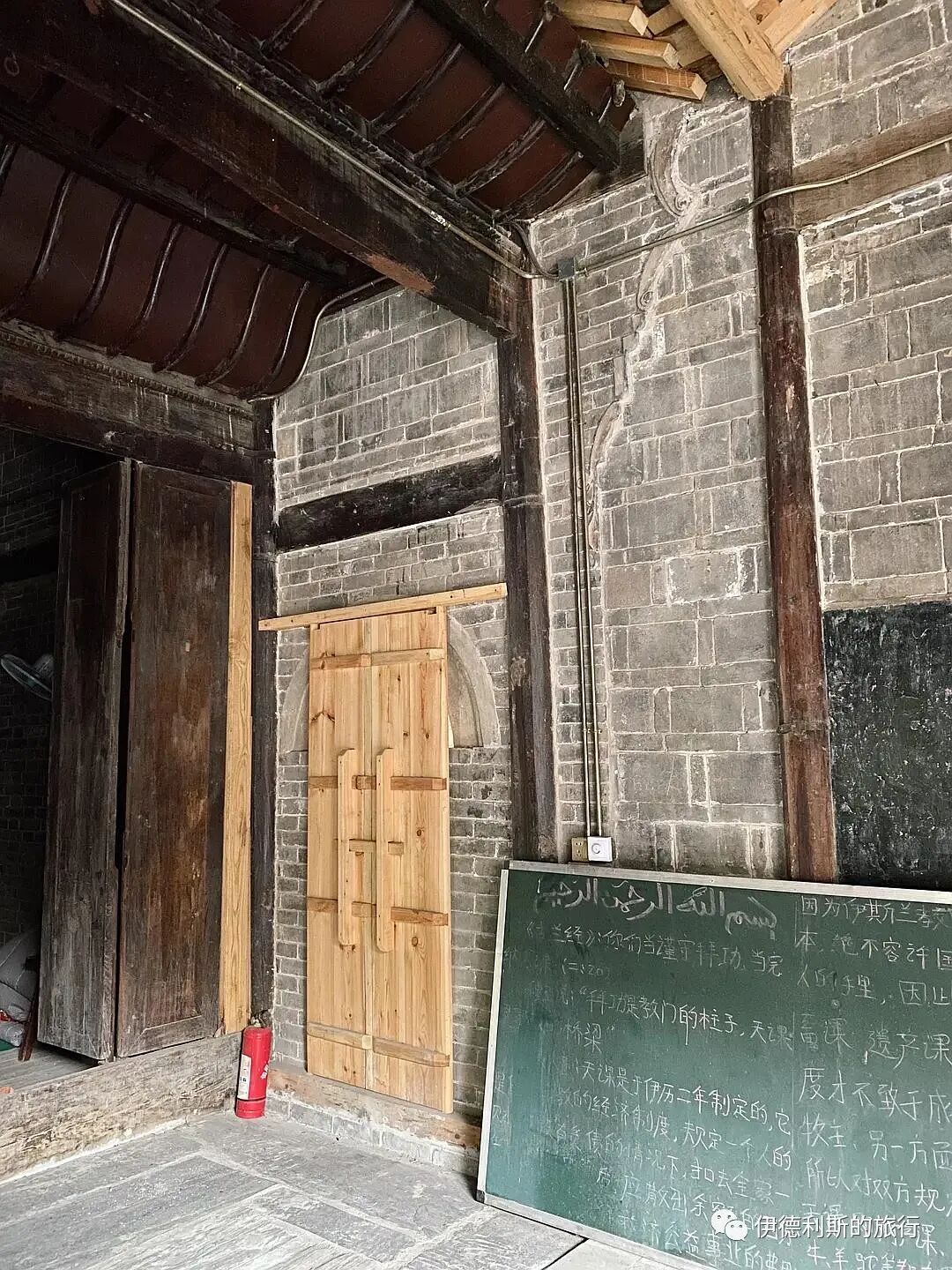
After performing Jumu'ah prayer at the mosque, we happened to catch a Shuhe-style 'ten-bowl' banquet. Zaynab enjoyed it very much, and in the end, we were even given a lot of youxiang. The ten bowls include lotus root boxes (lotus root stuffed with lamb, coated in egg, fried, and then steamed), lamb meatballs (coated in egg, fried, and then steamed), braised beef, steamed flour-coated meat (lamb coated in flour and steamed with sweet potato chunks), steamed white meat (fatty meat near the lamb cartilage, steamed), chicken (stir-fried until half-cooked and then steamed), fish chunks (grass carp chunks coated in flour, fried, and then steamed), and three vegetable dishes. The dishes at a Hui banquet are different from ordinary home-cooked stir-fries because they usually have to serve many people. Most of the food is prepared half-cooked and then steamed in a large pot, which ensures both efficiency and that the food stays warm.
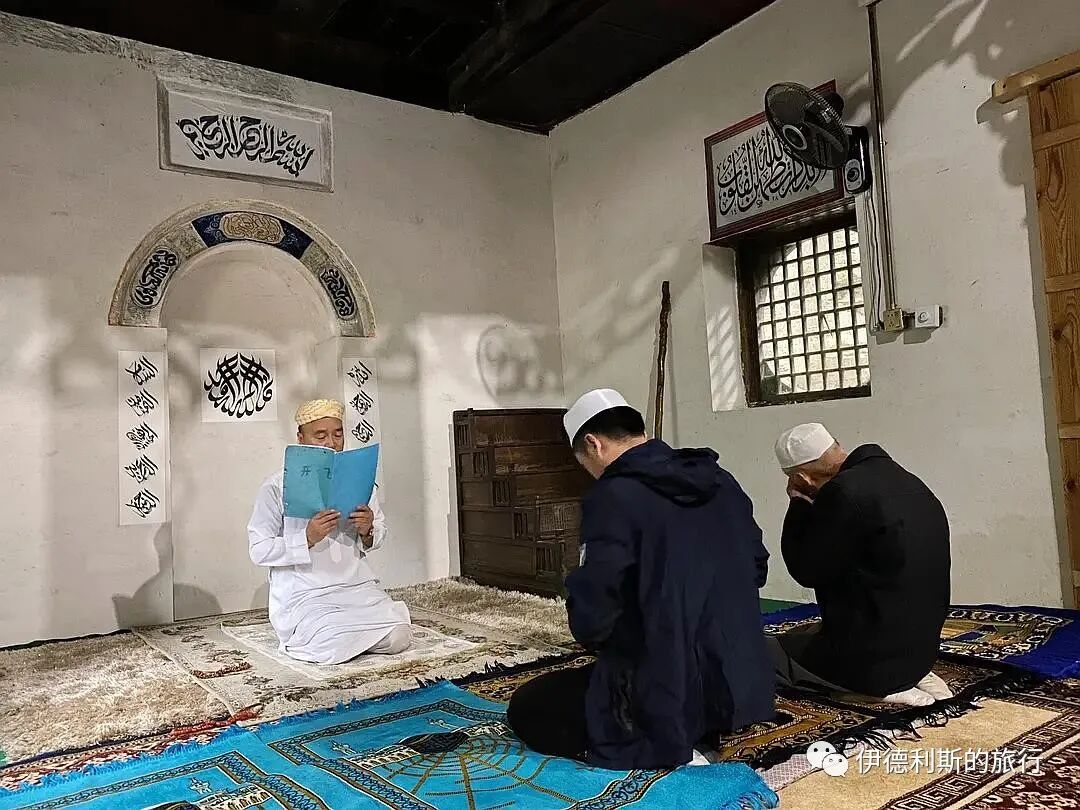
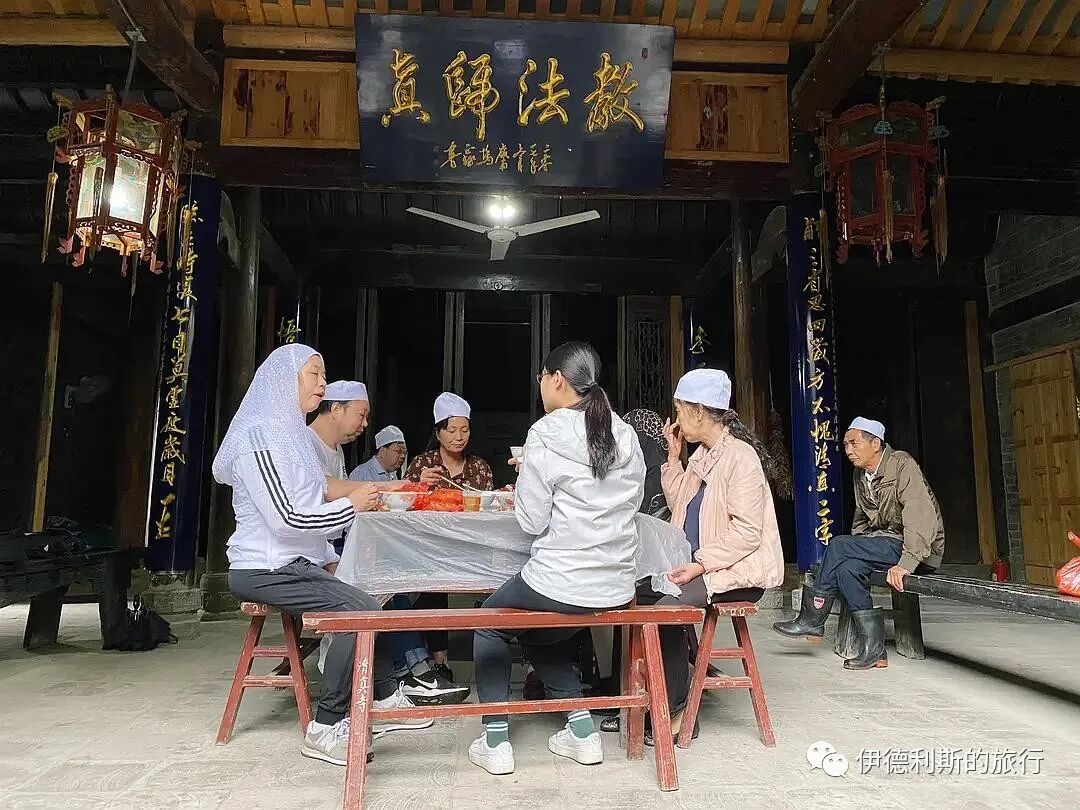
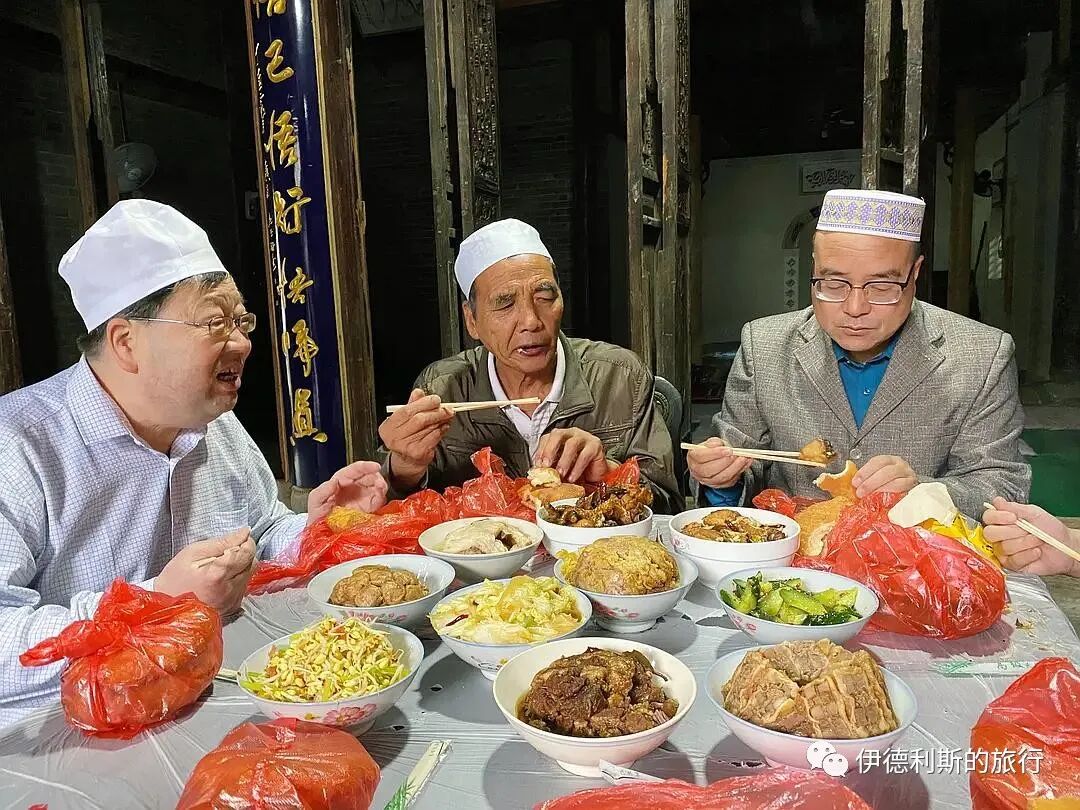
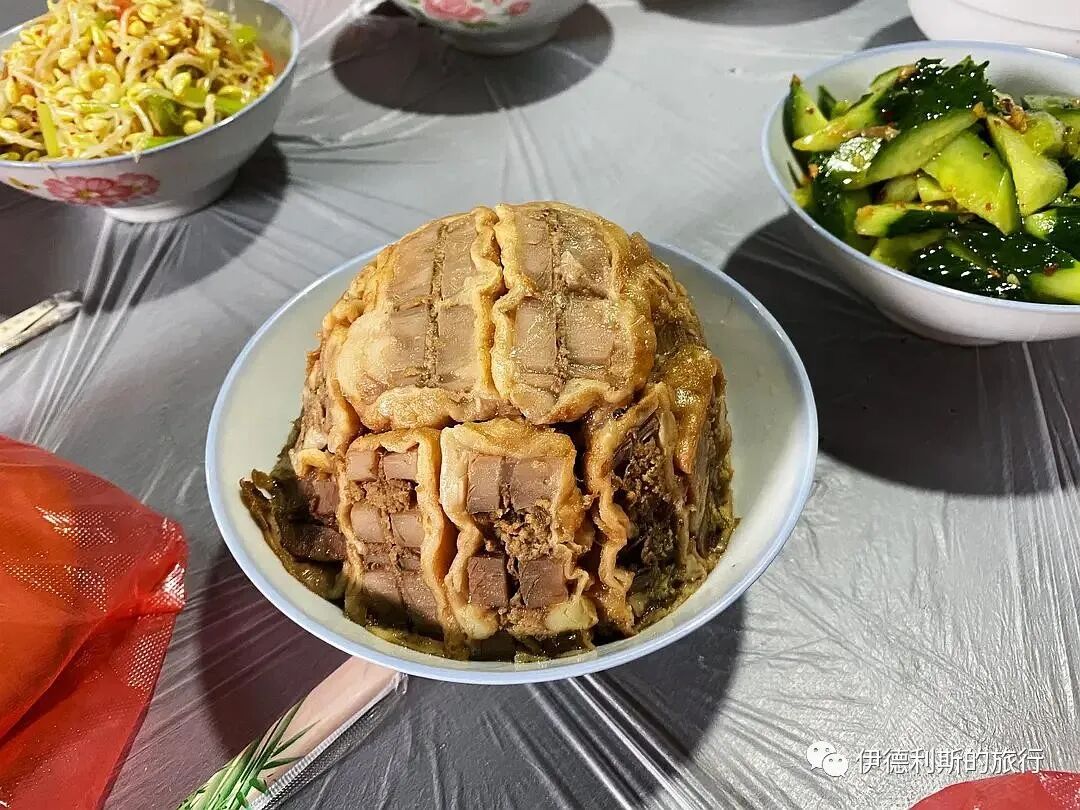
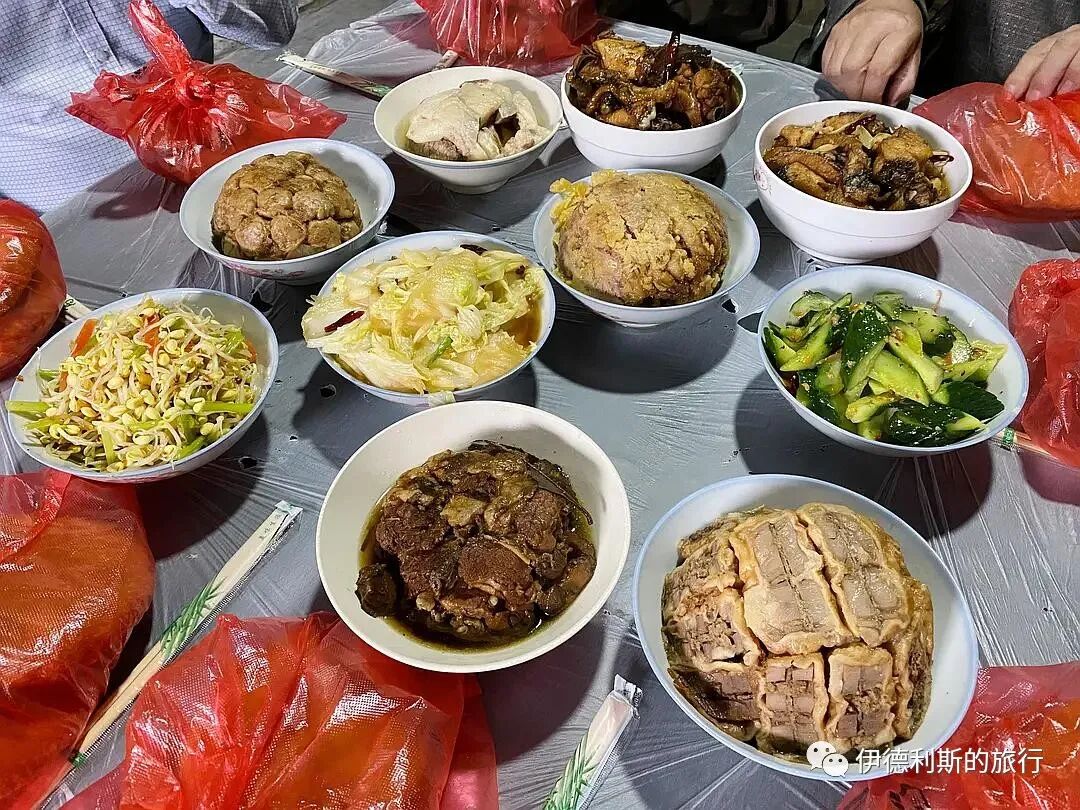
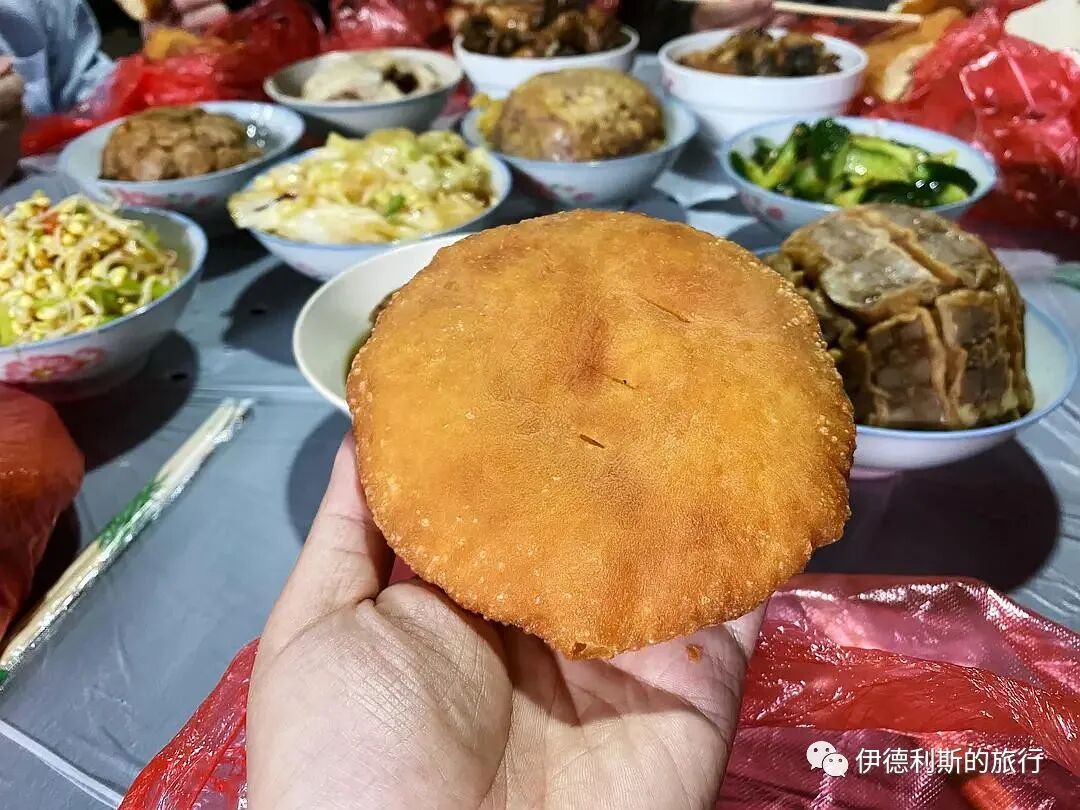
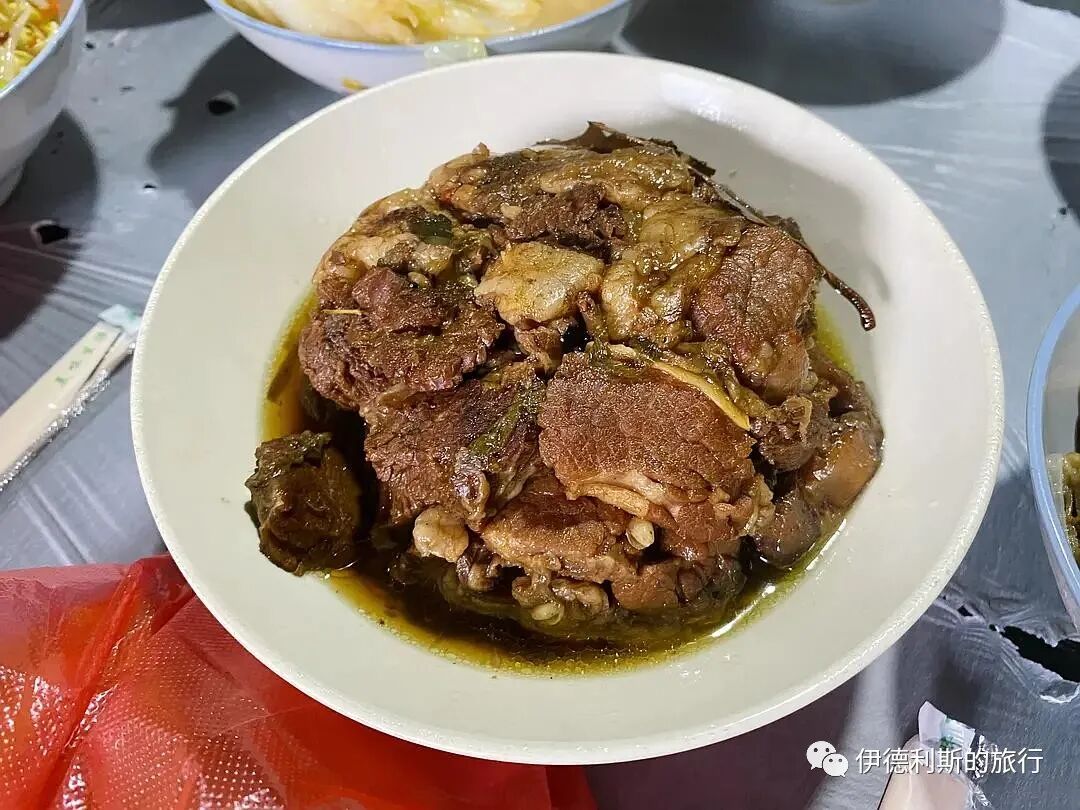
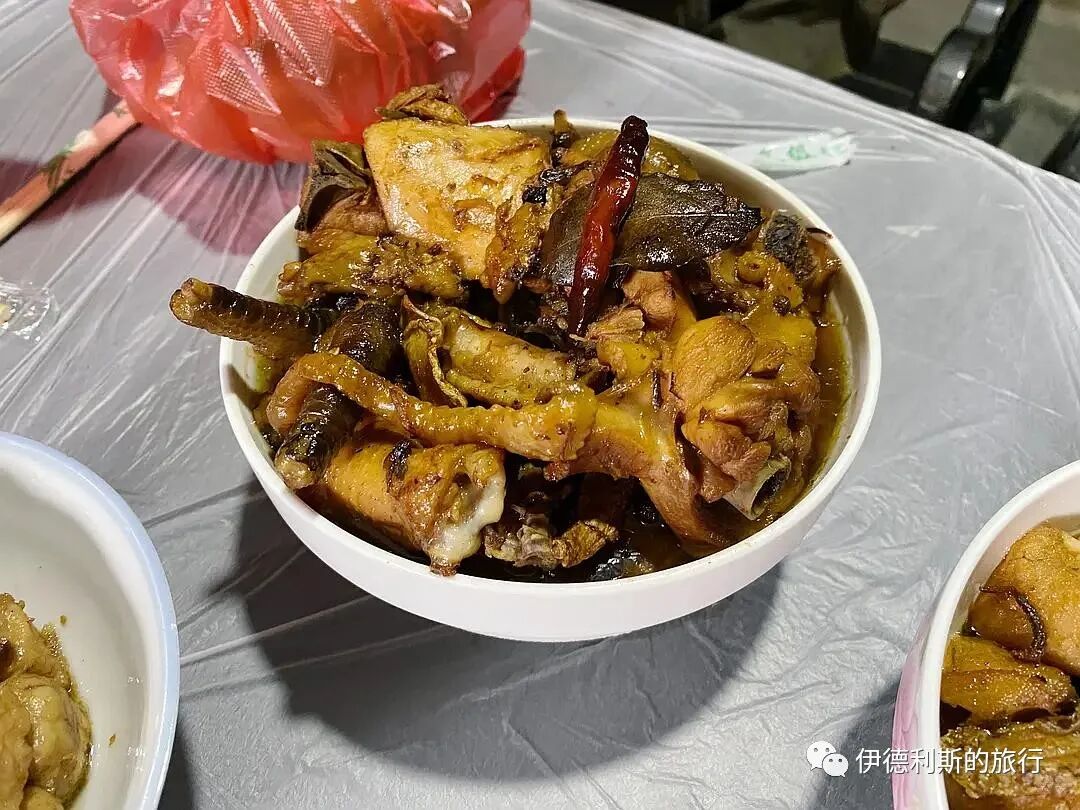
The hotel we stayed in was converted from an old pawn shop.
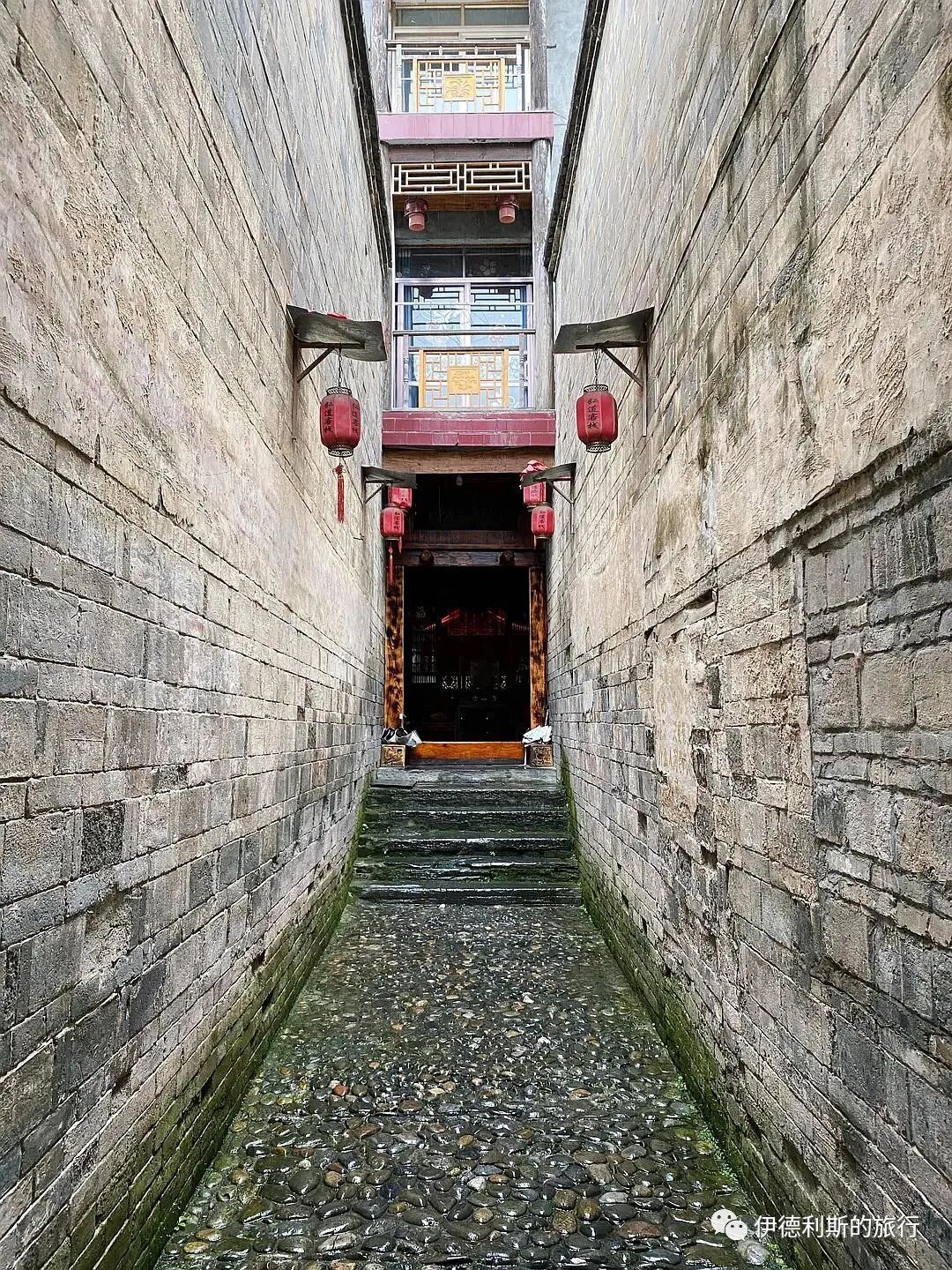
The two relatively large halal restaurants in town.
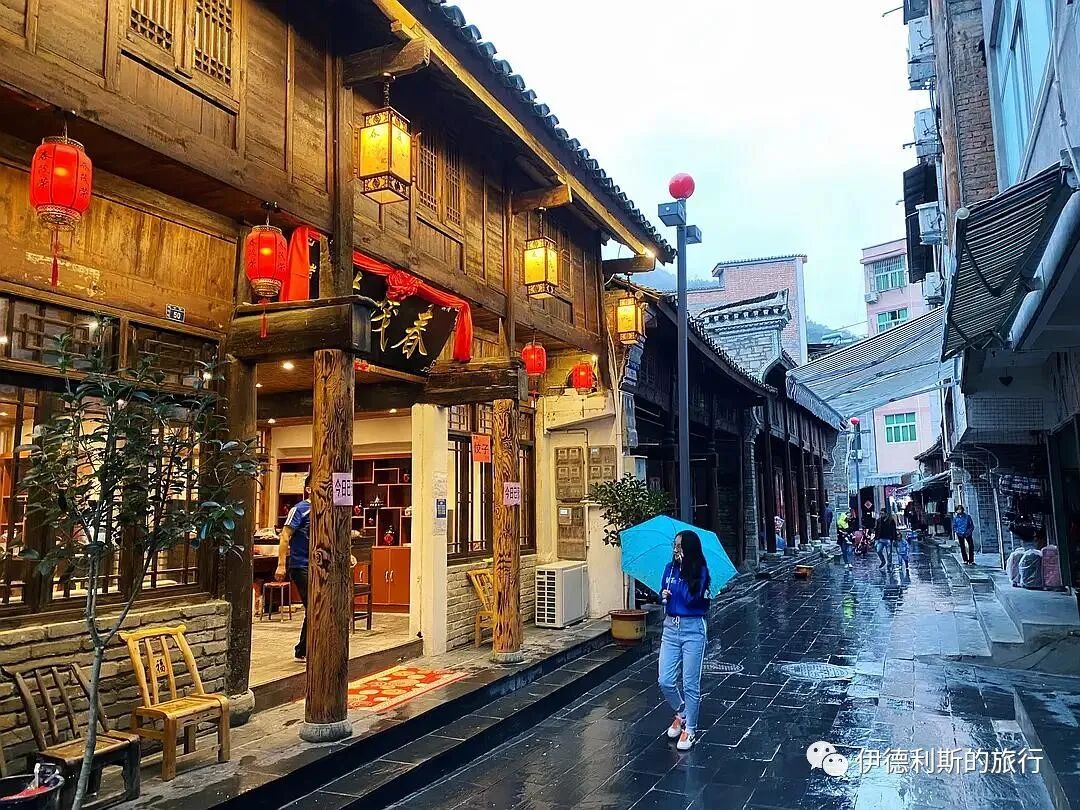
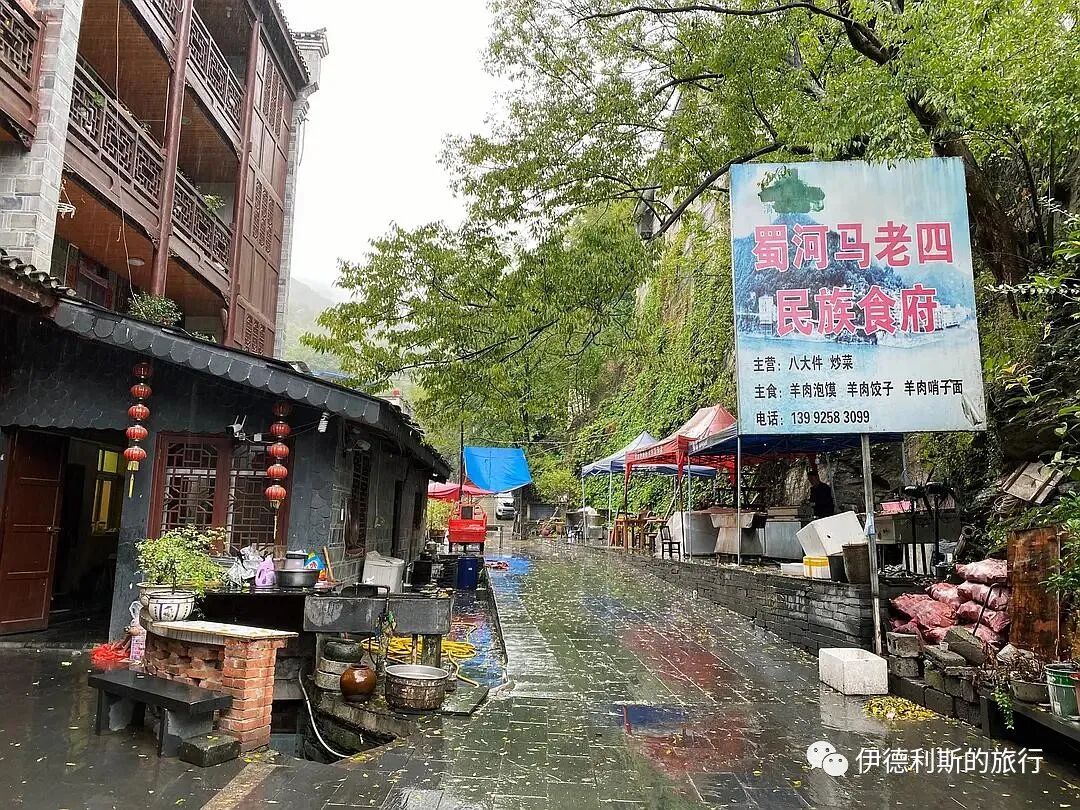
Strolling around the ancient town in the evening.
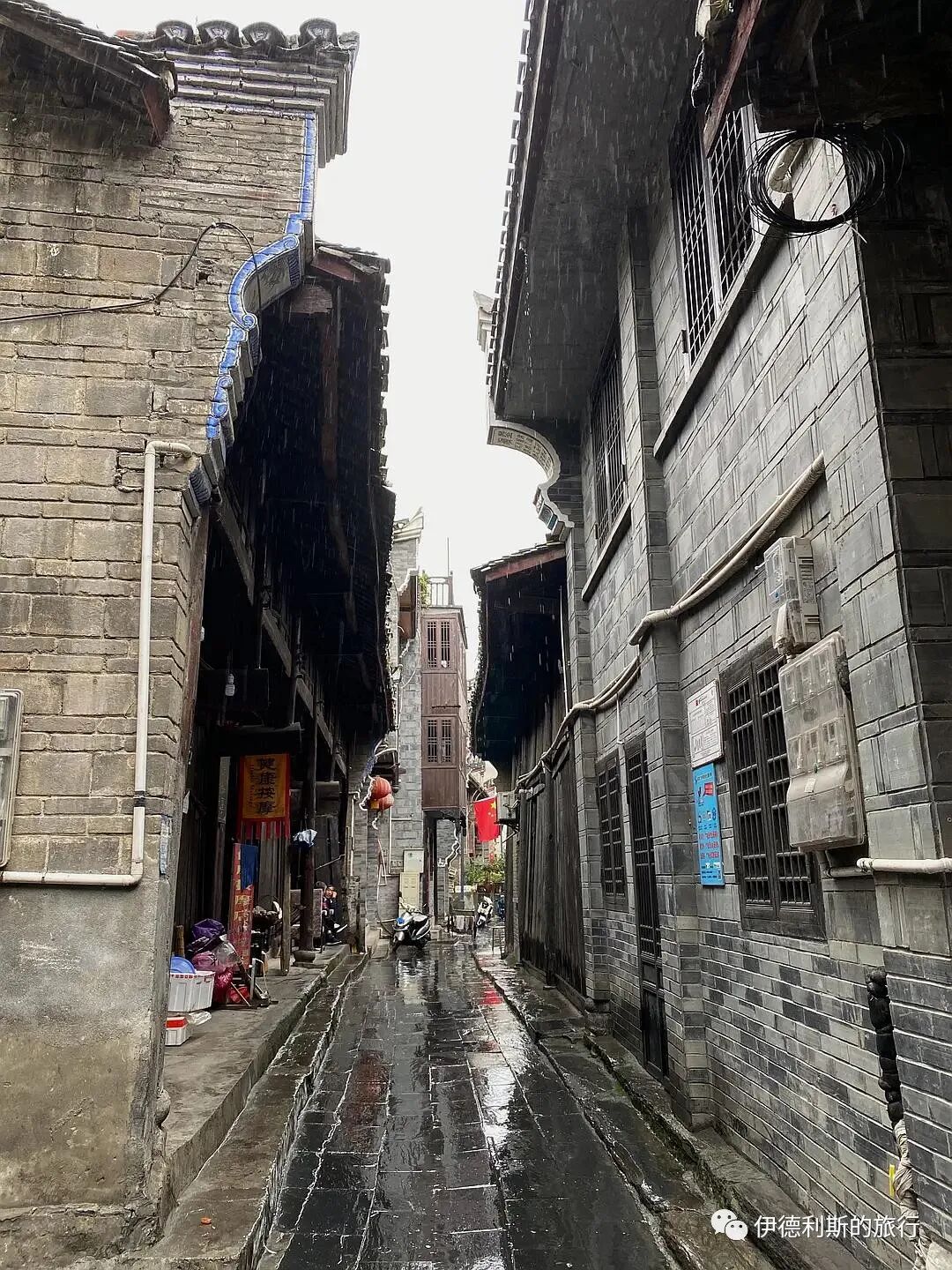
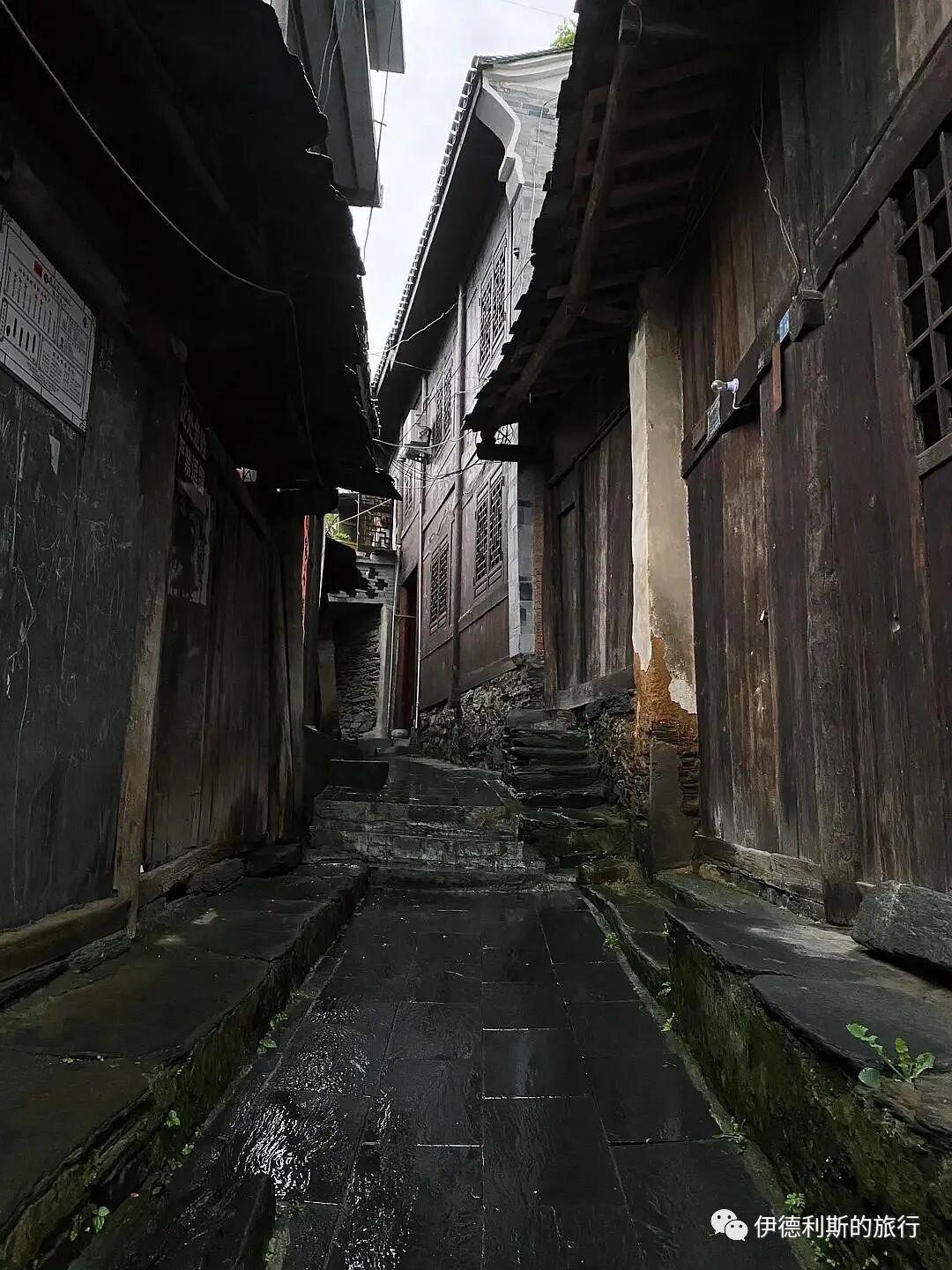
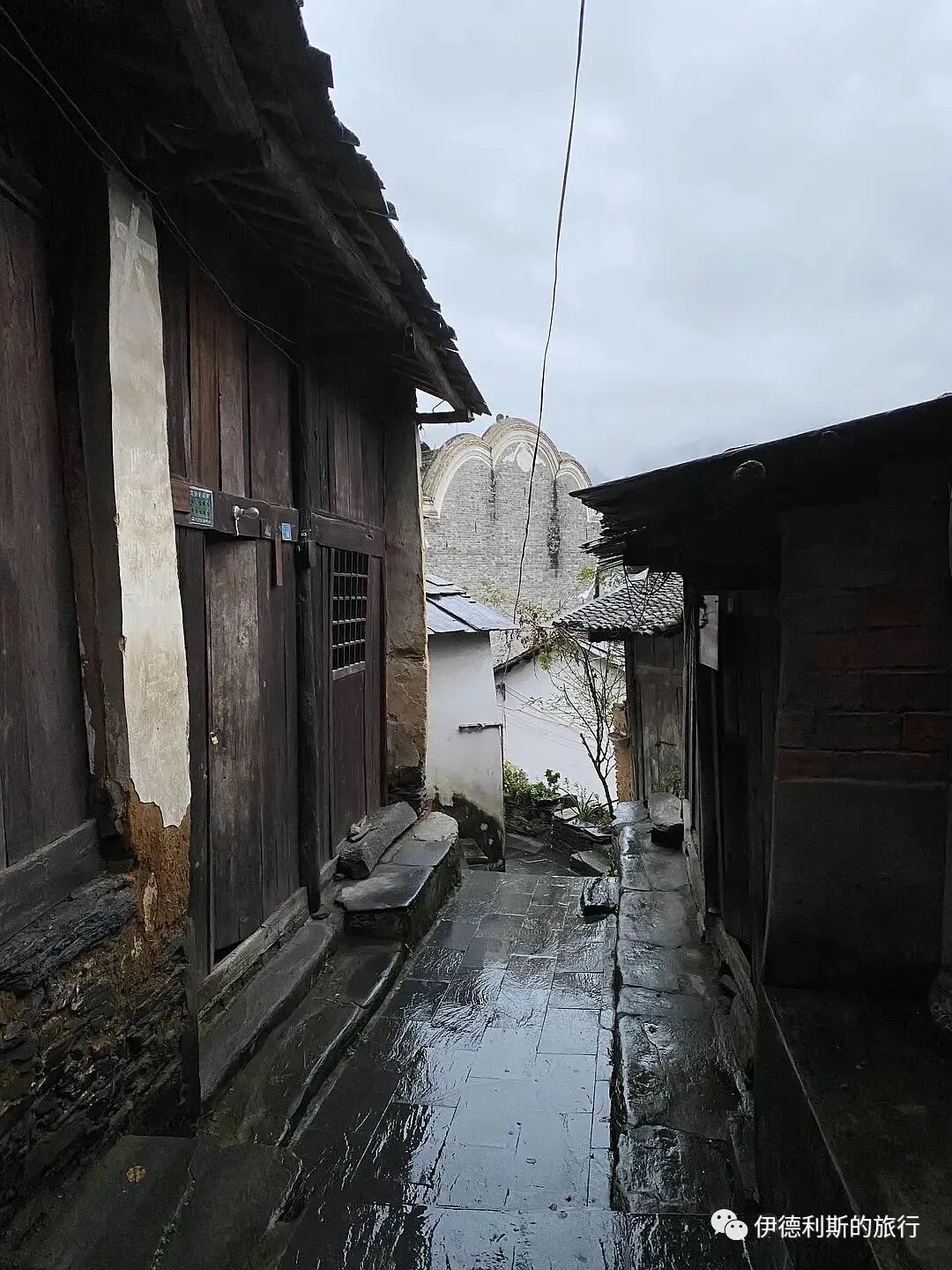
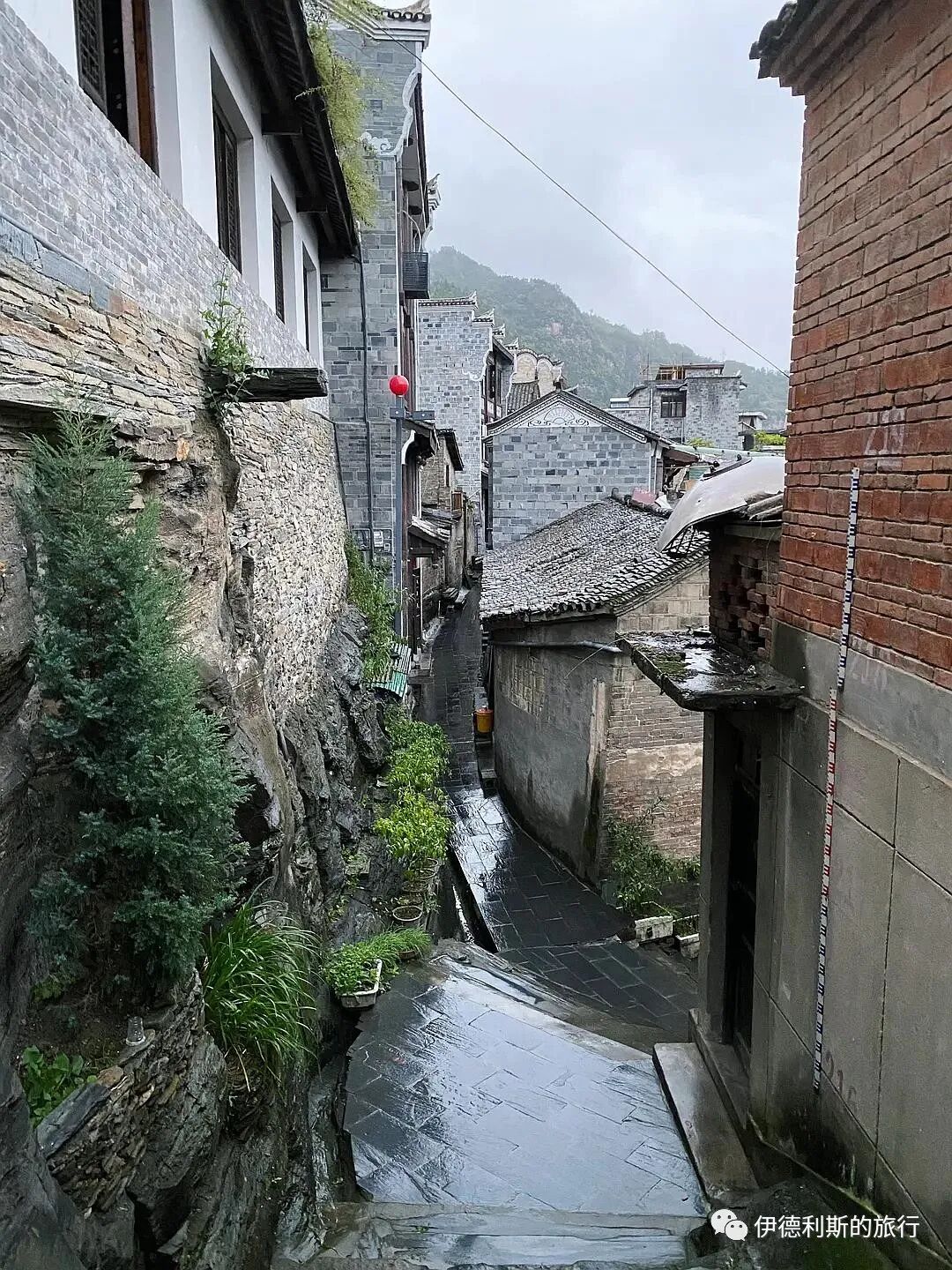
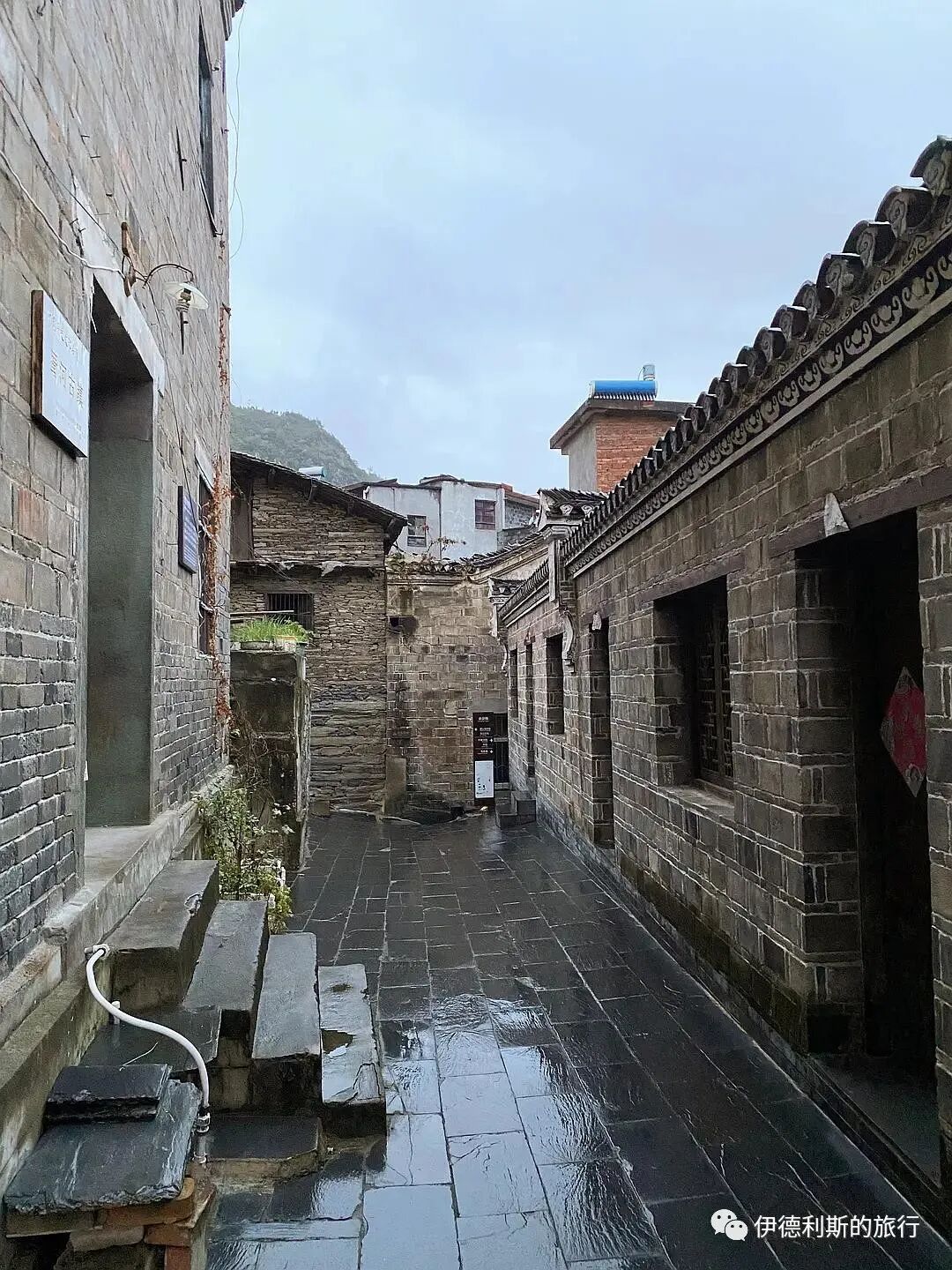
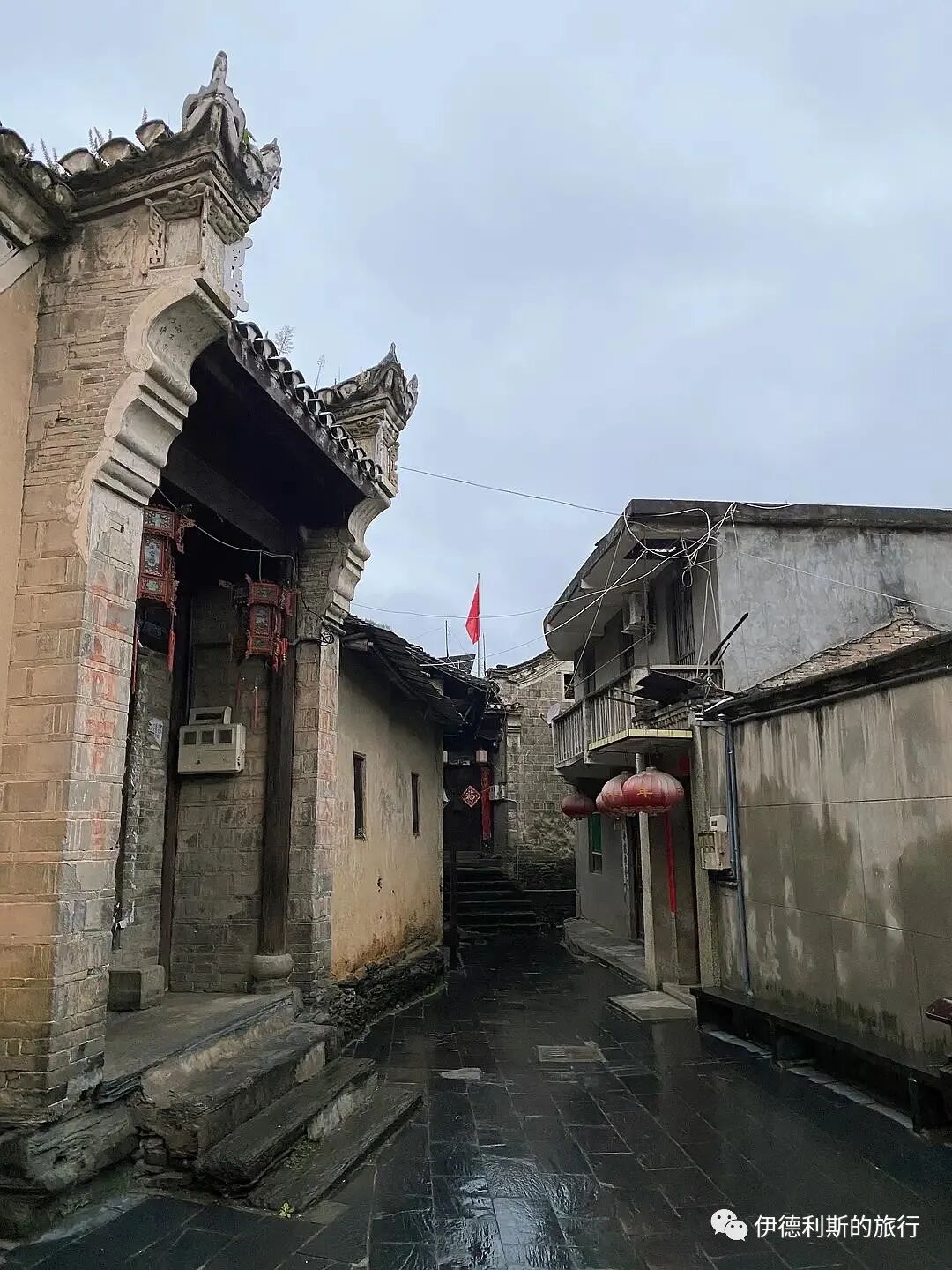
The Shuhe River flowing into the Han River.
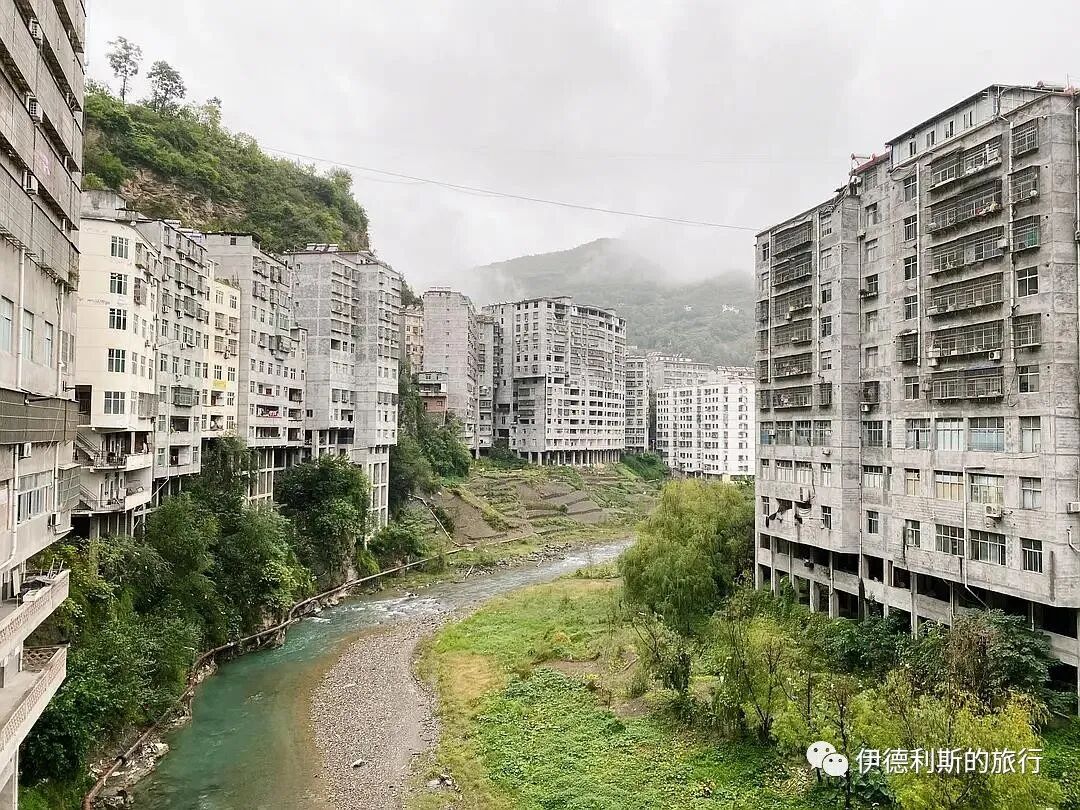
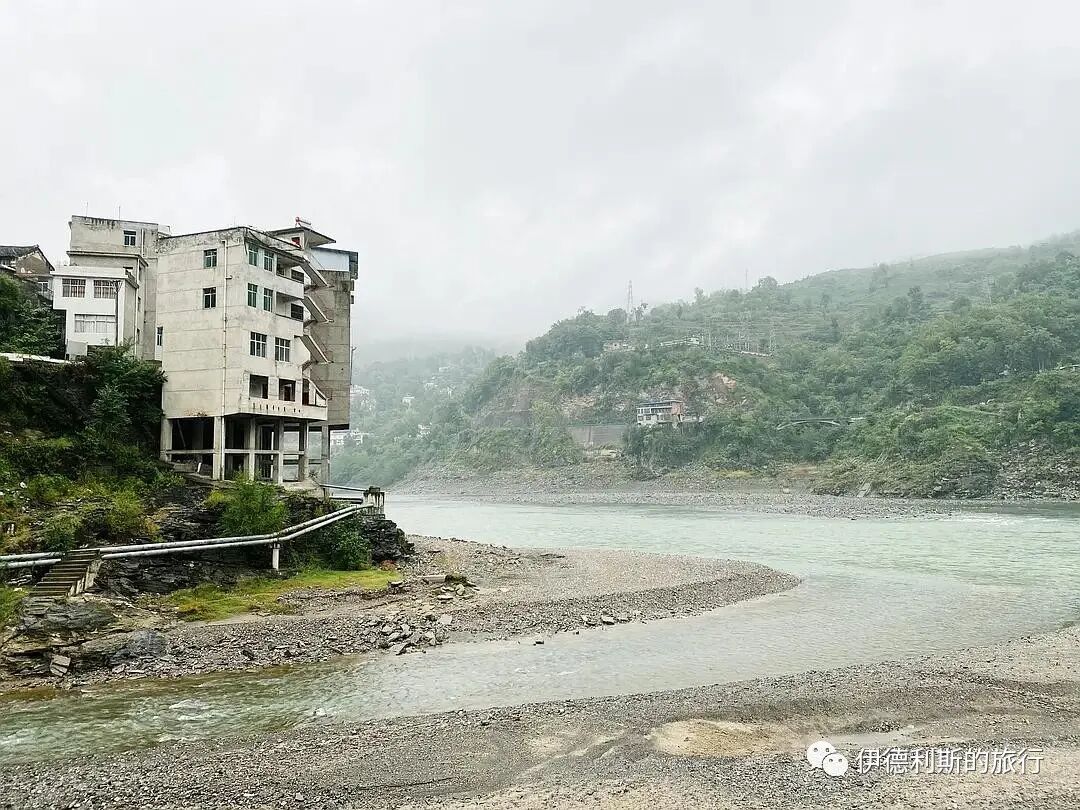
In the light rain of the early morning, we took the ferry from the pier to the train station, watching the Han River slowly wake up. Looking from afar, the Shuhe train station looks like a small white dot on the cliff. As the white dot becomes clearer, we know we are about to leave Shuhe.

Local Halal Food in China: Nanjing Duck, Muslim Snacks & Historic Hui Restaurants
Articles • yusuf908 posted the article • 0 comments • 294 views • 2026-05-24 00:17
Summary: A Nanjing halal food map covering historic Hui Muslim restaurants, classic local snacks, duck dishes, and old neighborhood food stops, with names, addresses, photos, and cultural context kept from the source article.
Hui Muslims have a very long history in Nanjing. During the Ming Dynasty, they made up a large part of the population in the old city. When the capital moved to Beijing, many Hui Muslims moved north with it. Many northern Hui Muslim family trees can be traced back to Nanjing. During the Republic of China era, Nanjing became the capital again. Many high-ranking Nationalist generals were Hui Muslims, which helped Nanjing's halal food culture grow quickly during that time.
1. Maxingxing
Maxingxing Restaurant is the oldest halal restaurant in Nanjing. It has been around for over 160 years, dating back to 1845 during the Daoguang period of the Qing Dynasty. It is one of the four great traditional halal brands in Nanjing. Its four signature dishes are beauty liver (meiren gan), phoenix tail shrimp (fengwei xia), egg steamed dumplings (dan shaomai), and squirrel fish (songshu yu). Today, Maxingxing is listed as a Jiangsu Province intangible cultural heritage and was among the first group of time-honored Chinese brands named by the Ministry of Commerce.
Visitors to Nanjing usually want to try the local snacks. Maxingxing's pan-fried dumplings (guotie) and soup dumplings (xiaolongbao) are delicious treats you should not miss.
Address: No. 32 Yunnan North Road, Gulou District (near Hubei Road)
2. Qifangge
Qifangge is one of Nanjing's four great traditional halal brands. It was founded in 1917 by socialites and business leaders like Li Yangchao, Zhu Shouren, Liu Hairu, and Yu Zikuan. They pooled their money to open the Qifangge Halal Tea House near Chengsi Mosque on what was then Qiwang Street (now Jiankang Road), focusing on halal snacks.
This place serves the 25 varieties of Qinhuai River snacks. Because Nanjing has so many types of snacks, Qifangge offers a snack set to help diners try them all. Each item comes in a small plate, allowing you to sample the entire range of Qinhuai River snacks at once.
The diners here include both long-time Nanjing locals and tourists from out of town.
The shepherd's purse steamed dumplings (jicai zhengjiao) are not only beautifully made but also perfectly seasoned, soft, and tasty.
Four-color cakes (sise gao) are a traditional snack in the Jiangsu region, carefully made from ingredients like glutinous rice flour and rose petals.
Address: No. 12 Gongyuan West Street, Confucius Temple, Qinhuai District
3. Lvliuju
Founded in 1912, Lvliuju is a Jiangsu Province intangible cultural heritage site famous for its vegetarian and halal dishes. Records show that Bai Chongxi, Sun Yat-sen, and the Soong sisters were all regular customers at Lvliuju.
The first floor is a shop for homemade food, selling hundreds of finished or semi-finished products. The second floor serves snacks, the third floor serves stir-fried dishes, and the floors above have private rooms.
Since I prefer local snacks, I naturally went to the second floor to try them.
I had a vegetable bun (sucai bao). These Jiangnan-style buns really show a refined quality from the outside in.
These are small sweet rice balls (xiao tangyuan), round and chewy.
Sugar taro seedlings (tang yumiao) are a Jiangnan snack made by boiling taro in sugar water.
Address: Floors 1-6, No. 248 Taiping South Road, Qinhuai District (near Taiping Shopping Mall)
4. Anleyuan
Anleyuan is the largest halal restaurant in Nanjing, known as the premier halal establishment in the Jiangnan region. This building is just for stir-fried dishes. Next to it, there is another building for snacks and one for hot pot.
The diners inside all sound like locals from Nanjing. Don't ask me how I know; the person who brought me here is a Nanjing Hui Muslim.
Nanjing's famous salted duck (yanshuiya) is a local specialty. Even though it is called salted duck, Jiangnan cuisine is generally light in flavor.
Tofu pudding soup (douhuageng) served with deep-fried dough twists (sanzi) to mix together.
Hui Muslim snack deep-fried dough twists (sanzi).
Vegetable steamed dumplings (su zhengjiao) are also one of Nanjing's famous snacks.
Squirrel-shaped mandarin fish (songshu guiyu) is a famous Jiangsu dish with a sweet and sour taste.
Address: 138 Wangfu Street.
5. Jiang Youji.
Jiang Youji is also a century-old halal shop in Nanjing. Its most famous item is the beef potstickers (niurou guotie), which are known as one of the Eight Wonders of Qinhuai. I heard they had a lawsuit over the brand a few years ago, but it doesn't matter to the diners. We don't care if the successor is authentic; if it doesn't taste good, being authentic is useless.
The beef potstickers at this Laomendong branch on Santiaoying in Qinhuai District are delicious.
Have a bowl of wontons (huntun) for breakfast; the soup is fresh and the ingredients are plentiful.
Address: 40 Santiaoying, Laomendong.
6. Yiguangge.
Yiguangge is another old shop in Nanjing. The owner owns the storefront, so they don't pay rent, which keeps the prices cheap.
I came here to eat crayfish (xiaolongxia). Crayfish is a common home-cooked dish in Jiangnan, and you naturally have to eat authentic halal crayfish when in Nanjing. This time, I learned the proper way to eat crayfish from a friend and realized my previous simple and rough way of eating them was a total waste.
Stir-fried celery with dried tofu (ganzi). Dried tofu is a common soy product in the south.
Address: 15-2 Beimenqiao Road, Beimenqiao Street (near New World Department Store).
7. Lan Laoda Sugar Porridge and Lotus Root Shop.
I really like these kinds of street-side shops. Lan Laoda is also an old brand with several branches in Nanjing.
They mainly sell snacks like sugar porridge with lotus root (tang zhou ou) and sugar taro seedlings (tang yumiao). Sugar porridge with lotus root is a sweet porridge made from lotus root and glutinous rice, and it is one of Nanjing's famous specialties.
Address: 22 Shuangtang Road, Qinhuai District.
8. Li Ji Halal Restaurant
Li Ji Halal Restaurant has only this one location in Nanjing with no other branches. It is a long-standing shop that sells a variety of Nanjing snacks.
There are so many types of snacks, and each one comes in different flavors. People in the south are truly meticulous when it comes to cooking.
I tried Nanjing soup dumplings (xiaolongbao) for the first time. The skin is thin and there is a hole on top. You can suck out the soup first before eating the dumpling, but be careful not to burn your mouth.
The wontons and beef offal vermicelli soup are both made fresh on the spot.
A famous Nanjing snack is duck blood vermicelli soup, but Hui Muslims do not eat blood, so we eat beef offal vermicelli soup or beef vermicelli soup instead.
Address: No. 1 Dading Lane, Qinhuai District
9. Taoyuan Village
Taoyuan Village pastries originated in Beijing's Niujie and have a history of over 150 years. They later moved to Shanghai and opened a factory near the Xiaotaoyuan Mosque, which is how they got the name Taoyuan Village. During the Republic of China era, Taoyuan Village was invited by the government to open in the Nanjing Central Shopping Mall, officially becoming a local Nanjing halal pastry brand.
Beijing-style pastries like honey-glazed dough cubes (misandao), Beijing eight-piece gift boxes (jingbajian), and fried flour cakes (saqima) will surely feel familiar to people from Beijing.
Address: No. 264 Baixia Road, Baixia District
10. Jinhongxing Duck Shop
Jinhongxing's duck is as popular as the deli food at Jubao Yuan, with people lining up all day long.
You must try authentic Nanjing roast duck when you are in Nanjing. It is very different from the Beijing style. Nanjing roast duck can be sliced and eaten by dipping it directly into the sauce.
This is a takeout shop, and you can ask the owner to vacuum-pack it on the spot to take away.
Address: No. 5-1 Mingwalang
11. Han Fuxing
Founded during the Tongzhi reign of the Qing Dynasty, Han Fuxing Pressed Duck Shop is the largest halal food company in Nanjing. It is a time-honored Chinese brand that mainly sells pressed duck and other duck products.
Han Fuxing Duck Shop now has several branches in Nanjing, and the Han family's osmanthus duck (guihuaya) is their signature dish.
Address: No. 32 Hubu Street, Qinhuai District
12. Nanjing University of Aeronautics and Astronautics (NUAA) Jiangjun Road Campus Halal Canteen
After recommending old-fashioned restaurants in Nanjing, I will finally recommend a halal canteen. The halal canteen at NUAA is not an ordinary canteen; it is the highest-rated canteen in the local area.
The variety of specialty snacks is enough to dazzle your eyes.
NUAA has many international students, so the halal canteen is quite large. Anyone can come to eat here, and you can pay with cash.
It is hard to believe these snacks come from a cafeteria. The bear-shaped red bean buns (doushabao) are chocolate-flavored, and they also serve stir-fried dishes and barbecue. Being a student at Nanjing University of Aeronautics and Astronautics is truly a blessing.
Address: Second floor of the Fourth Cafeteria, Jiangjun Road Campus, Nanjing University of Aeronautics and Astronautics.
Some friends (dosti) ask me how I find so many local halal specialties and what apps I use. I tell them I use locals. I praise Allah for letting me meet such wonderful friends (dosti) in Nanjing. No app is better than a local who knows the area inside and out. I have been treated very well by friends whenever I travel. All Muslims are one family. May Allah reward everyone who helps others with a kind heart. view all
Summary: A Nanjing halal food map covering historic Hui Muslim restaurants, classic local snacks, duck dishes, and old neighborhood food stops, with names, addresses, photos, and cultural context kept from the source article.
Hui Muslims have a very long history in Nanjing. During the Ming Dynasty, they made up a large part of the population in the old city. When the capital moved to Beijing, many Hui Muslims moved north with it. Many northern Hui Muslim family trees can be traced back to Nanjing. During the Republic of China era, Nanjing became the capital again. Many high-ranking Nationalist generals were Hui Muslims, which helped Nanjing's halal food culture grow quickly during that time.
1. Maxingxing
Maxingxing Restaurant is the oldest halal restaurant in Nanjing. It has been around for over 160 years, dating back to 1845 during the Daoguang period of the Qing Dynasty. It is one of the four great traditional halal brands in Nanjing. Its four signature dishes are beauty liver (meiren gan), phoenix tail shrimp (fengwei xia), egg steamed dumplings (dan shaomai), and squirrel fish (songshu yu). Today, Maxingxing is listed as a Jiangsu Province intangible cultural heritage and was among the first group of time-honored Chinese brands named by the Ministry of Commerce.
Visitors to Nanjing usually want to try the local snacks. Maxingxing's pan-fried dumplings (guotie) and soup dumplings (xiaolongbao) are delicious treats you should not miss.
Address: No. 32 Yunnan North Road, Gulou District (near Hubei Road)
2. Qifangge
Qifangge is one of Nanjing's four great traditional halal brands. It was founded in 1917 by socialites and business leaders like Li Yangchao, Zhu Shouren, Liu Hairu, and Yu Zikuan. They pooled their money to open the Qifangge Halal Tea House near Chengsi Mosque on what was then Qiwang Street (now Jiankang Road), focusing on halal snacks.
This place serves the 25 varieties of Qinhuai River snacks. Because Nanjing has so many types of snacks, Qifangge offers a snack set to help diners try them all. Each item comes in a small plate, allowing you to sample the entire range of Qinhuai River snacks at once.
The diners here include both long-time Nanjing locals and tourists from out of town.
The shepherd's purse steamed dumplings (jicai zhengjiao) are not only beautifully made but also perfectly seasoned, soft, and tasty.
Four-color cakes (sise gao) are a traditional snack in the Jiangsu region, carefully made from ingredients like glutinous rice flour and rose petals.
Address: No. 12 Gongyuan West Street, Confucius Temple, Qinhuai District
3. Lvliuju
Founded in 1912, Lvliuju is a Jiangsu Province intangible cultural heritage site famous for its vegetarian and halal dishes. Records show that Bai Chongxi, Sun Yat-sen, and the Soong sisters were all regular customers at Lvliuju.
The first floor is a shop for homemade food, selling hundreds of finished or semi-finished products. The second floor serves snacks, the third floor serves stir-fried dishes, and the floors above have private rooms.
Since I prefer local snacks, I naturally went to the second floor to try them.
I had a vegetable bun (sucai bao). These Jiangnan-style buns really show a refined quality from the outside in.
These are small sweet rice balls (xiao tangyuan), round and chewy.
Sugar taro seedlings (tang yumiao) are a Jiangnan snack made by boiling taro in sugar water.
Address: Floors 1-6, No. 248 Taiping South Road, Qinhuai District (near Taiping Shopping Mall)
4. Anleyuan
Anleyuan is the largest halal restaurant in Nanjing, known as the premier halal establishment in the Jiangnan region. This building is just for stir-fried dishes. Next to it, there is another building for snacks and one for hot pot.
The diners inside all sound like locals from Nanjing. Don't ask me how I know; the person who brought me here is a Nanjing Hui Muslim.
Nanjing's famous salted duck (yanshuiya) is a local specialty. Even though it is called salted duck, Jiangnan cuisine is generally light in flavor.
Tofu pudding soup (douhuageng) served with deep-fried dough twists (sanzi) to mix together.
Hui Muslim snack deep-fried dough twists (sanzi).
Vegetable steamed dumplings (su zhengjiao) are also one of Nanjing's famous snacks.
Squirrel-shaped mandarin fish (songshu guiyu) is a famous Jiangsu dish with a sweet and sour taste.
Address: 138 Wangfu Street.
5. Jiang Youji.
Jiang Youji is also a century-old halal shop in Nanjing. Its most famous item is the beef potstickers (niurou guotie), which are known as one of the Eight Wonders of Qinhuai. I heard they had a lawsuit over the brand a few years ago, but it doesn't matter to the diners. We don't care if the successor is authentic; if it doesn't taste good, being authentic is useless.
The beef potstickers at this Laomendong branch on Santiaoying in Qinhuai District are delicious.
Have a bowl of wontons (huntun) for breakfast; the soup is fresh and the ingredients are plentiful.
Address: 40 Santiaoying, Laomendong.
6. Yiguangge.
Yiguangge is another old shop in Nanjing. The owner owns the storefront, so they don't pay rent, which keeps the prices cheap.
I came here to eat crayfish (xiaolongxia). Crayfish is a common home-cooked dish in Jiangnan, and you naturally have to eat authentic halal crayfish when in Nanjing. This time, I learned the proper way to eat crayfish from a friend and realized my previous simple and rough way of eating them was a total waste.
Stir-fried celery with dried tofu (ganzi). Dried tofu is a common soy product in the south.
Address: 15-2 Beimenqiao Road, Beimenqiao Street (near New World Department Store).
7. Lan Laoda Sugar Porridge and Lotus Root Shop.
I really like these kinds of street-side shops. Lan Laoda is also an old brand with several branches in Nanjing.
They mainly sell snacks like sugar porridge with lotus root (tang zhou ou) and sugar taro seedlings (tang yumiao). Sugar porridge with lotus root is a sweet porridge made from lotus root and glutinous rice, and it is one of Nanjing's famous specialties.
Address: 22 Shuangtang Road, Qinhuai District.
8. Li Ji Halal Restaurant
Li Ji Halal Restaurant has only this one location in Nanjing with no other branches. It is a long-standing shop that sells a variety of Nanjing snacks.
There are so many types of snacks, and each one comes in different flavors. People in the south are truly meticulous when it comes to cooking.
I tried Nanjing soup dumplings (xiaolongbao) for the first time. The skin is thin and there is a hole on top. You can suck out the soup first before eating the dumpling, but be careful not to burn your mouth.
The wontons and beef offal vermicelli soup are both made fresh on the spot.
A famous Nanjing snack is duck blood vermicelli soup, but Hui Muslims do not eat blood, so we eat beef offal vermicelli soup or beef vermicelli soup instead.
Address: No. 1 Dading Lane, Qinhuai District
9. Taoyuan Village
Taoyuan Village pastries originated in Beijing's Niujie and have a history of over 150 years. They later moved to Shanghai and opened a factory near the Xiaotaoyuan Mosque, which is how they got the name Taoyuan Village. During the Republic of China era, Taoyuan Village was invited by the government to open in the Nanjing Central Shopping Mall, officially becoming a local Nanjing halal pastry brand.
Beijing-style pastries like honey-glazed dough cubes (misandao), Beijing eight-piece gift boxes (jingbajian), and fried flour cakes (saqima) will surely feel familiar to people from Beijing.
Address: No. 264 Baixia Road, Baixia District
10. Jinhongxing Duck Shop
Jinhongxing's duck is as popular as the deli food at Jubao Yuan, with people lining up all day long.
You must try authentic Nanjing roast duck when you are in Nanjing. It is very different from the Beijing style. Nanjing roast duck can be sliced and eaten by dipping it directly into the sauce.
This is a takeout shop, and you can ask the owner to vacuum-pack it on the spot to take away.
Address: No. 5-1 Mingwalang
11. Han Fuxing
Founded during the Tongzhi reign of the Qing Dynasty, Han Fuxing Pressed Duck Shop is the largest halal food company in Nanjing. It is a time-honored Chinese brand that mainly sells pressed duck and other duck products.
Han Fuxing Duck Shop now has several branches in Nanjing, and the Han family's osmanthus duck (guihuaya) is their signature dish.
Address: No. 32 Hubu Street, Qinhuai District
12. Nanjing University of Aeronautics and Astronautics (NUAA) Jiangjun Road Campus Halal Canteen
After recommending old-fashioned restaurants in Nanjing, I will finally recommend a halal canteen. The halal canteen at NUAA is not an ordinary canteen; it is the highest-rated canteen in the local area.
The variety of specialty snacks is enough to dazzle your eyes.
NUAA has many international students, so the halal canteen is quite large. Anyone can come to eat here, and you can pay with cash.
It is hard to believe these snacks come from a cafeteria. The bear-shaped red bean buns (doushabao) are chocolate-flavored, and they also serve stir-fried dishes and barbecue. Being a student at Nanjing University of Aeronautics and Astronautics is truly a blessing.
Address: Second floor of the Fourth Cafeteria, Jiangjun Road Campus, Nanjing University of Aeronautics and Astronautics.
Some friends (dosti) ask me how I find so many local halal specialties and what apps I use. I tell them I use locals. I praise Allah for letting me meet such wonderful friends (dosti) in Nanjing. No app is better than a local who knows the area inside and out. I have been treated very well by friends whenever I travel. All Muslims are one family. May Allah reward everyone who helps others with a kind heart.
Local Halal Food in China: Nanjing Duck, Muslim Snacks & Historic Hui Restaurants
Articles • ali2007fr posted the article • 0 comments • 153 views • 2026-05-21 10:17
Summary: A Nanjing halal food map covering historic Hui Muslim restaurants, classic local snacks, duck dishes, and old neighborhood food stops, with names, addresses, photos, and cultural context kept from the source article.
Hui Muslims have a very long history in Nanjing. During the Ming Dynasty, they made up a large part of the population in the old city. When the capital moved to Beijing, many Hui Muslims moved north with it. Many northern Hui Muslim family trees can be traced back to Nanjing. During the Republic of China era, Nanjing became the capital again. Many high-ranking Nationalist generals were Hui Muslims, which helped Nanjing's halal food culture grow quickly during that time.
1. Maxingxing
Maxingxing Restaurant is the oldest halal restaurant in Nanjing. It has been around for over 160 years, dating back to 1845 during the Daoguang period of the Qing Dynasty. It is one of the four great traditional halal brands in Nanjing. Its four signature dishes are beauty liver (meiren gan), phoenix tail shrimp (fengwei xia), egg steamed dumplings (dan shaomai), and squirrel fish (songshu yu). Today, Maxingxing is listed as a Jiangsu Province intangible cultural heritage and was among the first group of time-honored Chinese brands named by the Ministry of Commerce.
Visitors to Nanjing usually want to try the local snacks. Maxingxing's pan-fried dumplings (guotie) and soup dumplings (xiaolongbao) are delicious treats you should not miss.
Address: No. 32 Yunnan North Road, Gulou District (near Hubei Road)
2. Qifangge
Qifangge is one of Nanjing's four great traditional halal brands. It was founded in 1917 by socialites and business leaders like Li Yangchao, Zhu Shouren, Liu Hairu, and Yu Zikuan. They pooled their money to open the Qifangge Halal Tea House near Chengsi Mosque on what was then Qiwang Street (now Jiankang Road), focusing on halal snacks.
This place serves the 25 varieties of Qinhuai River snacks. Because Nanjing has so many types of snacks, Qifangge offers a snack set to help diners try them all. Each item comes in a small plate, allowing you to sample the entire range of Qinhuai River snacks at once.
The diners here include both long-time Nanjing locals and tourists from out of town.
The shepherd's purse steamed dumplings (jicai zhengjiao) are not only beautifully made but also perfectly seasoned, soft, and tasty.
Four-color cakes (sise gao) are a traditional snack in the Jiangsu region, carefully made from ingredients like glutinous rice flour and rose petals.
Address: No. 12 Gongyuan West Street, Confucius Temple, Qinhuai District
3. Lvliuju
Founded in 1912, Lvliuju is a Jiangsu Province intangible cultural heritage site famous for its vegetarian and halal dishes. Records show that Bai Chongxi, Sun Yat-sen, and the Soong sisters were all regular customers at Lvliuju.
The first floor is a shop for homemade food, selling hundreds of finished or semi-finished products. The second floor serves snacks, the third floor serves stir-fried dishes, and the floors above have private rooms.
Since I prefer local snacks, I naturally went to the second floor to try them.
I had a vegetable bun (sucai bao). These Jiangnan-style buns really show a refined quality from the outside in.
These are small sweet rice balls (xiao tangyuan), round and chewy.
Sugar taro seedlings (tang yumiao) are a Jiangnan snack made by boiling taro in sugar water.
Address: Floors 1-6, No. 248 Taiping South Road, Qinhuai District (near Taiping Shopping Mall)
4. Anleyuan
Anleyuan is the largest halal restaurant in Nanjing, known as the premier halal establishment in the Jiangnan region. This building is just for stir-fried dishes. Next to it, there is another building for snacks and one for hot pot.
The diners inside all sound like locals from Nanjing. Don't ask me how I know; the person who brought me here is a Nanjing Hui Muslim.
Nanjing's famous salted duck (yanshuiya) is a local specialty. Even though it is called salted duck, Jiangnan cuisine is generally light in flavor.
Tofu pudding soup (douhuageng) served with deep-fried dough twists (sanzi) to mix together.
Hui Muslim snack deep-fried dough twists (sanzi).
Vegetable steamed dumplings (su zhengjiao) are also one of Nanjing's famous snacks.
Squirrel-shaped mandarin fish (songshu guiyu) is a famous Jiangsu dish with a sweet and sour taste.
Address: 138 Wangfu Street.
5. Jiang Youji.
Jiang Youji is also a century-old halal shop in Nanjing. Its most famous item is the beef potstickers (niurou guotie), which are known as one of the Eight Wonders of Qinhuai. I heard they had a lawsuit over the brand a few years ago, but it doesn't matter to the diners. We don't care if the successor is authentic; if it doesn't taste good, being authentic is useless.
The beef potstickers at this Laomendong branch on Santiaoying in Qinhuai District are delicious.
Have a bowl of wontons (huntun) for breakfast; the soup is fresh and the ingredients are plentiful.
Address: 40 Santiaoying, Laomendong.
6. Yiguangge.
Yiguangge is another old shop in Nanjing. The owner owns the storefront, so they don't pay rent, which keeps the prices cheap.
I came here to eat crayfish (xiaolongxia). Crayfish is a common home-cooked dish in Jiangnan, and you naturally have to eat authentic halal crayfish when in Nanjing. This time, I learned the proper way to eat crayfish from a friend and realized my previous simple and rough way of eating them was a total waste.
Stir-fried celery with dried tofu (ganzi). Dried tofu is a common soy product in the south.
Address: 15-2 Beimenqiao Road, Beimenqiao Street (near New World Department Store).
7. Lan Laoda Sugar Porridge and Lotus Root Shop.
I really like these kinds of street-side shops. Lan Laoda is also an old brand with several branches in Nanjing.
They mainly sell snacks like sugar porridge with lotus root (tang zhou ou) and sugar taro seedlings (tang yumiao). Sugar porridge with lotus root is a sweet porridge made from lotus root and glutinous rice, and it is one of Nanjing's famous specialties.
Address: 22 Shuangtang Road, Qinhuai District.
8. Li Ji Halal Restaurant
Li Ji Halal Restaurant has only this one location in Nanjing with no other branches. It is a long-standing shop that sells a variety of Nanjing snacks.
There are so many types of snacks, and each one comes in different flavors. People in the south are truly meticulous when it comes to cooking.
I tried Nanjing soup dumplings (xiaolongbao) for the first time. The skin is thin and there is a hole on top. You can suck out the soup first before eating the dumpling, but be careful not to burn your mouth.
The wontons and beef offal vermicelli soup are both made fresh on the spot.
A famous Nanjing snack is duck blood vermicelli soup, but Hui Muslims do not eat blood, so we eat beef offal vermicelli soup or beef vermicelli soup instead.
Address: No. 1 Dading Lane, Qinhuai District
9. Taoyuan Village
Taoyuan Village pastries originated in Beijing's Niujie and have a history of over 150 years. They later moved to Shanghai and opened a factory near the Xiaotaoyuan Mosque, which is how they got the name Taoyuan Village. During the Republic of China era, Taoyuan Village was invited by the government to open in the Nanjing Central Shopping Mall, officially becoming a local Nanjing halal pastry brand.
Beijing-style pastries like honey-glazed dough cubes (misandao), Beijing eight-piece gift boxes (jingbajian), and fried flour cakes (saqima) will surely feel familiar to people from Beijing.
Address: No. 264 Baixia Road, Baixia District
10. Jinhongxing Duck Shop
Jinhongxing's duck is as popular as the deli food at Jubao Yuan, with people lining up all day long.
You must try authentic Nanjing roast duck when you are in Nanjing. It is very different from the Beijing style. Nanjing roast duck can be sliced and eaten by dipping it directly into the sauce.
This is a takeout shop, and you can ask the owner to vacuum-pack it on the spot to take away.
Address: No. 5-1 Mingwalang
11. Han Fuxing
Founded during the Tongzhi reign of the Qing Dynasty, Han Fuxing Pressed Duck Shop is the largest halal food company in Nanjing. It is a time-honored Chinese brand that mainly sells pressed duck and other duck products.
Han Fuxing Duck Shop now has several branches in Nanjing, and the Han family's osmanthus duck (guihuaya) is their signature dish.
Address: No. 32 Hubu Street, Qinhuai District
12. Nanjing University of Aeronautics and Astronautics (NUAA) Jiangjun Road Campus Halal Canteen
After recommending old-fashioned restaurants in Nanjing, I will finally recommend a halal canteen. The halal canteen at NUAA is not an ordinary canteen; it is the highest-rated canteen in the local area.
The variety of specialty snacks is enough to dazzle your eyes.
NUAA has many international students, so the halal canteen is quite large. Anyone can come to eat here, and you can pay with cash.
It is hard to believe these snacks come from a cafeteria. The bear-shaped red bean buns (doushabao) are chocolate-flavored, and they also serve stir-fried dishes and barbecue. Being a student at Nanjing University of Aeronautics and Astronautics is truly a blessing.
Address: Second floor of the Fourth Cafeteria, Jiangjun Road Campus, Nanjing University of Aeronautics and Astronautics.
Some friends (dosti) ask me how I find so many local halal specialties and what apps I use. I tell them I use locals. I praise Allah for letting me meet such wonderful friends (dosti) in Nanjing. No app is better than a local who knows the area inside and out. I have been treated very well by friends whenever I travel. All Muslims are one family. May Allah reward everyone who helps others with a kind heart. view all
Summary: A Nanjing halal food map covering historic Hui Muslim restaurants, classic local snacks, duck dishes, and old neighborhood food stops, with names, addresses, photos, and cultural context kept from the source article.
Hui Muslims have a very long history in Nanjing. During the Ming Dynasty, they made up a large part of the population in the old city. When the capital moved to Beijing, many Hui Muslims moved north with it. Many northern Hui Muslim family trees can be traced back to Nanjing. During the Republic of China era, Nanjing became the capital again. Many high-ranking Nationalist generals were Hui Muslims, which helped Nanjing's halal food culture grow quickly during that time.
1. Maxingxing
Maxingxing Restaurant is the oldest halal restaurant in Nanjing. It has been around for over 160 years, dating back to 1845 during the Daoguang period of the Qing Dynasty. It is one of the four great traditional halal brands in Nanjing. Its four signature dishes are beauty liver (meiren gan), phoenix tail shrimp (fengwei xia), egg steamed dumplings (dan shaomai), and squirrel fish (songshu yu). Today, Maxingxing is listed as a Jiangsu Province intangible cultural heritage and was among the first group of time-honored Chinese brands named by the Ministry of Commerce.
Visitors to Nanjing usually want to try the local snacks. Maxingxing's pan-fried dumplings (guotie) and soup dumplings (xiaolongbao) are delicious treats you should not miss.
Address: No. 32 Yunnan North Road, Gulou District (near Hubei Road)
2. Qifangge
Qifangge is one of Nanjing's four great traditional halal brands. It was founded in 1917 by socialites and business leaders like Li Yangchao, Zhu Shouren, Liu Hairu, and Yu Zikuan. They pooled their money to open the Qifangge Halal Tea House near Chengsi Mosque on what was then Qiwang Street (now Jiankang Road), focusing on halal snacks.
This place serves the 25 varieties of Qinhuai River snacks. Because Nanjing has so many types of snacks, Qifangge offers a snack set to help diners try them all. Each item comes in a small plate, allowing you to sample the entire range of Qinhuai River snacks at once.
The diners here include both long-time Nanjing locals and tourists from out of town.
The shepherd's purse steamed dumplings (jicai zhengjiao) are not only beautifully made but also perfectly seasoned, soft, and tasty.
Four-color cakes (sise gao) are a traditional snack in the Jiangsu region, carefully made from ingredients like glutinous rice flour and rose petals.
Address: No. 12 Gongyuan West Street, Confucius Temple, Qinhuai District
3. Lvliuju
Founded in 1912, Lvliuju is a Jiangsu Province intangible cultural heritage site famous for its vegetarian and halal dishes. Records show that Bai Chongxi, Sun Yat-sen, and the Soong sisters were all regular customers at Lvliuju.
The first floor is a shop for homemade food, selling hundreds of finished or semi-finished products. The second floor serves snacks, the third floor serves stir-fried dishes, and the floors above have private rooms.
Since I prefer local snacks, I naturally went to the second floor to try them.
I had a vegetable bun (sucai bao). These Jiangnan-style buns really show a refined quality from the outside in.
These are small sweet rice balls (xiao tangyuan), round and chewy.
Sugar taro seedlings (tang yumiao) are a Jiangnan snack made by boiling taro in sugar water.
Address: Floors 1-6, No. 248 Taiping South Road, Qinhuai District (near Taiping Shopping Mall)
4. Anleyuan
Anleyuan is the largest halal restaurant in Nanjing, known as the premier halal establishment in the Jiangnan region. This building is just for stir-fried dishes. Next to it, there is another building for snacks and one for hot pot.
The diners inside all sound like locals from Nanjing. Don't ask me how I know; the person who brought me here is a Nanjing Hui Muslim.
Nanjing's famous salted duck (yanshuiya) is a local specialty. Even though it is called salted duck, Jiangnan cuisine is generally light in flavor.
Tofu pudding soup (douhuageng) served with deep-fried dough twists (sanzi) to mix together.
Hui Muslim snack deep-fried dough twists (sanzi).
Vegetable steamed dumplings (su zhengjiao) are also one of Nanjing's famous snacks.
Squirrel-shaped mandarin fish (songshu guiyu) is a famous Jiangsu dish with a sweet and sour taste.
Address: 138 Wangfu Street.
5. Jiang Youji.
Jiang Youji is also a century-old halal shop in Nanjing. Its most famous item is the beef potstickers (niurou guotie), which are known as one of the Eight Wonders of Qinhuai. I heard they had a lawsuit over the brand a few years ago, but it doesn't matter to the diners. We don't care if the successor is authentic; if it doesn't taste good, being authentic is useless.
The beef potstickers at this Laomendong branch on Santiaoying in Qinhuai District are delicious.
Have a bowl of wontons (huntun) for breakfast; the soup is fresh and the ingredients are plentiful.
Address: 40 Santiaoying, Laomendong.
6. Yiguangge.
Yiguangge is another old shop in Nanjing. The owner owns the storefront, so they don't pay rent, which keeps the prices cheap.
I came here to eat crayfish (xiaolongxia). Crayfish is a common home-cooked dish in Jiangnan, and you naturally have to eat authentic halal crayfish when in Nanjing. This time, I learned the proper way to eat crayfish from a friend and realized my previous simple and rough way of eating them was a total waste.
Stir-fried celery with dried tofu (ganzi). Dried tofu is a common soy product in the south.
Address: 15-2 Beimenqiao Road, Beimenqiao Street (near New World Department Store).
7. Lan Laoda Sugar Porridge and Lotus Root Shop.
I really like these kinds of street-side shops. Lan Laoda is also an old brand with several branches in Nanjing.
They mainly sell snacks like sugar porridge with lotus root (tang zhou ou) and sugar taro seedlings (tang yumiao). Sugar porridge with lotus root is a sweet porridge made from lotus root and glutinous rice, and it is one of Nanjing's famous specialties.
Address: 22 Shuangtang Road, Qinhuai District.
8. Li Ji Halal Restaurant
Li Ji Halal Restaurant has only this one location in Nanjing with no other branches. It is a long-standing shop that sells a variety of Nanjing snacks.
There are so many types of snacks, and each one comes in different flavors. People in the south are truly meticulous when it comes to cooking.
I tried Nanjing soup dumplings (xiaolongbao) for the first time. The skin is thin and there is a hole on top. You can suck out the soup first before eating the dumpling, but be careful not to burn your mouth.
The wontons and beef offal vermicelli soup are both made fresh on the spot.
A famous Nanjing snack is duck blood vermicelli soup, but Hui Muslims do not eat blood, so we eat beef offal vermicelli soup or beef vermicelli soup instead.
Address: No. 1 Dading Lane, Qinhuai District
9. Taoyuan Village
Taoyuan Village pastries originated in Beijing's Niujie and have a history of over 150 years. They later moved to Shanghai and opened a factory near the Xiaotaoyuan Mosque, which is how they got the name Taoyuan Village. During the Republic of China era, Taoyuan Village was invited by the government to open in the Nanjing Central Shopping Mall, officially becoming a local Nanjing halal pastry brand.
Beijing-style pastries like honey-glazed dough cubes (misandao), Beijing eight-piece gift boxes (jingbajian), and fried flour cakes (saqima) will surely feel familiar to people from Beijing.
Address: No. 264 Baixia Road, Baixia District
10. Jinhongxing Duck Shop
Jinhongxing's duck is as popular as the deli food at Jubao Yuan, with people lining up all day long.
You must try authentic Nanjing roast duck when you are in Nanjing. It is very different from the Beijing style. Nanjing roast duck can be sliced and eaten by dipping it directly into the sauce.
This is a takeout shop, and you can ask the owner to vacuum-pack it on the spot to take away.
Address: No. 5-1 Mingwalang
11. Han Fuxing
Founded during the Tongzhi reign of the Qing Dynasty, Han Fuxing Pressed Duck Shop is the largest halal food company in Nanjing. It is a time-honored Chinese brand that mainly sells pressed duck and other duck products.
Han Fuxing Duck Shop now has several branches in Nanjing, and the Han family's osmanthus duck (guihuaya) is their signature dish.
Address: No. 32 Hubu Street, Qinhuai District
12. Nanjing University of Aeronautics and Astronautics (NUAA) Jiangjun Road Campus Halal Canteen
After recommending old-fashioned restaurants in Nanjing, I will finally recommend a halal canteen. The halal canteen at NUAA is not an ordinary canteen; it is the highest-rated canteen in the local area.
The variety of specialty snacks is enough to dazzle your eyes.
NUAA has many international students, so the halal canteen is quite large. Anyone can come to eat here, and you can pay with cash.
It is hard to believe these snacks come from a cafeteria. The bear-shaped red bean buns (doushabao) are chocolate-flavored, and they also serve stir-fried dishes and barbecue. Being a student at Nanjing University of Aeronautics and Astronautics is truly a blessing.
Address: Second floor of the Fourth Cafeteria, Jiangjun Road Campus, Nanjing University of Aeronautics and Astronautics.
Some friends (dosti) ask me how I find so many local halal specialties and what apps I use. I tell them I use locals. I praise Allah for letting me meet such wonderful friends (dosti) in Nanjing. No app is better than a local who knows the area inside and out. I have been treated very well by friends whenever I travel. All Muslims are one family. May Allah reward everyone who helps others with a kind heart.
Halal Travel Guide: 16 Ancient Mosques in China
Articles • ali2007fr posted the article • 0 comments • 170 views • 2026-05-20 01:48
Summary: This English travel account follows a 2016 route through 16 ancient mosques in China, including sites in Anhui, Jiangsu, Xinjiang, and other regions. It keeps the original mosque names, dates, routes, photographs, and Hui Muslim history while presenting the journey in clear everyday English.
In 2016, I officially began visiting Hui Muslim communities along the Grand Canal and the Huai River, as well as several ancient mosques. I also used the October National Day holiday to take a loop tour of Xinjiang.
In May, I visited 4 mosques in Anhui.
Shouxian Great Mosque: It is generally believed that the mosque moved from the northwest corner of the city, where it was built in the Song Dynasty, to the southwest corner during the Tianqi period of the Ming Dynasty (1621-1627). It was renovated multiple times during the Qing Dynasty's Daoguang period and the Republic of China era.
Huainan Laishanji Mosque: Built in 1619 (the 47th year of the Wanli period of the Ming Dynasty), it was constructed after a branch of the Yang family moved from Hongnong County in Shaanxi to Yanghu Town in Yingshang, Anhui, and settled in Laishanji. In 1872 (the 11th year of the Tongzhi period), Yang Qizhen, the Admiral of the Fujian Navy, donated funds to expand it.
Linbei Ancient Mosque: Located in Linbei Hui Muslim village, it was built in the late Ming Dynasty. Because it sits in the Huai River flood zone, the entire village moved behind the northern Huai River levee in 2015, leaving only the abandoned Linbei Ancient Mosque behind.
Fengyang Fucheng Mosque: This mosque was built shortly after the Fengyang Prefecture city was completed in 1755. In 1924 (the 13th year of the Republic of China), it was renovated through donations led by Imam Chang Jiasheng. It was renovated again in 2004 to its current appearance.
In June, I visited 2 mosques in Jiangsu.
Hushu Mosque: First built in 1392 (the 25th year of the Hongwu period), it was destroyed during the Taiping Rebellion. The main prayer hall was rebuilt in 1896 (the 22nd year of the Guangxu period). In 1911, five tile-roofed rooms were built on the left side in front of the main hall, with a water room (shuifang) on the left, dormitories on the right, and a guest hall in the middle. In 1919, the three rooms of the front hall, the five rooms of the main prayer hall, and two side rooms at the east end of the main gate were rebuilt.
Xiaowangfu Lane Mosque: First built in 1874 (the 13th year of the Tongzhi period), it hosted the Wuben Primary School in 1917, which operated until it was taken over by the local government in 1951. Later, the mosque was occupied by a wire and cable factory to serve as staff dormitories.
In October, I visited 5 mosques in Xinjiang.
Hami Shaanxi Great Mosque: In 1875, Zuo Zongtang entered Xinjiang and stationed troops in Hami for five years. One of the five battalions of the Jianrui Army stationed there was composed of Hui Muslims from the Guanzhong region of Shaanxi. After the troops left in 1881, some Hui Muslims chose to stay in Hami, forming the Shaanxi community (Shaanxi dafang) and building the Shaanxi Great Mosque in 1898. The current nine-bay-wide main prayer hall was renovated in 1999, but it retains the old hanging flower gate (chuihuamen), which features very delicate carvings of various fruits.
Shanshan East Great Mosque: Construction began in 1906 and was completed in 1911. It belongs to the Jahriyya Shagou menhuan.
Yining Shaanxi Great Mosque: The earliest Hui mosque in Yili was built in 1751. In 1757, after the Qing Dynasty defeated Amursana of the Dzungar Khanate, some Hui Muslim soldiers and civilians from Shaanxi were demobilized and stayed here. The mosque was expanded into the Shaanxi Great Mosque in 1760. In 1762, the Qing dynasty established the Ili General and built the Nine Cities of Ili. The Shaanxi Grand Mosque (Shaanxi Dasi) near Ningyuan City, which is now Yining City, was also named Ninggu Mosque, meaning peace and stability forever. The Shaanxi Grand Mosque was expanded in 1781, the 46th year of the Qianlong reign, and has been repaired many times since.
Yining Uzbek Mosque: After 1919, wealthy Uzbek merchants, landlords, nobles, intellectuals, White Army officers, and religious figures who originally lived in Central Asian cities like Tashkent entered Xinjiang to seek refuge. From 1929 to 1932, a large number of Uzbeks came to Xinjiang because the Soviet Union implemented agricultural collectivization. Ili is the most important settlement for Uzbeks in northern Xinjiang and was their first stop when they arrived in the region. In 1933, Uzbek merchants in Ili raised funds to build the Uzbek Mosque.
Baitula Mosque minaret: The Baitula Mosque was built in 1773, the 38th year of the Qianlong reign, by order of the Qing government under the Ili Hakim Beg, Oromzhab. The Baitula Mosque was located in the center of Ningyuan City, one of the Nine Cities of Ili, and it remains the most important architectural relic of that city. The main building was demolished in 1995, and only the minaret remains of the historical structure.
November, 2 mosques in Beijing
Tongzhou Grand Mosque: Built during the Yuan dynasty Yanyou period (1314–1320), it was originally named Chaozhen Mosque. It was repaired in 1516, the 11th year of the Ming Zhengde reign, and expanded again in 1593, the 21st year of the Wanli reign.
Zhangjiawan Mosque: Built in the early Ming dynasty, it was renovated during the Qing Daoguang reign, and the fourth section of the prayer hall was expanded in 1956. It was renovated in 1998, but the layout of the third and fourth sections of the prayer hall was reversed, and the south lecture hall and the main gate were rebuilt.
December, 3 mosques in Shandong
Jining Shunhe East Grand Mosque: Built around 1420 in the late Ming Yongle period, it was renovated in 1459, the third year of the Tianshun reign, expanded during the Kangxi reign, and renovated during the Qianlong reign, eventually reaching its current size.
Liuhang East Mosque: Built during the Wanli reign and expanded during the Kangxi reign.
Dezhou Beiying Mosque: During the Ming Wanli reign, descendants of the Sultan of Sulu built this mosque southwest of the Sultan of Sulu's tomb. The Ming dynasty issued an imperial decree to select one person from the Wen and An families to serve as the religious leader, inherit the sect, and manage the Hui Muslims. In 1917, the canal levee broke, and the mosque along with Beiying Village was washed away. It was not rebuilt until 1940, becoming the building seen today. According to an old imam, the pavilions at the four corners of the mosque could actually be used as watchtowers. view all
Summary: This English travel account follows a 2016 route through 16 ancient mosques in China, including sites in Anhui, Jiangsu, Xinjiang, and other regions. It keeps the original mosque names, dates, routes, photographs, and Hui Muslim history while presenting the journey in clear everyday English.
In 2016, I officially began visiting Hui Muslim communities along the Grand Canal and the Huai River, as well as several ancient mosques. I also used the October National Day holiday to take a loop tour of Xinjiang.
In May, I visited 4 mosques in Anhui.
Shouxian Great Mosque: It is generally believed that the mosque moved from the northwest corner of the city, where it was built in the Song Dynasty, to the southwest corner during the Tianqi period of the Ming Dynasty (1621-1627). It was renovated multiple times during the Qing Dynasty's Daoguang period and the Republic of China era.
Huainan Laishanji Mosque: Built in 1619 (the 47th year of the Wanli period of the Ming Dynasty), it was constructed after a branch of the Yang family moved from Hongnong County in Shaanxi to Yanghu Town in Yingshang, Anhui, and settled in Laishanji. In 1872 (the 11th year of the Tongzhi period), Yang Qizhen, the Admiral of the Fujian Navy, donated funds to expand it.
Linbei Ancient Mosque: Located in Linbei Hui Muslim village, it was built in the late Ming Dynasty. Because it sits in the Huai River flood zone, the entire village moved behind the northern Huai River levee in 2015, leaving only the abandoned Linbei Ancient Mosque behind.
Fengyang Fucheng Mosque: This mosque was built shortly after the Fengyang Prefecture city was completed in 1755. In 1924 (the 13th year of the Republic of China), it was renovated through donations led by Imam Chang Jiasheng. It was renovated again in 2004 to its current appearance.
In June, I visited 2 mosques in Jiangsu.
Hushu Mosque: First built in 1392 (the 25th year of the Hongwu period), it was destroyed during the Taiping Rebellion. The main prayer hall was rebuilt in 1896 (the 22nd year of the Guangxu period). In 1911, five tile-roofed rooms were built on the left side in front of the main hall, with a water room (shuifang) on the left, dormitories on the right, and a guest hall in the middle. In 1919, the three rooms of the front hall, the five rooms of the main prayer hall, and two side rooms at the east end of the main gate were rebuilt.
Xiaowangfu Lane Mosque: First built in 1874 (the 13th year of the Tongzhi period), it hosted the Wuben Primary School in 1917, which operated until it was taken over by the local government in 1951. Later, the mosque was occupied by a wire and cable factory to serve as staff dormitories.
In October, I visited 5 mosques in Xinjiang.
Hami Shaanxi Great Mosque: In 1875, Zuo Zongtang entered Xinjiang and stationed troops in Hami for five years. One of the five battalions of the Jianrui Army stationed there was composed of Hui Muslims from the Guanzhong region of Shaanxi. After the troops left in 1881, some Hui Muslims chose to stay in Hami, forming the Shaanxi community (Shaanxi dafang) and building the Shaanxi Great Mosque in 1898. The current nine-bay-wide main prayer hall was renovated in 1999, but it retains the old hanging flower gate (chuihuamen), which features very delicate carvings of various fruits.
Shanshan East Great Mosque: Construction began in 1906 and was completed in 1911. It belongs to the Jahriyya Shagou menhuan.
Yining Shaanxi Great Mosque: The earliest Hui mosque in Yili was built in 1751. In 1757, after the Qing Dynasty defeated Amursana of the Dzungar Khanate, some Hui Muslim soldiers and civilians from Shaanxi were demobilized and stayed here. The mosque was expanded into the Shaanxi Great Mosque in 1760. In 1762, the Qing dynasty established the Ili General and built the Nine Cities of Ili. The Shaanxi Grand Mosque (Shaanxi Dasi) near Ningyuan City, which is now Yining City, was also named Ninggu Mosque, meaning peace and stability forever. The Shaanxi Grand Mosque was expanded in 1781, the 46th year of the Qianlong reign, and has been repaired many times since.
Yining Uzbek Mosque: After 1919, wealthy Uzbek merchants, landlords, nobles, intellectuals, White Army officers, and religious figures who originally lived in Central Asian cities like Tashkent entered Xinjiang to seek refuge. From 1929 to 1932, a large number of Uzbeks came to Xinjiang because the Soviet Union implemented agricultural collectivization. Ili is the most important settlement for Uzbeks in northern Xinjiang and was their first stop when they arrived in the region. In 1933, Uzbek merchants in Ili raised funds to build the Uzbek Mosque.
Baitula Mosque minaret: The Baitula Mosque was built in 1773, the 38th year of the Qianlong reign, by order of the Qing government under the Ili Hakim Beg, Oromzhab. The Baitula Mosque was located in the center of Ningyuan City, one of the Nine Cities of Ili, and it remains the most important architectural relic of that city. The main building was demolished in 1995, and only the minaret remains of the historical structure.
November, 2 mosques in Beijing
Tongzhou Grand Mosque: Built during the Yuan dynasty Yanyou period (1314–1320), it was originally named Chaozhen Mosque. It was repaired in 1516, the 11th year of the Ming Zhengde reign, and expanded again in 1593, the 21st year of the Wanli reign.
Zhangjiawan Mosque: Built in the early Ming dynasty, it was renovated during the Qing Daoguang reign, and the fourth section of the prayer hall was expanded in 1956. It was renovated in 1998, but the layout of the third and fourth sections of the prayer hall was reversed, and the south lecture hall and the main gate were rebuilt.
December, 3 mosques in Shandong
Jining Shunhe East Grand Mosque: Built around 1420 in the late Ming Yongle period, it was renovated in 1459, the third year of the Tianshun reign, expanded during the Kangxi reign, and renovated during the Qianlong reign, eventually reaching its current size.
Liuhang East Mosque: Built during the Wanli reign and expanded during the Kangxi reign.
Dezhou Beiying Mosque: During the Ming Wanli reign, descendants of the Sultan of Sulu built this mosque southwest of the Sultan of Sulu's tomb. The Ming dynasty issued an imperial decree to select one person from the Wen and An families to serve as the religious leader, inherit the sect, and manage the Hui Muslims. In 1917, the canal levee broke, and the mosque along with Beiying Village was washed away. It was not rebuilt until 1940, becoming the building seen today. According to an old imam, the pavilions at the four corners of the mosque could actually be used as watchtowers.
Muslim Music Records in China: Hui Culture, Old Albums and Memory
Articles • ali2007fr posted the article • 0 comments • 195 views • 2026-05-18 00:35
Summary: Muslim Music Records in China: Hui Culture, Old Albums and Memory is presented here as a firsthand travel account in clear English, beginning with this scene: On December 17, 2021, I went to Xinqiao Market at Sun Palace Building, outside Xizhimen in Beijing, to browse CDs at Director Cong Feng's stall. The account keeps its focus on Muslim Music, Hui Culture, China Travel while preserving the names, places, food, and historical details from the Chinese source.
On December 17, 2021, I went to Xinqiao Market at Sun Palace Building, outside Xizhimen in Beijing, to browse CDs at Director Cong Feng's stall. After just a couple of sentences, Director Cong recognized me as Wang Dongsì, laughing. He said a friend had shown him the diary entry I wrote about him before. Back in April 2021, at the Xinqiao Market, I bought several favorite CDs from Director Cong. This time, I picked up several more. Among them were Tanzanian dance music, Ottoman military band music, Algerian Sufi music, Azerbaijani tar music, music from a North African orchestra in Paris, and North Indian Sarangi music. Later, I got the urge to buy more, so I bought a Pakistani Sufi music album and a Syrian wedding music album from Director Cong's online store (Kong.com cf1972). I'll share them with you below.
Algerian Sufi Gnawa Music.
Sidh, a young Algerian musician based in Italy, released an African Sufi Gnawa music album called
Gnawa music comes from the Gnawa people, who migrated from sub-Saharan Africa to North and West Africa. Today, Gnawa music is centered in Essaouira, southwestern Morocco, and is popular across West and North Africa. It's a blend of classical Sufi music and traditional African music. In 2019, UNESCO listed it as an Intangible Cultural Heritage. Traditional Gnawa musicians use music and dance for spiritual healing. This ritual is called
On the album, Sidh plays two traditional Gnawa instruments: the Gumbri and the Qraqeb. The Gumbri is a bass three-string plucked instrument. It's carved from a log, with a body shaped like a canoe. Its soundbox is covered with camel or goat skin, and its strings are made from goat gut. The Qraqeb are large cast-iron castanets. Long ago, Gnawa people were sold as slaves from sub-Saharan Africa to North Africa. This instrument is used to recall the sound of horse hooves when they were carried away in sacks. It also represents the sound of shackles being removed when they regained their freedom. Sidh also plays the Bendir, a traditional North African wooden frame drum.
After the 1990s, Gnawa musicians began experimenting with blending their music with other genres. So, this album features Riccardo Manzi on guitar and the Greek plucked Bouzouki, Renato Vecchio on saxophone, flute, and the Armenian Duduk pipe, and Zaki Bedaida on acoustic guitar.
Sarangi from a North Indian Musician.
North Indian musician Murad Ali Khan released his Sarangi album, "Feelings of the Heart (Traditional Sarangi)," on the Italian label Felmay in 2009. The Sarangi is a bowed, short-necked string instrument popular in North South Asia, including Punjab, Rajasthan, Pakistan, and Bangladesh. Its sound is much like a soprano voice, and it is known as one of the most difficult South Asian instruments to play. Historically, the Sarangi mainly accompanied wandering singers and dancers. The Sarangi became a solo instrument only after musicians like Bundu Khan (1880-1955) and Ram Narayan (1927-) improved it in the 20th century.
Murad Ali Khan comes from a musical family in Moradabad, a city in India's Uttar Pradesh state. He is a leading Sarangi musician among India's middle-aged and younger artists. Murad Ali Khan's family has played the Sarangi for six generations. He learned the Sarangi from a young age under the strict training of his grandfather and father. He started performing on stage at age 10. His playing has a bright tone and rich imagination.
Contemporary Azerbaijani Tar Master.
Contemporary Azerbaijani Tar master Ramiz Quliyev released his album, "Dialogues with the Tar (Traditional Music of Azerbaijan)," on the Italian label Felmay in 2013.
Ramiz was born in Agdam in 1947. Neither of his parents were musicians, but his uncle Habib's tar hung on the wall of their home since Ramiz was a child. His uncle, Habib Quliyev, was once an excellent tar player. Sadly, he could no longer play after injuring his arm in World War II. Habib became Ramiz's first teacher, and the tar on the wall became Ramiz's first instrument. When that tar broke from practice, Ramiz's father sold several beehives from their farm to buy Ramiz a new instrument. His father strongly supported his music.
Ramiz started at the Agdam music school at age 7. At 17, he went to the Azerbaijan State Conservatory for advanced studies. After age 27, he stayed at the conservatory as a national instrument teacher. He won many awards after that and has been known as the People's Artist of Azerbaijan since 1988. Ramiz toured Europe and America in the late 1980s and early 2000s. He had great success at a folk festival in Washington in 1988, which led to an invitation to perform at the White House.
Besides traditional Azerbaijani mugham (muqam), Ramiz also excels at playing works by many Azerbaijani composers and tar (tar) pieces adapted from European music. Countless people love his exquisite playing, unique tone, and rich creativity. Ramiz still teaches at the Baku Academy of Music today. He has trained many excellent tar (tar) artists.
Ottoman Military Band
Seven Seas, a sub-label of Japan's King Records, released the first volume in its "World Music Library" series in 1999, titled "Turkish Military Band Music of Ottoman Empire." The album includes two parts: Ottoman military music and Turkish traditional music played on the Klasik Kemence bowed string instrument. Both are live recordings from the 1960s-70s.
The Ottoman Military Band (Mehter Bölüğü) might be the oldest existing military band. Sultan Kayqubad III (reigned 1298-1302) of the Seljuk Sultanate of Rum reportedly gave the first Ottoman military musicians as a gift to the Ottoman dynasty in 1299. From then on, every day after the afternoon namaz, the musicians would play for the Ottoman Sultan.
The tunes of the Ottoman Military Band date back to the 16th century. They developed greatly in the 17th century, and many musicians composed pieces for the band. In the mid-17th century, 300 military band musicians lived in the Ottoman palace in Istanbul. They performed three times a day. Another 1,000 military band musicians in Istanbul were spread across various armies in the city. They performed once at dawn and once at sunset every day. In 1826, Sultan Mahmud II (reigned 1808-1839) abolished the Janissaries (Sultan's elite infantry). The military band then disbanded.
Standard military band instruments included the large kettledrum (Kös), small kettledrum (Nakare), bass drum (Davul), cymbals (Zil), bass zurna (Kaba Zurna), horn (Boru), and a percussion instrument with bells called Cevgen. The band's composition varied in different eras. On the eve of the Janissaries' abolition, one band consisted of nine Davul drummers, nine zurna players, nine Nakare drummers, nine cymbal players, and nine horn players.
After the 20th century, the Istanbul Military Museum revived the Ottoman Military Band's performances. They played in 1953 to celebrate the 500th anniversary of Sultan Mehmed the Conqueror's capture of Istanbul.
Today, the Ottoman Military Band performs regularly at the Istanbul Military Museum and at various ceremonies. The grandest performance happens on May 29 each year, at the ceremony celebrating the Ottoman conquest of Constantinople.
Tanzanian Dance Music
The Tanzanian Imani Ngoma Art Troupe's album 'BAPE' was released in 2005 by the Italian label Felmay. The Imani Ngoma Art Troupe started in 2000 in Kariakoo, a Tanzanian city on the Indian Ocean. Its goal is to revive, develop, and promote traditional Tanzanian music, dance, and theater. The Imani Troupe performs traditional songs and dances from Zanzibar Island and mainland Tanzania. The Nogoma drum is their most important instrument. They also use the Zumari woodwind, which might have come from Portugal, the Sanduku bass, and various percussion instruments. Female vocals are also very important in the troupe. These powerful songs cover many topics, including history, culture, love, poverty, and the fight against AIDS. They range from current social issues to the eternal mysteries of the human heart.
North African Band in Paris
The North African Orchestre National de Barbes from Paris released their album 'En Concert' in 1998.
Barbès is a neighborhood at the foot of Paris's Sacré-Cœur Basilica. It has the largest concentration of North Africans and is known as 'a little piece of North Africa'. This area is a melting pot of North African culture, food, and music. You can find many small North African restaurants and shisha (water pipe) lounges. TVs here play various Middle Eastern music programs through satellite dishes.
In the 1980s, people from all over North Africa moved to this Parisian neighborhood. Many talented musicians were among them. Among these musicians, Larbi Dida was a founding member of the famous Algerian band Raina Rai. This band was the first to mix Algerian folk music, Rai, with rock music. Youcef Boukalla was the bassist for T34, a pioneering Algerian Arabic rock band from the 1980s. Aziz Sahmouni is a Sufi musician from Marrakech, Morocco. He is skilled at blending Moroccan Sufi Gnawa music with modern music.
After the 1990s, these talented North African musicians living in Barbès came together to form the Orchestre National de Barbes. They began to experiment with combining traditional North African Maghreb music with modern rock and funk music. After this, more North African and French musicians kept joining the group. In 1998, the band recorded their first album, 'En Concert,' live at the Agory Theater in Paris.
Legendary Syrian wedding singer
Legendary Syrian wedding singer Omar Souleyman's 2013 album "Wenu Wenu" features very energetic Syrian dance music. This album shows you the favorite songs Syrians play at weddings, birthdays, and circumcisions. Omar Souleyman's singing style is called Dabke, a traditional dance music from the Levant region. With keyboardist Rizan Sa'id's captivating music and Omar Souleyman's singing, Syrians open their arms, put them on each other's shoulders, and dance together.
Omar Souleyman was born in 1966 on the Syria-Turkey border. He made a living singing at weddings. He is a Sunni Arab, but his singing goes beyond ethnic groups. Kurds, Assyrians, Arabs, and Turks all like to invite him to sing at their weddings. Since 1994, Omar has recorded over 500 albums. He recorded 80% of them live at weddings. He would give these albums to the newlyweds and then sell them at local kiosks. In 2013, the British label Ribbon Music released Omar's studio album "Wenu Wenu." This is the album I bought.
After the Syrian civil war started in 2011, Omar fled to Turkey. In the Turkish border town of Akçakale, he set up a free bakery. It provides free bread to Syrian refugees in Turkey.
Famous Pakistani Sufi Qawwali music
"Lost in Qawwali II" is an album by famous Pakistani Sufi Qawwali singer Badar Ali Khan. The American world music label Triloka Records released it in 1998.
Badar Ali Khan was a Punjabi Muslim. He was born in 1960 in Pakistan's Punjab province into a Sufi Qawwali music family with 600 years of history. His cousin was Nusrat Fateh Ali Khan, known as the "King of Qawwali."
Badar Ali Khan became a professional Qawwali singer in 1975. By the mid-1980s, he was well-known. He wrote music for many Bollywood and Pakistani films in the 1980s and 1990s. He returned to Allah from heart disease in 2007 at only 47 years old.
Qawwali music was invented in the 13th century by Amir Khusrow, a Sufi saint from the Chisti order in Delhi, India. He blended Persian, Turkic, Arabic, and Indian traditional music. Like the Turkish Sufi whirling dance we know, Qawwali is part of the Sufi Sama ritual. During the Mughal Empire, Qawwali was mainly sung in Persian. But as it spread across South Asia, people started singing it in many languages, including Urdu, Bengali, and Punjabi. At first, Qawwali music was only performed in Sufi shrines (Dargahs). It wasn't until the late 20th century that the international music world discovered it, and it began to be performed at world music festivals. view all
Summary: Muslim Music Records in China: Hui Culture, Old Albums and Memory is presented here as a firsthand travel account in clear English, beginning with this scene: On December 17, 2021, I went to Xinqiao Market at Sun Palace Building, outside Xizhimen in Beijing, to browse CDs at Director Cong Feng's stall. The account keeps its focus on Muslim Music, Hui Culture, China Travel while preserving the names, places, food, and historical details from the Chinese source.
On December 17, 2021, I went to Xinqiao Market at Sun Palace Building, outside Xizhimen in Beijing, to browse CDs at Director Cong Feng's stall. After just a couple of sentences, Director Cong recognized me as Wang Dongsì, laughing. He said a friend had shown him the diary entry I wrote about him before. Back in April 2021, at the Xinqiao Market, I bought several favorite CDs from Director Cong. This time, I picked up several more. Among them were Tanzanian dance music, Ottoman military band music, Algerian Sufi music, Azerbaijani tar music, music from a North African orchestra in Paris, and North Indian Sarangi music. Later, I got the urge to buy more, so I bought a Pakistani Sufi music album and a Syrian wedding music album from Director Cong's online store (Kong.com cf1972). I'll share them with you below.
Algerian Sufi Gnawa Music.
Sidh, a young Algerian musician based in Italy, released an African Sufi Gnawa music album called
Gnawa music comes from the Gnawa people, who migrated from sub-Saharan Africa to North and West Africa. Today, Gnawa music is centered in Essaouira, southwestern Morocco, and is popular across West and North Africa. It's a blend of classical Sufi music and traditional African music. In 2019, UNESCO listed it as an Intangible Cultural Heritage. Traditional Gnawa musicians use music and dance for spiritual healing. This ritual is called
On the album, Sidh plays two traditional Gnawa instruments: the Gumbri and the Qraqeb. The Gumbri is a bass three-string plucked instrument. It's carved from a log, with a body shaped like a canoe. Its soundbox is covered with camel or goat skin, and its strings are made from goat gut. The Qraqeb are large cast-iron castanets. Long ago, Gnawa people were sold as slaves from sub-Saharan Africa to North Africa. This instrument is used to recall the sound of horse hooves when they were carried away in sacks. It also represents the sound of shackles being removed when they regained their freedom. Sidh also plays the Bendir, a traditional North African wooden frame drum.
After the 1990s, Gnawa musicians began experimenting with blending their music with other genres. So, this album features Riccardo Manzi on guitar and the Greek plucked Bouzouki, Renato Vecchio on saxophone, flute, and the Armenian Duduk pipe, and Zaki Bedaida on acoustic guitar.
Sarangi from a North Indian Musician.
North Indian musician Murad Ali Khan released his Sarangi album, "Feelings of the Heart (Traditional Sarangi)," on the Italian label Felmay in 2009. The Sarangi is a bowed, short-necked string instrument popular in North South Asia, including Punjab, Rajasthan, Pakistan, and Bangladesh. Its sound is much like a soprano voice, and it is known as one of the most difficult South Asian instruments to play. Historically, the Sarangi mainly accompanied wandering singers and dancers. The Sarangi became a solo instrument only after musicians like Bundu Khan (1880-1955) and Ram Narayan (1927-) improved it in the 20th century.
Murad Ali Khan comes from a musical family in Moradabad, a city in India's Uttar Pradesh state. He is a leading Sarangi musician among India's middle-aged and younger artists. Murad Ali Khan's family has played the Sarangi for six generations. He learned the Sarangi from a young age under the strict training of his grandfather and father. He started performing on stage at age 10. His playing has a bright tone and rich imagination.
Contemporary Azerbaijani Tar Master.
Contemporary Azerbaijani Tar master Ramiz Quliyev released his album, "Dialogues with the Tar (Traditional Music of Azerbaijan)," on the Italian label Felmay in 2013.
Ramiz was born in Agdam in 1947. Neither of his parents were musicians, but his uncle Habib's tar hung on the wall of their home since Ramiz was a child. His uncle, Habib Quliyev, was once an excellent tar player. Sadly, he could no longer play after injuring his arm in World War II. Habib became Ramiz's first teacher, and the tar on the wall became Ramiz's first instrument. When that tar broke from practice, Ramiz's father sold several beehives from their farm to buy Ramiz a new instrument. His father strongly supported his music.
Ramiz started at the Agdam music school at age 7. At 17, he went to the Azerbaijan State Conservatory for advanced studies. After age 27, he stayed at the conservatory as a national instrument teacher. He won many awards after that and has been known as the People's Artist of Azerbaijan since 1988. Ramiz toured Europe and America in the late 1980s and early 2000s. He had great success at a folk festival in Washington in 1988, which led to an invitation to perform at the White House.
Besides traditional Azerbaijani mugham (muqam), Ramiz also excels at playing works by many Azerbaijani composers and tar (tar) pieces adapted from European music. Countless people love his exquisite playing, unique tone, and rich creativity. Ramiz still teaches at the Baku Academy of Music today. He has trained many excellent tar (tar) artists.
Ottoman Military Band
Seven Seas, a sub-label of Japan's King Records, released the first volume in its "World Music Library" series in 1999, titled "Turkish Military Band Music of Ottoman Empire." The album includes two parts: Ottoman military music and Turkish traditional music played on the Klasik Kemence bowed string instrument. Both are live recordings from the 1960s-70s.
The Ottoman Military Band (Mehter Bölüğü) might be the oldest existing military band. Sultan Kayqubad III (reigned 1298-1302) of the Seljuk Sultanate of Rum reportedly gave the first Ottoman military musicians as a gift to the Ottoman dynasty in 1299. From then on, every day after the afternoon namaz, the musicians would play for the Ottoman Sultan.
The tunes of the Ottoman Military Band date back to the 16th century. They developed greatly in the 17th century, and many musicians composed pieces for the band. In the mid-17th century, 300 military band musicians lived in the Ottoman palace in Istanbul. They performed three times a day. Another 1,000 military band musicians in Istanbul were spread across various armies in the city. They performed once at dawn and once at sunset every day. In 1826, Sultan Mahmud II (reigned 1808-1839) abolished the Janissaries (Sultan's elite infantry). The military band then disbanded.
Standard military band instruments included the large kettledrum (Kös), small kettledrum (Nakare), bass drum (Davul), cymbals (Zil), bass zurna (Kaba Zurna), horn (Boru), and a percussion instrument with bells called Cevgen. The band's composition varied in different eras. On the eve of the Janissaries' abolition, one band consisted of nine Davul drummers, nine zurna players, nine Nakare drummers, nine cymbal players, and nine horn players.
After the 20th century, the Istanbul Military Museum revived the Ottoman Military Band's performances. They played in 1953 to celebrate the 500th anniversary of Sultan Mehmed the Conqueror's capture of Istanbul.
Today, the Ottoman Military Band performs regularly at the Istanbul Military Museum and at various ceremonies. The grandest performance happens on May 29 each year, at the ceremony celebrating the Ottoman conquest of Constantinople.
Tanzanian Dance Music
The Tanzanian Imani Ngoma Art Troupe's album 'BAPE' was released in 2005 by the Italian label Felmay. The Imani Ngoma Art Troupe started in 2000 in Kariakoo, a Tanzanian city on the Indian Ocean. Its goal is to revive, develop, and promote traditional Tanzanian music, dance, and theater. The Imani Troupe performs traditional songs and dances from Zanzibar Island and mainland Tanzania. The Nogoma drum is their most important instrument. They also use the Zumari woodwind, which might have come from Portugal, the Sanduku bass, and various percussion instruments. Female vocals are also very important in the troupe. These powerful songs cover many topics, including history, culture, love, poverty, and the fight against AIDS. They range from current social issues to the eternal mysteries of the human heart.
North African Band in Paris
The North African Orchestre National de Barbes from Paris released their album 'En Concert' in 1998.
Barbès is a neighborhood at the foot of Paris's Sacré-Cœur Basilica. It has the largest concentration of North Africans and is known as 'a little piece of North Africa'. This area is a melting pot of North African culture, food, and music. You can find many small North African restaurants and shisha (water pipe) lounges. TVs here play various Middle Eastern music programs through satellite dishes.
In the 1980s, people from all over North Africa moved to this Parisian neighborhood. Many talented musicians were among them. Among these musicians, Larbi Dida was a founding member of the famous Algerian band Raina Rai. This band was the first to mix Algerian folk music, Rai, with rock music. Youcef Boukalla was the bassist for T34, a pioneering Algerian Arabic rock band from the 1980s. Aziz Sahmouni is a Sufi musician from Marrakech, Morocco. He is skilled at blending Moroccan Sufi Gnawa music with modern music.
After the 1990s, these talented North African musicians living in Barbès came together to form the Orchestre National de Barbes. They began to experiment with combining traditional North African Maghreb music with modern rock and funk music. After this, more North African and French musicians kept joining the group. In 1998, the band recorded their first album, 'En Concert,' live at the Agory Theater in Paris.
Legendary Syrian wedding singer
Legendary Syrian wedding singer Omar Souleyman's 2013 album "Wenu Wenu" features very energetic Syrian dance music. This album shows you the favorite songs Syrians play at weddings, birthdays, and circumcisions. Omar Souleyman's singing style is called Dabke, a traditional dance music from the Levant region. With keyboardist Rizan Sa'id's captivating music and Omar Souleyman's singing, Syrians open their arms, put them on each other's shoulders, and dance together.
Omar Souleyman was born in 1966 on the Syria-Turkey border. He made a living singing at weddings. He is a Sunni Arab, but his singing goes beyond ethnic groups. Kurds, Assyrians, Arabs, and Turks all like to invite him to sing at their weddings. Since 1994, Omar has recorded over 500 albums. He recorded 80% of them live at weddings. He would give these albums to the newlyweds and then sell them at local kiosks. In 2013, the British label Ribbon Music released Omar's studio album "Wenu Wenu." This is the album I bought.
After the Syrian civil war started in 2011, Omar fled to Turkey. In the Turkish border town of Akçakale, he set up a free bakery. It provides free bread to Syrian refugees in Turkey.
Famous Pakistani Sufi Qawwali music
"Lost in Qawwali II" is an album by famous Pakistani Sufi Qawwali singer Badar Ali Khan. The American world music label Triloka Records released it in 1998.
Badar Ali Khan was a Punjabi Muslim. He was born in 1960 in Pakistan's Punjab province into a Sufi Qawwali music family with 600 years of history. His cousin was Nusrat Fateh Ali Khan, known as the "King of Qawwali."
Badar Ali Khan became a professional Qawwali singer in 1975. By the mid-1980s, he was well-known. He wrote music for many Bollywood and Pakistani films in the 1980s and 1990s. He returned to Allah from heart disease in 2007 at only 47 years old.
Qawwali music was invented in the 13th century by Amir Khusrow, a Sufi saint from the Chisti order in Delhi, India. He blended Persian, Turkic, Arabic, and Indian traditional music. Like the Turkish Sufi whirling dance we know, Qawwali is part of the Sufi Sama ritual. During the Mughal Empire, Qawwali was mainly sung in Persian. But as it spread across South Asia, people started singing it in many languages, including Urdu, Bengali, and Punjabi. At first, Qawwali music was only performed in Sufi shrines (Dargahs). It wasn't until the late 20th century that the international music world discovered it, and it began to be performed at world music festivals.
Halal Food Guide: Western China — Muslim Snacks and Local Halal Food (Part 2)
Articles • ali2007fr posted the article • 0 comments • 162 views • 2026-05-17 21:54
Summary: Halal Food Guide: Western China — Muslim Snacks and Local Halal Food is presented here as a firsthand travel account in clear English, beginning with this scene: Xianyin Mosque is not far northwest of the Hanzhong train station. Like Baba Mosque in Langzhong and Luling Mosque in Xixiang, it belongs to the Sufi Qadiriyya menhuan gongbei tradition. The account keeps its focus on Western China Food, Halal Snacks, China Travel while preserving the names, places, food, and historical details from the Chinese source.
5. Xianyin Mosque in Hanzhong
Xianyin Mosque is not far northwest of the Hanzhong train station. Like Baba Mosque in Langzhong and Luling Mosque in Xixiang, it belongs to the Sufi Qadiriyya menhuan gongbei tradition.
Two ascetics who guard the gongbei at Xianyin Mosque gave us a warm welcome. Beyond following the Quran and Sunnah, the Qadiriyya menhuan gongbei tradition teaches that one must escape the temptations of daily life and practice asceticism to know and draw closer to Allah. Because of this, disciples of the gongbei tradition enter the site at a young age to live apart from the world, remain unmarried for life, and are known as ascetics. According to the rules, religious workers must rotate every three years to guard the various shrines under the jurisdiction of the Great Gongbei, a practice known as guarding the gongbei. The two religious workers at Xianyin Mosque were both sent from the Linxia Great Gongbei and will return to Linxia after their three-year term ends.
When we visited Xianyin Mosque, we happened to meet a large family from Linxia who had come to hold a religious gathering (a'mali), which allowed us to enjoy some Hezhou delicacies in Hanzhong. The religious workers prepared fresh hand-grabbed lamb (shouzhua rou) that was very tender, and they also stir-fried lamb liver and deep-fried hot-water dough fritters (youxiang).
4. Inner Mongolia
1. Hohhot
Buy some baked milk skin (kaonaipi) at Bai's Dairy Shop on Houxincheng Road in Hohhot. Their baked milk skin has a great texture and is not hard at all. Zainab said it tastes much better than the kind she bought online before. Their cheese is also delicious, with a sweet and sour taste, but it was too hot to carry, so we only tried a little.
One theory says the Bai family of Hui Muslims in Hohhot came to Guihua City to trade after Princess Kejing married the Mongol Tushetu Khan in 1697 (the 36th year of the Kangxi reign). Another theory says they moved from Xi'an during the late Qing Dynasty. The most famous noodle shop outside the north gate of Guihua City at that time was run by Bai Xiu.
2. Longshengzhuang
Longshengzhuang sits on the border of Shanxi and Inner Mongolia. From the Qing Dynasty to the early Republic of China, it was a meeting point for trade routes between Hohhot, Datong, and Zhangjiakou, serving as a key market town for Shanxi merchants trading in Mongolia. Shanxi merchants traveling to Mongolia brought rice, flour, tea, oil, wine, and daily goods from Longshengzhuang to Mongolia, returning with furs, livestock, and leather, which brought great wealth to the town.
Starting in the early Qing Dynasty, Hui Muslims from Hebei and Shandong moved to Longshengzhuang in Inner Mongolia for business, and many more Hui Muslims from Shaanxi arrived during the late Qing Dynasty. After the Ping-Sui Railway opened in 1921, Longshengzhuang declined quickly. People moved away in large numbers after the 1930s, and today only about 30 Hui Muslims remain, mostly elderly.
In Maqiao Square at the center of Longshengzhuang, a few Hui Muslim vendors still sell honey pastries (misu), fried dough strips (maye), fried dough twists (mahua), and baked flatbreads (beizi). We bought a sugar-coated fried dough strip (tangmaye) at the old Liu Zhen shop. It looked very sweet, but it was not greasy at all, and I finished it in a few bites.
3. Jining
Xinti Street is the halal food street of Jining. It is lined with various halal restaurants serving oat noodles (youmian), bone broth, steamed dumplings (zhengjiao), steamed meat dumplings (shaomai), rice noodles (mixian), stir-fried meat stew (chaohuirou), and barbecue. We arrived at 3:00 PM, and many of these places were closed, so we had meat pies instead. The freshly pan-fried meat pies were hot and fragrant. We also ordered shredded tofu salad, braised beef liver, and stir-fried meat stew with potato starch noodles (tudoufen chaohuirou). The noodles were delicious, and the meat had no gamey taste.
5. Ningxia
1. Yinchuan
Visit Fuyuan Noodle Restaurant on Zhongxin Lane in Yinchuan. They only sell lamb neck, lamb stew with hand-torn noodles (lian guo yangrou xiao jiupian), and side dishes. I ordered half a jin of lamb neck. It tasted great and smelled delicious. Three people work together to tear the dough for the lamb hand-torn noodles into a large pot. Watching the pieces of dough fly into the pot is quite a sight.
6. Gansu
1. Lanzhou
I arrived in Lanzhou at night and went straight to the Jianlan Road night market. I had a sheep head with milk egg fermented rice soup (niunai jidan laozao). The hot-mixed version tastes different from the stir-fried one, but it is also quite delicious!
2. Linxia
At the Lao Dongxiang Manai stall in the Linxia North Street night market, I had beef clay pot (niurou shaguo) and stir-fried flour sausage (fazi mianchang). Fazi, also called fazi, is sheep intestine stuffed with chopped organ meats and minced meat. I think the highlight of the Linxia North Street night market is the stir-frying. The flames on the stoves can rise higher than a person, but I didn't manage to take a picture.
7. Qinghai
1. Ping'an
Go to the Daqingzhen Kangguo Grill in Ping'an District, Haidong, to eat pan-roasted meat (kangguo). They have many kinds of pan-roasted dishes (kanguo) here, including lamb, tripe, intestines, and chicken. We ordered the pan-roasted lamb head and the wheat kernel porridge (mairen zhou), which is a must-have at any Qinghai barbecue shop.
The restaurant layout features small private rooms common in Qinghai towns. Even for two people, you can pull the curtain for privacy, which feels quite nice. After we ordered, they brought out free pickles, radishes, mung bean jelly (liangfen), and boiled tea (aocha). The servers were very friendly. We had a few bites of the mung bean jelly and some tea before the pan-roasted dish arrived. Besides the whole lamb head, it came with potatoes, corn, and vermicelli (fentiao). We really did not need to order any other main dish. Finish with a bowl of wheat kernel porridge (mairen zhou) for a very satisfying end.
2. Xunhua
In Xunhua County, we had a home-style assorted clay pot hotpot (tuhuoguo). It was packed with a variety of vegetables, and there was actually plenty of meat hidden underneath. A small pot was more than enough to leave two people feeling full.
3. Xining
At Old Wang’s place in Dongguan, Xining, we had starch noodles (gengpi) and fresh yak yogurt. Zainabu said this was the best yogurt we had during our entire trip to Xining.
8. Xinjiang
1. Urumqi
We had milk tea at a Kazakh milk tea shop in Dawan. This place is likely the most famous spot for Kazakh breakfast in the area. Seeing the fresh milk being boiled in a basin made it feel very authentic. We ate milk tea, horse meat sausage (machangzi), fried dough (baowusake), Kazakh-style potatoes, and steamed buns (baozi). Everything tasted great.
2. Toksun County
The most popular spot in Tuokexun County is Lao Si Hao. It is packed at meal times with both locals and people who travel all the way from Turpan just to eat here. Their specialty is stir-fried meat with noodles (guoyou rou banmian) made with black goat. This local specialty lives on the cliffs of the Tianshan Mountains. It costs much more than regular lamb, but the taste and texture are truly different. I think it is much better.
3. Turpan
At the Turpan Museum, you can find the incredibly popular baked buns (kaobaozi) from Koshimaklar. They used to be the Twin Baked Buns at the entrance of the Big Cross Bazaar before moving here. We arrived at 8:30 in the morning to catch the first batch from the oven. We had to get a queue card to buy them, and there were already many people waiting behind us.
Their baked buns (kaobaozi) are truly delicious. They are baked over charcoal, which is hard to find in Urumqi. The filling inside is not fatty and has plenty of meat.
4. Huoyanshan Town
Huoyanshan Town is famous for its yellow noodles with grilled meat (huangmian kaorou). The whole street is filled with shops selling them. The most famous one is called Huoyanshan Famous Yellow Noodle and Grilled Meat Shop, but it was fully booked when we arrived, so we ate at the place across the street. We ordered a mix of yellow noodles and cold starch noodles (liangpi). Once the grilled meat was ready, they took it off the skewers and placed it on top of the noodles. It was so refreshing to eat in the summer and felt perfect for the climate of the Flaming Mountains. We also had grilled fish, and everyone agreed the meat was tender and delicious.
The beef head meat had a great chewy texture and the portion was huge. We also drank a fermented raisin and dried apricot beverage that is a specialty of Flaming Mountain Town, which is even richer than kvass (kawasi).
5. Shanshan County
We ate bean noodle soup (doudou mian) and eggplant noodles in Shanshan County, Turpan. People in Turpan love eating beans, including bean soup noodles (doudou tangfan), bean dumplings (doudou ququ'er), and bean mixed noodles (doudou banmian).
6. Yarkant (Shache)
We ate pigeon with the Yarkant Muqam Art Troupe at the Hometown of Muqam Restaurant (Mukamu Guxiang Canting). This is a famous spot for pigeon in Yarkant.
We ordered pigeon meat with turnip noodles (qiamugula mian) and roasted pigeon, both of which were delicious.
7. Kashgar (Kashi)
The fried fish at the night market across from the Id Kah Mosque in Kashgar is so fragrant, and this enamel plate is huge!
8. Yining
On Ahemaitijiang Road in Yining, there is a traditional Russian bread shop (lieba) run by locals. It has been open since 1988, and they still make their bread by hand and bake it over charcoal. The original owner was an old man with a big beard named Vladimir. Later, it was run by a long-haired young man named Balike, along with his mother Lima and his aunts Liuba and Ala. Since the traditional plain bread (lieba) is only available on Mondays, I only bought the raisin bread, but it was still delicious. The shop also has small apricot jam buns, and they make the apricot jam themselves.
9. Qingshuihe Town, Huocheng County
Eat yogurt shaved ice (suannai baobing), beef tendon noodles (niujinmian), and yellow noodles (huangmian) in the shed outside the Qingshuihe Town bus station in Huocheng County, Ili. Summer in the Ili Valley is much hotter than in the surrounding pasture areas. view all
Summary: Halal Food Guide: Western China — Muslim Snacks and Local Halal Food is presented here as a firsthand travel account in clear English, beginning with this scene: Xianyin Mosque is not far northwest of the Hanzhong train station. Like Baba Mosque in Langzhong and Luling Mosque in Xixiang, it belongs to the Sufi Qadiriyya menhuan gongbei tradition. The account keeps its focus on Western China Food, Halal Snacks, China Travel while preserving the names, places, food, and historical details from the Chinese source.
5. Xianyin Mosque in Hanzhong
Xianyin Mosque is not far northwest of the Hanzhong train station. Like Baba Mosque in Langzhong and Luling Mosque in Xixiang, it belongs to the Sufi Qadiriyya menhuan gongbei tradition.
Two ascetics who guard the gongbei at Xianyin Mosque gave us a warm welcome. Beyond following the Quran and Sunnah, the Qadiriyya menhuan gongbei tradition teaches that one must escape the temptations of daily life and practice asceticism to know and draw closer to Allah. Because of this, disciples of the gongbei tradition enter the site at a young age to live apart from the world, remain unmarried for life, and are known as ascetics. According to the rules, religious workers must rotate every three years to guard the various shrines under the jurisdiction of the Great Gongbei, a practice known as guarding the gongbei. The two religious workers at Xianyin Mosque were both sent from the Linxia Great Gongbei and will return to Linxia after their three-year term ends.
When we visited Xianyin Mosque, we happened to meet a large family from Linxia who had come to hold a religious gathering (a'mali), which allowed us to enjoy some Hezhou delicacies in Hanzhong. The religious workers prepared fresh hand-grabbed lamb (shouzhua rou) that was very tender, and they also stir-fried lamb liver and deep-fried hot-water dough fritters (youxiang).
4. Inner Mongolia
1. Hohhot
Buy some baked milk skin (kaonaipi) at Bai's Dairy Shop on Houxincheng Road in Hohhot. Their baked milk skin has a great texture and is not hard at all. Zainab said it tastes much better than the kind she bought online before. Their cheese is also delicious, with a sweet and sour taste, but it was too hot to carry, so we only tried a little.
One theory says the Bai family of Hui Muslims in Hohhot came to Guihua City to trade after Princess Kejing married the Mongol Tushetu Khan in 1697 (the 36th year of the Kangxi reign). Another theory says they moved from Xi'an during the late Qing Dynasty. The most famous noodle shop outside the north gate of Guihua City at that time was run by Bai Xiu.
2. Longshengzhuang
Longshengzhuang sits on the border of Shanxi and Inner Mongolia. From the Qing Dynasty to the early Republic of China, it was a meeting point for trade routes between Hohhot, Datong, and Zhangjiakou, serving as a key market town for Shanxi merchants trading in Mongolia. Shanxi merchants traveling to Mongolia brought rice, flour, tea, oil, wine, and daily goods from Longshengzhuang to Mongolia, returning with furs, livestock, and leather, which brought great wealth to the town.
Starting in the early Qing Dynasty, Hui Muslims from Hebei and Shandong moved to Longshengzhuang in Inner Mongolia for business, and many more Hui Muslims from Shaanxi arrived during the late Qing Dynasty. After the Ping-Sui Railway opened in 1921, Longshengzhuang declined quickly. People moved away in large numbers after the 1930s, and today only about 30 Hui Muslims remain, mostly elderly.
In Maqiao Square at the center of Longshengzhuang, a few Hui Muslim vendors still sell honey pastries (misu), fried dough strips (maye), fried dough twists (mahua), and baked flatbreads (beizi). We bought a sugar-coated fried dough strip (tangmaye) at the old Liu Zhen shop. It looked very sweet, but it was not greasy at all, and I finished it in a few bites.
3. Jining
Xinti Street is the halal food street of Jining. It is lined with various halal restaurants serving oat noodles (youmian), bone broth, steamed dumplings (zhengjiao), steamed meat dumplings (shaomai), rice noodles (mixian), stir-fried meat stew (chaohuirou), and barbecue. We arrived at 3:00 PM, and many of these places were closed, so we had meat pies instead. The freshly pan-fried meat pies were hot and fragrant. We also ordered shredded tofu salad, braised beef liver, and stir-fried meat stew with potato starch noodles (tudoufen chaohuirou). The noodles were delicious, and the meat had no gamey taste.
5. Ningxia
1. Yinchuan
Visit Fuyuan Noodle Restaurant on Zhongxin Lane in Yinchuan. They only sell lamb neck, lamb stew with hand-torn noodles (lian guo yangrou xiao jiupian), and side dishes. I ordered half a jin of lamb neck. It tasted great and smelled delicious. Three people work together to tear the dough for the lamb hand-torn noodles into a large pot. Watching the pieces of dough fly into the pot is quite a sight.
6. Gansu
1. Lanzhou
I arrived in Lanzhou at night and went straight to the Jianlan Road night market. I had a sheep head with milk egg fermented rice soup (niunai jidan laozao). The hot-mixed version tastes different from the stir-fried one, but it is also quite delicious!
2. Linxia
At the Lao Dongxiang Manai stall in the Linxia North Street night market, I had beef clay pot (niurou shaguo) and stir-fried flour sausage (fazi mianchang). Fazi, also called fazi, is sheep intestine stuffed with chopped organ meats and minced meat. I think the highlight of the Linxia North Street night market is the stir-frying. The flames on the stoves can rise higher than a person, but I didn't manage to take a picture.
7. Qinghai
1. Ping'an
Go to the Daqingzhen Kangguo Grill in Ping'an District, Haidong, to eat pan-roasted meat (kangguo). They have many kinds of pan-roasted dishes (kanguo) here, including lamb, tripe, intestines, and chicken. We ordered the pan-roasted lamb head and the wheat kernel porridge (mairen zhou), which is a must-have at any Qinghai barbecue shop.
The restaurant layout features small private rooms common in Qinghai towns. Even for two people, you can pull the curtain for privacy, which feels quite nice. After we ordered, they brought out free pickles, radishes, mung bean jelly (liangfen), and boiled tea (aocha). The servers were very friendly. We had a few bites of the mung bean jelly and some tea before the pan-roasted dish arrived. Besides the whole lamb head, it came with potatoes, corn, and vermicelli (fentiao). We really did not need to order any other main dish. Finish with a bowl of wheat kernel porridge (mairen zhou) for a very satisfying end.
2. Xunhua
In Xunhua County, we had a home-style assorted clay pot hotpot (tuhuoguo). It was packed with a variety of vegetables, and there was actually plenty of meat hidden underneath. A small pot was more than enough to leave two people feeling full.
3. Xining
At Old Wang’s place in Dongguan, Xining, we had starch noodles (gengpi) and fresh yak yogurt. Zainabu said this was the best yogurt we had during our entire trip to Xining.
8. Xinjiang
1. Urumqi
We had milk tea at a Kazakh milk tea shop in Dawan. This place is likely the most famous spot for Kazakh breakfast in the area. Seeing the fresh milk being boiled in a basin made it feel very authentic. We ate milk tea, horse meat sausage (machangzi), fried dough (baowusake), Kazakh-style potatoes, and steamed buns (baozi). Everything tasted great.
2. Toksun County
The most popular spot in Tuokexun County is Lao Si Hao. It is packed at meal times with both locals and people who travel all the way from Turpan just to eat here. Their specialty is stir-fried meat with noodles (guoyou rou banmian) made with black goat. This local specialty lives on the cliffs of the Tianshan Mountains. It costs much more than regular lamb, but the taste and texture are truly different. I think it is much better.
3. Turpan
At the Turpan Museum, you can find the incredibly popular baked buns (kaobaozi) from Koshimaklar. They used to be the Twin Baked Buns at the entrance of the Big Cross Bazaar before moving here. We arrived at 8:30 in the morning to catch the first batch from the oven. We had to get a queue card to buy them, and there were already many people waiting behind us.
Their baked buns (kaobaozi) are truly delicious. They are baked over charcoal, which is hard to find in Urumqi. The filling inside is not fatty and has plenty of meat.
4. Huoyanshan Town
Huoyanshan Town is famous for its yellow noodles with grilled meat (huangmian kaorou). The whole street is filled with shops selling them. The most famous one is called Huoyanshan Famous Yellow Noodle and Grilled Meat Shop, but it was fully booked when we arrived, so we ate at the place across the street. We ordered a mix of yellow noodles and cold starch noodles (liangpi). Once the grilled meat was ready, they took it off the skewers and placed it on top of the noodles. It was so refreshing to eat in the summer and felt perfect for the climate of the Flaming Mountains. We also had grilled fish, and everyone agreed the meat was tender and delicious.
The beef head meat had a great chewy texture and the portion was huge. We also drank a fermented raisin and dried apricot beverage that is a specialty of Flaming Mountain Town, which is even richer than kvass (kawasi).
5. Shanshan County
We ate bean noodle soup (doudou mian) and eggplant noodles in Shanshan County, Turpan. People in Turpan love eating beans, including bean soup noodles (doudou tangfan), bean dumplings (doudou ququ'er), and bean mixed noodles (doudou banmian).
6. Yarkant (Shache)
We ate pigeon with the Yarkant Muqam Art Troupe at the Hometown of Muqam Restaurant (Mukamu Guxiang Canting). This is a famous spot for pigeon in Yarkant.
We ordered pigeon meat with turnip noodles (qiamugula mian) and roasted pigeon, both of which were delicious.
7. Kashgar (Kashi)
The fried fish at the night market across from the Id Kah Mosque in Kashgar is so fragrant, and this enamel plate is huge!
8. Yining
On Ahemaitijiang Road in Yining, there is a traditional Russian bread shop (lieba) run by locals. It has been open since 1988, and they still make their bread by hand and bake it over charcoal. The original owner was an old man with a big beard named Vladimir. Later, it was run by a long-haired young man named Balike, along with his mother Lima and his aunts Liuba and Ala. Since the traditional plain bread (lieba) is only available on Mondays, I only bought the raisin bread, but it was still delicious. The shop also has small apricot jam buns, and they make the apricot jam themselves.
9. Qingshuihe Town, Huocheng County
Eat yogurt shaved ice (suannai baobing), beef tendon noodles (niujinmian), and yellow noodles (huangmian) in the shed outside the Qingshuihe Town bus station in Huocheng County, Ili. Summer in the Ili Valley is much hotter than in the surrounding pasture areas.
Twenty Ethnic Restaurants in China: Halal and Minority Food Guide (Part 4 of 4)
Articles • ali2007fr posted the article • 0 comments • 143 views • 2026-05-17 07:16
Summary: This travel note introduces Twenty Ethnic Restaurants in China: Halal and Minority Food Guide (Part 1). In my travels over the past few years, I have encountered some very interesting ethnic groups. It is useful for readers interested in Ethnic Food, Halal Food, China Travel. This is part 4 of 4.
There is a Yunnan Hui Muslim community called "Wang He" by the Ping River outside the east gate of the ancient city of Chiang Mai, Thailand. In Thai, "Wang" means village, and "He" originally referred to the horse caravan merchants who came from Yunnan to engage in cross-border trade. From the 19th century to the early 20th century, Yunnan horse caravans controlled the trade route from Yunnan to northern Thailand. They transported tea, silk, hardware, and copperware from Yunnan to northern Thailand, and transported raw cotton and tobacco from northern Thailand back to Yunnan. In 1904, Zheng Chonglin, a Hui Muslim horse caravan merchant from Yuxi, Yunnan, established his own large horse inn in the east of Chiang Mai, which became the base for Yunnan horse caravans in Chiang Mai. Many Yunnan Hui Muslim horse caravan members came to live near the horse inn, and the Wang He community gradually formed.
There are several halal restaurants opened by Yunnan Hui Muslims on Wang He Street. I ate the famous northern Thai curry noodle khao soi at this KAO SOI FUENG FAH restaurant. It is said that this noodle was brought to northern Thailand by Yunnanese people. Slightly spicy noodle soup, sprinkled with sanzi (fried dough strips) and served with raw onions and lemon, the taste is quite good.
Northern Thai pineapple cakes are very likely produced by the northern Thai isolated army.
12. Korean-speaking Muslims in Itaewon, Seoul
In 1952, the US military stationed in the Korean Peninsula officially established its headquarters in Yongsan, and after 1957 it became the headquarters of the US Forces Korea. To meet the living needs of a large number of US troops stationed in Korea, various foreign restaurants began to appear in Itaewon, not far east of the Yongsan base, and Muslims also began to come to Itaewon to open halal restaurants.
In 1976, President Park Chung-hee provided land to the KMF (Korea Muslim Federation) to build the Seoul Central Mosque in Itaewon, and a halal commercial street was formed in Itaewon. After the 1990s, with Muslims from Pakistan, Bangladesh, Indonesia, Malaysia, and other places coming to work, the number of Muslims in South Korea reached 150,000. Currently, it is estimated that there are 100,000 Muslims in South Korea, 40,000 of whom are local converts.
Although there are so many Middle Eastern, Indian, and Turkish halal restaurants in Itaewon, the most distinctive one is of course the halal Korean restaurant, and Makan is one of the most famous.
This sister is the chef.
Serving side dishes before eating is a feature of Korean restaurants here.
Grilled fish.
Doenjang-jjigae (soybean paste stew).
Soak the rice in the soup.
Korean-style bibimbap with grilled meat; the meat was covered by an egg, so I didn't take a picture.
Teppanyaki squid with rice cakes.
The person in the front right of the picture is also the chef.
In addition to the main store south of the mosque, Makan also has a store west of the mosque that specializes in Korean fried chicken and jajangmyeon (black bean noodles). The chef is an uncle, and it is the same business as the main store.
Korean-style jajangmyeon, the taste is different from Beijing jajangmyeon, and the noodles are a bit like udon noodles. view all
Summary: This travel note introduces Twenty Ethnic Restaurants in China: Halal and Minority Food Guide (Part 1). In my travels over the past few years, I have encountered some very interesting ethnic groups. It is useful for readers interested in Ethnic Food, Halal Food, China Travel. This is part 4 of 4.
There is a Yunnan Hui Muslim community called "Wang He" by the Ping River outside the east gate of the ancient city of Chiang Mai, Thailand. In Thai, "Wang" means village, and "He" originally referred to the horse caravan merchants who came from Yunnan to engage in cross-border trade. From the 19th century to the early 20th century, Yunnan horse caravans controlled the trade route from Yunnan to northern Thailand. They transported tea, silk, hardware, and copperware from Yunnan to northern Thailand, and transported raw cotton and tobacco from northern Thailand back to Yunnan. In 1904, Zheng Chonglin, a Hui Muslim horse caravan merchant from Yuxi, Yunnan, established his own large horse inn in the east of Chiang Mai, which became the base for Yunnan horse caravans in Chiang Mai. Many Yunnan Hui Muslim horse caravan members came to live near the horse inn, and the Wang He community gradually formed.
There are several halal restaurants opened by Yunnan Hui Muslims on Wang He Street. I ate the famous northern Thai curry noodle khao soi at this KAO SOI FUENG FAH restaurant. It is said that this noodle was brought to northern Thailand by Yunnanese people. Slightly spicy noodle soup, sprinkled with sanzi (fried dough strips) and served with raw onions and lemon, the taste is quite good.
Northern Thai pineapple cakes are very likely produced by the northern Thai isolated army.
12. Korean-speaking Muslims in Itaewon, Seoul
In 1952, the US military stationed in the Korean Peninsula officially established its headquarters in Yongsan, and after 1957 it became the headquarters of the US Forces Korea. To meet the living needs of a large number of US troops stationed in Korea, various foreign restaurants began to appear in Itaewon, not far east of the Yongsan base, and Muslims also began to come to Itaewon to open halal restaurants.
In 1976, President Park Chung-hee provided land to the KMF (Korea Muslim Federation) to build the Seoul Central Mosque in Itaewon, and a halal commercial street was formed in Itaewon. After the 1990s, with Muslims from Pakistan, Bangladesh, Indonesia, Malaysia, and other places coming to work, the number of Muslims in South Korea reached 150,000. Currently, it is estimated that there are 100,000 Muslims in South Korea, 40,000 of whom are local converts.
Although there are so many Middle Eastern, Indian, and Turkish halal restaurants in Itaewon, the most distinctive one is of course the halal Korean restaurant, and Makan is one of the most famous.
This sister is the chef.
Serving side dishes before eating is a feature of Korean restaurants here.
Grilled fish.
Doenjang-jjigae (soybean paste stew).
Soak the rice in the soup.
Korean-style bibimbap with grilled meat; the meat was covered by an egg, so I didn't take a picture.
Teppanyaki squid with rice cakes.
The person in the front right of the picture is also the chef.
In addition to the main store south of the mosque, Makan also has a store west of the mosque that specializes in Korean fried chicken and jajangmyeon (black bean noodles). The chef is an uncle, and it is the same business as the main store.
Korean-style jajangmyeon, the taste is different from Beijing jajangmyeon, and the noodles are a bit like udon noodles.
Twenty Ethnic Restaurants in China: Halal and Minority Food Guide (Part 3 of 4)
Articles • ali2007fr posted the article • 0 comments • 187 views • 2026-05-17 07:16
Summary: This travel note introduces Twenty Ethnic Restaurants in China: Halal and Minority Food Guide (Part 1). In my travels over the past few years, I have encountered some very interesting ethnic groups. It is useful for readers interested in Ethnic Food, Halal Food, China Travel. This is part 3 of 4.
Today, the place where you can best experience the Jawi Peranakan culture in Penang is Jawi House Cafe Gallery. This building was originally a Straits Eclectic-style Chinese shophouse built in the 1860s, with Malay-style decorations, and later it was an Indian Muslim coppersmith shop. Armenian Street (Lebuh Armenian, originally named Malay lane) where the shop is located was the earliest settlement area for the Jawi Peranakan community. In 2012, the Karim family, who had lived in Penang for six generations and had Punjabi roots, opened Jawi House here to make the most authentic Jawi Peranakan food.
We ate Cucur Udang (fried shrimp fritters), Nasi Lemuni (chaste tree berry rice), Jawi Chicken Curry, drank Penang Nutmeg and Arabian Sherbet, and also had Sago Pudding for dessert.
Cucur Udang is made by coating shrimp and scallions in flour and deep-frying them, then dipping them in peanut sauce. "Cucur" means fried fritter in Malay, and "Udang" means shrimp.
Nasi Lemuni is rice cooked with coconut milk, lemongrass, and blue Lemuni (chaste tree) flowers, served with fried anchovies and sambal (spicy chili paste). In the past, Lemuni rice was a traditional food for Malay women during their postpartum confinement, and it is said to promote blood circulation.
Jawi Chicken Curry is the Jawi Peranakan version of chicken curry. As a fusion ethnic group, Jawi Peranakan curry is also a fusion version of Indian curry and Malay curry.
Nutmeg is the meaning of nutmeg, and honey and lemon are added to the drink, which is a special way of drinking in Penang, sweet and sour.
Sherbet comes from the Persian word "Sharbat," meaning non-alcoholic sugar water. In medieval Arabia, people liked to add syrup and honey to Sharbat to increase sweetness, and also liked to add various almonds, lemons, apples, pomegranates, tamarinds, dates, sumac berries, musk, and mint. With the spread of Arabs and Persians, Sharbat is now popular in West Asia, South Asia, and the Malay Archipelago, especially during Ramadan. The Arabian Sherbet made by Jawi House is made with rose syrup, mallow nuts, gum arabic, and basil seeds, and the taste is very rich.
The Jawi Peranakan special version of sago pudding is drizzled with coconut cream and rich palm sugar syrup, and then sprinkled with crushed peanuts, which feels very exquisite.
Jawi House exhibits a series of old photos of Penang Jawi Peranakan, as well as paintings of the Penang Muslim community.
8. The Betawi people in Jakarta, Indonesia
In 1619, the Dutch razed Jakarta under the rule of the Banten Sultanate to the ground and renamed it Batavia, serving as the trading and administrative center of the Dutch East India Company. In 1684, the Dutch East India Company signed a peace treaty with the Banten Sultanate, and many ethnic groups including Malays, Sundanese, Javanese, Minangkabau, and Bugis began to reclaim and settle in the swamp areas outside the walls of Batavia. After one or two hundred years of integration, these ethnic groups finally formed the Betawi people in the early 20th century.
The Betawi people use a Malay language mixed with Hokkien Chinese, Arabic, and Dutch, called Betawi Malay, which is the only Malay-speaking region on the northern coast of Java. The diet of the Betawi people is also strongly influenced by Indonesian Chinese, Arab, European, local Sundanese, and Javanese diets.
The City Hall built in 1710 in the center of the old city of Batavia has now become the Jakarta History Museum. When I visited the museum in 2019, there was a small area in the courtyard that specifically provided Betawi snacks. I ate Kerak telor (spicy egg crust) and Selendang Mayang (iced drink). It is a great pity that I didn't know at the time that the snacks sold here were Betawi specialties that are hard to eat elsewhere, otherwise I should have tasted every one of them.
Kerak telor is made of glutinous rice and eggs with fried coconut shreds, topped with fried scallions and dried shrimp. In the colonial era, this food could only be eaten at gatherings of Dutch or wealthy Betawi merchants, and it was invented to increase the texture of glutinous rice.
Selendang Mayang is now rarely seen. It is a long-standing Batavia iced drink made from rice flour, vanilla powder, pandan leaves, red sugar syrup, and coconut milk.
9. The Javanese people in Yogyakarta, Indonesia
Yogyakarta is an ancient cultural city in central Java, still ruled by a Sultan. In addition to traditional Javanese architecture, Gamelan music, and Wayang shadow puppetry, Yogyakarta also has many Javanese specialties.
nDalem Joyokusuman next to the Yogyakarta Sultan's Palace is the residence of Sultan's Prince Gusti Haryo Haji Joyokusumo, and it is now open as a cultural center and restaurant. I ate Nasi Blawong and Telo ijo here. Nasi Blawong is a specialty of the Sultan of Yogyakarta. It used to be eaten only at the Sultan's birthday banquet, and the reddish Blawong rice used in it is considered sacred. Telo ijo is a cassava pastry drizzled with pandan coconut milk.
nDalem Joyokusuman was built in 1916 during the reign of the eighth Sultan of Yogyakarta, Hamengkubuwono VIII, and has been inhabited by members of the Sultan's family ever since.
Peringgitan is the inner hall behind the large living room, where the prince's family activities take place, and it contains valuable gifts received by the prince.
Sentong Kiwo in Figure 4 was originally a guest room and is now used as an exhibition hall.
The place where Gamelan is performed in the courtyard.
10. The Bantenese people on Java Island, Indonesia
Banten is located at the westernmost tip of Java Island, facing Sumatra across the Sunda Strait. The local residents, the Bantenese, belong to a branch of the Sundanese. In the 16th century, the Banten Sultanate rose to become a maritime trading power in western Java, controlling the pepper trade in Southeast Asia.
The Great Mosque of Banten (Masjid Agung Banten), built in 1566, is a famous Javanese-style mosque. Muslims come to visit every day, and a very lively bazaar has formed around the mosque. I drank Es Campur (iced drink made with coconut milk, red sugar syrup, coconut meat, and fruit jelly) at the bazaar, and also had the simplest street egg noodles, Mie Rebus. Sapodilla (Manilkara zapota) is sold everywhere in the bazaar, which is sweet and delicious. Sapodilla is native to Central America and the Caribbean, introduced to the Philippines by Spanish colonists, and then widely planted in Southeast Asia. It is called sawo in Indonesia.
11. Yunnan Hui Muslims in Chiang Mai, Thailand view all
Summary: This travel note introduces Twenty Ethnic Restaurants in China: Halal and Minority Food Guide (Part 1). In my travels over the past few years, I have encountered some very interesting ethnic groups. It is useful for readers interested in Ethnic Food, Halal Food, China Travel. This is part 3 of 4.
Today, the place where you can best experience the Jawi Peranakan culture in Penang is Jawi House Cafe Gallery. This building was originally a Straits Eclectic-style Chinese shophouse built in the 1860s, with Malay-style decorations, and later it was an Indian Muslim coppersmith shop. Armenian Street (Lebuh Armenian, originally named Malay lane) where the shop is located was the earliest settlement area for the Jawi Peranakan community. In 2012, the Karim family, who had lived in Penang for six generations and had Punjabi roots, opened Jawi House here to make the most authentic Jawi Peranakan food.
We ate Cucur Udang (fried shrimp fritters), Nasi Lemuni (chaste tree berry rice), Jawi Chicken Curry, drank Penang Nutmeg and Arabian Sherbet, and also had Sago Pudding for dessert.
Cucur Udang is made by coating shrimp and scallions in flour and deep-frying them, then dipping them in peanut sauce. "Cucur" means fried fritter in Malay, and "Udang" means shrimp.
Nasi Lemuni is rice cooked with coconut milk, lemongrass, and blue Lemuni (chaste tree) flowers, served with fried anchovies and sambal (spicy chili paste). In the past, Lemuni rice was a traditional food for Malay women during their postpartum confinement, and it is said to promote blood circulation.
Jawi Chicken Curry is the Jawi Peranakan version of chicken curry. As a fusion ethnic group, Jawi Peranakan curry is also a fusion version of Indian curry and Malay curry.
Nutmeg is the meaning of nutmeg, and honey and lemon are added to the drink, which is a special way of drinking in Penang, sweet and sour.
Sherbet comes from the Persian word "Sharbat," meaning non-alcoholic sugar water. In medieval Arabia, people liked to add syrup and honey to Sharbat to increase sweetness, and also liked to add various almonds, lemons, apples, pomegranates, tamarinds, dates, sumac berries, musk, and mint. With the spread of Arabs and Persians, Sharbat is now popular in West Asia, South Asia, and the Malay Archipelago, especially during Ramadan. The Arabian Sherbet made by Jawi House is made with rose syrup, mallow nuts, gum arabic, and basil seeds, and the taste is very rich.
The Jawi Peranakan special version of sago pudding is drizzled with coconut cream and rich palm sugar syrup, and then sprinkled with crushed peanuts, which feels very exquisite.
Jawi House exhibits a series of old photos of Penang Jawi Peranakan, as well as paintings of the Penang Muslim community.
8. The Betawi people in Jakarta, Indonesia
In 1619, the Dutch razed Jakarta under the rule of the Banten Sultanate to the ground and renamed it Batavia, serving as the trading and administrative center of the Dutch East India Company. In 1684, the Dutch East India Company signed a peace treaty with the Banten Sultanate, and many ethnic groups including Malays, Sundanese, Javanese, Minangkabau, and Bugis began to reclaim and settle in the swamp areas outside the walls of Batavia. After one or two hundred years of integration, these ethnic groups finally formed the Betawi people in the early 20th century.
The Betawi people use a Malay language mixed with Hokkien Chinese, Arabic, and Dutch, called Betawi Malay, which is the only Malay-speaking region on the northern coast of Java. The diet of the Betawi people is also strongly influenced by Indonesian Chinese, Arab, European, local Sundanese, and Javanese diets.
The City Hall built in 1710 in the center of the old city of Batavia has now become the Jakarta History Museum. When I visited the museum in 2019, there was a small area in the courtyard that specifically provided Betawi snacks. I ate Kerak telor (spicy egg crust) and Selendang Mayang (iced drink). It is a great pity that I didn't know at the time that the snacks sold here were Betawi specialties that are hard to eat elsewhere, otherwise I should have tasted every one of them.
Kerak telor is made of glutinous rice and eggs with fried coconut shreds, topped with fried scallions and dried shrimp. In the colonial era, this food could only be eaten at gatherings of Dutch or wealthy Betawi merchants, and it was invented to increase the texture of glutinous rice.
Selendang Mayang is now rarely seen. It is a long-standing Batavia iced drink made from rice flour, vanilla powder, pandan leaves, red sugar syrup, and coconut milk.
9. The Javanese people in Yogyakarta, Indonesia
Yogyakarta is an ancient cultural city in central Java, still ruled by a Sultan. In addition to traditional Javanese architecture, Gamelan music, and Wayang shadow puppetry, Yogyakarta also has many Javanese specialties.
nDalem Joyokusuman next to the Yogyakarta Sultan's Palace is the residence of Sultan's Prince Gusti Haryo Haji Joyokusumo, and it is now open as a cultural center and restaurant. I ate Nasi Blawong and Telo ijo here. Nasi Blawong is a specialty of the Sultan of Yogyakarta. It used to be eaten only at the Sultan's birthday banquet, and the reddish Blawong rice used in it is considered sacred. Telo ijo is a cassava pastry drizzled with pandan coconut milk.
nDalem Joyokusuman was built in 1916 during the reign of the eighth Sultan of Yogyakarta, Hamengkubuwono VIII, and has been inhabited by members of the Sultan's family ever since.
Peringgitan is the inner hall behind the large living room, where the prince's family activities take place, and it contains valuable gifts received by the prince.
Sentong Kiwo in Figure 4 was originally a guest room and is now used as an exhibition hall.
The place where Gamelan is performed in the courtyard.
10. The Bantenese people on Java Island, Indonesia
Banten is located at the westernmost tip of Java Island, facing Sumatra across the Sunda Strait. The local residents, the Bantenese, belong to a branch of the Sundanese. In the 16th century, the Banten Sultanate rose to become a maritime trading power in western Java, controlling the pepper trade in Southeast Asia.
The Great Mosque of Banten (Masjid Agung Banten), built in 1566, is a famous Javanese-style mosque. Muslims come to visit every day, and a very lively bazaar has formed around the mosque. I drank Es Campur (iced drink made with coconut milk, red sugar syrup, coconut meat, and fruit jelly) at the bazaar, and also had the simplest street egg noodles, Mie Rebus. Sapodilla (Manilkara zapota) is sold everywhere in the bazaar, which is sweet and delicious. Sapodilla is native to Central America and the Caribbean, introduced to the Philippines by Spanish colonists, and then widely planted in Southeast Asia. It is called sawo in Indonesia.
11. Yunnan Hui Muslims in Chiang Mai, Thailand
Twenty Ethnic Restaurants in China: Halal and Minority Food Guide (Part 1 of 2)
Articles • ali2007fr posted the article • 0 comments • 184 views • 2026-05-17 07:16
Summary: This travel note introduces Twenty Ethnic Restaurants in China: Halal and Minority Food Guide (Part 2). Qingzhen Huiji is currently the only local traditional halal snack shop on Hong Kong Island. It is useful for readers interested in Ethnic Food, Halal Food, China Travel. This is part 1 of 2.
Chinese Muslims in Hong Kong
Qingzhen Huiji is currently the only local traditional halal snack shop on Hong Kong Island. It is located inside the Gwan-Ying Street Market on Bowrington Road in Wan Chai. It is not very easy to find, so if you cannot find it after entering the market, you can ask a local stall owner.
It is said that Qingzhen Huiji has been operating at the Wan Chai Gwan-Ying Bridge for over 60 years, and it moved into the Gwan-Ying Street Market after the market opened in 1979. Qingzhen Huiji's dine-in hours are from 11:00 AM to 6:00 PM, so friends planning to go in the afternoon must arrive early.
Qingzhen Huiji is famous for its traditional hanging-oven roasted duck and Taiye chicken (soy-sauce chicken), as well as their own original curry lamb brisket. To be honest, this is the best curry lamb brisket I have ever eaten; the flavor is exceptionally authentic.
14. The Huihui people of Sanya, Hainan
The Huihui people are a Muslim ethnic group living in Huihui Village and Huixin Village in Sanya City, Hainan, with a population of nearly 10,000. The Huihui language they use belongs to the Austronesian language family and shares the same origin as the Chamic languages of southern Vietnam. The lifestyle of the Huihui people is strongly influenced by local Hainan ethnic groups, but they simultaneously maintain a devout Islamic faith, making them a very unique ethnic group on the southeast coast of China.
Starting from the 10th century, Champa, located in southern Vietnam, fought successive wars with Dai Viet, Chenla (Cambodia), and the Yuan Dynasty. Many Arab and Persian merchants from Champa sailed across the sea to Hainan. The History of Song: Champa contains the earliest record of a Champa person named Pu Luo'e leading over a hundred clansmen to Danzhou, Hainan, to submit to the empire in 986.
During the Ming and Qing dynasties, Muslims living in Yazhou, Wanzhou, Qiongshan, and other parts of Hainan gradually moved to the Sanya Lifan Village (now Sanya Huixin Village). During the Qing Dynasty, Muslim communities across Hainan experienced Sinicization, Li-ization, or Dan-ization. Sanya Lifan Village became the only Muslim community in Hainan and eventually formed the modern Huihui people.
In addition, some Huihui people came from the mainland. The ancestors of the Ha surname among the Huihui people came from Shaanxi. Later, the whole family moved to Dadan Port in Yazhou, Hainan. During the late Ming and early Qing dynasties, they moved to Sanya Lifan Village together with another group of Hui Muslims surnamed Liu.
In Huixin Village, we happened to encounter a banquet being held for a child of the Ha family who was admitted to Tsinghua University.
Watching the Huihui people make traditional coconut rice.
First, you must use old coconuts with thick meat, scrape all the coconut meat into coconut shreds, and then use cheesecloth to squeeze out all the coconut oil.
The rice is steamed using a traditional Li ethnic pottery steamer (tao zeng). After the rice is steamed, the coconut milk and rice are thoroughly mixed together. At this stage, the coconut rice is very firm and chewy.
Then, the mixed coconut rice is steamed a second time in the pottery steamer. At this point, the coconut rice is softer and stickier than in the first stage, and the coconut milk and rice are completely fused together.
They used beef slaughtered the previous day for Eid al-Adha. First, stew the meat, then add wood ear mushrooms and yuba (dried bean curd sheets). This is a classic main dish at Huihui banquets.
15. The Tatars of Urumqi
The Tatar ethnic group is the smallest ethnic group in China, with only about 3,000 people. Most of the Tatars in Urumqi belong to the Kazan Tatars, who moved here successively from the Kazan area along the Volga River from the 19th century to the early 20th century. At that time, most Tatars were intellectuals or merchants, and they played an important role in promoting the establishment of modern education in Xinjiang.
The Tatar pastry shop in Urumqi is located on the site of a former Russian trading port. A hundred years ago, this was a place where Russians, Tatars, and various Central Asian merchants traded, a bit like Sanlitun in Beijing. The Tatar pastry shop is also a witness to this history.
Their most classic cake consists of six layers of pastry sandwiched with six layers of cream. The pastry is made from milk, eggs, ghee, and honey, without adding water, and it tastes exceptionally fragrant.
16. The Dongxiang people of Xiaoxihu, Lanzhou
The Dongxiang people are a Muslim ethnic group that uses the Dongxiang language of the Mongolic language family. They are mainly distributed in Dongxiang County, Hezheng County, and Guanghe County in Linxia, Gansu. The loess hills where the Dongxiang people live are relatively barren, so after the 1980s, many people chose to go to Lanzhou to make a living. Xiaoxihu is located at the end of the road from Linxia to Lanzhou, close to the Hui Muslim communities of Xiyuan and Xihu that have formed since the Qing Dynasty. Coupled with the commercial development driven by the Xiaoxihu Yiwu Trade City since the 1990s, Xiaoxihu has become the main residential area for the Dongxiang people in Lanzhou.
The Dongxiang people in Xiaoxihu are most concentrated in Baishu Lane, Jiangouyan, and Shangxiyuan, where you can eat various Dongxiang delicacies.
The owner of Zhonghua Shouzhua Dawang (Zhonghua Hand-Grabbed Mutton King) is named Ma Zhonghua, and it is a very popular Dongxiang hand-grabbed mutton shop in Lanzhou. Drinking sanpaotai (a traditional tea with three ingredients) while eating half a jin (250 grams) of hand-grabbed mutton ribs, a small bowl of lentil sparrow-tongue noodles, and a plate of liangpi (cold skin noodles), I felt very satisfied. This place has a good environment and good service; they refill the water frequently, and of course, the sanpaotai itself is also delicious.
The mutton tastes very authentic; basically, it is one piece of meat with one clove of garlic, and the garlic is also very fragrant.
Liangpi (cold skin noodles)
Lentil sparrow-tongue noodles view all
Summary: This travel note introduces Twenty Ethnic Restaurants in China: Halal and Minority Food Guide (Part 2). Qingzhen Huiji is currently the only local traditional halal snack shop on Hong Kong Island. It is useful for readers interested in Ethnic Food, Halal Food, China Travel. This is part 1 of 2.
Chinese Muslims in Hong Kong
Qingzhen Huiji is currently the only local traditional halal snack shop on Hong Kong Island. It is located inside the Gwan-Ying Street Market on Bowrington Road in Wan Chai. It is not very easy to find, so if you cannot find it after entering the market, you can ask a local stall owner.
It is said that Qingzhen Huiji has been operating at the Wan Chai Gwan-Ying Bridge for over 60 years, and it moved into the Gwan-Ying Street Market after the market opened in 1979. Qingzhen Huiji's dine-in hours are from 11:00 AM to 6:00 PM, so friends planning to go in the afternoon must arrive early.
Qingzhen Huiji is famous for its traditional hanging-oven roasted duck and Taiye chicken (soy-sauce chicken), as well as their own original curry lamb brisket. To be honest, this is the best curry lamb brisket I have ever eaten; the flavor is exceptionally authentic.
14. The Huihui people of Sanya, Hainan
The Huihui people are a Muslim ethnic group living in Huihui Village and Huixin Village in Sanya City, Hainan, with a population of nearly 10,000. The Huihui language they use belongs to the Austronesian language family and shares the same origin as the Chamic languages of southern Vietnam. The lifestyle of the Huihui people is strongly influenced by local Hainan ethnic groups, but they simultaneously maintain a devout Islamic faith, making them a very unique ethnic group on the southeast coast of China.
Starting from the 10th century, Champa, located in southern Vietnam, fought successive wars with Dai Viet, Chenla (Cambodia), and the Yuan Dynasty. Many Arab and Persian merchants from Champa sailed across the sea to Hainan. The History of Song: Champa contains the earliest record of a Champa person named Pu Luo'e leading over a hundred clansmen to Danzhou, Hainan, to submit to the empire in 986.
During the Ming and Qing dynasties, Muslims living in Yazhou, Wanzhou, Qiongshan, and other parts of Hainan gradually moved to the Sanya Lifan Village (now Sanya Huixin Village). During the Qing Dynasty, Muslim communities across Hainan experienced Sinicization, Li-ization, or Dan-ization. Sanya Lifan Village became the only Muslim community in Hainan and eventually formed the modern Huihui people.
In addition, some Huihui people came from the mainland. The ancestors of the Ha surname among the Huihui people came from Shaanxi. Later, the whole family moved to Dadan Port in Yazhou, Hainan. During the late Ming and early Qing dynasties, they moved to Sanya Lifan Village together with another group of Hui Muslims surnamed Liu.
In Huixin Village, we happened to encounter a banquet being held for a child of the Ha family who was admitted to Tsinghua University.
Watching the Huihui people make traditional coconut rice.
First, you must use old coconuts with thick meat, scrape all the coconut meat into coconut shreds, and then use cheesecloth to squeeze out all the coconut oil.
The rice is steamed using a traditional Li ethnic pottery steamer (tao zeng). After the rice is steamed, the coconut milk and rice are thoroughly mixed together. At this stage, the coconut rice is very firm and chewy.
Then, the mixed coconut rice is steamed a second time in the pottery steamer. At this point, the coconut rice is softer and stickier than in the first stage, and the coconut milk and rice are completely fused together.
They used beef slaughtered the previous day for Eid al-Adha. First, stew the meat, then add wood ear mushrooms and yuba (dried bean curd sheets). This is a classic main dish at Huihui banquets.
15. The Tatars of Urumqi
The Tatar ethnic group is the smallest ethnic group in China, with only about 3,000 people. Most of the Tatars in Urumqi belong to the Kazan Tatars, who moved here successively from the Kazan area along the Volga River from the 19th century to the early 20th century. At that time, most Tatars were intellectuals or merchants, and they played an important role in promoting the establishment of modern education in Xinjiang.
The Tatar pastry shop in Urumqi is located on the site of a former Russian trading port. A hundred years ago, this was a place where Russians, Tatars, and various Central Asian merchants traded, a bit like Sanlitun in Beijing. The Tatar pastry shop is also a witness to this history.
Their most classic cake consists of six layers of pastry sandwiched with six layers of cream. The pastry is made from milk, eggs, ghee, and honey, without adding water, and it tastes exceptionally fragrant.
16. The Dongxiang people of Xiaoxihu, Lanzhou
The Dongxiang people are a Muslim ethnic group that uses the Dongxiang language of the Mongolic language family. They are mainly distributed in Dongxiang County, Hezheng County, and Guanghe County in Linxia, Gansu. The loess hills where the Dongxiang people live are relatively barren, so after the 1980s, many people chose to go to Lanzhou to make a living. Xiaoxihu is located at the end of the road from Linxia to Lanzhou, close to the Hui Muslim communities of Xiyuan and Xihu that have formed since the Qing Dynasty. Coupled with the commercial development driven by the Xiaoxihu Yiwu Trade City since the 1990s, Xiaoxihu has become the main residential area for the Dongxiang people in Lanzhou.
The Dongxiang people in Xiaoxihu are most concentrated in Baishu Lane, Jiangouyan, and Shangxiyuan, where you can eat various Dongxiang delicacies.
The owner of Zhonghua Shouzhua Dawang (Zhonghua Hand-Grabbed Mutton King) is named Ma Zhonghua, and it is a very popular Dongxiang hand-grabbed mutton shop in Lanzhou. Drinking sanpaotai (a traditional tea with three ingredients) while eating half a jin (250 grams) of hand-grabbed mutton ribs, a small bowl of lentil sparrow-tongue noodles, and a plate of liangpi (cold skin noodles), I felt very satisfied. This place has a good environment and good service; they refill the water frequently, and of course, the sanpaotai itself is also delicious.
The mutton tastes very authentic; basically, it is one piece of meat with one clove of garlic, and the garlic is also very fragrant.
Liangpi (cold skin noodles)
Lentil sparrow-tongue noodles
Twenty Ethnic Restaurants in China: Halal and Minority Food Guide (Part 2 of 4)
Articles • ali2007fr posted the article • 0 comments • 178 views • 2026-05-17 06:55
Summary: This travel note introduces Twenty Ethnic Restaurants in China: Halal and Minority Food Guide (Part 1). In my travels over the past few years, I have encountered some very interesting ethnic groups. It is useful for readers interested in Ethnic Food, Halal Food, China Travel. This is part 2 of 4.
Bitter melon served with a type of fish ball called featherback; I looked it up and it seems to be translated as the bronze featherback fish.
The mosque in the menu is the Jamiul Aman Mosque located in Chau Phu District, An Giang Province, Vietnam, built in 1965.
This is the Jamiul Azhar Mosque in Phu Tan District, An Giang Province, Vietnam. It is said to have been built in 1425 and is the mosque with the highest status among the orthodox Muslims of the Cham people in Vietnam.
5. Tamil Muslims in Penang, Malaysia
Penang, also known as Pulau Pinang, is an island in northwestern Malaysia. Over 90% of Indians in Penang are Tamils from southeastern India and northern Sri Lanka. As early as 1790, four years after George Town in Penang was built, the British East India Company mentioned that Tamils were opening shops and farming in Penang. In the late 19th century, with the increase in wages caused by labor shortages in Penang, Indian immigration to Penang was officially legalized in 1872, and in 1887, subsidies for Indian immigrant ship tickets began, leading to an increasing number of Tamil immigrants to Penang.
Tamil Muslims are called "Mamak" in Malaysia, which comes from the Tamil word for "uncle" (maa-ma). In Malaysia and Singapore, Tamil children often address Tamil male elders this way, especially in Tamil Muslim restaurants, so Malays began to call the entire Tamil Muslim ethnic group "Mamak," where the final "k" is not pronounced in Malay.
Penang's Tamil Muslims are most famous for their "Mamak stall" and "Mamak restaurant" food culture, and one of the oldest century-old Mamak restaurants is Hameediyah Restaurant, which opened in 1907.
The founder of Hameediyah Restaurant was named Mohamed, who came from a Tamil Muslim village in the southernmost state of Tamil Nadu, India. Mohamed came to Penang in 1890, and shortly after, he rented the land where the restaurant is now located. At first, he only used this place to prepare food, and usually carried it on a shoulder pole to sell along the street, which is the famous "Nasi Kandar" (literally "shoulder-pole rice"). In 1907, Mohamed officially founded Hameediyah Restaurant and hired two helpers.
Mohamed learned many Tamil delicacies from his mother when he was young in South India, among which Biryani (spiced rice) and Murtabak (stuffed pancake) were his specialties.
After opening, the diners who came to the restaurant included port immigrant workers, rickshaw pullers, local traders, and government employees, etc. Some diners affectionately called Mohamed and his staff "Mamak." It was also during this period that restaurants opened by South Indian Tamil Muslims in Penang were gradually called Mamak restaurants.
After Mohamed passed away in 1927, his son Kander took over the restaurant, and later his grandson took over, and the restaurant's business was very prosperous. In 1941, Penang suffered a devastating air raid by the Japanese army. Hameediyah Restaurant insisted on staying open during this period and miraculously survived the bombing. In 1945, after Japan was defeated, Kander's grandson, the fourth-generation successor Abu Bakar, took over the restaurant, and later passed it on to his relative Abdul Sukkoor. Today, Abdul Sukkoor's eldest son Seeni Pakir and youngest son Syed Ibrahim have become the restaurant's chefs and are responsible for daily operations.
Nasi Kandar is a delicacy invented by South Indian Tamil Muslims in Penang, which is rice served with various curries of beef, mutton, chicken, fish, shrimp, and side dishes. When Tamil Muslims first arrived in Penang in the 19th century, most of them carried food on shoulder poles to sell along the street, so the food they sold was called "Nasi Kandar." By the 20th century, Tamil Muslims began to open restaurants and stalls, but the name "Nasi Kandar" has been used to this day. This time at Hameediyah Restaurant, I had Biryani Kosong (plain spiced rice) with lamb shank, chicken, and cabbage.
Murtabak is a thick pancake filled with eggs, onions, minced meat, and shrimp. In Malaysia, Singapore, and Thailand, the way Murtabak is made is basically the same as the way Roti canai (Indian flatbread) is made. The Malaysian version has less meat and more eggs than the Singaporean one. One theory is that Murtabak comes from the Arabic word "Mutabbaq," meaning "folded," so it may have been brought to India by Indian Muslims from Yemen, and then brought to the Malay Archipelago by South Indian Tamil Muslims. Another theory is that Murtabak comes from Kerala, South India, where "muta" means egg and "bar" is an abbreviation for "barota" bread.
6. Chinese Muslims in Penang, Malaysia
Restoran Haji Sharin Low Grand is the largest Chinese Muslim restaurant chain in Southeast Asia, with over 17 branches in Malaysia and Indonesia. The headquarters is in Kuala Lumpur, and the founder is Chinese Muslim Tuan Haji Sharin Low.
We ordered Nyonya flower crab, Teochew-style steamed grouper, Low's claypot tofu, and mee sua (wheat vermicelli) soup. They were all delicious~ And in one table of dishes, there were local Nyonya styles, as well as Teochew and Minnan styles, and they were all halal ingredients, which was a great cultural fusion.
After the meal, we chatted with the landlady for a while. The landlady is a local Chinese Muslim. I was very excited to finally be able to communicate face-to-face with this ethnic group that I had previously only learned about in news and papers. The landlady was very enthusiastic and said to come and visit again when we have time. We also learned that the local Chinese mosque in Penang was going to start construction in 2020, so Penang could have a social center for local Chinese Muslims.
7. The Jawi Peranakan community in Penang, Malaysia
Malaysia has a unique ethnic group called Jawi Peranakan, which refers to a Malay-speaking Muslim ethnic group formed after the intermarriage of Indian Muslim (also including Arab and Persian, etc.) men and Malay women. "Jawi" means "Southeast Asian Muslim" in Arabic, and "Peranakan" means "locally born" in Malay.
The Jawi Peranakan community does not prioritize the ethnic group of the other party when getting married, but first looks at the other party's wealth and status. Therefore, after the mid-19th century, the Jawi Peranakan had become the elite class of British Malaya. Jawi Peranakan attached great importance to English education, so many people held positions in the colonial government. At the same time, Jawi Peranakan also attached great importance to cultural development; the first Malay-language newspaper was founded by Jawi Peranakan.
After the 20th century, with the decline of the British Empire, the Jawi Peranakan community began to integrate into the Malays. Today, most Jawi Peranakan are counted as "Malays" by the government. Despite this, the Jawi Peranakan community still strives to pass on its unique culture, which can be reflected in architecture, clothing, jewelry, and food. view all
Summary: This travel note introduces Twenty Ethnic Restaurants in China: Halal and Minority Food Guide (Part 1). In my travels over the past few years, I have encountered some very interesting ethnic groups. It is useful for readers interested in Ethnic Food, Halal Food, China Travel. This is part 2 of 4.
Bitter melon served with a type of fish ball called featherback; I looked it up and it seems to be translated as the bronze featherback fish.
The mosque in the menu is the Jamiul Aman Mosque located in Chau Phu District, An Giang Province, Vietnam, built in 1965.
This is the Jamiul Azhar Mosque in Phu Tan District, An Giang Province, Vietnam. It is said to have been built in 1425 and is the mosque with the highest status among the orthodox Muslims of the Cham people in Vietnam.
5. Tamil Muslims in Penang, Malaysia
Penang, also known as Pulau Pinang, is an island in northwestern Malaysia. Over 90% of Indians in Penang are Tamils from southeastern India and northern Sri Lanka. As early as 1790, four years after George Town in Penang was built, the British East India Company mentioned that Tamils were opening shops and farming in Penang. In the late 19th century, with the increase in wages caused by labor shortages in Penang, Indian immigration to Penang was officially legalized in 1872, and in 1887, subsidies for Indian immigrant ship tickets began, leading to an increasing number of Tamil immigrants to Penang.
Tamil Muslims are called "Mamak" in Malaysia, which comes from the Tamil word for "uncle" (maa-ma). In Malaysia and Singapore, Tamil children often address Tamil male elders this way, especially in Tamil Muslim restaurants, so Malays began to call the entire Tamil Muslim ethnic group "Mamak," where the final "k" is not pronounced in Malay.
Penang's Tamil Muslims are most famous for their "Mamak stall" and "Mamak restaurant" food culture, and one of the oldest century-old Mamak restaurants is Hameediyah Restaurant, which opened in 1907.
The founder of Hameediyah Restaurant was named Mohamed, who came from a Tamil Muslim village in the southernmost state of Tamil Nadu, India. Mohamed came to Penang in 1890, and shortly after, he rented the land where the restaurant is now located. At first, he only used this place to prepare food, and usually carried it on a shoulder pole to sell along the street, which is the famous "Nasi Kandar" (literally "shoulder-pole rice"). In 1907, Mohamed officially founded Hameediyah Restaurant and hired two helpers.
Mohamed learned many Tamil delicacies from his mother when he was young in South India, among which Biryani (spiced rice) and Murtabak (stuffed pancake) were his specialties.
After opening, the diners who came to the restaurant included port immigrant workers, rickshaw pullers, local traders, and government employees, etc. Some diners affectionately called Mohamed and his staff "Mamak." It was also during this period that restaurants opened by South Indian Tamil Muslims in Penang were gradually called Mamak restaurants.
After Mohamed passed away in 1927, his son Kander took over the restaurant, and later his grandson took over, and the restaurant's business was very prosperous. In 1941, Penang suffered a devastating air raid by the Japanese army. Hameediyah Restaurant insisted on staying open during this period and miraculously survived the bombing. In 1945, after Japan was defeated, Kander's grandson, the fourth-generation successor Abu Bakar, took over the restaurant, and later passed it on to his relative Abdul Sukkoor. Today, Abdul Sukkoor's eldest son Seeni Pakir and youngest son Syed Ibrahim have become the restaurant's chefs and are responsible for daily operations.
Nasi Kandar is a delicacy invented by South Indian Tamil Muslims in Penang, which is rice served with various curries of beef, mutton, chicken, fish, shrimp, and side dishes. When Tamil Muslims first arrived in Penang in the 19th century, most of them carried food on shoulder poles to sell along the street, so the food they sold was called "Nasi Kandar." By the 20th century, Tamil Muslims began to open restaurants and stalls, but the name "Nasi Kandar" has been used to this day. This time at Hameediyah Restaurant, I had Biryani Kosong (plain spiced rice) with lamb shank, chicken, and cabbage.
Murtabak is a thick pancake filled with eggs, onions, minced meat, and shrimp. In Malaysia, Singapore, and Thailand, the way Murtabak is made is basically the same as the way Roti canai (Indian flatbread) is made. The Malaysian version has less meat and more eggs than the Singaporean one. One theory is that Murtabak comes from the Arabic word "Mutabbaq," meaning "folded," so it may have been brought to India by Indian Muslims from Yemen, and then brought to the Malay Archipelago by South Indian Tamil Muslims. Another theory is that Murtabak comes from Kerala, South India, where "muta" means egg and "bar" is an abbreviation for "barota" bread.
6. Chinese Muslims in Penang, Malaysia
Restoran Haji Sharin Low Grand is the largest Chinese Muslim restaurant chain in Southeast Asia, with over 17 branches in Malaysia and Indonesia. The headquarters is in Kuala Lumpur, and the founder is Chinese Muslim Tuan Haji Sharin Low.
We ordered Nyonya flower crab, Teochew-style steamed grouper, Low's claypot tofu, and mee sua (wheat vermicelli) soup. They were all delicious~ And in one table of dishes, there were local Nyonya styles, as well as Teochew and Minnan styles, and they were all halal ingredients, which was a great cultural fusion.
After the meal, we chatted with the landlady for a while. The landlady is a local Chinese Muslim. I was very excited to finally be able to communicate face-to-face with this ethnic group that I had previously only learned about in news and papers. The landlady was very enthusiastic and said to come and visit again when we have time. We also learned that the local Chinese mosque in Penang was going to start construction in 2020, so Penang could have a social center for local Chinese Muslims.
7. The Jawi Peranakan community in Penang, Malaysia
Malaysia has a unique ethnic group called Jawi Peranakan, which refers to a Malay-speaking Muslim ethnic group formed after the intermarriage of Indian Muslim (also including Arab and Persian, etc.) men and Malay women. "Jawi" means "Southeast Asian Muslim" in Arabic, and "Peranakan" means "locally born" in Malay.
The Jawi Peranakan community does not prioritize the ethnic group of the other party when getting married, but first looks at the other party's wealth and status. Therefore, after the mid-19th century, the Jawi Peranakan had become the elite class of British Malaya. Jawi Peranakan attached great importance to English education, so many people held positions in the colonial government. At the same time, Jawi Peranakan also attached great importance to cultural development; the first Malay-language newspaper was founded by Jawi Peranakan.
After the 20th century, with the decline of the British Empire, the Jawi Peranakan community began to integrate into the Malays. Today, most Jawi Peranakan are counted as "Malays" by the government. Despite this, the Jawi Peranakan community still strives to pass on its unique culture, which can be reflected in architecture, clothing, jewelry, and food.
Twenty Ethnic Restaurants in China: Halal and Minority Food Guide (Part 1 of 4)
Articles • ali2007fr posted the article • 0 comments • 159 views • 2026-05-17 06:55
Summary: This travel note introduces Twenty Ethnic Restaurants in China: Halal and Minority Food Guide (Part 1). In my travels over the past few years, I have encountered some very interesting ethnic groups. It is useful for readers interested in Ethnic Food, Halal Food, China Travel. This is part 1 of 4.
In my travels over the past few years, I have encountered some very interesting ethnic groups. In this diary, I will introduce twenty ethnic groups through twenty restaurants, hoping to increase everyone's understanding of these groups.
1. Kazan Tatars in Moscow
2. Crimean Tatars on the Crimean Peninsula
3. Gulf Bedouins in Dubai
4. The Cham people in Ho Chi Minh City, Vietnam
5. Tamil Muslims in Penang, Malaysia
6. Chinese Muslims in Penang, Malaysia
7. The Jawi Peranakan community in Penang, Malaysia
8. The Betawi people in Jakarta, Indonesia
9. The Javanese people in Yogyakarta, Indonesia
10. The Bantenese people on Java Island, Indonesia
11. Yunnan Hui Muslims in Chiang Mai, Thailand
12. Korean-speaking Muslims in Itaewon, Seoul
13. Chinese Muslims in Hong Kong
14. The Huihui people of Sanya, Hainan
15. The Tatars of Urumqi
16. The Dongxiang people of Xiaoxihu, Lanzhou
17. The Tibetan Muslims of Lhasa, Tibet
18. The Paxi Dai of Xishuangbanna, Yunnan
19. The Bai Hui of Dali, Yunnan
20. The Salar people of Xunhua, Qinghai
1. Kazan Tatars in Moscow
After the 17th century, with the establishment of the Romanov dynasty, Moscow gradually prospered, and many Tatars from the Volga River and steppe regions came to do business. The Tatar community (Tatarskaya sloboda) was formally formed south of the Moskva River, opposite the Kremlin. The community's main street, Tatarskaya Street, was first mentioned in documents in 1682.
The historic Tatar community has a Tatar restaurant called Kazan Tea Bar, which is also the center for Tatar cultural activities in Moscow, frequently organizing various Tatar cultural events.
Inside, I ate Beshbarmak (five-finger stew), Kystyby (flatbread with filling), the Tatar version of horse sausage Kazy, pilaf, Kazan chicken salad, and Tatar milk tea. Tatar milk tea is made of black tea + green tea + thyme + linden leaves + chamomile flowers + oregano leaves + mint leaves + sage.
2. Crimean Tatars on the Crimean Peninsula
In the summer of 2019, I went to an ancient city in the mountains of the Crimean Peninsula—Bakhchysarai. Bakhchysarai was founded by the Crimean Tatars and became the capital of the Crimean Khanate in 1532. Although it became an ordinary town after Russia occupied the Crimean Khanate in 1783, it remains the cultural center of the Crimean Tatars, preserving their unique culture and customs.
The dietary culture of the Crimean Tatars is closely related to their history. Because the Crimean Khanate was a long-term vassal of the Ottoman Empire, it possesses many Ottoman-related foods, such as Turkish coffee, Baklava (Turkish dessert), and Dolma (stuffed grape leaves). After being exiled to Uzbekistan in 1944, a large amount of Uzbek cuisine was added to the Crimean Tatar diet, including pilaf, lagman (pulled noodles), samsa (baked buns), manti (steamed buns), and naan. In addition, the Crimean Tatars also have some unique delicacies, one of which is Chebureki (fried meat turnover), known as a Crimean Tatar national delicacy.
This time I stayed at a very beautiful traditional Crimean Tatar courtyard house, Bahitgul Boutique-Hotel. They serve traditional Crimean Tatar meals, so I basically ate breakfast at my accommodation. Moreover, the view while eating at their place is particularly good, overlooking the entire ancient capital.
For the first breakfast, I had Lagman (pulled noodles), Omlet (omelet), Lepyoshka (naan), and traditional coffee. The coffee comes from the Ottoman Empire, and the lagman comes from the exile in Uzbekistan.
Tatar Ash (small dumplings) dipped in yogurt, Kasha v Assortimente (assorted porridge), and Bliny (thin pancakes) dipped in jam.
3. Gulf Bedouins in Dubai
The Al Ras neighborhood in Dubai literally means "cape" or "headland." It is surrounded by Dubai Creek on three sides and is the oldest neighborhood in Dubai's Deira area. There is a traditional Gulf Bedouin restaurant in the neighborhood called "Al Bait Alqadeem," which means "the old house" in Arabic. This restaurant is located in a traditional Gulf courtyard house built in 1909. The house was built by pearl boat owner Abdulla Bin Jamaan, who was also a guard for the then-ruler of Dubai. In 1954, Abdulla Bin Jamaan became the first mayor of Dubai.
The freshly baked bread is particularly crispy and tastes great, and these large enamel plates also have a special feel.
The grilled fish is recommended by the chef and is also excellent.
I also drank cucumber honey water, which I liked very much.
4. The Cham people in Ho Chi Minh City, Vietnam
The Chams are an Austronesian-speaking people who migrated from Borneo to the Indochinese Peninsula and established Champa in southern Vietnam in 192 AD. Due to the narrow and fragmented land, Champa always focused on developing maritime trade, becoming an important trading port on the Maritime Silk Road during the Song and Yuan dynasties.
After the 12th century, Champa fell into long-term war. After the Champa capital Vijaya was captured by Vietnam in 1471, a large number of Cham people fled to Cambodia for refuge. Before this, in the 14th and 15th centuries, many Malay Muslims had already moved to Cambodia. These Malay Muslims integrated with the Cham people, who also spoke Austronesian languages of the Indonesian branch, through trade, intermarriage, and other means, and the Cambodian Cham people gradually converted to Islam.
After the 18th century, some Cambodian Cham people began to move to the Mekong Delta on the Vietnam-Cambodia border to live. After France occupied Saigon in 1862, because of the relatively loose autonomy policy implemented for the Cham people, more and more Cham people settled in Saigon.
Saigon Green House is the best Cham restaurant in Ho Chi Minh City, with a rich variety of dishes that are all delicious.
First, eat Phở!
Pineapple fried rice.
Fried spring rolls.
Drink iced tea. view all
Summary: This travel note introduces Twenty Ethnic Restaurants in China: Halal and Minority Food Guide (Part 1). In my travels over the past few years, I have encountered some very interesting ethnic groups. It is useful for readers interested in Ethnic Food, Halal Food, China Travel. This is part 1 of 4.
In my travels over the past few years, I have encountered some very interesting ethnic groups. In this diary, I will introduce twenty ethnic groups through twenty restaurants, hoping to increase everyone's understanding of these groups.
1. Kazan Tatars in Moscow
2. Crimean Tatars on the Crimean Peninsula
3. Gulf Bedouins in Dubai
4. The Cham people in Ho Chi Minh City, Vietnam
5. Tamil Muslims in Penang, Malaysia
6. Chinese Muslims in Penang, Malaysia
7. The Jawi Peranakan community in Penang, Malaysia
8. The Betawi people in Jakarta, Indonesia
9. The Javanese people in Yogyakarta, Indonesia
10. The Bantenese people on Java Island, Indonesia
11. Yunnan Hui Muslims in Chiang Mai, Thailand
12. Korean-speaking Muslims in Itaewon, Seoul
13. Chinese Muslims in Hong Kong
14. The Huihui people of Sanya, Hainan
15. The Tatars of Urumqi
16. The Dongxiang people of Xiaoxihu, Lanzhou
17. The Tibetan Muslims of Lhasa, Tibet
18. The Paxi Dai of Xishuangbanna, Yunnan
19. The Bai Hui of Dali, Yunnan
20. The Salar people of Xunhua, Qinghai
1. Kazan Tatars in Moscow
After the 17th century, with the establishment of the Romanov dynasty, Moscow gradually prospered, and many Tatars from the Volga River and steppe regions came to do business. The Tatar community (Tatarskaya sloboda) was formally formed south of the Moskva River, opposite the Kremlin. The community's main street, Tatarskaya Street, was first mentioned in documents in 1682.
The historic Tatar community has a Tatar restaurant called Kazan Tea Bar, which is also the center for Tatar cultural activities in Moscow, frequently organizing various Tatar cultural events.
Inside, I ate Beshbarmak (five-finger stew), Kystyby (flatbread with filling), the Tatar version of horse sausage Kazy, pilaf, Kazan chicken salad, and Tatar milk tea. Tatar milk tea is made of black tea + green tea + thyme + linden leaves + chamomile flowers + oregano leaves + mint leaves + sage.
2. Crimean Tatars on the Crimean Peninsula
In the summer of 2019, I went to an ancient city in the mountains of the Crimean Peninsula—Bakhchysarai. Bakhchysarai was founded by the Crimean Tatars and became the capital of the Crimean Khanate in 1532. Although it became an ordinary town after Russia occupied the Crimean Khanate in 1783, it remains the cultural center of the Crimean Tatars, preserving their unique culture and customs.
The dietary culture of the Crimean Tatars is closely related to their history. Because the Crimean Khanate was a long-term vassal of the Ottoman Empire, it possesses many Ottoman-related foods, such as Turkish coffee, Baklava (Turkish dessert), and Dolma (stuffed grape leaves). After being exiled to Uzbekistan in 1944, a large amount of Uzbek cuisine was added to the Crimean Tatar diet, including pilaf, lagman (pulled noodles), samsa (baked buns), manti (steamed buns), and naan. In addition, the Crimean Tatars also have some unique delicacies, one of which is Chebureki (fried meat turnover), known as a Crimean Tatar national delicacy.
This time I stayed at a very beautiful traditional Crimean Tatar courtyard house, Bahitgul Boutique-Hotel. They serve traditional Crimean Tatar meals, so I basically ate breakfast at my accommodation. Moreover, the view while eating at their place is particularly good, overlooking the entire ancient capital.
For the first breakfast, I had Lagman (pulled noodles), Omlet (omelet), Lepyoshka (naan), and traditional coffee. The coffee comes from the Ottoman Empire, and the lagman comes from the exile in Uzbekistan.
Tatar Ash (small dumplings) dipped in yogurt, Kasha v Assortimente (assorted porridge), and Bliny (thin pancakes) dipped in jam.
3. Gulf Bedouins in Dubai
The Al Ras neighborhood in Dubai literally means "cape" or "headland." It is surrounded by Dubai Creek on three sides and is the oldest neighborhood in Dubai's Deira area. There is a traditional Gulf Bedouin restaurant in the neighborhood called "Al Bait Alqadeem," which means "the old house" in Arabic. This restaurant is located in a traditional Gulf courtyard house built in 1909. The house was built by pearl boat owner Abdulla Bin Jamaan, who was also a guard for the then-ruler of Dubai. In 1954, Abdulla Bin Jamaan became the first mayor of Dubai.
The freshly baked bread is particularly crispy and tastes great, and these large enamel plates also have a special feel.
The grilled fish is recommended by the chef and is also excellent.
I also drank cucumber honey water, which I liked very much.
4. The Cham people in Ho Chi Minh City, Vietnam
The Chams are an Austronesian-speaking people who migrated from Borneo to the Indochinese Peninsula and established Champa in southern Vietnam in 192 AD. Due to the narrow and fragmented land, Champa always focused on developing maritime trade, becoming an important trading port on the Maritime Silk Road during the Song and Yuan dynasties.
After the 12th century, Champa fell into long-term war. After the Champa capital Vijaya was captured by Vietnam in 1471, a large number of Cham people fled to Cambodia for refuge. Before this, in the 14th and 15th centuries, many Malay Muslims had already moved to Cambodia. These Malay Muslims integrated with the Cham people, who also spoke Austronesian languages of the Indonesian branch, through trade, intermarriage, and other means, and the Cambodian Cham people gradually converted to Islam.
After the 18th century, some Cambodian Cham people began to move to the Mekong Delta on the Vietnam-Cambodia border to live. After France occupied Saigon in 1862, because of the relatively loose autonomy policy implemented for the Cham people, more and more Cham people settled in Saigon.
Saigon Green House is the best Cham restaurant in Ho Chi Minh City, with a rich variety of dishes that are all delicious.
First, eat Phở!
Pineapple fried rice.
Fried spring rolls.
Drink iced tea.
Twenty Ethnic Restaurants in China: Halal and Minority Food Guide (Part 2 of 2)
Articles • ali2007fr posted the article • 0 comments • 166 views • 2026-05-17 06:55
Summary: This travel note introduces Twenty Ethnic Restaurants in China: Halal and Minority Food Guide (Part 2). Qingzhen Huiji is currently the only local traditional halal snack shop on Hong Kong Island. It is useful for readers interested in Ethnic Food, Halal Food, China Travel. This is part 2 of 2.
Rose sanpaotai; I wanted more after finishing it, so I finally bought a lot at the supermarket to take home.
17. The Tibetan Muslims of Lhasa, Tibet
Today, there are three Muslim ethnic groups in Lhasa: Tibetan-speaking Muslims whose ancestors were from Kashmir, Nepal, etc.; Tibetan-speaking Muslims whose ancestors were from Sichuan, Yunnan, etc.; and Chinese-speaking Muslims who came from Gansu and Qinghai to do business after the 1980s—these are what we often call Kashmiris, Tibetan Muslims, and Gansu-Qinghai Hui Muslims. In the Tibetan language, Muslims are called "Khache," which was translated as "Kaqi" in Qing Dynasty documents, derived from the Tibetan name for Kashmir, "Khache Yul." After the 14th century, Kashmir, west of the Tibetan region, completed its Islamization. Kashmiri Muslims traveled to the Tibetan region for business and settled in Lhasa in the 17th century. After the 18th century, the Qing army began to be stationed in Tibet. The Hui Muslim officers and soldiers in the Qing army stationed in Tibet became the second Muslim ethnic group to arrive in Lhasa.
These Muslims who settled in Lhasa intermarried with local Tibetans for hundreds of years and gradually became "Fan-Kaqi" who speak Tibetan, wear Tibetan clothes, drink butter tea, and live in Tibetan-style houses. "Fan" in Tibetan represents "Tibetan."
Hebalin, where the Lhasa Great Mosque is located, is the main residential area for Tibetan Muslims, and there are some restaurants run by Tibetan Muslims here. Yibire Baozi Shop is a very famous Tibetan Muslim restaurant located in the small alleys of Hebalin.
Tibetan-style sweet tea actually originated from black tea with milk and sugar introduced to India by the British, and it became popular in Lhasa in the early 20th century.
Eating zhajiangmian (noodles with soybean paste)
Red oil dumplings
A Tibetan Muslim teenager wearing Adidas
Basically all local Tibetans
Menu
18. The Paxi Dai of Xishuangbanna, Yunnan
The Paxi Dai live in two villages, "Manluan Hui" and "Mansai Hui," in Menghai County, Xishuangbanna Prefecture. "Man" means "village" in the Dai language. The Paxi Dai call themselves "Paxi," believe in Islam, observe the faith, but speak the Dai language, use the Dai script, and make halal Dai-style food. It can be said that they have maintained their Hui Muslim identity while integrating into Dai culture.
During the Jiaqing and Daoguang periods of the Qing Dynasty, Menghai became an important transit point for Yunnan horse caravans traveling to Myanmar and Thailand for business. A Hui Muslim caravan leader named Ma Wulong from Dali came to Menghai and gave the Menghai Zhaomeng (local chieftain) leader Zha Yakun 3 loads of salt, which led the Zhaomeng to agree to set aside a small mountain valley for Ma Wulong to live in. Ma Wulong later married a Dai woman, had a son named Yan Han, and then returned to his hometown. After Yan Han grew up, he also married a Dai woman and had four sons and two daughters, gradually forming the current Paxi Dai village, "Manluan Hui."
There is a restaurant called "Paxi Dai" at the Ganbai Street Night Market in Jinghong, and the landlady is a Paxi Dai from Manluan Hui. The restaurant is by the lake, opposite the famous Starlight Night Market, so you can enjoy the night view while eating.
We ordered a nanmi (Dai-style dipping sauce) platter, stir-fried porcini mushrooms, Dai-style pounded chicken feet, passion fruit stewed tilapia, lemon hand-shredded beef jerky, and beef pineapple rice.
Nanmi is a Dai-style dipping sauce with a sour and spicy flavor, used for dipping fried beef skin, cucumber, and cowpeas. This was my first time eating fried beef skin; the texture is a bit like shrimp crackers, but harder.
The pounded chicken feet were very sour and spicy, and my mouth was burning from eating them. The Dai-style passion fruit stewed fish is very flavorful, comparable to the starfruit sour soup fish of the Sanya Huihui people, but the sourness is stronger; I could only drink a little bit of this soup.
Our whole family liked the beef pineapple rice the most. This kind of fried rice is rare locally, and we thought it was better than any other fried rice we had eaten before.
19. The Bai Hui of Dali, Yunnan
In the Hui Muslim villages of Jiming, Shipang, and Sanmei in Eryuan County, Dali, because they are located in a Bai ethnic area, the Hui Muslims here speak the Bai language, wear traditional Bai clothing, and their architecture is also strongly influenced by the Bai people, so they are also called "Bai Hui" by outsiders.
A Bai Hui restaurant was discovered in Yousuo Town, Eryuan, opened by a Hui Muslim surnamed Ma from Shipang Village. I ate salty rushan (milk fan cheese) and liangpian (cold sliced meat) at this restaurant. The liangpian was very spicy but extremely fragrant; it was the first time I had eaten liangpian that went so well with rice.
Aunties carrying rushan in the Bai Hui village
20. The Salar people of Xunhua, Qinghai
The Salar people, who speak the Salar language of the Turkic language family, live in Xunhua County, Qinghai, and surrounding areas. In the legends of the Salar people, Ahman and Qarman originally lived in the Samarkand area of Central Asia. Because they were oppressed by the rulers, they led their people across the Tianshan Mountains all the way east and finally settled in Xunhua.
Eating stir-fried beef and jiaotuan (a thick paste made of flour) at a Salar family farmhouse in Xunhua County. Jiaotuan is made by stir-frying flour, adding water to boil, and then adding refined vegetable oil; it tastes very fragrant. Salar households in Xunhua are divided into tea restaurants and farmhouses. The cuisine in tea restaurants is more mixed. If you want to eat authentic Salar food, it is recommended to go to a farmhouse. view all
Summary: This travel note introduces Twenty Ethnic Restaurants in China: Halal and Minority Food Guide (Part 2). Qingzhen Huiji is currently the only local traditional halal snack shop on Hong Kong Island. It is useful for readers interested in Ethnic Food, Halal Food, China Travel. This is part 2 of 2.
Rose sanpaotai; I wanted more after finishing it, so I finally bought a lot at the supermarket to take home.
17. The Tibetan Muslims of Lhasa, Tibet
Today, there are three Muslim ethnic groups in Lhasa: Tibetan-speaking Muslims whose ancestors were from Kashmir, Nepal, etc.; Tibetan-speaking Muslims whose ancestors were from Sichuan, Yunnan, etc.; and Chinese-speaking Muslims who came from Gansu and Qinghai to do business after the 1980s—these are what we often call Kashmiris, Tibetan Muslims, and Gansu-Qinghai Hui Muslims. In the Tibetan language, Muslims are called "Khache," which was translated as "Kaqi" in Qing Dynasty documents, derived from the Tibetan name for Kashmir, "Khache Yul." After the 14th century, Kashmir, west of the Tibetan region, completed its Islamization. Kashmiri Muslims traveled to the Tibetan region for business and settled in Lhasa in the 17th century. After the 18th century, the Qing army began to be stationed in Tibet. The Hui Muslim officers and soldiers in the Qing army stationed in Tibet became the second Muslim ethnic group to arrive in Lhasa.
These Muslims who settled in Lhasa intermarried with local Tibetans for hundreds of years and gradually became "Fan-Kaqi" who speak Tibetan, wear Tibetan clothes, drink butter tea, and live in Tibetan-style houses. "Fan" in Tibetan represents "Tibetan."
Hebalin, where the Lhasa Great Mosque is located, is the main residential area for Tibetan Muslims, and there are some restaurants run by Tibetan Muslims here. Yibire Baozi Shop is a very famous Tibetan Muslim restaurant located in the small alleys of Hebalin.
Tibetan-style sweet tea actually originated from black tea with milk and sugar introduced to India by the British, and it became popular in Lhasa in the early 20th century.
Eating zhajiangmian (noodles with soybean paste)
Red oil dumplings
A Tibetan Muslim teenager wearing Adidas
Basically all local Tibetans
Menu
18. The Paxi Dai of Xishuangbanna, Yunnan
The Paxi Dai live in two villages, "Manluan Hui" and "Mansai Hui," in Menghai County, Xishuangbanna Prefecture. "Man" means "village" in the Dai language. The Paxi Dai call themselves "Paxi," believe in Islam, observe the faith, but speak the Dai language, use the Dai script, and make halal Dai-style food. It can be said that they have maintained their Hui Muslim identity while integrating into Dai culture.
During the Jiaqing and Daoguang periods of the Qing Dynasty, Menghai became an important transit point for Yunnan horse caravans traveling to Myanmar and Thailand for business. A Hui Muslim caravan leader named Ma Wulong from Dali came to Menghai and gave the Menghai Zhaomeng (local chieftain) leader Zha Yakun 3 loads of salt, which led the Zhaomeng to agree to set aside a small mountain valley for Ma Wulong to live in. Ma Wulong later married a Dai woman, had a son named Yan Han, and then returned to his hometown. After Yan Han grew up, he also married a Dai woman and had four sons and two daughters, gradually forming the current Paxi Dai village, "Manluan Hui."
There is a restaurant called "Paxi Dai" at the Ganbai Street Night Market in Jinghong, and the landlady is a Paxi Dai from Manluan Hui. The restaurant is by the lake, opposite the famous Starlight Night Market, so you can enjoy the night view while eating.
We ordered a nanmi (Dai-style dipping sauce) platter, stir-fried porcini mushrooms, Dai-style pounded chicken feet, passion fruit stewed tilapia, lemon hand-shredded beef jerky, and beef pineapple rice.
Nanmi is a Dai-style dipping sauce with a sour and spicy flavor, used for dipping fried beef skin, cucumber, and cowpeas. This was my first time eating fried beef skin; the texture is a bit like shrimp crackers, but harder.
The pounded chicken feet were very sour and spicy, and my mouth was burning from eating them. The Dai-style passion fruit stewed fish is very flavorful, comparable to the starfruit sour soup fish of the Sanya Huihui people, but the sourness is stronger; I could only drink a little bit of this soup.
Our whole family liked the beef pineapple rice the most. This kind of fried rice is rare locally, and we thought it was better than any other fried rice we had eaten before.
19. The Bai Hui of Dali, Yunnan
In the Hui Muslim villages of Jiming, Shipang, and Sanmei in Eryuan County, Dali, because they are located in a Bai ethnic area, the Hui Muslims here speak the Bai language, wear traditional Bai clothing, and their architecture is also strongly influenced by the Bai people, so they are also called "Bai Hui" by outsiders.
A Bai Hui restaurant was discovered in Yousuo Town, Eryuan, opened by a Hui Muslim surnamed Ma from Shipang Village. I ate salty rushan (milk fan cheese) and liangpian (cold sliced meat) at this restaurant. The liangpian was very spicy but extremely fragrant; it was the first time I had eaten liangpian that went so well with rice.
Aunties carrying rushan in the Bai Hui village
20. The Salar people of Xunhua, Qinghai
The Salar people, who speak the Salar language of the Turkic language family, live in Xunhua County, Qinghai, and surrounding areas. In the legends of the Salar people, Ahman and Qarman originally lived in the Samarkand area of Central Asia. Because they were oppressed by the rulers, they led their people across the Tianshan Mountains all the way east and finally settled in Xunhua.
Eating stir-fried beef and jiaotuan (a thick paste made of flour) at a Salar family farmhouse in Xunhua County. Jiaotuan is made by stir-frying flour, adding water to boil, and then adding refined vegetable oil; it tastes very fragrant. Salar households in Xunhua are divided into tea restaurants and farmhouses. The cuisine in tea restaurants is more mixed. If you want to eat authentic Salar food, it is recommended to go to a farmhouse.
Twenty Ethnic Restaurants in China: Halal and Minority Food Guide (Part 1)
Articles • ali2007fr posted the article • 0 comments • 178 views • 2026-05-17 06:52
Summary: This travel note introduces Twenty Ethnic Restaurants in China: Halal and Minority Food Guide (Part 1). In my travels over the past few years, I have encountered some very interesting ethnic groups. It is useful for readers interested in Ethnic Food, Halal Food, China Travel.
In my travels over the past few years, I have encountered some very interesting ethnic groups. In this diary, I will introduce twenty ethnic groups through twenty restaurants, hoping to increase everyone's understanding of these groups.
1. Kazan Tatars in Moscow
2. Crimean Tatars on the Crimean Peninsula
3. Gulf Bedouins in Dubai
4. The Cham people in Ho Chi Minh City, Vietnam
5. Tamil Muslims in Penang, Malaysia
6. Chinese Muslims in Penang, Malaysia
7. The Jawi Peranakan community in Penang, Malaysia
8. The Betawi people in Jakarta, Indonesia
9. The Javanese people in Yogyakarta, Indonesia
10. The Bantenese people on Java Island, Indonesia
11. Yunnan Hui Muslims in Chiang Mai, Thailand
12. Korean-speaking Muslims in Itaewon, Seoul
13. Chinese Muslims in Hong Kong
14. The Huihui people of Sanya, Hainan
15. The Tatars of Urumqi
16. The Dongxiang people of Xiaoxihu, Lanzhou
17. The Tibetan Muslims of Lhasa, Tibet
18. The Paxi Dai of Xishuangbanna, Yunnan
19. The Bai Hui of Dali, Yunnan
20. The Salar people of Xunhua, Qinghai
1. Kazan Tatars in Moscow
After the 17th century, with the establishment of the Romanov dynasty, Moscow gradually prospered, and many Tatars from the Volga River and steppe regions came to do business. The Tatar community (Tatarskaya sloboda) was formally formed south of the Moskva River, opposite the Kremlin. The community's main street, Tatarskaya Street, was first mentioned in documents in 1682.
The historic Tatar community has a Tatar restaurant called Kazan Tea Bar, which is also the center for Tatar cultural activities in Moscow, frequently organizing various Tatar cultural events.
Inside, I ate Beshbarmak (five-finger stew), Kystyby (flatbread with filling), the Tatar version of horse sausage Kazy, pilaf, Kazan chicken salad, and Tatar milk tea. Tatar milk tea is made of black tea + green tea + thyme + linden leaves + chamomile flowers + oregano leaves + mint leaves + sage.
2. Crimean Tatars on the Crimean Peninsula
In the summer of 2019, I went to an ancient city in the mountains of the Crimean Peninsula—Bakhchysarai. Bakhchysarai was founded by the Crimean Tatars and became the capital of the Crimean Khanate in 1532. Although it became an ordinary town after Russia occupied the Crimean Khanate in 1783, it remains the cultural center of the Crimean Tatars, preserving their unique culture and customs.
The dietary culture of the Crimean Tatars is closely related to their history. Because the Crimean Khanate was a long-term vassal of the Ottoman Empire, it possesses many Ottoman-related foods, such as Turkish coffee, Baklava (Turkish dessert), and Dolma (stuffed grape leaves). After being exiled to Uzbekistan in 1944, a large amount of Uzbek cuisine was added to the Crimean Tatar diet, including pilaf, lagman (pulled noodles), samsa (baked buns), manti (steamed buns), and naan. In addition, the Crimean Tatars also have some unique delicacies, one of which is Chebureki (fried meat turnover), known as a Crimean Tatar national delicacy.
This time I stayed at a very beautiful traditional Crimean Tatar courtyard house, Bahitgul Boutique-Hotel. They serve traditional Crimean Tatar meals, so I basically ate breakfast at my accommodation. Moreover, the view while eating at their place is particularly good, overlooking the entire ancient capital.
For the first breakfast, I had Lagman (pulled noodles), Omlet (omelet), Lepyoshka (naan), and traditional coffee. The coffee comes from the Ottoman Empire, and the lagman comes from the exile in Uzbekistan.
Tatar Ash (small dumplings) dipped in yogurt, Kasha v Assortimente (assorted porridge), and Bliny (thin pancakes) dipped in jam.
3. Gulf Bedouins in Dubai
The Al Ras neighborhood in Dubai literally means "cape" or "headland." It is surrounded by Dubai Creek on three sides and is the oldest neighborhood in Dubai's Deira area. There is a traditional Gulf Bedouin restaurant in the neighborhood called "Al Bait Alqadeem," which means "the old house" in Arabic. This restaurant is located in a traditional Gulf courtyard house built in 1909. The house was built by pearl boat owner Abdulla Bin Jamaan, who was also a guard for the then-ruler of Dubai. In 1954, Abdulla Bin Jamaan became the first mayor of Dubai.
The freshly baked bread is particularly crispy and tastes great, and these large enamel plates also have a special feel.
The grilled fish is recommended by the chef and is also excellent.
I also drank cucumber honey water, which I liked very much.
4. The Cham people in Ho Chi Minh City, Vietnam
The Chams are an Austronesian-speaking people who migrated from Borneo to the Indochinese Peninsula and established Champa in southern Vietnam in 192 AD. Due to the narrow and fragmented land, Champa always focused on developing maritime trade, becoming an important trading port on the Maritime Silk Road during the Song and Yuan dynasties.
After the 12th century, Champa fell into long-term war. After the Champa capital Vijaya was captured by Vietnam in 1471, a large number of Cham people fled to Cambodia for refuge. Before this, in the 14th and 15th centuries, many Malay Muslims had already moved to Cambodia. These Malay Muslims integrated with the Cham people, who also spoke Austronesian languages of the Indonesian branch, through trade, intermarriage, and other means, and the Cambodian Cham people gradually converted to Islam.
After the 18th century, some Cambodian Cham people began to move to the Mekong Delta on the Vietnam-Cambodia border to live. After France occupied Saigon in 1862, because of the relatively loose autonomy policy implemented for the Cham people, more and more Cham people settled in Saigon.
Saigon Green House is the best Cham restaurant in Ho Chi Minh City, with a rich variety of dishes that are all delicious.
First, eat Phở!
Pineapple fried rice.
Fried spring rolls.
Drink iced tea.
Bitter melon served with a type of fish ball called featherback; I looked it up and it seems to be translated as the bronze featherback fish.
The mosque in the menu is the Jamiul Aman Mosque located in Chau Phu District, An Giang Province, Vietnam, built in 1965.
This is the Jamiul Azhar Mosque in Phu Tan District, An Giang Province, Vietnam. It is said to have been built in 1425 and is the mosque with the highest status among the orthodox Muslims of the Cham people in Vietnam.
5. Tamil Muslims in Penang, Malaysia
Penang, also known as Pulau Pinang, is an island in northwestern Malaysia. Over 90% of Indians in Penang are Tamils from southeastern India and northern Sri Lanka. As early as 1790, four years after George Town in Penang was built, the British East India Company mentioned that Tamils were opening shops and farming in Penang. In the late 19th century, with the increase in wages caused by labor shortages in Penang, Indian immigration to Penang was officially legalized in 1872, and in 1887, subsidies for Indian immigrant ship tickets began, leading to an increasing number of Tamil immigrants to Penang.
Tamil Muslims are called "Mamak" in Malaysia, which comes from the Tamil word for "uncle" (maa-ma). In Malaysia and Singapore, Tamil children often address Tamil male elders this way, especially in Tamil Muslim restaurants, so Malays began to call the entire Tamil Muslim ethnic group "Mamak," where the final "k" is not pronounced in Malay.
Penang's Tamil Muslims are most famous for their "Mamak stall" and "Mamak restaurant" food culture, and one of the oldest century-old Mamak restaurants is Hameediyah Restaurant, which opened in 1907.
The founder of Hameediyah Restaurant was named Mohamed, who came from a Tamil Muslim village in the southernmost state of Tamil Nadu, India. Mohamed came to Penang in 1890, and shortly after, he rented the land where the restaurant is now located. At first, he only used this place to prepare food, and usually carried it on a shoulder pole to sell along the street, which is the famous "Nasi Kandar" (literally "shoulder-pole rice"). In 1907, Mohamed officially founded Hameediyah Restaurant and hired two helpers.
Mohamed learned many Tamil delicacies from his mother when he was young in South India, among which Biryani (spiced rice) and Murtabak (stuffed pancake) were his specialties.
After opening, the diners who came to the restaurant included port immigrant workers, rickshaw pullers, local traders, and government employees, etc. Some diners affectionately called Mohamed and his staff "Mamak." It was also during this period that restaurants opened by South Indian Tamil Muslims in Penang were gradually called Mamak restaurants.
After Mohamed passed away in 1927, his son Kander took over the restaurant, and later his grandson took over, and the restaurant's business was very prosperous. In 1941, Penang suffered a devastating air raid by the Japanese army. Hameediyah Restaurant insisted on staying open during this period and miraculously survived the bombing. In 1945, after Japan was defeated, Kander's grandson, the fourth-generation successor Abu Bakar, took over the restaurant, and later passed it on to his relative Abdul Sukkoor. Today, Abdul Sukkoor's eldest son Seeni Pakir and youngest son Syed Ibrahim have become the restaurant's chefs and are responsible for daily operations.
Nasi Kandar is a delicacy invented by South Indian Tamil Muslims in Penang, which is rice served with various curries of beef, mutton, chicken, fish, shrimp, and side dishes. When Tamil Muslims first arrived in Penang in the 19th century, most of them carried food on shoulder poles to sell along the street, so the food they sold was called "Nasi Kandar." By the 20th century, Tamil Muslims began to open restaurants and stalls, but the name "Nasi Kandar" has been used to this day. This time at Hameediyah Restaurant, I had Biryani Kosong (plain spiced rice) with lamb shank, chicken, and cabbage.
Murtabak is a thick pancake filled with eggs, onions, minced meat, and shrimp. In Malaysia, Singapore, and Thailand, the way Murtabak is made is basically the same as the way Roti canai (Indian flatbread) is made. The Malaysian version has less meat and more eggs than the Singaporean one. One theory is that Murtabak comes from the Arabic word "Mutabbaq," meaning "folded," so it may have been brought to India by Indian Muslims from Yemen, and then brought to the Malay Archipelago by South Indian Tamil Muslims. Another theory is that Murtabak comes from Kerala, South India, where "muta" means egg and "bar" is an abbreviation for "barota" bread.
6. Chinese Muslims in Penang, Malaysia
Restoran Haji Sharin Low Grand is the largest Chinese Muslim restaurant chain in Southeast Asia, with over 17 branches in Malaysia and Indonesia. The headquarters is in Kuala Lumpur, and the founder is Chinese Muslim Tuan Haji Sharin Low.
We ordered Nyonya flower crab, Teochew-style steamed grouper, Low's claypot tofu, and mee sua (wheat vermicelli) soup. They were all delicious~ And in one table of dishes, there were local Nyonya styles, as well as Teochew and Minnan styles, and they were all halal ingredients, which was a great cultural fusion.
After the meal, we chatted with the landlady for a while. The landlady is a local Chinese Muslim. I was very excited to finally be able to communicate face-to-face with this ethnic group that I had previously only learned about in news and papers. The landlady was very enthusiastic and said to come and visit again when we have time. We also learned that the local Chinese mosque in Penang was going to start construction in 2020, so Penang could have a social center for local Chinese Muslims.
7. The Jawi Peranakan community in Penang, Malaysia
Malaysia has a unique ethnic group called Jawi Peranakan, which refers to a Malay-speaking Muslim ethnic group formed after the intermarriage of Indian Muslim (also including Arab and Persian, etc.) men and Malay women. "Jawi" means "Southeast Asian Muslim" in Arabic, and "Peranakan" means "locally born" in Malay.
The Jawi Peranakan community does not prioritize the ethnic group of the other party when getting married, but first looks at the other party's wealth and status. Therefore, after the mid-19th century, the Jawi Peranakan had become the elite class of British Malaya. Jawi Peranakan attached great importance to English education, so many people held positions in the colonial government. At the same time, Jawi Peranakan also attached great importance to cultural development; the first Malay-language newspaper was founded by Jawi Peranakan.
After the 20th century, with the decline of the British Empire, the Jawi Peranakan community began to integrate into the Malays. Today, most Jawi Peranakan are counted as "Malays" by the government. Despite this, the Jawi Peranakan community still strives to pass on its unique culture, which can be reflected in architecture, clothing, jewelry, and food.
Today, the place where you can best experience the Jawi Peranakan culture in Penang is Jawi House Cafe Gallery. This building was originally a Straits Eclectic-style Chinese shophouse built in the 1860s, with Malay-style decorations, and later it was an Indian Muslim coppersmith shop. Armenian Street (Lebuh Armenian, originally named Malay lane) where the shop is located was the earliest settlement area for the Jawi Peranakan community. In 2012, the Karim family, who had lived in Penang for six generations and had Punjabi roots, opened Jawi House here to make the most authentic Jawi Peranakan food.
We ate Cucur Udang (fried shrimp fritters), Nasi Lemuni (chaste tree berry rice), Jawi Chicken Curry, drank Penang Nutmeg and Arabian Sherbet, and also had Sago Pudding for dessert.
Cucur Udang is made by coating shrimp and scallions in flour and deep-frying them, then dipping them in peanut sauce. "Cucur" means fried fritter in Malay, and "Udang" means shrimp.
Nasi Lemuni is rice cooked with coconut milk, lemongrass, and blue Lemuni (chaste tree) flowers, served with fried anchovies and sambal (spicy chili paste). In the past, Lemuni rice was a traditional food for Malay women during their postpartum confinement, and it is said to promote blood circulation.
Jawi Chicken Curry is the Jawi Peranakan version of chicken curry. As a fusion ethnic group, Jawi Peranakan curry is also a fusion version of Indian curry and Malay curry.
Nutmeg is the meaning of nutmeg, and honey and lemon are added to the drink, which is a special way of drinking in Penang, sweet and sour.
Sherbet comes from the Persian word "Sharbat," meaning non-alcoholic sugar water. In medieval Arabia, people liked to add syrup and honey to Sharbat to increase sweetness, and also liked to add various almonds, lemons, apples, pomegranates, tamarinds, dates, sumac berries, musk, and mint. With the spread of Arabs and Persians, Sharbat is now popular in West Asia, South Asia, and the Malay Archipelago, especially during Ramadan. The Arabian Sherbet made by Jawi House is made with rose syrup, mallow nuts, gum arabic, and basil seeds, and the taste is very rich.
The Jawi Peranakan special version of sago pudding is drizzled with coconut cream and rich palm sugar syrup, and then sprinkled with crushed peanuts, which feels very exquisite.
Jawi House exhibits a series of old photos of Penang Jawi Peranakan, as well as paintings of the Penang Muslim community.
8. The Betawi people in Jakarta, Indonesia
In 1619, the Dutch razed Jakarta under the rule of the Banten Sultanate to the ground and renamed it Batavia, serving as the trading and administrative center of the Dutch East India Company. In 1684, the Dutch East India Company signed a peace treaty with the Banten Sultanate, and many ethnic groups including Malays, Sundanese, Javanese, Minangkabau, and Bugis began to reclaim and settle in the swamp areas outside the walls of Batavia. After one or two hundred years of integration, these ethnic groups finally formed the Betawi people in the early 20th century.
The Betawi people use a Malay language mixed with Hokkien Chinese, Arabic, and Dutch, called Betawi Malay, which is the only Malay-speaking region on the northern coast of Java. The diet of the Betawi people is also strongly influenced by Indonesian Chinese, Arab, European, local Sundanese, and Javanese diets.
The City Hall built in 1710 in the center of the old city of Batavia has now become the Jakarta History Museum. When I visited the museum in 2019, there was a small area in the courtyard that specifically provided Betawi snacks. I ate Kerak telor (spicy egg crust) and Selendang Mayang (iced drink). It is a great pity that I didn't know at the time that the snacks sold here were Betawi specialties that are hard to eat elsewhere, otherwise I should have tasted every one of them.
Kerak telor is made of glutinous rice and eggs with fried coconut shreds, topped with fried scallions and dried shrimp. In the colonial era, this food could only be eaten at gatherings of Dutch or wealthy Betawi merchants, and it was invented to increase the texture of glutinous rice.
Selendang Mayang is now rarely seen. It is a long-standing Batavia iced drink made from rice flour, vanilla powder, pandan leaves, red sugar syrup, and coconut milk.
9. The Javanese people in Yogyakarta, Indonesia
Yogyakarta is an ancient cultural city in central Java, still ruled by a Sultan. In addition to traditional Javanese architecture, Gamelan music, and Wayang shadow puppetry, Yogyakarta also has many Javanese specialties.
nDalem Joyokusuman next to the Yogyakarta Sultan's Palace is the residence of Sultan's Prince Gusti Haryo Haji Joyokusumo, and it is now open as a cultural center and restaurant. I ate Nasi Blawong and Telo ijo here. Nasi Blawong is a specialty of the Sultan of Yogyakarta. It used to be eaten only at the Sultan's birthday banquet, and the reddish Blawong rice used in it is considered sacred. Telo ijo is a cassava pastry drizzled with pandan coconut milk.
nDalem Joyokusuman was built in 1916 during the reign of the eighth Sultan of Yogyakarta, Hamengkubuwono VIII, and has been inhabited by members of the Sultan's family ever since.
Peringgitan is the inner hall behind the large living room, where the prince's family activities take place, and it contains valuable gifts received by the prince.
Sentong Kiwo in Figure 4 was originally a guest room and is now used as an exhibition hall.
The place where Gamelan is performed in the courtyard.
10. The Bantenese people on Java Island, Indonesia
Banten is located at the westernmost tip of Java Island, facing Sumatra across the Sunda Strait. The local residents, the Bantenese, belong to a branch of the Sundanese. In the 16th century, the Banten Sultanate rose to become a maritime trading power in western Java, controlling the pepper trade in Southeast Asia.
The Great Mosque of Banten (Masjid Agung Banten), built in 1566, is a famous Javanese-style mosque. Muslims come to visit every day, and a very lively bazaar has formed around the mosque. I drank Es Campur (iced drink made with coconut milk, red sugar syrup, coconut meat, and fruit jelly) at the bazaar, and also had the simplest street egg noodles, Mie Rebus. Sapodilla (Manilkara zapota) is sold everywhere in the bazaar, which is sweet and delicious. Sapodilla is native to Central America and the Caribbean, introduced to the Philippines by Spanish colonists, and then widely planted in Southeast Asia. It is called sawo in Indonesia.
11. Yunnan Hui Muslims in Chiang Mai, Thailand
There is a Yunnan Hui Muslim community called "Wang He" by the Ping River outside the east gate of the ancient city of Chiang Mai, Thailand. In Thai, "Wang" means village, and "He" originally referred to the horse caravan merchants who came from Yunnan to engage in cross-border trade. From the 19th century to the early 20th century, Yunnan horse caravans controlled the trade route from Yunnan to northern Thailand. They transported tea, silk, hardware, and copperware from Yunnan to northern Thailand, and transported raw cotton and tobacco from northern Thailand back to Yunnan. In 1904, Zheng Chonglin, a Hui Muslim horse caravan merchant from Yuxi, Yunnan, established his own large horse inn in the east of Chiang Mai, which became the base for Yunnan horse caravans in Chiang Mai. Many Yunnan Hui Muslim horse caravan members came to live near the horse inn, and the Wang He community gradually formed.
There are several halal restaurants opened by Yunnan Hui Muslims on Wang He Street. I ate the famous northern Thai curry noodle khao soi at this KAO SOI FUENG FAH restaurant. It is said that this noodle was brought to northern Thailand by Yunnanese people. Slightly spicy noodle soup, sprinkled with sanzi (fried dough strips) and served with raw onions and lemon, the taste is quite good.
Northern Thai pineapple cakes are very likely produced by the northern Thai isolated army.
12. Korean-speaking Muslims in Itaewon, Seoul
In 1952, the US military stationed in the Korean Peninsula officially established its headquarters in Yongsan, and after 1957 it became the headquarters of the US Forces Korea. To meet the living needs of a large number of US troops stationed in Korea, various foreign restaurants began to appear in Itaewon, not far east of the Yongsan base, and Muslims also began to come to Itaewon to open halal restaurants.
In 1976, President Park Chung-hee provided land to the KMF (Korea Muslim Federation) to build the Seoul Central Mosque in Itaewon, and a halal commercial street was formed in Itaewon. After the 1990s, with Muslims from Pakistan, Bangladesh, Indonesia, Malaysia, and other places coming to work, the number of Muslims in South Korea reached 150,000. Currently, it is estimated that there are 100,000 Muslims in South Korea, 40,000 of whom are local converts.
Although there are so many Middle Eastern, Indian, and Turkish halal restaurants in Itaewon, the most distinctive one is of course the halal Korean restaurant, and Makan is one of the most famous.
This sister is the chef.
Serving side dishes before eating is a feature of Korean restaurants here.
Grilled fish.
Doenjang-jjigae (soybean paste stew).
Soak the rice in the soup.
Korean-style bibimbap with grilled meat; the meat was covered by an egg, so I didn't take a picture.
Teppanyaki squid with rice cakes.
The person in the front right of the picture is also the chef.
In addition to the main store south of the mosque, Makan also has a store west of the mosque that specializes in Korean fried chicken and jajangmyeon (black bean noodles). The chef is an uncle, and it is the same business as the main store.
Korean-style jajangmyeon, the taste is different from Beijing jajangmyeon, and the noodles are a bit like udon noodles. view all
Summary: This travel note introduces Twenty Ethnic Restaurants in China: Halal and Minority Food Guide (Part 1). In my travels over the past few years, I have encountered some very interesting ethnic groups. It is useful for readers interested in Ethnic Food, Halal Food, China Travel.
In my travels over the past few years, I have encountered some very interesting ethnic groups. In this diary, I will introduce twenty ethnic groups through twenty restaurants, hoping to increase everyone's understanding of these groups.
1. Kazan Tatars in Moscow
2. Crimean Tatars on the Crimean Peninsula
3. Gulf Bedouins in Dubai
4. The Cham people in Ho Chi Minh City, Vietnam
5. Tamil Muslims in Penang, Malaysia
6. Chinese Muslims in Penang, Malaysia
7. The Jawi Peranakan community in Penang, Malaysia
8. The Betawi people in Jakarta, Indonesia
9. The Javanese people in Yogyakarta, Indonesia
10. The Bantenese people on Java Island, Indonesia
11. Yunnan Hui Muslims in Chiang Mai, Thailand
12. Korean-speaking Muslims in Itaewon, Seoul
13. Chinese Muslims in Hong Kong
14. The Huihui people of Sanya, Hainan
15. The Tatars of Urumqi
16. The Dongxiang people of Xiaoxihu, Lanzhou
17. The Tibetan Muslims of Lhasa, Tibet
18. The Paxi Dai of Xishuangbanna, Yunnan
19. The Bai Hui of Dali, Yunnan
20. The Salar people of Xunhua, Qinghai
1. Kazan Tatars in Moscow
After the 17th century, with the establishment of the Romanov dynasty, Moscow gradually prospered, and many Tatars from the Volga River and steppe regions came to do business. The Tatar community (Tatarskaya sloboda) was formally formed south of the Moskva River, opposite the Kremlin. The community's main street, Tatarskaya Street, was first mentioned in documents in 1682.
The historic Tatar community has a Tatar restaurant called Kazan Tea Bar, which is also the center for Tatar cultural activities in Moscow, frequently organizing various Tatar cultural events.
Inside, I ate Beshbarmak (five-finger stew), Kystyby (flatbread with filling), the Tatar version of horse sausage Kazy, pilaf, Kazan chicken salad, and Tatar milk tea. Tatar milk tea is made of black tea + green tea + thyme + linden leaves + chamomile flowers + oregano leaves + mint leaves + sage.
2. Crimean Tatars on the Crimean Peninsula
In the summer of 2019, I went to an ancient city in the mountains of the Crimean Peninsula—Bakhchysarai. Bakhchysarai was founded by the Crimean Tatars and became the capital of the Crimean Khanate in 1532. Although it became an ordinary town after Russia occupied the Crimean Khanate in 1783, it remains the cultural center of the Crimean Tatars, preserving their unique culture and customs.
The dietary culture of the Crimean Tatars is closely related to their history. Because the Crimean Khanate was a long-term vassal of the Ottoman Empire, it possesses many Ottoman-related foods, such as Turkish coffee, Baklava (Turkish dessert), and Dolma (stuffed grape leaves). After being exiled to Uzbekistan in 1944, a large amount of Uzbek cuisine was added to the Crimean Tatar diet, including pilaf, lagman (pulled noodles), samsa (baked buns), manti (steamed buns), and naan. In addition, the Crimean Tatars also have some unique delicacies, one of which is Chebureki (fried meat turnover), known as a Crimean Tatar national delicacy.
This time I stayed at a very beautiful traditional Crimean Tatar courtyard house, Bahitgul Boutique-Hotel. They serve traditional Crimean Tatar meals, so I basically ate breakfast at my accommodation. Moreover, the view while eating at their place is particularly good, overlooking the entire ancient capital.
For the first breakfast, I had Lagman (pulled noodles), Omlet (omelet), Lepyoshka (naan), and traditional coffee. The coffee comes from the Ottoman Empire, and the lagman comes from the exile in Uzbekistan.
Tatar Ash (small dumplings) dipped in yogurt, Kasha v Assortimente (assorted porridge), and Bliny (thin pancakes) dipped in jam.
3. Gulf Bedouins in Dubai
The Al Ras neighborhood in Dubai literally means "cape" or "headland." It is surrounded by Dubai Creek on three sides and is the oldest neighborhood in Dubai's Deira area. There is a traditional Gulf Bedouin restaurant in the neighborhood called "Al Bait Alqadeem," which means "the old house" in Arabic. This restaurant is located in a traditional Gulf courtyard house built in 1909. The house was built by pearl boat owner Abdulla Bin Jamaan, who was also a guard for the then-ruler of Dubai. In 1954, Abdulla Bin Jamaan became the first mayor of Dubai.
The freshly baked bread is particularly crispy and tastes great, and these large enamel plates also have a special feel.
The grilled fish is recommended by the chef and is also excellent.
I also drank cucumber honey water, which I liked very much.
4. The Cham people in Ho Chi Minh City, Vietnam
The Chams are an Austronesian-speaking people who migrated from Borneo to the Indochinese Peninsula and established Champa in southern Vietnam in 192 AD. Due to the narrow and fragmented land, Champa always focused on developing maritime trade, becoming an important trading port on the Maritime Silk Road during the Song and Yuan dynasties.
After the 12th century, Champa fell into long-term war. After the Champa capital Vijaya was captured by Vietnam in 1471, a large number of Cham people fled to Cambodia for refuge. Before this, in the 14th and 15th centuries, many Malay Muslims had already moved to Cambodia. These Malay Muslims integrated with the Cham people, who also spoke Austronesian languages of the Indonesian branch, through trade, intermarriage, and other means, and the Cambodian Cham people gradually converted to Islam.
After the 18th century, some Cambodian Cham people began to move to the Mekong Delta on the Vietnam-Cambodia border to live. After France occupied Saigon in 1862, because of the relatively loose autonomy policy implemented for the Cham people, more and more Cham people settled in Saigon.
Saigon Green House is the best Cham restaurant in Ho Chi Minh City, with a rich variety of dishes that are all delicious.
First, eat Phở!
Pineapple fried rice.
Fried spring rolls.
Drink iced tea.
Bitter melon served with a type of fish ball called featherback; I looked it up and it seems to be translated as the bronze featherback fish.
The mosque in the menu is the Jamiul Aman Mosque located in Chau Phu District, An Giang Province, Vietnam, built in 1965.
This is the Jamiul Azhar Mosque in Phu Tan District, An Giang Province, Vietnam. It is said to have been built in 1425 and is the mosque with the highest status among the orthodox Muslims of the Cham people in Vietnam.
5. Tamil Muslims in Penang, Malaysia
Penang, also known as Pulau Pinang, is an island in northwestern Malaysia. Over 90% of Indians in Penang are Tamils from southeastern India and northern Sri Lanka. As early as 1790, four years after George Town in Penang was built, the British East India Company mentioned that Tamils were opening shops and farming in Penang. In the late 19th century, with the increase in wages caused by labor shortages in Penang, Indian immigration to Penang was officially legalized in 1872, and in 1887, subsidies for Indian immigrant ship tickets began, leading to an increasing number of Tamil immigrants to Penang.
Tamil Muslims are called "Mamak" in Malaysia, which comes from the Tamil word for "uncle" (maa-ma). In Malaysia and Singapore, Tamil children often address Tamil male elders this way, especially in Tamil Muslim restaurants, so Malays began to call the entire Tamil Muslim ethnic group "Mamak," where the final "k" is not pronounced in Malay.
Penang's Tamil Muslims are most famous for their "Mamak stall" and "Mamak restaurant" food culture, and one of the oldest century-old Mamak restaurants is Hameediyah Restaurant, which opened in 1907.
The founder of Hameediyah Restaurant was named Mohamed, who came from a Tamil Muslim village in the southernmost state of Tamil Nadu, India. Mohamed came to Penang in 1890, and shortly after, he rented the land where the restaurant is now located. At first, he only used this place to prepare food, and usually carried it on a shoulder pole to sell along the street, which is the famous "Nasi Kandar" (literally "shoulder-pole rice"). In 1907, Mohamed officially founded Hameediyah Restaurant and hired two helpers.
Mohamed learned many Tamil delicacies from his mother when he was young in South India, among which Biryani (spiced rice) and Murtabak (stuffed pancake) were his specialties.
After opening, the diners who came to the restaurant included port immigrant workers, rickshaw pullers, local traders, and government employees, etc. Some diners affectionately called Mohamed and his staff "Mamak." It was also during this period that restaurants opened by South Indian Tamil Muslims in Penang were gradually called Mamak restaurants.
After Mohamed passed away in 1927, his son Kander took over the restaurant, and later his grandson took over, and the restaurant's business was very prosperous. In 1941, Penang suffered a devastating air raid by the Japanese army. Hameediyah Restaurant insisted on staying open during this period and miraculously survived the bombing. In 1945, after Japan was defeated, Kander's grandson, the fourth-generation successor Abu Bakar, took over the restaurant, and later passed it on to his relative Abdul Sukkoor. Today, Abdul Sukkoor's eldest son Seeni Pakir and youngest son Syed Ibrahim have become the restaurant's chefs and are responsible for daily operations.
Nasi Kandar is a delicacy invented by South Indian Tamil Muslims in Penang, which is rice served with various curries of beef, mutton, chicken, fish, shrimp, and side dishes. When Tamil Muslims first arrived in Penang in the 19th century, most of them carried food on shoulder poles to sell along the street, so the food they sold was called "Nasi Kandar." By the 20th century, Tamil Muslims began to open restaurants and stalls, but the name "Nasi Kandar" has been used to this day. This time at Hameediyah Restaurant, I had Biryani Kosong (plain spiced rice) with lamb shank, chicken, and cabbage.
Murtabak is a thick pancake filled with eggs, onions, minced meat, and shrimp. In Malaysia, Singapore, and Thailand, the way Murtabak is made is basically the same as the way Roti canai (Indian flatbread) is made. The Malaysian version has less meat and more eggs than the Singaporean one. One theory is that Murtabak comes from the Arabic word "Mutabbaq," meaning "folded," so it may have been brought to India by Indian Muslims from Yemen, and then brought to the Malay Archipelago by South Indian Tamil Muslims. Another theory is that Murtabak comes from Kerala, South India, where "muta" means egg and "bar" is an abbreviation for "barota" bread.
6. Chinese Muslims in Penang, Malaysia
Restoran Haji Sharin Low Grand is the largest Chinese Muslim restaurant chain in Southeast Asia, with over 17 branches in Malaysia and Indonesia. The headquarters is in Kuala Lumpur, and the founder is Chinese Muslim Tuan Haji Sharin Low.
We ordered Nyonya flower crab, Teochew-style steamed grouper, Low's claypot tofu, and mee sua (wheat vermicelli) soup. They were all delicious~ And in one table of dishes, there were local Nyonya styles, as well as Teochew and Minnan styles, and they were all halal ingredients, which was a great cultural fusion.
After the meal, we chatted with the landlady for a while. The landlady is a local Chinese Muslim. I was very excited to finally be able to communicate face-to-face with this ethnic group that I had previously only learned about in news and papers. The landlady was very enthusiastic and said to come and visit again when we have time. We also learned that the local Chinese mosque in Penang was going to start construction in 2020, so Penang could have a social center for local Chinese Muslims.
7. The Jawi Peranakan community in Penang, Malaysia
Malaysia has a unique ethnic group called Jawi Peranakan, which refers to a Malay-speaking Muslim ethnic group formed after the intermarriage of Indian Muslim (also including Arab and Persian, etc.) men and Malay women. "Jawi" means "Southeast Asian Muslim" in Arabic, and "Peranakan" means "locally born" in Malay.
The Jawi Peranakan community does not prioritize the ethnic group of the other party when getting married, but first looks at the other party's wealth and status. Therefore, after the mid-19th century, the Jawi Peranakan had become the elite class of British Malaya. Jawi Peranakan attached great importance to English education, so many people held positions in the colonial government. At the same time, Jawi Peranakan also attached great importance to cultural development; the first Malay-language newspaper was founded by Jawi Peranakan.
After the 20th century, with the decline of the British Empire, the Jawi Peranakan community began to integrate into the Malays. Today, most Jawi Peranakan are counted as "Malays" by the government. Despite this, the Jawi Peranakan community still strives to pass on its unique culture, which can be reflected in architecture, clothing, jewelry, and food.
Today, the place where you can best experience the Jawi Peranakan culture in Penang is Jawi House Cafe Gallery. This building was originally a Straits Eclectic-style Chinese shophouse built in the 1860s, with Malay-style decorations, and later it was an Indian Muslim coppersmith shop. Armenian Street (Lebuh Armenian, originally named Malay lane) where the shop is located was the earliest settlement area for the Jawi Peranakan community. In 2012, the Karim family, who had lived in Penang for six generations and had Punjabi roots, opened Jawi House here to make the most authentic Jawi Peranakan food.
We ate Cucur Udang (fried shrimp fritters), Nasi Lemuni (chaste tree berry rice), Jawi Chicken Curry, drank Penang Nutmeg and Arabian Sherbet, and also had Sago Pudding for dessert.
Cucur Udang is made by coating shrimp and scallions in flour and deep-frying them, then dipping them in peanut sauce. "Cucur" means fried fritter in Malay, and "Udang" means shrimp.
Nasi Lemuni is rice cooked with coconut milk, lemongrass, and blue Lemuni (chaste tree) flowers, served with fried anchovies and sambal (spicy chili paste). In the past, Lemuni rice was a traditional food for Malay women during their postpartum confinement, and it is said to promote blood circulation.
Jawi Chicken Curry is the Jawi Peranakan version of chicken curry. As a fusion ethnic group, Jawi Peranakan curry is also a fusion version of Indian curry and Malay curry.
Nutmeg is the meaning of nutmeg, and honey and lemon are added to the drink, which is a special way of drinking in Penang, sweet and sour.
Sherbet comes from the Persian word "Sharbat," meaning non-alcoholic sugar water. In medieval Arabia, people liked to add syrup and honey to Sharbat to increase sweetness, and also liked to add various almonds, lemons, apples, pomegranates, tamarinds, dates, sumac berries, musk, and mint. With the spread of Arabs and Persians, Sharbat is now popular in West Asia, South Asia, and the Malay Archipelago, especially during Ramadan. The Arabian Sherbet made by Jawi House is made with rose syrup, mallow nuts, gum arabic, and basil seeds, and the taste is very rich.
The Jawi Peranakan special version of sago pudding is drizzled with coconut cream and rich palm sugar syrup, and then sprinkled with crushed peanuts, which feels very exquisite.
Jawi House exhibits a series of old photos of Penang Jawi Peranakan, as well as paintings of the Penang Muslim community.
8. The Betawi people in Jakarta, Indonesia
In 1619, the Dutch razed Jakarta under the rule of the Banten Sultanate to the ground and renamed it Batavia, serving as the trading and administrative center of the Dutch East India Company. In 1684, the Dutch East India Company signed a peace treaty with the Banten Sultanate, and many ethnic groups including Malays, Sundanese, Javanese, Minangkabau, and Bugis began to reclaim and settle in the swamp areas outside the walls of Batavia. After one or two hundred years of integration, these ethnic groups finally formed the Betawi people in the early 20th century.
The Betawi people use a Malay language mixed with Hokkien Chinese, Arabic, and Dutch, called Betawi Malay, which is the only Malay-speaking region on the northern coast of Java. The diet of the Betawi people is also strongly influenced by Indonesian Chinese, Arab, European, local Sundanese, and Javanese diets.
The City Hall built in 1710 in the center of the old city of Batavia has now become the Jakarta History Museum. When I visited the museum in 2019, there was a small area in the courtyard that specifically provided Betawi snacks. I ate Kerak telor (spicy egg crust) and Selendang Mayang (iced drink). It is a great pity that I didn't know at the time that the snacks sold here were Betawi specialties that are hard to eat elsewhere, otherwise I should have tasted every one of them.
Kerak telor is made of glutinous rice and eggs with fried coconut shreds, topped with fried scallions and dried shrimp. In the colonial era, this food could only be eaten at gatherings of Dutch or wealthy Betawi merchants, and it was invented to increase the texture of glutinous rice.
Selendang Mayang is now rarely seen. It is a long-standing Batavia iced drink made from rice flour, vanilla powder, pandan leaves, red sugar syrup, and coconut milk.
9. The Javanese people in Yogyakarta, Indonesia
Yogyakarta is an ancient cultural city in central Java, still ruled by a Sultan. In addition to traditional Javanese architecture, Gamelan music, and Wayang shadow puppetry, Yogyakarta also has many Javanese specialties.
nDalem Joyokusuman next to the Yogyakarta Sultan's Palace is the residence of Sultan's Prince Gusti Haryo Haji Joyokusumo, and it is now open as a cultural center and restaurant. I ate Nasi Blawong and Telo ijo here. Nasi Blawong is a specialty of the Sultan of Yogyakarta. It used to be eaten only at the Sultan's birthday banquet, and the reddish Blawong rice used in it is considered sacred. Telo ijo is a cassava pastry drizzled with pandan coconut milk.
nDalem Joyokusuman was built in 1916 during the reign of the eighth Sultan of Yogyakarta, Hamengkubuwono VIII, and has been inhabited by members of the Sultan's family ever since.
Peringgitan is the inner hall behind the large living room, where the prince's family activities take place, and it contains valuable gifts received by the prince.
Sentong Kiwo in Figure 4 was originally a guest room and is now used as an exhibition hall.
The place where Gamelan is performed in the courtyard.
10. The Bantenese people on Java Island, Indonesia
Banten is located at the westernmost tip of Java Island, facing Sumatra across the Sunda Strait. The local residents, the Bantenese, belong to a branch of the Sundanese. In the 16th century, the Banten Sultanate rose to become a maritime trading power in western Java, controlling the pepper trade in Southeast Asia.
The Great Mosque of Banten (Masjid Agung Banten), built in 1566, is a famous Javanese-style mosque. Muslims come to visit every day, and a very lively bazaar has formed around the mosque. I drank Es Campur (iced drink made with coconut milk, red sugar syrup, coconut meat, and fruit jelly) at the bazaar, and also had the simplest street egg noodles, Mie Rebus. Sapodilla (Manilkara zapota) is sold everywhere in the bazaar, which is sweet and delicious. Sapodilla is native to Central America and the Caribbean, introduced to the Philippines by Spanish colonists, and then widely planted in Southeast Asia. It is called sawo in Indonesia.
11. Yunnan Hui Muslims in Chiang Mai, Thailand
There is a Yunnan Hui Muslim community called "Wang He" by the Ping River outside the east gate of the ancient city of Chiang Mai, Thailand. In Thai, "Wang" means village, and "He" originally referred to the horse caravan merchants who came from Yunnan to engage in cross-border trade. From the 19th century to the early 20th century, Yunnan horse caravans controlled the trade route from Yunnan to northern Thailand. They transported tea, silk, hardware, and copperware from Yunnan to northern Thailand, and transported raw cotton and tobacco from northern Thailand back to Yunnan. In 1904, Zheng Chonglin, a Hui Muslim horse caravan merchant from Yuxi, Yunnan, established his own large horse inn in the east of Chiang Mai, which became the base for Yunnan horse caravans in Chiang Mai. Many Yunnan Hui Muslim horse caravan members came to live near the horse inn, and the Wang He community gradually formed.
There are several halal restaurants opened by Yunnan Hui Muslims on Wang He Street. I ate the famous northern Thai curry noodle khao soi at this KAO SOI FUENG FAH restaurant. It is said that this noodle was brought to northern Thailand by Yunnanese people. Slightly spicy noodle soup, sprinkled with sanzi (fried dough strips) and served with raw onions and lemon, the taste is quite good.
Northern Thai pineapple cakes are very likely produced by the northern Thai isolated army.
12. Korean-speaking Muslims in Itaewon, Seoul
In 1952, the US military stationed in the Korean Peninsula officially established its headquarters in Yongsan, and after 1957 it became the headquarters of the US Forces Korea. To meet the living needs of a large number of US troops stationed in Korea, various foreign restaurants began to appear in Itaewon, not far east of the Yongsan base, and Muslims also began to come to Itaewon to open halal restaurants.
In 1976, President Park Chung-hee provided land to the KMF (Korea Muslim Federation) to build the Seoul Central Mosque in Itaewon, and a halal commercial street was formed in Itaewon. After the 1990s, with Muslims from Pakistan, Bangladesh, Indonesia, Malaysia, and other places coming to work, the number of Muslims in South Korea reached 150,000. Currently, it is estimated that there are 100,000 Muslims in South Korea, 40,000 of whom are local converts.
Although there are so many Middle Eastern, Indian, and Turkish halal restaurants in Itaewon, the most distinctive one is of course the halal Korean restaurant, and Makan is one of the most famous.
This sister is the chef.
Serving side dishes before eating is a feature of Korean restaurants here.
Grilled fish.
Doenjang-jjigae (soybean paste stew).
Soak the rice in the soup.
Korean-style bibimbap with grilled meat; the meat was covered by an egg, so I didn't take a picture.
Teppanyaki squid with rice cakes.
The person in the front right of the picture is also the chef.
In addition to the main store south of the mosque, Makan also has a store west of the mosque that specializes in Korean fried chicken and jajangmyeon (black bean noodles). The chef is an uncle, and it is the same business as the main store.
Korean-style jajangmyeon, the taste is different from Beijing jajangmyeon, and the noodles are a bit like udon noodles.
Twenty Ethnic Restaurants in China: Halal and Minority Food Guide (Part 2)
Articles • ali2007fr posted the article • 0 comments • 200 views • 2026-05-17 06:52
Summary: This travel note introduces Twenty Ethnic Restaurants in China: Halal and Minority Food Guide (Part 2). Qingzhen Huiji is currently the only local traditional halal snack shop on Hong Kong Island. It is useful for readers interested in Ethnic Food, Halal Food, China Travel.
Chinese Muslims in Hong Kong
Qingzhen Huiji is currently the only local traditional halal snack shop on Hong Kong Island. It is located inside the Gwan-Ying Street Market on Bowrington Road in Wan Chai. It is not very easy to find, so if you cannot find it after entering the market, you can ask a local stall owner.
It is said that Qingzhen Huiji has been operating at the Wan Chai Gwan-Ying Bridge for over 60 years, and it moved into the Gwan-Ying Street Market after the market opened in 1979. Qingzhen Huiji's dine-in hours are from 11:00 AM to 6:00 PM, so friends planning to go in the afternoon must arrive early.
Qingzhen Huiji is famous for its traditional hanging-oven roasted duck and Taiye chicken (soy-sauce chicken), as well as their own original curry lamb brisket. To be honest, this is the best curry lamb brisket I have ever eaten; the flavor is exceptionally authentic.
14. The Huihui people of Sanya, Hainan
The Huihui people are a Muslim ethnic group living in Huihui Village and Huixin Village in Sanya City, Hainan, with a population of nearly 10,000. The Huihui language they use belongs to the Austronesian language family and shares the same origin as the Chamic languages of southern Vietnam. The lifestyle of the Huihui people is strongly influenced by local Hainan ethnic groups, but they simultaneously maintain a devout Islamic faith, making them a very unique ethnic group on the southeast coast of China.
Starting from the 10th century, Champa, located in southern Vietnam, fought successive wars with Dai Viet, Chenla (Cambodia), and the Yuan Dynasty. Many Arab and Persian merchants from Champa sailed across the sea to Hainan. The History of Song: Champa contains the earliest record of a Champa person named Pu Luo'e leading over a hundred clansmen to Danzhou, Hainan, to submit to the empire in 986.
During the Ming and Qing dynasties, Muslims living in Yazhou, Wanzhou, Qiongshan, and other parts of Hainan gradually moved to the Sanya Lifan Village (now Sanya Huixin Village). During the Qing Dynasty, Muslim communities across Hainan experienced Sinicization, Li-ization, or Dan-ization. Sanya Lifan Village became the only Muslim community in Hainan and eventually formed the modern Huihui people.
In addition, some Huihui people came from the mainland. The ancestors of the Ha surname among the Huihui people came from Shaanxi. Later, the whole family moved to Dadan Port in Yazhou, Hainan. During the late Ming and early Qing dynasties, they moved to Sanya Lifan Village together with another group of Hui Muslims surnamed Liu.
In Huixin Village, we happened to encounter a banquet being held for a child of the Ha family who was admitted to Tsinghua University.
Watching the Huihui people make traditional coconut rice.
First, you must use old coconuts with thick meat, scrape all the coconut meat into coconut shreds, and then use cheesecloth to squeeze out all the coconut oil.
The rice is steamed using a traditional Li ethnic pottery steamer (tao zeng). After the rice is steamed, the coconut milk and rice are thoroughly mixed together. At this stage, the coconut rice is very firm and chewy.
Then, the mixed coconut rice is steamed a second time in the pottery steamer. At this point, the coconut rice is softer and stickier than in the first stage, and the coconut milk and rice are completely fused together.
They used beef slaughtered the previous day for Eid al-Adha. First, stew the meat, then add wood ear mushrooms and yuba (dried bean curd sheets). This is a classic main dish at Huihui banquets.
15. The Tatars of Urumqi
The Tatar ethnic group is the smallest ethnic group in China, with only about 3,000 people. Most of the Tatars in Urumqi belong to the Kazan Tatars, who moved here successively from the Kazan area along the Volga River from the 19th century to the early 20th century. At that time, most Tatars were intellectuals or merchants, and they played an important role in promoting the establishment of modern education in Xinjiang.
The Tatar pastry shop in Urumqi is located on the site of a former Russian trading port. A hundred years ago, this was a place where Russians, Tatars, and various Central Asian merchants traded, a bit like Sanlitun in Beijing. The Tatar pastry shop is also a witness to this history.
Their most classic cake consists of six layers of pastry sandwiched with six layers of cream. The pastry is made from milk, eggs, ghee, and honey, without adding water, and it tastes exceptionally fragrant.
16. The Dongxiang people of Xiaoxihu, Lanzhou
The Dongxiang people are a Muslim ethnic group that uses the Dongxiang language of the Mongolic language family. They are mainly distributed in Dongxiang County, Hezheng County, and Guanghe County in Linxia, Gansu. The loess hills where the Dongxiang people live are relatively barren, so after the 1980s, many people chose to go to Lanzhou to make a living. Xiaoxihu is located at the end of the road from Linxia to Lanzhou, close to the Hui Muslim communities of Xiyuan and Xihu that have formed since the Qing Dynasty. Coupled with the commercial development driven by the Xiaoxihu Yiwu Trade City since the 1990s, Xiaoxihu has become the main residential area for the Dongxiang people in Lanzhou.
The Dongxiang people in Xiaoxihu are most concentrated in Baishu Lane, Jiangouyan, and Shangxiyuan, where you can eat various Dongxiang delicacies.
The owner of Zhonghua Shouzhua Dawang (Zhonghua Hand-Grabbed Mutton King) is named Ma Zhonghua, and it is a very popular Dongxiang hand-grabbed mutton shop in Lanzhou. Drinking sanpaotai (a traditional tea with three ingredients) while eating half a jin (250 grams) of hand-grabbed mutton ribs, a small bowl of lentil sparrow-tongue noodles, and a plate of liangpi (cold skin noodles), I felt very satisfied. This place has a good environment and good service; they refill the water frequently, and of course, the sanpaotai itself is also delicious.
The mutton tastes very authentic; basically, it is one piece of meat with one clove of garlic, and the garlic is also very fragrant.
Liangpi (cold skin noodles)
Lentil sparrow-tongue noodles
Rose sanpaotai; I wanted more after finishing it, so I finally bought a lot at the supermarket to take home.
17. The Tibetan Muslims of Lhasa, Tibet
Today, there are three Muslim ethnic groups in Lhasa: Tibetan-speaking Muslims whose ancestors were from Kashmir, Nepal, etc.; Tibetan-speaking Muslims whose ancestors were from Sichuan, Yunnan, etc.; and Chinese-speaking Muslims who came from Gansu and Qinghai to do business after the 1980s—these are what we often call Kashmiris, Tibetan Muslims, and Gansu-Qinghai Hui Muslims. In the Tibetan language, Muslims are called "Khache," which was translated as "Kaqi" in Qing Dynasty documents, derived from the Tibetan name for Kashmir, "Khache Yul." After the 14th century, Kashmir, west of the Tibetan region, completed its Islamization. Kashmiri Muslims traveled to the Tibetan region for business and settled in Lhasa in the 17th century. After the 18th century, the Qing army began to be stationed in Tibet. The Hui Muslim officers and soldiers in the Qing army stationed in Tibet became the second Muslim ethnic group to arrive in Lhasa.
These Muslims who settled in Lhasa intermarried with local Tibetans for hundreds of years and gradually became "Fan-Kaqi" who speak Tibetan, wear Tibetan clothes, drink butter tea, and live in Tibetan-style houses. "Fan" in Tibetan represents "Tibetan."
Hebalin, where the Lhasa Great Mosque is located, is the main residential area for Tibetan Muslims, and there are some restaurants run by Tibetan Muslims here. Yibire Baozi Shop is a very famous Tibetan Muslim restaurant located in the small alleys of Hebalin.
Tibetan-style sweet tea actually originated from black tea with milk and sugar introduced to India by the British, and it became popular in Lhasa in the early 20th century.
Eating zhajiangmian (noodles with soybean paste)
Red oil dumplings
A Tibetan Muslim teenager wearing Adidas
Basically all local Tibetans
Menu
18. The Paxi Dai of Xishuangbanna, Yunnan
The Paxi Dai live in two villages, "Manluan Hui" and "Mansai Hui," in Menghai County, Xishuangbanna Prefecture. "Man" means "village" in the Dai language. The Paxi Dai call themselves "Paxi," believe in Islam, observe the faith, but speak the Dai language, use the Dai script, and make halal Dai-style food. It can be said that they have maintained their Hui Muslim identity while integrating into Dai culture.
During the Jiaqing and Daoguang periods of the Qing Dynasty, Menghai became an important transit point for Yunnan horse caravans traveling to Myanmar and Thailand for business. A Hui Muslim caravan leader named Ma Wulong from Dali came to Menghai and gave the Menghai Zhaomeng (local chieftain) leader Zha Yakun 3 loads of salt, which led the Zhaomeng to agree to set aside a small mountain valley for Ma Wulong to live in. Ma Wulong later married a Dai woman, had a son named Yan Han, and then returned to his hometown. After Yan Han grew up, he also married a Dai woman and had four sons and two daughters, gradually forming the current Paxi Dai village, "Manluan Hui."
There is a restaurant called "Paxi Dai" at the Ganbai Street Night Market in Jinghong, and the landlady is a Paxi Dai from Manluan Hui. The restaurant is by the lake, opposite the famous Starlight Night Market, so you can enjoy the night view while eating.
We ordered a nanmi (Dai-style dipping sauce) platter, stir-fried porcini mushrooms, Dai-style pounded chicken feet, passion fruit stewed tilapia, lemon hand-shredded beef jerky, and beef pineapple rice.
Nanmi is a Dai-style dipping sauce with a sour and spicy flavor, used for dipping fried beef skin, cucumber, and cowpeas. This was my first time eating fried beef skin; the texture is a bit like shrimp crackers, but harder.
The pounded chicken feet were very sour and spicy, and my mouth was burning from eating them. The Dai-style passion fruit stewed fish is very flavorful, comparable to the starfruit sour soup fish of the Sanya Huihui people, but the sourness is stronger; I could only drink a little bit of this soup.
Our whole family liked the beef pineapple rice the most. This kind of fried rice is rare locally, and we thought it was better than any other fried rice we had eaten before.
19. The Bai Hui of Dali, Yunnan
In the Hui Muslim villages of Jiming, Shipang, and Sanmei in Eryuan County, Dali, because they are located in a Bai ethnic area, the Hui Muslims here speak the Bai language, wear traditional Bai clothing, and their architecture is also strongly influenced by the Bai people, so they are also called "Bai Hui" by outsiders.
A Bai Hui restaurant was discovered in Yousuo Town, Eryuan, opened by a Hui Muslim surnamed Ma from Shipang Village. I ate salty rushan (milk fan cheese) and liangpian (cold sliced meat) at this restaurant. The liangpian was very spicy but extremely fragrant; it was the first time I had eaten liangpian that went so well with rice.
Aunties carrying rushan in the Bai Hui village
20. The Salar people of Xunhua, Qinghai
The Salar people, who speak the Salar language of the Turkic language family, live in Xunhua County, Qinghai, and surrounding areas. In the legends of the Salar people, Ahman and Qarman originally lived in the Samarkand area of Central Asia. Because they were oppressed by the rulers, they led their people across the Tianshan Mountains all the way east and finally settled in Xunhua.
Eating stir-fried beef and jiaotuan (a thick paste made of flour) at a Salar family farmhouse in Xunhua County. Jiaotuan is made by stir-frying flour, adding water to boil, and then adding refined vegetable oil; it tastes very fragrant. Salar households in Xunhua are divided into tea restaurants and farmhouses. The cuisine in tea restaurants is more mixed. If you want to eat authentic Salar food, it is recommended to go to a farmhouse. view all
Summary: This travel note introduces Twenty Ethnic Restaurants in China: Halal and Minority Food Guide (Part 2). Qingzhen Huiji is currently the only local traditional halal snack shop on Hong Kong Island. It is useful for readers interested in Ethnic Food, Halal Food, China Travel.
Chinese Muslims in Hong Kong
Qingzhen Huiji is currently the only local traditional halal snack shop on Hong Kong Island. It is located inside the Gwan-Ying Street Market on Bowrington Road in Wan Chai. It is not very easy to find, so if you cannot find it after entering the market, you can ask a local stall owner.
It is said that Qingzhen Huiji has been operating at the Wan Chai Gwan-Ying Bridge for over 60 years, and it moved into the Gwan-Ying Street Market after the market opened in 1979. Qingzhen Huiji's dine-in hours are from 11:00 AM to 6:00 PM, so friends planning to go in the afternoon must arrive early.
Qingzhen Huiji is famous for its traditional hanging-oven roasted duck and Taiye chicken (soy-sauce chicken), as well as their own original curry lamb brisket. To be honest, this is the best curry lamb brisket I have ever eaten; the flavor is exceptionally authentic.
14. The Huihui people of Sanya, Hainan
The Huihui people are a Muslim ethnic group living in Huihui Village and Huixin Village in Sanya City, Hainan, with a population of nearly 10,000. The Huihui language they use belongs to the Austronesian language family and shares the same origin as the Chamic languages of southern Vietnam. The lifestyle of the Huihui people is strongly influenced by local Hainan ethnic groups, but they simultaneously maintain a devout Islamic faith, making them a very unique ethnic group on the southeast coast of China.
Starting from the 10th century, Champa, located in southern Vietnam, fought successive wars with Dai Viet, Chenla (Cambodia), and the Yuan Dynasty. Many Arab and Persian merchants from Champa sailed across the sea to Hainan. The History of Song: Champa contains the earliest record of a Champa person named Pu Luo'e leading over a hundred clansmen to Danzhou, Hainan, to submit to the empire in 986.
During the Ming and Qing dynasties, Muslims living in Yazhou, Wanzhou, Qiongshan, and other parts of Hainan gradually moved to the Sanya Lifan Village (now Sanya Huixin Village). During the Qing Dynasty, Muslim communities across Hainan experienced Sinicization, Li-ization, or Dan-ization. Sanya Lifan Village became the only Muslim community in Hainan and eventually formed the modern Huihui people.
In addition, some Huihui people came from the mainland. The ancestors of the Ha surname among the Huihui people came from Shaanxi. Later, the whole family moved to Dadan Port in Yazhou, Hainan. During the late Ming and early Qing dynasties, they moved to Sanya Lifan Village together with another group of Hui Muslims surnamed Liu.
In Huixin Village, we happened to encounter a banquet being held for a child of the Ha family who was admitted to Tsinghua University.
Watching the Huihui people make traditional coconut rice.
First, you must use old coconuts with thick meat, scrape all the coconut meat into coconut shreds, and then use cheesecloth to squeeze out all the coconut oil.
The rice is steamed using a traditional Li ethnic pottery steamer (tao zeng). After the rice is steamed, the coconut milk and rice are thoroughly mixed together. At this stage, the coconut rice is very firm and chewy.
Then, the mixed coconut rice is steamed a second time in the pottery steamer. At this point, the coconut rice is softer and stickier than in the first stage, and the coconut milk and rice are completely fused together.
They used beef slaughtered the previous day for Eid al-Adha. First, stew the meat, then add wood ear mushrooms and yuba (dried bean curd sheets). This is a classic main dish at Huihui banquets.
15. The Tatars of Urumqi
The Tatar ethnic group is the smallest ethnic group in China, with only about 3,000 people. Most of the Tatars in Urumqi belong to the Kazan Tatars, who moved here successively from the Kazan area along the Volga River from the 19th century to the early 20th century. At that time, most Tatars were intellectuals or merchants, and they played an important role in promoting the establishment of modern education in Xinjiang.
The Tatar pastry shop in Urumqi is located on the site of a former Russian trading port. A hundred years ago, this was a place where Russians, Tatars, and various Central Asian merchants traded, a bit like Sanlitun in Beijing. The Tatar pastry shop is also a witness to this history.
Their most classic cake consists of six layers of pastry sandwiched with six layers of cream. The pastry is made from milk, eggs, ghee, and honey, without adding water, and it tastes exceptionally fragrant.
16. The Dongxiang people of Xiaoxihu, Lanzhou
The Dongxiang people are a Muslim ethnic group that uses the Dongxiang language of the Mongolic language family. They are mainly distributed in Dongxiang County, Hezheng County, and Guanghe County in Linxia, Gansu. The loess hills where the Dongxiang people live are relatively barren, so after the 1980s, many people chose to go to Lanzhou to make a living. Xiaoxihu is located at the end of the road from Linxia to Lanzhou, close to the Hui Muslim communities of Xiyuan and Xihu that have formed since the Qing Dynasty. Coupled with the commercial development driven by the Xiaoxihu Yiwu Trade City since the 1990s, Xiaoxihu has become the main residential area for the Dongxiang people in Lanzhou.
The Dongxiang people in Xiaoxihu are most concentrated in Baishu Lane, Jiangouyan, and Shangxiyuan, where you can eat various Dongxiang delicacies.
The owner of Zhonghua Shouzhua Dawang (Zhonghua Hand-Grabbed Mutton King) is named Ma Zhonghua, and it is a very popular Dongxiang hand-grabbed mutton shop in Lanzhou. Drinking sanpaotai (a traditional tea with three ingredients) while eating half a jin (250 grams) of hand-grabbed mutton ribs, a small bowl of lentil sparrow-tongue noodles, and a plate of liangpi (cold skin noodles), I felt very satisfied. This place has a good environment and good service; they refill the water frequently, and of course, the sanpaotai itself is also delicious.
The mutton tastes very authentic; basically, it is one piece of meat with one clove of garlic, and the garlic is also very fragrant.
Liangpi (cold skin noodles)
Lentil sparrow-tongue noodles
Rose sanpaotai; I wanted more after finishing it, so I finally bought a lot at the supermarket to take home.
17. The Tibetan Muslims of Lhasa, Tibet
Today, there are three Muslim ethnic groups in Lhasa: Tibetan-speaking Muslims whose ancestors were from Kashmir, Nepal, etc.; Tibetan-speaking Muslims whose ancestors were from Sichuan, Yunnan, etc.; and Chinese-speaking Muslims who came from Gansu and Qinghai to do business after the 1980s—these are what we often call Kashmiris, Tibetan Muslims, and Gansu-Qinghai Hui Muslims. In the Tibetan language, Muslims are called "Khache," which was translated as "Kaqi" in Qing Dynasty documents, derived from the Tibetan name for Kashmir, "Khache Yul." After the 14th century, Kashmir, west of the Tibetan region, completed its Islamization. Kashmiri Muslims traveled to the Tibetan region for business and settled in Lhasa in the 17th century. After the 18th century, the Qing army began to be stationed in Tibet. The Hui Muslim officers and soldiers in the Qing army stationed in Tibet became the second Muslim ethnic group to arrive in Lhasa.
These Muslims who settled in Lhasa intermarried with local Tibetans for hundreds of years and gradually became "Fan-Kaqi" who speak Tibetan, wear Tibetan clothes, drink butter tea, and live in Tibetan-style houses. "Fan" in Tibetan represents "Tibetan."
Hebalin, where the Lhasa Great Mosque is located, is the main residential area for Tibetan Muslims, and there are some restaurants run by Tibetan Muslims here. Yibire Baozi Shop is a very famous Tibetan Muslim restaurant located in the small alleys of Hebalin.
Tibetan-style sweet tea actually originated from black tea with milk and sugar introduced to India by the British, and it became popular in Lhasa in the early 20th century.
Eating zhajiangmian (noodles with soybean paste)
Red oil dumplings
A Tibetan Muslim teenager wearing Adidas
Basically all local Tibetans
Menu
18. The Paxi Dai of Xishuangbanna, Yunnan
The Paxi Dai live in two villages, "Manluan Hui" and "Mansai Hui," in Menghai County, Xishuangbanna Prefecture. "Man" means "village" in the Dai language. The Paxi Dai call themselves "Paxi," believe in Islam, observe the faith, but speak the Dai language, use the Dai script, and make halal Dai-style food. It can be said that they have maintained their Hui Muslim identity while integrating into Dai culture.
During the Jiaqing and Daoguang periods of the Qing Dynasty, Menghai became an important transit point for Yunnan horse caravans traveling to Myanmar and Thailand for business. A Hui Muslim caravan leader named Ma Wulong from Dali came to Menghai and gave the Menghai Zhaomeng (local chieftain) leader Zha Yakun 3 loads of salt, which led the Zhaomeng to agree to set aside a small mountain valley for Ma Wulong to live in. Ma Wulong later married a Dai woman, had a son named Yan Han, and then returned to his hometown. After Yan Han grew up, he also married a Dai woman and had four sons and two daughters, gradually forming the current Paxi Dai village, "Manluan Hui."
There is a restaurant called "Paxi Dai" at the Ganbai Street Night Market in Jinghong, and the landlady is a Paxi Dai from Manluan Hui. The restaurant is by the lake, opposite the famous Starlight Night Market, so you can enjoy the night view while eating.
We ordered a nanmi (Dai-style dipping sauce) platter, stir-fried porcini mushrooms, Dai-style pounded chicken feet, passion fruit stewed tilapia, lemon hand-shredded beef jerky, and beef pineapple rice.
Nanmi is a Dai-style dipping sauce with a sour and spicy flavor, used for dipping fried beef skin, cucumber, and cowpeas. This was my first time eating fried beef skin; the texture is a bit like shrimp crackers, but harder.
The pounded chicken feet were very sour and spicy, and my mouth was burning from eating them. The Dai-style passion fruit stewed fish is very flavorful, comparable to the starfruit sour soup fish of the Sanya Huihui people, but the sourness is stronger; I could only drink a little bit of this soup.
Our whole family liked the beef pineapple rice the most. This kind of fried rice is rare locally, and we thought it was better than any other fried rice we had eaten before.
19. The Bai Hui of Dali, Yunnan
In the Hui Muslim villages of Jiming, Shipang, and Sanmei in Eryuan County, Dali, because they are located in a Bai ethnic area, the Hui Muslims here speak the Bai language, wear traditional Bai clothing, and their architecture is also strongly influenced by the Bai people, so they are also called "Bai Hui" by outsiders.
A Bai Hui restaurant was discovered in Yousuo Town, Eryuan, opened by a Hui Muslim surnamed Ma from Shipang Village. I ate salty rushan (milk fan cheese) and liangpian (cold sliced meat) at this restaurant. The liangpian was very spicy but extremely fragrant; it was the first time I had eaten liangpian that went so well with rice.
Aunties carrying rushan in the Bai Hui village
20. The Salar people of Xunhua, Qinghai
The Salar people, who speak the Salar language of the Turkic language family, live in Xunhua County, Qinghai, and surrounding areas. In the legends of the Salar people, Ahman and Qarman originally lived in the Samarkand area of Central Asia. Because they were oppressed by the rulers, they led their people across the Tianshan Mountains all the way east and finally settled in Xunhua.
Eating stir-fried beef and jiaotuan (a thick paste made of flour) at a Salar family farmhouse in Xunhua County. Jiaotuan is made by stir-frying flour, adding water to boil, and then adding refined vegetable oil; it tastes very fragrant. Salar households in Xunhua are divided into tea restaurants and farmhouses. The cuisine in tea restaurants is more mixed. If you want to eat authentic Salar food, it is recommended to go to a farmhouse.
Longshengzhuang Travel Notes: an Old Shanxi Merchant Town on the Mongolian Trade Route
Articles • ali2007fr posted the article • 0 comments • 143 views • 2026-05-17 05:44
Summary: This travel note introduces Longshengzhuang Travel Notes: an Old Shanxi Merchant Town on the Mongolian Trade Route. Take the high-speed train from Hohhot to Ulanqab, then take a taxi from the train station to the ancient Jin merchant town of Longshengzhuang. It is useful for readers interested in Longshengzhuang, Shanxi Merchants, China Travel.
Take the high-speed train from Hohhot to Ulanqab, then take a taxi from the train station to the ancient Jin merchant town of Longshengzhuang.
Longshengzhuang is located at the border of Shanxi and Inner Mongolia. From the Qing Dynasty to the early Republic of China, it was at the intersection of trade routes between Hohhot, Datong, and Zhangjiakou. It was an important market town for Jin merchants trading in Mongolia and was officially named Longshengzhuang in 1765 (the 30th year of the Qianlong reign). Jin merchants trading in Mongolia transported rice, flour, tea, oil, wine, and various daily goods from Longshengzhuang to Mongolia, and brought back furs, livestock, and leather, bringing great wealth to Longshengzhuang.
During the Xianfeng reign, the economy of Longshengzhuang reached its peak, with 500,000 sheep sold and transshipped annually. In the early Republic of China, Longshengzhuang reached its zenith, with over 300 merchant firms in the town and more than a dozen horse inns used for transshipping and trading cattle, horses, and sheep. At that time, there were nearly 2 kilometers of storefronts from the South Street to the North Street of Longshengzhuang, lined with merchant firms. Today, you can still see the century-old Ding Si Horse Inn on North Street, as well as shop facades that blend Chinese and Western styles.
Starting from the early Qing Dynasty, Hui Muslims from Hebei and Shandong traveled to Longshengzhuang in Inner Mongolia for business, and in the late Qing Dynasty, many Hui Muslims from Shaanxi also migrated here. During the Guangxu reign of the Qing Dynasty, the Hui Muslim population in Longshengzhuang grew to two or three thousand, reaching over five thousand at its peak in the early Republic of China. At that time, Longshengzhuang had a large halal restaurant, as well as nearly twenty merchant firms including livestock traders, brokers, and horse inns. After the Ping-Sui Railway opened in 1921, Longshengzhuang declined rapidly. After the 1930s, a large number of people moved away. Today, only about 30 Hui Muslims remain, mostly elderly, and there are no longer any halal restaurants.
Today, in Maqiao Square in the center of Longshengzhuang, there are still a few Hui Muslims selling misu (honey-crisp pastry), maye (fried dough strips), mahua (fried dough twists), and beizi (steamed buns). We bought a sugar-coated maye at the Liu Zhen time-honored brand; although it looked very sweet, it was not greasy at all, and I finished it in a few bites.
The Longshengzhuang Mosque was first built in 1751 (the 16th year of the Qianlong reign of the Qing Dynasty). Initially, it only had three main halls. Later, as the number of Muslims doing business here increased, 13 main halls, a front gate, a second gate, side rooms, and a screen wall were added in 1831 (the 11th year of the Daoguang reign), forming a three-courtyard layout.
The mosque's scroll-style shed was expanded in 1926 and features exquisite ironwork decorations from the Republic of China era.
The main hall was also expanded in 1926.
The 'Zun Da Qing Gao' (Respect the Great Qing's Nobility) plaque from 1915 (the 4th year of the Republic of China) bears the inscription 'Koubei Mongolian Salt Bureau'. From the Qing Dynasty to the Republic of China, all types of salt produced in the salt lakes of the Inner Mongolian Plateau were collectively referred to as Mengyan (Mongolian salt). In 1913, the Beiyang government signed a 25-million-pound reorganization loan with a banking consortium from Britain, France, Germany, Russia, and Japan, using salt taxes as collateral. The agreement stipulated that China must hire foreigners to assist in reorganizing the salt tax. China thus began salt administration reforms, and the Koubei Mongolian Salt Bureau was established, with its headquarters in Dolon Nor and a branch office in Longshengzhuang, Fengzhen.
In 1861 (the 11th year of the Xianfeng reign), the Fengzhen Prefect presented the 'Dao Tong Qian Kun' (The Way Connects Heaven and Earth) plaque.
Prince De inscribed 'Shou Zhen Cun Cheng' (Uphold Truth and Maintain Sincerity) in 1940. The date is written as '734th Year of the Genghis Khan Era,' which is 1940, as Prince De was a descendant of Genghis Khan. Prince Demchugdongrub was a Mongolian prince and the Duke of the Sunid Right Banner. In 1933, he initiated the 'Inner Mongolia High Autonomy Movement' at Bailingmiao. In 1939, he became the chairman of the puppet regime 'Mongolian United Autonomous Government.' This plaque was inscribed when Prince De took office as chairman.
Inscribed in 1909 (the 1st year of the Xuantong reign) by Datong Muslims Deng Risheng and Ma Jiansheng. The Ma-surname Hui Muslims were originally from Youwei, Shanxi. During the Ming Dynasty, they were a prominent military family. The 'Ma Family Army' formed by Ma Gui and his brothers and nephews in the mid-Wanli reign was known for its combat prowess and made great contributions by defending Youwei for six months against Altan Khan. The Ma surname has been a major Hui Muslim family in Datong since the Ming Dynasty. They participated in the renovation of the Datong Mosque many times during the Ming and Qing dynasties and served as religious leaders. After the Qing Dynasty, when military garrisons were converted into prefectures and counties, the Ma-surname Hui Muslims in Datong left the military to become civilians. They achieved success in both business and officialdom and were once the actual managers of the Datong Mosque.
A commemorative plaque left by the local Muslims when the prayer hall was expanded in 1926.
The 'Qi Zun Wu Dui' (His Nobility is Unmatched) and 'Kai Tian Gu Jiao' (Ancient Religion that Opened the Heavens) plaques were inscribed by Ma Fuxiang, a Hui Muslim general who was a Lieutenant General and the Military Governor of Suiyuan at the time, to celebrate the mosque's expansion in 1926. The brick-carved screen wall behind the main hall of the Hohhot Great Mosque also features an inscription by Ma Fuxiang.
Scenery of Longshengzhuang.
In the afternoon, we said goodbye to Longshengzhuang and took a car to Jining, the capital of Ulanqab. Xinti Street can be called the halal food street of Jining, with one halal restaurant after another. There are youmian (oat noodles), bone dishes, steamed dumplings, shaomai (steamed dumplings), rice noodles, stir-fried meat, barbecue, and more. However, we arrived at 3:00 PM, and many of these restaurants were closed, so we ate meat pies. The freshly pan-fried meat pies were hot and fragrant. We also ordered mixed tofu strips, soy-sauce braised beef liver, and stir-fried potato starch noodles with meat. The starch noodles were quite delicious, and the meat had no gamey smell at all.
On the train from Ulanqab to Beijing. view all
Summary: This travel note introduces Longshengzhuang Travel Notes: an Old Shanxi Merchant Town on the Mongolian Trade Route. Take the high-speed train from Hohhot to Ulanqab, then take a taxi from the train station to the ancient Jin merchant town of Longshengzhuang. It is useful for readers interested in Longshengzhuang, Shanxi Merchants, China Travel.
Take the high-speed train from Hohhot to Ulanqab, then take a taxi from the train station to the ancient Jin merchant town of Longshengzhuang.
Longshengzhuang is located at the border of Shanxi and Inner Mongolia. From the Qing Dynasty to the early Republic of China, it was at the intersection of trade routes between Hohhot, Datong, and Zhangjiakou. It was an important market town for Jin merchants trading in Mongolia and was officially named Longshengzhuang in 1765 (the 30th year of the Qianlong reign). Jin merchants trading in Mongolia transported rice, flour, tea, oil, wine, and various daily goods from Longshengzhuang to Mongolia, and brought back furs, livestock, and leather, bringing great wealth to Longshengzhuang.
During the Xianfeng reign, the economy of Longshengzhuang reached its peak, with 500,000 sheep sold and transshipped annually. In the early Republic of China, Longshengzhuang reached its zenith, with over 300 merchant firms in the town and more than a dozen horse inns used for transshipping and trading cattle, horses, and sheep. At that time, there were nearly 2 kilometers of storefronts from the South Street to the North Street of Longshengzhuang, lined with merchant firms. Today, you can still see the century-old Ding Si Horse Inn on North Street, as well as shop facades that blend Chinese and Western styles.
Starting from the early Qing Dynasty, Hui Muslims from Hebei and Shandong traveled to Longshengzhuang in Inner Mongolia for business, and in the late Qing Dynasty, many Hui Muslims from Shaanxi also migrated here. During the Guangxu reign of the Qing Dynasty, the Hui Muslim population in Longshengzhuang grew to two or three thousand, reaching over five thousand at its peak in the early Republic of China. At that time, Longshengzhuang had a large halal restaurant, as well as nearly twenty merchant firms including livestock traders, brokers, and horse inns. After the Ping-Sui Railway opened in 1921, Longshengzhuang declined rapidly. After the 1930s, a large number of people moved away. Today, only about 30 Hui Muslims remain, mostly elderly, and there are no longer any halal restaurants.
Today, in Maqiao Square in the center of Longshengzhuang, there are still a few Hui Muslims selling misu (honey-crisp pastry), maye (fried dough strips), mahua (fried dough twists), and beizi (steamed buns). We bought a sugar-coated maye at the Liu Zhen time-honored brand; although it looked very sweet, it was not greasy at all, and I finished it in a few bites.
The Longshengzhuang Mosque was first built in 1751 (the 16th year of the Qianlong reign of the Qing Dynasty). Initially, it only had three main halls. Later, as the number of Muslims doing business here increased, 13 main halls, a front gate, a second gate, side rooms, and a screen wall were added in 1831 (the 11th year of the Daoguang reign), forming a three-courtyard layout.
The mosque's scroll-style shed was expanded in 1926 and features exquisite ironwork decorations from the Republic of China era.
The main hall was also expanded in 1926.
The 'Zun Da Qing Gao' (Respect the Great Qing's Nobility) plaque from 1915 (the 4th year of the Republic of China) bears the inscription 'Koubei Mongolian Salt Bureau'. From the Qing Dynasty to the Republic of China, all types of salt produced in the salt lakes of the Inner Mongolian Plateau were collectively referred to as Mengyan (Mongolian salt). In 1913, the Beiyang government signed a 25-million-pound reorganization loan with a banking consortium from Britain, France, Germany, Russia, and Japan, using salt taxes as collateral. The agreement stipulated that China must hire foreigners to assist in reorganizing the salt tax. China thus began salt administration reforms, and the Koubei Mongolian Salt Bureau was established, with its headquarters in Dolon Nor and a branch office in Longshengzhuang, Fengzhen.
In 1861 (the 11th year of the Xianfeng reign), the Fengzhen Prefect presented the 'Dao Tong Qian Kun' (The Way Connects Heaven and Earth) plaque.
Prince De inscribed 'Shou Zhen Cun Cheng' (Uphold Truth and Maintain Sincerity) in 1940. The date is written as '734th Year of the Genghis Khan Era,' which is 1940, as Prince De was a descendant of Genghis Khan. Prince Demchugdongrub was a Mongolian prince and the Duke of the Sunid Right Banner. In 1933, he initiated the 'Inner Mongolia High Autonomy Movement' at Bailingmiao. In 1939, he became the chairman of the puppet regime 'Mongolian United Autonomous Government.' This plaque was inscribed when Prince De took office as chairman.
Inscribed in 1909 (the 1st year of the Xuantong reign) by Datong Muslims Deng Risheng and Ma Jiansheng. The Ma-surname Hui Muslims were originally from Youwei, Shanxi. During the Ming Dynasty, they were a prominent military family. The 'Ma Family Army' formed by Ma Gui and his brothers and nephews in the mid-Wanli reign was known for its combat prowess and made great contributions by defending Youwei for six months against Altan Khan. The Ma surname has been a major Hui Muslim family in Datong since the Ming Dynasty. They participated in the renovation of the Datong Mosque many times during the Ming and Qing dynasties and served as religious leaders. After the Qing Dynasty, when military garrisons were converted into prefectures and counties, the Ma-surname Hui Muslims in Datong left the military to become civilians. They achieved success in both business and officialdom and were once the actual managers of the Datong Mosque.
A commemorative plaque left by the local Muslims when the prayer hall was expanded in 1926.
The 'Qi Zun Wu Dui' (His Nobility is Unmatched) and 'Kai Tian Gu Jiao' (Ancient Religion that Opened the Heavens) plaques were inscribed by Ma Fuxiang, a Hui Muslim general who was a Lieutenant General and the Military Governor of Suiyuan at the time, to celebrate the mosque's expansion in 1926. The brick-carved screen wall behind the main hall of the Hohhot Great Mosque also features an inscription by Ma Fuxiang.
Scenery of Longshengzhuang.
In the afternoon, we said goodbye to Longshengzhuang and took a car to Jining, the capital of Ulanqab. Xinti Street can be called the halal food street of Jining, with one halal restaurant after another. There are youmian (oat noodles), bone dishes, steamed dumplings, shaomai (steamed dumplings), rice noodles, stir-fried meat, barbecue, and more. However, we arrived at 3:00 PM, and many of these restaurants were closed, so we ate meat pies. The freshly pan-fried meat pies were hot and fragrant. We also ordered mixed tofu strips, soy-sauce braised beef liver, and stir-fried potato starch noodles with meat. The starch noodles were quite delicious, and the meat had no gamey smell at all.
On the train from Ulanqab to Beijing.
[Halal Travel] Shuhe Ancient Town Deep Along the Han River
Articles • ali2007fr posted the article • 0 comments • 261 views • 2026-05-16 23:50
Summary: This travel note introduces [Halal Travel] Shuhe Ancient Town Deep Along the Han River. Shuhe Ancient Town is the last town the Han River passes through before flowing from southern Shaanxi into Hubei. It is useful for readers interested in Shuhe Ancient Town, Muslim Travel, China Travel.
Shuhe Ancient Town is the last town the Han River passes through before flowing from southern Shaanxi into Hubei. Near the town, there is a very small train station, with only one K-series train arriving and departing each day. We arrived at Shuhe train station in the light morning rain. The station is built on a hillside with no flat ground around it. After leaving the station, there is only a path of steps leading to the Han River; once you go down, you reach the Han River ferry. Shuhe Town is a few kilometers downstream on the opposite bank of the Han River. The only way to get there from the station is by boat.
Eating lamb saozimian and beef paomo on the streets of Shuhe Town. During the Ming and Qing dynasties, when Han River shipping was prosperous, Shuhe Ancient Town was an important commercial post. Merchants gathered and shops lined the streets. It was also during that time that Hui Muslims moved to Shuhe to settle, and there are still several hundred households today.
Shuhe Mosque is built on a steep cliff behind the ancient town, connected to the streets below by a hundred steps. The mosque was first built during the Jiajing period of the Ming Dynasty, expanded in 1915, severely damaged and occupied during the Cultural Revolution, and renovated again in 1994.
The current main entrance was added during the 1915 expansion, and the original main entrance has now become the back door.
Shuhe Mosque features a 'cat-arched back' fire-blocking wall, which is very unique among traditional Chinese mosques. Some traditional mosques in southern China are built with fire-blocking walls, each with its own regional characteristics, such as the 'wok-ear' walls of the Guilin Old Village Mosque and the 'horse-head' walls of the Jingjue Mosque in Nanjing. The 'cat-arched back' fire-blocking wall is a characteristic style of the Hunan region that extends into the Qinba mountain area. Currently, besides Shuhe Mosque, the only other traditional mosque I know of that has a 'cat-arched back' fire-blocking wall is the Jingziguan Mosque in Xichuan, Henan.
In addition, there are ink paintings and inscriptions on the brick carvings of the fire-blocking wall, which is also a very southern style.
The mosque's courtyard is very small, with a stone-paved concave pool in the middle to collect rainwater from the eaves, which is very suitable for the rainy climate. Behind it are the north and south wing rooms and the main prayer hall. The main hall follows the traditional three-section structure of Chinese mosques: a front porch, a central hall, and a rear kiln-style hall.
Most of the mosque's colorful paintings were destroyed during the Cultural Revolution, with only a portion preserved on the exterior of the rear kiln-style hall, where various traditional Chinese patterns can be seen. Additionally, there are ink paintings on the door frame of the main entrance. One of the mosque's beams bears an inscription from the renovation in the fourth year of the Republic of China (1915), and it still retains Arabic calligraphy from 100 years ago. The last photo shows the mosque right next to the cliff.
Traces of the 1915 expansion of the Ming Dynasty main hall of the mosque.
After performing Jumu'ah prayer at the mosque, we happened to catch a Shuhe-style 'ten-bowl' banquet. Zaynab enjoyed it very much, and in the end, we were even given a lot of youxiang. The ten bowls include lotus root boxes (lotus root stuffed with lamb, coated in egg, fried, and then steamed), lamb meatballs (coated in egg, fried, and then steamed), braised beef, steamed flour-coated meat (lamb coated in flour and steamed with sweet potato chunks), steamed white meat (fatty meat near the lamb cartilage, steamed), chicken (stir-fried until half-cooked and then steamed), fish chunks (grass carp chunks coated in flour, fried, and then steamed), and three vegetable dishes. The dishes at a Hui banquet are different from ordinary home-cooked stir-fries because they usually have to serve many people. Most of the food is prepared half-cooked and then steamed in a large pot, which ensures both efficiency and that the food stays warm.
The hotel we stayed in was converted from an old pawn shop.
The two relatively large halal restaurants in town.
Strolling around the ancient town in the evening.
The Shuhe River flowing into the Han River.
In the light rain of the early morning, we took the ferry from the pier to the train station, watching the Han River slowly wake up. Looking from afar, the Shuhe train station looks like a small white dot on the cliff. As the white dot becomes clearer, we know we are about to leave Shuhe. view all
Summary: This travel note introduces [Halal Travel] Shuhe Ancient Town Deep Along the Han River. Shuhe Ancient Town is the last town the Han River passes through before flowing from southern Shaanxi into Hubei. It is useful for readers interested in Shuhe Ancient Town, Muslim Travel, China Travel.
Shuhe Ancient Town is the last town the Han River passes through before flowing from southern Shaanxi into Hubei. Near the town, there is a very small train station, with only one K-series train arriving and departing each day. We arrived at Shuhe train station in the light morning rain. The station is built on a hillside with no flat ground around it. After leaving the station, there is only a path of steps leading to the Han River; once you go down, you reach the Han River ferry. Shuhe Town is a few kilometers downstream on the opposite bank of the Han River. The only way to get there from the station is by boat.
Eating lamb saozimian and beef paomo on the streets of Shuhe Town. During the Ming and Qing dynasties, when Han River shipping was prosperous, Shuhe Ancient Town was an important commercial post. Merchants gathered and shops lined the streets. It was also during that time that Hui Muslims moved to Shuhe to settle, and there are still several hundred households today.
Shuhe Mosque is built on a steep cliff behind the ancient town, connected to the streets below by a hundred steps. The mosque was first built during the Jiajing period of the Ming Dynasty, expanded in 1915, severely damaged and occupied during the Cultural Revolution, and renovated again in 1994.
The current main entrance was added during the 1915 expansion, and the original main entrance has now become the back door.
Shuhe Mosque features a 'cat-arched back' fire-blocking wall, which is very unique among traditional Chinese mosques. Some traditional mosques in southern China are built with fire-blocking walls, each with its own regional characteristics, such as the 'wok-ear' walls of the Guilin Old Village Mosque and the 'horse-head' walls of the Jingjue Mosque in Nanjing. The 'cat-arched back' fire-blocking wall is a characteristic style of the Hunan region that extends into the Qinba mountain area. Currently, besides Shuhe Mosque, the only other traditional mosque I know of that has a 'cat-arched back' fire-blocking wall is the Jingziguan Mosque in Xichuan, Henan.
In addition, there are ink paintings and inscriptions on the brick carvings of the fire-blocking wall, which is also a very southern style.
The mosque's courtyard is very small, with a stone-paved concave pool in the middle to collect rainwater from the eaves, which is very suitable for the rainy climate. Behind it are the north and south wing rooms and the main prayer hall. The main hall follows the traditional three-section structure of Chinese mosques: a front porch, a central hall, and a rear kiln-style hall.
Most of the mosque's colorful paintings were destroyed during the Cultural Revolution, with only a portion preserved on the exterior of the rear kiln-style hall, where various traditional Chinese patterns can be seen. Additionally, there are ink paintings on the door frame of the main entrance. One of the mosque's beams bears an inscription from the renovation in the fourth year of the Republic of China (1915), and it still retains Arabic calligraphy from 100 years ago. The last photo shows the mosque right next to the cliff.
Traces of the 1915 expansion of the Ming Dynasty main hall of the mosque.
After performing Jumu'ah prayer at the mosque, we happened to catch a Shuhe-style 'ten-bowl' banquet. Zaynab enjoyed it very much, and in the end, we were even given a lot of youxiang. The ten bowls include lotus root boxes (lotus root stuffed with lamb, coated in egg, fried, and then steamed), lamb meatballs (coated in egg, fried, and then steamed), braised beef, steamed flour-coated meat (lamb coated in flour and steamed with sweet potato chunks), steamed white meat (fatty meat near the lamb cartilage, steamed), chicken (stir-fried until half-cooked and then steamed), fish chunks (grass carp chunks coated in flour, fried, and then steamed), and three vegetable dishes. The dishes at a Hui banquet are different from ordinary home-cooked stir-fries because they usually have to serve many people. Most of the food is prepared half-cooked and then steamed in a large pot, which ensures both efficiency and that the food stays warm.
The hotel we stayed in was converted from an old pawn shop.
The two relatively large halal restaurants in town.
Strolling around the ancient town in the evening.
The Shuhe River flowing into the Han River.
In the light rain of the early morning, we took the ferry from the pier to the train station, watching the Han River slowly wake up. Looking from afar, the Shuhe train station looks like a small white dot on the cliff. As the white dot becomes clearer, we know we are about to leave Shuhe.