

Visiting Yixinzhai: Century-Old Halal Spot in Shanghai & Its Iconic Pan-Fried Beef Buns
[Internet Repost]
A Visit to the New Location of Yixinzhai: The Century-Old Halal Landmark on Pingliang Road, Yangpu, and Its Enduring Neighborhood Warmth
Summary:
A look at the relocation and renovation of Yixinzhai, the century-old Halal institution on Pingliang Road in Yangpu District. This guide shares the temporary new address, captures the lively scene of waiting for fresh niurou jianbao (pan-fried beef buns) straight out of the pan, and highlights the timeless, massive popularity of this legendary spot through changing times.
Pingliang Road in Yangpu District is a street overflowing with old-school Shanghai neighborhood vibes, holding countless flavor memories etched into the taste buds of local residents. Not far from the Bailian complex in the Yangpu Riverside area recently, I realized we were close to the historic Halal eatery Yixinzhai and decided to grab some niurou jianbao.
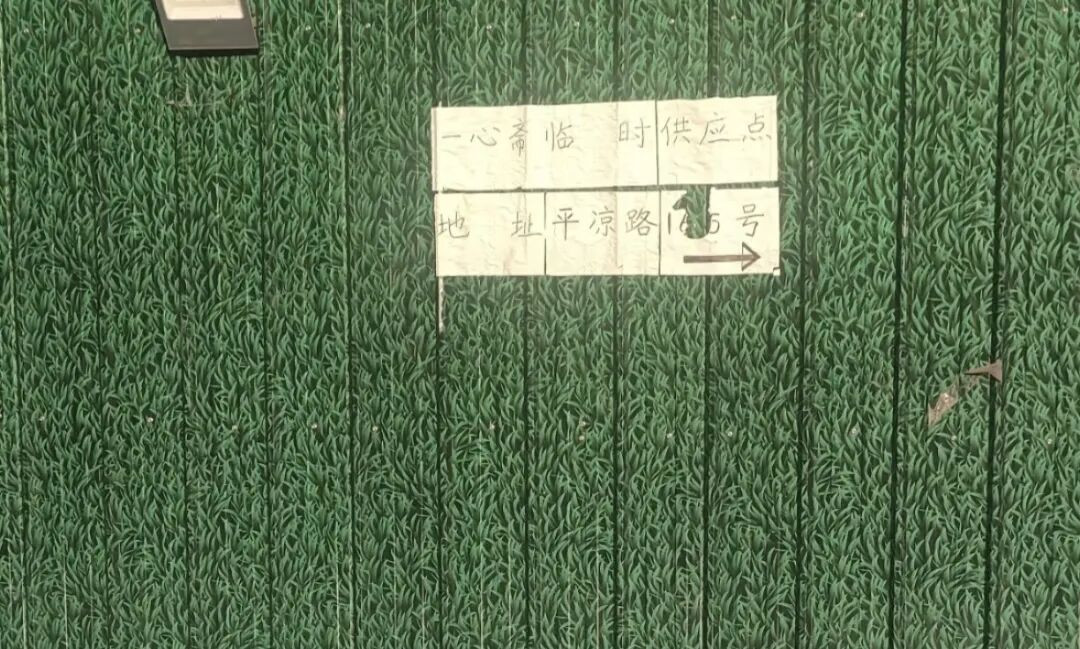
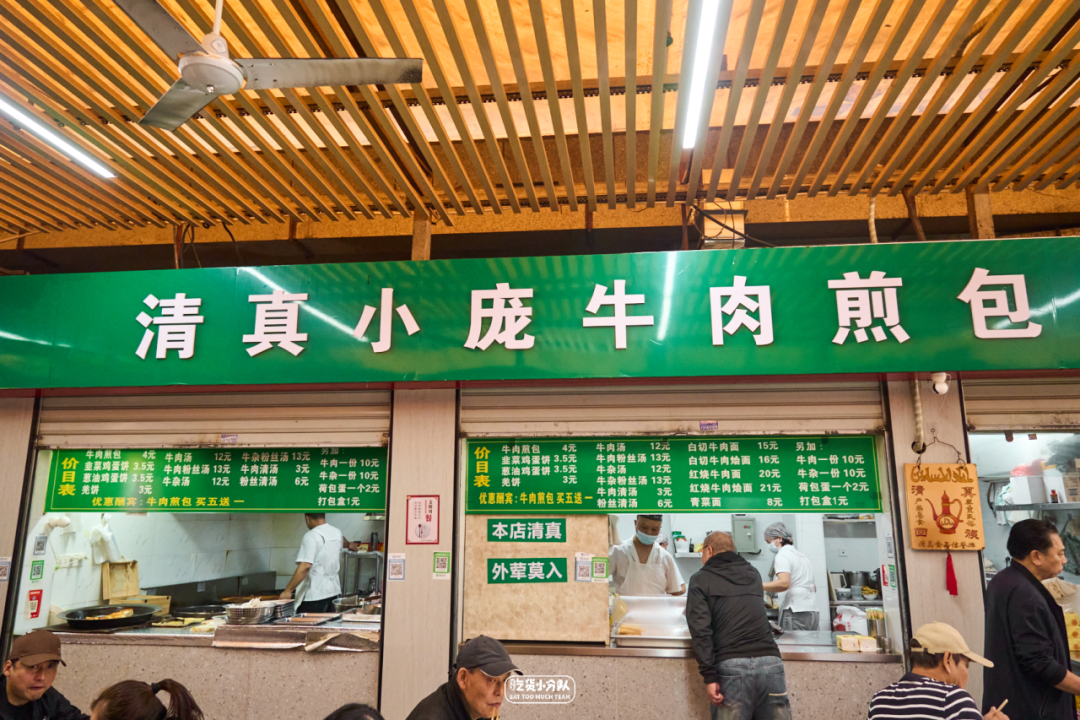
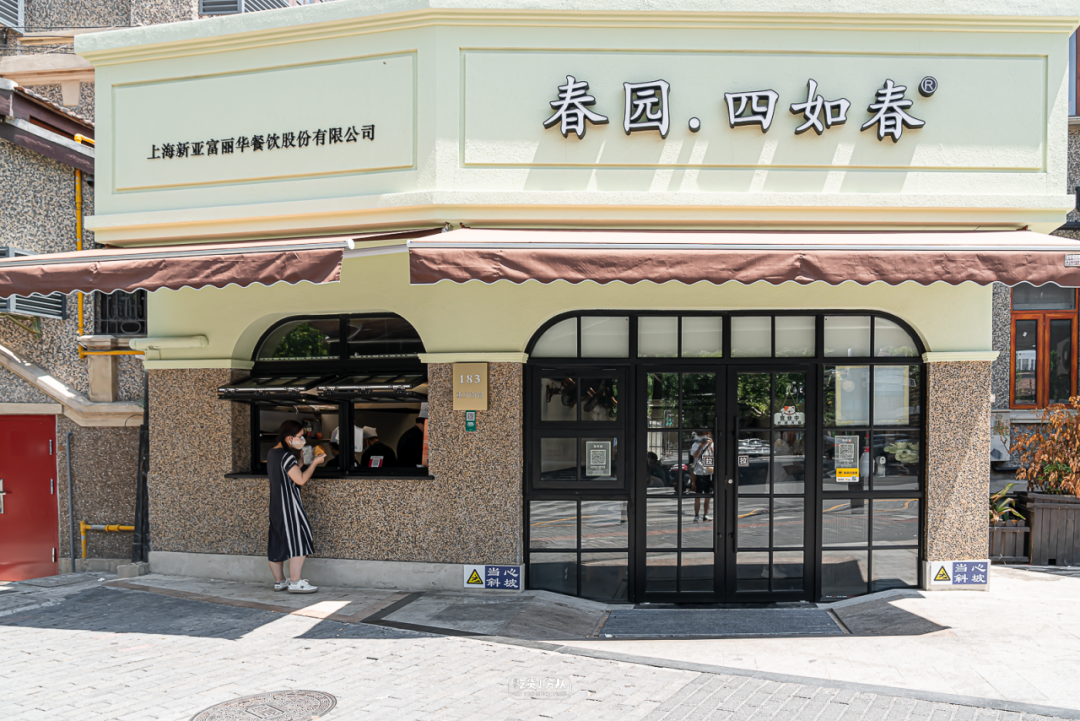
When I arrived at the original address, 1503 Pingliang Road, I was greeted by locked doors and construction barriers, which threw me into a brief moment of panic. Fortunately, looking closely at the directions posted on the door, I realized the shop had temporarily moved down the same street to No. 1625 due to renovations. While the street number was off by a little over a hundred, it was actually less than a hundred meters away. Walking ahead for just a minute, we spotted the familiar storefront and deli counter, and my companion let out a sigh of relief—thank goodness, the place is still here.
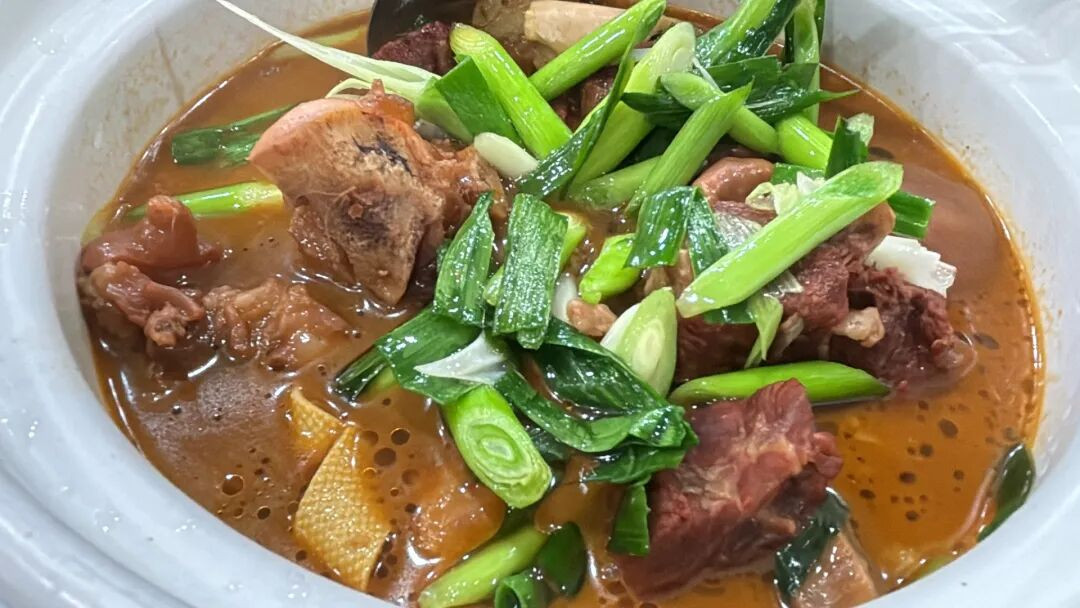
Speaking of Yixinzhai, it's an absolute icon of Shanghai's Halal food scene, with a century of history brewing a flavor legend unique to Yangpu. Its origins trace back to 1913, reportedly starting as a Ma family Halal food stall from Cao County, Shandong. Fleeing war and floods back then, the Ma family traveled far to Shanghai, bringing their ancestral Halal culinary craft and putting down roots on Pingliang Road in Yangpu.
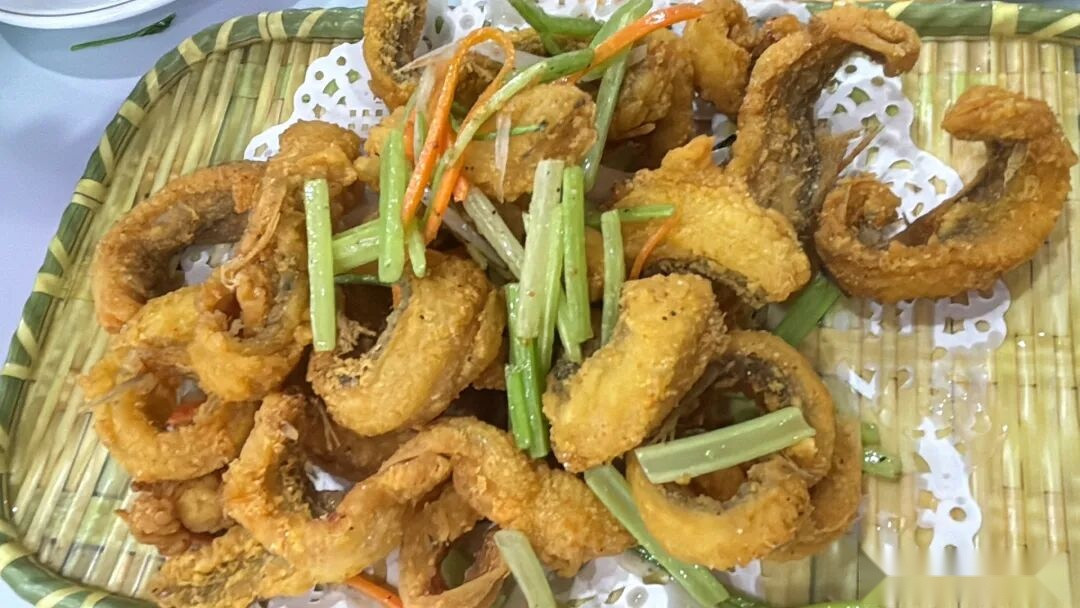
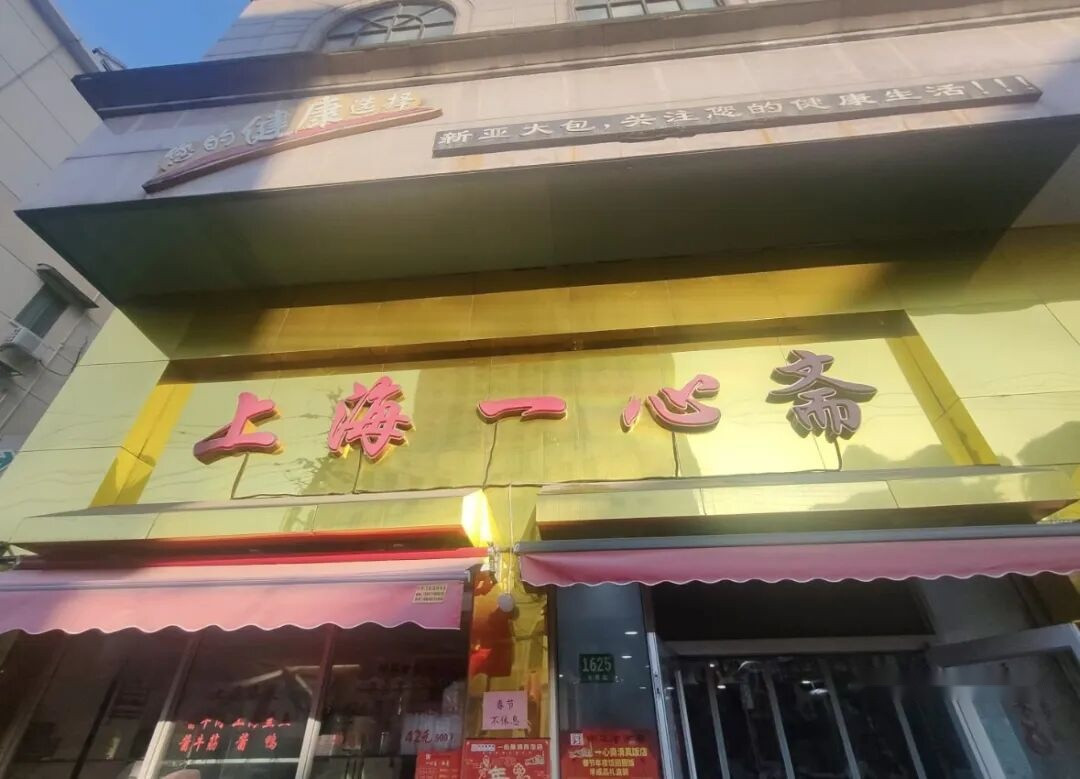
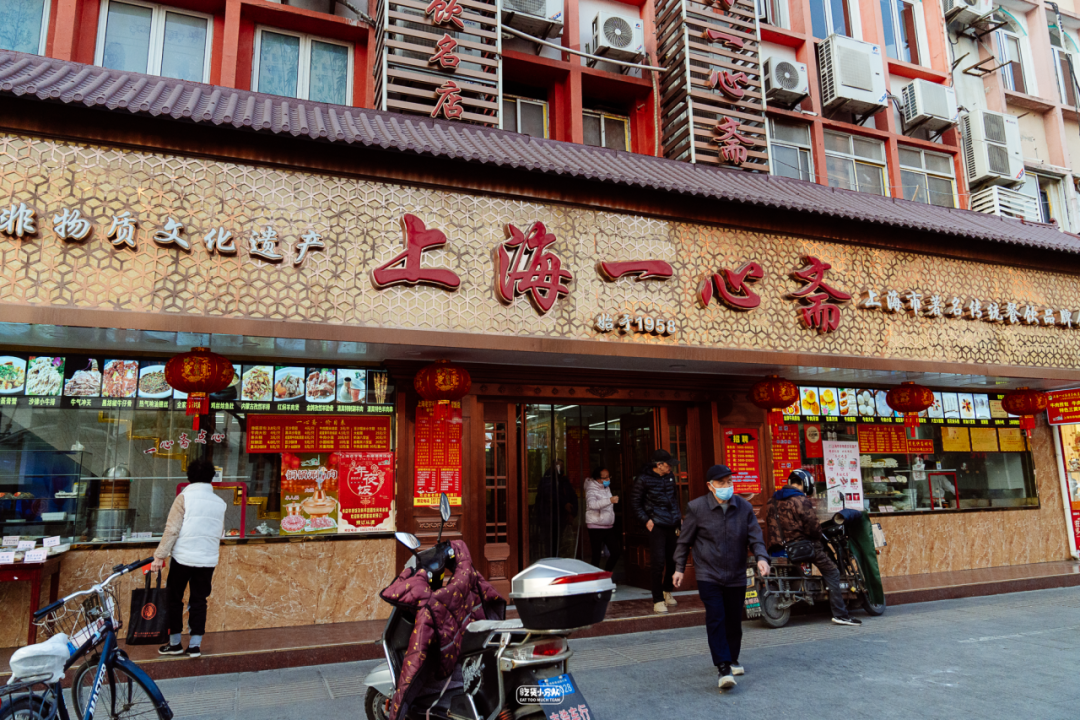
(The new storefront, with the old Xinya Dabao advertisement still lingering up top.)
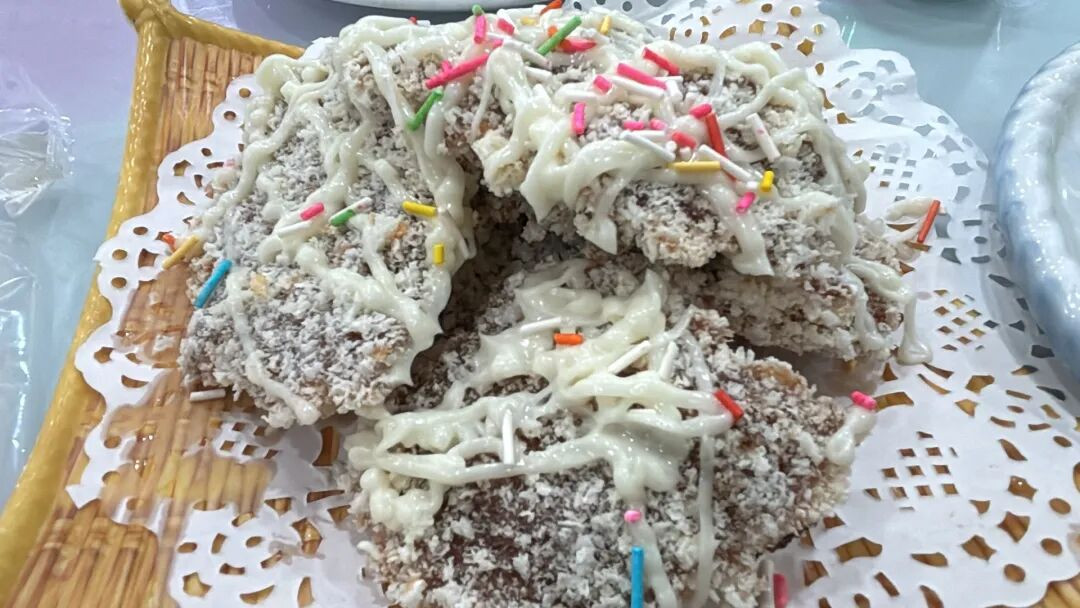
In 1958, Yixinzhai officially registered its name. Having weathered three generations of dedication, it has grown from a humble street food stall into a recognized Shanghai Intangible Cultural Heritage Halal restaurant. Over a hundred years have passed, and the original vision remains unchanged.
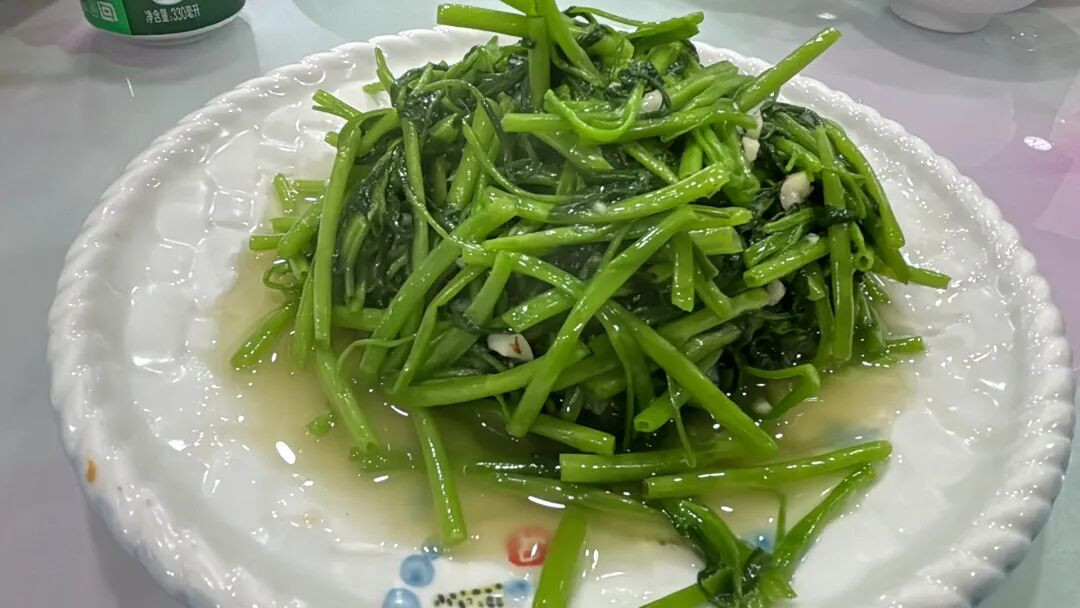
For older Yangpu locals, Yixinzhai has long ceased to be just a restaurant; it's a living imprint woven into everyday life. Before the morning streets fully wake up, long lines already form at Yixinzhai's window. Steam carrying the rich aromas of meat and wheat drifts into the air, waking up the entire block. The signature delicacies here keep people coming back time and time again.
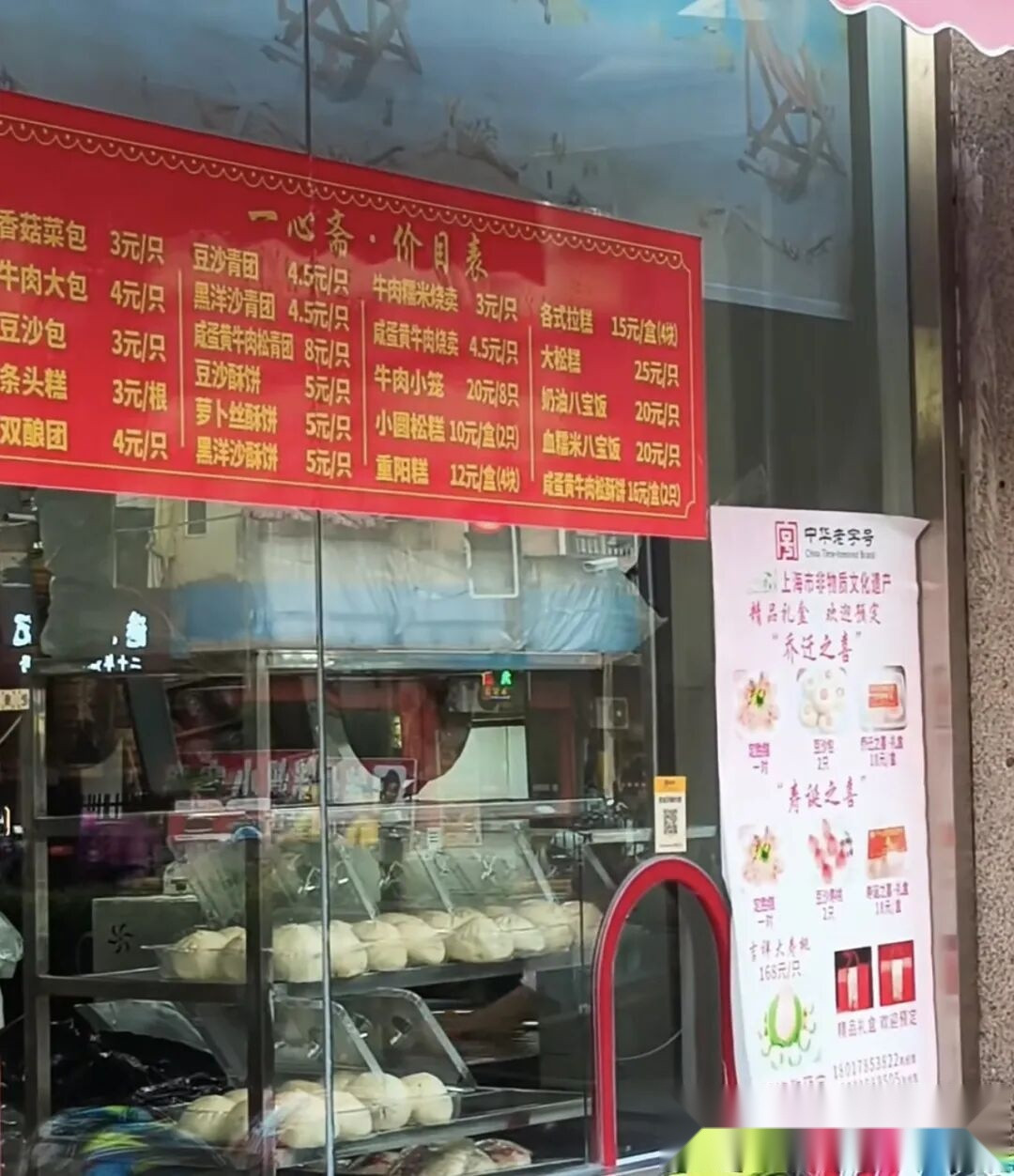
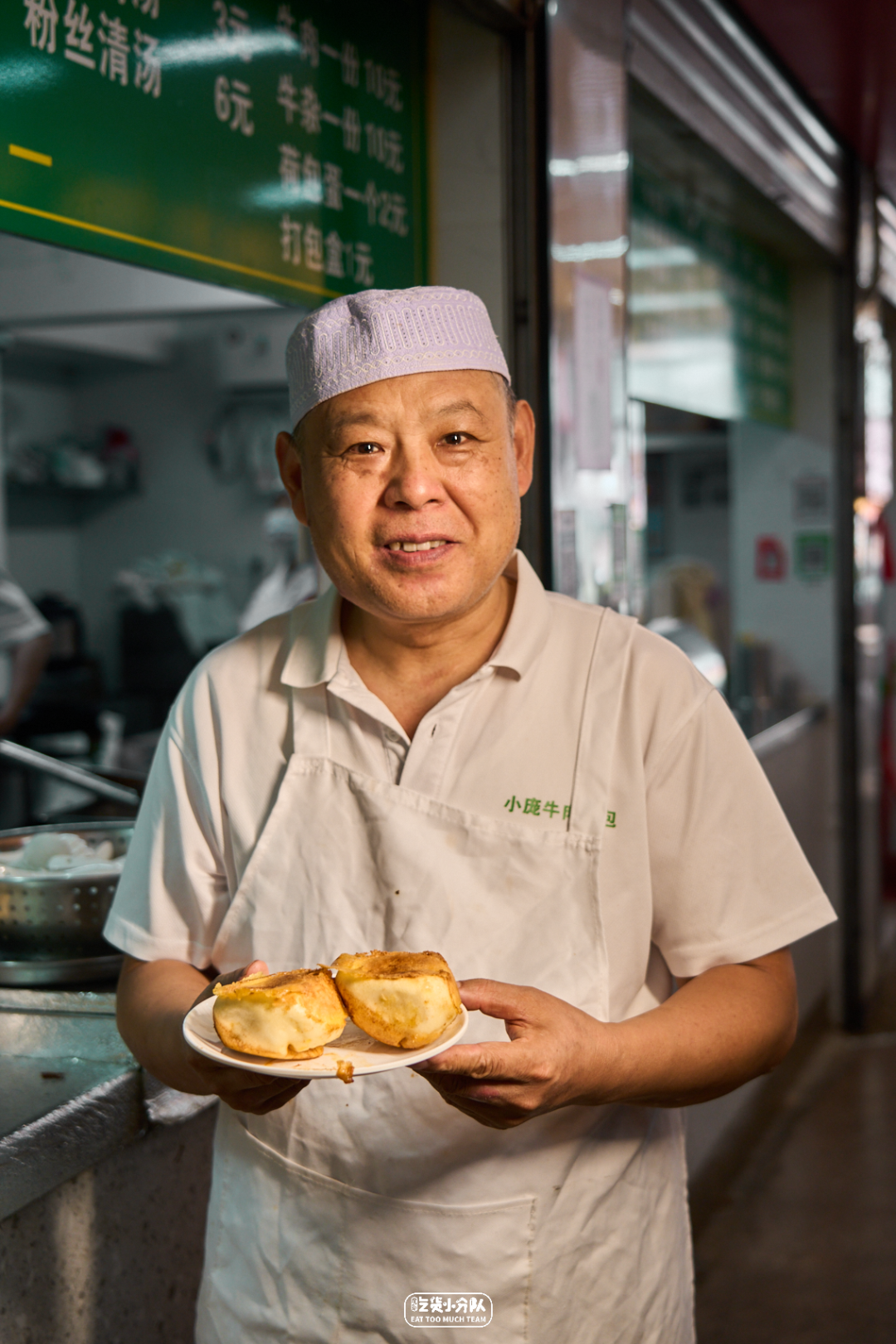
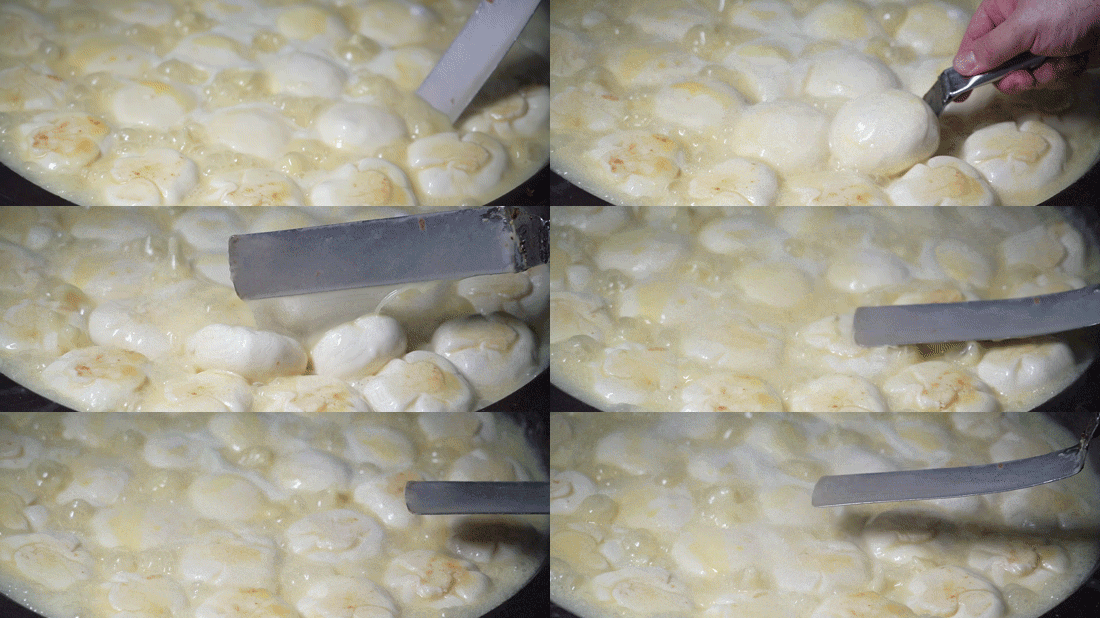
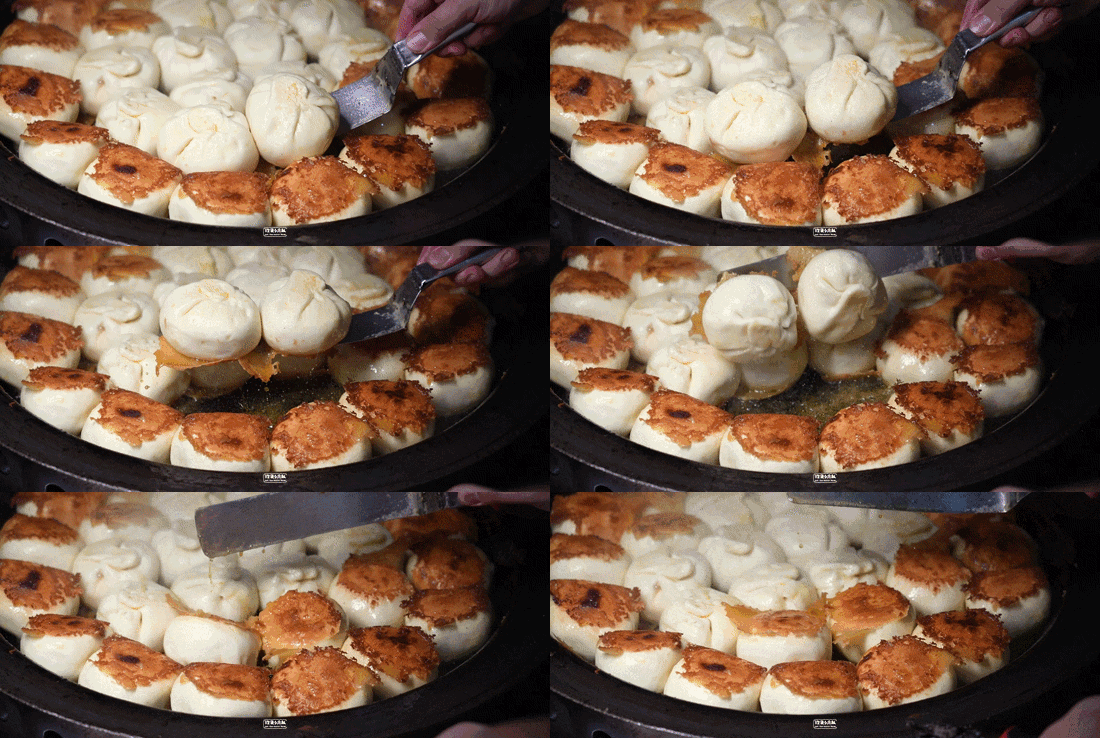
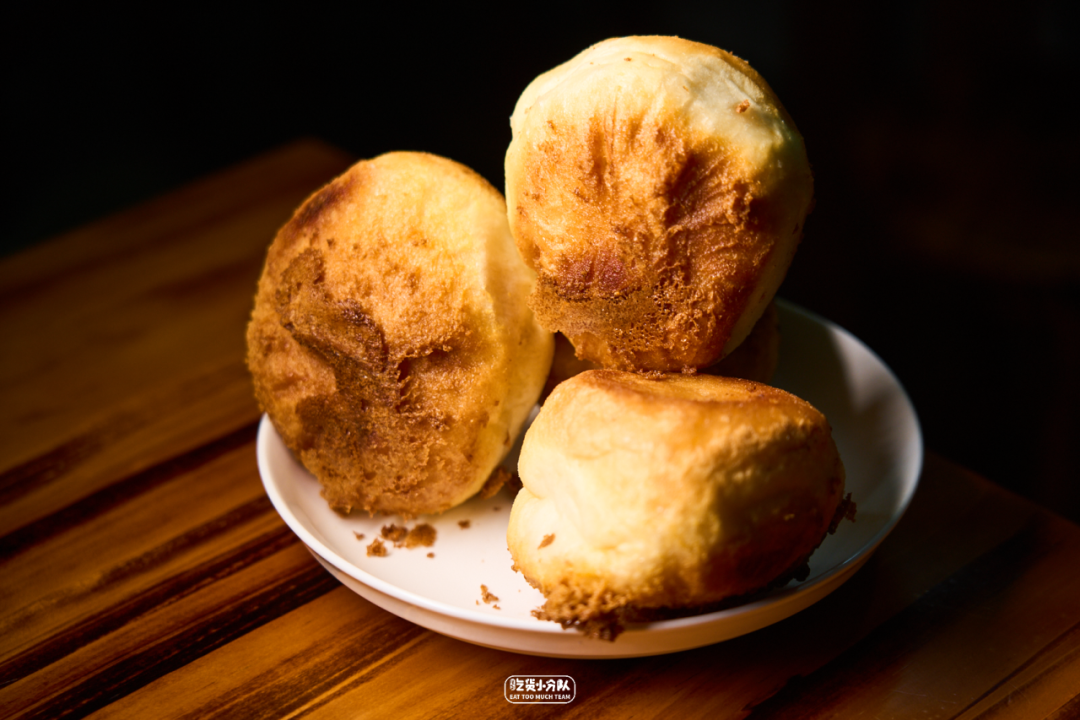
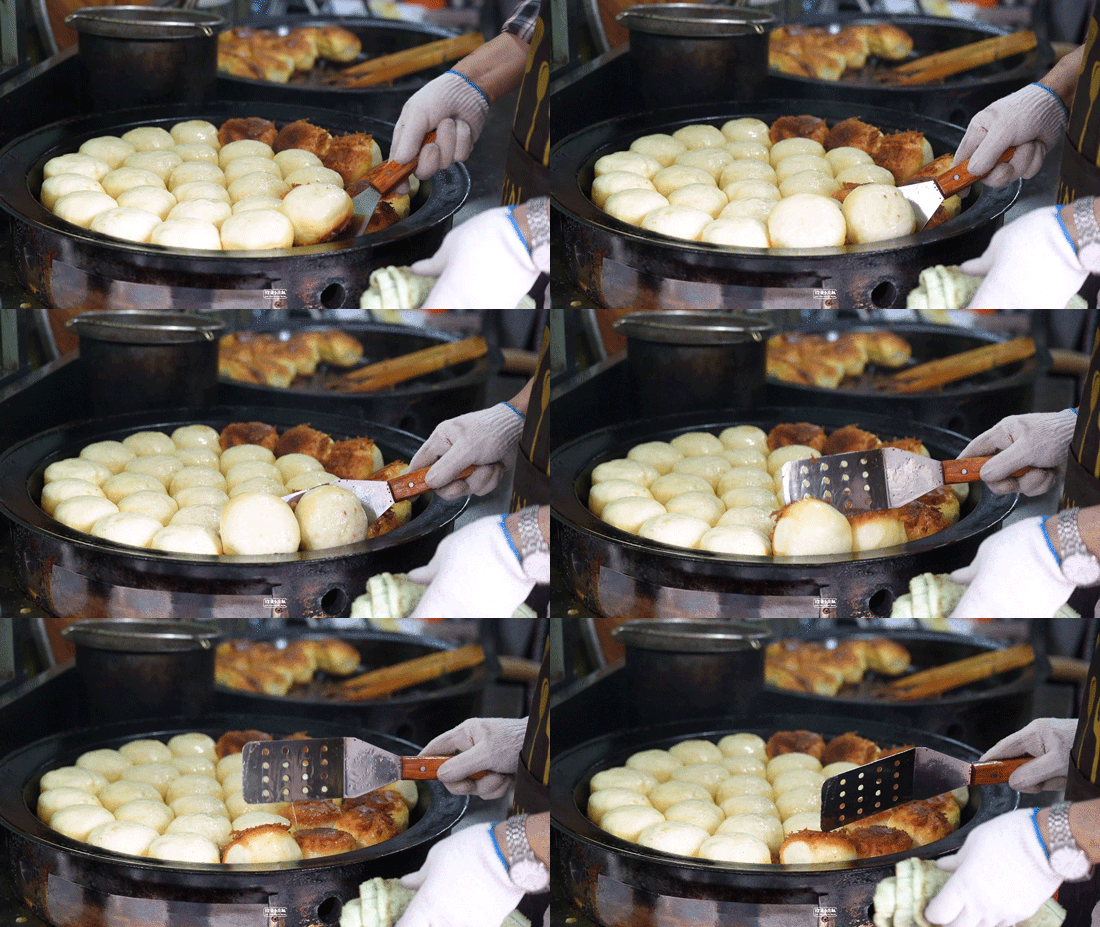
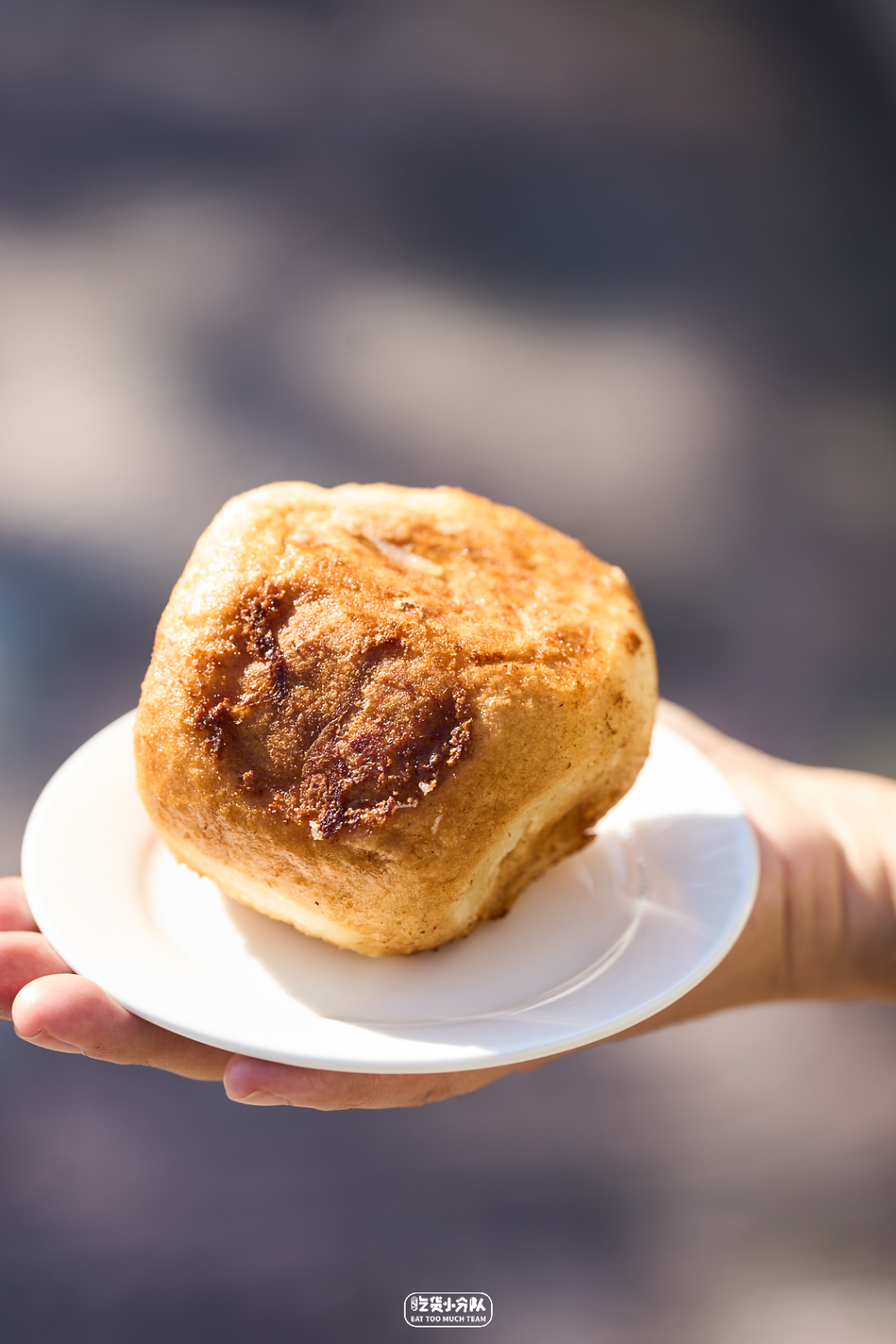
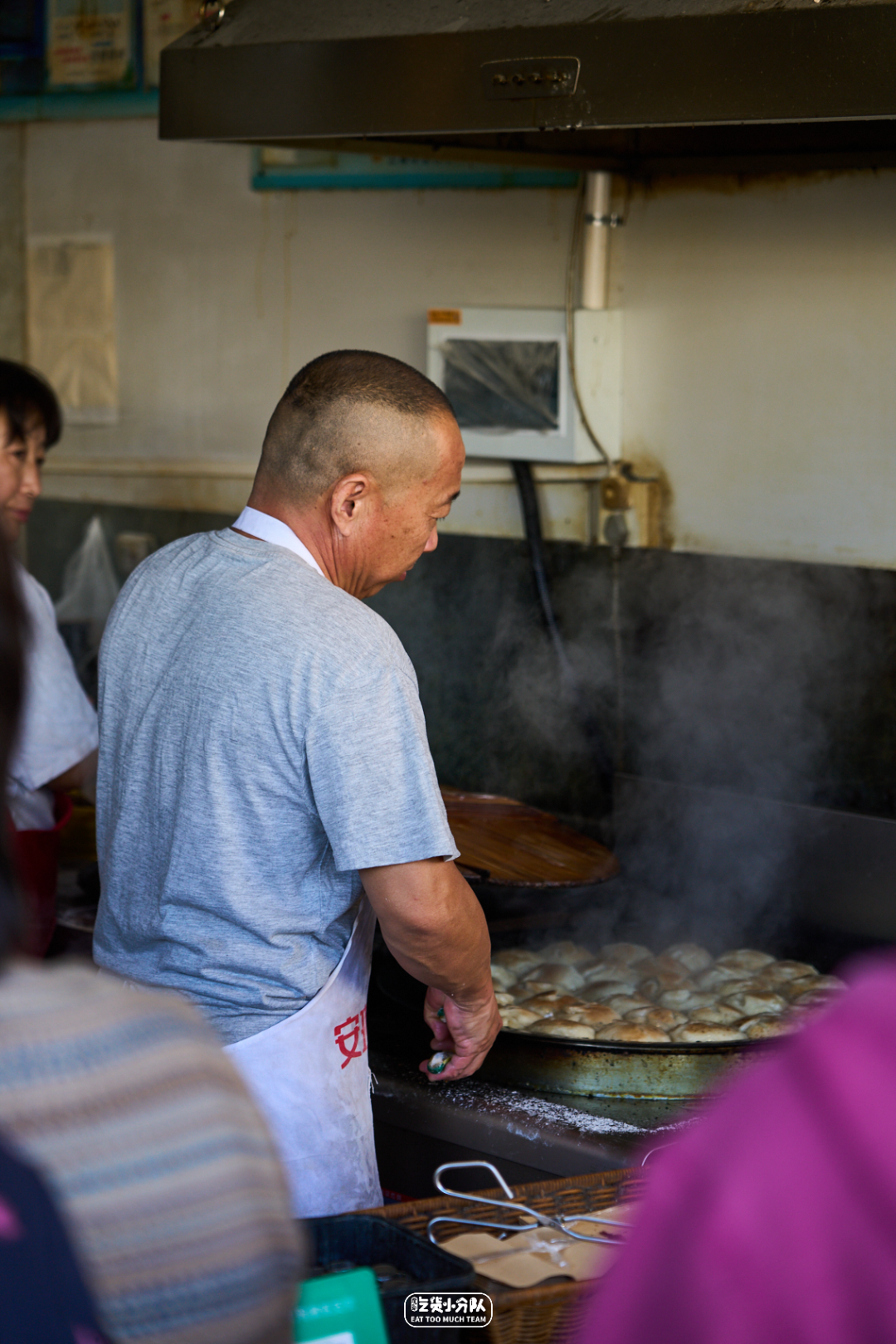
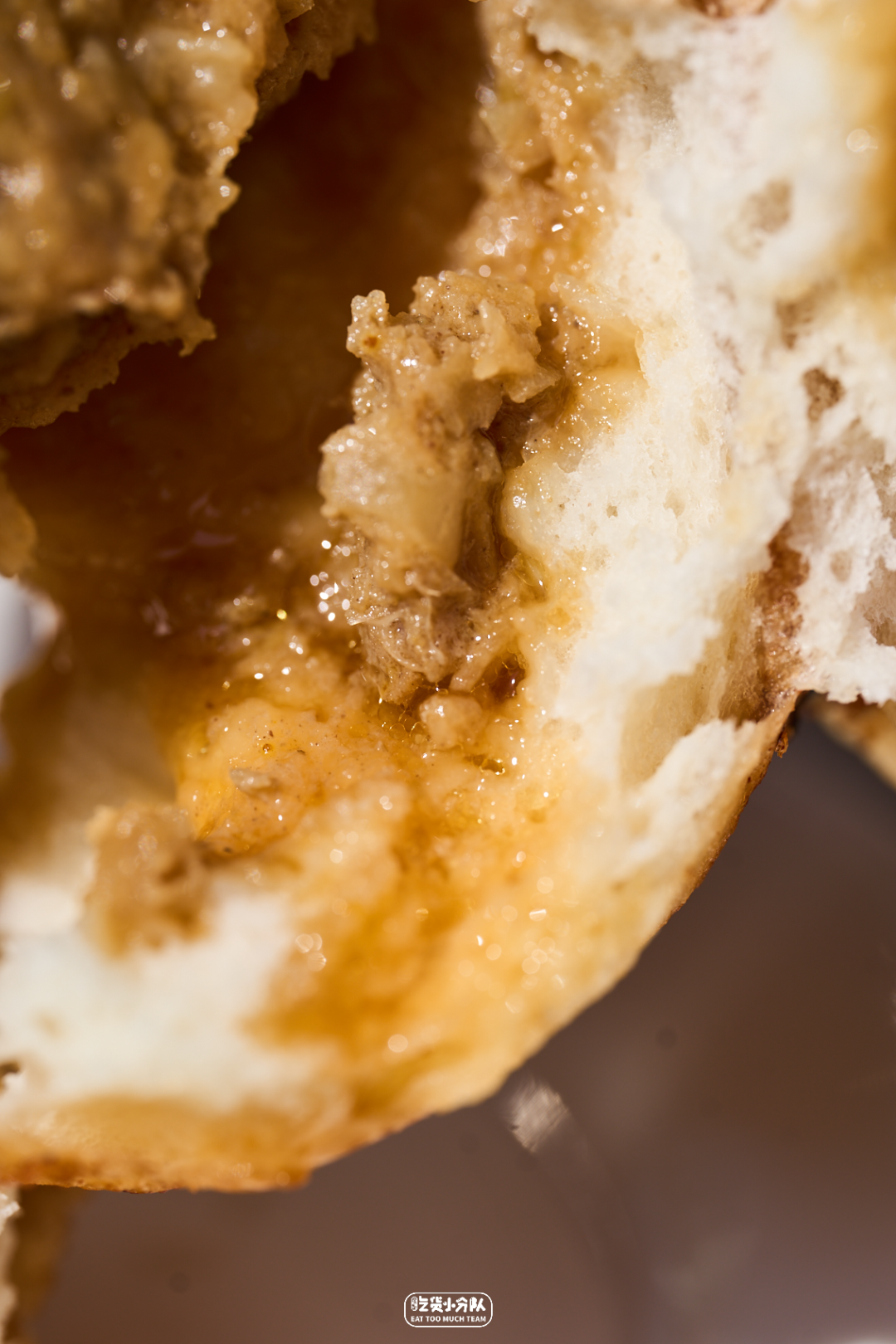
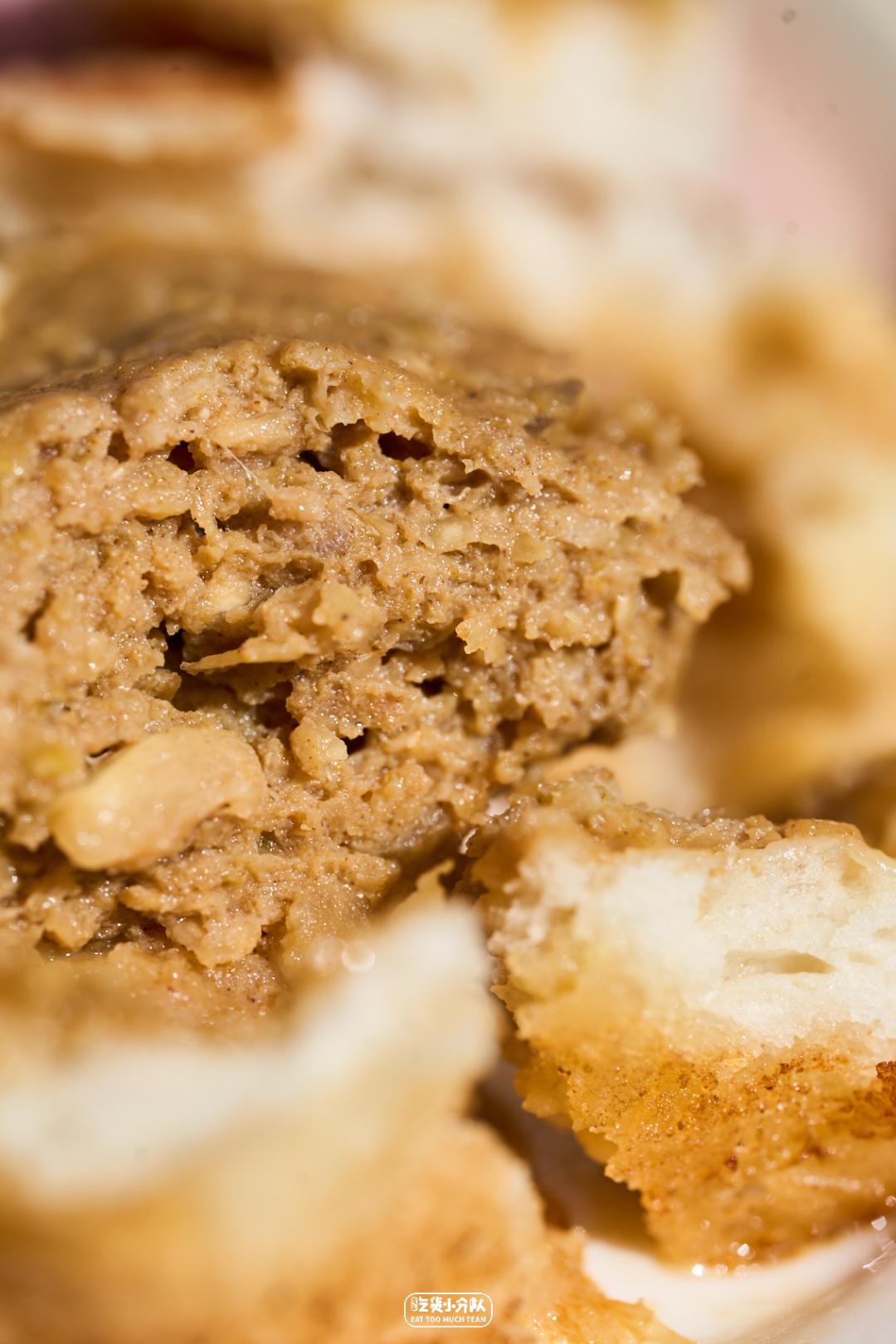
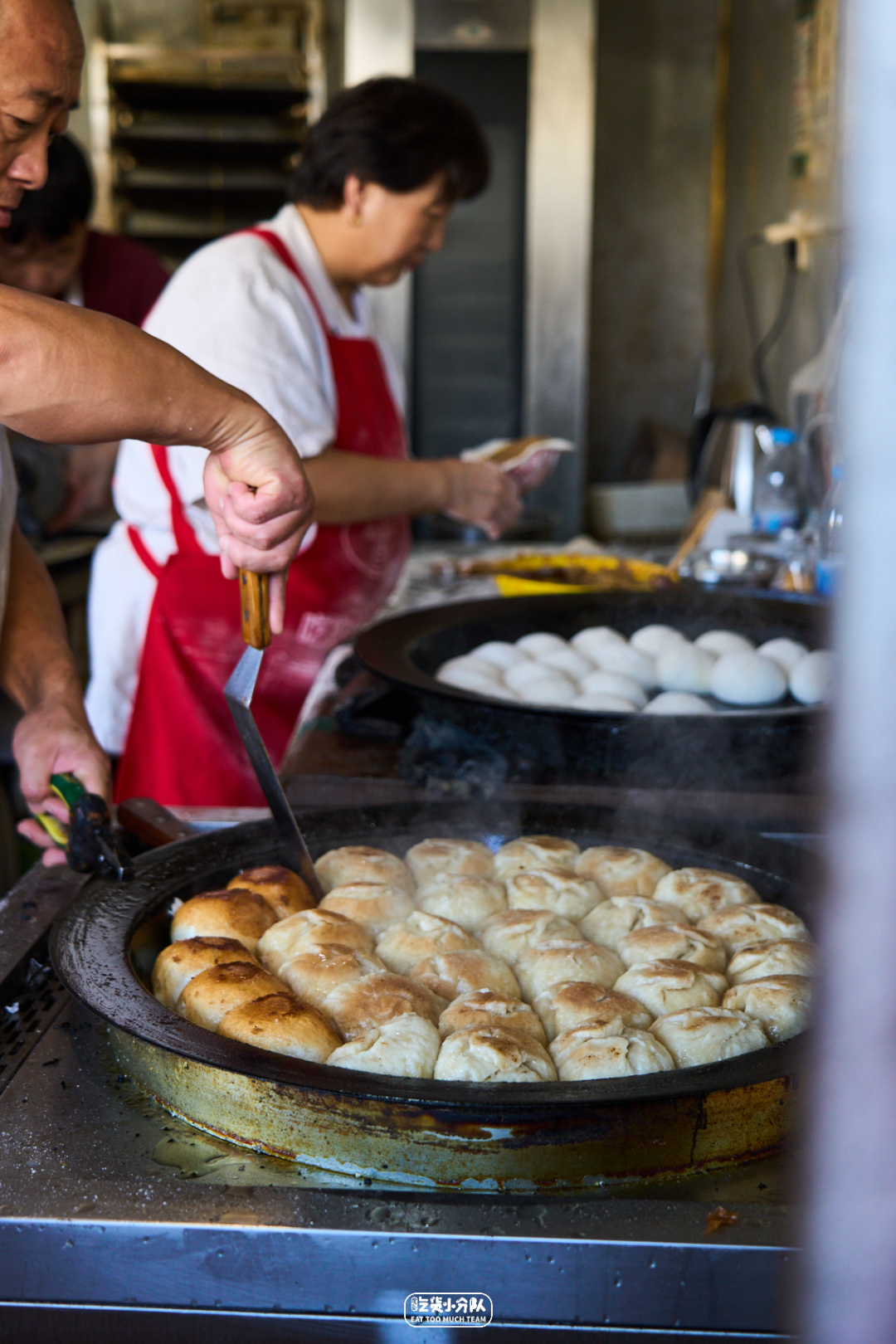
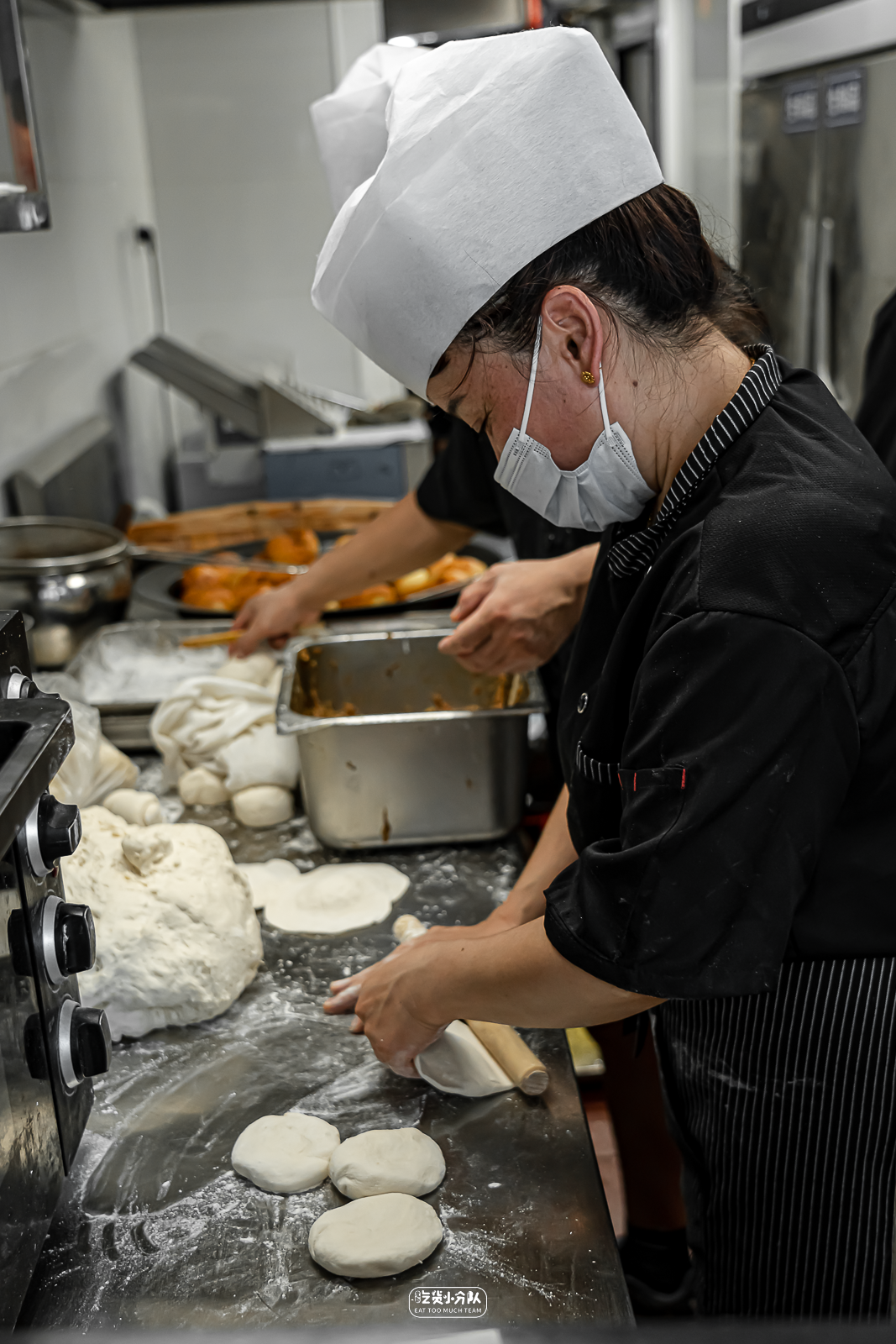
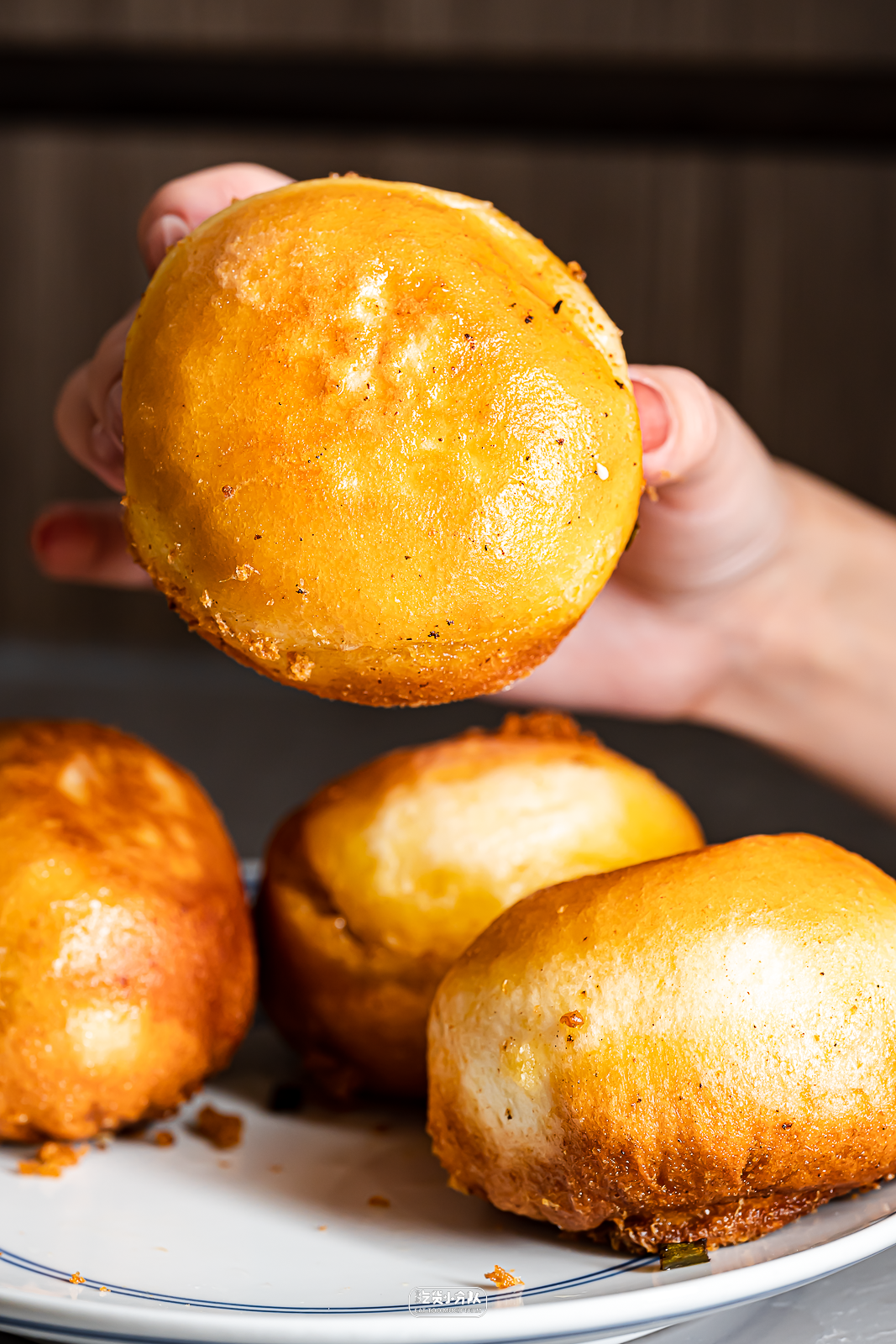
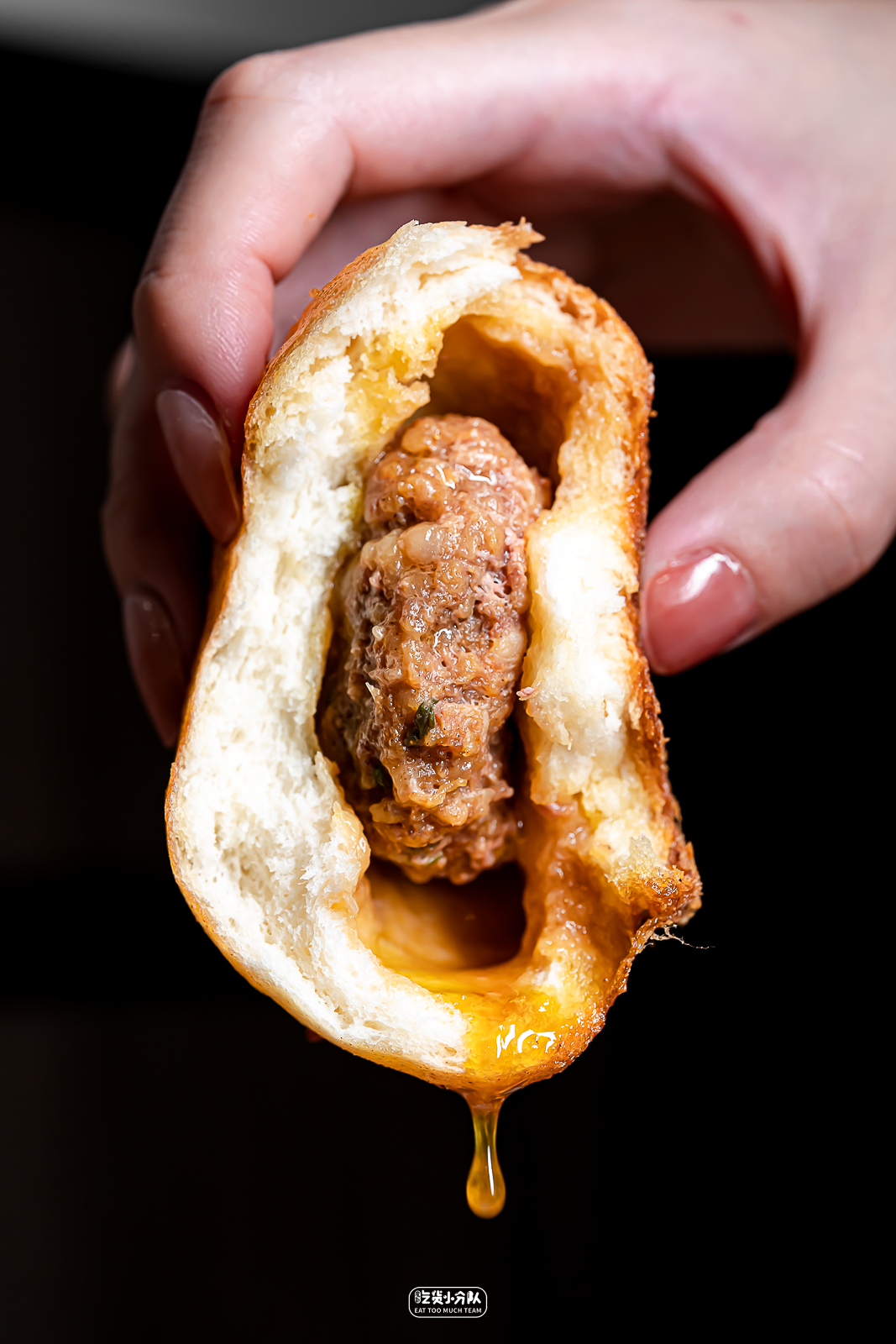
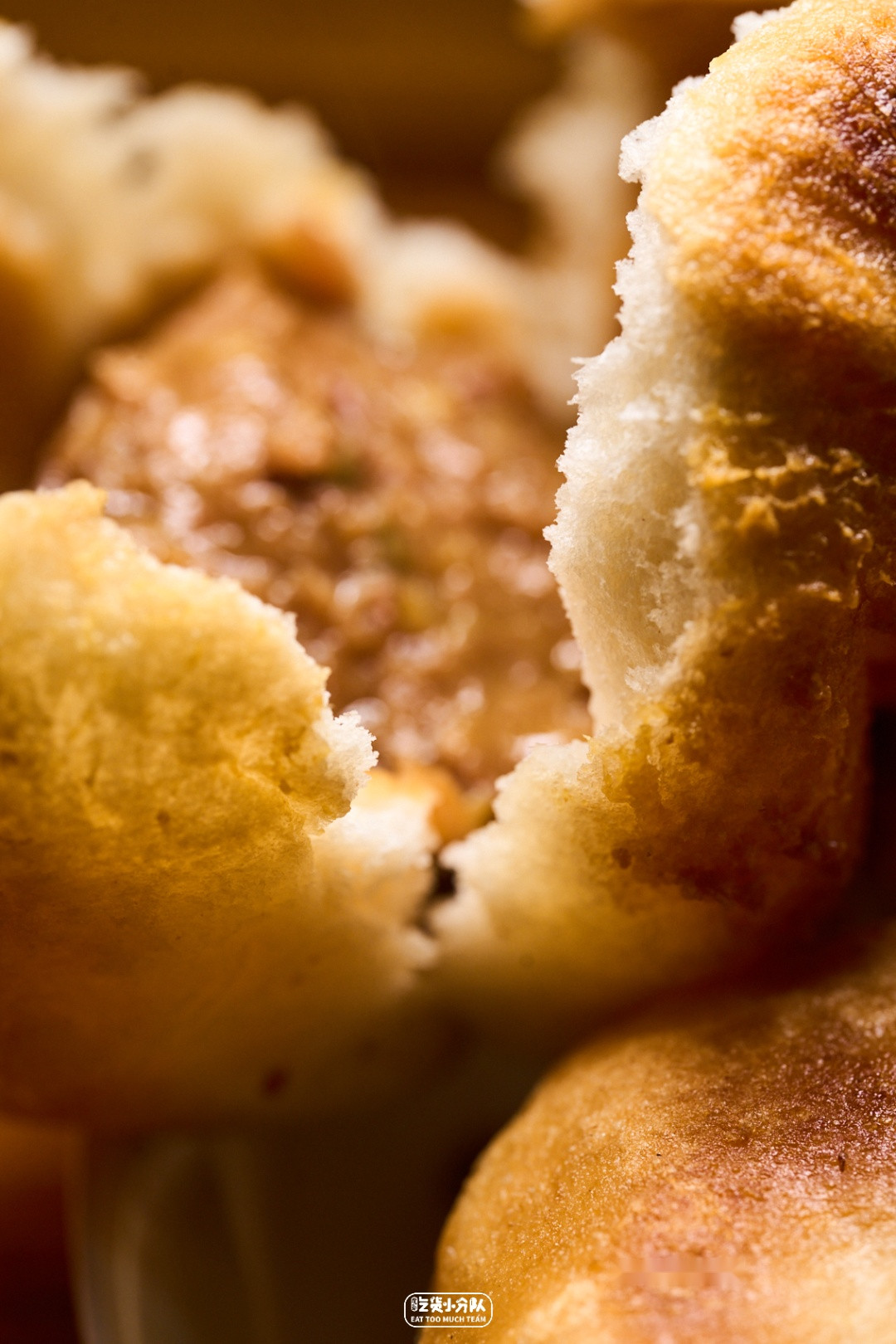
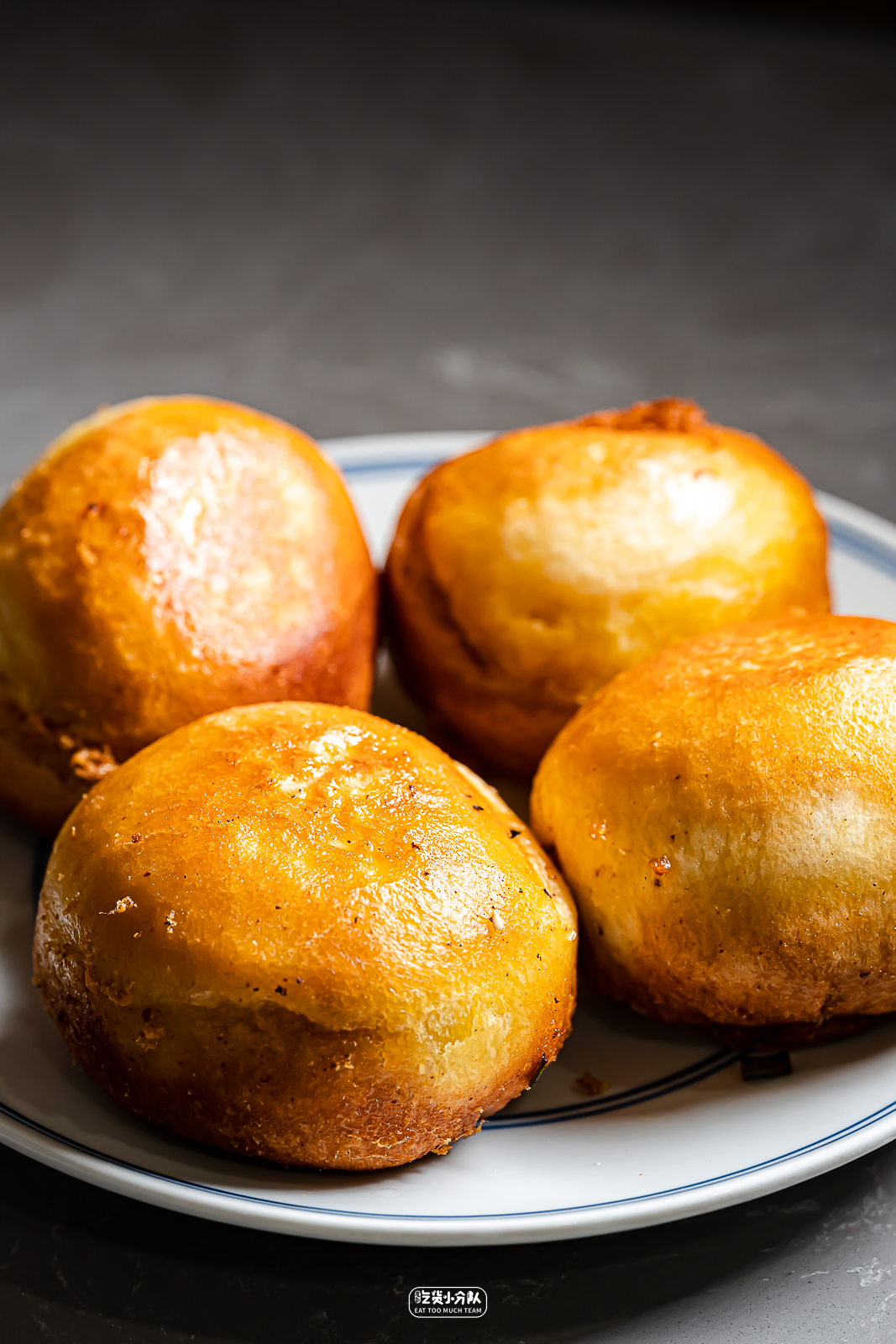
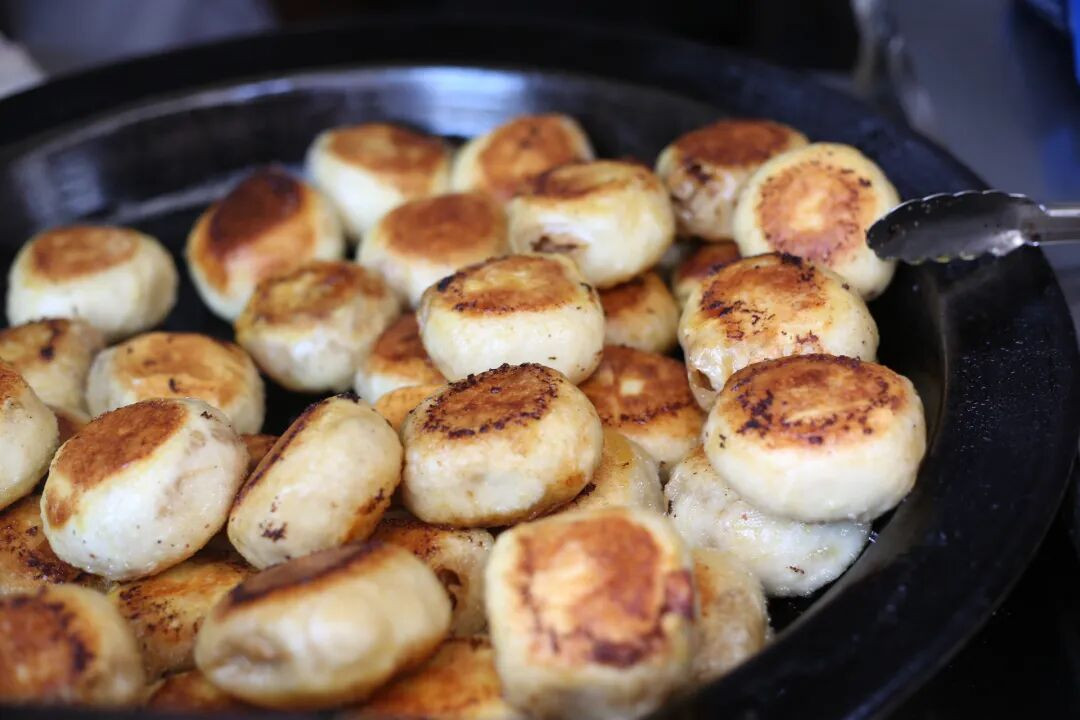
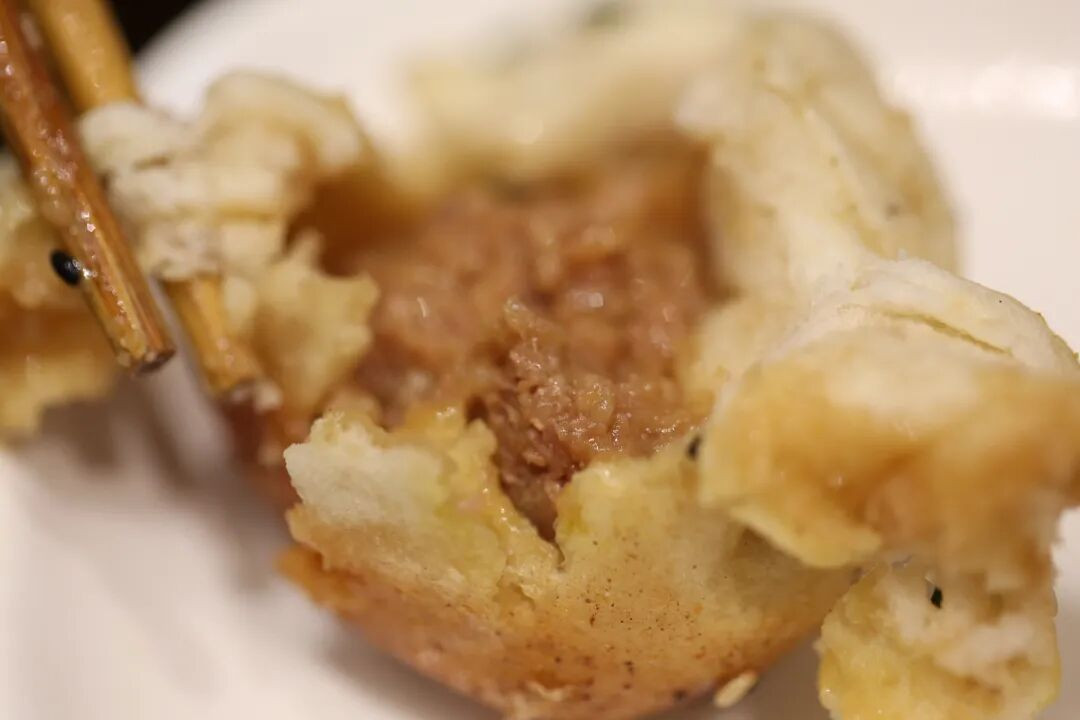
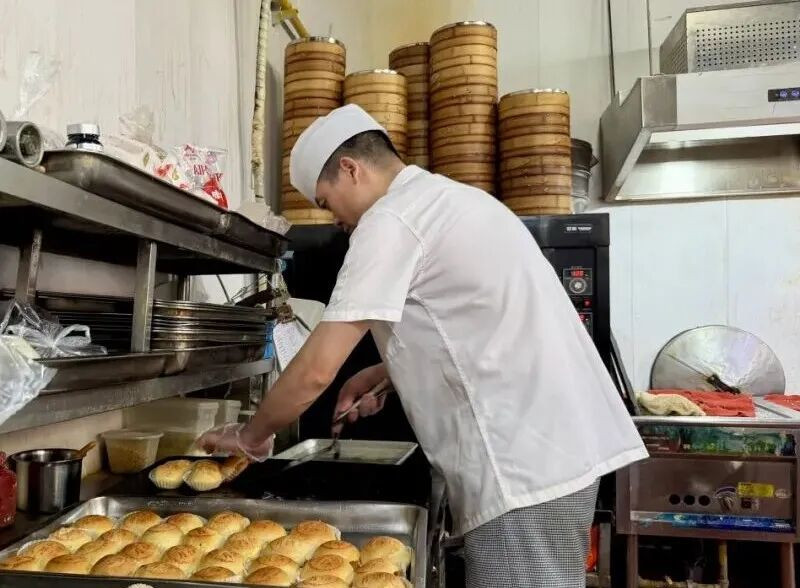
The niurou jianbao (pan-fried beef buns) are an absolute must-order for veteran diners. Starting at 3:00 AM every day, the kitchen crew gets to work, prepping fresh minced beef fillings while kneading the dough by hand to achieve that ideal fluffy yet chewy texture. Plump, round buns go into the pan, one side fried until golden and crispy with a delicate web of lace crust, while the other side stays soft and pillowy. Take a bite, and it’s juicy, savory, not greasy at all, and packed with authentic Halal flavor while still catering perfectly to the Shanghai palate. One bite delivers a deep, comforting sense of satisfaction.
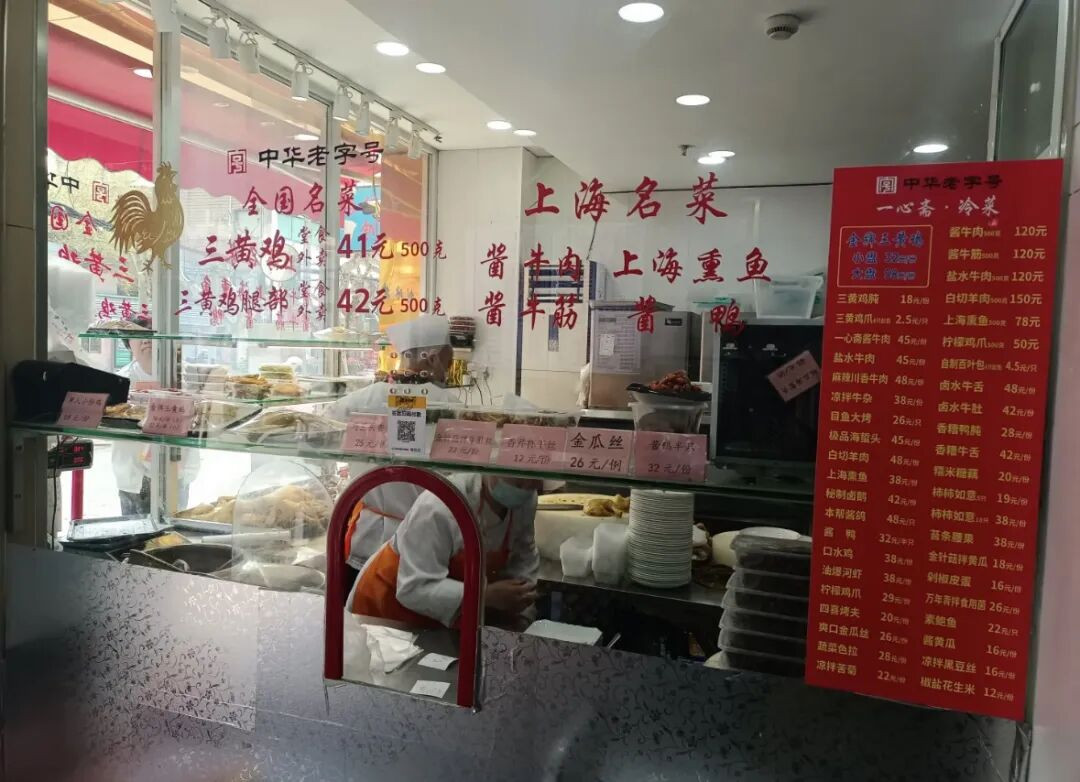
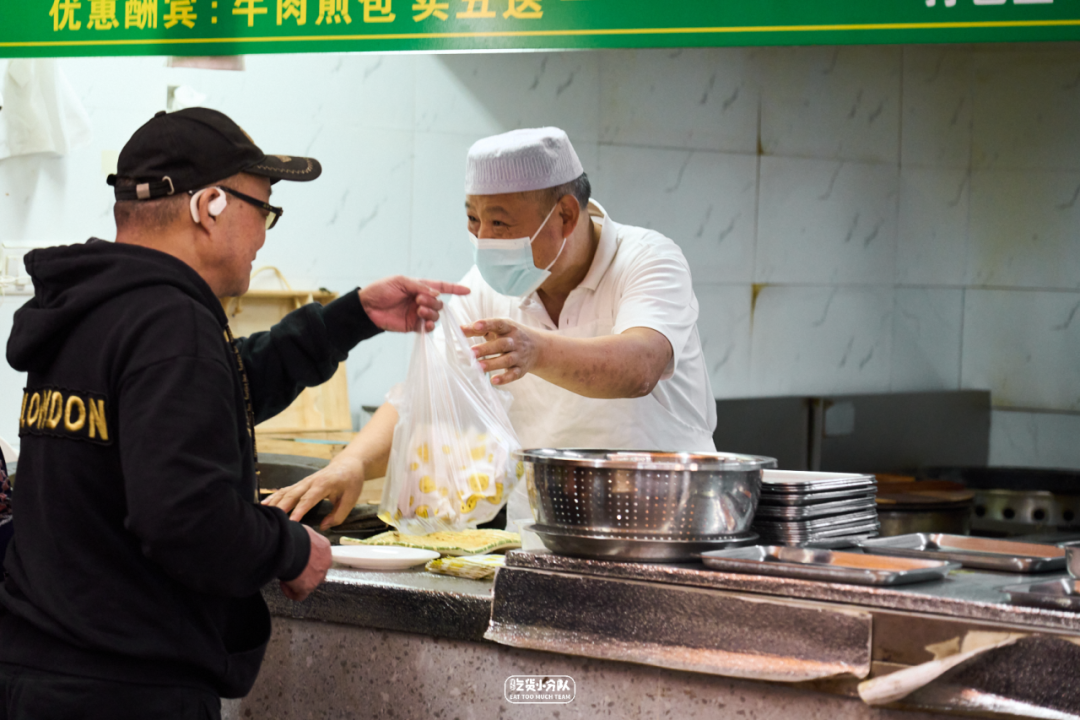
(The new deli takeout window.)
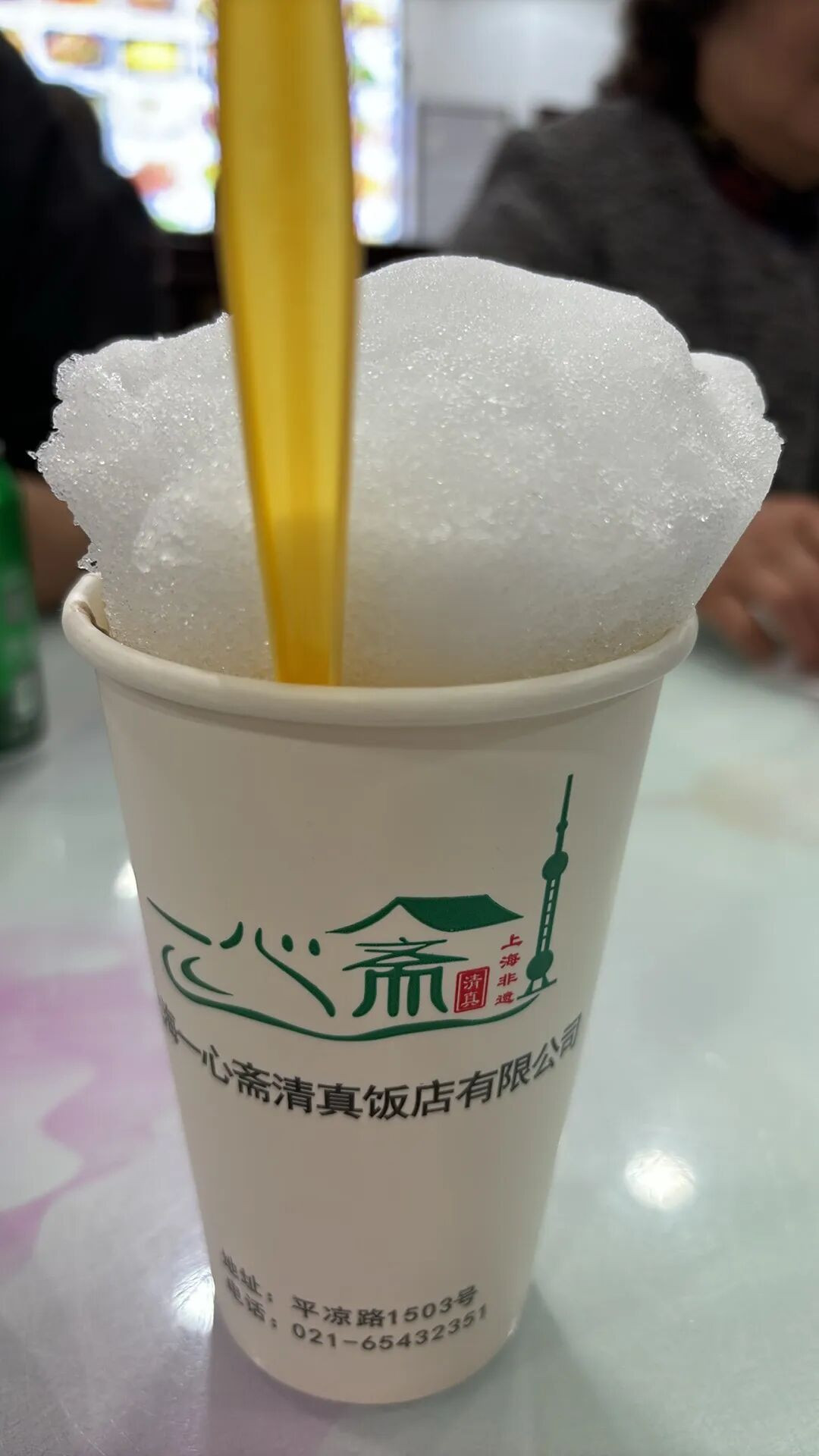
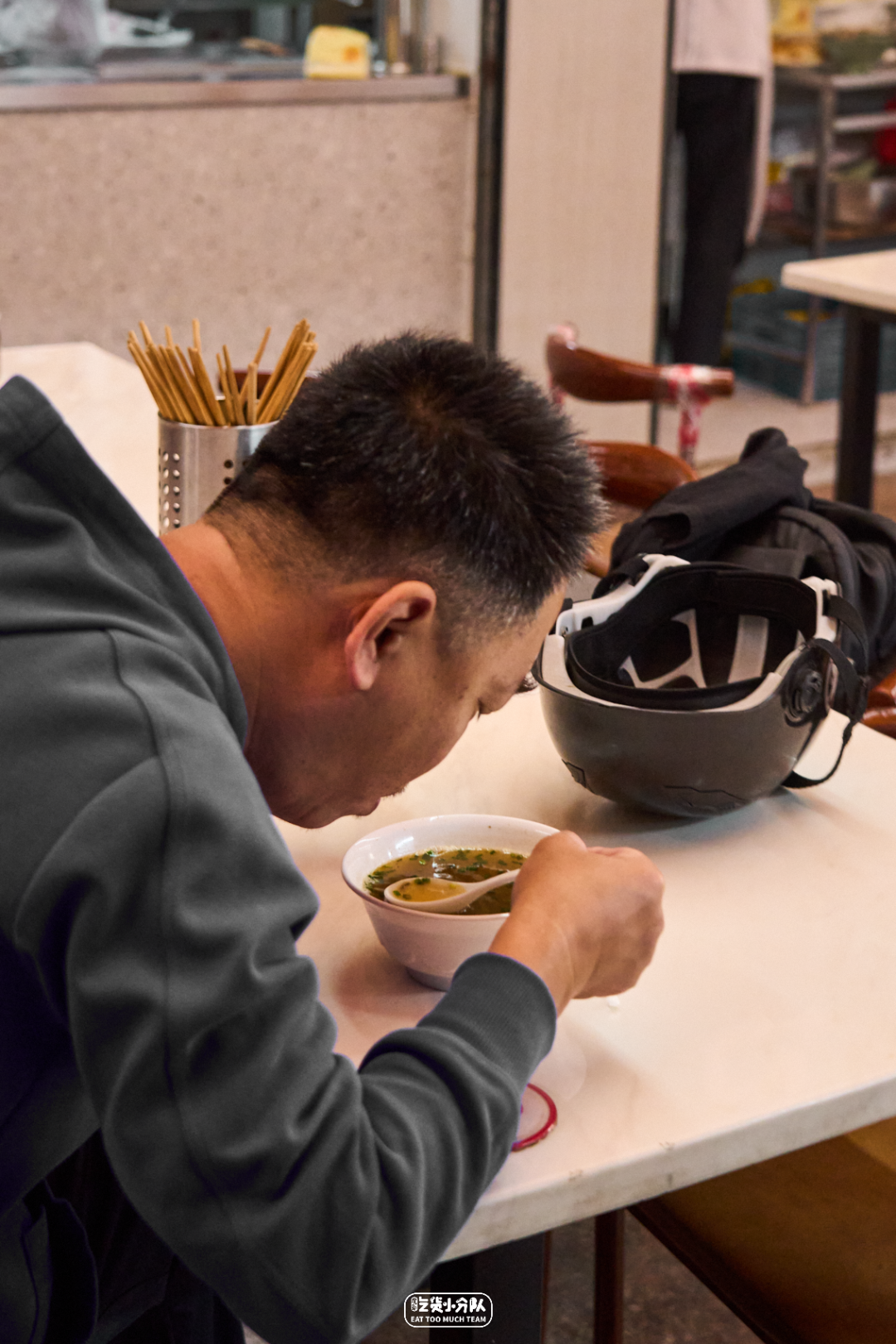
Aside from the niurou jianbao, they also serve niurou guotie (crispy beef potstickers), golden sanhuangji (three-yellow chicken), and curry beef vermicelli soup—every single item is a classic. The guotie are plump and sturdy, featuring thin wrappers, generous fillings, and plenty of soup, perfectly complementing the texture of the jianbao. Using premium Nanhui chickens, the sanhuangji features tight skin and tender meat that is never dry or gamey, best enjoyed with their secret dipping sauce for a fresh and crisp flavor. The upgraded curry beef vermicelli soup comes with hearty, generous chunks of beef shank paired with slippery, smooth vermicelli in a rich, yellowish broth. Slurping down a bowl of hot soup spreads warmth straight from the tip of your tongue to your whole body. In the summer, refreshing cold noodles paired with shaved ice beat the heat, while in the winter, steaming-hot mutton casseroles warm both heart and stomach. Year-round, Yixinzhai hits the exact cravings of its loyal diners.
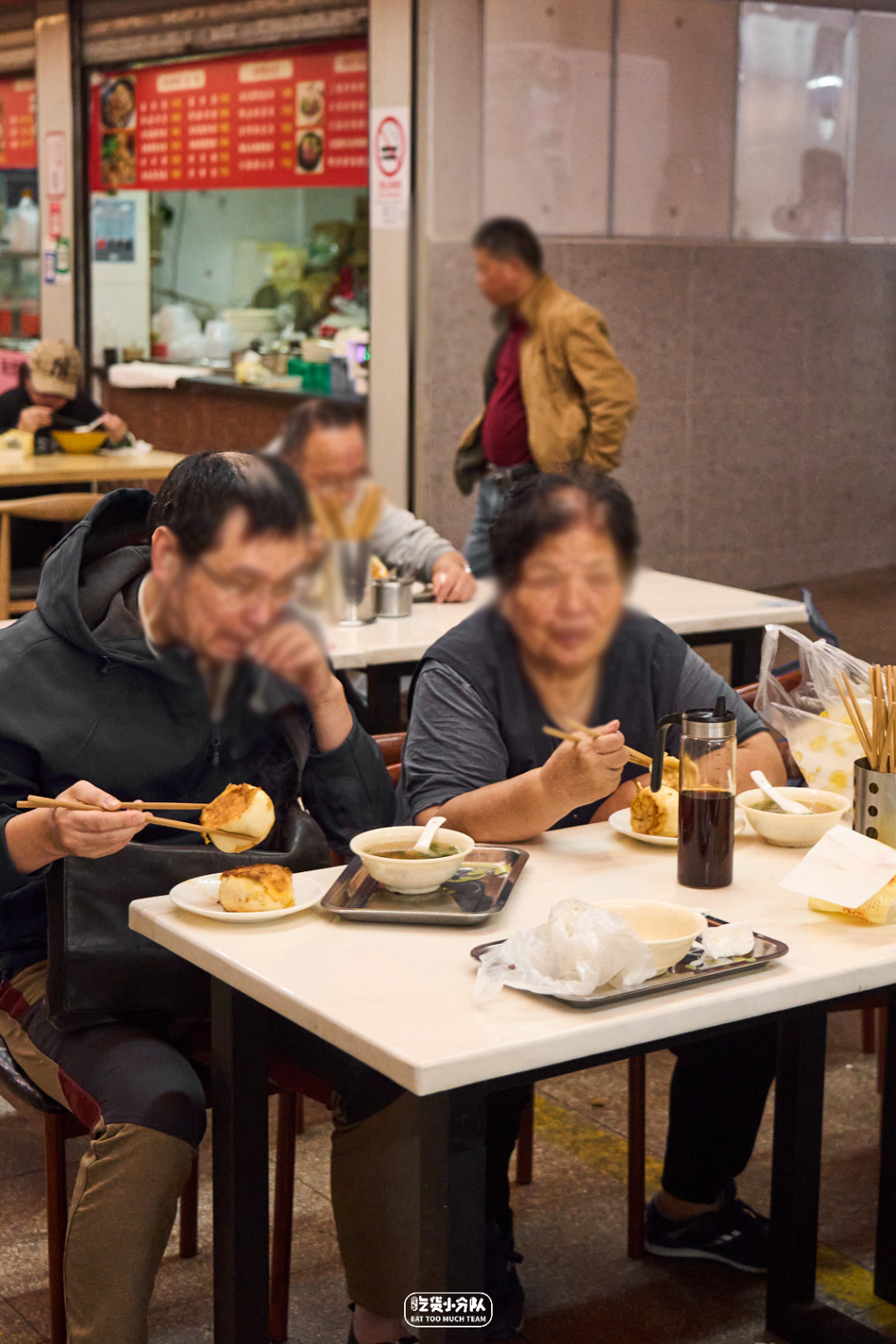
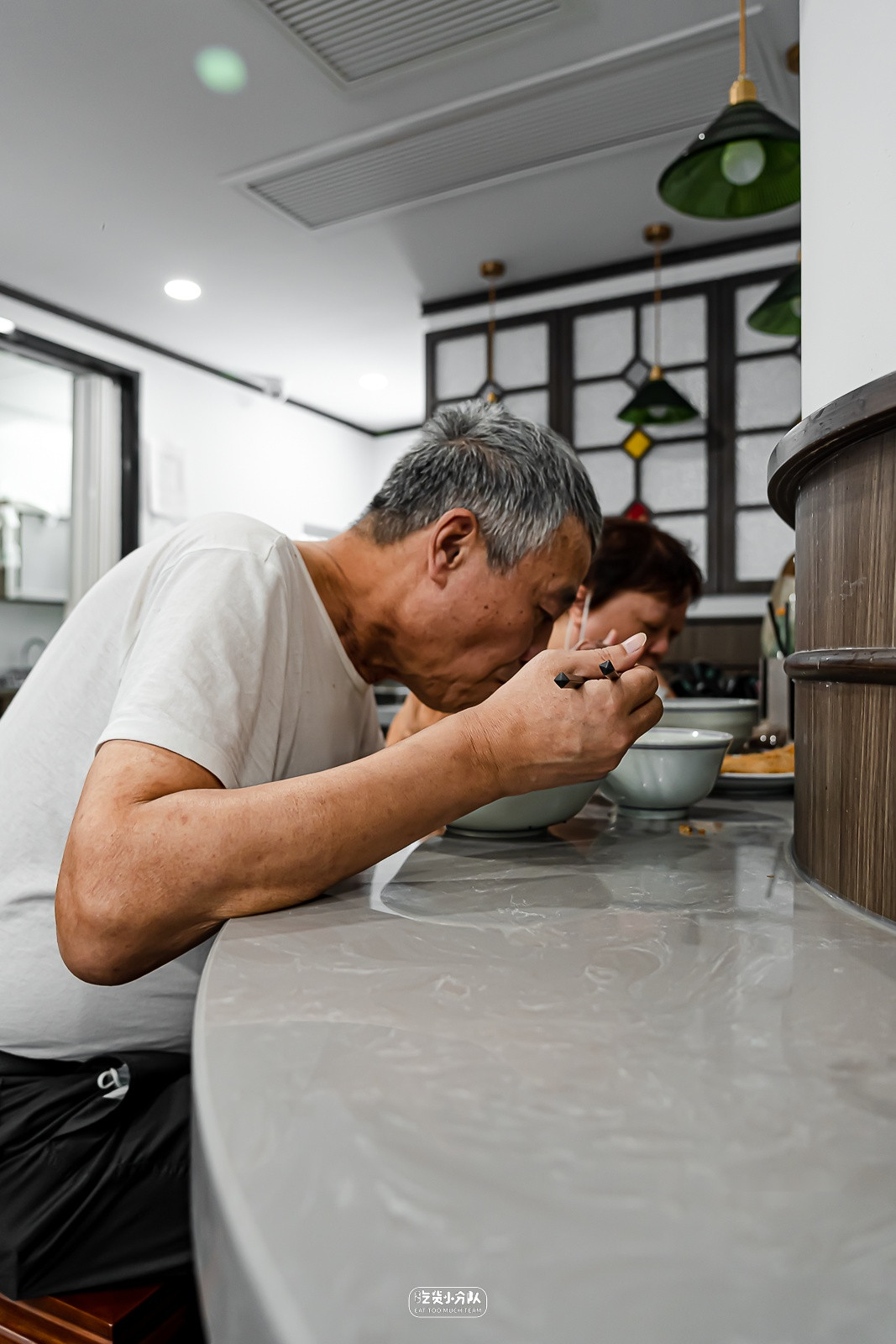
With this relocation, even though the historic shop has a fresh new storefront, it still holds onto its down-to-earth neighborhood charm. However, the new space only has one floor, making empty tables hard to come by during the lunchtime rush.
Still, my companion said as long as the taste hasn't changed, that's all that matters. For our dine-in meal this time, we ordered several dishes, plus his lifelong favorites: the niurou jianbao and shaved ice. He even specifically packed an order of jianbao to take home for his kid. It looks like the culinary tradition here is safely being passed down to the next generation. Collapse Read »
A Visit to the New Location of Yixinzhai: The Century-Old Halal Landmark on Pingliang Road, Yangpu, and Its Enduring Neighborhood Warmth
Summary:
A look at the relocation and renovation of Yixinzhai, the century-old Halal institution on Pingliang Road in Yangpu District. This guide shares the temporary new address, captures the lively scene of waiting for fresh niurou jianbao (pan-fried beef buns) straight out of the pan, and highlights the timeless, massive popularity of this legendary spot through changing times.
Pingliang Road in Yangpu District is a street overflowing with old-school Shanghai neighborhood vibes, holding countless flavor memories etched into the taste buds of local residents. Not far from the Bailian complex in the Yangpu Riverside area recently, I realized we were close to the historic Halal eatery Yixinzhai and decided to grab some niurou jianbao.
When I arrived at the original address, 1503 Pingliang Road, I was greeted by locked doors and construction barriers, which threw me into a brief moment of panic. Fortunately, looking closely at the directions posted on the door, I realized the shop had temporarily moved down the same street to No. 1625 due to renovations. While the street number was off by a little over a hundred, it was actually less than a hundred meters away. Walking ahead for just a minute, we spotted the familiar storefront and deli counter, and my companion let out a sigh of relief—thank goodness, the place is still here.
Speaking of Yixinzhai, it's an absolute icon of Shanghai's Halal food scene, with a century of history brewing a flavor legend unique to Yangpu. Its origins trace back to 1913, reportedly starting as a Ma family Halal food stall from Cao County, Shandong. Fleeing war and floods back then, the Ma family traveled far to Shanghai, bringing their ancestral Halal culinary craft and putting down roots on Pingliang Road in Yangpu.
(The new storefront, with the old Xinya Dabao advertisement still lingering up top.)
In 1958, Yixinzhai officially registered its name. Having weathered three generations of dedication, it has grown from a humble street food stall into a recognized Shanghai Intangible Cultural Heritage Halal restaurant. Over a hundred years have passed, and the original vision remains unchanged.
For older Yangpu locals, Yixinzhai has long ceased to be just a restaurant; it's a living imprint woven into everyday life. Before the morning streets fully wake up, long lines already form at Yixinzhai's window. Steam carrying the rich aromas of meat and wheat drifts into the air, waking up the entire block. The signature delicacies here keep people coming back time and time again.
The niurou jianbao (pan-fried beef buns) are an absolute must-order for veteran diners. Starting at 3:00 AM every day, the kitchen crew gets to work, prepping fresh minced beef fillings while kneading the dough by hand to achieve that ideal fluffy yet chewy texture. Plump, round buns go into the pan, one side fried until golden and crispy with a delicate web of lace crust, while the other side stays soft and pillowy. Take a bite, and it’s juicy, savory, not greasy at all, and packed with authentic Halal flavor while still catering perfectly to the Shanghai palate. One bite delivers a deep, comforting sense of satisfaction.
(The new deli takeout window.)
Aside from the niurou jianbao, they also serve niurou guotie (crispy beef potstickers), golden sanhuangji (three-yellow chicken), and curry beef vermicelli soup—every single item is a classic. The guotie are plump and sturdy, featuring thin wrappers, generous fillings, and plenty of soup, perfectly complementing the texture of the jianbao. Using premium Nanhui chickens, the sanhuangji features tight skin and tender meat that is never dry or gamey, best enjoyed with their secret dipping sauce for a fresh and crisp flavor. The upgraded curry beef vermicelli soup comes with hearty, generous chunks of beef shank paired with slippery, smooth vermicelli in a rich, yellowish broth. Slurping down a bowl of hot soup spreads warmth straight from the tip of your tongue to your whole body. In the summer, refreshing cold noodles paired with shaved ice beat the heat, while in the winter, steaming-hot mutton casseroles warm both heart and stomach. Year-round, Yixinzhai hits the exact cravings of its loyal diners.
With this relocation, even though the historic shop has a fresh new storefront, it still holds onto its down-to-earth neighborhood charm. However, the new space only has one floor, making empty tables hard to come by during the lunchtime rush.
Still, my companion said as long as the taste hasn't changed, that's all that matters. For our dine-in meal this time, we ordered several dishes, plus his lifelong favorites: the niurou jianbao and shaved ice. He even specifically packed an order of jianbao to take home for his kid. It looks like the culinary tradition here is safely being passed down to the next generation. Collapse Read »
Yixinzhai Shanghai: Iconic Halal Time-Honored Restaurant & Intangible Heritage Pastries
[Internet Repost]
Shanghai's Yixinzhai: Over 30 Traditional Intangible Cultural Heritage Halal Pastries and Packed-Out Dine-In Scenes
Summary:

A full-scale showcase of the signature dim sum and pastry kingdom at the time-honored Halal restaurant Yixinzhai. From crispy, flaky niurou jianbao (pan-fried beef buns) and guotie (crispy beef potstickers) to over 30 handmade traditional pastries including Halal mooncakes, mung bean cakes, and dingsheng cakes (victory cakes), we uncover the delicious secrets behind their year-round crowds.
The Lunar New Year is fast approaching, and the festive spirit is growing stronger across the streets and alleys of the city. Over on Pingliang Road in Yangpu District, right outside the time-honored Halal restaurant Yixinzhai, a lively Lunar New Year Intangible Cultural Heritage market is in full swing.
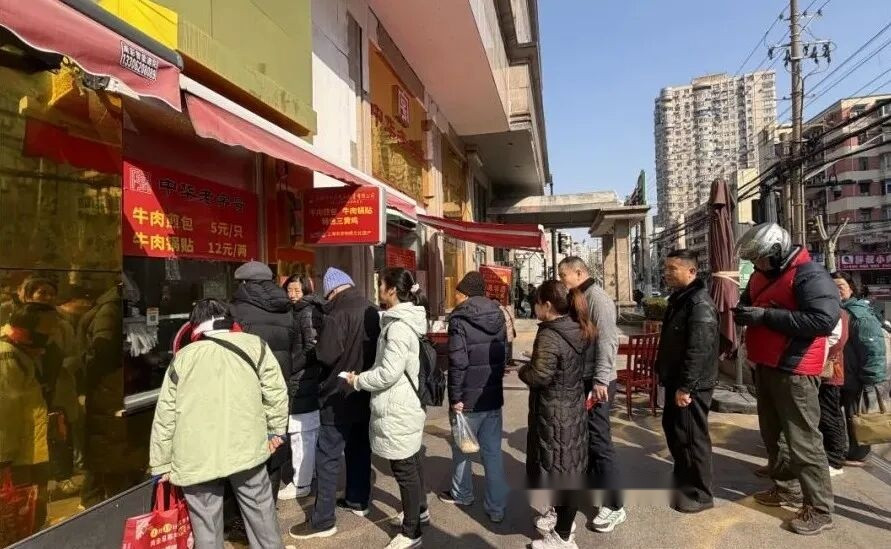
"Babao fan (eight-sweet-rice pudding), tiaotougao (sweet glutinous rice strips)—come take a look!" In front of the booths, a dazzling array of traditional pastries draws crowds of locals. Meanwhile, inside the restaurant, Chinese New Year food sales and family dinner reservations are also booming, passing down traditional holiday flavors to households far and wide through the craftsmanship and innovations of this legacy brand.
Over 30 Specialty Pastries
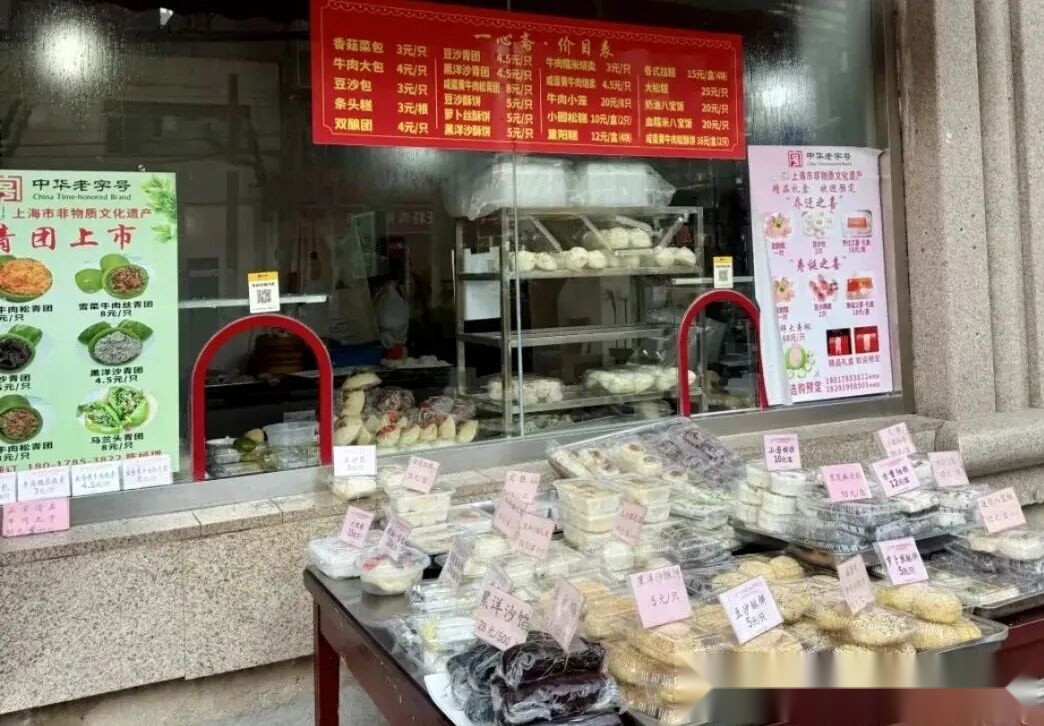
Savoring the Authentic "Smoke and Fire" Vibe of Traditional Craftsmanship
At 11:30 AM, a long line has already formed outside Yixinzhai, and the heritage market is buzzing with energy. From babao fan, which symbolizes sweetness and completeness, and dingsheng cakes, which bring good fortune, to local Shanghainese favorites like tiaotougao, cimaotuan (glutinous rice balls coated in sweet bean flour), and flaky pastries, over 30 traditional snacks completely dazzle the senses.
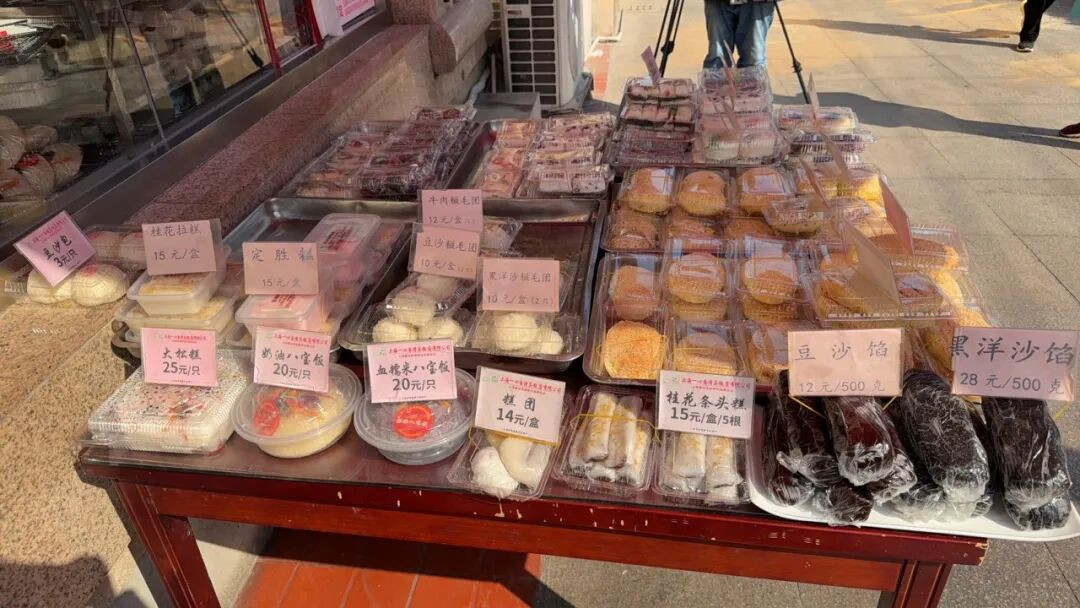
Artisans share that the pastry chefs learned Yixinzhai's generational Halal dim sum-making techniques. As an official intangible cultural heritage, this craft shines not only in their signature niurou jianbao but also across a rich variety of pastry forms, carrying deep cultural memories and folk traditions.
"I bought a roll of sweet red bean paste!" A local resident held up their purchase, saying, "Yixinzhai is a classic brand. The quality of their ready-made red bean paste looks amazing, and I'm planning to take it home to make my own babao fan—super easy and reliable." Other shoppers picked up tiaotougao, red bean square cakes, and plenty of other old-school Shanghai traditional pastries, smiling as they remarked, "It's all that classic taste. My kids specifically asked for it."
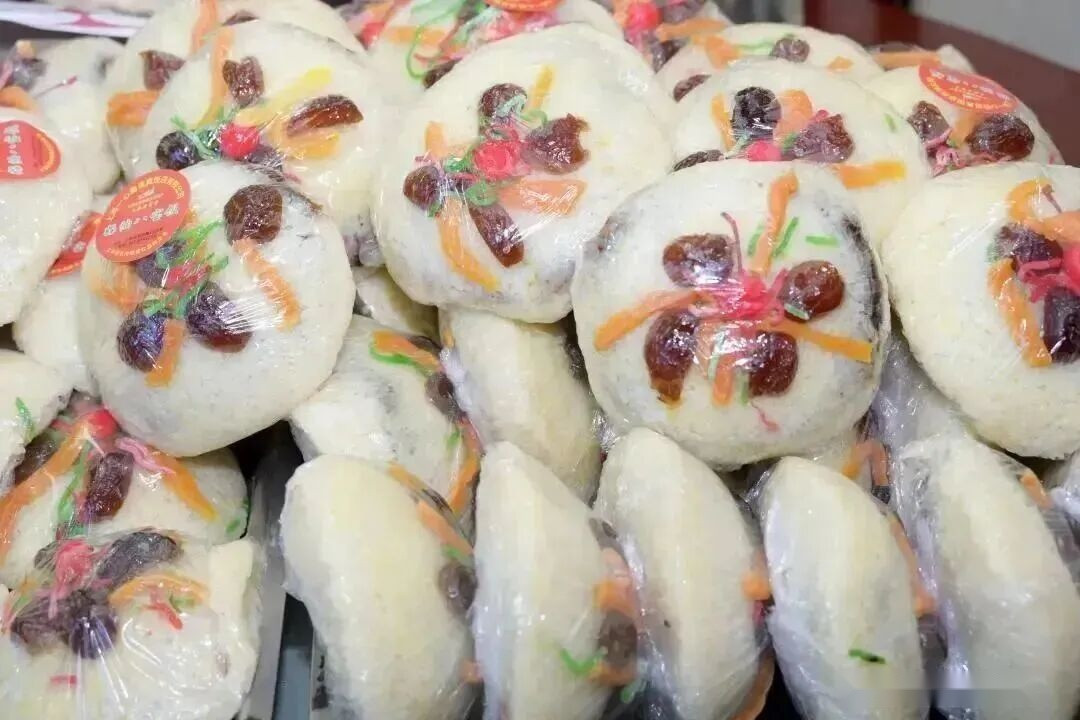
Reports indicate that the market will run until March 3rd, making it easy for locals and tourists to experience and purchase authentic intangible heritage foods up close. Leading up to the Lantern Festival (the 15th day of the first lunar month), Yixinzhai also plans to have pastry chefs host live demonstrations and invite citizens to try making xiaolongbao (soup dumplings), tangyuan (glutinous rice balls), and spring rolls firsthand, making the holiday spirit truly hands-on and immersive.
New Year Feast Gift Boxes Fly Off Shelves
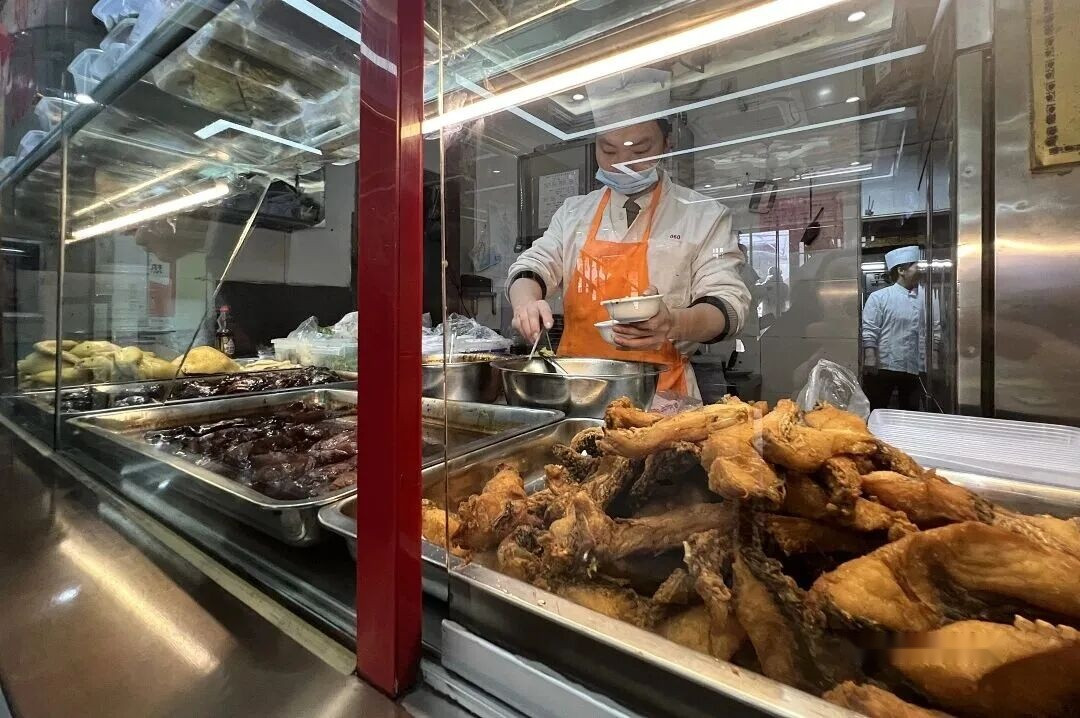
Dine-In Tables Impossible to Book
While business is booming outside, plenty of customers inside are inquiring about Lunar New Year Eve reservations.
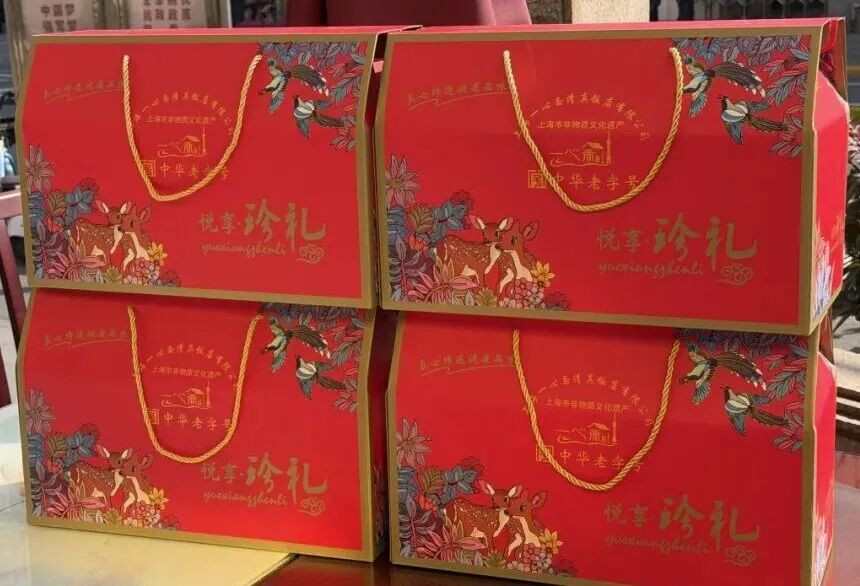
Bright red posters catch the eye both inside and outside the restaurant—one reminds diners that "New Year's Eve reservations are open," while another details a lavish menu of semi-finished and ready-to-eat holiday gift boxes: Yixinzhai's signature Sanhuang chicken (yellow-feathered chicken), sweet and savory braised beef, the banquet "showstopper" squirrel-shaped mandarin fish, and a hearty family-style assorted hot pot casserole. Every single dish hits the spot for local Shanghai families craving a comforting, heartwarming New Year's Eve feast.
Addressing the soaring consumer enthusiasm, restaurant manager Ma Wanglin noted that dine-in tables for New Year's Eve were completely booked out long ago. "Since we relocated our venue, our space is limited, so we can only set up nine dine-in tables, and they booked up way in advance." To make up for limited dine-in seating and help more families enjoy a grand New Year's dinner together at home, the restaurant has rolled out two styles of "to-go" New Year feast solutions this year.
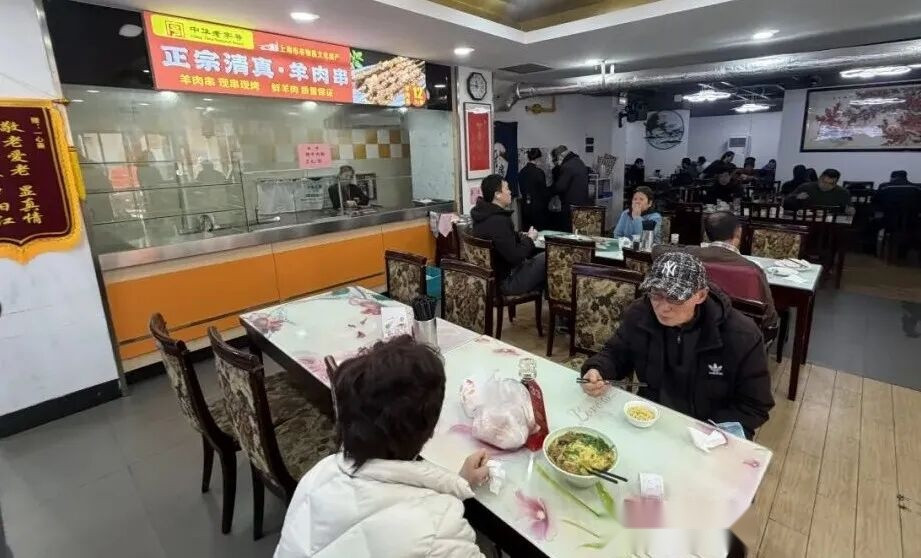
The first is the "semi-finished gift box," priced from 398 RMB to 998 RMB, packed with select signature dishes. Customers simply book in advance, pick up their order on the Little Year (Xiaonian) or New Year's Eve, and with minimal cooking, easily set up an authentic Shanghai-style feast at home—affordable, reliable, and full of flavor. Over 200 of these boxes have already been reserved.
The second option is a newly introduced "ready-to-eat gift box" this year. Ma Wanglin shared, "We specifically added a cooked New Year feast gift box this season containing six hot dishes. Just heat them up and eat, making it super convenient for customers." While these "small yet exquisite" boxes have a shorter shelf life, they maximize freshness and the authentic flavor straight from the wok, serving as an effective complement to traditional semi-finished meals and satisfying modern families' dual demands for convenience and quality.
"All the dishes selected for these gift boxes have been customer-tested and widely praised, so we curated the best combinations. Plus, we've priced them with a nice discount," Ma Wanglin added.
This Spring Year, be sure to step into the bustling neighborhood vibe on Pingliang Road in Yangpu, and soak up the charm of traditional craftsmanship at the intangible heritage market themed "Enjoy a Happy Shanghai New Year and Savor the Flavor of Life."
Yixinzhai Halal Restaurant is currently located at No. 1625 Pingliang Road, Yangpu District. The on-site Lunar New Year Intangible Cultural Heritage market event is scheduled to run through March 3rd, bringing a continuous, tasteable, and participatory heritage holiday experience all through the Spring Festival season. Collapse Read »
Shanghai's Yixinzhai: Over 30 Traditional Intangible Cultural Heritage Halal Pastries and Packed-Out Dine-In Scenes
Summary:
A full-scale showcase of the signature dim sum and pastry kingdom at the time-honored Halal restaurant Yixinzhai. From crispy, flaky niurou jianbao (pan-fried beef buns) and guotie (crispy beef potstickers) to over 30 handmade traditional pastries including Halal mooncakes, mung bean cakes, and dingsheng cakes (victory cakes), we uncover the delicious secrets behind their year-round crowds.
The Lunar New Year is fast approaching, and the festive spirit is growing stronger across the streets and alleys of the city. Over on Pingliang Road in Yangpu District, right outside the time-honored Halal restaurant Yixinzhai, a lively Lunar New Year Intangible Cultural Heritage market is in full swing.
"Babao fan (eight-sweet-rice pudding), tiaotougao (sweet glutinous rice strips)—come take a look!" In front of the booths, a dazzling array of traditional pastries draws crowds of locals. Meanwhile, inside the restaurant, Chinese New Year food sales and family dinner reservations are also booming, passing down traditional holiday flavors to households far and wide through the craftsmanship and innovations of this legacy brand.
Over 30 Specialty Pastries
Savoring the Authentic "Smoke and Fire" Vibe of Traditional Craftsmanship
At 11:30 AM, a long line has already formed outside Yixinzhai, and the heritage market is buzzing with energy. From babao fan, which symbolizes sweetness and completeness, and dingsheng cakes, which bring good fortune, to local Shanghainese favorites like tiaotougao, cimaotuan (glutinous rice balls coated in sweet bean flour), and flaky pastries, over 30 traditional snacks completely dazzle the senses.
Artisans share that the pastry chefs learned Yixinzhai's generational Halal dim sum-making techniques. As an official intangible cultural heritage, this craft shines not only in their signature niurou jianbao but also across a rich variety of pastry forms, carrying deep cultural memories and folk traditions.
"I bought a roll of sweet red bean paste!" A local resident held up their purchase, saying, "Yixinzhai is a classic brand. The quality of their ready-made red bean paste looks amazing, and I'm planning to take it home to make my own babao fan—super easy and reliable." Other shoppers picked up tiaotougao, red bean square cakes, and plenty of other old-school Shanghai traditional pastries, smiling as they remarked, "It's all that classic taste. My kids specifically asked for it."
Reports indicate that the market will run until March 3rd, making it easy for locals and tourists to experience and purchase authentic intangible heritage foods up close. Leading up to the Lantern Festival (the 15th day of the first lunar month), Yixinzhai also plans to have pastry chefs host live demonstrations and invite citizens to try making xiaolongbao (soup dumplings), tangyuan (glutinous rice balls), and spring rolls firsthand, making the holiday spirit truly hands-on and immersive.
New Year Feast Gift Boxes Fly Off Shelves
Dine-In Tables Impossible to Book
While business is booming outside, plenty of customers inside are inquiring about Lunar New Year Eve reservations.
Bright red posters catch the eye both inside and outside the restaurant—one reminds diners that "New Year's Eve reservations are open," while another details a lavish menu of semi-finished and ready-to-eat holiday gift boxes: Yixinzhai's signature Sanhuang chicken (yellow-feathered chicken), sweet and savory braised beef, the banquet "showstopper" squirrel-shaped mandarin fish, and a hearty family-style assorted hot pot casserole. Every single dish hits the spot for local Shanghai families craving a comforting, heartwarming New Year's Eve feast.
Addressing the soaring consumer enthusiasm, restaurant manager Ma Wanglin noted that dine-in tables for New Year's Eve were completely booked out long ago. "Since we relocated our venue, our space is limited, so we can only set up nine dine-in tables, and they booked up way in advance." To make up for limited dine-in seating and help more families enjoy a grand New Year's dinner together at home, the restaurant has rolled out two styles of "to-go" New Year feast solutions this year.
The first is the "semi-finished gift box," priced from 398 RMB to 998 RMB, packed with select signature dishes. Customers simply book in advance, pick up their order on the Little Year (Xiaonian) or New Year's Eve, and with minimal cooking, easily set up an authentic Shanghai-style feast at home—affordable, reliable, and full of flavor. Over 200 of these boxes have already been reserved.
The second option is a newly introduced "ready-to-eat gift box" this year. Ma Wanglin shared, "We specifically added a cooked New Year feast gift box this season containing six hot dishes. Just heat them up and eat, making it super convenient for customers." While these "small yet exquisite" boxes have a shorter shelf life, they maximize freshness and the authentic flavor straight from the wok, serving as an effective complement to traditional semi-finished meals and satisfying modern families' dual demands for convenience and quality.
"All the dishes selected for these gift boxes have been customer-tested and widely praised, so we curated the best combinations. Plus, we've priced them with a nice discount," Ma Wanglin added.
This Spring Year, be sure to step into the bustling neighborhood vibe on Pingliang Road in Yangpu, and soak up the charm of traditional craftsmanship at the intangible heritage market themed "Enjoy a Happy Shanghai New Year and Savor the Flavor of Life."
Yixinzhai Halal Restaurant is currently located at No. 1625 Pingliang Road, Yangpu District. The on-site Lunar New Year Intangible Cultural Heritage market event is scheduled to run through March 3rd, bringing a continuous, tasteable, and participatory heritage holiday experience all through the Spring Festival season. Collapse Read »
The Ultimate Halal Shanghai Guide: Best Niurou Jianbao, Hidden Mosques & Muslim Food Culture
[Internet Repost]
Shanghai's Budget Carb Ceiling: Field-Testing the Golden Crispy Crusts and Juicy Fillings of Shanghai's Iconic Halal Niurou Jianbao

Summary:
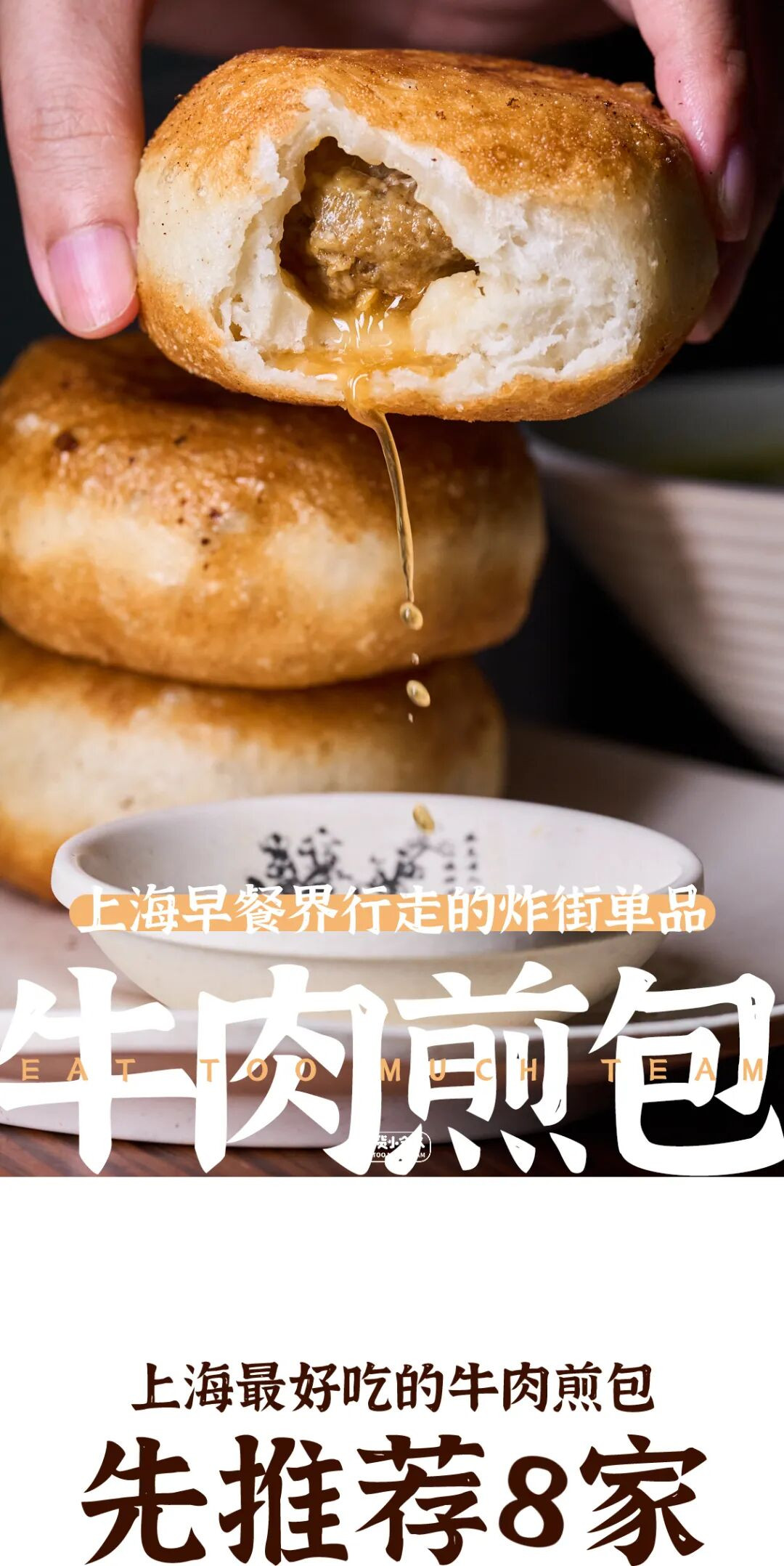
A deep dive into Shanghai's most seductive "national-level" Halal carb creation—niurou jianbao (pan-fried beef buns). We put the frying technique, thickness of the golden crispy bottom crust, and the beef filling ratios of historic brands and street food legends head-to-head to bring food lovers the ultimate flavor roundup.

In Shanghai's niurou jianbao scene,
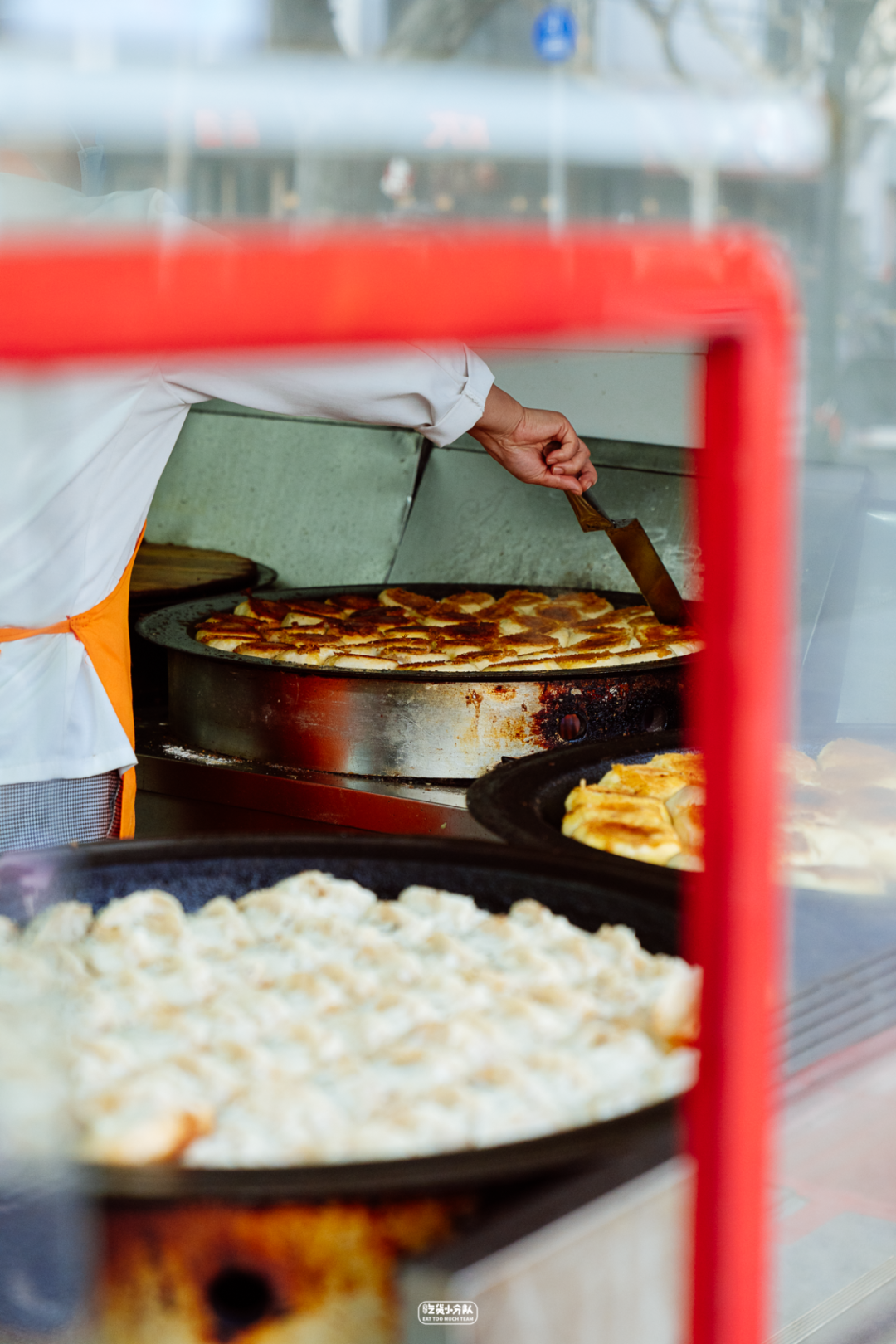
every single bun has its own legend.
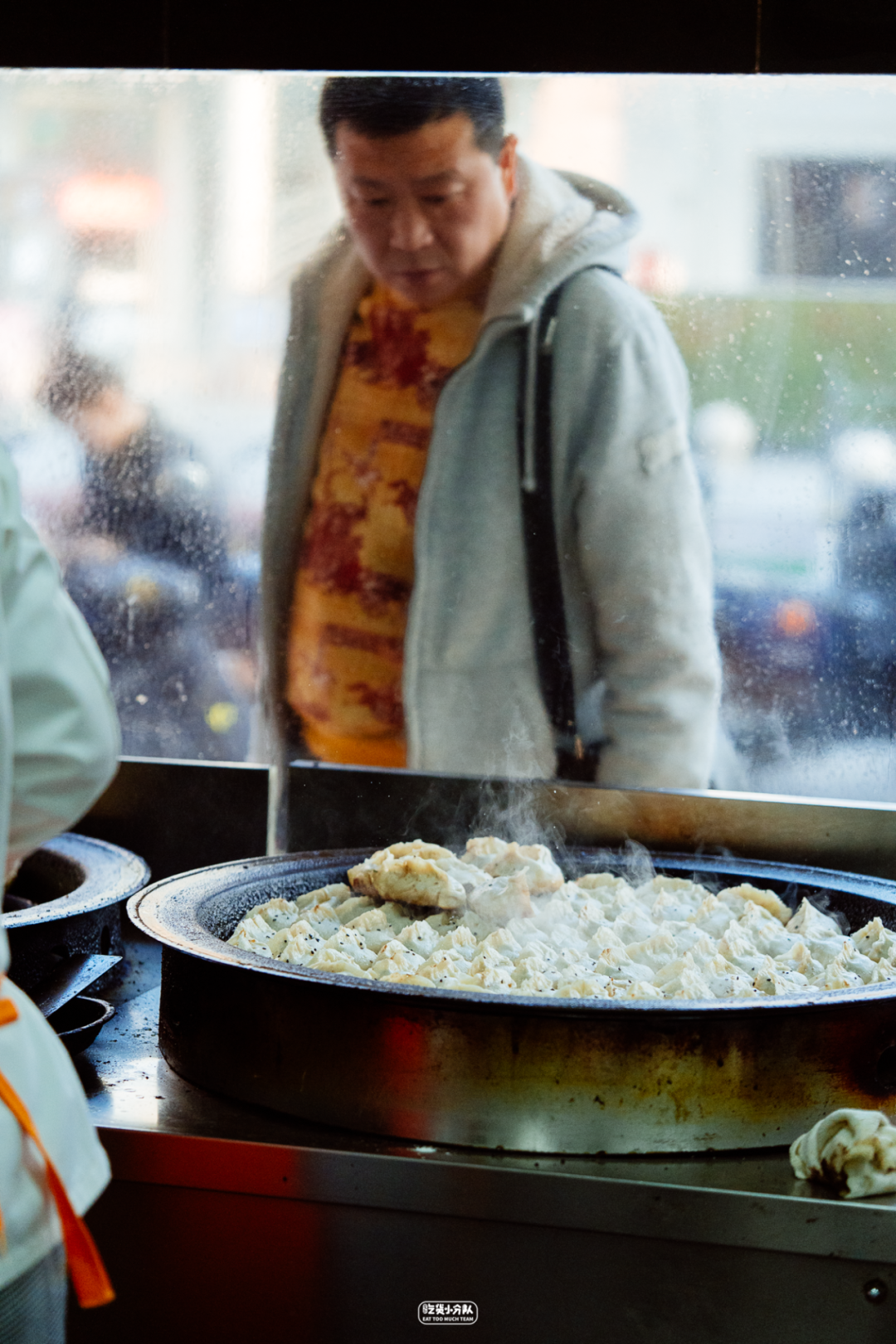
They sizzle and flip in the oil pan
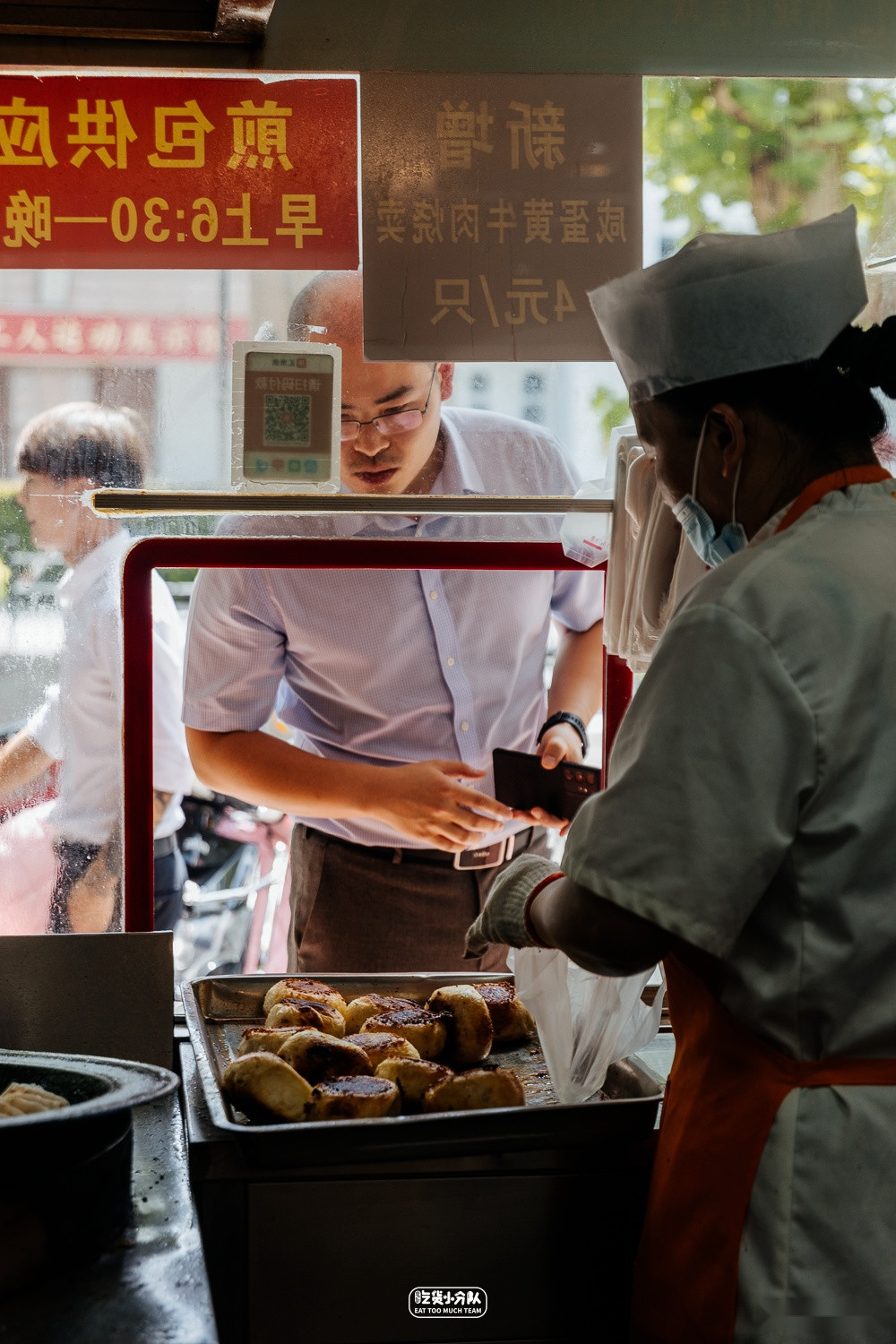
until the wrapper is crispy and the beef aroma fills the air.
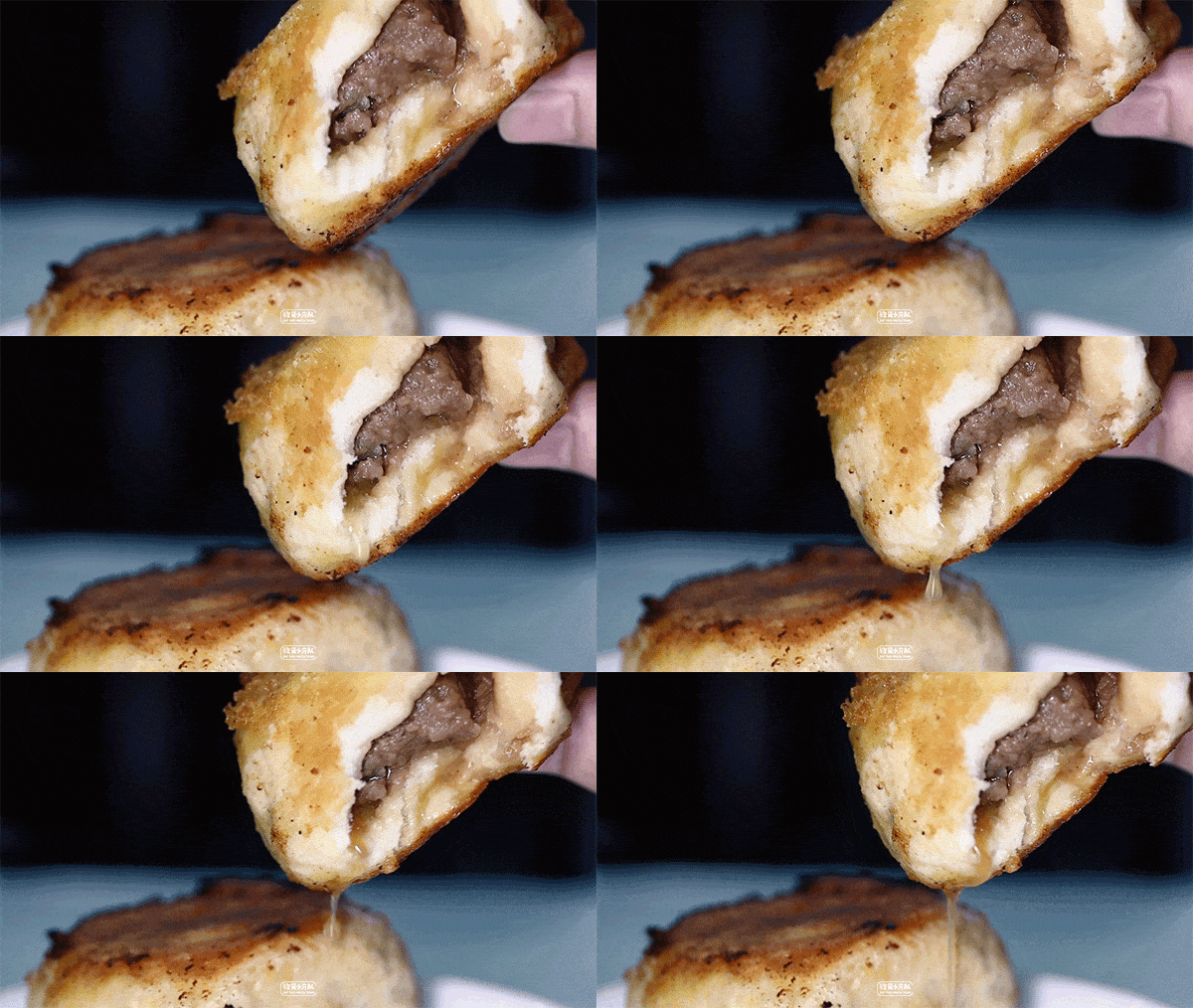
This edition recommends the 8 absolute best niurou jianbao spots.
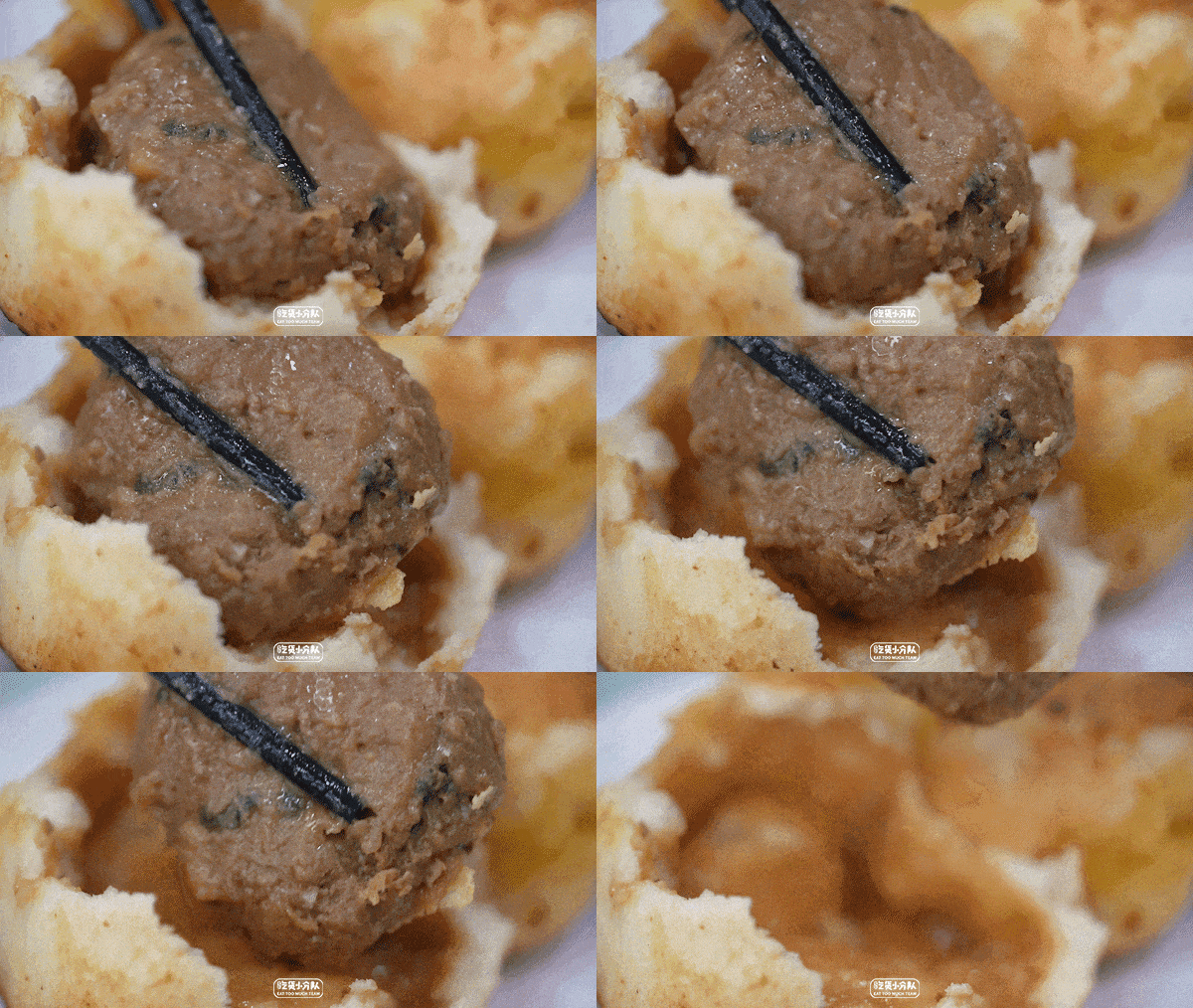
Step inside,
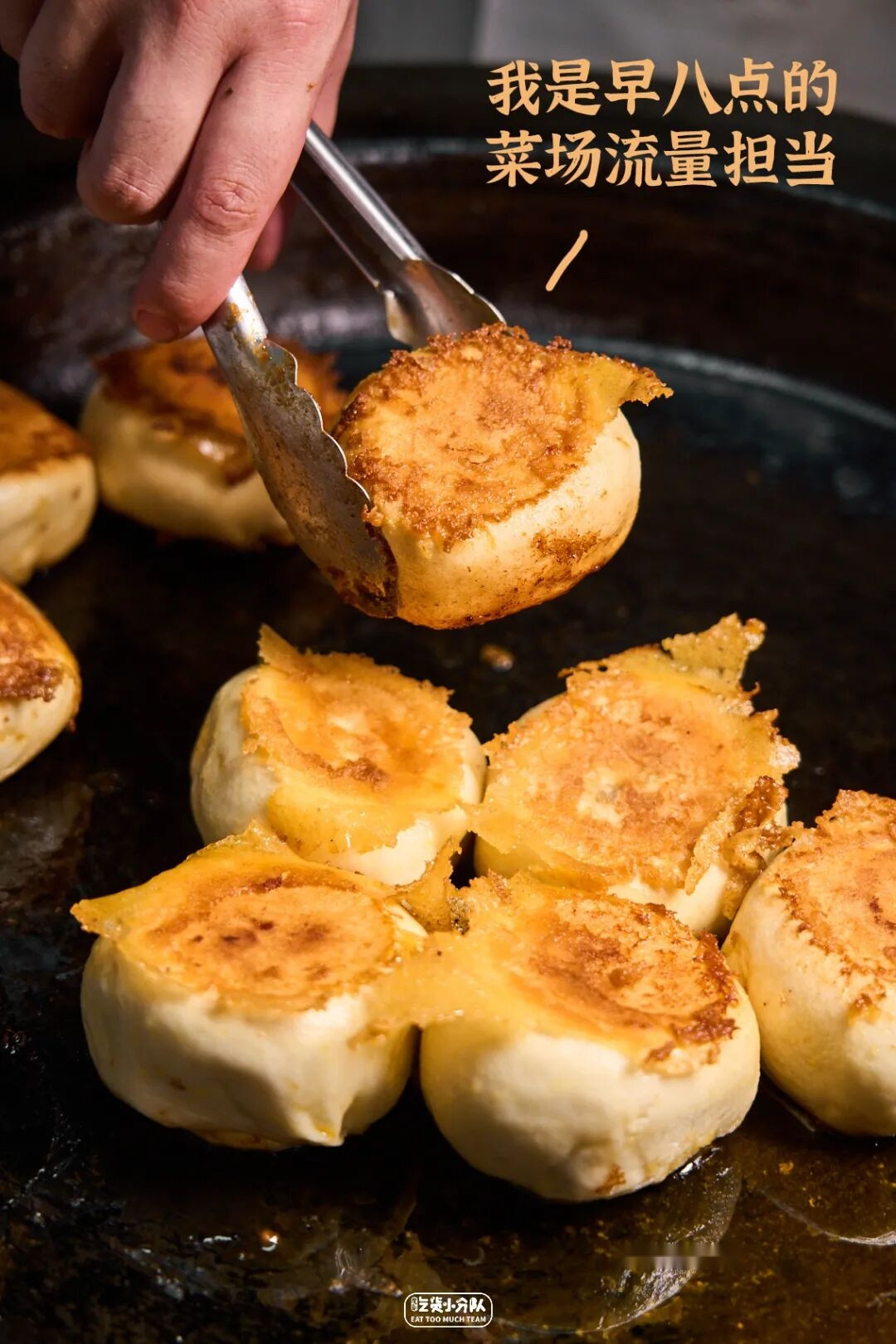
and the air doesn't just carry the scent of beef—

it's packed with mouthwatering toasted aromas.
1. Shanghai Yixinzhai
2. Qingzhen Xiaopang Niurou Jianbao
3. Shanghai Weimin Shanghang Halal Restaurant
4. Hujia Shuang Guotie (Hujia Double-Sided Potstickers)
5. Crispy Niurou Jianbao · Huainan Beef Soup
6. The Milk-Drinking Crispy Flatbread
7. Chunyuan · Siruchun
8. Hongchangxing
"A 60+ Year Intangible Cultural Heritage Niurou Jianbao"

5 RMB / 1 piece
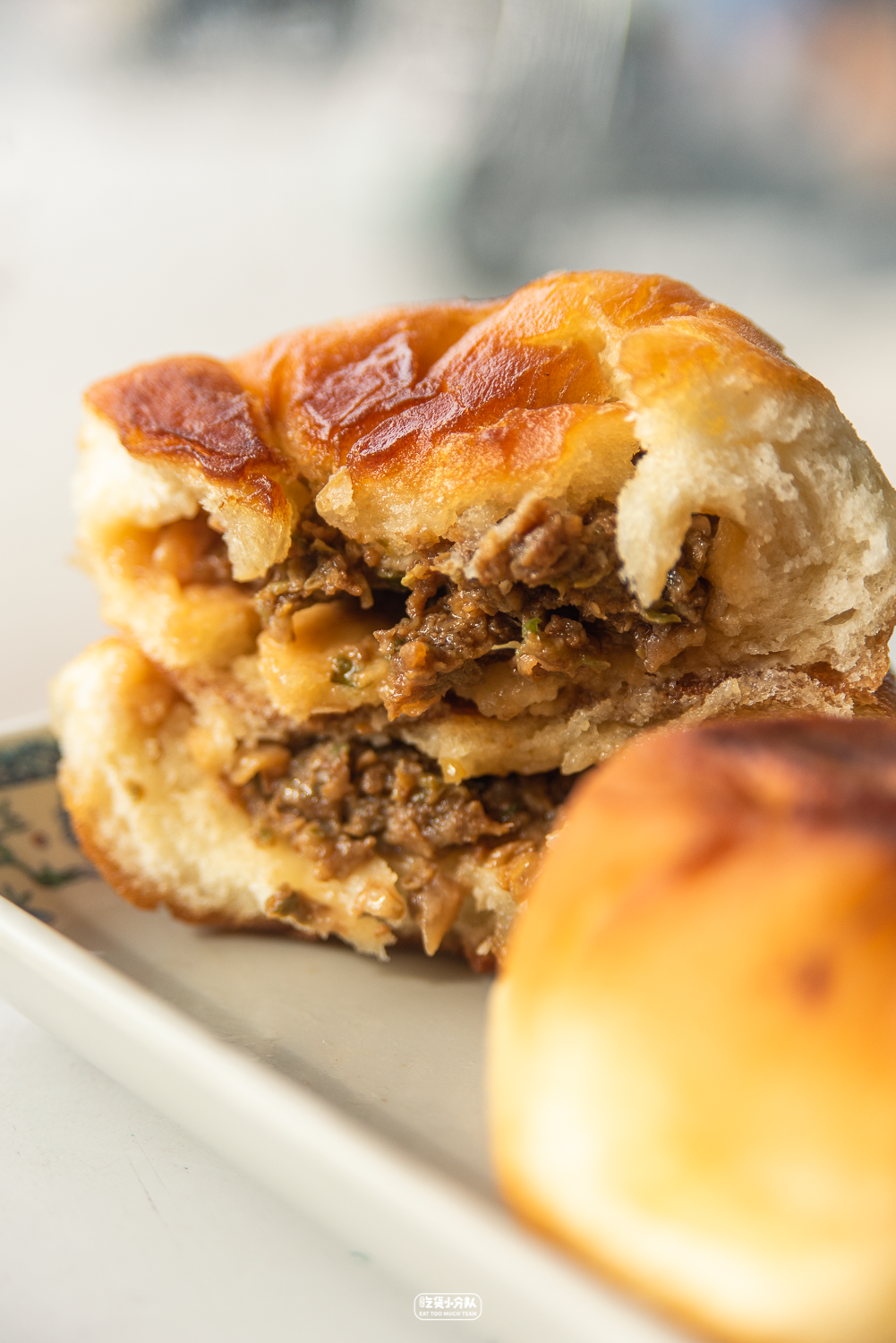
When people talk about Shanghai niurou jianbao, Yixinzhai is usually the first name that pops into mind. That's right—this legendary spot is an "Intangible Cultural Heritage Shop" and "Shanghai's #1 Niurou Jianbao." Moving a legendary 4,000 buns a day through 64 years of ups and downs, it's still wildly popular.
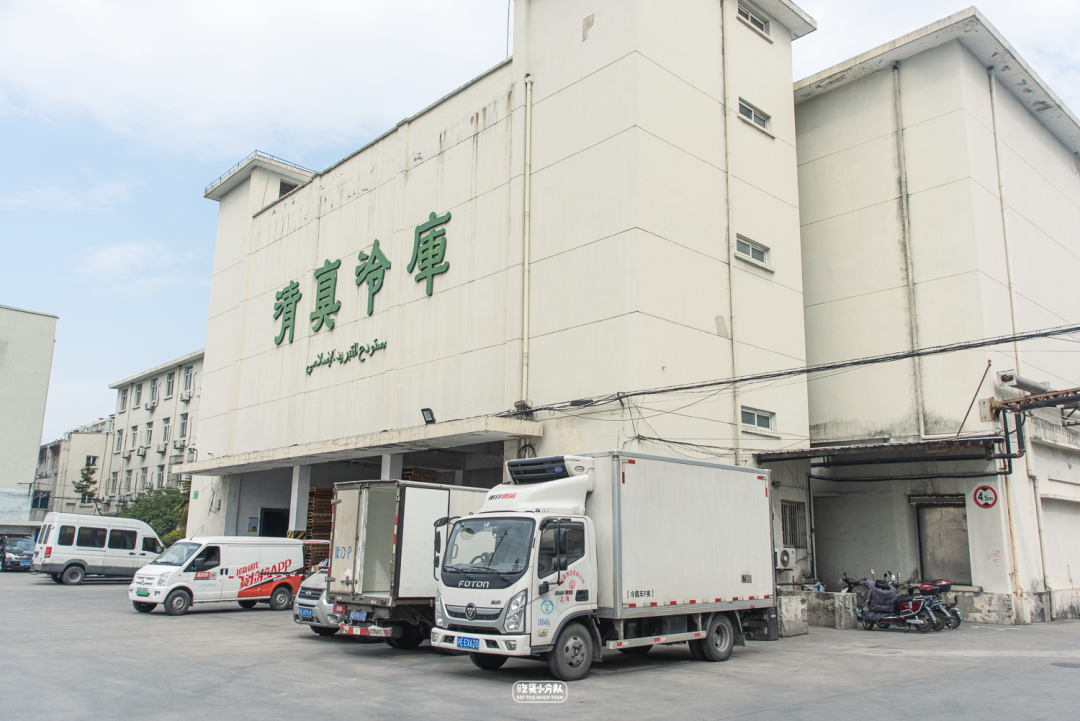
From older Shanghai aunties and uncles to young foodies chasing internet hype for social media check-ins, whether you're here for pure nostalgia or a viral food hunt, you've got to bow your head and wait in line for Yixinzhai's heritage buns.
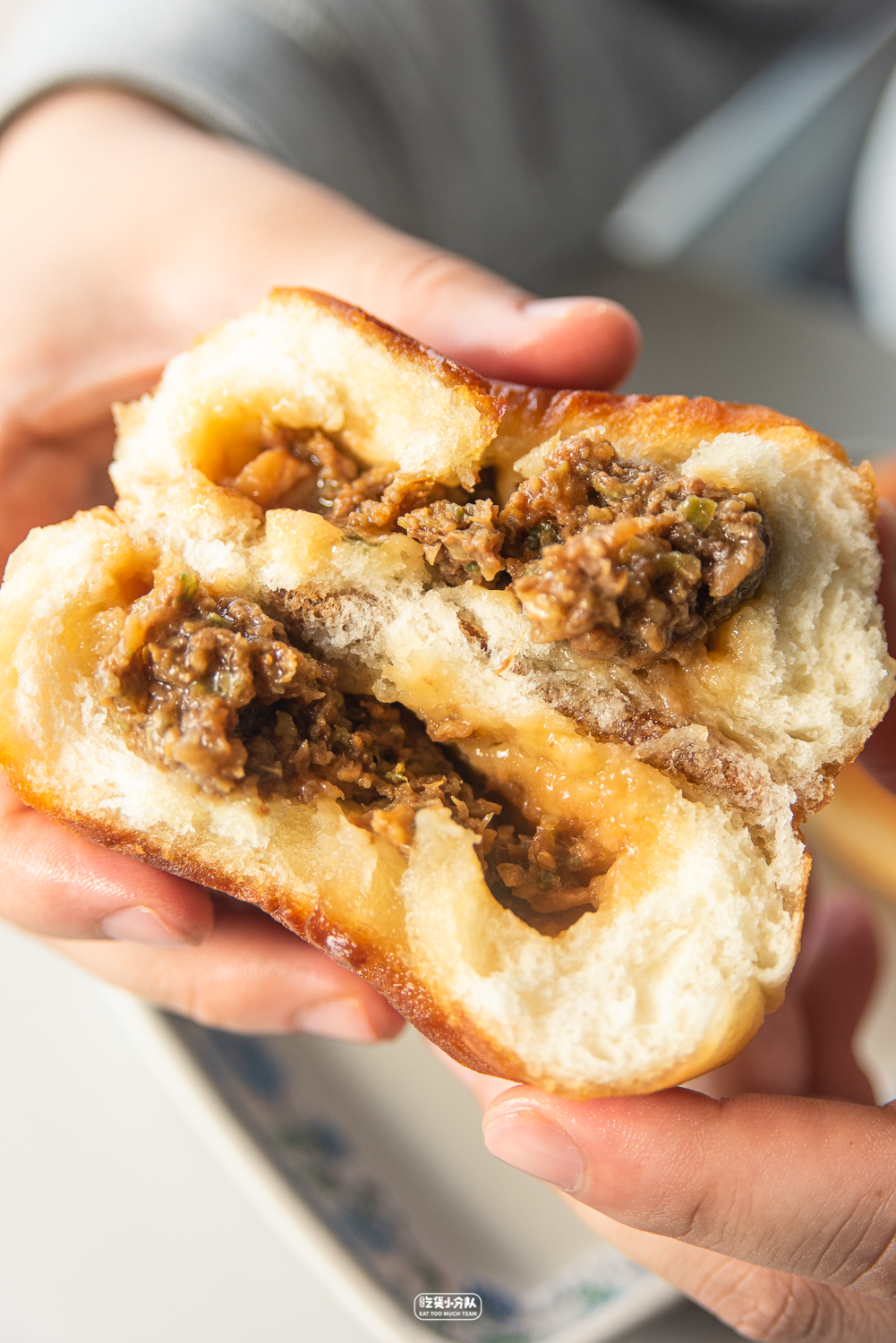
The Nostalgia of Old Yangpu
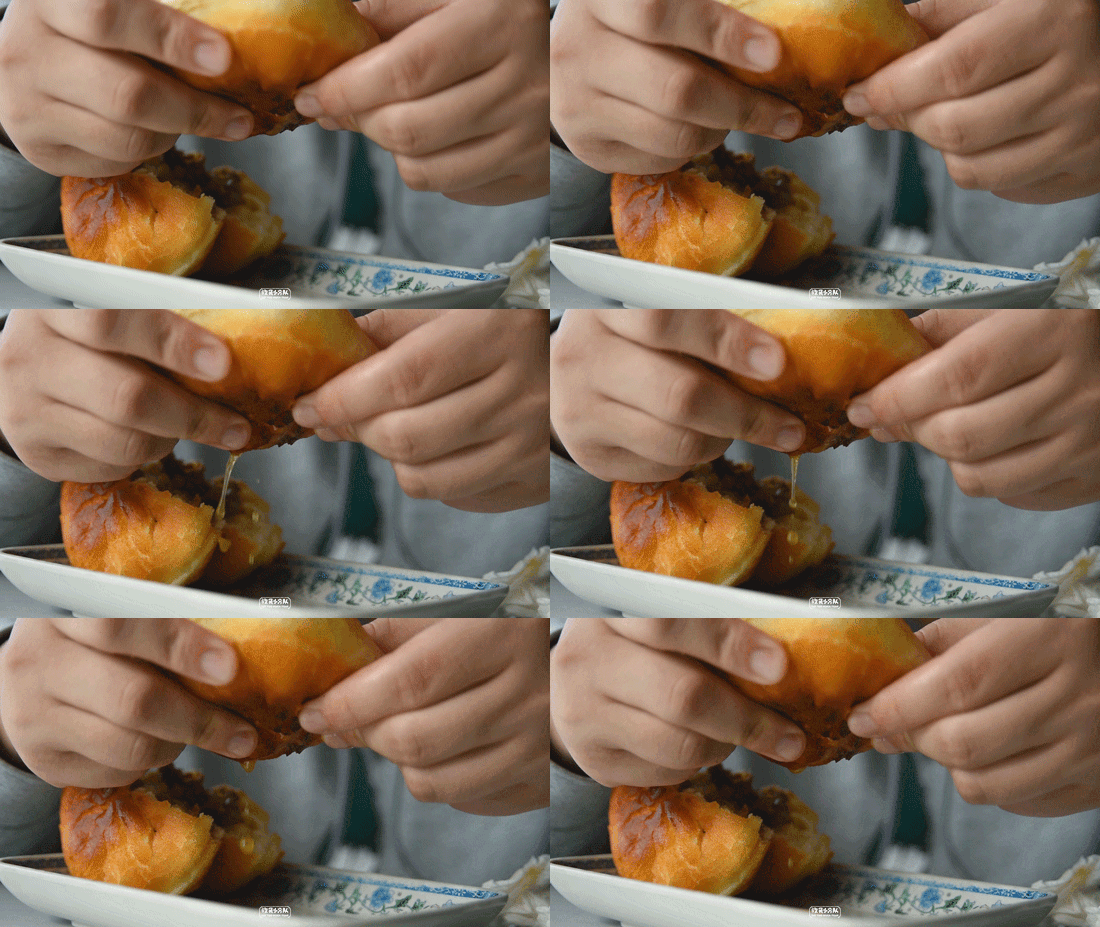
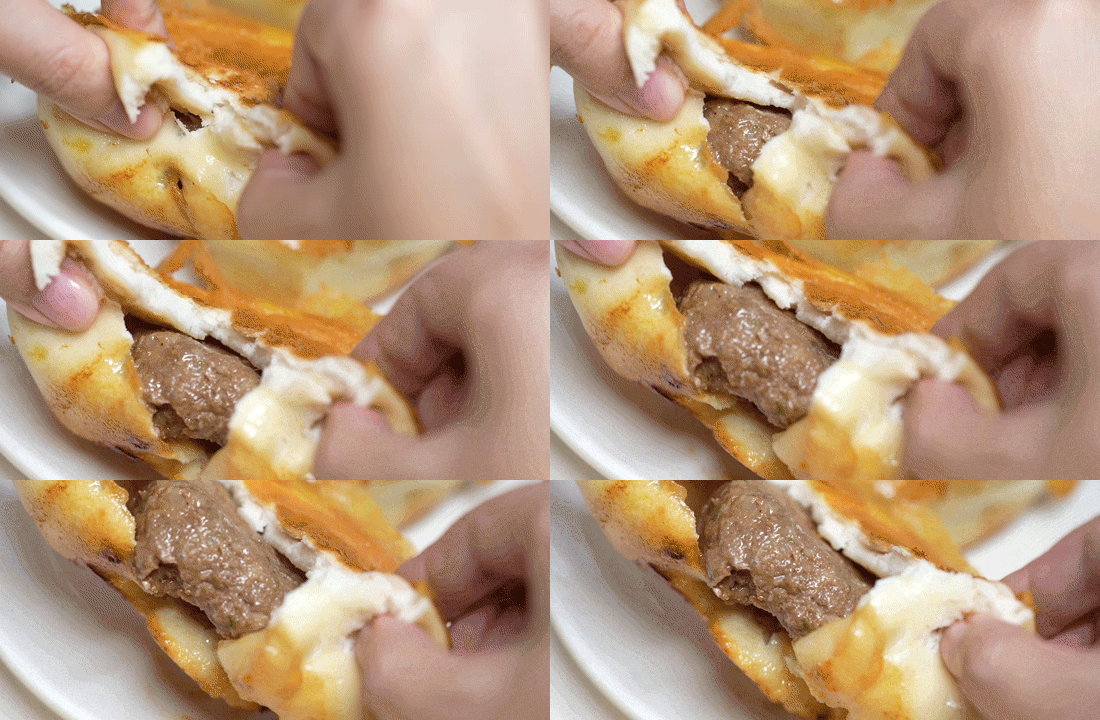
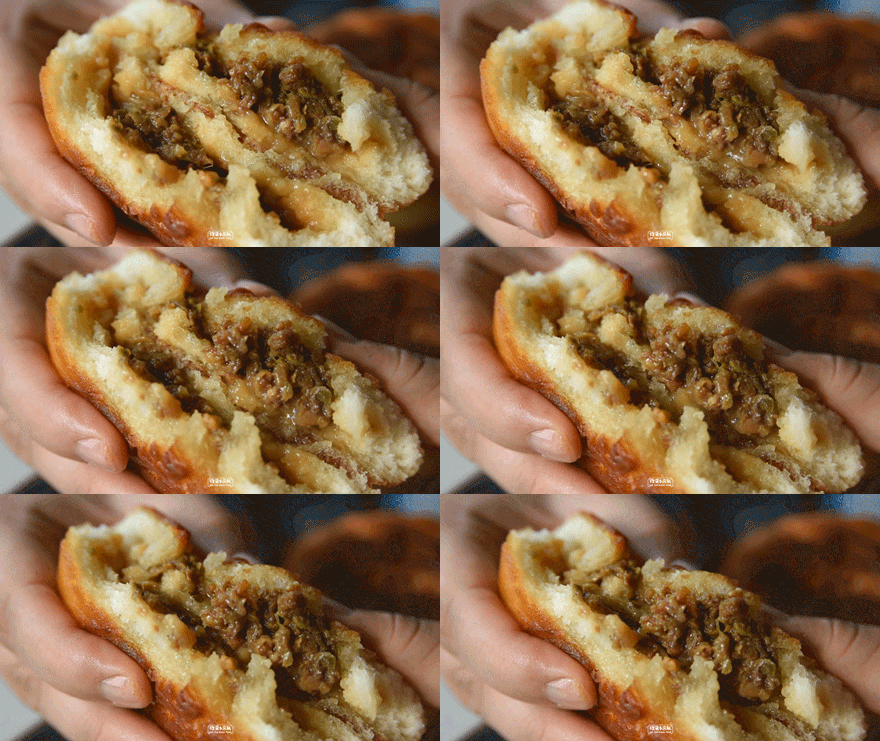
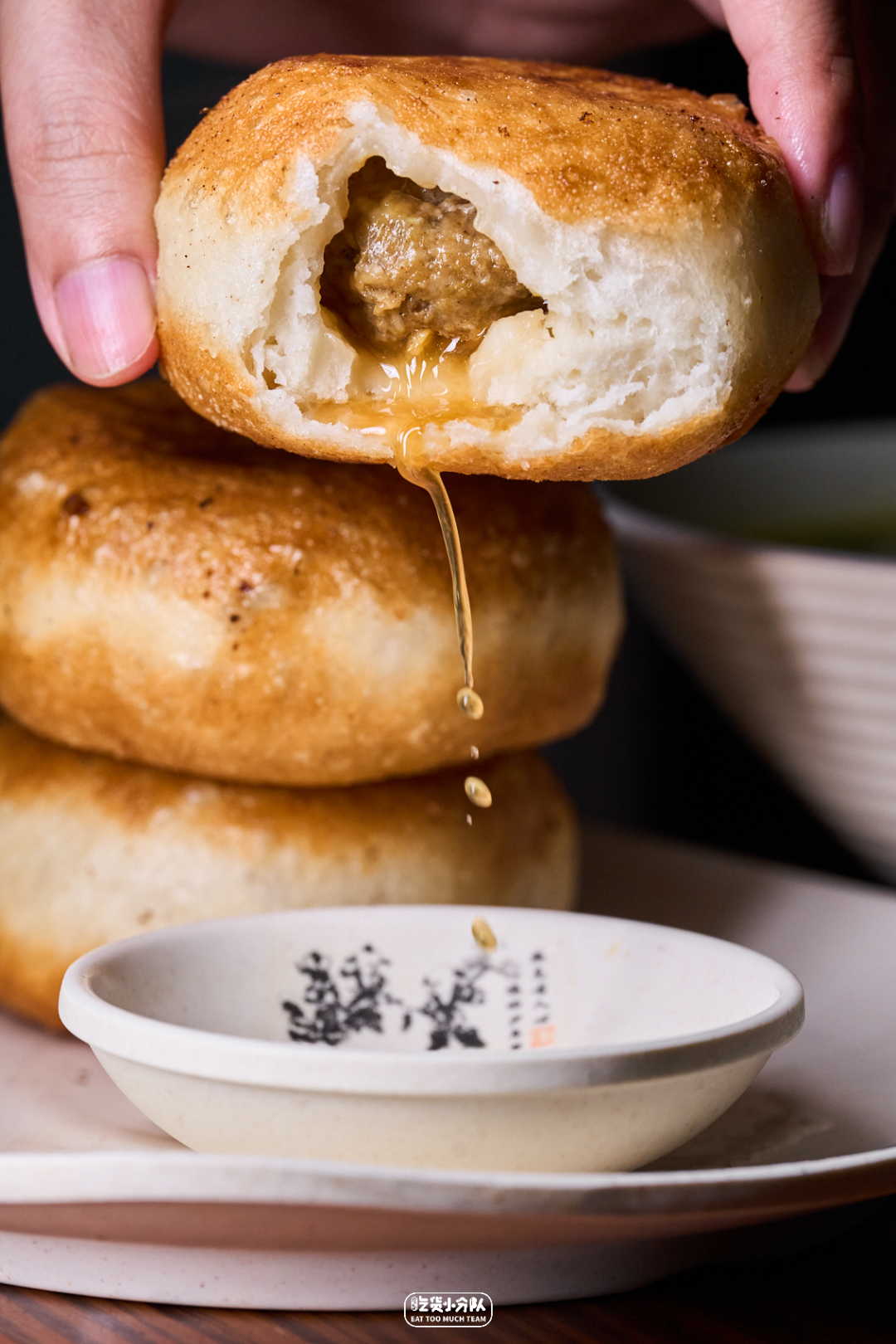
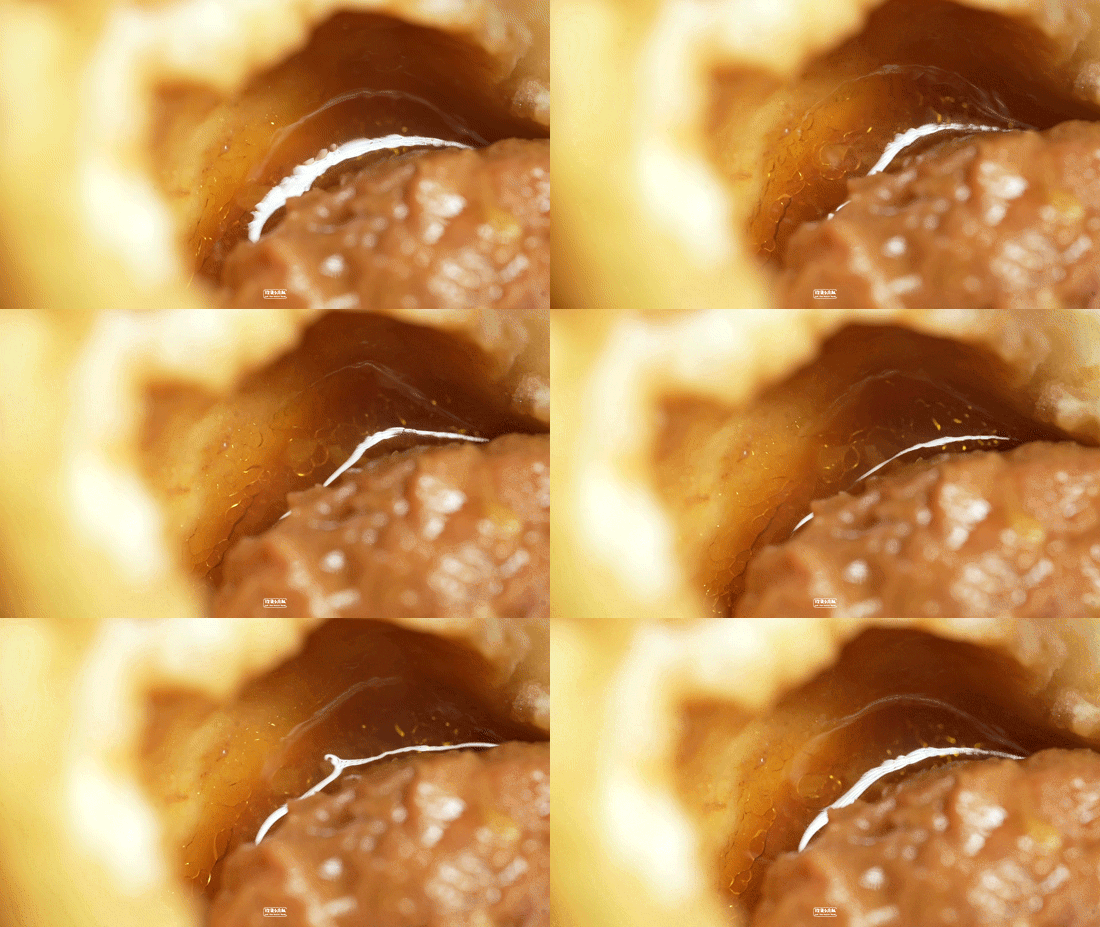
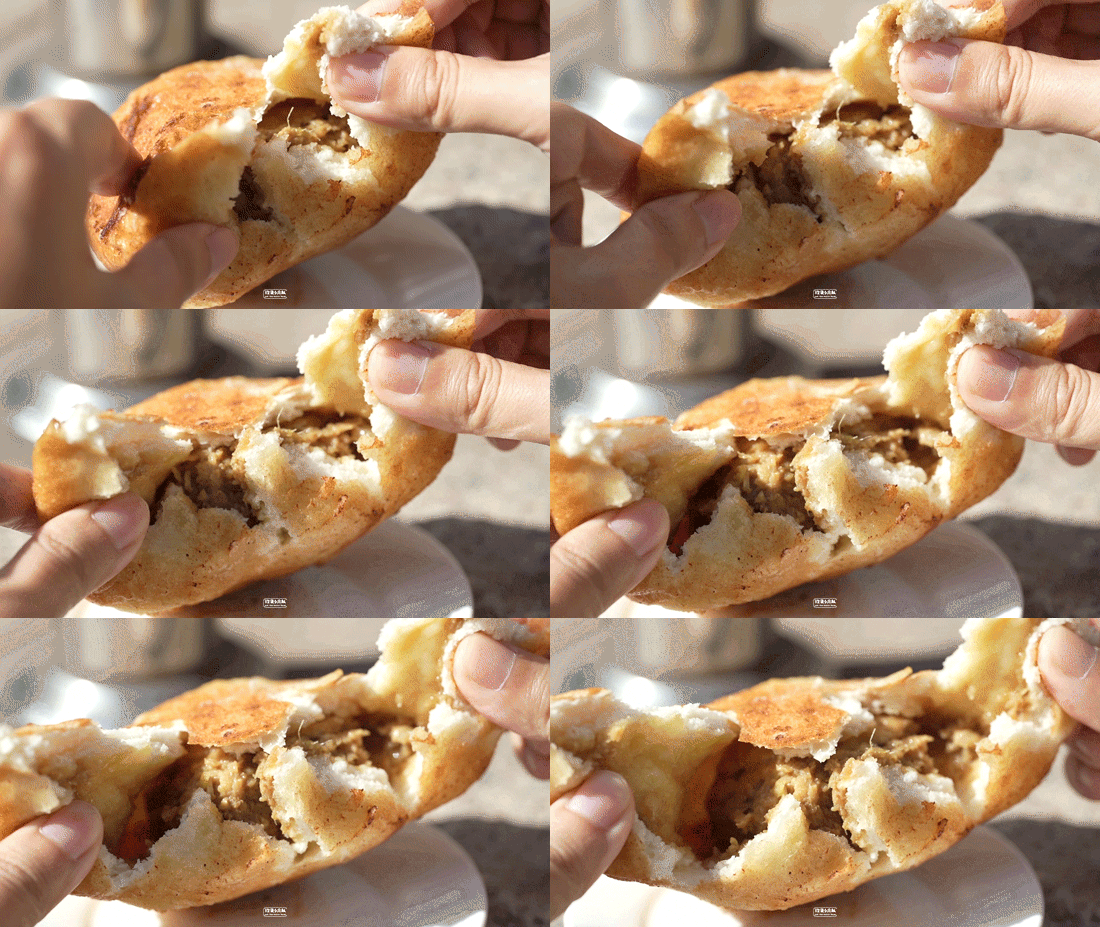
If you want a jianbao that's dripping with juice and pure romance, Yixinzhai takes the crown. Fresh out of the frying pan, these buns are golden-brown on both sides, with a satisfying crunch. Bite through the skin, and a gusher of soup bursts from the tear, rich in beef flavor and subtly sweet, melting right into the dough's earthy aroma. It's impossible not to love them. Even though it's already the undisputed king of Shanghai niurou jianbao, old-school Yangpu foodies still argue that the flavor back in the day was peerless. With every juicy, enduring bite, Yixinzhai's jianbao chronicles the changing face of the city.
One-Click Navigation | Shanghai Yixinzhai (Pingliang Road Branch)
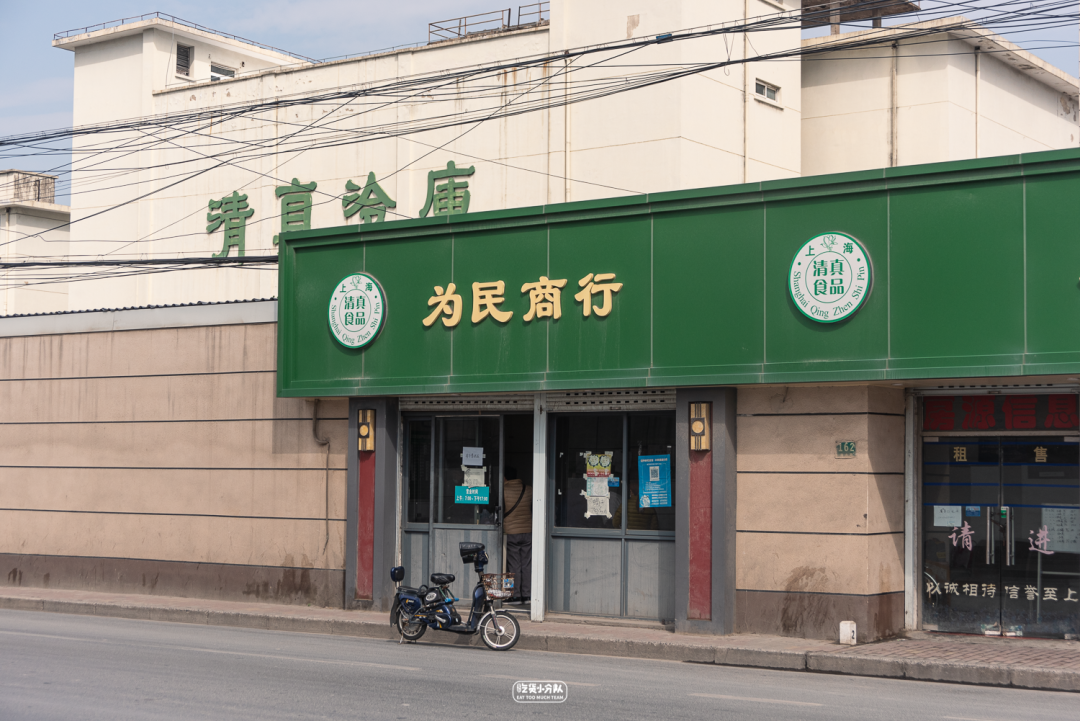
Address | No. 1625 Pingliang Road, Daqiao Subdistrict (Near Ningguo Road)

Hours | 7:00 AM - 9:00 PM
A 30-Year Neighborhood Staple in the Yangpu Wet Market
A Massive 4 RMB Bun That Shatters Your Wallet's Limits
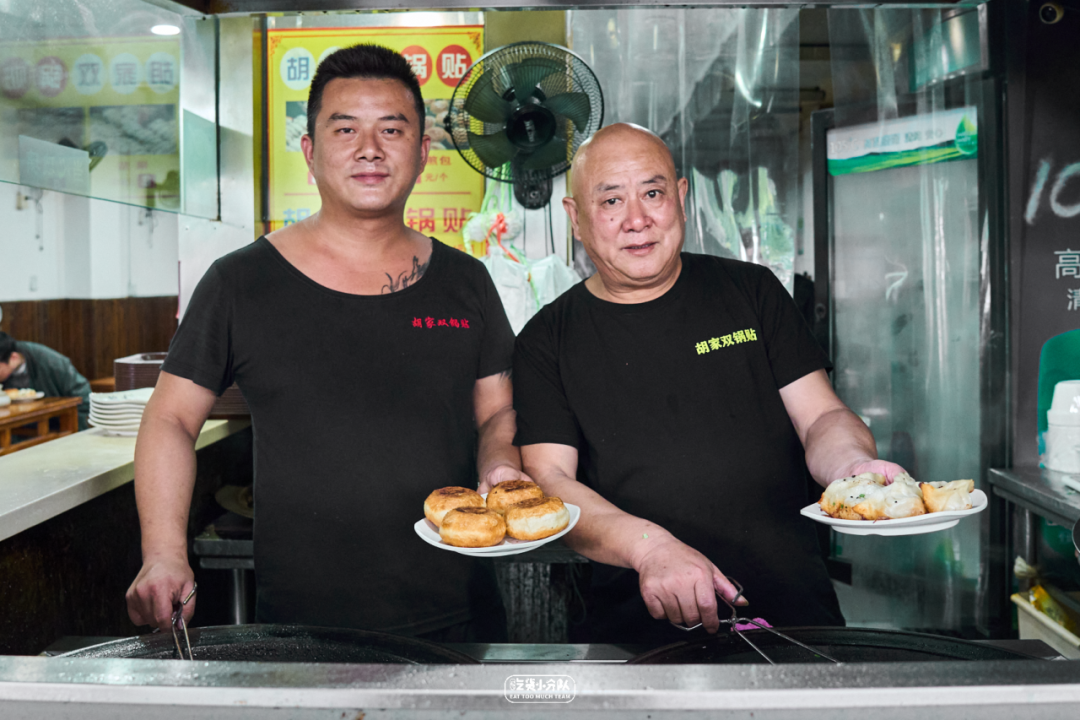
5 RMB / 1 piece
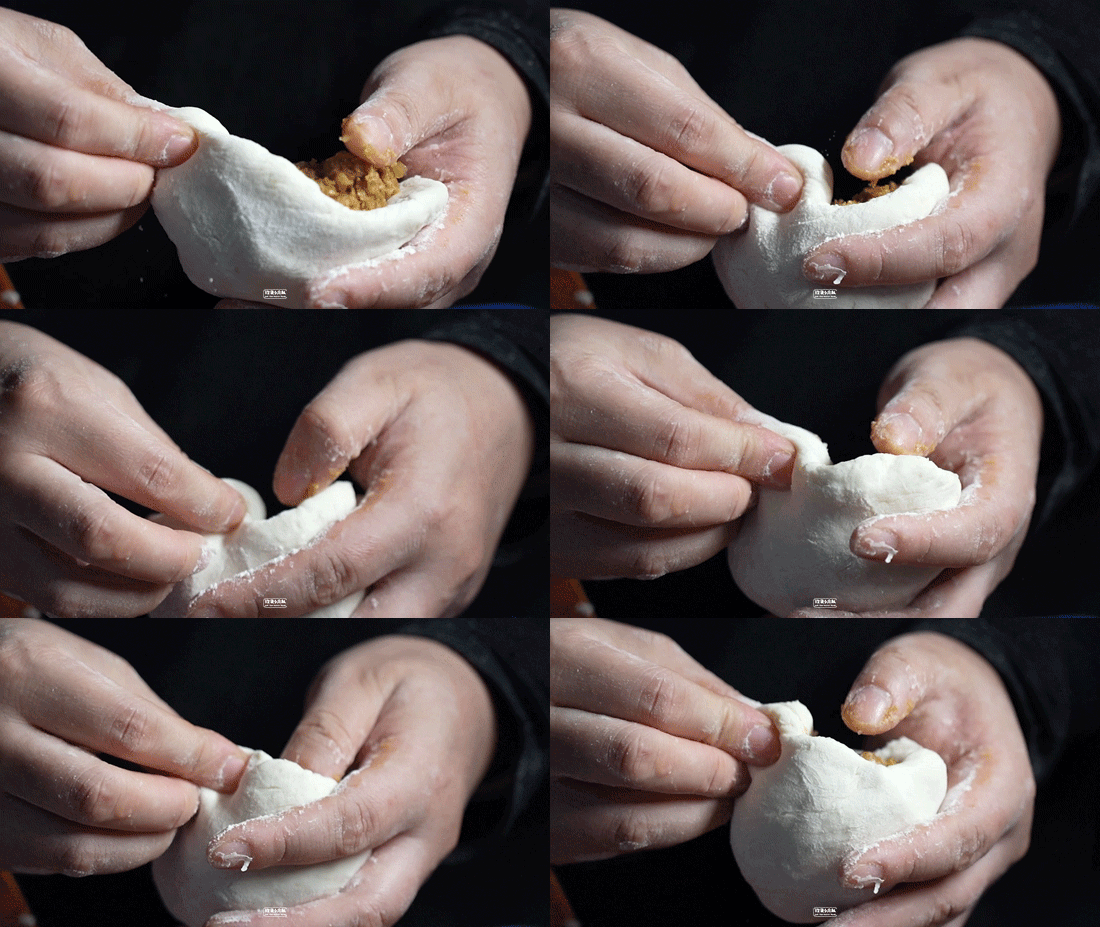
Word has it that besides Yixinzhai, there's another god-tier Yangpu niurou jianbao hidden gem you simply have to try. Dominating the wet market scene and reigning supreme as the ultimate morning rush-hour snack, they only sell until noon. Made with the boss's secret recipe, this oversized niurou jianbao has made a huge name for itself across Yangpu. Honestly, handing over just 4 RMB for a massive meat bun makes you feel a little guilty—especially when it's pure beef and literally bursts with soup?
"Our shop has been here since the day this wet market opened. At first, we only sold raw beef, but then folks from back home living in Shanghai started craving hometown-style buns, so we opened this joint." It's a family-run affair: the husband works the wok, the wife runs the cash register, and the morning crowd is mostly regulars. Chatting about daily life with the boss's family makes for a super cozy vibe.
A Low-Key Shaolin Master of Jianbao with Killer Looks and Chops
Boss Pang is dead serious about ingredient freshness, exclusively sourcing premium chuck flap (meizi rou) from big yellow cattle, keeping strict standards on slaughter times, origin, and cattle age. Sticking to traditional cast-iron pan-frying, he relies on over 20 years of mastery over heat control, wok airflow, timing, wrist pressure, and oil amounts to make sure every single bun hits peak flavor. Take a bite, and the texture genuinely feels a bit more rustic and muscular than your average niurou jianbao. As you sink your teeth in, the juices soak right into the wrapper, supercharging the savory fats. Take a gentle little sip of the soup—it's an instant out-of-body experience.

One-Click Navigation | Qingzhen Xiaopang Niurou Jianbao
Address | Right-hand side inside the Global Company Food Street, west side of Lejiafu Agricultural Products Market, No. 9 Yongji Road, Yangpu District
Hours | 6:00 AM - 12:00 PM
*Niurou jianbao are 4 RMB each, buy 5 get 1 free. They sell out completely as soon as they come out of the pan before 9:00 AM. The boss doesn't do delivery apps, and supply cannot be guaranteed after 12:00 PM.
"Shanghai's Most 'Bovine' Canteen:
Halal Jianbao, Slaughtered at Midnight, Sold Out by Afternoon"
3.5 RMB / 1 piece
With a history stretching over 30 years, this beef and mutton "canteen" is a state-owned restaurant under the Shanghai Beef and Mutton Company. The kitchen starts buzzing here right after midnight, but they shut their doors at 1:00 PM sharp. The restaurant owns its own slaughterhouse, taking just 20 minutes from slaughter to table to guarantee mind-blowing freshness. Backed by a massive Halal cold storage facility and slaughterhouse, they're the only operation of their kind in Shanghai.
The Mandatory "Soup-Bomb Bun"

Their niurou jianbao go for 4 RMB each and are practically mandatory for every customer who walks through the door—you'll often see people walking out having "wholesale-purchased" massive bags of them. These buns are huge, roughly the size of a soup bowl, with golden-brown wrappers boasting a slight char, thick and packed with flavor. Don't let the thick skin fool you: the beef filling is generous, and the meat juices burst out with a gentle squeeze. The filling is loaded with fragrant scallions, and the fluffy leavened dough drinks up the pure essence of the beef broth. Every single bite is deliciously sinful.
One-Click Navigation | Shanghai Weimin Shanghang Halal Restaurant (Nanda Road Branch)
Address | No. 162 Nanda Road, Baoshan District
Hours | 5:00 AM - 1:00 PM, 3:30 PM - 6:30 PM
"Their Signature is Guotie,
But Dianshang Reviews Hyping Up the Niurou Jianbao Are Everywhere"
4 RMB / 1 piece
This little shop focuses on guotie (crispy beef potstickers), but their niurou jianbao unexpectedly went viral and earned rave reviews from all over. What started as a tiny 3-square-meter stall has grown into its current size. Passed down from father to son with over 30 years of craftsmanship, they've kept the original ingredients and recipes intact, so every bite still tastes just like childhood.
Uncompromising Dedication to Old-School Craftsmanship
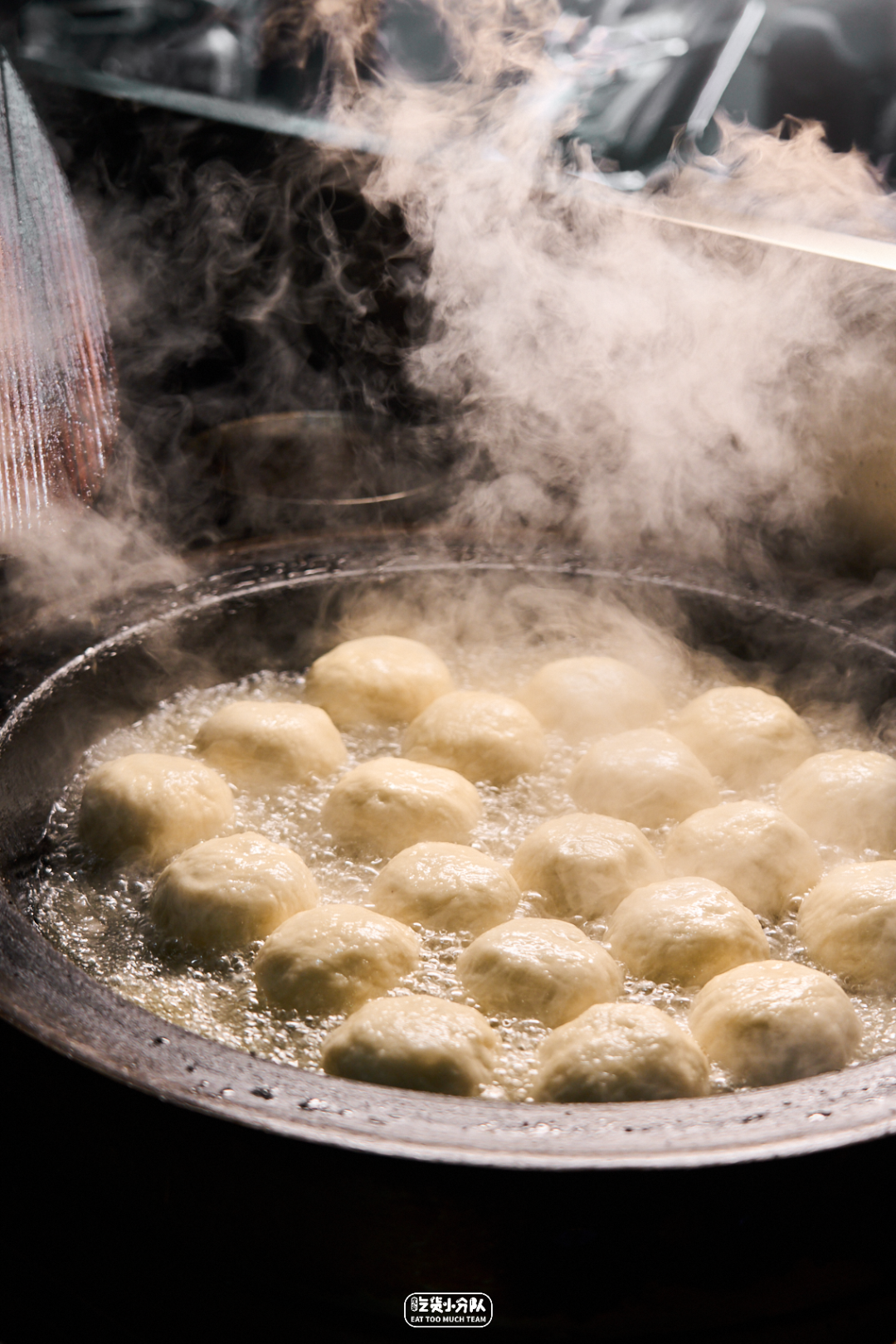
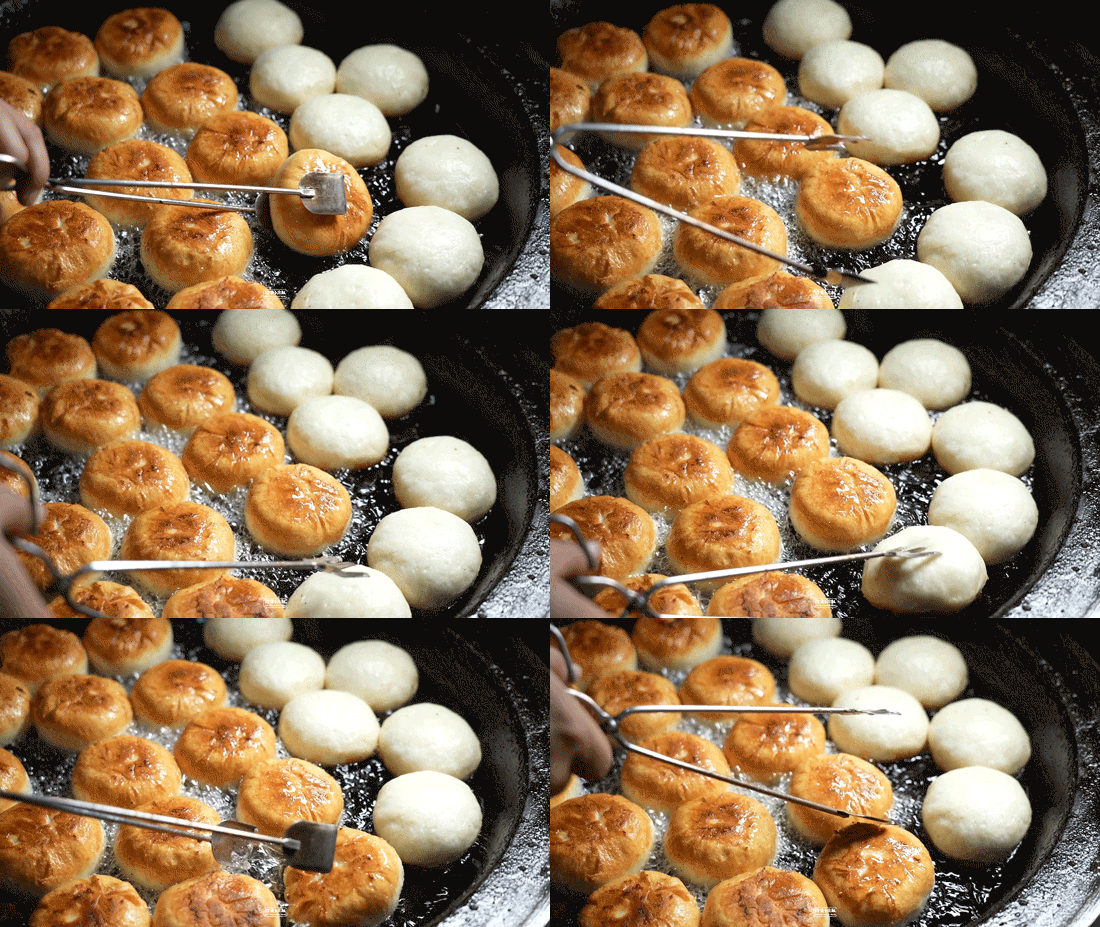
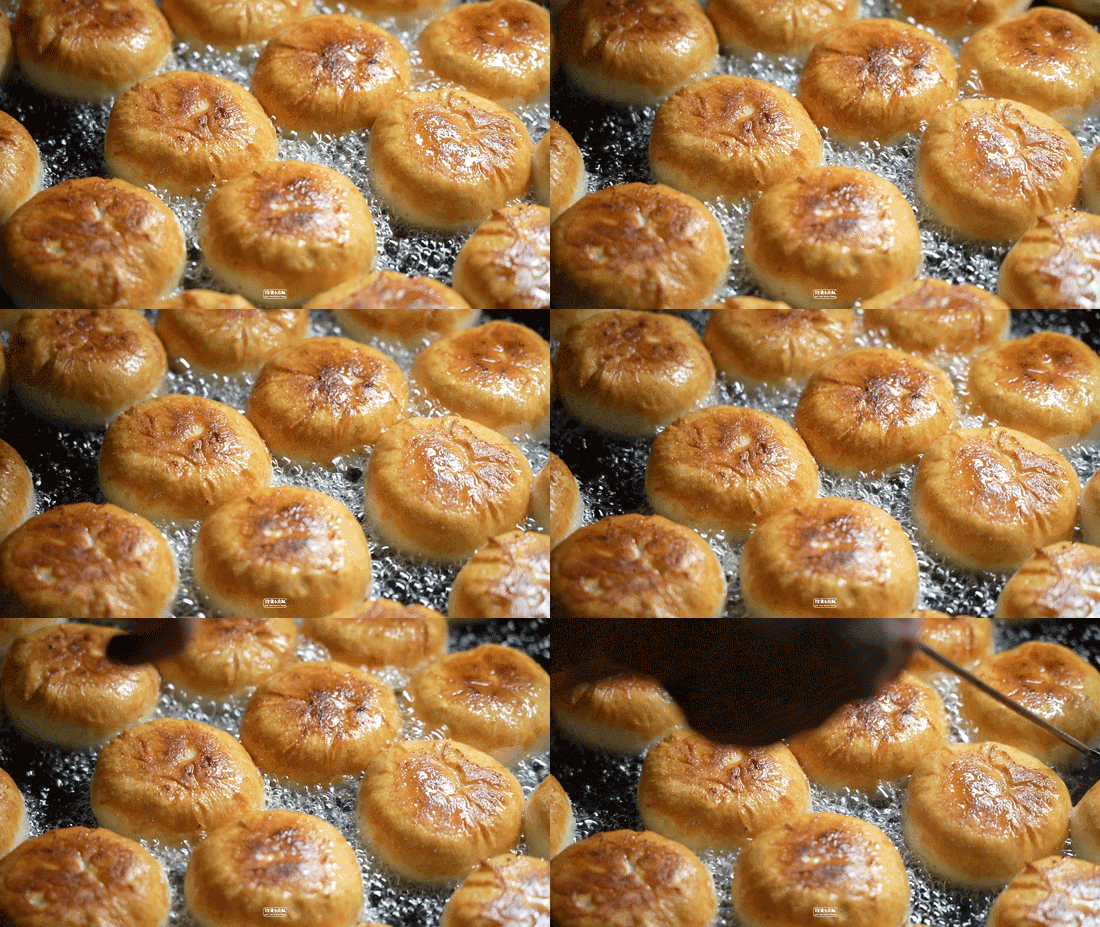
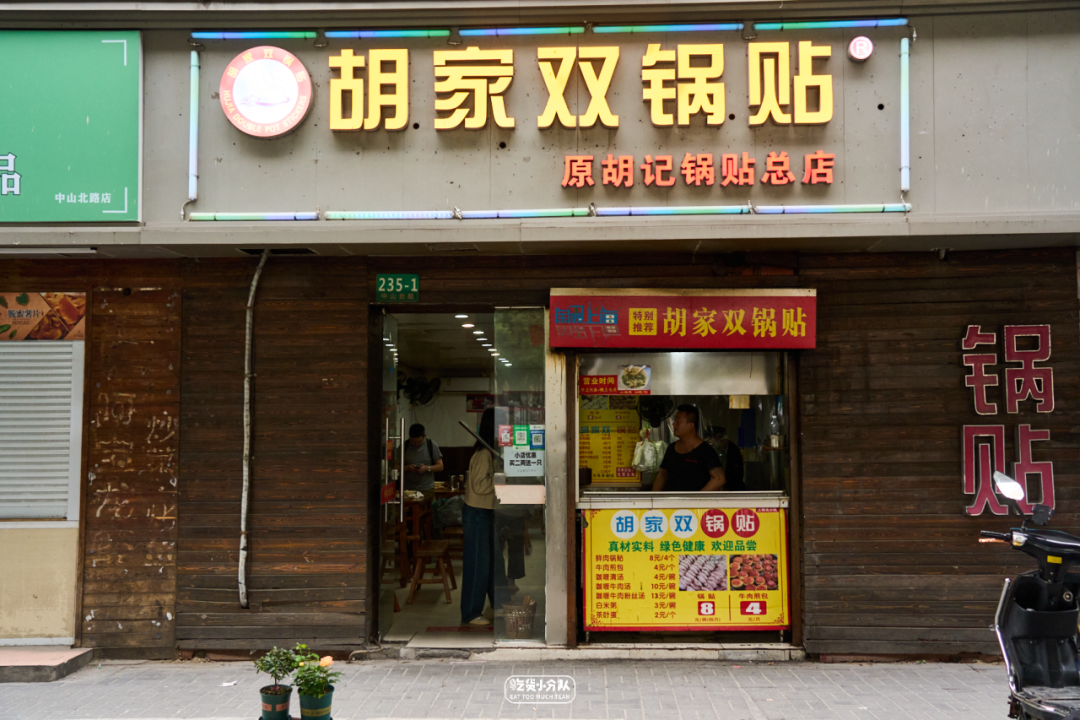
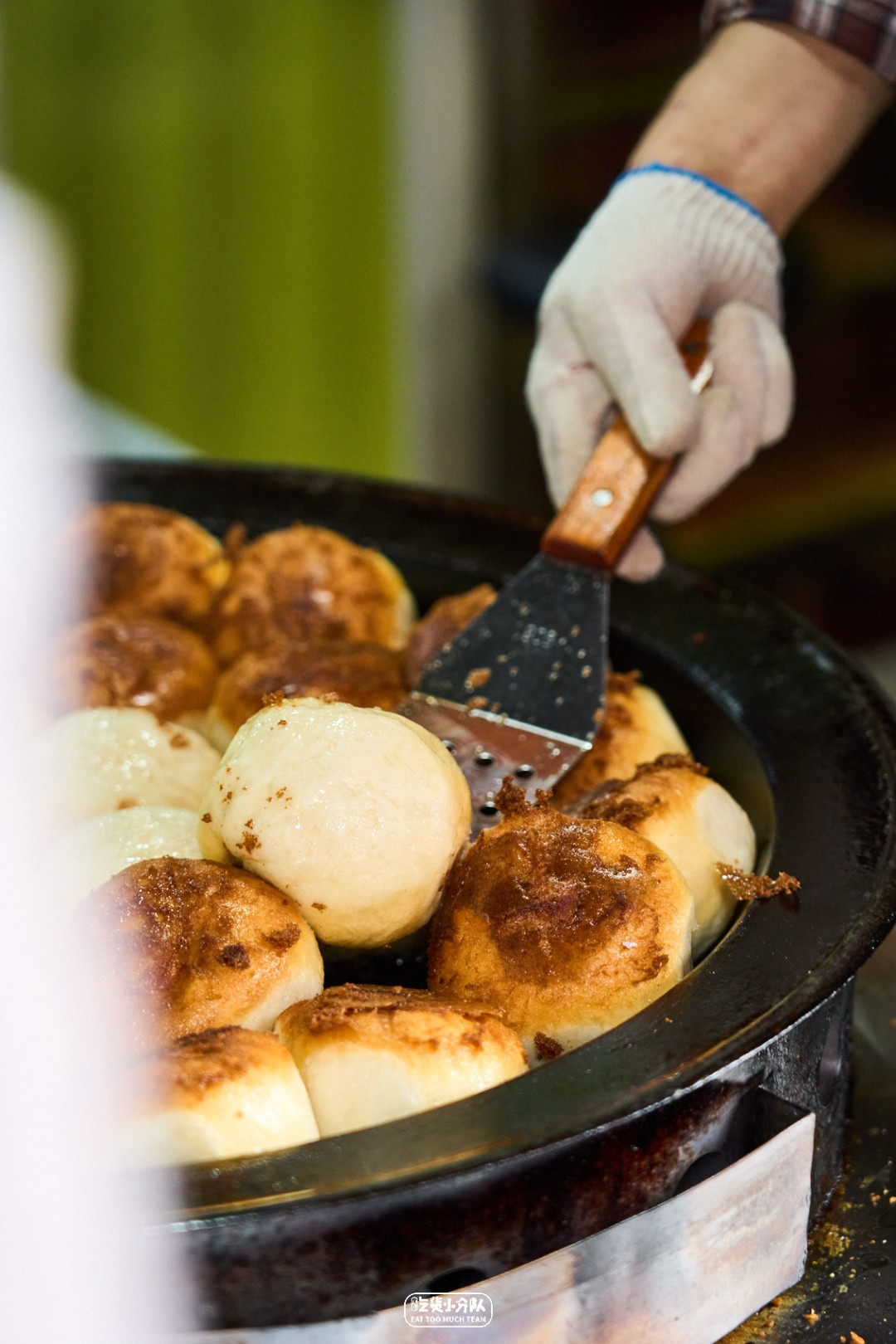
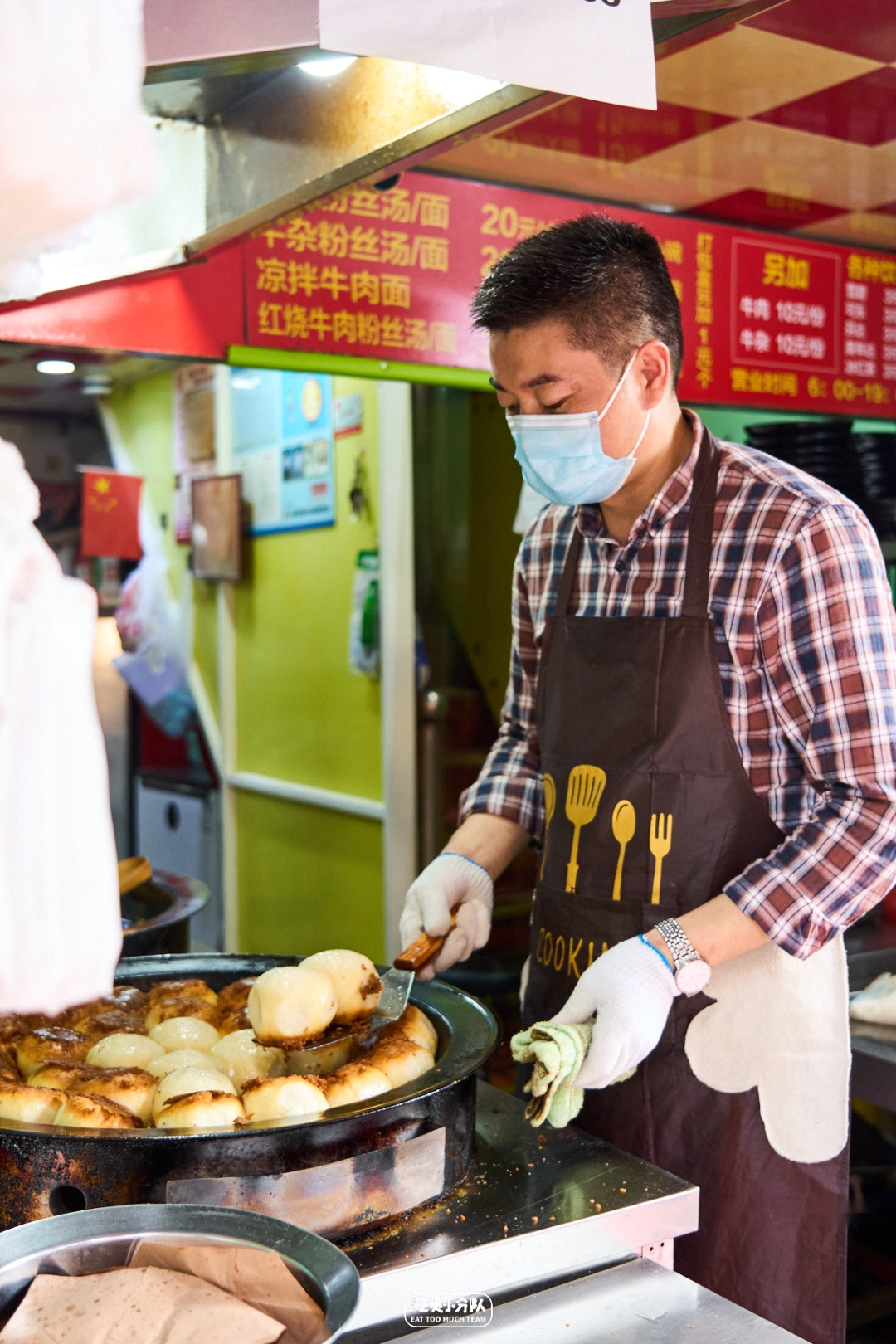
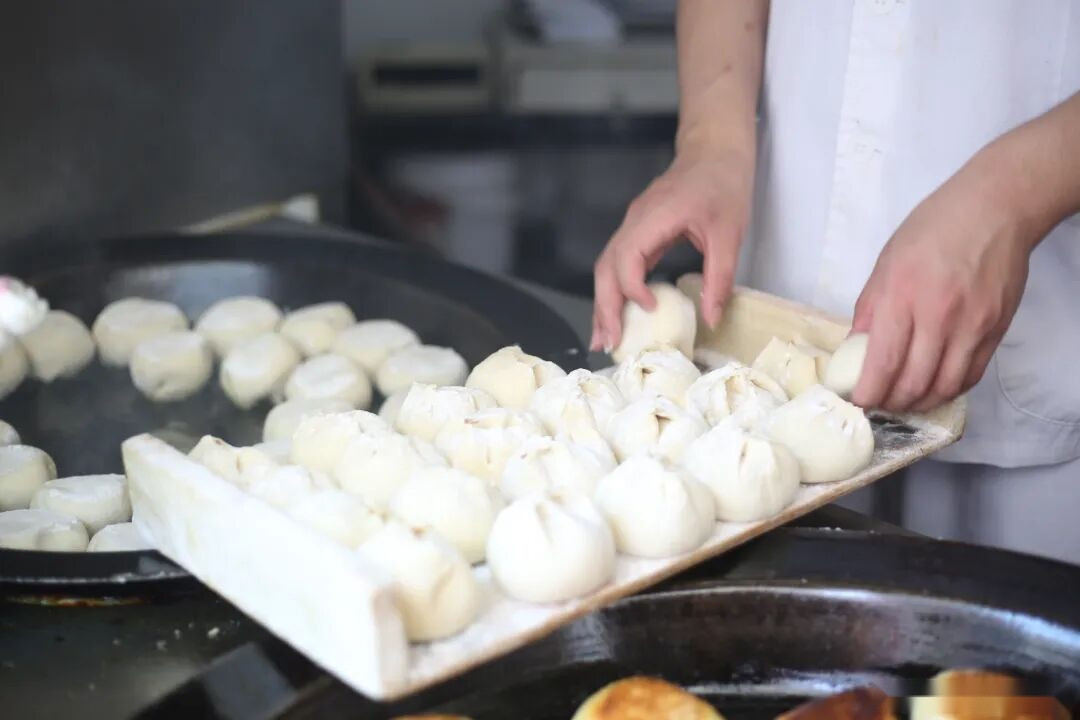
While waiting for our batch to finish, we watched these little guys go through a secondary proofing and a steam bath in the wok, plumping up their wrappers quite a bit. While other shops might rely on a starch slurry to give their buns a cosmetic makeover, Hujia sticks to pure, unadulterated methods, letting the jianbao achieve golden, crispy perfection through the most authentic, traditional frying techniques. It's almost like they're teasing us: "Hey, I'm the real deal—don't compare me to those chemically enhanced impostors!"

One-Click Navigation | Hujia Shuang Guotie
Address | No. 235-1 Zhongshan North Road, Jing'an District
Hours | 6:00 AM - 19:00
"The Undisputed King of Dianping's
Shanghai Niurou Jianbao Rankings"
5 RMB / 1 piece
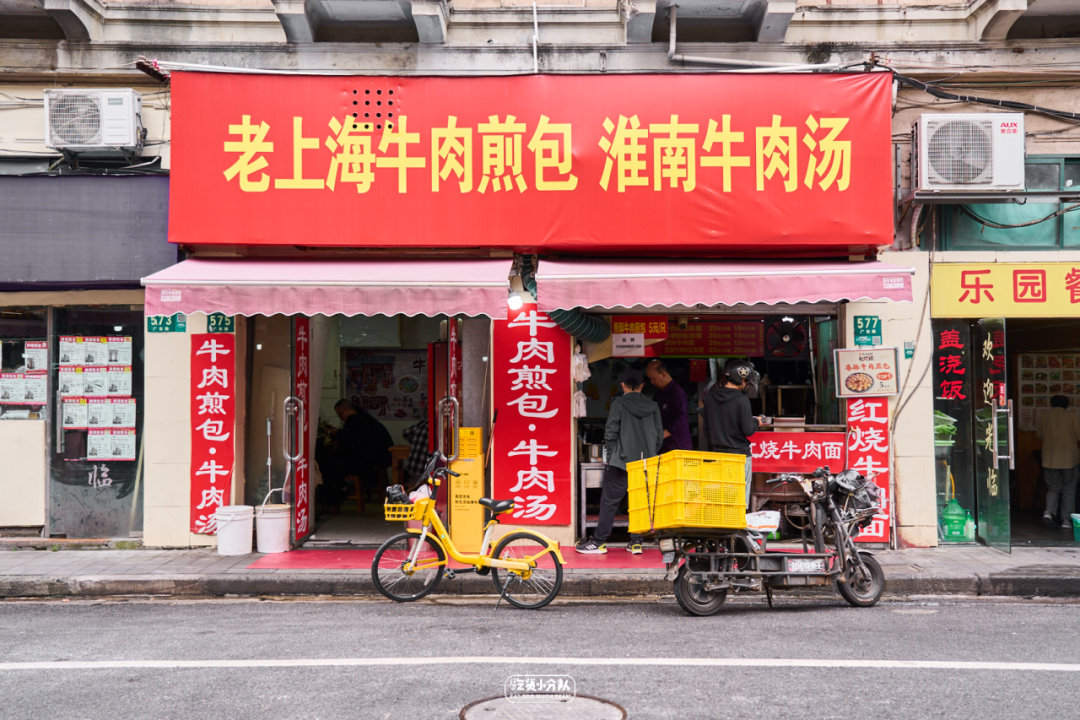
Sitting pretty in the top three of Dianping's charts, this veteran niurou jianbao spot on Guangdong Road has been open for around 20 years. Watching it climb from 1.8 RMB to 5 RMB is basically a masterclass in tracking inflation. The number of jianbao they sell every day could wrap around the earth—well, at least wrap around the block three times. Their pickiness when it comes to ingredients is basically a beauty pageant audition, ensuring the word "integrity" is baked into every single bun.
"Kids Who Grew Up Eating Our Jianbao All Hit 6 Feet Tall"

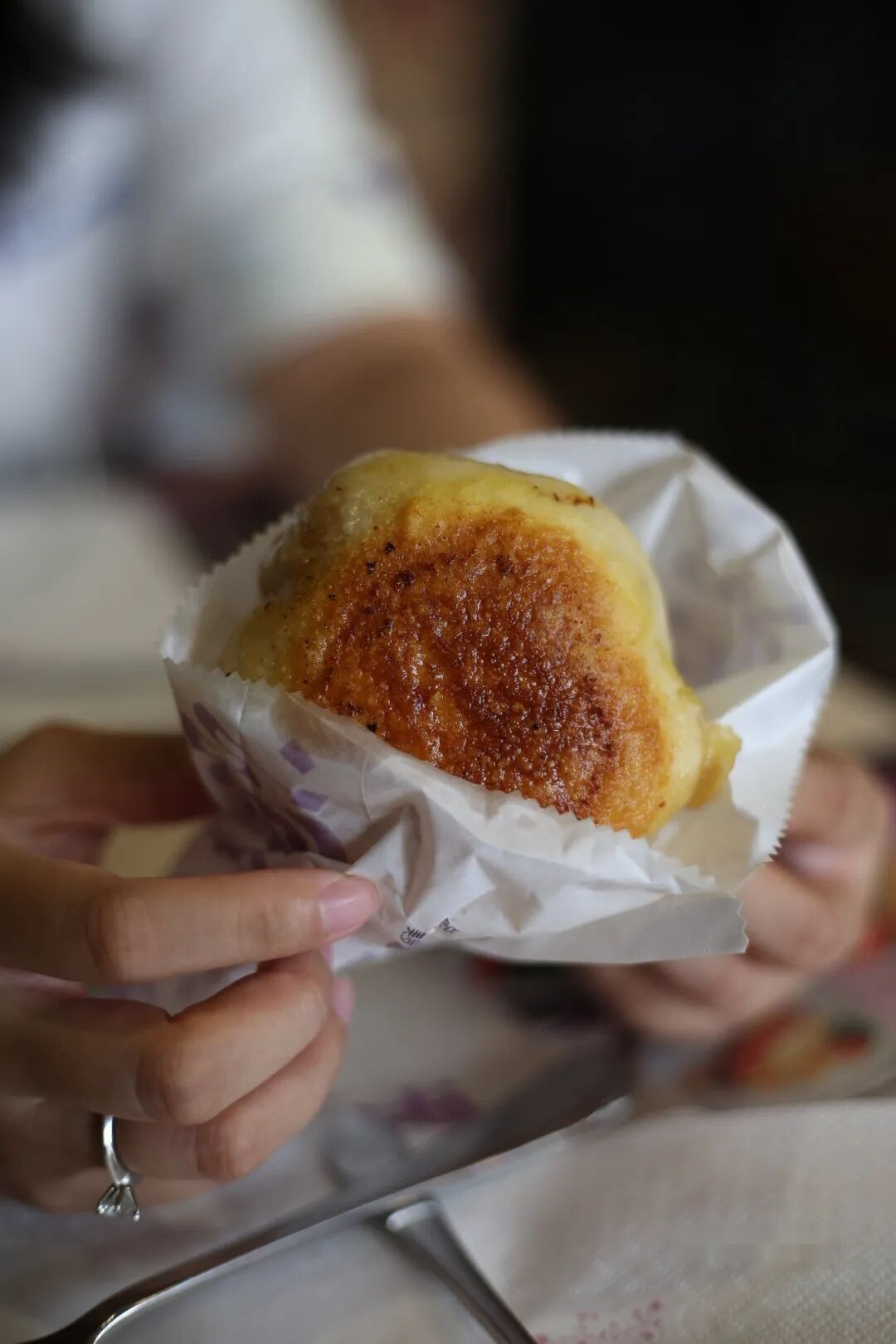
The raw ingredients are hand-picked from the top-tier beef brisket sold on Niurou Street right across the street. The ingredient costs are high, using a lean-to-fat ratio that gives the meat a tight, springy texture with serious bite. Plus, they're loaded with nutrition—the boss proudly brags that the kids who grew up eating their buns all ended up standing over 1.9 meters tall and make prime basketball team material~
The owner shares that customers regularly roll up and buy 10, 20, or even 30 buns at a time. The furthest regular lives out in Qingpu, taking a two-hour subway ride just to buy them, while their biggest single customer once snapped up 120. The day we visited, we ran into an older Shanghai uncle who had made a special trip all the way from Pudong to "wholesale" a batch. He used to live in the neighborhood, and even though he got relocated during urban renewal, he still comes back every single week.
One-Click Navigation | Crispy Niurou Jianbao · Huainan Beef Soup (Guangdong Road Branch)
Address | No. 577 Guangdong Road, Huangpu District
Hours | 6:00 AM - 19:00
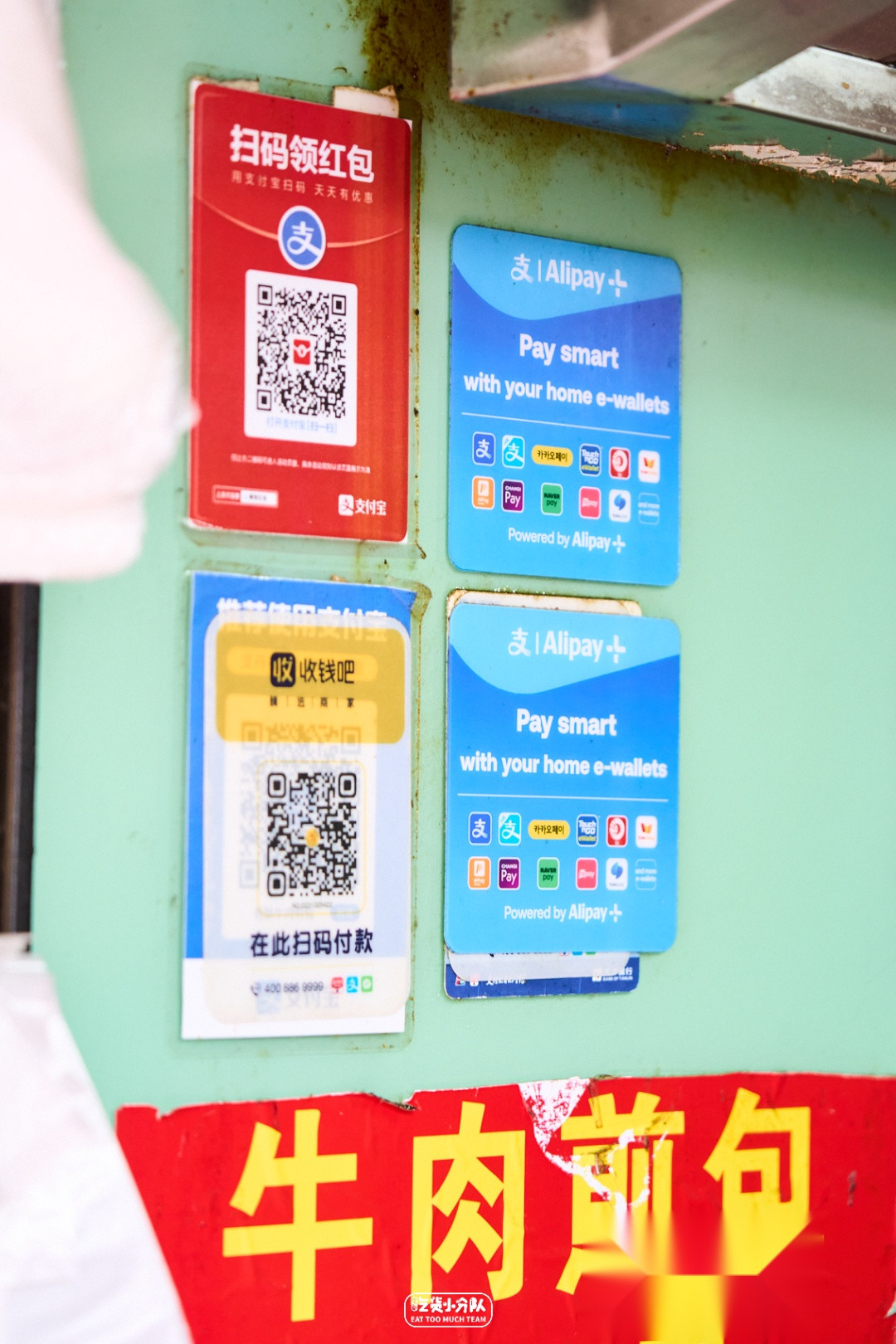
*The shop's payment systems are totally globalized, making it super easy for international friends to pay.
"The Queue Monster Hiding in Taopu"
10 RMB / 3 pieces
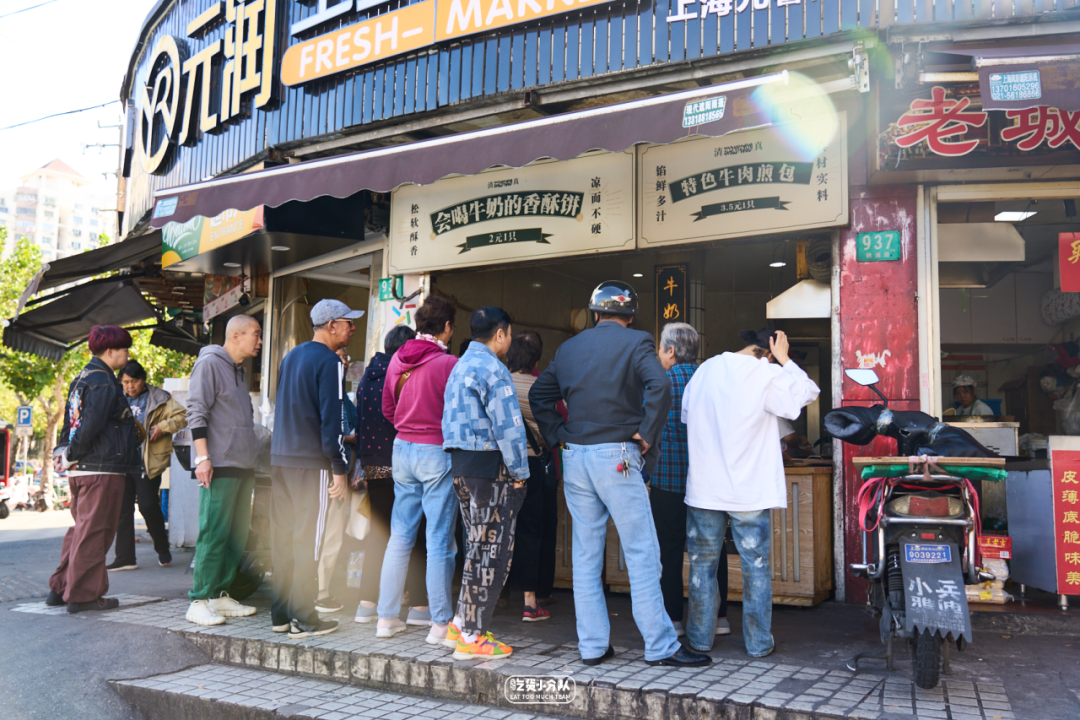
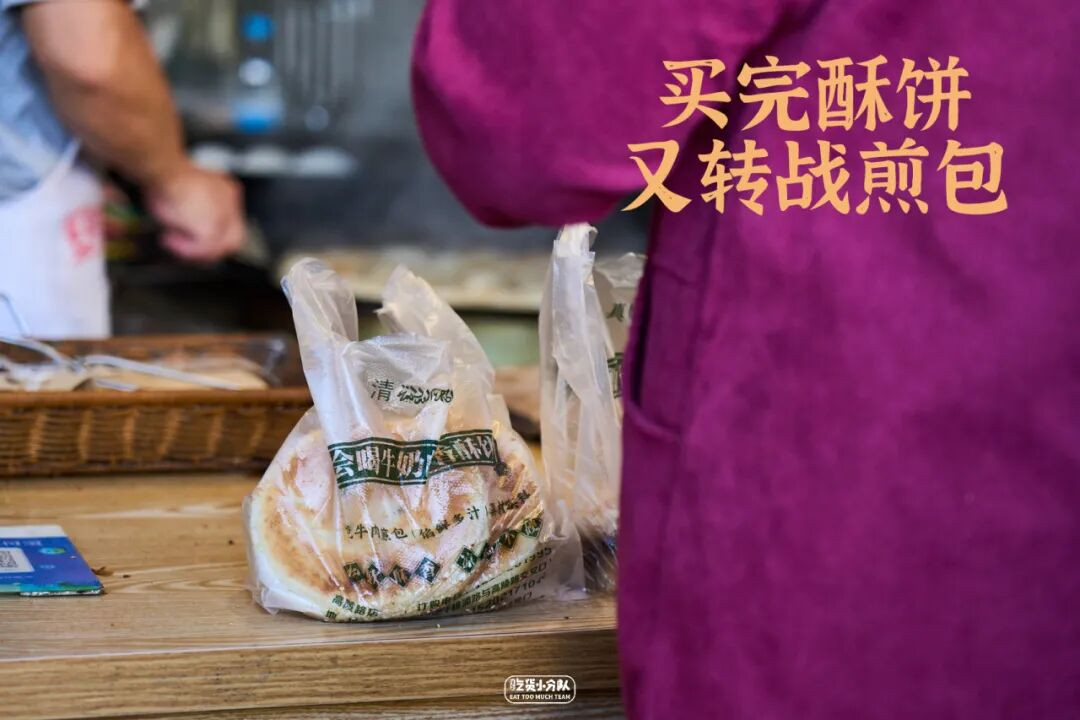
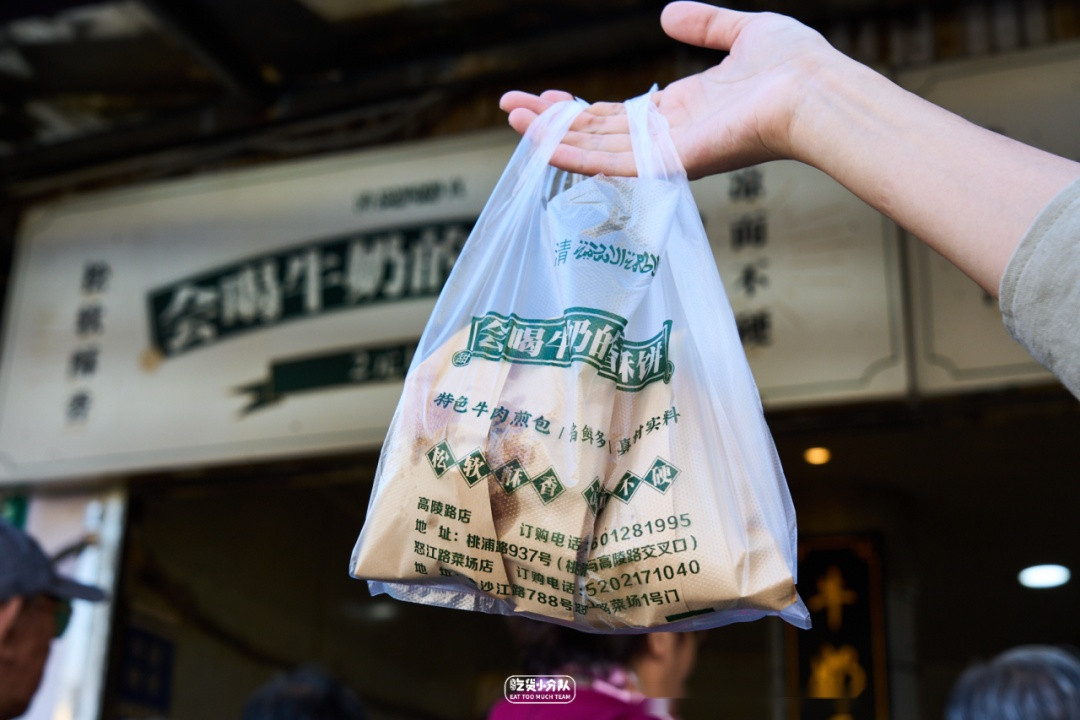
Located right at the corner of Gaoling Road and Taopu Road, this pastry shop is the "heavyweight boxing champion of Taopu breakfasts." Their milk-infused crispy flatbread is the signature item, but their niurou jianbao have surprisingly turned into massive bestsellers. By the time we arrived around 9:00 AM, the line was already winding down the block. They run two separate lines—one for the crispy flatbread and one for the jianbao—and plenty of people finish buying their flatbreads only to jump right back into the jianbao queue.
"I drove all the way out here from Fenghang today,
I make it a point to come at least once a month anyway!"
Their niurou jianbao are the ultimate value champions, practically mandatory for every diner who walks through the door. You'll constantly spot customers walking away with massive "wholesale" bags of them. The buns are hefty, with golden-brown wrappers carrying a slight char, thick and bursting with flavor. Don't let the thick skin fool you: the beef filling is packed tight, and the broth explodes at the slightest pinch. The filling is swimming in scallion aroma, and the fluffy leavened dough drinks up the rich essence of the beef juice. Every bite is pure, sinful satisfaction.
One-Click Navigation | The Milk-Drinking Crispy Flatbread
Address | No. 937 Taopu Road, Putuo District
Hours | 7:00 AM - 12:00 PM, 2:30 PM - 6:30 PM
*Niurou jianbao are only sold during morning hours.
"I've Dreamed About This for 20 Years—Turns Out It Still Tastes Exactly the Same"
4.5 RMB / 1 piece
Chunyuan, a historic heritage brand that shuttered over 20 years ago due to urban redevelopment, made a glamorous comeback in 2022, reopening after merging with another century-old institution, Siruchun. The shop brought back their original master chefs, putting beloved neighborhood staples like wontons and guotie back on tables after decades away, while also dropping brand-new items like niurou jianbao.
This old-school jianbao recipe from Chunyuan hasn't changed in 20 years. Steeped in the glory of a legacy brand and carrying forward its original flavor profile, it's an absolute must-try.
An Old Brand Reopened, Reclaiming a 20-Year-Old Recipe
The restaurant's regulars are mostly senior aunties and uncles who have carried a torch for this flavor from two decades ago. This niurou jianbao was specially developed for these loyal customers, blending traditional and modern palates. The veteran chefs tweaked the filling proportions over and over again to nail the local Shanghai palate, locking in the rich beef flavor while tossing in a hint of northern Chinese scallions (jingcong) to banish any gamey notes. Beneath the crunchy crust lies a reservoir of rich beef soup—take one bite and the aftertaste lingers endlessly. "I spent 20 years thinking about this, and coming back to eat these jianbao, it really does taste like the old days." Even on a weekday afternoon, the dining room is packed to the gills.
One-Click Navigation | Chunyuan · Siruchun (Fuxing Park Branch)
Address | No. 183 Chongqing South Road, Huangpu District
Hours | 6:30 AM - 2:00 PM, 4:30 PM - 7:00 PM
"A 1981 Internet-Famous Icon:
The Niurou Jianbao from a Century-Old Halal Institution"
5 RMB / 1 piece
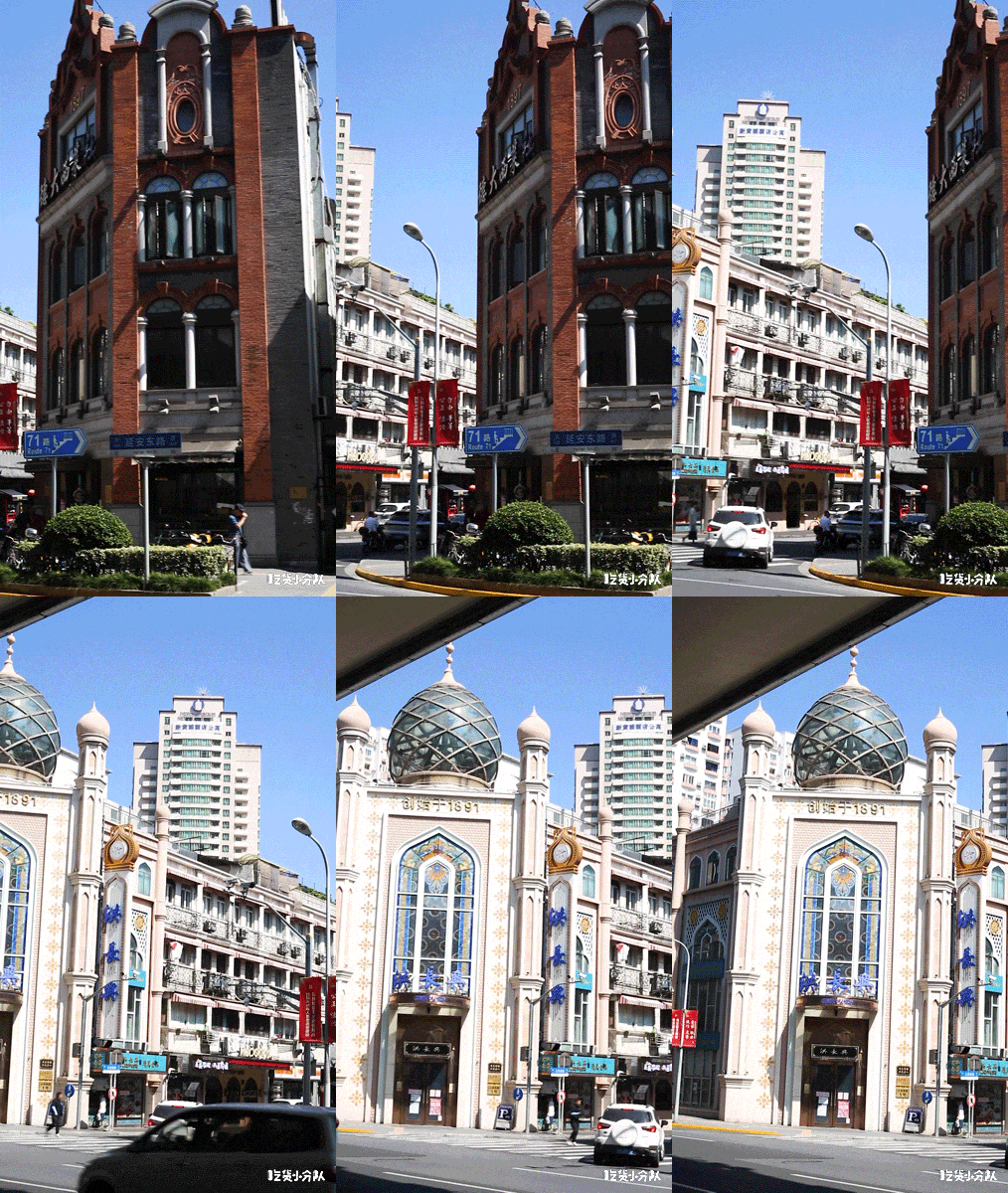
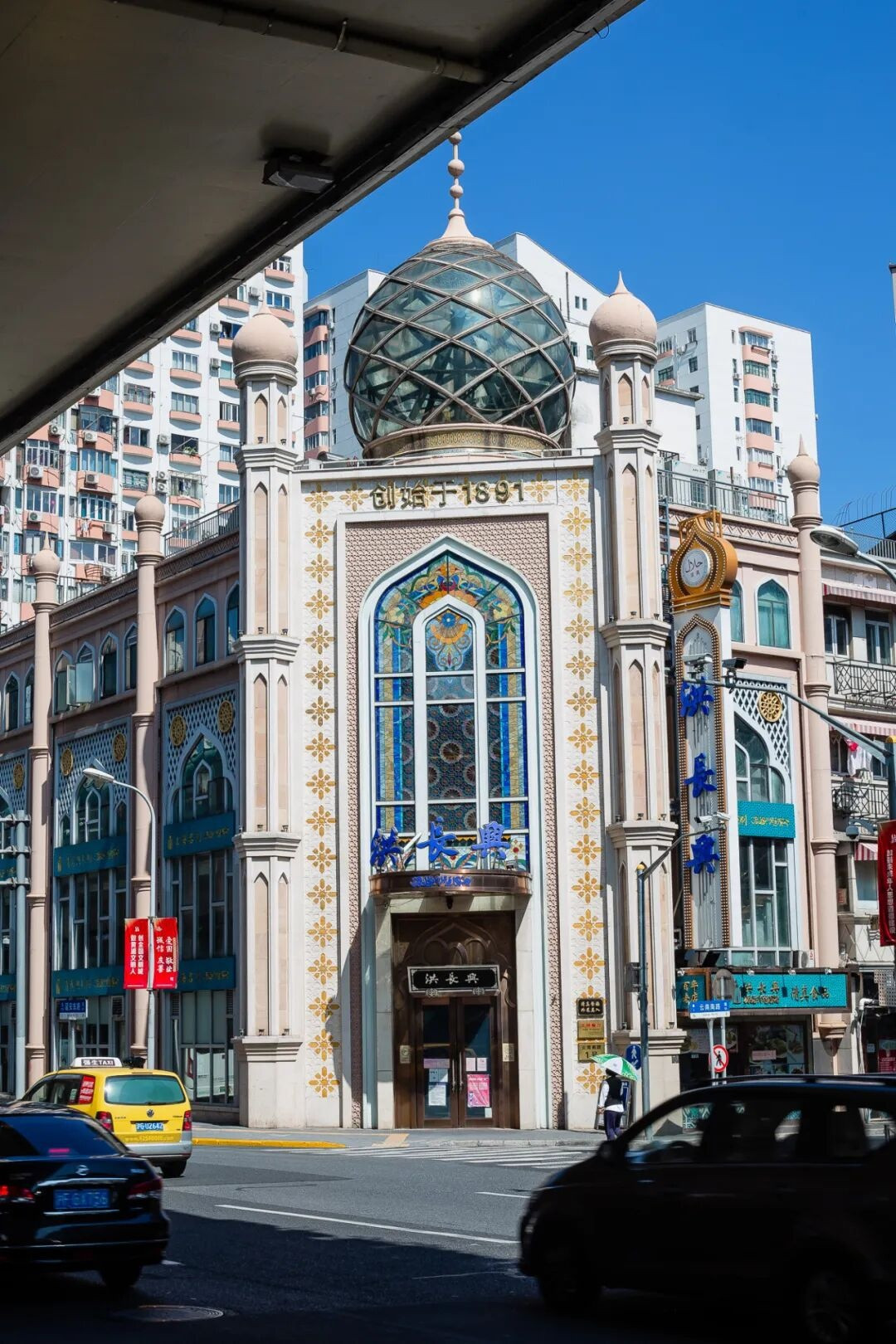
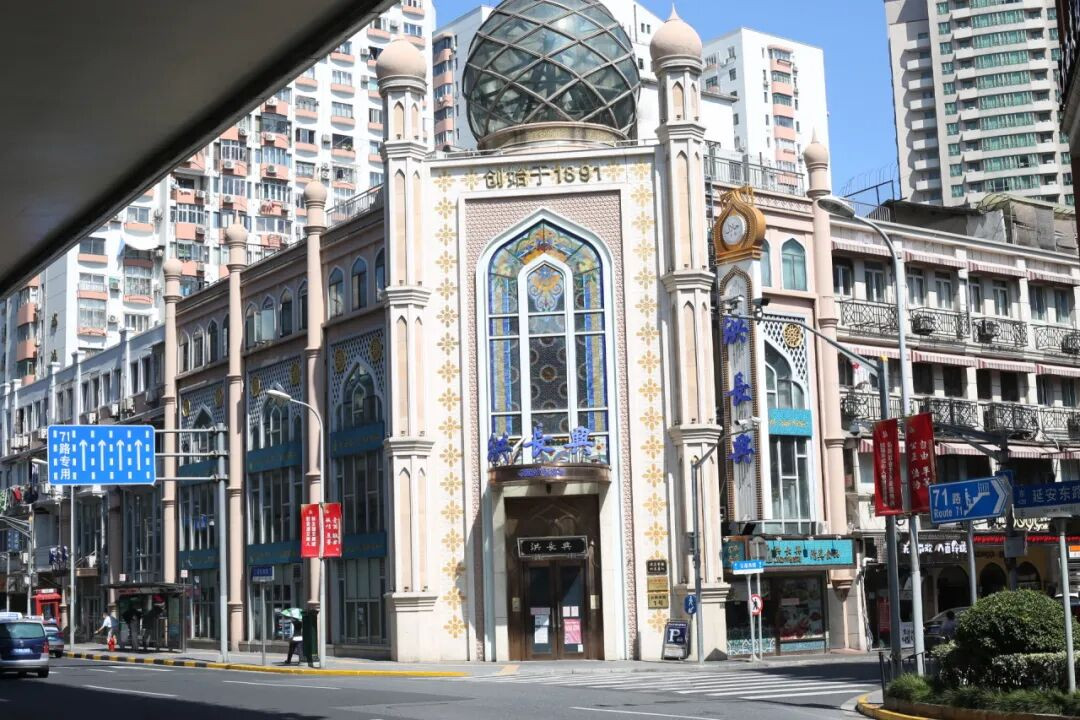
Dominating the number one spot on Yunnan Road South is Hongchangxing, founded way back in 1891 right on the corner of Yan'an Road. This place holds childhood-to-adulthood memories for generations of Shanghai locals. Two decades ago, Yunnan Road was the absolute go-to destination for family dinners.
Housed in a striking building with distinct ethnic architecture, the spacing between floors screams old-school Shanghai vibes. It's the real deal—a genuine Halal establishment. Their freshly sliced mutton hot pot (regi yangrou) is exceptionally authentic with knife-work to match, and their niurou jianbao are a massive specialty made with certified Halal beef. On top of that, they run a fantastic takeout window stocked with Halal pastries and cold-cut deli meats.
The Meat is Sourced from Authentic Halal Beef Rib and Neck Cuts
Hongchangxing's niurou jianbao are the absolute ancestors of the Shanghai food scene. The filling uses authentic Halal beef brisket and neck cuts, blended with a custom mix of spices. Thin-skinned and stuffed to bursting, every bite is pure meat—tender and swimming with juice. You can clearly taste a whisper of curry powder folded into the filling to brighten the flavor profile. It's just the right amount, adding incredible flavor depth while keeping the beef filling from ever feeling greasy. As the weather cools down, you'll want to grab them straight out of the pan and eat them immediately for peak deliciousness.
One-Click Navigation | Hongchangxing (Yunnan South Road Branch)
Address | No. 1 Yunnan Road South, Huangpu District
Hours | 11:00 AM - 2:00 PM, 5:00 PM - 8:00 PM
Let's Chat!
Which Shanghai niurou jianbao spot is your absolute favorite?
Drop your picks in the comments below! Collapse Read »
Shanghai's Budget Carb Ceiling: Field-Testing the Golden Crispy Crusts and Juicy Fillings of Shanghai's Iconic Halal Niurou Jianbao
Summary:
A deep dive into Shanghai's most seductive "national-level" Halal carb creation—niurou jianbao (pan-fried beef buns). We put the frying technique, thickness of the golden crispy bottom crust, and the beef filling ratios of historic brands and street food legends head-to-head to bring food lovers the ultimate flavor roundup.
In Shanghai's niurou jianbao scene,
every single bun has its own legend.
They sizzle and flip in the oil pan
until the wrapper is crispy and the beef aroma fills the air.
This edition recommends the 8 absolute best niurou jianbao spots.
Step inside,
and the air doesn't just carry the scent of beef—
it's packed with mouthwatering toasted aromas.
1. Shanghai Yixinzhai
2. Qingzhen Xiaopang Niurou Jianbao
3. Shanghai Weimin Shanghang Halal Restaurant
4. Hujia Shuang Guotie (Hujia Double-Sided Potstickers)
5. Crispy Niurou Jianbao · Huainan Beef Soup
6. The Milk-Drinking Crispy Flatbread
7. Chunyuan · Siruchun
8. Hongchangxing
"A 60+ Year Intangible Cultural Heritage Niurou Jianbao"
5 RMB / 1 piece
When people talk about Shanghai niurou jianbao, Yixinzhai is usually the first name that pops into mind. That's right—this legendary spot is an "Intangible Cultural Heritage Shop" and "Shanghai's #1 Niurou Jianbao." Moving a legendary 4,000 buns a day through 64 years of ups and downs, it's still wildly popular.
From older Shanghai aunties and uncles to young foodies chasing internet hype for social media check-ins, whether you're here for pure nostalgia or a viral food hunt, you've got to bow your head and wait in line for Yixinzhai's heritage buns.
The Nostalgia of Old Yangpu
If you want a jianbao that's dripping with juice and pure romance, Yixinzhai takes the crown. Fresh out of the frying pan, these buns are golden-brown on both sides, with a satisfying crunch. Bite through the skin, and a gusher of soup bursts from the tear, rich in beef flavor and subtly sweet, melting right into the dough's earthy aroma. It's impossible not to love them. Even though it's already the undisputed king of Shanghai niurou jianbao, old-school Yangpu foodies still argue that the flavor back in the day was peerless. With every juicy, enduring bite, Yixinzhai's jianbao chronicles the changing face of the city.
One-Click Navigation | Shanghai Yixinzhai (Pingliang Road Branch)
Address | No. 1625 Pingliang Road, Daqiao Subdistrict (Near Ningguo Road)
Hours | 7:00 AM - 9:00 PM
A 30-Year Neighborhood Staple in the Yangpu Wet Market
A Massive 4 RMB Bun That Shatters Your Wallet's Limits
5 RMB / 1 piece
Word has it that besides Yixinzhai, there's another god-tier Yangpu niurou jianbao hidden gem you simply have to try. Dominating the wet market scene and reigning supreme as the ultimate morning rush-hour snack, they only sell until noon. Made with the boss's secret recipe, this oversized niurou jianbao has made a huge name for itself across Yangpu. Honestly, handing over just 4 RMB for a massive meat bun makes you feel a little guilty—especially when it's pure beef and literally bursts with soup?
"Our shop has been here since the day this wet market opened. At first, we only sold raw beef, but then folks from back home living in Shanghai started craving hometown-style buns, so we opened this joint." It's a family-run affair: the husband works the wok, the wife runs the cash register, and the morning crowd is mostly regulars. Chatting about daily life with the boss's family makes for a super cozy vibe.
A Low-Key Shaolin Master of Jianbao with Killer Looks and Chops
Boss Pang is dead serious about ingredient freshness, exclusively sourcing premium chuck flap (meizi rou) from big yellow cattle, keeping strict standards on slaughter times, origin, and cattle age. Sticking to traditional cast-iron pan-frying, he relies on over 20 years of mastery over heat control, wok airflow, timing, wrist pressure, and oil amounts to make sure every single bun hits peak flavor. Take a bite, and the texture genuinely feels a bit more rustic and muscular than your average niurou jianbao. As you sink your teeth in, the juices soak right into the wrapper, supercharging the savory fats. Take a gentle little sip of the soup—it's an instant out-of-body experience.
One-Click Navigation | Qingzhen Xiaopang Niurou Jianbao
Address | Right-hand side inside the Global Company Food Street, west side of Lejiafu Agricultural Products Market, No. 9 Yongji Road, Yangpu District
Hours | 6:00 AM - 12:00 PM
*Niurou jianbao are 4 RMB each, buy 5 get 1 free. They sell out completely as soon as they come out of the pan before 9:00 AM. The boss doesn't do delivery apps, and supply cannot be guaranteed after 12:00 PM.
"Shanghai's Most 'Bovine' Canteen:
Halal Jianbao, Slaughtered at Midnight, Sold Out by Afternoon"
3.5 RMB / 1 piece
With a history stretching over 30 years, this beef and mutton "canteen" is a state-owned restaurant under the Shanghai Beef and Mutton Company. The kitchen starts buzzing here right after midnight, but they shut their doors at 1:00 PM sharp. The restaurant owns its own slaughterhouse, taking just 20 minutes from slaughter to table to guarantee mind-blowing freshness. Backed by a massive Halal cold storage facility and slaughterhouse, they're the only operation of their kind in Shanghai.
The Mandatory "Soup-Bomb Bun"
Their niurou jianbao go for 4 RMB each and are practically mandatory for every customer who walks through the door—you'll often see people walking out having "wholesale-purchased" massive bags of them. These buns are huge, roughly the size of a soup bowl, with golden-brown wrappers boasting a slight char, thick and packed with flavor. Don't let the thick skin fool you: the beef filling is generous, and the meat juices burst out with a gentle squeeze. The filling is loaded with fragrant scallions, and the fluffy leavened dough drinks up the pure essence of the beef broth. Every single bite is deliciously sinful.
One-Click Navigation | Shanghai Weimin Shanghang Halal Restaurant (Nanda Road Branch)
Address | No. 162 Nanda Road, Baoshan District
Hours | 5:00 AM - 1:00 PM, 3:30 PM - 6:30 PM
"Their Signature is Guotie,
But Dianshang Reviews Hyping Up the Niurou Jianbao Are Everywhere"
4 RMB / 1 piece
This little shop focuses on guotie (crispy beef potstickers), but their niurou jianbao unexpectedly went viral and earned rave reviews from all over. What started as a tiny 3-square-meter stall has grown into its current size. Passed down from father to son with over 30 years of craftsmanship, they've kept the original ingredients and recipes intact, so every bite still tastes just like childhood.
Uncompromising Dedication to Old-School Craftsmanship
While waiting for our batch to finish, we watched these little guys go through a secondary proofing and a steam bath in the wok, plumping up their wrappers quite a bit. While other shops might rely on a starch slurry to give their buns a cosmetic makeover, Hujia sticks to pure, unadulterated methods, letting the jianbao achieve golden, crispy perfection through the most authentic, traditional frying techniques. It's almost like they're teasing us: "Hey, I'm the real deal—don't compare me to those chemically enhanced impostors!"
One-Click Navigation | Hujia Shuang Guotie
Address | No. 235-1 Zhongshan North Road, Jing'an District
Hours | 6:00 AM - 19:00
"The Undisputed King of Dianping's
Shanghai Niurou Jianbao Rankings"
5 RMB / 1 piece
Sitting pretty in the top three of Dianping's charts, this veteran niurou jianbao spot on Guangdong Road has been open for around 20 years. Watching it climb from 1.8 RMB to 5 RMB is basically a masterclass in tracking inflation. The number of jianbao they sell every day could wrap around the earth—well, at least wrap around the block three times. Their pickiness when it comes to ingredients is basically a beauty pageant audition, ensuring the word "integrity" is baked into every single bun.
"Kids Who Grew Up Eating Our Jianbao All Hit 6 Feet Tall"
The raw ingredients are hand-picked from the top-tier beef brisket sold on Niurou Street right across the street. The ingredient costs are high, using a lean-to-fat ratio that gives the meat a tight, springy texture with serious bite. Plus, they're loaded with nutrition—the boss proudly brags that the kids who grew up eating their buns all ended up standing over 1.9 meters tall and make prime basketball team material~
The owner shares that customers regularly roll up and buy 10, 20, or even 30 buns at a time. The furthest regular lives out in Qingpu, taking a two-hour subway ride just to buy them, while their biggest single customer once snapped up 120. The day we visited, we ran into an older Shanghai uncle who had made a special trip all the way from Pudong to "wholesale" a batch. He used to live in the neighborhood, and even though he got relocated during urban renewal, he still comes back every single week.
One-Click Navigation | Crispy Niurou Jianbao · Huainan Beef Soup (Guangdong Road Branch)
Address | No. 577 Guangdong Road, Huangpu District
Hours | 6:00 AM - 19:00
*The shop's payment systems are totally globalized, making it super easy for international friends to pay.
"The Queue Monster Hiding in Taopu"
10 RMB / 3 pieces
Located right at the corner of Gaoling Road and Taopu Road, this pastry shop is the "heavyweight boxing champion of Taopu breakfasts." Their milk-infused crispy flatbread is the signature item, but their niurou jianbao have surprisingly turned into massive bestsellers. By the time we arrived around 9:00 AM, the line was already winding down the block. They run two separate lines—one for the crispy flatbread and one for the jianbao—and plenty of people finish buying their flatbreads only to jump right back into the jianbao queue.
"I drove all the way out here from Fenghang today,
I make it a point to come at least once a month anyway!"
Their niurou jianbao are the ultimate value champions, practically mandatory for every diner who walks through the door. You'll constantly spot customers walking away with massive "wholesale" bags of them. The buns are hefty, with golden-brown wrappers carrying a slight char, thick and bursting with flavor. Don't let the thick skin fool you: the beef filling is packed tight, and the broth explodes at the slightest pinch. The filling is swimming in scallion aroma, and the fluffy leavened dough drinks up the rich essence of the beef juice. Every bite is pure, sinful satisfaction.
One-Click Navigation | The Milk-Drinking Crispy Flatbread
Address | No. 937 Taopu Road, Putuo District
Hours | 7:00 AM - 12:00 PM, 2:30 PM - 6:30 PM
*Niurou jianbao are only sold during morning hours.
"I've Dreamed About This for 20 Years—Turns Out It Still Tastes Exactly the Same"
4.5 RMB / 1 piece
Chunyuan, a historic heritage brand that shuttered over 20 years ago due to urban redevelopment, made a glamorous comeback in 2022, reopening after merging with another century-old institution, Siruchun. The shop brought back their original master chefs, putting beloved neighborhood staples like wontons and guotie back on tables after decades away, while also dropping brand-new items like niurou jianbao.
This old-school jianbao recipe from Chunyuan hasn't changed in 20 years. Steeped in the glory of a legacy brand and carrying forward its original flavor profile, it's an absolute must-try.
An Old Brand Reopened, Reclaiming a 20-Year-Old Recipe
The restaurant's regulars are mostly senior aunties and uncles who have carried a torch for this flavor from two decades ago. This niurou jianbao was specially developed for these loyal customers, blending traditional and modern palates. The veteran chefs tweaked the filling proportions over and over again to nail the local Shanghai palate, locking in the rich beef flavor while tossing in a hint of northern Chinese scallions (jingcong) to banish any gamey notes. Beneath the crunchy crust lies a reservoir of rich beef soup—take one bite and the aftertaste lingers endlessly. "I spent 20 years thinking about this, and coming back to eat these jianbao, it really does taste like the old days." Even on a weekday afternoon, the dining room is packed to the gills.
One-Click Navigation | Chunyuan · Siruchun (Fuxing Park Branch)
Address | No. 183 Chongqing South Road, Huangpu District
Hours | 6:30 AM - 2:00 PM, 4:30 PM - 7:00 PM
"A 1981 Internet-Famous Icon:
The Niurou Jianbao from a Century-Old Halal Institution"
5 RMB / 1 piece
Dominating the number one spot on Yunnan Road South is Hongchangxing, founded way back in 1891 right on the corner of Yan'an Road. This place holds childhood-to-adulthood memories for generations of Shanghai locals. Two decades ago, Yunnan Road was the absolute go-to destination for family dinners.
Housed in a striking building with distinct ethnic architecture, the spacing between floors screams old-school Shanghai vibes. It's the real deal—a genuine Halal establishment. Their freshly sliced mutton hot pot (regi yangrou) is exceptionally authentic with knife-work to match, and their niurou jianbao are a massive specialty made with certified Halal beef. On top of that, they run a fantastic takeout window stocked with Halal pastries and cold-cut deli meats.
The Meat is Sourced from Authentic Halal Beef Rib and Neck Cuts
Hongchangxing's niurou jianbao are the absolute ancestors of the Shanghai food scene. The filling uses authentic Halal beef brisket and neck cuts, blended with a custom mix of spices. Thin-skinned and stuffed to bursting, every bite is pure meat—tender and swimming with juice. You can clearly taste a whisper of curry powder folded into the filling to brighten the flavor profile. It's just the right amount, adding incredible flavor depth while keeping the beef filling from ever feeling greasy. As the weather cools down, you'll want to grab them straight out of the pan and eat them immediately for peak deliciousness.
One-Click Navigation | Hongchangxing (Yunnan South Road Branch)
Address | No. 1 Yunnan Road South, Huangpu District
Hours | 11:00 AM - 2:00 PM, 5:00 PM - 8:00 PM
Let's Chat!
Which Shanghai niurou jianbao spot is your absolute favorite?
Drop your picks in the comments below! Collapse Read »
The Ultimate Guide to Yixinzhai's Legendary Halal Beef Mooncakes in Shanghai
[Internet Repost]
The Ultimate Buzz Around Shanghai's One-and-Only Halal Heritage Mooncakes: Inside the Long Lines for Yixinzhai's Freshly Baked Halal Vegetarian and Beef Mooncakes
Abstract:
A look at the massive crowds queuing up at the takeout window of Yixinzhai, a historic Halal institution in Shanghai, during the Mid-Autumn Festival. Discover the traditional, hand-crafted artisan recipes behind their freshly baked Suzhou-style savory meat mooncakes, traditional five-kernel pepper mooncakes, and Halal vegetarian mooncakes—bringing back the classic seasonal flavors Shanghainese locals have craved for years.
As the Mid-Autumn Festival approaches,
these heritage-brand mooncakes are entering
their peak sales season of the year!
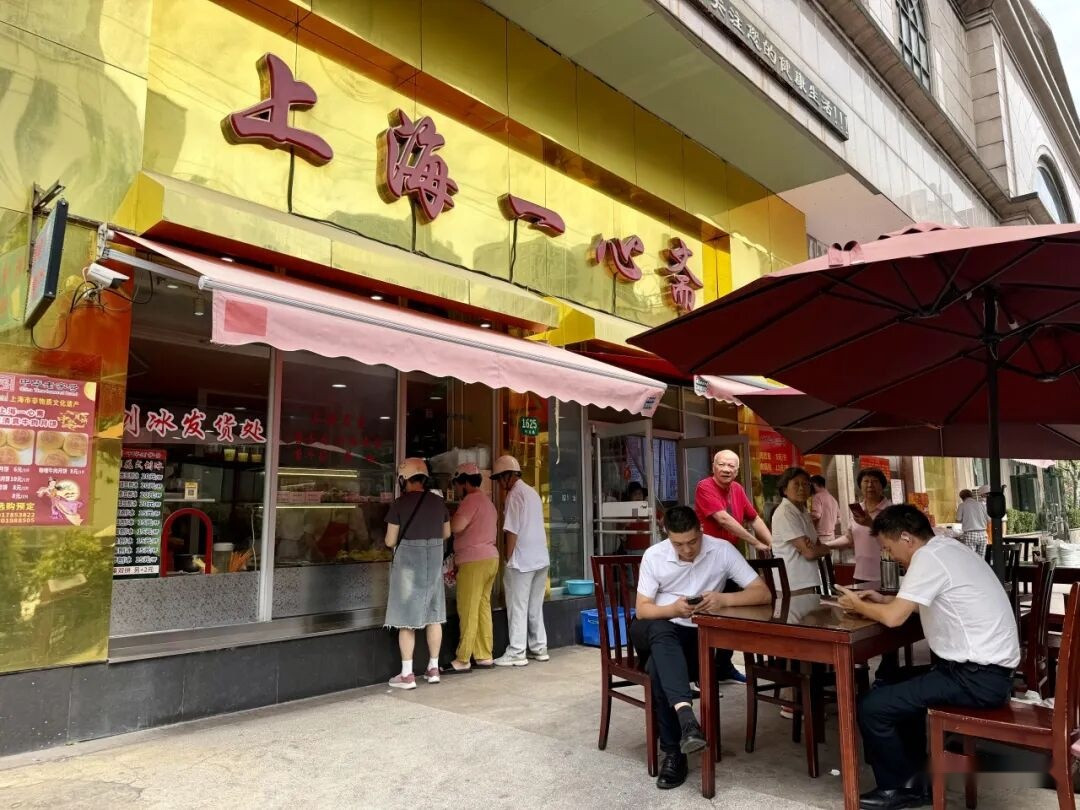
Over on Pingliang Road in Shanghai,
the time-honored brand Yixinzhai's mooncakes
are seeing lines grow longer and sales skyrocket.
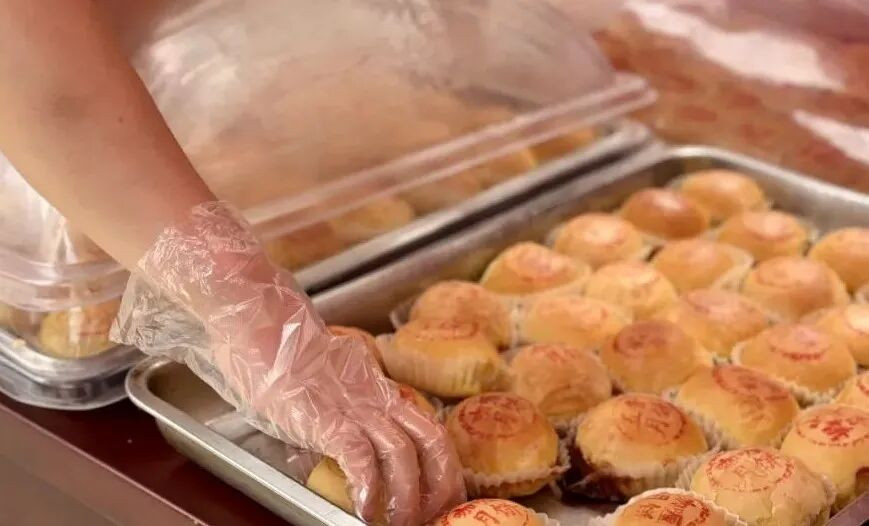
Unlike most dim sum shops whose star product is standard pork mooncakes,
this Halal restaurant famous across Shanghai
for its niurou jianbao (pan-fried beef buns)
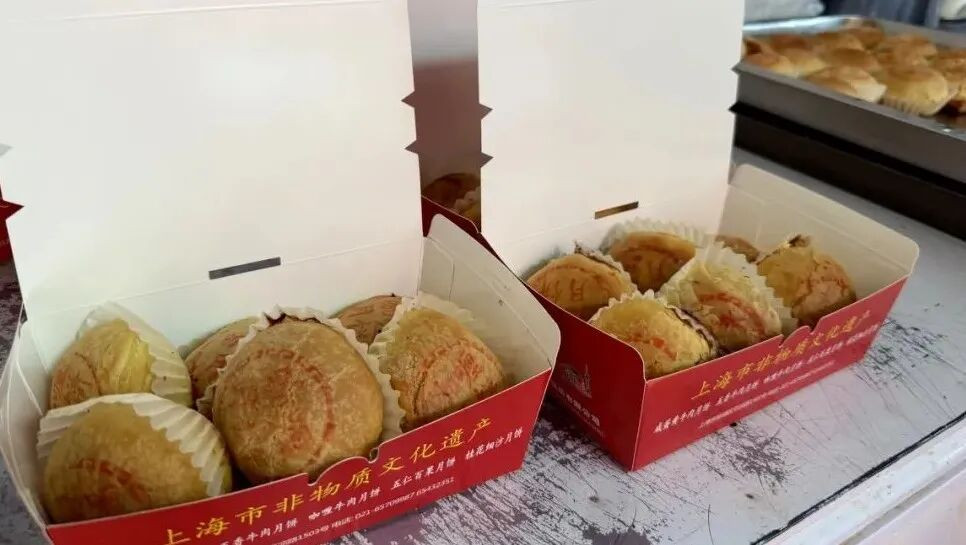
is drawing crowds who make special trips just to queue up for their unique "beef mooncakes"!
"You won't find beef mooncakes like this anywhere else in the city!" On the morning of September 16th, reporters at the Yixinzhai takeaway window saw an endless stream of foodies buying all sorts of mooncakes. One customer held up two boxes of mooncakes and smiled as they shared, "I've been coming to this spot since I was a kid. I'm in my sixties now, and I still never get tired of it."
Five Classic Flavors,
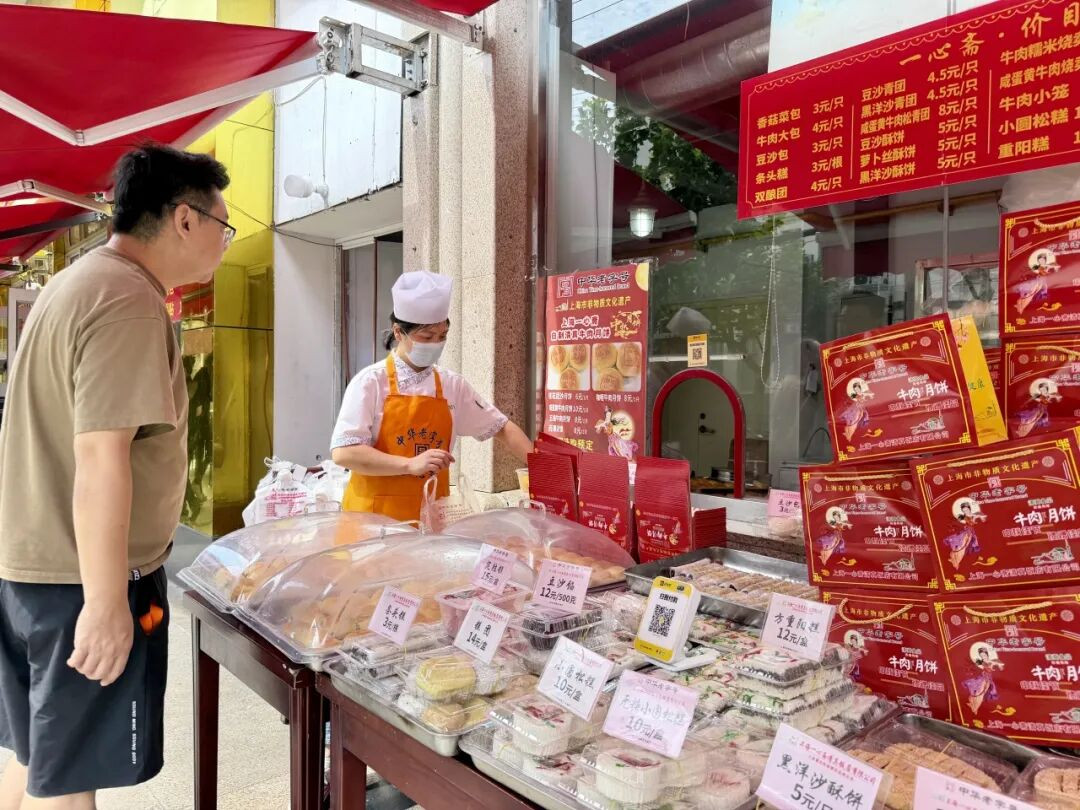
With Beef Mooncakes Stealing the Show
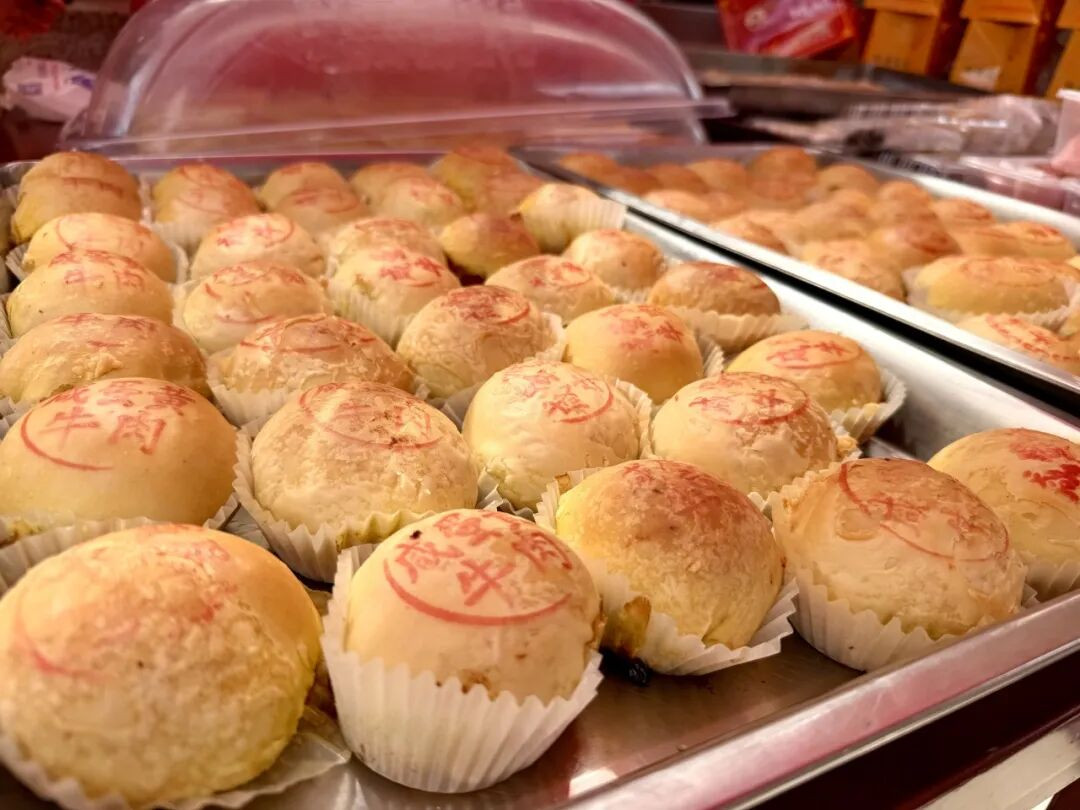
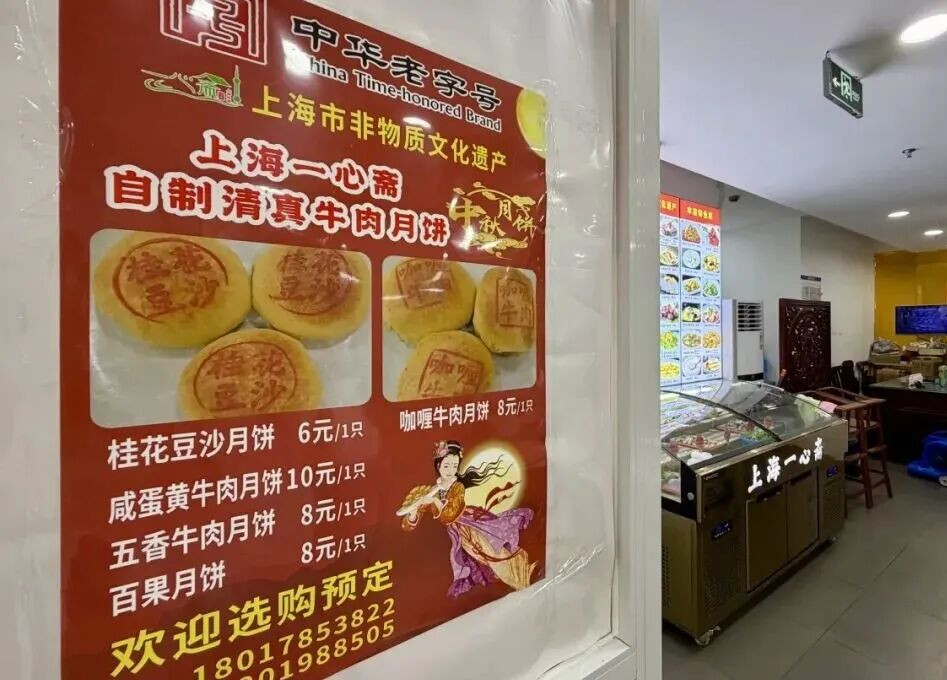
This Mid-Autumn, Yixinzhai's mooncakes are sticking to the classics, rolling out five flavors: osmanthus sweet bean paste, curry beef, salted egg yolk beef, five-spice beef, and mixed fruit and nut (baiguo). Singles range from 6 to 10 RMB. By 10:30 AM, neatly stacked rows of golden, flaky, plump round mooncakes lined the street-facing window, still radiating that fresh-out-of-the-oven warmth and catching the eyes of passersby. Hands down, the beef filling remains the crowd favorite.
"I grabbed the curry beef mooncakes. Their beef is Halal, super famous, and the flavor is totally authentic," a customer laughed, mentioning they used to live in Yangpu District and moved to another district years ago, but could never forget this classic taste. "Whenever I'm in Yangpu, I always make a special trip to Yixinzhai to pick up some pastries. With the Mid-Autumn Festival right around the corner, mooncakes are an absolute must."
The Exclusive Secret Recipe,
A Classic Taste Awakening Childhood Memories
As a time-honored Halal establishment, Yixinzhai has built its reputation on beef over the years, with niurou jianbao and guotie (crispy beef potstickers) standing as its century-old, battle-tested signature products. A few years ago, the shop timed a major launch of Mid-Autumn beef mooncakes to match the season, and this unchanging classic flavor instantly won over food lovers all over again.
"I live in Yangpu, and we've been eating Yixinzhai's food since we were kids. Their beef filling is totally different from anything else out there—it's super aromatic and deeply savory," one regular customer reflected.
Behind great flavor is a strict selection of ingredients and a meticulous process. Zhang Zhouli, manager of Yixinzhai's pastry department, told reporters that the shop maintains strict standards for beef selection, seasoning, preparation techniques, and final product specifications. For instance, the beef filling exclusively uses beef hindquarter, and pastry chefs spend a full hour just mixing the filling. "The goal is to make sure the beef mooncakes are crispy on the outside and tender on the inside, keeping the meat filling from turning dry or tough," Zhang said.
Selling Thousands a Day,
Orders Piling Up as Mid-Autumn Nears
Over the past few days, with the Mid-Autumn Festival drawing closer, business at the shop has been booming. Zhang Zhouli shared that they are currently selling over a thousand mooncakes a day, and expects daily sales to multiply even further by the actual day of the festival. Plenty of customers are making special trips to place bulk orders of a hundred or more at a time. The team is already stocking up on extra beef, bean paste, and other ingredients to ensure a steady, uninterrupted supply throughout the holiday.
"During the festival season, lots of customers need to buy gifts for family and friends, so they order tray after tray in huge quantities. To match that, we've rolled out gift-box packaging to meet the diverse shopping needs of our customers," Zhang noted. Collapse Read »
The Ultimate Buzz Around Shanghai's One-and-Only Halal Heritage Mooncakes: Inside the Long Lines for Yixinzhai's Freshly Baked Halal Vegetarian and Beef Mooncakes
Abstract:
A look at the massive crowds queuing up at the takeout window of Yixinzhai, a historic Halal institution in Shanghai, during the Mid-Autumn Festival. Discover the traditional, hand-crafted artisan recipes behind their freshly baked Suzhou-style savory meat mooncakes, traditional five-kernel pepper mooncakes, and Halal vegetarian mooncakes—bringing back the classic seasonal flavors Shanghainese locals have craved for years.
As the Mid-Autumn Festival approaches,
these heritage-brand mooncakes are entering
their peak sales season of the year!
Over on Pingliang Road in Shanghai,
the time-honored brand Yixinzhai's mooncakes
are seeing lines grow longer and sales skyrocket.
Unlike most dim sum shops whose star product is standard pork mooncakes,
this Halal restaurant famous across Shanghai
for its niurou jianbao (pan-fried beef buns)
is drawing crowds who make special trips just to queue up for their unique "beef mooncakes"!
"You won't find beef mooncakes like this anywhere else in the city!" On the morning of September 16th, reporters at the Yixinzhai takeaway window saw an endless stream of foodies buying all sorts of mooncakes. One customer held up two boxes of mooncakes and smiled as they shared, "I've been coming to this spot since I was a kid. I'm in my sixties now, and I still never get tired of it."
Five Classic Flavors,
With Beef Mooncakes Stealing the Show
This Mid-Autumn, Yixinzhai's mooncakes are sticking to the classics, rolling out five flavors: osmanthus sweet bean paste, curry beef, salted egg yolk beef, five-spice beef, and mixed fruit and nut (baiguo). Singles range from 6 to 10 RMB. By 10:30 AM, neatly stacked rows of golden, flaky, plump round mooncakes lined the street-facing window, still radiating that fresh-out-of-the-oven warmth and catching the eyes of passersby. Hands down, the beef filling remains the crowd favorite.
"I grabbed the curry beef mooncakes. Their beef is Halal, super famous, and the flavor is totally authentic," a customer laughed, mentioning they used to live in Yangpu District and moved to another district years ago, but could never forget this classic taste. "Whenever I'm in Yangpu, I always make a special trip to Yixinzhai to pick up some pastries. With the Mid-Autumn Festival right around the corner, mooncakes are an absolute must."
The Exclusive Secret Recipe,
A Classic Taste Awakening Childhood Memories
As a time-honored Halal establishment, Yixinzhai has built its reputation on beef over the years, with niurou jianbao and guotie (crispy beef potstickers) standing as its century-old, battle-tested signature products. A few years ago, the shop timed a major launch of Mid-Autumn beef mooncakes to match the season, and this unchanging classic flavor instantly won over food lovers all over again.
"I live in Yangpu, and we've been eating Yixinzhai's food since we were kids. Their beef filling is totally different from anything else out there—it's super aromatic and deeply savory," one regular customer reflected.
Behind great flavor is a strict selection of ingredients and a meticulous process. Zhang Zhouli, manager of Yixinzhai's pastry department, told reporters that the shop maintains strict standards for beef selection, seasoning, preparation techniques, and final product specifications. For instance, the beef filling exclusively uses beef hindquarter, and pastry chefs spend a full hour just mixing the filling. "The goal is to make sure the beef mooncakes are crispy on the outside and tender on the inside, keeping the meat filling from turning dry or tough," Zhang said.
Selling Thousands a Day,
Orders Piling Up as Mid-Autumn Nears
Over the past few days, with the Mid-Autumn Festival drawing closer, business at the shop has been booming. Zhang Zhouli shared that they are currently selling over a thousand mooncakes a day, and expects daily sales to multiply even further by the actual day of the festival. Plenty of customers are making special trips to place bulk orders of a hundred or more at a time. The team is already stocking up on extra beef, bean paste, and other ingredients to ensure a steady, uninterrupted supply throughout the holiday.
"During the festival season, lots of customers need to buy gifts for family and friends, so they order tray after tray in huge quantities. To match that, we've rolled out gift-box packaging to meet the diverse shopping needs of our customers," Zhang noted. Collapse Read »
A Taste of 1001 Nights: Halal Middle Eastern Feasts and Iconic Grilled Platters in Shanghai
[Internet Repost]
Stepping Into the Arabian Nights: A Food Review of ASA Middle Eastern Halal Restaurant's Signature Mixed Grill in Shanghai
Summary:
A visit to ASA, a Middle Eastern Halal restaurant in Shanghai filled with 1001 Nights Arabian vibes. Featuring real photos of the luxurious golden palace interior and the massive signature mixed grill platter (grilled lamb chops, beef, chicken wings), providing a unique guide for foodies seeking authentic, exotic Halal cuisine.
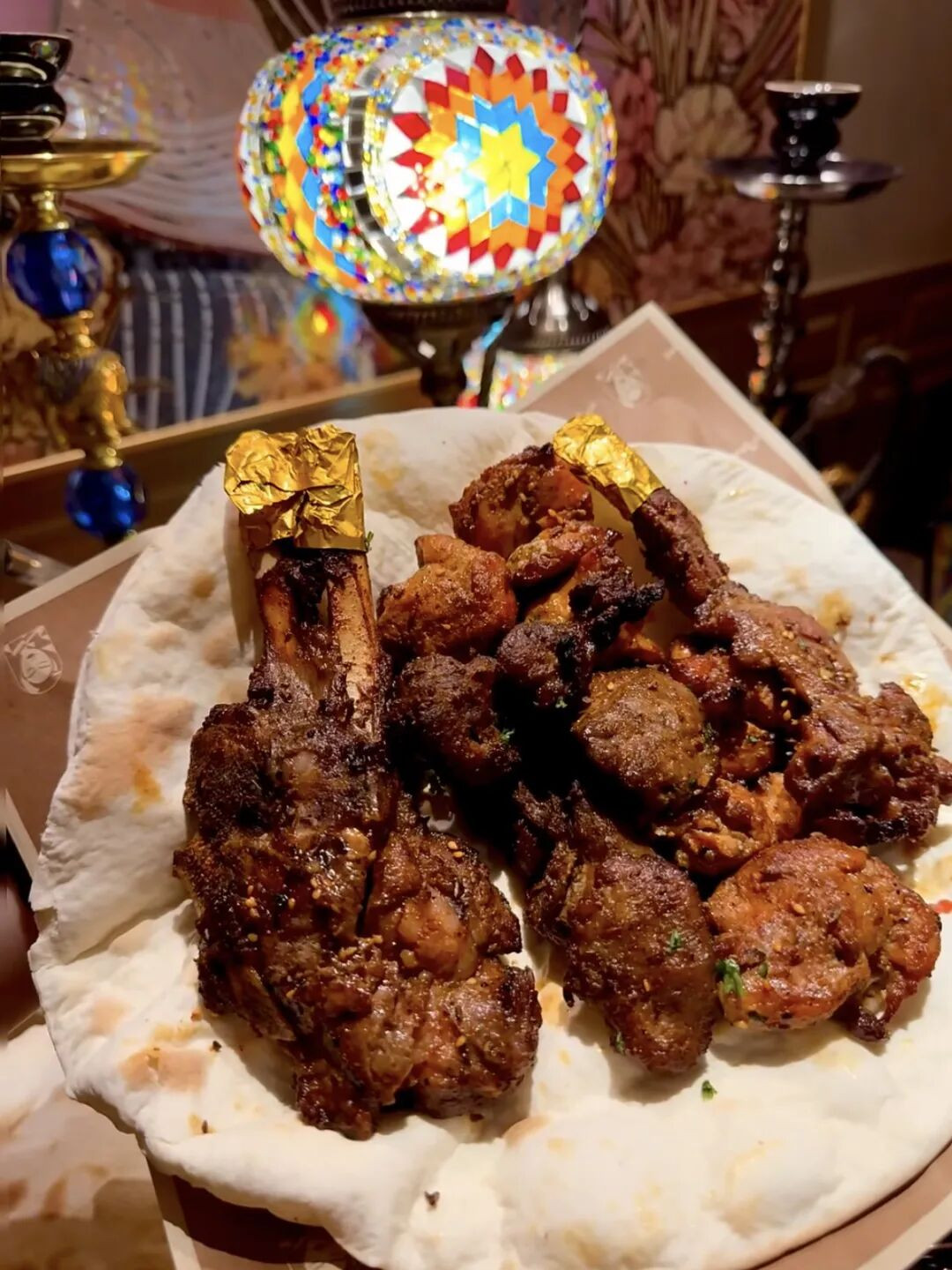
ASA Middle Eastern Cuisine · Halal (Shanghai Liying Center)
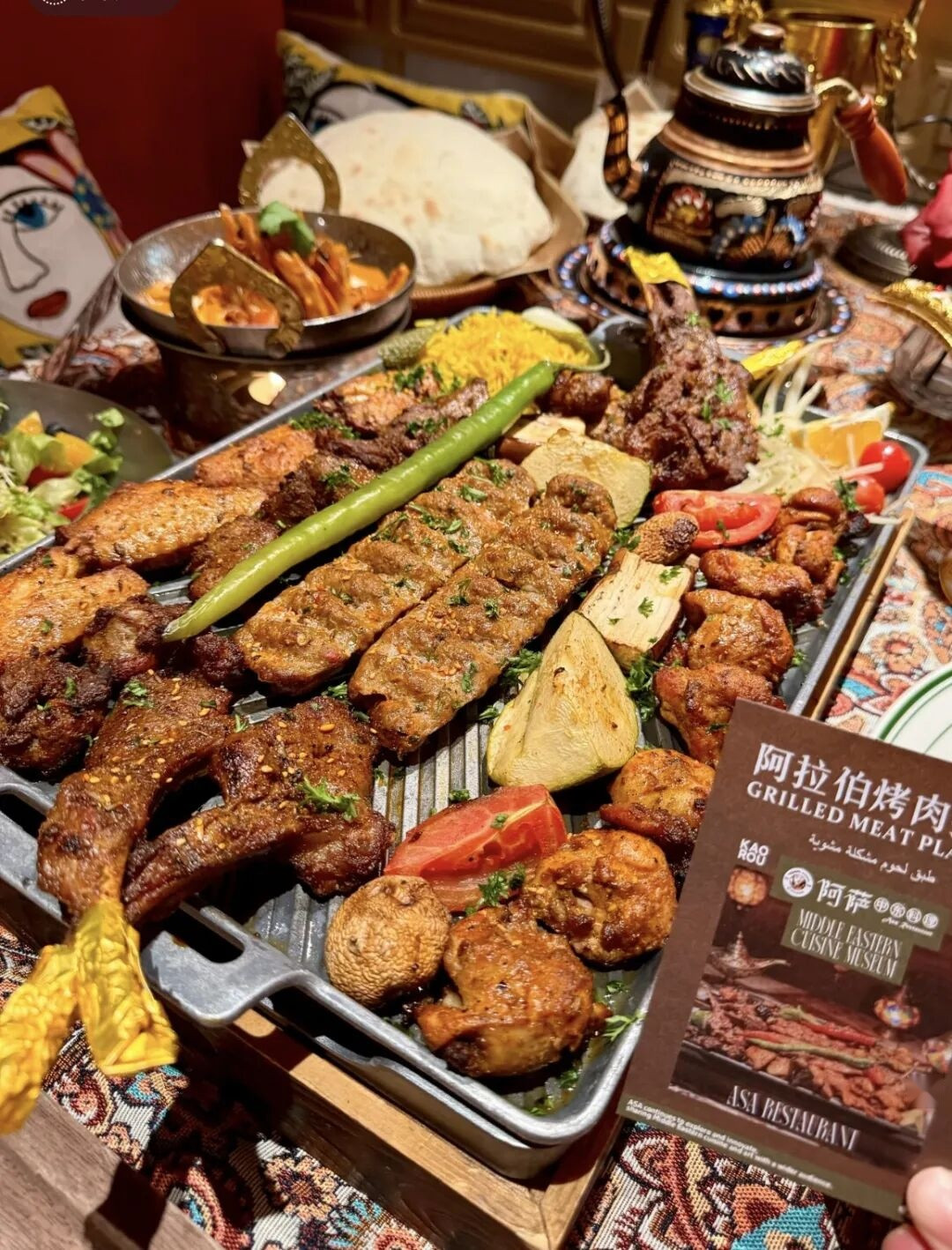
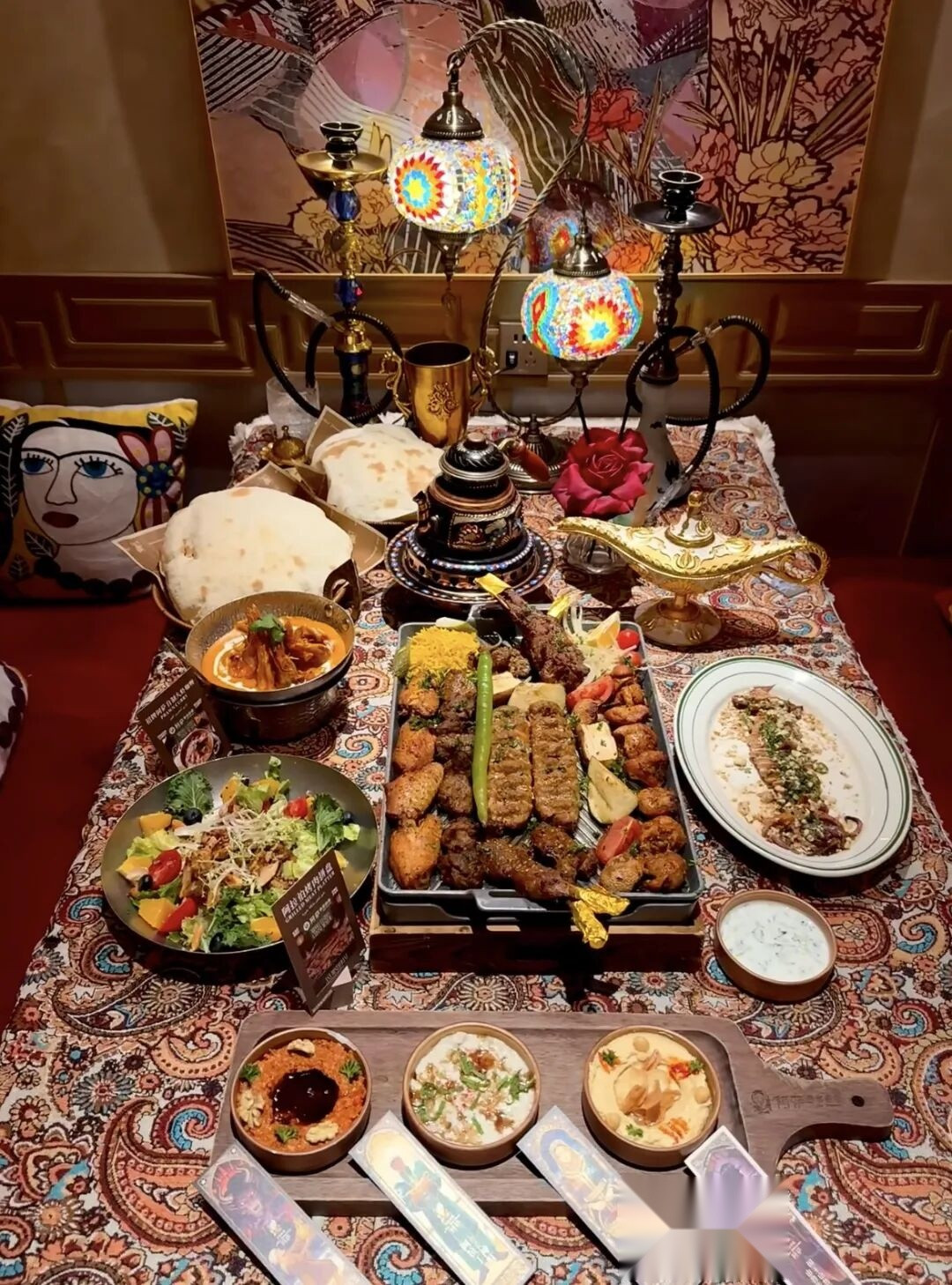
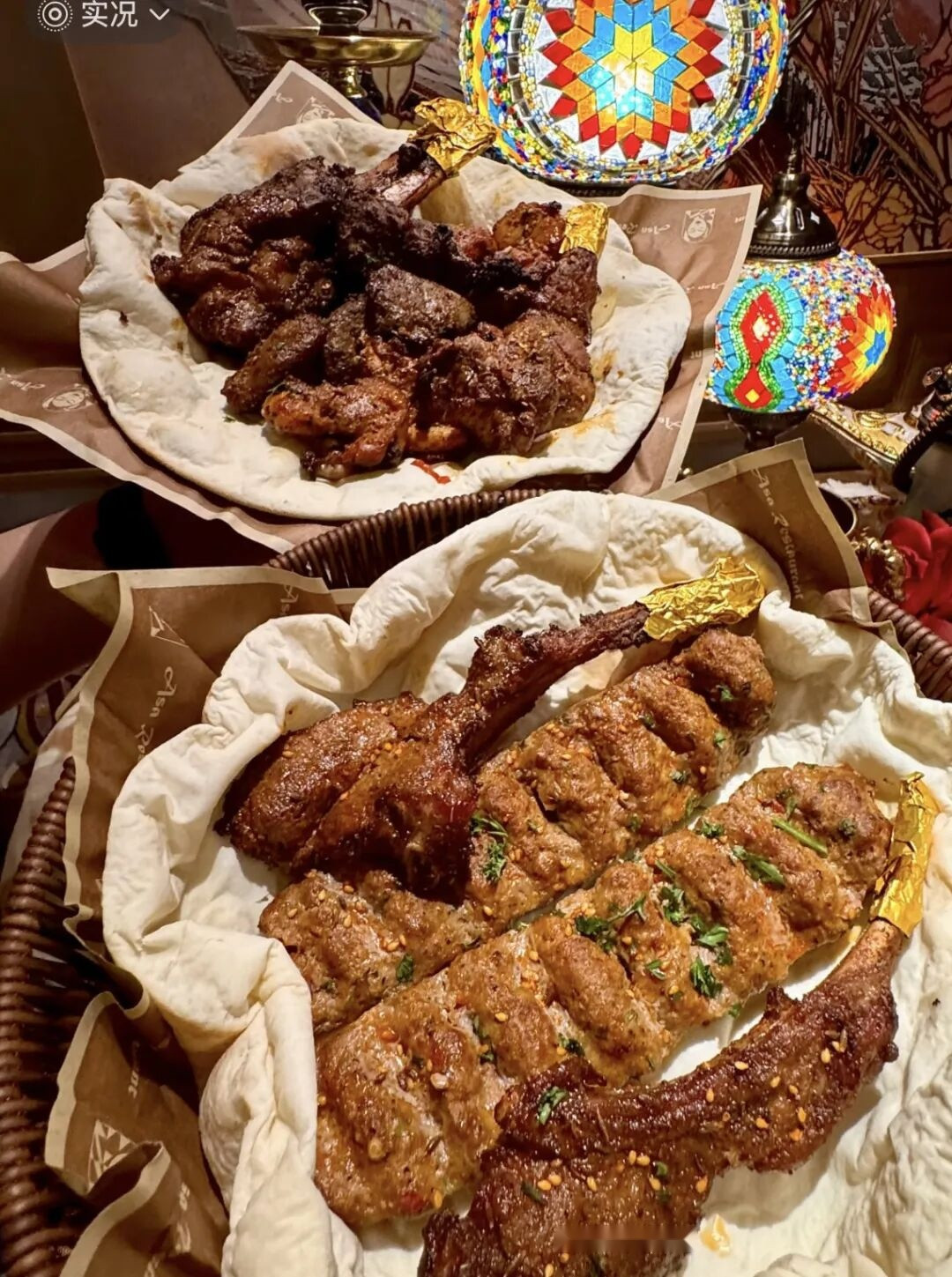
Walk into this Middle Eastern restaurant overflowing with vibes. Step through the doors and you're instantly transported to a golden palace straight out of 'One Thousand and One Nights'. Gilded carvings and stained-glass lamps make it an absolute paradise for photos. Meat lovers, go straight for the signature mixed grill platter! Grilled lamb chops, beef, mutton, chicken wings... packed with over a dozen rich spices. Every single piece of meat is grilled to crispy perfection on the outside while staying tender and juicy on the inside—the juices literally burst out. You've gotta pair it with freshly baked Arabian pita bread! The bread is soft, chewy, and stretchy. Roll up the grilled meat with some dipping sauce, and the mix of textures and savory flavors will have you stomping your feet in joy.
● Value: Offers precise recommendations for users in and around Shanghai looking for 'Middle Eastern food + immersive experiences (vibes, photos, group dining)', catering to cravings for trying something new, taking photos, gathering with friends, and going on dates;
● Audience: Foodies curious about Middle Eastern cuisine, groups and couples who care about dining vibes, families with kids (includes the 'family-friendly restaurant' tag), and those looking for Halal dining options. Collapse Read »
Stepping Into the Arabian Nights: A Food Review of ASA Middle Eastern Halal Restaurant's Signature Mixed Grill in Shanghai
Summary:
A visit to ASA, a Middle Eastern Halal restaurant in Shanghai filled with 1001 Nights Arabian vibes. Featuring real photos of the luxurious golden palace interior and the massive signature mixed grill platter (grilled lamb chops, beef, chicken wings), providing a unique guide for foodies seeking authentic, exotic Halal cuisine.
ASA Middle Eastern Cuisine · Halal (Shanghai Liying Center)
Walk into this Middle Eastern restaurant overflowing with vibes. Step through the doors and you're instantly transported to a golden palace straight out of 'One Thousand and One Nights'. Gilded carvings and stained-glass lamps make it an absolute paradise for photos. Meat lovers, go straight for the signature mixed grill platter! Grilled lamb chops, beef, mutton, chicken wings... packed with over a dozen rich spices. Every single piece of meat is grilled to crispy perfection on the outside while staying tender and juicy on the inside—the juices literally burst out. You've gotta pair it with freshly baked Arabian pita bread! The bread is soft, chewy, and stretchy. Roll up the grilled meat with some dipping sauce, and the mix of textures and savory flavors will have you stomping your feet in joy.
● Value: Offers precise recommendations for users in and around Shanghai looking for 'Middle Eastern food + immersive experiences (vibes, photos, group dining)', catering to cravings for trying something new, taking photos, gathering with friends, and going on dates;
● Audience: Foodies curious about Middle Eastern cuisine, groups and couples who care about dining vibes, families with kids (includes the 'family-friendly restaurant' tag), and those looking for Halal dining options. Collapse Read »
Halal Shanghai Food Guide: Experiencing Arabian Nights & Middle Eastern Feasts at Asa Restaurant
[Internet Repost]
Exotic Flavors Straight Out of One Thousand and One Nights: An Honest Review of the Signature Mixed Grill Platter at Asa Middle Eastern Halal Restaurant in Shanghai
Summary:
A firsthand look at Shanghai's Asa Middle Eastern Halal Restaurant, totally dripping with Arabian Nights vibes. We're showing off the ultra-luxurious, gold-drenched palatial setting and the massive signature mixed grill platter (featuring grilled lamb chops, beef, and chicken wings)—serving up the ultimate guide for foodies hunting down authentic, exotic Halal eats.
Asa Middle Eastern Cuisine (Shanghai The In Shanghai Branch)
Step inside this Middle Eastern spot where the vibes are completely unmatched. The moment you walk through the door, you're instantly transported straight into a golden palace straight out of One Thousand and One Nights. Gilded carvings plus colorful glass lanterns make it insanely photogenic for your feed. Meat lovers, drop everything and order the signature mixed grill platter! Grilled lamb chops, beef, lamb, and chicken wings... loaded with over a dozen rich, aromatic spices. Every single piece of meat is grilled to absolute perfection—crispy on the outside, tender on the inside, with juices literally bursting out. You've gotta pair it with their freshly baked Arabic pita bread! The flatbread is super soft yet pleasantly chewy. Wrap it up with the grilled meat and dipping sauces, and that incredible mix of savory crunch will seriously make you want to stomp your feet in pure joy.
Value: Delivers spot-on recommendations for locals and visitors in and around Shanghai looking for 'Middle Eastern food + immersive vibes (atmosphere, photos, group dining)', perfectly hitting the spot for anyone craving something new, chasing aesthetic photos, hosting group dinners, or planning a date night.
Audience: Foodies curious about Middle Eastern cuisine, groups and couples who care about dining vibes, family-friendly crowds (including a 'family-friendly restaurant' tag), and anyone specifically looking for Halal dining options. Collapse Read »
Exotic Flavors Straight Out of One Thousand and One Nights: An Honest Review of the Signature Mixed Grill Platter at Asa Middle Eastern Halal Restaurant in Shanghai
Summary:
A firsthand look at Shanghai's Asa Middle Eastern Halal Restaurant, totally dripping with Arabian Nights vibes. We're showing off the ultra-luxurious, gold-drenched palatial setting and the massive signature mixed grill platter (featuring grilled lamb chops, beef, and chicken wings)—serving up the ultimate guide for foodies hunting down authentic, exotic Halal eats.
Asa Middle Eastern Cuisine (Shanghai The In Shanghai Branch)
Step inside this Middle Eastern spot where the vibes are completely unmatched. The moment you walk through the door, you're instantly transported straight into a golden palace straight out of One Thousand and One Nights. Gilded carvings plus colorful glass lanterns make it insanely photogenic for your feed. Meat lovers, drop everything and order the signature mixed grill platter! Grilled lamb chops, beef, lamb, and chicken wings... loaded with over a dozen rich, aromatic spices. Every single piece of meat is grilled to absolute perfection—crispy on the outside, tender on the inside, with juices literally bursting out. You've gotta pair it with their freshly baked Arabic pita bread! The flatbread is super soft yet pleasantly chewy. Wrap it up with the grilled meat and dipping sauces, and that incredible mix of savory crunch will seriously make you want to stomp your feet in pure joy.
Value: Delivers spot-on recommendations for locals and visitors in and around Shanghai looking for 'Middle Eastern food + immersive vibes (atmosphere, photos, group dining)', perfectly hitting the spot for anyone craving something new, chasing aesthetic photos, hosting group dinners, or planning a date night.
Audience: Foodies curious about Middle Eastern cuisine, groups and couples who care about dining vibes, family-friendly crowds (including a 'family-friendly restaurant' tag), and anyone specifically looking for Halal dining options. Collapse Read »
China Mosque Travel Guide: Eight Historic Mosque Complexes in Longhui, Shaoyang, Hunan (Segment 2 of 3)
Reposted from the web
Summary: This China mosque travel guide covers eight historic mosque complexes in Longhui, Shaoyang, Hunan, with local Hui Muslim heritage and mosque travel details kept in clear English.
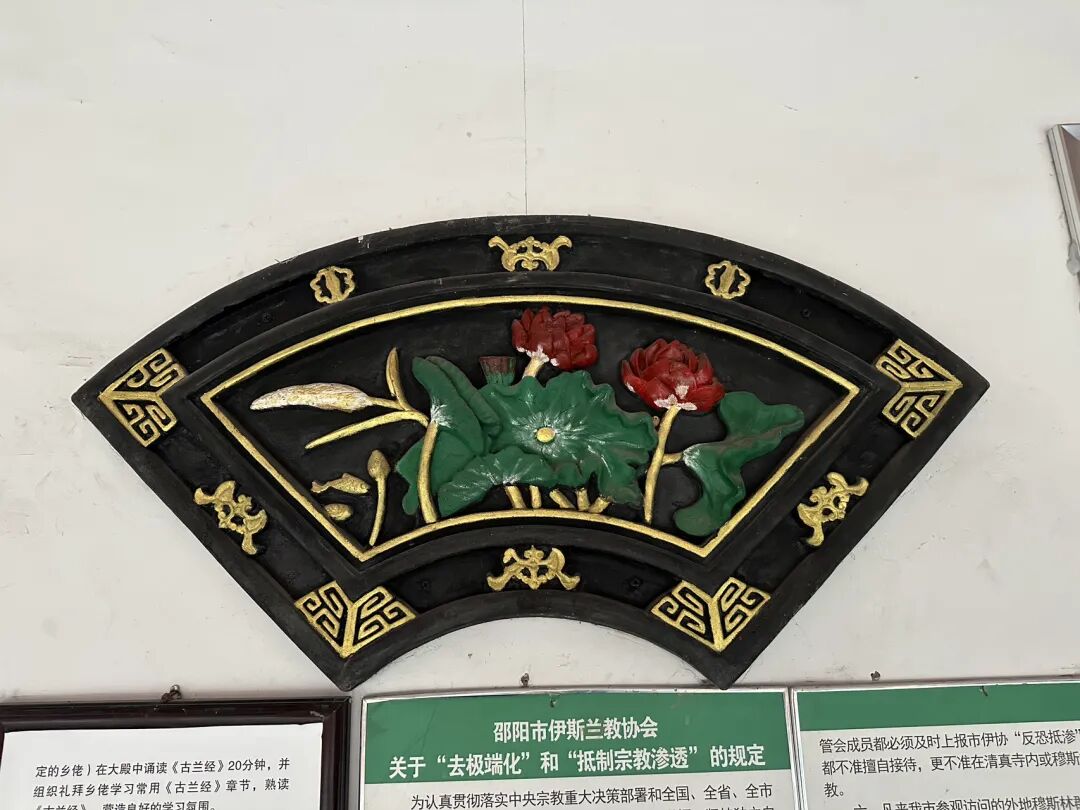
Relics at Shanjie Ancient Mosque include stone pillar bases, wood carvings, and calligraphy of the mihrab in the kiln niche.
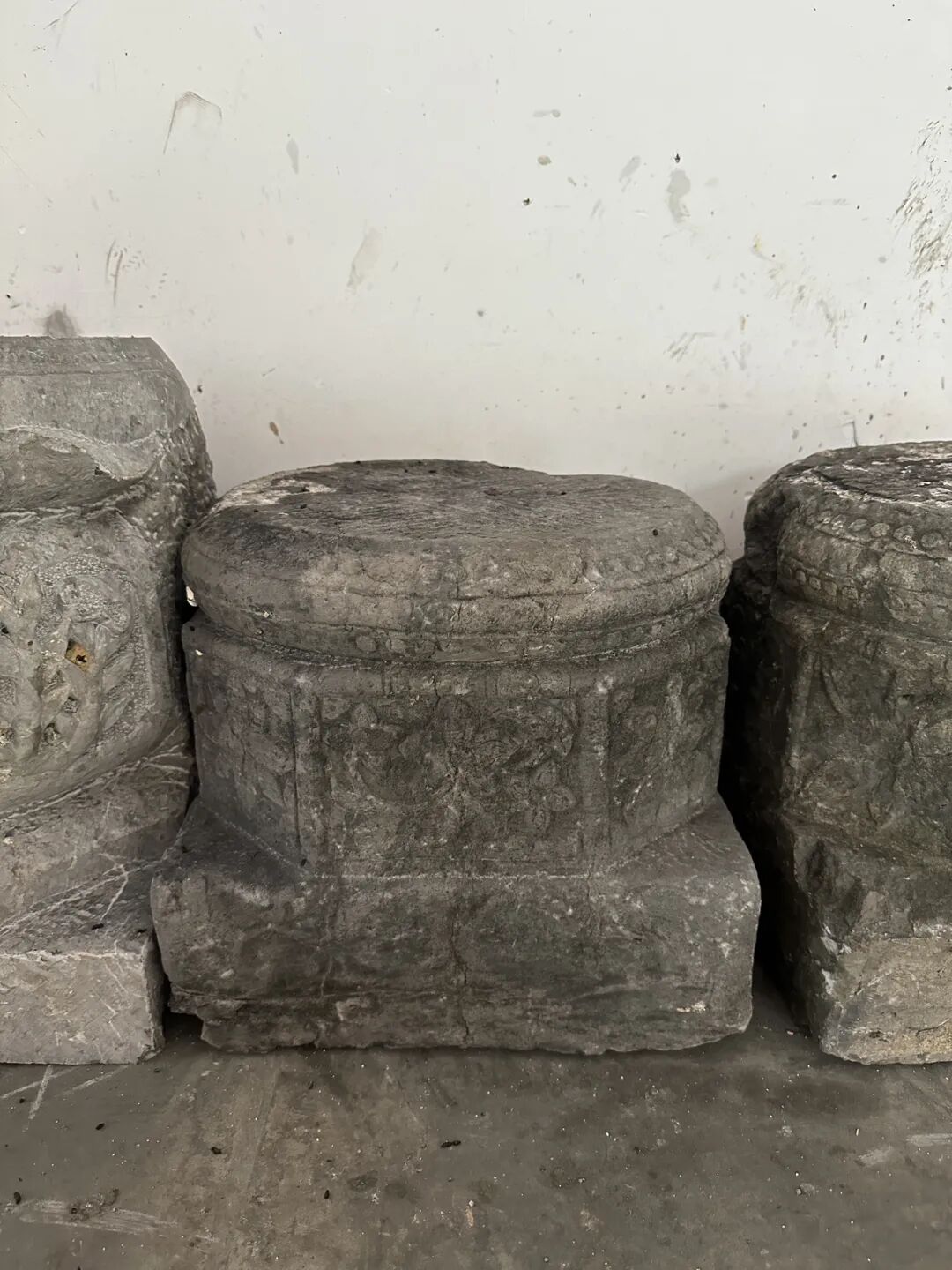
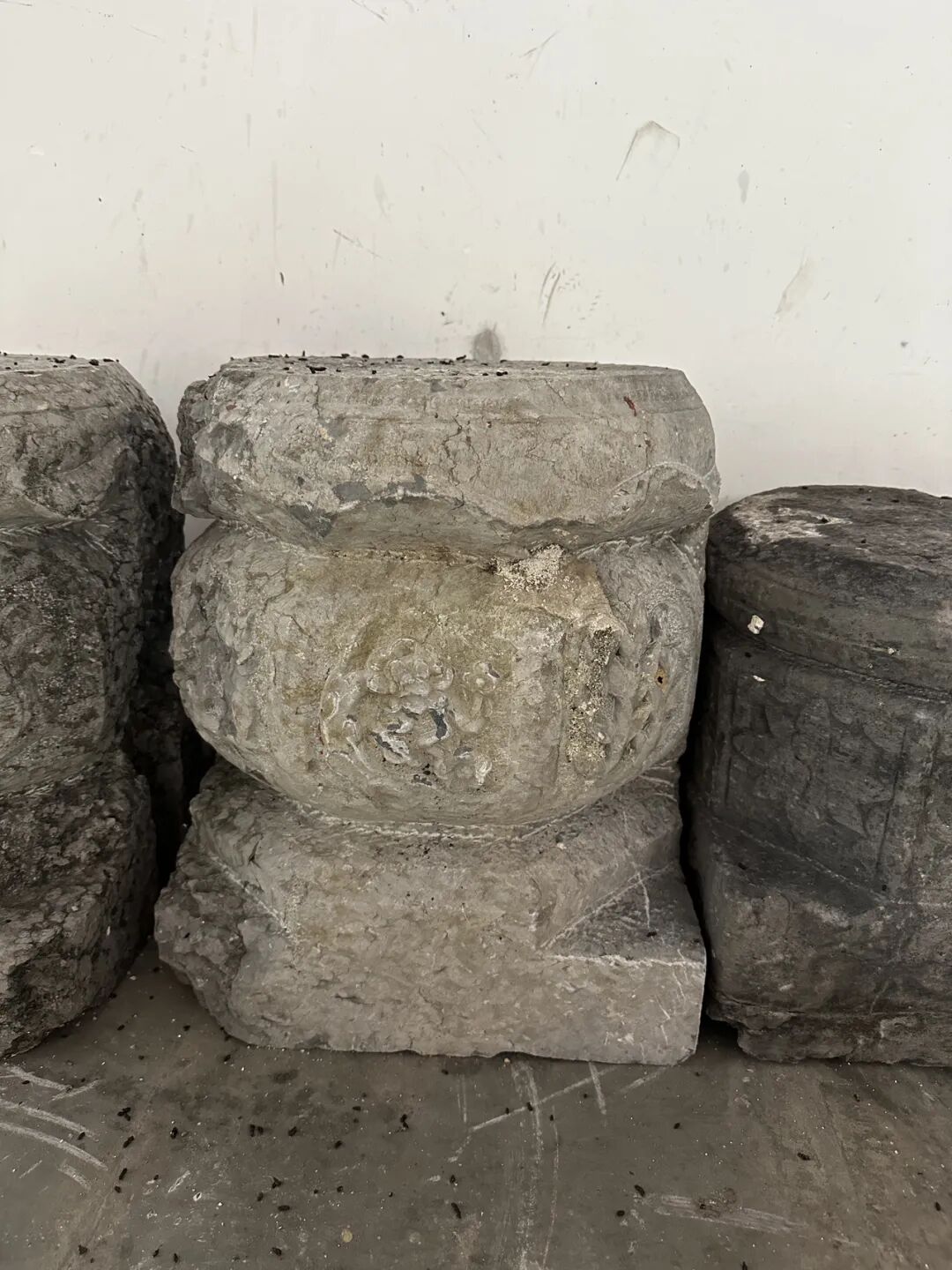
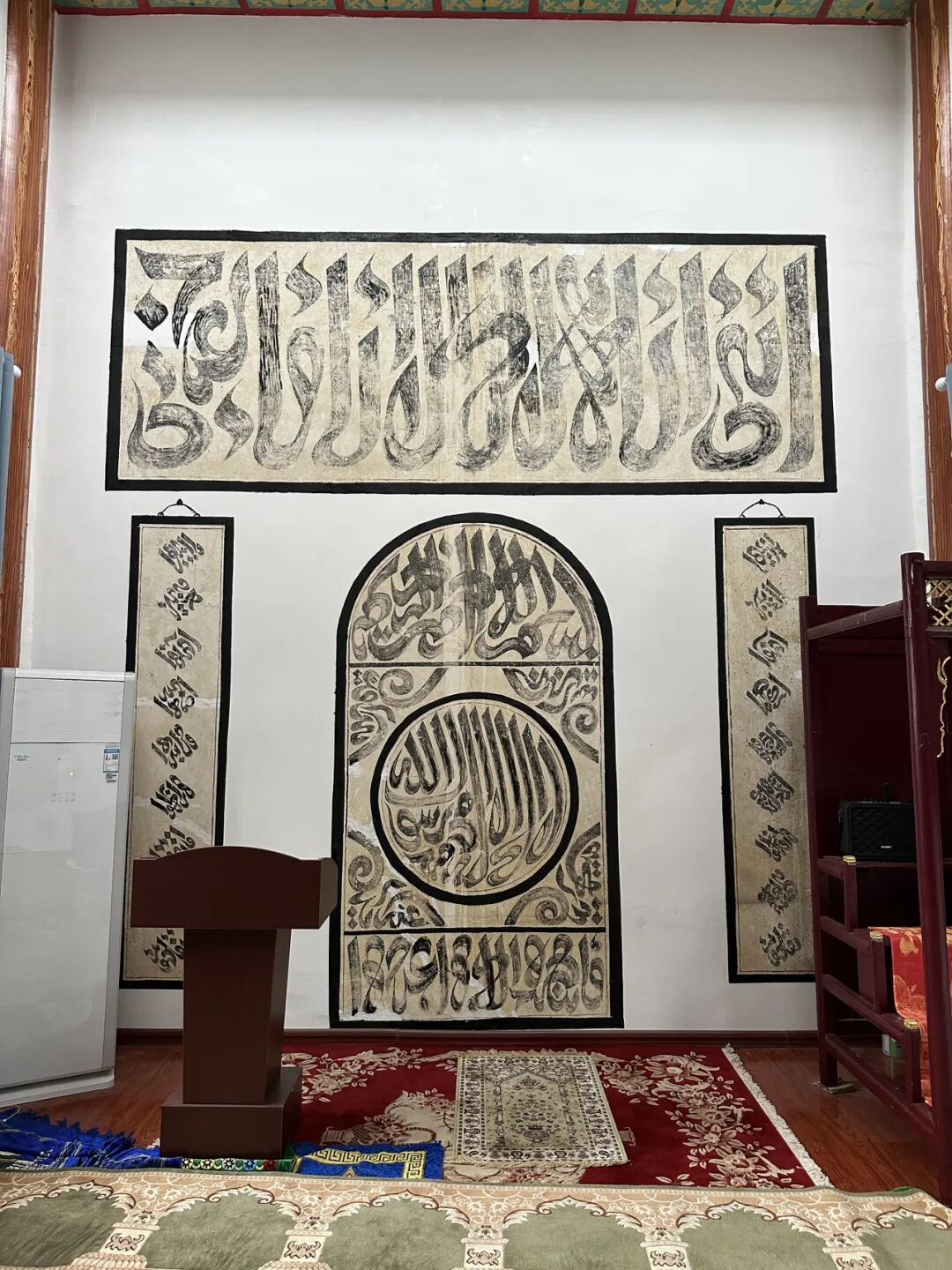
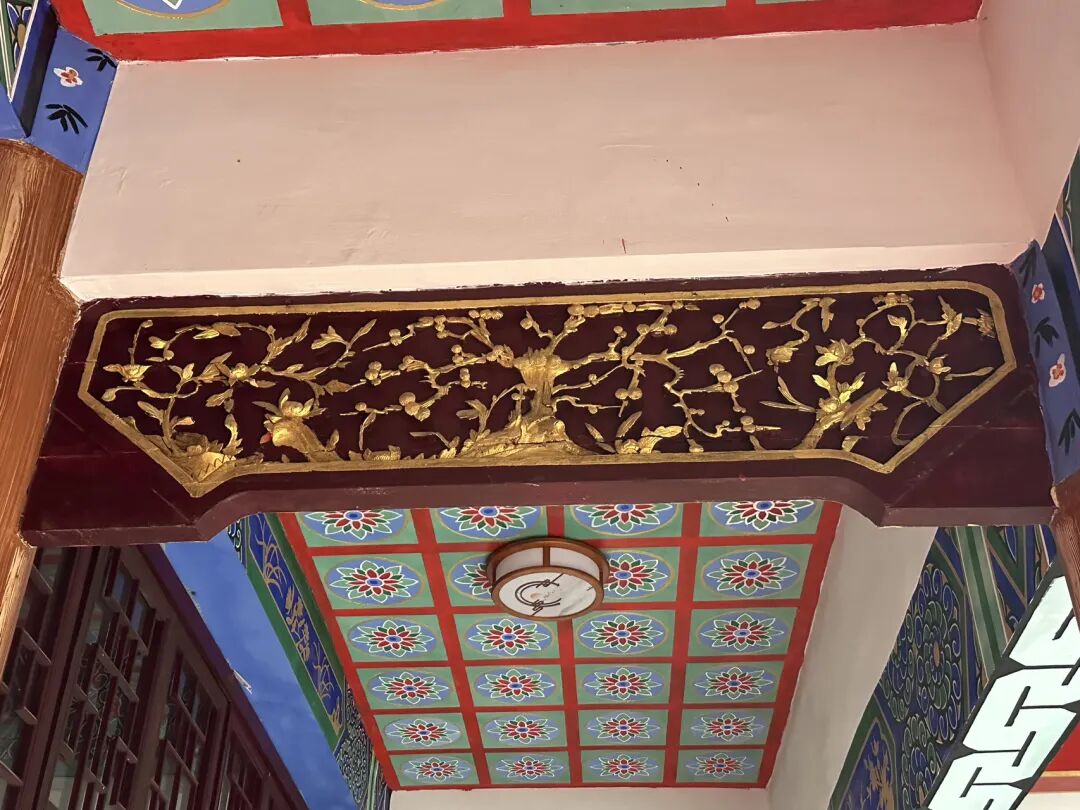
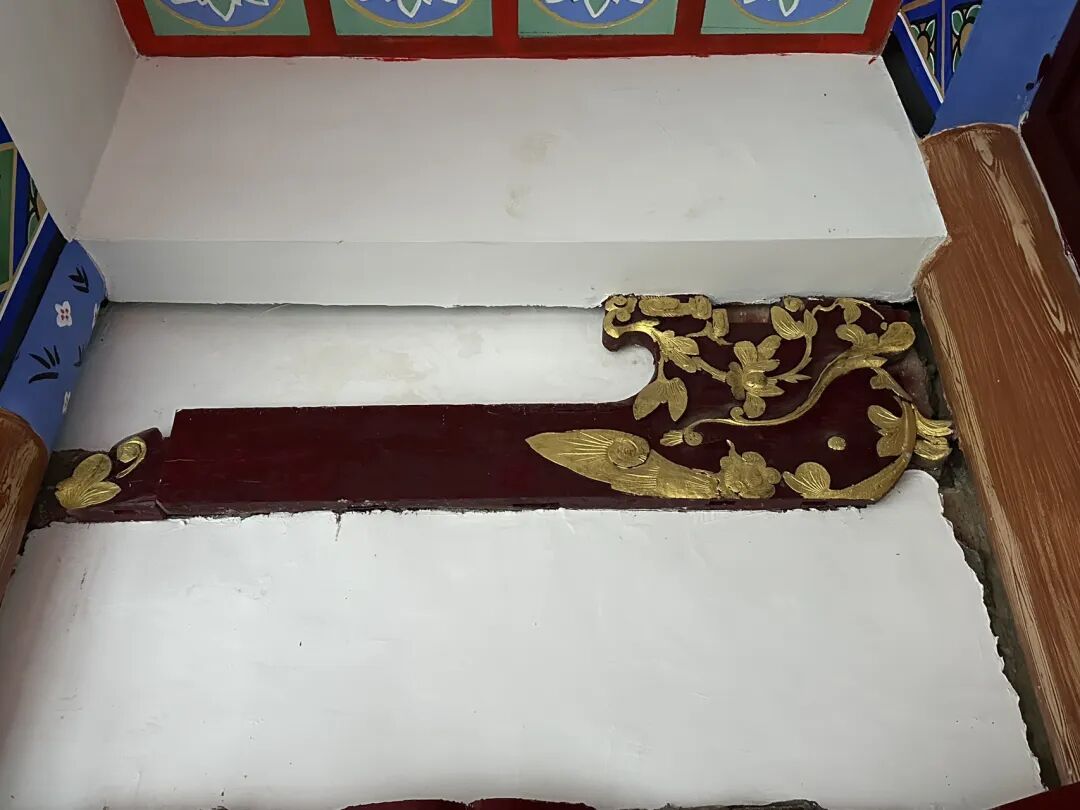
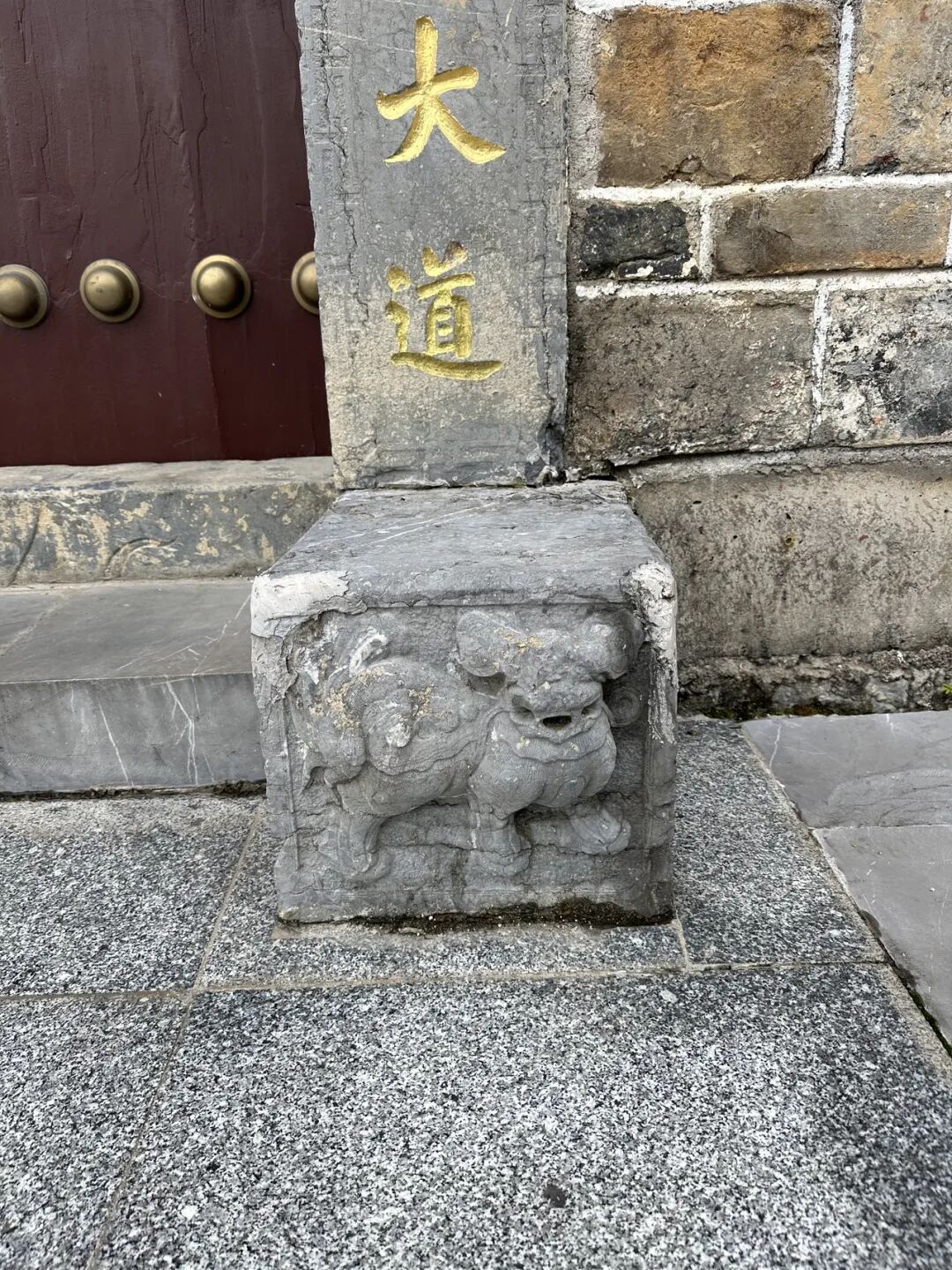
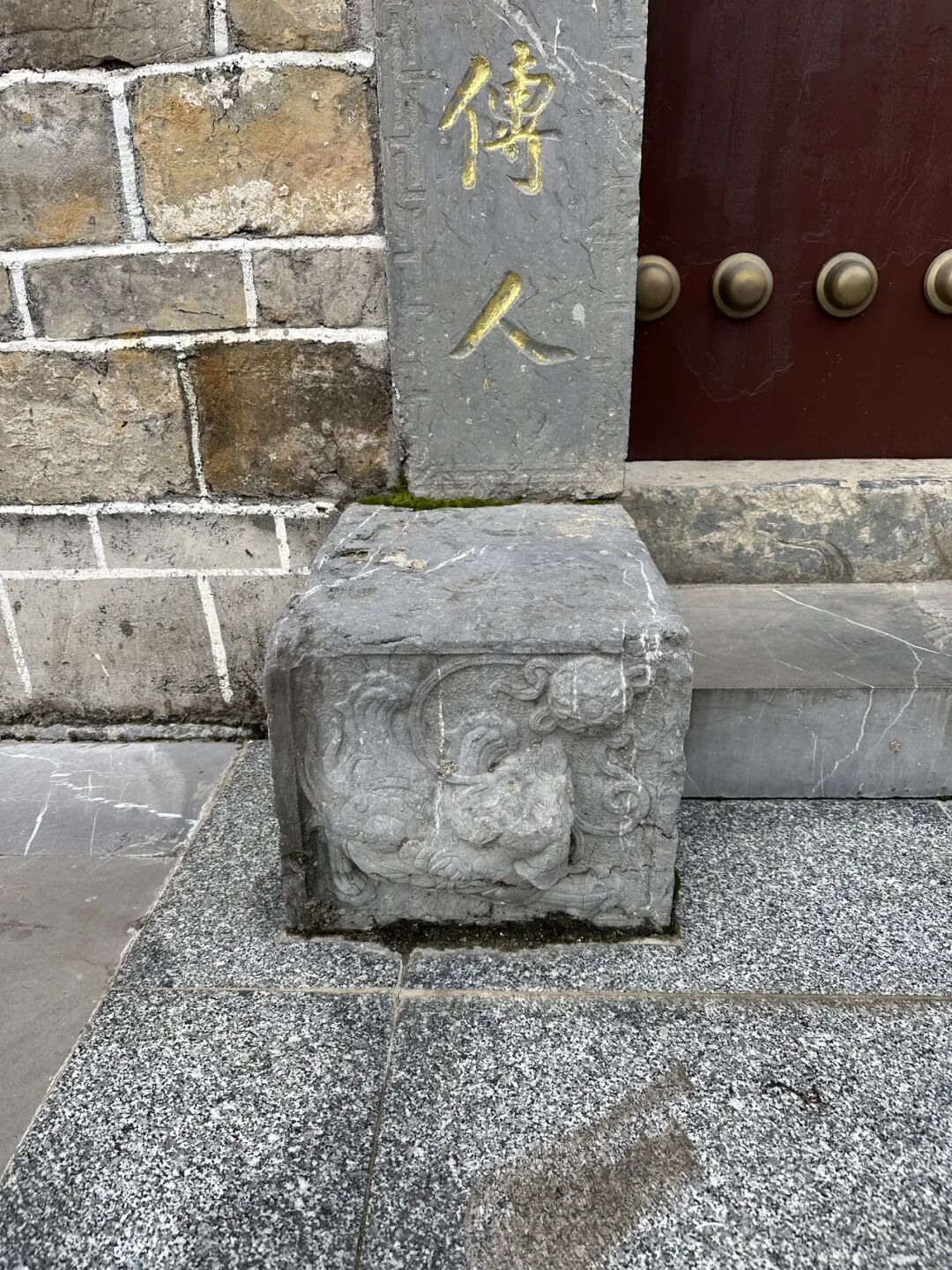
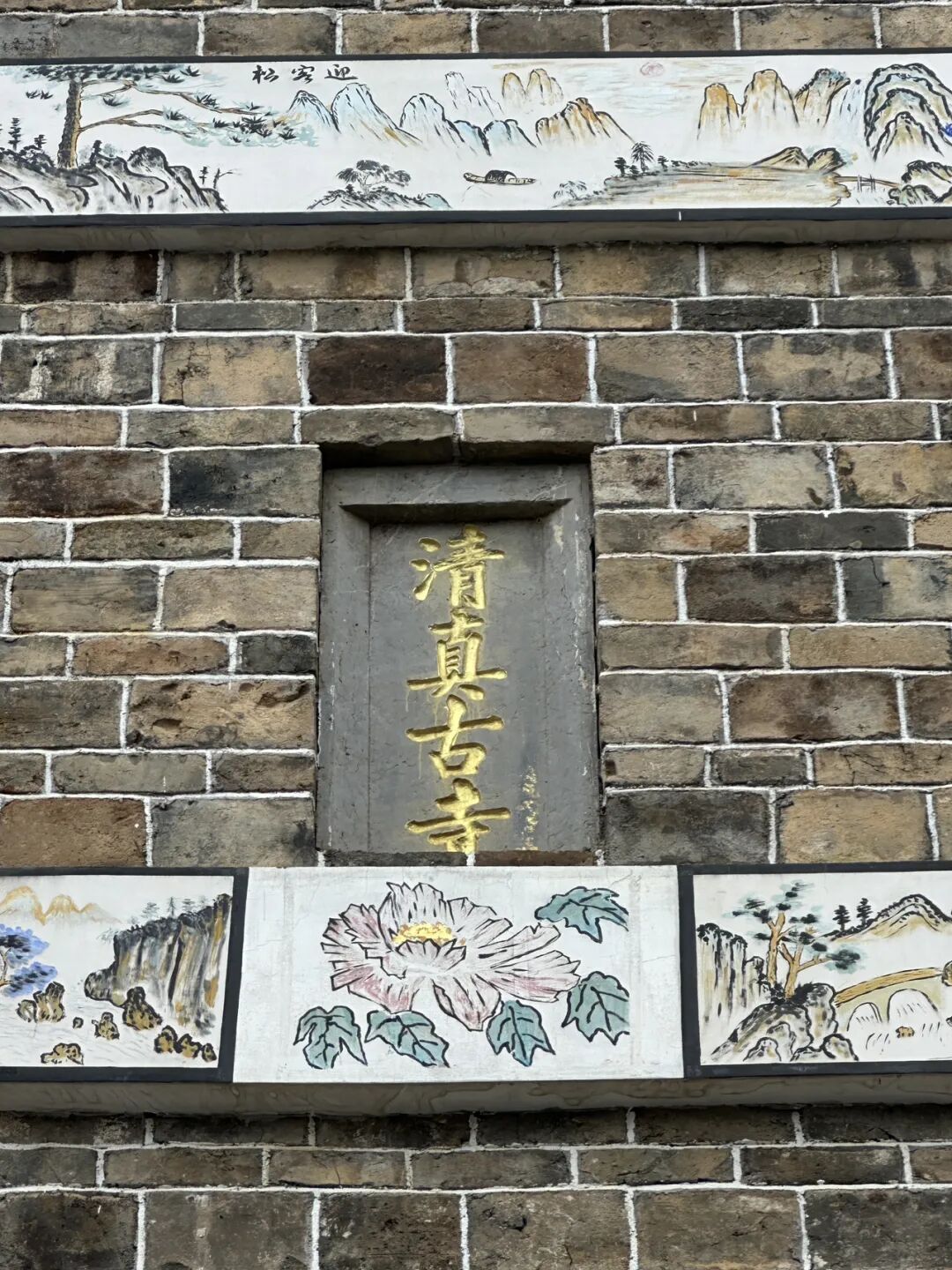
The stone couplet on the main gate reads: Clear the murky and promote the pure to follow the great path; preserve the truth and remove the false so that every generation has successors. The calligraphy was written by Ma Linyi, a Hui Muslim educator and Minister of Education in Shaoyang during the Republic of China. He is known as the Father of Northwest Education and the founder of modern Chinese Hui Muslim education.
Ma Linyi was born in Shaoyang, Hunan, in 1865. He passed the imperial examinations in 1902 and went to Japan on a government scholarship in 1904 to study teacher training. During that time, he met Sun Yat-sen, joined the Tongmenghui in 1905, and returned home to work on new government policies and modern education. In 1906, he founded Xiejin Primary School in Shaoyang, which was the first modern school for Hui Muslims in Hunan.
In 1908, he was transferred to the Qing government's Ministry of Education as a director. That same year, he helped establish the Beijing First Islamic Primary School inside the Niujie Mosque and later helped found the Islamic Education Association. While serving as Vice Minister of Education in 1912, Ma Linyi founded the Chinese Islamic Progressive Association with the support of Sun Yat-sen and served as its president.
While in charge of education in Gansu, Ma Linyi founded 277 schools of various types and set up the Gansu Islamic Education Promotion Office, spreading over a hundred Islamic primary schools across Gansu, Ningxia, and Qinghai. He selected over a hundred young people from the Northwest for government-funded study abroad, laying the foundation for modern basic education in the Northwest.
In 1928, Ma Linyi helped found the Islamic Middle School in Niujie and served as its vice chairman. In 1929, Ma Linyi became a board member of the Beiping Chengda Teachers' College. He actively updated the curriculum and improved teaching methods, helping Chengda develop into a modern school. In his later years, Ma Linyi devoted himself to the faith and served as an advisor to Wang Jingzhai for his translation of Islamic classics. Collapse Read »
Summary: This China mosque travel guide covers eight historic mosque complexes in Longhui, Shaoyang, Hunan, with local Hui Muslim heritage and mosque travel details kept in clear English.
Relics at Shanjie Ancient Mosque include stone pillar bases, wood carvings, and calligraphy of the mihrab in the kiln niche.
The stone couplet on the main gate reads: Clear the murky and promote the pure to follow the great path; preserve the truth and remove the false so that every generation has successors. The calligraphy was written by Ma Linyi, a Hui Muslim educator and Minister of Education in Shaoyang during the Republic of China. He is known as the Father of Northwest Education and the founder of modern Chinese Hui Muslim education.
Ma Linyi was born in Shaoyang, Hunan, in 1865. He passed the imperial examinations in 1902 and went to Japan on a government scholarship in 1904 to study teacher training. During that time, he met Sun Yat-sen, joined the Tongmenghui in 1905, and returned home to work on new government policies and modern education. In 1906, he founded Xiejin Primary School in Shaoyang, which was the first modern school for Hui Muslims in Hunan.
In 1908, he was transferred to the Qing government's Ministry of Education as a director. That same year, he helped establish the Beijing First Islamic Primary School inside the Niujie Mosque and later helped found the Islamic Education Association. While serving as Vice Minister of Education in 1912, Ma Linyi founded the Chinese Islamic Progressive Association with the support of Sun Yat-sen and served as its president.
While in charge of education in Gansu, Ma Linyi founded 277 schools of various types and set up the Gansu Islamic Education Promotion Office, spreading over a hundred Islamic primary schools across Gansu, Ningxia, and Qinghai. He selected over a hundred young people from the Northwest for government-funded study abroad, laying the foundation for modern basic education in the Northwest.
In 1928, Ma Linyi helped found the Islamic Middle School in Niujie and served as its vice chairman. In 1929, Ma Linyi became a board member of the Beiping Chengda Teachers' College. He actively updated the curriculum and improved teaching methods, helping Chengda develop into a modern school. In his later years, Ma Linyi devoted himself to the faith and served as an advisor to Wang Jingzhai for his translation of Islamic classics. Collapse Read »
Best Halal Restaurants in Beijing: 10 Local Muslim Food Spots Worth Trying (Segment 1 of 3)
Reposted from the web
Summary: This guide to the best halal restaurants in Beijing keeps the original list of local Muslim food spots, Hui Muslim food, and practical halal dining details.
The Qingxiangge restaurant at Dongdaqiao was replaced by Jinfang Snacks this year, and I just went to try it recently. Once inside, I found it is completely different from the old shop at Ciqikou. It uses a self-service tray system with small bowls of stewed dishes, small portions of stir-fries, and a huge variety of mixed salads, noodles, and snacks. It is incredibly rich in options. Small bowls and small plates are rare in traditional Beijing restaurants, making them perfect for people who want to try several different dishes.
We ordered winter melon meatball soup (donggua cuan wanzi), stir-stir-fried meat with eggs and wood ear mushrooms (muxu rou), stir-fried green beans with pork (biandou chaorou), sea bream fillets (diaoyu pian), and healthy mixed vegetables (yangsheng cai), with corn and red bean rice for our main course. The cheaper meat dishes are mostly chicken, while the beef stew is priced like a standard old Beijing restaurant for Hui Muslims. The winter melon meatball soup goes great with rice, and eating rice soaked in the broth feels just like being a kid again.
Jinfang Snack Shop is celebrating its 100th anniversary this year, so it can finally call itself a century-old shop. Jinfang was originally called Rongxiangcheng Hui Muslim Snack Shop, founded in 1926 outside Chongwenmen by Man Leting (known as Man Liu), a Hui Muslim from Dezhou, Shandong. Man Leting started out with beef and mutton. At first, he bought high-quality cattle and sheep every autumn to raise in Madian, slaughtering and selling them as needed. His business improved significantly in the 1940s, so he expanded his storefront and later began selling cooked foods like roasted mutton (shao yangrou). Collapse Read »
Summary: This guide to the best halal restaurants in Beijing keeps the original list of local Muslim food spots, Hui Muslim food, and practical halal dining details.
The Qingxiangge restaurant at Dongdaqiao was replaced by Jinfang Snacks this year, and I just went to try it recently. Once inside, I found it is completely different from the old shop at Ciqikou. It uses a self-service tray system with small bowls of stewed dishes, small portions of stir-fries, and a huge variety of mixed salads, noodles, and snacks. It is incredibly rich in options. Small bowls and small plates are rare in traditional Beijing restaurants, making them perfect for people who want to try several different dishes.
We ordered winter melon meatball soup (donggua cuan wanzi), stir-stir-fried meat with eggs and wood ear mushrooms (muxu rou), stir-fried green beans with pork (biandou chaorou), sea bream fillets (diaoyu pian), and healthy mixed vegetables (yangsheng cai), with corn and red bean rice for our main course. The cheaper meat dishes are mostly chicken, while the beef stew is priced like a standard old Beijing restaurant for Hui Muslims. The winter melon meatball soup goes great with rice, and eating rice soaked in the broth feels just like being a kid again.
Jinfang Snack Shop is celebrating its 100th anniversary this year, so it can finally call itself a century-old shop. Jinfang was originally called Rongxiangcheng Hui Muslim Snack Shop, founded in 1926 outside Chongwenmen by Man Leting (known as Man Liu), a Hui Muslim from Dezhou, Shandong. Man Leting started out with beef and mutton. At first, he bought high-quality cattle and sheep every autumn to raise in Madian, slaughtering and selling them as needed. His business improved significantly in the 1940s, so he expanded his storefront and later began selling cooked foods like roasted mutton (shao yangrou). Collapse Read »
Best Halal Restaurants in Beijing: 10 Local Muslim Food Spots Worth Trying (Segment 2 of 3)
Reposted from the web
Summary: This guide to the best halal restaurants in Beijing keeps the original list of local Muslim food spots, Hui Muslim food, and practical halal dining details.
Pot-stewed lamb is a classic Russian main course. Traditionally, it is cooked during long, cold winters by stewing meat in a clay pot over a wood-burning fireplace, then sealing the lid and burying it in the fireplace embers for several hours. Their pot-stewed lamb broth is very fresh, similar to Xinjiang cup-stewed lamb (gangzirou), but the lamb is a bit tough rather than tender.
I really like the Azerbaijani pilaf. I made sure to eat the authentic version when I visited Azerbaijan, and after coming back, I think both Ruilin and Dardanelles make a good version. Azerbaijani pilaf is dyed yellow with saffron and includes dried apricots, prunes, chestnuts, and raisins. The lamb is salty and savory, while the dried fruits add sweetness, creating a very rich flavor profile.
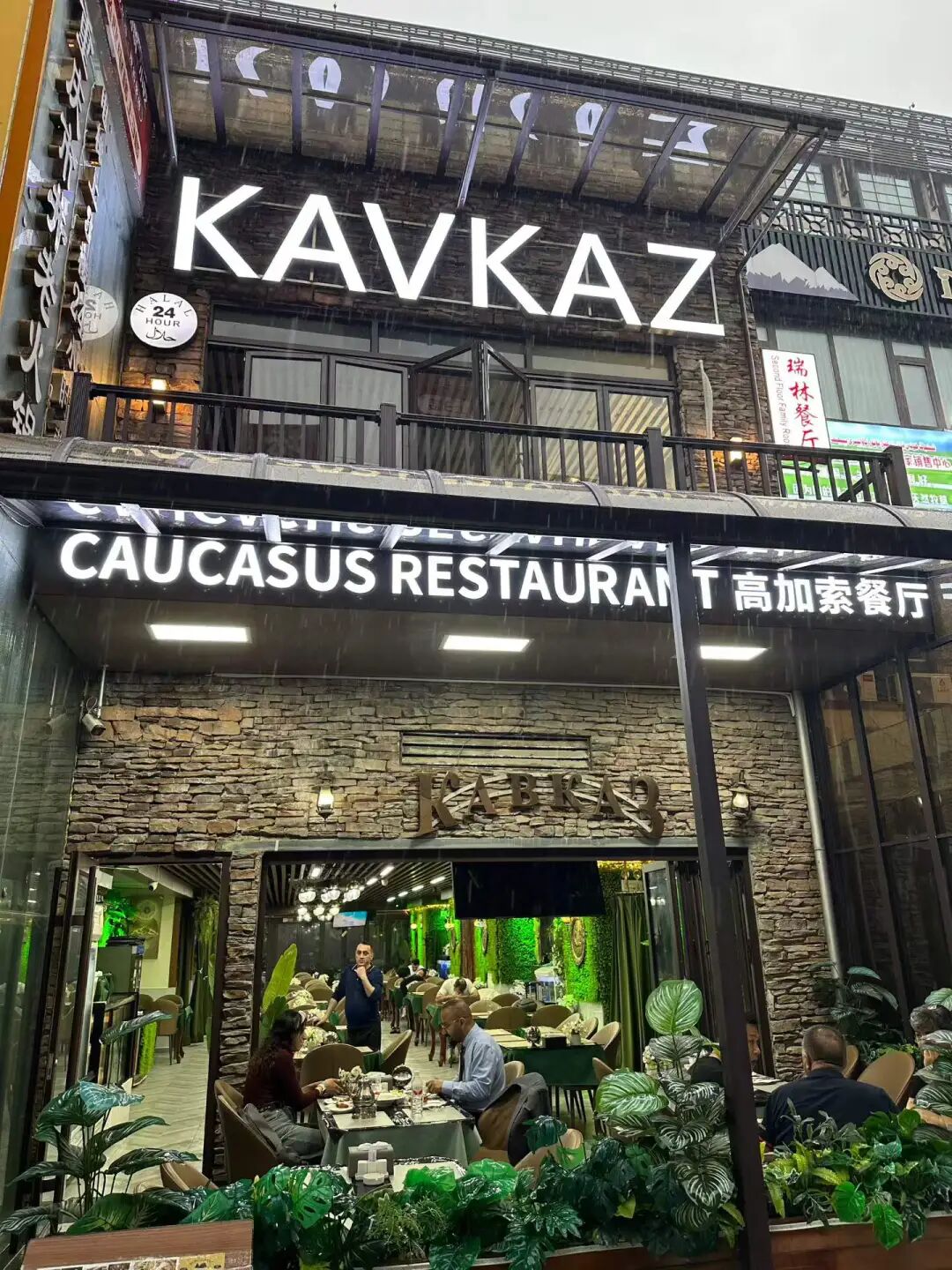
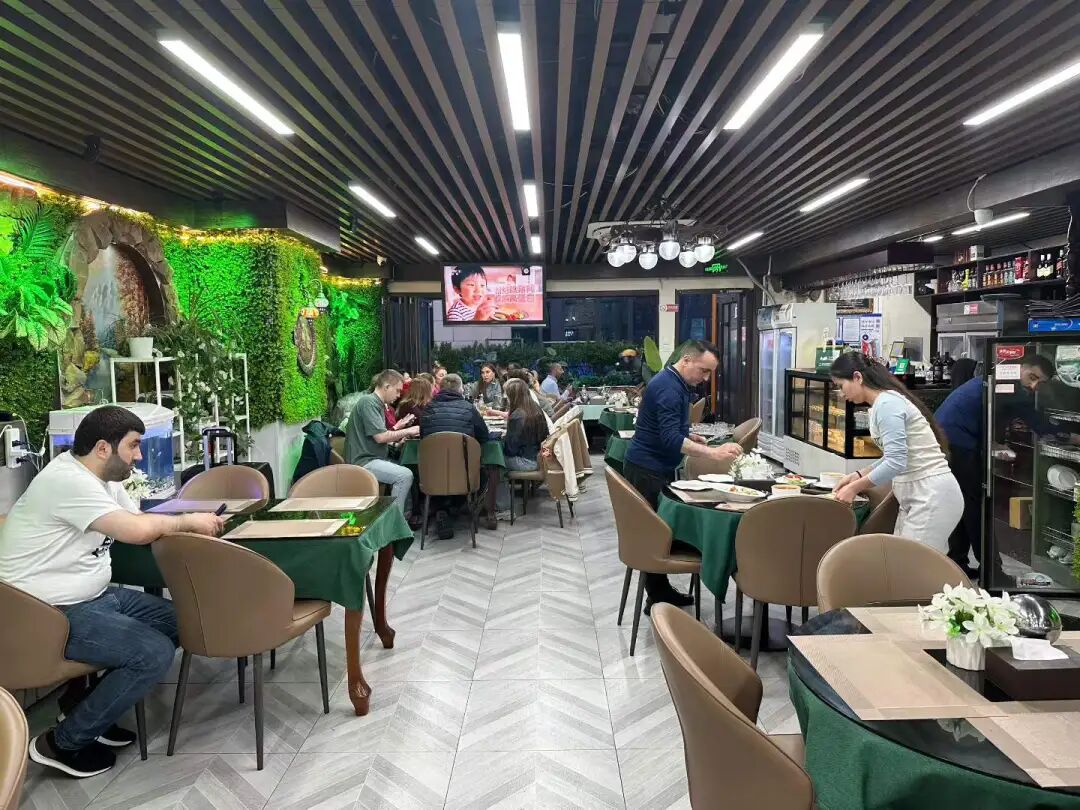
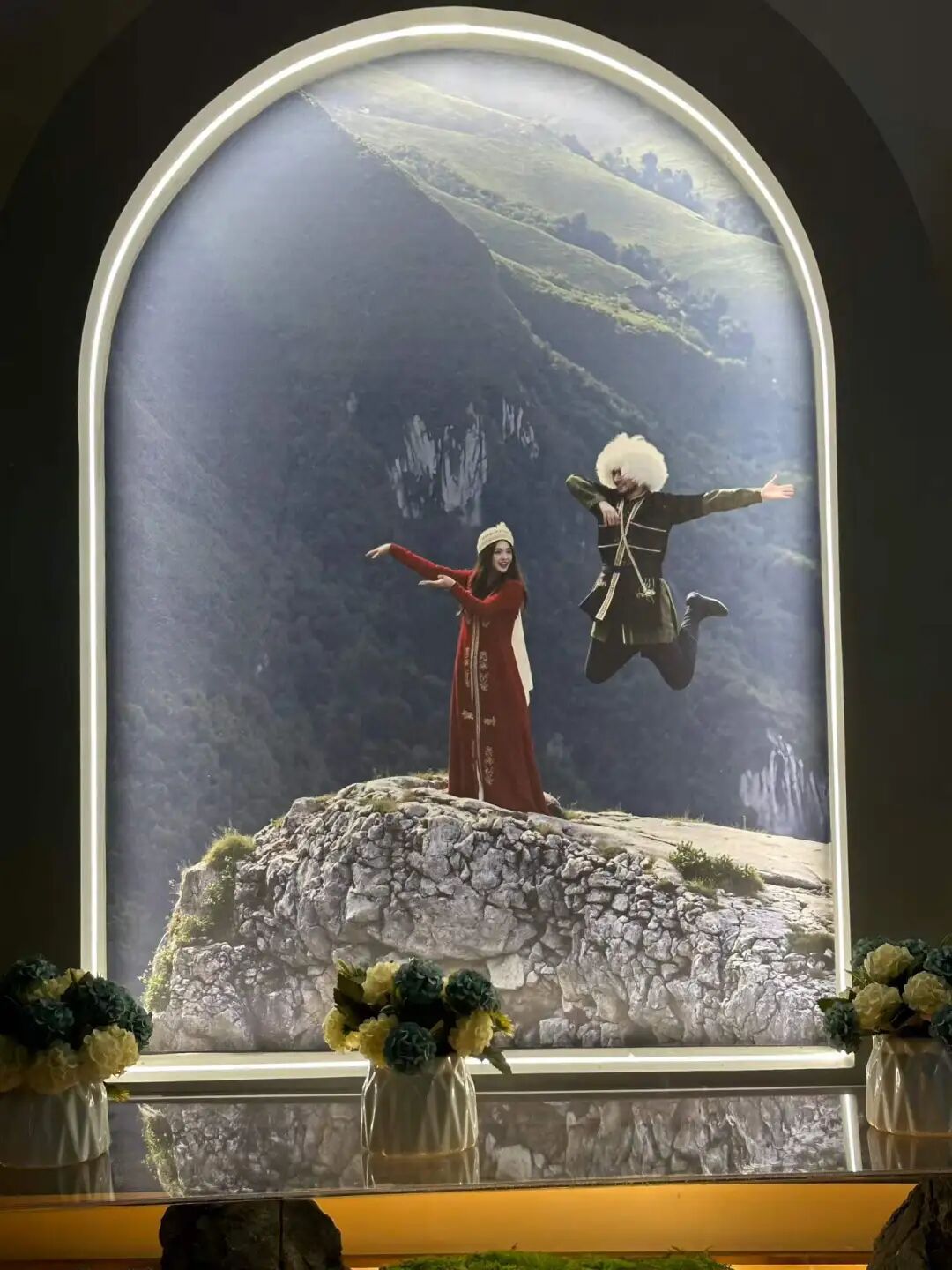
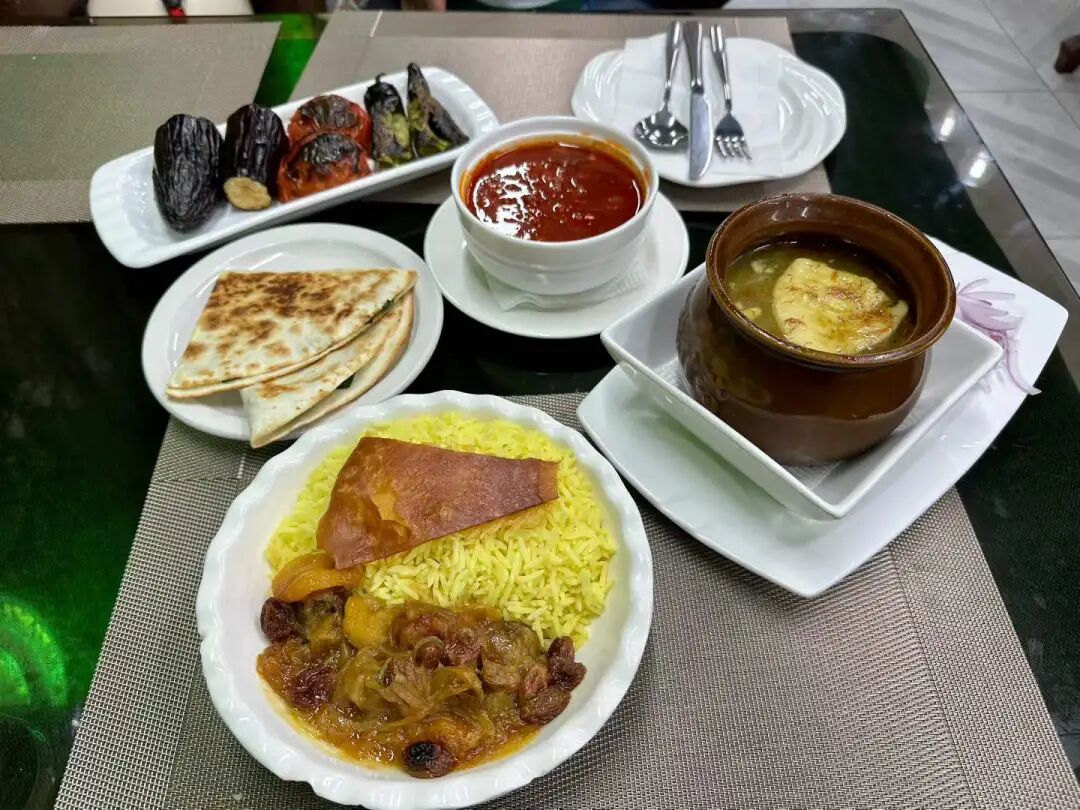
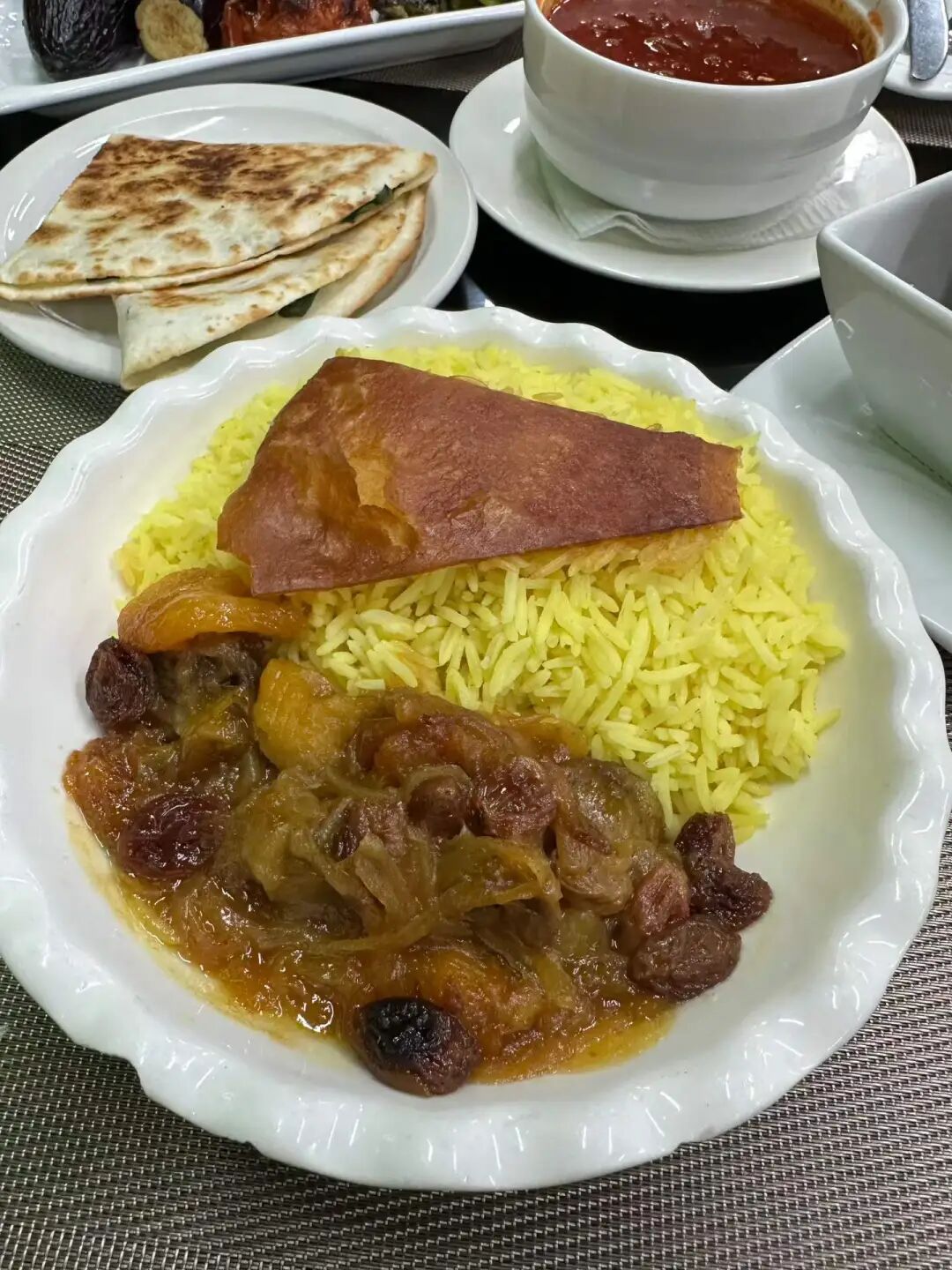
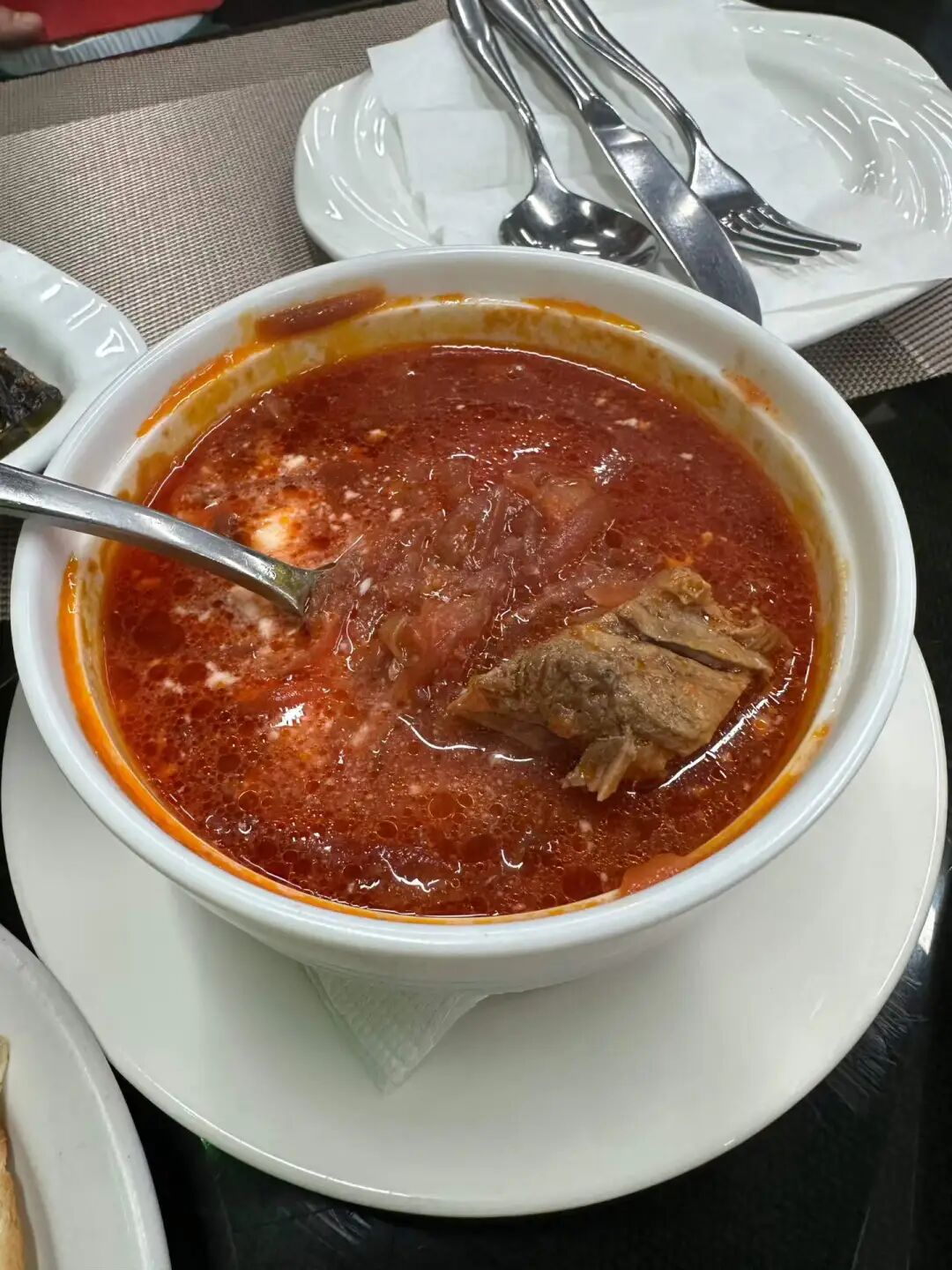
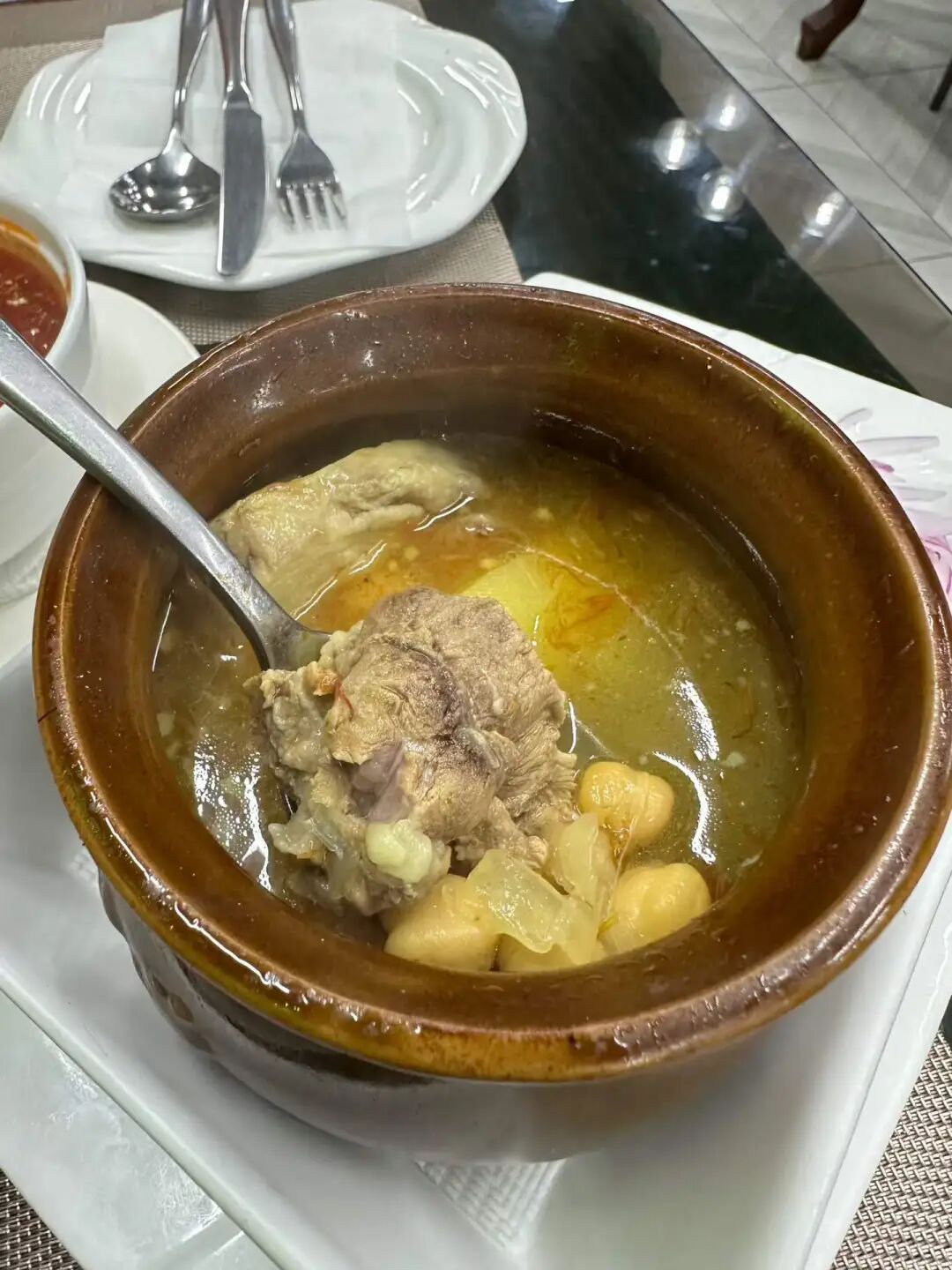
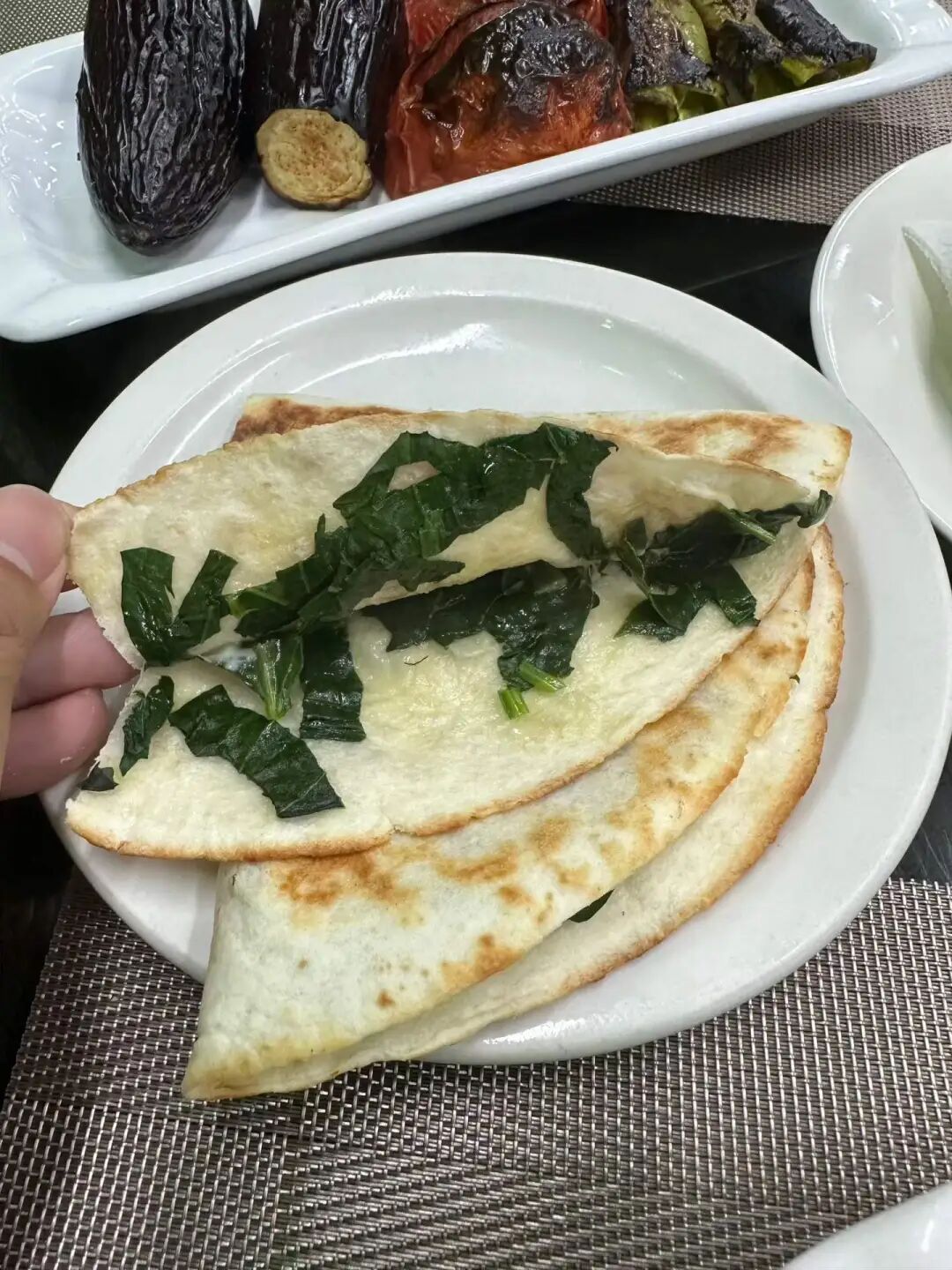
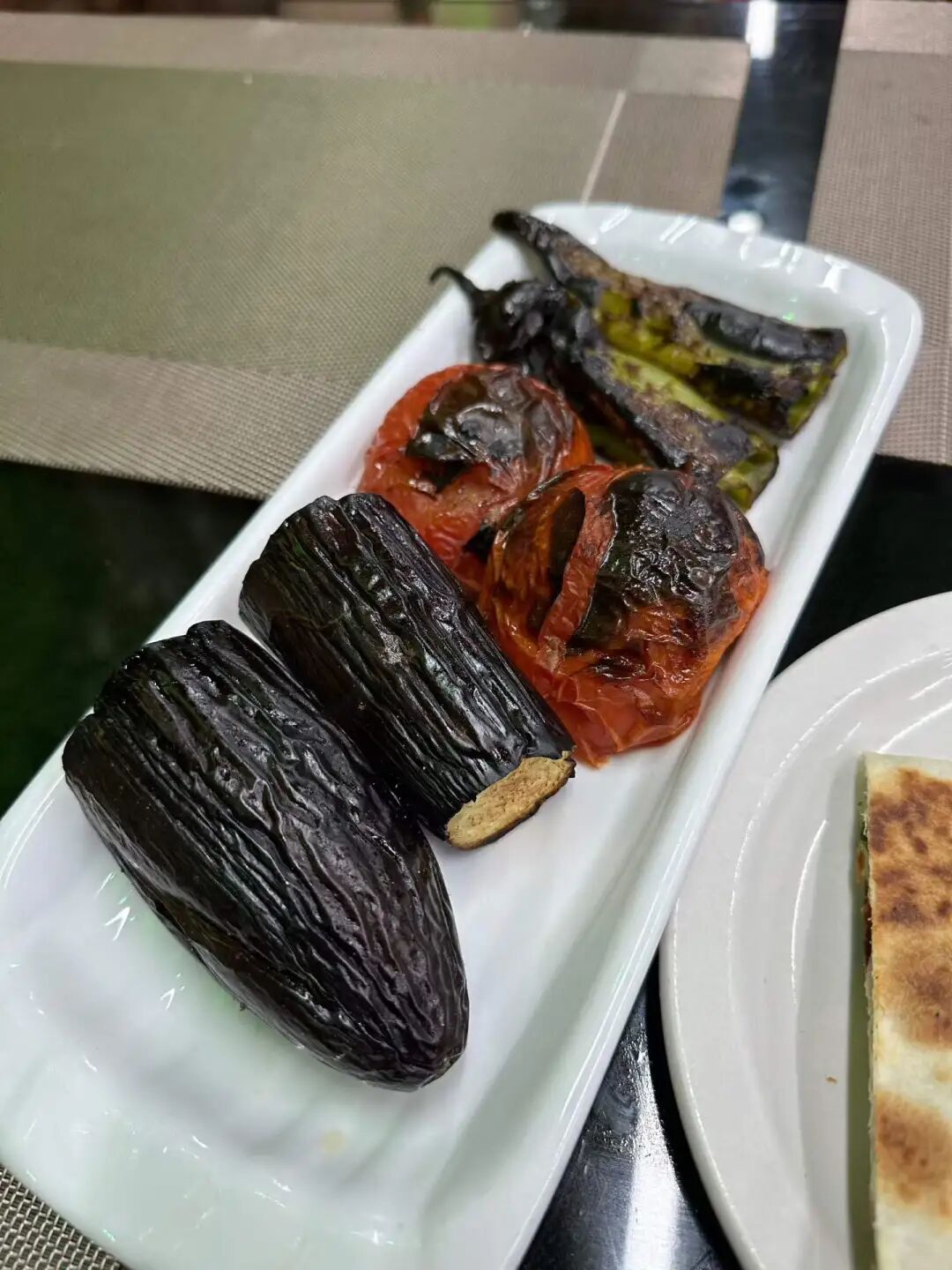
I finally had the cheese beef burger at Yilan Liyuan on Niujie this weekend. They only have regular and California-style options now. The California-style burger adds lettuce and tomato, and you can order it as a single or double patty. They do not let you eat inside the shop, so you have to eat at the entrance or take it away. I waited five minutes at the door and it was ready. The single-layer size is decent, and the crust was baked hot on the spot, but the filling felt a bit dense and not very fluffy. The meat pie tastes good, but it feels a bit loose, as if it wasn't packed tightly enough. Overall it is pretty good, but it would be even better if there were other things to pair it with.
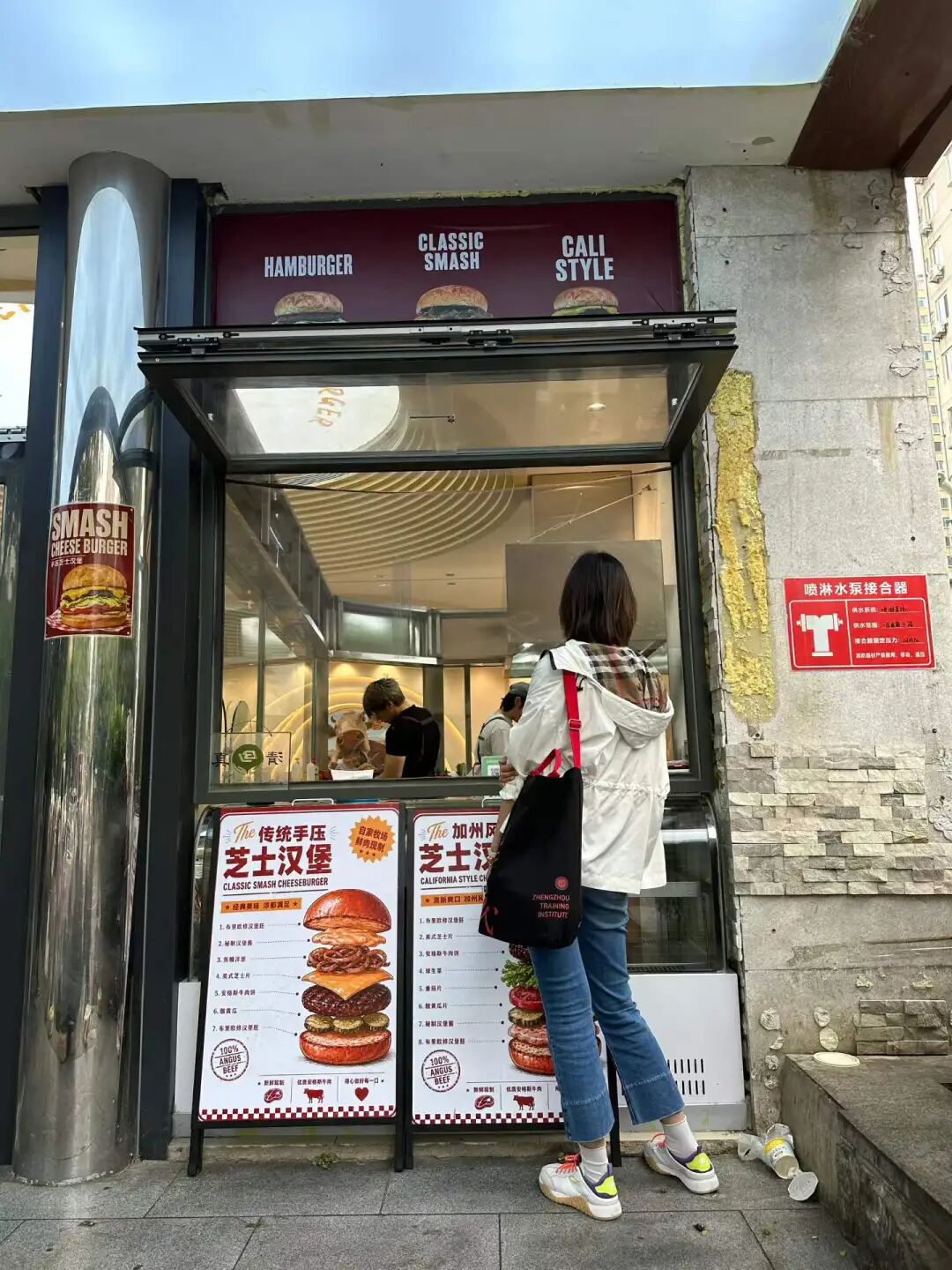 Collapse Read »
Summary: This guide to the best halal restaurants in Beijing keeps the original list of local Muslim food spots, Hui Muslim food, and practical halal dining details.
Pot-stewed lamb is a classic Russian main course. Traditionally, it is cooked during long, cold winters by stewing meat in a clay pot over a wood-burning fireplace, then sealing the lid and burying it in the fireplace embers for several hours. Their pot-stewed lamb broth is very fresh, similar to Xinjiang cup-stewed lamb (gangzirou), but the lamb is a bit tough rather than tender.
I really like the Azerbaijani pilaf. I made sure to eat the authentic version when I visited Azerbaijan, and after coming back, I think both Ruilin and Dardanelles make a good version. Azerbaijani pilaf is dyed yellow with saffron and includes dried apricots, prunes, chestnuts, and raisins. The lamb is salty and savory, while the dried fruits add sweetness, creating a very rich flavor profile.
I finally had the cheese beef burger at Yilan Liyuan on Niujie this weekend. They only have regular and California-style options now. The California-style burger adds lettuce and tomato, and you can order it as a single or double patty. They do not let you eat inside the shop, so you have to eat at the entrance or take it away. I waited five minutes at the door and it was ready. The single-layer size is decent, and the crust was baked hot on the spot, but the filling felt a bit dense and not very fluffy. The meat pie tastes good, but it feels a bit loose, as if it wasn't packed tightly enough. Overall it is pretty good, but it would be even better if there were other things to pair it with.
Collapse Read »
China Mosque Travel Guide: Eight Historic Mosque Complexes in Longhui, Shaoyang, Hunan (Segment 2 of 3)
Reposted from the web
Summary: This China mosque travel guide covers eight historic mosque complexes in Longhui, Shaoyang, Hunan, with local Hui Muslim heritage and mosque travel details kept in clear English.
Relics at Shanjie Ancient Mosque include stone pillar bases, wood carvings, and calligraphy of the mihrab in the kiln niche.
The stone couplet on the main gate reads: Clear the murky and promote the pure to follow the great path; preserve the truth and remove the false so that every generation has successors. The calligraphy was written by Ma Linyi, a Hui Muslim educator and Minister of Education in Shaoyang during the Republic of China. He is known as the Father of Northwest Education and the founder of modern Chinese Hui Muslim education.
Ma Linyi was born in Shaoyang, Hunan, in 1865. He passed the imperial examinations in 1902 and went to Japan on a government scholarship in 1904 to study teacher training. During that time, he met Sun Yat-sen, joined the Tongmenghui in 1905, and returned home to work on new government policies and modern education. In 1906, he founded Xiejin Primary School in Shaoyang, which was the first modern school for Hui Muslims in Hunan.
In 1908, he was transferred to the Qing government's Ministry of Education as a director. That same year, he helped establish the Beijing First Islamic Primary School inside the Niujie Mosque and later helped found the Islamic Education Association. While serving as Vice Minister of Education in 1912, Ma Linyi founded the Chinese Islamic Progressive Association with the support of Sun Yat-sen and served as its president.
While in charge of education in Gansu, Ma Linyi founded 277 schools of various types and set up the Gansu Islamic Education Promotion Office, spreading over a hundred Islamic primary schools across Gansu, Ningxia, and Qinghai. He selected over a hundred young people from the Northwest for government-funded study abroad, laying the foundation for modern basic education in the Northwest.
In 1928, Ma Linyi helped found the Islamic Middle School in Niujie and served as its vice chairman. In 1929, Ma Linyi became a board member of the Beiping Chengda Teachers' College. He actively updated the curriculum and improved teaching methods, helping Chengda develop into a modern school. In his later years, Ma Linyi devoted himself to the faith and served as an advisor to Wang Jingzhai for his translation of Islamic classics. Collapse Read »
Summary: This China mosque travel guide covers eight historic mosque complexes in Longhui, Shaoyang, Hunan, with local Hui Muslim heritage and mosque travel details kept in clear English.
Relics at Shanjie Ancient Mosque include stone pillar bases, wood carvings, and calligraphy of the mihrab in the kiln niche.
The stone couplet on the main gate reads: Clear the murky and promote the pure to follow the great path; preserve the truth and remove the false so that every generation has successors. The calligraphy was written by Ma Linyi, a Hui Muslim educator and Minister of Education in Shaoyang during the Republic of China. He is known as the Father of Northwest Education and the founder of modern Chinese Hui Muslim education.
Ma Linyi was born in Shaoyang, Hunan, in 1865. He passed the imperial examinations in 1902 and went to Japan on a government scholarship in 1904 to study teacher training. During that time, he met Sun Yat-sen, joined the Tongmenghui in 1905, and returned home to work on new government policies and modern education. In 1906, he founded Xiejin Primary School in Shaoyang, which was the first modern school for Hui Muslims in Hunan.
In 1908, he was transferred to the Qing government's Ministry of Education as a director. That same year, he helped establish the Beijing First Islamic Primary School inside the Niujie Mosque and later helped found the Islamic Education Association. While serving as Vice Minister of Education in 1912, Ma Linyi founded the Chinese Islamic Progressive Association with the support of Sun Yat-sen and served as its president.
While in charge of education in Gansu, Ma Linyi founded 277 schools of various types and set up the Gansu Islamic Education Promotion Office, spreading over a hundred Islamic primary schools across Gansu, Ningxia, and Qinghai. He selected over a hundred young people from the Northwest for government-funded study abroad, laying the foundation for modern basic education in the Northwest.
In 1928, Ma Linyi helped found the Islamic Middle School in Niujie and served as its vice chairman. In 1929, Ma Linyi became a board member of the Beiping Chengda Teachers' College. He actively updated the curriculum and improved teaching methods, helping Chengda develop into a modern school. In his later years, Ma Linyi devoted himself to the faith and served as an advisor to Wang Jingzhai for his translation of Islamic classics. Collapse Read »
China Mosque Travel Guide: Eight Historic Mosque Complexes in Longhui, Shaoyang, Hunan (Part 1 of 5)
Reposted from the web
Summary: This China mosque travel guide covers eight historic mosque complexes in Longhui, Shaoyang, Hunan, with local Hui Muslim heritage and mosque travel details kept in clear English.
This article summarizes the key points about the eight mosques (sifang) in Longhui County, Shaoyang, Hunan. It keeps the original paragraph and image order. It is for readers interested in Muslim life, Islamic culture, and Chinese Islamic writing. It also helps people search for content like Chinese halal food.
Longhui County in Shaoyang City, Hunan, has a large population of Hui Muslims. I visited eight mosques there: Taohuaping Mosque, Shanjie Ancient Mosque, East Mosque, West Mosque, South Mosque, North Mosque, Luobai Mosque, and Niejiaoting Mosque. I will share them with you below.
Shanjie Ancient Mosque in Longhui County, Shaoyang, Hunan, is located in Laowuli, Shanjie Township. It was first built in 1444 (the ninth year of the Zhengtong reign of the Ming Dynasty) and is the oldest mosque in Longhui. During the Hongwu reign of the Ming Dynasty, Ma Zhi, the third son of Ma Cheng, the ancestor of the Ma family Hui Muslims in Shaoyang, moved from Shaoyang to Majia Ferry in Longhui to settle down. He was the first Hui Muslim in Longhui, and Shanjie Ancient Mosque was built by the Ma family.
Shanjie Ancient Mosque was renovated in 1919 and rebuilt into its current appearance in 2018.
Shanjie Ancient Mosque has a long tradition of teaching Islamic scripture. The head imams who have taught there include Ma Yulang, Ma Fujiu, Ma Fucheng, Ma Yucheng, Ma Yaochi, and Ding Zhenyi. They also hired imams from other places like Huang Xingxiang and Li Desheng. Ma Fucheng, an imam from this mosque, taught there for the longest time. In 1945, Imam Ma Yucheng taught at the ancient mosque and recruited many students (hailifan), marking the peak of the mosque's religious activities. To this day, the mosque continues its educational work and has trained many excellent young people.
On September 2, 1939, the Wugang County, Hunan branch of the China Islamic National Salvation Association was officially established at the mosque. The mosque's imam, Ma Fucheng, was elected as an officer. Inspired by the call to resist Japanese aggression and save the country, young Hui Muslims from the mosque, including Ma Qiyun, Ma Wuyang from the North Mosque, and Su Xingmin from Beishan, signed up for the army, took up arms, and headed to the front lines in East China.
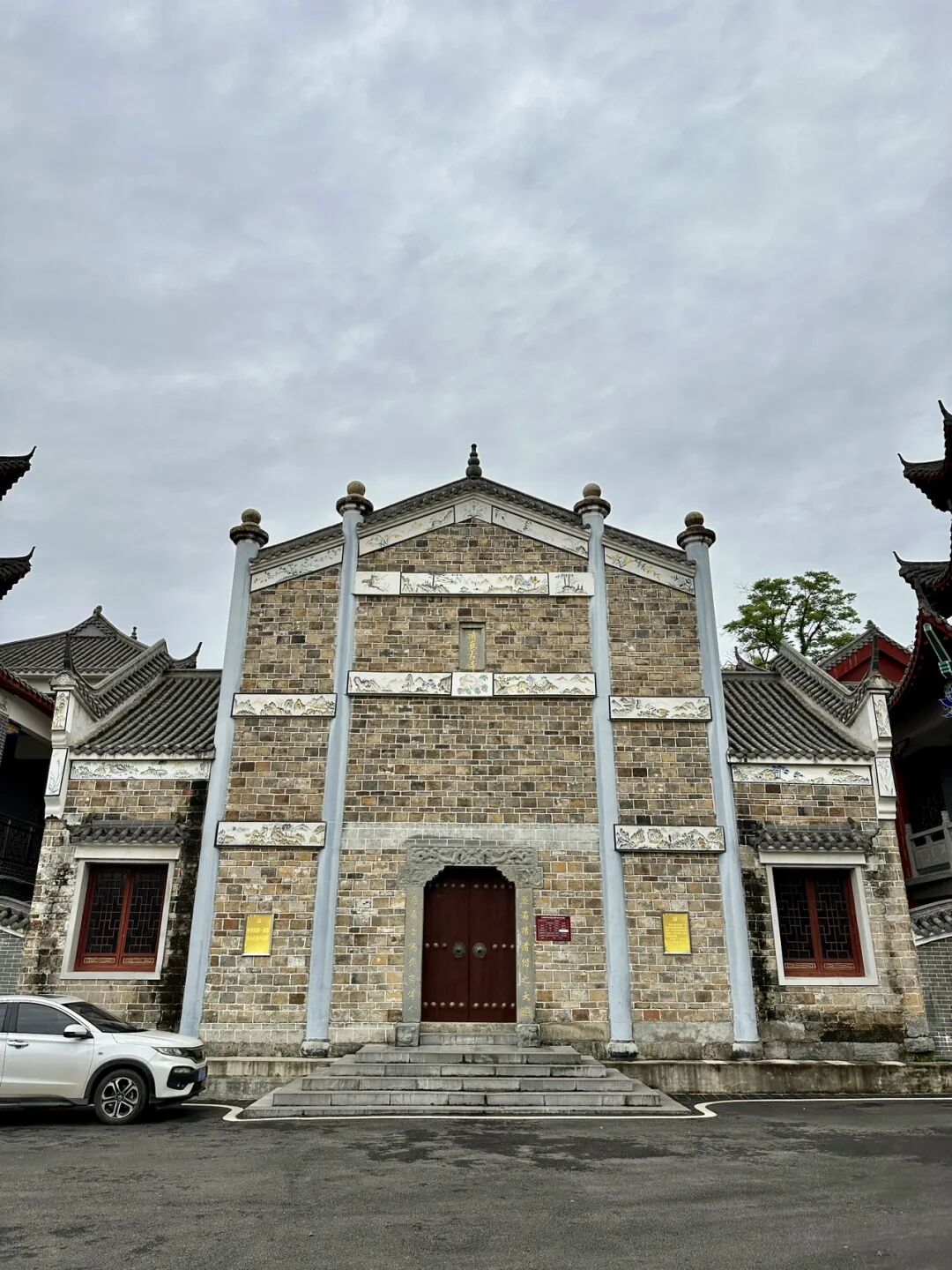
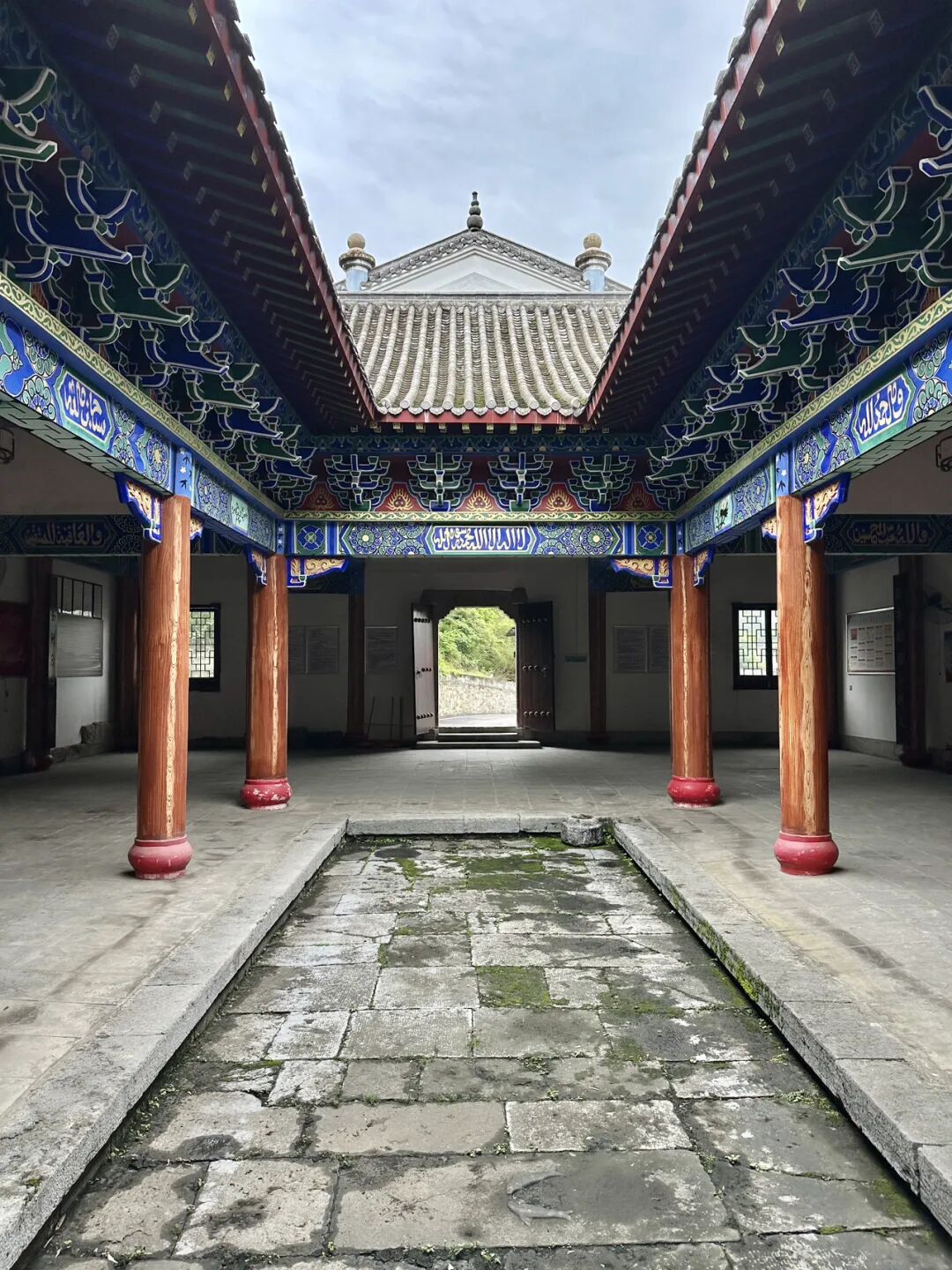
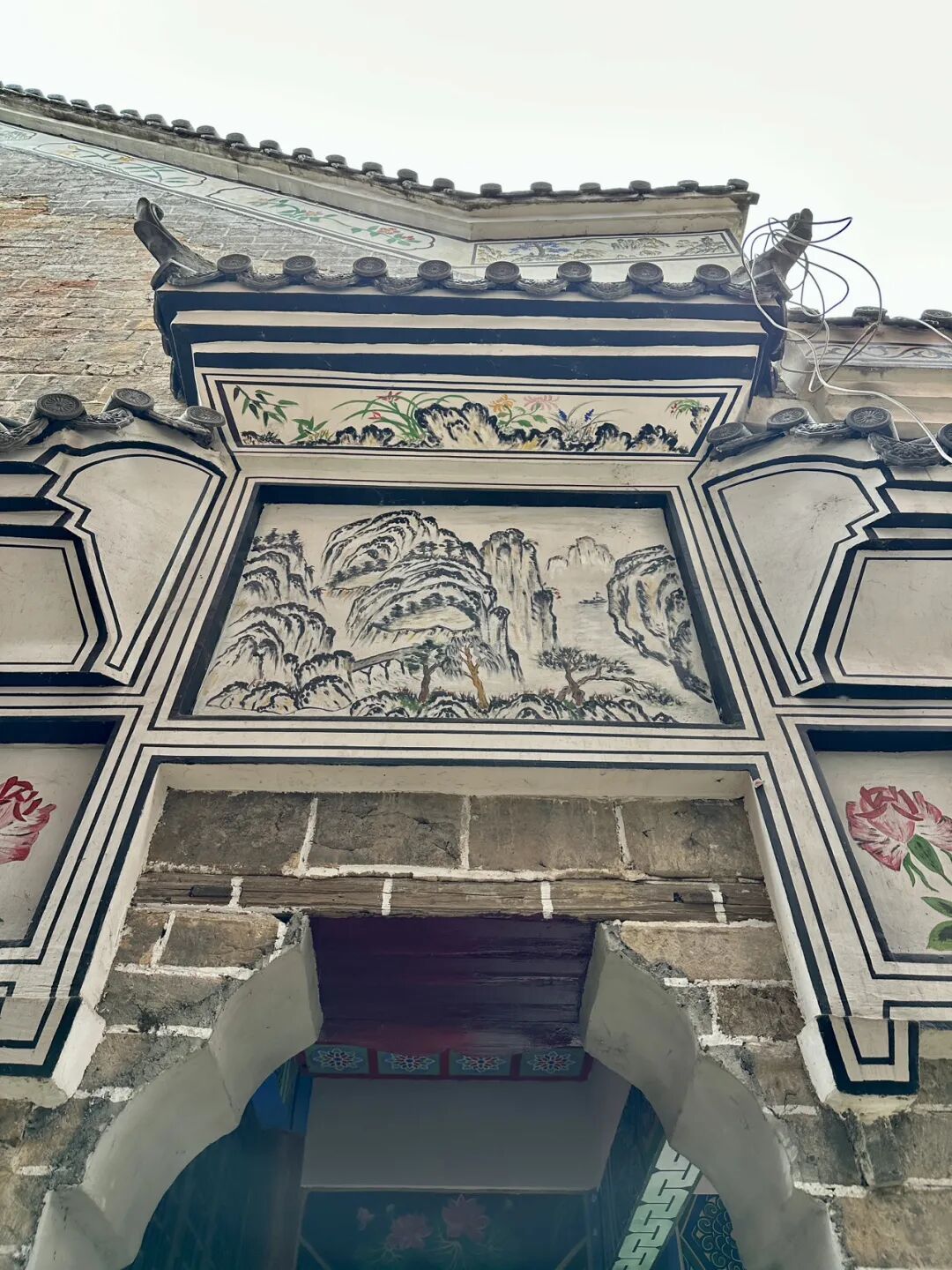
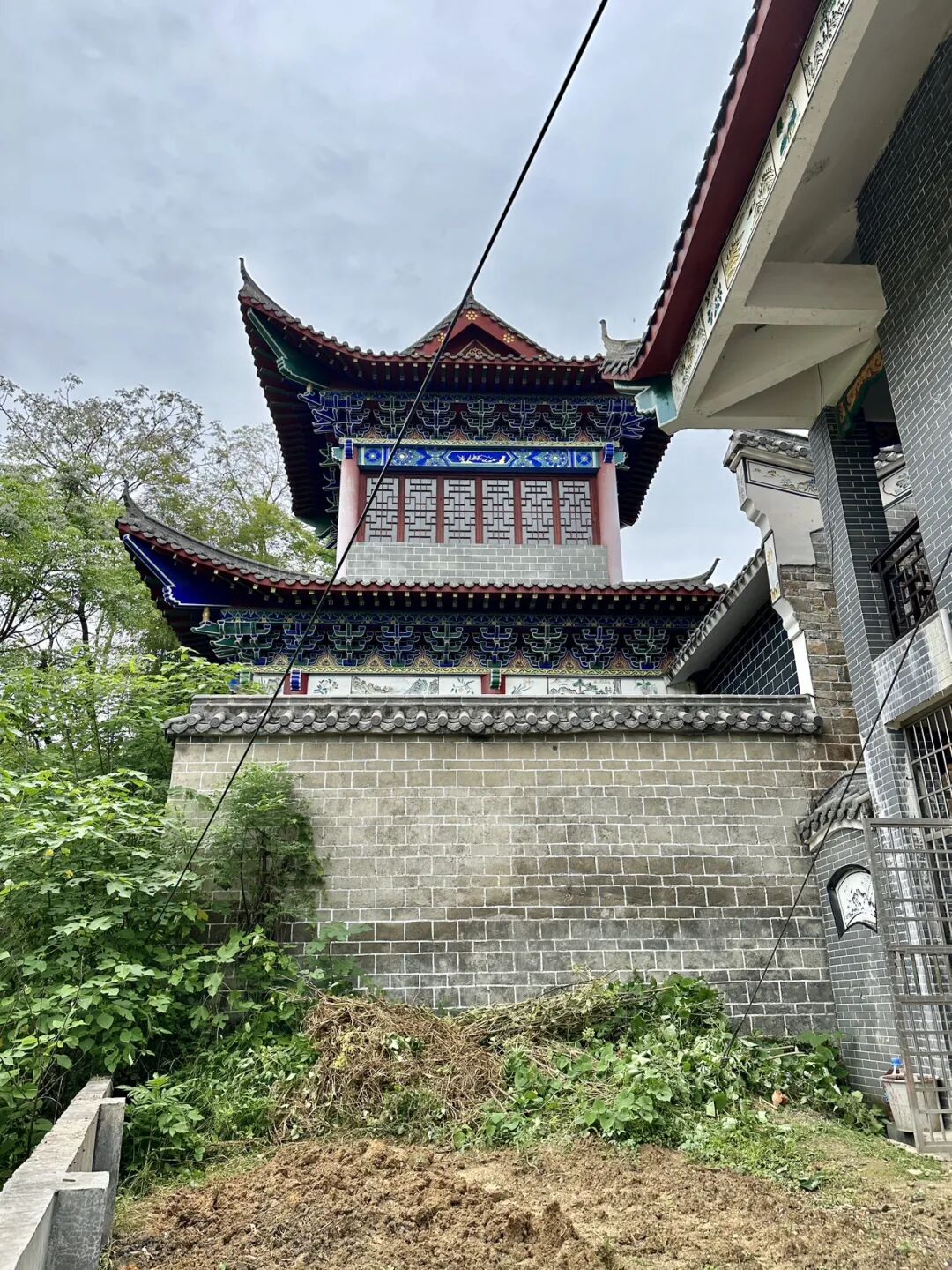
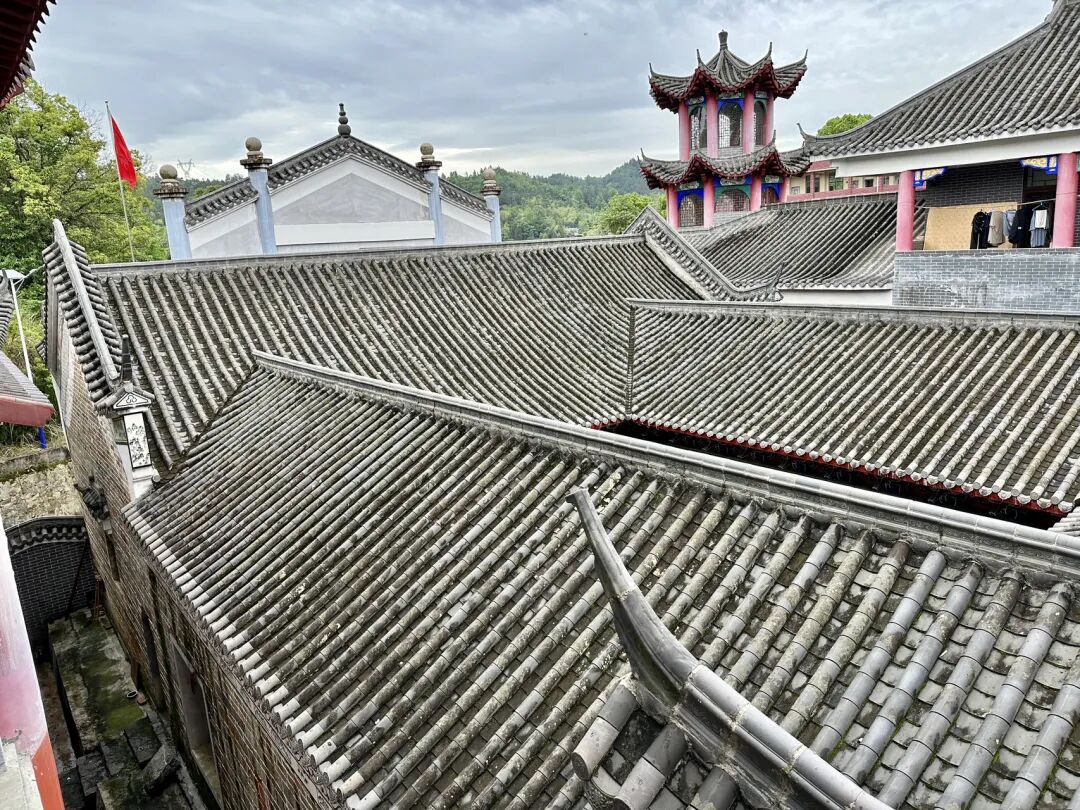
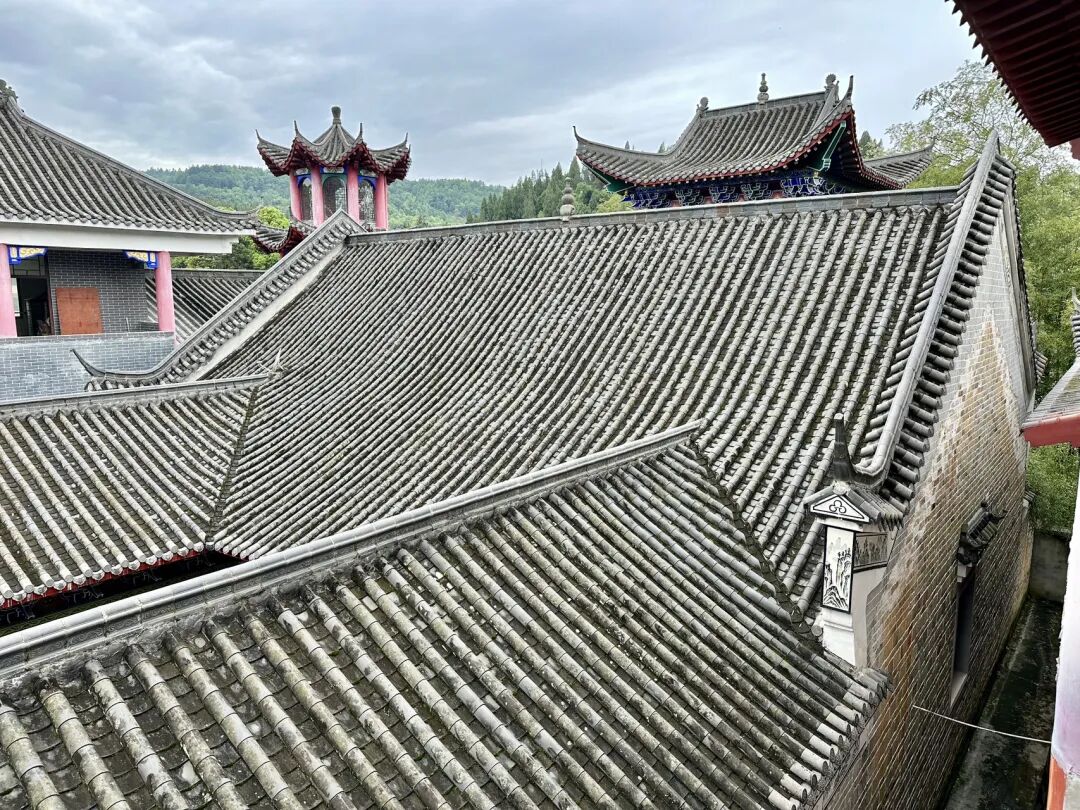
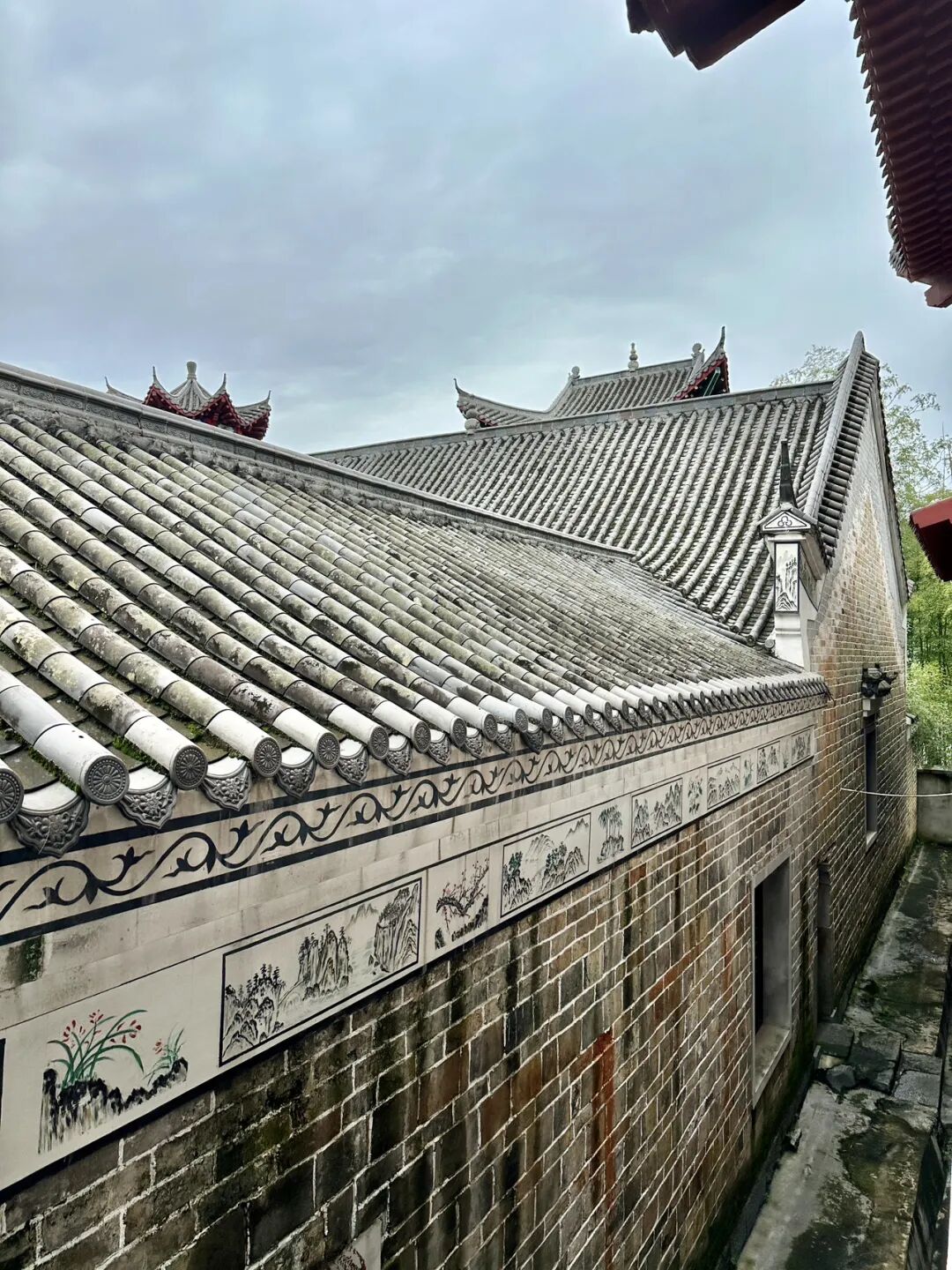
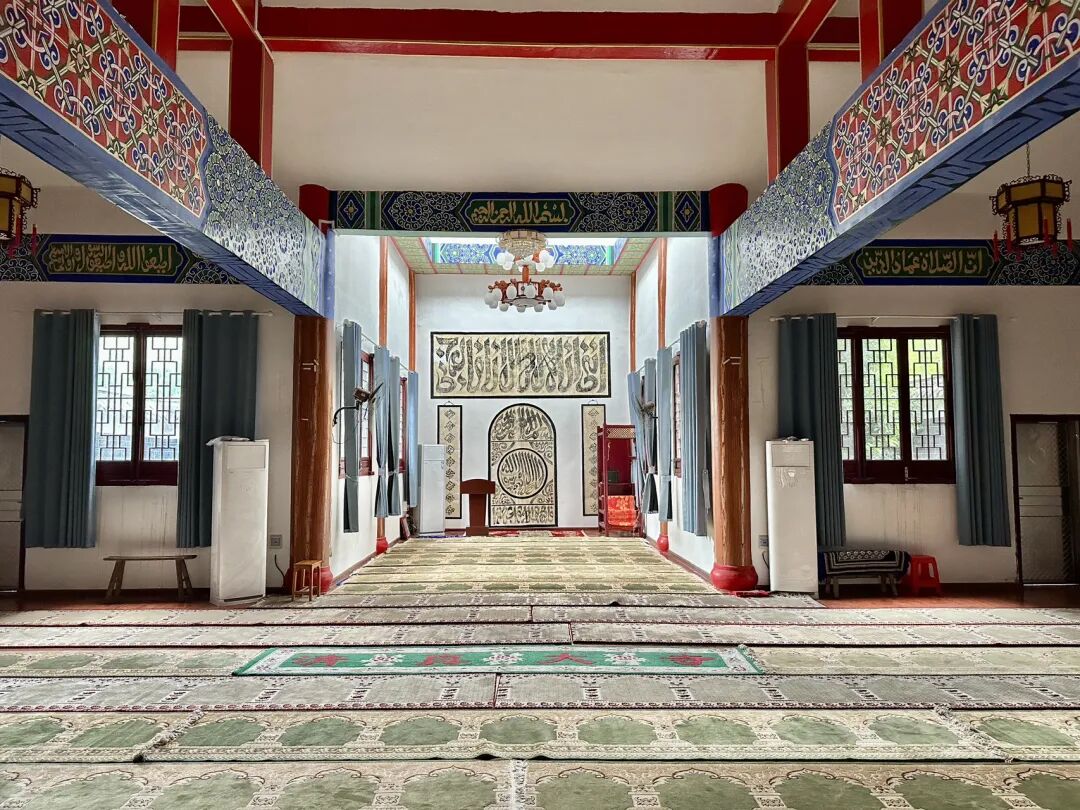
Relics at Shanjie Ancient Mosque include stone pillar bases, wood carvings, and calligraphy of the mihrab in the kiln niche.
The stone couplet on the main gate reads: Clear the murky and promote the pure to follow the great path; preserve the truth and remove the false so that every generation has successors. The calligraphy was written by Ma Linyi, a Hui Muslim educator and Minister of Education in Shaoyang during the Republic of China. He is known as the Father of Northwest Education and the founder of modern Chinese Hui Muslim education.
Ma Linyi was born in Shaoyang, Hunan, in 1865. He passed the imperial examinations in 1902 and went to Japan on a government scholarship in 1904 to study teacher training. During that time, he met Sun Yat-sen, joined the Tongmenghui in 1905, and returned home to work on new government policies and modern education. In 1906, he founded Xiejin Primary School in Shaoyang, which was the first modern school for Hui Muslims in Hunan.
In 1908, he was transferred to the Qing government's Ministry of Education as a director. That same year, he helped establish the Beijing First Islamic Primary School inside the Niujie Mosque and later helped found the Islamic Education Association. While serving as Vice Minister of Education in 1912, Ma Linyi founded the Chinese Islamic Progressive Association with the support of Sun Yat-sen and served as its president.
While in charge of education in Gansu, Ma Linyi founded 277 schools of various types and set up the Gansu Islamic Education Promotion Office, spreading over a hundred Islamic primary schools across Gansu, Ningxia, and Qinghai. He selected over a hundred young people from the Northwest for government-funded study abroad, laying the foundation for modern basic education in the Northwest.
In 1928, Ma Linyi helped found the Islamic Middle School in Niujie and served as its vice chairman. In 1929, Ma Linyi became a board member of the Beiping Chengda Teachers' College. He actively updated the curriculum and improved teaching methods, helping Chengda develop into a modern school. In his later years, Ma Linyi devoted himself to the faith and served as an advisor to Wang Jingzhai for his translation of Islamic classics.
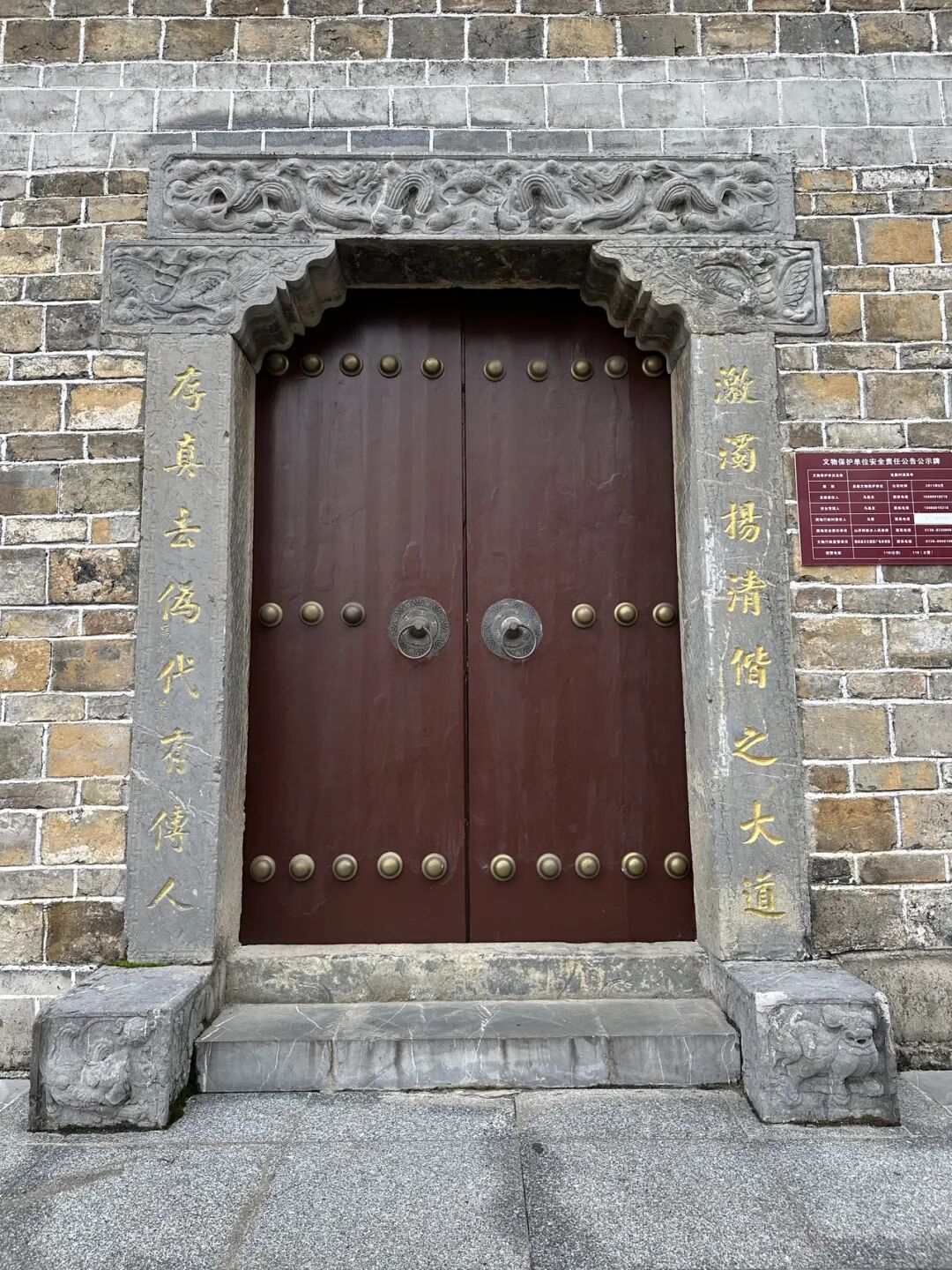
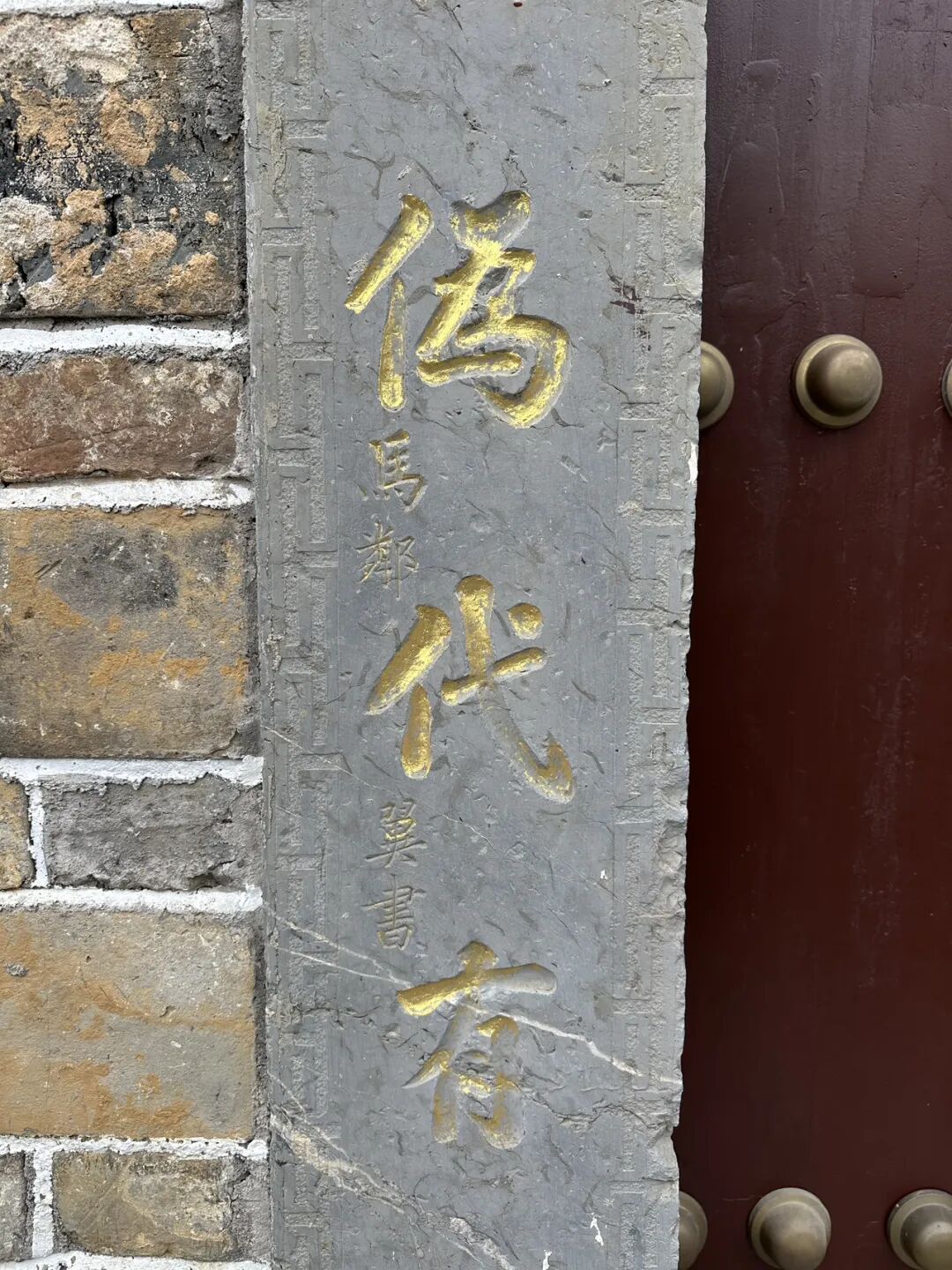
Shanjie East Mosque was first built in 1728 (the fifth year of the Yongzheng reign). The mosque has hired many imams over the years, including Su Yuebo, Ma Yulang, Ma Baochu, Zheng Liansheng, Ma Yuechi, Ma Yucheng, Tang Yuanqi, Hai Shiquan, Ma Chengyong, Ding Baohua, Ma Gen'ao, Ma Xiang'ao, and Ma Wuquan. Students from as far as Hainan and Guangxi came to study under the great imam Ma Yucheng in Gansu, and the local religious community was very prosperous.
It is a pity that the mosque was locked when I visited, so I could not go inside. Collapse Read »
Summary: This China mosque travel guide covers eight historic mosque complexes in Longhui, Shaoyang, Hunan, with local Hui Muslim heritage and mosque travel details kept in clear English.
This article summarizes the key points about the eight mosques (sifang) in Longhui County, Shaoyang, Hunan. It keeps the original paragraph and image order. It is for readers interested in Muslim life, Islamic culture, and Chinese Islamic writing. It also helps people search for content like Chinese halal food.
Longhui County in Shaoyang City, Hunan, has a large population of Hui Muslims. I visited eight mosques there: Taohuaping Mosque, Shanjie Ancient Mosque, East Mosque, West Mosque, South Mosque, North Mosque, Luobai Mosque, and Niejiaoting Mosque. I will share them with you below.
Shanjie Ancient Mosque in Longhui County, Shaoyang, Hunan, is located in Laowuli, Shanjie Township. It was first built in 1444 (the ninth year of the Zhengtong reign of the Ming Dynasty) and is the oldest mosque in Longhui. During the Hongwu reign of the Ming Dynasty, Ma Zhi, the third son of Ma Cheng, the ancestor of the Ma family Hui Muslims in Shaoyang, moved from Shaoyang to Majia Ferry in Longhui to settle down. He was the first Hui Muslim in Longhui, and Shanjie Ancient Mosque was built by the Ma family.
Shanjie Ancient Mosque was renovated in 1919 and rebuilt into its current appearance in 2018.
Shanjie Ancient Mosque has a long tradition of teaching Islamic scripture. The head imams who have taught there include Ma Yulang, Ma Fujiu, Ma Fucheng, Ma Yucheng, Ma Yaochi, and Ding Zhenyi. They also hired imams from other places like Huang Xingxiang and Li Desheng. Ma Fucheng, an imam from this mosque, taught there for the longest time. In 1945, Imam Ma Yucheng taught at the ancient mosque and recruited many students (hailifan), marking the peak of the mosque's religious activities. To this day, the mosque continues its educational work and has trained many excellent young people.
On September 2, 1939, the Wugang County, Hunan branch of the China Islamic National Salvation Association was officially established at the mosque. The mosque's imam, Ma Fucheng, was elected as an officer. Inspired by the call to resist Japanese aggression and save the country, young Hui Muslims from the mosque, including Ma Qiyun, Ma Wuyang from the North Mosque, and Su Xingmin from Beishan, signed up for the army, took up arms, and headed to the front lines in East China.
Relics at Shanjie Ancient Mosque include stone pillar bases, wood carvings, and calligraphy of the mihrab in the kiln niche.
The stone couplet on the main gate reads: Clear the murky and promote the pure to follow the great path; preserve the truth and remove the false so that every generation has successors. The calligraphy was written by Ma Linyi, a Hui Muslim educator and Minister of Education in Shaoyang during the Republic of China. He is known as the Father of Northwest Education and the founder of modern Chinese Hui Muslim education.
Ma Linyi was born in Shaoyang, Hunan, in 1865. He passed the imperial examinations in 1902 and went to Japan on a government scholarship in 1904 to study teacher training. During that time, he met Sun Yat-sen, joined the Tongmenghui in 1905, and returned home to work on new government policies and modern education. In 1906, he founded Xiejin Primary School in Shaoyang, which was the first modern school for Hui Muslims in Hunan.
In 1908, he was transferred to the Qing government's Ministry of Education as a director. That same year, he helped establish the Beijing First Islamic Primary School inside the Niujie Mosque and later helped found the Islamic Education Association. While serving as Vice Minister of Education in 1912, Ma Linyi founded the Chinese Islamic Progressive Association with the support of Sun Yat-sen and served as its president.
While in charge of education in Gansu, Ma Linyi founded 277 schools of various types and set up the Gansu Islamic Education Promotion Office, spreading over a hundred Islamic primary schools across Gansu, Ningxia, and Qinghai. He selected over a hundred young people from the Northwest for government-funded study abroad, laying the foundation for modern basic education in the Northwest.
In 1928, Ma Linyi helped found the Islamic Middle School in Niujie and served as its vice chairman. In 1929, Ma Linyi became a board member of the Beiping Chengda Teachers' College. He actively updated the curriculum and improved teaching methods, helping Chengda develop into a modern school. In his later years, Ma Linyi devoted himself to the faith and served as an advisor to Wang Jingzhai for his translation of Islamic classics.
Shanjie East Mosque was first built in 1728 (the fifth year of the Yongzheng reign). The mosque has hired many imams over the years, including Su Yuebo, Ma Yulang, Ma Baochu, Zheng Liansheng, Ma Yuechi, Ma Yucheng, Tang Yuanqi, Hai Shiquan, Ma Chengyong, Ding Baohua, Ma Gen'ao, Ma Xiang'ao, and Ma Wuquan. Students from as far as Hainan and Guangxi came to study under the great imam Ma Yucheng in Gansu, and the local religious community was very prosperous.
It is a pity that the mosque was locked when I visited, so I could not go inside. Collapse Read »
China Mosque Travel Guide: Eight Historic Mosque Complexes in Longhui, Shaoyang, Hunan (Part 1 of 2)
Reposted from the web
Summary: This China mosque travel guide covers eight historic mosque complexes in Longhui, Shaoyang, Hunan, with local Hui Muslim heritage and mosque travel details kept in clear English.
This article summarizes the key points about the eight mosques (sifang) in Longhui County, Shaoyang, Hunan. It keeps the original paragraph and image order. It is for readers interested in Muslim life, Islamic culture, and Chinese Islamic writing. It also helps people search for content like Chinese halal food.
Longhui County in Shaoyang City, Hunan, has a large population of Hui Muslims. I visited eight mosques there: Taohuaping Mosque, Shanjie Ancient Mosque, East Mosque, West Mosque, South Mosque, North Mosque, Luobai Mosque, and Niejiaoting Mosque. I will share them with you below.
Shanjie Ancient Mosque in Longhui County, Shaoyang, Hunan, is located in Laowuli, Shanjie Township. It was first built in 1444 (the ninth year of the Zhengtong reign of the Ming Dynasty) and is the oldest mosque in Longhui. During the Hongwu reign of the Ming Dynasty, Ma Zhi, the third son of Ma Cheng, the ancestor of the Ma family Hui Muslims in Shaoyang, moved from Shaoyang to Majia Ferry in Longhui to settle down. He was the first Hui Muslim in Longhui, and Shanjie Ancient Mosque was built by the Ma family.
Shanjie Ancient Mosque was renovated in 1919 and rebuilt into its current appearance in 2018.
Shanjie Ancient Mosque has a long tradition of teaching Islamic scripture. The head imams who have taught there include Ma Yulang, Ma Fujiu, Ma Fucheng, Ma Yucheng, Ma Yaochi, and Ding Zhenyi. They also hired imams from other places like Huang Xingxiang and Li Desheng. Ma Fucheng, an imam from this mosque, taught there for the longest time. In 1945, Imam Ma Yucheng taught at the ancient mosque and recruited many students (hailifan), marking the peak of the mosque's religious activities. To this day, the mosque continues its educational work and has trained many excellent young people.
On September 2, 1939, the Wugang County, Hunan branch of the China Islamic National Salvation Association was officially established at the mosque. The mosque's imam, Ma Fucheng, was elected as an officer. Inspired by the call to resist Japanese aggression and save the country, young Hui Muslims from the mosque, including Ma Qiyun, Ma Wuyang from the North Mosque, and Su Xingmin from Beishan, signed up for the army, took up arms, and headed to the front lines in East China.
Relics at Shanjie Ancient Mosque include stone pillar bases, wood carvings, and calligraphy of the mihrab in the kiln niche.
The stone couplet on the main gate reads: Clear the murky and promote the pure to follow the great path; preserve the truth and remove the false so that every generation has successors. The calligraphy was written by Ma Linyi, a Hui Muslim educator and Minister of Education in Shaoyang during the Republic of China. He is known as the Father of Northwest Education and the founder of modern Chinese Hui Muslim education.
Ma Linyi was born in Shaoyang, Hunan, in 1865. He passed the imperial examinations in 1902 and went to Japan on a government scholarship in 1904 to study teacher training. During that time, he met Sun Yat-sen, joined the Tongmenghui in 1905, and returned home to work on new government policies and modern education. In 1906, he founded Xiejin Primary School in Shaoyang, which was the first modern school for Hui Muslims in Hunan.
In 1908, he was transferred to the Qing government's Ministry of Education as a director. That same year, he helped establish the Beijing First Islamic Primary School inside the Niujie Mosque and later helped found the Islamic Education Association. While serving as Vice Minister of Education in 1912, Ma Linyi founded the Chinese Islamic Progressive Association with the support of Sun Yat-sen and served as its president.
While in charge of education in Gansu, Ma Linyi founded 277 schools of various types and set up the Gansu Islamic Education Promotion Office, spreading over a hundred Islamic primary schools across Gansu, Ningxia, and Qinghai. He selected over a hundred young people from the Northwest for government-funded study abroad, laying the foundation for modern basic education in the Northwest.
In 1928, Ma Linyi helped found the Islamic Middle School in Niujie and served as its vice chairman. In 1929, Ma Linyi became a board member of the Beiping Chengda Teachers' College. He actively updated the curriculum and improved teaching methods, helping Chengda develop into a modern school. In his later years, Ma Linyi devoted himself to the faith and served as an advisor to Wang Jingzhai for his translation of Islamic classics.
Shanjie East Mosque was first built in 1728 (the fifth year of the Yongzheng reign). The mosque has hired many imams over the years, including Su Yuebo, Ma Yulang, Ma Baochu, Zheng Liansheng, Ma Yuechi, Ma Yucheng, Tang Yuanqi, Hai Shiquan, Ma Chengyong, Ding Baohua, Ma Gen'ao, Ma Xiang'ao, and Ma Wuquan. Students from as far as Hainan and Guangxi came to study under the great imam Ma Yucheng in Gansu, and the local religious community was very prosperous.
It is a pity that the mosque was locked when I visited, so I could not go inside.
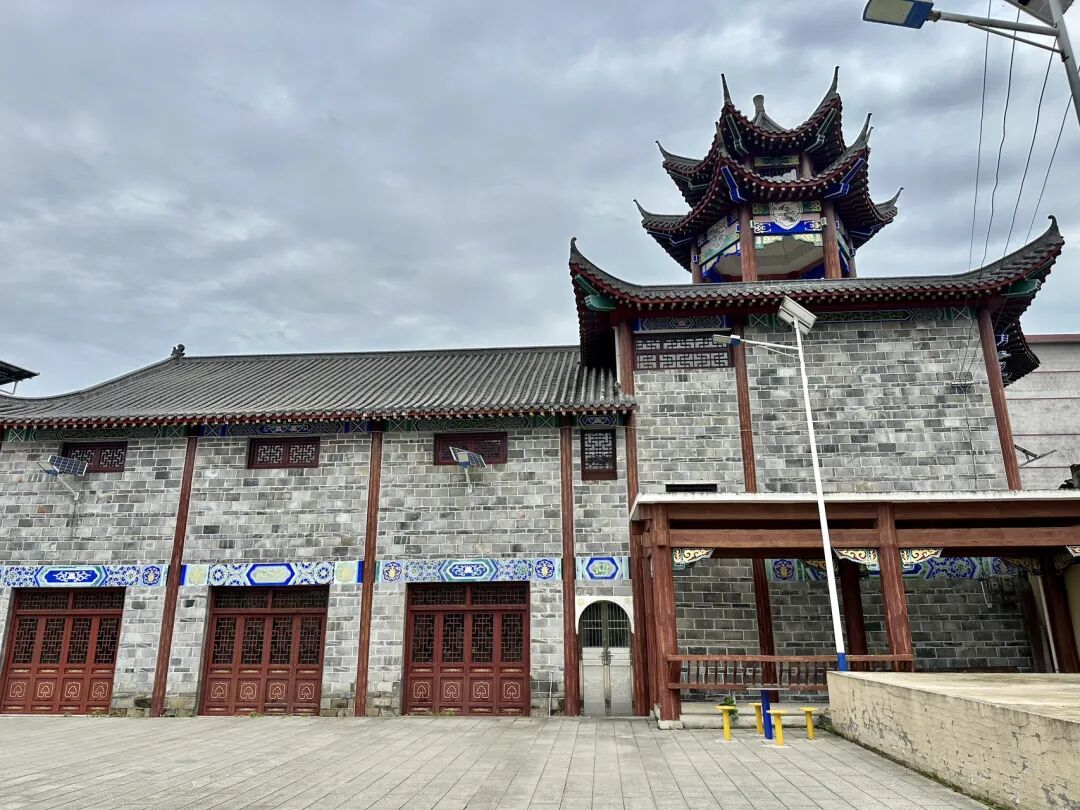
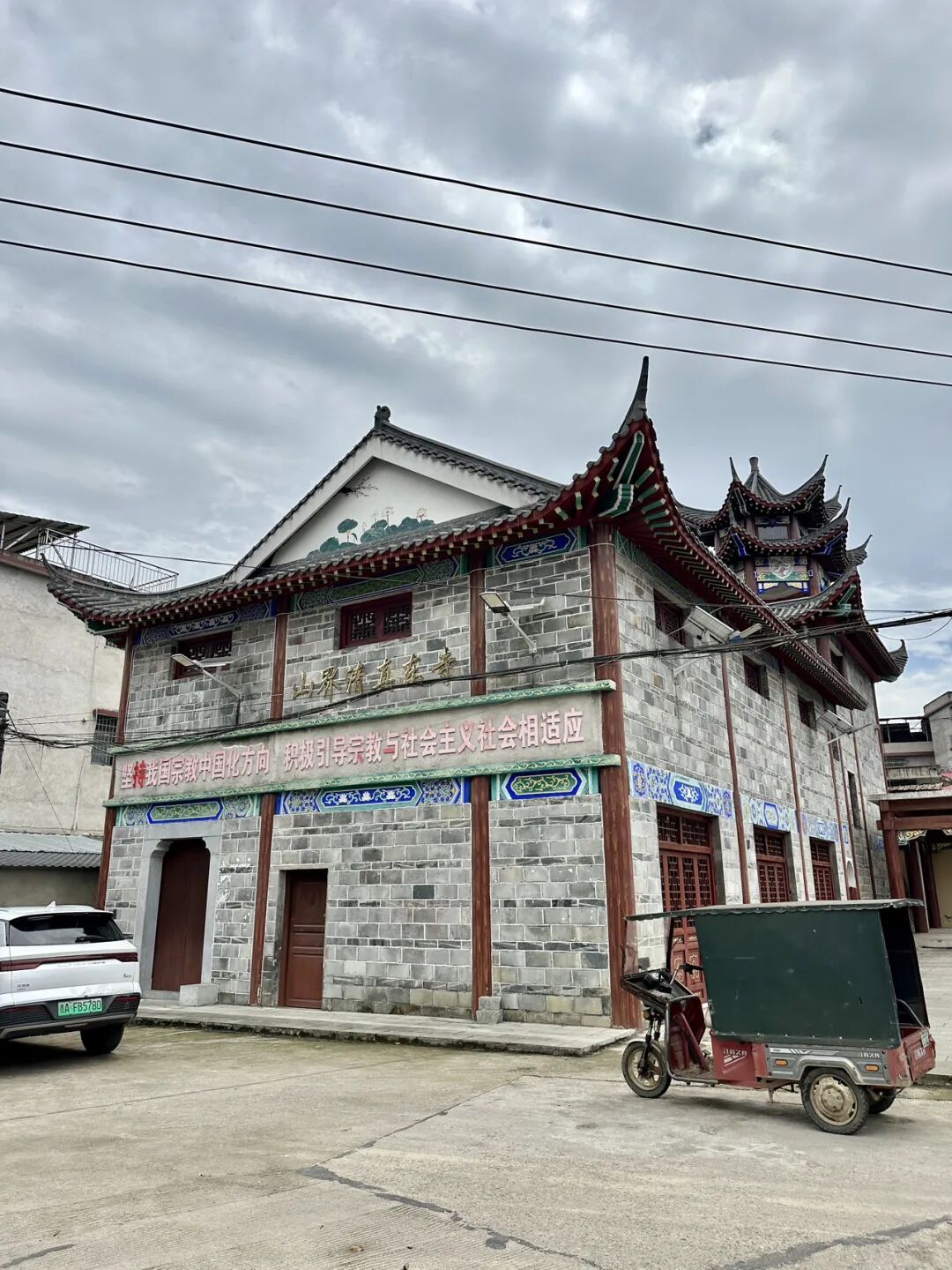
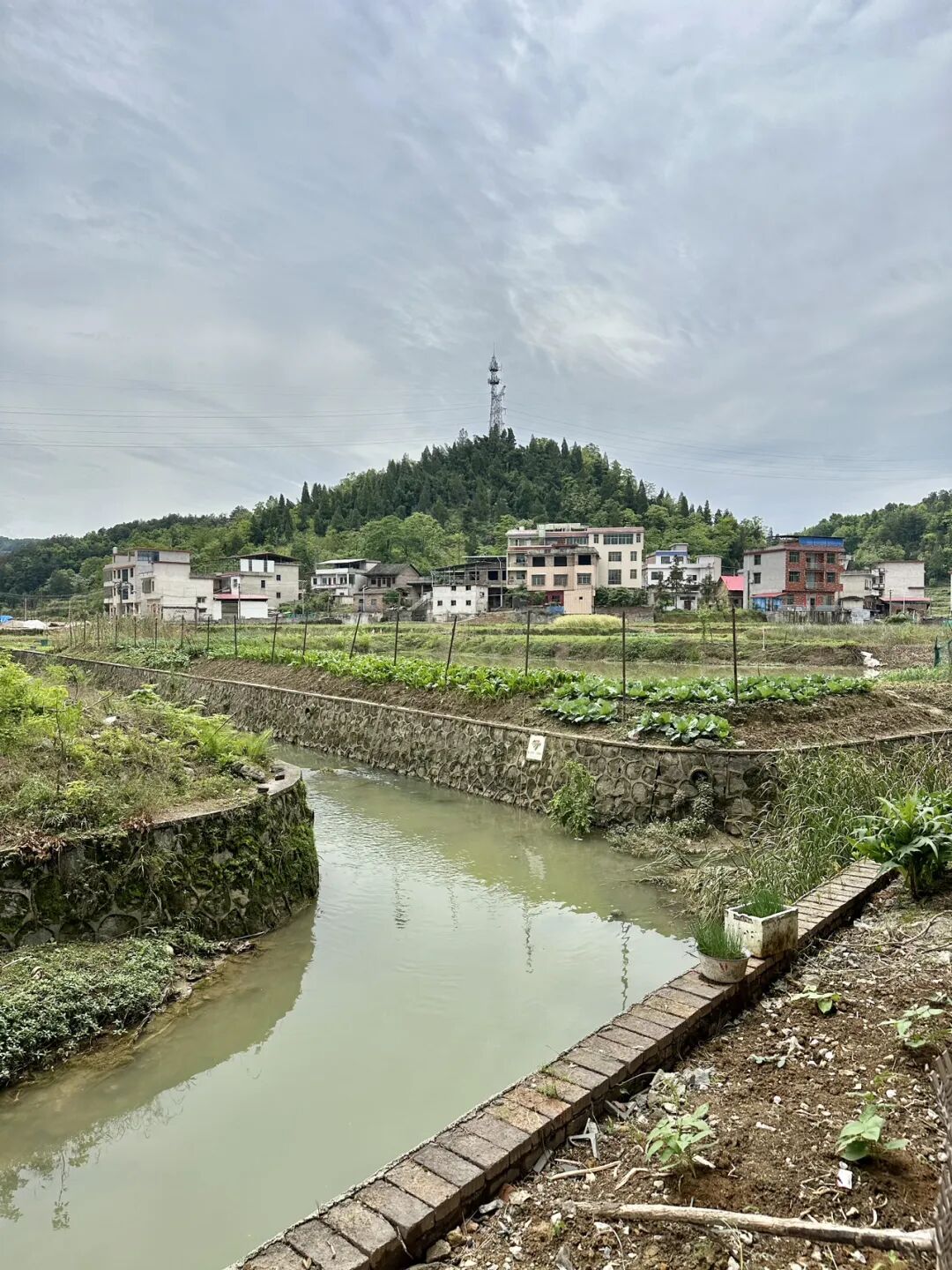
Shanjie West Mosque, also known as Jiajian Village Mosque, was first built in 1836 (the 16th year of the Daoguang reign). It was expanded during the Guangxu and Republic of China periods, and the local Hui Muslims there are surnamed Ma, Huang, and Zheng. The imams who have served at the mosque include Ma Chaoxin, Zheng Liansheng, Ma Daocheng, Ma Fucheng, and Ma Liangxu. The main hall of the West Mosque collapsed in 1991. It was being rebuilt when a flood destroyed it in 1996. After raising funds again, it was officially completed at the end of 1996 and renovated again in 2013.
The mosque houses a stone tablet from the 11th year of the Guangxu reign titled 'Record of Continued Mosque Repairs,' which lists the names of the donors at that time and serves as a precious historical record.
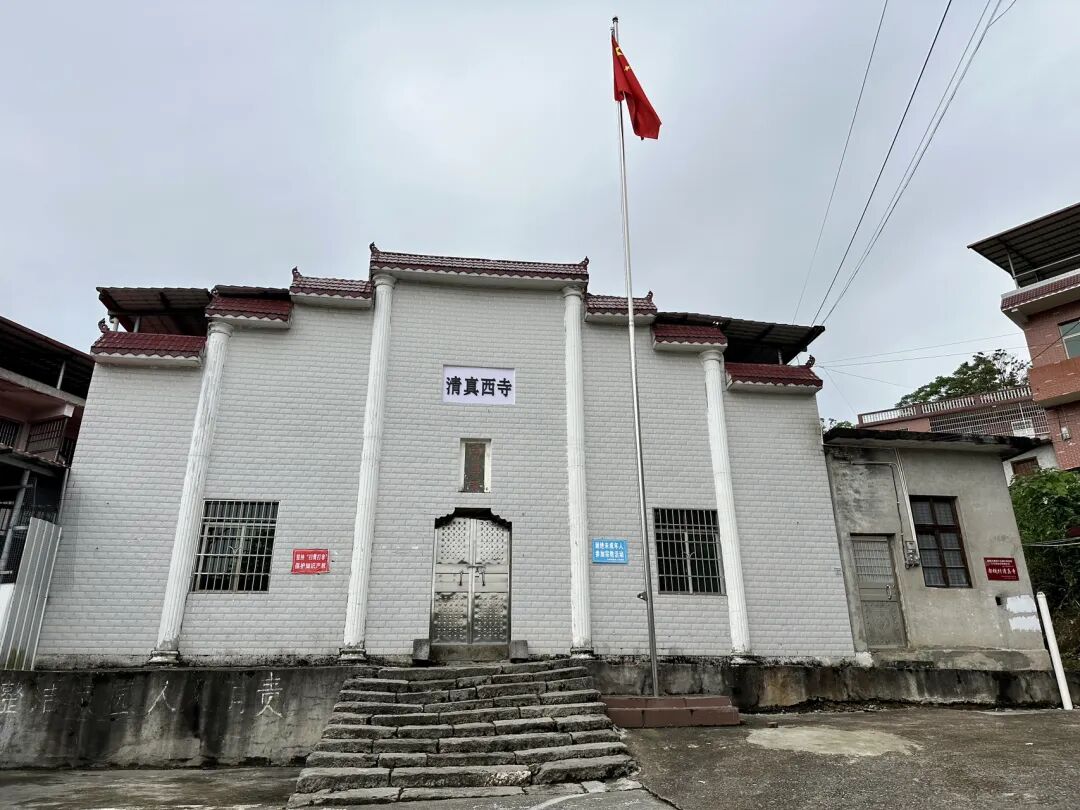
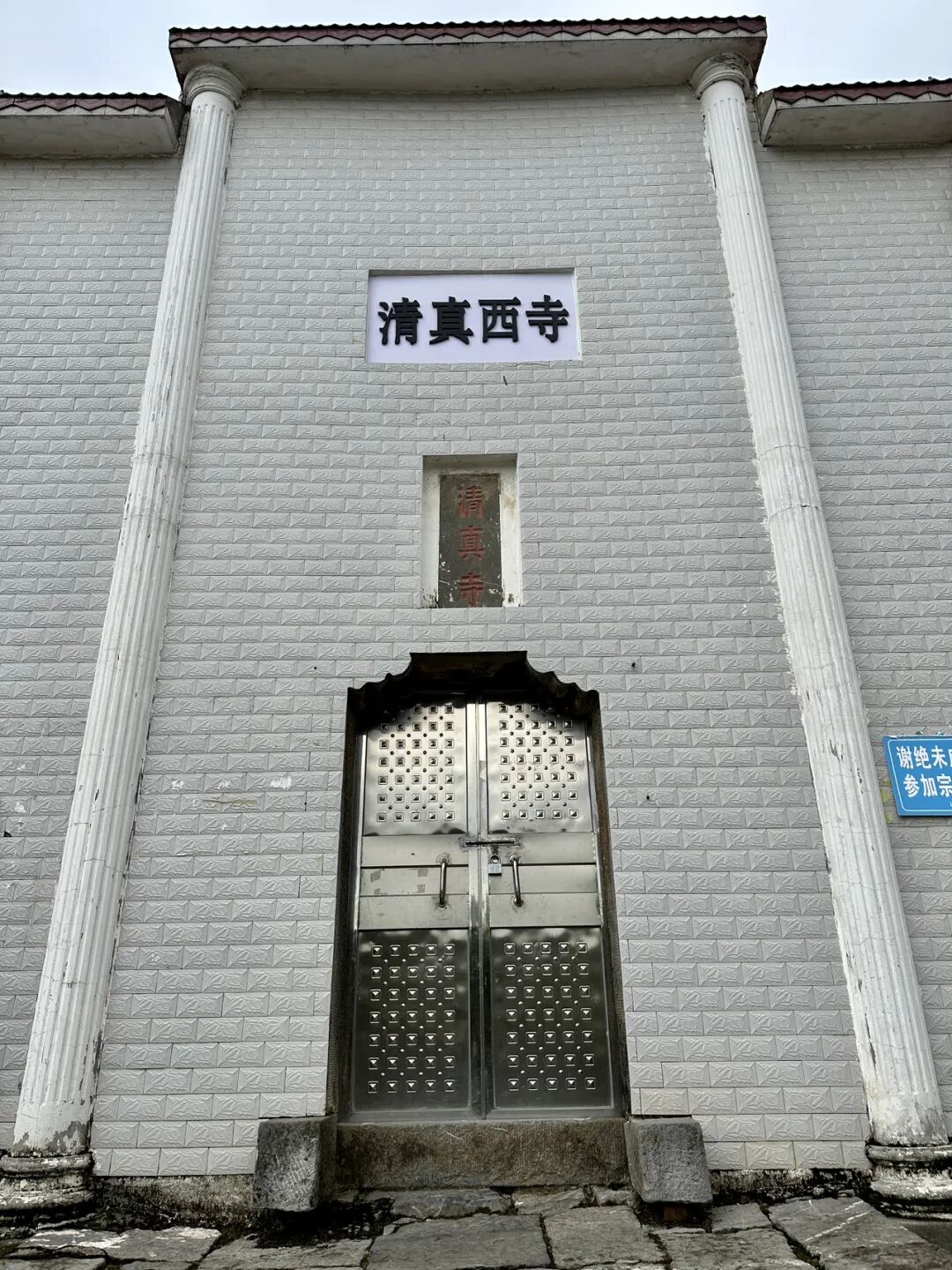
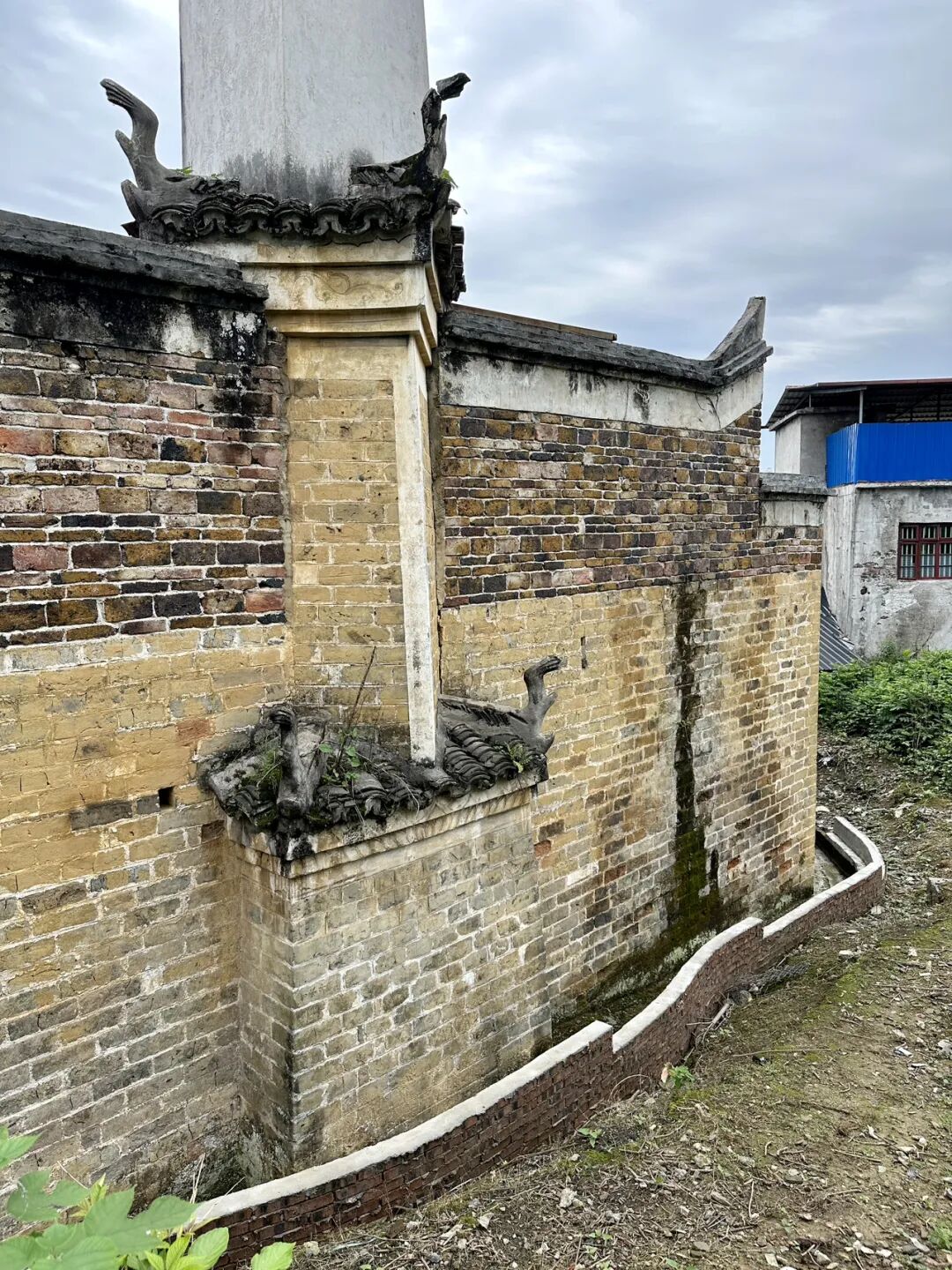
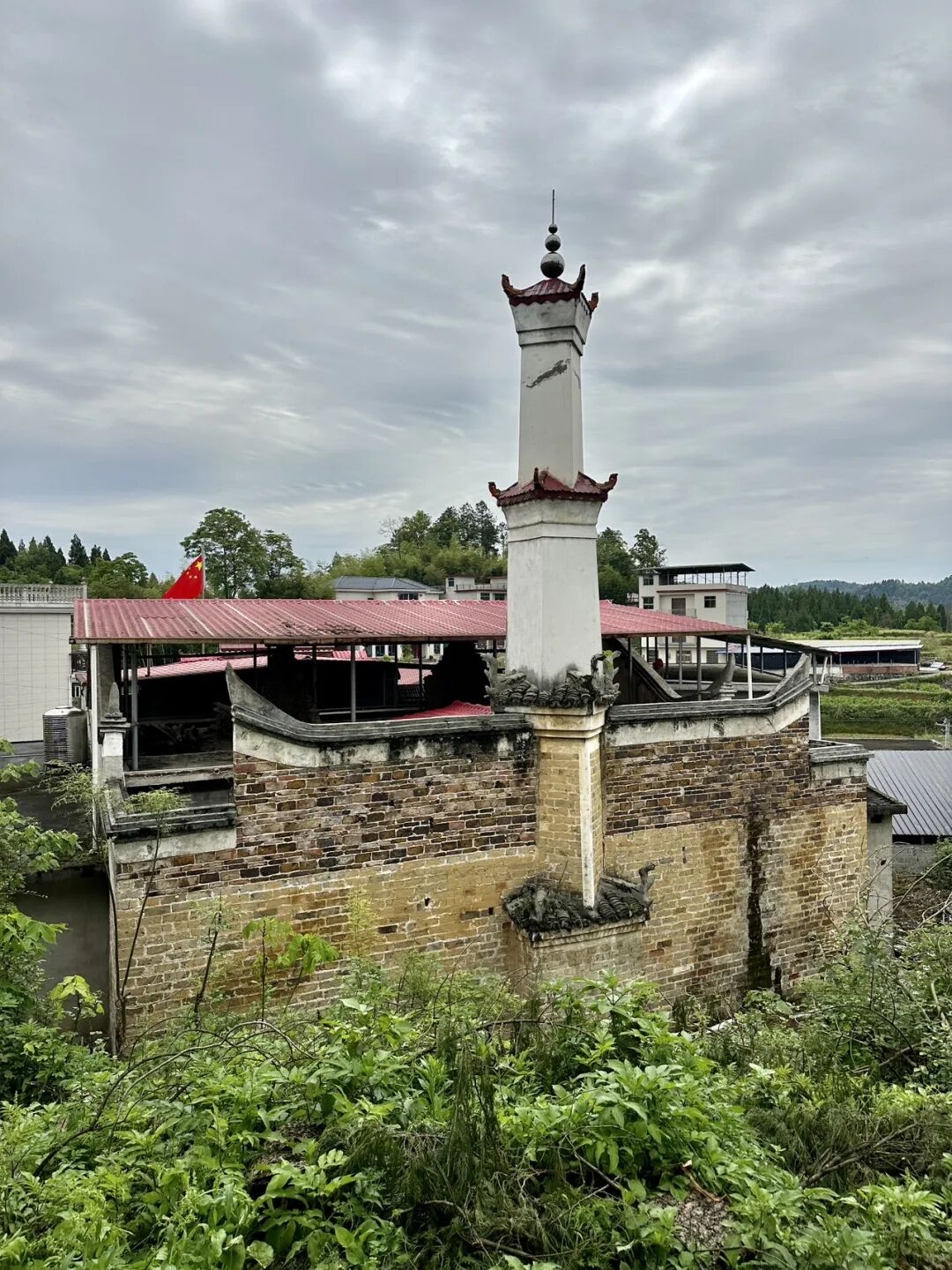
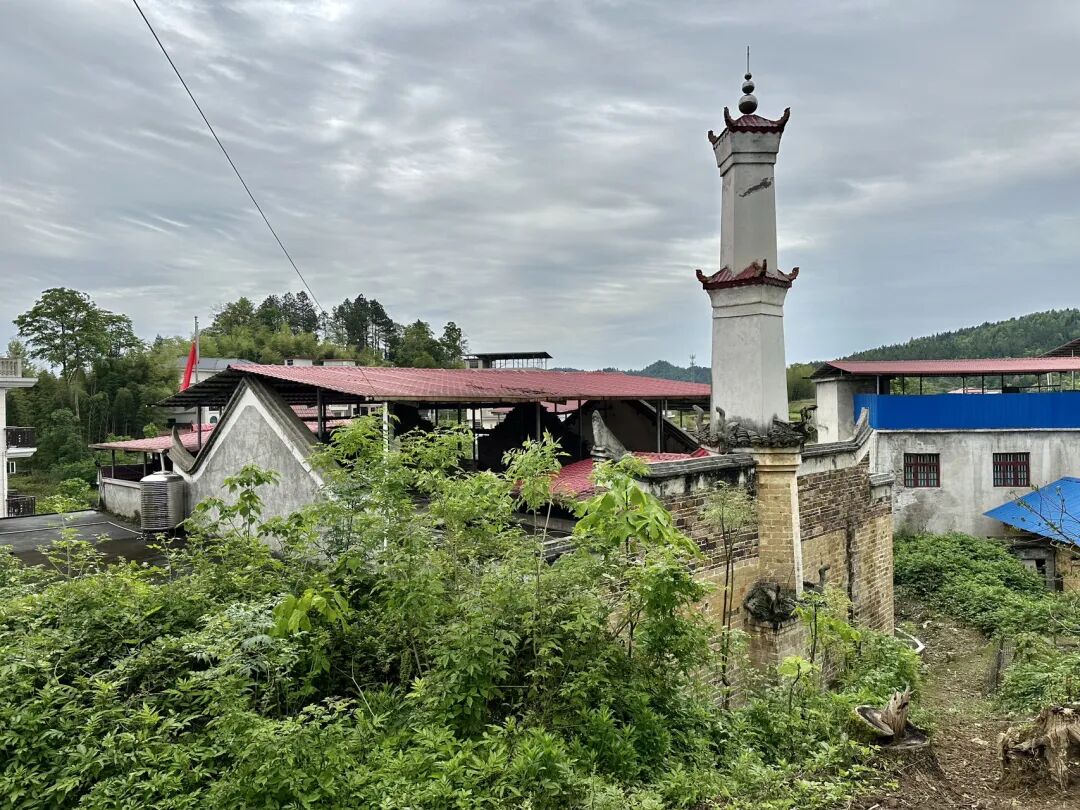
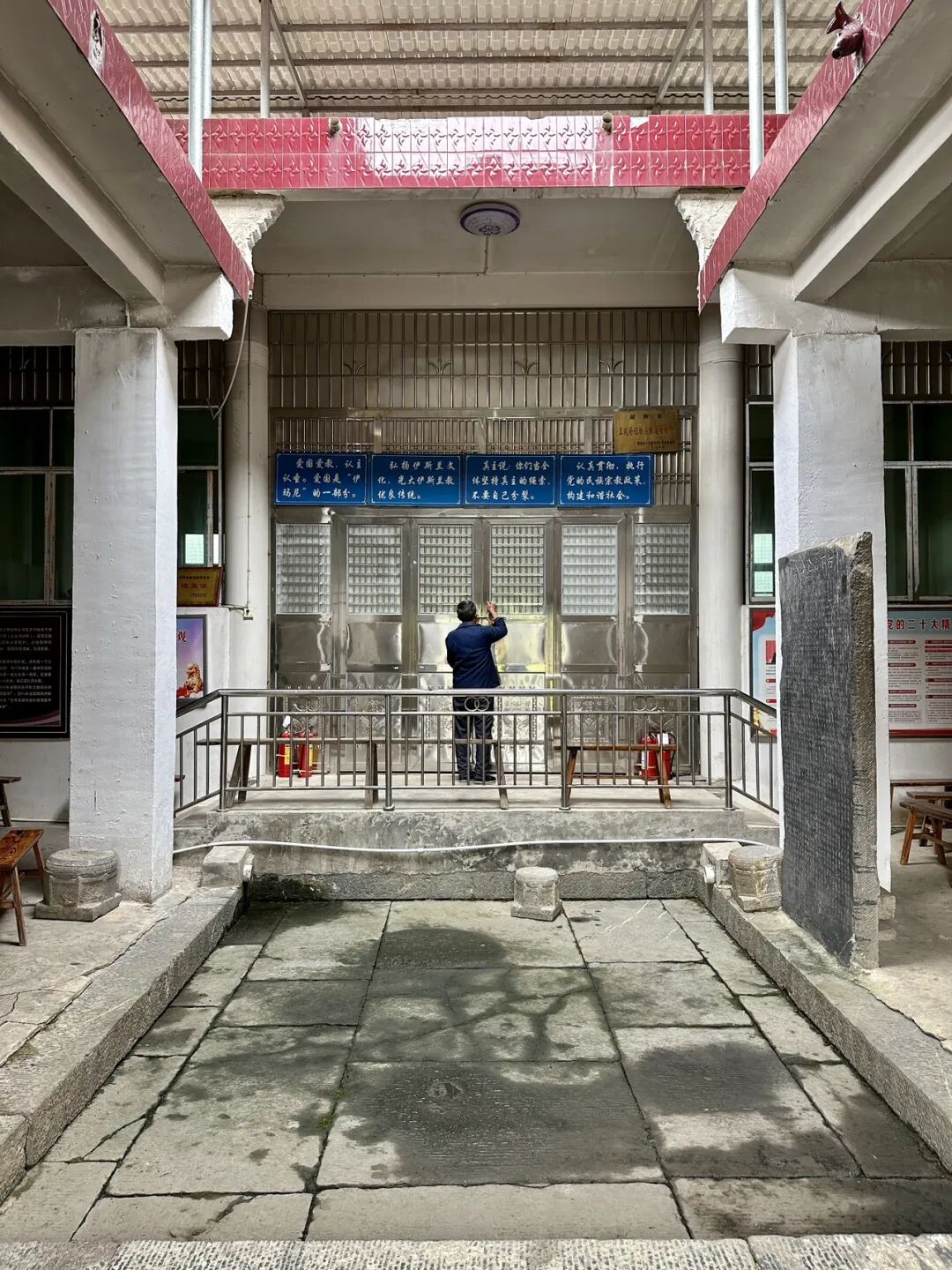
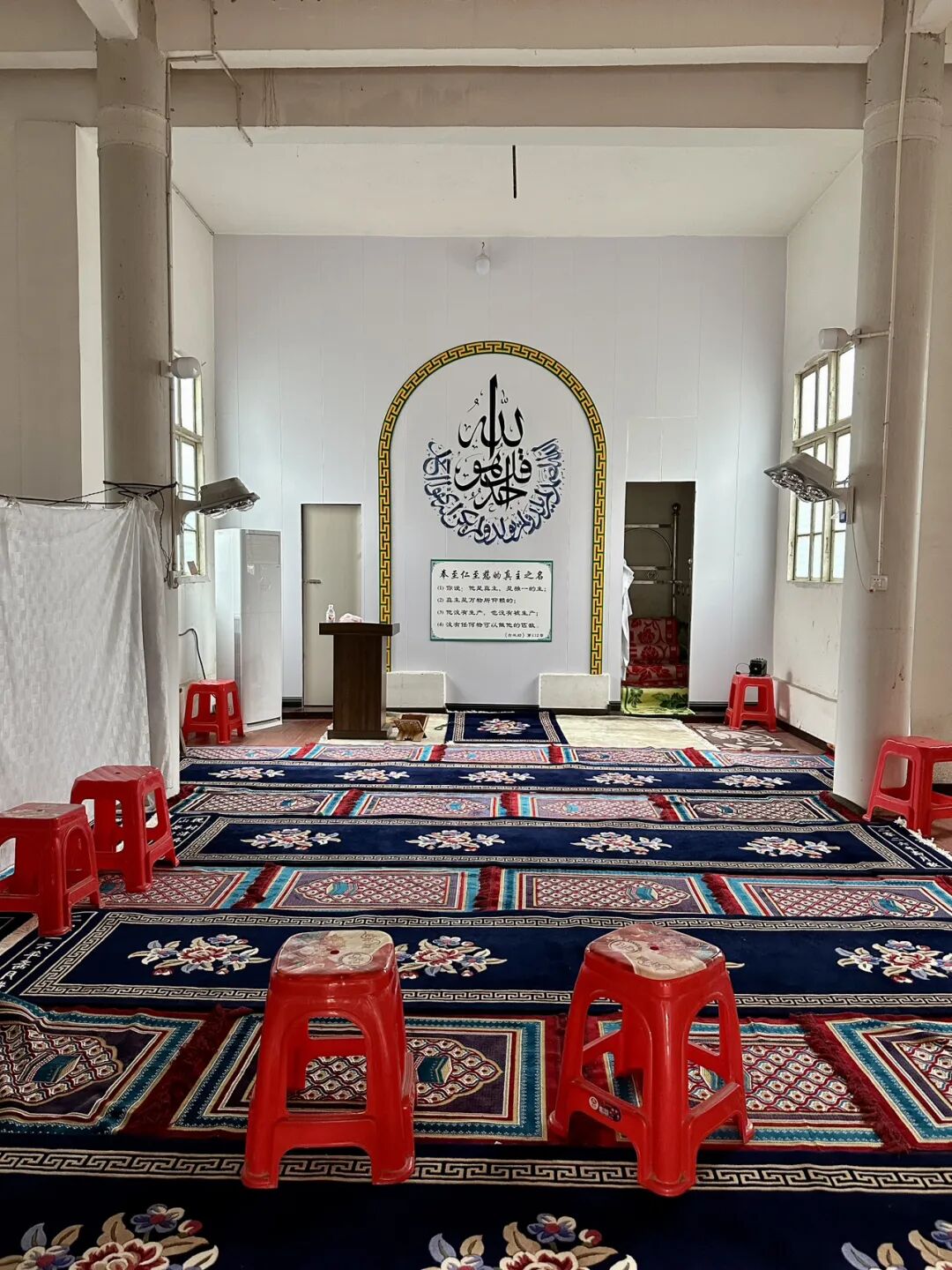
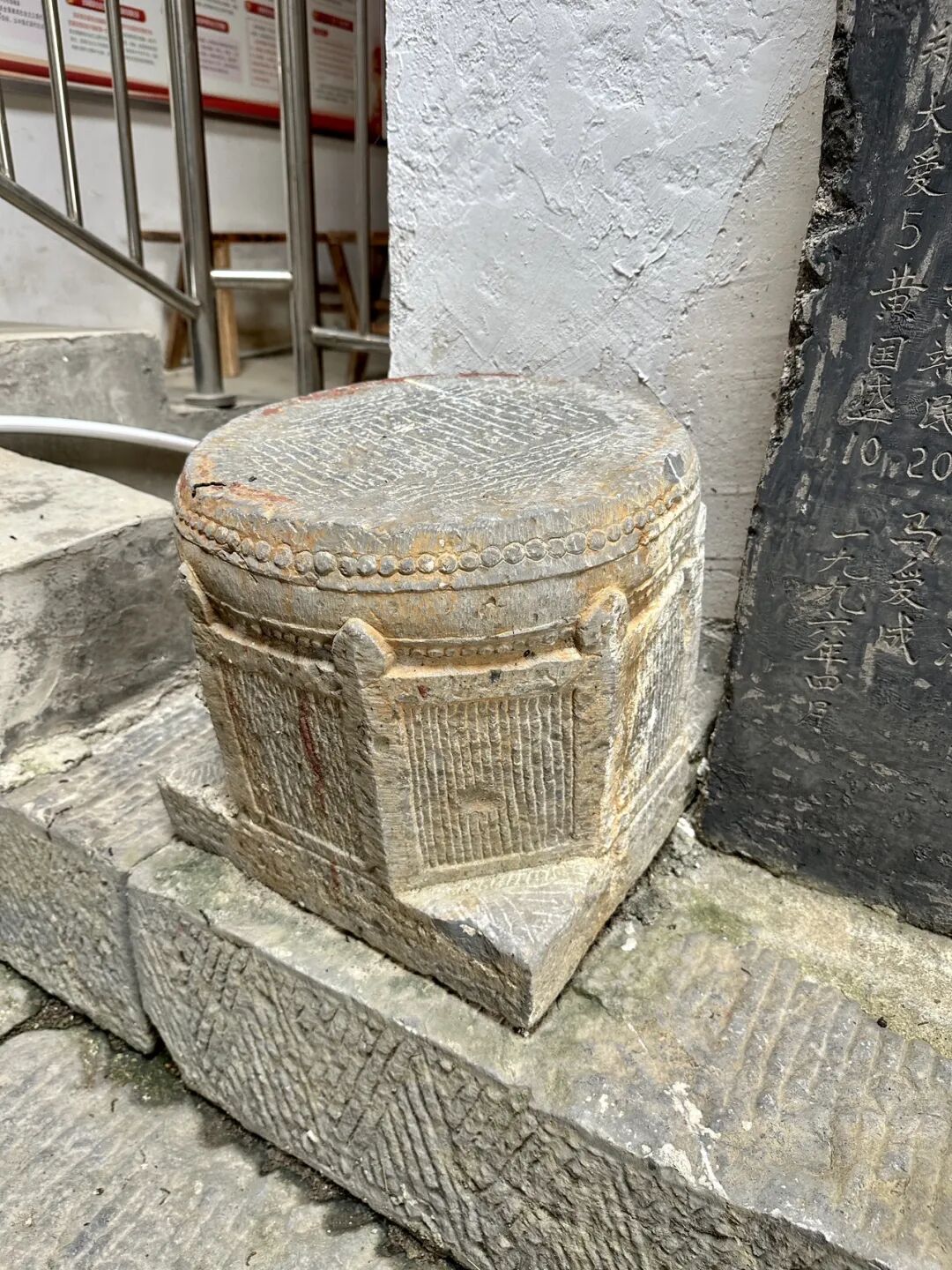
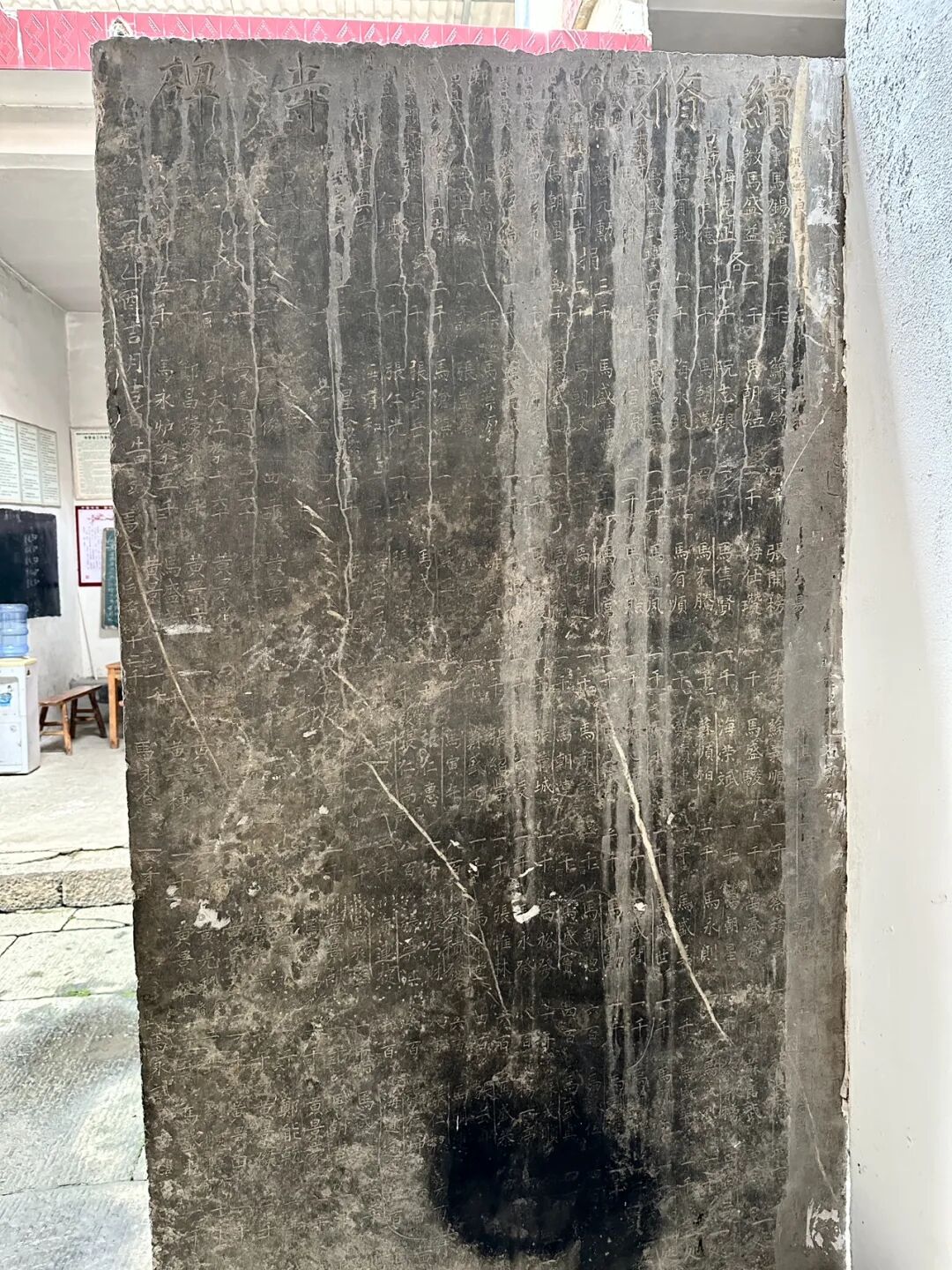
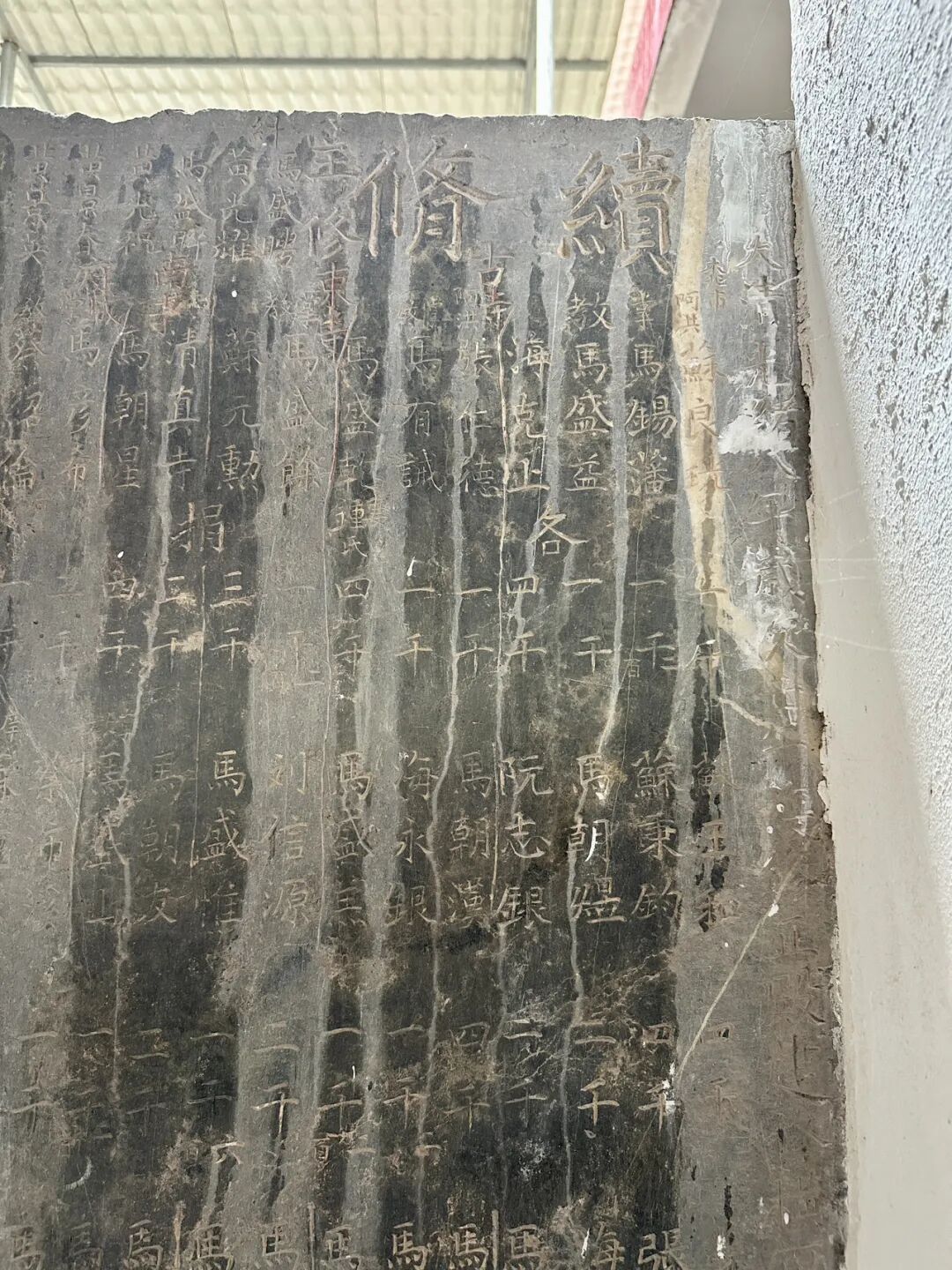
Shanjie North Mosque, also called Sifangjing Mosque, was first built in 1824 (the 4th year of the Daoguang reign), and the local Hui Muslims there are surnamed Ma. The main hall was destroyed after 1966. It was rebuilt in 1991 and again in 2000, with only the original stone gate pillars remaining. The pillars are carved with a couplet by the Republic of China educator Ma Linyi: 'To study the Way, one must seek the source; why ask about Jesus, Buddha, or the Greeks? To unite with Heaven is to enter the path of the sages; ancient and modern, Chinese and foreign, all share the same principle.'
Regrettably, the Shanjie North Mosque was also locked when I visited, and I could not enter.
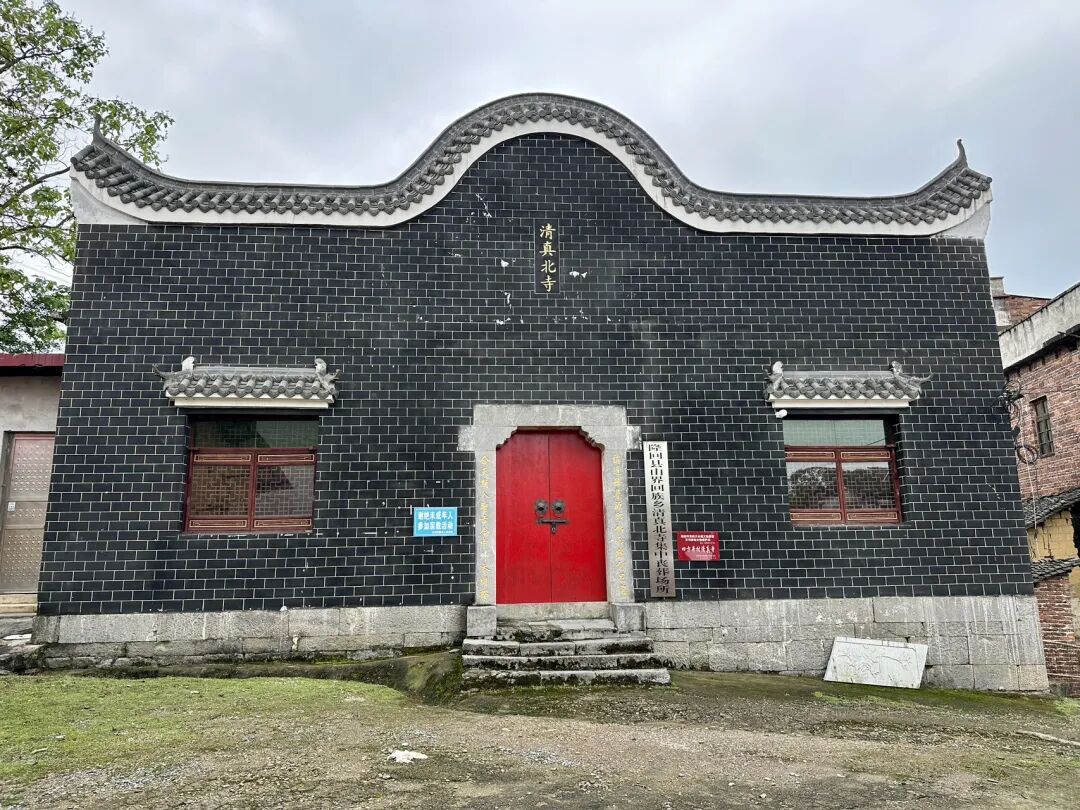
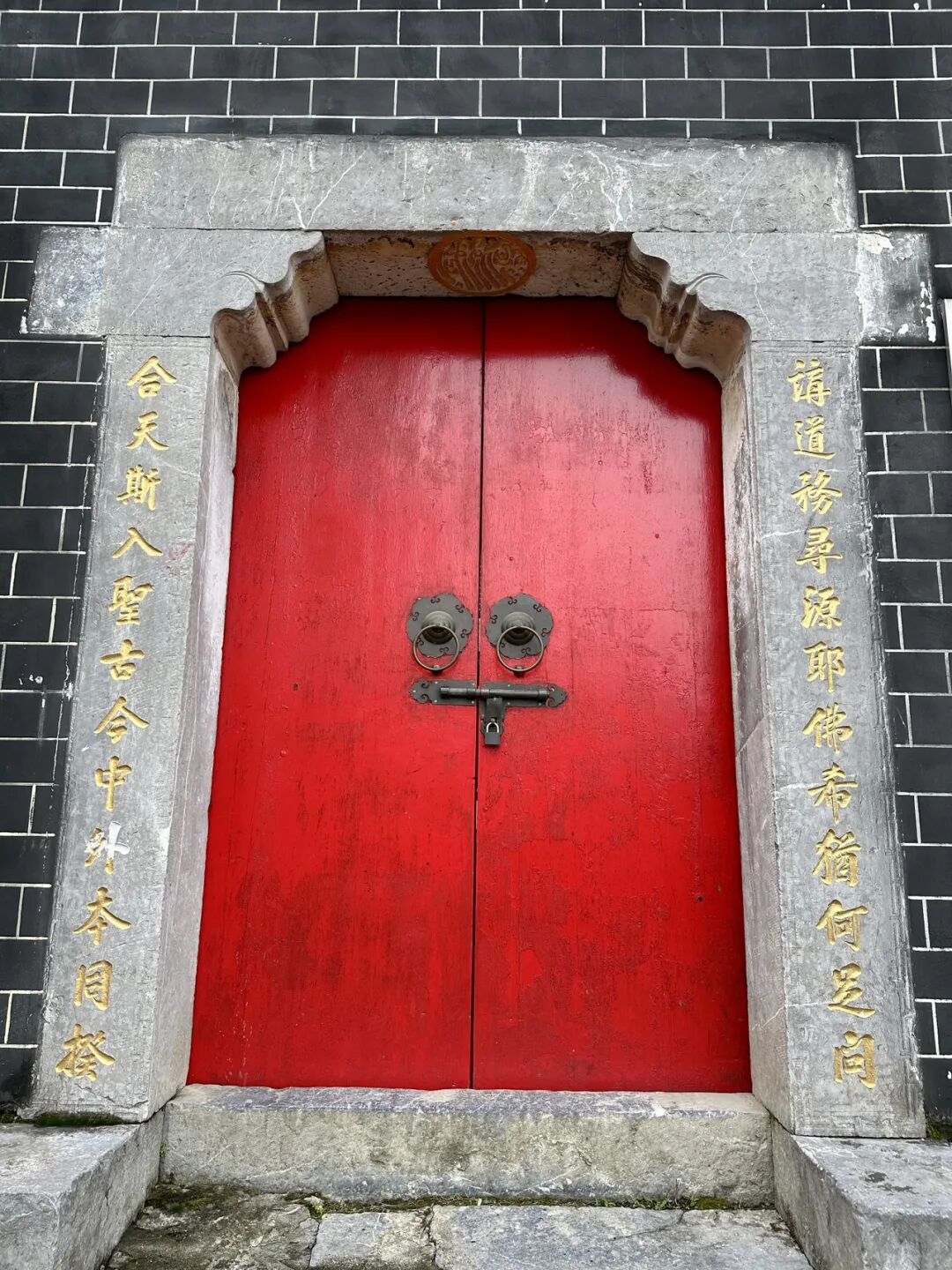
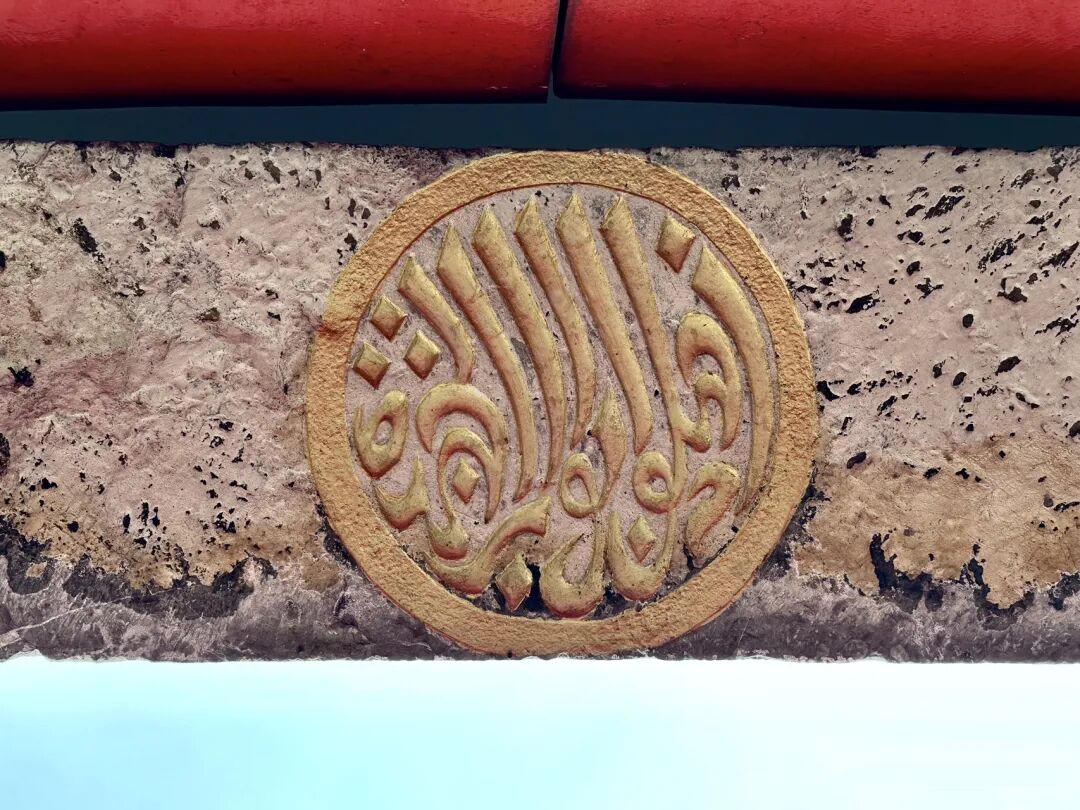
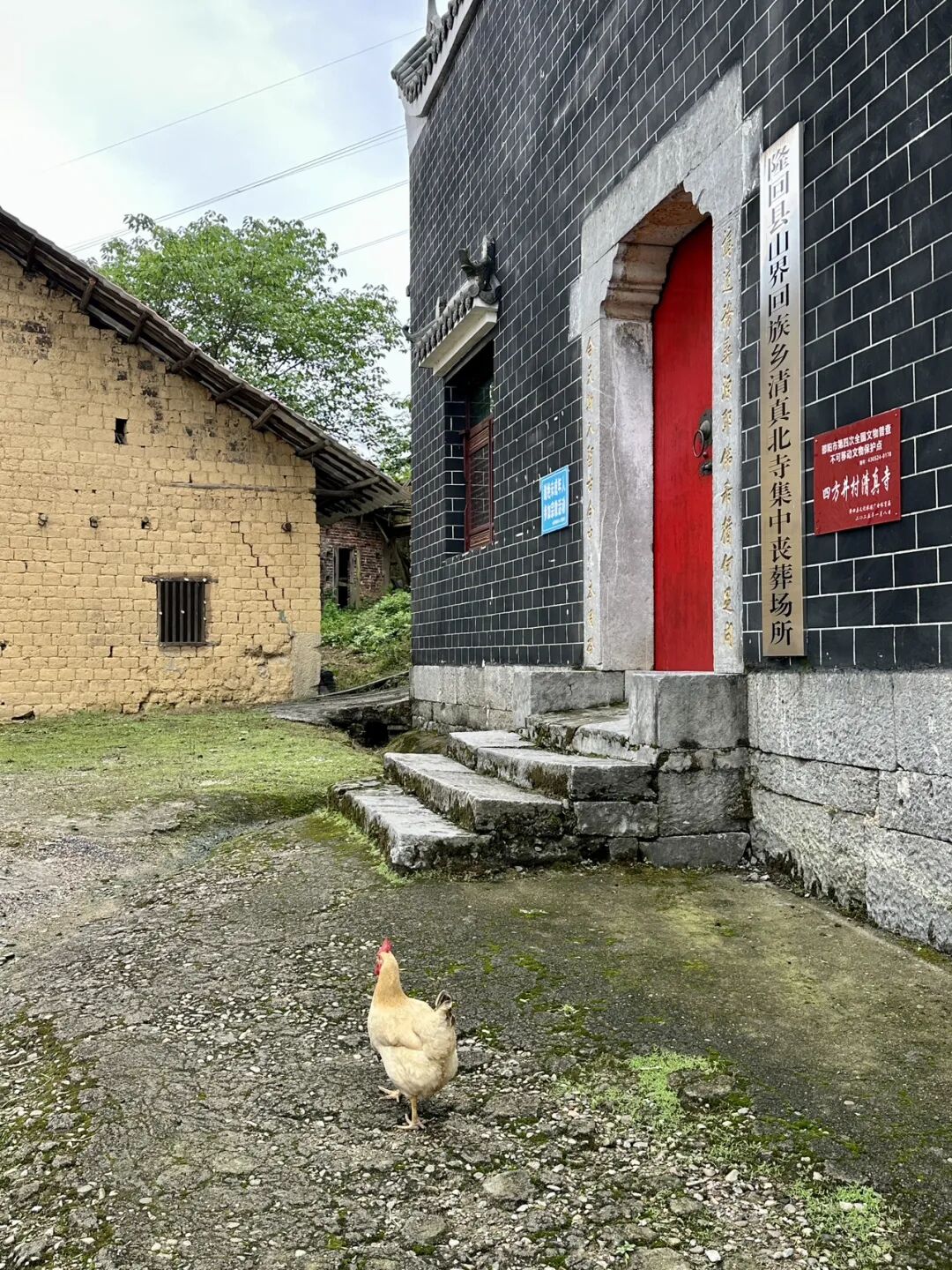
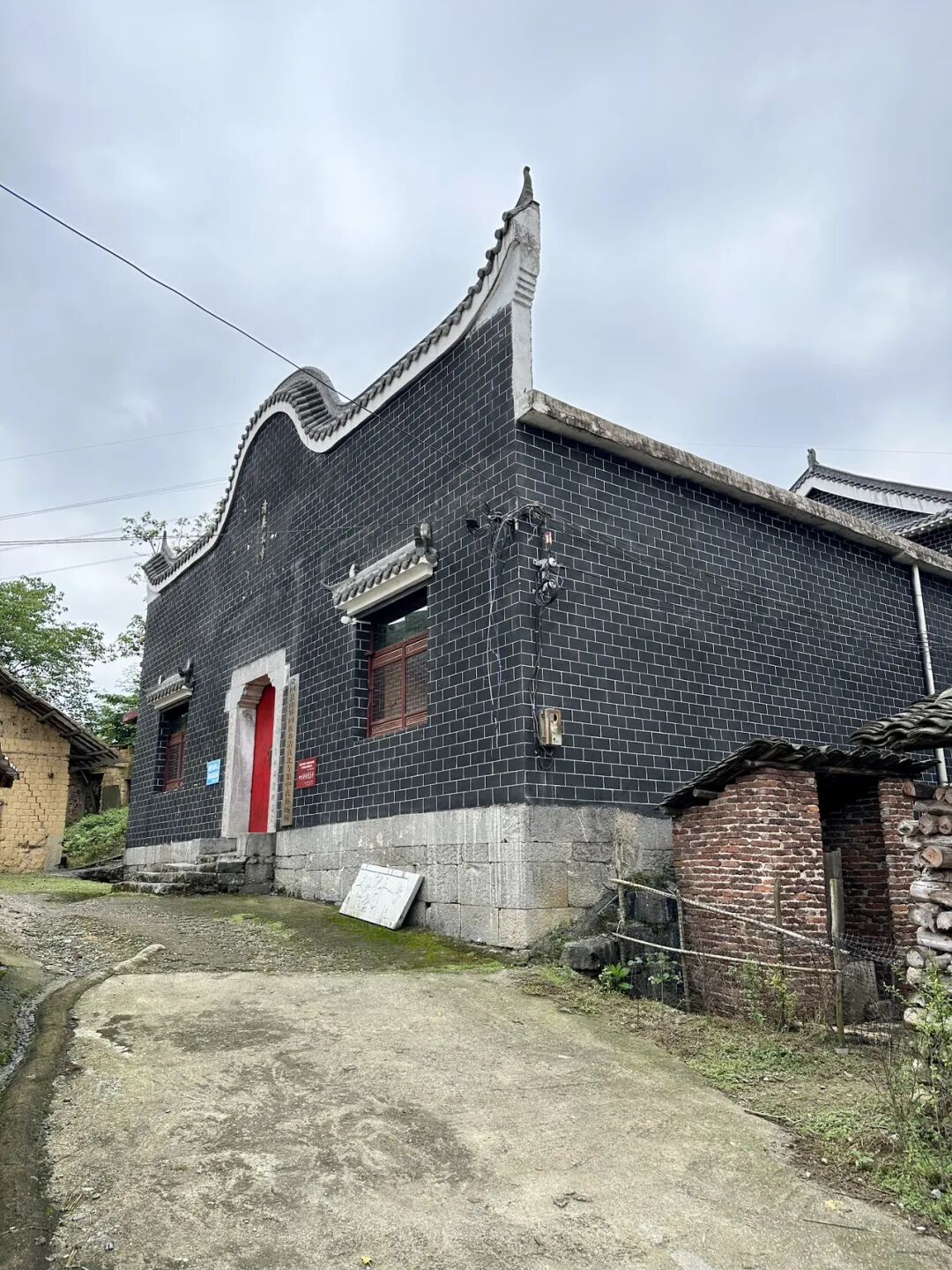
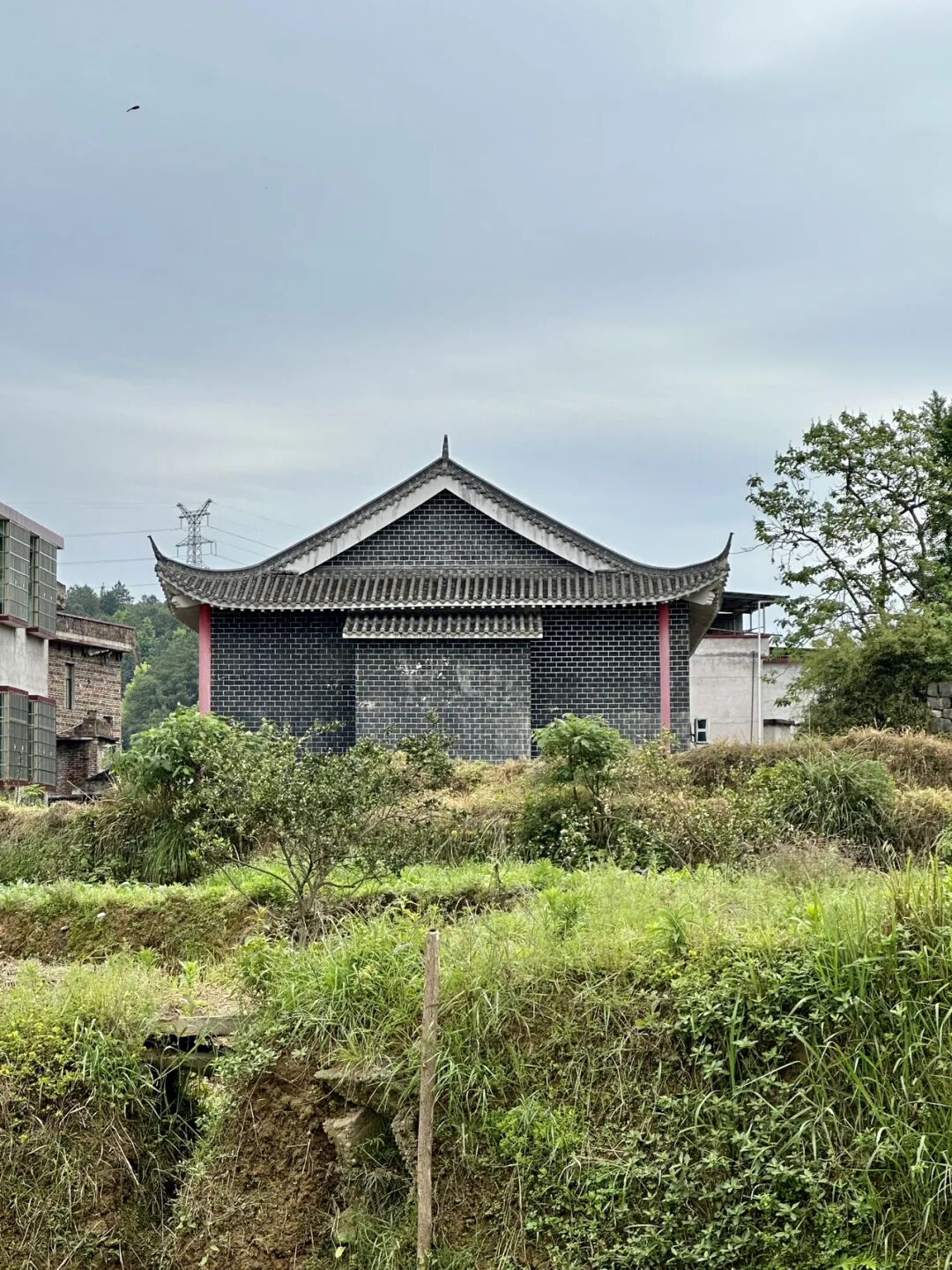
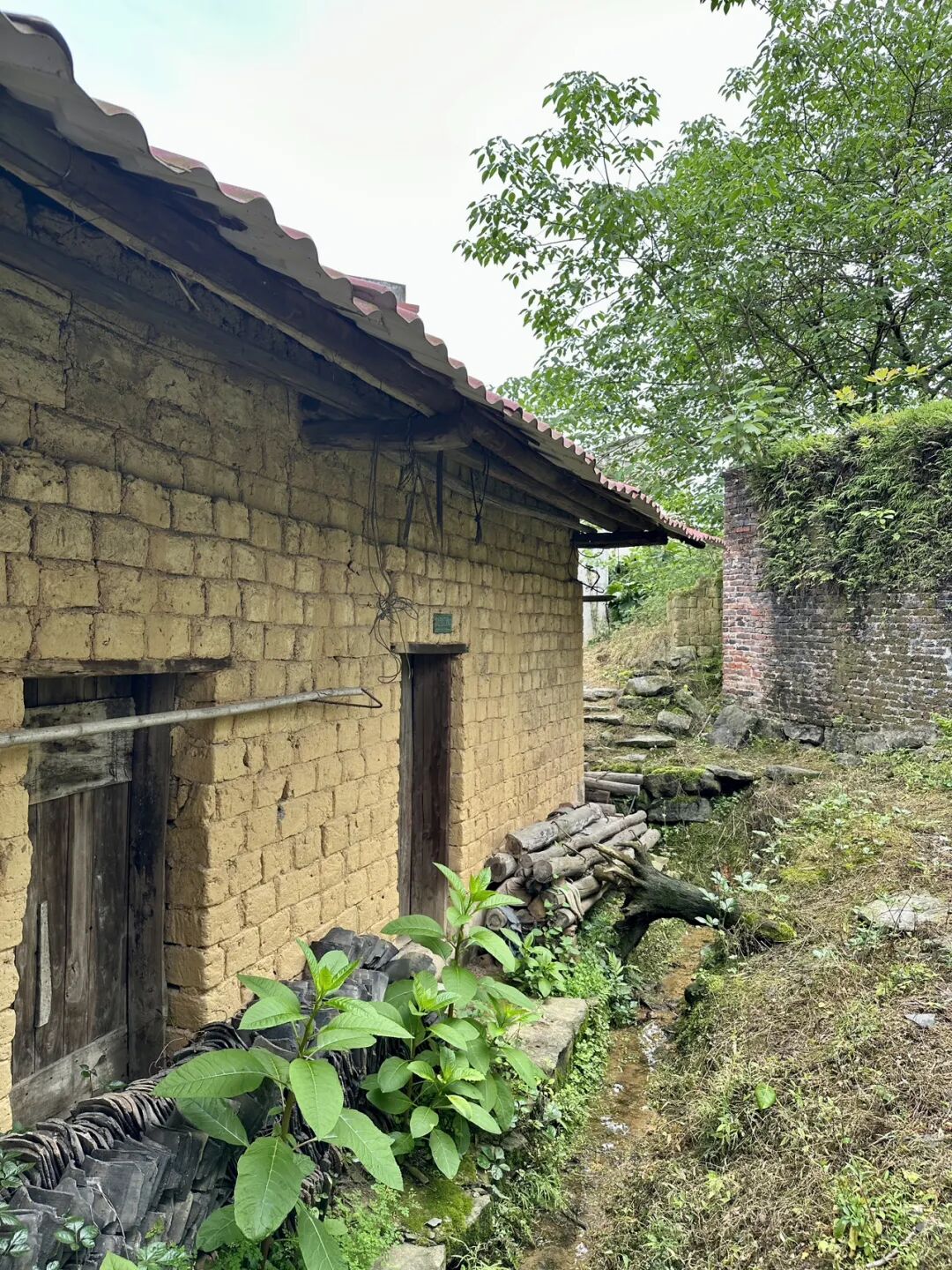 Collapse Read »
Summary: This China mosque travel guide covers eight historic mosque complexes in Longhui, Shaoyang, Hunan, with local Hui Muslim heritage and mosque travel details kept in clear English.
This article summarizes the key points about the eight mosques (sifang) in Longhui County, Shaoyang, Hunan. It keeps the original paragraph and image order. It is for readers interested in Muslim life, Islamic culture, and Chinese Islamic writing. It also helps people search for content like Chinese halal food.
Longhui County in Shaoyang City, Hunan, has a large population of Hui Muslims. I visited eight mosques there: Taohuaping Mosque, Shanjie Ancient Mosque, East Mosque, West Mosque, South Mosque, North Mosque, Luobai Mosque, and Niejiaoting Mosque. I will share them with you below.
Shanjie Ancient Mosque in Longhui County, Shaoyang, Hunan, is located in Laowuli, Shanjie Township. It was first built in 1444 (the ninth year of the Zhengtong reign of the Ming Dynasty) and is the oldest mosque in Longhui. During the Hongwu reign of the Ming Dynasty, Ma Zhi, the third son of Ma Cheng, the ancestor of the Ma family Hui Muslims in Shaoyang, moved from Shaoyang to Majia Ferry in Longhui to settle down. He was the first Hui Muslim in Longhui, and Shanjie Ancient Mosque was built by the Ma family.
Shanjie Ancient Mosque was renovated in 1919 and rebuilt into its current appearance in 2018.
Shanjie Ancient Mosque has a long tradition of teaching Islamic scripture. The head imams who have taught there include Ma Yulang, Ma Fujiu, Ma Fucheng, Ma Yucheng, Ma Yaochi, and Ding Zhenyi. They also hired imams from other places like Huang Xingxiang and Li Desheng. Ma Fucheng, an imam from this mosque, taught there for the longest time. In 1945, Imam Ma Yucheng taught at the ancient mosque and recruited many students (hailifan), marking the peak of the mosque's religious activities. To this day, the mosque continues its educational work and has trained many excellent young people.
On September 2, 1939, the Wugang County, Hunan branch of the China Islamic National Salvation Association was officially established at the mosque. The mosque's imam, Ma Fucheng, was elected as an officer. Inspired by the call to resist Japanese aggression and save the country, young Hui Muslims from the mosque, including Ma Qiyun, Ma Wuyang from the North Mosque, and Su Xingmin from Beishan, signed up for the army, took up arms, and headed to the front lines in East China.
Relics at Shanjie Ancient Mosque include stone pillar bases, wood carvings, and calligraphy of the mihrab in the kiln niche.
The stone couplet on the main gate reads: Clear the murky and promote the pure to follow the great path; preserve the truth and remove the false so that every generation has successors. The calligraphy was written by Ma Linyi, a Hui Muslim educator and Minister of Education in Shaoyang during the Republic of China. He is known as the Father of Northwest Education and the founder of modern Chinese Hui Muslim education.
Ma Linyi was born in Shaoyang, Hunan, in 1865. He passed the imperial examinations in 1902 and went to Japan on a government scholarship in 1904 to study teacher training. During that time, he met Sun Yat-sen, joined the Tongmenghui in 1905, and returned home to work on new government policies and modern education. In 1906, he founded Xiejin Primary School in Shaoyang, which was the first modern school for Hui Muslims in Hunan.
In 1908, he was transferred to the Qing government's Ministry of Education as a director. That same year, he helped establish the Beijing First Islamic Primary School inside the Niujie Mosque and later helped found the Islamic Education Association. While serving as Vice Minister of Education in 1912, Ma Linyi founded the Chinese Islamic Progressive Association with the support of Sun Yat-sen and served as its president.
While in charge of education in Gansu, Ma Linyi founded 277 schools of various types and set up the Gansu Islamic Education Promotion Office, spreading over a hundred Islamic primary schools across Gansu, Ningxia, and Qinghai. He selected over a hundred young people from the Northwest for government-funded study abroad, laying the foundation for modern basic education in the Northwest.
In 1928, Ma Linyi helped found the Islamic Middle School in Niujie and served as its vice chairman. In 1929, Ma Linyi became a board member of the Beiping Chengda Teachers' College. He actively updated the curriculum and improved teaching methods, helping Chengda develop into a modern school. In his later years, Ma Linyi devoted himself to the faith and served as an advisor to Wang Jingzhai for his translation of Islamic classics.
Shanjie East Mosque was first built in 1728 (the fifth year of the Yongzheng reign). The mosque has hired many imams over the years, including Su Yuebo, Ma Yulang, Ma Baochu, Zheng Liansheng, Ma Yuechi, Ma Yucheng, Tang Yuanqi, Hai Shiquan, Ma Chengyong, Ding Baohua, Ma Gen'ao, Ma Xiang'ao, and Ma Wuquan. Students from as far as Hainan and Guangxi came to study under the great imam Ma Yucheng in Gansu, and the local religious community was very prosperous.
It is a pity that the mosque was locked when I visited, so I could not go inside.
Shanjie West Mosque, also known as Jiajian Village Mosque, was first built in 1836 (the 16th year of the Daoguang reign). It was expanded during the Guangxu and Republic of China periods, and the local Hui Muslims there are surnamed Ma, Huang, and Zheng. The imams who have served at the mosque include Ma Chaoxin, Zheng Liansheng, Ma Daocheng, Ma Fucheng, and Ma Liangxu. The main hall of the West Mosque collapsed in 1991. It was being rebuilt when a flood destroyed it in 1996. After raising funds again, it was officially completed at the end of 1996 and renovated again in 2013.
The mosque houses a stone tablet from the 11th year of the Guangxu reign titled 'Record of Continued Mosque Repairs,' which lists the names of the donors at that time and serves as a precious historical record.
Shanjie North Mosque, also called Sifangjing Mosque, was first built in 1824 (the 4th year of the Daoguang reign), and the local Hui Muslims there are surnamed Ma. The main hall was destroyed after 1966. It was rebuilt in 1991 and again in 2000, with only the original stone gate pillars remaining. The pillars are carved with a couplet by the Republic of China educator Ma Linyi: 'To study the Way, one must seek the source; why ask about Jesus, Buddha, or the Greeks? To unite with Heaven is to enter the path of the sages; ancient and modern, Chinese and foreign, all share the same principle.'
Regrettably, the Shanjie North Mosque was also locked when I visited, and I could not enter.
Collapse Read »
China Mosque Travel Guide: Eight Historic Mosque Complexes in Longhui, Shaoyang, Hunan (Part 1 of 2)
Reposted from the web
Summary: This China mosque travel guide covers eight historic mosque complexes in Longhui, Shaoyang, Hunan, with local Hui Muslim heritage and mosque travel details kept in clear English.
This article summarizes the key points about the eight mosques (sifang) in Longhui County, Shaoyang, Hunan. It keeps the original paragraph and image order. It is for readers interested in Muslim life, Islamic culture, and Chinese Islamic writing. It also helps people search for content like Chinese halal food.
Longhui County in Shaoyang City, Hunan, has a large population of Hui Muslims. I visited eight mosques there: Taohuaping Mosque, Shanjie Ancient Mosque, East Mosque, West Mosque, South Mosque, North Mosque, Luobai Mosque, and Niejiaoting Mosque. I will share them with you below.
Shanjie Ancient Mosque in Longhui County, Shaoyang, Hunan, is located in Laowuli, Shanjie Township. It was first built in 1444 (the ninth year of the Zhengtong reign of the Ming Dynasty) and is the oldest mosque in Longhui. During the Hongwu reign of the Ming Dynasty, Ma Zhi, the third son of Ma Cheng, the ancestor of the Ma family Hui Muslims in Shaoyang, moved from Shaoyang to Majia Ferry in Longhui to settle down. He was the first Hui Muslim in Longhui, and Shanjie Ancient Mosque was built by the Ma family.
Shanjie Ancient Mosque was renovated in 1919 and rebuilt into its current appearance in 2018.
Shanjie Ancient Mosque has a long tradition of teaching Islamic scripture. The head imams who have taught there include Ma Yulang, Ma Fujiu, Ma Fucheng, Ma Yucheng, Ma Yaochi, and Ding Zhenyi. They also hired imams from other places like Huang Xingxiang and Li Desheng. Ma Fucheng, an imam from this mosque, taught there for the longest time. In 1945, Imam Ma Yucheng taught at the ancient mosque and recruited many students (hailifan), marking the peak of the mosque's religious activities. To this day, the mosque continues its educational work and has trained many excellent young people.
On September 2, 1939, the Wugang County, Hunan branch of the China Islamic National Salvation Association was officially established at the mosque. The mosque's imam, Ma Fucheng, was elected as an officer. Inspired by the call to resist Japanese aggression and save the country, young Hui Muslims from the mosque, including Ma Qiyun, Ma Wuyang from the North Mosque, and Su Xingmin from Beishan, signed up for the army, took up arms, and headed to the front lines in East China.
Relics at Shanjie Ancient Mosque include stone pillar bases, wood carvings, and calligraphy of the mihrab in the kiln niche.
The stone couplet on the main gate reads: Clear the murky and promote the pure to follow the great path; preserve the truth and remove the false so that every generation has successors. The calligraphy was written by Ma Linyi, a Hui Muslim educator and Minister of Education in Shaoyang during the Republic of China. He is known as the Father of Northwest Education and the founder of modern Chinese Hui Muslim education.
Ma Linyi was born in Shaoyang, Hunan, in 1865. He passed the imperial examinations in 1902 and went to Japan on a government scholarship in 1904 to study teacher training. During that time, he met Sun Yat-sen, joined the Tongmenghui in 1905, and returned home to work on new government policies and modern education. In 1906, he founded Xiejin Primary School in Shaoyang, which was the first modern school for Hui Muslims in Hunan.
In 1908, he was transferred to the Qing government's Ministry of Education as a director. That same year, he helped establish the Beijing First Islamic Primary School inside the Niujie Mosque and later helped found the Islamic Education Association. While serving as Vice Minister of Education in 1912, Ma Linyi founded the Chinese Islamic Progressive Association with the support of Sun Yat-sen and served as its president.
While in charge of education in Gansu, Ma Linyi founded 277 schools of various types and set up the Gansu Islamic Education Promotion Office, spreading over a hundred Islamic primary schools across Gansu, Ningxia, and Qinghai. He selected over a hundred young people from the Northwest for government-funded study abroad, laying the foundation for modern basic education in the Northwest.
In 1928, Ma Linyi helped found the Islamic Middle School in Niujie and served as its vice chairman. In 1929, Ma Linyi became a board member of the Beiping Chengda Teachers' College. He actively updated the curriculum and improved teaching methods, helping Chengda develop into a modern school. In his later years, Ma Linyi devoted himself to the faith and served as an advisor to Wang Jingzhai for his translation of Islamic classics.
Shanjie East Mosque was first built in 1728 (the fifth year of the Yongzheng reign). The mosque has hired many imams over the years, including Su Yuebo, Ma Yulang, Ma Baochu, Zheng Liansheng, Ma Yuechi, Ma Yucheng, Tang Yuanqi, Hai Shiquan, Ma Chengyong, Ding Baohua, Ma Gen'ao, Ma Xiang'ao, and Ma Wuquan. Students from as far as Hainan and Guangxi came to study under the great imam Ma Yucheng in Gansu, and the local religious community was very prosperous.
It is a pity that the mosque was locked when I visited, so I could not go inside.
Shanjie West Mosque, also known as Jiajian Village Mosque, was first built in 1836 (the 16th year of the Daoguang reign). It was expanded during the Guangxu and Republic of China periods, and the local Hui Muslims there are surnamed Ma, Huang, and Zheng. The imams who have served at the mosque include Ma Chaoxin, Zheng Liansheng, Ma Daocheng, Ma Fucheng, and Ma Liangxu. The main hall of the West Mosque collapsed in 1991. It was being rebuilt when a flood destroyed it in 1996. After raising funds again, it was officially completed at the end of 1996 and renovated again in 2013.
The mosque houses a stone tablet from the 11th year of the Guangxu reign titled 'Record of Continued Mosque Repairs,' which lists the names of the donors at that time and serves as a precious historical record.
Shanjie North Mosque, also called Sifangjing Mosque, was first built in 1824 (the 4th year of the Daoguang reign), and the local Hui Muslims there are surnamed Ma. The main hall was destroyed after 1966. It was rebuilt in 1991 and again in 2000, with only the original stone gate pillars remaining. The pillars are carved with a couplet by the Republic of China educator Ma Linyi: 'To study the Way, one must seek the source; why ask about Jesus, Buddha, or the Greeks? To unite with Heaven is to enter the path of the sages; ancient and modern, Chinese and foreign, all share the same principle.'
Regrettably, the Shanjie North Mosque was also locked when I visited, and I could not enter.
Collapse Read »
Summary: This China mosque travel guide covers eight historic mosque complexes in Longhui, Shaoyang, Hunan, with local Hui Muslim heritage and mosque travel details kept in clear English.
This article summarizes the key points about the eight mosques (sifang) in Longhui County, Shaoyang, Hunan. It keeps the original paragraph and image order. It is for readers interested in Muslim life, Islamic culture, and Chinese Islamic writing. It also helps people search for content like Chinese halal food.
Longhui County in Shaoyang City, Hunan, has a large population of Hui Muslims. I visited eight mosques there: Taohuaping Mosque, Shanjie Ancient Mosque, East Mosque, West Mosque, South Mosque, North Mosque, Luobai Mosque, and Niejiaoting Mosque. I will share them with you below.
Shanjie Ancient Mosque in Longhui County, Shaoyang, Hunan, is located in Laowuli, Shanjie Township. It was first built in 1444 (the ninth year of the Zhengtong reign of the Ming Dynasty) and is the oldest mosque in Longhui. During the Hongwu reign of the Ming Dynasty, Ma Zhi, the third son of Ma Cheng, the ancestor of the Ma family Hui Muslims in Shaoyang, moved from Shaoyang to Majia Ferry in Longhui to settle down. He was the first Hui Muslim in Longhui, and Shanjie Ancient Mosque was built by the Ma family.
Shanjie Ancient Mosque was renovated in 1919 and rebuilt into its current appearance in 2018.
Shanjie Ancient Mosque has a long tradition of teaching Islamic scripture. The head imams who have taught there include Ma Yulang, Ma Fujiu, Ma Fucheng, Ma Yucheng, Ma Yaochi, and Ding Zhenyi. They also hired imams from other places like Huang Xingxiang and Li Desheng. Ma Fucheng, an imam from this mosque, taught there for the longest time. In 1945, Imam Ma Yucheng taught at the ancient mosque and recruited many students (hailifan), marking the peak of the mosque's religious activities. To this day, the mosque continues its educational work and has trained many excellent young people.
On September 2, 1939, the Wugang County, Hunan branch of the China Islamic National Salvation Association was officially established at the mosque. The mosque's imam, Ma Fucheng, was elected as an officer. Inspired by the call to resist Japanese aggression and save the country, young Hui Muslims from the mosque, including Ma Qiyun, Ma Wuyang from the North Mosque, and Su Xingmin from Beishan, signed up for the army, took up arms, and headed to the front lines in East China.
Relics at Shanjie Ancient Mosque include stone pillar bases, wood carvings, and calligraphy of the mihrab in the kiln niche.
The stone couplet on the main gate reads: Clear the murky and promote the pure to follow the great path; preserve the truth and remove the false so that every generation has successors. The calligraphy was written by Ma Linyi, a Hui Muslim educator and Minister of Education in Shaoyang during the Republic of China. He is known as the Father of Northwest Education and the founder of modern Chinese Hui Muslim education.
Ma Linyi was born in Shaoyang, Hunan, in 1865. He passed the imperial examinations in 1902 and went to Japan on a government scholarship in 1904 to study teacher training. During that time, he met Sun Yat-sen, joined the Tongmenghui in 1905, and returned home to work on new government policies and modern education. In 1906, he founded Xiejin Primary School in Shaoyang, which was the first modern school for Hui Muslims in Hunan.
In 1908, he was transferred to the Qing government's Ministry of Education as a director. That same year, he helped establish the Beijing First Islamic Primary School inside the Niujie Mosque and later helped found the Islamic Education Association. While serving as Vice Minister of Education in 1912, Ma Linyi founded the Chinese Islamic Progressive Association with the support of Sun Yat-sen and served as its president.
While in charge of education in Gansu, Ma Linyi founded 277 schools of various types and set up the Gansu Islamic Education Promotion Office, spreading over a hundred Islamic primary schools across Gansu, Ningxia, and Qinghai. He selected over a hundred young people from the Northwest for government-funded study abroad, laying the foundation for modern basic education in the Northwest.
In 1928, Ma Linyi helped found the Islamic Middle School in Niujie and served as its vice chairman. In 1929, Ma Linyi became a board member of the Beiping Chengda Teachers' College. He actively updated the curriculum and improved teaching methods, helping Chengda develop into a modern school. In his later years, Ma Linyi devoted himself to the faith and served as an advisor to Wang Jingzhai for his translation of Islamic classics.
Shanjie East Mosque was first built in 1728 (the fifth year of the Yongzheng reign). The mosque has hired many imams over the years, including Su Yuebo, Ma Yulang, Ma Baochu, Zheng Liansheng, Ma Yuechi, Ma Yucheng, Tang Yuanqi, Hai Shiquan, Ma Chengyong, Ding Baohua, Ma Gen'ao, Ma Xiang'ao, and Ma Wuquan. Students from as far as Hainan and Guangxi came to study under the great imam Ma Yucheng in Gansu, and the local religious community was very prosperous.
It is a pity that the mosque was locked when I visited, so I could not go inside.
Shanjie West Mosque, also known as Jiajian Village Mosque, was first built in 1836 (the 16th year of the Daoguang reign). It was expanded during the Guangxu and Republic of China periods, and the local Hui Muslims there are surnamed Ma, Huang, and Zheng. The imams who have served at the mosque include Ma Chaoxin, Zheng Liansheng, Ma Daocheng, Ma Fucheng, and Ma Liangxu. The main hall of the West Mosque collapsed in 1991. It was being rebuilt when a flood destroyed it in 1996. After raising funds again, it was officially completed at the end of 1996 and renovated again in 2013.
The mosque houses a stone tablet from the 11th year of the Guangxu reign titled 'Record of Continued Mosque Repairs,' which lists the names of the donors at that time and serves as a precious historical record.
Shanjie North Mosque, also called Sifangjing Mosque, was first built in 1824 (the 4th year of the Daoguang reign), and the local Hui Muslims there are surnamed Ma. The main hall was destroyed after 1966. It was rebuilt in 1991 and again in 2000, with only the original stone gate pillars remaining. The pillars are carved with a couplet by the Republic of China educator Ma Linyi: 'To study the Way, one must seek the source; why ask about Jesus, Buddha, or the Greeks? To unite with Heaven is to enter the path of the sages; ancient and modern, Chinese and foreign, all share the same principle.'
Regrettably, the Shanjie North Mosque was also locked when I visited, and I could not enter.
Collapse Read »
Best Halal Restaurants in Beijing: 10 Local Muslim Food Spots Worth Trying
Reposted from the web
Summary: This guide to the best halal restaurants in Beijing keeps the original list of local Muslim food spots, Hui Muslim food, and practical halal dining details.
This article summarizes the key points of '10 Halal Restaurants in Beijing Worth Trying (Part 9),' keeping the original paragraph and image order. It is for readers interested in Muslim life, Islamic culture, and Chinese Islamic articles, and makes it easy to search for topics like Uyghur culture, marriage and family, and the ninth installment.
The list includes Shunhexiang Harbin-style stir-fry in Tongzhou, Fenghong Old Beijing Flavor in Changping, Aidamu Xinjiang street barbecue in Shilihe, Ruilin Azerbaijani restaurant near Ritan, Yilan Liyuan American-style burgers on Niujie, Guxiangzhai Tianjin-style shaved ice in Hufangqiao, Niujie's Big Green Bag stinky tofu, Zafran Pakistani restaurant in Xinyuanli, Jinfang Snack Bar in Dongdaqiao, and Ali & Wang's rotating kebab in Sanlitun.
I heard that the Harbin Hui Muslim stir-fry restaurant Shunhexiang opened in Beijing's Tongzhou sub-center, so I came to try it out for dinner. The restaurant is located in a new residential complex along the Grand Canal in Tongzhou. The environment is great, and the private room's turntable is button-controlled, making it easy to reach the dishes.
They specialize in Heilongjiang Hui Muslim cuisine and have also added some southern Chinese dishes to their menu. We ordered the savory sweet and sour pork (guobaorou), sauerkraut beef rib stew, colorful starch noodles (dalapi), stir-fried lily bulbs with bamboo shoots, and beef steamed dumplings (shaomai). The best of these was the steamed dumplings. The skin was thin and chewy, and the filling was fragrant and not greasy. I think they are better than the other Hui Muslim steamed dumplings currently in Beijing. The sweet and sour pork had a good texture and wasn't fried too hard. I think it's better than another Heilongjiang Hui Muslim restaurant in Beijing. The sauerkraut tasted great, but there was very little beef, and there were very few lily bulbs in the lily bulb and bamboo shoot dish. Overall, the restaurant is definitely worth a visit. The biggest problem is that it is too far from the city center, almost reaching Hebei. It is best suited for those driving there or people working in the sub-center.
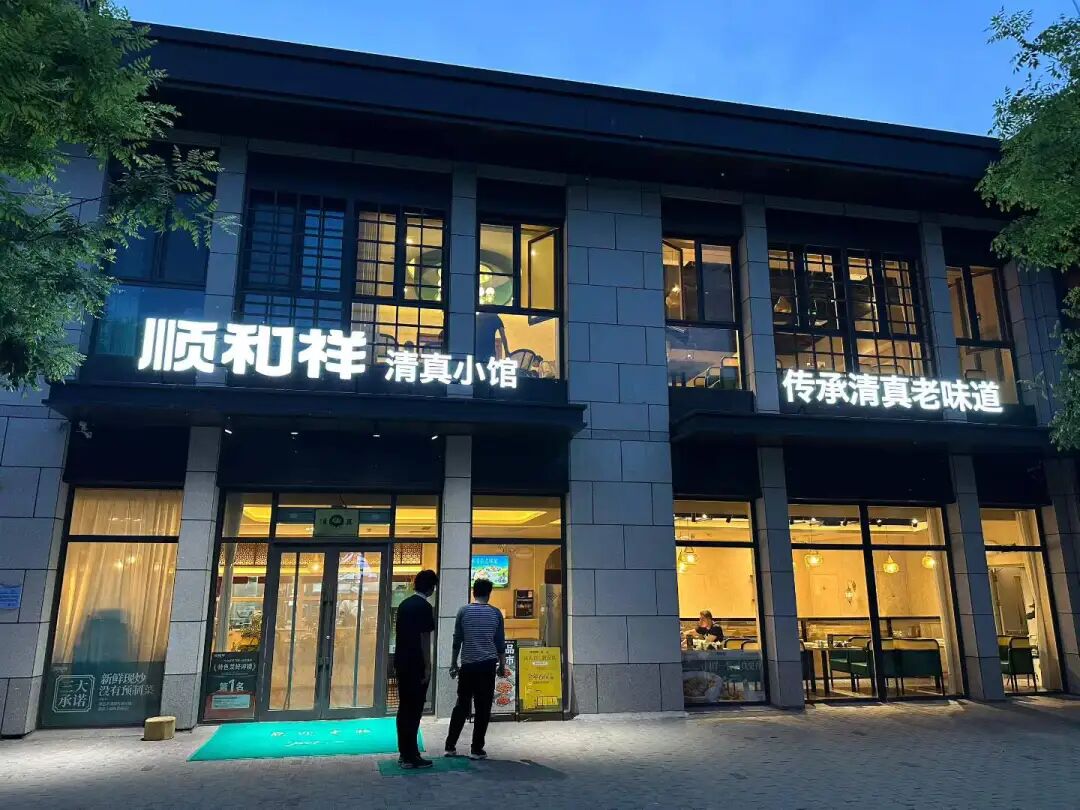
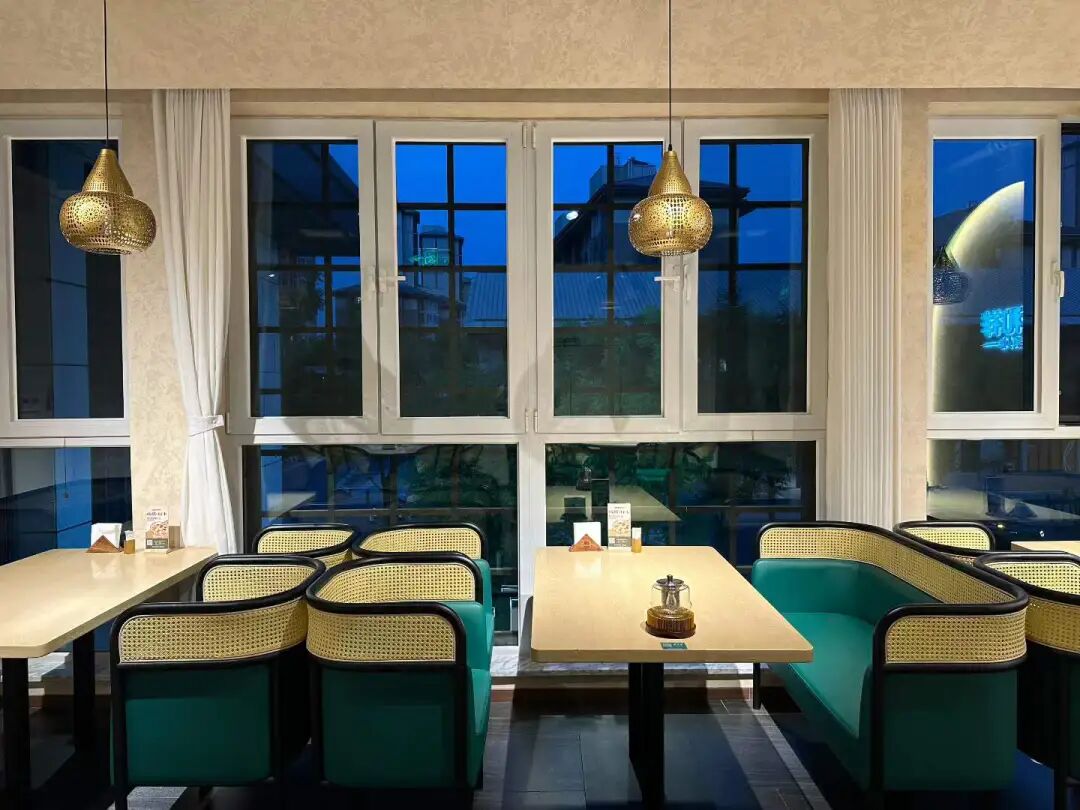
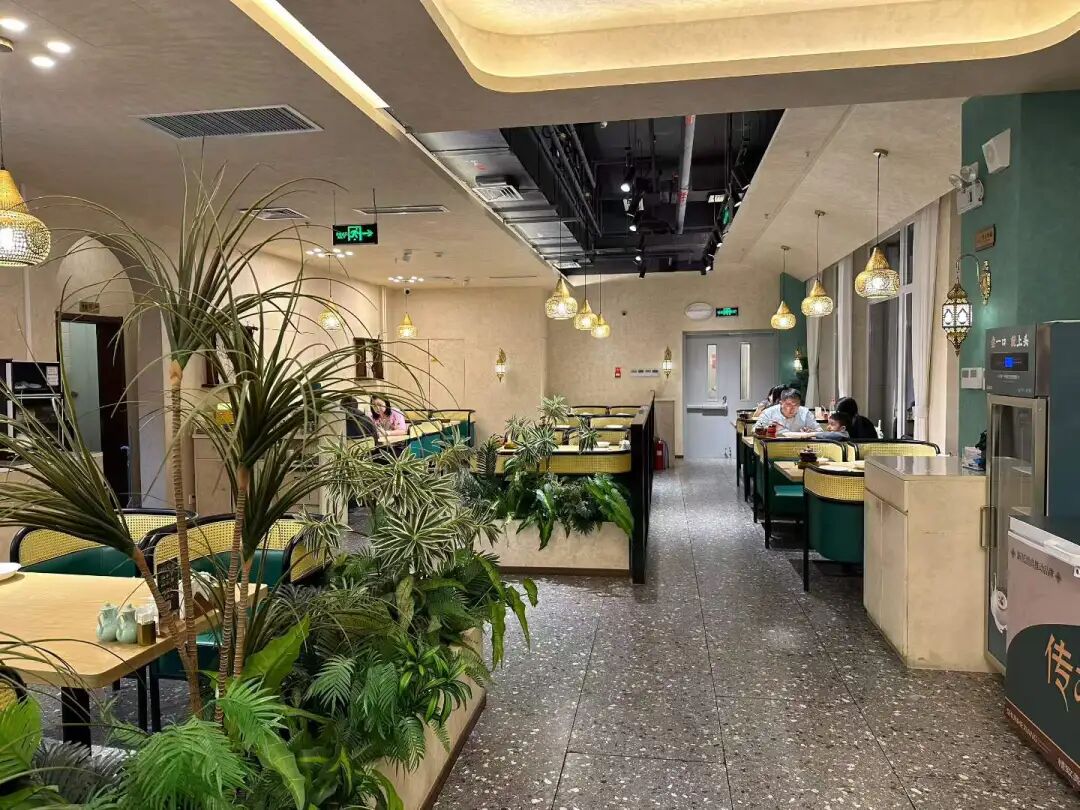
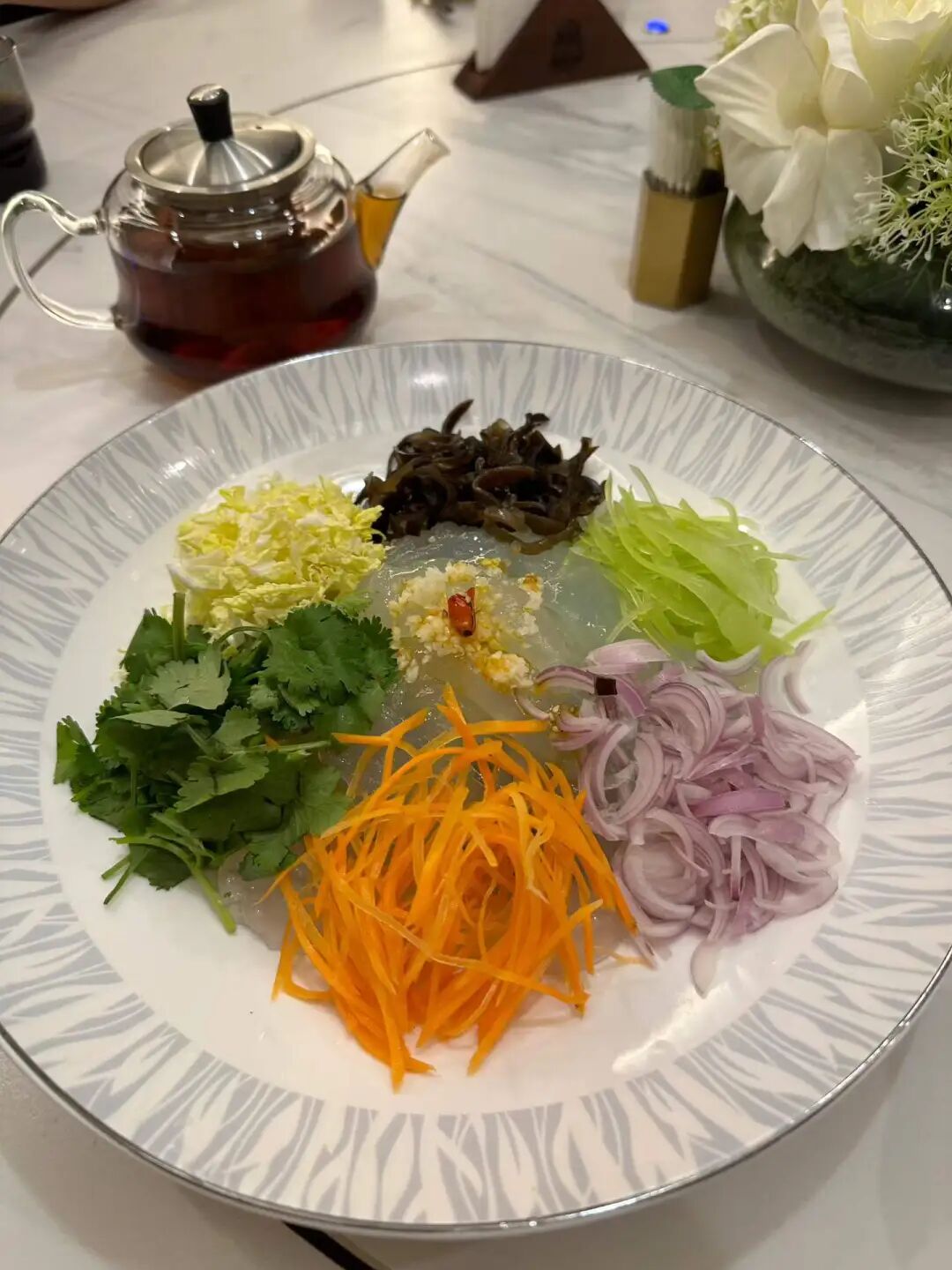
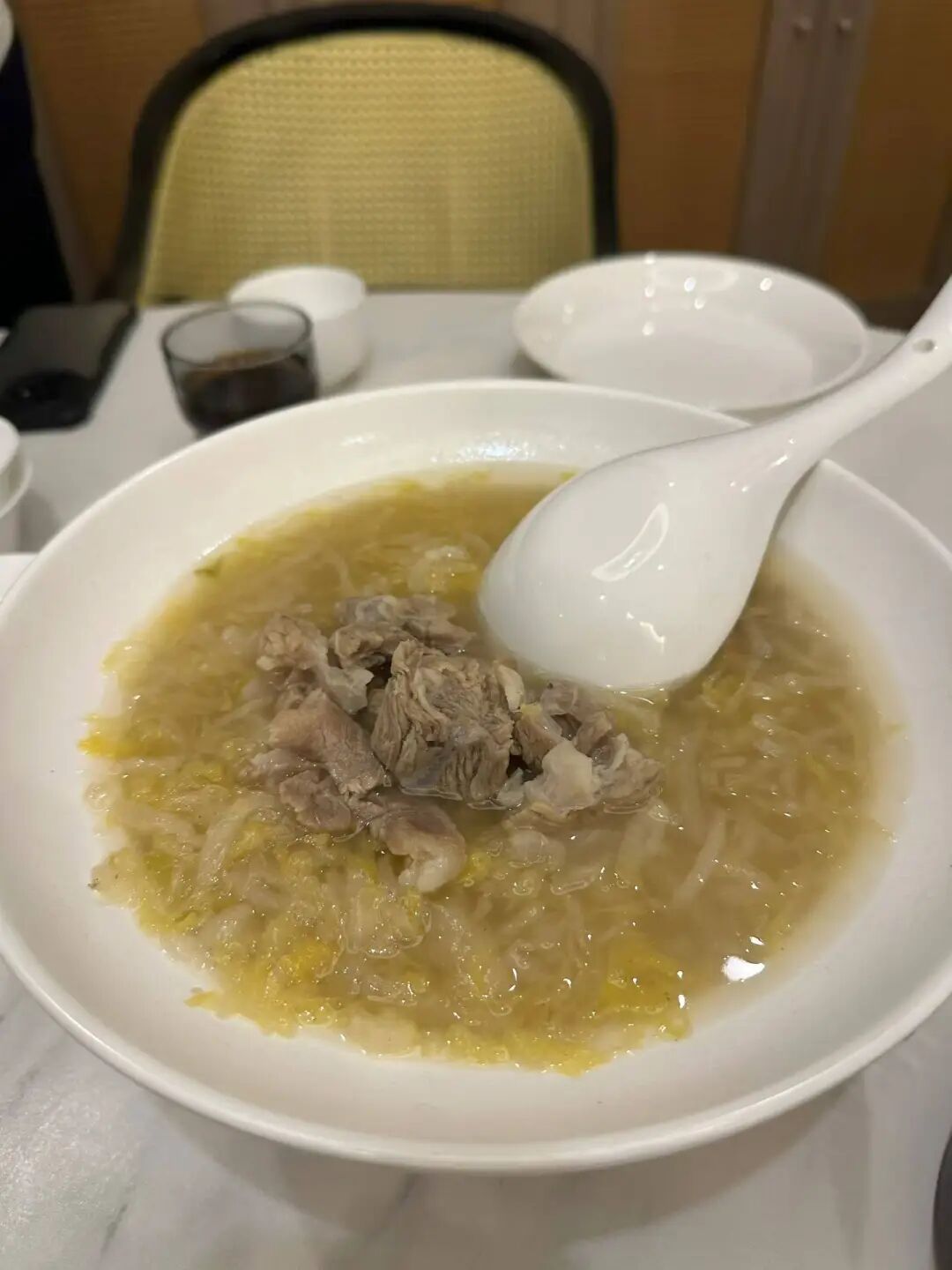
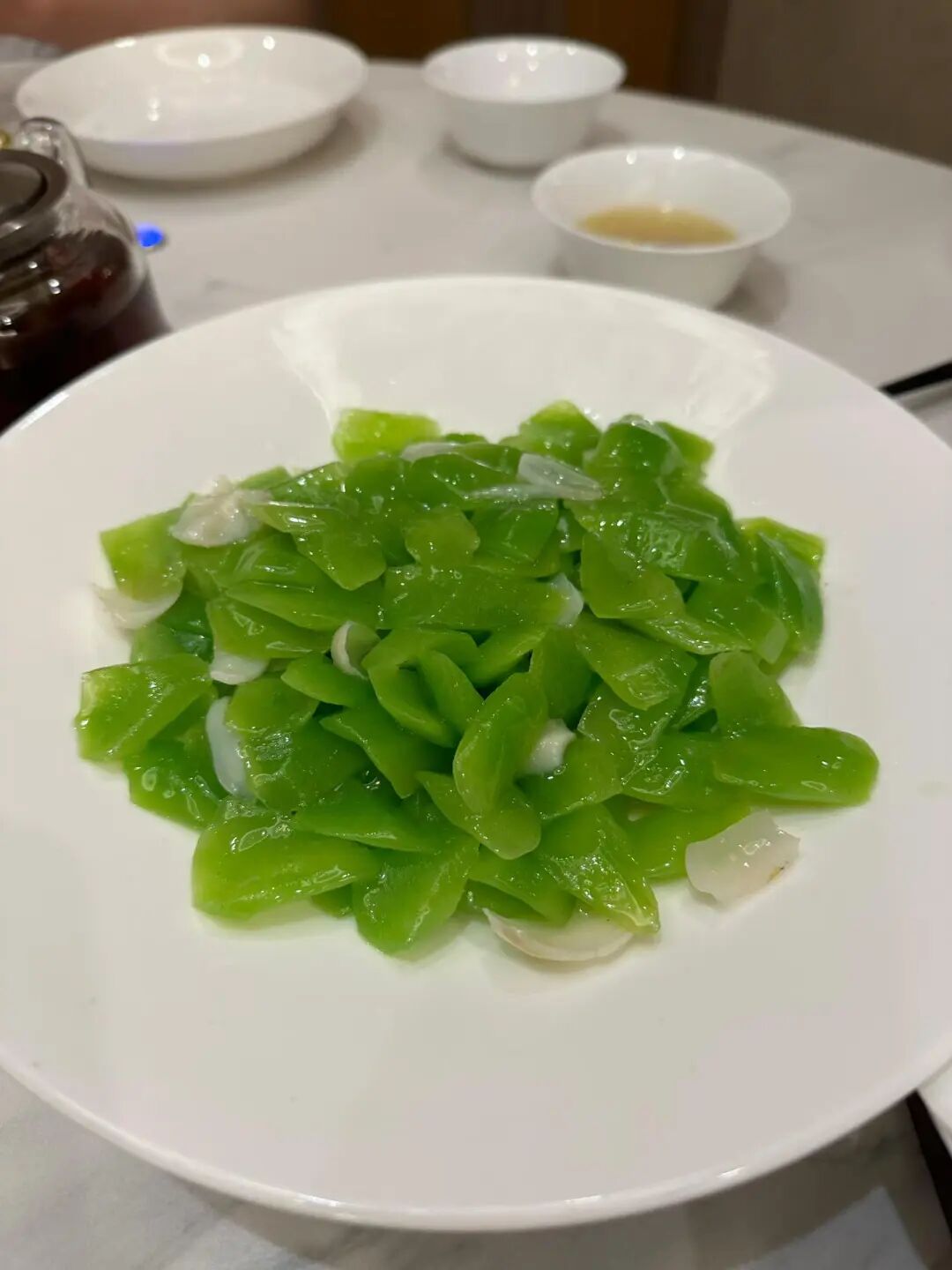
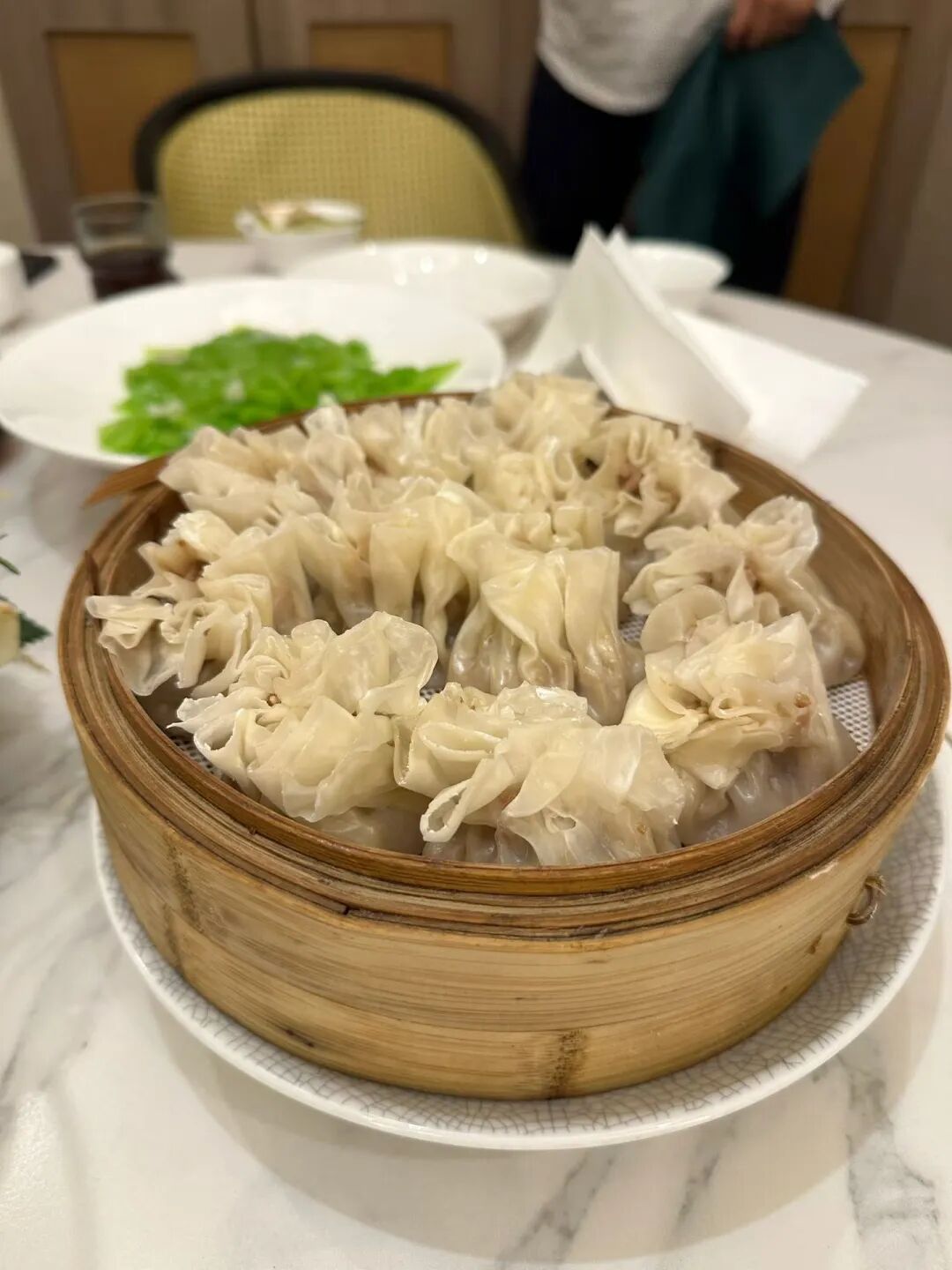
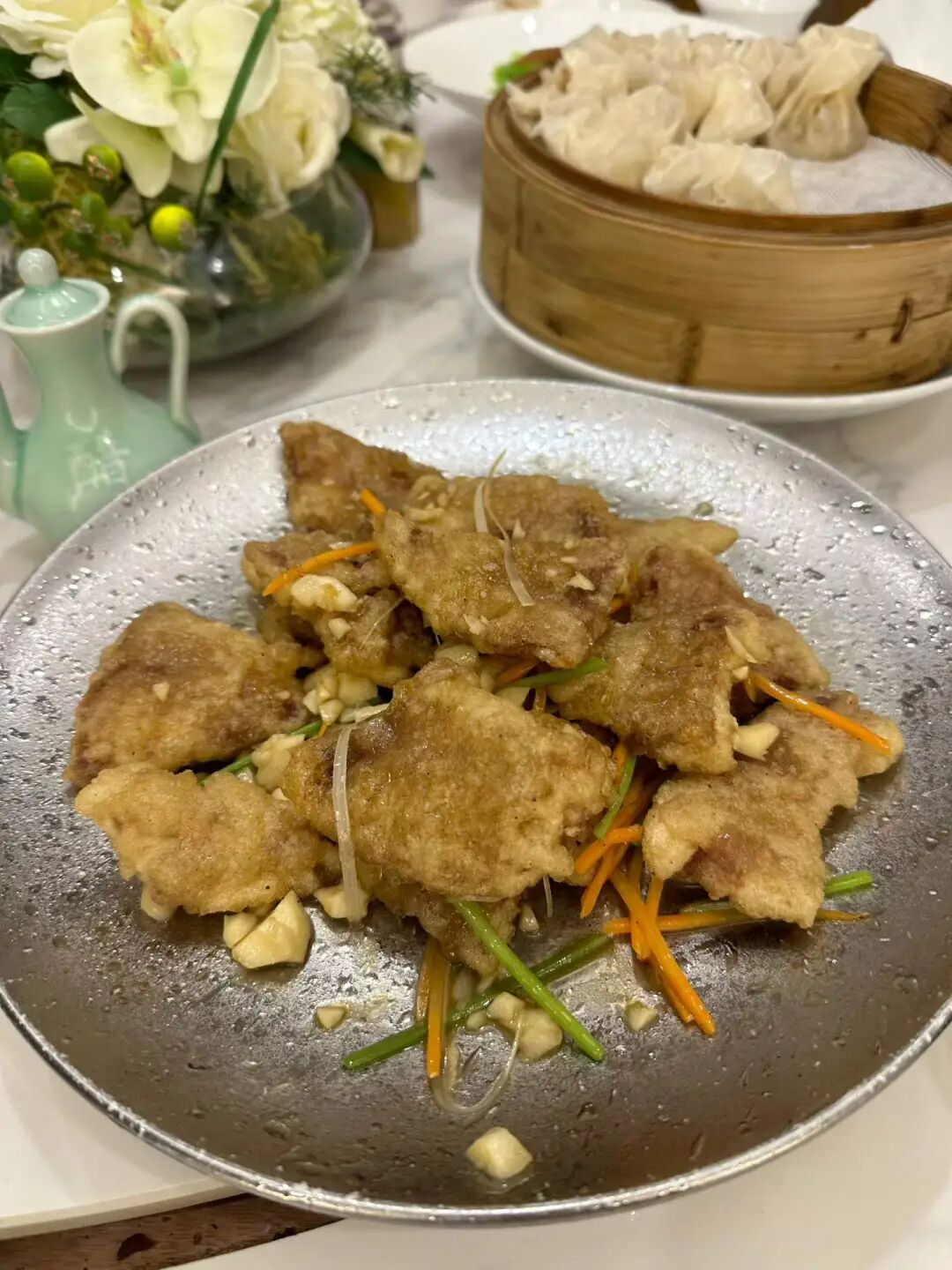
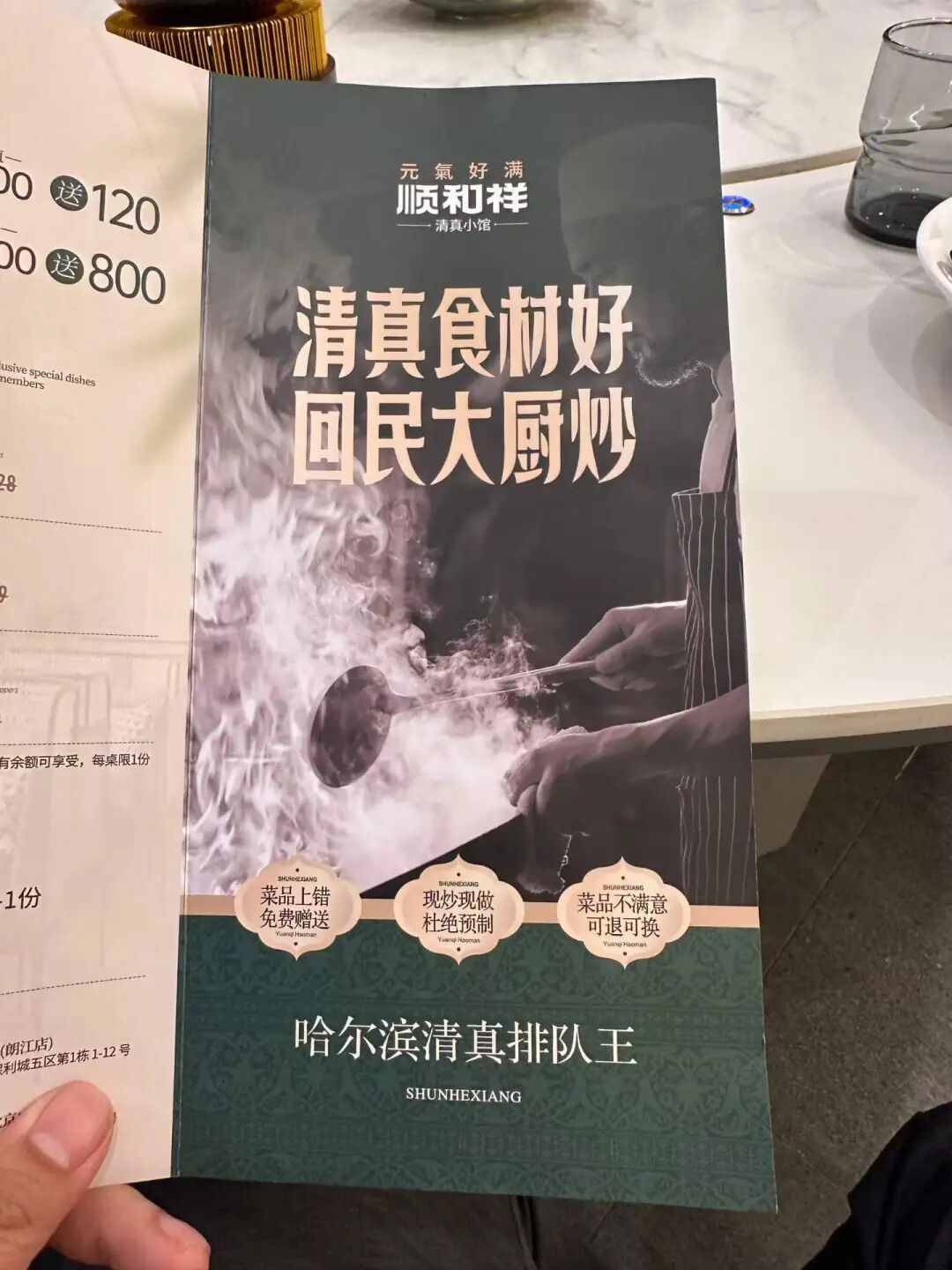
On Sunday, I was in Changping and had Beijing-style food for lunch at Fenghong Old Beijing Flavor in Xiaotangshan.
We ordered the three-person set meal, which included half a roast duck, grilled meat on a round iron plate (zhizi kaorou), stir-fried mixed vegetables (chao hecai), and duck frame tofu soup. This three-person set is a great value, and we were stuffed after finishing it. The duck tasted good, and the kids really liked it. The portion of stir-fried mixed vegetables (chao hecai) was huge, and it tasted great too.
The grilled meat on a round iron plate (zhizi kaorou) was a hit with both the Xinjiang and Hunan people at our table; the meat was tender but still had a nice chew. However, it must have been pre-marinated because it was spicy and couldn't be made mild, so the kids couldn't eat it. Duck frame soup is a must-have with roast duck; it was very savory and we couldn't stop drinking it.
Besides roast duck, they also serve traditional Hui Muslims' eight big bowls (badawan). If you are visiting Changping, you should come here to eat. They don't close in the afternoon, so it is perfect for a late meal after sightseeing.
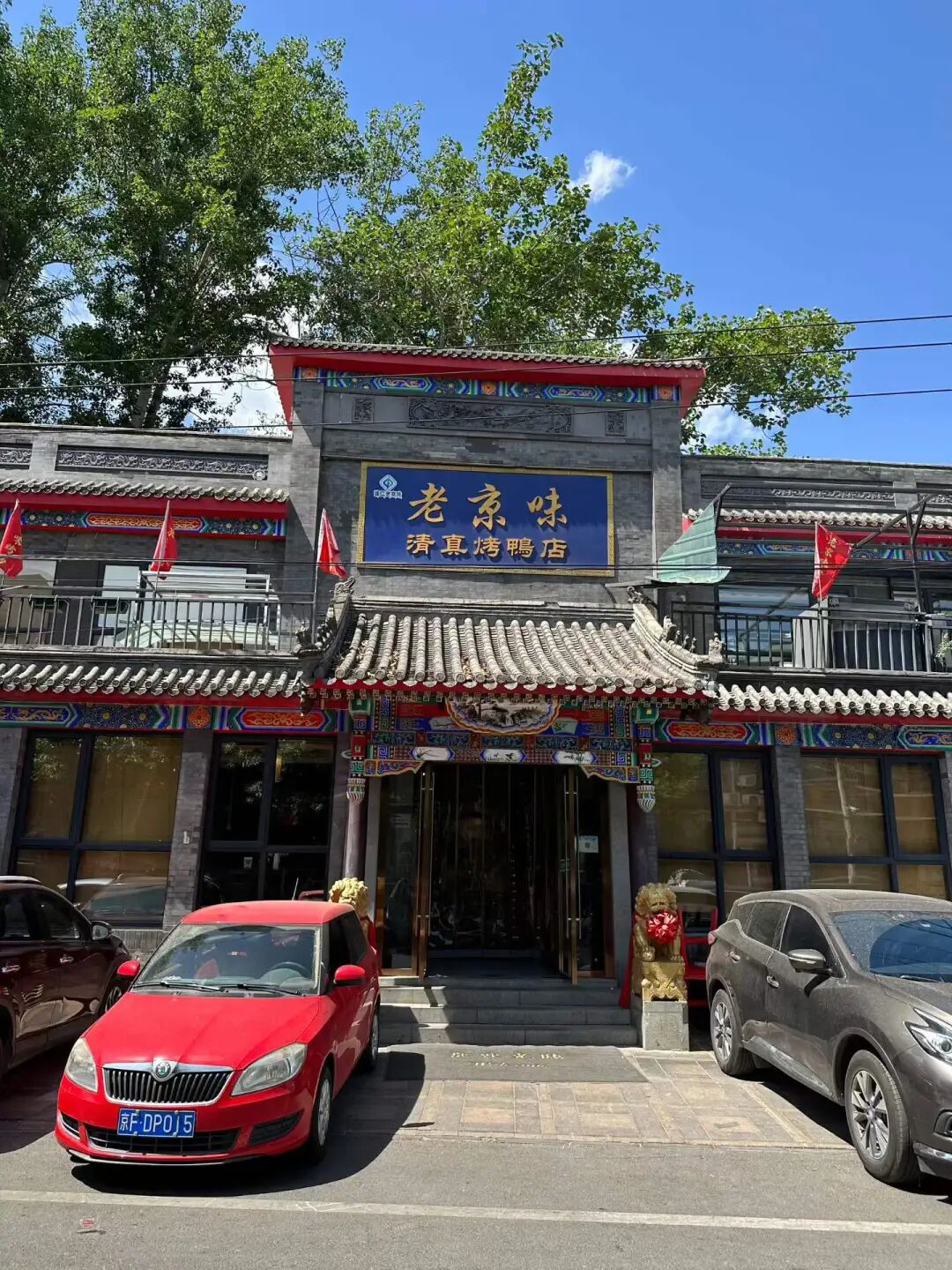
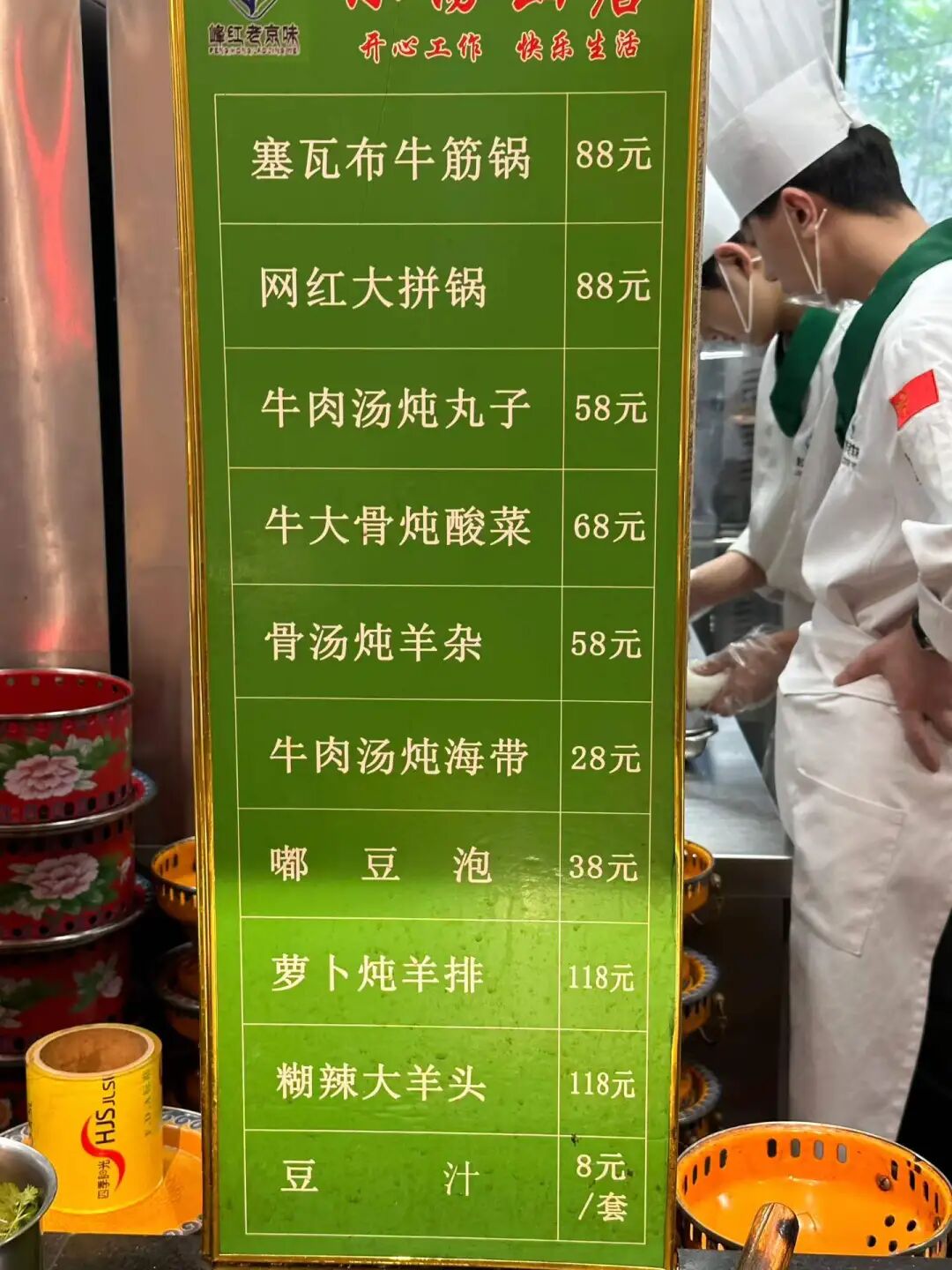
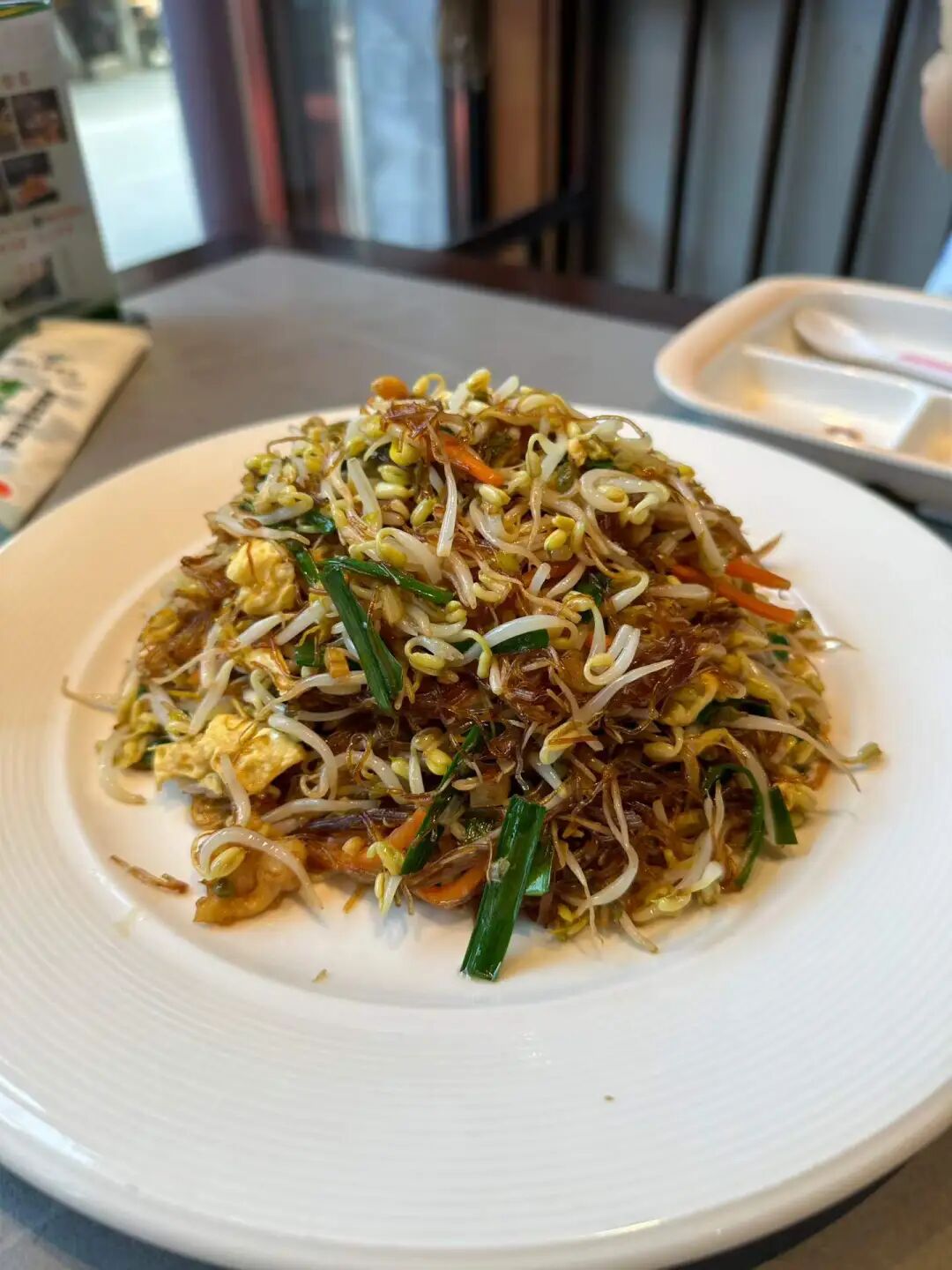
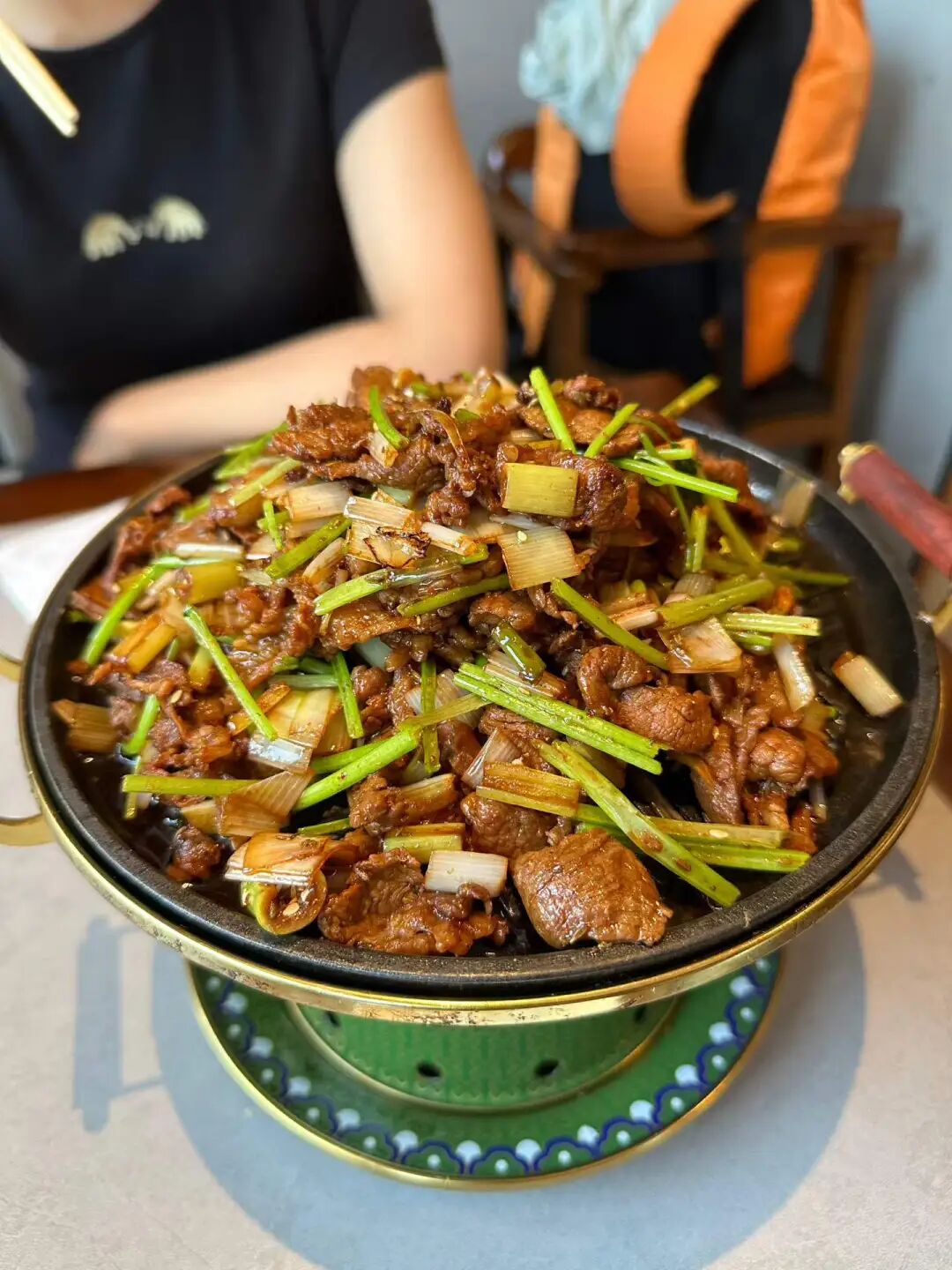
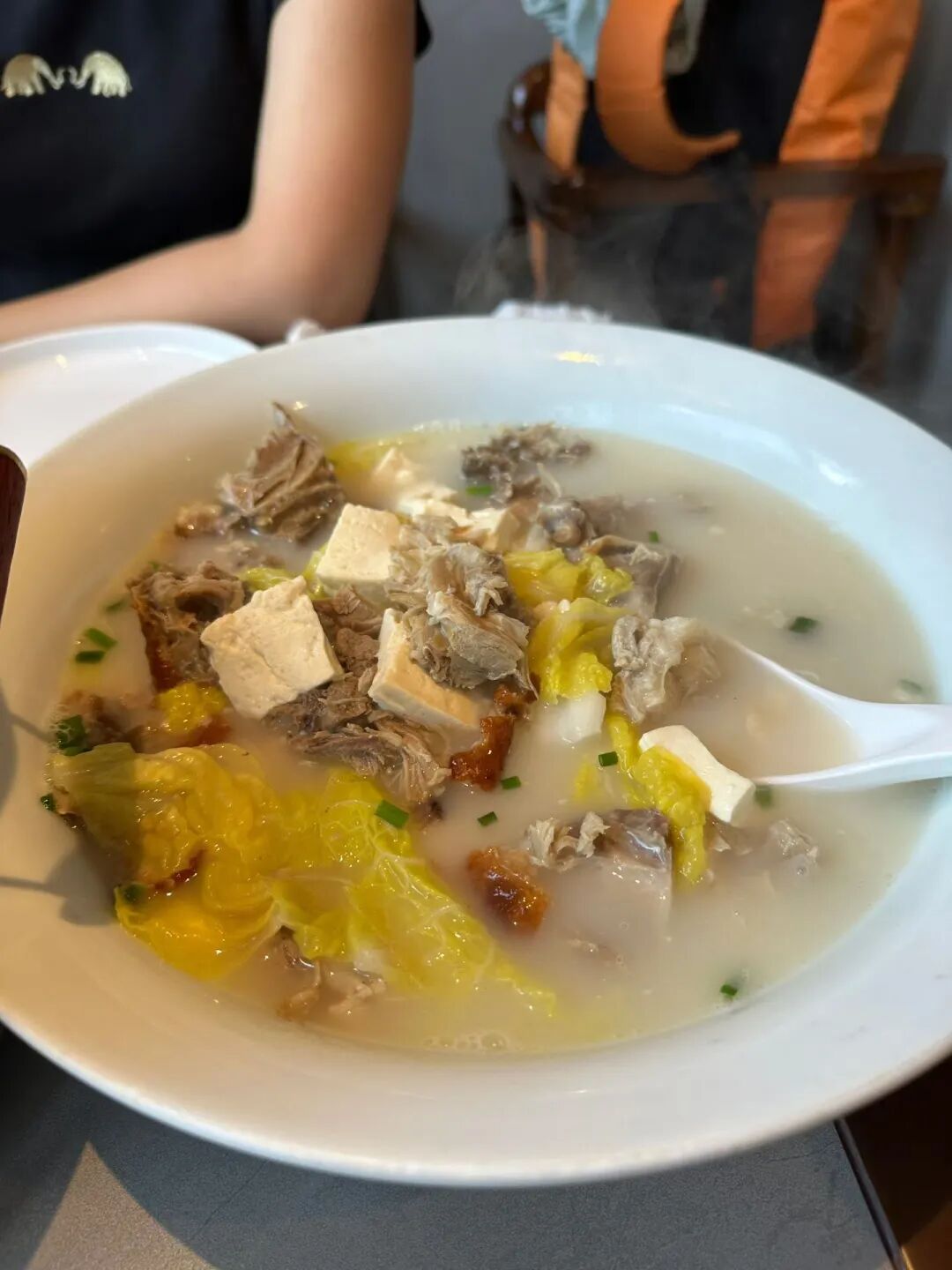
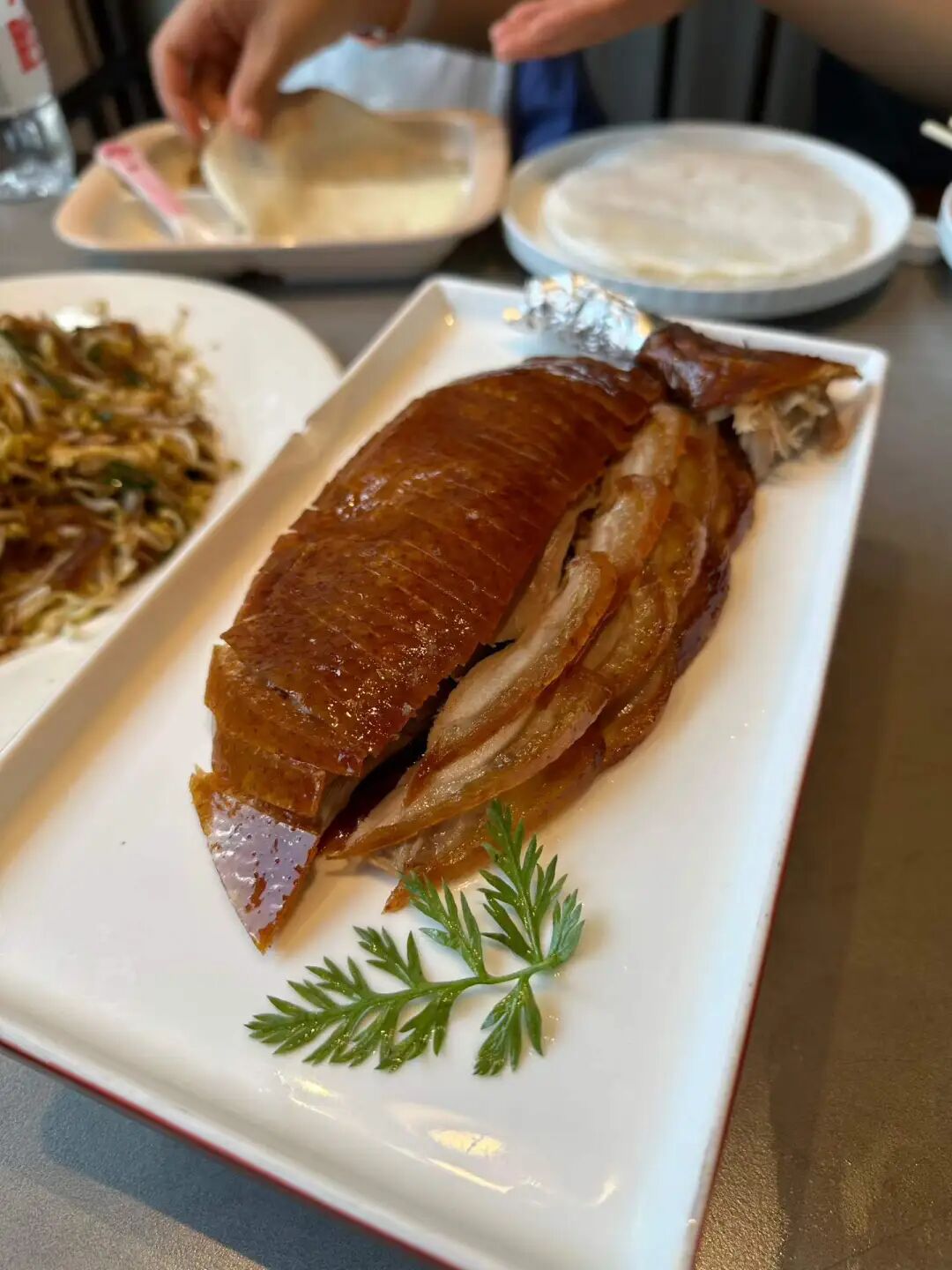
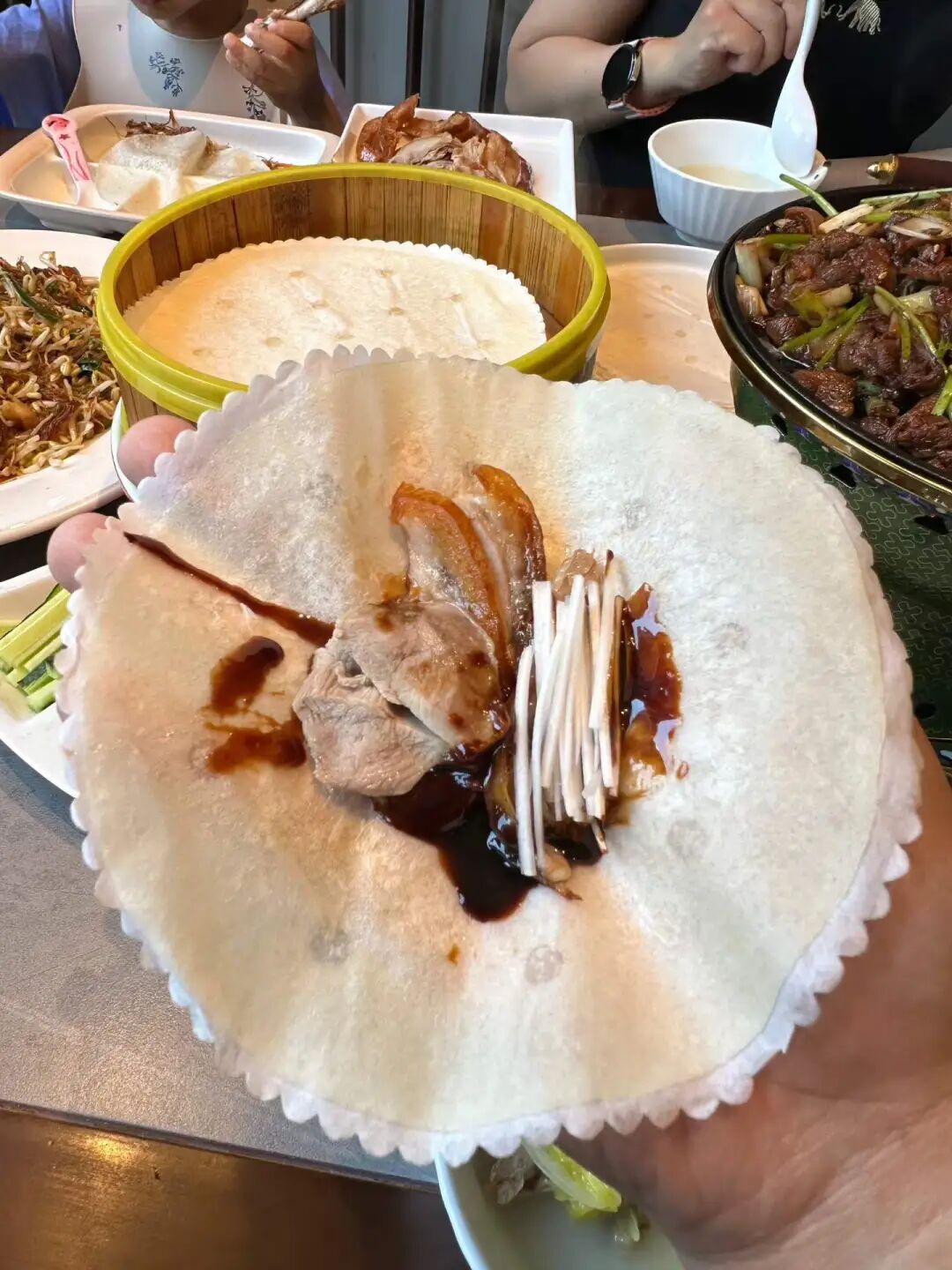
In the evening, we went to Shilihe to eat barbecue at Aidamu. I had heard they were very famous, but this was my first time eating there, and I was truly impressed. They have basically brought the level of a local Xinjiang night market to Beijing; eating there felt just like being back in Xinjiang.
There is a large parking lot right across from the restaurant, making it very convenient if you drive there. When we arrived at 6:30, the place was already packed, so we set up a table in the parking lot across the street. Since the temperature has risen in May, it is perfect for eating barbecue outdoors.
At their place, you grab the skewers yourself from the freezer. We had lamb liver, lamb heart, lamb skewers, and lamb chops. The lamb liver was very tender, definitely top-tier for Beijing. The lamb heart had more chew than the liver, and it was also quite good. The lamb skewers had no gamey smell at all, just the pure aroma of lamb, which is very rare in Beijing.
We had the pilaf (zhuafan) fresh out of the pot at seven o'clock. It was shiny and oily, though the lamb was a bit tougher compared to the skewers. Overall, it was still good. I happened to hear the table next to us complaining that their rice was undercooked. Actually, I think pilaf is only good when the rice is a bit firm. If the rice is too soft and mushy, it just becomes regular steamed rice.
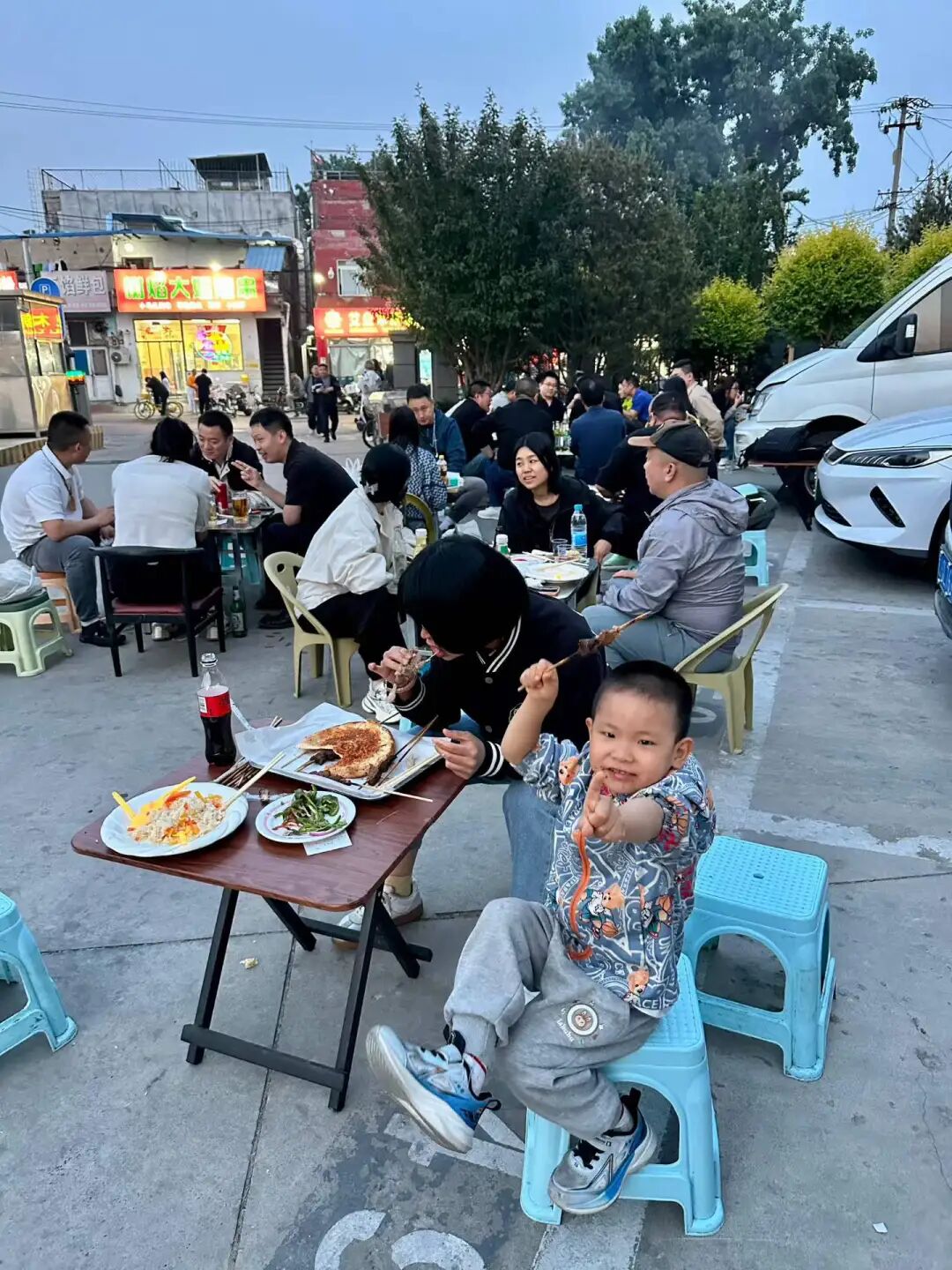
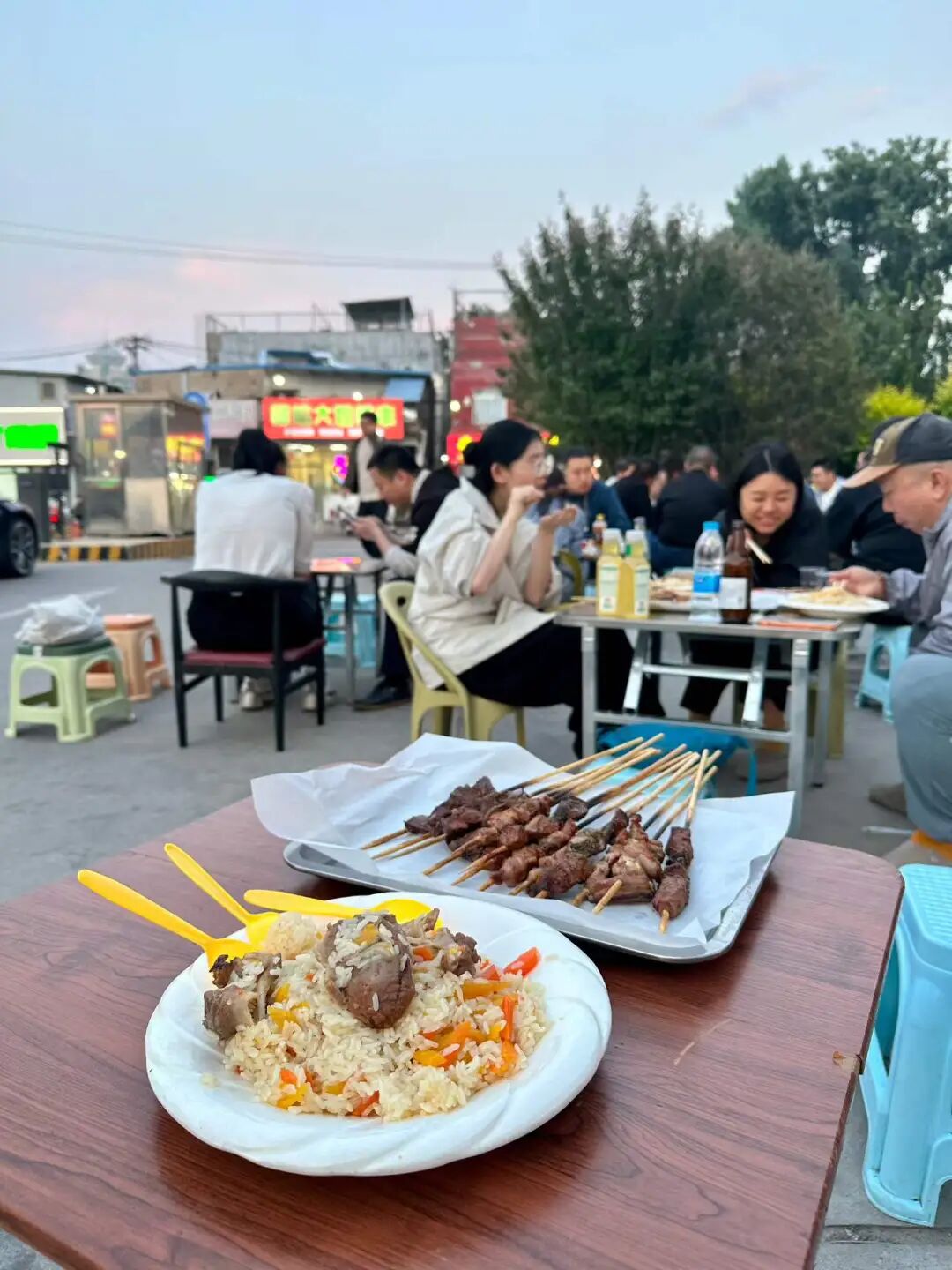
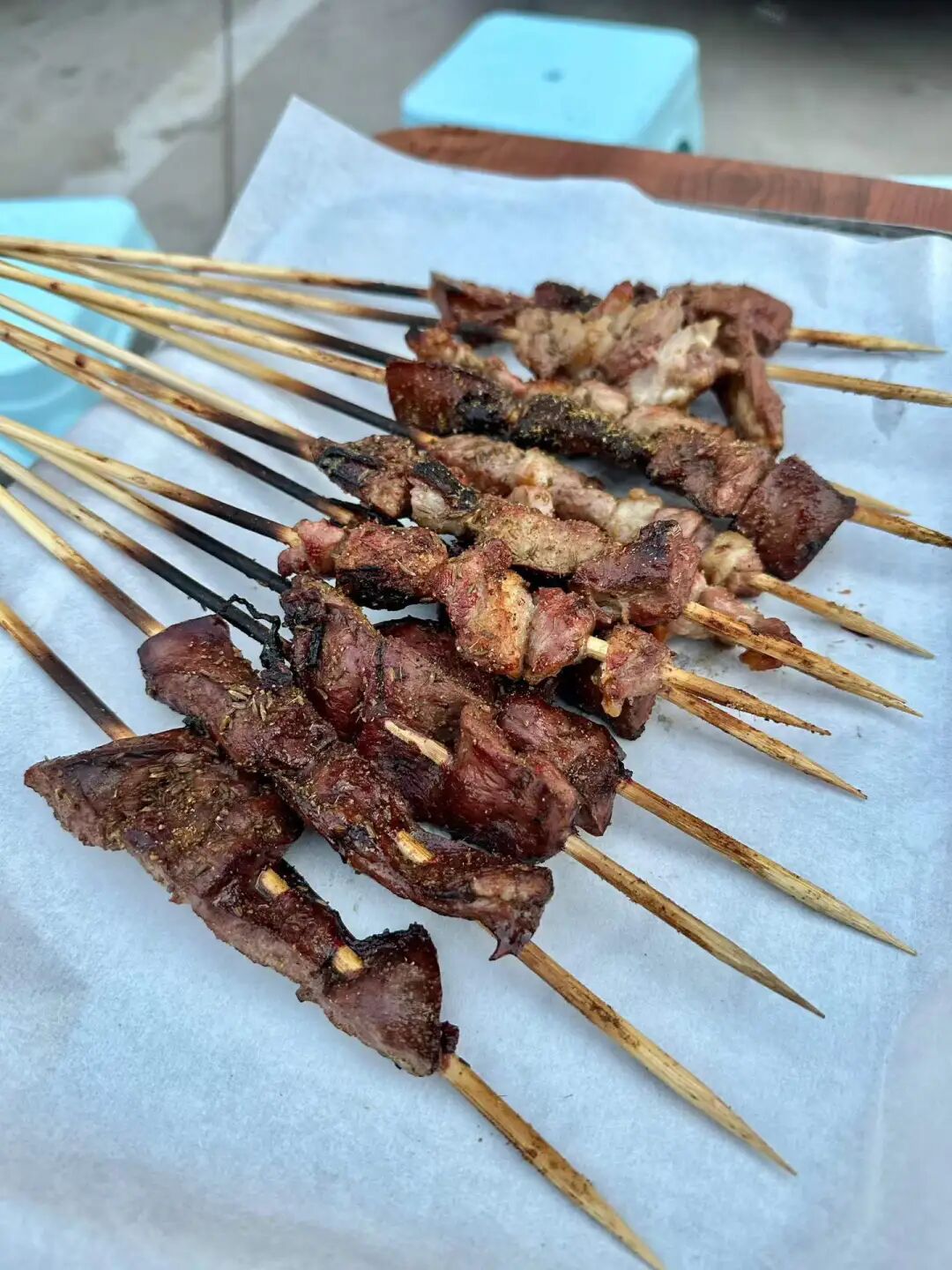
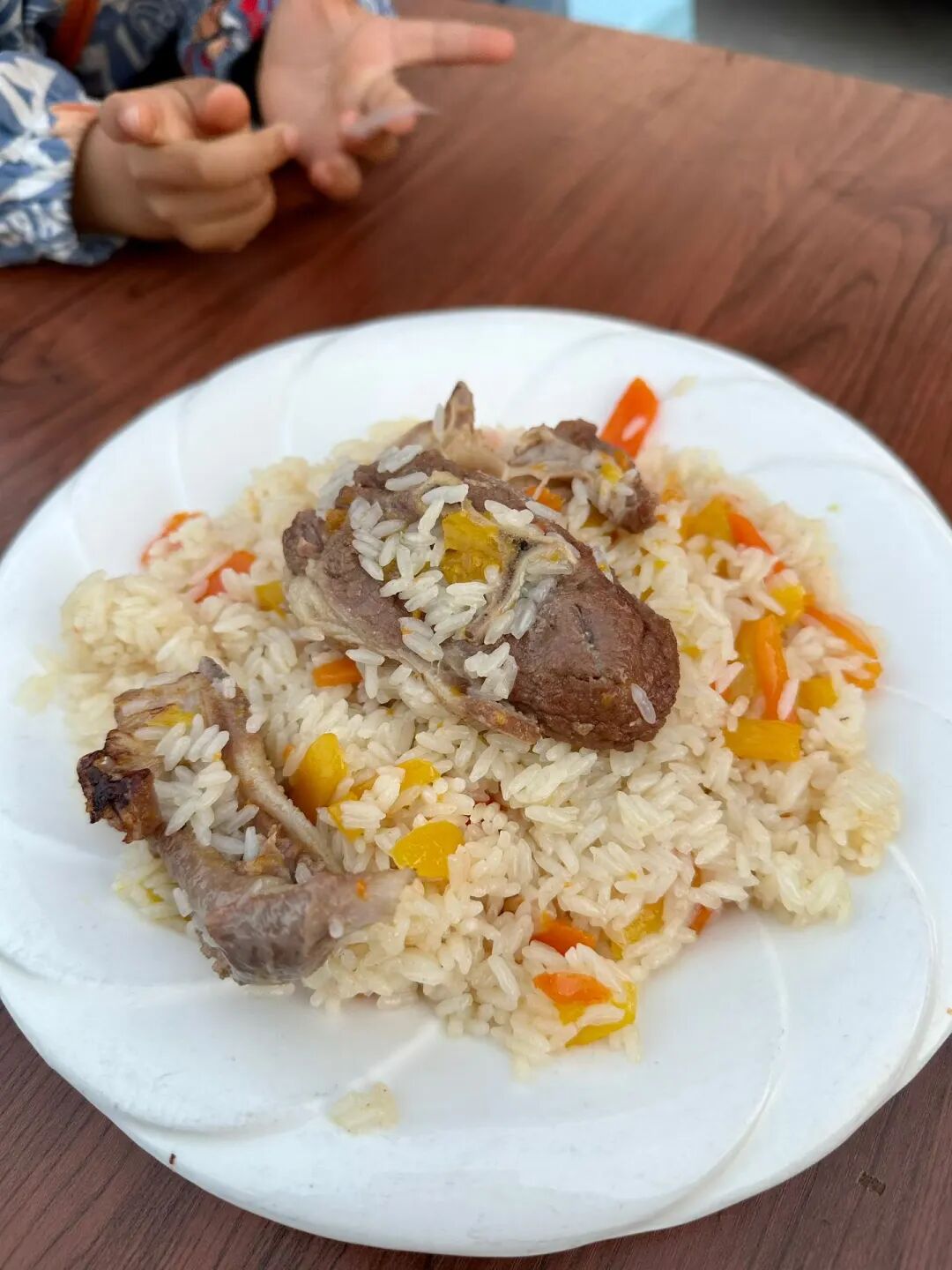
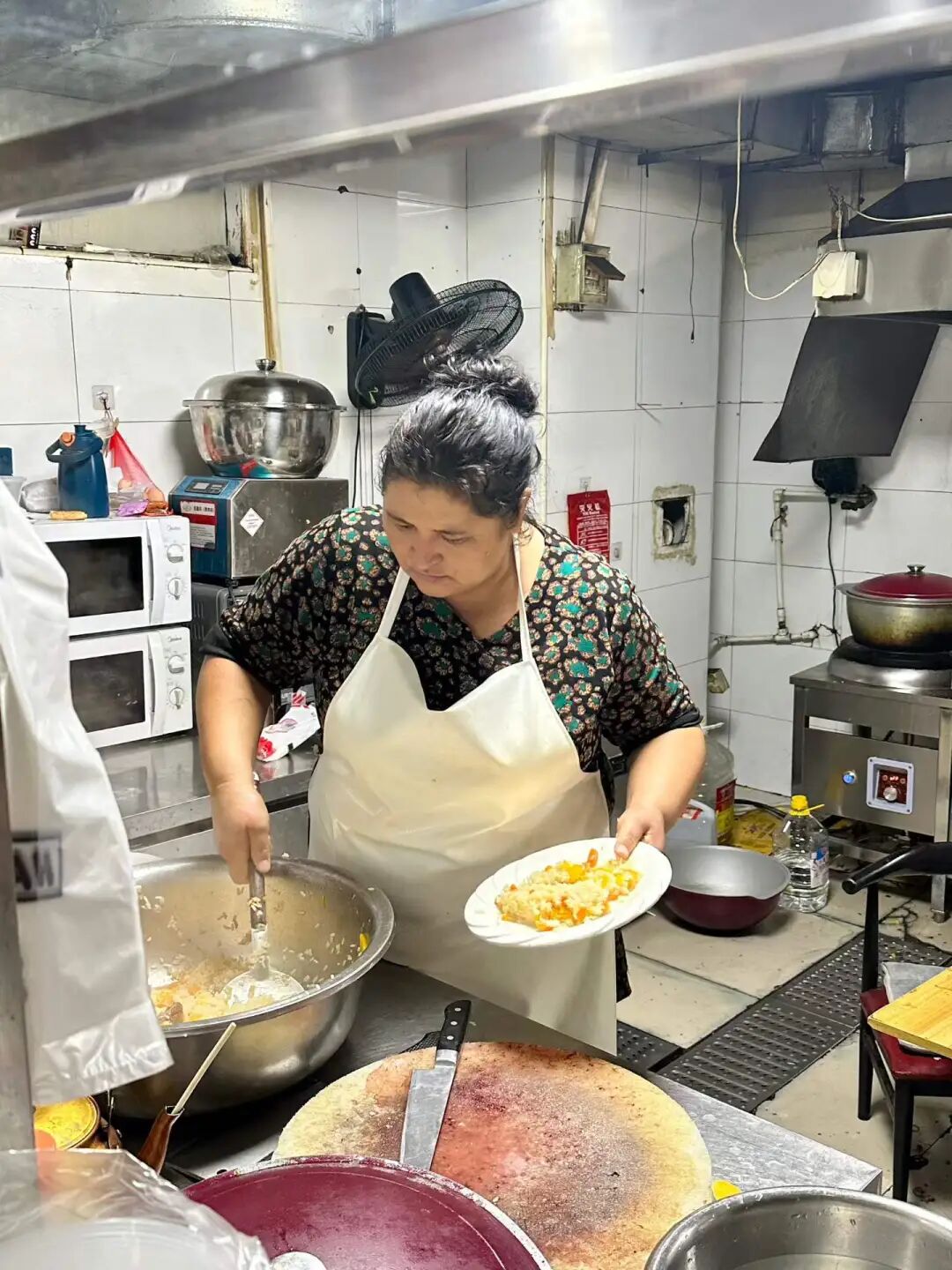
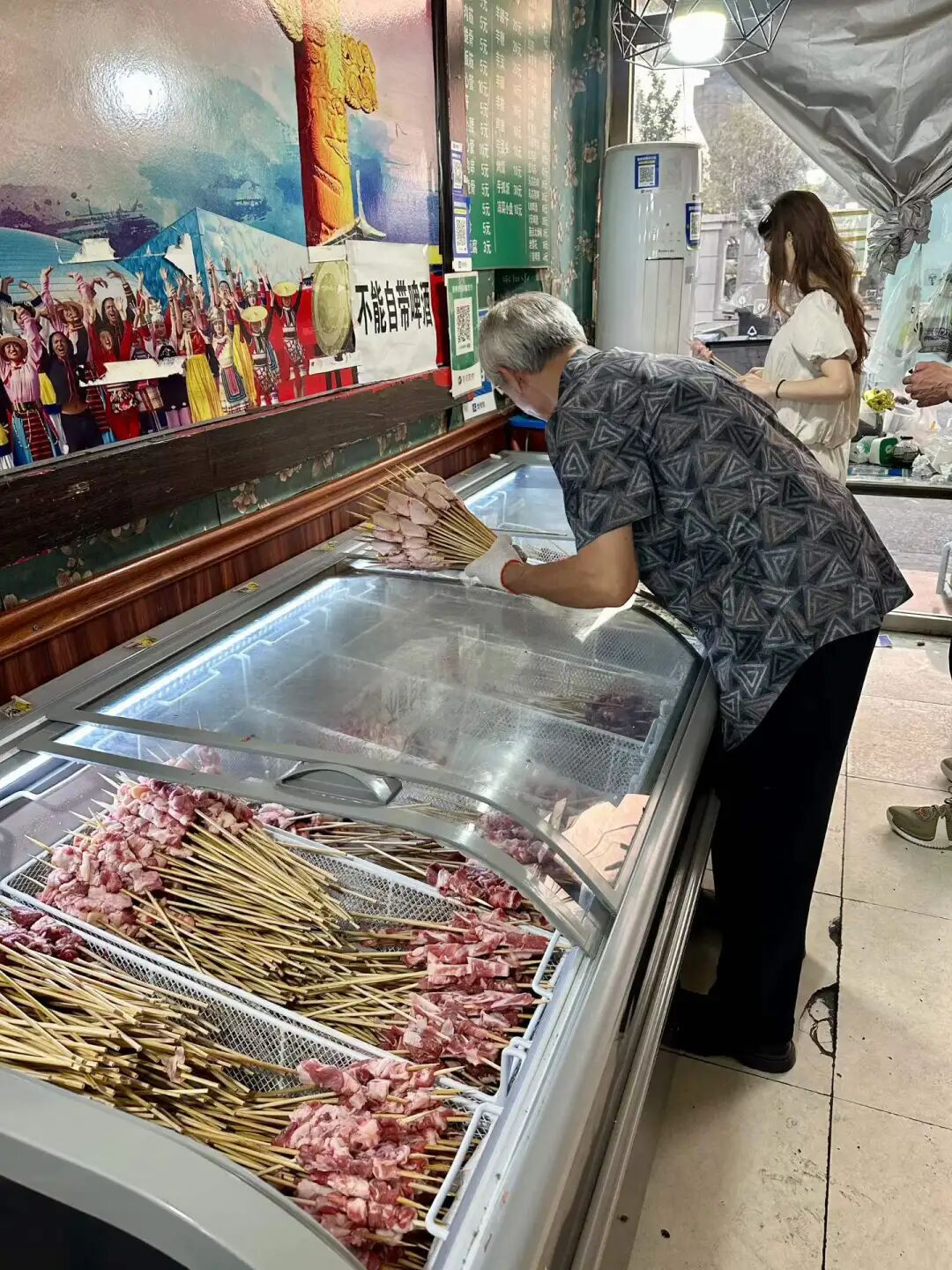
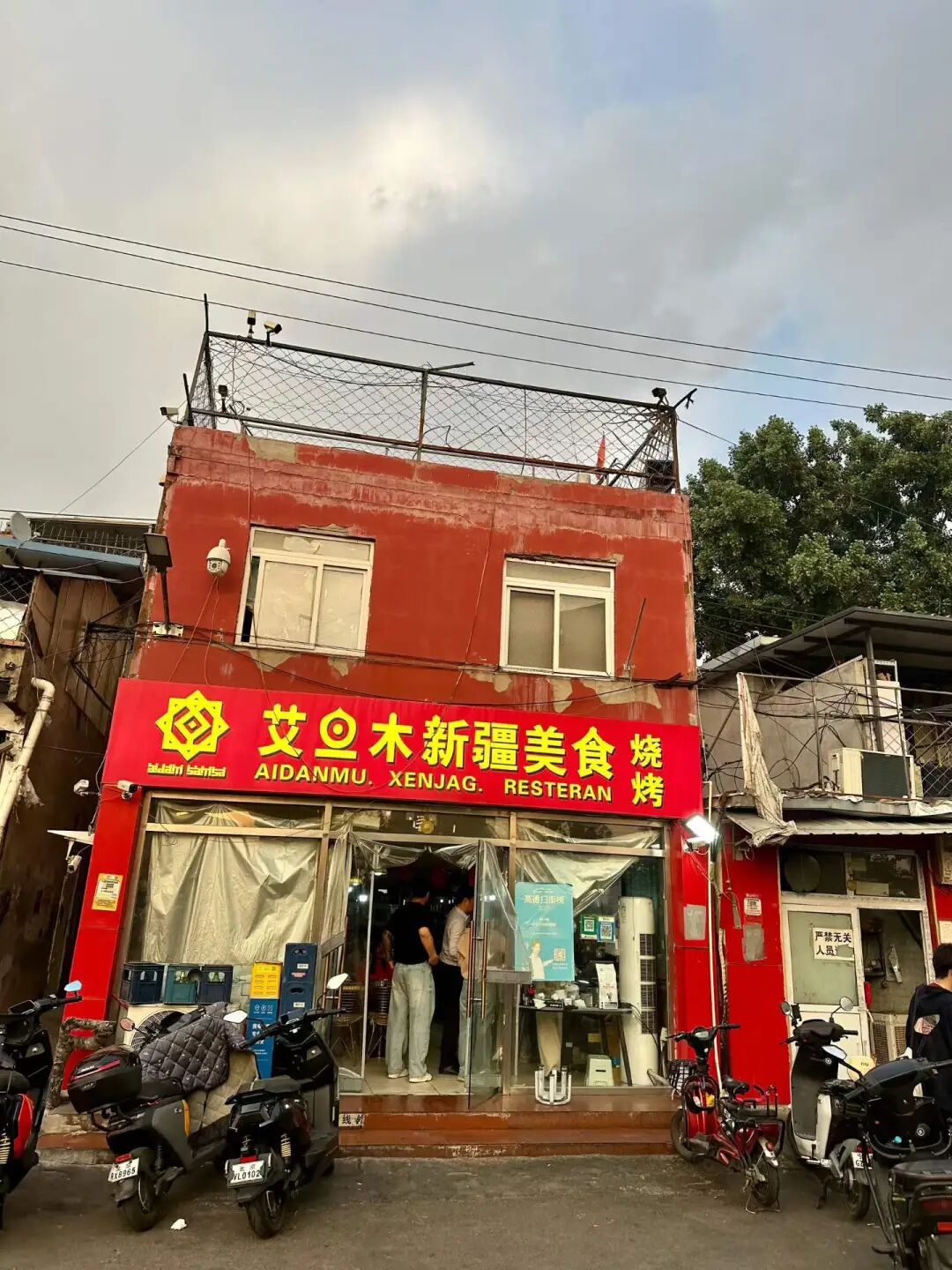
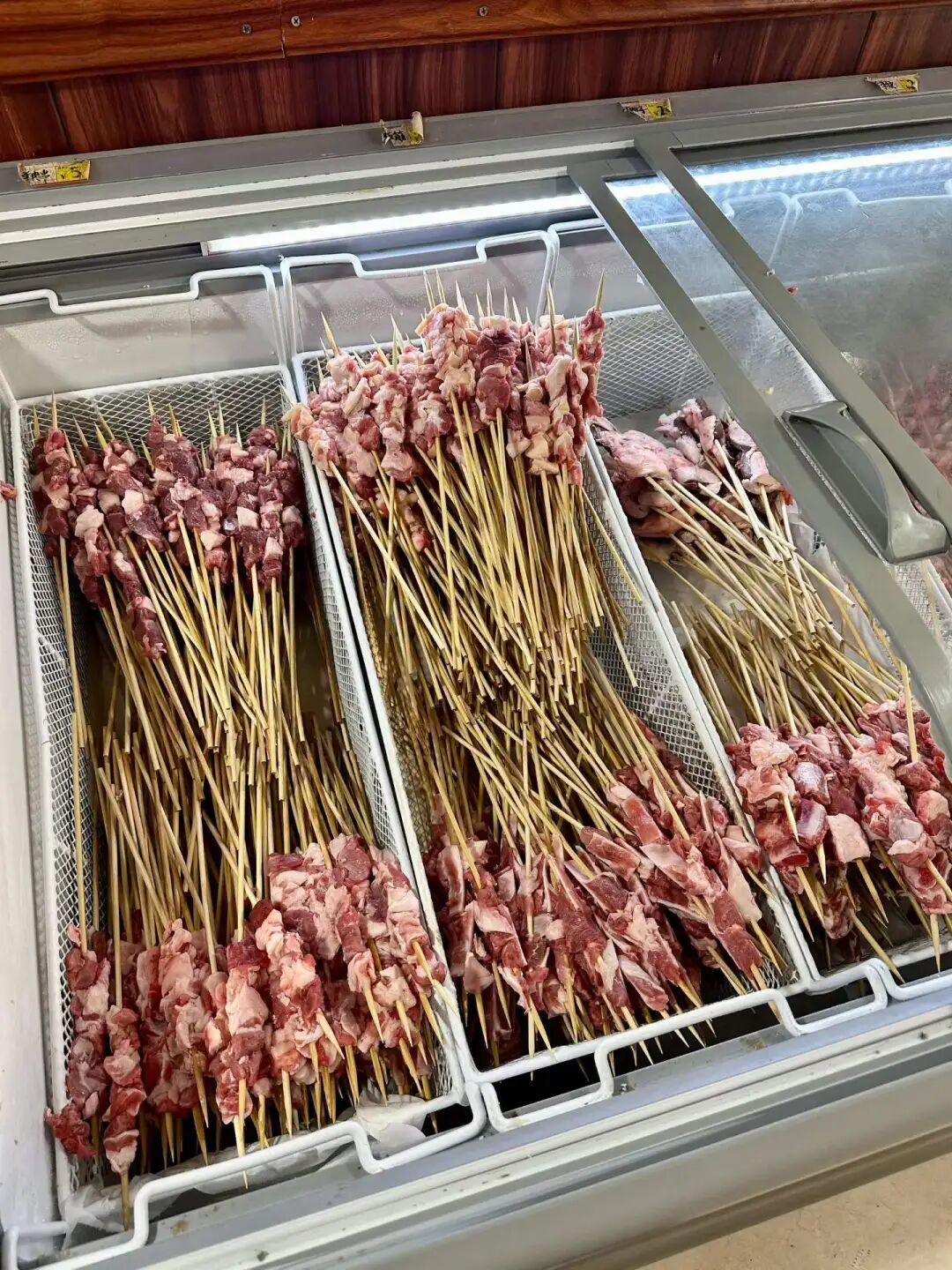
On the weekend, we had dinner at Kavkaz Ruilin, a long-standing Azerbaijani restaurant on Ritan Upper Street, to enjoy some Russian and Caucasian food. This is a classic former Soviet-style restaurant in Beijing that has been open for over a decade. It mostly serves merchants from Russian-speaking regions who come to Yabaolu to source goods. Its Chinese name used to be Ruilin, but it has been changed to Ruilin.
After the Soviet Union collapsed in the 1990s, many traders (daoye) took green-skinned trains to Beijing and headed straight to Yabaolu to stock up on goods. They brought down jackets, leather shoes, toys, and other small items back home to sell for huge profits. Yabaolu gradually grew from street stalls and tents into Beijing's largest wholesale market for Russian-speaking regions, and more former Soviet-style restaurants opened up on nearby Ritan Upper Street. Over a decade ago, Ritan Upper Street was mainly home to Central Asian and Azerbaijani restaurants, including Uzbek and Kazakh spots.
Over the last decade, Russia's economic decline, the shift of markets to places like Yiwu, Guangzhou, and Suifenhe, and the rise of cross-border e-commerce have caused trade with Russia on Yabaolu to shrink. Yitan Shangjie has gradually become a hub for Uyghur restaurants. Besides Dardanelles and Desert Rose, which focus on Turkish food, the only other Azerbaijani restaurant is Ruilin. For Central Asian food, there is the Turkmenistan restaurant Merv downstairs, which also serves Russian dishes.
At first, Ruilin had dim lighting, making it a good spot for traders to talk business, but many Chinese people were afraid to go inside. In recent years, the lighting at Ruilin has become brighter, but when we visited, there were only Russian-speaking customers, and we did not see any other Chinese people eating there.
We ordered borscht (hongcaitang), pot-stewed lamb (manguan yangrou), chive pancakes (jiucaibing), Azerbaijani pilaf (zhuafan), and grilled vegetables. Their borscht is closer to the Russian style than the one at Merv. Merv's beef soup has a stronger flavor, while their version has a more intense beet taste, which is also quite good.
Pot-stewed lamb is a classic Russian main course. Traditionally, it is cooked during long, cold winters by stewing meat in a clay pot over a wood-burning fireplace, then sealing the lid and burying it in the fireplace embers for several hours. Their pot-stewed lamb broth is very fresh, similar to Xinjiang cup-stewed lamb (gangzirou), but the lamb is a bit tough rather than tender.
I really like the Azerbaijani pilaf. I made sure to eat the authentic version when I visited Azerbaijan, and after coming back, I think both Ruilin and Dardanelles make a good version. Azerbaijani pilaf is dyed yellow with saffron and includes dried apricots, prunes, chestnuts, and raisins. The lamb is salty and savory, while the dried fruits add sweetness, creating a very rich flavor profile.
I finally had the cheese beef burger at Yilan Liyuan on Niujie this weekend. They only have regular and California-style options now. The California-style burger adds lettuce and tomato, and you can order it as a single or double patty. They do not let you eat inside the shop, so you have to eat at the entrance or take it away. I waited five minutes at the door and it was ready. The single-layer size is decent, and the crust was baked hot on the spot, but the filling felt a bit dense and not very fluffy. The meat pie tastes good, but it feels a bit loose, as if it wasn't packed tightly enough. Overall it is pretty good, but it would be even better if there were other things to pair it with.
A Tianjin halal shaved ice and steamed pancake (zhengbing) shop called Guxiangzhai has opened at Hufangqiao. Since the weather is getting warmer lately, many people are coming to eat shaved ice. For my first visit, I chose the traditional-style shaved ice. It contains sour hawthorn paste (suanmogao), red hawthorn fruit, dried apricots, strawberries, mulberries, pineapple, orange, fresh apricots, and red beans. It actually has more ingredients than the truly traditional version, and it is mainly sweet and sour to whet your appetite. Sour hawthorn paste (suanmogao) is the soul of Tianjin traditional shaved ice. It is made by grinding dried wild sour jujubes into powder and boiling it with rock sugar. You can buy large blocks of sour hawthorn paste (suanmogao) at the entrance of the archway of the South Mosque (Nandasi) in the Northwest Corner. It also tastes great when mixed directly with water.
Their dinosaur egg three-apricot shaved ice is also a signature item. It contains Kashgar Hami apricots, Yengisar Saimaiti red apricots, Aksu Situan dried apricots, and secret-recipe preserved fruit made from wild hawthorn from Shanxi. It sounds very good.
They also sell various snacks. We bought a steamed pancake (zhengbing) with a red hawthorn filling, which is sweet and sour and perfect for breakfast. It is a pity that the rice cakes (gaogan) were sold out, so I bought a rice cake (migao) with a sour hawthorn paste flavor. It was a bit dry, but the taste was still good. I also bought a snack called "five blacks," which contains black rice, black beans, black mulberries, black goji berries, and black sesame seeds. It sounds very healthy.
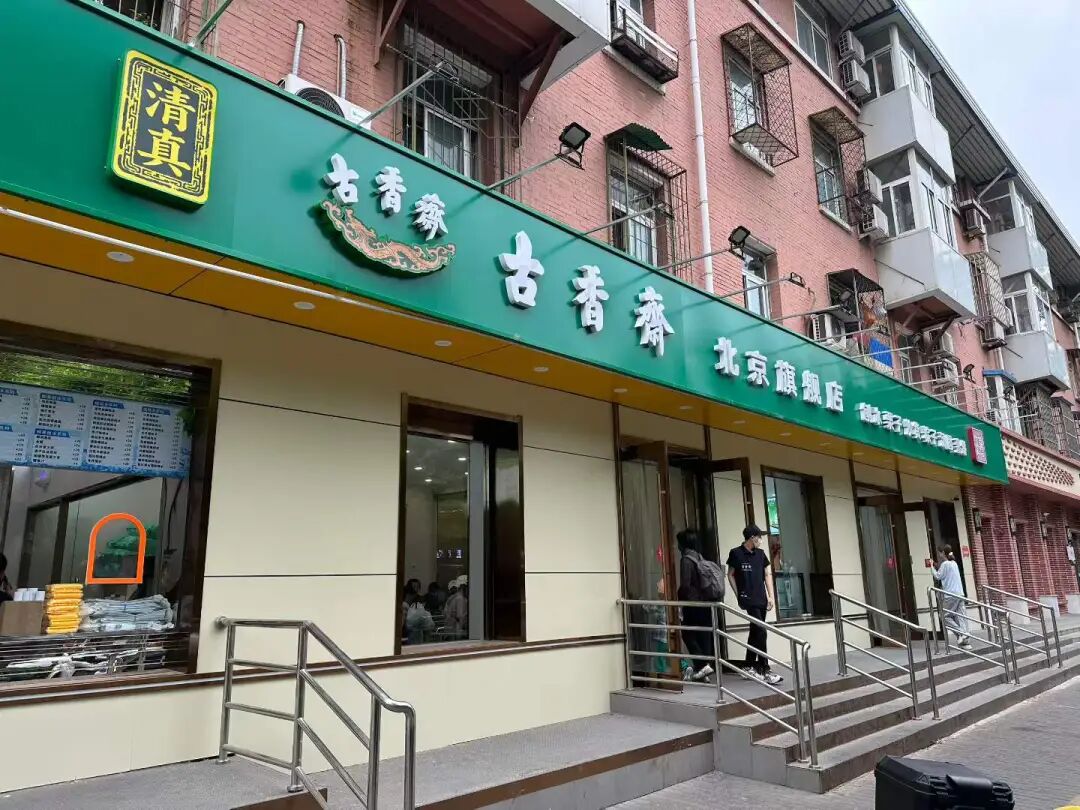
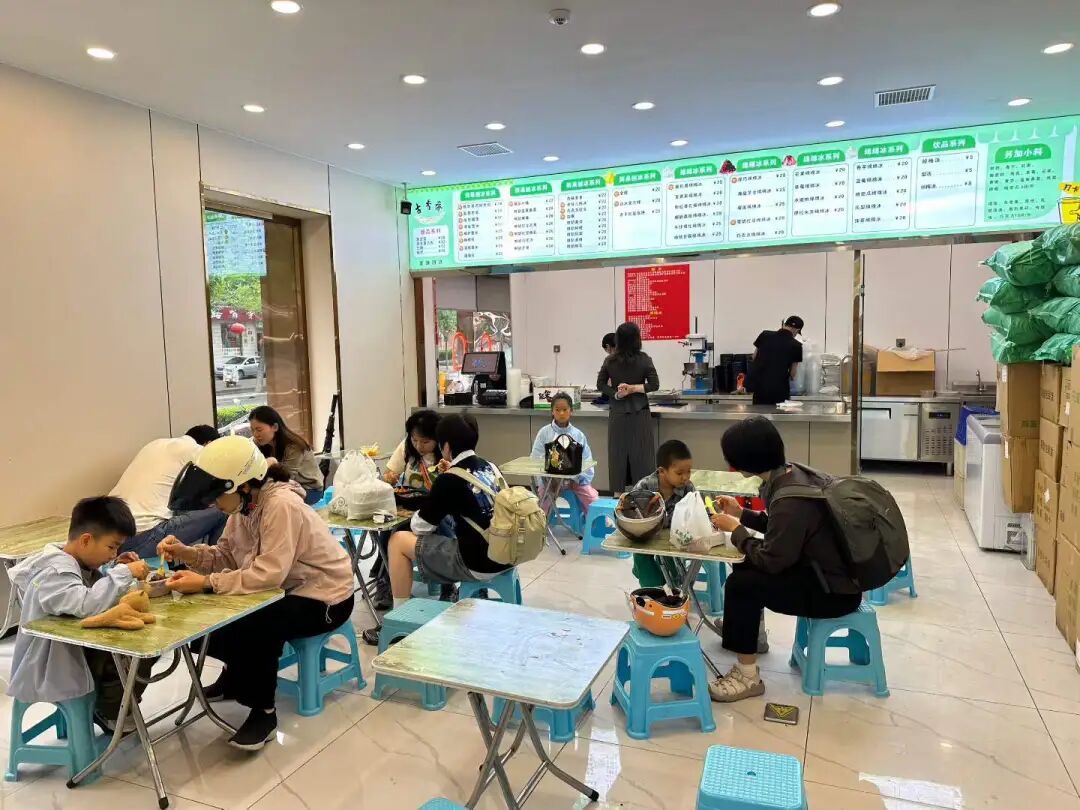
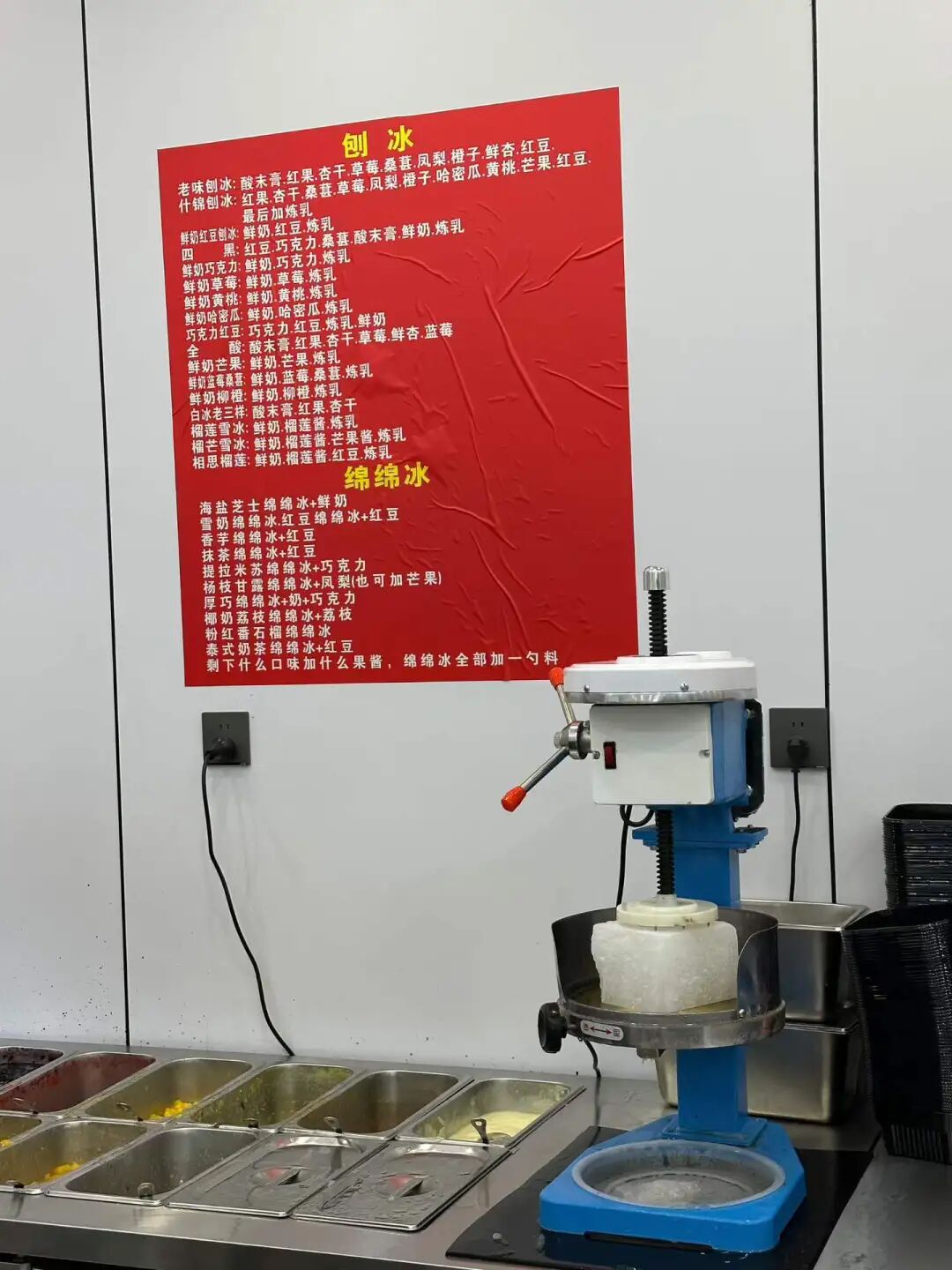
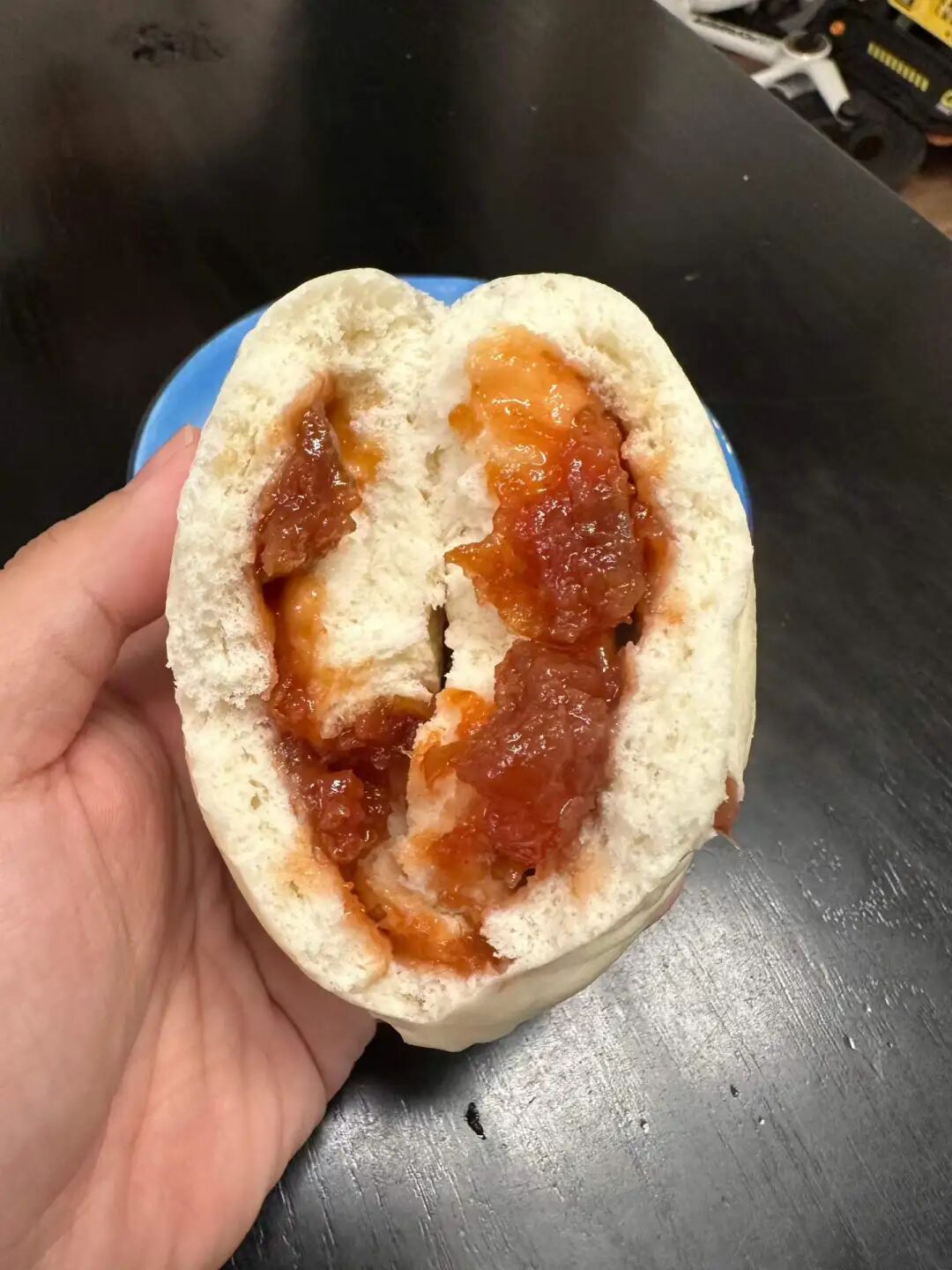
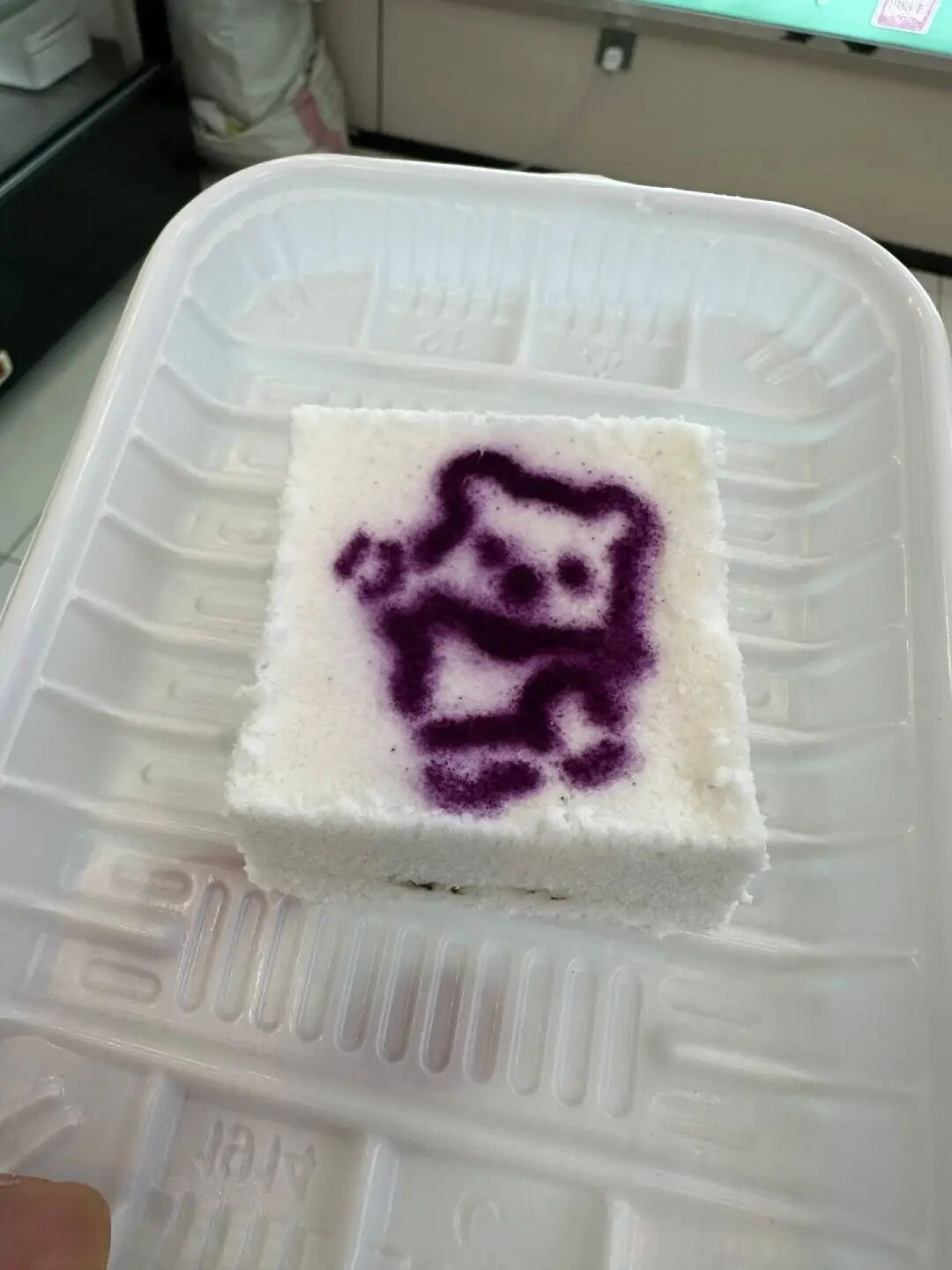
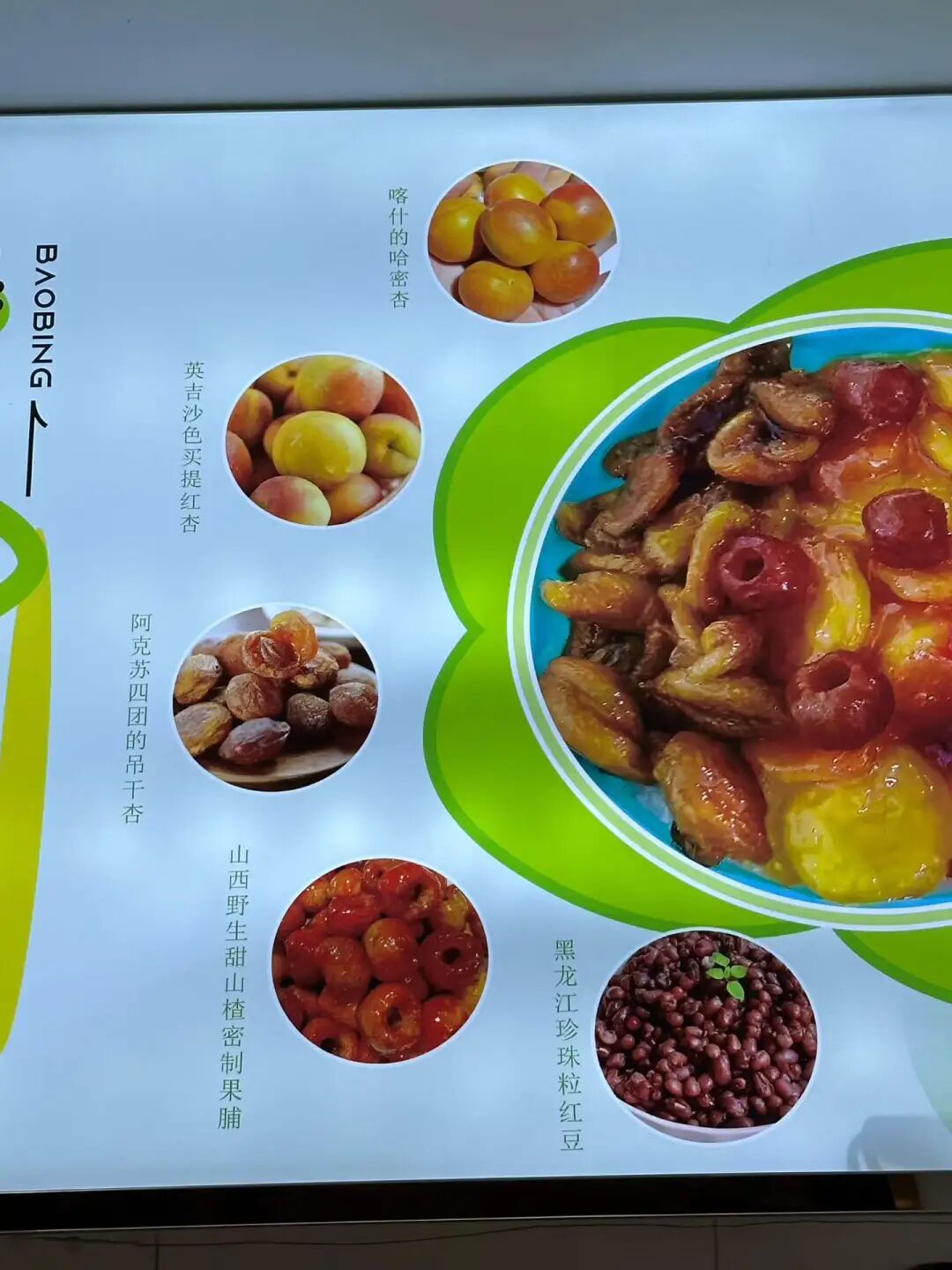
Across from the China Academy of Chinese Medical Sciences on Niujie Street, the roast lamb leg shop with the big green sign sells stinky tofu with sauce. The sauce is made from beef bone broth (niubanggu aotang), and it really has a meaty flavor. I remember eating fried stinky tofu topped with fermented bean curd sauce from a cart run by local Hui Muslims on Binjiang Road in Tianjin. That flavor was truly satisfying.
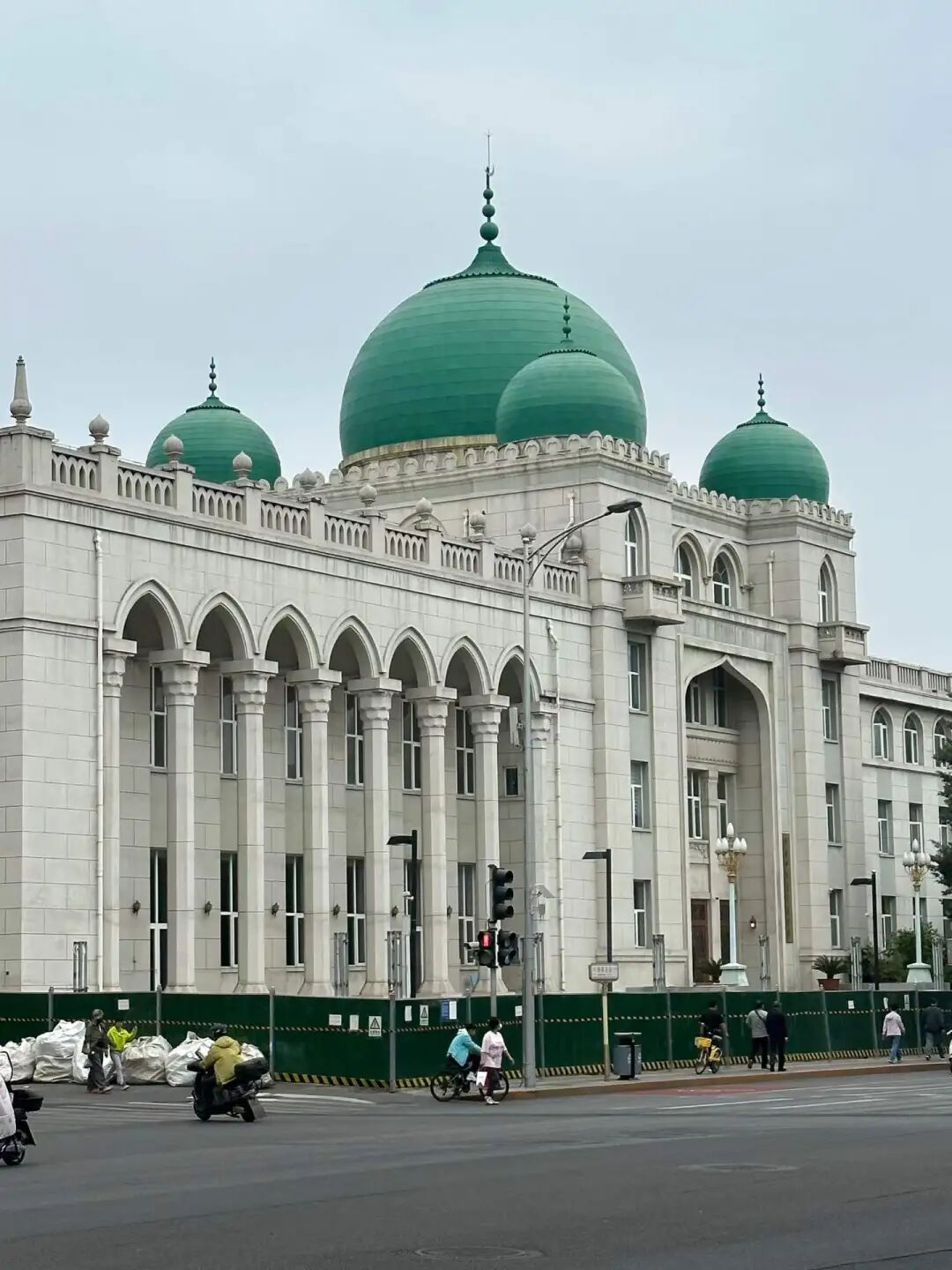
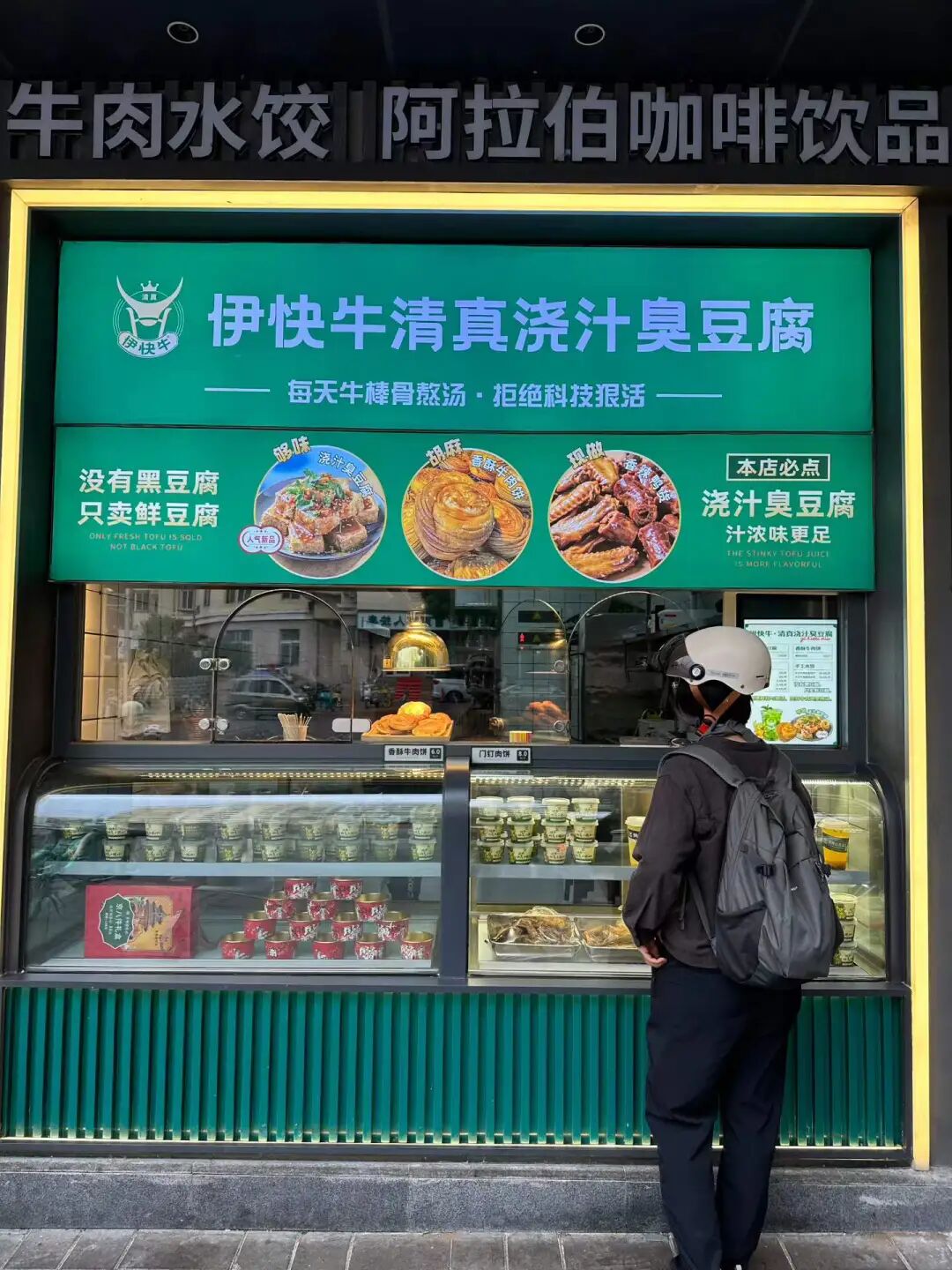
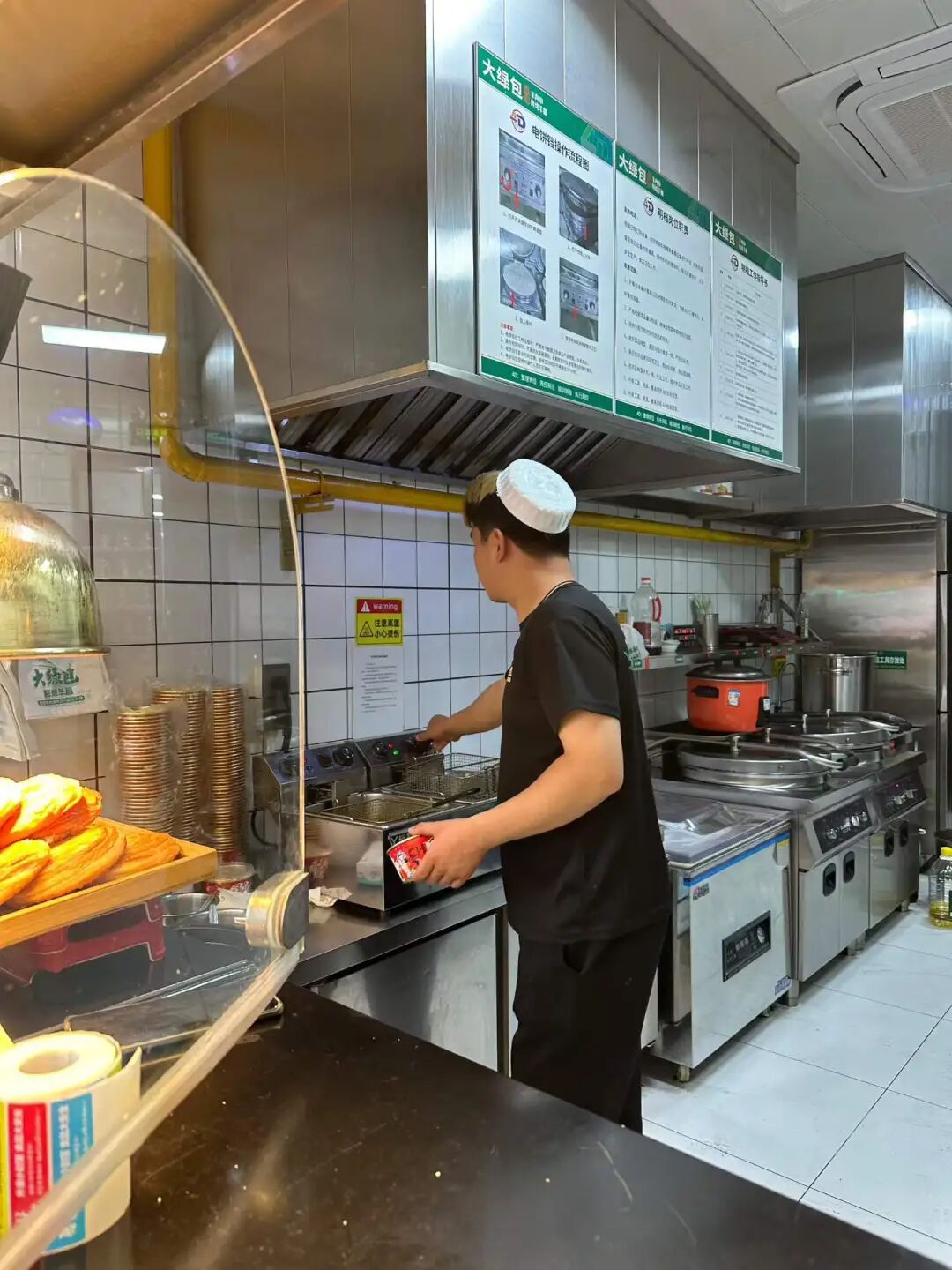
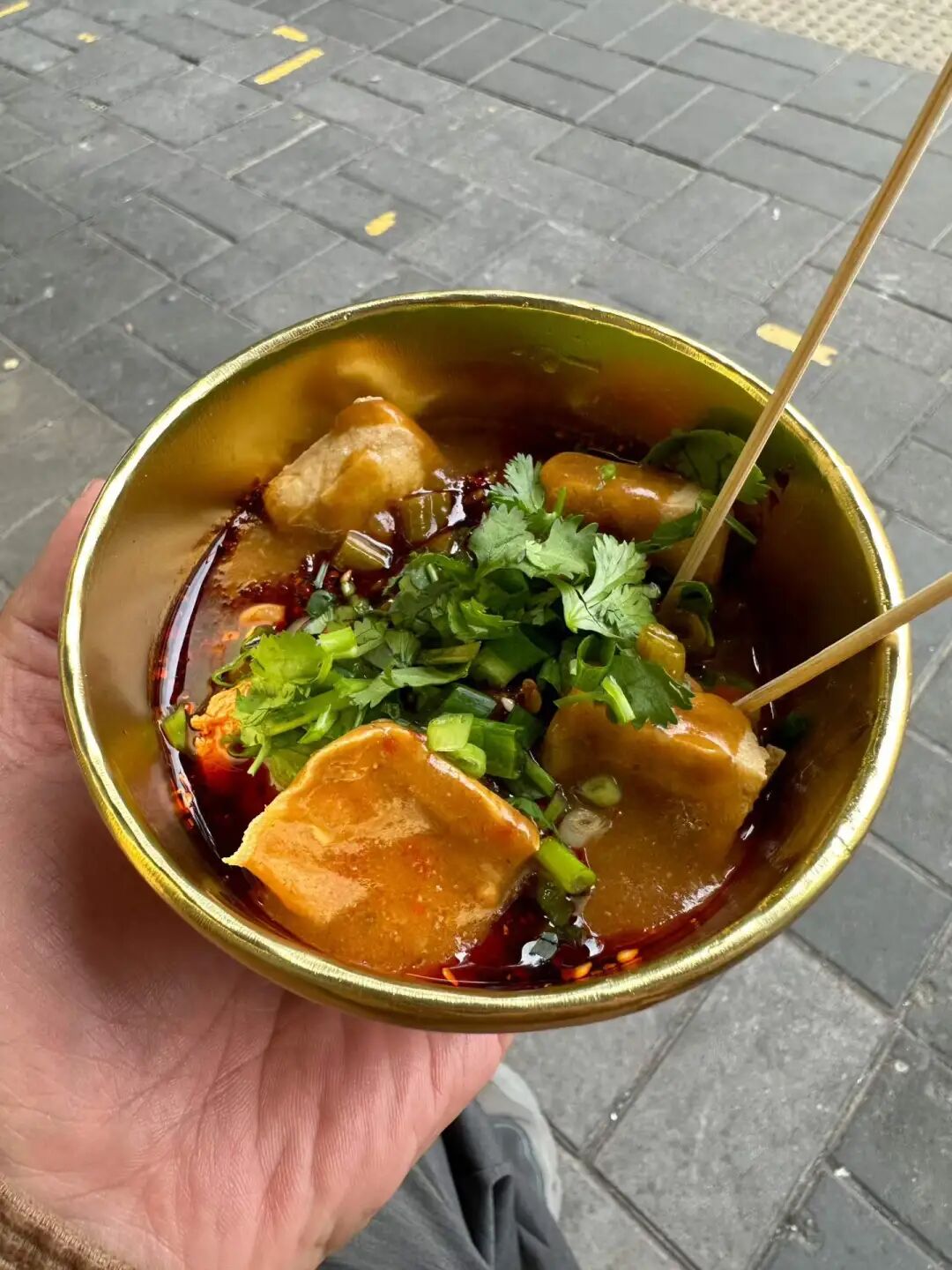
A new alcohol-free Pakistani restaurant called Zafran just opened in Jiayi Plaza near Liangmaqiao. It is very close to the Liangma River, and since it only opened a few days ago, I came specifically to try it.
I looked at the menu and was surprised to find many Afghan Pashtun dishes. I asked the server, and he is a Pashtun from Peshawar. I decided to order a few Pashtun dishes to try, as some of them cannot be found in other Pakistani restaurants.
First, I must praise their excellent service. The Pashtun waiter, Anas Khan, always greeted us with a smile and even did a fist bump with my son, Suleiman. As soon as we sat down, they brought us black tea, lemon water, and fried dough twists (mayezi). Later, they served a special dried fruit milkshake with walnuts and almonds. Finally, they gave Suleiman a small cup of thin yogurt drink (lassi) and a piece of baklava, which made him very happy.
The atmosphere is also very nice, with curtained sofa areas on one side that are perfect for families. There are no large private rooms, but if you have a big group, you can push tables together in the main dining area. There is also outdoor seating at the entrance, which is great for having desserts and drinks in the summer.
We ordered Afghan pilaf, Peshawar-style lamb, and Kandahar naan. You can tell these are Pashtun specialties just by their names. We also ordered a Caesar salad, french fries, and salty yogurt drink (lassi). Since they just opened, they gave us a 30% discount, which was a great deal.
Afghan pilaf originated in the border region between northern Afghanistan and Uzbekistan. It is known as Qabili Palaw in Afghanistan and later spread from there to West Asia, Central Asia, and Pakistan. Afghan pilaf (pulao) differs from Xinjiang pilaf because it uses long-grain aromatic rice from South Asia and a bit of saffron for color. It is cooked with ghee and vegetable oil, and the carrots are sliced thinly. It also includes cinnamon, cardamom, and cloves, giving it a stronger spice flavor than Xinjiang pilaf. Their Afghan pilaf includes fresh almonds and raisins, but the meat is a bit tough and hard for children to chew. The spice flavor is very rich.
This was my first time eating Peshawar Shinwari lamb, and I highly recommend it! The lamb is very tender and the seasoning is excellent. Peshawar Shinwari lamb is cooked in a metal wok called a karahi. It is a classic main dish for the Pashtun people in northern Pakistan, especially prepared after the animal sacrifice during Eid al-Adha. It is made with fresh bone-in lamb, salt, garlic, and green chilies, without the heavy spices found in southern Pakistan.
Their Kandahar flatbread (nan) is also amazing and pairs perfectly with the Peshawar lamb. Kandahar flatbread is also popular in Pakistan. It is very fluffy because milk and sugar are added to the dough, making it more fragrant.
I also recommend their yogurt drink (lassi). It is not too sour, but it is very appetizing.
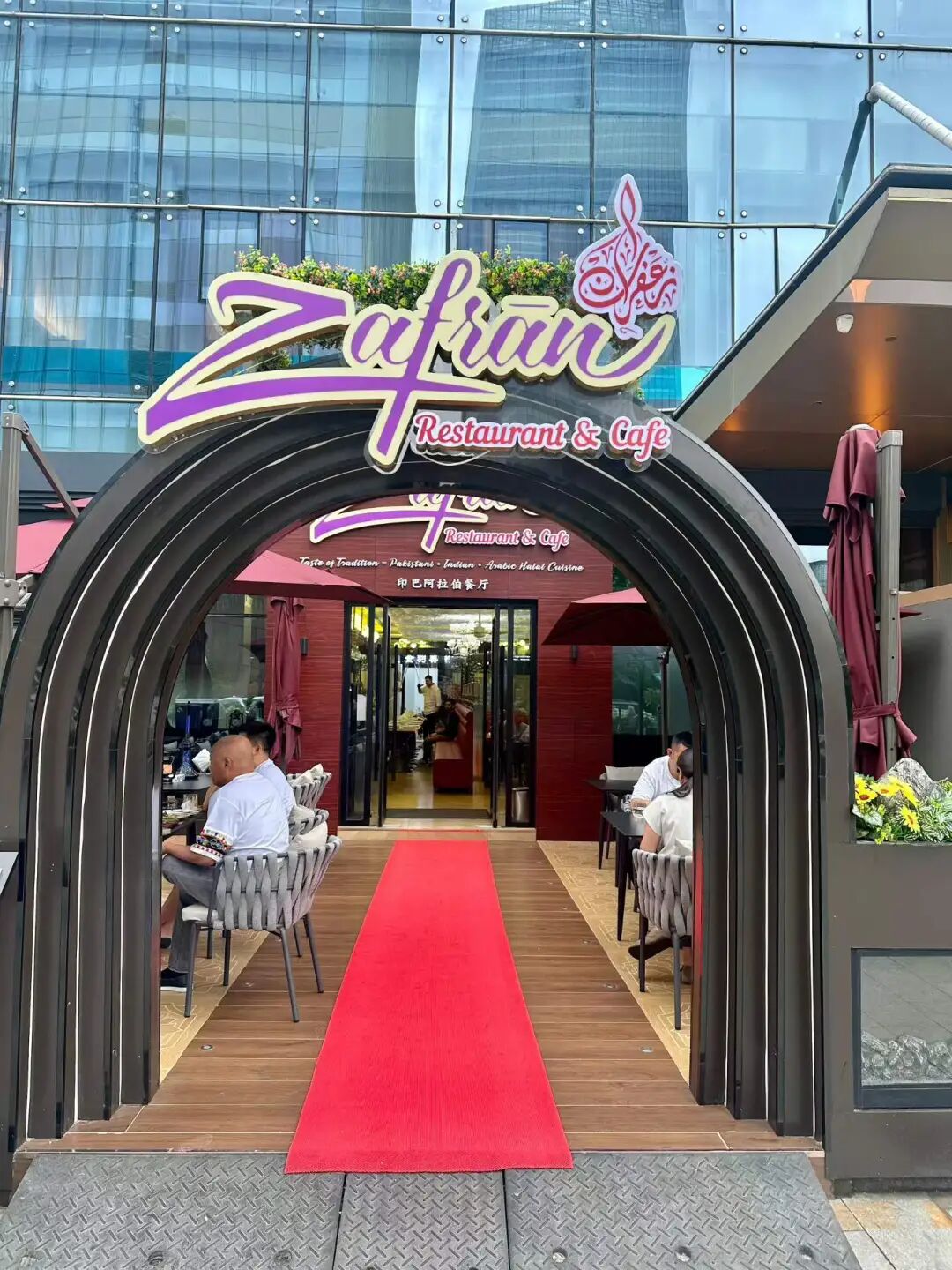
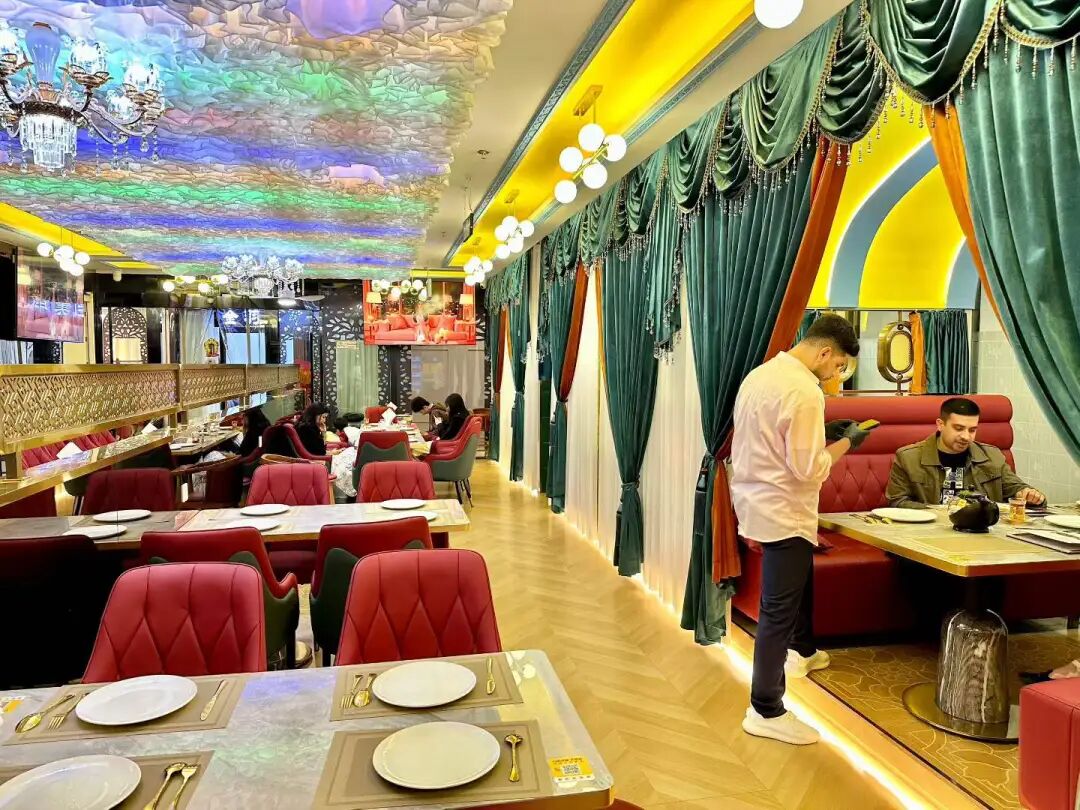
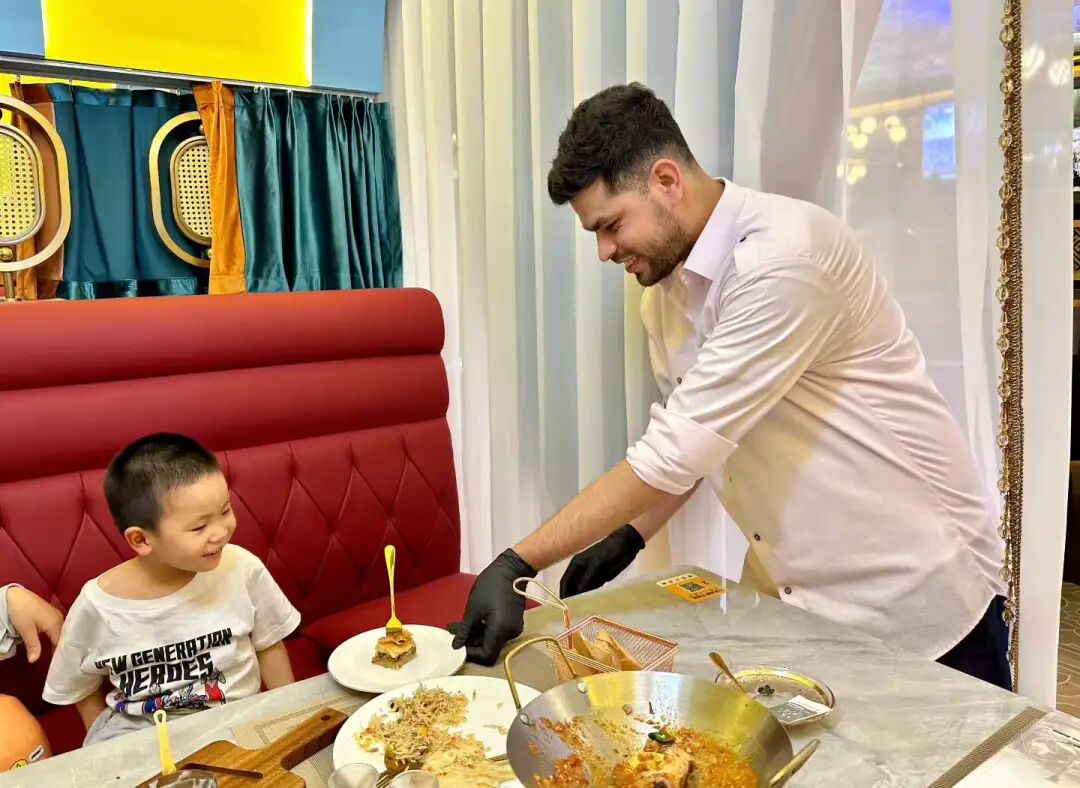
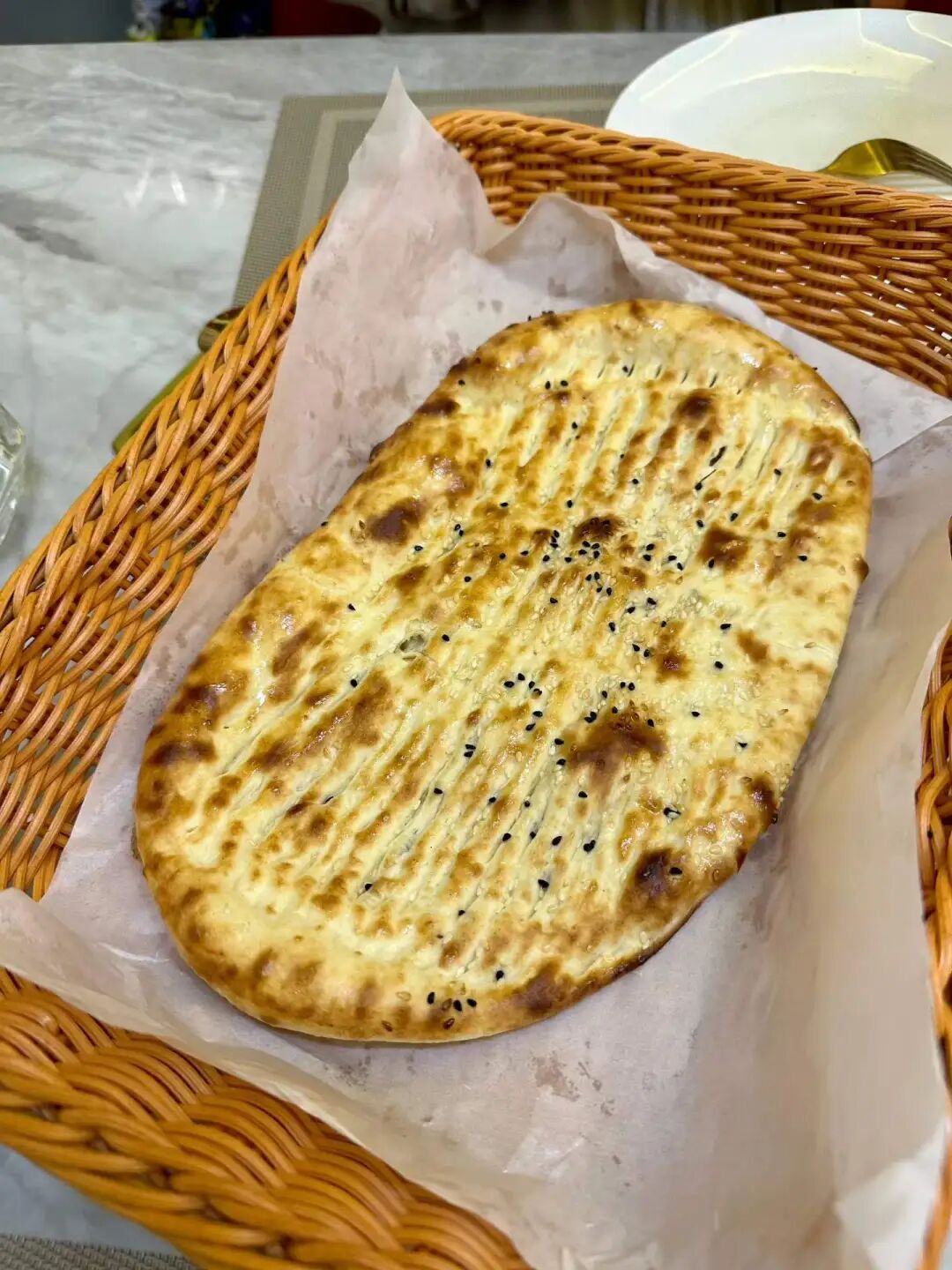
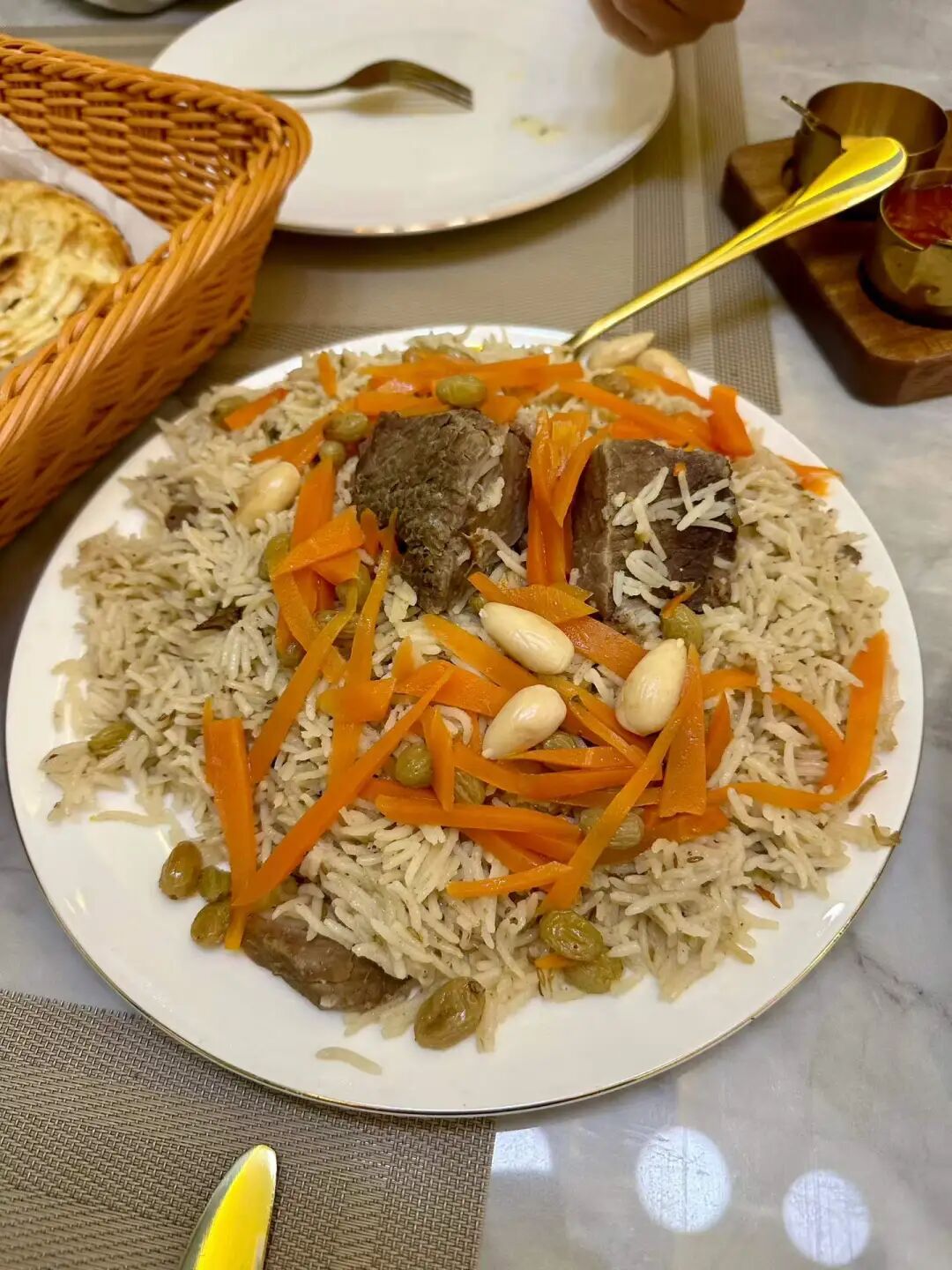
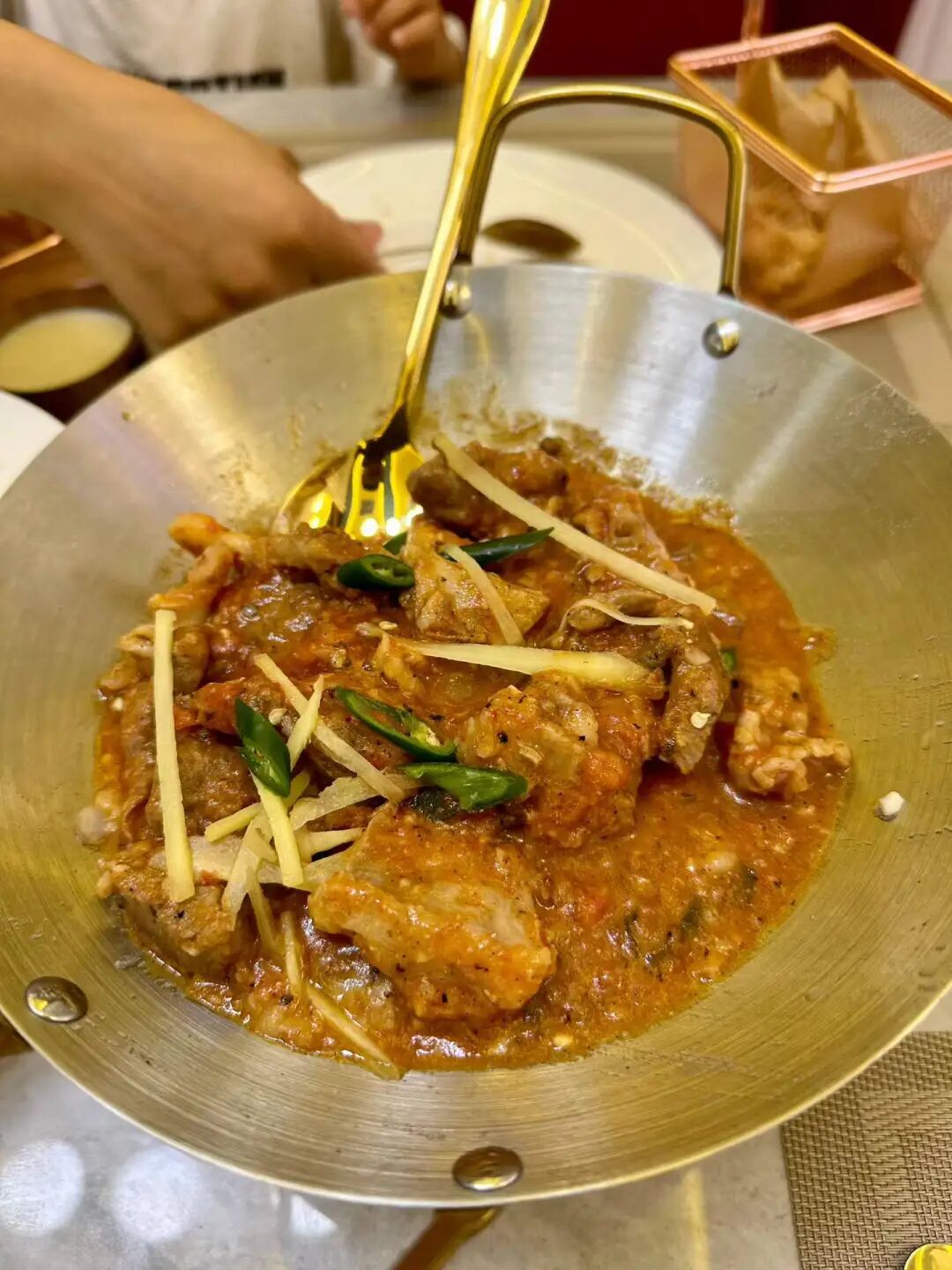
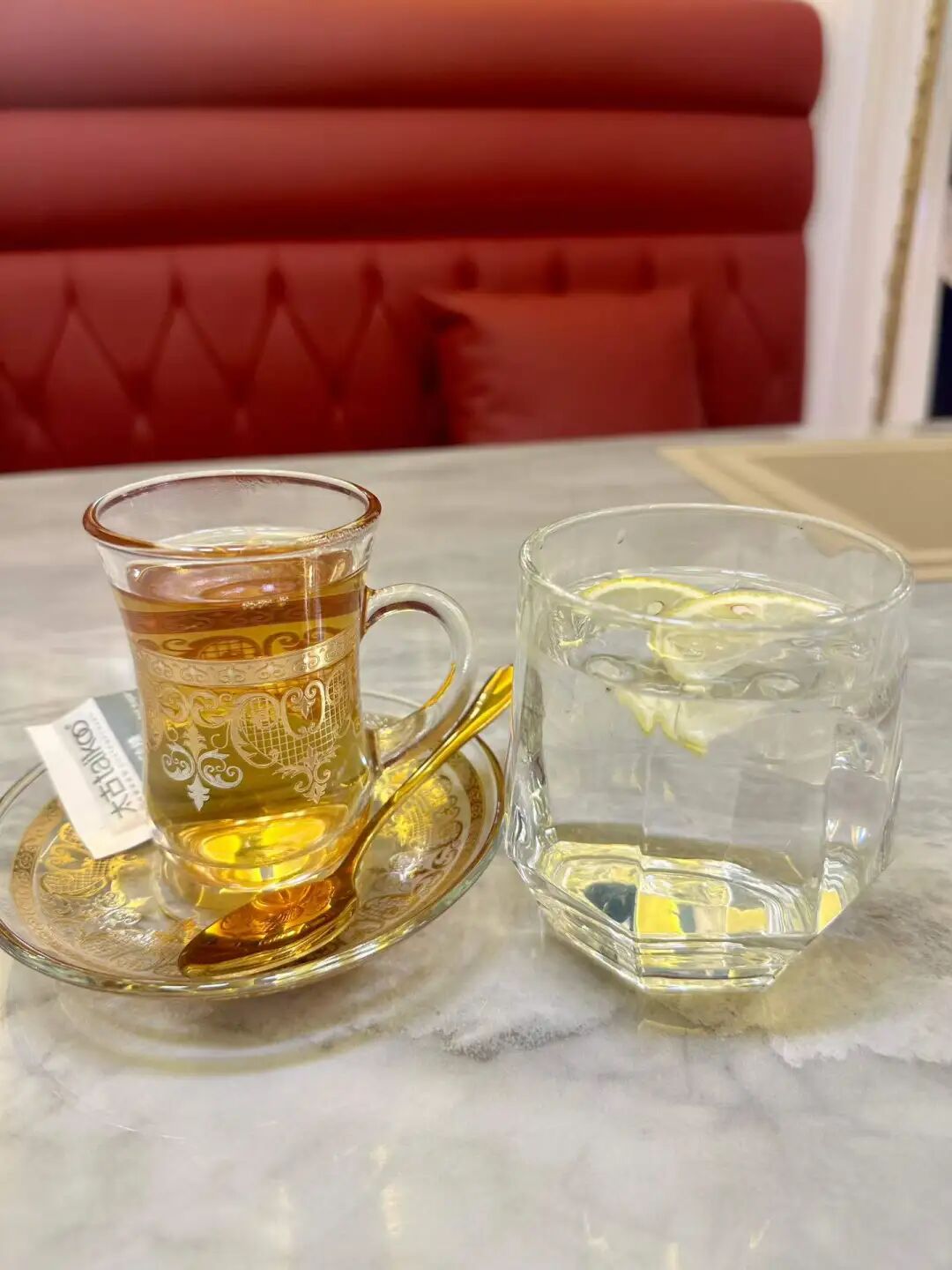
The Qingxiangge restaurant at Dongdaqiao was replaced by Jinfang Snacks this year, and I just went to try it recently. Once inside, I found it is completely different from the old shop at Ciqikou. It uses a self-service tray system with small bowls of stewed dishes, small portions of stir-fries, and a huge variety of mixed salads, noodles, and snacks. It is incredibly rich in options. Small bowls and small plates are rare in traditional Beijing restaurants, making them perfect for people who want to try several different dishes.
We ordered winter melon meatball soup (donggua cuan wanzi), stir-stir-fried meat with eggs and wood ear mushrooms (muxu rou), stir-fried green beans with pork (biandou chaorou), sea bream fillets (diaoyu pian), and healthy mixed vegetables (yangsheng cai), with corn and red bean rice for our main course. The cheaper meat dishes are mostly chicken, while the beef stew is priced like a standard old Beijing restaurant for Hui Muslims. The winter melon meatball soup goes great with rice, and eating rice soaked in the broth feels just like being a kid again.
Jinfang Snack Shop is celebrating its 100th anniversary this year, so it can finally call itself a century-old shop. Jinfang was originally called Rongxiangcheng Hui Muslim Snack Shop, founded in 1926 outside Chongwenmen by Man Leting (known as Man Liu), a Hui Muslim from Dezhou, Shandong. Man Leting started out with beef and mutton. At first, he bought high-quality cattle and sheep every autumn to raise in Madian, slaughtering and selling them as needed. His business improved significantly in the 1940s, so he expanded his storefront and later began selling cooked foods like roasted mutton (shao yangrou).
In the past, spring and summer were the growing seasons for sheep, so they were usually only slaughtered after autumn. Because of this, some mutton shops would switch to selling cold food during the summer. In the 1940s, Man Leting bought Japanese refrigeration equipment to sell homemade popsicles, soda, and other cold drinks, and business was booming. In 1949, mutton shipments from Inner Mongolia to Beijing were blocked, and the sheep trade hit rock bottom. Just then, Man Leiting's fellow townsman Man Kaiqi came to join him. Man Kaiqi had a background in a pastry shop, so Man Liu stopped selling lamb and switched to snacks and cold dishes, making Rongxiangcheng a famous Hui Muslim snack shop outside Chongwenmen. After the public-private partnership in 1956, Man Leiting's son Man Kaitong became the manager, and in 1958, they stopped making popsicles to focus on snacks like almond tofu (xingren doufu) and sweet rice balls (yuanxiao). In 1966, Rongxiangcheng was officially renamed Jinfang Hui Muslim Snack Shop, and in 1971, it began to focus on sweet rice balls (yuanxiao), which have drawn long lines every year around the Lantern Festival since the 1990s.
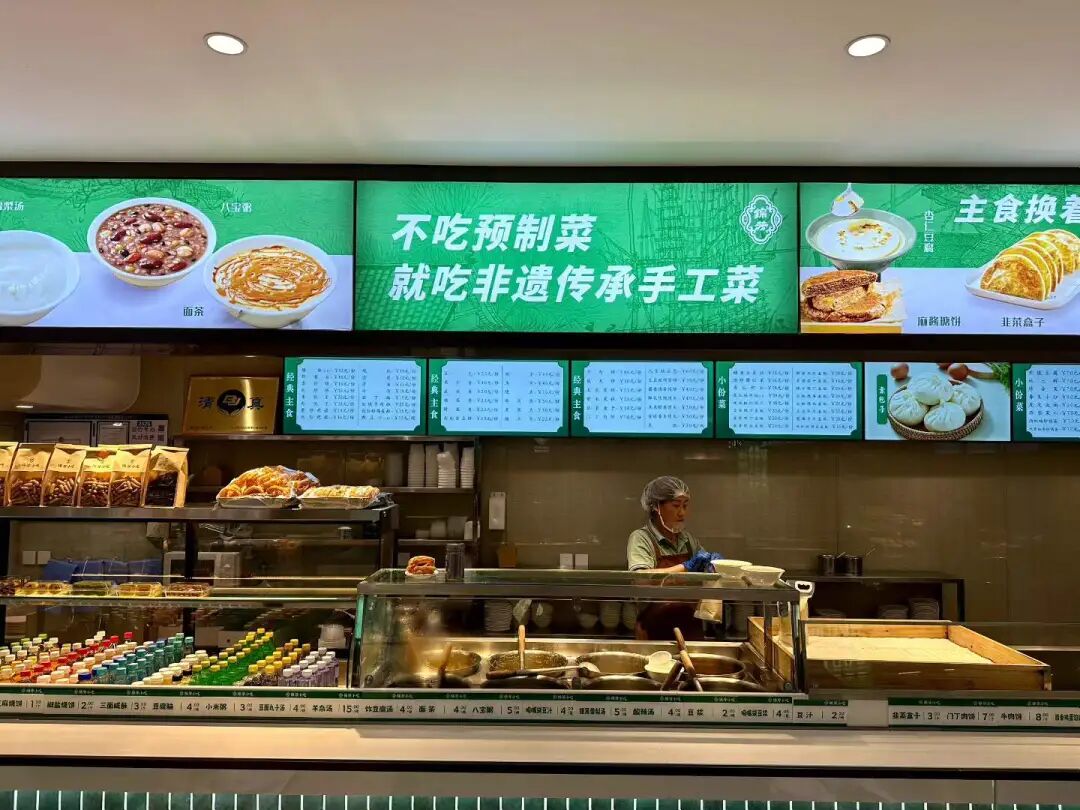
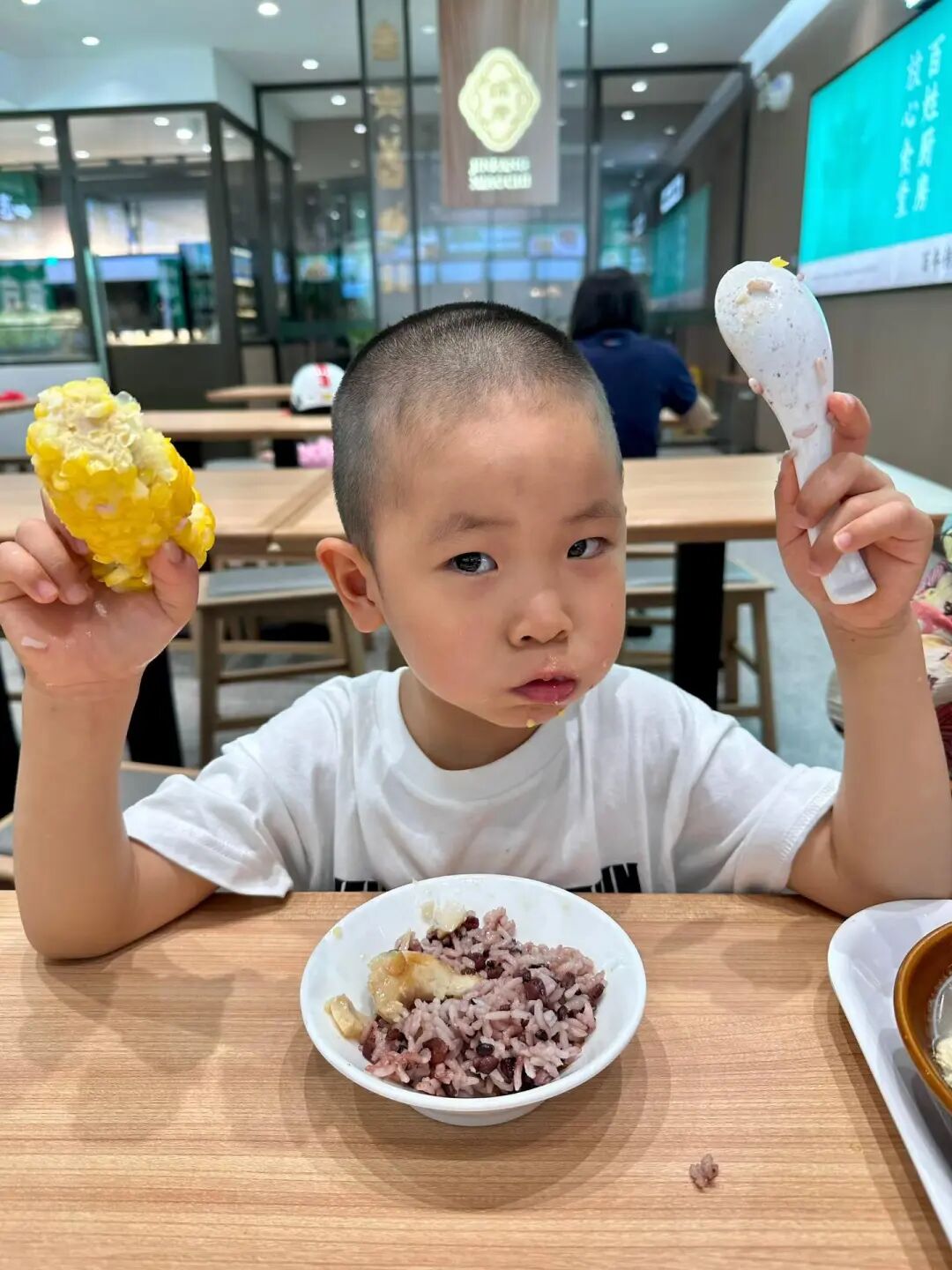
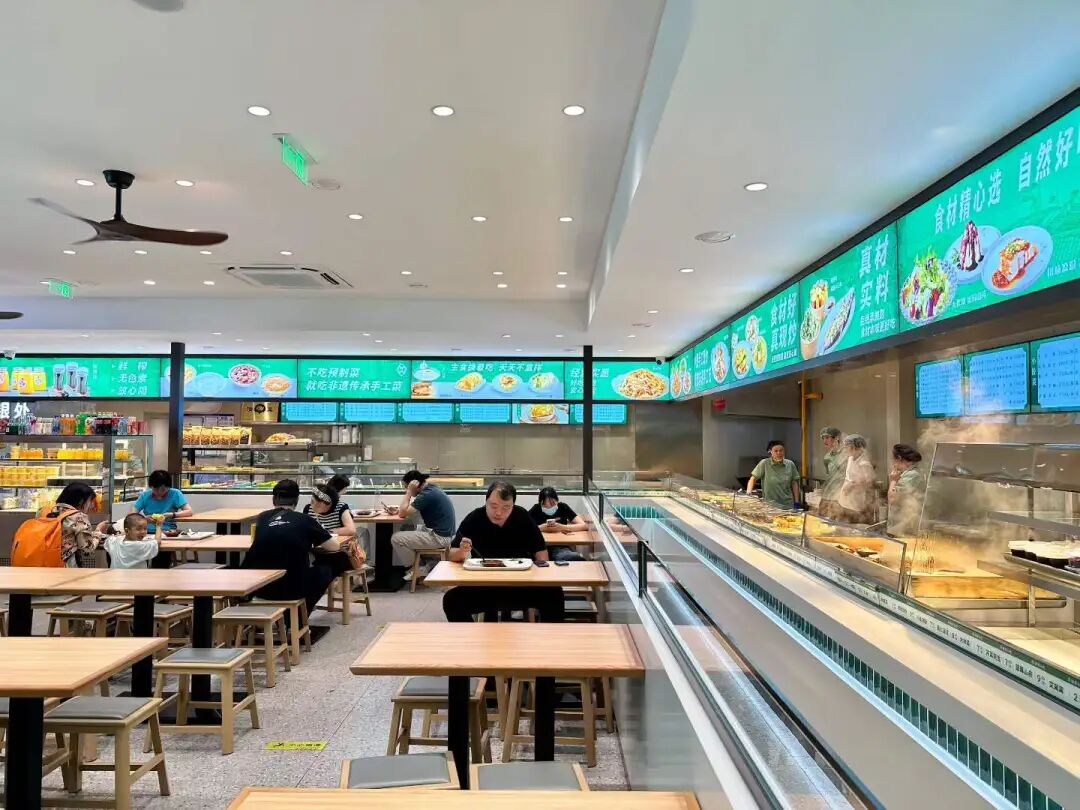
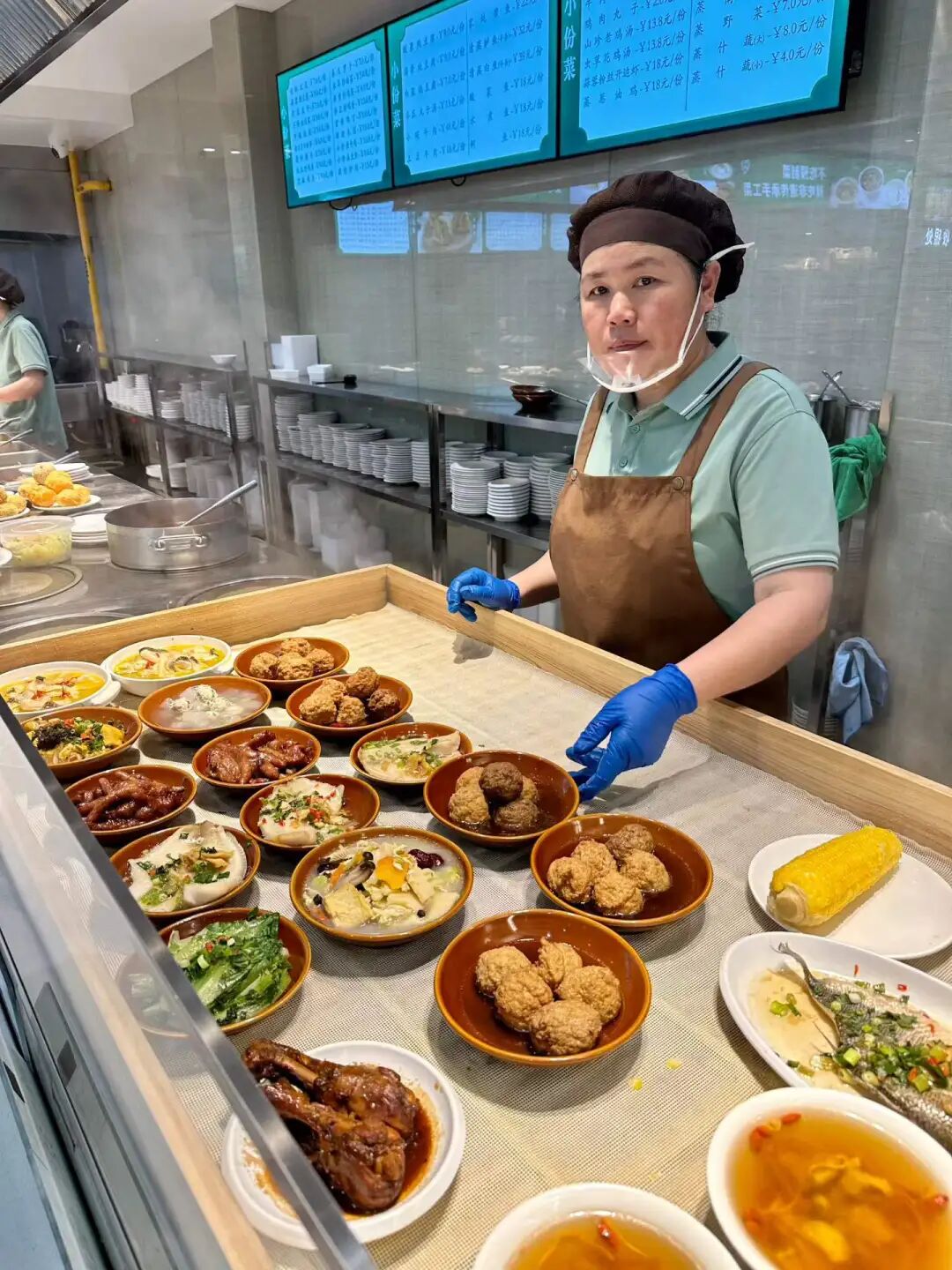
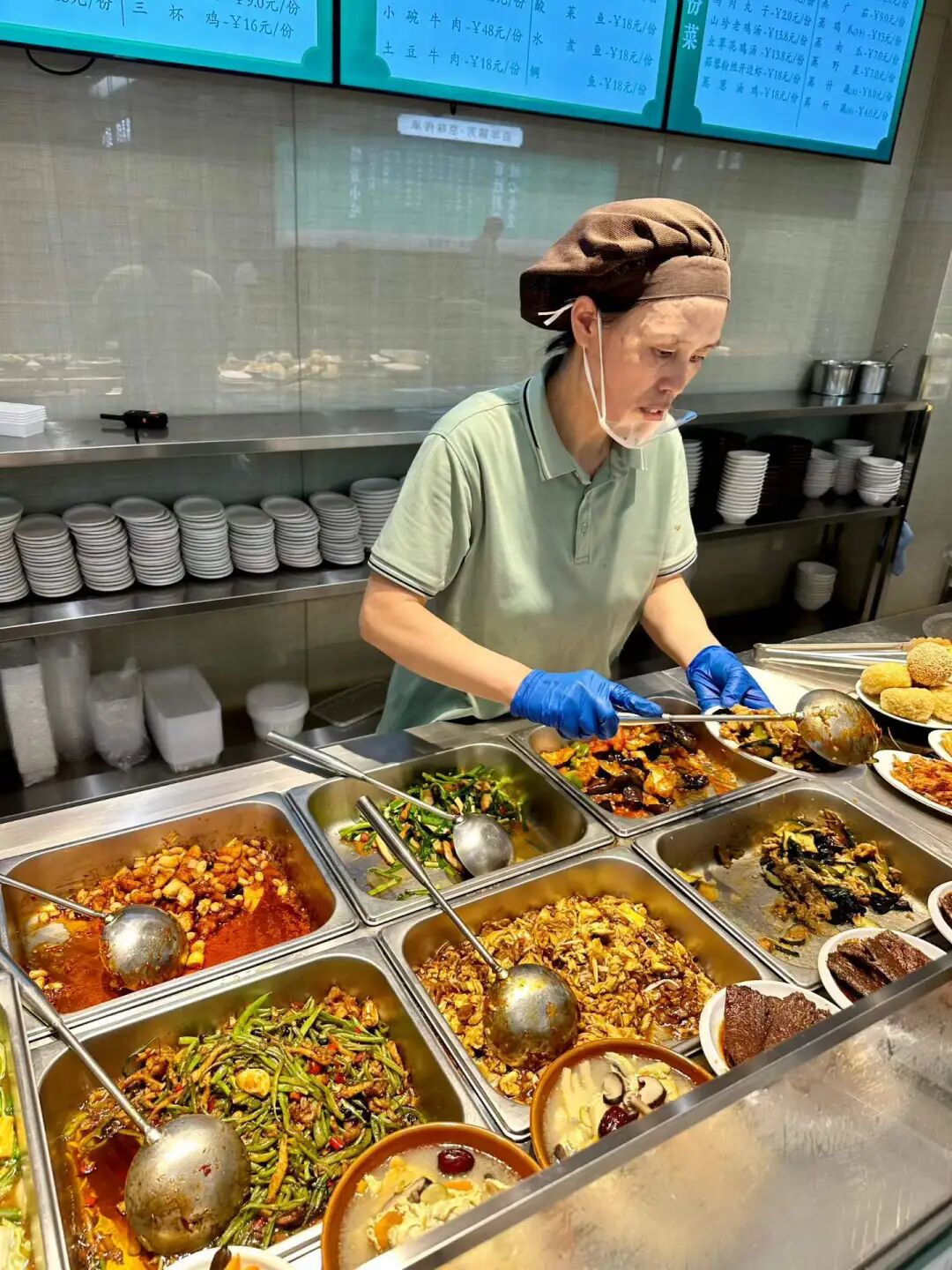
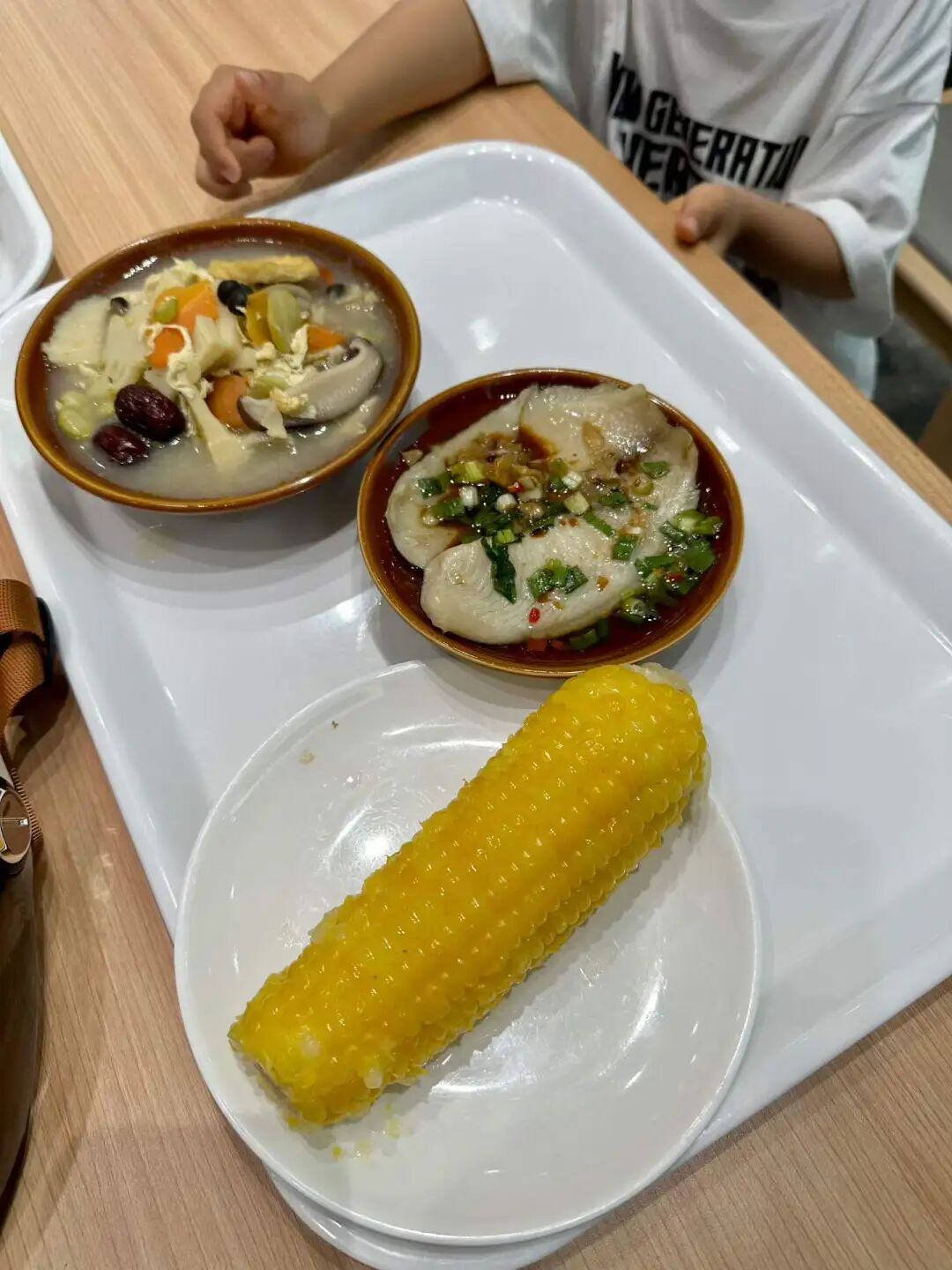
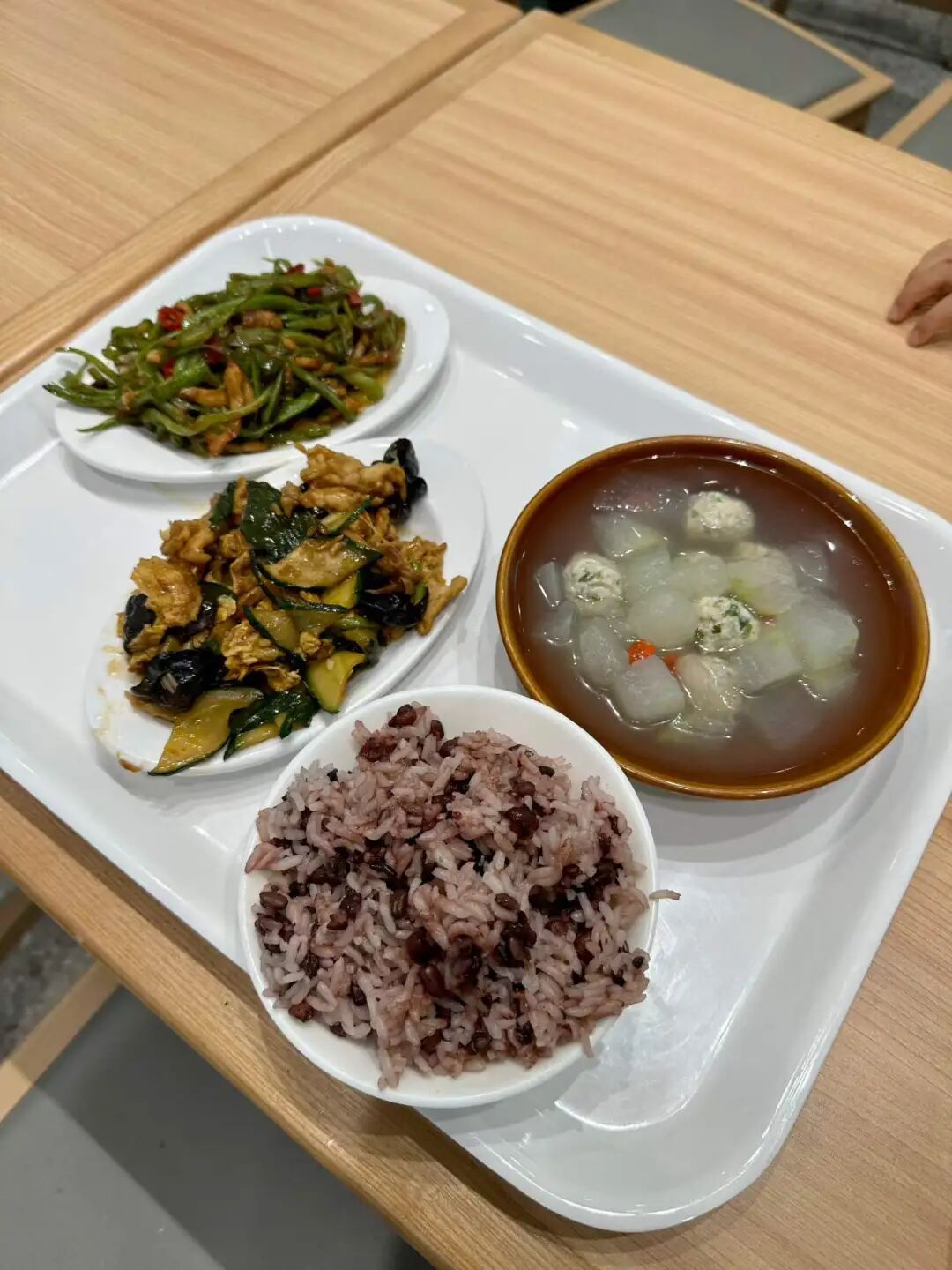
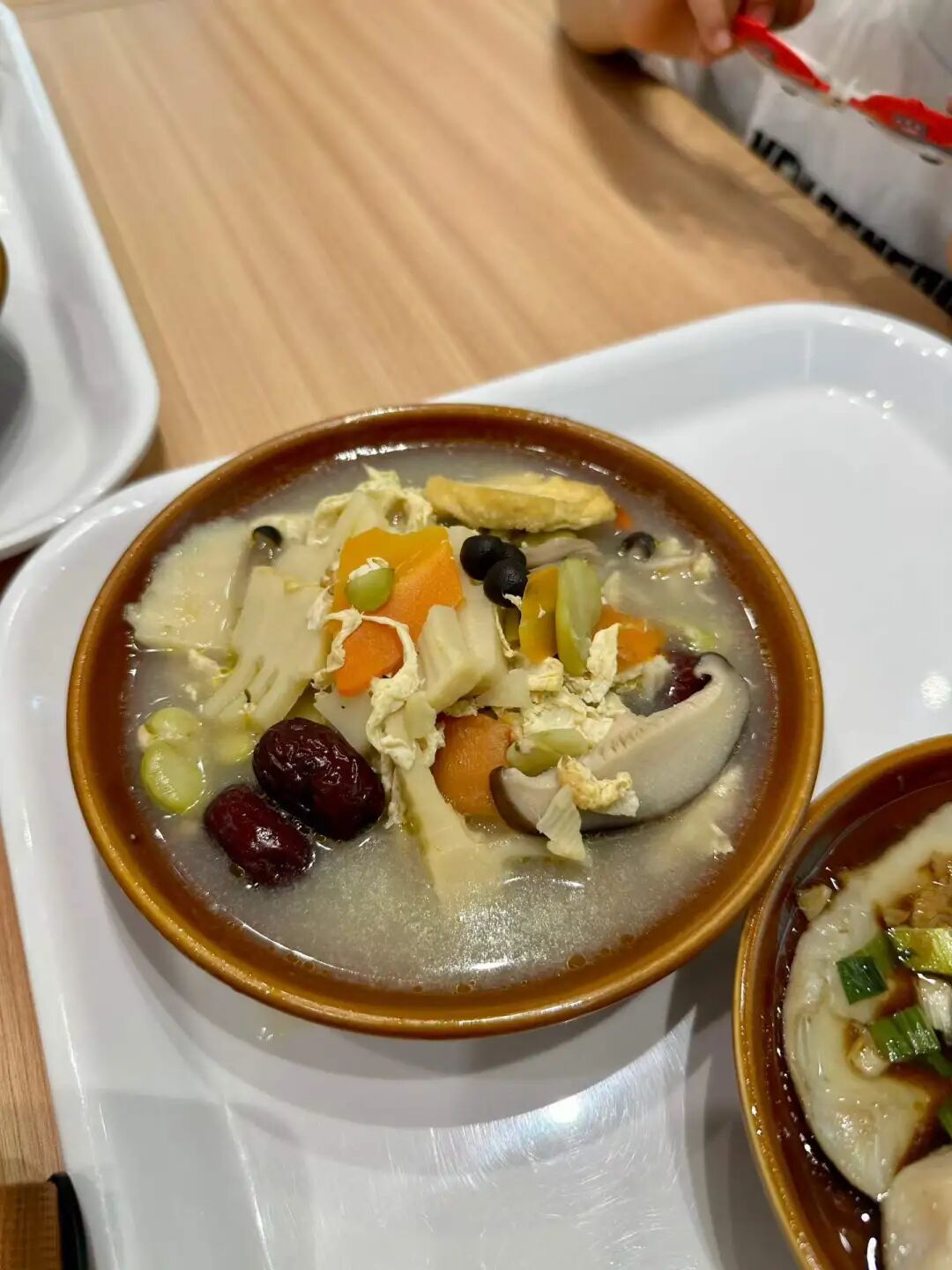
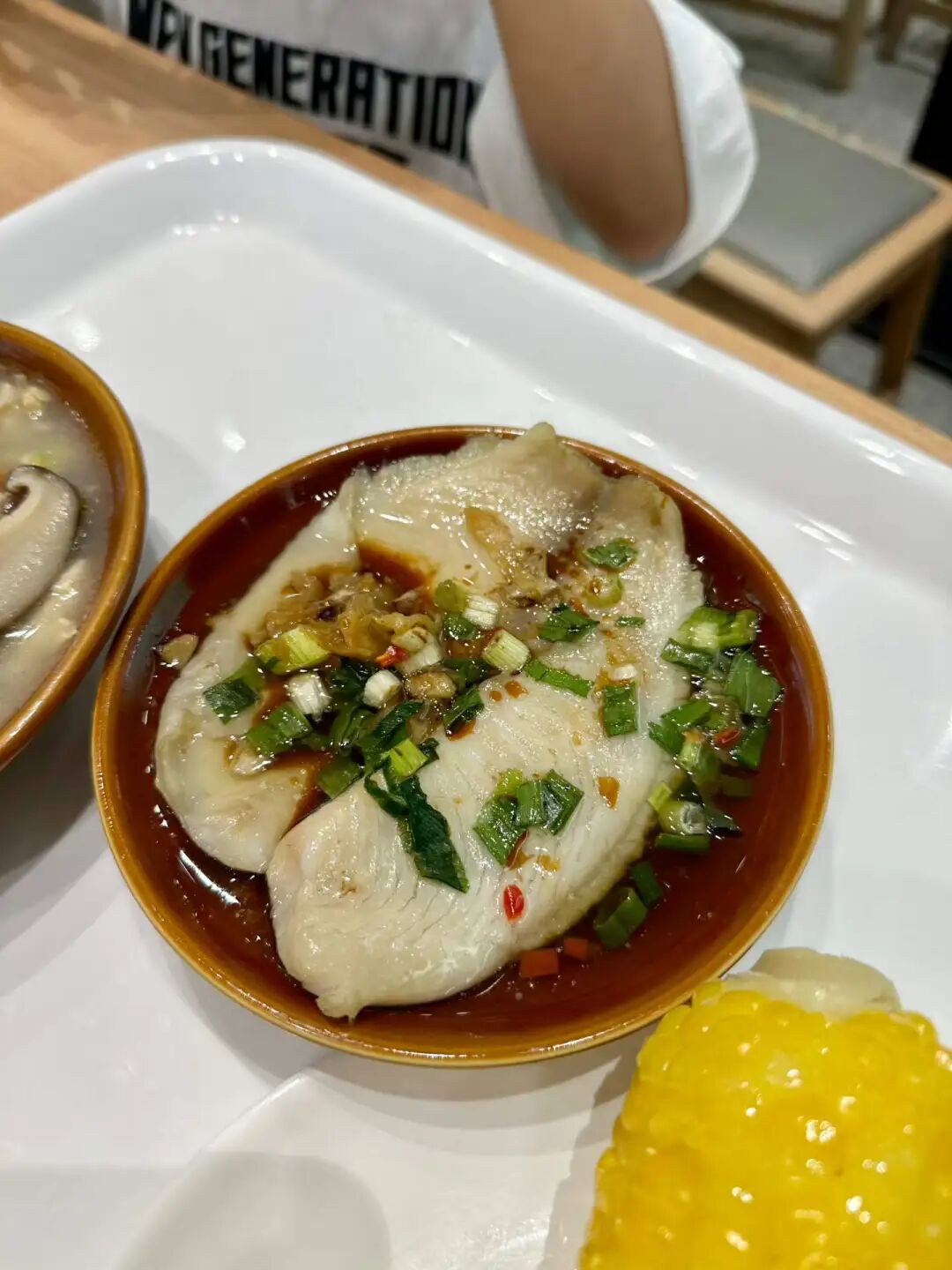
A new shawarma rotisserie shop just opened at the north entrance of Sanlitun SOHO. We went there for dinner; one of the guys working there is from Turkmenistan and the other is from Russia, and almost all the customers were foreigners. The wraps and burgers tasted okay, though the garlic sauce was quite strong. But when we went, they were just starting to roast a new batch of beef, so the pre-sliced beef wasn't very hot. Also, the flatbread wraps they used weren't warm. Still, the vibe is just like a rotisserie shop on a Middle Eastern street; there are no seats, so you grab one to eat on the go and pretend you are in Damascus.
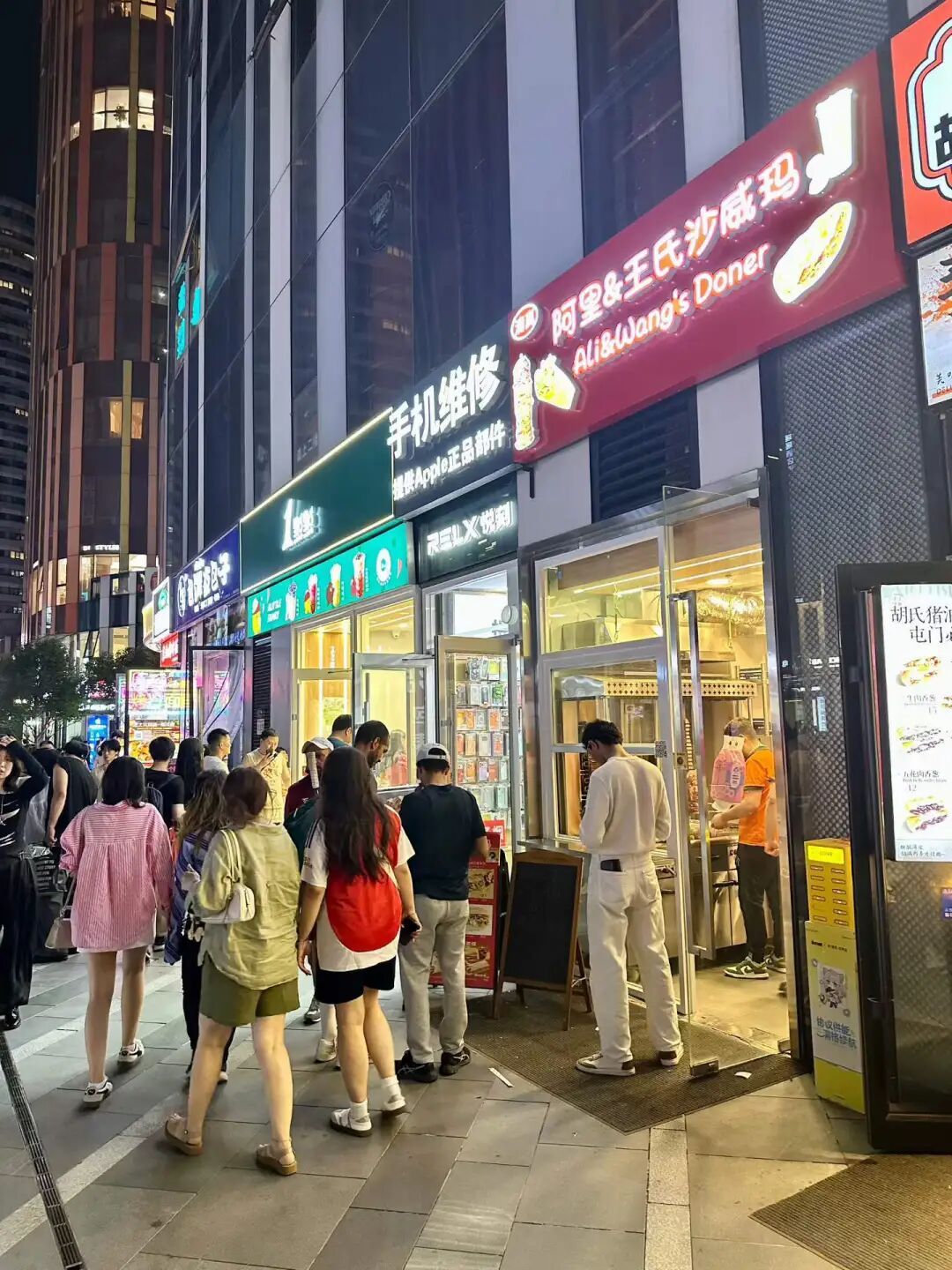
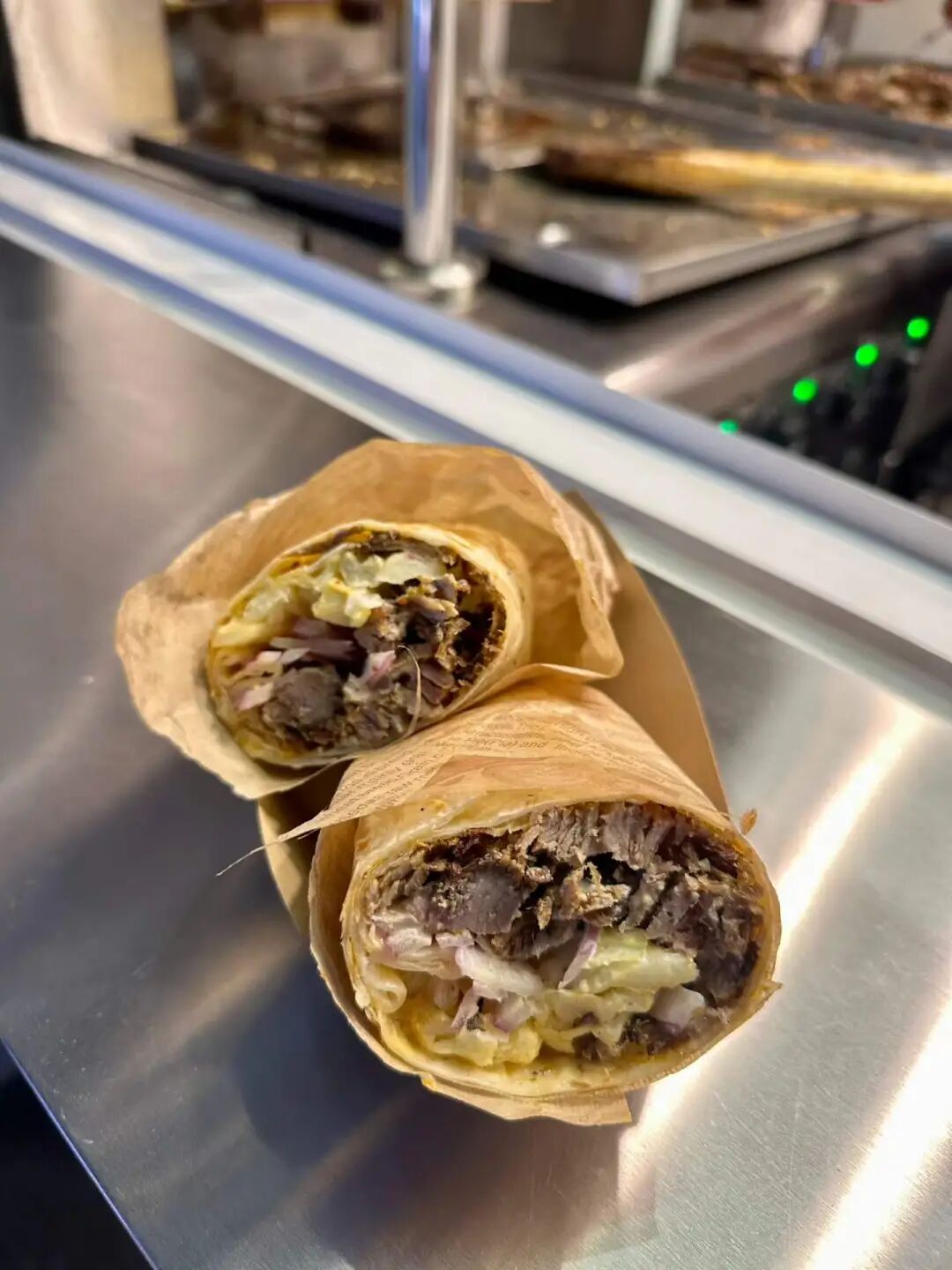
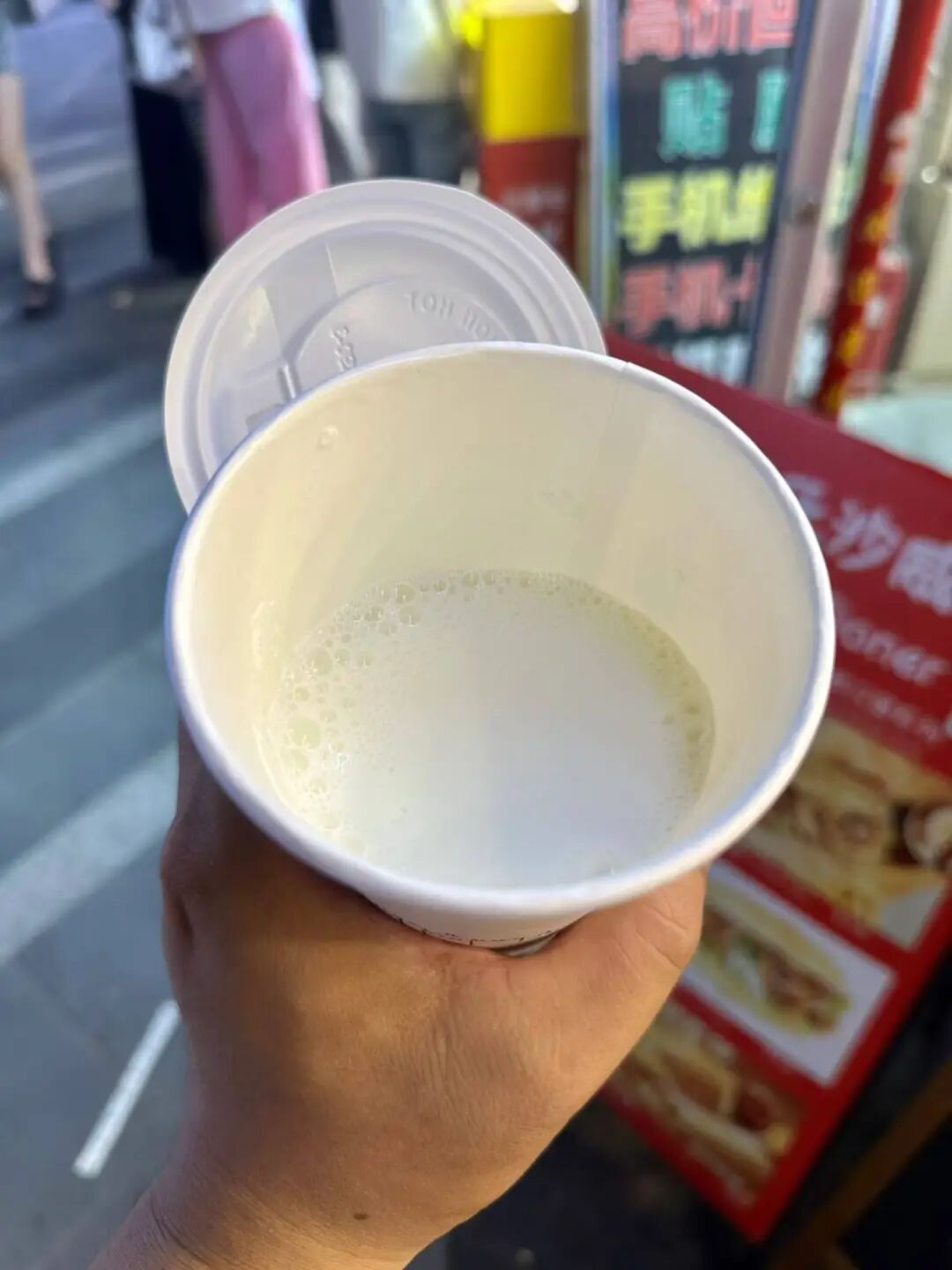
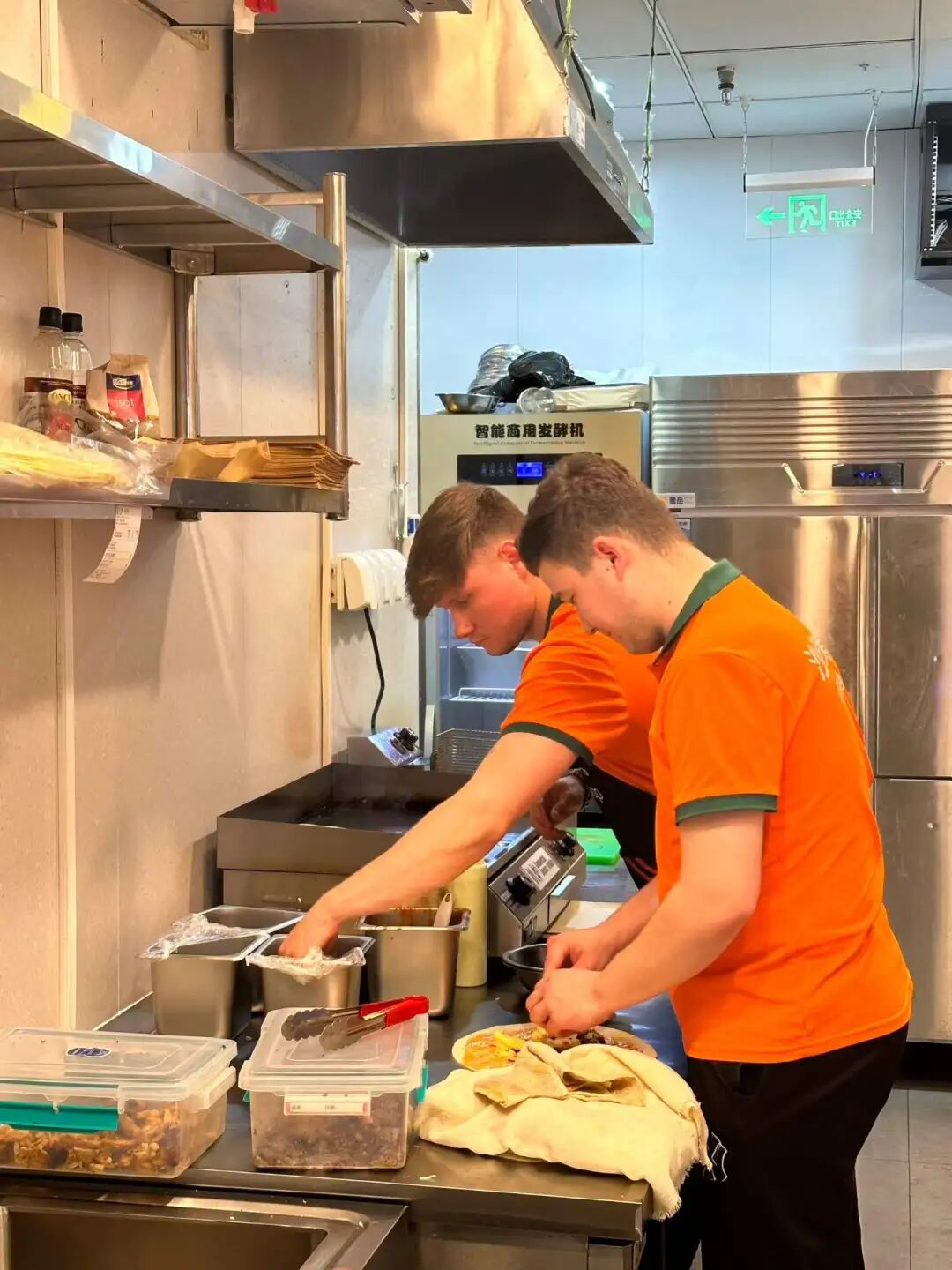
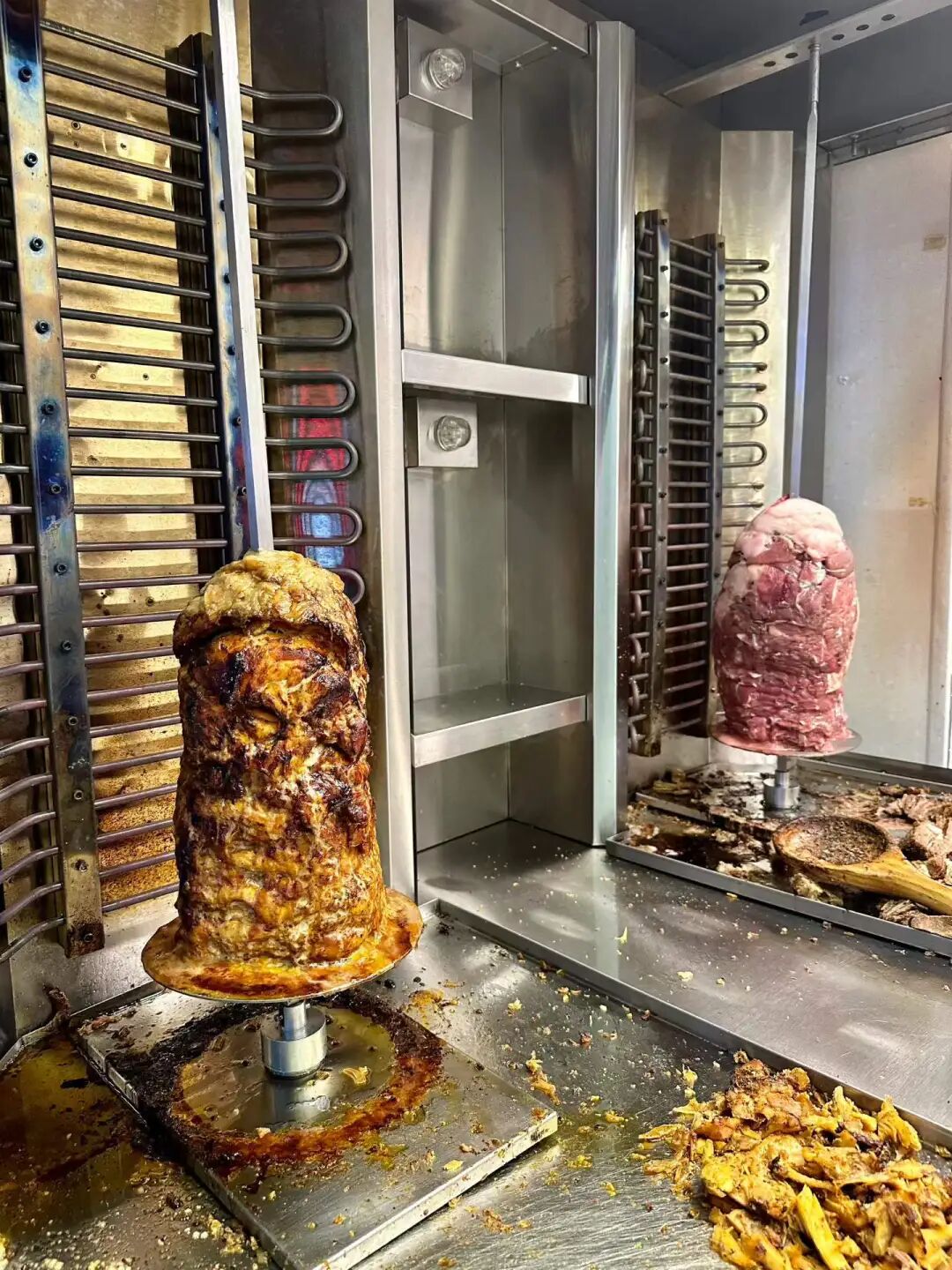
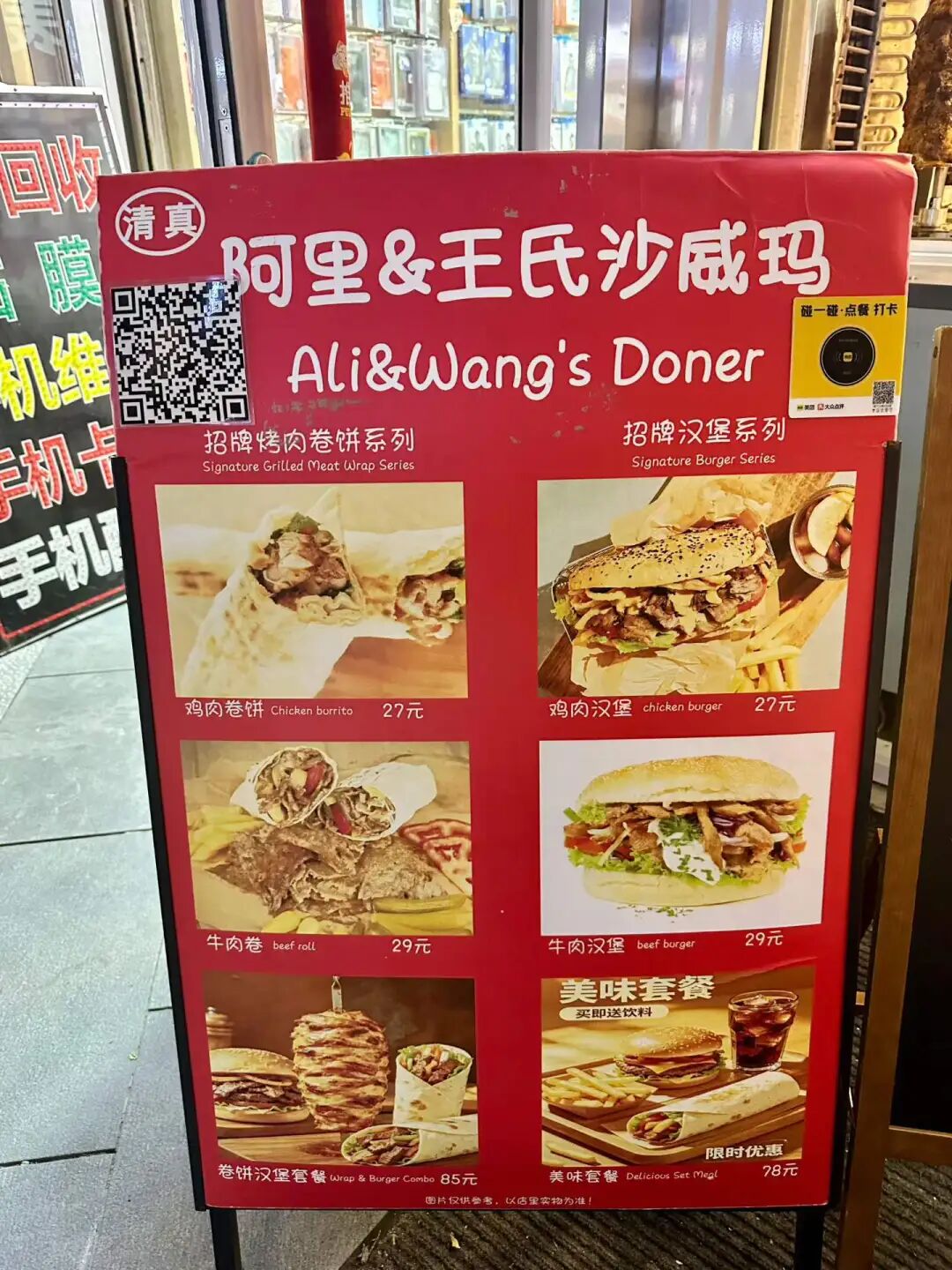
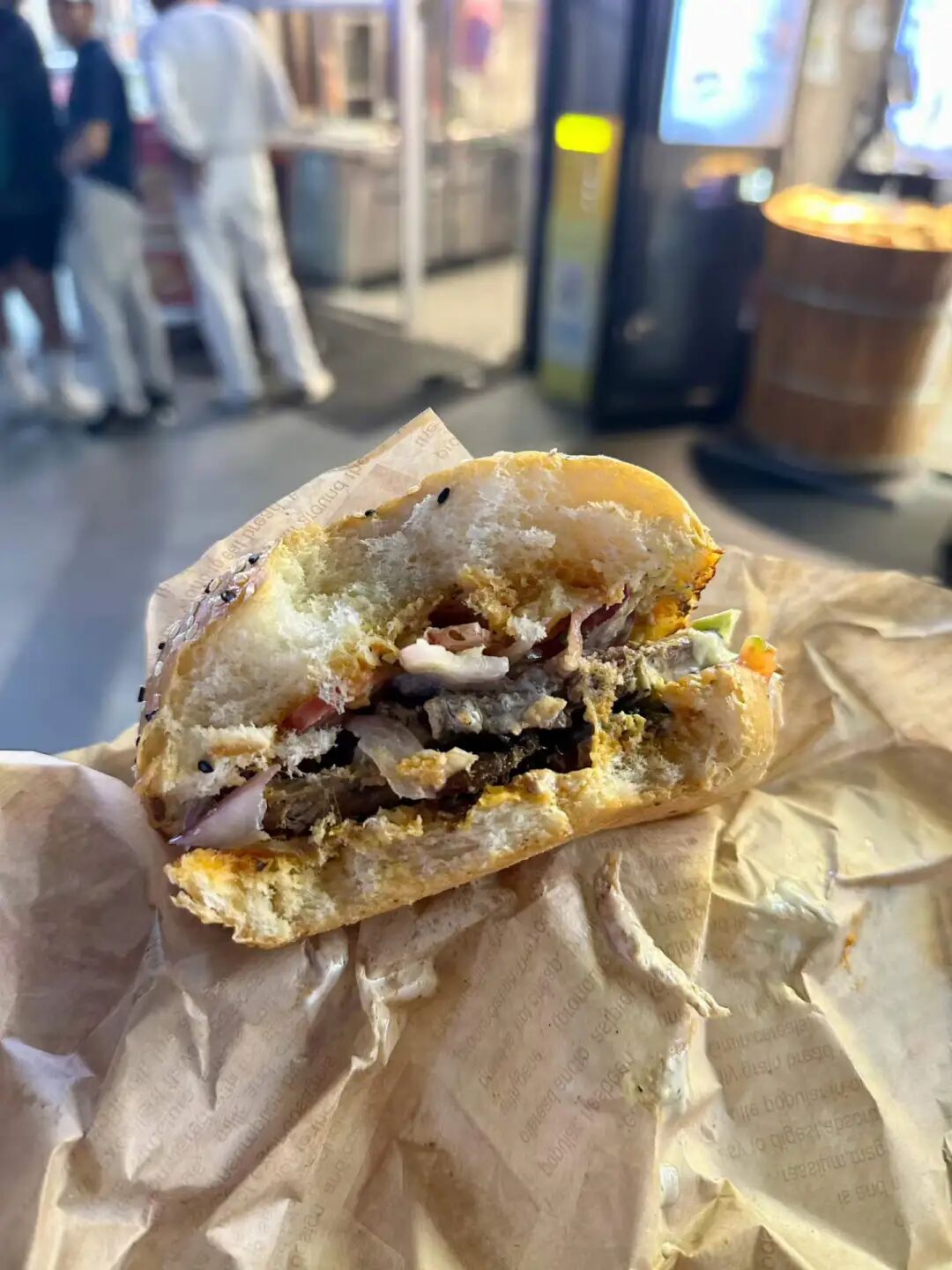
Part 1: 10 halal restaurants in Beijing worth trying: Pakistani restaurant Lahore Courtyard, Henan Jiaozuo beef knife-cut noodles Maimairehong, halal Mongolian food Hulun Aile, West African Ghana Tribe Garden, Xi'an Xing Laosi meatball spicy soup, Xinjiang Changji Jinying meatball soup, Xinjiang Hotan Canteen, Syrian BRBR, Beijing fusion food Gulou Chimian, and Beijing traditional food Xilaisun.
Part 2: 10 halal restaurants in Beijing worth trying (Part 2): UAE restaurant Gulf Mandi Restaurant, Xinjiang Mansion Xihan meatball soup, Xinjiang Mansion lobby Altay afternoon tea, Muhejia revolving hot pot, Xinjiang Urumqi Nazilan (closed), Beijing pastry shop Baoyuanzhai (closed), Pakistani Samosa China-Pakistan Friendship Restaurant, Ma Ye Roast Duck (closed), Bangladeshi Benjibi Restaurant, and Huairou Shihu Cheng Resort.
Part 3: 10 new Beijing restaurants I recently tried. JM Italian Coffee Dongsi branch, halal Hunan-style stir-fry Huixiangyun (now closed) Wangjing branch, Shandong Dezhou Old Ma's lamb soup (yangtang) and steamed dumplings (zhengjiao), Sanlitun Philly cheesesteak (now closed), Pakistani Roma Restaurant (now closed), Muyuzhai garlic lamb intestines (lan suan yang chang), Inner Mongolia Lianying steamed dumplings (shaomai) Caoyuan Shiliuhong, Wangfujing Gansu spicy hot pot (malatang), and Yuezhen Yayuan halal courtyard restaurant.
Part 4: 10 halal restaurants in Beijing worth trying. Hotan rose pilaf (zhua fan) Yizhuang branch, Taiba Western-style bakery, Taiba South Sanlitun Road street shop, Zhaotong small meat skewers Guijie Ganmaya BBQ (now closed), Baixiaobei Heilongjiang BBQ shop, Yunnan Muwenzhai dry-pot beef, Sanlitun Xinjiang restaurant Jiangjiang, Huixiangyun halal Hunan restaurant Zuojiazhuang branch, Yili ice cream shop Bazaar Sweetheart, and Dongzhimen Inner Qianyuan Hotel.
Part 5: 10 halal restaurants in Beijing worth trying. Sandyq Kazakhstan restaurant, Kashgar restaurant, Ahmed restaurant, Jingbalang Naan Bazaar, MacMac Lebanese restaurant, Humaer Xinjiang specialty food, Lao Huihui dumpling restaurant Zoo branch, Fresh Milk Town (now closed) Shuangjing branch, Nawab restaurant, and Liuji Watch Repair BBQ shop.
Part 6: 10 halal restaurants in Beijing worth trying. Hongyunlou Huaiyang cuisine, Sanhe beef noodles (now closed), JM Coffee and Bakery Dajixiang branch, Wanhe fatty beef, Xiangqing roast duck (now closed), Culture Pakistani restaurant, Italian Firenze Western restaurant, Niujie Dashuntang, Zhenweizhai Tianjin cuisine, and Dardanelles children's meal.
Part 7: 10 halal restaurants in Beijing worth trying. JM Western restaurant Chaonei branch, Palestinian restaurant Rose City, Baoding beef soup with flatbread (niurou zhaobing), Pakistani restaurant Al Rayyan, Yili Loulan restaurant Guijie branch, Dianxinyuan Yunnan cuisine, Heilongjiang Suihua restaurant Muxiangyuan, Sanlitun Turkish restaurant, Chaoyangmen fast food stall, and Pakistani buffet Habibi.
Part 8: 10 halal restaurants in Beijing worth trying. Xinjiang Hui Muslim home-style cooking Yige Huangluobo, Liaoning Hui Muslim spicy hot pot (malatang), Hebei Daming Hui Muslim meat pie (roubing) Yimian Liaoyuan (now closed), Hebei Chengde Hui Muslim steamed dumplings (shaomai) Dongtucheng branch, Xilaishun Xisi branch, Longfusi market, Heilongjiang Suihua Hui Muslim Mashi Muxiangyuan Baizhifang branch, Turpan Uyghur restaurant Tianshan, Niujie cafe Sanwanghu, and Heilongjiang Hui Muslim iron pot stew (tieguo dun). Collapse Read »
Summary: This guide to the best halal restaurants in Beijing keeps the original list of local Muslim food spots, Hui Muslim food, and practical halal dining details.
This article summarizes the key points of '10 Halal Restaurants in Beijing Worth Trying (Part 9),' keeping the original paragraph and image order. It is for readers interested in Muslim life, Islamic culture, and Chinese Islamic articles, and makes it easy to search for topics like Uyghur culture, marriage and family, and the ninth installment.
The list includes Shunhexiang Harbin-style stir-fry in Tongzhou, Fenghong Old Beijing Flavor in Changping, Aidamu Xinjiang street barbecue in Shilihe, Ruilin Azerbaijani restaurant near Ritan, Yilan Liyuan American-style burgers on Niujie, Guxiangzhai Tianjin-style shaved ice in Hufangqiao, Niujie's Big Green Bag stinky tofu, Zafran Pakistani restaurant in Xinyuanli, Jinfang Snack Bar in Dongdaqiao, and Ali & Wang's rotating kebab in Sanlitun.
I heard that the Harbin Hui Muslim stir-fry restaurant Shunhexiang opened in Beijing's Tongzhou sub-center, so I came to try it out for dinner. The restaurant is located in a new residential complex along the Grand Canal in Tongzhou. The environment is great, and the private room's turntable is button-controlled, making it easy to reach the dishes.
They specialize in Heilongjiang Hui Muslim cuisine and have also added some southern Chinese dishes to their menu. We ordered the savory sweet and sour pork (guobaorou), sauerkraut beef rib stew, colorful starch noodles (dalapi), stir-fried lily bulbs with bamboo shoots, and beef steamed dumplings (shaomai). The best of these was the steamed dumplings. The skin was thin and chewy, and the filling was fragrant and not greasy. I think they are better than the other Hui Muslim steamed dumplings currently in Beijing. The sweet and sour pork had a good texture and wasn't fried too hard. I think it's better than another Heilongjiang Hui Muslim restaurant in Beijing. The sauerkraut tasted great, but there was very little beef, and there were very few lily bulbs in the lily bulb and bamboo shoot dish. Overall, the restaurant is definitely worth a visit. The biggest problem is that it is too far from the city center, almost reaching Hebei. It is best suited for those driving there or people working in the sub-center.
On Sunday, I was in Changping and had Beijing-style food for lunch at Fenghong Old Beijing Flavor in Xiaotangshan.
We ordered the three-person set meal, which included half a roast duck, grilled meat on a round iron plate (zhizi kaorou), stir-fried mixed vegetables (chao hecai), and duck frame tofu soup. This three-person set is a great value, and we were stuffed after finishing it. The duck tasted good, and the kids really liked it. The portion of stir-fried mixed vegetables (chao hecai) was huge, and it tasted great too.
The grilled meat on a round iron plate (zhizi kaorou) was a hit with both the Xinjiang and Hunan people at our table; the meat was tender but still had a nice chew. However, it must have been pre-marinated because it was spicy and couldn't be made mild, so the kids couldn't eat it. Duck frame soup is a must-have with roast duck; it was very savory and we couldn't stop drinking it.
Besides roast duck, they also serve traditional Hui Muslims' eight big bowls (badawan). If you are visiting Changping, you should come here to eat. They don't close in the afternoon, so it is perfect for a late meal after sightseeing.
In the evening, we went to Shilihe to eat barbecue at Aidamu. I had heard they were very famous, but this was my first time eating there, and I was truly impressed. They have basically brought the level of a local Xinjiang night market to Beijing; eating there felt just like being back in Xinjiang.
There is a large parking lot right across from the restaurant, making it very convenient if you drive there. When we arrived at 6:30, the place was already packed, so we set up a table in the parking lot across the street. Since the temperature has risen in May, it is perfect for eating barbecue outdoors.
At their place, you grab the skewers yourself from the freezer. We had lamb liver, lamb heart, lamb skewers, and lamb chops. The lamb liver was very tender, definitely top-tier for Beijing. The lamb heart had more chew than the liver, and it was also quite good. The lamb skewers had no gamey smell at all, just the pure aroma of lamb, which is very rare in Beijing.
We had the pilaf (zhuafan) fresh out of the pot at seven o'clock. It was shiny and oily, though the lamb was a bit tougher compared to the skewers. Overall, it was still good. I happened to hear the table next to us complaining that their rice was undercooked. Actually, I think pilaf is only good when the rice is a bit firm. If the rice is too soft and mushy, it just becomes regular steamed rice.
On the weekend, we had dinner at Kavkaz Ruilin, a long-standing Azerbaijani restaurant on Ritan Upper Street, to enjoy some Russian and Caucasian food. This is a classic former Soviet-style restaurant in Beijing that has been open for over a decade. It mostly serves merchants from Russian-speaking regions who come to Yabaolu to source goods. Its Chinese name used to be Ruilin, but it has been changed to Ruilin.
After the Soviet Union collapsed in the 1990s, many traders (daoye) took green-skinned trains to Beijing and headed straight to Yabaolu to stock up on goods. They brought down jackets, leather shoes, toys, and other small items back home to sell for huge profits. Yabaolu gradually grew from street stalls and tents into Beijing's largest wholesale market for Russian-speaking regions, and more former Soviet-style restaurants opened up on nearby Ritan Upper Street. Over a decade ago, Ritan Upper Street was mainly home to Central Asian and Azerbaijani restaurants, including Uzbek and Kazakh spots.
Over the last decade, Russia's economic decline, the shift of markets to places like Yiwu, Guangzhou, and Suifenhe, and the rise of cross-border e-commerce have caused trade with Russia on Yabaolu to shrink. Yitan Shangjie has gradually become a hub for Uyghur restaurants. Besides Dardanelles and Desert Rose, which focus on Turkish food, the only other Azerbaijani restaurant is Ruilin. For Central Asian food, there is the Turkmenistan restaurant Merv downstairs, which also serves Russian dishes.
At first, Ruilin had dim lighting, making it a good spot for traders to talk business, but many Chinese people were afraid to go inside. In recent years, the lighting at Ruilin has become brighter, but when we visited, there were only Russian-speaking customers, and we did not see any other Chinese people eating there.
We ordered borscht (hongcaitang), pot-stewed lamb (manguan yangrou), chive pancakes (jiucaibing), Azerbaijani pilaf (zhuafan), and grilled vegetables. Their borscht is closer to the Russian style than the one at Merv. Merv's beef soup has a stronger flavor, while their version has a more intense beet taste, which is also quite good.
Pot-stewed lamb is a classic Russian main course. Traditionally, it is cooked during long, cold winters by stewing meat in a clay pot over a wood-burning fireplace, then sealing the lid and burying it in the fireplace embers for several hours. Their pot-stewed lamb broth is very fresh, similar to Xinjiang cup-stewed lamb (gangzirou), but the lamb is a bit tough rather than tender.
I really like the Azerbaijani pilaf. I made sure to eat the authentic version when I visited Azerbaijan, and after coming back, I think both Ruilin and Dardanelles make a good version. Azerbaijani pilaf is dyed yellow with saffron and includes dried apricots, prunes, chestnuts, and raisins. The lamb is salty and savory, while the dried fruits add sweetness, creating a very rich flavor profile.
I finally had the cheese beef burger at Yilan Liyuan on Niujie this weekend. They only have regular and California-style options now. The California-style burger adds lettuce and tomato, and you can order it as a single or double patty. They do not let you eat inside the shop, so you have to eat at the entrance or take it away. I waited five minutes at the door and it was ready. The single-layer size is decent, and the crust was baked hot on the spot, but the filling felt a bit dense and not very fluffy. The meat pie tastes good, but it feels a bit loose, as if it wasn't packed tightly enough. Overall it is pretty good, but it would be even better if there were other things to pair it with.
A Tianjin halal shaved ice and steamed pancake (zhengbing) shop called Guxiangzhai has opened at Hufangqiao. Since the weather is getting warmer lately, many people are coming to eat shaved ice. For my first visit, I chose the traditional-style shaved ice. It contains sour hawthorn paste (suanmogao), red hawthorn fruit, dried apricots, strawberries, mulberries, pineapple, orange, fresh apricots, and red beans. It actually has more ingredients than the truly traditional version, and it is mainly sweet and sour to whet your appetite. Sour hawthorn paste (suanmogao) is the soul of Tianjin traditional shaved ice. It is made by grinding dried wild sour jujubes into powder and boiling it with rock sugar. You can buy large blocks of sour hawthorn paste (suanmogao) at the entrance of the archway of the South Mosque (Nandasi) in the Northwest Corner. It also tastes great when mixed directly with water.
Their dinosaur egg three-apricot shaved ice is also a signature item. It contains Kashgar Hami apricots, Yengisar Saimaiti red apricots, Aksu Situan dried apricots, and secret-recipe preserved fruit made from wild hawthorn from Shanxi. It sounds very good.
They also sell various snacks. We bought a steamed pancake (zhengbing) with a red hawthorn filling, which is sweet and sour and perfect for breakfast. It is a pity that the rice cakes (gaogan) were sold out, so I bought a rice cake (migao) with a sour hawthorn paste flavor. It was a bit dry, but the taste was still good. I also bought a snack called "five blacks," which contains black rice, black beans, black mulberries, black goji berries, and black sesame seeds. It sounds very healthy.
Across from the China Academy of Chinese Medical Sciences on Niujie Street, the roast lamb leg shop with the big green sign sells stinky tofu with sauce. The sauce is made from beef bone broth (niubanggu aotang), and it really has a meaty flavor. I remember eating fried stinky tofu topped with fermented bean curd sauce from a cart run by local Hui Muslims on Binjiang Road in Tianjin. That flavor was truly satisfying.
A new alcohol-free Pakistani restaurant called Zafran just opened in Jiayi Plaza near Liangmaqiao. It is very close to the Liangma River, and since it only opened a few days ago, I came specifically to try it.
I looked at the menu and was surprised to find many Afghan Pashtun dishes. I asked the server, and he is a Pashtun from Peshawar. I decided to order a few Pashtun dishes to try, as some of them cannot be found in other Pakistani restaurants.
First, I must praise their excellent service. The Pashtun waiter, Anas Khan, always greeted us with a smile and even did a fist bump with my son, Suleiman. As soon as we sat down, they brought us black tea, lemon water, and fried dough twists (mayezi). Later, they served a special dried fruit milkshake with walnuts and almonds. Finally, they gave Suleiman a small cup of thin yogurt drink (lassi) and a piece of baklava, which made him very happy.
The atmosphere is also very nice, with curtained sofa areas on one side that are perfect for families. There are no large private rooms, but if you have a big group, you can push tables together in the main dining area. There is also outdoor seating at the entrance, which is great for having desserts and drinks in the summer.
We ordered Afghan pilaf, Peshawar-style lamb, and Kandahar naan. You can tell these are Pashtun specialties just by their names. We also ordered a Caesar salad, french fries, and salty yogurt drink (lassi). Since they just opened, they gave us a 30% discount, which was a great deal.
Afghan pilaf originated in the border region between northern Afghanistan and Uzbekistan. It is known as Qabili Palaw in Afghanistan and later spread from there to West Asia, Central Asia, and Pakistan. Afghan pilaf (pulao) differs from Xinjiang pilaf because it uses long-grain aromatic rice from South Asia and a bit of saffron for color. It is cooked with ghee and vegetable oil, and the carrots are sliced thinly. It also includes cinnamon, cardamom, and cloves, giving it a stronger spice flavor than Xinjiang pilaf. Their Afghan pilaf includes fresh almonds and raisins, but the meat is a bit tough and hard for children to chew. The spice flavor is very rich.
This was my first time eating Peshawar Shinwari lamb, and I highly recommend it! The lamb is very tender and the seasoning is excellent. Peshawar Shinwari lamb is cooked in a metal wok called a karahi. It is a classic main dish for the Pashtun people in northern Pakistan, especially prepared after the animal sacrifice during Eid al-Adha. It is made with fresh bone-in lamb, salt, garlic, and green chilies, without the heavy spices found in southern Pakistan.
Their Kandahar flatbread (nan) is also amazing and pairs perfectly with the Peshawar lamb. Kandahar flatbread is also popular in Pakistan. It is very fluffy because milk and sugar are added to the dough, making it more fragrant.
I also recommend their yogurt drink (lassi). It is not too sour, but it is very appetizing.
The Qingxiangge restaurant at Dongdaqiao was replaced by Jinfang Snacks this year, and I just went to try it recently. Once inside, I found it is completely different from the old shop at Ciqikou. It uses a self-service tray system with small bowls of stewed dishes, small portions of stir-fries, and a huge variety of mixed salads, noodles, and snacks. It is incredibly rich in options. Small bowls and small plates are rare in traditional Beijing restaurants, making them perfect for people who want to try several different dishes.
We ordered winter melon meatball soup (donggua cuan wanzi), stir-stir-fried meat with eggs and wood ear mushrooms (muxu rou), stir-fried green beans with pork (biandou chaorou), sea bream fillets (diaoyu pian), and healthy mixed vegetables (yangsheng cai), with corn and red bean rice for our main course. The cheaper meat dishes are mostly chicken, while the beef stew is priced like a standard old Beijing restaurant for Hui Muslims. The winter melon meatball soup goes great with rice, and eating rice soaked in the broth feels just like being a kid again.
Jinfang Snack Shop is celebrating its 100th anniversary this year, so it can finally call itself a century-old shop. Jinfang was originally called Rongxiangcheng Hui Muslim Snack Shop, founded in 1926 outside Chongwenmen by Man Leting (known as Man Liu), a Hui Muslim from Dezhou, Shandong. Man Leting started out with beef and mutton. At first, he bought high-quality cattle and sheep every autumn to raise in Madian, slaughtering and selling them as needed. His business improved significantly in the 1940s, so he expanded his storefront and later began selling cooked foods like roasted mutton (shao yangrou).
In the past, spring and summer were the growing seasons for sheep, so they were usually only slaughtered after autumn. Because of this, some mutton shops would switch to selling cold food during the summer. In the 1940s, Man Leting bought Japanese refrigeration equipment to sell homemade popsicles, soda, and other cold drinks, and business was booming. In 1949, mutton shipments from Inner Mongolia to Beijing were blocked, and the sheep trade hit rock bottom. Just then, Man Leiting's fellow townsman Man Kaiqi came to join him. Man Kaiqi had a background in a pastry shop, so Man Liu stopped selling lamb and switched to snacks and cold dishes, making Rongxiangcheng a famous Hui Muslim snack shop outside Chongwenmen. After the public-private partnership in 1956, Man Leiting's son Man Kaitong became the manager, and in 1958, they stopped making popsicles to focus on snacks like almond tofu (xingren doufu) and sweet rice balls (yuanxiao). In 1966, Rongxiangcheng was officially renamed Jinfang Hui Muslim Snack Shop, and in 1971, it began to focus on sweet rice balls (yuanxiao), which have drawn long lines every year around the Lantern Festival since the 1990s.
A new shawarma rotisserie shop just opened at the north entrance of Sanlitun SOHO. We went there for dinner; one of the guys working there is from Turkmenistan and the other is from Russia, and almost all the customers were foreigners. The wraps and burgers tasted okay, though the garlic sauce was quite strong. But when we went, they were just starting to roast a new batch of beef, so the pre-sliced beef wasn't very hot. Also, the flatbread wraps they used weren't warm. Still, the vibe is just like a rotisserie shop on a Middle Eastern street; there are no seats, so you grab one to eat on the go and pretend you are in Damascus.
Part 1: 10 halal restaurants in Beijing worth trying: Pakistani restaurant Lahore Courtyard, Henan Jiaozuo beef knife-cut noodles Maimairehong, halal Mongolian food Hulun Aile, West African Ghana Tribe Garden, Xi'an Xing Laosi meatball spicy soup, Xinjiang Changji Jinying meatball soup, Xinjiang Hotan Canteen, Syrian BRBR, Beijing fusion food Gulou Chimian, and Beijing traditional food Xilaisun.
Part 2: 10 halal restaurants in Beijing worth trying (Part 2): UAE restaurant Gulf Mandi Restaurant, Xinjiang Mansion Xihan meatball soup, Xinjiang Mansion lobby Altay afternoon tea, Muhejia revolving hot pot, Xinjiang Urumqi Nazilan (closed), Beijing pastry shop Baoyuanzhai (closed), Pakistani Samosa China-Pakistan Friendship Restaurant, Ma Ye Roast Duck (closed), Bangladeshi Benjibi Restaurant, and Huairou Shihu Cheng Resort.
Part 3: 10 new Beijing restaurants I recently tried. JM Italian Coffee Dongsi branch, halal Hunan-style stir-fry Huixiangyun (now closed) Wangjing branch, Shandong Dezhou Old Ma's lamb soup (yangtang) and steamed dumplings (zhengjiao), Sanlitun Philly cheesesteak (now closed), Pakistani Roma Restaurant (now closed), Muyuzhai garlic lamb intestines (lan suan yang chang), Inner Mongolia Lianying steamed dumplings (shaomai) Caoyuan Shiliuhong, Wangfujing Gansu spicy hot pot (malatang), and Yuezhen Yayuan halal courtyard restaurant.
Part 4: 10 halal restaurants in Beijing worth trying. Hotan rose pilaf (zhua fan) Yizhuang branch, Taiba Western-style bakery, Taiba South Sanlitun Road street shop, Zhaotong small meat skewers Guijie Ganmaya BBQ (now closed), Baixiaobei Heilongjiang BBQ shop, Yunnan Muwenzhai dry-pot beef, Sanlitun Xinjiang restaurant Jiangjiang, Huixiangyun halal Hunan restaurant Zuojiazhuang branch, Yili ice cream shop Bazaar Sweetheart, and Dongzhimen Inner Qianyuan Hotel.
Part 5: 10 halal restaurants in Beijing worth trying. Sandyq Kazakhstan restaurant, Kashgar restaurant, Ahmed restaurant, Jingbalang Naan Bazaar, MacMac Lebanese restaurant, Humaer Xinjiang specialty food, Lao Huihui dumpling restaurant Zoo branch, Fresh Milk Town (now closed) Shuangjing branch, Nawab restaurant, and Liuji Watch Repair BBQ shop.
Part 6: 10 halal restaurants in Beijing worth trying. Hongyunlou Huaiyang cuisine, Sanhe beef noodles (now closed), JM Coffee and Bakery Dajixiang branch, Wanhe fatty beef, Xiangqing roast duck (now closed), Culture Pakistani restaurant, Italian Firenze Western restaurant, Niujie Dashuntang, Zhenweizhai Tianjin cuisine, and Dardanelles children's meal.
Part 7: 10 halal restaurants in Beijing worth trying. JM Western restaurant Chaonei branch, Palestinian restaurant Rose City, Baoding beef soup with flatbread (niurou zhaobing), Pakistani restaurant Al Rayyan, Yili Loulan restaurant Guijie branch, Dianxinyuan Yunnan cuisine, Heilongjiang Suihua restaurant Muxiangyuan, Sanlitun Turkish restaurant, Chaoyangmen fast food stall, and Pakistani buffet Habibi.
Part 8: 10 halal restaurants in Beijing worth trying. Xinjiang Hui Muslim home-style cooking Yige Huangluobo, Liaoning Hui Muslim spicy hot pot (malatang), Hebei Daming Hui Muslim meat pie (roubing) Yimian Liaoyuan (now closed), Hebei Chengde Hui Muslim steamed dumplings (shaomai) Dongtucheng branch, Xilaishun Xisi branch, Longfusi market, Heilongjiang Suihua Hui Muslim Mashi Muxiangyuan Baizhifang branch, Turpan Uyghur restaurant Tianshan, Niujie cafe Sanwanghu, and Heilongjiang Hui Muslim iron pot stew (tieguo dun). Collapse Read »
China Mosque Travel Guide: Eight Historic Mosque Complexes in Longhui, Shaoyang, Hunan
Reposted from the web
Summary: This China mosque travel guide covers eight historic mosque complexes in Longhui, Shaoyang, Hunan, with local Hui Muslim heritage and mosque travel details kept in clear English.
This article summarizes the key points about the eight mosques (sifang) in Longhui County, Shaoyang, Hunan. It keeps the original paragraph and image order. It is for readers interested in Muslim life, Islamic culture, and Chinese Islamic writing. It also helps people search for content like Chinese halal food.
Longhui County in Shaoyang City, Hunan, has a large population of Hui Muslims. I visited eight mosques there: Taohuaping Mosque, Shanjie Ancient Mosque, East Mosque, West Mosque, South Mosque, North Mosque, Luobai Mosque, and Niejiaoting Mosque. I will share them with you below.
Shanjie Ancient Mosque in Longhui County, Shaoyang, Hunan, is located in Laowuli, Shanjie Township. It was first built in 1444 (the ninth year of the Zhengtong reign of the Ming Dynasty) and is the oldest mosque in Longhui. During the Hongwu reign of the Ming Dynasty, Ma Zhi, the third son of Ma Cheng, the ancestor of the Ma family Hui Muslims in Shaoyang, moved from Shaoyang to Majia Ferry in Longhui to settle down. He was the first Hui Muslim in Longhui, and Shanjie Ancient Mosque was built by the Ma family.
Shanjie Ancient Mosque was renovated in 1919 and rebuilt into its current appearance in 2018.
Shanjie Ancient Mosque has a long tradition of teaching Islamic scripture. The head imams who have taught there include Ma Yulang, Ma Fujiu, Ma Fucheng, Ma Yucheng, Ma Yaochi, and Ding Zhenyi. They also hired imams from other places like Huang Xingxiang and Li Desheng. Ma Fucheng, an imam from this mosque, taught there for the longest time. In 1945, Imam Ma Yucheng taught at the ancient mosque and recruited many students (hailifan), marking the peak of the mosque's religious activities. To this day, the mosque continues its educational work and has trained many excellent young people.
On September 2, 1939, the Wugang County, Hunan branch of the China Islamic National Salvation Association was officially established at the mosque. The mosque's imam, Ma Fucheng, was elected as an officer. Inspired by the call to resist Japanese aggression and save the country, young Hui Muslims from the mosque, including Ma Qiyun, Ma Wuyang from the North Mosque, and Su Xingmin from Beishan, signed up for the army, took up arms, and headed to the front lines in East China.
Relics at Shanjie Ancient Mosque include stone pillar bases, wood carvings, and calligraphy of the mihrab in the kiln niche.
The stone couplet on the main gate reads: Clear the murky and promote the pure to follow the great path; preserve the truth and remove the false so that every generation has successors. The calligraphy was written by Ma Linyi, a Hui Muslim educator and Minister of Education in Shaoyang during the Republic of China. He is known as the Father of Northwest Education and the founder of modern Chinese Hui Muslim education.
Ma Linyi was born in Shaoyang, Hunan, in 1865. He passed the imperial examinations in 1902 and went to Japan on a government scholarship in 1904 to study teacher training. During that time, he met Sun Yat-sen, joined the Tongmenghui in 1905, and returned home to work on new government policies and modern education. In 1906, he founded Xiejin Primary School in Shaoyang, which was the first modern school for Hui Muslims in Hunan.
In 1908, he was transferred to the Qing government's Ministry of Education as a director. That same year, he helped establish the Beijing First Islamic Primary School inside the Niujie Mosque and later helped found the Islamic Education Association. While serving as Vice Minister of Education in 1912, Ma Linyi founded the Chinese Islamic Progressive Association with the support of Sun Yat-sen and served as its president.
While in charge of education in Gansu, Ma Linyi founded 277 schools of various types and set up the Gansu Islamic Education Promotion Office, spreading over a hundred Islamic primary schools across Gansu, Ningxia, and Qinghai. He selected over a hundred young people from the Northwest for government-funded study abroad, laying the foundation for modern basic education in the Northwest.
In 1928, Ma Linyi helped found the Islamic Middle School in Niujie and served as its vice chairman. In 1929, Ma Linyi became a board member of the Beiping Chengda Teachers' College. He actively updated the curriculum and improved teaching methods, helping Chengda develop into a modern school. In his later years, Ma Linyi devoted himself to the faith and served as an advisor to Wang Jingzhai for his translation of Islamic classics.
Shanjie East Mosque was first built in 1728 (the fifth year of the Yongzheng reign). The mosque has hired many imams over the years, including Su Yuebo, Ma Yulang, Ma Baochu, Zheng Liansheng, Ma Yuechi, Ma Yucheng, Tang Yuanqi, Hai Shiquan, Ma Chengyong, Ding Baohua, Ma Gen'ao, Ma Xiang'ao, and Ma Wuquan. Students from as far as Hainan and Guangxi came to study under the great imam Ma Yucheng in Gansu, and the local religious community was very prosperous.
It is a pity that the mosque was locked when I visited, so I could not go inside.
Shanjie West Mosque, also known as Jiajian Village Mosque, was first built in 1836 (the 16th year of the Daoguang reign). It was expanded during the Guangxu and Republic of China periods, and the local Hui Muslims there are surnamed Ma, Huang, and Zheng. The imams who have served at the mosque include Ma Chaoxin, Zheng Liansheng, Ma Daocheng, Ma Fucheng, and Ma Liangxu. The main hall of the West Mosque collapsed in 1991. It was being rebuilt when a flood destroyed it in 1996. After raising funds again, it was officially completed at the end of 1996 and renovated again in 2013.
The mosque houses a stone tablet from the 11th year of the Guangxu reign titled 'Record of Continued Mosque Repairs,' which lists the names of the donors at that time and serves as a precious historical record.
Shanjie North Mosque, also called Sifangjing Mosque, was first built in 1824 (the 4th year of the Daoguang reign), and the local Hui Muslims there are surnamed Ma. The main hall was destroyed after 1966. It was rebuilt in 1991 and again in 2000, with only the original stone gate pillars remaining. The pillars are carved with a couplet by the Republic of China educator Ma Linyi: 'To study the Way, one must seek the source; why ask about Jesus, Buddha, or the Greeks? To unite with Heaven is to enter the path of the sages; ancient and modern, Chinese and foreign, all share the same principle.'
Regrettably, the Shanjie North Mosque was also locked when I visited, and I could not enter.
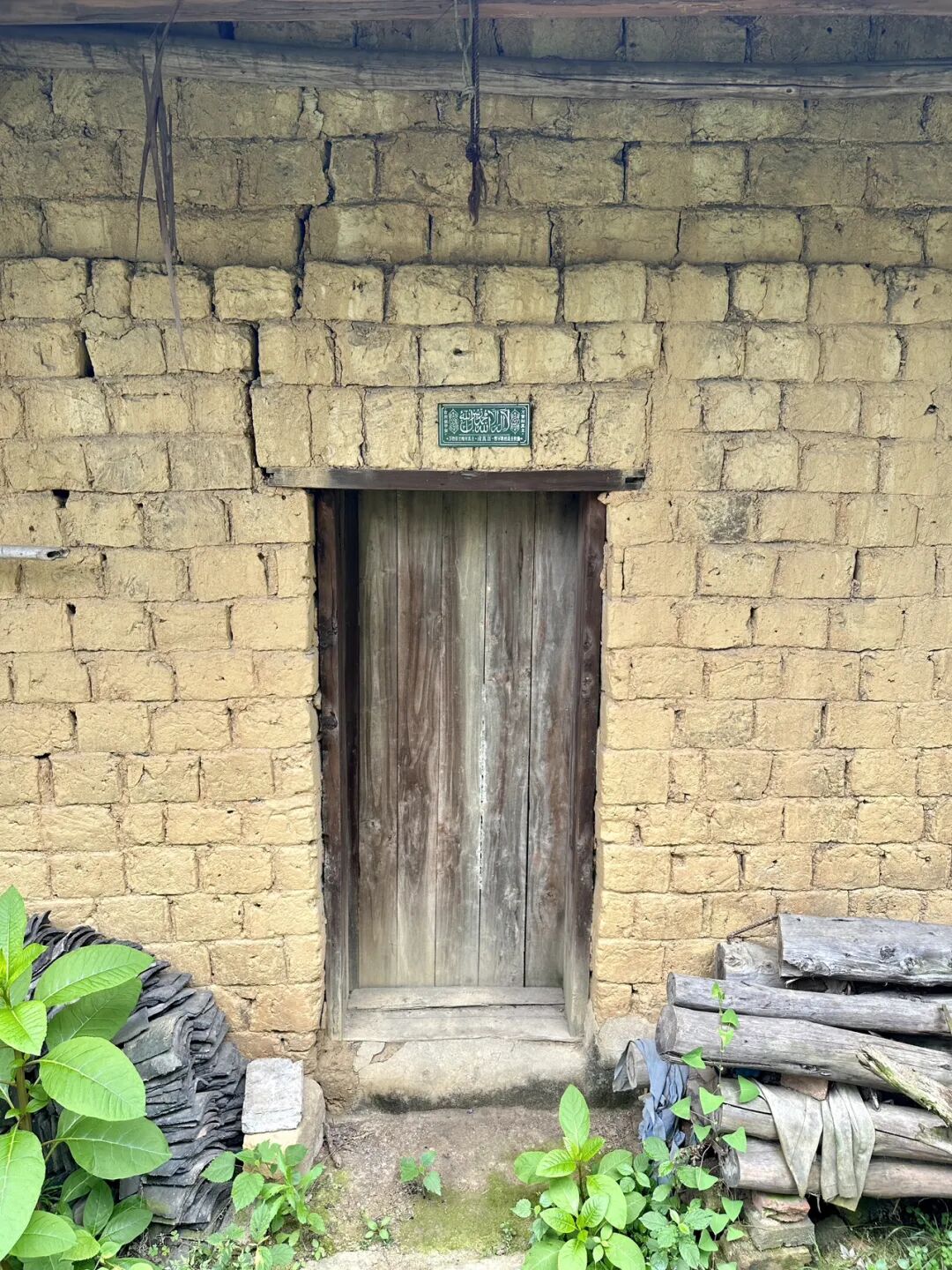
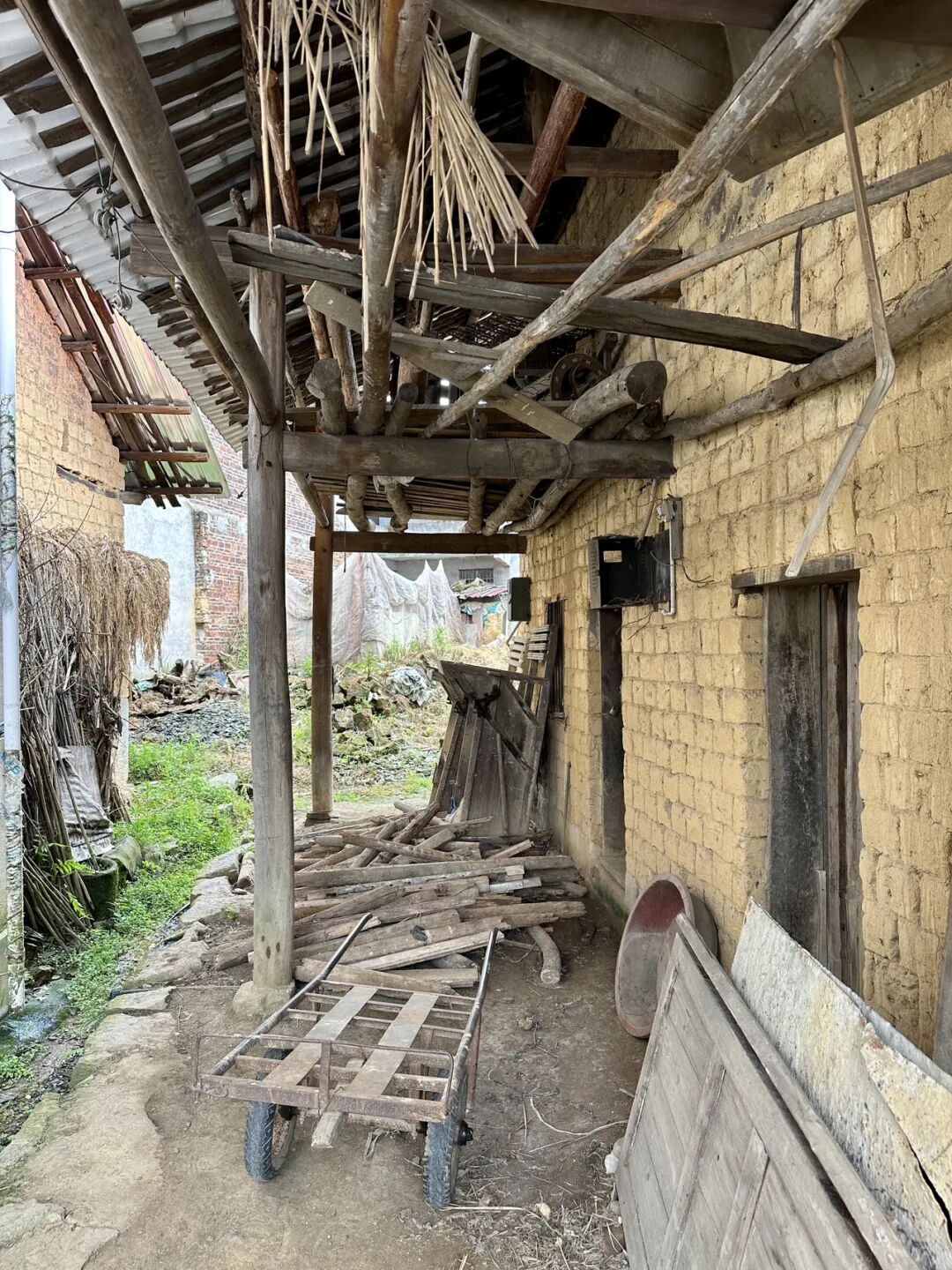
Shanjie South Mosque was first built in 1768 (the 33rd year of the Qianlong reign). The local Hui Muslims are surnamed Ma, and the imams who have taught there include Ma Baochu, Zheng Liansheng, Li Bashan, Ma Fucheng, Ma Daocheng, and Ma Fu'en.
Ma Yingdong, a local resident, went to study in Japan in 1905 and joined the Tongmenghui. In 1907, he helped organize the 'Eastern Islamic Education Association' and founded its journal, 'Awakening the Hui' (Xing Hui Pian). After returning home from his studies, Ma Yingdong dedicated himself to Hui Muslim education and founded the modern Gongjin Primary School at Shanjie South Mosque, where he served as principal.
It is a pity that the Shanjie South Mosque was locked when I visited, so I could not go inside.
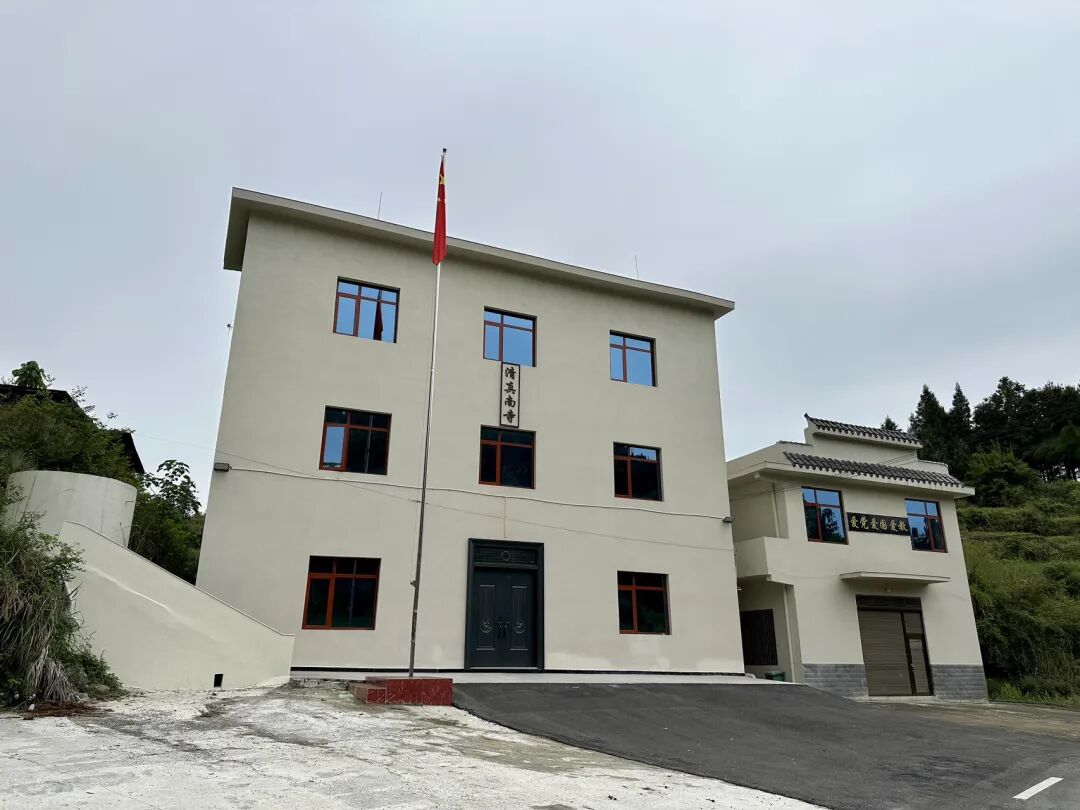
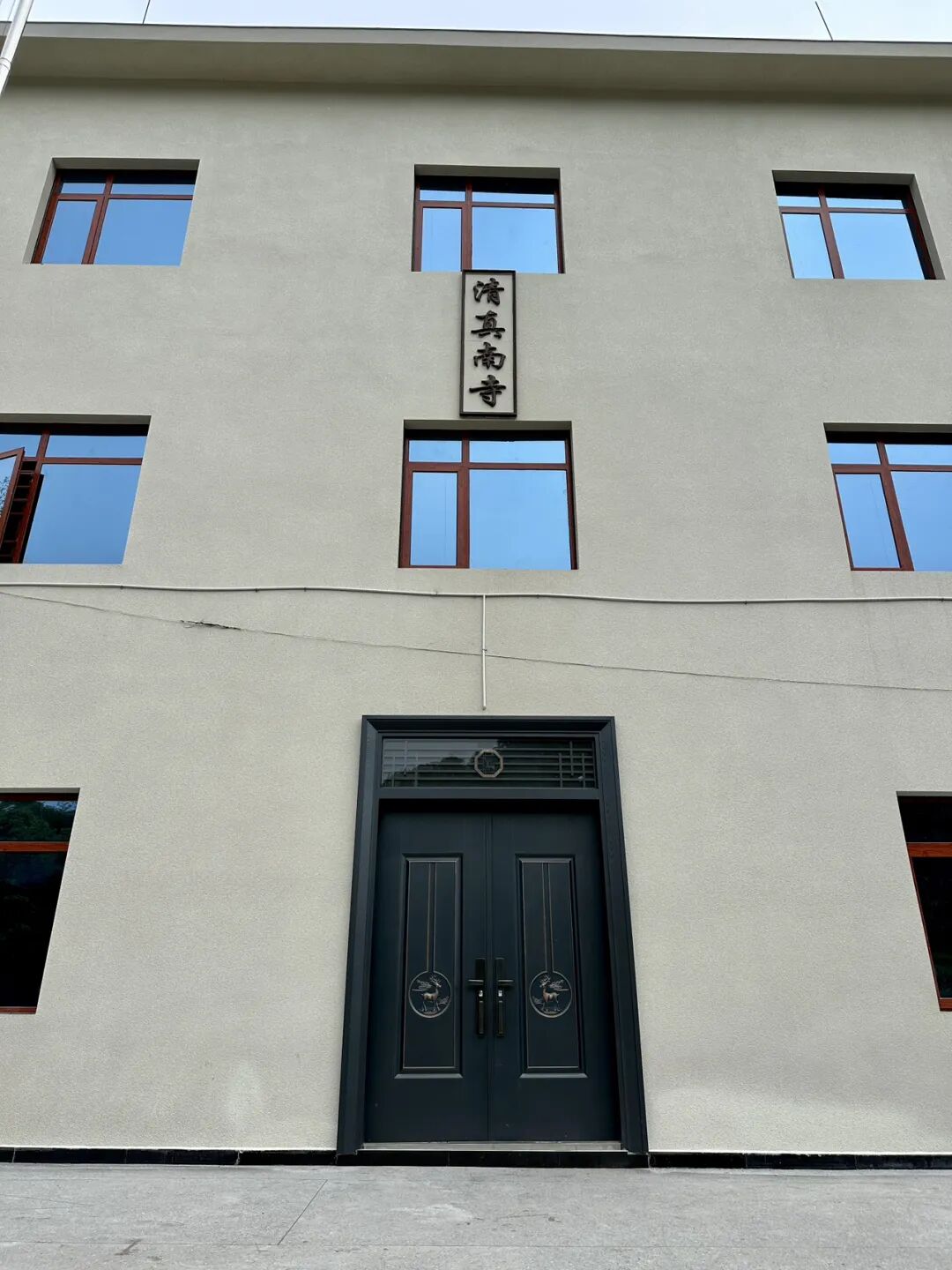
Luobai Mosque was first built in 1933, and the local community members are of the Ding surname. Hui Muslims moved to Luobai in the early Qing Dynasty. For a long time, they were affiliated with the Shanjie South Mosque, but the distance made it very inconvenient. In 1933, Imam Ding Zhenyi, a Luobai Hui Muslim who taught at the Gansu Hui Language Institute, resigned from his teaching position to return home and organize the construction of a mosque. Imam Ding traveled everywhere to raise funds and finally built Luobai Mosque at the top of the Yaolong residential area in Luobai.
Imam Ding Zhenyi taught at the Luobai village primary school in 1939, and during that time, he started an introductory class for Islamic studies at Luobai Mosque. Later, he served as the imam of Hetian Mosque in Shaoyang and Liutang Mosque in Guilin, Guangxi. He also worked as a teacher at the primary school attached to Guilin Chengda Normal School, dean and professor at the Guilin Hui Language Institute, and professor at the Hainan Hui Language School. He helped organize the Wugang Branch of the Hunan Chapter of the China Islamic National Salvation Association and served as its general secretary.
Luobai Mosque was torn down in 1970, rebuilt in 1985, and rebuilt again in 2000 into the building that stands today. The mosque still has the original door plaque reading "Islamic Mosque" (Qingzhen Jiaotang) and a pair of couplets by the Republican-era educator Ma Linyi: "When seeking the source of the truth, why ask about Jesus, Buddha, or others? To unite with Heaven is to enter the path of the sages; ancient and modern, East and West, the principle is the same."
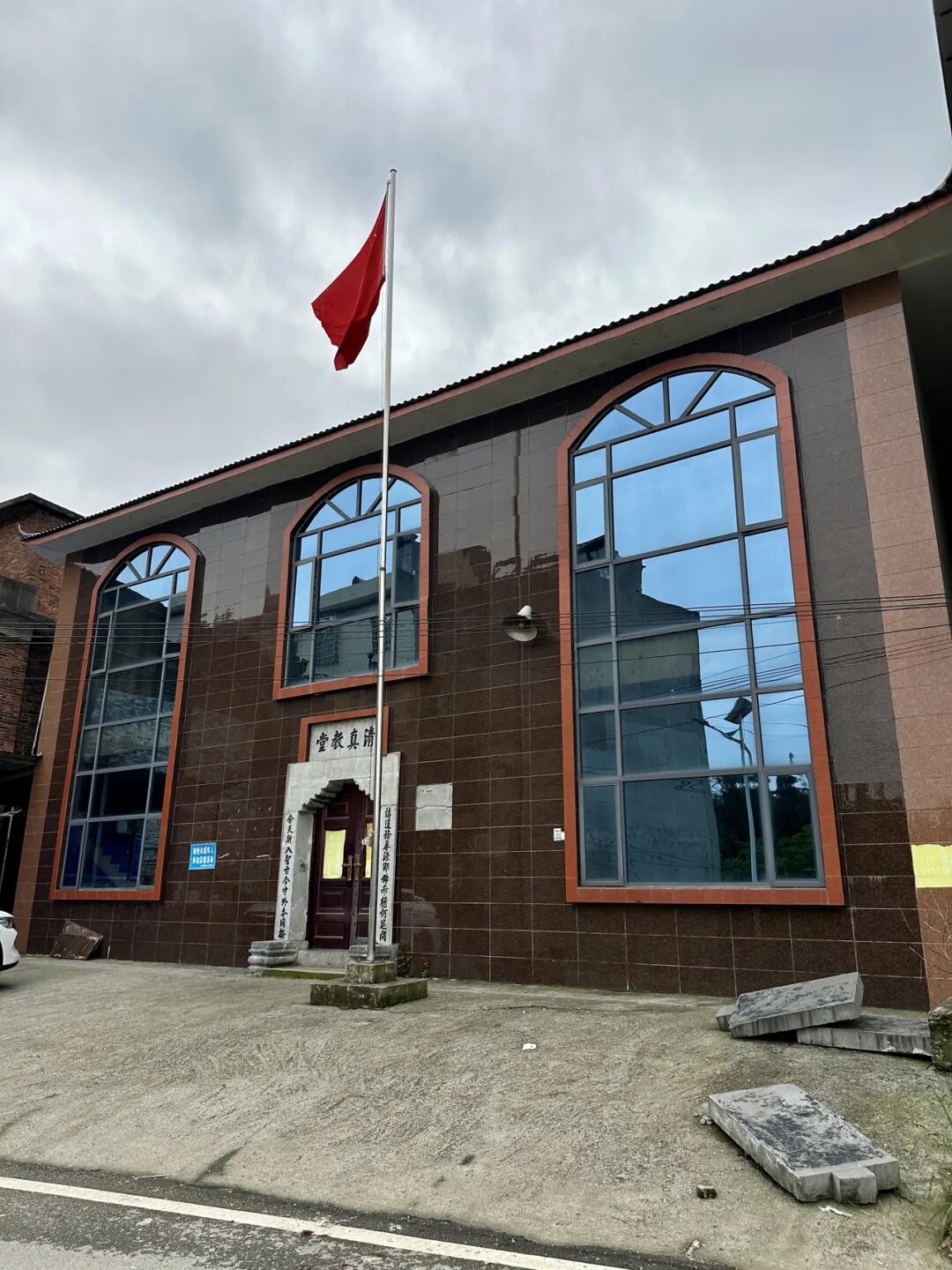
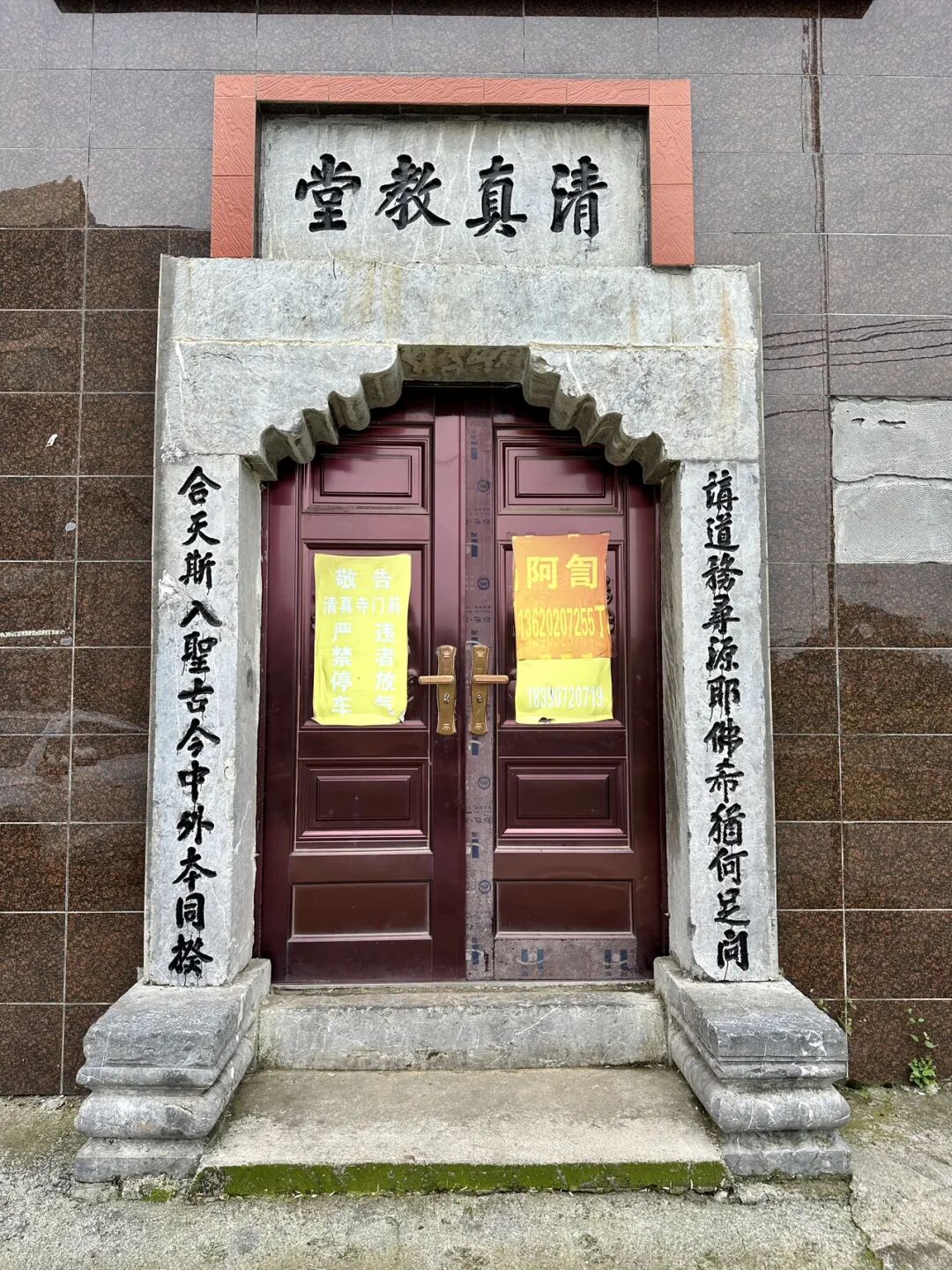
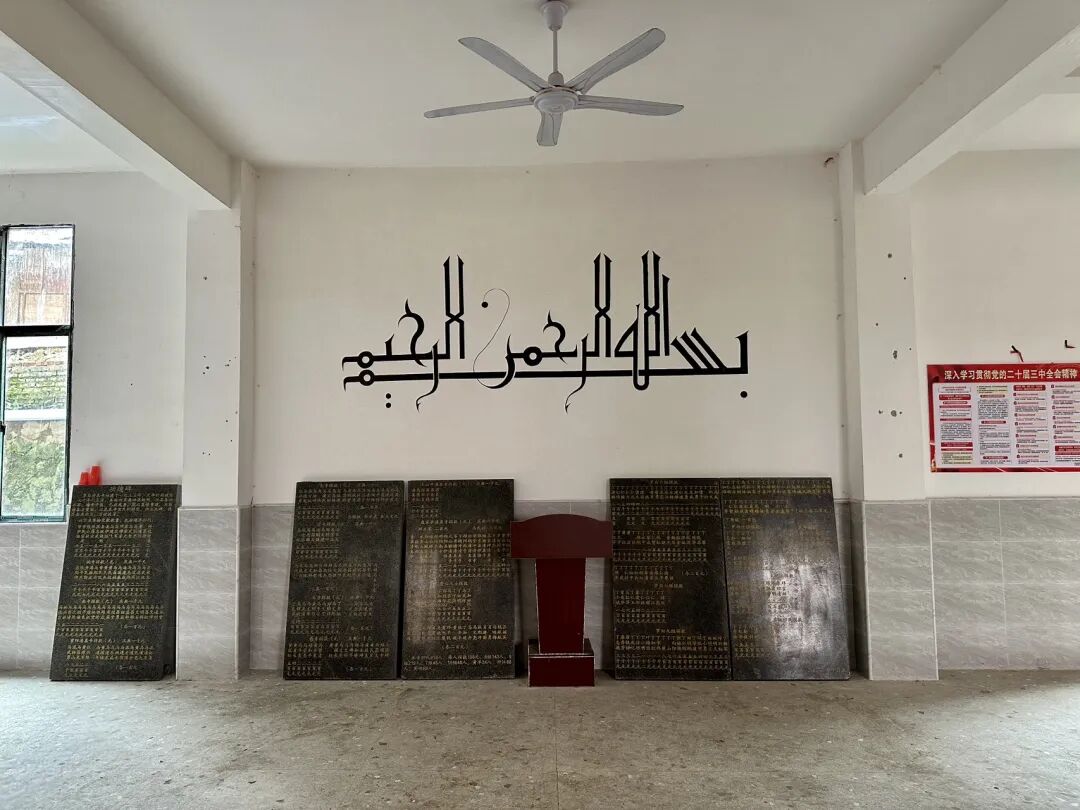
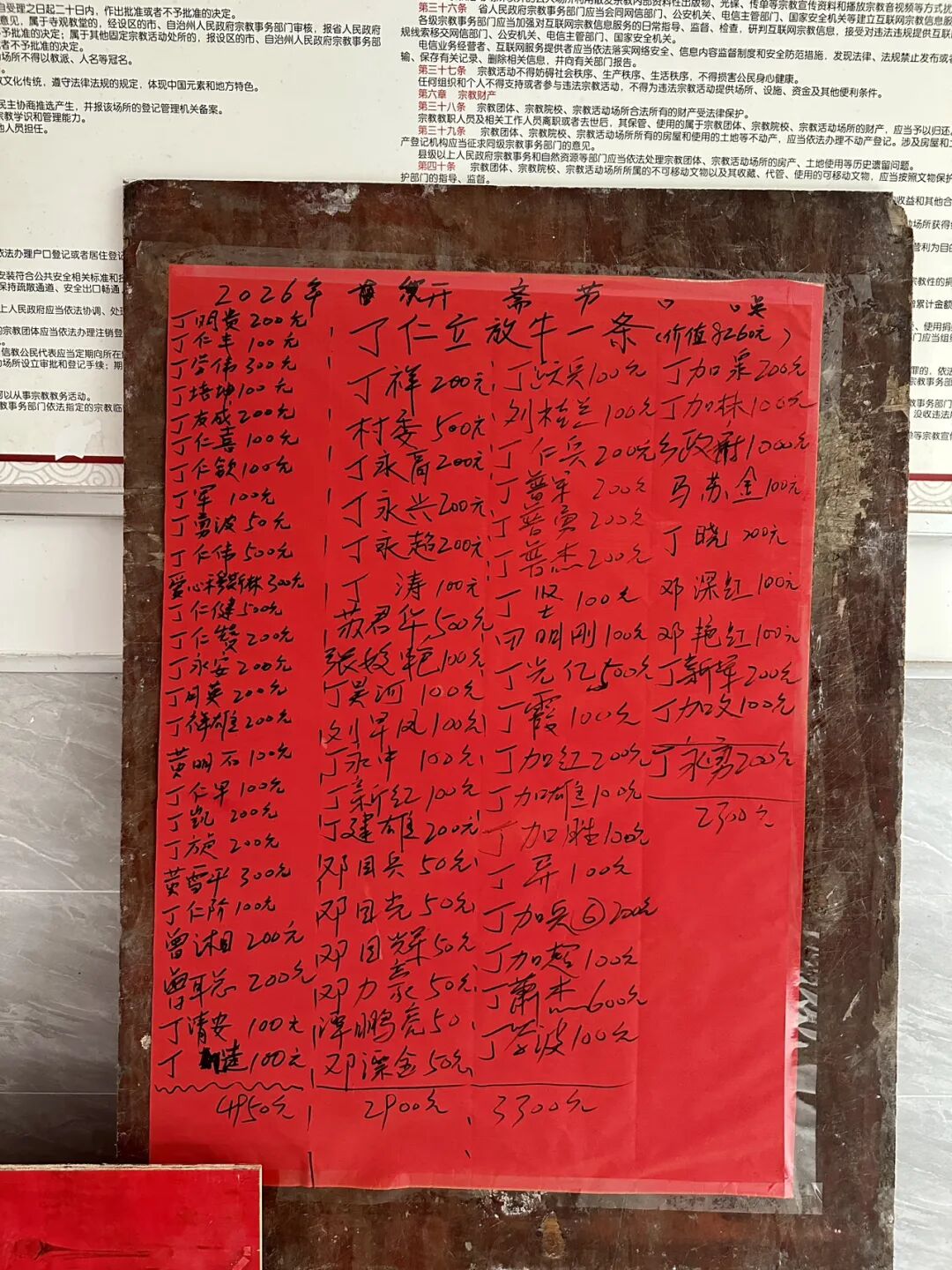
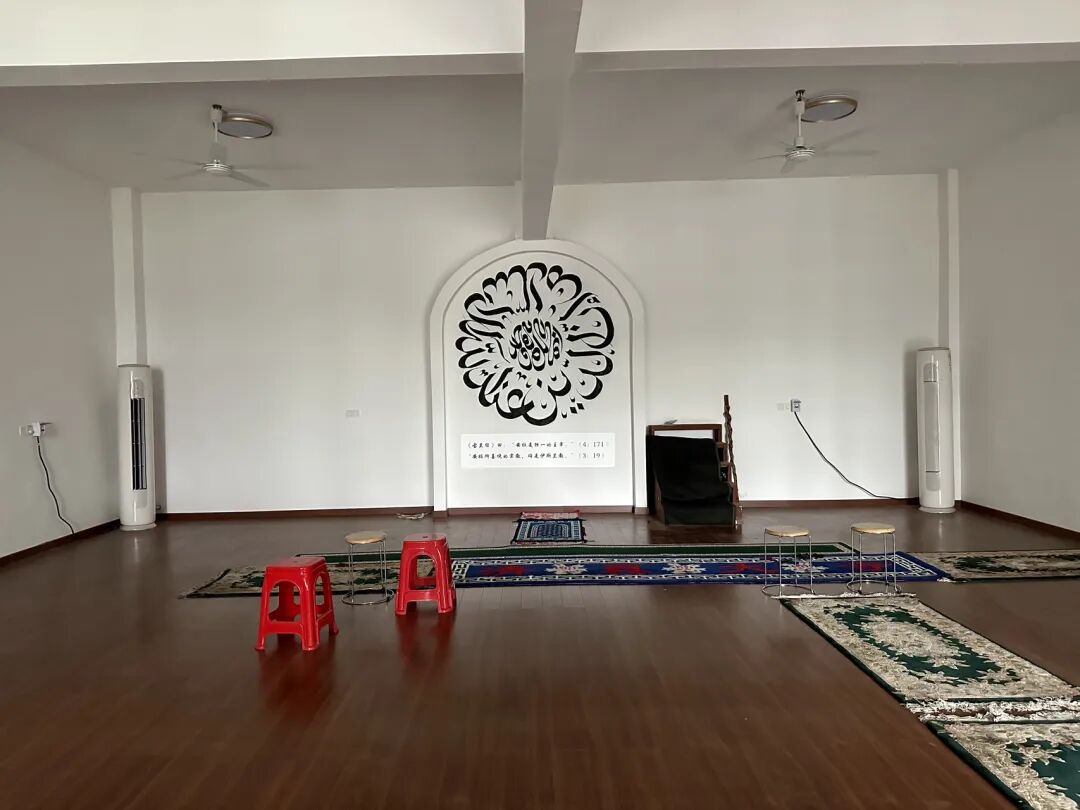
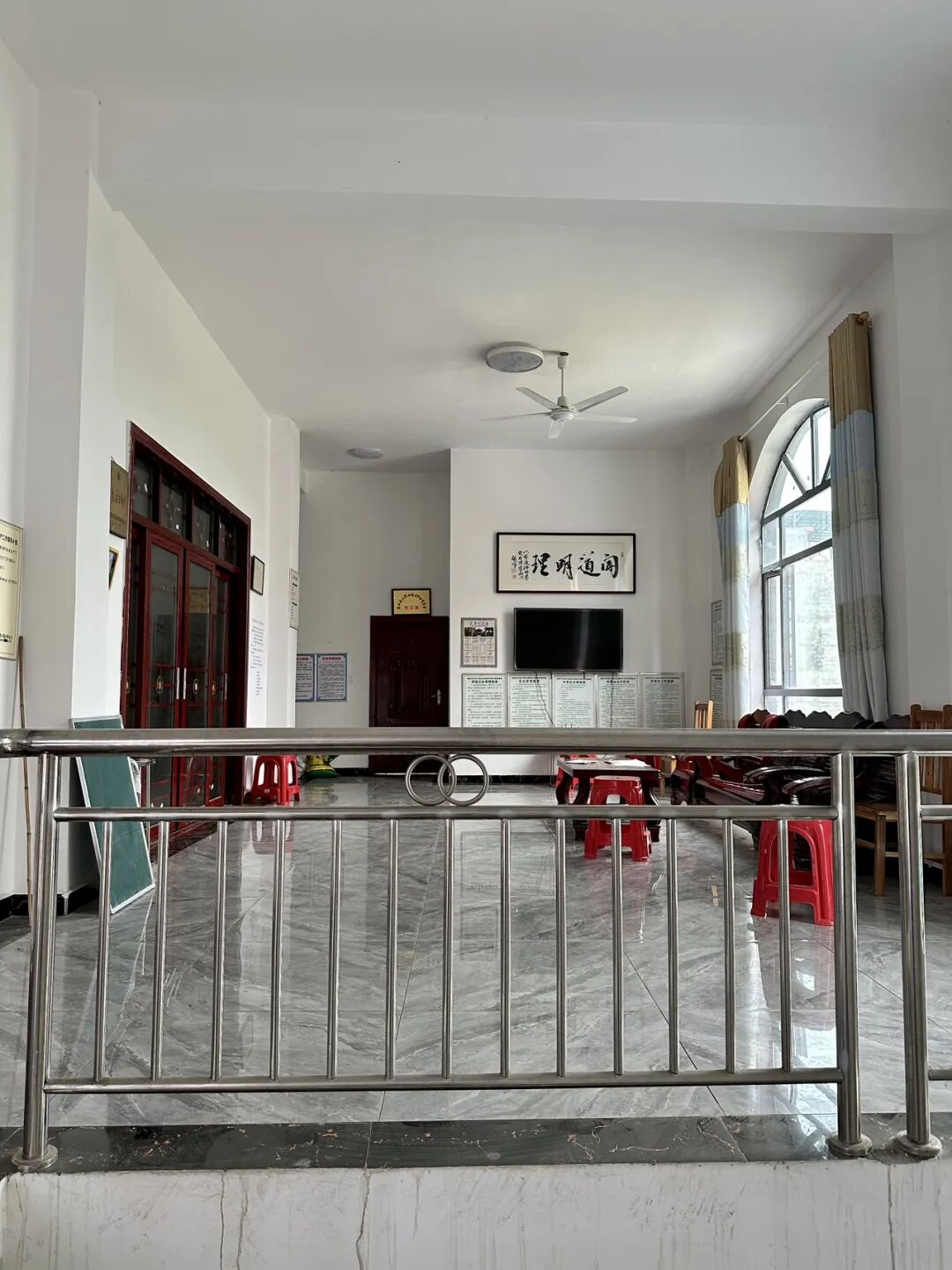
Niejiaoting Mosque was first built in 1926, and the community members are of the Ma, Hai, and Su surnames. Most of the Hui Muslims in Beishan Township, where Niejiaoting is located, moved there from other places in the late Qing Dynasty. Because it was inconvenient to perform namaz, Ma Youde, Ma Daofeng, Hai Liancheng, and others raised funds to build the mosque. The imams at the mosque include Ma Chunming, Ma Youlin, Imam Bu, Imam Zhang, Hai Siquan, and Deng Mengjun. Niejia Pavilion Mosque was destroyed after 1966, rebuilt later, and then rebuilt again in 2008.
The mosque houses the 1948 "Zhaoxiu Mosque Stele," which serves as a precious historical witness.
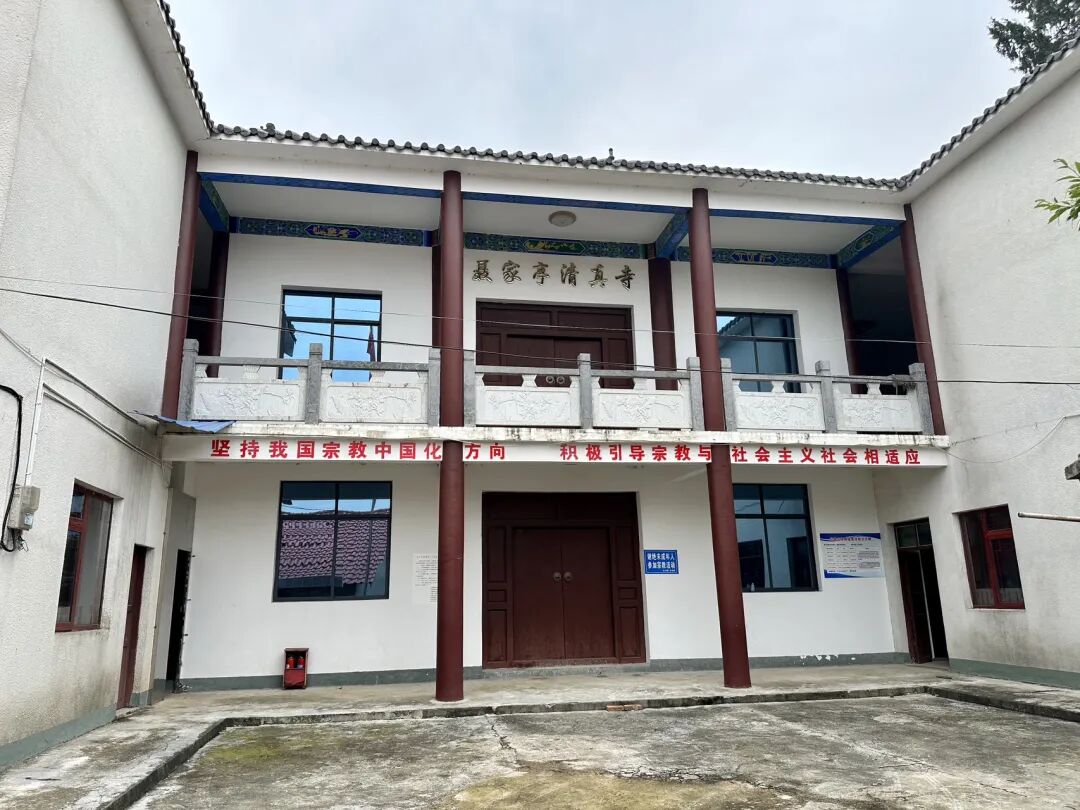
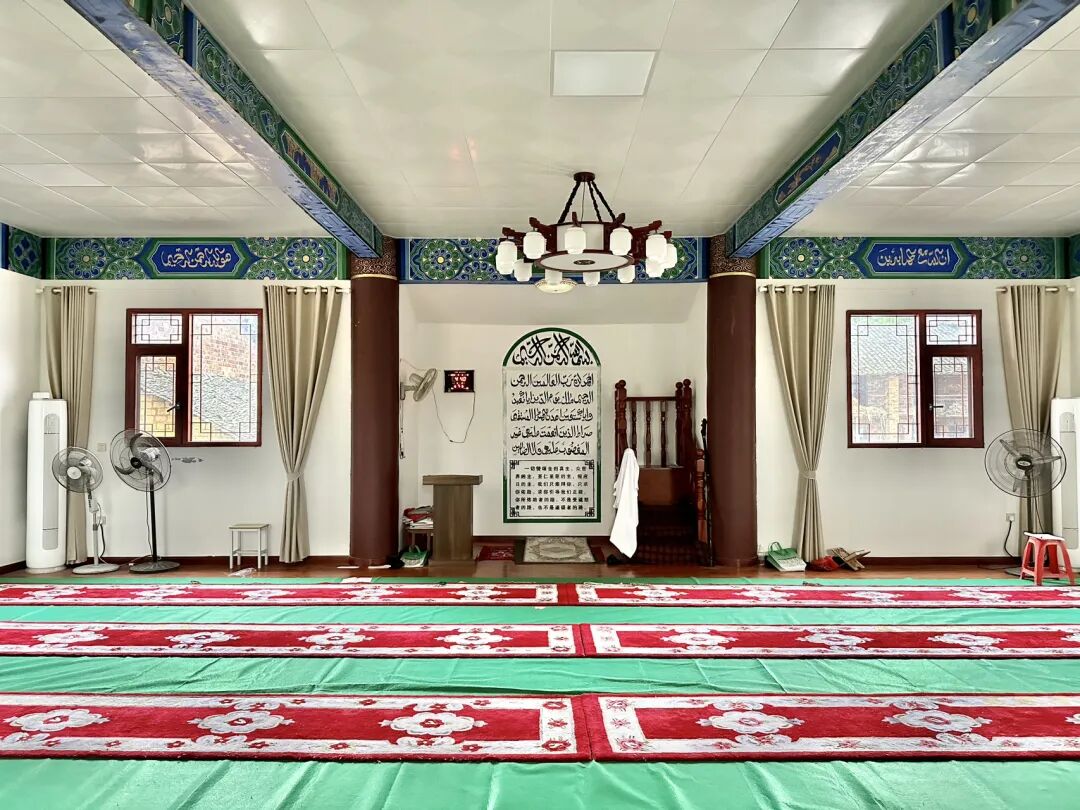
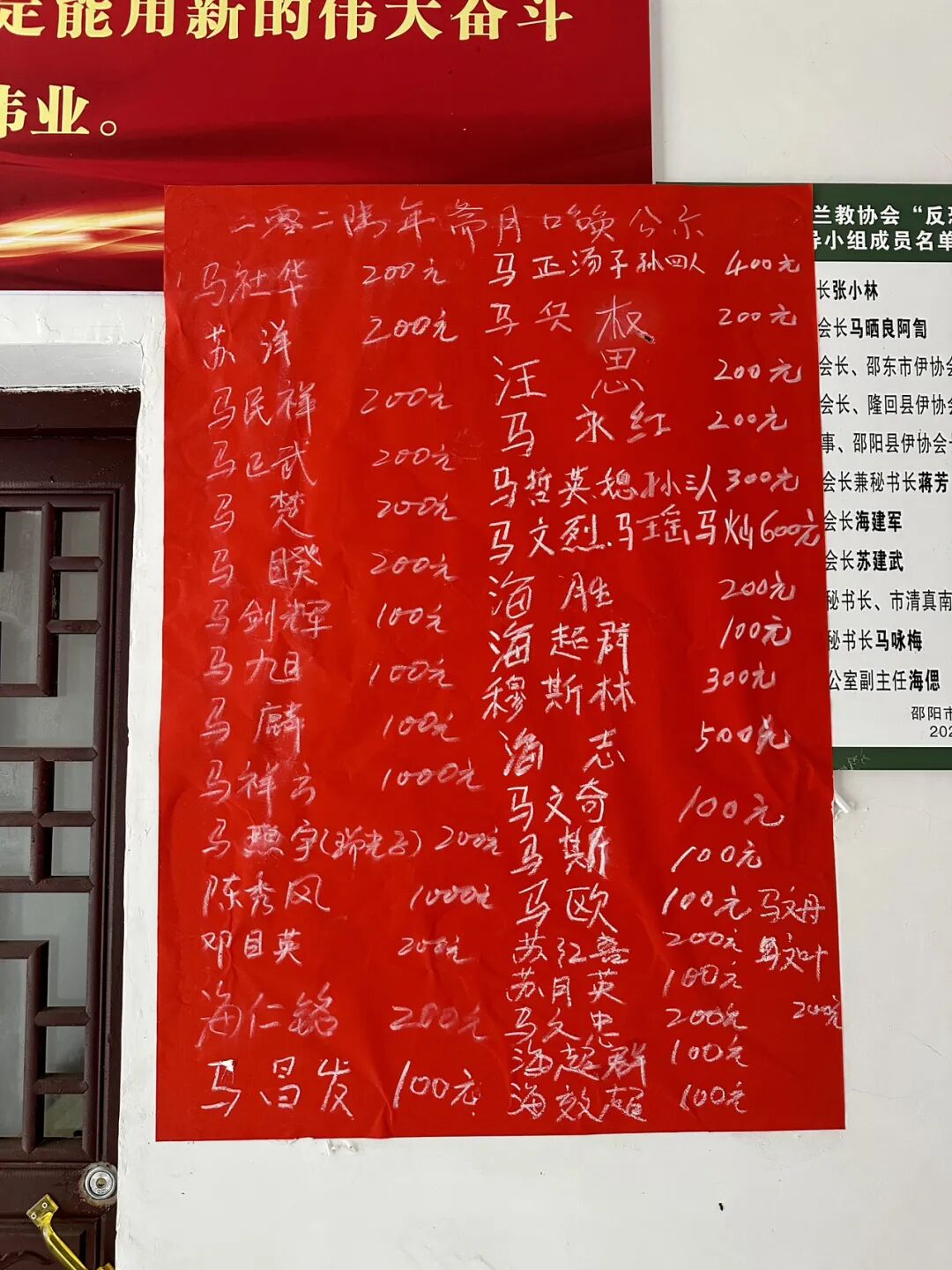
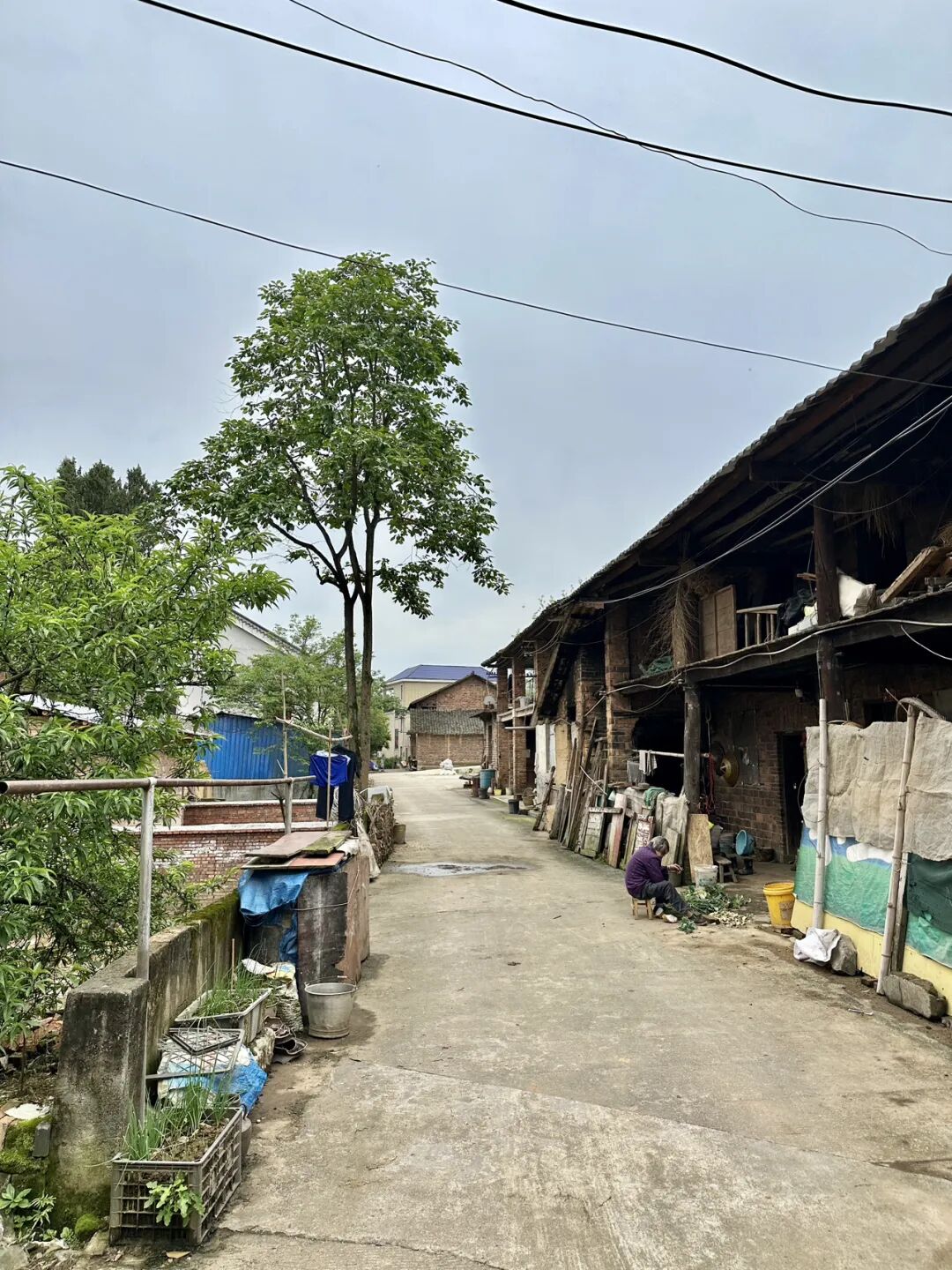
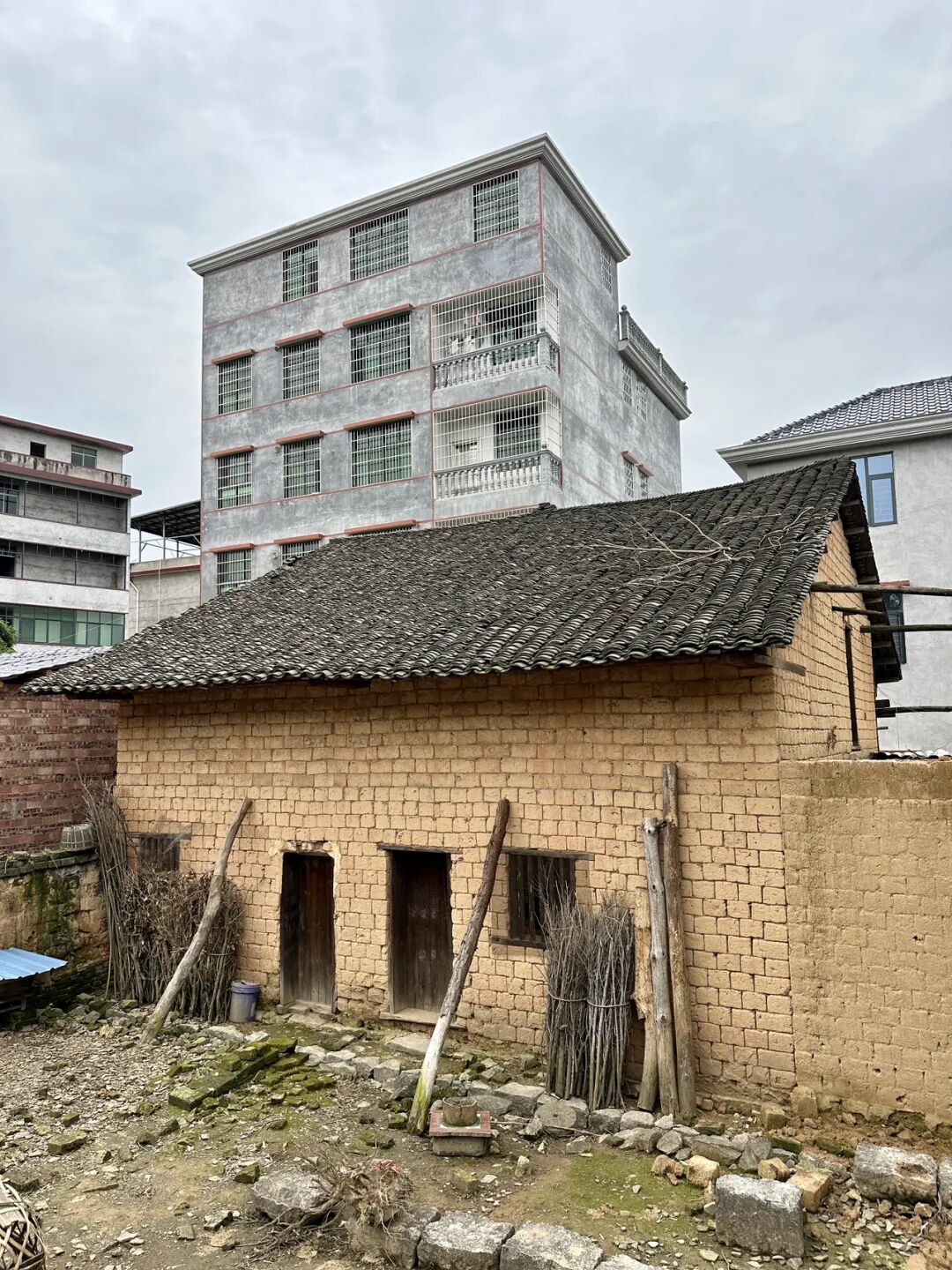
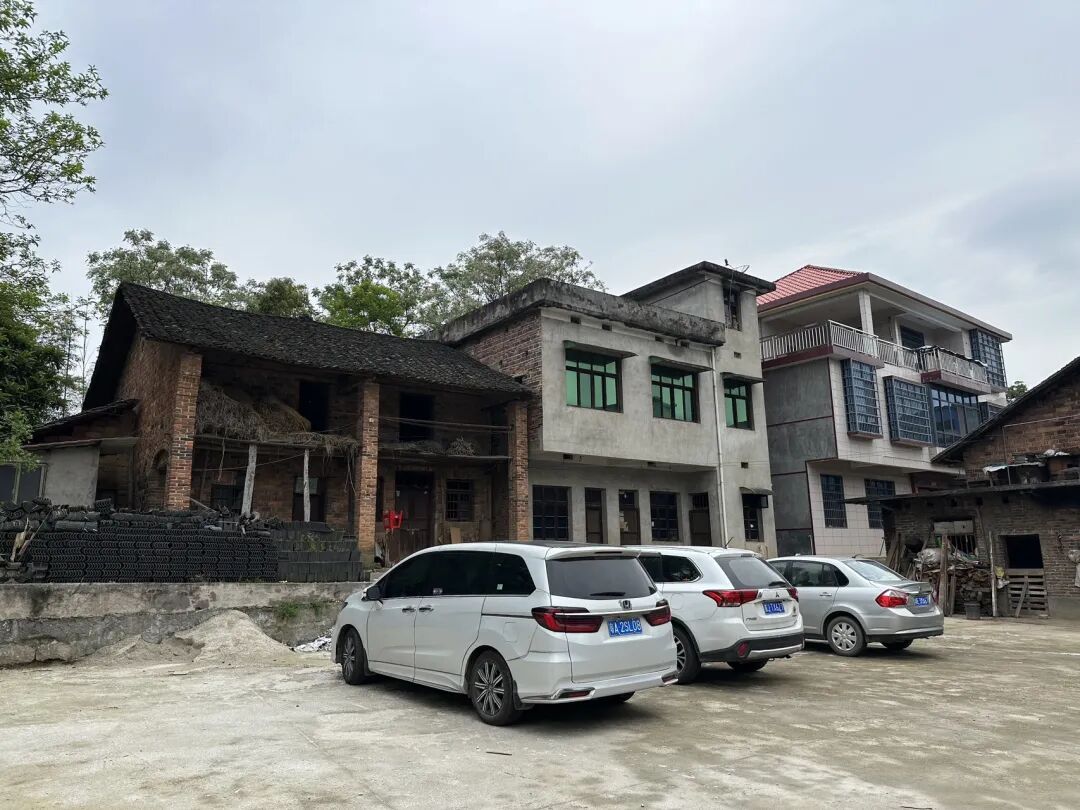
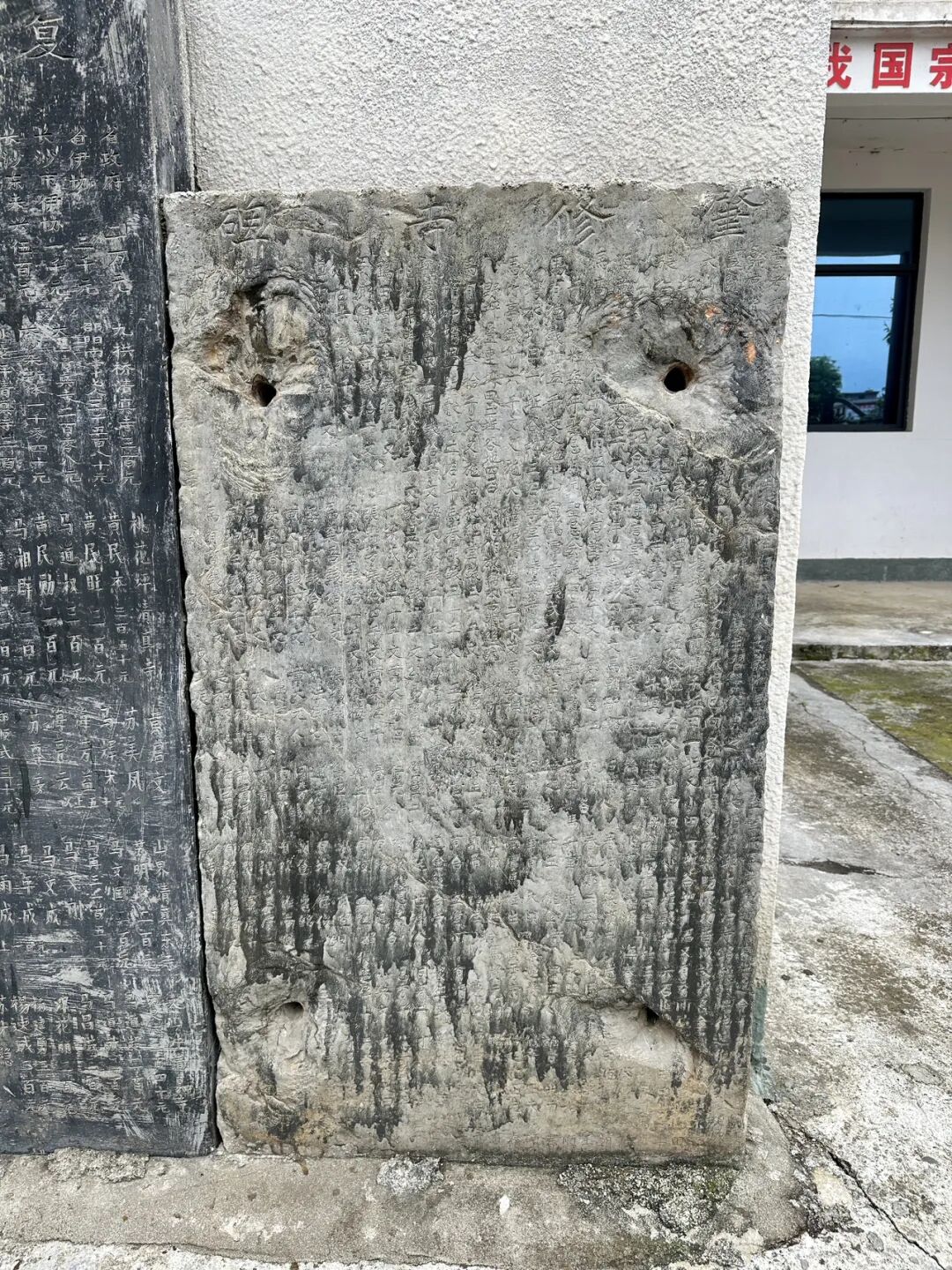
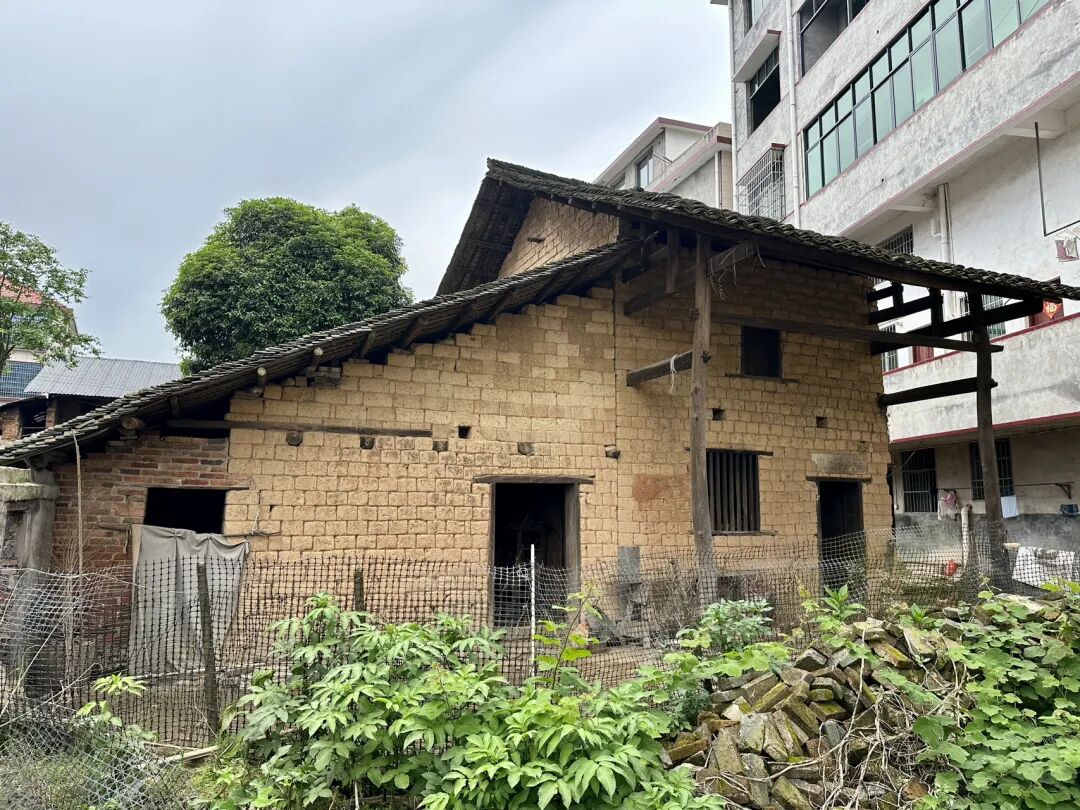
Taohuaping Mosque is in the center of the county. It was first built in 1820 (the 25th year of the Jiaqing reign). In 1827 (the 7th year of the Daoguang reign), it was expanded after buying shops owned by the Su and Ma families on the front street. In 1834 (the 14th year of the Daoguang reign), it bought three more shops in front of the mosque. In 1841 (the 21st year of the Daoguang reign), the rear hall was renovated, and in 1850 (the 30th year of the Daoguang reign), the front gate archway, garden, and second gate were built.
In 1941, the Taohuaping branch of the China Islamic National Salvation Association was established inside Taohuaping Mosque. It did a lot of work for anti-Japanese propaganda, provided housing for refugees from other areas, raised money for winter clothes for soldiers, and helped with evacuations. In 1941, Bai Chongxi performed worship at Taohuaping Mosque and issued a plaque stating, "Troops are forbidden from stationing inside the mosque."
Taohuaping Mosque was expanded again in 1953 and was finally rebuilt into its current structure in 2019. Currently, Taohuaping Mosque is the mosque with the second-highest number of visitors in Longhui County, after the ancient Shanjie Mosque.
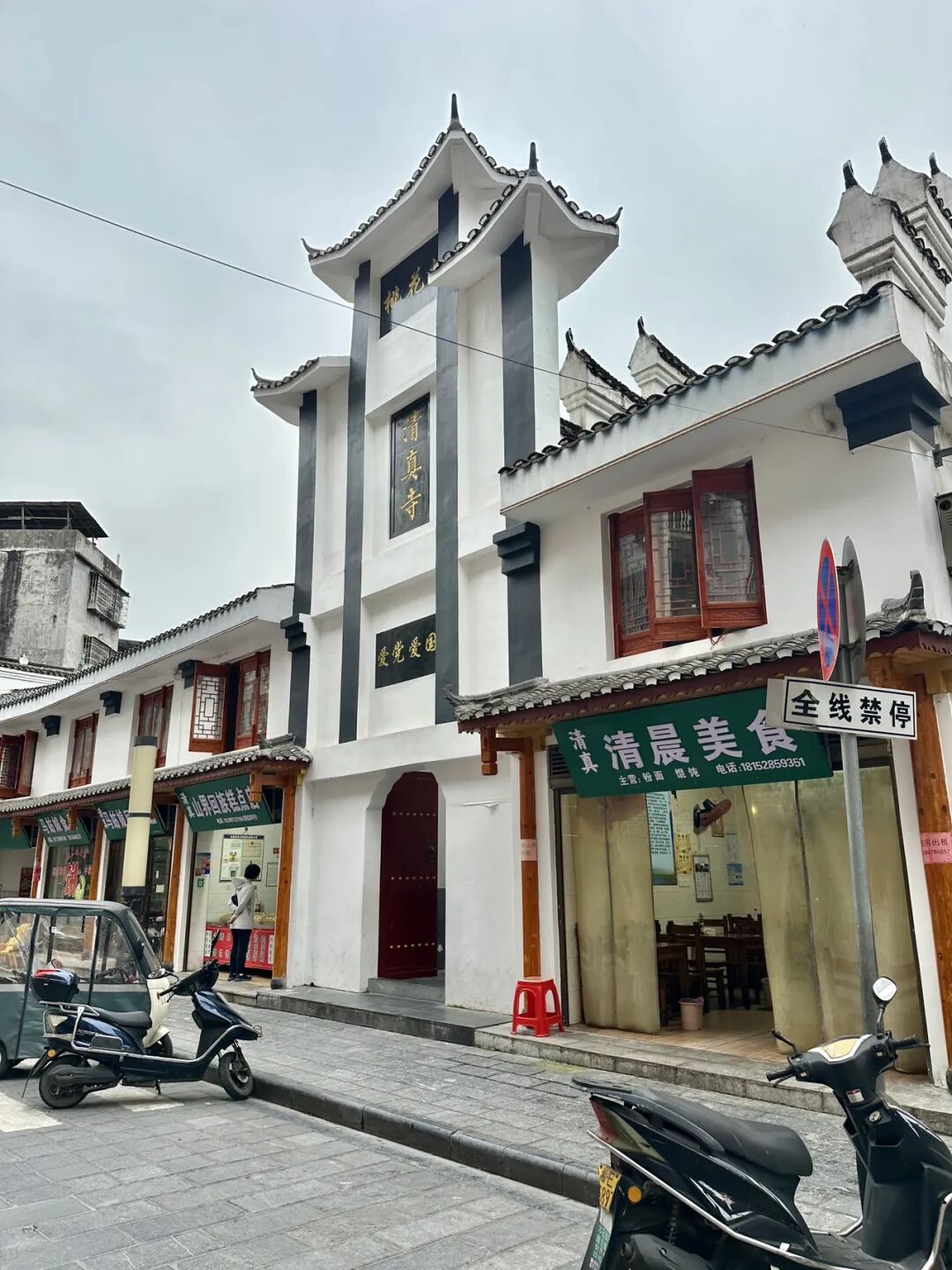
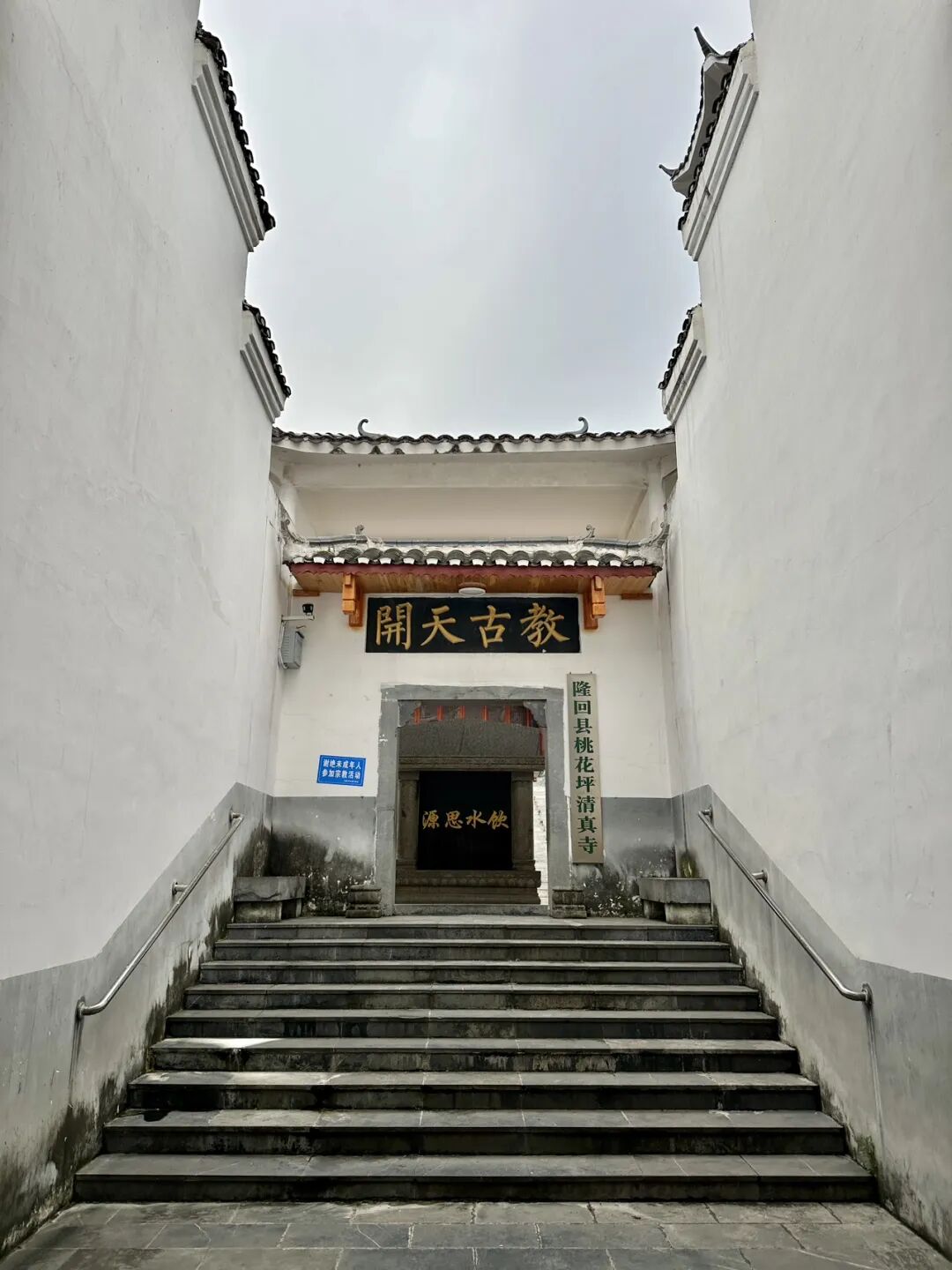
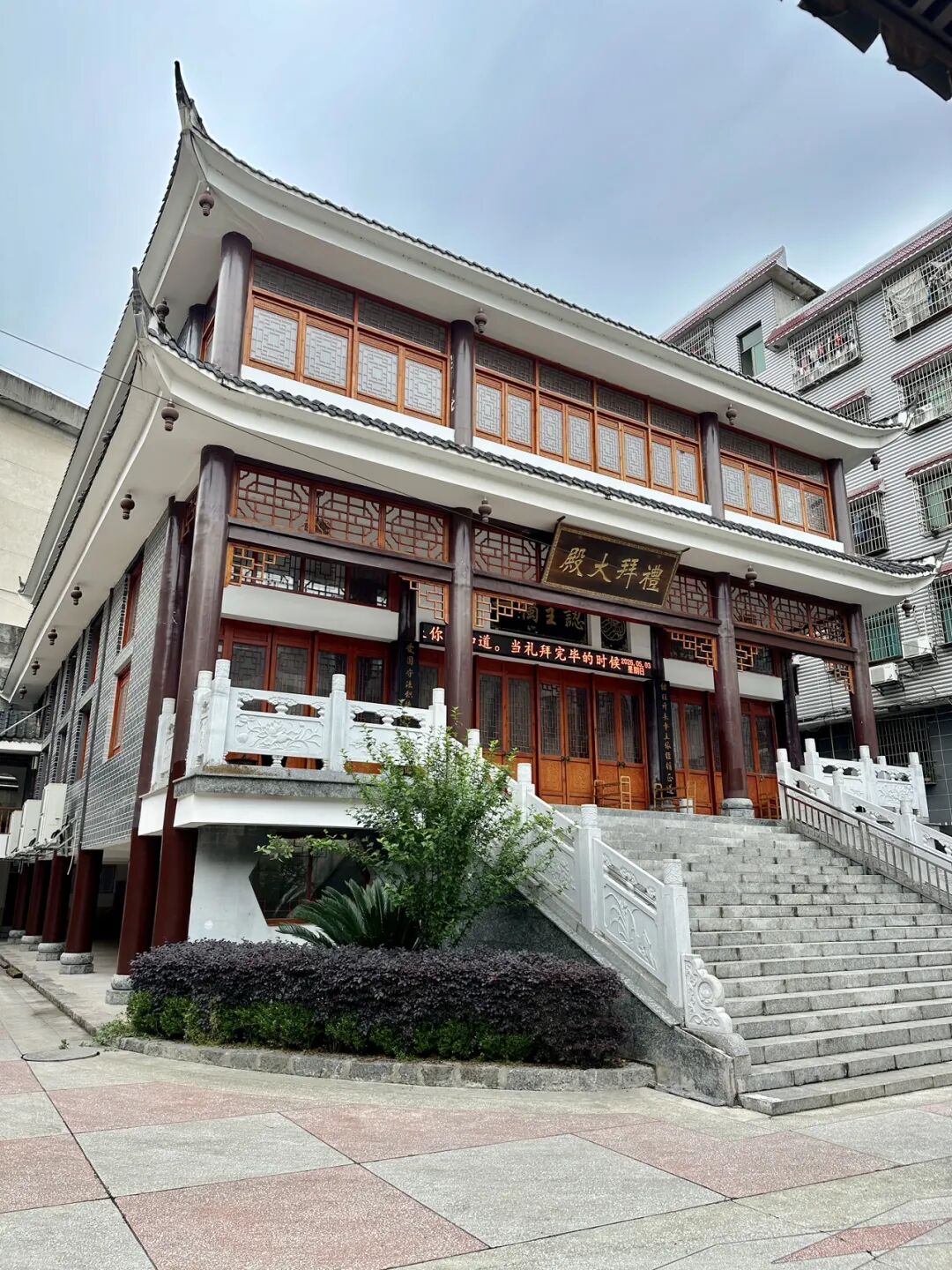
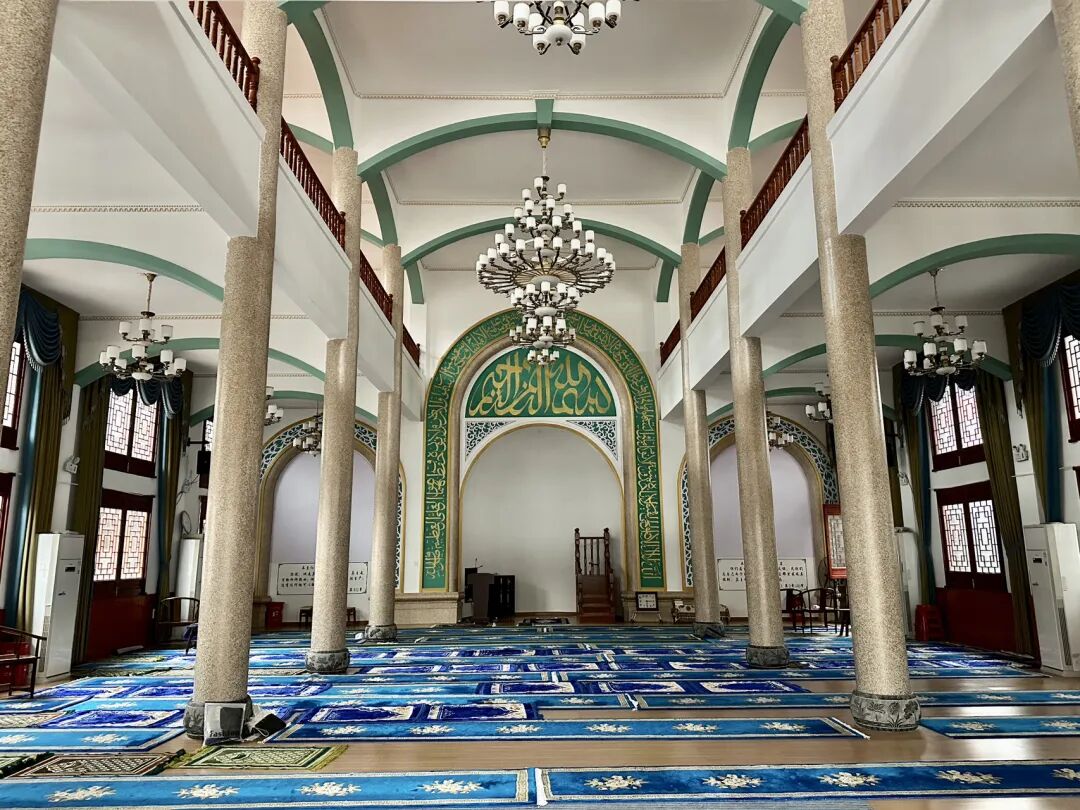
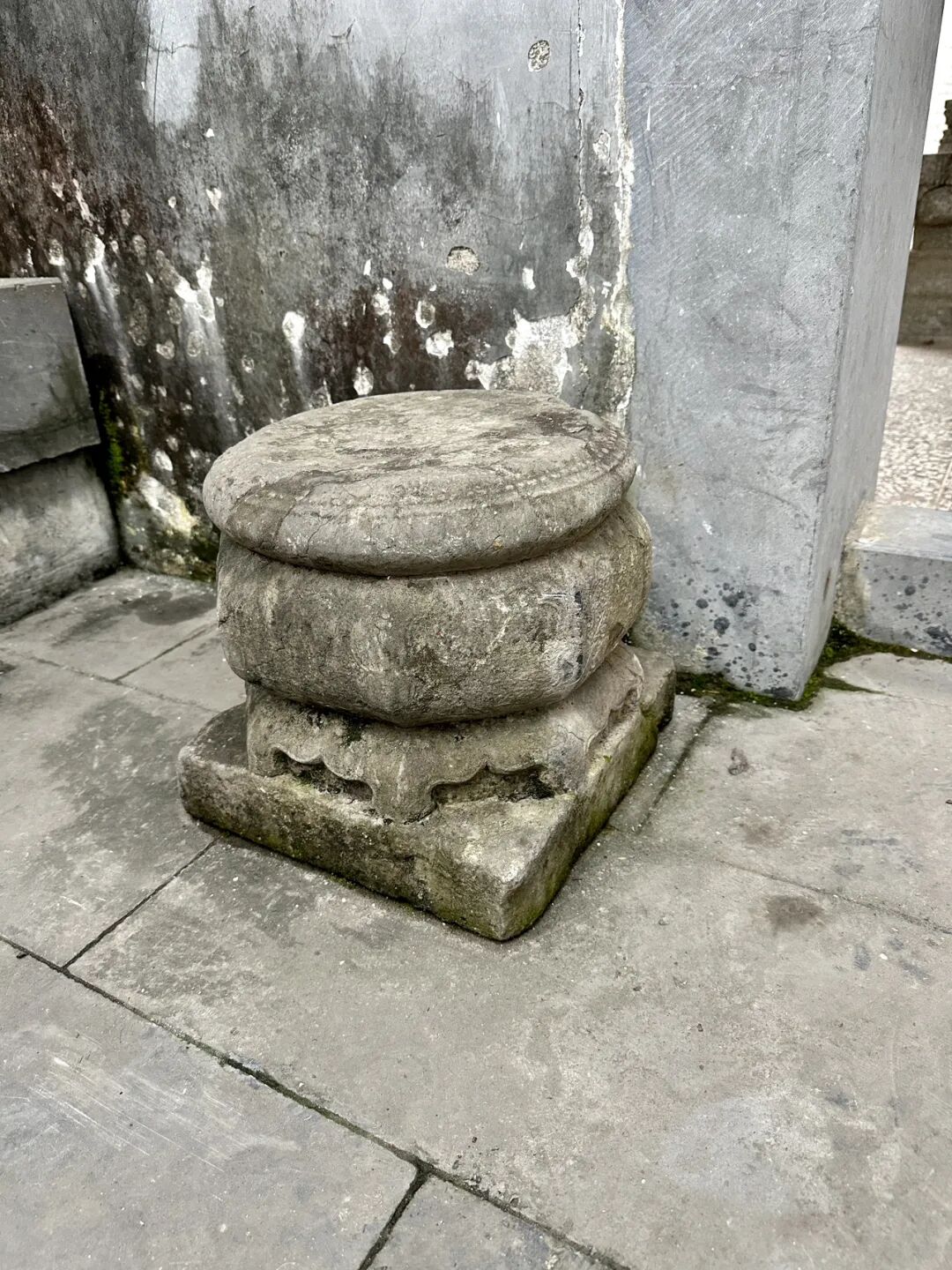
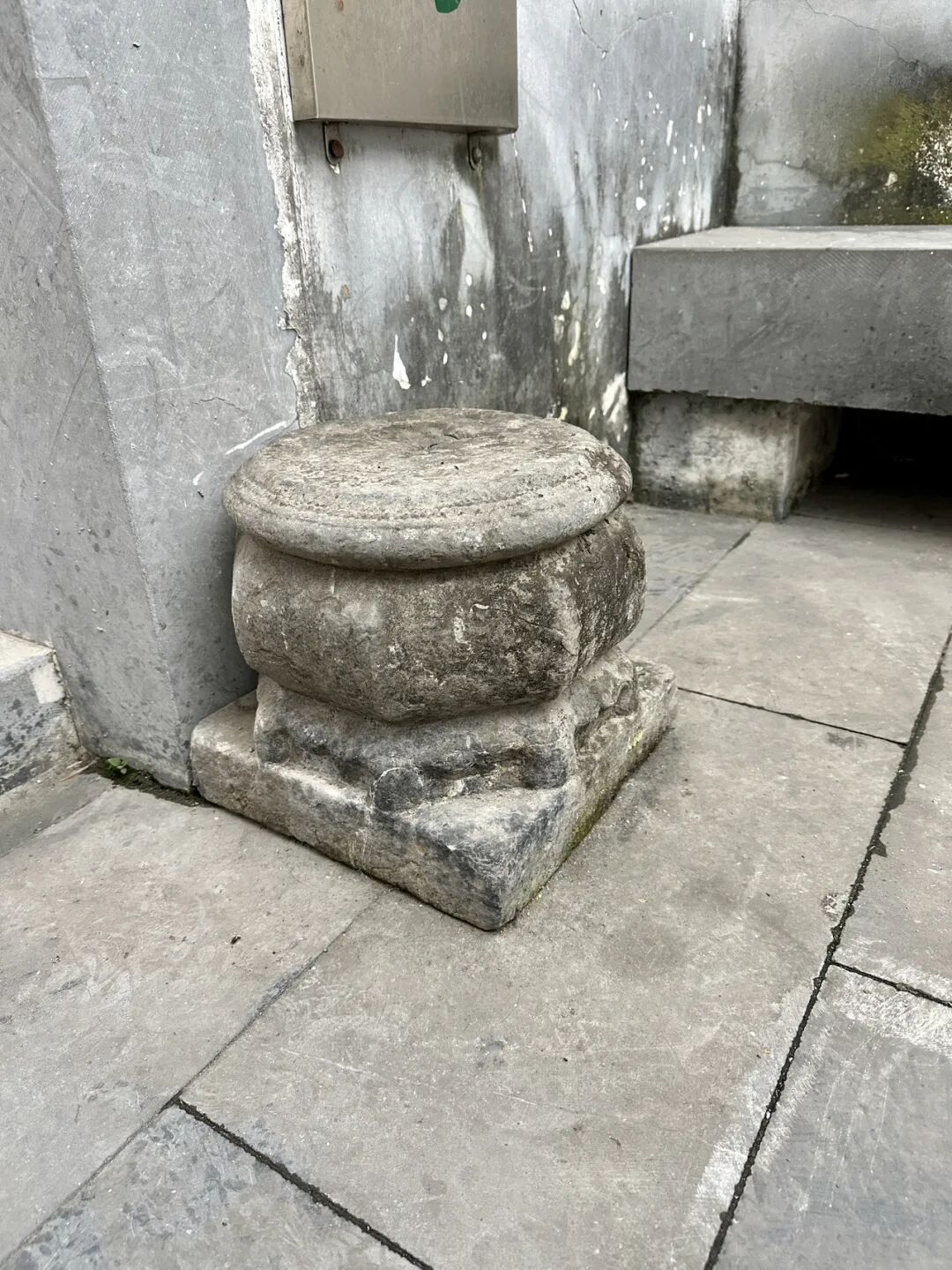
Taohuaping Mosque preserves a large number of stone tablets from the Qing Dynasty and the Republic of China, which are precious historical records:
The 1859 "Stele for Renovating the Front Gate"
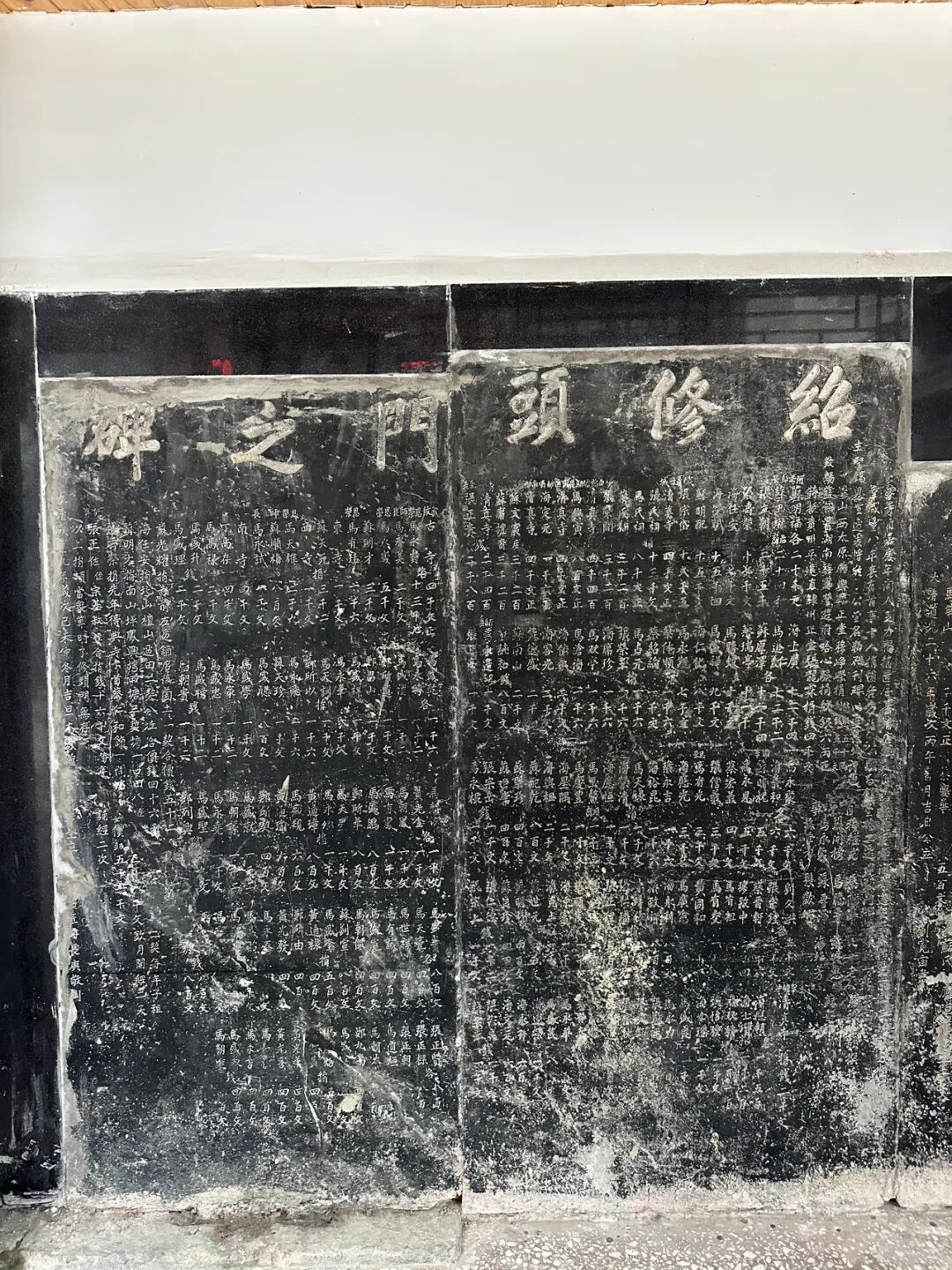
The 1846 "Restoring the School" stele
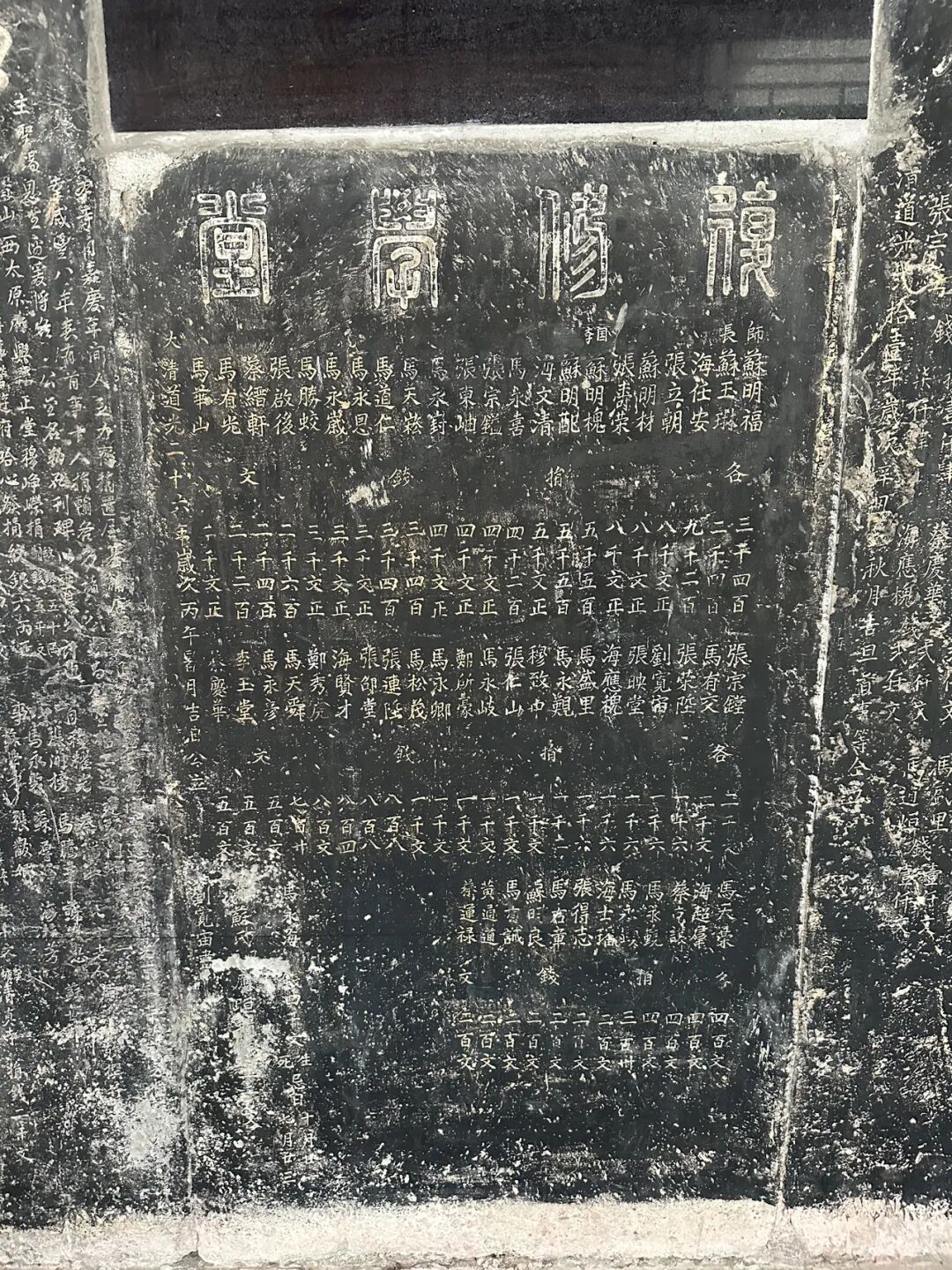
The 1841 "Renovating the Rear Hall" stele
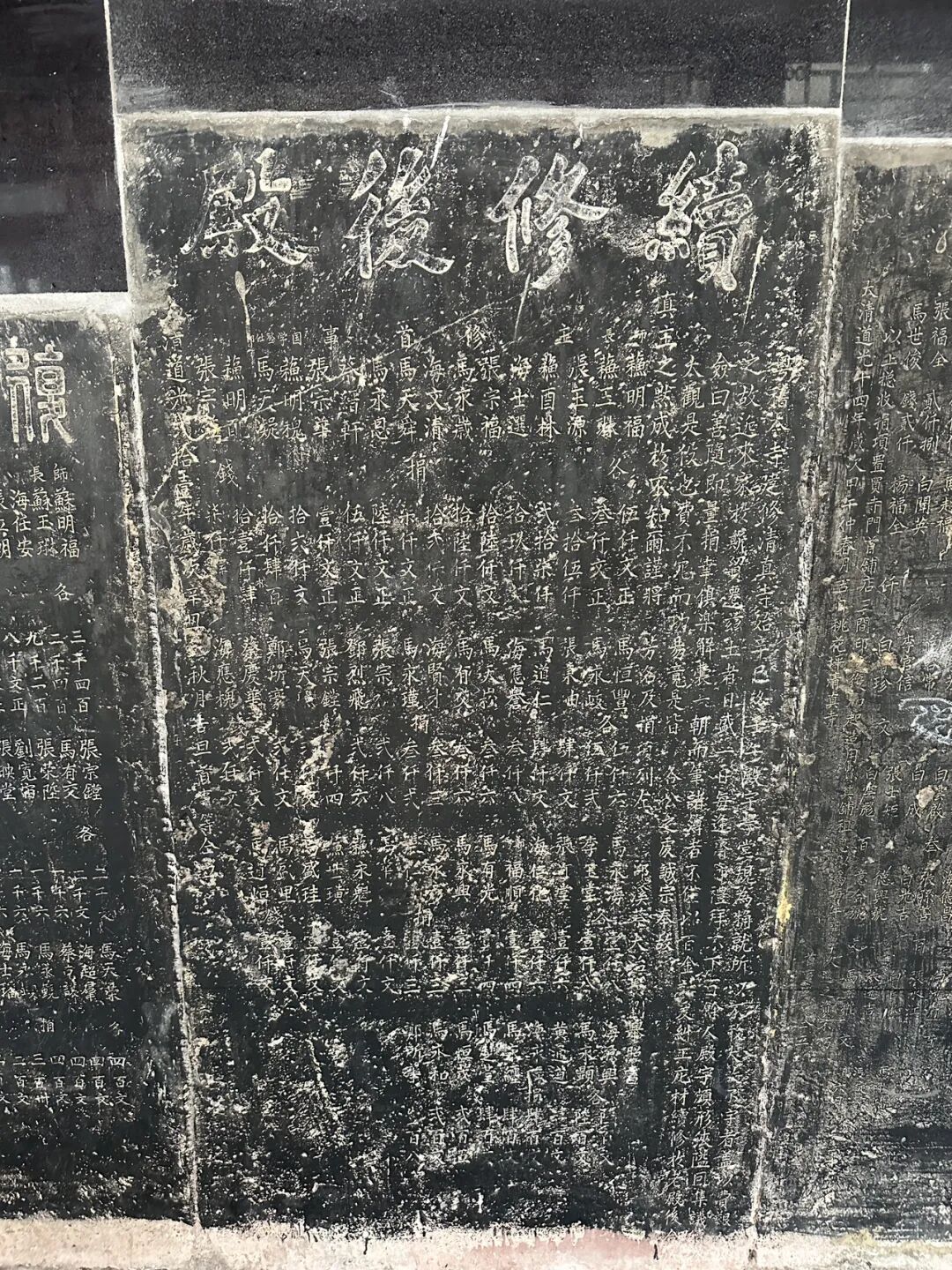
The 1834 "Righteous School Stele Record"
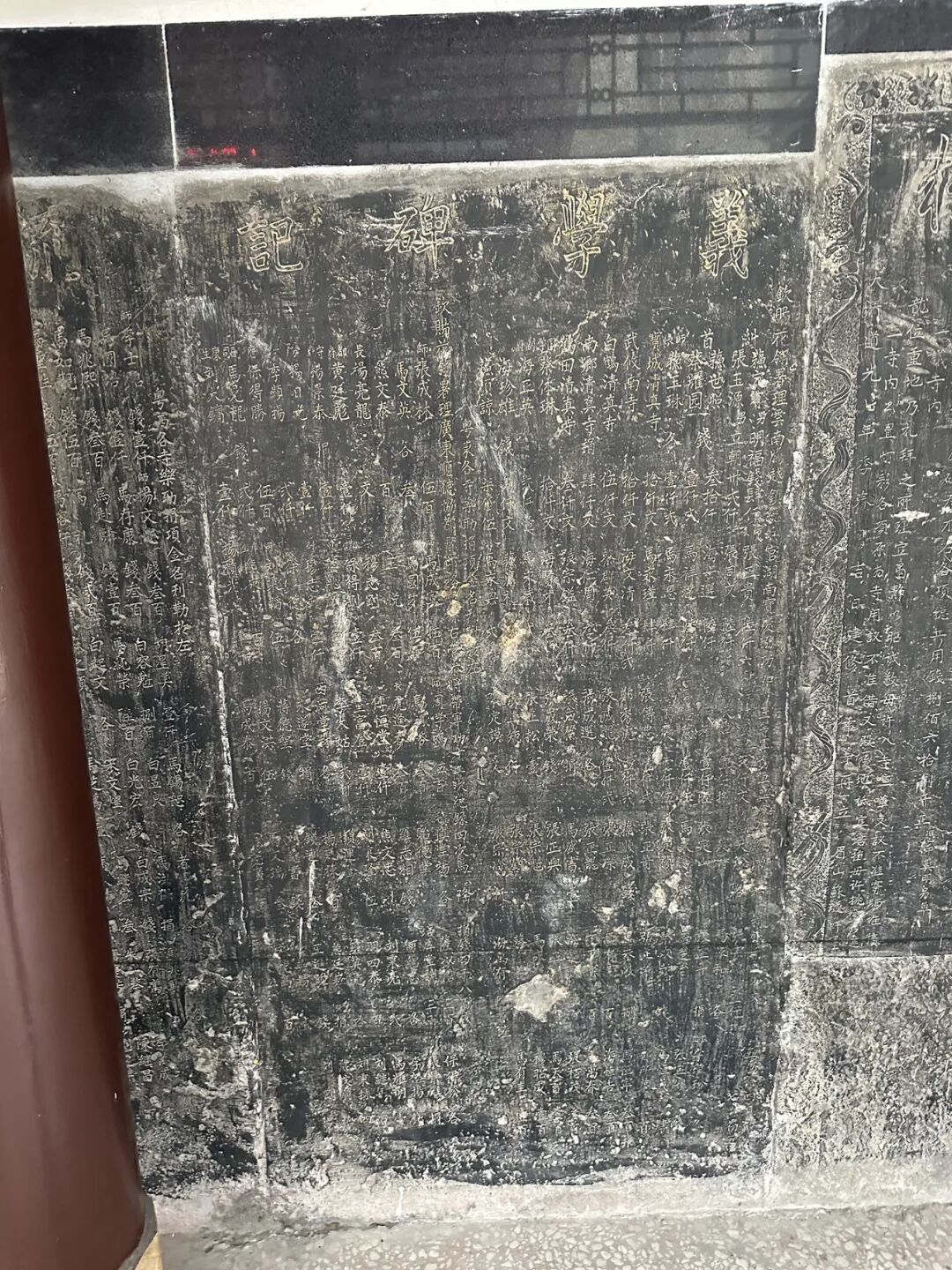
The 1822 "Everlasting Innovation, Building and Repairing the Everlasting, Immortal Names of Public Donors" stele
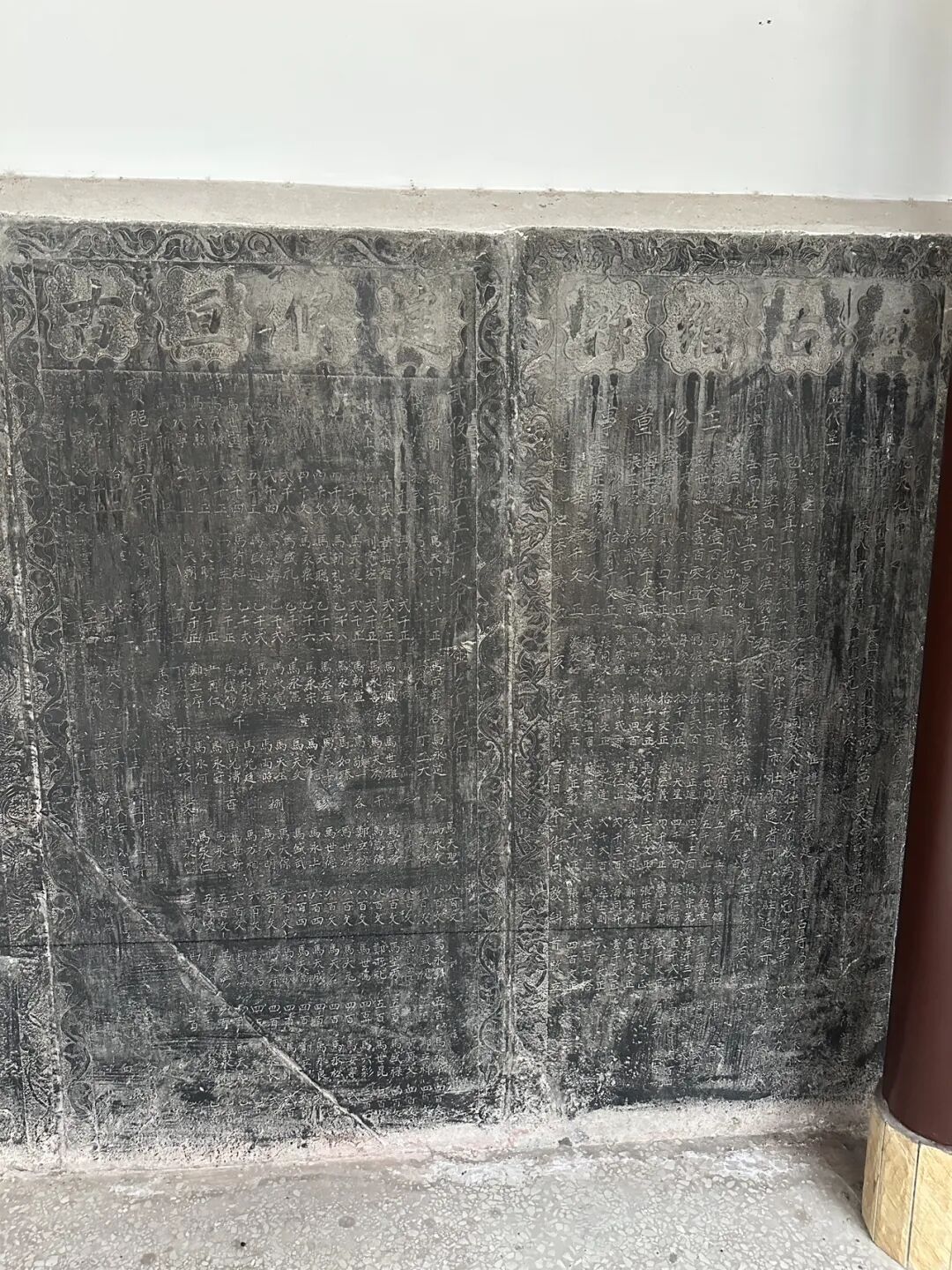
The 1928 "School Construction and Repair Stele"
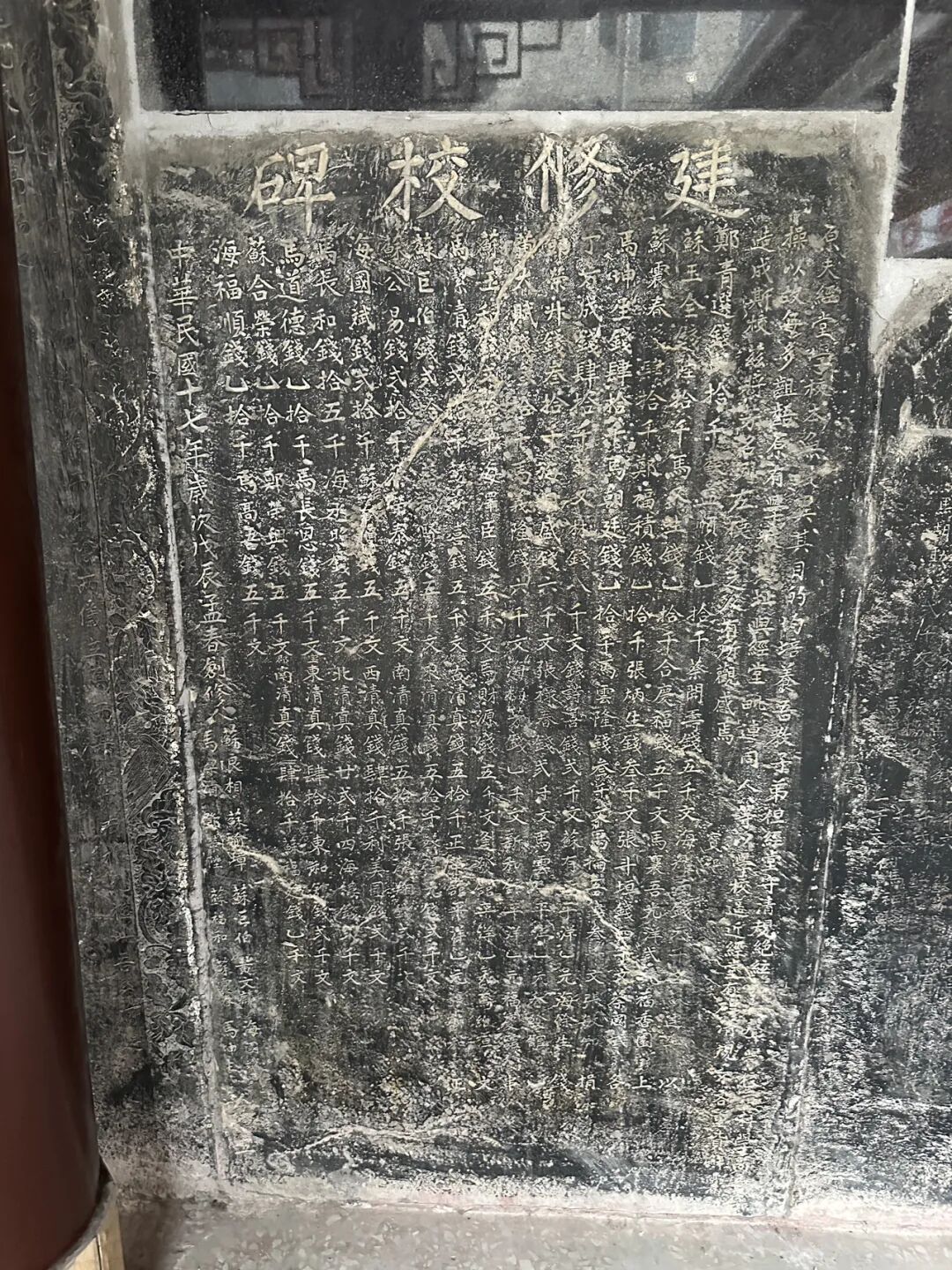
The 1910 "Jingxin Hall" stele
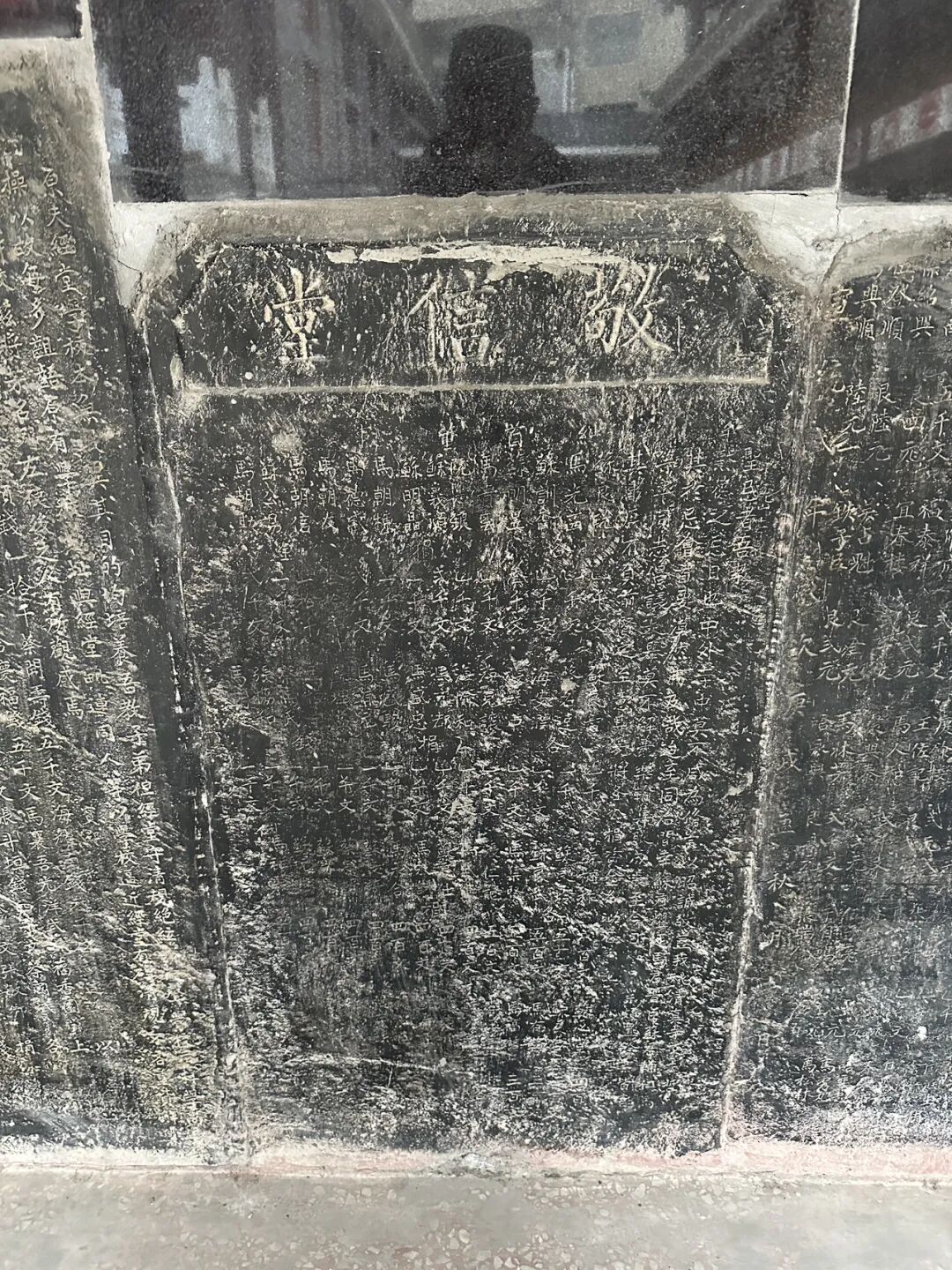
The 1875 stele
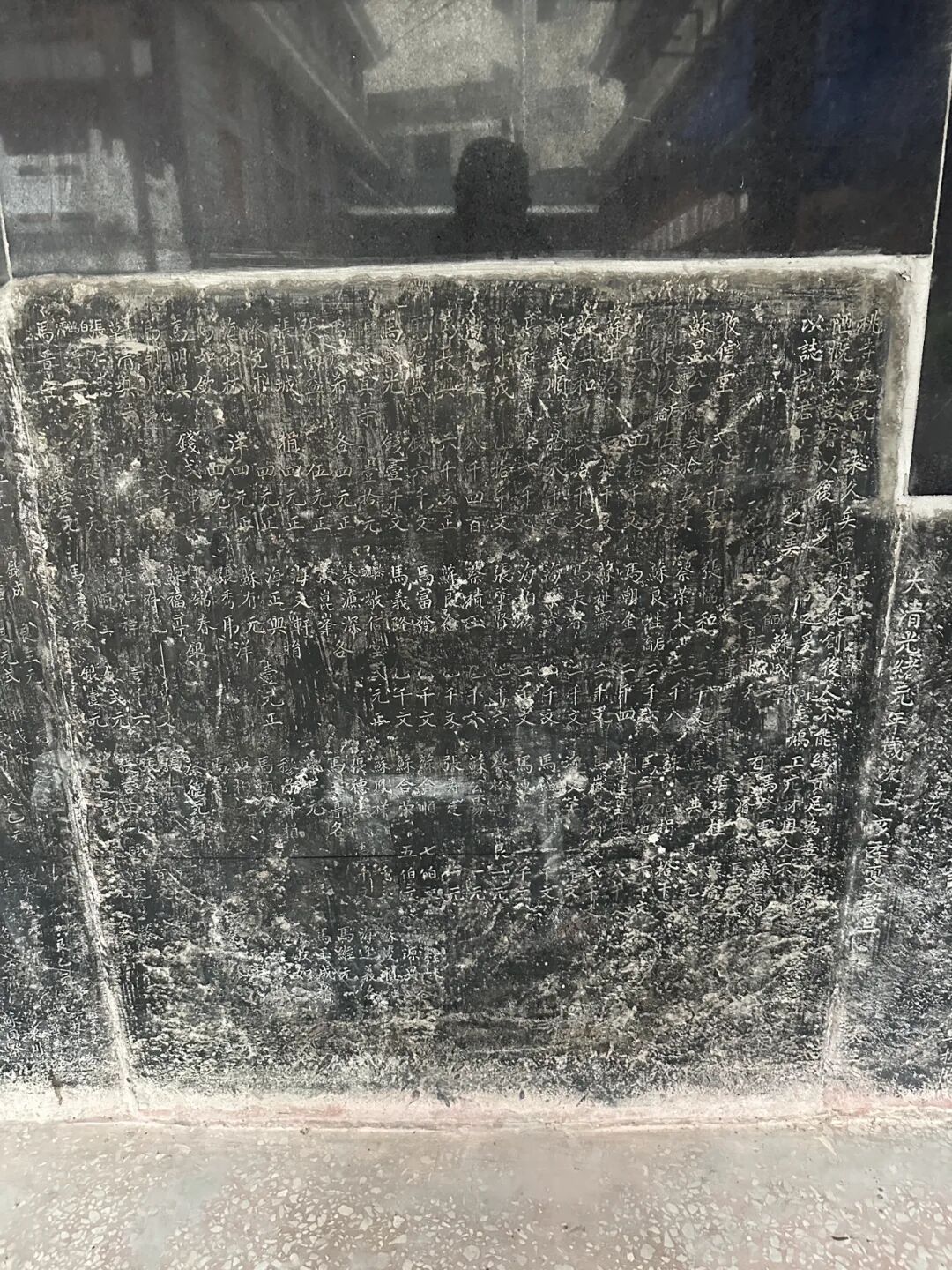 Collapse Read »
Summary: This China mosque travel guide covers eight historic mosque complexes in Longhui, Shaoyang, Hunan, with local Hui Muslim heritage and mosque travel details kept in clear English.
This article summarizes the key points about the eight mosques (sifang) in Longhui County, Shaoyang, Hunan. It keeps the original paragraph and image order. It is for readers interested in Muslim life, Islamic culture, and Chinese Islamic writing. It also helps people search for content like Chinese halal food.
Longhui County in Shaoyang City, Hunan, has a large population of Hui Muslims. I visited eight mosques there: Taohuaping Mosque, Shanjie Ancient Mosque, East Mosque, West Mosque, South Mosque, North Mosque, Luobai Mosque, and Niejiaoting Mosque. I will share them with you below.
Shanjie Ancient Mosque in Longhui County, Shaoyang, Hunan, is located in Laowuli, Shanjie Township. It was first built in 1444 (the ninth year of the Zhengtong reign of the Ming Dynasty) and is the oldest mosque in Longhui. During the Hongwu reign of the Ming Dynasty, Ma Zhi, the third son of Ma Cheng, the ancestor of the Ma family Hui Muslims in Shaoyang, moved from Shaoyang to Majia Ferry in Longhui to settle down. He was the first Hui Muslim in Longhui, and Shanjie Ancient Mosque was built by the Ma family.
Shanjie Ancient Mosque was renovated in 1919 and rebuilt into its current appearance in 2018.
Shanjie Ancient Mosque has a long tradition of teaching Islamic scripture. The head imams who have taught there include Ma Yulang, Ma Fujiu, Ma Fucheng, Ma Yucheng, Ma Yaochi, and Ding Zhenyi. They also hired imams from other places like Huang Xingxiang and Li Desheng. Ma Fucheng, an imam from this mosque, taught there for the longest time. In 1945, Imam Ma Yucheng taught at the ancient mosque and recruited many students (hailifan), marking the peak of the mosque's religious activities. To this day, the mosque continues its educational work and has trained many excellent young people.
On September 2, 1939, the Wugang County, Hunan branch of the China Islamic National Salvation Association was officially established at the mosque. The mosque's imam, Ma Fucheng, was elected as an officer. Inspired by the call to resist Japanese aggression and save the country, young Hui Muslims from the mosque, including Ma Qiyun, Ma Wuyang from the North Mosque, and Su Xingmin from Beishan, signed up for the army, took up arms, and headed to the front lines in East China.
Relics at Shanjie Ancient Mosque include stone pillar bases, wood carvings, and calligraphy of the mihrab in the kiln niche.
The stone couplet on the main gate reads: Clear the murky and promote the pure to follow the great path; preserve the truth and remove the false so that every generation has successors. The calligraphy was written by Ma Linyi, a Hui Muslim educator and Minister of Education in Shaoyang during the Republic of China. He is known as the Father of Northwest Education and the founder of modern Chinese Hui Muslim education.
Ma Linyi was born in Shaoyang, Hunan, in 1865. He passed the imperial examinations in 1902 and went to Japan on a government scholarship in 1904 to study teacher training. During that time, he met Sun Yat-sen, joined the Tongmenghui in 1905, and returned home to work on new government policies and modern education. In 1906, he founded Xiejin Primary School in Shaoyang, which was the first modern school for Hui Muslims in Hunan.
In 1908, he was transferred to the Qing government's Ministry of Education as a director. That same year, he helped establish the Beijing First Islamic Primary School inside the Niujie Mosque and later helped found the Islamic Education Association. While serving as Vice Minister of Education in 1912, Ma Linyi founded the Chinese Islamic Progressive Association with the support of Sun Yat-sen and served as its president.
While in charge of education in Gansu, Ma Linyi founded 277 schools of various types and set up the Gansu Islamic Education Promotion Office, spreading over a hundred Islamic primary schools across Gansu, Ningxia, and Qinghai. He selected over a hundred young people from the Northwest for government-funded study abroad, laying the foundation for modern basic education in the Northwest.
In 1928, Ma Linyi helped found the Islamic Middle School in Niujie and served as its vice chairman. In 1929, Ma Linyi became a board member of the Beiping Chengda Teachers' College. He actively updated the curriculum and improved teaching methods, helping Chengda develop into a modern school. In his later years, Ma Linyi devoted himself to the faith and served as an advisor to Wang Jingzhai for his translation of Islamic classics.
Shanjie East Mosque was first built in 1728 (the fifth year of the Yongzheng reign). The mosque has hired many imams over the years, including Su Yuebo, Ma Yulang, Ma Baochu, Zheng Liansheng, Ma Yuechi, Ma Yucheng, Tang Yuanqi, Hai Shiquan, Ma Chengyong, Ding Baohua, Ma Gen'ao, Ma Xiang'ao, and Ma Wuquan. Students from as far as Hainan and Guangxi came to study under the great imam Ma Yucheng in Gansu, and the local religious community was very prosperous.
It is a pity that the mosque was locked when I visited, so I could not go inside.
Shanjie West Mosque, also known as Jiajian Village Mosque, was first built in 1836 (the 16th year of the Daoguang reign). It was expanded during the Guangxu and Republic of China periods, and the local Hui Muslims there are surnamed Ma, Huang, and Zheng. The imams who have served at the mosque include Ma Chaoxin, Zheng Liansheng, Ma Daocheng, Ma Fucheng, and Ma Liangxu. The main hall of the West Mosque collapsed in 1991. It was being rebuilt when a flood destroyed it in 1996. After raising funds again, it was officially completed at the end of 1996 and renovated again in 2013.
The mosque houses a stone tablet from the 11th year of the Guangxu reign titled 'Record of Continued Mosque Repairs,' which lists the names of the donors at that time and serves as a precious historical record.
Shanjie North Mosque, also called Sifangjing Mosque, was first built in 1824 (the 4th year of the Daoguang reign), and the local Hui Muslims there are surnamed Ma. The main hall was destroyed after 1966. It was rebuilt in 1991 and again in 2000, with only the original stone gate pillars remaining. The pillars are carved with a couplet by the Republic of China educator Ma Linyi: 'To study the Way, one must seek the source; why ask about Jesus, Buddha, or the Greeks? To unite with Heaven is to enter the path of the sages; ancient and modern, Chinese and foreign, all share the same principle.'
Regrettably, the Shanjie North Mosque was also locked when I visited, and I could not enter.
Shanjie South Mosque was first built in 1768 (the 33rd year of the Qianlong reign). The local Hui Muslims are surnamed Ma, and the imams who have taught there include Ma Baochu, Zheng Liansheng, Li Bashan, Ma Fucheng, Ma Daocheng, and Ma Fu'en.
Ma Yingdong, a local resident, went to study in Japan in 1905 and joined the Tongmenghui. In 1907, he helped organize the 'Eastern Islamic Education Association' and founded its journal, 'Awakening the Hui' (Xing Hui Pian). After returning home from his studies, Ma Yingdong dedicated himself to Hui Muslim education and founded the modern Gongjin Primary School at Shanjie South Mosque, where he served as principal.
It is a pity that the Shanjie South Mosque was locked when I visited, so I could not go inside.
Luobai Mosque was first built in 1933, and the local community members are of the Ding surname. Hui Muslims moved to Luobai in the early Qing Dynasty. For a long time, they were affiliated with the Shanjie South Mosque, but the distance made it very inconvenient. In 1933, Imam Ding Zhenyi, a Luobai Hui Muslim who taught at the Gansu Hui Language Institute, resigned from his teaching position to return home and organize the construction of a mosque. Imam Ding traveled everywhere to raise funds and finally built Luobai Mosque at the top of the Yaolong residential area in Luobai.
Imam Ding Zhenyi taught at the Luobai village primary school in 1939, and during that time, he started an introductory class for Islamic studies at Luobai Mosque. Later, he served as the imam of Hetian Mosque in Shaoyang and Liutang Mosque in Guilin, Guangxi. He also worked as a teacher at the primary school attached to Guilin Chengda Normal School, dean and professor at the Guilin Hui Language Institute, and professor at the Hainan Hui Language School. He helped organize the Wugang Branch of the Hunan Chapter of the China Islamic National Salvation Association and served as its general secretary.
Luobai Mosque was torn down in 1970, rebuilt in 1985, and rebuilt again in 2000 into the building that stands today. The mosque still has the original door plaque reading "Islamic Mosque" (Qingzhen Jiaotang) and a pair of couplets by the Republican-era educator Ma Linyi: "When seeking the source of the truth, why ask about Jesus, Buddha, or others? To unite with Heaven is to enter the path of the sages; ancient and modern, East and West, the principle is the same."
Niejiaoting Mosque was first built in 1926, and the community members are of the Ma, Hai, and Su surnames. Most of the Hui Muslims in Beishan Township, where Niejiaoting is located, moved there from other places in the late Qing Dynasty. Because it was inconvenient to perform namaz, Ma Youde, Ma Daofeng, Hai Liancheng, and others raised funds to build the mosque. The imams at the mosque include Ma Chunming, Ma Youlin, Imam Bu, Imam Zhang, Hai Siquan, and Deng Mengjun. Niejia Pavilion Mosque was destroyed after 1966, rebuilt later, and then rebuilt again in 2008.
The mosque houses the 1948 "Zhaoxiu Mosque Stele," which serves as a precious historical witness.
Taohuaping Mosque is in the center of the county. It was first built in 1820 (the 25th year of the Jiaqing reign). In 1827 (the 7th year of the Daoguang reign), it was expanded after buying shops owned by the Su and Ma families on the front street. In 1834 (the 14th year of the Daoguang reign), it bought three more shops in front of the mosque. In 1841 (the 21st year of the Daoguang reign), the rear hall was renovated, and in 1850 (the 30th year of the Daoguang reign), the front gate archway, garden, and second gate were built.
In 1941, the Taohuaping branch of the China Islamic National Salvation Association was established inside Taohuaping Mosque. It did a lot of work for anti-Japanese propaganda, provided housing for refugees from other areas, raised money for winter clothes for soldiers, and helped with evacuations. In 1941, Bai Chongxi performed worship at Taohuaping Mosque and issued a plaque stating, "Troops are forbidden from stationing inside the mosque."
Taohuaping Mosque was expanded again in 1953 and was finally rebuilt into its current structure in 2019. Currently, Taohuaping Mosque is the mosque with the second-highest number of visitors in Longhui County, after the ancient Shanjie Mosque.
Taohuaping Mosque preserves a large number of stone tablets from the Qing Dynasty and the Republic of China, which are precious historical records:
The 1859 "Stele for Renovating the Front Gate"
The 1846 "Restoring the School" stele
The 1841 "Renovating the Rear Hall" stele
The 1834 "Righteous School Stele Record"
The 1822 "Everlasting Innovation, Building and Repairing the Everlasting, Immortal Names of Public Donors" stele
The 1928 "School Construction and Repair Stele"
The 1910 "Jingxin Hall" stele
The 1875 stele
Collapse Read »
Best Halal Restaurants in Beijing: 10 Local Muslim Food Spots Worth Trying (Segment 3 of 3)
Reposted from the web
Summary: This guide to the best halal restaurants in Beijing keeps the original list of local Muslim food spots, Hui Muslim food, and practical halal dining details.
Part 1: 10 halal restaurants in Beijing worth trying: Pakistani restaurant Lahore Courtyard, Henan Jiaozuo beef knife-cut noodles Maimairehong, halal Mongolian food Hulun Aile, West African Ghana Tribe Garden, Xi'an Xing Laosi meatball spicy soup, Xinjiang Changji Jinying meatball soup, Xinjiang Hotan Canteen, Syrian BRBR, Beijing fusion food Gulou Chimian, and Beijing traditional food Xilaisun.
Part 2: 10 halal restaurants in Beijing worth trying (Part 2): UAE restaurant Gulf Mandi Restaurant, Xinjiang Mansion Xihan meatball soup, Xinjiang Mansion lobby Altay afternoon tea, Muhejia revolving hot pot, Xinjiang Urumqi Nazilan (closed), Beijing pastry shop Baoyuanzhai (closed), Pakistani Samosa China-Pakistan Friendship Restaurant, Ma Ye Roast Duck (closed), Bangladeshi Benjibi Restaurant, and Huairou Shihu Cheng Resort.
Part 3: 10 new Beijing restaurants I recently tried. JM Italian Coffee Dongsi branch, halal Hunan-style stir-fry Huixiangyun (now closed) Wangjing branch, Shandong Dezhou Old Ma's lamb soup (yangtang) and steamed dumplings (zhengjiao), Sanlitun Philly cheesesteak (now closed), Pakistani Roma Restaurant (now closed), Muyuzhai garlic lamb intestines (lan suan yang chang), Inner Mongolia Lianying steamed dumplings (shaomai) Caoyuan Shiliuhong, Wangfujing Gansu spicy hot pot (malatang), and Yuezhen Yayuan halal courtyard restaurant.
Part 4: 10 halal restaurants in Beijing worth trying. Hotan rose pilaf (zhua fan) Yizhuang branch, Taiba Western-style bakery, Taiba South Sanlitun Road street shop, Zhaotong small meat skewers Guijie Ganmaya BBQ (now closed), Baixiaobei Heilongjiang BBQ shop, Yunnan Muwenzhai dry-pot beef, Sanlitun Xinjiang restaurant Jiangjiang, Huixiangyun halal Hunan restaurant Zuojiazhuang branch, Yili ice cream shop Bazaar Sweetheart, and Dongzhimen Inner Qianyuan Hotel. Collapse Read »
Summary: This guide to the best halal restaurants in Beijing keeps the original list of local Muslim food spots, Hui Muslim food, and practical halal dining details.
Part 1: 10 halal restaurants in Beijing worth trying: Pakistani restaurant Lahore Courtyard, Henan Jiaozuo beef knife-cut noodles Maimairehong, halal Mongolian food Hulun Aile, West African Ghana Tribe Garden, Xi'an Xing Laosi meatball spicy soup, Xinjiang Changji Jinying meatball soup, Xinjiang Hotan Canteen, Syrian BRBR, Beijing fusion food Gulou Chimian, and Beijing traditional food Xilaisun.
Part 2: 10 halal restaurants in Beijing worth trying (Part 2): UAE restaurant Gulf Mandi Restaurant, Xinjiang Mansion Xihan meatball soup, Xinjiang Mansion lobby Altay afternoon tea, Muhejia revolving hot pot, Xinjiang Urumqi Nazilan (closed), Beijing pastry shop Baoyuanzhai (closed), Pakistani Samosa China-Pakistan Friendship Restaurant, Ma Ye Roast Duck (closed), Bangladeshi Benjibi Restaurant, and Huairou Shihu Cheng Resort.
Part 3: 10 new Beijing restaurants I recently tried. JM Italian Coffee Dongsi branch, halal Hunan-style stir-fry Huixiangyun (now closed) Wangjing branch, Shandong Dezhou Old Ma's lamb soup (yangtang) and steamed dumplings (zhengjiao), Sanlitun Philly cheesesteak (now closed), Pakistani Roma Restaurant (now closed), Muyuzhai garlic lamb intestines (lan suan yang chang), Inner Mongolia Lianying steamed dumplings (shaomai) Caoyuan Shiliuhong, Wangfujing Gansu spicy hot pot (malatang), and Yuezhen Yayuan halal courtyard restaurant.
Part 4: 10 halal restaurants in Beijing worth trying. Hotan rose pilaf (zhua fan) Yizhuang branch, Taiba Western-style bakery, Taiba South Sanlitun Road street shop, Zhaotong small meat skewers Guijie Ganmaya BBQ (now closed), Baixiaobei Heilongjiang BBQ shop, Yunnan Muwenzhai dry-pot beef, Sanlitun Xinjiang restaurant Jiangjiang, Huixiangyun halal Hunan restaurant Zuojiazhuang branch, Yili ice cream shop Bazaar Sweetheart, and Dongzhimen Inner Qianyuan Hotel. Collapse Read »
Best Halal Restaurants in Beijing: 10 Local Muslim Food Spots Worth Trying (Segment 2 of 3)
Reposted from the web
Summary: This guide to the best halal restaurants in Beijing keeps the original list of local Muslim food spots, Hui Muslim food, and practical halal dining details.
In the past, spring and summer were the growing seasons for sheep, so they were usually only slaughtered after autumn. Because of this, some mutton shops would switch to selling cold food during the summer. In the 1940s, Man Leting bought Japanese refrigeration equipment to sell homemade popsicles, soda, and other cold drinks, and business was booming. In 1949, mutton shipments from Inner Mongolia to Beijing were blocked, and the sheep trade hit rock bottom. Just then, Man Leiting's fellow townsman Man Kaiqi came to join him. Man Kaiqi had a background in a pastry shop, so Man Liu stopped selling lamb and switched to snacks and cold dishes, making Rongxiangcheng a famous Hui Muslim snack shop outside Chongwenmen. After the public-private partnership in 1956, Man Leiting's son Man Kaitong became the manager, and in 1958, they stopped making popsicles to focus on snacks like almond tofu (xingren doufu) and sweet rice balls (yuanxiao). In 1966, Rongxiangcheng was officially renamed Jinfang Hui Muslim Snack Shop, and in 1971, it began to focus on sweet rice balls (yuanxiao), which have drawn long lines every year around the Lantern Festival since the 1990s.
A new shawarma rotisserie shop just opened at the north entrance of Sanlitun SOHO. We went there for dinner; one of the guys working there is from Turkmenistan and the other is from Russia, and almost all the customers were foreigners. The wraps and burgers tasted okay, though the garlic sauce was quite strong. But when we went, they were just starting to roast a new batch of beef, so the pre-sliced beef wasn't very hot. Also, the flatbread wraps they used weren't warm. Still, the vibe is just like a rotisserie shop on a Middle Eastern street; there are no seats, so you grab one to eat on the go and pretend you are in Damascus.
Collapse Read »
Summary: This guide to the best halal restaurants in Beijing keeps the original list of local Muslim food spots, Hui Muslim food, and practical halal dining details.
In the past, spring and summer were the growing seasons for sheep, so they were usually only slaughtered after autumn. Because of this, some mutton shops would switch to selling cold food during the summer. In the 1940s, Man Leting bought Japanese refrigeration equipment to sell homemade popsicles, soda, and other cold drinks, and business was booming. In 1949, mutton shipments from Inner Mongolia to Beijing were blocked, and the sheep trade hit rock bottom. Just then, Man Leiting's fellow townsman Man Kaiqi came to join him. Man Kaiqi had a background in a pastry shop, so Man Liu stopped selling lamb and switched to snacks and cold dishes, making Rongxiangcheng a famous Hui Muslim snack shop outside Chongwenmen. After the public-private partnership in 1956, Man Leiting's son Man Kaitong became the manager, and in 1958, they stopped making popsicles to focus on snacks like almond tofu (xingren doufu) and sweet rice balls (yuanxiao). In 1966, Rongxiangcheng was officially renamed Jinfang Hui Muslim Snack Shop, and in 1971, it began to focus on sweet rice balls (yuanxiao), which have drawn long lines every year around the Lantern Festival since the 1990s.
A new shawarma rotisserie shop just opened at the north entrance of Sanlitun SOHO. We went there for dinner; one of the guys working there is from Turkmenistan and the other is from Russia, and almost all the customers were foreigners. The wraps and burgers tasted okay, though the garlic sauce was quite strong. But when we went, they were just starting to roast a new batch of beef, so the pre-sliced beef wasn't very hot. Also, the flatbread wraps they used weren't warm. Still, the vibe is just like a rotisserie shop on a Middle Eastern street; there are no seats, so you grab one to eat on the go and pretend you are in Damascus.
Collapse Read »
Best Halal Restaurants in Beijing: 10 Local Muslim Food Spots Worth Trying (Segment 3 of 3)
Reposted from the web
Summary: This guide to the best halal restaurants in Beijing keeps the original list of local Muslim food spots, Hui Muslim food, and practical halal dining details.
A Tianjin halal shaved ice and steamed pancake (zhengbing) shop called Guxiangzhai has opened at Hufangqiao. Since the weather is getting warmer lately, many people are coming to eat shaved ice. For my first visit, I chose the traditional-style shaved ice. It contains sour hawthorn paste (suanmogao), red hawthorn fruit, dried apricots, strawberries, mulberries, pineapple, orange, fresh apricots, and red beans. It actually has more ingredients than the truly traditional version, and it is mainly sweet and sour to whet your appetite. Sour hawthorn paste (suanmogao) is the soul of Tianjin traditional shaved ice. It is made by grinding dried wild sour jujubes into powder and boiling it with rock sugar. You can buy large blocks of sour hawthorn paste (suanmogao) at the entrance of the archway of the South Mosque (Nandasi) in the Northwest Corner. It also tastes great when mixed directly with water.
Their dinosaur egg three-apricot shaved ice is also a signature item. It contains Kashgar Hami apricots, Yengisar Saimaiti red apricots, Aksu Situan dried apricots, and secret-recipe preserved fruit made from wild hawthorn from Shanxi. It sounds very good.
They also sell various snacks. We bought a steamed pancake (zhengbing) with a red hawthorn filling, which is sweet and sour and perfect for breakfast. It is a pity that the rice cakes (gaogan) were sold out, so I bought a rice cake (migao) with a sour hawthorn paste flavor. It was a bit dry, but the taste was still good. I also bought a snack called "five blacks," which contains black rice, black beans, black mulberries, black goji berries, and black sesame seeds. It sounds very healthy. Collapse Read »
Summary: This guide to the best halal restaurants in Beijing keeps the original list of local Muslim food spots, Hui Muslim food, and practical halal dining details.
A Tianjin halal shaved ice and steamed pancake (zhengbing) shop called Guxiangzhai has opened at Hufangqiao. Since the weather is getting warmer lately, many people are coming to eat shaved ice. For my first visit, I chose the traditional-style shaved ice. It contains sour hawthorn paste (suanmogao), red hawthorn fruit, dried apricots, strawberries, mulberries, pineapple, orange, fresh apricots, and red beans. It actually has more ingredients than the truly traditional version, and it is mainly sweet and sour to whet your appetite. Sour hawthorn paste (suanmogao) is the soul of Tianjin traditional shaved ice. It is made by grinding dried wild sour jujubes into powder and boiling it with rock sugar. You can buy large blocks of sour hawthorn paste (suanmogao) at the entrance of the archway of the South Mosque (Nandasi) in the Northwest Corner. It also tastes great when mixed directly with water.
Their dinosaur egg three-apricot shaved ice is also a signature item. It contains Kashgar Hami apricots, Yengisar Saimaiti red apricots, Aksu Situan dried apricots, and secret-recipe preserved fruit made from wild hawthorn from Shanxi. It sounds very good.
They also sell various snacks. We bought a steamed pancake (zhengbing) with a red hawthorn filling, which is sweet and sour and perfect for breakfast. It is a pity that the rice cakes (gaogan) were sold out, so I bought a rice cake (migao) with a sour hawthorn paste flavor. It was a bit dry, but the taste was still good. I also bought a snack called "five blacks," which contains black rice, black beans, black mulberries, black goji berries, and black sesame seeds. It sounds very healthy. Collapse Read »
Best Halal Restaurants in Beijing: 10 Local Muslim Food Spots Worth Trying (Segment 1 of 3)
Reposted from the web
Summary: This guide to the best halal restaurants in Beijing keeps the original list of local Muslim food spots, Hui Muslim food, and practical halal dining details.
On the weekend, we had dinner at Kavkaz Ruilin, a long-standing Azerbaijani restaurant on Ritan Upper Street, to enjoy some Russian and Caucasian food. This is a classic former Soviet-style restaurant in Beijing that has been open for over a decade. It mostly serves merchants from Russian-speaking regions who come to Yabaolu to source goods. Its Chinese name used to be Ruilin, but it has been changed to Ruilin.
After the Soviet Union collapsed in the 1990s, many traders (daoye) took green-skinned trains to Beijing and headed straight to Yabaolu to stock up on goods. They brought down jackets, leather shoes, toys, and other small items back home to sell for huge profits. Yabaolu gradually grew from street stalls and tents into Beijing's largest wholesale market for Russian-speaking regions, and more former Soviet-style restaurants opened up on nearby Ritan Upper Street. Over a decade ago, Ritan Upper Street was mainly home to Central Asian and Azerbaijani restaurants, including Uzbek and Kazakh spots.
Over the last decade, Russia's economic decline, the shift of markets to places like Yiwu, Guangzhou, and Suifenhe, and the rise of cross-border e-commerce have caused trade with Russia on Yabaolu to shrink. Yitan Shangjie has gradually become a hub for Uyghur restaurants. Besides Dardanelles and Desert Rose, which focus on Turkish food, the only other Azerbaijani restaurant is Ruilin. For Central Asian food, there is the Turkmenistan restaurant Merv downstairs, which also serves Russian dishes.
At first, Ruilin had dim lighting, making it a good spot for traders to talk business, but many Chinese people were afraid to go inside. In recent years, the lighting at Ruilin has become brighter, but when we visited, there were only Russian-speaking customers, and we did not see any other Chinese people eating there.
We ordered borscht (hongcaitang), pot-stewed lamb (manguan yangrou), chive pancakes (jiucaibing), Azerbaijani pilaf (zhuafan), and grilled vegetables. Their borscht is closer to the Russian style than the one at Merv. Merv's beef soup has a stronger flavor, while their version has a more intense beet taste, which is also quite good. Collapse Read »
Summary: This guide to the best halal restaurants in Beijing keeps the original list of local Muslim food spots, Hui Muslim food, and practical halal dining details.
On the weekend, we had dinner at Kavkaz Ruilin, a long-standing Azerbaijani restaurant on Ritan Upper Street, to enjoy some Russian and Caucasian food. This is a classic former Soviet-style restaurant in Beijing that has been open for over a decade. It mostly serves merchants from Russian-speaking regions who come to Yabaolu to source goods. Its Chinese name used to be Ruilin, but it has been changed to Ruilin.
After the Soviet Union collapsed in the 1990s, many traders (daoye) took green-skinned trains to Beijing and headed straight to Yabaolu to stock up on goods. They brought down jackets, leather shoes, toys, and other small items back home to sell for huge profits. Yabaolu gradually grew from street stalls and tents into Beijing's largest wholesale market for Russian-speaking regions, and more former Soviet-style restaurants opened up on nearby Ritan Upper Street. Over a decade ago, Ritan Upper Street was mainly home to Central Asian and Azerbaijani restaurants, including Uzbek and Kazakh spots.
Over the last decade, Russia's economic decline, the shift of markets to places like Yiwu, Guangzhou, and Suifenhe, and the rise of cross-border e-commerce have caused trade with Russia on Yabaolu to shrink. Yitan Shangjie has gradually become a hub for Uyghur restaurants. Besides Dardanelles and Desert Rose, which focus on Turkish food, the only other Azerbaijani restaurant is Ruilin. For Central Asian food, there is the Turkmenistan restaurant Merv downstairs, which also serves Russian dishes.
At first, Ruilin had dim lighting, making it a good spot for traders to talk business, but many Chinese people were afraid to go inside. In recent years, the lighting at Ruilin has become brighter, but when we visited, there were only Russian-speaking customers, and we did not see any other Chinese people eating there.
We ordered borscht (hongcaitang), pot-stewed lamb (manguan yangrou), chive pancakes (jiucaibing), Azerbaijani pilaf (zhuafan), and grilled vegetables. Their borscht is closer to the Russian style than the one at Merv. Merv's beef soup has a stronger flavor, while their version has a more intense beet taste, which is also quite good. Collapse Read »
Best Halal Restaurants in Beijing: 10 Local Muslim Food Spots Worth Trying (Segment 3 of 3)
Reposted from the web
Summary: This guide to the best halal restaurants in Beijing keeps the original list of local Muslim food spots, Hui Muslim food, and practical halal dining details.
We had the pilaf (zhuafan) fresh out of the pot at seven o'clock. It was shiny and oily, though the lamb was a bit tougher compared to the skewers. Overall, it was still good. I happened to hear the table next to us complaining that their rice was undercooked. Actually, I think pilaf is only good when the rice is a bit firm. If the rice is too soft and mushy, it just becomes regular steamed rice.
Collapse Read »
Summary: This guide to the best halal restaurants in Beijing keeps the original list of local Muslim food spots, Hui Muslim food, and practical halal dining details.
We had the pilaf (zhuafan) fresh out of the pot at seven o'clock. It was shiny and oily, though the lamb was a bit tougher compared to the skewers. Overall, it was still good. I happened to hear the table next to us complaining that their rice was undercooked. Actually, I think pilaf is only good when the rice is a bit firm. If the rice is too soft and mushy, it just becomes regular steamed rice.
Collapse Read »
Best Halal Restaurants in Beijing: 10 Local Muslim Food Spots Worth Trying (Segment 2 of 3)
Reposted from the web
Summary: This guide to the best halal restaurants in Beijing keeps the original list of local Muslim food spots, Hui Muslim food, and practical halal dining details.
We ordered the three-person set meal, which included half a roast duck, grilled meat on a round iron plate (zhizi kaorou), stir-fried mixed vegetables (chao hecai), and duck frame tofu soup. This three-person set is a great value, and we were stuffed after finishing it. The duck tasted good, and the kids really liked it. The portion of stir-fried mixed vegetables (chao hecai) was huge, and it tasted great too.
The grilled meat on a round iron plate (zhizi kaorou) was a hit with both the Xinjiang and Hunan people at our table; the meat was tender but still had a nice chew. However, it must have been pre-marinated because it was spicy and couldn't be made mild, so the kids couldn't eat it. Duck frame soup is a must-have with roast duck; it was very savory and we couldn't stop drinking it.
Besides roast duck, they also serve traditional Hui Muslims' eight big bowls (badawan). If you are visiting Changping, you should come here to eat. They don't close in the afternoon, so it is perfect for a late meal after sightseeing.
In the evening, we went to Shilihe to eat barbecue at Aidamu. I had heard they were very famous, but this was my first time eating there, and I was truly impressed. They have basically brought the level of a local Xinjiang night market to Beijing; eating there felt just like being back in Xinjiang.
There is a large parking lot right across from the restaurant, making it very convenient if you drive there. When we arrived at 6:30, the place was already packed, so we set up a table in the parking lot across the street. Since the temperature has risen in May, it is perfect for eating barbecue outdoors.
At their place, you grab the skewers yourself from the freezer. We had lamb liver, lamb heart, lamb skewers, and lamb chops. The lamb liver was very tender, definitely top-tier for Beijing. The lamb heart had more chew than the liver, and it was also quite good. The lamb skewers had no gamey smell at all, just the pure aroma of lamb, which is very rare in Beijing. Collapse Read »
Summary: This guide to the best halal restaurants in Beijing keeps the original list of local Muslim food spots, Hui Muslim food, and practical halal dining details.
We ordered the three-person set meal, which included half a roast duck, grilled meat on a round iron plate (zhizi kaorou), stir-fried mixed vegetables (chao hecai), and duck frame tofu soup. This three-person set is a great value, and we were stuffed after finishing it. The duck tasted good, and the kids really liked it. The portion of stir-fried mixed vegetables (chao hecai) was huge, and it tasted great too.
The grilled meat on a round iron plate (zhizi kaorou) was a hit with both the Xinjiang and Hunan people at our table; the meat was tender but still had a nice chew. However, it must have been pre-marinated because it was spicy and couldn't be made mild, so the kids couldn't eat it. Duck frame soup is a must-have with roast duck; it was very savory and we couldn't stop drinking it.
Besides roast duck, they also serve traditional Hui Muslims' eight big bowls (badawan). If you are visiting Changping, you should come here to eat. They don't close in the afternoon, so it is perfect for a late meal after sightseeing.
In the evening, we went to Shilihe to eat barbecue at Aidamu. I had heard they were very famous, but this was my first time eating there, and I was truly impressed. They have basically brought the level of a local Xinjiang night market to Beijing; eating there felt just like being back in Xinjiang.
There is a large parking lot right across from the restaurant, making it very convenient if you drive there. When we arrived at 6:30, the place was already packed, so we set up a table in the parking lot across the street. Since the temperature has risen in May, it is perfect for eating barbecue outdoors.
At their place, you grab the skewers yourself from the freezer. We had lamb liver, lamb heart, lamb skewers, and lamb chops. The lamb liver was very tender, definitely top-tier for Beijing. The lamb heart had more chew than the liver, and it was also quite good. The lamb skewers had no gamey smell at all, just the pure aroma of lamb, which is very rare in Beijing. Collapse Read »
Best Halal Restaurants in Beijing: 10 Local Muslim Food Spots Worth Trying (Segment 1 of 3)
Reposted from the web
Summary: This guide to the best halal restaurants in Beijing keeps the original list of local Muslim food spots, Hui Muslim food, and practical halal dining details.
This article summarizes the key points of '10 Halal Restaurants in Beijing Worth Trying (Part 9),' keeping the original paragraph and image order. It is for readers interested in Muslim life, Islamic culture, and Chinese Islamic articles, and makes it easy to search for topics like Uyghur culture, marriage and family, and the ninth installment.
The list includes Shunhexiang Harbin-style stir-fry in Tongzhou, Fenghong Old Beijing Flavor in Changping, Aidamu Xinjiang street barbecue in Shilihe, Ruilin Azerbaijani restaurant near Ritan, Yilan Liyuan American-style burgers on Niujie, Guxiangzhai Tianjin-style shaved ice in Hufangqiao, Niujie's Big Green Bag stinky tofu, Zafran Pakistani restaurant in Xinyuanli, Jinfang Snack Bar in Dongdaqiao, and Ali & Wang's rotating kebab in Sanlitun.
I heard that the Harbin Hui Muslim stir-fry restaurant Shunhexiang opened in Beijing's Tongzhou sub-center, so I came to try it out for dinner. The restaurant is located in a new residential complex along the Grand Canal in Tongzhou. The environment is great, and the private room's turntable is button-controlled, making it easy to reach the dishes.
They specialize in Heilongjiang Hui Muslim cuisine and have also added some southern Chinese dishes to their menu. We ordered the savory sweet and sour pork (guobaorou), sauerkraut beef rib stew, colorful starch noodles (dalapi), stir-fried lily bulbs with bamboo shoots, and beef steamed dumplings (shaomai). The best of these was the steamed dumplings. The skin was thin and chewy, and the filling was fragrant and not greasy. I think they are better than the other Hui Muslim steamed dumplings currently in Beijing. The sweet and sour pork had a good texture and wasn't fried too hard. I think it's better than another Heilongjiang Hui Muslim restaurant in Beijing. The sauerkraut tasted great, but there was very little beef, and there were very few lily bulbs in the lily bulb and bamboo shoot dish. Overall, the restaurant is definitely worth a visit. The biggest problem is that it is too far from the city center, almost reaching Hebei. It is best suited for those driving there or people working in the sub-center.
On Sunday, I was in Changping and had Beijing-style food for lunch at Fenghong Old Beijing Flavor in Xiaotangshan. Collapse Read »
Summary: This guide to the best halal restaurants in Beijing keeps the original list of local Muslim food spots, Hui Muslim food, and practical halal dining details.
This article summarizes the key points of '10 Halal Restaurants in Beijing Worth Trying (Part 9),' keeping the original paragraph and image order. It is for readers interested in Muslim life, Islamic culture, and Chinese Islamic articles, and makes it easy to search for topics like Uyghur culture, marriage and family, and the ninth installment.
The list includes Shunhexiang Harbin-style stir-fry in Tongzhou, Fenghong Old Beijing Flavor in Changping, Aidamu Xinjiang street barbecue in Shilihe, Ruilin Azerbaijani restaurant near Ritan, Yilan Liyuan American-style burgers on Niujie, Guxiangzhai Tianjin-style shaved ice in Hufangqiao, Niujie's Big Green Bag stinky tofu, Zafran Pakistani restaurant in Xinyuanli, Jinfang Snack Bar in Dongdaqiao, and Ali & Wang's rotating kebab in Sanlitun.
I heard that the Harbin Hui Muslim stir-fry restaurant Shunhexiang opened in Beijing's Tongzhou sub-center, so I came to try it out for dinner. The restaurant is located in a new residential complex along the Grand Canal in Tongzhou. The environment is great, and the private room's turntable is button-controlled, making it easy to reach the dishes.
They specialize in Heilongjiang Hui Muslim cuisine and have also added some southern Chinese dishes to their menu. We ordered the savory sweet and sour pork (guobaorou), sauerkraut beef rib stew, colorful starch noodles (dalapi), stir-fried lily bulbs with bamboo shoots, and beef steamed dumplings (shaomai). The best of these was the steamed dumplings. The skin was thin and chewy, and the filling was fragrant and not greasy. I think they are better than the other Hui Muslim steamed dumplings currently in Beijing. The sweet and sour pork had a good texture and wasn't fried too hard. I think it's better than another Heilongjiang Hui Muslim restaurant in Beijing. The sauerkraut tasted great, but there was very little beef, and there were very few lily bulbs in the lily bulb and bamboo shoot dish. Overall, the restaurant is definitely worth a visit. The biggest problem is that it is too far from the city center, almost reaching Hebei. It is best suited for those driving there or people working in the sub-center.
On Sunday, I was in Changping and had Beijing-style food for lunch at Fenghong Old Beijing Flavor in Xiaotangshan. Collapse Read »
China Mosque Travel Guide: Eight Historic Mosque Complexes in Longhui, Shaoyang, Hunan (Segment 3 of 3)
Reposted from the web
Summary: This China mosque travel guide covers eight historic mosque complexes in Longhui, Shaoyang, Hunan, with local Hui Muslim heritage and mosque travel details kept in clear English.
Shanjie East Mosque was first built in 1728 (the fifth year of the Yongzheng reign). The mosque has hired many imams over the years, including Su Yuebo, Ma Yulang, Ma Baochu, Zheng Liansheng, Ma Yuechi, Ma Yucheng, Tang Yuanqi, Hai Shiquan, Ma Chengyong, Ding Baohua, Ma Gen'ao, Ma Xiang'ao, and Ma Wuquan. Students from as far as Hainan and Guangxi came to study under the great imam Ma Yucheng in Gansu, and the local religious community was very prosperous.
It is a pity that the mosque was locked when I visited, so I could not go inside. Collapse Read »
Summary: This China mosque travel guide covers eight historic mosque complexes in Longhui, Shaoyang, Hunan, with local Hui Muslim heritage and mosque travel details kept in clear English.
Shanjie East Mosque was first built in 1728 (the fifth year of the Yongzheng reign). The mosque has hired many imams over the years, including Su Yuebo, Ma Yulang, Ma Baochu, Zheng Liansheng, Ma Yuechi, Ma Yucheng, Tang Yuanqi, Hai Shiquan, Ma Chengyong, Ding Baohua, Ma Gen'ao, Ma Xiang'ao, and Ma Wuquan. Students from as far as Hainan and Guangxi came to study under the great imam Ma Yucheng in Gansu, and the local religious community was very prosperous.
It is a pity that the mosque was locked when I visited, so I could not go inside. Collapse Read »
China Mosque Travel Guide: Eight Historic Mosque Complexes in Longhui, Shaoyang, Hunan (Segment 1 of 3)
Reposted from the web
Summary: This China mosque travel guide covers eight historic mosque complexes in Longhui, Shaoyang, Hunan, with local Hui Muslim heritage and mosque travel details kept in clear English.
This article summarizes the key points about the eight mosques (sifang) in Longhui County, Shaoyang, Hunan. It keeps the original paragraph and image order. It is for readers interested in Muslim life, Islamic culture, and Chinese Islamic writing. It also helps people search for content like Chinese halal food.
Longhui County in Shaoyang City, Hunan, has a large population of Hui Muslims. I visited eight mosques there: Taohuaping Mosque, Shanjie Ancient Mosque, East Mosque, West Mosque, South Mosque, North Mosque, Luobai Mosque, and Niejiaoting Mosque. I will share them with you below.
Shanjie Ancient Mosque in Longhui County, Shaoyang, Hunan, is located in Laowuli, Shanjie Township. It was first built in 1444 (the ninth year of the Zhengtong reign of the Ming Dynasty) and is the oldest mosque in Longhui. During the Hongwu reign of the Ming Dynasty, Ma Zhi, the third son of Ma Cheng, the ancestor of the Ma family Hui Muslims in Shaoyang, moved from Shaoyang to Majia Ferry in Longhui to settle down. He was the first Hui Muslim in Longhui, and Shanjie Ancient Mosque was built by the Ma family.
Shanjie Ancient Mosque was renovated in 1919 and rebuilt into its current appearance in 2018.
Shanjie Ancient Mosque has a long tradition of teaching Islamic scripture. The head imams who have taught there include Ma Yulang, Ma Fujiu, Ma Fucheng, Ma Yucheng, Ma Yaochi, and Ding Zhenyi. They also hired imams from other places like Huang Xingxiang and Li Desheng. Ma Fucheng, an imam from this mosque, taught there for the longest time. In 1945, Imam Ma Yucheng taught at the ancient mosque and recruited many students (hailifan), marking the peak of the mosque's religious activities. To this day, the mosque continues its educational work and has trained many excellent young people.
On September 2, 1939, the Wugang County, Hunan branch of the China Islamic National Salvation Association was officially established at the mosque. The mosque's imam, Ma Fucheng, was elected as an officer. Inspired by the call to resist Japanese aggression and save the country, young Hui Muslims from the mosque, including Ma Qiyun, Ma Wuyang from the North Mosque, and Su Xingmin from Beishan, signed up for the army, took up arms, and headed to the front lines in East China.
Collapse Read »
Summary: This China mosque travel guide covers eight historic mosque complexes in Longhui, Shaoyang, Hunan, with local Hui Muslim heritage and mosque travel details kept in clear English.
This article summarizes the key points about the eight mosques (sifang) in Longhui County, Shaoyang, Hunan. It keeps the original paragraph and image order. It is for readers interested in Muslim life, Islamic culture, and Chinese Islamic writing. It also helps people search for content like Chinese halal food.
Longhui County in Shaoyang City, Hunan, has a large population of Hui Muslims. I visited eight mosques there: Taohuaping Mosque, Shanjie Ancient Mosque, East Mosque, West Mosque, South Mosque, North Mosque, Luobai Mosque, and Niejiaoting Mosque. I will share them with you below.
Shanjie Ancient Mosque in Longhui County, Shaoyang, Hunan, is located in Laowuli, Shanjie Township. It was first built in 1444 (the ninth year of the Zhengtong reign of the Ming Dynasty) and is the oldest mosque in Longhui. During the Hongwu reign of the Ming Dynasty, Ma Zhi, the third son of Ma Cheng, the ancestor of the Ma family Hui Muslims in Shaoyang, moved from Shaoyang to Majia Ferry in Longhui to settle down. He was the first Hui Muslim in Longhui, and Shanjie Ancient Mosque was built by the Ma family.
Shanjie Ancient Mosque was renovated in 1919 and rebuilt into its current appearance in 2018.
Shanjie Ancient Mosque has a long tradition of teaching Islamic scripture. The head imams who have taught there include Ma Yulang, Ma Fujiu, Ma Fucheng, Ma Yucheng, Ma Yaochi, and Ding Zhenyi. They also hired imams from other places like Huang Xingxiang and Li Desheng. Ma Fucheng, an imam from this mosque, taught there for the longest time. In 1945, Imam Ma Yucheng taught at the ancient mosque and recruited many students (hailifan), marking the peak of the mosque's religious activities. To this day, the mosque continues its educational work and has trained many excellent young people.
On September 2, 1939, the Wugang County, Hunan branch of the China Islamic National Salvation Association was officially established at the mosque. The mosque's imam, Ma Fucheng, was elected as an officer. Inspired by the call to resist Japanese aggression and save the country, young Hui Muslims from the mosque, including Ma Qiyun, Ma Wuyang from the North Mosque, and Su Xingmin from Beishan, signed up for the army, took up arms, and headed to the front lines in East China.
Collapse Read »
Best Halal Restaurants in Beijing: 10 Local Muslim Food Spots Worth Trying (Part 5 of 5)
Reposted from the web
Summary: This guide to the best halal restaurants in Beijing keeps the original list of local Muslim food spots, Hui Muslim food, and practical halal dining details.
Part 5: 10 halal restaurants in Beijing worth trying. Sandyq Kazakhstan restaurant, Kashgar restaurant, Ahmed restaurant, Jingbalang Naan Bazaar, MacMac Lebanese restaurant, Humaer Xinjiang specialty food, Lao Huihui dumpling restaurant Zoo branch, Fresh Milk Town (now closed) Shuangjing branch, Nawab restaurant, and Liuji Watch Repair BBQ shop.
Part 6: 10 halal restaurants in Beijing worth trying. Hongyunlou Huaiyang cuisine, Sanhe beef noodles (now closed), JM Coffee and Bakery Dajixiang branch, Wanhe fatty beef, Xiangqing roast duck (now closed), Culture Pakistani restaurant, Italian Firenze Western restaurant, Niujie Dashuntang, Zhenweizhai Tianjin cuisine, and Dardanelles children's meal.
Part 7: 10 halal restaurants in Beijing worth trying. JM Western restaurant Chaonei branch, Palestinian restaurant Rose City, Baoding beef soup with flatbread (niurou zhaobing), Pakistani restaurant Al Rayyan, Yili Loulan restaurant Guijie branch, Dianxinyuan Yunnan cuisine, Heilongjiang Suihua restaurant Muxiangyuan, Sanlitun Turkish restaurant, Chaoyangmen fast food stall, and Pakistani buffet Habibi.
Part 8: 10 halal restaurants in Beijing worth trying. Xinjiang Hui Muslim home-style cooking Yige Huangluobo, Liaoning Hui Muslim spicy hot pot (malatang), Hebei Daming Hui Muslim meat pie (roubing) Yimian Liaoyuan (now closed), Hebei Chengde Hui Muslim steamed dumplings (shaomai) Dongtucheng branch, Xilaishun Xisi branch, Longfusi market, Heilongjiang Suihua Hui Muslim Mashi Muxiangyuan Baizhifang branch, Turpan Uyghur restaurant Tianshan, Niujie cafe Sanwanghu, and Heilongjiang Hui Muslim iron pot stew (tieguo dun). Collapse Read »
Summary: This guide to the best halal restaurants in Beijing keeps the original list of local Muslim food spots, Hui Muslim food, and practical halal dining details.
Part 5: 10 halal restaurants in Beijing worth trying. Sandyq Kazakhstan restaurant, Kashgar restaurant, Ahmed restaurant, Jingbalang Naan Bazaar, MacMac Lebanese restaurant, Humaer Xinjiang specialty food, Lao Huihui dumpling restaurant Zoo branch, Fresh Milk Town (now closed) Shuangjing branch, Nawab restaurant, and Liuji Watch Repair BBQ shop.
Part 6: 10 halal restaurants in Beijing worth trying. Hongyunlou Huaiyang cuisine, Sanhe beef noodles (now closed), JM Coffee and Bakery Dajixiang branch, Wanhe fatty beef, Xiangqing roast duck (now closed), Culture Pakistani restaurant, Italian Firenze Western restaurant, Niujie Dashuntang, Zhenweizhai Tianjin cuisine, and Dardanelles children's meal.
Part 7: 10 halal restaurants in Beijing worth trying. JM Western restaurant Chaonei branch, Palestinian restaurant Rose City, Baoding beef soup with flatbread (niurou zhaobing), Pakistani restaurant Al Rayyan, Yili Loulan restaurant Guijie branch, Dianxinyuan Yunnan cuisine, Heilongjiang Suihua restaurant Muxiangyuan, Sanlitun Turkish restaurant, Chaoyangmen fast food stall, and Pakistani buffet Habibi.
Part 8: 10 halal restaurants in Beijing worth trying. Xinjiang Hui Muslim home-style cooking Yige Huangluobo, Liaoning Hui Muslim spicy hot pot (malatang), Hebei Daming Hui Muslim meat pie (roubing) Yimian Liaoyuan (now closed), Hebei Chengde Hui Muslim steamed dumplings (shaomai) Dongtucheng branch, Xilaishun Xisi branch, Longfusi market, Heilongjiang Suihua Hui Muslim Mashi Muxiangyuan Baizhifang branch, Turpan Uyghur restaurant Tianshan, Niujie cafe Sanwanghu, and Heilongjiang Hui Muslim iron pot stew (tieguo dun). Collapse Read »
Best Halal Restaurants in Beijing: 10 Local Muslim Food Spots Worth Trying (Part 3 of 5)
Reposted from the web
Summary: This guide to the best halal restaurants in Beijing keeps the original list of local Muslim food spots, Hui Muslim food, and practical halal dining details.
Across from the China Academy of Chinese Medical Sciences on Niujie Street, the roast lamb leg shop with the big green sign sells stinky tofu with sauce. The sauce is made from beef bone broth (niubanggu aotang), and it really has a meaty flavor. I remember eating fried stinky tofu topped with fermented bean curd sauce from a cart run by local Hui Muslims on Binjiang Road in Tianjin. That flavor was truly satisfying.
A new alcohol-free Pakistani restaurant called Zafran just opened in Jiayi Plaza near Liangmaqiao. It is very close to the Liangma River, and since it only opened a few days ago, I came specifically to try it.
I looked at the menu and was surprised to find many Afghan Pashtun dishes. I asked the server, and he is a Pashtun from Peshawar. I decided to order a few Pashtun dishes to try, as some of them cannot be found in other Pakistani restaurants.
First, I must praise their excellent service. The Pashtun waiter, Anas Khan, always greeted us with a smile and even did a fist bump with my son, Suleiman. As soon as we sat down, they brought us black tea, lemon water, and fried dough twists (mayezi). Later, they served a special dried fruit milkshake with walnuts and almonds. Finally, they gave Suleiman a small cup of thin yogurt drink (lassi) and a piece of baklava, which made him very happy.
The atmosphere is also very nice, with curtained sofa areas on one side that are perfect for families. There are no large private rooms, but if you have a big group, you can push tables together in the main dining area. There is also outdoor seating at the entrance, which is great for having desserts and drinks in the summer.
We ordered Afghan pilaf, Peshawar-style lamb, and Kandahar naan. You can tell these are Pashtun specialties just by their names. We also ordered a Caesar salad, french fries, and salty yogurt drink (lassi). Since they just opened, they gave us a 30% discount, which was a great deal.
Afghan pilaf originated in the border region between northern Afghanistan and Uzbekistan. It is known as Qabili Palaw in Afghanistan and later spread from there to West Asia, Central Asia, and Pakistan. Afghan pilaf (pulao) differs from Xinjiang pilaf because it uses long-grain aromatic rice from South Asia and a bit of saffron for color. It is cooked with ghee and vegetable oil, and the carrots are sliced thinly. It also includes cinnamon, cardamom, and cloves, giving it a stronger spice flavor than Xinjiang pilaf. Their Afghan pilaf includes fresh almonds and raisins, but the meat is a bit tough and hard for children to chew. The spice flavor is very rich.
This was my first time eating Peshawar Shinwari lamb, and I highly recommend it! The lamb is very tender and the seasoning is excellent. Peshawar Shinwari lamb is cooked in a metal wok called a karahi. It is a classic main dish for the Pashtun people in northern Pakistan, especially prepared after the animal sacrifice during Eid al-Adha. It is made with fresh bone-in lamb, salt, garlic, and green chilies, without the heavy spices found in southern Pakistan.
Their Kandahar flatbread (nan) is also amazing and pairs perfectly with the Peshawar lamb. Kandahar flatbread is also popular in Pakistan. It is very fluffy because milk and sugar are added to the dough, making it more fragrant.
I also recommend their yogurt drink (lassi). It is not too sour, but it is very appetizing.
Collapse Read »
Summary: This guide to the best halal restaurants in Beijing keeps the original list of local Muslim food spots, Hui Muslim food, and practical halal dining details.
Across from the China Academy of Chinese Medical Sciences on Niujie Street, the roast lamb leg shop with the big green sign sells stinky tofu with sauce. The sauce is made from beef bone broth (niubanggu aotang), and it really has a meaty flavor. I remember eating fried stinky tofu topped with fermented bean curd sauce from a cart run by local Hui Muslims on Binjiang Road in Tianjin. That flavor was truly satisfying.
A new alcohol-free Pakistani restaurant called Zafran just opened in Jiayi Plaza near Liangmaqiao. It is very close to the Liangma River, and since it only opened a few days ago, I came specifically to try it.
I looked at the menu and was surprised to find many Afghan Pashtun dishes. I asked the server, and he is a Pashtun from Peshawar. I decided to order a few Pashtun dishes to try, as some of them cannot be found in other Pakistani restaurants.
First, I must praise their excellent service. The Pashtun waiter, Anas Khan, always greeted us with a smile and even did a fist bump with my son, Suleiman. As soon as we sat down, they brought us black tea, lemon water, and fried dough twists (mayezi). Later, they served a special dried fruit milkshake with walnuts and almonds. Finally, they gave Suleiman a small cup of thin yogurt drink (lassi) and a piece of baklava, which made him very happy.
The atmosphere is also very nice, with curtained sofa areas on one side that are perfect for families. There are no large private rooms, but if you have a big group, you can push tables together in the main dining area. There is also outdoor seating at the entrance, which is great for having desserts and drinks in the summer.
We ordered Afghan pilaf, Peshawar-style lamb, and Kandahar naan. You can tell these are Pashtun specialties just by their names. We also ordered a Caesar salad, french fries, and salty yogurt drink (lassi). Since they just opened, they gave us a 30% discount, which was a great deal.
Afghan pilaf originated in the border region between northern Afghanistan and Uzbekistan. It is known as Qabili Palaw in Afghanistan and later spread from there to West Asia, Central Asia, and Pakistan. Afghan pilaf (pulao) differs from Xinjiang pilaf because it uses long-grain aromatic rice from South Asia and a bit of saffron for color. It is cooked with ghee and vegetable oil, and the carrots are sliced thinly. It also includes cinnamon, cardamom, and cloves, giving it a stronger spice flavor than Xinjiang pilaf. Their Afghan pilaf includes fresh almonds and raisins, but the meat is a bit tough and hard for children to chew. The spice flavor is very rich.
This was my first time eating Peshawar Shinwari lamb, and I highly recommend it! The lamb is very tender and the seasoning is excellent. Peshawar Shinwari lamb is cooked in a metal wok called a karahi. It is a classic main dish for the Pashtun people in northern Pakistan, especially prepared after the animal sacrifice during Eid al-Adha. It is made with fresh bone-in lamb, salt, garlic, and green chilies, without the heavy spices found in southern Pakistan.
Their Kandahar flatbread (nan) is also amazing and pairs perfectly with the Peshawar lamb. Kandahar flatbread is also popular in Pakistan. It is very fluffy because milk and sugar are added to the dough, making it more fragrant.
I also recommend their yogurt drink (lassi). It is not too sour, but it is very appetizing.
Collapse Read »
China Mosque Travel Guide: Eight Historic Mosque Complexes in Longhui, Shaoyang, Hunan (Part 4 of 5)
Reposted from the web
Summary: This China mosque travel guide covers eight historic mosque complexes in Longhui, Shaoyang, Hunan, with local Hui Muslim heritage and mosque travel details kept in clear English.
Taohuaping Mosque is in the center of the county. It was first built in 1820 (the 25th year of the Jiaqing reign). In 1827 (the 7th year of the Daoguang reign), it was expanded after buying shops owned by the Su and Ma families on the front street. In 1834 (the 14th year of the Daoguang reign), it bought three more shops in front of the mosque. In 1841 (the 21st year of the Daoguang reign), the rear hall was renovated, and in 1850 (the 30th year of the Daoguang reign), the front gate archway, garden, and second gate were built.
In 1941, the Taohuaping branch of the China Islamic National Salvation Association was established inside Taohuaping Mosque. It did a lot of work for anti-Japanese propaganda, provided housing for refugees from other areas, raised money for winter clothes for soldiers, and helped with evacuations. In 1941, Bai Chongxi performed worship at Taohuaping Mosque and issued a plaque stating, "Troops are forbidden from stationing inside the mosque."
Taohuaping Mosque was expanded again in 1953 and was finally rebuilt into its current structure in 2019. Currently, Taohuaping Mosque is the mosque with the second-highest number of visitors in Longhui County, after the ancient Shanjie Mosque.
Taohuaping Mosque preserves a large number of stone tablets from the Qing Dynasty and the Republic of China, which are precious historical records:
The 1859 "Stele for Renovating the Front Gate"
The 1846 "Restoring the School" stele
The 1841 "Renovating the Rear Hall" stele
The 1834 "Righteous School Stele Record"
The 1822 "Everlasting Innovation, Building and Repairing the Everlasting, Immortal Names of Public Donors" stele
The 1928 "School Construction and Repair Stele"
The 1910 "Jingxin Hall" stele Collapse Read »
Summary: This China mosque travel guide covers eight historic mosque complexes in Longhui, Shaoyang, Hunan, with local Hui Muslim heritage and mosque travel details kept in clear English.
Taohuaping Mosque is in the center of the county. It was first built in 1820 (the 25th year of the Jiaqing reign). In 1827 (the 7th year of the Daoguang reign), it was expanded after buying shops owned by the Su and Ma families on the front street. In 1834 (the 14th year of the Daoguang reign), it bought three more shops in front of the mosque. In 1841 (the 21st year of the Daoguang reign), the rear hall was renovated, and in 1850 (the 30th year of the Daoguang reign), the front gate archway, garden, and second gate were built.
In 1941, the Taohuaping branch of the China Islamic National Salvation Association was established inside Taohuaping Mosque. It did a lot of work for anti-Japanese propaganda, provided housing for refugees from other areas, raised money for winter clothes for soldiers, and helped with evacuations. In 1941, Bai Chongxi performed worship at Taohuaping Mosque and issued a plaque stating, "Troops are forbidden from stationing inside the mosque."
Taohuaping Mosque was expanded again in 1953 and was finally rebuilt into its current structure in 2019. Currently, Taohuaping Mosque is the mosque with the second-highest number of visitors in Longhui County, after the ancient Shanjie Mosque.
Taohuaping Mosque preserves a large number of stone tablets from the Qing Dynasty and the Republic of China, which are precious historical records:
The 1859 "Stele for Renovating the Front Gate"
The 1846 "Restoring the School" stele
The 1841 "Renovating the Rear Hall" stele
The 1834 "Righteous School Stele Record"
The 1822 "Everlasting Innovation, Building and Repairing the Everlasting, Immortal Names of Public Donors" stele
The 1928 "School Construction and Repair Stele"
The 1910 "Jingxin Hall" stele Collapse Read »
China Mosque Travel Guide: Eight Historic Mosque Complexes in Longhui, Shaoyang, Hunan (Part 3 of 5)
Reposted from the web
Summary: This China mosque travel guide covers eight historic mosque complexes in Longhui, Shaoyang, Hunan, with local Hui Muslim heritage and mosque travel details kept in clear English.
Shanjie South Mosque was first built in 1768 (the 33rd year of the Qianlong reign). The local Hui Muslims are surnamed Ma, and the imams who have taught there include Ma Baochu, Zheng Liansheng, Li Bashan, Ma Fucheng, Ma Daocheng, and Ma Fu'en.
Ma Yingdong, a local resident, went to study in Japan in 1905 and joined the Tongmenghui. In 1907, he helped organize the 'Eastern Islamic Education Association' and founded its journal, 'Awakening the Hui' (Xing Hui Pian). After returning home from his studies, Ma Yingdong dedicated himself to Hui Muslim education and founded the modern Gongjin Primary School at Shanjie South Mosque, where he served as principal.
It is a pity that the Shanjie South Mosque was locked when I visited, so I could not go inside.
Luobai Mosque was first built in 1933, and the local community members are of the Ding surname. Hui Muslims moved to Luobai in the early Qing Dynasty. For a long time, they were affiliated with the Shanjie South Mosque, but the distance made it very inconvenient. In 1933, Imam Ding Zhenyi, a Luobai Hui Muslim who taught at the Gansu Hui Language Institute, resigned from his teaching position to return home and organize the construction of a mosque. Imam Ding traveled everywhere to raise funds and finally built Luobai Mosque at the top of the Yaolong residential area in Luobai.
Imam Ding Zhenyi taught at the Luobai village primary school in 1939, and during that time, he started an introductory class for Islamic studies at Luobai Mosque. Later, he served as the imam of Hetian Mosque in Shaoyang and Liutang Mosque in Guilin, Guangxi. He also worked as a teacher at the primary school attached to Guilin Chengda Normal School, dean and professor at the Guilin Hui Language Institute, and professor at the Hainan Hui Language School. He helped organize the Wugang Branch of the Hunan Chapter of the China Islamic National Salvation Association and served as its general secretary.
Luobai Mosque was torn down in 1970, rebuilt in 1985, and rebuilt again in 2000 into the building that stands today. The mosque still has the original door plaque reading "Islamic Mosque" (Qingzhen Jiaotang) and a pair of couplets by the Republican-era educator Ma Linyi: "When seeking the source of the truth, why ask about Jesus, Buddha, or others? To unite with Heaven is to enter the path of the sages; ancient and modern, East and West, the principle is the same."
Niejiaoting Mosque was first built in 1926, and the community members are of the Ma, Hai, and Su surnames. Most of the Hui Muslims in Beishan Township, where Niejiaoting is located, moved there from other places in the late Qing Dynasty. Because it was inconvenient to perform namaz, Ma Youde, Ma Daofeng, Hai Liancheng, and others raised funds to build the mosque. The imams at the mosque include Ma Chunming, Ma Youlin, Imam Bu, Imam Zhang, Hai Siquan, and Deng Mengjun. Niejia Pavilion Mosque was destroyed after 1966, rebuilt later, and then rebuilt again in 2008.
The mosque houses the 1948 "Zhaoxiu Mosque Stele," which serves as a precious historical witness.
Collapse Read »
Summary: This China mosque travel guide covers eight historic mosque complexes in Longhui, Shaoyang, Hunan, with local Hui Muslim heritage and mosque travel details kept in clear English.
Shanjie South Mosque was first built in 1768 (the 33rd year of the Qianlong reign). The local Hui Muslims are surnamed Ma, and the imams who have taught there include Ma Baochu, Zheng Liansheng, Li Bashan, Ma Fucheng, Ma Daocheng, and Ma Fu'en.
Ma Yingdong, a local resident, went to study in Japan in 1905 and joined the Tongmenghui. In 1907, he helped organize the 'Eastern Islamic Education Association' and founded its journal, 'Awakening the Hui' (Xing Hui Pian). After returning home from his studies, Ma Yingdong dedicated himself to Hui Muslim education and founded the modern Gongjin Primary School at Shanjie South Mosque, where he served as principal.
It is a pity that the Shanjie South Mosque was locked when I visited, so I could not go inside.
Luobai Mosque was first built in 1933, and the local community members are of the Ding surname. Hui Muslims moved to Luobai in the early Qing Dynasty. For a long time, they were affiliated with the Shanjie South Mosque, but the distance made it very inconvenient. In 1933, Imam Ding Zhenyi, a Luobai Hui Muslim who taught at the Gansu Hui Language Institute, resigned from his teaching position to return home and organize the construction of a mosque. Imam Ding traveled everywhere to raise funds and finally built Luobai Mosque at the top of the Yaolong residential area in Luobai.
Imam Ding Zhenyi taught at the Luobai village primary school in 1939, and during that time, he started an introductory class for Islamic studies at Luobai Mosque. Later, he served as the imam of Hetian Mosque in Shaoyang and Liutang Mosque in Guilin, Guangxi. He also worked as a teacher at the primary school attached to Guilin Chengda Normal School, dean and professor at the Guilin Hui Language Institute, and professor at the Hainan Hui Language School. He helped organize the Wugang Branch of the Hunan Chapter of the China Islamic National Salvation Association and served as its general secretary.
Luobai Mosque was torn down in 1970, rebuilt in 1985, and rebuilt again in 2000 into the building that stands today. The mosque still has the original door plaque reading "Islamic Mosque" (Qingzhen Jiaotang) and a pair of couplets by the Republican-era educator Ma Linyi: "When seeking the source of the truth, why ask about Jesus, Buddha, or others? To unite with Heaven is to enter the path of the sages; ancient and modern, East and West, the principle is the same."
Niejiaoting Mosque was first built in 1926, and the community members are of the Ma, Hai, and Su surnames. Most of the Hui Muslims in Beishan Township, where Niejiaoting is located, moved there from other places in the late Qing Dynasty. Because it was inconvenient to perform namaz, Ma Youde, Ma Daofeng, Hai Liancheng, and others raised funds to build the mosque. The imams at the mosque include Ma Chunming, Ma Youlin, Imam Bu, Imam Zhang, Hai Siquan, and Deng Mengjun. Niejia Pavilion Mosque was destroyed after 1966, rebuilt later, and then rebuilt again in 2008.
The mosque houses the 1948 "Zhaoxiu Mosque Stele," which serves as a precious historical witness.
Collapse Read »
China Mosque Travel Guide: Eight Historic Mosque Complexes in Longhui, Shaoyang, Hunan (Part 2 of 5)
Reposted from the web
Summary: This China mosque travel guide covers eight historic mosque complexes in Longhui, Shaoyang, Hunan, with local Hui Muslim heritage and mosque travel details kept in clear English.
Shanjie West Mosque, also known as Jiajian Village Mosque, was first built in 1836 (the 16th year of the Daoguang reign). It was expanded during the Guangxu and Republic of China periods, and the local Hui Muslims there are surnamed Ma, Huang, and Zheng. The imams who have served at the mosque include Ma Chaoxin, Zheng Liansheng, Ma Daocheng, Ma Fucheng, and Ma Liangxu. The main hall of the West Mosque collapsed in 1991. It was being rebuilt when a flood destroyed it in 1996. After raising funds again, it was officially completed at the end of 1996 and renovated again in 2013.
The mosque houses a stone tablet from the 11th year of the Guangxu reign titled 'Record of Continued Mosque Repairs,' which lists the names of the donors at that time and serves as a precious historical record.
Shanjie North Mosque, also called Sifangjing Mosque, was first built in 1824 (the 4th year of the Daoguang reign), and the local Hui Muslims there are surnamed Ma. The main hall was destroyed after 1966. It was rebuilt in 1991 and again in 2000, with only the original stone gate pillars remaining. The pillars are carved with a couplet by the Republic of China educator Ma Linyi: 'To study the Way, one must seek the source; why ask about Jesus, Buddha, or the Greeks? To unite with Heaven is to enter the path of the sages; ancient and modern, Chinese and foreign, all share the same principle.'
Regrettably, the Shanjie North Mosque was also locked when I visited, and I could not enter.
Collapse Read »
Summary: This China mosque travel guide covers eight historic mosque complexes in Longhui, Shaoyang, Hunan, with local Hui Muslim heritage and mosque travel details kept in clear English.
Shanjie West Mosque, also known as Jiajian Village Mosque, was first built in 1836 (the 16th year of the Daoguang reign). It was expanded during the Guangxu and Republic of China periods, and the local Hui Muslims there are surnamed Ma, Huang, and Zheng. The imams who have served at the mosque include Ma Chaoxin, Zheng Liansheng, Ma Daocheng, Ma Fucheng, and Ma Liangxu. The main hall of the West Mosque collapsed in 1991. It was being rebuilt when a flood destroyed it in 1996. After raising funds again, it was officially completed at the end of 1996 and renovated again in 2013.
The mosque houses a stone tablet from the 11th year of the Guangxu reign titled 'Record of Continued Mosque Repairs,' which lists the names of the donors at that time and serves as a precious historical record.
Shanjie North Mosque, also called Sifangjing Mosque, was first built in 1824 (the 4th year of the Daoguang reign), and the local Hui Muslims there are surnamed Ma. The main hall was destroyed after 1966. It was rebuilt in 1991 and again in 2000, with only the original stone gate pillars remaining. The pillars are carved with a couplet by the Republic of China educator Ma Linyi: 'To study the Way, one must seek the source; why ask about Jesus, Buddha, or the Greeks? To unite with Heaven is to enter the path of the sages; ancient and modern, Chinese and foreign, all share the same principle.'
Regrettably, the Shanjie North Mosque was also locked when I visited, and I could not enter.
Collapse Read »
China Mosque Travel Guide: Eight Historic Mosque Complexes in Longhui, Shaoyang, Hunan (Part 5 of 5)
Reposted from the web
Summary: This China mosque travel guide covers eight historic mosque complexes in Longhui, Shaoyang, Hunan, with local Hui Muslim heritage and mosque travel details kept in clear English.
The 1875 stele
Collapse Read »
Summary: This China mosque travel guide covers eight historic mosque complexes in Longhui, Shaoyang, Hunan, with local Hui Muslim heritage and mosque travel details kept in clear English.
The 1875 stele
Collapse Read »
