

Muslim History Guide to Damascus: Caliph Muawiyah I Tomb and Early Islamic Heritage
Reposted from the web
Summary: This Muslim history guide to Damascus covers Caliph Muawiyah I's tomb, the Prophet's Companion, early Islamic history, and Muslim heritage.
This article organizes key points from the original text about visiting the tomb of the scripture scribe and companion of the Prophet, Caliph Muawiyah I. It keeps the original paragraph and image order. It is for readers interested in Muslim life, Islamic culture, and Chinese Islamic writing. It also helps with searching for topics like Shia, Sunni, and Ramadan.
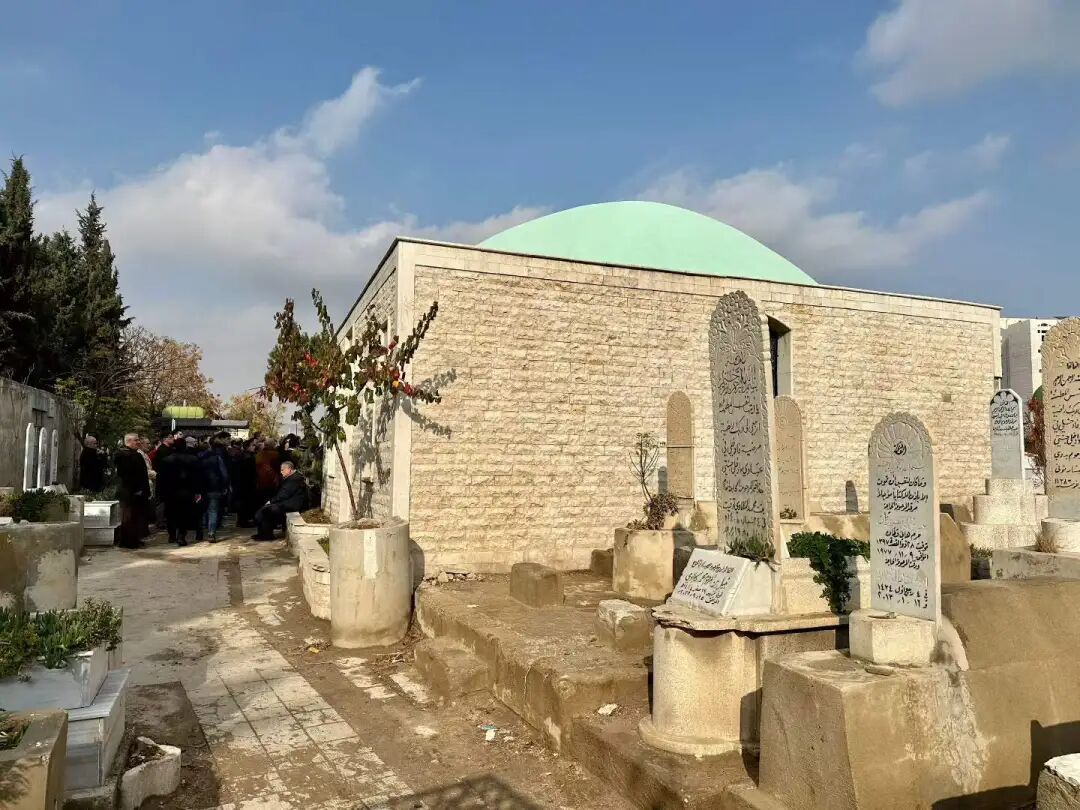
Bab al-Saghir Cemetery in the south of the old city of Damascus is a very ancient graveyard. It holds the graves of many companions of the Prophet, such as Bilal, as well as several children of Imam Ali and Imam Hussein. Near these graves is a tomb tightly enclosed by layers of iron railings. It is inscribed with the name Muawiyah ibn Abi Sufyan, the first caliph of the Umayyad Dynasty. This is the burial place of a highly controversial caliph in religious history. He is both respected and hated, but he was a key figure who shaped early religious history: Muawiyah I.
During Ramadan in 2025, the Saudi MBC studio aired a series called Muawiyah. With a production cost of 100 million US dollars, it is the most expensive television series in Arab history. The show caused huge controversy and sparked massive discussion as soon as it aired. Iraq and Iran directly banned the series, and Al-Azhar University in Egypt issued a fatwa calling on people not to watch it.
In the Sunni narrative, Muawiyah's sister Ramla married the noble Prophet in 628. Muawiyah converted to the faith in 630. Because he was literate, the noble Prophet appointed him as a scribe, making him a scripture scribe. After Abu Bakr was elected caliph in 632, Muawiyah became a commander in the conquest of Syria. He followed Caliph Umar into Jerusalem in 637 and was later appointed governor of Damascus. He served as governor of Syria during the time of Caliph Uthman and organized the first naval battle in religious history. Sunnis believe he made a great contribution to the unity of the Caliphate and recognize his status as a companion of the Prophet and a scripture scribe.
In the Shia narrative, Muawiyah opposed the election of Ali as caliph, which triggered the first civil war in the faith. After Ali was assassinated, he forced Hasan to abdicate. Shia Muslims deny Muawiyah's status as a companion of the Prophet and a scripture scribe, and even consider him a disbeliever.
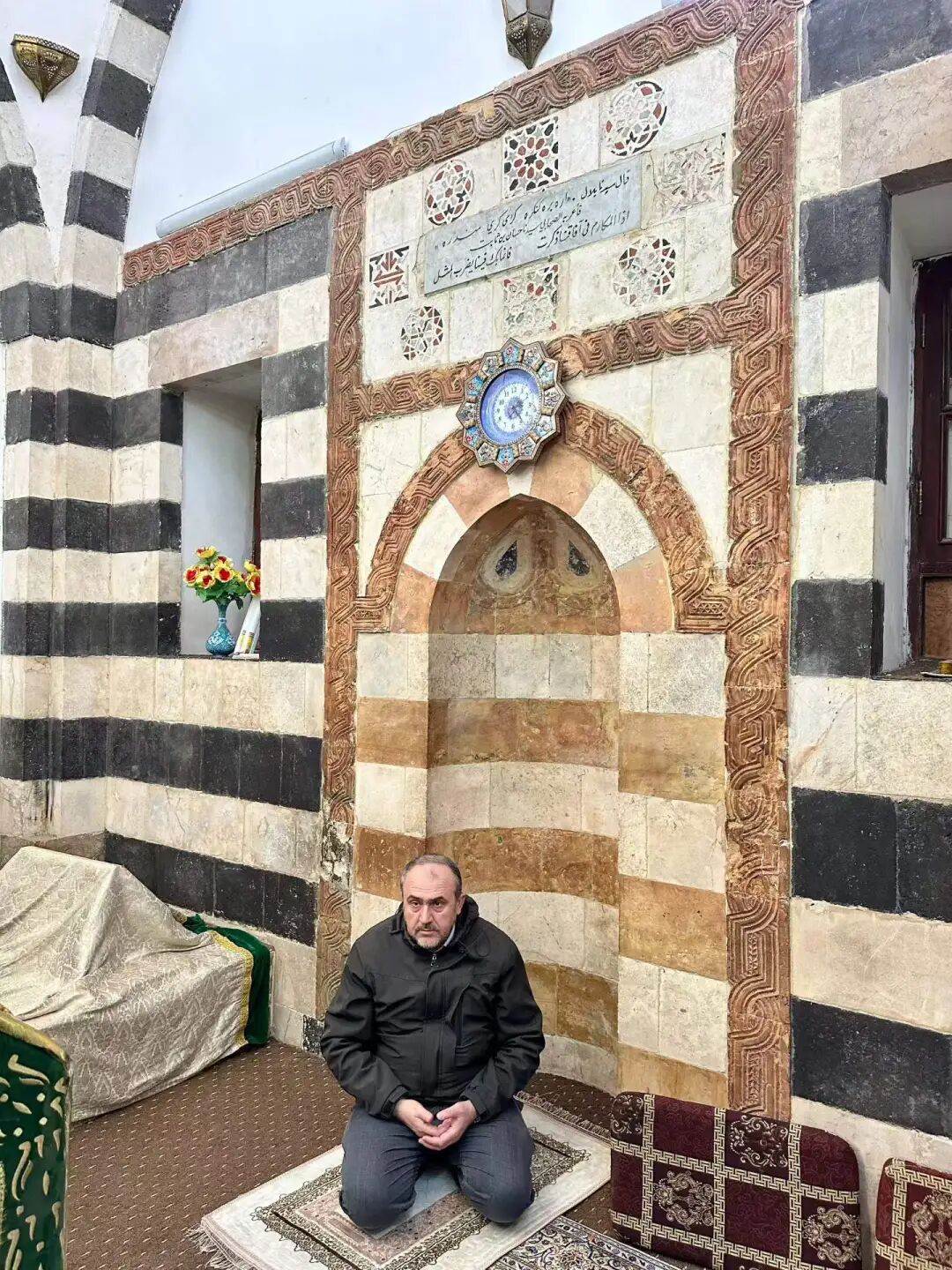
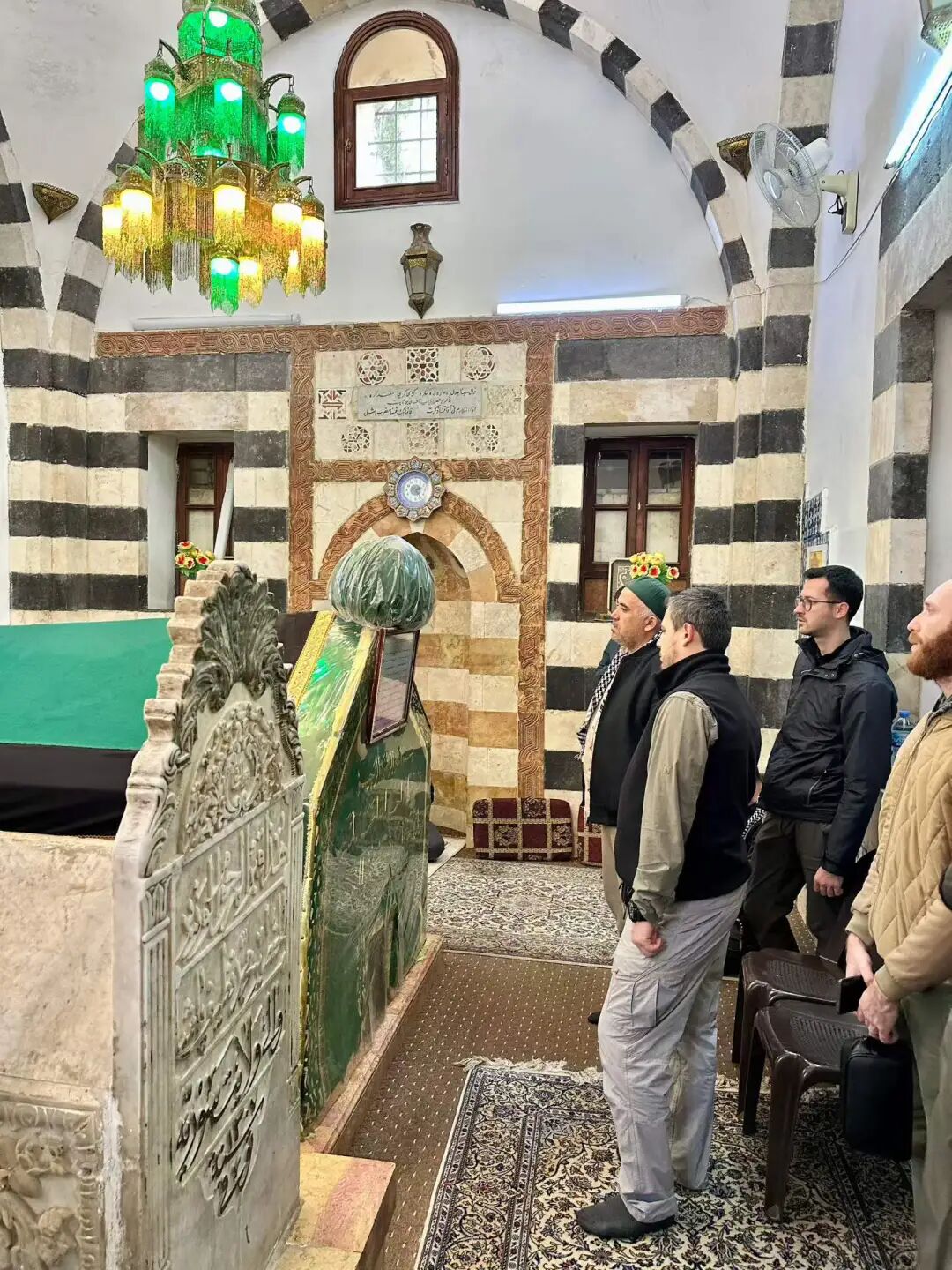
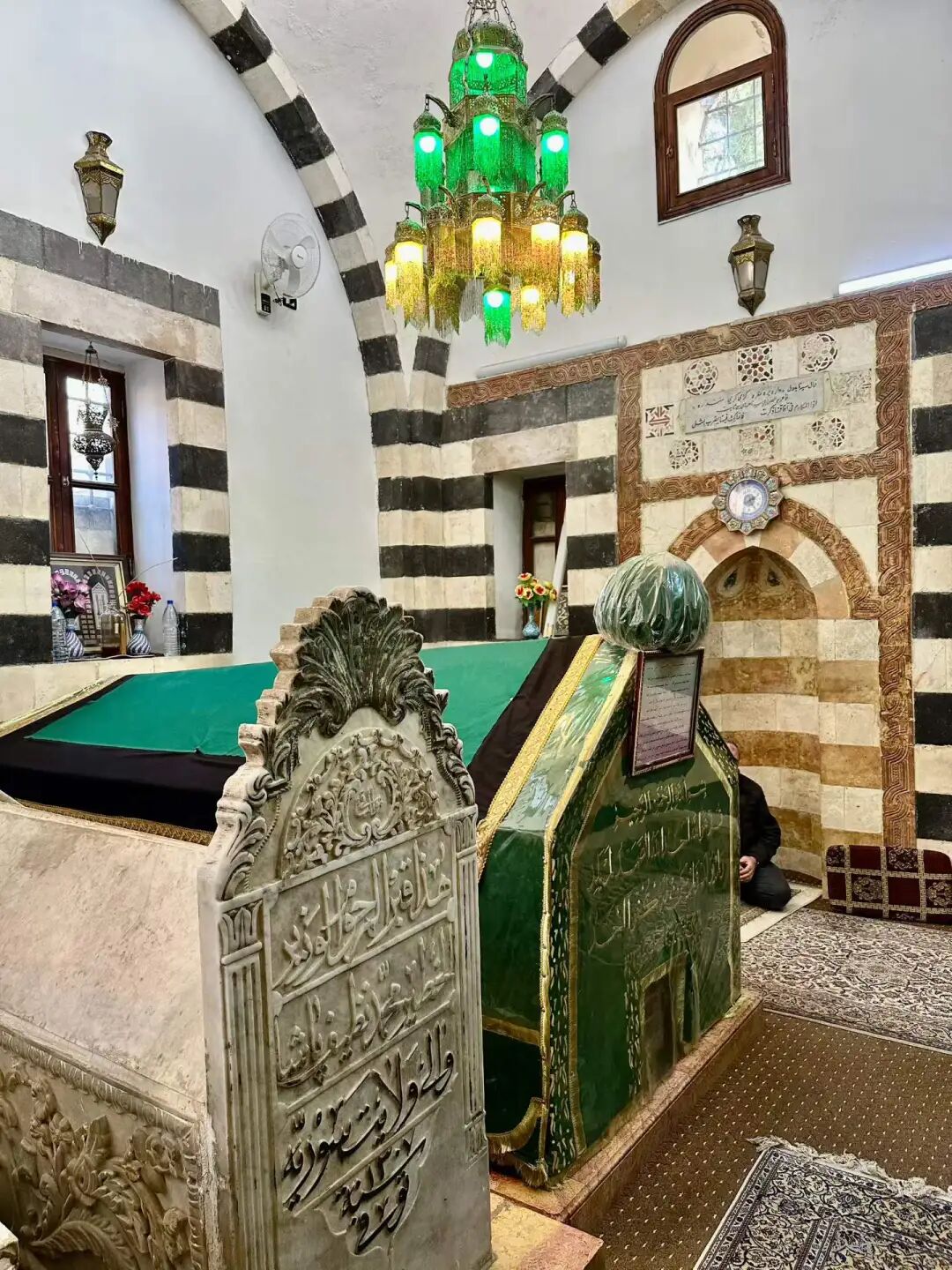
Muawiyah I died of illness in Damascus in 680 and was buried in the Bab al-Saghir cemetery. Several documents from the 9th and 10th centuries mention the tomb of Muawiyah I, including records that Ibn Tulun, a ruler of Egypt and Syria, built four porticos for the tomb in the 9th century. The current tomb of Muawiyah I was renovated in modern times. For a long time, this site was attacked by Shia visitors from places like Iran and Iraq, who damaged the fences and threw stones and shoes.
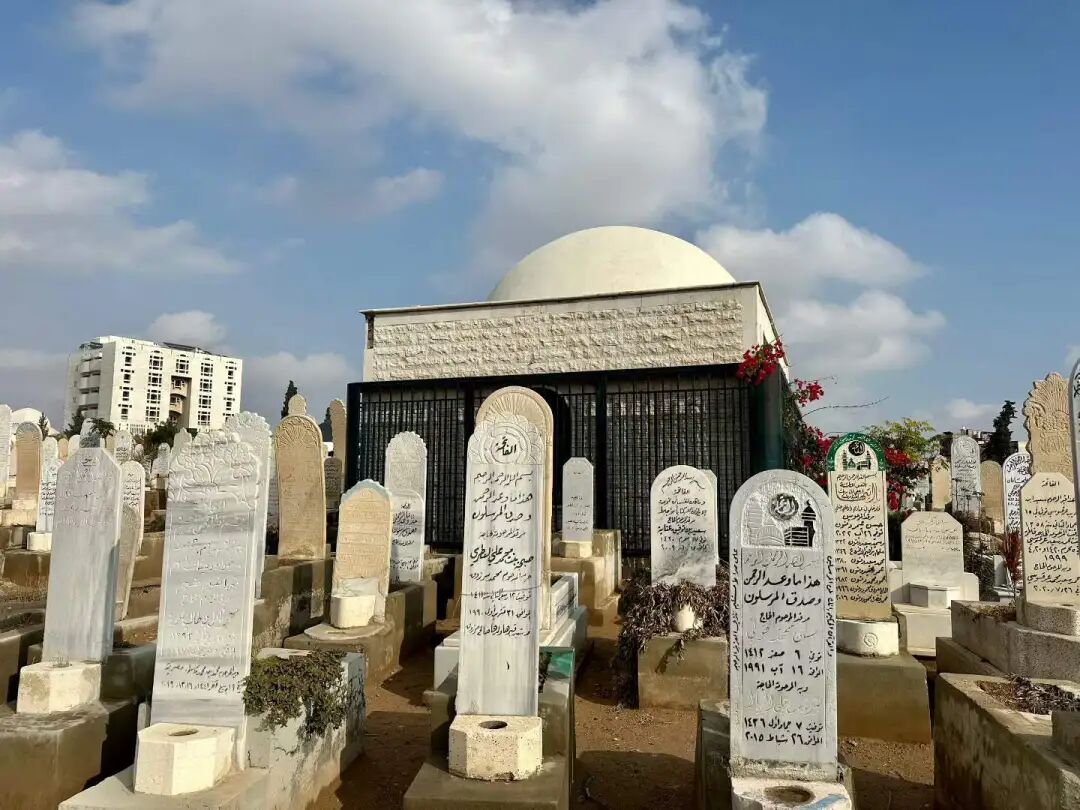
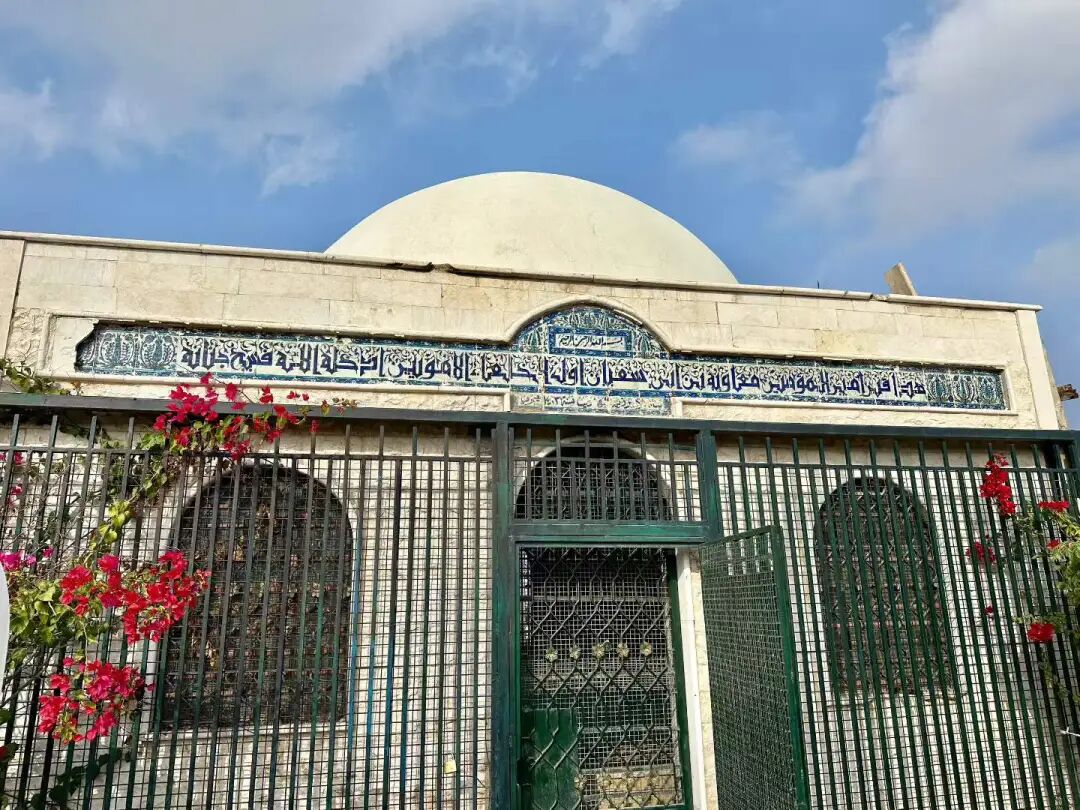
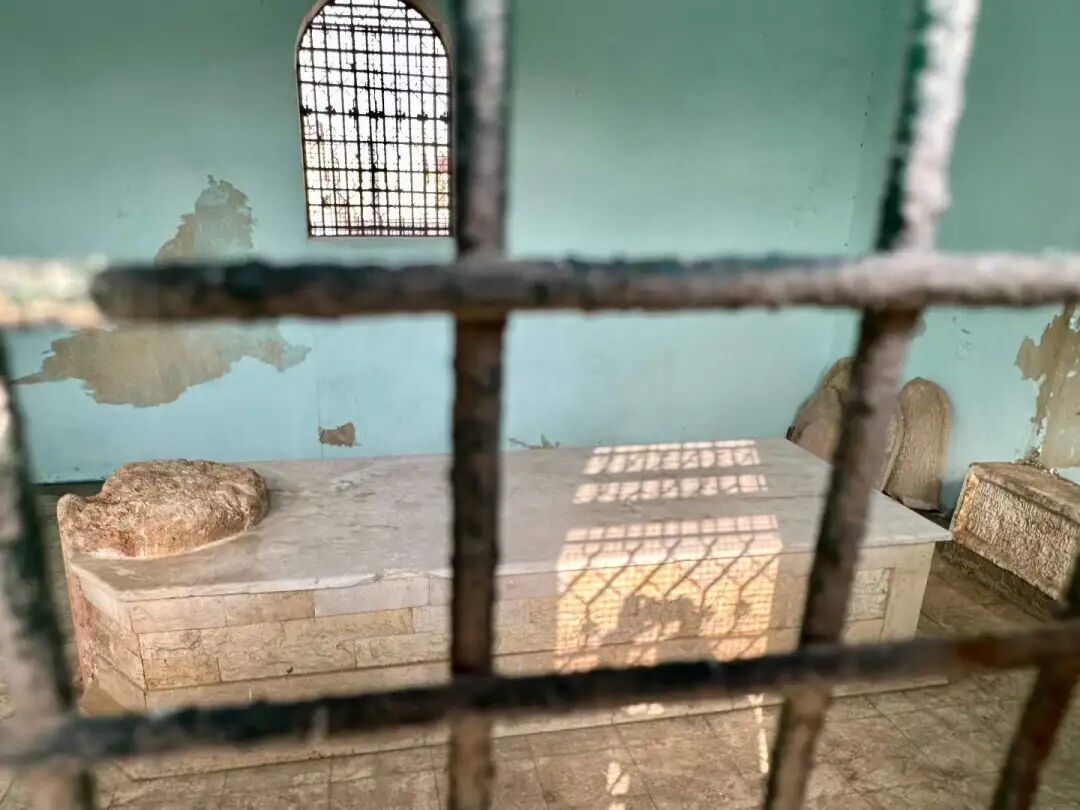
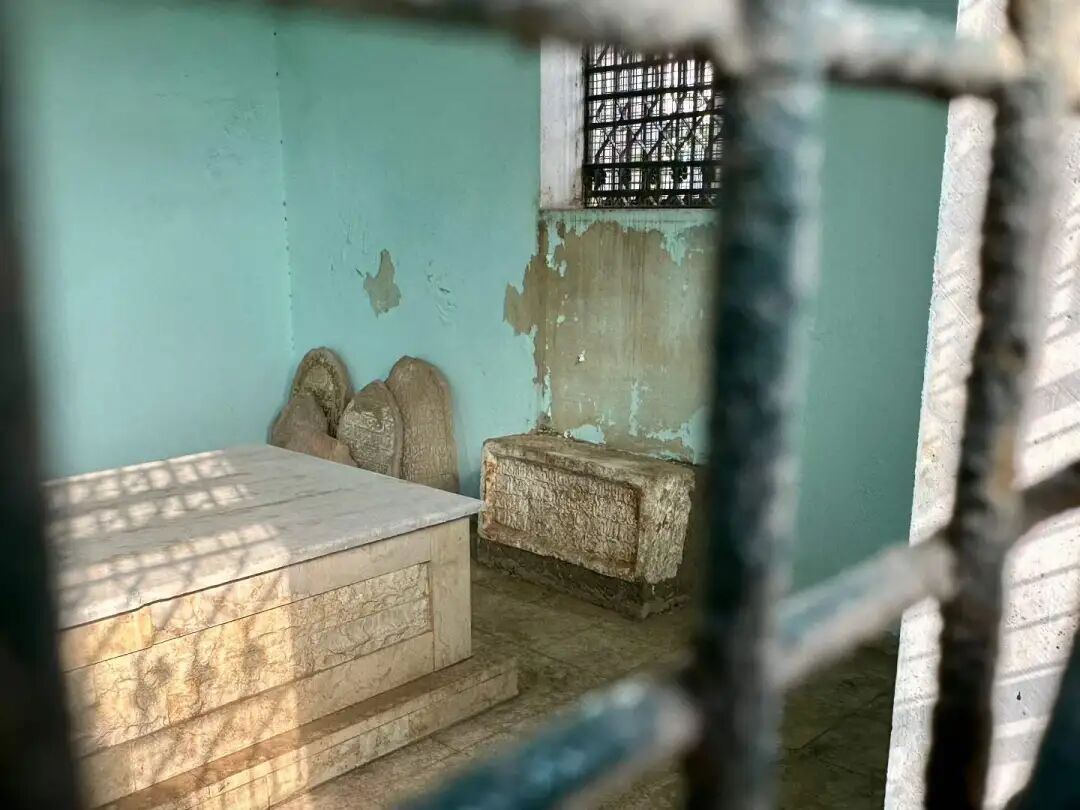
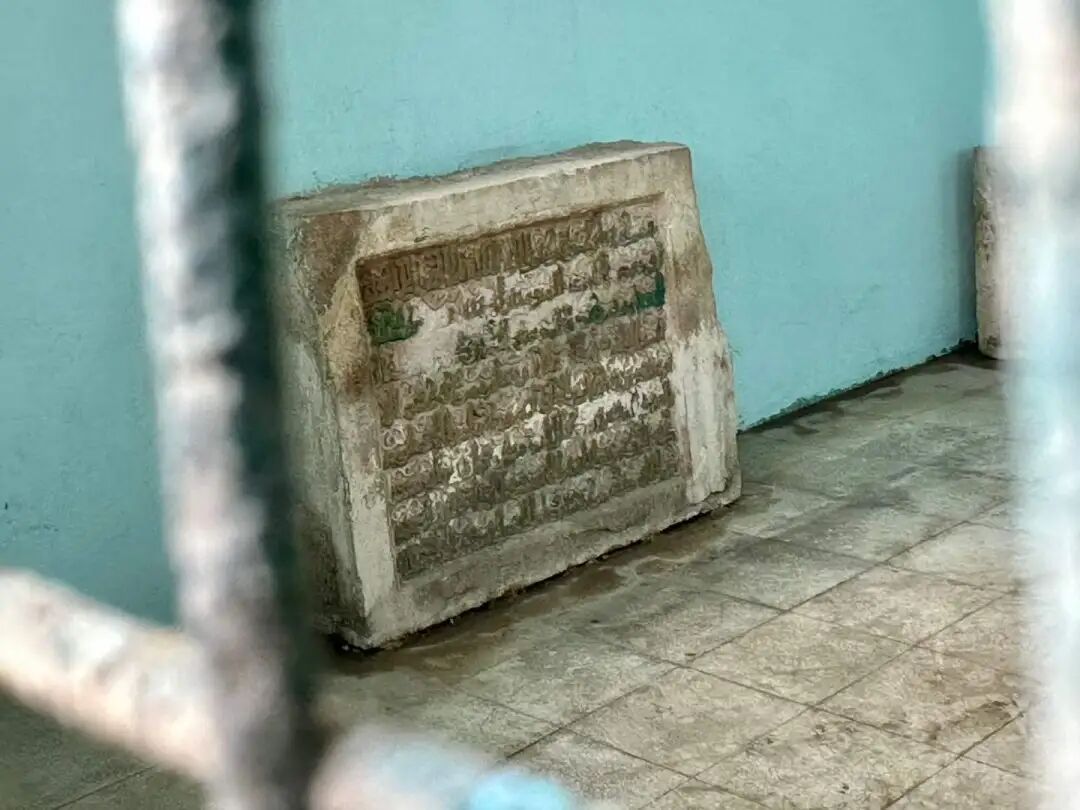
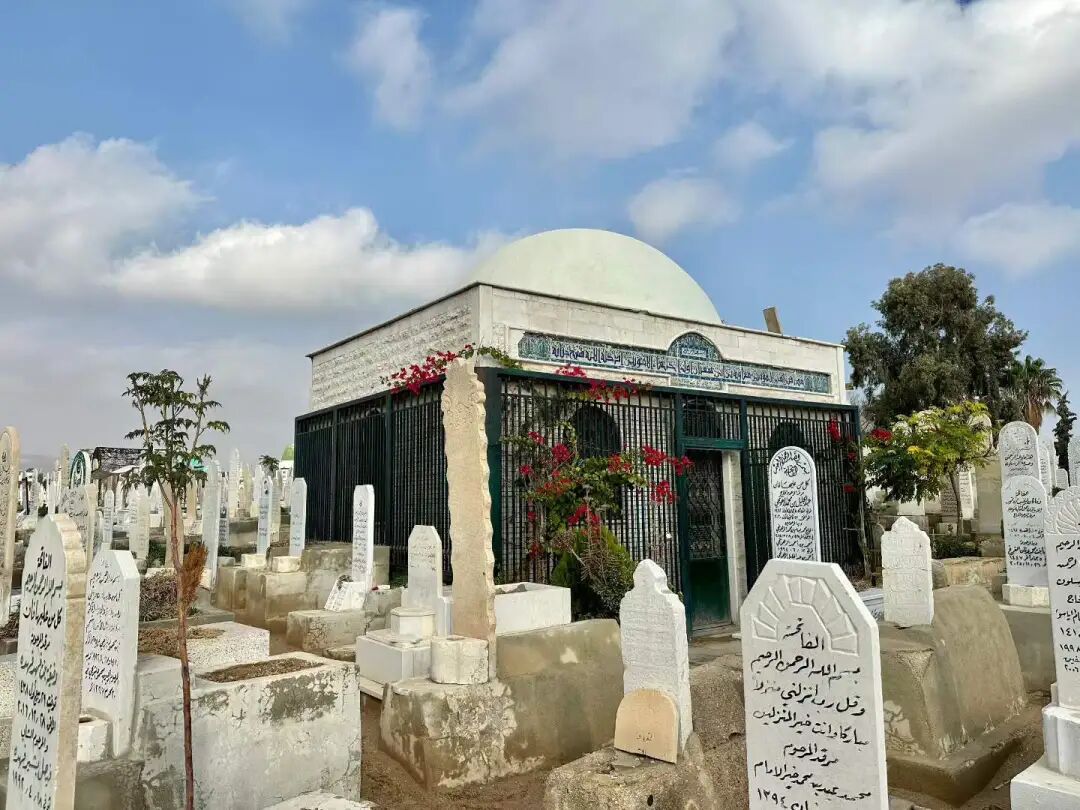
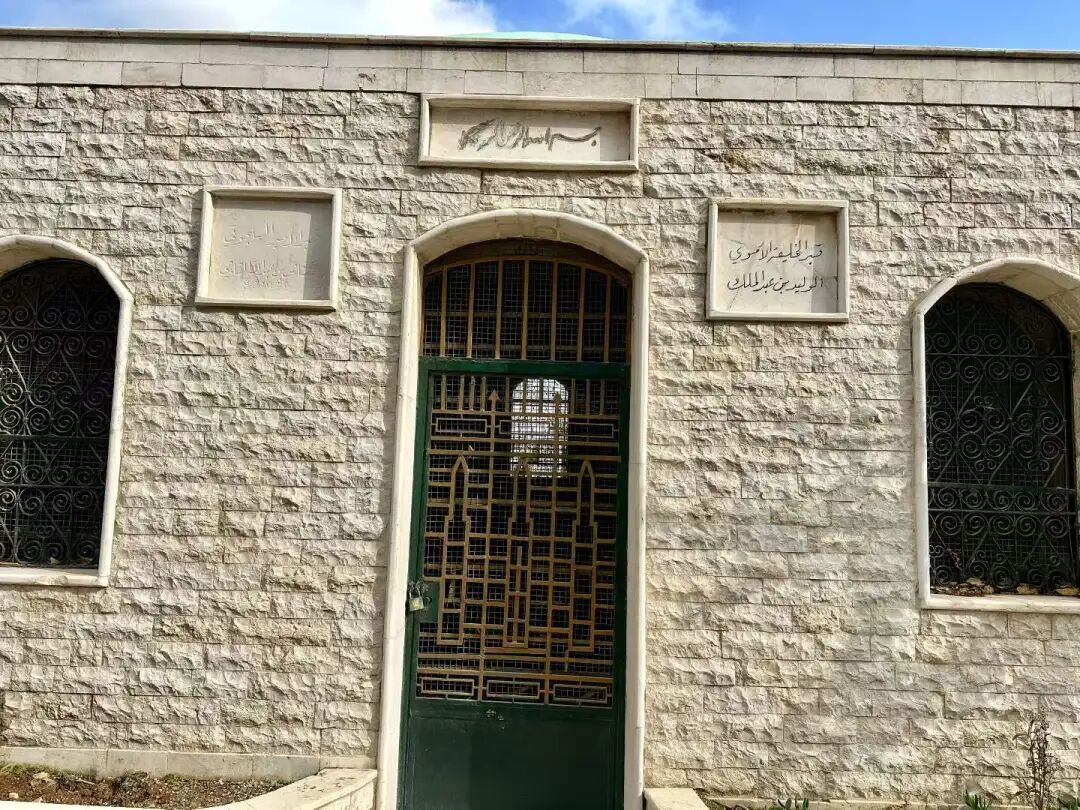
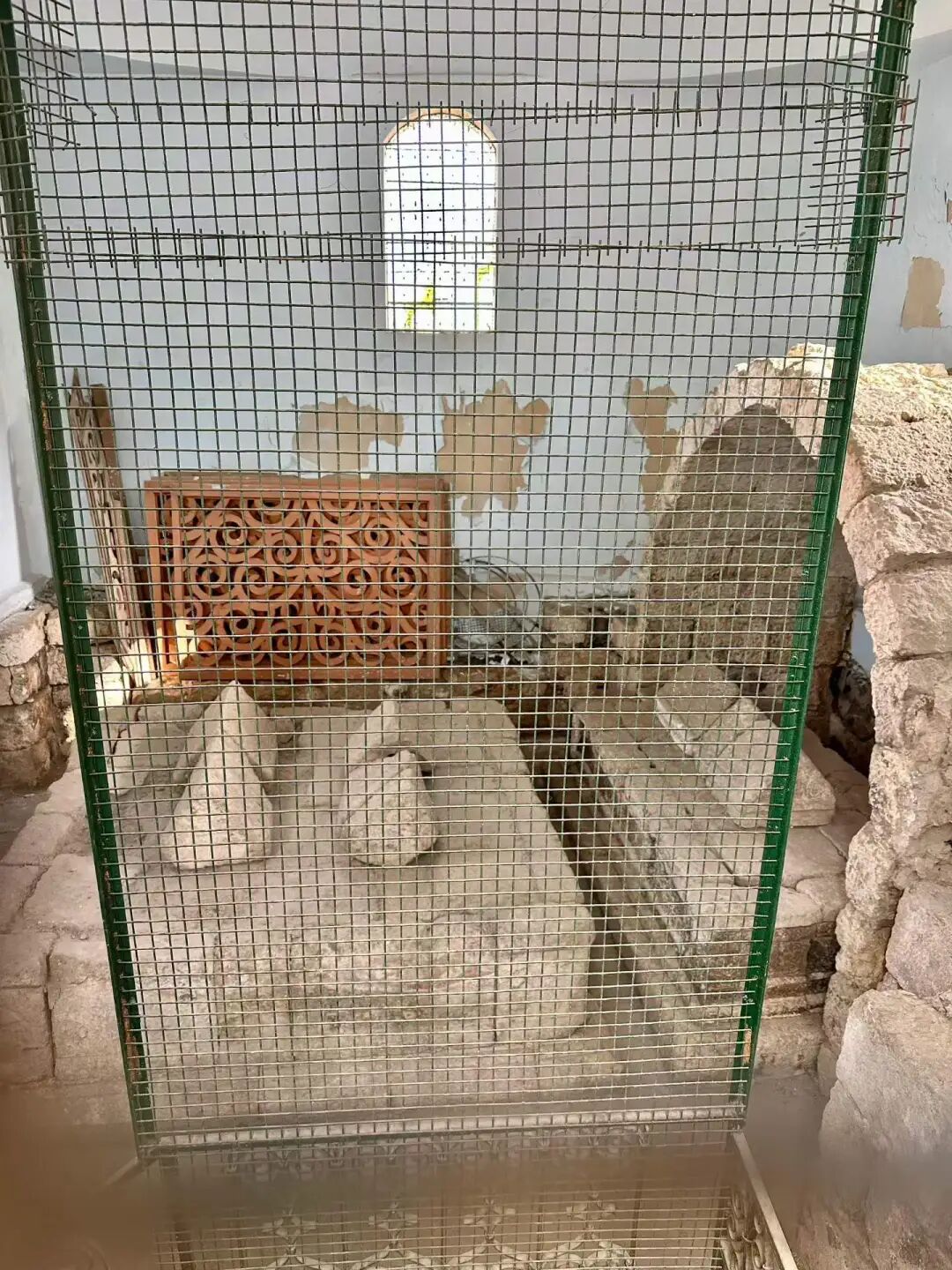
Next to the tomb of Muawiyah I is another tomb enclosed by iron railings, where the fifth Umayyad Caliph Abd al-Malik (reigned 685-705) and the sixth Caliph al-Walid I (reigned 705-715) are buried.
In his early years, Abd al-Malik lived a pious life in Medina and was a Tabi'un, meaning a follower of the Prophet's companions and one of the first generation born into the faith. In 683, the people of Medina opposed the rule of Muawiyah I's son, Yazid I, and expelled all Umayyads from the city, forcing Abd al-Malik to flee to Damascus. After the direct descendants of Muawiyah I passed away, Abd al-Malik, his distant cousin, was elected Caliph in 685. During his 20-year reign, Abd al-Malik constantly quelled internal divisions within the Umayyad Caliphate while resisting attacks from the Byzantine Empire. In the final years of his rule, the country was peaceful and his power was secure. His main achievements include introducing a unified currency to replace Byzantine and Sassanid coins, and replacing Greek and Persian with Arabic as the official language. He ordered the construction of the Dome of the Rock in Jerusalem, which is the oldest surviving Islamic building.
During the reign of Al-Walid I, the Arab Empire conquered Morocco, the Iberian Peninsula, the Sindh region of South Asia, and Transoxiana in Central Asia, reaching its largest territorial extent in history. He used the massive wealth from these conquests to build and expand many mosques, most the Umayyad Mosque in Damascus, the Al-Aqsa Mosque in Jerusalem, and the Prophet's Mosque in Medina. He also built the famous ancient city of Anjar in Lebanon and the Umayyad Mosque in Baalbek. He was the first caliph to implement a social welfare system, which earned him great respect among the poor and the disabled. Under his rule, the Umayyad Dynasty was prosperous and reached its peak.
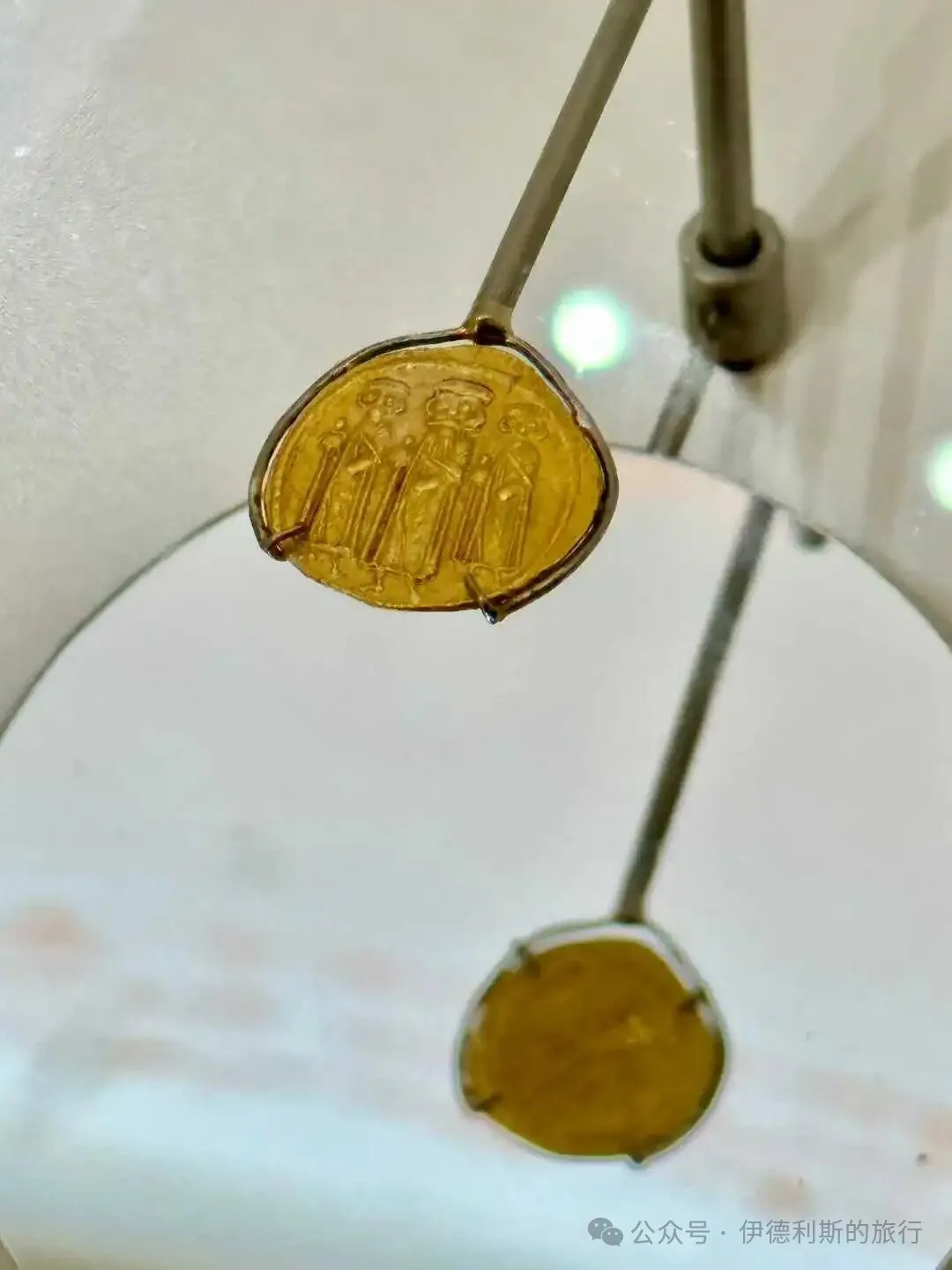
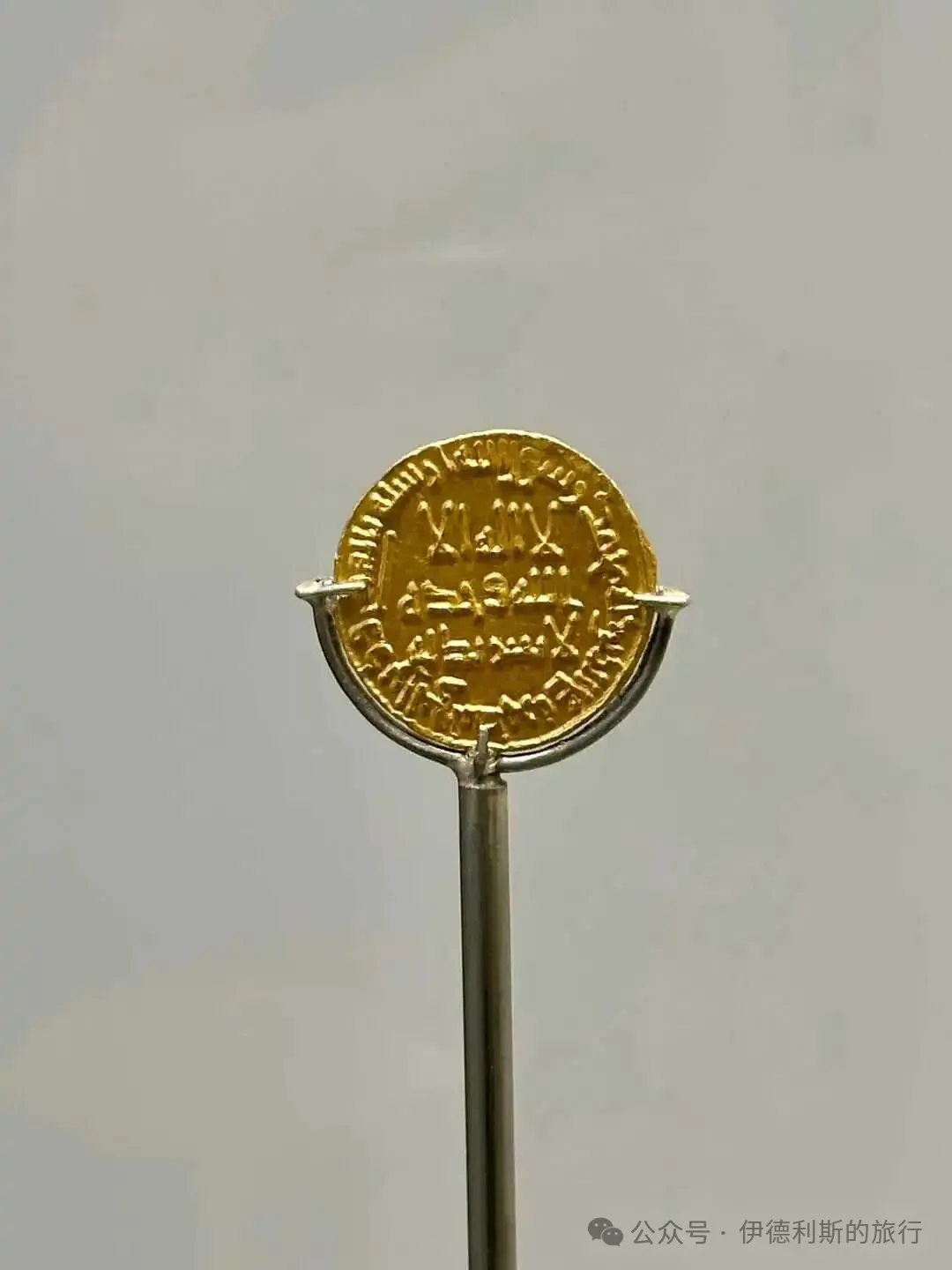
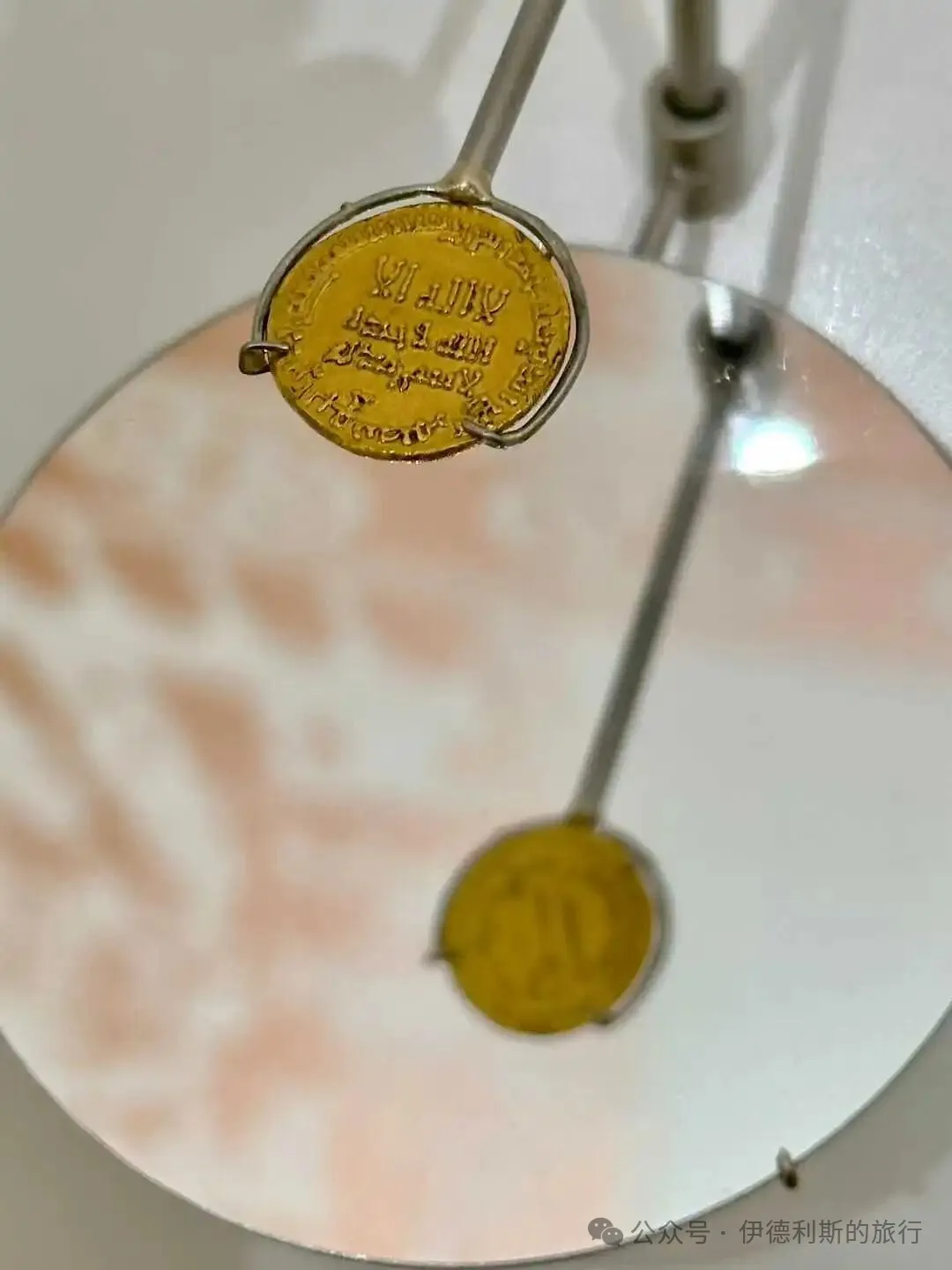
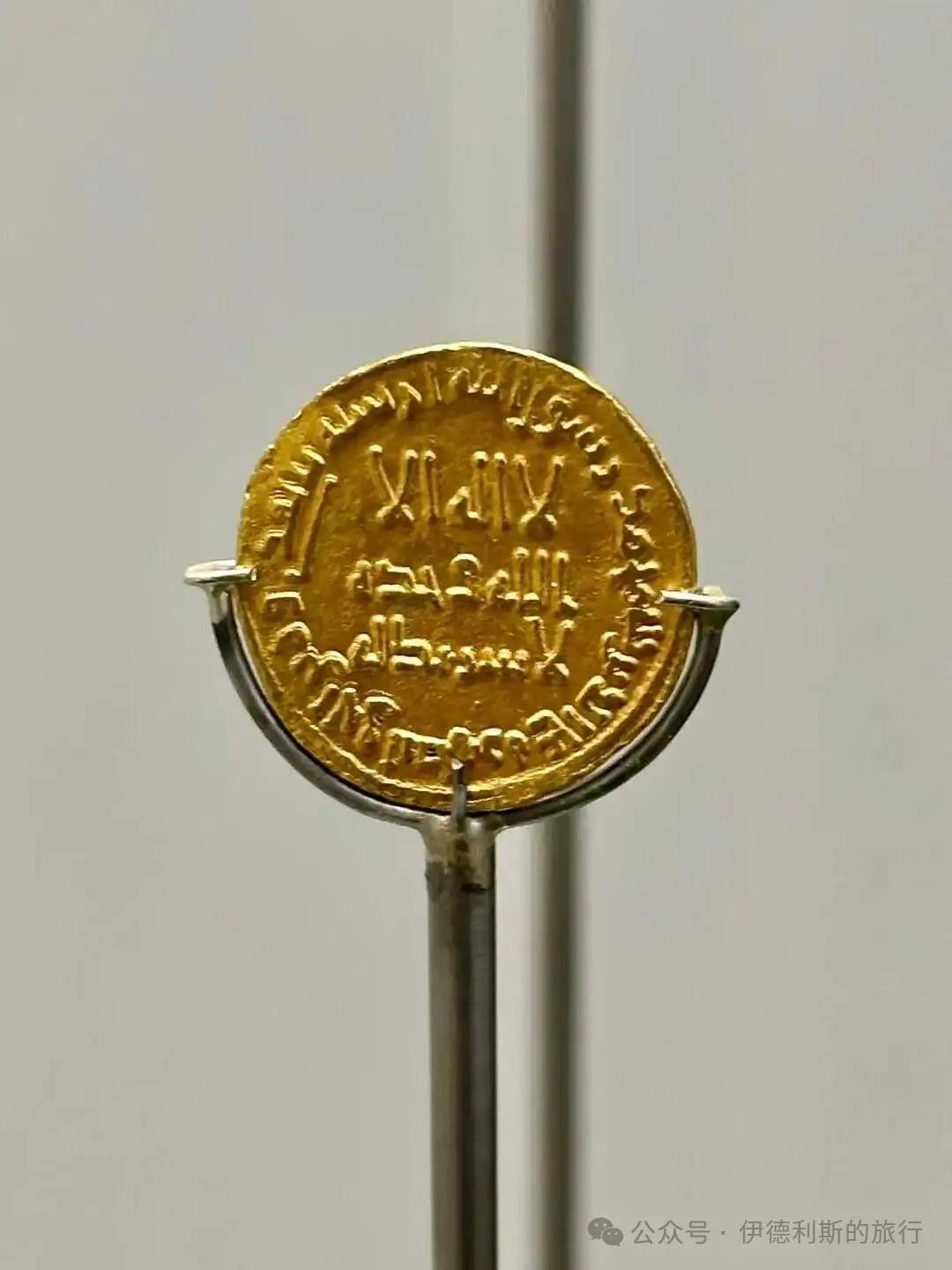
Umayyad coins on display at the 'Forging Narratives: The Coinage Heritage of Saudi Arabia' special exhibition at the National Museum of Saudi Arabia.
First are the gold coins from the time of Caliph Muawiyah I. The front shows the Byzantine Emperor Heraclius (reigned 610-641) and his two sons, Constantine III and Heraclonas, while the back features Latin text. Unlike Byzantine gold coins, the Umayyad gold coins lack crosses on the emperor's crown and scepter, and the cross on the steps on the back has only a vertical bar without a horizontal one.
Umayyad gold coins from this period reflect the early culture of the Umayyad Dynasty, which continued to inherit Byzantine culture. When Bedouin nomads from the Arabian Peninsula poured into the magnificent city of Damascus, they saw a rich and colorful Byzantine culture everywhere. Because of this, they continued to use Byzantine culture in areas outside of religion, such as music, art, and architecture, becoming the heirs to Byzantine culture.
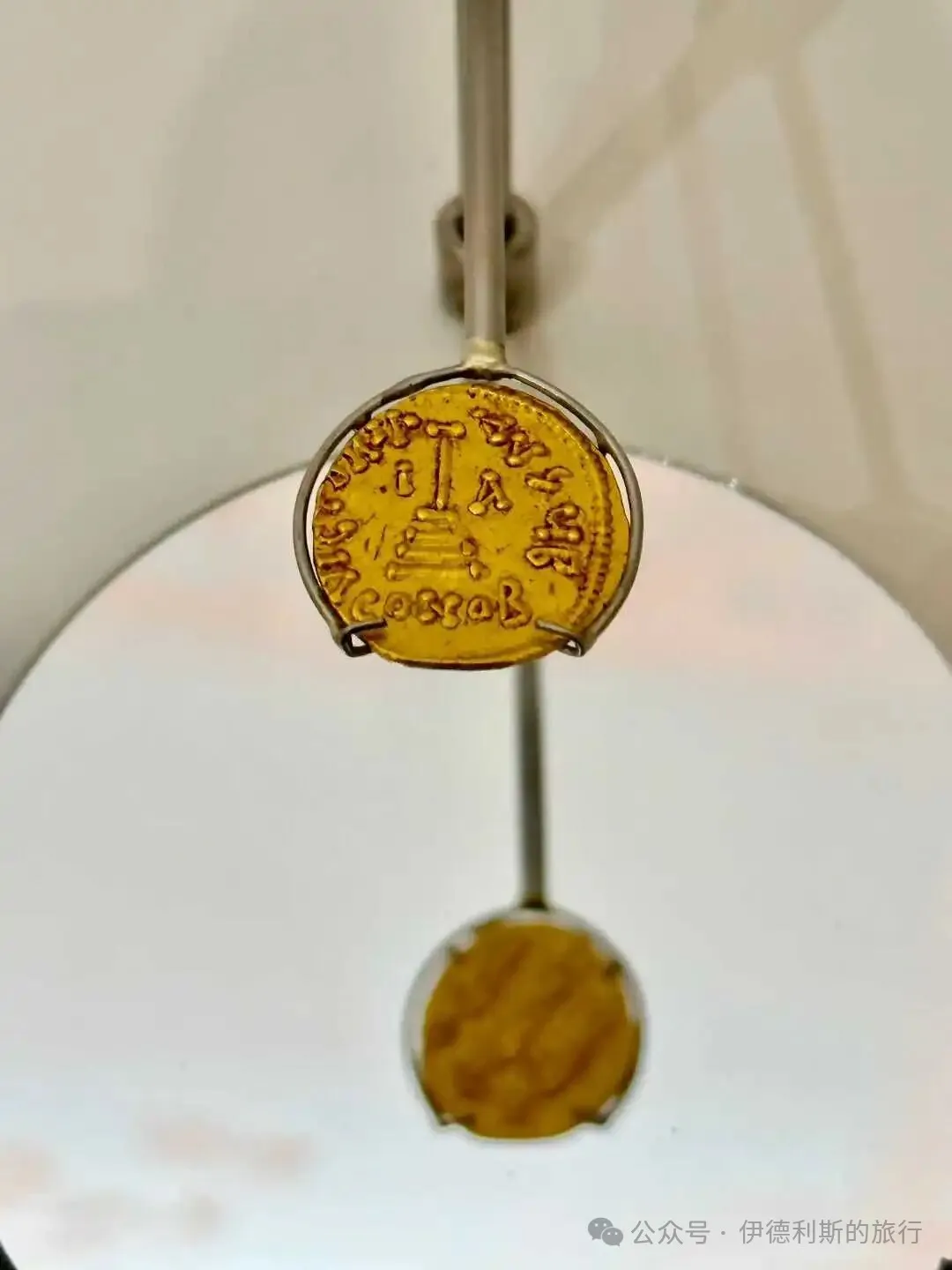
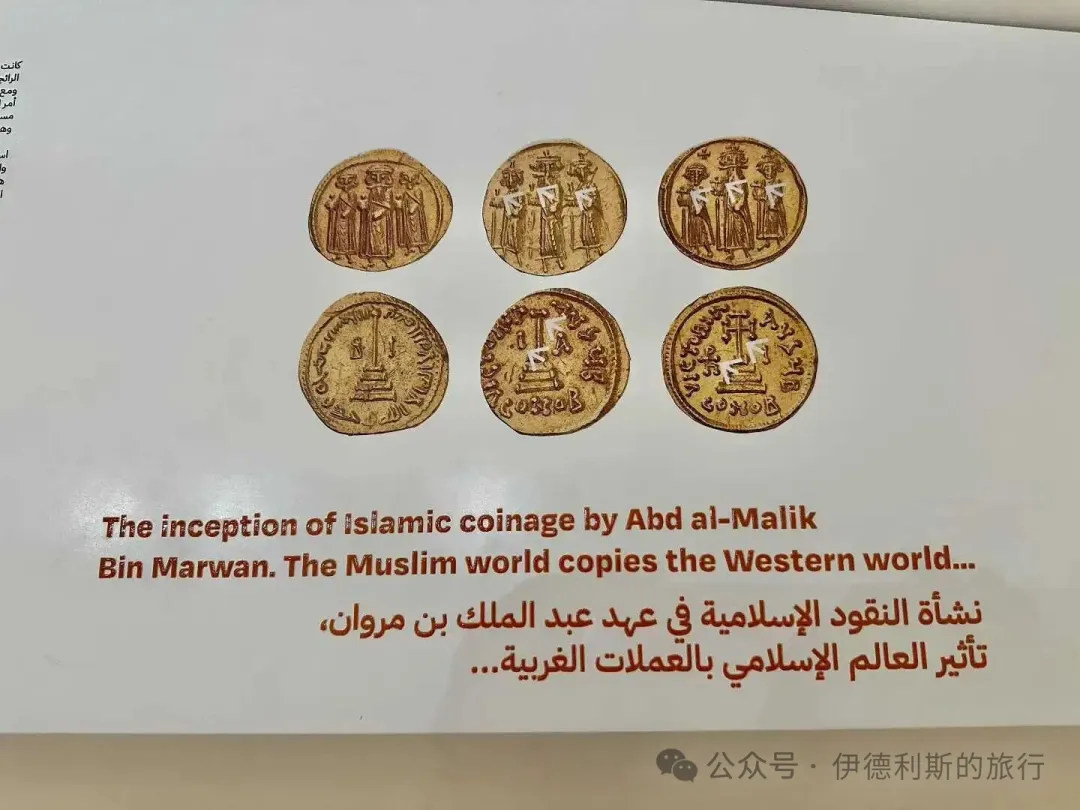
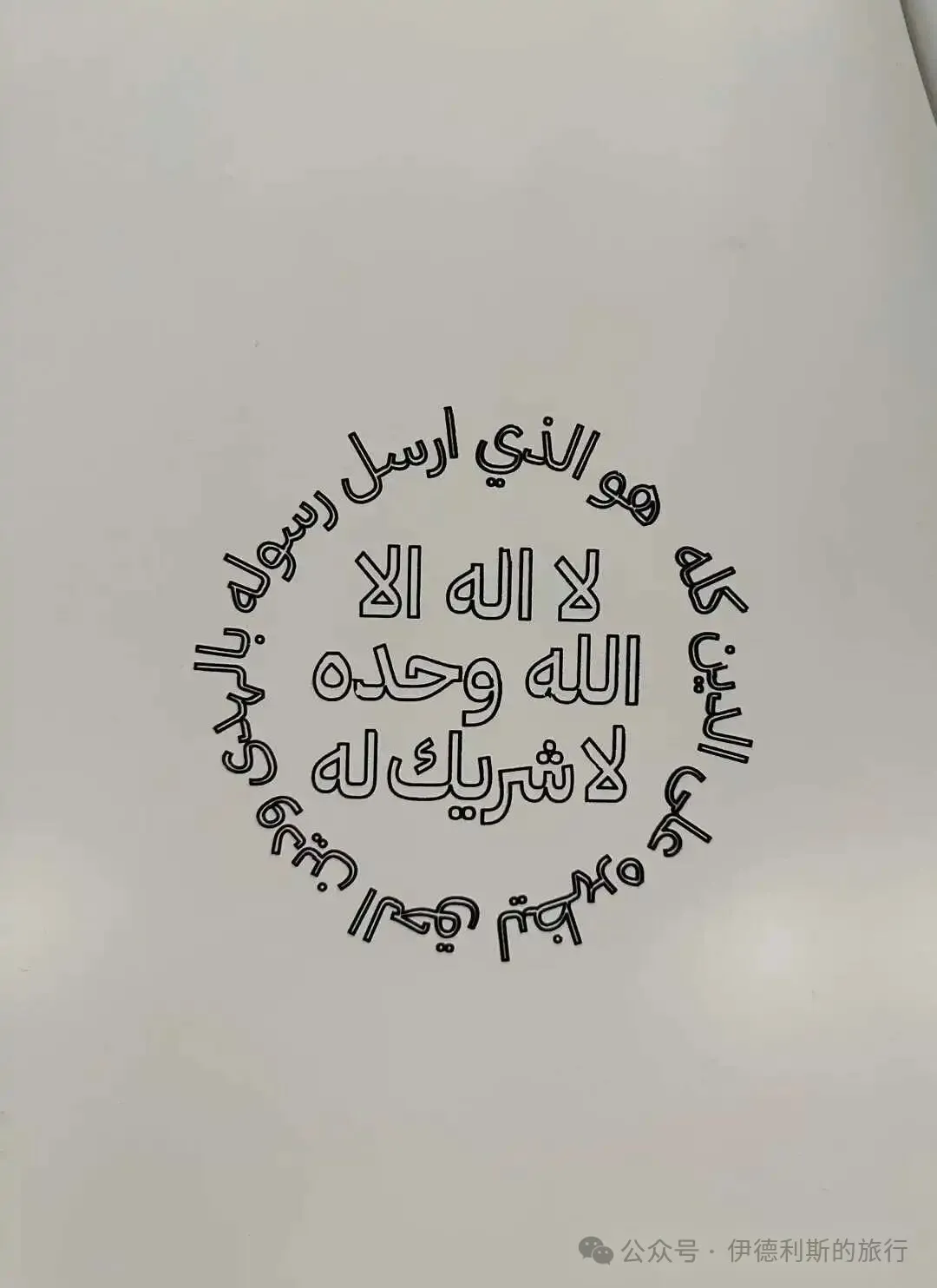
In 693, Caliph Abd al-Malik minted gold dinars in Damascus, and in 696, he removed human figures, keeping only Arabic text. During the same period, Abd al-Malik also promoted the replacement of Greek with Arabic in Syria, eventually making Arabic the sole official language of the Umayyad Dynasty. From this point on, the Umayyad Caliphate stopped being just an inheritor of Byzantine and Sassanid cultures and turned into a true Arab civilization.
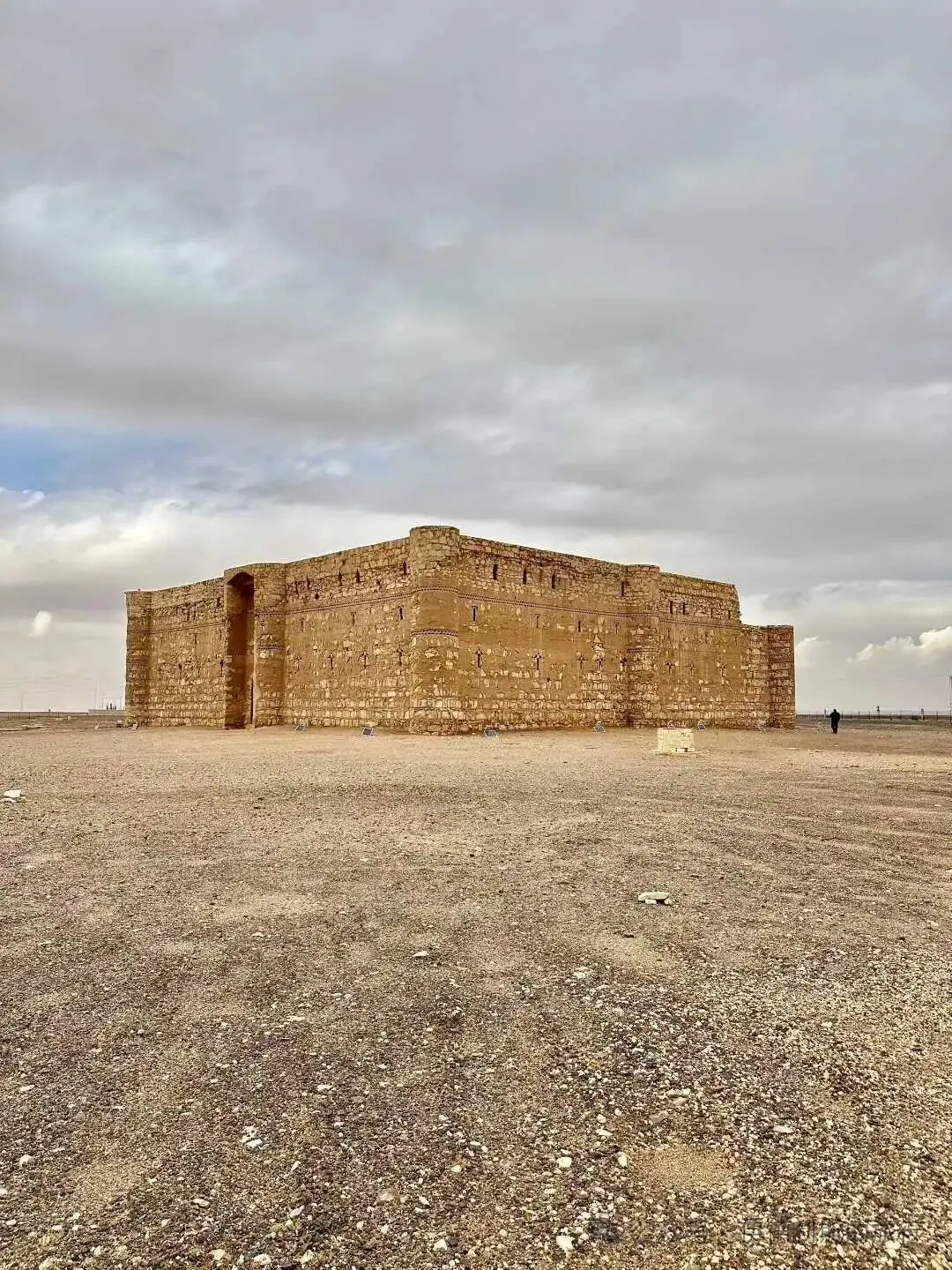
I visited Qasr Kharana in Jordan, which was built in 710 during the reign of Caliph al-Walid I.
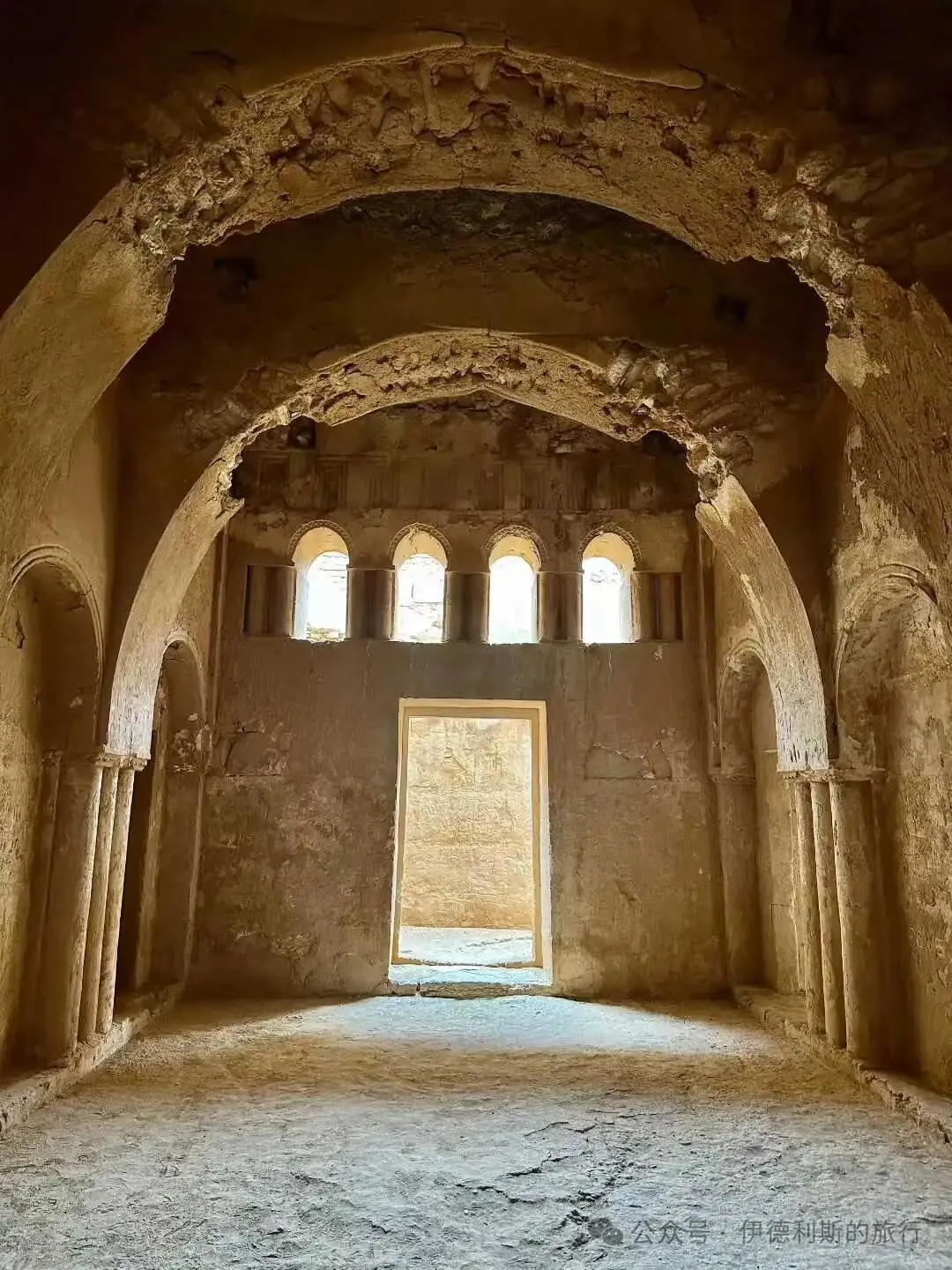
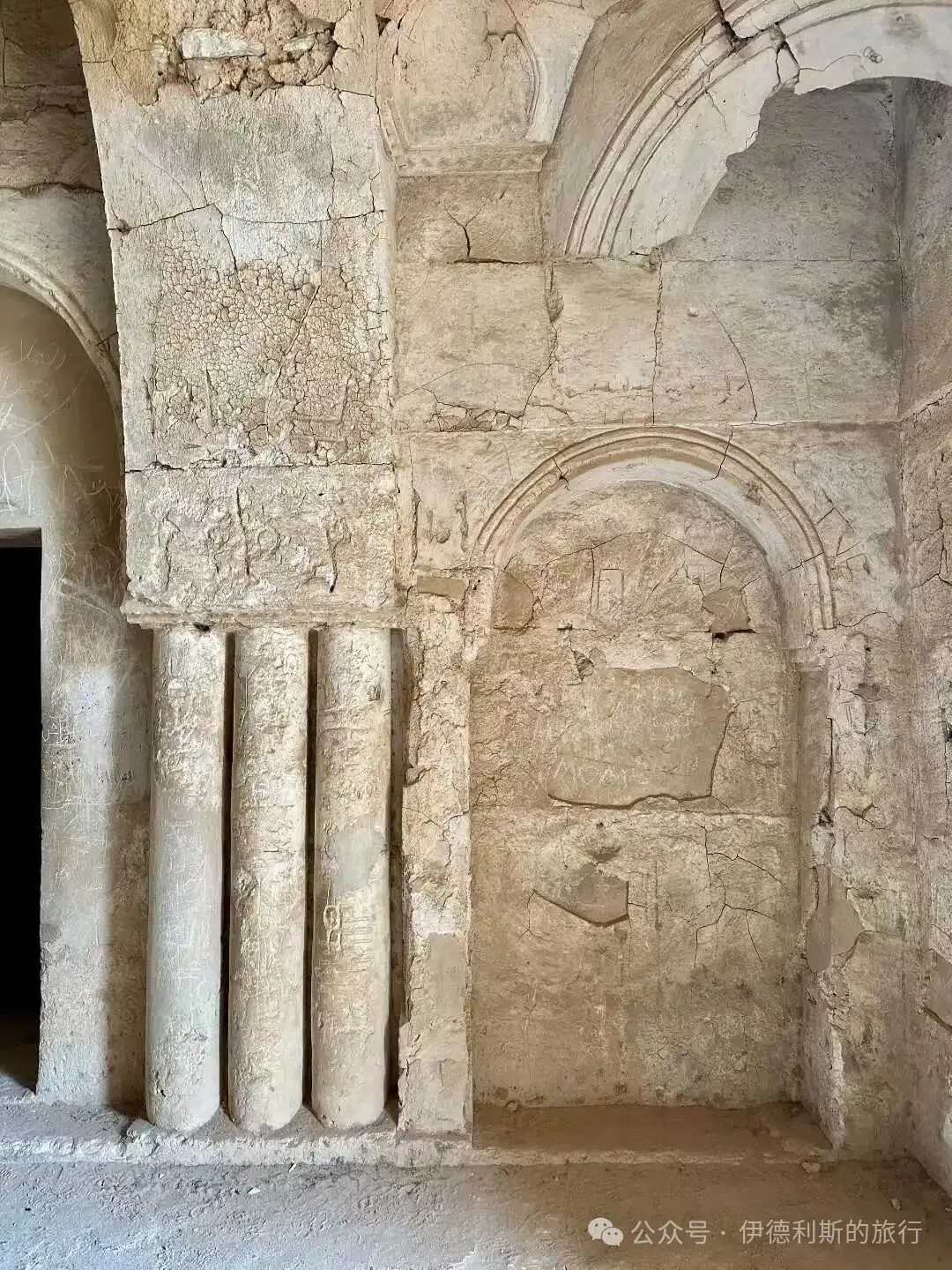
The most special thing about Qasr Kharana is how it blends Byzantine and Sassanid architectural styles. The palace is built with plaster and rubble, and the second floor features barrel vaults supported by transverse arches, which is a typical Sassanid style, though it still differs from Sassanid buildings in Iran. The arches at Qasr Kharana do not connect to the load-bearing walls but rest on corbels, and they use new types of wooden lintels to make the building more flexible and earthquake-resistant.
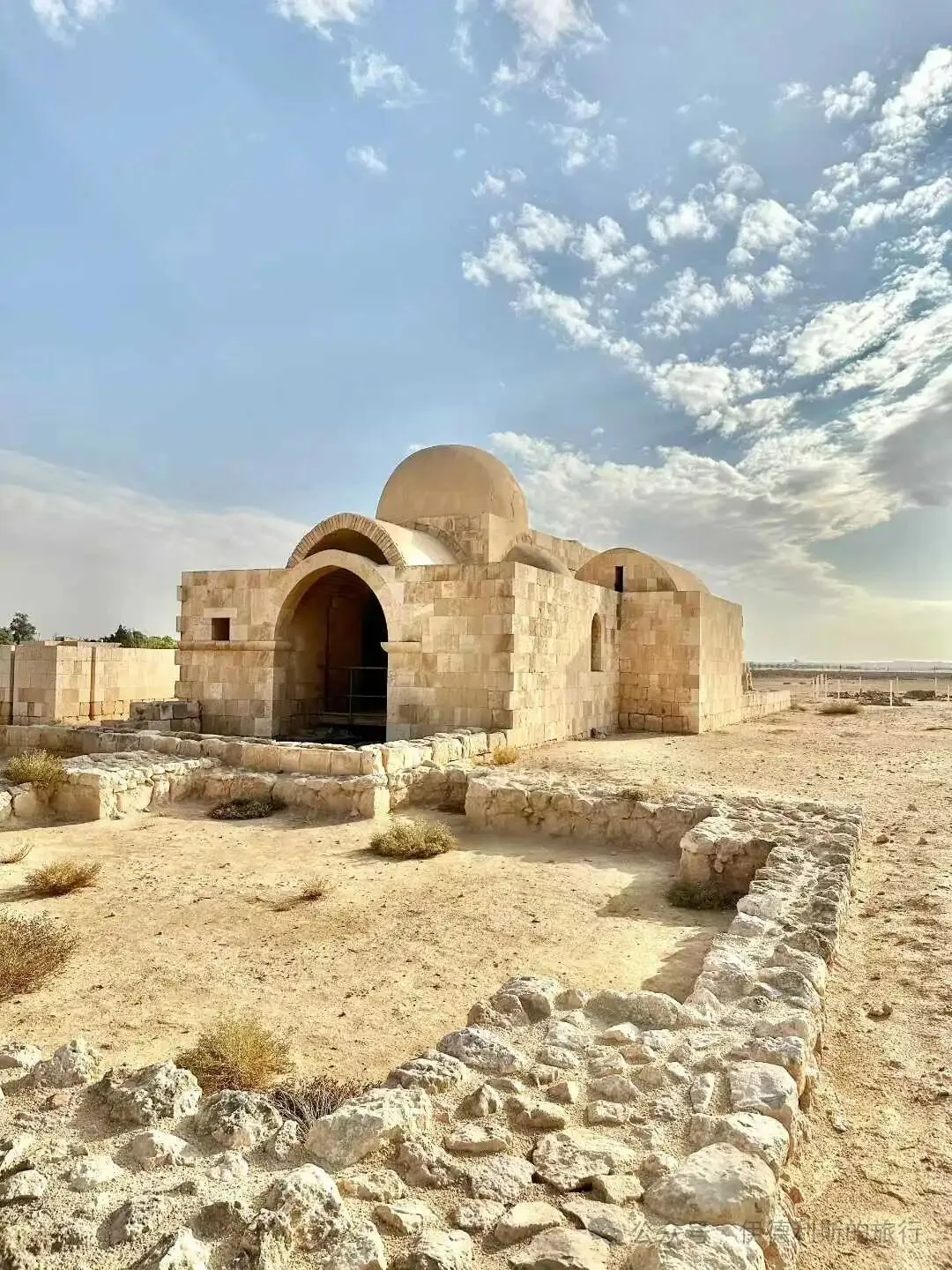
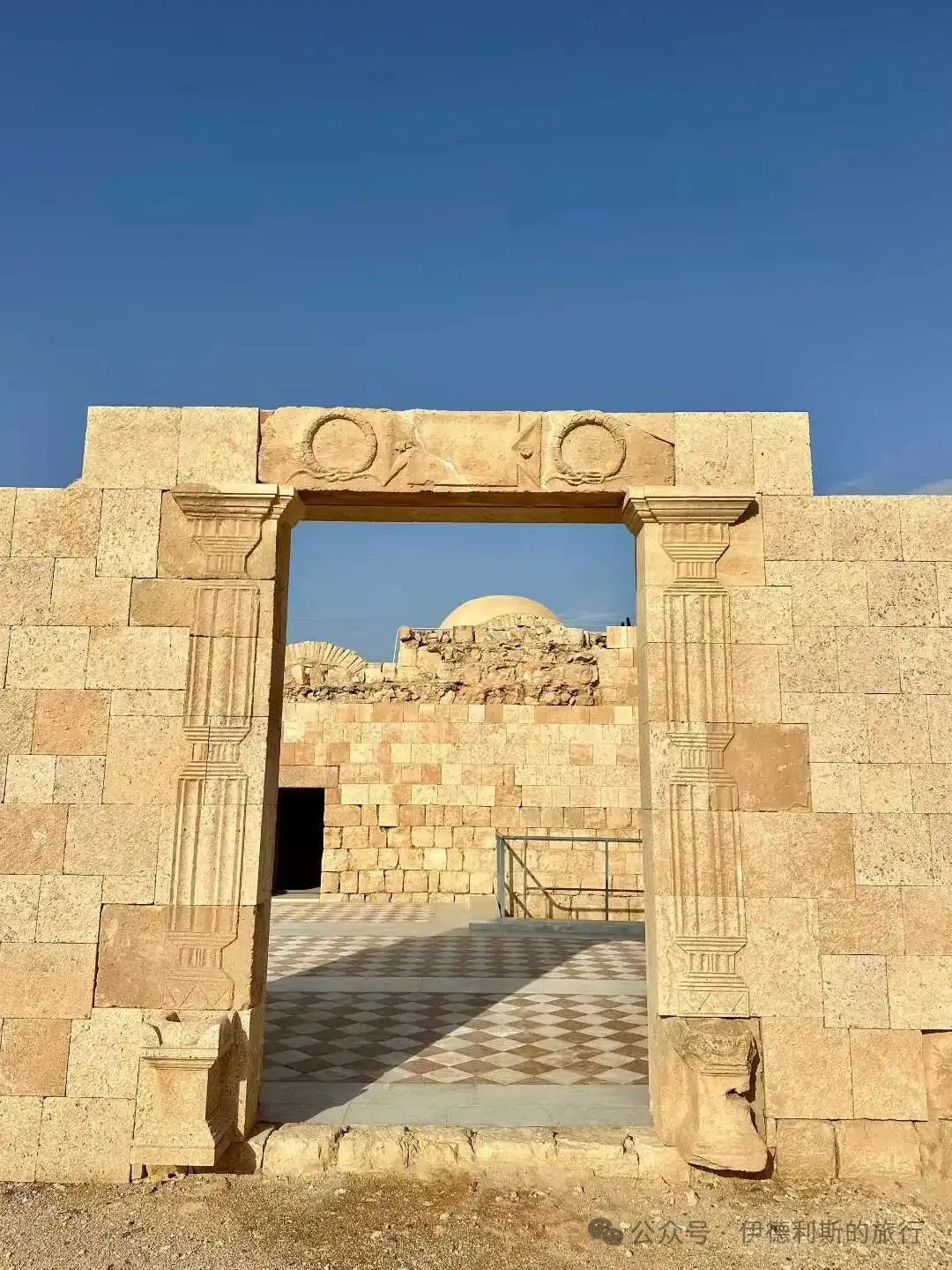
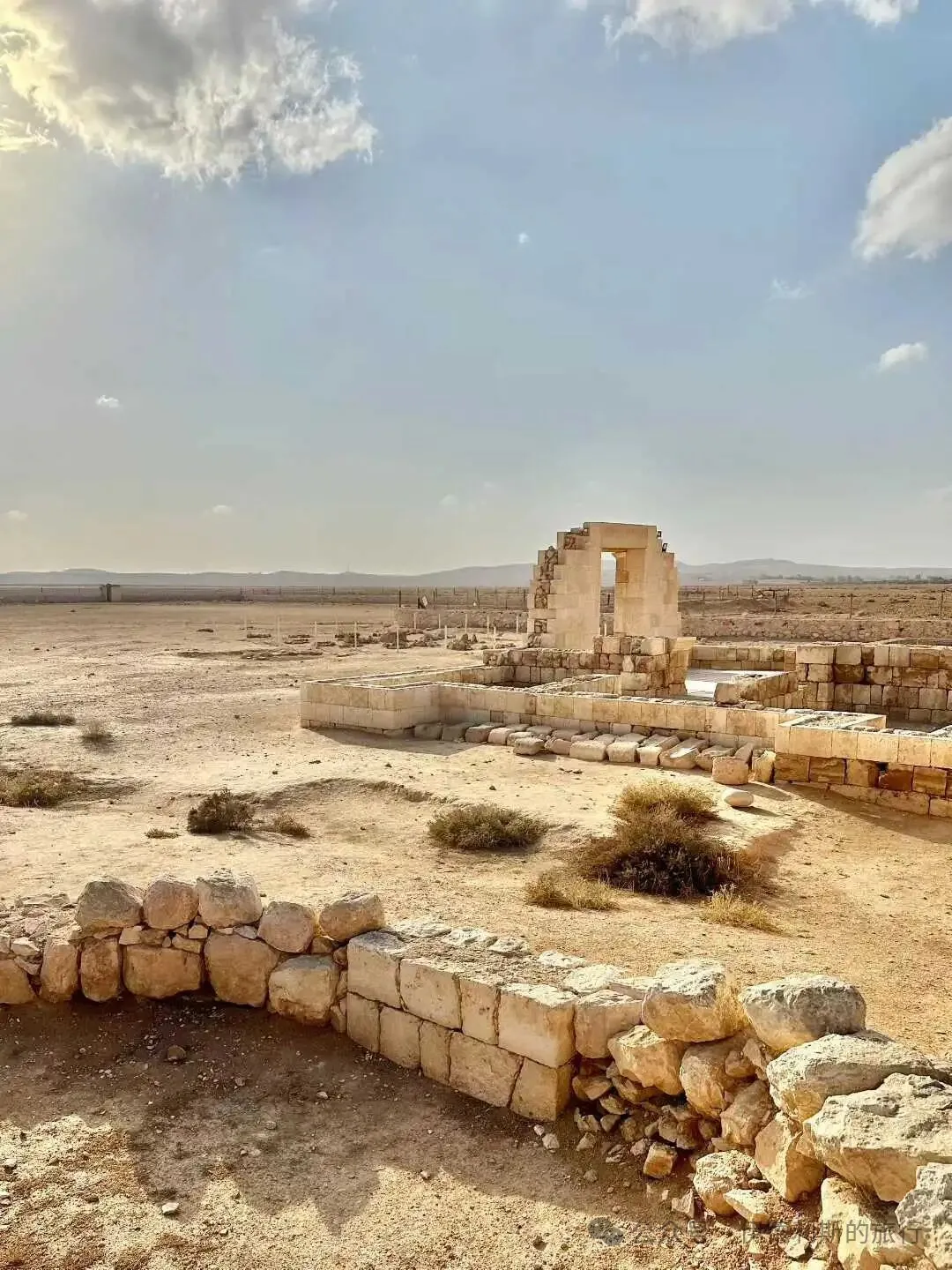
Hammam al-Sarah in Jordan was built in the early 8th century during the reign of Caliph Abd al-Malik or al-Walid I.
The bathhouse was built using neatly cut, medium-sized stones and decorated with intricately carved fluted moldings. Inside the main hall, there is a beautifully designed fountain supplied with water from an elevated water tower on the east side. There is also a walled garden site nearby, which is known as the oldest Islamic garden site.
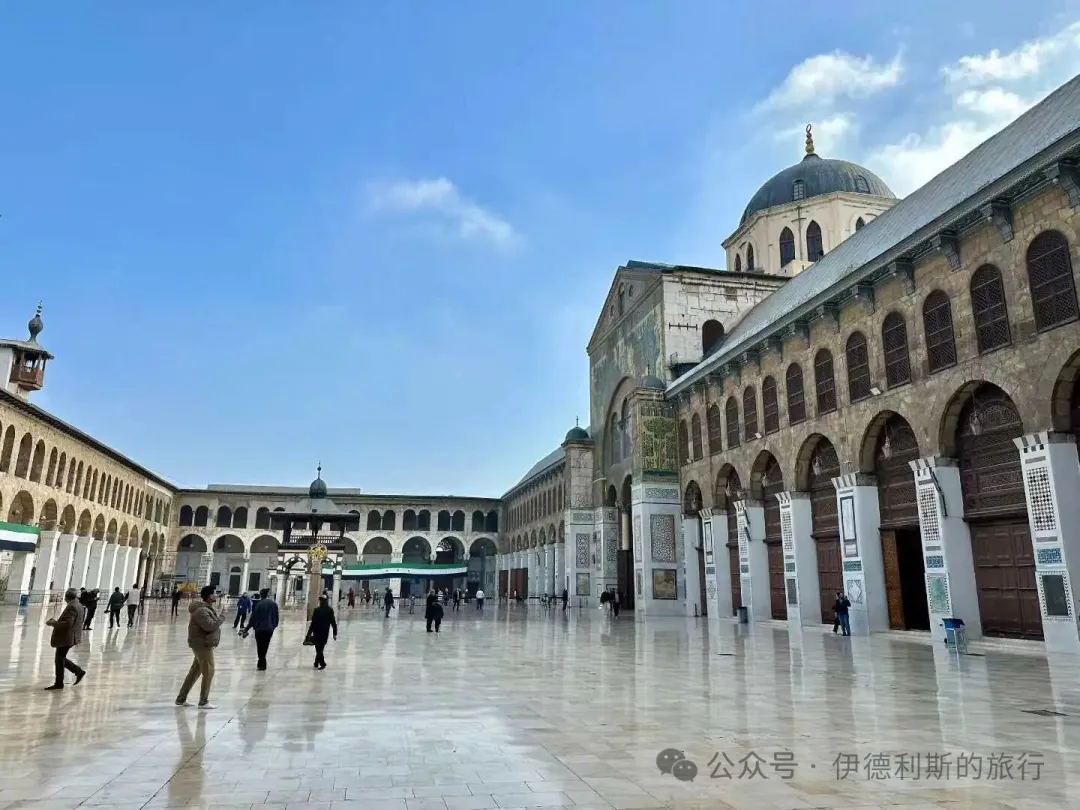
The Umayyad Mosque in Damascus was built under the direction of Caliph al-Walid I in 706. He kept the outer walls of the Roman mosque's inner sanctuary and moved the Corinthian columns and arcades from inside the mosque to the main hall, finishing the new mosque in 715 and making it a 'wonder of the world' in the writings of medieval Muslim scholars.
Before the Great Mosque of Damascus was built, traditional mosques were all flat-roofed halls. The Great Mosque of Damascus uses a basilica-style layout, featuring three wide, long halls and a central nave topped by a tall dome.
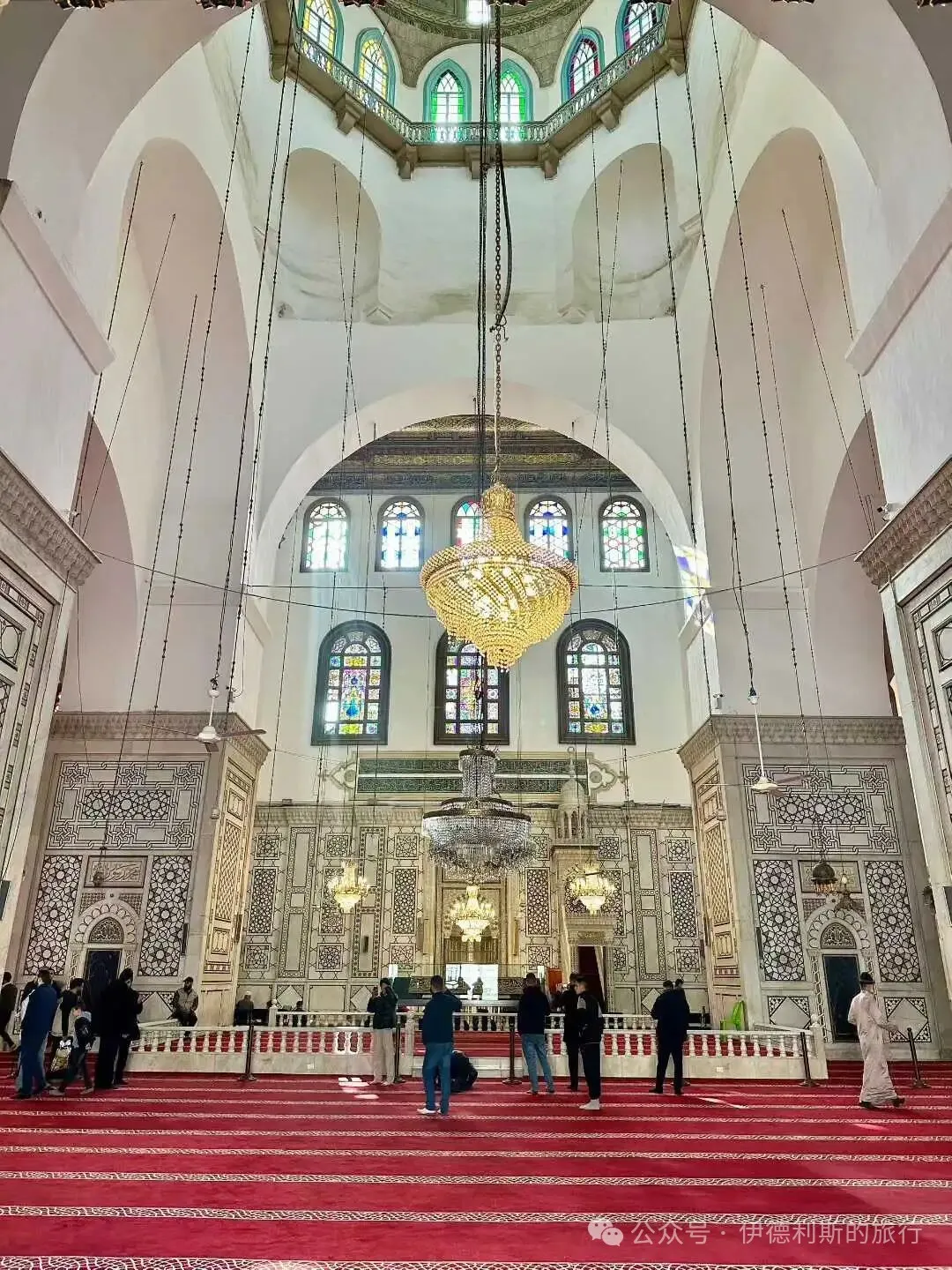
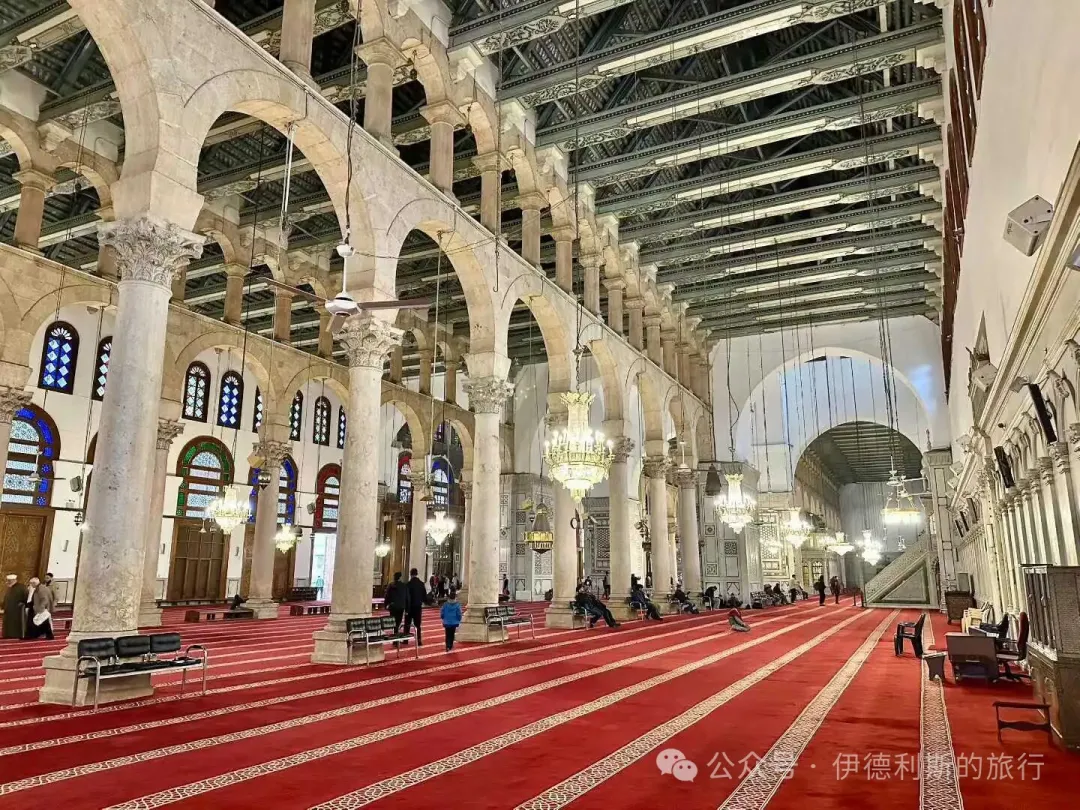
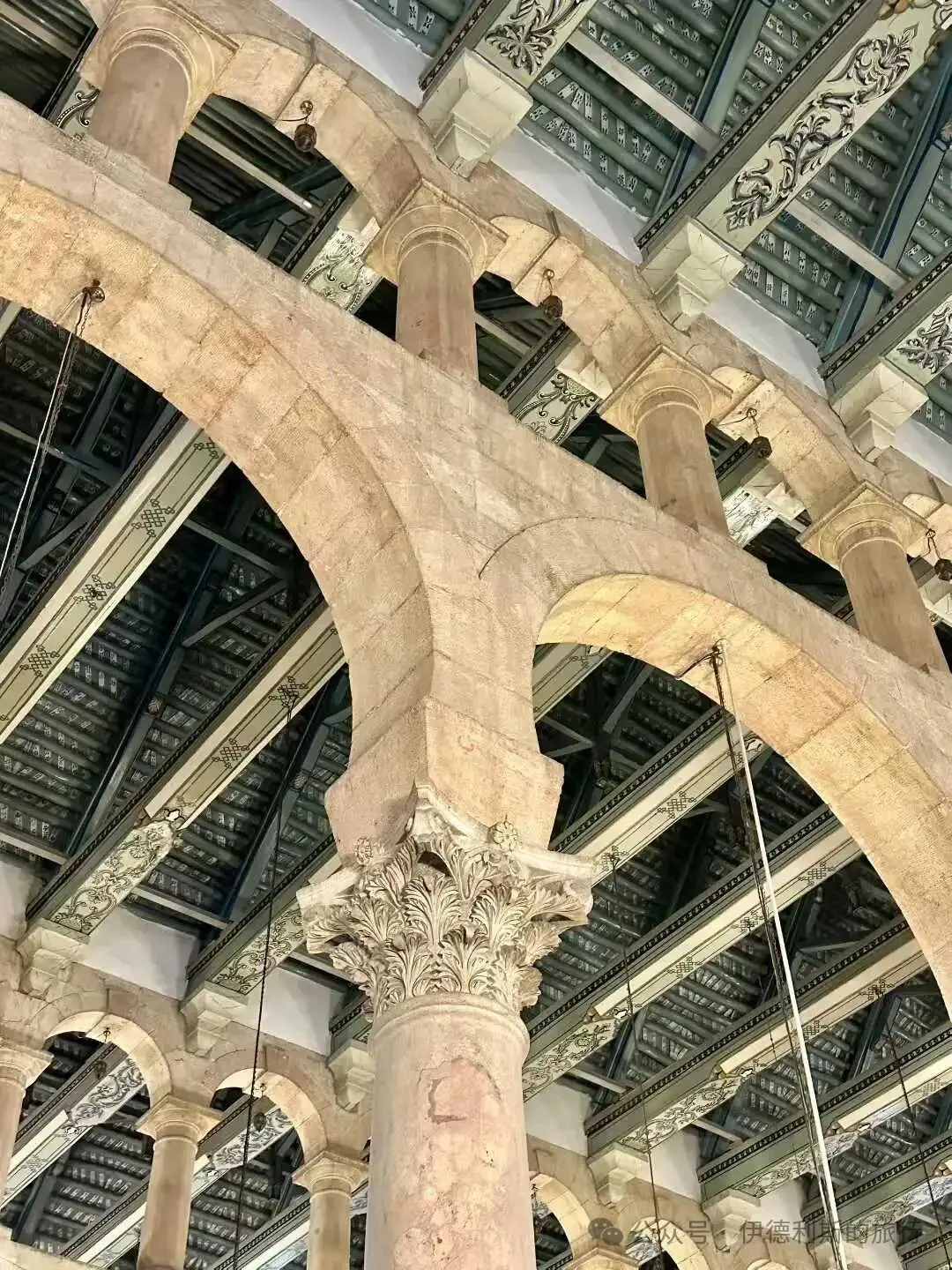
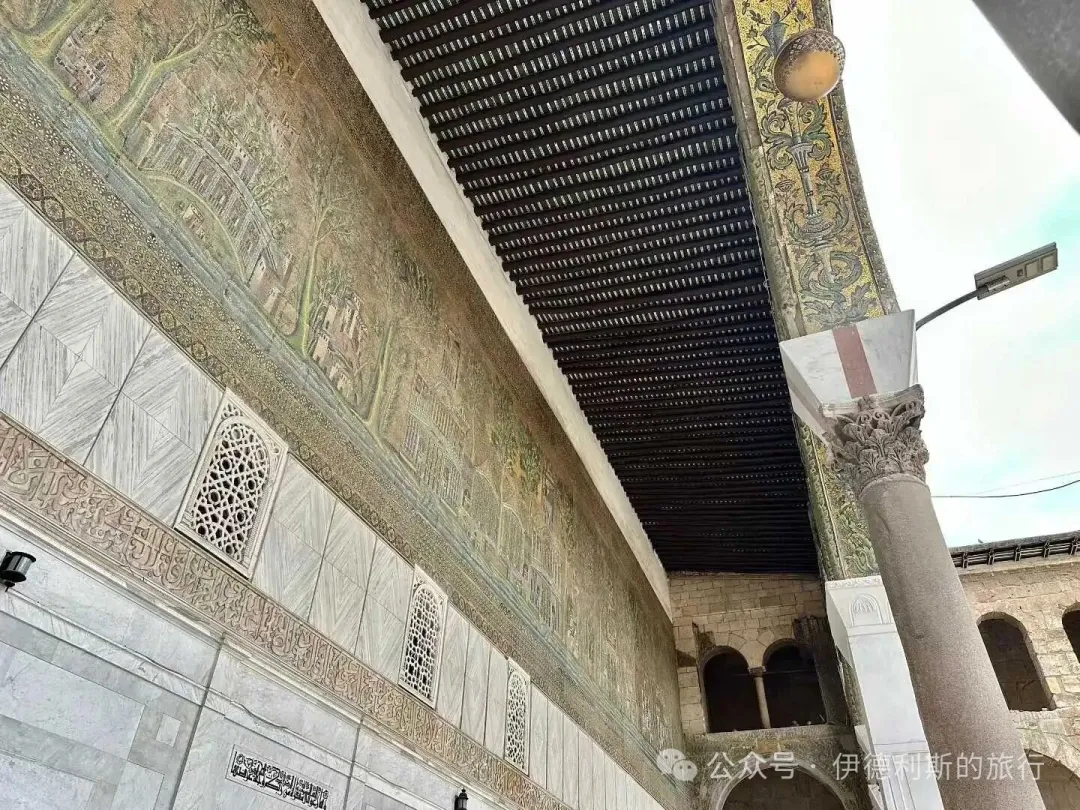
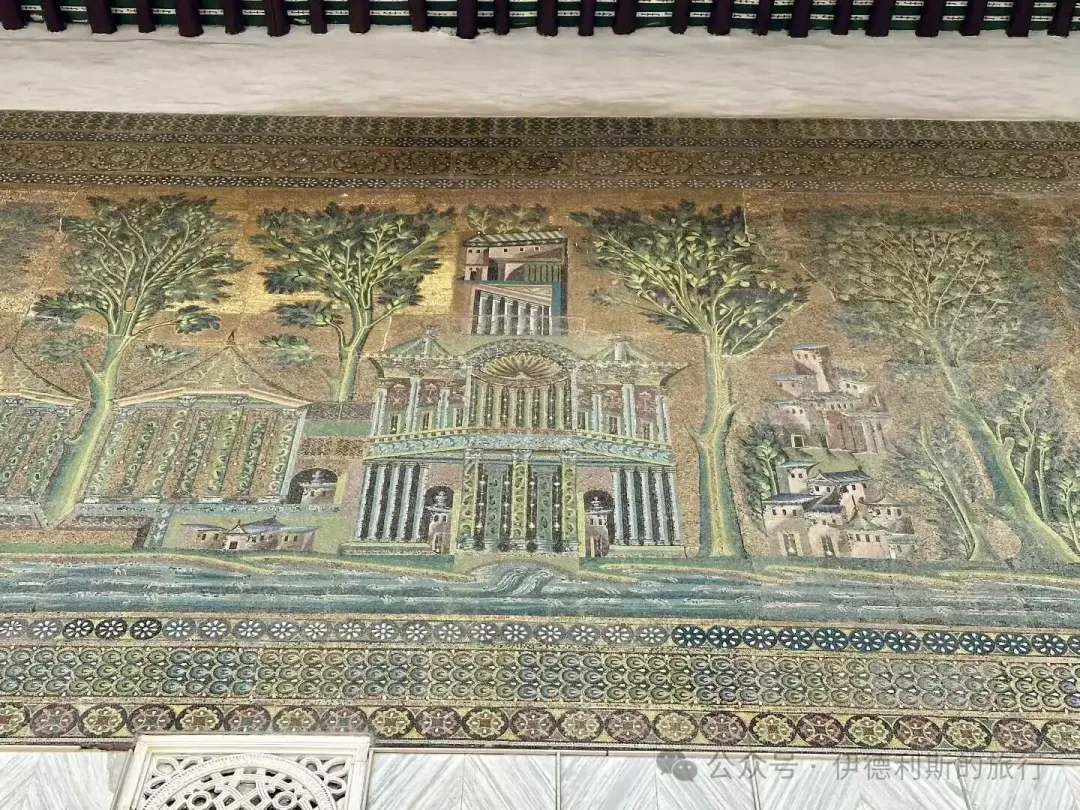
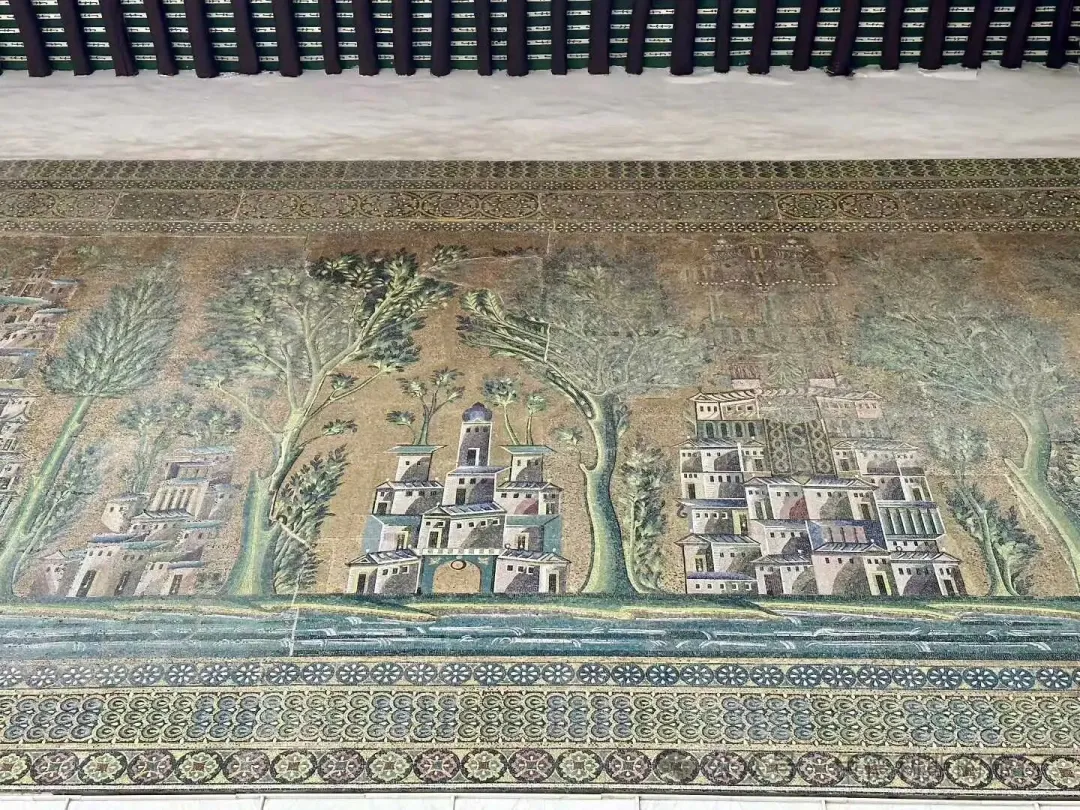
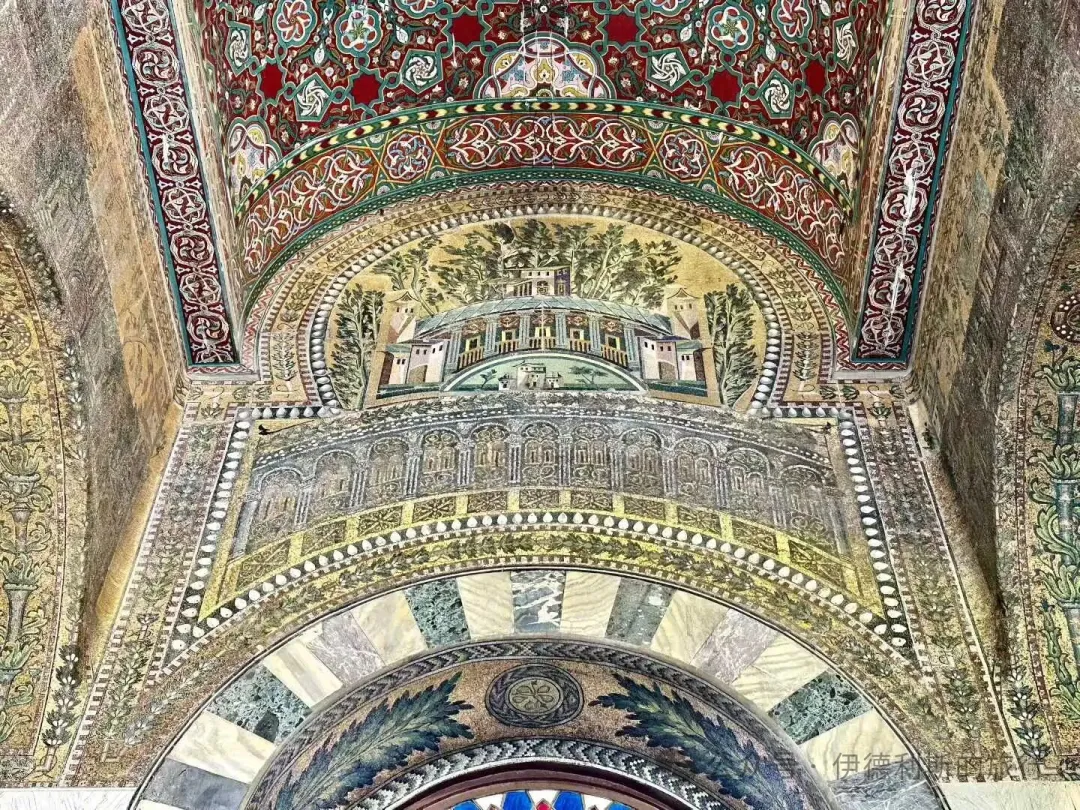
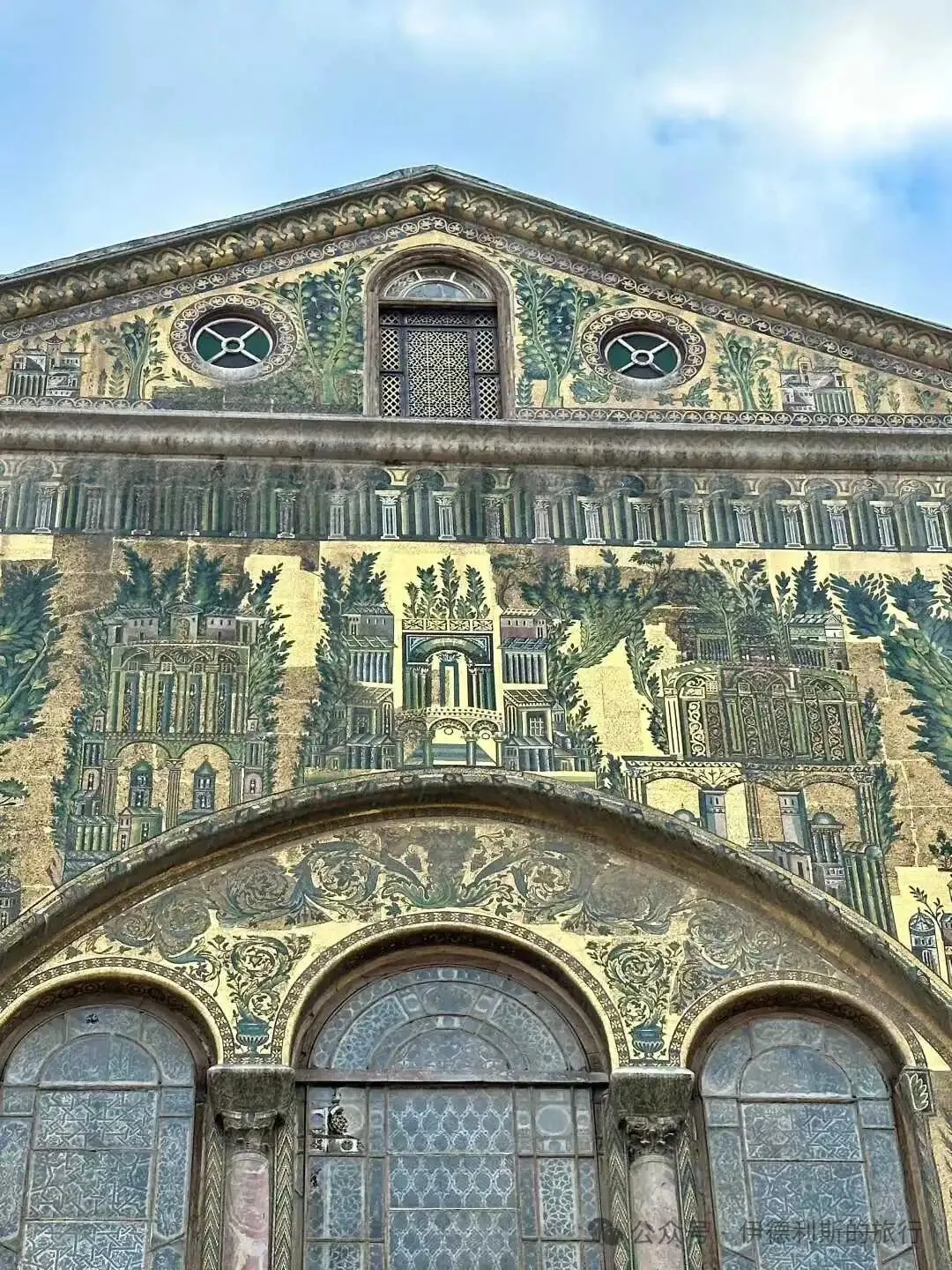
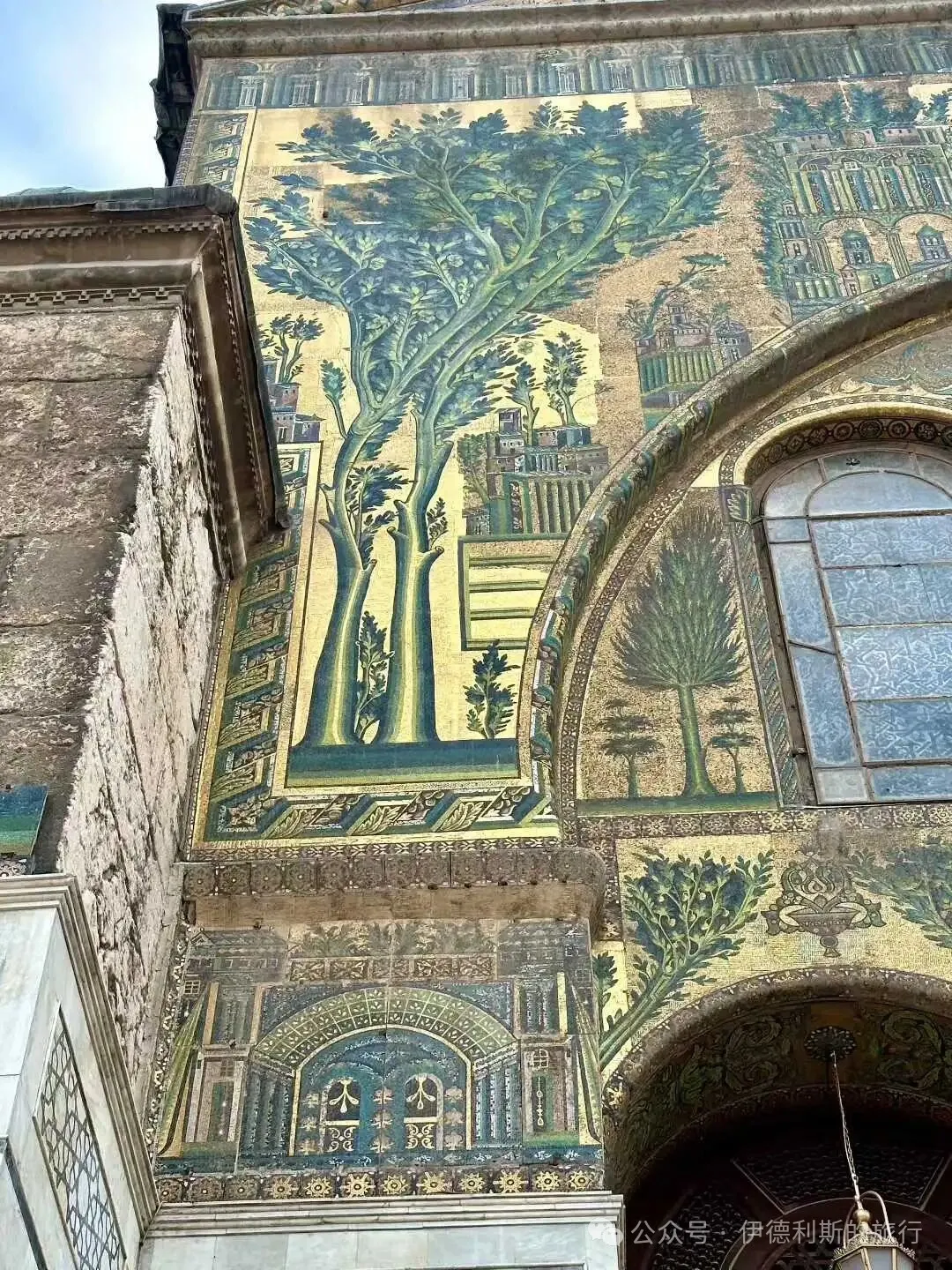
The Great Mosque of Damascus is world-famous for its rich Umayyad-era mosaic decorations. These mosaics show various natural landscapes and buildings in a late Roman style, following a classic naturalistic approach.
Some Arabic historical records suggest the craftsmen and materials for the mosaics came from the Byzantine capital of Constantinople, but a 2022 chemical analysis study showed that most of the mosaics were actually made in Egypt. Although these mosaic images show traces of Byzantine style, some scholars believe their craftsmanship is more consistent with mosaic techniques from Syria, Palestine, and Egypt.
The meaning of the mosaic images has been a subject of long-standing debate. Some believe they represent the known world at that time, others think they depict Damascus and the Barada River, and some argue they show scenes of Paradise. Currently, there is more evidence for the Paradise theory, as the landscapes without human figures fit the idea of an empty Paradise waiting for people to arrive after the Day of Resurrection.
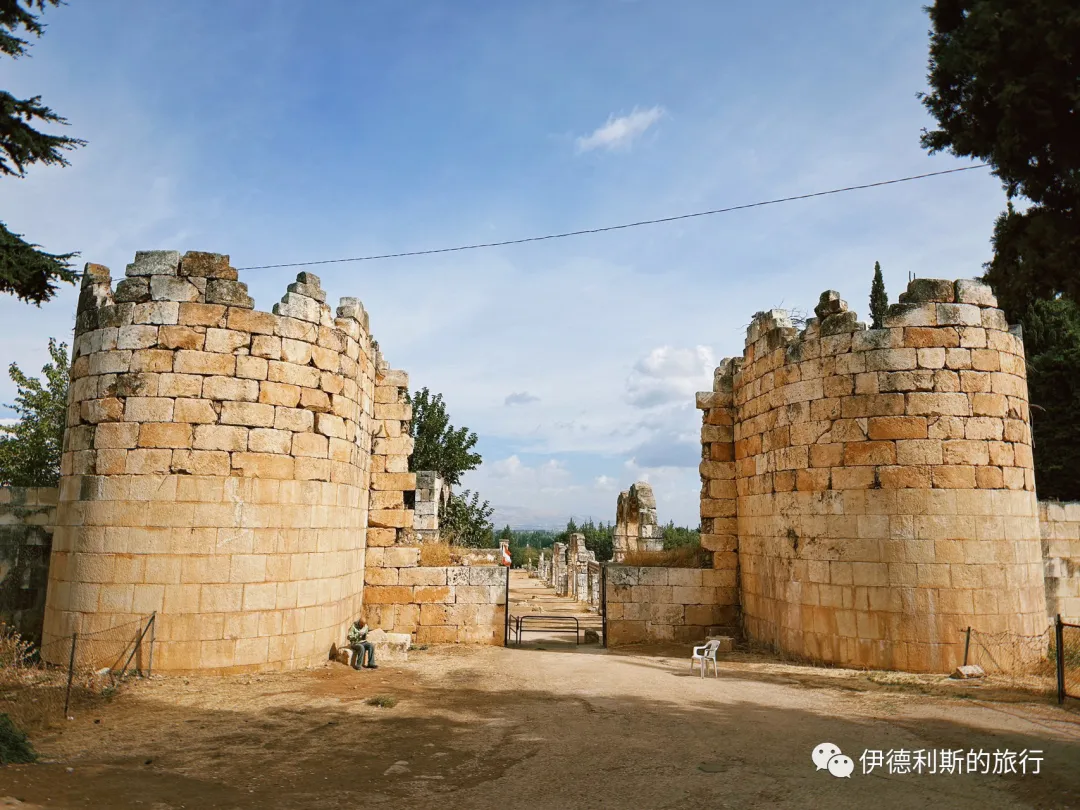
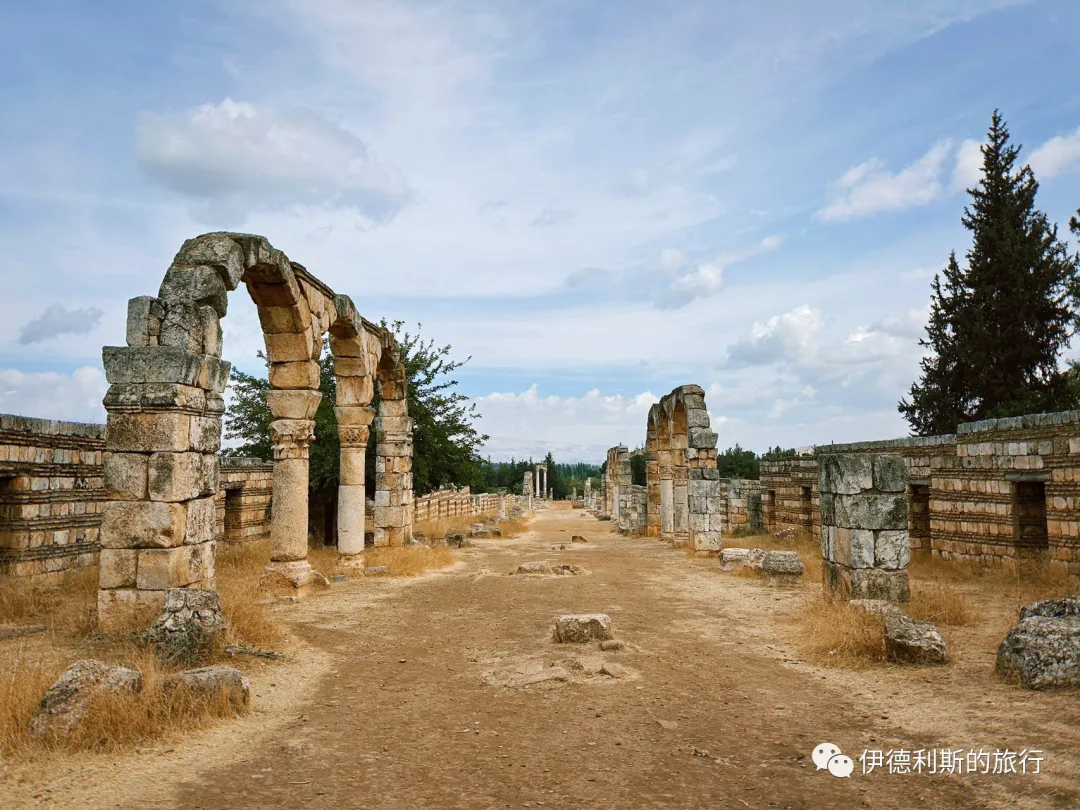
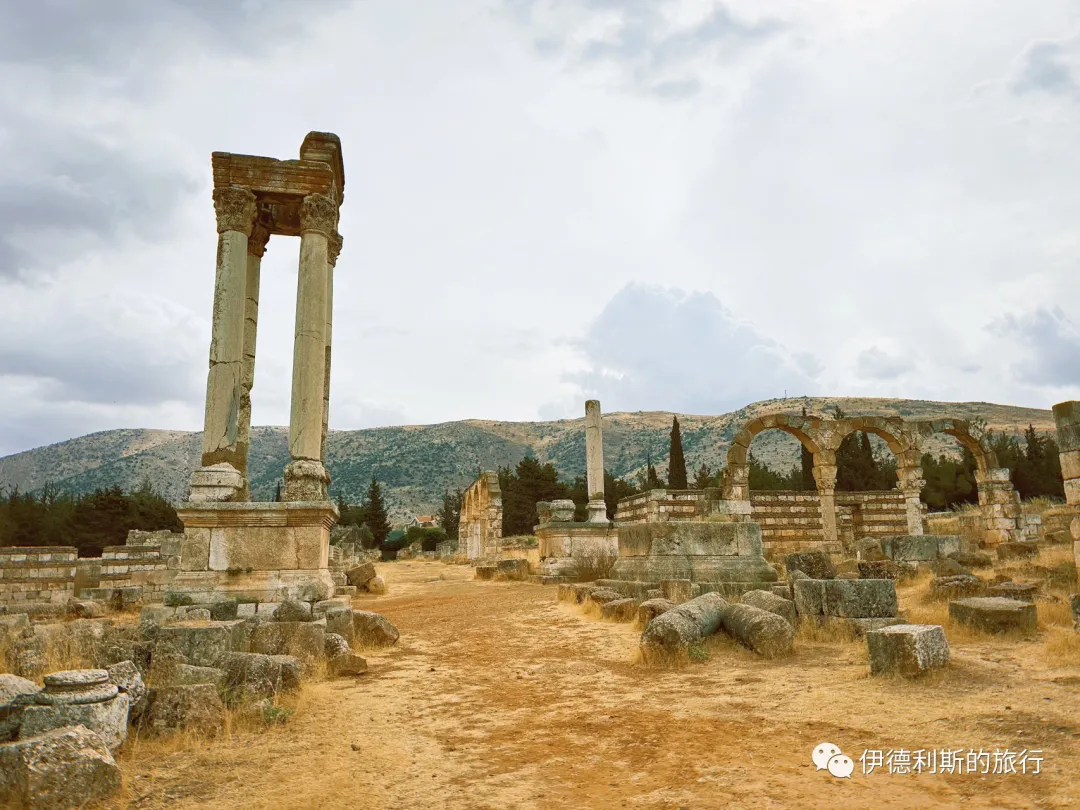
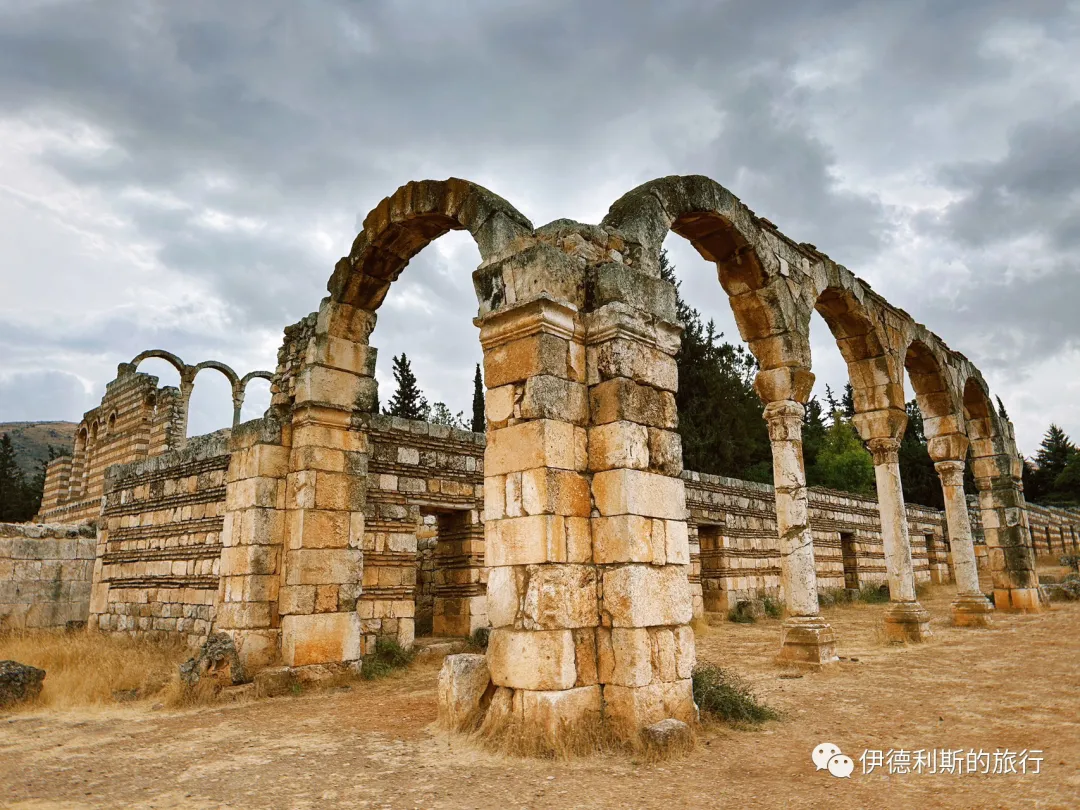
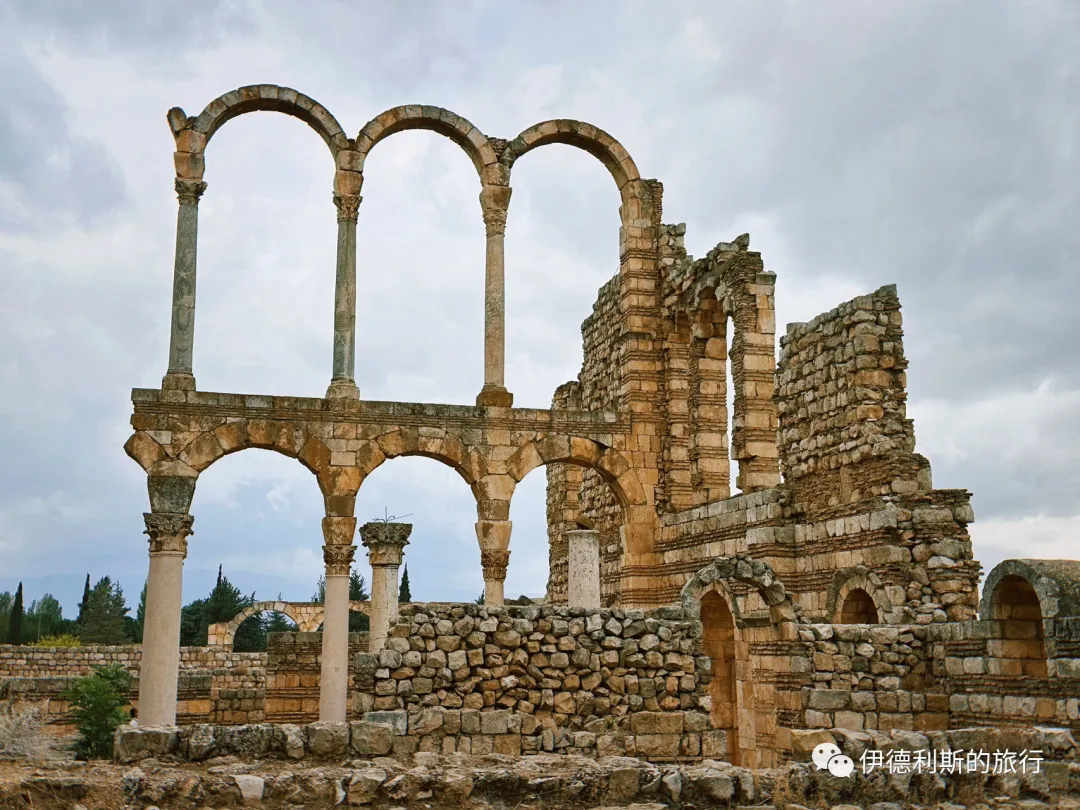
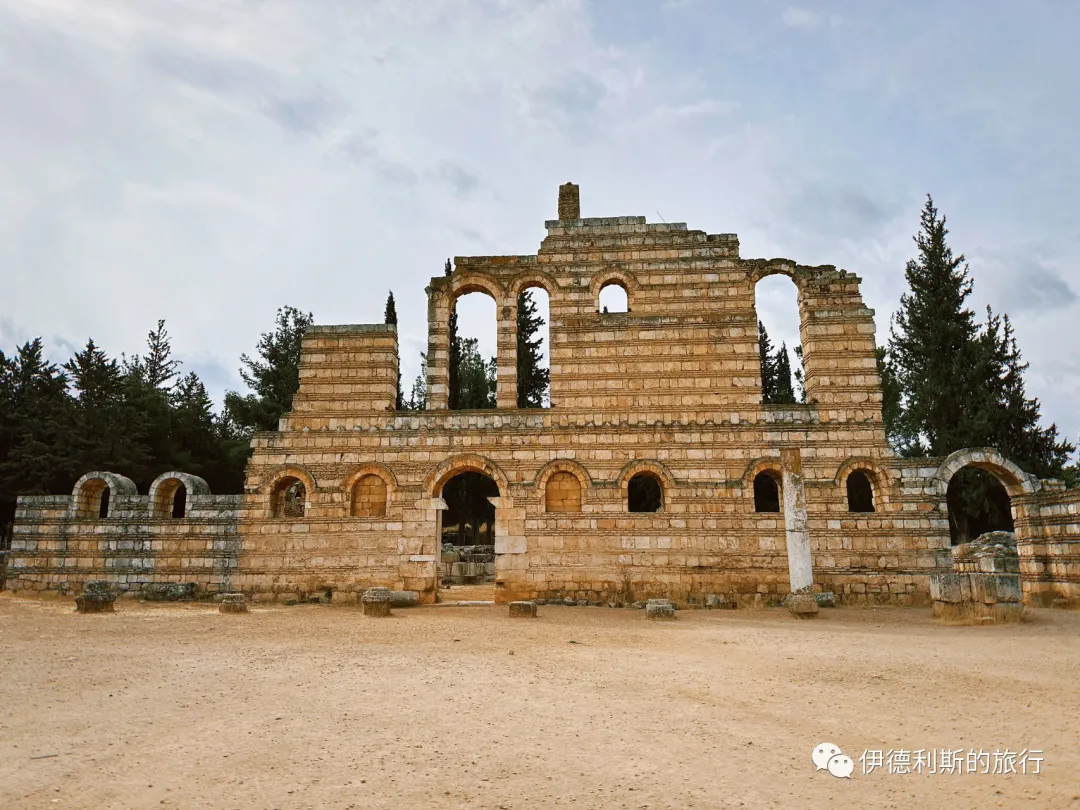
The ancient city of Anjar in Lebanon was built by al-Abbas, the son of Caliph al-Walid I, between 714 and 715. This place has been an important route connecting Beirut and Damascus since ancient times, and it was listed as a UNESCO World Heritage site in 1984.
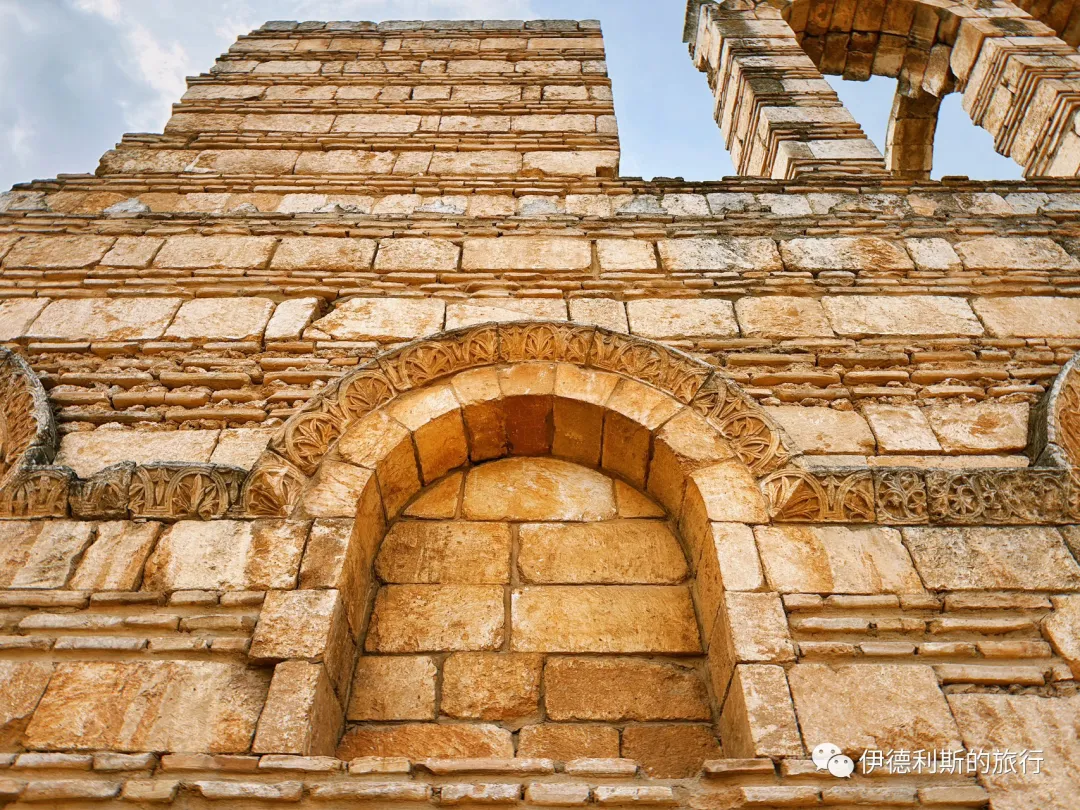
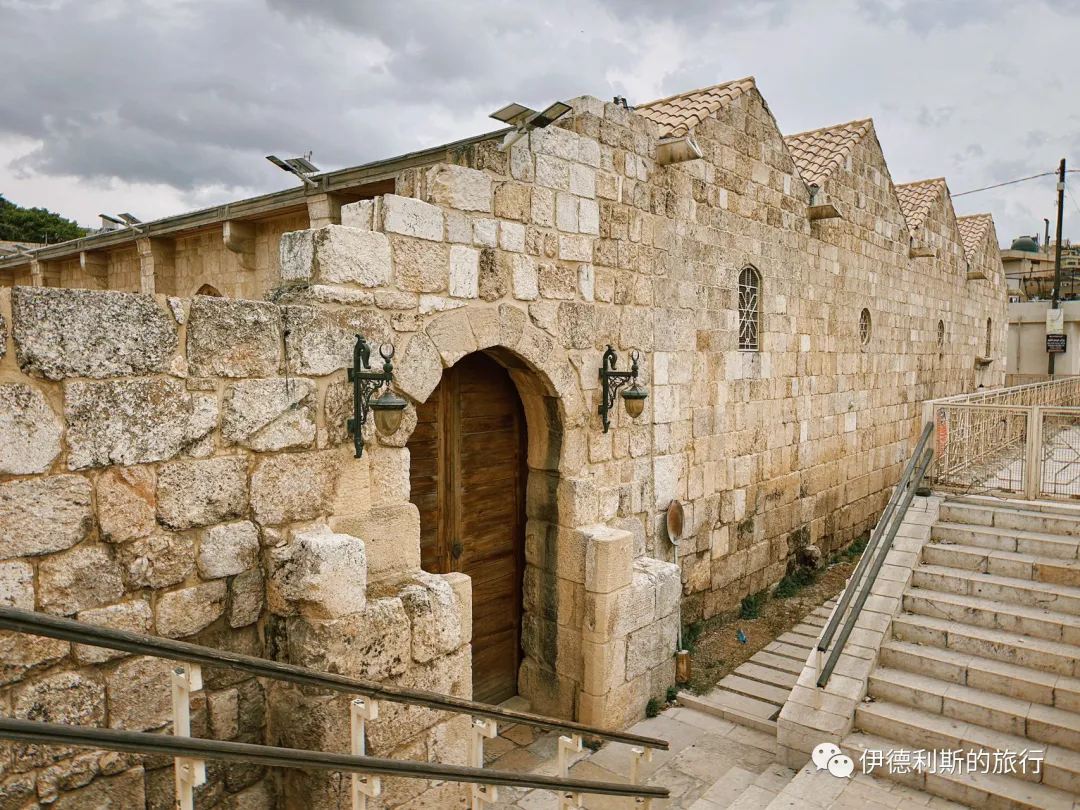
It is believed that the ancient city of Anjar likely used many captives brought back by Prince al-Abbas from his campaigns against the Byzantine Empire as laborers, which is why the stone carvings have a strong Byzantine style. The entire ancient city is based on a Roman city plan, with a rectangular layout surrounded by thick walls, where two main roads intersect at four gates to divide the city into four sections. The main road is lined with columns and rows of shops that look like Roman tabernae, while a classic four-sided Roman gate known as a tetrapylon stands at the intersection. The city is divided into four functional areas: the southeast holds the grand palace and mosque, the northeast contains the small palace (harem) and bathhouse, and the northwest and southwest are residential zones.
The Umayyad Mosque in Baalbek, Lebanon, was also built by the Umayyad Caliph al-Walid I in 715, the same year as the Umayyad Mosque in Damascus. These two mosques stand together as the oldest surviving masjid buildings in the world.
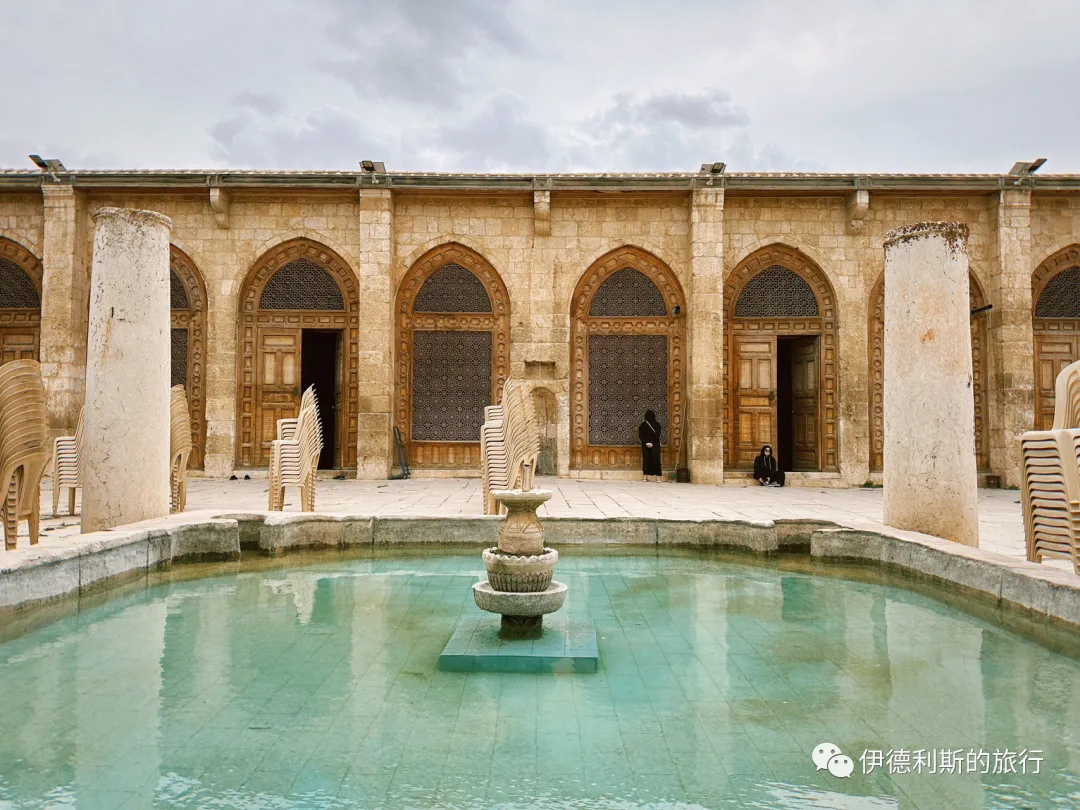
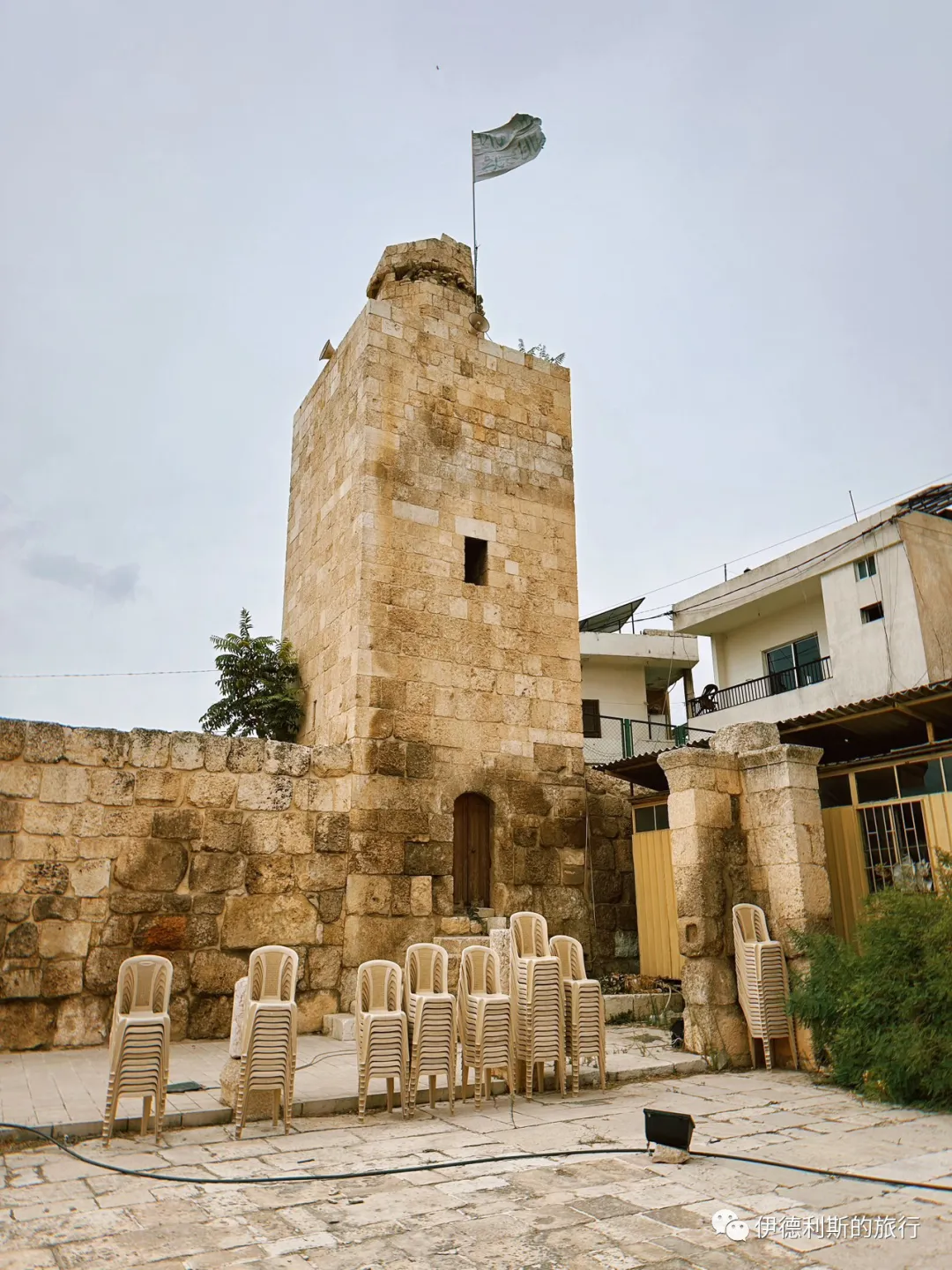
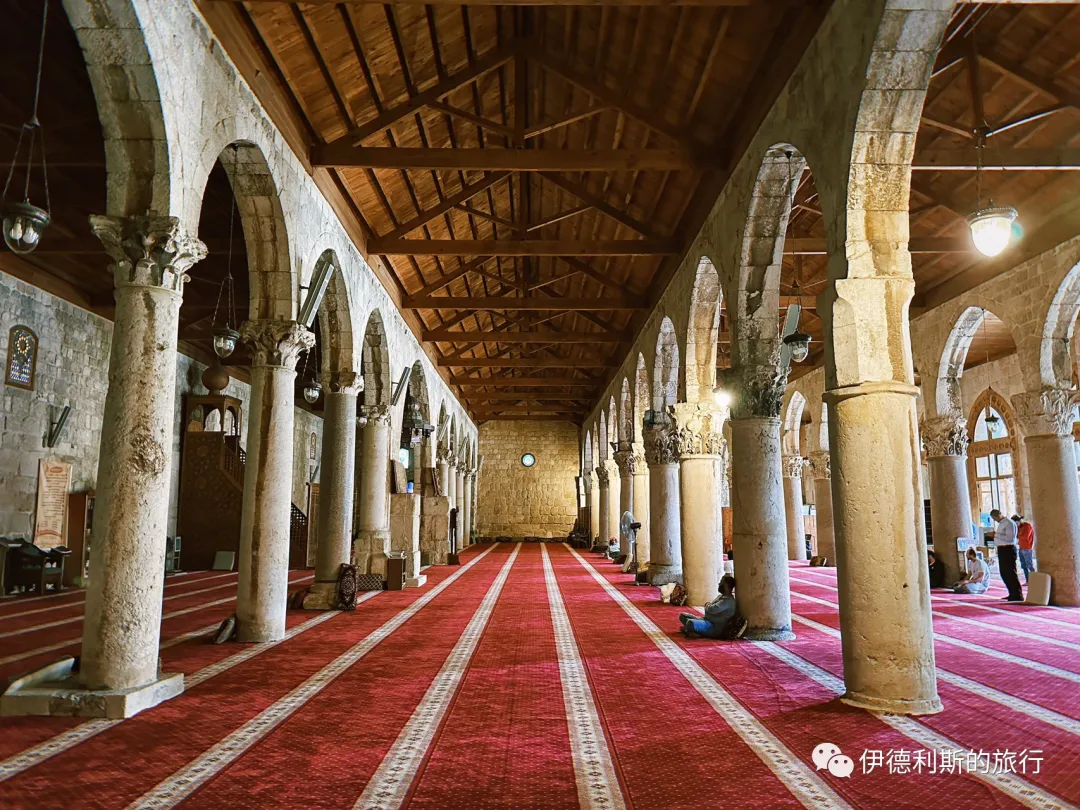
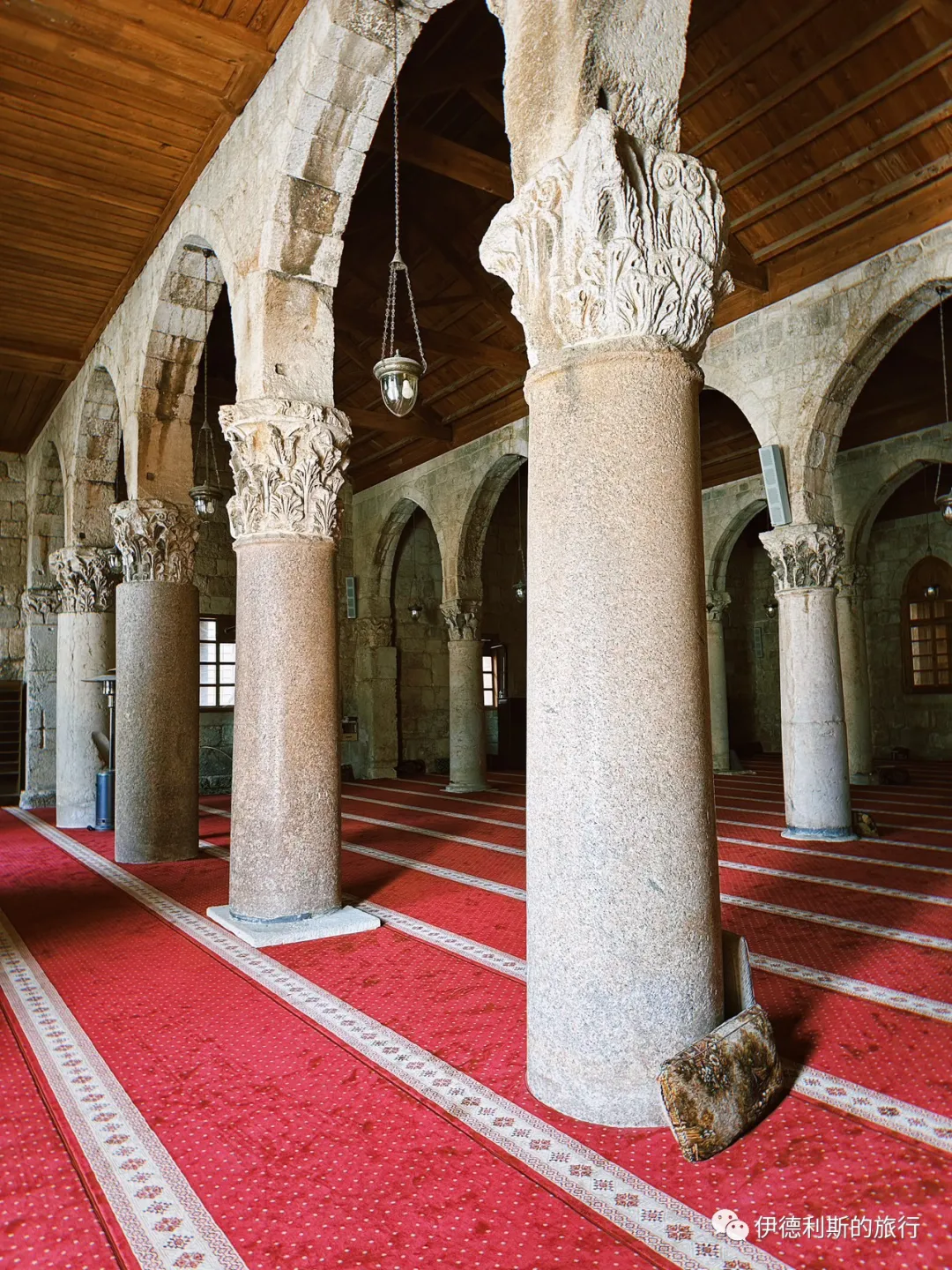
Compared to the Umayyad Mosque in Damascus, the Baalbek Umayyad Mosque is simpler, but its overall style is very similar. Some stone parts inside the main hall may have been taken from the nearby Roman-era Baalbek Citadel, and the column capitals show a strong Roman-Byzantine style.
 Collapse Read »
Summary: This Muslim history guide to Damascus covers Caliph Muawiyah I's tomb, the Prophet's Companion, early Islamic history, and Muslim heritage.
This article organizes key points from the original text about visiting the tomb of the scripture scribe and companion of the Prophet, Caliph Muawiyah I. It keeps the original paragraph and image order. It is for readers interested in Muslim life, Islamic culture, and Chinese Islamic writing. It also helps with searching for topics like Shia, Sunni, and Ramadan.
Bab al-Saghir Cemetery in the south of the old city of Damascus is a very ancient graveyard. It holds the graves of many companions of the Prophet, such as Bilal, as well as several children of Imam Ali and Imam Hussein. Near these graves is a tomb tightly enclosed by layers of iron railings. It is inscribed with the name Muawiyah ibn Abi Sufyan, the first caliph of the Umayyad Dynasty. This is the burial place of a highly controversial caliph in religious history. He is both respected and hated, but he was a key figure who shaped early religious history: Muawiyah I.
During Ramadan in 2025, the Saudi MBC studio aired a series called Muawiyah. With a production cost of 100 million US dollars, it is the most expensive television series in Arab history. The show caused huge controversy and sparked massive discussion as soon as it aired. Iraq and Iran directly banned the series, and Al-Azhar University in Egypt issued a fatwa calling on people not to watch it.
In the Sunni narrative, Muawiyah's sister Ramla married the noble Prophet in 628. Muawiyah converted to the faith in 630. Because he was literate, the noble Prophet appointed him as a scribe, making him a scripture scribe. After Abu Bakr was elected caliph in 632, Muawiyah became a commander in the conquest of Syria. He followed Caliph Umar into Jerusalem in 637 and was later appointed governor of Damascus. He served as governor of Syria during the time of Caliph Uthman and organized the first naval battle in religious history. Sunnis believe he made a great contribution to the unity of the Caliphate and recognize his status as a companion of the Prophet and a scripture scribe.
In the Shia narrative, Muawiyah opposed the election of Ali as caliph, which triggered the first civil war in the faith. After Ali was assassinated, he forced Hasan to abdicate. Shia Muslims deny Muawiyah's status as a companion of the Prophet and a scripture scribe, and even consider him a disbeliever.
Muawiyah I died of illness in Damascus in 680 and was buried in the Bab al-Saghir cemetery. Several documents from the 9th and 10th centuries mention the tomb of Muawiyah I, including records that Ibn Tulun, a ruler of Egypt and Syria, built four porticos for the tomb in the 9th century. The current tomb of Muawiyah I was renovated in modern times. For a long time, this site was attacked by Shia visitors from places like Iran and Iraq, who damaged the fences and threw stones and shoes.
Next to the tomb of Muawiyah I is another tomb enclosed by iron railings, where the fifth Umayyad Caliph Abd al-Malik (reigned 685-705) and the sixth Caliph al-Walid I (reigned 705-715) are buried.
In his early years, Abd al-Malik lived a pious life in Medina and was a Tabi'un, meaning a follower of the Prophet's companions and one of the first generation born into the faith. In 683, the people of Medina opposed the rule of Muawiyah I's son, Yazid I, and expelled all Umayyads from the city, forcing Abd al-Malik to flee to Damascus. After the direct descendants of Muawiyah I passed away, Abd al-Malik, his distant cousin, was elected Caliph in 685. During his 20-year reign, Abd al-Malik constantly quelled internal divisions within the Umayyad Caliphate while resisting attacks from the Byzantine Empire. In the final years of his rule, the country was peaceful and his power was secure. His main achievements include introducing a unified currency to replace Byzantine and Sassanid coins, and replacing Greek and Persian with Arabic as the official language. He ordered the construction of the Dome of the Rock in Jerusalem, which is the oldest surviving Islamic building.
During the reign of Al-Walid I, the Arab Empire conquered Morocco, the Iberian Peninsula, the Sindh region of South Asia, and Transoxiana in Central Asia, reaching its largest territorial extent in history. He used the massive wealth from these conquests to build and expand many mosques, most the Umayyad Mosque in Damascus, the Al-Aqsa Mosque in Jerusalem, and the Prophet's Mosque in Medina. He also built the famous ancient city of Anjar in Lebanon and the Umayyad Mosque in Baalbek. He was the first caliph to implement a social welfare system, which earned him great respect among the poor and the disabled. Under his rule, the Umayyad Dynasty was prosperous and reached its peak.
Umayyad coins on display at the 'Forging Narratives: The Coinage Heritage of Saudi Arabia' special exhibition at the National Museum of Saudi Arabia.
First are the gold coins from the time of Caliph Muawiyah I. The front shows the Byzantine Emperor Heraclius (reigned 610-641) and his two sons, Constantine III and Heraclonas, while the back features Latin text. Unlike Byzantine gold coins, the Umayyad gold coins lack crosses on the emperor's crown and scepter, and the cross on the steps on the back has only a vertical bar without a horizontal one.
Umayyad gold coins from this period reflect the early culture of the Umayyad Dynasty, which continued to inherit Byzantine culture. When Bedouin nomads from the Arabian Peninsula poured into the magnificent city of Damascus, they saw a rich and colorful Byzantine culture everywhere. Because of this, they continued to use Byzantine culture in areas outside of religion, such as music, art, and architecture, becoming the heirs to Byzantine culture.
In 693, Caliph Abd al-Malik minted gold dinars in Damascus, and in 696, he removed human figures, keeping only Arabic text. During the same period, Abd al-Malik also promoted the replacement of Greek with Arabic in Syria, eventually making Arabic the sole official language of the Umayyad Dynasty. From this point on, the Umayyad Caliphate stopped being just an inheritor of Byzantine and Sassanid cultures and turned into a true Arab civilization.
I visited Qasr Kharana in Jordan, which was built in 710 during the reign of Caliph al-Walid I.
The most special thing about Qasr Kharana is how it blends Byzantine and Sassanid architectural styles. The palace is built with plaster and rubble, and the second floor features barrel vaults supported by transverse arches, which is a typical Sassanid style, though it still differs from Sassanid buildings in Iran. The arches at Qasr Kharana do not connect to the load-bearing walls but rest on corbels, and they use new types of wooden lintels to make the building more flexible and earthquake-resistant.
Hammam al-Sarah in Jordan was built in the early 8th century during the reign of Caliph Abd al-Malik or al-Walid I.
The bathhouse was built using neatly cut, medium-sized stones and decorated with intricately carved fluted moldings. Inside the main hall, there is a beautifully designed fountain supplied with water from an elevated water tower on the east side. There is also a walled garden site nearby, which is known as the oldest Islamic garden site.
The Umayyad Mosque in Damascus was built under the direction of Caliph al-Walid I in 706. He kept the outer walls of the Roman mosque's inner sanctuary and moved the Corinthian columns and arcades from inside the mosque to the main hall, finishing the new mosque in 715 and making it a 'wonder of the world' in the writings of medieval Muslim scholars.
Before the Great Mosque of Damascus was built, traditional mosques were all flat-roofed halls. The Great Mosque of Damascus uses a basilica-style layout, featuring three wide, long halls and a central nave topped by a tall dome.
The Great Mosque of Damascus is world-famous for its rich Umayyad-era mosaic decorations. These mosaics show various natural landscapes and buildings in a late Roman style, following a classic naturalistic approach.
Some Arabic historical records suggest the craftsmen and materials for the mosaics came from the Byzantine capital of Constantinople, but a 2022 chemical analysis study showed that most of the mosaics were actually made in Egypt. Although these mosaic images show traces of Byzantine style, some scholars believe their craftsmanship is more consistent with mosaic techniques from Syria, Palestine, and Egypt.
The meaning of the mosaic images has been a subject of long-standing debate. Some believe they represent the known world at that time, others think they depict Damascus and the Barada River, and some argue they show scenes of Paradise. Currently, there is more evidence for the Paradise theory, as the landscapes without human figures fit the idea of an empty Paradise waiting for people to arrive after the Day of Resurrection.
The ancient city of Anjar in Lebanon was built by al-Abbas, the son of Caliph al-Walid I, between 714 and 715. This place has been an important route connecting Beirut and Damascus since ancient times, and it was listed as a UNESCO World Heritage site in 1984.
It is believed that the ancient city of Anjar likely used many captives brought back by Prince al-Abbas from his campaigns against the Byzantine Empire as laborers, which is why the stone carvings have a strong Byzantine style. The entire ancient city is based on a Roman city plan, with a rectangular layout surrounded by thick walls, where two main roads intersect at four gates to divide the city into four sections. The main road is lined with columns and rows of shops that look like Roman tabernae, while a classic four-sided Roman gate known as a tetrapylon stands at the intersection. The city is divided into four functional areas: the southeast holds the grand palace and mosque, the northeast contains the small palace (harem) and bathhouse, and the northwest and southwest are residential zones.
The Umayyad Mosque in Baalbek, Lebanon, was also built by the Umayyad Caliph al-Walid I in 715, the same year as the Umayyad Mosque in Damascus. These two mosques stand together as the oldest surviving masjid buildings in the world.
Compared to the Umayyad Mosque in Damascus, the Baalbek Umayyad Mosque is simpler, but its overall style is very similar. Some stone parts inside the main hall may have been taken from the nearby Roman-era Baalbek Citadel, and the column capitals show a strong Roman-Byzantine style.
Collapse Read »
Muslim History Guide to Damascus: Sufi Sage Ibn Arabi, Mosque Area and Shrine Visit
Reposted from the web
Summary: This Muslim history guide to Damascus follows Sufi sage Ibn Arabi, mosque-area travel, shrine history, and Islamic heritage from the original article.
This article summarizes the key points of visiting the Sufi sage Ibn Arabi in Damascus. It keeps the original paragraph and image order. It is for readers interested in Muslim life, Islamic culture, and Chinese Islamic writing. It also helps with searching for content on namaz, Hajj, and Ramadan.
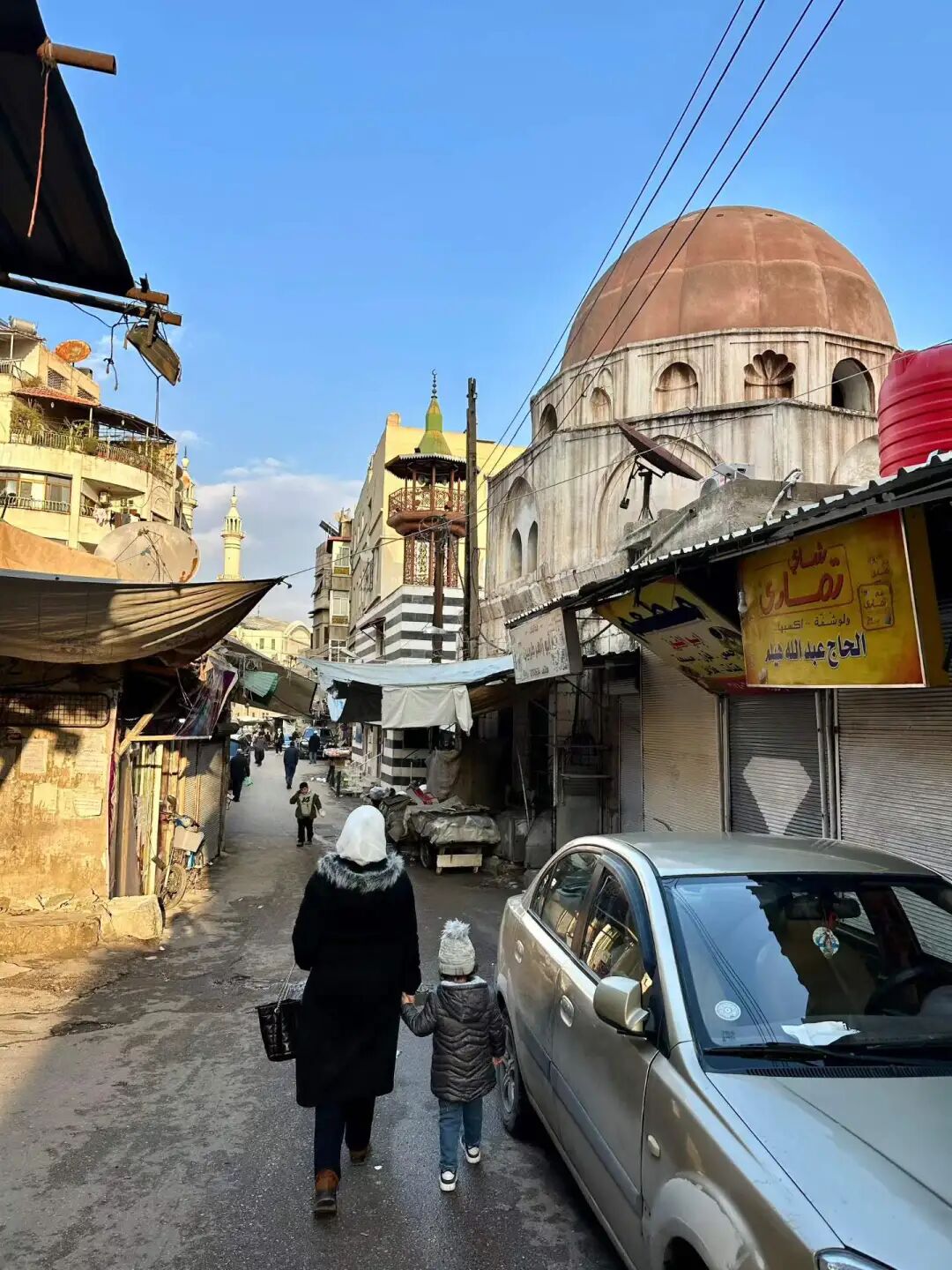
Salihiyah, located at the foot of Mount Qasioun, is the most important historic district in Damascus outside the old city. Historic buildings from the Ayyubid, Mamluk, and Ottoman dynasties stand along both sides of the Friday market (Jumu'ah market). Some look plain from the outside but are hundreds of years old.
After the Crusaders captured Jerusalem in 1099, many scholars, jurists, and civilians fled to Damascus for refuge. In 1156, the famous Hanbali scholar Ibn Qudamah moved from the West Bank to Damascus to escape the Crusaders and later settled in Salihiyah. He once admired this land and said, 'This is a place of barakah (blessing).'
Saladin, the founder of the Ayyubid dynasty, wanted to provide a safe and stable environment for the scholars and immigrants who fled from Jerusalem to Damascus. Because Ibn Qudamah's home at the foot of Mount Qasioun in the north of the city had become an academic center for the Hanbali school, Saladin decided to build the Salihiyah community at the foot of Mount Qasioun.
The most famous landmark in Salihiyah is the Shaikh Mohiddin Mosque (Masjid Shaikh Mohiddin), which houses the tomb of the famous Sufi sage Ibn Arabi.
Ibn Arabi was born in 1165 in what is now southern Spain, which was then called Al-Andalus. Starting at age 28, he traveled throughout the Middle East for many years, performed Hajj multiple times, and lived in Tunisia, Morocco, and Mecca. At age 58, he finally chose to settle in Damascus to focus on teaching and writing. He passed away in Damascus in 1240 at the age of 75. After Ibn Arabi passed away, his works were translated into Persian, Turkish, and Urdu. They had a great influence on the entire Muslim world, and he is known as a founder of the development of Sufism.
The shrine (gongbei) of Ibn Arabi was originally quite small. In 1518, Ottoman Sultan Selim I ordered its reconstruction during his visit to Damascus, which showed how much the Ottoman Empire valued Sufis at the time. After it was built, the shrine was first named the Selimiye Mosque after the Sultan. Because Ibn Arabi’s title, Muhyiddin, means 'reviver of the faith,' the mosque is also known as the Sheikh Muhyiddin Mosque. On the first Friday (Jumu'ah) of Ramadan after the mosque was finished, the Sultan personally visited to attend prayers and gifted the mosque a pair of silver socks.
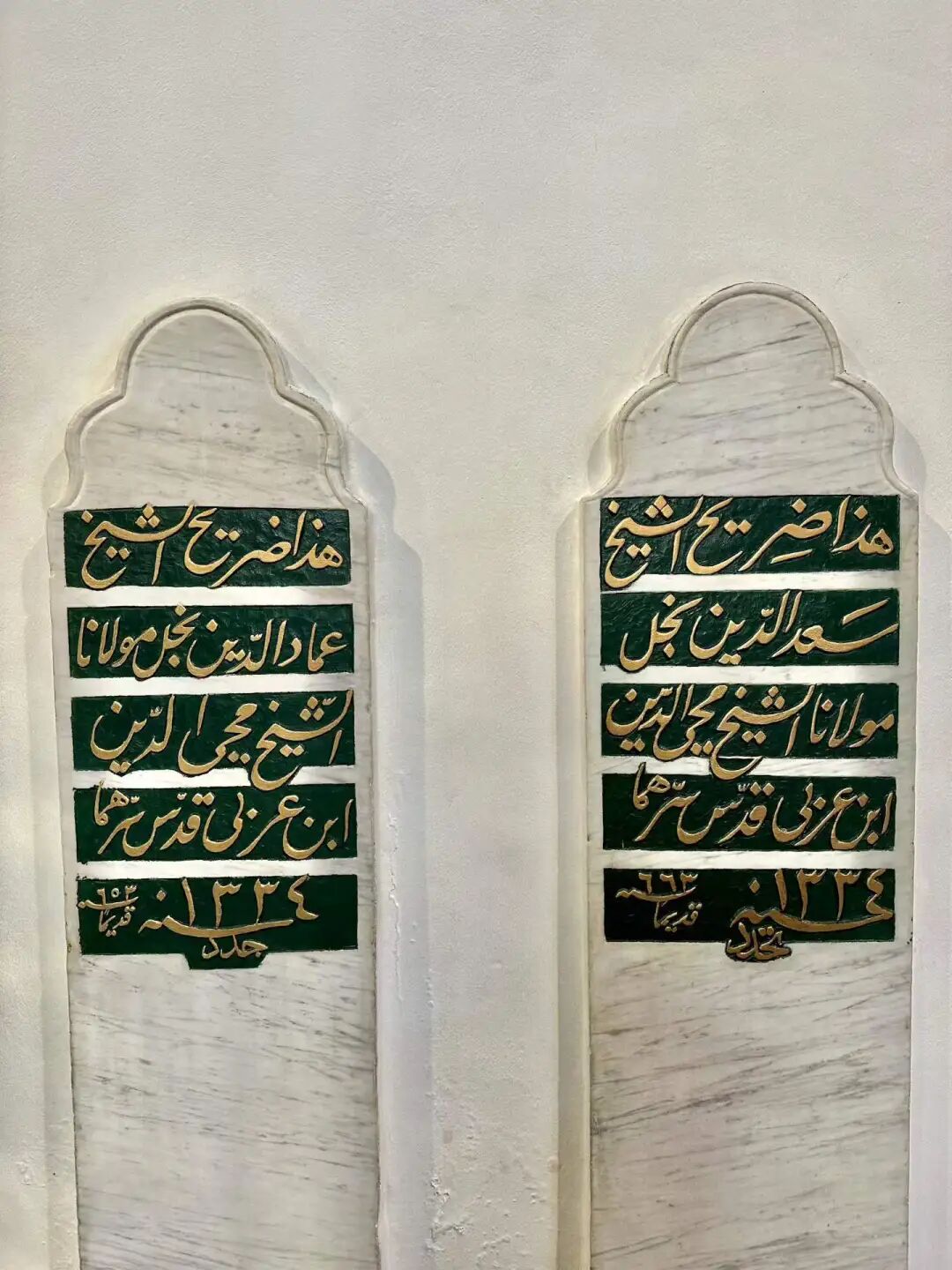
The mosque blends architectural styles from the late Mamluk and early Ottoman periods. The shrine is located below the mosque, and you enter it by taking the stairs on the east side of the courtyard. Inside the shrine, besides Ibn Arabi himself, lie his two sons and his followers.
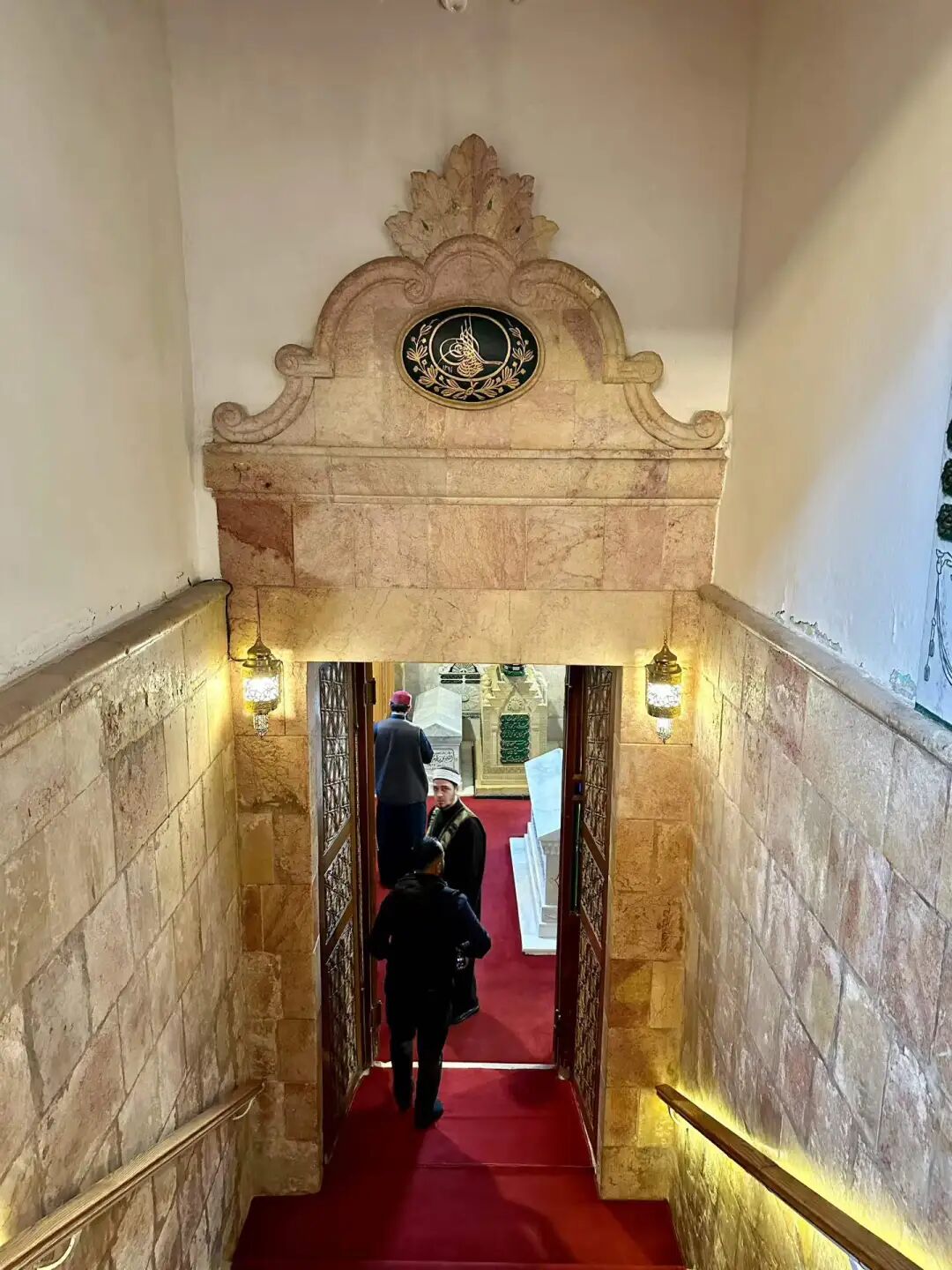
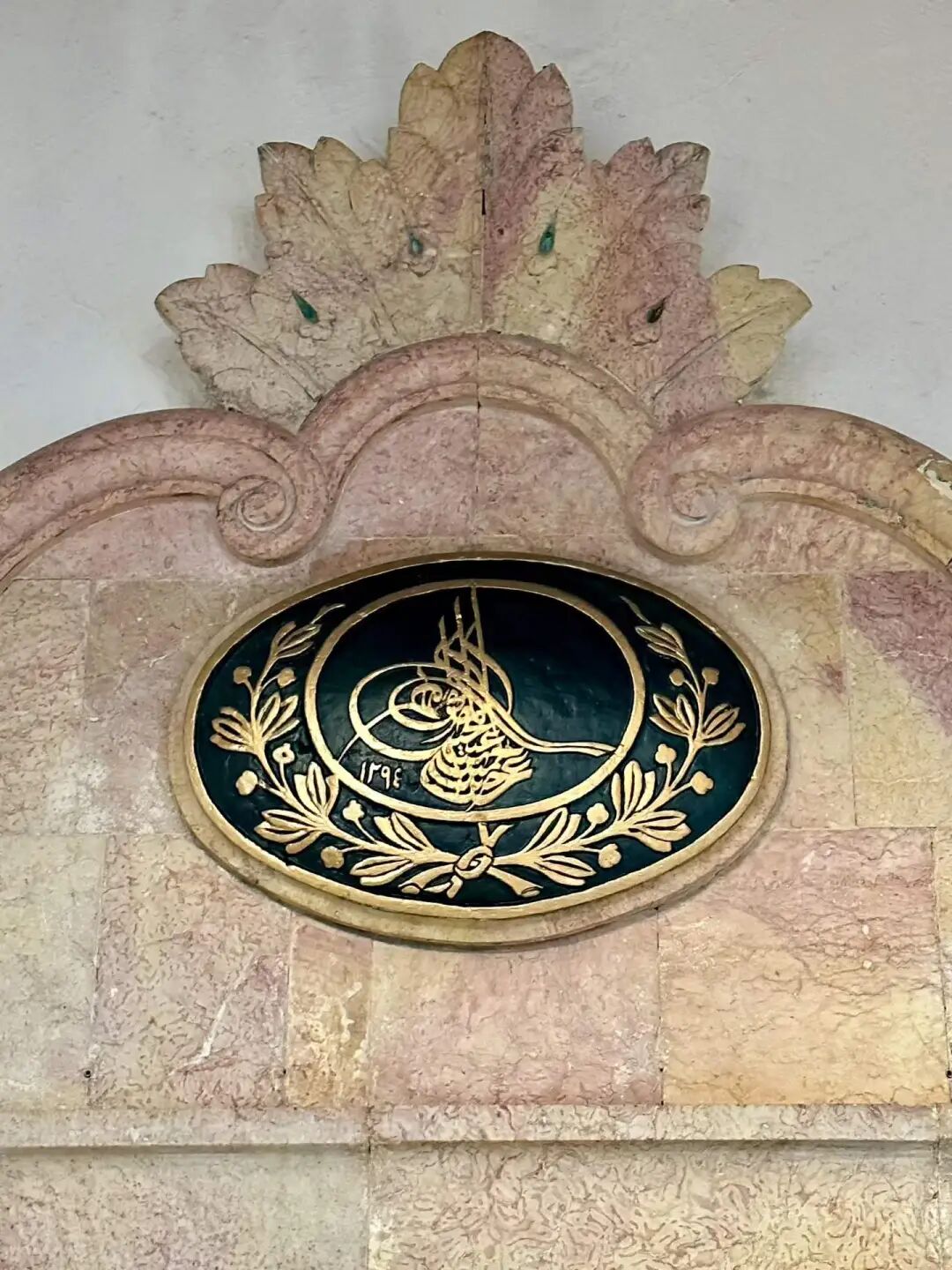
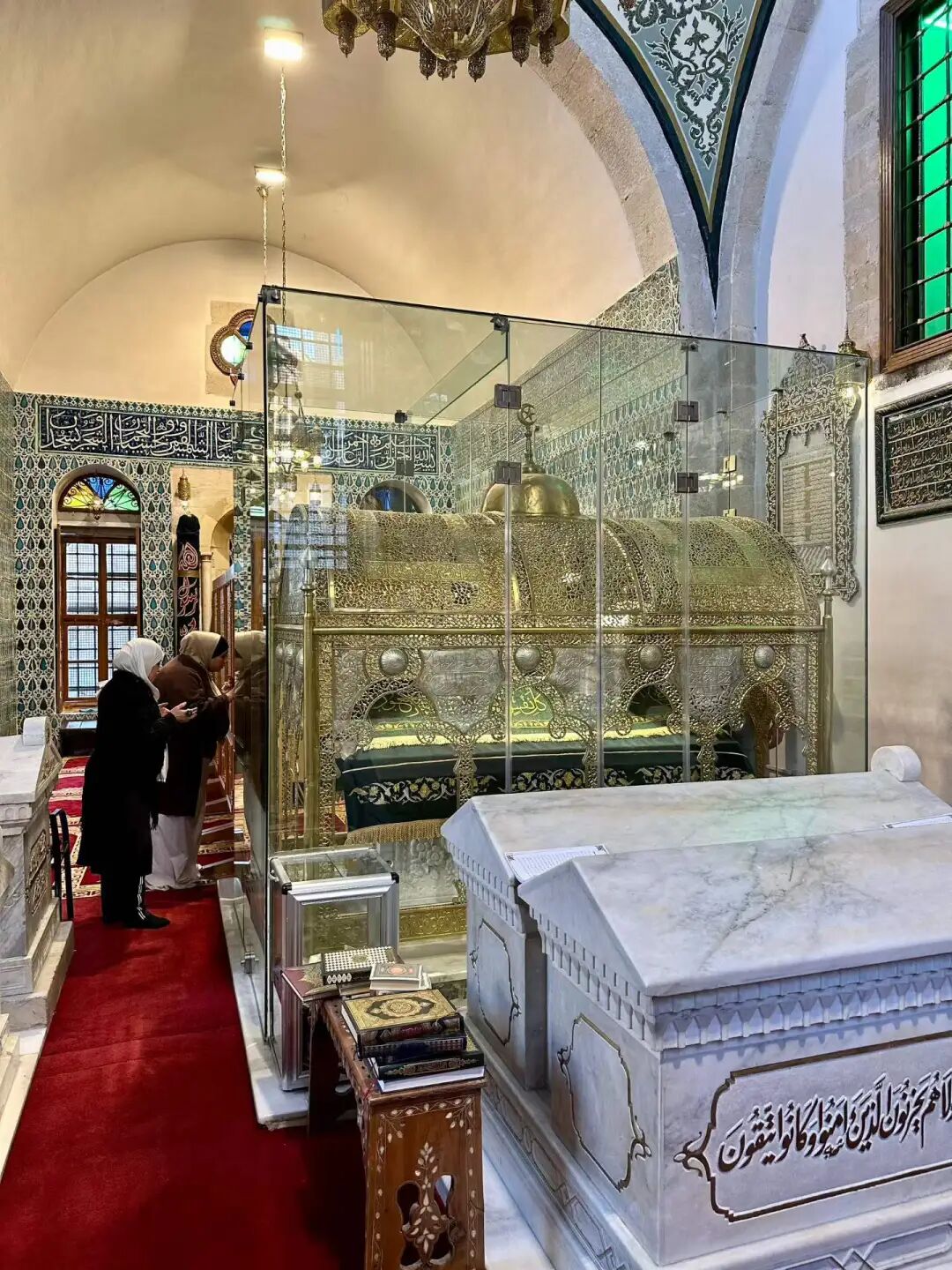
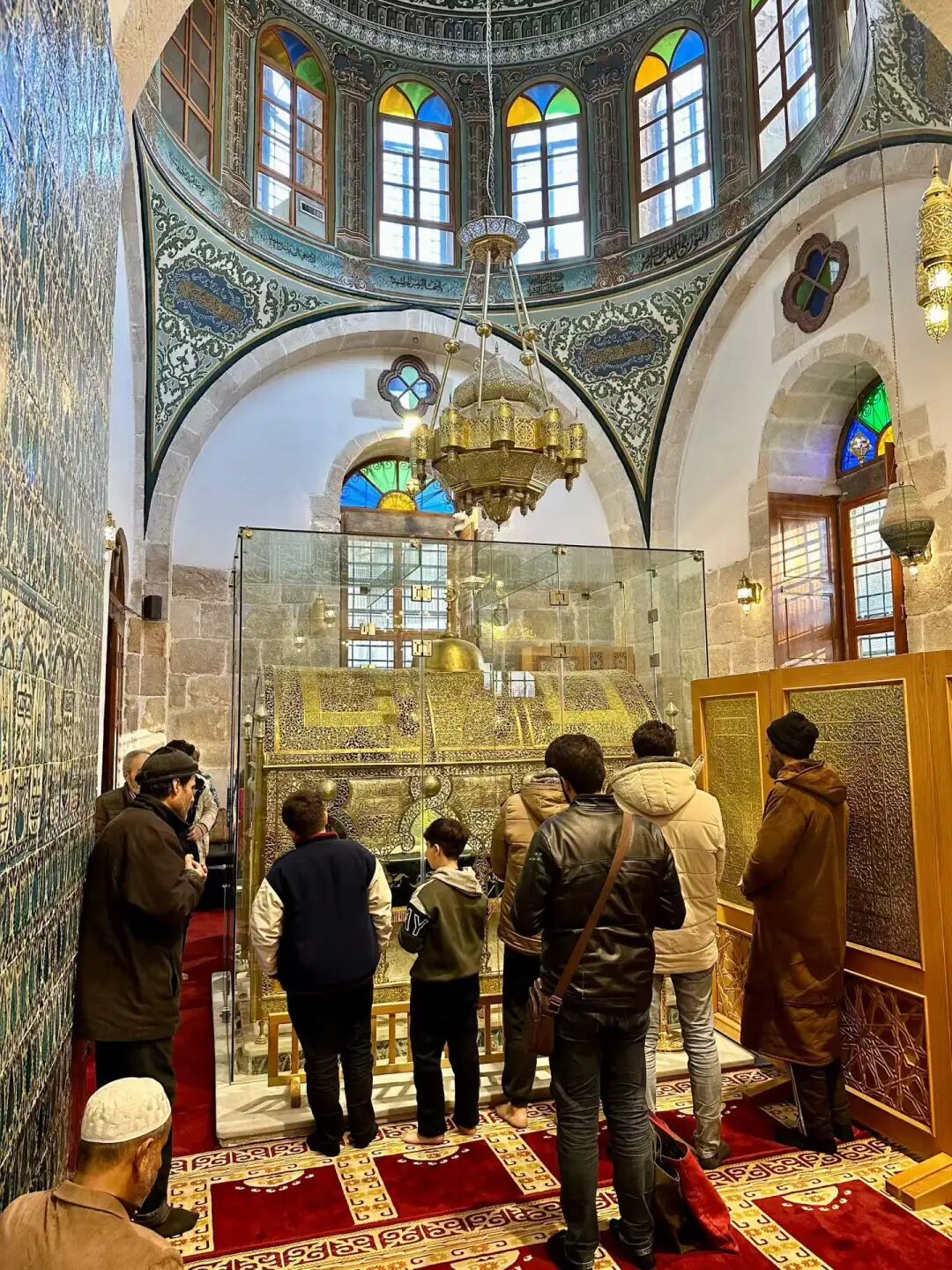
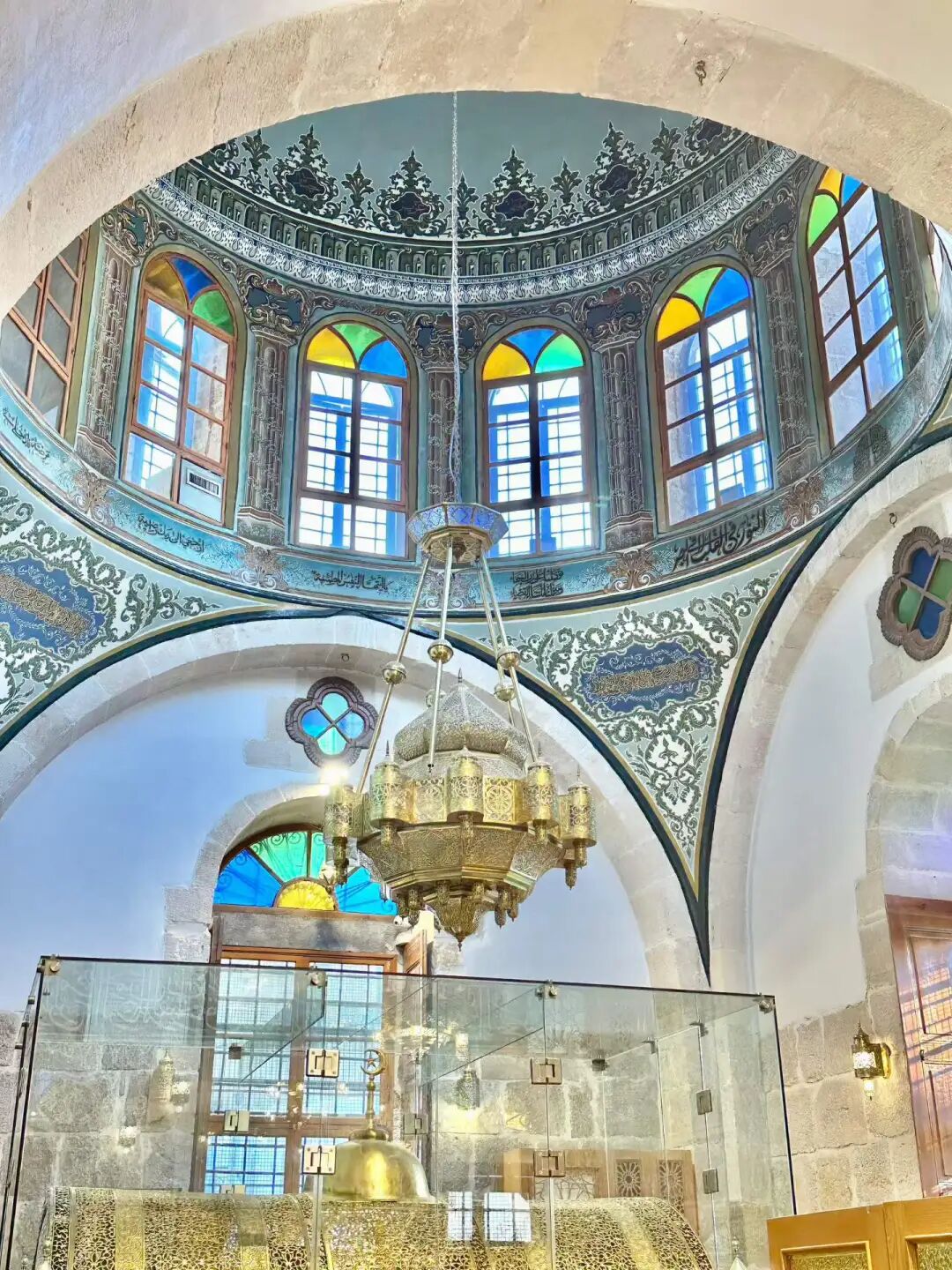
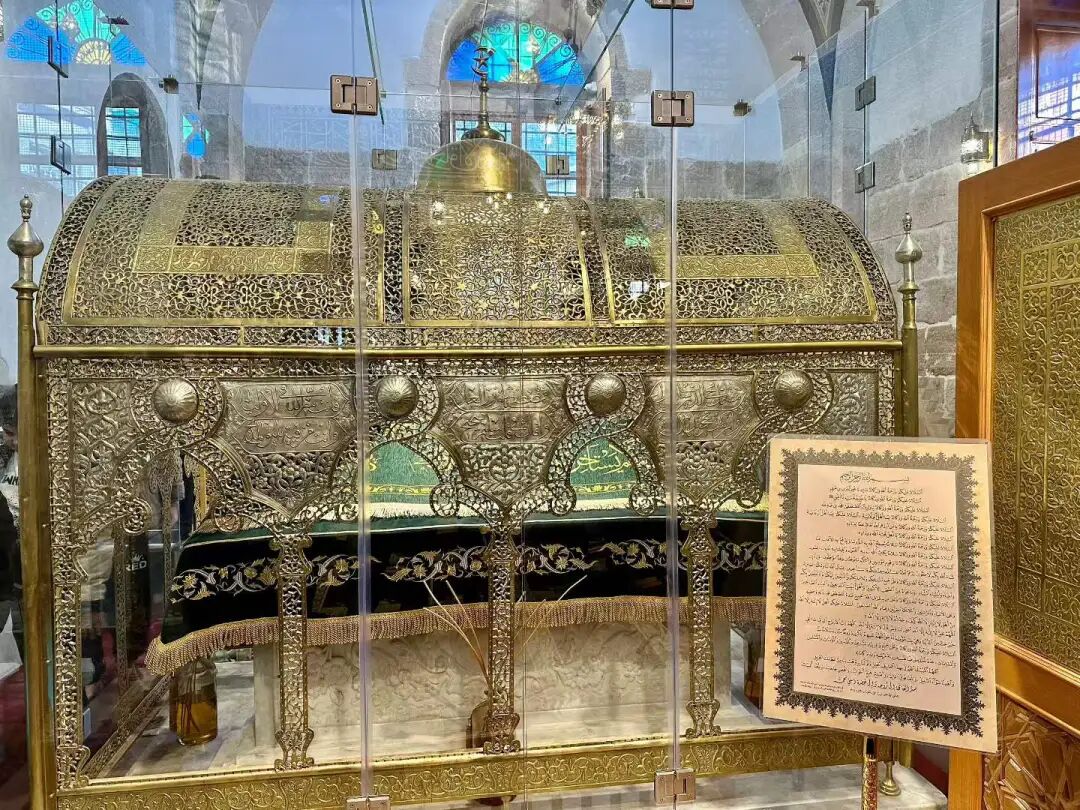
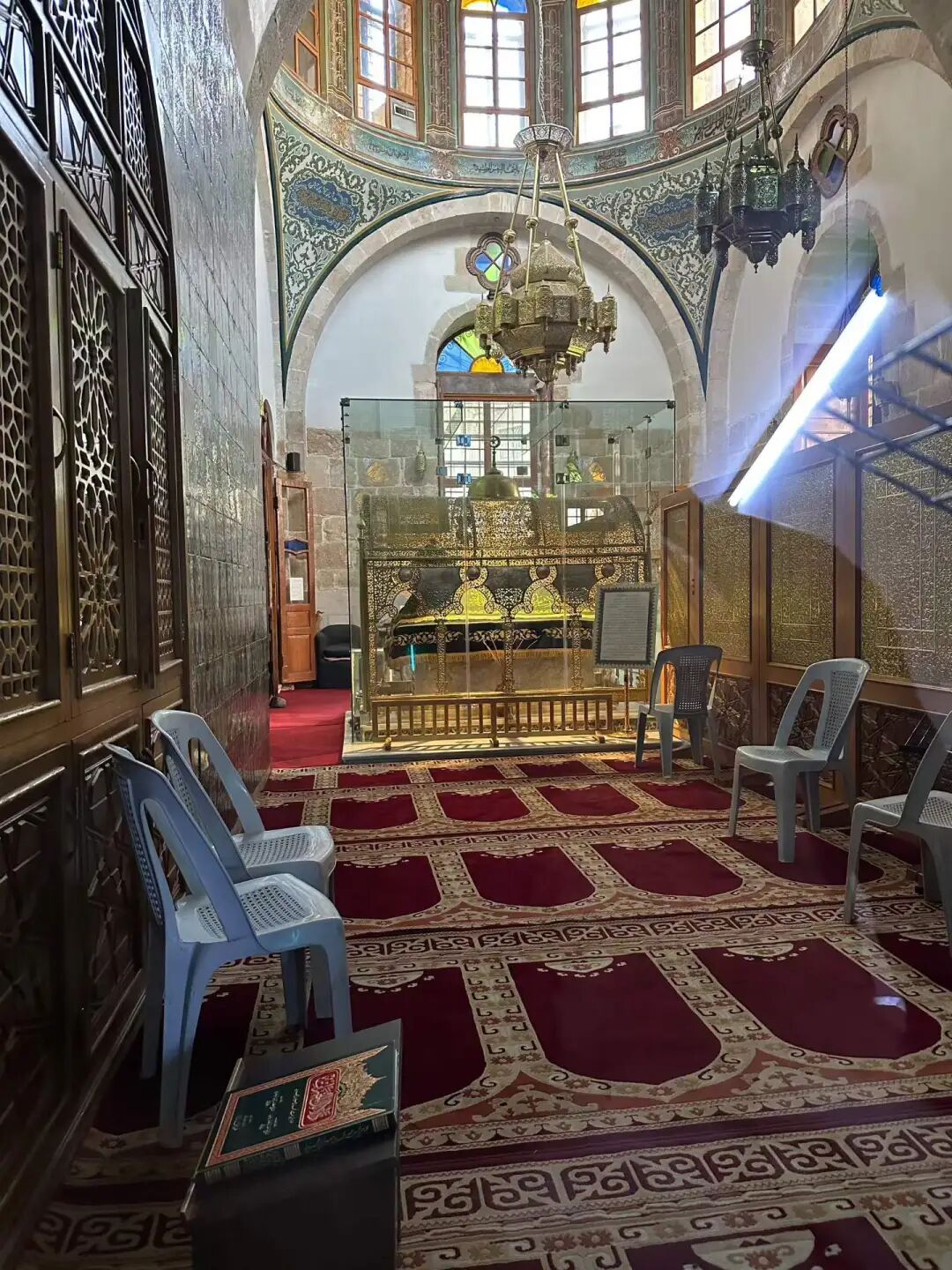
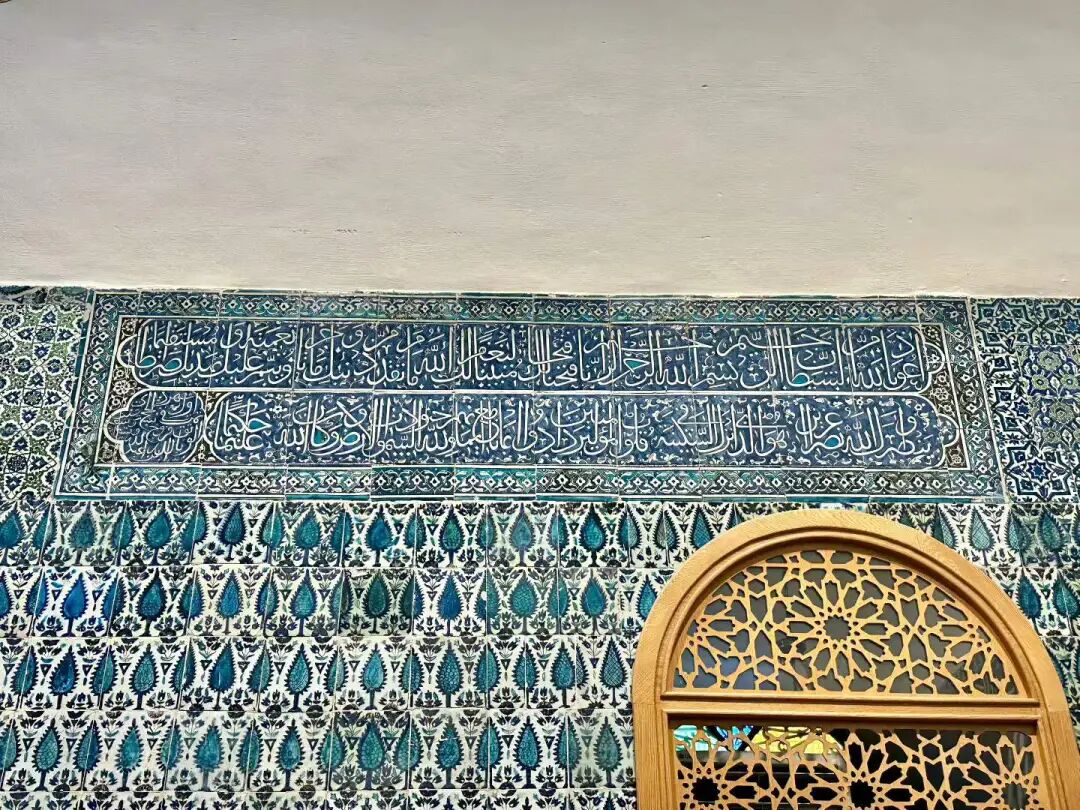
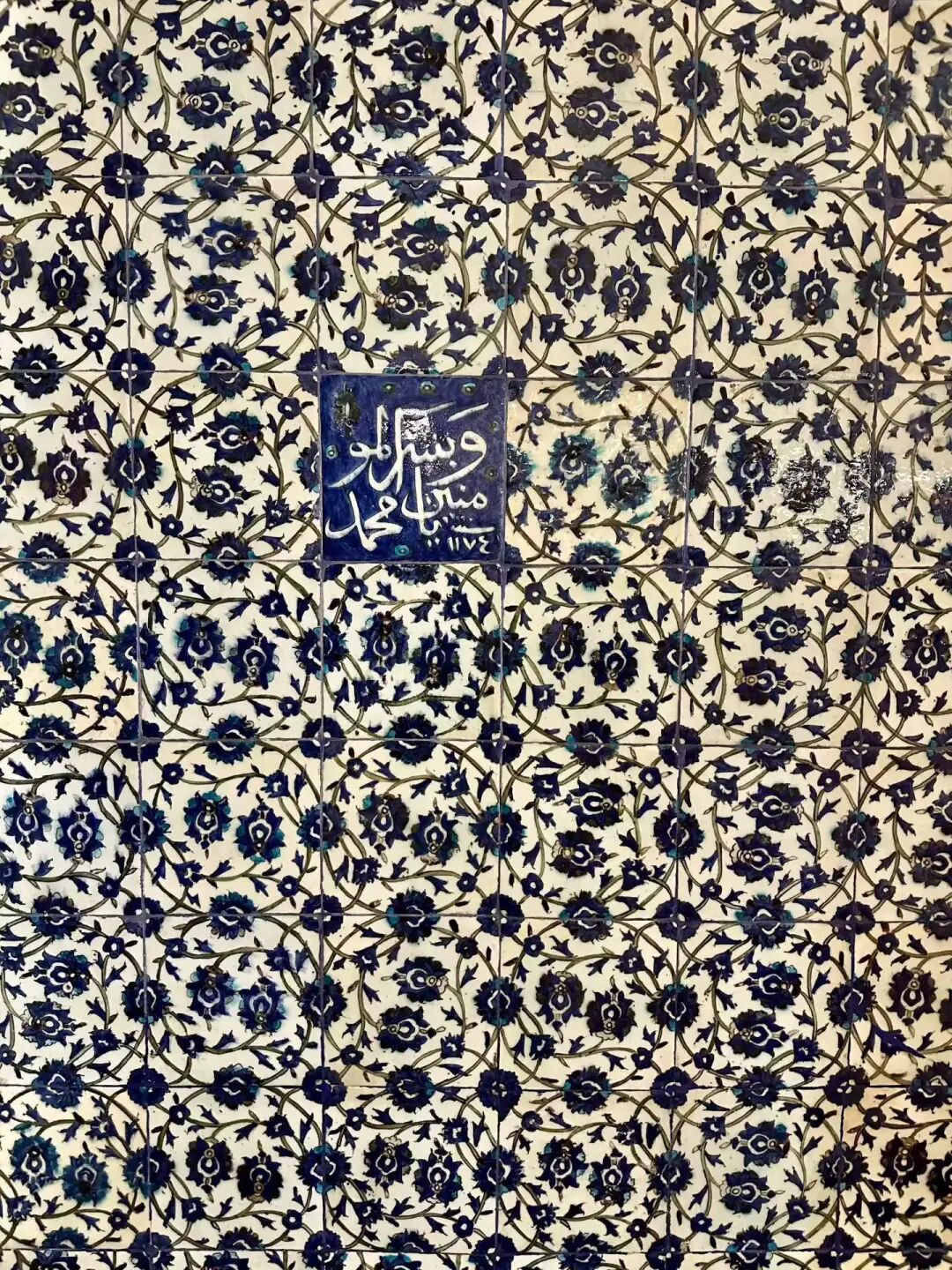
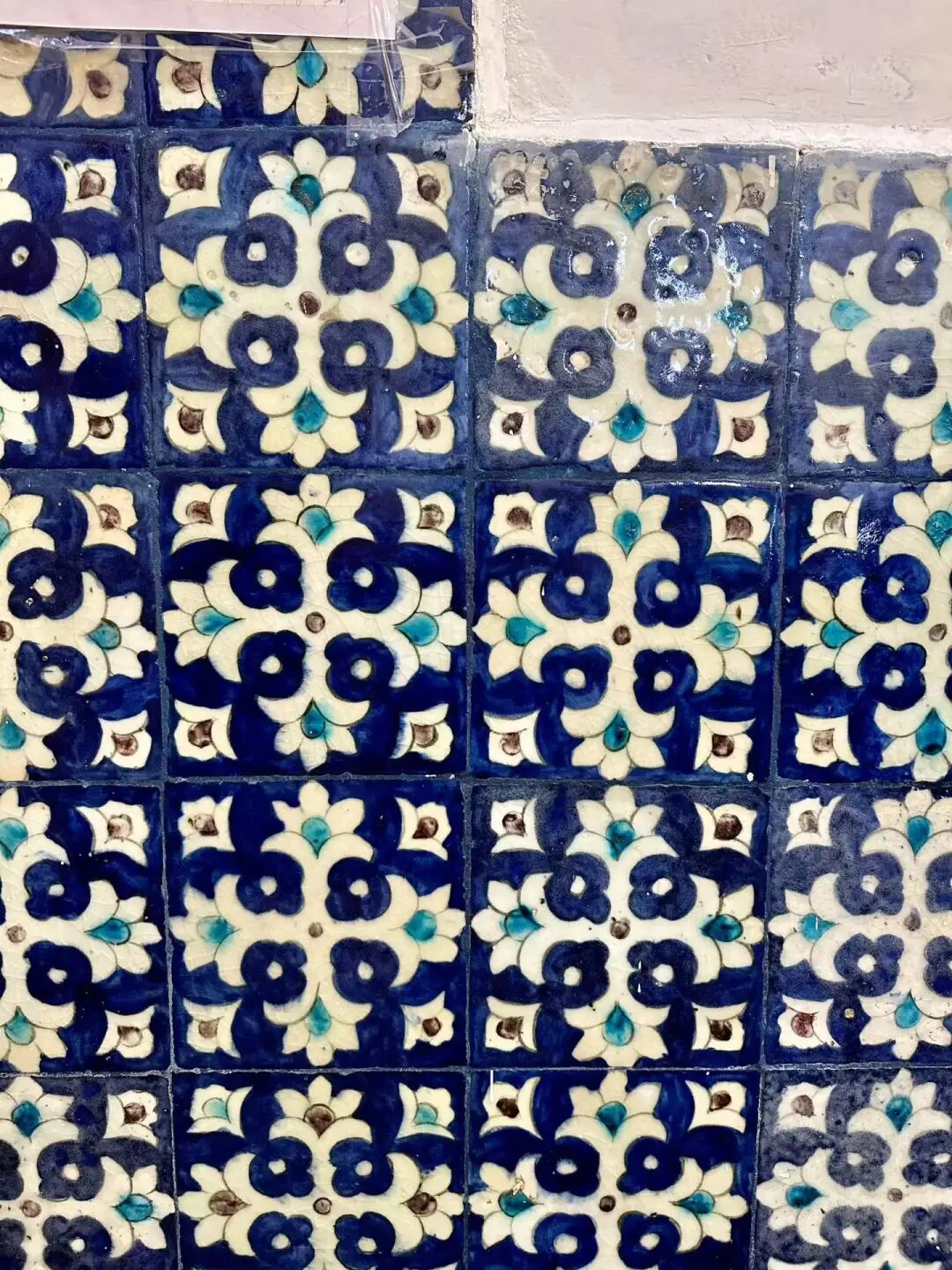
The tiles on the walls of the shrine were laid in 1760.
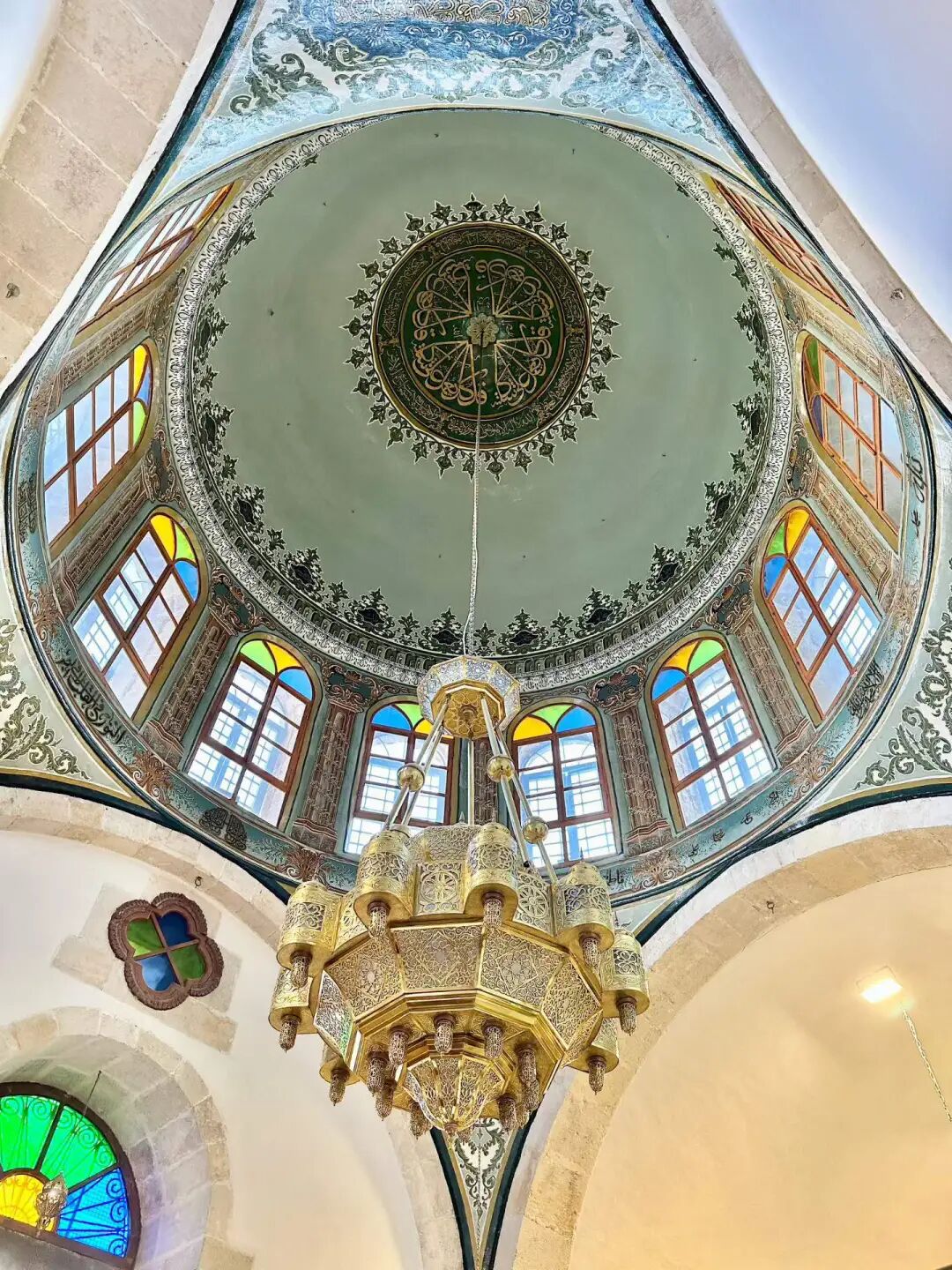
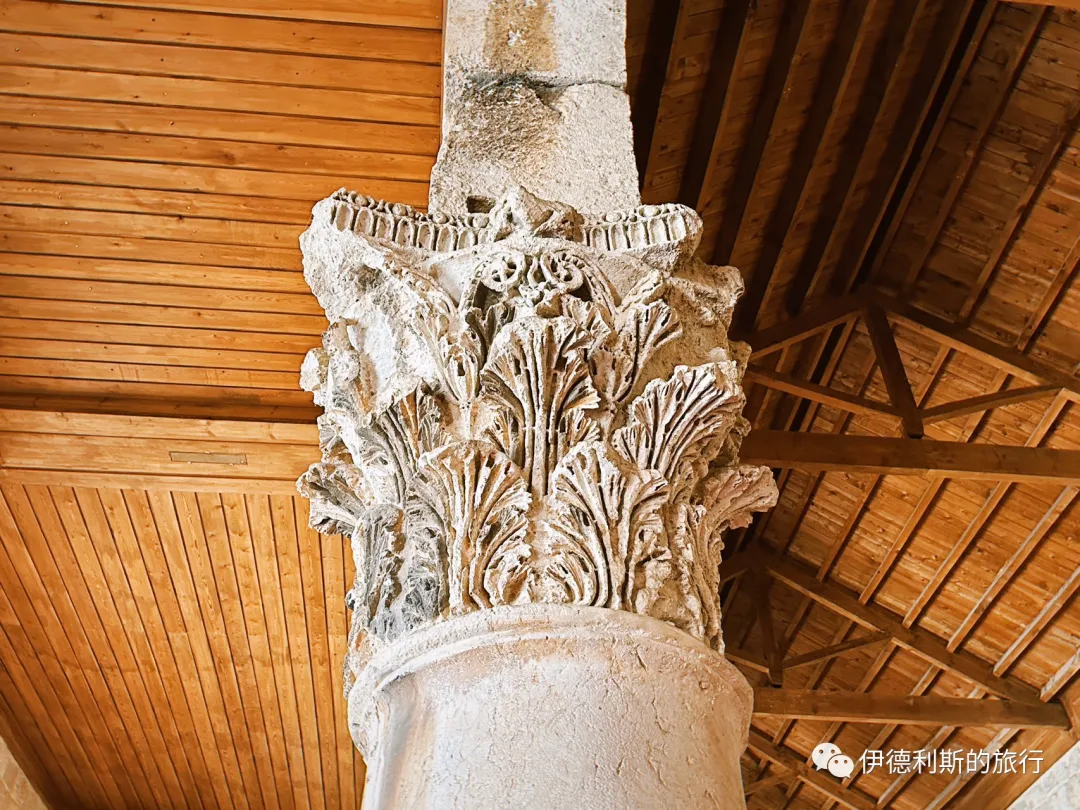
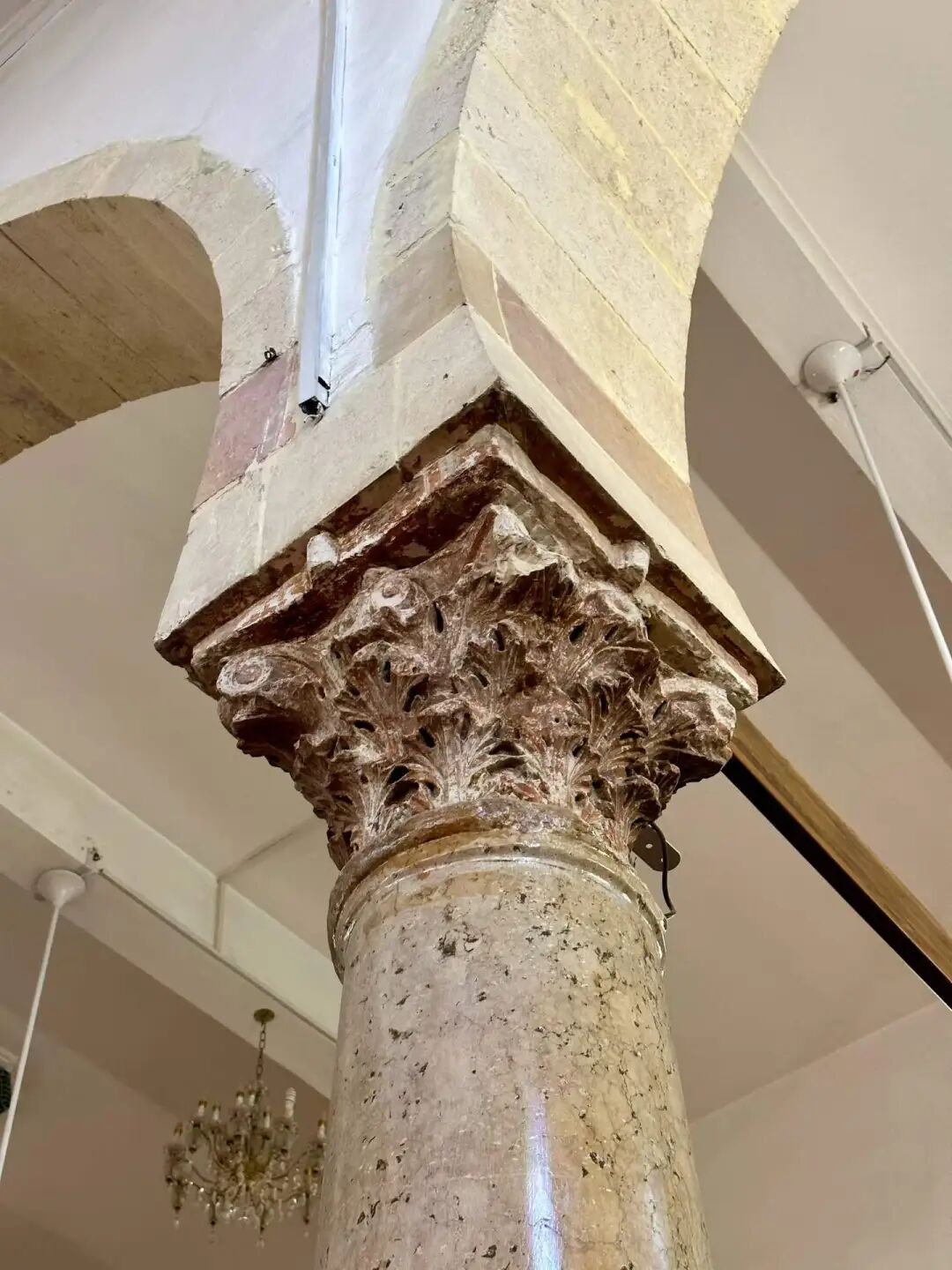
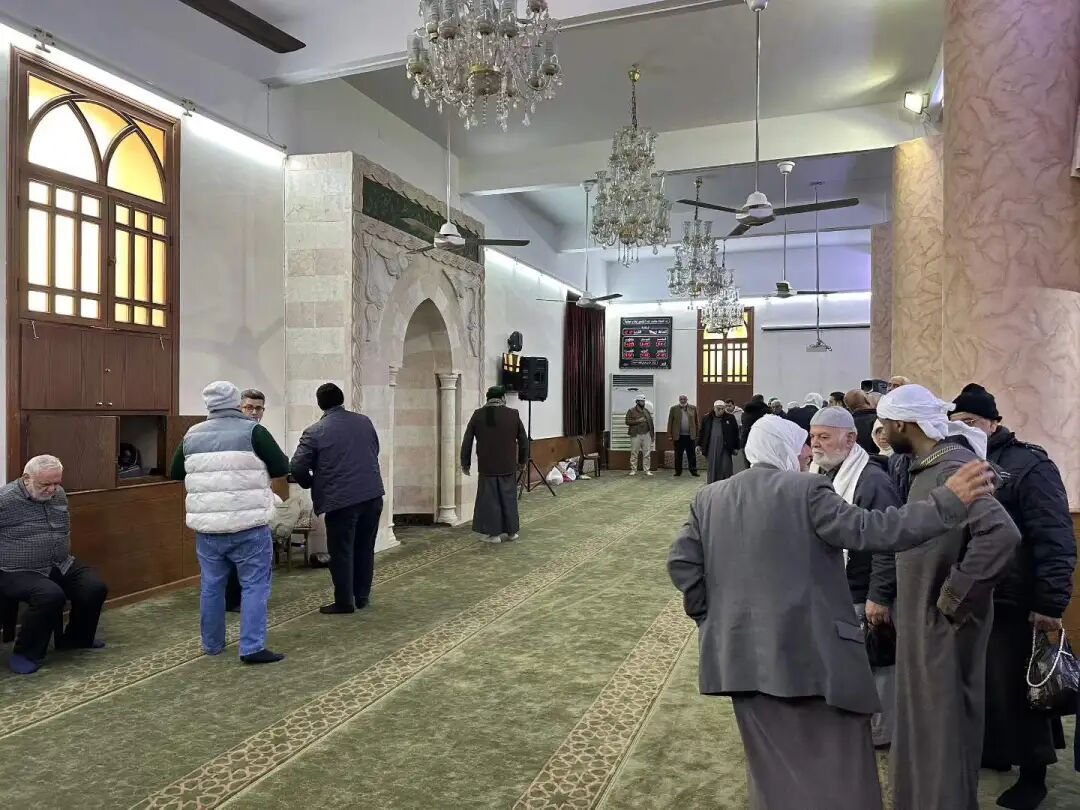
The Sheikh Muhyiddin Mosque follows a traditional Damascus layout, with a courtyard surrounding the front of the main prayer hall and an Ottoman-style minaret built above the main gate. The walls are covered in yellow and white marble, and there is a Damascus-style pool in the middle of the courtyard. The wall decorations mix Ottoman and Mamluk styles, and the Corinthian capitals on the stone pillars of the main hall feature beautiful carvings. The two large candlesticks in front of the mihrab are also very characteristic of the Ottoman style.
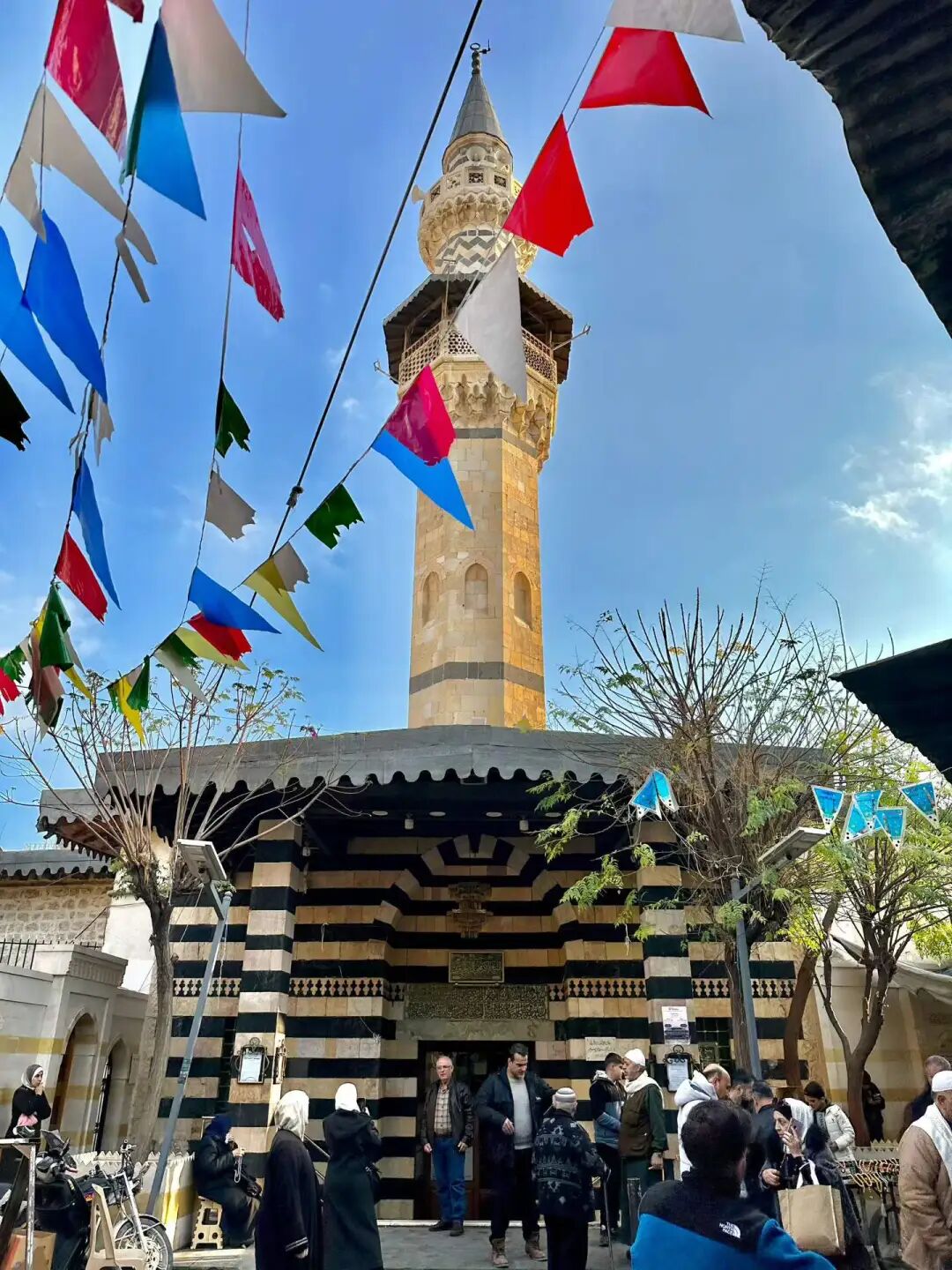
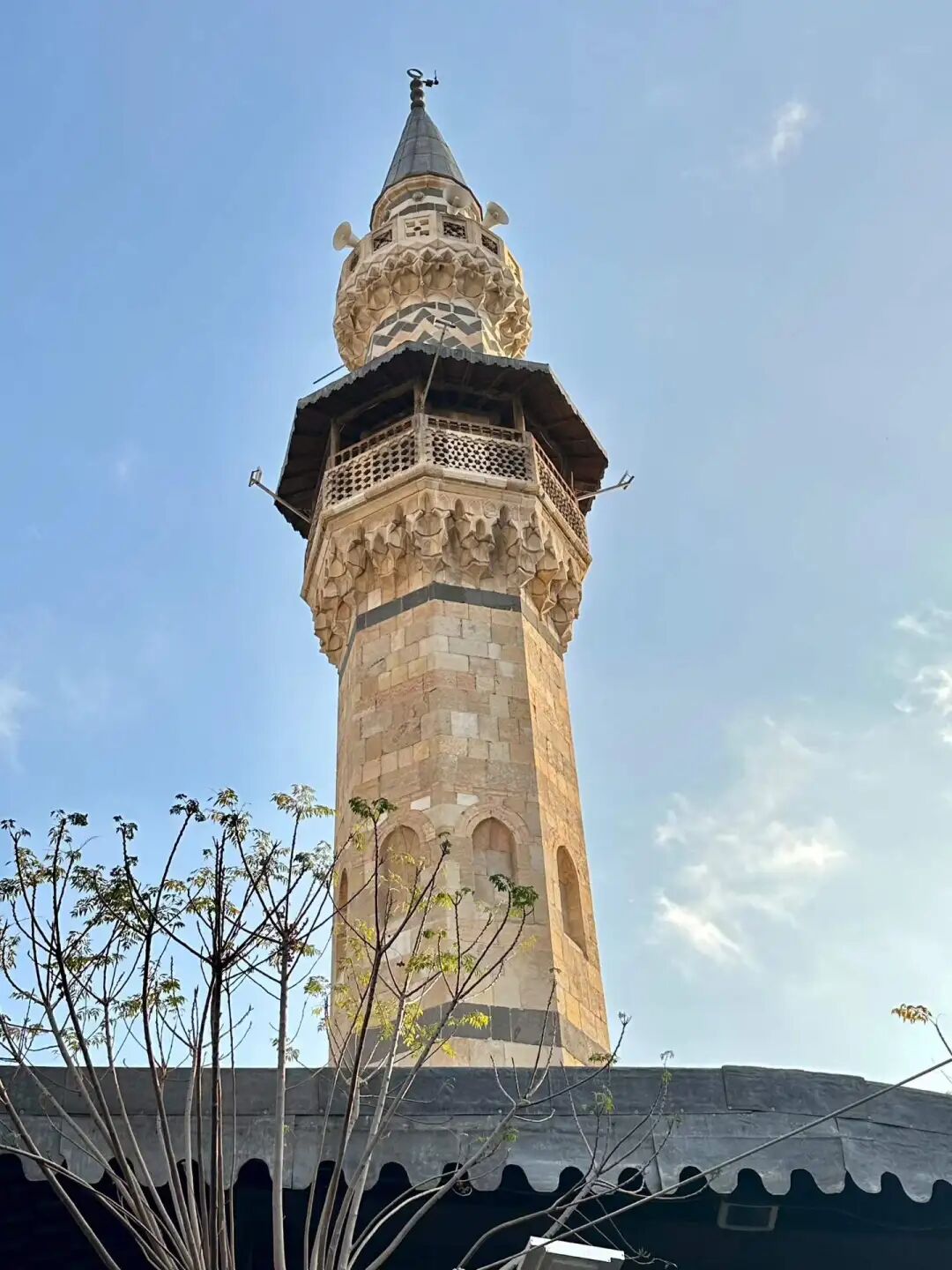
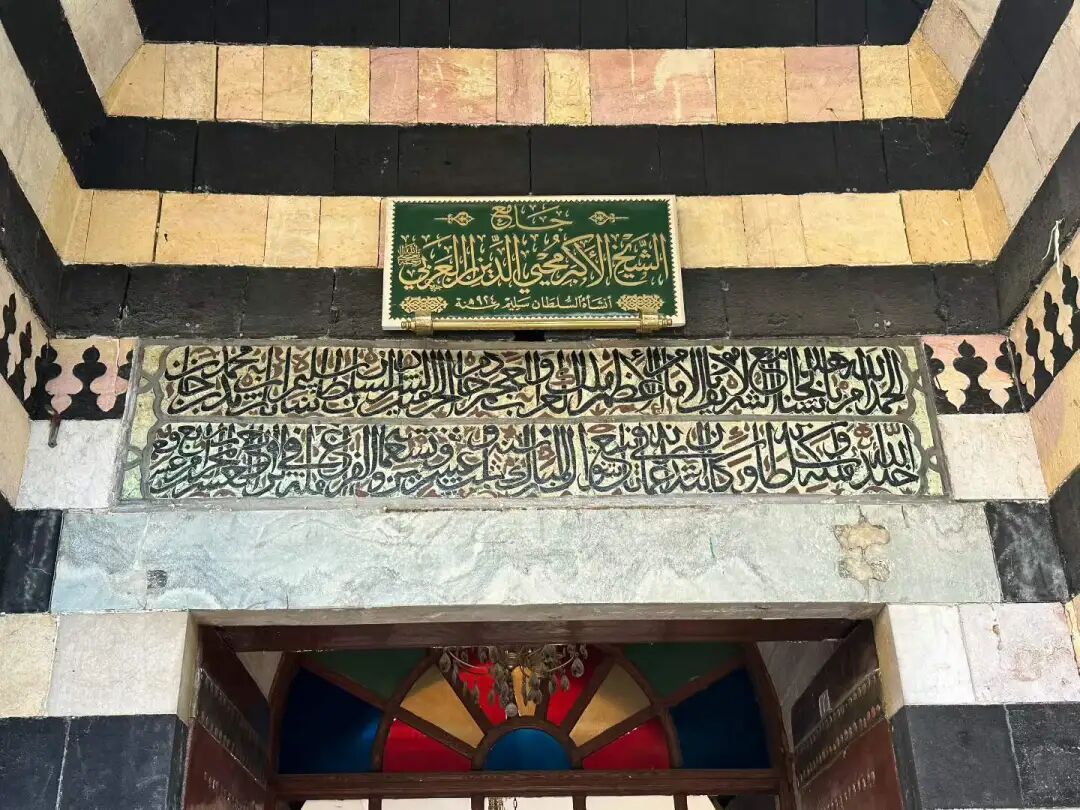
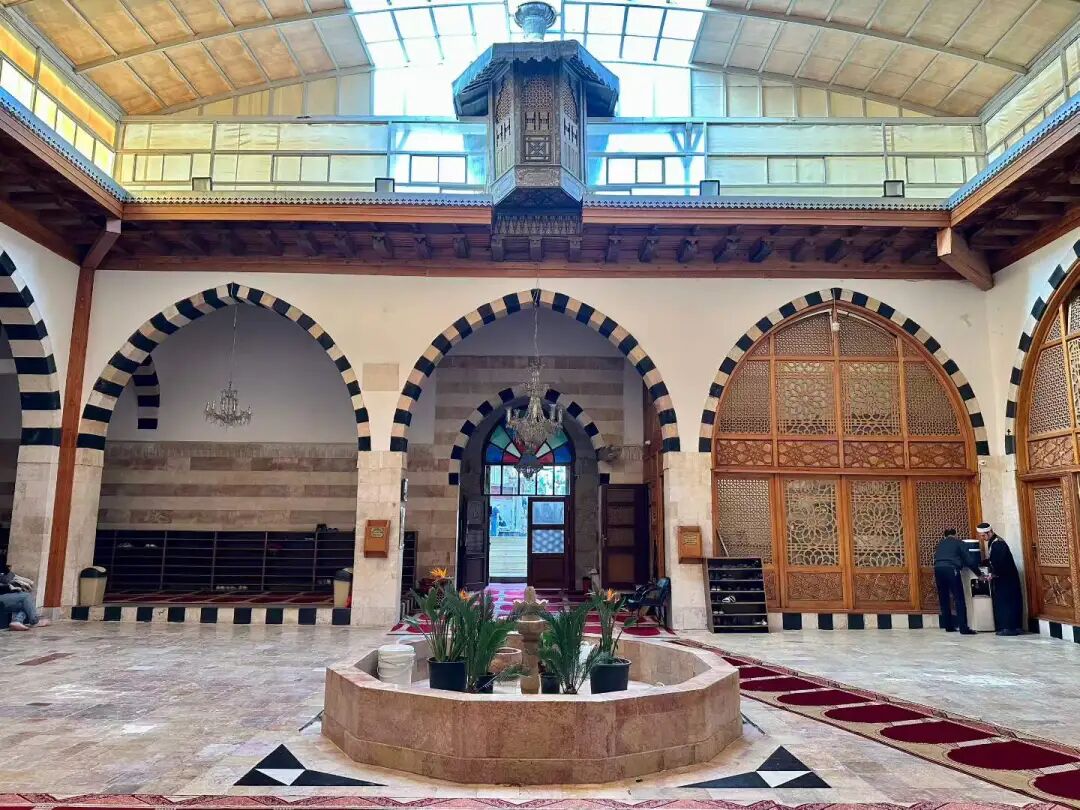
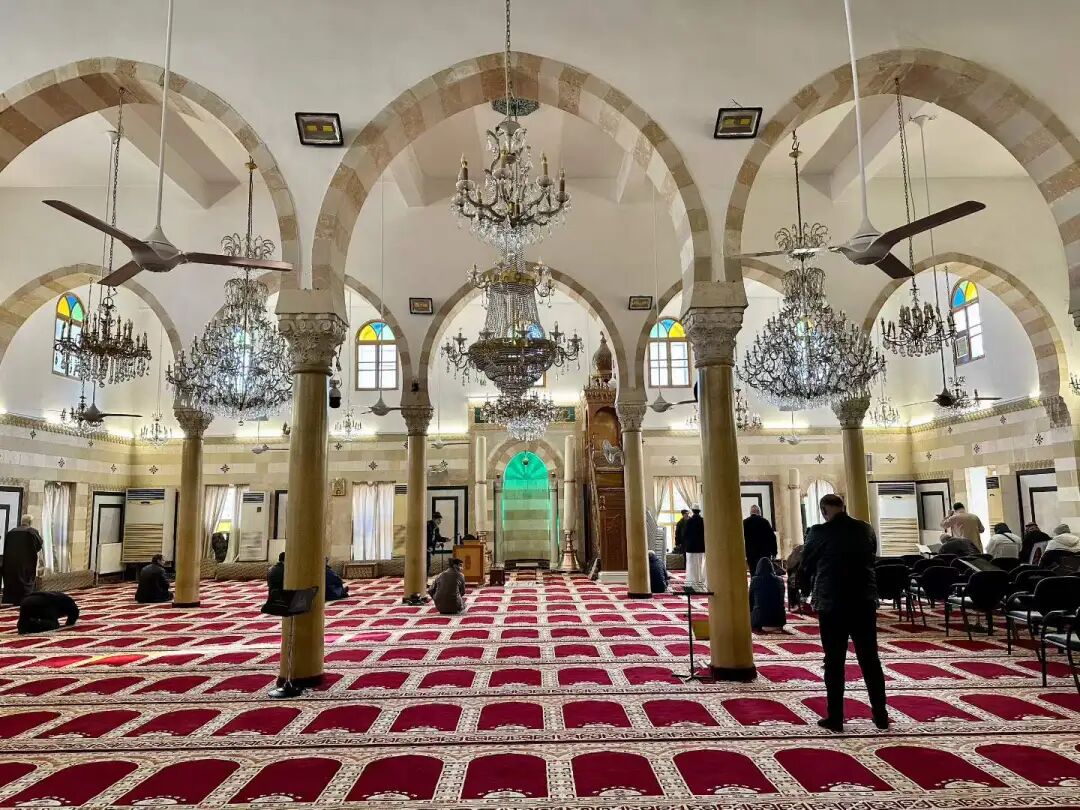
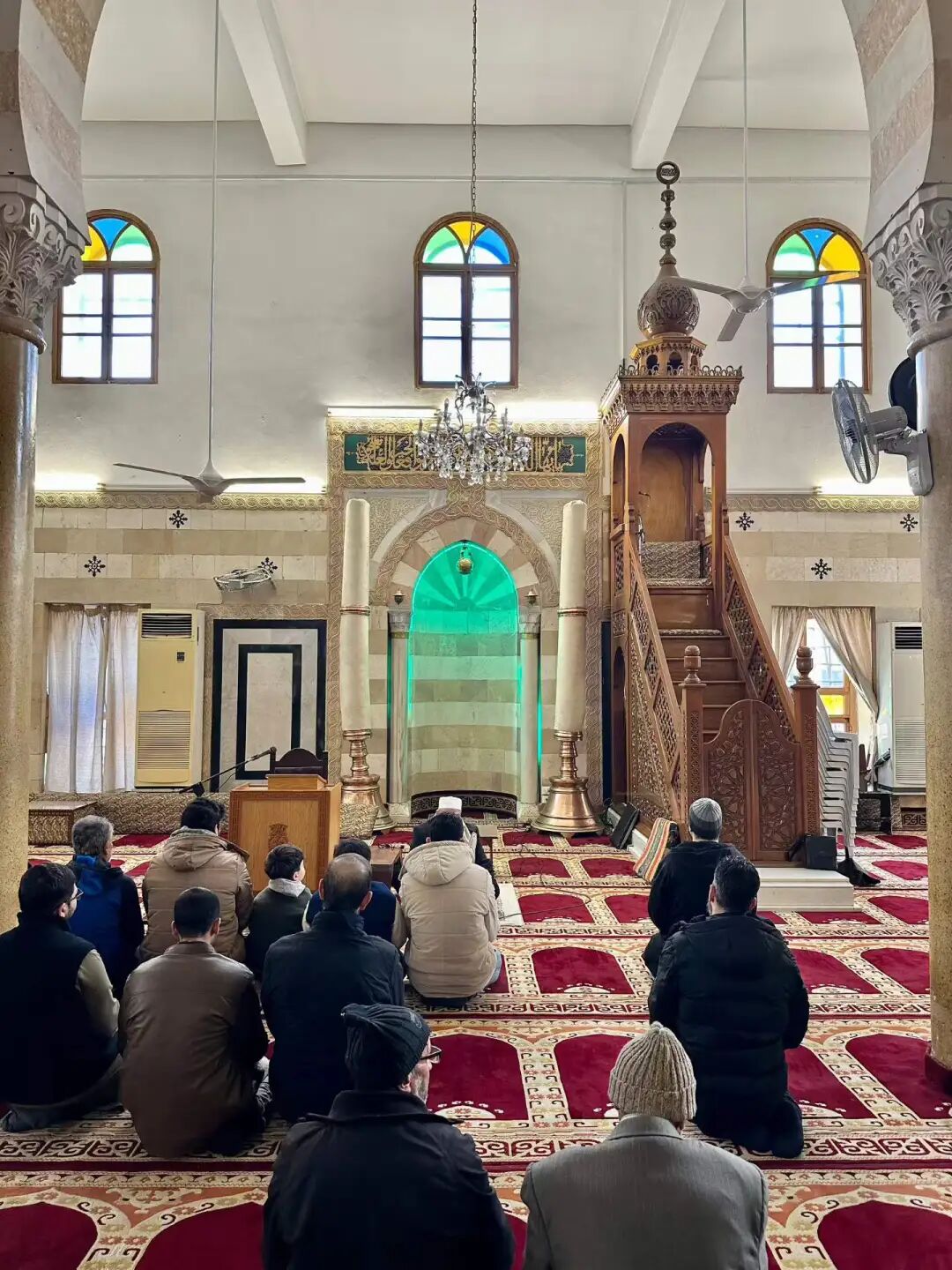
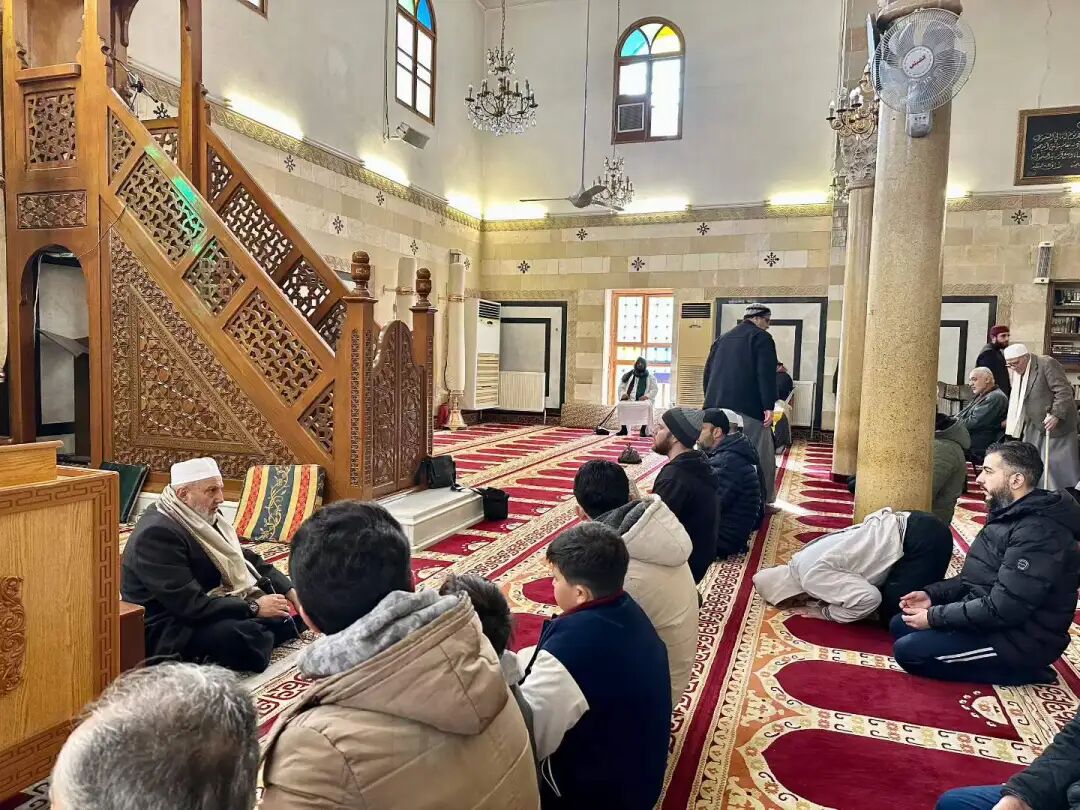
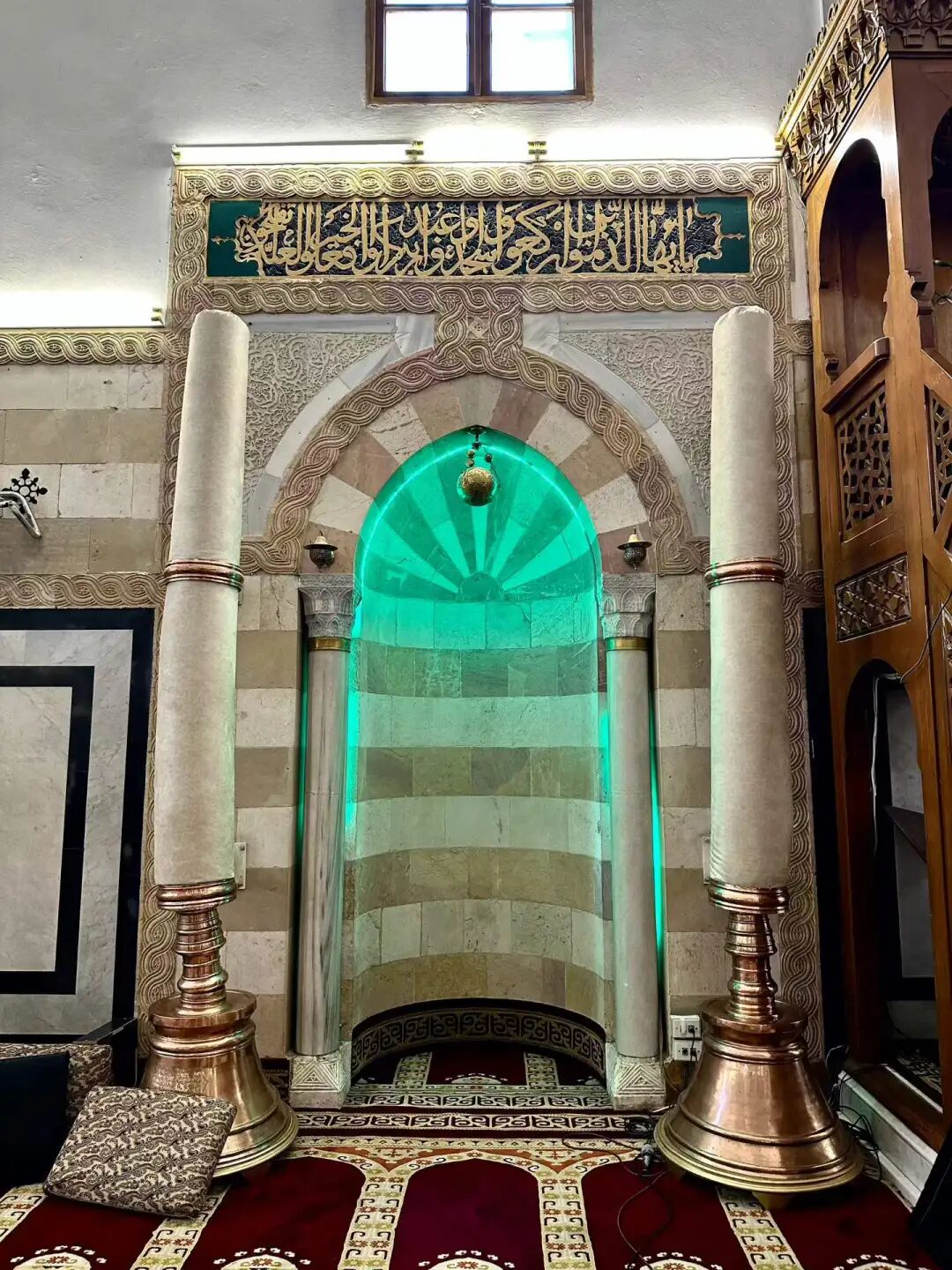
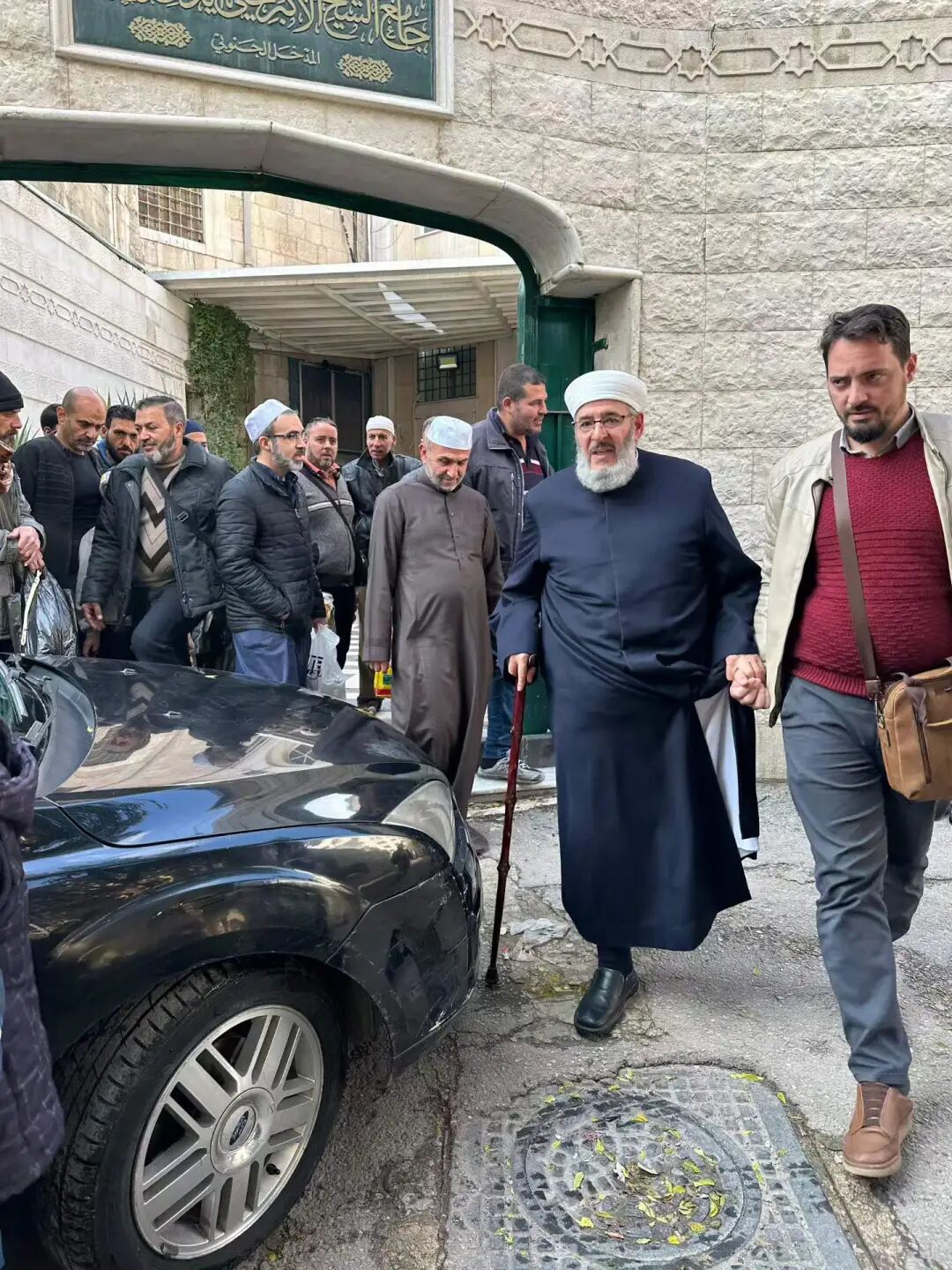
When I first arrived at the Sheikh Muhyiddin Mosque, I happened to catch a funeral prayer (janazah) for a sheikh, and I could really feel the strong religious atmosphere here.
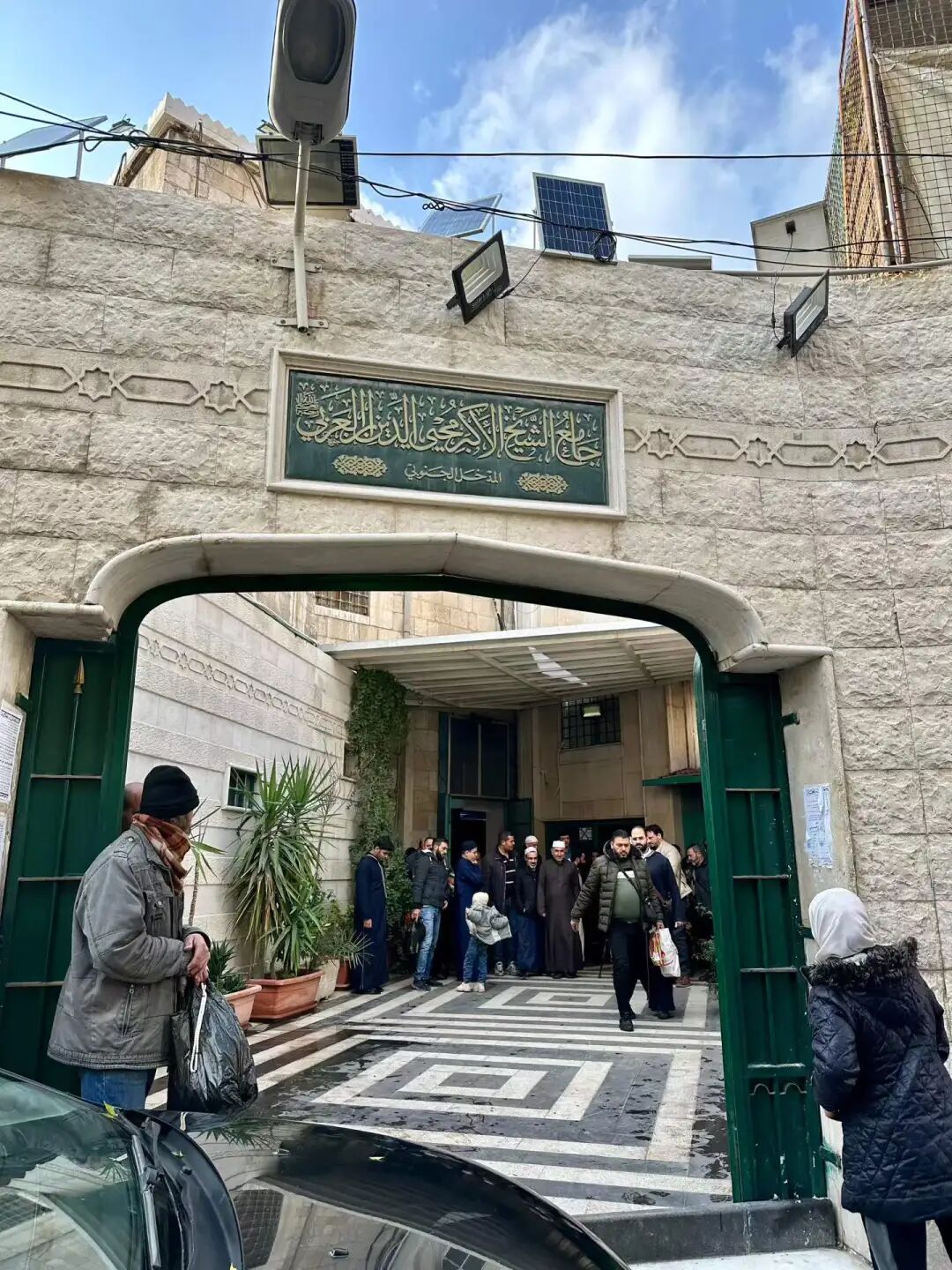
Not far to the east of the Sheikh Muhyiddin Mosque is the Hanabila, another famous mosque in the Salihiya district. Hanabila Mosque is a famous early Ayyubid dynasty mosque in Syria. It was founded between 1208 and 1210 by the famous Hanbali scholar Ibn Qudama. He was born in Jerusalem and settled in Damascus in 1197, which became his main center for scholarship.
The mosque follows the Ayyubid architectural style. It centers on a courtyard, and the main prayer hall follows the layout of the Umayyad Mosque in Damascus, though its structure is more compact. The mosque still has a beautiful pulpit (minbar) and window carvings that are over 800 years old.
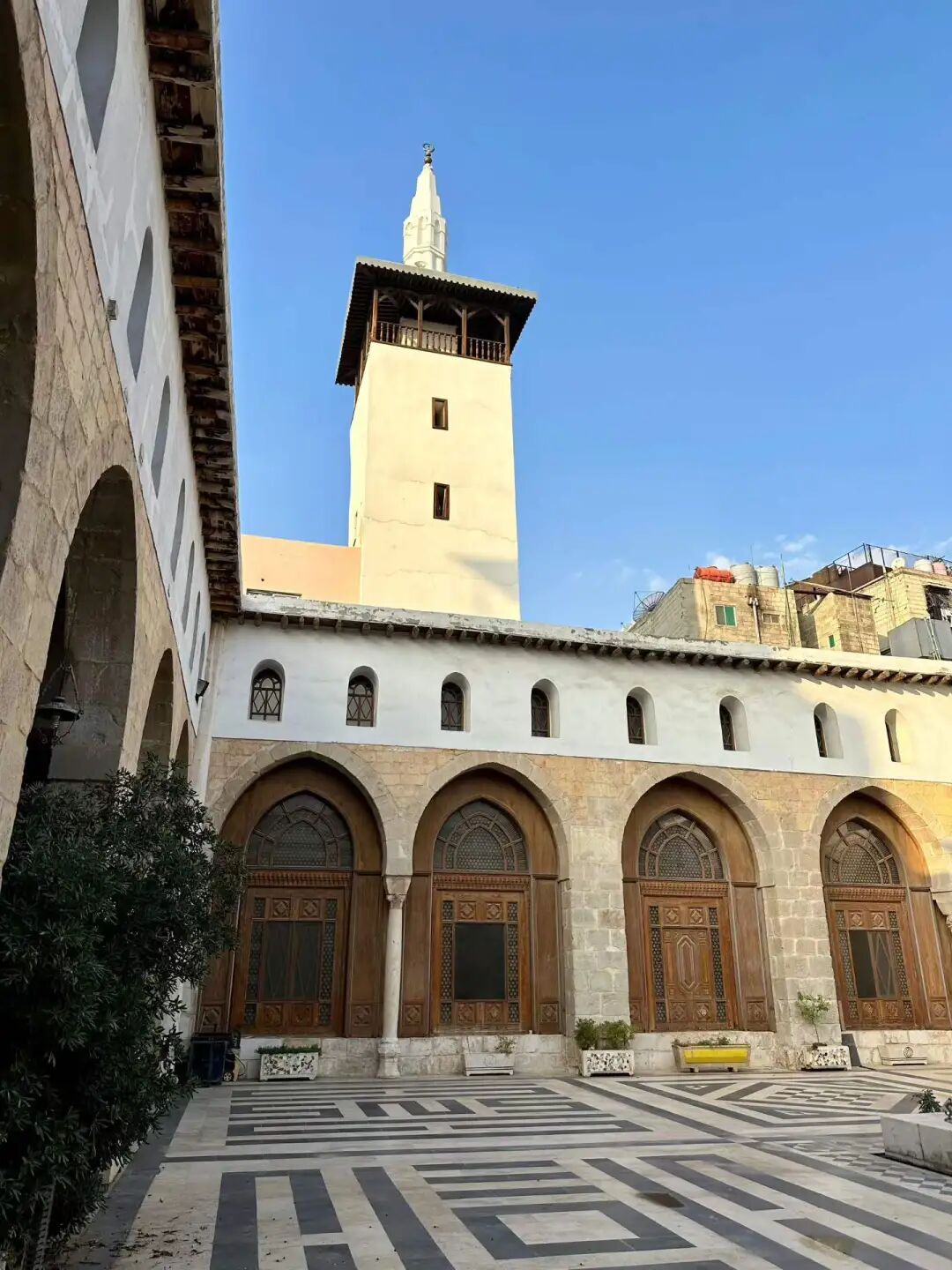
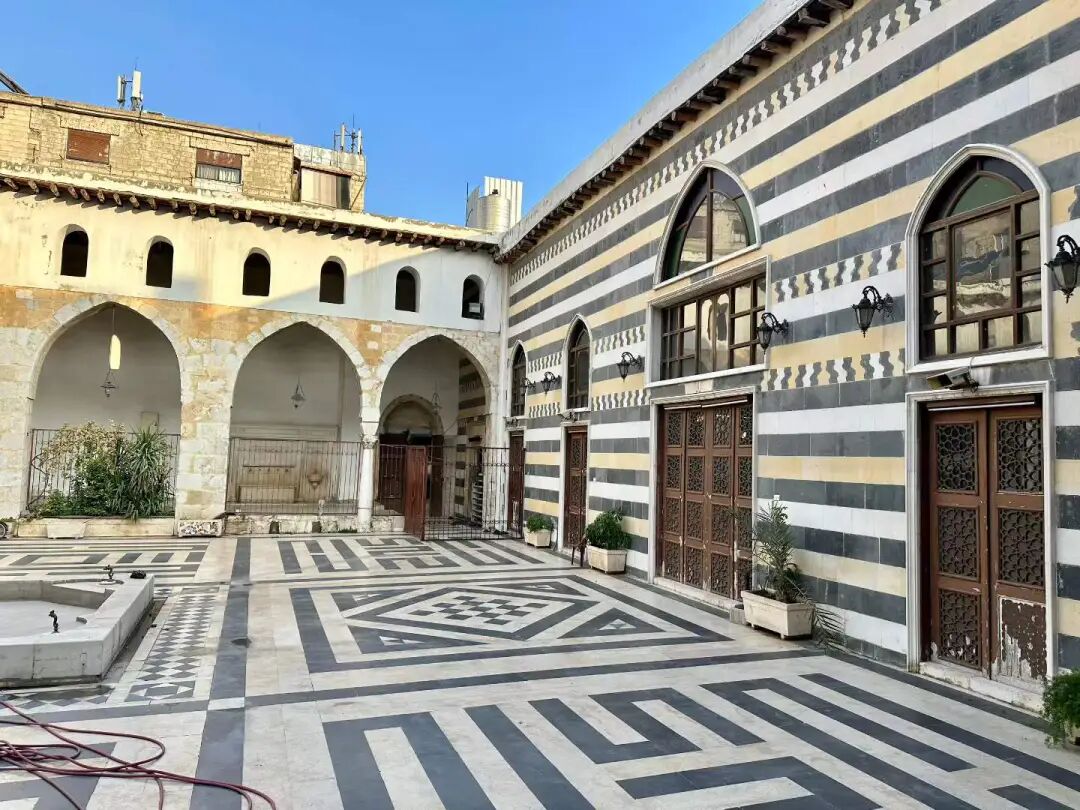
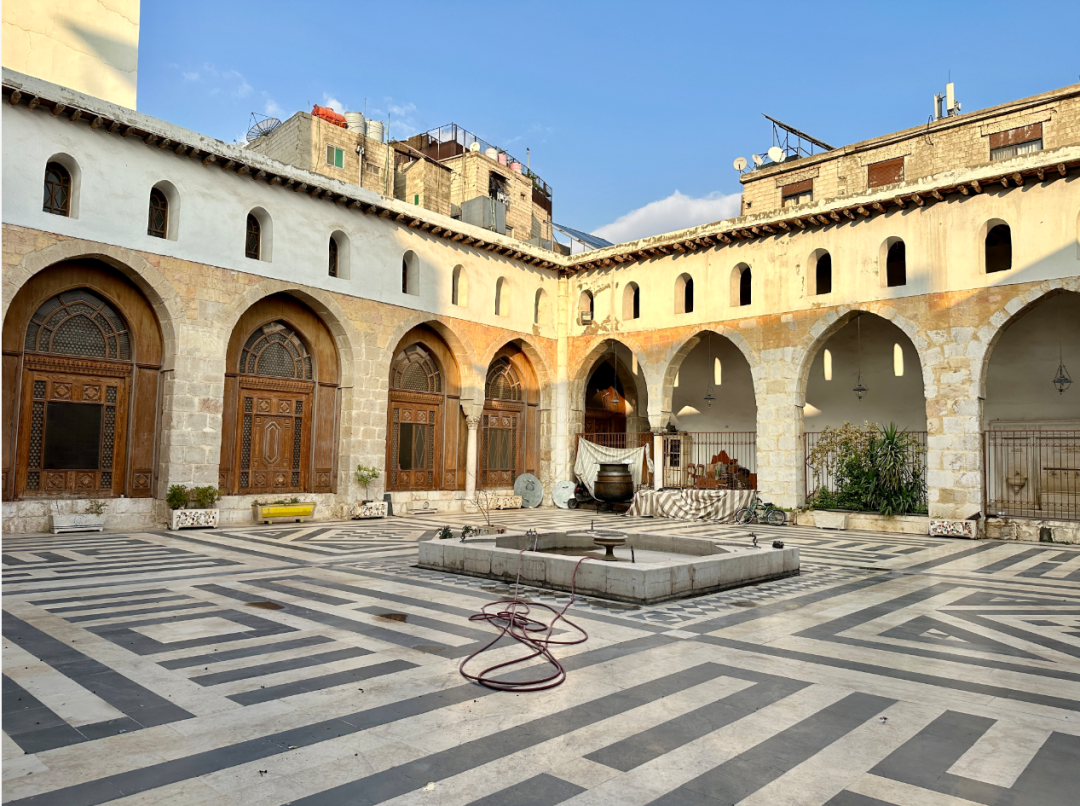
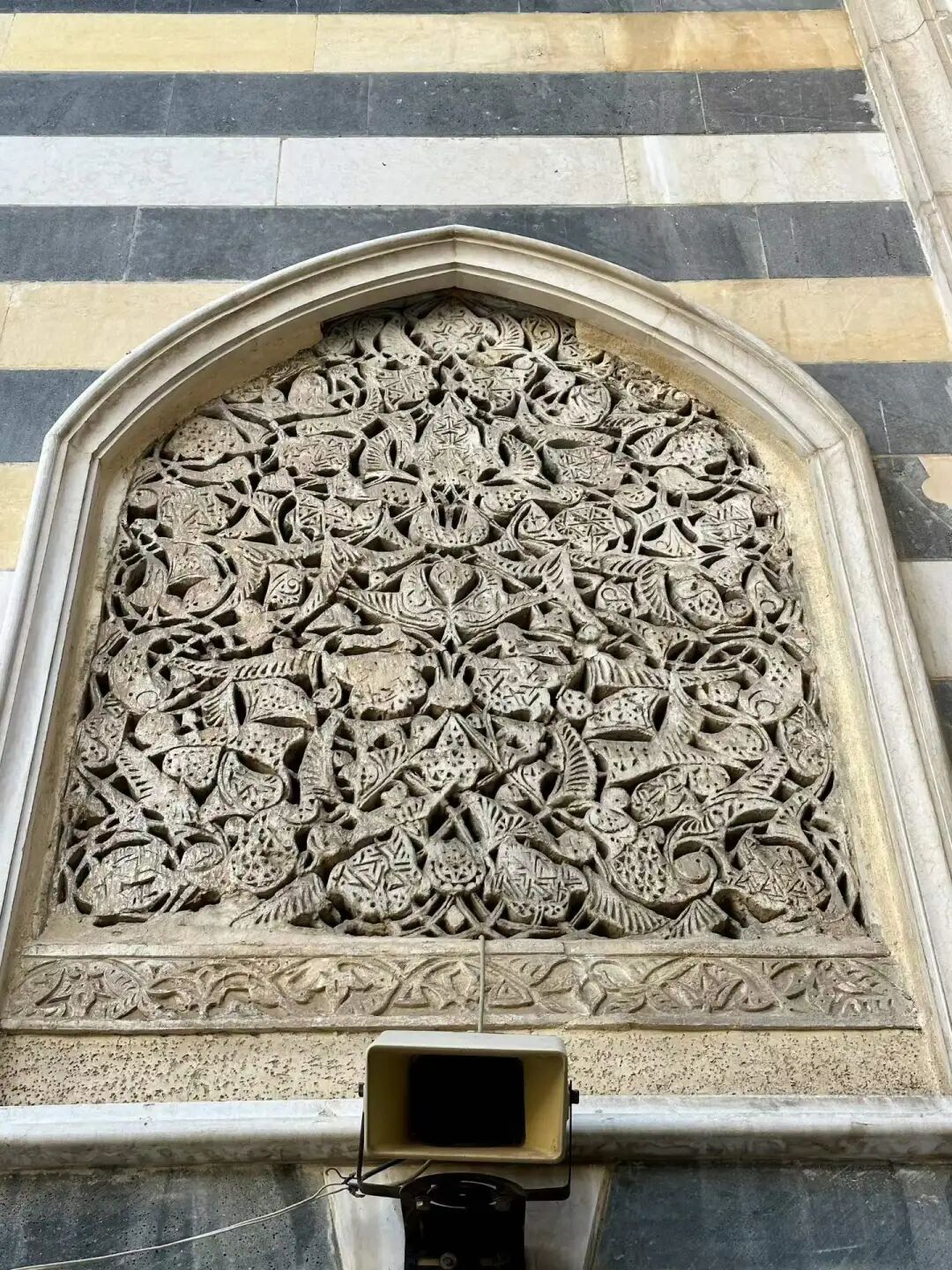
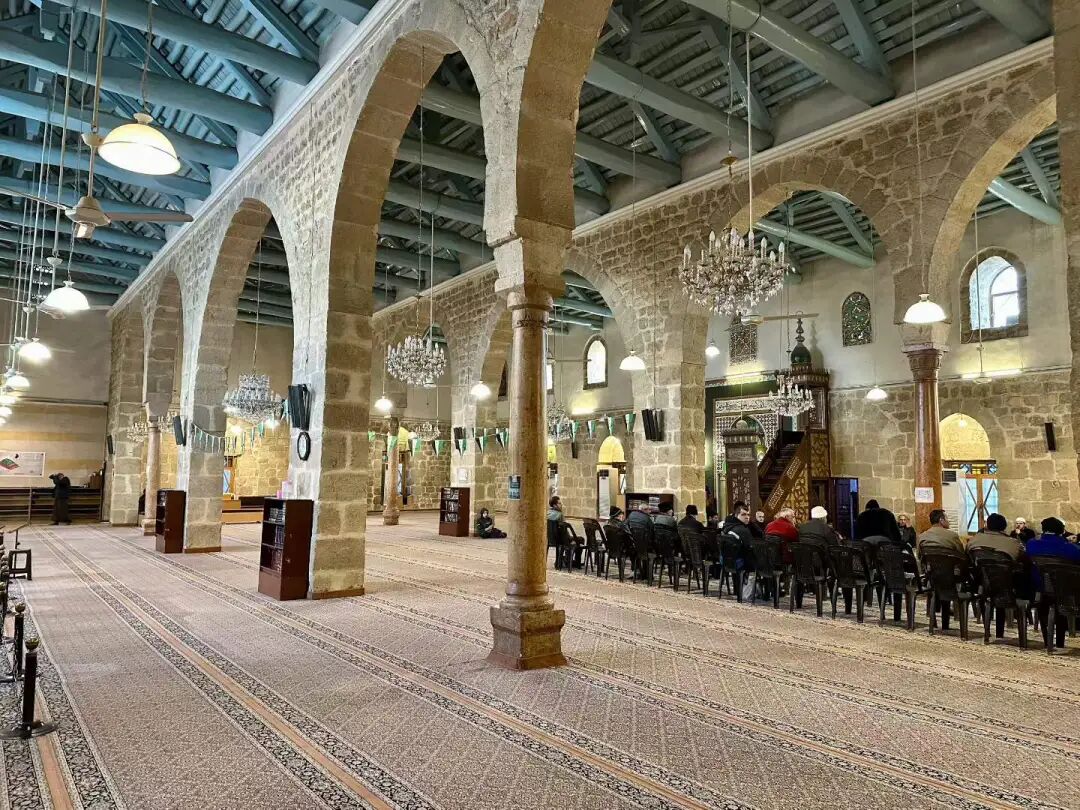
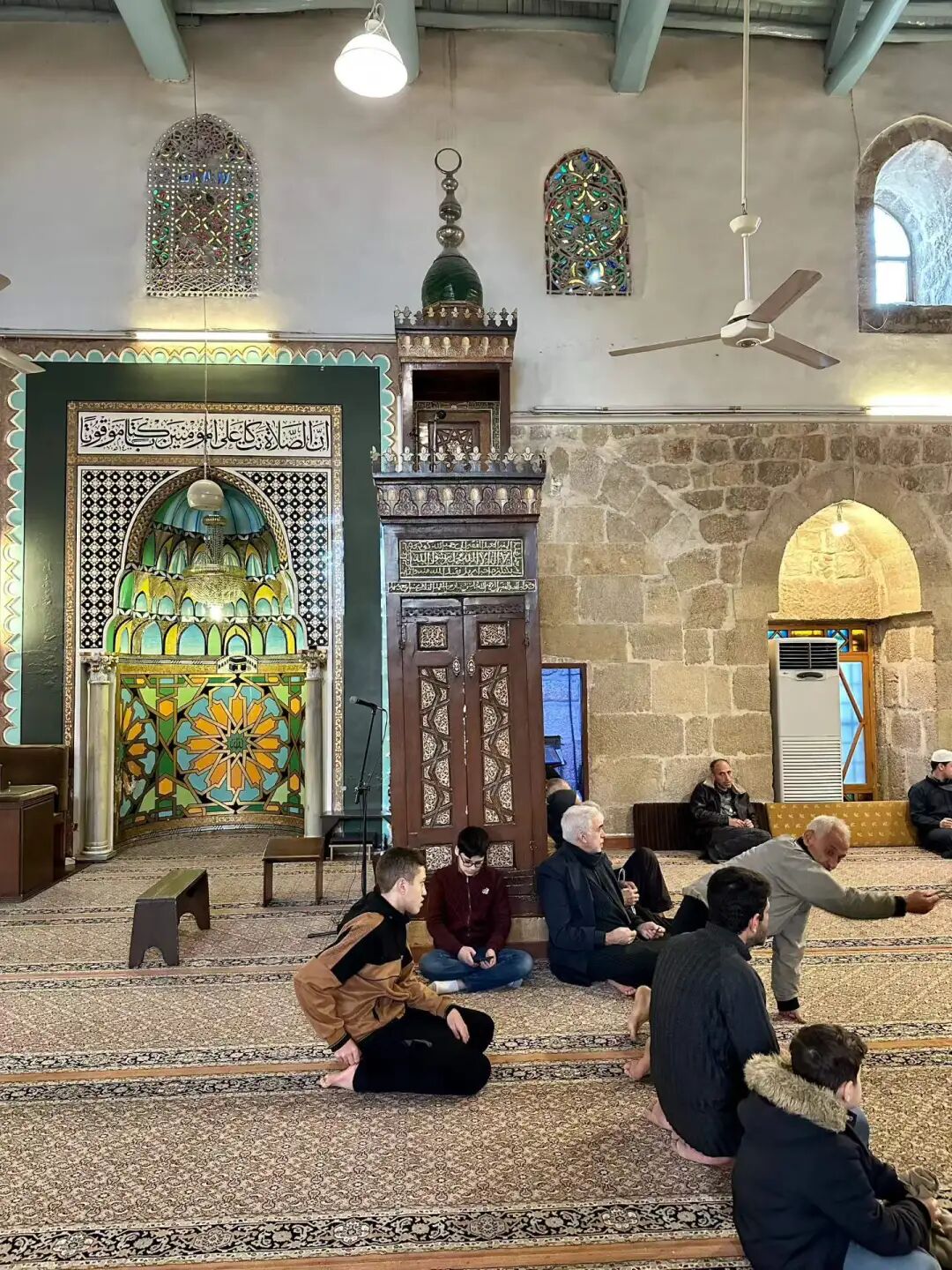
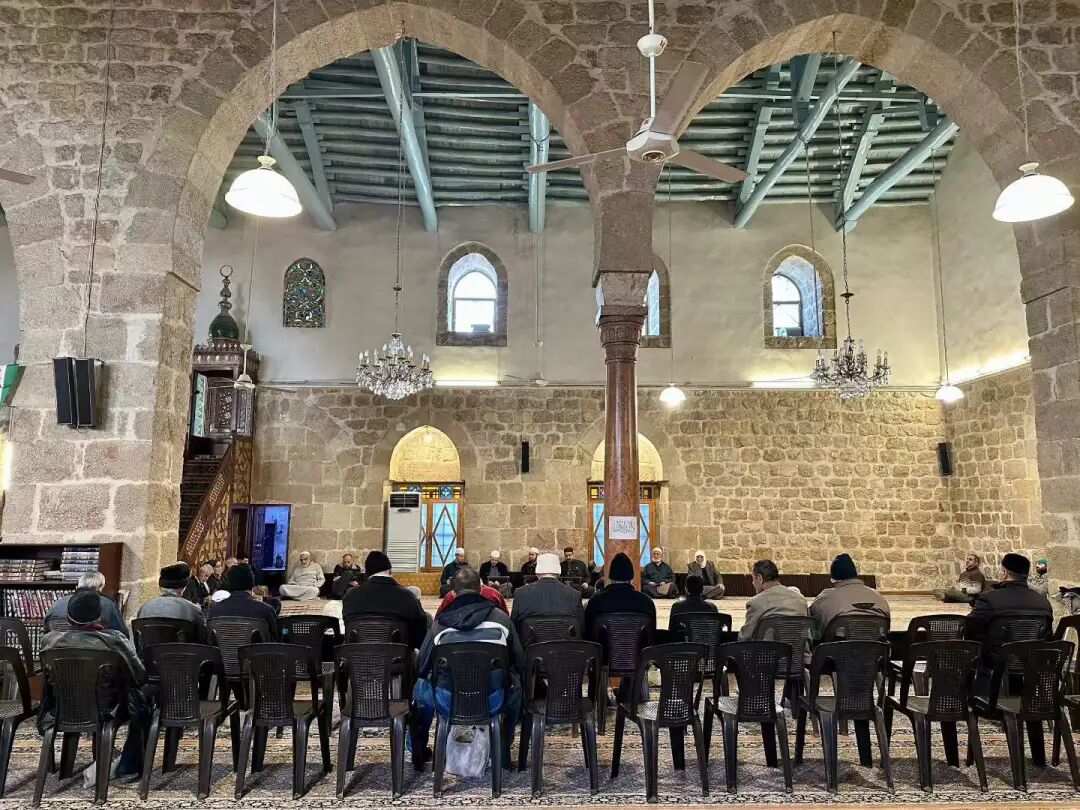
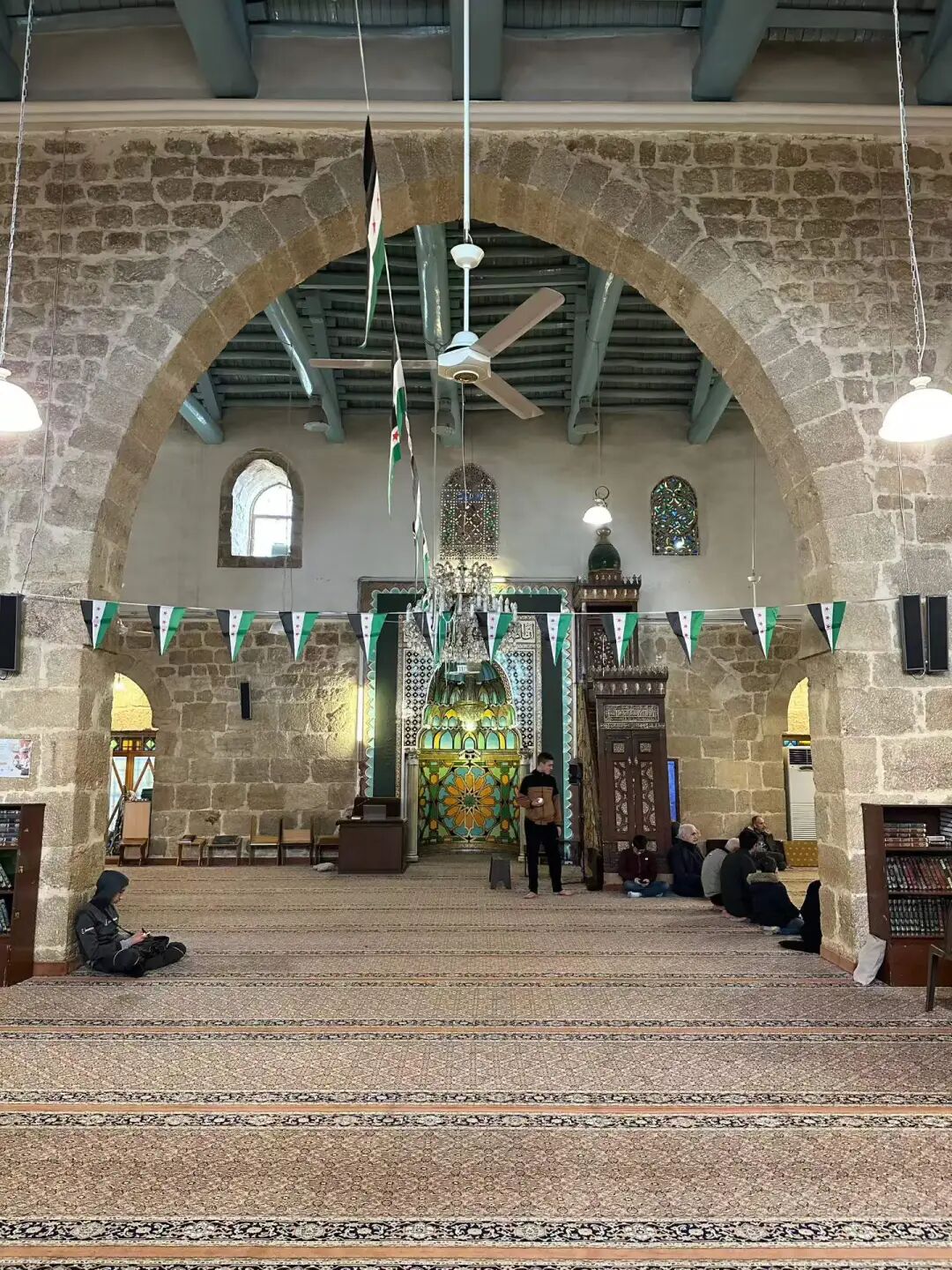
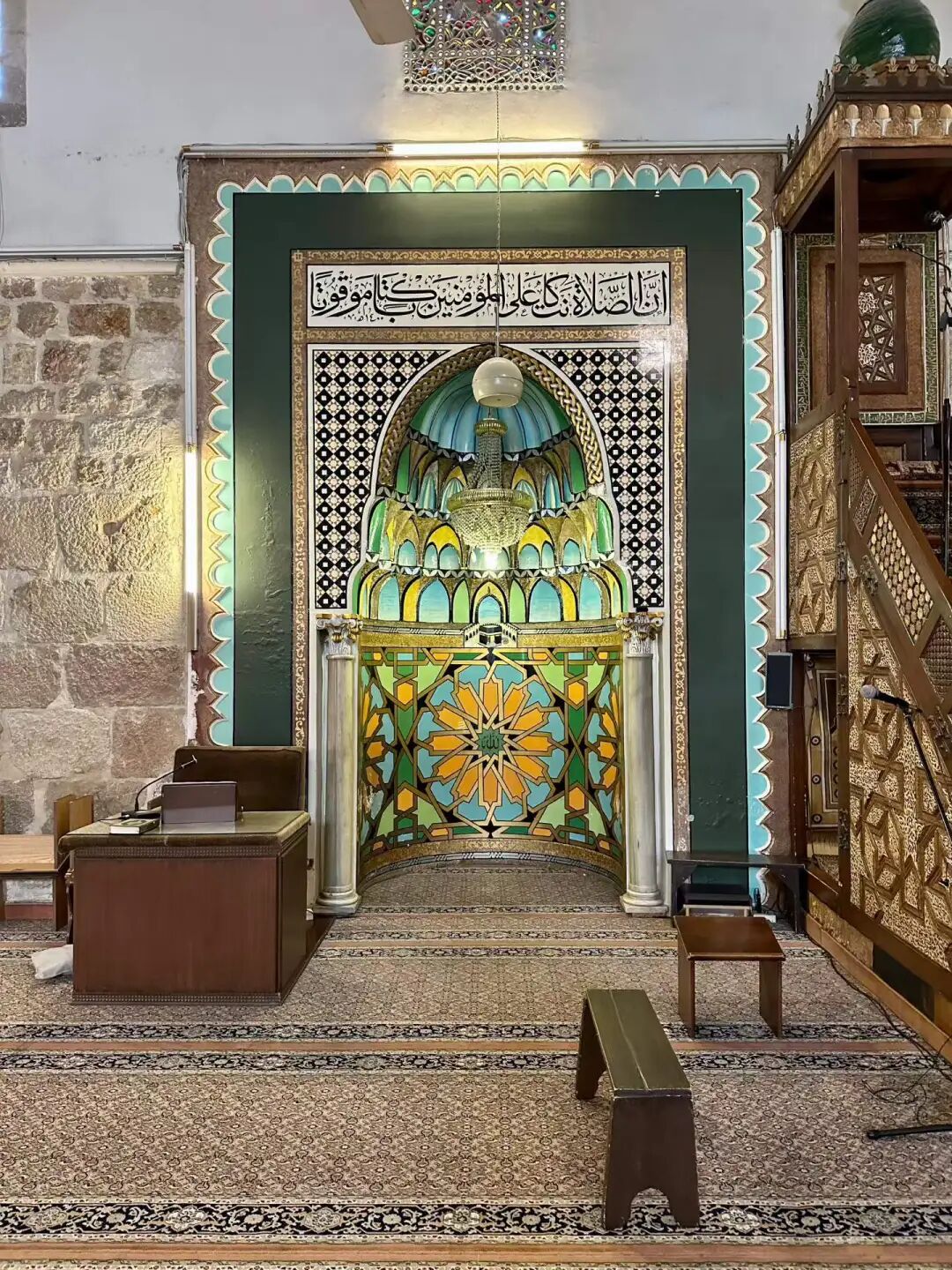
Rukniyah Madrasa is located on the far east side of the Salihiyah district in Damascus. It was built in 1224 by the Ayyubid governor of Damascus, Rukn al-Din Mankurs al-Falaki, who is also buried there. Rukniyah Madrasa is the first Ayyubid building with a courtyard covered by a dome. The building consists of two square sections: the larger part is the madrasa, and the smaller part is the tomb. The minaret was added later.
Because the Ayyubid dynasty was busy fighting the Crusades, the architectural style of this period is known for being simple, sturdy, and durable. Rukniyah Madrasa belongs to the Hanafi school of law. It has now been converted into a mosque, and the main hall is not open except during the five daily namaz prayers.
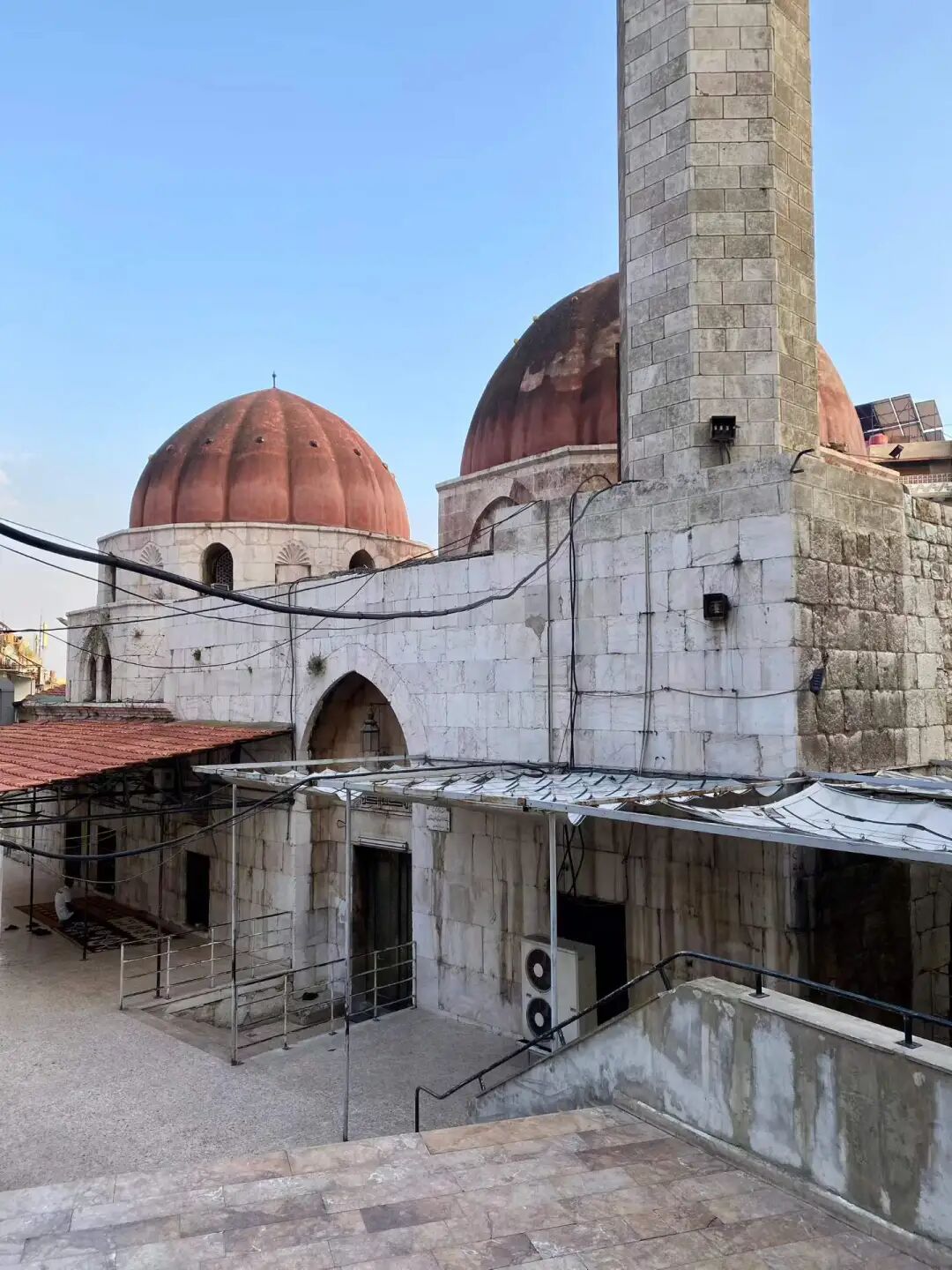
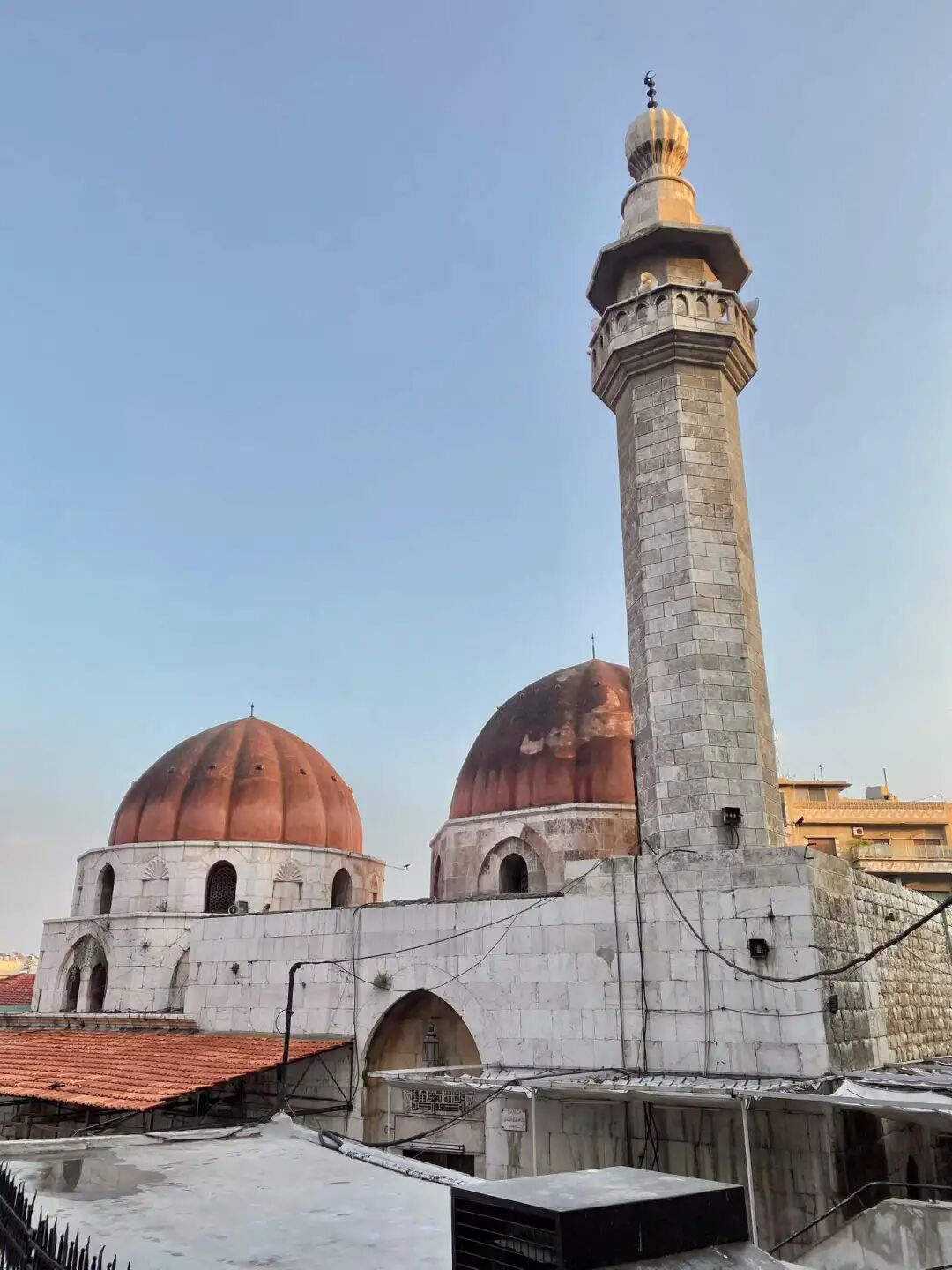
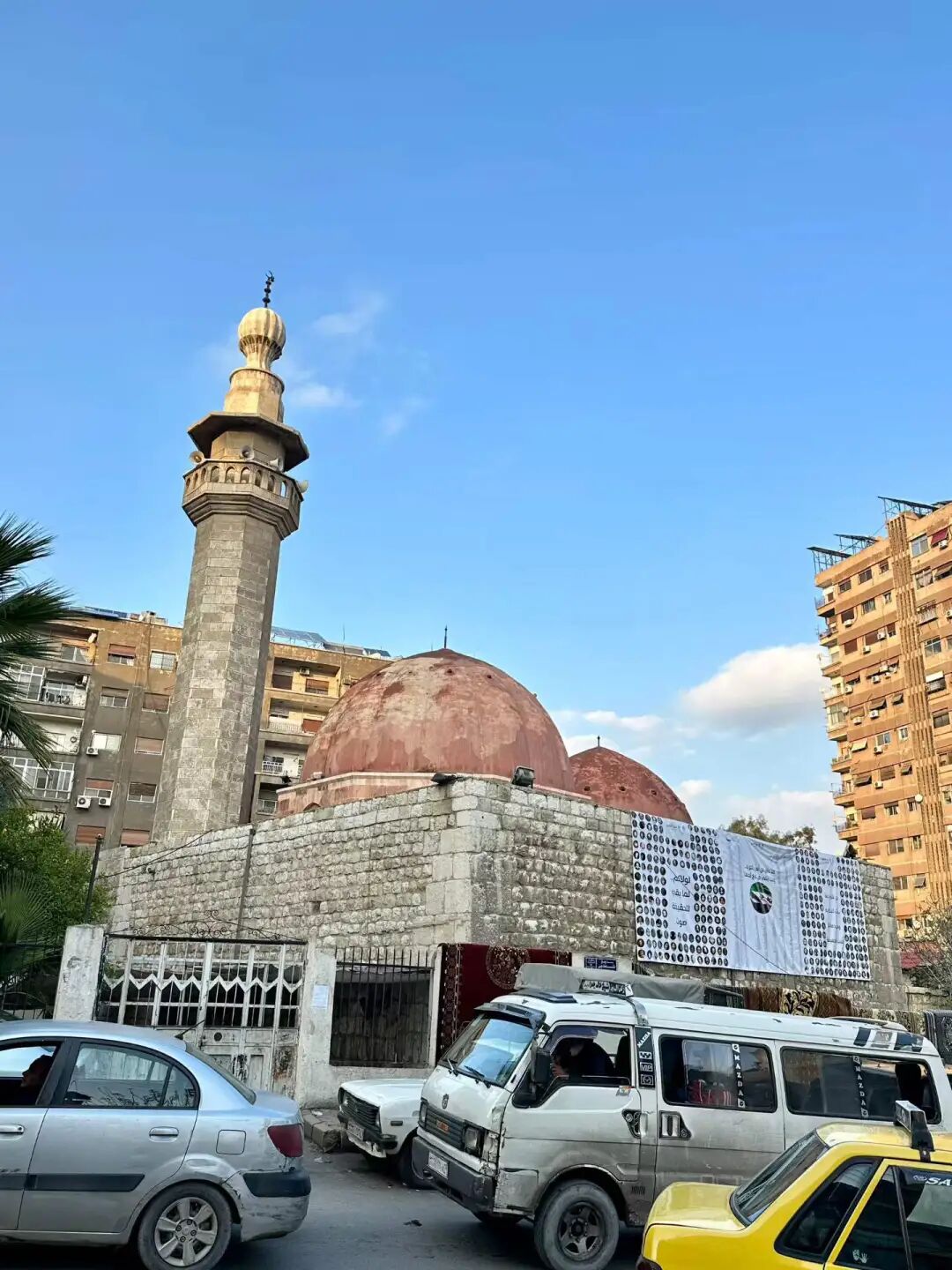
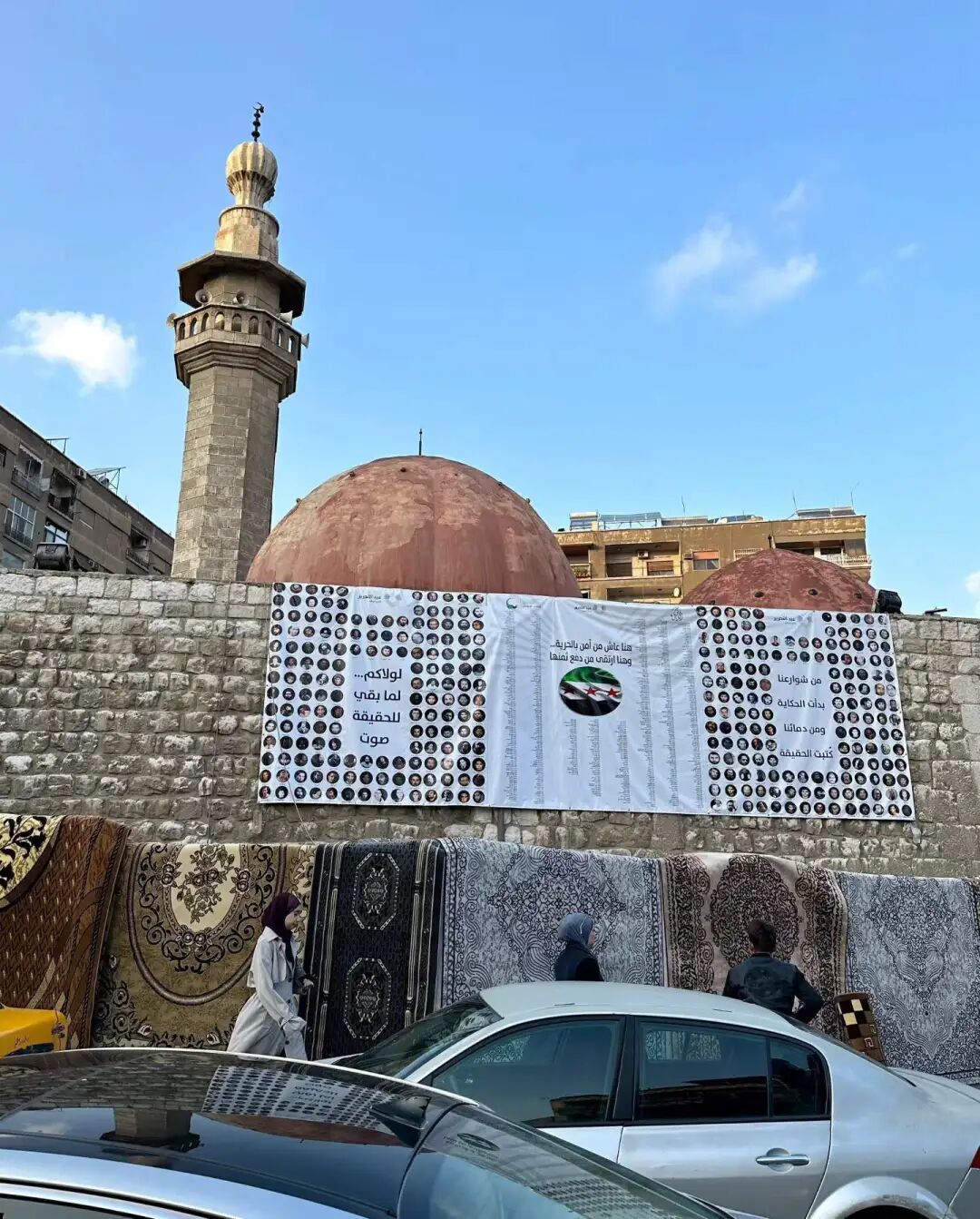
Abd al-Ghani al-Nabulsi Mosque was built in 1764 by Sheikh Mustafa al-Nabulsi, the grandson of the famous Syrian Sufi sheikh and poet Abd al-Ghani al-Nabulsi. Both Sheikh Abd al-Ghani al-Nabulsi and Sheikh Mustafa al-Nabulsi are buried there. Unfortunately, since most mosques in Damascus do not open their doors except for the five daily namaz prayers, I could not go inside.
Sheikh Abd al-Ghani's family came from the Banu Jama'a. For generations, they served as chief judges and great Sufi sheikhs during the Mamluk dynasty. One branch of his family settled in Damascus after the Ottoman Empire conquered the Mamluk dynasty in 1516. They continued to hold positions such as the Shafi'i Grand Mufti of Damascus and teachers at the Umayyad Mosque.
Sheikh Abd al-Ghani was born in Damascus in 1641. His father switched from the Shafi'i school to the Hanafi school after a debate with Hanafi students. This was the mainstream school of the Ottoman Empire at the time. Abdul-Ghani began studying Islamic law as a child. He joined the Qadiriyya and Naqshbandiyya Sufi orders and spent seven years in quiet retreat at home. He traveled widely across the Middle East and wrote over 200 books. He was especially known for his deep research into the Sufi sage Ibn Arabi.
Before Sheikh Abdul-Ghani, the Salhiyya district of Damascus followed the Hanbali school of law. He was the first to bring Hanafi and Shafi'i ideas to the area and hosted many Hanafi students in his home.
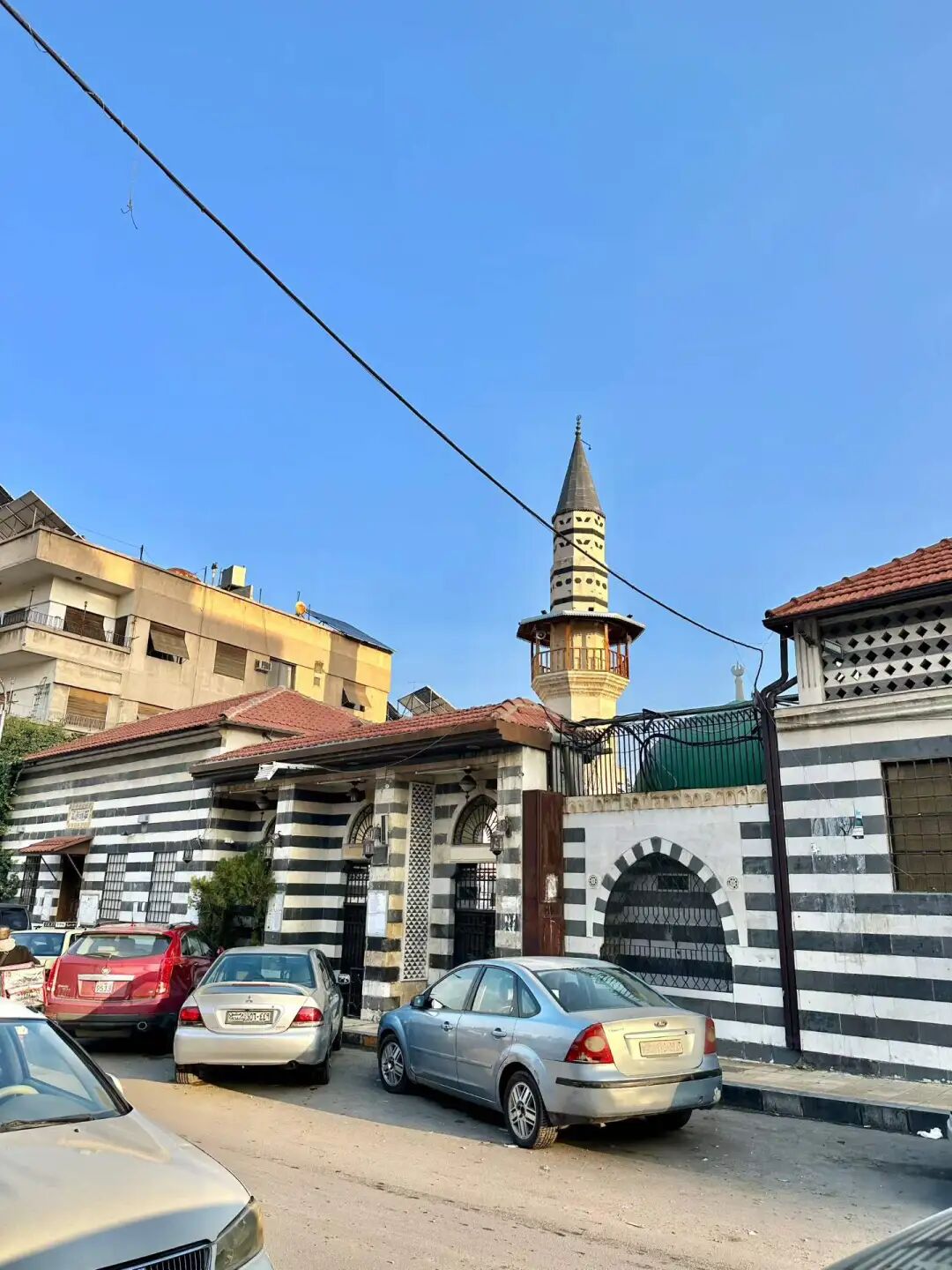
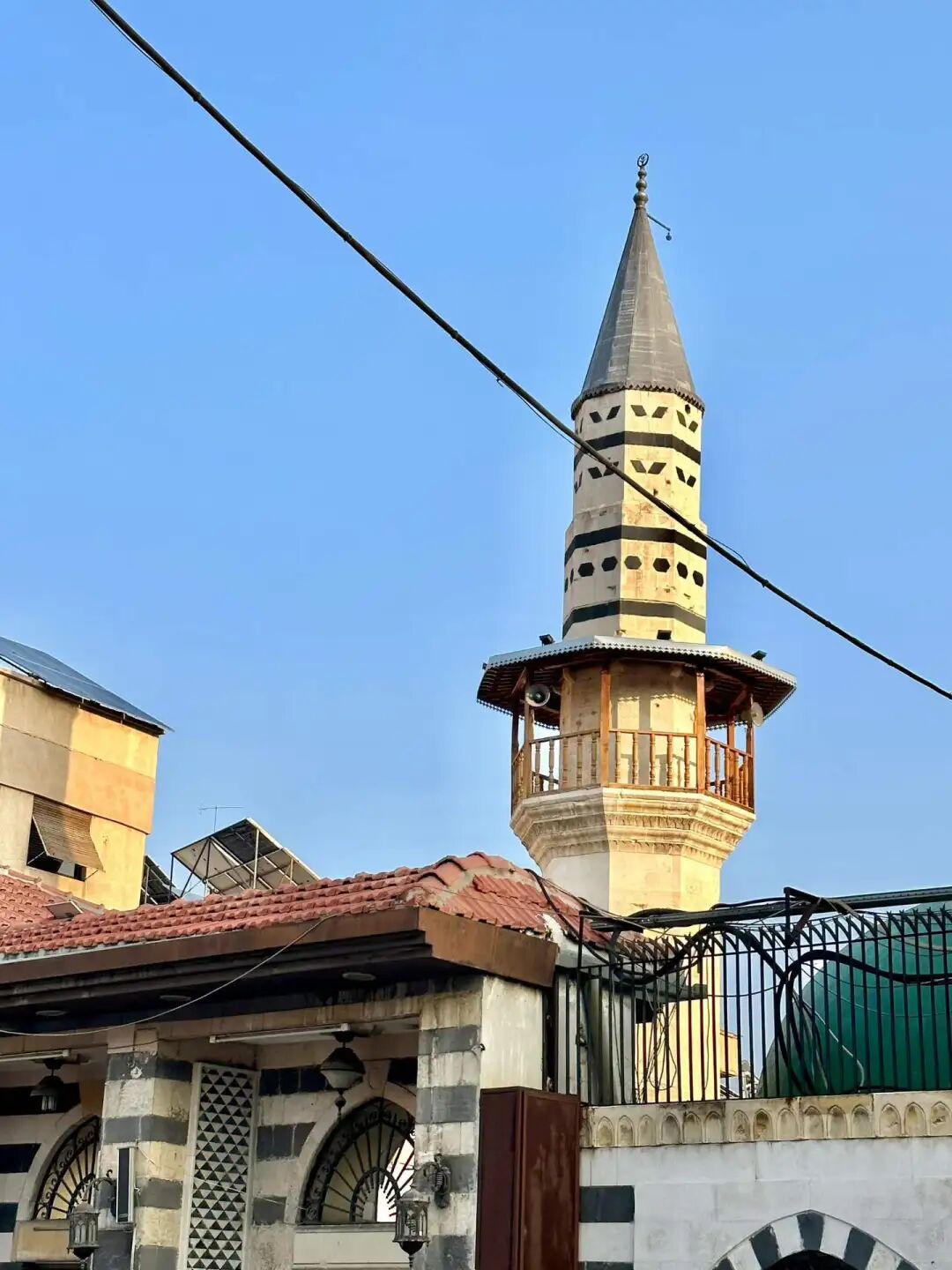
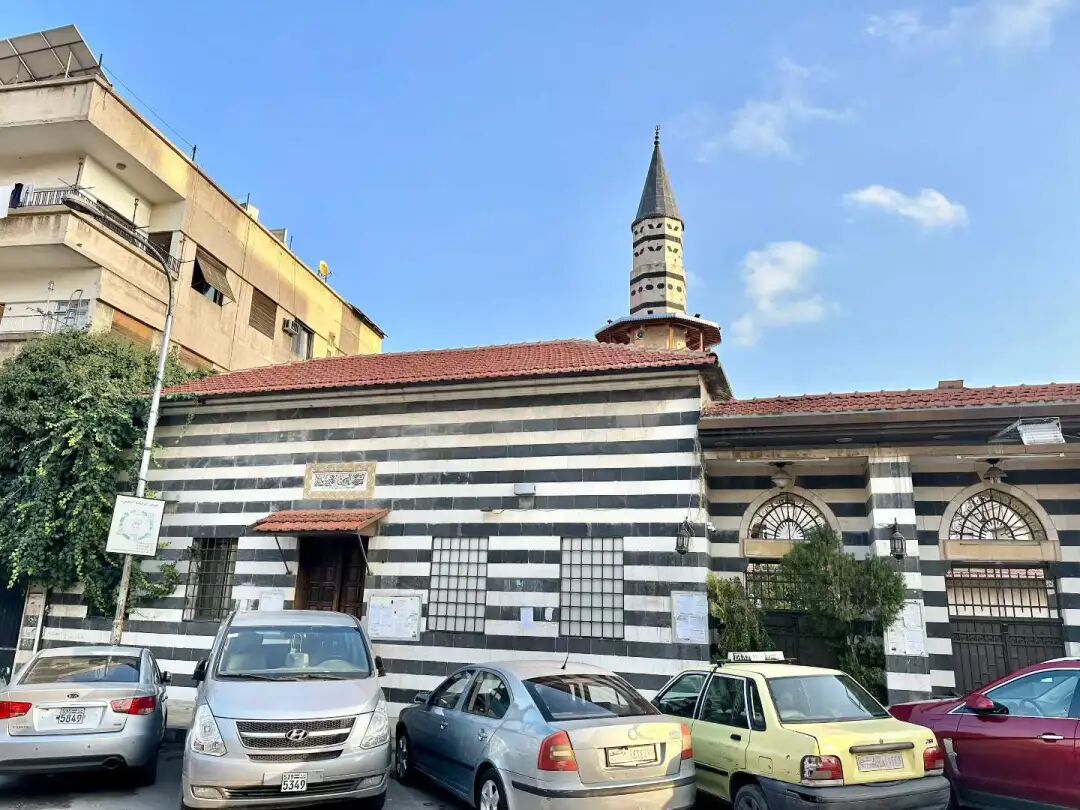
The Jharkasiya Madrasa is on the market street in the Salhiyya district of Damascus. It was built in 1237 by the Ayyubid general Salim al-Din al-Hattra for his teacher, the Ayyubid general Jharkas ibn Abdullah. Both Jharkas ibn Abdullah and Salim al-Din al-Hattra are buried inside.
Jharkas was a commander in Saladin's personal guard and witnessed all of Saladin's military campaigns. The Jharkasiya Madrasa has a very rare double-domed tomb. Historically, the school taught both Hanafi and Shafi'i law, but today it serves as a mosque.
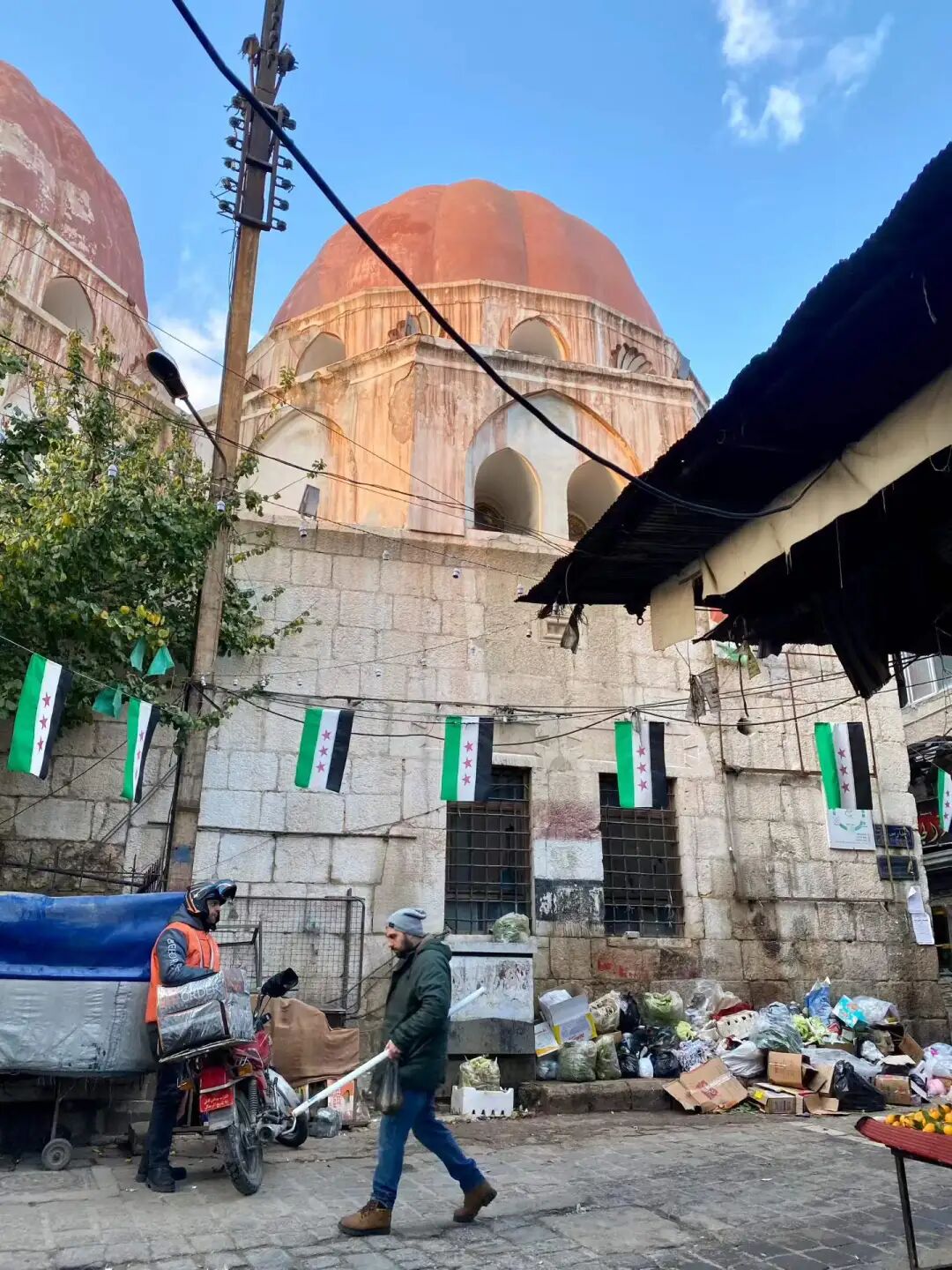
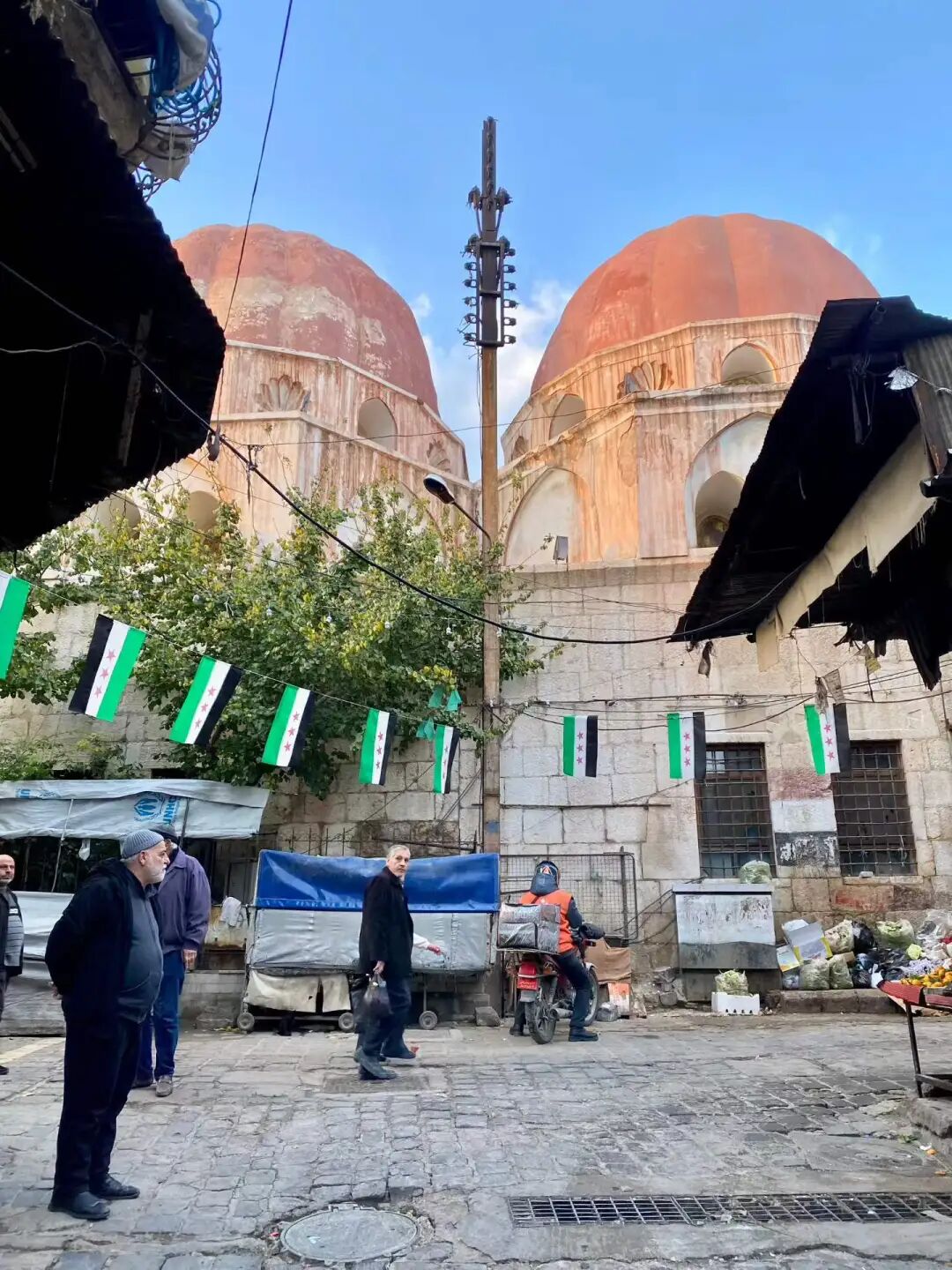
The Mershadiyeh Madrasa is on the west side of the Salhiyya district in Damascus. It was built in 1252 with funding from Khadija Khatun, the daughter of the Ayyubid Emir of Damascus, Al-Mu'azzam Isa. She is buried in the courtyard after her passing.
The square minaret of the madrasa is the only surviving example of 13th-century Ayyubid architecture in Damascus. The madrasa is currently closed. You must contact the Syrian Directorate-General of Antiquities and Museums to enter.
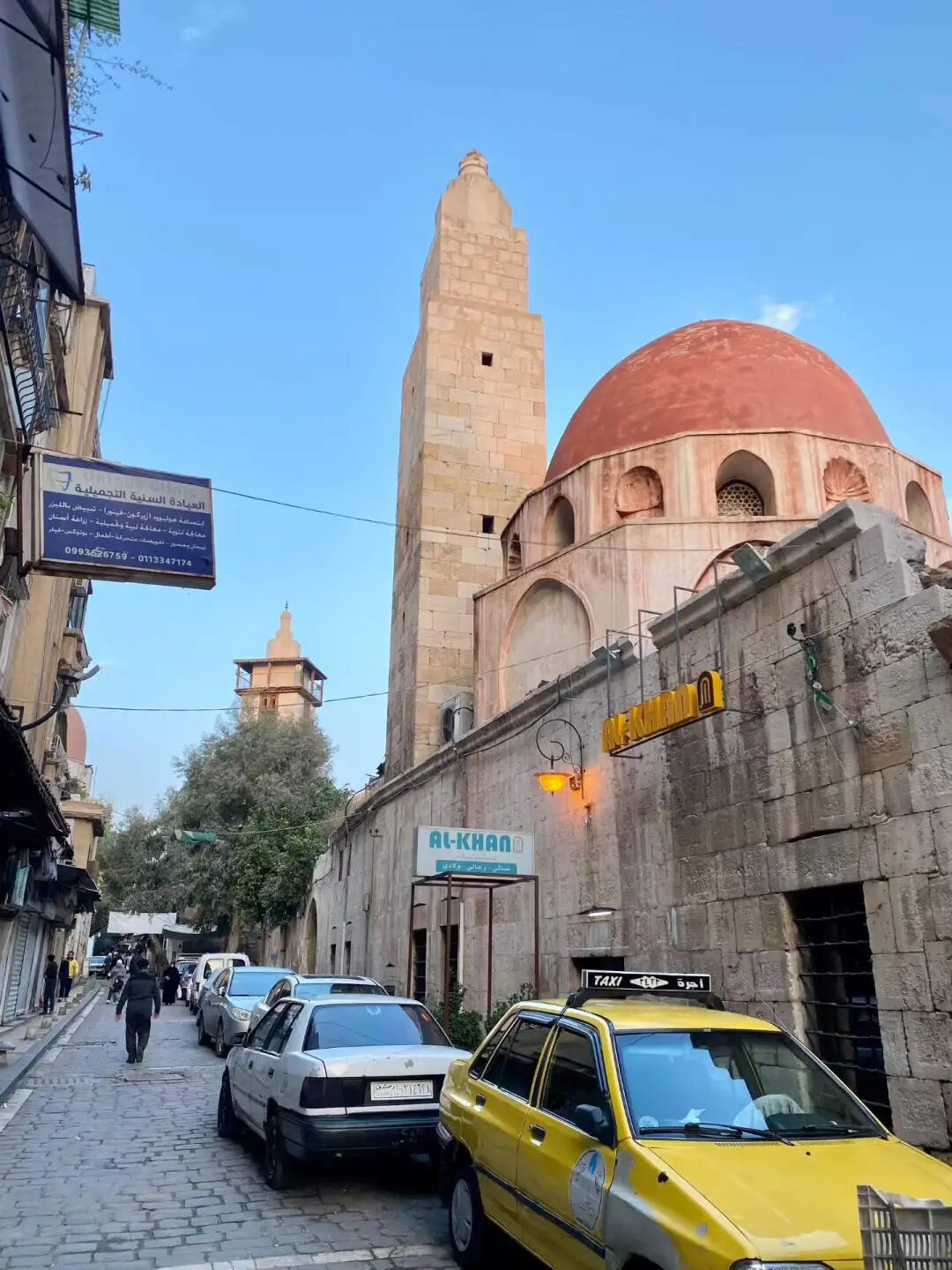
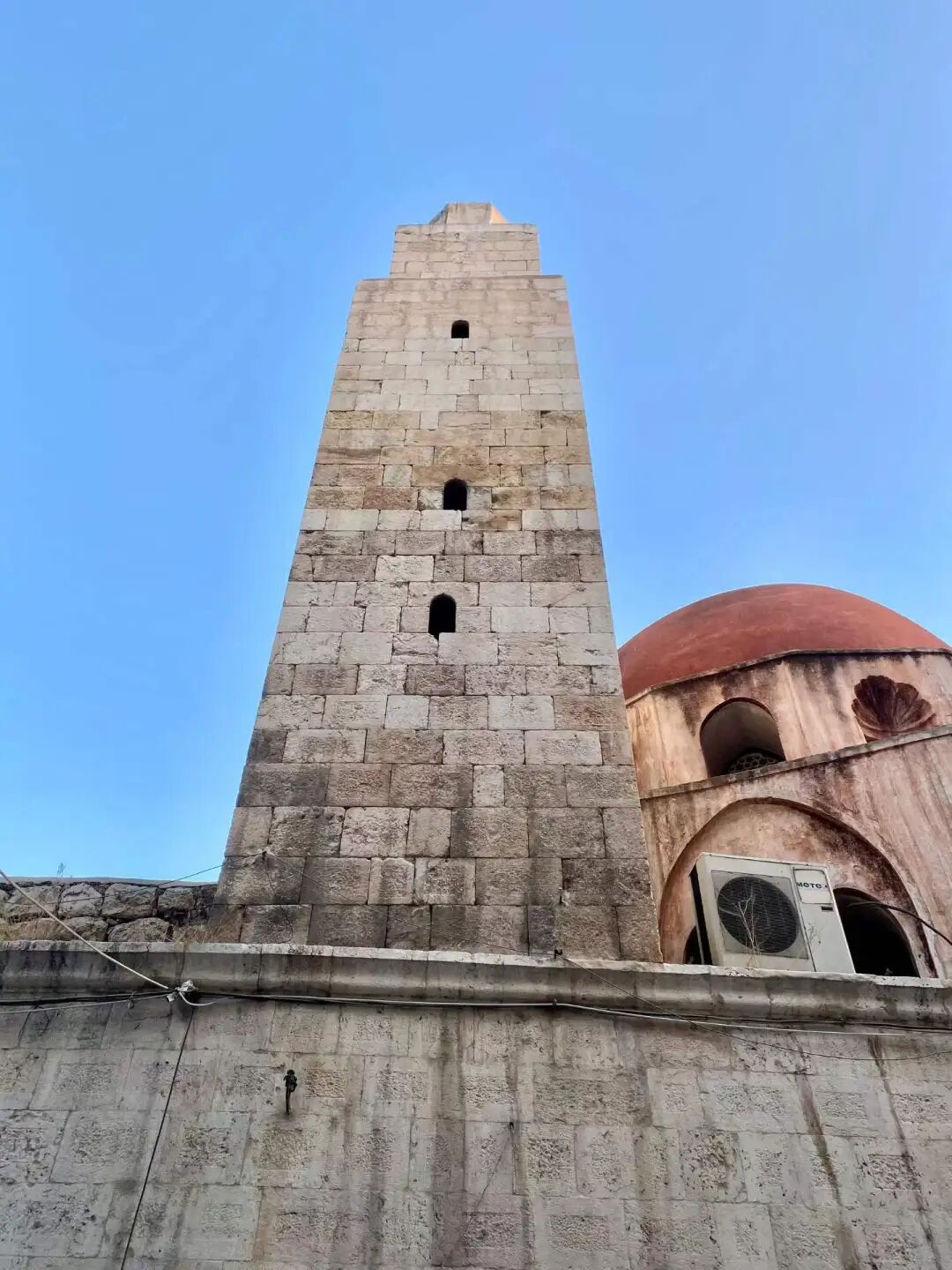
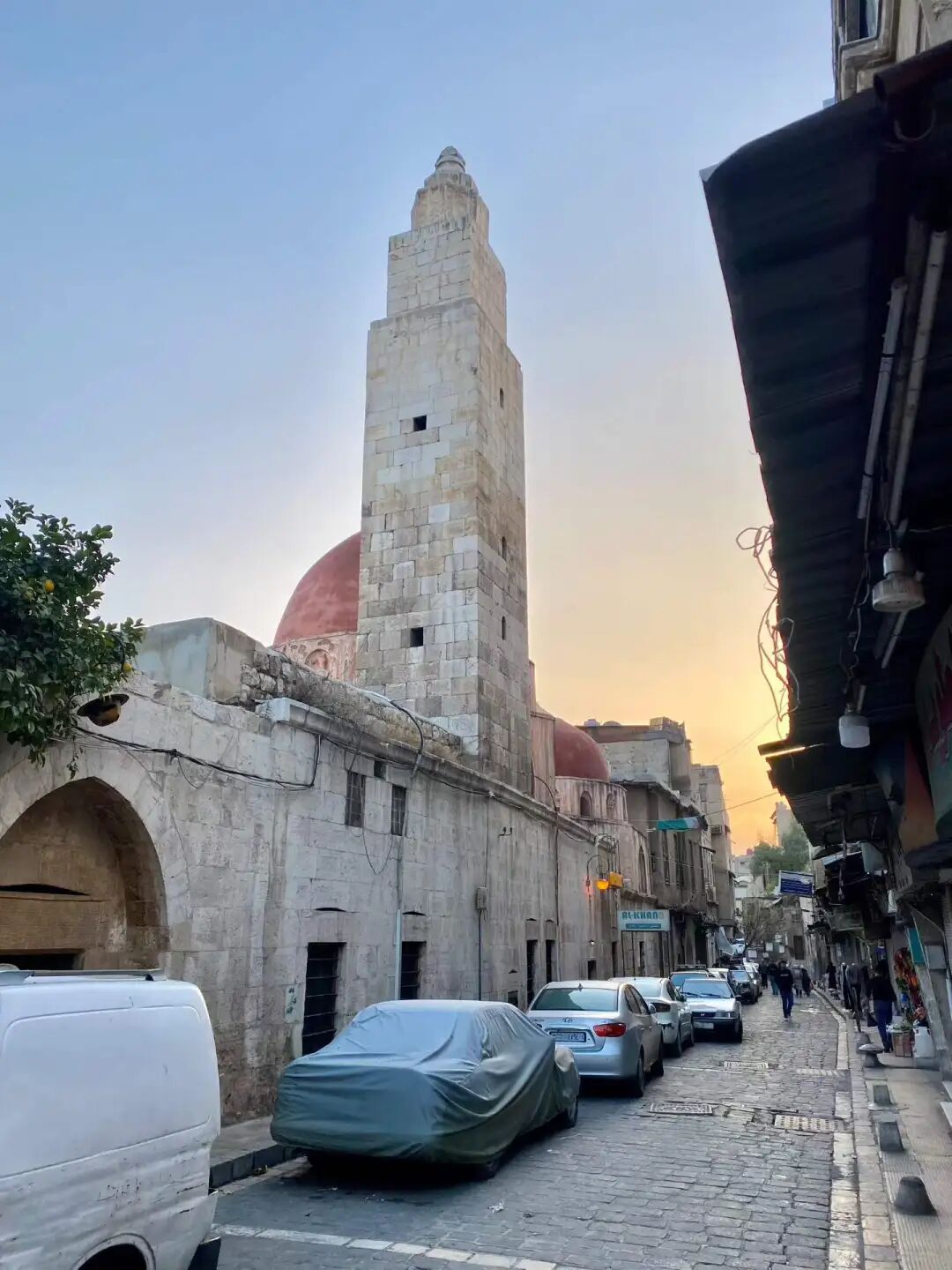
The Takrityya Madrasa is on the far west side of the Salhiyya district in Damascus. It was built in 1298 by the Emir Taqi al-Din al-Takriti, who is buried inside. This building dates back to the Mamluk period, but it keeps the strict and simple architectural style of the Ayyubid dynasty. The Mongol army destroyed this place in 1300, but it was rebuilt later.
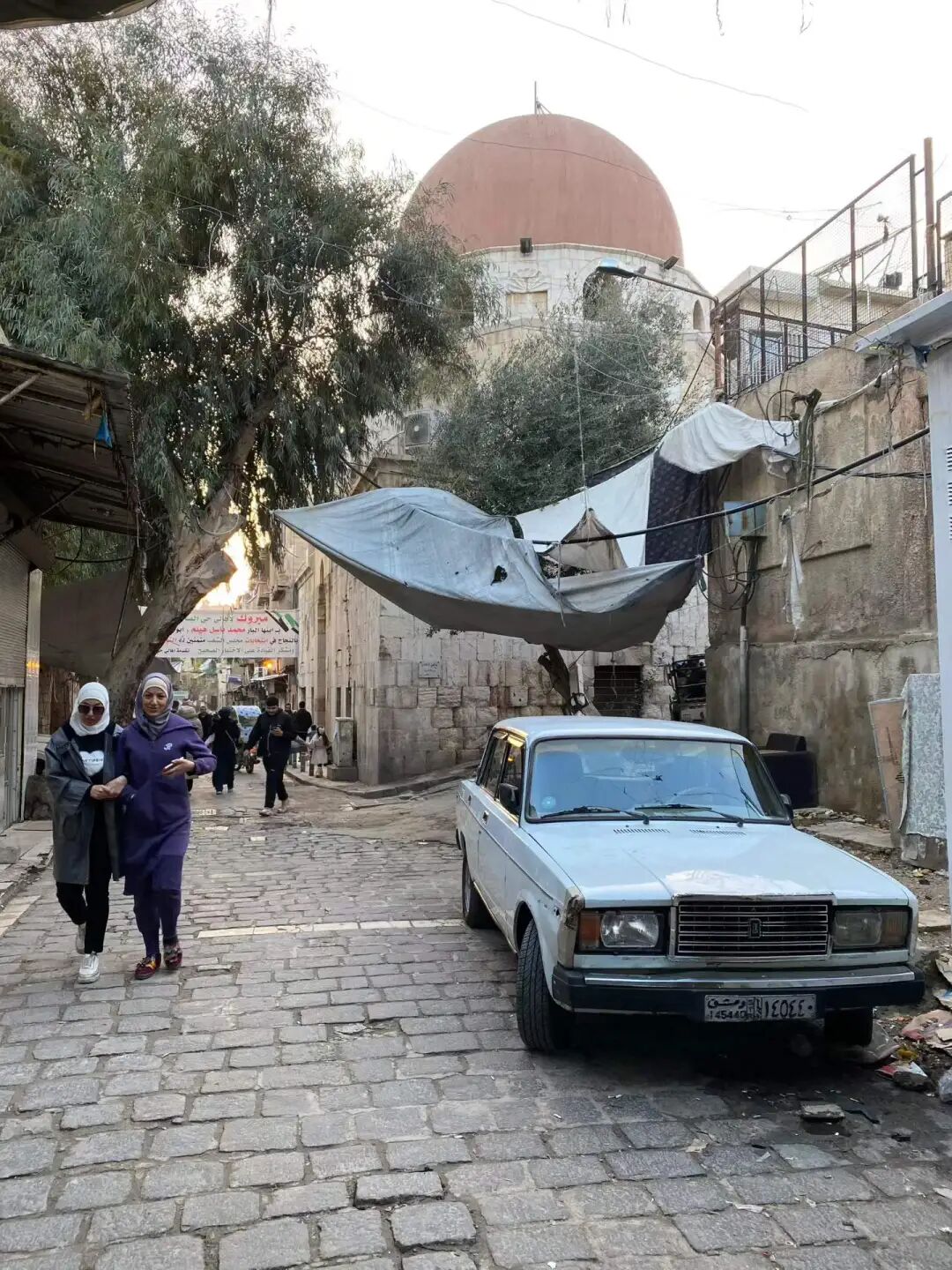
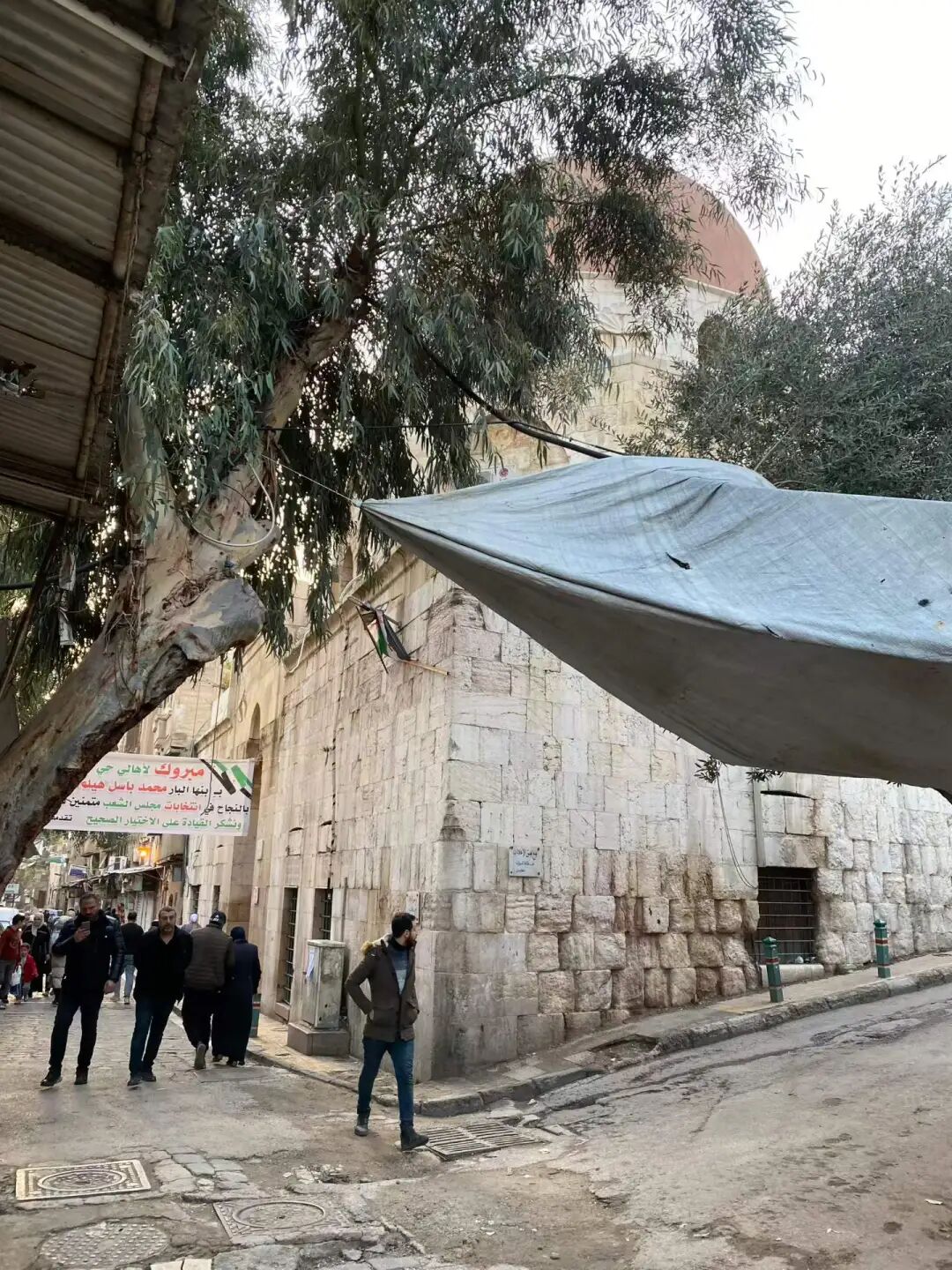
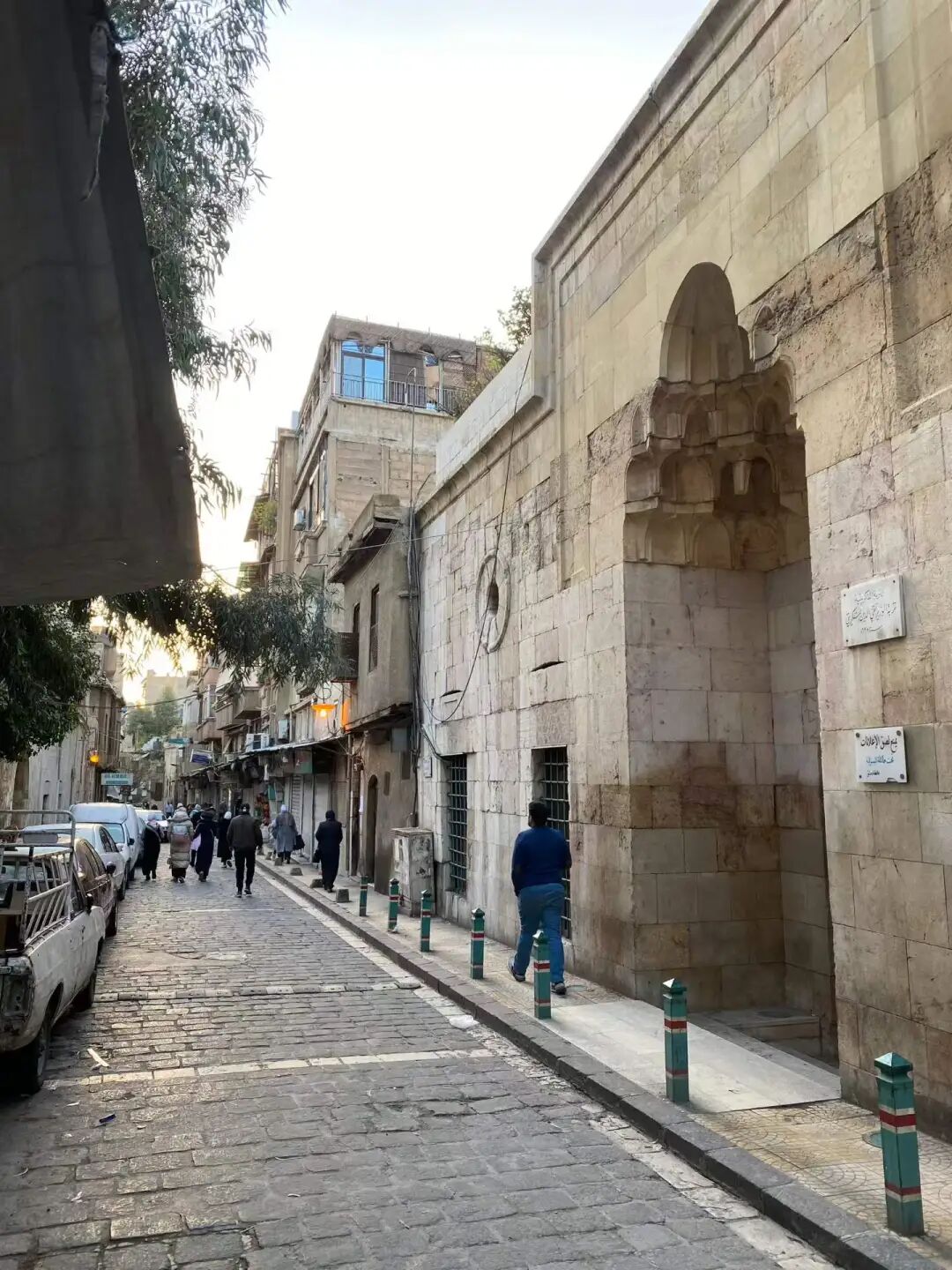
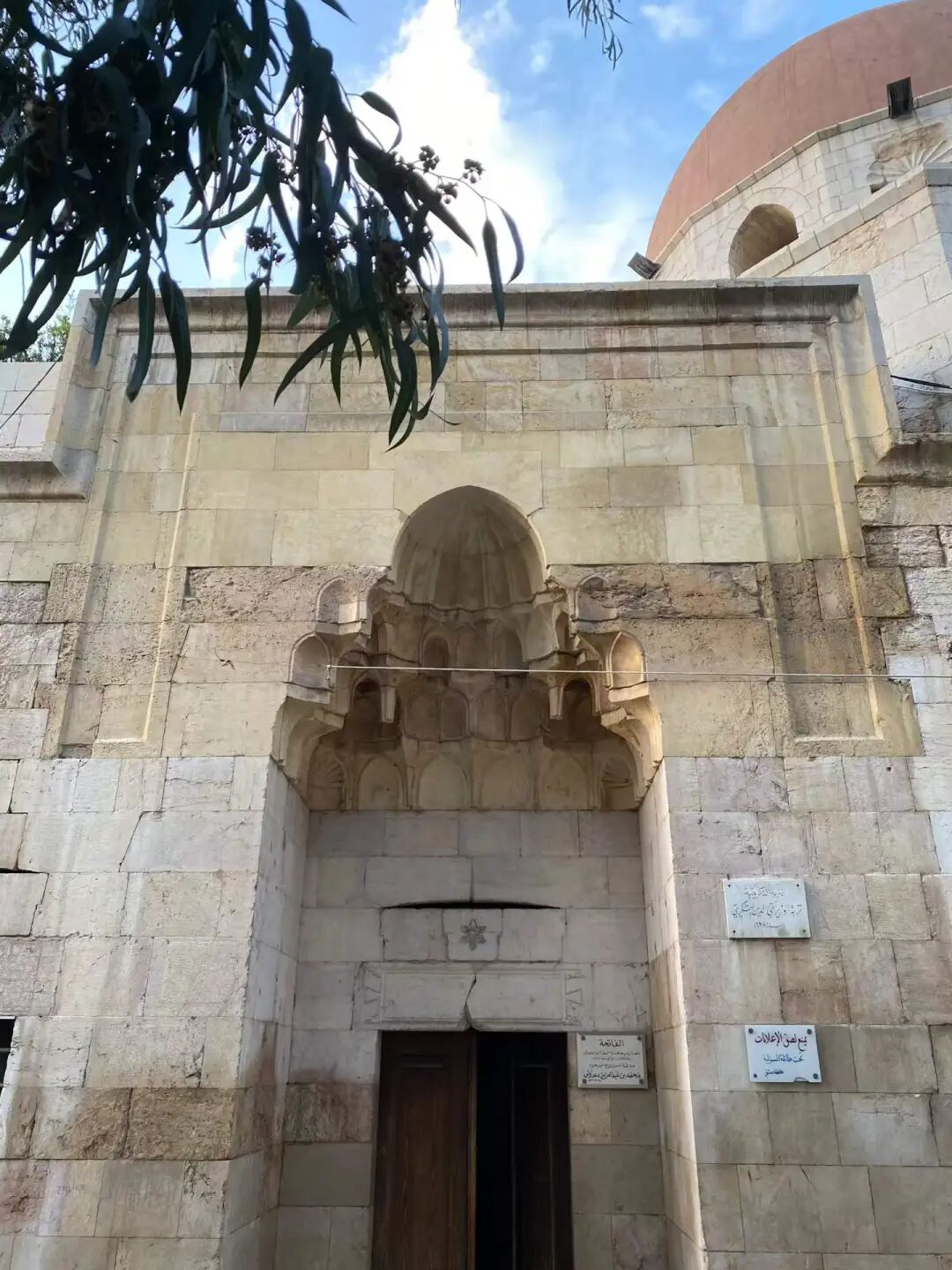
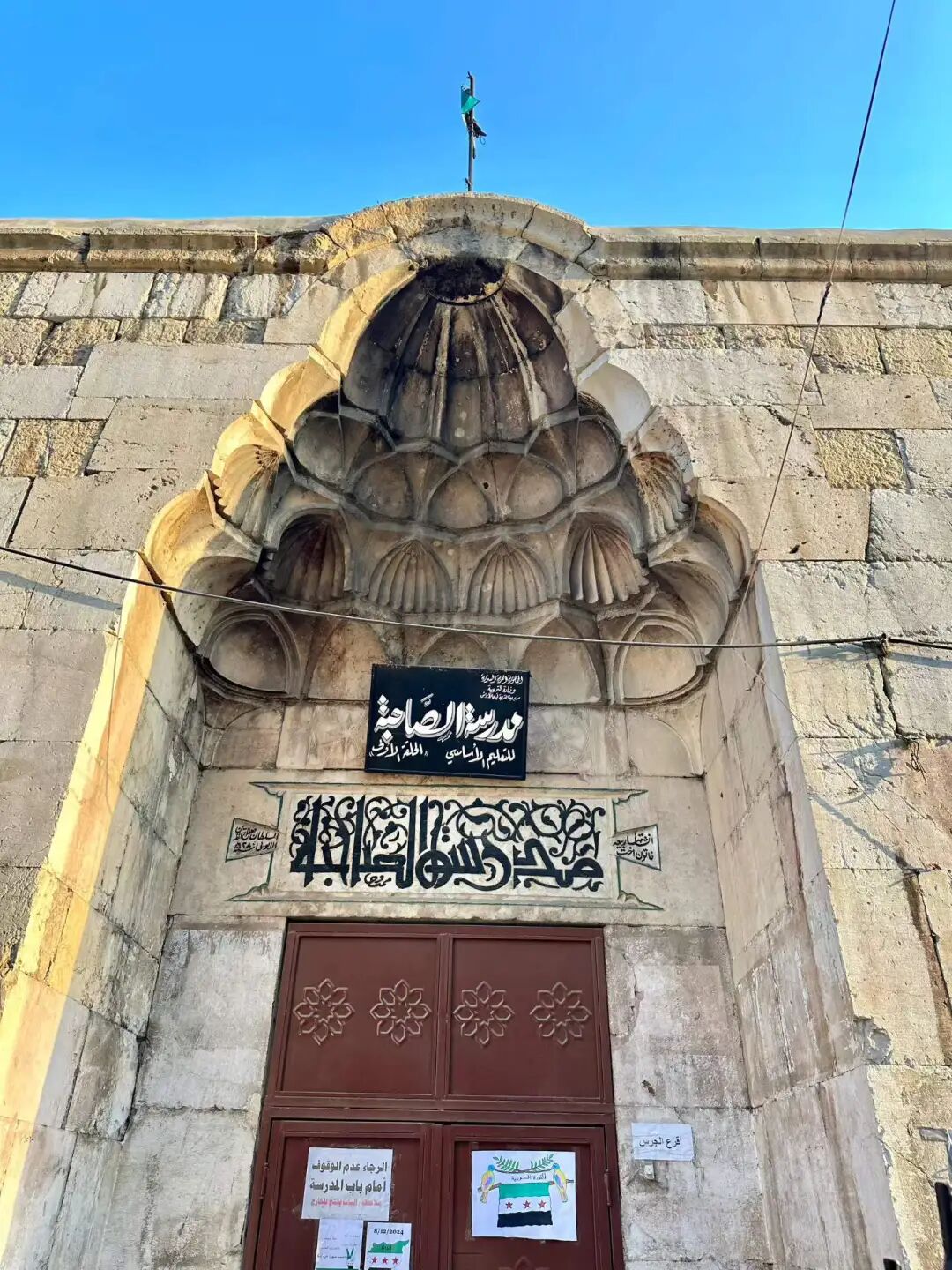
Rabia Khatun, the sister of Ayyubid founder Saladin, built the Sahiba Madrasa in 1233, and her tomb is inside. People call this madrasa a model of Ayyubid architecture because of its thick walls and beautiful carvings that only use simple geometric shapes.
This madrasa once taught the Hanbali school of thought, which was the mainstream school at the time. Today, it is a primary school for girls, and generations of local residents have studied here.
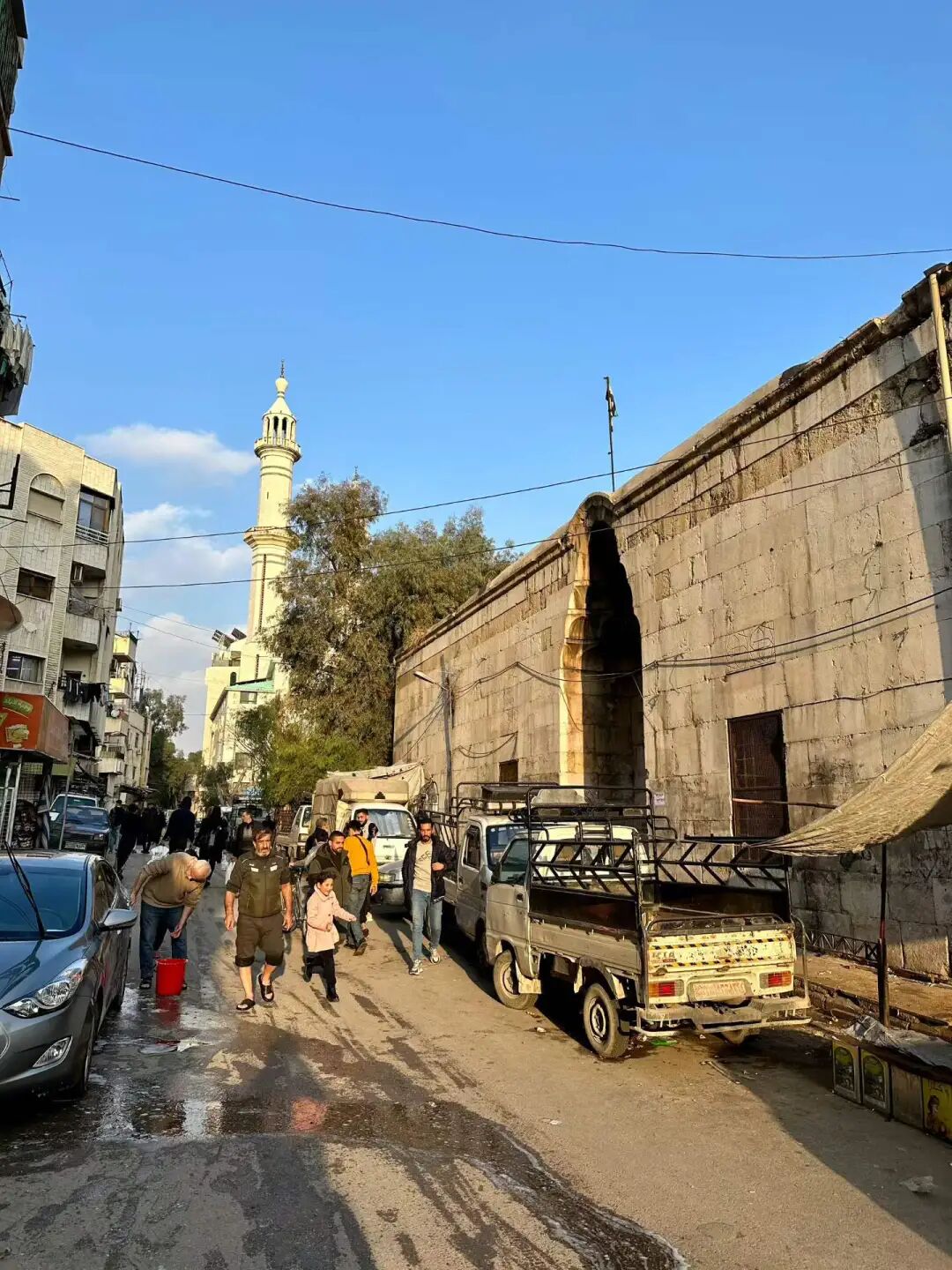
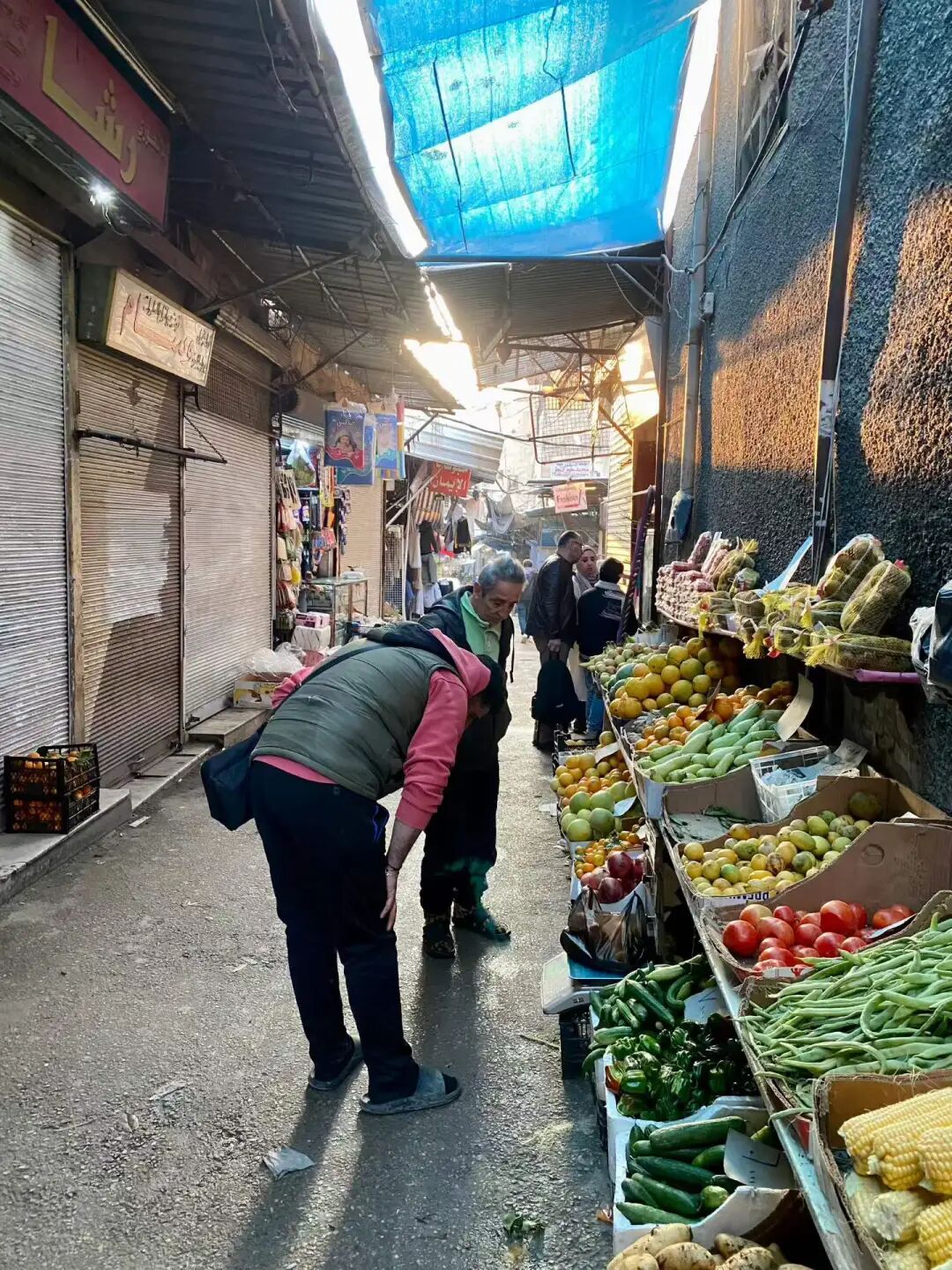
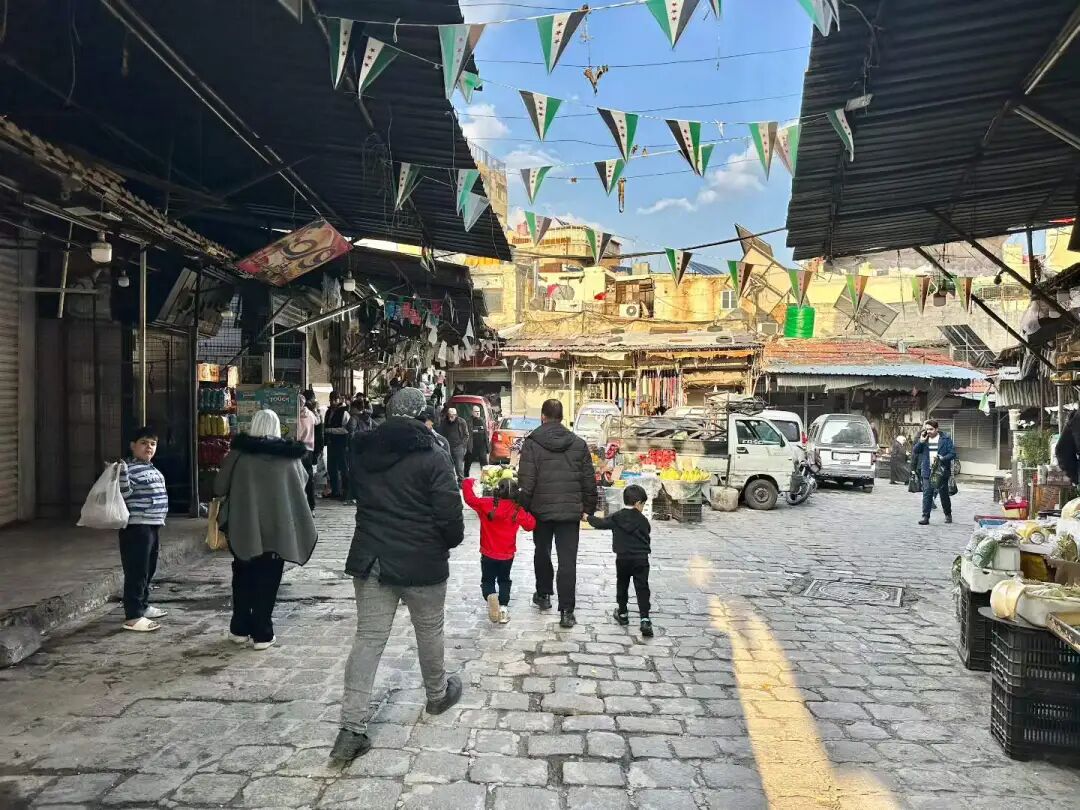
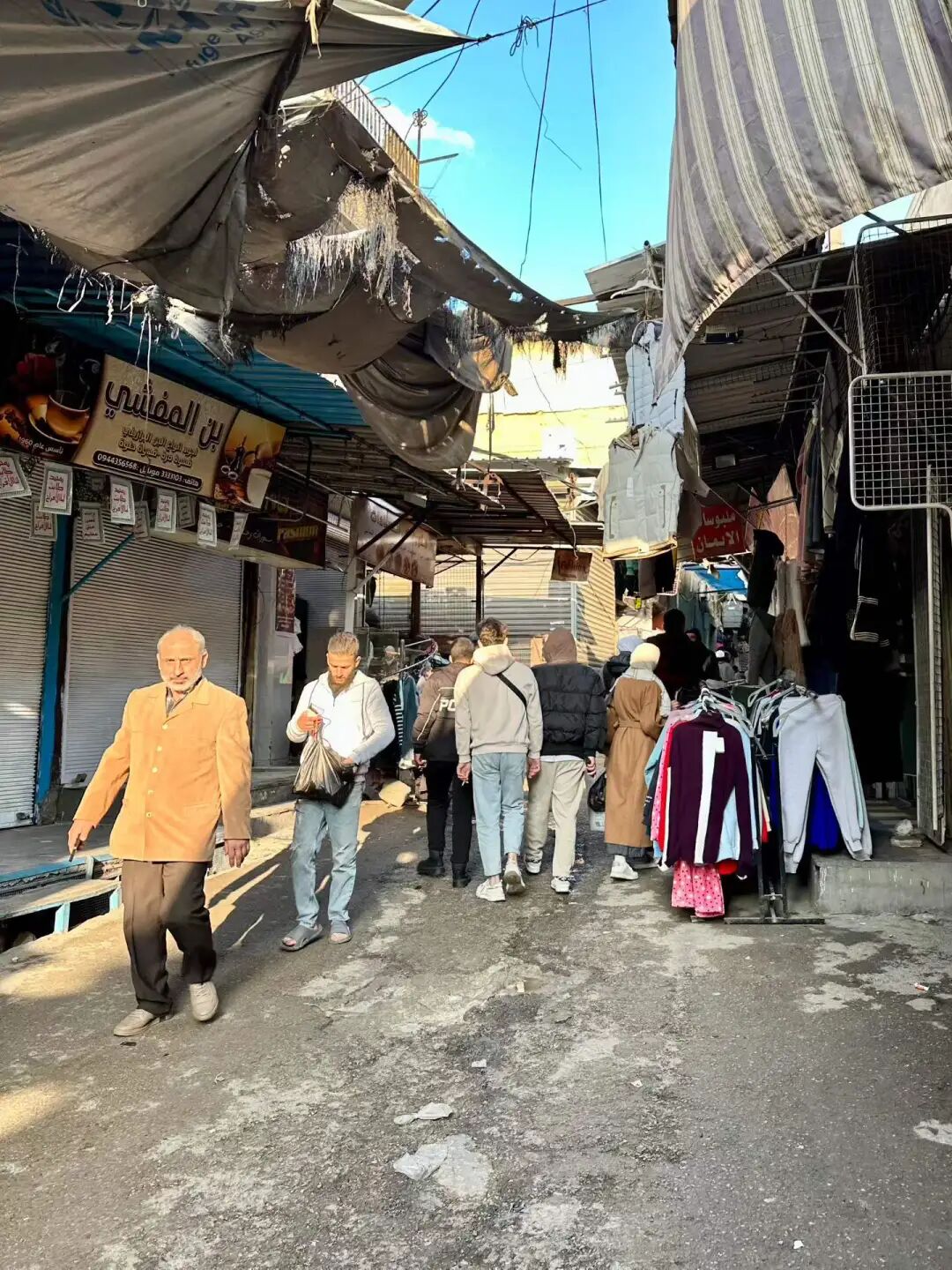
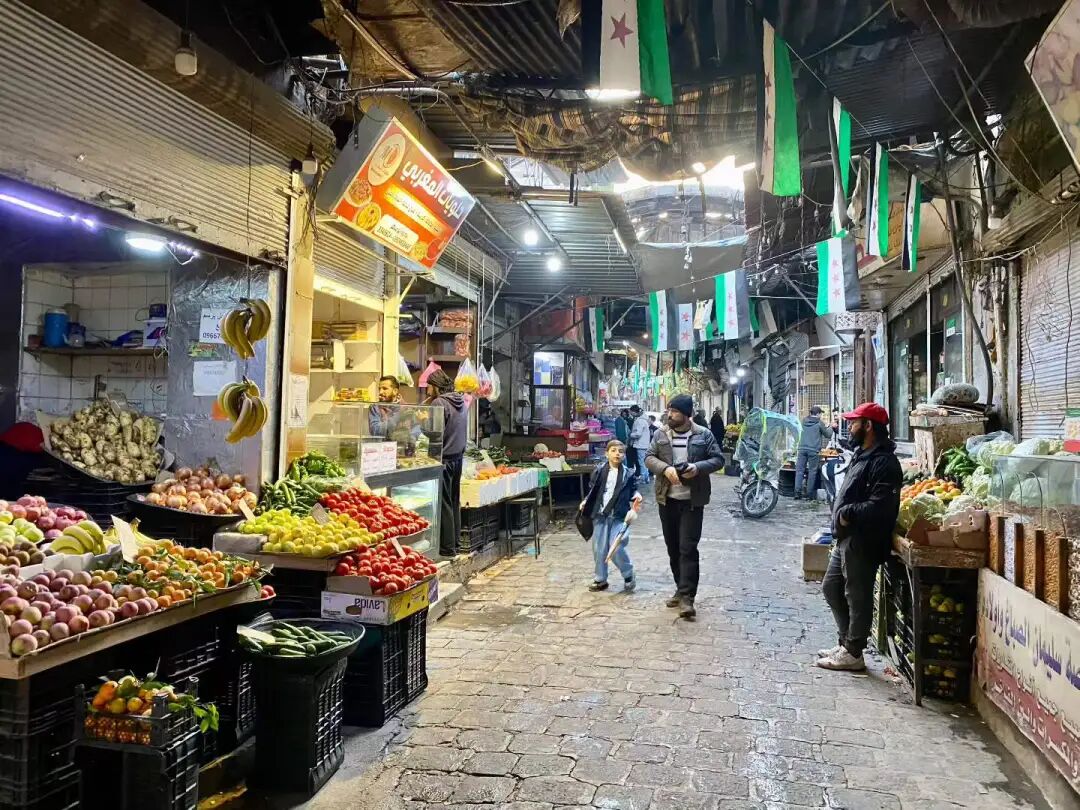
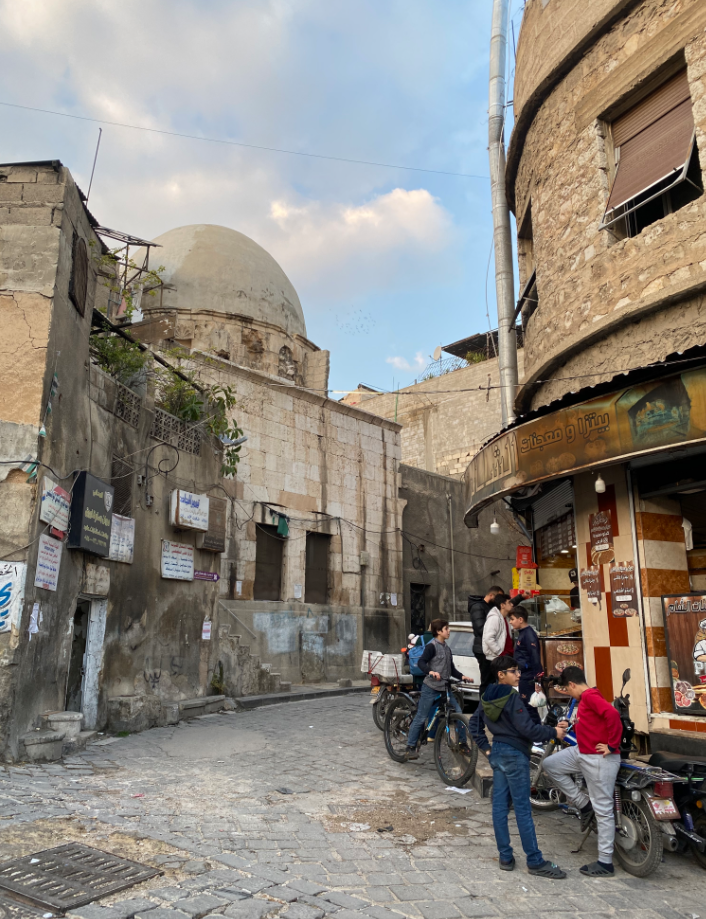
Juma Market, the main road of the Salihiya historic neighborhood in Damascus.
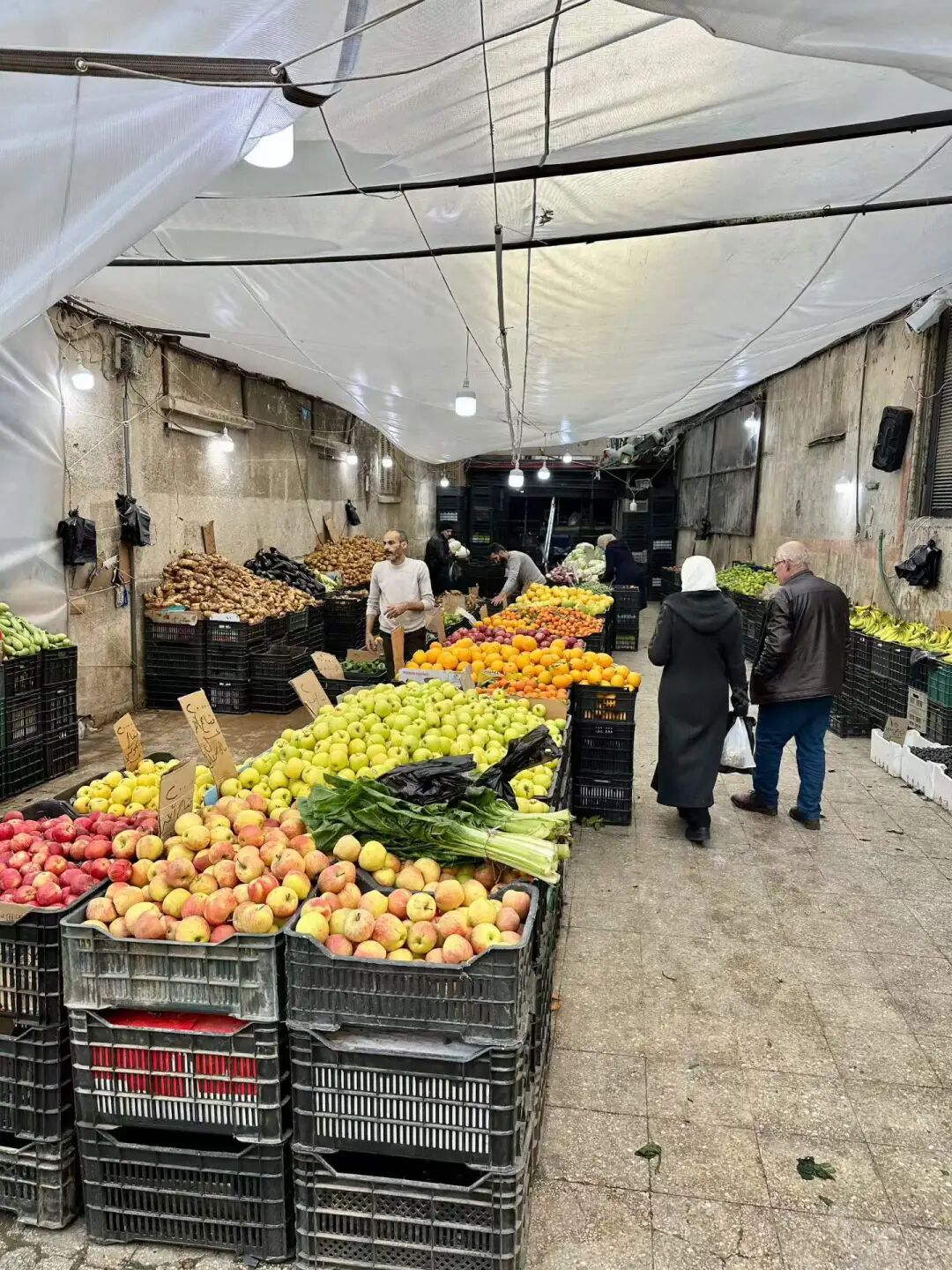
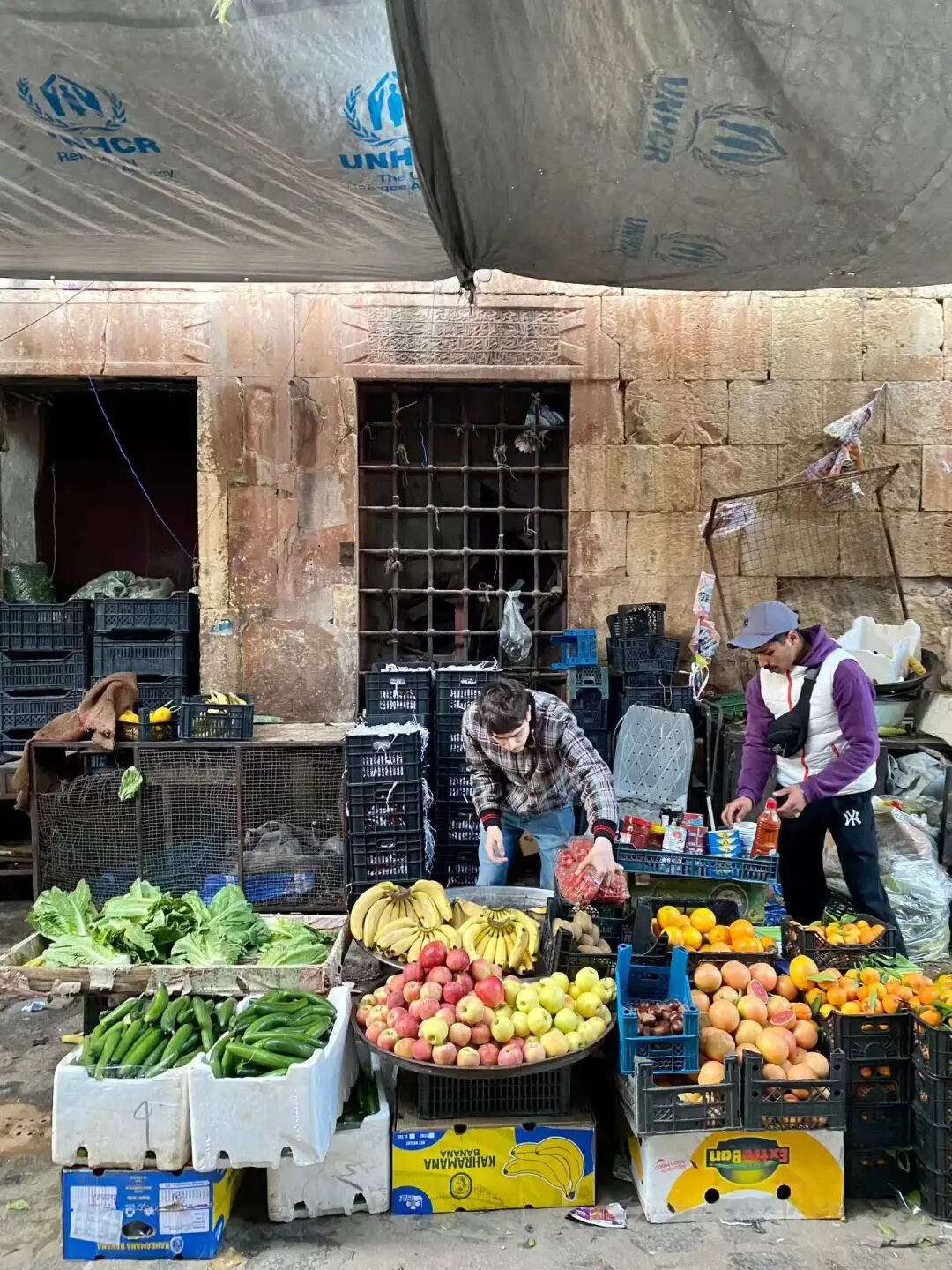
The market in Salihiya grew quickly during the Ayyubid dynasty as more people moved here from Jerusalem. The Juma Market in front of the gongbei of the Sufi sage Ibn Arabi only sold goods after Friday namaz at first, but it eventually became a permanent market while keeping the name Juma Market. It is still a great place for nearby residents to shop today.
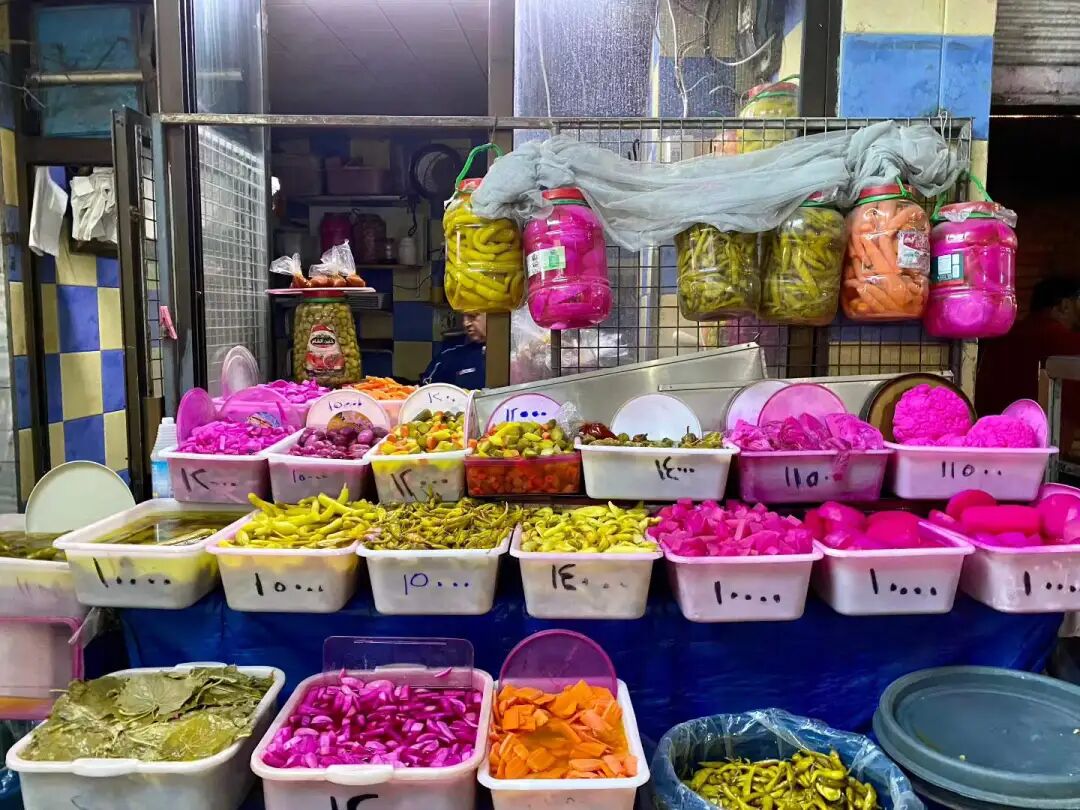
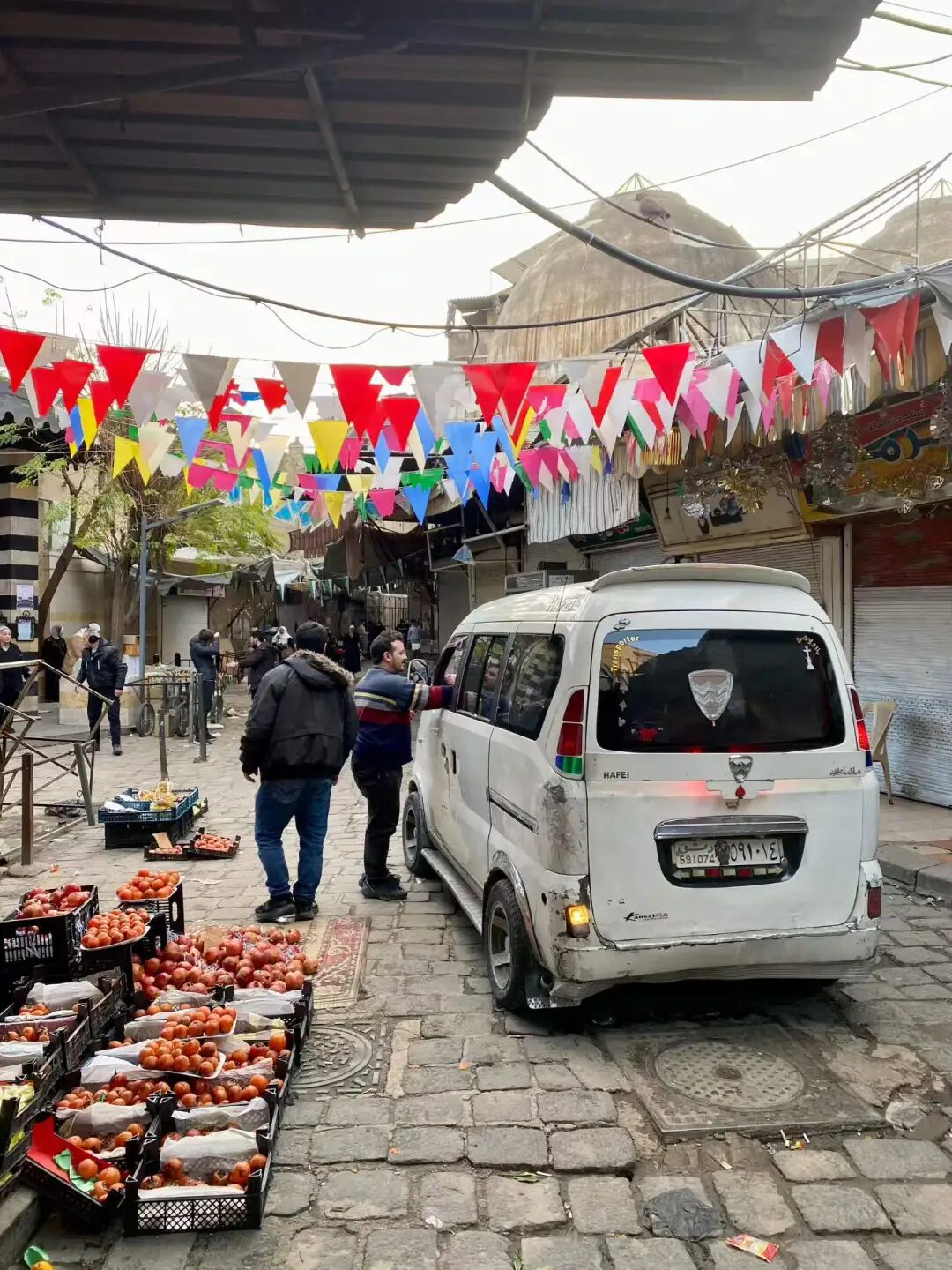
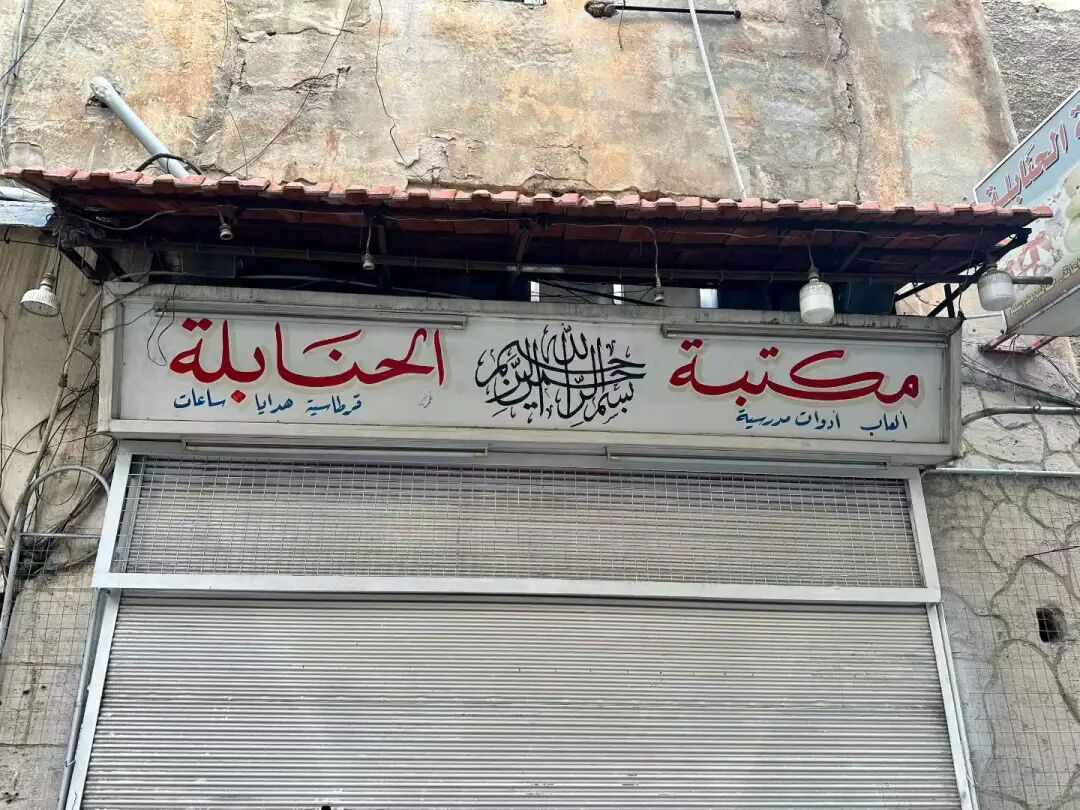
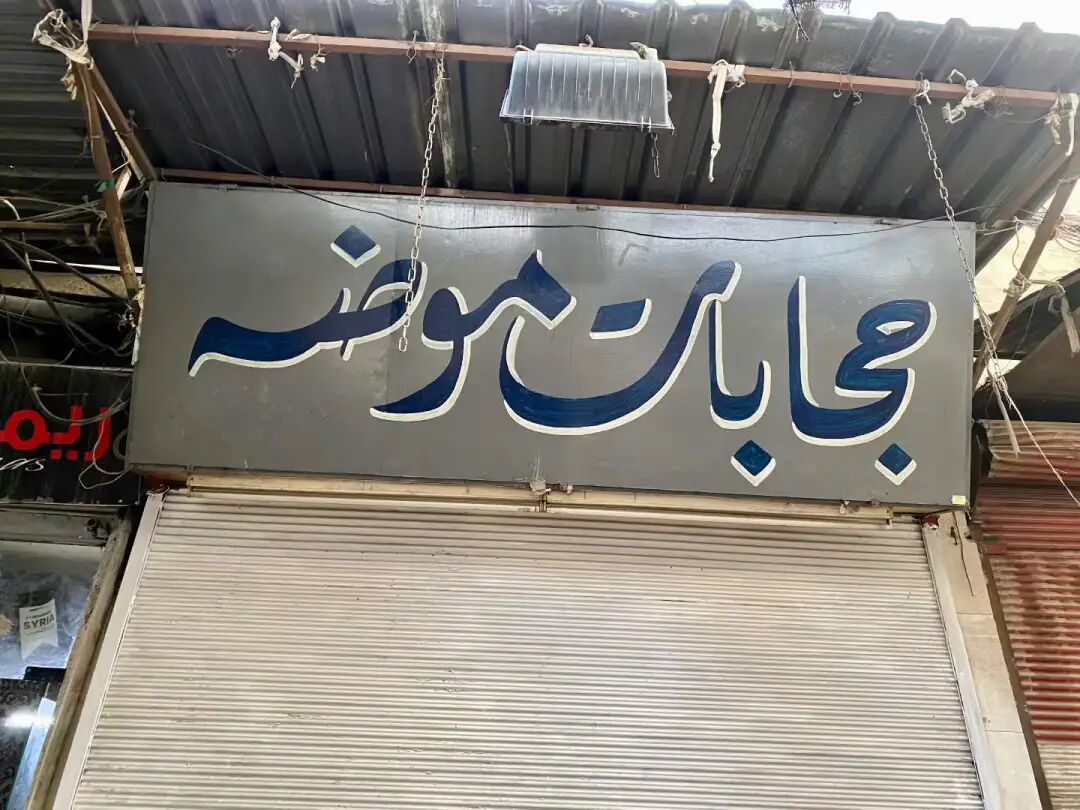
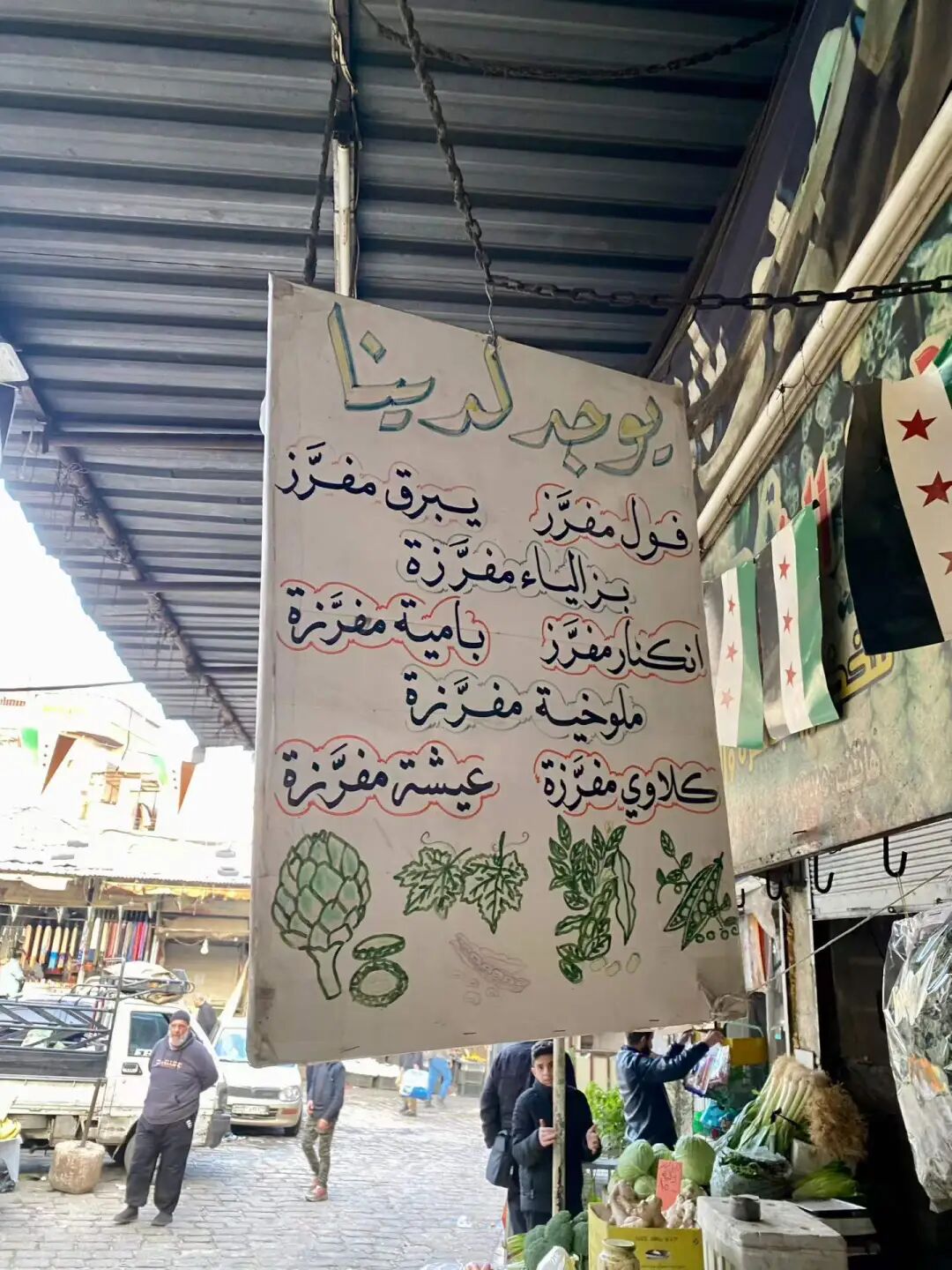
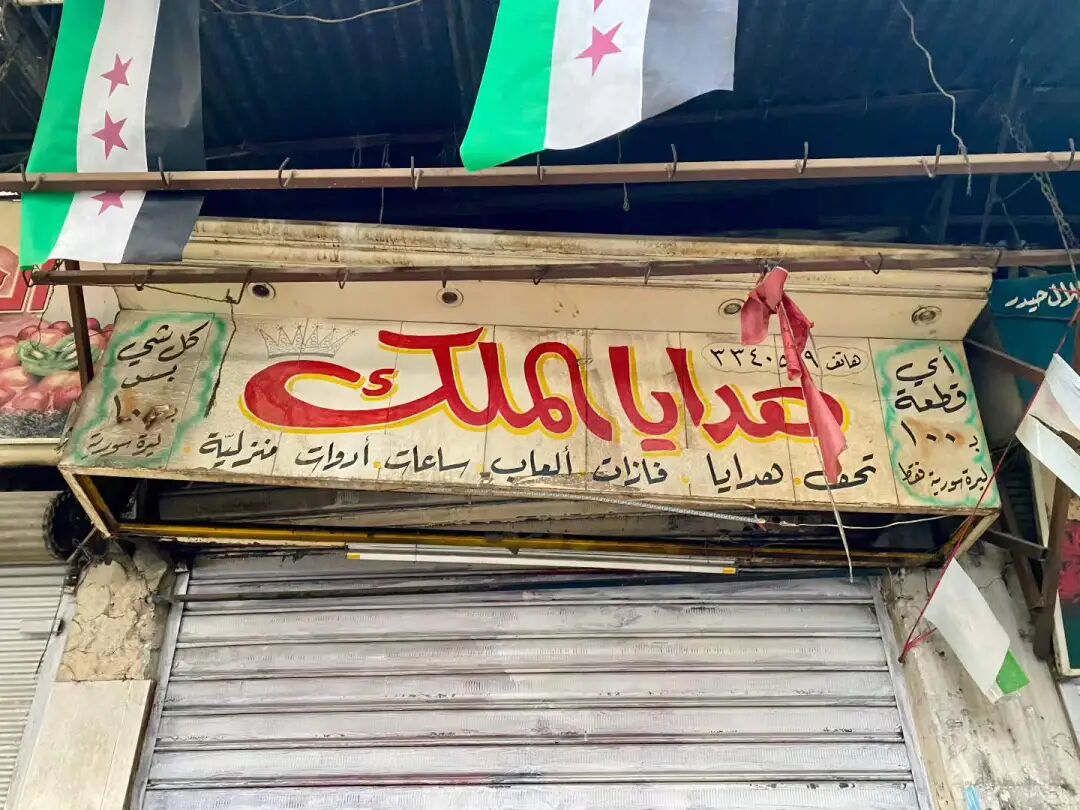
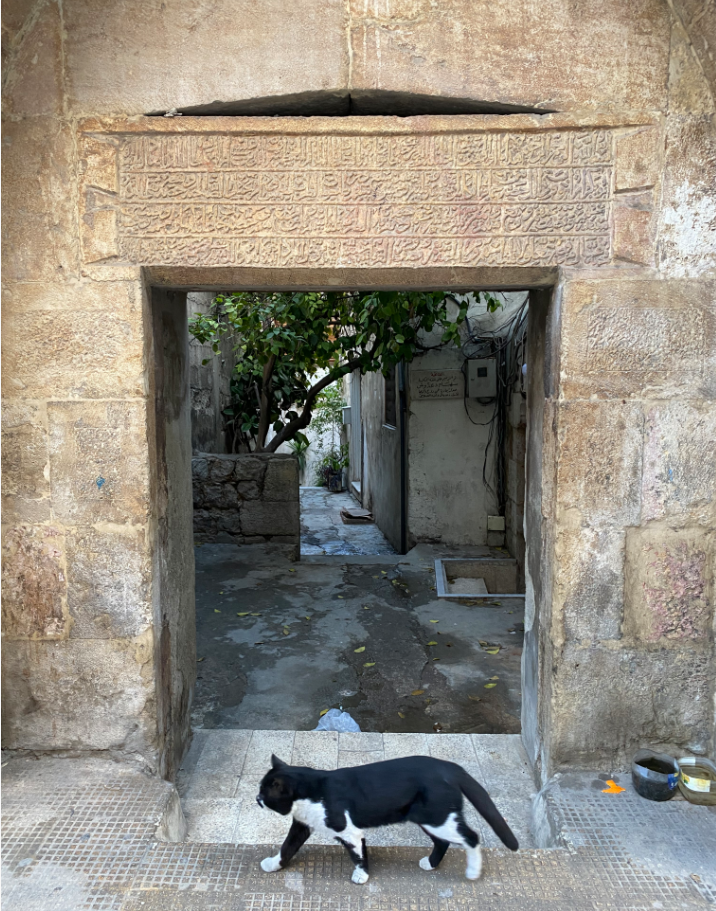
Handwritten signs at the market.
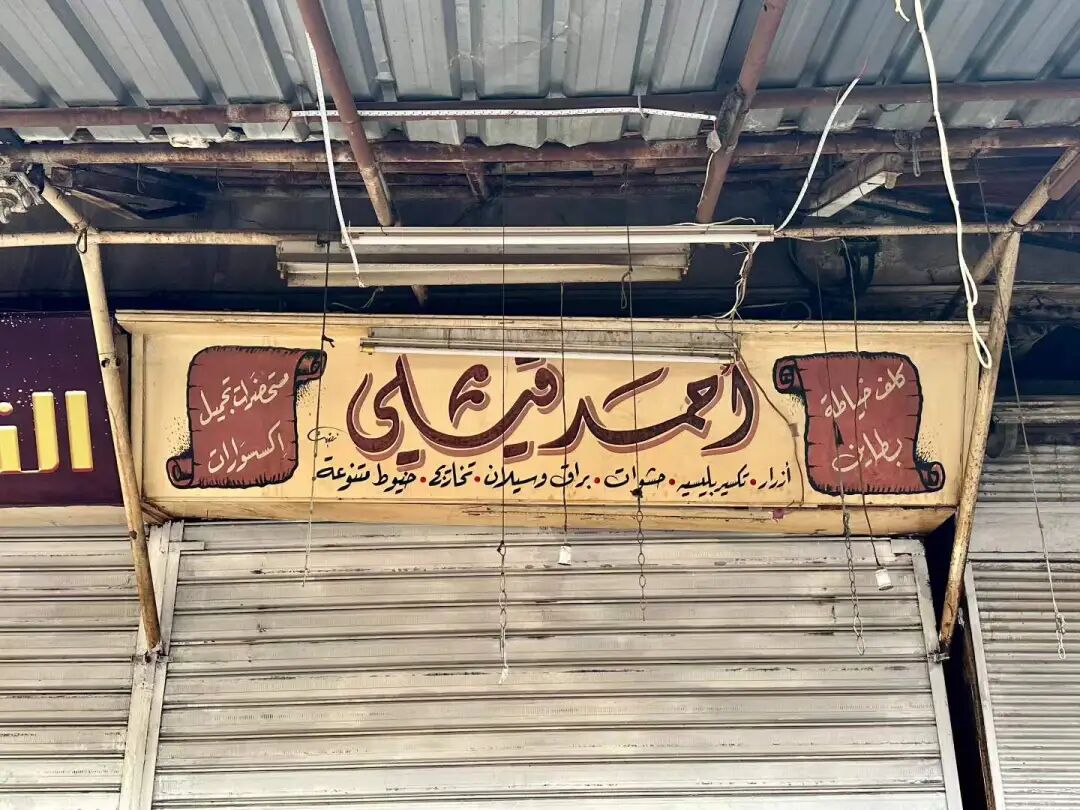
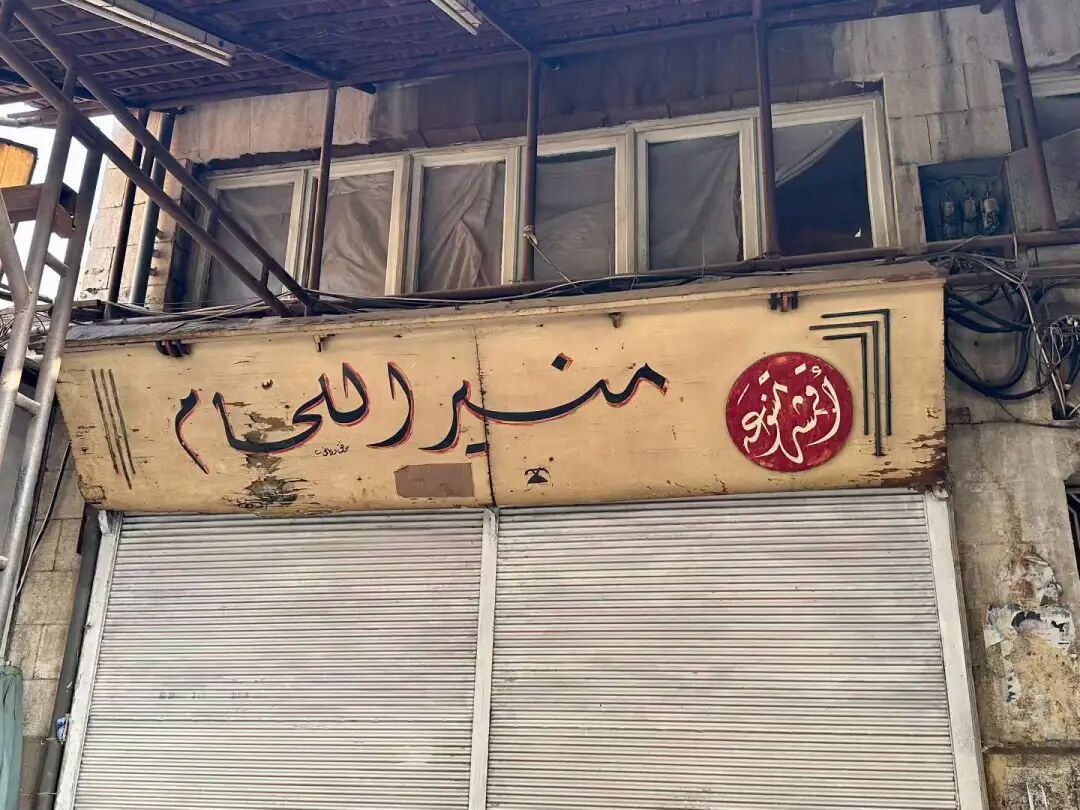
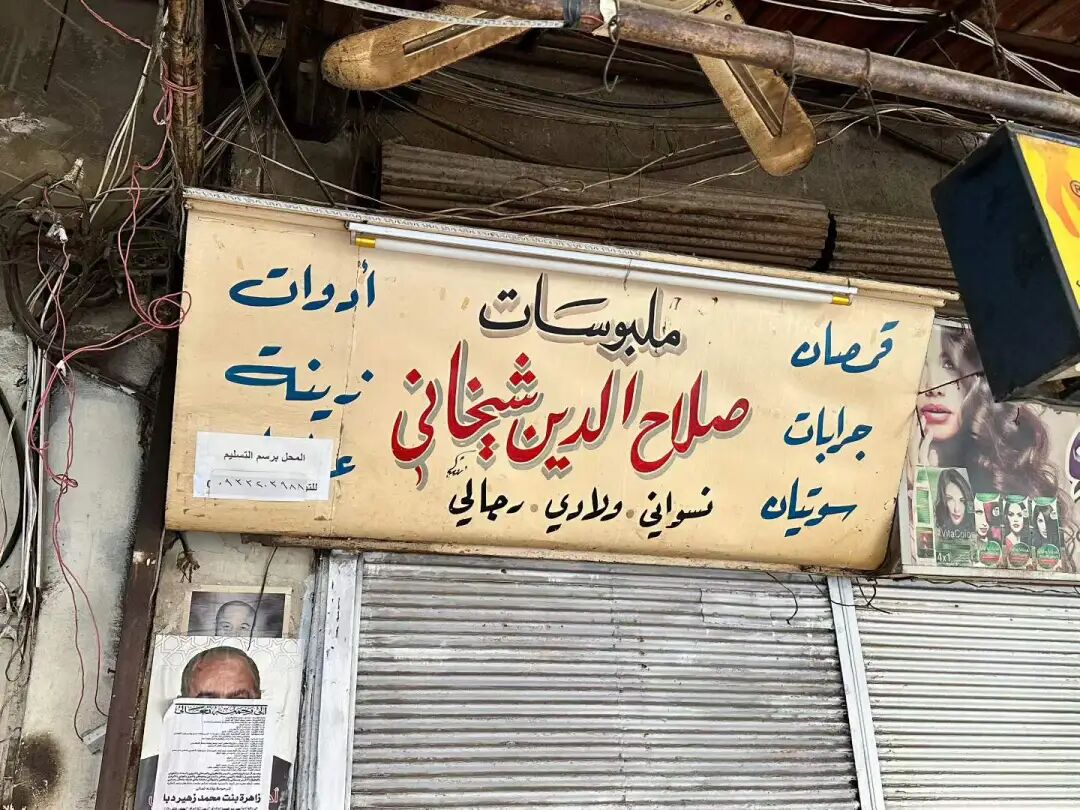
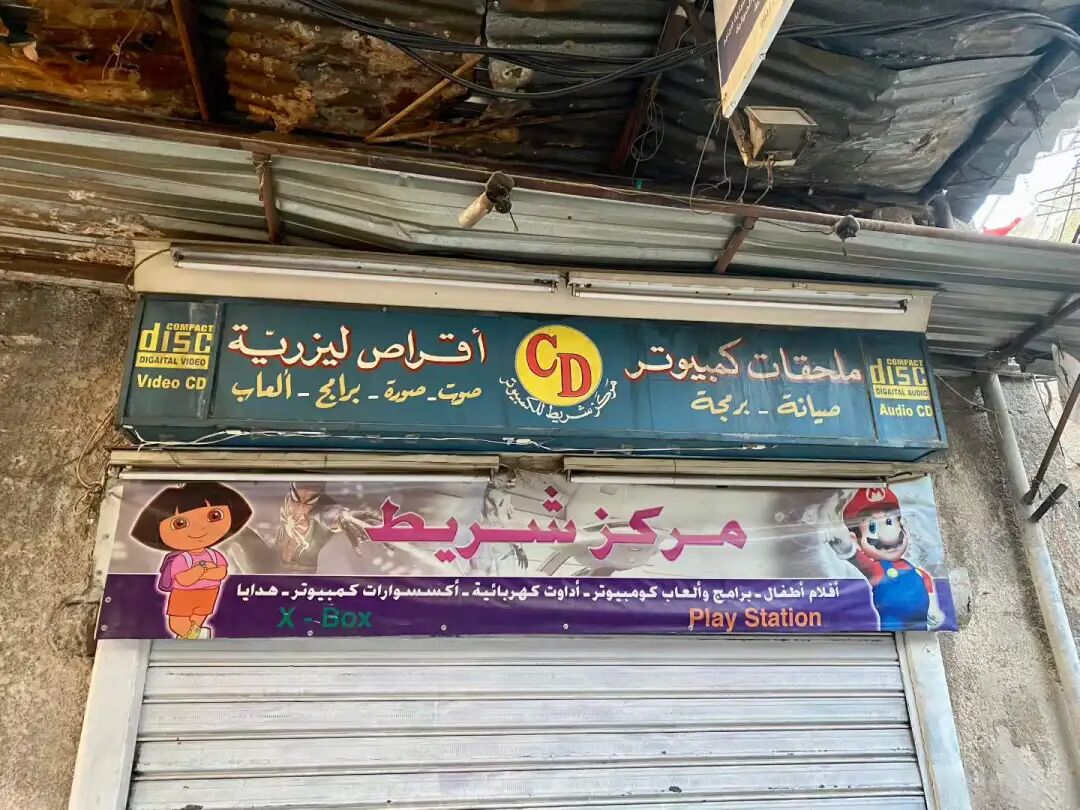
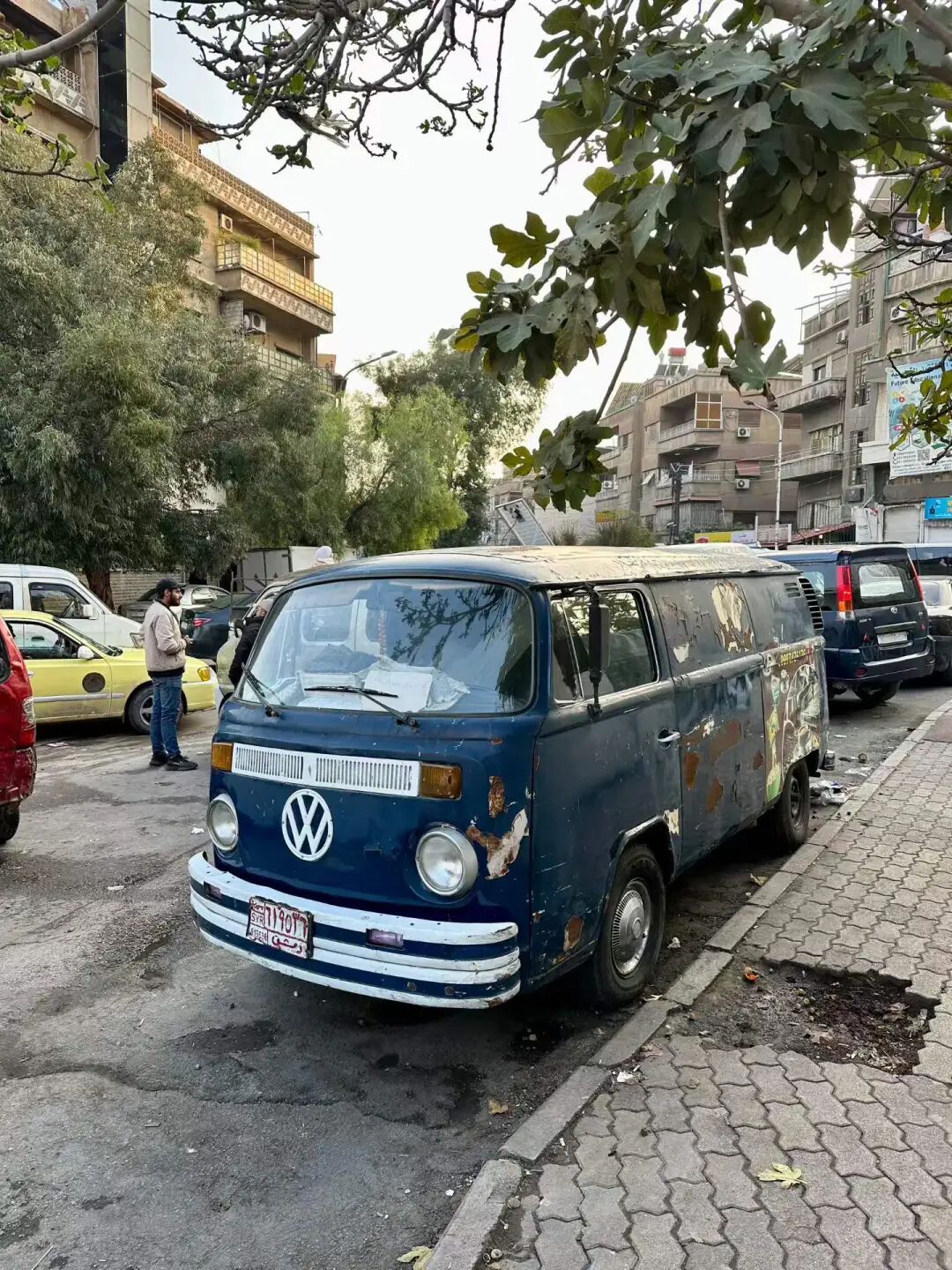
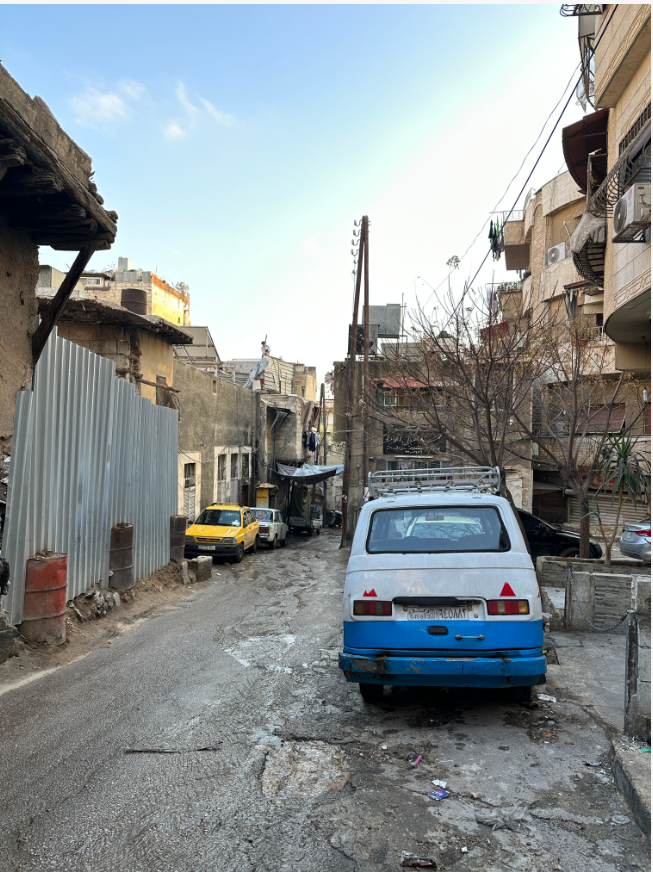
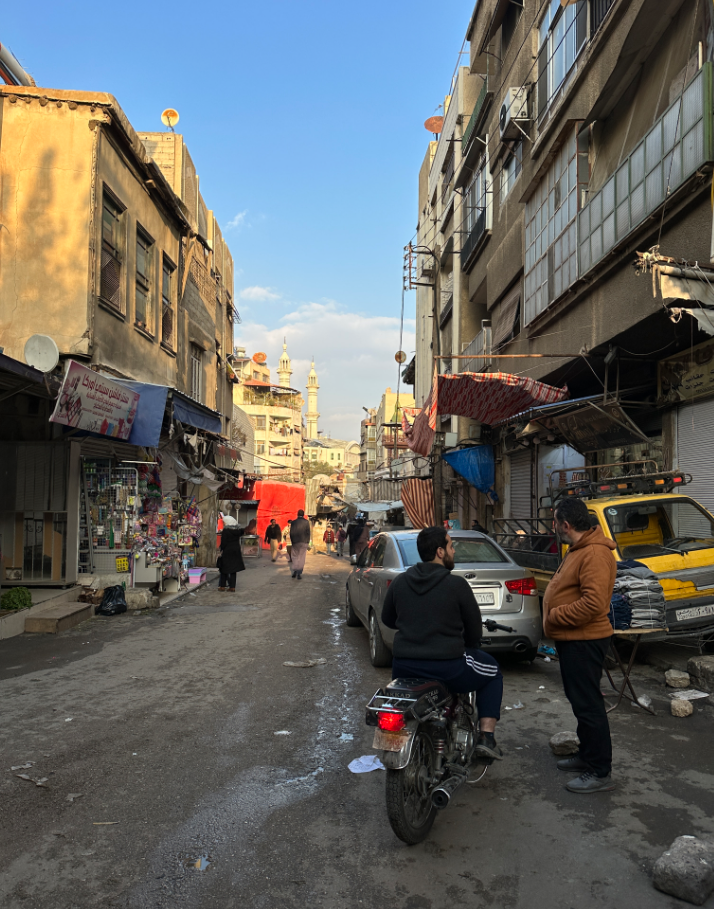
 Collapse Read »
Summary: This Muslim history guide to Damascus follows Sufi sage Ibn Arabi, mosque-area travel, shrine history, and Islamic heritage from the original article.
This article summarizes the key points of visiting the Sufi sage Ibn Arabi in Damascus. It keeps the original paragraph and image order. It is for readers interested in Muslim life, Islamic culture, and Chinese Islamic writing. It also helps with searching for content on namaz, Hajj, and Ramadan.
Salihiyah, located at the foot of Mount Qasioun, is the most important historic district in Damascus outside the old city. Historic buildings from the Ayyubid, Mamluk, and Ottoman dynasties stand along both sides of the Friday market (Jumu'ah market). Some look plain from the outside but are hundreds of years old.
After the Crusaders captured Jerusalem in 1099, many scholars, jurists, and civilians fled to Damascus for refuge. In 1156, the famous Hanbali scholar Ibn Qudamah moved from the West Bank to Damascus to escape the Crusaders and later settled in Salihiyah. He once admired this land and said, 'This is a place of barakah (blessing).'
Saladin, the founder of the Ayyubid dynasty, wanted to provide a safe and stable environment for the scholars and immigrants who fled from Jerusalem to Damascus. Because Ibn Qudamah's home at the foot of Mount Qasioun in the north of the city had become an academic center for the Hanbali school, Saladin decided to build the Salihiyah community at the foot of Mount Qasioun.
The most famous landmark in Salihiyah is the Shaikh Mohiddin Mosque (Masjid Shaikh Mohiddin), which houses the tomb of the famous Sufi sage Ibn Arabi.
Ibn Arabi was born in 1165 in what is now southern Spain, which was then called Al-Andalus. Starting at age 28, he traveled throughout the Middle East for many years, performed Hajj multiple times, and lived in Tunisia, Morocco, and Mecca. At age 58, he finally chose to settle in Damascus to focus on teaching and writing. He passed away in Damascus in 1240 at the age of 75. After Ibn Arabi passed away, his works were translated into Persian, Turkish, and Urdu. They had a great influence on the entire Muslim world, and he is known as a founder of the development of Sufism.
The shrine (gongbei) of Ibn Arabi was originally quite small. In 1518, Ottoman Sultan Selim I ordered its reconstruction during his visit to Damascus, which showed how much the Ottoman Empire valued Sufis at the time. After it was built, the shrine was first named the Selimiye Mosque after the Sultan. Because Ibn Arabi’s title, Muhyiddin, means 'reviver of the faith,' the mosque is also known as the Sheikh Muhyiddin Mosque. On the first Friday (Jumu'ah) of Ramadan after the mosque was finished, the Sultan personally visited to attend prayers and gifted the mosque a pair of silver socks.
The mosque blends architectural styles from the late Mamluk and early Ottoman periods. The shrine is located below the mosque, and you enter it by taking the stairs on the east side of the courtyard. Inside the shrine, besides Ibn Arabi himself, lie his two sons and his followers.
The tiles on the walls of the shrine were laid in 1760.
The Sheikh Muhyiddin Mosque follows a traditional Damascus layout, with a courtyard surrounding the front of the main prayer hall and an Ottoman-style minaret built above the main gate. The walls are covered in yellow and white marble, and there is a Damascus-style pool in the middle of the courtyard. The wall decorations mix Ottoman and Mamluk styles, and the Corinthian capitals on the stone pillars of the main hall feature beautiful carvings. The two large candlesticks in front of the mihrab are also very characteristic of the Ottoman style.
When I first arrived at the Sheikh Muhyiddin Mosque, I happened to catch a funeral prayer (janazah) for a sheikh, and I could really feel the strong religious atmosphere here.
Not far to the east of the Sheikh Muhyiddin Mosque is the Hanabila, another famous mosque in the Salihiya district. Hanabila Mosque is a famous early Ayyubid dynasty mosque in Syria. It was founded between 1208 and 1210 by the famous Hanbali scholar Ibn Qudama. He was born in Jerusalem and settled in Damascus in 1197, which became his main center for scholarship.
The mosque follows the Ayyubid architectural style. It centers on a courtyard, and the main prayer hall follows the layout of the Umayyad Mosque in Damascus, though its structure is more compact. The mosque still has a beautiful pulpit (minbar) and window carvings that are over 800 years old.
Rukniyah Madrasa is located on the far east side of the Salihiyah district in Damascus. It was built in 1224 by the Ayyubid governor of Damascus, Rukn al-Din Mankurs al-Falaki, who is also buried there. Rukniyah Madrasa is the first Ayyubid building with a courtyard covered by a dome. The building consists of two square sections: the larger part is the madrasa, and the smaller part is the tomb. The minaret was added later.
Because the Ayyubid dynasty was busy fighting the Crusades, the architectural style of this period is known for being simple, sturdy, and durable. Rukniyah Madrasa belongs to the Hanafi school of law. It has now been converted into a mosque, and the main hall is not open except during the five daily namaz prayers.
Abd al-Ghani al-Nabulsi Mosque was built in 1764 by Sheikh Mustafa al-Nabulsi, the grandson of the famous Syrian Sufi sheikh and poet Abd al-Ghani al-Nabulsi. Both Sheikh Abd al-Ghani al-Nabulsi and Sheikh Mustafa al-Nabulsi are buried there. Unfortunately, since most mosques in Damascus do not open their doors except for the five daily namaz prayers, I could not go inside.
Sheikh Abd al-Ghani's family came from the Banu Jama'a. For generations, they served as chief judges and great Sufi sheikhs during the Mamluk dynasty. One branch of his family settled in Damascus after the Ottoman Empire conquered the Mamluk dynasty in 1516. They continued to hold positions such as the Shafi'i Grand Mufti of Damascus and teachers at the Umayyad Mosque.
Sheikh Abd al-Ghani was born in Damascus in 1641. His father switched from the Shafi'i school to the Hanafi school after a debate with Hanafi students. This was the mainstream school of the Ottoman Empire at the time. Abdul-Ghani began studying Islamic law as a child. He joined the Qadiriyya and Naqshbandiyya Sufi orders and spent seven years in quiet retreat at home. He traveled widely across the Middle East and wrote over 200 books. He was especially known for his deep research into the Sufi sage Ibn Arabi.
Before Sheikh Abdul-Ghani, the Salhiyya district of Damascus followed the Hanbali school of law. He was the first to bring Hanafi and Shafi'i ideas to the area and hosted many Hanafi students in his home.
The Jharkasiya Madrasa is on the market street in the Salhiyya district of Damascus. It was built in 1237 by the Ayyubid general Salim al-Din al-Hattra for his teacher, the Ayyubid general Jharkas ibn Abdullah. Both Jharkas ibn Abdullah and Salim al-Din al-Hattra are buried inside.
Jharkas was a commander in Saladin's personal guard and witnessed all of Saladin's military campaigns. The Jharkasiya Madrasa has a very rare double-domed tomb. Historically, the school taught both Hanafi and Shafi'i law, but today it serves as a mosque.
The Mershadiyeh Madrasa is on the west side of the Salhiyya district in Damascus. It was built in 1252 with funding from Khadija Khatun, the daughter of the Ayyubid Emir of Damascus, Al-Mu'azzam Isa. She is buried in the courtyard after her passing.
The square minaret of the madrasa is the only surviving example of 13th-century Ayyubid architecture in Damascus. The madrasa is currently closed. You must contact the Syrian Directorate-General of Antiquities and Museums to enter.
The Takrityya Madrasa is on the far west side of the Salhiyya district in Damascus. It was built in 1298 by the Emir Taqi al-Din al-Takriti, who is buried inside. This building dates back to the Mamluk period, but it keeps the strict and simple architectural style of the Ayyubid dynasty. The Mongol army destroyed this place in 1300, but it was rebuilt later.
Rabia Khatun, the sister of Ayyubid founder Saladin, built the Sahiba Madrasa in 1233, and her tomb is inside. People call this madrasa a model of Ayyubid architecture because of its thick walls and beautiful carvings that only use simple geometric shapes.
This madrasa once taught the Hanbali school of thought, which was the mainstream school at the time. Today, it is a primary school for girls, and generations of local residents have studied here.
Juma Market, the main road of the Salihiya historic neighborhood in Damascus.
The market in Salihiya grew quickly during the Ayyubid dynasty as more people moved here from Jerusalem. The Juma Market in front of the gongbei of the Sufi sage Ibn Arabi only sold goods after Friday namaz at first, but it eventually became a permanent market while keeping the name Juma Market. It is still a great place for nearby residents to shop today.
Handwritten signs at the market.
Collapse Read »
Beijing Halal Food Guide: Guyuan Stewed Snacks, Tianjin Tea Soup and Nanjing Chicken Soup
Reposted from the web
Summary: This Beijing halal food guide covers Guyuan stewed snacks, Tianjin tea soup, Nanjing chicken soup, halal food in China, and food festival details.
This article summarizes the key points of the Beijing Exhibition Center International Food Fair, covering Guyuan stewed snacks (huixiaochi), Tianjin tea soup (chatang), and Nanjing chicken soup. It keeps the original paragraph and image order, making it perfect for readers interested in Muslim life, Islamic culture, and Chinese Islamic writing. It also helps with searching for content related to Uyghur culture, Guyuan stewed snacks, and Tianjin tea soup.
Summer is here, and there are more and more food streets in Beijing, with several popping up every weekend.
I went to the Beijing Exhibition Center International Food Fair at night. There was so much good food that I could eat specialties from Ningxia, Gansu, Xinjiang, Beijing, Tianjin, and Nanjing. I was stuffed by the end of the night. The food festival runs until Sunday and is well worth a visit.
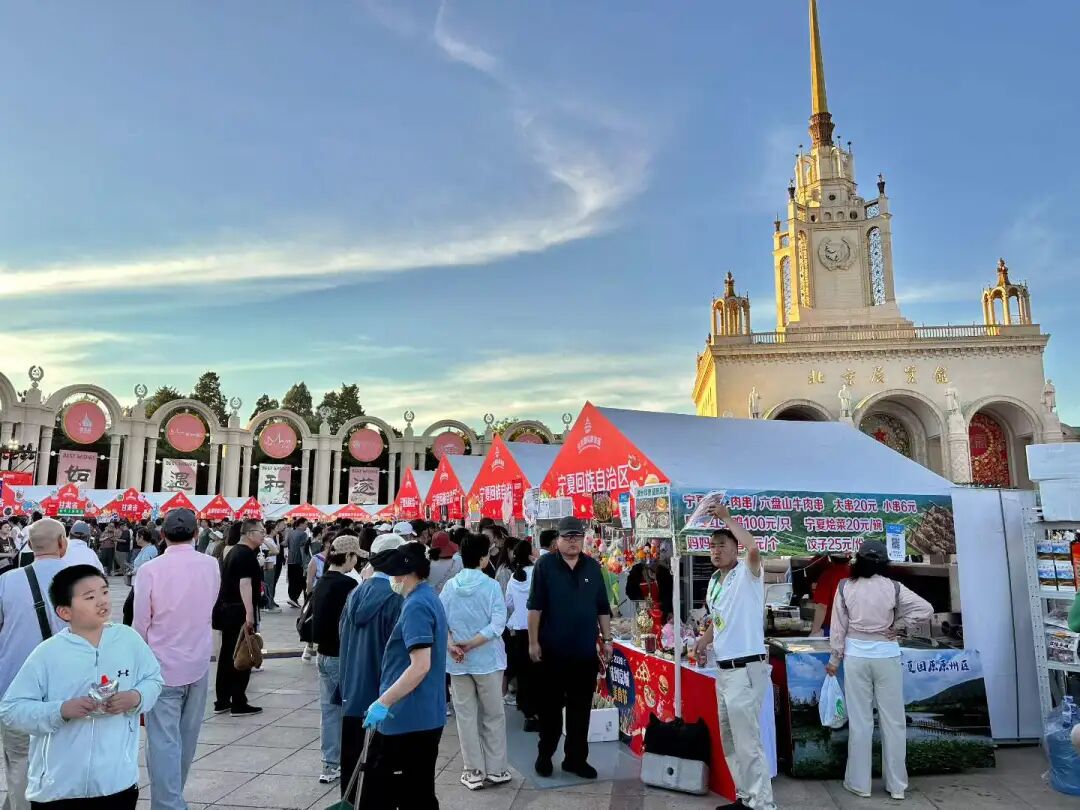
As soon as you enter the west entrance, you see the Ningxia stalls. From inside to outside, there is Yuanzhou Impression Guyuan Taste from Moshikou Street in Shijingshan, Baicao Tan Lamb from Lianhua Bridge, Jingyu Yanyu from Guomao, and the Ningxia Building from Andingmen.
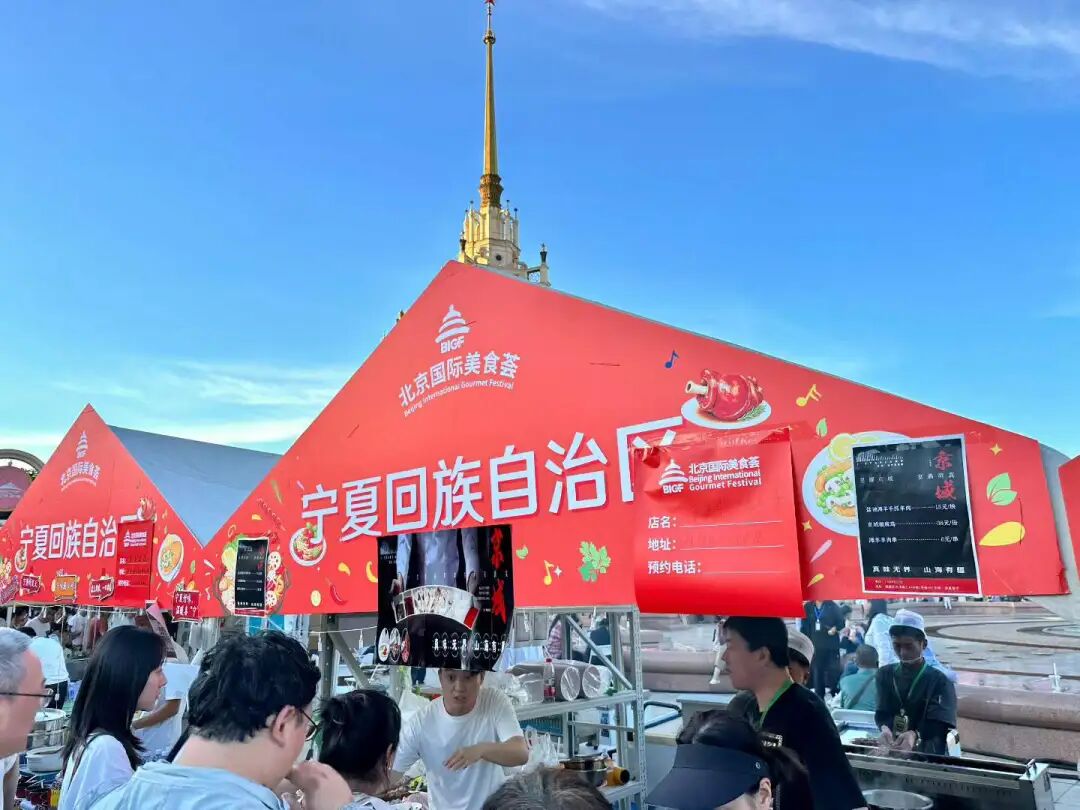
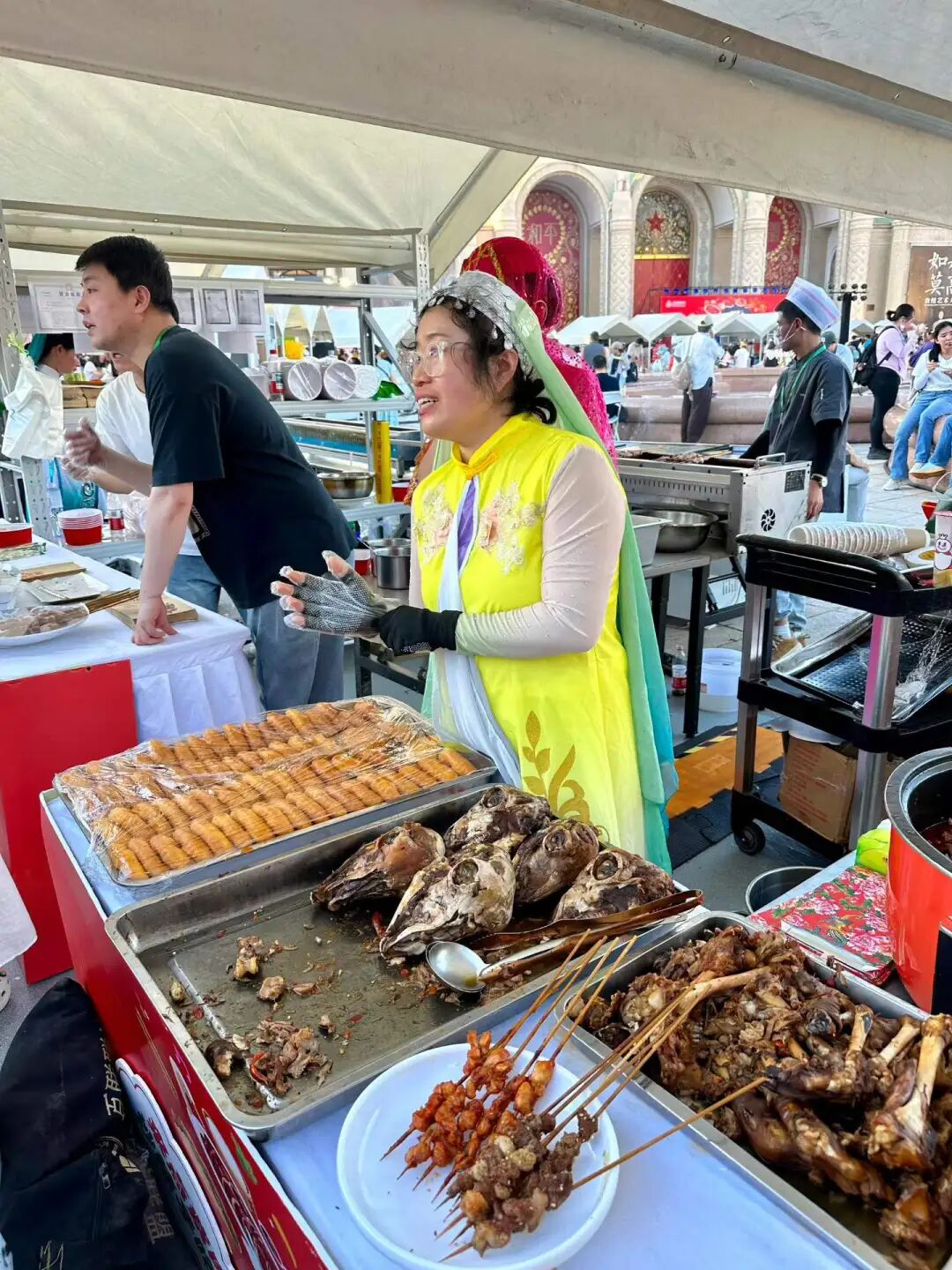
I did not expect to find Guyuan food here! We tried the Guyuan specialty stewed snacks (huixiaochi), which is one of the ten classic bowls of the Hui Muslims in Guyuan. This is similar to the noodle soup (fentang) of Northwest China, which is usually cooked in a big pot during dry, cold weather and eaten with fried dough (youxiang).
The core of Guyuan stewed snacks is egg-stuffed meat slices (jiaban), meatballs, and mung bean jelly (liangfen), all stewed together with a rich, fresh broth and vegetables. However, this stall did not have meatballs; they used egg-stuffed meat slices and meat slices instead. Egg-stuffed meat slices are made by mixing eggs, starch, and flour into a batter, spreading it thin, sandwiching it with lamb filling, steaming it, and cutting it into diamond-shaped pieces. They are soft and chewy with a meaty aroma, and you can add side dishes like wood ear mushrooms, vermicelli, tofu, and spinach.
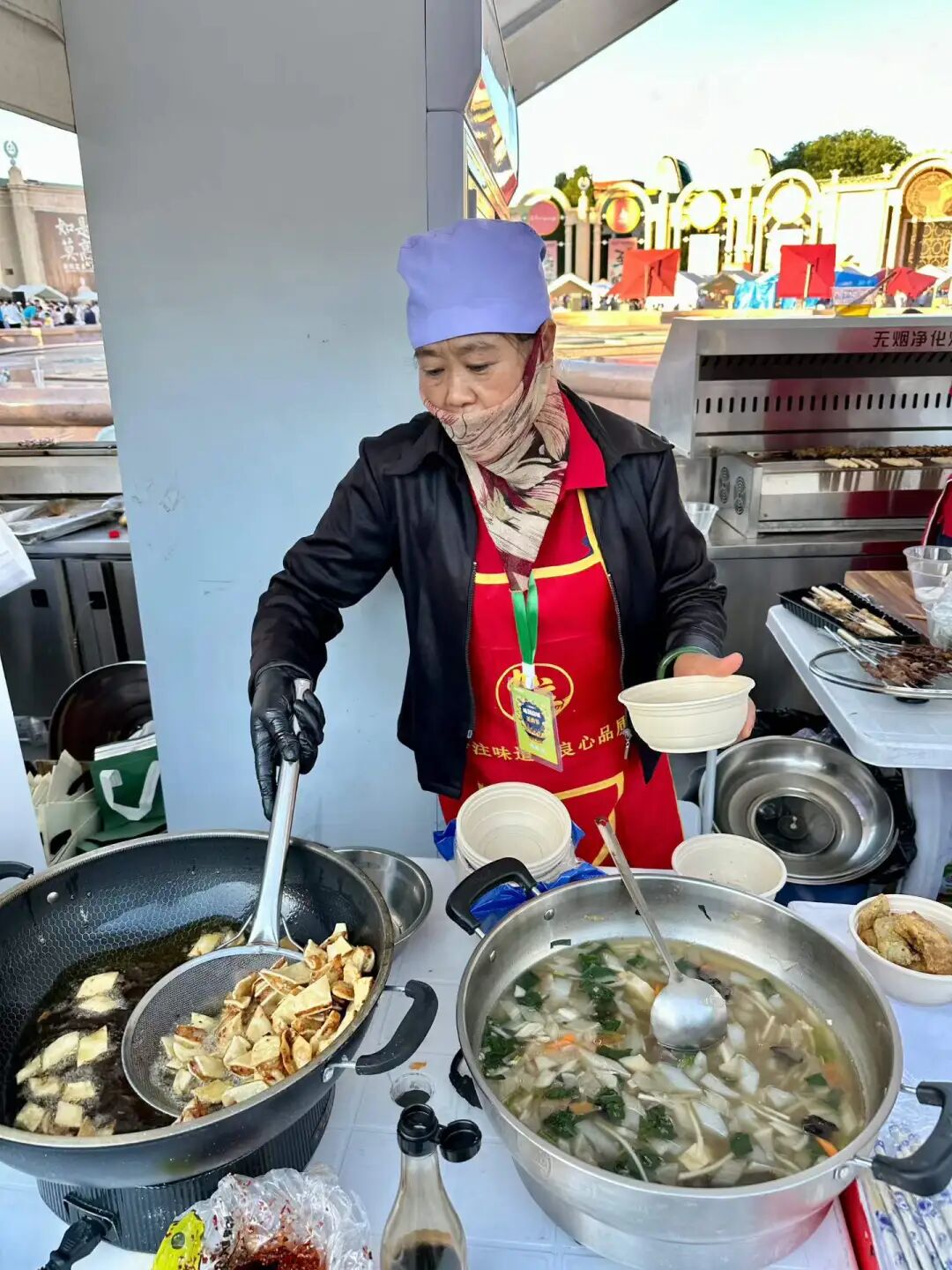
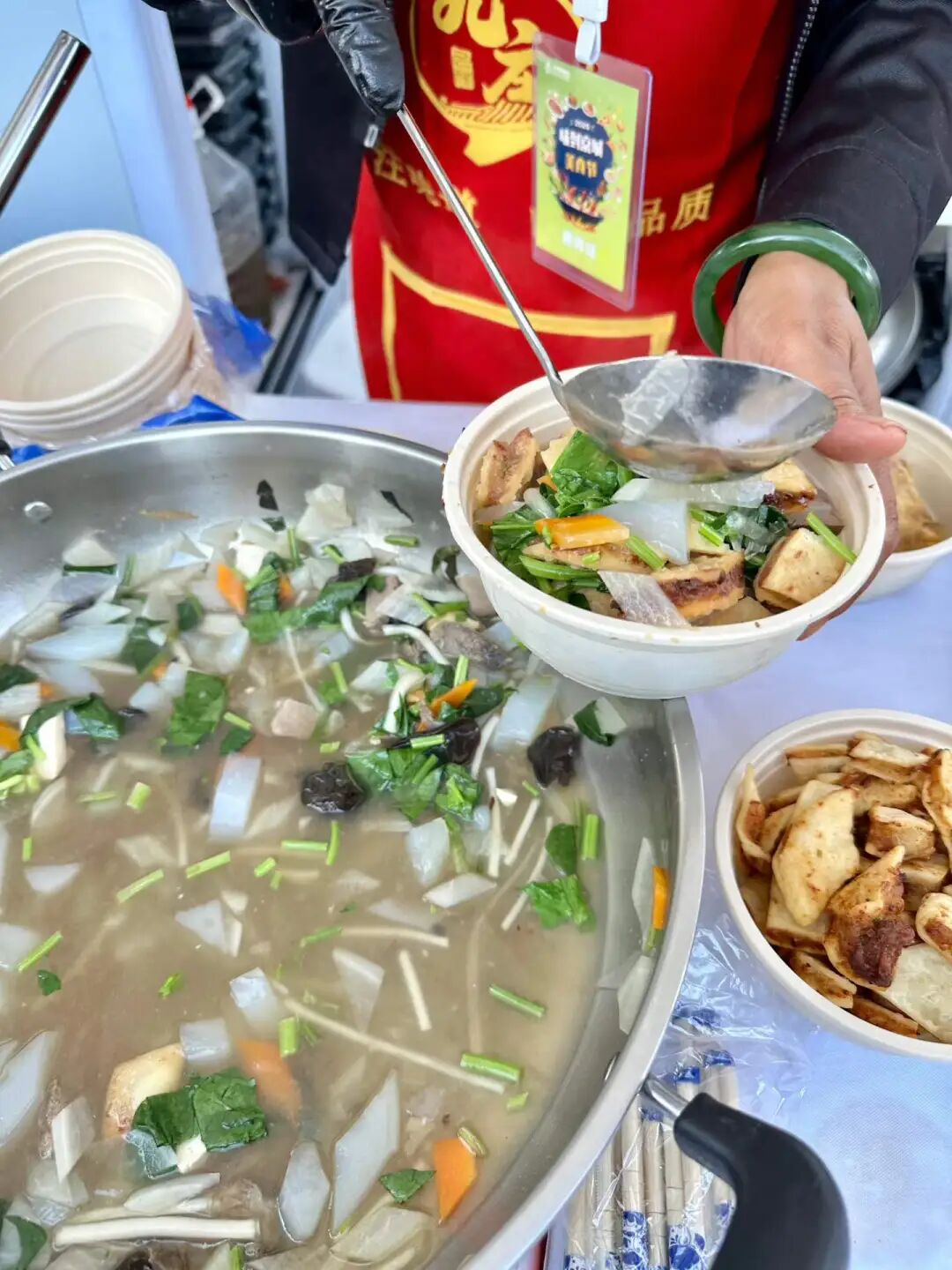
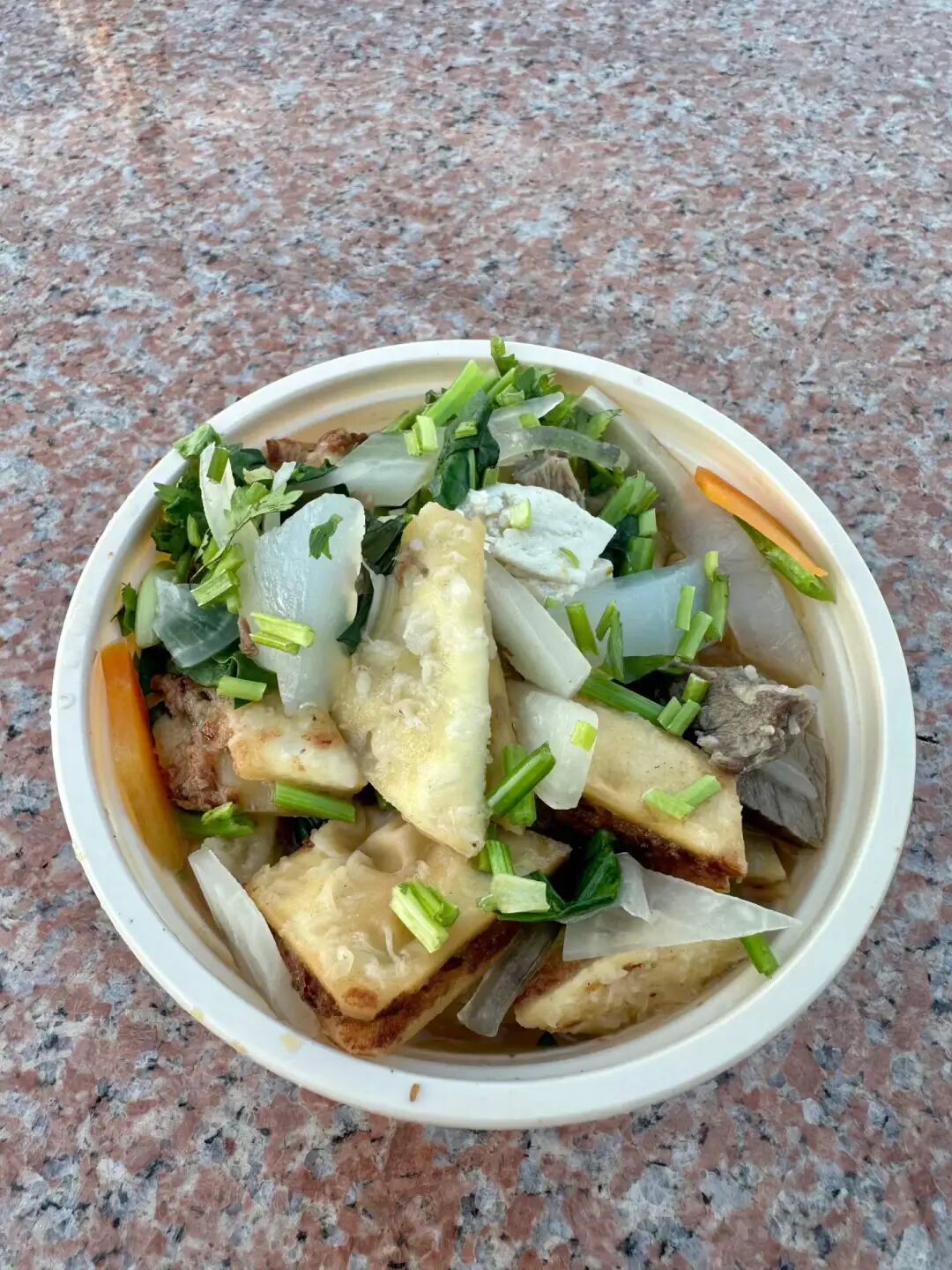
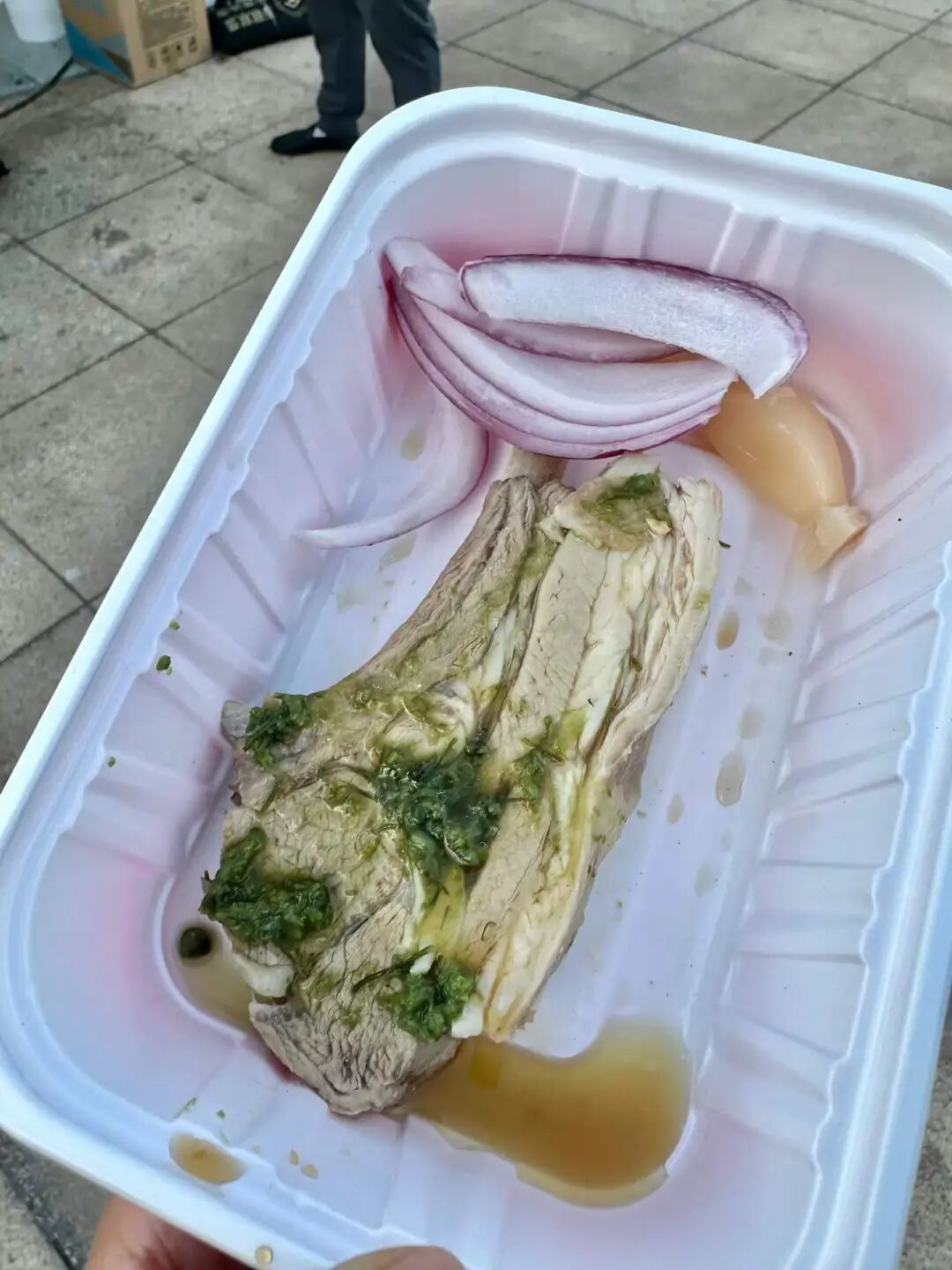
I then bought some hand-grabbed meat (shouzhuarou) and served it with chive flower sauce, onions, and sweet garlic. It tasted pretty good.
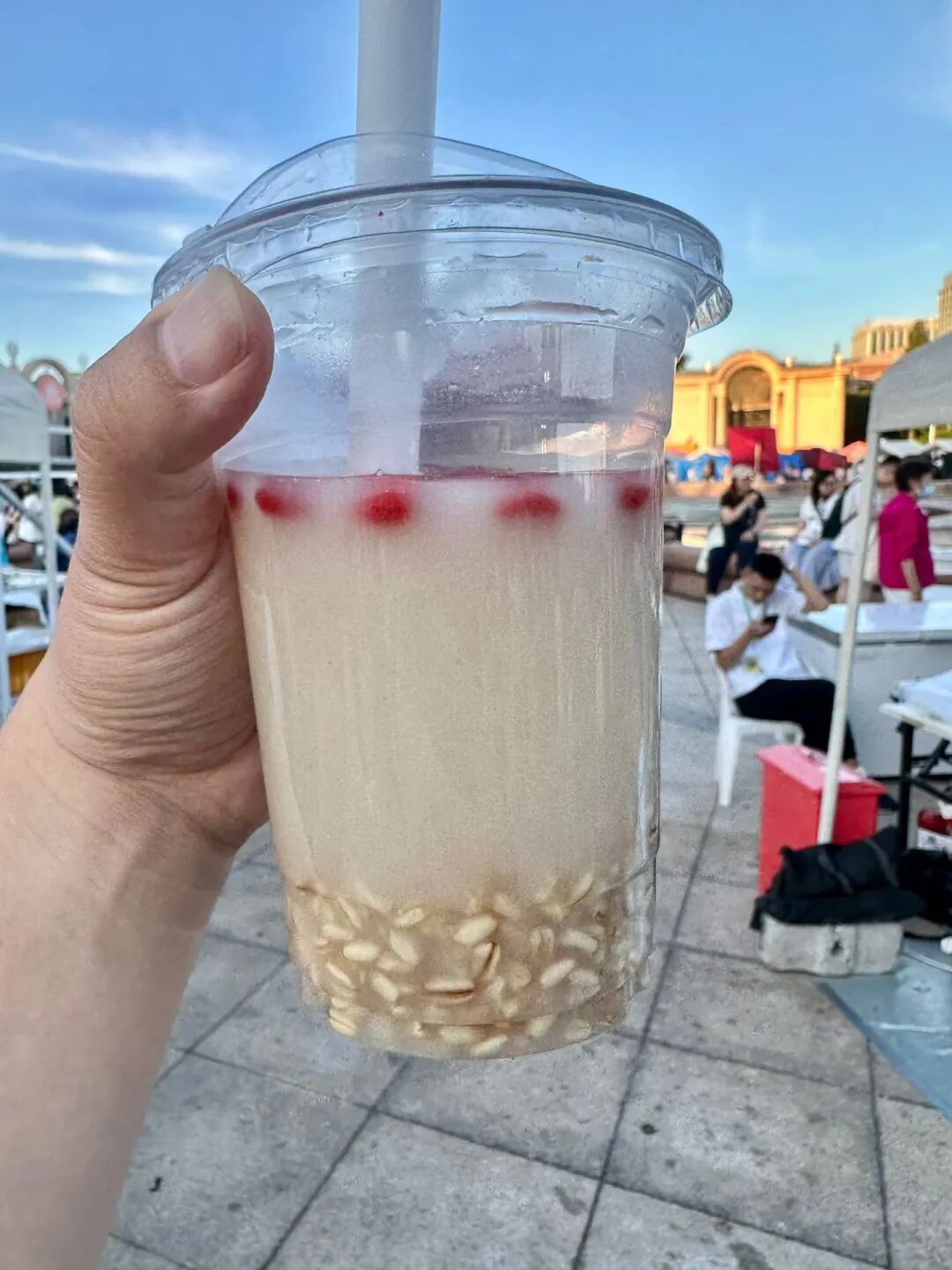
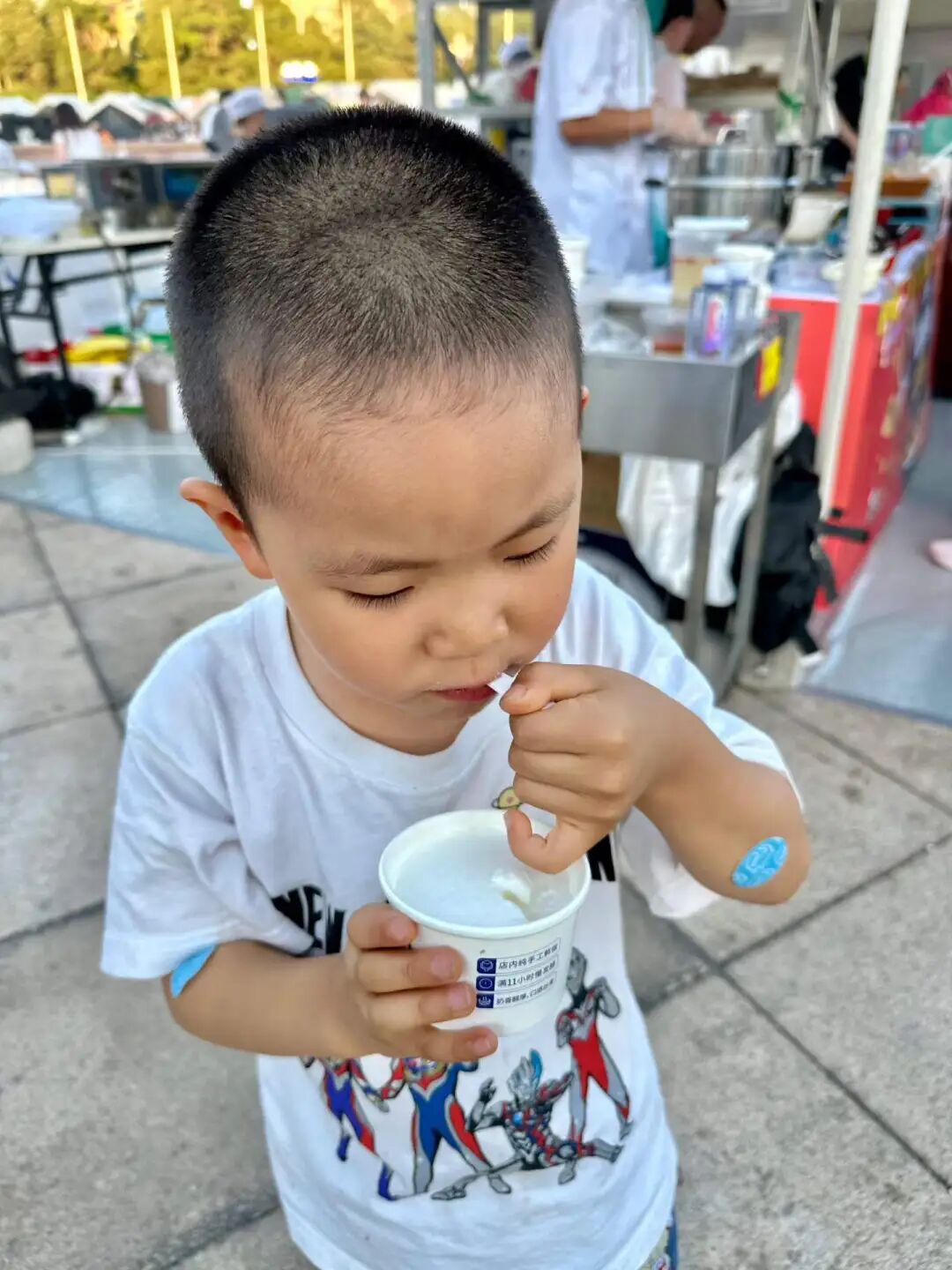
After eating, I bought some fermented oat drink (tianbeizi) and homemade xylitol yogurt at a stall in the Ningxia Building. Drinking tianbeizi in the summer is very refreshing.
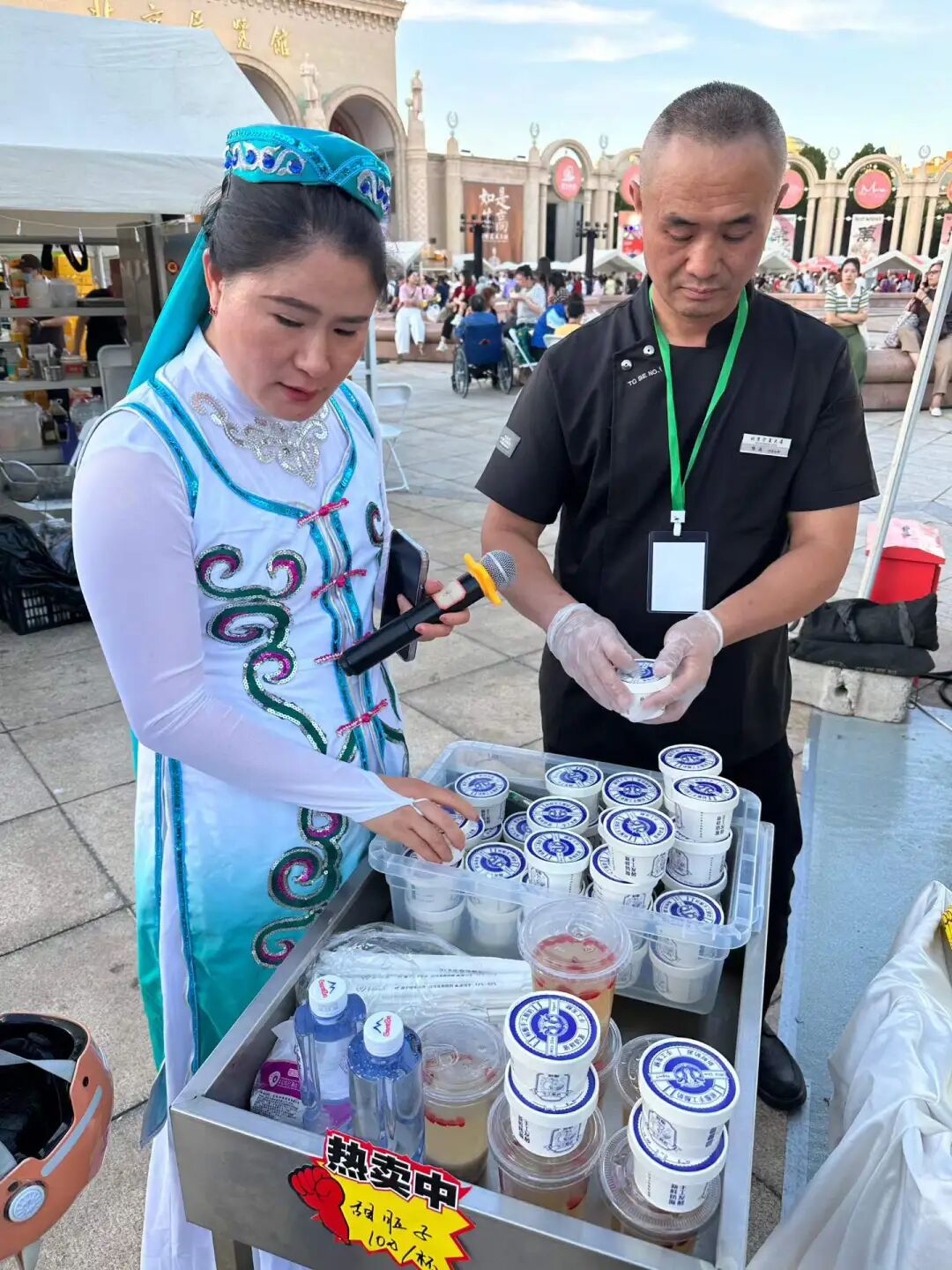
I was pleasantly surprised to find two Hui Muslim snack stalls from Tianjin at this Beijing International Food Festival held at the Beijing Exhibition Center: Yuansuzhai Old-Style Fried Rolls (juanquan) from Honghuli and Chatang Hui from the Northwest Corner.
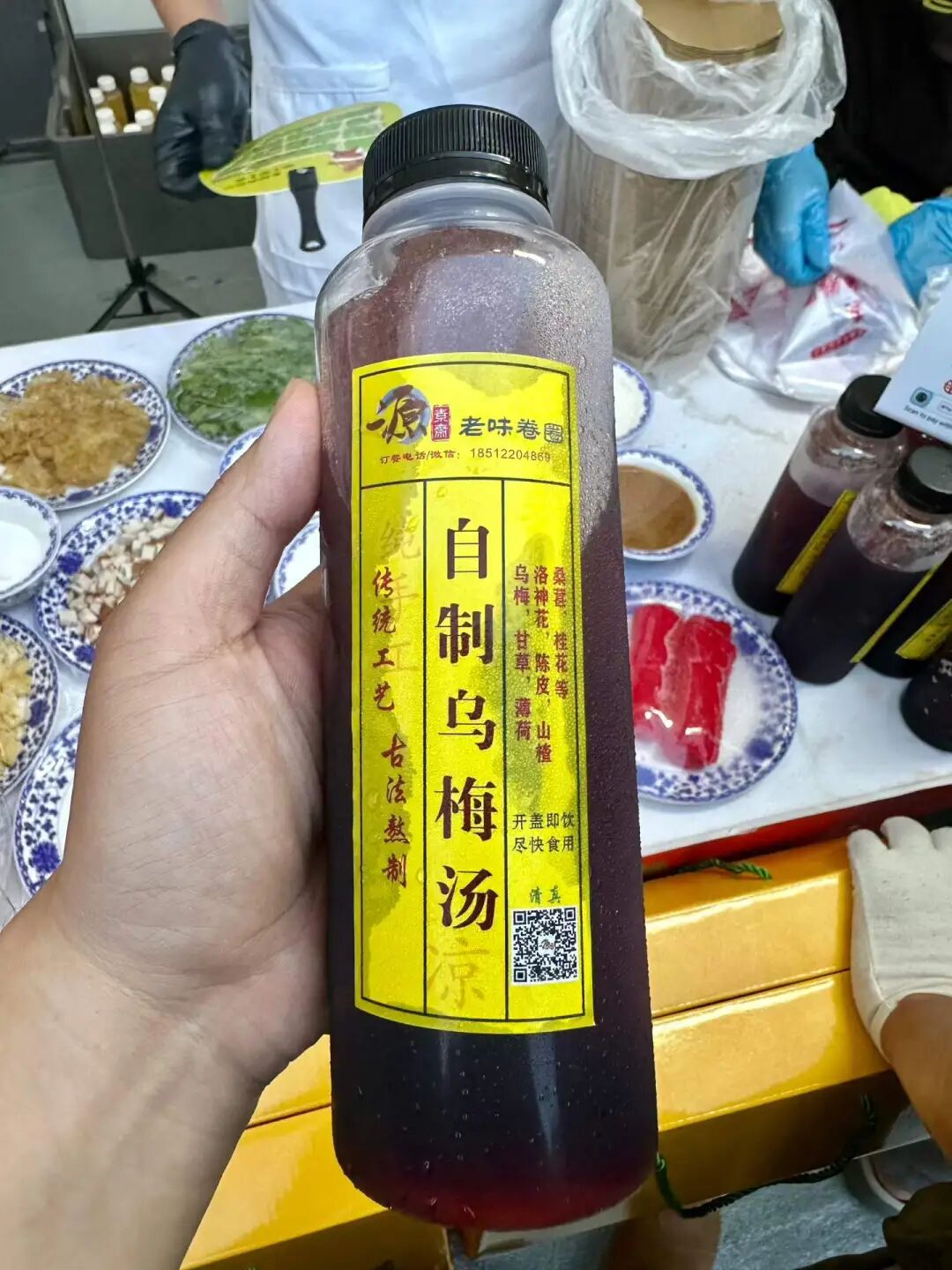
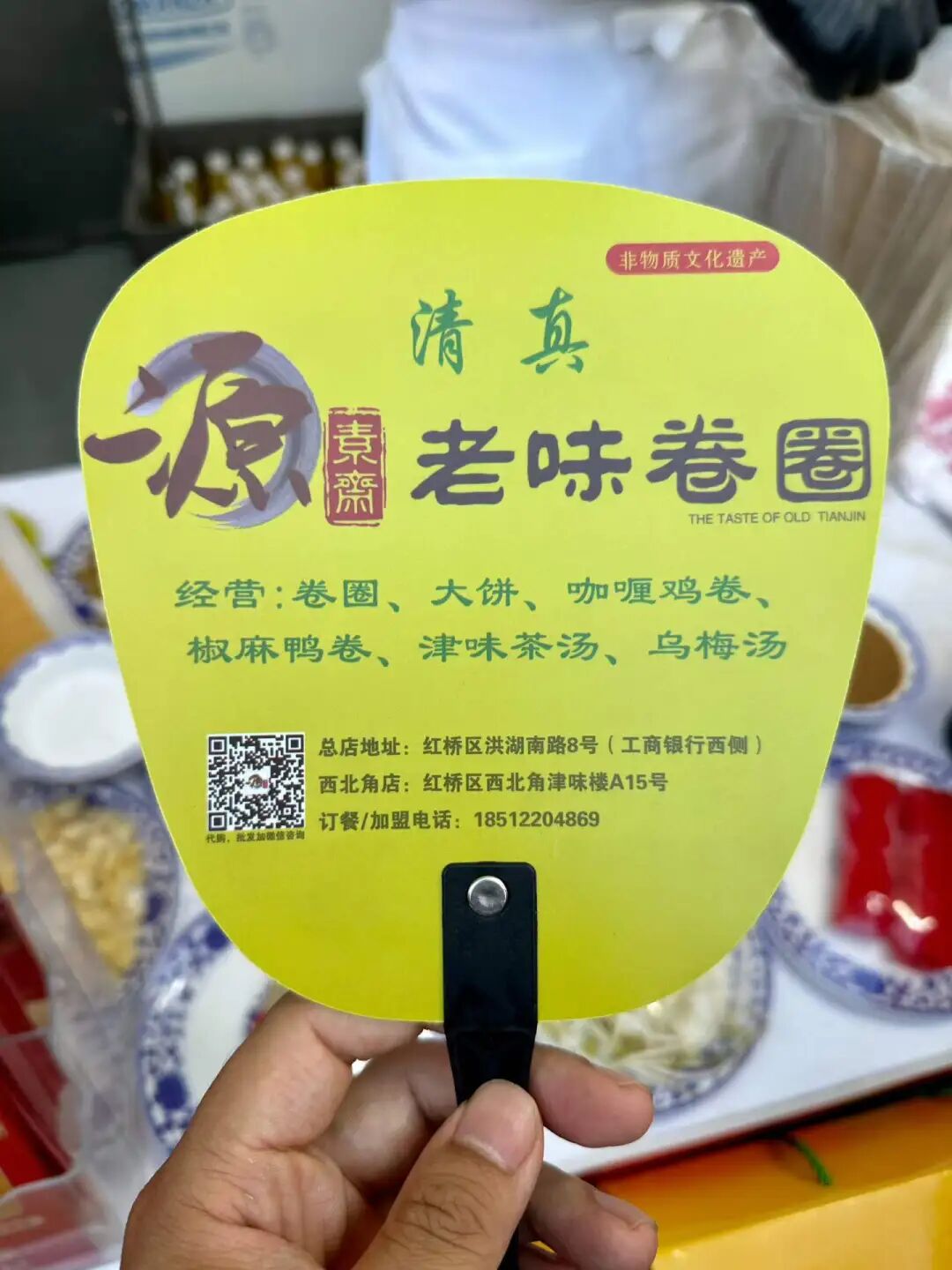
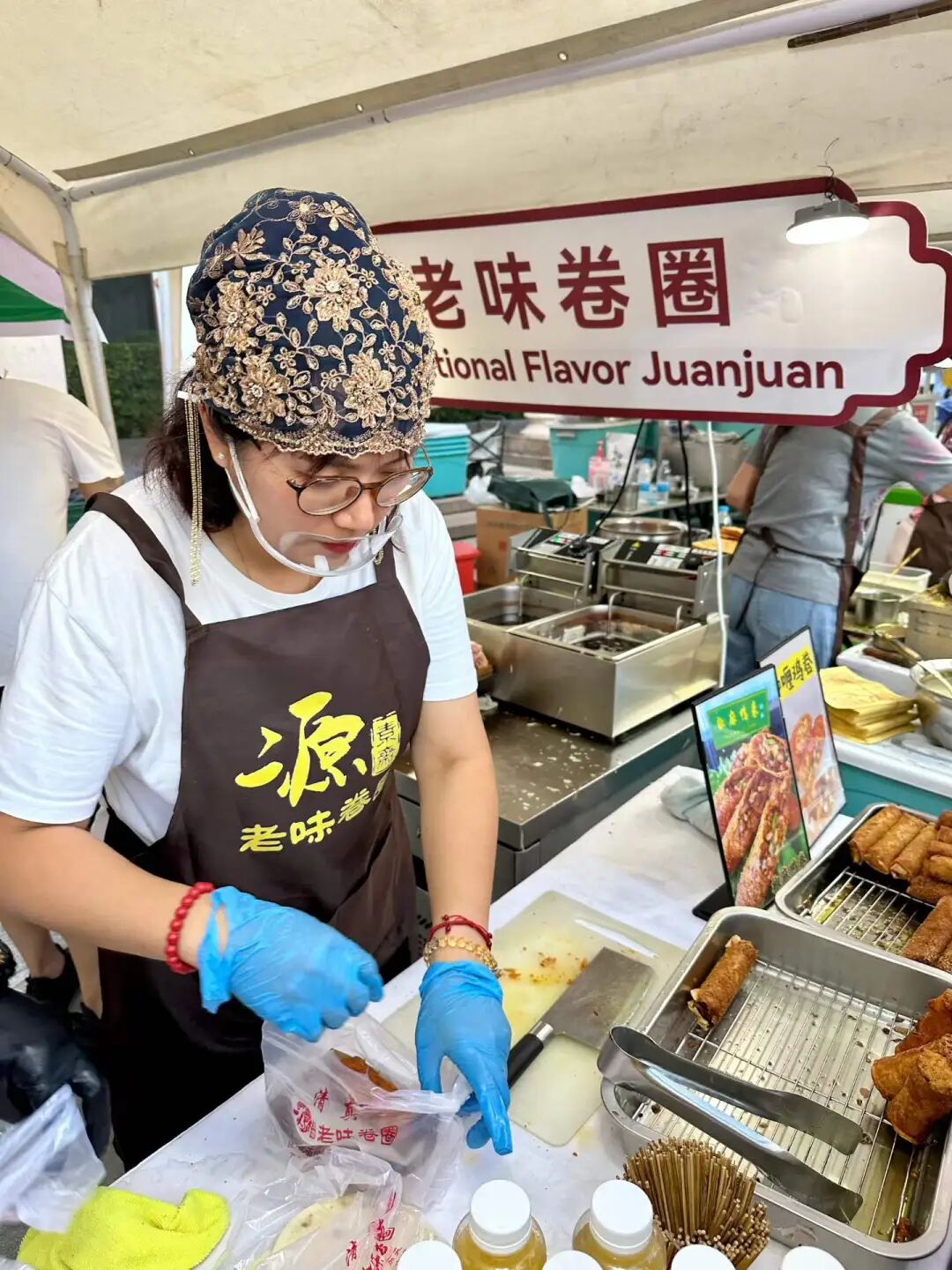
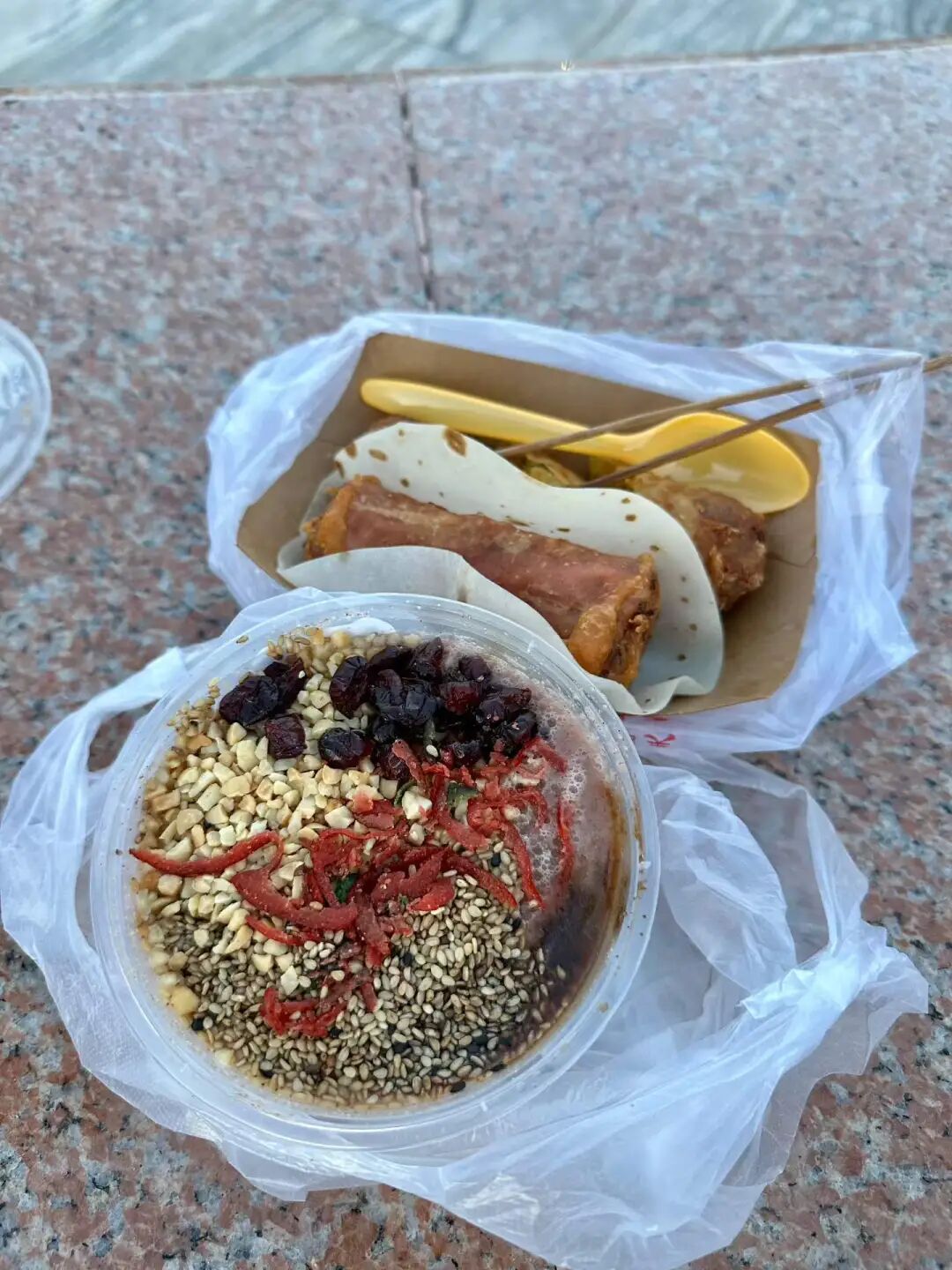
Yuansuzhai sells old-style fried rolls, curry chicken rolls, and peppercorn duck rolls, all served with homemade dark plum juice (wumeitang). The old-style fried rolls are vegetarian and filled with bean sprouts. The curry chicken roll skin is thicker and crispier, tasting a bit like a South Asian samosa. Traditionally, these rolls should be wrapped in a large flatbread (dabing), but they provided small thin pancakes instead so festival guests could try more varieties. I thought that was a great idea. I really love their homemade dark plum juice. I bought some when I visited Honghuli last time. It contains mulberries, osmanthus, roselle, dried tangerine peel, hawthorn, dark plum, licorice, and mint. It is very cooling and quenches thirst.
Yuansuzhai has a hundred-year history and has been passed down through four generations. They started selling fried rolls at a stall in North Zhulin near the Sancha River estuary in the 1920s. North Zhulin was originally a low-lying river beach along the Ziya River. It became solid land in the late Qing Dynasty. By the late Qing and Republican eras, it became a settlement for fishermen, boatmen, and dock workers living in makeshift shelters. Many Hui Muslim snack stalls gathered there, selling items like fried rolls, savory crepe strips (guobacai), and fried cakes (zhagao). The Tongyizhuang Mosque in North Zhulin was built during the Guangxu reign of the Qing Dynasty. It is 150 years old and is the only historical building preserved after the North Zhulin area was demolished.
In the late 1980s, Tianjin began large-scale urban renewal. Old districts like North Zhulin, Tongyizhuang, Xiyuzhuang, Hebei Street, and Beidaguan were demolished, and residents were relocated to Jiayuanli in the Beichen District. In the early 1990s, Yuansuzhai moved to the Jiayuanli commercial street along with the demolition of Beizhulin, becoming a landmark snack spot in Jiayuanli. The Jiayuanli shop closed in 2017, and the fourth-generation owner moved Yuansuzhai again to the Honghuli food street on Honghu South Road, starting with a breakfast cart before opening a formal storefront.
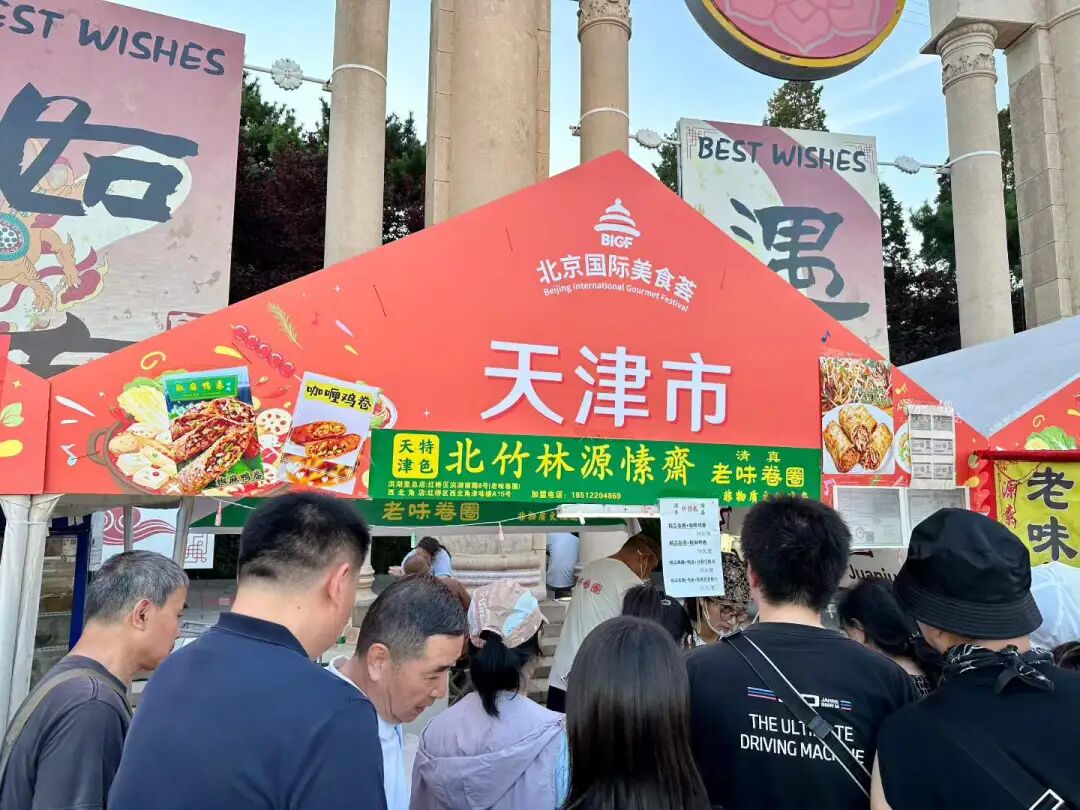
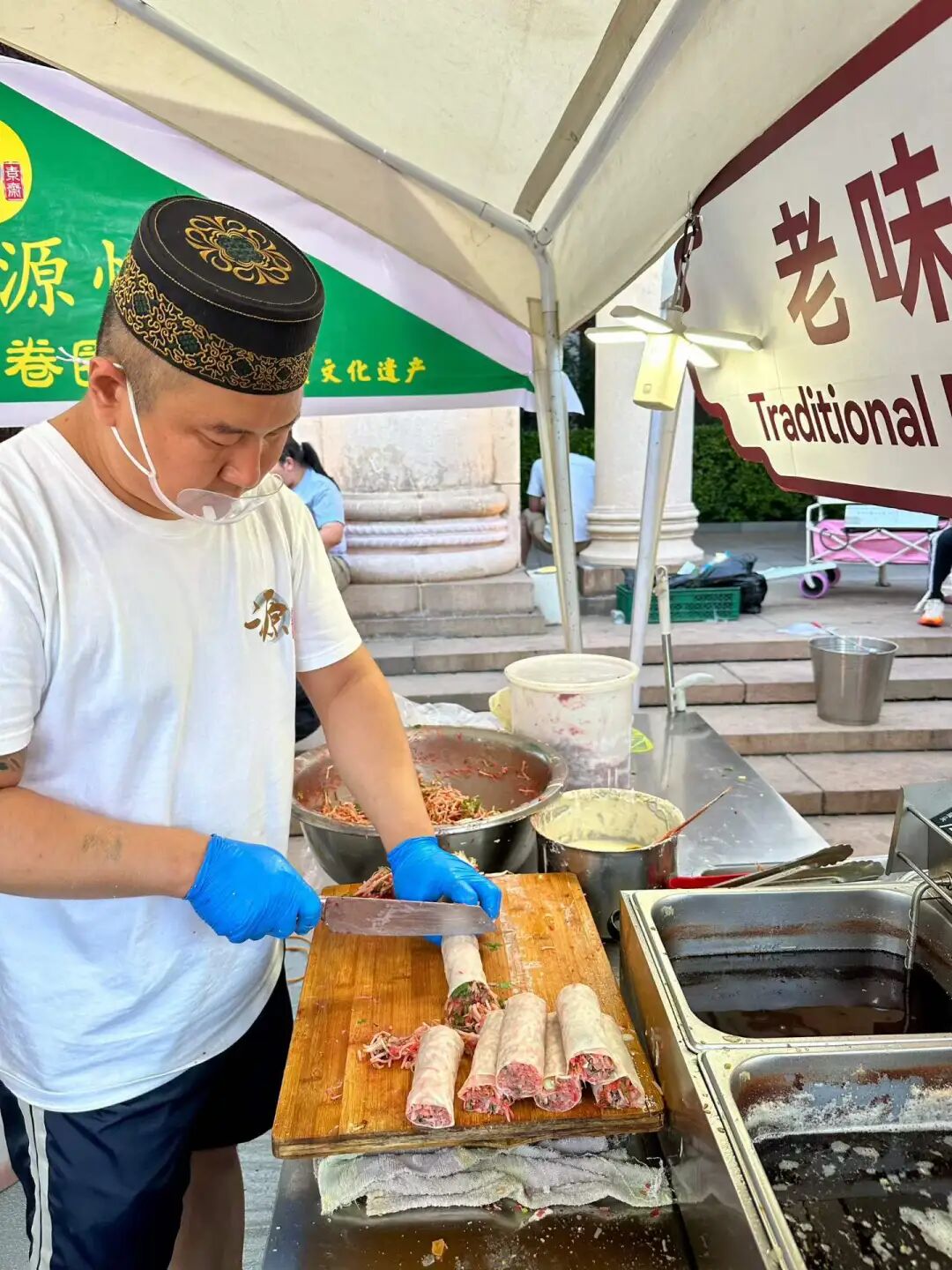
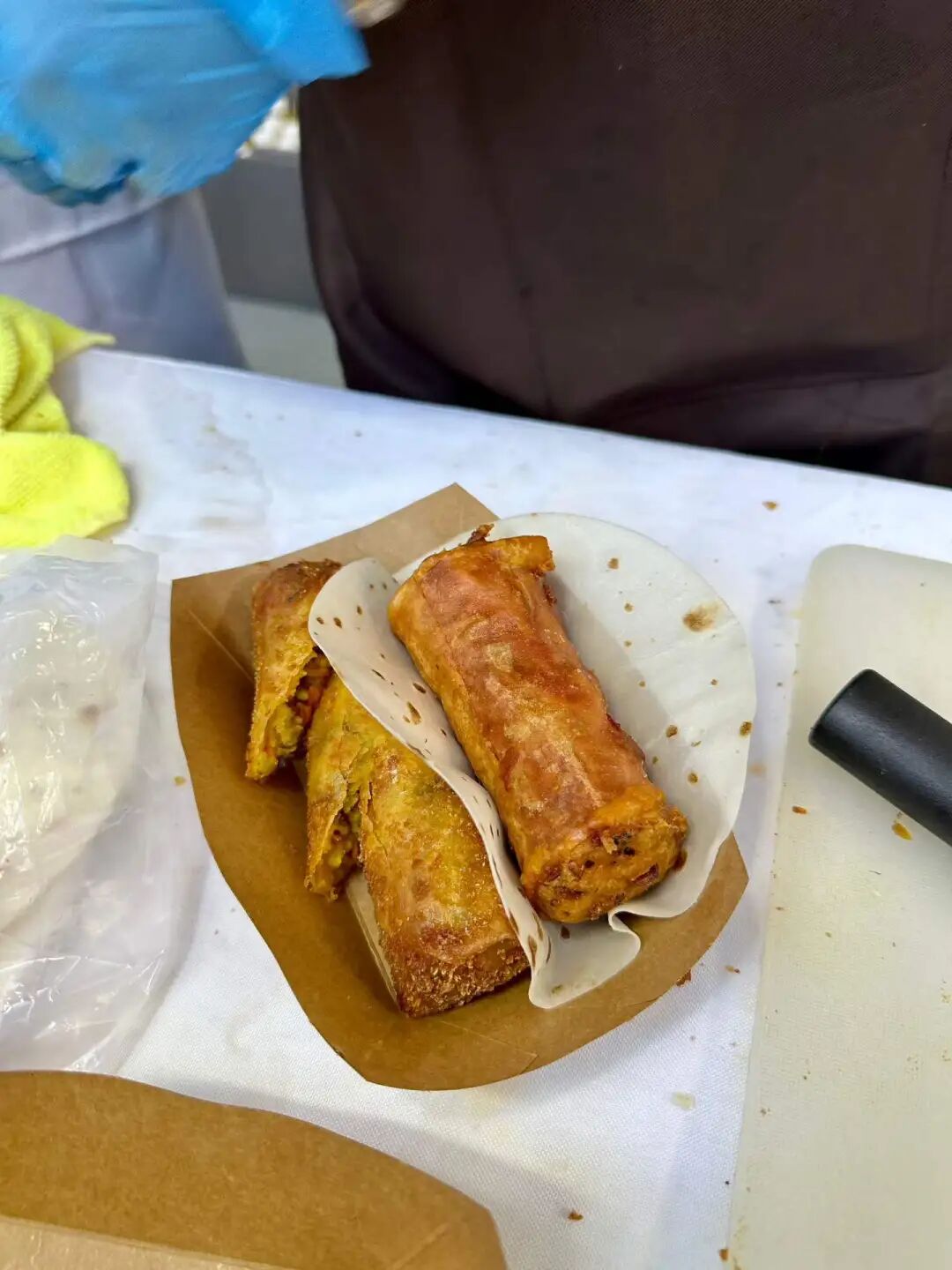
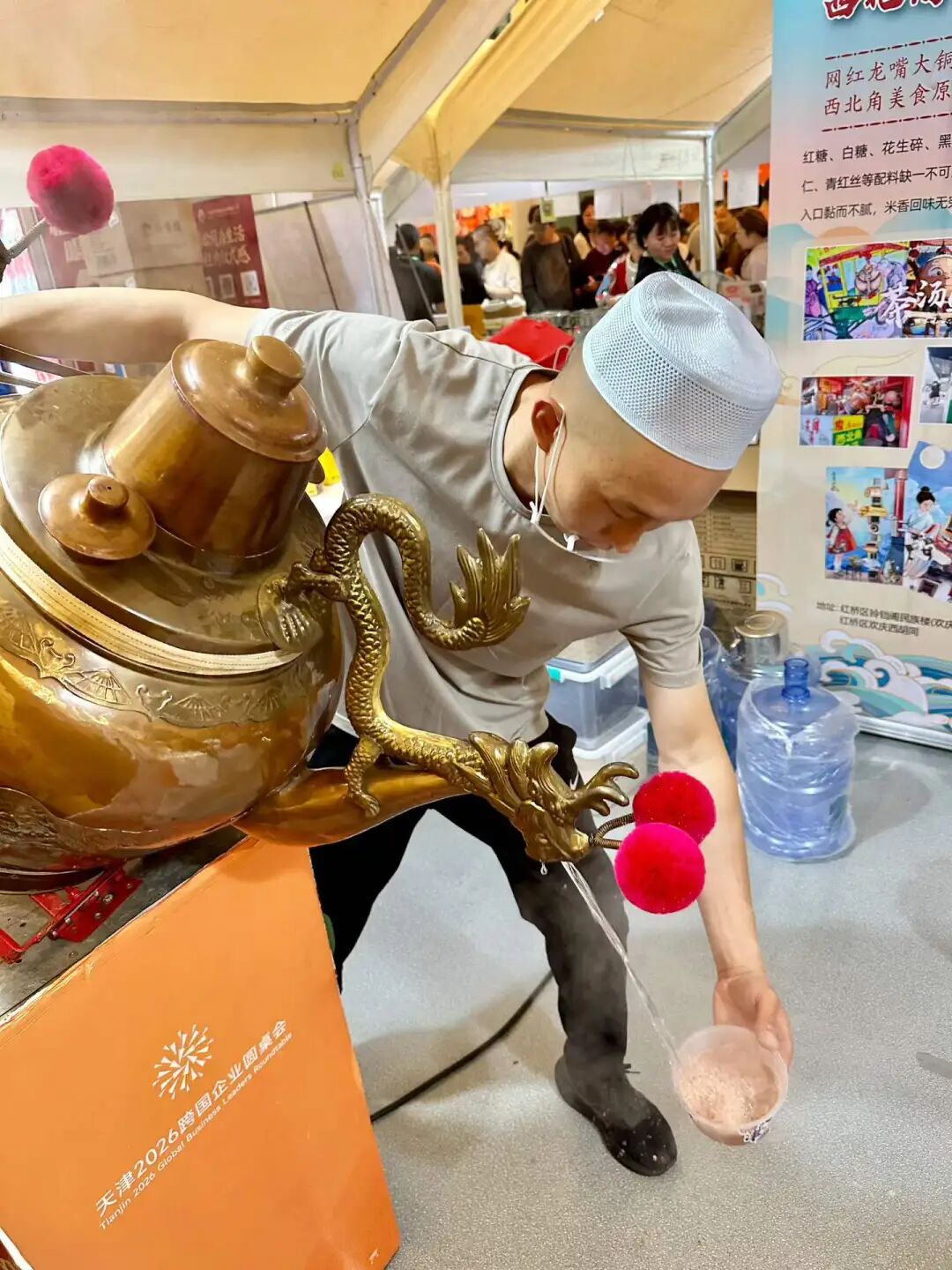
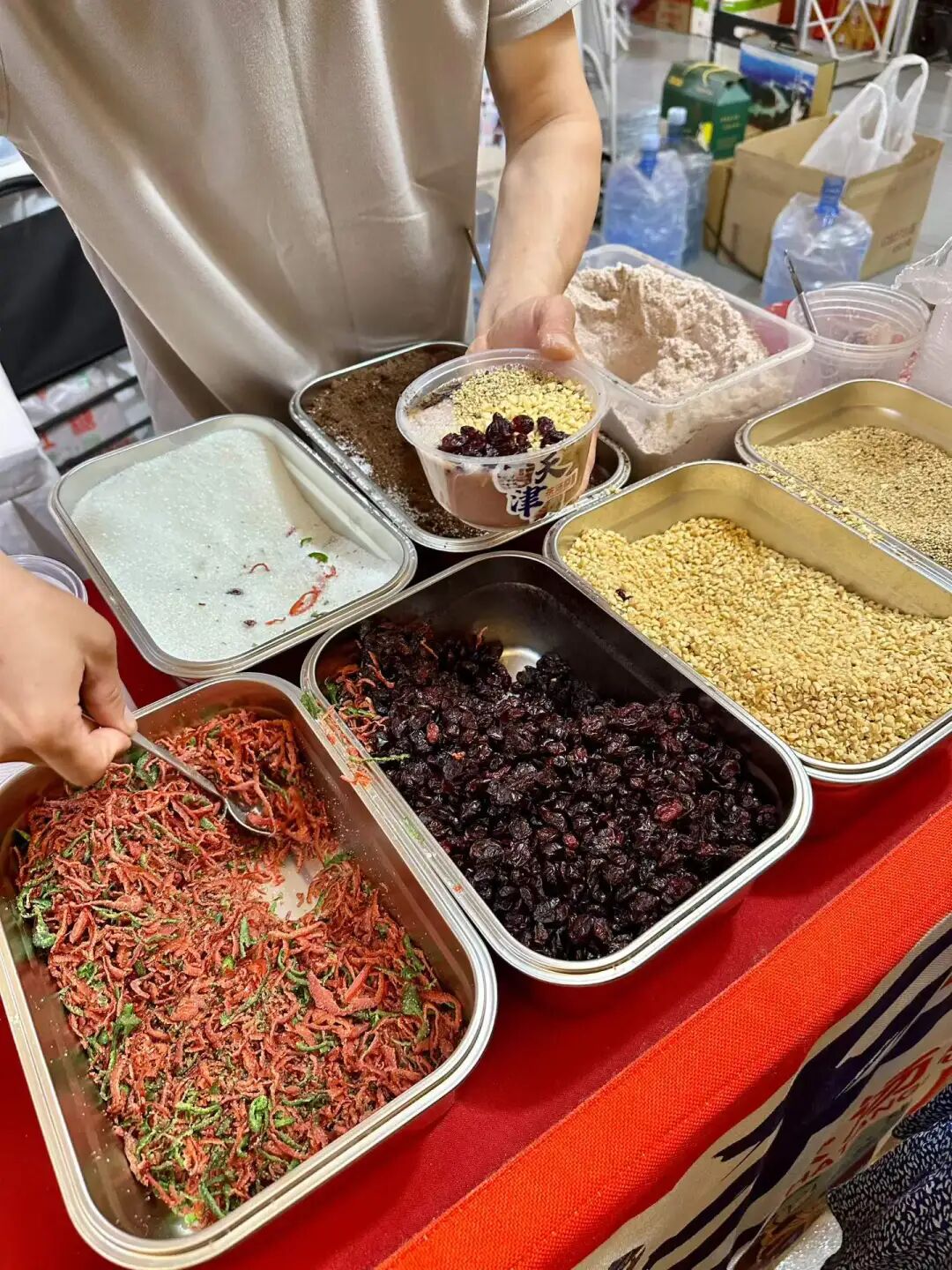
Chatang Hui is an old shop at the entrance of the South Mosque (Nandasi) in the Northwest Corner of Tianjin, with a century of history and four generations of heritage. Chatang (tea soup) first came to Tianjin via the Grand Canal. It was originally made with broomcorn millet flour, but later red sorghum flour was added, giving it a unique red color. Making chatang requires a large dragon-spout copper pot and the 'phoenix three nods' technique, a smooth motion that ensures not a drop spills when pouring. Traditional toppings include brown sugar, white sugar, sesame, crushed peanuts, raisins, and candied fruit shreds (qinghongsi), making it sweet and tangy.
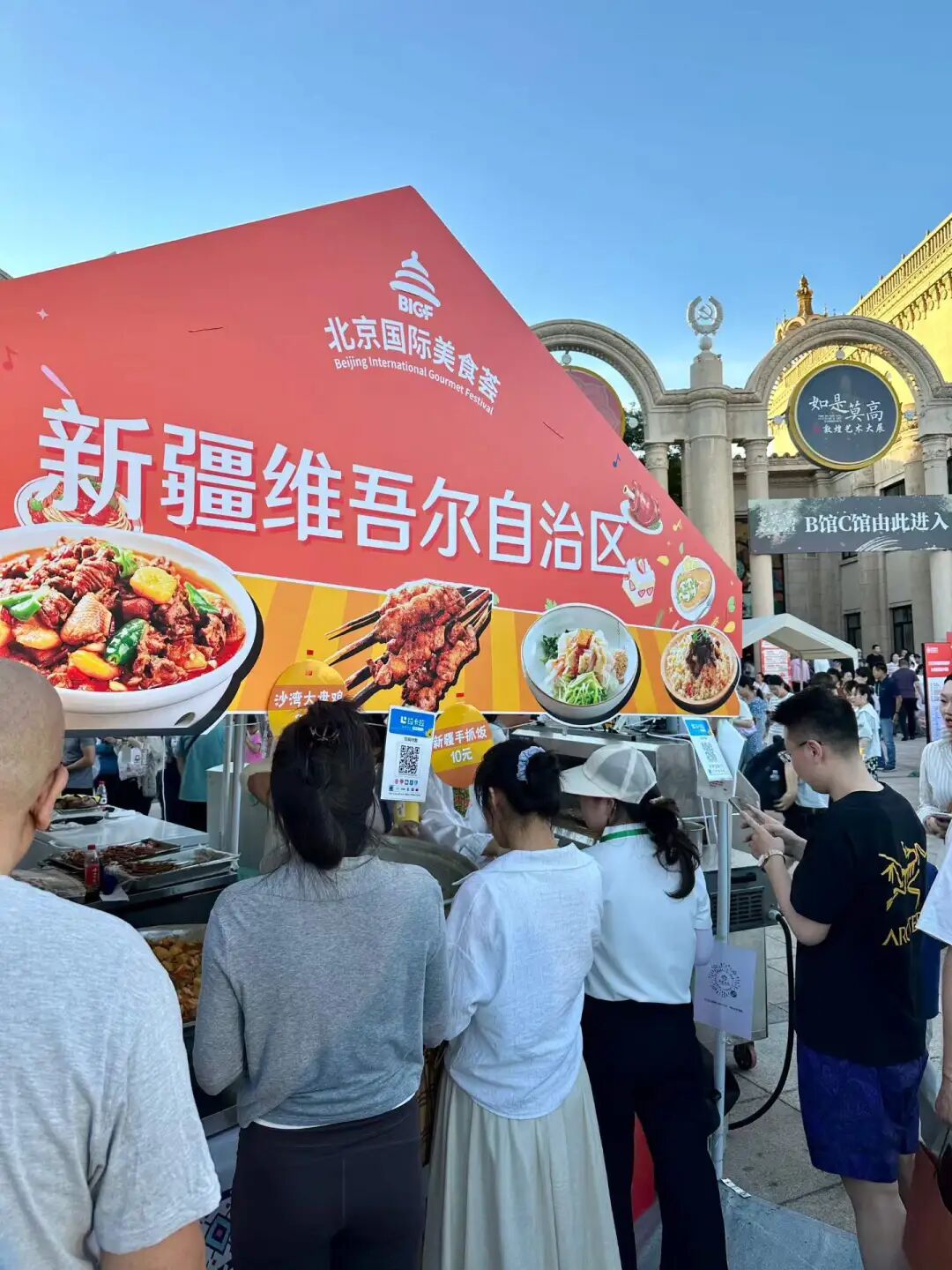
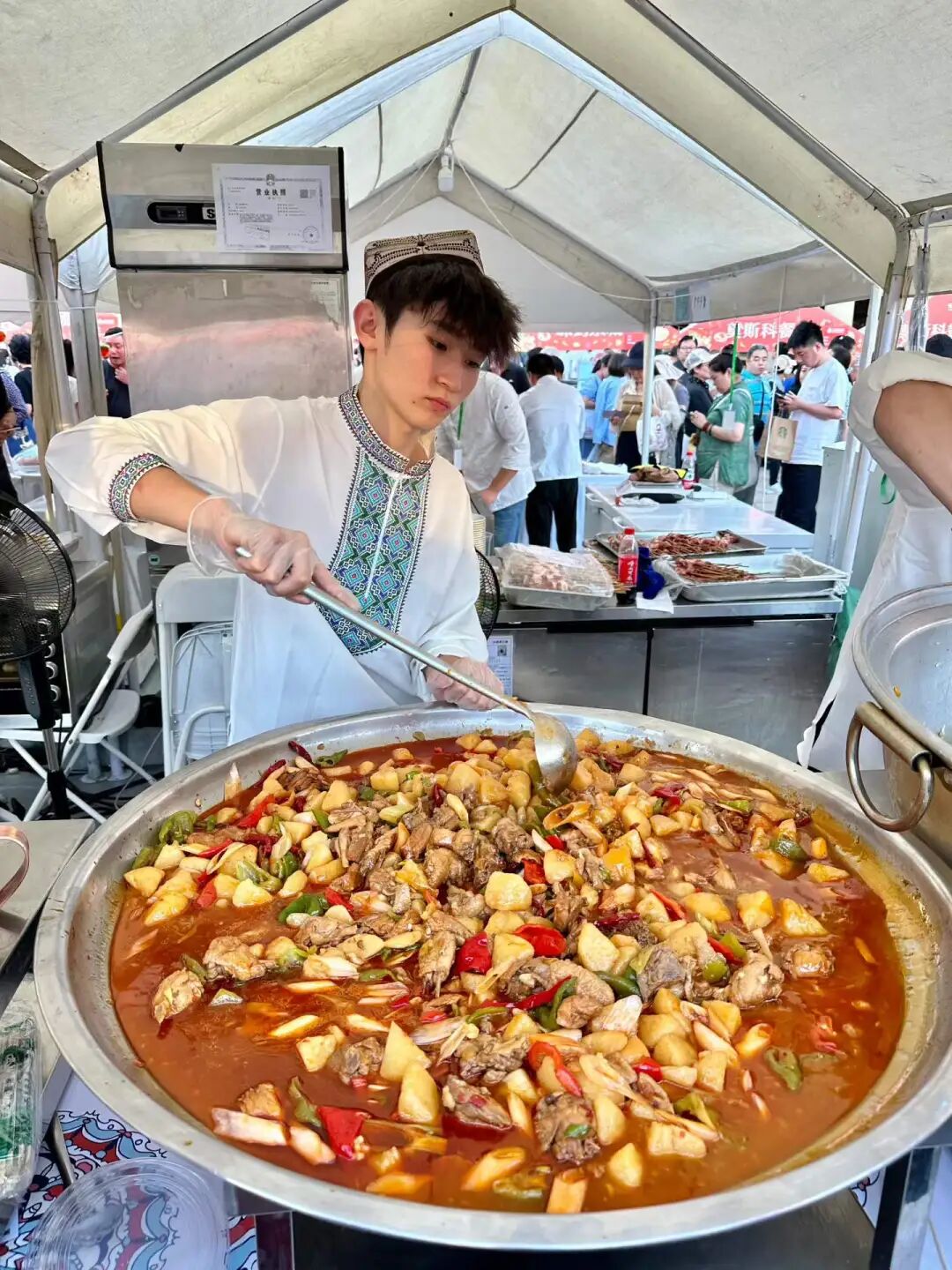
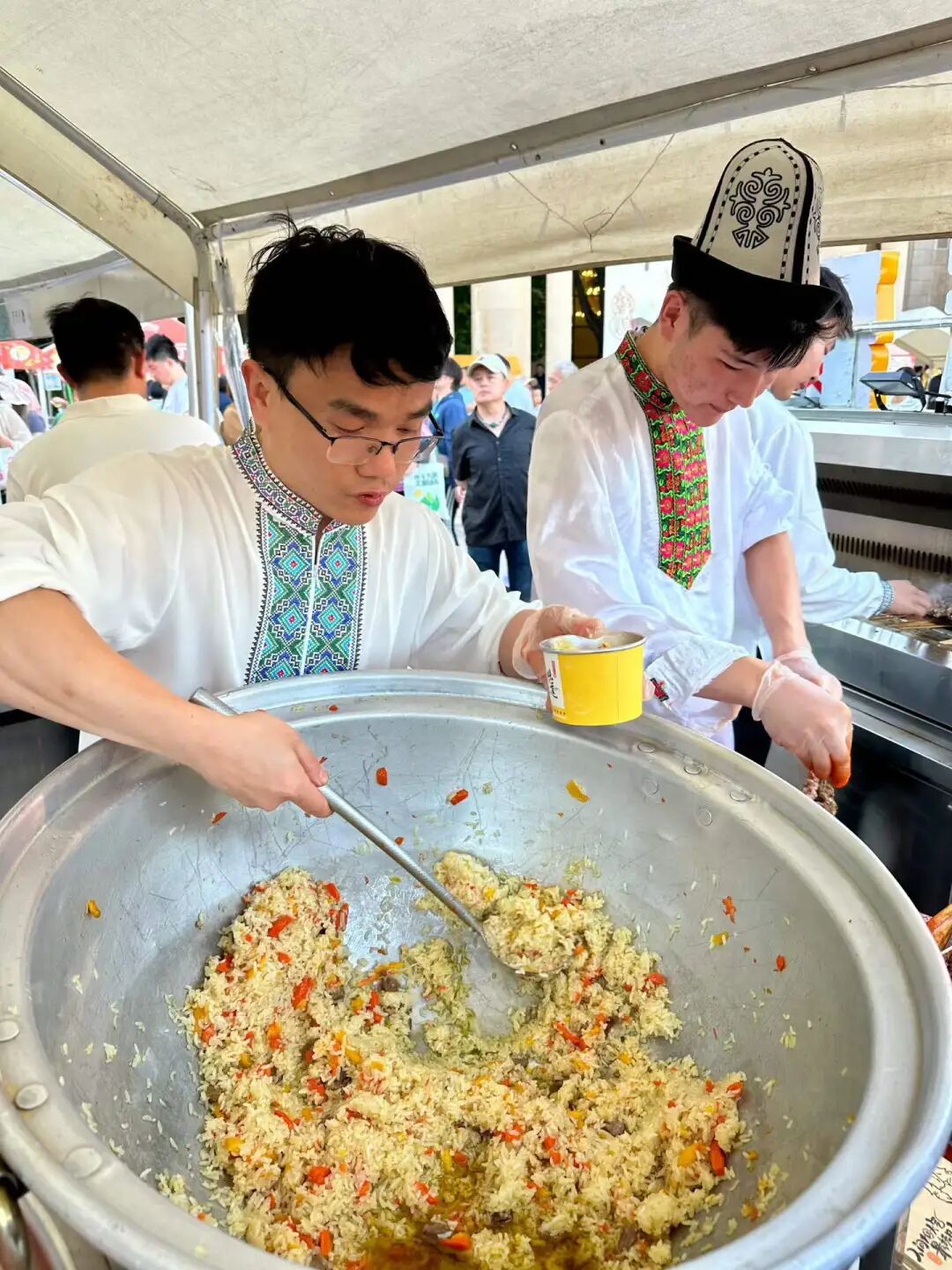
At the Beijing International Food Festival, the Xinjiang stall featuring big plate chicken (dapanji), pilaf (zhuafan), and lamb skewers (yangrouchuan) from the Xinjiang Building is very popular.
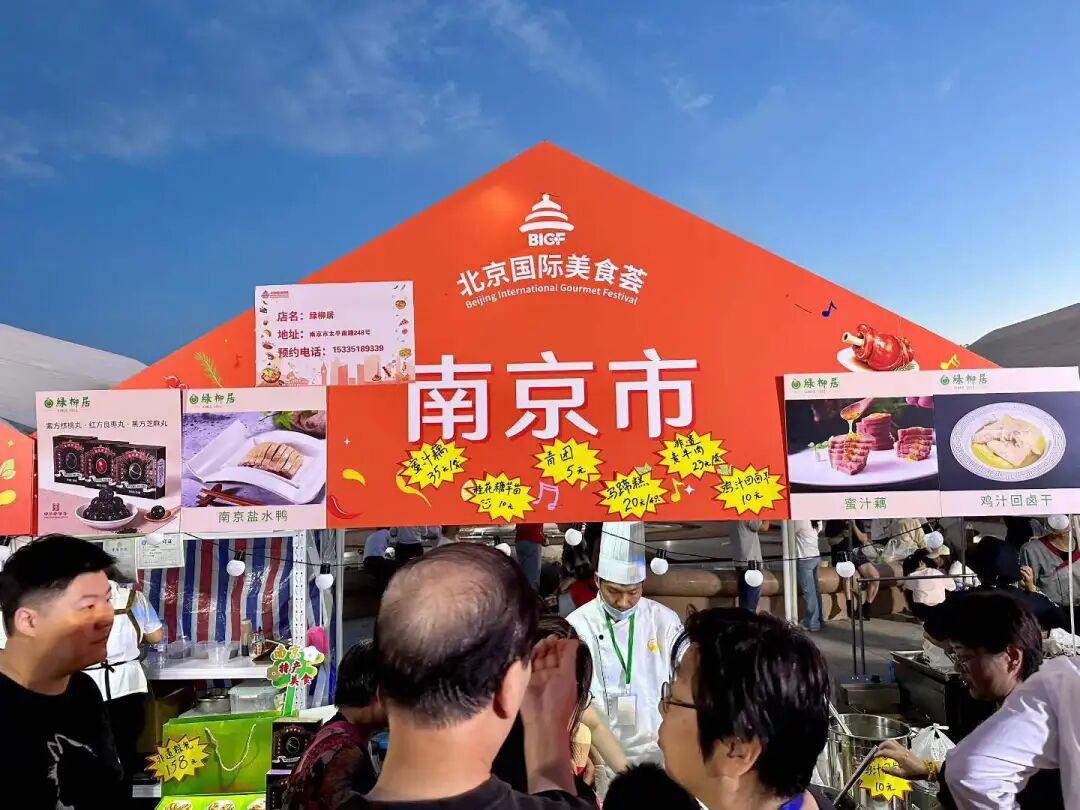
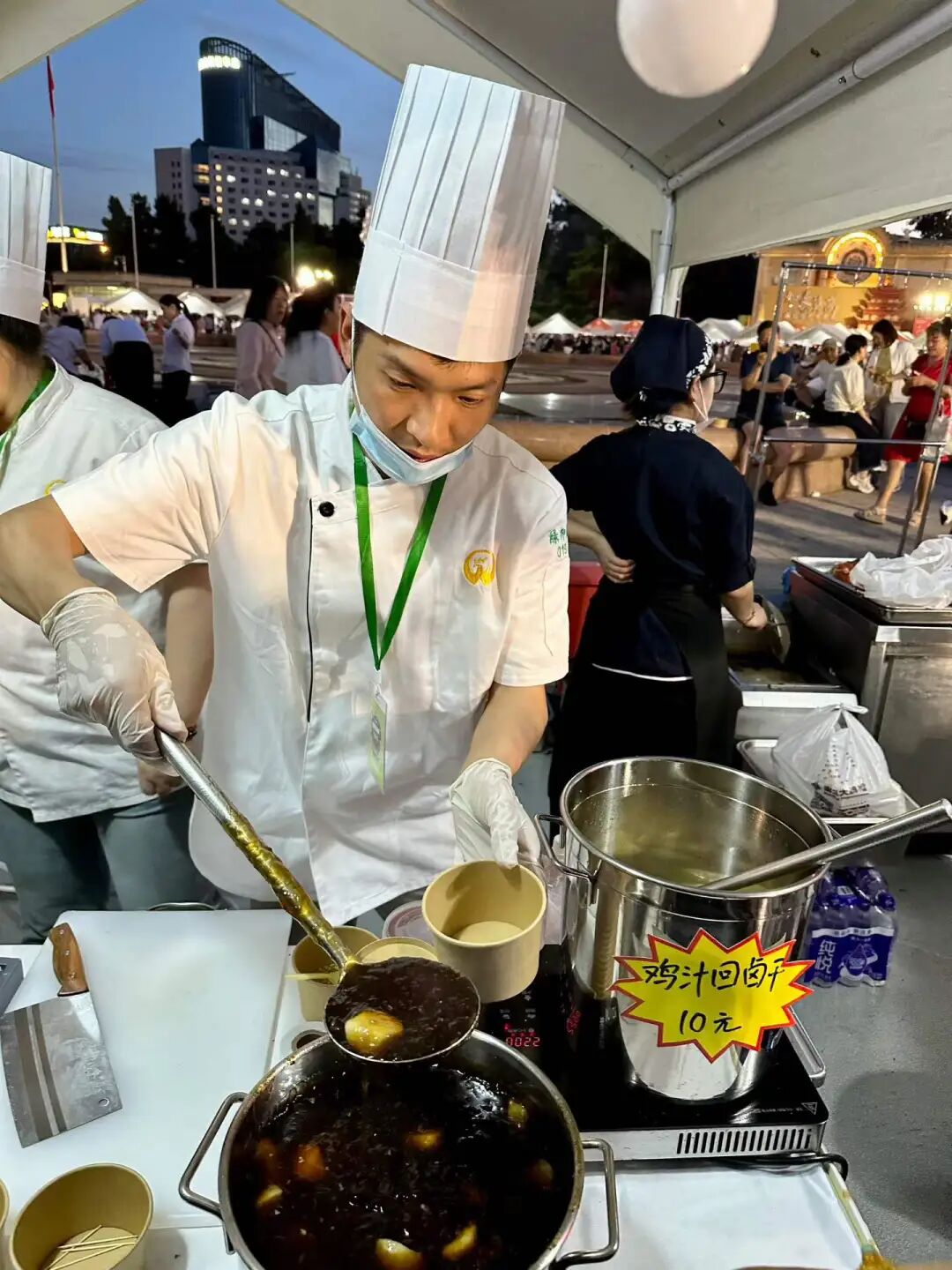
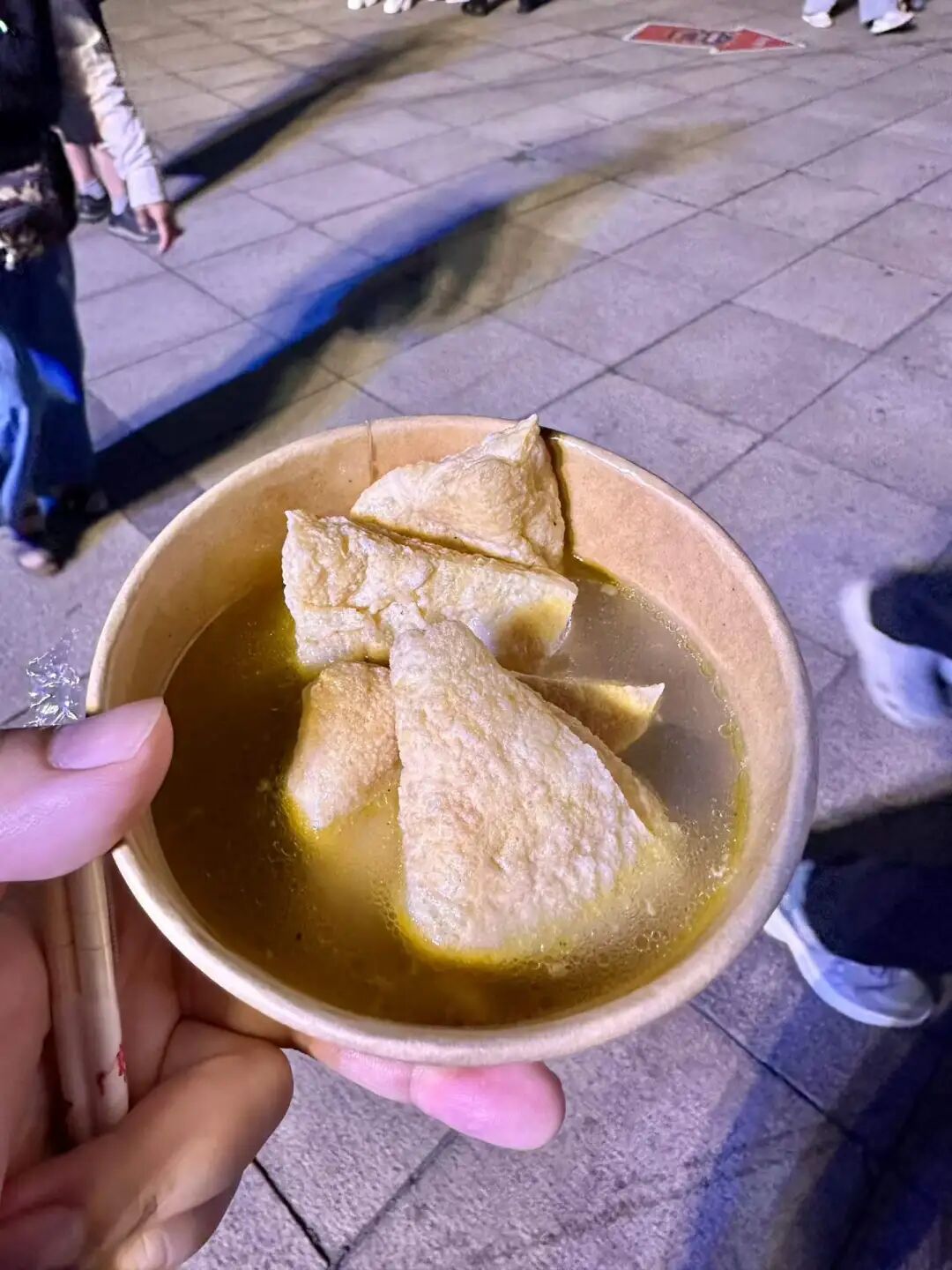
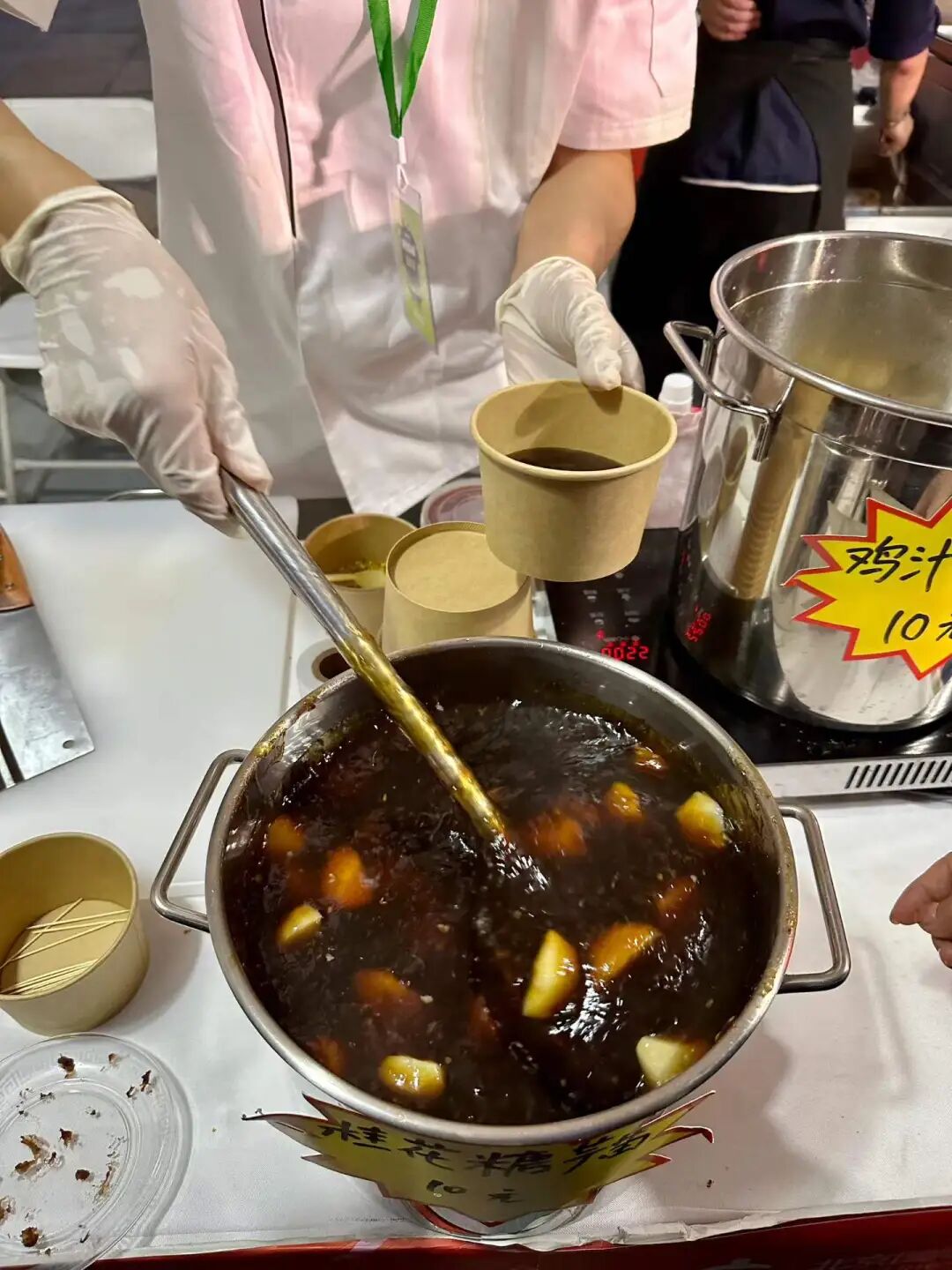
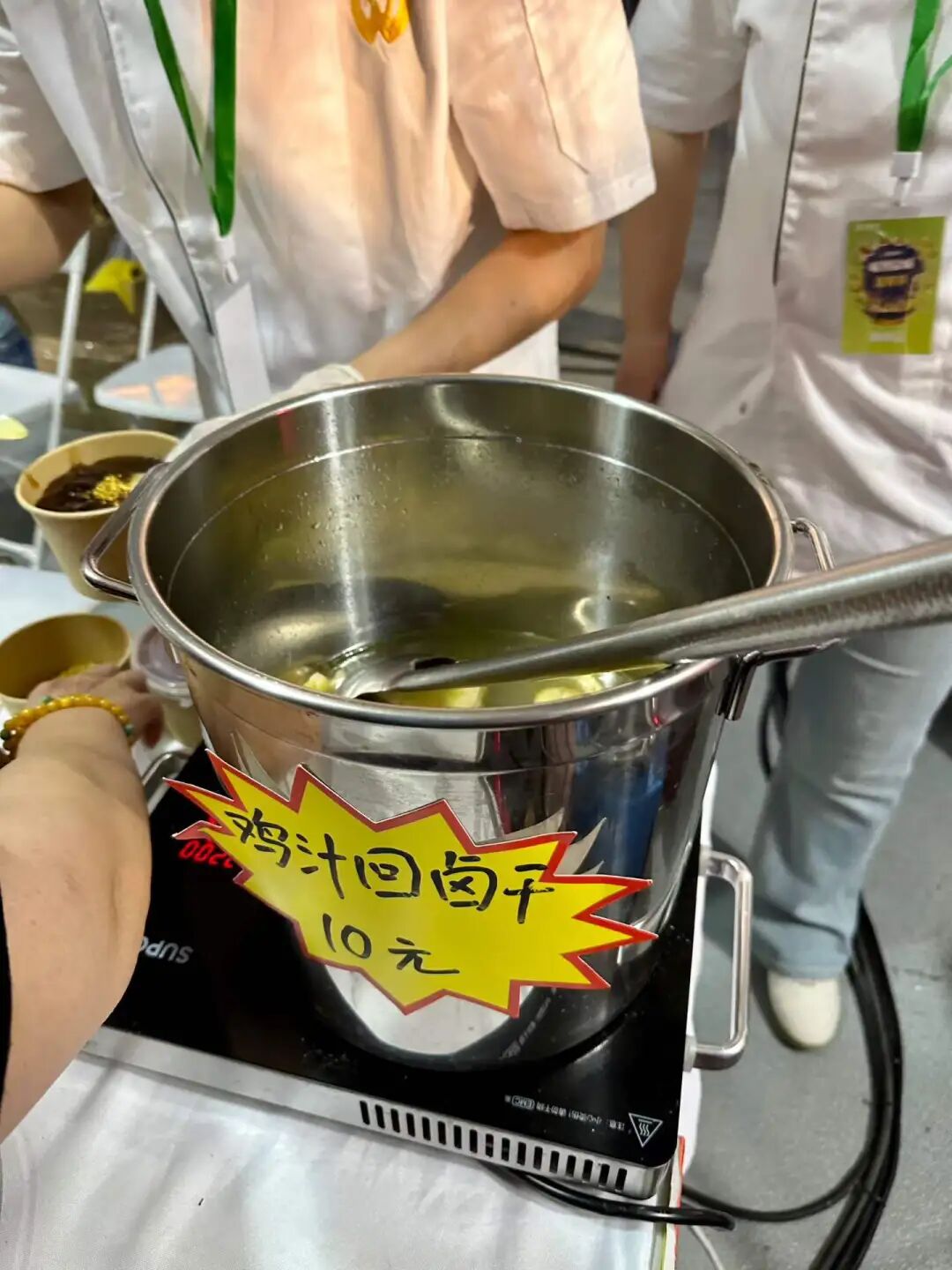
Before leaving, I was surprised to find a stall for the old Nanjing halal brand, Lvliuju! They sell various traditional Nanjing snacks, honey lotus root (mizhi ou), green sticky rice balls (qingtuan), water chestnut cake (mati gao), as well as hot osmanthus sugar taro seedlings (guihua tang yumiao) and chicken broth tofu (jizhi huilu gan). Even though we were full, we ordered a bowl of chicken broth tofu. The bean curd soaked in chicken broth was incredibly fresh, and the broth with bean sprouts and wood ear mushrooms was delicious. Chicken broth tofu gets its name because the fried tofu puffs are repeatedly simmered in broth. To make it, the chicken broth must be simmered for six hours and cooked with bean sprouts, wood ear mushrooms, and winter bamboo shoots, making the tofu soft and full of chicken flavor.
Lvliuju was founded in 1912 at Taoye Ferry along the Qinhuai River in Nanjing. It was named Lvliuju because of the shady green willow trees along the riverbank. Lvliuju started as a high-end vegetarian restaurant. Famous figures like Kong Xiangxi, Chiang Ching-kuo, Bai Chongxi, and the Soong sisters often dined here. After 1949, Lvliuju closed for a period. It reopened in 1963 on Yanggongjing, Taiping South Road, where they hired the famous chef Chen Bingyu to continue serving authentic vegetarian dishes. A major specialty of Lvliuju is vegetarian dishes that taste like meat. Their vegetarian chicken and vegetarian duck, made from tofu skin, gluten, and dried bean curd sticks seasoned with traditional Chinese herbs, are delicious. In 1987, Lvliuju added halal dishes to its vegetarian menu and became a halal restaurant. It still keeps vegetarian food as its specialty and is now recognized as a national-level intangible cultural heritage.
 Collapse Read »
Summary: This Beijing halal food guide covers Guyuan stewed snacks, Tianjin tea soup, Nanjing chicken soup, halal food in China, and food festival details.
This article summarizes the key points of the Beijing Exhibition Center International Food Fair, covering Guyuan stewed snacks (huixiaochi), Tianjin tea soup (chatang), and Nanjing chicken soup. It keeps the original paragraph and image order, making it perfect for readers interested in Muslim life, Islamic culture, and Chinese Islamic writing. It also helps with searching for content related to Uyghur culture, Guyuan stewed snacks, and Tianjin tea soup.
Summer is here, and there are more and more food streets in Beijing, with several popping up every weekend.
I went to the Beijing Exhibition Center International Food Fair at night. There was so much good food that I could eat specialties from Ningxia, Gansu, Xinjiang, Beijing, Tianjin, and Nanjing. I was stuffed by the end of the night. The food festival runs until Sunday and is well worth a visit.
As soon as you enter the west entrance, you see the Ningxia stalls. From inside to outside, there is Yuanzhou Impression Guyuan Taste from Moshikou Street in Shijingshan, Baicao Tan Lamb from Lianhua Bridge, Jingyu Yanyu from Guomao, and the Ningxia Building from Andingmen.
I did not expect to find Guyuan food here! We tried the Guyuan specialty stewed snacks (huixiaochi), which is one of the ten classic bowls of the Hui Muslims in Guyuan. This is similar to the noodle soup (fentang) of Northwest China, which is usually cooked in a big pot during dry, cold weather and eaten with fried dough (youxiang).
The core of Guyuan stewed snacks is egg-stuffed meat slices (jiaban), meatballs, and mung bean jelly (liangfen), all stewed together with a rich, fresh broth and vegetables. However, this stall did not have meatballs; they used egg-stuffed meat slices and meat slices instead. Egg-stuffed meat slices are made by mixing eggs, starch, and flour into a batter, spreading it thin, sandwiching it with lamb filling, steaming it, and cutting it into diamond-shaped pieces. They are soft and chewy with a meaty aroma, and you can add side dishes like wood ear mushrooms, vermicelli, tofu, and spinach.
I then bought some hand-grabbed meat (shouzhuarou) and served it with chive flower sauce, onions, and sweet garlic. It tasted pretty good.
After eating, I bought some fermented oat drink (tianbeizi) and homemade xylitol yogurt at a stall in the Ningxia Building. Drinking tianbeizi in the summer is very refreshing.
I was pleasantly surprised to find two Hui Muslim snack stalls from Tianjin at this Beijing International Food Festival held at the Beijing Exhibition Center: Yuansuzhai Old-Style Fried Rolls (juanquan) from Honghuli and Chatang Hui from the Northwest Corner.
Yuansuzhai sells old-style fried rolls, curry chicken rolls, and peppercorn duck rolls, all served with homemade dark plum juice (wumeitang). The old-style fried rolls are vegetarian and filled with bean sprouts. The curry chicken roll skin is thicker and crispier, tasting a bit like a South Asian samosa. Traditionally, these rolls should be wrapped in a large flatbread (dabing), but they provided small thin pancakes instead so festival guests could try more varieties. I thought that was a great idea. I really love their homemade dark plum juice. I bought some when I visited Honghuli last time. It contains mulberries, osmanthus, roselle, dried tangerine peel, hawthorn, dark plum, licorice, and mint. It is very cooling and quenches thirst.
Yuansuzhai has a hundred-year history and has been passed down through four generations. They started selling fried rolls at a stall in North Zhulin near the Sancha River estuary in the 1920s. North Zhulin was originally a low-lying river beach along the Ziya River. It became solid land in the late Qing Dynasty. By the late Qing and Republican eras, it became a settlement for fishermen, boatmen, and dock workers living in makeshift shelters. Many Hui Muslim snack stalls gathered there, selling items like fried rolls, savory crepe strips (guobacai), and fried cakes (zhagao). The Tongyizhuang Mosque in North Zhulin was built during the Guangxu reign of the Qing Dynasty. It is 150 years old and is the only historical building preserved after the North Zhulin area was demolished.
In the late 1980s, Tianjin began large-scale urban renewal. Old districts like North Zhulin, Tongyizhuang, Xiyuzhuang, Hebei Street, and Beidaguan were demolished, and residents were relocated to Jiayuanli in the Beichen District. In the early 1990s, Yuansuzhai moved to the Jiayuanli commercial street along with the demolition of Beizhulin, becoming a landmark snack spot in Jiayuanli. The Jiayuanli shop closed in 2017, and the fourth-generation owner moved Yuansuzhai again to the Honghuli food street on Honghu South Road, starting with a breakfast cart before opening a formal storefront.
Chatang Hui is an old shop at the entrance of the South Mosque (Nandasi) in the Northwest Corner of Tianjin, with a century of history and four generations of heritage. Chatang (tea soup) first came to Tianjin via the Grand Canal. It was originally made with broomcorn millet flour, but later red sorghum flour was added, giving it a unique red color. Making chatang requires a large dragon-spout copper pot and the 'phoenix three nods' technique, a smooth motion that ensures not a drop spills when pouring. Traditional toppings include brown sugar, white sugar, sesame, crushed peanuts, raisins, and candied fruit shreds (qinghongsi), making it sweet and tangy.
At the Beijing International Food Festival, the Xinjiang stall featuring big plate chicken (dapanji), pilaf (zhuafan), and lamb skewers (yangrouchuan) from the Xinjiang Building is very popular.
Before leaving, I was surprised to find a stall for the old Nanjing halal brand, Lvliuju! They sell various traditional Nanjing snacks, honey lotus root (mizhi ou), green sticky rice balls (qingtuan), water chestnut cake (mati gao), as well as hot osmanthus sugar taro seedlings (guihua tang yumiao) and chicken broth tofu (jizhi huilu gan). Even though we were full, we ordered a bowl of chicken broth tofu. The bean curd soaked in chicken broth was incredibly fresh, and the broth with bean sprouts and wood ear mushrooms was delicious. Chicken broth tofu gets its name because the fried tofu puffs are repeatedly simmered in broth. To make it, the chicken broth must be simmered for six hours and cooked with bean sprouts, wood ear mushrooms, and winter bamboo shoots, making the tofu soft and full of chicken flavor.
Lvliuju was founded in 1912 at Taoye Ferry along the Qinhuai River in Nanjing. It was named Lvliuju because of the shady green willow trees along the riverbank. Lvliuju started as a high-end vegetarian restaurant. Famous figures like Kong Xiangxi, Chiang Ching-kuo, Bai Chongxi, and the Soong sisters often dined here. After 1949, Lvliuju closed for a period. It reopened in 1963 on Yanggongjing, Taiping South Road, where they hired the famous chef Chen Bingyu to continue serving authentic vegetarian dishes. A major specialty of Lvliuju is vegetarian dishes that taste like meat. Their vegetarian chicken and vegetarian duck, made from tofu skin, gluten, and dried bean curd sticks seasoned with traditional Chinese herbs, are delicious. In 1987, Lvliuju added halal dishes to its vegetarian menu and became a halal restaurant. It still keeps vegetarian food as its specialty and is now recognized as a national-level intangible cultural heritage.
Collapse Read »
Muslim History Guide to Damascus: Bilal Tomb, First Muezzin and Islamic Heritage
Reposted from the web
Summary: This Muslim history guide to Damascus covers Bilal's tomb, the first muezzin, the Prophet's Companion, and Muslim heritage in the original travel account.
This article summarizes the key points of visiting the tomb of Bilal, the first muezzin and companion of the Prophet. It keeps the original paragraph and image order, making it perfect for readers interested in Muslim life, Islamic culture, and Chinese Islamic writing. It also helps those searching for content on Shia Islam, Hajj, and marriage and family.
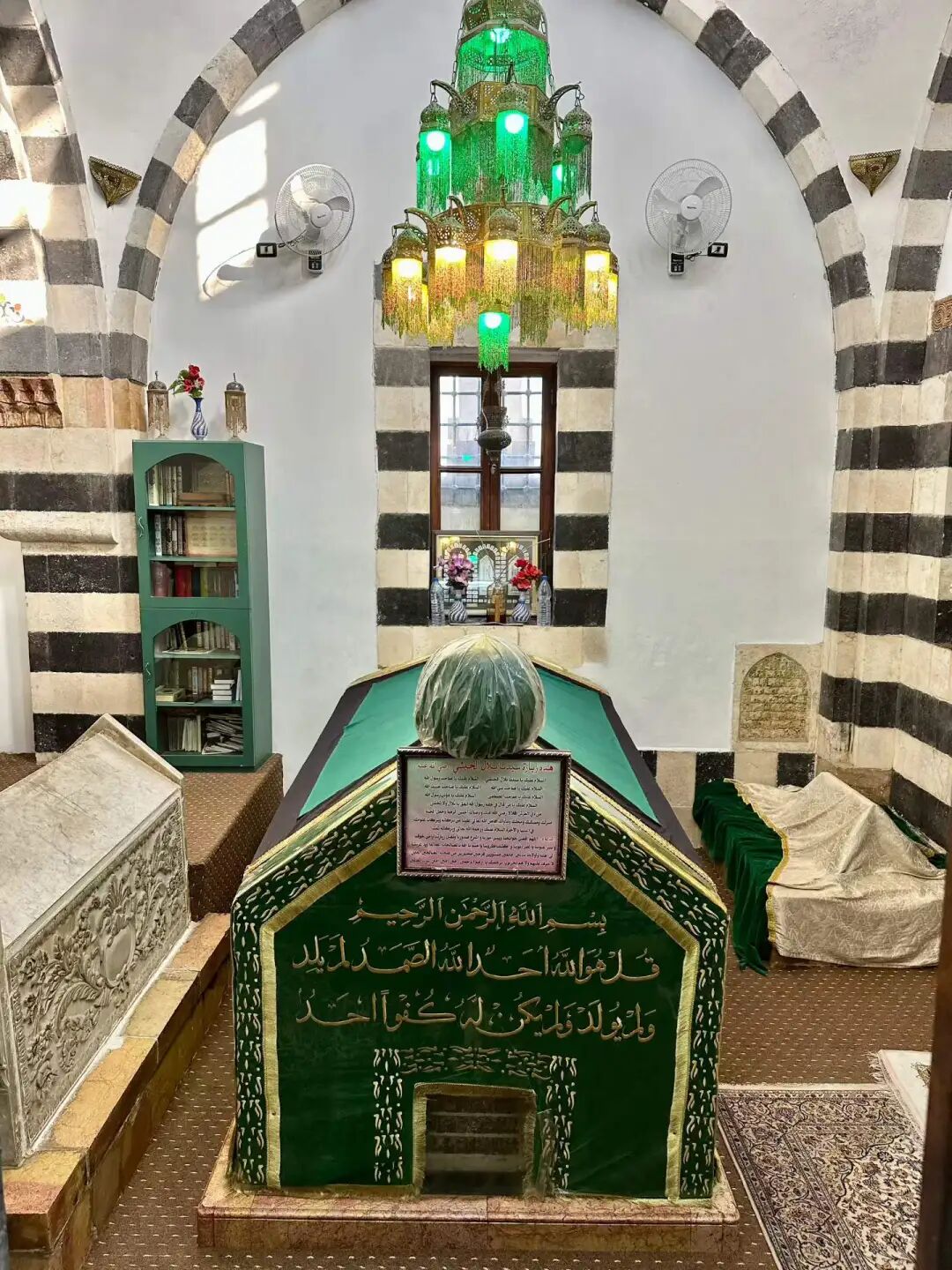
While in Damascus, I made a special trip to the ancient Bab al-Saghir cemetery in the south of the city to visit the tomb of Bilal, the first muezzin chosen by the Prophet and the first African convert. I went to pay my respects to this companion (Sahaba) of the Prophet.
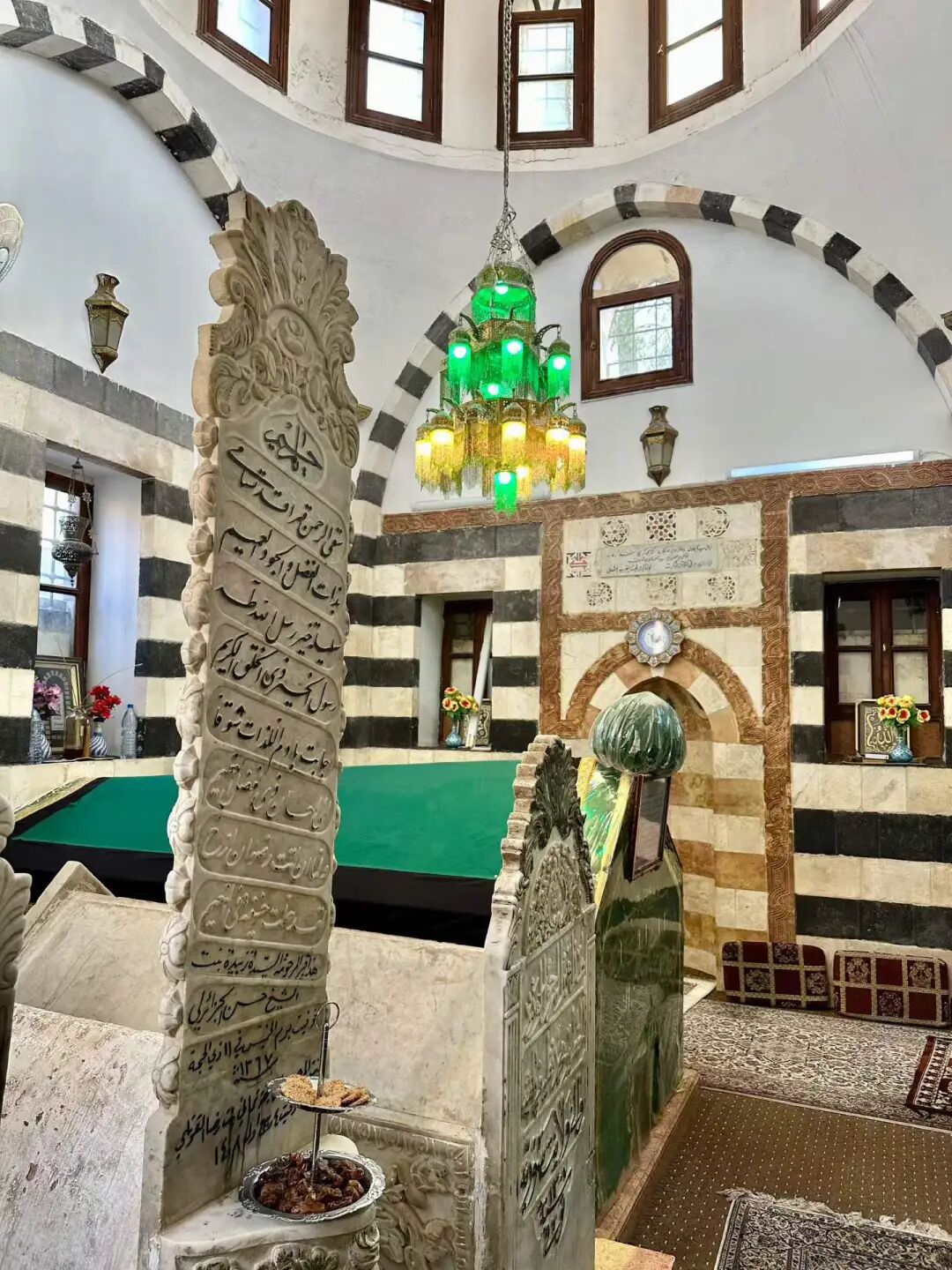
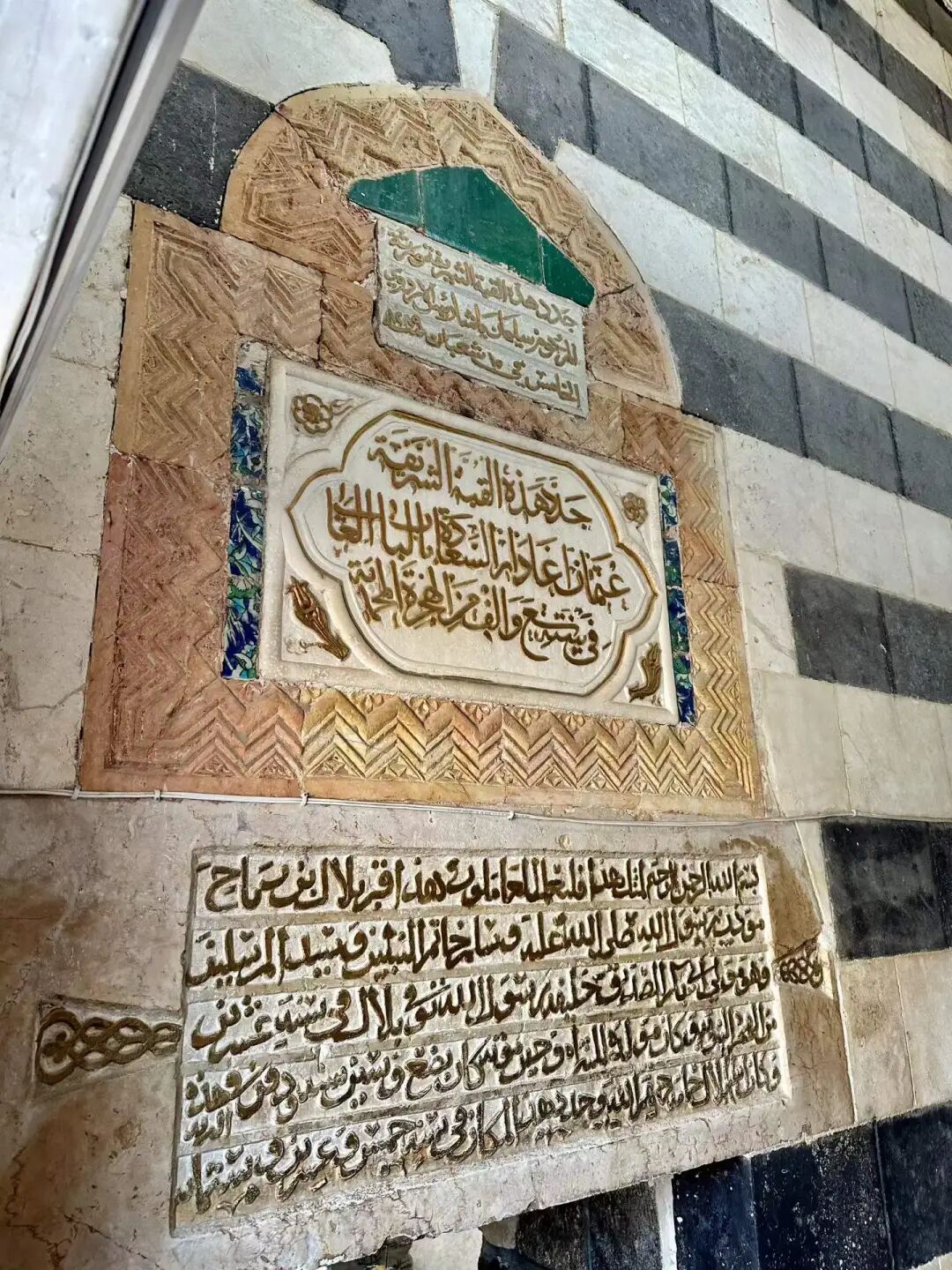
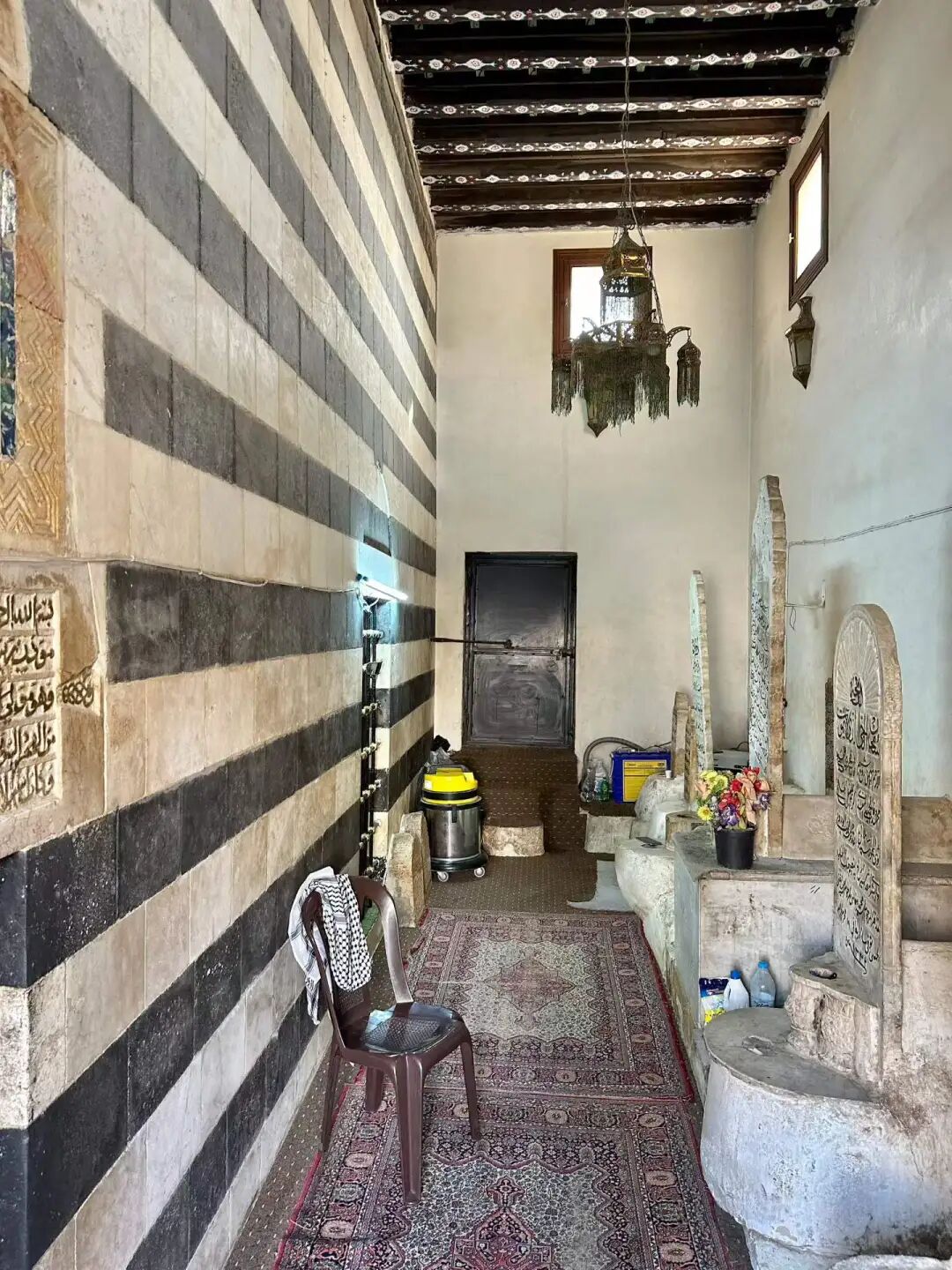
Bilal's tomb is just inside the north gate of the cemetery, and the tomb structure was rebuilt by later generations. The cemetery is open to people of all faiths and offers free dates and sesame cookies (Barazek).
Bilal was born in Mecca in 580. His mother was a slave from Abyssinia in East Africa, so he worked hard from a young age for the Umayyad family, who were nobles of the Quraysh tribe. When the Prophet began his mission, Bilal chose to give up idol worship and became one of the earliest converts to the faith. When his master Umayyad found out, he punished and tortured him severely. He whipped him, tied him to the sand, placed hot stones on his chest, and dragged him around Mecca while children mocked him. But Bilal only repeated, "Ahad, Ahad..." which means "The One, The One..." When the Prophet heard about this, he sent Abu Bakr to buy Bilal's freedom, and Bilal was then able to follow the Prophet closely. Because he had a loud and clear voice, Bilal was chosen by the Prophet to be the first muezzin.
In Medina, the Prophet appointed Bilal as the treasurer, and he distributed relief funds to widows, orphans, and the poor. After the reconquest of Mecca in 630, Bilal gave the first call to prayer (adhan) at the Kaaba. This act is remembered as a key moment in the history of the faith, symbolizing the establishment of the religion as the core belief of Mecca.
After the Caliphate conquered Syria in 634, Bilal moved to Damascus to live, and he eventually passed away there.
In a sermon (wa'z) given by Imam Sha in Dujiangyan, he shared the most famous story about how, after the Prophet passed away, he could not bear to see anything in Medina that reminded him of the Prophet. So, he moved to Damascus to live.
One day, he dreamed that the Prophet asked him, 'Have you abandoned us and abandoned Medina?' After waking up, he returned to Medina. At the repeated request of Hasan and Husayn, he performed the call to prayer (adhan). While reciting, he remembered every detail of his life with the Prophet. Overcome with grief, he fell from the high platform. He returned to Damascus and passed away shortly after.
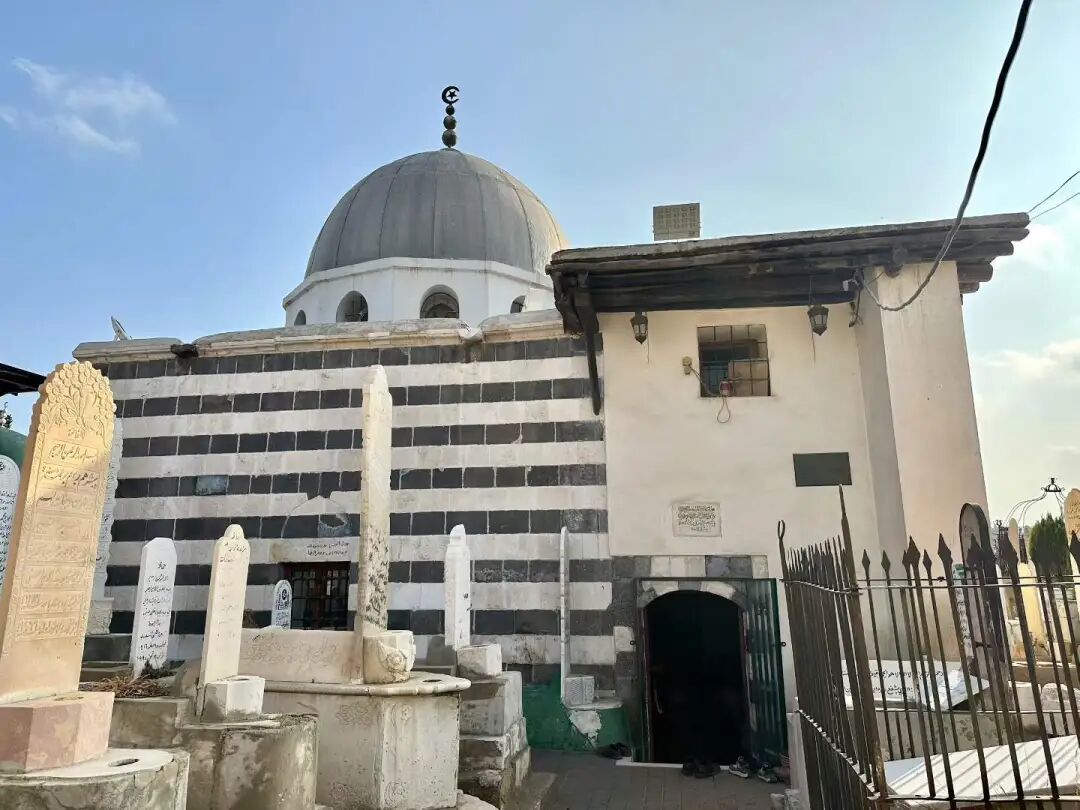
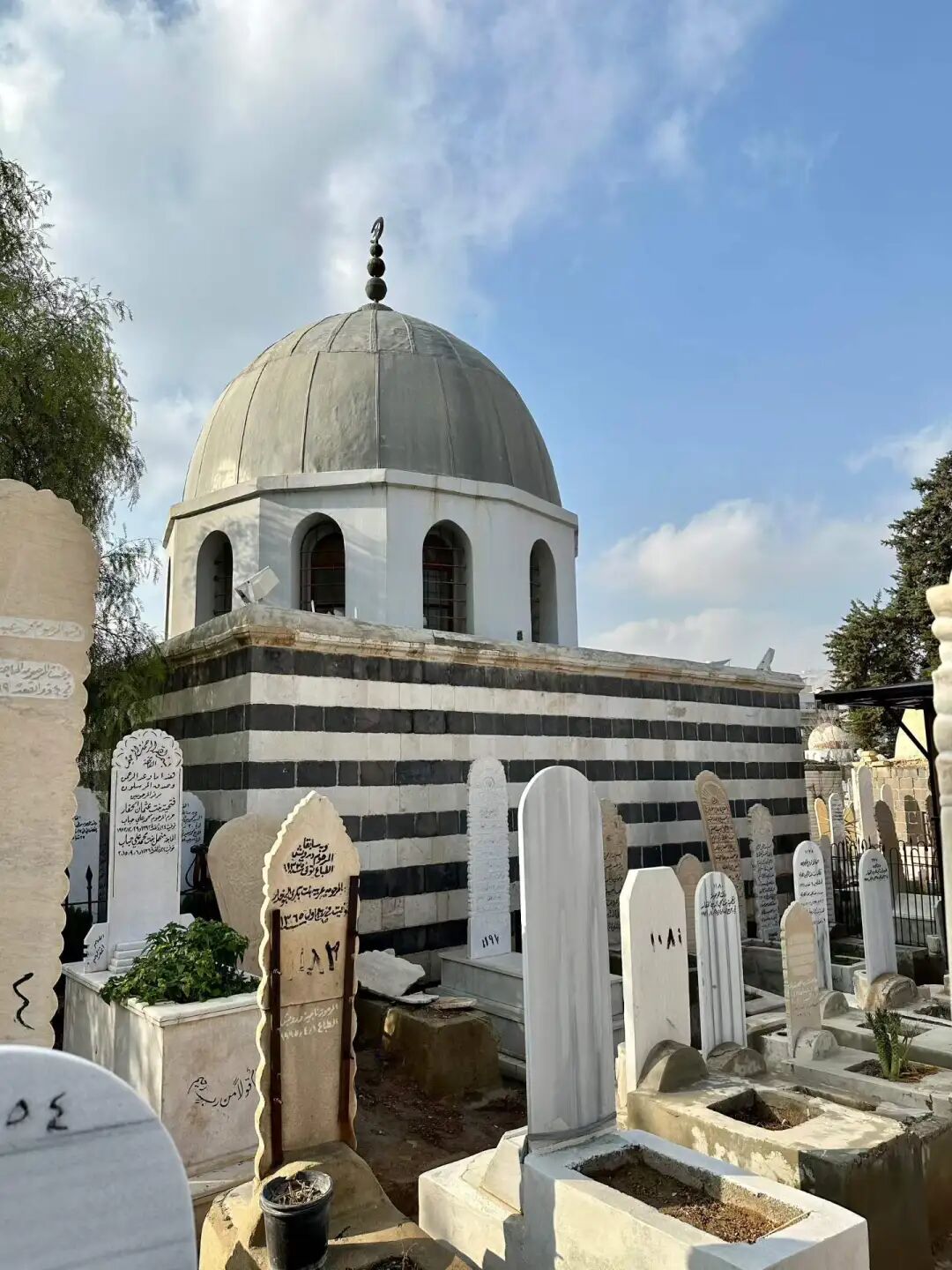
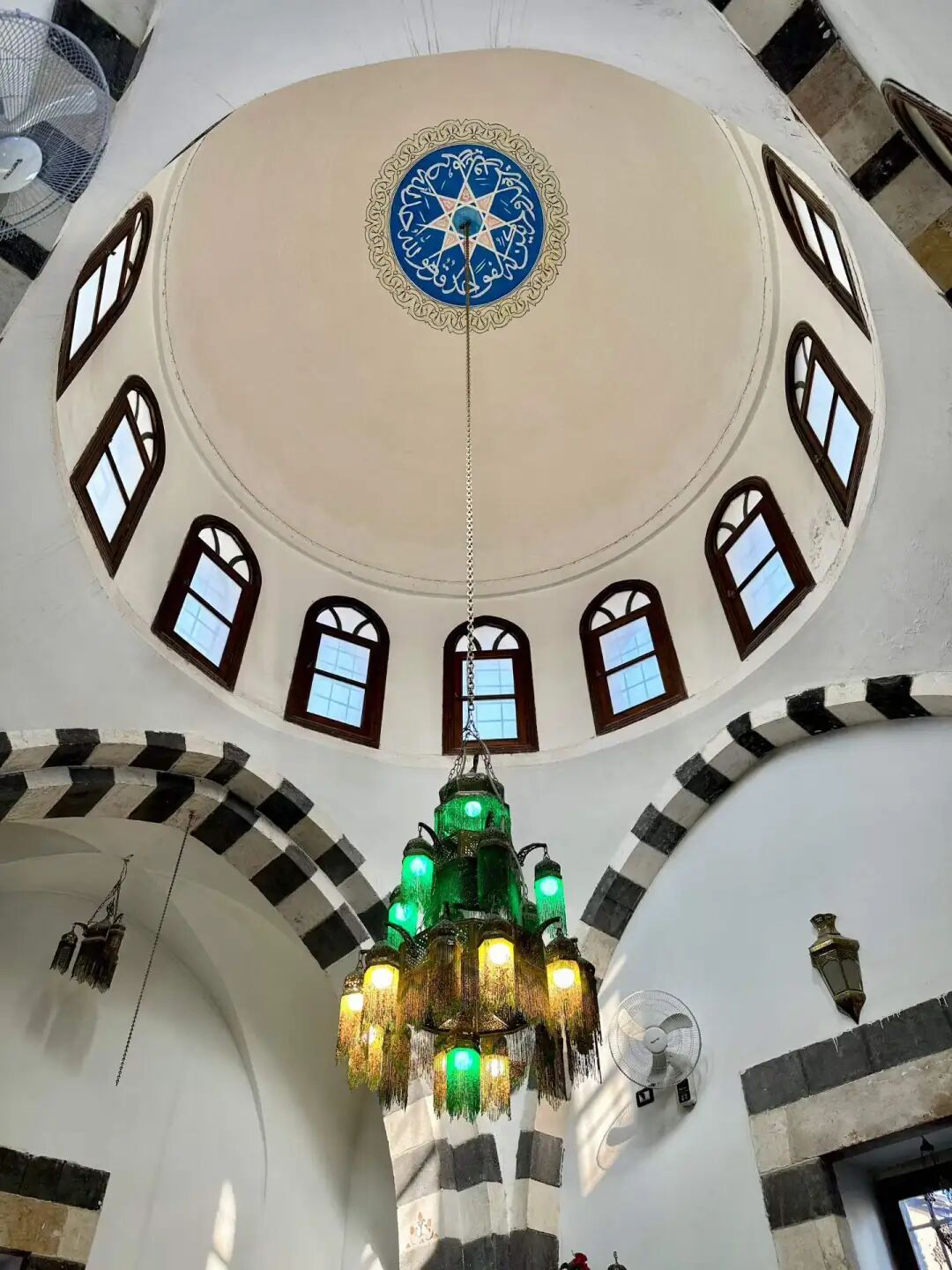
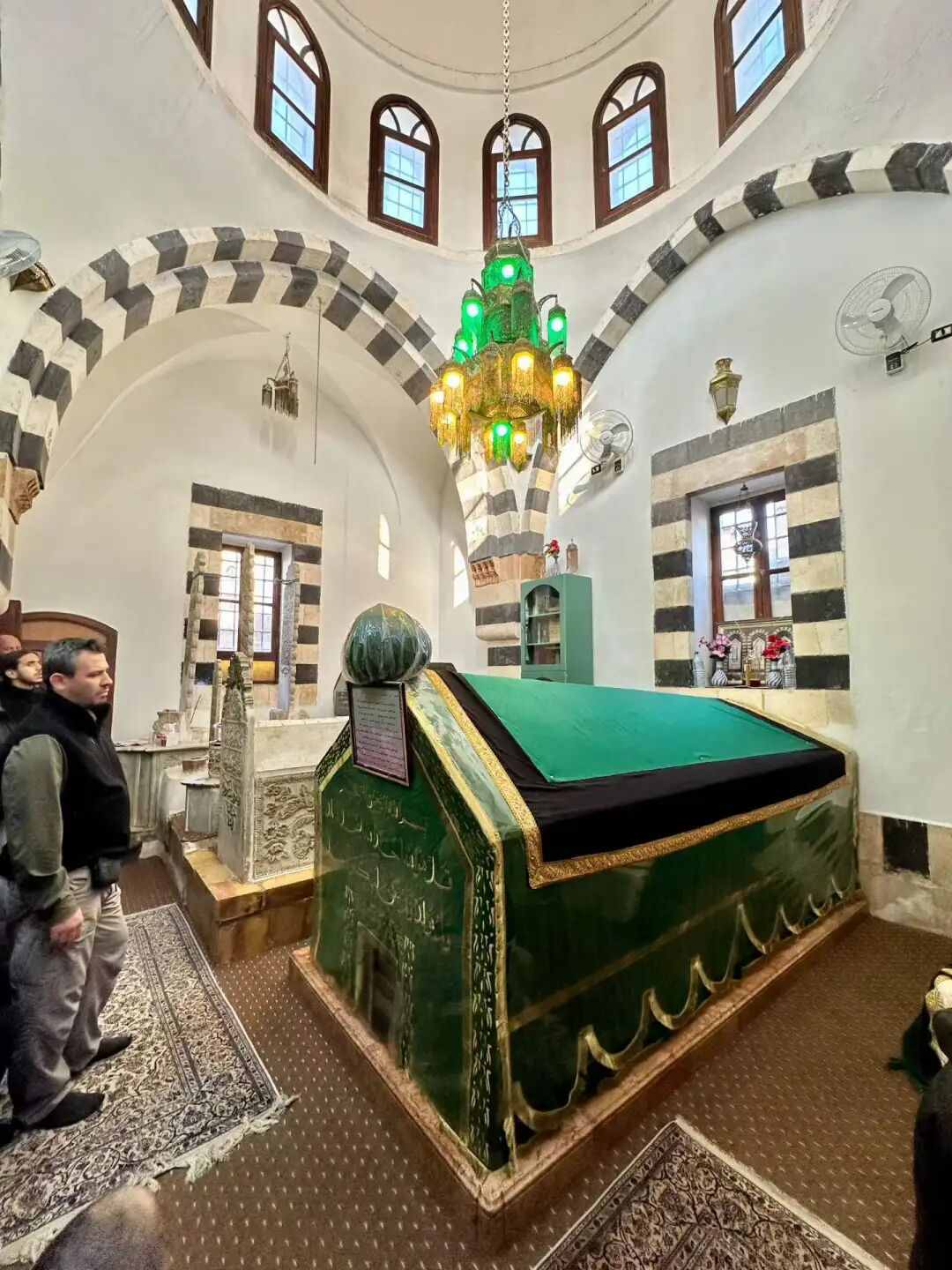
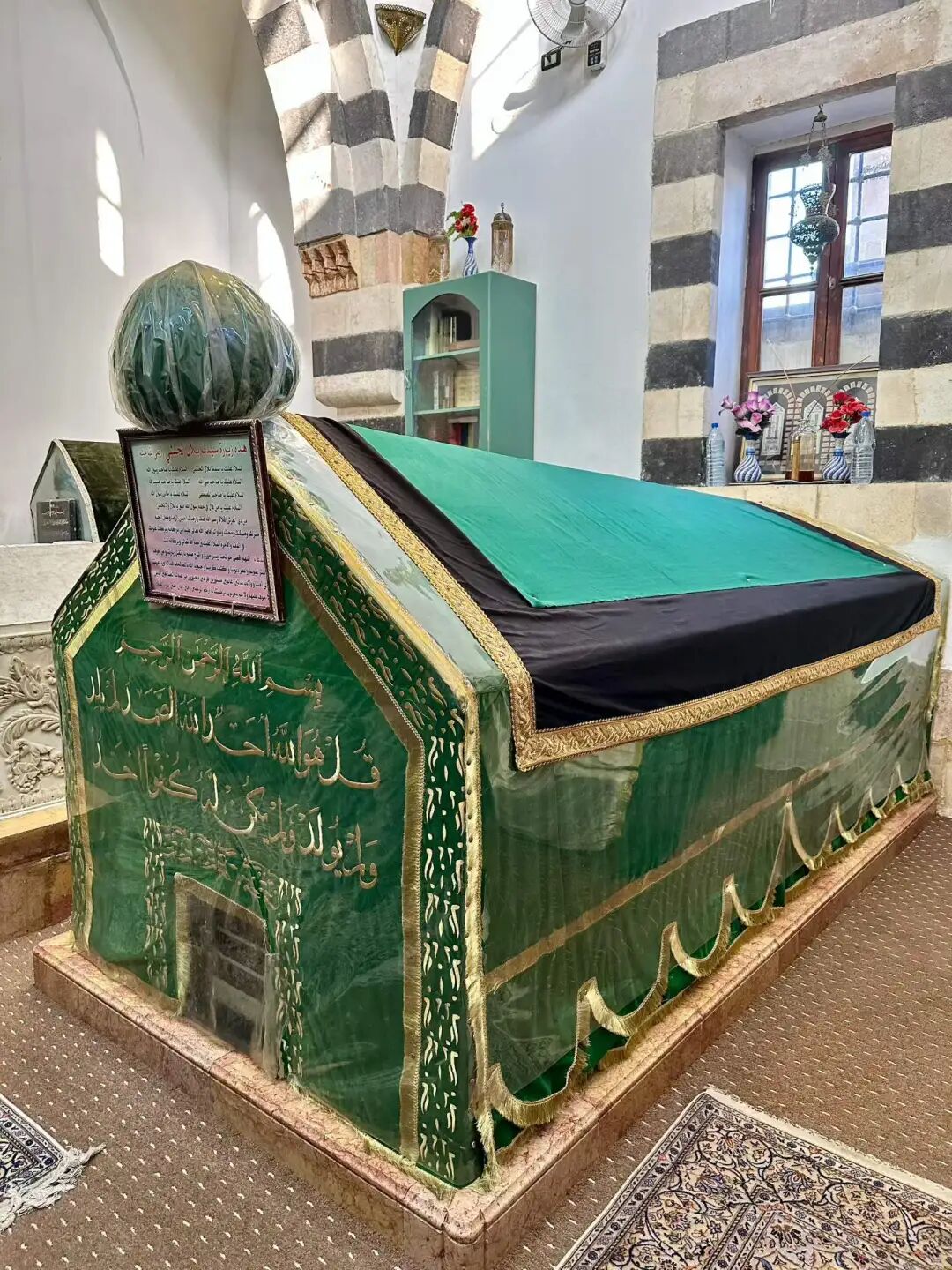
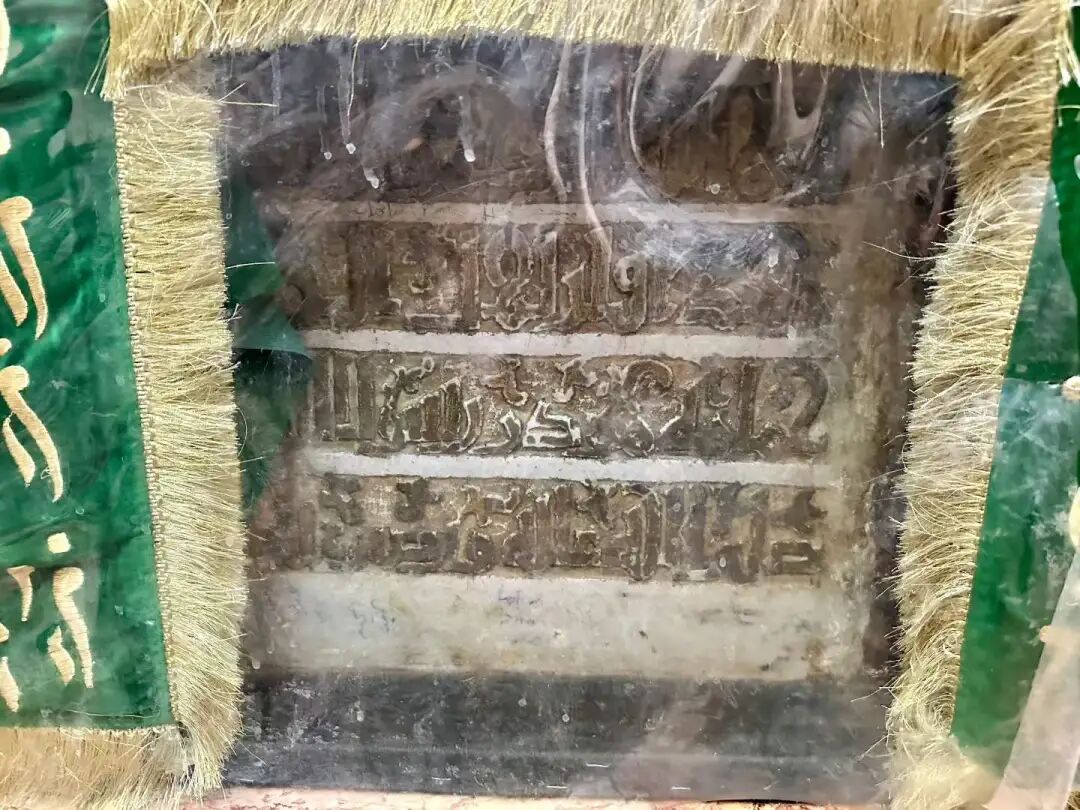
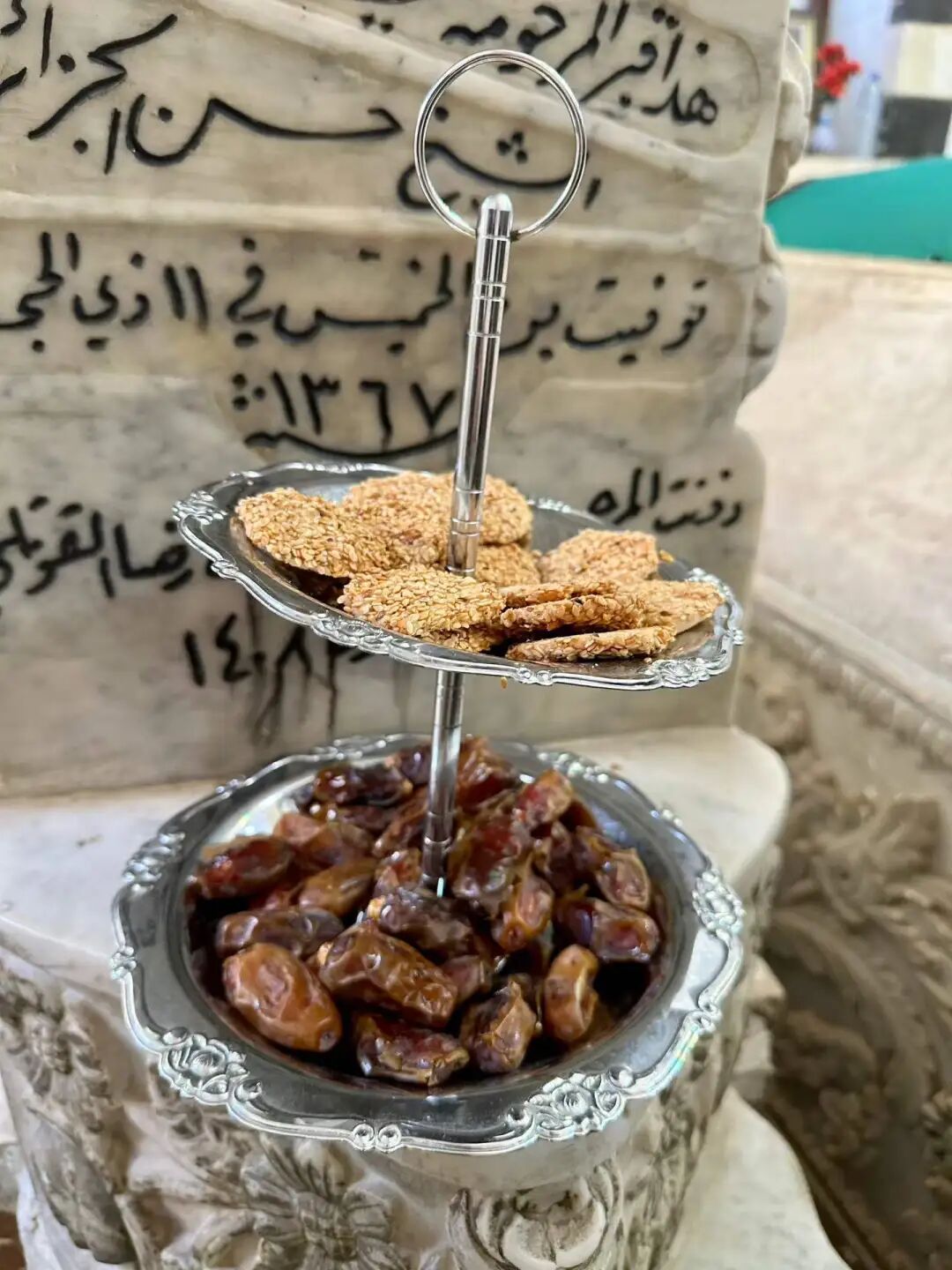
People say during the Assad regime in Syria, the tomb of Bilal (Bilali mu) was closed for over ten years. It was not until after Assad fell in December 2024 that the tomb of Bilal reopened to visitors.
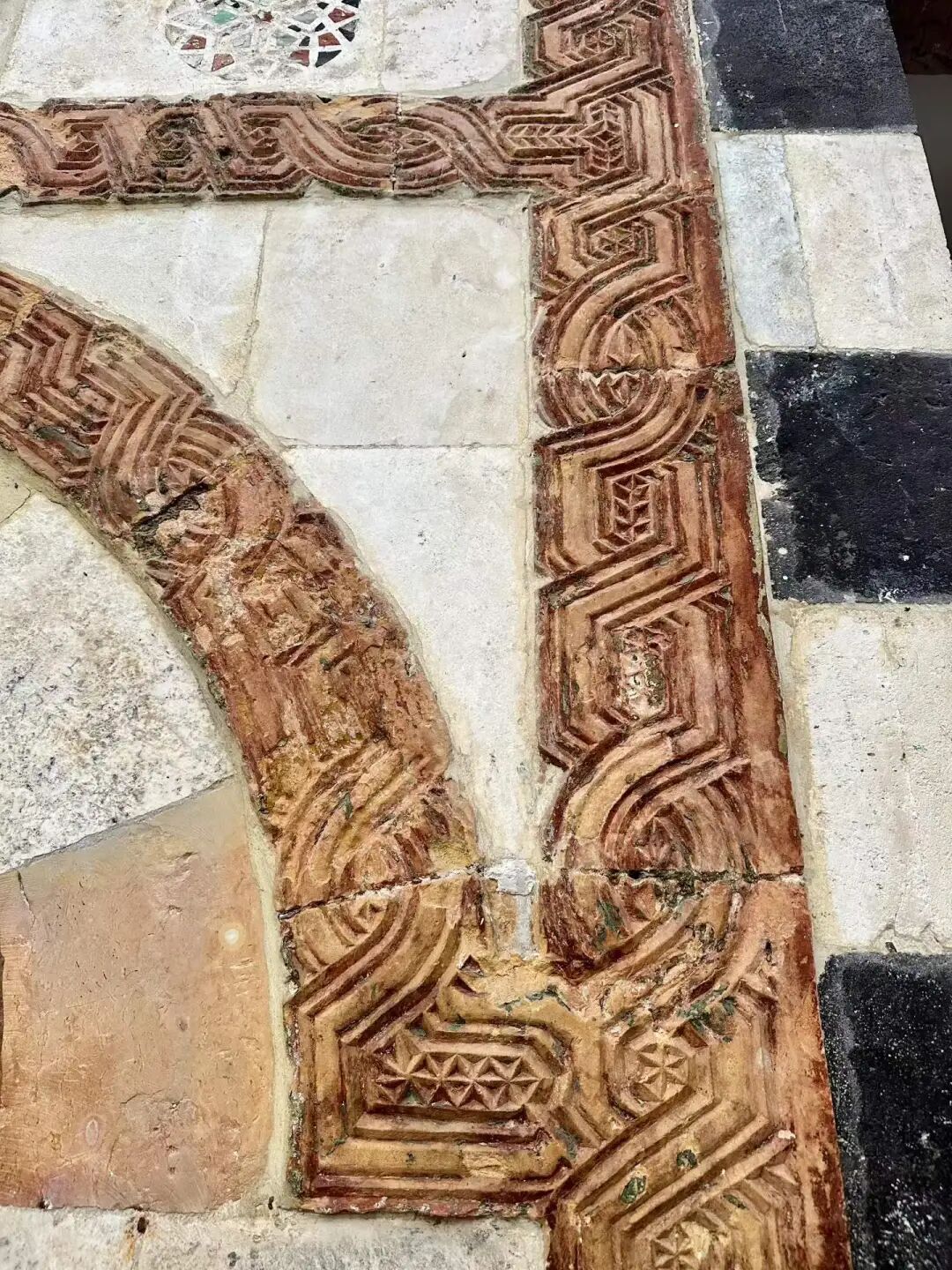
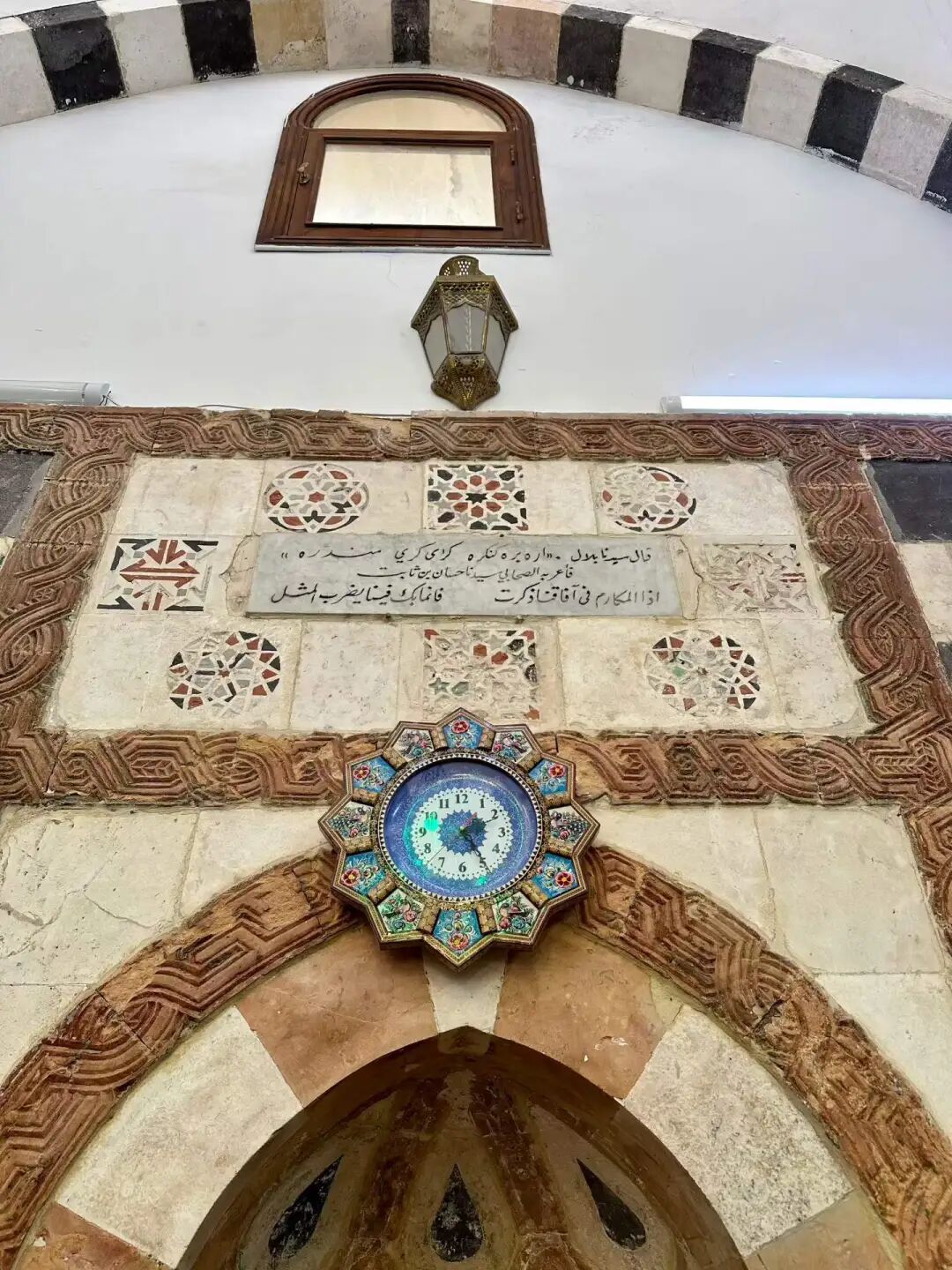
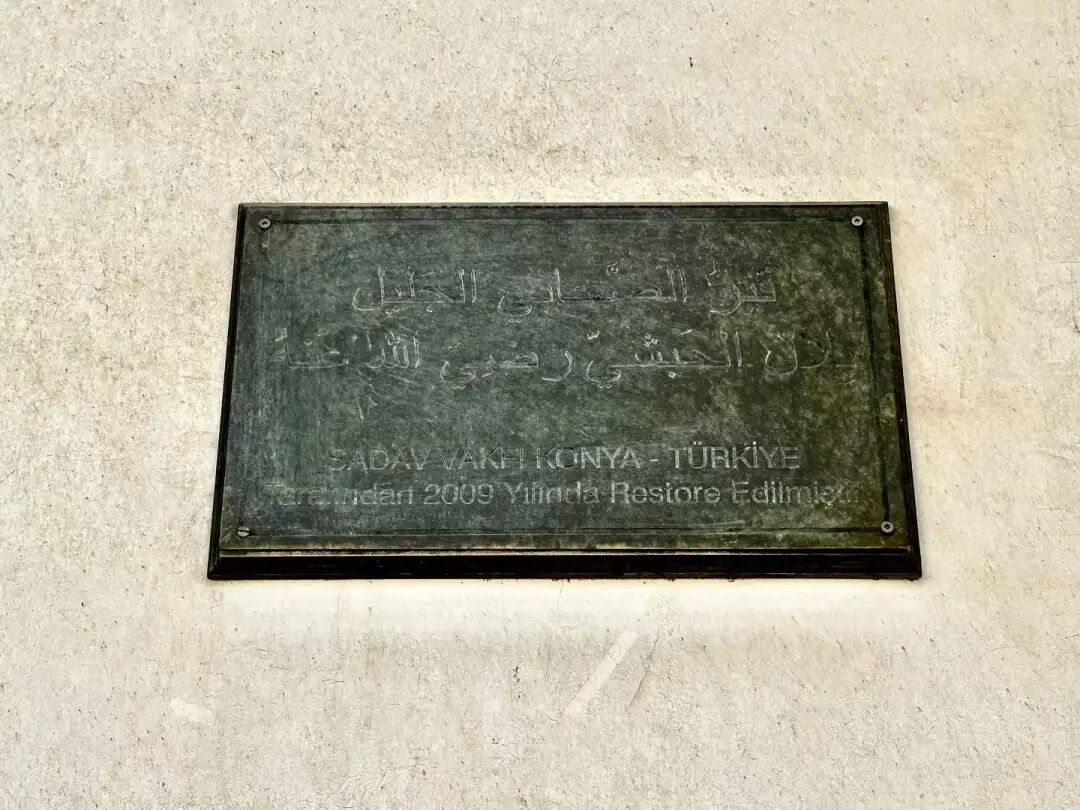
An inscription in the cemetery shows that the Sadaf Foundation from Konya, Turkey, renovated the site in 2009.
 Collapse Read »
Summary: This Muslim history guide to Damascus covers Bilal's tomb, the first muezzin, the Prophet's Companion, and Muslim heritage in the original travel account.
This article summarizes the key points of visiting the tomb of Bilal, the first muezzin and companion of the Prophet. It keeps the original paragraph and image order, making it perfect for readers interested in Muslim life, Islamic culture, and Chinese Islamic writing. It also helps those searching for content on Shia Islam, Hajj, and marriage and family.
While in Damascus, I made a special trip to the ancient Bab al-Saghir cemetery in the south of the city to visit the tomb of Bilal, the first muezzin chosen by the Prophet and the first African convert. I went to pay my respects to this companion (Sahaba) of the Prophet.
Bilal's tomb is just inside the north gate of the cemetery, and the tomb structure was rebuilt by later generations. The cemetery is open to people of all faiths and offers free dates and sesame cookies (Barazek).
Bilal was born in Mecca in 580. His mother was a slave from Abyssinia in East Africa, so he worked hard from a young age for the Umayyad family, who were nobles of the Quraysh tribe. When the Prophet began his mission, Bilal chose to give up idol worship and became one of the earliest converts to the faith. When his master Umayyad found out, he punished and tortured him severely. He whipped him, tied him to the sand, placed hot stones on his chest, and dragged him around Mecca while children mocked him. But Bilal only repeated, "Ahad, Ahad..." which means "The One, The One..." When the Prophet heard about this, he sent Abu Bakr to buy Bilal's freedom, and Bilal was then able to follow the Prophet closely. Because he had a loud and clear voice, Bilal was chosen by the Prophet to be the first muezzin.
In Medina, the Prophet appointed Bilal as the treasurer, and he distributed relief funds to widows, orphans, and the poor. After the reconquest of Mecca in 630, Bilal gave the first call to prayer (adhan) at the Kaaba. This act is remembered as a key moment in the history of the faith, symbolizing the establishment of the religion as the core belief of Mecca.
After the Caliphate conquered Syria in 634, Bilal moved to Damascus to live, and he eventually passed away there.
In a sermon (wa'z) given by Imam Sha in Dujiangyan, he shared the most famous story about how, after the Prophet passed away, he could not bear to see anything in Medina that reminded him of the Prophet. So, he moved to Damascus to live.
One day, he dreamed that the Prophet asked him, 'Have you abandoned us and abandoned Medina?' After waking up, he returned to Medina. At the repeated request of Hasan and Husayn, he performed the call to prayer (adhan). While reciting, he remembered every detail of his life with the Prophet. Overcome with grief, he fell from the high platform. He returned to Damascus and passed away shortly after.
People say during the Assad regime in Syria, the tomb of Bilal (Bilali mu) was closed for over ten years. It was not until after Assad fell in December 2024 that the tomb of Bilal reopened to visitors.
An inscription in the cemetery shows that the Sadaf Foundation from Konya, Turkey, renovated the site in 2009.
Collapse Read »
Muslim Travel Guide to Sichuan: Dujiangyan During Ramadan and Old Mosque Road Trip
Reposted from the web
Summary: This Muslim travel guide to Sichuan follows Dujiangyan during Ramadan, old mosque visits, and China mosque travel details from the original road trip.
This article summarizes the key points of 'Driving to Sichuan for Ancient Mosques during Spring Festival (Part 15): Dujiangyan during Ramadan.' It keeps the original paragraph and image order. It is for readers interested in Muslim life, Islamic culture, and Chinese Islamic writing. It also helps with searching for topics like Ramadan, Part 15, and Dujiangyan during Ramadan.
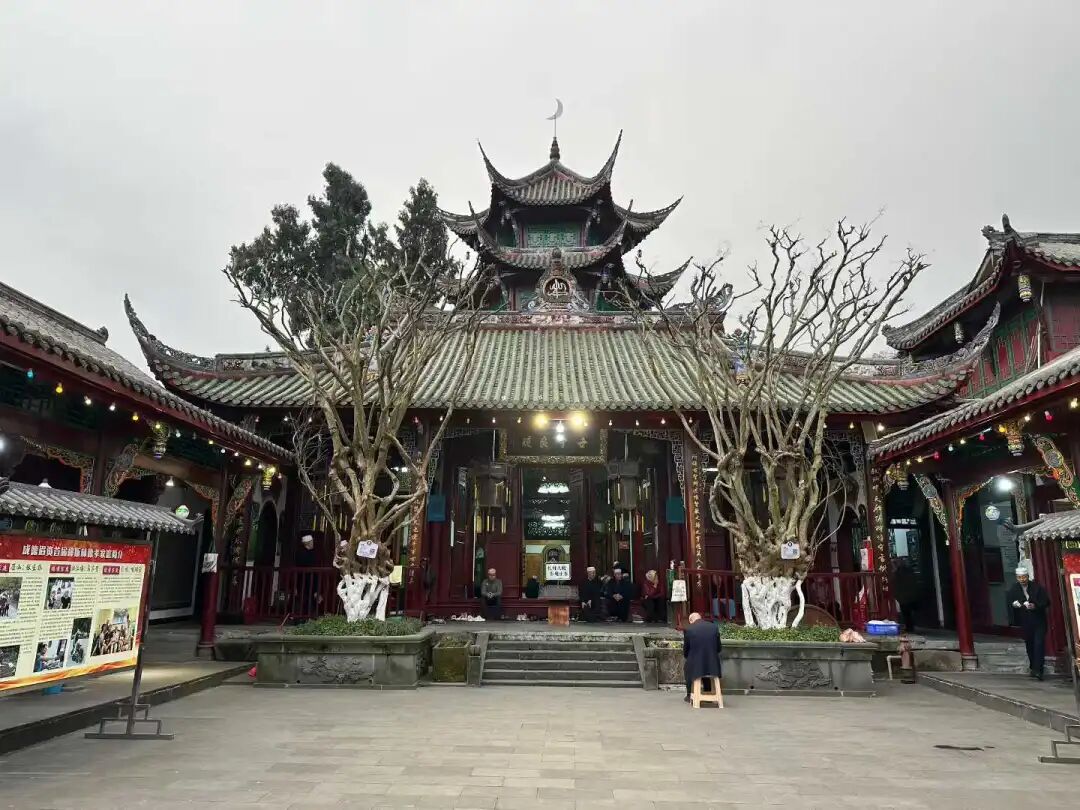
I had heard for a long time that the Ramadan atmosphere at the Dujiangyan mosque in Sichuan was excellent, and I finally got to experience it this time.
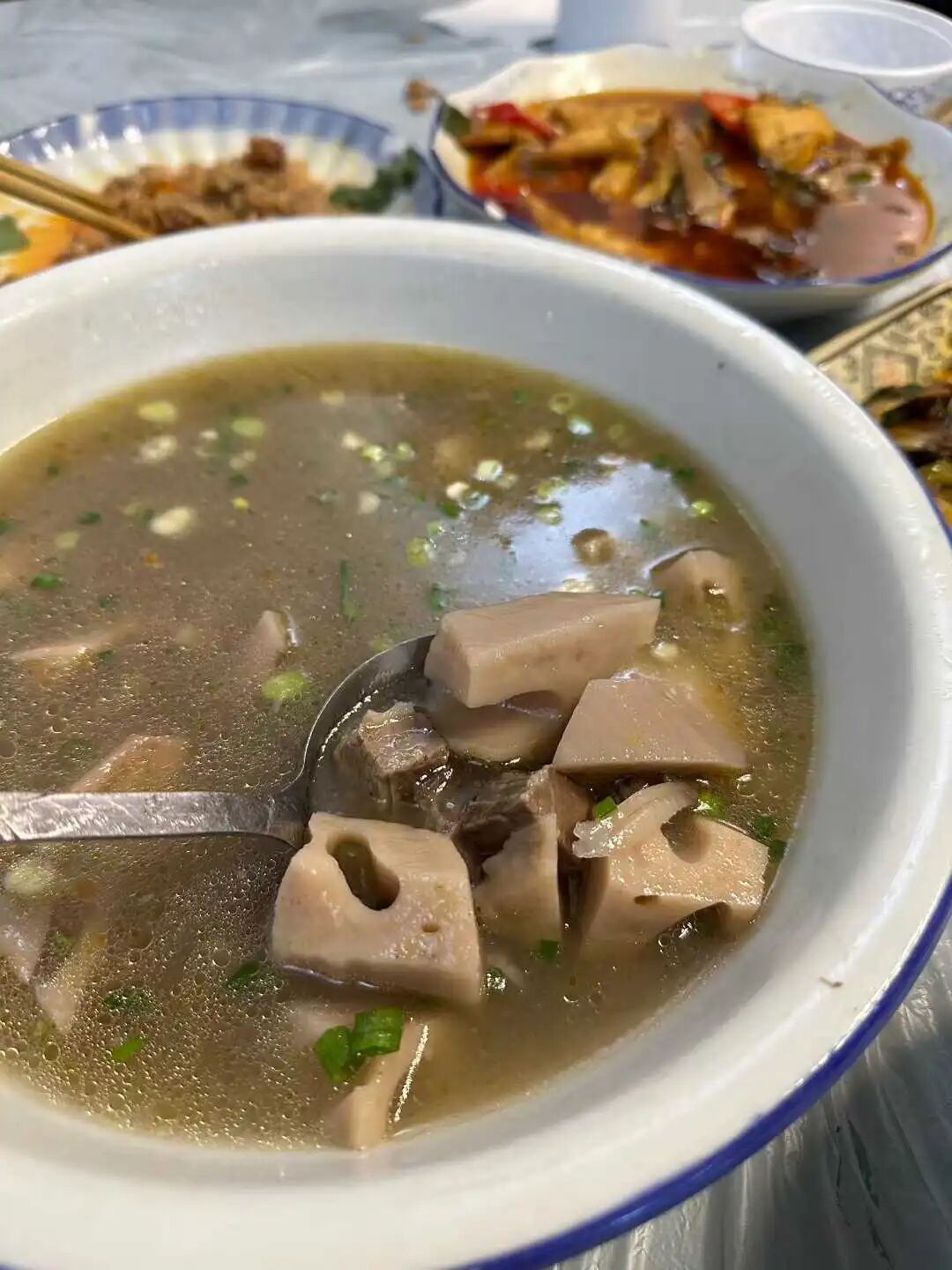
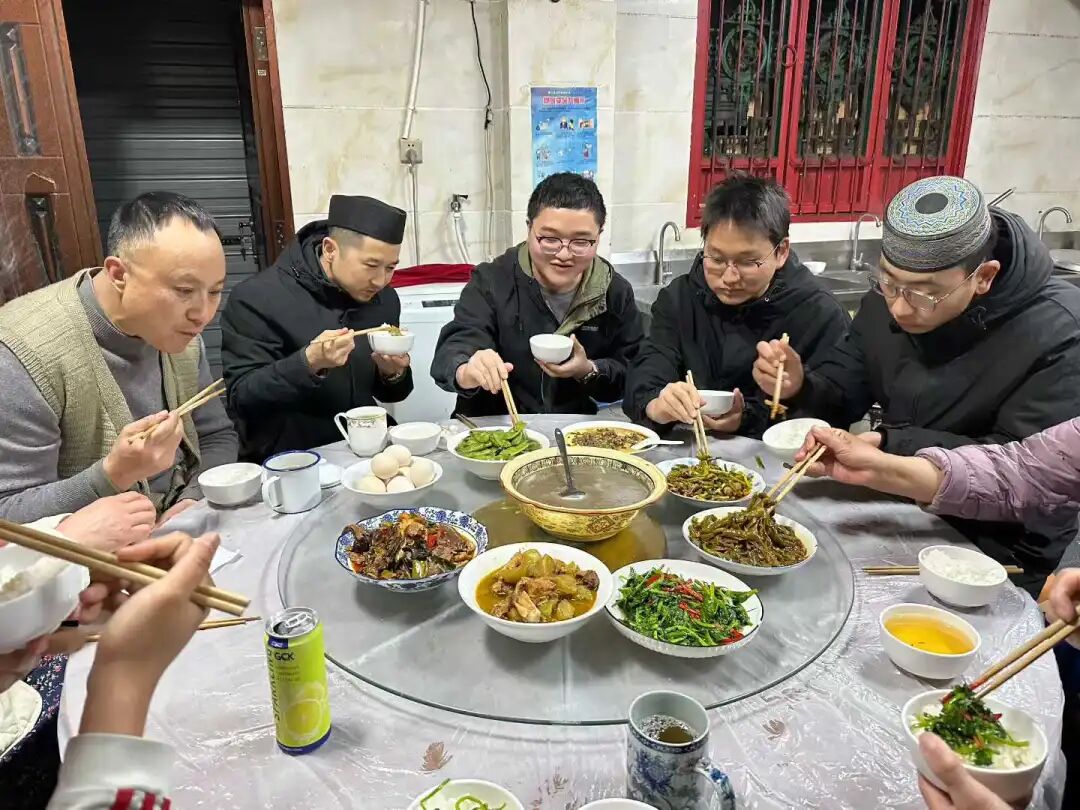
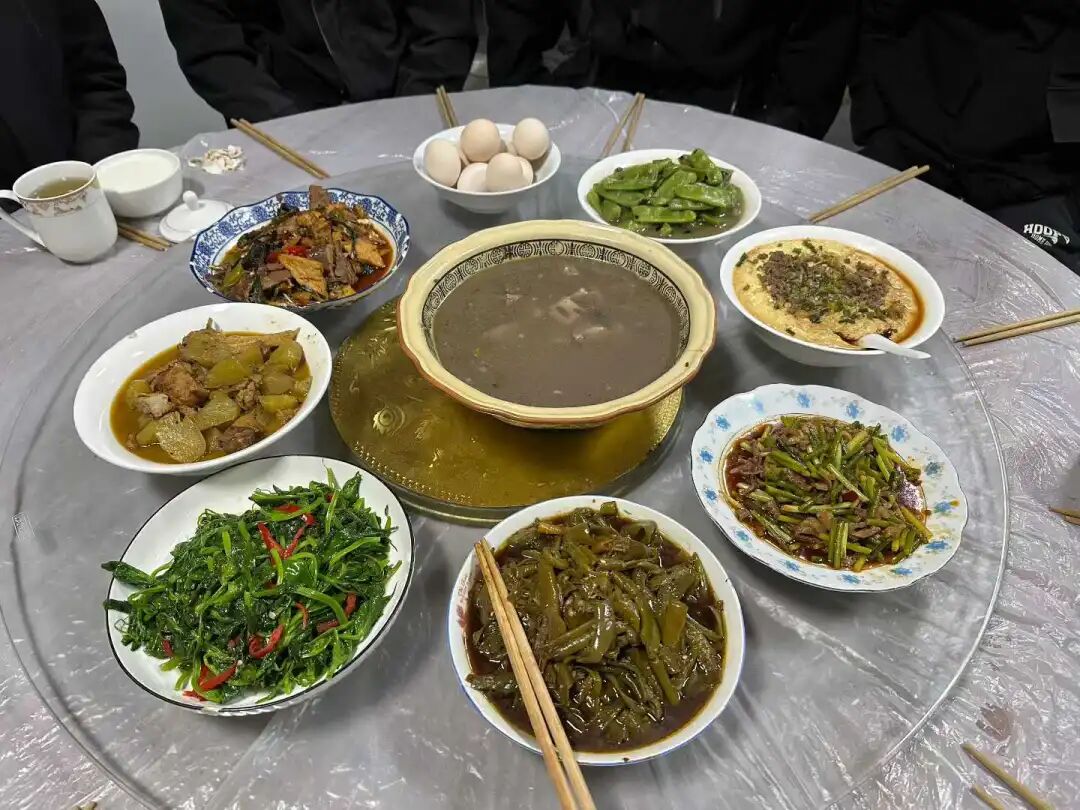
At the mosque, we had beef stewed with lotus root (niurou dun ou), cold chicken with sauce (liangban ji), steamed beef with rice flour (fenzheng niurou), twice-cooked beef (huiguo niurou), steamed eggs (zheng jidan), stir-fried garlic sprouts (chao suantai), lettuce stems braised with meat (wosun shaorou), and home-style tofu (jiachang doufu). These were all authentic Sichuan dishes.
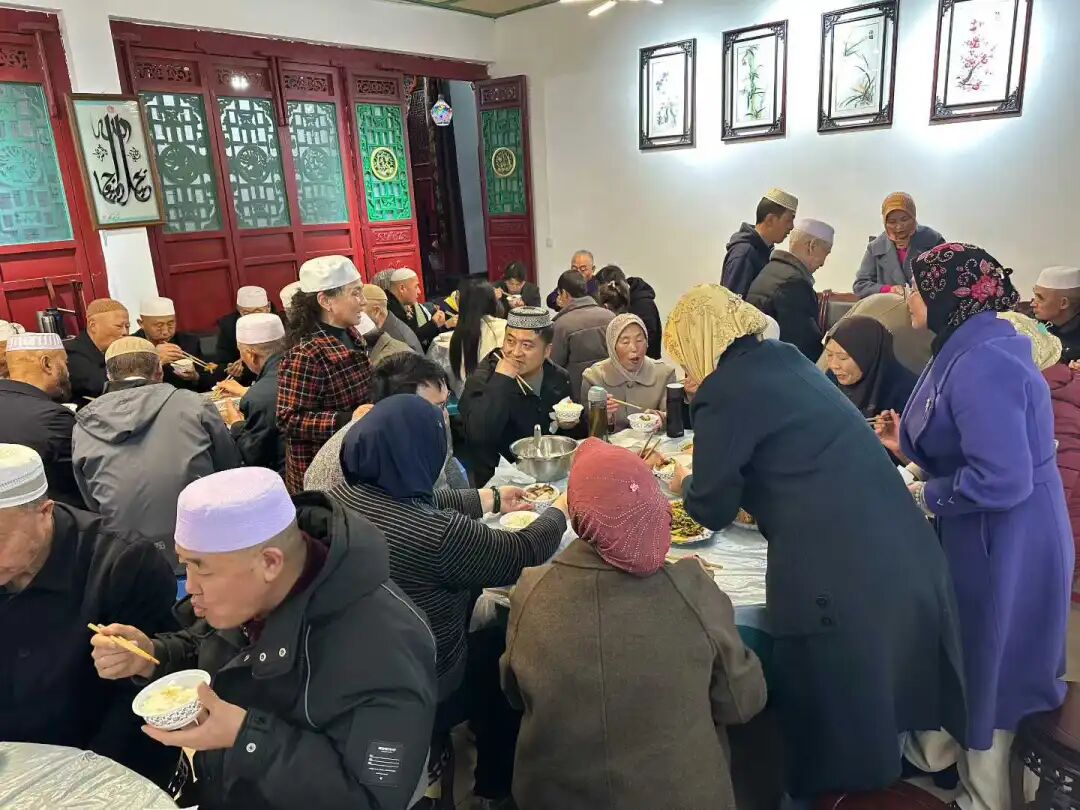
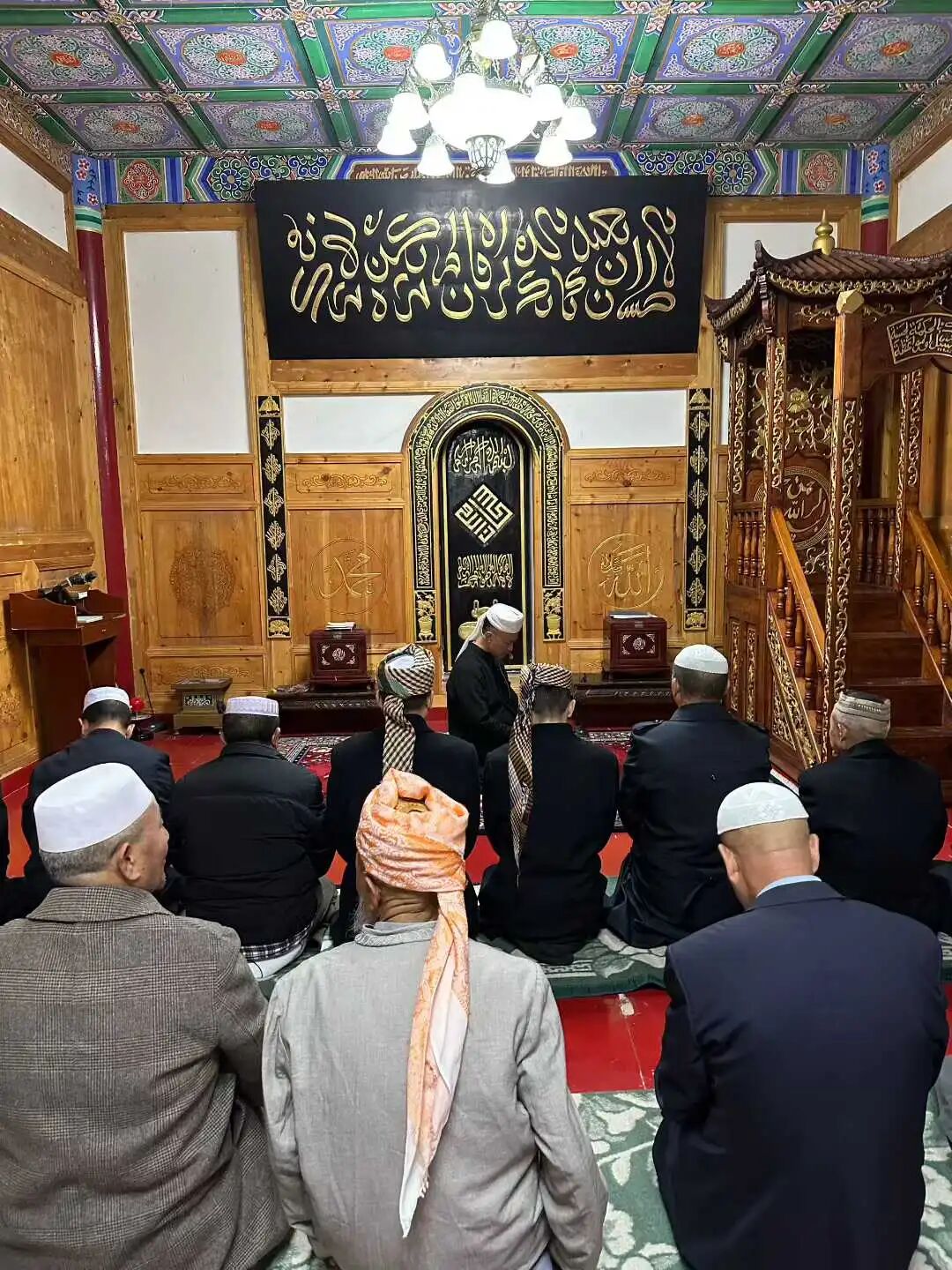
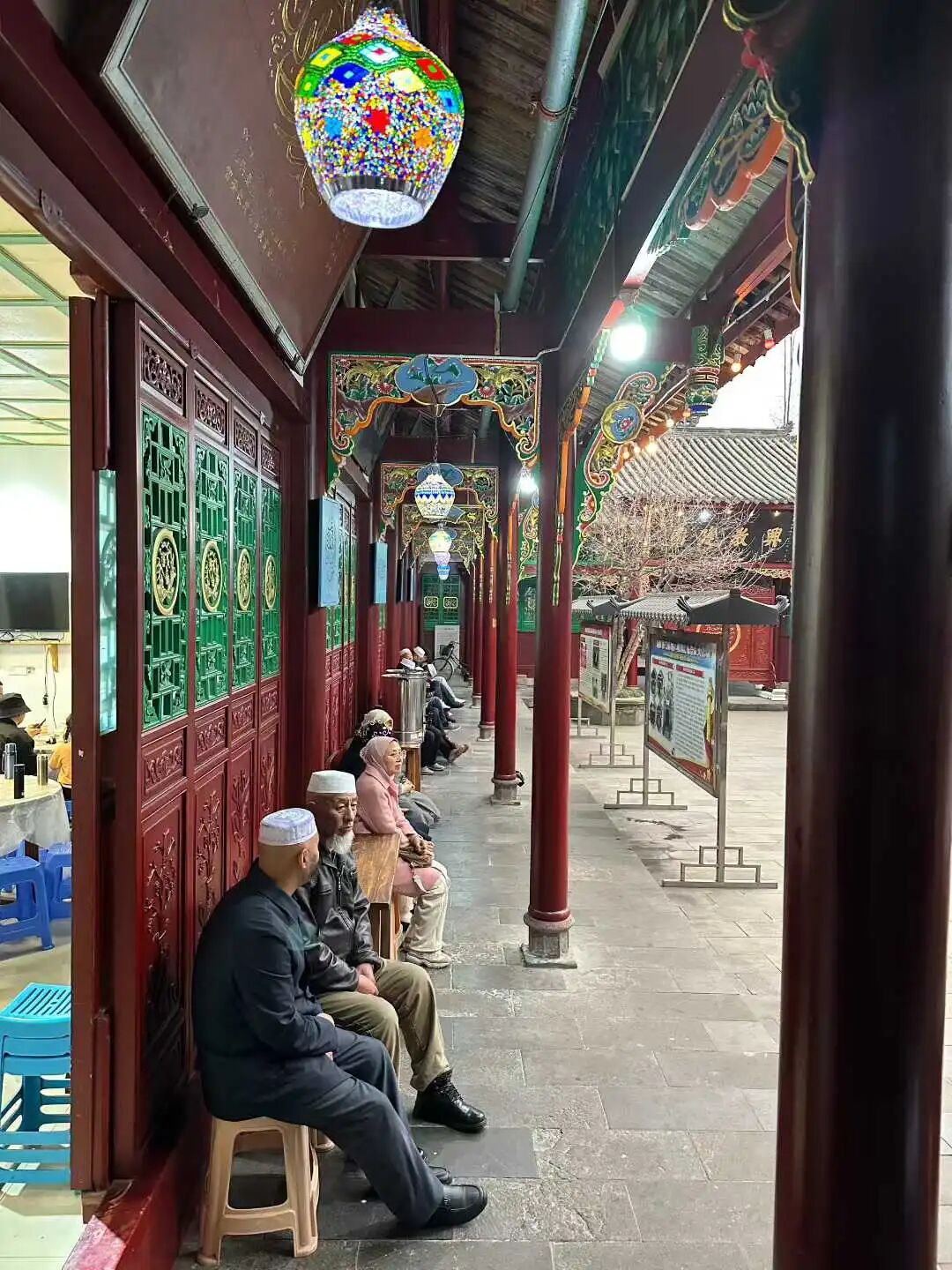
Dujiangyan truly lives up to its reputation as the pearl of the Islamic community in western Sichuan. Many people came for the iftar meal. Chairman Sha said that in previous years they served eleven dishes and often had leftovers. This year, he specifically asked to simplify it to seven dishes and one soup. I felt the amount of food was just right.
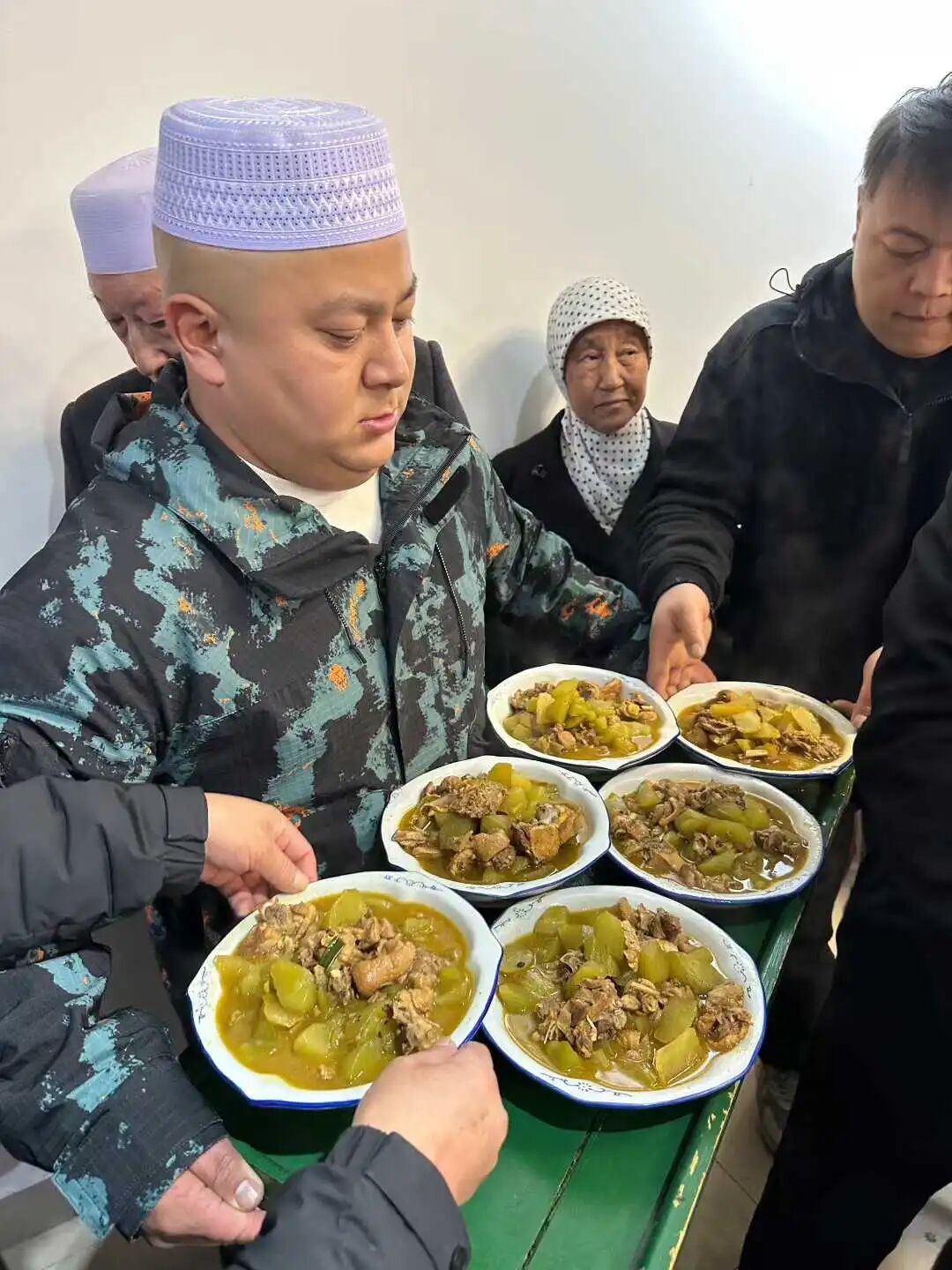
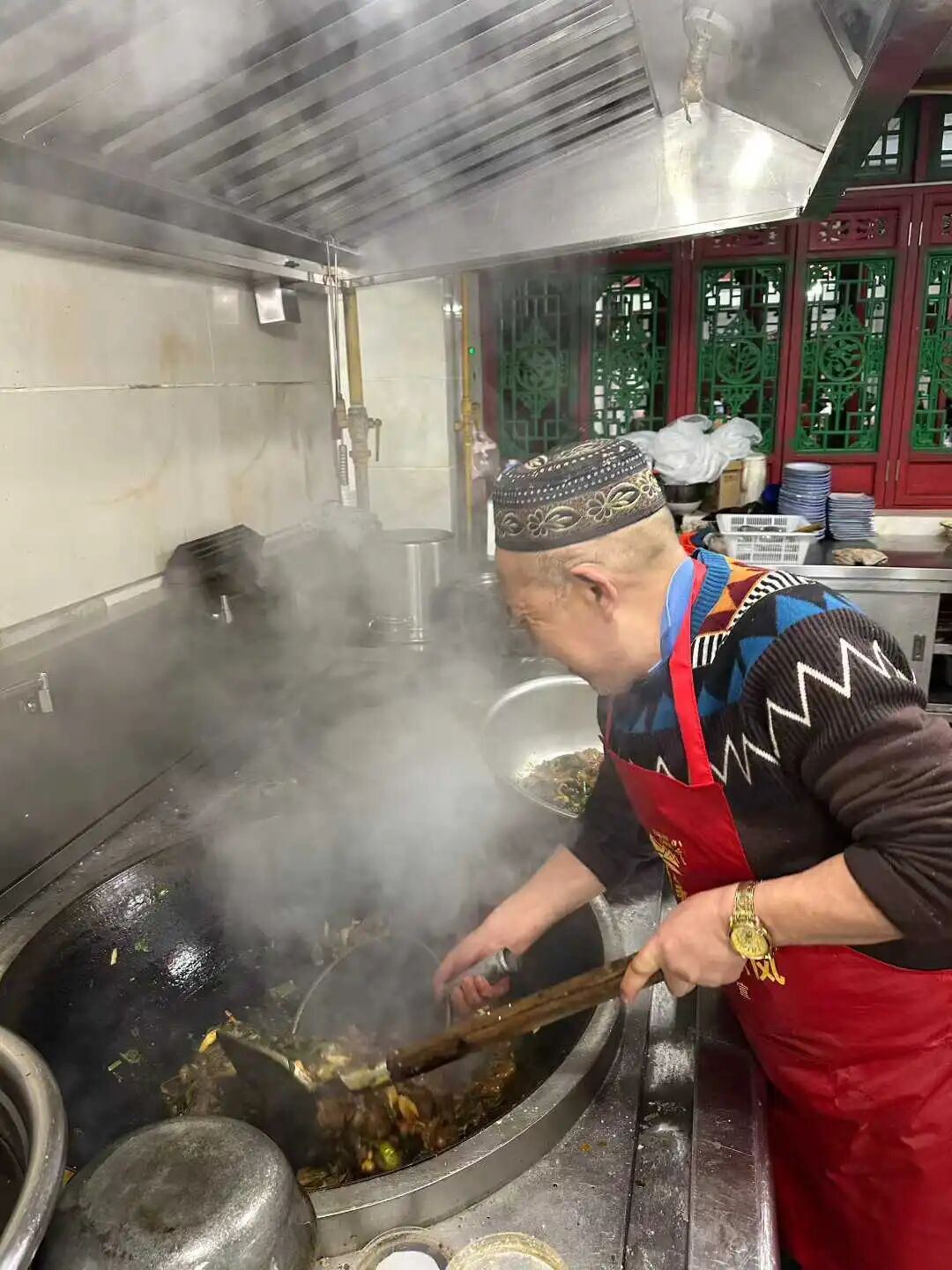
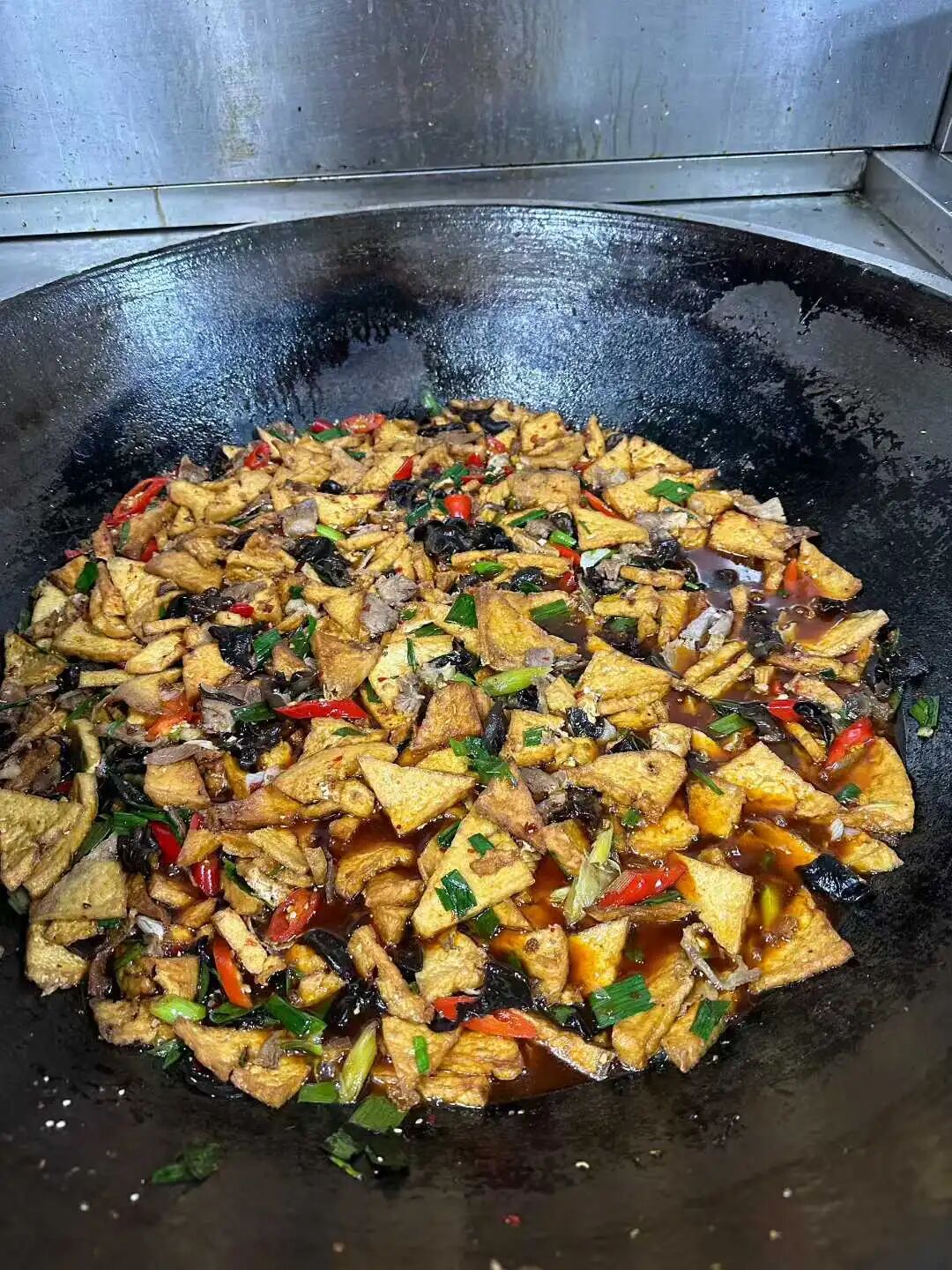
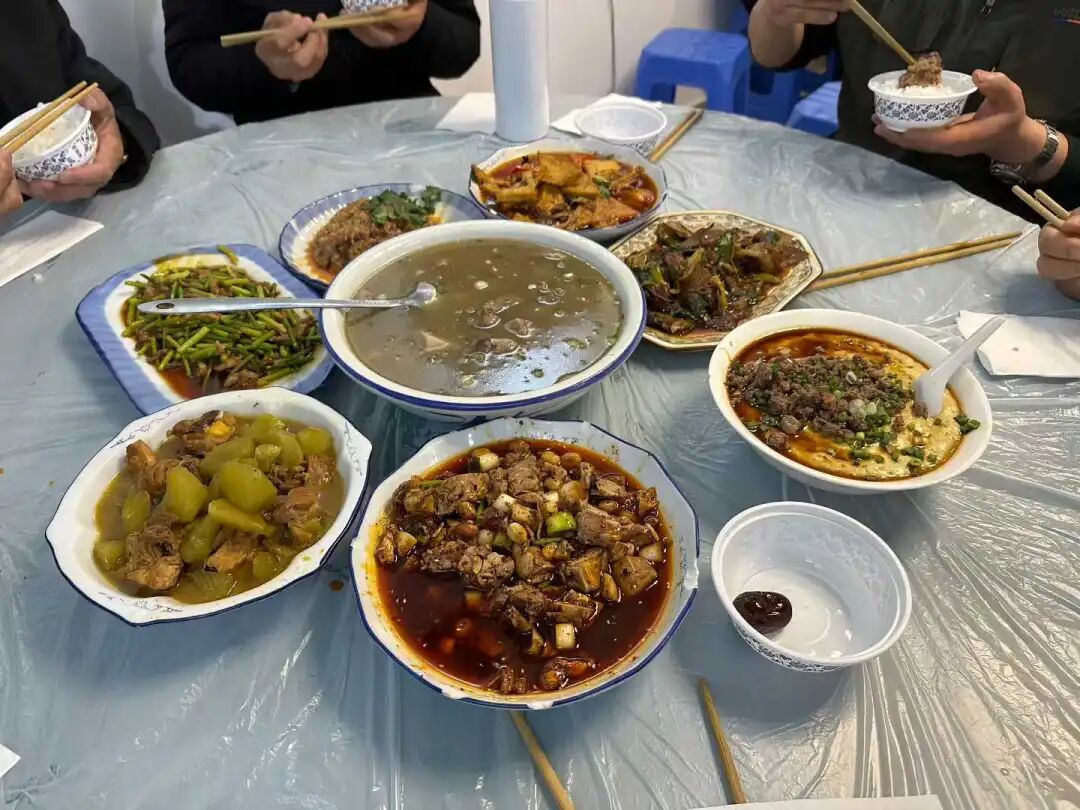
The Hui Muslims in Dujiangyan come from diverse backgrounds. The Hai family moved from Shaoyang, Hunan, during the Wanli period of the Ming Dynasty. The Guanxian Ma family moved from Shaanxi in the mid-Ming Dynasty. The Lan family moved from Tuqiao, Chengdu, during the Qing Dynasty. The Su family moved from Xiaojin County, Sichuan, in the early Qing Dynasty. The Songpan Zhang family moved from Songpan, Sichuan, in the early Qing Dynasty. The Hebei Zhang family moved from Pidu District, Chengdu, during the Tongzhi period. The Shaanxi Ma family moved from Weinan, Shaanxi, during the Jiaqing period of the Qing Dynasty. The Qi family moved from Weinan, Shaanxi, during the Daoguang period. The Li family moved from Huihuiying in Pidu District, Chengdu, in the late Qing Dynasty. The Maogong Ma family moved from Xiaojin County, Sichuan, in the early years of the Republic of China. The Shandong Jiang family moved from Yanting, Sichuan, in the early years of the Republic of China. The Taiyuan Cai family moved from Xiaojin County, Sichuan, in the first year of the Republic of China.
The ancestor of the Dujiangyan Hai family, Hai Mengshi, was from Shunyi, Beijing. In the first year of the Hongwu period of the Ming Dynasty, he was appointed as a commander of the Imperial Guard. His grandson, Hai Chaofan, moved from Shaoyang, Hunan, to Sichuan during the Ming Wanli period.
The 'Hebei Zhang' family's ancestral home was Zhangjiawan in Tongzhou, Beijing. At the end of the Ming Dynasty, three Zhang brothers moved to Lianglukou in Pidu District, Chengdu, and led the construction of the Zhang Family Mosque (Zhangjia Si). During the Tongzhi period, Zhang Yongchun ran a Muslim restaurant on West Street in Dujiangyan and settled there.
The 'Maogong Ma' family's ancestral home was Tianbei Village in Weinan, Shaanxi. They entered Sichuan during the Qianlong period and settled in Xiaojin County. In the first year of the Republic of China, they moved to Huangchengba in Chengdu due to the Railway Protection Movement. In the sixth year of the Republic of China, their house was destroyed during the warlord chaos, and they moved to Dujiangyan again. Ma Rucong, an imam from this family, served as an imam at the Dujiangyan mosque for 33 years and passed away in 1962.
The Li family of Hui Muslims moved here from Tangyuan Town in Pidu District, Chengdu, during the Tongzhi reign. Li Guangming, a member of the family, was known as one of the Three Heroes of Guan County. He served as the magistrate of Xiaojin County during the Republic of China era, stood up to powerful figures, and was later killed by bandits.
The ancestors of the Shaanxi Ma family came from Qiaotian Village in Weinan, Shaanxi. In the 13th year of the Jiaqing reign, Ma Yingxian moved to Dujiangyan because of the White Lotus and Tianli uprisings. In the 6th year of the Daoguang reign, he bought a piece of land on South Street in Dujiangyan and opened the Daxing Mule and Horse Inn, which operated until 1949.
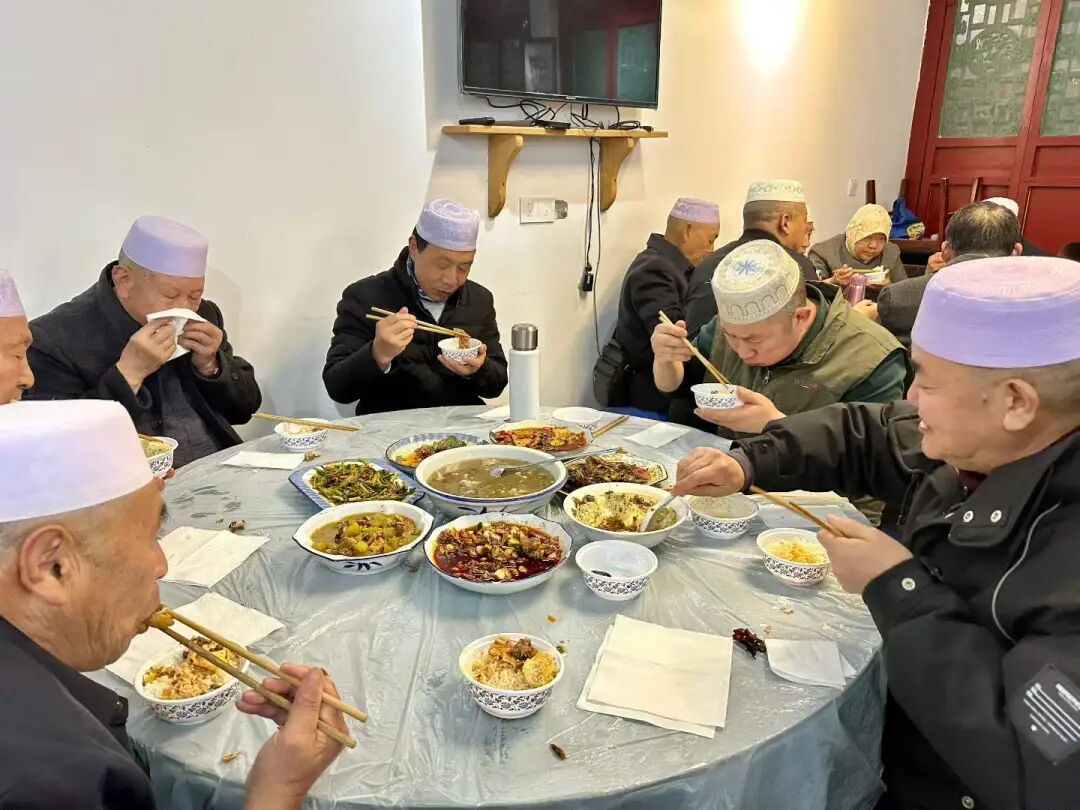
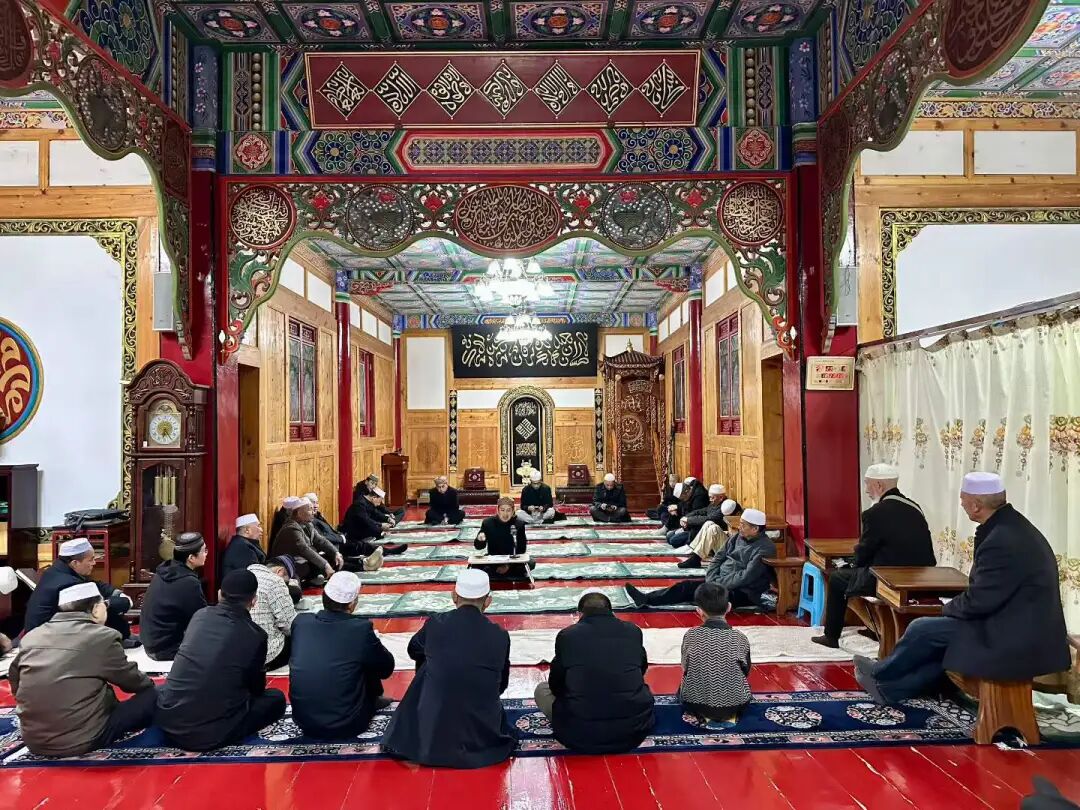
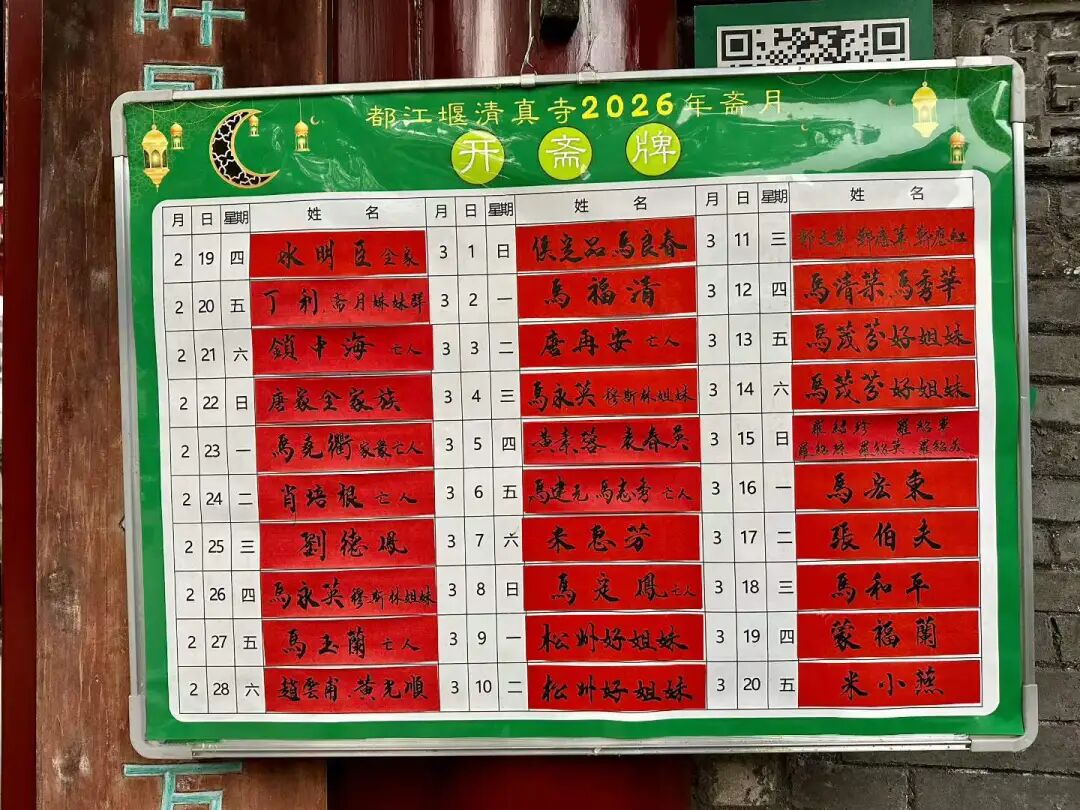
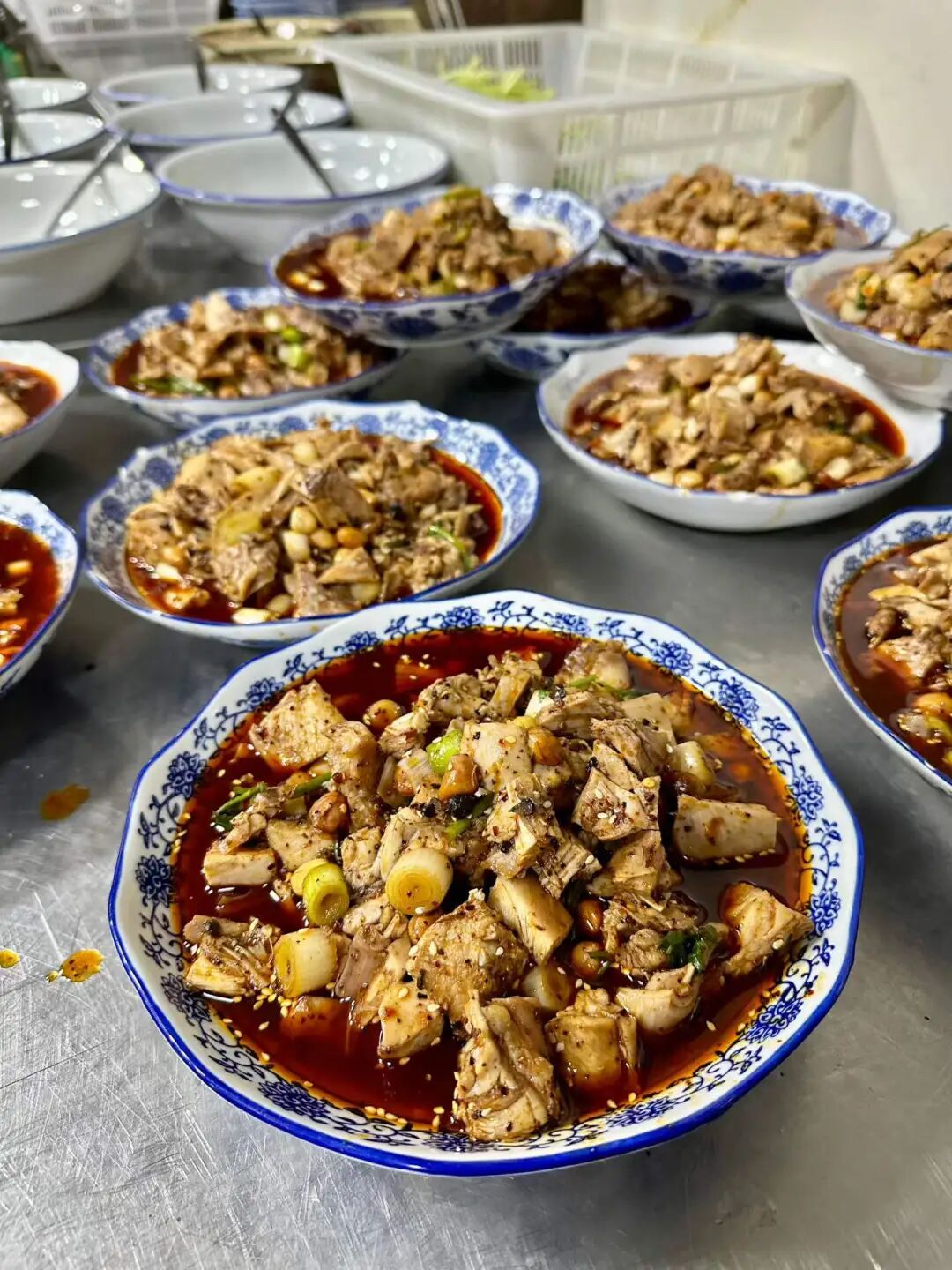
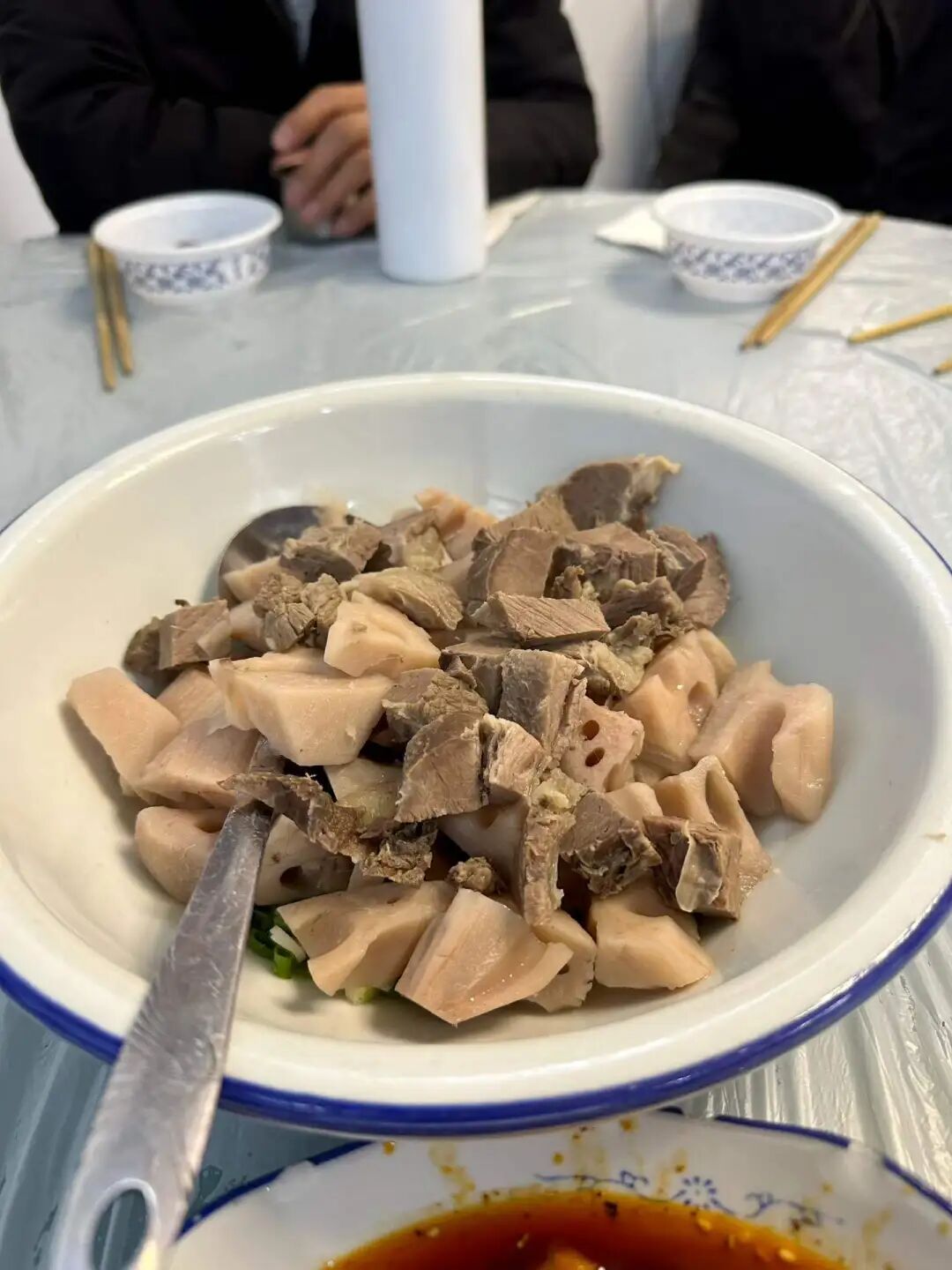
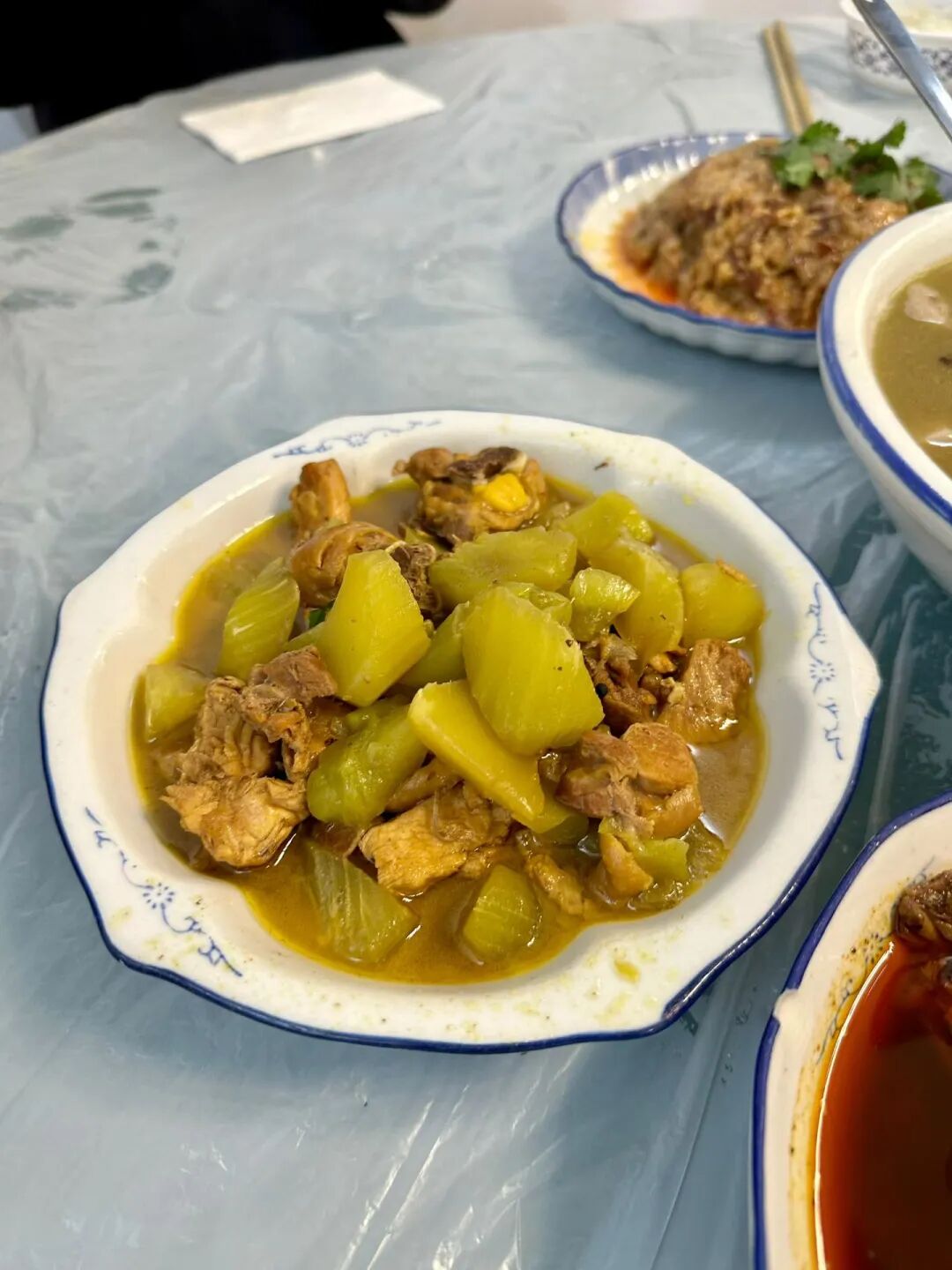
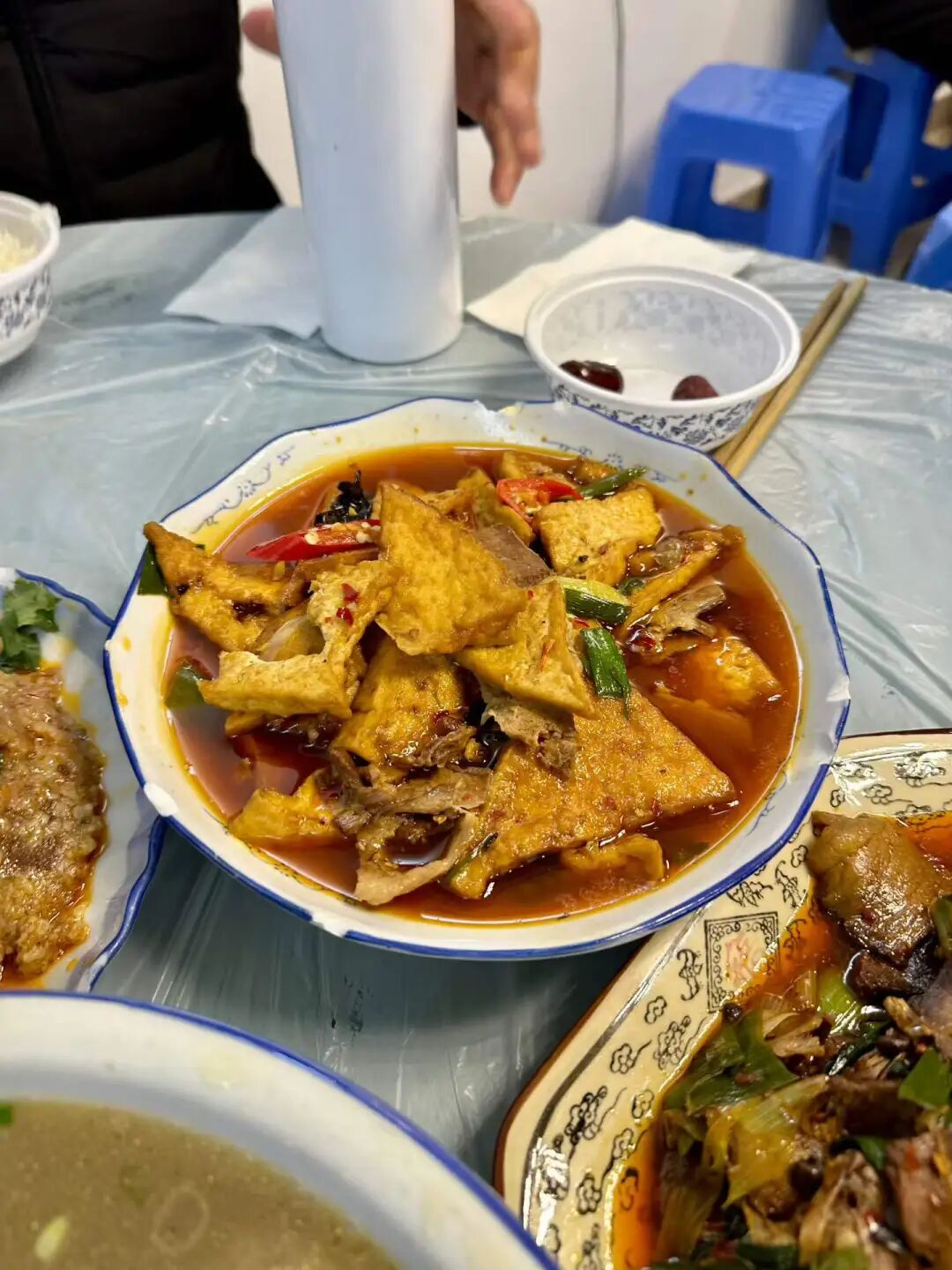
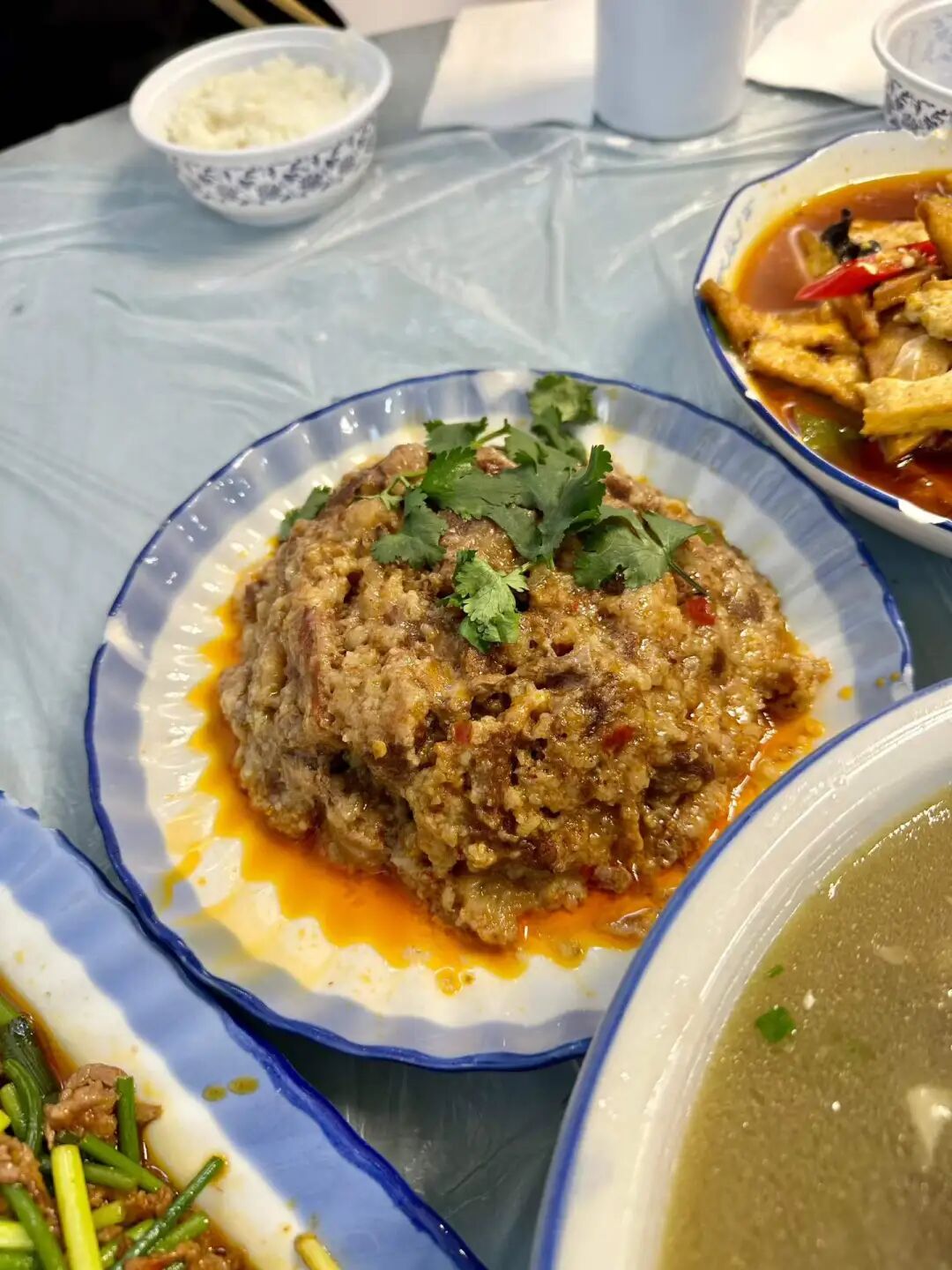
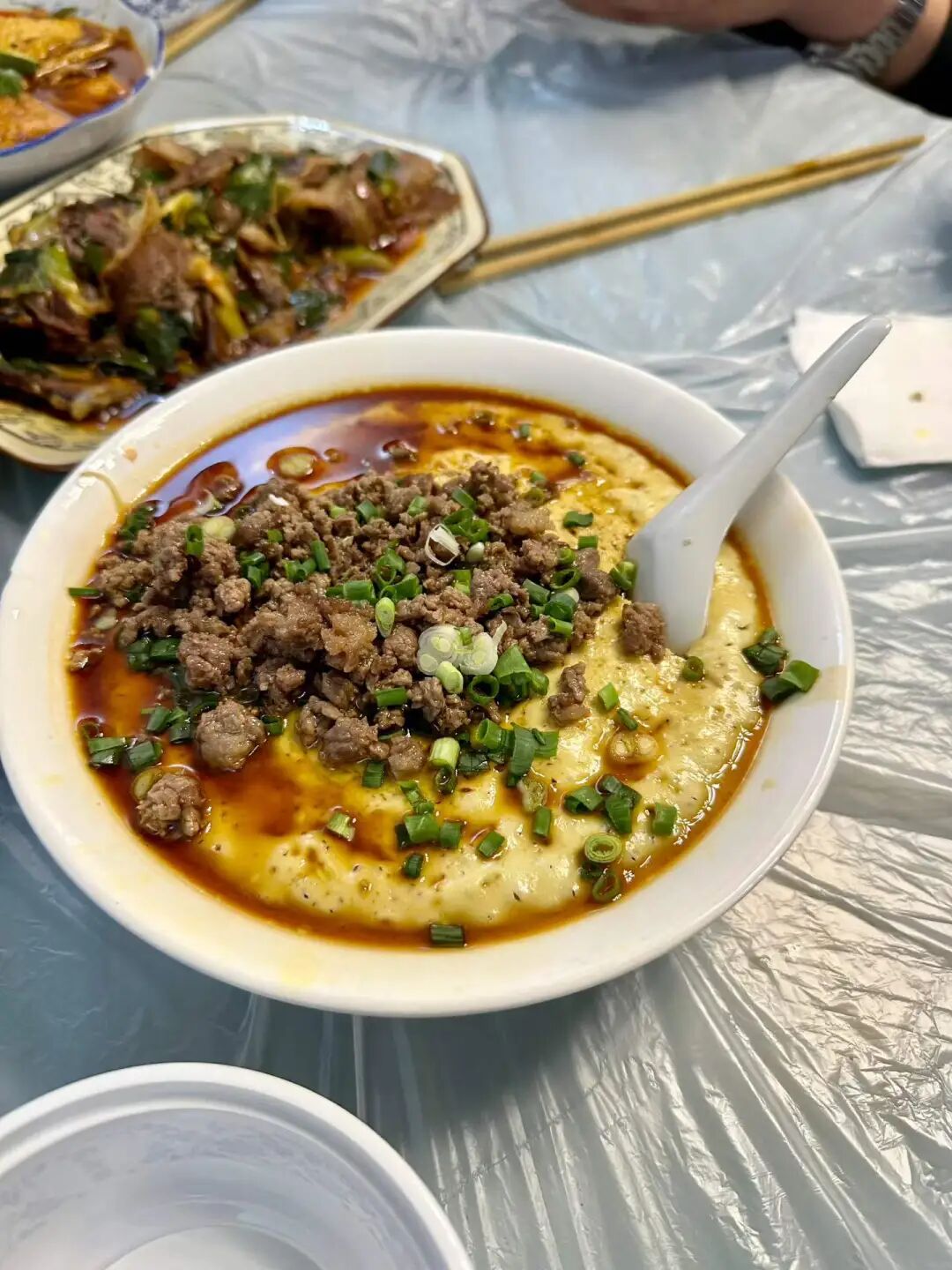
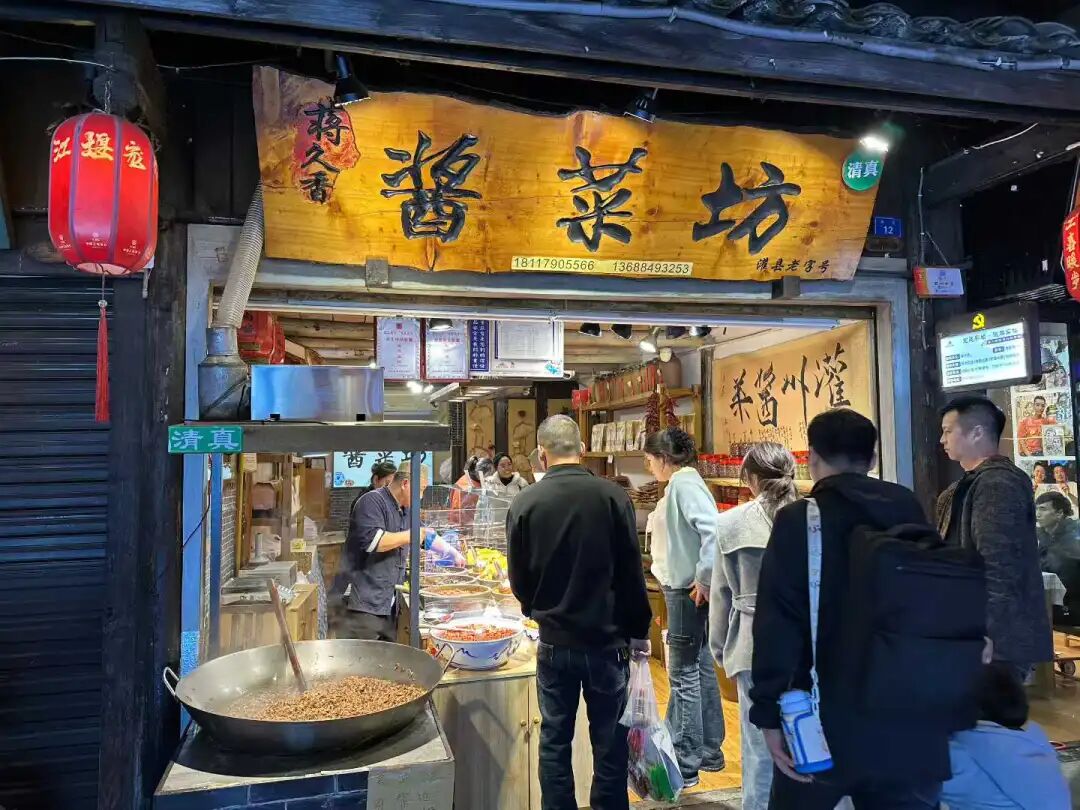
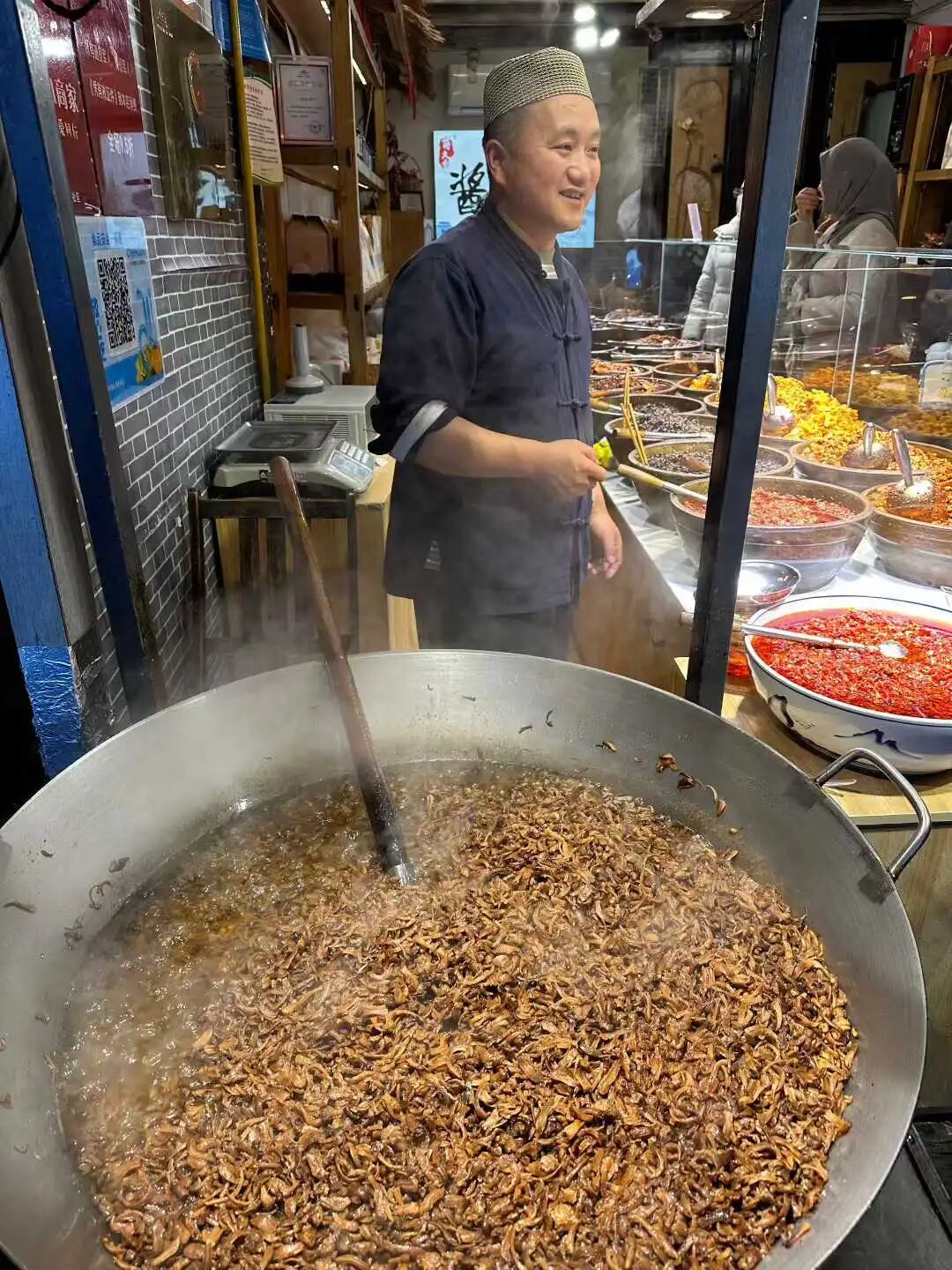
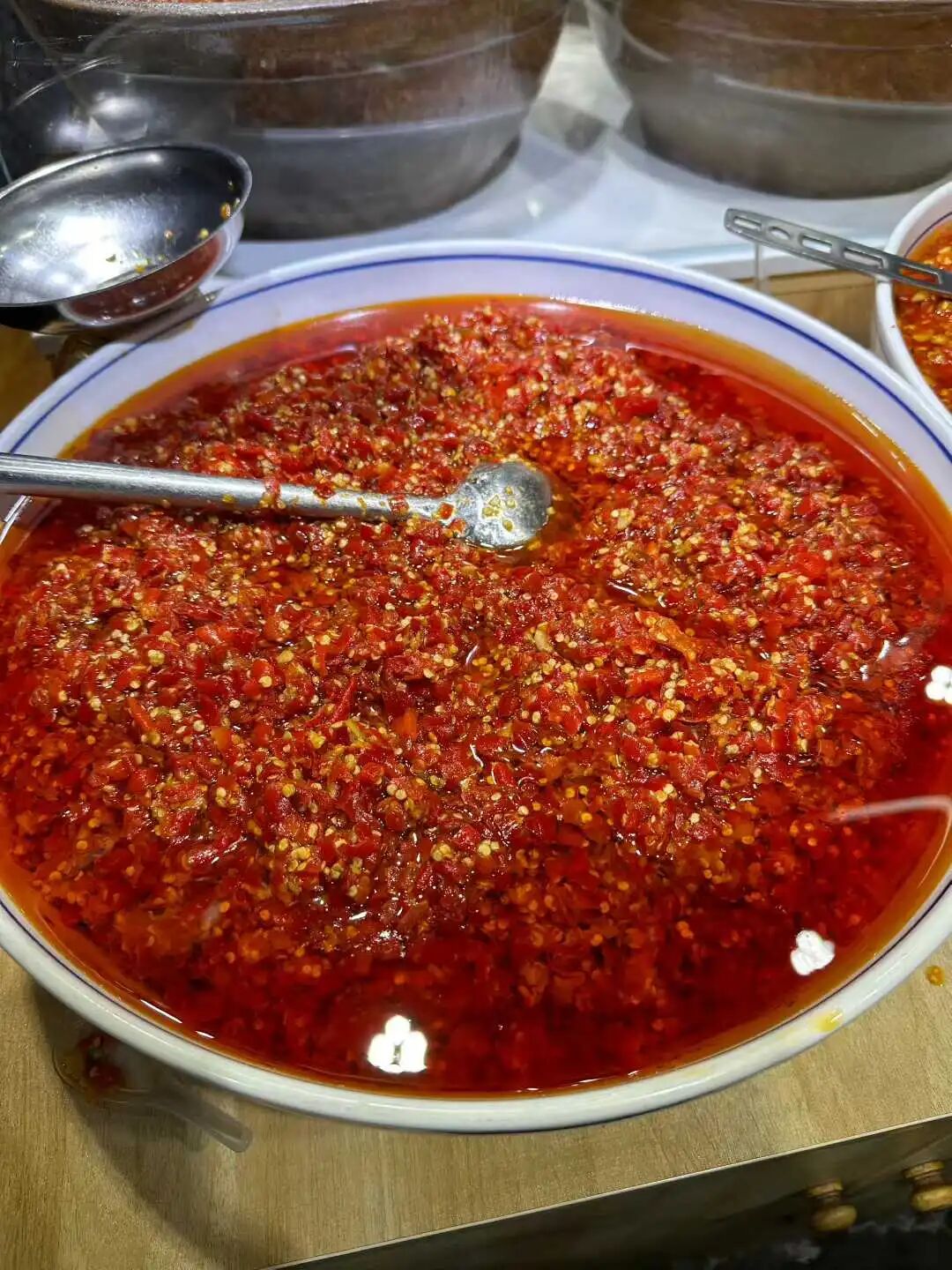
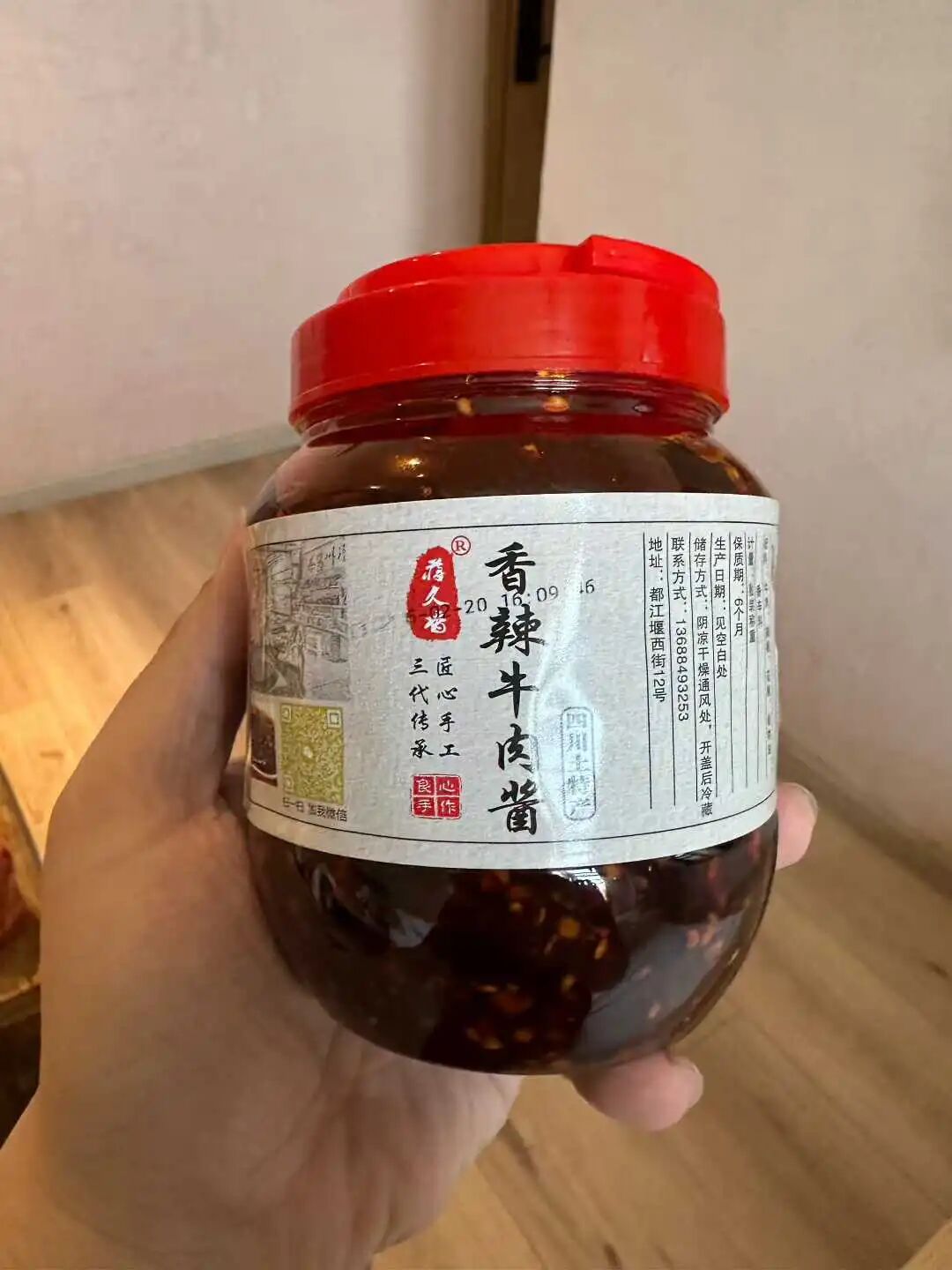
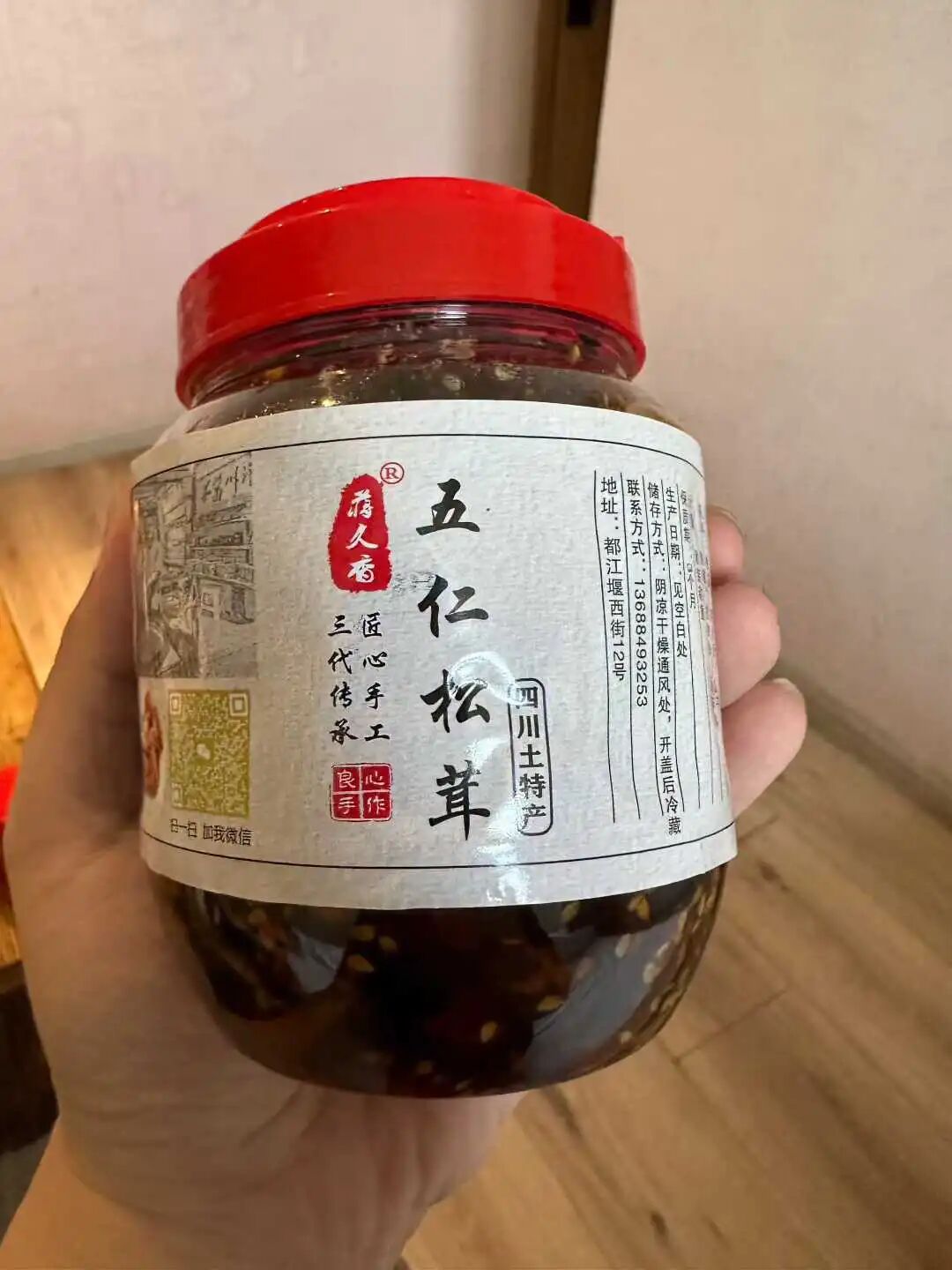
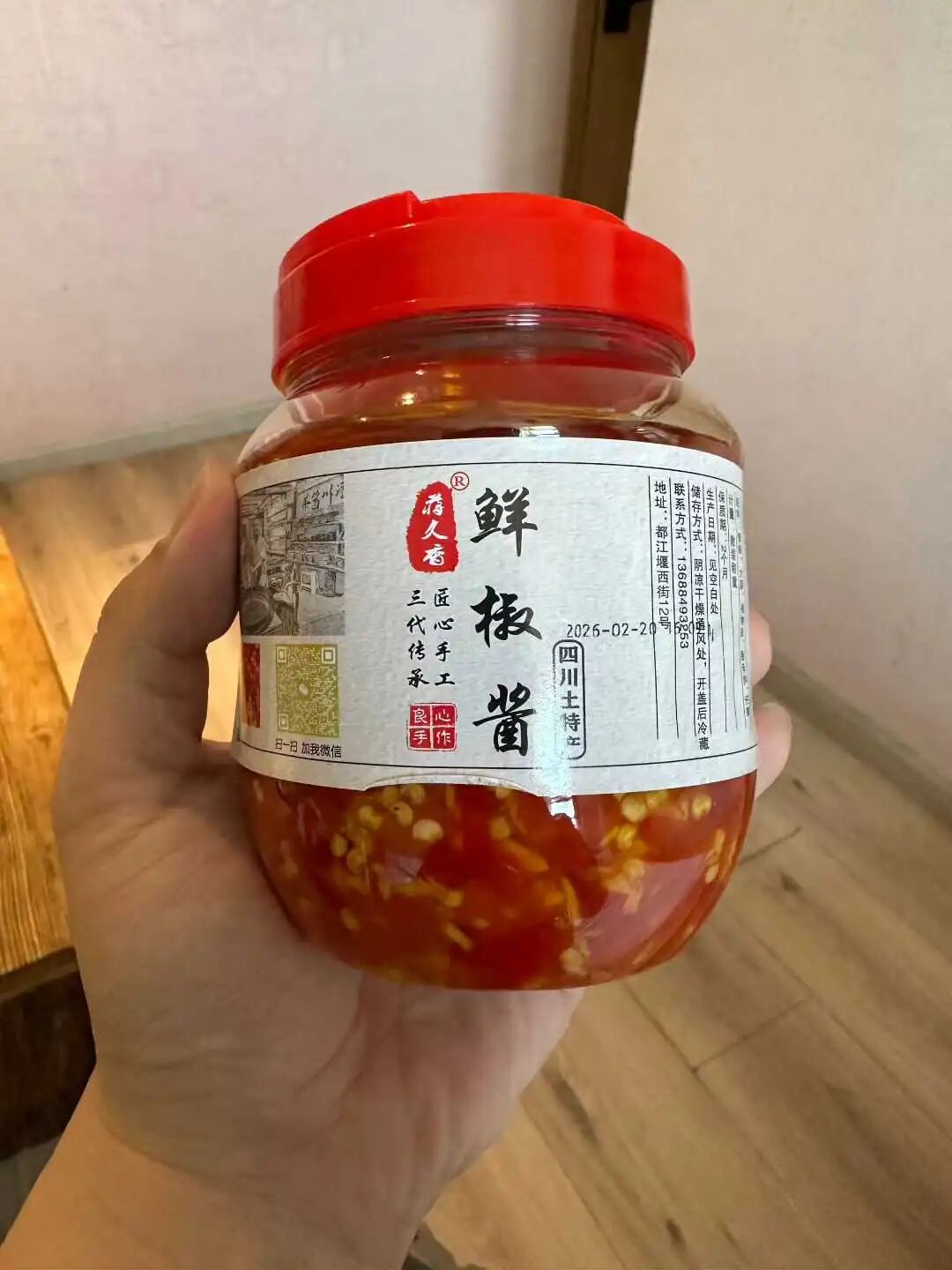
Next to the mosque is the Jiang Jiuxiang Pickles Workshop. Their five-kernel pine mushroom (wuren songrong) is delicious. It tastes great on its own and is a perfect match for porridge.
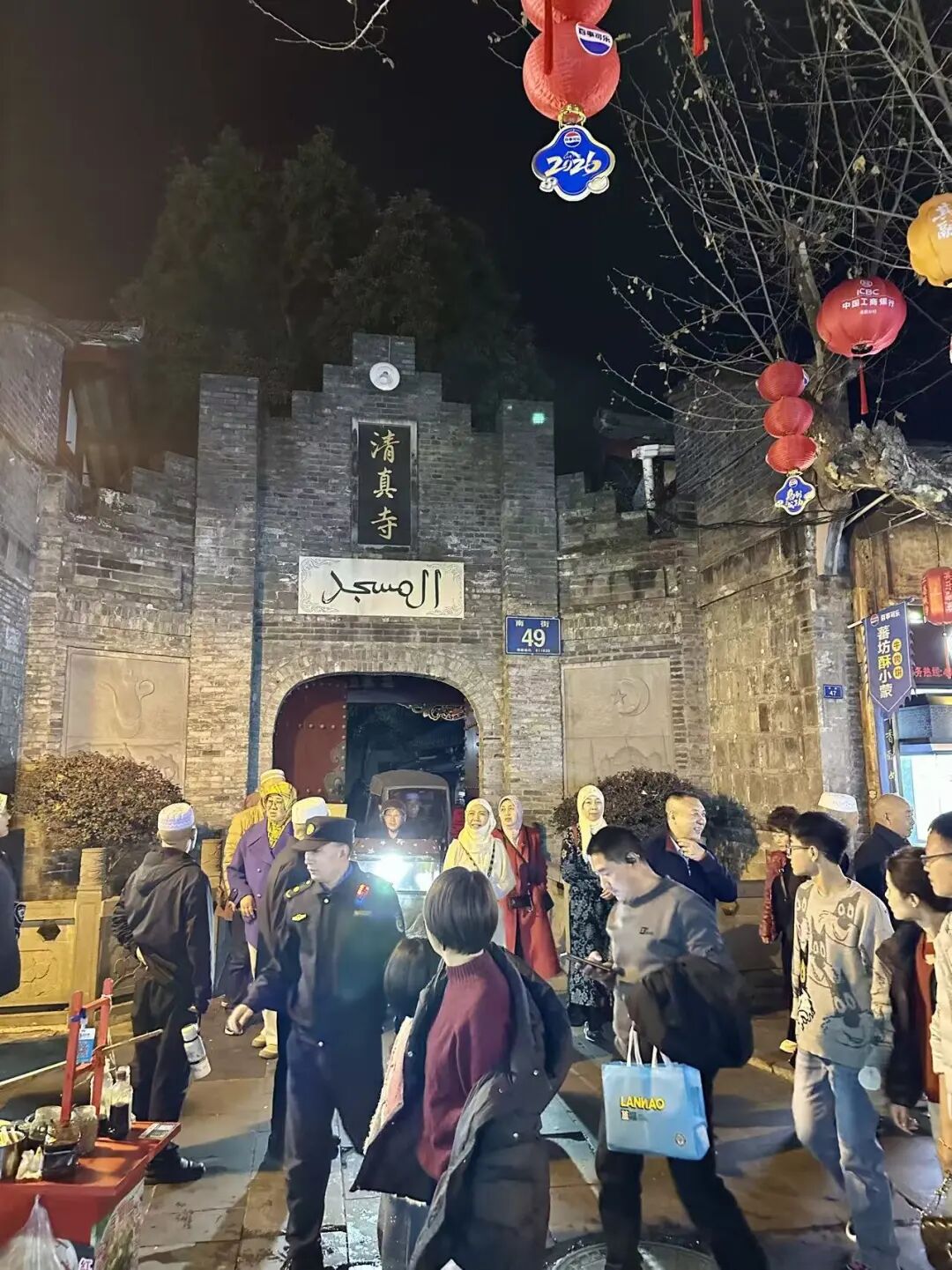
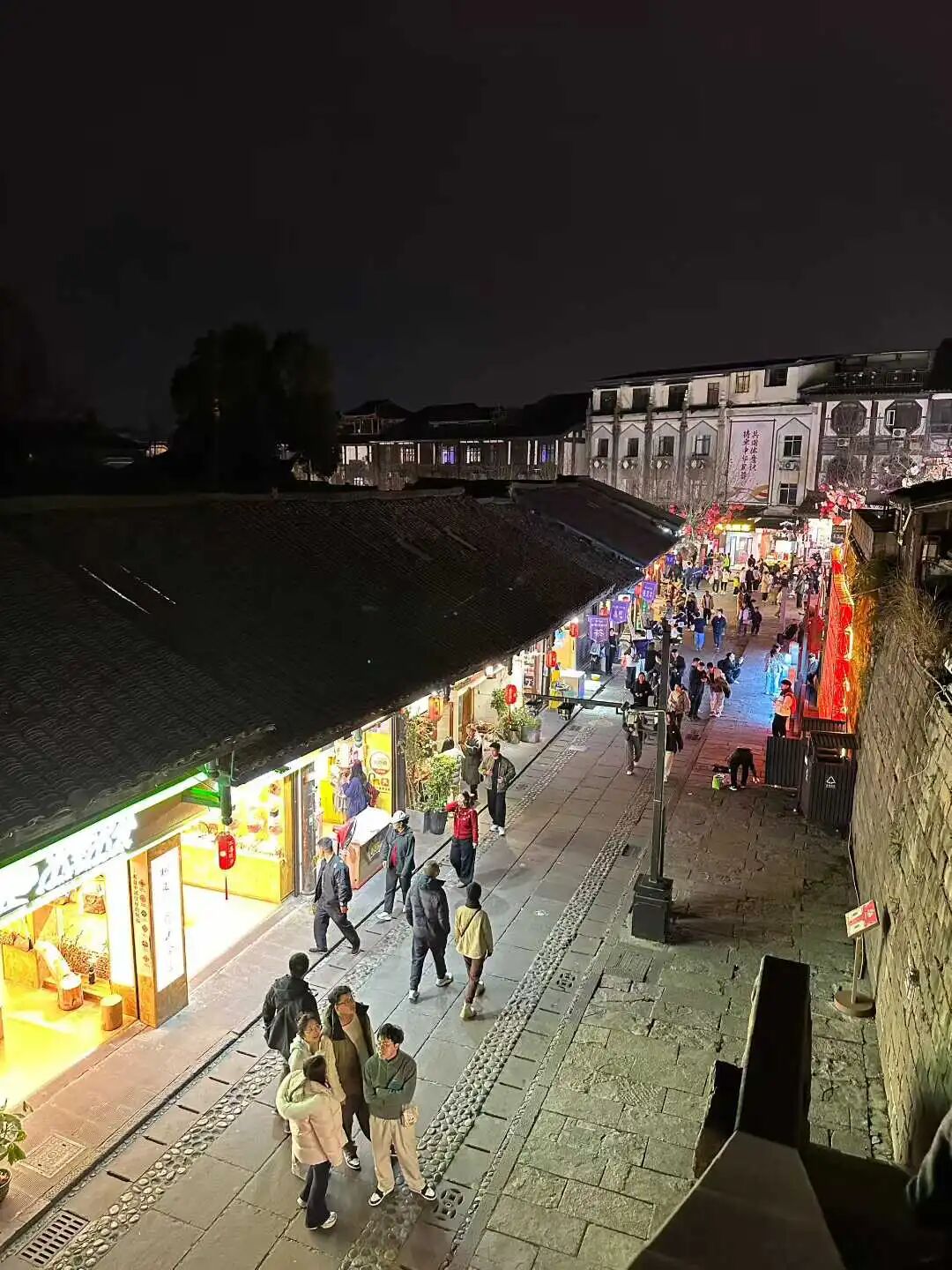
Dujiangyan Guan County Ancient City at night.
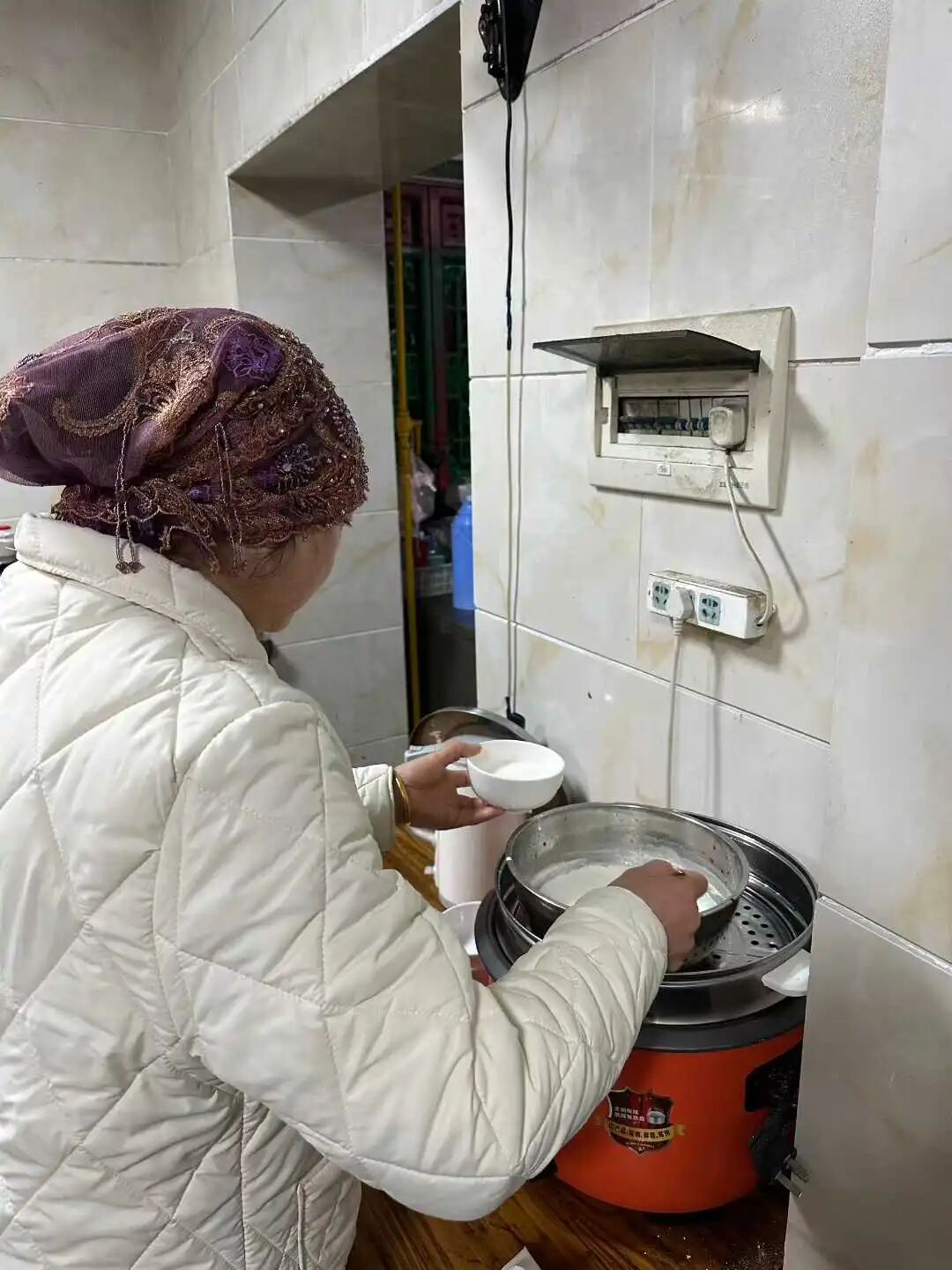
Starting the fast (suhur) at the Dujiangyan mosque in the morning is a special experience when everyone does it together.
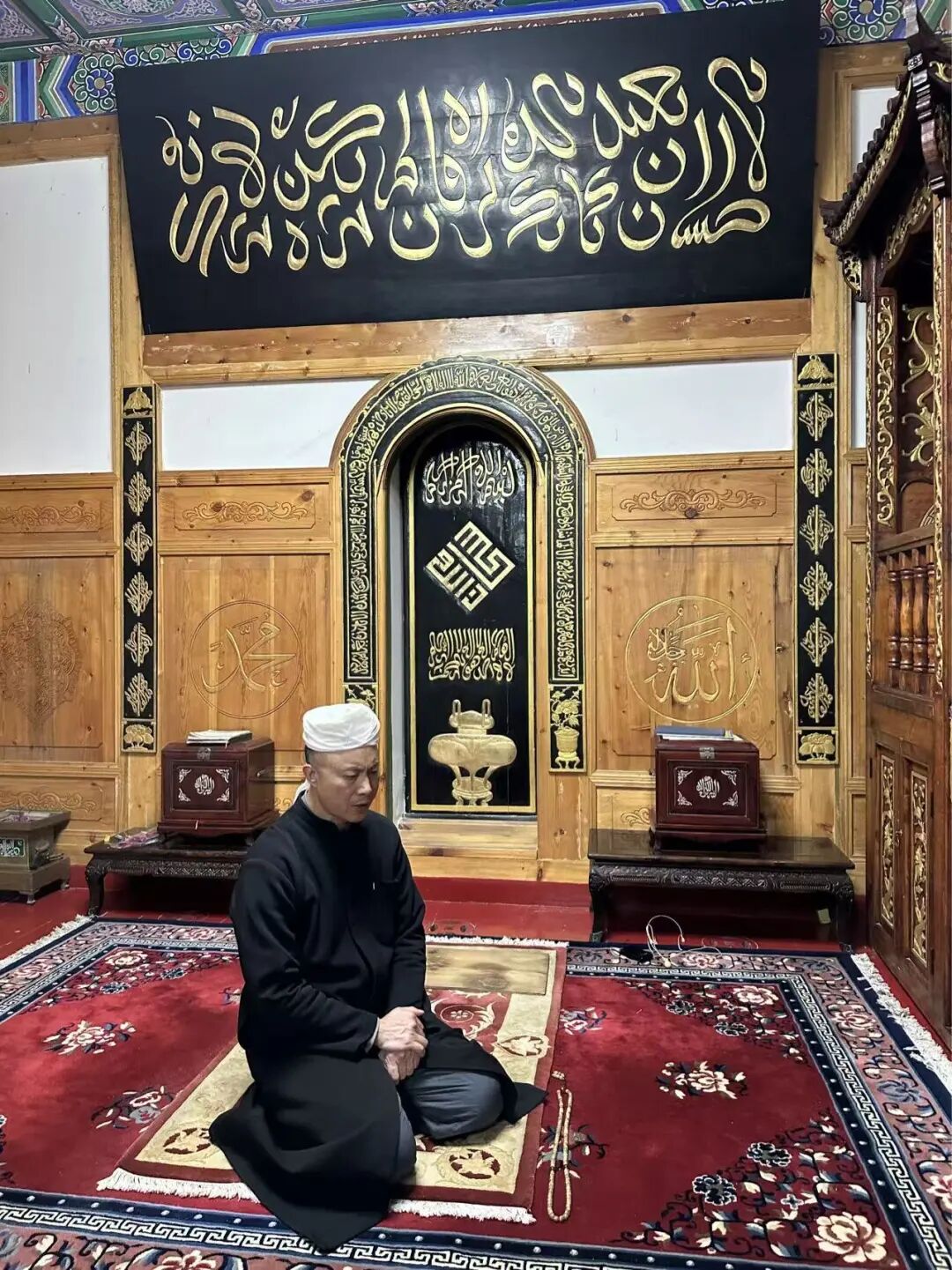
Imam Sha Fuquan has been employed at the Dujiangyan mosque for 32 years. Imam Sha is from Xichang. His ancestors were descendants of Yelu Timur, the grandson of Sayyid Ajjal Shams al-Din. Yelu Timur served as the Pingzhang Zhengshi of Jianchang Road at the end of the Yuan Dynasty. He submitted to the Ming Dynasty in 1382 (the 15th year of the Hongwu reign) and was appointed as the Commander of Jianchang Guard. In 1392 (the 25th year of the Hongwu reign), he rebelled again, led an army of ten thousand to attack the city, and was captured and executed after failing. His descendants scattered. One branch fled to Huangcaoping in Miyi County, Panzhihua, where they hid their identities and changed their surname to Sha. By the third generation, they moved to Xichang, where they have lived ever since.
In 1987, Imam Sha studied under the famous Imam Yang Hua in Shaguoying, Xichang. He received his graduation robe (chuanyi guazhang) in 1990 and was admitted to the China Islamic Institute that same year. After graduating in 1994, he was hired by the Dujiangyan mosque, where he has worked ever since. Over the past thirty years, Imam Sha has taught hundreds of students (hailifan) and made significant contributions to the faith in Sichuan and the entire Southwest region. After the 2008 Wenchuan earthquake, Imam Sha led the restoration of the Dujiangyan mosque, giving it a brand-new look.
 Collapse Read »
Summary: This Muslim travel guide to Sichuan follows Dujiangyan during Ramadan, old mosque visits, and China mosque travel details from the original road trip.
This article summarizes the key points of 'Driving to Sichuan for Ancient Mosques during Spring Festival (Part 15): Dujiangyan during Ramadan.' It keeps the original paragraph and image order. It is for readers interested in Muslim life, Islamic culture, and Chinese Islamic writing. It also helps with searching for topics like Ramadan, Part 15, and Dujiangyan during Ramadan.
I had heard for a long time that the Ramadan atmosphere at the Dujiangyan mosque in Sichuan was excellent, and I finally got to experience it this time.
At the mosque, we had beef stewed with lotus root (niurou dun ou), cold chicken with sauce (liangban ji), steamed beef with rice flour (fenzheng niurou), twice-cooked beef (huiguo niurou), steamed eggs (zheng jidan), stir-fried garlic sprouts (chao suantai), lettuce stems braised with meat (wosun shaorou), and home-style tofu (jiachang doufu). These were all authentic Sichuan dishes.
Dujiangyan truly lives up to its reputation as the pearl of the Islamic community in western Sichuan. Many people came for the iftar meal. Chairman Sha said that in previous years they served eleven dishes and often had leftovers. This year, he specifically asked to simplify it to seven dishes and one soup. I felt the amount of food was just right.
The Hui Muslims in Dujiangyan come from diverse backgrounds. The Hai family moved from Shaoyang, Hunan, during the Wanli period of the Ming Dynasty. The Guanxian Ma family moved from Shaanxi in the mid-Ming Dynasty. The Lan family moved from Tuqiao, Chengdu, during the Qing Dynasty. The Su family moved from Xiaojin County, Sichuan, in the early Qing Dynasty. The Songpan Zhang family moved from Songpan, Sichuan, in the early Qing Dynasty. The Hebei Zhang family moved from Pidu District, Chengdu, during the Tongzhi period. The Shaanxi Ma family moved from Weinan, Shaanxi, during the Jiaqing period of the Qing Dynasty. The Qi family moved from Weinan, Shaanxi, during the Daoguang period. The Li family moved from Huihuiying in Pidu District, Chengdu, in the late Qing Dynasty. The Maogong Ma family moved from Xiaojin County, Sichuan, in the early years of the Republic of China. The Shandong Jiang family moved from Yanting, Sichuan, in the early years of the Republic of China. The Taiyuan Cai family moved from Xiaojin County, Sichuan, in the first year of the Republic of China.
The ancestor of the Dujiangyan Hai family, Hai Mengshi, was from Shunyi, Beijing. In the first year of the Hongwu period of the Ming Dynasty, he was appointed as a commander of the Imperial Guard. His grandson, Hai Chaofan, moved from Shaoyang, Hunan, to Sichuan during the Ming Wanli period.
The 'Hebei Zhang' family's ancestral home was Zhangjiawan in Tongzhou, Beijing. At the end of the Ming Dynasty, three Zhang brothers moved to Lianglukou in Pidu District, Chengdu, and led the construction of the Zhang Family Mosque (Zhangjia Si). During the Tongzhi period, Zhang Yongchun ran a Muslim restaurant on West Street in Dujiangyan and settled there.
The 'Maogong Ma' family's ancestral home was Tianbei Village in Weinan, Shaanxi. They entered Sichuan during the Qianlong period and settled in Xiaojin County. In the first year of the Republic of China, they moved to Huangchengba in Chengdu due to the Railway Protection Movement. In the sixth year of the Republic of China, their house was destroyed during the warlord chaos, and they moved to Dujiangyan again. Ma Rucong, an imam from this family, served as an imam at the Dujiangyan mosque for 33 years and passed away in 1962.
The Li family of Hui Muslims moved here from Tangyuan Town in Pidu District, Chengdu, during the Tongzhi reign. Li Guangming, a member of the family, was known as one of the Three Heroes of Guan County. He served as the magistrate of Xiaojin County during the Republic of China era, stood up to powerful figures, and was later killed by bandits.
The ancestors of the Shaanxi Ma family came from Qiaotian Village in Weinan, Shaanxi. In the 13th year of the Jiaqing reign, Ma Yingxian moved to Dujiangyan because of the White Lotus and Tianli uprisings. In the 6th year of the Daoguang reign, he bought a piece of land on South Street in Dujiangyan and opened the Daxing Mule and Horse Inn, which operated until 1949.
Next to the mosque is the Jiang Jiuxiang Pickles Workshop. Their five-kernel pine mushroom (wuren songrong) is delicious. It tastes great on its own and is a perfect match for porridge.
Dujiangyan Guan County Ancient City at night.
Starting the fast (suhur) at the Dujiangyan mosque in the morning is a special experience when everyone does it together.
Imam Sha Fuquan has been employed at the Dujiangyan mosque for 32 years. Imam Sha is from Xichang. His ancestors were descendants of Yelu Timur, the grandson of Sayyid Ajjal Shams al-Din. Yelu Timur served as the Pingzhang Zhengshi of Jianchang Road at the end of the Yuan Dynasty. He submitted to the Ming Dynasty in 1382 (the 15th year of the Hongwu reign) and was appointed as the Commander of Jianchang Guard. In 1392 (the 25th year of the Hongwu reign), he rebelled again, led an army of ten thousand to attack the city, and was captured and executed after failing. His descendants scattered. One branch fled to Huangcaoping in Miyi County, Panzhihua, where they hid their identities and changed their surname to Sha. By the third generation, they moved to Xichang, where they have lived ever since.
In 1987, Imam Sha studied under the famous Imam Yang Hua in Shaguoying, Xichang. He received his graduation robe (chuanyi guazhang) in 1990 and was admitted to the China Islamic Institute that same year. After graduating in 1994, he was hired by the Dujiangyan mosque, where he has worked ever since. Over the past thirty years, Imam Sha has taught hundreds of students (hailifan) and made significant contributions to the faith in Sichuan and the entire Southwest region. After the 2008 Wenchuan earthquake, Imam Sha led the restoration of the Dujiangyan mosque, giving it a brand-new look.
Collapse Read »
China Mosque Travel Guide: Mosque Plaques, Couplets, Islamic Calligraphy and Hui Muslim Heritage
Reposted from the web
Summary: This China mosque travel guide focuses on mosque plaques, couplets, Islamic calligraphy, Muslim heritage, and the original 151-200 item sequence.
This article summarizes the key points of "Appreciation of Islamic Plaques and Couplets (151-200)". It keeps the original paragraph and image order. It is for readers interested in Muslim life, Islamic culture, and Chinese Islamic writing. It also helps people search for namaz, Islamic plaque and couplet appreciation, and guides for mosques and prayer.
151. "Mastering Heaven and Man" at Niujie Mosque in Beijing.
An auspicious day in the early tenth lunar month of the Jiaxu year, the thirteenth year of the Tongzhi reign.
Respectfully erected by Ma Rulong, Imperial-bestowed Yellow Jacket wearer and Commander-in-Chief of Hunan Province, titled Fashishang'a Baturu.
Ma Rulong was a Hui Muslim from Jianshui, Yunnan. He started as a military scholar and served as Commander-in-Chief of Yunnan and later Hunan.
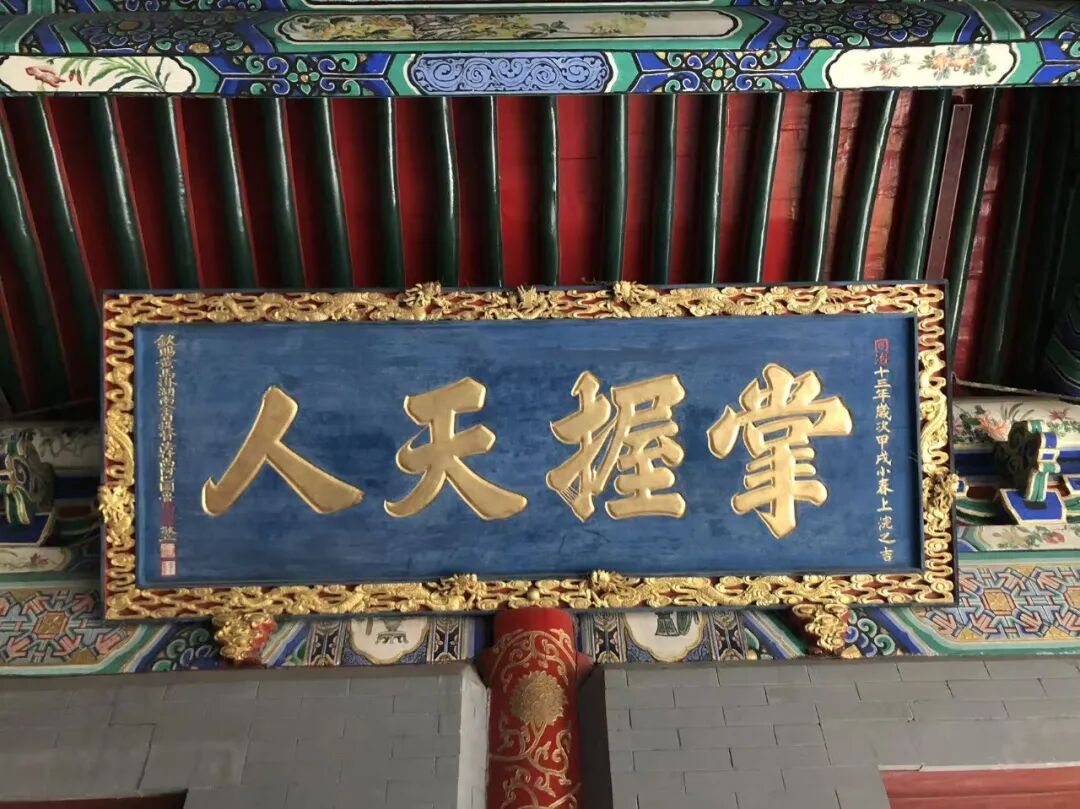
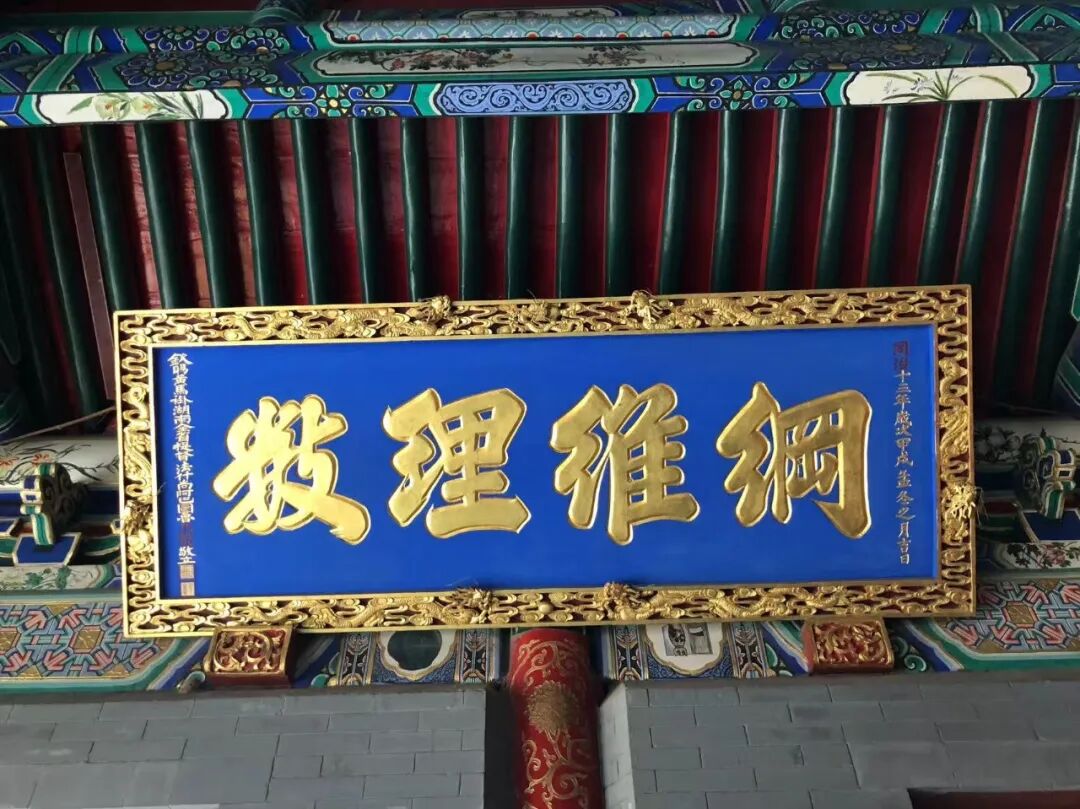
152. "Governing the Principles of Numbers" at Niujie Mosque in Beijing.
An auspicious day in the first month of winter, the Jiaxu year, the thirteenth year of the Tongzhi reign.
Respectfully erected by Ma Rulong, Imperial-bestowed Yellow Jacket wearer and Commander-in-Chief of Hunan Province, titled Fashishang'a Baturu.
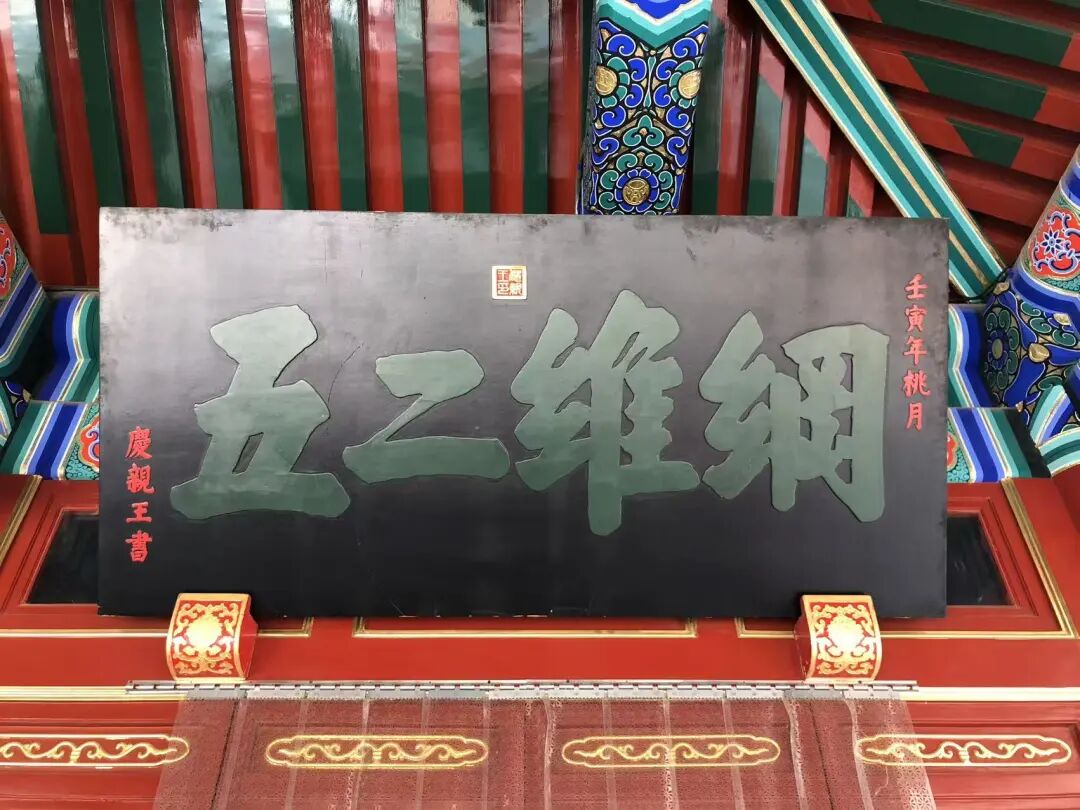
153. "Governing the Two and Five" at Nanxiapo Mosque in Beijing.
The third lunar month of the Renyin year (1902).
Calligraphy by Prince Qing.
The plaque is a replica. Yikuang was named Prince Qing in 1894 and served as a high official in the late Qing Dynasty.
Liu Zhi wrote in the Rites of Islam (Tianfang Dianli) that 'revering the five pillars fulfills the way of heaven;' 'upholding the five social relationships fulfills the way of man.' The five pillars are the declaration of faith, namaz, fasting, charity, and the pilgrimage, while the five relationships are ruler and subject, father and son, husband and wife, brothers, and friends.
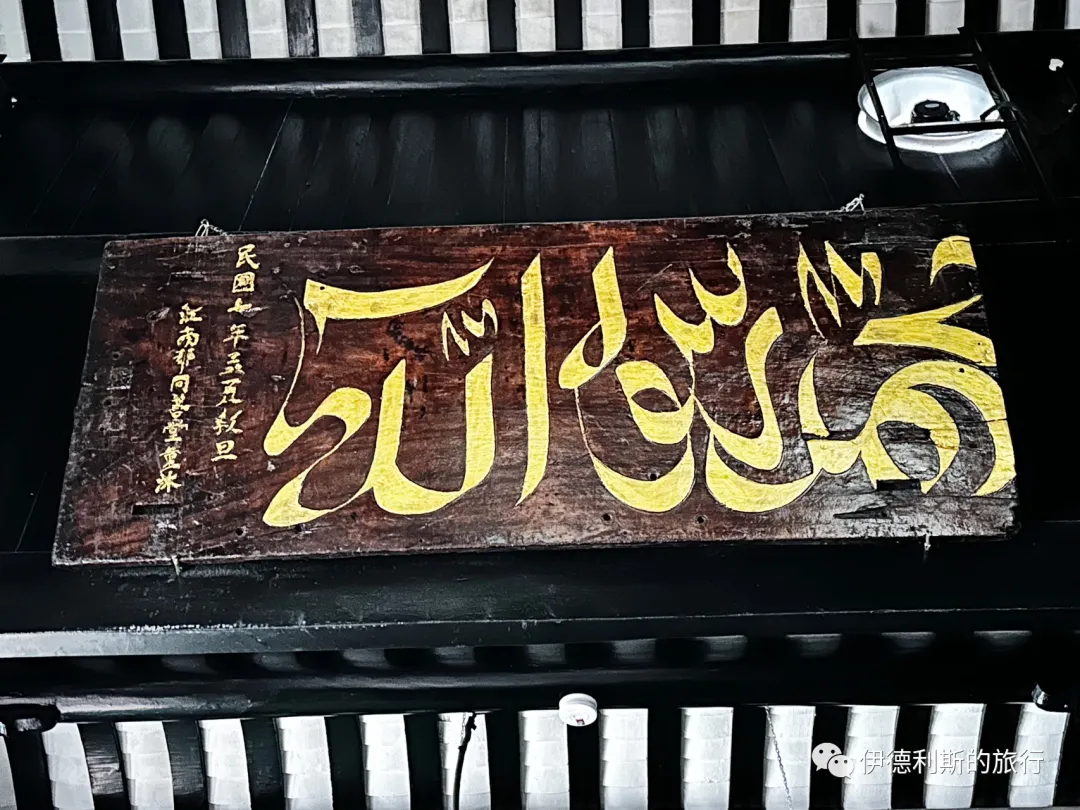
154. Arabic plaque at Haopan Mosque in Guangzhou
An auspicious day in the first month of summer, the seventh year of the Republic of China
Respectfully presented by the Jiangnan Tongshan Hall
During the Ming and Qing dynasties, many Hui Muslims from the Jiangsu, Zhejiang, and Shanghai regions came to Guangzhou for business. They often chose to live near the foreign trading houses on Haopan Street and the shops in the Xiguan area, which had a significant impact on Haopan Mosque.
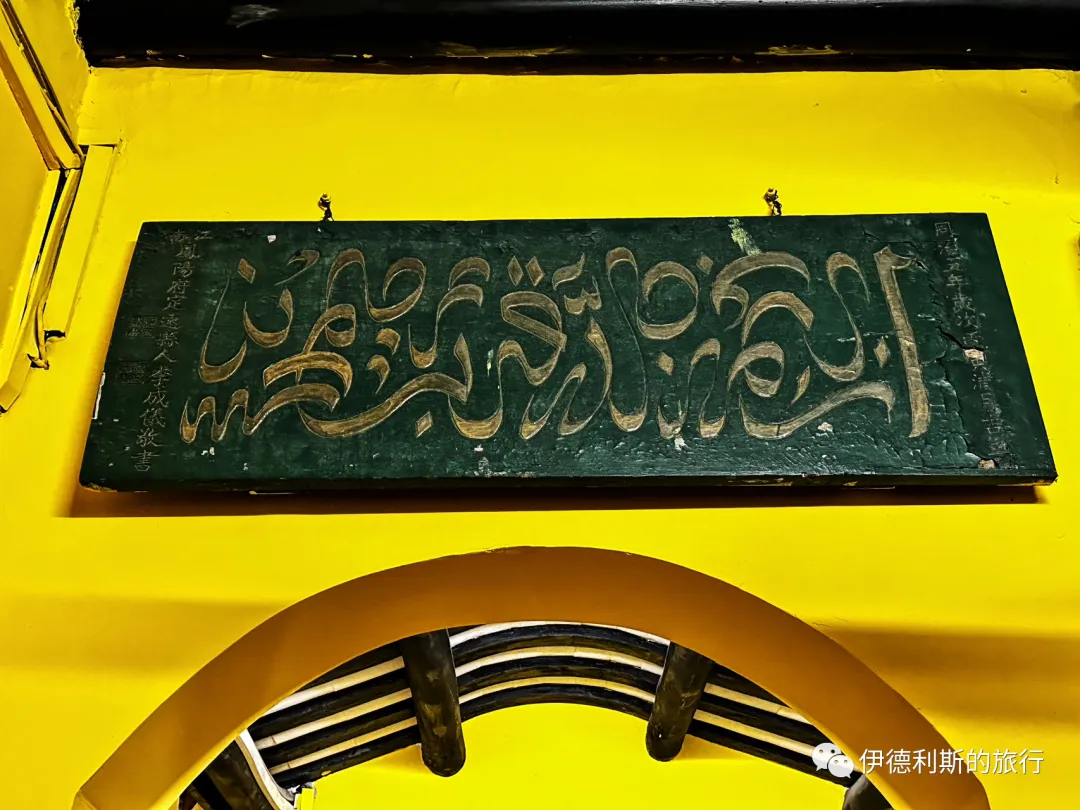
155. Arabic plaque at Xiaodongying Mosque in Guangzhou
Erected on an auspicious day in the fifth lunar month of the Bingyin year, the fifth year of the Tongzhi reign
Respectfully inscribed by Li Chengyi from Dingyuan County, Fengyang Prefecture, Jiangnan
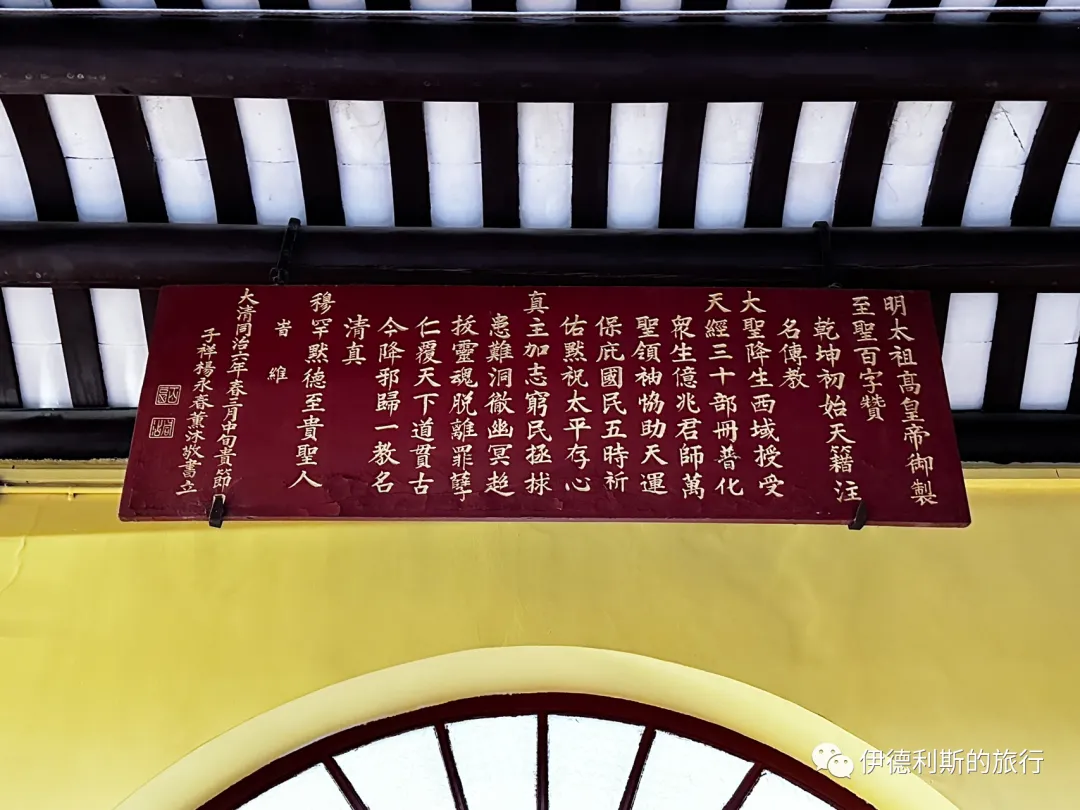
156. 'The Hundred-Word Eulogy to the Most Holy written by Emperor Taizu of Ming' at Xiaodongying Mosque in Guangzhou
Mid-third lunar month, spring of the sixth year of the Tongzhi reign of the Great Qing Dynasty, during the festival.
Respectfully written and erected by Zixiang Yang Yongchun after ritual cleansing.
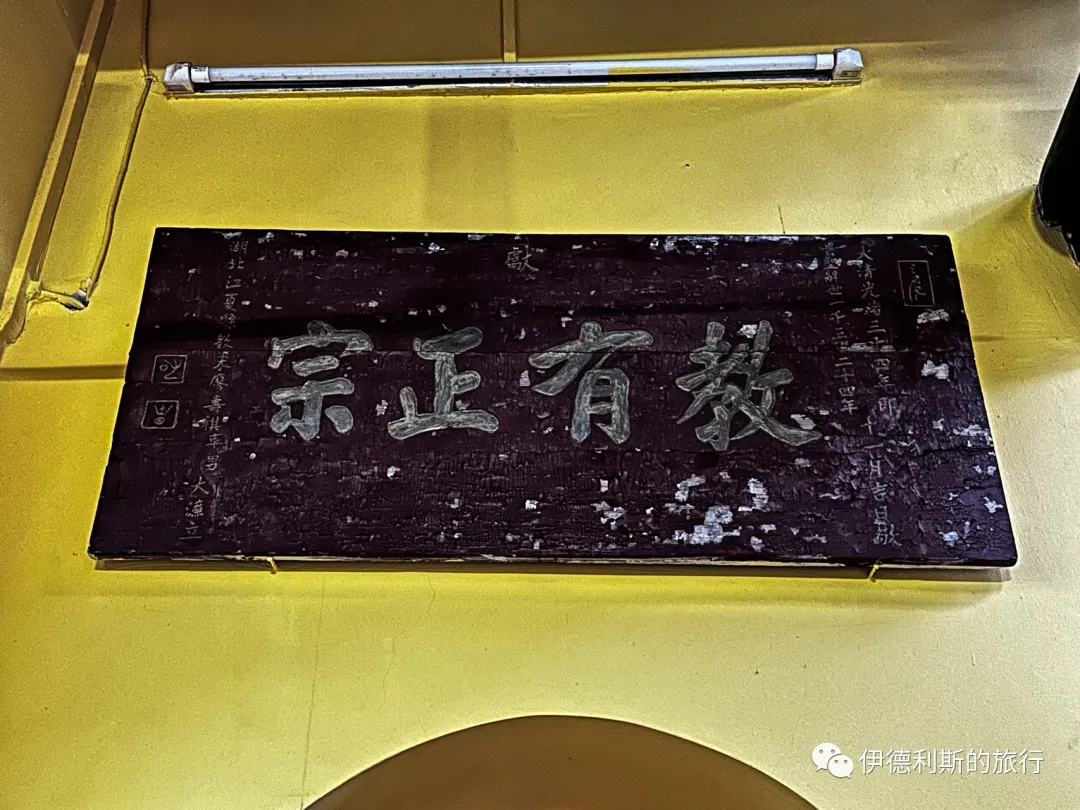
157. Xiaodongying Mosque in Guangzhou, "The Teaching Has an Authentic Lineage."
An auspicious day in the eleventh lunar month, the thirty-fourth year of the Guangxu reign of the Great Qing Dynasty, which is 1,324 years after the passing of the Prophet.
Erected by Liao Shouqi, a member of the faith from Jiangxia County, Hubei, led by his son Dalian.
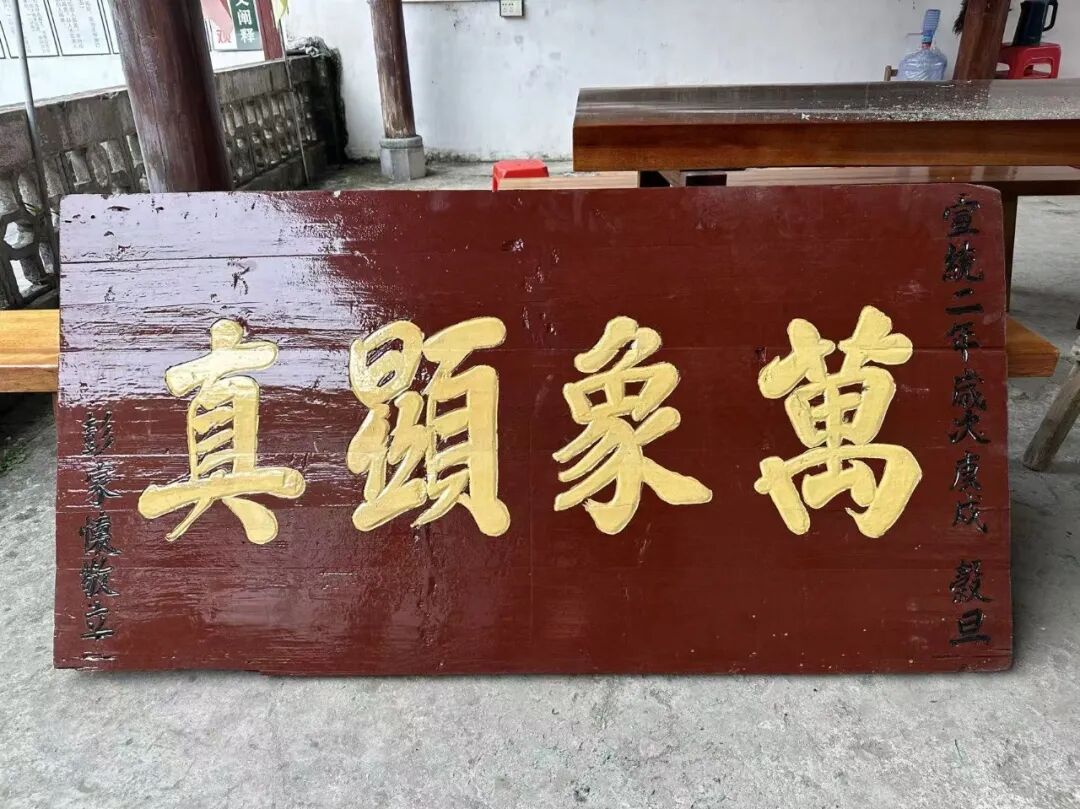
158. Wutong Mosque in Guilin, "All Things Reveal the Truth."
The second year of the Xuantong reign, Gengxu year, on an auspicious day.
Respectfully erected by Peng Jiahua.
159. Wutong Mosque in Guilin.
Praising Muhammad to honor the ancient teacher, through the ages keeping the true purpose.
Seeing the mosque filled with plaques and couplets praising the Prophet, I felt inspired by the literature and, despite my limited knowledge, dared to compose a couplet as a memento.
Respectfully inscribed by Su Zonghan, former commissioner of Longteng County and acting magistrate of Yining County.
Yining County was located around Wutong Town in the Lingui District of Guilin, Guangxi. It was abolished and merged into Lingchuan in 1951. In the early Republic of China period, it had a county magistrate.
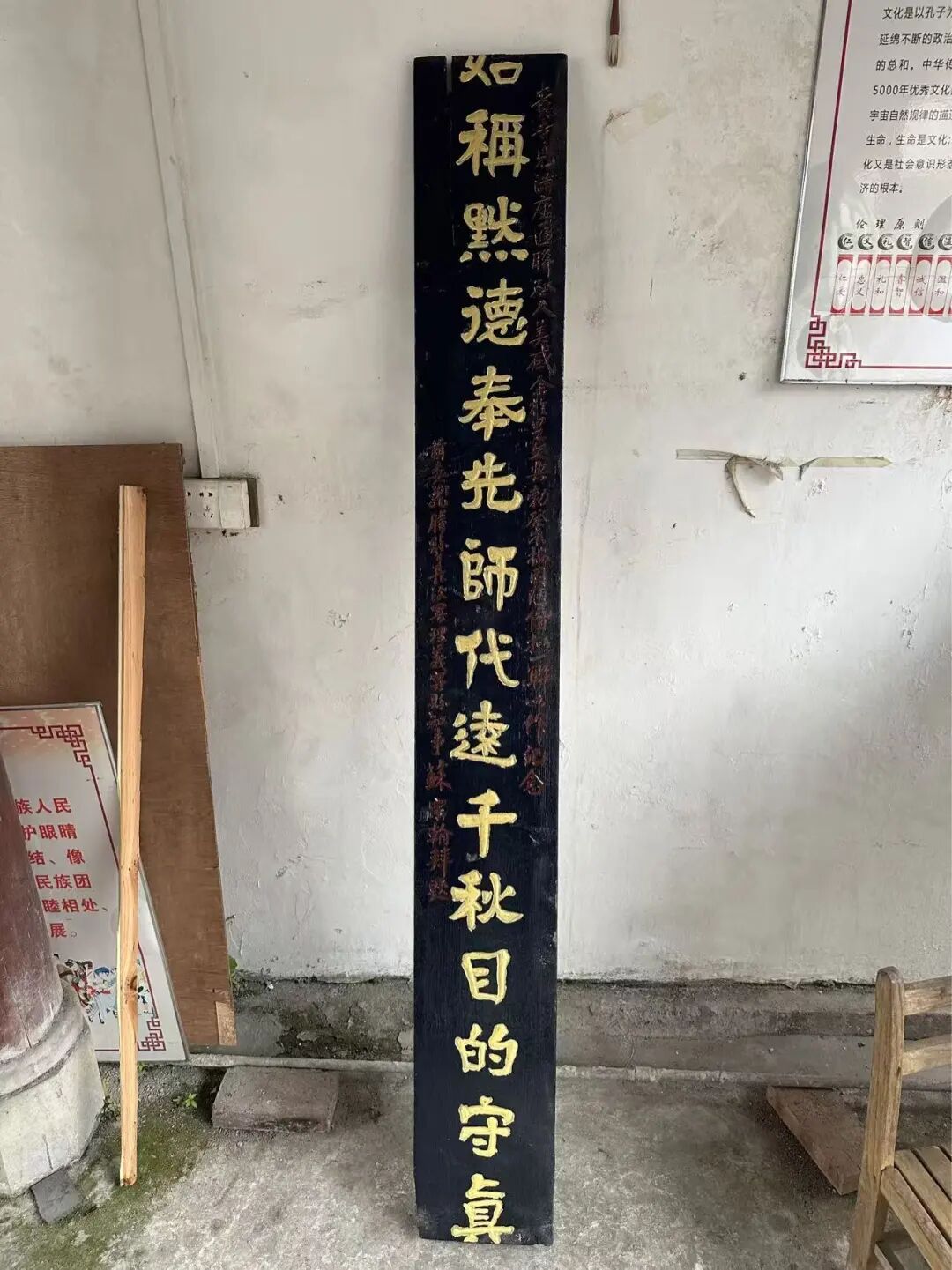
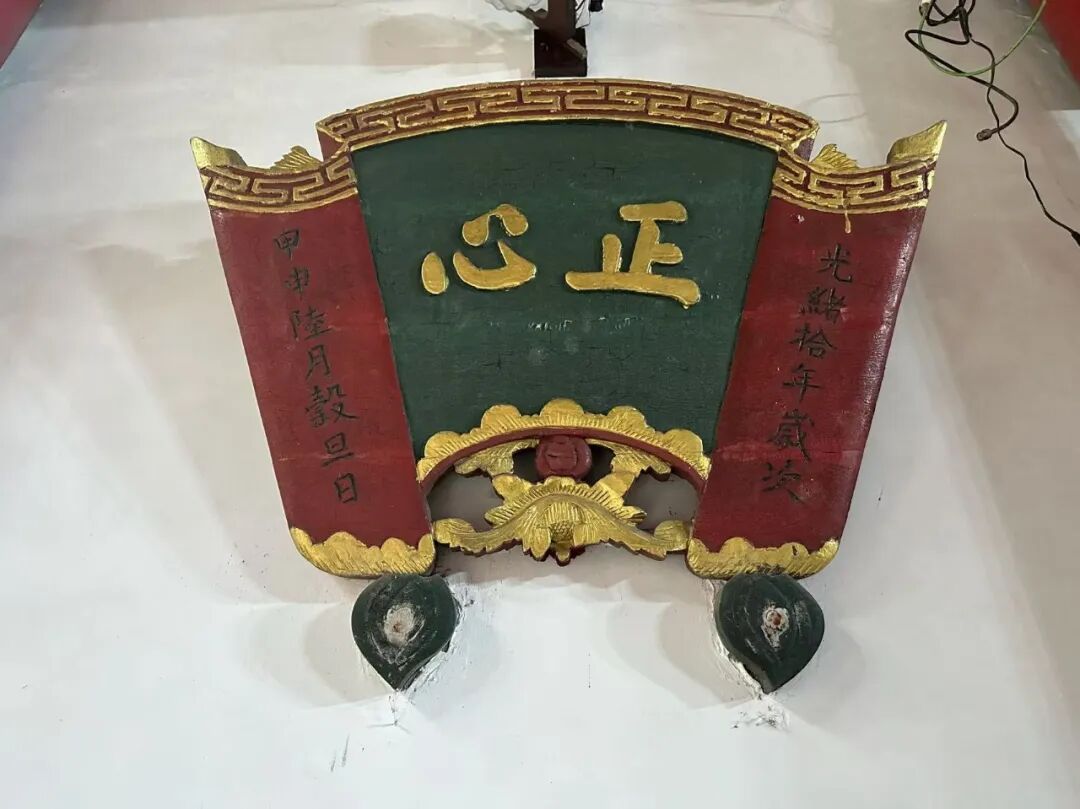
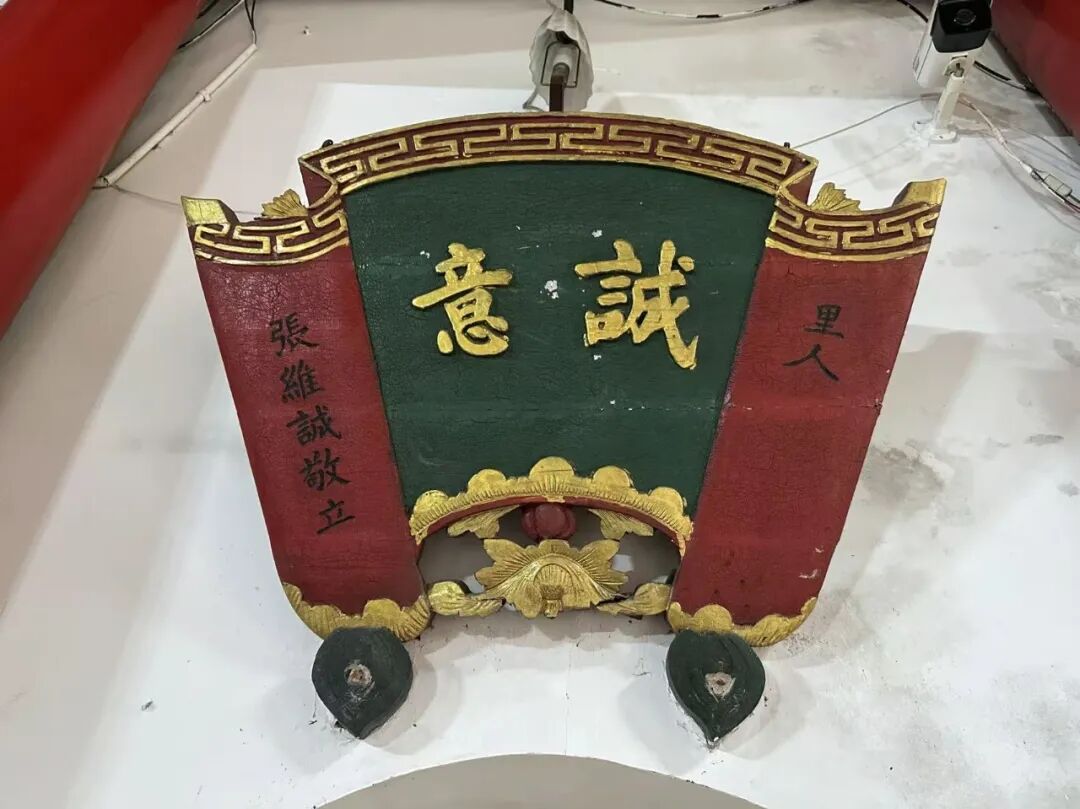
160. Chongshan Mosque (Chongshan Si) in Guilin: "Rectify the heart and be sincere."
An auspicious day in the sixth lunar month of the jiashen year, the tenth year of the Guangxu reign.
Respectfully erected by local resident Zhang Weicheng.
161. Binju Mosque (Binju Si) in Dali: "The true source of all things."
An auspicious day in the last month of summer in the guihai year of the Republic of China.
Respectfully written by Yang Liren from Nancheng.
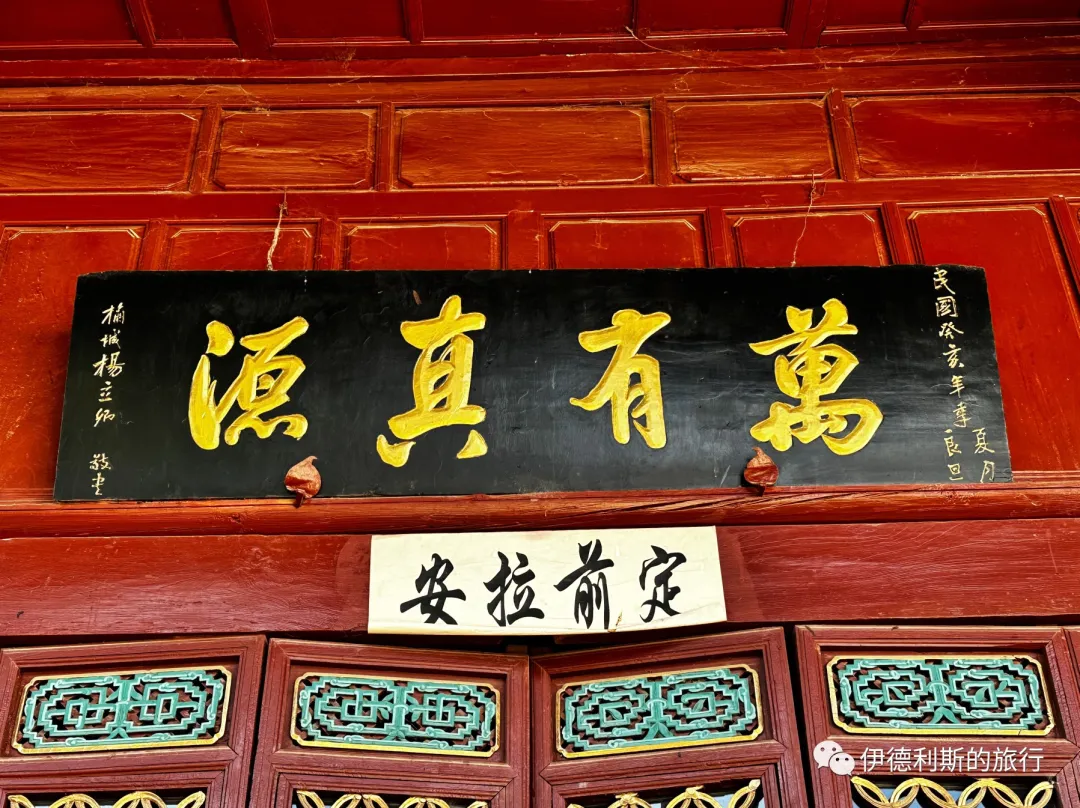
162. Binju Mosque (Binju Si) in Dali.
Only one, only pure, the essence of the teaching encompasses all phenomena.
Not two, not mixed, the way of the truth connects heaven, earth, and humanity.
An auspicious day in the summer of the twelfth year of the Republic of China.
Respectfully written by Yang Liren from Nancheng.
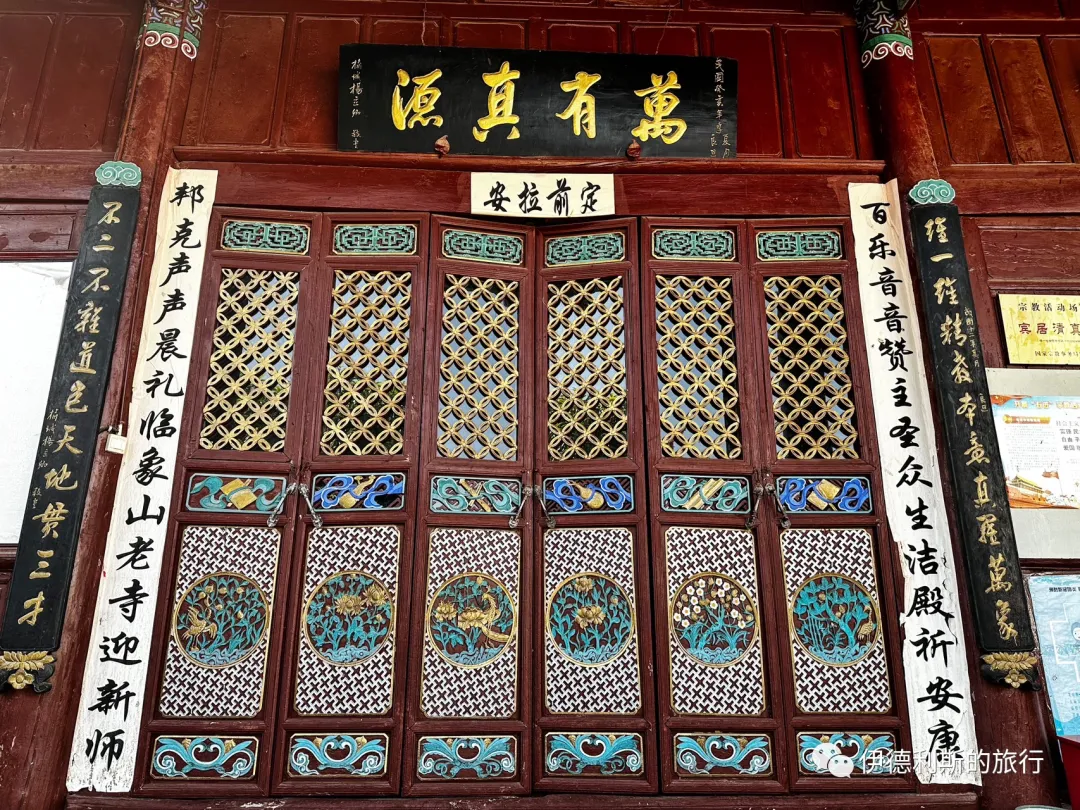
163. Dawumaolin Mosque in Dali
Broaden your vision and open your heart, break through the void and clear away worldly appearances, explore the divine and understand transformation to reach the original source.
Leave behind worldly feelings with sincere will, forget the distinction between self and objects to unite humanity and heaven, return to the truth and align with the profound mystery.
Respectfully presented by Ma Yuanshan, principal of Yanzhen School, along with all his students.
An auspicious day in the middle of winter, the 25th year of the Republic of China.
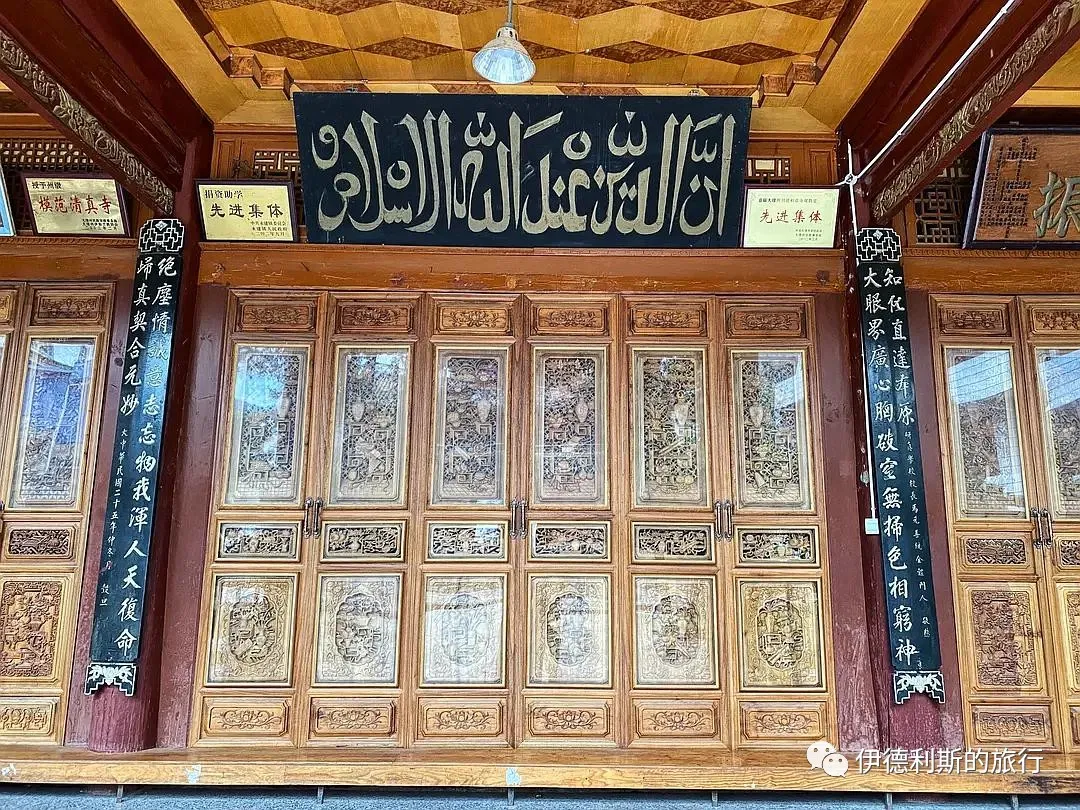
164. Daoyuan Qingzhen Mosque of the Mi family in Mami Factory, Dali.
Respectfully erected by the imperial guard wearing a peacock feather, acting major of the Menghua Right Battalion, and commander of the second battalion of the Yunnan provincial patrol force...
The first month of spring, the first year of the Xuantong reign.
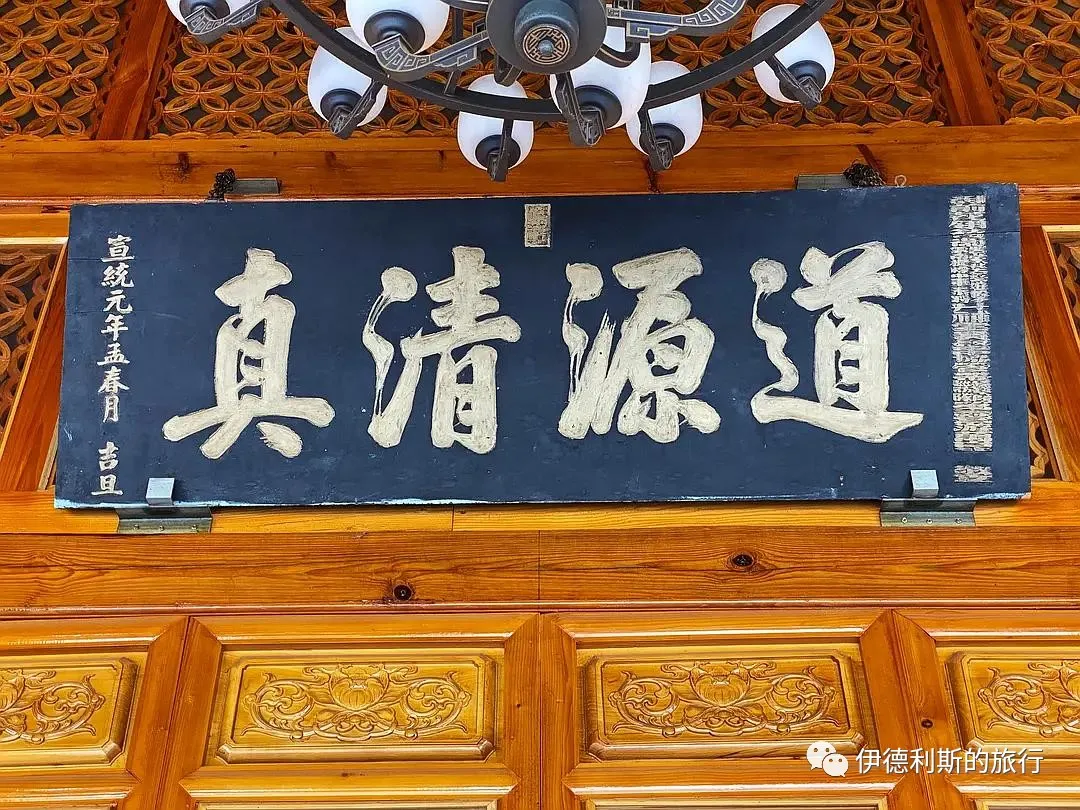
Everyone is welcome to read and leave comments.
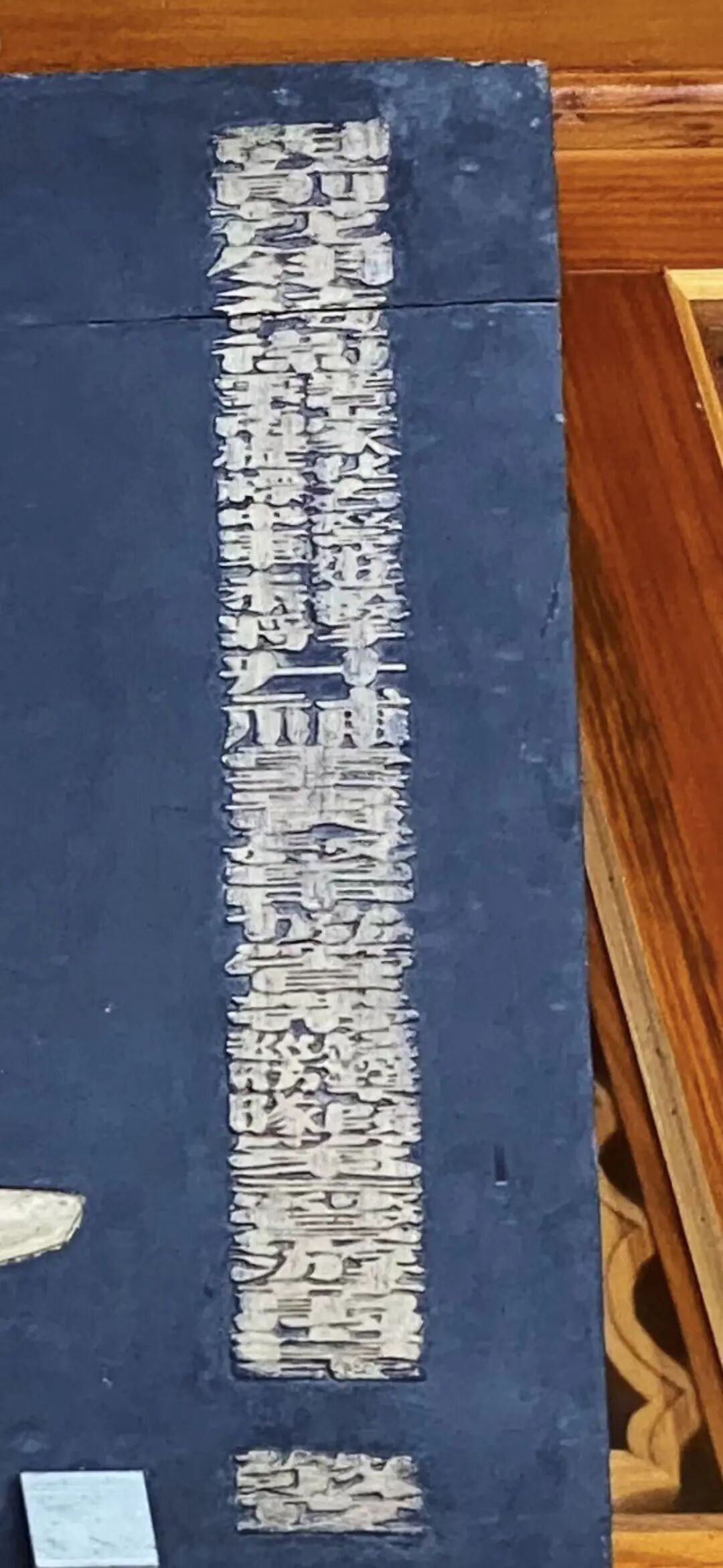
165. Chengyi Buer Mosque in Donglianhua, Dali.
An auspicious day in the first month of summer, the Bingyin year, the 15th year of the Republic of China.
Qing dynasty appointed General Zhenwei, acting deputy brigade commander, specially conferred as colonel of the Weiyuan Battalion in Yunnan.
Respectfully erected by Republic of China Army Major General Yang Shengqi.
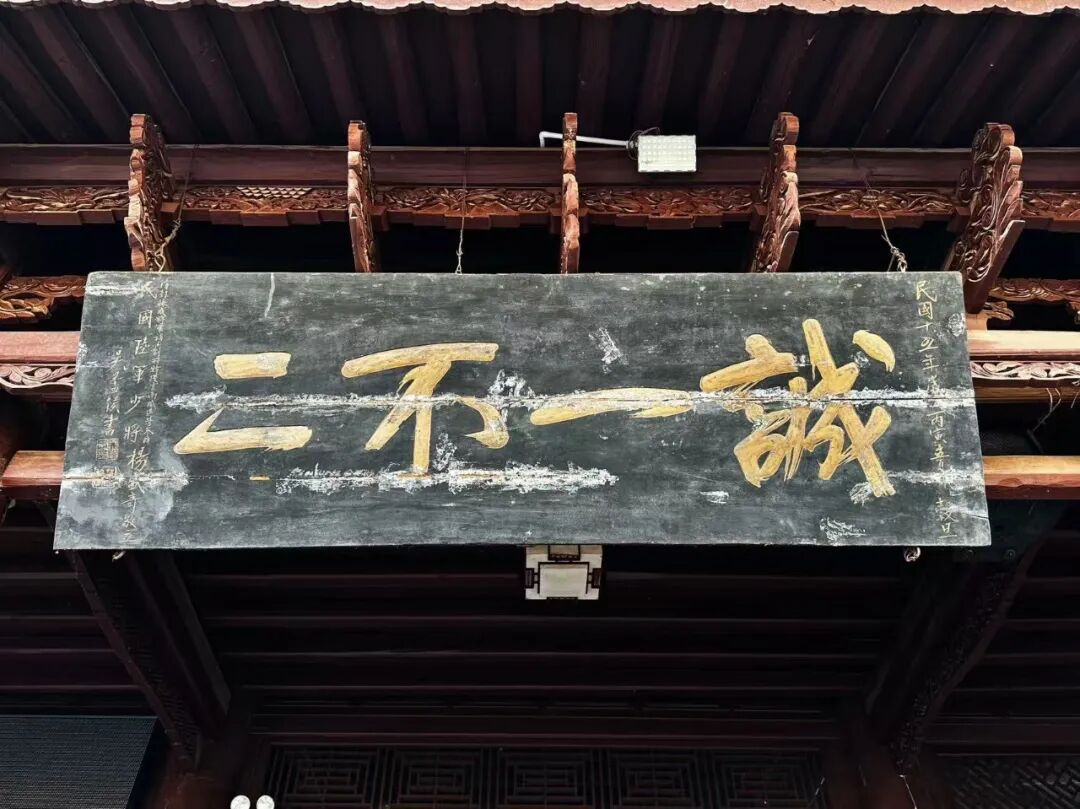
166. "Universal Mercy and All-Encompassing" (Puci Wanyou) at Tuogu Mosque in Zhaotong.
The first month of winter in the 11th year of the Qianlong reign of the Great Qing Dynasty.
Ye Daxiong, Imperial-appointed Commander of Zhaotong and Dongxiong in Yunnan, Hereditary Cavalry Commandant.
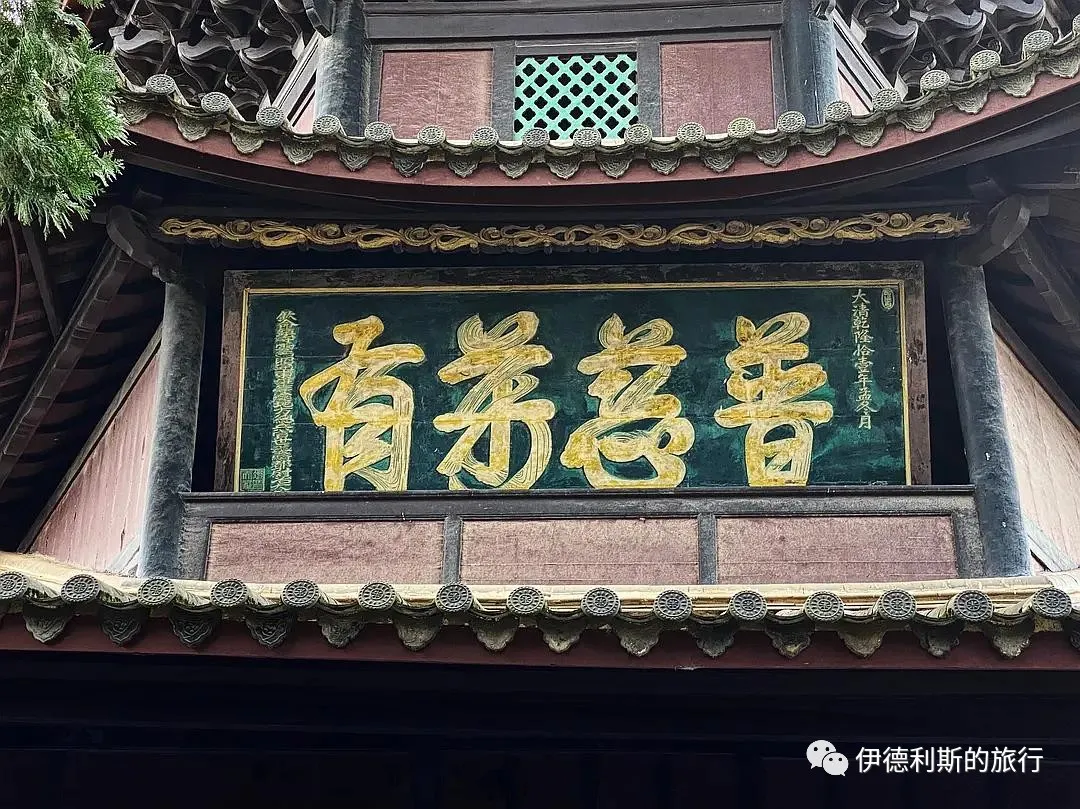
167. "Pure Truth and Elegant Transformation" (Qingzhen Yahua) at Tiejiawan Mosque in Zhaotong.
Respectfully erected by Tie Chengjin, acting officer of the second company of the left vanguard, Zhaotong Garrison, Yunnan, with a one-rank promotion.
An auspicious day in the last ten days of the eighth lunar month, 24th year of the Daoguang reign.
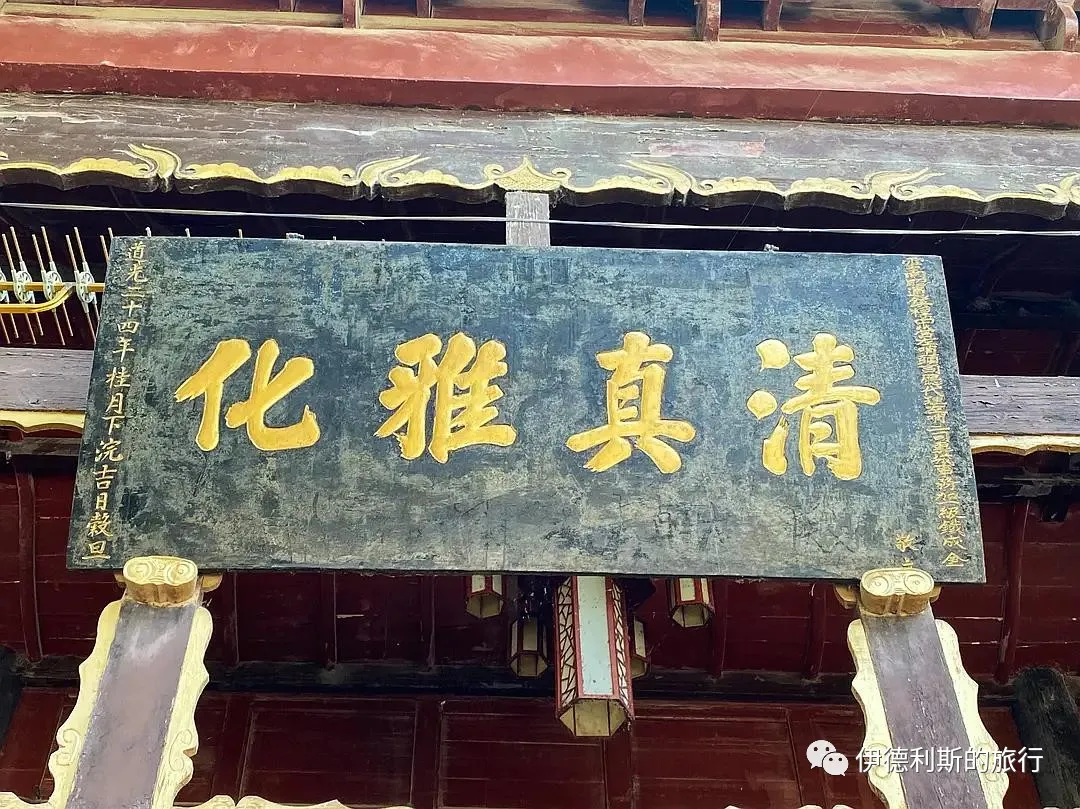
168. "Great Virtue and Simple Transformation" (Dade Dunhua) at Tiejiawan Mosque in Zhaotong.
An auspicious day in the third month of autumn, 15th year of the Jiaqing reign of the Great Qing Dynasty.
Respectfully inscribed by Ye Daxiong, Imperial-bestowed Commander-in-Chief of Zhaotong, Dongxiong, and surrounding areas, Hereditary Cavalry Commandant.
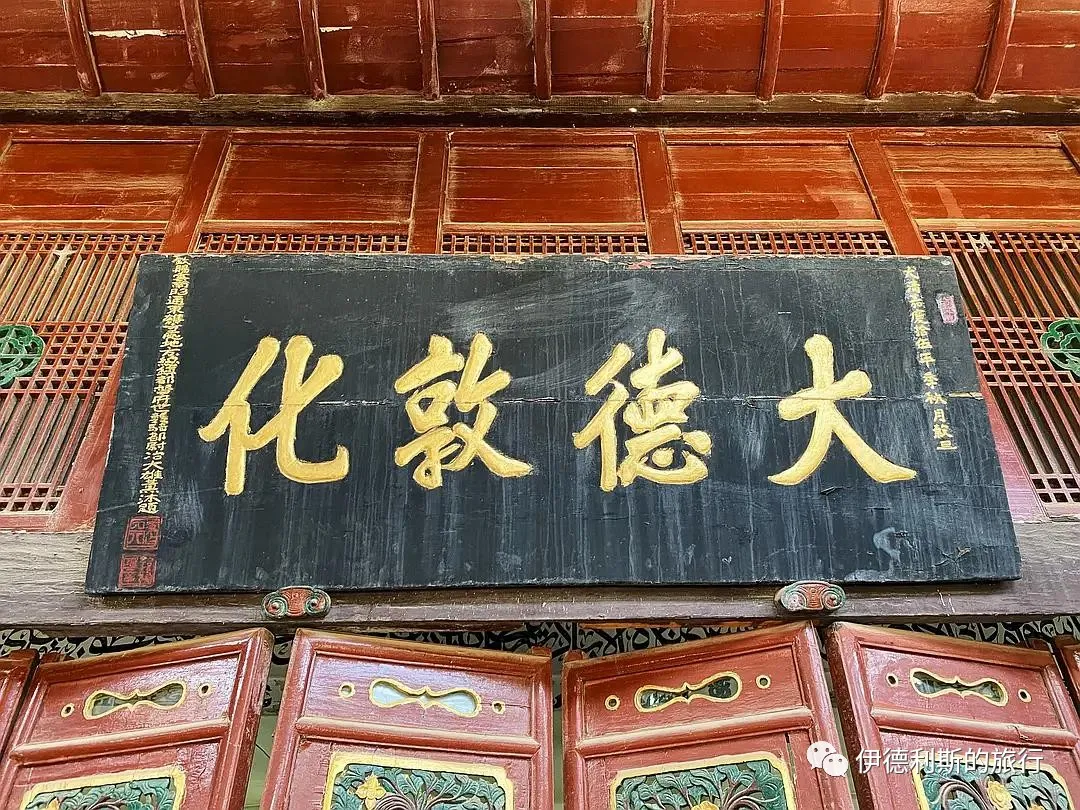
169. "Mysterious Wonder and Great Power" (Xuanqi Daneng) at Chachong Mosque in Zhaotong.
Respectfully erected by Sa Depin, Vice-General authorized to wear the peacock feather and expectant Assistant Regional Commander.
An auspicious day in the first month of the Bingwu year, the 32nd year of the Guangxu reign.
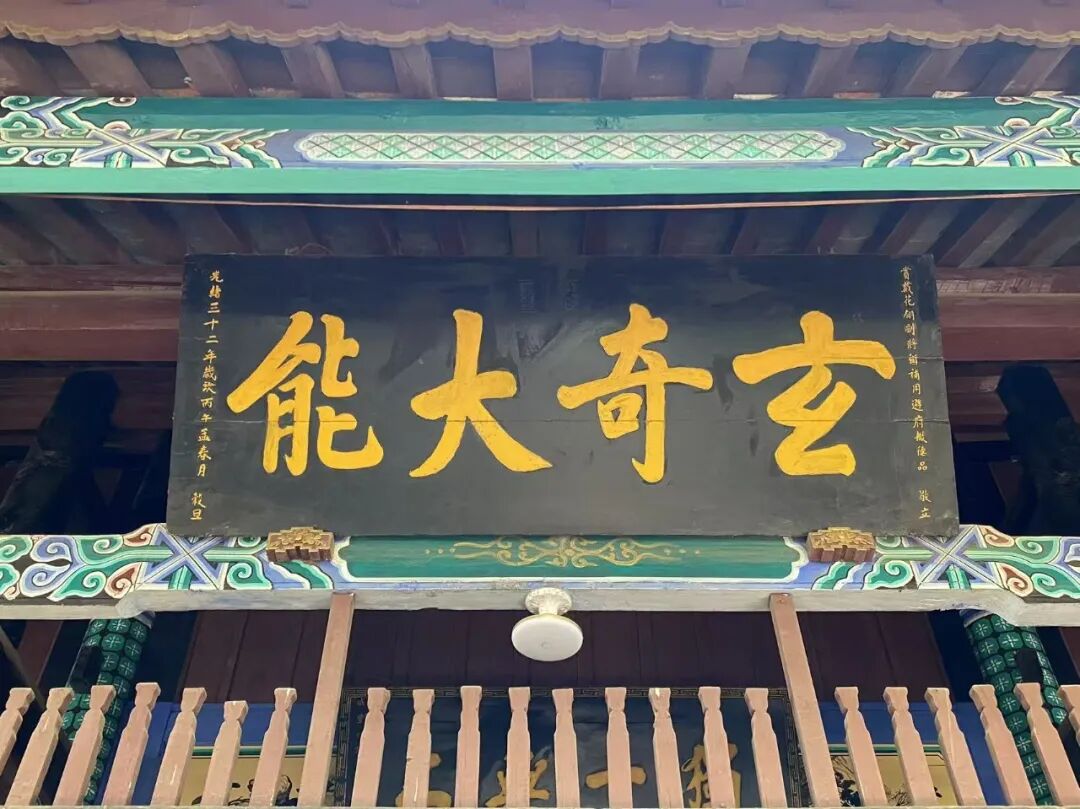
170. "Eternal Breath" at Fengming Mosque in Dali.
An auspicious day in the spring of the 11th year of the Republic of China.
Respectfully erected by Ding Guotai of Shaanxi.
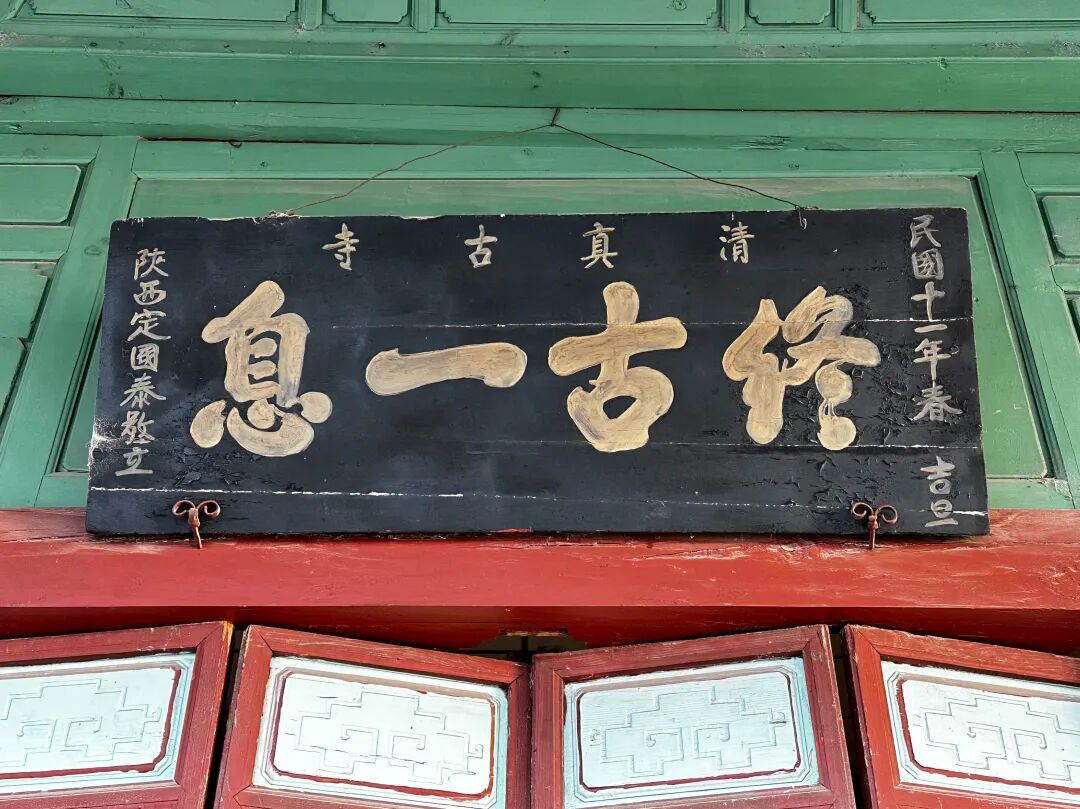
171. "Shining on Everything" at Dazhuang Mosque in Kaiyuan.
An auspicious day in the second month of the 11th year of the Guangxu reign.
... Erected by Ma Weiqi of the Suiyuan Left Battalion Training Army.
Ma Weiqi was a Hui Muslim from Dazhuang, Kaiyuan, Yunnan. He was skilled in calligraphy, following the style of Yan Zhenqing, with powerful brushwork and grand momentum. In the 9th year of the Guangxu reign, Ma Weiqi was ordered to Vietnam to resist the French. He defeated the French army many times and was promoted to the rank of vice-general for his military achievements, receiving the title "Boduo Huan Baturu".
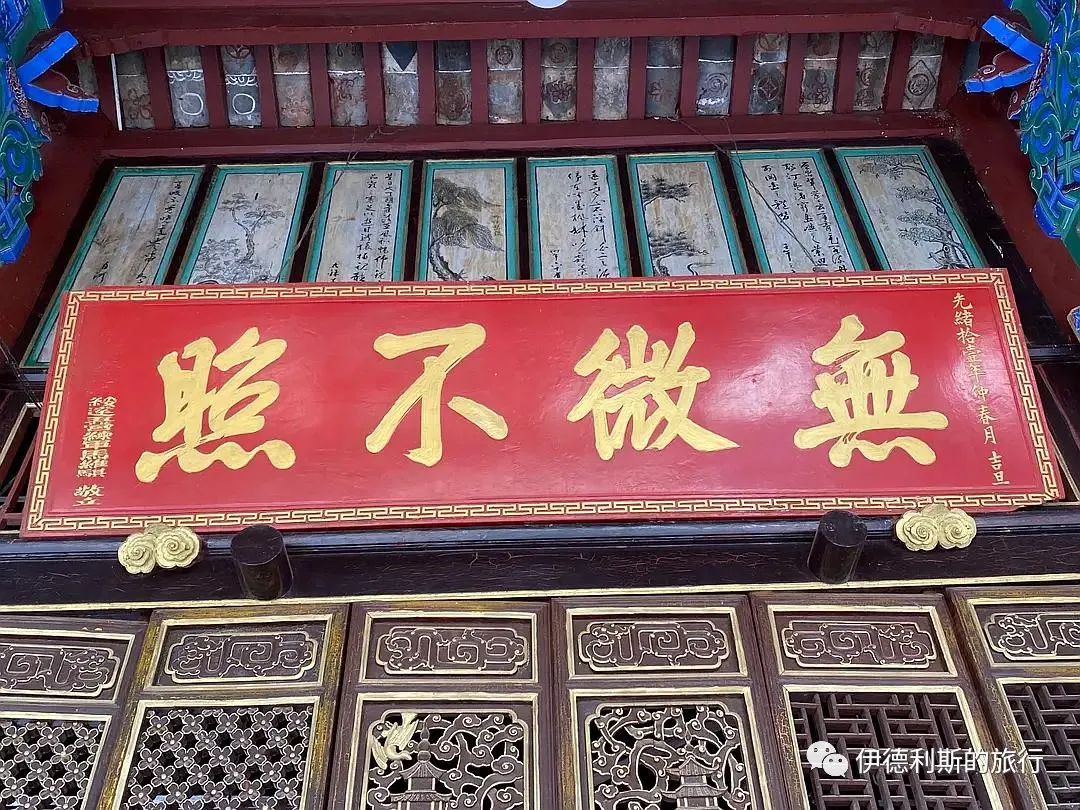
172. "Nurturing All Things" at Dazhuang Mosque in Kaiyuan.
An auspicious day in the first month of winter in the Jiachen year, the 24th year of the Daoguang reign.
Respectfully erected by Ma Dingbang, the top-ranked military graduate in the imperial examinations of the 15th year of the Daoguang reign.
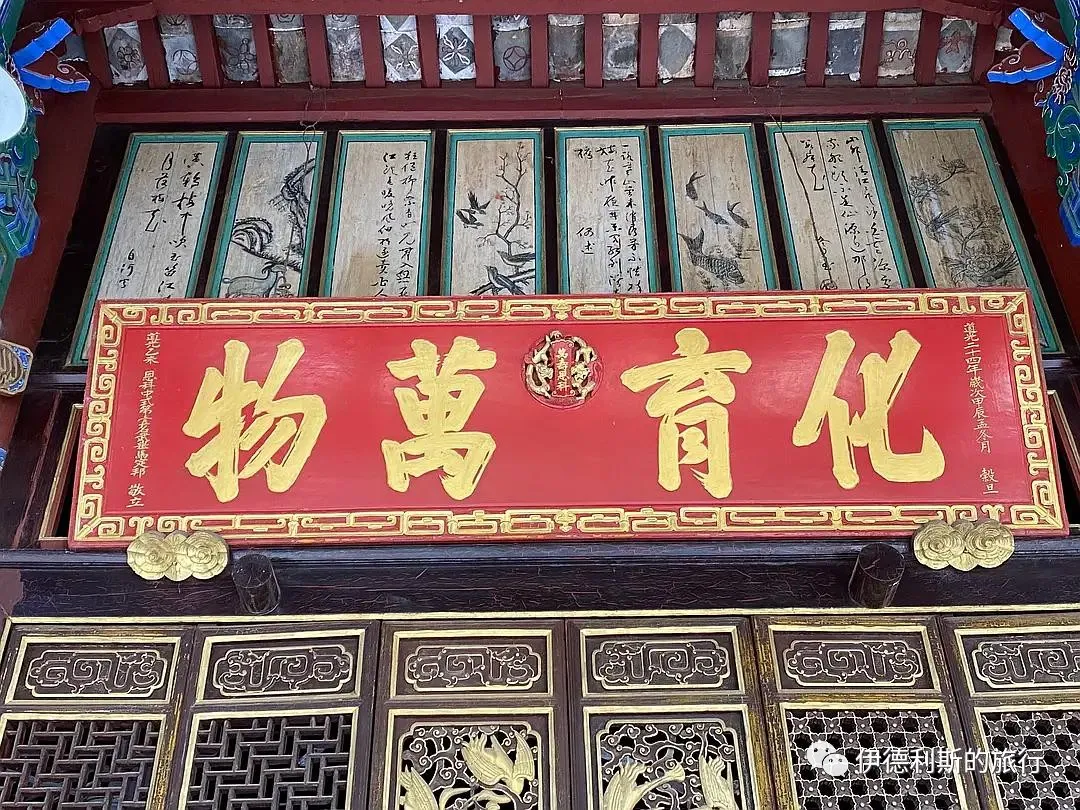
173. Dazhuang Mosque in Kaiyuan, 'Praise be to Allah without end' (Yu Mu Bu Yi)
An auspicious day in the middle of winter, the third year of the Daoguang reign (1823)
Respectfully erected by Xu Yaozong, acting commander of the Linyuan and Chengjiang military districts
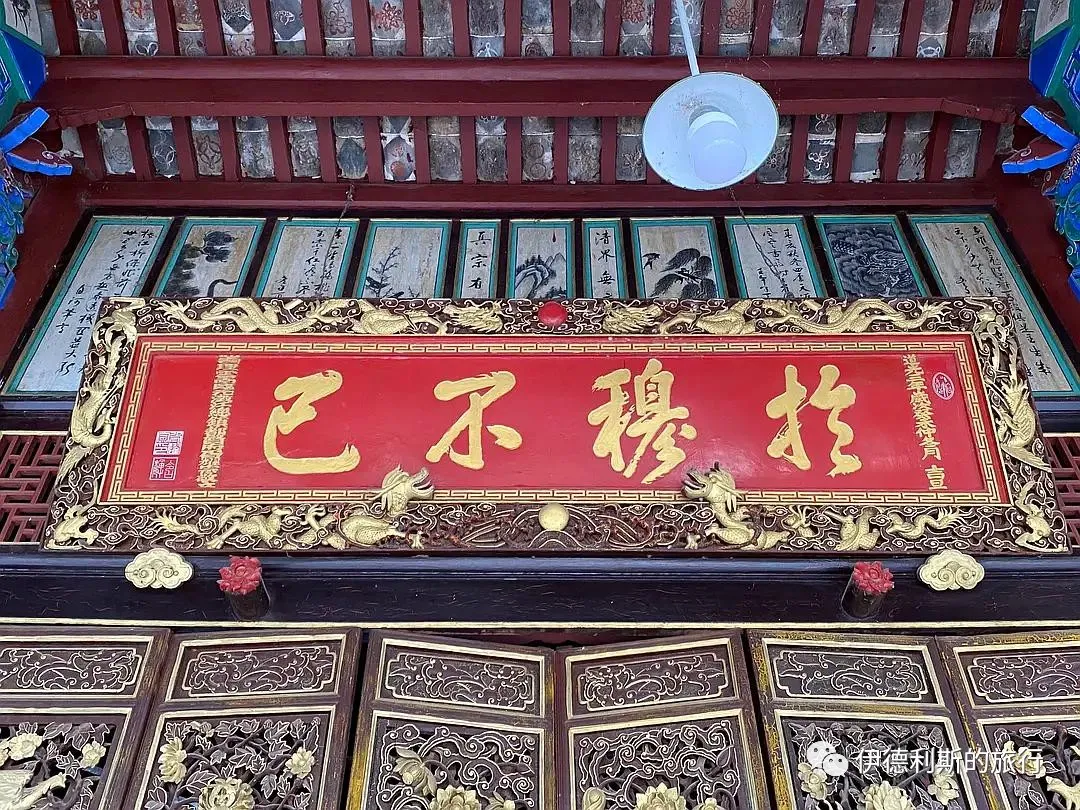
174. Dazhuang Mosque in Kaiyuan
Reason is not found in sleep; to complete the beginning and the end, one must seek the one true Master
The Way is based on sincerity and uprightness; to emulate the virtuous and the holy, one must strictly observe the five daily prayers (namaz)
Respectfully erected by Xu Yaozong
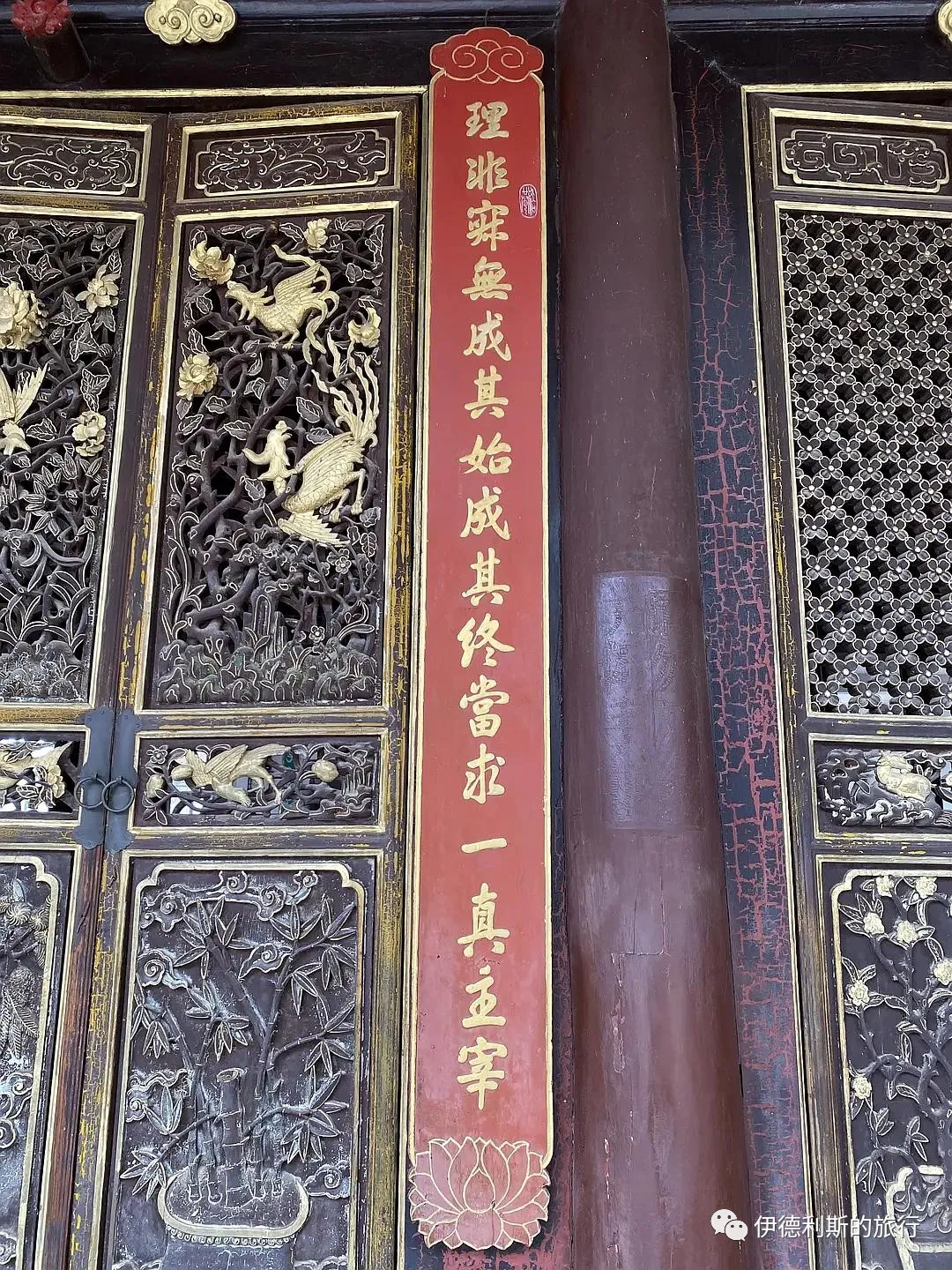
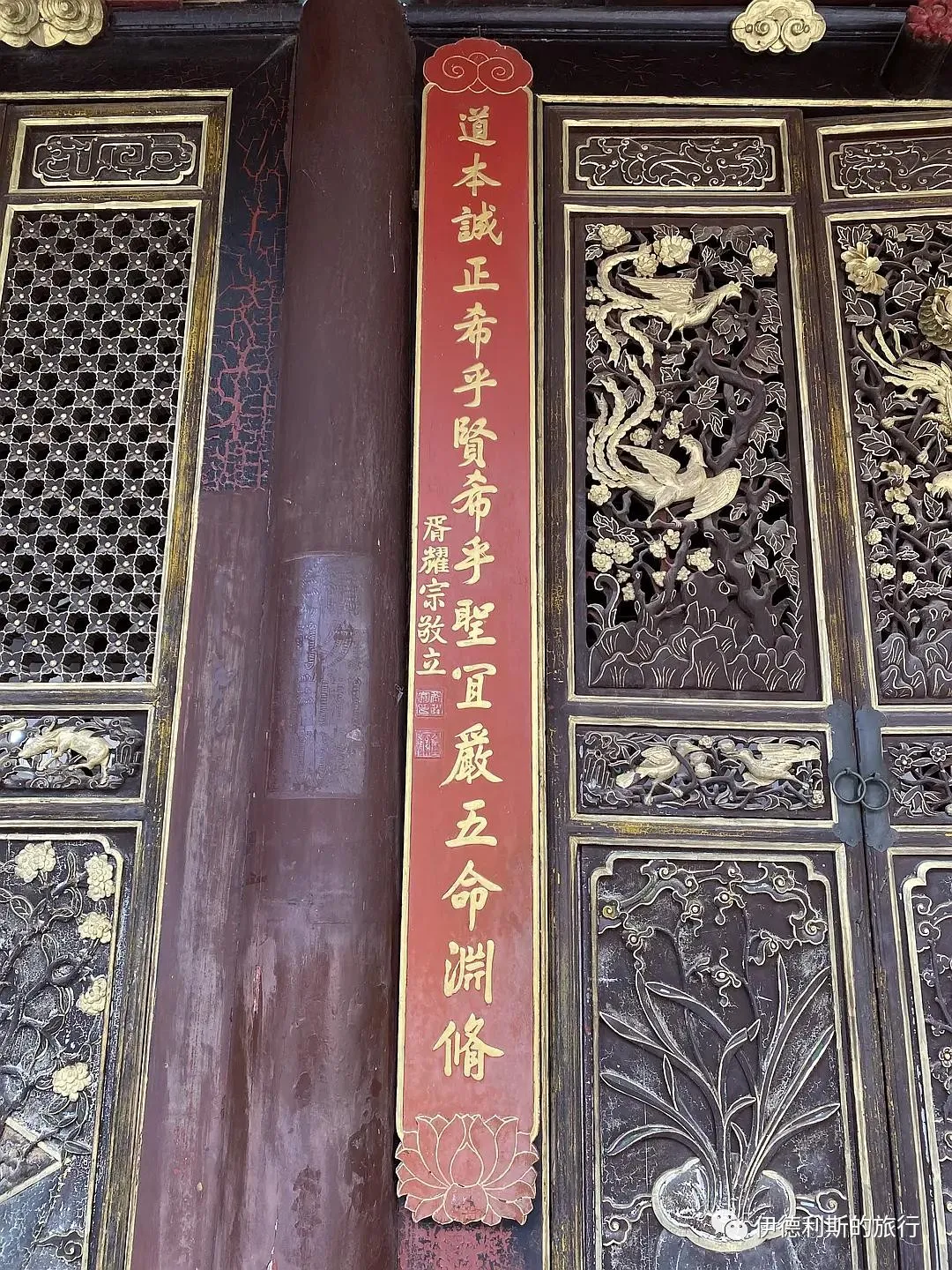
175. Dazhuang Mosque in Kaiyuan
Analyzing ancient doubts and confusion in only thirty volumes
Including the scriptures of the former saints, a great collection of the Way
Inscribed by Ma Chuqing, a successful candidate in the imperial examinations during the Dingyou year of the Qing dynasty
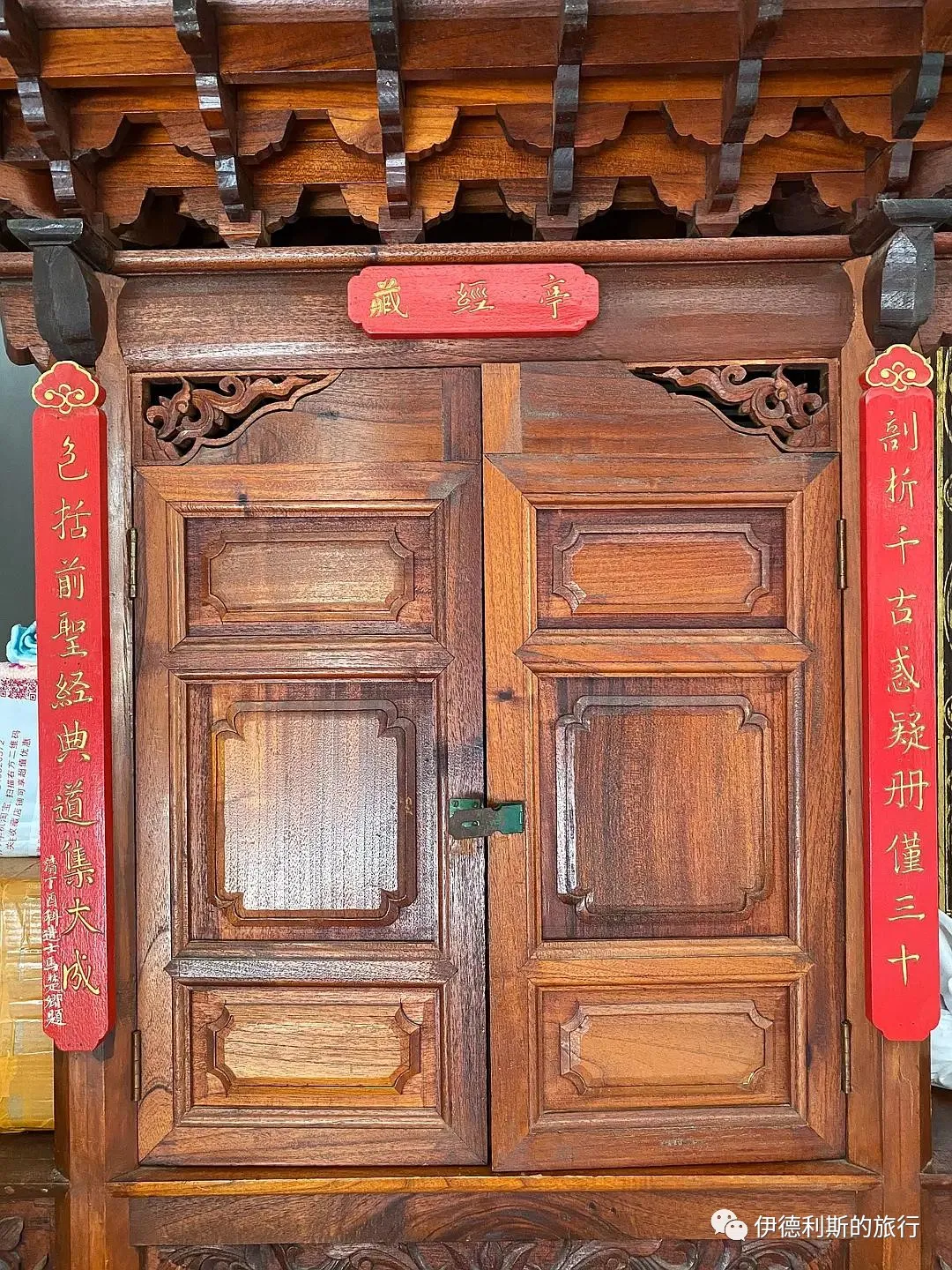
176. 'Imperial Edict Platform' (Shengyu Tai) at Liren Mosque in Kunming
Erected in the 34th year of the Republic of China.
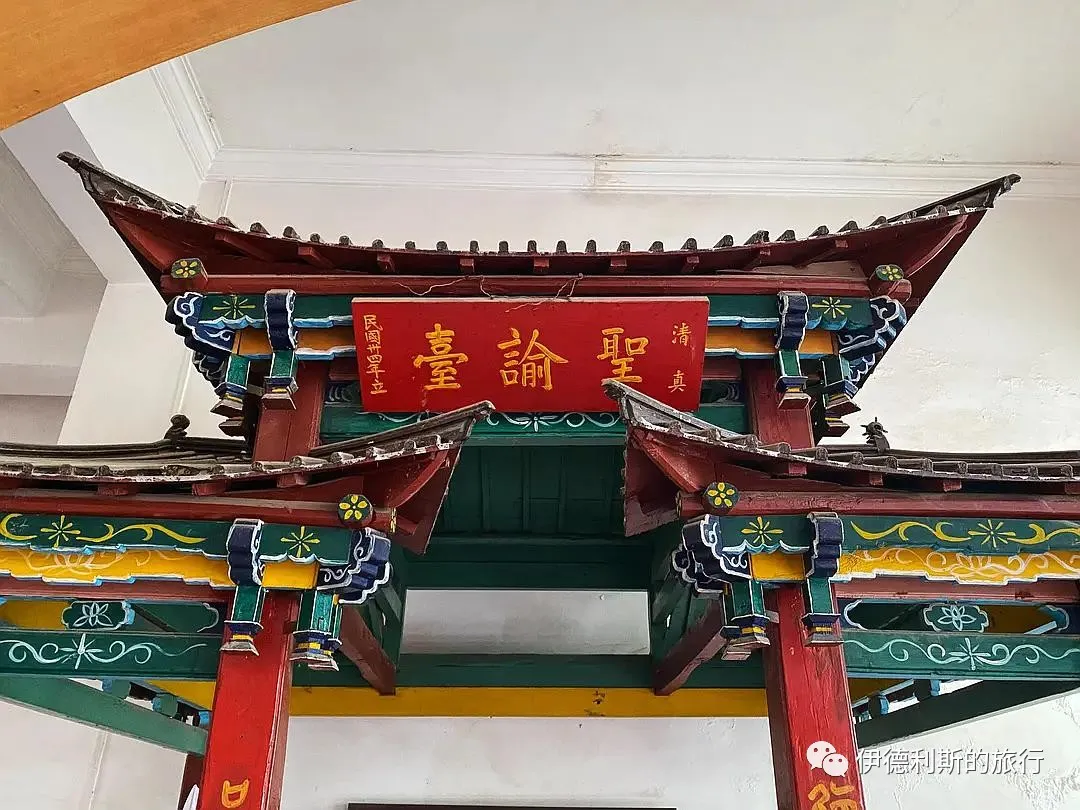
177. Tangzi Mosque in Xundian, Yunnan: "Ten Thousand Things from One Source" (Wanshu Yiben).
New Year's Day, 30th year of the Republic of China.
Respectfully gifted by Yunnan Army Major General Ma Deming.
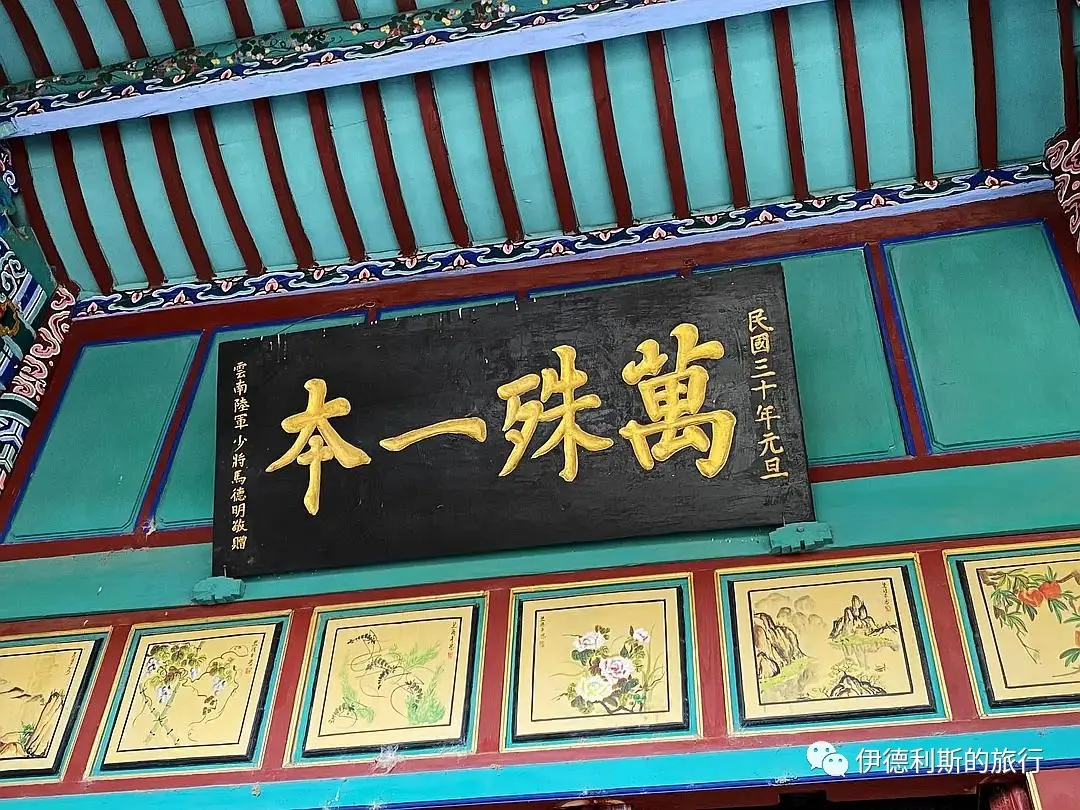
178. Tangzi Mosque in Xundian, Yunnan: "The Only and the Pure" (Weiyi Weijing).
New Year's Day, 30th year of the Republic of China.
Respectfully gifted by Yunnan Army Lieutenant General Ma Cong.
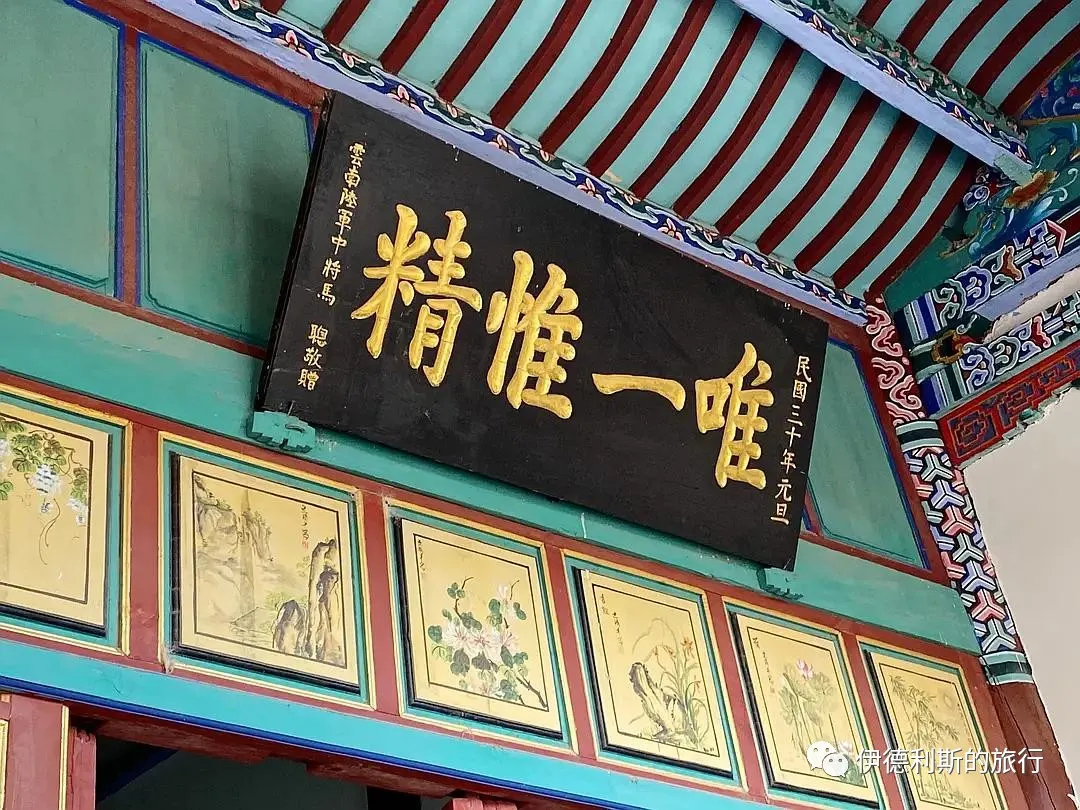
179. Tangzi Mosque in Xundian, Yunnan: "Promote Religion and Build the Nation" (Xingjiao Jianguo).
New Year's Day, 30th year of the Republic of China.
Inscribed by Bai Chongxi.
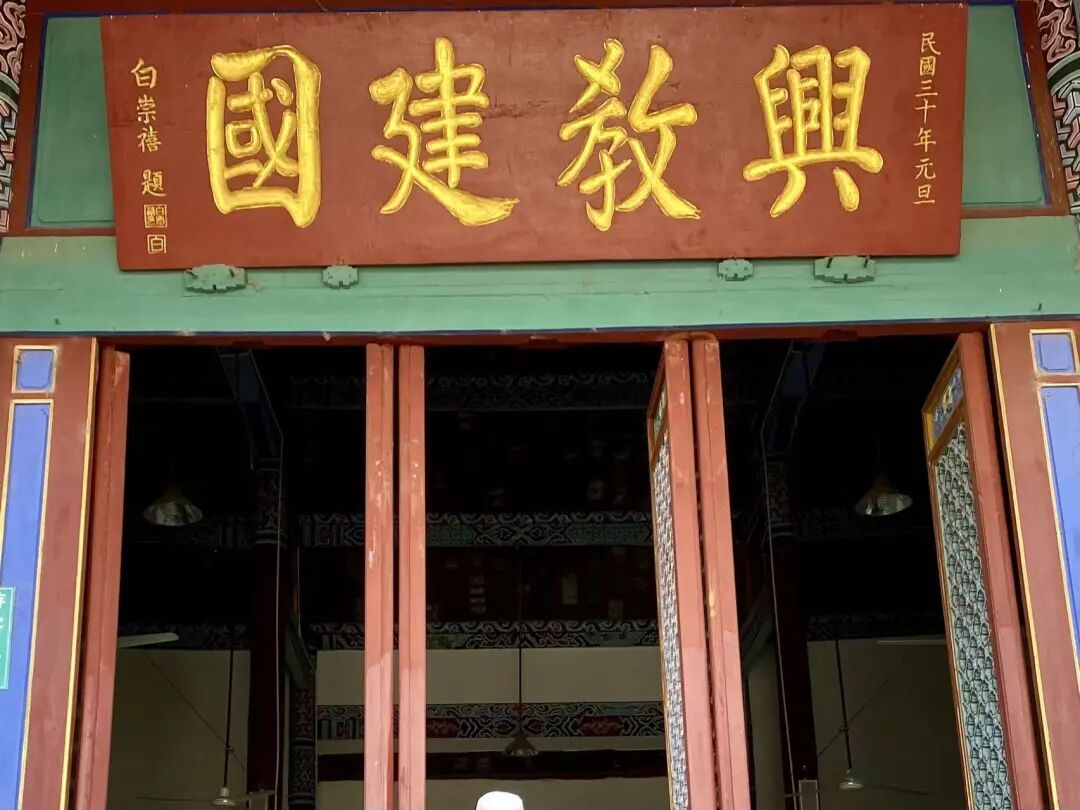
180. Beiyingjie Mosque in Xundian, Yunnan: "The Original Source of All Things" (Wanyou Yuanzong).
Respectfully inscribed by Jin Huaijin, a palace graduate (jinshi) and imperial guard, serving as deputy commander of the military camp with a rank promotion of three levels.
The first year of the Yongzheng reign, the year of Guimao, in the middle of the sixth lunar month, on an auspicious day.
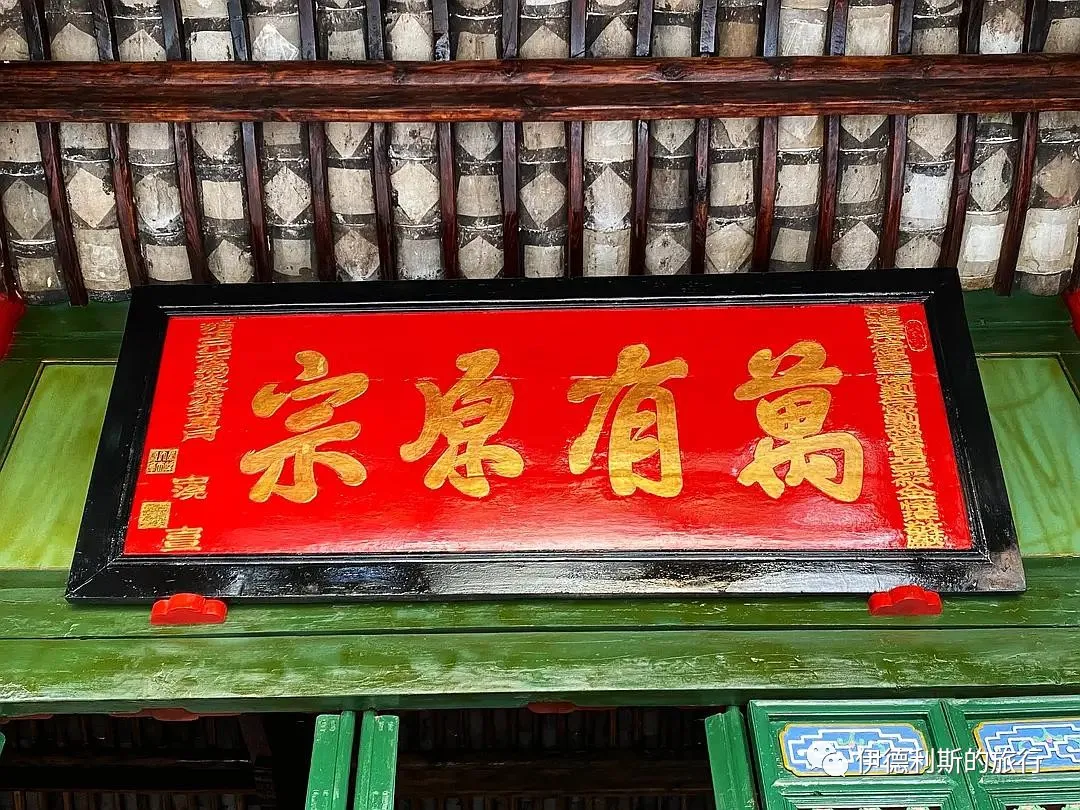
181. Beiying Street Mosque in Xundian, Yunnan: 'The Only True Faith' (Qingzhen Bu'er).
Respectfully inscribed by Qian Dengxi, the Circuit Intendant of the Eastern Yunnan Military Defense.
Erected in the summer of the 24th year of the Guangxu reign.
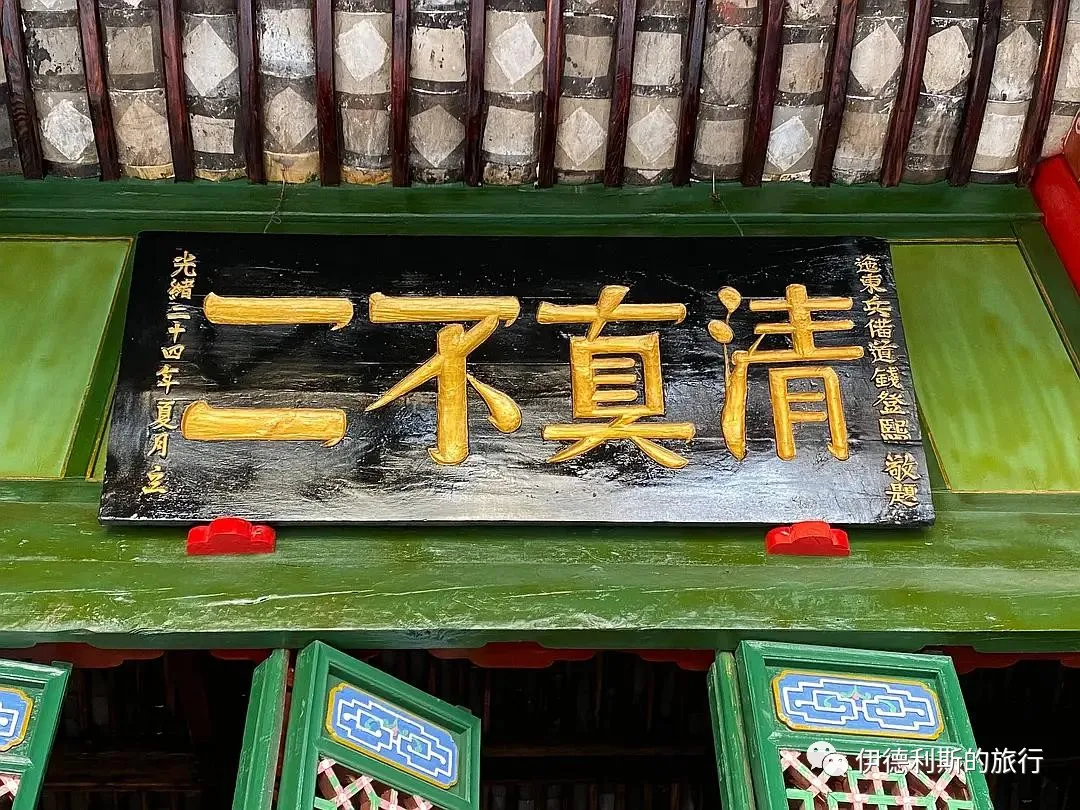
182. Jinniudao Mosque in Kunming: 'The Way Spread from the West' (Dao Zi Xi Chuan).
The middle of the fourth lunar month, in the Yiwei year of the Guangxu reign of the Great Qing Dynasty, on an auspicious day.
Written by Ma Weiqi, the acting Regional Commander of the Linyuan and Chengjiang areas in Yunnan, who holds the title of Boduohuan Baturu.
Respectfully erected by Zhang Mingming, the top scholar (zhuangyuan) of the Jiaxu year, first-rank imperial guard, and specially appointed acting Deputy General of the Chuxiong Garrison in Yunnan and Deputy General of the Yunnan-Guizhou Governor's Command.
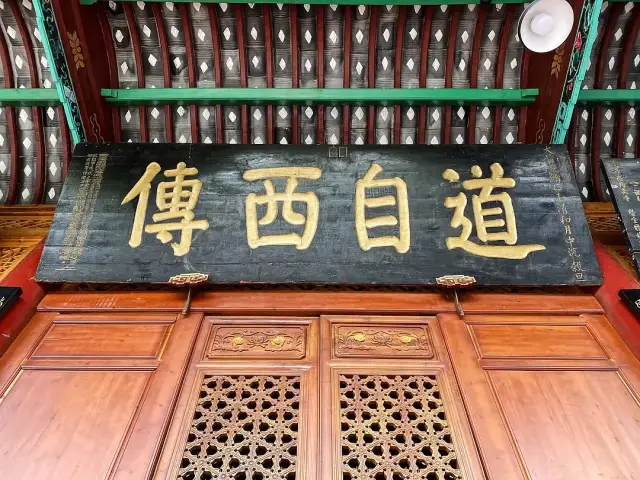
Everyone is welcome to add more information.
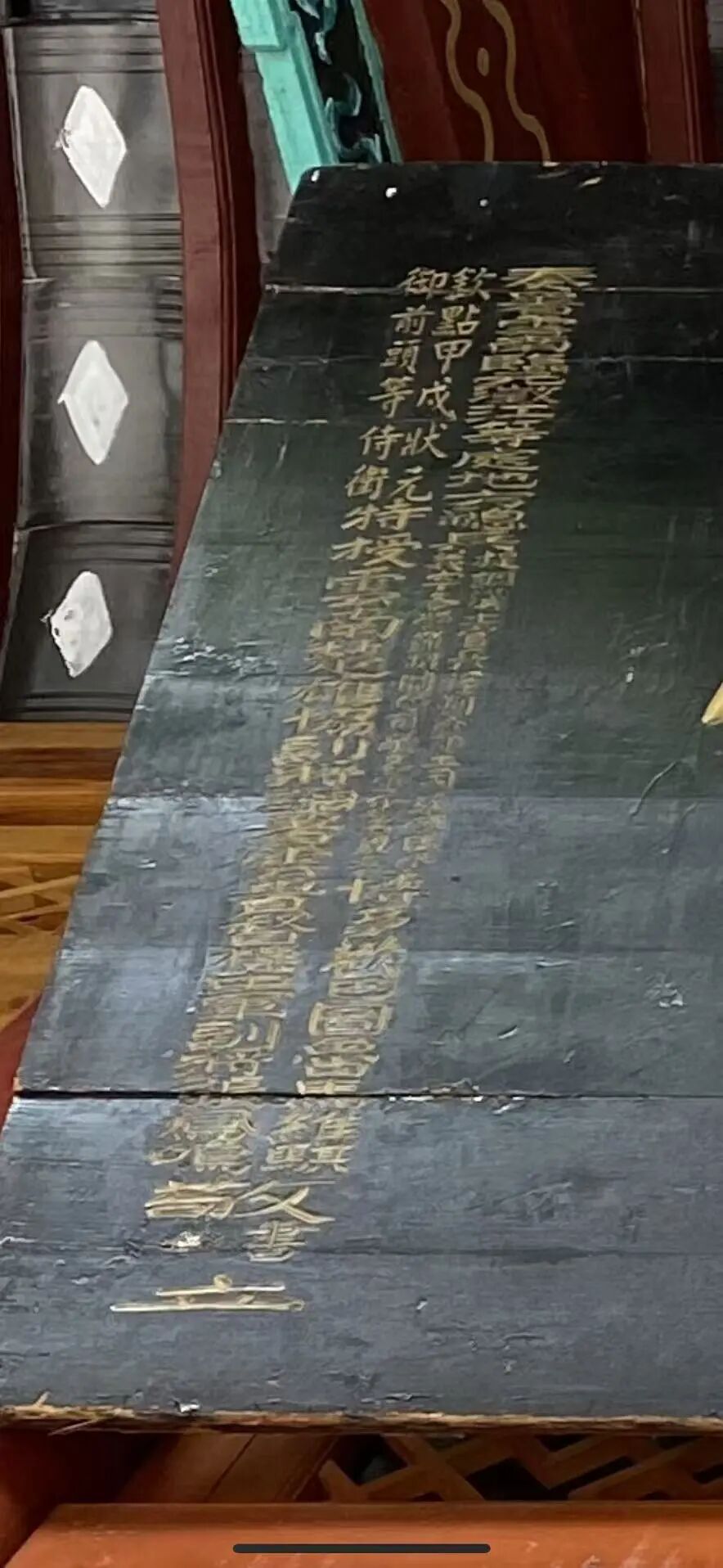
183. Tangjia Mosque in Chengdu: 'Ascending to the Shore of the Way' (Dao An Dan Deng).
An auspicious day in the first lunar month of the Bingshen year of the Guangxu reign.
Tang Chuanyou from Dongzou.
Tang Chuanyou was a Qing Dynasty calligrapher whose art was famous throughout the capital. His son, Tang Chenglie, worked as an official in Sichuan, so he brought his father there to spend his final years in comfort. The plaque text comes from the Book of Songs (Shijing) phrase 'first climb to the shore,' and Liu Zhi also wrote in Five Watch Moon (Wugeng Yue): 'From here, step by step forward, climb to the shore of the path to see the mystery.'
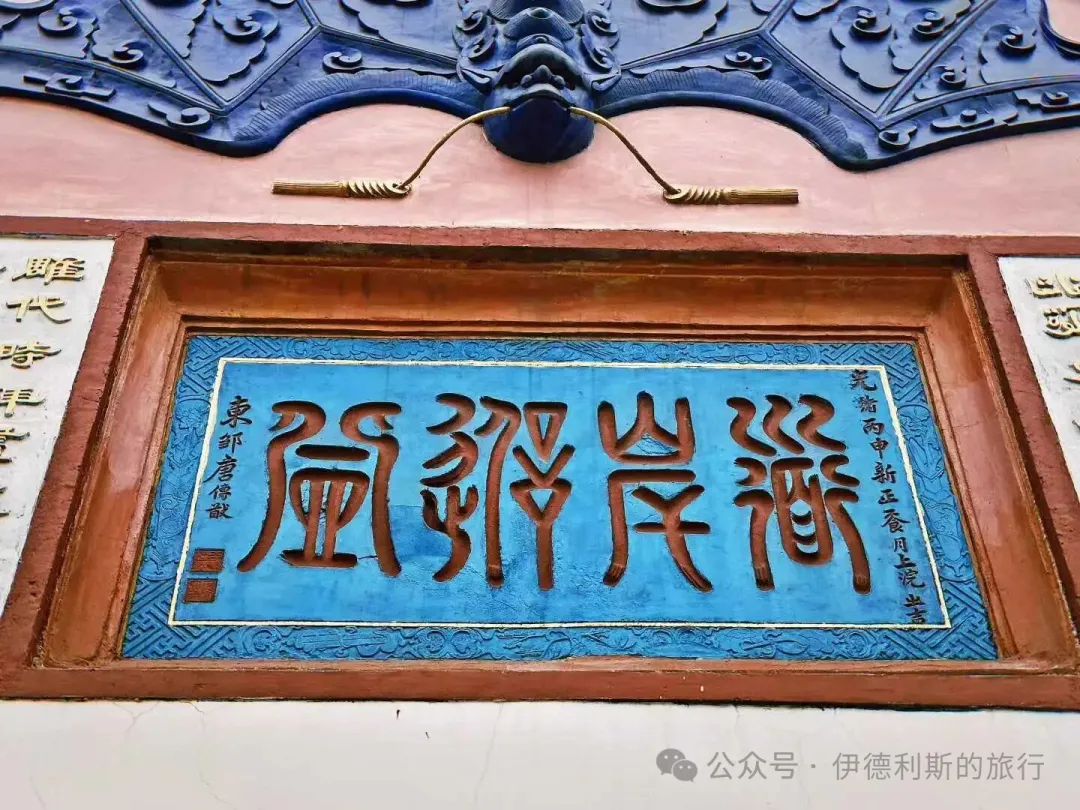
184. Tuqiao Shang Mosque in Chengdu: 'Uphold Good Rules Forever' (Shishou Lianggui)
Jiayin year of the Yongzheng reign
29th year of the Guangxu reign
Inscribed by Prince Guo
Respectfully erected by Ma Zhonglong, a third-rank guard with a peacock feather from Guizhou Province
In 1734 (the 12th year of the Yongzheng reign), Prince Guo Yunli, the 17th son of Emperor Kangxi, was ordered to go to Kangding to handle the return of the 7th Dalai Lama to Tibet. Before reaching Kangding, he inspected troops in Chengdu and gifted two plaques to Gulou Mosque: 'Uphold Good Rules Forever' (Shishou Lianggui) and 'Origin of Worldly Laws' (Shifa Yuanliu). The original 'Uphold Good Rules Forever' plaque was kept at Huangcheng Mosque but was destroyed in the 1960s and 1970s. The one at Tuqiao Mosque was made during the Guangxu reign.
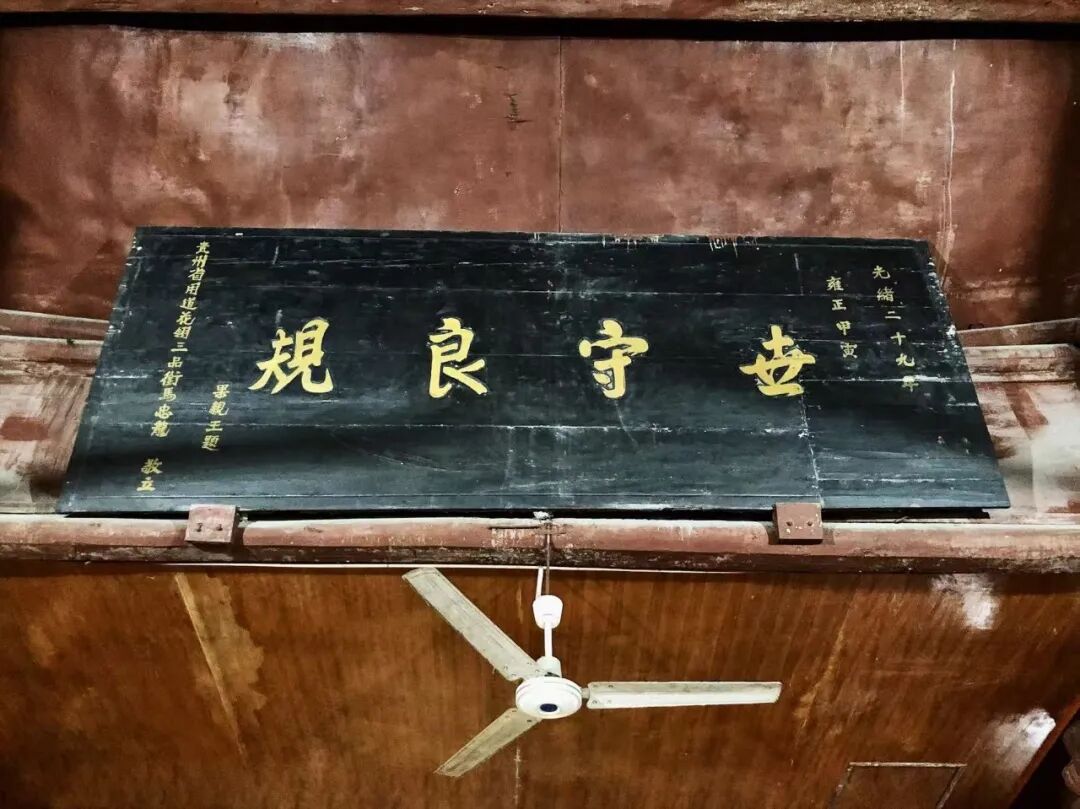
185. Chengdu Tuqiao Shang Mosque: 'Wonderful Origin of Islam' (Miaoyuan Qingzhen)
Imperial-appointed Commander-in-Chief of Yunnan Province, Left Metropolitan Commander, Hereditary Cavalry Captain, recorded six times for military merit, oversaw the construction of the Great Hero Hall.
Imperial-appointed Commander-in-Chief of Yunnan Province, General-in-Chief, recorded five times for military merit, erected by Ma Hua.
An auspicious day in the middle of winter, in the year of Jisi, the 27th year of the Qianlong reign of the Great Qing Dynasty.
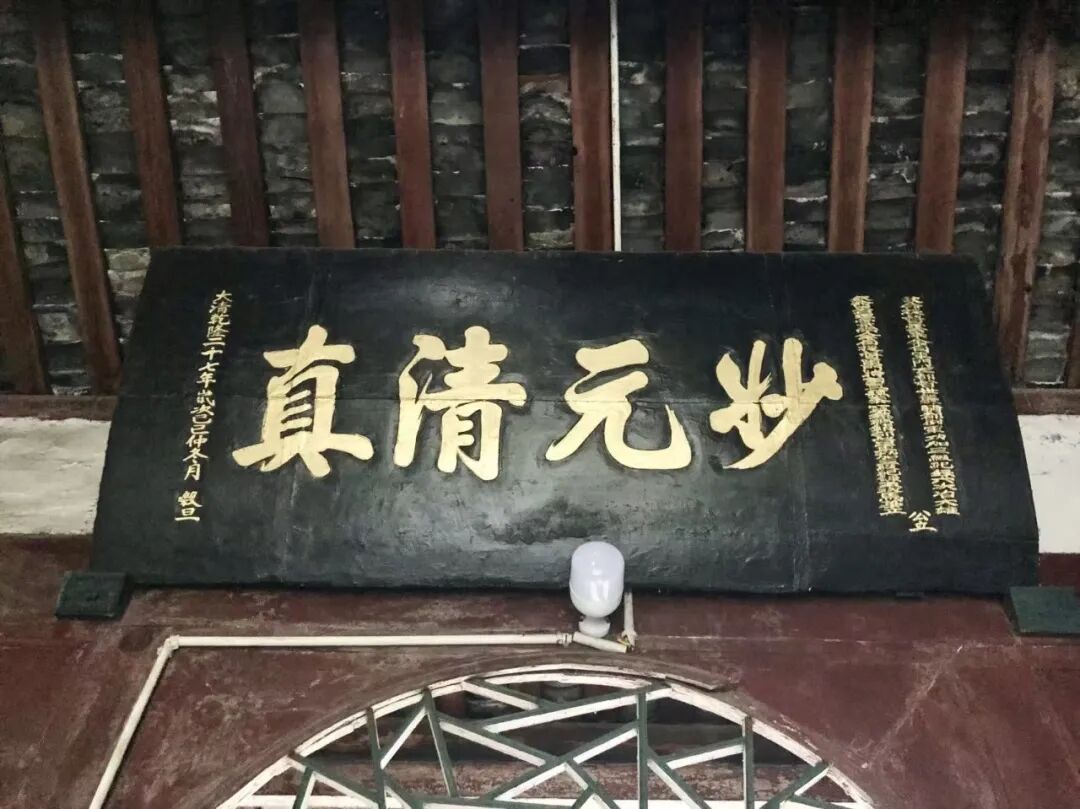
186. Chengdu Tuqiao Upper Mosque, 'Like Timely Rain'.
An auspicious day in the last ten days of the third month of autumn, in the year of Guisi, the 13th year of the Daoguang reign.
Respectfully inscribed by Ma Tenglong, the Imperial-appointed Regional Commander of Chongqing, Sichuan.
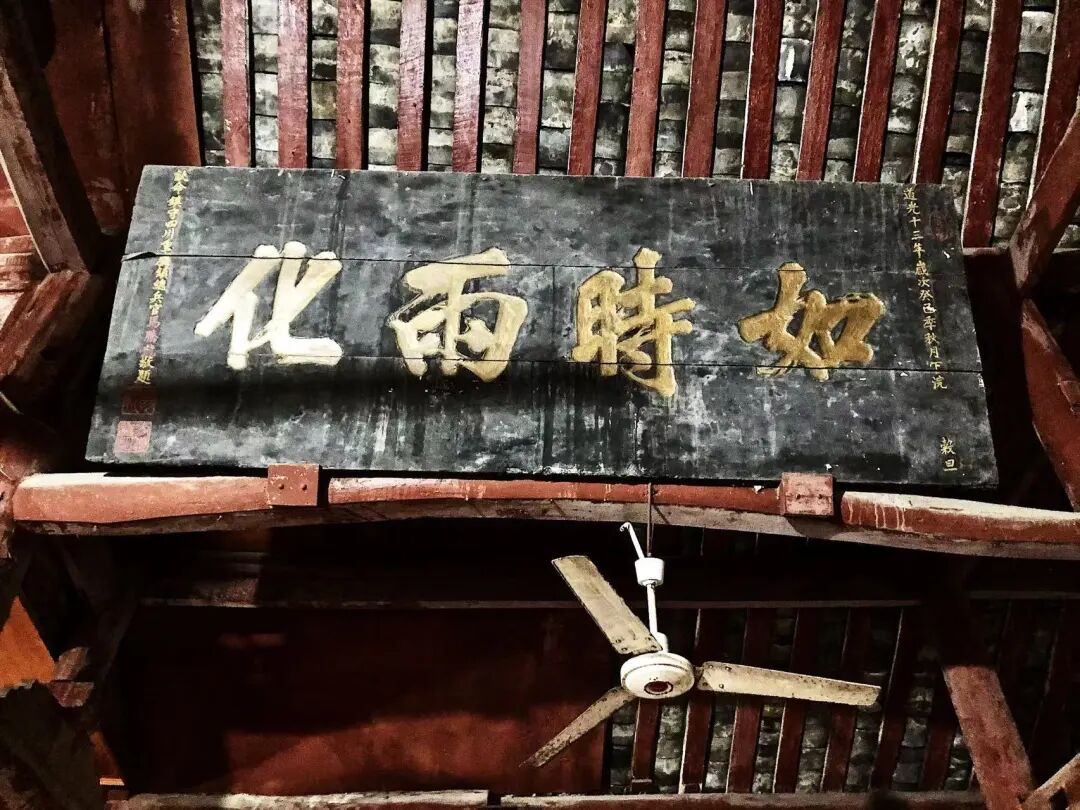
187. Chengdu Tuqiao Upper Mosque, 'Boundless Nurturing'.
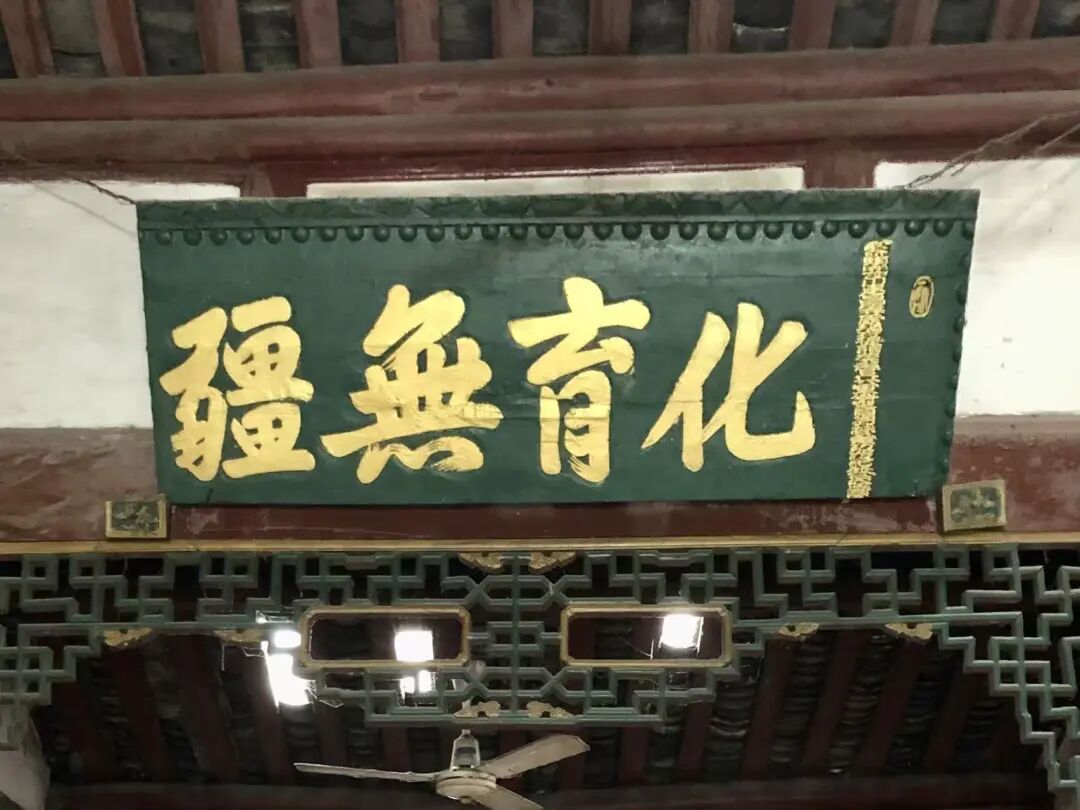
188. Chengdu Tuqiao Upper Mosque, 'Revere the Righteous and Expel the Evil'.
The third month of spring, the first year of the Republic of China.
The humble followers of the community.
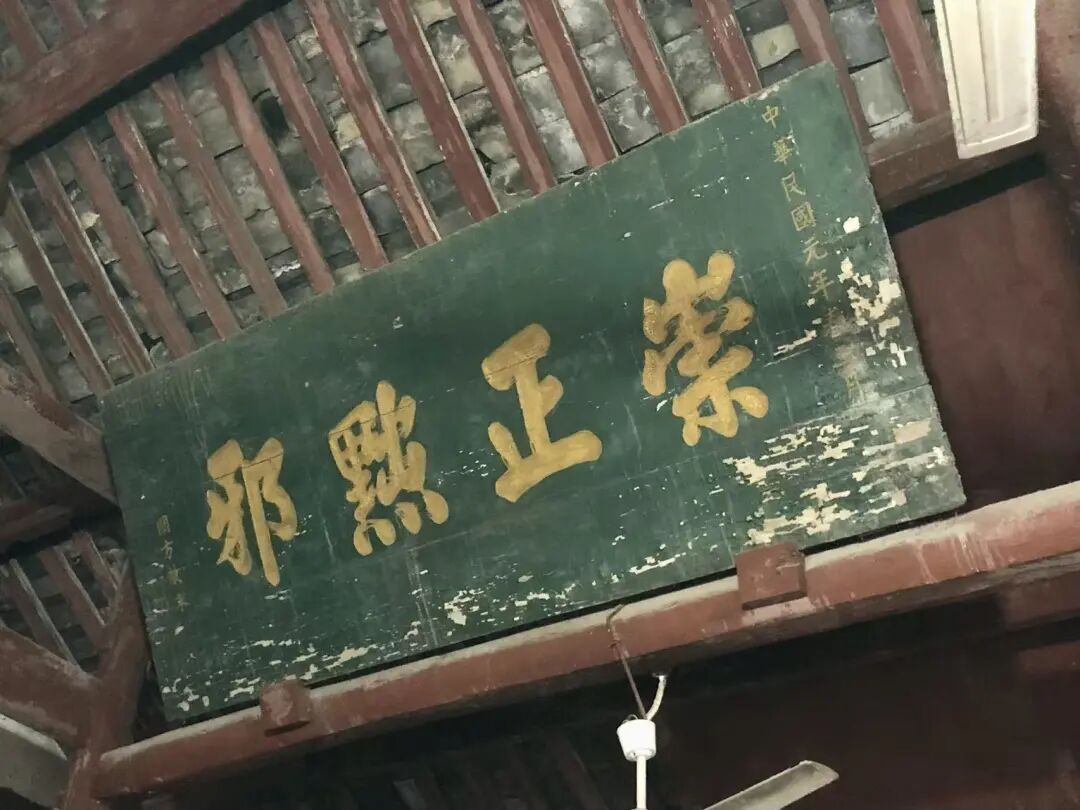
189. Chengdu Dujiangyan Mosque, 'Uphold Good Traditions for Generations'.
The last month of winter, in the year of Jiayin, during the Yongzheng reign.
Inscribed by Prince Guo
Prince Guo was the seventeenth son of the Kangxi Emperor. In the twelfth year of the Yongzheng reign, he traveled to Taining to escort the Dalai Lama back to Tibet. While inspecting provincial garrisons and Green Standard Army troops, he passed through Chengdu and wrote a plaque for Gulou Mosque. The Dujiangyan Mosque also made a copy of the plaque to keep inside the building.
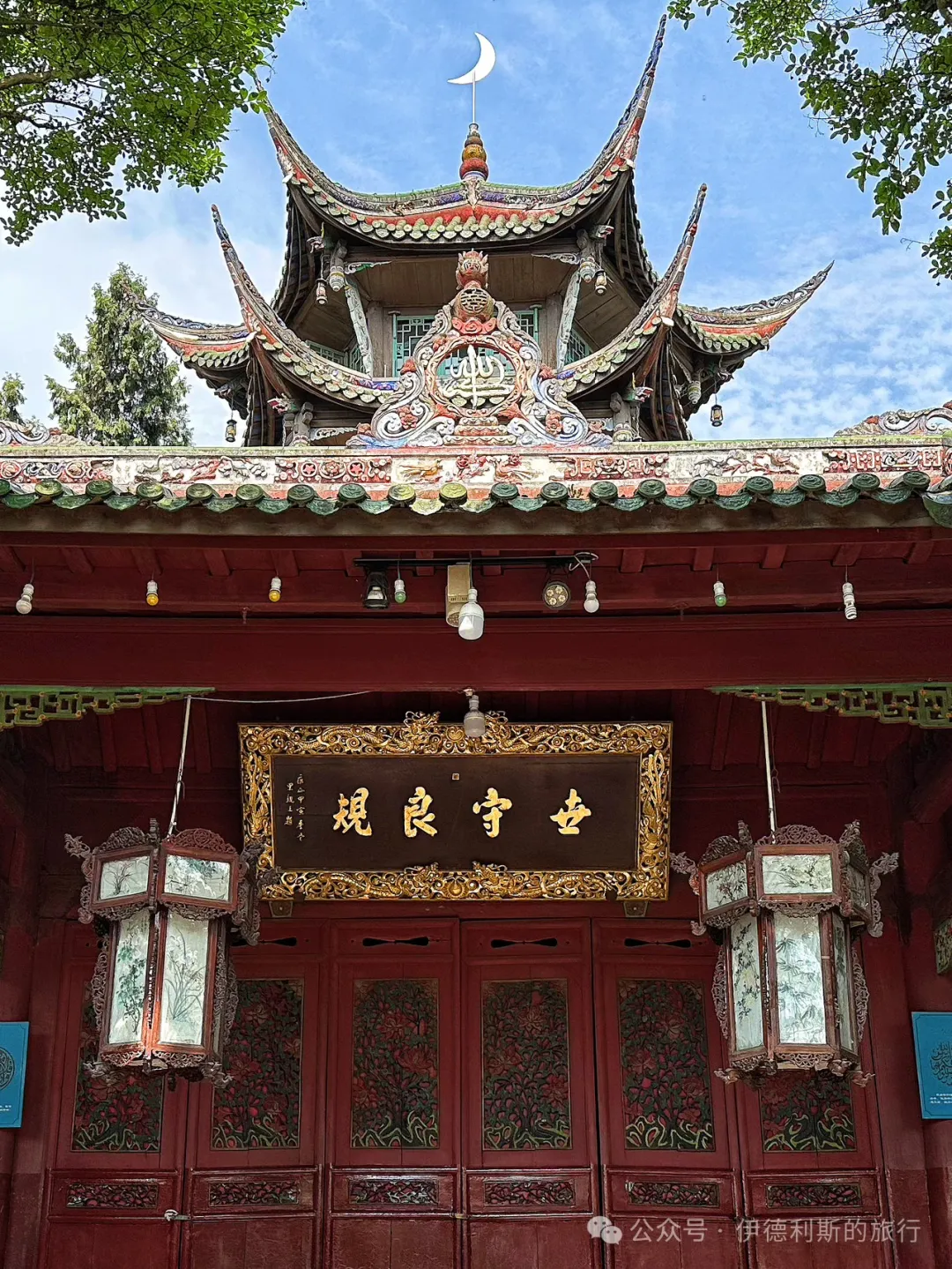
190. Dujiangyan Mosque in Chengdu: "Origin of Worldly Dharma"
The last month of winter, in the year of Jiayin, during the Yongzheng reign.
Inscribed by Prince Guo
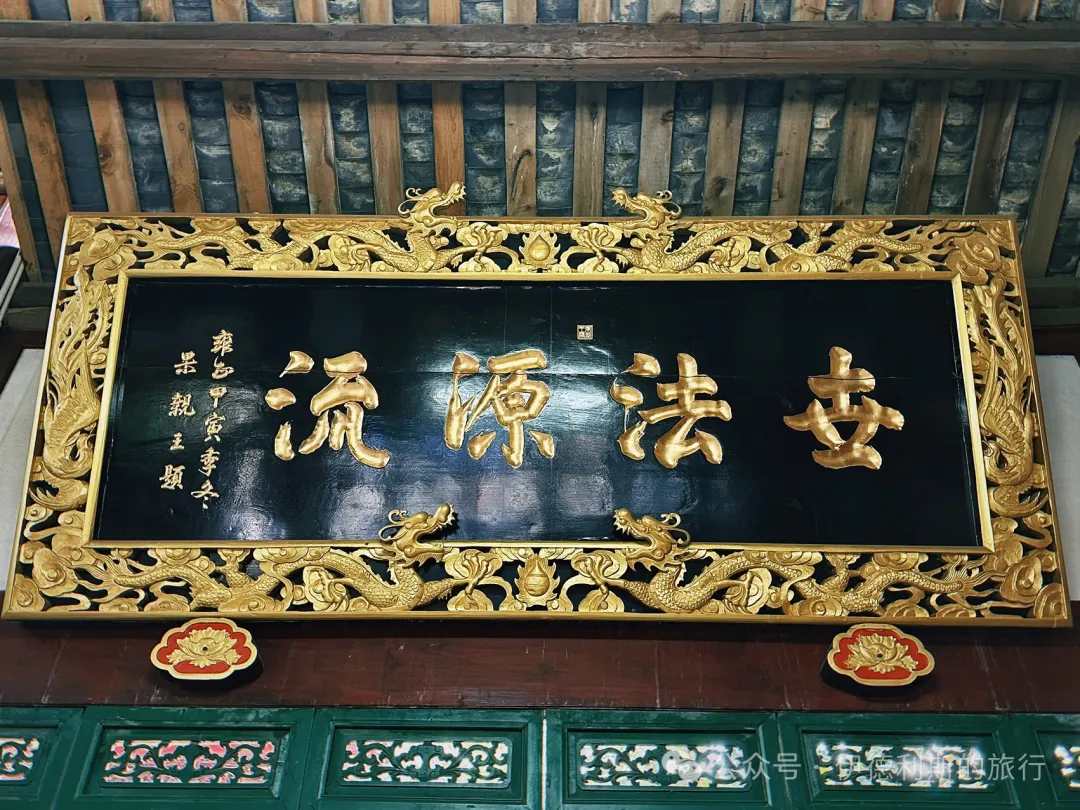
191. Dujiangyan Mosque in Chengdu: "Success Through Non-Action"
Early summer of the Guimao year, the twenty-ninth year of the Guangxu reign of the Great Qing Dynasty.
Respectfully written and erected by Ma Weiqi, Commander-in-Chief of Sichuan.
Ma Weiqi was a Hui Muslim from Dazhuang, Kaiyuan, Yunnan. He was skilled in calligraphy, following the style of Yan Zhenqing, with powerful brushwork and grand momentum. In the 9th year of the Guangxu reign, Ma Weiqi was ordered to Vietnam to resist the French. He defeated the French army many times and was promoted to the rank of vice-general for his military achievements, receiving the title "Boduo Huan Baturu". While serving as Commander-in-Chief of Sichuan, Ma Weiqi led troops to suppress a rebellion by lamas and local chieftains in Batang, Tibet. He overcame snowstorms, dangerous terrain, and food shortages to restore peace to the entire region. He was rewarded with a first-rank button and granted the title of General Jianwei. During his time as Commander-in-Chief of Sichuan, Ma Weiqi greatly supported the local Muslim community. He recommended several imams for positions in Sichuan, including Imam Wang Jiapeng, who is known as one of the four great modern imams of Yunnan.
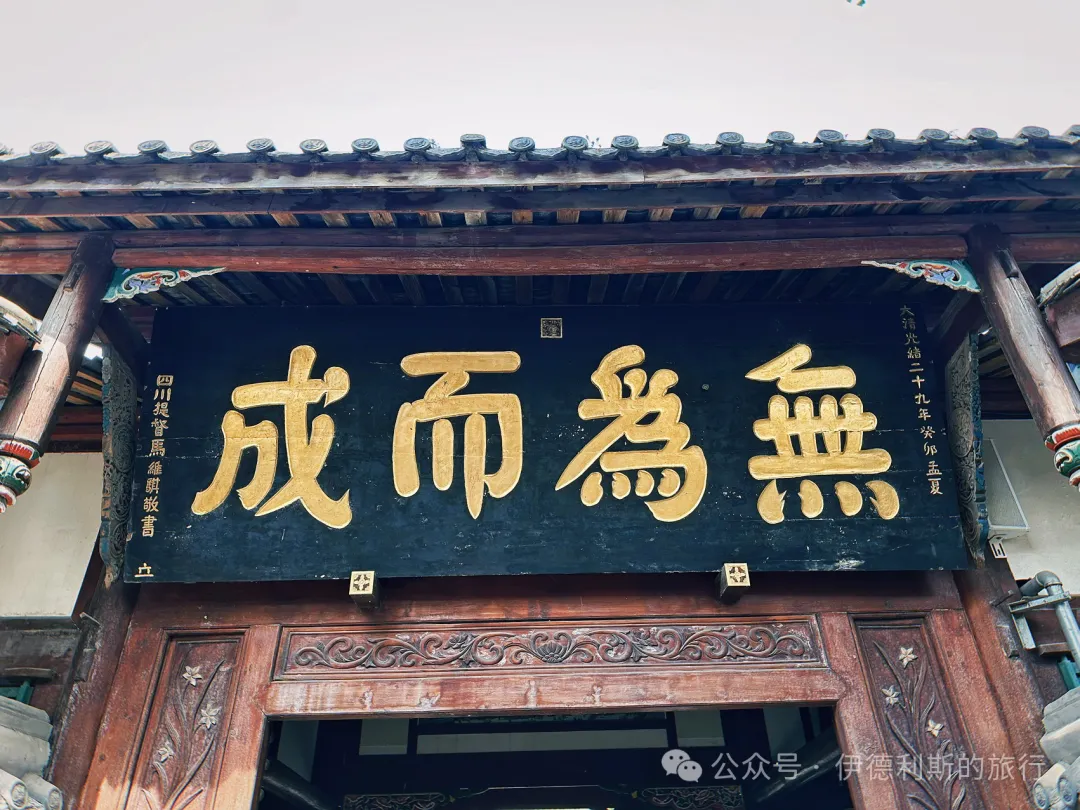
192. Dujiangyan Mosque in Chengdu: "Promote Religion and Build the Nation"
An auspicious day in the mid-autumn of the 35th year of the Republic of China.
Inscribed by Bai Chongxi.
Bai Chongxi wrote this in 1946 while visiting his in-law, Ma Jianqing, in Sichuan. Bai Chongxi was the Minister of National Defense of the Republic of China at the time. Bai Chongxi cared deeply about ethnic education. He built Northwest Middle School in Chengdu, Sichuan, and Jiansheng Middle School in Xichang.
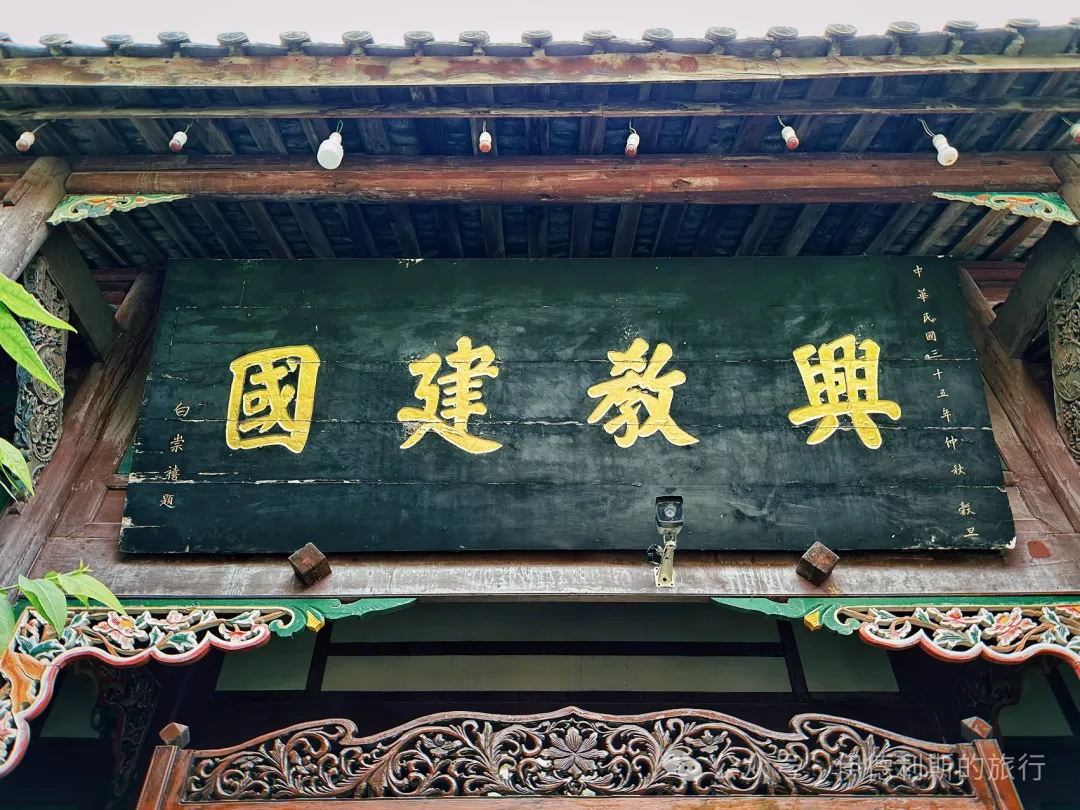
193. Dujiangyan Mosque in Chengdu: "Originality and Unique Respect"
An auspicious day in the seventh month of the lunar calendar in the seventh year of the Xianfeng reign.
Presented by Chen Tianzhu, a fifth-rank official with a blue feather and a battalion commander of the Anfu Camp in Sichuan, who held the priority rank of thousand-man commander.
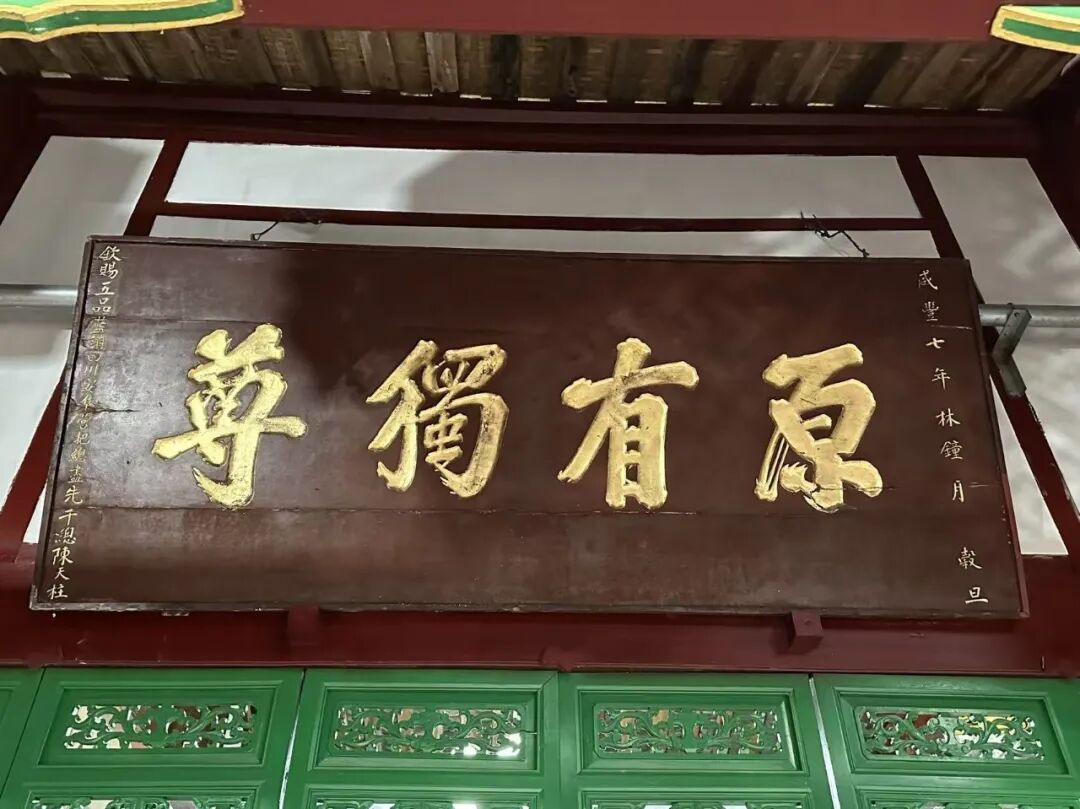
194. Dujiangyan Mosque in Chengdu: "The Religion Flourishes in True Unity"
An auspicious day in the last month of winter in the 14th year of the Qianlong reign (the year of Jisi).
The signature section was destroyed in the 1960s and 1970s. In 2019, I photographed it without the signature. When I returned in 2026, I found the signature had been added: Presented by Ha Panlong, an imperial-appointed top scholar, first-rank imperial guard, and commander of the Songpan Garrison.
Ha Panlong was a Hui Muslim from Suning, Hebei. He passed the provincial civil service exam in the 10th year of the Yongzheng reign and earned the top rank in the martial arts imperial examination in the second year of the Qianlong reign, after which he was appointed as a first-rank imperial guard. In the 13th year of the Qianlong reign, Ha Panlong was ordered to Jinchuan. As the commander of the Songpan garrison, he led troops to attack Meinuo Valley, Kezu Village, and Qiushui City, winning every battle. In the second month of the 14th year of the Qianlong reign, the Jinchuan campaign ended. Ha Panlong was promoted by three ranks and received two additional merit records.
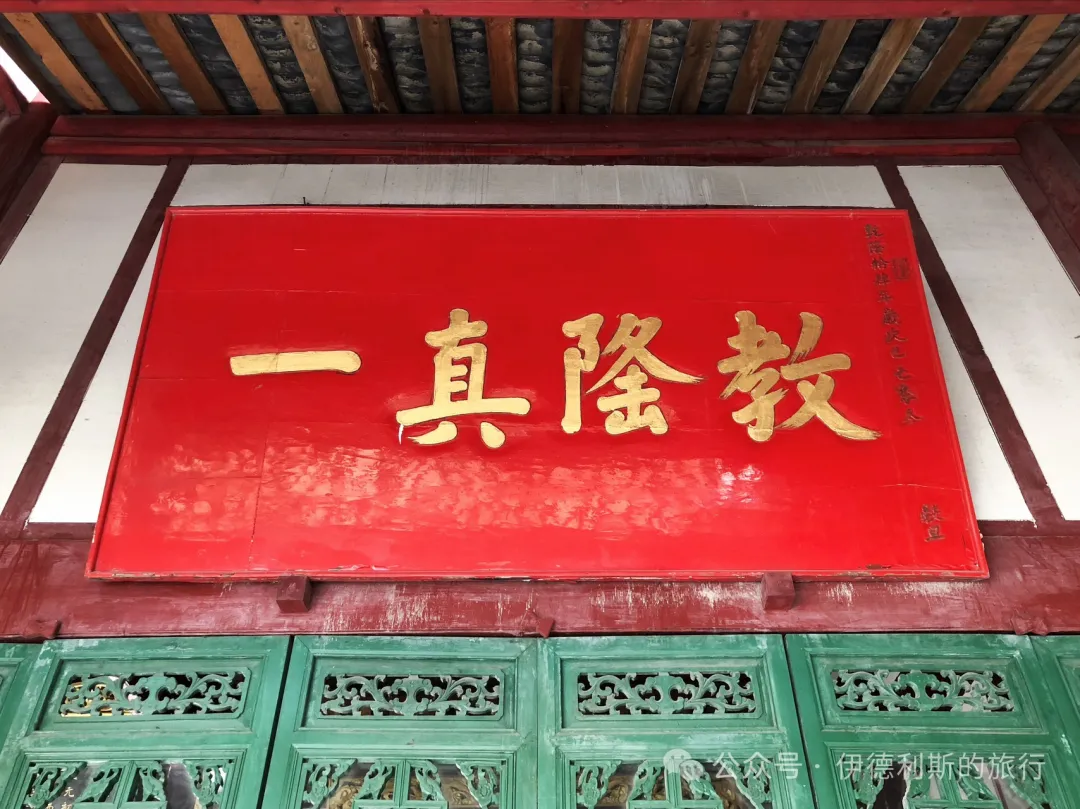
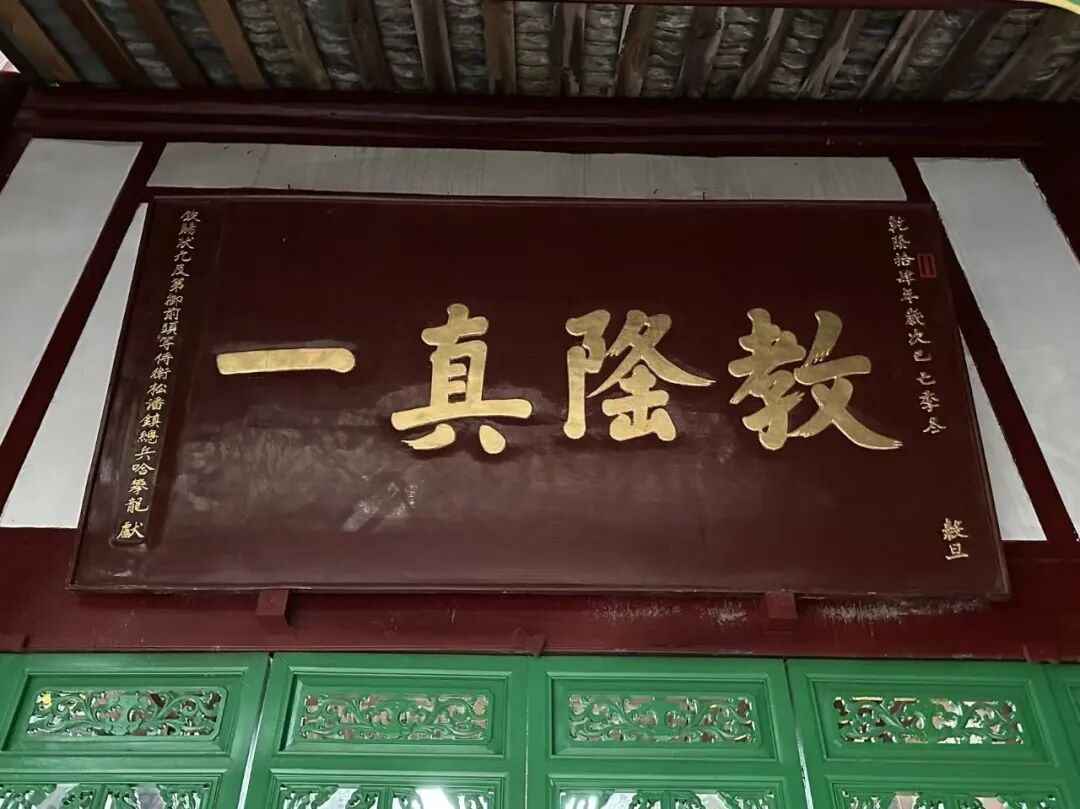
195. Dujiangyan Mosque, Chengdu, "Ancient Mosque (Qingzhen Gusi)"
An auspicious day in the tenth lunar month of the Xinwei year of the Tongzhi reign.
The West Mosque of Guan County in Dujiangyan was located on Shaanxi Lane inside the ancient city of Guan County. It was built in 1862 (the first year of the Tongzhi reign) by Hui Muslims from Songpan, Sichuan. During the Xianfeng and Tongzhi years, Hui Muslims from Songpan with the surnames Jia, Qi, Mi, and Yu traveled south along the Songmao Ancient Road for business. They settled in the ancient city of Guan County and pooled their money to build the West Mosque of Guan County.
In 1959, the West Mosque of Guan County was torn down to build the Guan County People's Hospital. Today, the second gate of the Dujiangyan mosque displays a plaque from the tenth year of the Tongzhi reign that reads "Ancient Mosque (Qingzhen Gusi)." This is the original plaque that hung on the gate of the West Mosque.
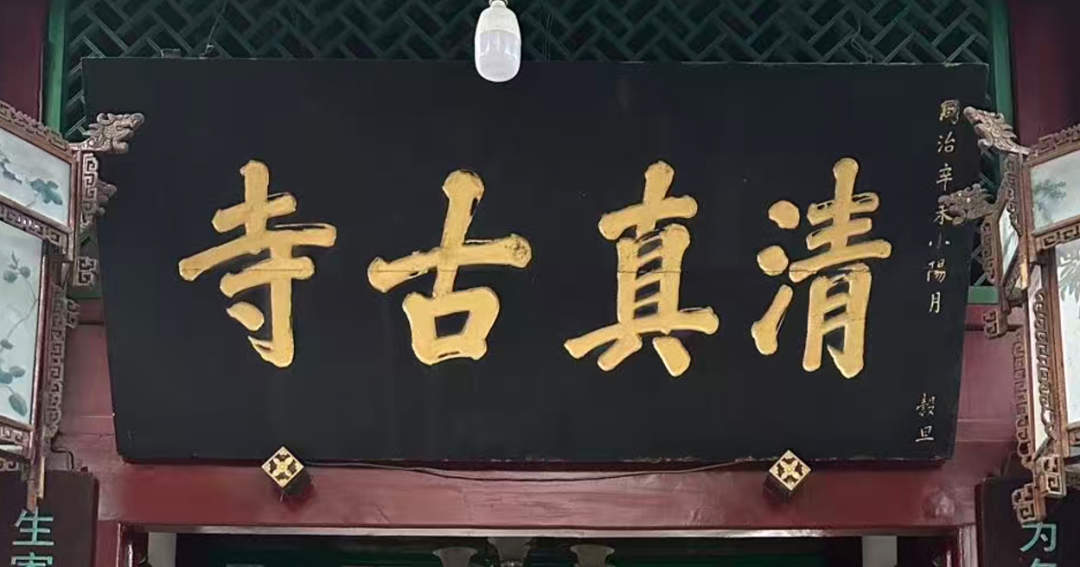
196. Qinggang Mosque, Meishan, Sichuan, "Ancient Faith of the Beginning (Kaitian Gujiao)"
An auspicious day in the first ten days of the eleventh lunar month of the Guihai year of the Jiaqing reign.
Respectfully presented by Ma X Yan, a soldier of the Left Garrison of the Chengdu City Guard stationed at the Renshou outpost, who received a two-rank promotion for military merit and a one-rank promotion for imperial favor, plus a two-rank promotion from the Emperor.
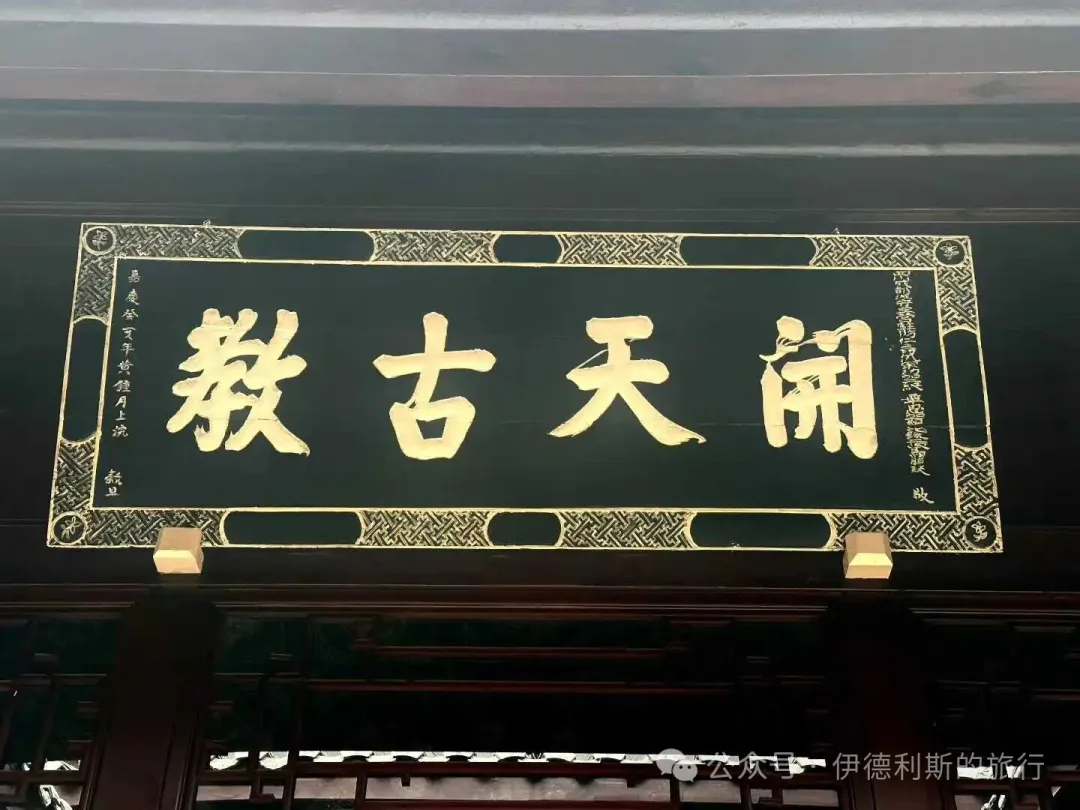
It is not very clear, so please feel free to correct me.
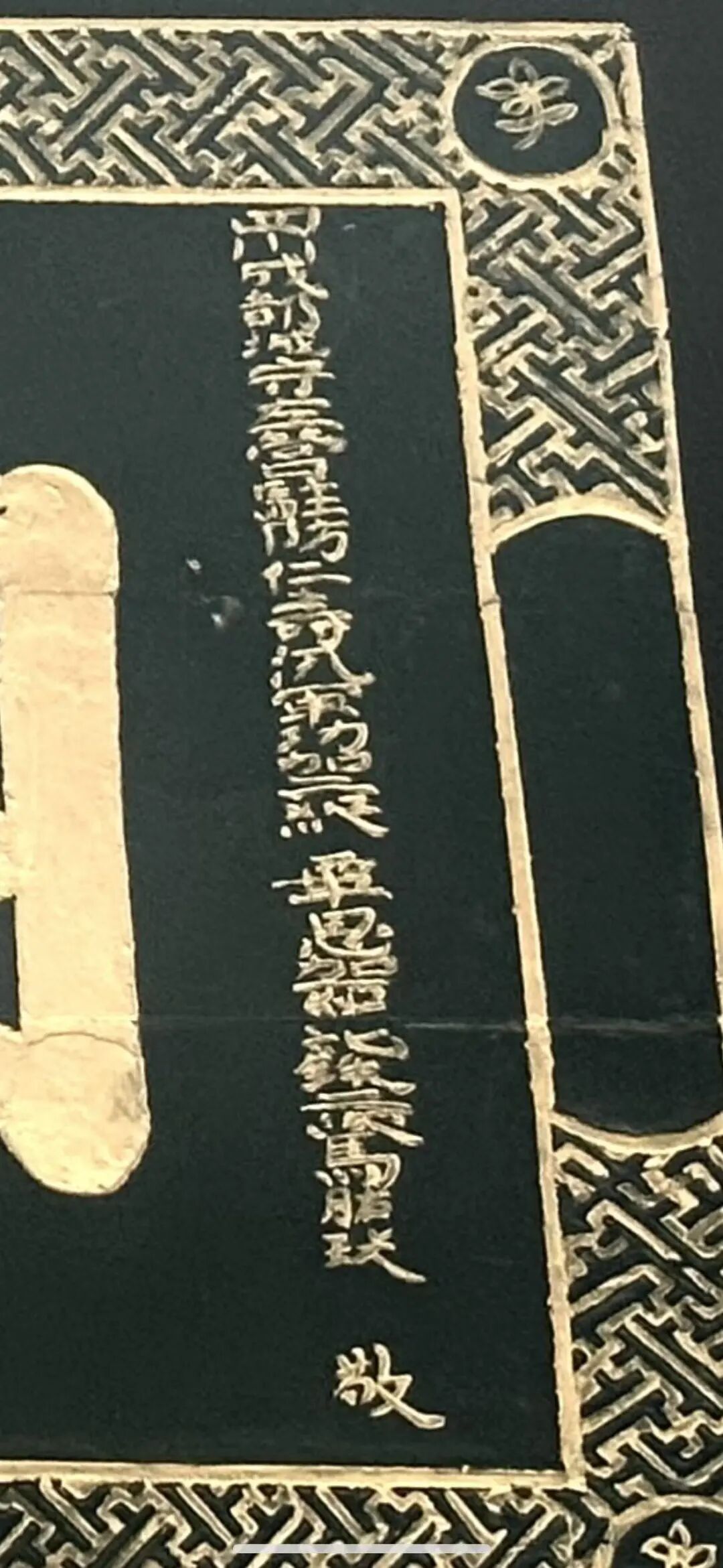
197. The "one and only" plaque at Qinggang Mosque in Meishan, Sichuan.
Respectfully presented by Ma Pengcheng, a battalion commander (qian zong) overseeing the Renshou garrison.
A lucky day in the second month of the 25th year of the Daoguang reign.
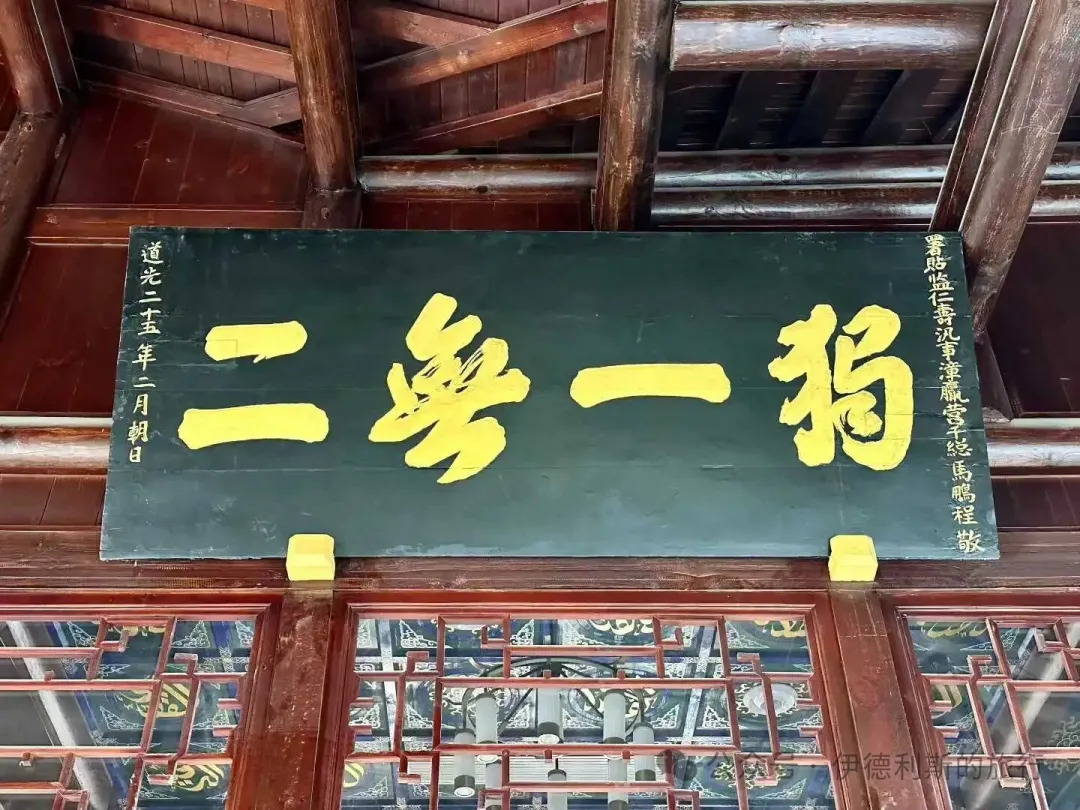
198. The "utmost silence and stillness" plaque at Qinggang Mosque in Meishan, Sichuan.
A lucky day in the fifth month of the eighth year of the Republic of China, respectfully presented.
In celebration of the mosque reconstruction.
Erected by nine members of the Cai family from the Kai generation.
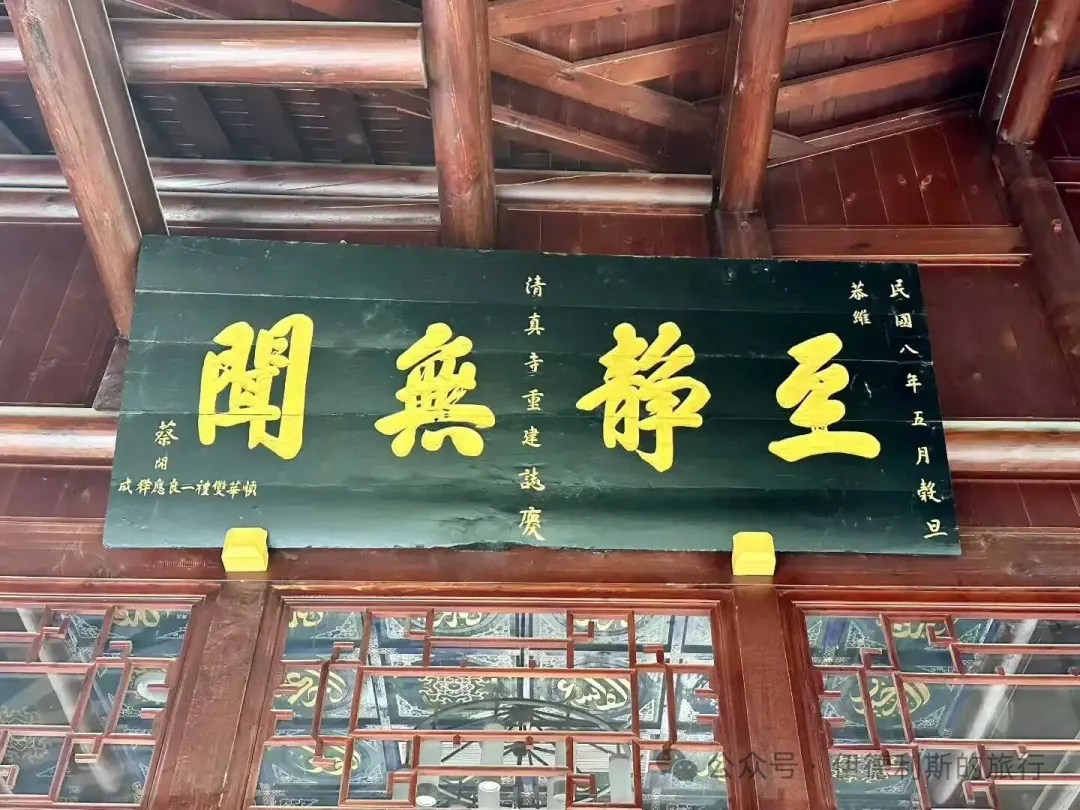
199. The "a world apart" plaque at Qinggang Mosque in Meishan, Sichuan.
Respectfully presented.
In celebration of the mosque reconstruction.
Congratulations from the Han people of Qingshi.
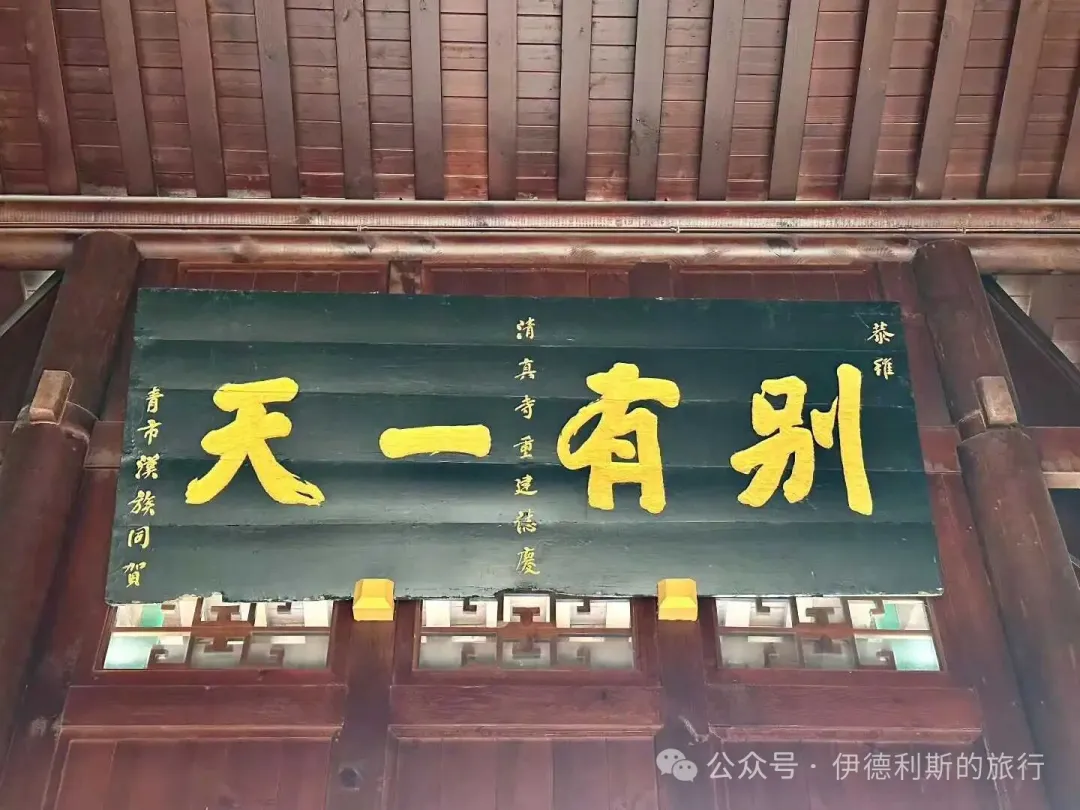
200. Qinggang Mosque (Qinggang Si) in Meishan, Sichuan.
Erected by the mosque leaders in the third month of the eighth year of the Republic of China (1919).
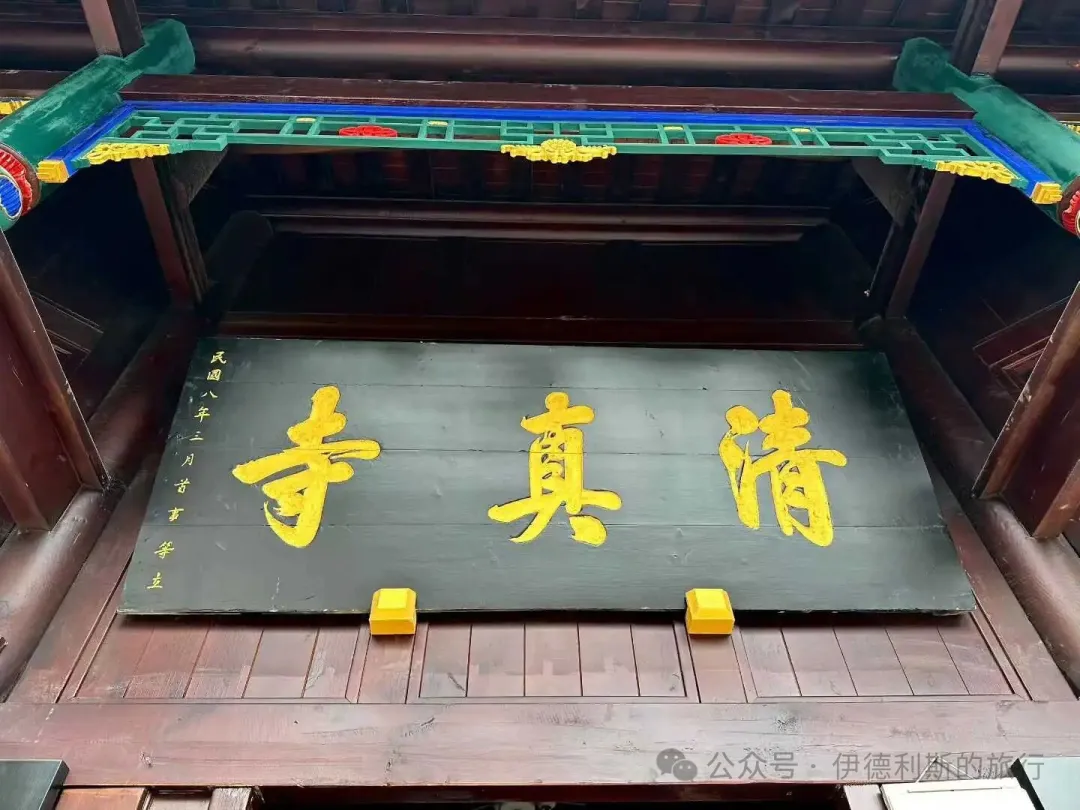
Appreciating mosque plaques and couplets (items 101-150).
Appreciating mosque plaques and couplets (items 51-100).
Appreciating mosque plaques and couplets (items 1-50). Collapse Read »
Summary: This China mosque travel guide focuses on mosque plaques, couplets, Islamic calligraphy, Muslim heritage, and the original 151-200 item sequence.
This article summarizes the key points of "Appreciation of Islamic Plaques and Couplets (151-200)". It keeps the original paragraph and image order. It is for readers interested in Muslim life, Islamic culture, and Chinese Islamic writing. It also helps people search for namaz, Islamic plaque and couplet appreciation, and guides for mosques and prayer.
151. "Mastering Heaven and Man" at Niujie Mosque in Beijing.
An auspicious day in the early tenth lunar month of the Jiaxu year, the thirteenth year of the Tongzhi reign.
Respectfully erected by Ma Rulong, Imperial-bestowed Yellow Jacket wearer and Commander-in-Chief of Hunan Province, titled Fashishang'a Baturu.
Ma Rulong was a Hui Muslim from Jianshui, Yunnan. He started as a military scholar and served as Commander-in-Chief of Yunnan and later Hunan.
152. "Governing the Principles of Numbers" at Niujie Mosque in Beijing.
An auspicious day in the first month of winter, the Jiaxu year, the thirteenth year of the Tongzhi reign.
Respectfully erected by Ma Rulong, Imperial-bestowed Yellow Jacket wearer and Commander-in-Chief of Hunan Province, titled Fashishang'a Baturu.
153. "Governing the Two and Five" at Nanxiapo Mosque in Beijing.
The third lunar month of the Renyin year (1902).
Calligraphy by Prince Qing.
The plaque is a replica. Yikuang was named Prince Qing in 1894 and served as a high official in the late Qing Dynasty.
Liu Zhi wrote in the Rites of Islam (Tianfang Dianli) that 'revering the five pillars fulfills the way of heaven;' 'upholding the five social relationships fulfills the way of man.' The five pillars are the declaration of faith, namaz, fasting, charity, and the pilgrimage, while the five relationships are ruler and subject, father and son, husband and wife, brothers, and friends.
154. Arabic plaque at Haopan Mosque in Guangzhou
An auspicious day in the first month of summer, the seventh year of the Republic of China
Respectfully presented by the Jiangnan Tongshan Hall
During the Ming and Qing dynasties, many Hui Muslims from the Jiangsu, Zhejiang, and Shanghai regions came to Guangzhou for business. They often chose to live near the foreign trading houses on Haopan Street and the shops in the Xiguan area, which had a significant impact on Haopan Mosque.
155. Arabic plaque at Xiaodongying Mosque in Guangzhou
Erected on an auspicious day in the fifth lunar month of the Bingyin year, the fifth year of the Tongzhi reign
Respectfully inscribed by Li Chengyi from Dingyuan County, Fengyang Prefecture, Jiangnan
156. 'The Hundred-Word Eulogy to the Most Holy written by Emperor Taizu of Ming' at Xiaodongying Mosque in Guangzhou
Mid-third lunar month, spring of the sixth year of the Tongzhi reign of the Great Qing Dynasty, during the festival.
Respectfully written and erected by Zixiang Yang Yongchun after ritual cleansing.
157. Xiaodongying Mosque in Guangzhou, "The Teaching Has an Authentic Lineage."
An auspicious day in the eleventh lunar month, the thirty-fourth year of the Guangxu reign of the Great Qing Dynasty, which is 1,324 years after the passing of the Prophet.
Erected by Liao Shouqi, a member of the faith from Jiangxia County, Hubei, led by his son Dalian.
158. Wutong Mosque in Guilin, "All Things Reveal the Truth."
The second year of the Xuantong reign, Gengxu year, on an auspicious day.
Respectfully erected by Peng Jiahua.
159. Wutong Mosque in Guilin.
Praising Muhammad to honor the ancient teacher, through the ages keeping the true purpose.
Seeing the mosque filled with plaques and couplets praising the Prophet, I felt inspired by the literature and, despite my limited knowledge, dared to compose a couplet as a memento.
Respectfully inscribed by Su Zonghan, former commissioner of Longteng County and acting magistrate of Yining County.
Yining County was located around Wutong Town in the Lingui District of Guilin, Guangxi. It was abolished and merged into Lingchuan in 1951. In the early Republic of China period, it had a county magistrate.
160. Chongshan Mosque (Chongshan Si) in Guilin: "Rectify the heart and be sincere."
An auspicious day in the sixth lunar month of the jiashen year, the tenth year of the Guangxu reign.
Respectfully erected by local resident Zhang Weicheng.
161. Binju Mosque (Binju Si) in Dali: "The true source of all things."
An auspicious day in the last month of summer in the guihai year of the Republic of China.
Respectfully written by Yang Liren from Nancheng.
162. Binju Mosque (Binju Si) in Dali.
Only one, only pure, the essence of the teaching encompasses all phenomena.
Not two, not mixed, the way of the truth connects heaven, earth, and humanity.
An auspicious day in the summer of the twelfth year of the Republic of China.
Respectfully written by Yang Liren from Nancheng.
163. Dawumaolin Mosque in Dali
Broaden your vision and open your heart, break through the void and clear away worldly appearances, explore the divine and understand transformation to reach the original source.
Leave behind worldly feelings with sincere will, forget the distinction between self and objects to unite humanity and heaven, return to the truth and align with the profound mystery.
Respectfully presented by Ma Yuanshan, principal of Yanzhen School, along with all his students.
An auspicious day in the middle of winter, the 25th year of the Republic of China.
164. Daoyuan Qingzhen Mosque of the Mi family in Mami Factory, Dali.
Respectfully erected by the imperial guard wearing a peacock feather, acting major of the Menghua Right Battalion, and commander of the second battalion of the Yunnan provincial patrol force...
The first month of spring, the first year of the Xuantong reign.
Everyone is welcome to read and leave comments.
165. Chengyi Buer Mosque in Donglianhua, Dali.
An auspicious day in the first month of summer, the Bingyin year, the 15th year of the Republic of China.
Qing dynasty appointed General Zhenwei, acting deputy brigade commander, specially conferred as colonel of the Weiyuan Battalion in Yunnan.
Respectfully erected by Republic of China Army Major General Yang Shengqi.
166. "Universal Mercy and All-Encompassing" (Puci Wanyou) at Tuogu Mosque in Zhaotong.
The first month of winter in the 11th year of the Qianlong reign of the Great Qing Dynasty.
Ye Daxiong, Imperial-appointed Commander of Zhaotong and Dongxiong in Yunnan, Hereditary Cavalry Commandant.
167. "Pure Truth and Elegant Transformation" (Qingzhen Yahua) at Tiejiawan Mosque in Zhaotong.
Respectfully erected by Tie Chengjin, acting officer of the second company of the left vanguard, Zhaotong Garrison, Yunnan, with a one-rank promotion.
An auspicious day in the last ten days of the eighth lunar month, 24th year of the Daoguang reign.
168. "Great Virtue and Simple Transformation" (Dade Dunhua) at Tiejiawan Mosque in Zhaotong.
An auspicious day in the third month of autumn, 15th year of the Jiaqing reign of the Great Qing Dynasty.
Respectfully inscribed by Ye Daxiong, Imperial-bestowed Commander-in-Chief of Zhaotong, Dongxiong, and surrounding areas, Hereditary Cavalry Commandant.
169. "Mysterious Wonder and Great Power" (Xuanqi Daneng) at Chachong Mosque in Zhaotong.
Respectfully erected by Sa Depin, Vice-General authorized to wear the peacock feather and expectant Assistant Regional Commander.
An auspicious day in the first month of the Bingwu year, the 32nd year of the Guangxu reign.
170. "Eternal Breath" at Fengming Mosque in Dali.
An auspicious day in the spring of the 11th year of the Republic of China.
Respectfully erected by Ding Guotai of Shaanxi.
171. "Shining on Everything" at Dazhuang Mosque in Kaiyuan.
An auspicious day in the second month of the 11th year of the Guangxu reign.
... Erected by Ma Weiqi of the Suiyuan Left Battalion Training Army.
Ma Weiqi was a Hui Muslim from Dazhuang, Kaiyuan, Yunnan. He was skilled in calligraphy, following the style of Yan Zhenqing, with powerful brushwork and grand momentum. In the 9th year of the Guangxu reign, Ma Weiqi was ordered to Vietnam to resist the French. He defeated the French army many times and was promoted to the rank of vice-general for his military achievements, receiving the title "Boduo Huan Baturu".
172. "Nurturing All Things" at Dazhuang Mosque in Kaiyuan.
An auspicious day in the first month of winter in the Jiachen year, the 24th year of the Daoguang reign.
Respectfully erected by Ma Dingbang, the top-ranked military graduate in the imperial examinations of the 15th year of the Daoguang reign.
173. Dazhuang Mosque in Kaiyuan, 'Praise be to Allah without end' (Yu Mu Bu Yi)
An auspicious day in the middle of winter, the third year of the Daoguang reign (1823)
Respectfully erected by Xu Yaozong, acting commander of the Linyuan and Chengjiang military districts
174. Dazhuang Mosque in Kaiyuan
Reason is not found in sleep; to complete the beginning and the end, one must seek the one true Master
The Way is based on sincerity and uprightness; to emulate the virtuous and the holy, one must strictly observe the five daily prayers (namaz)
Respectfully erected by Xu Yaozong
175. Dazhuang Mosque in Kaiyuan
Analyzing ancient doubts and confusion in only thirty volumes
Including the scriptures of the former saints, a great collection of the Way
Inscribed by Ma Chuqing, a successful candidate in the imperial examinations during the Dingyou year of the Qing dynasty
176. 'Imperial Edict Platform' (Shengyu Tai) at Liren Mosque in Kunming
Erected in the 34th year of the Republic of China.
177. Tangzi Mosque in Xundian, Yunnan: "Ten Thousand Things from One Source" (Wanshu Yiben).
New Year's Day, 30th year of the Republic of China.
Respectfully gifted by Yunnan Army Major General Ma Deming.
178. Tangzi Mosque in Xundian, Yunnan: "The Only and the Pure" (Weiyi Weijing).
New Year's Day, 30th year of the Republic of China.
Respectfully gifted by Yunnan Army Lieutenant General Ma Cong.
179. Tangzi Mosque in Xundian, Yunnan: "Promote Religion and Build the Nation" (Xingjiao Jianguo).
New Year's Day, 30th year of the Republic of China.
Inscribed by Bai Chongxi.
180. Beiyingjie Mosque in Xundian, Yunnan: "The Original Source of All Things" (Wanyou Yuanzong).
Respectfully inscribed by Jin Huaijin, a palace graduate (jinshi) and imperial guard, serving as deputy commander of the military camp with a rank promotion of three levels.
The first year of the Yongzheng reign, the year of Guimao, in the middle of the sixth lunar month, on an auspicious day.
181. Beiying Street Mosque in Xundian, Yunnan: 'The Only True Faith' (Qingzhen Bu'er).
Respectfully inscribed by Qian Dengxi, the Circuit Intendant of the Eastern Yunnan Military Defense.
Erected in the summer of the 24th year of the Guangxu reign.
182. Jinniudao Mosque in Kunming: 'The Way Spread from the West' (Dao Zi Xi Chuan).
The middle of the fourth lunar month, in the Yiwei year of the Guangxu reign of the Great Qing Dynasty, on an auspicious day.
Written by Ma Weiqi, the acting Regional Commander of the Linyuan and Chengjiang areas in Yunnan, who holds the title of Boduohuan Baturu.
Respectfully erected by Zhang Mingming, the top scholar (zhuangyuan) of the Jiaxu year, first-rank imperial guard, and specially appointed acting Deputy General of the Chuxiong Garrison in Yunnan and Deputy General of the Yunnan-Guizhou Governor's Command.
Everyone is welcome to add more information.
183. Tangjia Mosque in Chengdu: 'Ascending to the Shore of the Way' (Dao An Dan Deng).
An auspicious day in the first lunar month of the Bingshen year of the Guangxu reign.
Tang Chuanyou from Dongzou.
Tang Chuanyou was a Qing Dynasty calligrapher whose art was famous throughout the capital. His son, Tang Chenglie, worked as an official in Sichuan, so he brought his father there to spend his final years in comfort. The plaque text comes from the Book of Songs (Shijing) phrase 'first climb to the shore,' and Liu Zhi also wrote in Five Watch Moon (Wugeng Yue): 'From here, step by step forward, climb to the shore of the path to see the mystery.'
184. Tuqiao Shang Mosque in Chengdu: 'Uphold Good Rules Forever' (Shishou Lianggui)
Jiayin year of the Yongzheng reign
29th year of the Guangxu reign
Inscribed by Prince Guo
Respectfully erected by Ma Zhonglong, a third-rank guard with a peacock feather from Guizhou Province
In 1734 (the 12th year of the Yongzheng reign), Prince Guo Yunli, the 17th son of Emperor Kangxi, was ordered to go to Kangding to handle the return of the 7th Dalai Lama to Tibet. Before reaching Kangding, he inspected troops in Chengdu and gifted two plaques to Gulou Mosque: 'Uphold Good Rules Forever' (Shishou Lianggui) and 'Origin of Worldly Laws' (Shifa Yuanliu). The original 'Uphold Good Rules Forever' plaque was kept at Huangcheng Mosque but was destroyed in the 1960s and 1970s. The one at Tuqiao Mosque was made during the Guangxu reign.
185. Chengdu Tuqiao Shang Mosque: 'Wonderful Origin of Islam' (Miaoyuan Qingzhen)
Imperial-appointed Commander-in-Chief of Yunnan Province, Left Metropolitan Commander, Hereditary Cavalry Captain, recorded six times for military merit, oversaw the construction of the Great Hero Hall.
Imperial-appointed Commander-in-Chief of Yunnan Province, General-in-Chief, recorded five times for military merit, erected by Ma Hua.
An auspicious day in the middle of winter, in the year of Jisi, the 27th year of the Qianlong reign of the Great Qing Dynasty.
186. Chengdu Tuqiao Upper Mosque, 'Like Timely Rain'.
An auspicious day in the last ten days of the third month of autumn, in the year of Guisi, the 13th year of the Daoguang reign.
Respectfully inscribed by Ma Tenglong, the Imperial-appointed Regional Commander of Chongqing, Sichuan.
187. Chengdu Tuqiao Upper Mosque, 'Boundless Nurturing'.
188. Chengdu Tuqiao Upper Mosque, 'Revere the Righteous and Expel the Evil'.
The third month of spring, the first year of the Republic of China.
The humble followers of the community.
189. Chengdu Dujiangyan Mosque, 'Uphold Good Traditions for Generations'.
The last month of winter, in the year of Jiayin, during the Yongzheng reign.
Inscribed by Prince Guo
Prince Guo was the seventeenth son of the Kangxi Emperor. In the twelfth year of the Yongzheng reign, he traveled to Taining to escort the Dalai Lama back to Tibet. While inspecting provincial garrisons and Green Standard Army troops, he passed through Chengdu and wrote a plaque for Gulou Mosque. The Dujiangyan Mosque also made a copy of the plaque to keep inside the building.
190. Dujiangyan Mosque in Chengdu: "Origin of Worldly Dharma"
The last month of winter, in the year of Jiayin, during the Yongzheng reign.
Inscribed by Prince Guo
191. Dujiangyan Mosque in Chengdu: "Success Through Non-Action"
Early summer of the Guimao year, the twenty-ninth year of the Guangxu reign of the Great Qing Dynasty.
Respectfully written and erected by Ma Weiqi, Commander-in-Chief of Sichuan.
Ma Weiqi was a Hui Muslim from Dazhuang, Kaiyuan, Yunnan. He was skilled in calligraphy, following the style of Yan Zhenqing, with powerful brushwork and grand momentum. In the 9th year of the Guangxu reign, Ma Weiqi was ordered to Vietnam to resist the French. He defeated the French army many times and was promoted to the rank of vice-general for his military achievements, receiving the title "Boduo Huan Baturu". While serving as Commander-in-Chief of Sichuan, Ma Weiqi led troops to suppress a rebellion by lamas and local chieftains in Batang, Tibet. He overcame snowstorms, dangerous terrain, and food shortages to restore peace to the entire region. He was rewarded with a first-rank button and granted the title of General Jianwei. During his time as Commander-in-Chief of Sichuan, Ma Weiqi greatly supported the local Muslim community. He recommended several imams for positions in Sichuan, including Imam Wang Jiapeng, who is known as one of the four great modern imams of Yunnan.
192. Dujiangyan Mosque in Chengdu: "Promote Religion and Build the Nation"
An auspicious day in the mid-autumn of the 35th year of the Republic of China.
Inscribed by Bai Chongxi.
Bai Chongxi wrote this in 1946 while visiting his in-law, Ma Jianqing, in Sichuan. Bai Chongxi was the Minister of National Defense of the Republic of China at the time. Bai Chongxi cared deeply about ethnic education. He built Northwest Middle School in Chengdu, Sichuan, and Jiansheng Middle School in Xichang.
193. Dujiangyan Mosque in Chengdu: "Originality and Unique Respect"
An auspicious day in the seventh month of the lunar calendar in the seventh year of the Xianfeng reign.
Presented by Chen Tianzhu, a fifth-rank official with a blue feather and a battalion commander of the Anfu Camp in Sichuan, who held the priority rank of thousand-man commander.
194. Dujiangyan Mosque in Chengdu: "The Religion Flourishes in True Unity"
An auspicious day in the last month of winter in the 14th year of the Qianlong reign (the year of Jisi).
The signature section was destroyed in the 1960s and 1970s. In 2019, I photographed it without the signature. When I returned in 2026, I found the signature had been added: Presented by Ha Panlong, an imperial-appointed top scholar, first-rank imperial guard, and commander of the Songpan Garrison.
Ha Panlong was a Hui Muslim from Suning, Hebei. He passed the provincial civil service exam in the 10th year of the Yongzheng reign and earned the top rank in the martial arts imperial examination in the second year of the Qianlong reign, after which he was appointed as a first-rank imperial guard. In the 13th year of the Qianlong reign, Ha Panlong was ordered to Jinchuan. As the commander of the Songpan garrison, he led troops to attack Meinuo Valley, Kezu Village, and Qiushui City, winning every battle. In the second month of the 14th year of the Qianlong reign, the Jinchuan campaign ended. Ha Panlong was promoted by three ranks and received two additional merit records.
195. Dujiangyan Mosque, Chengdu, "Ancient Mosque (Qingzhen Gusi)"
An auspicious day in the tenth lunar month of the Xinwei year of the Tongzhi reign.
The West Mosque of Guan County in Dujiangyan was located on Shaanxi Lane inside the ancient city of Guan County. It was built in 1862 (the first year of the Tongzhi reign) by Hui Muslims from Songpan, Sichuan. During the Xianfeng and Tongzhi years, Hui Muslims from Songpan with the surnames Jia, Qi, Mi, and Yu traveled south along the Songmao Ancient Road for business. They settled in the ancient city of Guan County and pooled their money to build the West Mosque of Guan County.
In 1959, the West Mosque of Guan County was torn down to build the Guan County People's Hospital. Today, the second gate of the Dujiangyan mosque displays a plaque from the tenth year of the Tongzhi reign that reads "Ancient Mosque (Qingzhen Gusi)." This is the original plaque that hung on the gate of the West Mosque.
196. Qinggang Mosque, Meishan, Sichuan, "Ancient Faith of the Beginning (Kaitian Gujiao)"
An auspicious day in the first ten days of the eleventh lunar month of the Guihai year of the Jiaqing reign.
Respectfully presented by Ma X Yan, a soldier of the Left Garrison of the Chengdu City Guard stationed at the Renshou outpost, who received a two-rank promotion for military merit and a one-rank promotion for imperial favor, plus a two-rank promotion from the Emperor.
It is not very clear, so please feel free to correct me.
197. The "one and only" plaque at Qinggang Mosque in Meishan, Sichuan.
Respectfully presented by Ma Pengcheng, a battalion commander (qian zong) overseeing the Renshou garrison.
A lucky day in the second month of the 25th year of the Daoguang reign.
198. The "utmost silence and stillness" plaque at Qinggang Mosque in Meishan, Sichuan.
A lucky day in the fifth month of the eighth year of the Republic of China, respectfully presented.
In celebration of the mosque reconstruction.
Erected by nine members of the Cai family from the Kai generation.
199. The "a world apart" plaque at Qinggang Mosque in Meishan, Sichuan.
Respectfully presented.
In celebration of the mosque reconstruction.
Congratulations from the Han people of Qingshi.
200. Qinggang Mosque (Qinggang Si) in Meishan, Sichuan.
Erected by the mosque leaders in the third month of the eighth year of the Republic of China (1919).
Appreciating mosque plaques and couplets (items 101-150).
Appreciating mosque plaques and couplets (items 51-100).
Appreciating mosque plaques and couplets (items 1-50). Collapse Read »
Muslim Traveler Guide to Beijing: Africa Day Event, Muslim Community and Local Culture
Reposted from the web
Summary: This Muslim traveler guide to Beijing covers the Africa Day event, local Muslim community scenes, and travel culture details from the original Chinese article.
This article summarizes the key points of the lively Africa Day event in Beijing. It keeps the original paragraph and image order, making it perfect for readers interested in Muslim life, Islamic culture, and Chinese Islamic articles, as well as those searching for halal food in China.
May 25 is Africa Liberation Day, a day to remember the national liberation of Africa. It started on May 25, 1963, when 32 African countries signed the Charter of the Organization of African Unity. African countries hold celebrations around May 25 every year. This year, the embassies of various African countries in Beijing held a lively Africa Day event at Chaoyang Park.
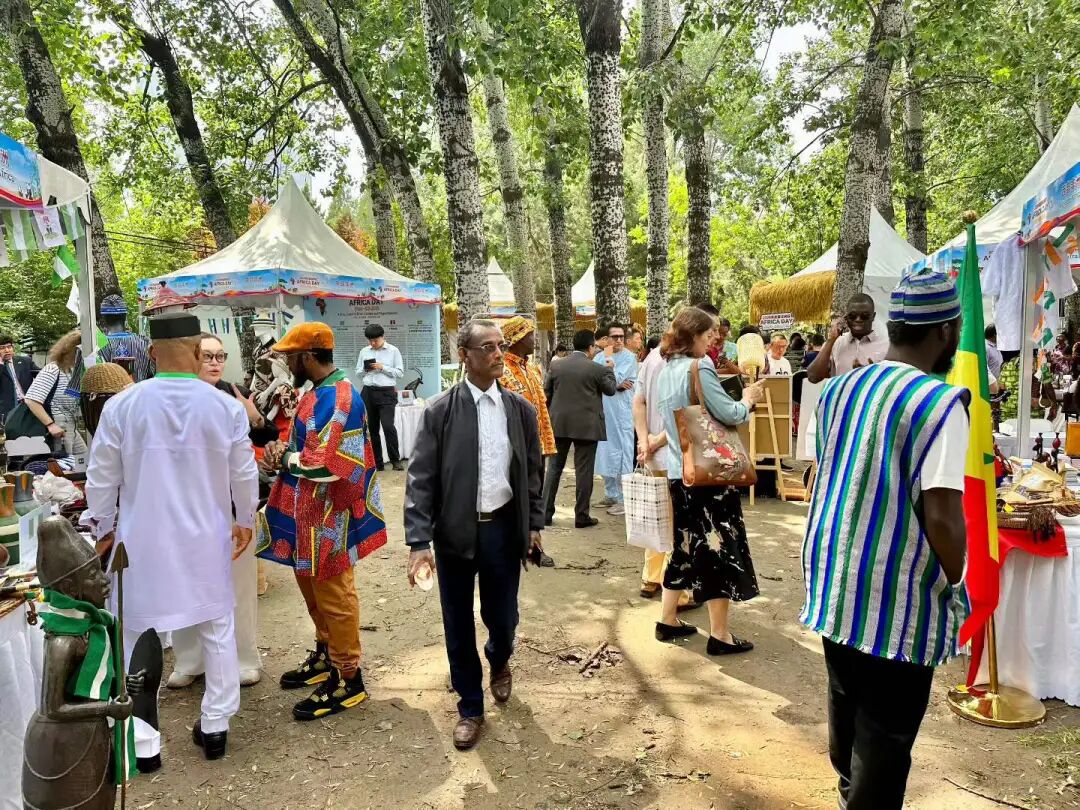
As soon as I entered, I heard happy African drumming. I walked over and saw some men from Tanzania in East Africa playing drums and singing in Swahili. The most famous song was the one from The Lion King, 'Hakuna Matata,' which means 'no worries.' Everyone was very happy. My son, Suleiman, joined in and played an African drum, and he had a great time.
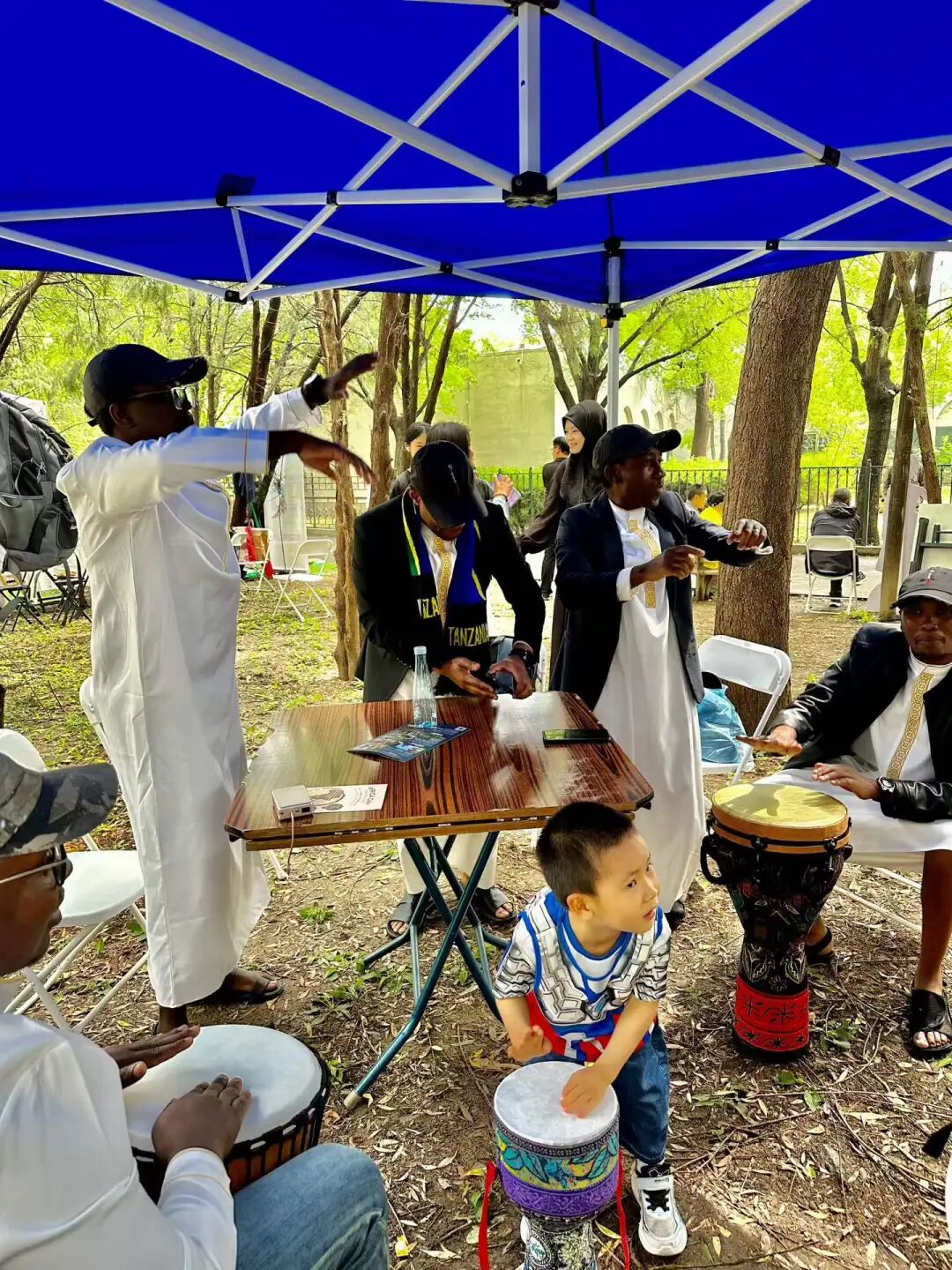
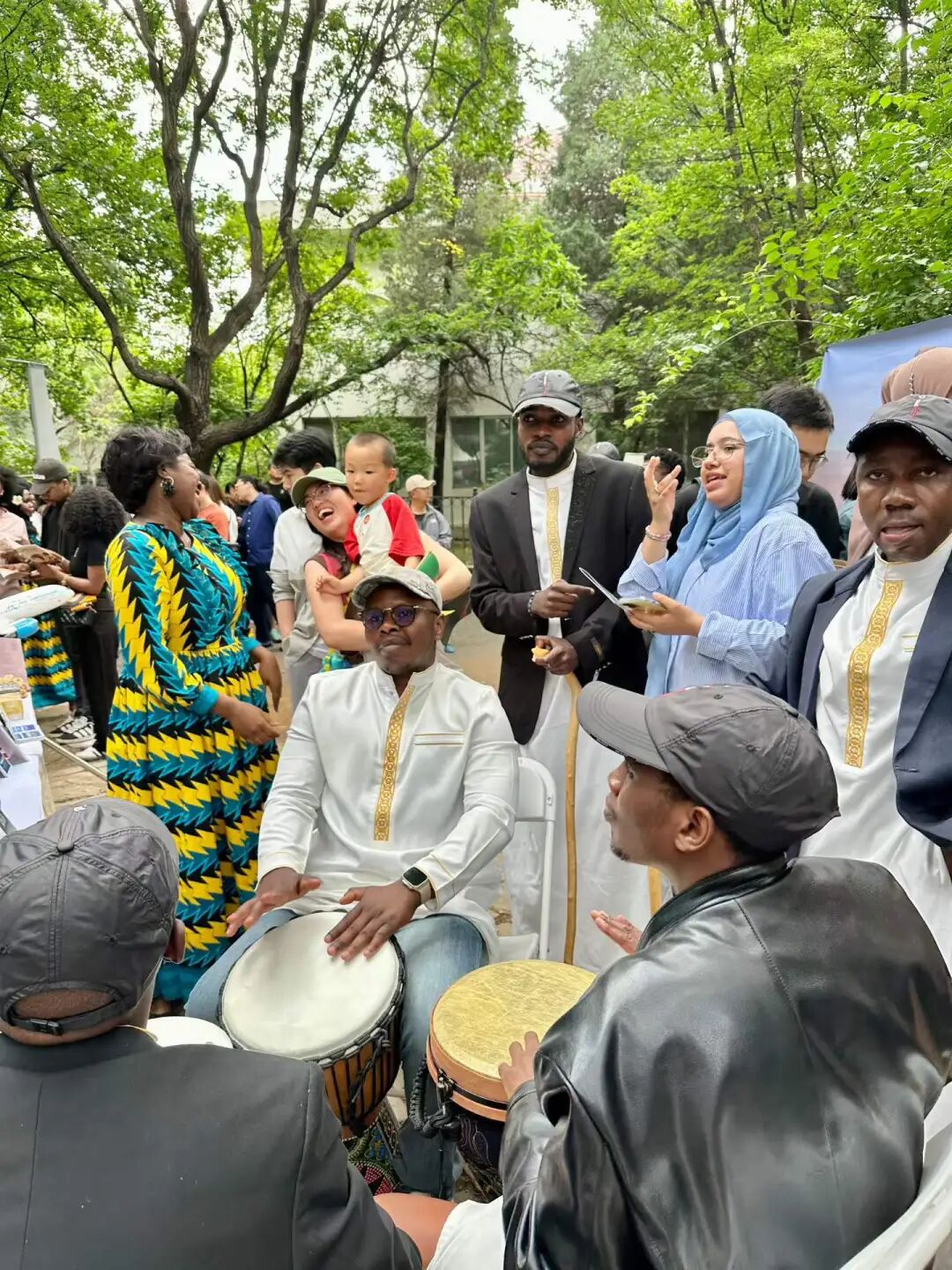
I kept walking inside and reached the music stage for Sierra Leone in West Africa. Besides African drums, I saw the beaded shaker (shegbureh) of the Mende people. It is made of a hollowed-out gourd handle inside a cotton net, with wooden beads or hard seeds strung into the net. When playing it, you hold the knot of the rope in one hand and shake the gourd with the other, making the gourd hit and rub against the net.
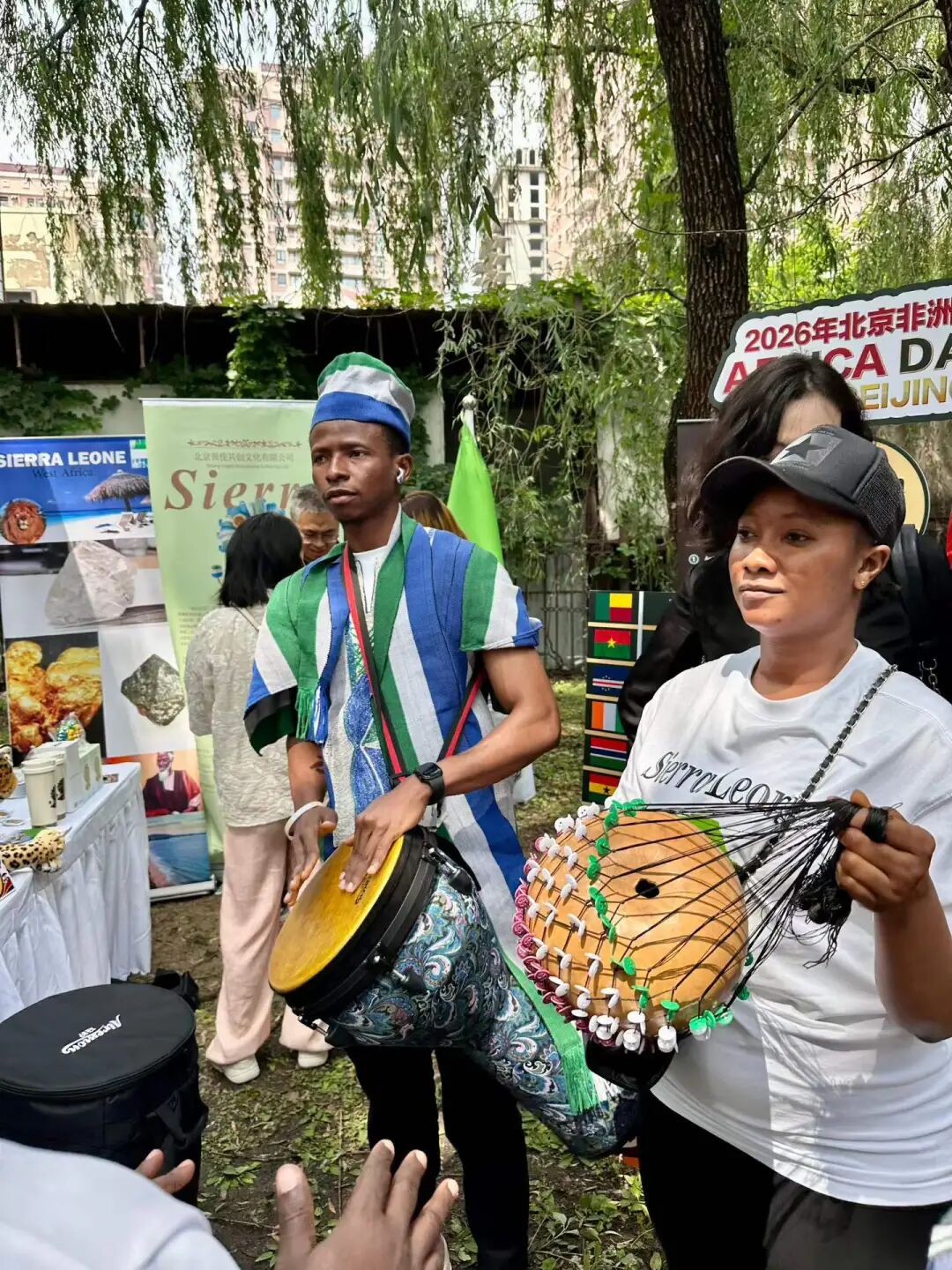
The third area was the drumming and music stage for Cameroon. I saw the classic Tam-tam drum used by Cameroonians during celebrations. It is played with two drumsticks and has a very powerful sound.
After listening for a while, I saw Dosdani from Sudan also playing the drums and singing. Sudanese Arabs have lighter skin, while the Nubian and Fur people have darker skin. Because of long-term intermarriage and integration, you can see that the appearance of the Sudanese people is very diverse, and their culture is very multicultural.
The last thing I listened to was the singing and dancing of people from Liberia in West Africa. Since the 19th century, many freed American slaves were settled in Liberia, so their music is a blend of African and American styles. Liberian dancing is very bold and uses large, sweeping movements.
The snacks at Africa Day in Beijing started with Barakawy dates from Sudan and Deglet Nour dates from Algeria. The Sudanese ones are drier, while the Algerian dates on the branch are oilier. Both are very sweet. The Sahara oases in North Africa are major date producers. Algeria's Deglet Nour dates are known as the "queen of dates." The flesh is soft and chewy with a honey-like flavor, hints of caramel and nuts, and a high sweetness that isn't cloying. Sudanese dates are mainly grown along the Nile and in northern oases. The Barakawy variety is the most common; it is dark brown, quite dry, firm, and very sweet.
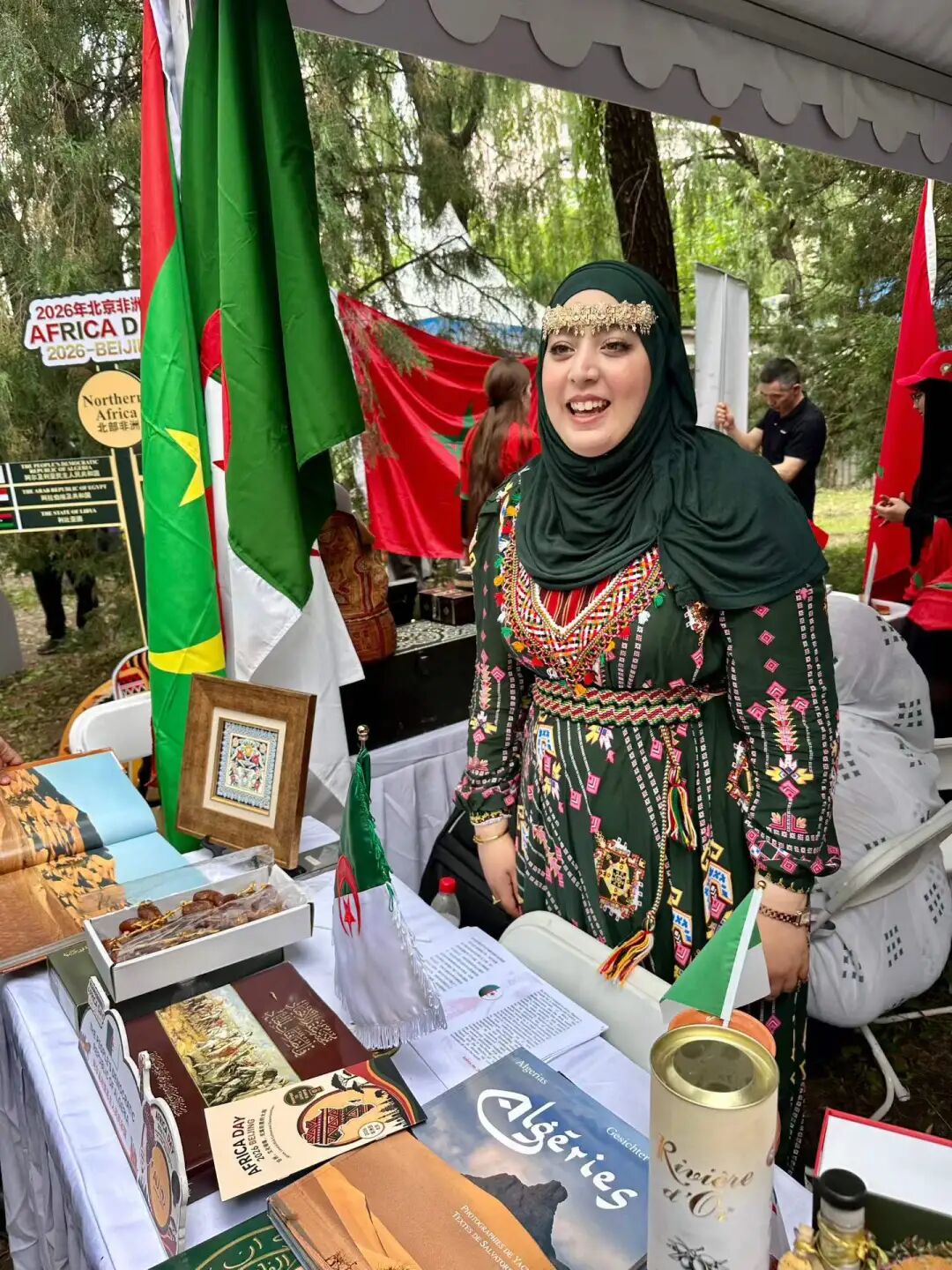
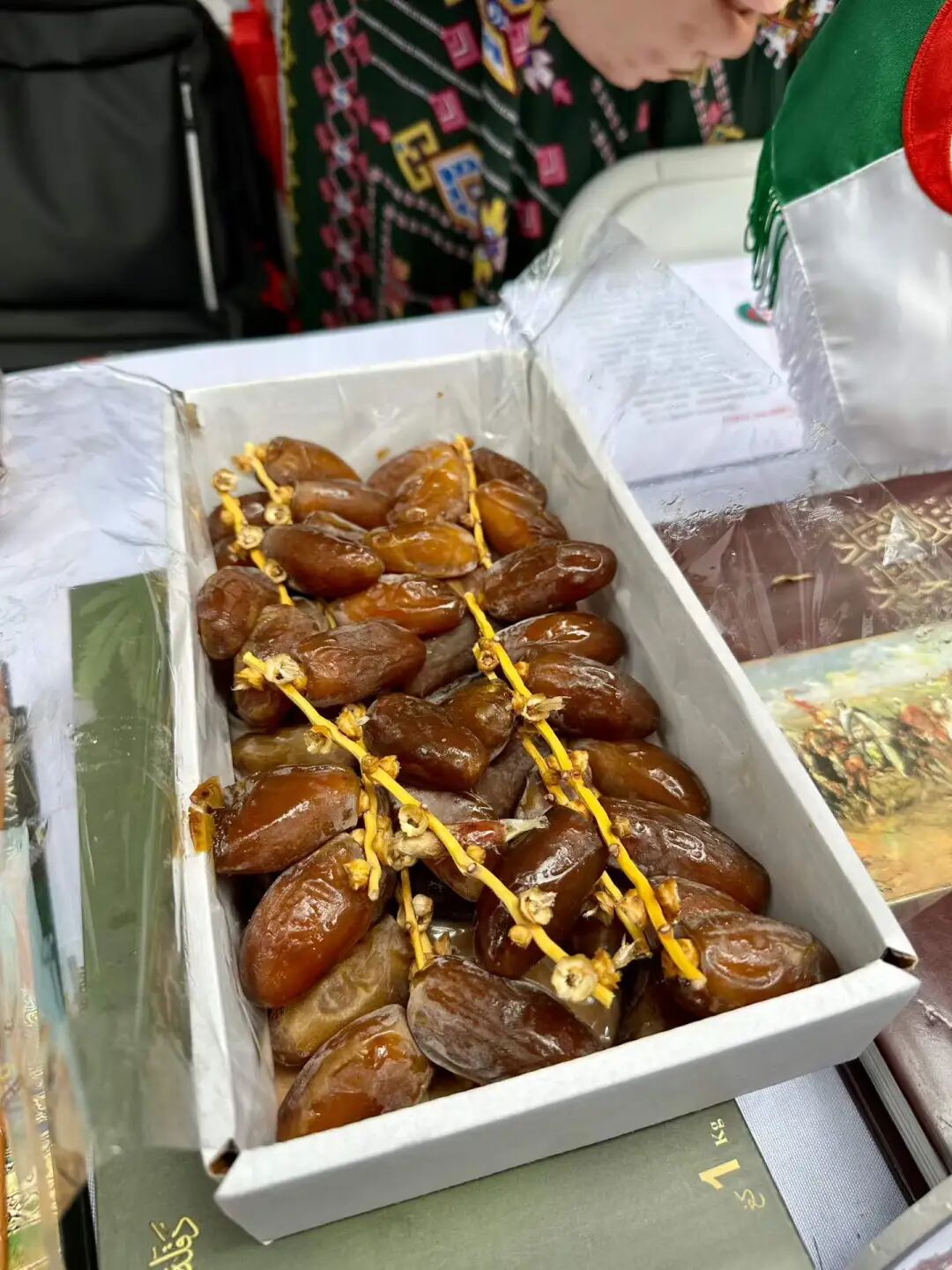
Next, I tasted the beef jerky (kilichi) from Niger. Kilichi is a traditional food of the Hausa people in the West African Sahel region. It was originally invented to preserve meat during nomadic travel and trade, and it has since become a national snack in countries like Niger and Nigeria. The secret to kilichi is the roasted peanut powder, along with ginger, garlic, and onion powder. This makes it richer and more fibrous than regular beef jerky. Kilichi comes in three spice levels, and I tried all of them at the event. The spiciest version is Kilichi Rouge, which uses a lot of red chili and is very popular. The regular version is Roumouzou, which is mild and fragrant, making it perfect for those who don't like spicy food. There is another type called Tessaoua that is just wrapped in spices and sun-dried without smoking, giving it a fresher taste.
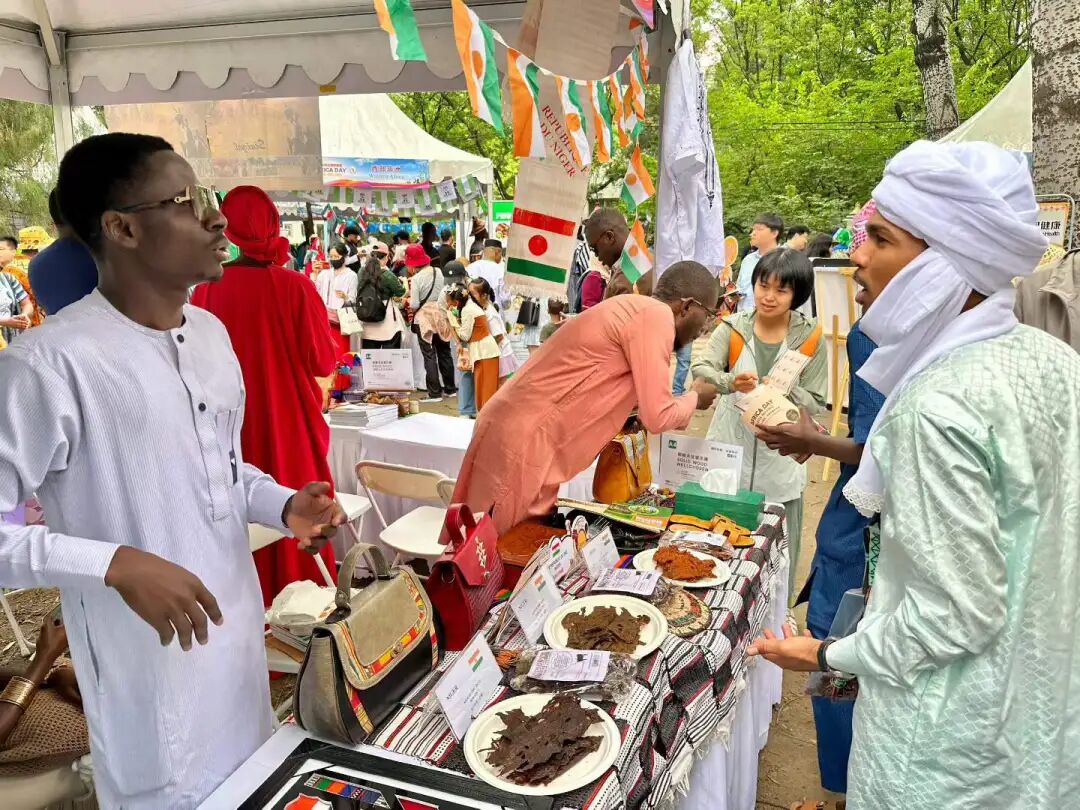
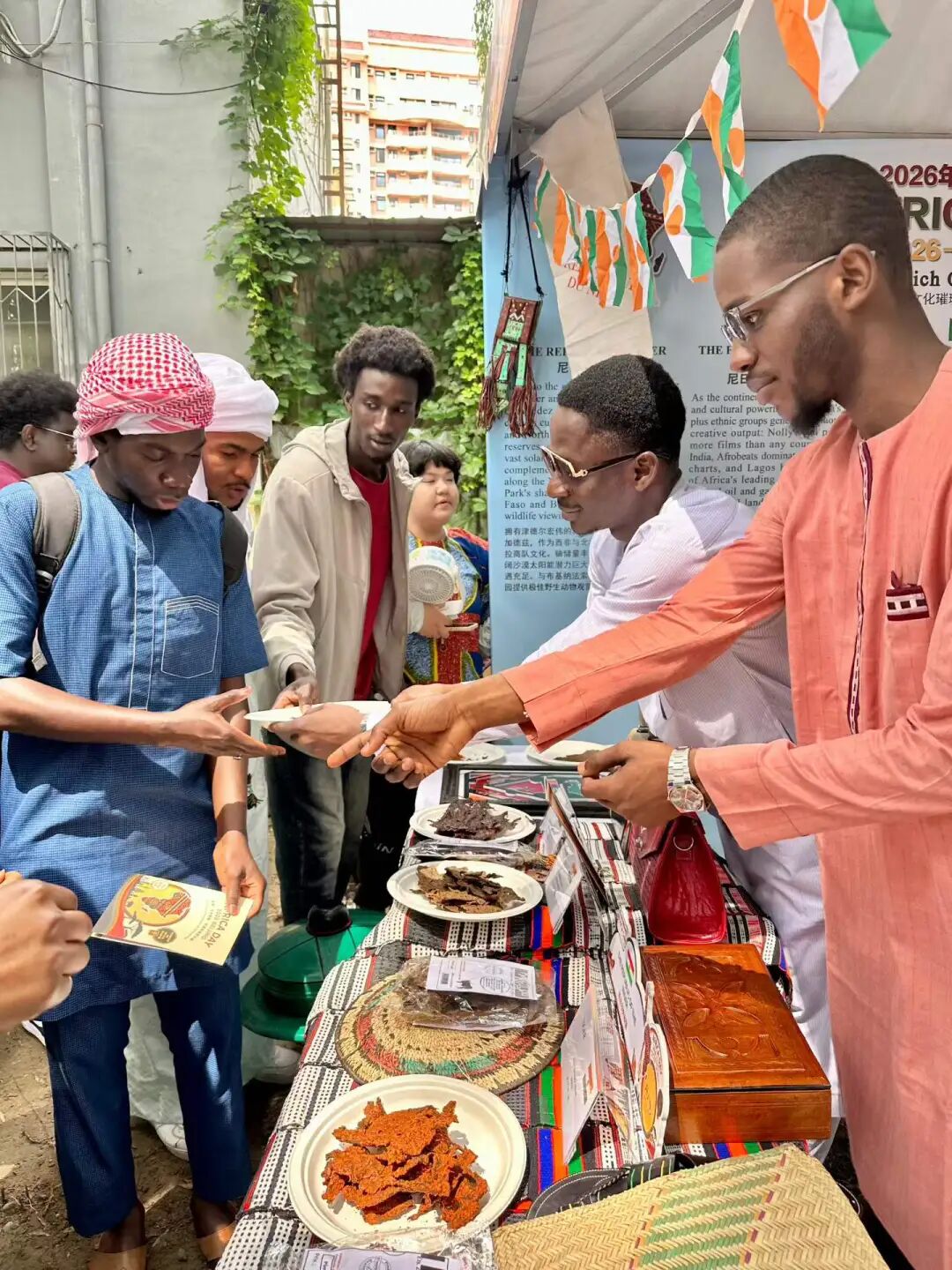
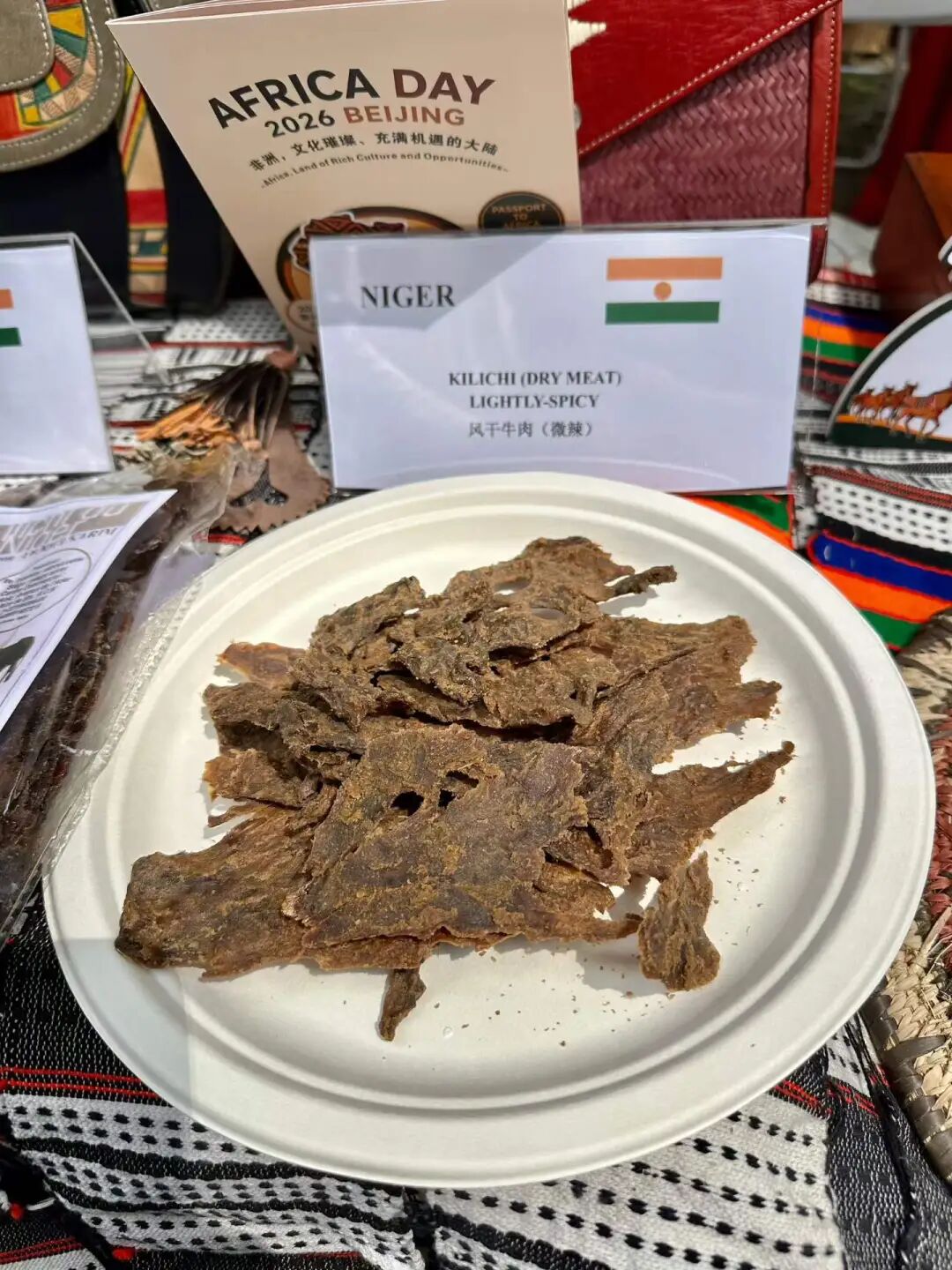
I also ate a flaky pastry made by a sister from Mali that tasted like a cookie. Mali is in the heart of West Africa and once built the wealthy Mali Empire, but it later became one of the poorest regions in the world. Right now, various riots are still breaking out across Mali, and the society is very unstable.
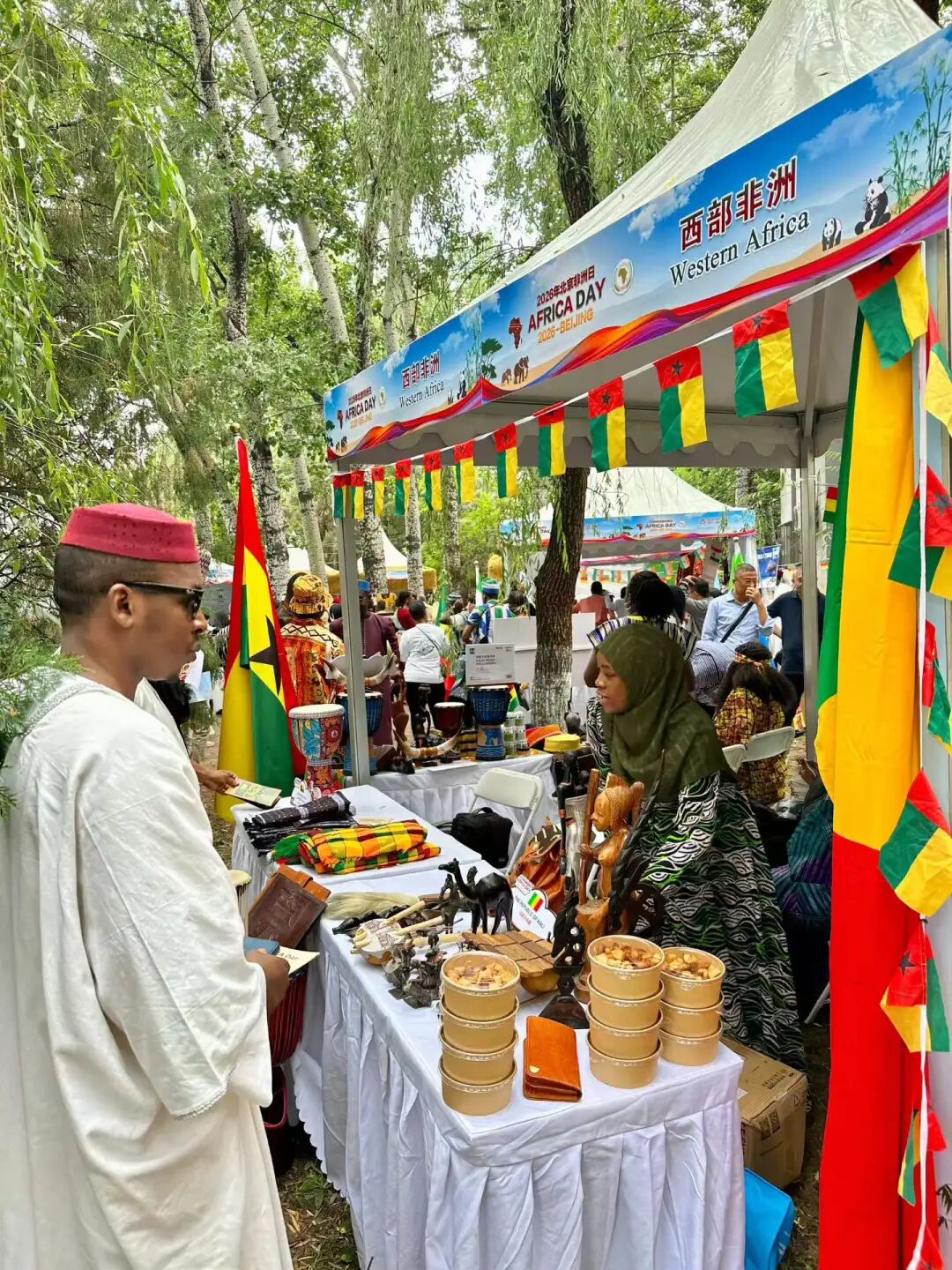
Ethiopian coffee, Djiboutian incense, Tunisian mosaics, and a Somali booth.
Ethiopia is the birthplace of Arabica coffee, and coffee is named after its place of origin, Kaffa. Local shepherds reportedly noticed their sheep were excited and sleepless after eating coffee beans, so they tried them and felt energized, and later the villagers started eating them too. However, early coffee in Ethiopia was only chewed or used in medicinal meals, and it was only after Yemeni merchants brought it across the Red Sea that commercial planting began.
Djibouti is located in the Horn of Africa in the northeast, guarding the throat of the Red Sea, and the vast majority of its citizens belong to the Shafi'i school. Djiboutian incense centers on frankincense and myrrh, mixed with jasmine, amber, and agarwood, and burned using a traditional incense burner (dabqaad). The frankincense comes from the resin of the frankincense tree and has a warm, woody, and slightly sweet scent with fresh citrus notes, making it the soul of Djiboutian incense. Myrrh has a deep, smoky, and slightly bitter scent and is often mixed with frankincense.
 Collapse Read »
Summary: This Muslim traveler guide to Beijing covers the Africa Day event, local Muslim community scenes, and travel culture details from the original Chinese article.
This article summarizes the key points of the lively Africa Day event in Beijing. It keeps the original paragraph and image order, making it perfect for readers interested in Muslim life, Islamic culture, and Chinese Islamic articles, as well as those searching for halal food in China.
May 25 is Africa Liberation Day, a day to remember the national liberation of Africa. It started on May 25, 1963, when 32 African countries signed the Charter of the Organization of African Unity. African countries hold celebrations around May 25 every year. This year, the embassies of various African countries in Beijing held a lively Africa Day event at Chaoyang Park.
As soon as I entered, I heard happy African drumming. I walked over and saw some men from Tanzania in East Africa playing drums and singing in Swahili. The most famous song was the one from The Lion King, 'Hakuna Matata,' which means 'no worries.' Everyone was very happy. My son, Suleiman, joined in and played an African drum, and he had a great time.
I kept walking inside and reached the music stage for Sierra Leone in West Africa. Besides African drums, I saw the beaded shaker (shegbureh) of the Mende people. It is made of a hollowed-out gourd handle inside a cotton net, with wooden beads or hard seeds strung into the net. When playing it, you hold the knot of the rope in one hand and shake the gourd with the other, making the gourd hit and rub against the net.
The third area was the drumming and music stage for Cameroon. I saw the classic Tam-tam drum used by Cameroonians during celebrations. It is played with two drumsticks and has a very powerful sound.
After listening for a while, I saw Dosdani from Sudan also playing the drums and singing. Sudanese Arabs have lighter skin, while the Nubian and Fur people have darker skin. Because of long-term intermarriage and integration, you can see that the appearance of the Sudanese people is very diverse, and their culture is very multicultural.
The last thing I listened to was the singing and dancing of people from Liberia in West Africa. Since the 19th century, many freed American slaves were settled in Liberia, so their music is a blend of African and American styles. Liberian dancing is very bold and uses large, sweeping movements.
The snacks at Africa Day in Beijing started with Barakawy dates from Sudan and Deglet Nour dates from Algeria. The Sudanese ones are drier, while the Algerian dates on the branch are oilier. Both are very sweet. The Sahara oases in North Africa are major date producers. Algeria's Deglet Nour dates are known as the "queen of dates." The flesh is soft and chewy with a honey-like flavor, hints of caramel and nuts, and a high sweetness that isn't cloying. Sudanese dates are mainly grown along the Nile and in northern oases. The Barakawy variety is the most common; it is dark brown, quite dry, firm, and very sweet.
Next, I tasted the beef jerky (kilichi) from Niger. Kilichi is a traditional food of the Hausa people in the West African Sahel region. It was originally invented to preserve meat during nomadic travel and trade, and it has since become a national snack in countries like Niger and Nigeria. The secret to kilichi is the roasted peanut powder, along with ginger, garlic, and onion powder. This makes it richer and more fibrous than regular beef jerky. Kilichi comes in three spice levels, and I tried all of them at the event. The spiciest version is Kilichi Rouge, which uses a lot of red chili and is very popular. The regular version is Roumouzou, which is mild and fragrant, making it perfect for those who don't like spicy food. There is another type called Tessaoua that is just wrapped in spices and sun-dried without smoking, giving it a fresher taste.
I also ate a flaky pastry made by a sister from Mali that tasted like a cookie. Mali is in the heart of West Africa and once built the wealthy Mali Empire, but it later became one of the poorest regions in the world. Right now, various riots are still breaking out across Mali, and the society is very unstable.
Ethiopian coffee, Djiboutian incense, Tunisian mosaics, and a Somali booth.
Ethiopia is the birthplace of Arabica coffee, and coffee is named after its place of origin, Kaffa. Local shepherds reportedly noticed their sheep were excited and sleepless after eating coffee beans, so they tried them and felt energized, and later the villagers started eating them too. However, early coffee in Ethiopia was only chewed or used in medicinal meals, and it was only after Yemeni merchants brought it across the Red Sea that commercial planting began.
Djibouti is located in the Horn of Africa in the northeast, guarding the throat of the Red Sea, and the vast majority of its citizens belong to the Shafi'i school. Djiboutian incense centers on frankincense and myrrh, mixed with jasmine, amber, and agarwood, and burned using a traditional incense burner (dabqaad). The frankincense comes from the resin of the frankincense tree and has a warm, woody, and slightly sweet scent with fresh citrus notes, making it the soul of Djiboutian incense. Myrrh has a deep, smoky, and slightly bitter scent and is often mixed with frankincense.
Collapse Read »
Halal Food Guide to Tianjin: Hui Muslim Tea Restaurants and Handmade Burger Shops
Reposted from the web
Summary: This halal food guide to Tianjin covers Hui Muslim tea restaurants, handmade burger shops, halal food in China, and local Muslim dining details.
This article covers two new tea restaurants and one handmade burger shop opened by Hui Muslims in Tianjin. It keeps the original paragraph and image order, making it perfect for readers interested in Muslim life, Islamic culture, and Chinese Islamic writing, as well as those searching for halal food in China.
I heard about two new tea restaurants and an American-style burger shop in Tianjin, so I went to try them out this weekend.
I took the intercity train to Tianjin West Station, then transferred to Line 4 to reach Tianmu. The new subway line was very empty. After leaving the Tianmu subway station, I crossed the street and saw the newly opened Cantonese tea restaurant, Hanmei, at the intersection. They used to sell rice noodle rolls (changfen) at the Shunyi Road night market before opening their own shop.
Their main dishes are roast goose and rice noodle rolls (changfen). We ordered half a roast goose, mushroom and shrimp rice noodle rolls, Cantonese-style beef rice noodle rolls, curry fish balls, tiger skin chicken feet, and radish beef offal. The roast goose tasted good, but the skin was quite fatty and felt more like the skin of Beijing roast duck. The shrimp tasted great, and the Cantonese-style beef tasted similar to the beef stew we Hui Muslims make, just a bit sweeter. The rice noodle roll skin was very thin and had a mild flavor. The curry fish balls were delicious, but the chicken feet felt a bit dry. The radish beef offal was not well-made, and the flavor was completely off. If you want to try Cantonese flavors, you can come here, but it still falls short compared to the Hui Muslim restaurants in Guangzhou or the restaurant in the Aiqun Hotel in Hong Kong. Next time I have a chance, I will come back to try their claypot rice (baozai fan).
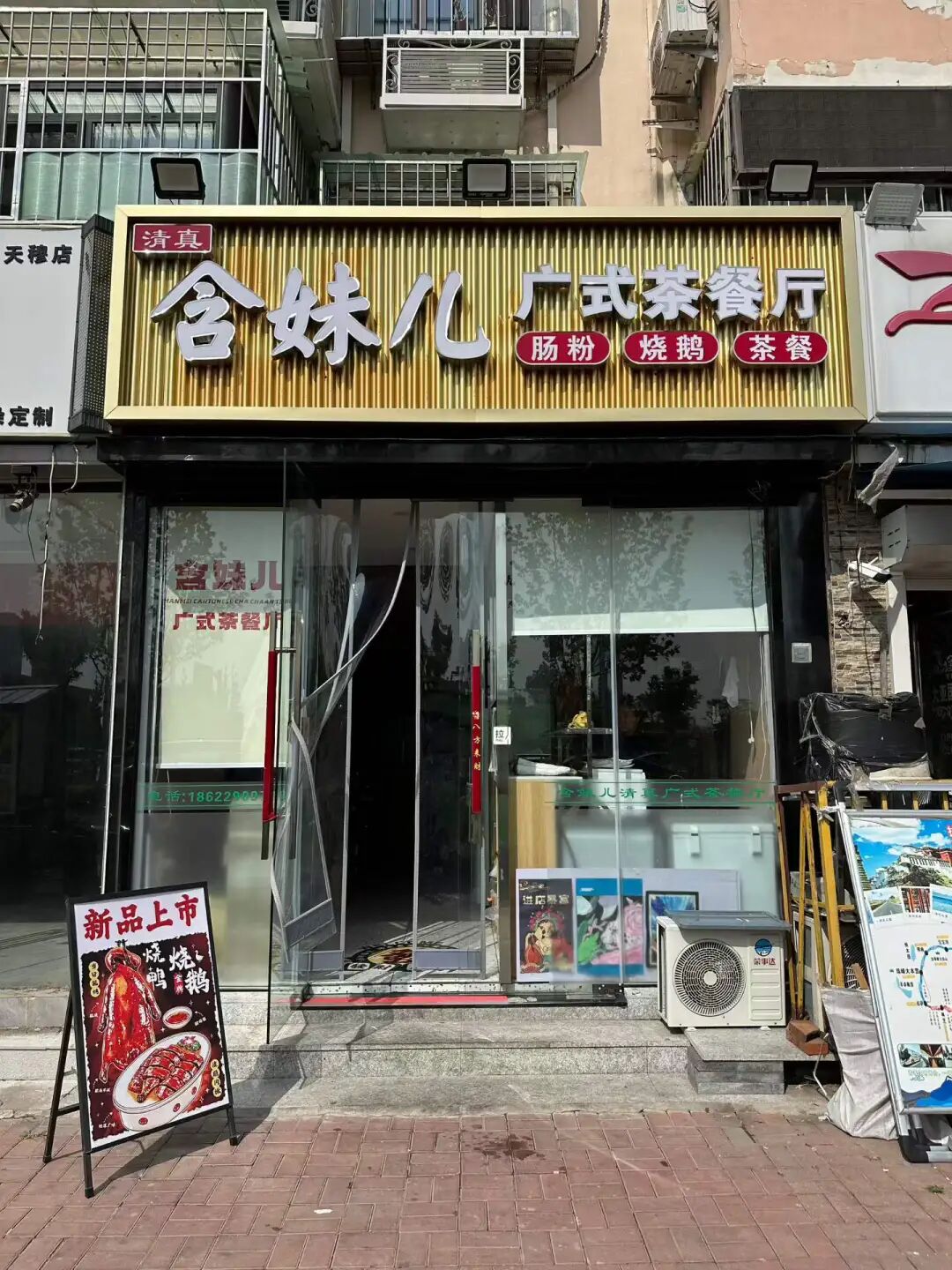
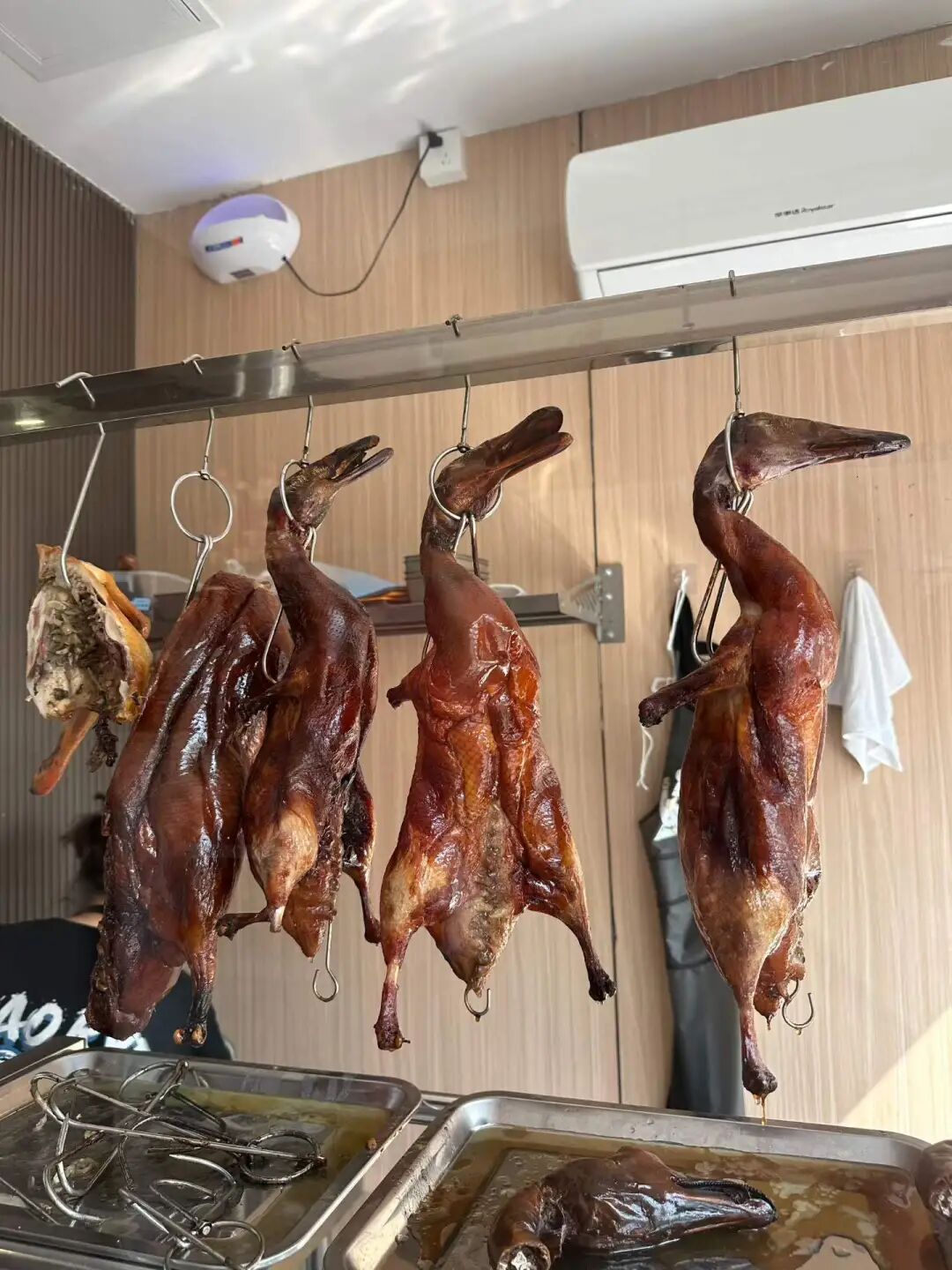
North of Tianmu in Tianjin is Tianzhong, which used to be the compound for the Tianjin Heavy Machinery Factory, and it has many different restaurants. A new Hong Kong-style tea restaurant called Xiao Chu Jie opened on Tianzhong Road. We ordered iced lemon tea, Hong Kong-style pulled milk tea, and passion fruit tea, and we ate the 'rich mudslide' dessert and the 'leaky milk' French toast (lounaihua). Their iced lemon tea is very refreshing, and the milk tea has a strong tea flavor that is very satisfying.
The leaky milk French toast is a viral dessert in Hong Kong-style tea restaurants, essentially a luxurious, exploding version of French toast (xiduoshi). To make it, they press a small dent into the top of two thick slices of toast and pour over a thick milk sauce made from milk, condensed milk, and butter, then sprinkle a thick layer of malt cocoa powder on top. When you cut into it, the milk sauce flows out like a mudslide. Because the malt cocoa powder used in Hong Kong-style tea restaurants is the Swiss brand Ovaltine, the dish gets its name 'leaky milk' (lounaihua).
In the evening, I walked around the night market on Shunyi Road in Tianmu and ate shaved ice. Since Metro Line 4 opened, it is much easier to get to Tianmu, so I probably won't go to the Northwest Corner as often. I ate at this Ciertou Shaved Ice shop in Tianmu last year, and I came back to eat here again this time. I always order the old-fashioned shaved ice (baobing) I love, topped with sour hawthorn paste (suanmogao), sour apricots, red hawthorn berries, and red beans. It really whets the appetite. They also have fresh lychee milk ice, which is only sold during lychee season. When we arrived, the owner was just opening a crate of fresh lychees, and they looked very fresh indeed.
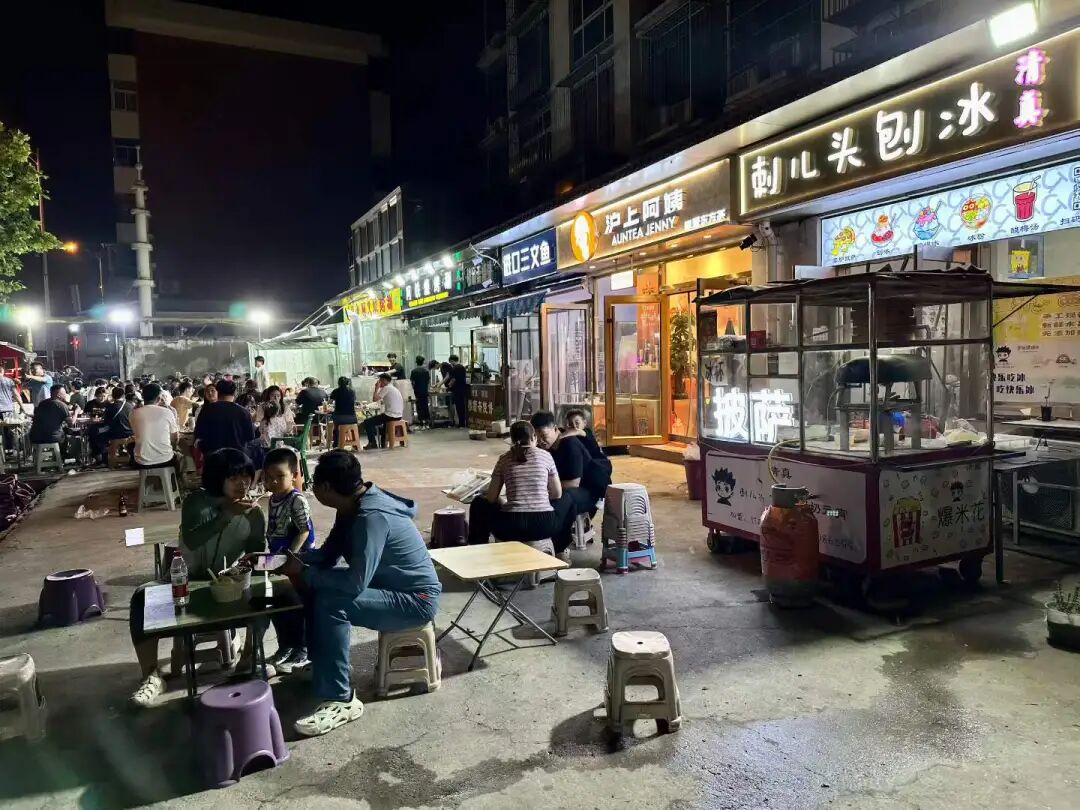
Shunyidao Night Market now has barbecue on one side and snacks on the other. It is great to walk around, with options like sweet soup (tangshui), teppanyaki squid, duck snacks, and octopus balls (takoyaki) available.
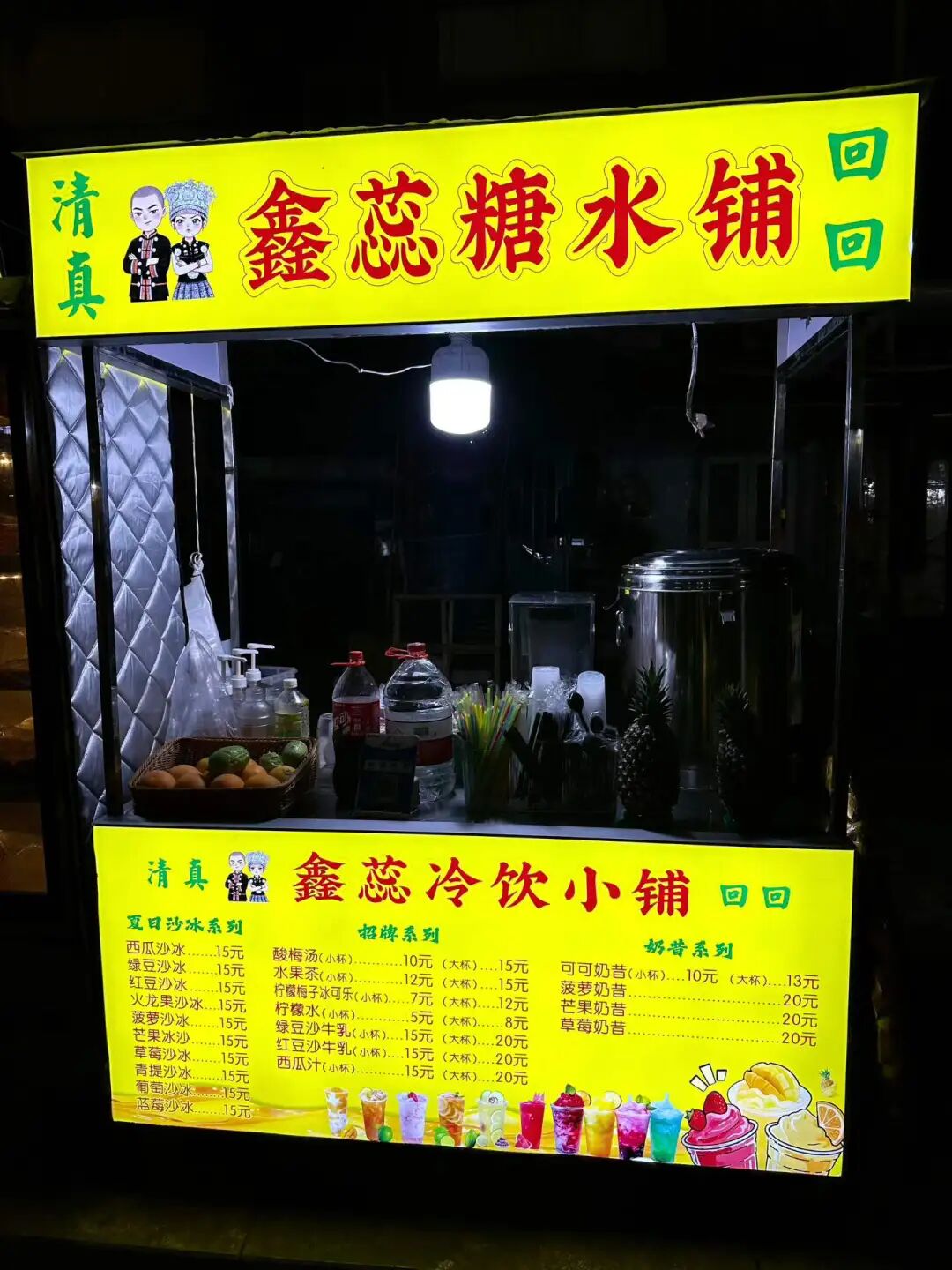
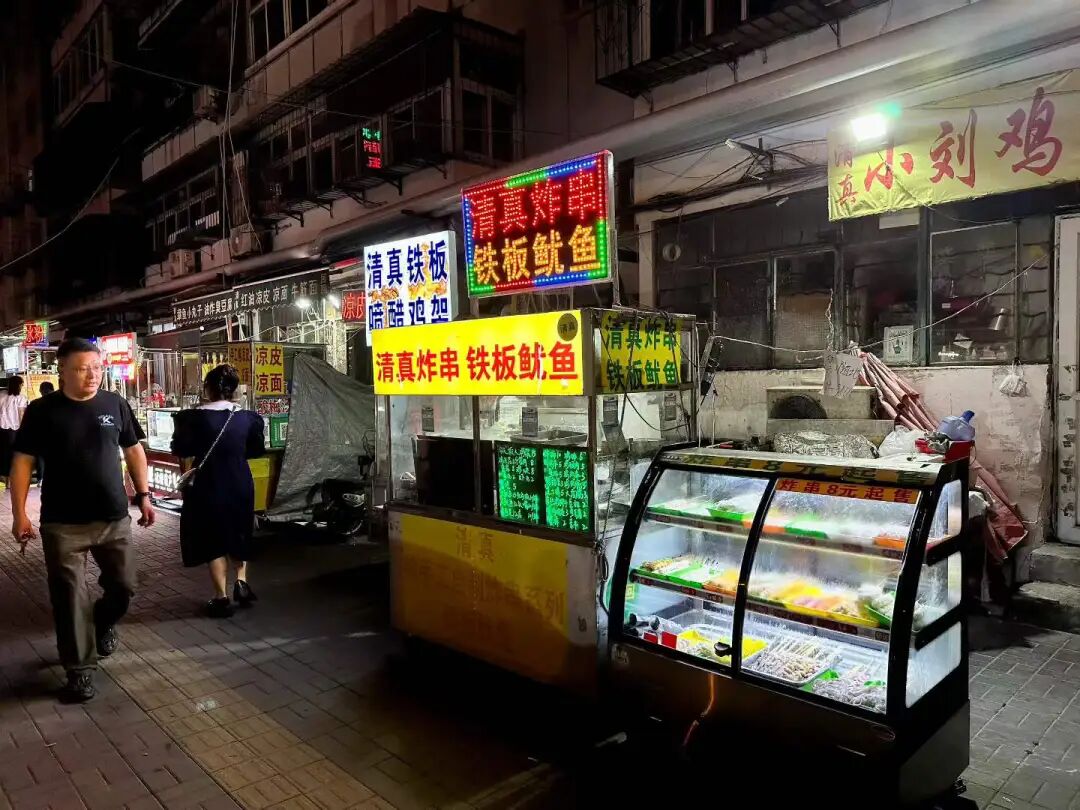
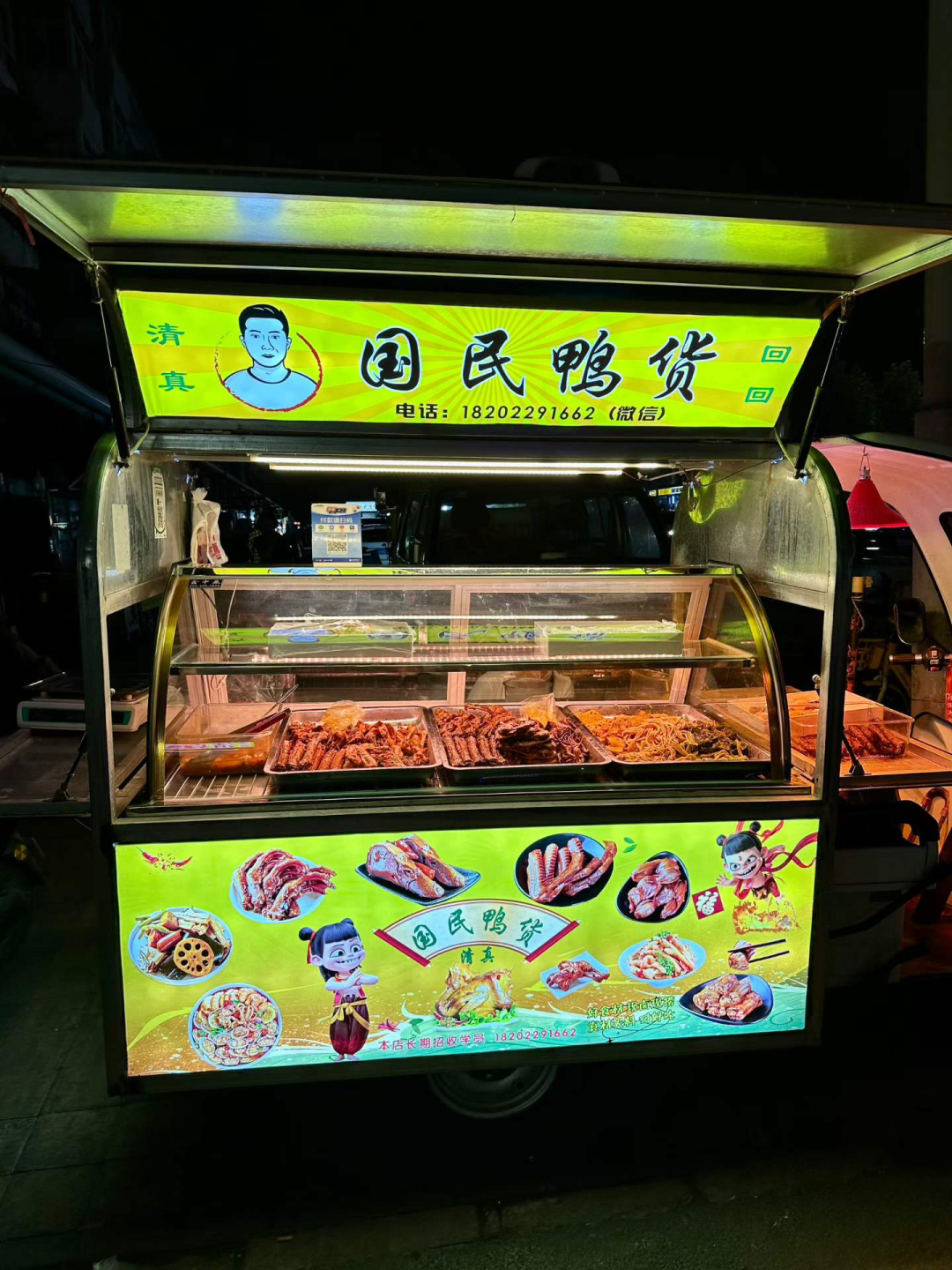
We kept walking through the Tianmu Shunyidao Night Market and bought some egg waffles (jidanzi). We got chocolate, beef floss, and original flavors. The egg and milk aroma was very strong. They were very hot when freshly made, so we had to let them cool down before eating. Suleiman really liked the chocolate flavor.
Then we bought some teppanyaki hot dogs, which were also very affordable.
We came to the Honghuli Food Street in Tianjin on the weekend to try a newly opened American-style burger shop. Honghuli is an old-fashioned residential area built in the 1980s. It is only one subway stop away from Tianjin West Railway Station, making it very convenient to reach. There are many Hui Muslim restaurants here, both traditional and modern. Unlike the Northwest Corner, it is not very commercialized, and most of the customers are locals.
Hello Handmade Burger Shop is on Honghu South Road, surrounded by many other food spots. The owner is a relative of the imam at Fuxingzhuang Mosque, so the food is halal and the quality is guaranteed. We had the American-style double beef burger and the black truffle black tiger shrimp burger. Both were huge. Their burger buns are unique. The green ones are made with spinach powder and the black ones with squid ink. They are custom-made and have absolutely no preservatives.
The beef patties are fresh and firm. After pan-frying, they are rich, fragrant, and juicy. The double patties give a great meaty texture, and with the sauce and toppings, the flavors build up and get better with every bite. The black tiger shrimp in the black truffle burger is plump and bouncy with a distinct sweet, fresh taste. It blends perfectly with the rich aroma of black truffle, creating a delicate yet chewy texture.
The shop is quite small, so you might have to wait for a table during meal times. If it is not too sunny, you can also eat outside by the door and chat while you eat.
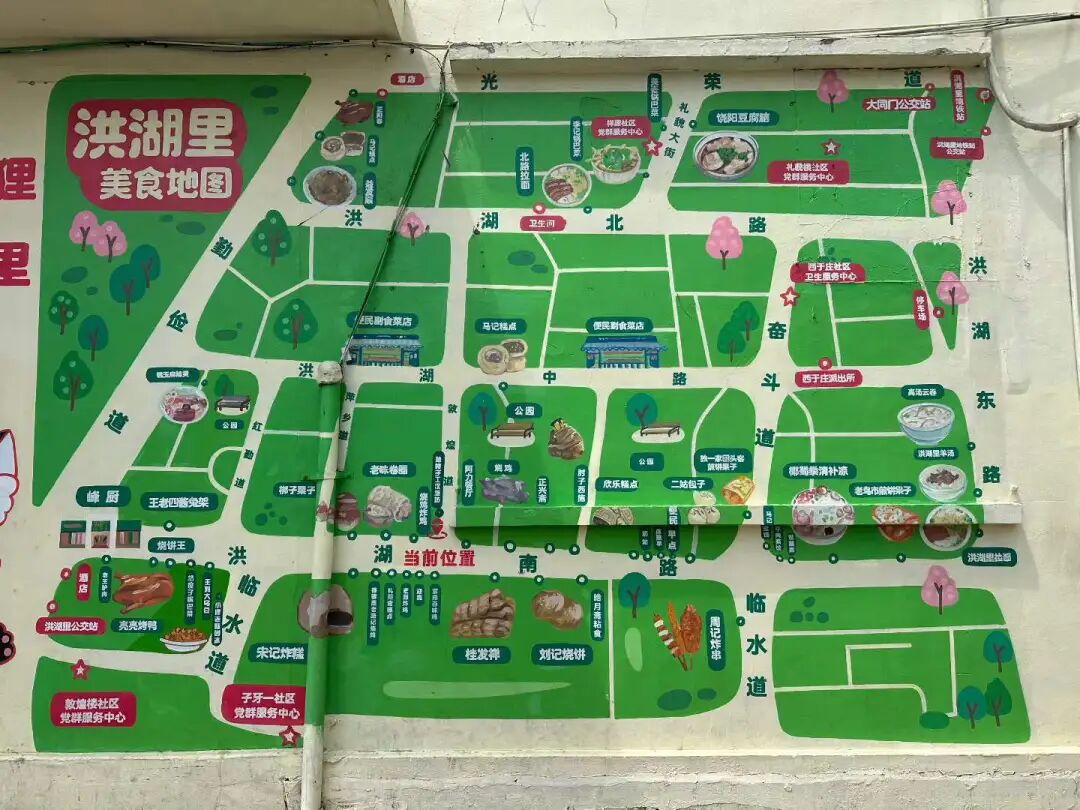
Next to the burger shop is Yuansu Zhai Lao Wei Juanquan. They sell homemade dark plum drink (wumeitang) and dried tangerine peel passion fruit pear juice. Both are all-natural and cannot be kept overnight. The dark plum drink contains licorice, mint, roselle, dried tangerine peel, hawthorn, mulberry, and osmanthus. The dried tangerine peel passion fruit pear juice contains lemon, lotus seeds, and lily bulbs. Both taste great. Cold drinks go really well with burgers.
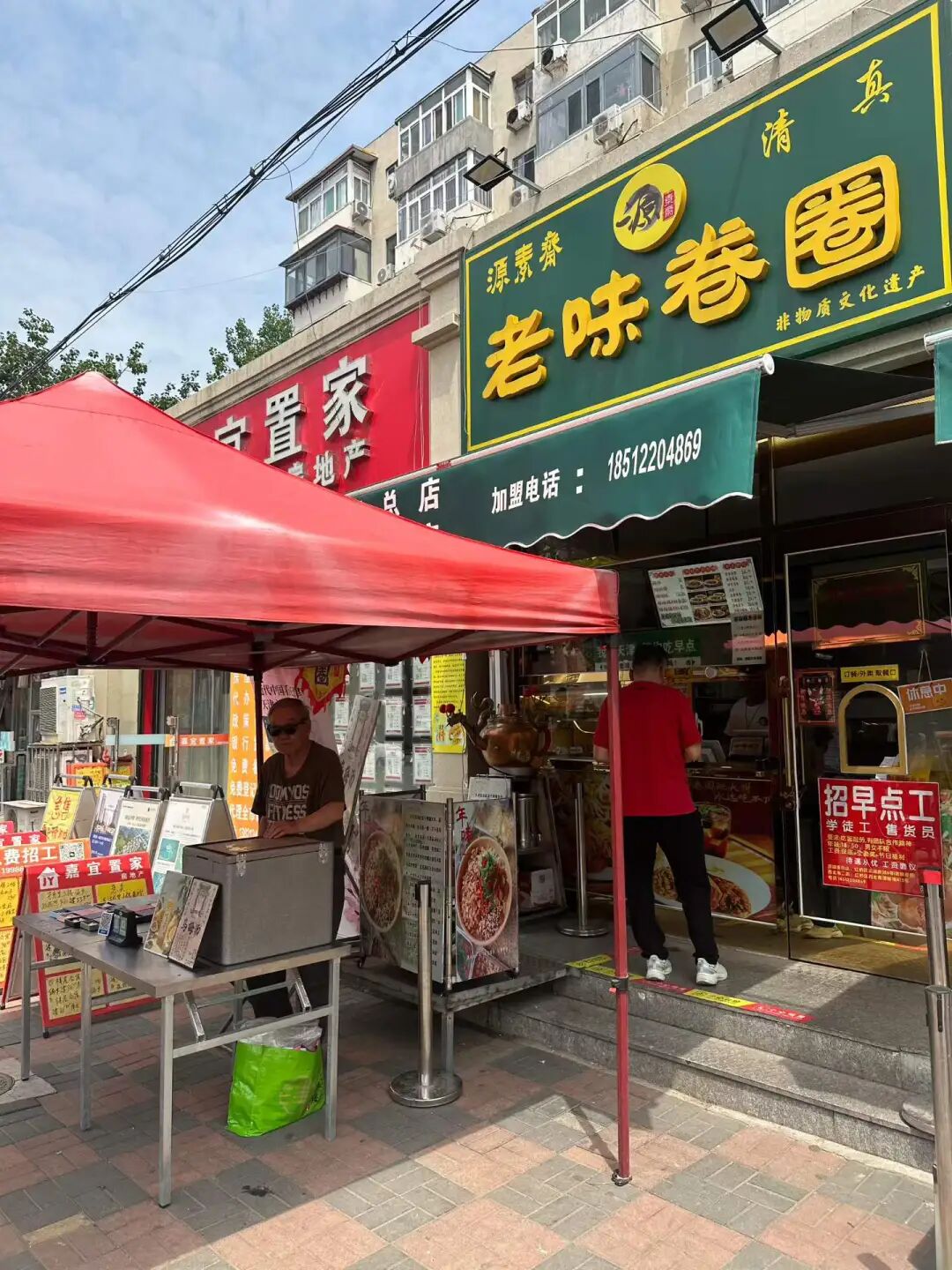
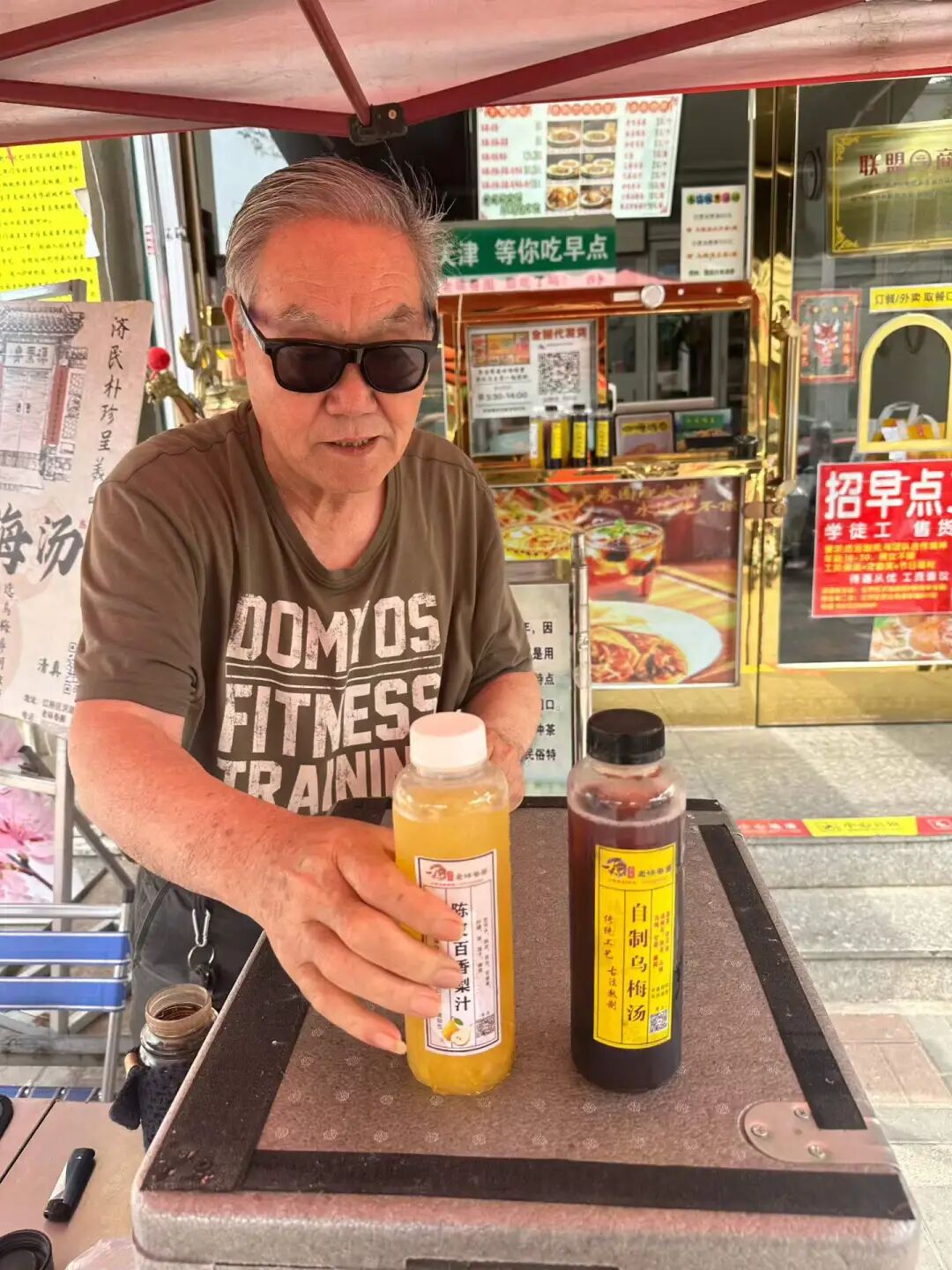
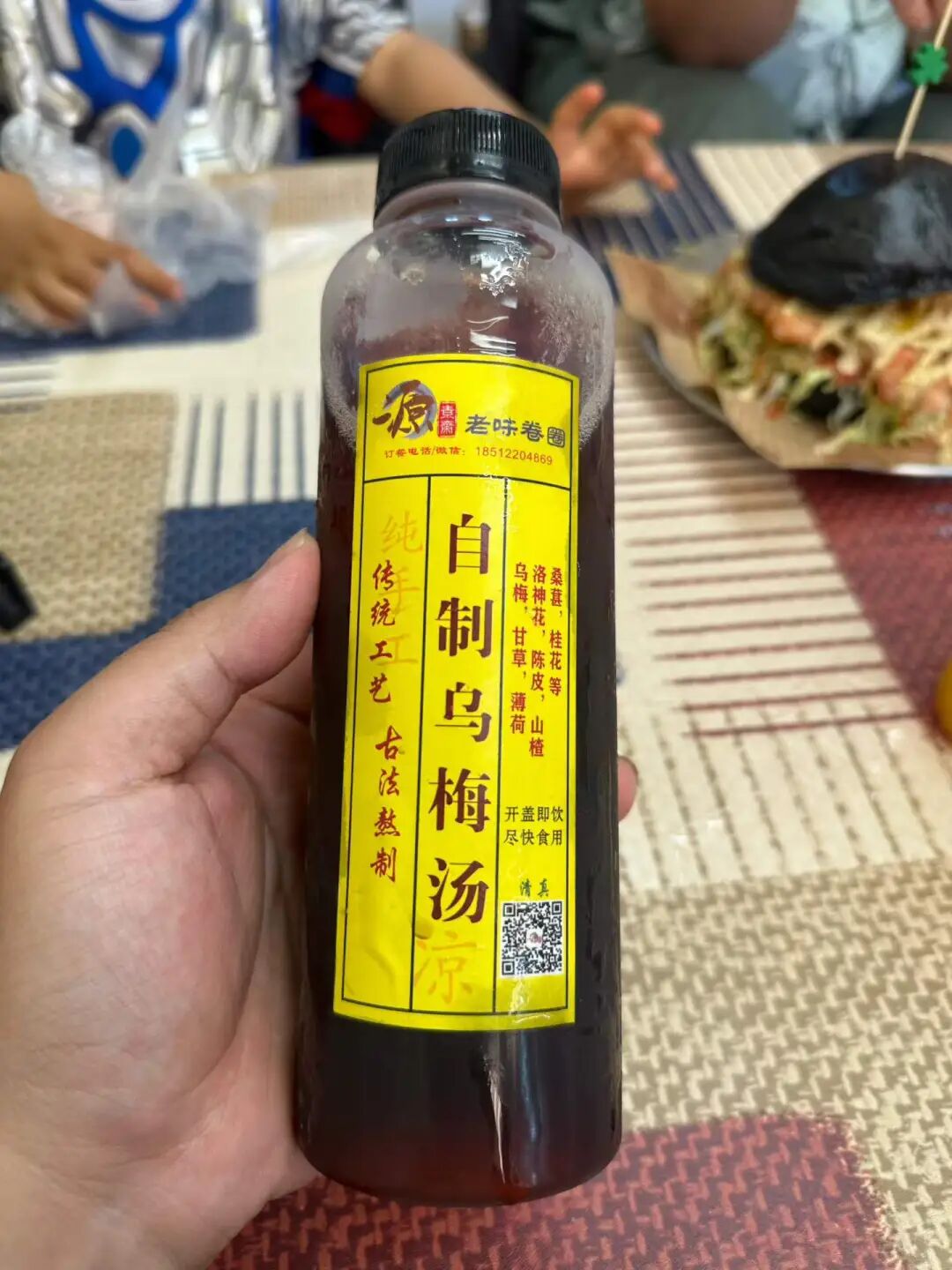
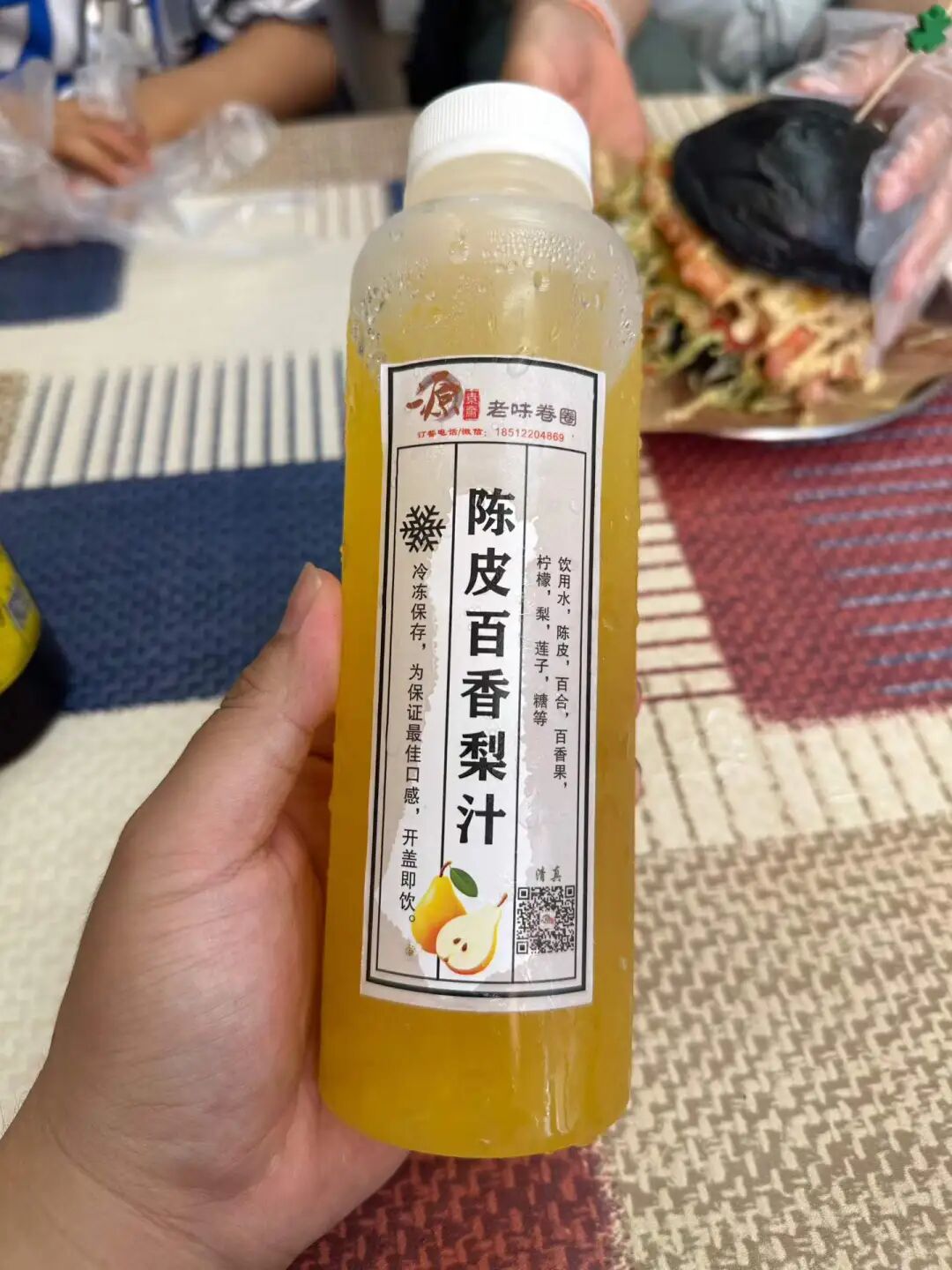
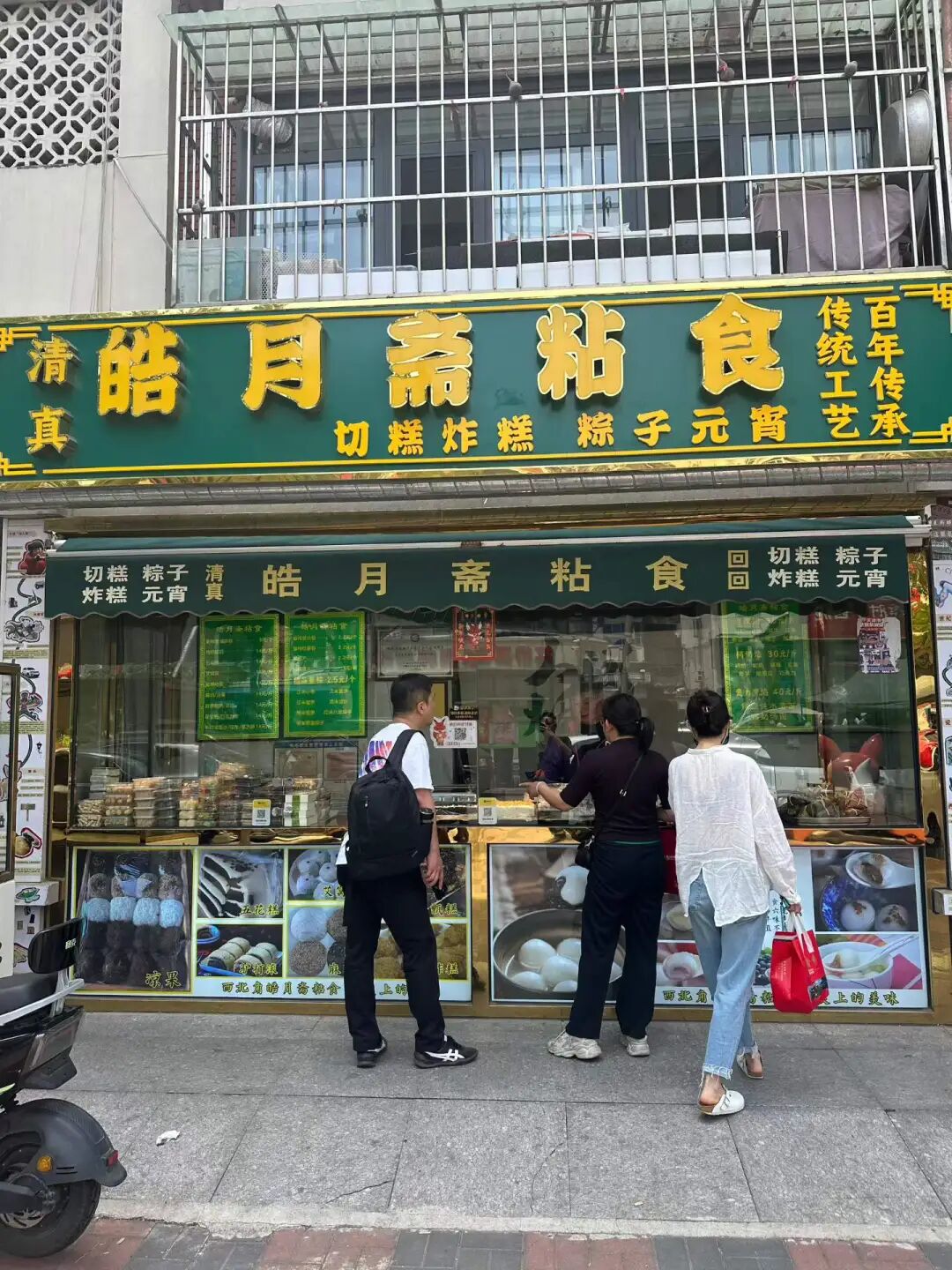
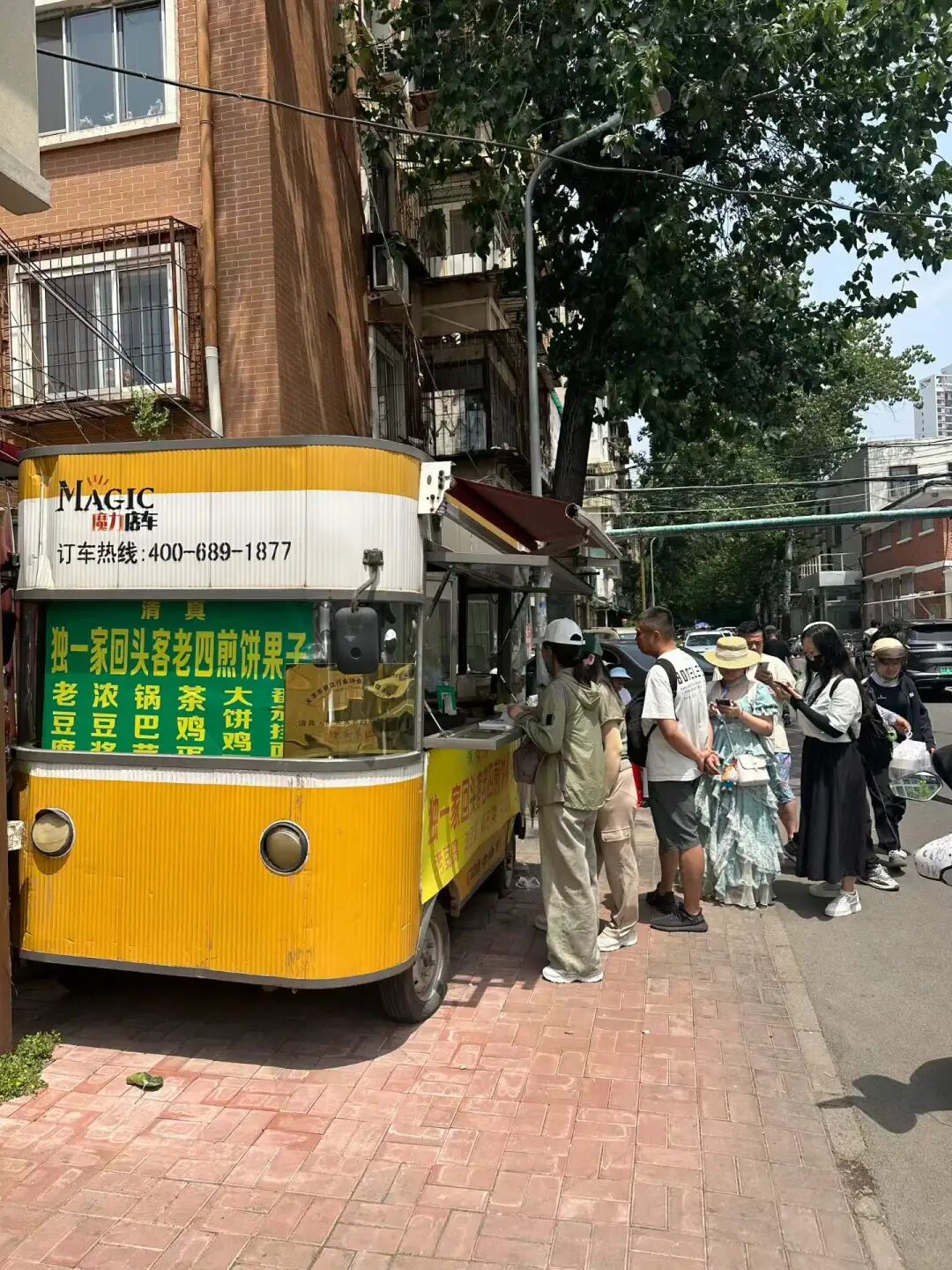
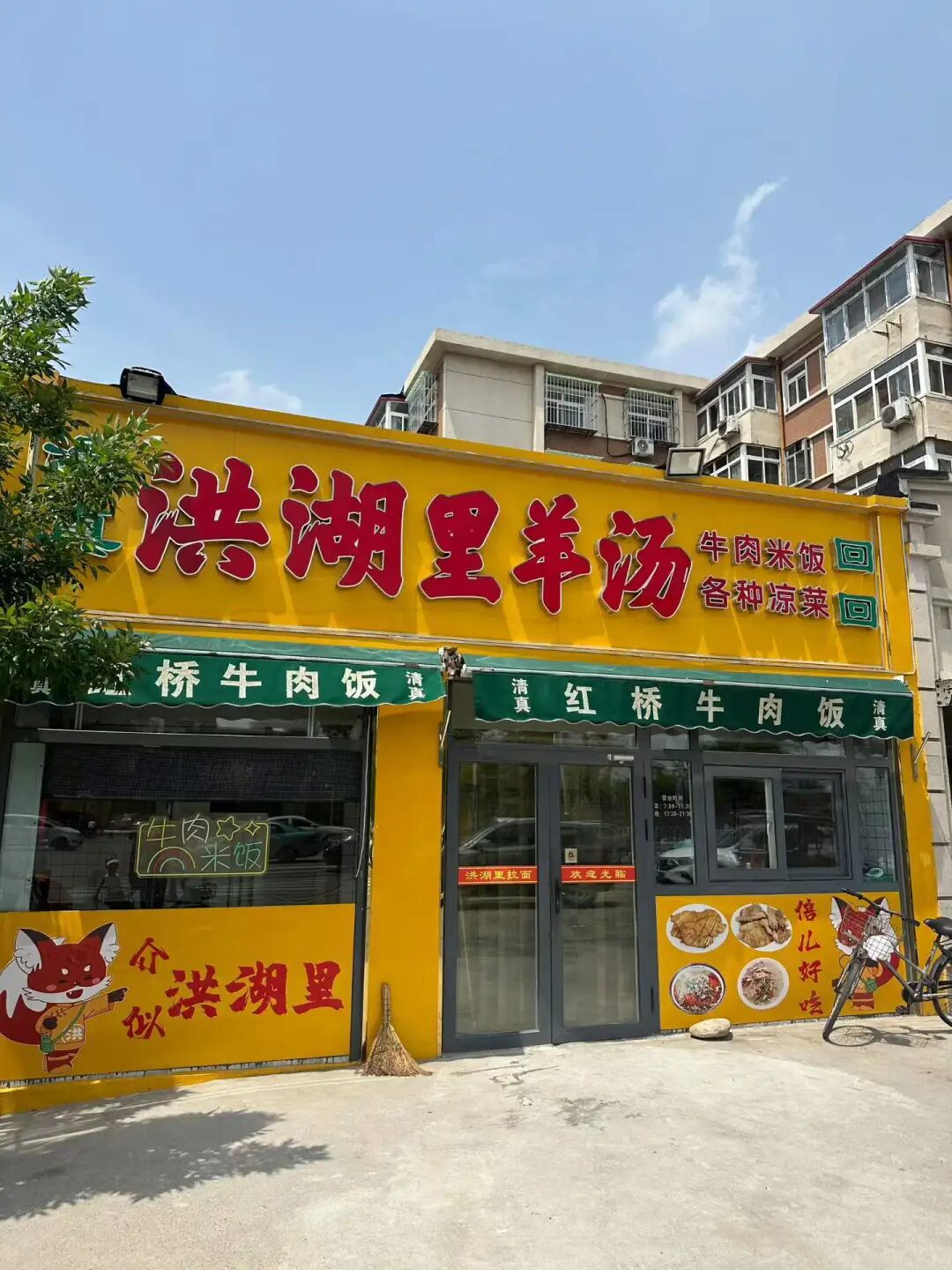
Previous Tianjin food shares:
Taking the kids to Tianjin in the summer to see the sea and eat seafood.
Tianjin's halal food is so comprehensive: pasta, yakitori, Yemeni flatbread, Swiss cheese fondue, and rice balls.
Autumn food tour in Tianjin: Syrian food, giant river prawns (luoshi xia), yellow broth ramen, Turkish restaurants, and Xinjiang fresh milk ice cream.
Taking kids out to eat in Tianjin: Yemeni food, Algerian desserts, rice noodle rolls (changfen), Japanese food, and water caltrop soup (lingjiao tang).
Eating Arabic food in Tianjin: Syrian, Yemeni, Tunisian, and Algerian.
Between the mountains and the sea: from Huairou farmhouses to seaside Western restaurants. Collapse Read »
Summary: This halal food guide to Tianjin covers Hui Muslim tea restaurants, handmade burger shops, halal food in China, and local Muslim dining details.
This article covers two new tea restaurants and one handmade burger shop opened by Hui Muslims in Tianjin. It keeps the original paragraph and image order, making it perfect for readers interested in Muslim life, Islamic culture, and Chinese Islamic writing, as well as those searching for halal food in China.
I heard about two new tea restaurants and an American-style burger shop in Tianjin, so I went to try them out this weekend.
I took the intercity train to Tianjin West Station, then transferred to Line 4 to reach Tianmu. The new subway line was very empty. After leaving the Tianmu subway station, I crossed the street and saw the newly opened Cantonese tea restaurant, Hanmei, at the intersection. They used to sell rice noodle rolls (changfen) at the Shunyi Road night market before opening their own shop.
Their main dishes are roast goose and rice noodle rolls (changfen). We ordered half a roast goose, mushroom and shrimp rice noodle rolls, Cantonese-style beef rice noodle rolls, curry fish balls, tiger skin chicken feet, and radish beef offal. The roast goose tasted good, but the skin was quite fatty and felt more like the skin of Beijing roast duck. The shrimp tasted great, and the Cantonese-style beef tasted similar to the beef stew we Hui Muslims make, just a bit sweeter. The rice noodle roll skin was very thin and had a mild flavor. The curry fish balls were delicious, but the chicken feet felt a bit dry. The radish beef offal was not well-made, and the flavor was completely off. If you want to try Cantonese flavors, you can come here, but it still falls short compared to the Hui Muslim restaurants in Guangzhou or the restaurant in the Aiqun Hotel in Hong Kong. Next time I have a chance, I will come back to try their claypot rice (baozai fan).
North of Tianmu in Tianjin is Tianzhong, which used to be the compound for the Tianjin Heavy Machinery Factory, and it has many different restaurants. A new Hong Kong-style tea restaurant called Xiao Chu Jie opened on Tianzhong Road. We ordered iced lemon tea, Hong Kong-style pulled milk tea, and passion fruit tea, and we ate the 'rich mudslide' dessert and the 'leaky milk' French toast (lounaihua). Their iced lemon tea is very refreshing, and the milk tea has a strong tea flavor that is very satisfying.
The leaky milk French toast is a viral dessert in Hong Kong-style tea restaurants, essentially a luxurious, exploding version of French toast (xiduoshi). To make it, they press a small dent into the top of two thick slices of toast and pour over a thick milk sauce made from milk, condensed milk, and butter, then sprinkle a thick layer of malt cocoa powder on top. When you cut into it, the milk sauce flows out like a mudslide. Because the malt cocoa powder used in Hong Kong-style tea restaurants is the Swiss brand Ovaltine, the dish gets its name 'leaky milk' (lounaihua).
In the evening, I walked around the night market on Shunyi Road in Tianmu and ate shaved ice. Since Metro Line 4 opened, it is much easier to get to Tianmu, so I probably won't go to the Northwest Corner as often. I ate at this Ciertou Shaved Ice shop in Tianmu last year, and I came back to eat here again this time. I always order the old-fashioned shaved ice (baobing) I love, topped with sour hawthorn paste (suanmogao), sour apricots, red hawthorn berries, and red beans. It really whets the appetite. They also have fresh lychee milk ice, which is only sold during lychee season. When we arrived, the owner was just opening a crate of fresh lychees, and they looked very fresh indeed.
Shunyidao Night Market now has barbecue on one side and snacks on the other. It is great to walk around, with options like sweet soup (tangshui), teppanyaki squid, duck snacks, and octopus balls (takoyaki) available.
We kept walking through the Tianmu Shunyidao Night Market and bought some egg waffles (jidanzi). We got chocolate, beef floss, and original flavors. The egg and milk aroma was very strong. They were very hot when freshly made, so we had to let them cool down before eating. Suleiman really liked the chocolate flavor.
Then we bought some teppanyaki hot dogs, which were also very affordable.
We came to the Honghuli Food Street in Tianjin on the weekend to try a newly opened American-style burger shop. Honghuli is an old-fashioned residential area built in the 1980s. It is only one subway stop away from Tianjin West Railway Station, making it very convenient to reach. There are many Hui Muslim restaurants here, both traditional and modern. Unlike the Northwest Corner, it is not very commercialized, and most of the customers are locals.
Hello Handmade Burger Shop is on Honghu South Road, surrounded by many other food spots. The owner is a relative of the imam at Fuxingzhuang Mosque, so the food is halal and the quality is guaranteed. We had the American-style double beef burger and the black truffle black tiger shrimp burger. Both were huge. Their burger buns are unique. The green ones are made with spinach powder and the black ones with squid ink. They are custom-made and have absolutely no preservatives.
The beef patties are fresh and firm. After pan-frying, they are rich, fragrant, and juicy. The double patties give a great meaty texture, and with the sauce and toppings, the flavors build up and get better with every bite. The black tiger shrimp in the black truffle burger is plump and bouncy with a distinct sweet, fresh taste. It blends perfectly with the rich aroma of black truffle, creating a delicate yet chewy texture.
The shop is quite small, so you might have to wait for a table during meal times. If it is not too sunny, you can also eat outside by the door and chat while you eat.
Next to the burger shop is Yuansu Zhai Lao Wei Juanquan. They sell homemade dark plum drink (wumeitang) and dried tangerine peel passion fruit pear juice. Both are all-natural and cannot be kept overnight. The dark plum drink contains licorice, mint, roselle, dried tangerine peel, hawthorn, mulberry, and osmanthus. The dried tangerine peel passion fruit pear juice contains lemon, lotus seeds, and lily bulbs. Both taste great. Cold drinks go really well with burgers.
Previous Tianjin food shares:
Taking the kids to Tianjin in the summer to see the sea and eat seafood.
Tianjin's halal food is so comprehensive: pasta, yakitori, Yemeni flatbread, Swiss cheese fondue, and rice balls.
Autumn food tour in Tianjin: Syrian food, giant river prawns (luoshi xia), yellow broth ramen, Turkish restaurants, and Xinjiang fresh milk ice cream.
Taking kids out to eat in Tianjin: Yemeni food, Algerian desserts, rice noodle rolls (changfen), Japanese food, and water caltrop soup (lingjiao tang).
Eating Arabic food in Tianjin: Syrian, Yemeni, Tunisian, and Algerian.
Between the mountains and the sea: from Huairou farmhouses to seaside Western restaurants. Collapse Read »
Muslim Traveler Guide to Beijing: Halal Food and African Cuisine at Beihang University
Reposted from the web
Summary: This Muslim traveler guide to Beijing follows an Africa Day food experience at Beihang University, with campus culture and local food details preserved.
This article summarizes the key points of tasting food from Africa's smallest country at Beihang University. It keeps the original paragraph and image order, making it suitable for readers interested in Muslim life, Islamic culture, and Chinese Islamic writing. It also helps with searching for content on Ramadan, history, and social observations.
Since May, major universities in Beijing have held international culture festivals. International students showcased their home cultures, which was very interesting. Unfortunately, most school festivals were on weekdays, and some were not open to the public. On May 24, I finally made it to the Beihang University international culture festival.
Although it was a culture festival rather than a food festival, I could still taste specialty drinks and snacks from several countries. We first drank Turkish black tea and Moroccan mint tea, then ate the Pakistani specialty noodle milk dish Pheni, which is also a classic Ramadan snack for Pakistanis.
The highlight was eating spicy peanuts, Wonjo hibiscus tea, and the milk dessert Chakery from the Gambia. This was my first time tasting snacks from this country. The Gambia is located on the Atlantic coast of West Africa. It is the smallest country in all of Africa and one of the least developed countries in the world. As early as a thousand years ago, Arab merchants crossed the Sahara Desert to trade in the Gambia and brought Islam to the country in the 9th century. Today, 96% of Gambians belong to the Maliki school of Sunni Islam.
Wonjo is an iced drink made by soaking hibiscus flowers and adding sugar and mint. It is a classic summer chilled beverage for Gambians. The Gambia is one of the original homes of the hibiscus flower, and drinking hibiscus tea here has a very long history. Chakery is a milk dessert made with millet. It is a classic West African after-dinner treat. People of different faiths share Chakery with their neighbors after festivals, showing friendships that cross religious lines.
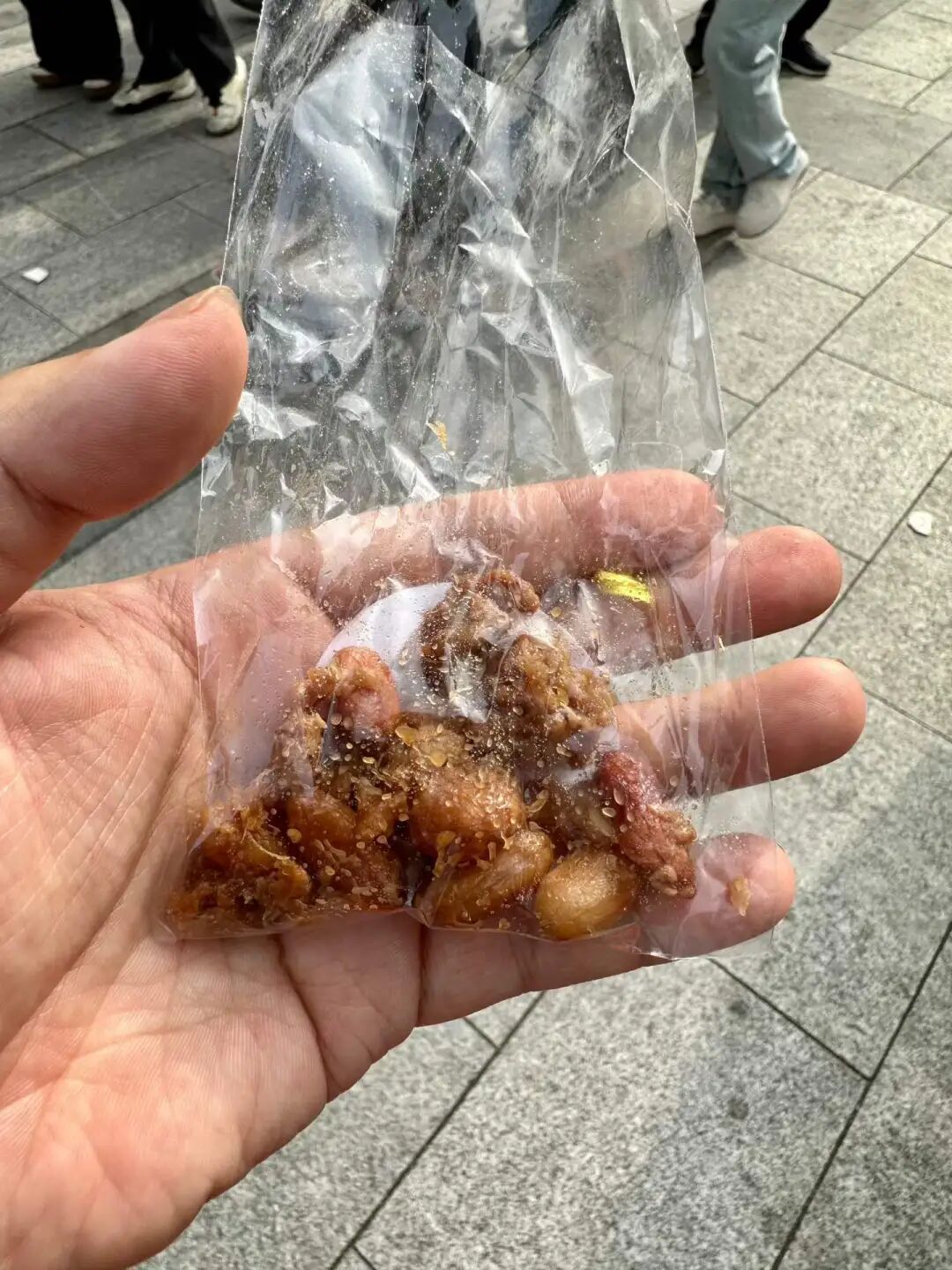
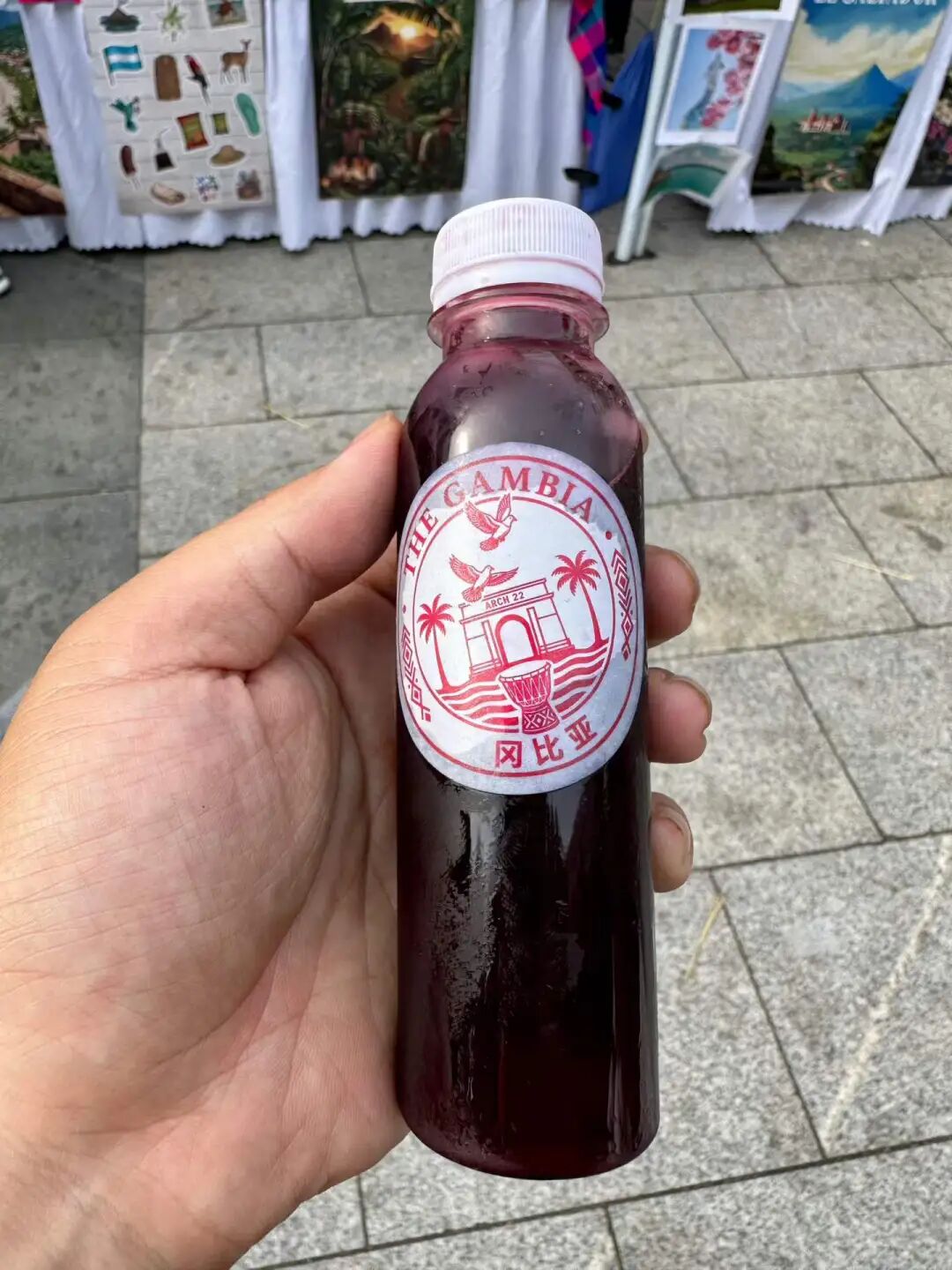
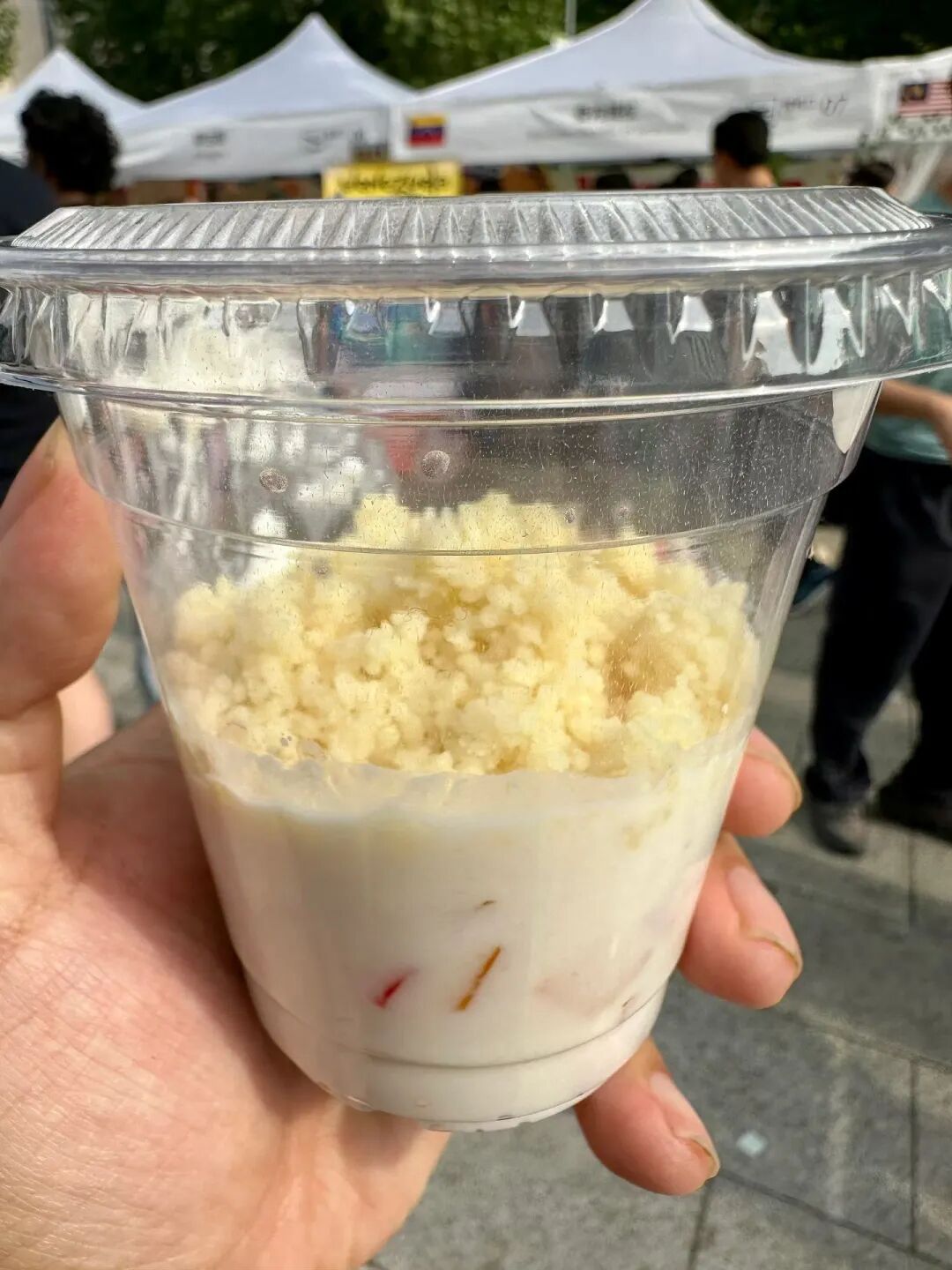
A young man from Bangladesh sang with deep emotion, a friend (dosti) from Senegal was full of energy, and brothers from Ghana played the drums. My son, Suleiman, also grew to love the African drums.
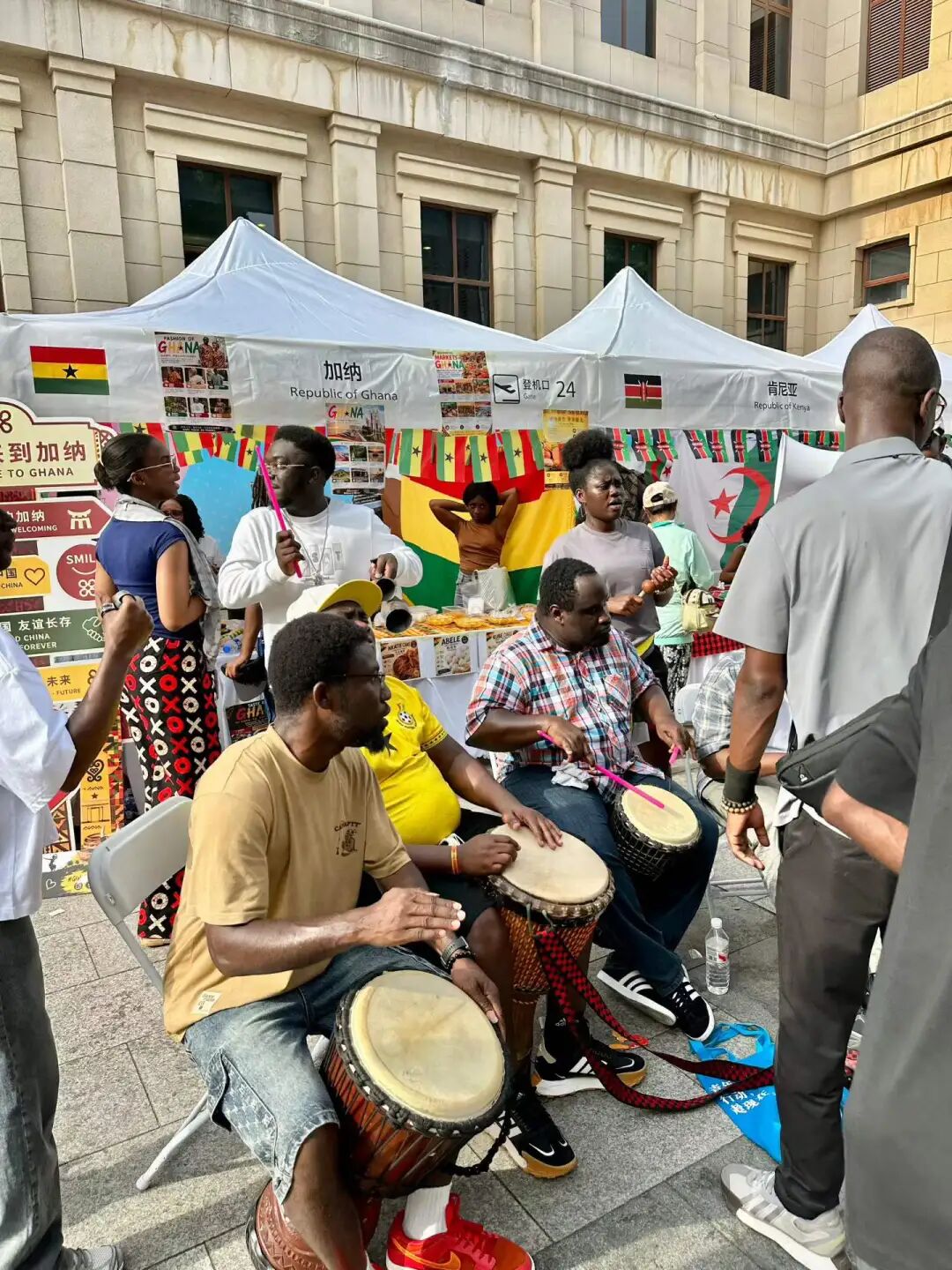
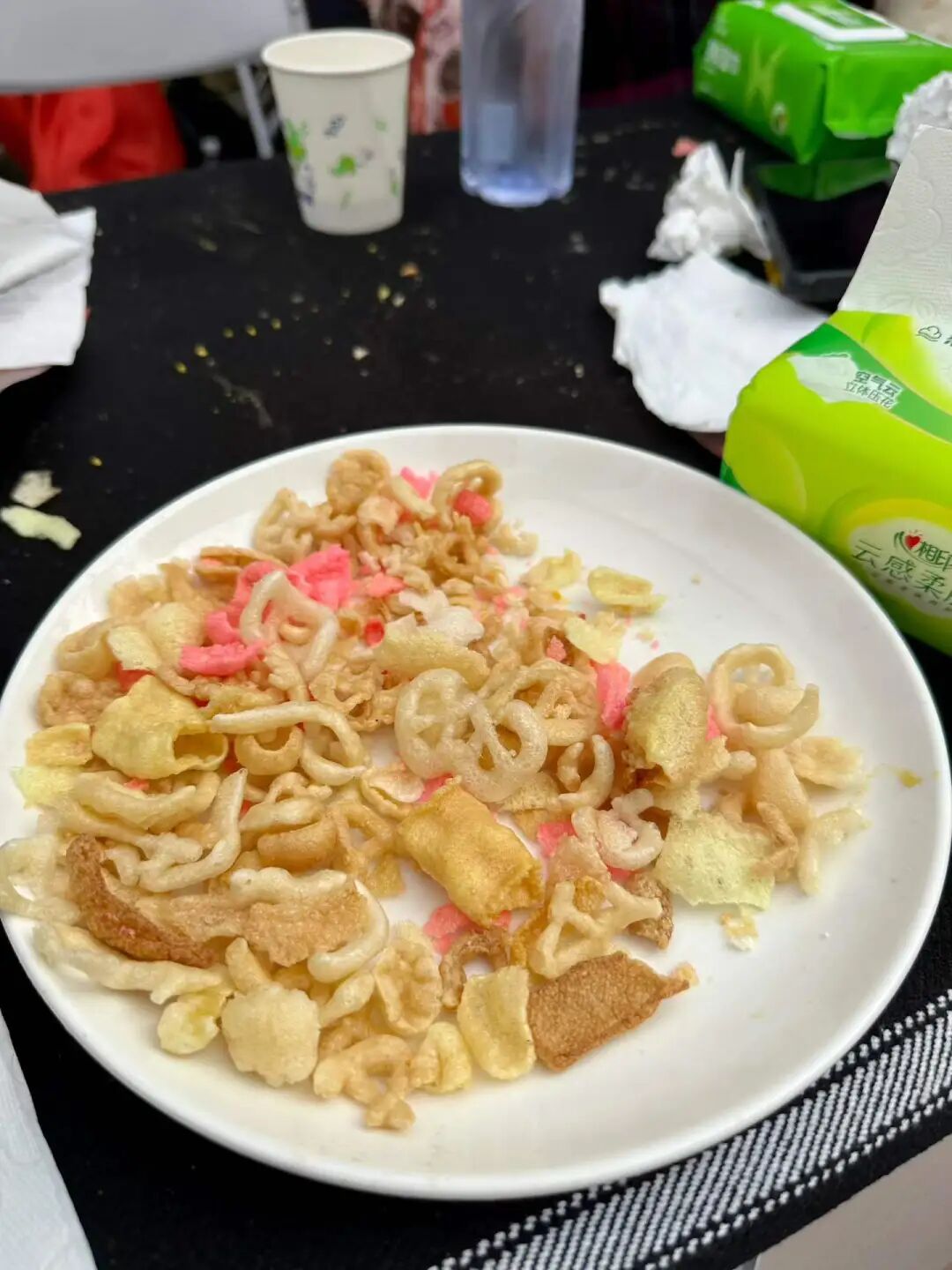
After leaving the Beihang International Culture Festival, we went to the fourth floor of the Seventh Canteen for dinner. They were hosting a Food Voyage Culture Festival and invited Zhang Shuanqiang, the executive chef of the Ningxia Building in Beijing, to guide the cooking. We ate stir-fried beef, garlic fish fillets, and big plate chicken (dapanji). Overall, it was very affordable. The stir-fried beef went great with rice, and the garlic fish fillets were very appetizing. I really envy the students and teachers at Beihang.
 Collapse Read »
Summary: This Muslim traveler guide to Beijing follows an Africa Day food experience at Beihang University, with campus culture and local food details preserved.
This article summarizes the key points of tasting food from Africa's smallest country at Beihang University. It keeps the original paragraph and image order, making it suitable for readers interested in Muslim life, Islamic culture, and Chinese Islamic writing. It also helps with searching for content on Ramadan, history, and social observations.
Since May, major universities in Beijing have held international culture festivals. International students showcased their home cultures, which was very interesting. Unfortunately, most school festivals were on weekdays, and some were not open to the public. On May 24, I finally made it to the Beihang University international culture festival.
Although it was a culture festival rather than a food festival, I could still taste specialty drinks and snacks from several countries. We first drank Turkish black tea and Moroccan mint tea, then ate the Pakistani specialty noodle milk dish Pheni, which is also a classic Ramadan snack for Pakistanis.
The highlight was eating spicy peanuts, Wonjo hibiscus tea, and the milk dessert Chakery from the Gambia. This was my first time tasting snacks from this country. The Gambia is located on the Atlantic coast of West Africa. It is the smallest country in all of Africa and one of the least developed countries in the world. As early as a thousand years ago, Arab merchants crossed the Sahara Desert to trade in the Gambia and brought Islam to the country in the 9th century. Today, 96% of Gambians belong to the Maliki school of Sunni Islam.
Wonjo is an iced drink made by soaking hibiscus flowers and adding sugar and mint. It is a classic summer chilled beverage for Gambians. The Gambia is one of the original homes of the hibiscus flower, and drinking hibiscus tea here has a very long history. Chakery is a milk dessert made with millet. It is a classic West African after-dinner treat. People of different faiths share Chakery with their neighbors after festivals, showing friendships that cross religious lines.
A young man from Bangladesh sang with deep emotion, a friend (dosti) from Senegal was full of energy, and brothers from Ghana played the drums. My son, Suleiman, also grew to love the African drums.
After leaving the Beihang International Culture Festival, we went to the fourth floor of the Seventh Canteen for dinner. They were hosting a Food Voyage Culture Festival and invited Zhang Shuanqiang, the executive chef of the Ningxia Building in Beijing, to guide the cooking. We ate stir-fried beef, garlic fish fillets, and big plate chicken (dapanji). Overall, it was very affordable. The stir-fried beef went great with rice, and the garlic fish fillets were very appetizing. I really envy the students and teachers at Beihang.
Collapse Read »
Beijing Halal Food Guide: Moroccan Iftar Snacks and Tunisian Mawlid Sweets at Beiyou
Reposted from the web
Summary: This Beijing halal food guide covers Moroccan iftar snacks, Tunisian Mawlid sweets, halal food in China, and Muslim campus dining at Beiyou.
This article summarizes the key points of the original text about eating Moroccan iftar snacks and Tunisian Mawlid sweets at BUPT. It keeps the original paragraph and image order. It is for readers interested in Muslim life, Islamic culture, and Chinese Islamic writing. It also helps people search for content on Ramadan, history, and Chinese halal food.
Since May, major universities in Beijing have been holding international culture festivals. Last week, I attended the one at Beihang University (tasting food from the smallest African country at Beihang), and this week I went to the one at BUPT. A friend (dosti) asked how to find this information. I just browse online platforms often and follow the news when I see it.
The BUPT international culture festival was held in the gymnasium, and the temperature was very pleasant. Although it was not very large, many stalls had special foods that are usually hard to find in Beijing.
First, I ate Moroccan chicken pie (bastilla) and small pancakes (baghrir). Beijing has not had Moroccan food for many years since the owner of the Camel Caravan restaurant on Guanghua Road left in 2020. I previously ate at a place in Guangzhou, and this time I finally had it again in Beijing.
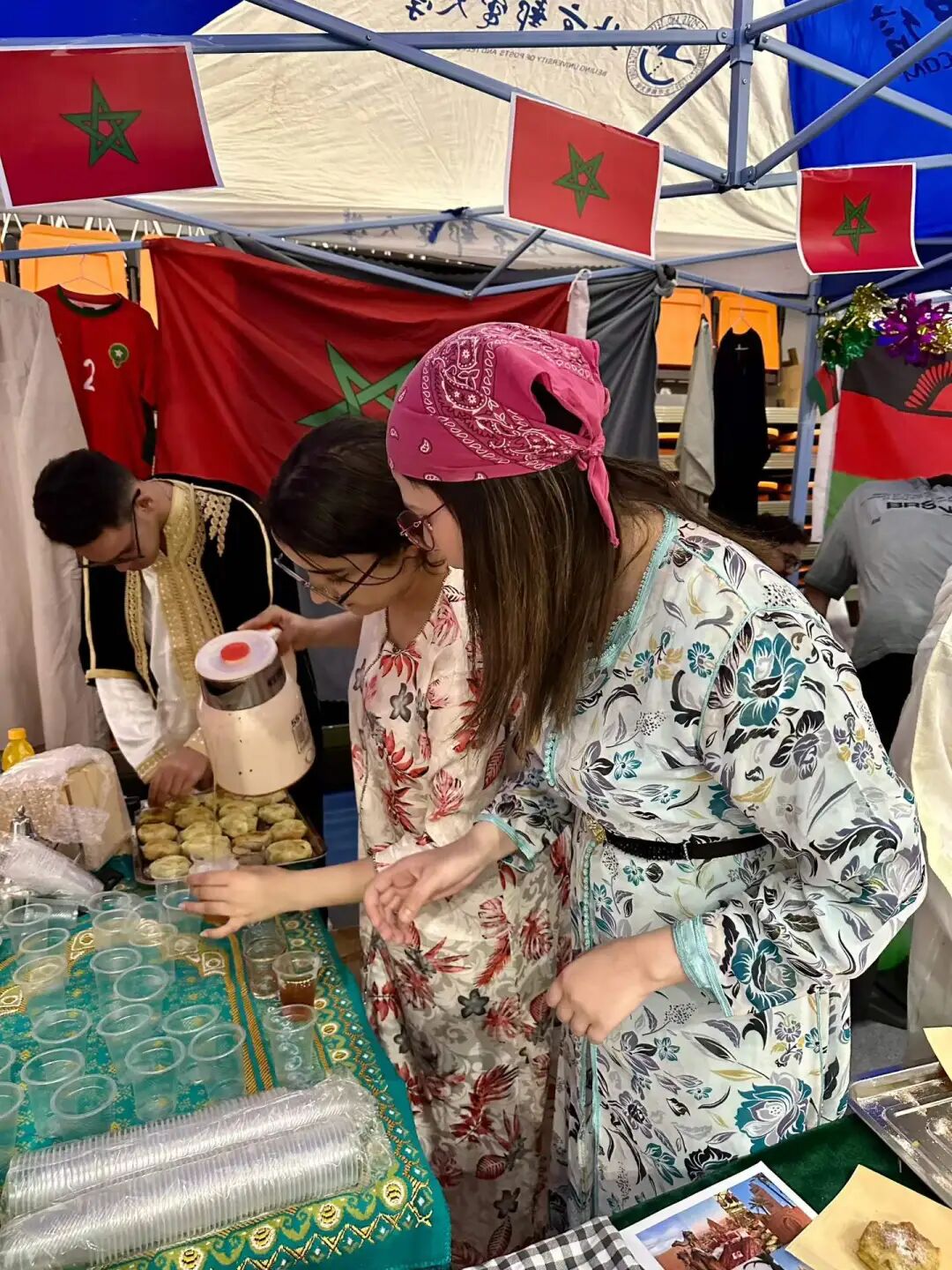
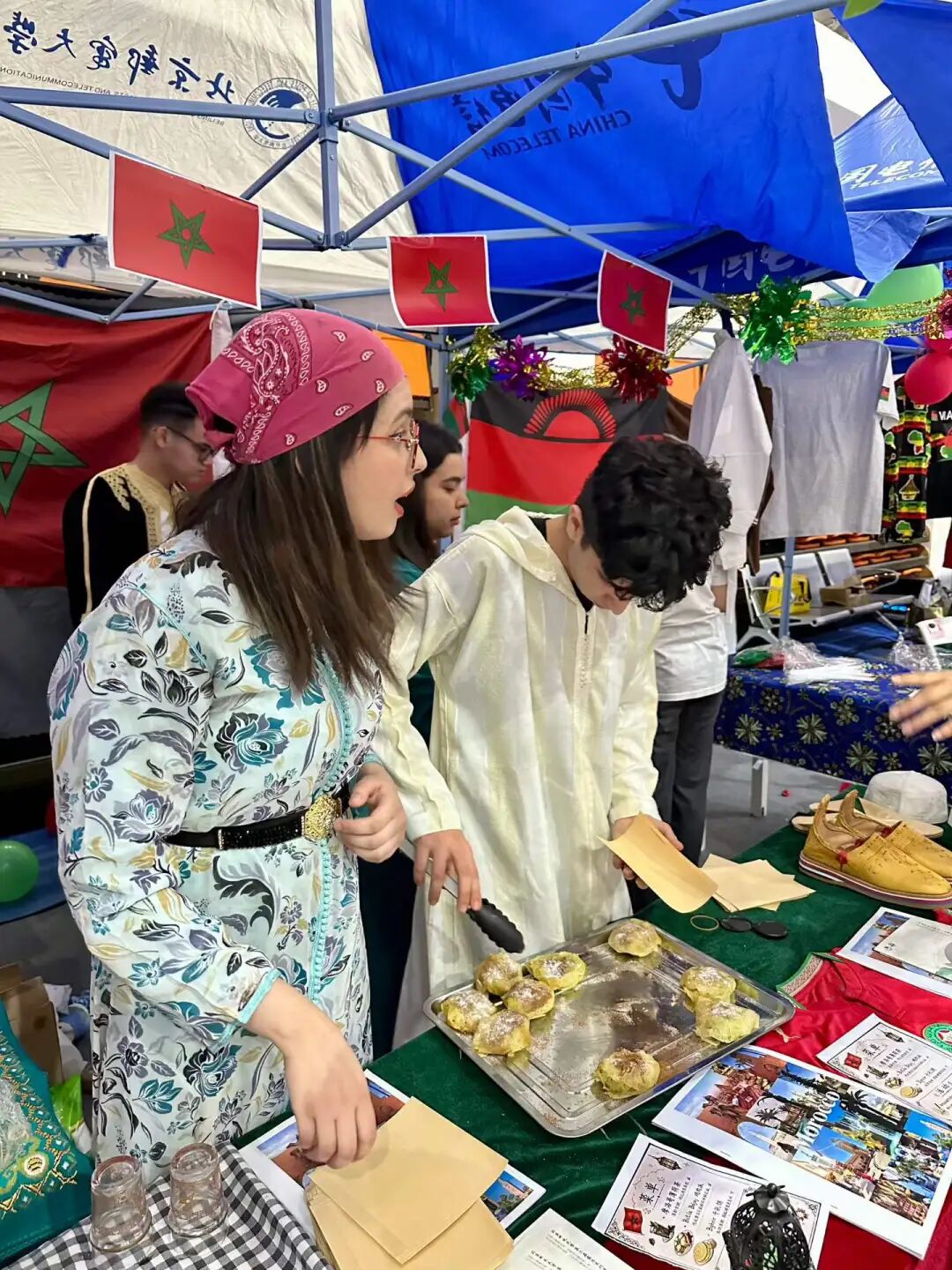
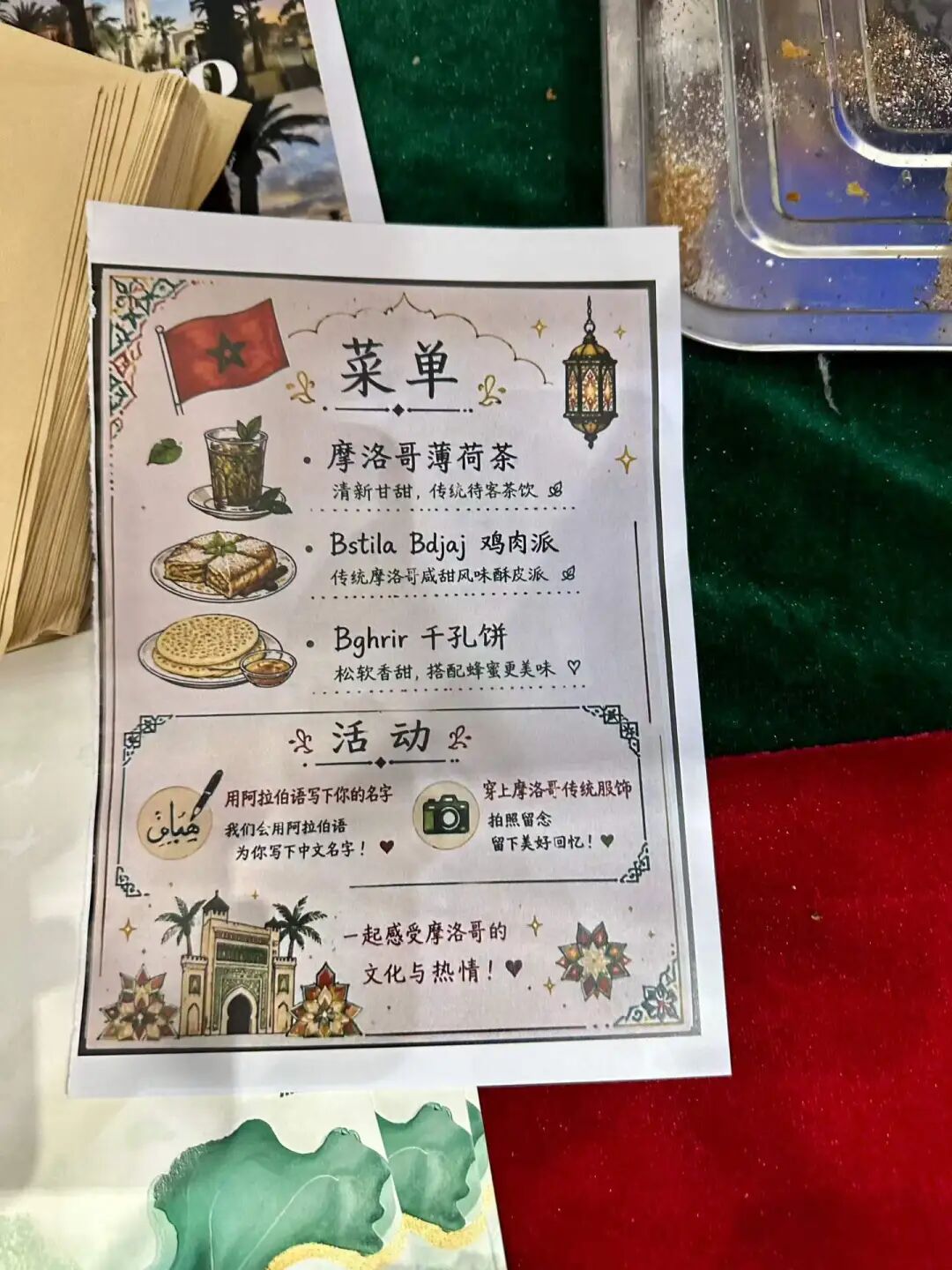
There are many theories about the origin of bastilla. It is generally believed to have originated in the Ottoman Empire. After the French invaded Algeria in 1830, Algerian immigrants brought it to northern Morocco. To this day, many people in northern Morocco still consider this dish to be Turkish. In Morocco, bastilla usually comes with three types of fillings: pigeon, chicken, and seafood. The chicken filling is salty, fragrant, crispy, and layered. Before cooking, the chicken is stewed until soft with various spices including chopped onions, parsley, and saffron. Then it is deboned and shredded, and eggs are added to the thick chicken broth to make a sauce.
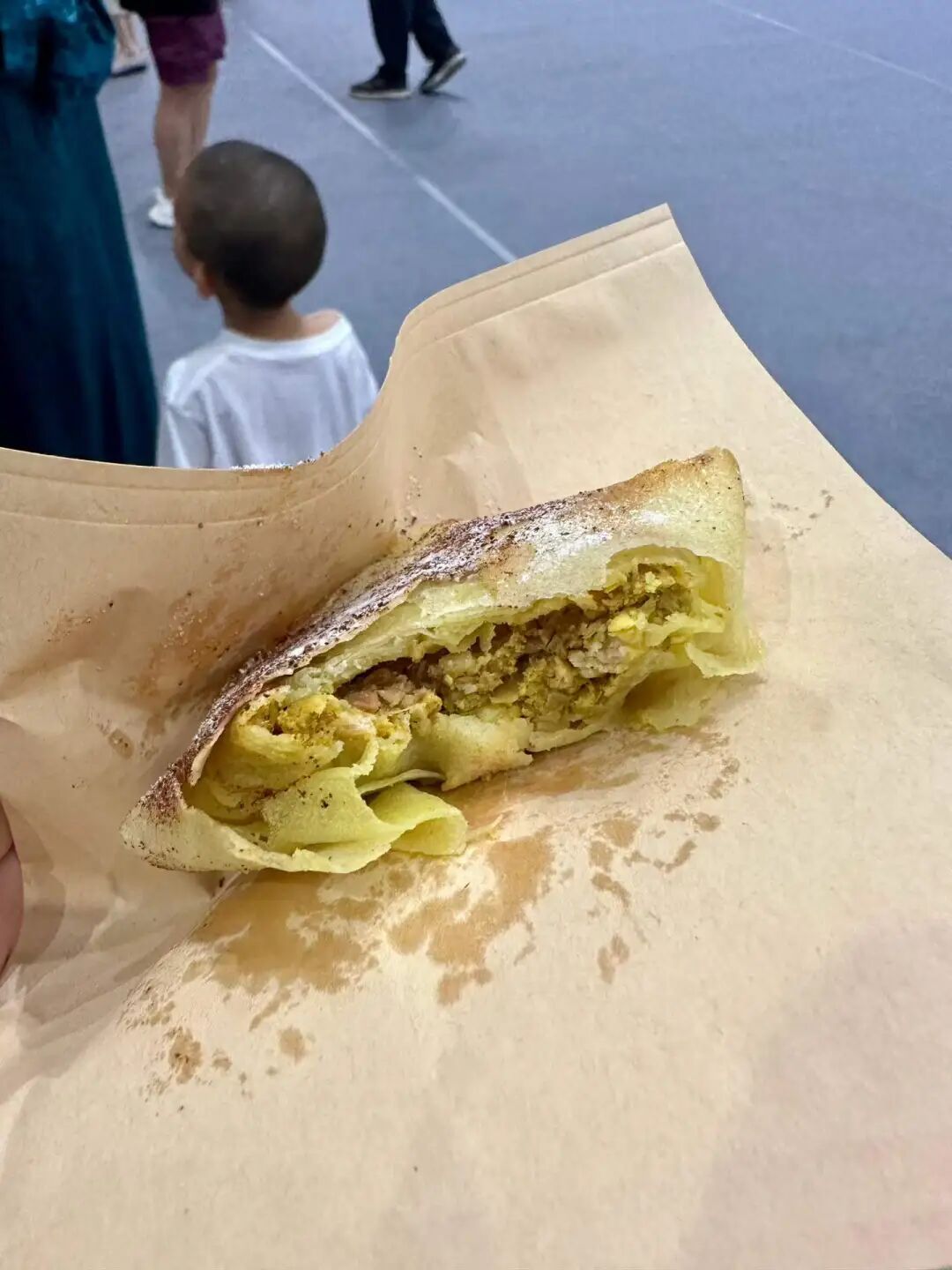
Baghrir is made with semolina and is full of tiny holes. Algerians and Moroccans like to soak them in honey and butter. It is a classic iftar snack.
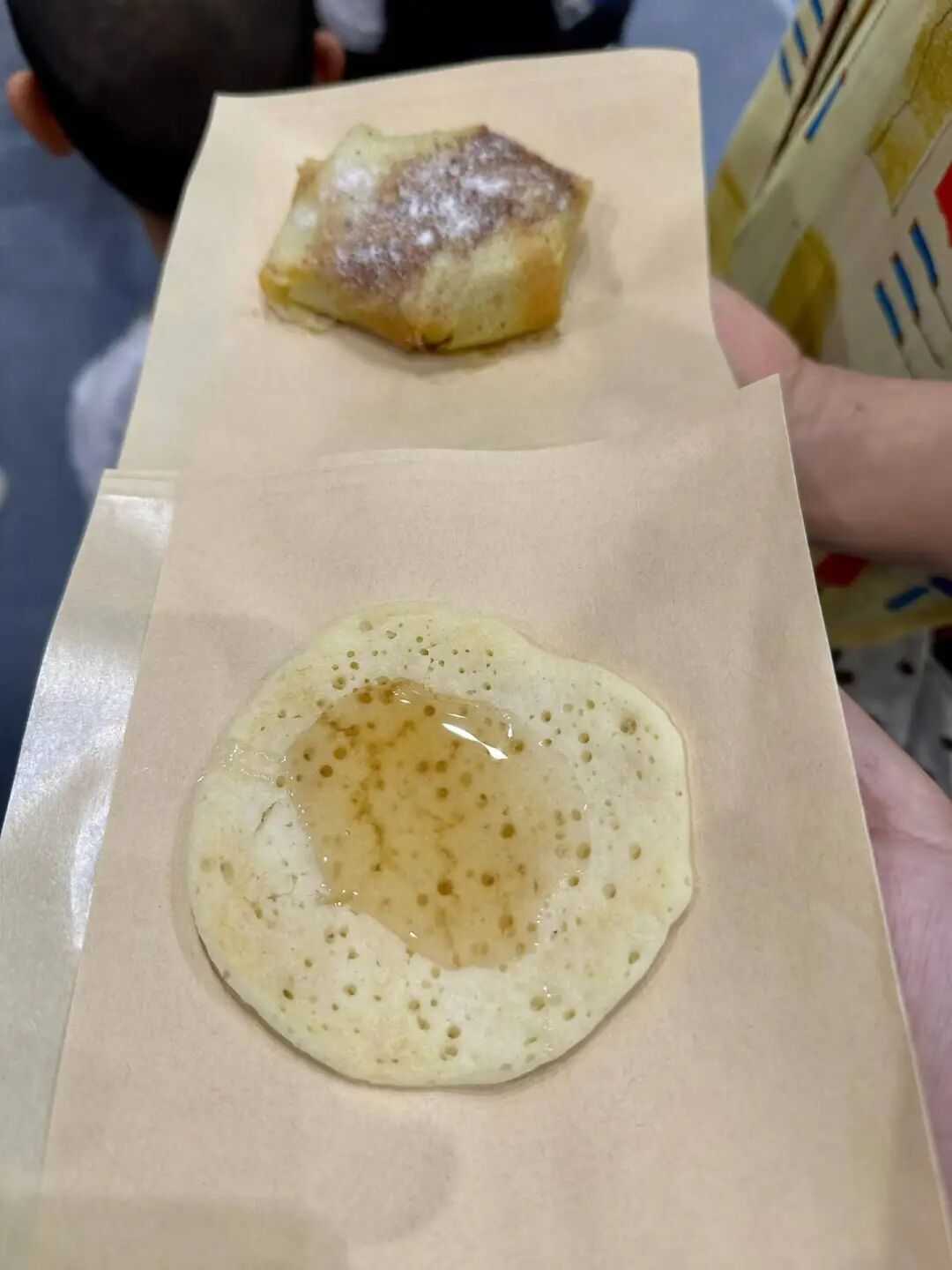
Then I ate Tunisian steamed semolina (couscous), Fatma's fingers spring rolls (swabaa fatma), and Mediterranean pine pudding (assidat zgougou). The Tunisian stall had the widest variety of food this time.
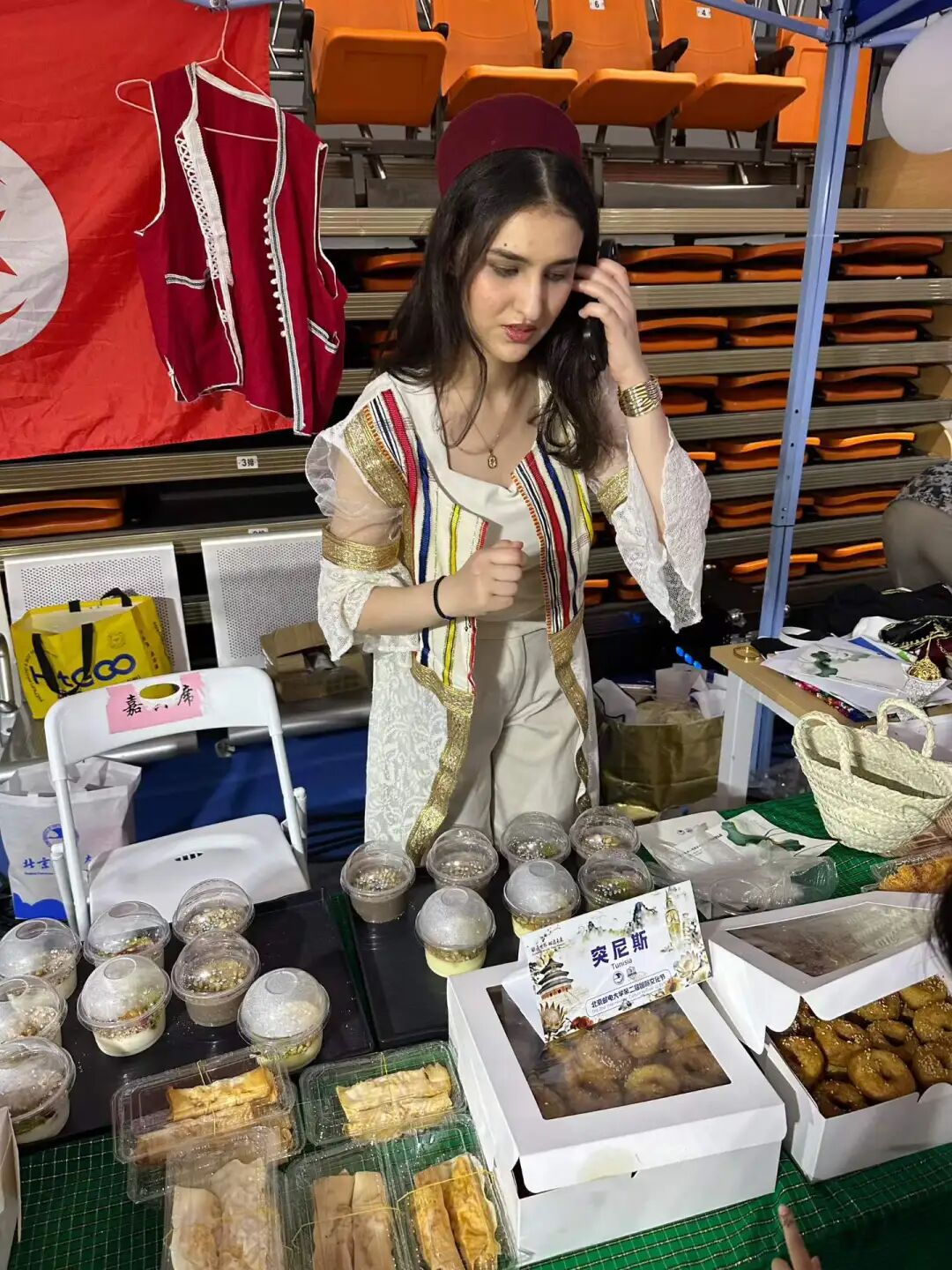
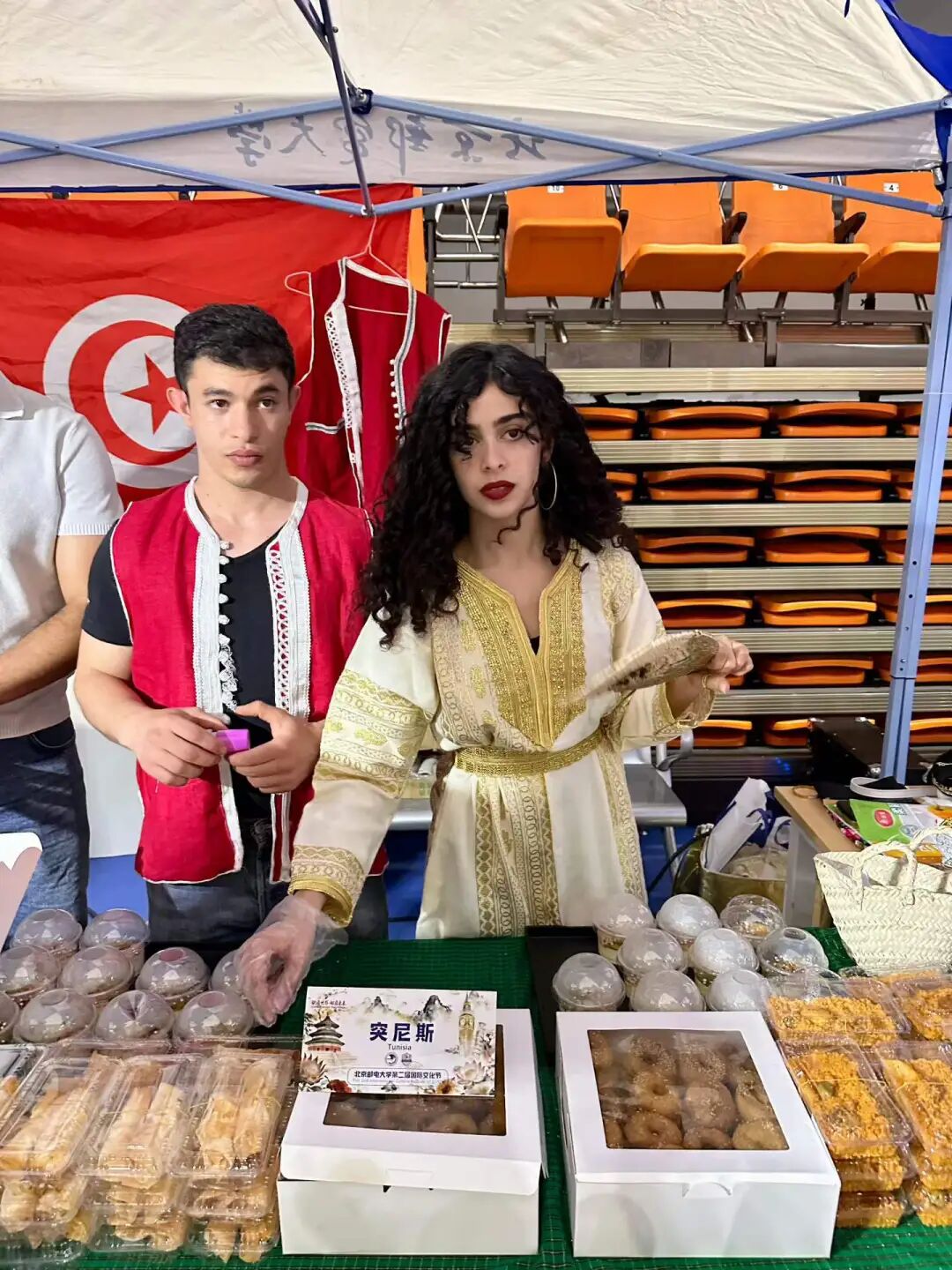
Steamed semolina (couscous) is the national dish of Tunisia, and I ate it almost every day when I visited Tunisia before.
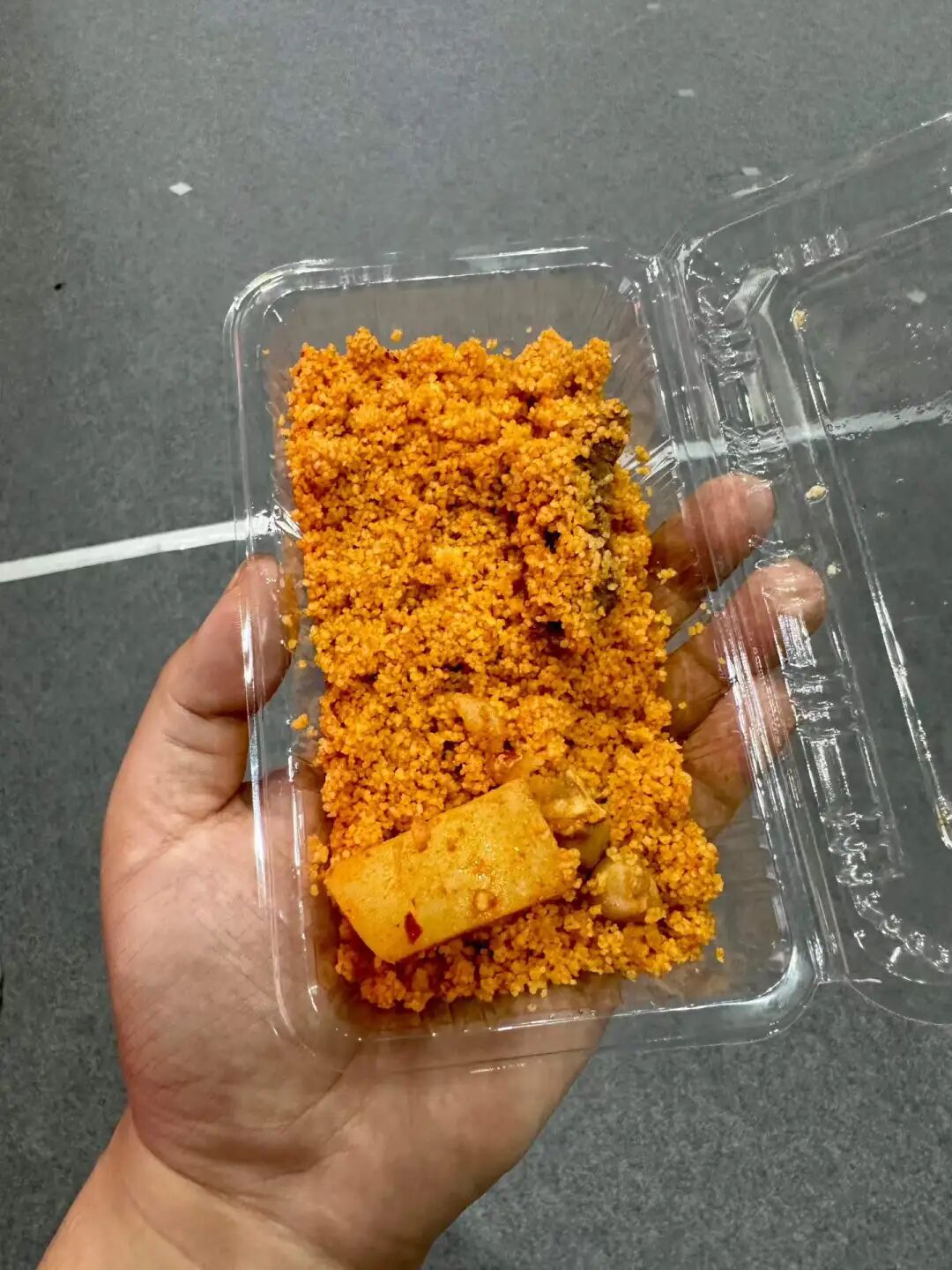
Fatma's fingers (swabaa fatma) are a classic Tunisian snack for breaking the fast. They are fried spring rolls made with thin pastry (malsouka) and filled with ground beef, shrimp, or minced tuna, with options to add mashed potatoes, eggs, and cheese.
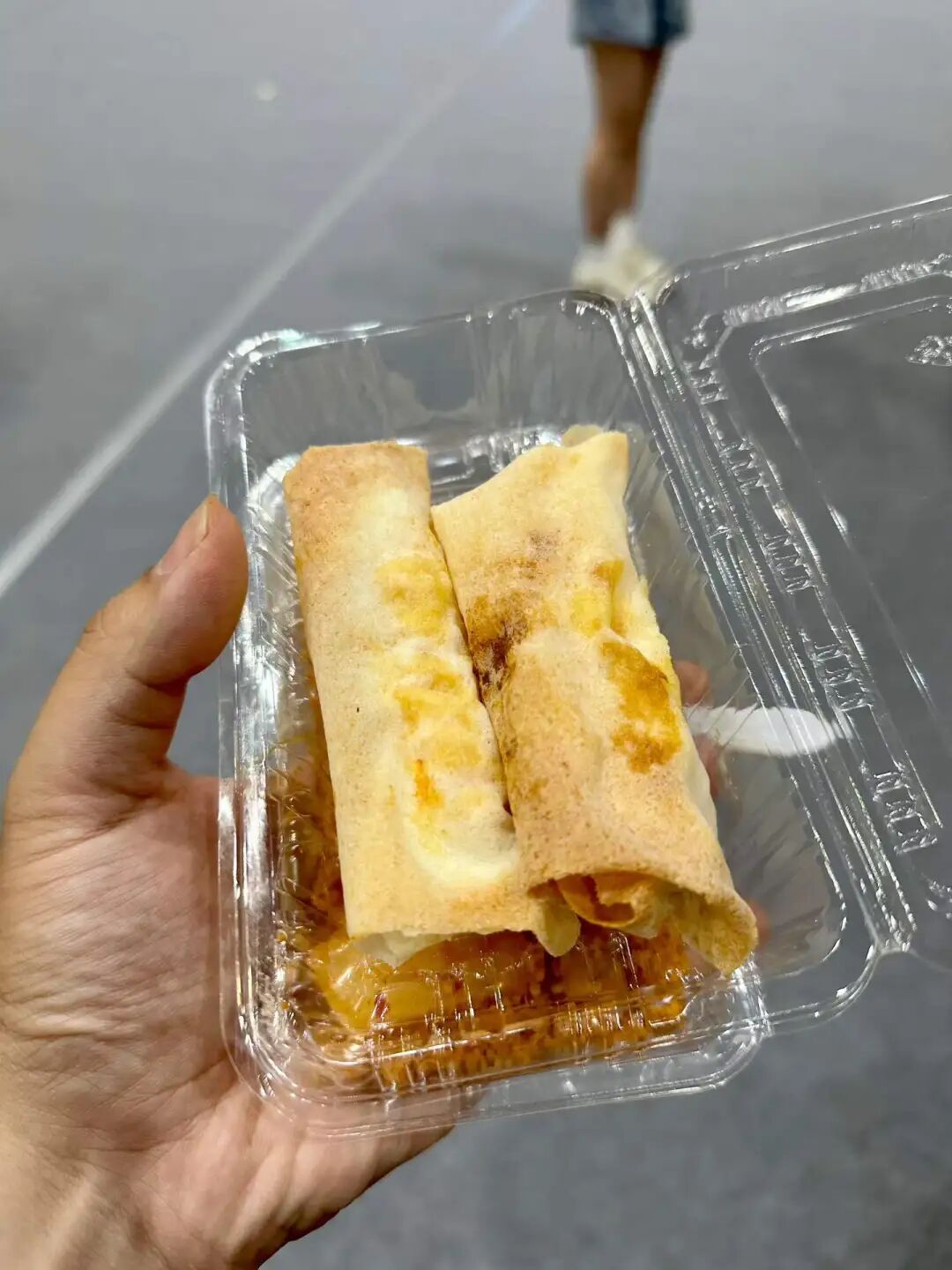
Mediterranean pine pudding (assidat zgougou) is a classic Tunisian dessert that Tunisians eat every year for the Prophet's birthday (Mawlid). Mediterranean pine pudding (assidat zgougou) is made from Mediterranean pine powder, flour, milk, and sugar, topped with pine nuts and crushed pistachios. Mediterranean pine pudding (assidat zgougou) originated during the great Tunisian famine between 1864 and 1867. At that time, residents in northwestern Tunisia discovered that local Mediterranean pine nuts could be ground into powder and mixed with wheat flour to satisfy hunger, which later developed into a classic dessert for the Prophet's birthday.
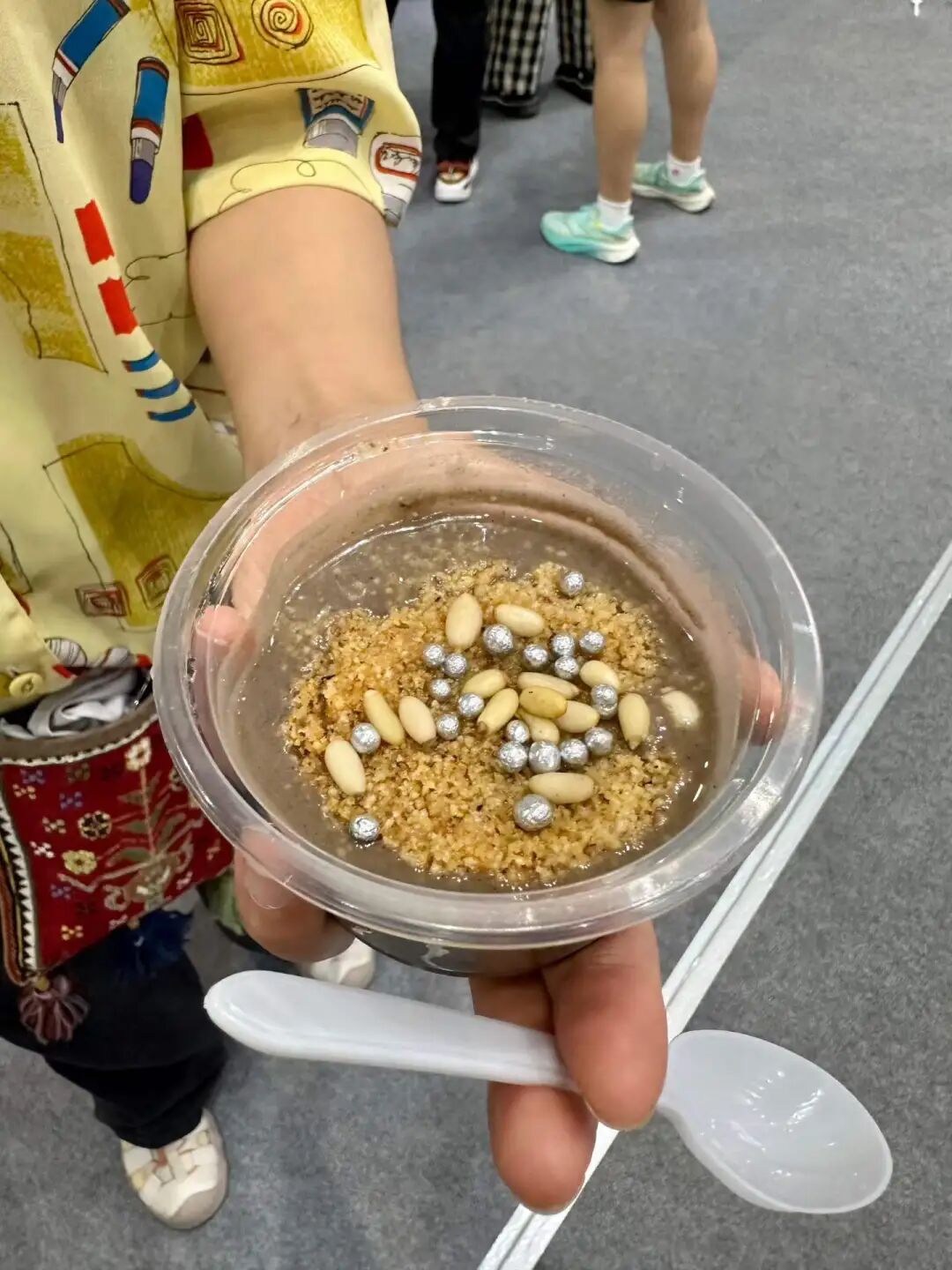
Bambalouni is a type of Tunisian doughnut that is very common in street food shops and tourist areas in Tunisia. Tunisians like to sprinkle sugar and honey on their bambalouni.
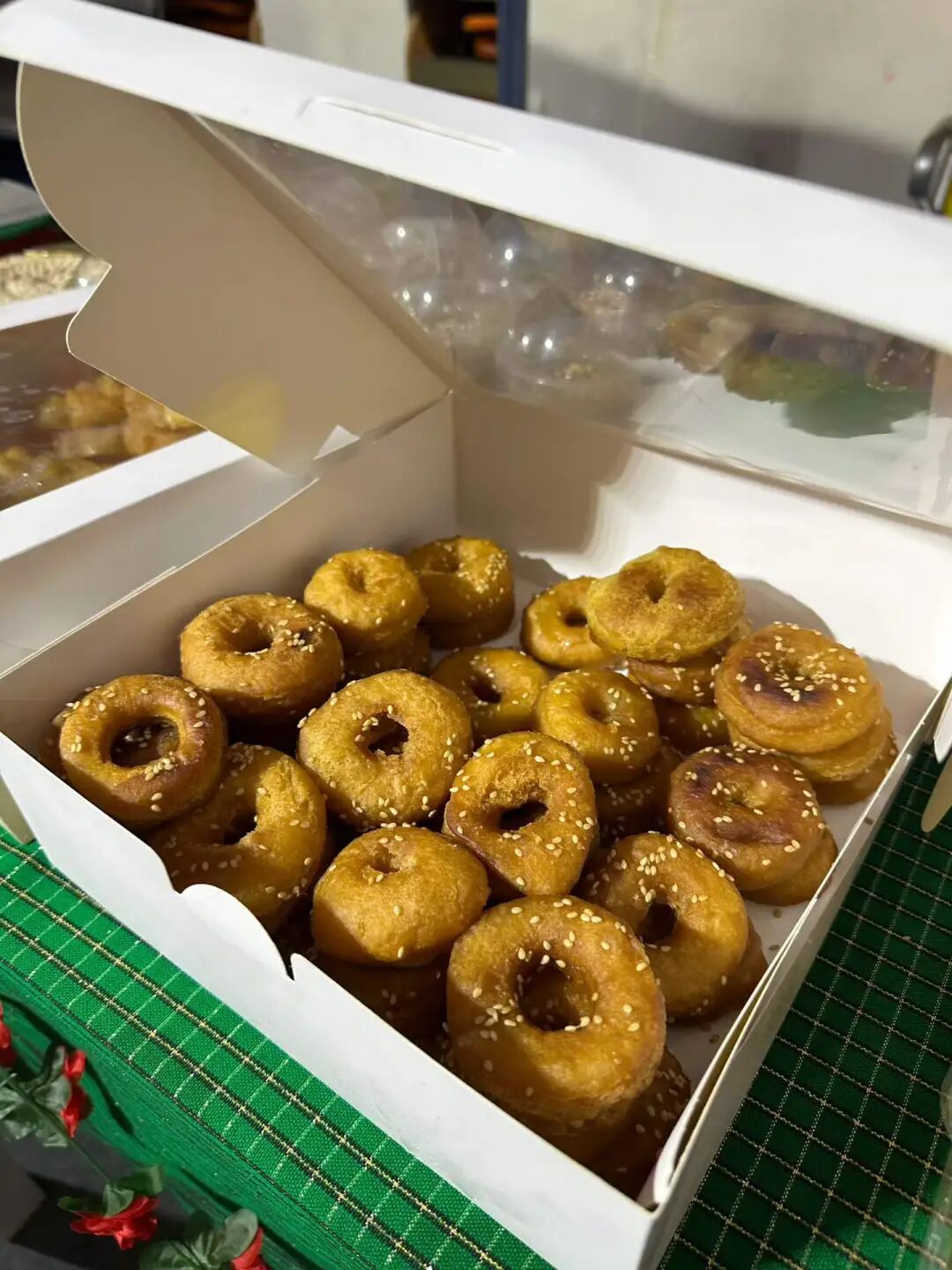
At the Pakistan booth, I drank the classic South Asian fast-breaking beverage, mint rose syrup (Rooh Afza). Rooh Afza was invented in 1906 in British India by Hakim Hafiz Abdul Majeed based on traditional Arab-Persian Unani medicine. He picked a variety of herbs and fruit syrups to make a concentrated drink for heatstroke, which really helps with dehydration during fasting. After the partition of India and Pakistan in 1947, his descendants opened companies in India, Pakistan, and Bangladesh, making Rooh Afza popular all over South Asia.
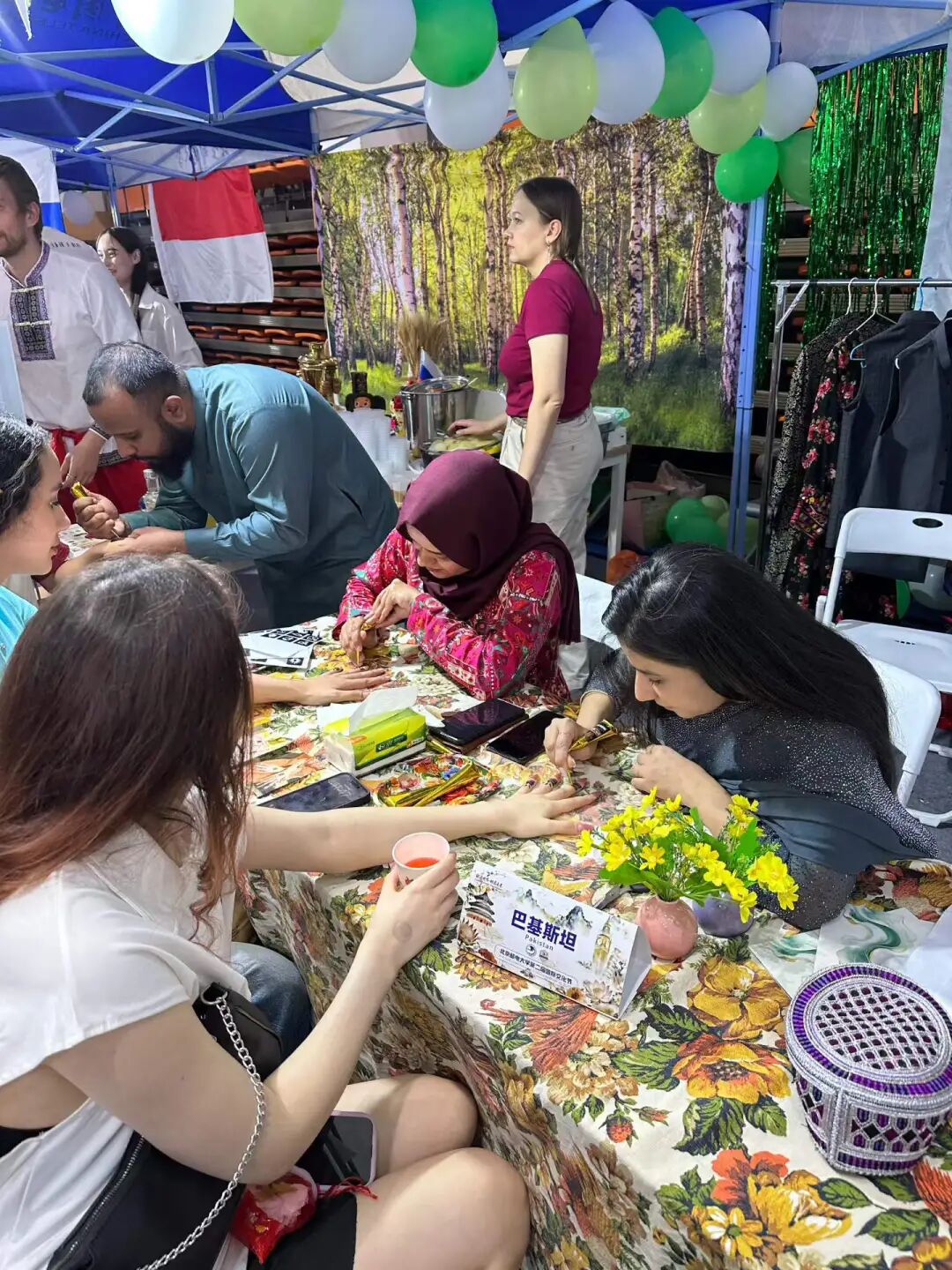
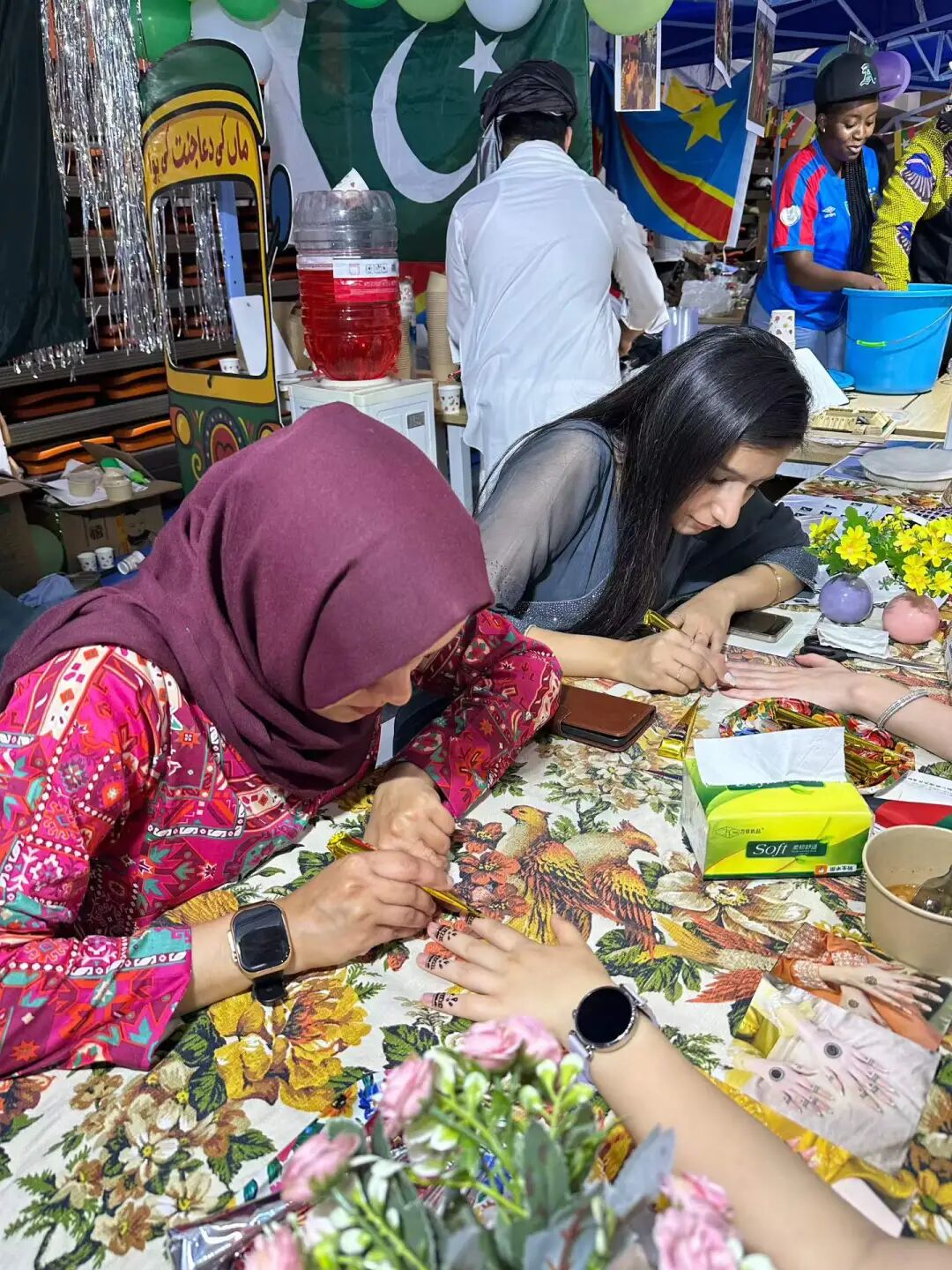
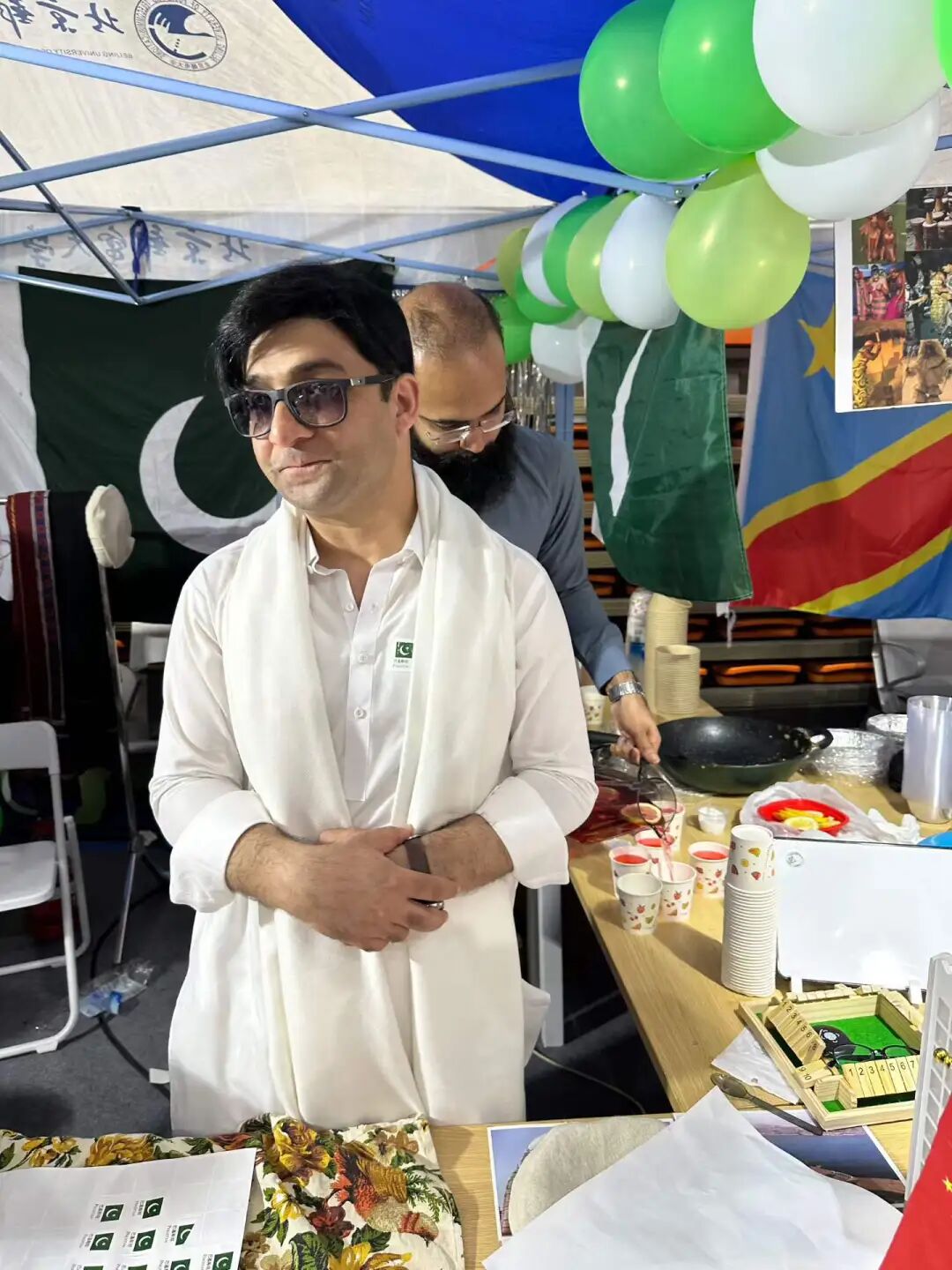
Pakistani dancing
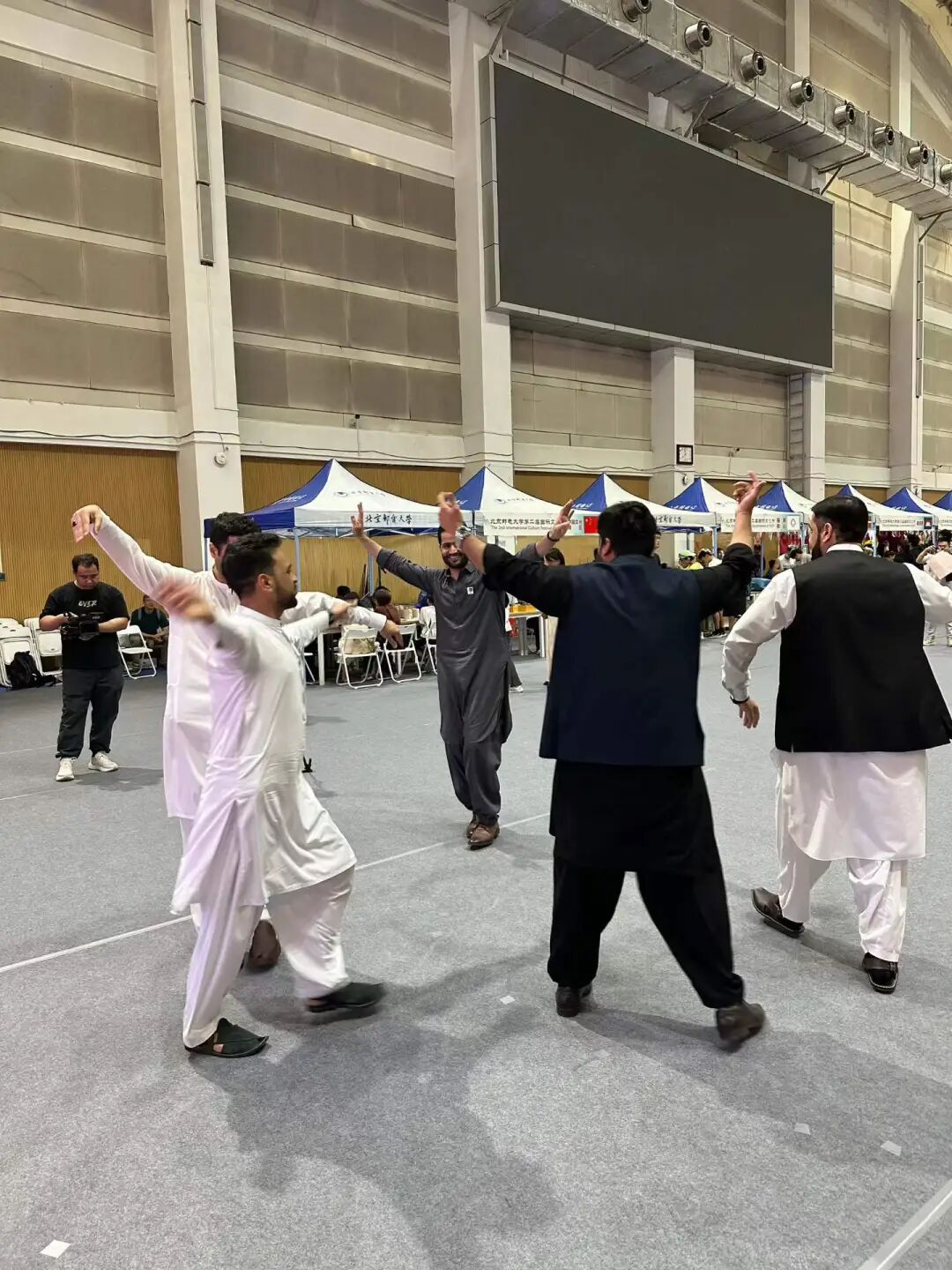
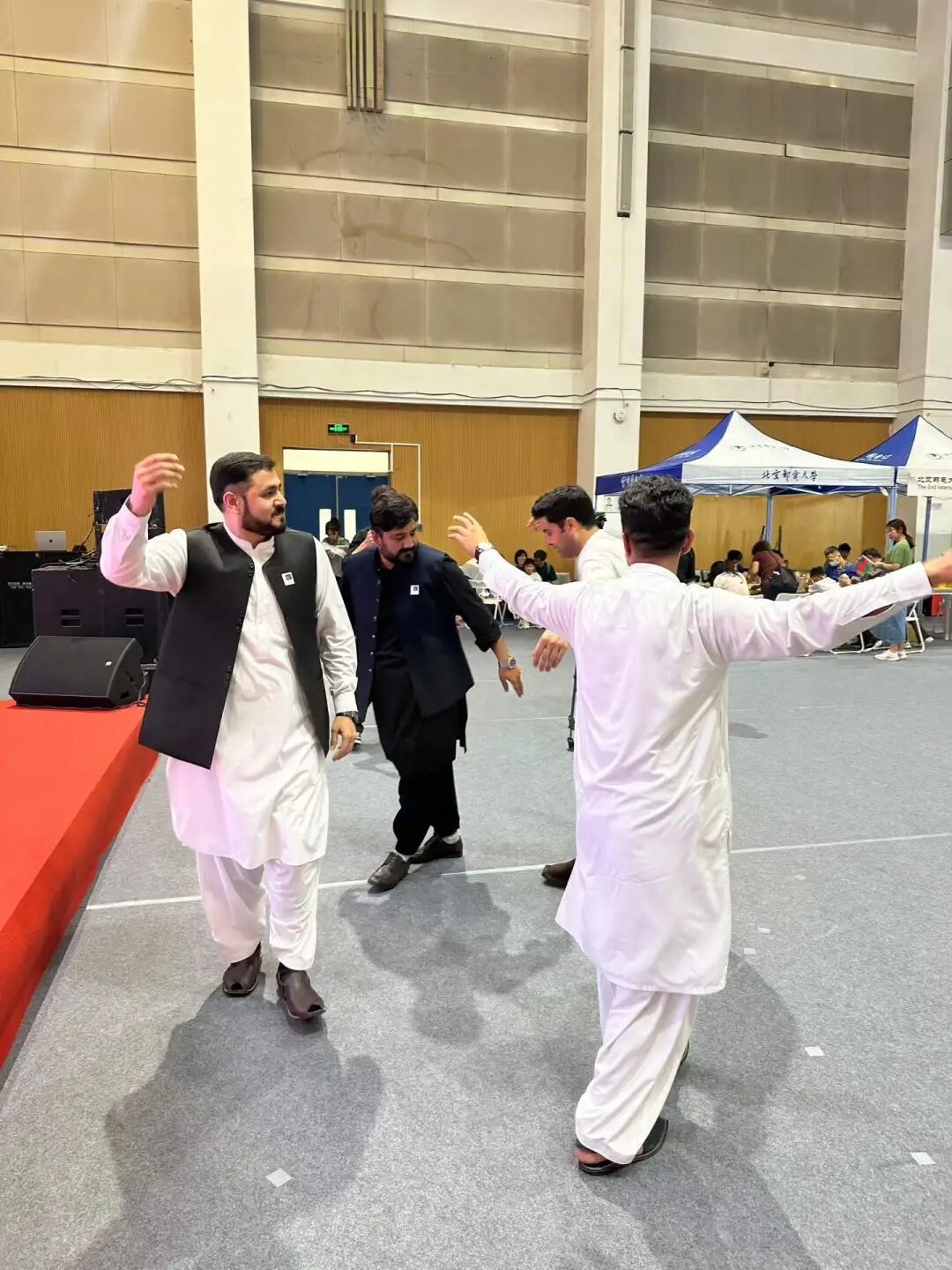
I had a strawberry syrup soda at the Indonesian stall.
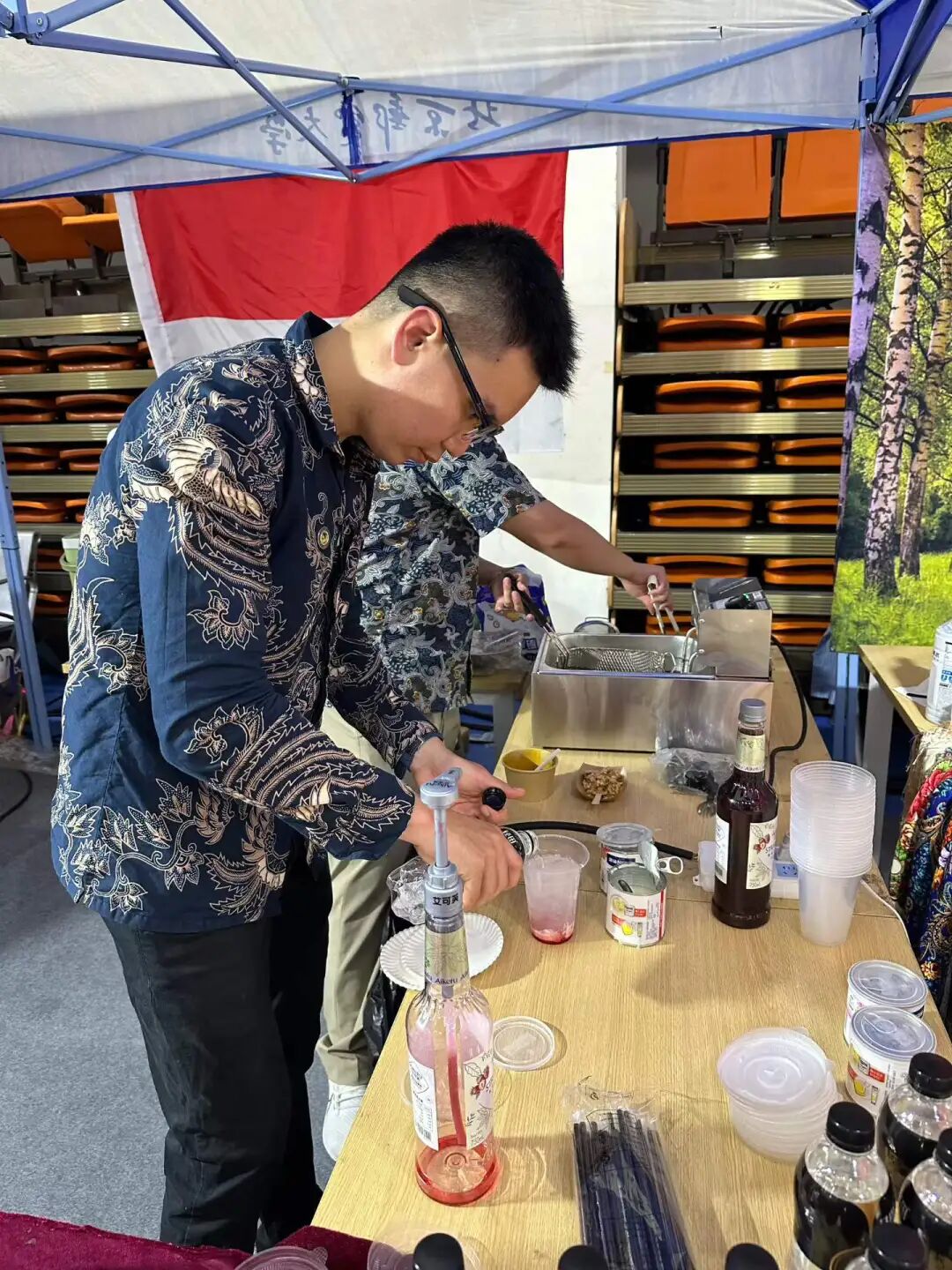
Suleiman tried the Cambodian gongs and drums and was very happy.
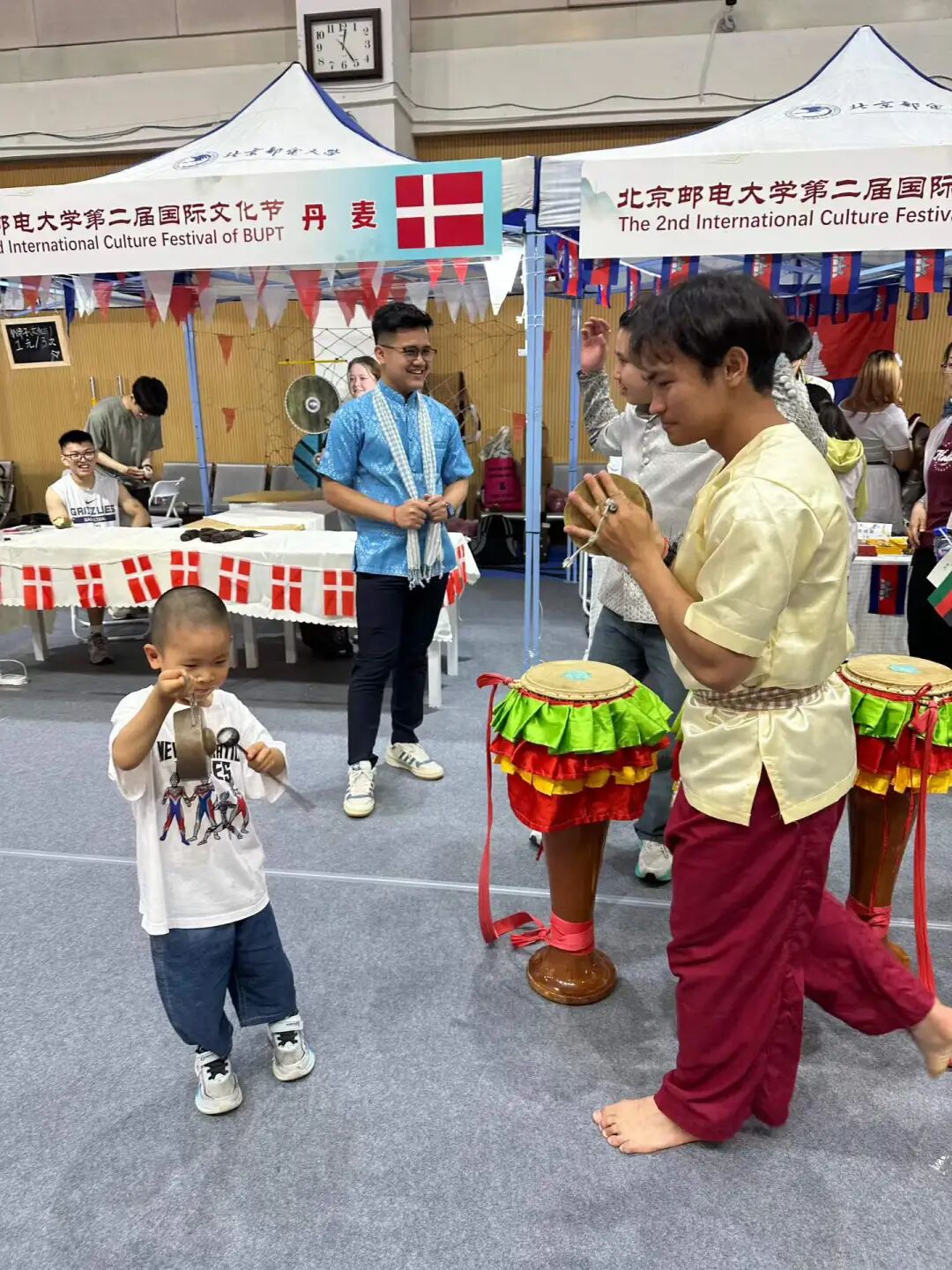
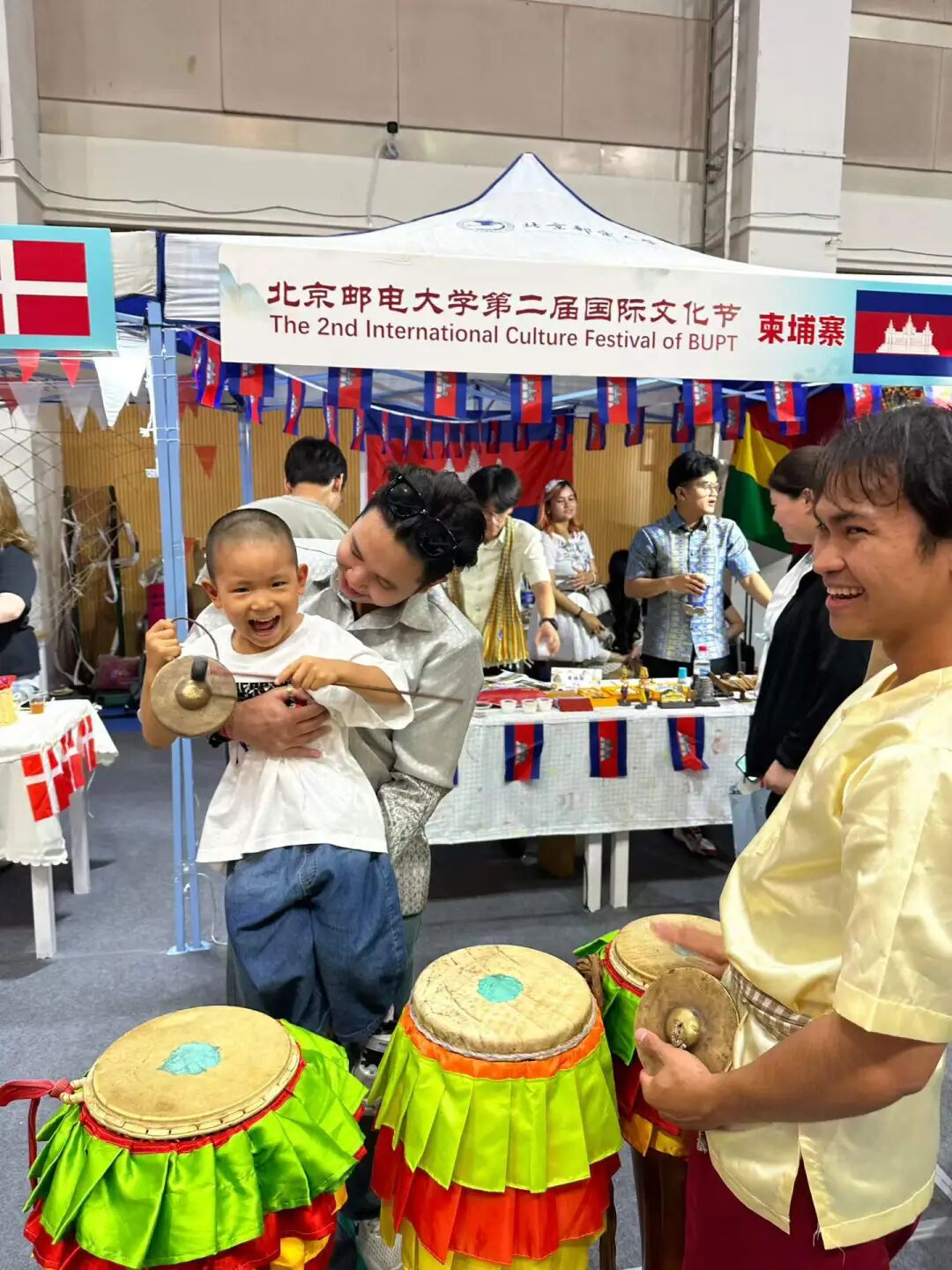 Collapse Read »
Summary: This Beijing halal food guide covers Moroccan iftar snacks, Tunisian Mawlid sweets, halal food in China, and Muslim campus dining at Beiyou.
This article summarizes the key points of the original text about eating Moroccan iftar snacks and Tunisian Mawlid sweets at BUPT. It keeps the original paragraph and image order. It is for readers interested in Muslim life, Islamic culture, and Chinese Islamic writing. It also helps people search for content on Ramadan, history, and Chinese halal food.
Since May, major universities in Beijing have been holding international culture festivals. Last week, I attended the one at Beihang University (tasting food from the smallest African country at Beihang), and this week I went to the one at BUPT. A friend (dosti) asked how to find this information. I just browse online platforms often and follow the news when I see it.
The BUPT international culture festival was held in the gymnasium, and the temperature was very pleasant. Although it was not very large, many stalls had special foods that are usually hard to find in Beijing.
First, I ate Moroccan chicken pie (bastilla) and small pancakes (baghrir). Beijing has not had Moroccan food for many years since the owner of the Camel Caravan restaurant on Guanghua Road left in 2020. I previously ate at a place in Guangzhou, and this time I finally had it again in Beijing.
There are many theories about the origin of bastilla. It is generally believed to have originated in the Ottoman Empire. After the French invaded Algeria in 1830, Algerian immigrants brought it to northern Morocco. To this day, many people in northern Morocco still consider this dish to be Turkish. In Morocco, bastilla usually comes with three types of fillings: pigeon, chicken, and seafood. The chicken filling is salty, fragrant, crispy, and layered. Before cooking, the chicken is stewed until soft with various spices including chopped onions, parsley, and saffron. Then it is deboned and shredded, and eggs are added to the thick chicken broth to make a sauce.
Baghrir is made with semolina and is full of tiny holes. Algerians and Moroccans like to soak them in honey and butter. It is a classic iftar snack.
Then I ate Tunisian steamed semolina (couscous), Fatma's fingers spring rolls (swabaa fatma), and Mediterranean pine pudding (assidat zgougou). The Tunisian stall had the widest variety of food this time.
Steamed semolina (couscous) is the national dish of Tunisia, and I ate it almost every day when I visited Tunisia before.
Fatma's fingers (swabaa fatma) are a classic Tunisian snack for breaking the fast. They are fried spring rolls made with thin pastry (malsouka) and filled with ground beef, shrimp, or minced tuna, with options to add mashed potatoes, eggs, and cheese.
Mediterranean pine pudding (assidat zgougou) is a classic Tunisian dessert that Tunisians eat every year for the Prophet's birthday (Mawlid). Mediterranean pine pudding (assidat zgougou) is made from Mediterranean pine powder, flour, milk, and sugar, topped with pine nuts and crushed pistachios. Mediterranean pine pudding (assidat zgougou) originated during the great Tunisian famine between 1864 and 1867. At that time, residents in northwestern Tunisia discovered that local Mediterranean pine nuts could be ground into powder and mixed with wheat flour to satisfy hunger, which later developed into a classic dessert for the Prophet's birthday.
Bambalouni is a type of Tunisian doughnut that is very common in street food shops and tourist areas in Tunisia. Tunisians like to sprinkle sugar and honey on their bambalouni.
At the Pakistan booth, I drank the classic South Asian fast-breaking beverage, mint rose syrup (Rooh Afza). Rooh Afza was invented in 1906 in British India by Hakim Hafiz Abdul Majeed based on traditional Arab-Persian Unani medicine. He picked a variety of herbs and fruit syrups to make a concentrated drink for heatstroke, which really helps with dehydration during fasting. After the partition of India and Pakistan in 1947, his descendants opened companies in India, Pakistan, and Bangladesh, making Rooh Afza popular all over South Asia.
Pakistani dancing
I had a strawberry syrup soda at the Indonesian stall.
Suleiman tried the Cambodian gongs and drums and was very happy.
Collapse Read »
Halal Food Guide to Hunan: Hui Muslim Food in Longhui, Shaoyang and Local Snacks
Reposted from the web
Summary: This halal food guide to Hunan highlights halal food in China, Hui Muslim food in Longhui, Shaoyang, and local snacks from the original travel account.
This article summarizes the key points of why there is so much Hui Muslim food in Longhui, Shaoyang, Hunan. It keeps the original paragraph and image order. It is for readers interested in Muslim life, Islamic culture, and Chinese Islamic writing, and it helps people search for halal food in China.
Traveling from downtown Shaoyang to Longhui County, you reach the area with the highest concentration of Hui Muslims in Hunan.
The first Hui Muslims to settle in Longhui were those with the surname Ma. The ancestor of the Ma family, Ma Cheng, was originally from Taixing, Jiangsu. During the Zhizheng era of the Yuan Dynasty, he served as the Commissioner of the Privy Council. After the start of the Hongwu era in the Ming Dynasty, Ma Cheng resigned from his official post and moved to Shaoyang, Hunan to settle down. During the Hongwu era of the Ming Dynasty, Ma Cheng's third son, Ma Zhi, moved from Shaoyang to Majia Ferry in Longhui. He became the first Hui Muslim in Longhui, and his family has lived there for over 600 years.
Hui Muslims in Longhui mainly live in Shanjie Hui Ethnic Township, but those who run restaurants and noodle shops are mostly in the Longhui county seat, especially near the south side of Longhui Bridge. If you need a place to stay, the area near Daqiao Road is the most convenient. You can eat noodles at various shops there in the morning.
On our first morning, we ate at the Laoshanjie Hui Muslim Noodle Shop at the entrance of Limin Street. We ordered beef noodle soup with large slices of beef and wood ear mushroom with tofu noodle soup. I really love Shaoyang beef noodles. The broth is rich, spicy, and savory. The beef is well-seasoned, and the thick rice noodles are smooth and chewy. The red chili oil smells amazing. Slurping them down is so satisfying; the more you eat, the more you want. The wood ear mushroom with tofu here is also delicious. It soaks up all the broth and is very flavorful.
When eating noodles in Shaoyang, you cannot miss the mountain pepper oil (shanhujiaoyou). The mountain pepper (shancangzi) has a special scent that is like a mix of mint and lemon, making it cool and refreshing.
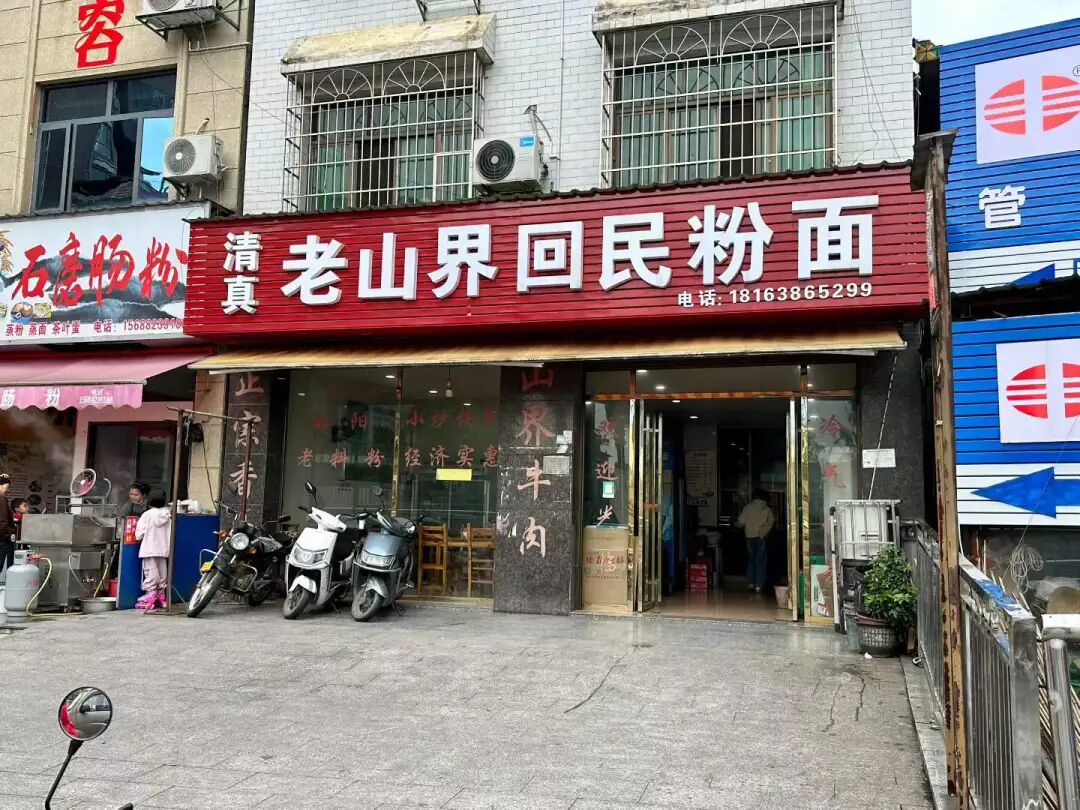
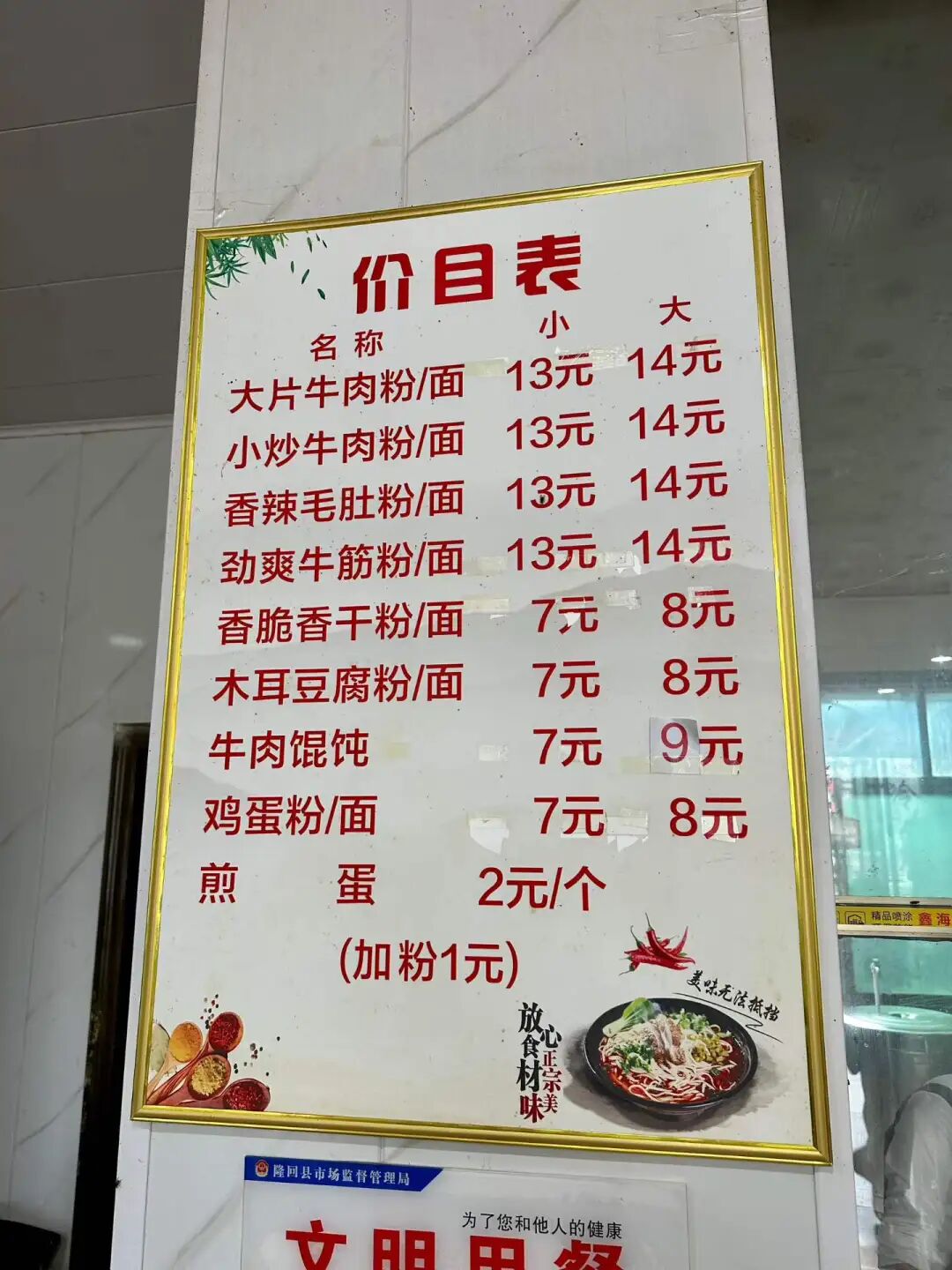
The next day, I went to another Hui Muslim noodle shop on Daqiao Road called Lanlan. I had the stir-fried beef rice noodles and beef wontons. I added 2 yuan of tofu and wood ear mushrooms, plus 2 yuan of eggs to both bowls, which made the texture much better. The stir-fried beef rice noodles were rich in beef flavor, and the noodles were smooth and well-seasoned with an authentic spicy kick. The beef wontons had thin skins and plenty of filling, and the meat was firm and bouncy. You can order a small portion if you have a smaller appetite.
At the intersection of Daqiao Road in Longhui, there is a Hui Muslim restaurant called Xiangyijiaren. It is a great place to try authentic Hunan Hui Muslim farmhouse cooking. The owner is a man named Ma from the Dong Mosque in Shanjie Hui Ethnic Township. There is no menu in the shop. They focus on seasonal dishes, cooking whatever is harvested from the fields.
As a Hunan Hui Muslim restaurant, their signature dish is definitely stir-fried yellow beef. We had been eating beef for a few days, so we wanted to try chicken. Unfortunately, at these local Hui Muslim restaurants, you have to order chicken in advance. They go to the village to slaughter the chicken fresh and cook the whole bird. So, we ended up eating river food. The owner recommended stir-fried small fish and shrimp, which were caught from the pond that same day.
The vegetables and rice in the shop are grown by the owner's family. We ordered snow peas (caidou), which were very crisp and tasty, though Hunan vegetable dishes tend to use quite a bit of oil. The owner explained that they grow two rice crops a year in Hunan. The first crop grows with a smaller temperature difference, so the taste is average. The second crop grows with a larger temperature difference, making it more fragrant. The rice in their shop is the second crop they grew themselves.
The owner was very talkative and even gave us some pickled vegetable soup for free. Shaoyang pickled vegetables (yancai) are a homemade jarred dish made from bok choy that is dried and then pickled. It is dry, fragrant, and sour. It is perfect with rice when stir-fried with chili and minced meat, and it also makes a great soup. In the end, the owner even gave us two bundles to take home and cook ourselves.
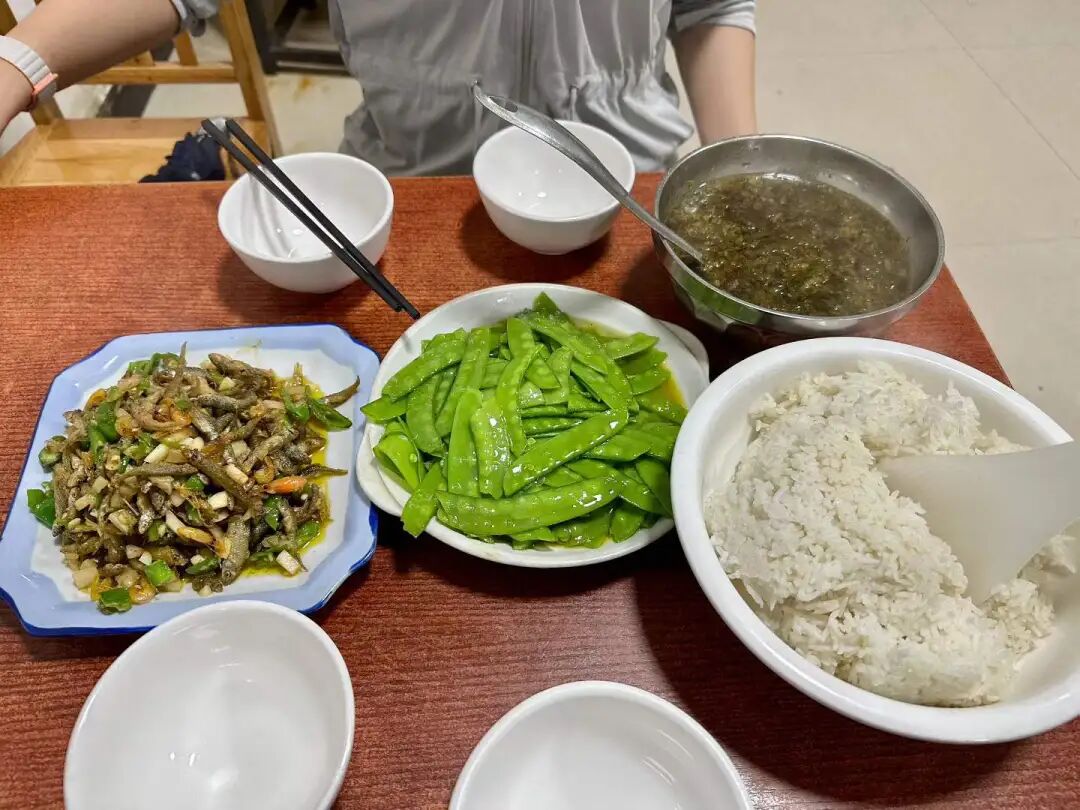
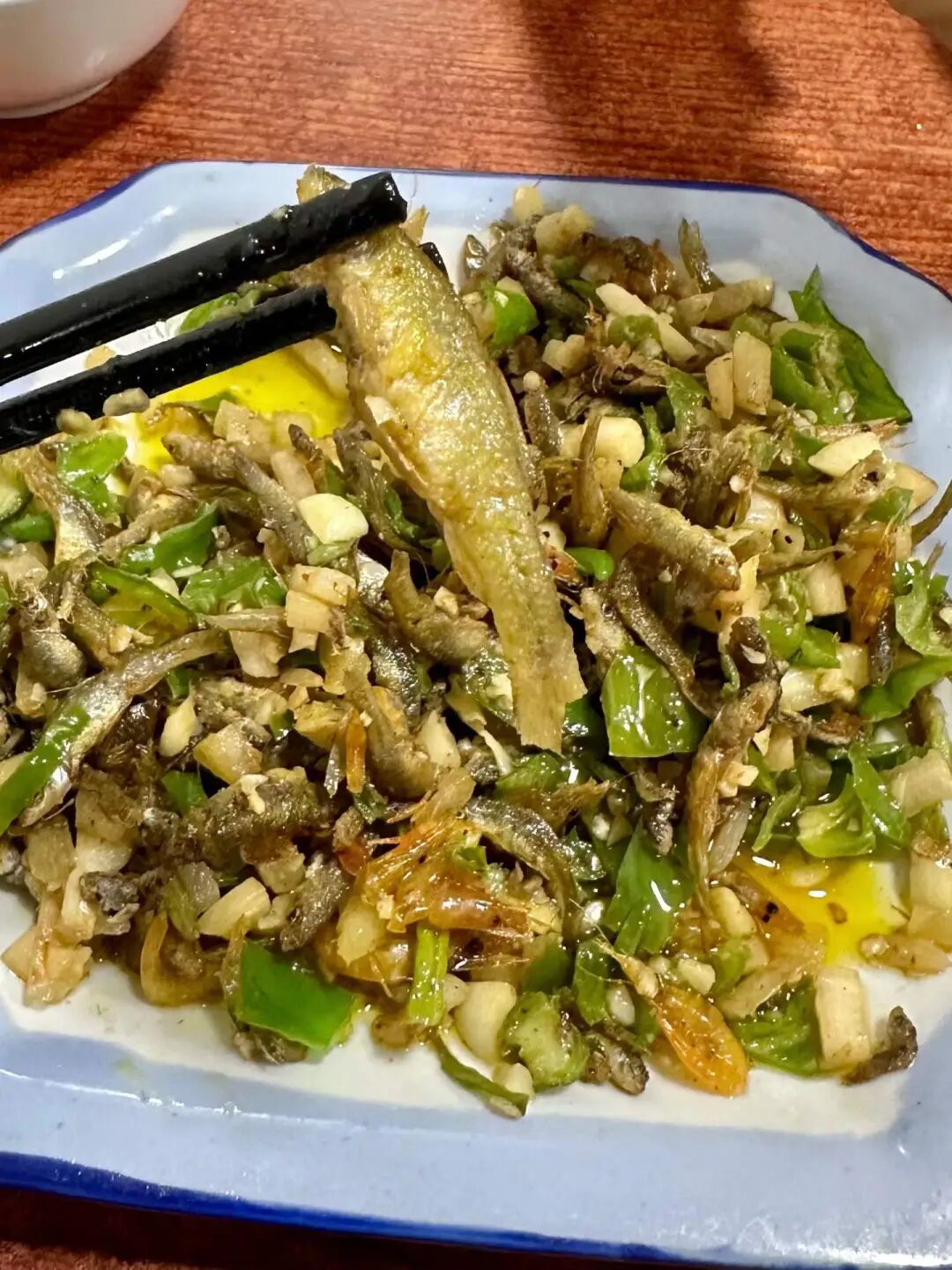
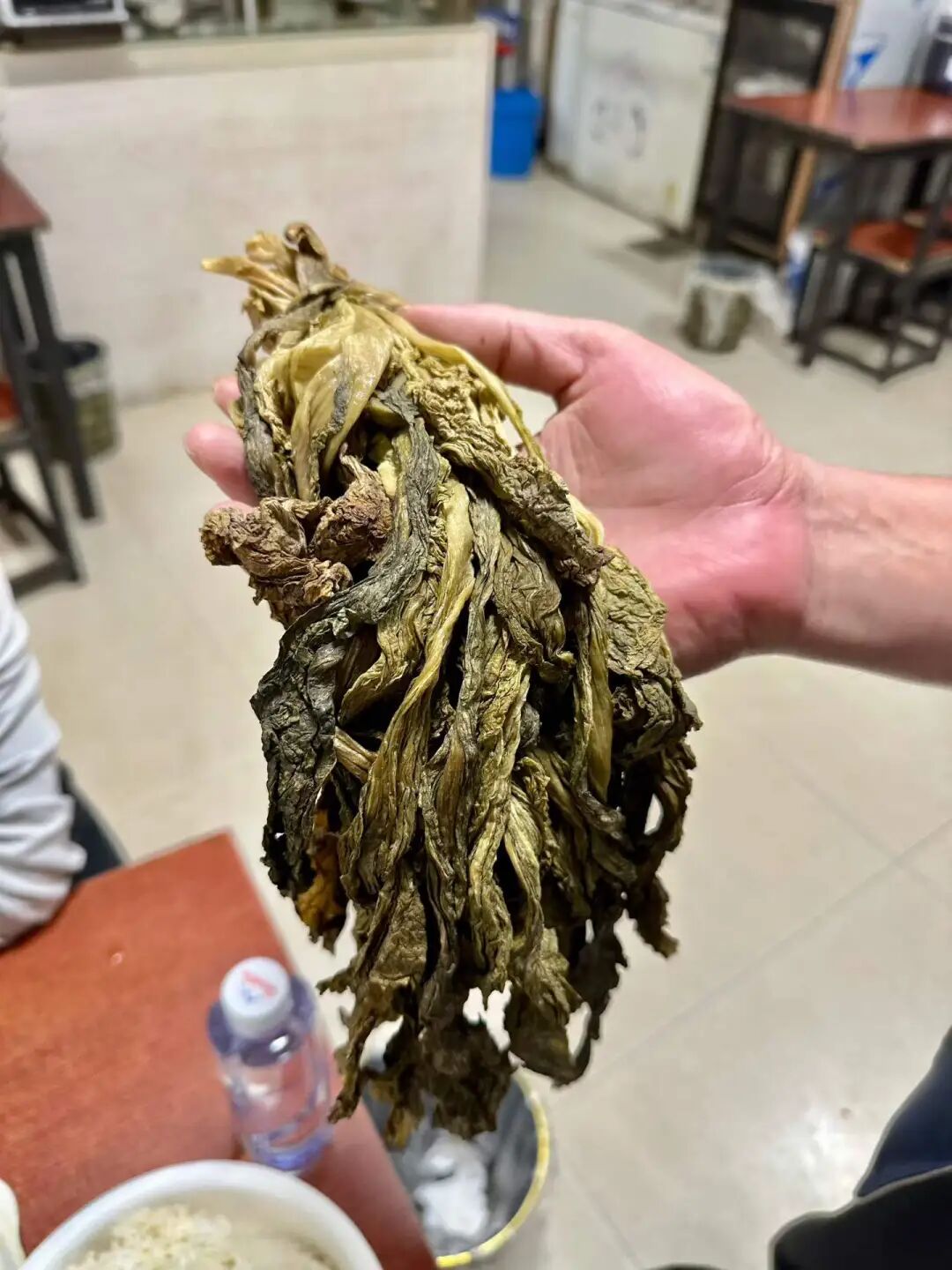
There are four Hui Muslim stir-fry restaurants on both sides of Longhui Bridge. We previously ate at Xiangyijiaren and another Hui Muslim restaurant, which both focus on small stir-fry dishes. The other two, Minzufengweilou and Yihesheng, specialize in banquet meals. We ate at Minzufengweilou this time. It seems to be the main place where Hui Muslims in Longhui host their banquets.
The restaurant has a great view overlooking the river, though it does not get many casual diners on a regular day. We ordered toothpick beef (yaqian niurou), specialty duck (fengwei ya), and yam with wood ear mushrooms (shanyao mu'er). The toothpick beef was quite salty, the specialty duck was delicious, and the yam with wood ear mushrooms was very fresh. It was a pity we still did not get to eat chicken, as you have to order it in advance to have it freshly slaughtered and cooked.
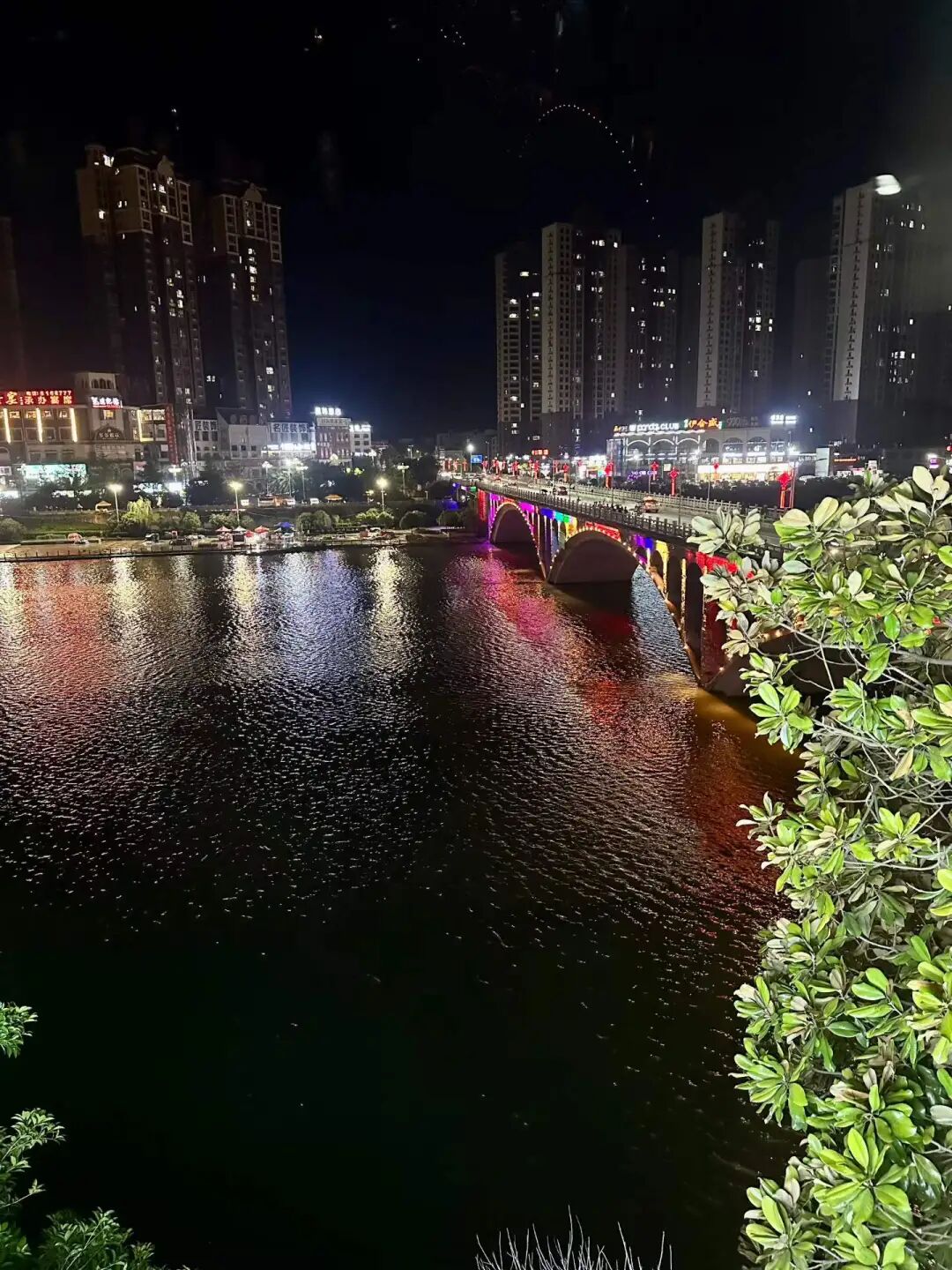
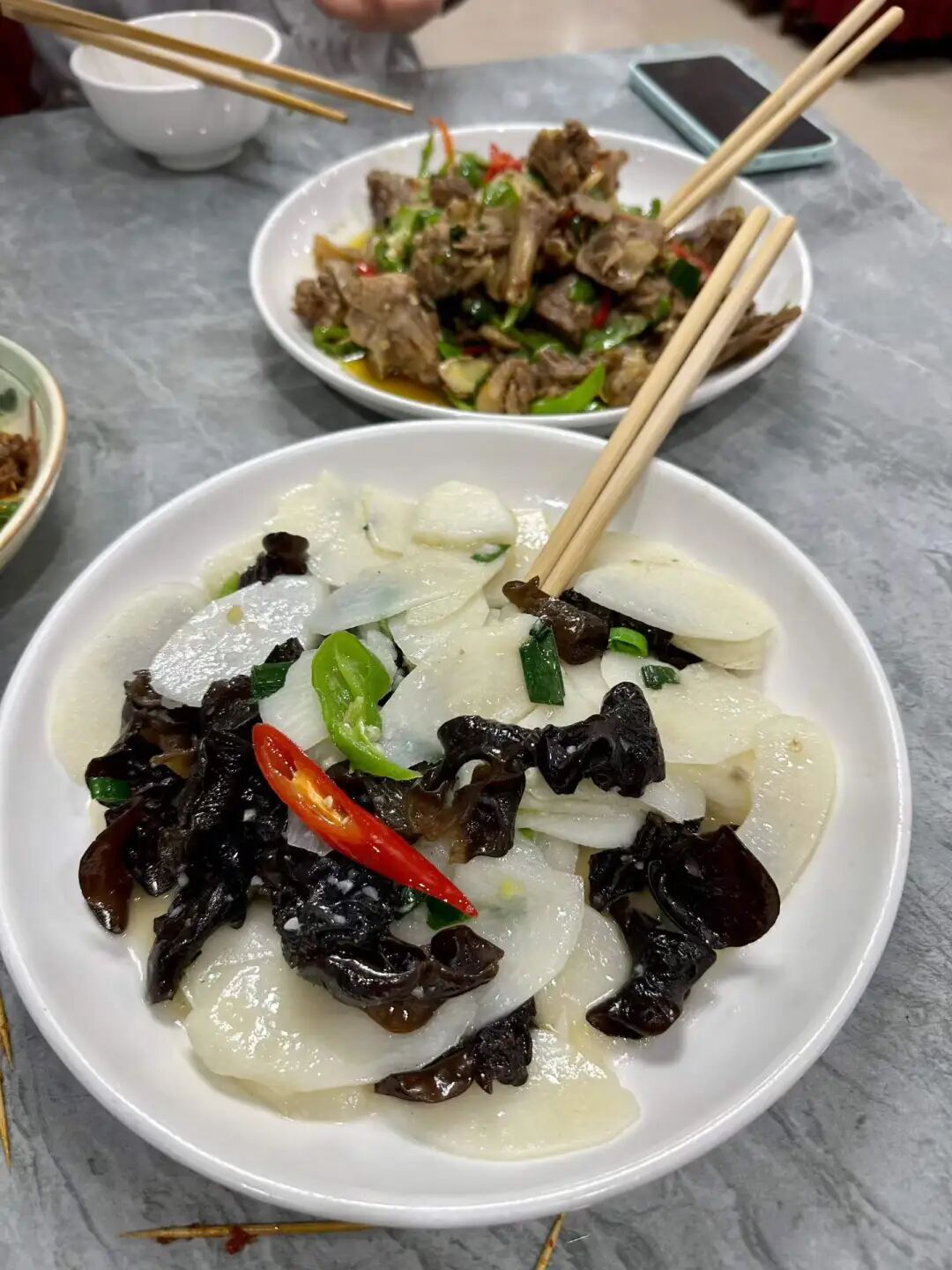
You can find traditional Hui Muslim noodles and pastries at the entrance of Taohuaping Mosque in the county town. This pastry shop is run by Hui Muslims from Shanjie. Their handmade sponge cakes (jidan gao) and sesame flatbreads (zhima bing) are excellent, with authentic milk and egg flavors. Since they contain no additives, you must eat the sponge cakes quickly, and the sesame flatbreads must be kept away from moisture.
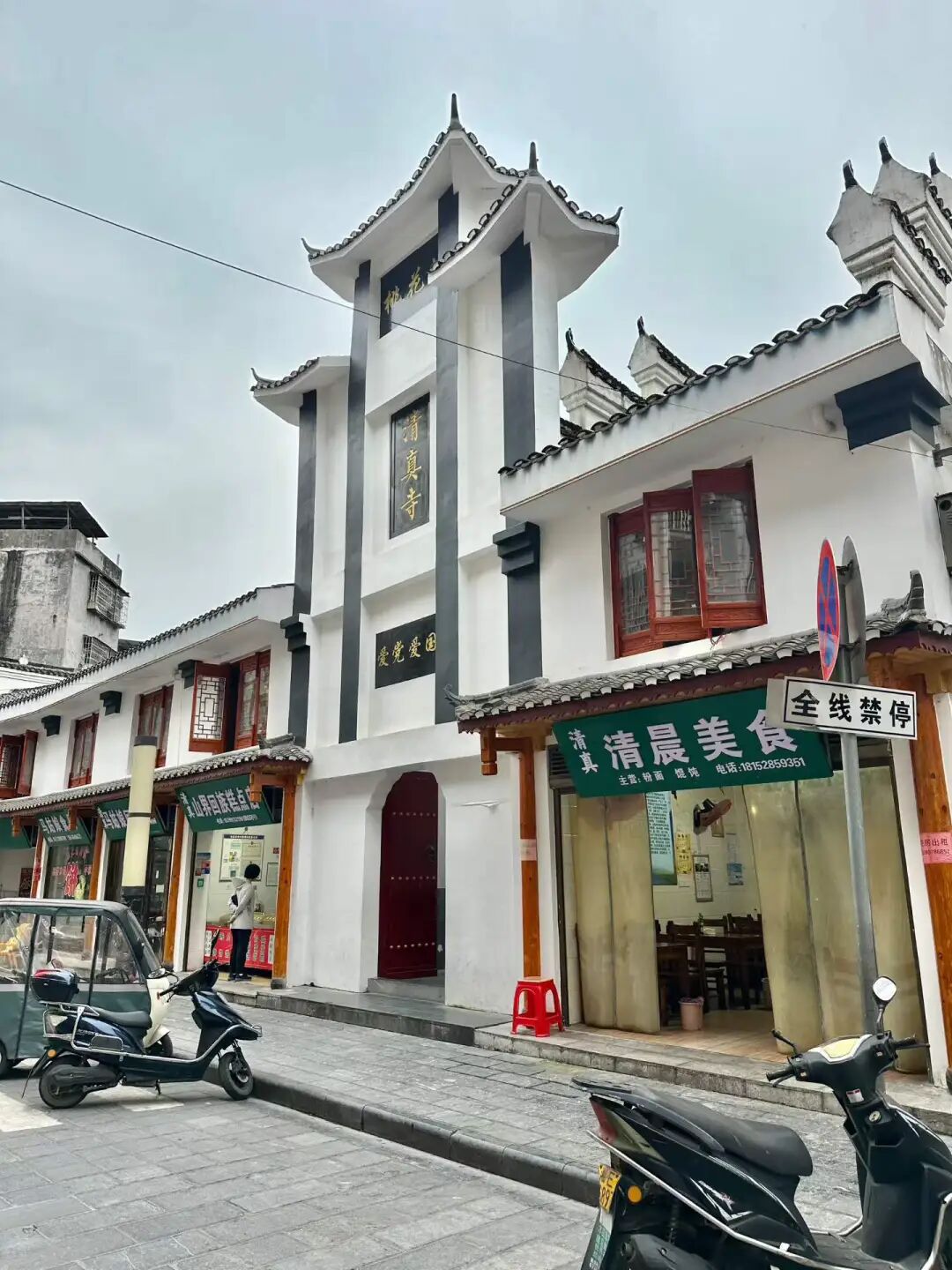
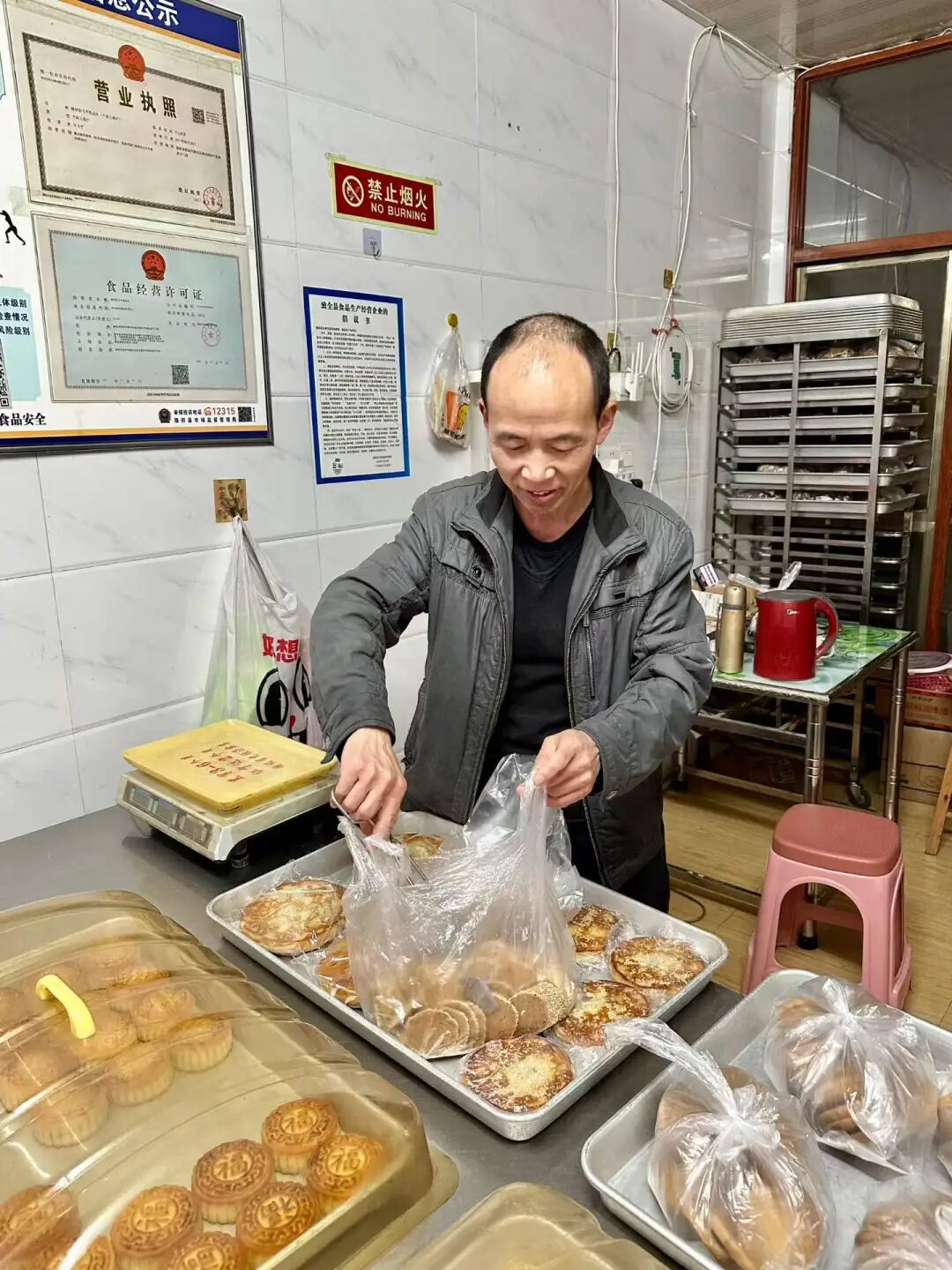
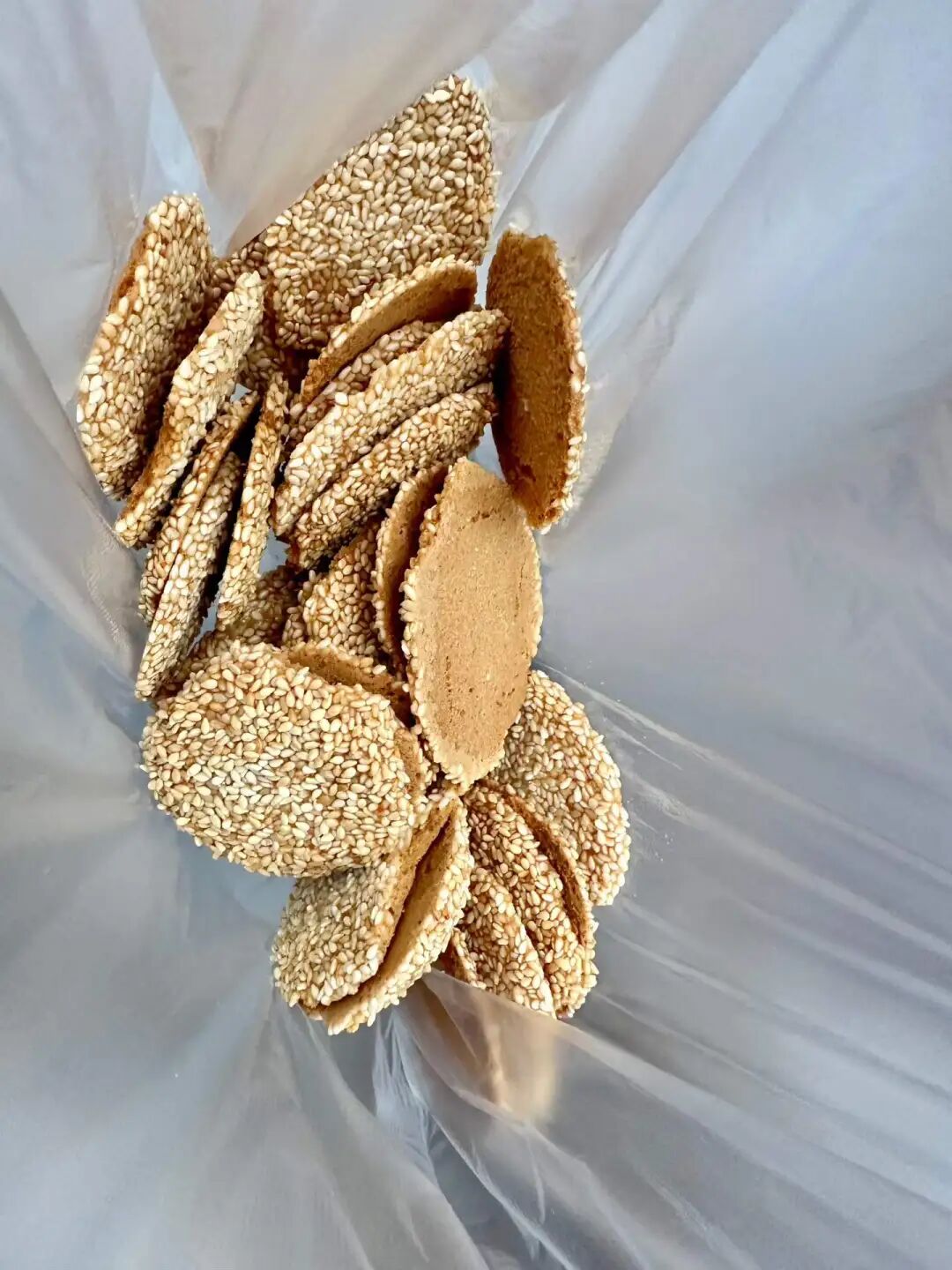
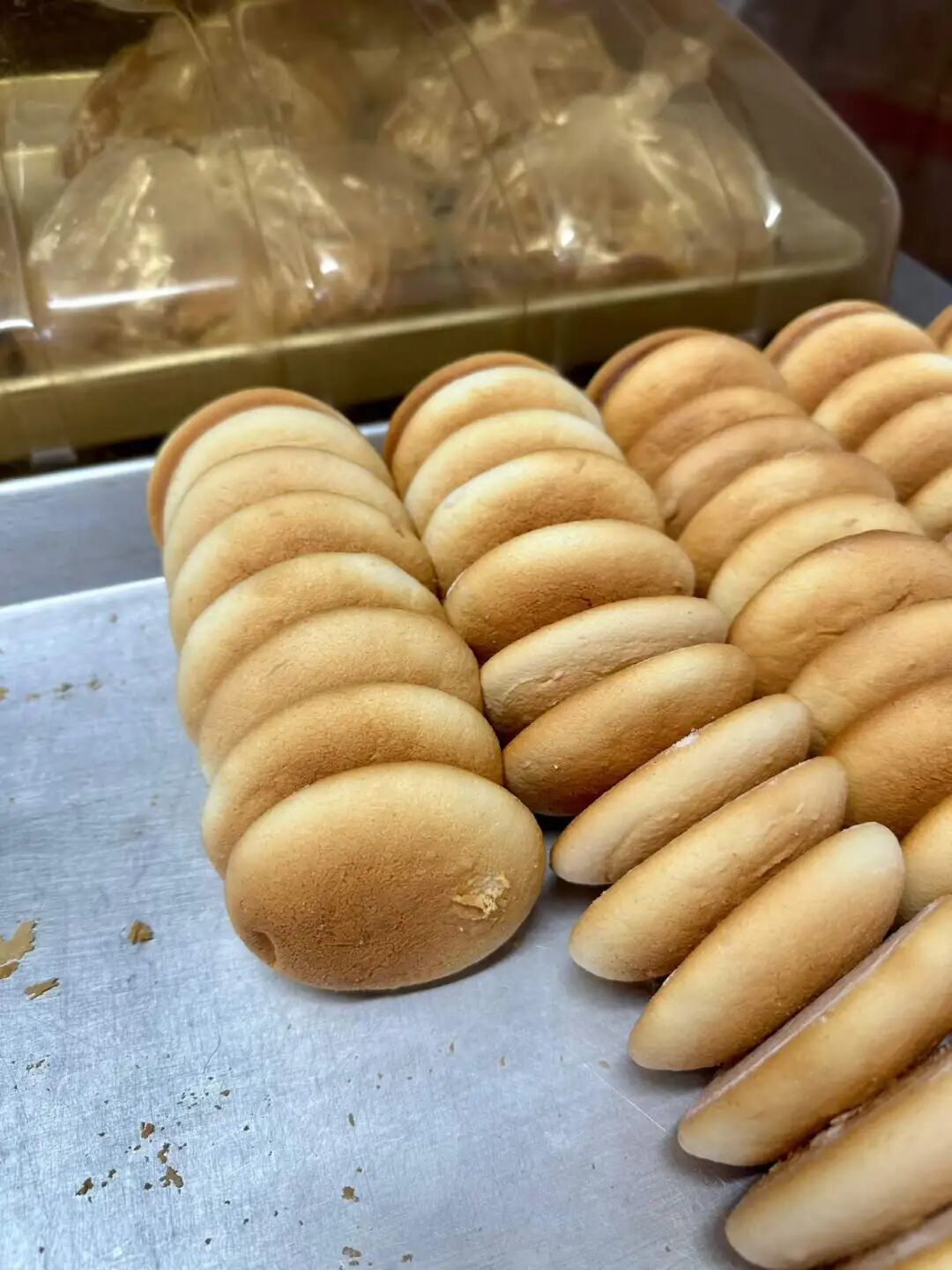
Besides the county town, Shanjie Hui Ethnic Township is also a great place to taste Hui Muslim food. At noon, we ate braised beef steak (hongshao niupai) and vegetable dishes at Laowu Restaurant, located at the entrance of the Shanjie East Mosque. They do not have a menu, so you just discuss what to order directly. The vegetables are all fresh from the field, and you have to order the chicken ahead of time so it can be freshly slaughtered. The steak is cooked in advance, and it tastes just like the kind you make at home.
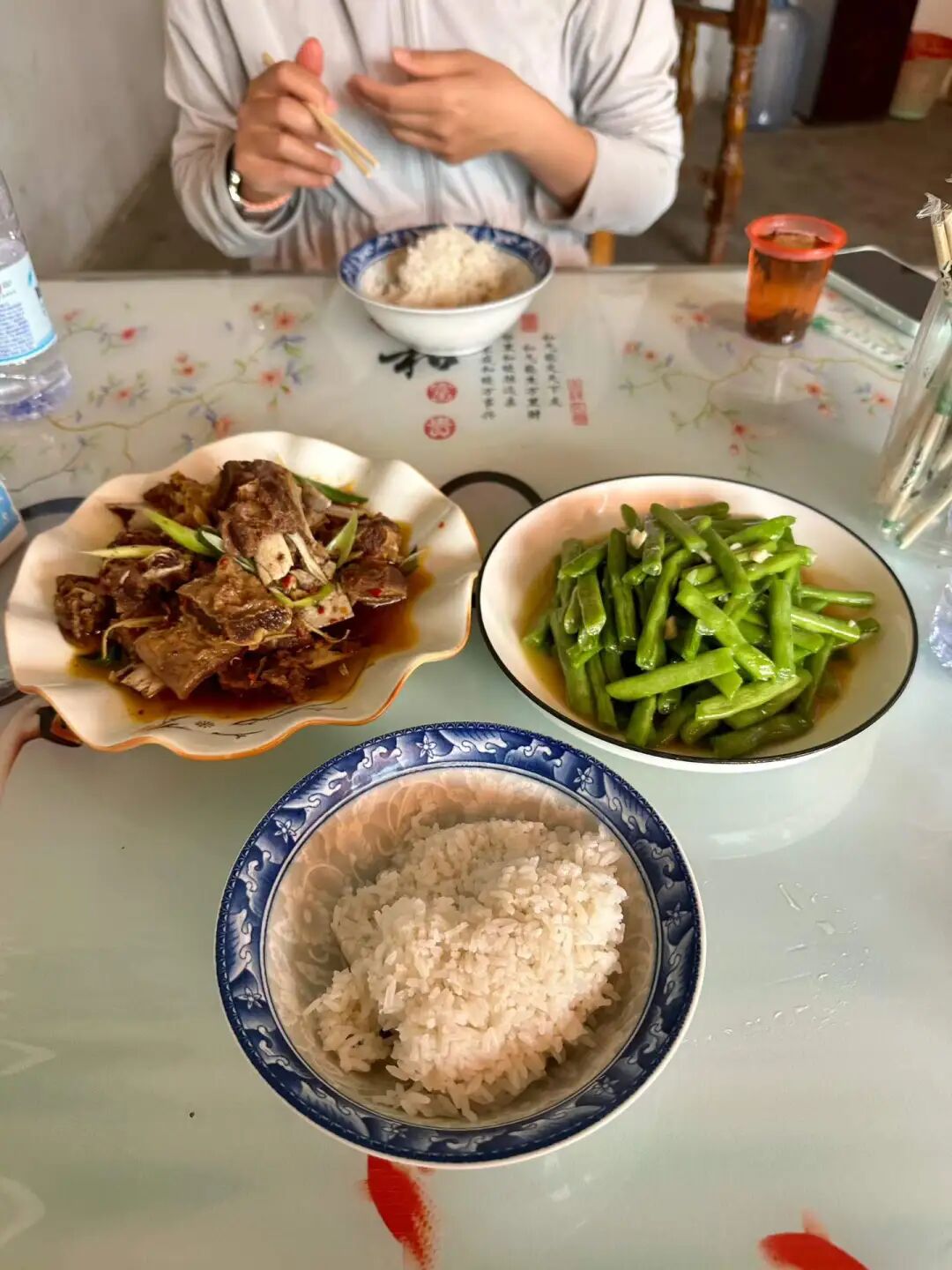
 Collapse Read »
Summary: This halal food guide to Hunan highlights halal food in China, Hui Muslim food in Longhui, Shaoyang, and local snacks from the original travel account.
This article summarizes the key points of why there is so much Hui Muslim food in Longhui, Shaoyang, Hunan. It keeps the original paragraph and image order. It is for readers interested in Muslim life, Islamic culture, and Chinese Islamic writing, and it helps people search for halal food in China.
Traveling from downtown Shaoyang to Longhui County, you reach the area with the highest concentration of Hui Muslims in Hunan.
The first Hui Muslims to settle in Longhui were those with the surname Ma. The ancestor of the Ma family, Ma Cheng, was originally from Taixing, Jiangsu. During the Zhizheng era of the Yuan Dynasty, he served as the Commissioner of the Privy Council. After the start of the Hongwu era in the Ming Dynasty, Ma Cheng resigned from his official post and moved to Shaoyang, Hunan to settle down. During the Hongwu era of the Ming Dynasty, Ma Cheng's third son, Ma Zhi, moved from Shaoyang to Majia Ferry in Longhui. He became the first Hui Muslim in Longhui, and his family has lived there for over 600 years.
Hui Muslims in Longhui mainly live in Shanjie Hui Ethnic Township, but those who run restaurants and noodle shops are mostly in the Longhui county seat, especially near the south side of Longhui Bridge. If you need a place to stay, the area near Daqiao Road is the most convenient. You can eat noodles at various shops there in the morning.
On our first morning, we ate at the Laoshanjie Hui Muslim Noodle Shop at the entrance of Limin Street. We ordered beef noodle soup with large slices of beef and wood ear mushroom with tofu noodle soup. I really love Shaoyang beef noodles. The broth is rich, spicy, and savory. The beef is well-seasoned, and the thick rice noodles are smooth and chewy. The red chili oil smells amazing. Slurping them down is so satisfying; the more you eat, the more you want. The wood ear mushroom with tofu here is also delicious. It soaks up all the broth and is very flavorful.
When eating noodles in Shaoyang, you cannot miss the mountain pepper oil (shanhujiaoyou). The mountain pepper (shancangzi) has a special scent that is like a mix of mint and lemon, making it cool and refreshing.
The next day, I went to another Hui Muslim noodle shop on Daqiao Road called Lanlan. I had the stir-fried beef rice noodles and beef wontons. I added 2 yuan of tofu and wood ear mushrooms, plus 2 yuan of eggs to both bowls, which made the texture much better. The stir-fried beef rice noodles were rich in beef flavor, and the noodles were smooth and well-seasoned with an authentic spicy kick. The beef wontons had thin skins and plenty of filling, and the meat was firm and bouncy. You can order a small portion if you have a smaller appetite.
At the intersection of Daqiao Road in Longhui, there is a Hui Muslim restaurant called Xiangyijiaren. It is a great place to try authentic Hunan Hui Muslim farmhouse cooking. The owner is a man named Ma from the Dong Mosque in Shanjie Hui Ethnic Township. There is no menu in the shop. They focus on seasonal dishes, cooking whatever is harvested from the fields.
As a Hunan Hui Muslim restaurant, their signature dish is definitely stir-fried yellow beef. We had been eating beef for a few days, so we wanted to try chicken. Unfortunately, at these local Hui Muslim restaurants, you have to order chicken in advance. They go to the village to slaughter the chicken fresh and cook the whole bird. So, we ended up eating river food. The owner recommended stir-fried small fish and shrimp, which were caught from the pond that same day.
The vegetables and rice in the shop are grown by the owner's family. We ordered snow peas (caidou), which were very crisp and tasty, though Hunan vegetable dishes tend to use quite a bit of oil. The owner explained that they grow two rice crops a year in Hunan. The first crop grows with a smaller temperature difference, so the taste is average. The second crop grows with a larger temperature difference, making it more fragrant. The rice in their shop is the second crop they grew themselves.
The owner was very talkative and even gave us some pickled vegetable soup for free. Shaoyang pickled vegetables (yancai) are a homemade jarred dish made from bok choy that is dried and then pickled. It is dry, fragrant, and sour. It is perfect with rice when stir-fried with chili and minced meat, and it also makes a great soup. In the end, the owner even gave us two bundles to take home and cook ourselves.
There are four Hui Muslim stir-fry restaurants on both sides of Longhui Bridge. We previously ate at Xiangyijiaren and another Hui Muslim restaurant, which both focus on small stir-fry dishes. The other two, Minzufengweilou and Yihesheng, specialize in banquet meals. We ate at Minzufengweilou this time. It seems to be the main place where Hui Muslims in Longhui host their banquets.
The restaurant has a great view overlooking the river, though it does not get many casual diners on a regular day. We ordered toothpick beef (yaqian niurou), specialty duck (fengwei ya), and yam with wood ear mushrooms (shanyao mu'er). The toothpick beef was quite salty, the specialty duck was delicious, and the yam with wood ear mushrooms was very fresh. It was a pity we still did not get to eat chicken, as you have to order it in advance to have it freshly slaughtered and cooked.
You can find traditional Hui Muslim noodles and pastries at the entrance of Taohuaping Mosque in the county town. This pastry shop is run by Hui Muslims from Shanjie. Their handmade sponge cakes (jidan gao) and sesame flatbreads (zhima bing) are excellent, with authentic milk and egg flavors. Since they contain no additives, you must eat the sponge cakes quickly, and the sesame flatbreads must be kept away from moisture.
Besides the county town, Shanjie Hui Ethnic Township is also a great place to taste Hui Muslim food. At noon, we ate braised beef steak (hongshao niupai) and vegetable dishes at Laowu Restaurant, located at the entrance of the Shanjie East Mosque. They do not have a menu, so you just discuss what to order directly. The vegetables are all fresh from the field, and you have to order the chicken ahead of time so it can be freshly slaughtered. The steak is cooked in advance, and it tastes just like the kind you make at home.
Collapse Read »
China Mosque Travel Guide: Haoxi Hui Muslim Township in Qingchuan, Guangyuan and Guanghui Gongbei
Reposted from the web
Summary: This China mosque travel guide follows Haoxi Hui Muslim Township in Qingchuan, Guangyuan, the Guanghui gongbei shrine, and Sichuan Muslim heritage without changing the original travel details.
This article summarizes the key points of a self-driving trip to ancient temples in Sichuan during the Spring Festival (Part 13), focusing on Haoxi Hui Muslim Township in Qingchuan County, Guangyuan, and the Guanghuiting gongbei. It keeps the original paragraph and image order, making it suitable for readers interested in Muslim life, Islamic culture, and Chinese Islamic articles. It also helps with searching for content related to Part 13 and Chinese halal food.
We left the ancient town of Qingxi in the morning and arrived at another Hui Muslim township in Guangyuan—Haoxi Hui Muslim Township. We first visited the Guanghuiting gongbei, which belongs to the Qadiriyya Sufi order (menhuan).
Guanghuiting is the burial place of Ma Chunyi, a disciple of the Qadiriyya leader Huazhe Abdullahi. Later generations call him the 'Fifth Great Ancestor'. The Fifth Great Ancestor began studying under Huazhe in 1674 (the 13th year of the Kangxi reign). The following year, he followed his teacher's orders to accompany his senior fellow student Qi Jingyi to Hanzhong, and later traveled to Qingyang Palace in Chengdu. Legend says that while returning to Hanzhong, the Fifth Great Ancestor followed his teacher's instructions to buy two bolts of white cloth in Zhongba, Jiangyou. After leaving Jiangyou, he fell ill with dysentery. He passed away (gui zhen) in 1684 (the 23rd year of the Kangxi reign) while passing through Haoxi Mosque. Later generations built a gongbei for him, naming it 'Guanghuiting'.
In 1833 (the 13th year of the Daoguang reign), Ma Longyun from Hezhou oversaw the construction of the brick pavilion at Guanghuiting and donated land to it. A front hall was added during the Xianfeng reign, and it has been renovated many times since. In 1935, Red Fourth Front Army leaders like Xu Xiangqian and Chen Changhao directed the Battle of Xuanmaguan from Guanghuiting. The imam (ahong) stationed at the mosque at the time, Su Shichang, provided them with great assistance. Before leaving, Xu Xiangqian gifted him items like white sugar. After 1966, Guanghuiting became a commune hospital. It was restored in 1980 and rebuilt into its current structure in 1984.
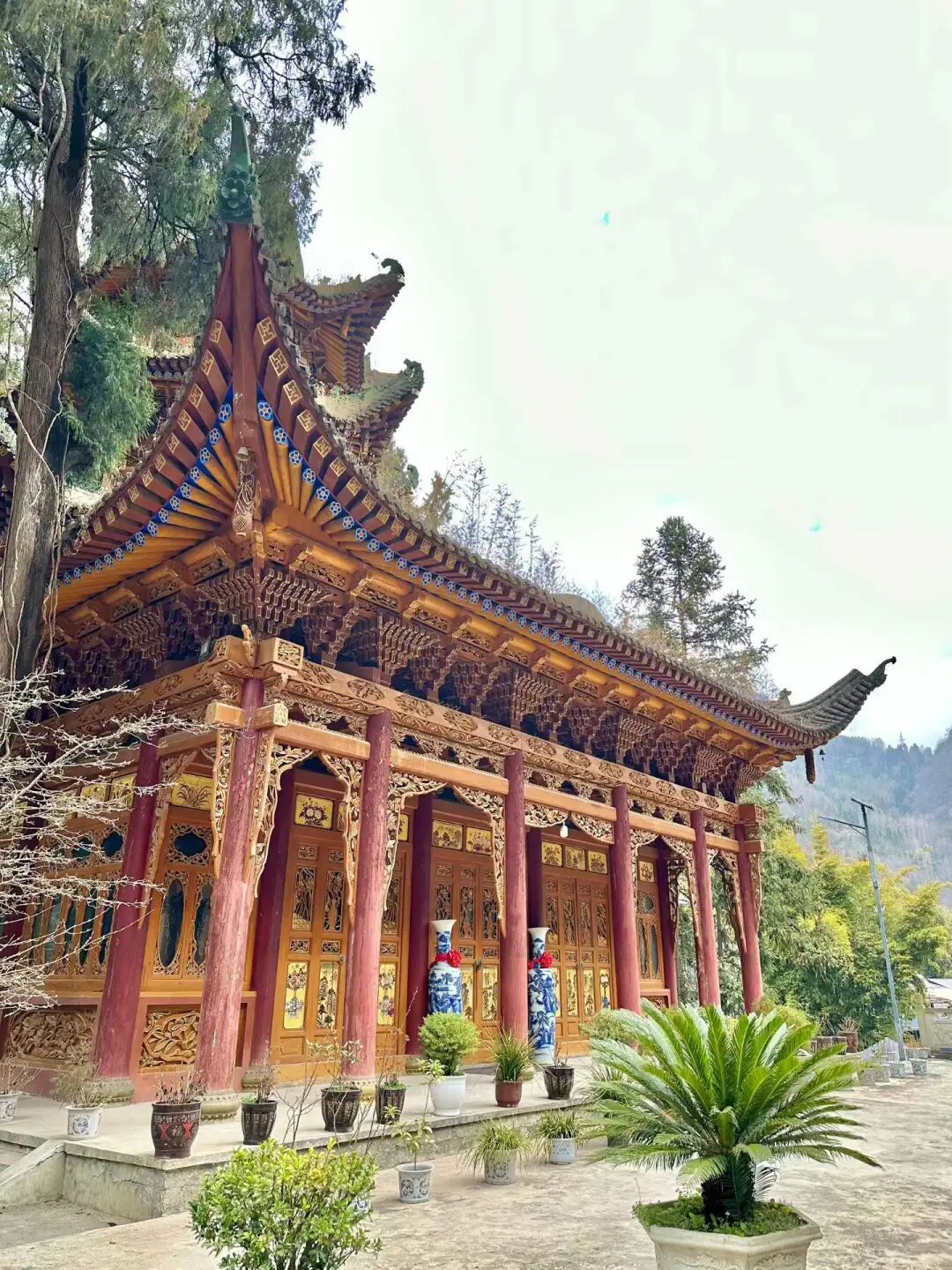
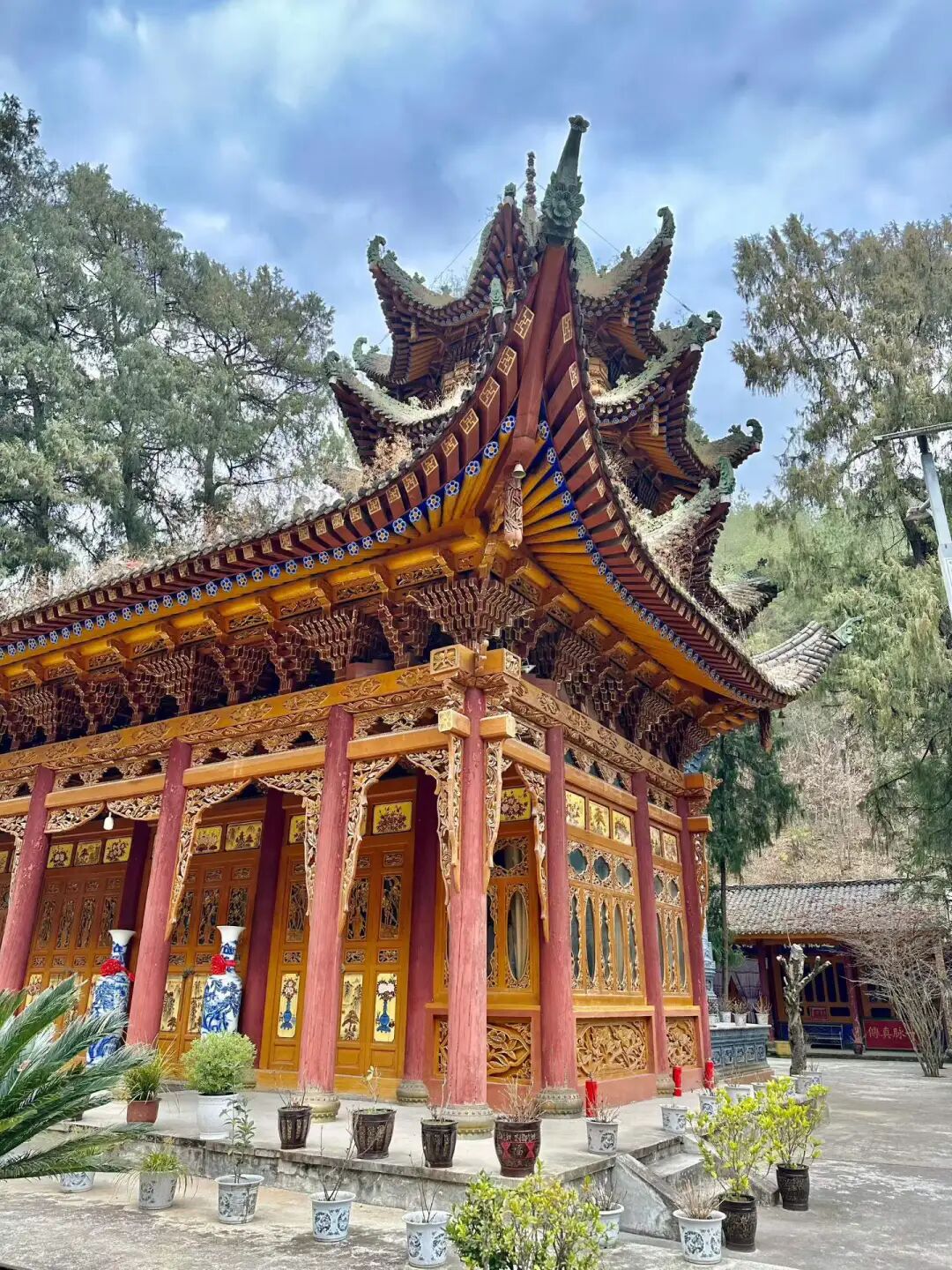
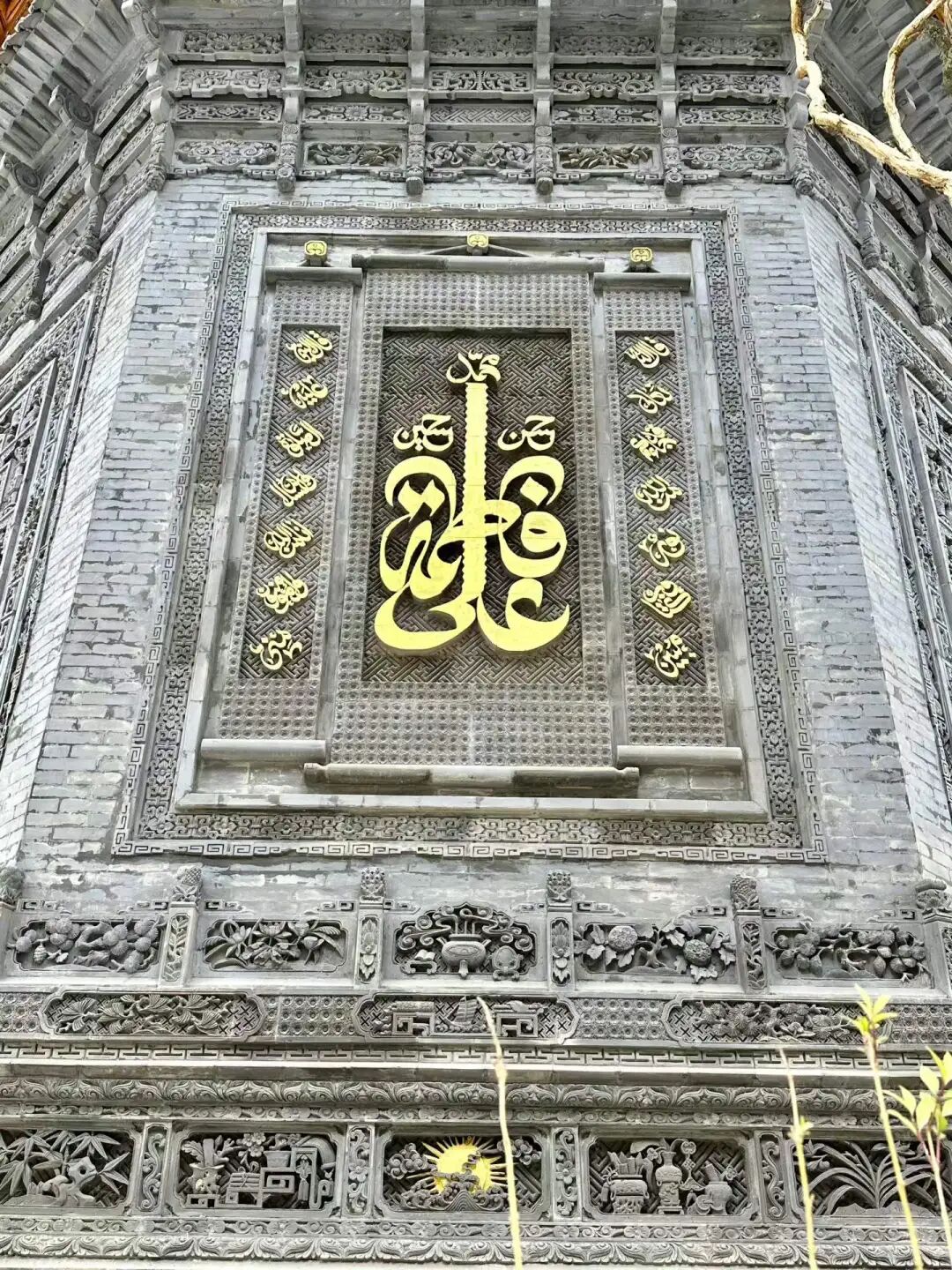
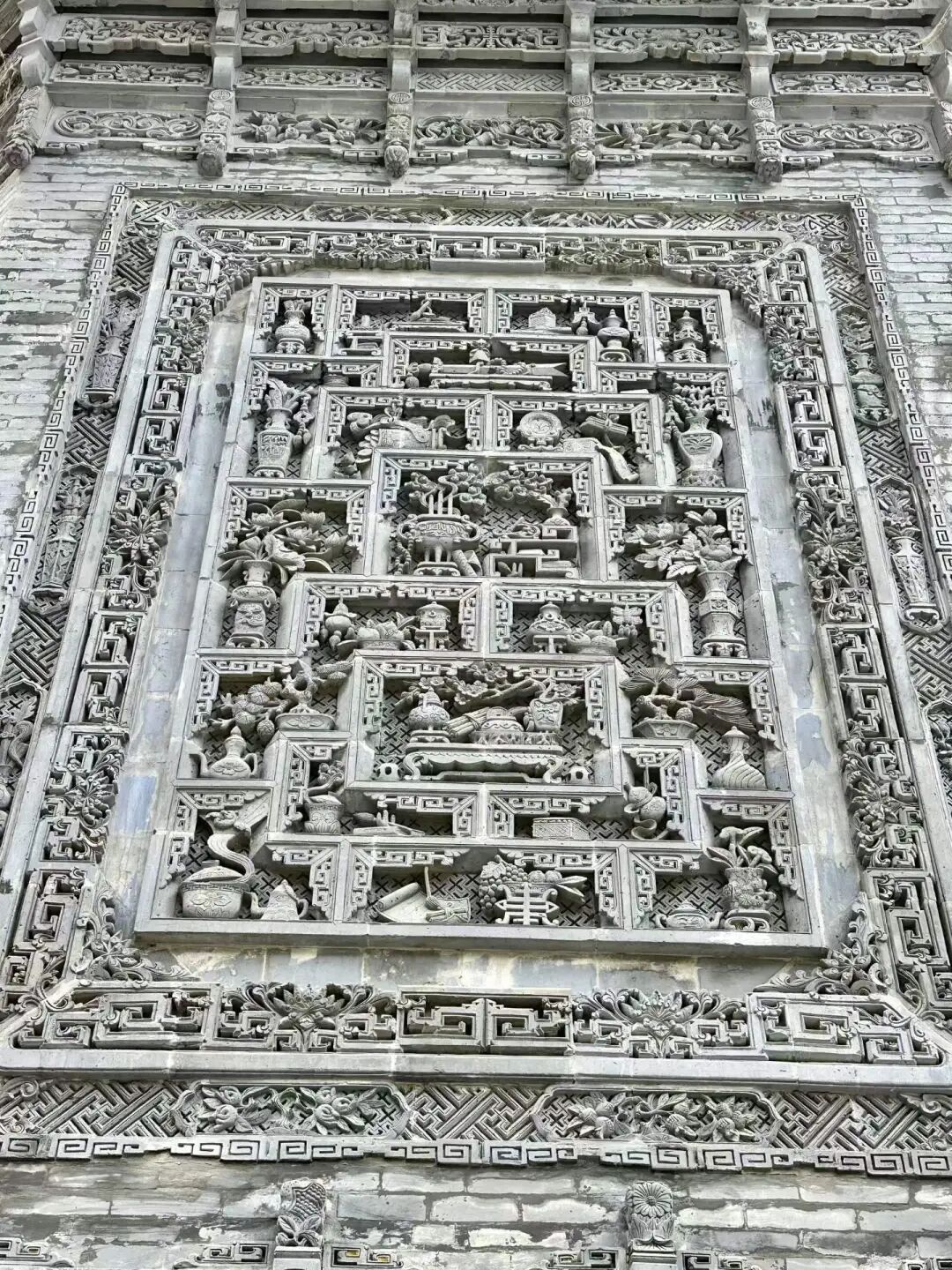
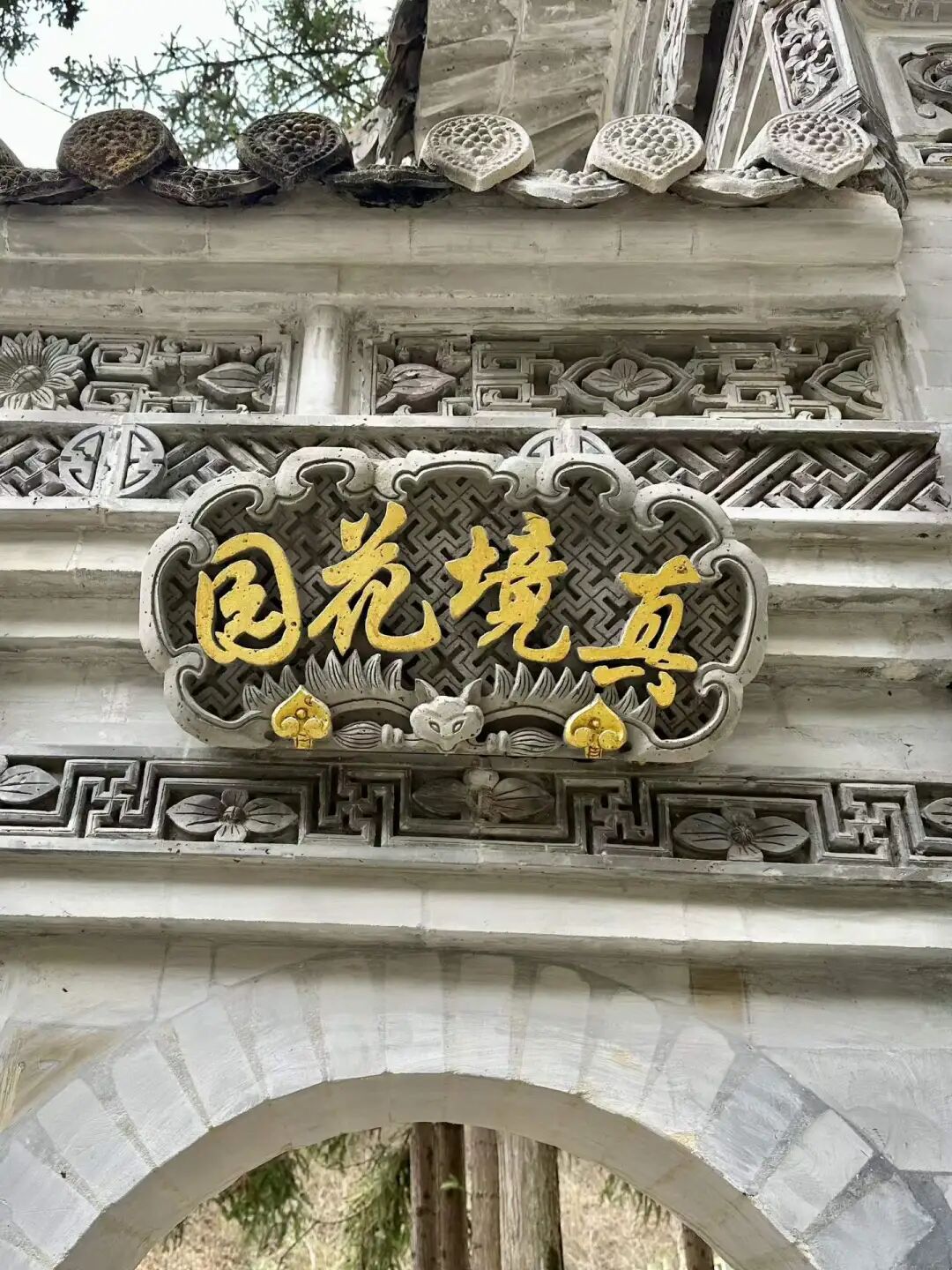
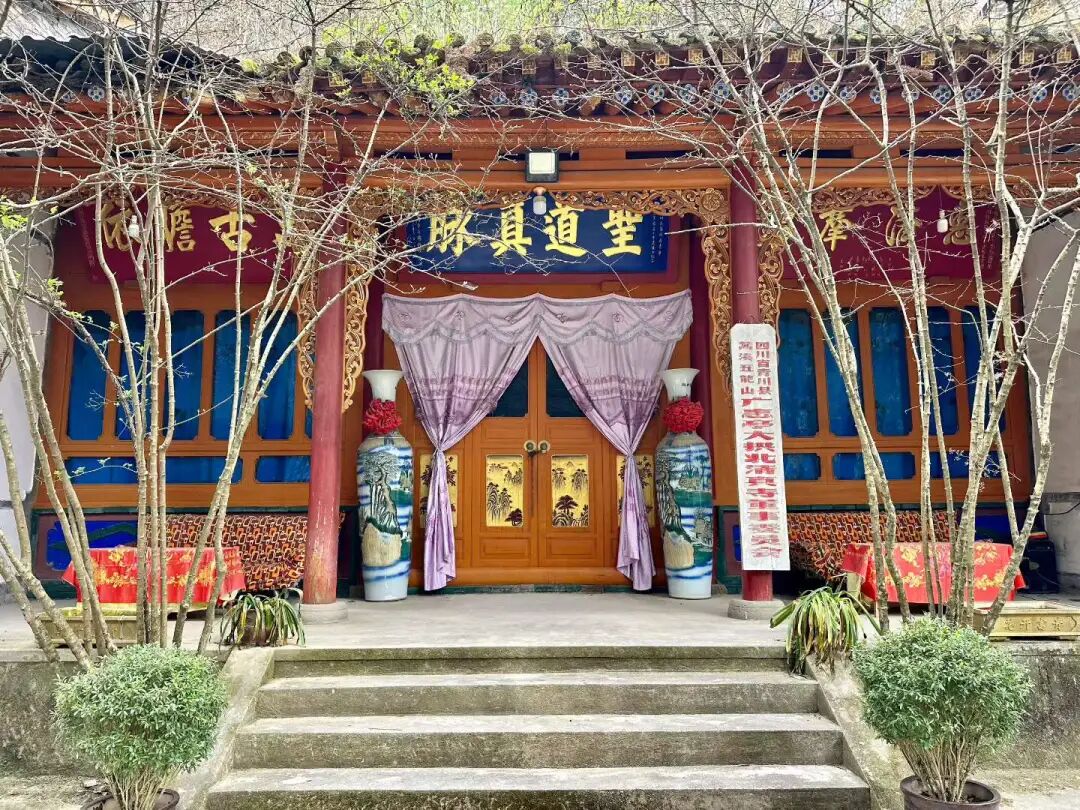
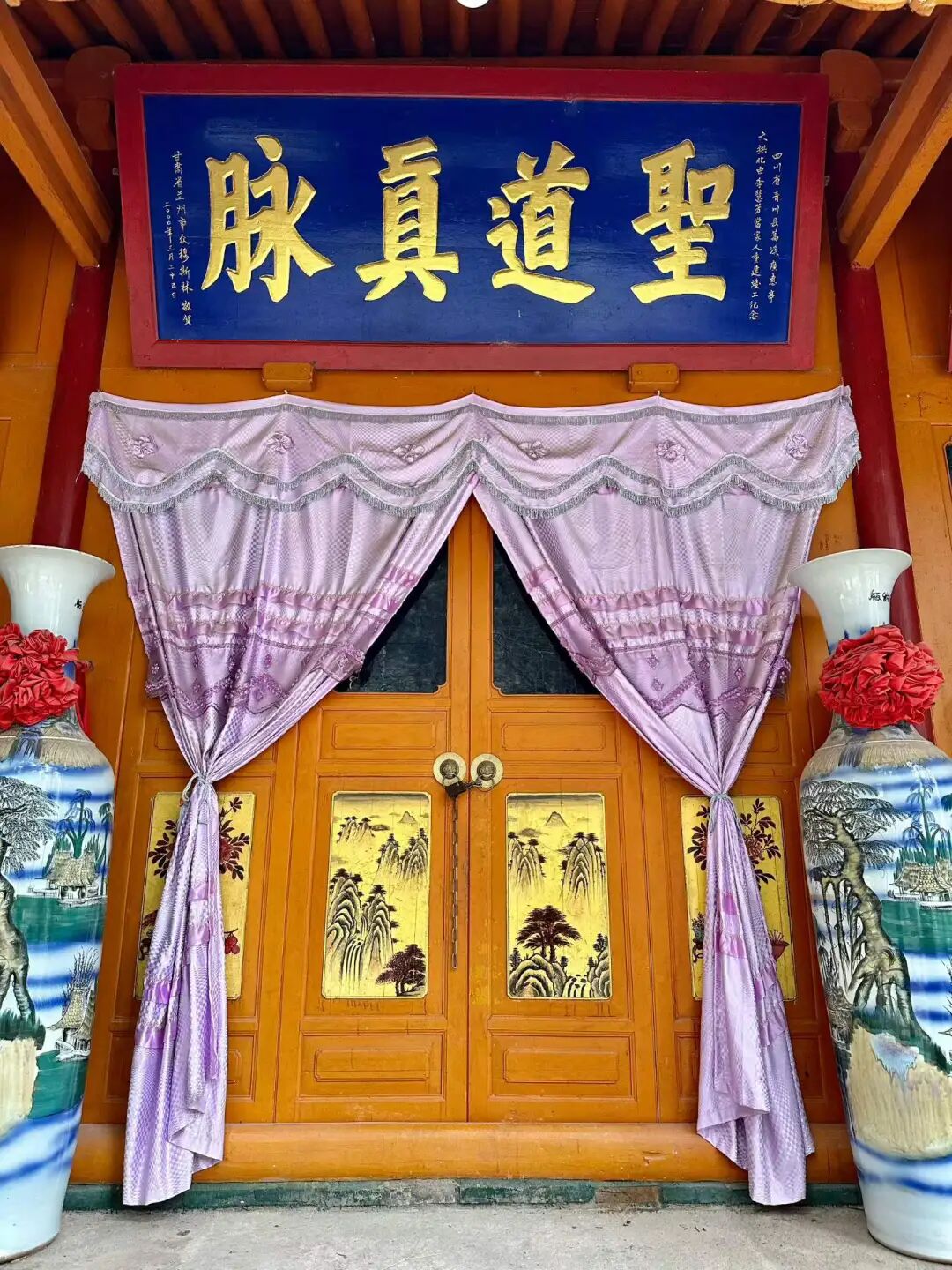
Historical plaques at the Guanghuiting gongbei:
The 'Huiji Qunli' (Benefiting the Masses) plaque from the 21st year of the Guangxu reign, presented by Chen, the magistrate of Pingwu County, Long'an Prefecture, who held a third-rank title as an imperial guard and was granted the title of Tongzhi. It was also signed by She Deshou, Ma Desheng, Hu Jun, She Ren, and Hu Congfeng.
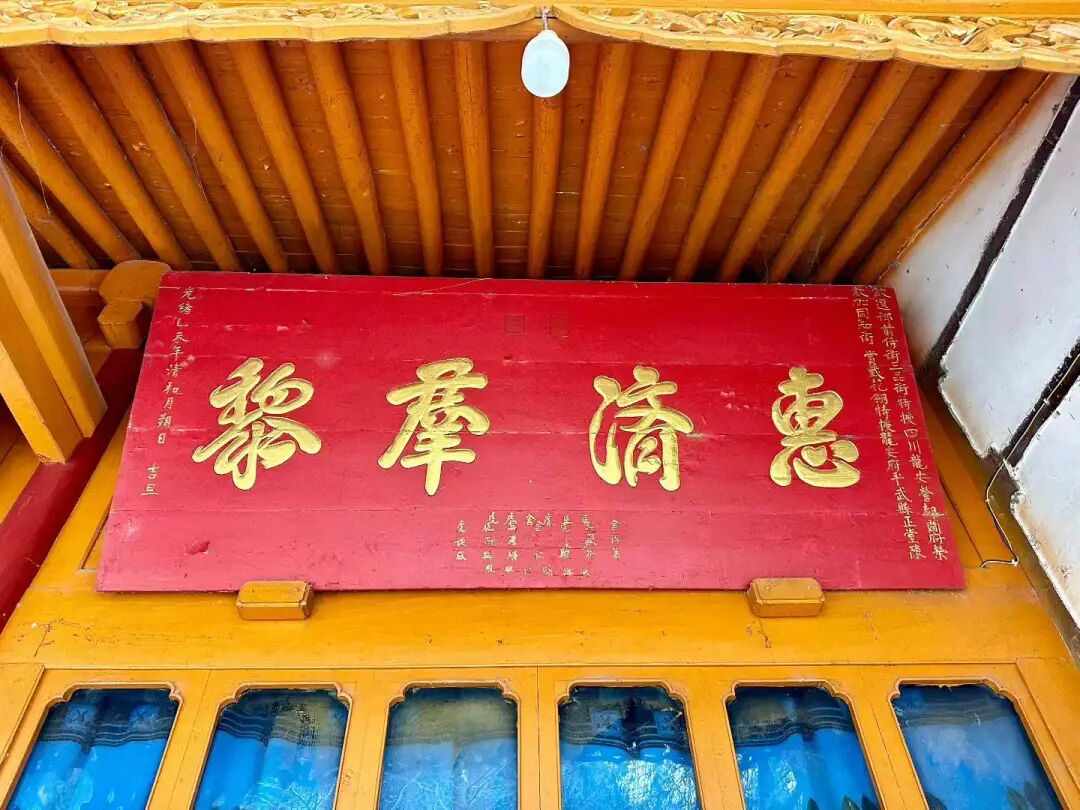
The 'Wangu Zhanyi' (Venerated for All Time) plaque from the 28th year of the Guangxu reign, presented by Shan Diankui, who held a first-rank title and served as the Commander-in-Chief of the Sichuan Provincial Military, also holding the title of Commander of the Jianchang Garrison and the title of Sheng-Sheng Baturu.
Shan Diankui was a Qing dynasty military officer from Changping, Beijing. He was passionate about Islamic affairs. He wrote plaques for the Puhading Cemetery in Yangzhou, the Great Mosque in Tianjin, the Hexi Mosque in Xichang, and the Guanghui Pavilion (guanghuiting) gongbei. He funded the woodblock printing of the Shan family edition of the Precious Scripture of Life (baoming zhenjing) in Songjiang Prefecture, which is the 'Haitie' commonly used by Hui Muslims. He also established an elementary school at the Changping Mosque in his hometown.
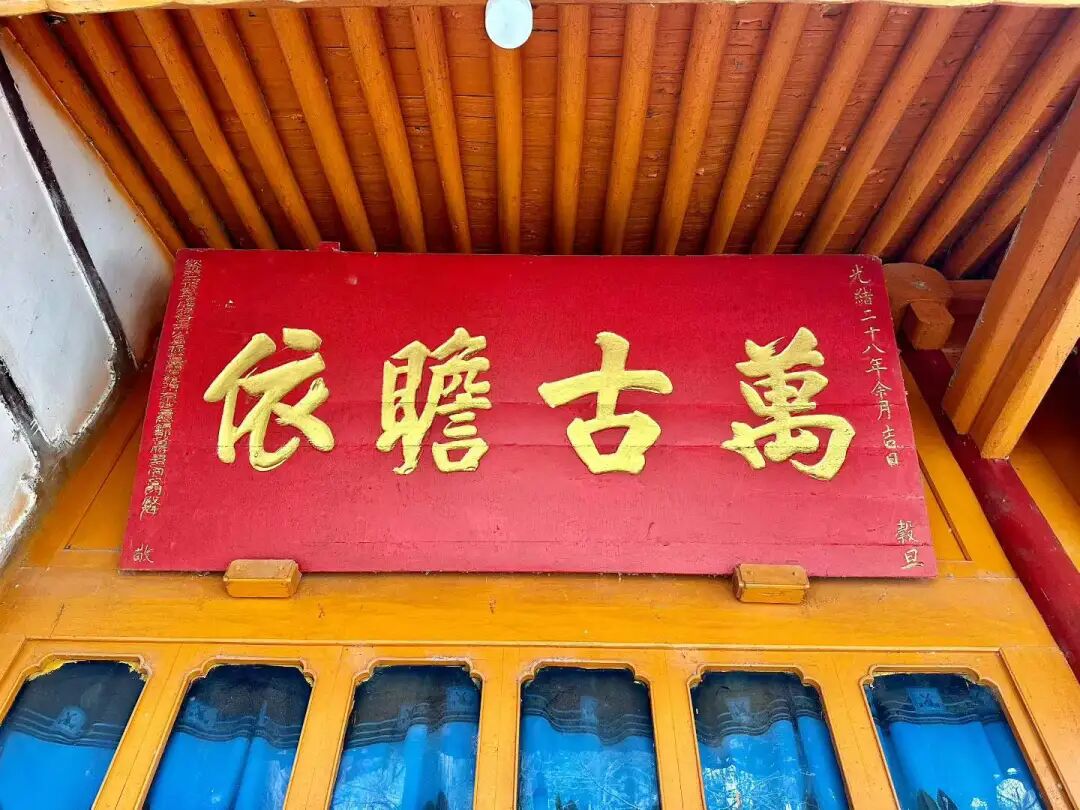
The 'Zhimiao Qingzhen' plaque from the fifth year of the Republic of China mentions He Bingkuan, battalion commander of the first battalion of the front five units of the Western Route of the Han Army, who received a second-class medal and was credited with seven major merits. It also lists Feng Zhaosheng, Ma Junming, Ma Wanfa, and Li Ze, who were patrol officers of the right guard of the fifth battalion of the front five units of the Western Route of the Han Army and were credited with three major merits.
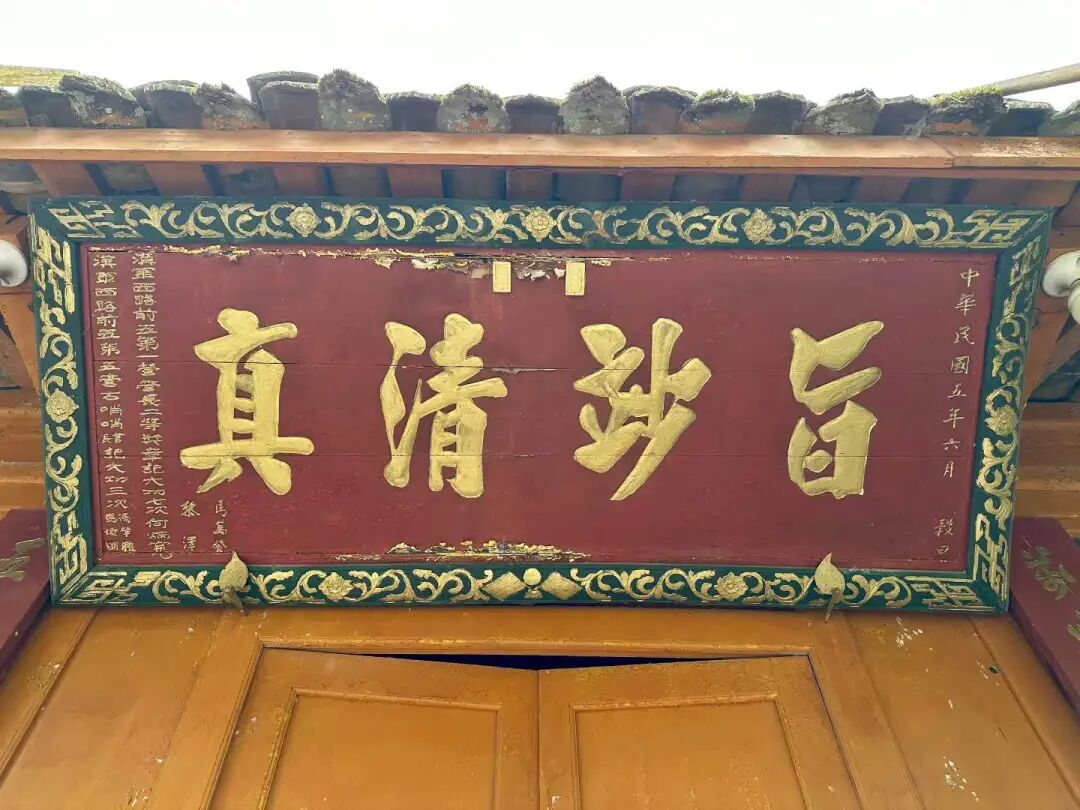
Inside the gongbei is the 1924 'Stele Record of the Reconstruction of Wulong Mountain and Xulong Mountain' written by La Yonggui. The text records that in 1833 (the 13th year of the Daoguang reign), Ma Nengyun from Hezhou brought silver to Haoxi to build a brick pavilion. He did not finish the work, so he went to Hezhou and Songpan to raise 270 taels of silver to complete it, and purchased a plot of land behind the pavilion and a section of mountain land. During the Xianfeng reign, Ma Daoxiang and local Muslims from Songpan and the surrounding area built a front hall (baoting) in front of the pavilion, which was rebuilt during the Tongzhi reign. In the early Guangxu reign, elders from Songpan invited Ma Dao'an, the abbot of Xulong Mountain (Haoxi gongbei), to renovate the pavilion and guest hall, and to repair one room at Wulong Mountain (Guanghui Pavilion). During the Guangxu reign, successive earthquakes tilted the Haoxi gongbei. When Mi Yongling was the abbot of Guanghui Pavilion, he went to Songpan and the local area to raise funds to rebuild the pavilions, front halls, guest halls, mountain gates, and courtyard walls of both mountains.
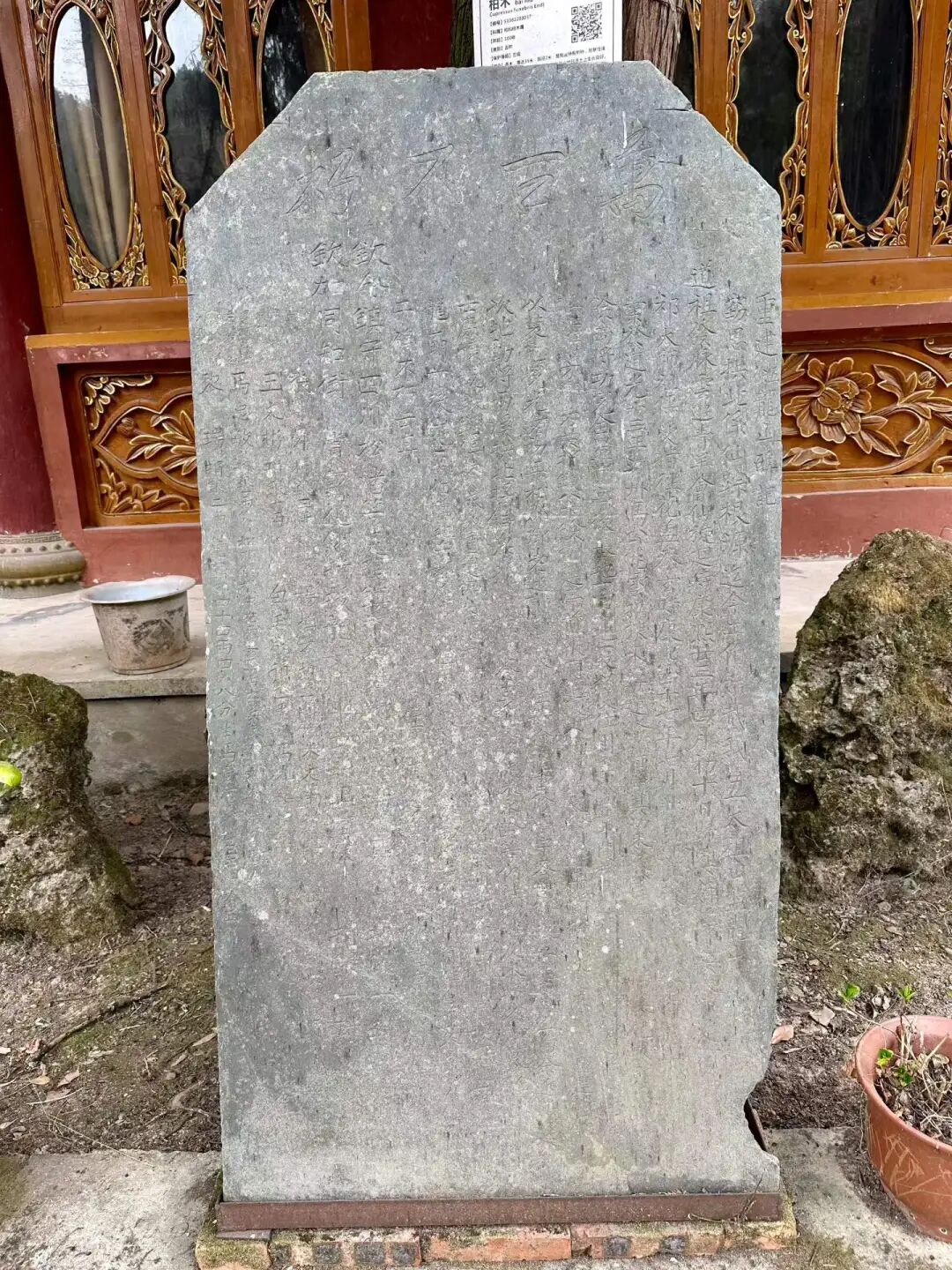
The two cypress trees inside the gongbei are 450 and 350 years old, respectively, and are listed as ancient and famous trees in Qingchuan County.
The prayer hall of the Guanghui Pavilion gongbei. The prayer hall (daotang) of a Qadiriyya grand gongbei usually contains both a gongbei and a prayer hall, so it is also called a gongbei mosque.
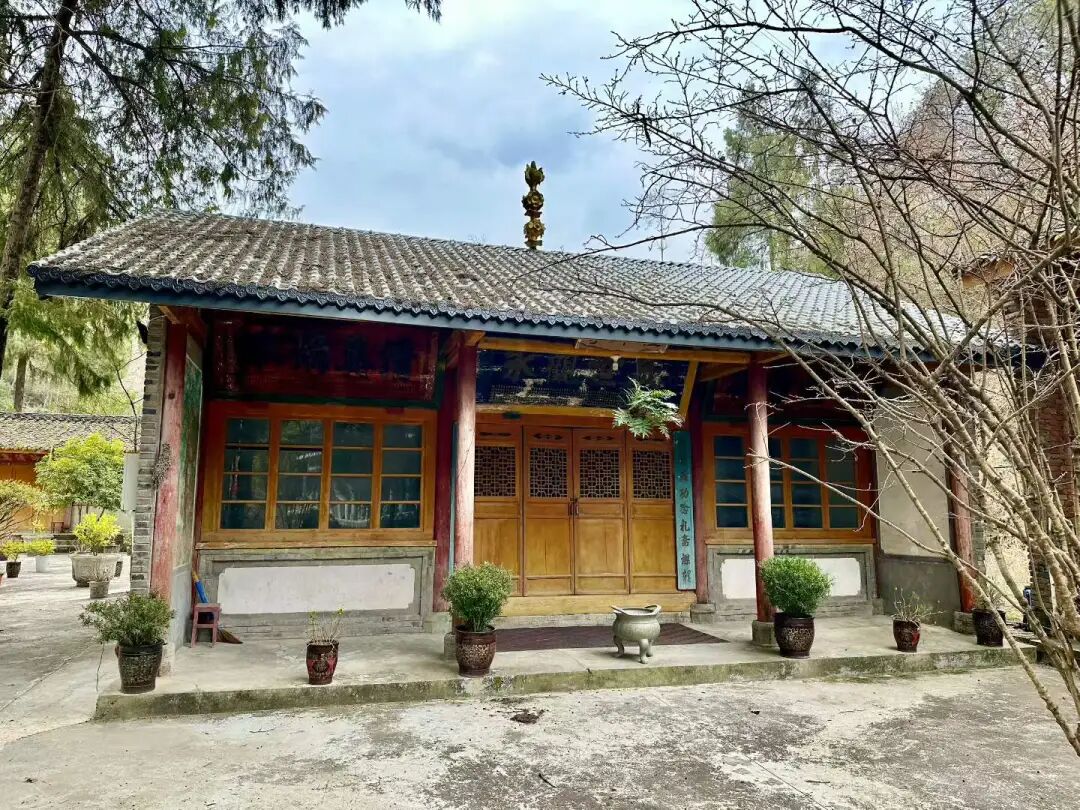
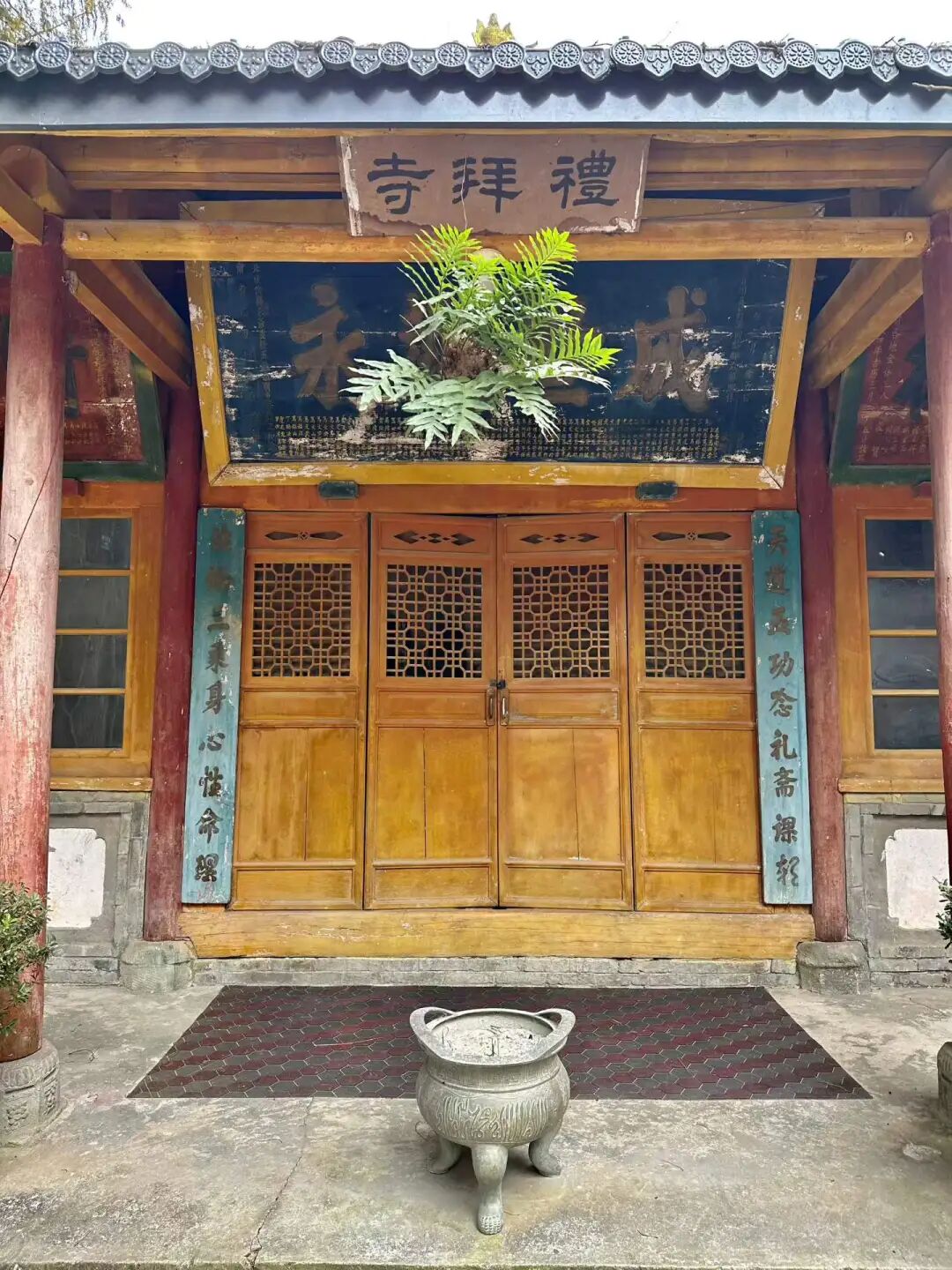
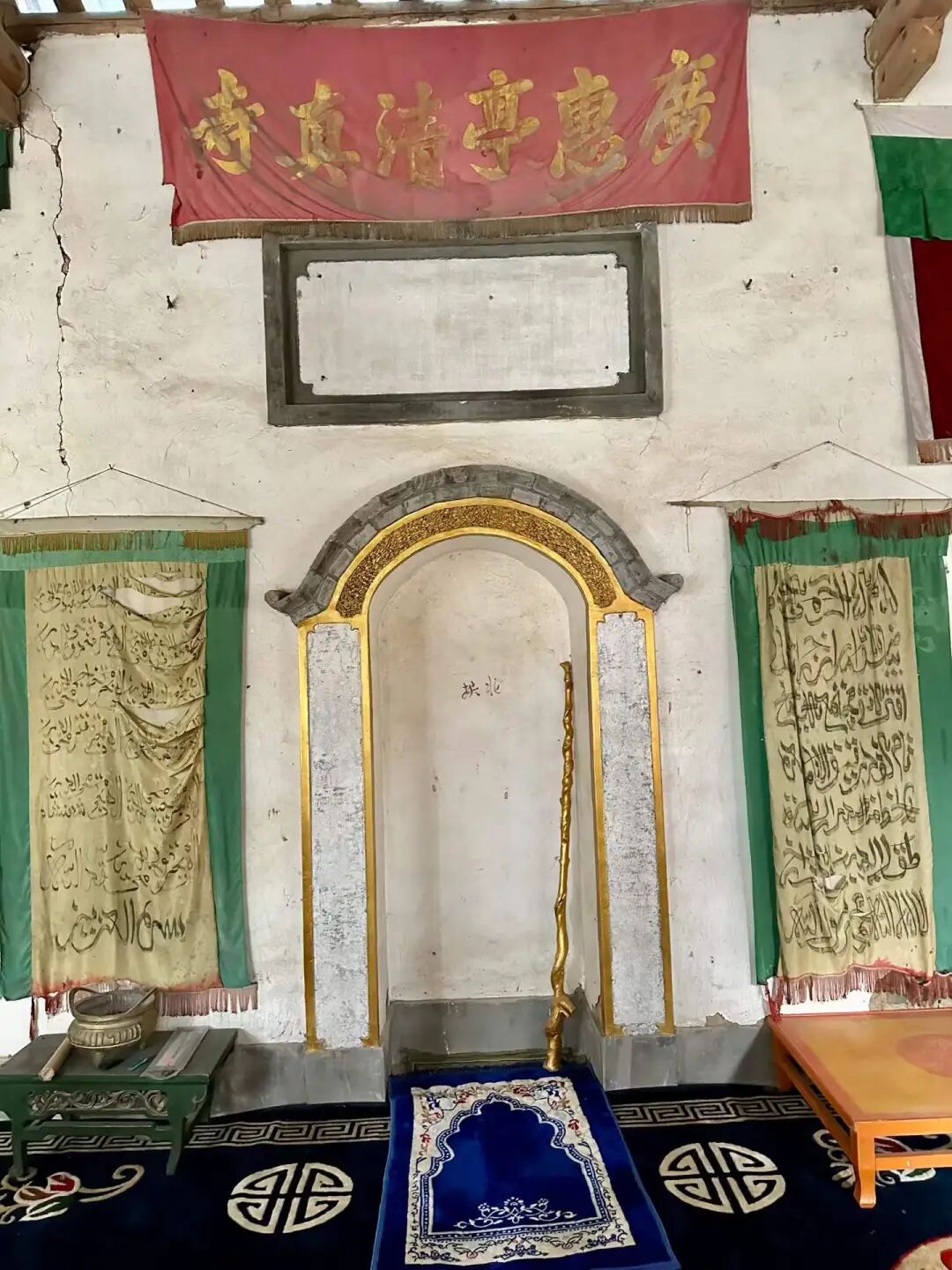
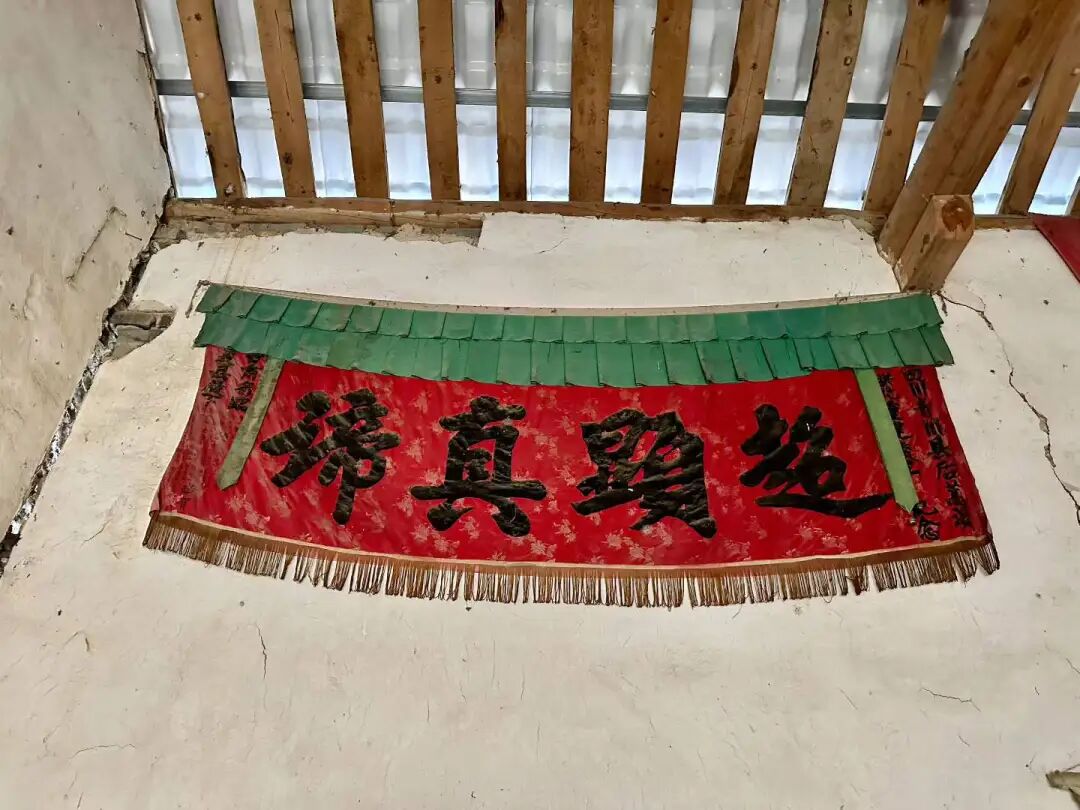
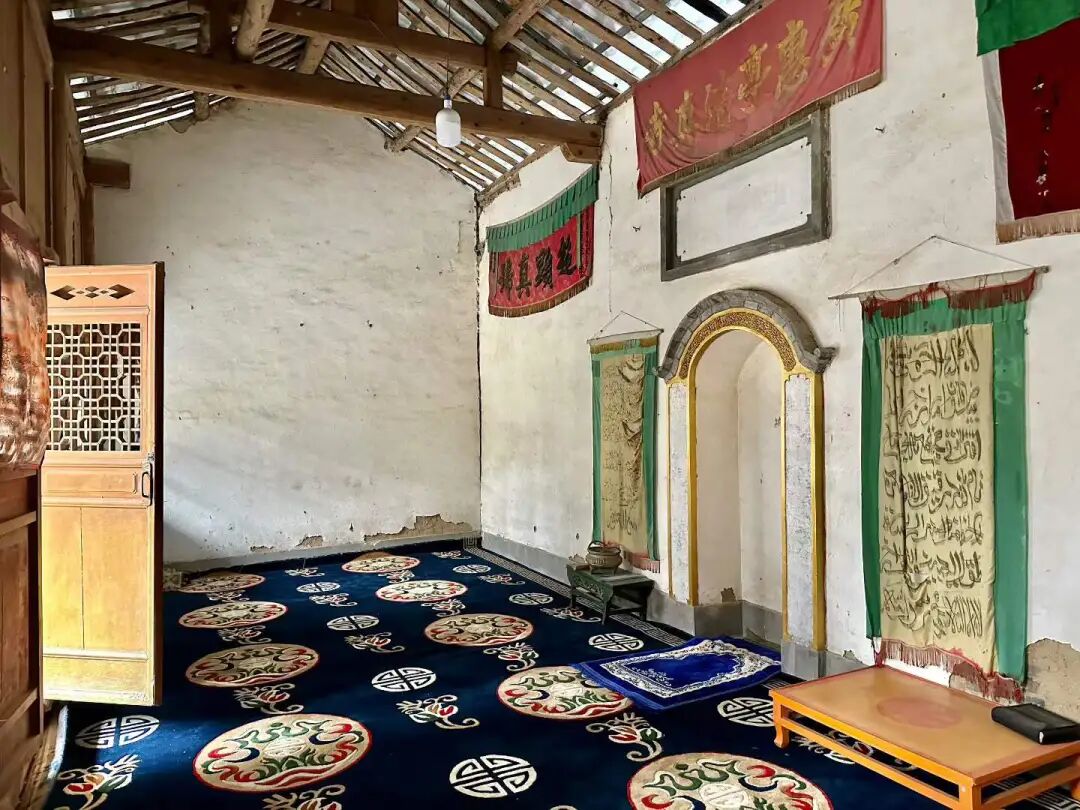
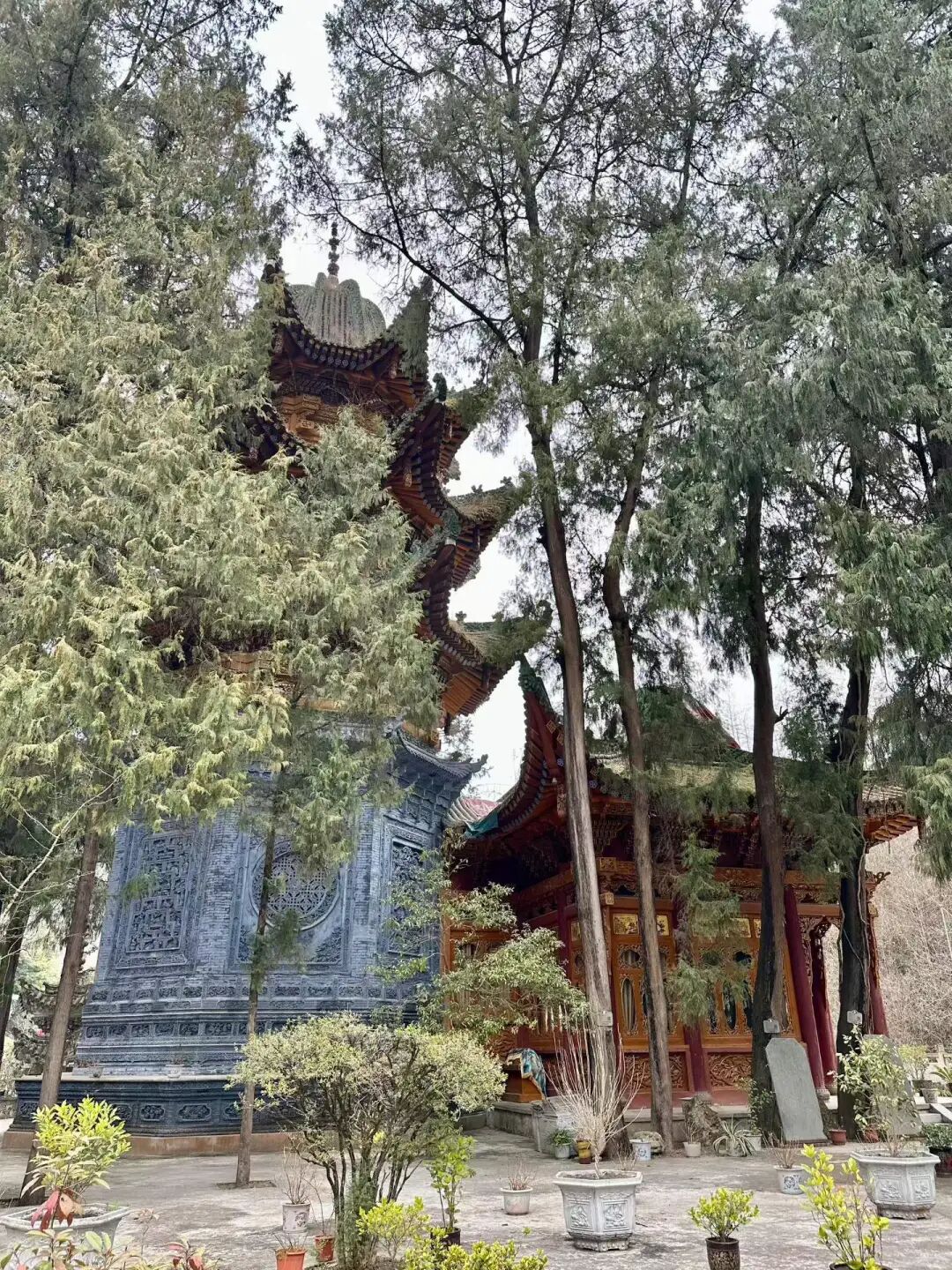
Haoxi Hui Ethnic Township is located at the border of Sichuan and Gansu. It is an important stop for people traveling from Qingchuan County to Wudu and Wenxian in Gansu to sell Sichuan tea. Most Hui Muslims in Haoxi moved here from the northwest. The Ma family is said to have come from Jingyang, Shaanxi, and the Zhe family is said to have come from Wudu and Wen County in Gansu. The Haoxi Mosque is said to have been built in the early Qing Dynasty. It was renovated many times and rebuilt into its current structure in 2017.
Haoxi Mosque is one of the most steeply situated mosques I have ever seen. The main prayer hall towers over the hillside, while the washroom and offices are at the bottom, connected by a set of steep stairs. However, a gentle asphalt road has been built now, which must be much more convenient than it was for those before us.
It is a pity that the main hall was locked when I visited, so I could not go inside.
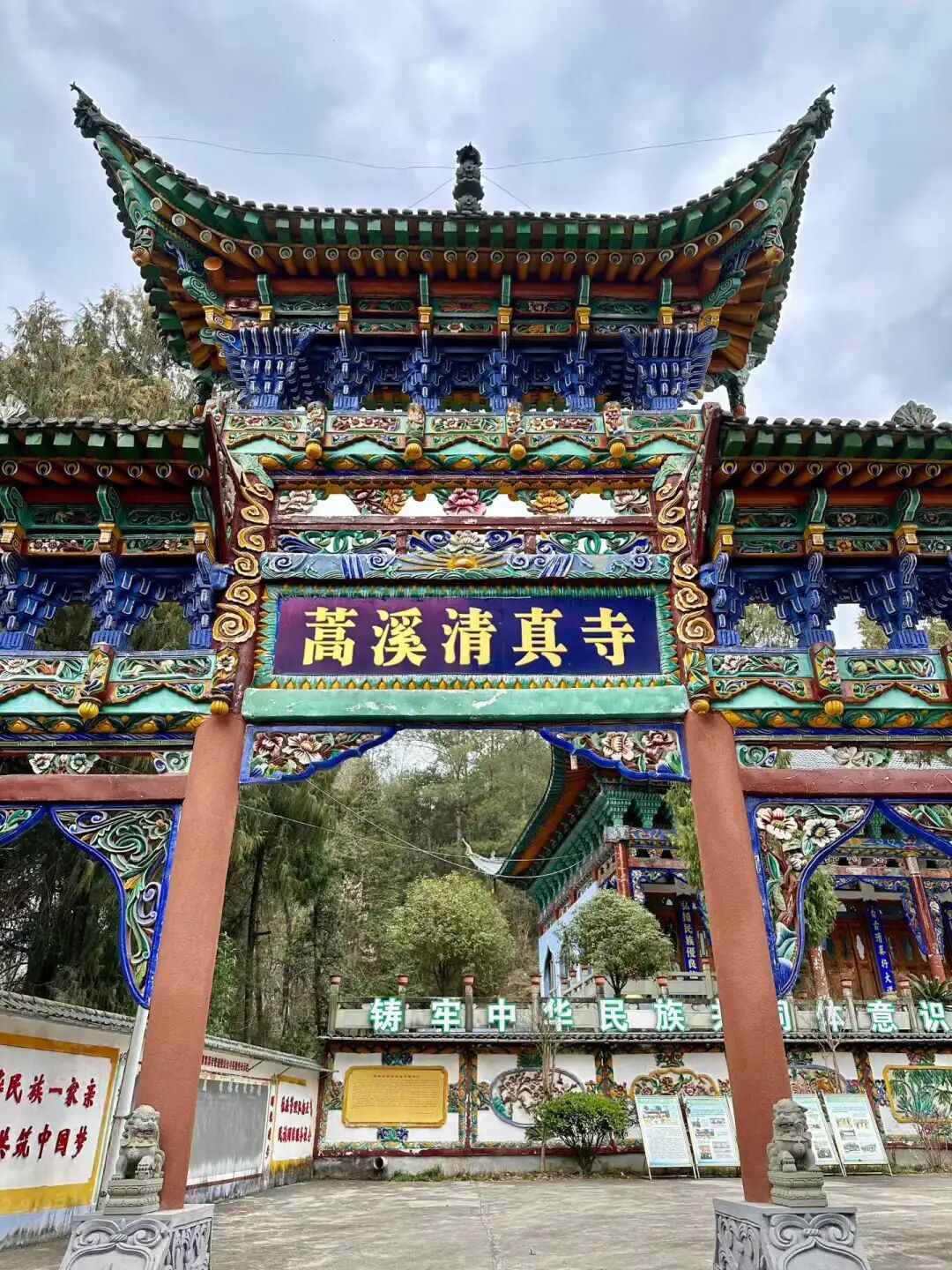
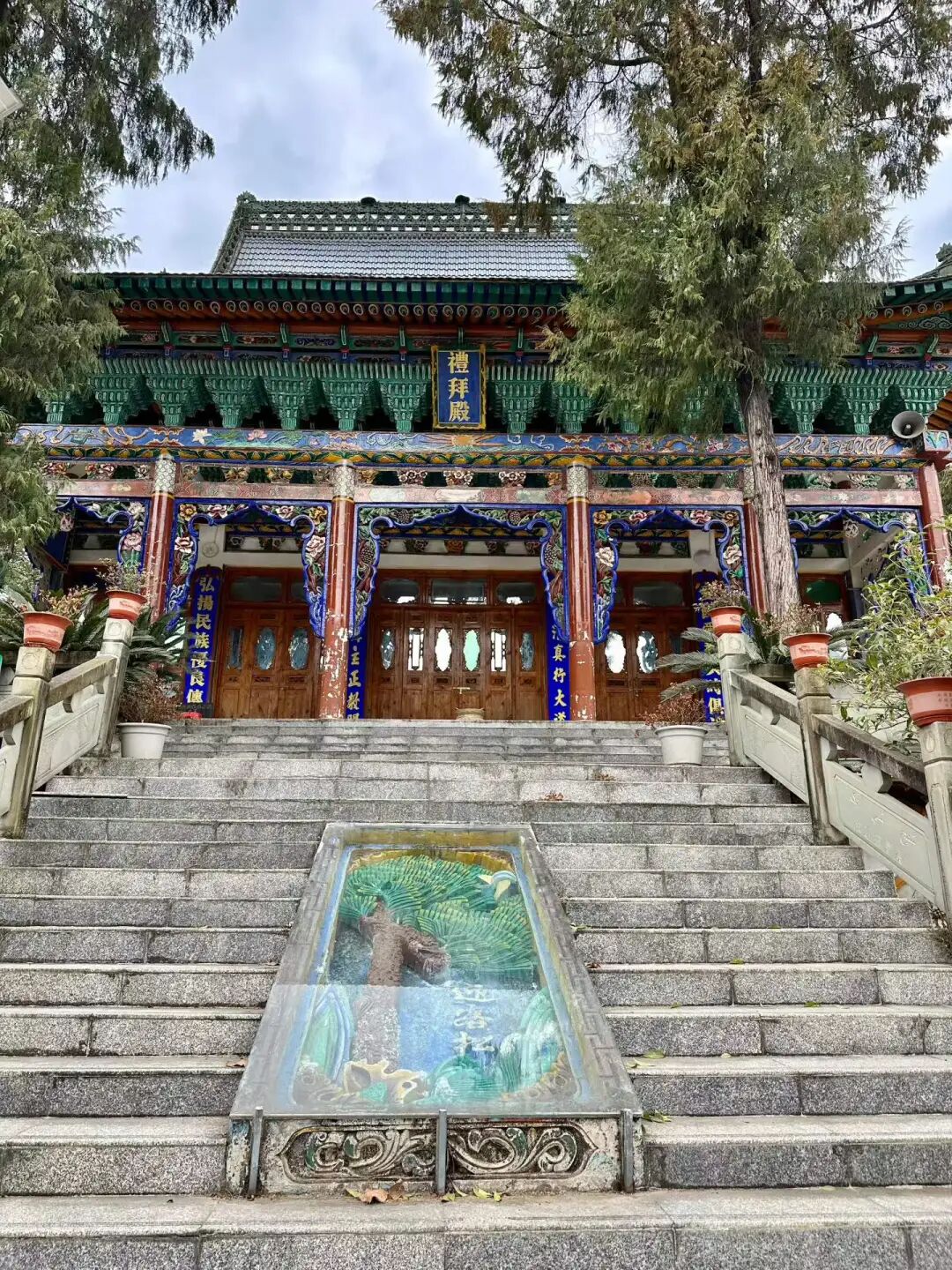
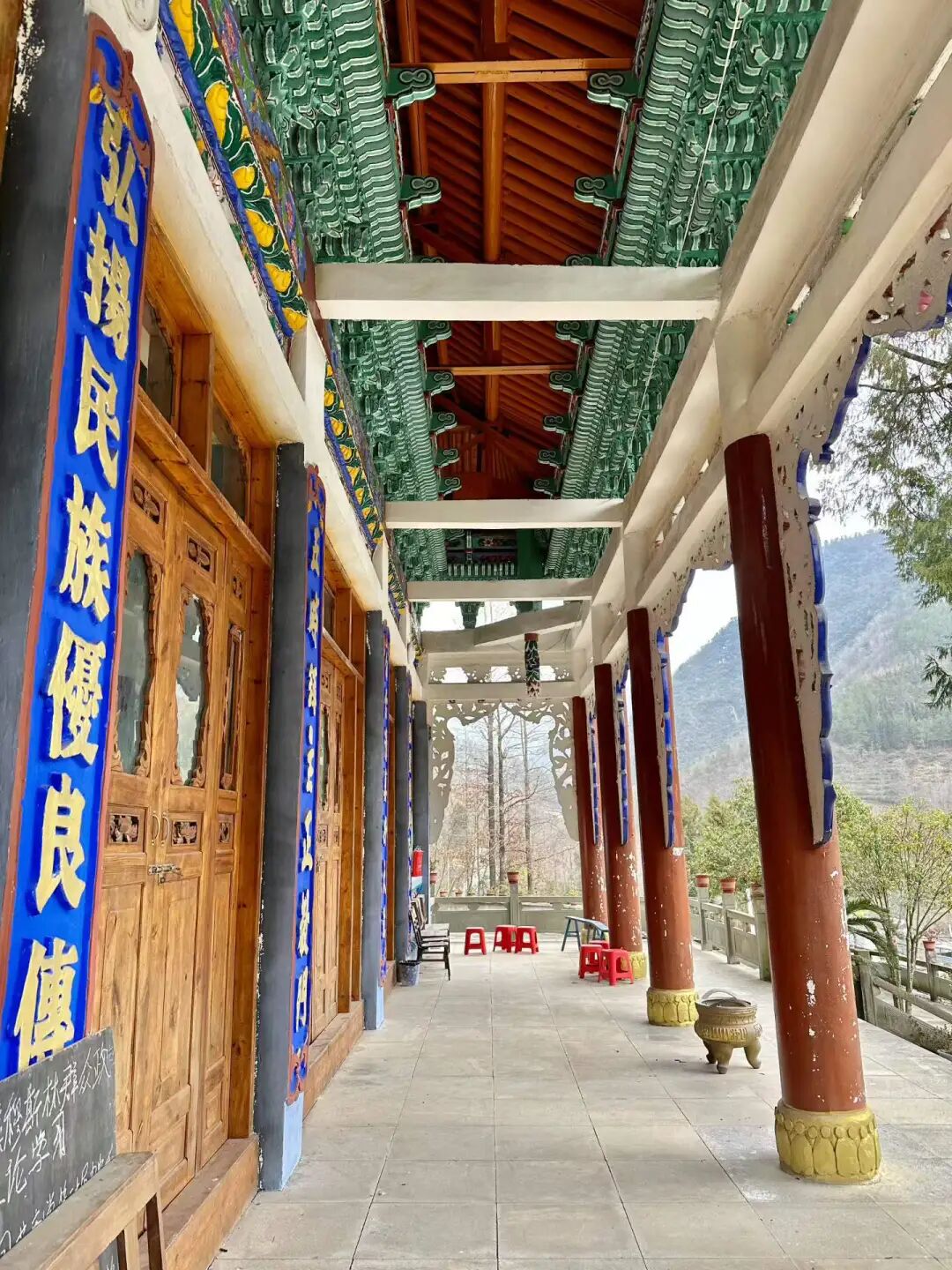
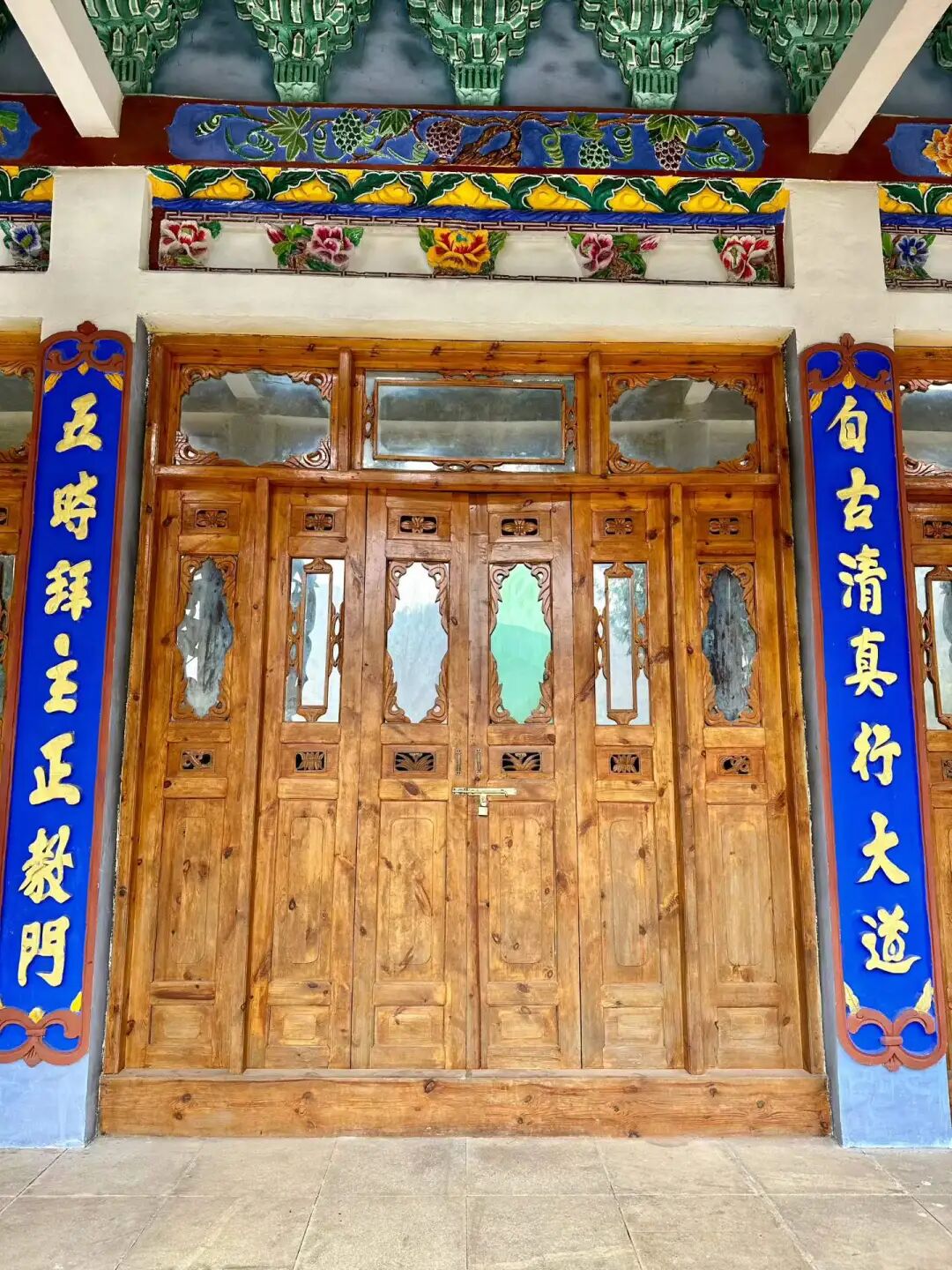
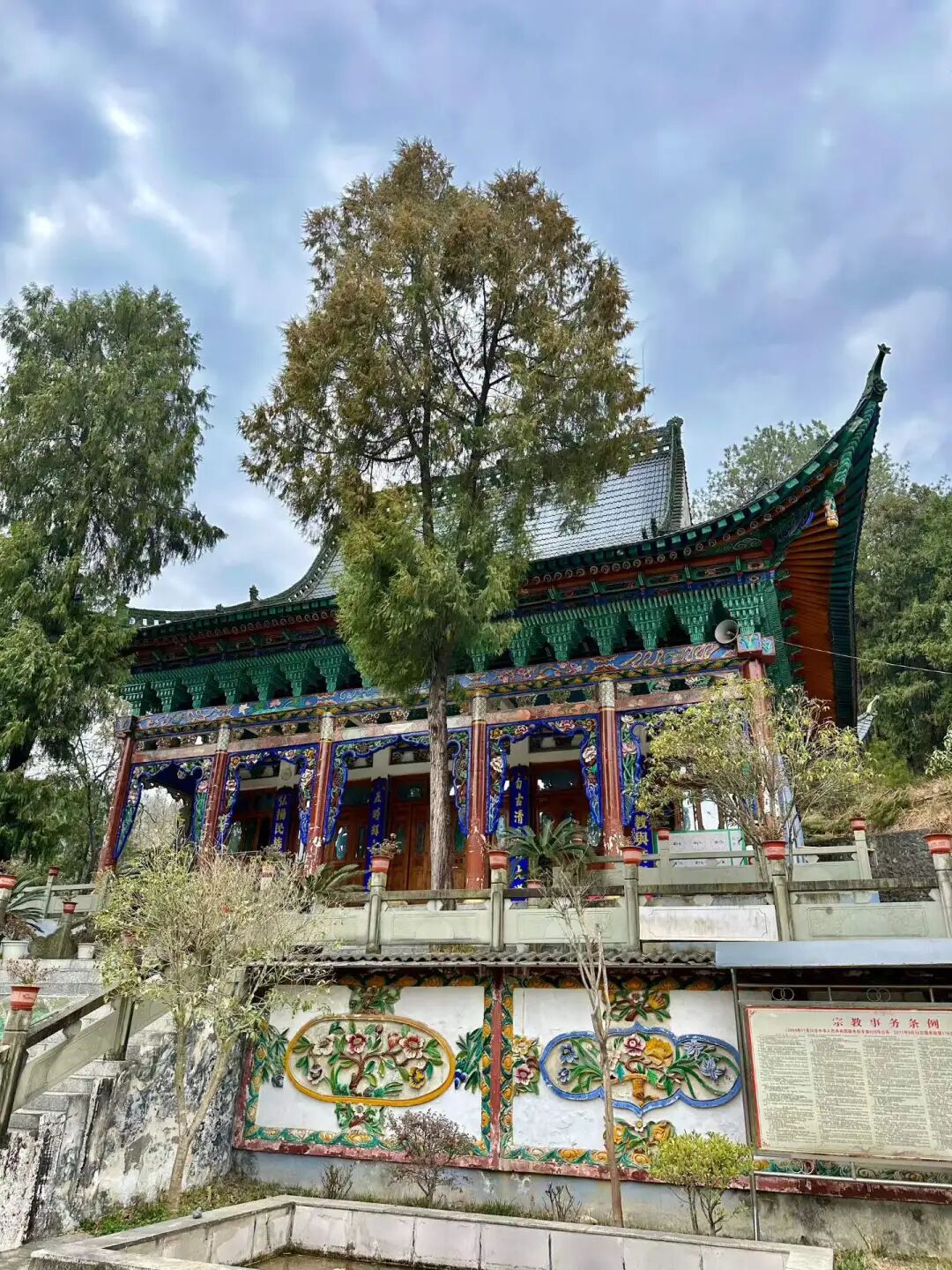
Looking at the street scene in Qingguang Village, Haoxi, there are Hui Muslim restaurants, snack shops, and beef shops. The local yellow beef (tuhuang niurou) here is very famous. Village life is leisurely and quiet, and every day moves very slowly.
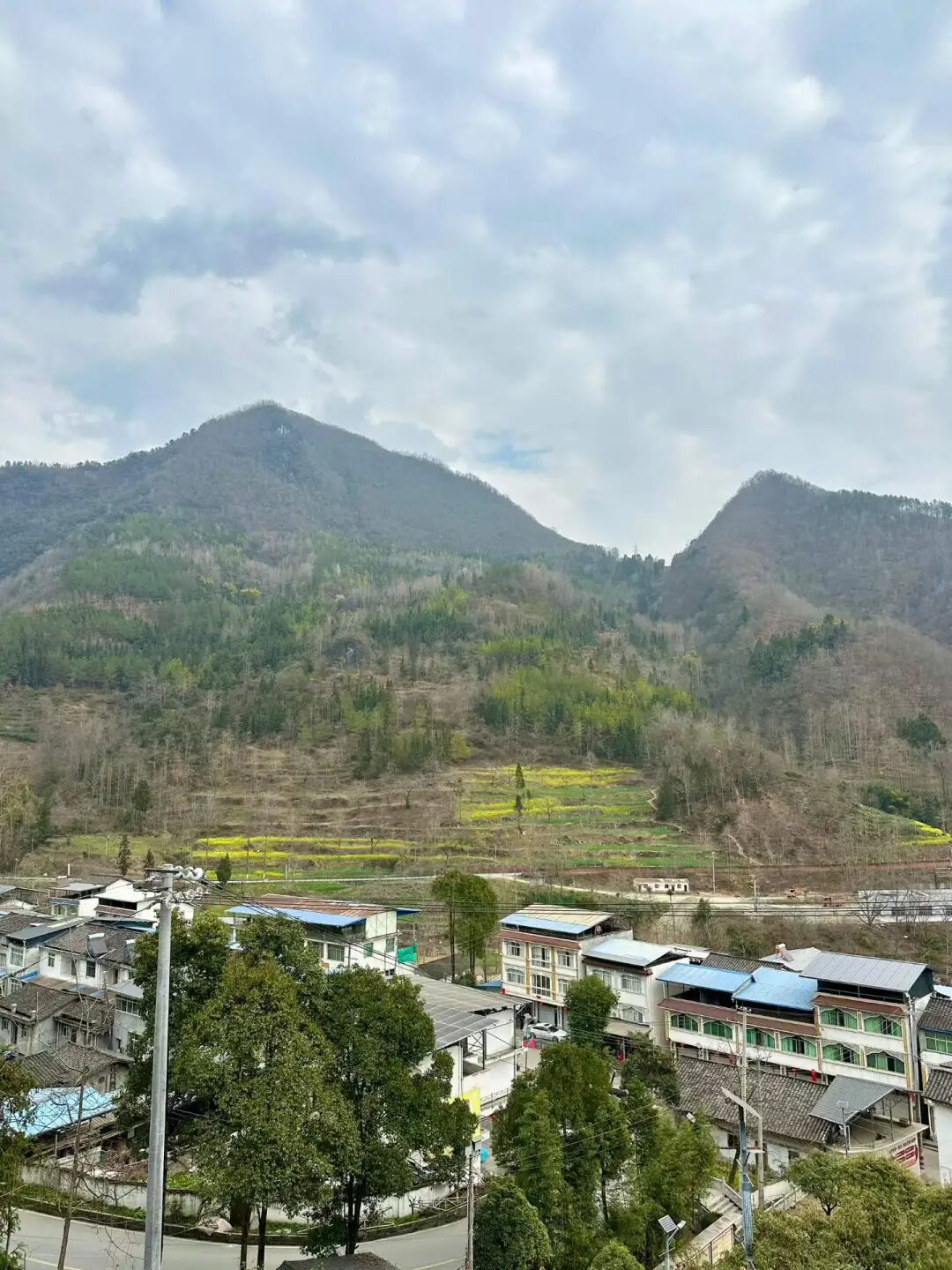
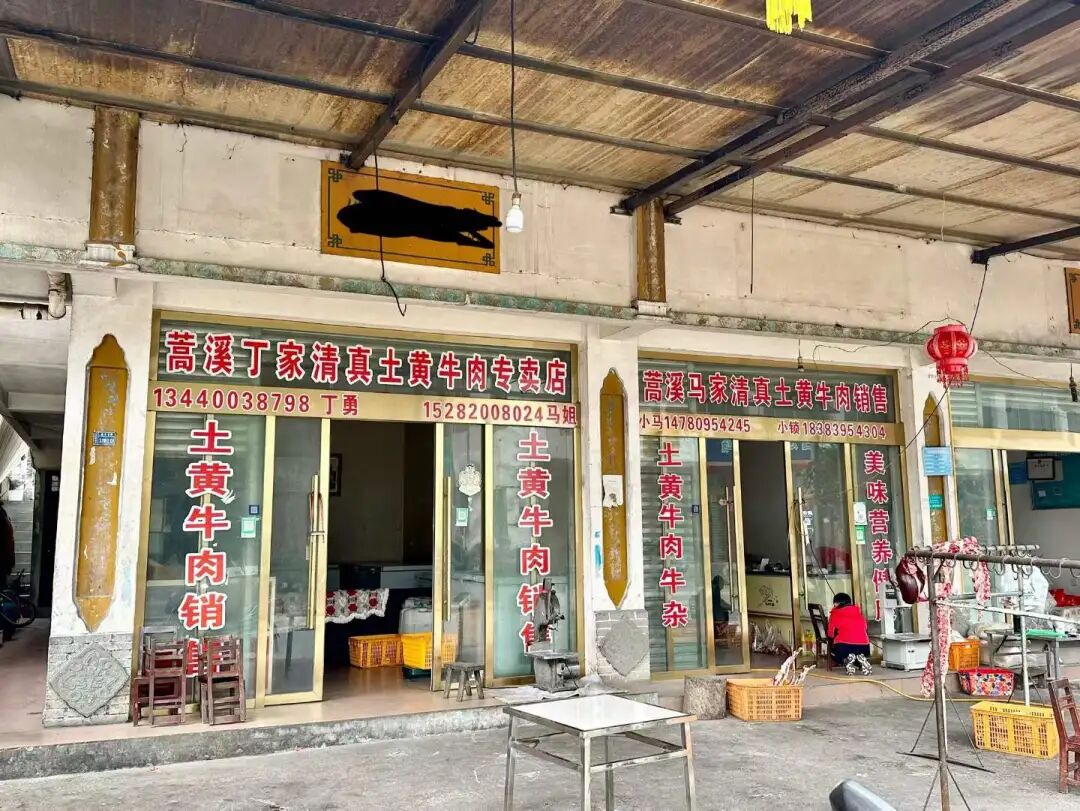
Next to Haoxi Hui Ethnic Township is the Giant Panda National Park. A sign by the road warns, 'Black bears are active in the forest area, please pay attention to your safety.' You can tell the ecology here is excellent and suitable for animals to live.
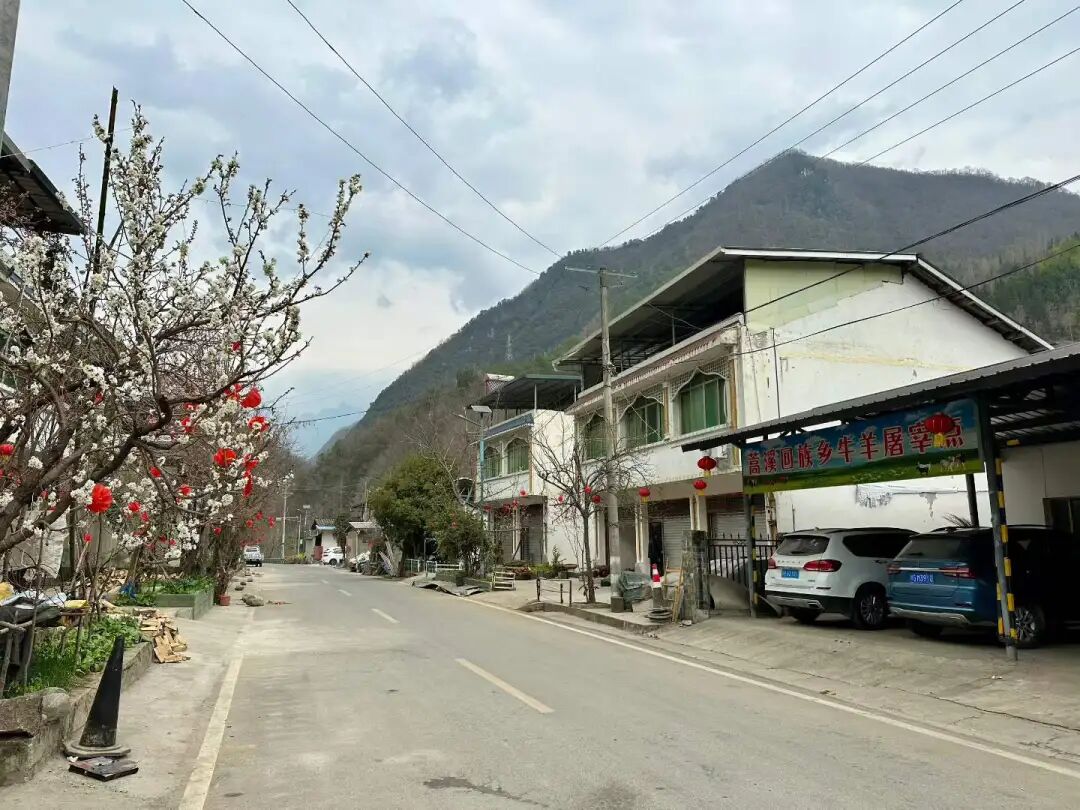
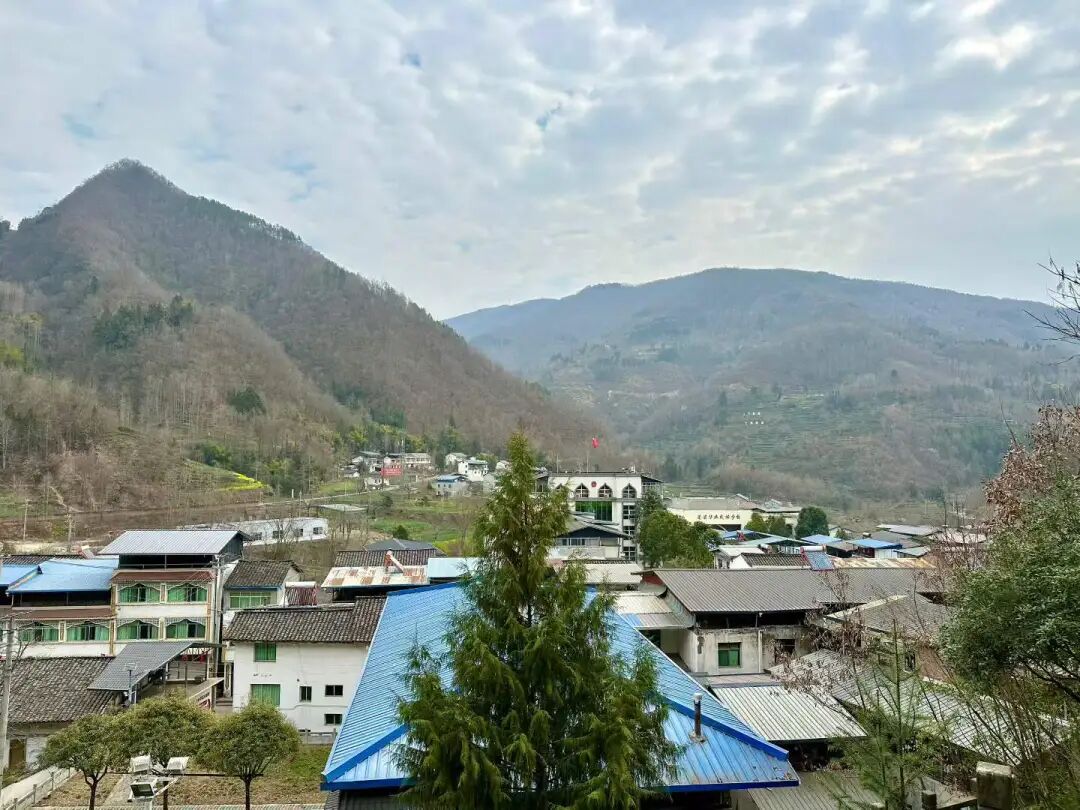
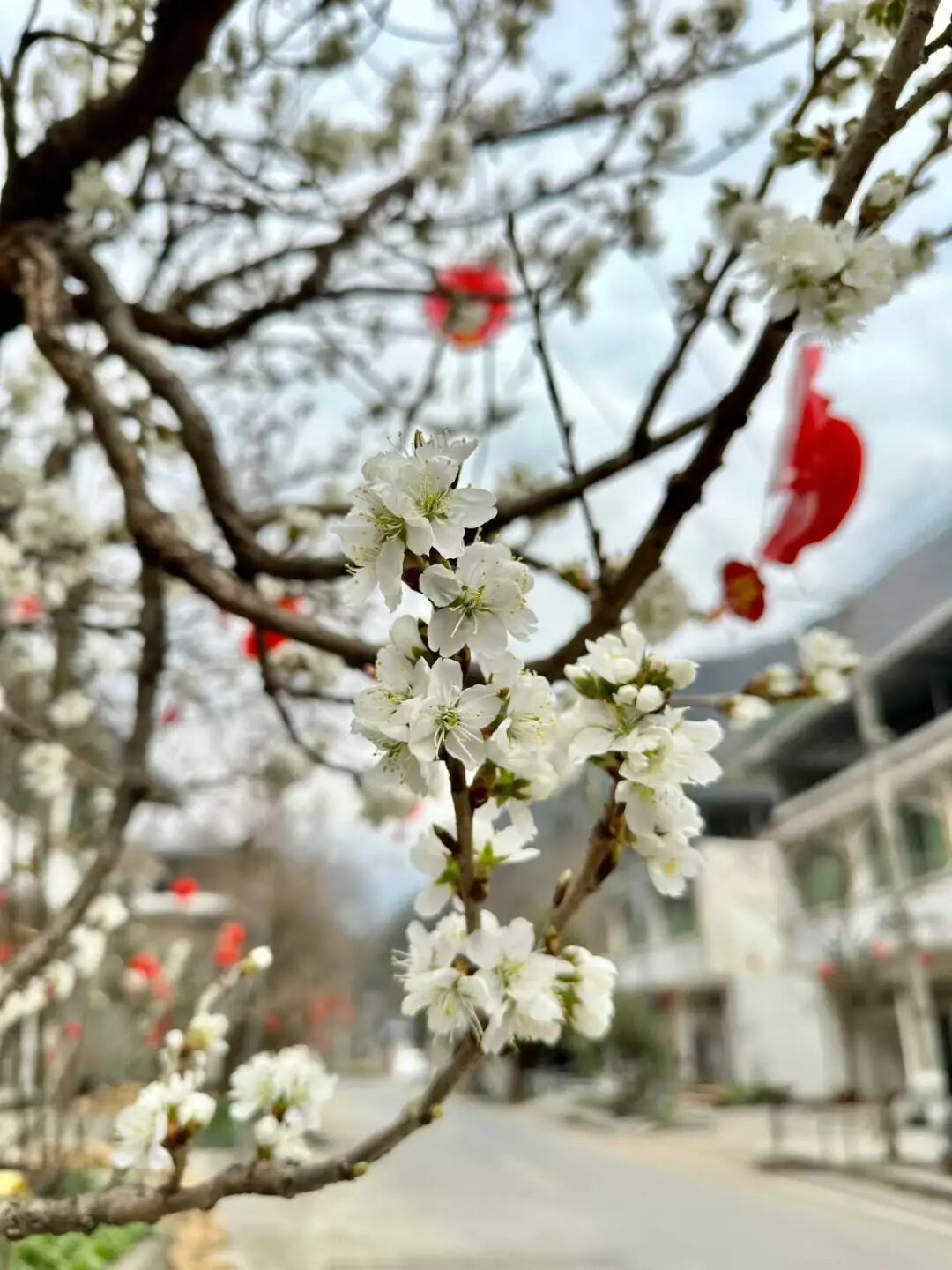
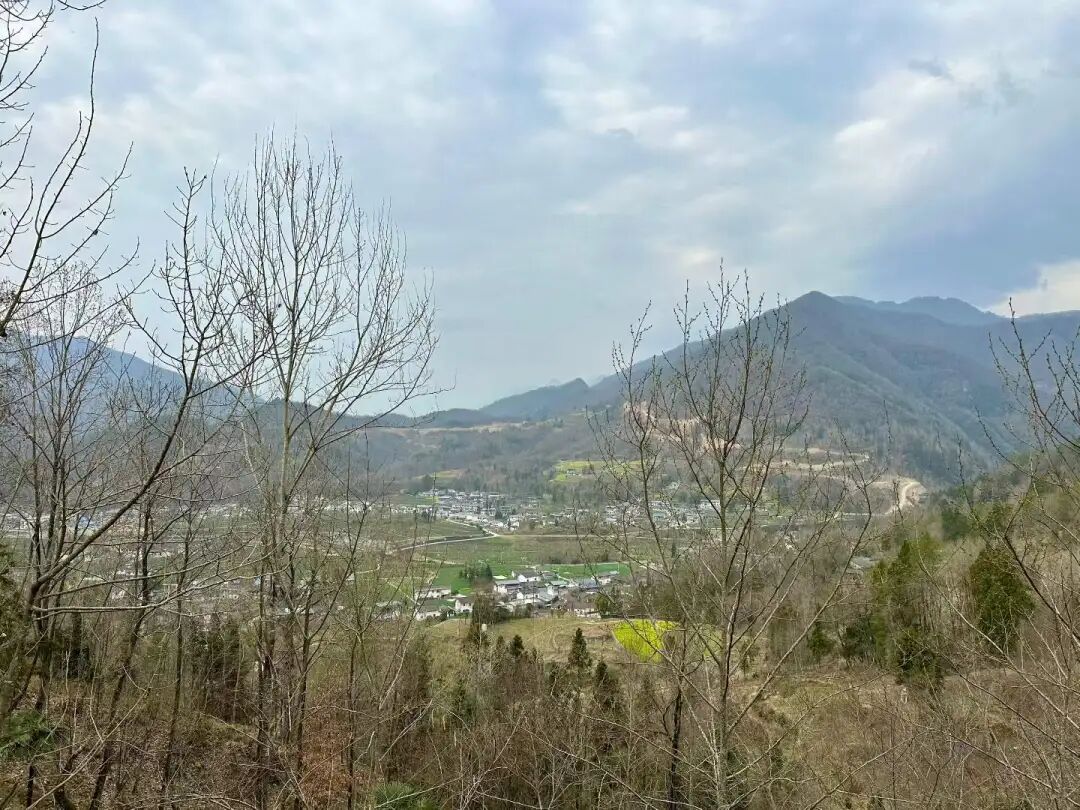
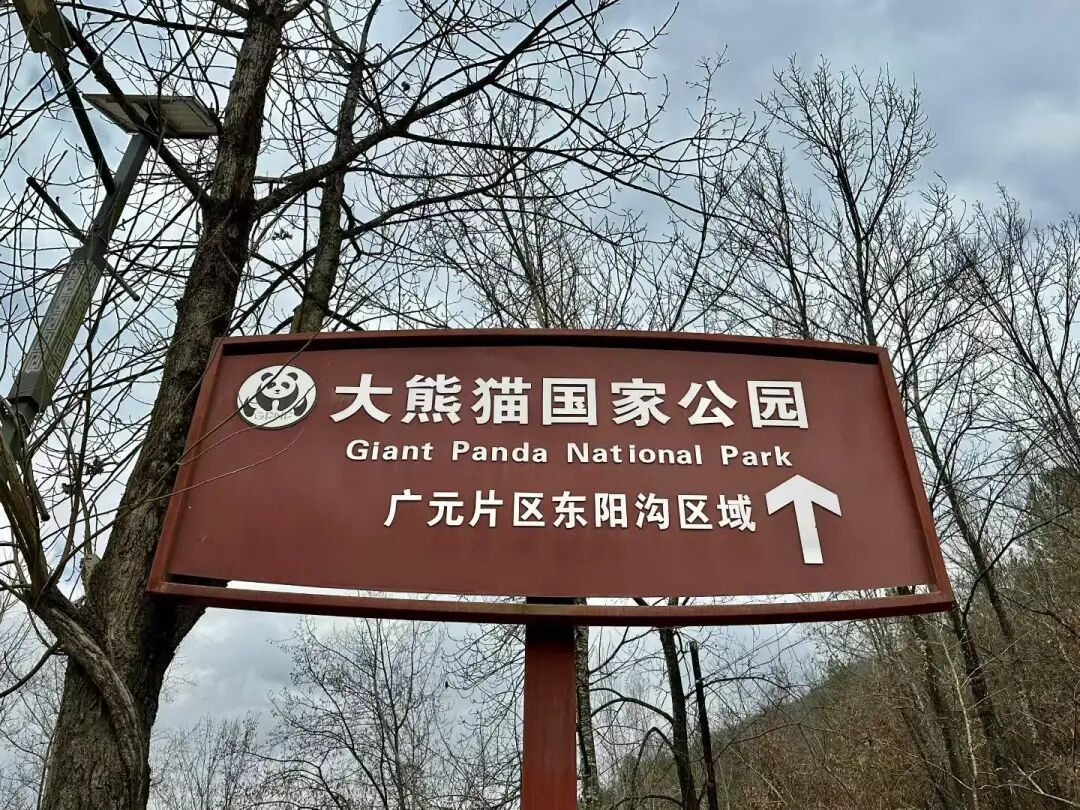
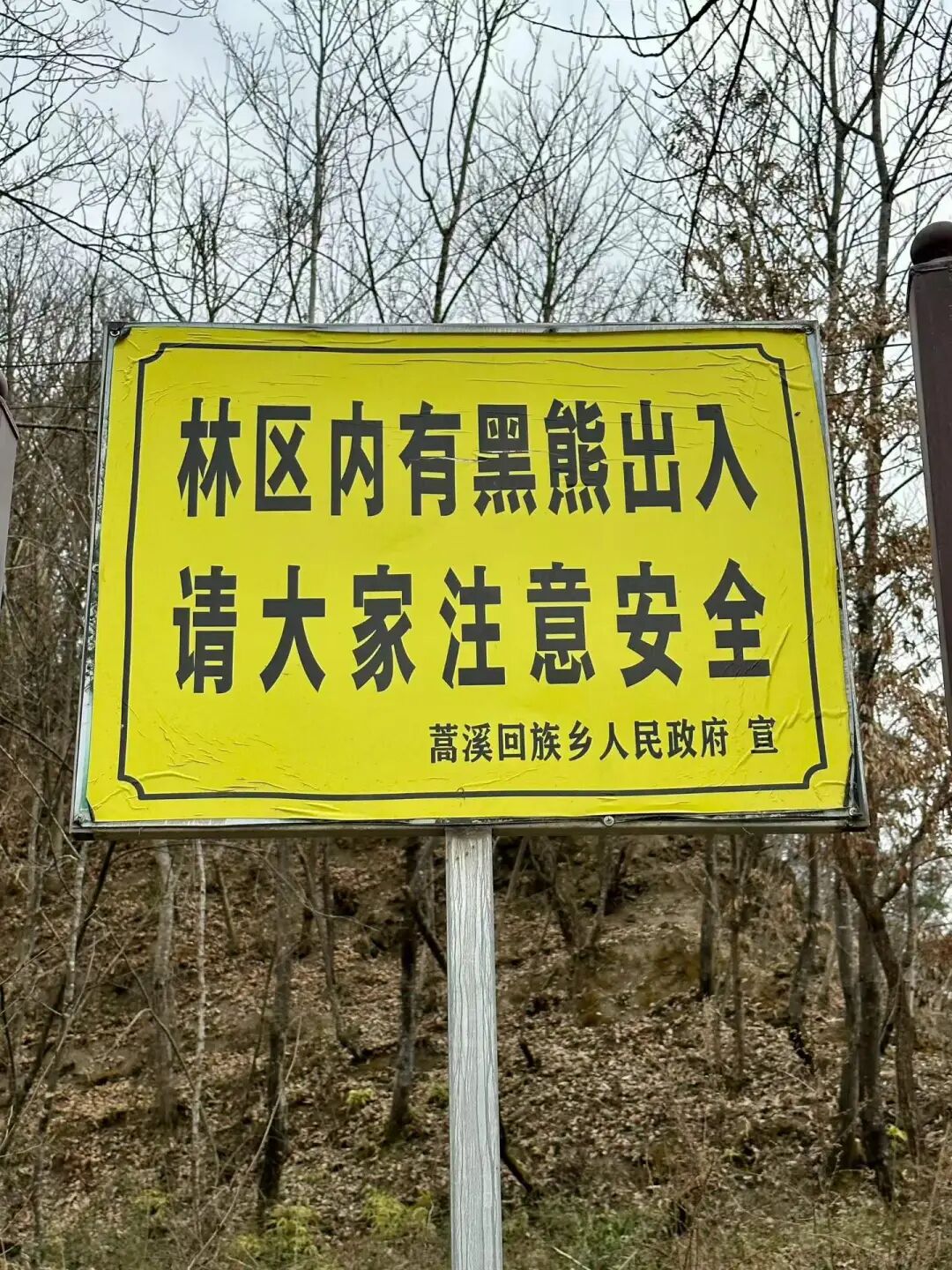
 Collapse Read »
Summary: This China mosque travel guide follows Haoxi Hui Muslim Township in Qingchuan, Guangyuan, the Guanghui gongbei shrine, and Sichuan Muslim heritage without changing the original travel details.
This article summarizes the key points of a self-driving trip to ancient temples in Sichuan during the Spring Festival (Part 13), focusing on Haoxi Hui Muslim Township in Qingchuan County, Guangyuan, and the Guanghuiting gongbei. It keeps the original paragraph and image order, making it suitable for readers interested in Muslim life, Islamic culture, and Chinese Islamic articles. It also helps with searching for content related to Part 13 and Chinese halal food.
We left the ancient town of Qingxi in the morning and arrived at another Hui Muslim township in Guangyuan—Haoxi Hui Muslim Township. We first visited the Guanghuiting gongbei, which belongs to the Qadiriyya Sufi order (menhuan).
Guanghuiting is the burial place of Ma Chunyi, a disciple of the Qadiriyya leader Huazhe Abdullahi. Later generations call him the 'Fifth Great Ancestor'. The Fifth Great Ancestor began studying under Huazhe in 1674 (the 13th year of the Kangxi reign). The following year, he followed his teacher's orders to accompany his senior fellow student Qi Jingyi to Hanzhong, and later traveled to Qingyang Palace in Chengdu. Legend says that while returning to Hanzhong, the Fifth Great Ancestor followed his teacher's instructions to buy two bolts of white cloth in Zhongba, Jiangyou. After leaving Jiangyou, he fell ill with dysentery. He passed away (gui zhen) in 1684 (the 23rd year of the Kangxi reign) while passing through Haoxi Mosque. Later generations built a gongbei for him, naming it 'Guanghuiting'.
In 1833 (the 13th year of the Daoguang reign), Ma Longyun from Hezhou oversaw the construction of the brick pavilion at Guanghuiting and donated land to it. A front hall was added during the Xianfeng reign, and it has been renovated many times since. In 1935, Red Fourth Front Army leaders like Xu Xiangqian and Chen Changhao directed the Battle of Xuanmaguan from Guanghuiting. The imam (ahong) stationed at the mosque at the time, Su Shichang, provided them with great assistance. Before leaving, Xu Xiangqian gifted him items like white sugar. After 1966, Guanghuiting became a commune hospital. It was restored in 1980 and rebuilt into its current structure in 1984.
Historical plaques at the Guanghuiting gongbei:
The 'Huiji Qunli' (Benefiting the Masses) plaque from the 21st year of the Guangxu reign, presented by Chen, the magistrate of Pingwu County, Long'an Prefecture, who held a third-rank title as an imperial guard and was granted the title of Tongzhi. It was also signed by She Deshou, Ma Desheng, Hu Jun, She Ren, and Hu Congfeng.
The 'Wangu Zhanyi' (Venerated for All Time) plaque from the 28th year of the Guangxu reign, presented by Shan Diankui, who held a first-rank title and served as the Commander-in-Chief of the Sichuan Provincial Military, also holding the title of Commander of the Jianchang Garrison and the title of Sheng-Sheng Baturu.
Shan Diankui was a Qing dynasty military officer from Changping, Beijing. He was passionate about Islamic affairs. He wrote plaques for the Puhading Cemetery in Yangzhou, the Great Mosque in Tianjin, the Hexi Mosque in Xichang, and the Guanghui Pavilion (guanghuiting) gongbei. He funded the woodblock printing of the Shan family edition of the Precious Scripture of Life (baoming zhenjing) in Songjiang Prefecture, which is the 'Haitie' commonly used by Hui Muslims. He also established an elementary school at the Changping Mosque in his hometown.
The 'Zhimiao Qingzhen' plaque from the fifth year of the Republic of China mentions He Bingkuan, battalion commander of the first battalion of the front five units of the Western Route of the Han Army, who received a second-class medal and was credited with seven major merits. It also lists Feng Zhaosheng, Ma Junming, Ma Wanfa, and Li Ze, who were patrol officers of the right guard of the fifth battalion of the front five units of the Western Route of the Han Army and were credited with three major merits.
Inside the gongbei is the 1924 'Stele Record of the Reconstruction of Wulong Mountain and Xulong Mountain' written by La Yonggui. The text records that in 1833 (the 13th year of the Daoguang reign), Ma Nengyun from Hezhou brought silver to Haoxi to build a brick pavilion. He did not finish the work, so he went to Hezhou and Songpan to raise 270 taels of silver to complete it, and purchased a plot of land behind the pavilion and a section of mountain land. During the Xianfeng reign, Ma Daoxiang and local Muslims from Songpan and the surrounding area built a front hall (baoting) in front of the pavilion, which was rebuilt during the Tongzhi reign. In the early Guangxu reign, elders from Songpan invited Ma Dao'an, the abbot of Xulong Mountain (Haoxi gongbei), to renovate the pavilion and guest hall, and to repair one room at Wulong Mountain (Guanghui Pavilion). During the Guangxu reign, successive earthquakes tilted the Haoxi gongbei. When Mi Yongling was the abbot of Guanghui Pavilion, he went to Songpan and the local area to raise funds to rebuild the pavilions, front halls, guest halls, mountain gates, and courtyard walls of both mountains.
The two cypress trees inside the gongbei are 450 and 350 years old, respectively, and are listed as ancient and famous trees in Qingchuan County.
The prayer hall of the Guanghui Pavilion gongbei. The prayer hall (daotang) of a Qadiriyya grand gongbei usually contains both a gongbei and a prayer hall, so it is also called a gongbei mosque.
Haoxi Hui Ethnic Township is located at the border of Sichuan and Gansu. It is an important stop for people traveling from Qingchuan County to Wudu and Wenxian in Gansu to sell Sichuan tea. Most Hui Muslims in Haoxi moved here from the northwest. The Ma family is said to have come from Jingyang, Shaanxi, and the Zhe family is said to have come from Wudu and Wen County in Gansu. The Haoxi Mosque is said to have been built in the early Qing Dynasty. It was renovated many times and rebuilt into its current structure in 2017.
Haoxi Mosque is one of the most steeply situated mosques I have ever seen. The main prayer hall towers over the hillside, while the washroom and offices are at the bottom, connected by a set of steep stairs. However, a gentle asphalt road has been built now, which must be much more convenient than it was for those before us.
It is a pity that the main hall was locked when I visited, so I could not go inside.
Looking at the street scene in Qingguang Village, Haoxi, there are Hui Muslim restaurants, snack shops, and beef shops. The local yellow beef (tuhuang niurou) here is very famous. Village life is leisurely and quiet, and every day moves very slowly.
Next to Haoxi Hui Ethnic Township is the Giant Panda National Park. A sign by the road warns, 'Black bears are active in the forest area, please pay attention to your safety.' You can tell the ecology here is excellent and suitable for animals to live.
Collapse Read »
Muslim Travel Guide to Sichuan: Fenghuangshan Mosque in Chengdu and Old Hui Muslim Heritage
Reposted from the web
Summary: This Muslim travel guide to Sichuan is also a China mosque travel guide for readers following old mosque routes, Hui Muslim heritage, and Fenghuangshan Mosque in Chengdu.
This article summarizes the key points of a self-driving trip to ancient mosques in Sichuan during the Spring Festival (Part 14: Chengdu Fenghuangshan Mosque). It keeps the original paragraph and image order. It is for readers interested in the lives of Hui Muslims, Islamic culture, and Chinese Islamic writing. It also helps people search for content related to Part 14 and the Chengdu Fenghuangshan Mosque.
The Chengdu Hui Muslim cemetery was originally located near the Old West Gate, in the areas of Diba, Tongchegeng, and Wanfu Mosque. In 1952, it was forced to move to Fenghuang Mountain to make room for railway department offices and staff dormitories. The Fenghuangshan Hui Muslim cemetery officially opened in 1952. The Fenghuangshan Mosque was built to serve the people visiting the graves, and it has been there for over 70 years.
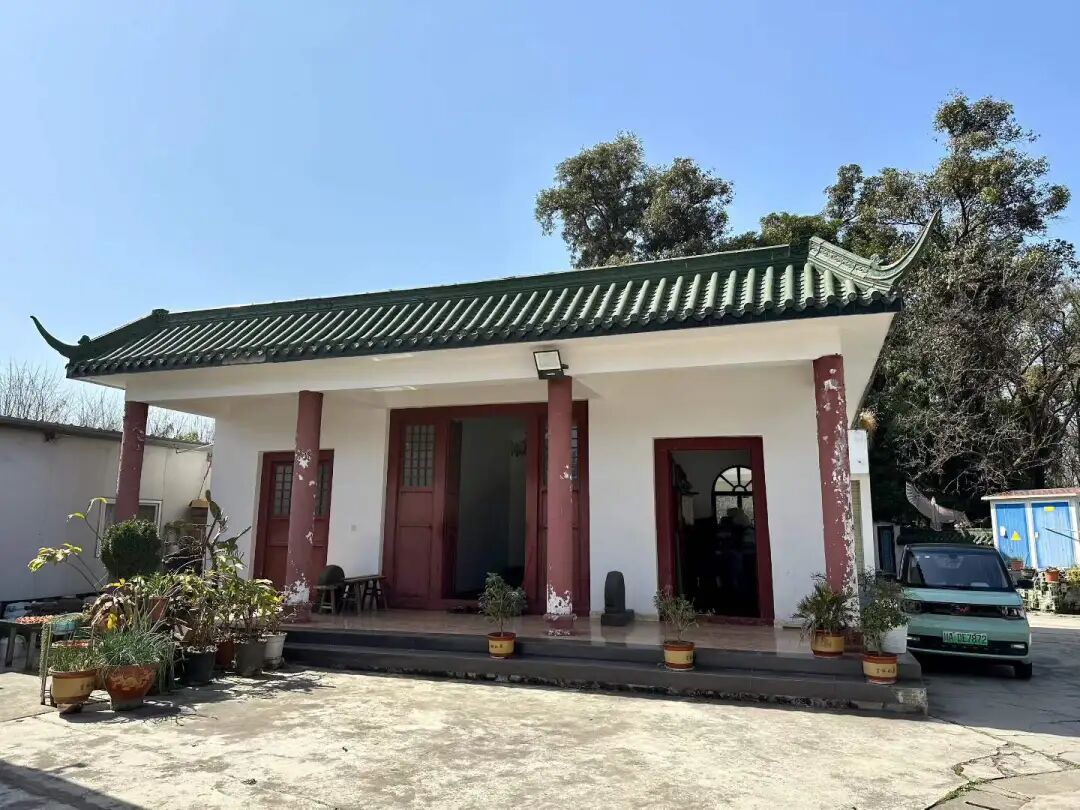
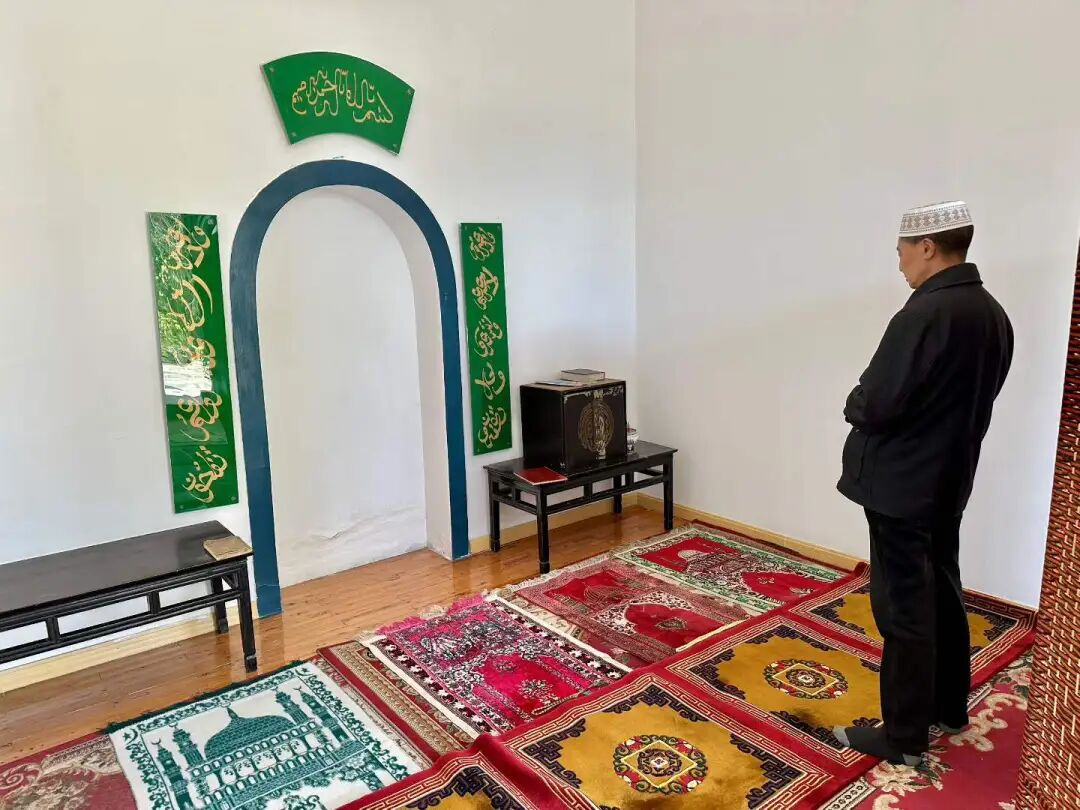
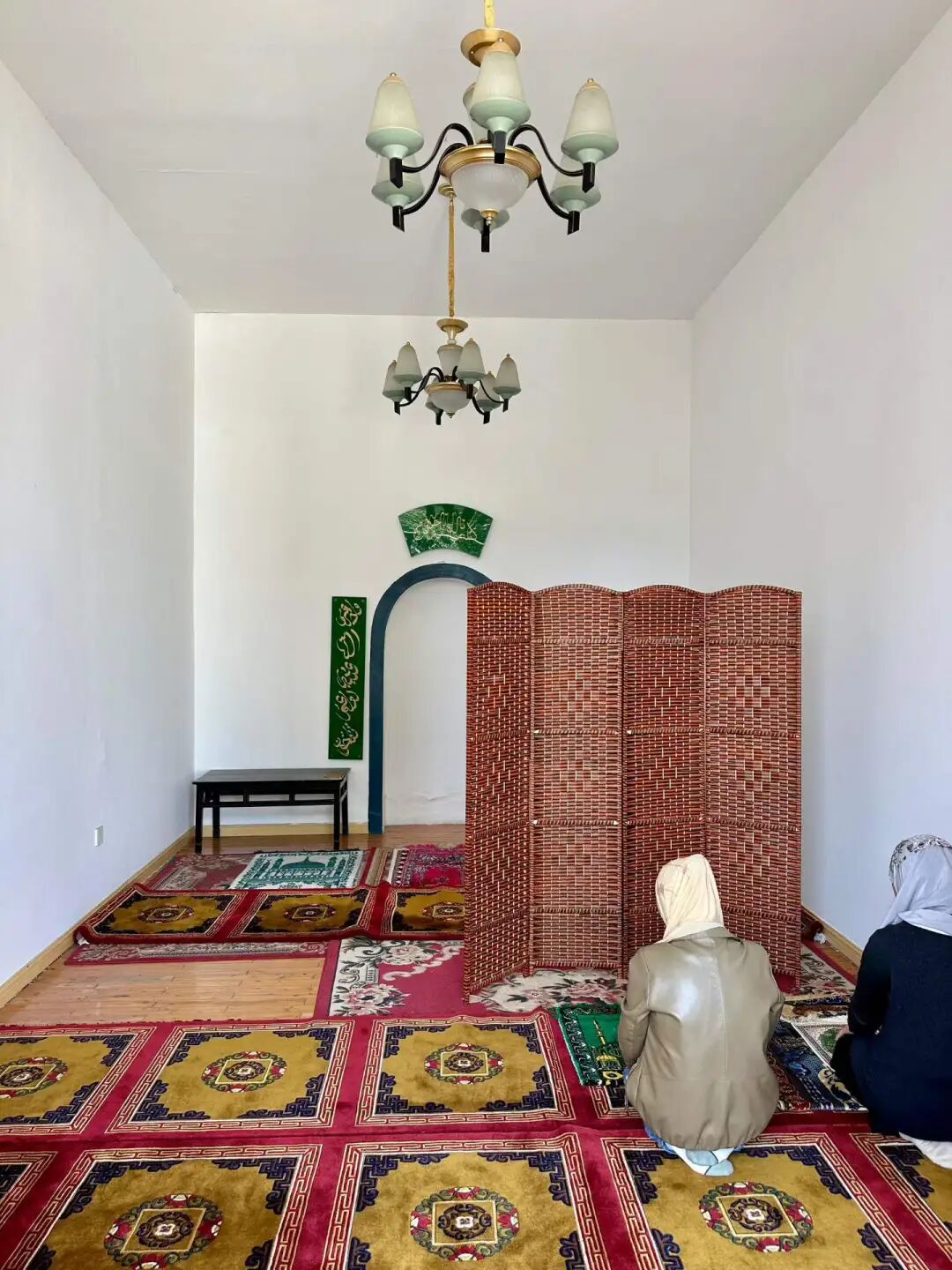
The Fenghuangshan Mosque currently preserves a pair of Qing Dynasty drum-shaped stone bases (baogushi) from the Chengdu Huangcheng Mosque, as well as a pair of broken Qing Dynasty pillar couplets from the Chengdu Qisi Mosque.
The Huangcheng Mosque was located in the middle of Yongjing Street at Huangchengba in Chengdu. It was first built in 1666 (the fifth year of the Kangxi reign) with funds raised by a man named Qibaba from Yunnan. It was rebuilt in 1858 (the eighth year of the Xianfeng reign). In 1917, it was mostly destroyed during fighting between Sichuan and Yunnan warlords, but it was rebuilt that same year. In 1998, the Huangcheng Mosque was moved and rebuilt on the southwest side of Tianfu Square to make room for the square's construction.
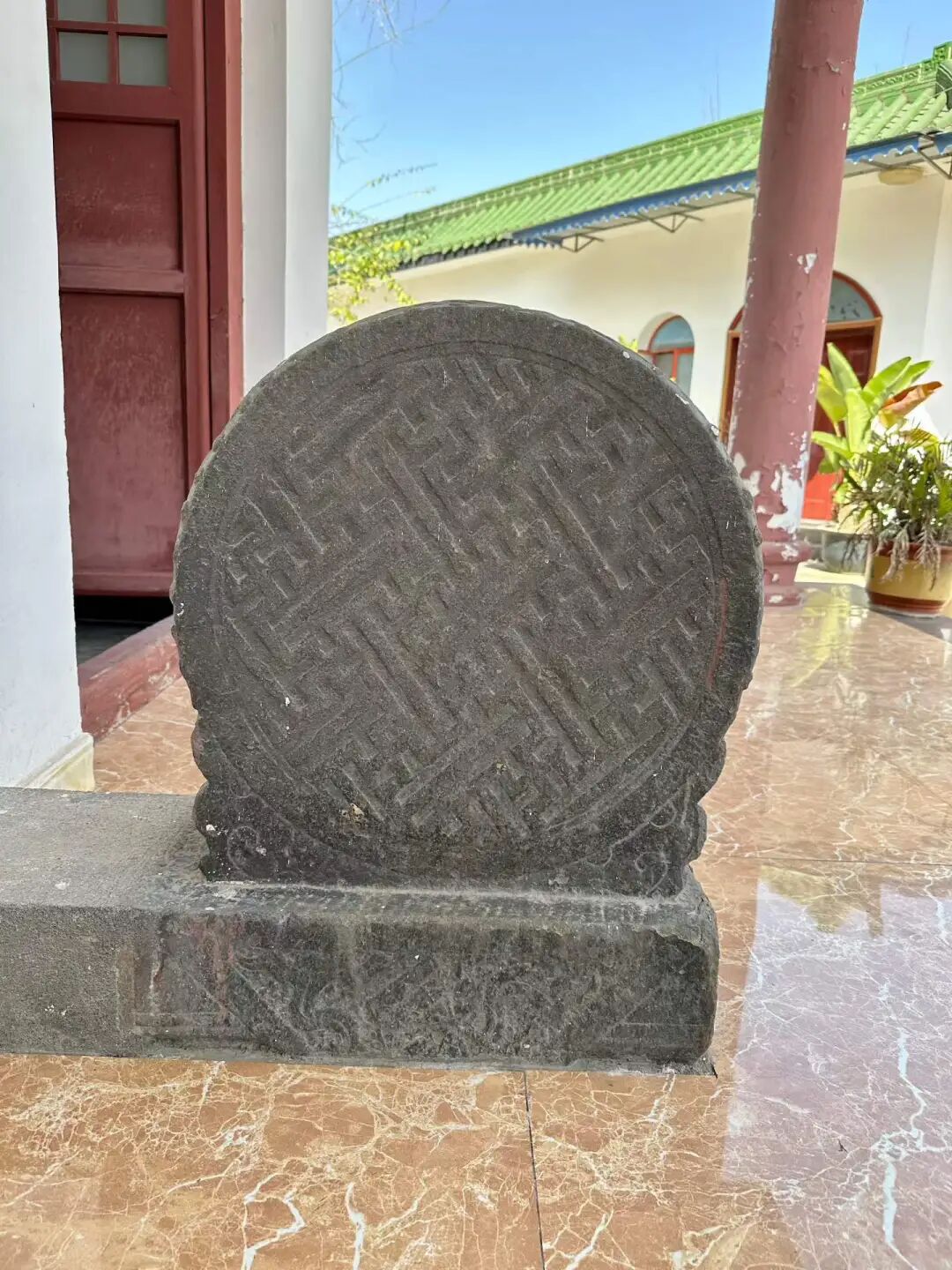
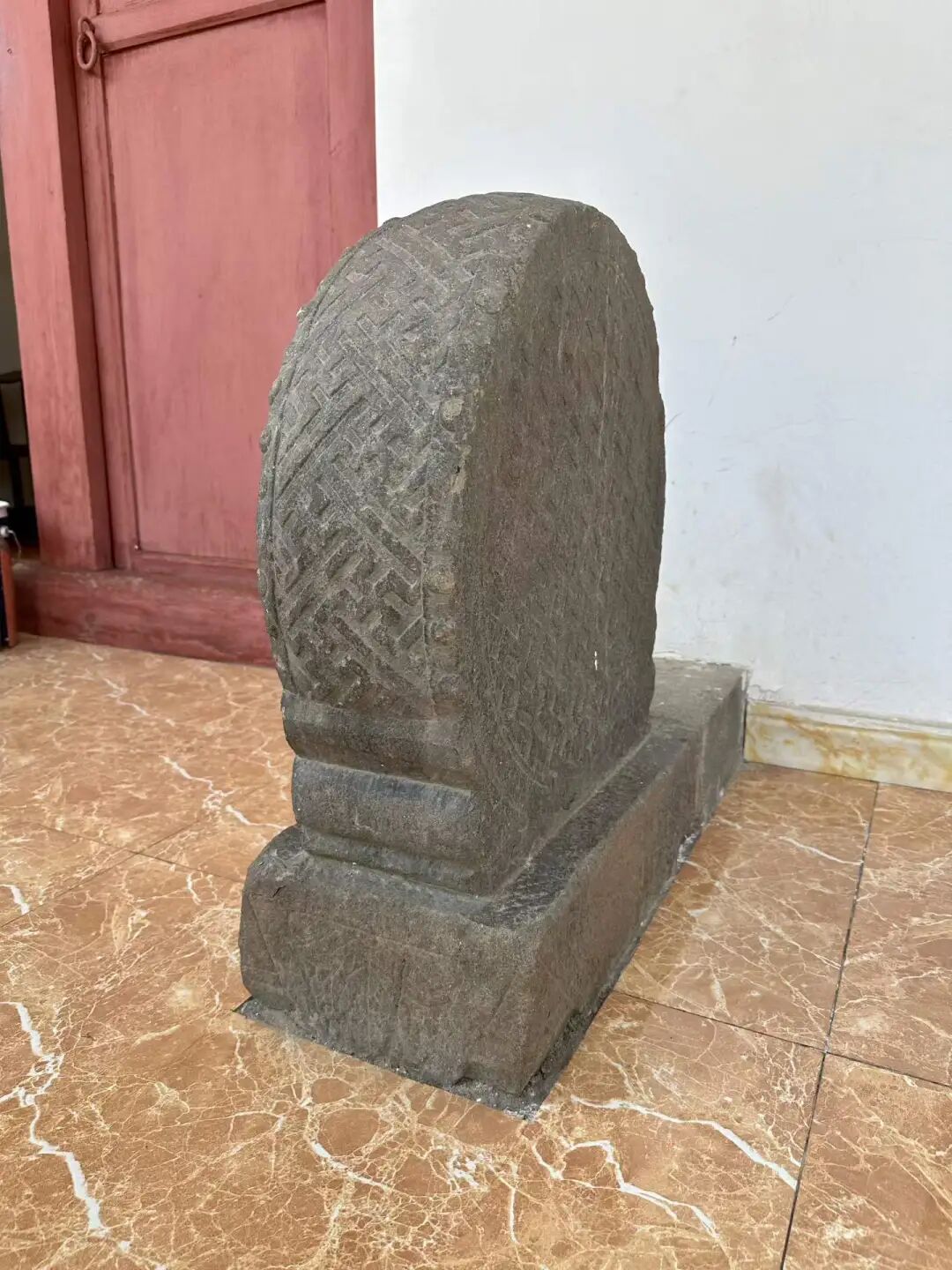
The Chengdu Qisi Mosque was located on Donghua South Street at Huangchengba in Chengdu. It was first built in the early years of the Qianlong reign. It was the seventh mosque built for Hui Muslims in Chengdu, which is how it got its name. The Qisi Mosque was rebuilt in 1866 (the fifth year of the Tongzhi reign). In 1930, it was set back due to street renovations and later rebuilt. After 1950, it became a women's mosque, but it no longer exists today. The Qisi Mosque originally had four stone pillars with couplets. They were all stored at Fenghuang Mountain. Later, some were set up in a mosque on South Street in Dujiangyan (Guanxian). The Fenghuangshan Mosque now holds two of these broken pillars.
The text on the broken pillars at the Fenghuangshan Mosque reads: 'Who is the master, who is the guide, one must think of oneself... respectfully erected by Gui Fengming, a military officer of the Tiabiao Central Battalion, and his son Xin.' When connected with the other parts in Dujiangyan, the complete text is:
The Way cannot be left for even a moment. Whether manifesting or reflecting, it all exists in a place without sound or smell.
People each have an inherent nature. Who is the master, who is the guide? One must think of the origin of all things and their principles.
Respectfully erected in the second month of the Bingyin year, the fifth year of the Tongzhi reign, by Gui Fengming, a military officer of the Tiabiao Central Battalion, and his son Xin.
Summary:
The great path of truth must never be left behind. Whether you are honoring Allah or reflecting on your own character, this inner sincerity exists in a quiet, hidden, and subtle state.
Everyone is born with a kind heart. Who controls all things in the world, and what keeps the order? We should trace this back to the source where everything has its own essence and laws.
Gui Fengming was a Hui Muslim general during the Qing Dynasty. He was from Xiushan County, Sichuan. He fought in the Opium War and served as a military officer in Mianzhou, Chengdu, and other areas. He paid to publish the book Explanation of the Five Pillars (Wugong Shiyi) by Liu Zhi.
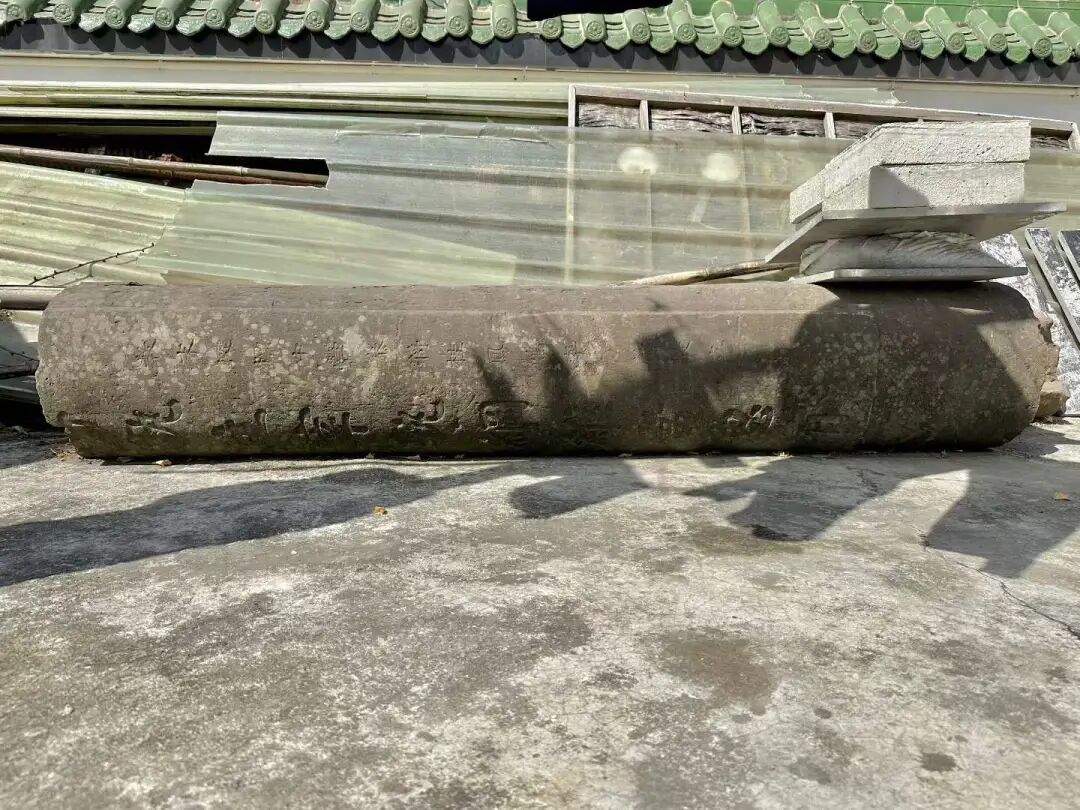
At the Fenghuang Mountain Hui Muslim Cemetery, you can see tombstones from the Qing Dynasty and the Republic of China era. Unfortunately, because the stone is quite brittle, many people have placed new tombstones in front of the old ones, so the original stone carvings can no longer be seen.
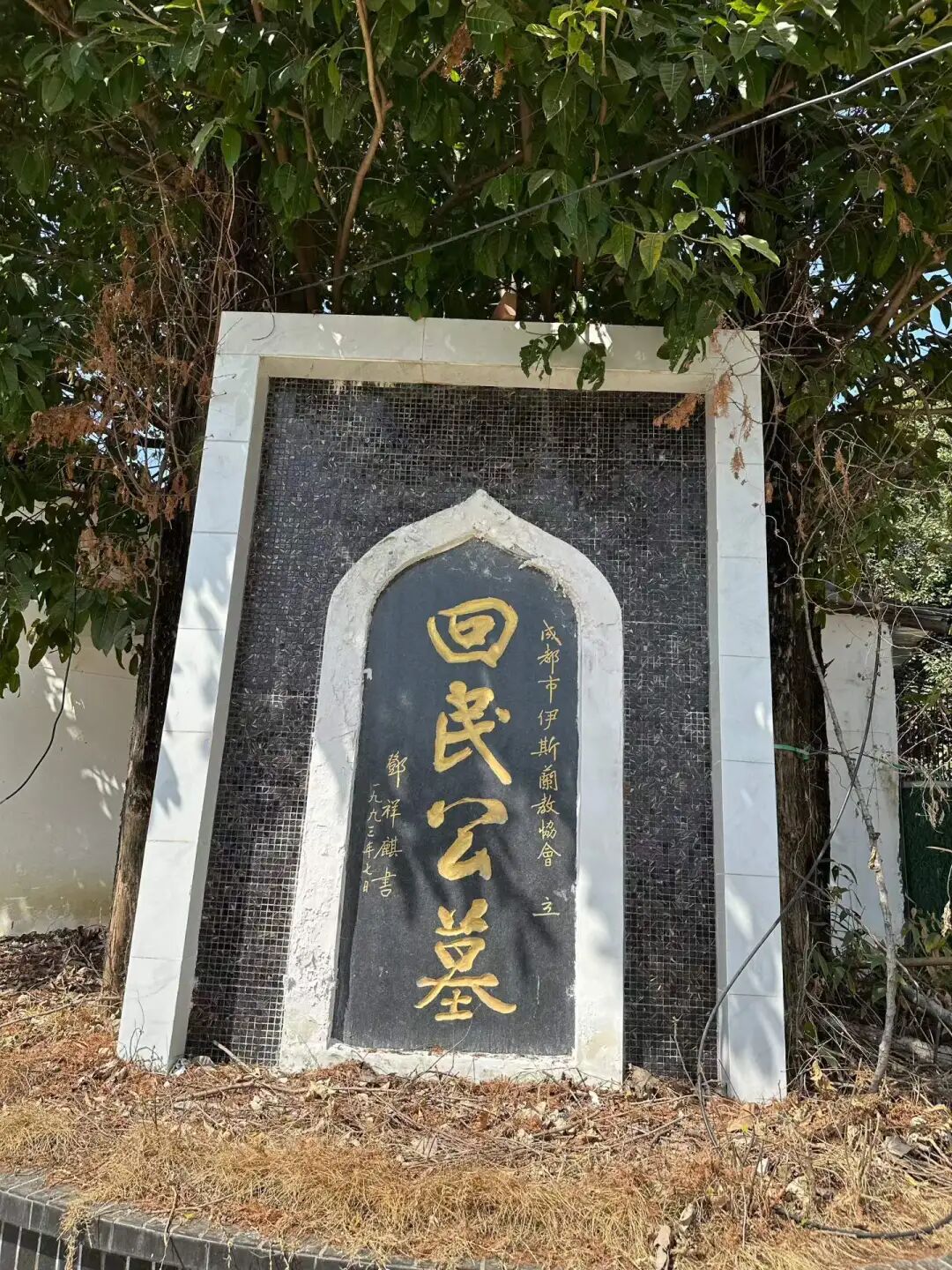
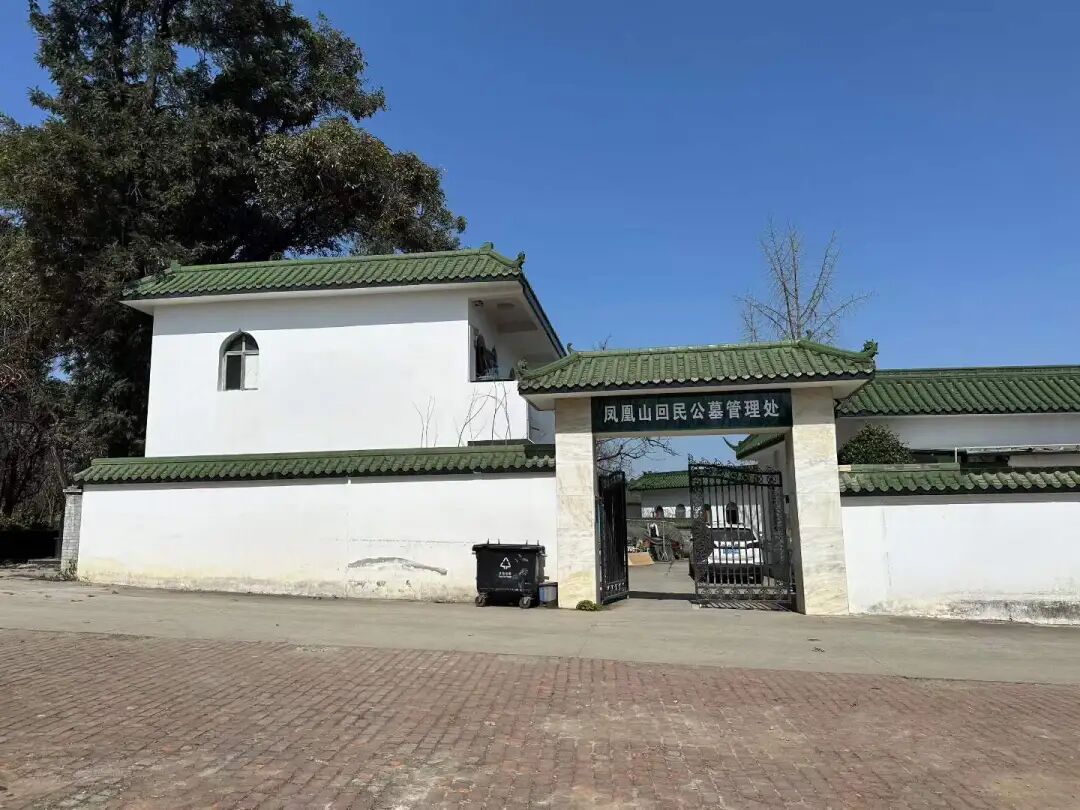
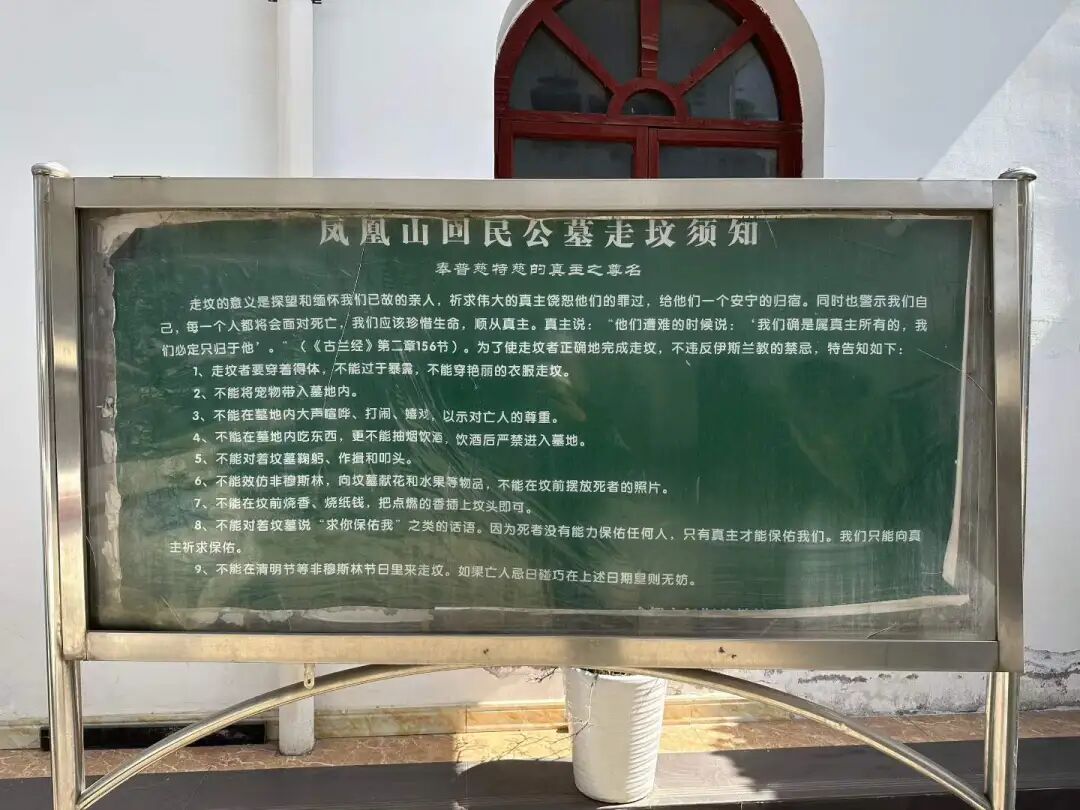
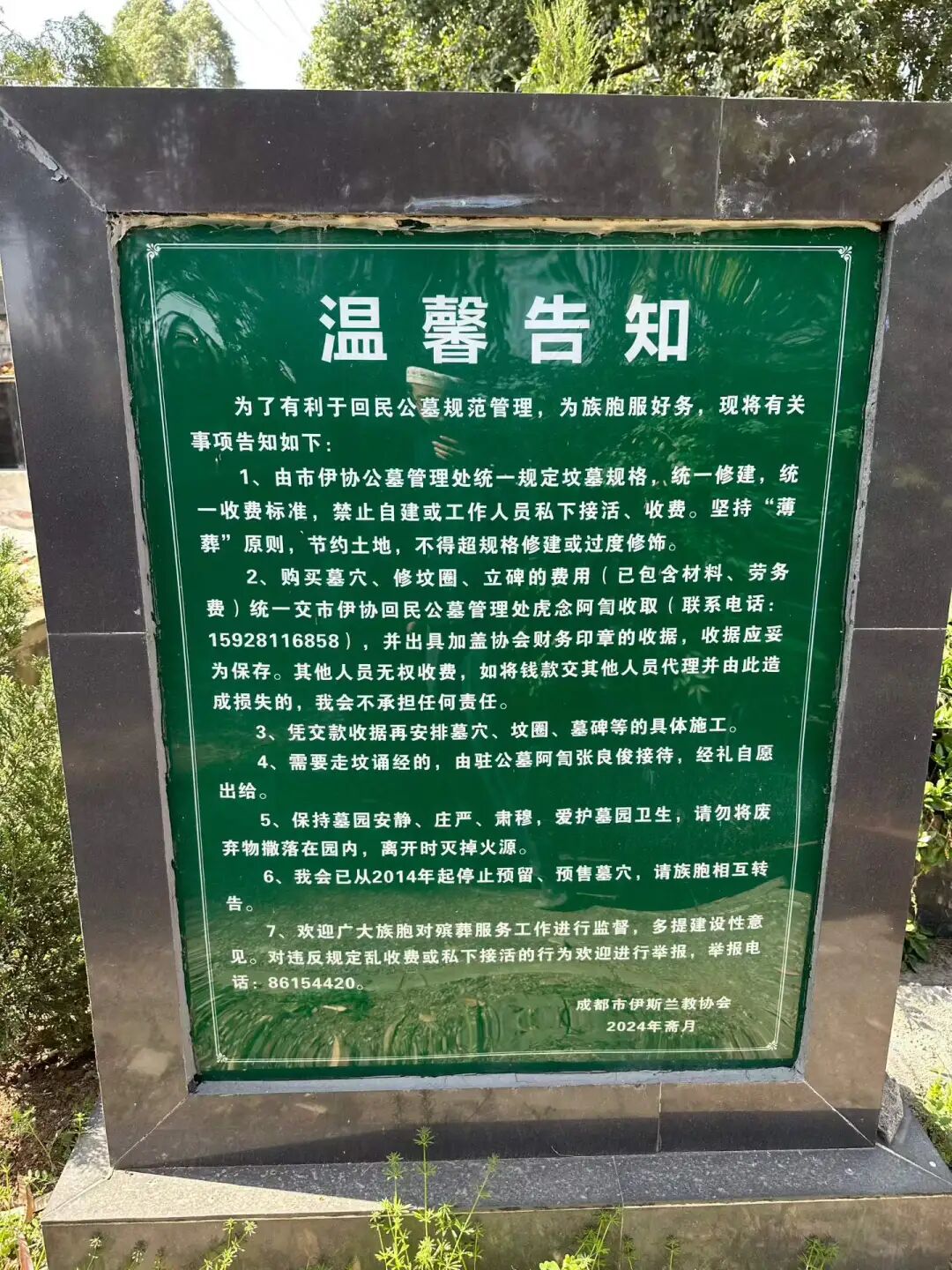
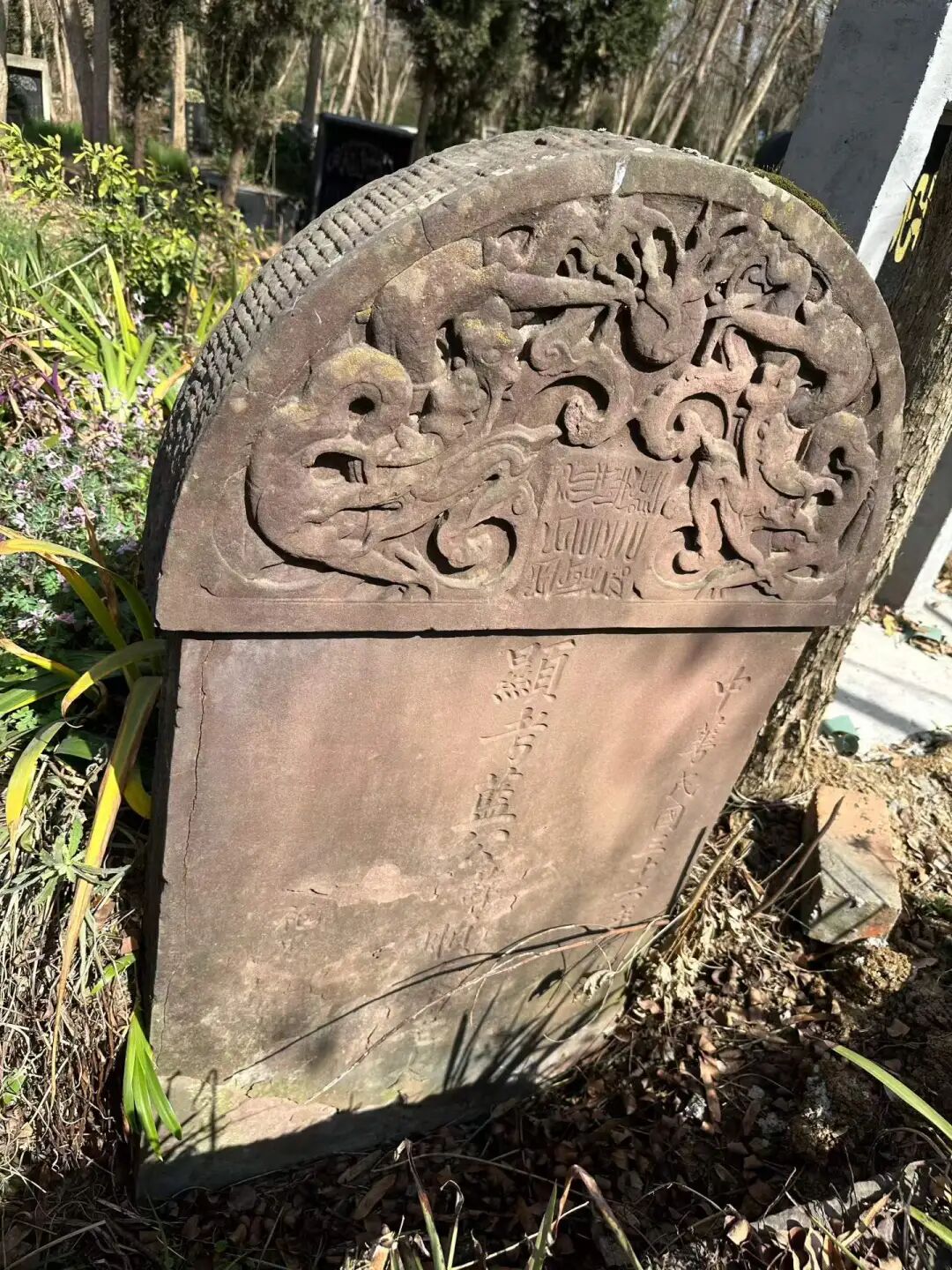
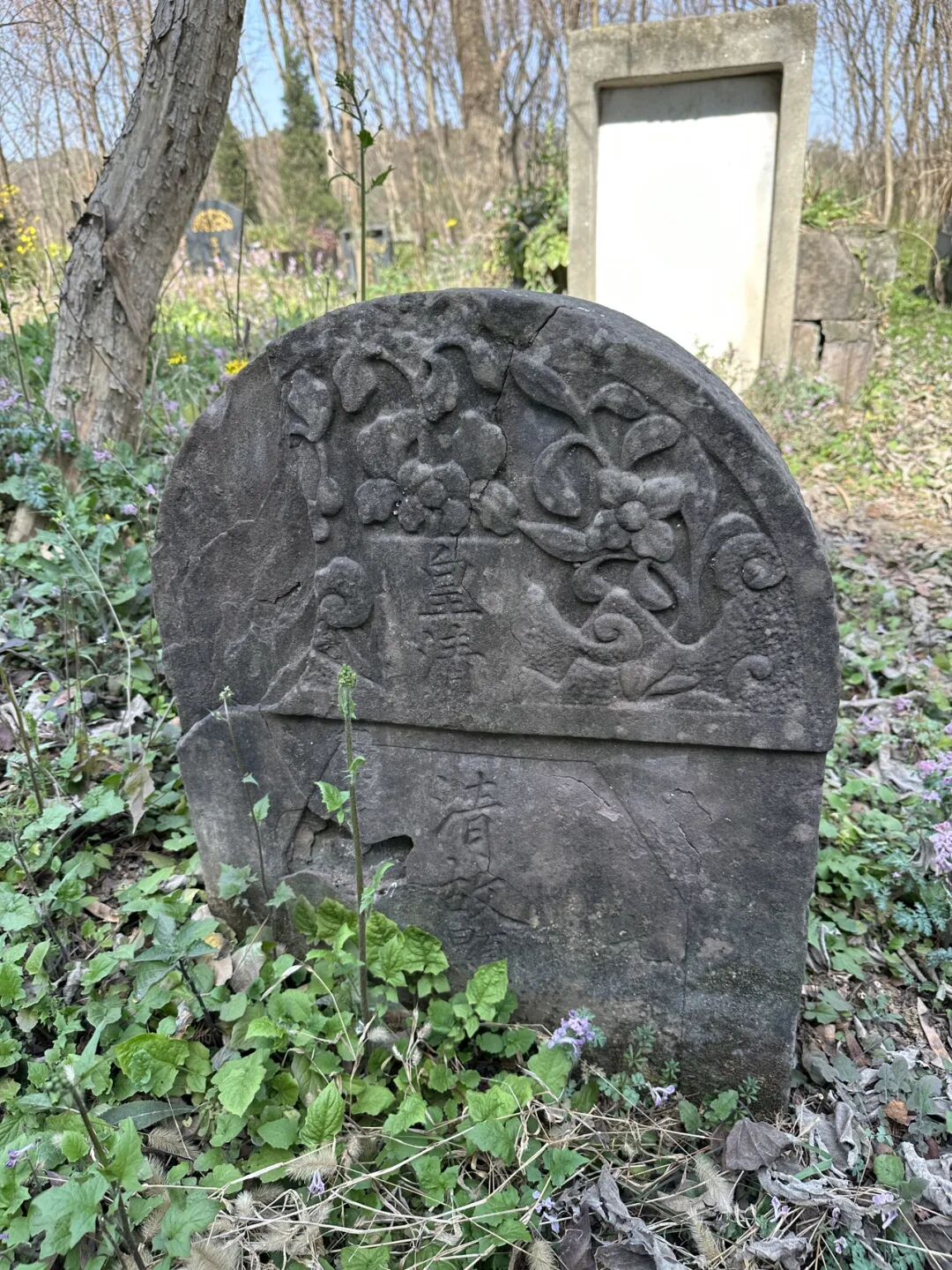
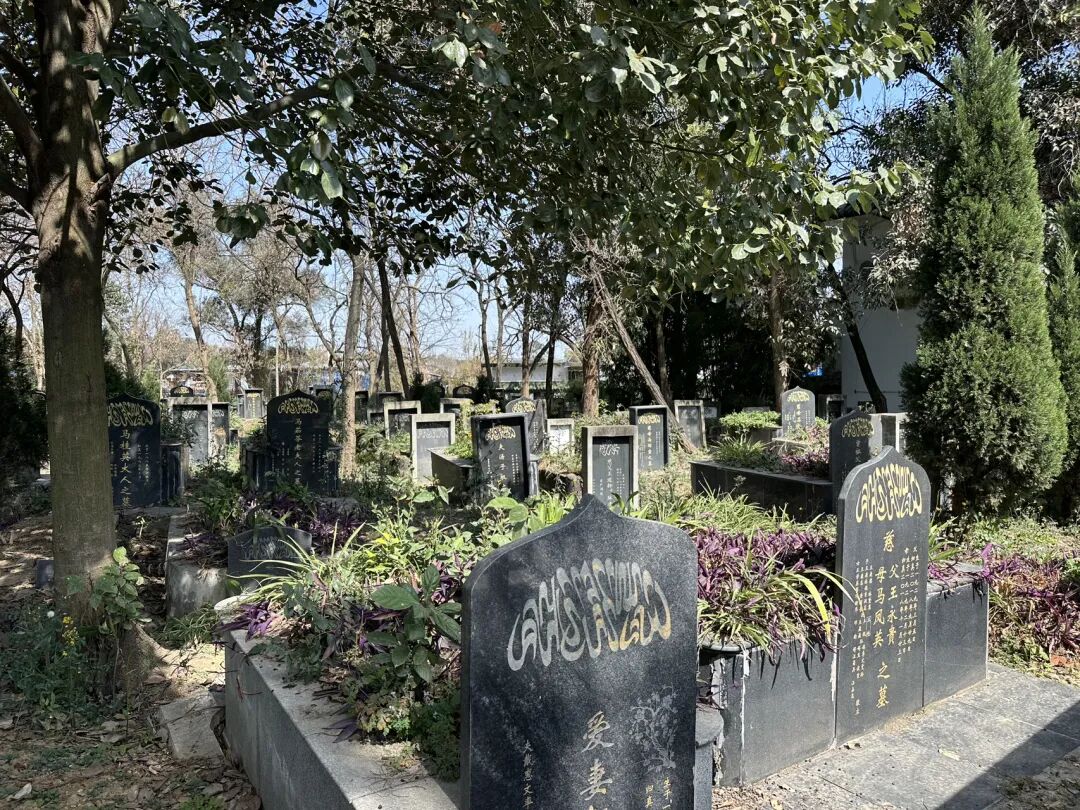 Collapse Read »
Summary: This Muslim travel guide to Sichuan is also a China mosque travel guide for readers following old mosque routes, Hui Muslim heritage, and Fenghuangshan Mosque in Chengdu.
This article summarizes the key points of a self-driving trip to ancient mosques in Sichuan during the Spring Festival (Part 14: Chengdu Fenghuangshan Mosque). It keeps the original paragraph and image order. It is for readers interested in the lives of Hui Muslims, Islamic culture, and Chinese Islamic writing. It also helps people search for content related to Part 14 and the Chengdu Fenghuangshan Mosque.
The Chengdu Hui Muslim cemetery was originally located near the Old West Gate, in the areas of Diba, Tongchegeng, and Wanfu Mosque. In 1952, it was forced to move to Fenghuang Mountain to make room for railway department offices and staff dormitories. The Fenghuangshan Hui Muslim cemetery officially opened in 1952. The Fenghuangshan Mosque was built to serve the people visiting the graves, and it has been there for over 70 years.
The Fenghuangshan Mosque currently preserves a pair of Qing Dynasty drum-shaped stone bases (baogushi) from the Chengdu Huangcheng Mosque, as well as a pair of broken Qing Dynasty pillar couplets from the Chengdu Qisi Mosque.
The Huangcheng Mosque was located in the middle of Yongjing Street at Huangchengba in Chengdu. It was first built in 1666 (the fifth year of the Kangxi reign) with funds raised by a man named Qibaba from Yunnan. It was rebuilt in 1858 (the eighth year of the Xianfeng reign). In 1917, it was mostly destroyed during fighting between Sichuan and Yunnan warlords, but it was rebuilt that same year. In 1998, the Huangcheng Mosque was moved and rebuilt on the southwest side of Tianfu Square to make room for the square's construction.
The Chengdu Qisi Mosque was located on Donghua South Street at Huangchengba in Chengdu. It was first built in the early years of the Qianlong reign. It was the seventh mosque built for Hui Muslims in Chengdu, which is how it got its name. The Qisi Mosque was rebuilt in 1866 (the fifth year of the Tongzhi reign). In 1930, it was set back due to street renovations and later rebuilt. After 1950, it became a women's mosque, but it no longer exists today. The Qisi Mosque originally had four stone pillars with couplets. They were all stored at Fenghuang Mountain. Later, some were set up in a mosque on South Street in Dujiangyan (Guanxian). The Fenghuangshan Mosque now holds two of these broken pillars.
The text on the broken pillars at the Fenghuangshan Mosque reads: 'Who is the master, who is the guide, one must think of oneself... respectfully erected by Gui Fengming, a military officer of the Tiabiao Central Battalion, and his son Xin.' When connected with the other parts in Dujiangyan, the complete text is:
The Way cannot be left for even a moment. Whether manifesting or reflecting, it all exists in a place without sound or smell.
People each have an inherent nature. Who is the master, who is the guide? One must think of the origin of all things and their principles.
Respectfully erected in the second month of the Bingyin year, the fifth year of the Tongzhi reign, by Gui Fengming, a military officer of the Tiabiao Central Battalion, and his son Xin.
Summary:
The great path of truth must never be left behind. Whether you are honoring Allah or reflecting on your own character, this inner sincerity exists in a quiet, hidden, and subtle state.
Everyone is born with a kind heart. Who controls all things in the world, and what keeps the order? We should trace this back to the source where everything has its own essence and laws.
Gui Fengming was a Hui Muslim general during the Qing Dynasty. He was from Xiushan County, Sichuan. He fought in the Opium War and served as a military officer in Mianzhou, Chengdu, and other areas. He paid to publish the book Explanation of the Five Pillars (Wugong Shiyi) by Liu Zhi.
At the Fenghuang Mountain Hui Muslim Cemetery, you can see tombstones from the Qing Dynasty and the Republic of China era. Unfortunately, because the stone is quite brittle, many people have placed new tombstones in front of the old ones, so the original stone carvings can no longer be seen.
Collapse Read »
Best Halal Food in Beijing: Muslim-Friendly Restaurants and Hui Muslim Street Food Map (Issue 57)
Reposted from the web
Summary: Best Halal Food in Beijing: Muslim-Friendly Restaurants and Hui Muslim Street Food Map (Issue 57) is presented here as a firsthand travel account in clear English, beginning with this scene: Here is the information for the restaurants I visited this time:. The account keeps its focus on Beijing Halal Food, Muslim Travel, Middle Eastern Food while preserving the names, places, food, and historical details from the Chinese source.
Here is the information for the restaurants I visited this time:
1. Wanhe Beef
2. Manpengxuan
3. Love Yourself Halal Skewer Hot Pot
4. Xiting Xiuse, Xiangyun Town Branch
5. Flame & Feast Pakistani Steak
6. Yilan Liyuan Handmade Burgers
7. Laikebi Happy Pizza
8. Xiangyu Homestay Halal Restaurant
1. Wanhe Halal Beef
This beef hot pot restaurant is on Longfusi Food Street. They use beef from Zhangye, Gansu. The shop is 2,000 square meters, has many private rooms, and offers good service. They mainly sell beef.
The beef set meal I bought online was only 200 yuan. Two people couldn't even finish it. The meat quality is really good.
This is the sea cucumber (liaoshen) included in the set, along with plenty of vegetables and noodles as the staple food.
You can choose a single-person small pot to try different soup bases. I like this pickled cabbage (suancai) soup base. You can mix your own dipping sauce. I like to make mine with a spicy and sour Yunnan flavor.
Address: 3rd Floor, Building A, Nanfang, No. 1 Longfusi Qianjie, Dongcheng District.
2. Manpengxuan
This is a new high-end halal restaurant under the Nanmen Shuanrou brand, located on the 4th floor of the North Area of the China World Mall.
The authentic Nanmen Shuanrou brand is the one at the Temple of Heaven; all other Nanmen restaurants are just copycats trying to ride on their popularity. There is also a Nanmen Xiaoguan in the China World Mall, which is another brand under Nanmen that serves Beijing-style stir-fry at affordable prices.
The restaurant has a beautiful layout and a spacious interior, making Manpengxuan a great choice for business dinners.
Remember to park in the North Area and take the North 2 elevator to the 4th floor, or you might get lost.
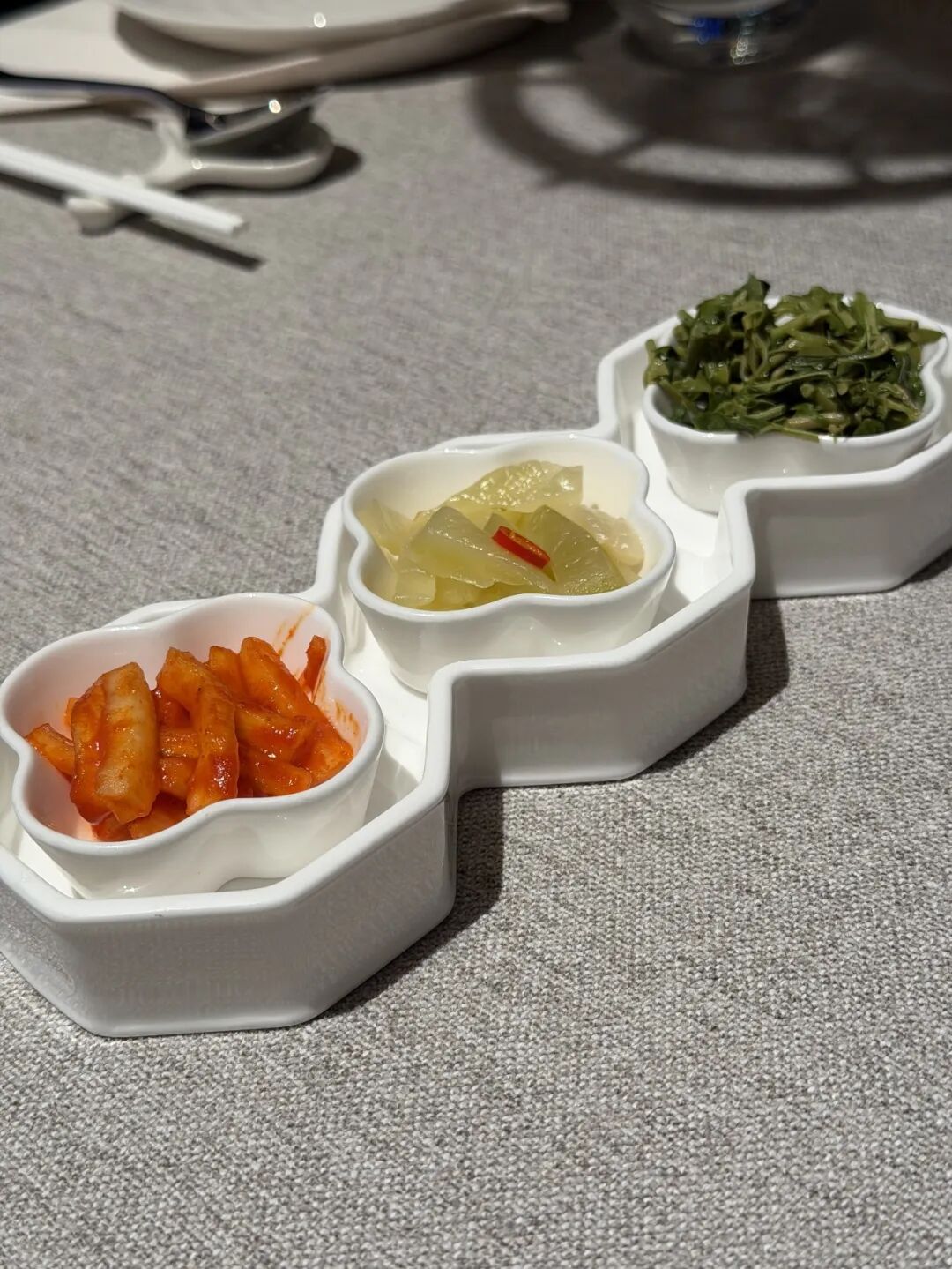
They serve complimentary pickled vegetables before the meal, and they all taste quite good.
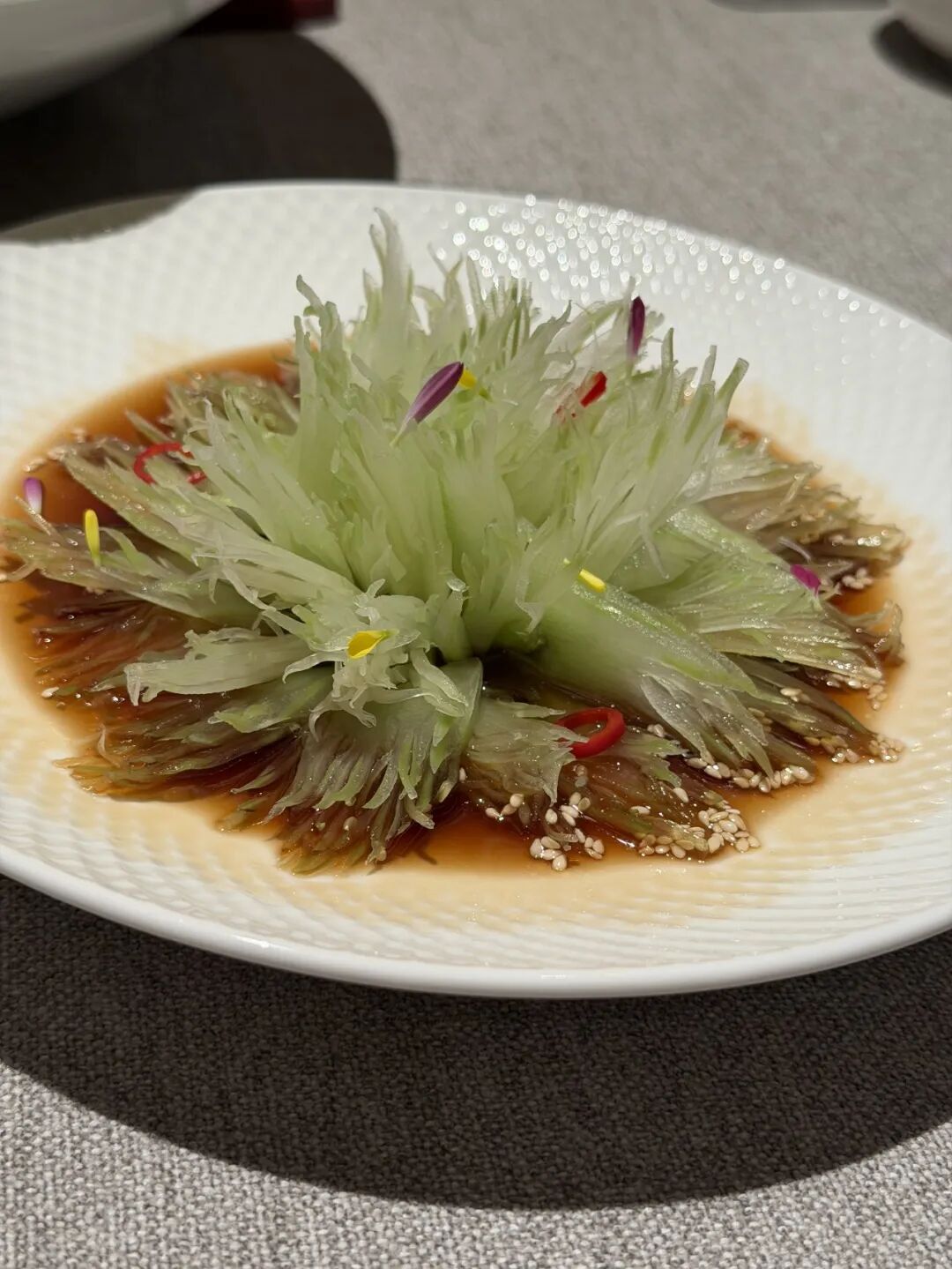
When the server talked about the chef's knife skills, they mentioned a dish called celery with phoenix tail in sauce (laozhi fengwei xiqin). I was curious, so I ordered it. The celery arrived without the sauce poured over it; it looked beautiful and tasted very crisp and tender.
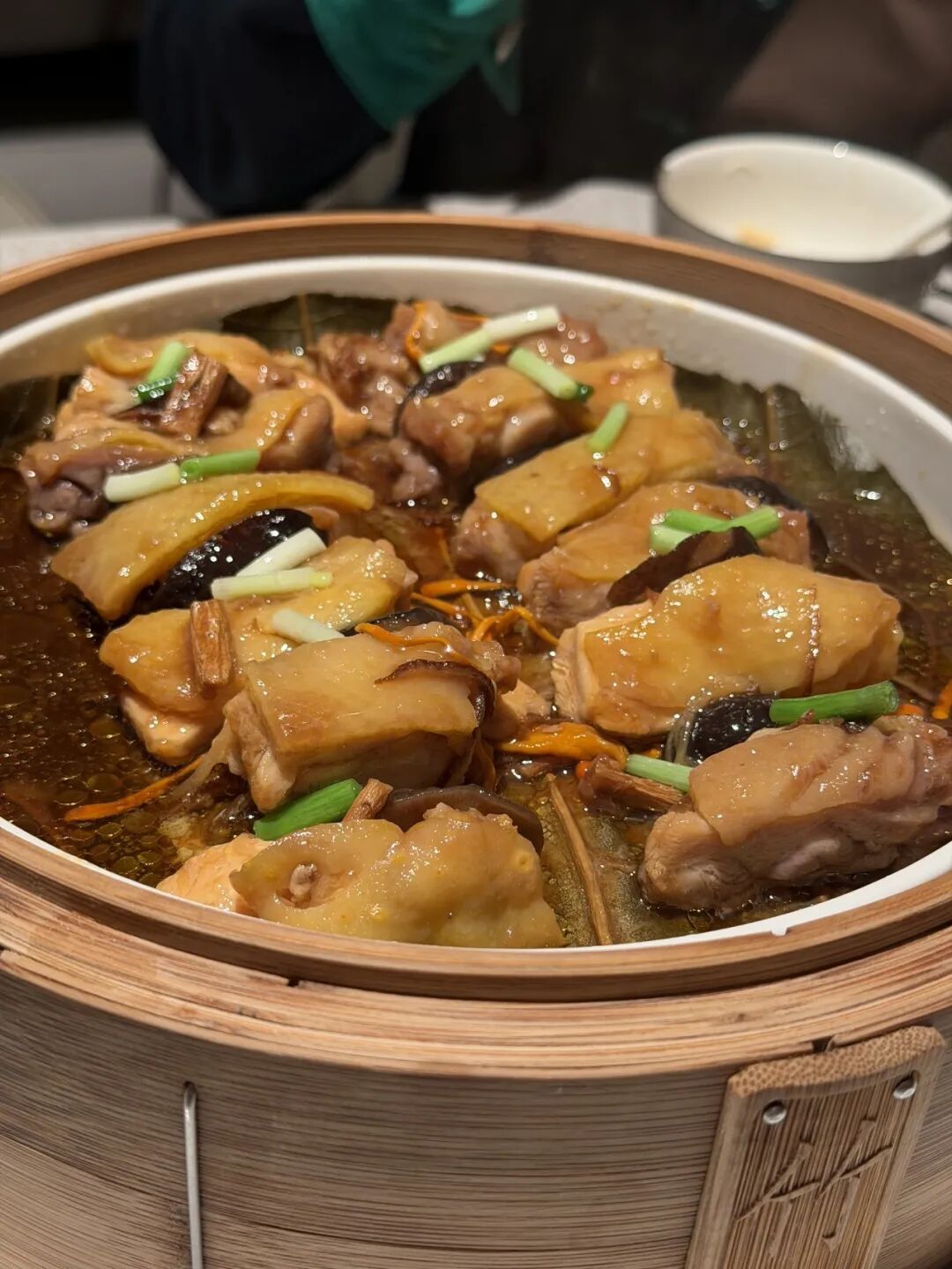
They serve fusion cuisine, mainly Beijing and Cantonese dishes. I specifically chose a Cantonese dish called lotus leaf and dried tangerine peel Zhanjiang chicken (hexiang chenpi zhanjiang ji), which comes with the chicken already deboned.
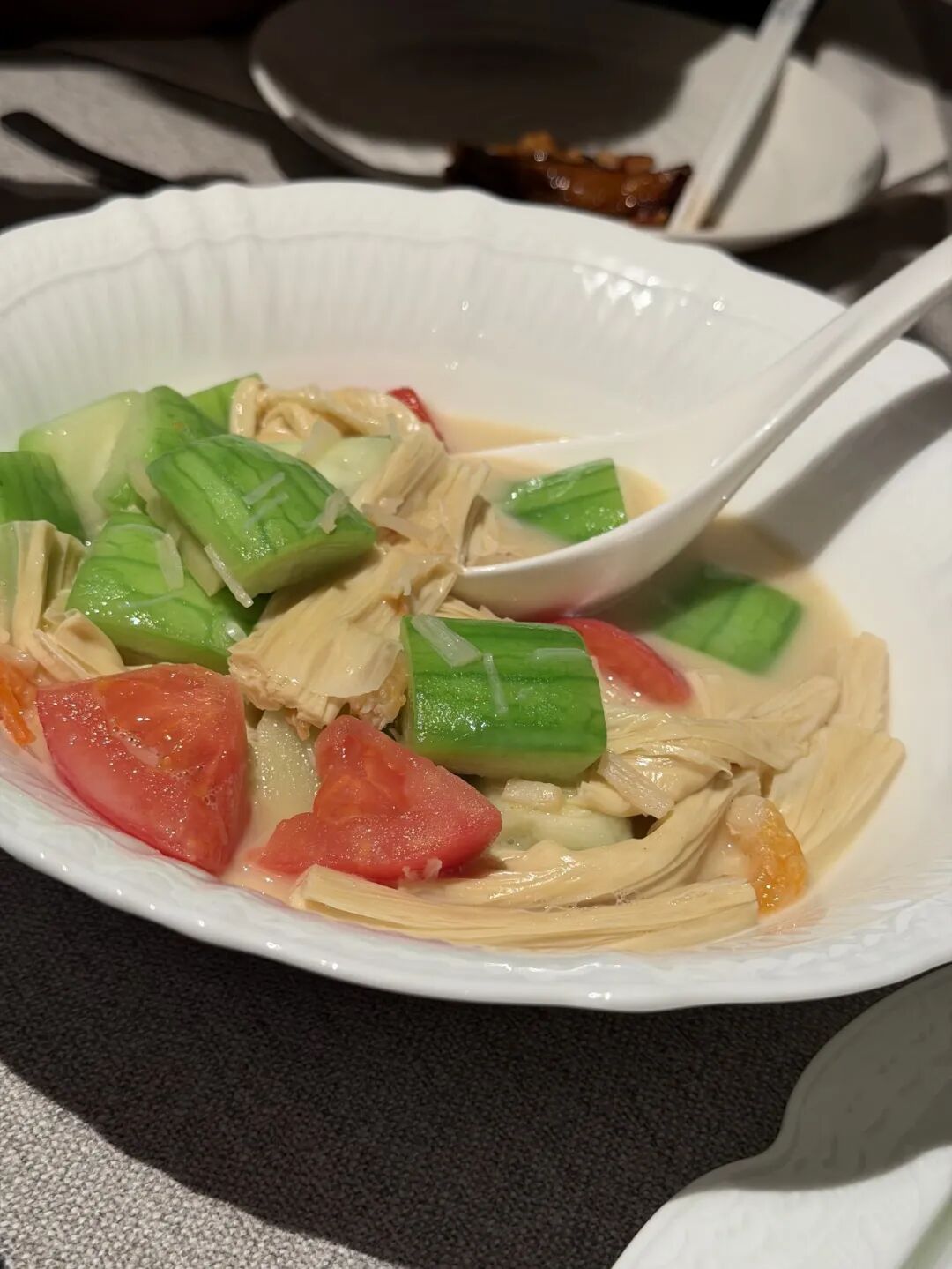
This dish is called dried scallop and shrimp with fresh bean curd skin and apple loofah (yaozhu xiagan xianfuzhu zhu pingguo sigua). The name lists all the ingredients. It is very light, the server helped us portion it out, and you can even get refills on the soup.
I ordered the crispy skin roast chicken. I originally wanted the crispy squab, but a large group had already finished all of them that day. The skin on this roast chicken was just as crispy.
For the threadfin salted fish and eggplant claypot (mayou xianyu qiezi bao), the salted fish was indeed a bit salty.
The appetizing kale and bamboo shoots (kaiwei jielan sun) is a savory dish. The kale was cut into a shape that made it hard to pick up with chopsticks, but the server was very thoughtful and said they would improve the presentation.
The manager gave us some complimentary Beijing-style desserts, including pea flour cake (wandou gao) and aiwowo (steamed rice flour cakes with sweet filling). They were small and bite-sized.
3. Love Yourself Halal Skewer Hot Pot
A new skewer hot pot restaurant serving Guizhou sour soup has opened near the residential area of Daxing Airport.
The warm reminder at the entrance shows the owner is very thoughtful. While waiting for a table, I chatted with the owner and learned he is from Chengdu.
Skewers are 0.8 yuan each. After eating, they count the sticks to settle the bill. You can buy a group-buying set, and the average cost per person is under 70 yuan.
You still have to wait in line on weekend nights. The place is small, with fewer than ten tables inside.
Although the owner recommended the spicy clear oil hot pot, I specifically chose the Guizhou sour soup hot pot.
They have a huge variety of skewers, and they are already seasoned, so they taste great even without dipping sauce.
Address: 2nd Floor, Building 1, Kangtai Street, Yufa Town, Daxing District.
4. Xiting Xiuse (Xiangyun Town Branch).
The Xiting Xiuse branch in Shunyi's Xiangyun Town is their largest and most luxurious store in Beijing.
The restaurant has two floors, and there is an open-air garden at the entrance on the first floor. It is very pleasant to sit in the courtyard during the summer.
The second floor has several private rooms, each with a different style, and there is even a dedicated room for smoking cigars.
The large private rooms can hold thirty to forty people, making them perfect for parties and birthday banquets.
It is also a great experience to stop by for coffee and afternoon tea. This is one of the more authentic Turkish restaurants, and the colors of their dishes are a feast for the eyes.
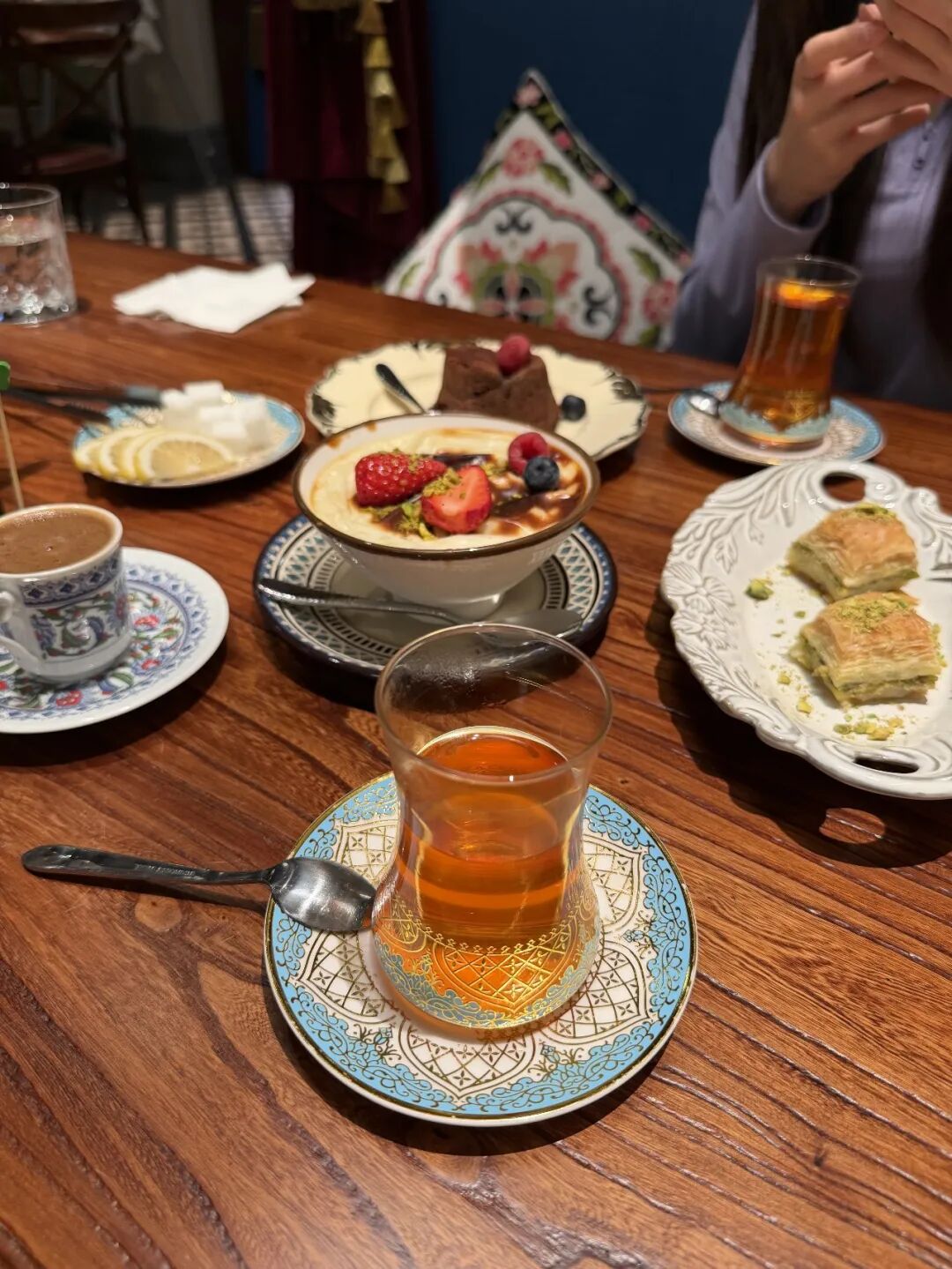
Address: Shop 107, Building 11, North District, COFCO Xiangyun Town, Antai Street, Shunyi District.
5. Flame & Feast Pakistani Steak
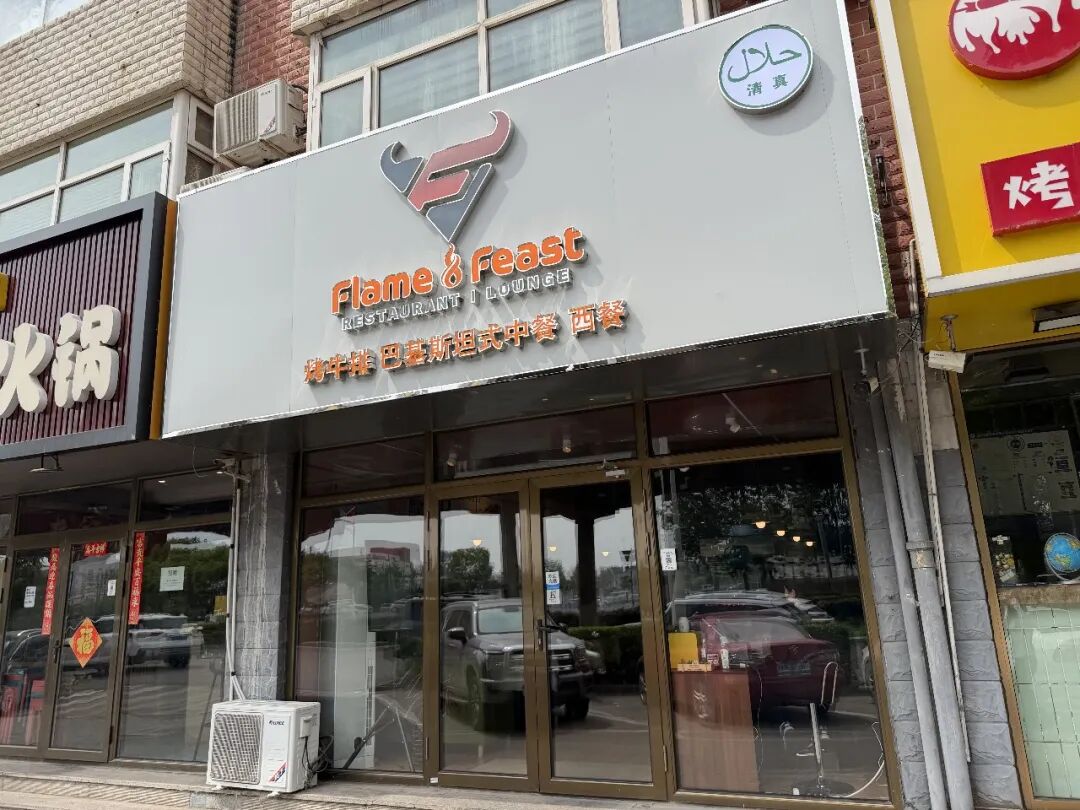
A newly opened Pakistani steakhouse in Shunyi. Their signature dish is grilled steak, and they also sell burgers and fried chicken.
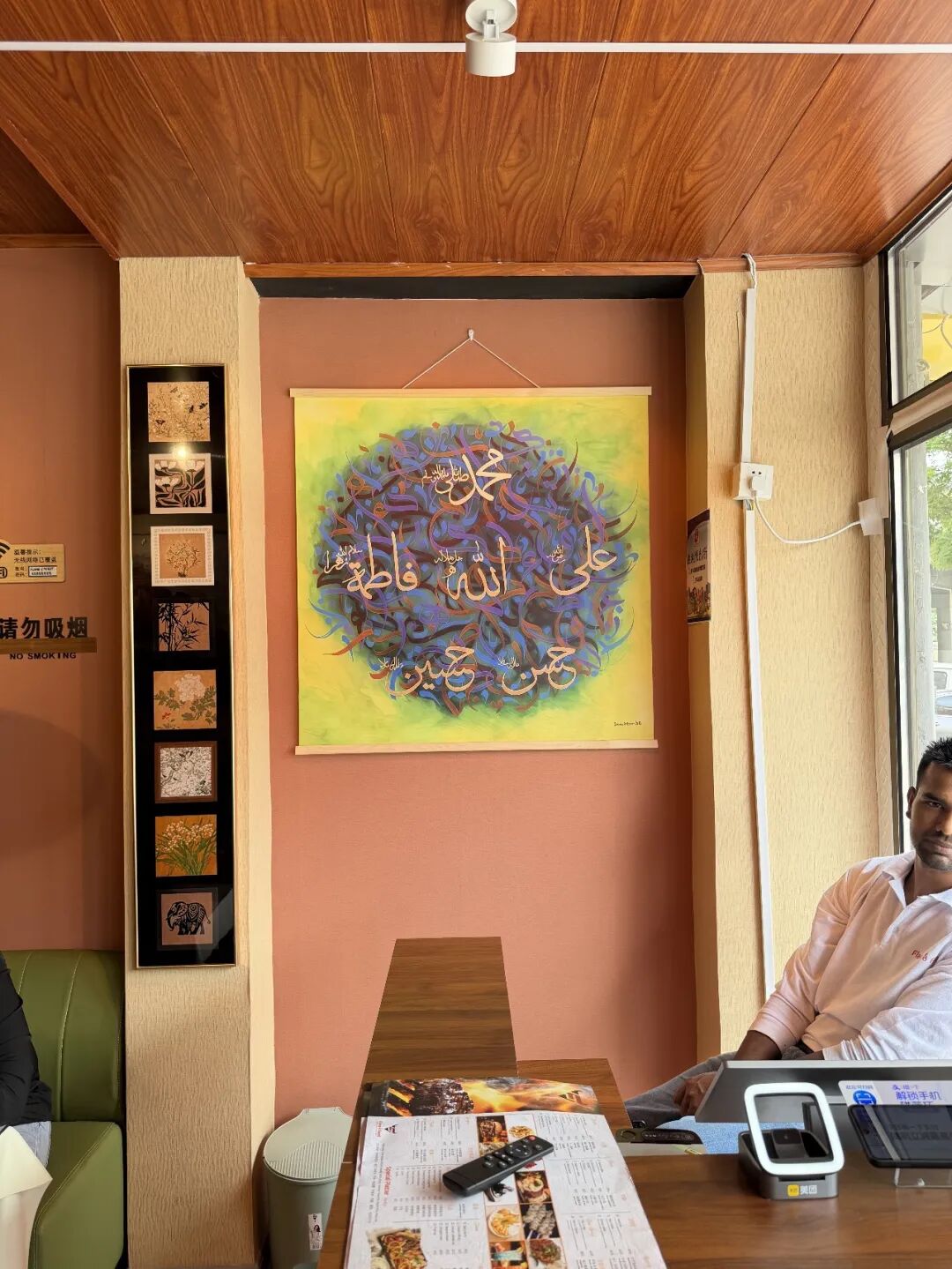
The small shop has two floors. The newly renovated environment is very clean, and the service is quite warm.
I found a portrait of a pharaoh hanging in the bathroom, which carries a bit of metaphor for our Pakistani friends.
This is French-style fried chicken with a sweet and salty flavor, but I still prefer salty fried chicken.
The burger is also quite ordinary; this place's burger is not as good as the ones on Niujie.
However, their steak tastes good. Because the price is cheap, it feels quite a bargain to get this quality of steak. The waiter asked how I wanted it cooked, and I like it medium-well. I suggest you only eat the steak when you come here.
Address: Yixin Jiayuan, Shengli Subdistrict, Shunyi District.
6. Yilan Liyuan Handmade Burgers
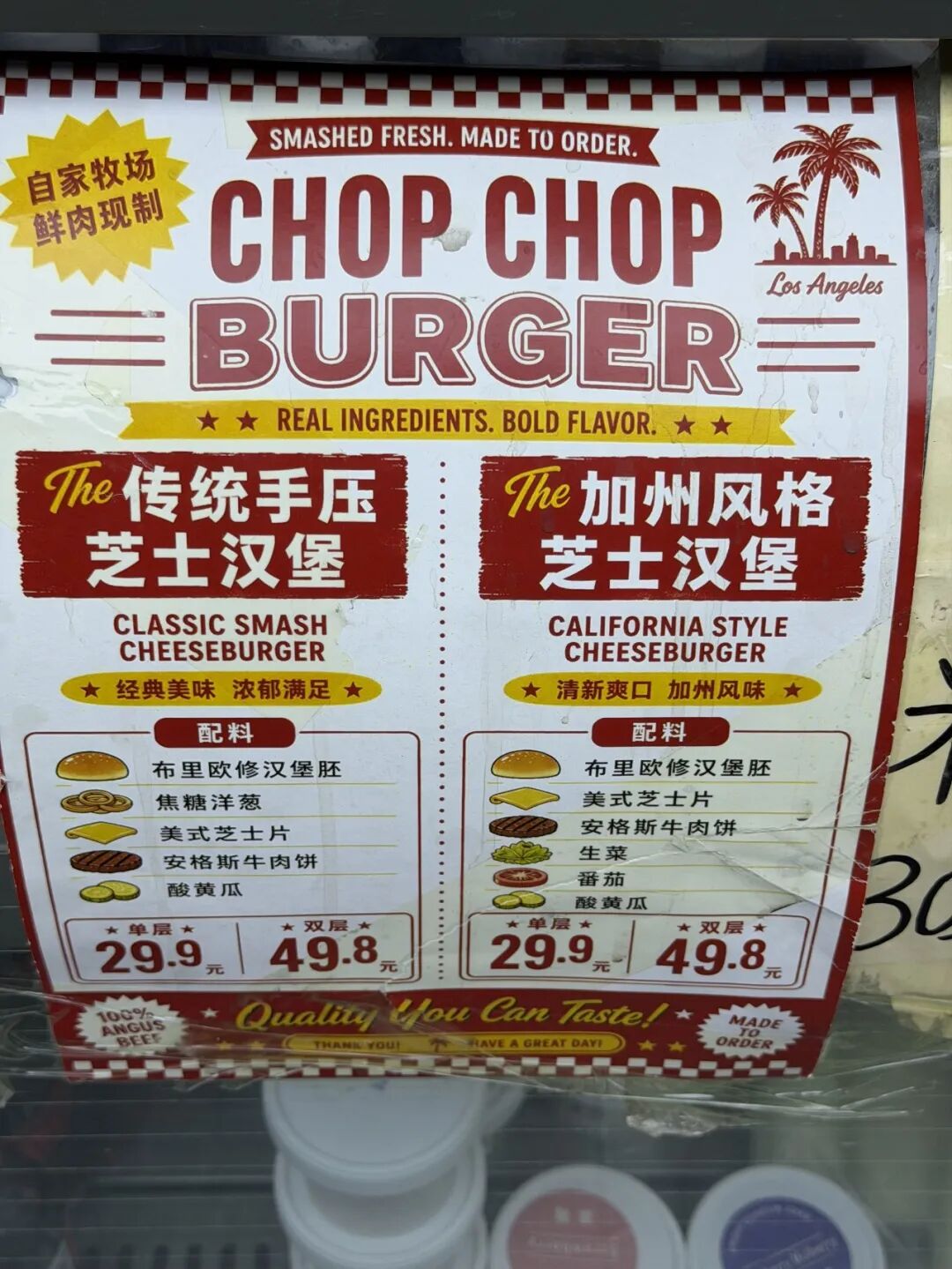
The Yilan Liyuan Beef and Mutton Shop on Niujie added a new window to sell handmade burgers. The owner's son returned from studying in the United States and wanted to bring authentic American burgers to Beijing using their own beef.
This is the handsome guy, cooking in person with the meat patties fried on the spot. They currently only have two types of burgers, divided into single and double layers. The young man's skills are good. The shape and style of this burger are basically the same as what I ate in the United States, even the wrapping paper is the same.

7. Laikebi Happy Pizza
Laikebi is an old shop that has reopened. I ate at their shop near the China University of Political Science and Law before 2018. At that time, the owner was still single and from Yunnan. This year, the owner reopened the shop and married a Uyghur wife. We happened to run into them when we arrived at the shop.
It is a pity that this shop will close at the end of the month. International students used to visit often, but now there are far fewer students in the area, making it hard to keep the business going.
Their dishes offer great value for money. I was deeply impressed when I visited in 2018. We had four people this time and ordered a four-person set meal for only 200 yuan. We actually couldn't finish it because it was just too affordable.
Their pizza and grilled meat rice are both delicious. They are excellent among halal Western-style fast food in Beijing.
I don't know if there will be another chance to eat at such an affordable Western restaurant in the future. I hope the owner can get back on his feet.
Maybe when you see this message, the shop will already be closed, so let's just leave this as a memory.
8. Xiangyu Homestay Halal Restaurant
A new halal farmhouse inn has opened in Huairou. There are now at least three halal homestays in the area, and this one is not far from the Mutianyu Great Wall.
The setting here is quite nice, with a small bridge and flowing water at the entrance.
We booked our meal in advance. The owner is a Hui Muslim from Tongzhou and is a great cook.
Since we had children with us, I specifically asked the owner to use less salt and keep the flavors light. Otherwise, following the traditional taste of Tongzhou Hui Muslims, the dishes would definitely be salty.
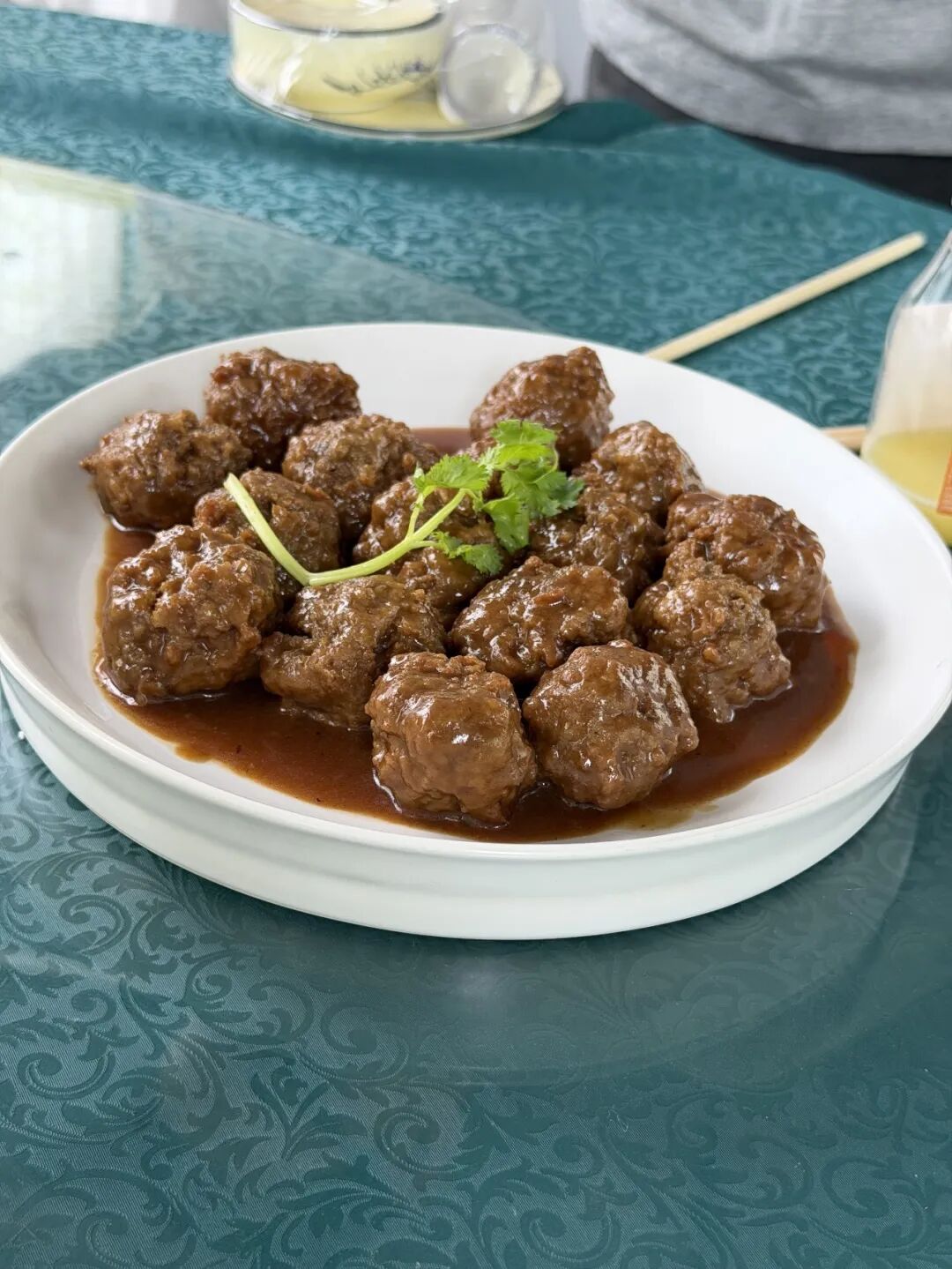
The food here is generally home-style. I suggest sticking to traditional Beijing dishes to be safe and avoid disappointment. Don't order the Sichuan dishes; after all, a chef is always more comfortable cooking the food from their own hometown.
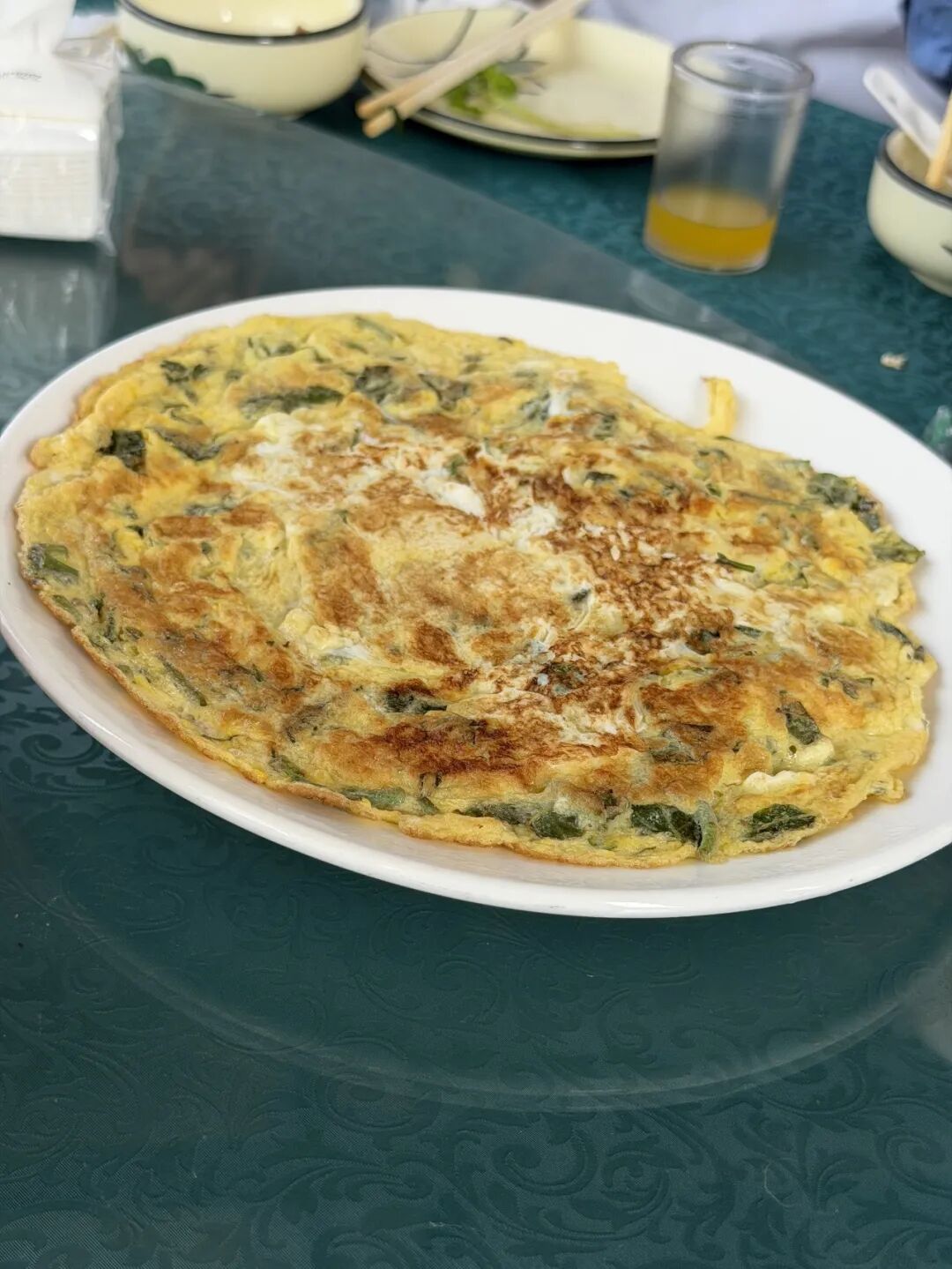
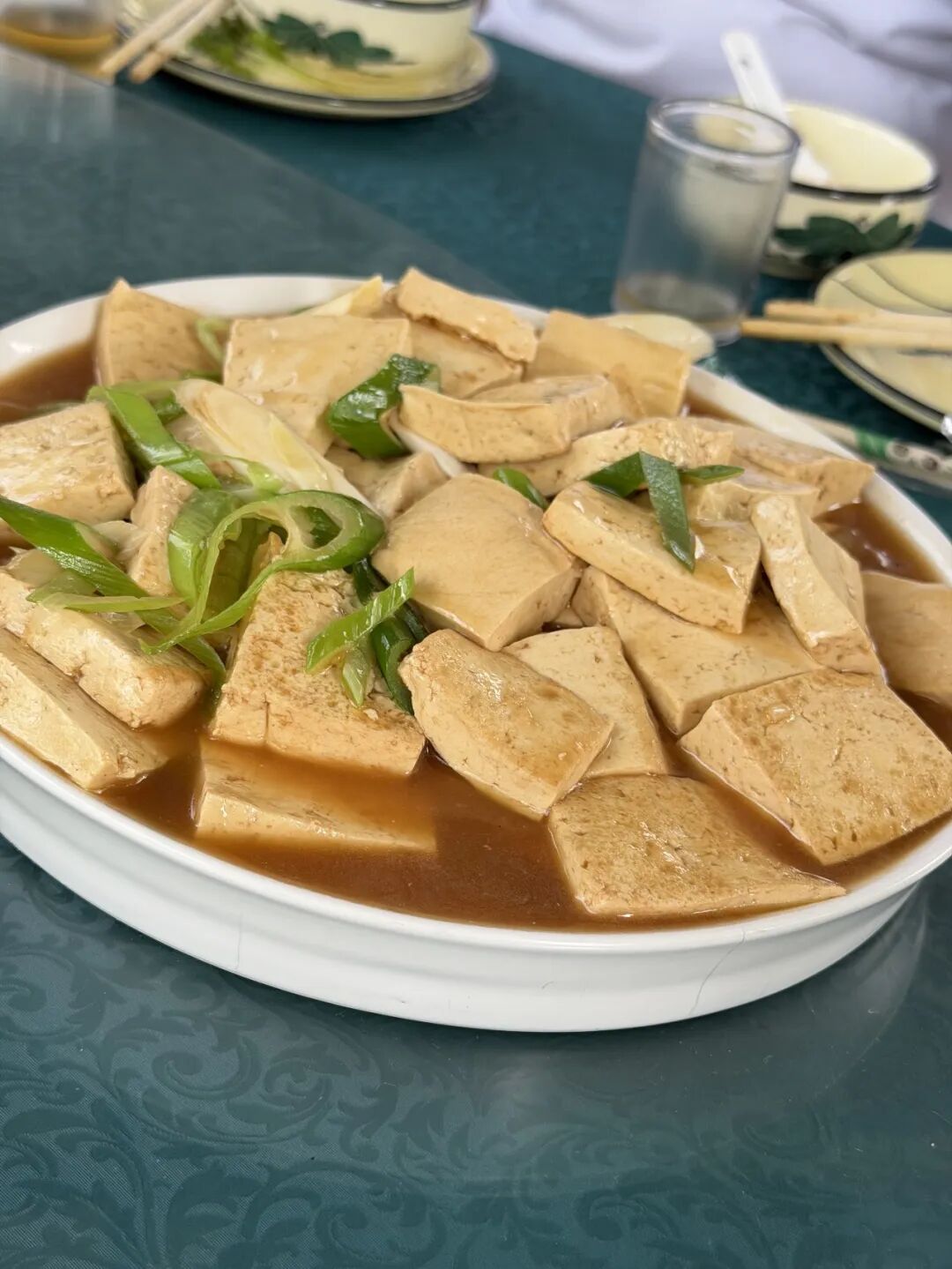
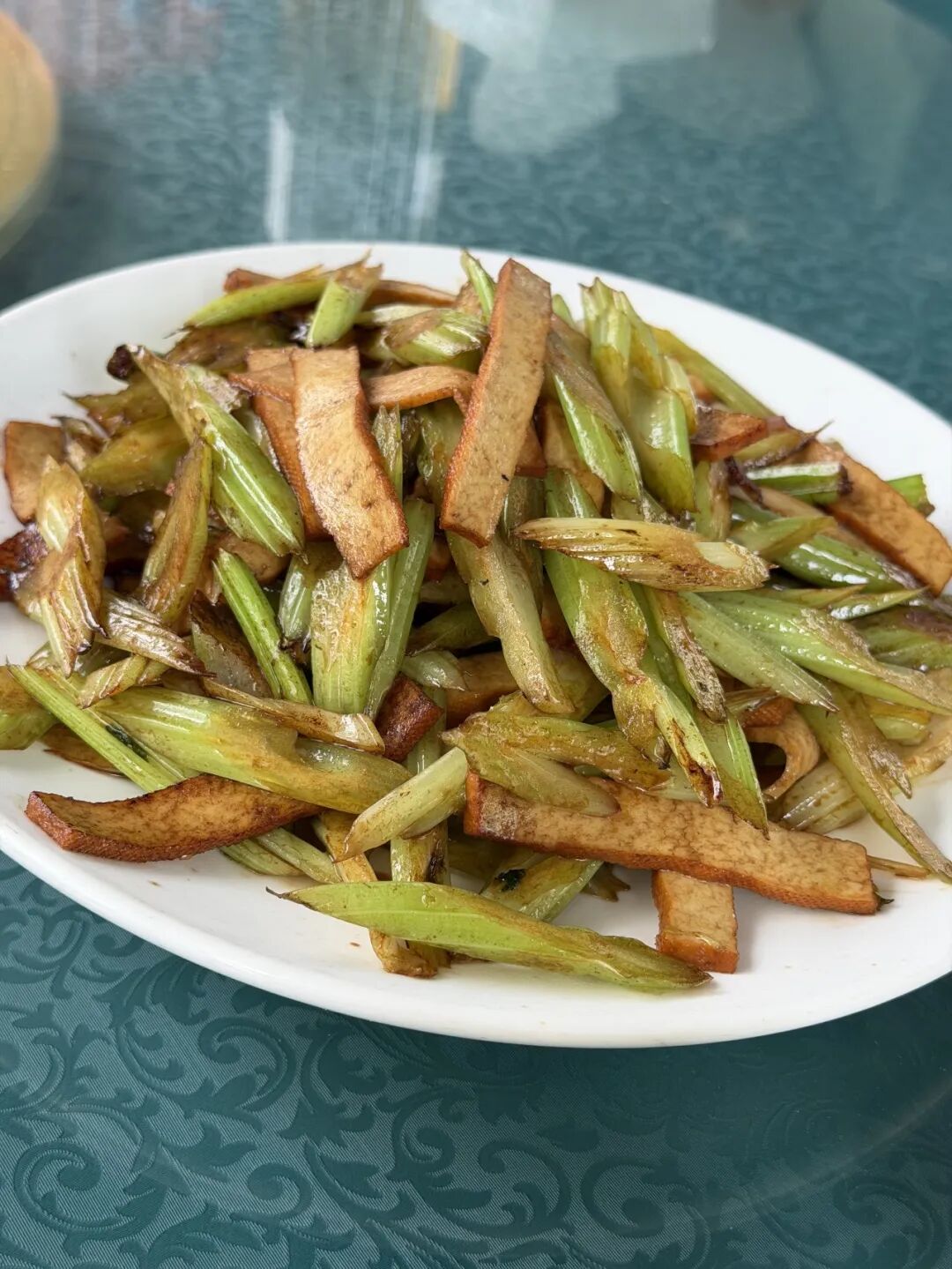
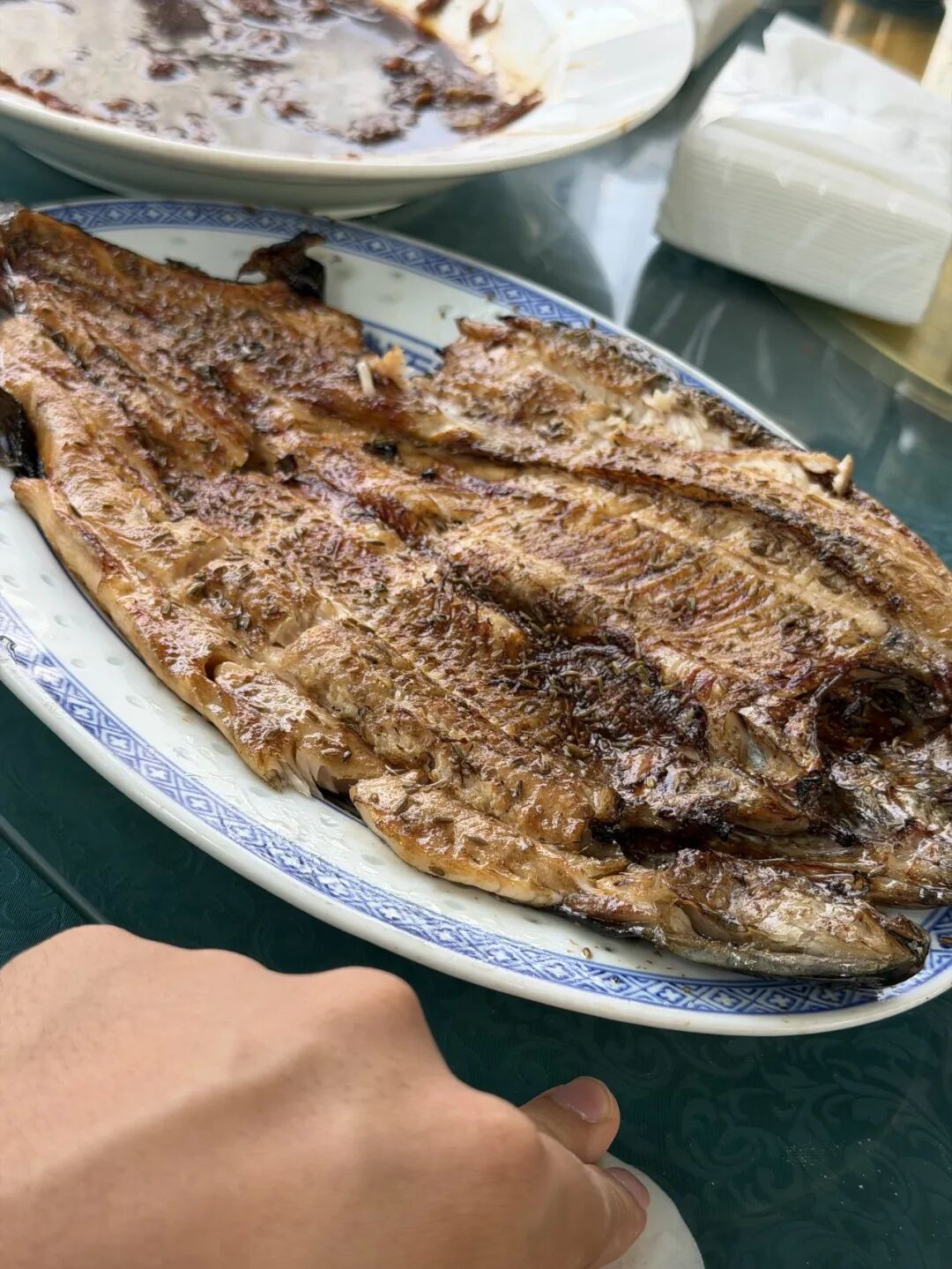
When you come to Huairou, you must eat the grilled rainbow trout (hongzunyu). Rainbow trout is a cold-water fish with tender meat and few bones.
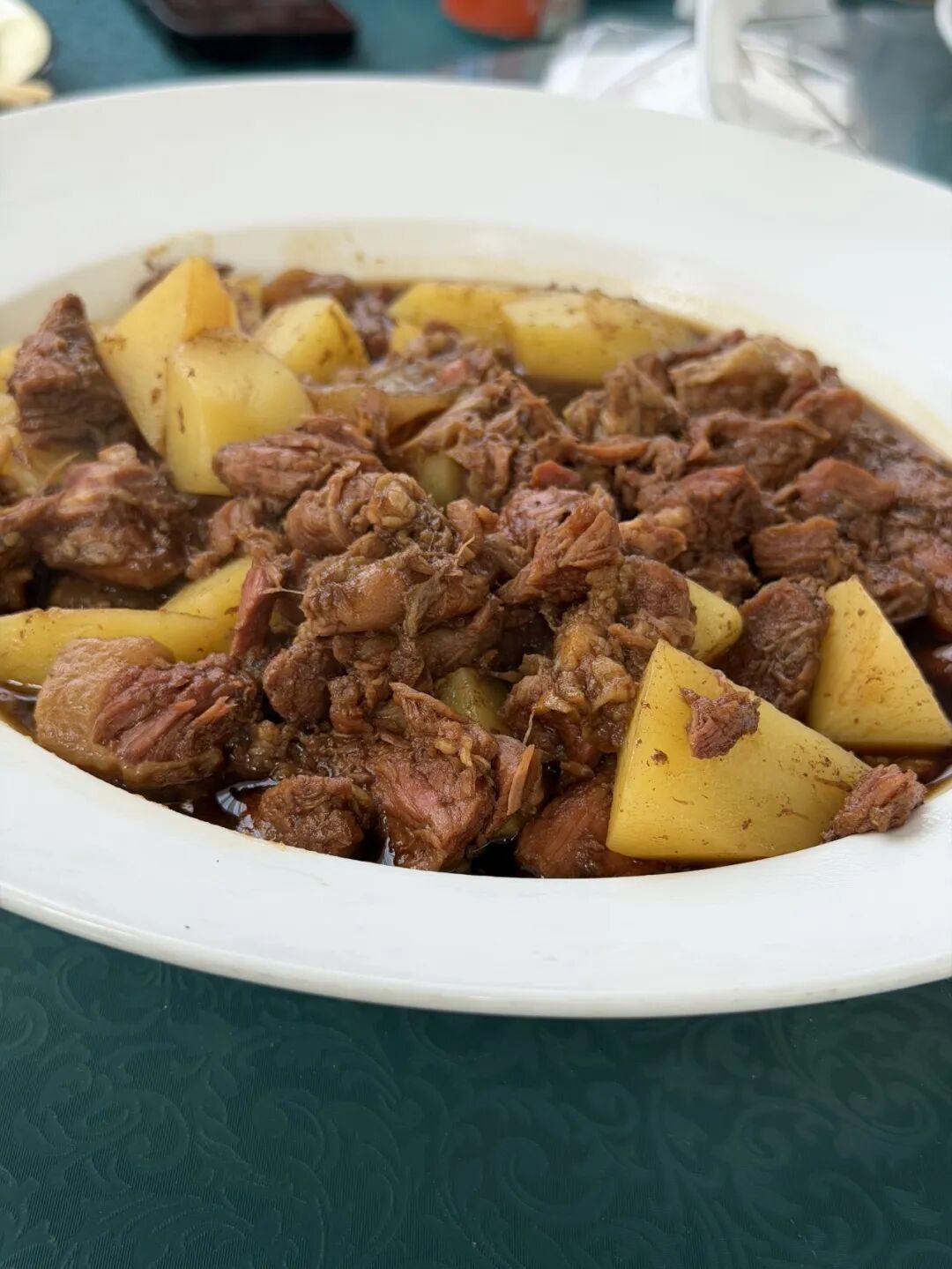
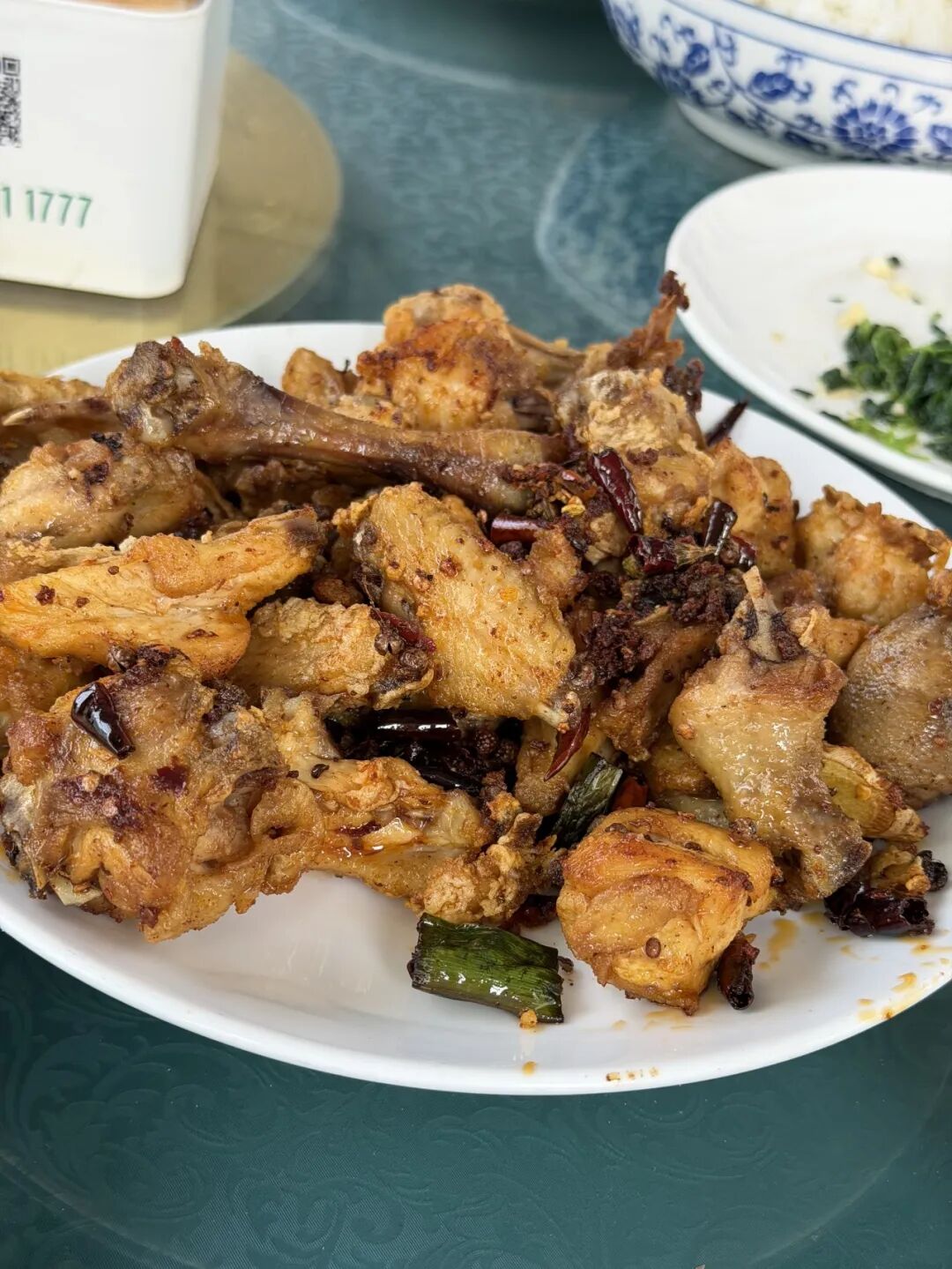
The spicy chicken (lazi ji) in the photo above and the boiled beef (shuizhu niurou) in the photo below are not recommended as they are not the chef's specialty. Everything else is fine. There were 10 of us, and it cost 50 per person.
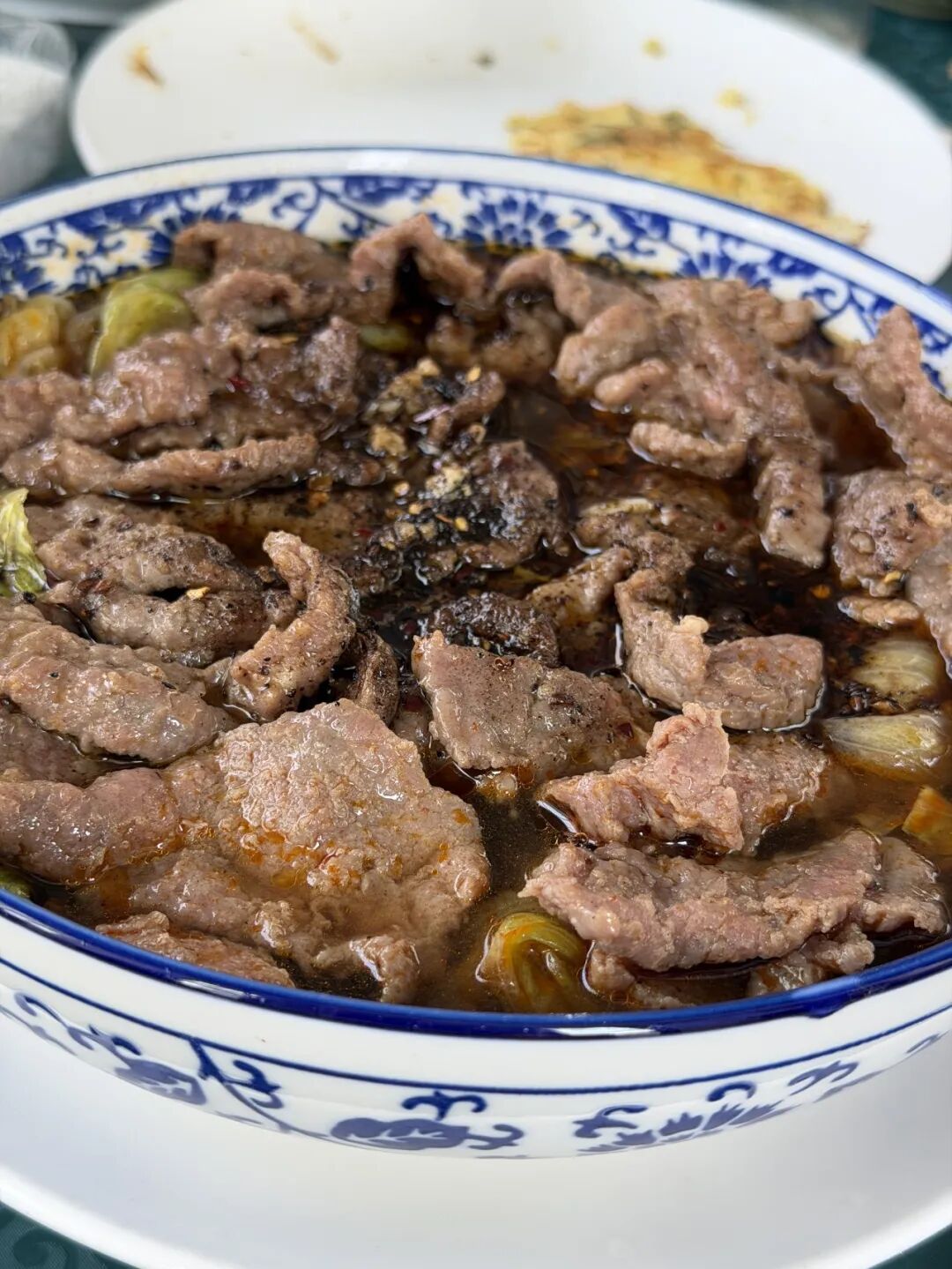
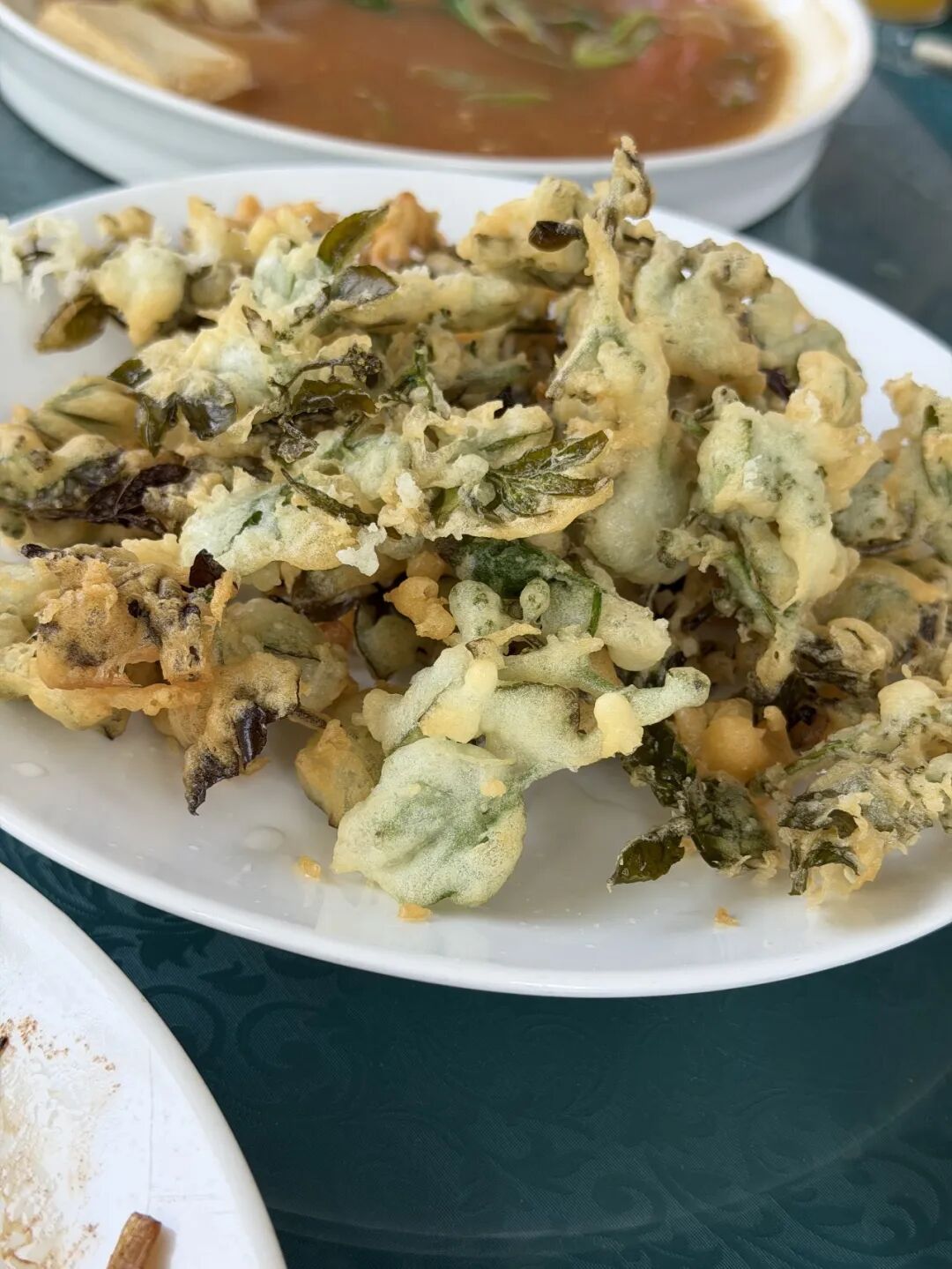
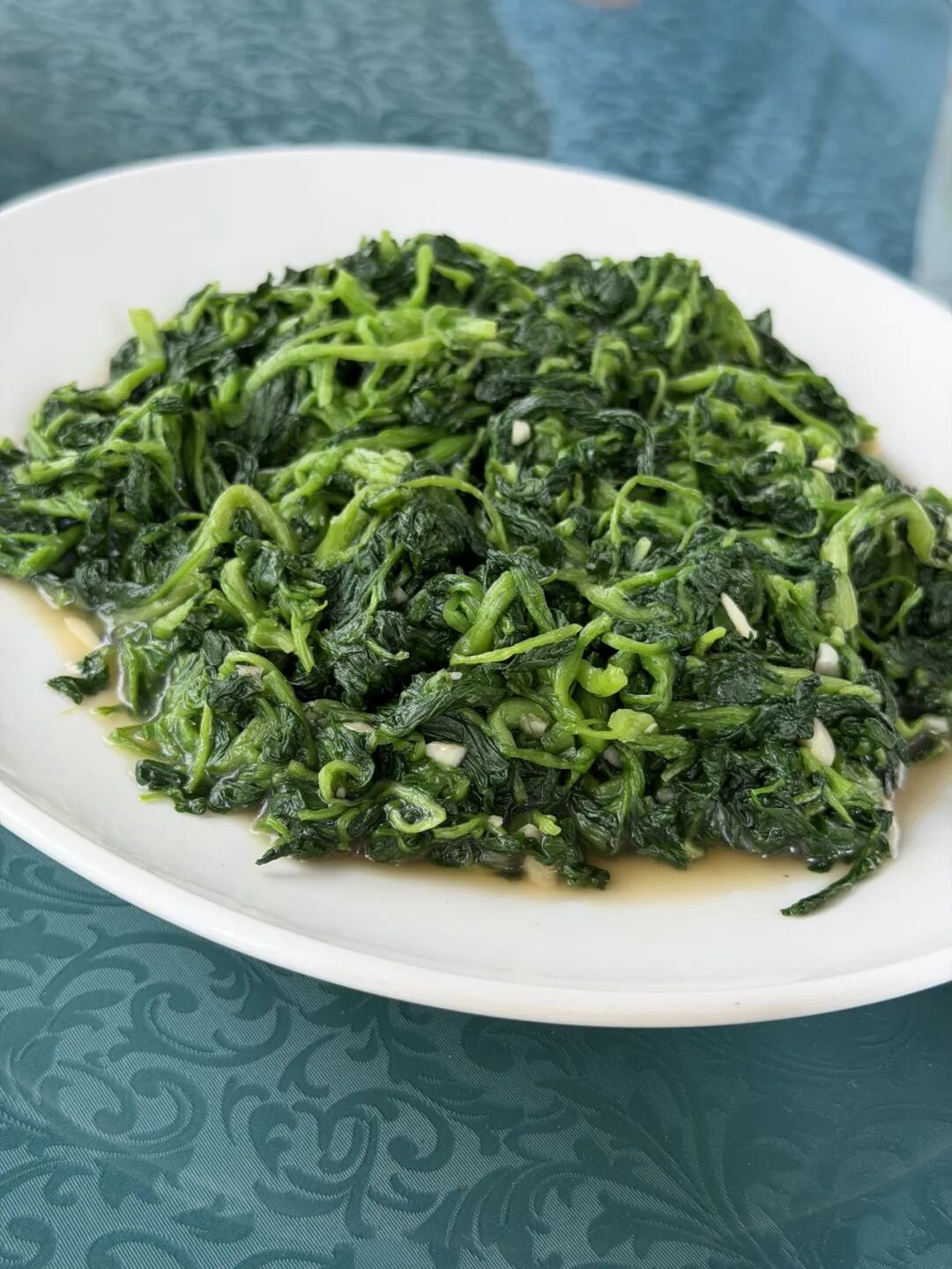
Address: Lianhuachi Village, Yanqi Town, Huairou District.
End of article.
— Author: Yahya —
Author of the bestseller 'Guide to Avoiding Insurance Pitfalls'.
Million Dollar Round Table (MDRT) member.
IMA International Insurance Expert.
Scan the QR code below to add the author on WeChat.

Previous posts:
To find other halal food in Beijing, please check the links to previous posts. Closed restaurants are noted. The content is as follows:
[Beijing Halal Dining Guide (including the most complete list of foreign restaurants)] (Part 1) (Note: Baodu Wai is closed, Yangji Beef Pie is closed, Halal Spicy Hot Pot is closed, Yuanxie Shuanrou Restaurant is closed, Dafengshou Fish Restaurant is closed, Hongliushu Roasted Lamb Scorpion is closed, Weidao Xinjiang Restaurant is closed, Shashi Castle Restaurant is closed, Badang Restaurant is closed, Bakeli Caspian Western Restaurant is closed, Sukhothai Thai-Malaysian Restaurant is closed, Cheese Molecule Pizza is closed);
[Beijing Halal Dining Guide (including the most complete list of foreign restaurants)] (Part 2) (Note: 1001 Nights Blue Harbor branch is closed, Haitian Yise Chinese Restaurant is closed, Changying Seafood BBQ is closed);
[Beijing Halal Dining Guide (including the most complete list of foreign restaurants)] (Part 3) (Note: Changji Zhizi BBQ is closed, Yiding Shandouji Private Kitchen is closed);
Beijing Halal Dining Guide (Part 4) (Note: Features soybean paste noodles (zhajiangmian) and Yunnan cuisine. Xuezhan Big Plate Chicken is closed, Islam Lan Hot Pot is closed, Xingyuege Muslim Restaurant is closed);
Beijing Halal Dining Guide (Part 5) (Note: Features Yunnan cuisine and Shanxian lamb soup (yangtang))
Beijing Halal Dining Guide (Part 6) (Note: Features Chongqing hot pot. Moroccan Restaurant is closed, Yijinglan Restaurant is closed, Weidao Seafood Restaurant is closed, Lao Ma Lamb Scorpion Potstickers has been renamed Xiaohailuo Seafood BBQ);
Beijing Halal Dining Guide (Part 7) (Note: Features Turkish kebab. Chinese tea house is closed, Yijinyuan is closed, Laoduiyuan is closed);
Beijing Halal Dining Guide (Part 8) (Features soup dumplings (guantangbao). Fangchengshun Shuanrou is closed, Father's New Style Western Region Cuisine is closed);
Beijing Halal Dining Guide (Part 9) (Note: Features ox head feast. Qinghai Hot Pot is closed, Halimei Kitchen is closed, Meisi Coffee is closed, Yilaobaiwei Dipping Sauce Hot Pot has been renamed Huaxiding New Style Halal Hot Pot);
Beijing Halal Dining Guide (Part 10) (Note: Features Huainan beef soup, Western fast food, pita bread soaked in soup (paomo), octopus balls (takoyaki), and Yunnan cuisine);
Beijing Halal Dining Guide (Part 11) (Note: Features Sichuan-style hot pot, spicy dry pot (mala xiangguo), seafood buffet, and Henan pan-fried buns (shuijianbao));
Beijing Halal Dining Guide (Part 12) (Note: Features Henan braised noodles (huimian) and spicy soup (hulatang). Erjie Diguo Stew is closed, HI HELLO Western-style iron plate rice is closed);
Beijing Halal Food Map (Part 13) (Note: Features Huaiyang cuisine and Jingdong meat pie);
Beijing Halal Food Map (Part 14) (Note: Features beef tendon hot pot and Palestinian restaurant. Japanese restaurant Hecai Shidang is closed);
Beijing Halal Food Map (15) (Note: Features Hohhot halal cuisine and Indian-Pakistani buffet)
Beijing Halal Food Map (16) (Note: Features Xiaolou Restaurant)
Beijing Halal Food Map (17) (Note: Manshuo Eel Rice is closed; Lao Yinchuan is closed)
Beijing Halal Food Map (18) (Note: Features Tanli broth lamb hot pot; Xu Yiwan Braised Noodles is closed)
Beijing Halal Food Map (19) (Note: Rumi's Secret is closed)
Beijing Halal Food Map (20) (Note: Ji'anzhai Crab Roe Noodles is closed)
Beijing Halal Food Map (21) (Note: Features Samarkand (Hamai'erhan))
Beijing Halal Food Map (22) (Note: Features Xunji and Lanjiushiqi)
Beijing Halal Food Map (23) (Note: Features Turkish Qubbe Restaurant)
Beijing Halal Food Map (24) (Note: Features Niububi; Longxianghui is closed)
Beijing Halal Food Map (25) (Note: Anhui board noodles and crayfish are closed)
Beijing Halal Food Map (26) (Note: Chongqing chicken pot is closed)
Beijing Halal Food Map (27) (Note: Features Syrian Cafe)
Beijing Halal Food Map (28) (Note: Features Qiqihar barbecue)
Beijing Halal Food Map (29) (Note: Features Huainan beef soup and Henan spicy soup; Chongqing hot pot restaurant is)
Beijing Halal Food Map (30) (Note: Featuring Ma Family steamed dumplings (shaomai), Taiba Shawarma, and Jinyunxuan Lanzhou beef noodles)
Beijing Halal Food Map (31) (Note: Featuring Lianghuo Lanzhou twisted fried dough barbecue (fanhua shaokao) and Henan Xiefeng steamed bun shop)
Beijing Halal Food Map (32) (Note: Featuring Mulu Malaysian Restaurant and Hongxiaolu Chongqing hot pot)
Beijing Halal Food Map (33) (Note: Featuring Chicken Tender Master (Jiliu Daren) and Jingyi Farmhouse)
Beijing Halal Food Map (34) (Note: Featuring Yuejing Japanese buffet and Beijing University of Posts and Telecommunications Ethnic Restaurant snail rice noodles (luosifen))
Beijing Halal Food Map (35)
(Note: Featuring Xunji Qingnian Road Courtyard)
Beijing Halal Food Map (36) (Note: Featuring Samosa Pakistani buffet)
Beijing Halal Food Map (37) (Note: Featuring Shixiang Japanese barbecue buffet)
Beijing Halal Food Map (Issue 38) (Note: Featuring Achuiji Stinky Fried Skewers)
Beijing Halal Food Map (Issue 39)
Beijing Halal Food Map (40)
Summary of specialty halal restaurants in Beijing by district
Beijing Halal Food Map (Issue 41)
Beijing Halal Food Map (Issue 42)
Beijing Halal Food Map (Issue 43)
Beijing Halal Food Map (Issue 44)
Beijing Halal Food Map (Issue 45)
Beijing Halal Food Map (Issue 46)
Beijing Halal Food Map (Issue 47)
Beijing Halal Food Map (Issue 48)
2024 Must-Eat Beijing Style Halal Restaurants List
Beijing Halal Food Map (Issue 49)
Beijing Halal Food Map (Issue 50)
Beijing Halal Food Map (51)
Beijing Halal Food Map (Issue 52)
Beijing Halal Food Map (Issue 53)
Beijing Halal Food Map (Issue 54)
Beijing Halal Food Map (55)
Beijing Halal Food Map (Issue 56) Collapse Read »
Summary: Best Halal Food in Beijing: Muslim-Friendly Restaurants and Hui Muslim Street Food Map (Issue 57) is presented here as a firsthand travel account in clear English, beginning with this scene: Here is the information for the restaurants I visited this time:. The account keeps its focus on Beijing Halal Food, Muslim Travel, Middle Eastern Food while preserving the names, places, food, and historical details from the Chinese source.
Here is the information for the restaurants I visited this time:
1. Wanhe Beef
2. Manpengxuan
3. Love Yourself Halal Skewer Hot Pot
4. Xiting Xiuse, Xiangyun Town Branch
5. Flame & Feast Pakistani Steak
6. Yilan Liyuan Handmade Burgers
7. Laikebi Happy Pizza
8. Xiangyu Homestay Halal Restaurant
1. Wanhe Halal Beef
This beef hot pot restaurant is on Longfusi Food Street. They use beef from Zhangye, Gansu. The shop is 2,000 square meters, has many private rooms, and offers good service. They mainly sell beef.
The beef set meal I bought online was only 200 yuan. Two people couldn't even finish it. The meat quality is really good.
This is the sea cucumber (liaoshen) included in the set, along with plenty of vegetables and noodles as the staple food.
You can choose a single-person small pot to try different soup bases. I like this pickled cabbage (suancai) soup base. You can mix your own dipping sauce. I like to make mine with a spicy and sour Yunnan flavor.
Address: 3rd Floor, Building A, Nanfang, No. 1 Longfusi Qianjie, Dongcheng District.
2. Manpengxuan
This is a new high-end halal restaurant under the Nanmen Shuanrou brand, located on the 4th floor of the North Area of the China World Mall.
The authentic Nanmen Shuanrou brand is the one at the Temple of Heaven; all other Nanmen restaurants are just copycats trying to ride on their popularity. There is also a Nanmen Xiaoguan in the China World Mall, which is another brand under Nanmen that serves Beijing-style stir-fry at affordable prices.
The restaurant has a beautiful layout and a spacious interior, making Manpengxuan a great choice for business dinners.
Remember to park in the North Area and take the North 2 elevator to the 4th floor, or you might get lost.
They serve complimentary pickled vegetables before the meal, and they all taste quite good.
When the server talked about the chef's knife skills, they mentioned a dish called celery with phoenix tail in sauce (laozhi fengwei xiqin). I was curious, so I ordered it. The celery arrived without the sauce poured over it; it looked beautiful and tasted very crisp and tender.
They serve fusion cuisine, mainly Beijing and Cantonese dishes. I specifically chose a Cantonese dish called lotus leaf and dried tangerine peel Zhanjiang chicken (hexiang chenpi zhanjiang ji), which comes with the chicken already deboned.
This dish is called dried scallop and shrimp with fresh bean curd skin and apple loofah (yaozhu xiagan xianfuzhu zhu pingguo sigua). The name lists all the ingredients. It is very light, the server helped us portion it out, and you can even get refills on the soup.
I ordered the crispy skin roast chicken. I originally wanted the crispy squab, but a large group had already finished all of them that day. The skin on this roast chicken was just as crispy.
For the threadfin salted fish and eggplant claypot (mayou xianyu qiezi bao), the salted fish was indeed a bit salty.
The appetizing kale and bamboo shoots (kaiwei jielan sun) is a savory dish. The kale was cut into a shape that made it hard to pick up with chopsticks, but the server was very thoughtful and said they would improve the presentation.
The manager gave us some complimentary Beijing-style desserts, including pea flour cake (wandou gao) and aiwowo (steamed rice flour cakes with sweet filling). They were small and bite-sized.
3. Love Yourself Halal Skewer Hot Pot
A new skewer hot pot restaurant serving Guizhou sour soup has opened near the residential area of Daxing Airport.
The warm reminder at the entrance shows the owner is very thoughtful. While waiting for a table, I chatted with the owner and learned he is from Chengdu.
Skewers are 0.8 yuan each. After eating, they count the sticks to settle the bill. You can buy a group-buying set, and the average cost per person is under 70 yuan.
You still have to wait in line on weekend nights. The place is small, with fewer than ten tables inside.
Although the owner recommended the spicy clear oil hot pot, I specifically chose the Guizhou sour soup hot pot.
They have a huge variety of skewers, and they are already seasoned, so they taste great even without dipping sauce.
Address: 2nd Floor, Building 1, Kangtai Street, Yufa Town, Daxing District.
4. Xiting Xiuse (Xiangyun Town Branch).
The Xiting Xiuse branch in Shunyi's Xiangyun Town is their largest and most luxurious store in Beijing.
The restaurant has two floors, and there is an open-air garden at the entrance on the first floor. It is very pleasant to sit in the courtyard during the summer.
The second floor has several private rooms, each with a different style, and there is even a dedicated room for smoking cigars.
The large private rooms can hold thirty to forty people, making them perfect for parties and birthday banquets.
It is also a great experience to stop by for coffee and afternoon tea. This is one of the more authentic Turkish restaurants, and the colors of their dishes are a feast for the eyes.
Address: Shop 107, Building 11, North District, COFCO Xiangyun Town, Antai Street, Shunyi District.
5. Flame & Feast Pakistani Steak
A newly opened Pakistani steakhouse in Shunyi. Their signature dish is grilled steak, and they also sell burgers and fried chicken.
The small shop has two floors. The newly renovated environment is very clean, and the service is quite warm.
I found a portrait of a pharaoh hanging in the bathroom, which carries a bit of metaphor for our Pakistani friends.
This is French-style fried chicken with a sweet and salty flavor, but I still prefer salty fried chicken.
The burger is also quite ordinary; this place's burger is not as good as the ones on Niujie.
However, their steak tastes good. Because the price is cheap, it feels quite a bargain to get this quality of steak. The waiter asked how I wanted it cooked, and I like it medium-well. I suggest you only eat the steak when you come here.
Address: Yixin Jiayuan, Shengli Subdistrict, Shunyi District.
6. Yilan Liyuan Handmade Burgers
The Yilan Liyuan Beef and Mutton Shop on Niujie added a new window to sell handmade burgers. The owner's son returned from studying in the United States and wanted to bring authentic American burgers to Beijing using their own beef.
This is the handsome guy, cooking in person with the meat patties fried on the spot. They currently only have two types of burgers, divided into single and double layers. The young man's skills are good. The shape and style of this burger are basically the same as what I ate in the United States, even the wrapping paper is the same.
7. Laikebi Happy Pizza
Laikebi is an old shop that has reopened. I ate at their shop near the China University of Political Science and Law before 2018. At that time, the owner was still single and from Yunnan. This year, the owner reopened the shop and married a Uyghur wife. We happened to run into them when we arrived at the shop.
It is a pity that this shop will close at the end of the month. International students used to visit often, but now there are far fewer students in the area, making it hard to keep the business going.
Their dishes offer great value for money. I was deeply impressed when I visited in 2018. We had four people this time and ordered a four-person set meal for only 200 yuan. We actually couldn't finish it because it was just too affordable.
Their pizza and grilled meat rice are both delicious. They are excellent among halal Western-style fast food in Beijing.
I don't know if there will be another chance to eat at such an affordable Western restaurant in the future. I hope the owner can get back on his feet.
Maybe when you see this message, the shop will already be closed, so let's just leave this as a memory.
8. Xiangyu Homestay Halal Restaurant
A new halal farmhouse inn has opened in Huairou. There are now at least three halal homestays in the area, and this one is not far from the Mutianyu Great Wall.
The setting here is quite nice, with a small bridge and flowing water at the entrance.
We booked our meal in advance. The owner is a Hui Muslim from Tongzhou and is a great cook.
Since we had children with us, I specifically asked the owner to use less salt and keep the flavors light. Otherwise, following the traditional taste of Tongzhou Hui Muslims, the dishes would definitely be salty.
The food here is generally home-style. I suggest sticking to traditional Beijing dishes to be safe and avoid disappointment. Don't order the Sichuan dishes; after all, a chef is always more comfortable cooking the food from their own hometown.
When you come to Huairou, you must eat the grilled rainbow trout (hongzunyu). Rainbow trout is a cold-water fish with tender meat and few bones.
The spicy chicken (lazi ji) in the photo above and the boiled beef (shuizhu niurou) in the photo below are not recommended as they are not the chef's specialty. Everything else is fine. There were 10 of us, and it cost 50 per person.
Address: Lianhuachi Village, Yanqi Town, Huairou District.
End of article.
— Author: Yahya —
Author of the bestseller 'Guide to Avoiding Insurance Pitfalls'.
Million Dollar Round Table (MDRT) member.
IMA International Insurance Expert.
Scan the QR code below to add the author on WeChat.
Previous posts:
To find other halal food in Beijing, please check the links to previous posts. Closed restaurants are noted. The content is as follows:
[Beijing Halal Dining Guide (including the most complete list of foreign restaurants)] (Part 1) (Note: Baodu Wai is closed, Yangji Beef Pie is closed, Halal Spicy Hot Pot is closed, Yuanxie Shuanrou Restaurant is closed, Dafengshou Fish Restaurant is closed, Hongliushu Roasted Lamb Scorpion is closed, Weidao Xinjiang Restaurant is closed, Shashi Castle Restaurant is closed, Badang Restaurant is closed, Bakeli Caspian Western Restaurant is closed, Sukhothai Thai-Malaysian Restaurant is closed, Cheese Molecule Pizza is closed);
[Beijing Halal Dining Guide (including the most complete list of foreign restaurants)] (Part 2) (Note: 1001 Nights Blue Harbor branch is closed, Haitian Yise Chinese Restaurant is closed, Changying Seafood BBQ is closed);
[Beijing Halal Dining Guide (including the most complete list of foreign restaurants)] (Part 3) (Note: Changji Zhizi BBQ is closed, Yiding Shandouji Private Kitchen is closed);
Beijing Halal Dining Guide (Part 4) (Note: Features soybean paste noodles (zhajiangmian) and Yunnan cuisine. Xuezhan Big Plate Chicken is closed, Islam Lan Hot Pot is closed, Xingyuege Muslim Restaurant is closed);
Beijing Halal Dining Guide (Part 5) (Note: Features Yunnan cuisine and Shanxian lamb soup (yangtang))
Beijing Halal Dining Guide (Part 6) (Note: Features Chongqing hot pot. Moroccan Restaurant is closed, Yijinglan Restaurant is closed, Weidao Seafood Restaurant is closed, Lao Ma Lamb Scorpion Potstickers has been renamed Xiaohailuo Seafood BBQ);
Beijing Halal Dining Guide (Part 7) (Note: Features Turkish kebab. Chinese tea house is closed, Yijinyuan is closed, Laoduiyuan is closed);
Beijing Halal Dining Guide (Part 8) (Features soup dumplings (guantangbao). Fangchengshun Shuanrou is closed, Father's New Style Western Region Cuisine is closed);
Beijing Halal Dining Guide (Part 9) (Note: Features ox head feast. Qinghai Hot Pot is closed, Halimei Kitchen is closed, Meisi Coffee is closed, Yilaobaiwei Dipping Sauce Hot Pot has been renamed Huaxiding New Style Halal Hot Pot);
Beijing Halal Dining Guide (Part 10) (Note: Features Huainan beef soup, Western fast food, pita bread soaked in soup (paomo), octopus balls (takoyaki), and Yunnan cuisine);
Beijing Halal Dining Guide (Part 11) (Note: Features Sichuan-style hot pot, spicy dry pot (mala xiangguo), seafood buffet, and Henan pan-fried buns (shuijianbao));
Beijing Halal Dining Guide (Part 12) (Note: Features Henan braised noodles (huimian) and spicy soup (hulatang). Erjie Diguo Stew is closed, HI HELLO Western-style iron plate rice is closed);
Beijing Halal Food Map (Part 13) (Note: Features Huaiyang cuisine and Jingdong meat pie);
Beijing Halal Food Map (Part 14) (Note: Features beef tendon hot pot and Palestinian restaurant. Japanese restaurant Hecai Shidang is closed);
Beijing Halal Food Map (15) (Note: Features Hohhot halal cuisine and Indian-Pakistani buffet)
Beijing Halal Food Map (16) (Note: Features Xiaolou Restaurant)
Beijing Halal Food Map (17) (Note: Manshuo Eel Rice is closed; Lao Yinchuan is closed)
Beijing Halal Food Map (18) (Note: Features Tanli broth lamb hot pot; Xu Yiwan Braised Noodles is closed)
Beijing Halal Food Map (19) (Note: Rumi's Secret is closed)
Beijing Halal Food Map (20) (Note: Ji'anzhai Crab Roe Noodles is closed)
Beijing Halal Food Map (21) (Note: Features Samarkand (Hamai'erhan))
Beijing Halal Food Map (22) (Note: Features Xunji and Lanjiushiqi)
Beijing Halal Food Map (23) (Note: Features Turkish Qubbe Restaurant)
Beijing Halal Food Map (24) (Note: Features Niububi; Longxianghui is closed)
Beijing Halal Food Map (25) (Note: Anhui board noodles and crayfish are closed)
Beijing Halal Food Map (26) (Note: Chongqing chicken pot is closed)
Beijing Halal Food Map (27) (Note: Features Syrian Cafe)
Beijing Halal Food Map (28) (Note: Features Qiqihar barbecue)
Beijing Halal Food Map (29) (Note: Features Huainan beef soup and Henan spicy soup; Chongqing hot pot restaurant is)
Beijing Halal Food Map (30) (Note: Featuring Ma Family steamed dumplings (shaomai), Taiba Shawarma, and Jinyunxuan Lanzhou beef noodles)
Beijing Halal Food Map (31) (Note: Featuring Lianghuo Lanzhou twisted fried dough barbecue (fanhua shaokao) and Henan Xiefeng steamed bun shop)
Beijing Halal Food Map (32) (Note: Featuring Mulu Malaysian Restaurant and Hongxiaolu Chongqing hot pot)
Beijing Halal Food Map (33) (Note: Featuring Chicken Tender Master (Jiliu Daren) and Jingyi Farmhouse)
Beijing Halal Food Map (34) (Note: Featuring Yuejing Japanese buffet and Beijing University of Posts and Telecommunications Ethnic Restaurant snail rice noodles (luosifen))
Beijing Halal Food Map (35)
(Note: Featuring Xunji Qingnian Road Courtyard)
Beijing Halal Food Map (36) (Note: Featuring Samosa Pakistani buffet)
Beijing Halal Food Map (37) (Note: Featuring Shixiang Japanese barbecue buffet)
Beijing Halal Food Map (Issue 38) (Note: Featuring Achuiji Stinky Fried Skewers)
Beijing Halal Food Map (Issue 39)
Beijing Halal Food Map (40)
Summary of specialty halal restaurants in Beijing by district
Beijing Halal Food Map (Issue 41)
Beijing Halal Food Map (Issue 42)
Beijing Halal Food Map (Issue 43)
Beijing Halal Food Map (Issue 44)
Beijing Halal Food Map (Issue 45)
Beijing Halal Food Map (Issue 46)
Beijing Halal Food Map (Issue 47)
Beijing Halal Food Map (Issue 48)
2024 Must-Eat Beijing Style Halal Restaurants List
Beijing Halal Food Map (Issue 49)
Beijing Halal Food Map (Issue 50)
Beijing Halal Food Map (51)
Beijing Halal Food Map (Issue 52)
Beijing Halal Food Map (Issue 53)
Beijing Halal Food Map (Issue 54)
Beijing Halal Food Map (55)
Beijing Halal Food Map (Issue 56) Collapse Read »
China Mosque Travel Guide: Hui Muslim Plaques, Couplets and Islamic Calligraphy (101-150)
Reposted from the web
Summary: China Mosque Travel Guide: Hui Muslim Plaques, Couplets and Islamic Calligraphy (101-150) is presented here as a firsthand travel account in clear English, beginning with this scene: Tian Rui was a Hui Muslim from Taiyuan, Shanxi. He was the son of Tian Yongtong, a military jinshi scholar from the 28th year of the Qianlong reign. The account keeps its focus on Forbidden City, Islamic Art, Persian Culture while preserving the names, places, food, and historical details from the Chinese source.
101. 'Think No Evil' (siwuxie) plaque at Hexia Mosque in Huai'an.
An auspicious day in the first month of autumn, the 10th year of the Daoguang reign.
Inscribed by Tian Rui, Prefect of Huai'an.
Tian Rui was a Hui Muslim from Taiyuan, Shanxi. He was the son of Tian Yongtong, a military jinshi scholar from the 28th year of the Qianlong reign. He served as Prefect of Huai'an and Yangzhou and wrote a poetry collection called 'Yigai Pavilion Poetry Drafts' (Yigaiting Shichao).
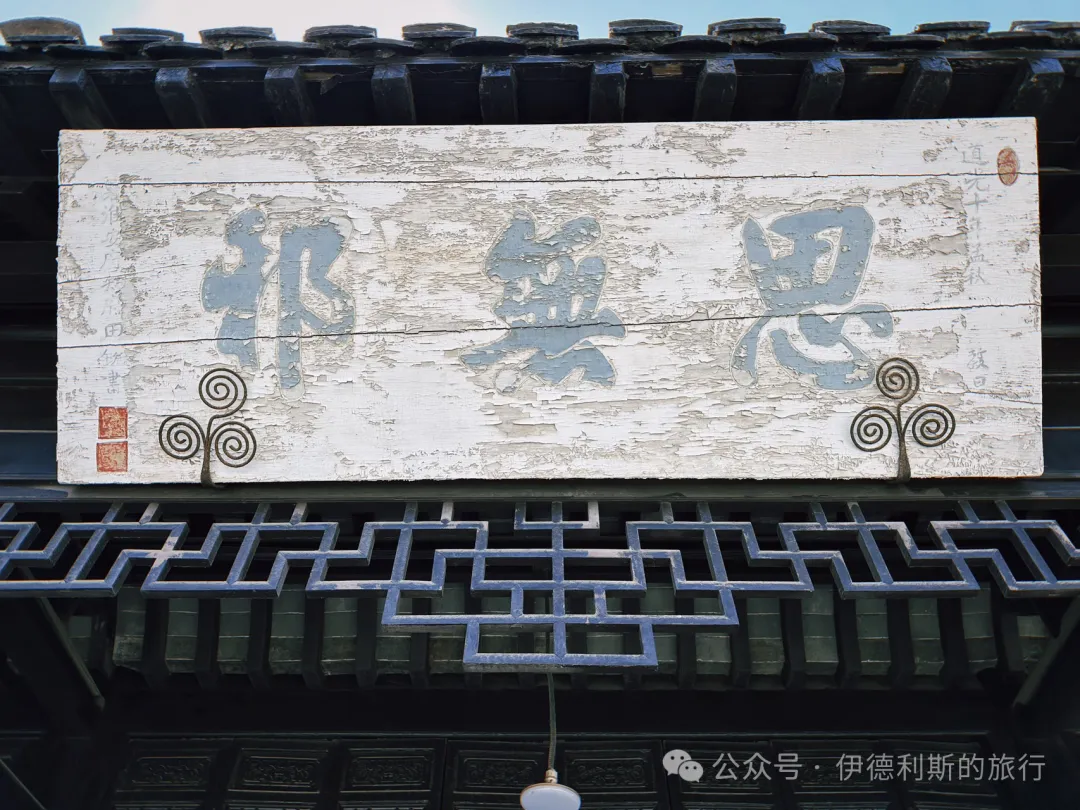
102. Plaque in Arabic, Persian, and Xiao'erjing script at Yancheng Mosque.
Completed on an auspicious day in the eighth lunar month, the 17th year of the Republic of China.
Respectfully erected by Abdullah Yang Lüji.
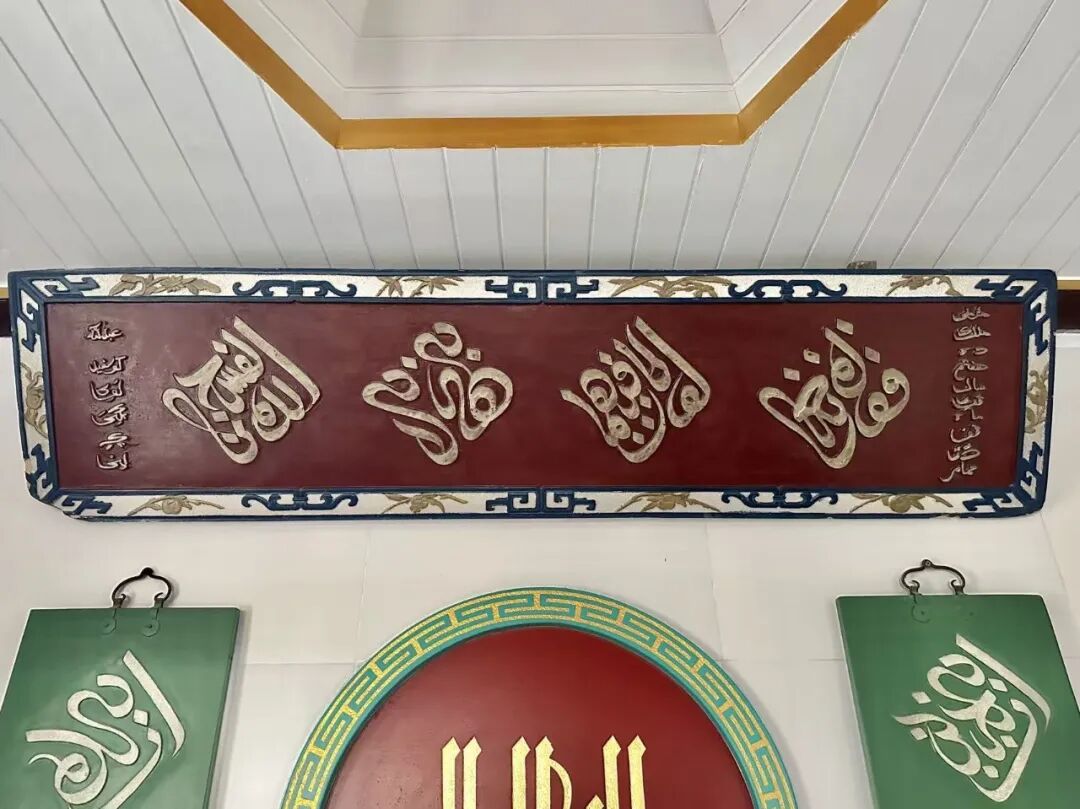
103. 'Mosque' (Qingzhensi) plaque at Gaoyou Mosque.
Respectfully inscribed by Jingxiu, Magistrate of the Zhili Department of Gaoyou.
Rebuilt in the middle of winter, the 2nd year of the Tongzhi reign of the Qing Dynasty.
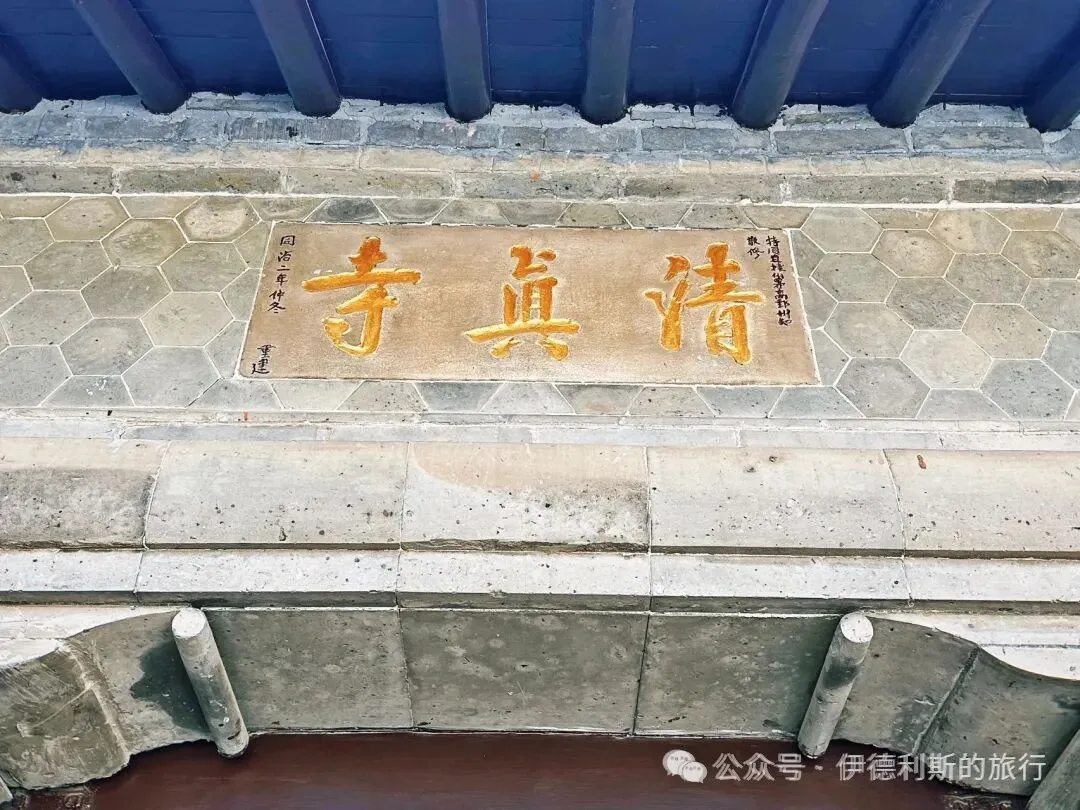
104. 'Utmost Sincerity Never Ceases' (zhichengwuxi) plaque at Xianhe Mosque in Yangzhou.
An auspicious day in the middle of summer, the Wuyin year, the 4th year of the Guangxu reign of the Great Qing Dynasty.
Respectfully erected by Zhu Huaisen, a nominated provincial commander-in-chief and regional commander of the Huai-Yang garrison, who held the title of Shangyong Baturu.
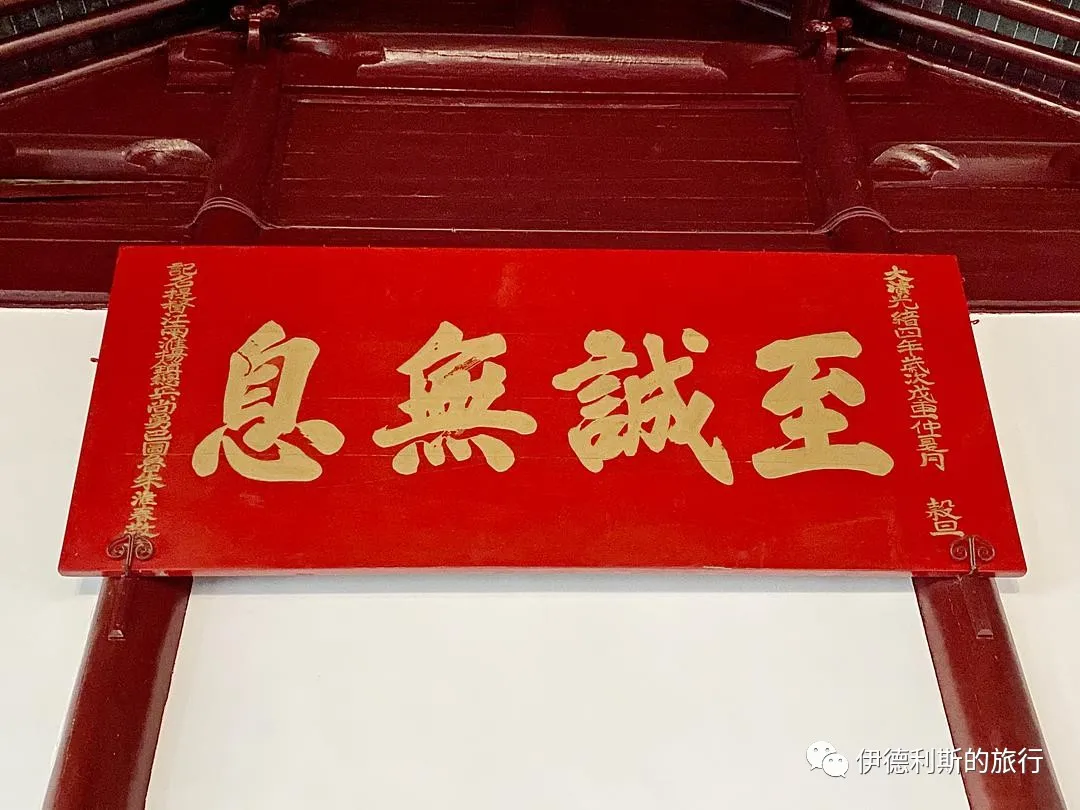
105. 'The Holy Religion is Entirely True' (shengjiaoquanzhen) plaque at Xianhe Mosque in Yangzhou.
An auspicious day in the spring month, the Dingchou year, the 3rd year of the Guangxu reign.
Inscribed by Zhu Huaijun, a guerrilla commander of the Qianshan Battalion in Anhui, who held the rank of provincial commander-in-chief and was in charge of the New Army of the Liangjiang Governor-General.
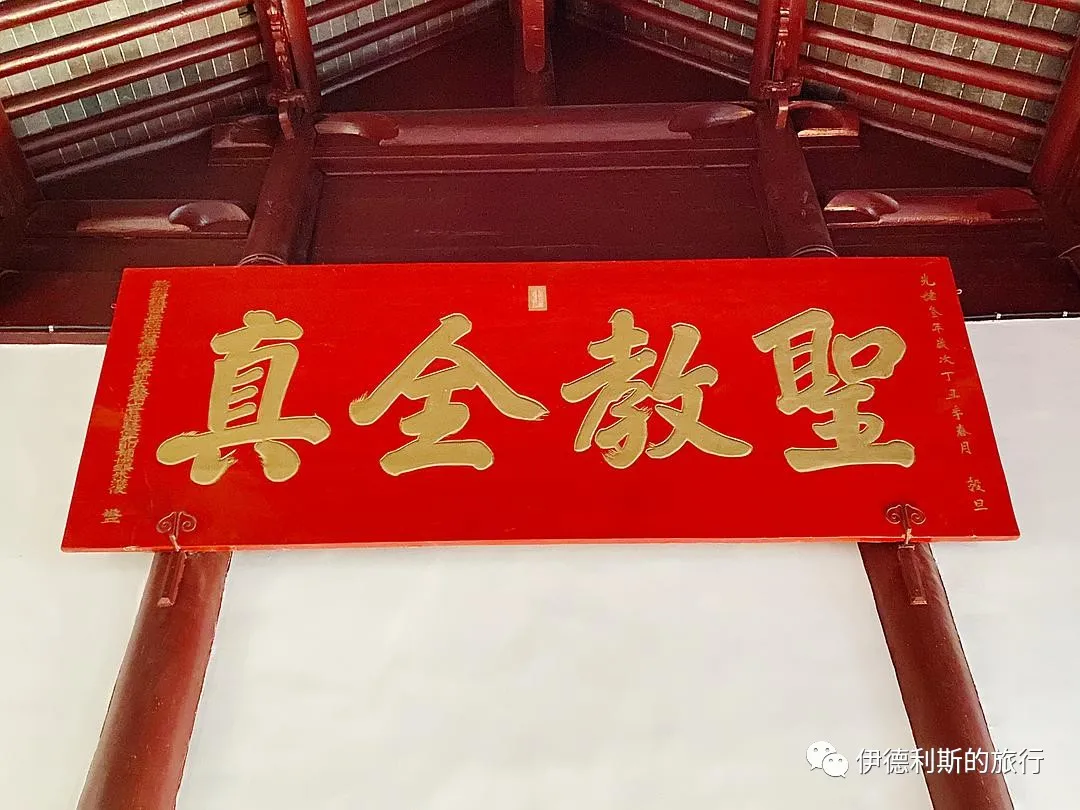
106. Xianhe Mosque in Yangzhou: 'Obey the decree of heaven and follow the holy word'
Early summer, the year of Xinhai in the Qianlong reign
Respectfully erected by the Sanwei Hall of the Muslim community
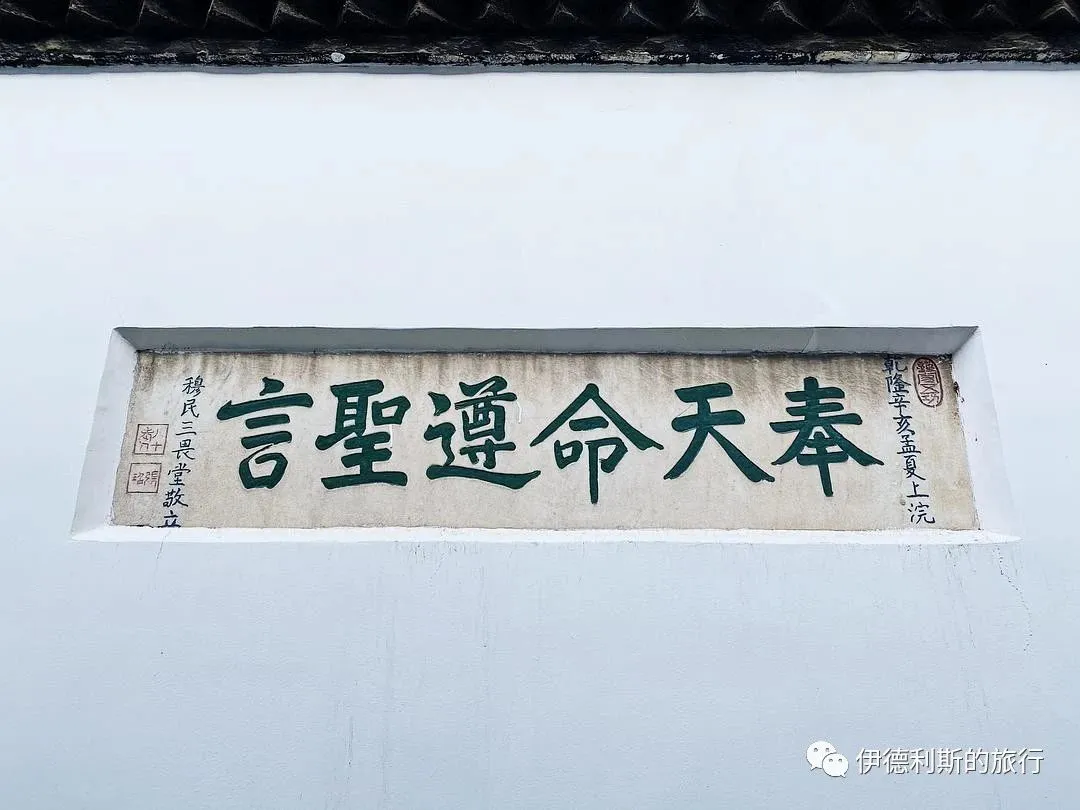
107. Xianhe Mosque in Yangzhou: 'Heaven is close at hand'
The tenth month of the Dingyou year (the 42nd year of the Qianlong reign of the Qing Dynasty)
Calligraphy by Yang Enpei
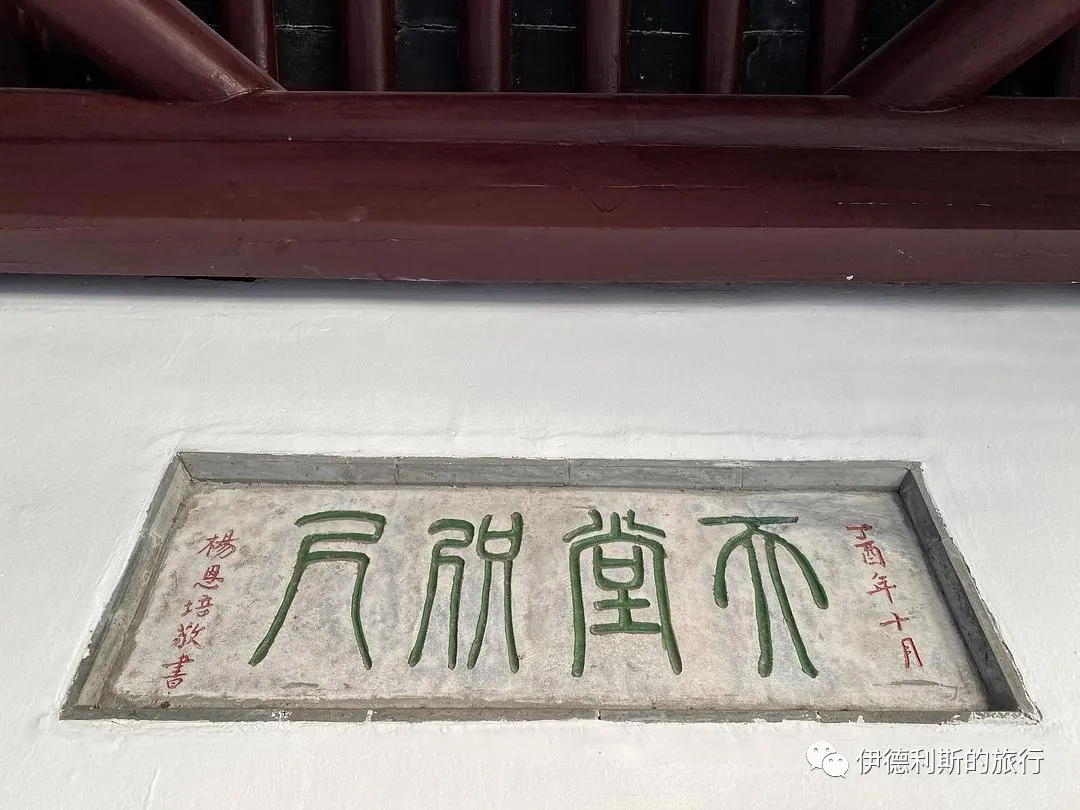
108. Jingjue Mosque in Nanjing: 'Only pure, only one'
An auspicious day in the first month of summer, the Gengyin year, the 16th year of the Guangxu reign of the Great Qing Dynasty
Commander of the Jiujiang Garrison in Jiangxi
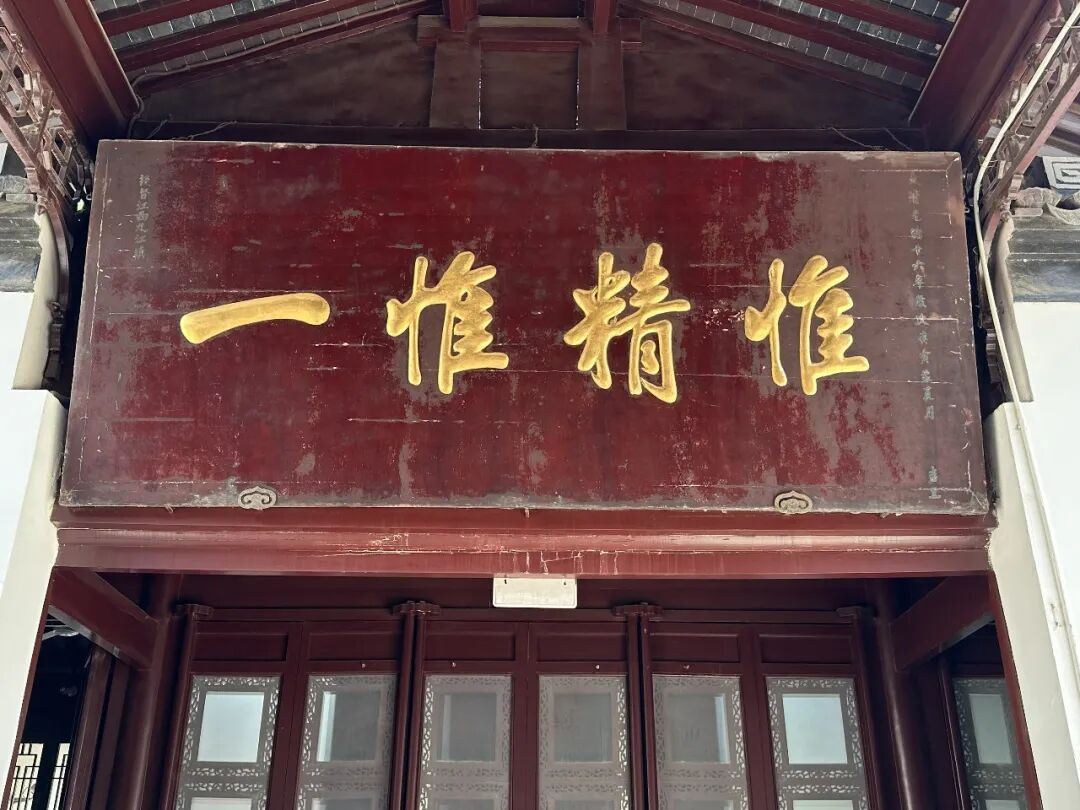
109. Jingjue Mosque in Nanjing: 'Rectify the heart and be sincere'
June, the 11th year of the Republic of China
Respectfully erected by the president and members of the Nanjing Islamic Association
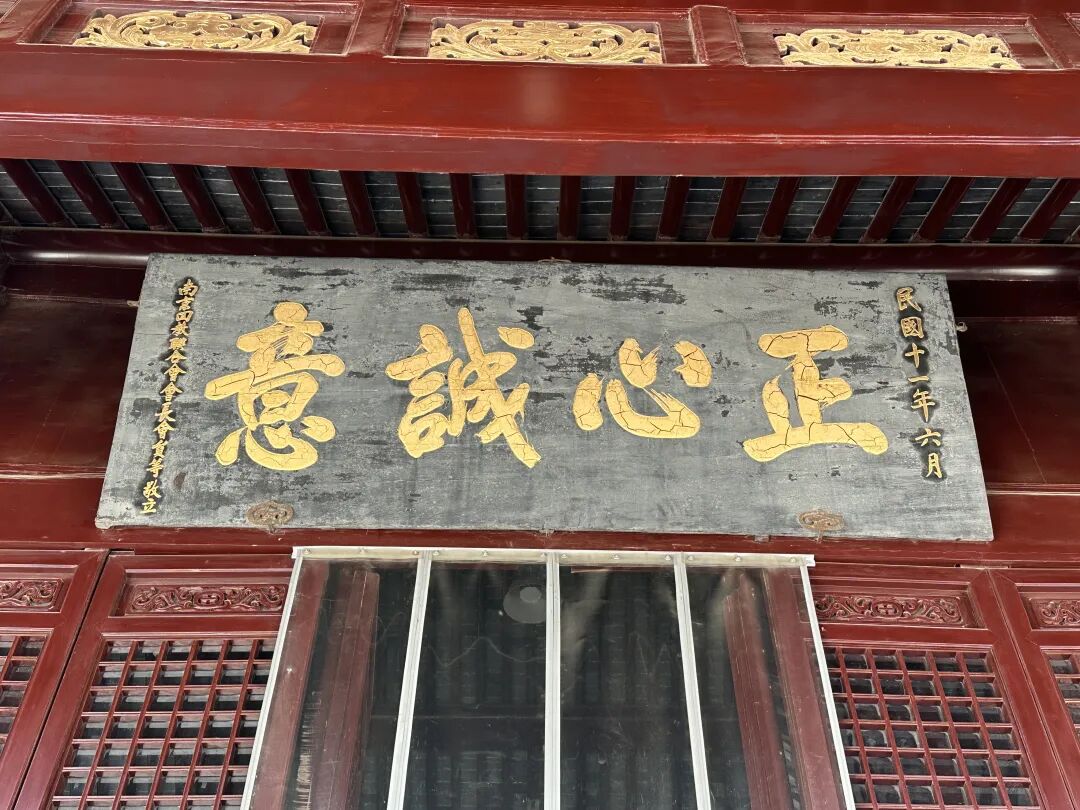
110. Nanmen Mosque in Liuhe, Nanjing
Cherish purity and walk in cleanliness as if in the afterlife
Return to the truth and simplicity just like this
An auspicious day in the tenth lunar month, the 10th year of the Republic of China
Wang Jianli of Gengdu Hall
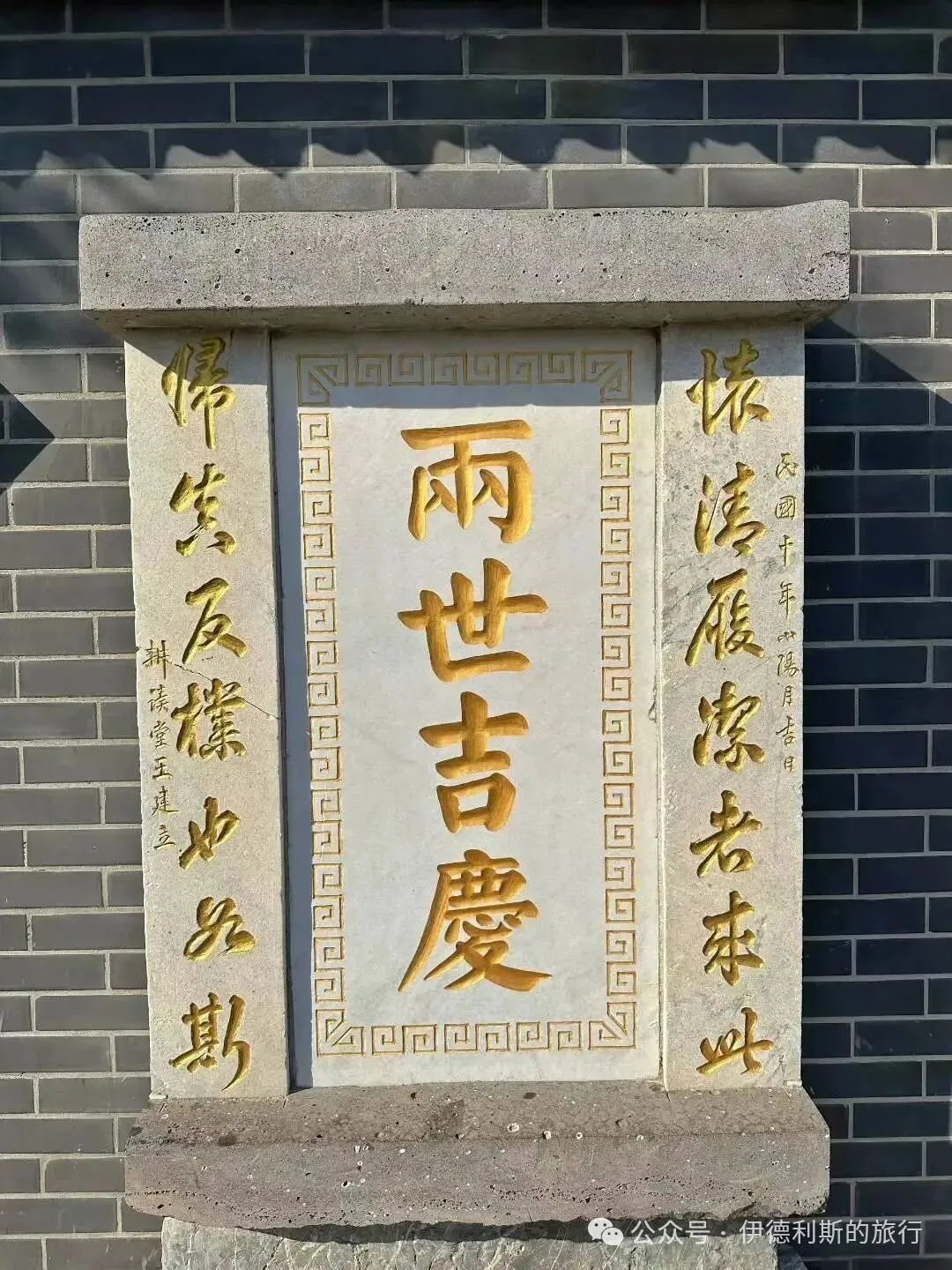
111. Mosque (qingzhensi) at Zhuzhen Mosque in Nanjing
Erected in the seventh lunar month of the Xinchou year of the Guangxu reign
Built by Zhu Dun
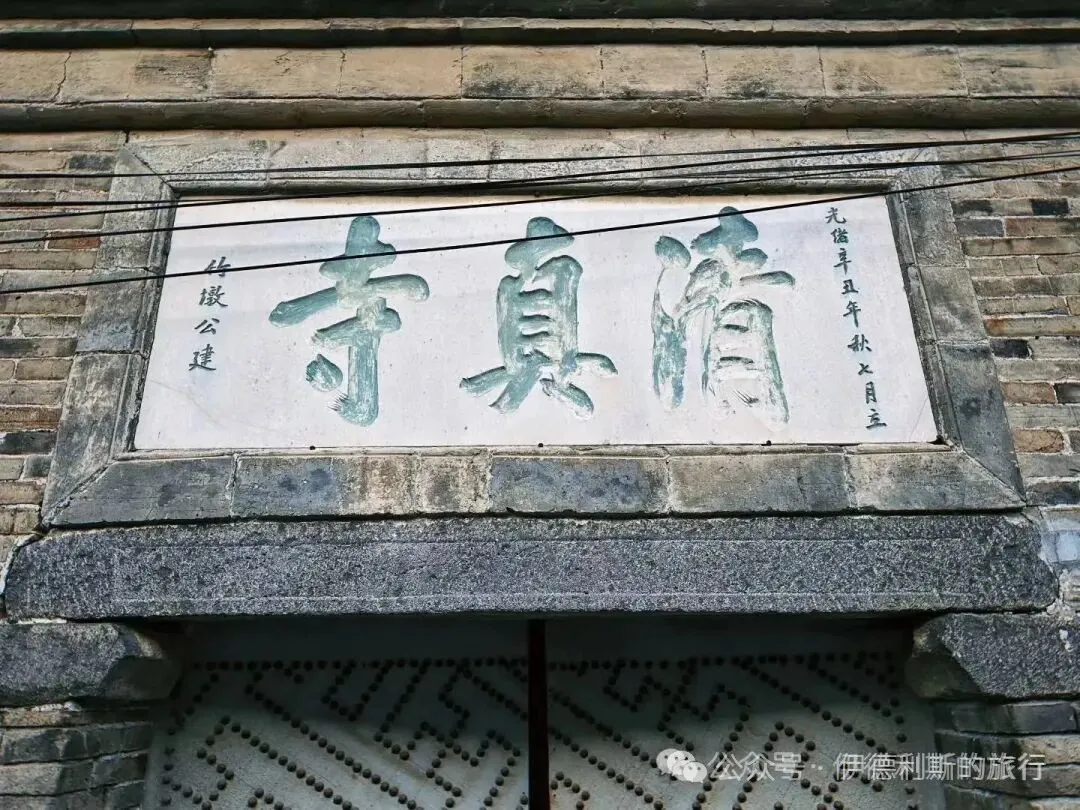
112. "Pivot of My Way" at the tomb of Liu Zhi in Nanjing
Mid-summer of the Xinchou year (27th year of the Guangxu reign)
Written by Jin Pengshou of Jiangning
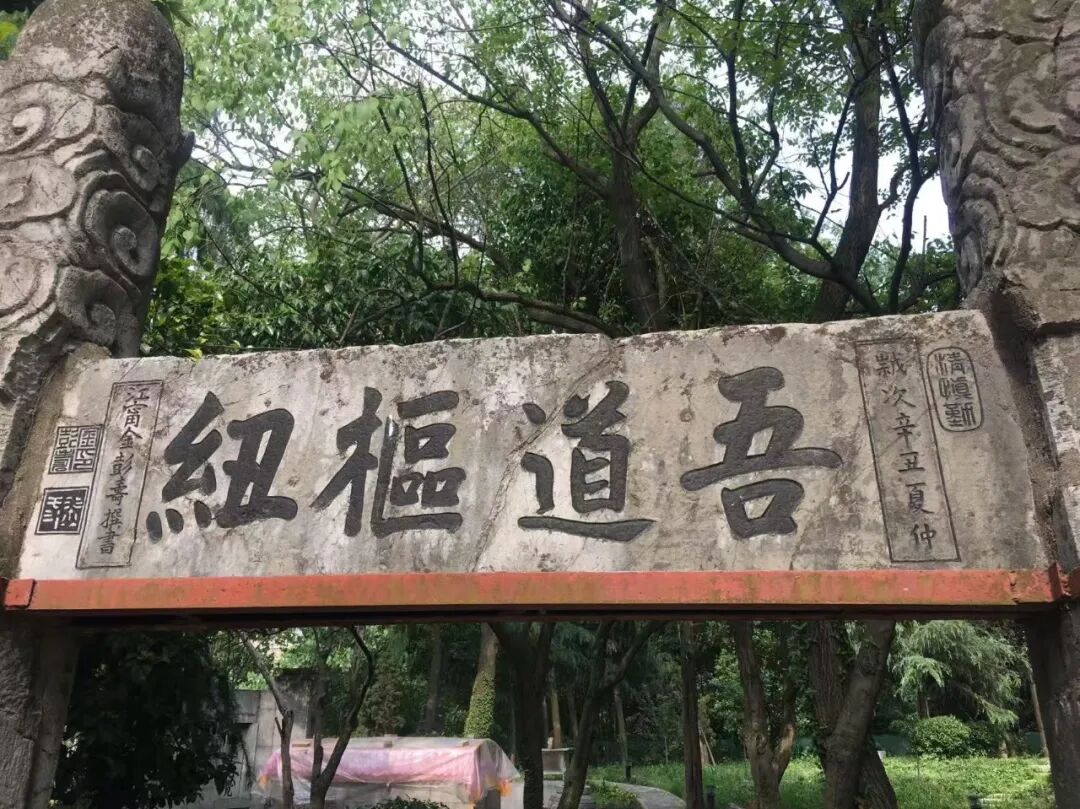
113. "A Model for Posterity" at the tomb of Liu Zhi in Nanjing
Reprinted by the public in the Dingwei year (33rd year of the Guangxu reign)
Respectfully written by Liu Dekun of Jingjue Mosque
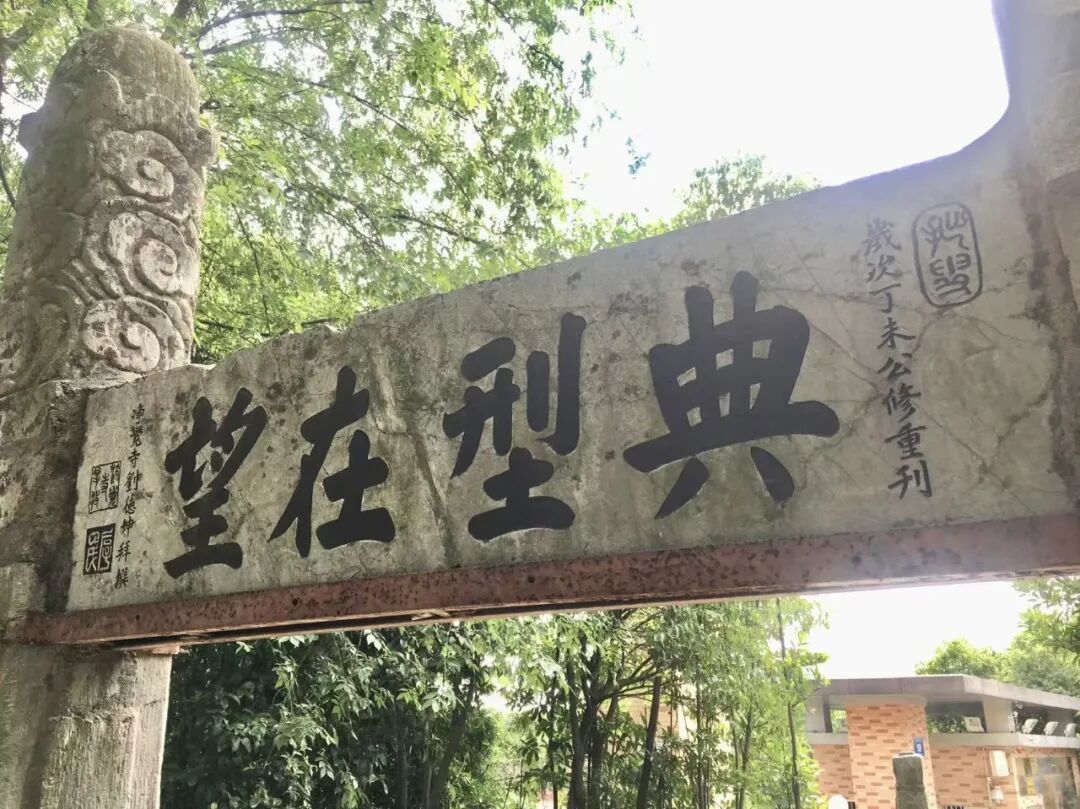
114. Arabic plaque at the ancient mosque in Songjiang, Shanghai
Restored by Zhang Yunsheng in the Xinwei year
Rebuilt Qingshen Mosque
An auspicious day in the fifth lunar month of the Yiwei year of the Jiajing reign of the Great Ming Dynasty
The stele was erected in the Yiwei year of the Ming Jiajing reign (1535). The restoration by Zhang Yunsheng took place in a Xinwei year. It is confirmed that there is no 'Xinwei' year in the Jiajing era. Therefore, the renovation of the mosque likely took place in the sixth year of the Zhengde era (1511).
The inscription refers to the mosque as 'Qingshen Mosque,' which is a unique occurrence.
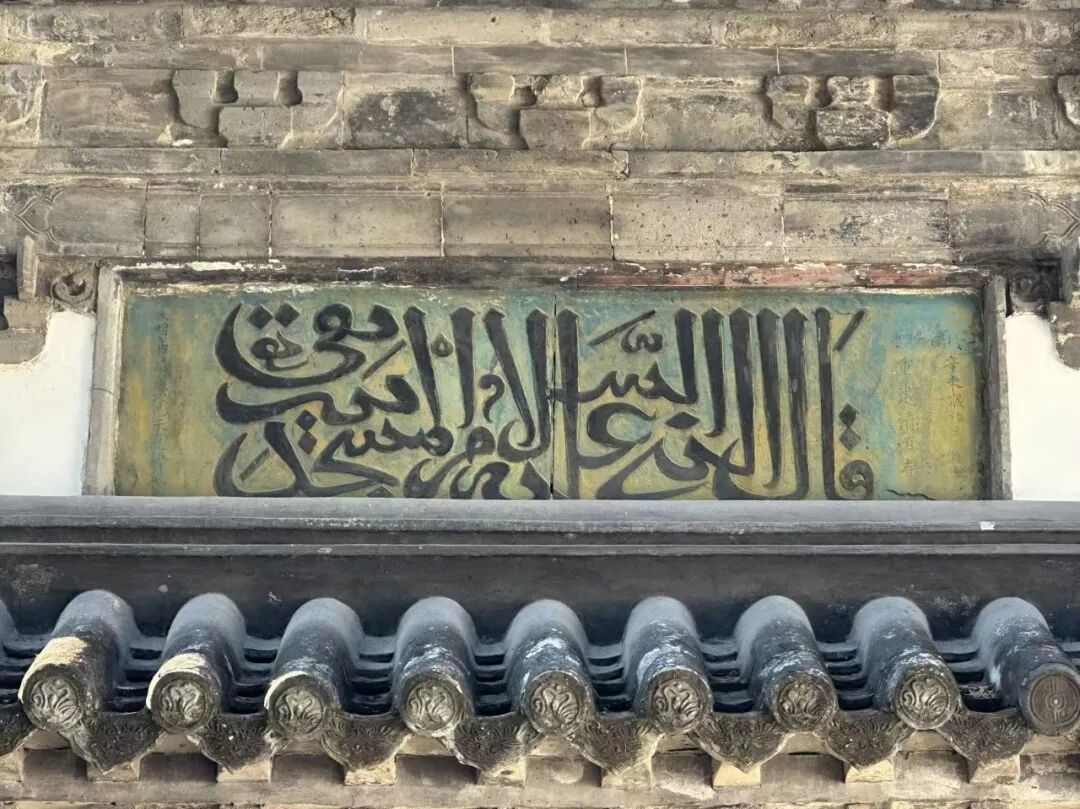
115. Ancient Mosque in Songjiang, Shanghai
Purity brings clarity, focus on pure cultivation to show a pure heart, and directly explore the origin of pure majesty.
Truth is without falsehood, nurture a true nature and cultivate true learning, only by returning to the root can one find true sincerity.
An auspicious day in the eighth lunar month of the Jia-Chen year, the 24th year of the Daoguang era.
Renovated in the ninth lunar month of the Ding-Mao year, the sixth year of the Tongzhi era, by Li Lügan, a follower of the faith from Jinchang, and his son Yaokui.
Inscribed by Ma Fujing, a presented scholar (jinshi), imperial guard, acting commander of the left battalion of the Jiangnan military, and garrison commander of the Ninghou battalion.
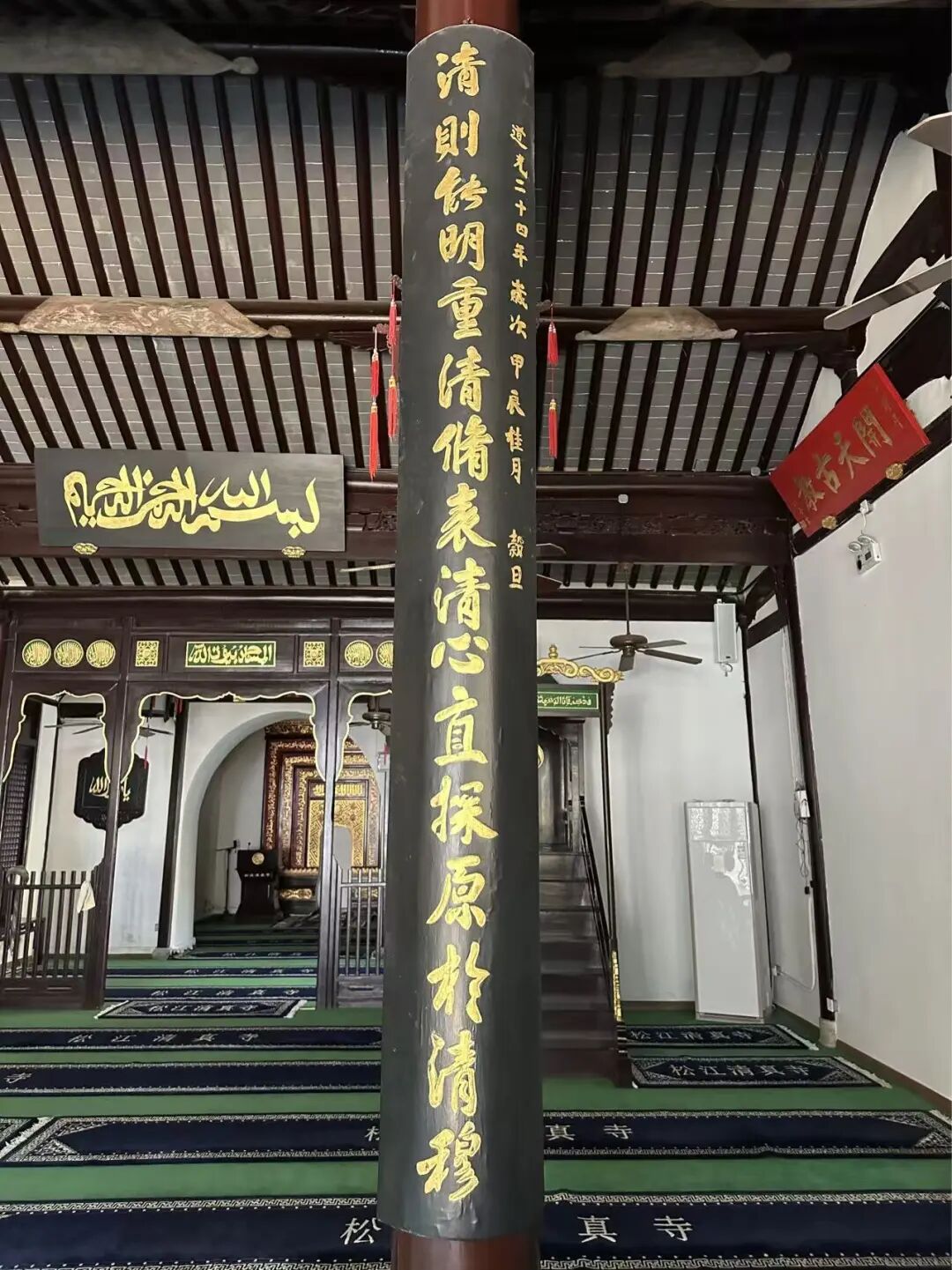
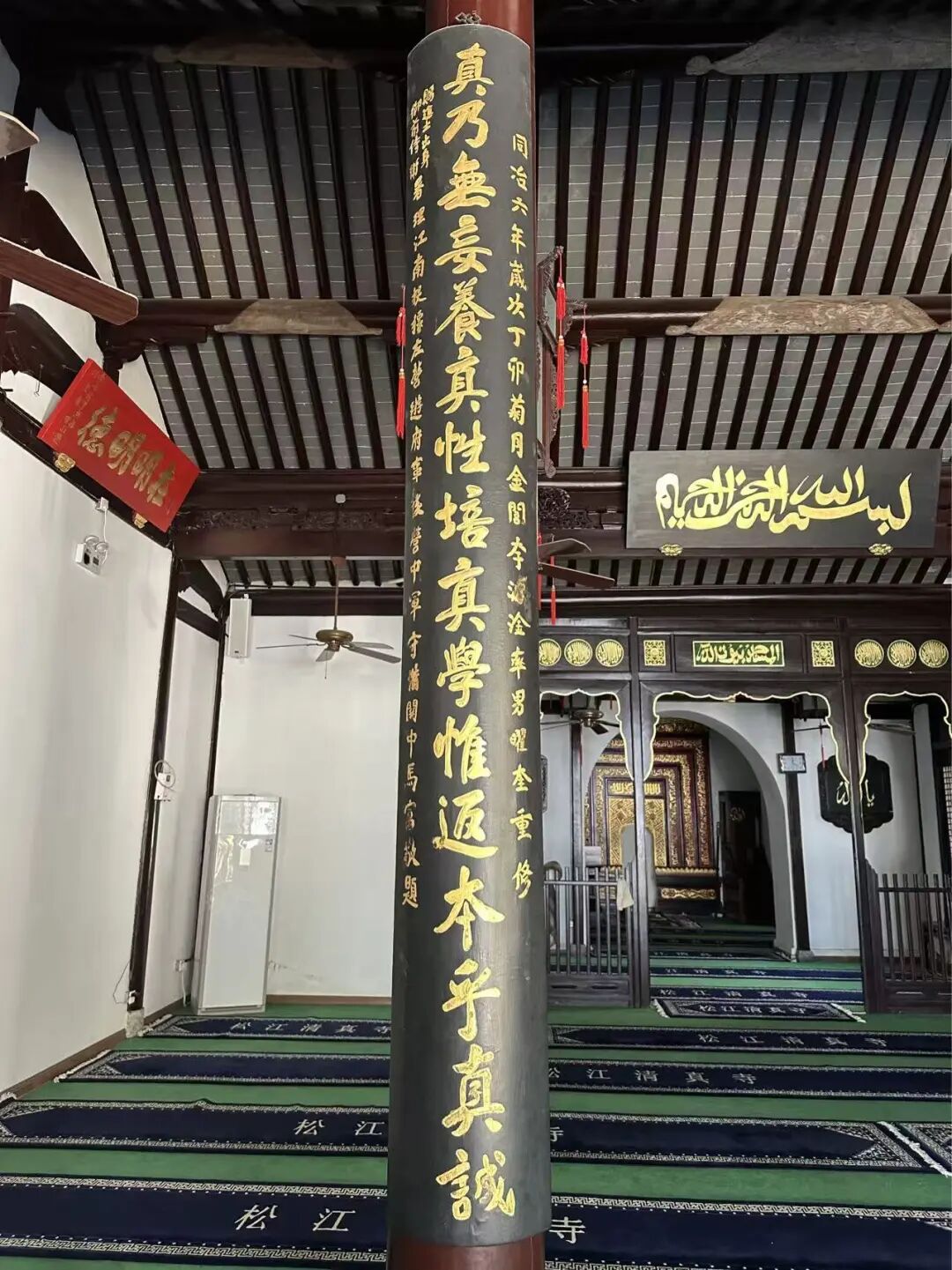
116. 'Ancient Faith from the Beginning' at the Ancient Mosque in Songjiang, Shanghai
Ding-Mao year.
Calligraphy by Ma Songting.
Ma Songting (1895–1992) is known alongside Wang Jingzhai, Ha Decheng, and Da Pusheng as one of the four great modern imams of China.
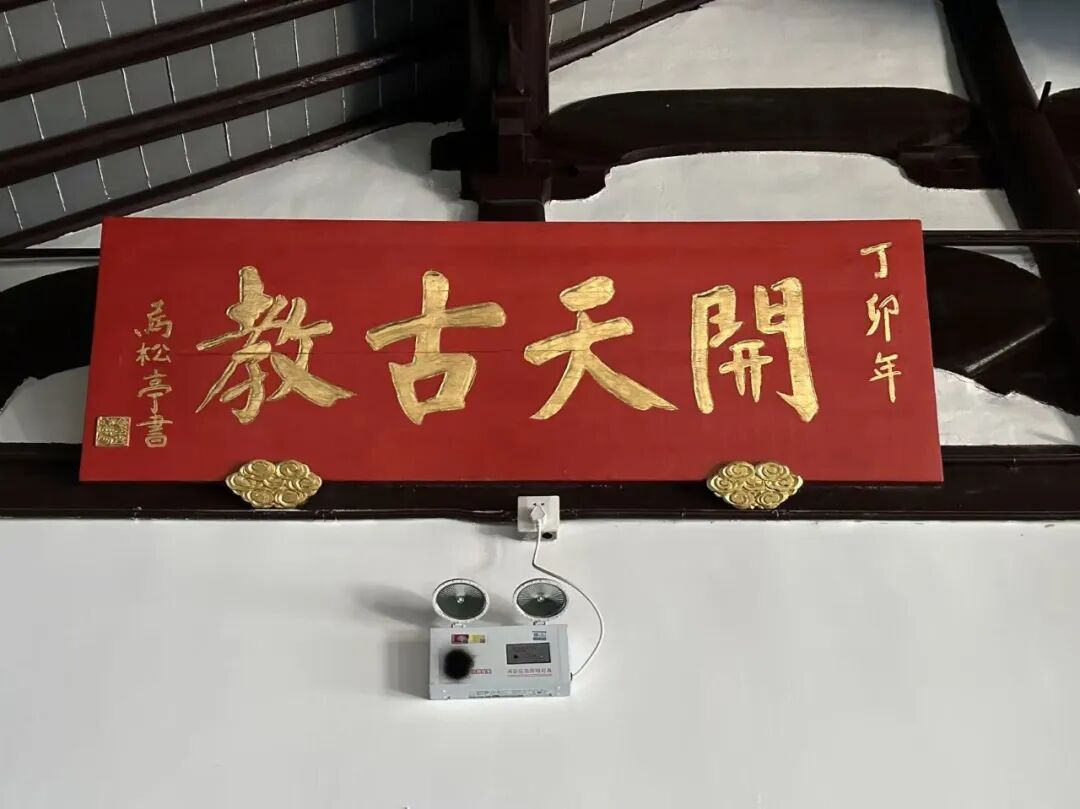
117. Mosque in Lishui, Zhejiang
Sincere and respectful, the Way is rooted in the middle, encompassing all things.
Silent and scentless, the ritual originates from the two energies that permeate the three realms.
An auspicious day in the autumn of the Bingxu year, the 12th year of the Guangxu reign.
Erected by Ma Huanzhang, the imam (zhangjiao) from Western Sichuan.
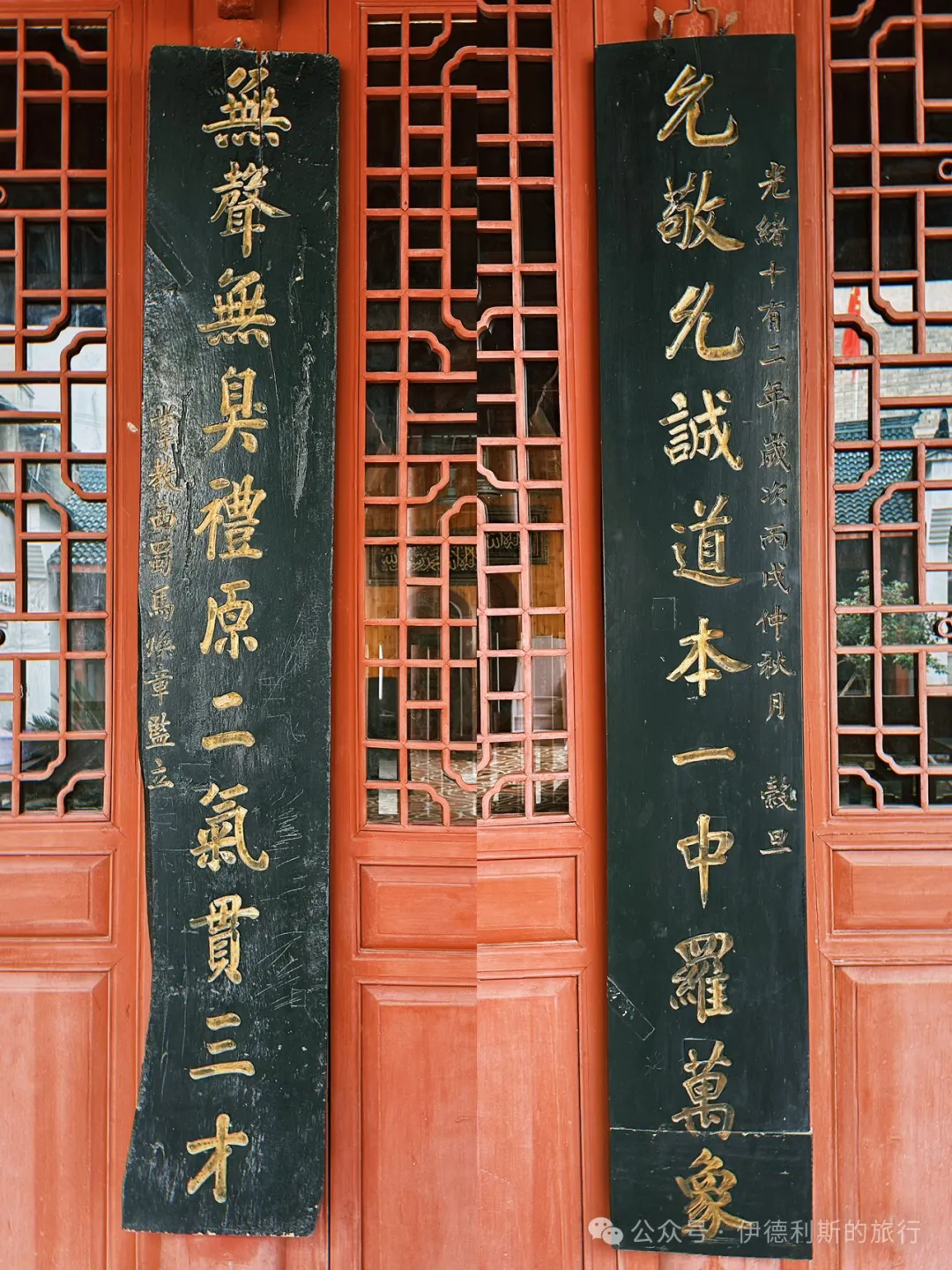
118. The Yongzheng Imperial Edict at the Lishui Mosque in Zhejiang.
An auspicious day in the middle of the second month of autumn in the Bingxu year, the 12th year of the Guangxu reign of the Great Qing.
Respectfully supervised and erected by the mosque's imam, Ma Huanzhang.
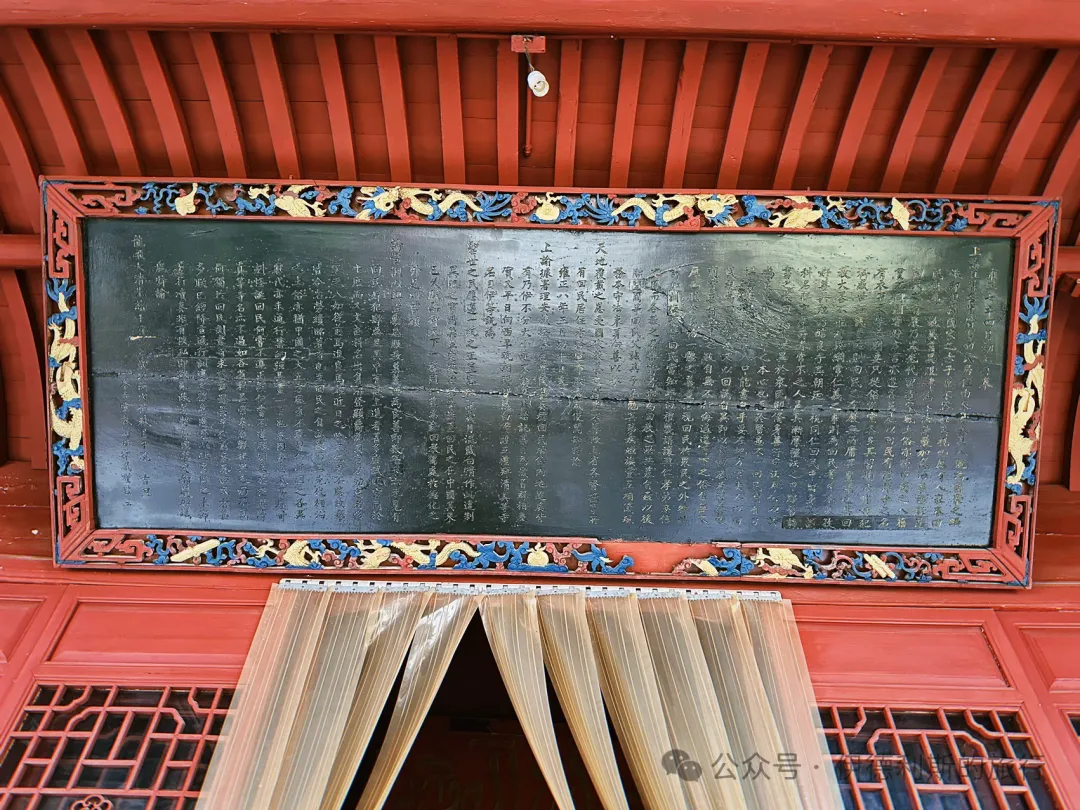
119. Donation plaque at the Lishui Mosque in Zhejiang.
Auspiciously erected in the seventh month of the Xinhai year, the third year of the Xuantong reign.
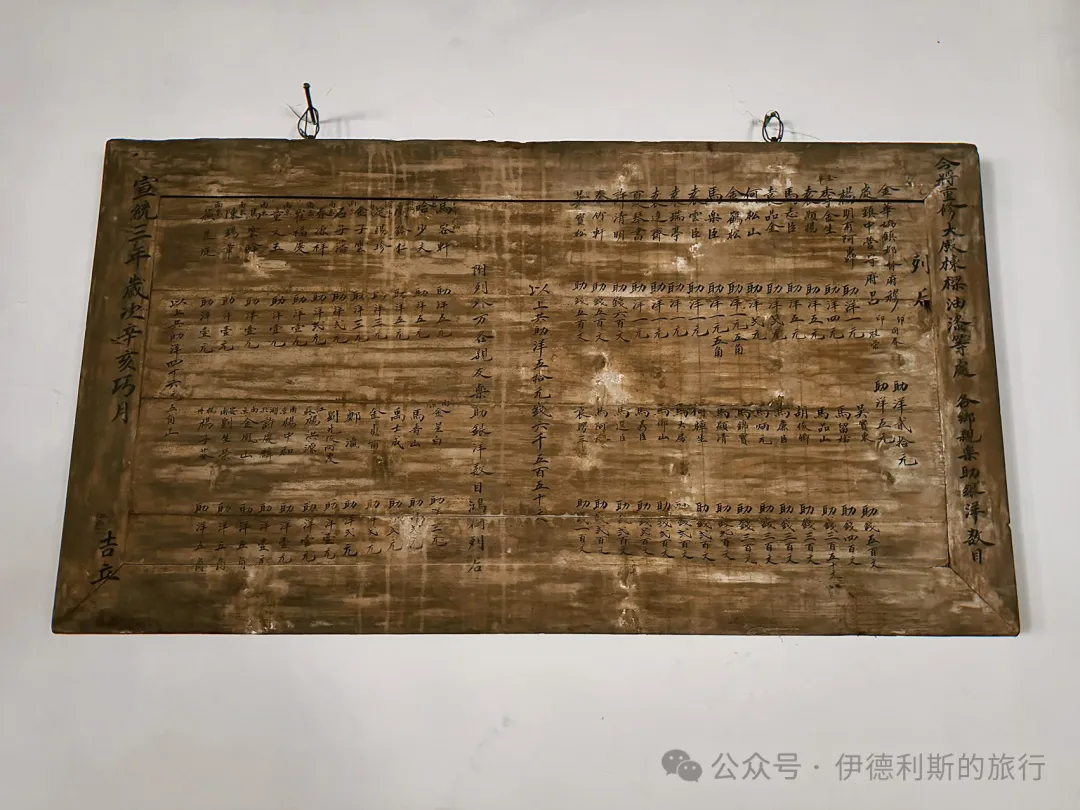
120. The 'Ten Thousand Differences, One Origin' plaque at the Qingjing Mosque in Quanzhou.
The first month of the Wuyin year, the 23rd year of the Jiaqing reign of the Qing dynasty.
The Land Forces Command of Fujian Province.
Respectfully erected by Ma Jianji, the Zhangzhou Garrison Commander.
Ma Jianji was a Hui Muslim from Sichuan. While serving in Fujian during the Jiaqing reign, he renovated the Qingjing Mosque and the Lingshan Sacred Tomb, and carved an inscription on the Wind-Moving Rock at Lingshan.
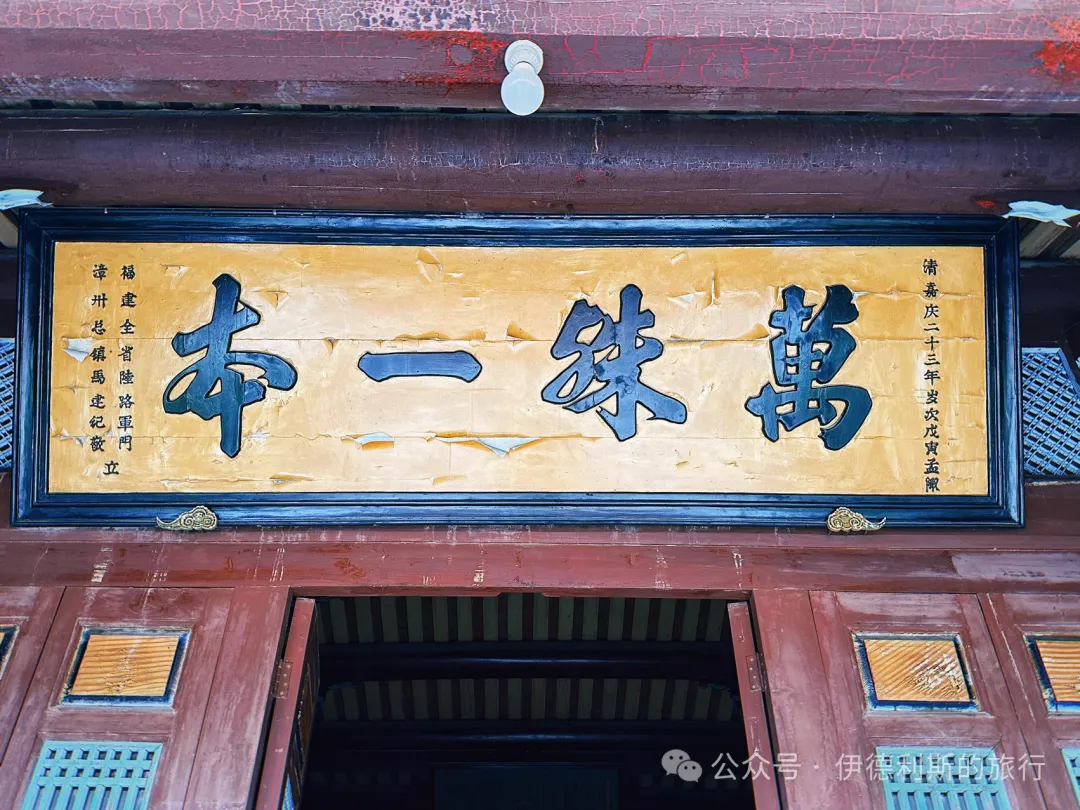
121. The 'Recognize the Oneness of Allah' plaque at the Qingjing Mosque in Quanzhou.
Respectfully presented in the eighth month of the 11th year of the Republic of China.
Written by Tang Kesan, Superintendent of the Xiamen Customs, after ritual washing.
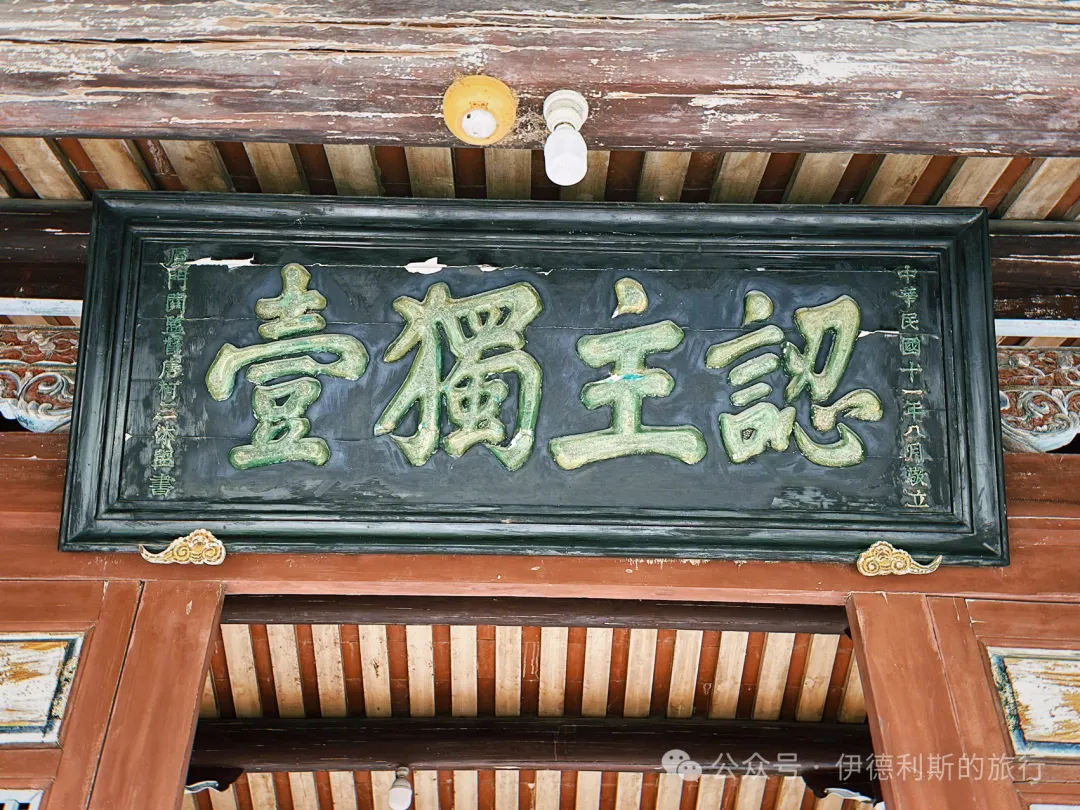
122. The 'Three Fears and Four Admonitions' plaque at the Qingjing Mosque in Quanzhou.
An auspicious day in the latter part of the sixth month of the thirteenth year of the Republic of China.
Second-class Golden Grain Medal recipient, Intendant of the Jinan Circuit in Shandong, and former Superintendent of the Xiamen Customs, Tang Kesan respectfully wrote this.
The original plaque was destroyed between the 1960s and 1970s; this is a replica.
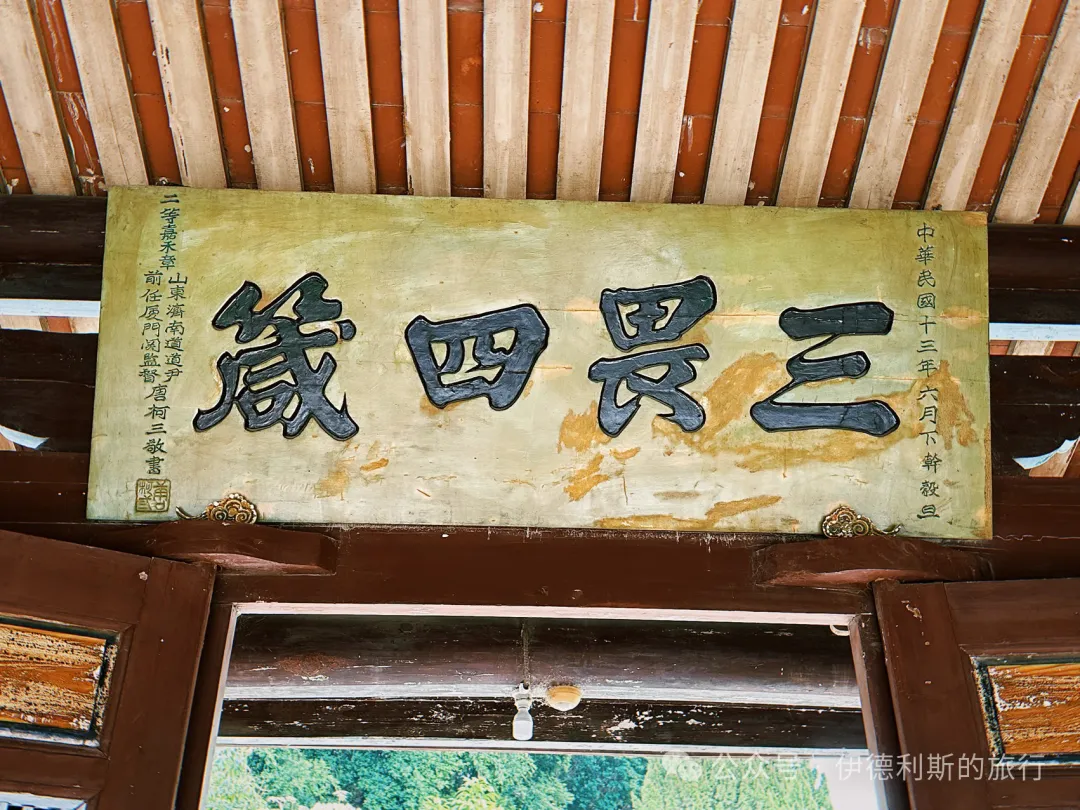
123. Fuzhou Mosque, 'Promoting the Holy Teachings'.
An auspicious day in the tenth month of the tenth year of the Republic of China.
Respectfully erected by Tang Kesan, Superintendent of Xiamen Customs.
After Tang Kesan became the Superintendent of Xiamen Customs in 1919, he worked hard to revive the faith in Fujian. He donated significant funds to the Fuzhou Mosque, Xiamen Mosque, and Quanzhou Qingjing Mosque. He also encouraged the descendants of local Fujian scripture readers to return to the faith and serve in the mosques.
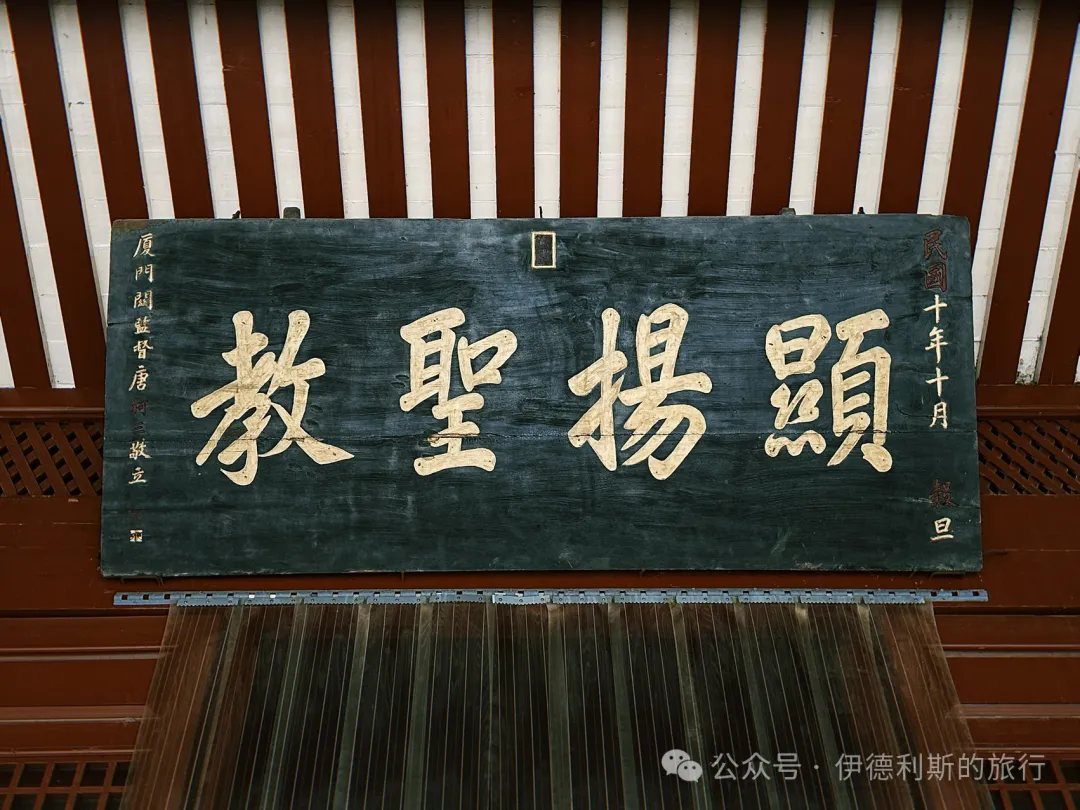
124. Zhaoqing West Mosque, 'Always Remember the Lord's Grace'.
An auspicious day in mid-summer of the Wuxu year of the Daoguang reign.
Respectfully carved by Li Xianyang, acting Lieutenant Colonel of the Guangdong and Guangxi Governor's Front Battalion.
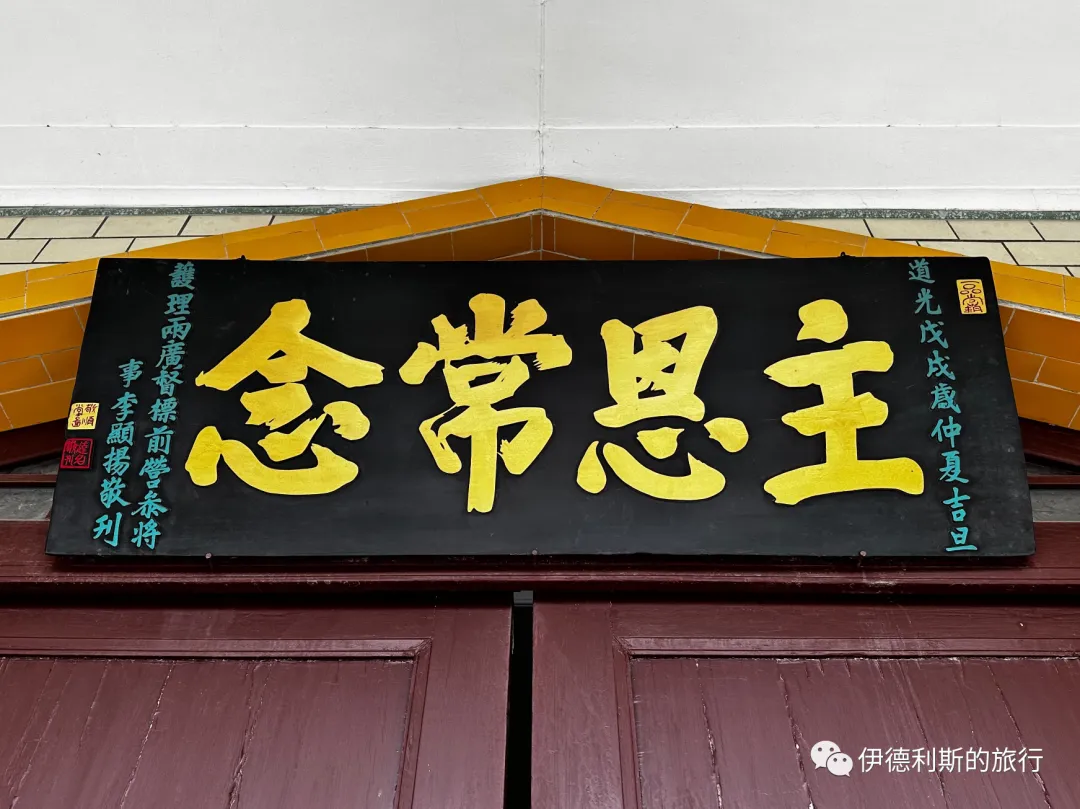
125. Zhaoqing West Mosque.
Why look for visible signs when in the five daily prayers, one feels as if Allah is truly present?
Do not say the traditions are distant, for within the thirty volumes of the Quran, the true teachings are found.
An auspicious day in the lucky month of the Jiaxu year of the Jiaqing reign.
Respectfully written by Vice Commander Liu Hu after washing his hands.
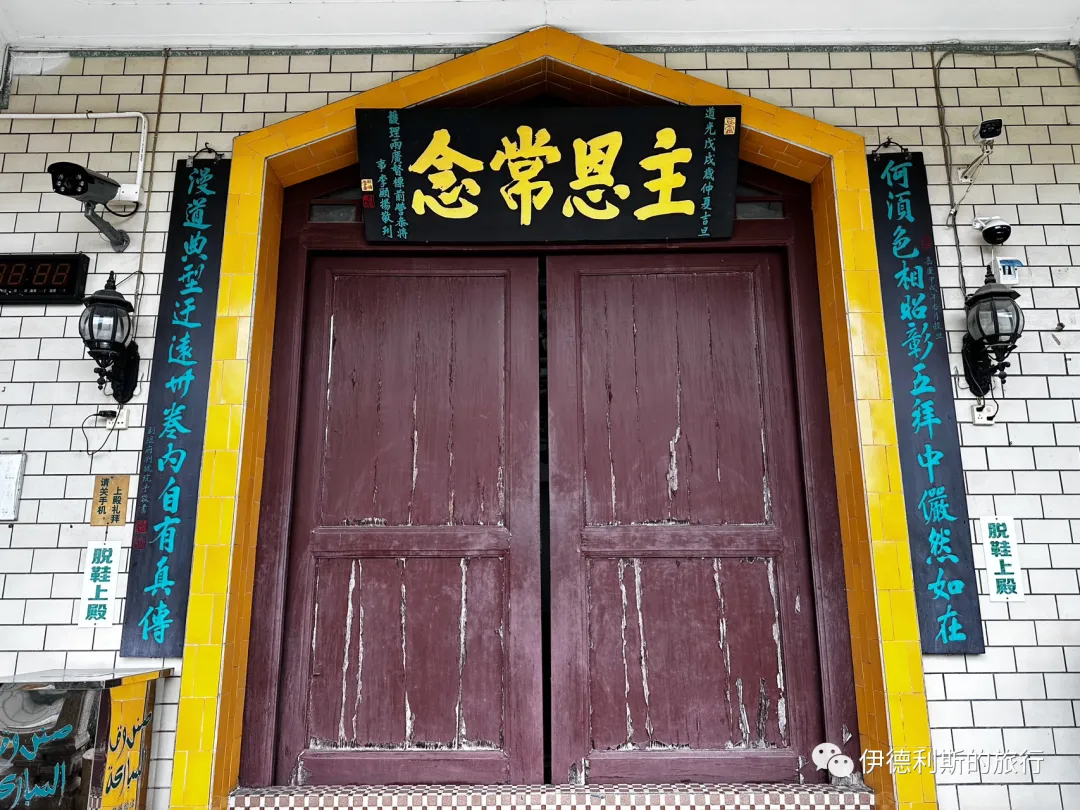
126. Zhaoqing East Mosque, 'The Only One'.
An auspicious day in the first month of autumn in the Yiwei year of the Qianlong reign.
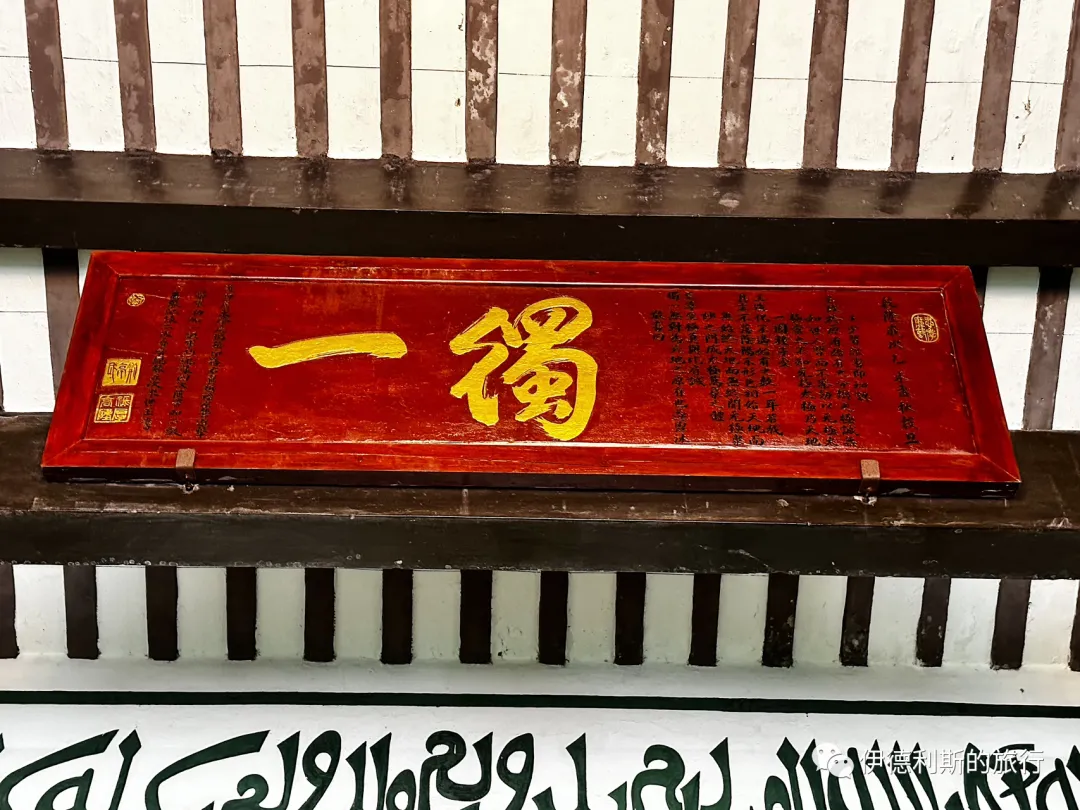
127. Huaisheng Mosque in Guangzhou: 'The Emperor's Grace Lasts Forever'.
An auspicious day in the second month of the Wuyin year of the Kangxi reign.
Respectfully written by Gai Rixin, an imperial guard appointed by the Emperor, who was granted the status of Jinshi and promoted by one rank.
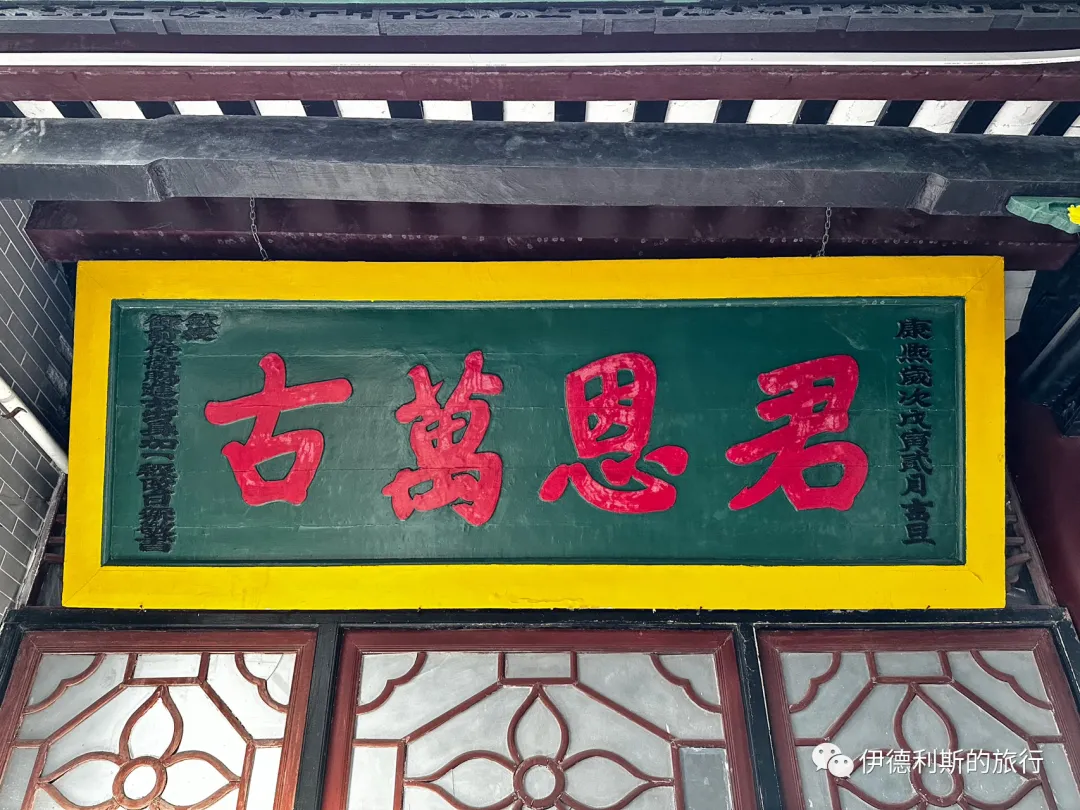
128. Huaisheng Mosque in Guangzhou: 'Rectify the Heart and Be Sincere'.
An auspicious day in the second month of the Wuyin year of the Kangxi reign.
Respectfully written by Tie Fanjin, a Jinshi degree holder and bachelor of the Hanlin Academy.
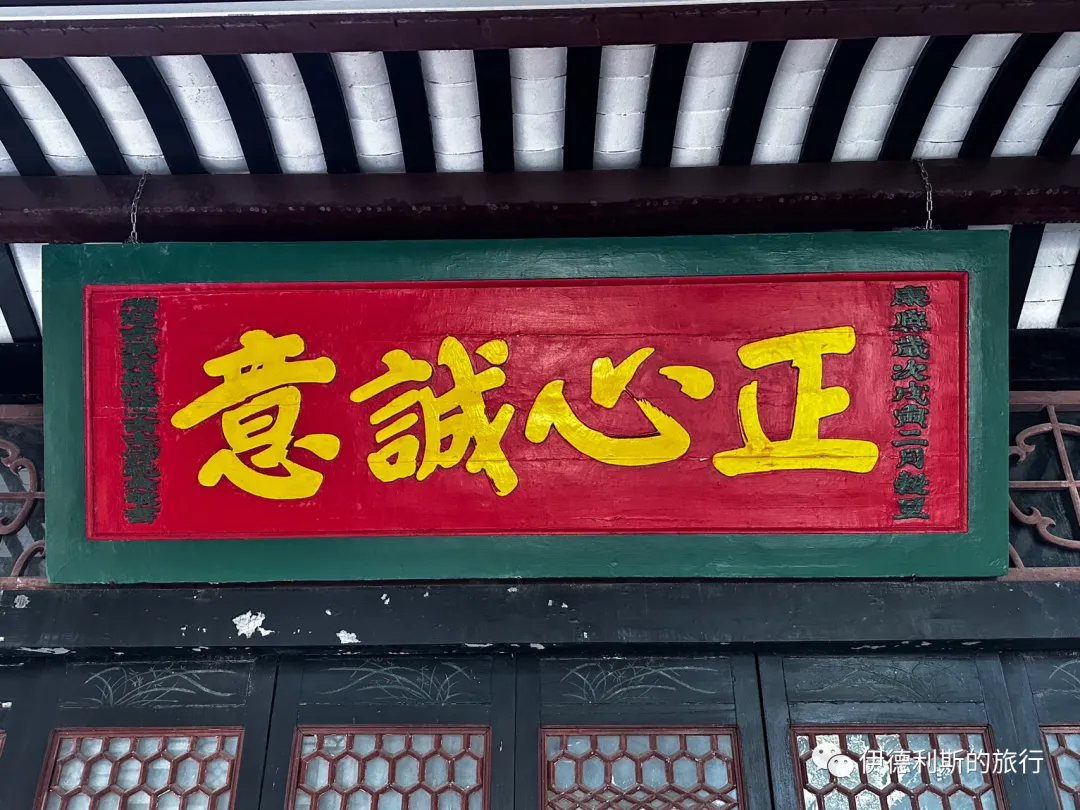
129. Huaisheng Mosque in Guangzhou: 'Great Mercy for the Whole World'.
An auspicious day in the second month of spring in the Wuyin year of the Kangxi reign.
Erected by Yang Guolin, a director of the Guangdong Department of the Ministry of Revenue, who was promoted by three ranks.
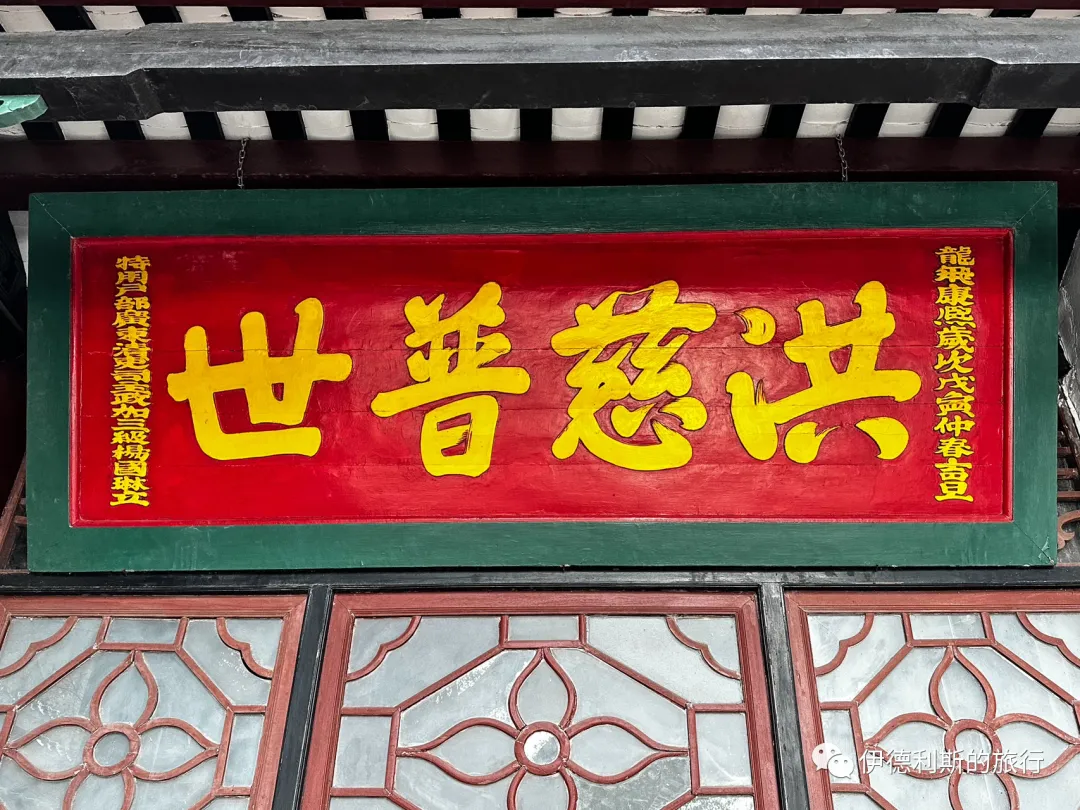
130. Huaisheng Mosque in Guangzhou: 'Utmost Sincerity Never Ceases'.
An auspicious day in the first month of autumn in the Xinchou year, the 60th year of the Kangxi reign of the Great Qing Dynasty.
Respectfully erected by Yan Guangwu, a deputy commander in charge of the Guangdong Chunjiang, Kaiping, Nafu, and Enping regions, who was awarded one merit record.
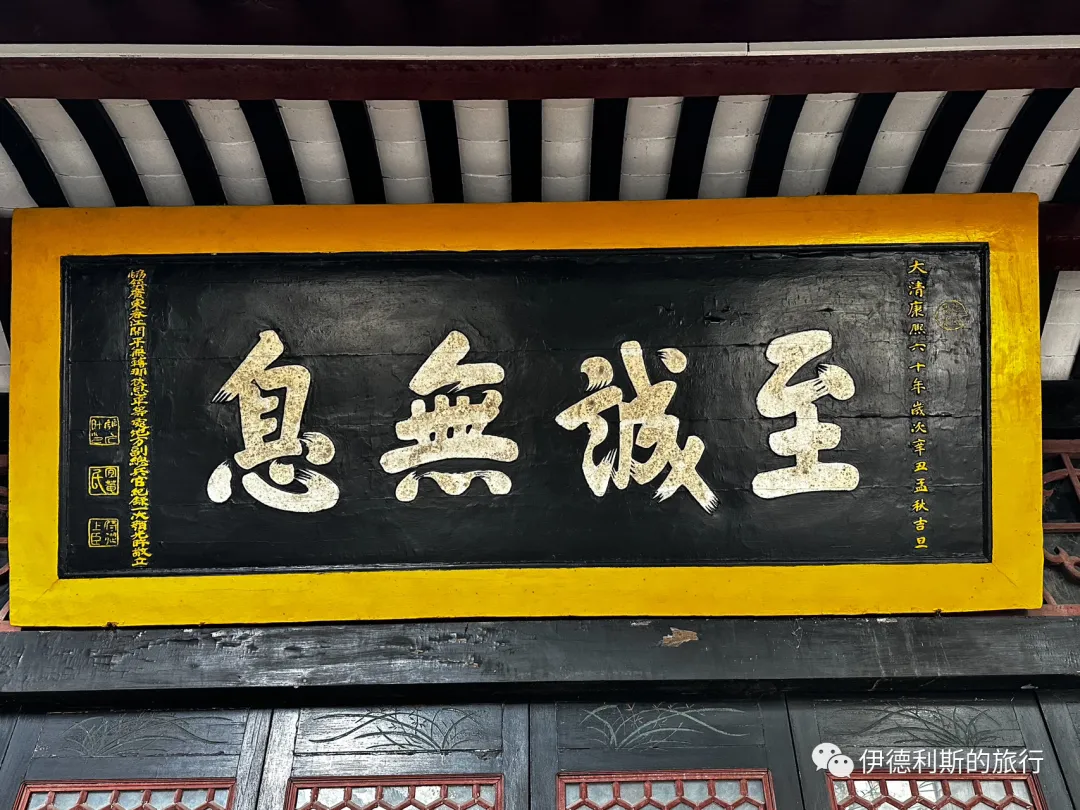
131. Huaisheng Mosque in Guangzhou: 'Follow the Past and Inspire the Future'.
Erected on an auspicious day in the first month of summer in the Jiaxu year, the 19th year of the Qianlong reign.
Respectfully inscribed by Li Xianxiang, an imperial guard and commander-in-chief of the Guizhou military, who served as the acting deputy commander of the Pingyuan garrison.
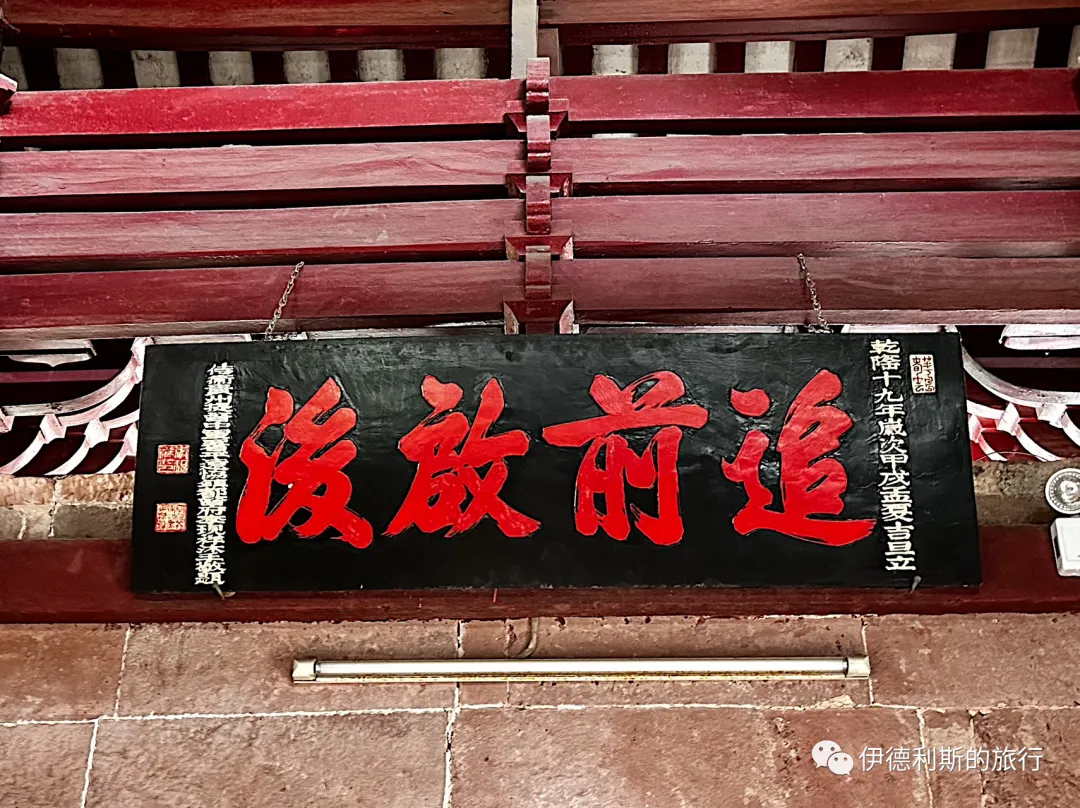
132. Huaisheng Mosque in Guangzhou: "Sharing in Allah's Blessings"
An auspicious day in the first month of winter, 26th year of the Daoguang reign.
Erected by the committee members together.
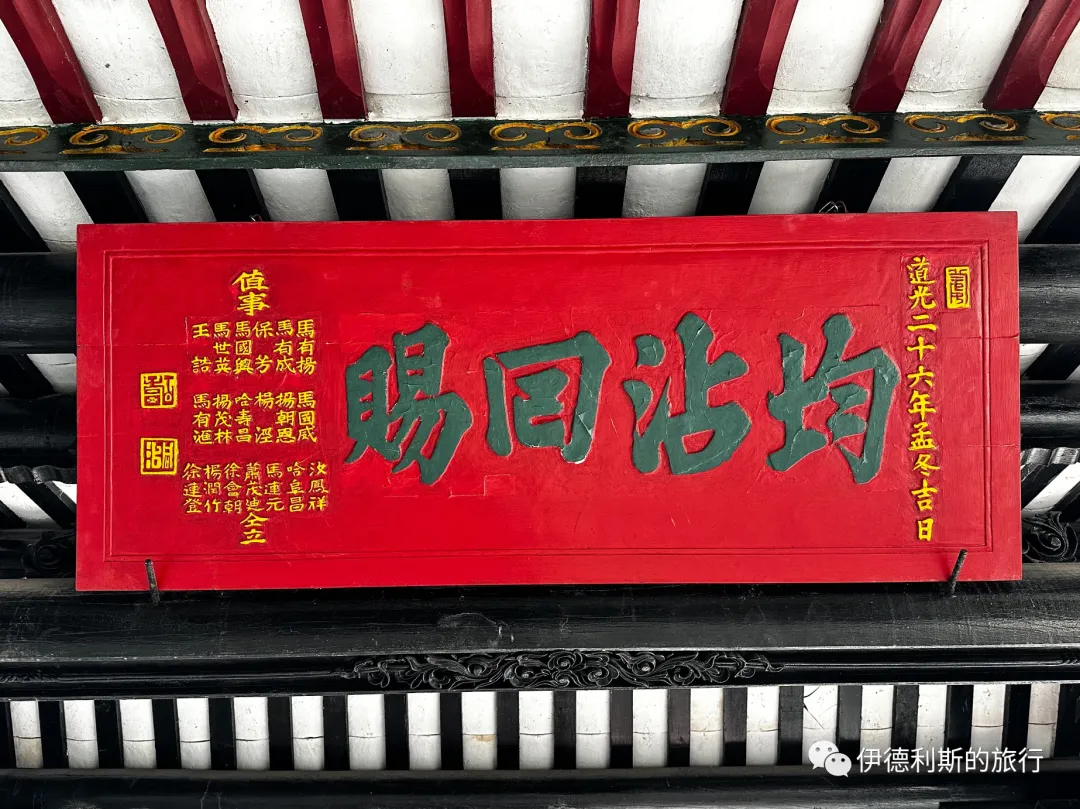
133. Huaisheng Mosque in Guangzhou: "Abundant Blessings from the Lord"
An auspicious day in the second month of spring, 6th year of the Tongzhi reign, year of Dingmao.
Erected by Bao Yingxiong, acting Guangzhou Brigade Commander, holding the rank of Assistant Brigade Commander and awarded the peacock feather.
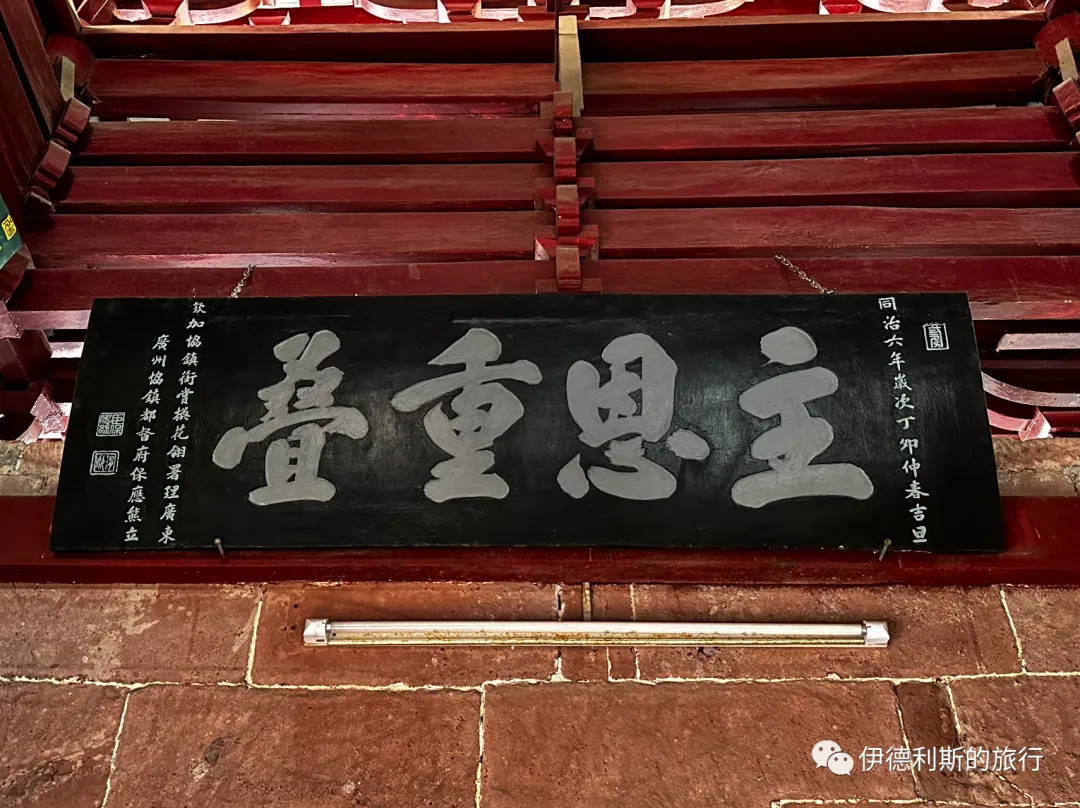
134. Huaisheng Mosque in Guangzhou: "Grace Shines Upon All"
An auspicious day in the second month of winter, 26th year of the Guangxu reign, year of Gengzi.
Erected by Yang Shu, acting Guangdong Circuit Intendant for Gaozhou and Lianzhou, holding a second-rank button and awarded the peacock feather, and Yang Xun, a defense officer of the Plain Red Banner Han Army, holding a fourth-rank button and awarded the peacock feather.
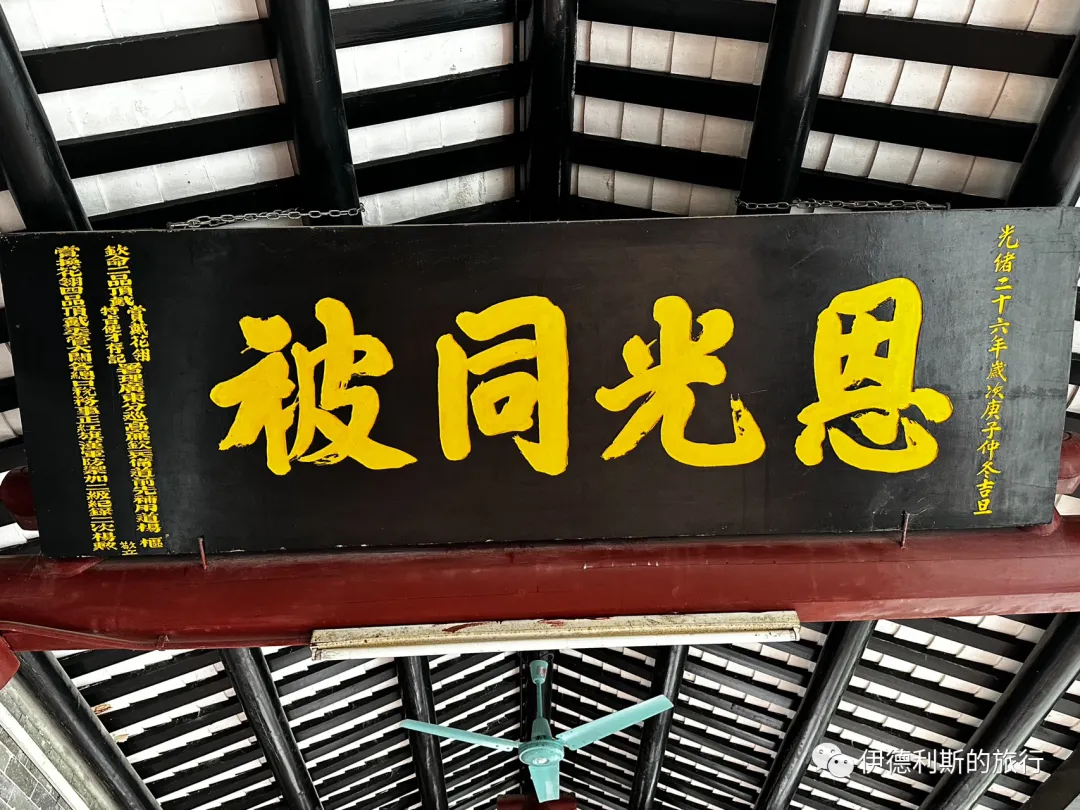
135. Huaisheng Mosque in Guangzhou: "Merciful Clouds and Nourishing Rain"
An auspicious day in the middle of the first month of summer, 31st year of the Guangxu reign, year of Yisi.
Respectfully dedicated to celebrate the joy of Imam Ma.
Offered by the officials, gentry, elders, and committee members of the Lighthouse Mosque (Guangta Si).
Calligraphy by Yang Zeng.
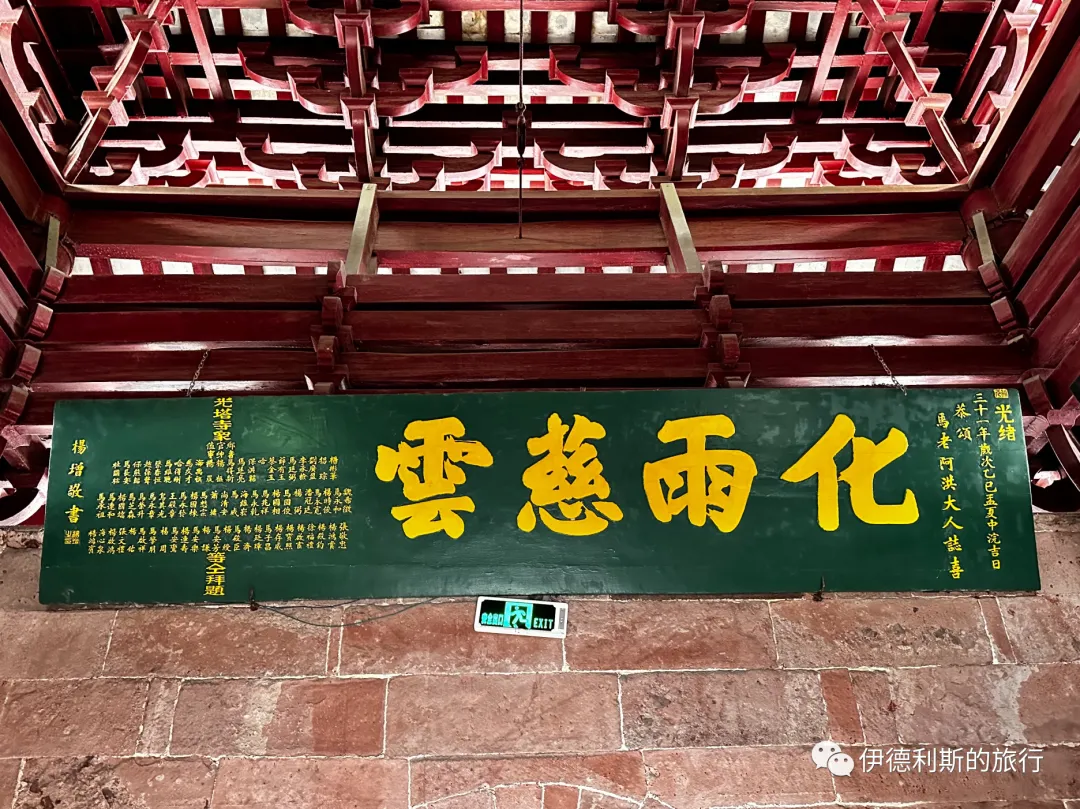
136. Huaisheng Mosque in Guangzhou: "Carrying Forward the Past and Opening Up the Future"
National Day, 35th year of the Republic of China.
Erected respectfully by the first committee members and all the followers of the faith.
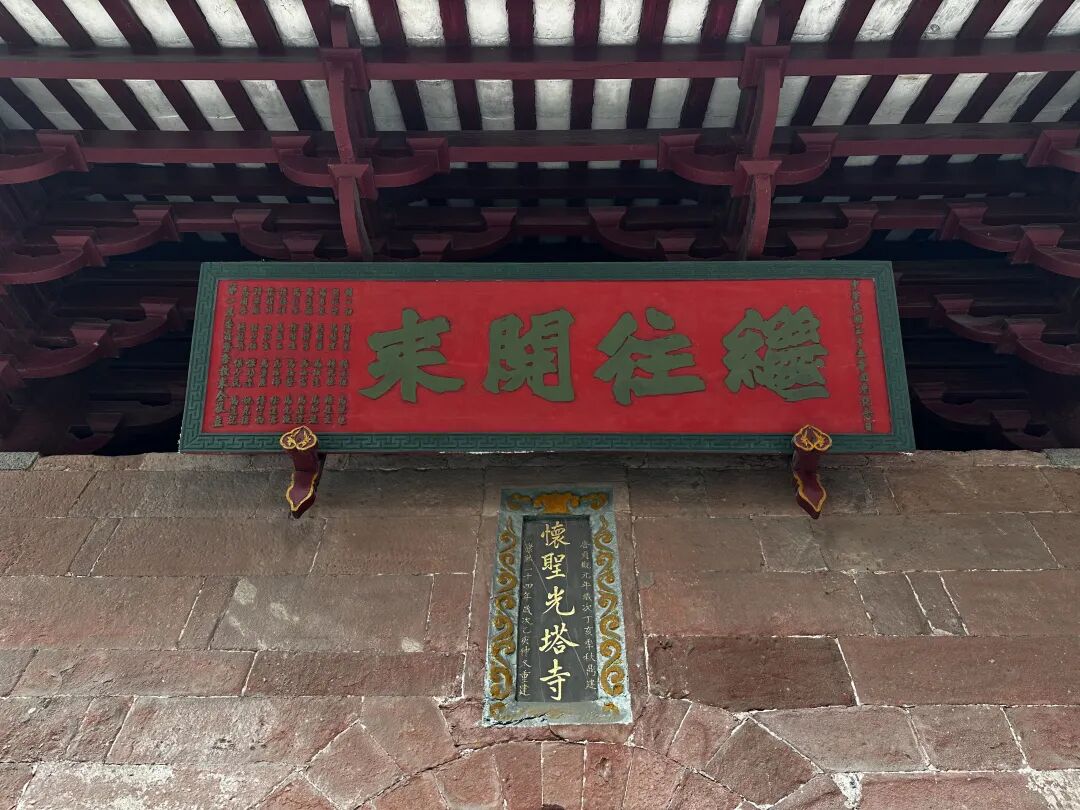
137. The 'Holy Path to the South' plaque at Huaisheng Mosque in Guangzhou.
Erected on an auspicious day in the winter of the 20th year of the Republic of China.
The venerable Sahaba Waqqas followed the Prophet's command to spread the faith in China. He left his mark in Guangzhou and built a tower that has stood for over a thousand years. All of us Muslims follow the ancient traditions and uphold the great principles of the Quran. We truly carry this path in the south and will never forget it for as long as we live.
Respectfully inscribed by Yang Mengling of Panyu, along with his sons Youfang, Guifang, Qunfang, Shifang, Yinfang, Lianfang, Qifang, and his grandsons Bingyi, Bingchang, Bingren, Bingshu, Bingquan, Bingtao, and Bingjun.
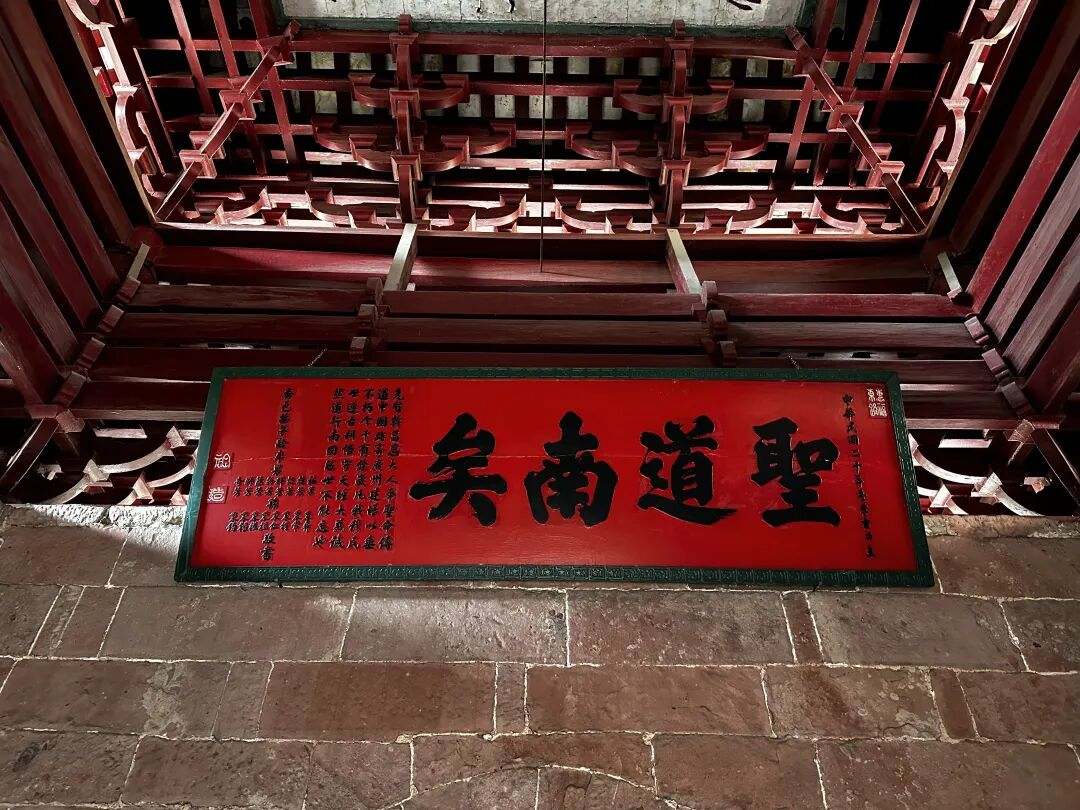
138. The 'Boundless Grace Bestowed' plaque at Huaisheng Mosque in Guangzhou.
An auspicious day in the first month of winter in the Dingwei year of the Guangxu reign.
Respectfully erected by follower Yuan Hongmo, his younger brother Hongquan, and his son Changzhen.
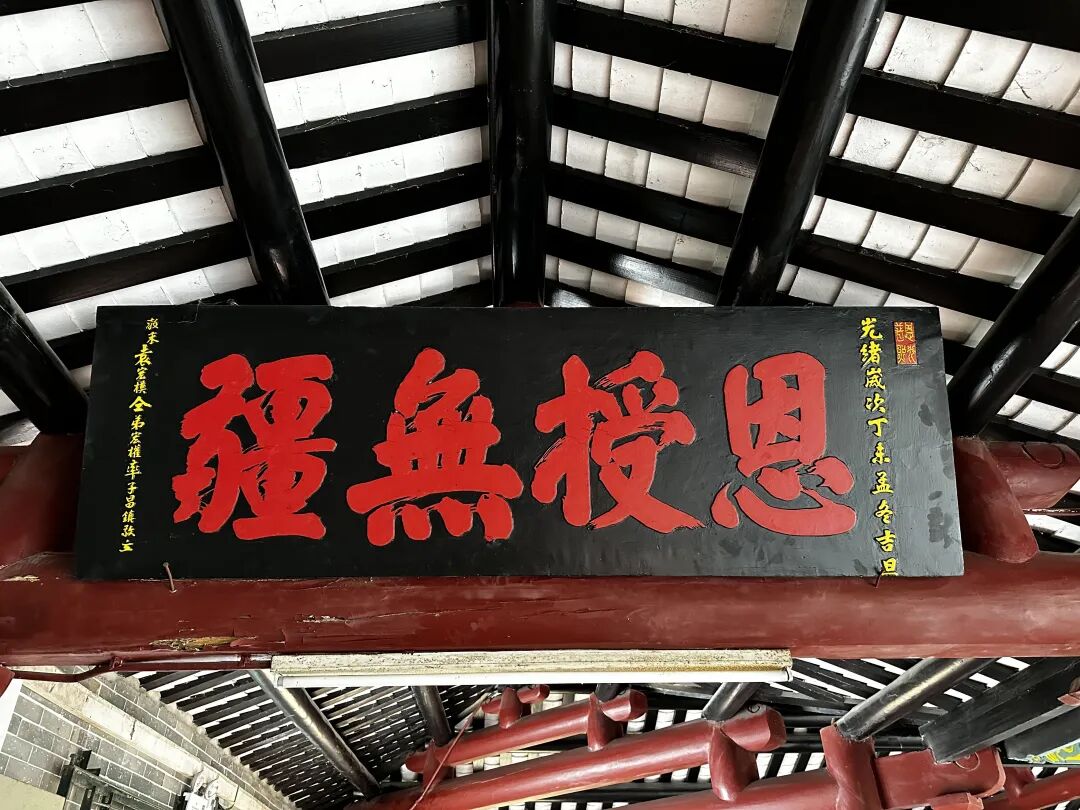
139. Arabic plaque at the Ancient Tomb of the Worthies in Guangzhou.
The second month of autumn in the first year of the Xuantong reign.
The members of the Tongxie Hall at Huaisheng Mosque.
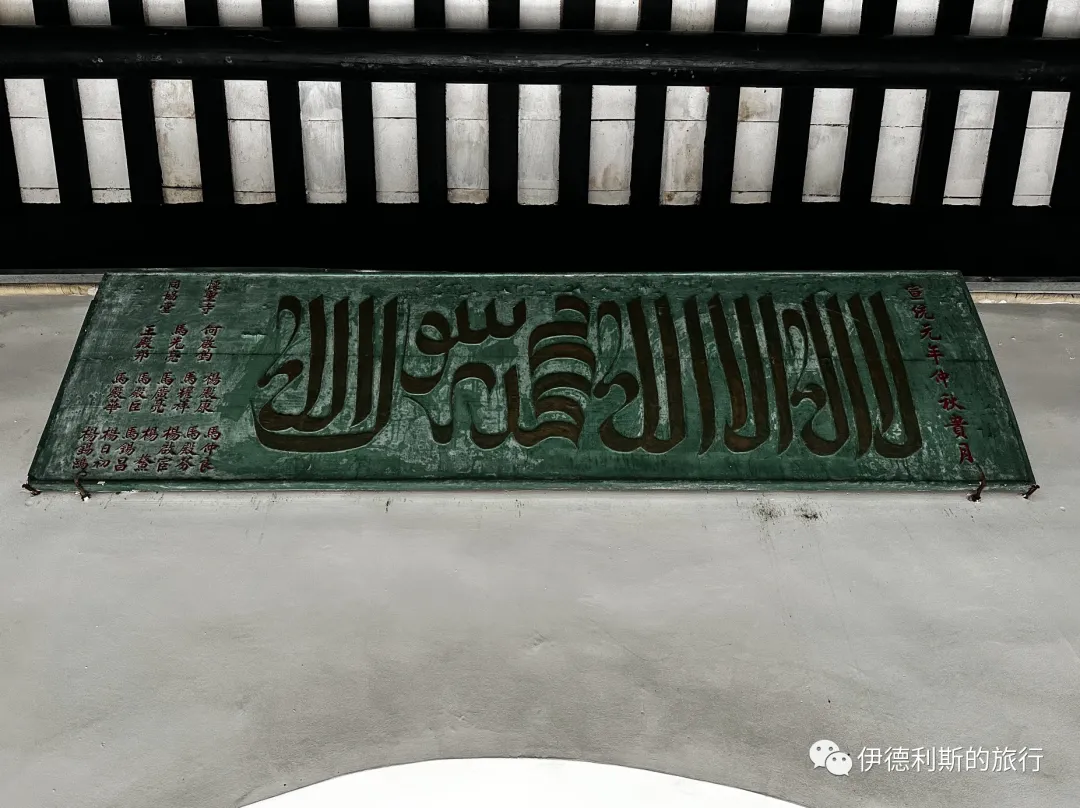
140. Arabic plaque at the Ancient Tomb of the Worthies in Guangzhou.
An auspicious day in the first month of winter in the Gengxu year of the second year of the Xuantong reign.
Erected together by the members of the Guangta Heyi Hall.
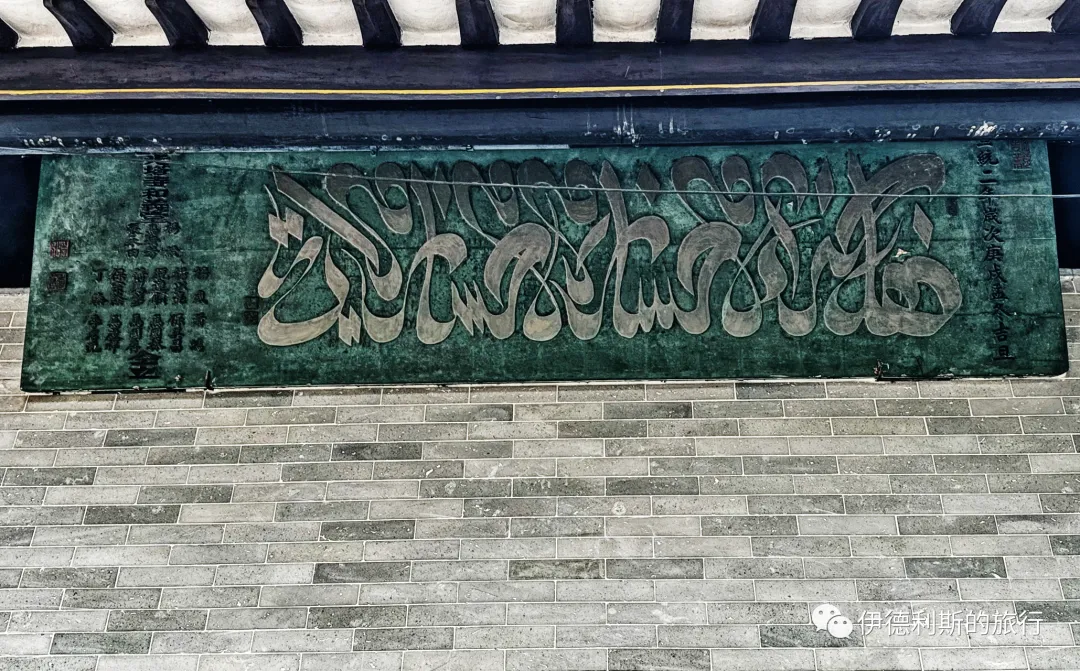
141. 'Guard Our Pure Truth' plaque at the Ancient Tomb of the Worthies in Guangzhou.
An auspicious day in June, the fourth year of the Republic of China.
Since our ancestors from the West (Wanheshi) arrived in the East over a thousand years ago, we have followed our religious rules and never dared to break them. Recently, some young people have misunderstood the idea of freedom of belief, and their marriages and diets have started to ignore our religious rules. I fear that people's hearts are worsening and our holy faith is fading away. I have carefully chosen these four characters to write on the plaque as a reminder to our community. I hope everyone carefully follows the teachings of the scriptures and respects the examples set by our ancestors. If we do this, we will not be sinners against our people, and our faith will be fortunate.
Respectfully inscribed by Cai Chunheng from Wanbei, Major General of the Army, Director of the Guangdong Water Police Department, and recipient of the Third Class Order of the Golden Grain.
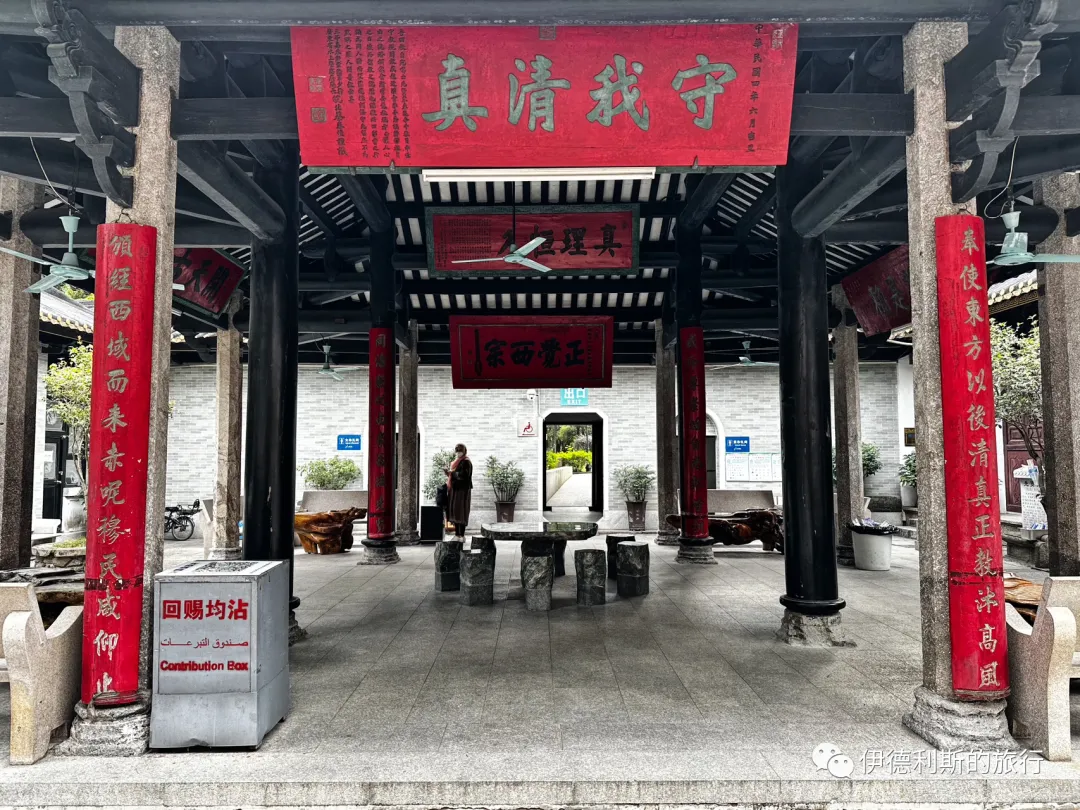
142. The plaque 'Zhengjue Xizong' at the Ancient Tomb of the Worthies in Guangzhou.
An auspicious day in the first month of summer, the tenth year of the Jiaqing reign (Yichou year).
Erected by Xu Wenmo, a hereditary brave official with the title of Admiral, Jiyong Baturu, and Commander of the land and water forces in the Gao, Lian, and Luo regions of Guangdong, who has received military honors twenty-two times.
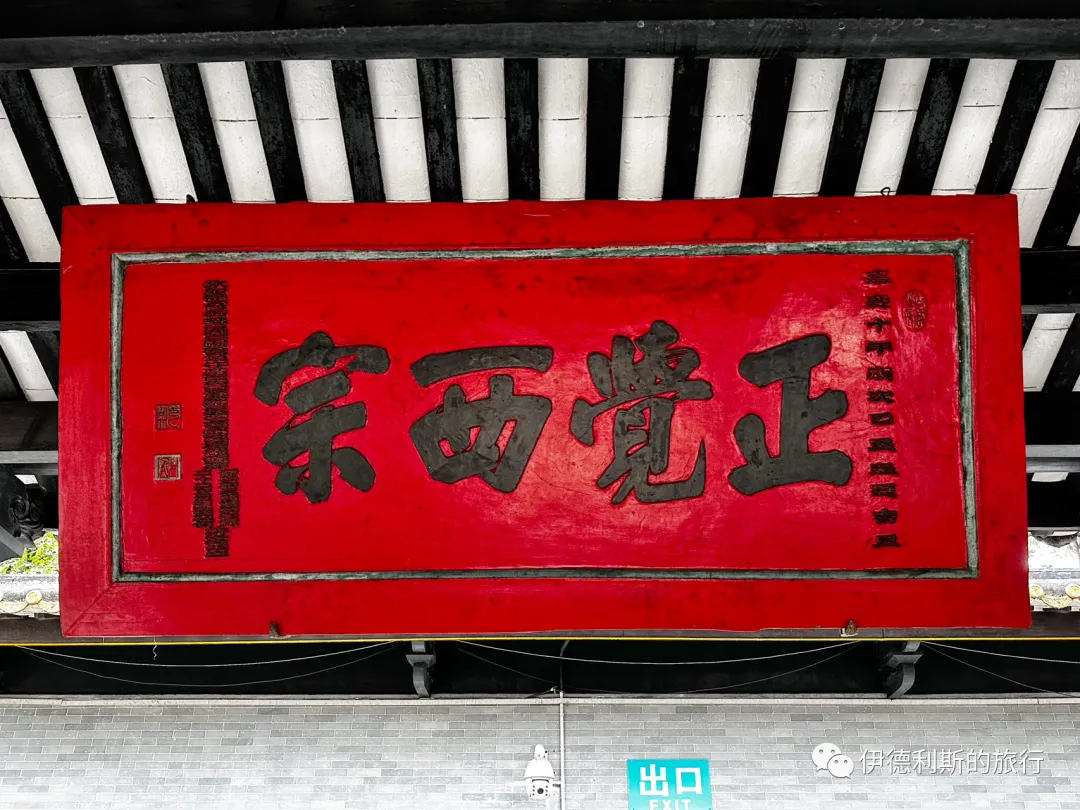
143. The plaque 'Chanyang Shilai' at the Ancient Tomb of the Worthies in Guangzhou.
An auspicious day in March, the second year of the Republic of China.
Respectfully erected by Ma Bonian and others.
Respectfully written by Ma Yongkuan.
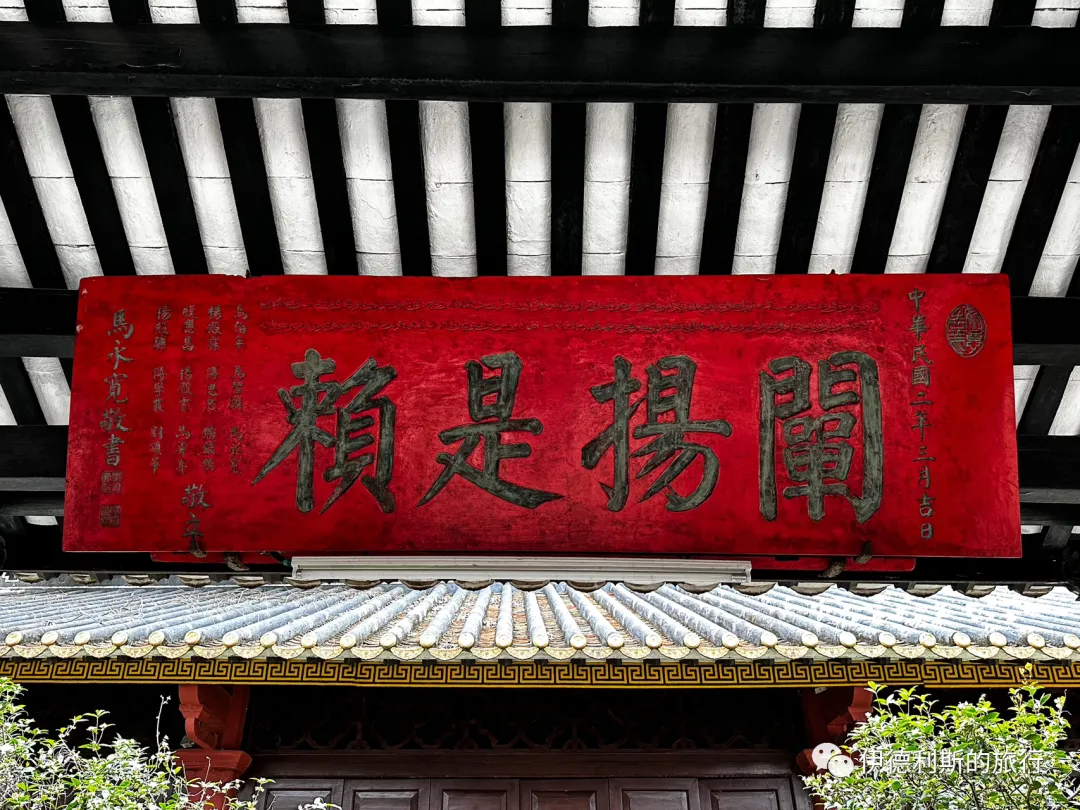
144. The plaque 'Kaitian Gujiao' at the Ancient Tomb of the Worthies in Guangzhou.
The first ten days of the second month of spring, the Jiazi year of the Republic of China.
Respectfully erected by the humble members of the faith.
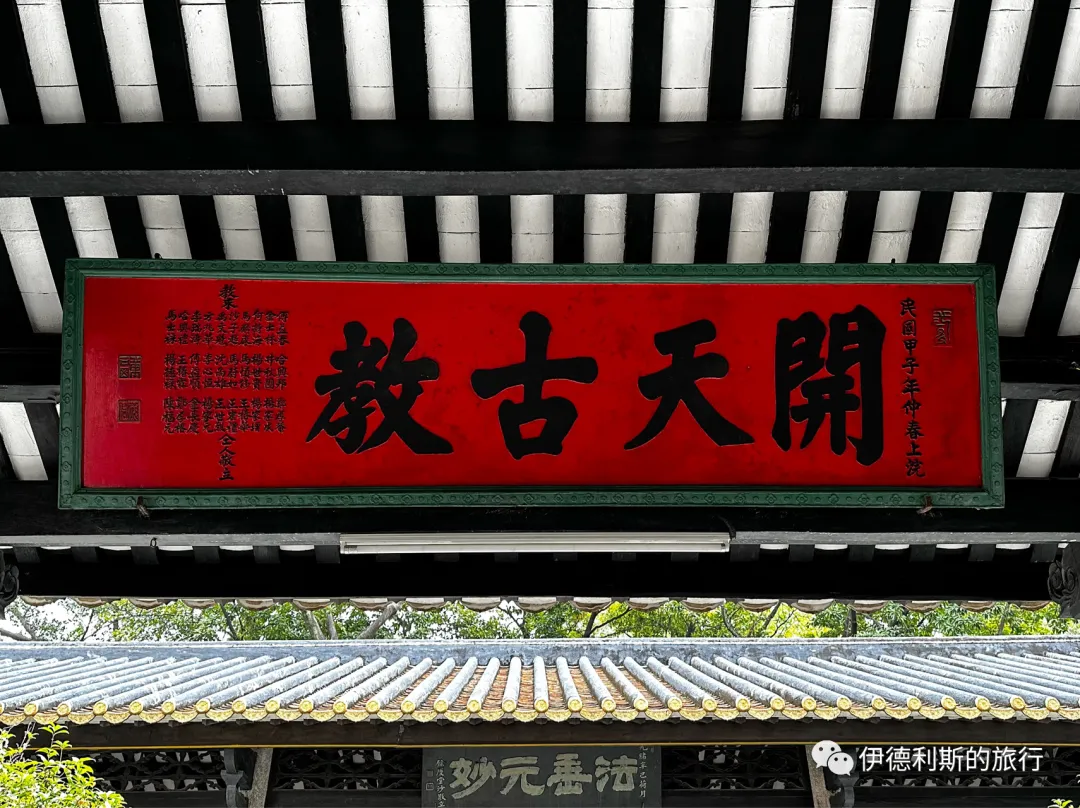
145. The Ancient Tomb of the Worthies in Guangzhou, with the inscription 'The Law Extends to the Origin of Wonders' (Fa Chui Yuan Miao).
The sixth lunar month of the Xinsi year in the Guangxu reign.
Respectfully erected by Sha Jing of Qingyu Hall.
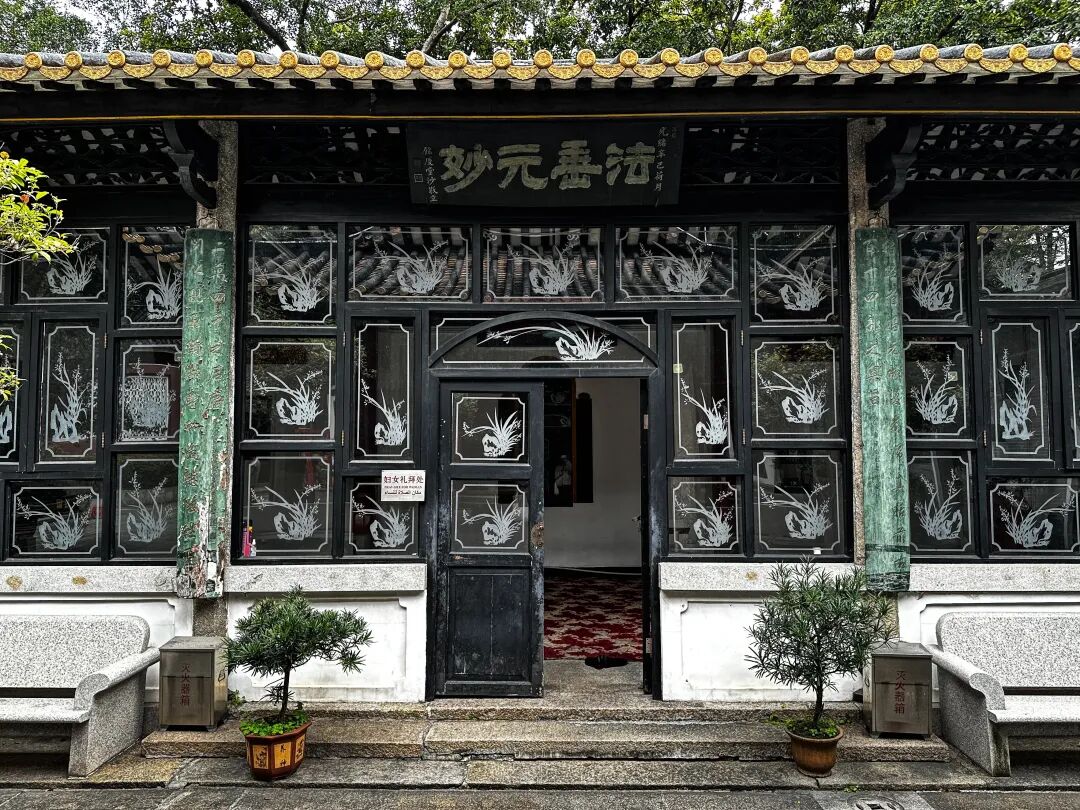
146. The Ancient Tomb of the Worthies in Guangzhou.
He was the first to spread the scriptures, a sign of returning to the truth, encompassing the profound meanings of the 140 ancient volumes.
He personally received the teachings to transform and educate, with great achievements and noble virtues, following in the footsteps of the 124,000 past saints.
Respectfully inscribed by Zhang Cheng, the Imperial-appointed Commander-in-Chief of the Youjiang Town in Guangxi, after ritual purification.
An auspicious day in the second month of spring in the Jisi year of the Jiaqing reign.
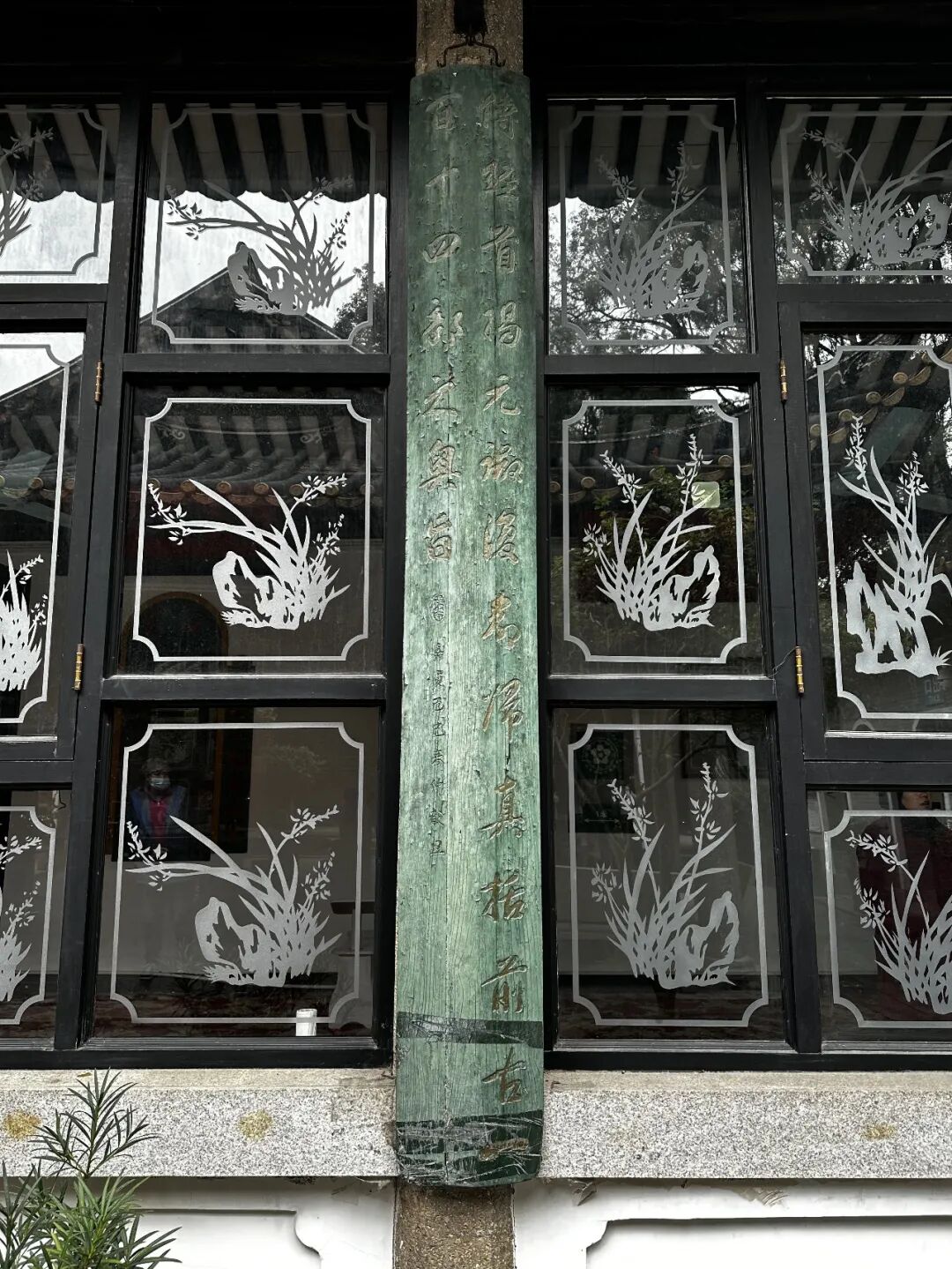
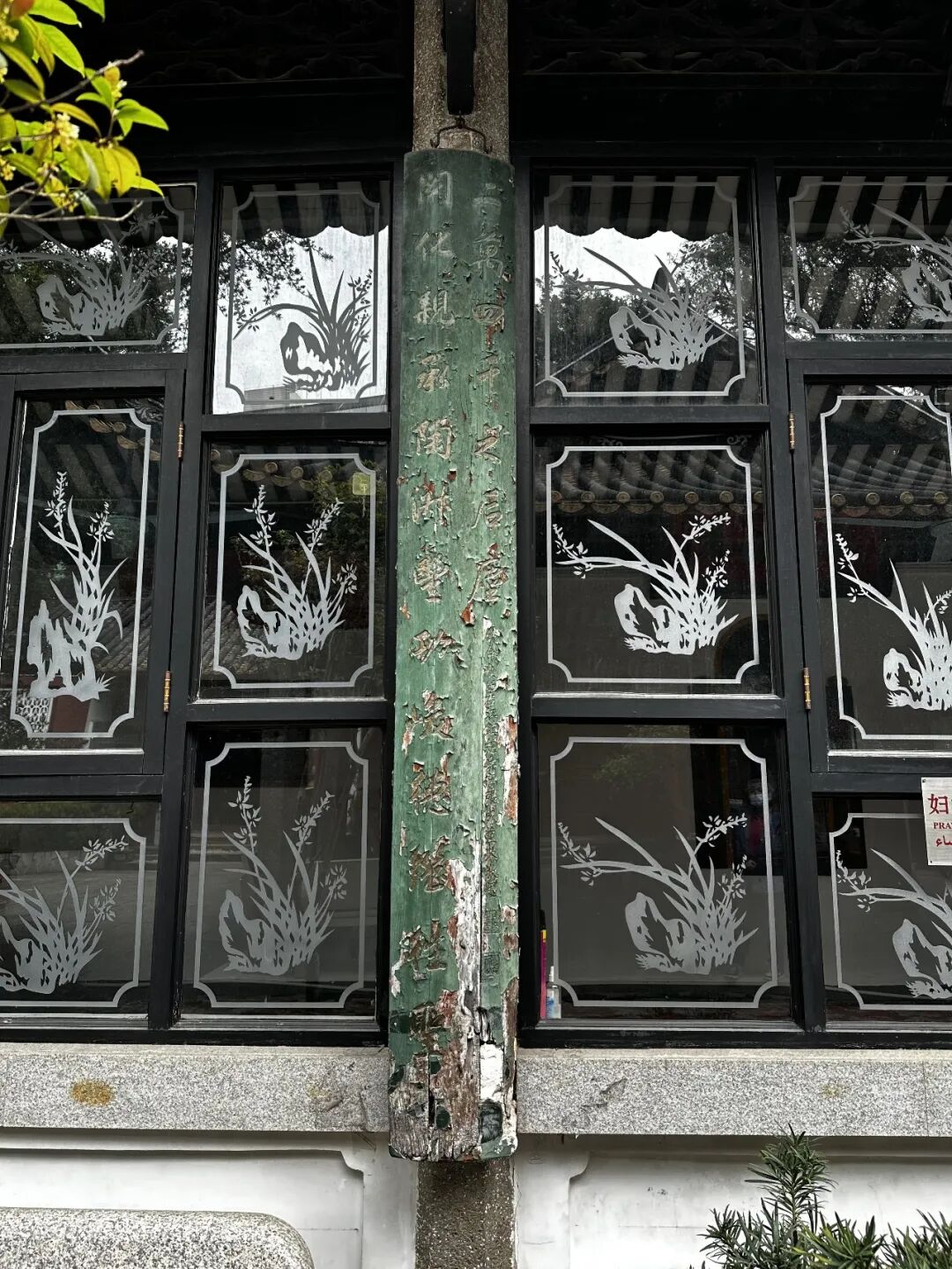
148. The Ancient Tomb of the Worthies in Guangzhou, with the inscription 'Looking Up to High Virtue' (Gao Feng Yang Zhi).
Respectfully erected on the Winter Solstice of the first year of the Yongzheng reign.
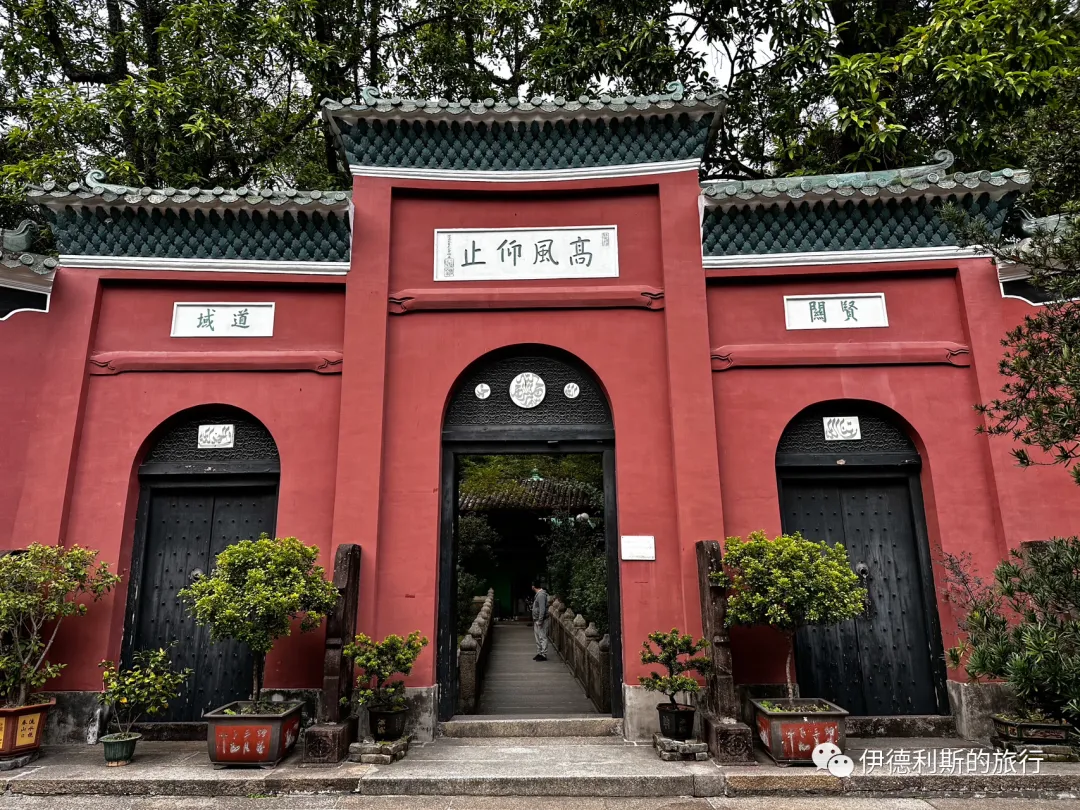
148. The Ancient Tomb of the Worthies in Guangzhou.
He spread the holy teachings in the southern lands, passed down through generations, strictly following the 30 volumes of sacred instructions.
He established a virtuous reputation in eastern Guangdong, standing tall and independent, admired by all for thousands of years as a model.
Built in the summer of the Jiawu year of the Guangxu reign.
Respectfully inscribed by Cai Jinzhang, the Imperial-granted Commander-in-Chief of the Guangdong Land Forces, titled Kengsenge Batulu.
149. The Ancient Tomb of the Worthies in Guangzhou, with the inscription 'Looking Afar to the Long Journey' (Chang Zhan Yuan Xing).
An auspicious day in the first month of autumn, in the Yiwei year of the Guangxu reign.
Respectfully erected by Xu Yingzhong, head of the Huaisheng Mosque, together with Ma Shikui of the Diegan Hall and others.
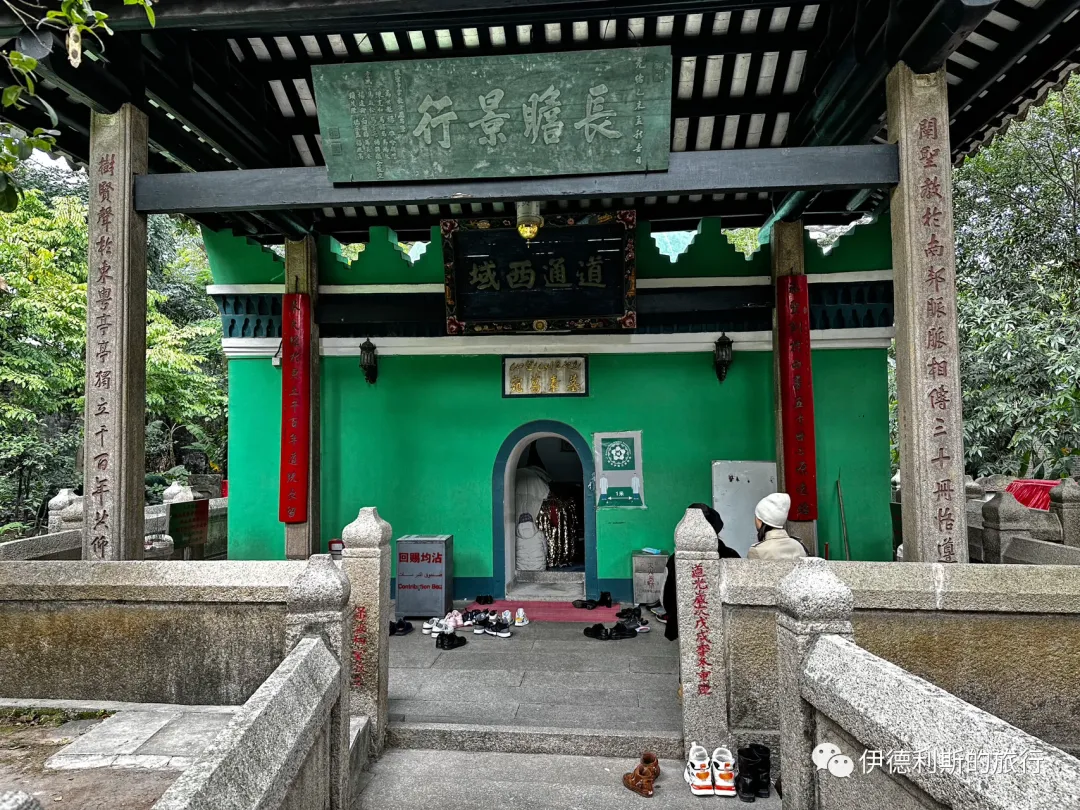
150. Ancient Tombs of the Worthies in Guangzhou.
Receiving the holy teachings in the West, the spiritual lineage has been passed down for fifty generations.
Upholding the heavenly scriptures in the East, the tradition remains for thousands of years.
An auspicious day in the second month of spring, in the Bingyin year, the eleventh year of the Jiaqing reign.
Respectfully written and composed by Hu Changqing from Guilin, a presented scholar (jinshi) by imperial decree, former bachelor of the Hanlin Academy, and official of the first rank.
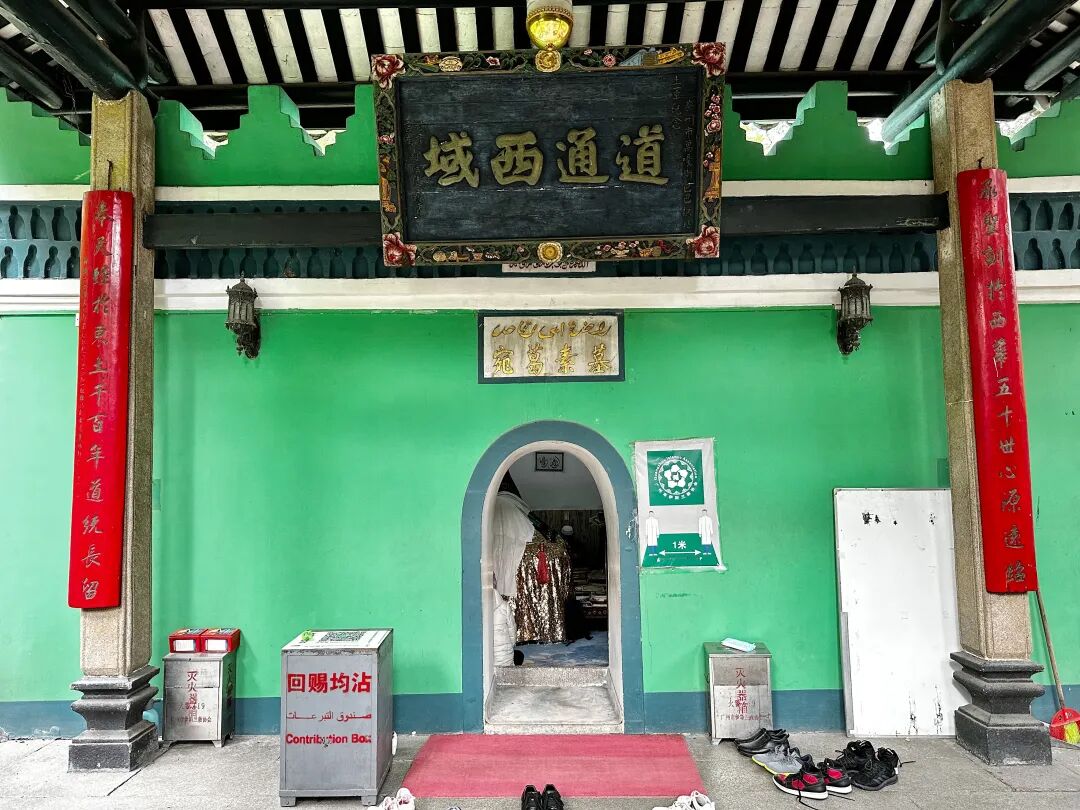
Appreciating plaques and couplets from the faith (1-50 pieces).
Appreciating mosque plaques and couplets (51-100 pieces) Collapse Read »
Summary: China Mosque Travel Guide: Hui Muslim Plaques, Couplets and Islamic Calligraphy (101-150) is presented here as a firsthand travel account in clear English, beginning with this scene: Tian Rui was a Hui Muslim from Taiyuan, Shanxi. He was the son of Tian Yongtong, a military jinshi scholar from the 28th year of the Qianlong reign. The account keeps its focus on Forbidden City, Islamic Art, Persian Culture while preserving the names, places, food, and historical details from the Chinese source.
101. 'Think No Evil' (siwuxie) plaque at Hexia Mosque in Huai'an.
An auspicious day in the first month of autumn, the 10th year of the Daoguang reign.
Inscribed by Tian Rui, Prefect of Huai'an.
Tian Rui was a Hui Muslim from Taiyuan, Shanxi. He was the son of Tian Yongtong, a military jinshi scholar from the 28th year of the Qianlong reign. He served as Prefect of Huai'an and Yangzhou and wrote a poetry collection called 'Yigai Pavilion Poetry Drafts' (Yigaiting Shichao).
102. Plaque in Arabic, Persian, and Xiao'erjing script at Yancheng Mosque.
Completed on an auspicious day in the eighth lunar month, the 17th year of the Republic of China.
Respectfully erected by Abdullah Yang Lüji.
103. 'Mosque' (Qingzhensi) plaque at Gaoyou Mosque.
Respectfully inscribed by Jingxiu, Magistrate of the Zhili Department of Gaoyou.
Rebuilt in the middle of winter, the 2nd year of the Tongzhi reign of the Qing Dynasty.
104. 'Utmost Sincerity Never Ceases' (zhichengwuxi) plaque at Xianhe Mosque in Yangzhou.
An auspicious day in the middle of summer, the Wuyin year, the 4th year of the Guangxu reign of the Great Qing Dynasty.
Respectfully erected by Zhu Huaisen, a nominated provincial commander-in-chief and regional commander of the Huai-Yang garrison, who held the title of Shangyong Baturu.
105. 'The Holy Religion is Entirely True' (shengjiaoquanzhen) plaque at Xianhe Mosque in Yangzhou.
An auspicious day in the spring month, the Dingchou year, the 3rd year of the Guangxu reign.
Inscribed by Zhu Huaijun, a guerrilla commander of the Qianshan Battalion in Anhui, who held the rank of provincial commander-in-chief and was in charge of the New Army of the Liangjiang Governor-General.
106. Xianhe Mosque in Yangzhou: 'Obey the decree of heaven and follow the holy word'
Early summer, the year of Xinhai in the Qianlong reign
Respectfully erected by the Sanwei Hall of the Muslim community
107. Xianhe Mosque in Yangzhou: 'Heaven is close at hand'
The tenth month of the Dingyou year (the 42nd year of the Qianlong reign of the Qing Dynasty)
Calligraphy by Yang Enpei
108. Jingjue Mosque in Nanjing: 'Only pure, only one'
An auspicious day in the first month of summer, the Gengyin year, the 16th year of the Guangxu reign of the Great Qing Dynasty
Commander of the Jiujiang Garrison in Jiangxi
109. Jingjue Mosque in Nanjing: 'Rectify the heart and be sincere'
June, the 11th year of the Republic of China
Respectfully erected by the president and members of the Nanjing Islamic Association
110. Nanmen Mosque in Liuhe, Nanjing
Cherish purity and walk in cleanliness as if in the afterlife
Return to the truth and simplicity just like this
An auspicious day in the tenth lunar month, the 10th year of the Republic of China
Wang Jianli of Gengdu Hall
111. Mosque (qingzhensi) at Zhuzhen Mosque in Nanjing
Erected in the seventh lunar month of the Xinchou year of the Guangxu reign
Built by Zhu Dun
112. "Pivot of My Way" at the tomb of Liu Zhi in Nanjing
Mid-summer of the Xinchou year (27th year of the Guangxu reign)
Written by Jin Pengshou of Jiangning
113. "A Model for Posterity" at the tomb of Liu Zhi in Nanjing
Reprinted by the public in the Dingwei year (33rd year of the Guangxu reign)
Respectfully written by Liu Dekun of Jingjue Mosque
114. Arabic plaque at the ancient mosque in Songjiang, Shanghai
Restored by Zhang Yunsheng in the Xinwei year
Rebuilt Qingshen Mosque
An auspicious day in the fifth lunar month of the Yiwei year of the Jiajing reign of the Great Ming Dynasty
The stele was erected in the Yiwei year of the Ming Jiajing reign (1535). The restoration by Zhang Yunsheng took place in a Xinwei year. It is confirmed that there is no 'Xinwei' year in the Jiajing era. Therefore, the renovation of the mosque likely took place in the sixth year of the Zhengde era (1511).
The inscription refers to the mosque as 'Qingshen Mosque,' which is a unique occurrence.
115. Ancient Mosque in Songjiang, Shanghai
Purity brings clarity, focus on pure cultivation to show a pure heart, and directly explore the origin of pure majesty.
Truth is without falsehood, nurture a true nature and cultivate true learning, only by returning to the root can one find true sincerity.
An auspicious day in the eighth lunar month of the Jia-Chen year, the 24th year of the Daoguang era.
Renovated in the ninth lunar month of the Ding-Mao year, the sixth year of the Tongzhi era, by Li Lügan, a follower of the faith from Jinchang, and his son Yaokui.
Inscribed by Ma Fujing, a presented scholar (jinshi), imperial guard, acting commander of the left battalion of the Jiangnan military, and garrison commander of the Ninghou battalion.
116. 'Ancient Faith from the Beginning' at the Ancient Mosque in Songjiang, Shanghai
Ding-Mao year.
Calligraphy by Ma Songting.
Ma Songting (1895–1992) is known alongside Wang Jingzhai, Ha Decheng, and Da Pusheng as one of the four great modern imams of China.
117. Mosque in Lishui, Zhejiang
Sincere and respectful, the Way is rooted in the middle, encompassing all things.
Silent and scentless, the ritual originates from the two energies that permeate the three realms.
An auspicious day in the autumn of the Bingxu year, the 12th year of the Guangxu reign.
Erected by Ma Huanzhang, the imam (zhangjiao) from Western Sichuan.
118. The Yongzheng Imperial Edict at the Lishui Mosque in Zhejiang.
An auspicious day in the middle of the second month of autumn in the Bingxu year, the 12th year of the Guangxu reign of the Great Qing.
Respectfully supervised and erected by the mosque's imam, Ma Huanzhang.
119. Donation plaque at the Lishui Mosque in Zhejiang.
Auspiciously erected in the seventh month of the Xinhai year, the third year of the Xuantong reign.
120. The 'Ten Thousand Differences, One Origin' plaque at the Qingjing Mosque in Quanzhou.
The first month of the Wuyin year, the 23rd year of the Jiaqing reign of the Qing dynasty.
The Land Forces Command of Fujian Province.
Respectfully erected by Ma Jianji, the Zhangzhou Garrison Commander.
Ma Jianji was a Hui Muslim from Sichuan. While serving in Fujian during the Jiaqing reign, he renovated the Qingjing Mosque and the Lingshan Sacred Tomb, and carved an inscription on the Wind-Moving Rock at Lingshan.
121. The 'Recognize the Oneness of Allah' plaque at the Qingjing Mosque in Quanzhou.
Respectfully presented in the eighth month of the 11th year of the Republic of China.
Written by Tang Kesan, Superintendent of the Xiamen Customs, after ritual washing.
122. The 'Three Fears and Four Admonitions' plaque at the Qingjing Mosque in Quanzhou.
An auspicious day in the latter part of the sixth month of the thirteenth year of the Republic of China.
Second-class Golden Grain Medal recipient, Intendant of the Jinan Circuit in Shandong, and former Superintendent of the Xiamen Customs, Tang Kesan respectfully wrote this.
The original plaque was destroyed between the 1960s and 1970s; this is a replica.
123. Fuzhou Mosque, 'Promoting the Holy Teachings'.
An auspicious day in the tenth month of the tenth year of the Republic of China.
Respectfully erected by Tang Kesan, Superintendent of Xiamen Customs.
After Tang Kesan became the Superintendent of Xiamen Customs in 1919, he worked hard to revive the faith in Fujian. He donated significant funds to the Fuzhou Mosque, Xiamen Mosque, and Quanzhou Qingjing Mosque. He also encouraged the descendants of local Fujian scripture readers to return to the faith and serve in the mosques.
124. Zhaoqing West Mosque, 'Always Remember the Lord's Grace'.
An auspicious day in mid-summer of the Wuxu year of the Daoguang reign.
Respectfully carved by Li Xianyang, acting Lieutenant Colonel of the Guangdong and Guangxi Governor's Front Battalion.
125. Zhaoqing West Mosque.
Why look for visible signs when in the five daily prayers, one feels as if Allah is truly present?
Do not say the traditions are distant, for within the thirty volumes of the Quran, the true teachings are found.
An auspicious day in the lucky month of the Jiaxu year of the Jiaqing reign.
Respectfully written by Vice Commander Liu Hu after washing his hands.
126. Zhaoqing East Mosque, 'The Only One'.
An auspicious day in the first month of autumn in the Yiwei year of the Qianlong reign.
127. Huaisheng Mosque in Guangzhou: 'The Emperor's Grace Lasts Forever'.
An auspicious day in the second month of the Wuyin year of the Kangxi reign.
Respectfully written by Gai Rixin, an imperial guard appointed by the Emperor, who was granted the status of Jinshi and promoted by one rank.
128. Huaisheng Mosque in Guangzhou: 'Rectify the Heart and Be Sincere'.
An auspicious day in the second month of the Wuyin year of the Kangxi reign.
Respectfully written by Tie Fanjin, a Jinshi degree holder and bachelor of the Hanlin Academy.
129. Huaisheng Mosque in Guangzhou: 'Great Mercy for the Whole World'.
An auspicious day in the second month of spring in the Wuyin year of the Kangxi reign.
Erected by Yang Guolin, a director of the Guangdong Department of the Ministry of Revenue, who was promoted by three ranks.
130. Huaisheng Mosque in Guangzhou: 'Utmost Sincerity Never Ceases'.
An auspicious day in the first month of autumn in the Xinchou year, the 60th year of the Kangxi reign of the Great Qing Dynasty.
Respectfully erected by Yan Guangwu, a deputy commander in charge of the Guangdong Chunjiang, Kaiping, Nafu, and Enping regions, who was awarded one merit record.
131. Huaisheng Mosque in Guangzhou: 'Follow the Past and Inspire the Future'.
Erected on an auspicious day in the first month of summer in the Jiaxu year, the 19th year of the Qianlong reign.
Respectfully inscribed by Li Xianxiang, an imperial guard and commander-in-chief of the Guizhou military, who served as the acting deputy commander of the Pingyuan garrison.
132. Huaisheng Mosque in Guangzhou: "Sharing in Allah's Blessings"
An auspicious day in the first month of winter, 26th year of the Daoguang reign.
Erected by the committee members together.
133. Huaisheng Mosque in Guangzhou: "Abundant Blessings from the Lord"
An auspicious day in the second month of spring, 6th year of the Tongzhi reign, year of Dingmao.
Erected by Bao Yingxiong, acting Guangzhou Brigade Commander, holding the rank of Assistant Brigade Commander and awarded the peacock feather.
134. Huaisheng Mosque in Guangzhou: "Grace Shines Upon All"
An auspicious day in the second month of winter, 26th year of the Guangxu reign, year of Gengzi.
Erected by Yang Shu, acting Guangdong Circuit Intendant for Gaozhou and Lianzhou, holding a second-rank button and awarded the peacock feather, and Yang Xun, a defense officer of the Plain Red Banner Han Army, holding a fourth-rank button and awarded the peacock feather.
135. Huaisheng Mosque in Guangzhou: "Merciful Clouds and Nourishing Rain"
An auspicious day in the middle of the first month of summer, 31st year of the Guangxu reign, year of Yisi.
Respectfully dedicated to celebrate the joy of Imam Ma.
Offered by the officials, gentry, elders, and committee members of the Lighthouse Mosque (Guangta Si).
Calligraphy by Yang Zeng.
136. Huaisheng Mosque in Guangzhou: "Carrying Forward the Past and Opening Up the Future"
National Day, 35th year of the Republic of China.
Erected respectfully by the first committee members and all the followers of the faith.
137. The 'Holy Path to the South' plaque at Huaisheng Mosque in Guangzhou.
Erected on an auspicious day in the winter of the 20th year of the Republic of China.
The venerable Sahaba Waqqas followed the Prophet's command to spread the faith in China. He left his mark in Guangzhou and built a tower that has stood for over a thousand years. All of us Muslims follow the ancient traditions and uphold the great principles of the Quran. We truly carry this path in the south and will never forget it for as long as we live.
Respectfully inscribed by Yang Mengling of Panyu, along with his sons Youfang, Guifang, Qunfang, Shifang, Yinfang, Lianfang, Qifang, and his grandsons Bingyi, Bingchang, Bingren, Bingshu, Bingquan, Bingtao, and Bingjun.
138. The 'Boundless Grace Bestowed' plaque at Huaisheng Mosque in Guangzhou.
An auspicious day in the first month of winter in the Dingwei year of the Guangxu reign.
Respectfully erected by follower Yuan Hongmo, his younger brother Hongquan, and his son Changzhen.
139. Arabic plaque at the Ancient Tomb of the Worthies in Guangzhou.
The second month of autumn in the first year of the Xuantong reign.
The members of the Tongxie Hall at Huaisheng Mosque.
140. Arabic plaque at the Ancient Tomb of the Worthies in Guangzhou.
An auspicious day in the first month of winter in the Gengxu year of the second year of the Xuantong reign.
Erected together by the members of the Guangta Heyi Hall.
141. 'Guard Our Pure Truth' plaque at the Ancient Tomb of the Worthies in Guangzhou.
An auspicious day in June, the fourth year of the Republic of China.
Since our ancestors from the West (Wanheshi) arrived in the East over a thousand years ago, we have followed our religious rules and never dared to break them. Recently, some young people have misunderstood the idea of freedom of belief, and their marriages and diets have started to ignore our religious rules. I fear that people's hearts are worsening and our holy faith is fading away. I have carefully chosen these four characters to write on the plaque as a reminder to our community. I hope everyone carefully follows the teachings of the scriptures and respects the examples set by our ancestors. If we do this, we will not be sinners against our people, and our faith will be fortunate.
Respectfully inscribed by Cai Chunheng from Wanbei, Major General of the Army, Director of the Guangdong Water Police Department, and recipient of the Third Class Order of the Golden Grain.
142. The plaque 'Zhengjue Xizong' at the Ancient Tomb of the Worthies in Guangzhou.
An auspicious day in the first month of summer, the tenth year of the Jiaqing reign (Yichou year).
Erected by Xu Wenmo, a hereditary brave official with the title of Admiral, Jiyong Baturu, and Commander of the land and water forces in the Gao, Lian, and Luo regions of Guangdong, who has received military honors twenty-two times.
143. The plaque 'Chanyang Shilai' at the Ancient Tomb of the Worthies in Guangzhou.
An auspicious day in March, the second year of the Republic of China.
Respectfully erected by Ma Bonian and others.
Respectfully written by Ma Yongkuan.
144. The plaque 'Kaitian Gujiao' at the Ancient Tomb of the Worthies in Guangzhou.
The first ten days of the second month of spring, the Jiazi year of the Republic of China.
Respectfully erected by the humble members of the faith.
145. The Ancient Tomb of the Worthies in Guangzhou, with the inscription 'The Law Extends to the Origin of Wonders' (Fa Chui Yuan Miao).
The sixth lunar month of the Xinsi year in the Guangxu reign.
Respectfully erected by Sha Jing of Qingyu Hall.
146. The Ancient Tomb of the Worthies in Guangzhou.
He was the first to spread the scriptures, a sign of returning to the truth, encompassing the profound meanings of the 140 ancient volumes.
He personally received the teachings to transform and educate, with great achievements and noble virtues, following in the footsteps of the 124,000 past saints.
Respectfully inscribed by Zhang Cheng, the Imperial-appointed Commander-in-Chief of the Youjiang Town in Guangxi, after ritual purification.
An auspicious day in the second month of spring in the Jisi year of the Jiaqing reign.
148. The Ancient Tomb of the Worthies in Guangzhou, with the inscription 'Looking Up to High Virtue' (Gao Feng Yang Zhi).
Respectfully erected on the Winter Solstice of the first year of the Yongzheng reign.
148. The Ancient Tomb of the Worthies in Guangzhou.
He spread the holy teachings in the southern lands, passed down through generations, strictly following the 30 volumes of sacred instructions.
He established a virtuous reputation in eastern Guangdong, standing tall and independent, admired by all for thousands of years as a model.
Built in the summer of the Jiawu year of the Guangxu reign.
Respectfully inscribed by Cai Jinzhang, the Imperial-granted Commander-in-Chief of the Guangdong Land Forces, titled Kengsenge Batulu.
149. The Ancient Tomb of the Worthies in Guangzhou, with the inscription 'Looking Afar to the Long Journey' (Chang Zhan Yuan Xing).
An auspicious day in the first month of autumn, in the Yiwei year of the Guangxu reign.
Respectfully erected by Xu Yingzhong, head of the Huaisheng Mosque, together with Ma Shikui of the Diegan Hall and others.
150. Ancient Tombs of the Worthies in Guangzhou.
Receiving the holy teachings in the West, the spiritual lineage has been passed down for fifty generations.
Upholding the heavenly scriptures in the East, the tradition remains for thousands of years.
An auspicious day in the second month of spring, in the Bingyin year, the eleventh year of the Jiaqing reign.
Respectfully written and composed by Hu Changqing from Guilin, a presented scholar (jinshi) by imperial decree, former bachelor of the Hanlin Academy, and official of the first rank.
Appreciating plaques and couplets from the faith (1-50 pieces).
Appreciating mosque plaques and couplets (51-100 pieces) Collapse Read »
China Mosque Travel Guide: Hui Muslim Plaques, Couplets and Islamic Calligraphy (51-100)
Reposted from the web
Summary: China Mosque Travel Guide: Hui Muslim Plaques, Couplets and Islamic Calligraphy (51-100) is presented here as a firsthand travel account in clear English, beginning with this scene: Tian Yongtong was a Hui Muslim general from Taiyuan, Shanxi. He became a military Jinshi scholar in the 28th year of the Qianlong reign and rose to the rank of Commander-in-Chief of Jiangnan. The account keeps its focus on Mosque Travel, Islamic Heritage, Muslim Travel while preserving the names, places, food, and historical details from the Chinese source.
51. The plaque 'Principles Rooted in Confucianism' (Li Guan Ru Zong) at Taiyuan Mosque.
Erected on a lucky day in the tenth month of the Yichou year, the tenth year of the Jiaqing reign.
Respectfully written by Tian Yongtong, a palace guard who earned the title of Jinshi scholar and served as the Brigade General of Nanyang, Henan.
Renovated by his great-great-grandson Zhenjing in the 31st year of the Republic of China.
Tian Yongtong was a Hui Muslim general from Taiyuan, Shanxi. He became a military Jinshi scholar in the 28th year of the Qianlong reign and rose to the rank of Commander-in-Chief of Jiangnan.
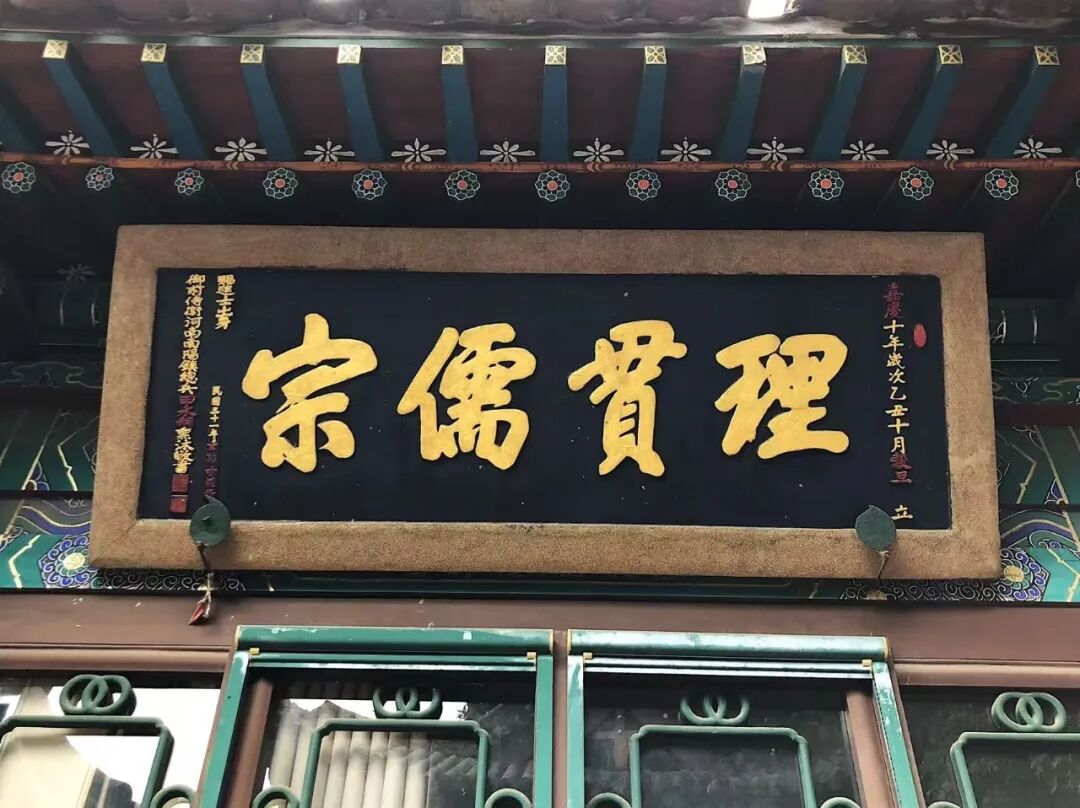
52. The plaque 'Extremely Brilliant' (Ji Gao Ming) at Taiyuan Mosque.
Respectfully presented by Zhang Jinglie from Yunnan, a palace guard and assistant regional commander in charge of the eastern route of Shanxi and the southern defense of Taiyuan city.
A lucky day in the ninth month of the Xinmao year, the 36th year of the Qianlong reign of the Great Qing Dynasty.
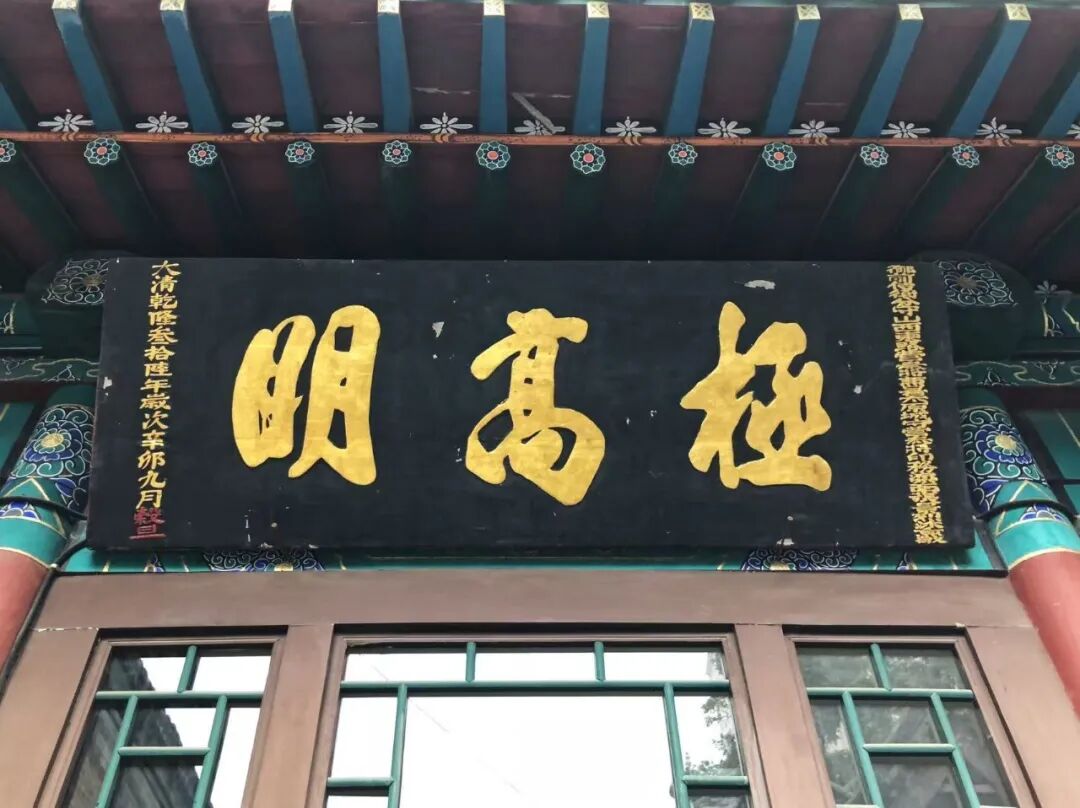
53. The plaque 'The Way is Known in Greatness' (Dao Jian Zhi Hong) at Taiyuan Mosque.
Reprinted by Chongde Lu in the eighth month of the seventh year of the Tongzhi reign.
Shao Yong.
Shao Yong was a philosopher and expert on the I Ching during the Northern Song Dynasty.
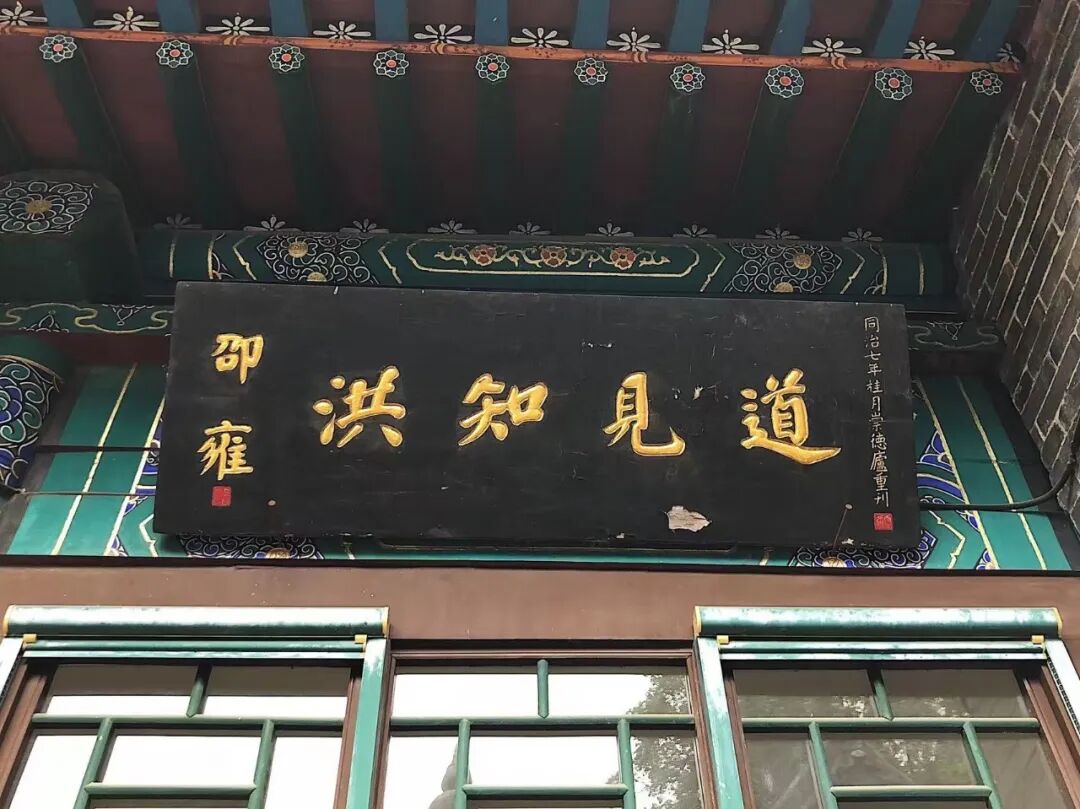
54. The plaque 'Only Virtue is Supported' (Wei De Shi Fu) at Taiyuan Mosque.
Respectfully erected by Duo Ding, a Juren scholar from the Dingmao year of the Qianlong reign and an instructor in Wanquan County.
Renovated by his clansman Chi in the eleventh month of the Dingwei year of the Daoguang reign.
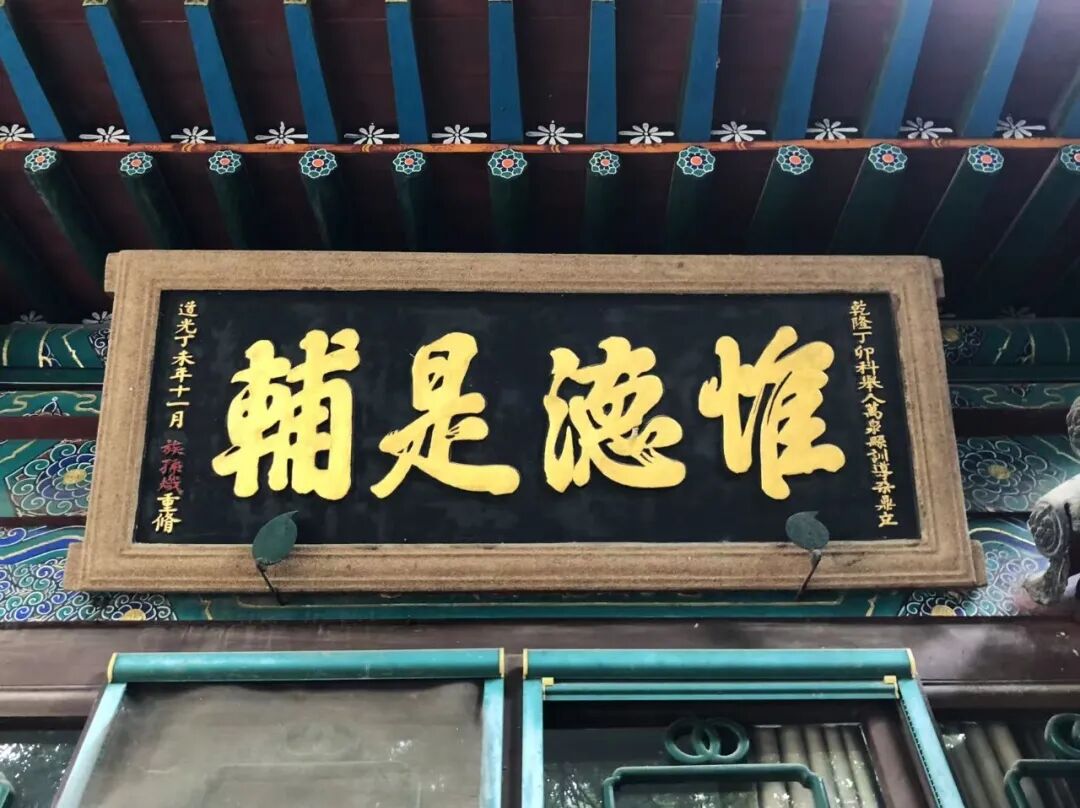
55. The plaque 'The Teaching Exalts the True One' (Jiao Long Zhen Yi) at Taiyuan Mosque.
Respectfully inscribed by Ha Panfeng, Imperial Guard, Commander-in-Chief of Datong, Shanxi, appointed by imperial decree, with three recorded merits.
An auspicious day in the sixth lunar month of the 46th year of the Qianlong reign of the Great Qing Dynasty (1781).
Ha Panfeng was from Suning County, Hebei, and became a military jinshi scholar in the 16th year of the Qianlong reign.
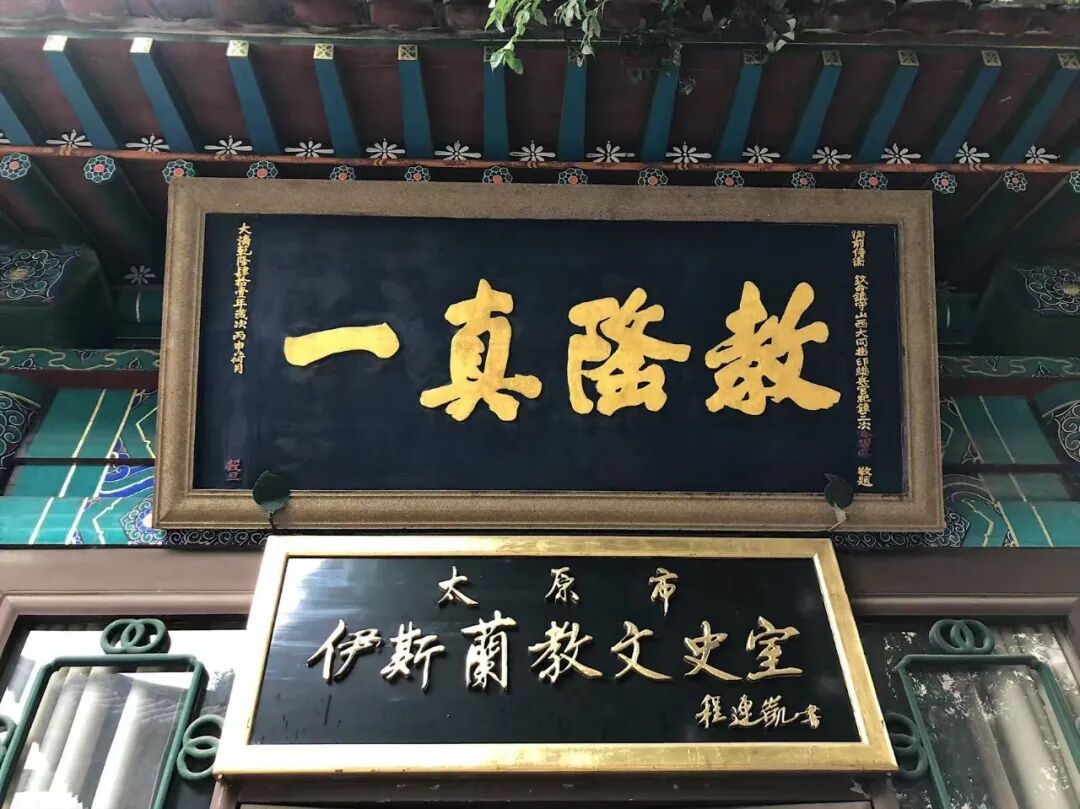
56. Taiyuan Mosque: "Heaven's Mirror is Here"
Erected by Tian Qiao, a successful candidate in the imperial examinations during the Wanshou Guisi year.
An auspicious day in the early tenth lunar month of the Jihai year of the Kangxi reign.
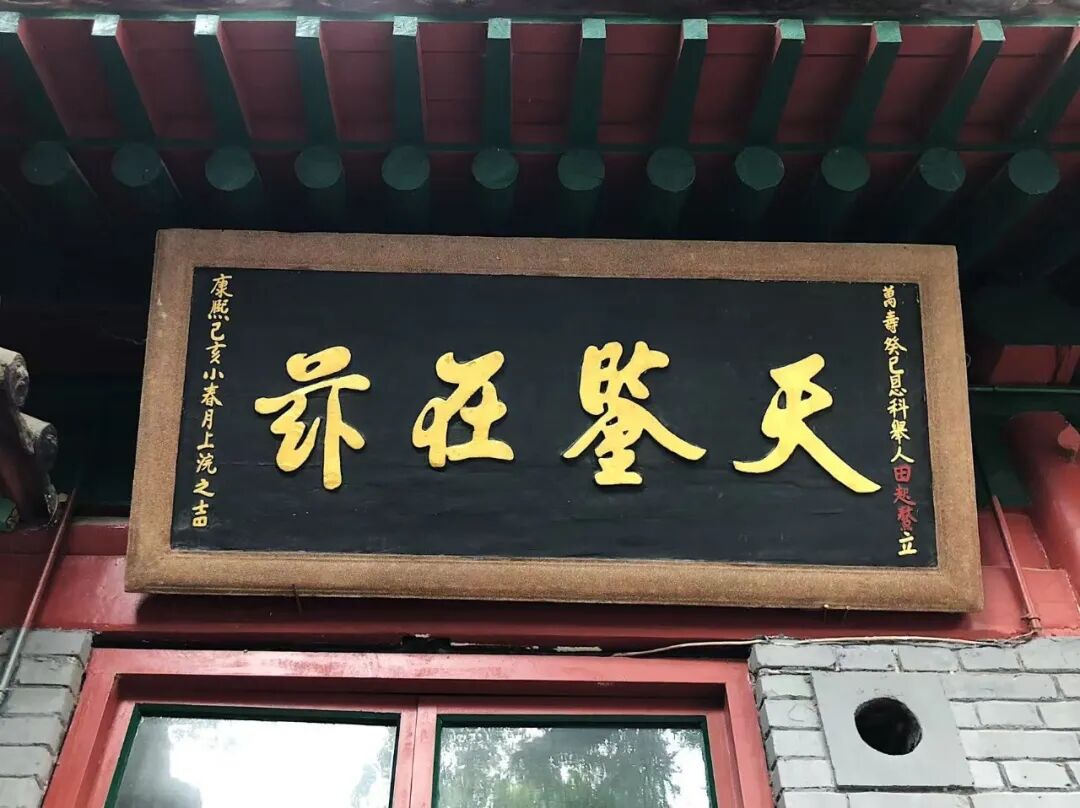
57. Taiyuan Mosque: "The Most Holy, Past and Present"
An auspicious day in the fifth lunar month of the Renchen year of the Daoguang reign.
Erected by Tian Shifa, a candidate for the position of Zhili Prefecture assistant magistrate.
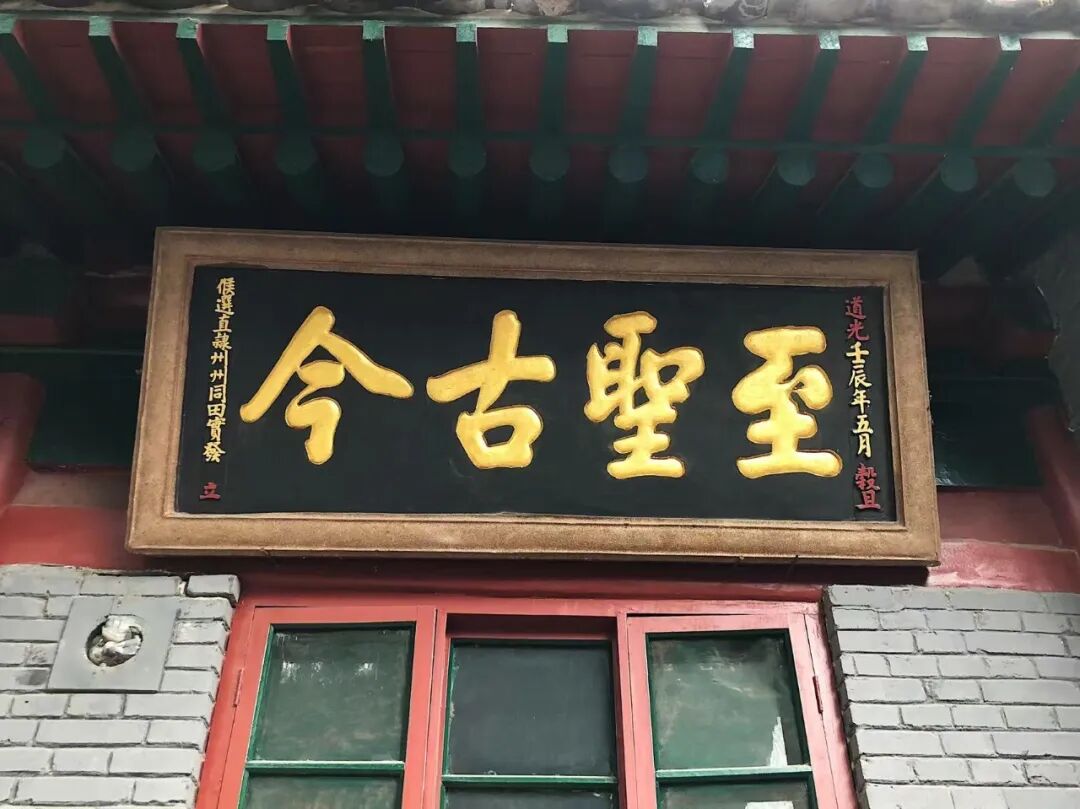
58. Taiyuan Mosque: "Return to the Truth"
Erected by Tian Zongzhou, a jinshi scholar, serving as a captain in the Right Battalion of the Henan-Hebei Garrison and acting commander of the Left Battalion.
An auspicious day in the third month of autumn in the Xinyou year, the 6th year of the Jiaqing reign of the Great Qing Dynasty (1801).
59. Taiyuan Mosque: "Tranquility"
Li Guifang, Imperial Guard and Commander-in-Chief of Gaozhou, Guangdong, with a rank increase of three levels.
His son, a successful candidate in the Xinwei year imperial examinations and a lieutenant at Shahe Camp.
His grandson, Panlin, a military graduate of the Renzi year and a lieutenant at Lengquan Pass, waiting for promotion to major.
Imperial-bestowed Zhaowu General, hereditary Cloud Cavalry Lieutenant, and additional Grace Cavalry Lieutenant Pan Long.
Wuwu-year military graduate, commander of Zhuhu Fort, and expectant garrison commander Pan Feng.
A lucky day in the ninth lunar month of the Bingwu year of the Daoguang reign.
Respectfully erected by his great-grandson, a local government student (yixiangsheng) named He Ming.
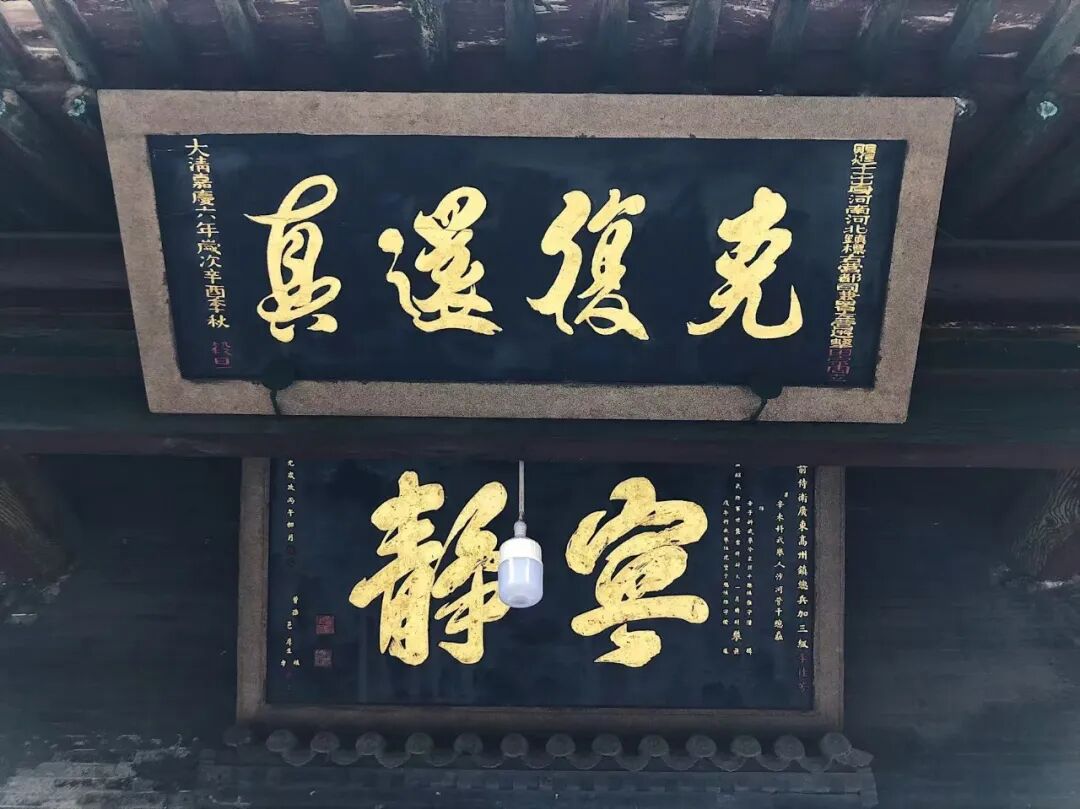
60. Taiyuan Mosque: 'All things return to the truth'.
Erected in the eighth lunar month of the second year of the Guangxu reign of the Great Qing Dynasty.
Respectfully erected by the imperial-titled Zhenwu General Tian Shixing, along with his son Weirong and grandsons Shaoshu, Shaoyi, and Shaoli.
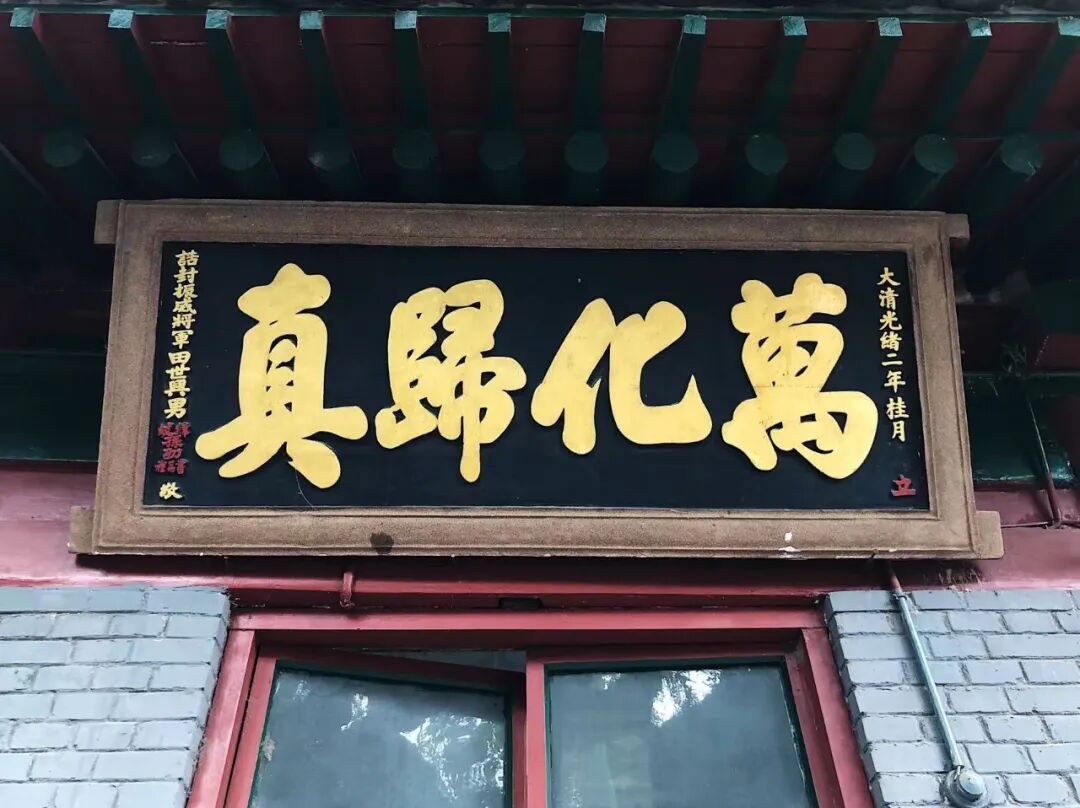
61. Taiyuan Mosque: 'The body is in the same place as others'.
Seal of Huang Daozhou.
Huang Daozhou was a famous scholar, calligrapher, and painter at the end of the Ming Dynasty.
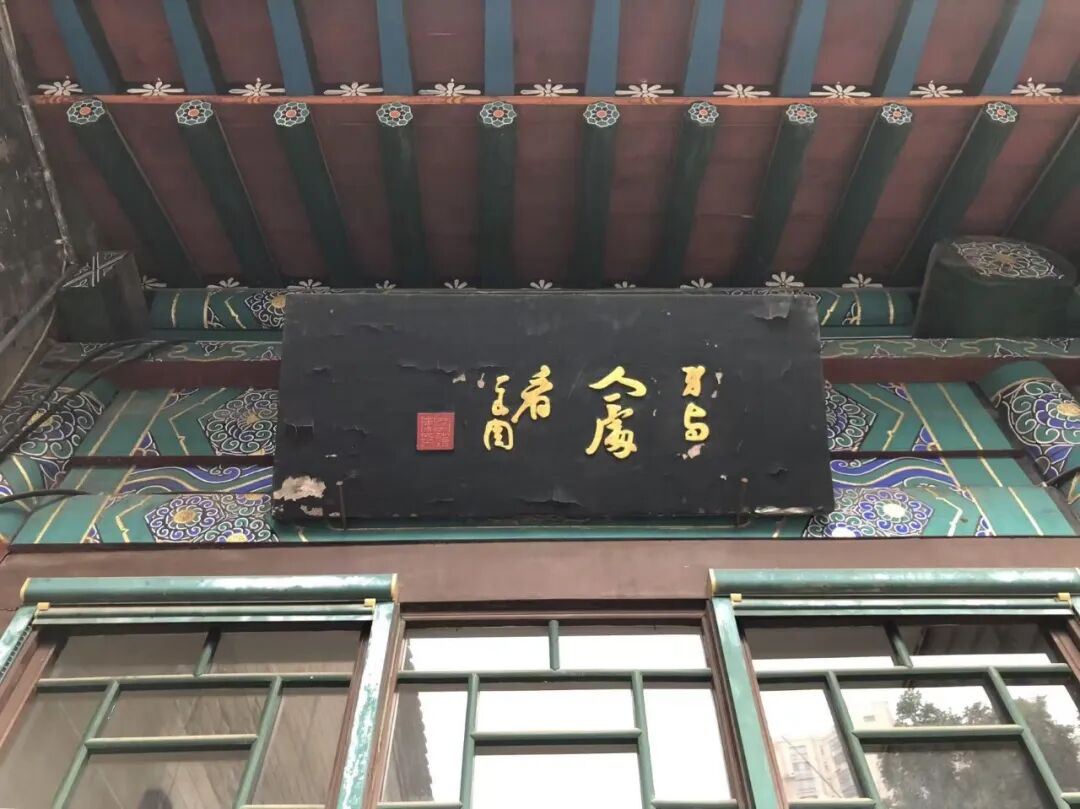
62. Taiyuan Mosque: 'Universal now, unique later'.
Respectfully erected by Li Hechun, a successful candidate in the Shuntian Bingzi provincial examination and magistrate of Tianzhen County, Datong Prefecture.
A lucky day in the eleventh lunar month of the Jihai year, the nineteenth year of the Daoguang reign of the Great Qing Dynasty.
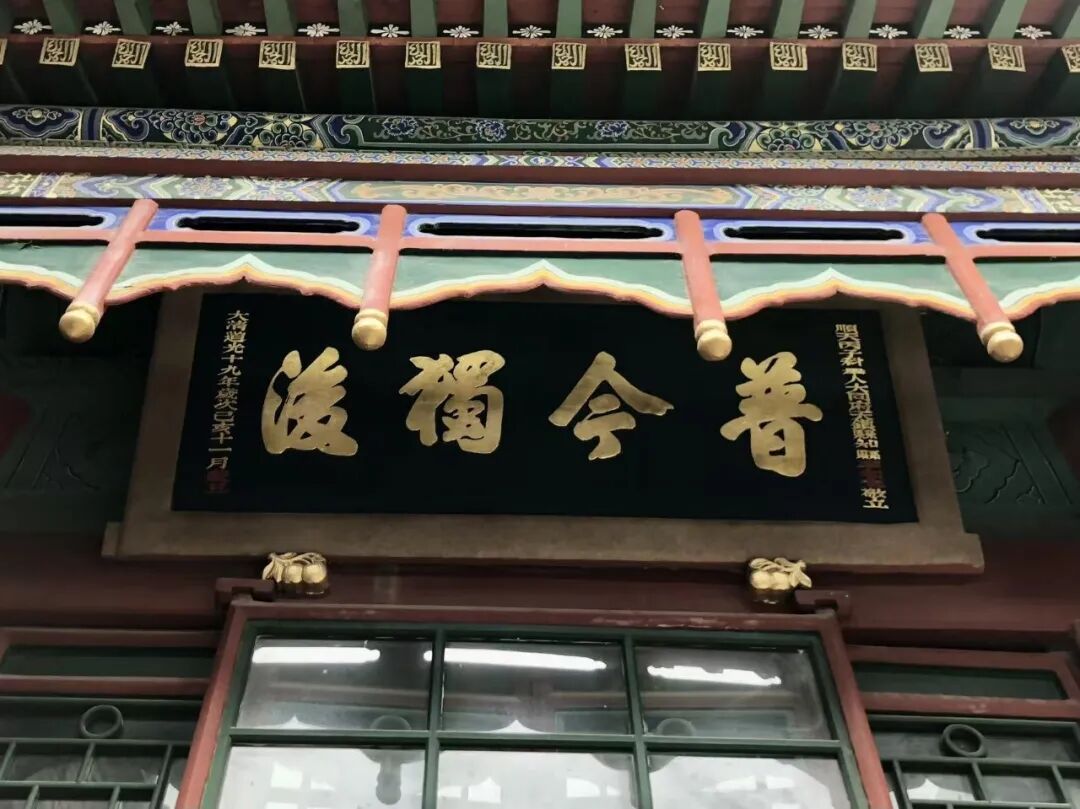
63. Taiyuan Mosque: 'The great potter of all things'.
Erected by Tian Li, a presented scholar (jinshi) who was specially appointed as a military official (dusi) at the Yulin City garrison in the Shaanxi Yanjing region, with a two-grade promotion and two recorded merits.
Erected on a lucky day in the autumn, the ninth lunar month of the Yichou year, the tenth year of the Qianlong reign.
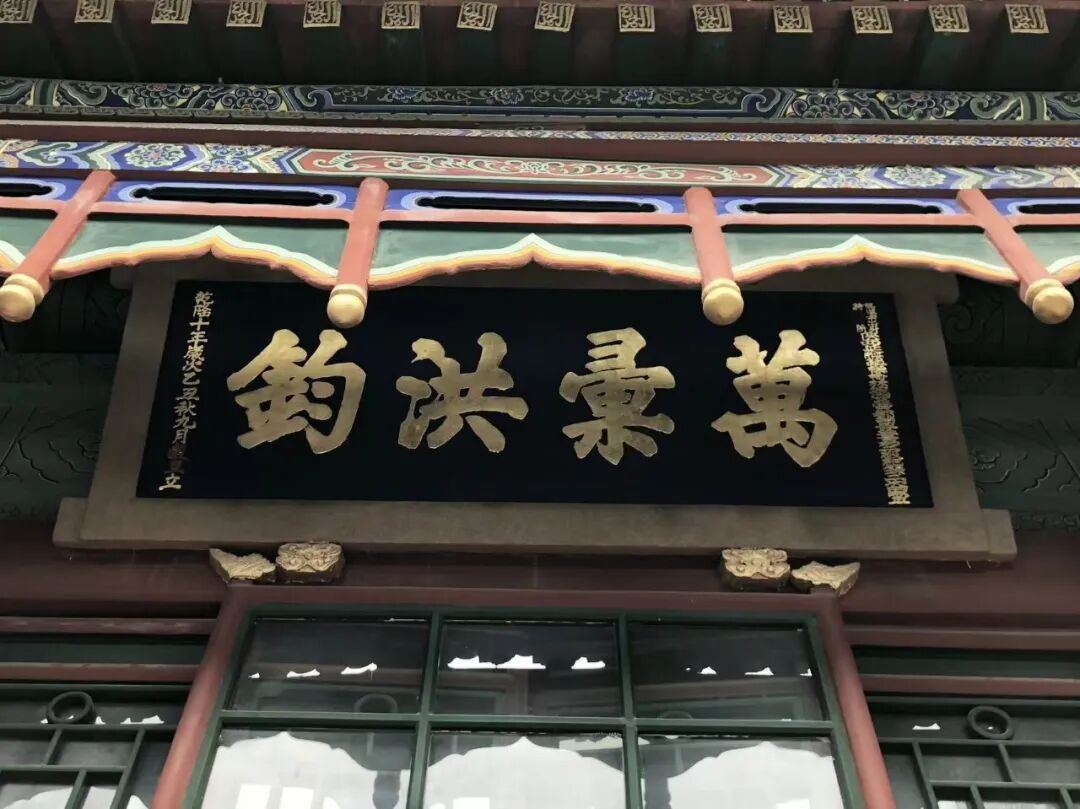
64. Taiyuan Mosque's "Ancient Religion from the Beginning of Heaven"
Jin Guozheng, Regional Commander and Assistant Commissioner-in-Chief in charge of Taiyuan, Shanxi and other areas
An auspicious day in the second month of autumn, the Yiwei year of the Kangxi reign
Jin Guozheng was from Tongxin, Ningxia. He was a famous Hui Muslim general during the Qing Dynasty. During the Kangxi reign, he served as the Regional Commander of Datong, Shanxi, the Regional Commander of Taiyuan Prefecture, and the Provincial Commander of Guyuan.
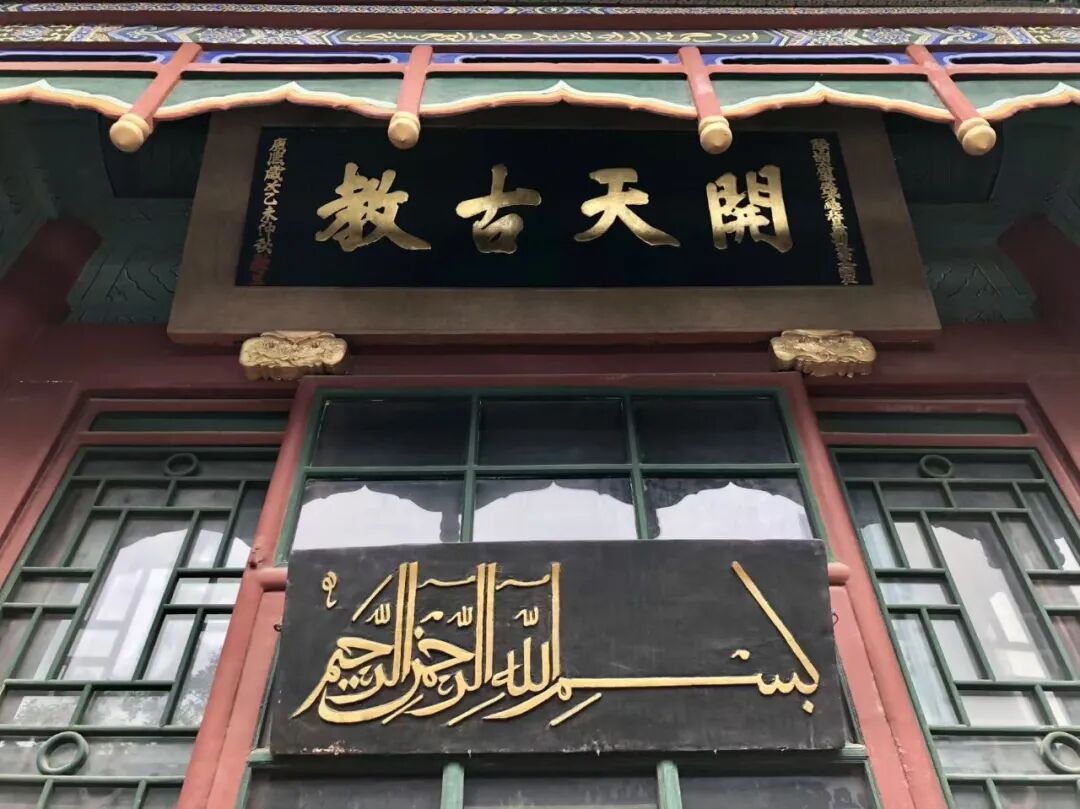
65. Taiyuan Mosque's "The Sound of Chanting Cannot Reach the Depth of Feeling"
Erected by Li Ximo in the tenth year of the Xianfeng reign
Calligraphy by Fang Xiaoru
Fang Xiaoru was a famous scholar, writer, and thinker of the Ming Dynasty.
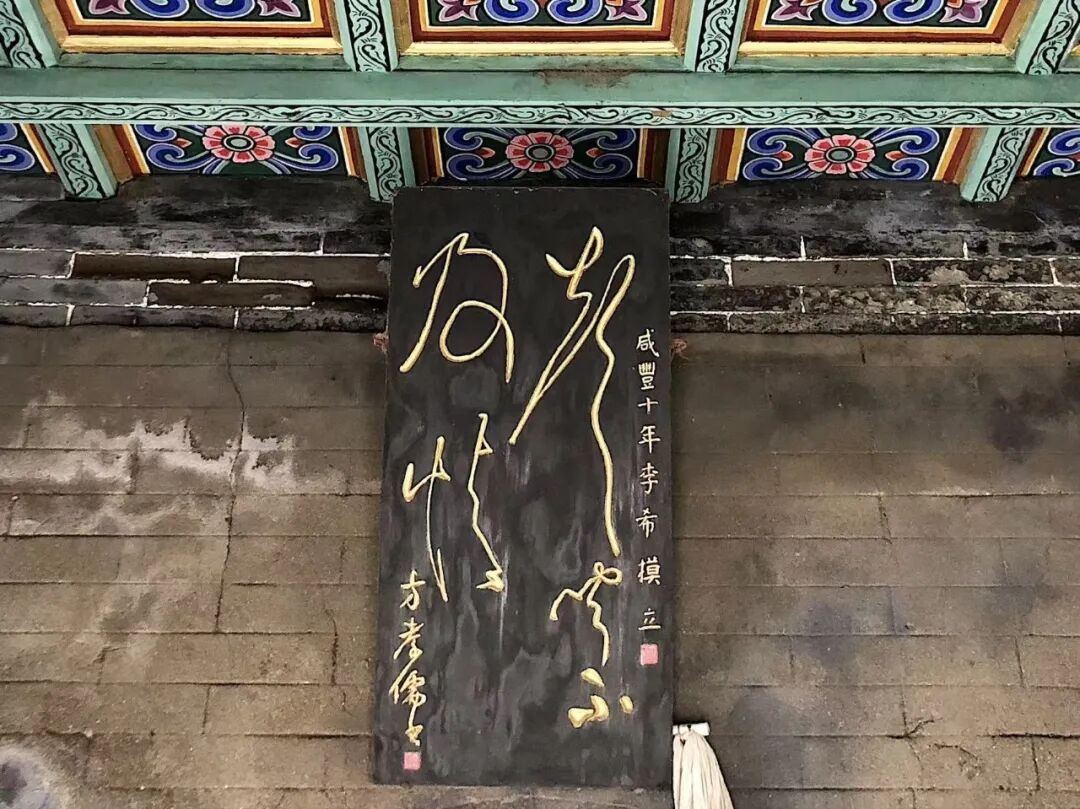
66. Datong Mosque's "Ten Thousand Transformations Bow to the Truth"
An auspicious day in the eighth month, the Guihai year of the Qianlong reign of the Great Qing
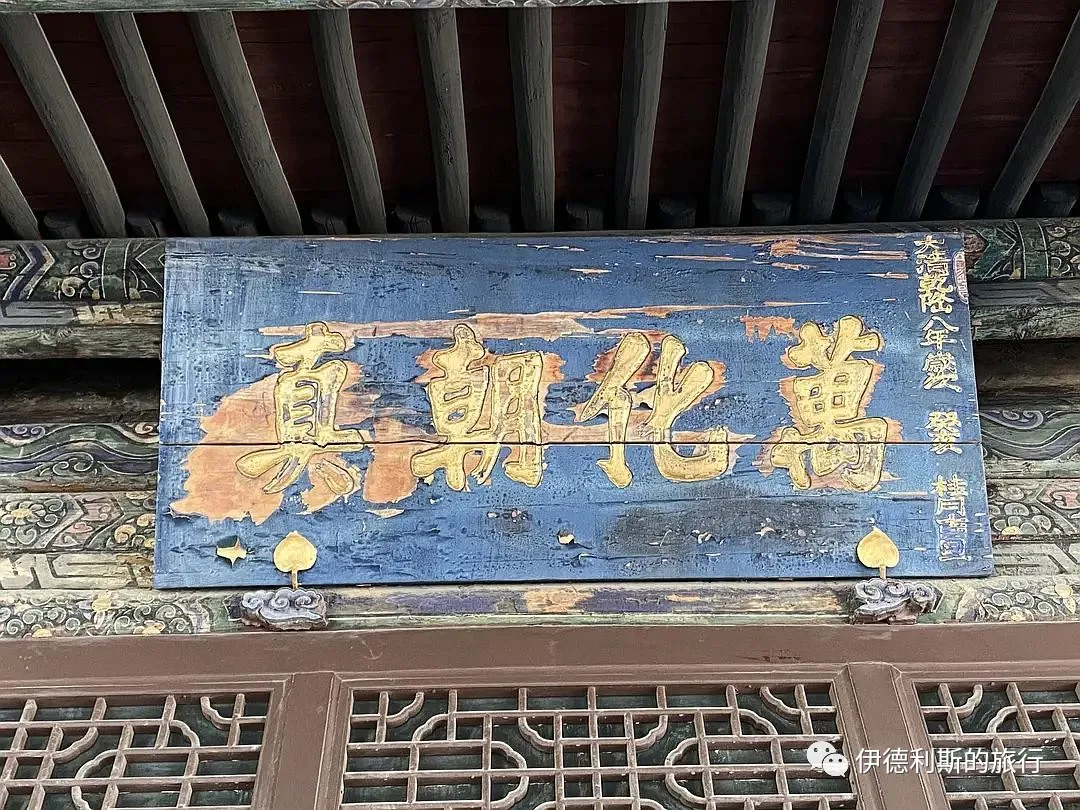
67. Duolun Middle Mosque, Inner Mongolia
Do not be greedy for this life, only for the afterlife; let the way of heaven and the way of man return to the true religion
Strictly keep to the righteous path, avoid what is improper, let the heart be happy and the body be at peace, and recognize the One
Respectfully presented in the eighth month of the twenty-fourth year of the Jiaqing reign
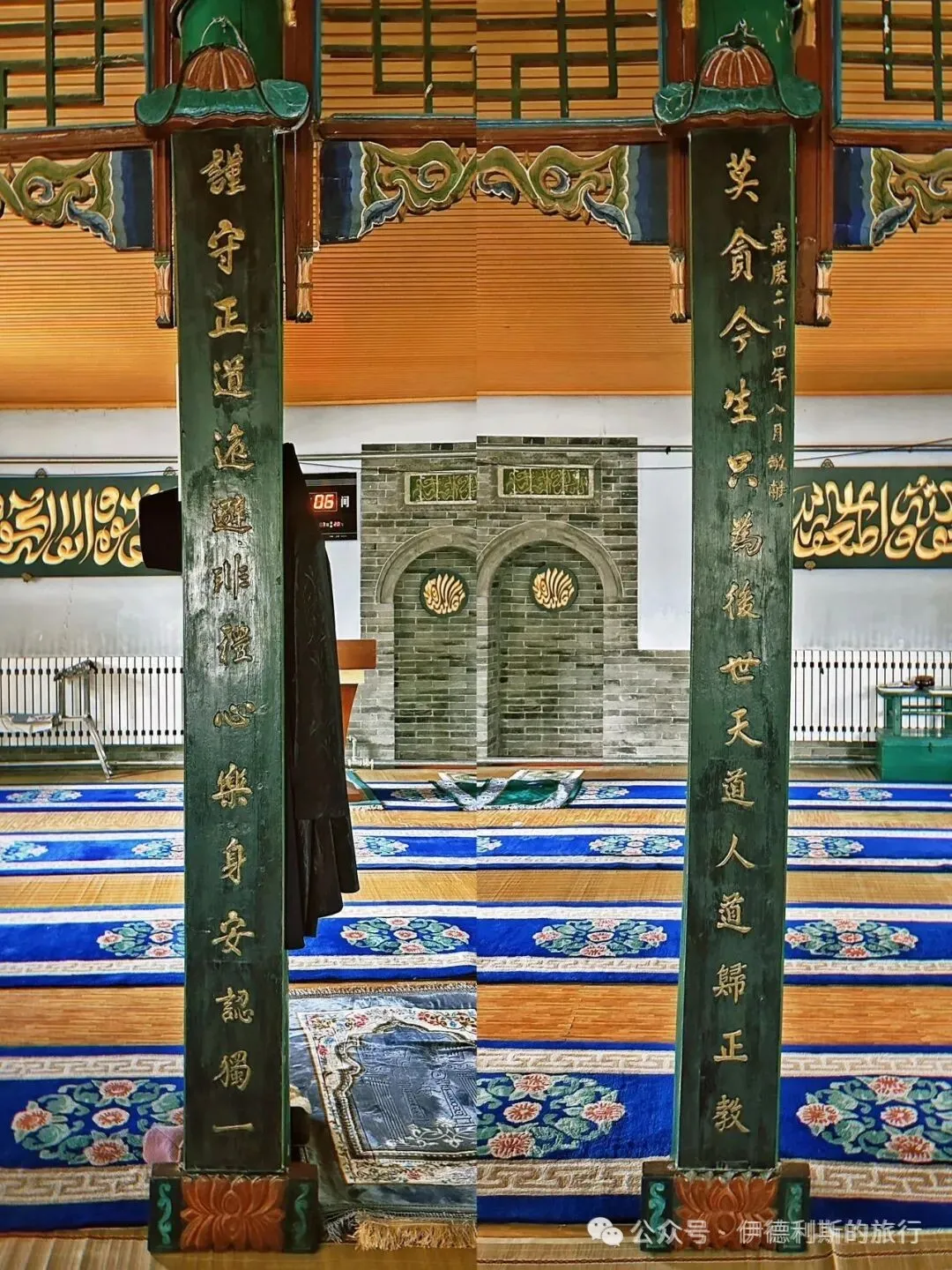
68. Duolun Middle Mosque, Inner Mongolia's "Blessings Protect the One Truth"
An auspicious day in the fifth month of the ninth year of the Xianfeng reign of the Great Qing
Respectfully inscribed by Zheng Kuishi, Imperial Commissioner overseeing Ningguo military affairs, Commander-in-Chief of Zhejiang Province, supervisor of all land and naval garrisons, and holder of the title Jianwei General, Shalama Gai Batulu.
Zheng Kuishi was a famous general in the late Qing Dynasty and a Hui Muslim from Wanquan, Zhangjiakou, Hebei. He fought the Taiping Heavenly Kingdom and the Nian Army for many years. He was the first to break through Luzhou and was wounded over twenty times in Huaiyuan, nearly losing his life, which earned him great praise from the imperial court. When Zheng Kuishi inscribed the plaque for Duolun in the ninth year of the Xianfeng reign, he was serving as the Zhejiang Commander-in-Chief and overseeing Ningguo military affairs, which was the highest rank of his career. In a memorial to the throne, Li Hongzhang highly praised Zheng Kuishi, saying he was "hardworking, resolute, and peerlessly brave... he was the first to face the enemy's sharp edge, braving death, and was severely wounded eight or nine times. His body was covered in scars, and among all the famous generals north and south of the Yangtze River at the time, everyone considered Kuishi the best."
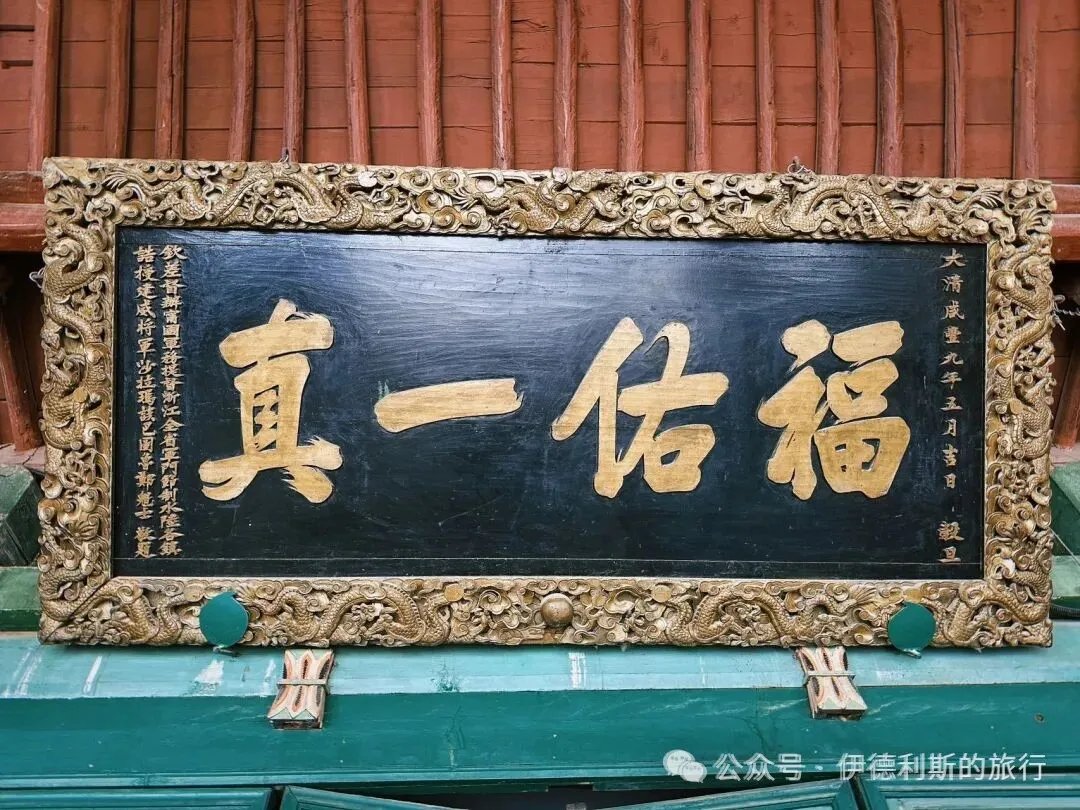
69. "Ancient Islamic Teachings" (Qingzhen Gujiao) at the Middle Mosque (Zhongsi) in Duolun, Inner Mongolia.
Respectfully presented by Song Rui, specially appointed Commander of the Duolun Garrison and recipient of the imperial peacock feather.
An auspicious day in the sixth lunar month of the Yi-Hai year, the first year of the Guangxu reign of the Great Qing Dynasty.
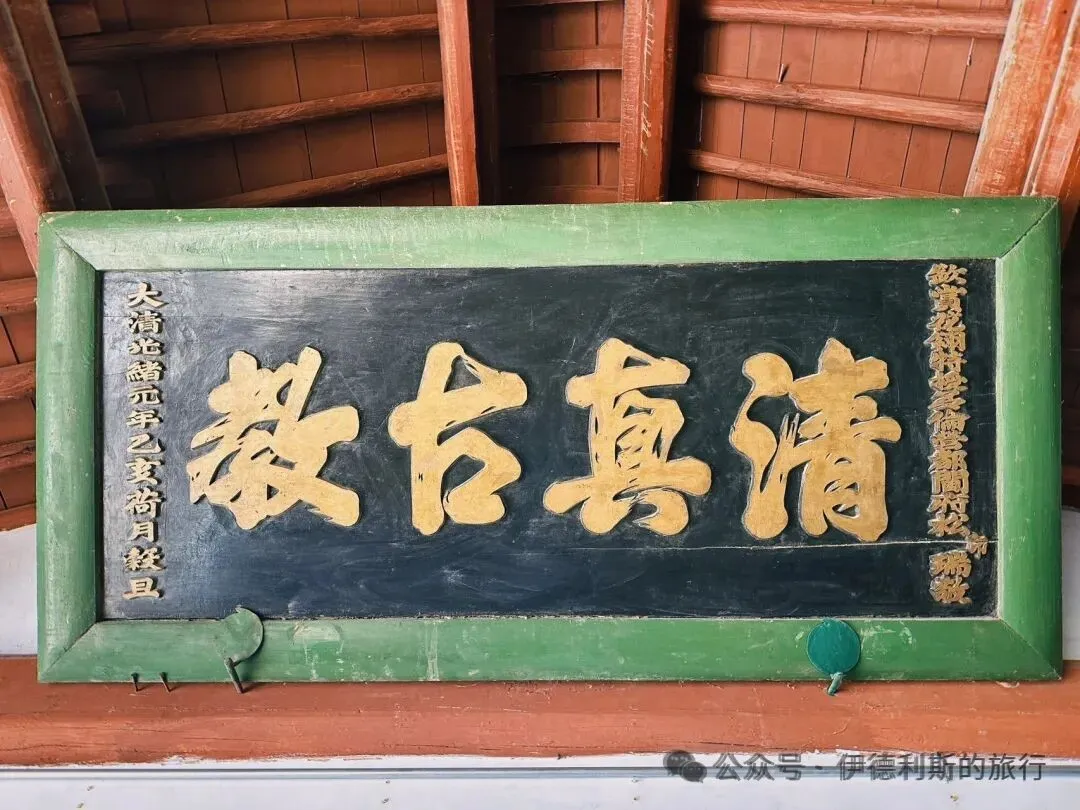
70. "Benevolent Wind Spreads Everywhere" (Renfeng Pubei) at the Middle Mosque (Zhongsi) in Duolun, Inner Mongolia.
Presented by Lord Zhu Dezheng, holder of the fourth-rank title and peacock feather, acting administrator of the Duolun Nuo'er Civil Administration Office.
Respectfully presented by Hui Muslim community leaders Shan Yunxing, village elder Ma Wanxing, and others in the first month of summer, the thirty-first year of the Guangxu reign of the Great Qing Dynasty.
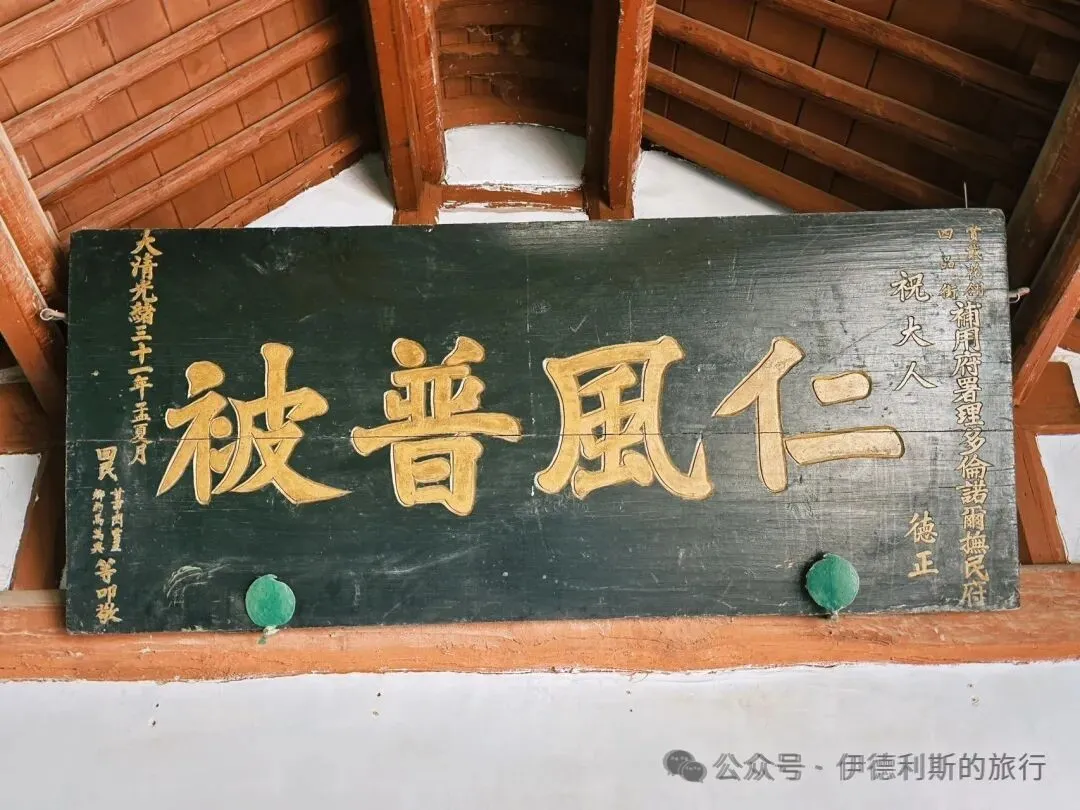
71. "Universal Mercy for the Present World" (Puci Jinshi) at the Middle Mosque (Zhongsi) in Duolun, Inner Mongolia.
An auspicious day in the seventh lunar month of the eighth year of the Republic of China.
Managed by the public.
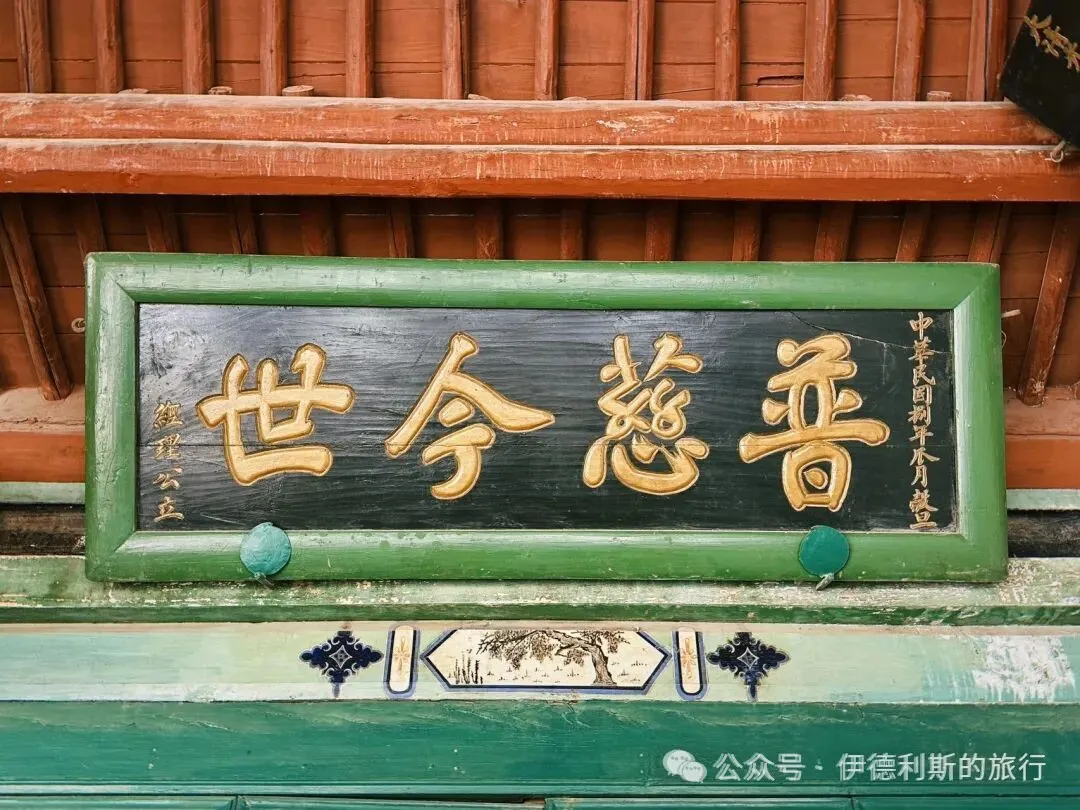
72. "Unique Mercy for the Future World" (Duci Houshi) at the Middle Mosque (Zhongsi) in Duolun, Inner Mongolia.
An auspicious day in the seventh lunar month of the eighth year of the Republic of China.
Managed by the public.
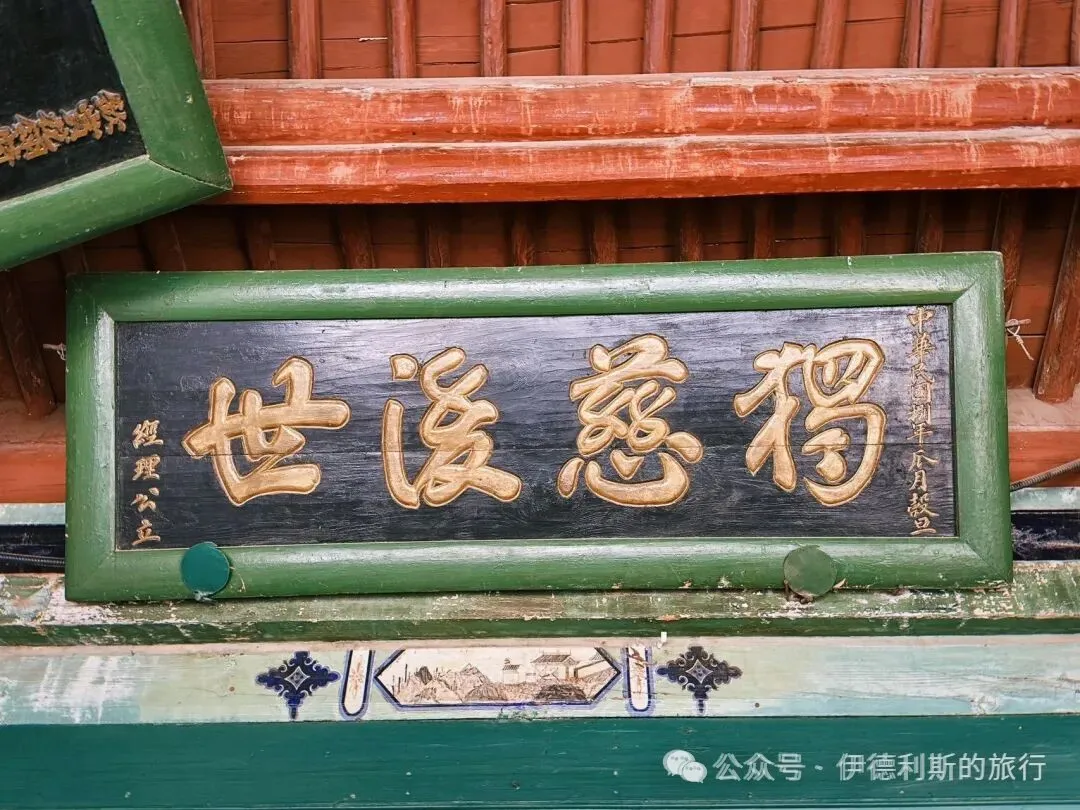
73. Inner Mongolia Chasuqi Mosque (Chasuqi Si)
An auspicious day in the 47th year of the Qianlong reign of the Great Qing Dynasty
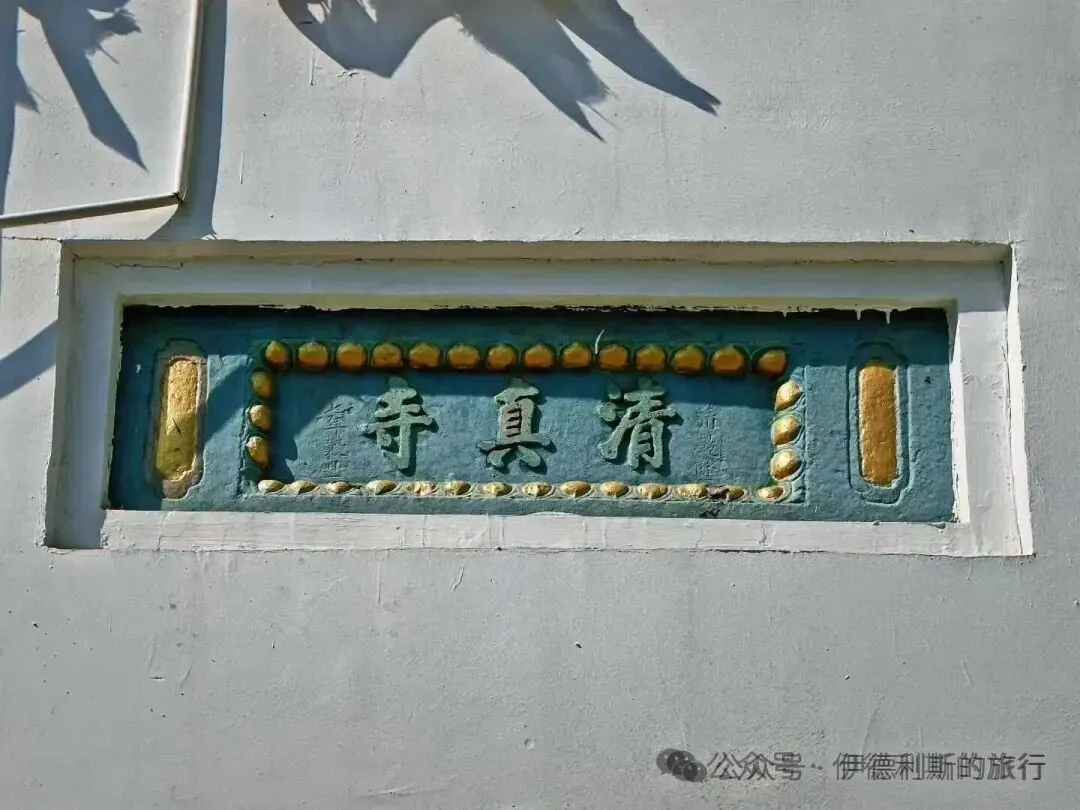
74. Baotou Great Mosque (Baotou Dasi) plaque "Guqiu"
An auspicious day in the third lunar month of the Jiawu year of the Daoguang reign of the Great Qing Dynasty
Inscribed by community leaders Wang Daxing and Bai Kede
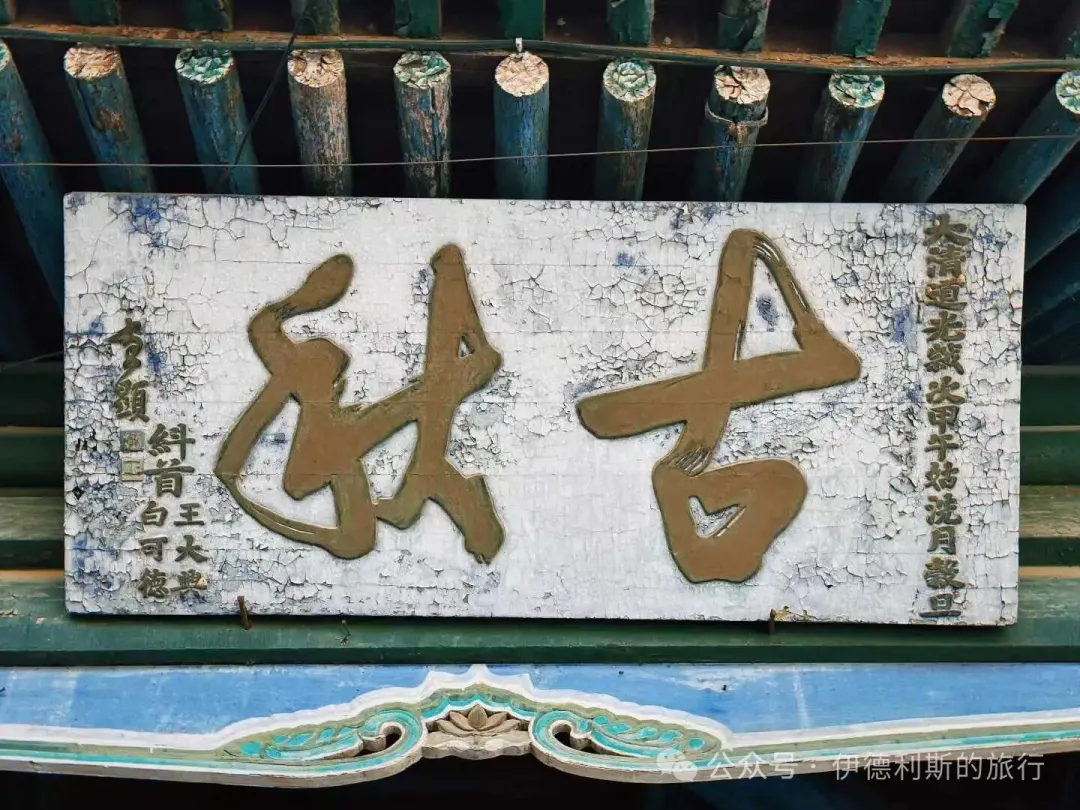
75. Baotou Great Mosque plaque "Xianyang Zhengjiao"
An auspicious day in the eighth month of the second year of the Republic of China
Respectfully inscribed by Ma Fuxiang, Altay Garrison Commander, Army Lieutenant General, and Commander of the Gansu Zhaowu Patrol and Ningxia forces
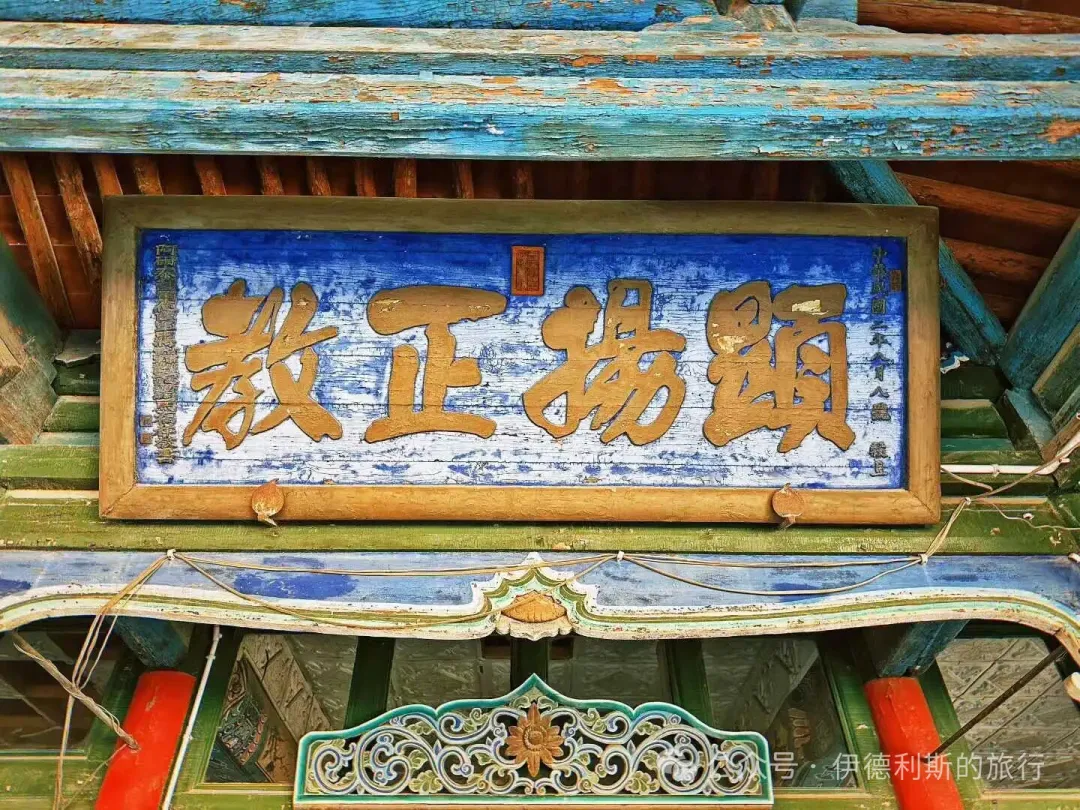
76. Kaifeng Zhuxian Town North Mosque plaque "Zhenyi Huanzhen"
Inscribed by Yulu, First Rank official, Minister of War, Censor-in-Chief of the Left, and Viceroy of Huguang
Erected by Wu Dengshun and Yu Qinghe on an auspicious day in the first month of winter in the Wuzi year of the Guangxu reign
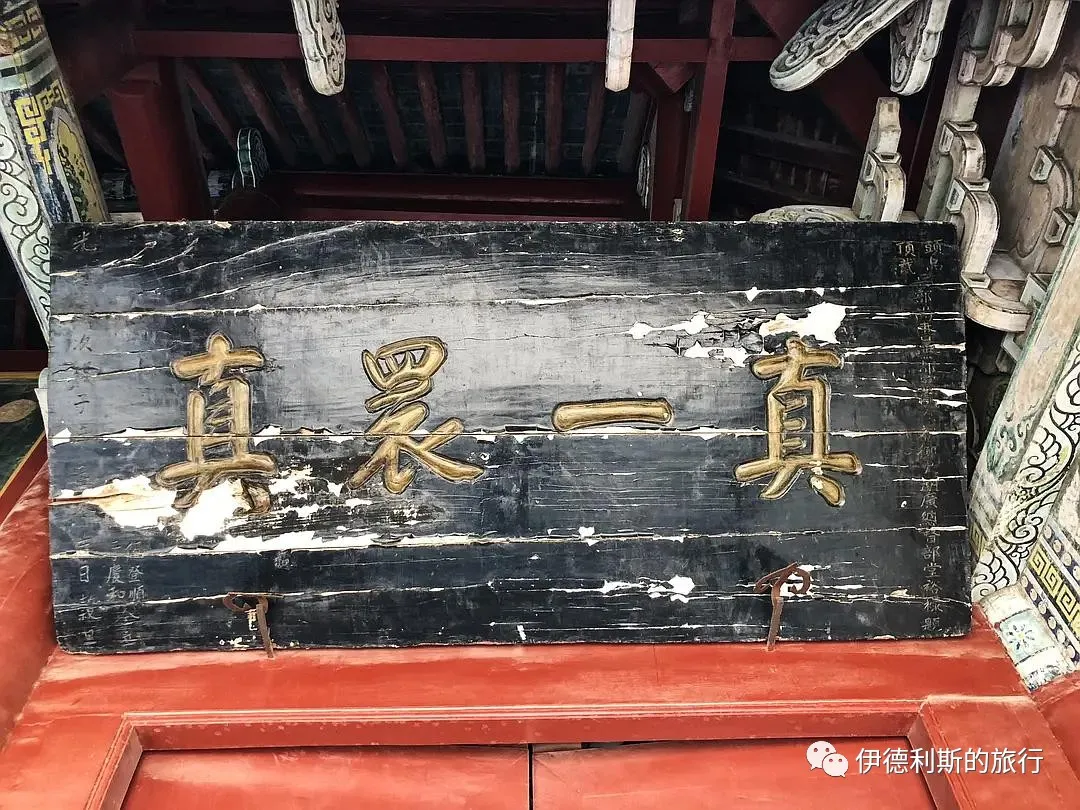
77. Kaifeng Zhuxian Town North Mosque plaque "Zhijiao Zhenyuan"
Inscribed by Zhu Yulu, Imperial Scholar and Governor of Henan
Erected on an auspicious day in the Dinghai year of the 30th year of the Qianlong reign
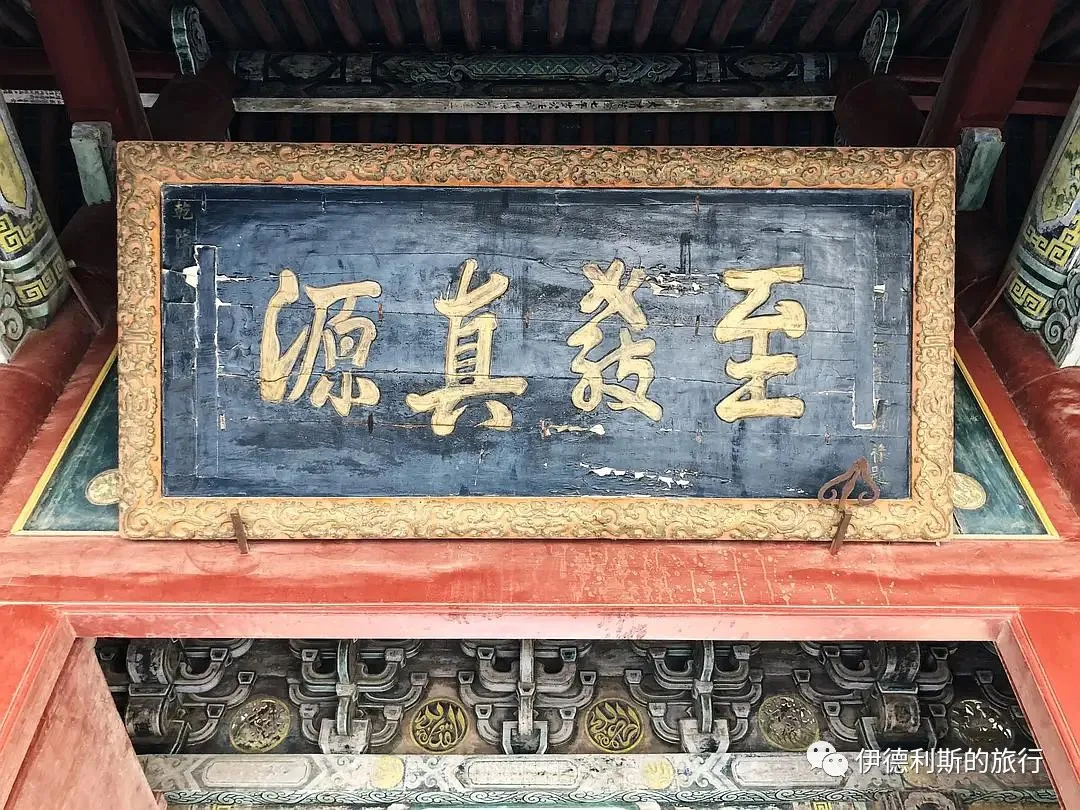
78. Kaifeng Zhuxian Town North Mosque plaque "Keshou Qingzhen"
Erected on an auspicious day in the first ten days of spring in the first year of the Xianfeng reign by the Zhu Town community.
Respectfully inscribed by Sha Lütai, a candidate for county magistrate in Henan.
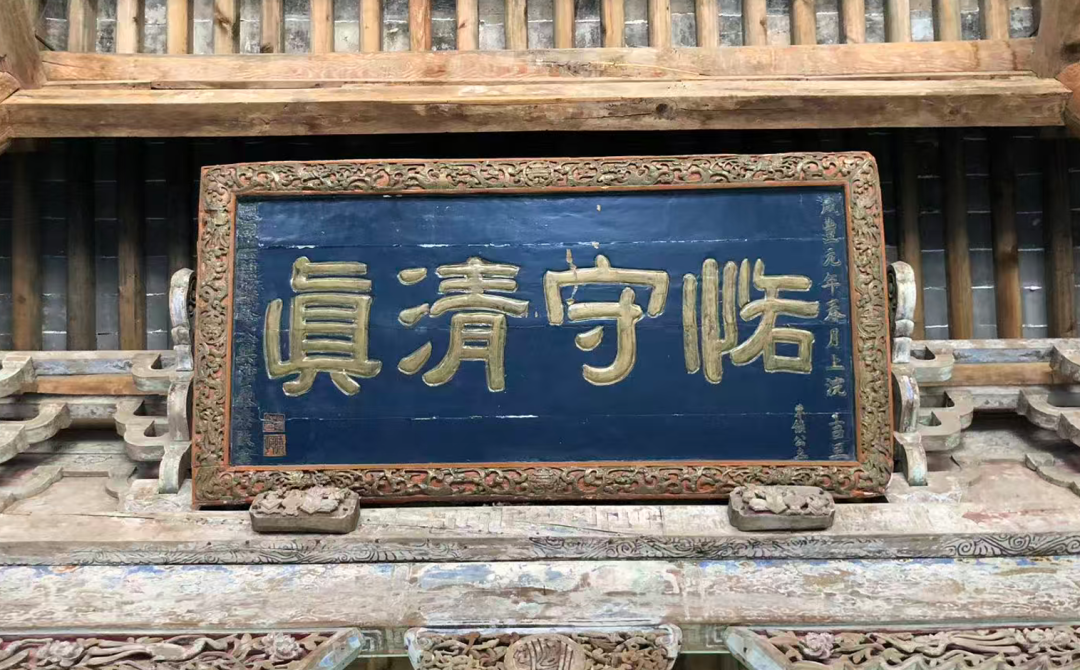
79. The 'Knowing Before the Rain' plaque at the North Mosque in Zhuxian Town, Kaifeng.
Bestowed by imperial decree in the summer of the 50th year of the Qianlong reign of the Great Qing Dynasty.
Inscribed by Ji Yun, Grand Academician of the Hanlin Academy.
Re-inscribed by Niu Guangfu, Honorary Dean of the Kaifeng Calligraphy and Painting Academy.
Re-erected in the ninth lunar month of 1988.
The original plaque was destroyed after 1966. Legend has it that in the summer of the 50th year of the Qianlong reign (1785), Emperor Qianlong toured the south with Ji Xiaolan. On their return, they stayed at the North Mosque in Zhuxian Town. It was a hot, sunny day in the seventh lunar month. When Emperor Qianlong left, the mosque's Imam Sai gave Ji Xiaolan a bamboo hat, a fox-fur coat, and rain gear. Ji Xiaolan did not understand why, but Imam Sai said they would surely be useful. As Emperor Qianlong’s party traveled north by boat along the grain transport canal, they had gone only about 20 li when a fierce storm broke out with thunder and rain. The temperature dropped suddenly, and Ji Xiaolan quickly draped the fox-fur coat the Imam had given him over the Emperor. Ji Xiaolan made a special trip back to the North Mosque in Zhuxian Town to ask Imam Sai how he had predicted the storm. The Imam said, 'Last night there was a lunar halo, and today the base of the stone pillar behind the mosque gate was damp. A lunar halo means wind, and damp stone bases mean rain. With both, there was bound to be heavy rain and hail.' After hearing this, Ji Xiaolan wrote the four large characters 'Knowing Before the Rain' (weiyu xianzhi), which were later made into a plaque and hung on the mosque gate.
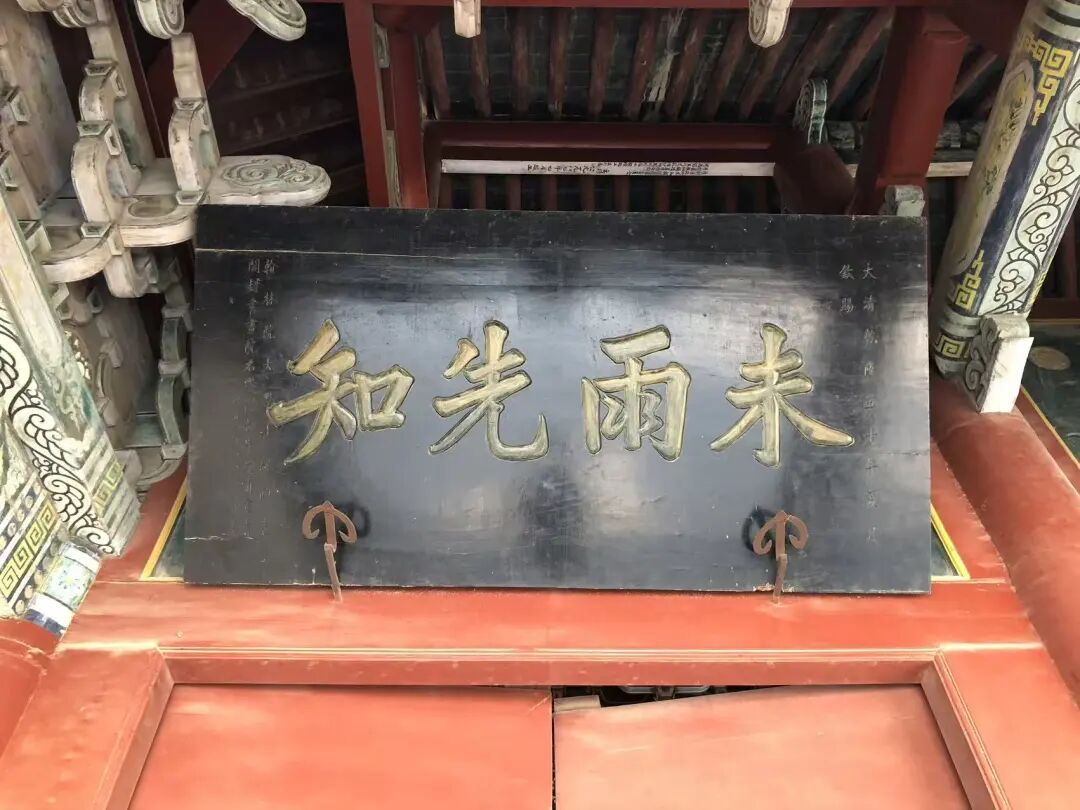
80. The 'Shanyitang Mosque' in Kaifeng.
The second month of spring in the ninth year of the Guangxu reign.
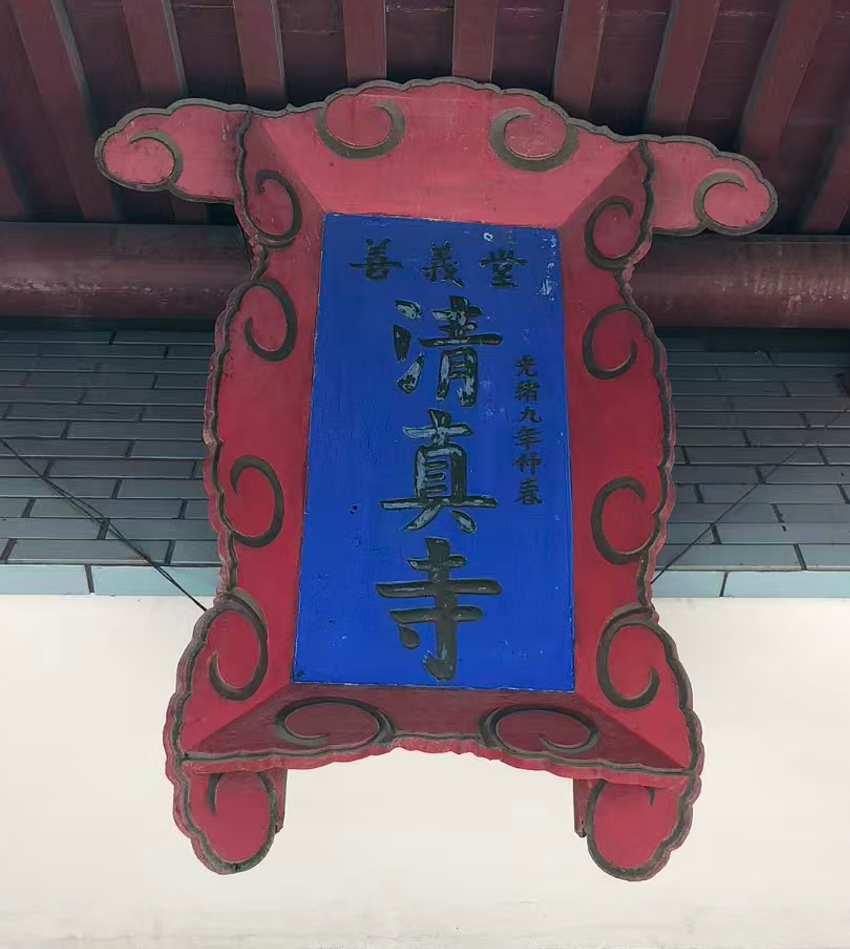
81. Zhengzhou North Mosque: 'Blessings for All People'.
The virtuous governance of Imam (ahong) Mu of Yatang.
Inscribed by Ye Xiangmei.
An auspicious day in the eighth lunar month of the twenty-third year of the Republic of China.
The local community set up this plaque for Imam Mu Wenxiu. Legend says Imam Mu was invited to Yangqiaotan Township near the Yellow River in the northern suburbs of Zhengzhou to offer dua for rain and end a drought. After his dua, a soaking rain fell, providing enough water to end the drought. Imam Mu and others walked there under the hot sun and returned in the rain. The people were very grateful and presented this plaque to show their appreciation.
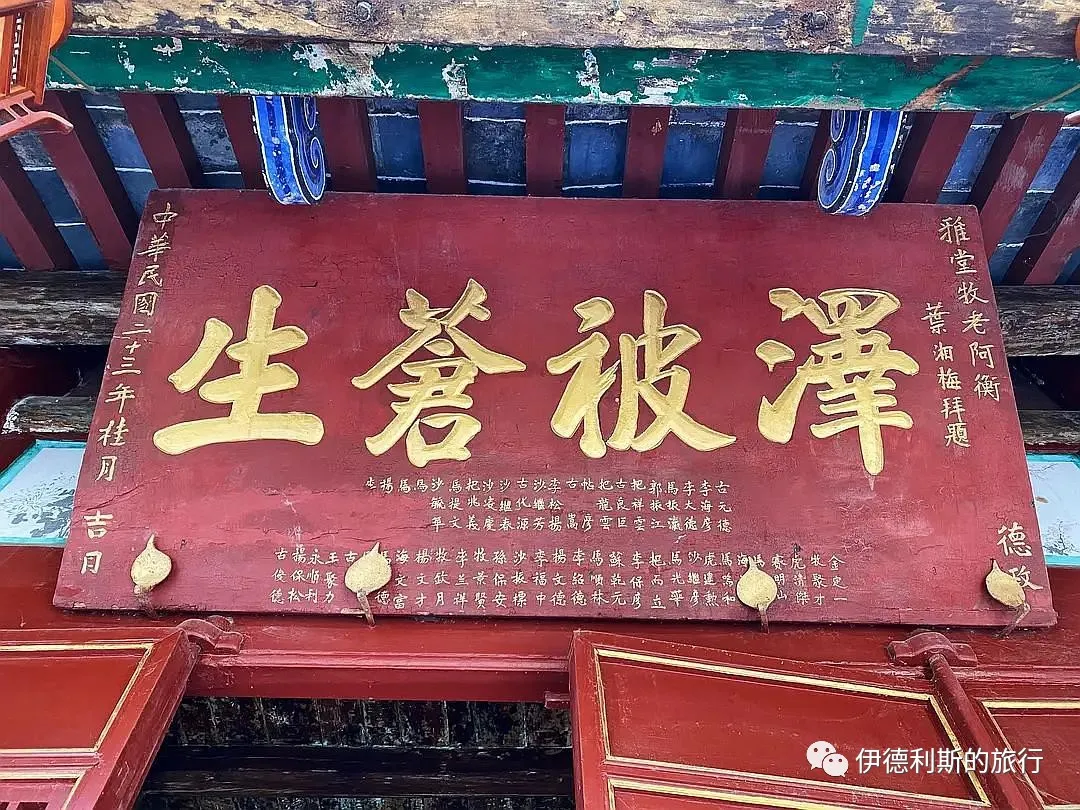
82. Zhengzhou North Mosque: 'The True Faith Flourishes'.
Presented by Yang Qizhen, Imperial Commissioner for Taiwan Military Affairs, First Rank Official, Minister-ranked Fujian Naval Admiral, and Hereditary Cloud-riding Lieutenant (yunqiwei) Peiling Abatur.
Presented by Hami Prince Hedile, Imperial Guard, permitted to ride a horse in the Forbidden City, recipient of the Imperial Yellow Jacket and the three-eyed peacock feather.
Presented by Yang Lianzhen, Commander of the Ten Fujian Battalions, expectant Brigade General (canjiang), recipient of the peacock feather, and three-time record holder for merit.
An auspicious day on the first day of the first lunar month in the twenty-first year of the Guangxu reign of the Great Qing Dynasty.
Yang Qizhen was a Hui Muslim from Huainan, Anhui, and a patriotic general in the late Qing Dynasty. In 1885, he led his troops to fight against French warships. He became the Admiral of the Fujian Navy in 1892 and built a mosque in Xiamen. In 1895, he passed through Zhengzhou and wrote a plaque for the North Mosque (Beidasi).
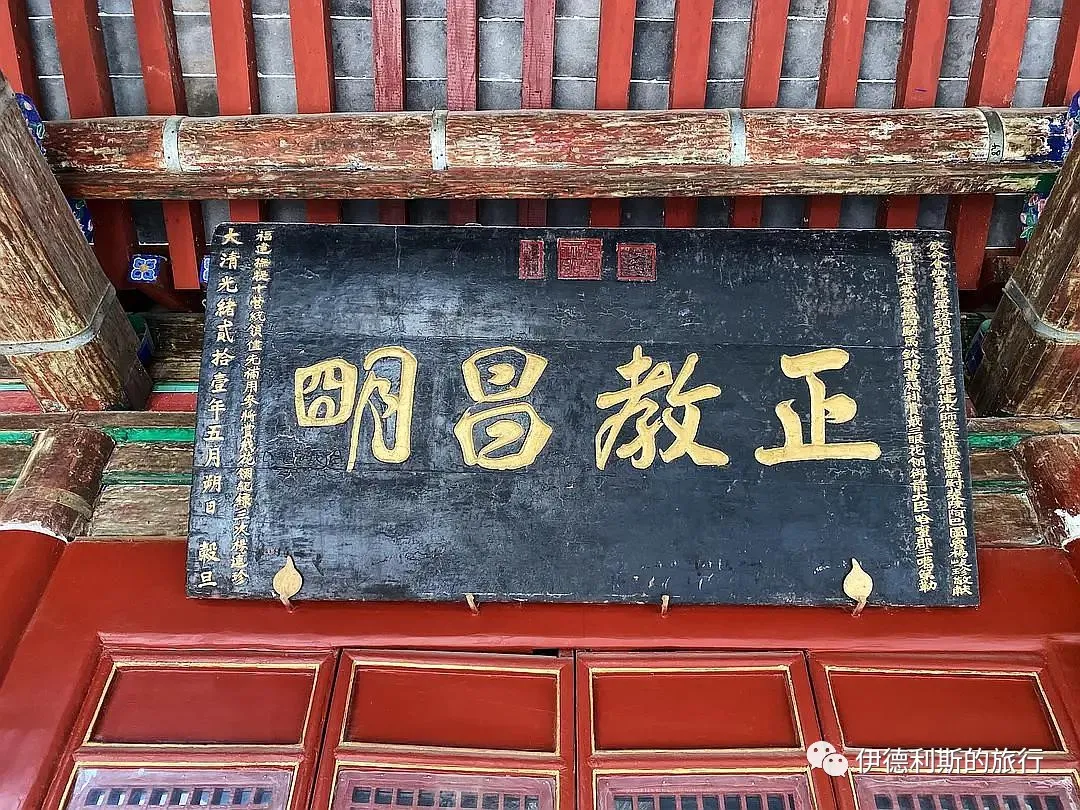
83. The 'His Majesty Has No Equal' plaque at the Zhengzhou North Mosque.
Inscribed by Ma Fuxiang, specially appointed Army General, General Xiangwu, and Military Governor of Suiyuan.
A lucky day in the middle of the seventh lunar month, the 13th year of the Republic of China.
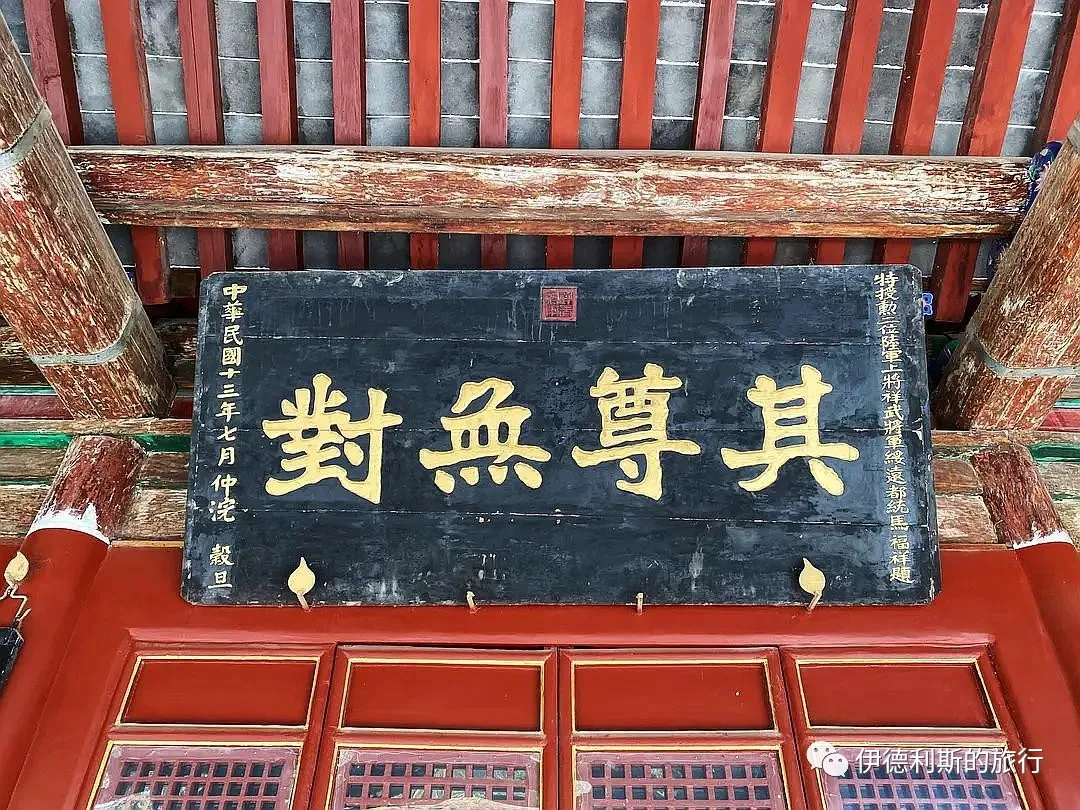
84. Arabic plaque at the Zhengzhou North Mosque.
A lucky day in the sixth lunar month, the 14th year of the Qianlong reign of the Great Qing Dynasty.
Erected by Ai Zhijing, a follower of the Islamic faith.
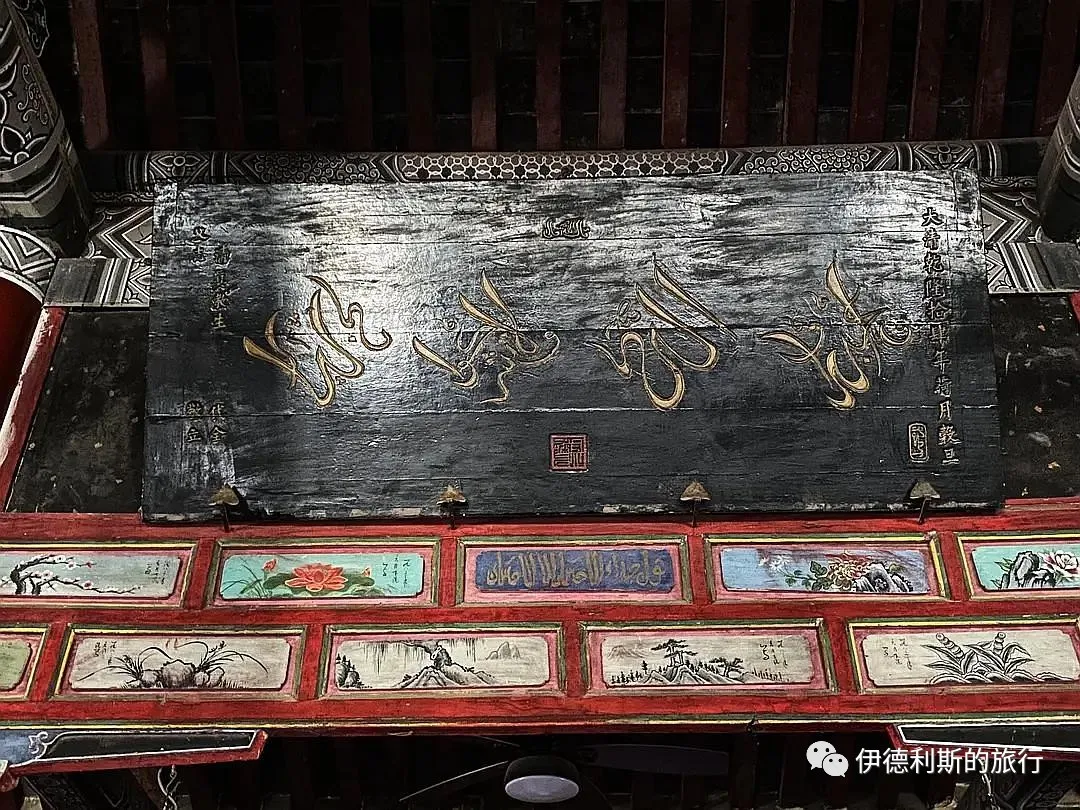
85. The 'Truth Discusses the Three Worlds' plaque at the Zhengzhou North Mosque.
The 13th year of the Guangxu reign.
The World of Truth (the unseen world), the World of Form (the material world, the present life), and the World of Reality (the afterlife) are unified and inseparable. The World of Truth explores the origin of creation, the World of Form is the material reality we see, and the afterlife explores our future destination.
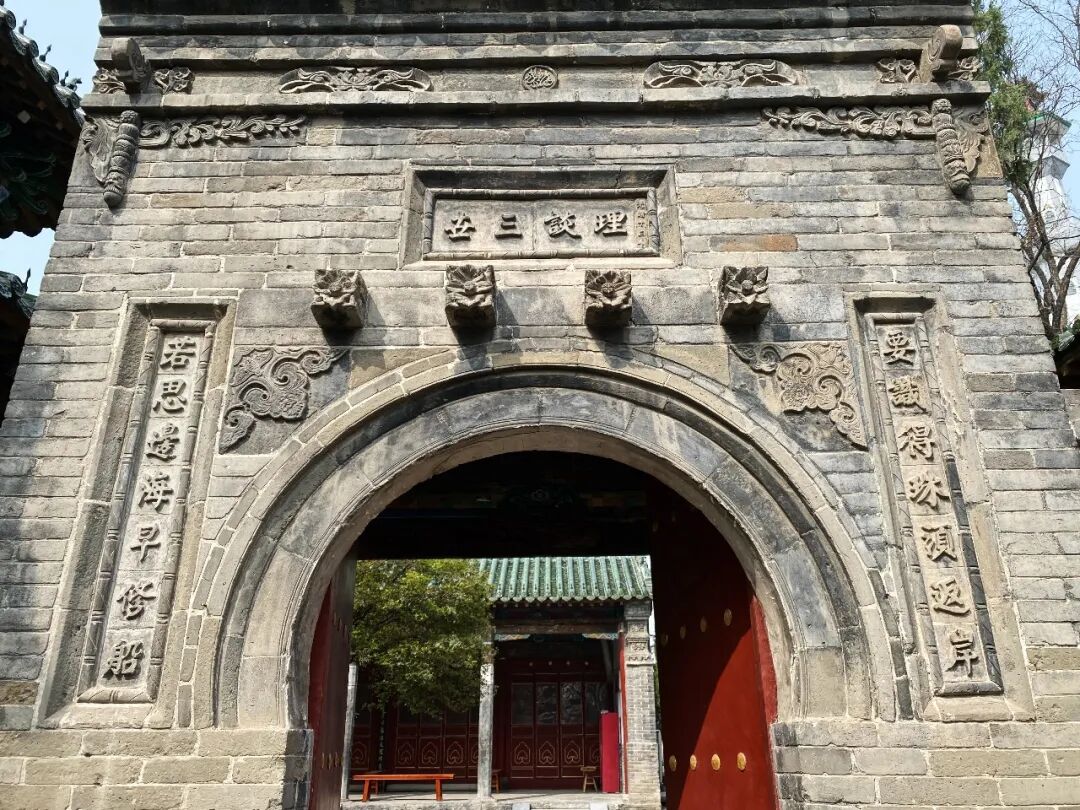
86. The 'Mosque' plaque at the Taicheng Mosque in Tai'an.
Erected on a day in the first lunar month of the Jiwei year, the Wanli reign of the Great Ming Dynasty.
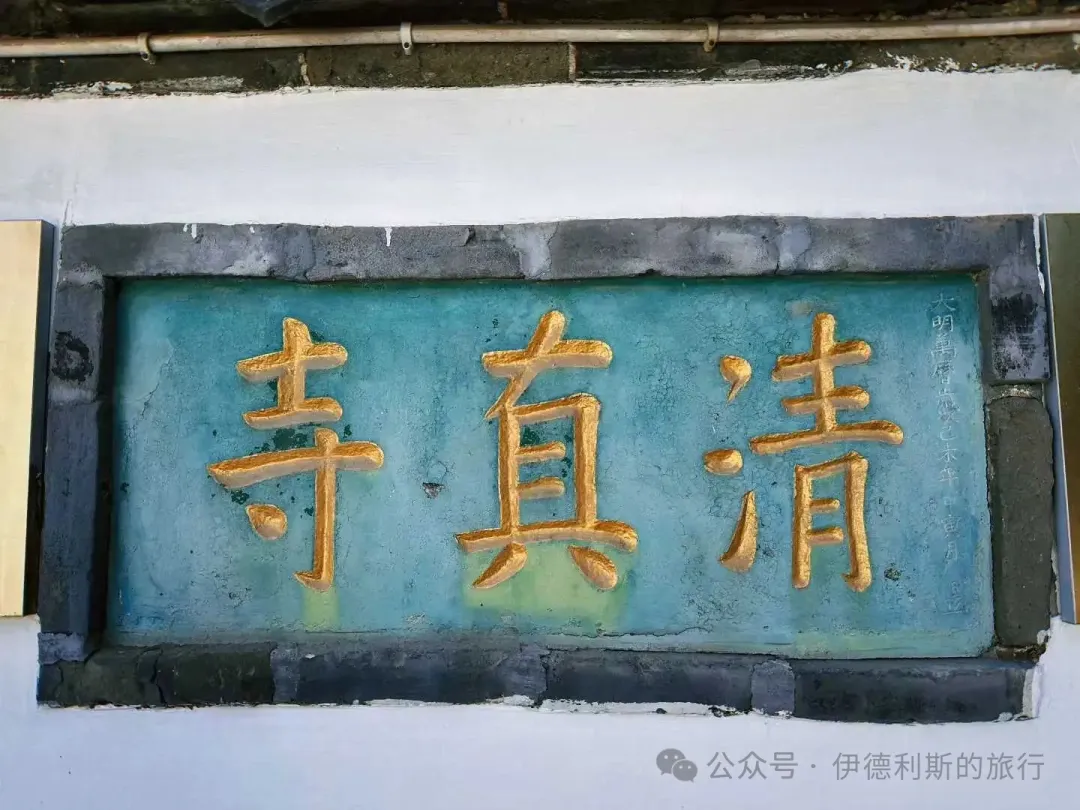
87. Arabic plaque at the Zhenjiao Mosque in Qingzhou.
In the 12th year of the Yongzheng reign of the Great Qing Dynasty.
Rebuilt in the Jiayin year during the month of Qin.
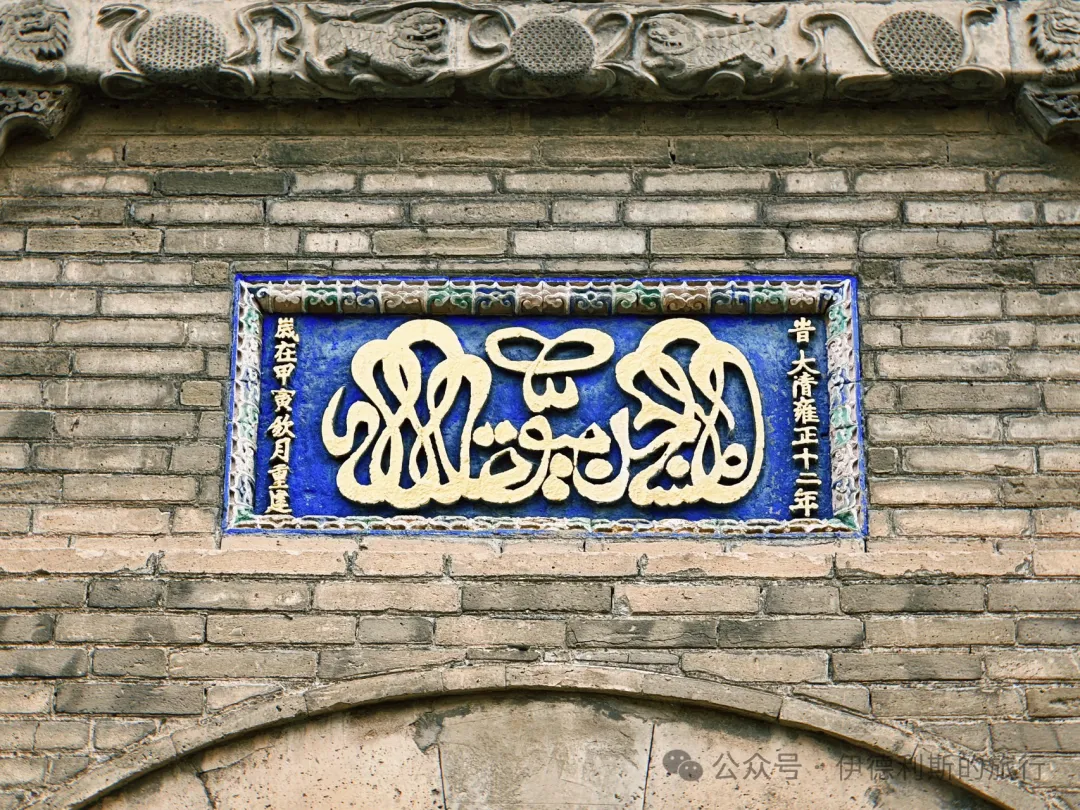
88. Jinan North Mosque: 'Recognize the Oneness of Allah'.
Respectfully erected in the eighth month of the eleventh year of the Republic of China.
Written by Tang Kesan, Superintendent of the Xiamen Customs, after ritual washing.
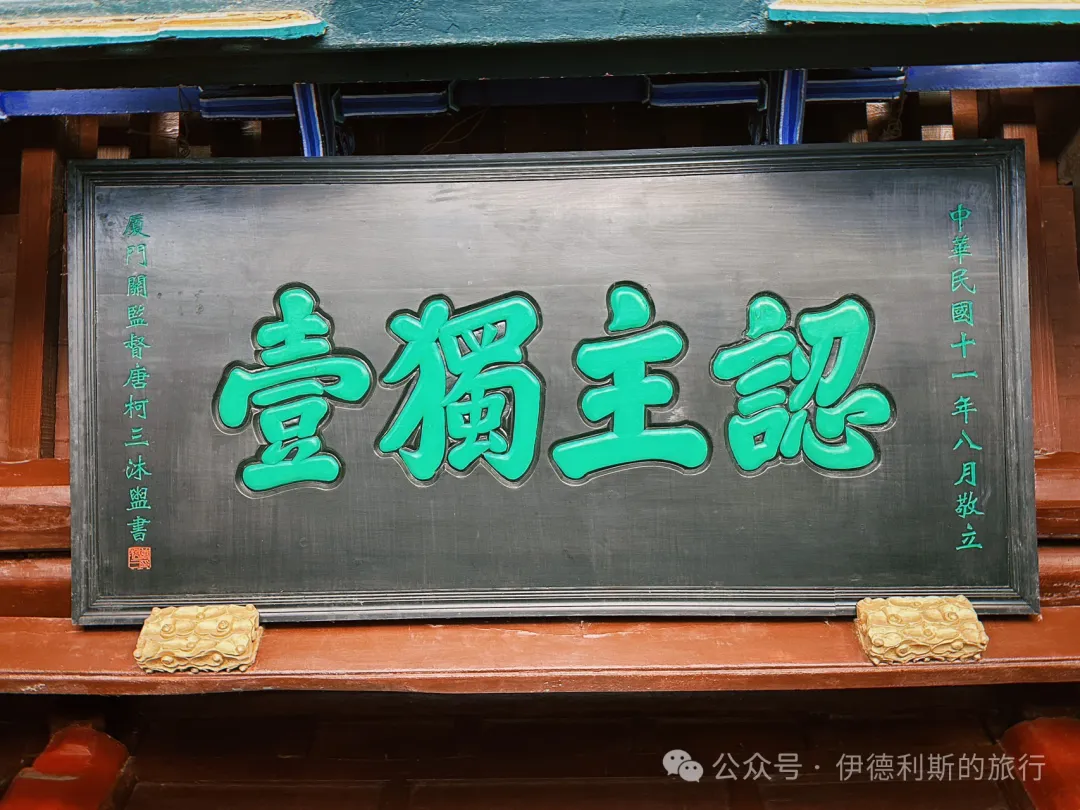
89. Jinan North Mosque: 'Three Fears and Four Admonitions'.
An auspicious day in the latter part of the sixth month of the thirteenth year of the Republic of China.
Respectfully written by Tang Kesan, holder of the Second Class Order of the Golden Grain, former Daoyin of the Jinan Circuit in Shandong, and former Superintendent of the Xiamen Customs.
Tang Kesan was a Hui Muslim from Zoucheng, Shandong. He was a famous social activist during the Republic of China era. He served as the Shandong negotiator for the Ministry of Foreign Affairs, director of the Shandong Epidemic Prevention Office, Superintendent of the Xiamen Customs, director of the Shandong Provincial Road Administration, and Daoyin of the Jinan West Circuit. He served as principal of Chengda Normal School, founded the 'Yuehua' magazine, helped establish the Chinese Islamic Progress Association, and organized and led the Hui Muslim movement to resist Japan and save the nation. He made great contributions to the faith.
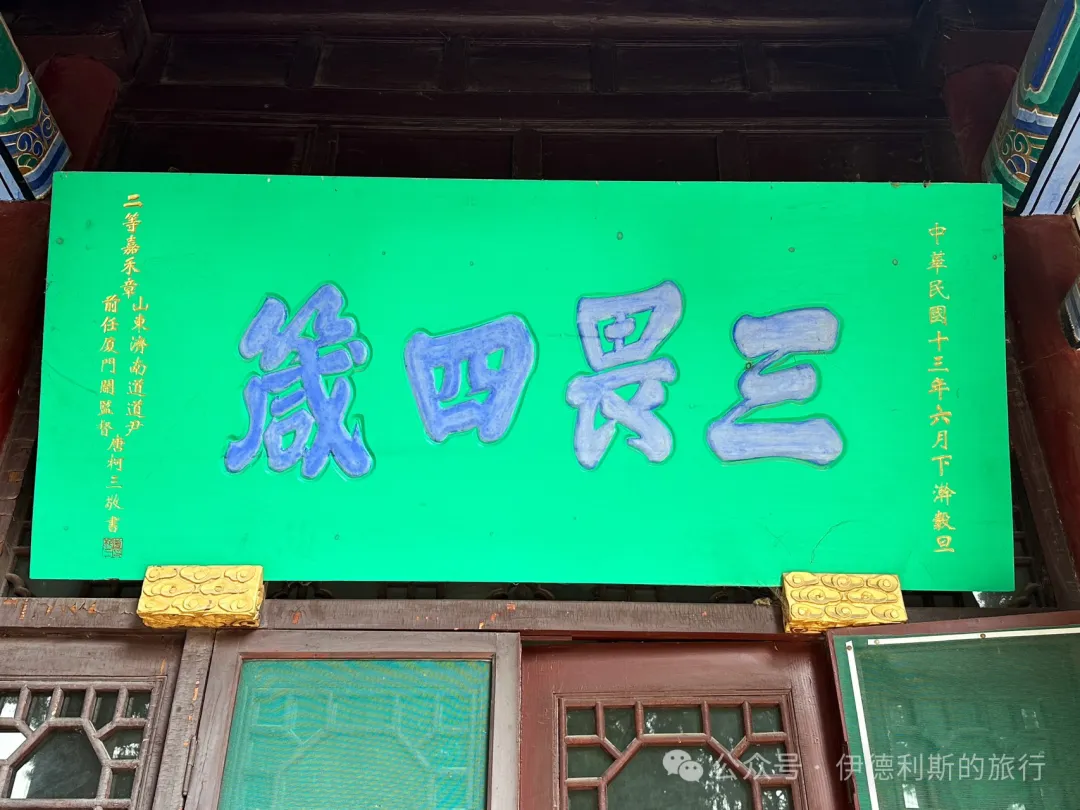
90. Jinan Nanguan Mosque: 'Mosque'.
Built and renovated in the eighth year of the Xianfeng reign.
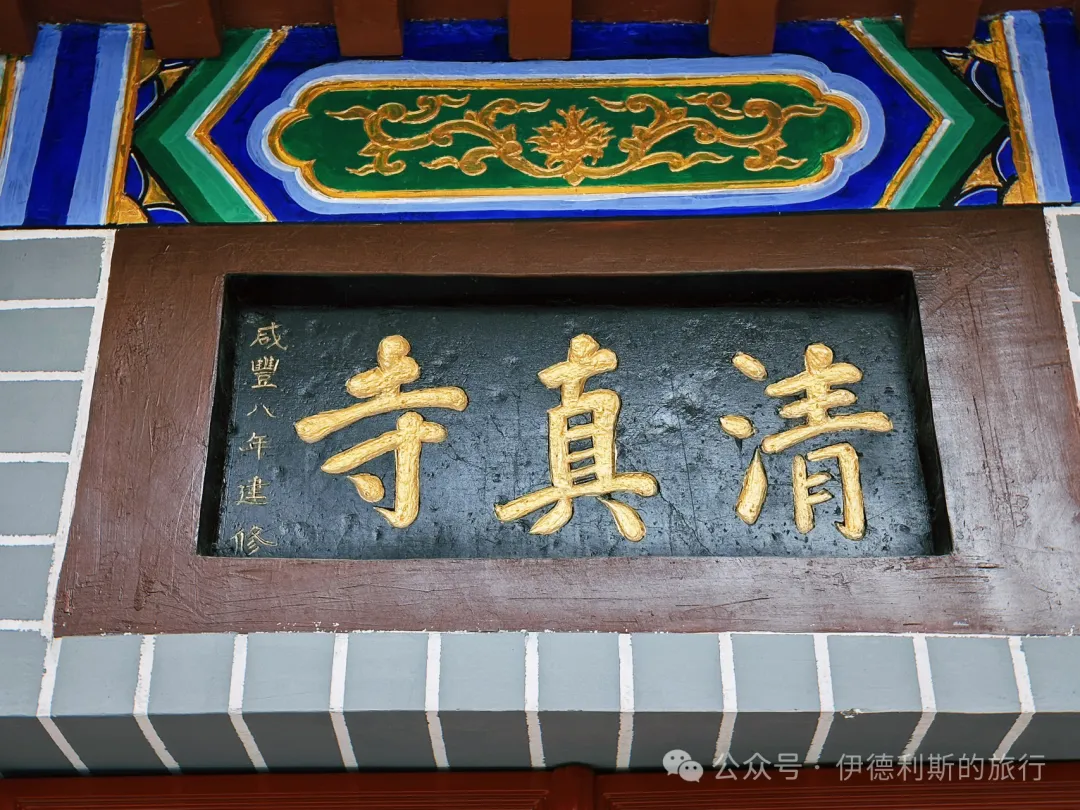
91. Linqing North Mosque: 'Sincere Intentions and Upright Heart'.
Erected by Li Ying, a nominated and appointed brave Baturu (a title of honor) of the Dengzhou General Military Office.
An auspicious day in the middle winter month of the Yiyou year, the eleventh year of the Guangxu reign.
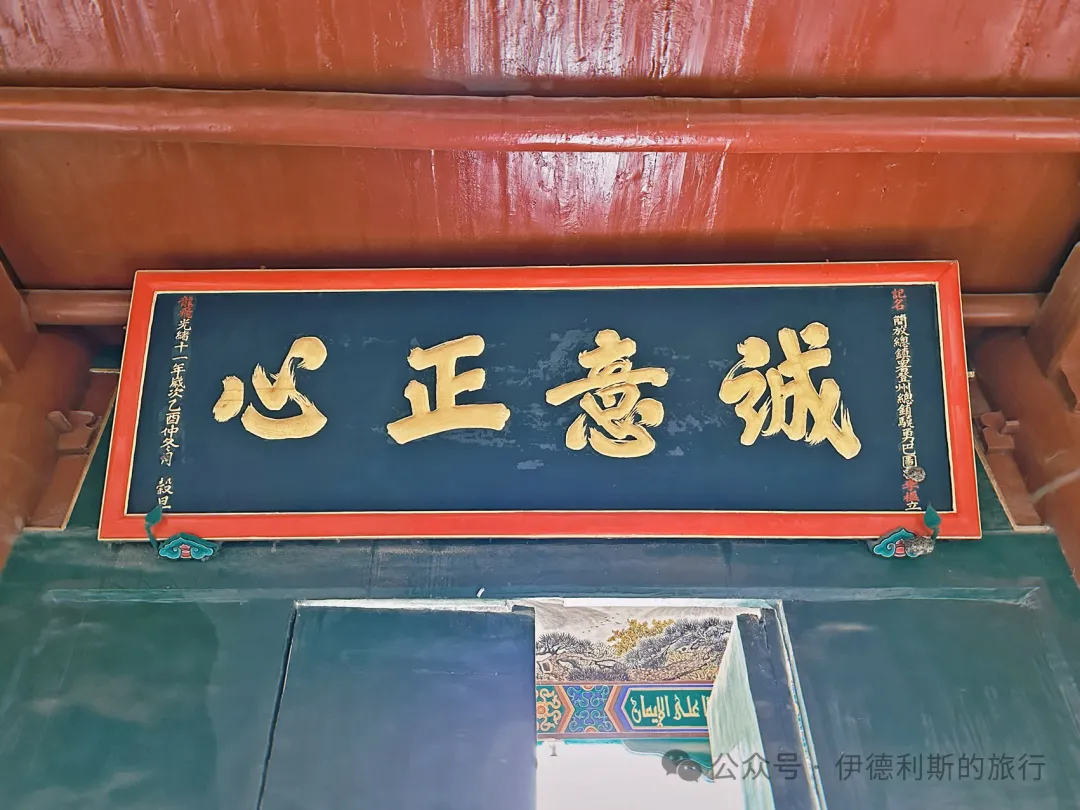
92. Linqing North Mosque: 'The Proper Order of Human Relationships'.
An auspicious day in the first month of autumn in the Dingji year, the second year of the Qianlong reign of the Great Qing Dynasty.
Yang Jing, the Vice Regional Commander of Linqing and surrounding areas.
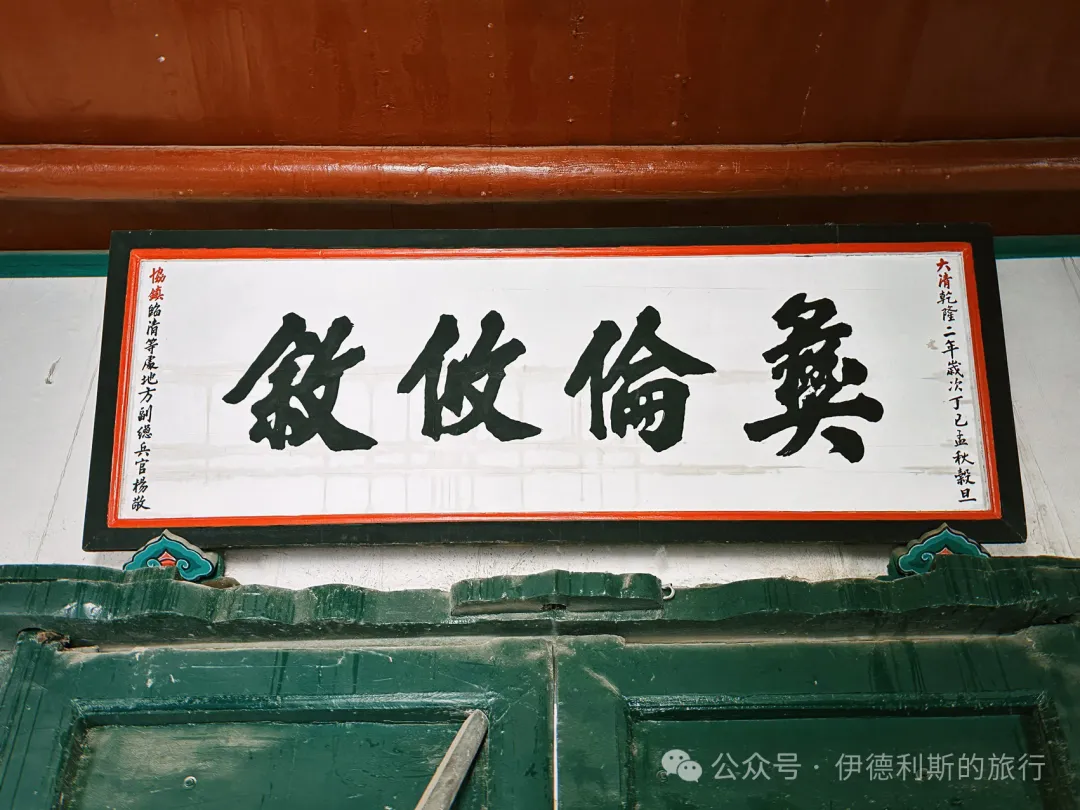
93. Linqing North Mosque, the "Pure and True Mosque" (Qingzhen Libaisi).
The first month of spring in the Jiajing year of Jiazi.
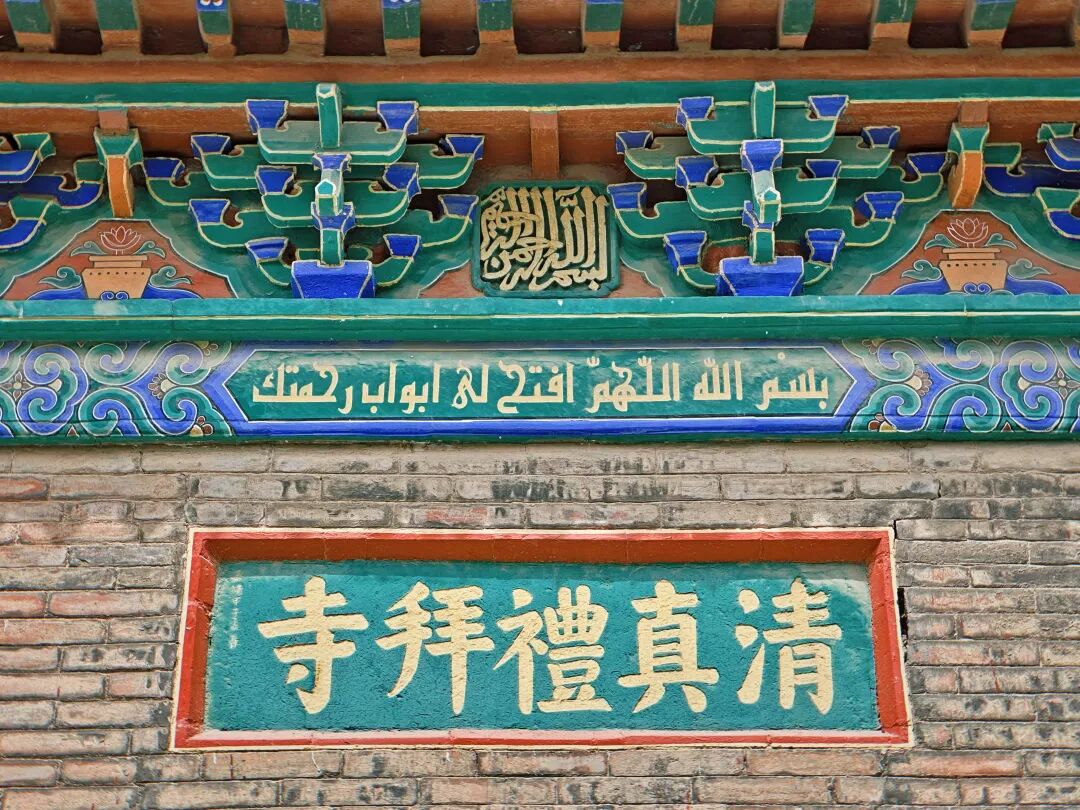
94. Linqing East Mosque, the "Mosque" (Libaisi).
Built in the second month of spring in the Yiyou year, the first year of the Chenghua reign.
Renovated on an auspicious day in the last month of summer in the Wanli year of Guiwei.
Renovated on an auspicious day in the second month of summer in the Shunzhi year of Jiwei.
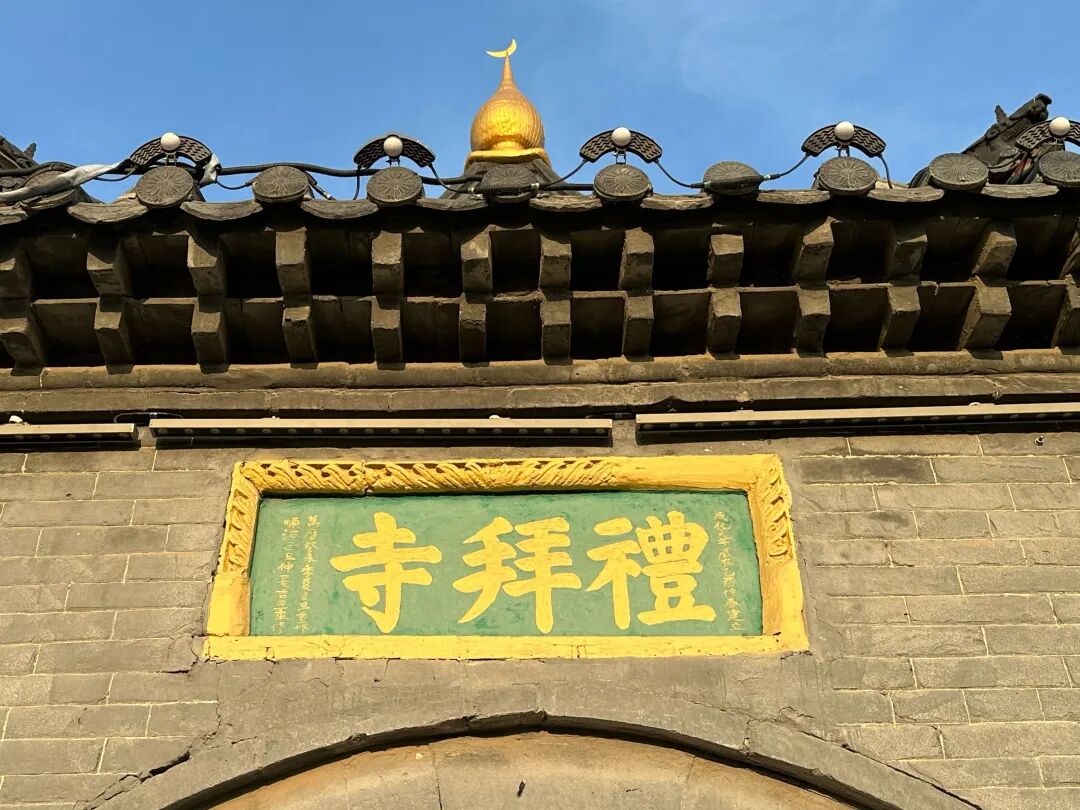
95. Liaocheng East Mosque, "Benefits Shared Equally" (Lize Junzhan).
An auspicious day in the second month of spring in the Gengwu year of the Jiaqing reign of the Great Qing.
Disciples from Shanxi and Hebei.
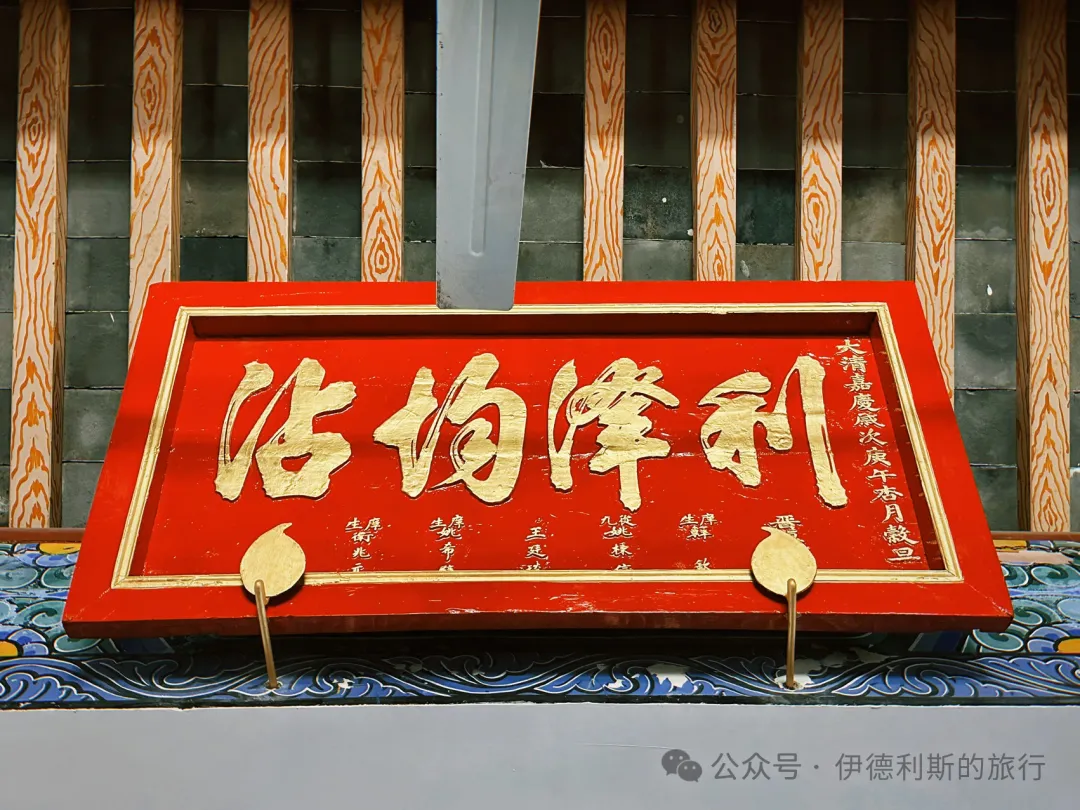
96. Wuhu Mosque, "Ancient Faith That Opened the Heavens" (Kaitian Gujiao).
An auspicious day in the twenty-third year of the Republic of China.
Respectfully presented by fellow Muslims.
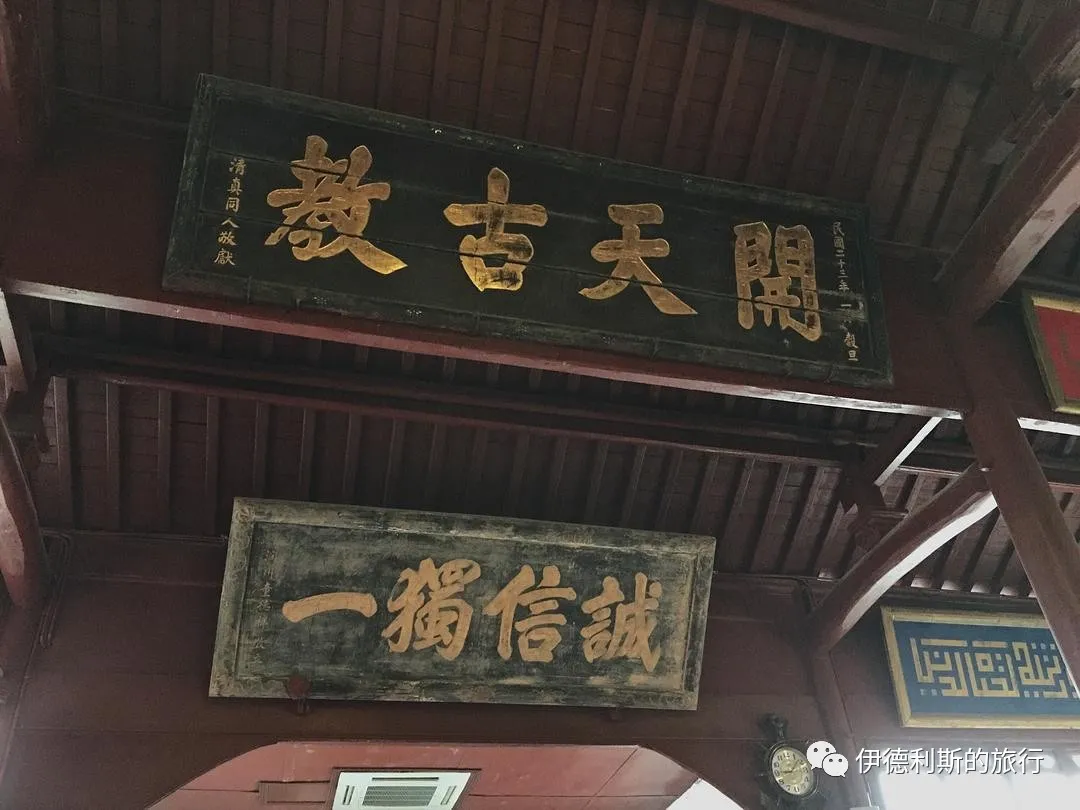
97. Xi'an Huajue Lane Great Mosque, "Encompassing the Universe" (Baoluo Yuzhou).
Respectfully erected by Sha Diankui, the imperial-appointed Blue Feather-wearing Major of the Shaanxi Governor's Left Battalion.
Written by Shi Zhongyu of Pinyang during the middle ten days of the sixth month of summer in the Daoguang year of Gengzi.
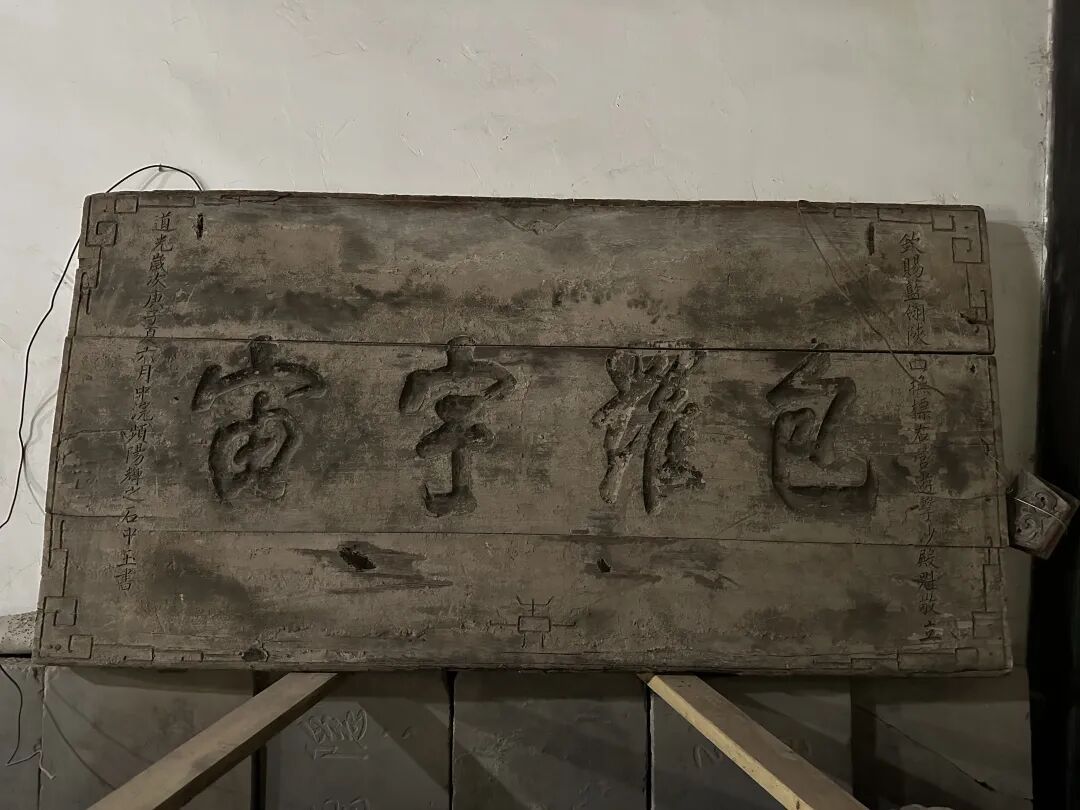
98. The Imperial Mosque (Chici Libaisi) at Huajue Lane in Xi'an.
Calligraphy by Dong Qichang, Vice Minister of the Ministry of Rites.
Erected on an auspicious day in the first month of summer in the Tianqi era.
Dong Qichang was a calligrapher and painter during the Ming Dynasty.
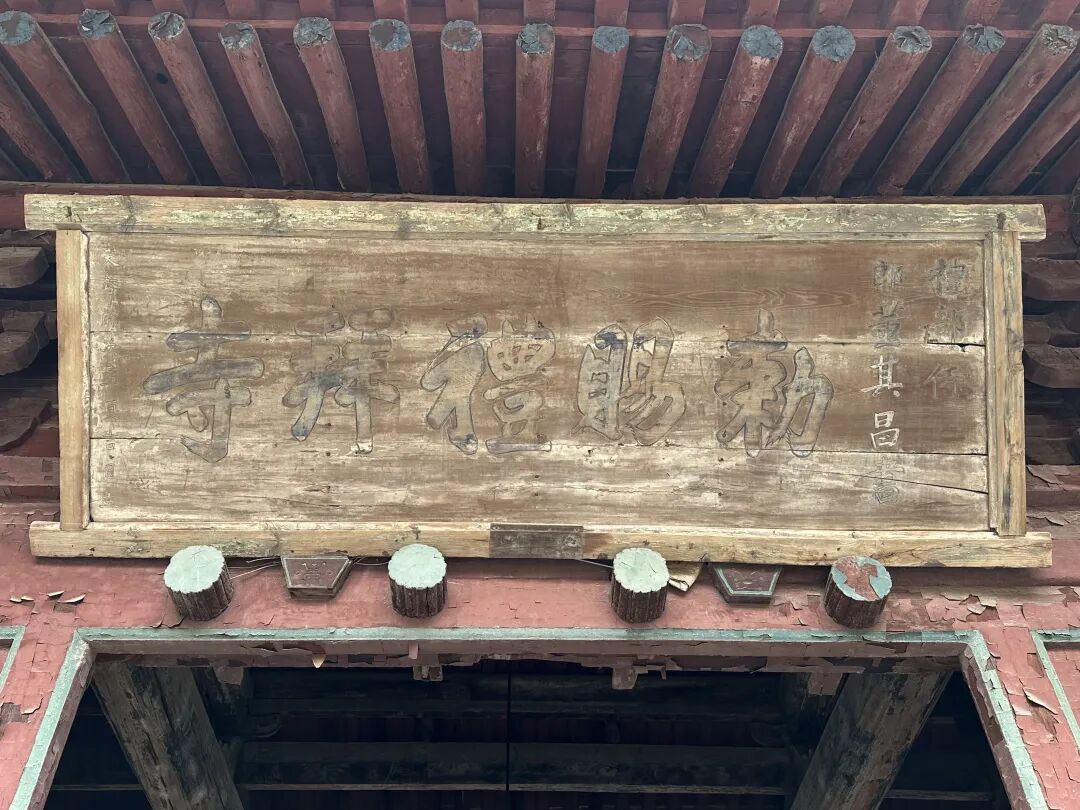
99. The plaque 'Lineage from the Holy Land' (Pai Yan Tian Fang) at the Huajue Lane Mosque in Xi'an.
The Imperial Seal of Empress Dowager Cixi.
Legend says that when the Eight-Nation Alliance invaded in 1900, Empress Dowager Cixi and Emperor Guangxu fled to Xi'an. On the day they returned to the capital the following year, she wrote the inscription for this famous mosque. Tang Mianzhu, the former provincial judge, handled the delivery. The streets were packed with people watching the plaque being delivered, making it a very lively event.
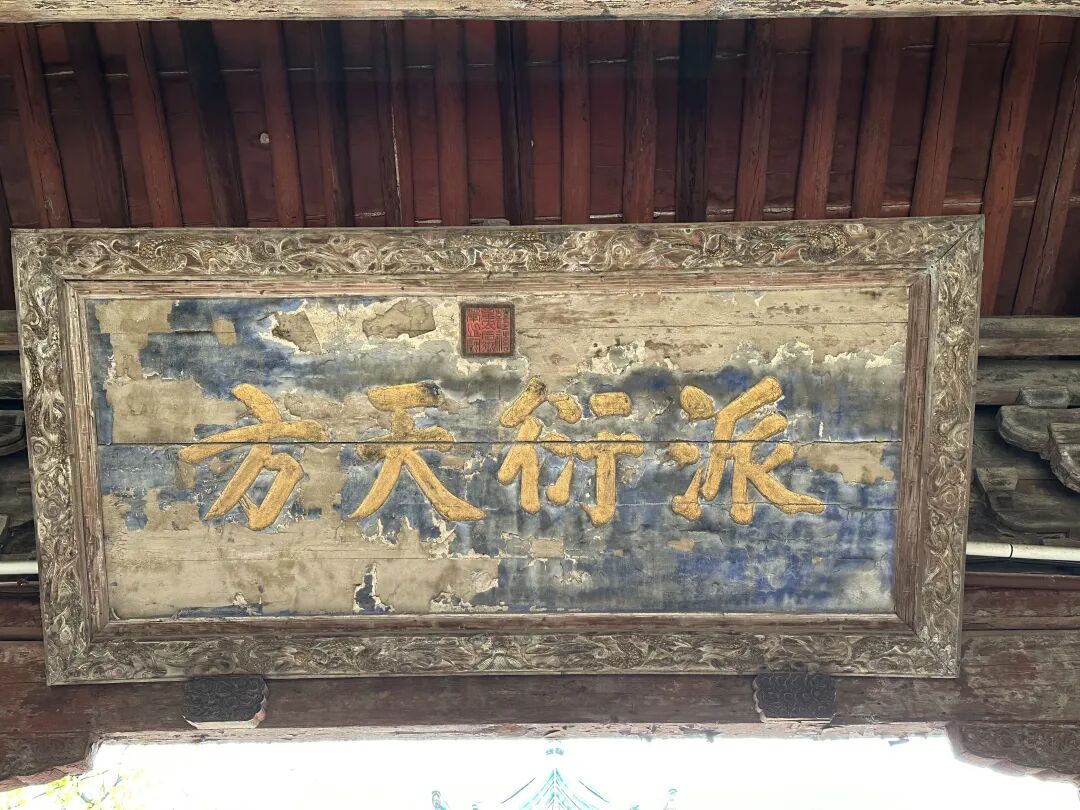
100. The Huajue Lane Mosque in Xi'an.
The spider web remained intact, and the pigeons called out.
The message reached the warhorse, and the deer was released again.
Mid-Autumn Festival, the year of Guimao in the Guangxu reign.
Calligraphy by Wenti, a former compiler at the Hanlin Academy and Prefect of Kaifeng, Henan.
The Prophet was pursued by the Quraish tribe and hid in the Cave of Thawr with Abu Bakr.
The enemies reached the cave entrance and saw the spider web was unbroken.
They thought no one was inside and left.
The pursuers were still suspicious and threw stones to test the cave, causing two turtledoves (hu ge) to fly out.
The enemy saw the birds were not startled, so they were sure no one was there and the threat of war disappeared.
Companions of the Prophet, warhorses delivering messages, battles, and treaties.
A non-believer caught a live deer and said to the Prophet, If you can make this deer speak, I will convert. The Prophet guaranteed the deer would be released to nurse its young and promised it would return. The deer returned on time.
The non-believer was amazed and converted to the faith.
Wenti was from the Manchu Plain Yellow Banner, of the Guwalgiya clan, and a calligrapher in the late Qing Dynasty.
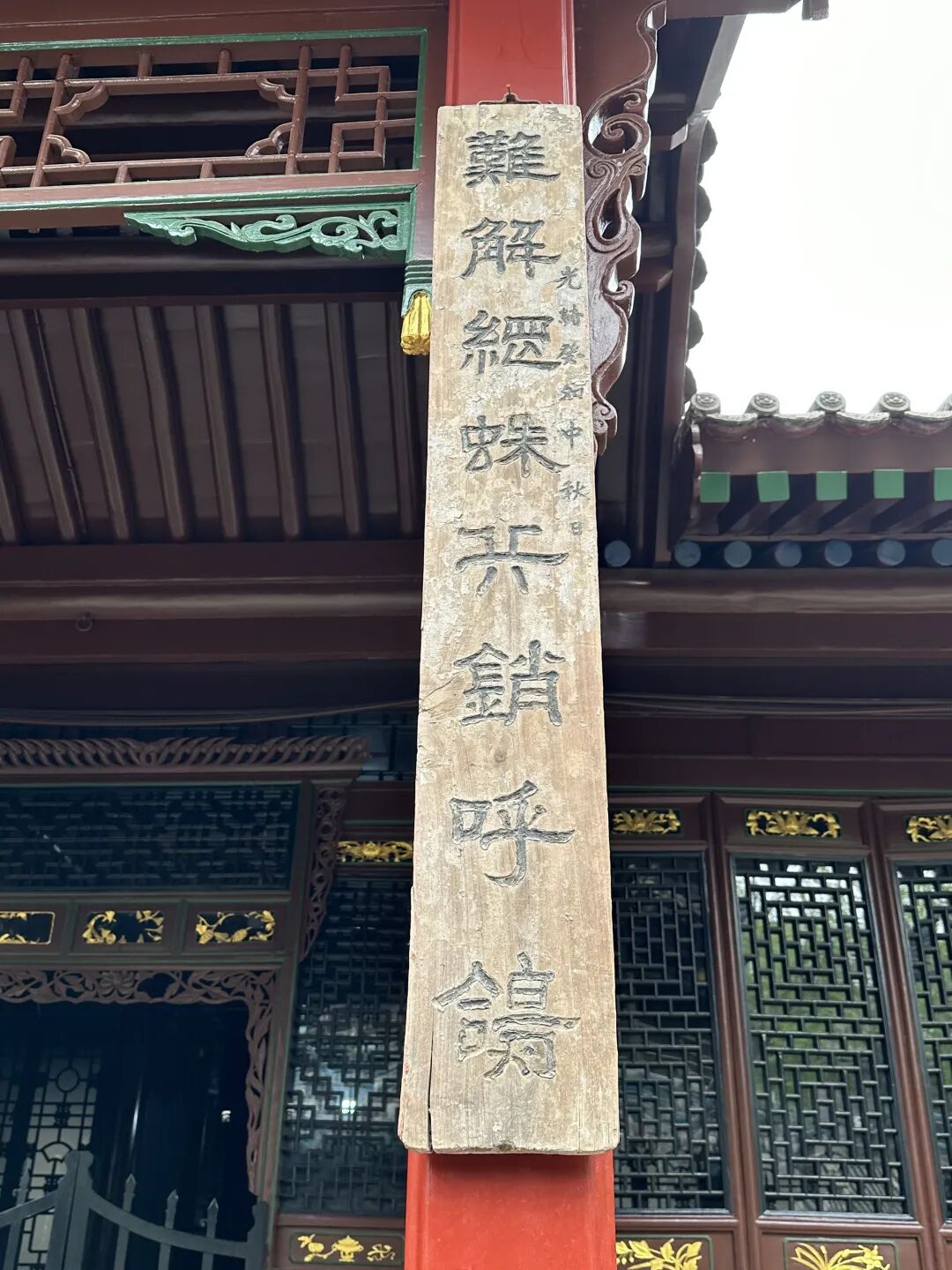
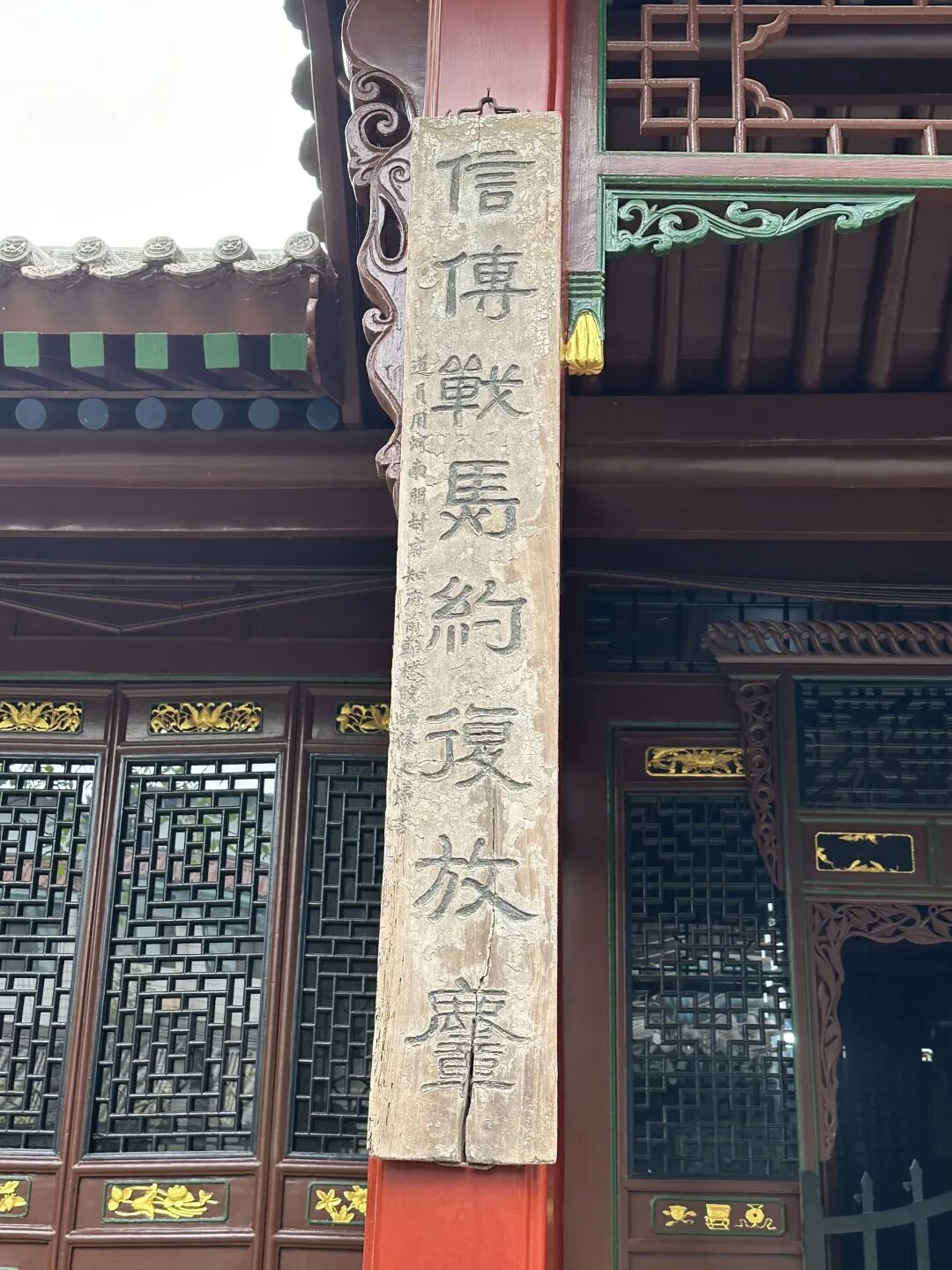
Appreciating plaques and couplets from the faith (1-50 pieces). Collapse Read »
Summary: China Mosque Travel Guide: Hui Muslim Plaques, Couplets and Islamic Calligraphy (51-100) is presented here as a firsthand travel account in clear English, beginning with this scene: Tian Yongtong was a Hui Muslim general from Taiyuan, Shanxi. He became a military Jinshi scholar in the 28th year of the Qianlong reign and rose to the rank of Commander-in-Chief of Jiangnan. The account keeps its focus on Mosque Travel, Islamic Heritage, Muslim Travel while preserving the names, places, food, and historical details from the Chinese source.
51. The plaque 'Principles Rooted in Confucianism' (Li Guan Ru Zong) at Taiyuan Mosque.
Erected on a lucky day in the tenth month of the Yichou year, the tenth year of the Jiaqing reign.
Respectfully written by Tian Yongtong, a palace guard who earned the title of Jinshi scholar and served as the Brigade General of Nanyang, Henan.
Renovated by his great-great-grandson Zhenjing in the 31st year of the Republic of China.
Tian Yongtong was a Hui Muslim general from Taiyuan, Shanxi. He became a military Jinshi scholar in the 28th year of the Qianlong reign and rose to the rank of Commander-in-Chief of Jiangnan.
52. The plaque 'Extremely Brilliant' (Ji Gao Ming) at Taiyuan Mosque.
Respectfully presented by Zhang Jinglie from Yunnan, a palace guard and assistant regional commander in charge of the eastern route of Shanxi and the southern defense of Taiyuan city.
A lucky day in the ninth month of the Xinmao year, the 36th year of the Qianlong reign of the Great Qing Dynasty.
53. The plaque 'The Way is Known in Greatness' (Dao Jian Zhi Hong) at Taiyuan Mosque.
Reprinted by Chongde Lu in the eighth month of the seventh year of the Tongzhi reign.
Shao Yong.
Shao Yong was a philosopher and expert on the I Ching during the Northern Song Dynasty.
54. The plaque 'Only Virtue is Supported' (Wei De Shi Fu) at Taiyuan Mosque.
Respectfully erected by Duo Ding, a Juren scholar from the Dingmao year of the Qianlong reign and an instructor in Wanquan County.
Renovated by his clansman Chi in the eleventh month of the Dingwei year of the Daoguang reign.
55. The plaque 'The Teaching Exalts the True One' (Jiao Long Zhen Yi) at Taiyuan Mosque.
Respectfully inscribed by Ha Panfeng, Imperial Guard, Commander-in-Chief of Datong, Shanxi, appointed by imperial decree, with three recorded merits.
An auspicious day in the sixth lunar month of the 46th year of the Qianlong reign of the Great Qing Dynasty (1781).
Ha Panfeng was from Suning County, Hebei, and became a military jinshi scholar in the 16th year of the Qianlong reign.
56. Taiyuan Mosque: "Heaven's Mirror is Here"
Erected by Tian Qiao, a successful candidate in the imperial examinations during the Wanshou Guisi year.
An auspicious day in the early tenth lunar month of the Jihai year of the Kangxi reign.
57. Taiyuan Mosque: "The Most Holy, Past and Present"
An auspicious day in the fifth lunar month of the Renchen year of the Daoguang reign.
Erected by Tian Shifa, a candidate for the position of Zhili Prefecture assistant magistrate.
58. Taiyuan Mosque: "Return to the Truth"
Erected by Tian Zongzhou, a jinshi scholar, serving as a captain in the Right Battalion of the Henan-Hebei Garrison and acting commander of the Left Battalion.
An auspicious day in the third month of autumn in the Xinyou year, the 6th year of the Jiaqing reign of the Great Qing Dynasty (1801).
59. Taiyuan Mosque: "Tranquility"
Li Guifang, Imperial Guard and Commander-in-Chief of Gaozhou, Guangdong, with a rank increase of three levels.
His son, a successful candidate in the Xinwei year imperial examinations and a lieutenant at Shahe Camp.
His grandson, Panlin, a military graduate of the Renzi year and a lieutenant at Lengquan Pass, waiting for promotion to major.
Imperial-bestowed Zhaowu General, hereditary Cloud Cavalry Lieutenant, and additional Grace Cavalry Lieutenant Pan Long.
Wuwu-year military graduate, commander of Zhuhu Fort, and expectant garrison commander Pan Feng.
A lucky day in the ninth lunar month of the Bingwu year of the Daoguang reign.
Respectfully erected by his great-grandson, a local government student (yixiangsheng) named He Ming.
60. Taiyuan Mosque: 'All things return to the truth'.
Erected in the eighth lunar month of the second year of the Guangxu reign of the Great Qing Dynasty.
Respectfully erected by the imperial-titled Zhenwu General Tian Shixing, along with his son Weirong and grandsons Shaoshu, Shaoyi, and Shaoli.
61. Taiyuan Mosque: 'The body is in the same place as others'.
Seal of Huang Daozhou.
Huang Daozhou was a famous scholar, calligrapher, and painter at the end of the Ming Dynasty.
62. Taiyuan Mosque: 'Universal now, unique later'.
Respectfully erected by Li Hechun, a successful candidate in the Shuntian Bingzi provincial examination and magistrate of Tianzhen County, Datong Prefecture.
A lucky day in the eleventh lunar month of the Jihai year, the nineteenth year of the Daoguang reign of the Great Qing Dynasty.
63. Taiyuan Mosque: 'The great potter of all things'.
Erected by Tian Li, a presented scholar (jinshi) who was specially appointed as a military official (dusi) at the Yulin City garrison in the Shaanxi Yanjing region, with a two-grade promotion and two recorded merits.
Erected on a lucky day in the autumn, the ninth lunar month of the Yichou year, the tenth year of the Qianlong reign.
64. Taiyuan Mosque's "Ancient Religion from the Beginning of Heaven"
Jin Guozheng, Regional Commander and Assistant Commissioner-in-Chief in charge of Taiyuan, Shanxi and other areas
An auspicious day in the second month of autumn, the Yiwei year of the Kangxi reign
Jin Guozheng was from Tongxin, Ningxia. He was a famous Hui Muslim general during the Qing Dynasty. During the Kangxi reign, he served as the Regional Commander of Datong, Shanxi, the Regional Commander of Taiyuan Prefecture, and the Provincial Commander of Guyuan.
65. Taiyuan Mosque's "The Sound of Chanting Cannot Reach the Depth of Feeling"
Erected by Li Ximo in the tenth year of the Xianfeng reign
Calligraphy by Fang Xiaoru
Fang Xiaoru was a famous scholar, writer, and thinker of the Ming Dynasty.
66. Datong Mosque's "Ten Thousand Transformations Bow to the Truth"
An auspicious day in the eighth month, the Guihai year of the Qianlong reign of the Great Qing
67. Duolun Middle Mosque, Inner Mongolia
Do not be greedy for this life, only for the afterlife; let the way of heaven and the way of man return to the true religion
Strictly keep to the righteous path, avoid what is improper, let the heart be happy and the body be at peace, and recognize the One
Respectfully presented in the eighth month of the twenty-fourth year of the Jiaqing reign
68. Duolun Middle Mosque, Inner Mongolia's "Blessings Protect the One Truth"
An auspicious day in the fifth month of the ninth year of the Xianfeng reign of the Great Qing
Respectfully inscribed by Zheng Kuishi, Imperial Commissioner overseeing Ningguo military affairs, Commander-in-Chief of Zhejiang Province, supervisor of all land and naval garrisons, and holder of the title Jianwei General, Shalama Gai Batulu.
Zheng Kuishi was a famous general in the late Qing Dynasty and a Hui Muslim from Wanquan, Zhangjiakou, Hebei. He fought the Taiping Heavenly Kingdom and the Nian Army for many years. He was the first to break through Luzhou and was wounded over twenty times in Huaiyuan, nearly losing his life, which earned him great praise from the imperial court. When Zheng Kuishi inscribed the plaque for Duolun in the ninth year of the Xianfeng reign, he was serving as the Zhejiang Commander-in-Chief and overseeing Ningguo military affairs, which was the highest rank of his career. In a memorial to the throne, Li Hongzhang highly praised Zheng Kuishi, saying he was "hardworking, resolute, and peerlessly brave... he was the first to face the enemy's sharp edge, braving death, and was severely wounded eight or nine times. His body was covered in scars, and among all the famous generals north and south of the Yangtze River at the time, everyone considered Kuishi the best."
69. "Ancient Islamic Teachings" (Qingzhen Gujiao) at the Middle Mosque (Zhongsi) in Duolun, Inner Mongolia.
Respectfully presented by Song Rui, specially appointed Commander of the Duolun Garrison and recipient of the imperial peacock feather.
An auspicious day in the sixth lunar month of the Yi-Hai year, the first year of the Guangxu reign of the Great Qing Dynasty.
70. "Benevolent Wind Spreads Everywhere" (Renfeng Pubei) at the Middle Mosque (Zhongsi) in Duolun, Inner Mongolia.
Presented by Lord Zhu Dezheng, holder of the fourth-rank title and peacock feather, acting administrator of the Duolun Nuo'er Civil Administration Office.
Respectfully presented by Hui Muslim community leaders Shan Yunxing, village elder Ma Wanxing, and others in the first month of summer, the thirty-first year of the Guangxu reign of the Great Qing Dynasty.
71. "Universal Mercy for the Present World" (Puci Jinshi) at the Middle Mosque (Zhongsi) in Duolun, Inner Mongolia.
An auspicious day in the seventh lunar month of the eighth year of the Republic of China.
Managed by the public.
72. "Unique Mercy for the Future World" (Duci Houshi) at the Middle Mosque (Zhongsi) in Duolun, Inner Mongolia.
An auspicious day in the seventh lunar month of the eighth year of the Republic of China.
Managed by the public.
73. Inner Mongolia Chasuqi Mosque (Chasuqi Si)
An auspicious day in the 47th year of the Qianlong reign of the Great Qing Dynasty
74. Baotou Great Mosque (Baotou Dasi) plaque "Guqiu"
An auspicious day in the third lunar month of the Jiawu year of the Daoguang reign of the Great Qing Dynasty
Inscribed by community leaders Wang Daxing and Bai Kede
75. Baotou Great Mosque plaque "Xianyang Zhengjiao"
An auspicious day in the eighth month of the second year of the Republic of China
Respectfully inscribed by Ma Fuxiang, Altay Garrison Commander, Army Lieutenant General, and Commander of the Gansu Zhaowu Patrol and Ningxia forces
76. Kaifeng Zhuxian Town North Mosque plaque "Zhenyi Huanzhen"
Inscribed by Yulu, First Rank official, Minister of War, Censor-in-Chief of the Left, and Viceroy of Huguang
Erected by Wu Dengshun and Yu Qinghe on an auspicious day in the first month of winter in the Wuzi year of the Guangxu reign
77. Kaifeng Zhuxian Town North Mosque plaque "Zhijiao Zhenyuan"
Inscribed by Zhu Yulu, Imperial Scholar and Governor of Henan
Erected on an auspicious day in the Dinghai year of the 30th year of the Qianlong reign
78. Kaifeng Zhuxian Town North Mosque plaque "Keshou Qingzhen"
Erected on an auspicious day in the first ten days of spring in the first year of the Xianfeng reign by the Zhu Town community.
Respectfully inscribed by Sha Lütai, a candidate for county magistrate in Henan.
79. The 'Knowing Before the Rain' plaque at the North Mosque in Zhuxian Town, Kaifeng.
Bestowed by imperial decree in the summer of the 50th year of the Qianlong reign of the Great Qing Dynasty.
Inscribed by Ji Yun, Grand Academician of the Hanlin Academy.
Re-inscribed by Niu Guangfu, Honorary Dean of the Kaifeng Calligraphy and Painting Academy.
Re-erected in the ninth lunar month of 1988.
The original plaque was destroyed after 1966. Legend has it that in the summer of the 50th year of the Qianlong reign (1785), Emperor Qianlong toured the south with Ji Xiaolan. On their return, they stayed at the North Mosque in Zhuxian Town. It was a hot, sunny day in the seventh lunar month. When Emperor Qianlong left, the mosque's Imam Sai gave Ji Xiaolan a bamboo hat, a fox-fur coat, and rain gear. Ji Xiaolan did not understand why, but Imam Sai said they would surely be useful. As Emperor Qianlong’s party traveled north by boat along the grain transport canal, they had gone only about 20 li when a fierce storm broke out with thunder and rain. The temperature dropped suddenly, and Ji Xiaolan quickly draped the fox-fur coat the Imam had given him over the Emperor. Ji Xiaolan made a special trip back to the North Mosque in Zhuxian Town to ask Imam Sai how he had predicted the storm. The Imam said, 'Last night there was a lunar halo, and today the base of the stone pillar behind the mosque gate was damp. A lunar halo means wind, and damp stone bases mean rain. With both, there was bound to be heavy rain and hail.' After hearing this, Ji Xiaolan wrote the four large characters 'Knowing Before the Rain' (weiyu xianzhi), which were later made into a plaque and hung on the mosque gate.
80. The 'Shanyitang Mosque' in Kaifeng.
The second month of spring in the ninth year of the Guangxu reign.
81. Zhengzhou North Mosque: 'Blessings for All People'.
The virtuous governance of Imam (ahong) Mu of Yatang.
Inscribed by Ye Xiangmei.
An auspicious day in the eighth lunar month of the twenty-third year of the Republic of China.
The local community set up this plaque for Imam Mu Wenxiu. Legend says Imam Mu was invited to Yangqiaotan Township near the Yellow River in the northern suburbs of Zhengzhou to offer dua for rain and end a drought. After his dua, a soaking rain fell, providing enough water to end the drought. Imam Mu and others walked there under the hot sun and returned in the rain. The people were very grateful and presented this plaque to show their appreciation.
82. Zhengzhou North Mosque: 'The True Faith Flourishes'.
Presented by Yang Qizhen, Imperial Commissioner for Taiwan Military Affairs, First Rank Official, Minister-ranked Fujian Naval Admiral, and Hereditary Cloud-riding Lieutenant (yunqiwei) Peiling Abatur.
Presented by Hami Prince Hedile, Imperial Guard, permitted to ride a horse in the Forbidden City, recipient of the Imperial Yellow Jacket and the three-eyed peacock feather.
Presented by Yang Lianzhen, Commander of the Ten Fujian Battalions, expectant Brigade General (canjiang), recipient of the peacock feather, and three-time record holder for merit.
An auspicious day on the first day of the first lunar month in the twenty-first year of the Guangxu reign of the Great Qing Dynasty.
Yang Qizhen was a Hui Muslim from Huainan, Anhui, and a patriotic general in the late Qing Dynasty. In 1885, he led his troops to fight against French warships. He became the Admiral of the Fujian Navy in 1892 and built a mosque in Xiamen. In 1895, he passed through Zhengzhou and wrote a plaque for the North Mosque (Beidasi).
83. The 'His Majesty Has No Equal' plaque at the Zhengzhou North Mosque.
Inscribed by Ma Fuxiang, specially appointed Army General, General Xiangwu, and Military Governor of Suiyuan.
A lucky day in the middle of the seventh lunar month, the 13th year of the Republic of China.
84. Arabic plaque at the Zhengzhou North Mosque.
A lucky day in the sixth lunar month, the 14th year of the Qianlong reign of the Great Qing Dynasty.
Erected by Ai Zhijing, a follower of the Islamic faith.
85. The 'Truth Discusses the Three Worlds' plaque at the Zhengzhou North Mosque.
The 13th year of the Guangxu reign.
The World of Truth (the unseen world), the World of Form (the material world, the present life), and the World of Reality (the afterlife) are unified and inseparable. The World of Truth explores the origin of creation, the World of Form is the material reality we see, and the afterlife explores our future destination.
86. The 'Mosque' plaque at the Taicheng Mosque in Tai'an.
Erected on a day in the first lunar month of the Jiwei year, the Wanli reign of the Great Ming Dynasty.
87. Arabic plaque at the Zhenjiao Mosque in Qingzhou.
In the 12th year of the Yongzheng reign of the Great Qing Dynasty.
Rebuilt in the Jiayin year during the month of Qin.
88. Jinan North Mosque: 'Recognize the Oneness of Allah'.
Respectfully erected in the eighth month of the eleventh year of the Republic of China.
Written by Tang Kesan, Superintendent of the Xiamen Customs, after ritual washing.
89. Jinan North Mosque: 'Three Fears and Four Admonitions'.
An auspicious day in the latter part of the sixth month of the thirteenth year of the Republic of China.
Respectfully written by Tang Kesan, holder of the Second Class Order of the Golden Grain, former Daoyin of the Jinan Circuit in Shandong, and former Superintendent of the Xiamen Customs.
Tang Kesan was a Hui Muslim from Zoucheng, Shandong. He was a famous social activist during the Republic of China era. He served as the Shandong negotiator for the Ministry of Foreign Affairs, director of the Shandong Epidemic Prevention Office, Superintendent of the Xiamen Customs, director of the Shandong Provincial Road Administration, and Daoyin of the Jinan West Circuit. He served as principal of Chengda Normal School, founded the 'Yuehua' magazine, helped establish the Chinese Islamic Progress Association, and organized and led the Hui Muslim movement to resist Japan and save the nation. He made great contributions to the faith.
90. Jinan Nanguan Mosque: 'Mosque'.
Built and renovated in the eighth year of the Xianfeng reign.
91. Linqing North Mosque: 'Sincere Intentions and Upright Heart'.
Erected by Li Ying, a nominated and appointed brave Baturu (a title of honor) of the Dengzhou General Military Office.
An auspicious day in the middle winter month of the Yiyou year, the eleventh year of the Guangxu reign.
92. Linqing North Mosque: 'The Proper Order of Human Relationships'.
An auspicious day in the first month of autumn in the Dingji year, the second year of the Qianlong reign of the Great Qing Dynasty.
Yang Jing, the Vice Regional Commander of Linqing and surrounding areas.
93. Linqing North Mosque, the "Pure and True Mosque" (Qingzhen Libaisi).
The first month of spring in the Jiajing year of Jiazi.
94. Linqing East Mosque, the "Mosque" (Libaisi).
Built in the second month of spring in the Yiyou year, the first year of the Chenghua reign.
Renovated on an auspicious day in the last month of summer in the Wanli year of Guiwei.
Renovated on an auspicious day in the second month of summer in the Shunzhi year of Jiwei.
95. Liaocheng East Mosque, "Benefits Shared Equally" (Lize Junzhan).
An auspicious day in the second month of spring in the Gengwu year of the Jiaqing reign of the Great Qing.
Disciples from Shanxi and Hebei.
96. Wuhu Mosque, "Ancient Faith That Opened the Heavens" (Kaitian Gujiao).
An auspicious day in the twenty-third year of the Republic of China.
Respectfully presented by fellow Muslims.
97. Xi'an Huajue Lane Great Mosque, "Encompassing the Universe" (Baoluo Yuzhou).
Respectfully erected by Sha Diankui, the imperial-appointed Blue Feather-wearing Major of the Shaanxi Governor's Left Battalion.
Written by Shi Zhongyu of Pinyang during the middle ten days of the sixth month of summer in the Daoguang year of Gengzi.
98. The Imperial Mosque (Chici Libaisi) at Huajue Lane in Xi'an.
Calligraphy by Dong Qichang, Vice Minister of the Ministry of Rites.
Erected on an auspicious day in the first month of summer in the Tianqi era.
Dong Qichang was a calligrapher and painter during the Ming Dynasty.
99. The plaque 'Lineage from the Holy Land' (Pai Yan Tian Fang) at the Huajue Lane Mosque in Xi'an.
The Imperial Seal of Empress Dowager Cixi.
Legend says that when the Eight-Nation Alliance invaded in 1900, Empress Dowager Cixi and Emperor Guangxu fled to Xi'an. On the day they returned to the capital the following year, she wrote the inscription for this famous mosque. Tang Mianzhu, the former provincial judge, handled the delivery. The streets were packed with people watching the plaque being delivered, making it a very lively event.
100. The Huajue Lane Mosque in Xi'an.
The spider web remained intact, and the pigeons called out.
The message reached the warhorse, and the deer was released again.
Mid-Autumn Festival, the year of Guimao in the Guangxu reign.
Calligraphy by Wenti, a former compiler at the Hanlin Academy and Prefect of Kaifeng, Henan.
The Prophet was pursued by the Quraish tribe and hid in the Cave of Thawr with Abu Bakr.
The enemies reached the cave entrance and saw the spider web was unbroken.
They thought no one was inside and left.
The pursuers were still suspicious and threw stones to test the cave, causing two turtledoves (hu ge) to fly out.
The enemy saw the birds were not startled, so they were sure no one was there and the threat of war disappeared.
Companions of the Prophet, warhorses delivering messages, battles, and treaties.
A non-believer caught a live deer and said to the Prophet, If you can make this deer speak, I will convert. The Prophet guaranteed the deer would be released to nurse its young and promised it would return. The deer returned on time.
The non-believer was amazed and converted to the faith.
Wenti was from the Manchu Plain Yellow Banner, of the Guwalgiya clan, and a calligrapher in the late Qing Dynasty.
Appreciating plaques and couplets from the faith (1-50 pieces). Collapse Read »
Muslim Travel Guide Singapore 2026: Mosques, Hidden Prayer Rooms and Muslim Visitor Route (Part 2)
Web repost translation
Muslim Travel Guide Singapore 2026: Mosques, Hidden Prayer Rooms and Muslim Visitor Route (Part 2)
This side of the road shows the back of the mosque. The mosque has a very restrained design, using solid, low-saturation colors for the main structure. The large building behind the prayer hall is likely office space.
Inside the mosque, there are two prayer rooms, one in the front and one in the back, separated by several doors. Push open the door and you are in the inner prayer hall. There were two elderly men inside at the time, and one of them really looked a bit like Modi. They are all from Gujarat, so their strengths and regional traits are linked. It is not surprising that they look a bit alike.
Push open the door and you are in the inner prayer hall. There were two elderly men inside at the time, and one of them really looked a bit like Modi. After all, they are both Gujarati, and appearance is related to geography, so it is not strange that they look a bit alike.
There is a long flag on each side of the mihrab, one red and one green. Other mosques do not have these kinds of flags, so let us zoom in to see what is written on them. The content on both flags is basically the same. From top to bottom, it is written: Allah, Muhammad (the Prophet himself), Ali (the fourth Caliph), Fatimah (the Prophet's daughter and Ali's wife), Hasan (the eldest son of Ali and Fatimah), and Husayn (the second son of Ali and Fatimah). The red banner adds an exclamation word, 'Ya', before each name. There is similar content on the wall as well. Since I did not see any specific differences between how Shia and Sunni Muslims perform namaz during this visit to a Shia mosque, I decided to go to Iran to see for myself. That is how the later trip to Iran came about. Friends who are interested can check out my travel notes on Iranian mosques in my official WeChat account.
6. The prayer room (surau) at Singapore General Hospital (SGH).
After seeing so many mosques, let us now take a look at a prayer room. What is the difference between a prayer room and a mosque? The size of the space is secondary; indeed, generally speaking, a prayer room is smaller than a mosque. But some mosques are actually very small. From what I have seen, prayer rooms usually do not have permanent staff. People come here to pray in a group they organized themselves, or they pray alone and then leave. It is not like a mosque where there are permanent staff to call the adhan and lead the five daily prayers. Another difference is that prayer rooms are usually much simpler than mosques and lack necessary facilities. Mosques have toilets, a room for minor ablution (wudu), and a room for major ablution (ghusl). As for prayer rooms, some have toilets and an area for minor ablution. Some only have a few water taps. The prayer room I am going to talk about next is actually quite large, so you will see the difference between it and a mosque. First of all, it looks very plain, with no minaret and no sign on the door. To passersby, this place just looks like a small shed. When you enter the prayer room, there is actually a small courtyard inside. The courtyard has long tables and benches, as well as free tea. People who come to pray can sit on the benches to rest for a while and drink some water. You have to drink water in this Singapore weather. I usually do not drink much water, but I drink two bottles of mineral water a day since coming to Singapore. Inside the prayer room, I saw medical staff from the hospital coming to pray, and I even met a Singapore police officer here once. This prayer room is quite large, even bigger than some small mosques. There are many straw mats (liangxi) in the prayer room porch. When it gets crowded, people spread them out to use as prayer rugs. This shows that many people come here for Friday congregational prayers. The prayer schedule inside the room is electronic, but it might be broken because it is not showing the times. So now they are using this manual prayer schedule, where the times can be adjusted by hand.
7. The prayer room at Marina One
Marina One is a shopping mall in the CBD area near the Singapore waterfront. According to the map, there is a prayer room in this underground mall. I spent a long time looking for it on my first visit and even asked an Indian security guard at the nearby parking lot where the prayer room was. The security guard was very kind and pointed me in the right direction. The prayer room is on the B2 level, which is the first floor down. You can see the Singapore landmark, Marina Bay Sands, from the mall entrance. After going down, follow the path and you will see a round window. It looks like a laundry shop decorated to look like a washing machine. The prayer room is right next to this laundry shop. The prayer room is easy to find because it is marked with a dome and a star and crescent symbol. Open this door and you will see a small door on both the left and the right. Men go to the left and women to the right to pray separately. The prayer room is right through the door. The facilities for wudu (ablution) are very basic and only cover the essential parts, so you should still use a nearby restroom stall for a full wash. A prayer room is just what it sounds like: a small room where you can perform namaz. The facilities inside are simple, so there is no mihrab and no podium. There is no pulpit (minbar). However, this prayer room has an unexpectedly large number of books. The back is filled with all kinds of books, and there are even missionary materials. It is normal to see these in a mosque since tourists visit, but since only Muslims come to the prayer room, why are there missionary materials here? Once you leave the prayer room, this mall is no different from any other mall in Singapore. It mainly has restaurants, therapy centers, supermarkets, and similar shops. That is all for this episode, as we only covered these few places. We will continue with the rest next time.
There is a long flag on each side of the mihrab, one red and one green. Other mosques do not have these kinds of flags, so let us zoom in to see what is written on them. The content on both flags is basically the same. From top to bottom, it is written: Allah, Muhammad (the Prophet himself), Ali (the fourth Caliph), Fatimah (the Prophet's daughter and Ali's wife), Hasan (the eldest son of Ali and Fatimah), and Husayn (the second son of Ali and Fatimah). The red banner adds an exclamation word, 'Ya', before each name. There is similar content on the wall as well. Since I did not see any specific differences between how Shia and Sunni Muslims perform namaz during this visit to a Shia mosque, I decided to go to Iran to see for myself. That is how the later trip to Iran came about. Friends who are interested can check out my travel notes on Iranian mosques in my official WeChat account.
6. The prayer room (surau) at Singapore General Hospital (SGH).
After seeing so many mosques, let us now take a look at a prayer room. What is the difference between a prayer room and a mosque? The size of the space is secondary; indeed, generally speaking, a prayer room is smaller than a mosque. But some mosques are actually very small. From what I have seen, prayer rooms usually do not have permanent staff. People come here to pray in a group they organized themselves, or they pray alone and then leave. It is not like a mosque where there are permanent staff to call the adhan and lead the five daily prayers. Another difference is that prayer rooms are usually much simpler than mosques and lack necessary facilities. Mosques have toilets, a room for minor ablution (wudu), and a room for major ablution (ghusl). As for prayer rooms, some have toilets and an area for minor ablution. Some only have a few water taps. The prayer room I am going to talk about next is actually quite large, so you will see the difference between it and a mosque. First of all, it looks very plain, with no minaret and no sign on the door. To passersby, this place just looks like a small shed. When you enter the prayer room, there is actually a small courtyard inside. The courtyard has long tables and benches, as well as free tea. People who come to pray can sit on the benches to rest for a while and drink some water. You have to drink water in this Singapore weather. I usually do not drink much water, but I drink two bottles of mineral water a day since coming to Singapore. Inside the prayer room, I saw medical staff from the hospital coming to pray, and I even met a Singapore police officer here once. This prayer room is quite large, even bigger than some small mosques. There are many straw mats (liangxi) in the prayer room porch. When it gets crowded, people spread them out to use as prayer rugs. This shows that many people come here for Friday congregational prayers. The prayer schedule inside the room is electronic, but it might be broken because it is not showing the times. So now they are using this manual prayer schedule, where the times can be adjusted by hand.
7. The prayer room at Marina One
Marina One is a shopping mall in the CBD area near the Singapore waterfront. According to the map, there is a prayer room in this underground mall. I spent a long time looking for it on my first visit and even asked an Indian security guard at the nearby parking lot where the prayer room was. The security guard was very kind and pointed me in the right direction. The prayer room is on the B2 level, which is the first floor down. You can see the Singapore landmark, Marina Bay Sands, from the mall entrance. After going down, follow the path and you will see a round window. It looks like a laundry shop decorated to look like a washing machine. The prayer room is right next to this laundry shop. The prayer room is easy to find because it is marked with a dome and a star and crescent symbol. Open this door and you will see a small door on both the left and the right. Men go to the left and women to the right to pray separately. The prayer room is right through the door. The facilities for wudu (ablution) are very basic and only cover the essential parts, so you should still use a nearby restroom stall for a full wash. A prayer room is just what it sounds like: a small room where you can perform namaz. The facilities inside are simple, so there is no mihrab and no podium. There is no pulpit (minbar). However, this prayer room has an unexpectedly large number of books. The back is filled with all kinds of books, and there are even missionary materials. It is normal to see these in a mosque since tourists visit, but since only Muslims come to the prayer room, why are there missionary materials here? Once you leave the prayer room, this mall is no different from any other mall in Singapore. It mainly has restaurants, therapy centers, supermarkets, and similar shops. That is all for this episode, as we only covered these few places. We will continue with the rest next time.
There is similar content on the wall as well. Since I did not see any specific differences between how Shia and Sunni Muslims perform namaz during this visit to a Shia mosque, I decided to go to Iran to see for myself. That is how the later trip to Iran came about. Friends who are interested can check out my travel notes on Iranian mosques in my official WeChat account.
6. The prayer room (surau) at Singapore General Hospital (SGH).
We have seen so many mosques already, so now let us look at the prayer.
Collapse Read »
Muslim Travel Guide Singapore 2026: Mosques, Hidden Prayer Rooms and Muslim Visitor Route (Part 2)
This side of the road shows the back of the mosque. The mosque has a very restrained design, using solid, low-saturation colors for the main structure. The large building behind the prayer hall is likely office space.
Inside the mosque, there are two prayer rooms, one in the front and one in the back, separated by several doors. Push open the door and you are in the inner prayer hall. There were two elderly men inside at the time, and one of them really looked a bit like Modi. They are all from Gujarat, so their strengths and regional traits are linked. It is not surprising that they look a bit alike.
Push open the door and you are in the inner prayer hall. There were two elderly men inside at the time, and one of them really looked a bit like Modi. After all, they are both Gujarati, and appearance is related to geography, so it is not strange that they look a bit alike.
There is a long flag on each side of the mihrab, one red and one green. Other mosques do not have these kinds of flags, so let us zoom in to see what is written on them. The content on both flags is basically the same. From top to bottom, it is written: Allah, Muhammad (the Prophet himself), Ali (the fourth Caliph), Fatimah (the Prophet's daughter and Ali's wife), Hasan (the eldest son of Ali and Fatimah), and Husayn (the second son of Ali and Fatimah). The red banner adds an exclamation word, 'Ya', before each name. There is similar content on the wall as well. Since I did not see any specific differences between how Shia and Sunni Muslims perform namaz during this visit to a Shia mosque, I decided to go to Iran to see for myself. That is how the later trip to Iran came about. Friends who are interested can check out my travel notes on Iranian mosques in my official WeChat account.
6. The prayer room (surau) at Singapore General Hospital (SGH).
After seeing so many mosques, let us now take a look at a prayer room. What is the difference between a prayer room and a mosque? The size of the space is secondary; indeed, generally speaking, a prayer room is smaller than a mosque. But some mosques are actually very small. From what I have seen, prayer rooms usually do not have permanent staff. People come here to pray in a group they organized themselves, or they pray alone and then leave. It is not like a mosque where there are permanent staff to call the adhan and lead the five daily prayers. Another difference is that prayer rooms are usually much simpler than mosques and lack necessary facilities. Mosques have toilets, a room for minor ablution (wudu), and a room for major ablution (ghusl). As for prayer rooms, some have toilets and an area for minor ablution. Some only have a few water taps. The prayer room I am going to talk about next is actually quite large, so you will see the difference between it and a mosque. First of all, it looks very plain, with no minaret and no sign on the door. To passersby, this place just looks like a small shed. When you enter the prayer room, there is actually a small courtyard inside. The courtyard has long tables and benches, as well as free tea. People who come to pray can sit on the benches to rest for a while and drink some water. You have to drink water in this Singapore weather. I usually do not drink much water, but I drink two bottles of mineral water a day since coming to Singapore. Inside the prayer room, I saw medical staff from the hospital coming to pray, and I even met a Singapore police officer here once. This prayer room is quite large, even bigger than some small mosques. There are many straw mats (liangxi) in the prayer room porch. When it gets crowded, people spread them out to use as prayer rugs. This shows that many people come here for Friday congregational prayers. The prayer schedule inside the room is electronic, but it might be broken because it is not showing the times. So now they are using this manual prayer schedule, where the times can be adjusted by hand.
7. The prayer room at Marina One
Marina One is a shopping mall in the CBD area near the Singapore waterfront. According to the map, there is a prayer room in this underground mall. I spent a long time looking for it on my first visit and even asked an Indian security guard at the nearby parking lot where the prayer room was. The security guard was very kind and pointed me in the right direction. The prayer room is on the B2 level, which is the first floor down. You can see the Singapore landmark, Marina Bay Sands, from the mall entrance. After going down, follow the path and you will see a round window. It looks like a laundry shop decorated to look like a washing machine. The prayer room is right next to this laundry shop. The prayer room is easy to find because it is marked with a dome and a star and crescent symbol. Open this door and you will see a small door on both the left and the right. Men go to the left and women to the right to pray separately. The prayer room is right through the door. The facilities for wudu (ablution) are very basic and only cover the essential parts, so you should still use a nearby restroom stall for a full wash. A prayer room is just what it sounds like: a small room where you can perform namaz. The facilities inside are simple, so there is no mihrab and no podium. There is no pulpit (minbar). However, this prayer room has an unexpectedly large number of books. The back is filled with all kinds of books, and there are even missionary materials. It is normal to see these in a mosque since tourists visit, but since only Muslims come to the prayer room, why are there missionary materials here? Once you leave the prayer room, this mall is no different from any other mall in Singapore. It mainly has restaurants, therapy centers, supermarkets, and similar shops. That is all for this episode, as we only covered these few places. We will continue with the rest next time.
There is a long flag on each side of the mihrab, one red and one green. Other mosques do not have these kinds of flags, so let us zoom in to see what is written on them. The content on both flags is basically the same. From top to bottom, it is written: Allah, Muhammad (the Prophet himself), Ali (the fourth Caliph), Fatimah (the Prophet's daughter and Ali's wife), Hasan (the eldest son of Ali and Fatimah), and Husayn (the second son of Ali and Fatimah). The red banner adds an exclamation word, 'Ya', before each name. There is similar content on the wall as well. Since I did not see any specific differences between how Shia and Sunni Muslims perform namaz during this visit to a Shia mosque, I decided to go to Iran to see for myself. That is how the later trip to Iran came about. Friends who are interested can check out my travel notes on Iranian mosques in my official WeChat account.
6. The prayer room (surau) at Singapore General Hospital (SGH).
After seeing so many mosques, let us now take a look at a prayer room. What is the difference between a prayer room and a mosque? The size of the space is secondary; indeed, generally speaking, a prayer room is smaller than a mosque. But some mosques are actually very small. From what I have seen, prayer rooms usually do not have permanent staff. People come here to pray in a group they organized themselves, or they pray alone and then leave. It is not like a mosque where there are permanent staff to call the adhan and lead the five daily prayers. Another difference is that prayer rooms are usually much simpler than mosques and lack necessary facilities. Mosques have toilets, a room for minor ablution (wudu), and a room for major ablution (ghusl). As for prayer rooms, some have toilets and an area for minor ablution. Some only have a few water taps. The prayer room I am going to talk about next is actually quite large, so you will see the difference between it and a mosque. First of all, it looks very plain, with no minaret and no sign on the door. To passersby, this place just looks like a small shed. When you enter the prayer room, there is actually a small courtyard inside. The courtyard has long tables and benches, as well as free tea. People who come to pray can sit on the benches to rest for a while and drink some water. You have to drink water in this Singapore weather. I usually do not drink much water, but I drink two bottles of mineral water a day since coming to Singapore. Inside the prayer room, I saw medical staff from the hospital coming to pray, and I even met a Singapore police officer here once. This prayer room is quite large, even bigger than some small mosques. There are many straw mats (liangxi) in the prayer room porch. When it gets crowded, people spread them out to use as prayer rugs. This shows that many people come here for Friday congregational prayers. The prayer schedule inside the room is electronic, but it might be broken because it is not showing the times. So now they are using this manual prayer schedule, where the times can be adjusted by hand.
7. The prayer room at Marina One
Marina One is a shopping mall in the CBD area near the Singapore waterfront. According to the map, there is a prayer room in this underground mall. I spent a long time looking for it on my first visit and even asked an Indian security guard at the nearby parking lot where the prayer room was. The security guard was very kind and pointed me in the right direction. The prayer room is on the B2 level, which is the first floor down. You can see the Singapore landmark, Marina Bay Sands, from the mall entrance. After going down, follow the path and you will see a round window. It looks like a laundry shop decorated to look like a washing machine. The prayer room is right next to this laundry shop. The prayer room is easy to find because it is marked with a dome and a star and crescent symbol. Open this door and you will see a small door on both the left and the right. Men go to the left and women to the right to pray separately. The prayer room is right through the door. The facilities for wudu (ablution) are very basic and only cover the essential parts, so you should still use a nearby restroom stall for a full wash. A prayer room is just what it sounds like: a small room where you can perform namaz. The facilities inside are simple, so there is no mihrab and no podium. There is no pulpit (minbar). However, this prayer room has an unexpectedly large number of books. The back is filled with all kinds of books, and there are even missionary materials. It is normal to see these in a mosque since tourists visit, but since only Muslims come to the prayer room, why are there missionary materials here? Once you leave the prayer room, this mall is no different from any other mall in Singapore. It mainly has restaurants, therapy centers, supermarkets, and similar shops. That is all for this episode, as we only covered these few places. We will continue with the rest next time.
There is similar content on the wall as well. Since I did not see any specific differences between how Shia and Sunni Muslims perform namaz during this visit to a Shia mosque, I decided to go to Iran to see for myself. That is how the later trip to Iran came about. Friends who are interested can check out my travel notes on Iranian mosques in my official WeChat account.
6. The prayer room (surau) at Singapore General Hospital (SGH).
We have seen so many mosques already, so now let us look at the prayer.
Collapse Read »
Muslim Travel Guide Japan 2024: Tokyo Mosques, Halal Travel and Local Muslim Life
Reposted from the web
Summary: This Japan Muslim travel guide uses the author's 2024 field observations and online checks to discuss mosques, Muslims, and halal travel in Japan. It keeps the original evidence path, travel notes, and local Muslim life context.
I put this article together using what I saw with my own eyes while traveling in Japan, along with information I easily found on YouTube, Google Maps, the Google Play Store, and Google Search.
On top of that, information from domestic AI software was a big help to me.
There are a lot of pictures later on, so keep an eye on your data usage. Writing this was hard work, and I am sharing it purely out of passion, so I hope you will give it a like to encourage me.
I went to Japan in early May 2024. Before I left, I had already read several articles claiming things like "there are no Muslims in Japan" or "there are no mosques in Japan."
When I read those articles, I had big doubts about whether they were true.
Once I actually stepped onto Japanese soil, I realized those claims were very one-sided.
First, let's see if the local area is really like some videos and articles say, where there is only one mosque in all of Japan.
Just in downtown Tokyo, if you search using the keyword "mosque," a lot of red dots pop up on the map.
This is basically the distribution map of mosques in Tokyo.
Because some small prayer rooms do not show up on the map, the reality is that there are even more places to pray than what you see.
I knew there were mosques in Japan before I went, and it is not like what some articles say about there being only one or two in the whole country.
I really did not expect there to be so many.
I visited the largest one, which is right in Yoyogi.
It is not just a mosque, but also a Turkish cultural center with a small museum next door.
There is a supermarket on the first floor that specializes in halal food.
Nearby, there are also classrooms where Muslim children learn basic religious knowledge.
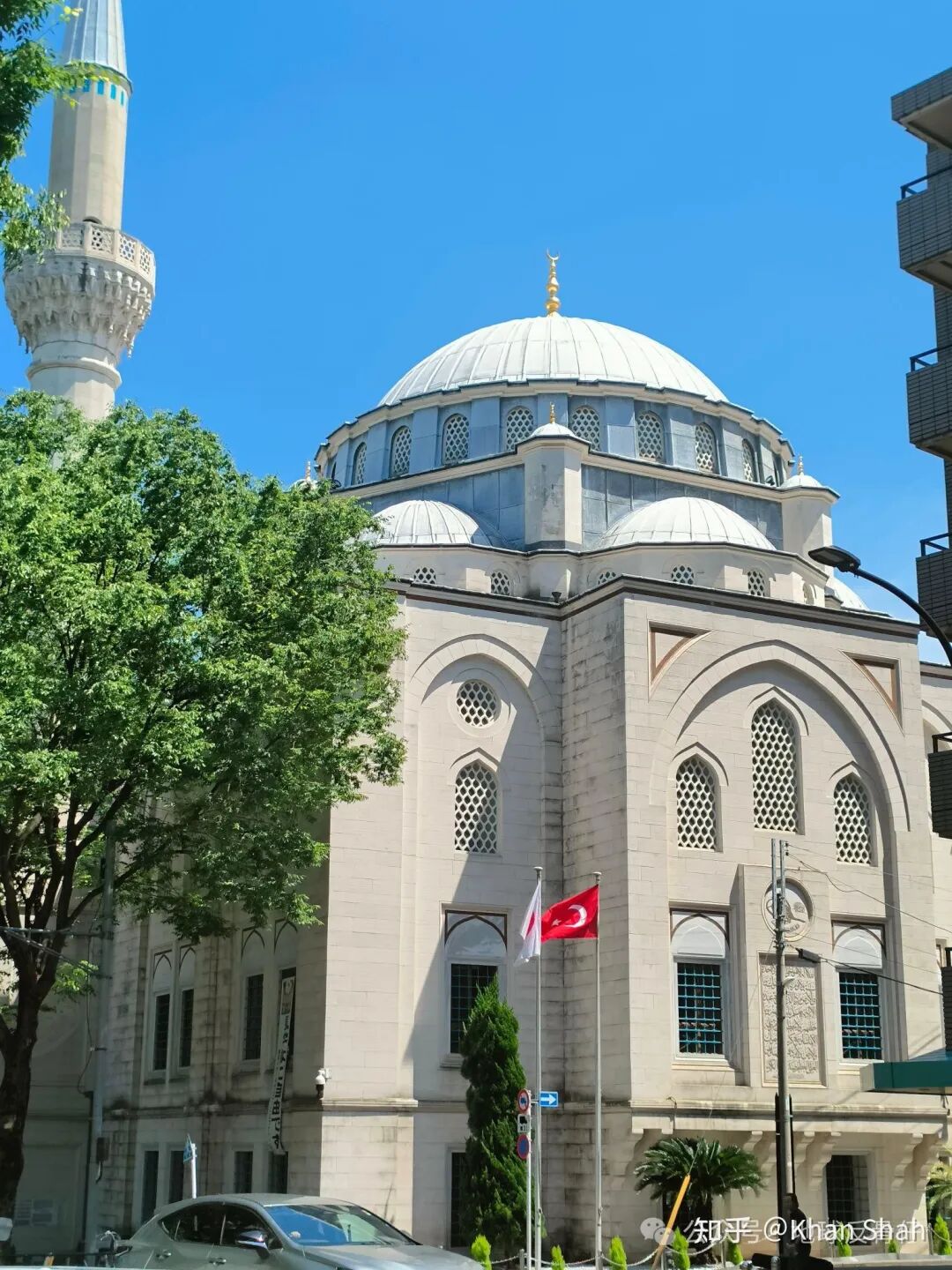
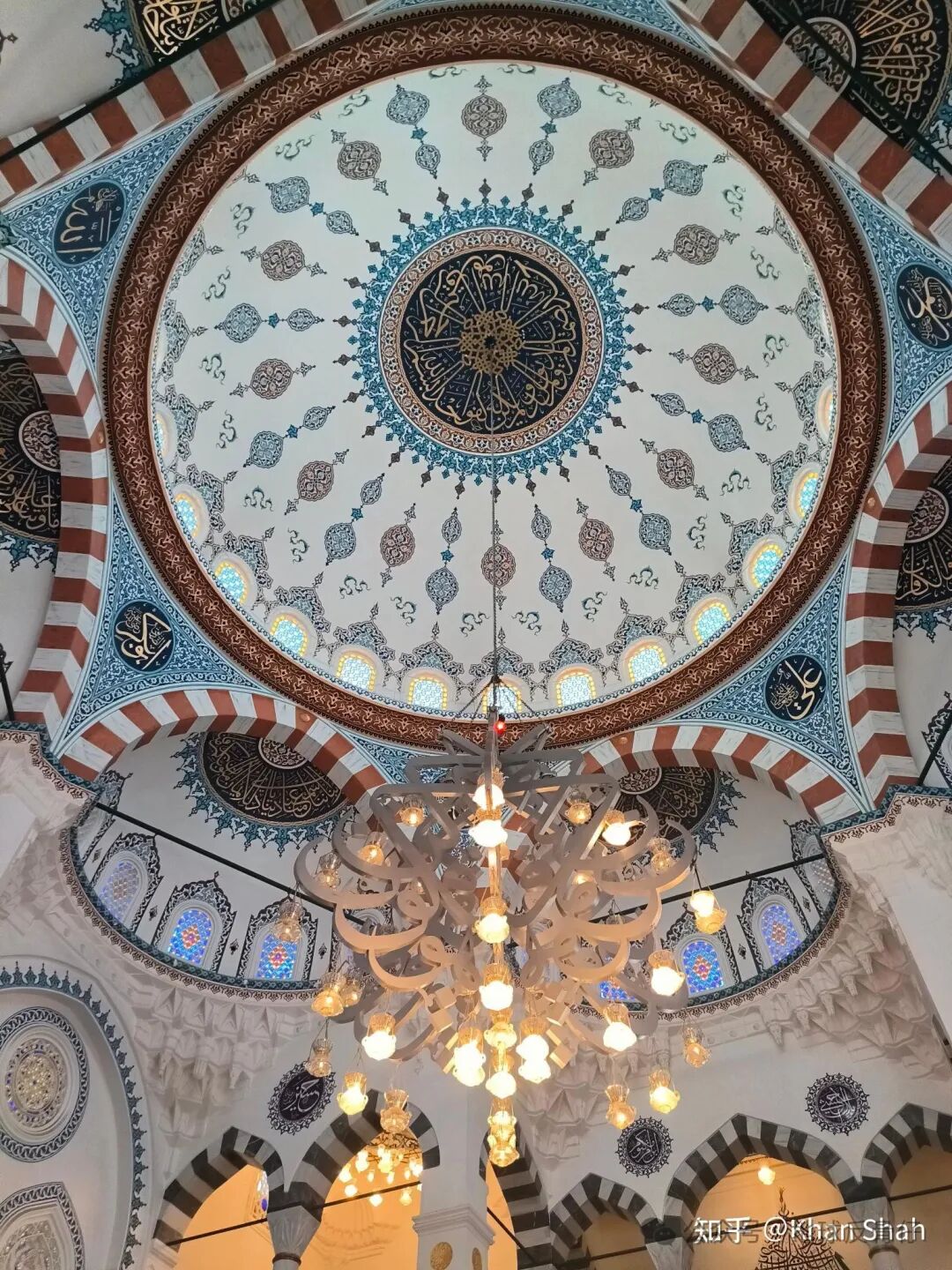
The interior view of Yoyogi Mosque.
Later, I went to the Japan Islamic Cultural Center in Gotanda, which looks much simpler, as space is very expensive in a big city.
The prayer hall is upstairs, and the cafeteria is downstairs.
I remember an article I read before saying that Japan bans the sale of any Islamic books.
But on the fourth day of my trip, on the way to the Imperial Palace in Tokyo, I passed a fairly large bookstore.
I felt like going in for a look, and this was the first large or medium-sized bookstore I entered in Japan.
As it turned out, I saw this on the shelf for religious books:
The books marked inside the green circles are about Islam.
Of course, there are definitely more books on Buddhism by comparison.
Now let's use the internet to check if the Japanese government really stops people from learning about Islam.
We open the Google Play Store and search using the Japanese word for Islam, "isurāmu," to see if Japanese people can read e-books on the topic.
These are all things that ordinary Japanese citizens can buy easily, and many are even free.
Don't want to read? No problem, there are videos to watch on YouTube.
There are local Japanese Muslim scholars who explain Islamic knowledge on YouTube:

After that, I set off for Shizuoka City to see Mount Fuji, where there are usually fewer Muslims in smaller cities like this.
I searched and, sure enough, there is only one mosque there.
However, the Shizuoka Mosque is quite large and has a wide open space.
If you search for "eid" (the Arabic word for festivals, specifically referring to Eid al-Fitr and Eid al-Adha) plus "Shizuoka" on YouTube, you can see videos of the Eid celebrations filmed there.
Next, I went to Osaka and Kyoto. Osaka is also a big city, so it has a few more mosques.
Back home, I only heard that Tokyo had mosques and that there was one in Kobe.
To my surprise, I found that other cities actually have quite a few mosques too.
Kyoto has fewer mosques, which makes sense since the city is full of traditional houses and Buddhist temples.
Even so, there are still mosques there.
Before heading back to China, I returned to Tokyo on a Friday.
That was when I visited the Islamic cultural exchange center I mentioned earlier.
As is the custom, the imam gives a speech on Fridays.
The imam gives his speech in Japanese first, then explains it briefly in English.
Some might worry that Imam Sato speaks difficult Japanese-style English, but honestly, it sounds quite smooth.
Why use English?
Because most of the Muslims attending namaz in Japan are foreigners.
There are foreign workers here, as well as foreign tourists like me whose Japanese isn't very good.
Are there any native Japanese Muslims?
Of course there are, but native Japanese Muslims only make up a small portion.
So if you only speak in Japanese, many people won't understand.
I met several Japanese Muslims at the time.
I stared at them, wondering: is there any difference between them and ordinary Japanese people on the street?
If you met them on the road, I bet no one would guess they are Muslims:
Except for one person from Indonesia, everyone in this photo is a native Japanese Muslim.
Finally, I went to the Yoyogi Mosque one more time.
I happened to catch a young Japanese man and woman officially converting to Islam in front of an imam.
As I mentioned before, that mosque is a Turkish cultural center funded by the Turkish government.
There is an imam who only speaks Turkish and does not speak Japanese.
He had an interpreter next to him to help pass on his message.
I watched two young people finish their conversion ceremony right there.
There was also an older imam who seemed to be fluent in both Turkish and Japanese.
He is likely the one in charge of the Friday Jumu'ah sermon at Yoyogi Mosque.
I bought a round-trip ticket, and I chose Tokyo Narita Airport as my departure point.
So, I had to go back to Narita Airport in the end.
There are two prayer rooms set up at the check-in area of Narita Airport.
These prayer rooms are not just for Muslims, but we can take a look at the facilities inside.
At the entrance, there is a place to perform wudu before prayer, with a small stool and even tissues provided.
Inside, there are movable tables, chairs, and carpets, which make it much easier for Muslims to pray.
Actually, all the information mentioned above can be verified.
Most people traveling to Japan probably would not think to visit a mosque at all.
But if you have ever stepped into a convenience store, you have surely seen many brown-skinned young men, right?
Most of them come from Bangladesh.
Bangladesh is a South Asian country and also a nation with a large population.
It has very close historical ties with India and Pakistan.
So, what is the mainstream religion in Bangladesh? I looked it up using DeepSeek:
Japan currently faces a very serious aging population problem, and the labor market is in urgent need of workers from various countries.
When it comes to hiring, they really do not have much room to be picky.
Therefore, it is unrealistic to completely shut out Muslim labor.
Moreover, Japan is a major tourism destination that welcomes a massive number of foreign visitors every year.
Turning away all Muslim tourists is clearly not possible.
The number of mosques in Japan is actually quite high now.
This is especially notable considering Japan's first mosque was not built until 1935.
In less than a hundred years, the number has grown significantly; you can count the red dots on the map yourself.
Keep in mind that the entire city of Shanghai only has seven mosques, including the Songjiang Mosque and the Jinshan Mosque.
Besides Tokyo and Osaka, Nagoya is the only other major city in Japan worth mentioning.
Let's look at the general distribution and number of mosques in Nagoya.
Now, let me show you what the mosques in Nagoya look like.
Google Maps has real-life photos where you can click the arrows to see different angles.
As you can see, this mosque is actually a converted small building of the type people build themselves in Japan.
After looking at the big cities, let's check out a more remote part of Japan—Hokkaido.
In my mind, this place is always covered in snow and has a very cold climate.
Yet even in a place like this, there are already mosques.
Let's take a look at a mosque in Sapporo, Hokkaido.
I have seen Hokkaido, the northernmost part of Japan, but what about the Ryukyu Islands, which are far south and quite a distance from the mainland?
This place used to be the Ryukyu Kingdom, and it still keeps its very distinct character today.
There are very few mosques here, but the population is small and the area is tiny anyway.
On a map, the Okinawa Islands look like just a few small dots, almost invisible.
You can compare them: the circle above shows Kyushu Island, and the oval below shows the main island of Okinawa.
One look at the comparison shows that Okinawa is really, really small.
It is such a small place, and it is much further from the Japanese mainland than Japan is from Jeju Island in South Korea.
Even so, there is still a mosque there.
That is enough about the mosque for now, so let us look at the next part:
Japan bans all Arabic language education, and Japanese educational institutions are not allowed to teach Arabic.
Is this claim reliable? Let us look into it together.
Waseda University is probably one of the most familiar Japanese universities to Chinese people.
Haruki Murakami is a graduate of this school.
This university offers courses in Middle Eastern and Islamic studies.
Here is the proof, a screenshot from their official website.
A simple translation of the English inside the red box is:
In short, students can study Arabic here during their undergraduate years.
They also have the chance to learn other Middle Eastern languages, such as Persian and Turkish.
Now we understand that Japanese universities do teach Arabic.
Let's see what other universities are doing.
Kyoto University also has a center for Islamic area studies, as shown in the image below:
Let's look at another one, Tokyo University of Foreign Studies:
This is a higher education institution that specializes in foreign languages, and it has an Arabic major.
Let's look at the official website's brief introduction to this major.
Here is a simple translation of the key points (I was too lazy to translate it myself, so I just threw it at an AI).
What about Japan's top university, the University of Tokyo (also known as Todai)?
Todai also has an Islamic studies department. Let's look at the summary:
The text in the red box basically says: To help researchers accurately understand Islamic civilization, Todai teaches them relevant languages, including Arabic.
After checking the information myself, I found that the claim that "no educational institution in Japan offers Arabic education" simply doesn't hold up.
I have also seen a claim elsewhere that Japan has no halal restaurants and that you cannot buy halal food at all.
Is that true? Let's search and see.
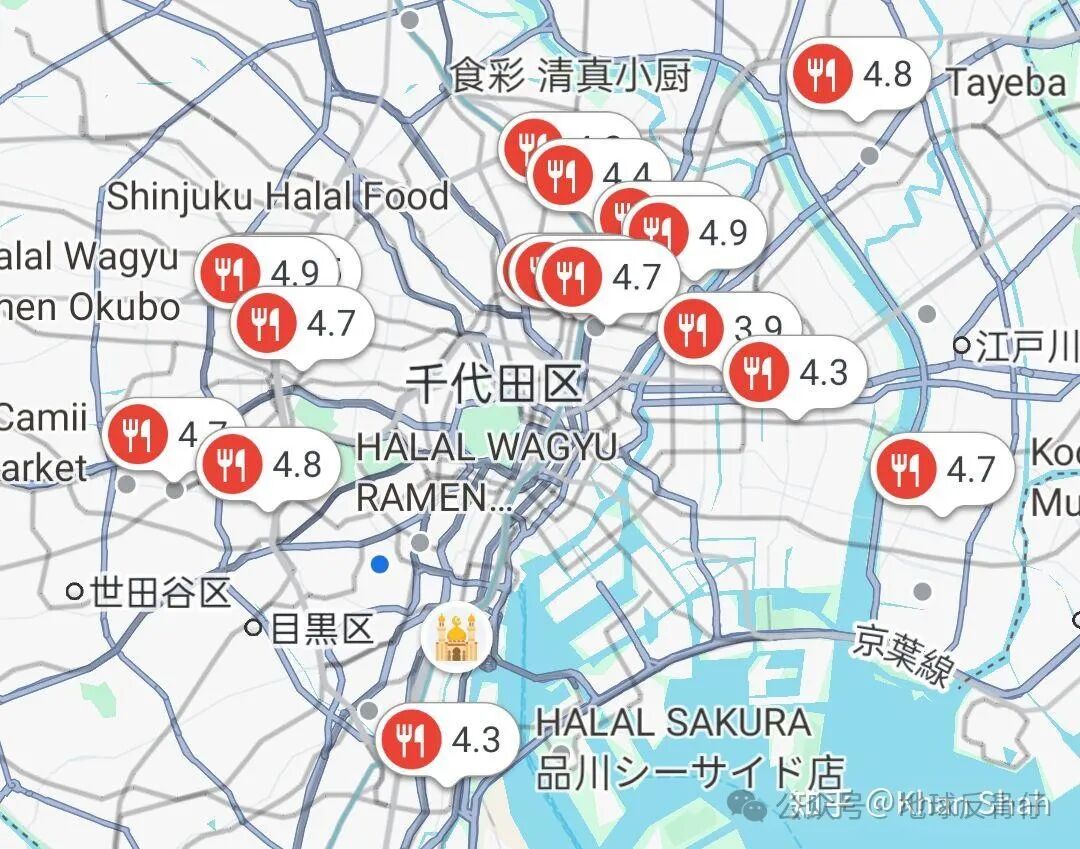
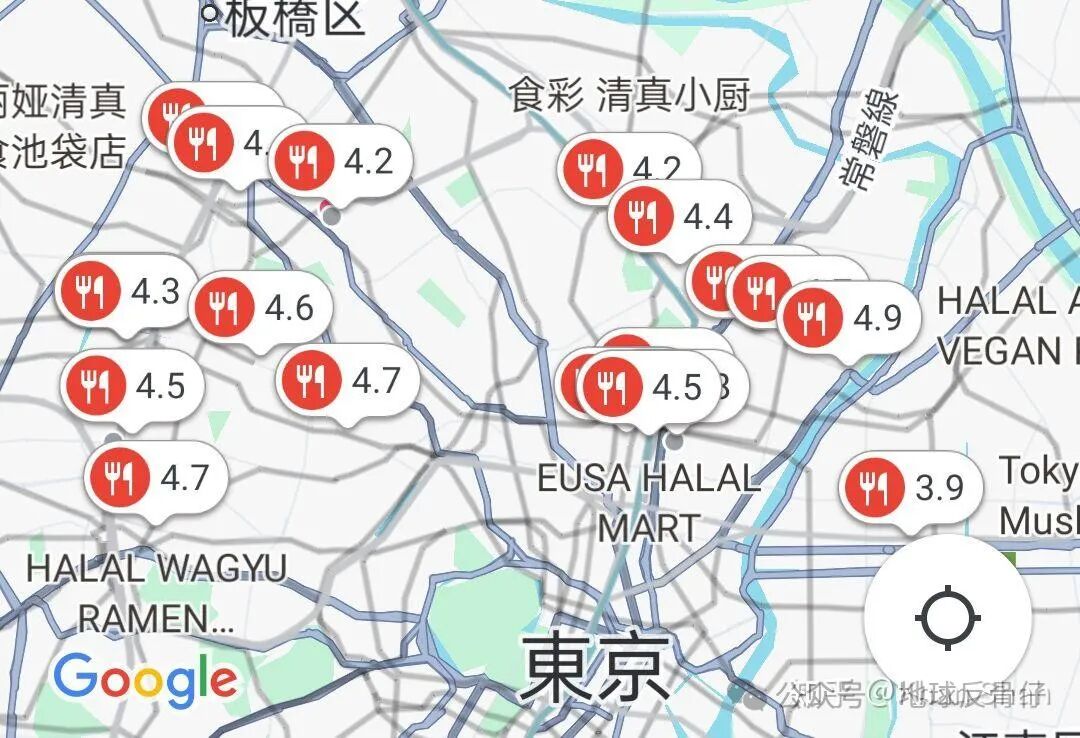
I searched in Tokyo again. I searched twice, and the results were slightly different each time.
I also found some restaurants on the "Japan Muslim Service Network" that you can find on Google.
I took a few screenshots, and here is a simple translation:
You can find halal versions of both international flavors and traditional Japanese cuisine.
You might be curious about what the symbol in the red circle means.
I looked it up, and it means the shop has a prayer room.
My earlier analysis was right: just searching for a mosque will make you miss many of these small prayer rooms inside shops.
So, there are likely even more places to pray than what we can see.
 Collapse Read »
Summary: This Japan Muslim travel guide uses the author's 2024 field observations and online checks to discuss mosques, Muslims, and halal travel in Japan. It keeps the original evidence path, travel notes, and local Muslim life context.
I put this article together using what I saw with my own eyes while traveling in Japan, along with information I easily found on YouTube, Google Maps, the Google Play Store, and Google Search.
On top of that, information from domestic AI software was a big help to me.
There are a lot of pictures later on, so keep an eye on your data usage. Writing this was hard work, and I am sharing it purely out of passion, so I hope you will give it a like to encourage me.
I went to Japan in early May 2024. Before I left, I had already read several articles claiming things like "there are no Muslims in Japan" or "there are no mosques in Japan."
When I read those articles, I had big doubts about whether they were true.
Once I actually stepped onto Japanese soil, I realized those claims were very one-sided.
First, let's see if the local area is really like some videos and articles say, where there is only one mosque in all of Japan.
Just in downtown Tokyo, if you search using the keyword "mosque," a lot of red dots pop up on the map.
This is basically the distribution map of mosques in Tokyo.
Because some small prayer rooms do not show up on the map, the reality is that there are even more places to pray than what you see.
I knew there were mosques in Japan before I went, and it is not like what some articles say about there being only one or two in the whole country.
I really did not expect there to be so many.
I visited the largest one, which is right in Yoyogi.
It is not just a mosque, but also a Turkish cultural center with a small museum next door.
There is a supermarket on the first floor that specializes in halal food.
Nearby, there are also classrooms where Muslim children learn basic religious knowledge.
The interior view of Yoyogi Mosque.
Later, I went to the Japan Islamic Cultural Center in Gotanda, which looks much simpler, as space is very expensive in a big city.
The prayer hall is upstairs, and the cafeteria is downstairs.
I remember an article I read before saying that Japan bans the sale of any Islamic books.
But on the fourth day of my trip, on the way to the Imperial Palace in Tokyo, I passed a fairly large bookstore.
I felt like going in for a look, and this was the first large or medium-sized bookstore I entered in Japan.
As it turned out, I saw this on the shelf for religious books:
The books marked inside the green circles are about Islam.
Of course, there are definitely more books on Buddhism by comparison.
Now let's use the internet to check if the Japanese government really stops people from learning about Islam.
We open the Google Play Store and search using the Japanese word for Islam, "isurāmu," to see if Japanese people can read e-books on the topic.
These are all things that ordinary Japanese citizens can buy easily, and many are even free.
Don't want to read? No problem, there are videos to watch on YouTube.
There are local Japanese Muslim scholars who explain Islamic knowledge on YouTube:
After that, I set off for Shizuoka City to see Mount Fuji, where there are usually fewer Muslims in smaller cities like this.
I searched and, sure enough, there is only one mosque there.
However, the Shizuoka Mosque is quite large and has a wide open space.
If you search for "eid" (the Arabic word for festivals, specifically referring to Eid al-Fitr and Eid al-Adha) plus "Shizuoka" on YouTube, you can see videos of the Eid celebrations filmed there.
Next, I went to Osaka and Kyoto. Osaka is also a big city, so it has a few more mosques.
Back home, I only heard that Tokyo had mosques and that there was one in Kobe.
To my surprise, I found that other cities actually have quite a few mosques too.
Kyoto has fewer mosques, which makes sense since the city is full of traditional houses and Buddhist temples.
Even so, there are still mosques there.
Before heading back to China, I returned to Tokyo on a Friday.
That was when I visited the Islamic cultural exchange center I mentioned earlier.
As is the custom, the imam gives a speech on Fridays.
The imam gives his speech in Japanese first, then explains it briefly in English.
Some might worry that Imam Sato speaks difficult Japanese-style English, but honestly, it sounds quite smooth.
Why use English?
Because most of the Muslims attending namaz in Japan are foreigners.
There are foreign workers here, as well as foreign tourists like me whose Japanese isn't very good.
Are there any native Japanese Muslims?
Of course there are, but native Japanese Muslims only make up a small portion.
So if you only speak in Japanese, many people won't understand.
I met several Japanese Muslims at the time.
I stared at them, wondering: is there any difference between them and ordinary Japanese people on the street?
If you met them on the road, I bet no one would guess they are Muslims:
Except for one person from Indonesia, everyone in this photo is a native Japanese Muslim.
Finally, I went to the Yoyogi Mosque one more time.
I happened to catch a young Japanese man and woman officially converting to Islam in front of an imam.
As I mentioned before, that mosque is a Turkish cultural center funded by the Turkish government.
There is an imam who only speaks Turkish and does not speak Japanese.
He had an interpreter next to him to help pass on his message.
I watched two young people finish their conversion ceremony right there.
There was also an older imam who seemed to be fluent in both Turkish and Japanese.
He is likely the one in charge of the Friday Jumu'ah sermon at Yoyogi Mosque.
I bought a round-trip ticket, and I chose Tokyo Narita Airport as my departure point.
So, I had to go back to Narita Airport in the end.
There are two prayer rooms set up at the check-in area of Narita Airport.
These prayer rooms are not just for Muslims, but we can take a look at the facilities inside.
At the entrance, there is a place to perform wudu before prayer, with a small stool and even tissues provided.
Inside, there are movable tables, chairs, and carpets, which make it much easier for Muslims to pray.
Actually, all the information mentioned above can be verified.
Most people traveling to Japan probably would not think to visit a mosque at all.
But if you have ever stepped into a convenience store, you have surely seen many brown-skinned young men, right?
Most of them come from Bangladesh.
Bangladesh is a South Asian country and also a nation with a large population.
It has very close historical ties with India and Pakistan.
So, what is the mainstream religion in Bangladesh? I looked it up using DeepSeek:
Japan currently faces a very serious aging population problem, and the labor market is in urgent need of workers from various countries.
When it comes to hiring, they really do not have much room to be picky.
Therefore, it is unrealistic to completely shut out Muslim labor.
Moreover, Japan is a major tourism destination that welcomes a massive number of foreign visitors every year.
Turning away all Muslim tourists is clearly not possible.
The number of mosques in Japan is actually quite high now.
This is especially notable considering Japan's first mosque was not built until 1935.
In less than a hundred years, the number has grown significantly; you can count the red dots on the map yourself.
Keep in mind that the entire city of Shanghai only has seven mosques, including the Songjiang Mosque and the Jinshan Mosque.
Besides Tokyo and Osaka, Nagoya is the only other major city in Japan worth mentioning.
Let's look at the general distribution and number of mosques in Nagoya.
Now, let me show you what the mosques in Nagoya look like.
Google Maps has real-life photos where you can click the arrows to see different angles.
As you can see, this mosque is actually a converted small building of the type people build themselves in Japan.
After looking at the big cities, let's check out a more remote part of Japan—Hokkaido.
In my mind, this place is always covered in snow and has a very cold climate.
Yet even in a place like this, there are already mosques.
Let's take a look at a mosque in Sapporo, Hokkaido.
I have seen Hokkaido, the northernmost part of Japan, but what about the Ryukyu Islands, which are far south and quite a distance from the mainland?
This place used to be the Ryukyu Kingdom, and it still keeps its very distinct character today.
There are very few mosques here, but the population is small and the area is tiny anyway.
On a map, the Okinawa Islands look like just a few small dots, almost invisible.
You can compare them: the circle above shows Kyushu Island, and the oval below shows the main island of Okinawa.
One look at the comparison shows that Okinawa is really, really small.
It is such a small place, and it is much further from the Japanese mainland than Japan is from Jeju Island in South Korea.
Even so, there is still a mosque there.
That is enough about the mosque for now, so let us look at the next part:
Japan bans all Arabic language education, and Japanese educational institutions are not allowed to teach Arabic.
Is this claim reliable? Let us look into it together.
Waseda University is probably one of the most familiar Japanese universities to Chinese people.
Haruki Murakami is a graduate of this school.
This university offers courses in Middle Eastern and Islamic studies.
Here is the proof, a screenshot from their official website.
A simple translation of the English inside the red box is:
In short, students can study Arabic here during their undergraduate years.
They also have the chance to learn other Middle Eastern languages, such as Persian and Turkish.
Now we understand that Japanese universities do teach Arabic.
Let's see what other universities are doing.
Kyoto University also has a center for Islamic area studies, as shown in the image below:
Let's look at another one, Tokyo University of Foreign Studies:
This is a higher education institution that specializes in foreign languages, and it has an Arabic major.
Let's look at the official website's brief introduction to this major.
Here is a simple translation of the key points (I was too lazy to translate it myself, so I just threw it at an AI).
What about Japan's top university, the University of Tokyo (also known as Todai)?
Todai also has an Islamic studies department. Let's look at the summary:
The text in the red box basically says: To help researchers accurately understand Islamic civilization, Todai teaches them relevant languages, including Arabic.
After checking the information myself, I found that the claim that "no educational institution in Japan offers Arabic education" simply doesn't hold up.
I have also seen a claim elsewhere that Japan has no halal restaurants and that you cannot buy halal food at all.
Is that true? Let's search and see.
I searched in Tokyo again. I searched twice, and the results were slightly different each time.
I also found some restaurants on the "Japan Muslim Service Network" that you can find on Google.
I took a few screenshots, and here is a simple translation:
You can find halal versions of both international flavors and traditional Japanese cuisine.
You might be curious about what the symbol in the red circle means.
I looked it up, and it means the shop has a prayer room.
My earlier analysis was right: just searching for a mosque will make you miss many of these small prayer rooms inside shops.
So, there are likely even more places to pray than what we can see.
Collapse Read »
Muslim Travel Guide Singapore 2026: Mosques, Hidden Prayer Rooms and Muslim Visitor Route (Part 1)
Reposted from the web
Summary: This Singapore Muslim travel guide is a full route through the city's mosques and hidden prayer rooms. It keeps the original table of contents, site-by-site order, mosque names, prayer-room details, and Muslim visitor notes.
Table of Contents:
1. Sultan Mosque
2. Malabar Mosque
3. Al-Abrar Mosque
4. Angullia Mosque
5. Burhani Mosque, the only Shia mosque in Singapore (Masjid Al Burhani)
6. Prayer room at Singapore General Hospital
7. Prayer room at Marina One shopping mall
(Content below to be updated)
8. Jamae Mosque, which features minarets in a South Indian style.
9. The South Indian gongbei of Singapore, Nagore Dargah.
10. Al-Abrar Mosque.
11. Underground Mosque.
12. Omar Kampong Melaka Mosque, the oldest mosque in Singapore.
13. Al-Amin Mosque.
14. Temenggong Mosque.
15. Sentosa prayer room.
16. Singapore Islamic Centre Mosque.
17. Islamic Religious Council of Singapore.
18. Tomb of Habib Nuh (Habib Nuh Lingmu)
19. Haji Muhammad Salleh Mosque
20. Hajjah Fatimah Mosque
21. Changi Airport Prayer Room
1. Sultan Mosque
I took a taxi from Changi Airport, and the driver was an elderly Chinese gentleman. We mostly spoke in English. He could speak Mandarin, but he kept switching back to English out of habit. After getting off at Bugis, I realized it was very close to Arab Street, less than a five-minute walk away. It was December, and the street wasn't as hot as I had imagined. The buildings along the street looked very clean, and they often had one or two floors in the middle left open for planting trees.
There is a large mosque on Arab Street, which is likely the most famous mosque in Singapore. Many people visiting Singapore make sure to stop by this mosque. This mosque is called Sultan Mosque. The main prayer hall has two golden domes that look very bold and eye-catching.
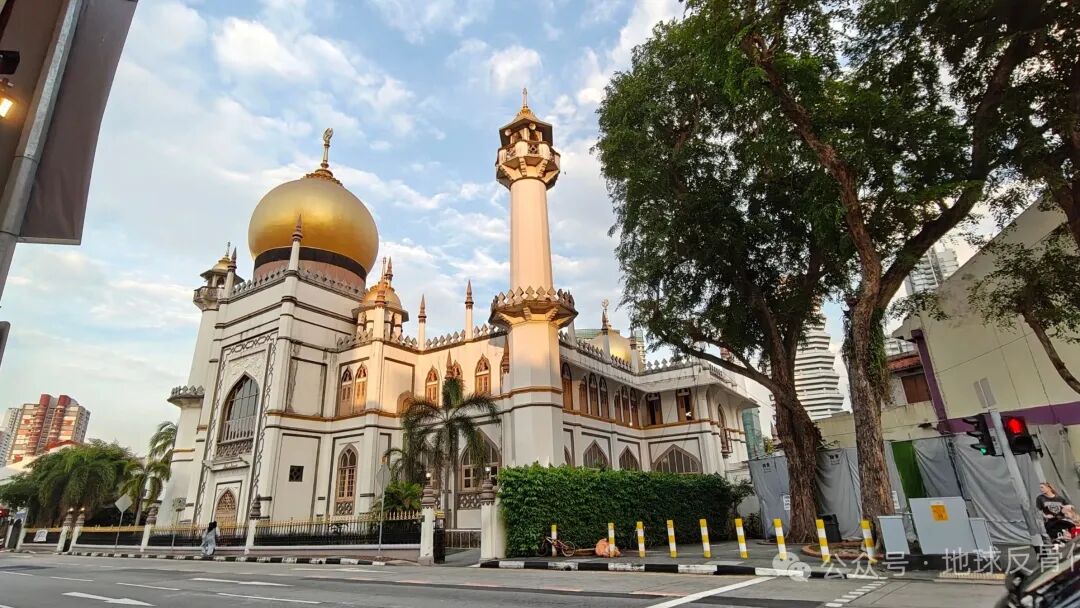
What you see from this side of the road is actually the mihrab area of the mosque; you have to enter through the small alley on the side to reach the main entrance. There are many halal restaurants and souvenir shops in that alley, showing that there are a lot of tourists here. Following this path leads you to the front gate of the mosque. There is a special tourist route starting from the front gate that lets you enter the main prayer hall for a visit.
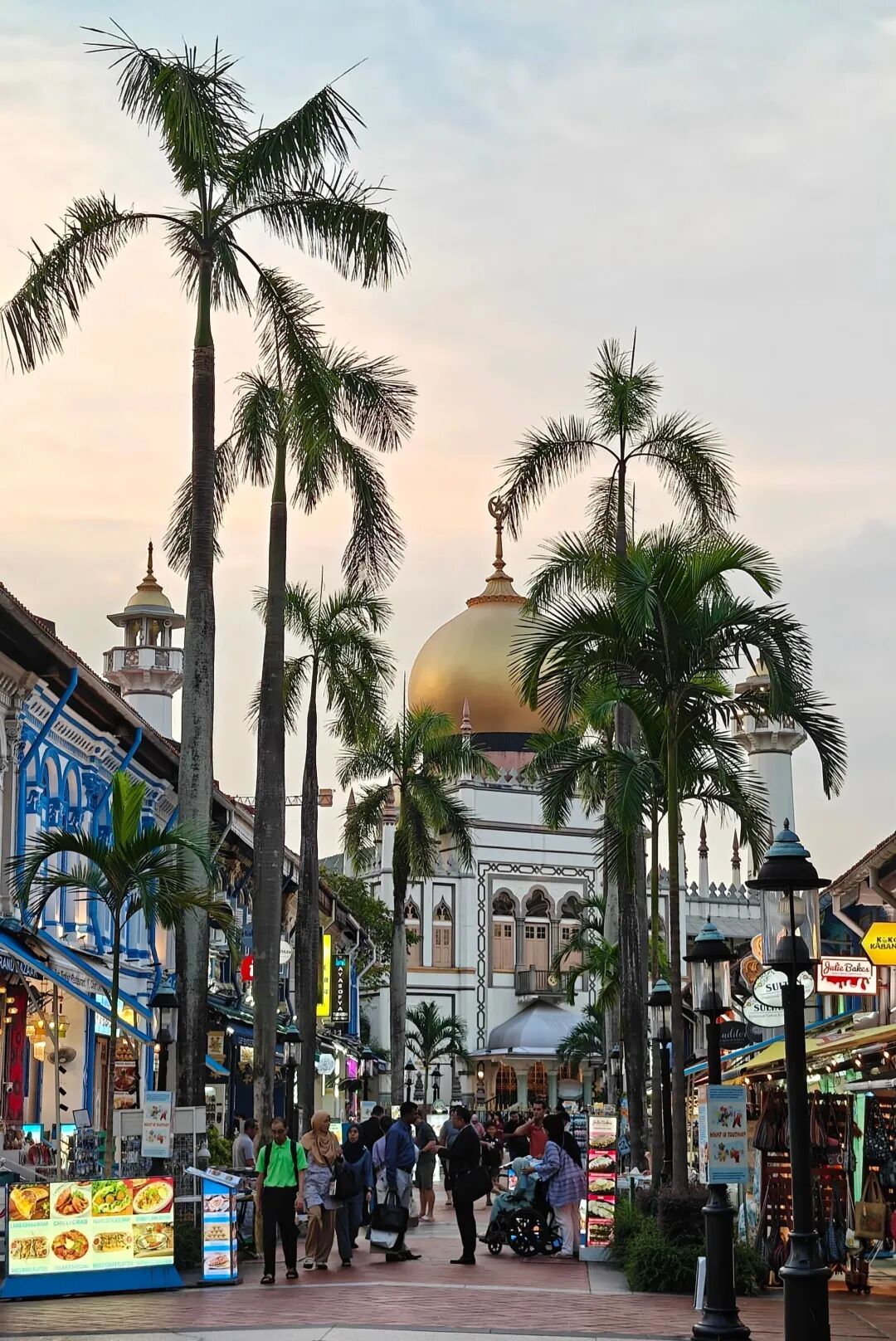
The space inside the mosque is very large. The ceiling of the main prayer hall is very high. It was likely built this way to help with heat dissipation since keeping the room warm is not a concern.
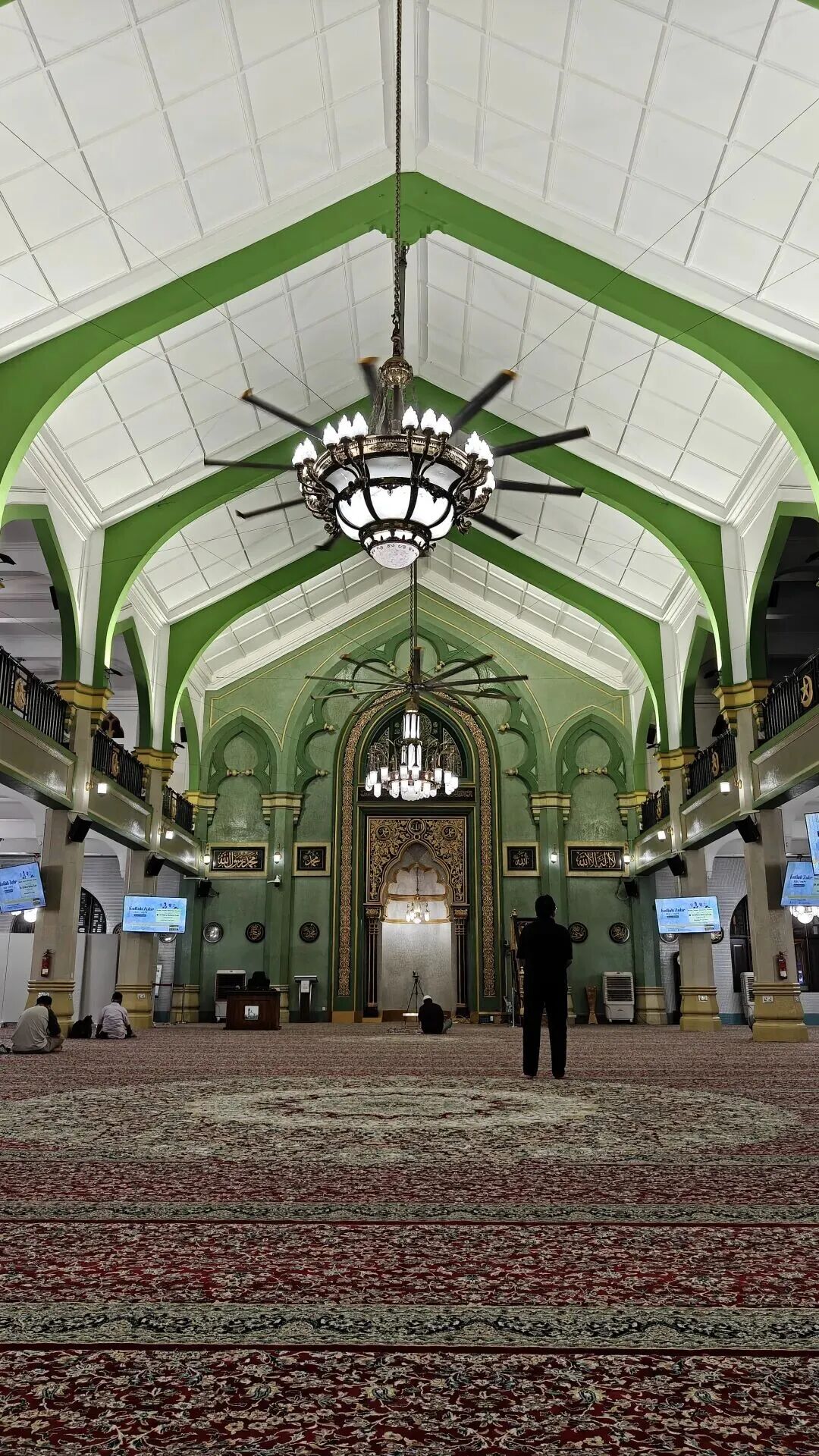
The second floor seems to be the women's prayer area, so I did not go up there.
Let me show you the mosque's mihrab niche and minbar pulpit. They are crafted beautifully with both calligraphy and floral patterns, giving them a strong Southeast Asian feel. If you want to see more details, you can check out the post I shared previously about the Sultan Mosque. This mosque is one of the older ones in Singapore. It started as a simple place of worship built by the Sultan of Johor in 1824 for local Muslims, and it was later expanded to its current size. The current building uses Indo-Saracenic style, which you can also see in India and Kuala Lumpur, Malaysia. I will share more related content with you in the future.
2. Malabar Mosque
This mosque is very close to the Sultan Mosque, just a few steps away. It is right by the side of the road and very easy to spot, so you will definitely see it when you pass by. Founded in 1963, Malabar Mosque is a mosque for the Malabar Muslim community, though Muslims from other backgrounds are of course welcome to pray there too. There is an information board near the entrance that explains the history of the mosque and shows old photos taken in 1960. Looking at the old photos, the Malabar Mosque did not have its blue tiles back then. The word Malabar comes from a Muslim community in the Kerala state of southern India. Many people know there are many Muslims in northern India, but there are actually many in southern India as well. Muslims in Kerala existed even before the establishment of northern Indian Muslim regimes like the Delhi Sultanate, which later became the Mughal Empire. On the outer wall of the mosque, you can see a commemorative plaque with gold-rimmed tiles stating that this is a mosque for the Malabar Muslim community, officially opened by Yusof bin Ishak. This Yusof was the first president of Singapore, and his portrait is the one printed on Singaporean banknotes today. Let us take a look inside the mosque. This mosque is much smaller than the Sultan Mosque we just visited, and the interior is much simpler. However, the basic layout of the prayer hall is similar, and there is also a women's prayer area upstairs. Judging by their features and skin tone, most people coming here to pray look like they are of South Asian descent.
3. Al-Abrar Mosque
Abdul Gafoor Mosque is located in the Little India neighborhood of Singapore. Many Indian people live in this area, which has a South Indian-style Hindu mosque as well as other religious buildings, such as this mosque. Of course, the local term for it is mosque (huijiaotang). This mosque is colored white and green, and you can see a sun design wrapping around a star and crescent in the center of the main gate lintel. The sun has 25 rays, and if you look closely, each ray is actually the name of a prophet. There are 25 prophets mentioned in the Quran, including Adam (Adan), Noah (Nuh), Abraham (Ibrahim), Moses (Musa), Jesus (Isa), and Muhammad. The prayer hall is not large, but it is very delicate, and the pillars are shaped like matcha-flavored twisted dough sticks (mahua). Also, the central courtyard allows light to reach the basement. There is a prayer area underground as well. Take a look, the pillars in the basement also have this twisted dough stick shape.
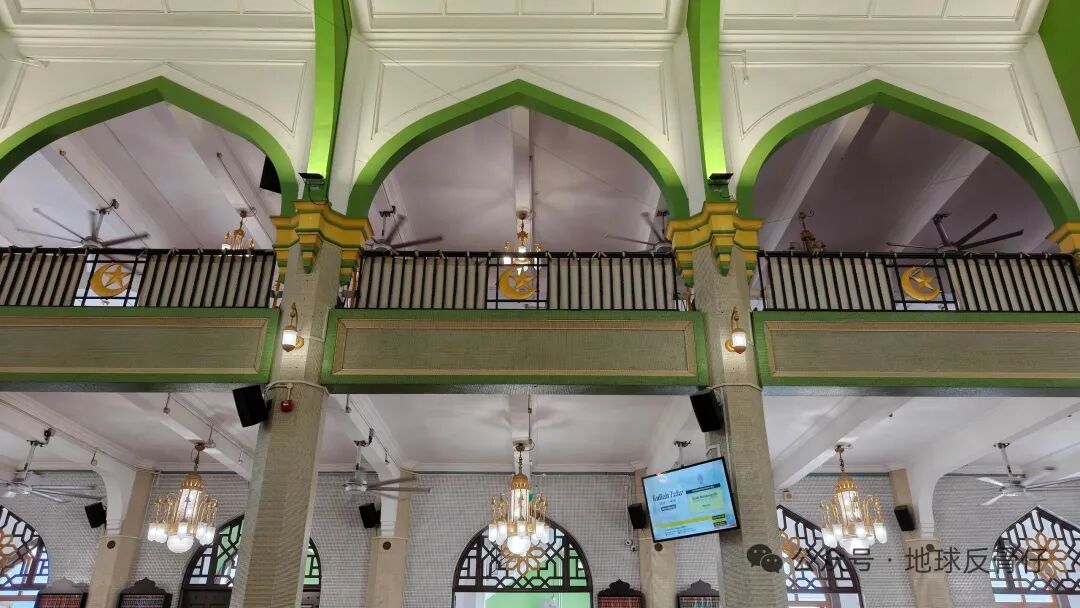
Let me show you the mosque's mihrab niche and minbar pulpit. It is beautifully made, featuring not just calligraphy but also floral patterns, giving it a real Southeast Asian feel. If you want to see more details, check out my previous post about the Sultan Mosque. This mosque is one of the older ones in Singapore. The Sultan of Johor first built a simple place of worship here in 1824 for local Muslims to use, and it was later expanded to its current size. The current building uses Indo-Saracenic style. You can see similar mosques in India and in Kuala Lumpur, Malaysia. I will share more updates with you later.
2. Malabar Mosque
This mosque is very close to the Sultan Mosque. It is just a few steps away and sits right by the road, so it is very easy to spot. I am sure you will see it if you pass by. The Malabar Mosque was established in 1963. It is a mosque for the Malabar Muslim community, but Muslims from other ethnic groups are of course welcome to pray there too. There is an information board near the entrance where you can learn about the history of the mosque. You can also see a photo taken in 1960, which shows that the Malabar Mosque did not have its blue tiles back then. The word Malabar comes from a Muslim ethnic group in the state of Kerala in southern India. Many people know that there are many Muslims in North India, but there are actually many in South India as well. The Muslims of Kerala existed even before North Indian Muslim regimes like the Delhi Sultanate (and later the Mughal Empire) were established. On the outer wall of the mosque, you can still see a commemorative plaque edged with gold tiles. It states that this is a mosque for the Malabar Muslim community, officially opened by Yusof bin Ishak. This Yusof was Singapore's first president, and he is the person featured on current Singaporean banknotes. Let's look inside the mosque. It is much smaller than the Sultan Mosque we just visited, and the interior is quite a bit simpler. However, the basic layout of the prayer hall is similar, with the upstairs area also reserved for women. Judging by their features and skin tone, most of the people coming to this mosque for namaz appear to be from South Asia.
3. Al-Abrar Mosque
Abdul Gafoor Mosque is in Singapore's Little India neighborhood. Many Indian people live in this area, which is home to a South Indian-style Hindu mosque as well as buildings for other religions, such as this mosque. Of course, the local term used here is mosque (huijiaotang). The mosque is painted in white and green, and in the center of the main gate's lintel, you can see a sun design surrounding a star and crescent. The sun has 25 rays. If you look closely, each ray represents the name of a prophet. There are 25 prophets mentioned in the Quran, including Adam (Adan), Noah (Nuha), Abraham (Ibrahim), Moses (Musa), Jesus (Isa), and Muhammad. The prayer hall is small but very delicate, and the pillars look just like matcha-flavored twisted dough sticks (mahua). The central courtyard also lets light shine down into the basement. There is a prayer area underground as well. Notice that the basement pillars also have this twisted rope design.
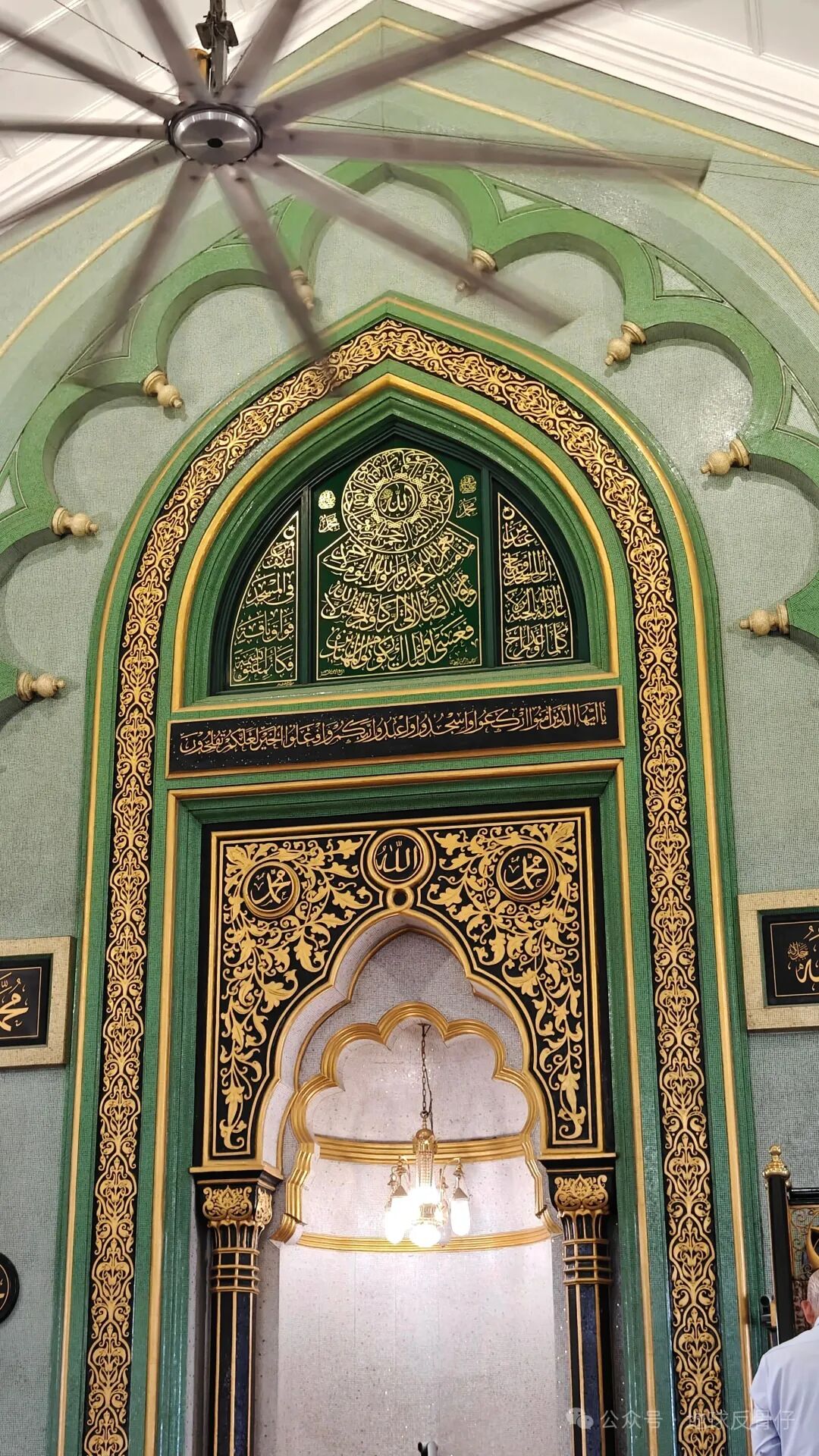
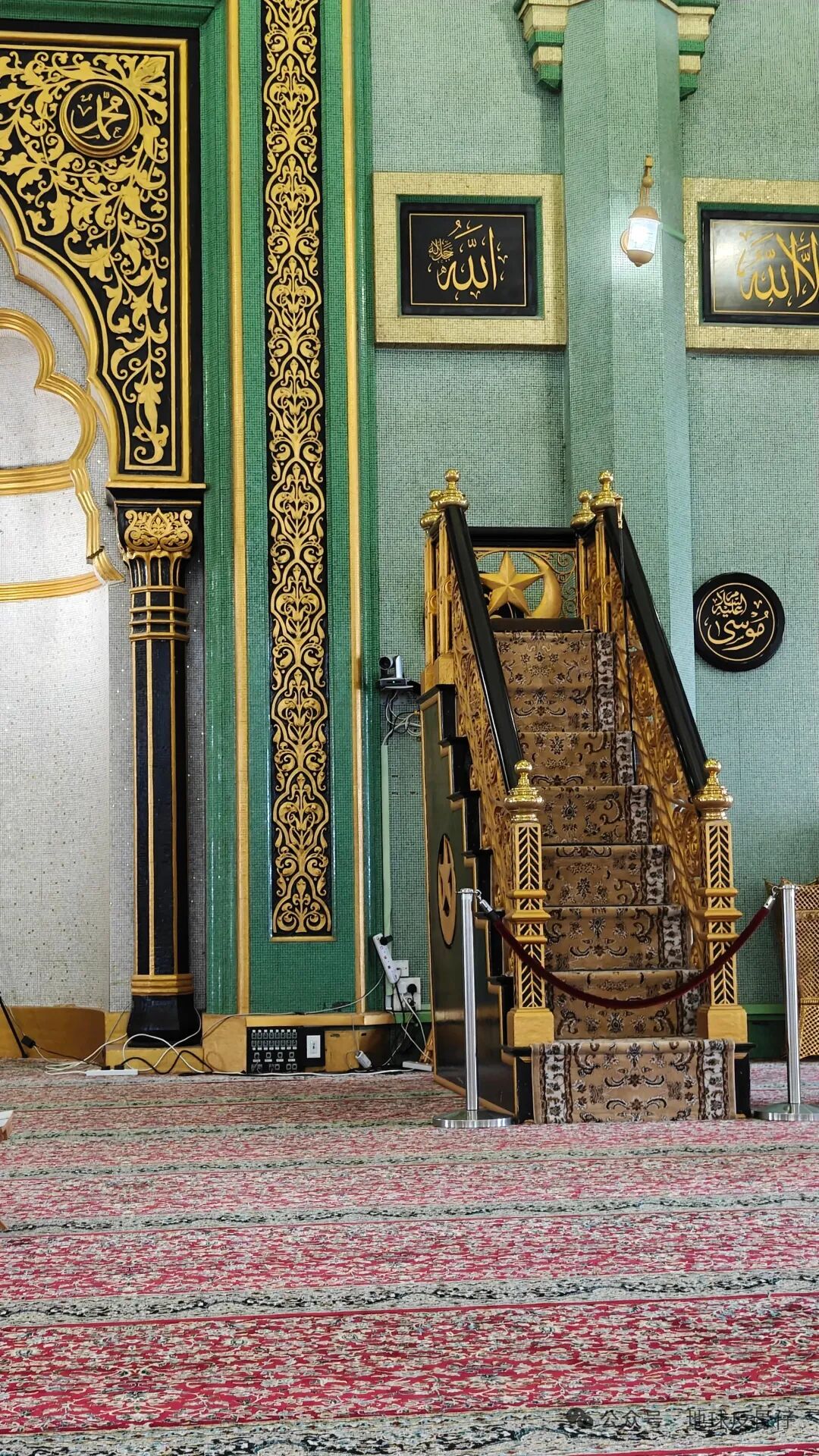
If you want to see more details, check out my previous post about the Sultan Mosque. This mosque is one of the older ones in Singapore. The Sultan of Johor first built a simple place of worship here in 1824 for local Muslims to use, and it was later expanded to its current size. The current building uses Indo-Saracenic style. You can see similar mosques in India and in Kuala Lumpur, Malaysia. I will share more updates with you later.
2. Malabar Mosque
This mosque is very close to the Sultan Mosque. It is just a few steps away and sits right by the road, so it is very easy to spot. I am sure you will see it if you pass by. The Malabar Mosque was established in 1963. It is a mosque for the Malabar Muslim community, but Muslims from other ethnic groups are of course welcome to pray there too. There is an information board near the entrance where you can learn about the history of the mosque. You can also see a photo taken in 1960, which shows that the Malabar Mosque did not have its blue tiles back then. The word Malabar comes from a Muslim ethnic group in the state of Kerala in southern India. Many people know that there are many Muslims in North India, but there are actually many in South India as well. The Muslims of Kerala existed even before North Indian Muslim regimes like the Delhi Sultanate (and later the Mughal Empire) were established. On the outer wall of the mosque, you can still see a commemorative plaque edged with gold tiles. It states that this is a mosque for the Malabar Muslim community, officially opened by Yusof bin Ishak. This Yusof was Singapore's first president, and he is the person featured on current Singaporean banknotes. Let's look inside the mosque. It is much smaller than the Sultan Mosque we just visited, and the interior is quite a bit simpler. However, the basic layout of the prayer hall is similar, with the upstairs area also reserved for women. Judging by their features and skin tone, most of the people coming to this mosque for namaz appear to be from South Asia.
3. Al-Abrar Mosque
Abdul Gafoor Mosque is in Singapore's Little India neighborhood. Many Indian people live in this area, which is home to a South Indian-style Hindu mosque as well as buildings for other religions, such as this mosque. Of course, the local term used here is mosque (huijiaotang). The mosque is painted in white and green, and in the center of the main gate's lintel, you can see a sun design surrounding a star and crescent. The sun has 25 rays. If you look closely, each ray represents the name of a prophet. There are 25 prophets mentioned in the Quran, including Adam (Adan), Noah (Nuha), Abraham (Ibrahim), Moses (Musa), Jesus (Isa), and Muhammad. The prayer hall is small but very delicate, and the pillars look just like matcha-flavored twisted dough sticks (mahua). The central courtyard also lets light shine down into the basement. There is a prayer area underground as well. Notice that the basement pillars also have this twisted rope design.
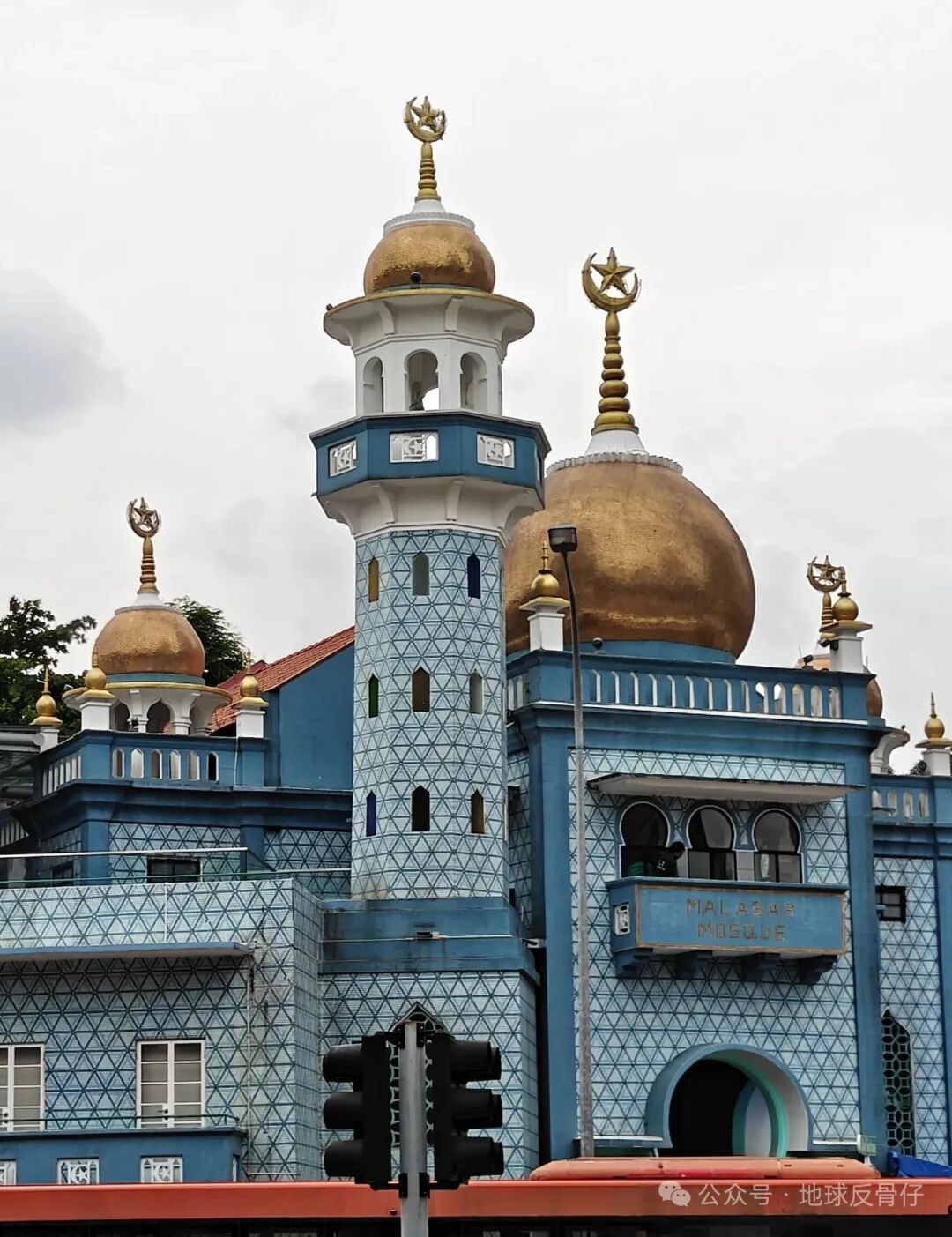
There is an information board near the entrance where you can learn about the history of the mosque. You can also see a photo taken in 1960, which shows that the Malabar Mosque did not have its blue tiles back then. The word Malabar comes from a Muslim ethnic group in the state of Kerala in southern India. Many people know that there are many Muslims in North India, but there are actually many in South India as well. The Muslims of Kerala existed even before North Indian Muslim regimes like the Delhi Sultanate (and later the Mughal Empire) were established. On the outer wall of the mosque, you can still see a commemorative plaque edged with gold tiles. It states that this is a mosque for the Malabar Muslim community, officially opened by Yusof bin Ishak. This Yusof was Singapore's first president, and he is the person featured on current Singaporean banknotes. Let's look inside the mosque. It is much smaller than the Sultan Mosque we just visited, and the interior is quite a bit simpler. However, the basic layout of the prayer hall is similar, with the upstairs area also reserved for women. Judging by their features and skin tone, most of the people coming to this mosque for namaz appear to be from South Asia.
3. Al-Abrar Mosque
Abdul Gafoor Mosque is in Singapore's Little India neighborhood. Many Indian people live in this area, which is home to a South Indian-style Hindu mosque as well as buildings for other religions, such as this mosque. Of course, the local term used here is mosque (huijiaotang). The mosque is painted in white and green, and in the center of the main gate's lintel, you can see a sun design surrounding a star and crescent. The sun has 25 rays. If you look closely, each ray represents the name of a prophet. There are 25 prophets mentioned in the Quran, including Adam (Adan), Noah (Nuha), Abraham (Ibrahim), Moses (Musa), Jesus (Isa), and Muhammad. The prayer hall is small but very delicate, and the pillars look just like matcha-flavored twisted dough sticks (mahua). The central courtyard also lets light shine down into the basement. There is a prayer area underground as well. Notice that the basement pillars also have this twisted rope design.
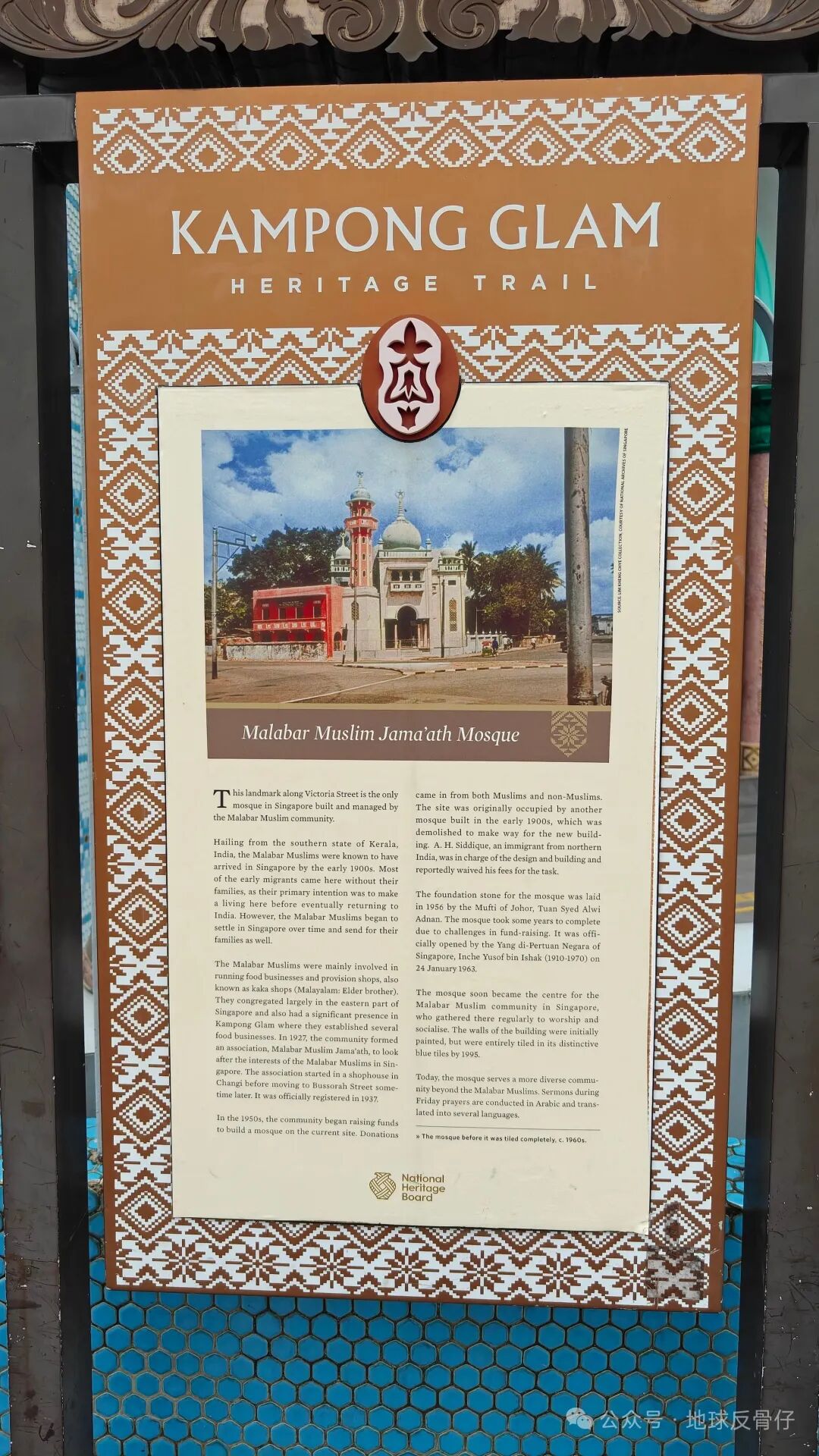
On the outer wall of the mosque, you can still see a commemorative plaque edged with gold tiles. It states that this is a mosque for the Malabar Muslim community, officially opened by Yusof bin Ishak. This Yusof was Singapore's first president, and he is the person featured on current Singaporean banknotes.
Let's look inside the mosque. It is much smaller than the Sultan Mosque we just visited, and the interior is quite a bit simpler. However, the basic layout of the prayer hall is similar, with the upstairs area also reserved for women. Judging by their features and skin tone, most of the people coming to this mosque for namaz appear to be from South Asia.
3. Al-Abrar Mosque
Abdul Gafoor Mosque is in Singapore's Little India neighborhood. Many Indian people live in this area, which is home to a South Indian-style Hindu mosque as well as buildings for other religions, such as this mosque. Of course, the local term used here is mosque (huijiaotang). The mosque is painted in white and green, and in the center of the main gate's lintel, you can see a sun design surrounding a star and crescent. The sun has 25 rays. If you look closely, each ray represents the name of a prophet. There are 25 prophets mentioned in the Quran, including Adam (Adan), Noah (Nuha), Abraham (Ibrahim), Moses (Musa), Jesus (Isa), and Muhammad. The prayer hall is small but very delicate, and the pillars look just like matcha-flavored twisted dough sticks (mahua). The central courtyard also lets light shine down into the basement. There is a prayer area underground as well. Notice that the basement pillars also have this twisted rope design.
Let's look inside the mosque. It is much smaller than the Sultan Mosque we just visited, and the interior is quite a bit simpler. However, the basic layout of the prayer hall is similar, with the upstairs area also reserved for women. Judging by their features and skin tone, most of the people coming to this mosque for namaz appear to be from South Asia.
3. Al-Abrar Mosque
Abdul Gafoor Mosque is in Singapore's Little India neighborhood. Many Indian people live in this area, which is home to a South Indian-style Hindu mosque as well as buildings for other religions, such as this mosque. Of course, the local term used here is mosque (huijiaotang). The mosque is painted in white and green, and in the center of the main gate's lintel, you can see a sun design surrounding a star and crescent. The sun has 25 rays. If you look closely, each ray represents the name of a prophet. There are 25 prophets mentioned in the Quran, including Adam (Adan), Noah (Nuha), Abraham (Ibrahim), Moses (Musa), Jesus (Isa), and Muhammad. The prayer hall is small but very delicate, and the pillars look just like matcha-flavored twisted dough sticks (mahua). The central courtyard also lets light shine down into the basement. There is a prayer area underground as well. Notice that the basement pillars also have this twisted rope design.
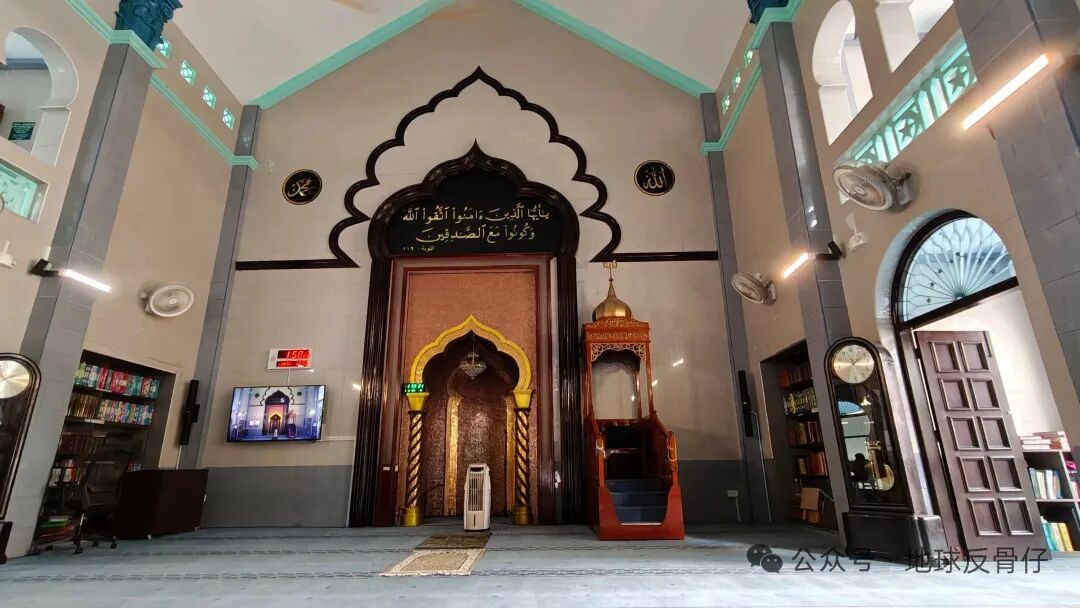
3. Al-Abrar Mosque
Abdul Gafoor Mosque is in Singapore's Little India neighborhood. Many Indian people live in this area, which is home to a South Indian-style Hindu mosque as well as buildings for other religions, such as this mosque. Of course, the local term used here is mosque (huijiaotang).
The mosque is painted in white and green, and in the center of the main gate's lintel, you can see a sun design surrounding a star and crescent. The sun has 25 rays. If you look closely, each ray represents the name of a prophet. There are 25 prophets mentioned in the Quran, including Adam (Adan), Noah (Nuha), Abraham (Ibrahim), Moses (Musa), Jesus (Isa), and Muhammad. The prayer hall is small but very delicate, and the pillars look just like matcha-flavored twisted dough sticks (mahua). The central courtyard also lets light shine down into the basement. There is a prayer area underground as well. Notice that the basement pillars also have this twisted rope design.
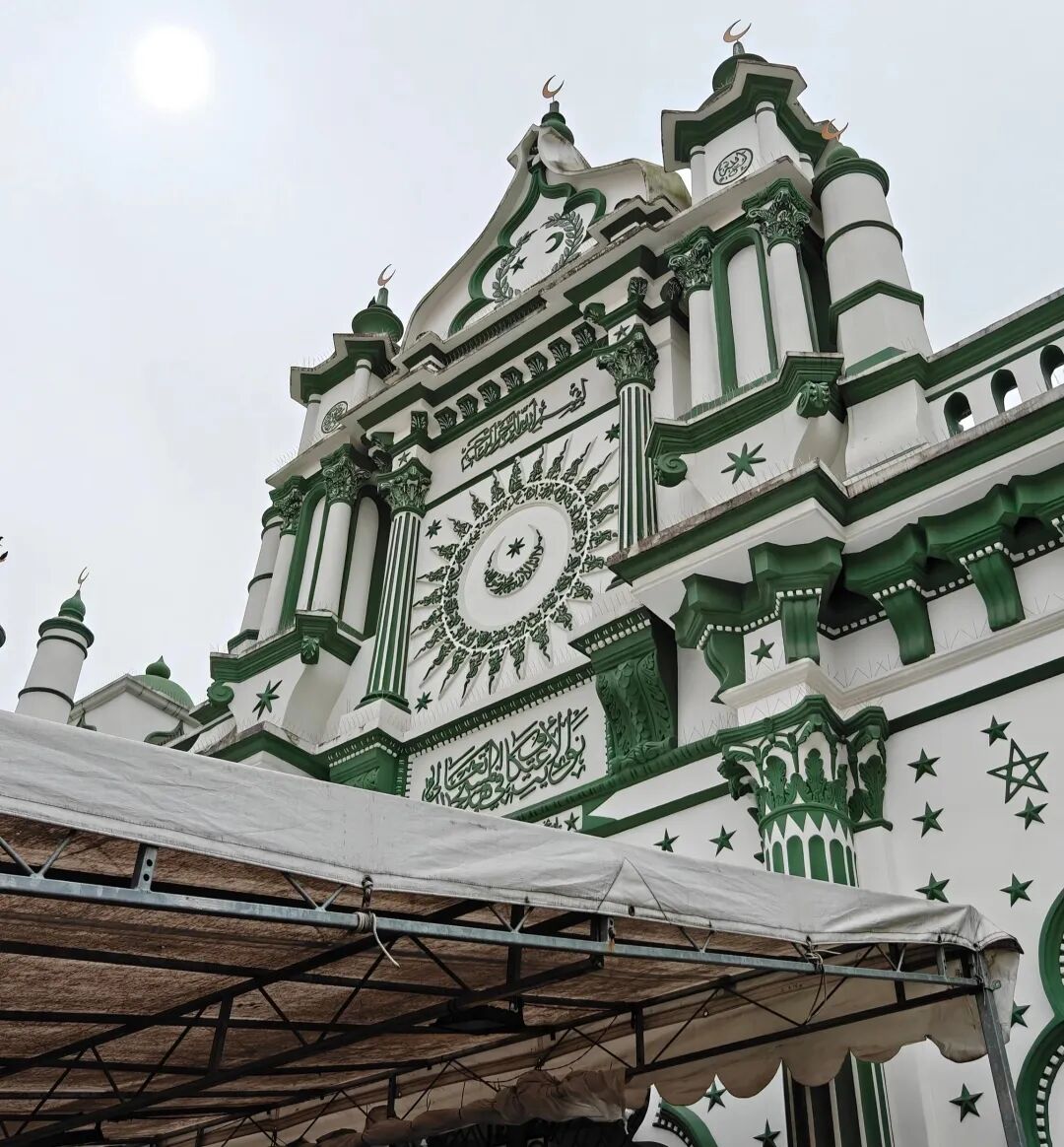
The mosque is painted in white and green, and in the center of the main gate's lintel, you can see a sun design surrounding a star and crescent. The sun has 25 rays. If you look closely, each ray represents the name of a prophet. There are 25 prophets mentioned in the Quran, including Adam (Adan), Noah (Nuha), Abraham (Ibrahim), Moses (Musa), Jesus (Isa), and Muhammad.
The prayer hall is small but very delicate, and the pillars look just like matcha-flavored twisted dough sticks (mahua). The central courtyard also lets light shine down into the basement. There is a prayer area underground as well. Notice that the basement pillars also have this twisted rope design.
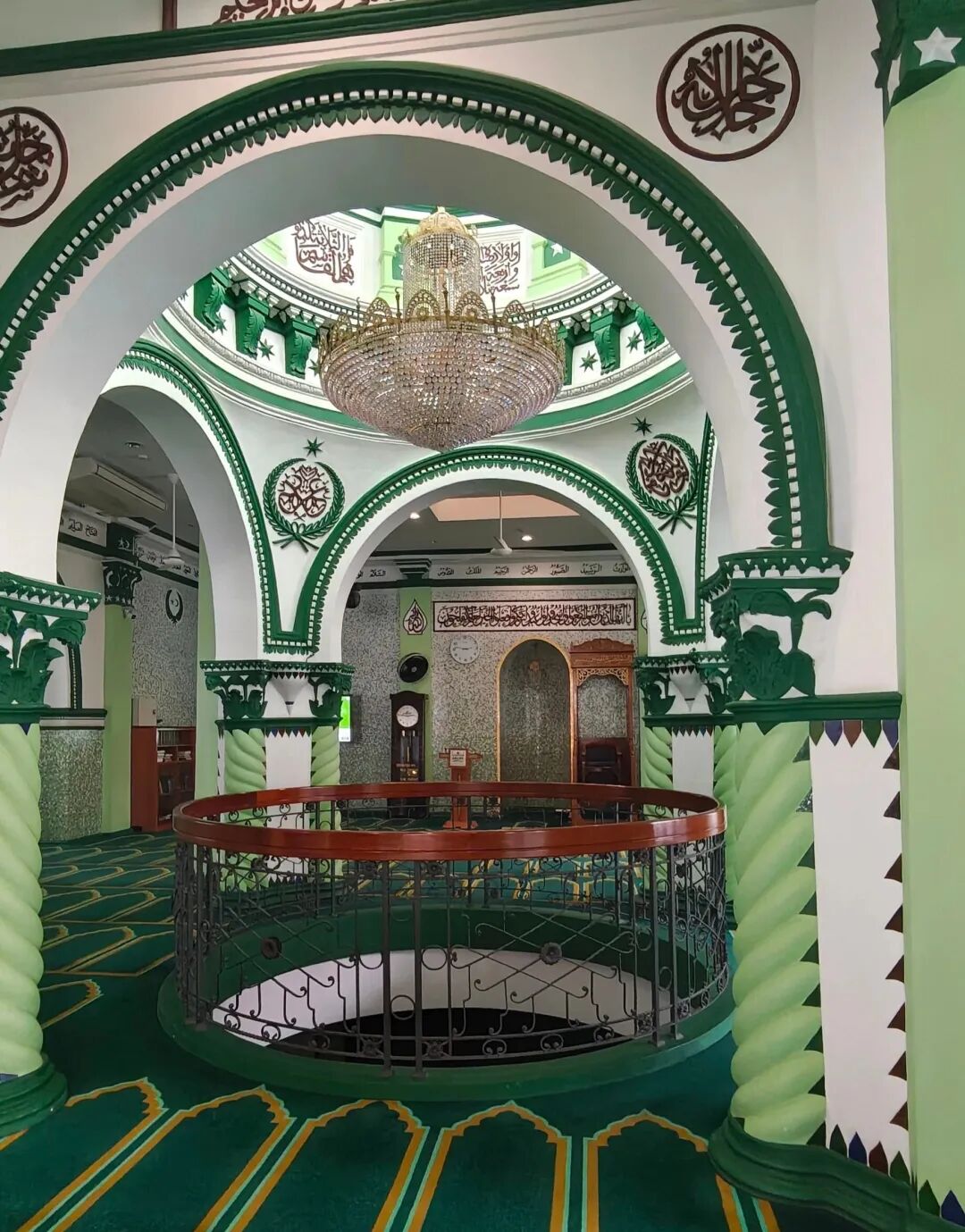
The prayer hall is small but very delicate, and the pillars look just like matcha-flavored twisted dough sticks (mahua). The central courtyard also lets light shine down into the basement. There is a prayer area underground as well. Notice that the basement pillars also have this twisted rope design.
Beyond its unique architecture, a highlight of this mosque is that it was founded by an Indian. Inside the mosque, you will find Arabic, the universal language of Islam, English for tourists, and also Tamil. This is a South Indian language, primarily spoken in the state of Tamil Nadu in southern India. The Singapore MRT also uses this language for announcements, usually as the final language played. The picture below shows the prayer times in Tamil displayed on a screen inside the prayer hall. The surprises at this small mosque do not end there; it even has a small museum. The guide is an older Tamil Indian man who works at the mosque. He speaks Tamil, a language with a very fast speaking pace. Because of this, he also speaks English at a very high speed. The mosque houses fragments of handwritten Quran manuscripts and a Chinese translation of the Quran by Mr. Ma Jian. On the wall, there is an interactive display of the 99 Names of Allah. The front features Arabic calligraphy of the names, and the back shows the English translation. Interested friends can search my homepage for the post about Abdul Gafoor Mosque.
4. Angullia Mosque
Angullia Mosque was built by the Angullia family, a family that has also built mosques in Malaysia, Indonesia, the Philippines, and India. They come from Gujarat, India, which is Modi's hometown. Their family is good at business, so they travel everywhere to trade. This Nagore Dargah Mosque (Anguliya Mosque) is the one they built in Singapore. The color scheme reminds people of the red sandstone often used in Indian architecture. The prayer area inside the mosque has two floors, and the second floor is about half the length of the first. There is a small transparent dome above the mihrab that lets light in. I found a Quran translated into Bengali in the mosque. Bangladesh is also a Muslim country, where over 90 percent of the population is Muslim. Bengali uses the Bengali script. Seeing this Brahmic script used for the Quran really reminded me of the scriptures of another religion. The presence of a Bengali Quran in the mosque shows that many Bengali people come here to pray. The mosque's courtyard is very small, but they still managed to set up an exhibition area. It displays meaningful items used by the mosque in the past, such as bricks from when the old mosque was built and pots used for cooking porridge. They did not waste the mosque's outer walls either. They posted a brief introduction to the Anguliya family on the walls, along with photos of mosques their family built in South Asia, Southeast Asia, and other places. (I didn't expect to see that they even have them in the Philippines.)
5. Burhani Mosque (the only Shia mosque in Singapore)
At the Abdul Gafoor Mosque mentioned earlier, a Tamil guide told me that Singapore has a Shia mosque. I was immediately interested because I had never been to a Shia mosque in my life. I used to think you could only see Shia mosques in Iran or Iraq, so I was surprised to find one in Singapore. On second thought, it makes sense. Thailand has Shia Muslims, and since Singapore is a global crossroads, it is not strange to find them here too. There is an information board behind the mosque. It says this mosque was built by merchants from Gujarat, India. That is right, Gujarati merchants again. This side of the road shows the back of the mosque. The mosque has a very restrained design, using solid, low-saturation colors for the main structure. The large building behind the prayer hall is likely office space. Inside the mosque, there are two prayer rooms, one in the front and one in the back, separated by several doors. Push open the door and you are in the inner prayer hall. There were two elderly men inside at the time, and one of them really looked a bit like Modi. After all, they are both Gujarati, and appearance is related to geography, so it is not strange that they look a bit alike. There is a long flag on each side of the mihrab, one red and one green. Other mosques do not have these kinds of flags, so let us zoom in to see what is written on them. The content on both flags is basically the same. From top to bottom, it is written: Allah, Muhammad (the Prophet himself), Ali (the fourth Caliph), Fatimah (the Prophet's daughter and Ali's wife), Hasan (the eldest son of Ali and Fatimah), and Husayn (the second son of Ali and Fatimah). The red banner adds an exclamation word, 'Ya', before each name. There is similar content on the wall as well. Since I did not see any specific differences between how Shia and Sunni Muslims perform namaz during this visit to a Shia mosque, I decided to go to Iran to see for myself. That is how the later trip to Iran came about. Friends who are interested can check out my travel notes on Iranian mosques in my official WeChat account.
6. The prayer room (surau) at Singapore General Hospital (SGH).
After seeing so many mosques, let us now take a look at a prayer room. What is the difference between a prayer room and a mosque? The size of the space is secondary; indeed, generally speaking, a prayer room is smaller than a mosque. But some mosques are actually very small. From what I have seen, prayer rooms usually do not have permanent staff. People come here to pray in a group they organized themselves, or they pray alone and then leave. It is not like a mosque where there are permanent staff to call the adhan and lead the five daily prayers. Another difference is that prayer rooms are usually much simpler than mosques and lack necessary facilities. Mosques have toilets, a room for minor ablution (wudu), and a room for major ablution (ghusl). As for prayer rooms, some have toilets and an area for minor ablution. Some only have a few water taps. The prayer room I am going to talk about next is actually quite large, so you will see the difference between it and a mosque. First of all, it looks very plain, with no minaret and no sign on the door. To passersby, this place just looks like a small shed. When you enter the prayer room, there is actually a small courtyard inside. The courtyard has long tables and benches, as well as free tea. People who come to pray can sit on the benches to rest for a while and drink some water. You have to drink water in this Singapore weather. I usually do not drink much water, but I drink two bottles of mineral water a day since coming to Singapore. Inside the prayer room, I saw medical staff from the hospital coming to pray, and I even met a Singapore police officer here once. This prayer room is quite large, even bigger than some small mosques. There are many straw mats (liangxi) in the prayer room porch. When it gets crowded, people spread them out to use as prayer rugs. This shows that many people come here for Friday congregational prayers. The prayer schedule inside the room is electronic, but it might be broken because it is not showing the times. So now they are using this manual prayer schedule, where the times can be adjusted by hand.
7. The prayer room at Marina One
Marina One is a shopping mall in the CBD area near the Singapore waterfront. According to the map, there is a prayer room in this underground mall. I spent a long time looking for it on my first visit and even asked an Indian security guard at the nearby parking lot where the prayer room was. The security guard was very kind and pointed me in the right direction. The prayer room is on the B2 level, which is the first floor down. You can see the Singapore landmark, Marina Bay Sands, from the mall entrance. After going down, follow the path and you will see a round window. It looks like a laundry shop decorated to look like a washing machine. The prayer room is right next to this laundry shop. The prayer room is easy to find because it is marked with a dome and a star and crescent symbol. Open this door and you will see a small door on both the left and the right. Men go to the left and women to the right to pray separately. The prayer room is right through the door. The facilities for wudu (ablution) are very basic and only cover the essential parts, so you should still use a nearby restroom stall for a full wash. A prayer room is just what it sounds like: a small room where you can perform namaz. The facilities inside are simple, so there is no mihrab and no podium. There is no minbar chair. However, this prayer room has an unexpectedly large number of books. The back is filled with all kinds of books, and there are even missionary materials. It is normal to see these in a mosque since tourists visit, but since only Muslims come to the prayer room, why are there missionary materials here? Once you leave the prayer room, this mall is no different from any other mall in Singapore. It mainly has restaurants, therapy centers, supermarkets, and similar shops. That is all for this episode, as we only covered these few places. We will continue with the rest next time.
The surprises at this small mosque do not end there; it even has a small museum. The guide is an older Tamil Indian man who works at the mosque. He speaks Tamil, a language with a very fast speaking pace. Because of this, he also speaks English at a very high speed.
The mosque houses fragments of handwritten Quran manuscripts and a Chinese translation of the Quran by Mr. Ma Jian. On the wall, there is an interactive display of the 99 Names of Allah. The front features Arabic calligraphy of the names, and the back shows the English translation. Interested friends can search my homepage for the post about Abdul Gafoor Mosque.
4. Angullia Mosque
Angullia Mosque was built by the Angullia family, a family that has also built mosques in Malaysia, Indonesia, the Philippines, and India. They come from Gujarat, India, which is Modi's hometown. Their family is good at business, so they travel everywhere to trade. This Nagore Dargah Mosque (Anguliya Mosque) is the one they built in Singapore. The color scheme reminds people of the red sandstone often used in Indian architecture.
The prayer area inside the mosque has two floors, and the second floor is about half the length of the first. There is a small transparent dome above the mihrab that lets light in. I found a Quran translated into Bengali in the mosque. Bangladesh is also a Muslim country, where over 90 percent of the population is Muslim. Bengali uses the Bengali script. Seeing this Brahmic script used for the Quran really reminded me of the scriptures of another religion. The presence of a Bengali Quran in the mosque shows that many Bengali people come here to pray. The mosque's courtyard is very small, but they still managed to set up an exhibition area. It displays meaningful items used by the mosque in the past, such as bricks from when the old mosque was built and pots used for cooking porridge. They did not waste the mosque's outer walls either. They posted a brief introduction to the Anguliya family on the walls, along with photos of mosques their family built in South Asia, Southeast Asia, and other places. (I didn't expect to see that they even have them in the Philippines.)
5. Burhani Mosque (the only Shia mosque in Singapore)
At the Abdul Gafoor Mosque mentioned earlier, a Tamil guide told me that Singapore has a Shia mosque. I was immediately interested because I had never been to a Shia mosque in my life. I used to think you could only see Shia mosques in Iran or Iraq, so I was surprised to find one in Singapore. On second thought, it makes sense. Thailand has Shia Muslims, and since Singapore is a global crossroads, it is not strange to find them here too. There is an information board behind the mosque. It says this mosque was built by merchants from Gujarat, India. That is right, Gujarati merchants again. This side of the road shows the back of the mosque. The mosque has a very restrained design, using solid, low-saturation colors for the main structure. The large building behind the prayer hall is likely office space. Inside the mosque, there are two prayer rooms, one in the front and one in the back, separated by several doors. Push open the door and you are in the inner prayer hall. There were two elderly men inside at the time, and one of them really looked a bit like Modi. After all, they are both Gujarati, and appearance is related to geography, so it is not strange that they look a bit alike. There is a long flag on each side of the mihrab, one red and one green. Other mosques do not have these kinds of flags, so let us zoom in to see what is written on them. The content on both flags is basically the same. From top to bottom, it is written: Allah, Muhammad (the Prophet himself), Ali (the fourth Caliph), Fatimah (the Prophet's daughter and Ali's wife), Hasan (the eldest son of Ali and Fatimah), and Husayn (the second son of Ali and Fatimah). The red banner adds an exclamation word, 'Ya', before each name. There is similar content on the wall as well. Since I did not see any specific differences between how Shia and Sunni Muslims perform namaz during this visit to a Shia mosque, I decided to go to Iran to see for myself. That is how the later trip to Iran came about. Friends who are interested can check out my travel notes on Iranian mosques in my official WeChat account.
6. The prayer room (surau) at Singapore General Hospital (SGH).
After seeing so many mosques, let us now take a look at a prayer room. What is the difference between a prayer room and a mosque? The size of the space is secondary; indeed, generally speaking, a prayer room is smaller than a mosque. But some mosques are actually very small. From what I have seen, prayer rooms usually do not have permanent staff. People come here to pray in a group they organized themselves, or they pray alone and then leave. It is not like a mosque where there are permanent staff to call the adhan and lead the five daily prayers. Another difference is that prayer rooms are usually much simpler than mosques and lack necessary facilities. Mosques have toilets, a room for minor ablution (wudu), and a room for major ablution (ghusl). As for prayer rooms, some have toilets and an area for minor ablution. Some only have a few water taps. The prayer room I am going to talk about next is actually quite large, so you will see the difference between it and a mosque. First of all, it looks very plain, with no minaret and no sign on the door. To passersby, this place just looks like a small shed. When you enter the prayer room, there is actually a small courtyard inside. The courtyard has long tables and benches, as well as free tea. People who come to pray can sit on the benches to rest for a while and drink some water. You have to drink water in this Singapore weather. I usually do not drink much water, but I drink two bottles of mineral water a day since coming to Singapore. Inside the prayer room, I saw medical staff from the hospital coming to pray, and I even met a Singapore police officer here once. This prayer room is quite large, even bigger than some small mosques. There are many straw mats (liangxi) in the prayer room porch. When it gets crowded, people spread them out to use as prayer rugs. This shows that many people come here for Friday congregational prayers. The prayer schedule inside the room is electronic, but it might be broken because it is not showing the times. So now they are using this manual prayer schedule, where the times can be adjusted by hand.
7. The prayer room at Marina One
Marina One is a shopping mall in the CBD area near the Singapore waterfront. According to the map, there is a prayer room in this underground mall. I spent a long time looking for it on my first visit and even asked an Indian security guard at the nearby parking lot where the prayer room was. The security guard was very kind and pointed me in the right direction. The prayer room is on the B2 level, which is the first floor down. You can see the Singapore landmark, Marina Bay Sands, from the mall entrance. After going down, follow the path and you will see a round window. It looks like a laundry shop decorated to look like a washing machine. The prayer room is right next to this laundry shop. The prayer room is easy to find because it is marked with a dome and a star and crescent symbol. Open this door and you will see a small door on both the left and the right. Men go to the left and women to the right to pray separately. The prayer room is right through the door. The facilities for wudu (ablution) are very basic and only cover the essential parts, so you should still use a nearby restroom stall for a full wash. A prayer room is just what it sounds like: a small room where you can perform namaz. The facilities inside are simple, so there is no mihrab and no podium. There is no pulpit (minbar). However, this prayer room has an unexpectedly large number of books. The back is filled with all kinds of books, and there are even missionary materials. It is normal to see these in a mosque since tourists visit, but since only Muslims come to the prayer room, why are there missionary materials here? Once you leave the prayer room, this mall is no different from any other mall in Singapore. It mainly has restaurants, therapy centers, supermarkets, and similar shops. That is all for this episode, as we only covered these few places. We will continue with the rest next time.
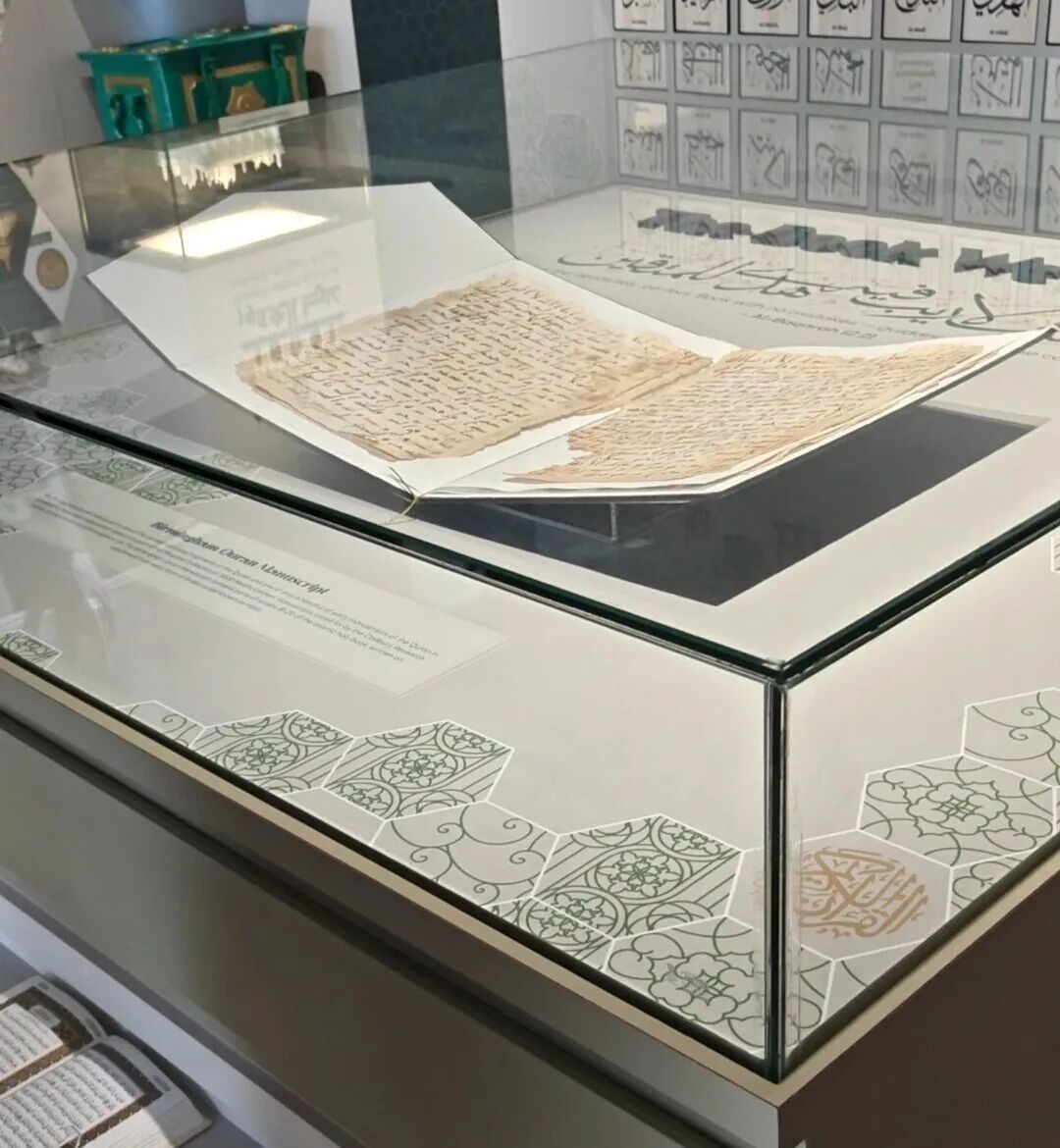
The mosque houses fragments of handwritten Quran manuscripts and a Chinese translation of the Quran by Mr. Ma Jian. On the wall, there is an interactive display of the 99 Names of Allah. The front features Arabic calligraphy of the names, and the back shows the English translation. Interested friends can search my homepage for the post about Abdul Gafoor Mosque.
4. Angullia Mosque
Angullia Mosque was built by the Angullia family, a family that has also built mosques in Malaysia, Indonesia, the Philippines, and India. They come from Gujarat, India, which is Modi's hometown. Their family is good at business, so they travel everywhere to trade. This Nagore Dargah Mosque (Anguliya Mosque) is the one they built in Singapore. The color scheme reminds people of the red sandstone often used in Indian architecture.
The prayer area inside the mosque has two floors, and the second floor is about half the length of the first. There is a small transparent dome above the mihrab that lets light in. I found a Quran translated into Bengali in the mosque. Bangladesh is also a Muslim country, where over 90 percent of the population is Muslim. Bengali uses the Bengali script. Seeing this Brahmic script used for the Quran really reminded me of the scriptures of another religion. The presence of a Bengali Quran in the mosque shows that many Bengali people come here to pray. The mosque's courtyard is very small, but they still managed to set up an exhibition area. It displays meaningful items used by the mosque in the past, such as bricks from when the old mosque was built and pots used for cooking porridge. They did not waste the mosque's outer walls either. They posted a brief introduction to the Anguliya family on the walls, along with photos of mosques their family built in South Asia, Southeast Asia, and other places. (I didn't expect to see that they even have them in the Philippines.)
5. Burhani Mosque (the only Shia mosque in Singapore)
At the Abdul Gafoor Mosque mentioned earlier, a Tamil guide told me that Singapore has a Shia mosque. I was immediately interested because I had never been to a Shia mosque in my life. I used to think you could only see Shia mosques in Iran or Iraq, so I was surprised to find one in Singapore. On second thought, it makes sense. Thailand has Shia Muslims, and since Singapore is a global crossroads, it is not strange to find them here too. There is an information board behind the mosque. It says this mosque was built by merchants from Gujarat, India. That is right, Gujarati merchants again. This side of the road shows the back of the mosque. The mosque has a very restrained design, using solid, low-saturation colors for the main structure. The large building behind the prayer hall is likely office space. Inside the mosque, there are two prayer rooms, one in the front and one in the back, separated by several doors. Push open the door and you are in the inner prayer hall. There were two elderly men inside at the time, and one of them really looked a bit like Modi. After all, they are both Gujarati, and appearance is related to geography, so it is not strange that they look a bit alike. There is a long flag on each side of the mihrab, one red and one green. Other mosques do not have these kinds of flags, so let us zoom in to see what is written on them. The content on both flags is basically the same. From top to bottom, it is written: Allah, Muhammad (the Prophet himself), Ali (the fourth Caliph), Fatimah (the Prophet's daughter and Ali's wife), Hasan (the eldest son of Ali and Fatimah), and Husayn (the second son of Ali and Fatimah). The red banner adds an exclamation word, 'Ya', before each name. There is similar content on the wall as well. Since I did not see any specific differences between how Shia and Sunni Muslims perform namaz during this visit to a Shia mosque, I decided to go to Iran to see for myself. That is how the later trip to Iran came about. Friends who are interested can check out my travel notes on Iranian mosques in my official WeChat account.
6. The prayer room (surau) at Singapore General Hospital (SGH).
After seeing so many mosques, let us now take a look at a prayer room. What is the difference between a prayer room and a mosque? The size of the space is secondary; indeed, generally speaking, a prayer room is smaller than a mosque. But some mosques are actually very small. From what I have seen, prayer rooms usually do not have permanent staff. People come here to pray in a group they organized themselves, or they pray alone and then leave. It is not like a mosque where there are permanent staff to call the adhan and lead the five daily prayers. Another difference is that prayer rooms are usually much simpler than mosques and lack necessary facilities. Mosques have toilets, a room for minor ablution (wudu), and a room for major ablution (ghusl). As for prayer rooms, some have toilets and an area for minor ablution. Some only have a few water taps. The prayer room I am going to talk about next is actually quite large, so you will see the difference between it and a mosque. First of all, it looks very plain, with no minaret and no sign on the door. To passersby, this place just looks like a small shed. When you enter the prayer room, there is actually a small courtyard inside. The courtyard has long tables and benches, as well as free tea. People who come to pray can sit on the benches to rest for a while and drink some water. You have to drink water in this Singapore weather. I usually do not drink much water, but I drink two bottles of mineral water a day since coming to Singapore. Inside the prayer room, I saw medical staff from the hospital coming to pray, and I even met a Singapore police officer here once. This prayer room is quite large, even bigger than some small mosques. There are many straw mats (liangxi) in the prayer room porch. When it gets crowded, people spread them out to use as prayer rugs. This shows that many people come here for Friday congregational prayers. The prayer schedule inside the room is electronic, but it might be broken because it is not showing the times. So now they are using this manual prayer schedule, where the times can be adjusted by hand.
7. The prayer room at Marina One
Marina One is a shopping mall in the CBD area near the Singapore waterfront. According to the map, there is a prayer room in this underground mall. I spent a long time looking for it on my first visit and even asked an Indian security guard at the nearby parking lot where the prayer room was. The security guard was very kind and pointed me in the right direction. The prayer room is on the B2 level, which is the first floor down. You can see the Singapore landmark, Marina Bay Sands, from the mall entrance. After going down, follow the path and you will see a round window. It looks like a laundry shop decorated to look like a washing machine. The prayer room is right next to this laundry shop. The prayer room is easy to find because it is marked with a dome and a star and crescent symbol. Open this door and you will see a small door on both the left and the right. Men go to the left and women to the right to pray separately. The prayer room is right through the door. The facilities for wudu (ablution) are very basic and only cover the essential parts, so you should still use a nearby restroom stall for a full wash. A prayer room is just what it sounds like: a small room where you can perform namaz. The facilities inside are simple, so there is no mihrab and no podium. There is no pulpit (minbar). However, this prayer room has an unexpectedly large number of books. The back is filled with all kinds of books, and there are even missionary materials. It is normal to see these in a mosque since tourists visit, but since only Muslims come to the prayer room, why are there missionary materials here? Once you leave the prayer room, this mall looks just like any other mall in Singapore. It mostly has restaurants, therapy centers, and supermarkets. That is all for this episode, as we only covered these few places. We will continue with the rest next time.
The prayer area inside the mosque has two floors, and the second floor is about half the length of the first. There is a small transparent dome above the mihrab that lets light in.
I found a Quran translated into Bengali in the mosque. Bangladesh is also a Muslim country, where over 90 percent of the population is Muslim. Bengali uses the Bengali script. Seeing this Brahmic script used for the Quran really reminded me of the scriptures of another religion. The presence of a Bengali Quran in the mosque shows that many Bengali people come here to pray. The mosque's courtyard is very small, but they still managed to set up an exhibition area. It displays meaningful items used by the mosque in the past, such as bricks from when the old mosque was built and pots used for cooking porridge. They did not waste the mosque's outer walls either. They posted a brief introduction to the Anguliya family on the walls, along with photos of mosques their family built in South Asia, Southeast Asia, and other places. (I didn't expect to see that they even have them in the Philippines.)
5. Burhani Mosque (the only Shia mosque in Singapore)
At the Abdul Gafoor Mosque mentioned earlier, a Tamil guide told me that Singapore has a Shia mosque. I was immediately interested because I had never been to a Shia mosque in my life. I used to think you could only see Shia mosques in Iran or Iraq, so I was surprised to find one in Singapore. On second thought, it makes sense. Thailand has Shia Muslims, and since Singapore is a global crossroads, it is not strange to find them here too. There is an information board behind the mosque. It says this mosque was built by merchants from Gujarat, India. That is right, Gujarati merchants again. This side of the road shows the back of the mosque. The mosque has a very restrained design, using solid, low-saturation colors for the main structure. The large building behind the prayer hall is likely office space. Inside the mosque, there are two prayer rooms, one in the front and one in the back, separated by several doors. Push open the door and you are in the inner prayer hall. There were two elderly men inside at the time, and one of them really looked a bit like Modi. After all, they are both Gujarati, and appearance is related to geography, so it is not strange that they look a bit alike. There is a long flag on each side of the mihrab, one red and one green. Other mosques do not have these kinds of flags, so let us zoom in to see what is written on them. The content on both flags is basically the same. From top to bottom, it is written: Allah, Muhammad (the Prophet himself), Ali (the fourth Caliph), Fatimah (the Prophet's daughter and Ali's wife), Hasan (the eldest son of Ali and Fatimah), and Husayn (the second son of Ali and Fatimah). The red banner adds an exclamation word, 'Ya', before each name. There is similar content on the wall as well. Since I did not see any specific differences between how Shia and Sunni Muslims perform namaz during this visit to a Shia mosque, I decided to go to Iran to see for myself. That is how the later trip to Iran came about. Friends who are interested can check out my travel notes on Iranian mosques in my official WeChat account.
6. The prayer room (surau) at Singapore General Hospital (SGH).
After seeing so many mosques, let us now take a look at a prayer room. What is the difference between a prayer room and a mosque? The size of the space is secondary; indeed, generally speaking, a prayer room is smaller than a mosque. But some mosques are actually very small. From what I have seen, prayer rooms usually do not have permanent staff. People come here to pray in a group they organized themselves, or they pray alone and then leave. It is not like a mosque where there are permanent staff to call the adhan and lead the five daily prayers. Another difference is that prayer rooms are usually much simpler than mosques and lack necessary facilities. Mosques have toilets, a room for minor ablution (wudu), and a room for major ablution (ghusl). As for prayer rooms, some have toilets and an area for minor ablution. Some only have a few water taps. The prayer room I am going to talk about next is actually quite large, so you will see the difference between it and a mosque. First of all, it looks very plain, with no minaret and no sign on the door. To passersby, this place just looks like a small shed. When you enter the prayer room, there is actually a small courtyard inside. The courtyard has long tables and benches, as well as free tea. People who come to pray can sit on the benches to rest for a while and drink some water. You have to drink water in this Singapore weather. I usually do not drink much water, but I drink two bottles of mineral water a day since coming to Singapore. Inside the prayer room, I saw medical staff from the hospital coming to pray, and I even met a Singapore police officer here once. This prayer room is quite large, even bigger than some small mosques. There are many straw mats (liangxi) in the prayer room porch. When it gets crowded, people spread them out to use as prayer rugs. This shows that many people come here for Friday congregational prayers. The prayer schedule inside the room is electronic, but it might be broken because it is not showing the times. So now they are using this manual prayer schedule, where the times can be adjusted by hand.
7. The prayer room at Marina One
Marina One is a shopping mall in the CBD area near the Singapore waterfront. According to the map, there is a prayer room in this underground mall. I spent a long time looking for it on my first visit and even asked an Indian security guard at the nearby parking lot where the prayer room was. The security guard was very kind and pointed me in the right direction. The prayer room is on the B2 level, which is the first floor down. You can see the Singapore landmark, Marina Bay Sands, from the mall entrance. After going down, follow the path and you will see a round window. It looks like a laundry shop decorated to look like a washing machine. The prayer room is right next to this laundry shop. The prayer room is easy to find because it is marked with a dome and a star and crescent symbol. Open this door and you will see a small door on both the left and the right. Men go to the left and women to the right to pray separately. The prayer room is right through the door. The facilities for wudu (ablution) are very basic and only cover the essential parts, so you should still use a nearby restroom stall for a full wash. A prayer room is just what it sounds like: a small room where you can perform namaz. The facilities inside are simple, so there is no mihrab and no podium. There is no pulpit (minbar). However, this prayer room has an unexpectedly large number of books. The back is filled with all kinds of books, and there are even missionary materials. It is normal to see these in a mosque since tourists visit, but since only Muslims come to the prayer room, why are there missionary materials here? Once you leave the prayer room, this mall is no different from any other mall in Singapore. It mainly has restaurants, therapy centers, supermarkets, and similar shops. That is all for this episode, as we only covered these few places. We will continue with the rest next time.
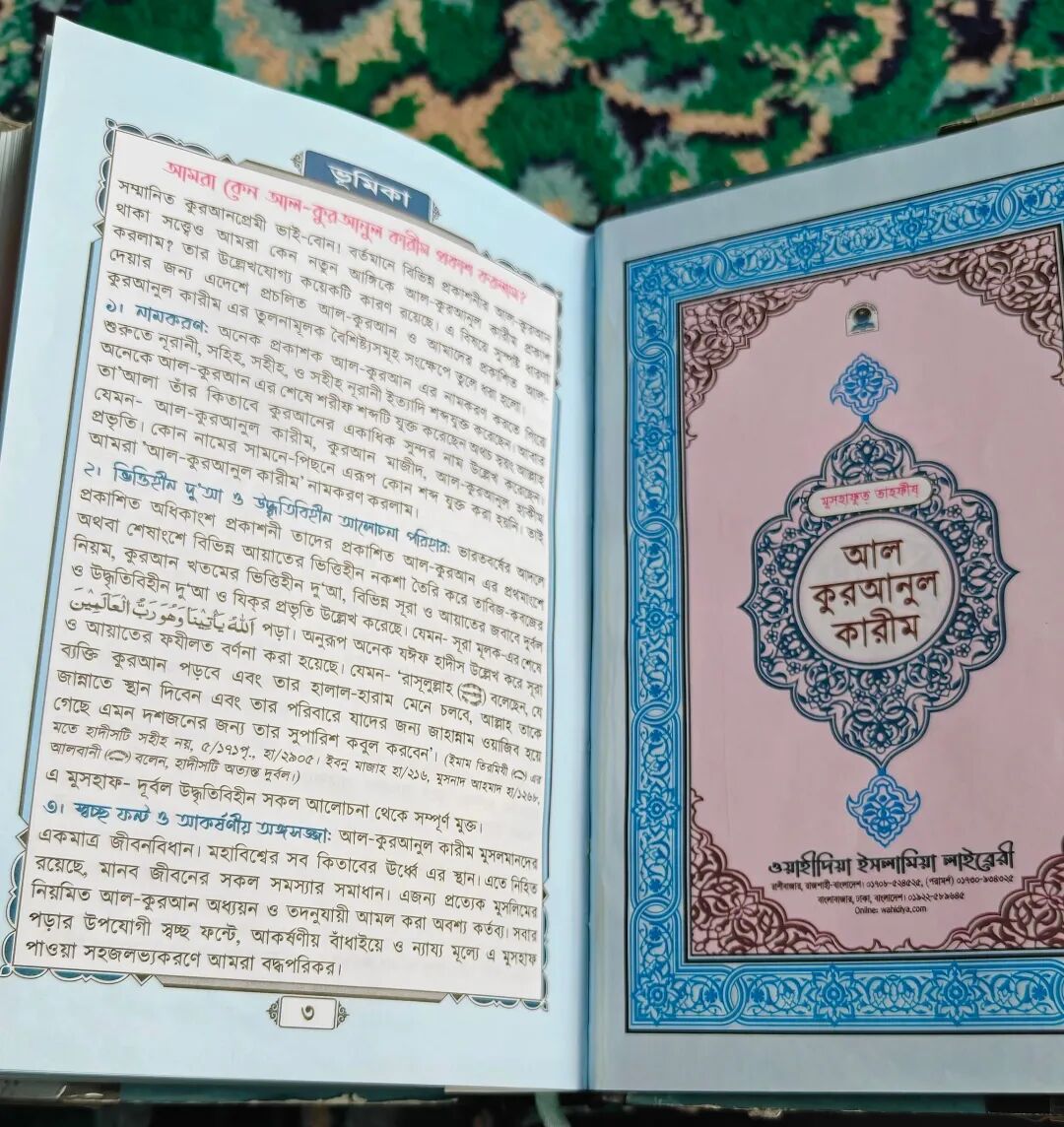
The mosque's courtyard is very small, but they still managed to set up an exhibition area. It displays meaningful items used by the mosque in the past, such as bricks from when the old mosque was built and pots used for cooking porridge. They did not waste the mosque's outer walls either. They posted a brief introduction to the Anguliya family on the walls, along with photos of mosques their family built in South Asia, Southeast Asia, and other places. (I didn't expect to see that they even have them in the Philippines.)
5. Burhani Mosque (the only Shia mosque in Singapore)
At the Abdul Gafoor Mosque mentioned earlier, a Tamil guide told me that Singapore has a Shia mosque. I was immediately interested because I had never been to a Shia mosque in my life. I used to think you could only see Shia mosques in Iran or Iraq, so I was surprised to find one in Singapore. On second thought, it makes sense. Thailand has Shia Muslims, and since Singapore is a global crossroads, it is not strange to find them here too. There is an information board behind the mosque. It says this mosque was built by merchants from Gujarat, India. That is right, Gujarati merchants again. This side of the road shows the back of the mosque. The mosque has a very restrained design, using solid, low-saturation colors for the main structure. The large building behind the prayer hall is likely office space. Inside the mosque, there are two prayer rooms, one in the front and one in the back, separated by several doors. Push open the door and you are in the inner prayer hall. There were two elderly men inside at the time, and one of them really looked a bit like Modi. After all, they are both Gujarati, and appearance is related to geography, so it is not strange that they look a bit alike. There is a long flag on each side of the mihrab, one red and one green. Other mosques do not have these kinds of flags, so let us zoom in to see what is written on them. The content on both flags is basically the same. From top to bottom, it is written: Allah, Muhammad (the Prophet himself), Ali (the fourth Caliph), Fatimah (the Prophet's daughter and Ali's wife), Hasan (the eldest son of Ali and Fatimah), and Husayn (the second son of Ali and Fatimah). The red banner adds an exclamation word, 'Ya', before each name. There is similar content on the wall as well. Since I did not see any specific differences between how Shia and Sunni Muslims perform namaz during this visit to a Shia mosque, I decided to go to Iran to see for myself. That is how the later trip to Iran came about. Friends who are interested can check out my travel notes on Iranian mosques in my official WeChat account.
6. The prayer room (surau) at Singapore General Hospital (SGH).
After seeing so many mosques, let us now take a look at a prayer room. What is the difference between a prayer room and a mosque? The size of the space is secondary; indeed, generally speaking, a prayer room is smaller than a mosque. But some mosques are actually very small. From what I have seen, prayer rooms usually do not have permanent staff. People come here to pray in a group they organized themselves, or they pray alone and then leave. It is not like a mosque where there are permanent staff to call the adhan and lead the five daily prayers. Another difference is that prayer rooms are usually much simpler than mosques and lack necessary facilities. Mosques have toilets, a room for minor ablution (wudu), and a room for major ablution (ghusl). As for prayer rooms, some have toilets and an area for minor ablution. Some only have a few water taps. The prayer room I am going to talk about next is actually quite large, so you will see the difference between it and a mosque. First of all, it looks very plain, with no minaret and no sign on the door. To passersby, this place just looks like a small shed. When you enter the prayer room, there is actually a small courtyard inside. The courtyard has long tables and benches, as well as free tea. People who come to pray can sit on the benches to rest for a while and drink some water. You have to drink water in this Singapore weather. I usually do not drink much water, but I drink two bottles of mineral water a day since coming to Singapore. Inside the prayer room, I saw medical staff from the hospital coming to pray, and I even met a Singapore police officer here once. This prayer room is quite large, even bigger than some small mosques. There are many straw mats (liangxi) in the prayer room porch. When it gets crowded, people spread them out to use as prayer rugs. This shows that many people come here for Friday congregational prayers. The prayer schedule inside the room is electronic, but it might be broken because it is not showing the times. So now they are using this manual prayer schedule, where the times can be adjusted by hand.
7. The prayer room at Marina One
Marina One is a shopping mall in the CBD area near the Singapore waterfront. According to the map, there is a prayer room in this underground mall. I spent a long time looking for it on my first visit and even asked an Indian security guard at the nearby parking lot where the prayer room was. The security guard was very kind and pointed me in the right direction. The prayer room is on the B2 level, which is the first floor down. You can see the Singapore landmark, Marina Bay Sands, from the mall entrance. After going down, follow the path and you will see a round window. It looks like a laundry shop decorated to look like a washing machine. The prayer room is right next to this laundry shop. The prayer room is easy to find because it is marked with a dome and a star and crescent symbol. Open this door and you will see a small door on both the left and the right. Men go to the left and women to the right to pray separately. The prayer room is right through the door. The facilities for wudu (ablution) are very basic and only cover the essential parts, so you should still use a nearby restroom stall for a full wash. A prayer room is just what it sounds like: a small room where you can perform namaz. The facilities inside are simple, so there is no mihrab and no podium. There is no pulpit (minbar). However, this prayer room has an unexpectedly large number of books. The back is filled with all kinds of books, and there are even missionary materials. It is normal to see these in a mosque since tourists visit, but since only Muslims come to the prayer room, why are there missionary materials here? Once you leave the prayer room, this mall is no different from any other mall in Singapore. It mainly has restaurants, therapy centers, supermarkets, and similar shops. That is all for this episode, as we only covered these few places. We will continue with the rest next time.
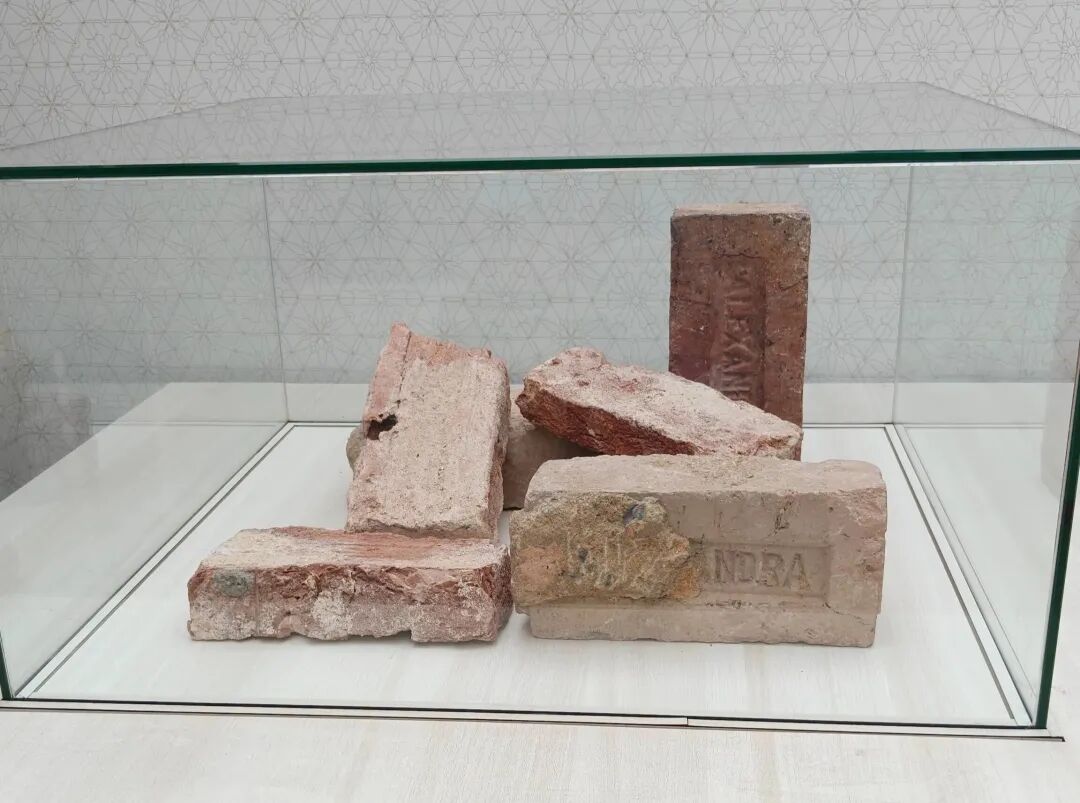
(I didn't expect to see that they even have them in the Philippines.)
5. Burhani Mosque (the only Shia mosque in Singapore)
At the Abdul Gafoor Mosque mentioned earlier, a Tamil guide told me that Singapore has a Shia mosque. I was immediately interested because I had never been to a Shia mosque in my life. I used to think you could only see Shia mosques in Iran or Iraq, so I was surprised to find one in Singapore. On second thought, it makes sense. Thailand has Shia Muslims, and since Singapore is a global crossroads, it is not strange to find them here too.
There is an information board behind the mosque. It says this mosque was built by merchants from Gujarat, India. That is right, Gujarati merchants again.
This side of the road shows the back of the mosque. The mosque has a very restrained design, using solid, low-saturation colors for the main structure. The large building behind the prayer hall is likely office space. Inside the mosque, there are two prayer rooms, one in the front and one in the back, separated by several doors. Push open the door and you are in the inner prayer hall. There were two elderly men inside at the time, and one of them really looked a bit like Modi. After all, they are both Gujarati, and appearance is related to geography, so it is not strange that they look a bit alike. There is a long flag on each side of the mihrab, one red and one green. Other mosques do not have these kinds of flags, so let us zoom in to see what is written on them. The content on both flags is basically the same. From top to bottom, it is written: Allah, Muhammad (the Prophet himself), Ali (the fourth Caliph), Fatimah (the Prophet's daughter and Ali's wife), Hasan (the eldest son of Ali and Fatimah), and Husayn (the second son of Ali and Fatimah). The red banner adds an exclamation word, 'Ya', before each name. There is similar content on the wall as well. Since I did not see any specific differences between how Shia and Sunni Muslims perform namaz during this visit to a Shia mosque, I decided to go to Iran to see for myself. That is how the later trip to Iran came about. Friends who are interested can check out my travel notes on Iranian mosques in my official WeChat account.
6. The prayer room (surau) at Singapore General Hospital (SGH).
After seeing so many mosques, let us now take a look at a prayer room. What is the difference between a prayer room and a mosque? The size of the space is secondary; indeed, generally speaking, a prayer room is smaller than a mosque. But some mosques are actually very small. From what I have seen, prayer rooms usually do not have permanent staff. People come here to pray in a group they organized themselves, or they pray alone and then leave. It is not like a mosque where there are permanent staff to call the adhan and lead the five daily prayers. Another difference is that prayer rooms are usually much simpler than mosques and lack necessary facilities. Mosques have toilets, a room for minor ablution (wudu), and a room for major ablution (ghusl). As for prayer rooms, some have toilets and an area for minor ablution. Some only have a few water taps. The prayer room I am going to talk about next is actually quite large, so you will see the difference between it and a mosque. First of all, it looks very plain, with no minaret and no sign on the door. To passersby, this place just looks like a small shed. When you enter the prayer room, there is actually a small courtyard inside. The courtyard has long tables and benches, as well as free tea. People who come to pray can sit on the benches to rest for a while and drink some water. You have to drink water in this Singapore weather. I usually do not drink much water, but I drink two bottles of mineral water a day since coming to Singapore. Inside the prayer room, I saw medical staff from the hospital coming to pray, and I even met a Singapore police officer here once. This prayer room is quite large, even bigger than some small mosques. There are many straw mats (liangxi) in the prayer room porch. When it gets crowded, people spread them out to use as prayer rugs. This shows that many people come here for Friday congregational prayers. The prayer schedule inside the room is electronic, but it might be broken because it is not showing the times. So now they are using this manual prayer schedule, where the times can be adjusted by hand.
7. The prayer room at Marina One
Marina One is a shopping mall in the CBD area near the Singapore waterfront. According to the map, there is a prayer room in this underground mall. I spent a long time looking for it on my first visit and even asked an Indian security guard at the nearby parking lot where the prayer room was. The security guard was very kind and pointed me in the right direction. The prayer room is on the B2 level, which is the first floor down. You can see the Singapore landmark, Marina Bay Sands, from the mall entrance. After going down, follow the path and you will see a round window. It looks like a laundry shop decorated to look like a washing machine. The prayer room is right next to this laundry shop. The prayer room is easy to find because it is marked with a dome and a star and crescent symbol. Open this door and you will see a small door on both the left and the right. Men go to the left and women to the right to pray separately. The prayer room is right th Collapse Read »
Summary: This Singapore Muslim travel guide is a full route through the city's mosques and hidden prayer rooms. It keeps the original table of contents, site-by-site order, mosque names, prayer-room details, and Muslim visitor notes.
Table of Contents:
1. Sultan Mosque
2. Malabar Mosque
3. Al-Abrar Mosque
4. Angullia Mosque
5. Burhani Mosque, the only Shia mosque in Singapore (Masjid Al Burhani)
6. Prayer room at Singapore General Hospital
7. Prayer room at Marina One shopping mall
(Content below to be updated)
8. Jamae Mosque, which features minarets in a South Indian style.
9. The South Indian gongbei of Singapore, Nagore Dargah.
10. Al-Abrar Mosque.
11. Underground Mosque.
12. Omar Kampong Melaka Mosque, the oldest mosque in Singapore.
13. Al-Amin Mosque.
14. Temenggong Mosque.
15. Sentosa prayer room.
16. Singapore Islamic Centre Mosque.
17. Islamic Religious Council of Singapore.
18. Tomb of Habib Nuh (Habib Nuh Lingmu)
19. Haji Muhammad Salleh Mosque
20. Hajjah Fatimah Mosque
21. Changi Airport Prayer Room
1. Sultan Mosque
I took a taxi from Changi Airport, and the driver was an elderly Chinese gentleman. We mostly spoke in English. He could speak Mandarin, but he kept switching back to English out of habit. After getting off at Bugis, I realized it was very close to Arab Street, less than a five-minute walk away. It was December, and the street wasn't as hot as I had imagined. The buildings along the street looked very clean, and they often had one or two floors in the middle left open for planting trees.
There is a large mosque on Arab Street, which is likely the most famous mosque in Singapore. Many people visiting Singapore make sure to stop by this mosque. This mosque is called Sultan Mosque. The main prayer hall has two golden domes that look very bold and eye-catching.
What you see from this side of the road is actually the mihrab area of the mosque; you have to enter through the small alley on the side to reach the main entrance. There are many halal restaurants and souvenir shops in that alley, showing that there are a lot of tourists here. Following this path leads you to the front gate of the mosque. There is a special tourist route starting from the front gate that lets you enter the main prayer hall for a visit.
The space inside the mosque is very large. The ceiling of the main prayer hall is very high. It was likely built this way to help with heat dissipation since keeping the room warm is not a concern.
The second floor seems to be the women's prayer area, so I did not go up there.
Let me show you the mosque's mihrab niche and minbar pulpit. They are crafted beautifully with both calligraphy and floral patterns, giving them a strong Southeast Asian feel. If you want to see more details, you can check out the post I shared previously about the Sultan Mosque. This mosque is one of the older ones in Singapore. It started as a simple place of worship built by the Sultan of Johor in 1824 for local Muslims, and it was later expanded to its current size. The current building uses Indo-Saracenic style, which you can also see in India and Kuala Lumpur, Malaysia. I will share more related content with you in the future.
2. Malabar Mosque
This mosque is very close to the Sultan Mosque, just a few steps away. It is right by the side of the road and very easy to spot, so you will definitely see it when you pass by. Founded in 1963, Malabar Mosque is a mosque for the Malabar Muslim community, though Muslims from other backgrounds are of course welcome to pray there too. There is an information board near the entrance that explains the history of the mosque and shows old photos taken in 1960. Looking at the old photos, the Malabar Mosque did not have its blue tiles back then. The word Malabar comes from a Muslim community in the Kerala state of southern India. Many people know there are many Muslims in northern India, but there are actually many in southern India as well. Muslims in Kerala existed even before the establishment of northern Indian Muslim regimes like the Delhi Sultanate, which later became the Mughal Empire. On the outer wall of the mosque, you can see a commemorative plaque with gold-rimmed tiles stating that this is a mosque for the Malabar Muslim community, officially opened by Yusof bin Ishak. This Yusof was the first president of Singapore, and his portrait is the one printed on Singaporean banknotes today. Let us take a look inside the mosque. This mosque is much smaller than the Sultan Mosque we just visited, and the interior is much simpler. However, the basic layout of the prayer hall is similar, and there is also a women's prayer area upstairs. Judging by their features and skin tone, most people coming here to pray look like they are of South Asian descent.
3. Al-Abrar Mosque
Abdul Gafoor Mosque is located in the Little India neighborhood of Singapore. Many Indian people live in this area, which has a South Indian-style Hindu mosque as well as other religious buildings, such as this mosque. Of course, the local term for it is mosque (huijiaotang). This mosque is colored white and green, and you can see a sun design wrapping around a star and crescent in the center of the main gate lintel. The sun has 25 rays, and if you look closely, each ray is actually the name of a prophet. There are 25 prophets mentioned in the Quran, including Adam (Adan), Noah (Nuh), Abraham (Ibrahim), Moses (Musa), Jesus (Isa), and Muhammad. The prayer hall is not large, but it is very delicate, and the pillars are shaped like matcha-flavored twisted dough sticks (mahua). Also, the central courtyard allows light to reach the basement. There is a prayer area underground as well. Take a look, the pillars in the basement also have this twisted dough stick shape.
Let me show you the mosque's mihrab niche and minbar pulpit. It is beautifully made, featuring not just calligraphy but also floral patterns, giving it a real Southeast Asian feel. If you want to see more details, check out my previous post about the Sultan Mosque. This mosque is one of the older ones in Singapore. The Sultan of Johor first built a simple place of worship here in 1824 for local Muslims to use, and it was later expanded to its current size. The current building uses Indo-Saracenic style. You can see similar mosques in India and in Kuala Lumpur, Malaysia. I will share more updates with you later.
2. Malabar Mosque
This mosque is very close to the Sultan Mosque. It is just a few steps away and sits right by the road, so it is very easy to spot. I am sure you will see it if you pass by. The Malabar Mosque was established in 1963. It is a mosque for the Malabar Muslim community, but Muslims from other ethnic groups are of course welcome to pray there too. There is an information board near the entrance where you can learn about the history of the mosque. You can also see a photo taken in 1960, which shows that the Malabar Mosque did not have its blue tiles back then. The word Malabar comes from a Muslim ethnic group in the state of Kerala in southern India. Many people know that there are many Muslims in North India, but there are actually many in South India as well. The Muslims of Kerala existed even before North Indian Muslim regimes like the Delhi Sultanate (and later the Mughal Empire) were established. On the outer wall of the mosque, you can still see a commemorative plaque edged with gold tiles. It states that this is a mosque for the Malabar Muslim community, officially opened by Yusof bin Ishak. This Yusof was Singapore's first president, and he is the person featured on current Singaporean banknotes. Let's look inside the mosque. It is much smaller than the Sultan Mosque we just visited, and the interior is quite a bit simpler. However, the basic layout of the prayer hall is similar, with the upstairs area also reserved for women. Judging by their features and skin tone, most of the people coming to this mosque for namaz appear to be from South Asia.
3. Al-Abrar Mosque
Abdul Gafoor Mosque is in Singapore's Little India neighborhood. Many Indian people live in this area, which is home to a South Indian-style Hindu mosque as well as buildings for other religions, such as this mosque. Of course, the local term used here is mosque (huijiaotang). The mosque is painted in white and green, and in the center of the main gate's lintel, you can see a sun design surrounding a star and crescent. The sun has 25 rays. If you look closely, each ray represents the name of a prophet. There are 25 prophets mentioned in the Quran, including Adam (Adan), Noah (Nuha), Abraham (Ibrahim), Moses (Musa), Jesus (Isa), and Muhammad. The prayer hall is small but very delicate, and the pillars look just like matcha-flavored twisted dough sticks (mahua). The central courtyard also lets light shine down into the basement. There is a prayer area underground as well. Notice that the basement pillars also have this twisted rope design.
If you want to see more details, check out my previous post about the Sultan Mosque. This mosque is one of the older ones in Singapore. The Sultan of Johor first built a simple place of worship here in 1824 for local Muslims to use, and it was later expanded to its current size. The current building uses Indo-Saracenic style. You can see similar mosques in India and in Kuala Lumpur, Malaysia. I will share more updates with you later.
2. Malabar Mosque
This mosque is very close to the Sultan Mosque. It is just a few steps away and sits right by the road, so it is very easy to spot. I am sure you will see it if you pass by. The Malabar Mosque was established in 1963. It is a mosque for the Malabar Muslim community, but Muslims from other ethnic groups are of course welcome to pray there too. There is an information board near the entrance where you can learn about the history of the mosque. You can also see a photo taken in 1960, which shows that the Malabar Mosque did not have its blue tiles back then. The word Malabar comes from a Muslim ethnic group in the state of Kerala in southern India. Many people know that there are many Muslims in North India, but there are actually many in South India as well. The Muslims of Kerala existed even before North Indian Muslim regimes like the Delhi Sultanate (and later the Mughal Empire) were established. On the outer wall of the mosque, you can still see a commemorative plaque edged with gold tiles. It states that this is a mosque for the Malabar Muslim community, officially opened by Yusof bin Ishak. This Yusof was Singapore's first president, and he is the person featured on current Singaporean banknotes. Let's look inside the mosque. It is much smaller than the Sultan Mosque we just visited, and the interior is quite a bit simpler. However, the basic layout of the prayer hall is similar, with the upstairs area also reserved for women. Judging by their features and skin tone, most of the people coming to this mosque for namaz appear to be from South Asia.
3. Al-Abrar Mosque
Abdul Gafoor Mosque is in Singapore's Little India neighborhood. Many Indian people live in this area, which is home to a South Indian-style Hindu mosque as well as buildings for other religions, such as this mosque. Of course, the local term used here is mosque (huijiaotang). The mosque is painted in white and green, and in the center of the main gate's lintel, you can see a sun design surrounding a star and crescent. The sun has 25 rays. If you look closely, each ray represents the name of a prophet. There are 25 prophets mentioned in the Quran, including Adam (Adan), Noah (Nuha), Abraham (Ibrahim), Moses (Musa), Jesus (Isa), and Muhammad. The prayer hall is small but very delicate, and the pillars look just like matcha-flavored twisted dough sticks (mahua). The central courtyard also lets light shine down into the basement. There is a prayer area underground as well. Notice that the basement pillars also have this twisted rope design.
There is an information board near the entrance where you can learn about the history of the mosque. You can also see a photo taken in 1960, which shows that the Malabar Mosque did not have its blue tiles back then. The word Malabar comes from a Muslim ethnic group in the state of Kerala in southern India. Many people know that there are many Muslims in North India, but there are actually many in South India as well. The Muslims of Kerala existed even before North Indian Muslim regimes like the Delhi Sultanate (and later the Mughal Empire) were established. On the outer wall of the mosque, you can still see a commemorative plaque edged with gold tiles. It states that this is a mosque for the Malabar Muslim community, officially opened by Yusof bin Ishak. This Yusof was Singapore's first president, and he is the person featured on current Singaporean banknotes. Let's look inside the mosque. It is much smaller than the Sultan Mosque we just visited, and the interior is quite a bit simpler. However, the basic layout of the prayer hall is similar, with the upstairs area also reserved for women. Judging by their features and skin tone, most of the people coming to this mosque for namaz appear to be from South Asia.
3. Al-Abrar Mosque
Abdul Gafoor Mosque is in Singapore's Little India neighborhood. Many Indian people live in this area, which is home to a South Indian-style Hindu mosque as well as buildings for other religions, such as this mosque. Of course, the local term used here is mosque (huijiaotang). The mosque is painted in white and green, and in the center of the main gate's lintel, you can see a sun design surrounding a star and crescent. The sun has 25 rays. If you look closely, each ray represents the name of a prophet. There are 25 prophets mentioned in the Quran, including Adam (Adan), Noah (Nuha), Abraham (Ibrahim), Moses (Musa), Jesus (Isa), and Muhammad. The prayer hall is small but very delicate, and the pillars look just like matcha-flavored twisted dough sticks (mahua). The central courtyard also lets light shine down into the basement. There is a prayer area underground as well. Notice that the basement pillars also have this twisted rope design.
On the outer wall of the mosque, you can still see a commemorative plaque edged with gold tiles. It states that this is a mosque for the Malabar Muslim community, officially opened by Yusof bin Ishak. This Yusof was Singapore's first president, and he is the person featured on current Singaporean banknotes.
Let's look inside the mosque. It is much smaller than the Sultan Mosque we just visited, and the interior is quite a bit simpler. However, the basic layout of the prayer hall is similar, with the upstairs area also reserved for women. Judging by their features and skin tone, most of the people coming to this mosque for namaz appear to be from South Asia.
3. Al-Abrar Mosque
Abdul Gafoor Mosque is in Singapore's Little India neighborhood. Many Indian people live in this area, which is home to a South Indian-style Hindu mosque as well as buildings for other religions, such as this mosque. Of course, the local term used here is mosque (huijiaotang). The mosque is painted in white and green, and in the center of the main gate's lintel, you can see a sun design surrounding a star and crescent. The sun has 25 rays. If you look closely, each ray represents the name of a prophet. There are 25 prophets mentioned in the Quran, including Adam (Adan), Noah (Nuha), Abraham (Ibrahim), Moses (Musa), Jesus (Isa), and Muhammad. The prayer hall is small but very delicate, and the pillars look just like matcha-flavored twisted dough sticks (mahua). The central courtyard also lets light shine down into the basement. There is a prayer area underground as well. Notice that the basement pillars also have this twisted rope design.
Let's look inside the mosque. It is much smaller than the Sultan Mosque we just visited, and the interior is quite a bit simpler. However, the basic layout of the prayer hall is similar, with the upstairs area also reserved for women. Judging by their features and skin tone, most of the people coming to this mosque for namaz appear to be from South Asia.
3. Al-Abrar Mosque
Abdul Gafoor Mosque is in Singapore's Little India neighborhood. Many Indian people live in this area, which is home to a South Indian-style Hindu mosque as well as buildings for other religions, such as this mosque. Of course, the local term used here is mosque (huijiaotang). The mosque is painted in white and green, and in the center of the main gate's lintel, you can see a sun design surrounding a star and crescent. The sun has 25 rays. If you look closely, each ray represents the name of a prophet. There are 25 prophets mentioned in the Quran, including Adam (Adan), Noah (Nuha), Abraham (Ibrahim), Moses (Musa), Jesus (Isa), and Muhammad. The prayer hall is small but very delicate, and the pillars look just like matcha-flavored twisted dough sticks (mahua). The central courtyard also lets light shine down into the basement. There is a prayer area underground as well. Notice that the basement pillars also have this twisted rope design.
3. Al-Abrar Mosque
Abdul Gafoor Mosque is in Singapore's Little India neighborhood. Many Indian people live in this area, which is home to a South Indian-style Hindu mosque as well as buildings for other religions, such as this mosque. Of course, the local term used here is mosque (huijiaotang).
The mosque is painted in white and green, and in the center of the main gate's lintel, you can see a sun design surrounding a star and crescent. The sun has 25 rays. If you look closely, each ray represents the name of a prophet. There are 25 prophets mentioned in the Quran, including Adam (Adan), Noah (Nuha), Abraham (Ibrahim), Moses (Musa), Jesus (Isa), and Muhammad. The prayer hall is small but very delicate, and the pillars look just like matcha-flavored twisted dough sticks (mahua). The central courtyard also lets light shine down into the basement. There is a prayer area underground as well. Notice that the basement pillars also have this twisted rope design.
The mosque is painted in white and green, and in the center of the main gate's lintel, you can see a sun design surrounding a star and crescent. The sun has 25 rays. If you look closely, each ray represents the name of a prophet. There are 25 prophets mentioned in the Quran, including Adam (Adan), Noah (Nuha), Abraham (Ibrahim), Moses (Musa), Jesus (Isa), and Muhammad.
The prayer hall is small but very delicate, and the pillars look just like matcha-flavored twisted dough sticks (mahua). The central courtyard also lets light shine down into the basement. There is a prayer area underground as well. Notice that the basement pillars also have this twisted rope design.
The prayer hall is small but very delicate, and the pillars look just like matcha-flavored twisted dough sticks (mahua). The central courtyard also lets light shine down into the basement. There is a prayer area underground as well. Notice that the basement pillars also have this twisted rope design.
Beyond its unique architecture, a highlight of this mosque is that it was founded by an Indian. Inside the mosque, you will find Arabic, the universal language of Islam, English for tourists, and also Tamil. This is a South Indian language, primarily spoken in the state of Tamil Nadu in southern India. The Singapore MRT also uses this language for announcements, usually as the final language played. The picture below shows the prayer times in Tamil displayed on a screen inside the prayer hall. The surprises at this small mosque do not end there; it even has a small museum. The guide is an older Tamil Indian man who works at the mosque. He speaks Tamil, a language with a very fast speaking pace. Because of this, he also speaks English at a very high speed. The mosque houses fragments of handwritten Quran manuscripts and a Chinese translation of the Quran by Mr. Ma Jian. On the wall, there is an interactive display of the 99 Names of Allah. The front features Arabic calligraphy of the names, and the back shows the English translation. Interested friends can search my homepage for the post about Abdul Gafoor Mosque.
4. Angullia Mosque
Angullia Mosque was built by the Angullia family, a family that has also built mosques in Malaysia, Indonesia, the Philippines, and India. They come from Gujarat, India, which is Modi's hometown. Their family is good at business, so they travel everywhere to trade. This Nagore Dargah Mosque (Anguliya Mosque) is the one they built in Singapore. The color scheme reminds people of the red sandstone often used in Indian architecture. The prayer area inside the mosque has two floors, and the second floor is about half the length of the first. There is a small transparent dome above the mihrab that lets light in. I found a Quran translated into Bengali in the mosque. Bangladesh is also a Muslim country, where over 90 percent of the population is Muslim. Bengali uses the Bengali script. Seeing this Brahmic script used for the Quran really reminded me of the scriptures of another religion. The presence of a Bengali Quran in the mosque shows that many Bengali people come here to pray. The mosque's courtyard is very small, but they still managed to set up an exhibition area. It displays meaningful items used by the mosque in the past, such as bricks from when the old mosque was built and pots used for cooking porridge. They did not waste the mosque's outer walls either. They posted a brief introduction to the Anguliya family on the walls, along with photos of mosques their family built in South Asia, Southeast Asia, and other places. (I didn't expect to see that they even have them in the Philippines.)
5. Burhani Mosque (the only Shia mosque in Singapore)
At the Abdul Gafoor Mosque mentioned earlier, a Tamil guide told me that Singapore has a Shia mosque. I was immediately interested because I had never been to a Shia mosque in my life. I used to think you could only see Shia mosques in Iran or Iraq, so I was surprised to find one in Singapore. On second thought, it makes sense. Thailand has Shia Muslims, and since Singapore is a global crossroads, it is not strange to find them here too. There is an information board behind the mosque. It says this mosque was built by merchants from Gujarat, India. That is right, Gujarati merchants again. This side of the road shows the back of the mosque. The mosque has a very restrained design, using solid, low-saturation colors for the main structure. The large building behind the prayer hall is likely office space. Inside the mosque, there are two prayer rooms, one in the front and one in the back, separated by several doors. Push open the door and you are in the inner prayer hall. There were two elderly men inside at the time, and one of them really looked a bit like Modi. After all, they are both Gujarati, and appearance is related to geography, so it is not strange that they look a bit alike. There is a long flag on each side of the mihrab, one red and one green. Other mosques do not have these kinds of flags, so let us zoom in to see what is written on them. The content on both flags is basically the same. From top to bottom, it is written: Allah, Muhammad (the Prophet himself), Ali (the fourth Caliph), Fatimah (the Prophet's daughter and Ali's wife), Hasan (the eldest son of Ali and Fatimah), and Husayn (the second son of Ali and Fatimah). The red banner adds an exclamation word, 'Ya', before each name. There is similar content on the wall as well. Since I did not see any specific differences between how Shia and Sunni Muslims perform namaz during this visit to a Shia mosque, I decided to go to Iran to see for myself. That is how the later trip to Iran came about. Friends who are interested can check out my travel notes on Iranian mosques in my official WeChat account.
6. The prayer room (surau) at Singapore General Hospital (SGH).
After seeing so many mosques, let us now take a look at a prayer room. What is the difference between a prayer room and a mosque? The size of the space is secondary; indeed, generally speaking, a prayer room is smaller than a mosque. But some mosques are actually very small. From what I have seen, prayer rooms usually do not have permanent staff. People come here to pray in a group they organized themselves, or they pray alone and then leave. It is not like a mosque where there are permanent staff to call the adhan and lead the five daily prayers. Another difference is that prayer rooms are usually much simpler than mosques and lack necessary facilities. Mosques have toilets, a room for minor ablution (wudu), and a room for major ablution (ghusl). As for prayer rooms, some have toilets and an area for minor ablution. Some only have a few water taps. The prayer room I am going to talk about next is actually quite large, so you will see the difference between it and a mosque. First of all, it looks very plain, with no minaret and no sign on the door. To passersby, this place just looks like a small shed. When you enter the prayer room, there is actually a small courtyard inside. The courtyard has long tables and benches, as well as free tea. People who come to pray can sit on the benches to rest for a while and drink some water. You have to drink water in this Singapore weather. I usually do not drink much water, but I drink two bottles of mineral water a day since coming to Singapore. Inside the prayer room, I saw medical staff from the hospital coming to pray, and I even met a Singapore police officer here once. This prayer room is quite large, even bigger than some small mosques. There are many straw mats (liangxi) in the prayer room porch. When it gets crowded, people spread them out to use as prayer rugs. This shows that many people come here for Friday congregational prayers. The prayer schedule inside the room is electronic, but it might be broken because it is not showing the times. So now they are using this manual prayer schedule, where the times can be adjusted by hand.
7. The prayer room at Marina One
Marina One is a shopping mall in the CBD area near the Singapore waterfront. According to the map, there is a prayer room in this underground mall. I spent a long time looking for it on my first visit and even asked an Indian security guard at the nearby parking lot where the prayer room was. The security guard was very kind and pointed me in the right direction. The prayer room is on the B2 level, which is the first floor down. You can see the Singapore landmark, Marina Bay Sands, from the mall entrance. After going down, follow the path and you will see a round window. It looks like a laundry shop decorated to look like a washing machine. The prayer room is right next to this laundry shop. The prayer room is easy to find because it is marked with a dome and a star and crescent symbol. Open this door and you will see a small door on both the left and the right. Men go to the left and women to the right to pray separately. The prayer room is right through the door. The facilities for wudu (ablution) are very basic and only cover the essential parts, so you should still use a nearby restroom stall for a full wash. A prayer room is just what it sounds like: a small room where you can perform namaz. The facilities inside are simple, so there is no mihrab and no podium. There is no minbar chair. However, this prayer room has an unexpectedly large number of books. The back is filled with all kinds of books, and there are even missionary materials. It is normal to see these in a mosque since tourists visit, but since only Muslims come to the prayer room, why are there missionary materials here? Once you leave the prayer room, this mall is no different from any other mall in Singapore. It mainly has restaurants, therapy centers, supermarkets, and similar shops. That is all for this episode, as we only covered these few places. We will continue with the rest next time.
The surprises at this small mosque do not end there; it even has a small museum. The guide is an older Tamil Indian man who works at the mosque. He speaks Tamil, a language with a very fast speaking pace. Because of this, he also speaks English at a very high speed.
The mosque houses fragments of handwritten Quran manuscripts and a Chinese translation of the Quran by Mr. Ma Jian. On the wall, there is an interactive display of the 99 Names of Allah. The front features Arabic calligraphy of the names, and the back shows the English translation. Interested friends can search my homepage for the post about Abdul Gafoor Mosque.
4. Angullia Mosque
Angullia Mosque was built by the Angullia family, a family that has also built mosques in Malaysia, Indonesia, the Philippines, and India. They come from Gujarat, India, which is Modi's hometown. Their family is good at business, so they travel everywhere to trade. This Nagore Dargah Mosque (Anguliya Mosque) is the one they built in Singapore. The color scheme reminds people of the red sandstone often used in Indian architecture.
The prayer area inside the mosque has two floors, and the second floor is about half the length of the first. There is a small transparent dome above the mihrab that lets light in. I found a Quran translated into Bengali in the mosque. Bangladesh is also a Muslim country, where over 90 percent of the population is Muslim. Bengali uses the Bengali script. Seeing this Brahmic script used for the Quran really reminded me of the scriptures of another religion. The presence of a Bengali Quran in the mosque shows that many Bengali people come here to pray. The mosque's courtyard is very small, but they still managed to set up an exhibition area. It displays meaningful items used by the mosque in the past, such as bricks from when the old mosque was built and pots used for cooking porridge. They did not waste the mosque's outer walls either. They posted a brief introduction to the Anguliya family on the walls, along with photos of mosques their family built in South Asia, Southeast Asia, and other places. (I didn't expect to see that they even have them in the Philippines.)
5. Burhani Mosque (the only Shia mosque in Singapore)
At the Abdul Gafoor Mosque mentioned earlier, a Tamil guide told me that Singapore has a Shia mosque. I was immediately interested because I had never been to a Shia mosque in my life. I used to think you could only see Shia mosques in Iran or Iraq, so I was surprised to find one in Singapore. On second thought, it makes sense. Thailand has Shia Muslims, and since Singapore is a global crossroads, it is not strange to find them here too. There is an information board behind the mosque. It says this mosque was built by merchants from Gujarat, India. That is right, Gujarati merchants again. This side of the road shows the back of the mosque. The mosque has a very restrained design, using solid, low-saturation colors for the main structure. The large building behind the prayer hall is likely office space. Inside the mosque, there are two prayer rooms, one in the front and one in the back, separated by several doors. Push open the door and you are in the inner prayer hall. There were two elderly men inside at the time, and one of them really looked a bit like Modi. After all, they are both Gujarati, and appearance is related to geography, so it is not strange that they look a bit alike. There is a long flag on each side of the mihrab, one red and one green. Other mosques do not have these kinds of flags, so let us zoom in to see what is written on them. The content on both flags is basically the same. From top to bottom, it is written: Allah, Muhammad (the Prophet himself), Ali (the fourth Caliph), Fatimah (the Prophet's daughter and Ali's wife), Hasan (the eldest son of Ali and Fatimah), and Husayn (the second son of Ali and Fatimah). The red banner adds an exclamation word, 'Ya', before each name. There is similar content on the wall as well. Since I did not see any specific differences between how Shia and Sunni Muslims perform namaz during this visit to a Shia mosque, I decided to go to Iran to see for myself. That is how the later trip to Iran came about. Friends who are interested can check out my travel notes on Iranian mosques in my official WeChat account.
6. The prayer room (surau) at Singapore General Hospital (SGH).
After seeing so many mosques, let us now take a look at a prayer room. What is the difference between a prayer room and a mosque? The size of the space is secondary; indeed, generally speaking, a prayer room is smaller than a mosque. But some mosques are actually very small. From what I have seen, prayer rooms usually do not have permanent staff. People come here to pray in a group they organized themselves, or they pray alone and then leave. It is not like a mosque where there are permanent staff to call the adhan and lead the five daily prayers. Another difference is that prayer rooms are usually much simpler than mosques and lack necessary facilities. Mosques have toilets, a room for minor ablution (wudu), and a room for major ablution (ghusl). As for prayer rooms, some have toilets and an area for minor ablution. Some only have a few water taps. The prayer room I am going to talk about next is actually quite large, so you will see the difference between it and a mosque. First of all, it looks very plain, with no minaret and no sign on the door. To passersby, this place just looks like a small shed. When you enter the prayer room, there is actually a small courtyard inside. The courtyard has long tables and benches, as well as free tea. People who come to pray can sit on the benches to rest for a while and drink some water. You have to drink water in this Singapore weather. I usually do not drink much water, but I drink two bottles of mineral water a day since coming to Singapore. Inside the prayer room, I saw medical staff from the hospital coming to pray, and I even met a Singapore police officer here once. This prayer room is quite large, even bigger than some small mosques. There are many straw mats (liangxi) in the prayer room porch. When it gets crowded, people spread them out to use as prayer rugs. This shows that many people come here for Friday congregational prayers. The prayer schedule inside the room is electronic, but it might be broken because it is not showing the times. So now they are using this manual prayer schedule, where the times can be adjusted by hand.
7. The prayer room at Marina One
Marina One is a shopping mall in the CBD area near the Singapore waterfront. According to the map, there is a prayer room in this underground mall. I spent a long time looking for it on my first visit and even asked an Indian security guard at the nearby parking lot where the prayer room was. The security guard was very kind and pointed me in the right direction. The prayer room is on the B2 level, which is the first floor down. You can see the Singapore landmark, Marina Bay Sands, from the mall entrance. After going down, follow the path and you will see a round window. It looks like a laundry shop decorated to look like a washing machine. The prayer room is right next to this laundry shop. The prayer room is easy to find because it is marked with a dome and a star and crescent symbol. Open this door and you will see a small door on both the left and the right. Men go to the left and women to the right to pray separately. The prayer room is right through the door. The facilities for wudu (ablution) are very basic and only cover the essential parts, so you should still use a nearby restroom stall for a full wash. A prayer room is just what it sounds like: a small room where you can perform namaz. The facilities inside are simple, so there is no mihrab and no podium. There is no pulpit (minbar). However, this prayer room has an unexpectedly large number of books. The back is filled with all kinds of books, and there are even missionary materials. It is normal to see these in a mosque since tourists visit, but since only Muslims come to the prayer room, why are there missionary materials here? Once you leave the prayer room, this mall is no different from any other mall in Singapore. It mainly has restaurants, therapy centers, supermarkets, and similar shops. That is all for this episode, as we only covered these few places. We will continue with the rest next time.
The mosque houses fragments of handwritten Quran manuscripts and a Chinese translation of the Quran by Mr. Ma Jian. On the wall, there is an interactive display of the 99 Names of Allah. The front features Arabic calligraphy of the names, and the back shows the English translation. Interested friends can search my homepage for the post about Abdul Gafoor Mosque.
4. Angullia Mosque
Angullia Mosque was built by the Angullia family, a family that has also built mosques in Malaysia, Indonesia, the Philippines, and India. They come from Gujarat, India, which is Modi's hometown. Their family is good at business, so they travel everywhere to trade. This Nagore Dargah Mosque (Anguliya Mosque) is the one they built in Singapore. The color scheme reminds people of the red sandstone often used in Indian architecture.
The prayer area inside the mosque has two floors, and the second floor is about half the length of the first. There is a small transparent dome above the mihrab that lets light in. I found a Quran translated into Bengali in the mosque. Bangladesh is also a Muslim country, where over 90 percent of the population is Muslim. Bengali uses the Bengali script. Seeing this Brahmic script used for the Quran really reminded me of the scriptures of another religion. The presence of a Bengali Quran in the mosque shows that many Bengali people come here to pray. The mosque's courtyard is very small, but they still managed to set up an exhibition area. It displays meaningful items used by the mosque in the past, such as bricks from when the old mosque was built and pots used for cooking porridge. They did not waste the mosque's outer walls either. They posted a brief introduction to the Anguliya family on the walls, along with photos of mosques their family built in South Asia, Southeast Asia, and other places. (I didn't expect to see that they even have them in the Philippines.)
5. Burhani Mosque (the only Shia mosque in Singapore)
At the Abdul Gafoor Mosque mentioned earlier, a Tamil guide told me that Singapore has a Shia mosque. I was immediately interested because I had never been to a Shia mosque in my life. I used to think you could only see Shia mosques in Iran or Iraq, so I was surprised to find one in Singapore. On second thought, it makes sense. Thailand has Shia Muslims, and since Singapore is a global crossroads, it is not strange to find them here too. There is an information board behind the mosque. It says this mosque was built by merchants from Gujarat, India. That is right, Gujarati merchants again. This side of the road shows the back of the mosque. The mosque has a very restrained design, using solid, low-saturation colors for the main structure. The large building behind the prayer hall is likely office space. Inside the mosque, there are two prayer rooms, one in the front and one in the back, separated by several doors. Push open the door and you are in the inner prayer hall. There were two elderly men inside at the time, and one of them really looked a bit like Modi. After all, they are both Gujarati, and appearance is related to geography, so it is not strange that they look a bit alike. There is a long flag on each side of the mihrab, one red and one green. Other mosques do not have these kinds of flags, so let us zoom in to see what is written on them. The content on both flags is basically the same. From top to bottom, it is written: Allah, Muhammad (the Prophet himself), Ali (the fourth Caliph), Fatimah (the Prophet's daughter and Ali's wife), Hasan (the eldest son of Ali and Fatimah), and Husayn (the second son of Ali and Fatimah). The red banner adds an exclamation word, 'Ya', before each name. There is similar content on the wall as well. Since I did not see any specific differences between how Shia and Sunni Muslims perform namaz during this visit to a Shia mosque, I decided to go to Iran to see for myself. That is how the later trip to Iran came about. Friends who are interested can check out my travel notes on Iranian mosques in my official WeChat account.
6. The prayer room (surau) at Singapore General Hospital (SGH).
After seeing so many mosques, let us now take a look at a prayer room. What is the difference between a prayer room and a mosque? The size of the space is secondary; indeed, generally speaking, a prayer room is smaller than a mosque. But some mosques are actually very small. From what I have seen, prayer rooms usually do not have permanent staff. People come here to pray in a group they organized themselves, or they pray alone and then leave. It is not like a mosque where there are permanent staff to call the adhan and lead the five daily prayers. Another difference is that prayer rooms are usually much simpler than mosques and lack necessary facilities. Mosques have toilets, a room for minor ablution (wudu), and a room for major ablution (ghusl). As for prayer rooms, some have toilets and an area for minor ablution. Some only have a few water taps. The prayer room I am going to talk about next is actually quite large, so you will see the difference between it and a mosque. First of all, it looks very plain, with no minaret and no sign on the door. To passersby, this place just looks like a small shed. When you enter the prayer room, there is actually a small courtyard inside. The courtyard has long tables and benches, as well as free tea. People who come to pray can sit on the benches to rest for a while and drink some water. You have to drink water in this Singapore weather. I usually do not drink much water, but I drink two bottles of mineral water a day since coming to Singapore. Inside the prayer room, I saw medical staff from the hospital coming to pray, and I even met a Singapore police officer here once. This prayer room is quite large, even bigger than some small mosques. There are many straw mats (liangxi) in the prayer room porch. When it gets crowded, people spread them out to use as prayer rugs. This shows that many people come here for Friday congregational prayers. The prayer schedule inside the room is electronic, but it might be broken because it is not showing the times. So now they are using this manual prayer schedule, where the times can be adjusted by hand.
7. The prayer room at Marina One
Marina One is a shopping mall in the CBD area near the Singapore waterfront. According to the map, there is a prayer room in this underground mall. I spent a long time looking for it on my first visit and even asked an Indian security guard at the nearby parking lot where the prayer room was. The security guard was very kind and pointed me in the right direction. The prayer room is on the B2 level, which is the first floor down. You can see the Singapore landmark, Marina Bay Sands, from the mall entrance. After going down, follow the path and you will see a round window. It looks like a laundry shop decorated to look like a washing machine. The prayer room is right next to this laundry shop. The prayer room is easy to find because it is marked with a dome and a star and crescent symbol. Open this door and you will see a small door on both the left and the right. Men go to the left and women to the right to pray separately. The prayer room is right through the door. The facilities for wudu (ablution) are very basic and only cover the essential parts, so you should still use a nearby restroom stall for a full wash. A prayer room is just what it sounds like: a small room where you can perform namaz. The facilities inside are simple, so there is no mihrab and no podium. There is no pulpit (minbar). However, this prayer room has an unexpectedly large number of books. The back is filled with all kinds of books, and there are even missionary materials. It is normal to see these in a mosque since tourists visit, but since only Muslims come to the prayer room, why are there missionary materials here? Once you leave the prayer room, this mall looks just like any other mall in Singapore. It mostly has restaurants, therapy centers, and supermarkets. That is all for this episode, as we only covered these few places. We will continue with the rest next time.
The prayer area inside the mosque has two floors, and the second floor is about half the length of the first. There is a small transparent dome above the mihrab that lets light in.
I found a Quran translated into Bengali in the mosque. Bangladesh is also a Muslim country, where over 90 percent of the population is Muslim. Bengali uses the Bengali script. Seeing this Brahmic script used for the Quran really reminded me of the scriptures of another religion. The presence of a Bengali Quran in the mosque shows that many Bengali people come here to pray. The mosque's courtyard is very small, but they still managed to set up an exhibition area. It displays meaningful items used by the mosque in the past, such as bricks from when the old mosque was built and pots used for cooking porridge. They did not waste the mosque's outer walls either. They posted a brief introduction to the Anguliya family on the walls, along with photos of mosques their family built in South Asia, Southeast Asia, and other places. (I didn't expect to see that they even have them in the Philippines.)
5. Burhani Mosque (the only Shia mosque in Singapore)
At the Abdul Gafoor Mosque mentioned earlier, a Tamil guide told me that Singapore has a Shia mosque. I was immediately interested because I had never been to a Shia mosque in my life. I used to think you could only see Shia mosques in Iran or Iraq, so I was surprised to find one in Singapore. On second thought, it makes sense. Thailand has Shia Muslims, and since Singapore is a global crossroads, it is not strange to find them here too. There is an information board behind the mosque. It says this mosque was built by merchants from Gujarat, India. That is right, Gujarati merchants again. This side of the road shows the back of the mosque. The mosque has a very restrained design, using solid, low-saturation colors for the main structure. The large building behind the prayer hall is likely office space. Inside the mosque, there are two prayer rooms, one in the front and one in the back, separated by several doors. Push open the door and you are in the inner prayer hall. There were two elderly men inside at the time, and one of them really looked a bit like Modi. After all, they are both Gujarati, and appearance is related to geography, so it is not strange that they look a bit alike. There is a long flag on each side of the mihrab, one red and one green. Other mosques do not have these kinds of flags, so let us zoom in to see what is written on them. The content on both flags is basically the same. From top to bottom, it is written: Allah, Muhammad (the Prophet himself), Ali (the fourth Caliph), Fatimah (the Prophet's daughter and Ali's wife), Hasan (the eldest son of Ali and Fatimah), and Husayn (the second son of Ali and Fatimah). The red banner adds an exclamation word, 'Ya', before each name. There is similar content on the wall as well. Since I did not see any specific differences between how Shia and Sunni Muslims perform namaz during this visit to a Shia mosque, I decided to go to Iran to see for myself. That is how the later trip to Iran came about. Friends who are interested can check out my travel notes on Iranian mosques in my official WeChat account.
6. The prayer room (surau) at Singapore General Hospital (SGH).
After seeing so many mosques, let us now take a look at a prayer room. What is the difference between a prayer room and a mosque? The size of the space is secondary; indeed, generally speaking, a prayer room is smaller than a mosque. But some mosques are actually very small. From what I have seen, prayer rooms usually do not have permanent staff. People come here to pray in a group they organized themselves, or they pray alone and then leave. It is not like a mosque where there are permanent staff to call the adhan and lead the five daily prayers. Another difference is that prayer rooms are usually much simpler than mosques and lack necessary facilities. Mosques have toilets, a room for minor ablution (wudu), and a room for major ablution (ghusl). As for prayer rooms, some have toilets and an area for minor ablution. Some only have a few water taps. The prayer room I am going to talk about next is actually quite large, so you will see the difference between it and a mosque. First of all, it looks very plain, with no minaret and no sign on the door. To passersby, this place just looks like a small shed. When you enter the prayer room, there is actually a small courtyard inside. The courtyard has long tables and benches, as well as free tea. People who come to pray can sit on the benches to rest for a while and drink some water. You have to drink water in this Singapore weather. I usually do not drink much water, but I drink two bottles of mineral water a day since coming to Singapore. Inside the prayer room, I saw medical staff from the hospital coming to pray, and I even met a Singapore police officer here once. This prayer room is quite large, even bigger than some small mosques. There are many straw mats (liangxi) in the prayer room porch. When it gets crowded, people spread them out to use as prayer rugs. This shows that many people come here for Friday congregational prayers. The prayer schedule inside the room is electronic, but it might be broken because it is not showing the times. So now they are using this manual prayer schedule, where the times can be adjusted by hand.
7. The prayer room at Marina One
Marina One is a shopping mall in the CBD area near the Singapore waterfront. According to the map, there is a prayer room in this underground mall. I spent a long time looking for it on my first visit and even asked an Indian security guard at the nearby parking lot where the prayer room was. The security guard was very kind and pointed me in the right direction. The prayer room is on the B2 level, which is the first floor down. You can see the Singapore landmark, Marina Bay Sands, from the mall entrance. After going down, follow the path and you will see a round window. It looks like a laundry shop decorated to look like a washing machine. The prayer room is right next to this laundry shop. The prayer room is easy to find because it is marked with a dome and a star and crescent symbol. Open this door and you will see a small door on both the left and the right. Men go to the left and women to the right to pray separately. The prayer room is right through the door. The facilities for wudu (ablution) are very basic and only cover the essential parts, so you should still use a nearby restroom stall for a full wash. A prayer room is just what it sounds like: a small room where you can perform namaz. The facilities inside are simple, so there is no mihrab and no podium. There is no pulpit (minbar). However, this prayer room has an unexpectedly large number of books. The back is filled with all kinds of books, and there are even missionary materials. It is normal to see these in a mosque since tourists visit, but since only Muslims come to the prayer room, why are there missionary materials here? Once you leave the prayer room, this mall is no different from any other mall in Singapore. It mainly has restaurants, therapy centers, supermarkets, and similar shops. That is all for this episode, as we only covered these few places. We will continue with the rest next time.
The mosque's courtyard is very small, but they still managed to set up an exhibition area. It displays meaningful items used by the mosque in the past, such as bricks from when the old mosque was built and pots used for cooking porridge. They did not waste the mosque's outer walls either. They posted a brief introduction to the Anguliya family on the walls, along with photos of mosques their family built in South Asia, Southeast Asia, and other places. (I didn't expect to see that they even have them in the Philippines.)
5. Burhani Mosque (the only Shia mosque in Singapore)
At the Abdul Gafoor Mosque mentioned earlier, a Tamil guide told me that Singapore has a Shia mosque. I was immediately interested because I had never been to a Shia mosque in my life. I used to think you could only see Shia mosques in Iran or Iraq, so I was surprised to find one in Singapore. On second thought, it makes sense. Thailand has Shia Muslims, and since Singapore is a global crossroads, it is not strange to find them here too. There is an information board behind the mosque. It says this mosque was built by merchants from Gujarat, India. That is right, Gujarati merchants again. This side of the road shows the back of the mosque. The mosque has a very restrained design, using solid, low-saturation colors for the main structure. The large building behind the prayer hall is likely office space. Inside the mosque, there are two prayer rooms, one in the front and one in the back, separated by several doors. Push open the door and you are in the inner prayer hall. There were two elderly men inside at the time, and one of them really looked a bit like Modi. After all, they are both Gujarati, and appearance is related to geography, so it is not strange that they look a bit alike. There is a long flag on each side of the mihrab, one red and one green. Other mosques do not have these kinds of flags, so let us zoom in to see what is written on them. The content on both flags is basically the same. From top to bottom, it is written: Allah, Muhammad (the Prophet himself), Ali (the fourth Caliph), Fatimah (the Prophet's daughter and Ali's wife), Hasan (the eldest son of Ali and Fatimah), and Husayn (the second son of Ali and Fatimah). The red banner adds an exclamation word, 'Ya', before each name. There is similar content on the wall as well. Since I did not see any specific differences between how Shia and Sunni Muslims perform namaz during this visit to a Shia mosque, I decided to go to Iran to see for myself. That is how the later trip to Iran came about. Friends who are interested can check out my travel notes on Iranian mosques in my official WeChat account.
6. The prayer room (surau) at Singapore General Hospital (SGH).
After seeing so many mosques, let us now take a look at a prayer room. What is the difference between a prayer room and a mosque? The size of the space is secondary; indeed, generally speaking, a prayer room is smaller than a mosque. But some mosques are actually very small. From what I have seen, prayer rooms usually do not have permanent staff. People come here to pray in a group they organized themselves, or they pray alone and then leave. It is not like a mosque where there are permanent staff to call the adhan and lead the five daily prayers. Another difference is that prayer rooms are usually much simpler than mosques and lack necessary facilities. Mosques have toilets, a room for minor ablution (wudu), and a room for major ablution (ghusl). As for prayer rooms, some have toilets and an area for minor ablution. Some only have a few water taps. The prayer room I am going to talk about next is actually quite large, so you will see the difference between it and a mosque. First of all, it looks very plain, with no minaret and no sign on the door. To passersby, this place just looks like a small shed. When you enter the prayer room, there is actually a small courtyard inside. The courtyard has long tables and benches, as well as free tea. People who come to pray can sit on the benches to rest for a while and drink some water. You have to drink water in this Singapore weather. I usually do not drink much water, but I drink two bottles of mineral water a day since coming to Singapore. Inside the prayer room, I saw medical staff from the hospital coming to pray, and I even met a Singapore police officer here once. This prayer room is quite large, even bigger than some small mosques. There are many straw mats (liangxi) in the prayer room porch. When it gets crowded, people spread them out to use as prayer rugs. This shows that many people come here for Friday congregational prayers. The prayer schedule inside the room is electronic, but it might be broken because it is not showing the times. So now they are using this manual prayer schedule, where the times can be adjusted by hand.
7. The prayer room at Marina One
Marina One is a shopping mall in the CBD area near the Singapore waterfront. According to the map, there is a prayer room in this underground mall. I spent a long time looking for it on my first visit and even asked an Indian security guard at the nearby parking lot where the prayer room was. The security guard was very kind and pointed me in the right direction. The prayer room is on the B2 level, which is the first floor down. You can see the Singapore landmark, Marina Bay Sands, from the mall entrance. After going down, follow the path and you will see a round window. It looks like a laundry shop decorated to look like a washing machine. The prayer room is right next to this laundry shop. The prayer room is easy to find because it is marked with a dome and a star and crescent symbol. Open this door and you will see a small door on both the left and the right. Men go to the left and women to the right to pray separately. The prayer room is right through the door. The facilities for wudu (ablution) are very basic and only cover the essential parts, so you should still use a nearby restroom stall for a full wash. A prayer room is just what it sounds like: a small room where you can perform namaz. The facilities inside are simple, so there is no mihrab and no podium. There is no pulpit (minbar). However, this prayer room has an unexpectedly large number of books. The back is filled with all kinds of books, and there are even missionary materials. It is normal to see these in a mosque since tourists visit, but since only Muslims come to the prayer room, why are there missionary materials here? Once you leave the prayer room, this mall is no different from any other mall in Singapore. It mainly has restaurants, therapy centers, supermarkets, and similar shops. That is all for this episode, as we only covered these few places. We will continue with the rest next time.
(I didn't expect to see that they even have them in the Philippines.)
5. Burhani Mosque (the only Shia mosque in Singapore)
At the Abdul Gafoor Mosque mentioned earlier, a Tamil guide told me that Singapore has a Shia mosque. I was immediately interested because I had never been to a Shia mosque in my life. I used to think you could only see Shia mosques in Iran or Iraq, so I was surprised to find one in Singapore. On second thought, it makes sense. Thailand has Shia Muslims, and since Singapore is a global crossroads, it is not strange to find them here too.
There is an information board behind the mosque. It says this mosque was built by merchants from Gujarat, India. That is right, Gujarati merchants again.
This side of the road shows the back of the mosque. The mosque has a very restrained design, using solid, low-saturation colors for the main structure. The large building behind the prayer hall is likely office space. Inside the mosque, there are two prayer rooms, one in the front and one in the back, separated by several doors. Push open the door and you are in the inner prayer hall. There were two elderly men inside at the time, and one of them really looked a bit like Modi. After all, they are both Gujarati, and appearance is related to geography, so it is not strange that they look a bit alike. There is a long flag on each side of the mihrab, one red and one green. Other mosques do not have these kinds of flags, so let us zoom in to see what is written on them. The content on both flags is basically the same. From top to bottom, it is written: Allah, Muhammad (the Prophet himself), Ali (the fourth Caliph), Fatimah (the Prophet's daughter and Ali's wife), Hasan (the eldest son of Ali and Fatimah), and Husayn (the second son of Ali and Fatimah). The red banner adds an exclamation word, 'Ya', before each name. There is similar content on the wall as well. Since I did not see any specific differences between how Shia and Sunni Muslims perform namaz during this visit to a Shia mosque, I decided to go to Iran to see for myself. That is how the later trip to Iran came about. Friends who are interested can check out my travel notes on Iranian mosques in my official WeChat account.
6. The prayer room (surau) at Singapore General Hospital (SGH).
After seeing so many mosques, let us now take a look at a prayer room. What is the difference between a prayer room and a mosque? The size of the space is secondary; indeed, generally speaking, a prayer room is smaller than a mosque. But some mosques are actually very small. From what I have seen, prayer rooms usually do not have permanent staff. People come here to pray in a group they organized themselves, or they pray alone and then leave. It is not like a mosque where there are permanent staff to call the adhan and lead the five daily prayers. Another difference is that prayer rooms are usually much simpler than mosques and lack necessary facilities. Mosques have toilets, a room for minor ablution (wudu), and a room for major ablution (ghusl). As for prayer rooms, some have toilets and an area for minor ablution. Some only have a few water taps. The prayer room I am going to talk about next is actually quite large, so you will see the difference between it and a mosque. First of all, it looks very plain, with no minaret and no sign on the door. To passersby, this place just looks like a small shed. When you enter the prayer room, there is actually a small courtyard inside. The courtyard has long tables and benches, as well as free tea. People who come to pray can sit on the benches to rest for a while and drink some water. You have to drink water in this Singapore weather. I usually do not drink much water, but I drink two bottles of mineral water a day since coming to Singapore. Inside the prayer room, I saw medical staff from the hospital coming to pray, and I even met a Singapore police officer here once. This prayer room is quite large, even bigger than some small mosques. There are many straw mats (liangxi) in the prayer room porch. When it gets crowded, people spread them out to use as prayer rugs. This shows that many people come here for Friday congregational prayers. The prayer schedule inside the room is electronic, but it might be broken because it is not showing the times. So now they are using this manual prayer schedule, where the times can be adjusted by hand.
7. The prayer room at Marina One
Marina One is a shopping mall in the CBD area near the Singapore waterfront. According to the map, there is a prayer room in this underground mall. I spent a long time looking for it on my first visit and even asked an Indian security guard at the nearby parking lot where the prayer room was. The security guard was very kind and pointed me in the right direction. The prayer room is on the B2 level, which is the first floor down. You can see the Singapore landmark, Marina Bay Sands, from the mall entrance. After going down, follow the path and you will see a round window. It looks like a laundry shop decorated to look like a washing machine. The prayer room is right next to this laundry shop. The prayer room is easy to find because it is marked with a dome and a star and crescent symbol. Open this door and you will see a small door on both the left and the right. Men go to the left and women to the right to pray separately. The prayer room is right th Collapse Read »
Muslim Travel Guide Singapore: Temenggong Mosque, Malaysian Links and Mosque Heritage
Reposted from the web
Summary: This Singapore Muslim travel guide visits Temenggong Mosque and its complex ties to Malaysia. It keeps the source route, mosque setting, heritage notes, and Malay historical context in the same order.
This mosque is called the Temenggong Mosque, and it is not far from the Malay-style mosque I visited last time. This mosque has deep, complex ties to Malaysia.
The most unique thing about this mosque is that even though it is in Singapore, the land and sovereignty still belong to the Sultan of Johor, Malaysia. That is why two flags fly at the entrance of the prayer hall: the Singapore national flag and the flag of the Malaysian state of Johor.
This mosque was reportedly once the audience hall of the Temenggong's palace before it was converted into a mosque.
The mosque is a single-story octagonal building, as you can see in picture six.
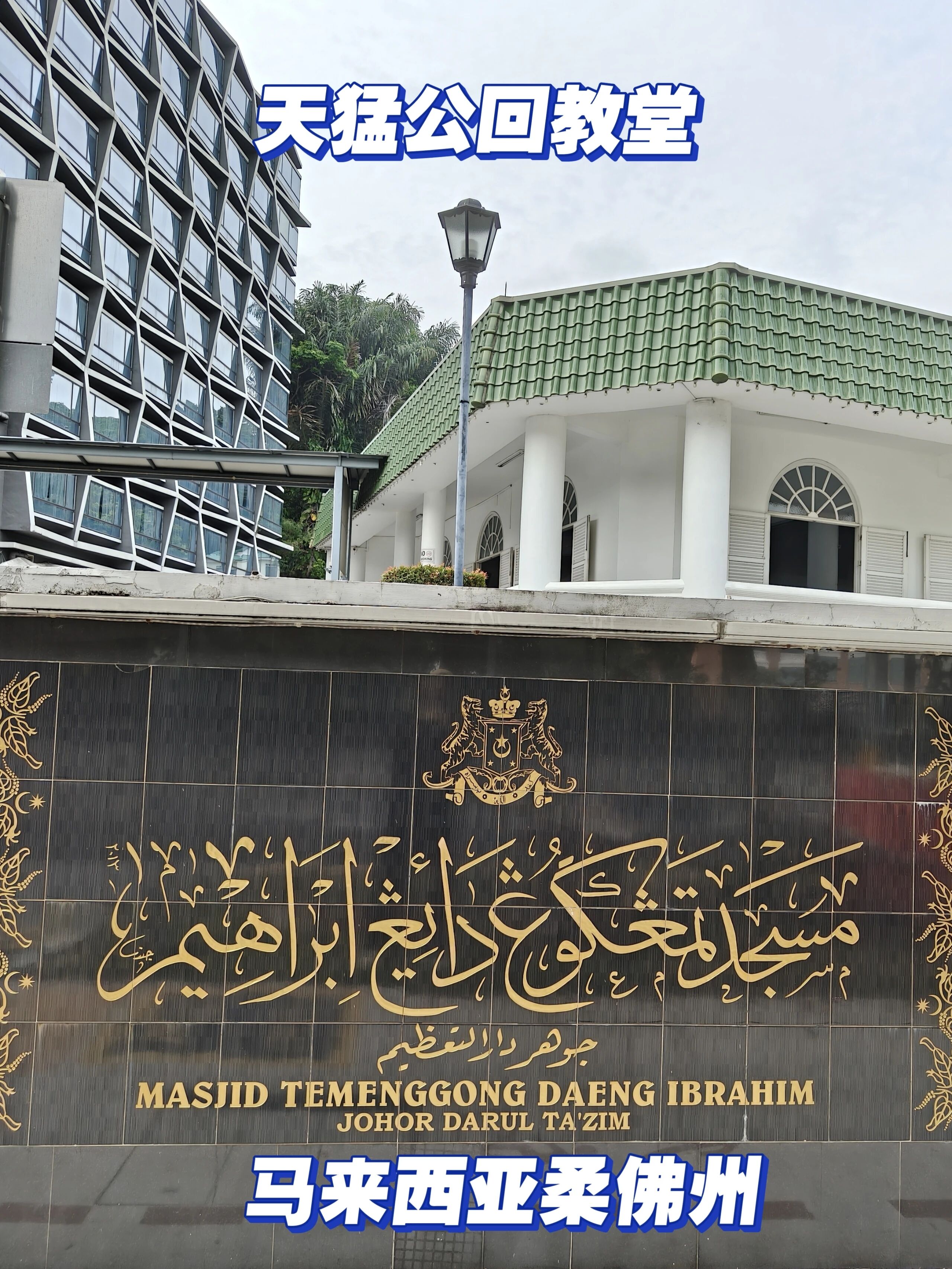
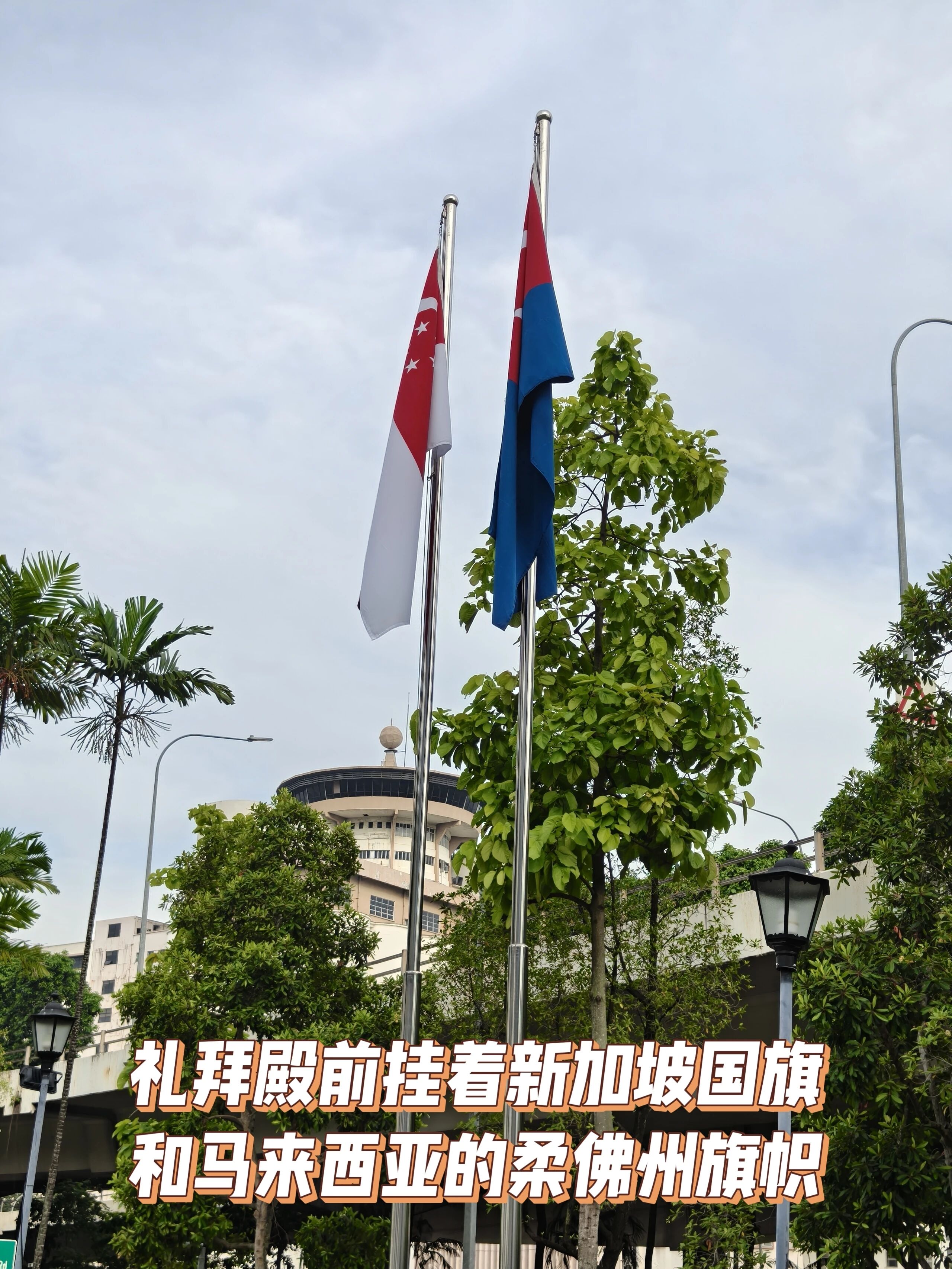
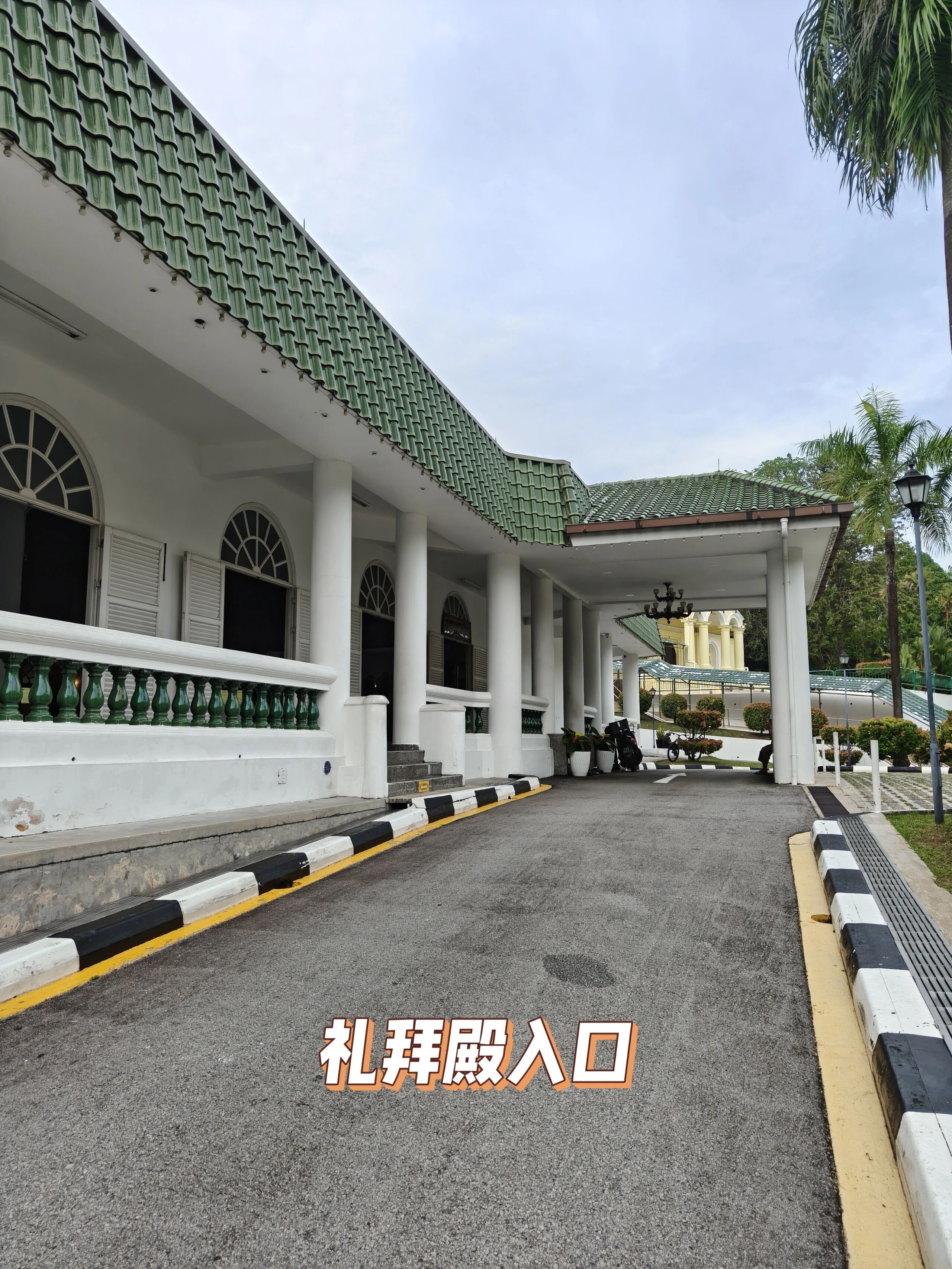
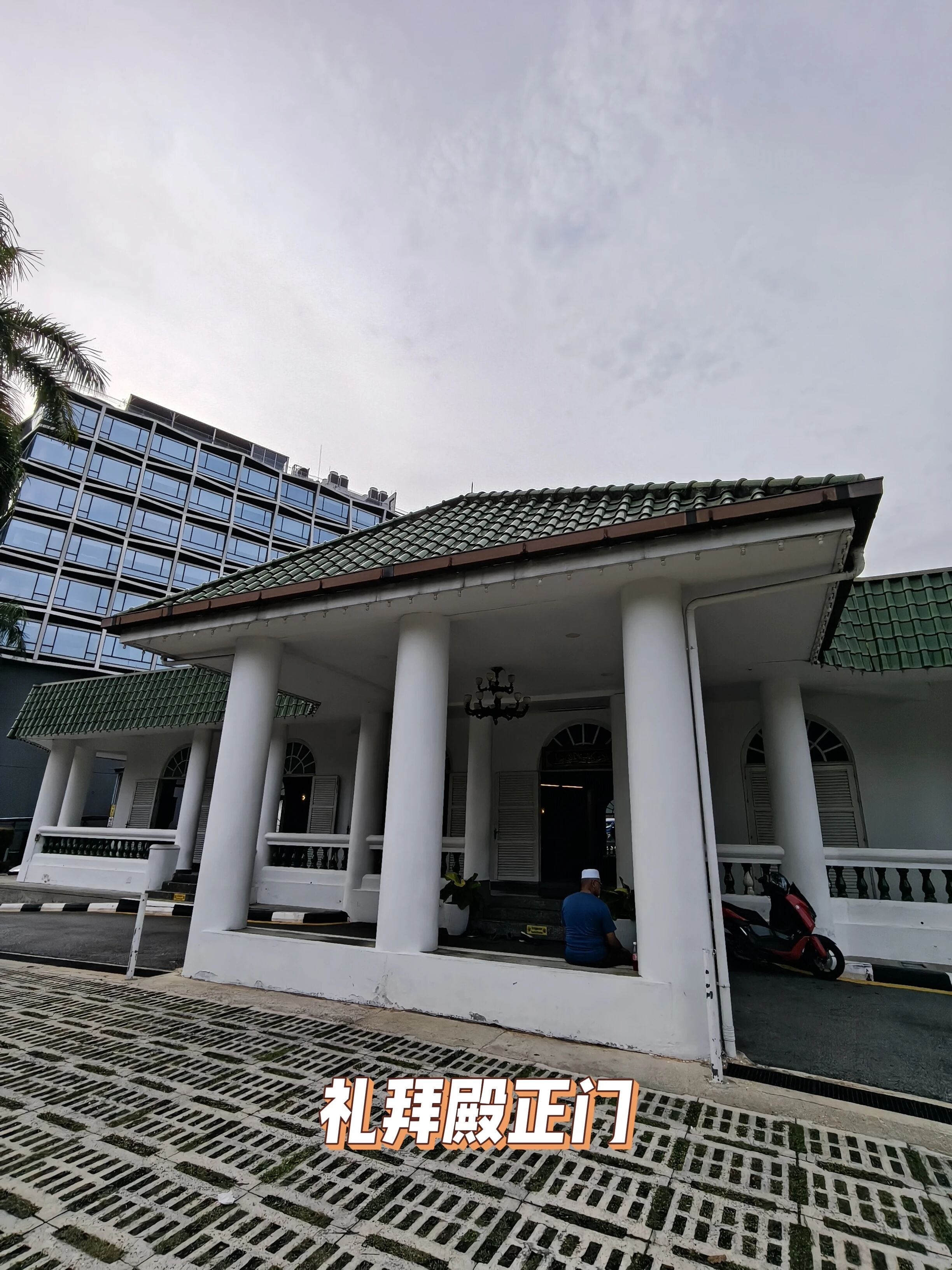
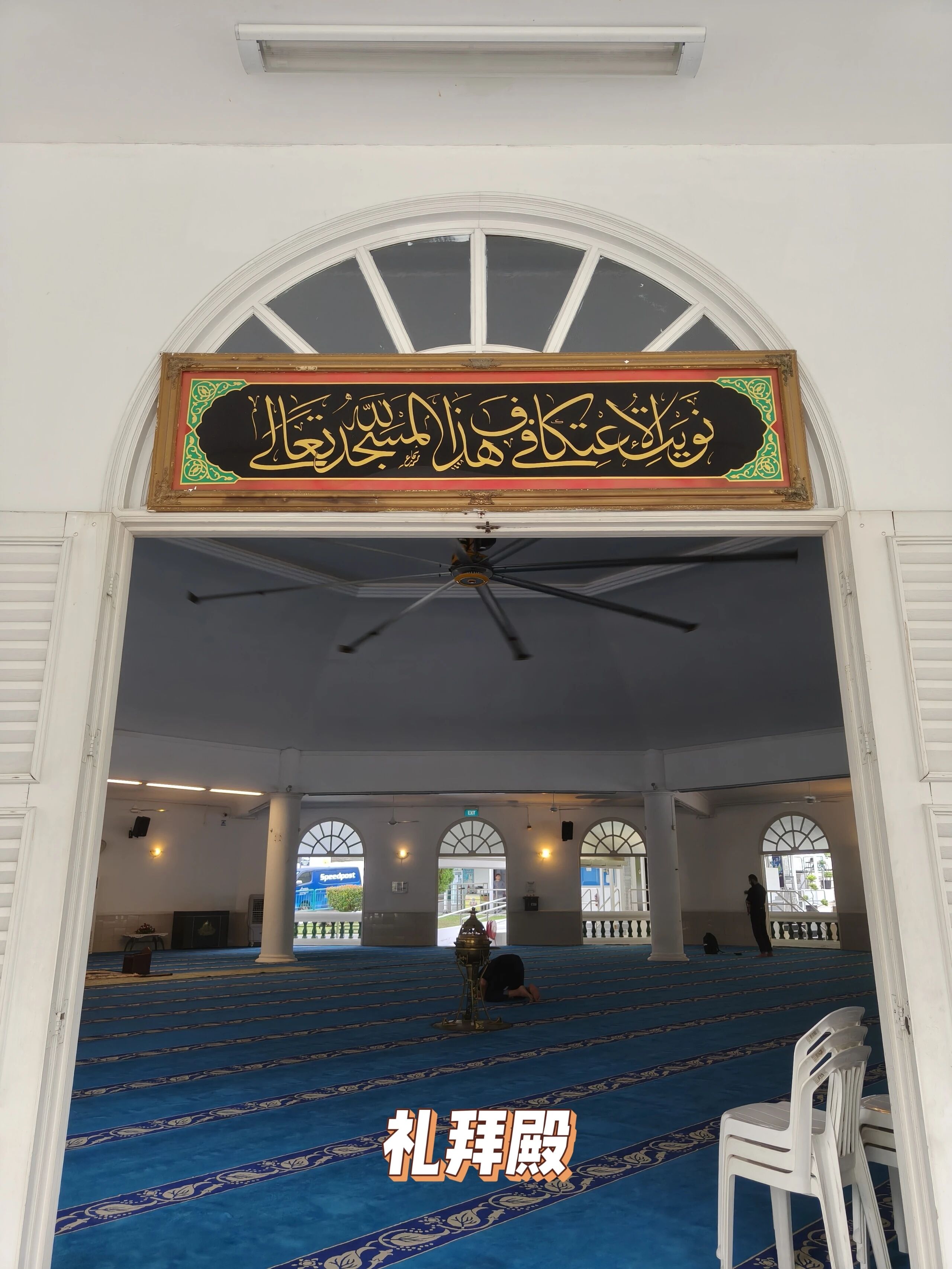
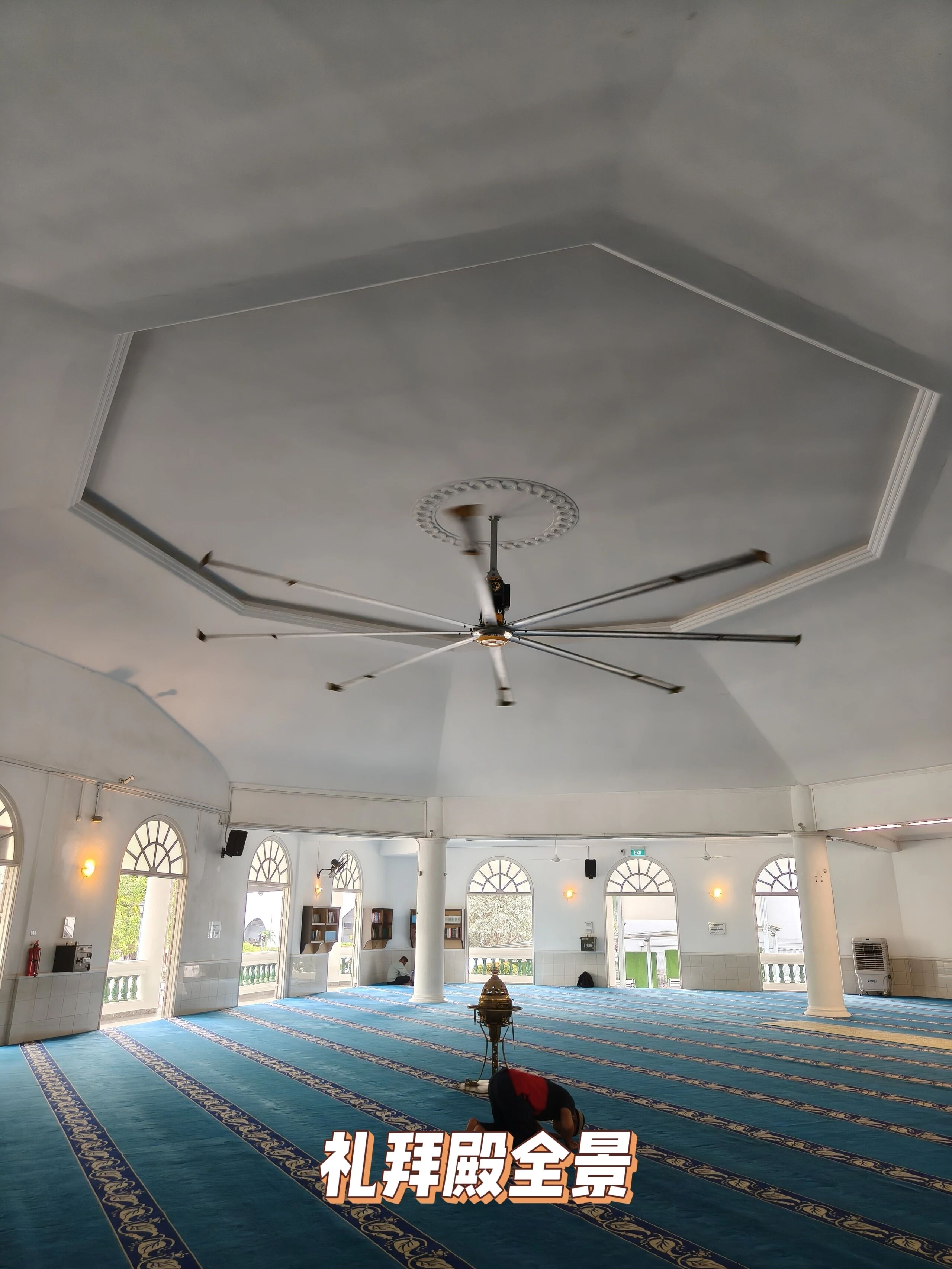
There is a large fan in the center that spins constantly to keep the prayer hall just barely cool.
Under the fan is a small incense burner (picture seven). This is my first time seeing an incense burner placed in the middle of a main prayer hall.
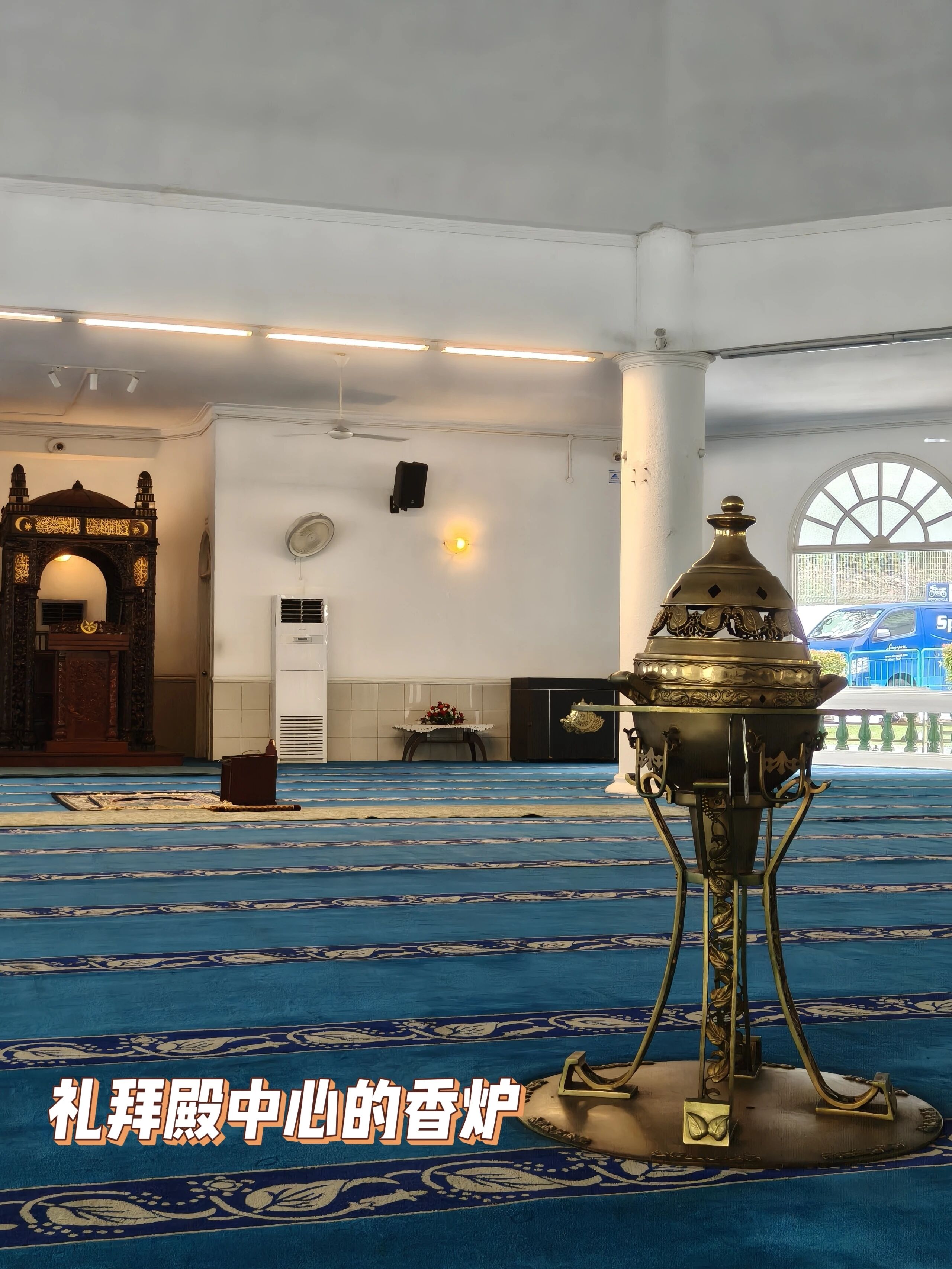
The mosque's porch is pure white, and the doors have shutters to help with heat dissipation. Singapore does not need to worry about keeping warm or protecting against the cold at all. That is why the area for performing wudu (small ablution) is outdoors. Of course, the area for performing ghusl (major ablution) is still indoors.
Right next to the mosque is a museum with a sign that says Johor Royal Museum, but unfortunately, it was not open when I visited. I did see the Muslim cemetery behind the mosque, which seems to be on the same plot of land as the museum.
As I mentioned, this mosque is near Sentosa Island, so I headed straight there after leaving. In the next post, I will show you the prayer room on Sentosa Island.
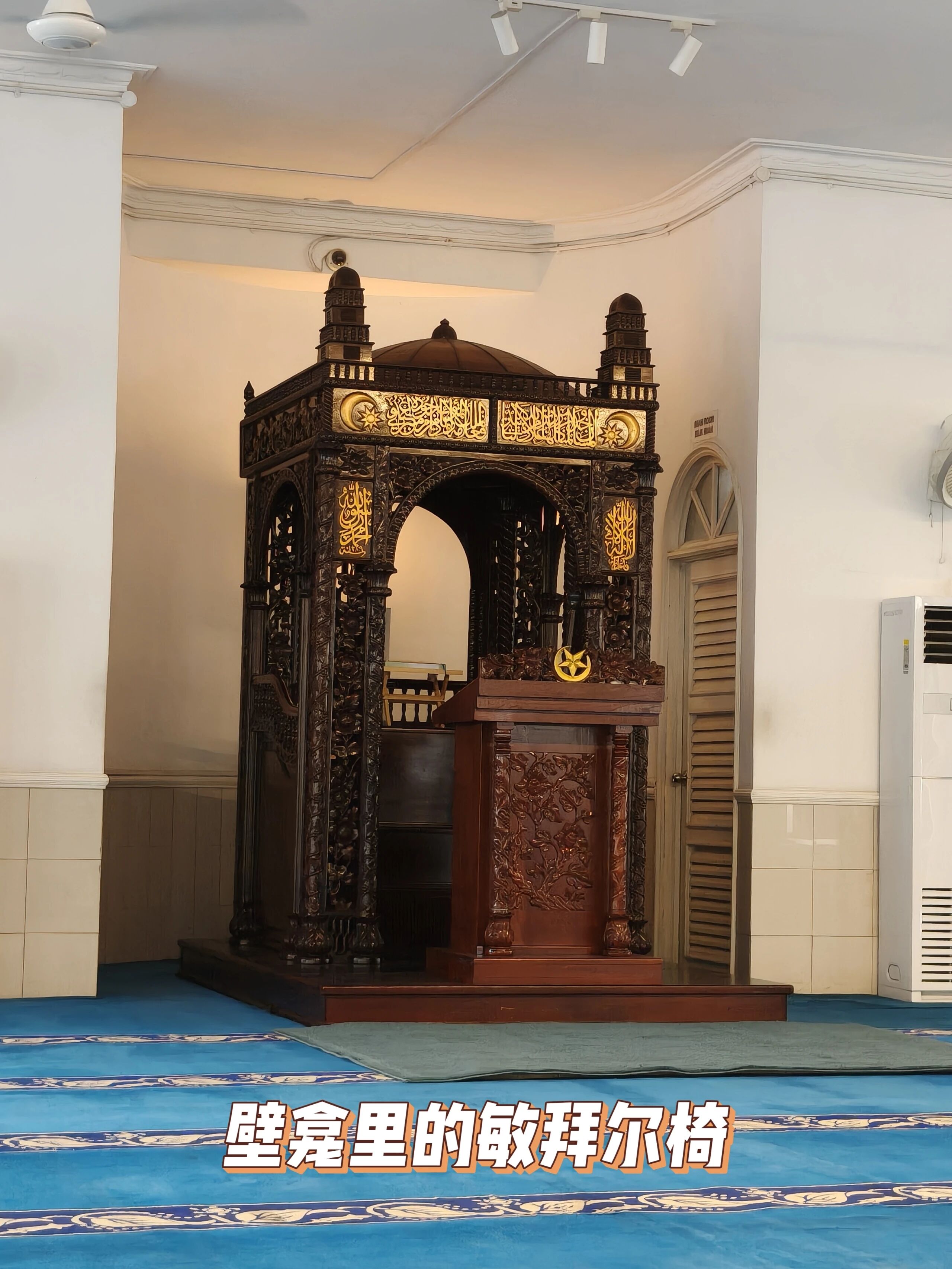
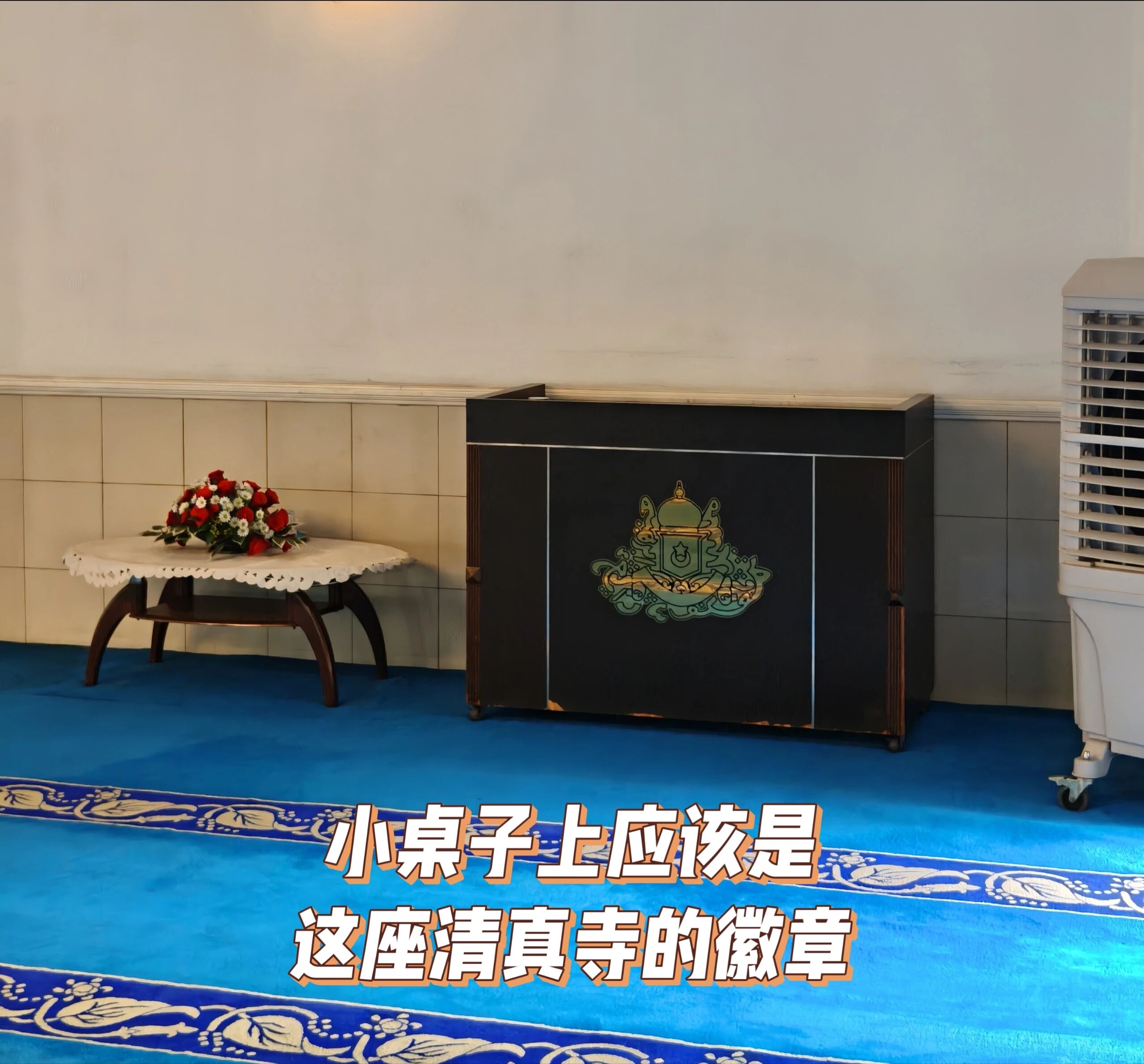
 Collapse Read »
Summary: This Singapore Muslim travel guide visits Temenggong Mosque and its complex ties to Malaysia. It keeps the source route, mosque setting, heritage notes, and Malay historical context in the same order.
This mosque is called the Temenggong Mosque, and it is not far from the Malay-style mosque I visited last time. This mosque has deep, complex ties to Malaysia.
The most unique thing about this mosque is that even though it is in Singapore, the land and sovereignty still belong to the Sultan of Johor, Malaysia. That is why two flags fly at the entrance of the prayer hall: the Singapore national flag and the flag of the Malaysian state of Johor.
This mosque was reportedly once the audience hall of the Temenggong's palace before it was converted into a mosque.
The mosque is a single-story octagonal building, as you can see in picture six.
There is a large fan in the center that spins constantly to keep the prayer hall just barely cool.
Under the fan is a small incense burner (picture seven). This is my first time seeing an incense burner placed in the middle of a main prayer hall.
The mosque's porch is pure white, and the doors have shutters to help with heat dissipation. Singapore does not need to worry about keeping warm or protecting against the cold at all. That is why the area for performing wudu (small ablution) is outdoors. Of course, the area for performing ghusl (major ablution) is still indoors.
Right next to the mosque is a museum with a sign that says Johor Royal Museum, but unfortunately, it was not open when I visited. I did see the Muslim cemetery behind the mosque, which seems to be on the same plot of land as the museum.
As I mentioned, this mosque is near Sentosa Island, so I headed straight there after leaving. In the next post, I will show you the prayer room on Sentosa Island.
Collapse Read »
Muslim Travel Guide Singapore: Nagore Dargah, Sufi Gongbei and South Indian Muslim Heritage
Reposted from the web
Summary: This Singapore Muslim travel guide visits Nagore Dargah, described as a South Indian-style Sufi shrine or gongbei. It keeps the source comparison with Jamae Mosque, local Muslim heritage, and site observations.
Singapore has more than just the South Indian-style mosque (Jamae Mosque) we introduced last time; it also has this South Indian-style shrine (Nagore Dargah).
This shrine is right next to Thian Hock Keng Temple and is easy to find. It has been turned into the Indian Muslim Heritage Centre. You need to register before entering, and admission is free. Actually, there were never any graves inside, which I find quite strange. If a shrine has no grave, can it still be called a shrine?
Of course, they call it a dargah, which is the term used in South India for a shrine.
So, where is the real grave?
It is in Nagapattinam, Tamil Nadu, South India (Image 13). It was built to honor the Sufi saint Shahul Hamid. That shrine is very grand and has many white towers.
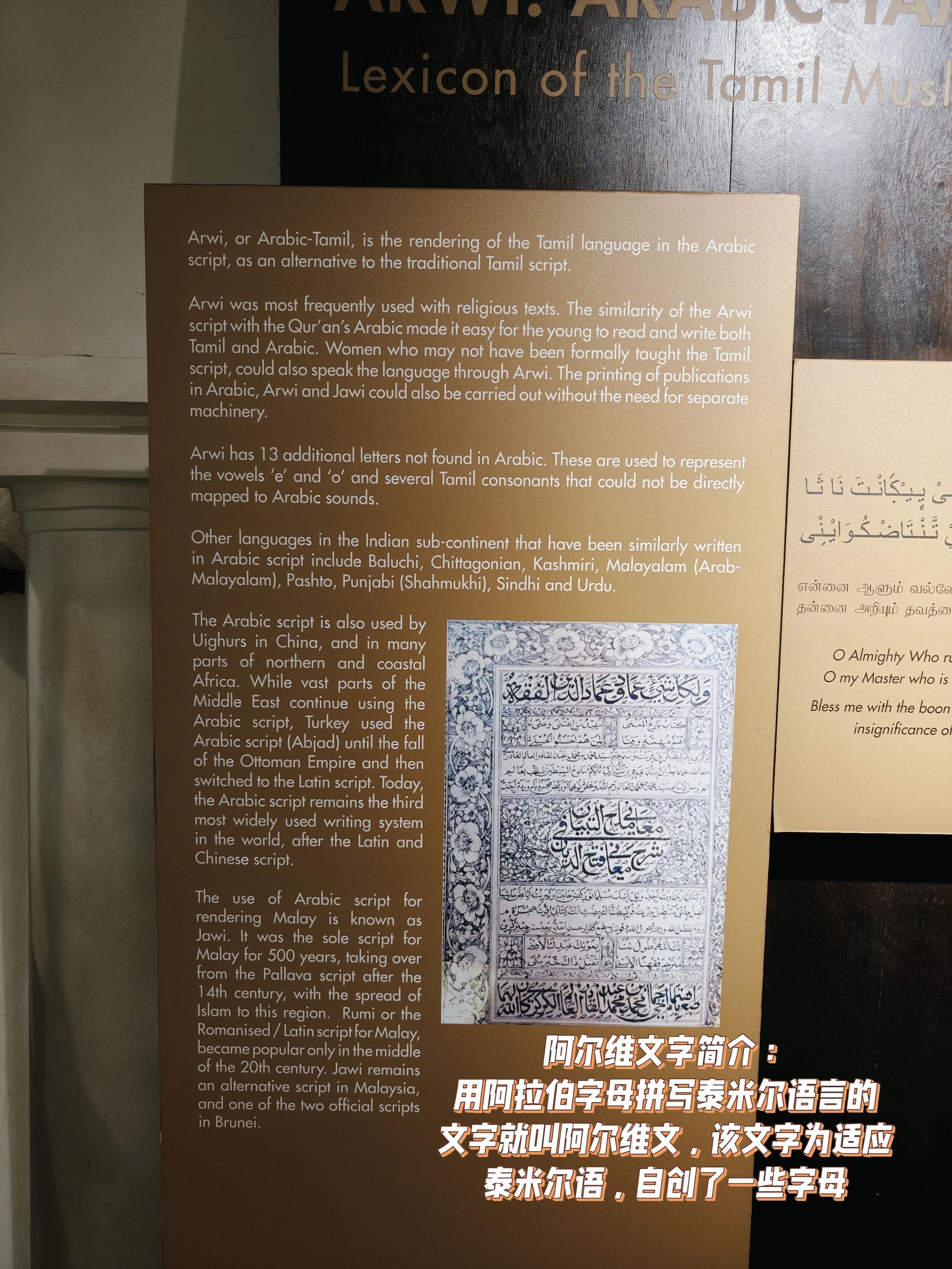
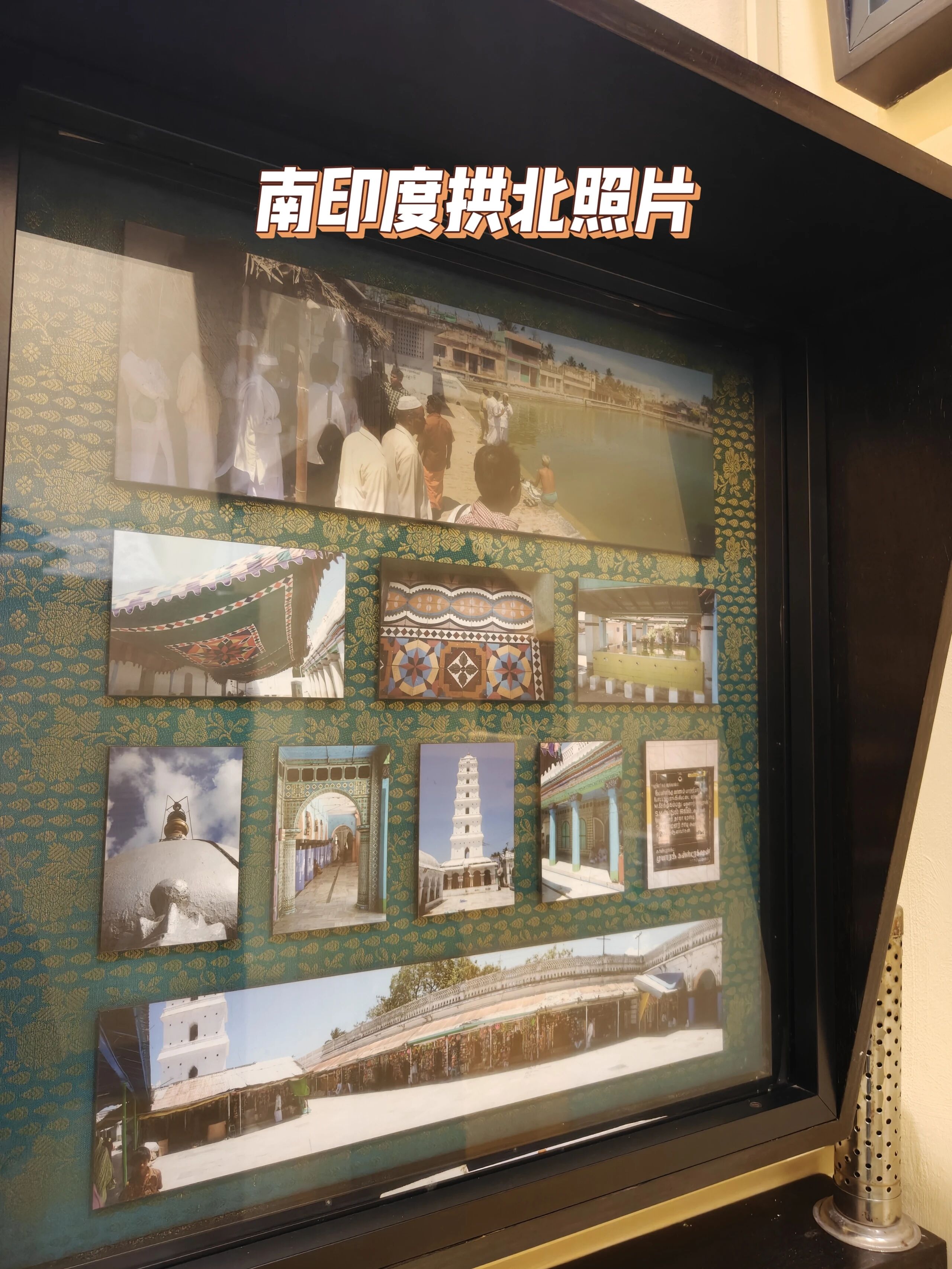
Inside the museum, you can see many old items from that time and some information about early Indian Muslim immigrants.
Walking straight from the entrance, you can see a symbolic tomb chamber. The walls inside the chamber feature photos, paintings, and models of that Nagore Dargah in Tamil Nadu. If I have the chance in the future, I really want to go to South India to see that place.
There is a detail in the tomb chamber that interests me: the small wall niches on the left and right (Image 16). These niches were used to hold candles or oil lamps for lighting.
This design is very common in India, so it is quite a distinct Indian feature.
Tourists from all over the world keep coming into the museum. I remember last time, a Korean tourist asked the Indian staff member about the ethnic composition of Muslims in Singapore. The Indian staff member explained that Malays are Muslims and there are also Indian Muslims.
I don't quite remember exactly what was said.
This time, I ran into two Singaporean Chinese asking a similar question to a Malay person nearby. The Malay person replied that there are also Muslims among Indians.
I guess everyone assumes Indians have a single faith, but while most Indians are Hindu, there are actually many Muslims. Besides that, India also has long-standing Christian communities, Sikhs, Buddhists, Jains, and so on.
The manager here told me there is no place to pray, but I can go to a nearby mosque for namaz. This mosque does not refer to the Jamae Mosque, but the closer Al-Abrar Mosque. So, in the next post, I will take you to see this Al-Abrar Mosque.
 Collapse Read »
Summary: This Singapore Muslim travel guide visits Nagore Dargah, described as a South Indian-style Sufi shrine or gongbei. It keeps the source comparison with Jamae Mosque, local Muslim heritage, and site observations.
Singapore has more than just the South Indian-style mosque (Jamae Mosque) we introduced last time; it also has this South Indian-style shrine (Nagore Dargah).
This shrine is right next to Thian Hock Keng Temple and is easy to find. It has been turned into the Indian Muslim Heritage Centre. You need to register before entering, and admission is free. Actually, there were never any graves inside, which I find quite strange. If a shrine has no grave, can it still be called a shrine?
Of course, they call it a dargah, which is the term used in South India for a shrine.
So, where is the real grave?
It is in Nagapattinam, Tamil Nadu, South India (Image 13). It was built to honor the Sufi saint Shahul Hamid. That shrine is very grand and has many white towers.
Inside the museum, you can see many old items from that time and some information about early Indian Muslim immigrants.
Walking straight from the entrance, you can see a symbolic tomb chamber. The walls inside the chamber feature photos, paintings, and models of that Nagore Dargah in Tamil Nadu. If I have the chance in the future, I really want to go to South India to see that place.
There is a detail in the tomb chamber that interests me: the small wall niches on the left and right (Image 16). These niches were used to hold candles or oil lamps for lighting.
This design is very common in India, so it is quite a distinct Indian feature.
Tourists from all over the world keep coming into the museum. I remember last time, a Korean tourist asked the Indian staff member about the ethnic composition of Muslims in Singapore. The Indian staff member explained that Malays are Muslims and there are also Indian Muslims.
I don't quite remember exactly what was said.
This time, I ran into two Singaporean Chinese asking a similar question to a Malay person nearby. The Malay person replied that there are also Muslims among Indians.
I guess everyone assumes Indians have a single faith, but while most Indians are Hindu, there are actually many Muslims. Besides that, India also has long-standing Christian communities, Sikhs, Buddhists, Jains, and so on.
The manager here told me there is no place to pray, but I can go to a nearby mosque for namaz. This mosque does not refer to the Jamae Mosque, but the closer Al-Abrar Mosque. So, in the next post, I will take you to see this Al-Abrar Mosque.
Collapse Read »
Muslim Travel Guide Iran Tehran: Imam Khomeini Mosque, Grand Bazaar Food and Wudu Courtyard
Reposted from the web
Summary: This Muslim travel guide follows the Tehran bazaar near Golestan Palace and Imam Khomeini Mosque. It preserves the Friday closure scene, bazaar food, mosque courtyard, wudu area, library, and the author's on-site notes.
There are many bazaars near Golestan Palace. Friday is a public holiday in Iran, so only one mosque in Tehran stays open, while the rest are closed. Only a few shops inside the bazaar are open.
The market feels like a ghost town on Friday, but as soon as Friday passes, it quickly becomes lively, crowded with pedestrians and porters shoulder to shoulder.
Bazaars almost always have domes, and you can enjoy their orderly beauty just by looking up. (Photo 1)
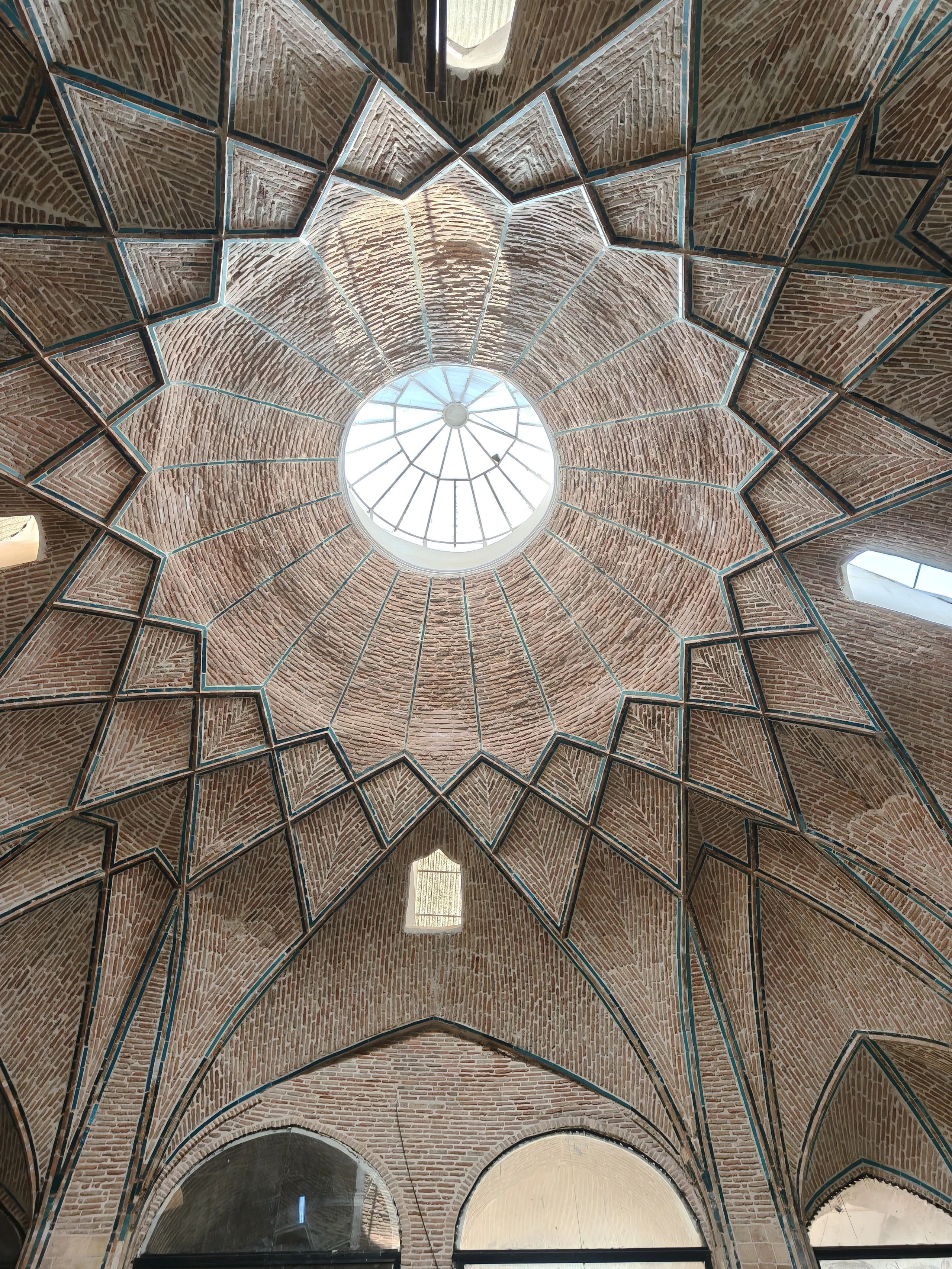
After walking for a while, my guide told me he knew a good place that mainly sells wraps with potato, chicken, or beef fillings. I like potatoes, so of course I chose the potato one. The guide chose the beef one. The wrap included mashed boiled eggs, and the potatoes were very tasty.
The shop is very narrow and crowded. (Photo 5, Photo 6)
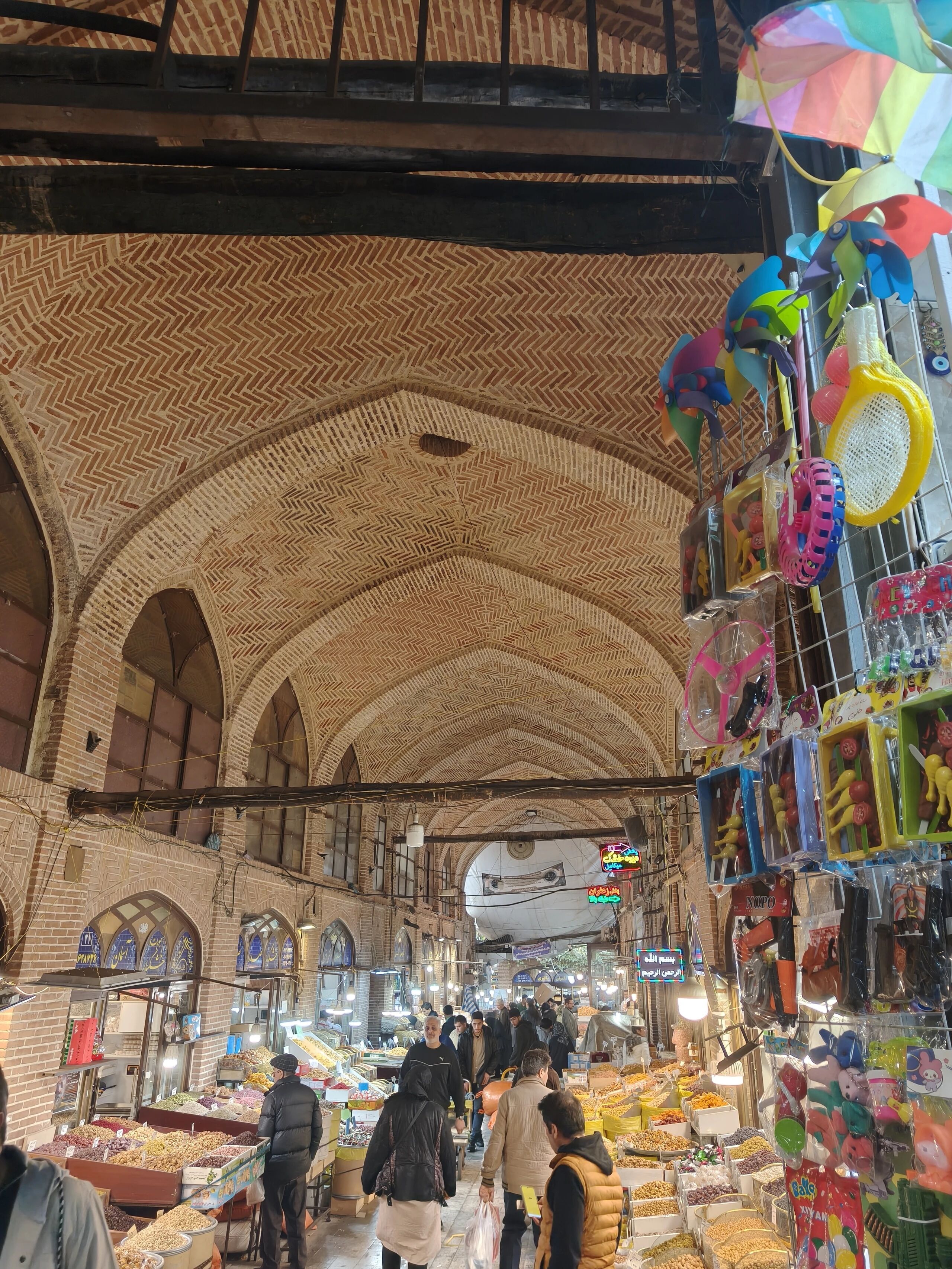
Then, I am not sure how we got there, but we walked into a mosque. The area outside was cramped and narrow, and I really did not expect such a large mosque square in the middle.
This is the Imam Khomeini Mosque. The main hall (Image 7) looks like a larger version of the Id Kah Mosque in Xinjiang, as if they were built from the same blueprint. There is a water basin in the middle of the mosque square with taps along the edge for performing wudu. (Image 9)
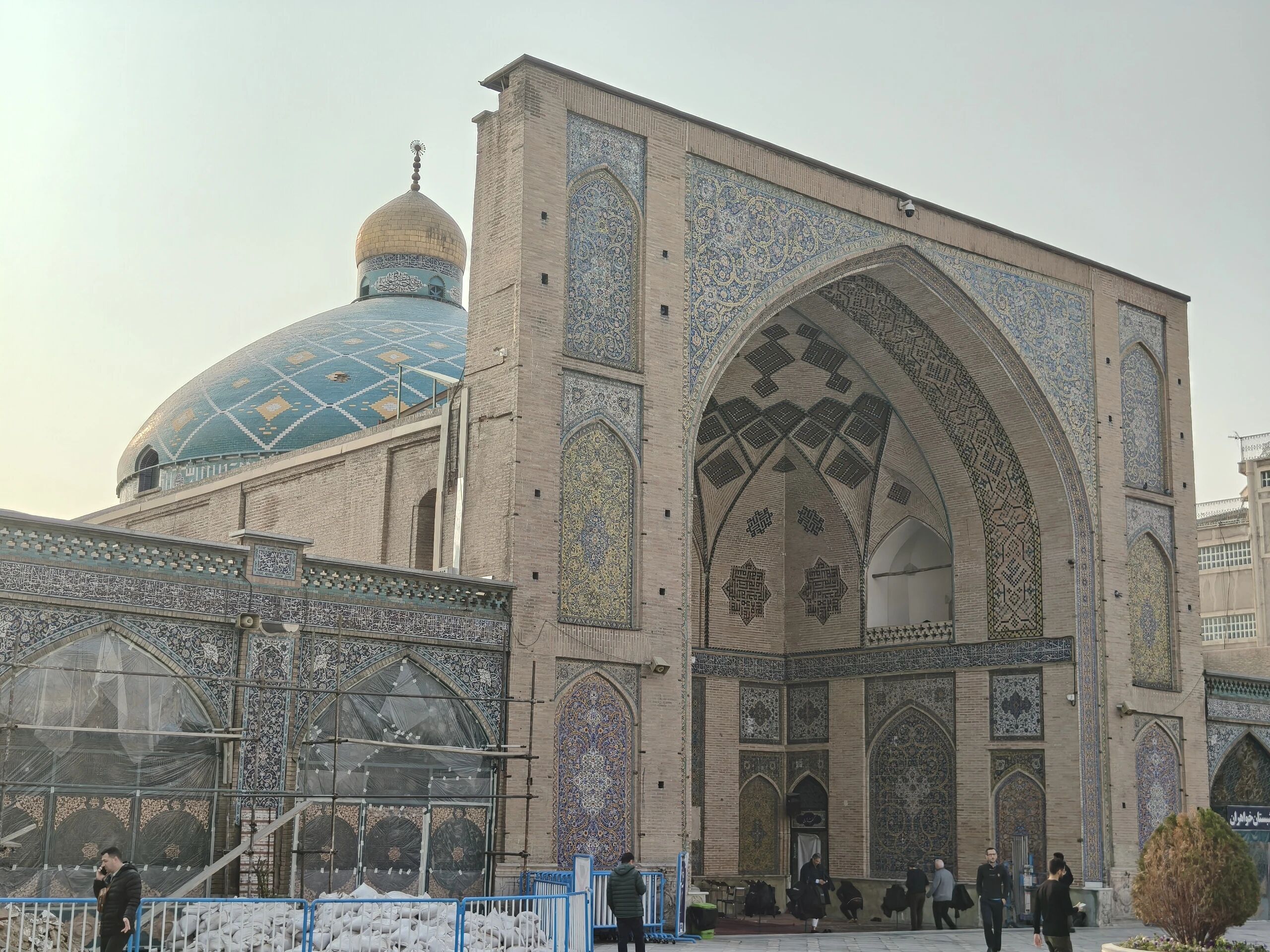
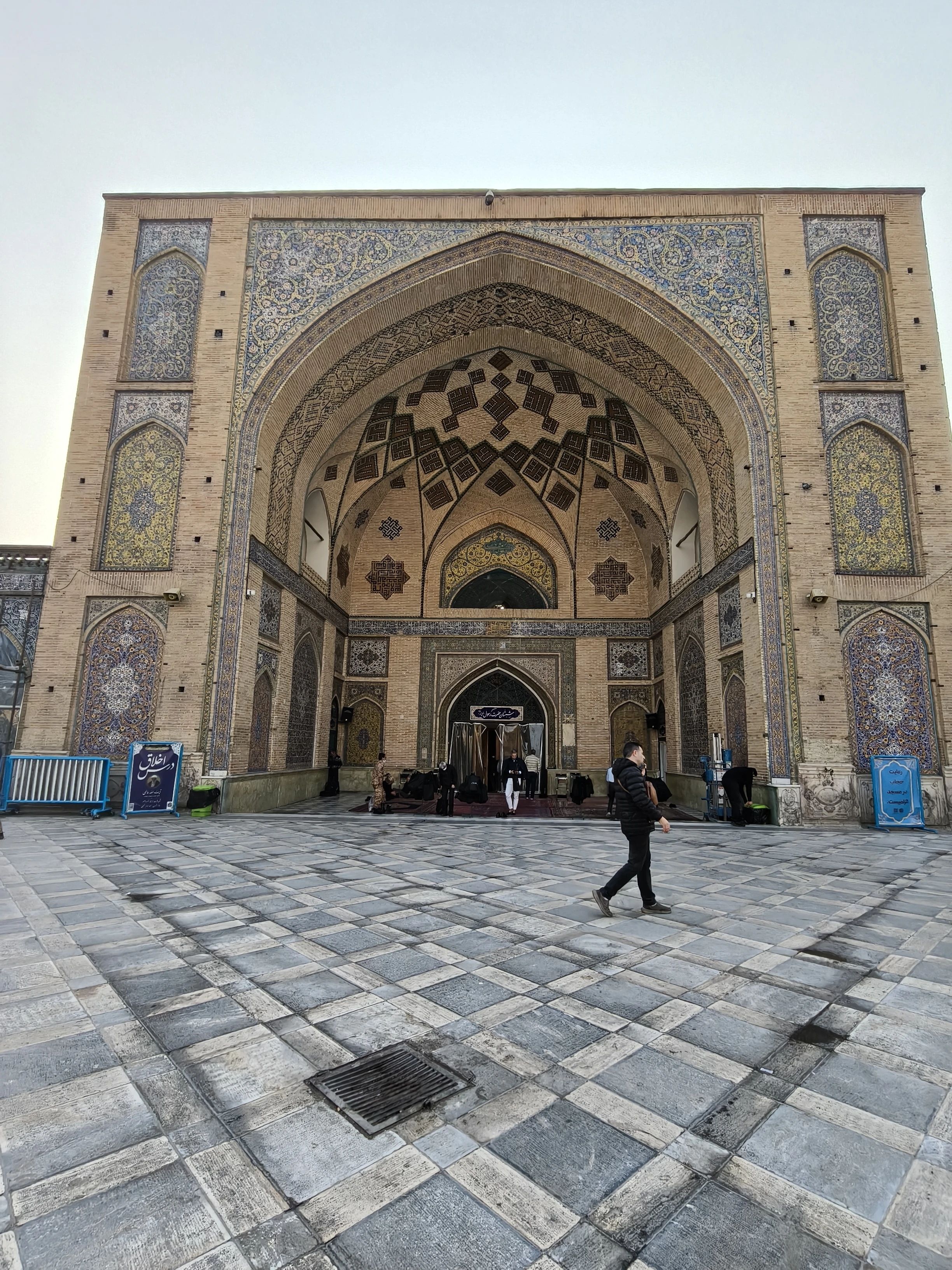
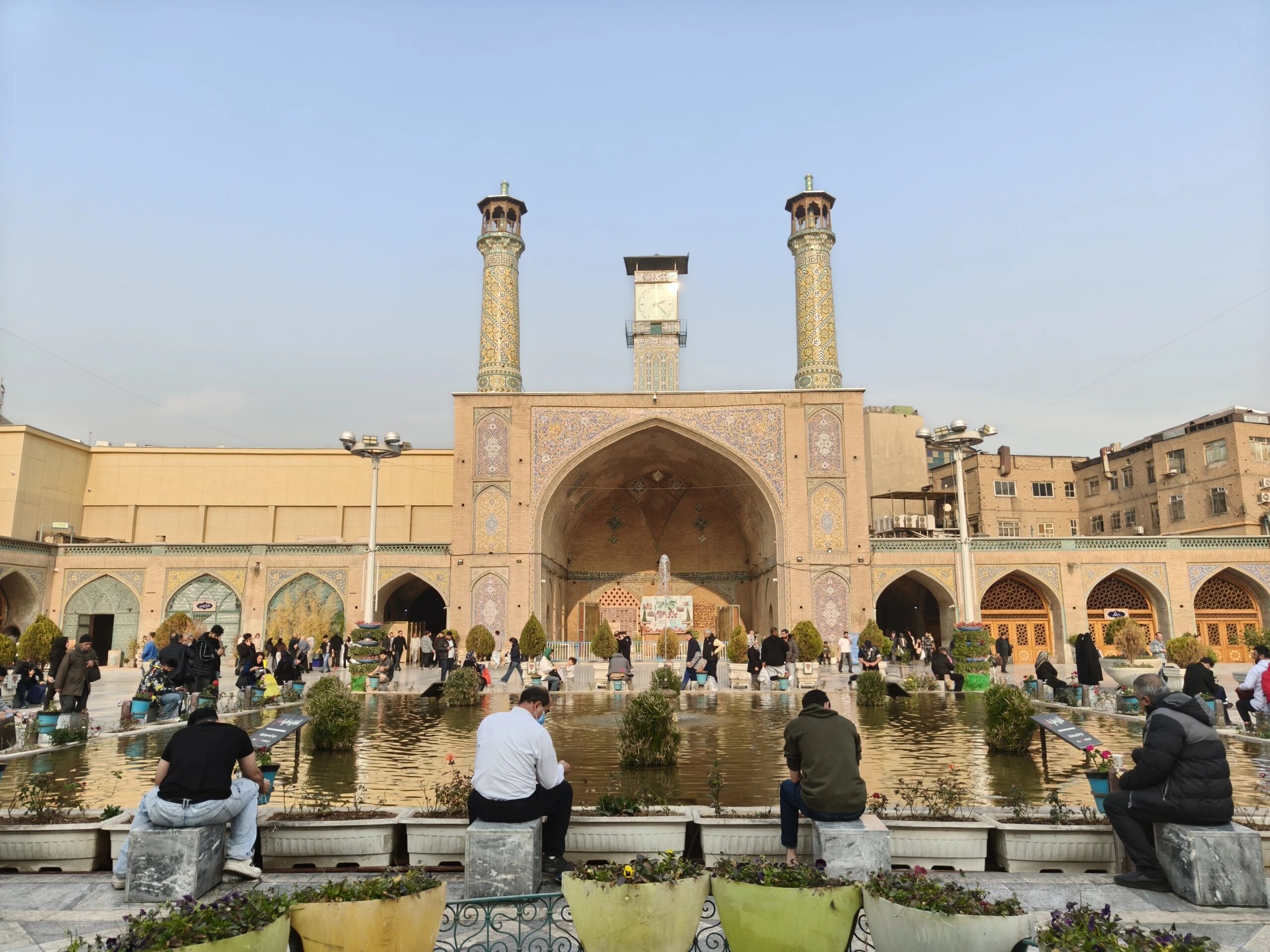
At the other end of the square are two minarets with a clock tower in the middle. (Image 10)
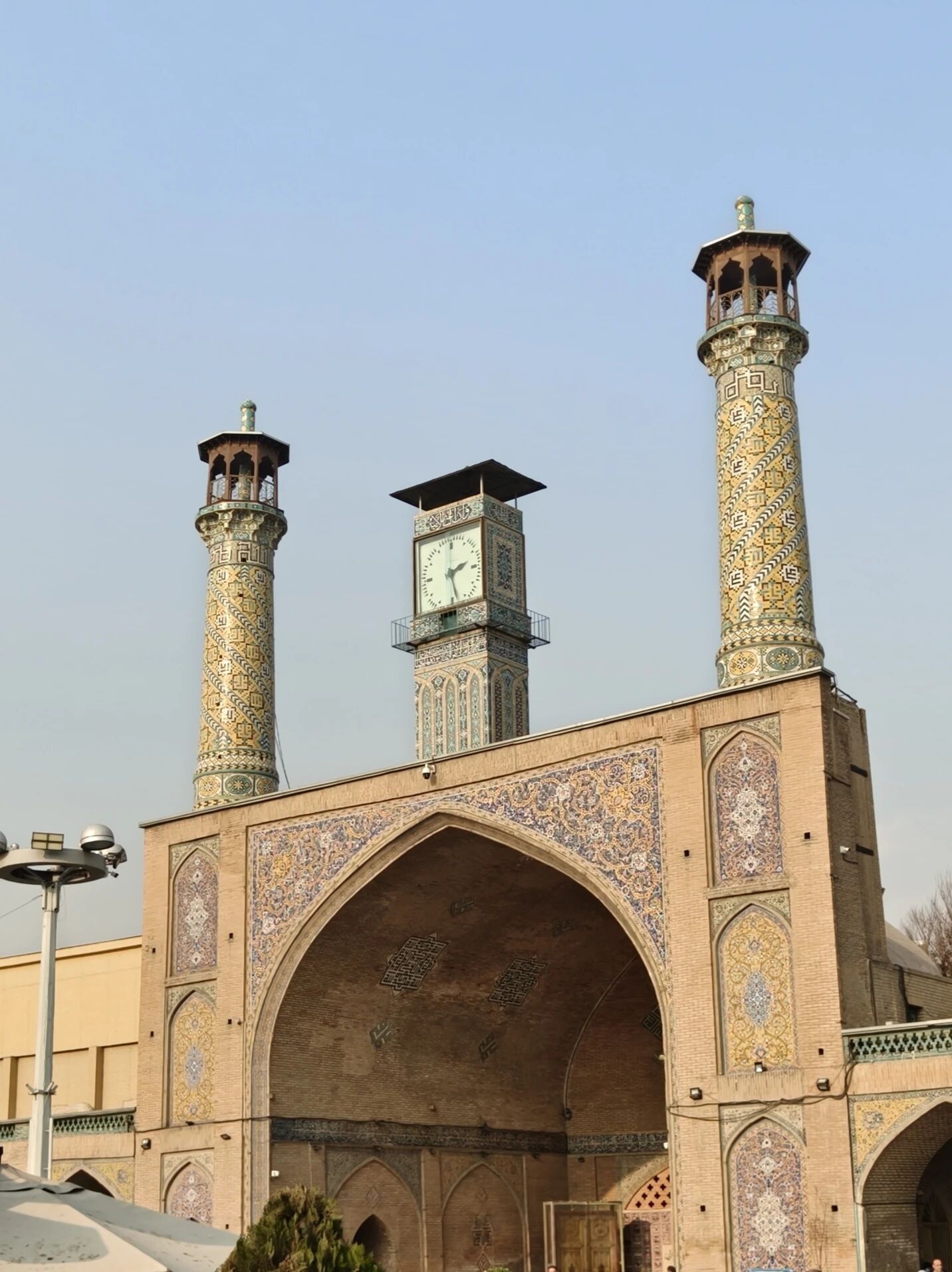
On one side of the square, there is a library covered in many mirrors that shine brightly. (Image 11, Image 12) It looks just like the Tomb of the King of Lights in Iraq that I saw online.
The library also holds copies of the Quran (Image 13) in other languages, including French, English, Russian, and Armenian. There were a few staff members inside. When my guide told them I was from China, they gave me a tile ornament and a copy of the Quran.
The staff said they were happy to meet me and welcomed me to Iran. To be polite, I also told them they were welcome to visit China. The staff also asked if China accepts international students from countries like Iran, Iraq, and Afghanistan, and which university majors in China are the best.
I am answering based on the information I have encountered within the country. It seems like many foreigners come here to study medicine, and I actually know international students from Pakistan, Turkey, and Yemen who are studying in Lanzhou and Chengdu.
After leaving the mosque, I returned to the bazaar. I looked up and saw the sunlight hitting the dome at an angle, perfectly revealing the shape of a crescent moon.
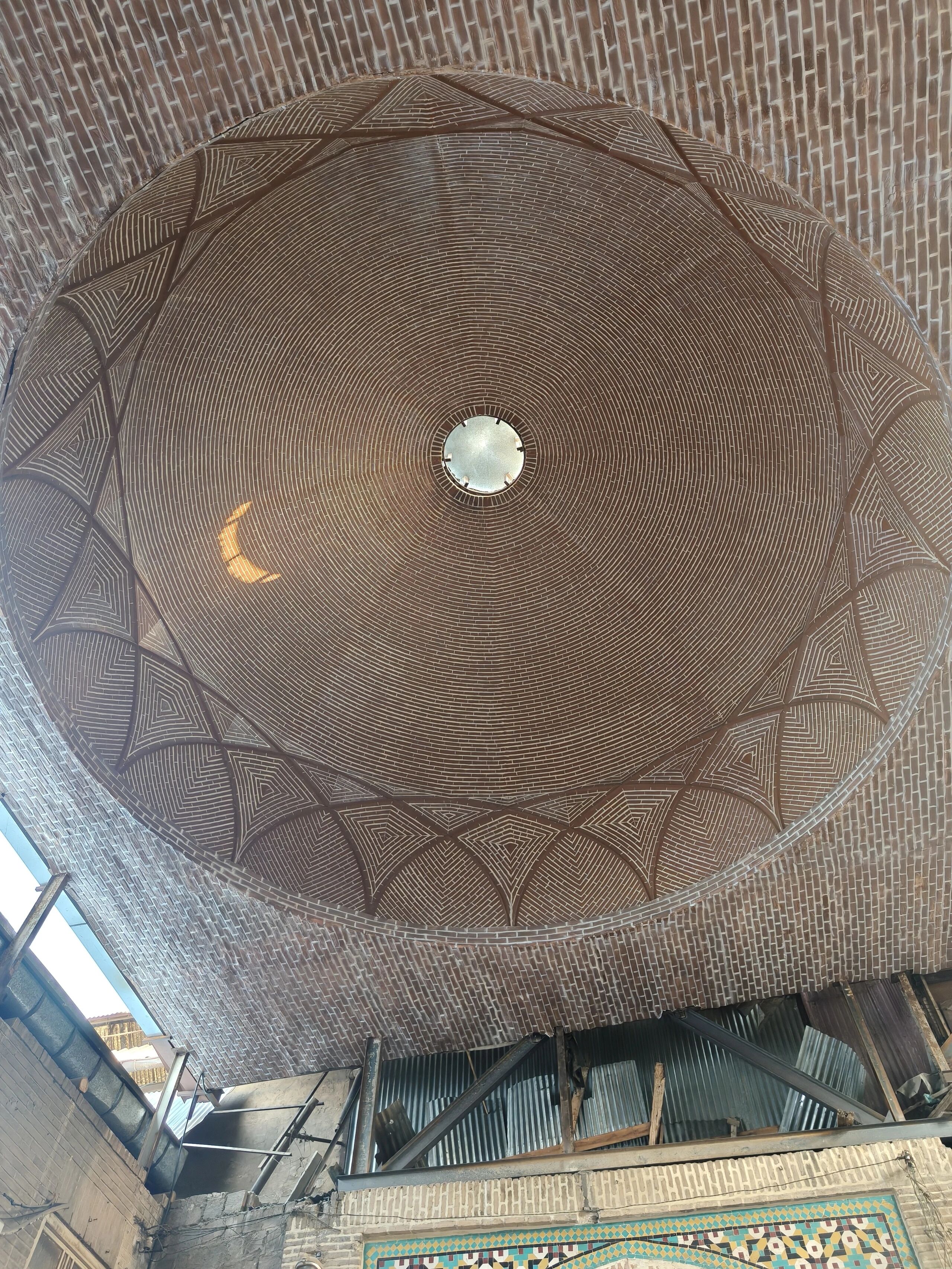 Collapse Read »
Summary: This Muslim travel guide follows the Tehran bazaar near Golestan Palace and Imam Khomeini Mosque. It preserves the Friday closure scene, bazaar food, mosque courtyard, wudu area, library, and the author's on-site notes.
There are many bazaars near Golestan Palace. Friday is a public holiday in Iran, so only one mosque in Tehran stays open, while the rest are closed. Only a few shops inside the bazaar are open.
The market feels like a ghost town on Friday, but as soon as Friday passes, it quickly becomes lively, crowded with pedestrians and porters shoulder to shoulder.
Bazaars almost always have domes, and you can enjoy their orderly beauty just by looking up. (Photo 1)
After walking for a while, my guide told me he knew a good place that mainly sells wraps with potato, chicken, or beef fillings. I like potatoes, so of course I chose the potato one. The guide chose the beef one. The wrap included mashed boiled eggs, and the potatoes were very tasty.
The shop is very narrow and crowded. (Photo 5, Photo 6)
Then, I am not sure how we got there, but we walked into a mosque. The area outside was cramped and narrow, and I really did not expect such a large mosque square in the middle.
This is the Imam Khomeini Mosque. The main hall (Image 7) looks like a larger version of the Id Kah Mosque in Xinjiang, as if they were built from the same blueprint. There is a water basin in the middle of the mosque square with taps along the edge for performing wudu. (Image 9)
At the other end of the square are two minarets with a clock tower in the middle. (Image 10)
On one side of the square, there is a library covered in many mirrors that shine brightly. (Image 11, Image 12) It looks just like the Tomb of the King of Lights in Iraq that I saw online.
The library also holds copies of the Quran (Image 13) in other languages, including French, English, Russian, and Armenian. There were a few staff members inside. When my guide told them I was from China, they gave me a tile ornament and a copy of the Quran.
The staff said they were happy to meet me and welcomed me to Iran. To be polite, I also told them they were welcome to visit China. The staff also asked if China accepts international students from countries like Iran, Iraq, and Afghanistan, and which university majors in China are the best.
I am answering based on the information I have encountered within the country. It seems like many foreigners come here to study medicine, and I actually know international students from Pakistan, Turkey, and Yemen who are studying in Lanzhou and Chengdu.
After leaving the mosque, I returned to the bazaar. I looked up and saw the sunlight hitting the dome at an angle, perfectly revealing the shape of a crescent moon.
Collapse Read »
Muslim Travel Guide Iran Tehran and Qom: Local Muslim Life, Mosques and Travel Notes
Reposted from the web
Summary: This Iran Muslim travel guide records the author's real travel experiences in Tehran and Qom. It preserves the local interactions, mosque-related context, street observations, and the peaceful moments before later gunfire described in the source.
Friends who follow me probably know that I went to Iran at the beginning of December last year, where I interacted with the local people. With the current outbreak of war in Iran, I am reminded of those things I saw and experienced.
1. Iranian taxi drivers
After landing at Imam Khomeini International Airport in Iran, I got into Uncle Hosseini's taxi and started my journey to downtown Tehran. The international airport is quite far from downtown Tehran, and the trip took us a full hour and a half. Along the way, Uncle Hosseini and I kept chatting using a translation app. Communicating with a translation app is actually a bit troublesome, but the uncle was very enthusiastic and didn't mind me talking so much, so we chatted the whole way.
It is strange to say, but the first person I had a deep conversation with in Iran turned out to be a staunch patriot. After entering the city, although the exterior walls of the buildings looked poorly maintained, the streets were brightly lit and full of life. The uncle asked me if it was my first time in Iran, and if I realized after arriving that it was nothing like what the outside world portrays. I guess the uncle meant that the outside world always claims Iran's economy is stagnant and people's livelihoods are depressed, but looking at the street scene before me, Tehran is not as bad as people say. Actually, in my opinion, Tehran, including the international airport I just left, looks quite old and is not much better than how it is described by the outside world. But from the uncle's words, it is easy to see that he sincerely loves his country.
He then talked about international relations. He said he really dislikes Israel and Western countries, and he believes China and Russia are good friends to Iran. I saw this for myself later on. My Iranian tour guide pointed at a bus on the road and told me that Iran imported a batch of buses from China. I also saw a large Xiaomi store (Xiaomi Zhijia) in a modern shopping mall in Iran. I occasionally saw our domestic new energy vehicles on the road too. The guide showed me photos on his phone of himself with some Chinese trade representatives, which shows that our country and Iran have a decent relationship, at least in terms of trade.
I later asked him if Iran was really going to move its capital. He said every government talks about moving the capital, but it involves too many people, so it is impossible to actually move. We reached the destination, and I said goodbye to the uncle.
(A view of Tehran streets taken through the window of Uncle Hosseini's taxi. In front is a poster of an Iranian athlete winning a championship, and behind it is an anti-Israel propaganda poster.)
2. My tour guide is a conservative liberal.
Unlike the driver, Uncle Hosseini, my local Iranian tour guide is quite against the current system. On the first day I met him, we passed a government building. He looked at the well-dressed people going in and out and said to me, 'Look at these people. They sit in their offices all day, nice and warm, drinking coffee, and they finish work without doing a single thing.'
That night, he complained to me that the government was truly incompetent, as the price of a pair of shoes had gone up ten times over the years. I was a bit puzzled at the time. But thinking about it now, could it be that U. S. blockades and sanctions are why Iran cannot buy cheap raw materials, and therefore cannot make cheap shoes?
Even this tour guide, who hates the current situation, told me he was scared. He is afraid that the U. S. might actually attack. He said he is not afraid of Israel, but he is truly afraid of U. S. military power.
His fear is actually quite normal, because missiles only identify thermal imaging, and U. S. missiles cannot tell which Iranians support the regime and which ones support overthrowing the government. So when war comes, the fear of a foreign enemy will likely push conservative liberals like the tour guide into the arms of the Iranian authoritarian government.
(The tour guide is using his Samsung phone to check the exchange rate between the Chinese yuan and the Iranian rial for me, worried that I might lose money if I exchange too little.)
(The tour guide is using his Samsung phone to check the exchange rate between the Chinese yuan and the Iranian rial for me, worried that I might lose money if I exchange too little.)
3. Enthusiastic people
I actually stand out quite a bit walking on the streets of Iran. I have the typical look of a yellow-skinned person, with single eyelids and straight black hair. Maybe it is because things are valued when they are rare, but the people here are especially warm to me and take the initiative to greet me. More than once on the road, people came up to me and said, "Welcome to Iran."
Once, while I was visiting a mosque, I suddenly became the center of attention. Namaz had just ended, and they started sharing hot black tea in the mosque. I got a cup too. One person called his family or friends right there, excitedly telling them he had met a Chinese person today. Everyone gathered around and curiously asked me all sorts of questions. One young man spoke good English and said he had studied in the United States. He even offered to be my tour guide. But I was leaving Tehran for Qom soon, so I politely declined his kind offer.
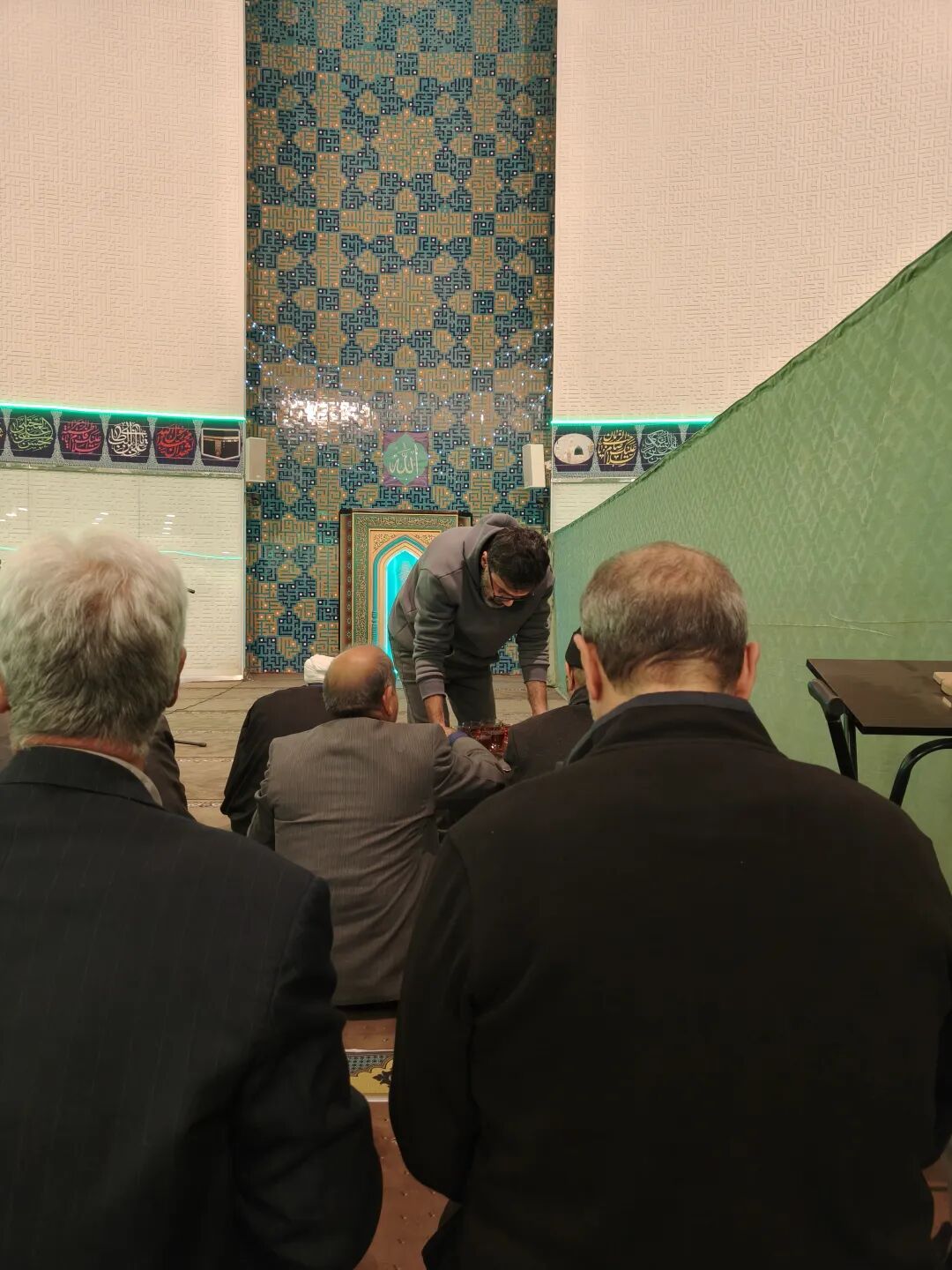
(After namaz, the mosque started handing out hot black tea with sugar cubes. It tasted pretty good.)
4. The kind ticket agent
Iran is currently under sanctions and cannot use bank cards from other countries, so tourists like us have to bring US dollar cash in advance and exchange it locally in Iran. For those few days, I was always walking around with big bundles of cash on me. Once, when I went to the manual ticket booth at the subway station, the ticket agent saw that my bag zipper was open and a stack of cash was clearly visible on top. She was so worried that she quickly reached over and shoved the stack of cash to the very bottom of my bag under some other items.
She was reminding me to watch out for pickpockets in the train car. She was truly very kind. I have remembered this kind gesture ever since.
(For Iranian subway tickets, you scan a code to enter through the gate, but there are no gates when you leave, so you just walk out.)
5. Free french fries
Years ago, I saw an avant-garde building in Iran on the 'Youth Architecture' WeChat architecture post, and it happened to be in Tehran. I decided to go see it, but after searching for it by name, I realized I had gone to the wrong place. It was lunchtime, so I went to a nearby restaurant and ordered some french fries. I saw another diner nearby and thought he must know where the building was. I felt a bit shy about just asking him directly, so I grabbed a can of Coca-Cola from the restaurant's drink cooler and handed it to him. After thanking me, he stared at the picture I showed him for a long time, trying to sound out the words on the building, but he couldn't find the answer in the end. He left after he finished his meal, and I was just about done with mine too. When I went to pay, the clerk told me that the person who drank my cola had already paid my bill. I guess I got a free meal of french fries out of it too.
(An ordinary street scene in Tehran)
6. The Rose Bread Uncle
I met this uncle who sells rose-filled bread after I finished visiting Azadi Tower. Azadi Tower is surrounded by a large roundabout with an incredible amount of traffic, making it hard to cross the street and just as hard to get back. I was stuck on the side of the road for a long time, and it felt just like being back in Vietnam.
An old man carrying a large rose-filled flatbread (rose bing) saw me, and since he was heading across the street too, he waved for me to join him. He grabbed my arm and led me with long strides right into the traffic, and before I knew it, I was on the other side of the road. I really admire these locals from the bottom of my heart.
The uncle then asked if I was going to the subway station. I was indeed planning to take the subway to a bus station in Tehran to catch a bus to Qom. So, I walked with him toward the subway station. He handed me the rose-filled flatbread (bing) he was holding so I would have something to eat on the road. Along the way, he showed me his contacts on his phone. I think I saw a photo of him with former Iranian President Rouhani, along with many others who looked like high-ranking officials or people in military uniforms. Who exactly is this man?
Regardless of his background, I decided to ask him for directions to the bus station. When he heard me ask about the bus station, he patted my shoulder and then his own chest, using body language to tell me not to worry. He then stayed with me on the bus until we were a few stops away from the station. Before getting off, he made sure to point out which stop I was at and exactly where I needed to get off. He was truly very kind, much like the other Iranians I had met before. My impression of Iranian people was set right then.
(A standard ID photo of Azadi Tower.) Actually, there is an underground passage to Azadi Square from other places, but it was already closed when I went, probably because it was too late.
7. I lost my phone, and my feelings are complicated.
It was the day I left Qom, and the hotel front desk helped me call a taxi using a ride-hailing app. Once I got in, I felt something was wrong. The driver had a shifty look in his eyes that made me feel very uncomfortable. After I got out of the car, I suddenly realized my spare phone was missing. I remembered then that when I was getting out, the driver deliberately threw his bag onto the passenger seat. I was wondering at the time why he had to throw his bag on the passenger seat instead of putting it somewhere else. Looking back, he must have been using the bag to cover my phone, which had slid onto the seat. I tried to look for him, but he was long gone with my phone without a trace.
I had no choice but to take another car to the airport with a heavy heart, and there were other passengers in the car. I was the only Asian person in the car, and the other passengers and the driver started to get curious about me. They asked if I liked Iran. I said I liked it, but because I had just lost my phone, I really could not bring myself to like Iran at that moment. Still, I decided to give it a try and used a translation app to ask the driver and other passengers for help. The moment they received my request for help, they immediately took action and started calling the hotel where I stayed to see if they could find that taxi driver through the front desk. I did not know whether to laugh or cry, and my feelings were a mess. On one hand, I was very upset because my backup phone was stolen, and it had very important things on it. On the other hand, I felt a bit comforted because these strangers were so eager to help me.
(A street in Qom, where I lost my phone.)
Postscript: In the end, I never got that phone back. I have been back home for two or three months now. After I returned, large-scale protests broke out there, and later Iran got caught up in conflict with the United States and Israel. If I wanted to go back to Iran now, it would probably be impossible. I wonder if those kind-hearted Iranians are doing well today and if they are still living in peace. Collapse Read »
Summary: This Iran Muslim travel guide records the author's real travel experiences in Tehran and Qom. It preserves the local interactions, mosque-related context, street observations, and the peaceful moments before later gunfire described in the source.
Friends who follow me probably know that I went to Iran at the beginning of December last year, where I interacted with the local people. With the current outbreak of war in Iran, I am reminded of those things I saw and experienced.
1. Iranian taxi drivers
After landing at Imam Khomeini International Airport in Iran, I got into Uncle Hosseini's taxi and started my journey to downtown Tehran. The international airport is quite far from downtown Tehran, and the trip took us a full hour and a half. Along the way, Uncle Hosseini and I kept chatting using a translation app. Communicating with a translation app is actually a bit troublesome, but the uncle was very enthusiastic and didn't mind me talking so much, so we chatted the whole way.
It is strange to say, but the first person I had a deep conversation with in Iran turned out to be a staunch patriot. After entering the city, although the exterior walls of the buildings looked poorly maintained, the streets were brightly lit and full of life. The uncle asked me if it was my first time in Iran, and if I realized after arriving that it was nothing like what the outside world portrays. I guess the uncle meant that the outside world always claims Iran's economy is stagnant and people's livelihoods are depressed, but looking at the street scene before me, Tehran is not as bad as people say. Actually, in my opinion, Tehran, including the international airport I just left, looks quite old and is not much better than how it is described by the outside world. But from the uncle's words, it is easy to see that he sincerely loves his country.
He then talked about international relations. He said he really dislikes Israel and Western countries, and he believes China and Russia are good friends to Iran. I saw this for myself later on. My Iranian tour guide pointed at a bus on the road and told me that Iran imported a batch of buses from China. I also saw a large Xiaomi store (Xiaomi Zhijia) in a modern shopping mall in Iran. I occasionally saw our domestic new energy vehicles on the road too. The guide showed me photos on his phone of himself with some Chinese trade representatives, which shows that our country and Iran have a decent relationship, at least in terms of trade.
I later asked him if Iran was really going to move its capital. He said every government talks about moving the capital, but it involves too many people, so it is impossible to actually move. We reached the destination, and I said goodbye to the uncle.
(A view of Tehran streets taken through the window of Uncle Hosseini's taxi. In front is a poster of an Iranian athlete winning a championship, and behind it is an anti-Israel propaganda poster.)
2. My tour guide is a conservative liberal.
Unlike the driver, Uncle Hosseini, my local Iranian tour guide is quite against the current system. On the first day I met him, we passed a government building. He looked at the well-dressed people going in and out and said to me, 'Look at these people. They sit in their offices all day, nice and warm, drinking coffee, and they finish work without doing a single thing.'
That night, he complained to me that the government was truly incompetent, as the price of a pair of shoes had gone up ten times over the years. I was a bit puzzled at the time. But thinking about it now, could it be that U. S. blockades and sanctions are why Iran cannot buy cheap raw materials, and therefore cannot make cheap shoes?
Even this tour guide, who hates the current situation, told me he was scared. He is afraid that the U. S. might actually attack. He said he is not afraid of Israel, but he is truly afraid of U. S. military power.
His fear is actually quite normal, because missiles only identify thermal imaging, and U. S. missiles cannot tell which Iranians support the regime and which ones support overthrowing the government. So when war comes, the fear of a foreign enemy will likely push conservative liberals like the tour guide into the arms of the Iranian authoritarian government.
(The tour guide is using his Samsung phone to check the exchange rate between the Chinese yuan and the Iranian rial for me, worried that I might lose money if I exchange too little.)
(The tour guide is using his Samsung phone to check the exchange rate between the Chinese yuan and the Iranian rial for me, worried that I might lose money if I exchange too little.)
3. Enthusiastic people
I actually stand out quite a bit walking on the streets of Iran. I have the typical look of a yellow-skinned person, with single eyelids and straight black hair. Maybe it is because things are valued when they are rare, but the people here are especially warm to me and take the initiative to greet me. More than once on the road, people came up to me and said, "Welcome to Iran."
Once, while I was visiting a mosque, I suddenly became the center of attention. Namaz had just ended, and they started sharing hot black tea in the mosque. I got a cup too. One person called his family or friends right there, excitedly telling them he had met a Chinese person today. Everyone gathered around and curiously asked me all sorts of questions. One young man spoke good English and said he had studied in the United States. He even offered to be my tour guide. But I was leaving Tehran for Qom soon, so I politely declined his kind offer.
(After namaz, the mosque started handing out hot black tea with sugar cubes. It tasted pretty good.)
4. The kind ticket agent
Iran is currently under sanctions and cannot use bank cards from other countries, so tourists like us have to bring US dollar cash in advance and exchange it locally in Iran. For those few days, I was always walking around with big bundles of cash on me. Once, when I went to the manual ticket booth at the subway station, the ticket agent saw that my bag zipper was open and a stack of cash was clearly visible on top. She was so worried that she quickly reached over and shoved the stack of cash to the very bottom of my bag under some other items.
She was reminding me to watch out for pickpockets in the train car. She was truly very kind. I have remembered this kind gesture ever since.
(For Iranian subway tickets, you scan a code to enter through the gate, but there are no gates when you leave, so you just walk out.)
5. Free french fries
Years ago, I saw an avant-garde building in Iran on the 'Youth Architecture' WeChat architecture post, and it happened to be in Tehran. I decided to go see it, but after searching for it by name, I realized I had gone to the wrong place. It was lunchtime, so I went to a nearby restaurant and ordered some french fries. I saw another diner nearby and thought he must know where the building was. I felt a bit shy about just asking him directly, so I grabbed a can of Coca-Cola from the restaurant's drink cooler and handed it to him. After thanking me, he stared at the picture I showed him for a long time, trying to sound out the words on the building, but he couldn't find the answer in the end. He left after he finished his meal, and I was just about done with mine too. When I went to pay, the clerk told me that the person who drank my cola had already paid my bill. I guess I got a free meal of french fries out of it too.
(An ordinary street scene in Tehran)
6. The Rose Bread Uncle
I met this uncle who sells rose-filled bread after I finished visiting Azadi Tower. Azadi Tower is surrounded by a large roundabout with an incredible amount of traffic, making it hard to cross the street and just as hard to get back. I was stuck on the side of the road for a long time, and it felt just like being back in Vietnam.
An old man carrying a large rose-filled flatbread (rose bing) saw me, and since he was heading across the street too, he waved for me to join him. He grabbed my arm and led me with long strides right into the traffic, and before I knew it, I was on the other side of the road. I really admire these locals from the bottom of my heart.
The uncle then asked if I was going to the subway station. I was indeed planning to take the subway to a bus station in Tehran to catch a bus to Qom. So, I walked with him toward the subway station. He handed me the rose-filled flatbread (bing) he was holding so I would have something to eat on the road. Along the way, he showed me his contacts on his phone. I think I saw a photo of him with former Iranian President Rouhani, along with many others who looked like high-ranking officials or people in military uniforms. Who exactly is this man?
Regardless of his background, I decided to ask him for directions to the bus station. When he heard me ask about the bus station, he patted my shoulder and then his own chest, using body language to tell me not to worry. He then stayed with me on the bus until we were a few stops away from the station. Before getting off, he made sure to point out which stop I was at and exactly where I needed to get off. He was truly very kind, much like the other Iranians I had met before. My impression of Iranian people was set right then.
(A standard ID photo of Azadi Tower.) Actually, there is an underground passage to Azadi Square from other places, but it was already closed when I went, probably because it was too late.
7. I lost my phone, and my feelings are complicated.
It was the day I left Qom, and the hotel front desk helped me call a taxi using a ride-hailing app. Once I got in, I felt something was wrong. The driver had a shifty look in his eyes that made me feel very uncomfortable. After I got out of the car, I suddenly realized my spare phone was missing. I remembered then that when I was getting out, the driver deliberately threw his bag onto the passenger seat. I was wondering at the time why he had to throw his bag on the passenger seat instead of putting it somewhere else. Looking back, he must have been using the bag to cover my phone, which had slid onto the seat. I tried to look for him, but he was long gone with my phone without a trace.
I had no choice but to take another car to the airport with a heavy heart, and there were other passengers in the car. I was the only Asian person in the car, and the other passengers and the driver started to get curious about me. They asked if I liked Iran. I said I liked it, but because I had just lost my phone, I really could not bring myself to like Iran at that moment. Still, I decided to give it a try and used a translation app to ask the driver and other passengers for help. The moment they received my request for help, they immediately took action and started calling the hotel where I stayed to see if they could find that taxi driver through the front desk. I did not know whether to laugh or cry, and my feelings were a mess. On one hand, I was very upset because my backup phone was stolen, and it had very important things on it. On the other hand, I felt a bit comforted because these strangers were so eager to help me.
(A street in Qom, where I lost my phone.)
Postscript: In the end, I never got that phone back. I have been back home for two or three months now. After I returned, large-scale protests broke out there, and later Iran got caught up in conflict with the United States and Israel. If I wanted to go back to Iran now, it would probably be impossible. I wonder if those kind-hearted Iranians are doing well today and if they are still living in peace. Collapse Read »
Muslim Travel Guide Singapore 2026: Underground Mosque, Zakat Machine and Local Muslim Life
Reposted from the web
Summary: This Singapore Muslim travel guide continues the city route through underground mosques, local prayer spaces, and a self-service zakat machine. It preserves the source's guide structure, site order, and local Muslim life details.
In this issue:
8. Jamae Mosque, which features minarets in a South Indian style.
9. The South Indian gongbei of Singapore, Nagore Dargah.
10. Al-Abrar Mosque.
11. Underground Mosque.
12. Omar Kampong Melaka Mosque, the oldest mosque in Singapore.
13. Al-Amin Mosque.
14. Temenggong Mosque.
15. Sentosa prayer room.
16. Singapore Islamic Centre Mosque.
17. Islamic Religious Council of Singapore.
To be updated:
18. Tomb of Habib Nuh (Habib Nuh Lingmu)
19. Haji Muhammad Salleh Mosque
20. Hajjah Fatimah Mosque
21. Changi Airport Prayer Room
Main text starts:
8. Jamae Mosque
I find this Jamae Mosque very special. Everyone knows what North Indian mosques look like. The Badshahi Mosque in Pakistan, the Jama Masjid in Delhi, and even the Taj Mahal are all classic examples of North Indian mosque architecture.
These mosques are very famous and pop up on your feed all the time, but I bet you haven't seen many of the lesser-known South Indian mosques.
Look at its minaret; it is square. If you made this tower wider and added bright colors, it would look just like a South Indian Hindu temple.
I think this style of tower has a lot of local character.
Jamae Mosque, the Buddha Tooth Relic Mosque, and a Hindu mosque are all on the same street.
This mosque welcomes visitors and has a dedicated tourist area. There are many information boards there to explain the basics to visitors.
The mosque's minaret is in a South Indian style, but the prayer hall area instantly brings back memories of the South Seas. The doors and windows especially have a strong colonial-era South Seas feel.
Inside the prayer hall, the mihrab and the minbar are very simple.
This mosque was established by Tamil people from South India, so there is also Tamil script inside the prayer hall.
As I left, I noticed there were actually steps by the minaret. It seems at least the entrance area can be climbed.
9. South Indian gongbei, Nagore Dargah
The actual Nagore Dargah is in the Indian state of Tamil Nadu, which is the ancestral home of the Tamil people.
To me, the Tamil people are a bit like the people from Fujian in our country.
Tamil Nadu is in southeastern India, facing the island of Sri Lanka across the sea.
People from Fujian are also on the southeast coast of China, with Taiwan island just across the strait.
Tamil people like to go to sea to do business, and so do Fujian people, running businesses all over the world.
Back to the topic, the Nagore Dargah in Tamil Nadu is a real gongbei, containing the graves of Muslim saints.
But this Nagore Dargah in Singapore is empty and only has a symbolic tomb.
This was my first time seeing something like this. I went inside and asked the manager where the tomb was. He said the tomb is back home in India. I was shocked!
This Dargah (a term used in South India for a gongbei) also has a South Indian style with a square tower.
It is no longer a religious site but has been turned into a museum. It displays many items used by the older generation of Indian immigrants who came to Singapore.
At the very back of the main hall, you can see a symbolic tomb chamber.
So, my trip was not a waste after all.
I think the highlight of the tomb chamber is the oil lamp placed in the small wall niche.
These niches are very common in India and are used to hold oil lamps for lighting.
On the wall of the tomb chamber hangs a photo of the Nagore Dargah in India. Looking at it, the place covers a very large area.
I really want to go to India to see it in person, but it is a pity that India is very strict with Chinese citizens right now, and tourist visas are hard to get.
10. Al-Abrar Mosque.
When I visited the Nagore Dargah, I asked the manager if there was a place to perform namaz. He told me that everyone goes to a nearby mosque for namaz now.
The mosque he mentioned is the Al-Abrar Mosque located on this same street.
There is an inner hall inside the prayer hall of this mosque.
Directly above the inner hall, there is a piece of blue glass with the opening chapter of the Quran written on it.
The fan-shaped stained glass on the mosque's doors and windows is also very cute.
At the very back of the main hall, you can see a symbolic tomb chamber.
So, my trip was not a waste after all.
I think the highlight of the tomb chamber is the oil lamp placed in the small wall niche.
These niches are very common in India and are used to hold oil lamps for lighting.
On the wall of the tomb chamber hangs a photo of the Nagore Dargah in India. Looking at it, the place covers a very large area.
I really want to go to India to see it in person, but it is a pity that India is very strict with Chinese citizens right now, and tourist visas are hard to get.
At the very back of the main hall, you can see a symbolic tomb chamber.
So, my trip was not a waste after all.
I think the highlight of the tomb chamber is the oil lamp placed in the small wall niche.
These niches are very common in India and are used to hold oil lamps for lighting.
On the wall of the tomb chamber hangs a photo of the Nagore Dargah in India. Looking at it, the place covers a very large area.
I really want to go to India to see it in person, but it is a pity that India is very strict with Chinese citizens right now, and tourist visas are hard to get.
I think the highlight of the tomb chamber is the oil lamp placed in the small wall niche.
These niches are very common in India and are used to hold oil lamps for lighting.
On the wall of the tomb chamber hangs a photo of the Nagore Dargah in India. Looking at it, the place covers a very large area.
I really want to go to India to see it in person, but it is a pity that India is very strict with Chinese citizens right now, and tourist visas are hard to get.
On the wall of the tomb chamber hangs a photo of the Nagore Dargah in India. Looking at it, the place covers a very large area.
I really want to go to India to see it in person, but it is a pity that India is very strict with Chinese citizens right now, and tourist visas are hard to get.
10. Al-Abrar Mosque.
When I visited the Nagore Dargah, I asked the manager if there was a place to perform namaz. He told me that everyone goes to a nearby mosque for namaz now.
The mosque he mentioned is the Al-Abrar Mosque located on this same street.
There is an inner hall inside the prayer hall of this mosque.
Directly above the inner hall, there is a piece of blue glass with the opening chapter of the Quran written on it.
The fan-shaped stained glass on the mosque's doors and windows is also very cute.
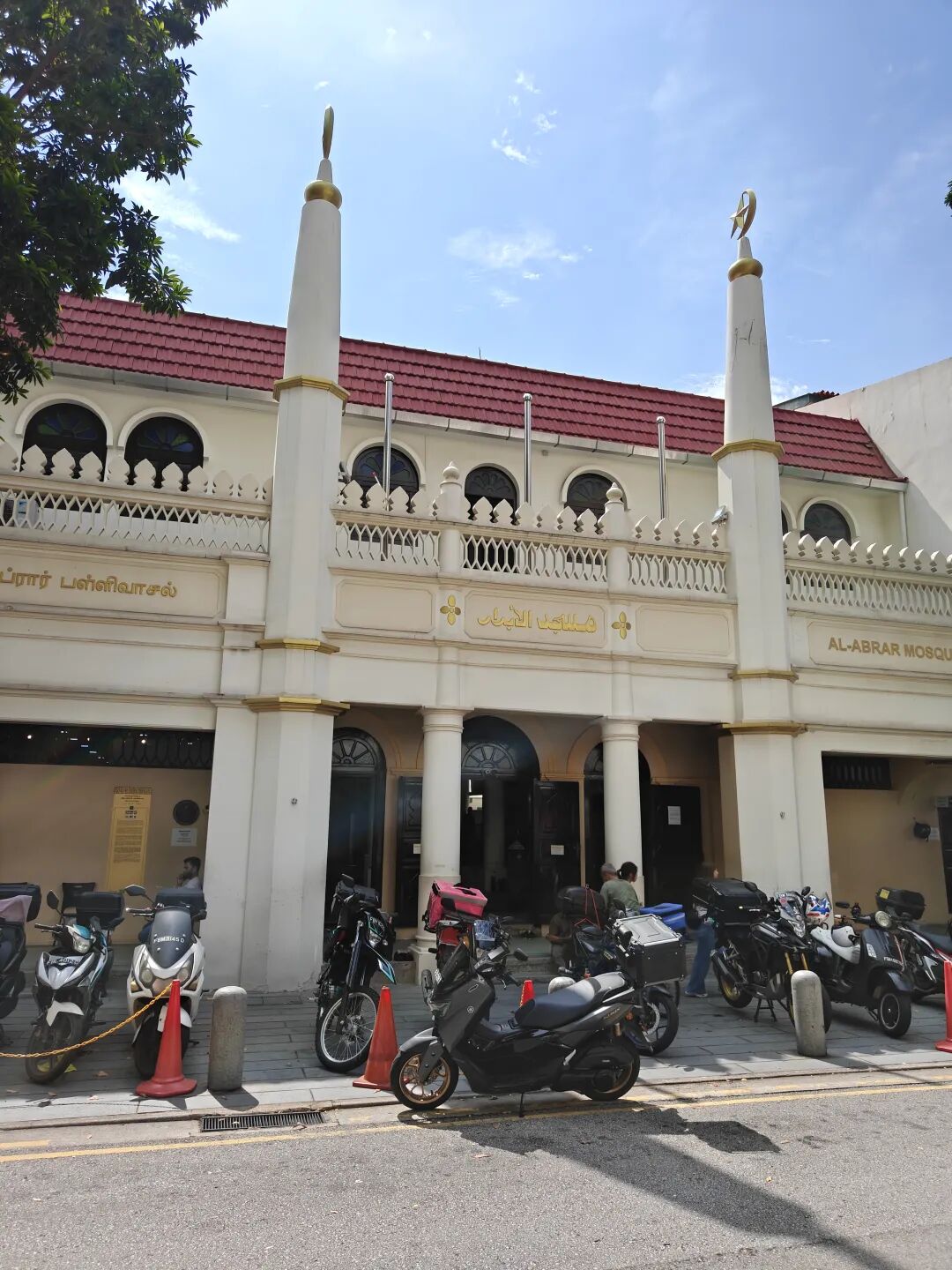
There is an inner hall inside the prayer hall of this mosque.
Directly above the inner hall, there is a piece of blue glass with the opening chapter of the Quran written on it.
The fan-shaped stained glass on the mosque's doors and windows is also very cute.
Just before leaving, I noticed a machine at the mosque entrance with the word Zakat written on it.
Zakat is the mandatory charity for Muslims. I was surprised to see a self-service Zakat machine here in Singapore, where you can pay using a bank card. The funds are managed by the Islamic Religious Council of Singapore.
This is the first time I have ever seen this way of paying.
11. Underground Mosque.
A self-service Zakat machine is novel enough, but even more surprising is Singapore's underground mosque.
This mosque is located in the basement of the UOB Plaza 1 building in Singapore.
At the time, the bank wanted this land, which had shops owned by the mosque. The mosque and the bank reached an agreement where the mosque traded its shop space for part of the bank's basement.
That is how this underground mosque came to be.
A brief introduction to the mosque is on the wall by the stairs leading down to the basement.
To be honest, the mosque is easy to find. Just follow your GPS to the UOB building and you will see the entrance.
There is a sign for the mosque near the entrance.
Be careful not to go to the wrong one, as this mosque has two entrances: one for men and one for women.
I almost went to the wrong one the first time I visited.
The men's entrance is on the side closer to the pier.
When I went a second time, they had added a white canopy to the men's entrance.
The mosque is quite spacious, much bigger than I imagined.
It has all the necessary facilities, though it does not have a minaret.
Inside, there are restrooms and a place for wudu.
There is an office for the imam.
To the left and right of the mihrab niche are the opening chapter of the Quran and its English translation.
That is right, just like at the Al-Abrar Mosque mentioned above, it is also the opening chapter.
The opening chapter is very important. Everyone who performs namaz must know how to recite it because it is used in every prayer.
Singapore's mosques really feel modern. First, in the prayer hall of the Sultan Mosque, there are two full rows of LCD screens looping information about hadith and upcoming lectures.
Then, there are the self-service zakat machines seen at the Al-Abrar Mosque and the Al-Falah Mosque on Orchard Road.
Now, I have found a heart defibrillator in the underground mosque, used to save patients who have sudden heart attacks.
12. Omar Kampong Melaka Mosque, the oldest mosque in Singapore.
Next, I will introduce the earliest mosque built in Singapore.
This mosque was built in 1820 by a Middle Eastern merchant named Syed Omar.
In 1820, twenty years later, the First Opium War would break out in China.
This shows how late this part of Singapore was developed.
The family members of this Sayyid Omar are buried right next to the minaret.
You can still see the graveyard when you visit the tower today.
At first, I thought this mosque might be exaggerating about being the oldest.
Sultan Mosque, Temenggong Mosque, and Jamae Mosque are also quite old.
But once I went inside, I saw it was built in 1820, which is indeed a few years earlier than Jamae Mosque, built in 1826.
You can see the mosque is built with solid materials. Even though you do not need thick walls in such a hot place, the railings and wall thickness show this building was not thrown together.
The imam at the mosque is very young, and he seems even younger than me.
He looks like he is in his early twenties.
When he found out I was a tourist, he gave me his contact information and told me to reach out if I had any trouble.
When I went to the mosque a second time, the imam had changed, but it was still a young man.
I do not know where the first imam went.
There are some long tables and chairs in the front courtyard of the mosque, and there is a vending machine nearby that sells halal boxed meals.
There is also a microwave nearby.
You can buy food, heat it up in the mosque, and eat it there, which is quite convenient.
13. Al-Amin Mosque.
We have introduced many South Indian-style mosques built by Indians, but I think the core of the Muslim population in Singapore is still the Malay community.
The Al-Amin Mosque I am about to introduce is a Malaysian-style mosque.
This type of roof has a very Southeast Asian feel, and you have probably seen similar buildings in other Southeast Asian countries.
The minaret also looks like this:
Take the elevator to the second floor to reach the prayer hall, which looks very cool and well-ventilated.
Sitting inside, you do not feel hot at all.
On the first floor of this mosque, I found a sign with writing that looks like Arabic.
But if you look closely, it is actually not Arabic.
It has a few letters that do not exist in Arabic, with two extra dots compared to Arabic letters.
Given the Malay style of the mosque, this must be Jawi script, which uses Arabic letters plus some extra characters to write the Malay language.
The sign says this mosque officially opened on May 1, 1991.
Not far from this mosque is another one called the Temenggong Mosque.
14. Temenggong Mosque.
The Temenggong Mosque was originally the reception hall for the Sultan of Johor, but it was later turned into a mosque. In fact, the mosque still belongs to the Sultan of Johor in Malaysia today.
In that case, does this count as a piece of Malaysian territory inside Singapore?
One thing worth seeing at this mosque is the two flags flying in front of the prayer hall, one of which is the Singapore national flag. Collapse Read »
Summary: This Singapore Muslim travel guide continues the city route through underground mosques, local prayer spaces, and a self-service zakat machine. It preserves the source's guide structure, site order, and local Muslim life details.
In this issue:
8. Jamae Mosque, which features minarets in a South Indian style.
9. The South Indian gongbei of Singapore, Nagore Dargah.
10. Al-Abrar Mosque.
11. Underground Mosque.
12. Omar Kampong Melaka Mosque, the oldest mosque in Singapore.
13. Al-Amin Mosque.
14. Temenggong Mosque.
15. Sentosa prayer room.
16. Singapore Islamic Centre Mosque.
17. Islamic Religious Council of Singapore.
To be updated:
18. Tomb of Habib Nuh (Habib Nuh Lingmu)
19. Haji Muhammad Salleh Mosque
20. Hajjah Fatimah Mosque
21. Changi Airport Prayer Room
Main text starts:
8. Jamae Mosque
I find this Jamae Mosque very special. Everyone knows what North Indian mosques look like. The Badshahi Mosque in Pakistan, the Jama Masjid in Delhi, and even the Taj Mahal are all classic examples of North Indian mosque architecture.
These mosques are very famous and pop up on your feed all the time, but I bet you haven't seen many of the lesser-known South Indian mosques.
Look at its minaret; it is square. If you made this tower wider and added bright colors, it would look just like a South Indian Hindu temple.
I think this style of tower has a lot of local character.
Jamae Mosque, the Buddha Tooth Relic Mosque, and a Hindu mosque are all on the same street.
This mosque welcomes visitors and has a dedicated tourist area. There are many information boards there to explain the basics to visitors.
The mosque's minaret is in a South Indian style, but the prayer hall area instantly brings back memories of the South Seas. The doors and windows especially have a strong colonial-era South Seas feel.
Inside the prayer hall, the mihrab and the minbar are very simple.
This mosque was established by Tamil people from South India, so there is also Tamil script inside the prayer hall.
As I left, I noticed there were actually steps by the minaret. It seems at least the entrance area can be climbed.
9. South Indian gongbei, Nagore Dargah
The actual Nagore Dargah is in the Indian state of Tamil Nadu, which is the ancestral home of the Tamil people.
To me, the Tamil people are a bit like the people from Fujian in our country.
Tamil Nadu is in southeastern India, facing the island of Sri Lanka across the sea.
People from Fujian are also on the southeast coast of China, with Taiwan island just across the strait.
Tamil people like to go to sea to do business, and so do Fujian people, running businesses all over the world.
Back to the topic, the Nagore Dargah in Tamil Nadu is a real gongbei, containing the graves of Muslim saints.
But this Nagore Dargah in Singapore is empty and only has a symbolic tomb.
This was my first time seeing something like this. I went inside and asked the manager where the tomb was. He said the tomb is back home in India. I was shocked!
This Dargah (a term used in South India for a gongbei) also has a South Indian style with a square tower.
It is no longer a religious site but has been turned into a museum. It displays many items used by the older generation of Indian immigrants who came to Singapore.
At the very back of the main hall, you can see a symbolic tomb chamber.
So, my trip was not a waste after all.
I think the highlight of the tomb chamber is the oil lamp placed in the small wall niche.
These niches are very common in India and are used to hold oil lamps for lighting.
On the wall of the tomb chamber hangs a photo of the Nagore Dargah in India. Looking at it, the place covers a very large area.
I really want to go to India to see it in person, but it is a pity that India is very strict with Chinese citizens right now, and tourist visas are hard to get.
10. Al-Abrar Mosque.
When I visited the Nagore Dargah, I asked the manager if there was a place to perform namaz. He told me that everyone goes to a nearby mosque for namaz now.
The mosque he mentioned is the Al-Abrar Mosque located on this same street.
There is an inner hall inside the prayer hall of this mosque.
Directly above the inner hall, there is a piece of blue glass with the opening chapter of the Quran written on it.
The fan-shaped stained glass on the mosque's doors and windows is also very cute.
At the very back of the main hall, you can see a symbolic tomb chamber.
So, my trip was not a waste after all.
I think the highlight of the tomb chamber is the oil lamp placed in the small wall niche.
These niches are very common in India and are used to hold oil lamps for lighting.
On the wall of the tomb chamber hangs a photo of the Nagore Dargah in India. Looking at it, the place covers a very large area.
I really want to go to India to see it in person, but it is a pity that India is very strict with Chinese citizens right now, and tourist visas are hard to get.
At the very back of the main hall, you can see a symbolic tomb chamber.
So, my trip was not a waste after all.
I think the highlight of the tomb chamber is the oil lamp placed in the small wall niche.
These niches are very common in India and are used to hold oil lamps for lighting.
On the wall of the tomb chamber hangs a photo of the Nagore Dargah in India. Looking at it, the place covers a very large area.
I really want to go to India to see it in person, but it is a pity that India is very strict with Chinese citizens right now, and tourist visas are hard to get.
I think the highlight of the tomb chamber is the oil lamp placed in the small wall niche.
These niches are very common in India and are used to hold oil lamps for lighting.
On the wall of the tomb chamber hangs a photo of the Nagore Dargah in India. Looking at it, the place covers a very large area.
I really want to go to India to see it in person, but it is a pity that India is very strict with Chinese citizens right now, and tourist visas are hard to get.
On the wall of the tomb chamber hangs a photo of the Nagore Dargah in India. Looking at it, the place covers a very large area.
I really want to go to India to see it in person, but it is a pity that India is very strict with Chinese citizens right now, and tourist visas are hard to get.
10. Al-Abrar Mosque.
When I visited the Nagore Dargah, I asked the manager if there was a place to perform namaz. He told me that everyone goes to a nearby mosque for namaz now.
The mosque he mentioned is the Al-Abrar Mosque located on this same street.
There is an inner hall inside the prayer hall of this mosque.
Directly above the inner hall, there is a piece of blue glass with the opening chapter of the Quran written on it.
The fan-shaped stained glass on the mosque's doors and windows is also very cute.
There is an inner hall inside the prayer hall of this mosque.
Directly above the inner hall, there is a piece of blue glass with the opening chapter of the Quran written on it.
The fan-shaped stained glass on the mosque's doors and windows is also very cute.
Just before leaving, I noticed a machine at the mosque entrance with the word Zakat written on it.
Zakat is the mandatory charity for Muslims. I was surprised to see a self-service Zakat machine here in Singapore, where you can pay using a bank card. The funds are managed by the Islamic Religious Council of Singapore.
This is the first time I have ever seen this way of paying.
11. Underground Mosque.
A self-service Zakat machine is novel enough, but even more surprising is Singapore's underground mosque.
This mosque is located in the basement of the UOB Plaza 1 building in Singapore.
At the time, the bank wanted this land, which had shops owned by the mosque. The mosque and the bank reached an agreement where the mosque traded its shop space for part of the bank's basement.
That is how this underground mosque came to be.
A brief introduction to the mosque is on the wall by the stairs leading down to the basement.
To be honest, the mosque is easy to find. Just follow your GPS to the UOB building and you will see the entrance.
There is a sign for the mosque near the entrance.
Be careful not to go to the wrong one, as this mosque has two entrances: one for men and one for women.
I almost went to the wrong one the first time I visited.
The men's entrance is on the side closer to the pier.
When I went a second time, they had added a white canopy to the men's entrance.
The mosque is quite spacious, much bigger than I imagined.
It has all the necessary facilities, though it does not have a minaret.
Inside, there are restrooms and a place for wudu.
There is an office for the imam.
To the left and right of the mihrab niche are the opening chapter of the Quran and its English translation.
That is right, just like at the Al-Abrar Mosque mentioned above, it is also the opening chapter.
The opening chapter is very important. Everyone who performs namaz must know how to recite it because it is used in every prayer.
Singapore's mosques really feel modern. First, in the prayer hall of the Sultan Mosque, there are two full rows of LCD screens looping information about hadith and upcoming lectures.
Then, there are the self-service zakat machines seen at the Al-Abrar Mosque and the Al-Falah Mosque on Orchard Road.
Now, I have found a heart defibrillator in the underground mosque, used to save patients who have sudden heart attacks.
12. Omar Kampong Melaka Mosque, the oldest mosque in Singapore.
Next, I will introduce the earliest mosque built in Singapore.
This mosque was built in 1820 by a Middle Eastern merchant named Syed Omar.
In 1820, twenty years later, the First Opium War would break out in China.
This shows how late this part of Singapore was developed.
The family members of this Sayyid Omar are buried right next to the minaret.
You can still see the graveyard when you visit the tower today.
At first, I thought this mosque might be exaggerating about being the oldest.
Sultan Mosque, Temenggong Mosque, and Jamae Mosque are also quite old.
But once I went inside, I saw it was built in 1820, which is indeed a few years earlier than Jamae Mosque, built in 1826.
You can see the mosque is built with solid materials. Even though you do not need thick walls in such a hot place, the railings and wall thickness show this building was not thrown together.
The imam at the mosque is very young, and he seems even younger than me.
He looks like he is in his early twenties.
When he found out I was a tourist, he gave me his contact information and told me to reach out if I had any trouble.
When I went to the mosque a second time, the imam had changed, but it was still a young man.
I do not know where the first imam went.
There are some long tables and chairs in the front courtyard of the mosque, and there is a vending machine nearby that sells halal boxed meals.
There is also a microwave nearby.
You can buy food, heat it up in the mosque, and eat it there, which is quite convenient.
13. Al-Amin Mosque.
We have introduced many South Indian-style mosques built by Indians, but I think the core of the Muslim population in Singapore is still the Malay community.
The Al-Amin Mosque I am about to introduce is a Malaysian-style mosque.
This type of roof has a very Southeast Asian feel, and you have probably seen similar buildings in other Southeast Asian countries.
The minaret also looks like this:
Take the elevator to the second floor to reach the prayer hall, which looks very cool and well-ventilated.
Sitting inside, you do not feel hot at all.
On the first floor of this mosque, I found a sign with writing that looks like Arabic.
But if you look closely, it is actually not Arabic.
It has a few letters that do not exist in Arabic, with two extra dots compared to Arabic letters.
Given the Malay style of the mosque, this must be Jawi script, which uses Arabic letters plus some extra characters to write the Malay language.
The sign says this mosque officially opened on May 1, 1991.
Not far from this mosque is another one called the Temenggong Mosque.
14. Temenggong Mosque.
The Temenggong Mosque was originally the reception hall for the Sultan of Johor, but it was later turned into a mosque. In fact, the mosque still belongs to the Sultan of Johor in Malaysia today.
In that case, does this count as a piece of Malaysian territory inside Singapore?
One thing worth seeing at this mosque is the two flags flying in front of the prayer hall, one of which is the Singapore national flag. Collapse Read »
Muslim Travel Guide Singapore 2026: Habib Noh Shrine, Changi Airport Prayer Rooms and Mosque Route
Reposted from the web
Summary: This Singapore Muslim travel guide gathers the route covering Habib Noh Shrine, Haji Mohamed Salleh Mosque, Singapore Islamic Centre, and Changi Airport prayer rooms. It keeps the original checklist and image order intact.
In this issue:
18. Habib Noh Shrine
19. Haji Muhammad Salleh Mosque
20. Hajjah Fatimah Mosque
21. Changi Airport Prayer Room
Main text:
18. Habib Noh Shrine
Habib Noh is the local Singaporean transliteration. If we follow our naming habits back home, it is usually translated as Habib Nuh. Habib means beloved, and Nuh is the Prophet Noah. Nuh is a very common name in the Muslim world.
The domed building in the picture below is his shrine. This mosque actually started as a small prayer room built next to the shrine by Habib Nuh's friend, Haji Muhammad Salleh. It was later expanded into the mosque you see today.
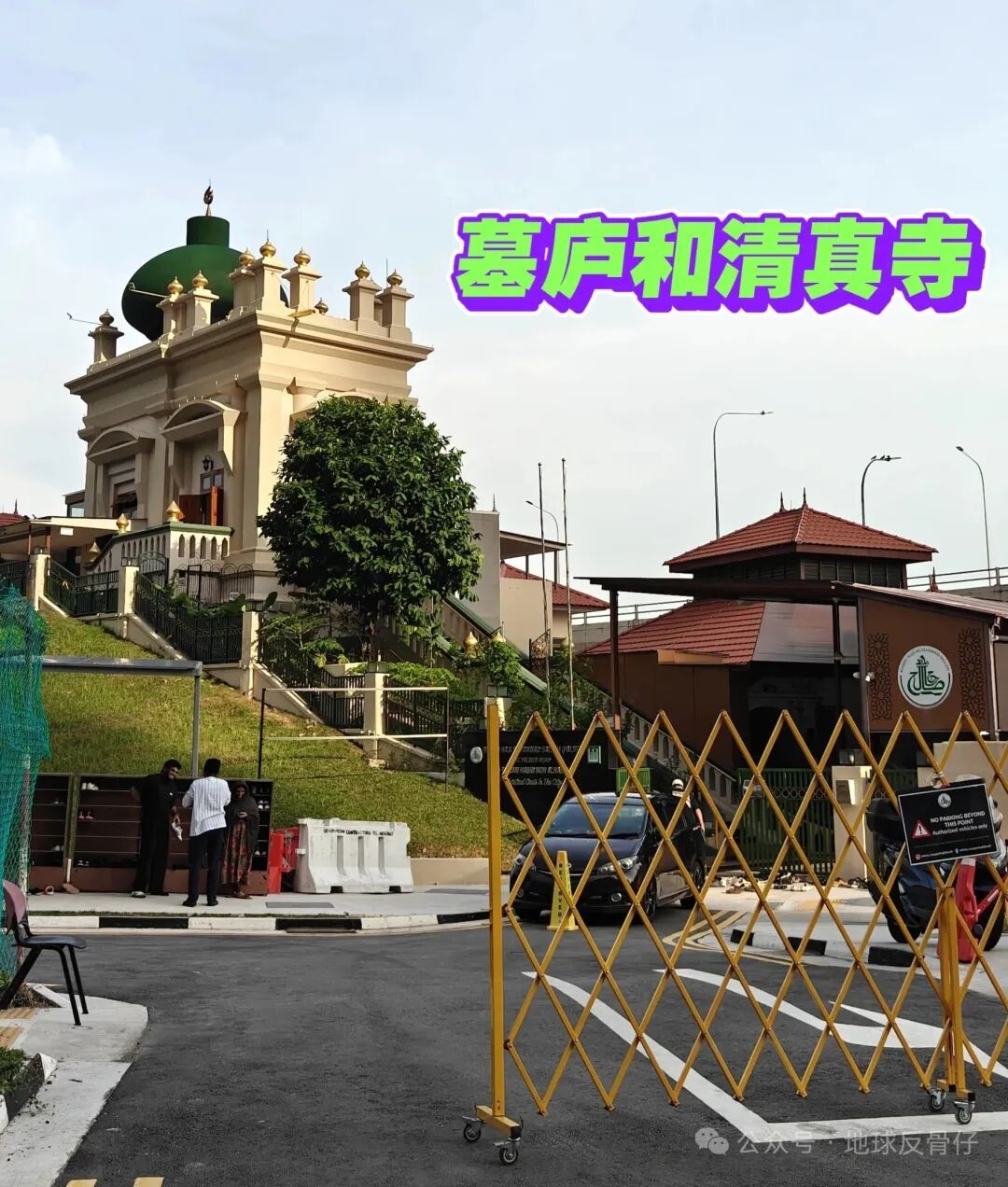
When I visited at the end of last year, the shrine was undergoing renovations and was closed to the public. That is why I only visited the mosque back then and could not make it up to the tomb. I went back this time and the renovations were finally finished, so I could go up. To get up there, you have to climb a flight of stairs, and there is a front hall at the top. I met an elderly volunteer on duty there who told me that the person buried in the tomb, Habib Noh, was a descendant of the Prophet. He also urged me to look up his history. After looking it up, I learned that this wise man grew up in Penang, Malaysia, before moving to Singapore to settle down. His family roots were in Yemen, and he was born on a ship heading to Penang. He often used to go to Mount Palmer—the small hill where he is buried now—to meditate and perform namaz.
People say that after he passed away, they tried to bury him in a regular cemetery, but they could not move his body no matter what they did. Then, someone remembered him saying during his life that he wanted to be buried on Mount Palmer. They tried moving him there, and that is how they finally succeeded in burying him. As for this story, everyone can decide for themselves what to make of it.
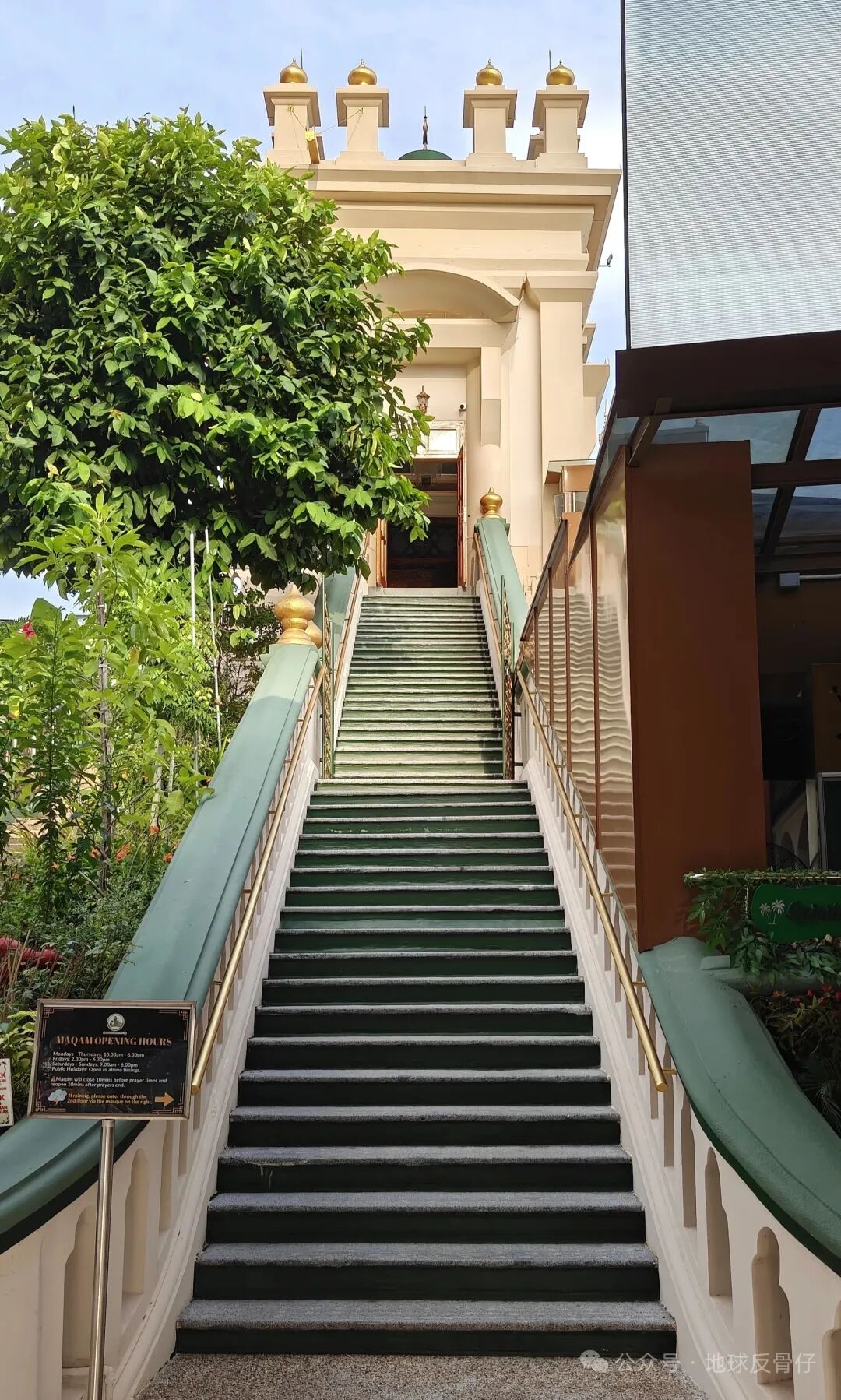
Because the tomb is built on top of the hill, you have to climb a very long flight of stairs to reach it. After entering the tomb chamber, I found a spot and sat down cross-legged. People around me were kneeling, whispering duas, and then raising their hands to make dua to Allah.
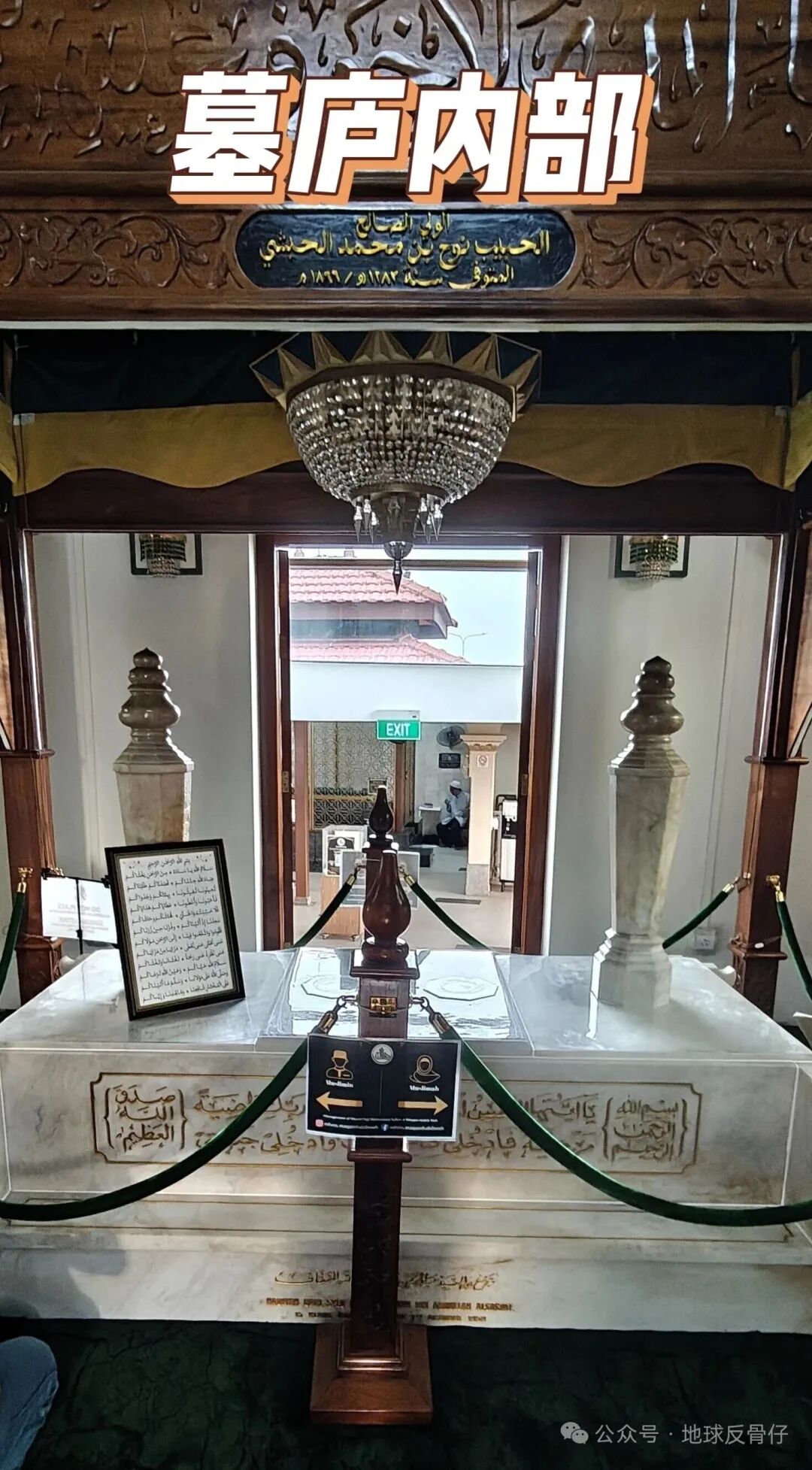
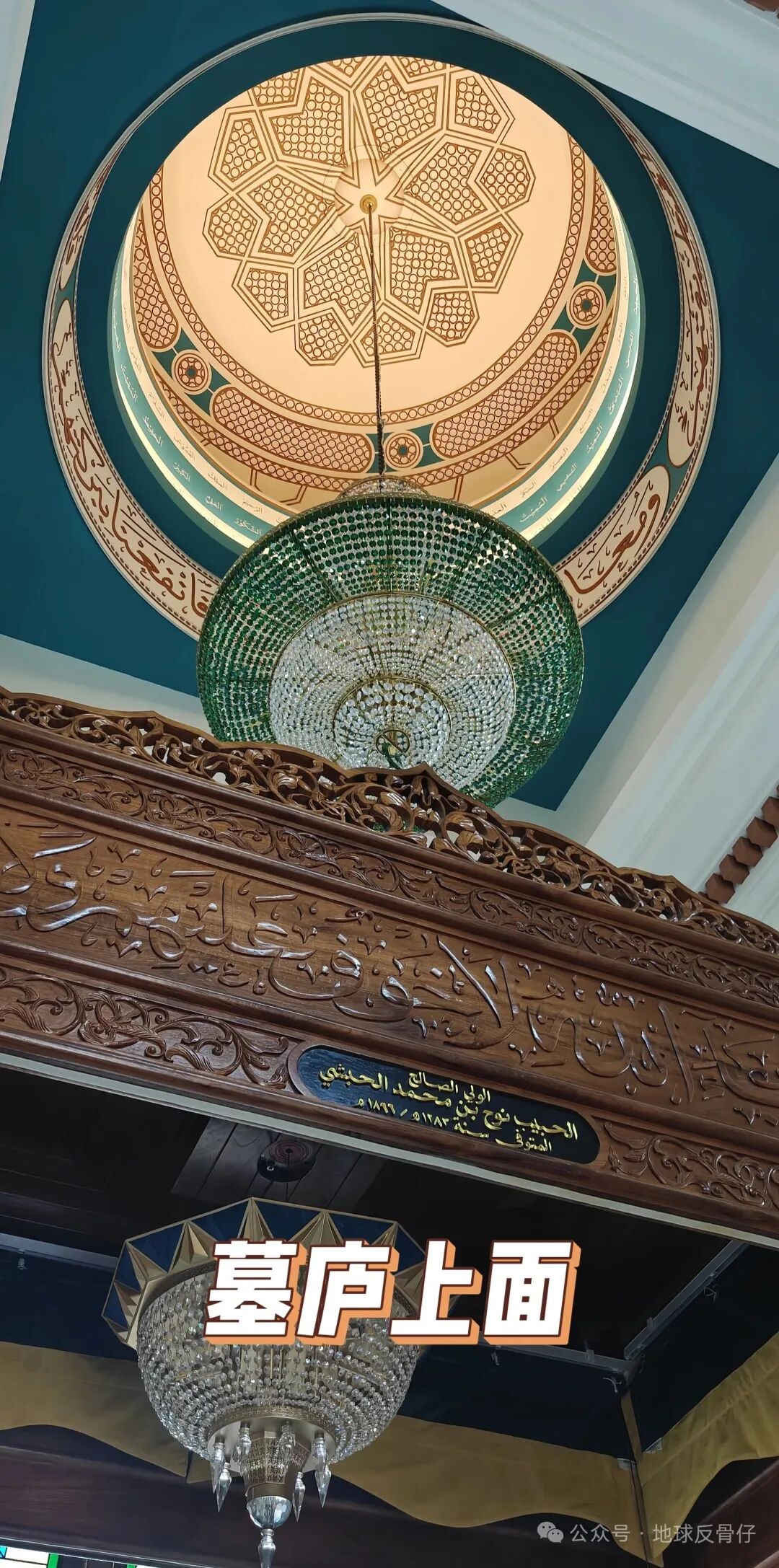
Behind the tomb chamber is another grave covered by a metal grid, where Habib Nuh's cousin, Habib Abdul Rahman, is buried. He was Singapore's first kadi, which is an Islamic judge.
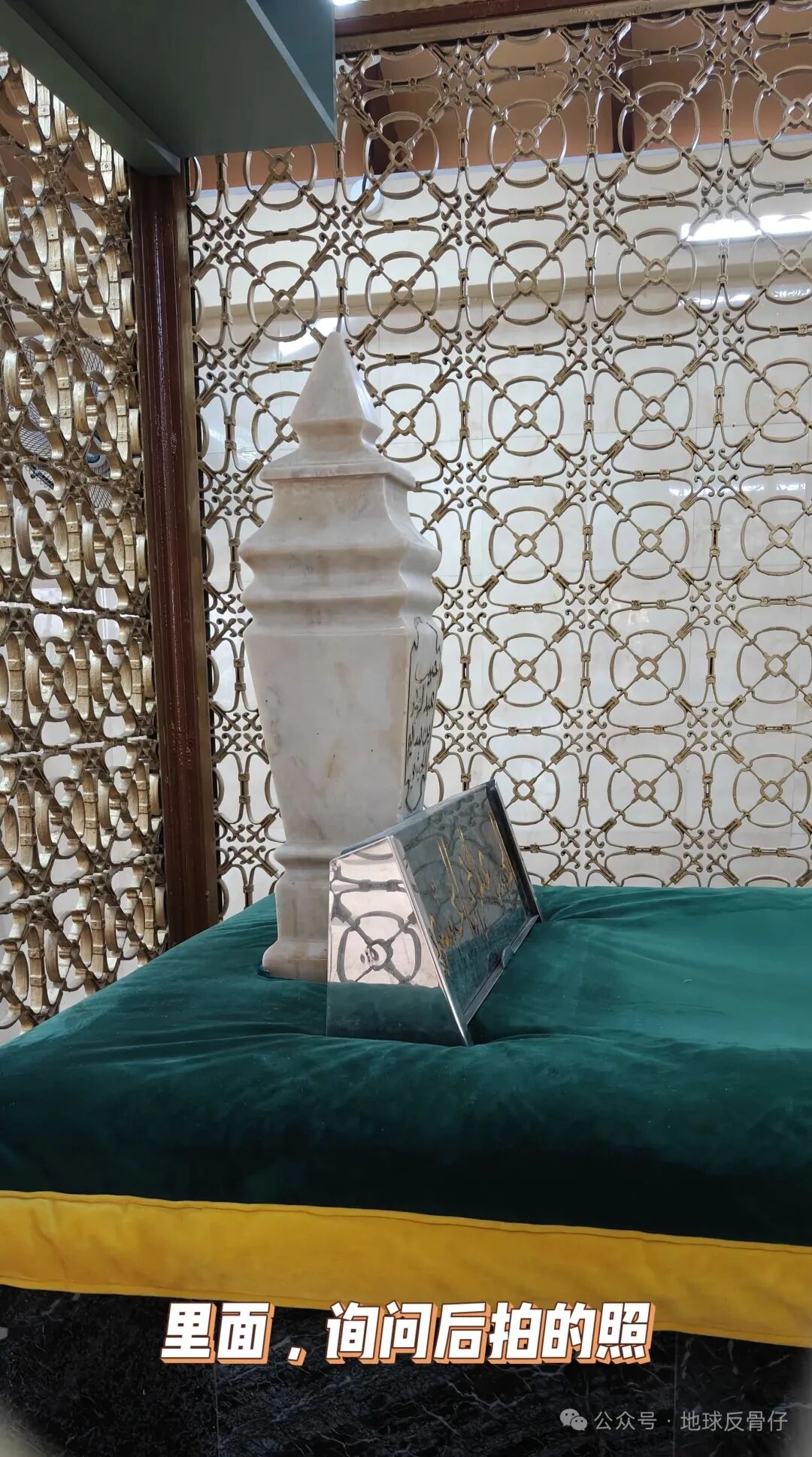
19. Haji Muhammad Salleh Mosque
This mosque is connected to the tomb chamber because it started as a prayer room next to the grave, built by a friend of Habib Nuh. The prayer room was expanded later to reach its current size. Let me show you what the inside of the main prayer hall looks like.
The main hall is not very big, but it is small and beautiful with a simple, modest style that does not look cheap at all. The pillars in the hall are mostly pure white, but the tops are decorated with gold, adding a touch of elegance to the room.
Although the ceiling is low, the designer used an open design so you can see the wooden beams. This design keeps the ceiling from feeling heavy, because if the room were already low and had a solid ceiling, it would feel very cramped.
The top of the mihrab niche is covered in simple mosaic tiles. The colors are muted and the patterns are basic, so it looks quite pleasant and does not distract from the rest of the room. A staff stands on the pulpit. The khutbah staff here in Singapore is different from the ones back home in China, where we usually use a smooth, dried branch that keeps the original shape of the wood. In Singapore, it is a straight metal staff with a metal ball attached to the top.
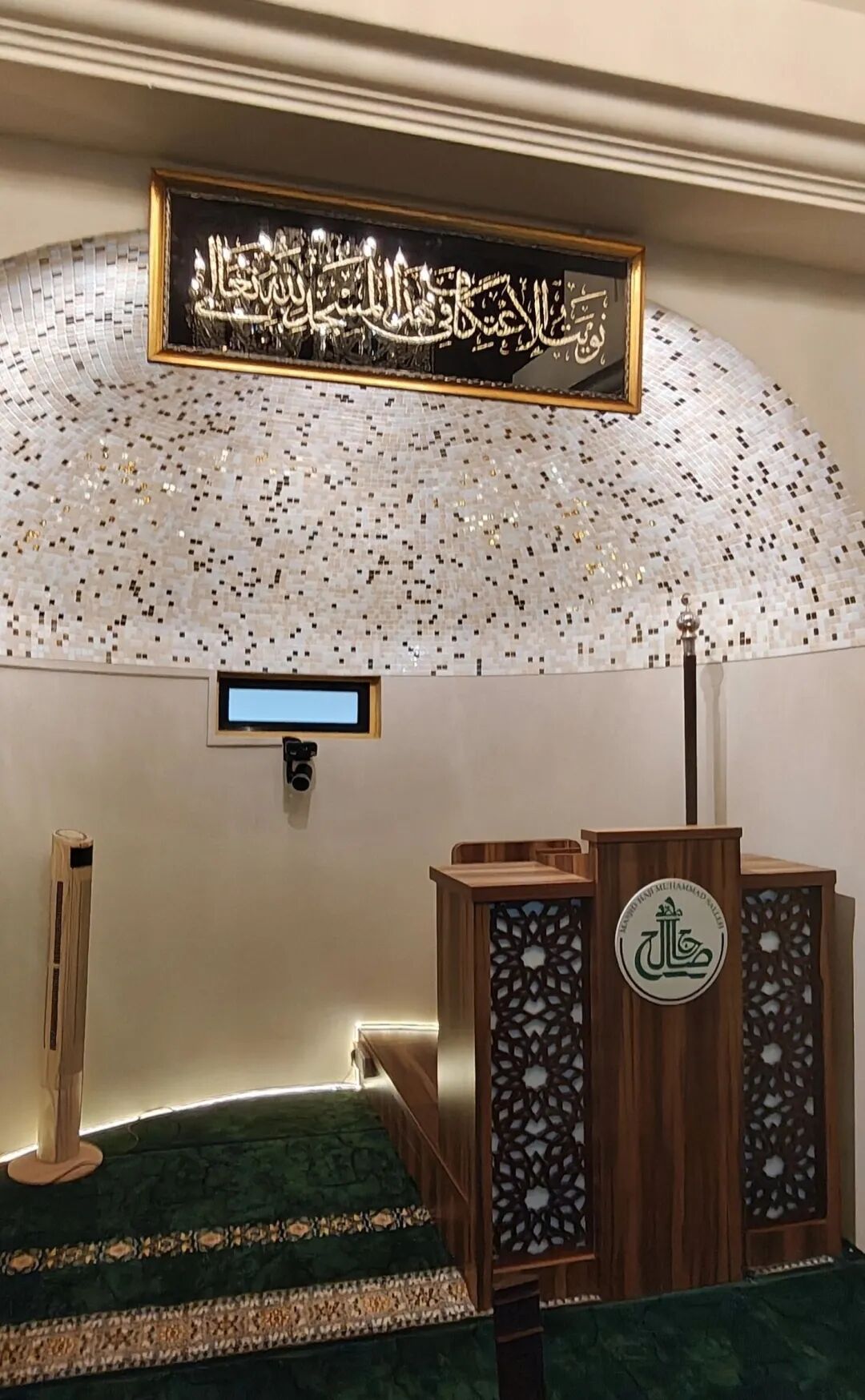
On the inner wall to the right of the niche hangs a small model of the door of the Kaaba (Mecca's House of God). I have seen this kind of model before in the gift shop of the Islamic Arts Museum Malaysia, so this style seems quite popular in mosques across Singapore and Malaysia.
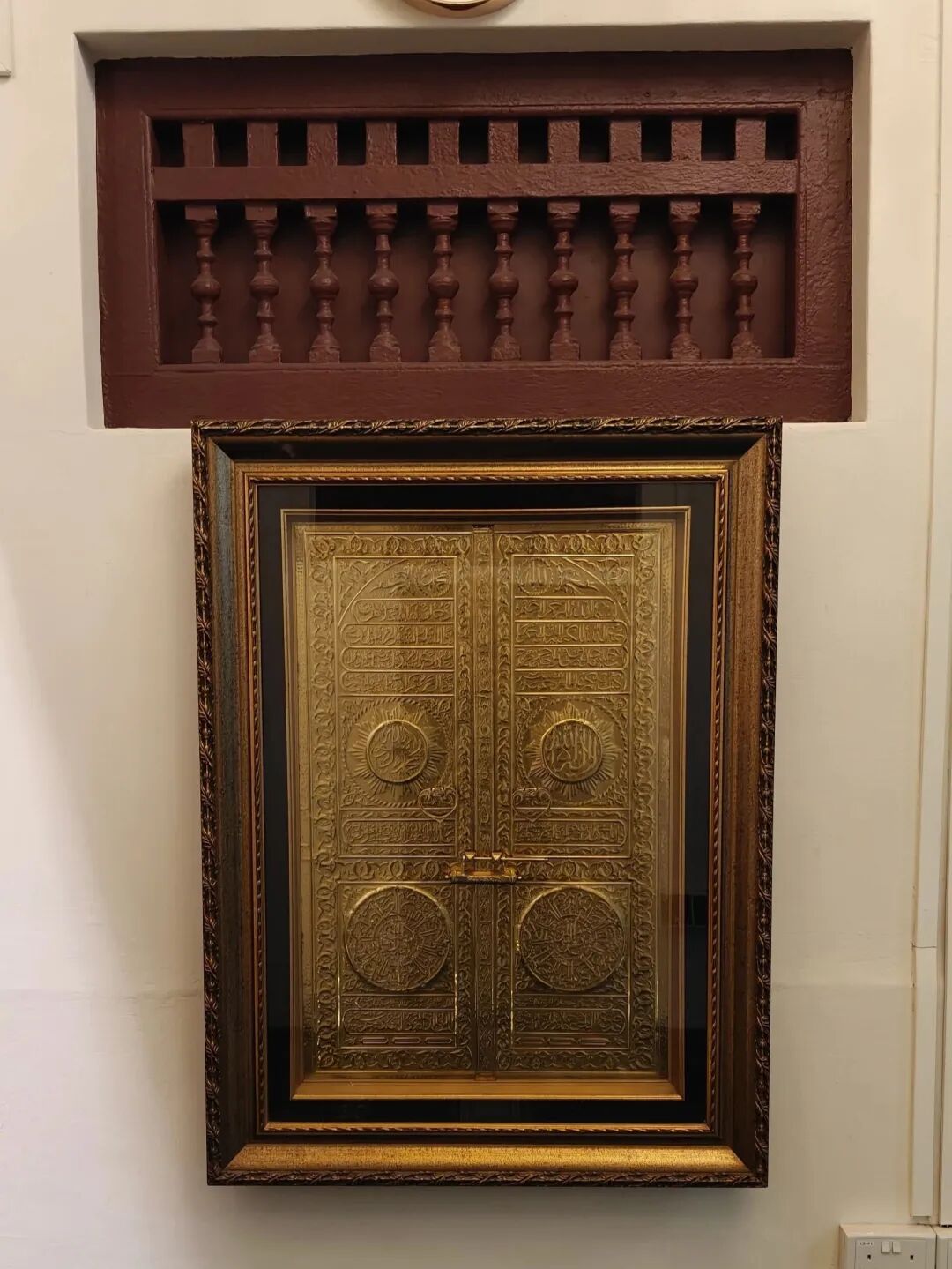
Do you remember those steps leading up to the tomb (gongbei)? Looking up the steps, you can see the mosque's striking red roof.
20. Hajjah Fatimah Mosque
A wealthy lady donated the money to build this mosque. Her name was Hajjah Fatimah, and she was of Malay descent. A sign at the mosque entrance says it was built between 1845 and 1846, and the site was originally Hajjah Fatimah's own home. Hajjah Fatimah was a very wealthy Malay woman whose hometown was Malacca, Malaysia. You can see from this how close the connection is between Singapore and Malaysia. Just like the Temenggong Mosque we talked about before, that land still belongs to the state of Johor in Malaysia. Back to the story, in the late 1830s, this generous lady donated her property to build this mosque.
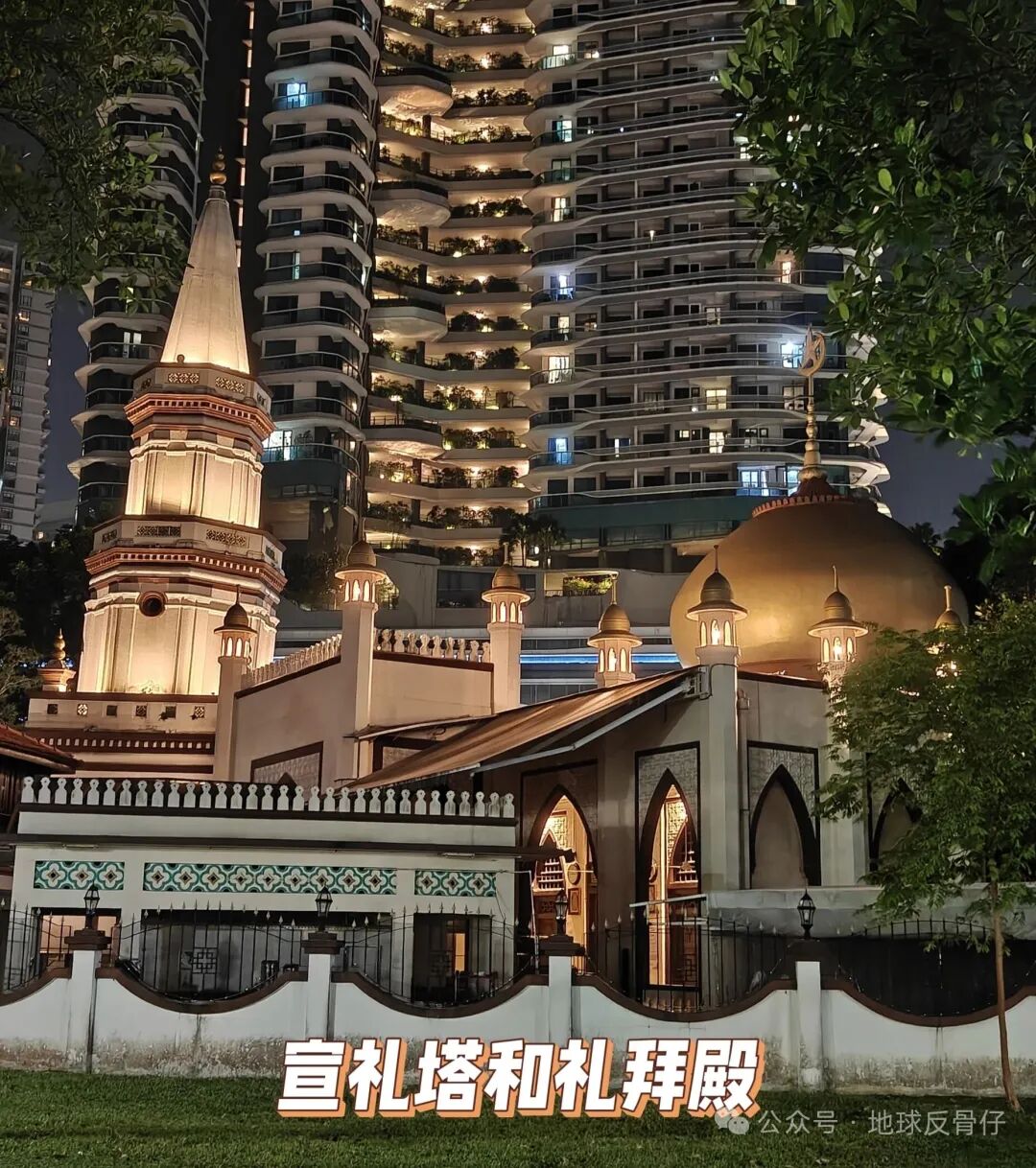
The first time I went there, it was almost nine o'clock at night, and Google Maps said it closed at nine. When I arrived, it didn't look like they were planning to close, so I wondered if Google Maps could be wrong. But after I finished my wudu and got ready to go in, the main hall was already locked. Well, they were polite enough to wait until I finished my namaz outside before they locked the courtyard gate.
I decided to go back the next day to see what the inside of the main hall looked like.
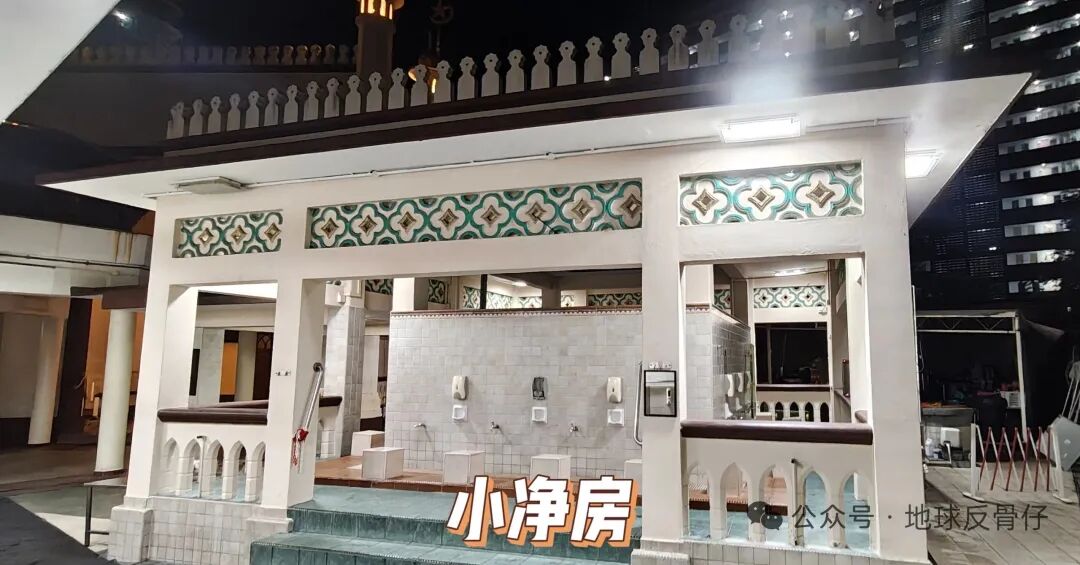
The most unique feature of this mosque is its minaret. Because it was designed by a British architect, the minaret has a Western style. Looking at it from a distance, I almost mistook it for a Christian church.
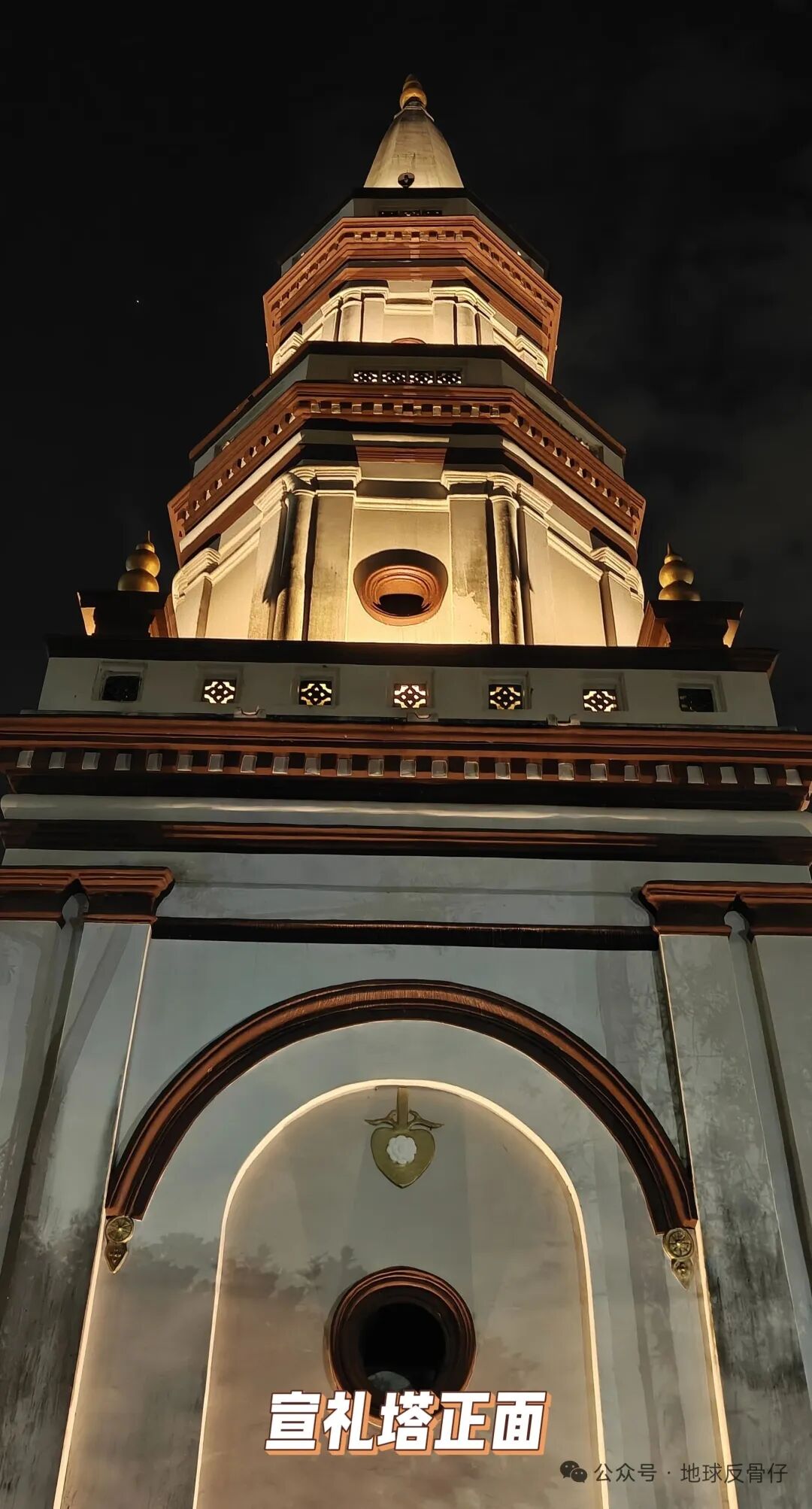
I came back here again the next morning. I found several groups of children sitting inside and outside the main hall, with about ten kids in each circle. A teacher led each group, teaching them to recite the Quran.
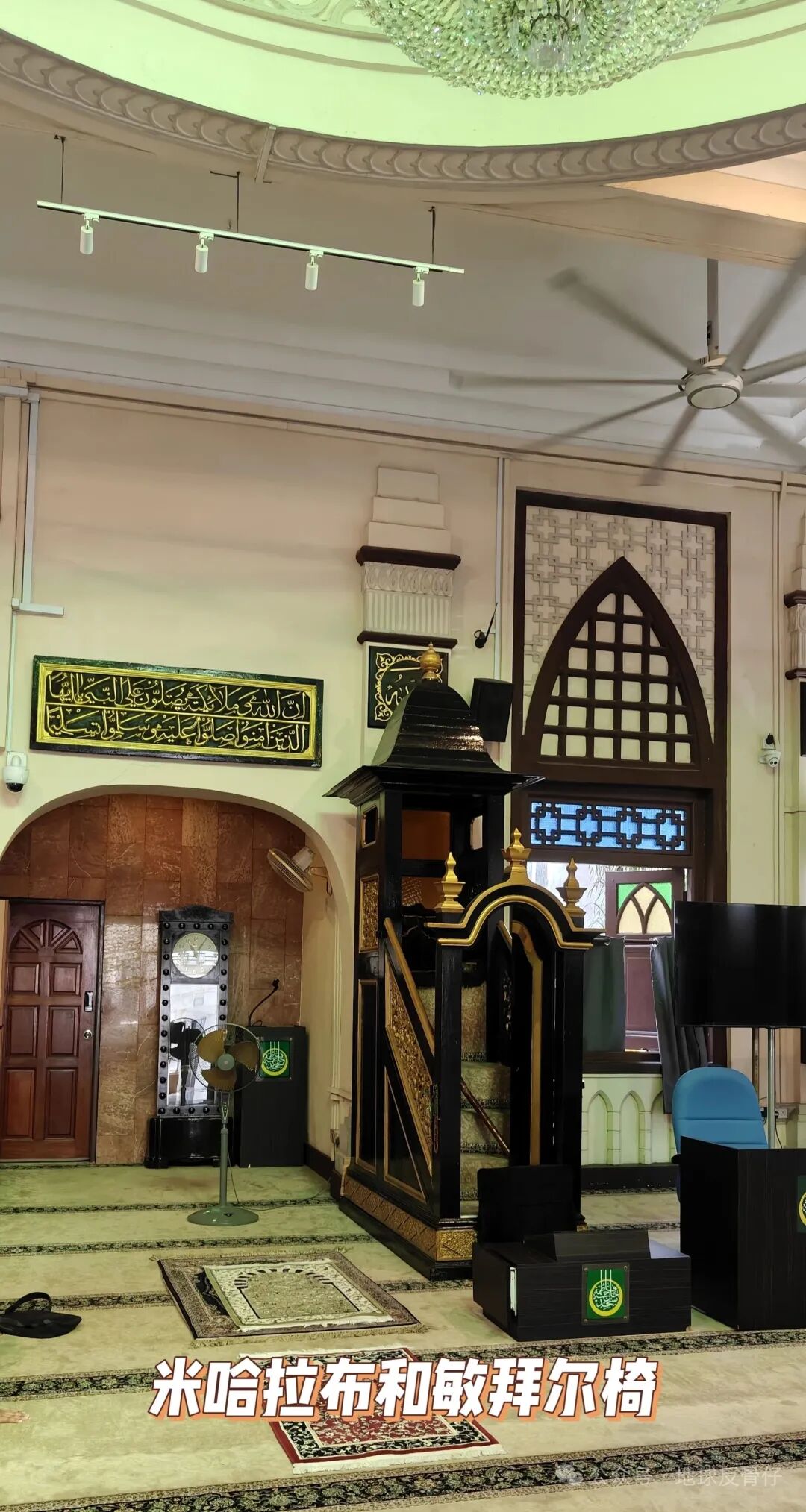
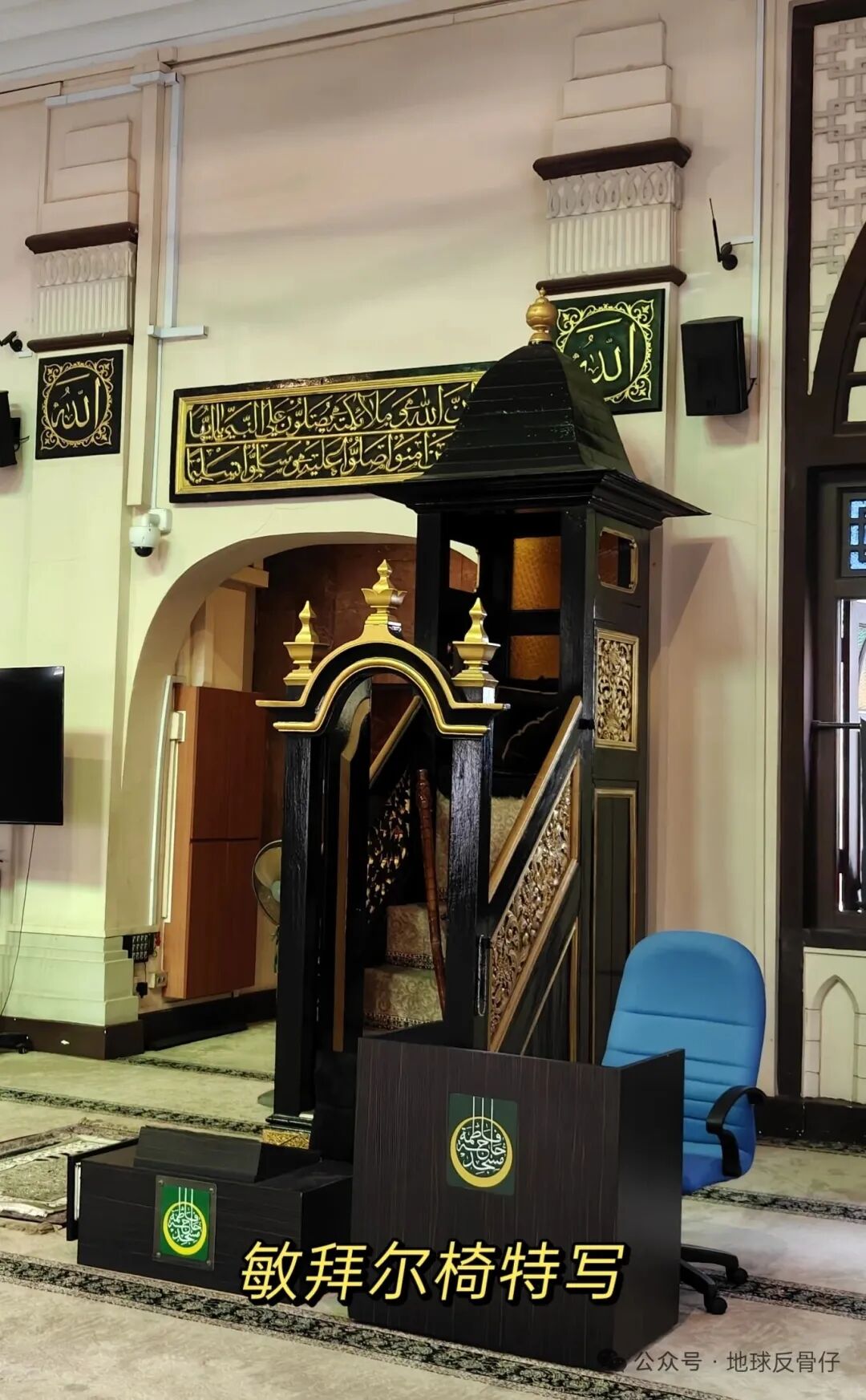
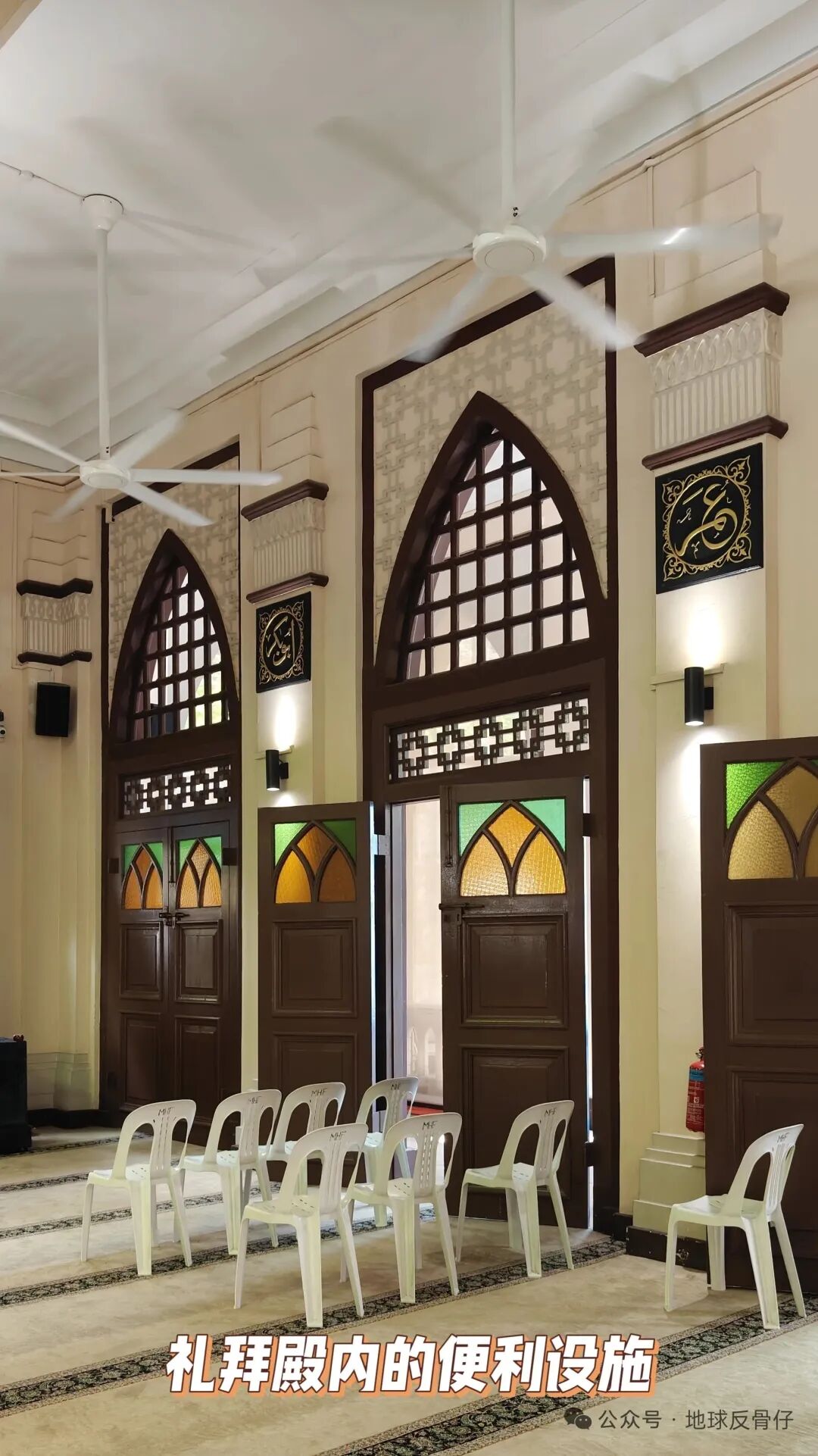
After finishing my namaz inside, I rushed to the airport because you really need to get there early for flights. I discovered that some flights actually stop boarding an hour early, which really caused me a lot of trouble. Isn't it usually half an hour before? I had about an hour left when I arrived at Changi Airport, and I told myself I would definitely make it. I did not expect my flight to close its counter exactly one hour early. The money for my plane ticket just went down the drain.
21. Prayer rooms at Singapore Changi Airport
Every terminal at Singapore Changi Airport actually has its own dedicated prayer room.
This time, I will show you the prayer room in Terminal 2 (T2) of Singapore Changi Airport. This place is very easy to find because the signs are clear, saying "dua room" in English with the Chinese and Japanese characters for dua room next to it.
The prayer rooms are separated for men and women. There is a sensor at the entrance, so you just wave your hand in front of it and the door opens automatically.
In the entryway of the prayer room, there are small stools for changing shoes and a shoe cabinet.
I have visited prayer rooms at Muscat Airport in Oman, Imam Khomeini Airport in Tehran, Iran, Qatar Airport, and Narita Airport in Japan. Compared to the airports in Middle Eastern countries, the prayer rooms at Singapore Airport are quite simple and have almost no decorations, much like the ones in Japan.
Next to the prayer area, there are various prayer supplies available, such as prayer caps, the Quran, perfume, and the sarong skirts worn by our Malay brothers.
Writing this, I have basically shared all the mosques I have visited in Singapore. I say "basically" because there is another mosque on Orchard Road located on the ground floor of an office building. It is decorated like a grand banquet hall, but unfortunately, I did not keep any photos of it. So, I did not include it this time. There is also the Darussalam Mosque. It was under construction when I visited, so I did not get any good photos and decided not to post about it yet.
Thank you all for your continued support. I will continue to update my travelogues about visiting mosques in other countries on this public platform. Please stay tuned. Collapse Read »
Summary: This Singapore Muslim travel guide gathers the route covering Habib Noh Shrine, Haji Mohamed Salleh Mosque, Singapore Islamic Centre, and Changi Airport prayer rooms. It keeps the original checklist and image order intact.
In this issue:
18. Habib Noh Shrine
19. Haji Muhammad Salleh Mosque
20. Hajjah Fatimah Mosque
21. Changi Airport Prayer Room
Main text:
18. Habib Noh Shrine
Habib Noh is the local Singaporean transliteration. If we follow our naming habits back home, it is usually translated as Habib Nuh. Habib means beloved, and Nuh is the Prophet Noah. Nuh is a very common name in the Muslim world.
The domed building in the picture below is his shrine. This mosque actually started as a small prayer room built next to the shrine by Habib Nuh's friend, Haji Muhammad Salleh. It was later expanded into the mosque you see today.
When I visited at the end of last year, the shrine was undergoing renovations and was closed to the public. That is why I only visited the mosque back then and could not make it up to the tomb. I went back this time and the renovations were finally finished, so I could go up. To get up there, you have to climb a flight of stairs, and there is a front hall at the top. I met an elderly volunteer on duty there who told me that the person buried in the tomb, Habib Noh, was a descendant of the Prophet. He also urged me to look up his history. After looking it up, I learned that this wise man grew up in Penang, Malaysia, before moving to Singapore to settle down. His family roots were in Yemen, and he was born on a ship heading to Penang. He often used to go to Mount Palmer—the small hill where he is buried now—to meditate and perform namaz.
People say that after he passed away, they tried to bury him in a regular cemetery, but they could not move his body no matter what they did. Then, someone remembered him saying during his life that he wanted to be buried on Mount Palmer. They tried moving him there, and that is how they finally succeeded in burying him. As for this story, everyone can decide for themselves what to make of it.
Because the tomb is built on top of the hill, you have to climb a very long flight of stairs to reach it. After entering the tomb chamber, I found a spot and sat down cross-legged. People around me were kneeling, whispering duas, and then raising their hands to make dua to Allah.
Behind the tomb chamber is another grave covered by a metal grid, where Habib Nuh's cousin, Habib Abdul Rahman, is buried. He was Singapore's first kadi, which is an Islamic judge.
19. Haji Muhammad Salleh Mosque
This mosque is connected to the tomb chamber because it started as a prayer room next to the grave, built by a friend of Habib Nuh. The prayer room was expanded later to reach its current size. Let me show you what the inside of the main prayer hall looks like.
The main hall is not very big, but it is small and beautiful with a simple, modest style that does not look cheap at all. The pillars in the hall are mostly pure white, but the tops are decorated with gold, adding a touch of elegance to the room.
Although the ceiling is low, the designer used an open design so you can see the wooden beams. This design keeps the ceiling from feeling heavy, because if the room were already low and had a solid ceiling, it would feel very cramped.
The top of the mihrab niche is covered in simple mosaic tiles. The colors are muted and the patterns are basic, so it looks quite pleasant and does not distract from the rest of the room. A staff stands on the pulpit. The khutbah staff here in Singapore is different from the ones back home in China, where we usually use a smooth, dried branch that keeps the original shape of the wood. In Singapore, it is a straight metal staff with a metal ball attached to the top.
On the inner wall to the right of the niche hangs a small model of the door of the Kaaba (Mecca's House of God). I have seen this kind of model before in the gift shop of the Islamic Arts Museum Malaysia, so this style seems quite popular in mosques across Singapore and Malaysia.
Do you remember those steps leading up to the tomb (gongbei)? Looking up the steps, you can see the mosque's striking red roof.
20. Hajjah Fatimah Mosque
A wealthy lady donated the money to build this mosque. Her name was Hajjah Fatimah, and she was of Malay descent. A sign at the mosque entrance says it was built between 1845 and 1846, and the site was originally Hajjah Fatimah's own home. Hajjah Fatimah was a very wealthy Malay woman whose hometown was Malacca, Malaysia. You can see from this how close the connection is between Singapore and Malaysia. Just like the Temenggong Mosque we talked about before, that land still belongs to the state of Johor in Malaysia. Back to the story, in the late 1830s, this generous lady donated her property to build this mosque.
The first time I went there, it was almost nine o'clock at night, and Google Maps said it closed at nine. When I arrived, it didn't look like they were planning to close, so I wondered if Google Maps could be wrong. But after I finished my wudu and got ready to go in, the main hall was already locked. Well, they were polite enough to wait until I finished my namaz outside before they locked the courtyard gate.
I decided to go back the next day to see what the inside of the main hall looked like.
The most unique feature of this mosque is its minaret. Because it was designed by a British architect, the minaret has a Western style. Looking at it from a distance, I almost mistook it for a Christian church.
I came back here again the next morning. I found several groups of children sitting inside and outside the main hall, with about ten kids in each circle. A teacher led each group, teaching them to recite the Quran.
After finishing my namaz inside, I rushed to the airport because you really need to get there early for flights. I discovered that some flights actually stop boarding an hour early, which really caused me a lot of trouble. Isn't it usually half an hour before? I had about an hour left when I arrived at Changi Airport, and I told myself I would definitely make it. I did not expect my flight to close its counter exactly one hour early. The money for my plane ticket just went down the drain.
21. Prayer rooms at Singapore Changi Airport
Every terminal at Singapore Changi Airport actually has its own dedicated prayer room.
This time, I will show you the prayer room in Terminal 2 (T2) of Singapore Changi Airport. This place is very easy to find because the signs are clear, saying "dua room" in English with the Chinese and Japanese characters for dua room next to it.
The prayer rooms are separated for men and women. There is a sensor at the entrance, so you just wave your hand in front of it and the door opens automatically.
In the entryway of the prayer room, there are small stools for changing shoes and a shoe cabinet.
I have visited prayer rooms at Muscat Airport in Oman, Imam Khomeini Airport in Tehran, Iran, Qatar Airport, and Narita Airport in Japan. Compared to the airports in Middle Eastern countries, the prayer rooms at Singapore Airport are quite simple and have almost no decorations, much like the ones in Japan.
Next to the prayer area, there are various prayer supplies available, such as prayer caps, the Quran, perfume, and the sarong skirts worn by our Malay brothers.
Writing this, I have basically shared all the mosques I have visited in Singapore. I say "basically" because there is another mosque on Orchard Road located on the ground floor of an office building. It is decorated like a grand banquet hall, but unfortunately, I did not keep any photos of it. So, I did not include it this time. There is also the Darussalam Mosque. It was under construction when I visited, so I did not get any good photos and decided not to post about it yet.
Thank you all for your continued support. I will continue to update my travelogues about visiting mosques in other countries on this public platform. Please stay tuned. Collapse Read »
Muslim Travel Guide Iran Shia Mosque: Namaz Differences, Turbah Use and Prayer Etiquette
Reposted from the web
Summary: This Iran Muslim travel guide explains what the author saw inside a Shia mosque and how namaz practice differs in that setting. It preserves the source comparison, prayer etiquette notes, and mosque observations.
To start, the Shia branch is not the same as the so-called "three-lift" (santai) practice we are familiar with in China. Please do not assume that just because Shia Muslims also lift their hands multiple times, they are practicing "three-lift."
The "three-lift" we talk about is actually a Sunni practice. People just follow different schools of jurisprudence, which is why the number of times they lift their hands during namaz differs.
According to my guide, before the Iran-Iraq War started, a group of Shia Iraqis fled to Iran to escape persecution by the Saddam government. Decades later, they have established themselves in Tehran, and as Arabs, they have also learned Persian.
You can find them in the bazaar near Golestan Palace. One Iraqi man opened a restaurant here and even gives free tea to passersby. (Photo 1)
In November, the temperature difference between day and night in Iran is large. As soon as the sun sets, cold wind blows down your neck, and I woke up the next day with a cold. After drinking the owner's free hot tea, I felt much warmer.
There is a mosque nearby that the Iraqi community often visits, and I went inside with my guide. There was still some time before namaz, so I looked around the mosque.
I noticed that the green and blue colors common in the Islamic world were not prominent in the interior decorations here; instead, black and red stood out more.
I also found many lamps inside the main hall. These lamps come in sets of forty and are called forty lamps (forty deng) (Figure 7 and Figure 8 show different styles of these lamps). This is something unique to Shia mosques.
Namaz time started, and I noticed that the Shia way of praying is quite different from the Sunni way.
Difference 1: They do not cross their arms while standing; instead, they keep their hands at their sides.
Difference 2: In the second rak'ah, after reciting the opening chapter and other verses while standing, they do not bow immediately. Instead, they raise their hands to pray (what the Northwest Muslim community calls making dua). This difference is very obvious and surprised me a bit. They only bow after finishing the dua.
Difference 3: They place a small brick at the spot where they prostrate and rest their foreheads on it. (Figure 10 and Figure 11).
Difference 4: They also raise their hands before bowing in the first rak'ah, raise them again before rising from bowing to prostrate, and raise them once more after the first prostration. The second rak'ah is the same, except they raise their hands twice after the first prostration.
Difference 5: To end the namaz, Sunni Muslims turn their heads to the right and then the left to say the salam. Shia Muslims say the salam only once without turning their heads, and then they raise their hands three times.
The debate in China over whether to raise hands once or three times is mainly due to the different legal positions held by various schools of thought within Sunni Islam. Compared to the way Shia Muslims perform namaz, I do not see much difference whether they raise their hands once or three times.
Finally, let me show you the back of the main hall in this small mosque, where photos of two generations of Ayatollahs are posted. One looks very serious; that is Khomeini. The other is smiling and wearing glasses; that is Khamenei.
The calligraphy decorations inside the mosque are mostly red characters on a black background, which makes a strong visual impact. After namaz ended, an old man took a microphone and said a few words in Persian. I could not understand him, so I walked out with the tour guide.
As we left, I saw a woman wearing a headscarf sitting on the steps at the exit, covering her face with her hands. On the way, the guide told me that the old man was saying the woman at the door was facing some difficulties and that everyone could show kindness by donating to her. Only then did I suddenly understand.
 Collapse Read »
Summary: This Iran Muslim travel guide explains what the author saw inside a Shia mosque and how namaz practice differs in that setting. It preserves the source comparison, prayer etiquette notes, and mosque observations.
To start, the Shia branch is not the same as the so-called "three-lift" (santai) practice we are familiar with in China. Please do not assume that just because Shia Muslims also lift their hands multiple times, they are practicing "three-lift."
The "three-lift" we talk about is actually a Sunni practice. People just follow different schools of jurisprudence, which is why the number of times they lift their hands during namaz differs.
According to my guide, before the Iran-Iraq War started, a group of Shia Iraqis fled to Iran to escape persecution by the Saddam government. Decades later, they have established themselves in Tehran, and as Arabs, they have also learned Persian.
You can find them in the bazaar near Golestan Palace. One Iraqi man opened a restaurant here and even gives free tea to passersby. (Photo 1)
In November, the temperature difference between day and night in Iran is large. As soon as the sun sets, cold wind blows down your neck, and I woke up the next day with a cold. After drinking the owner's free hot tea, I felt much warmer.
There is a mosque nearby that the Iraqi community often visits, and I went inside with my guide. There was still some time before namaz, so I looked around the mosque.
I noticed that the green and blue colors common in the Islamic world were not prominent in the interior decorations here; instead, black and red stood out more.
I also found many lamps inside the main hall. These lamps come in sets of forty and are called forty lamps (forty deng) (Figure 7 and Figure 8 show different styles of these lamps). This is something unique to Shia mosques.
Namaz time started, and I noticed that the Shia way of praying is quite different from the Sunni way.
Difference 1: They do not cross their arms while standing; instead, they keep their hands at their sides.
Difference 2: In the second rak'ah, after reciting the opening chapter and other verses while standing, they do not bow immediately. Instead, they raise their hands to pray (what the Northwest Muslim community calls making dua). This difference is very obvious and surprised me a bit. They only bow after finishing the dua.
Difference 3: They place a small brick at the spot where they prostrate and rest their foreheads on it. (Figure 10 and Figure 11).
Difference 4: They also raise their hands before bowing in the first rak'ah, raise them again before rising from bowing to prostrate, and raise them once more after the first prostration. The second rak'ah is the same, except they raise their hands twice after the first prostration.
Difference 5: To end the namaz, Sunni Muslims turn their heads to the right and then the left to say the salam. Shia Muslims say the salam only once without turning their heads, and then they raise their hands three times.
The debate in China over whether to raise hands once or three times is mainly due to the different legal positions held by various schools of thought within Sunni Islam. Compared to the way Shia Muslims perform namaz, I do not see much difference whether they raise their hands once or three times.
Finally, let me show you the back of the main hall in this small mosque, where photos of two generations of Ayatollahs are posted. One looks very serious; that is Khomeini. The other is smiling and wearing glasses; that is Khamenei.
The calligraphy decorations inside the mosque are mostly red characters on a black background, which makes a strong visual impact. After namaz ended, an old man took a microphone and said a few words in Persian. I could not understand him, so I walked out with the tour guide.
As we left, I saw a woman wearing a headscarf sitting on the steps at the exit, covering her face with her hands. On the way, the guide told me that the old man was saying the woman at the door was facing some difficulties and that everyone could show kindness by donating to her. Only then did I suddenly understand.
Collapse Read »
Muslim Travel Guide Asia: Oman Muscat Ibadi Mosque, Namaz Differences and Local Muslim Worship
Reposted from the web
Summary: This Oman Muslim travel guide visits an Ibadi mosque and asks how Ibadi Muslim namaz differs from other Muslim practices. It keeps the travel route, Muscat transfer, mosque visit, and worship observations intact.
The title plays on Khomeini's famous line: neither East nor West, only Islam. When I booked my flight from Lanzhou to Tehran, I found I had to transfer in Beijing and then transfer again to a place called Muscat. Muscat?
I had never heard of it. I didn't pay much attention at the time, just assuming it was somewhere in Central Asia. I checked before leaving Beijing and found it is the capital of Oman, a Gulf country in the Middle East.
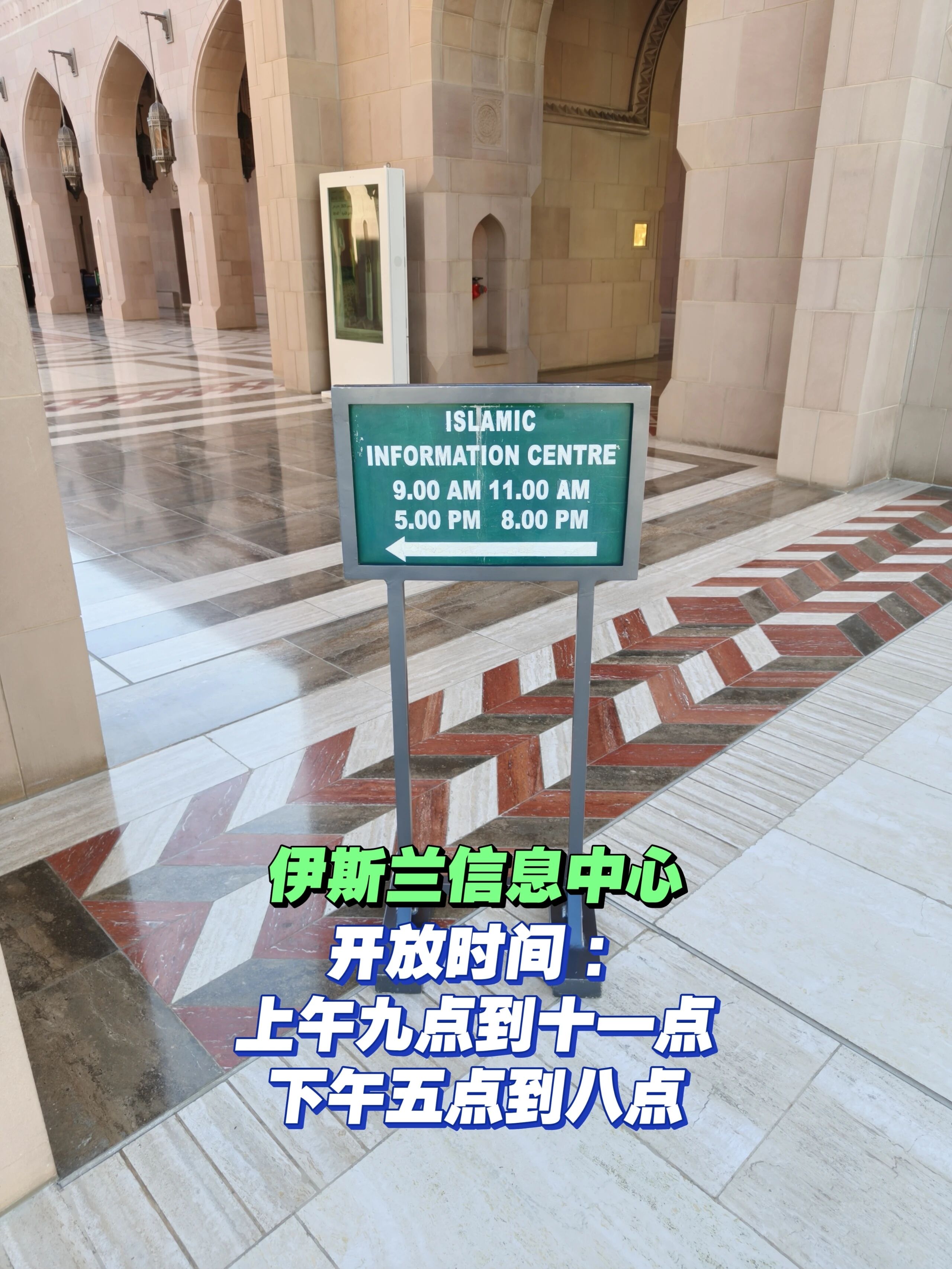
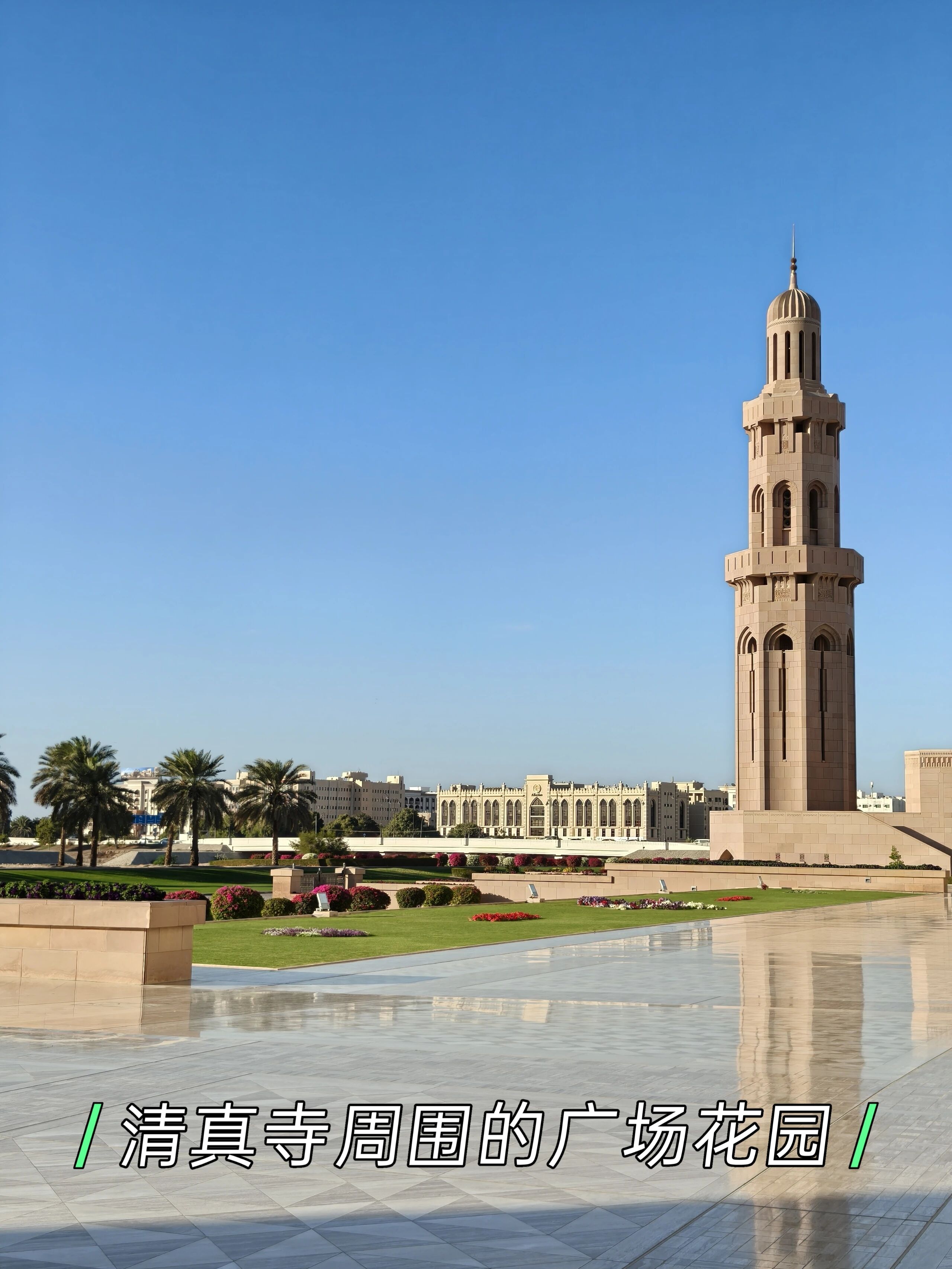
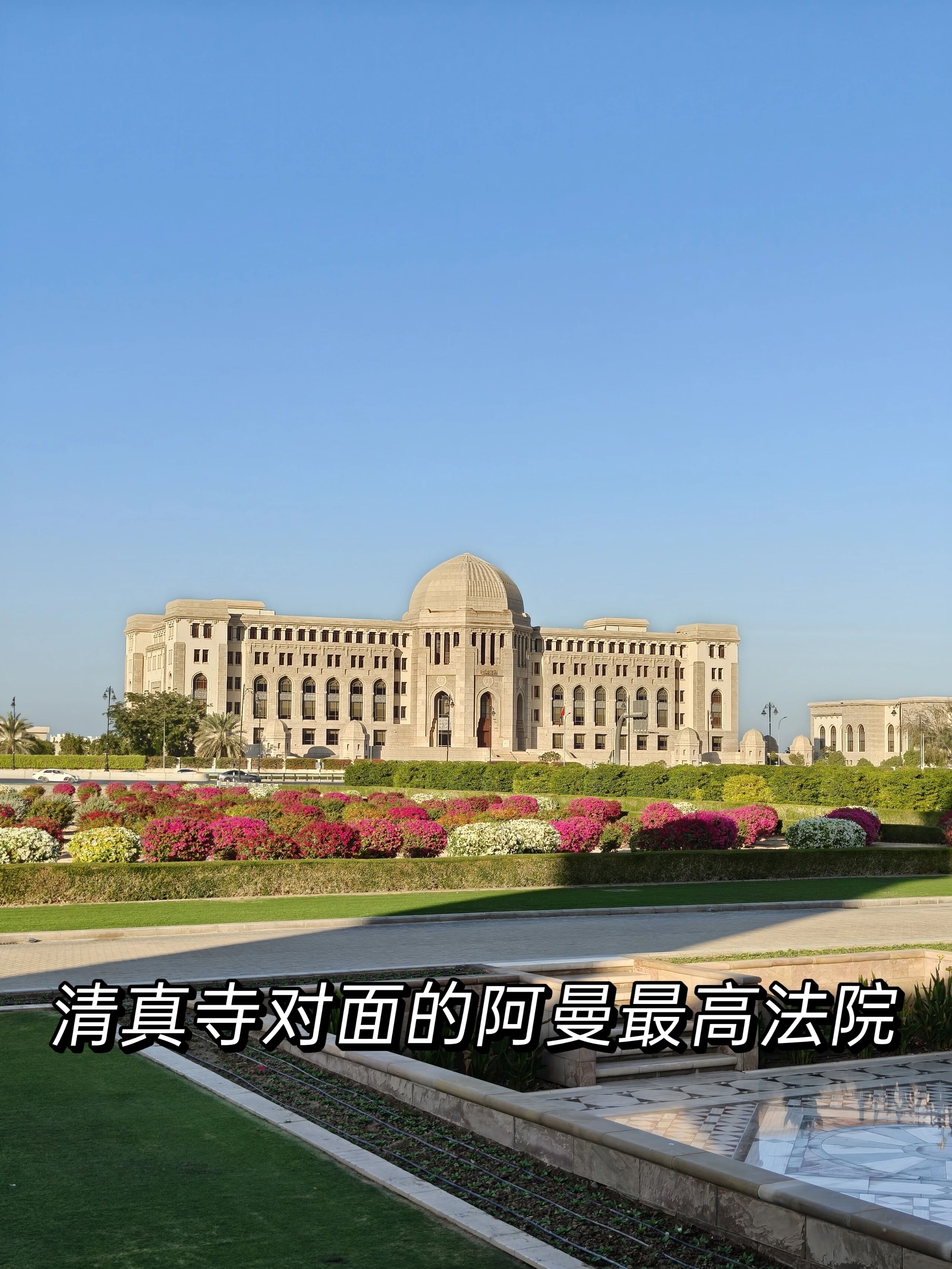
I have always been interested in religion. When I saw Oman, my first thought was to see an Ibadi mosque, which is different from Sunni and independent of Shia, and to see how Ibadi Muslims perform namaz. And how it differs from other branches.
But my time in Oman was tight on my first visit, so I didn't have a chance to go to a local mosque to see how the locals pray.
I asked locals at the airport how their way of praying differed from other places, but I only got the answer that Oman has both Ibadi and Sunni Muslims. That didn't answer my question at all, and it certainly wasn't the answer I wanted.
Luckily, I would pass through Oman again on my way back from Iran, so I took that opportunity to explore.
Muscat, the capital of Oman, has a landmark building. Tourists visiting Oman rarely miss a trip to the Sultan Qaboos Grand Mosque. I went in, performed wudu, and entered the prayer hall. I was immediately stunned by the massive scale of the space inside.
This is the mosque with the largest indoor space I have ever visited, bar none. Children will definitely love running around here. Besides me, the only other visitors inside the hall were two people from either India or Pakistan.
There was also a group of Kazakhstani people sitting in a circle, listening quietly to an elder speaking. there was a family from Ningxia. I asked the South Asian elder in front of me if the way Ibadhi Muslims pray here is any different from the Sunni way. The elder replied:
1. During prayer, Ibadi Muslims just stand with their arms at their sides, not folded or crossed.
2. After finishing their prayer, Ibadi Muslims only turn to the right to say the salam, not to the left.
When it comes to prayer, the difference is not that big. Compared to the Shia prayer methods I saw in Iran before, the difference is very, very small. I have written about Shia prayer methods before, so if you are interested, you can check my homepage.
Soon, an imam dressed in typical Omani style walked out from the mihrab. Just as the old man said, they kept their hands hanging down at their sides during namaz instead of folding their arms. They also did not turn their heads to the left after finishing the namaz.
After the namaz, I walked around the courtyard. The floor was mopped very clean. Although the surrounding buildings had a simple design, they were built with solid materials and had plenty of details, so they did not look plain at all. There was also a garden outside the courtyard.
Walking here reminded me of the large white mosque in the UAE that I saw online. I should visit the UAE if I get the chance later. Collapse Read »
Summary: This Oman Muslim travel guide visits an Ibadi mosque and asks how Ibadi Muslim namaz differs from other Muslim practices. It keeps the travel route, Muscat transfer, mosque visit, and worship observations intact.
The title plays on Khomeini's famous line: neither East nor West, only Islam. When I booked my flight from Lanzhou to Tehran, I found I had to transfer in Beijing and then transfer again to a place called Muscat. Muscat?
I had never heard of it. I didn't pay much attention at the time, just assuming it was somewhere in Central Asia. I checked before leaving Beijing and found it is the capital of Oman, a Gulf country in the Middle East.
I have always been interested in religion. When I saw Oman, my first thought was to see an Ibadi mosque, which is different from Sunni and independent of Shia, and to see how Ibadi Muslims perform namaz. And how it differs from other branches.
But my time in Oman was tight on my first visit, so I didn't have a chance to go to a local mosque to see how the locals pray.
I asked locals at the airport how their way of praying differed from other places, but I only got the answer that Oman has both Ibadi and Sunni Muslims. That didn't answer my question at all, and it certainly wasn't the answer I wanted.
Luckily, I would pass through Oman again on my way back from Iran, so I took that opportunity to explore.
Muscat, the capital of Oman, has a landmark building. Tourists visiting Oman rarely miss a trip to the Sultan Qaboos Grand Mosque. I went in, performed wudu, and entered the prayer hall. I was immediately stunned by the massive scale of the space inside.
This is the mosque with the largest indoor space I have ever visited, bar none. Children will definitely love running around here. Besides me, the only other visitors inside the hall were two people from either India or Pakistan.
There was also a group of Kazakhstani people sitting in a circle, listening quietly to an elder speaking. there was a family from Ningxia. I asked the South Asian elder in front of me if the way Ibadhi Muslims pray here is any different from the Sunni way. The elder replied:
1. During prayer, Ibadi Muslims just stand with their arms at their sides, not folded or crossed.
2. After finishing their prayer, Ibadi Muslims only turn to the right to say the salam, not to the left.
When it comes to prayer, the difference is not that big. Compared to the Shia prayer methods I saw in Iran before, the difference is very, very small. I have written about Shia prayer methods before, so if you are interested, you can check my homepage.
Soon, an imam dressed in typical Omani style walked out from the mihrab. Just as the old man said, they kept their hands hanging down at their sides during namaz instead of folding their arms. They also did not turn their heads to the left after finishing the namaz.
After the namaz, I walked around the courtyard. The floor was mopped very clean. Although the surrounding buildings had a simple design, they were built with solid materials and had plenty of details, so they did not look plain at all. There was also a garden outside the courtyard.
Walking here reminded me of the large white mosque in the UAE that I saw online. I should visit the UAE if I get the chance later. Collapse Read »
Muslim Travel Guide Singapore: Haja Fatimah Mosque, Western Minaret and Historic Prayer Hall
Reposted from the web
Summary: This Singapore Muslim travel guide visits Haja Fatimah Mosque, known in the source for its Western-style minaret. It keeps the author's Lion City mosque-series context, mosque details, and historic prayer-hall notes.
This mosque is the last one in my Lion City mosque exploration series. After this update, I will write some summary articles. I hope you all support them.
The most striking feature of this mosque is the style of its minaret, which looks different from the ones I usually see. It clearly borrows from Western architecture. At first glance, I really thought it was a Christian church.
There is an information board at the entrance of the mosque. It says it was built between 1845 and 1846. The site was originally the home of a person named Hajjah Fatimah. Hajjah Fatimah was a wealthy Malay woman from Malacca, Malaysia.
You can see from this that the connection between Singapore and Malaysia is truly very close. The previous Temenggong Mosque in Singapore is actually territory of the state of Johor, Malaysia.
Back to the main topic, in the late 1830s, this generous lady donated her property to build this mosque.
The designer of the mosque was a British architect whose name is no longer known. It is no wonder the mosque's minaret looks a lot like a church steeple.
One day after visiting the area near the Flower Dome, I came to this mosque. It was late, past nine o'clock, but the mosque gate was still open. Google Maps shows that this mosque closes at nine o'clock. I was wondering why the mosque was still open after nine o'clock; it seemed like Google Maps was wrong.
But after I finished my wudu, the prayer hall actually closed. I had to leave feeling disappointed and decided to come back the next morning to take photos of the prayer hall. It was not far from where I was staying anyway. I returned the next day and got the photos of the inside of the prayer hall just as I wanted.
A Quran study class was being held in the main hall, where a teacher was teaching children how to recite the Quran. There were also some outside the hall.
As I put my shoes on to leave, I noticed the floor tiles (Figure 11) were actually quite special; each color block was a separate piece, and the whole pattern had to be pieced together to form the design.
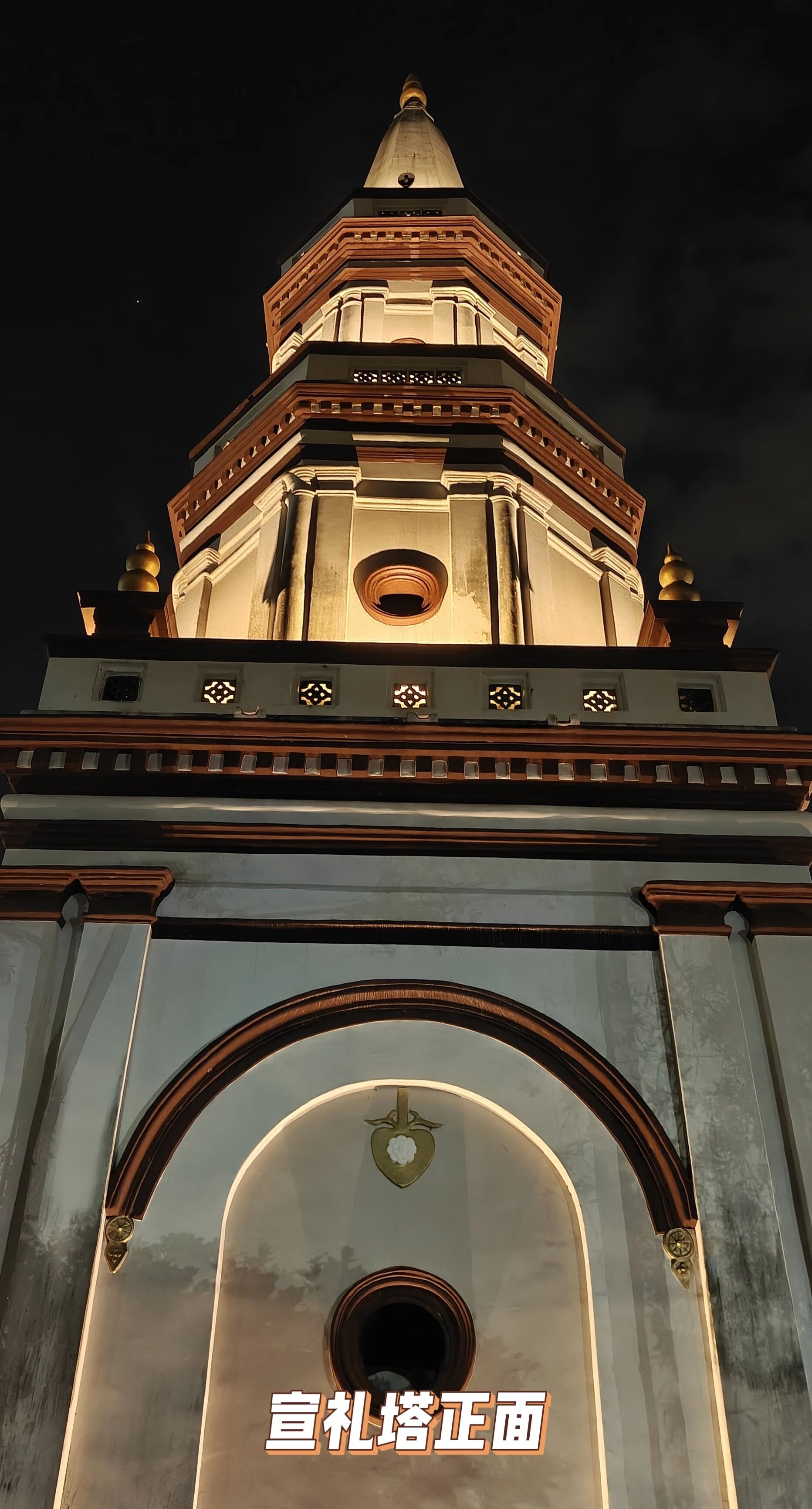
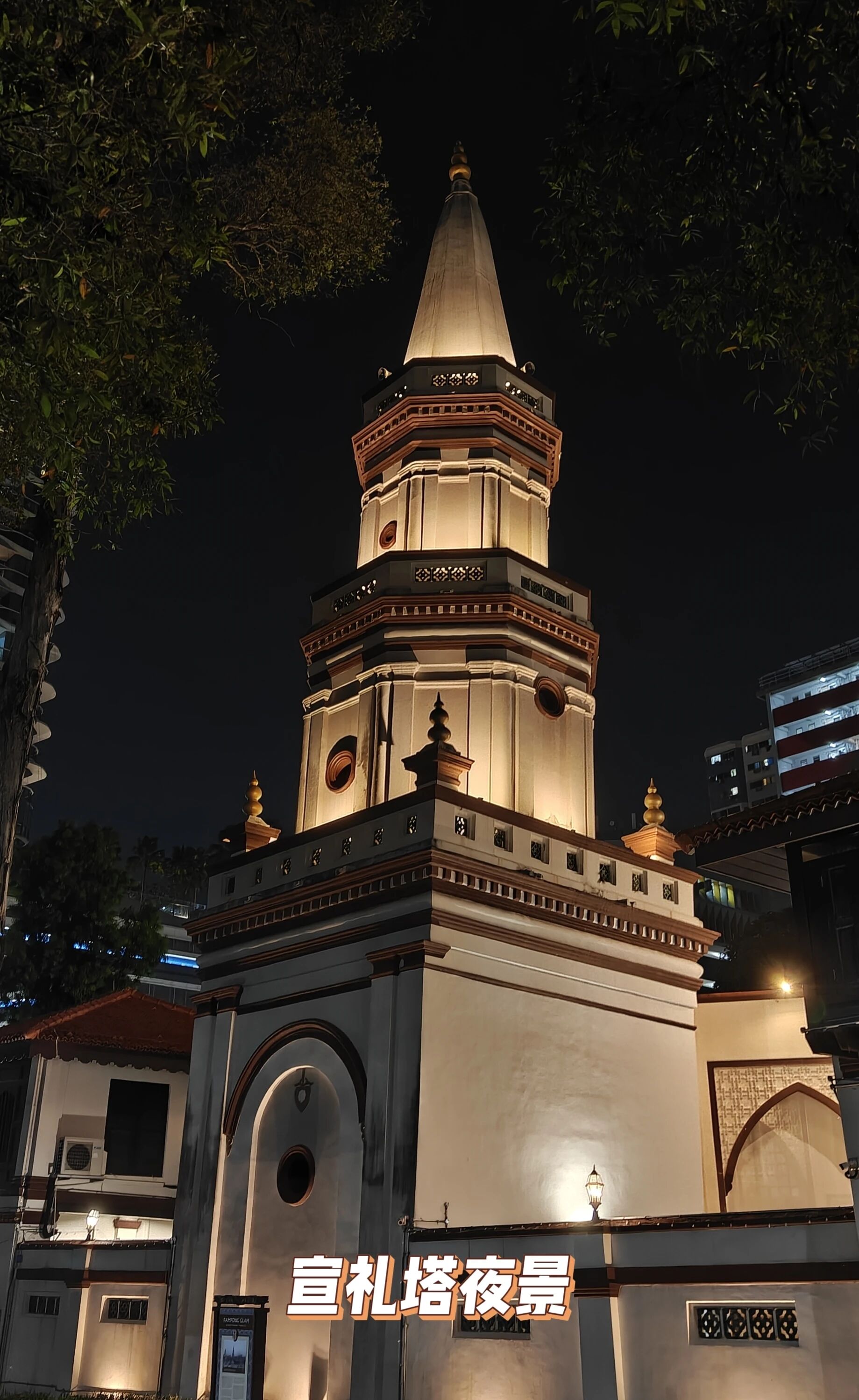
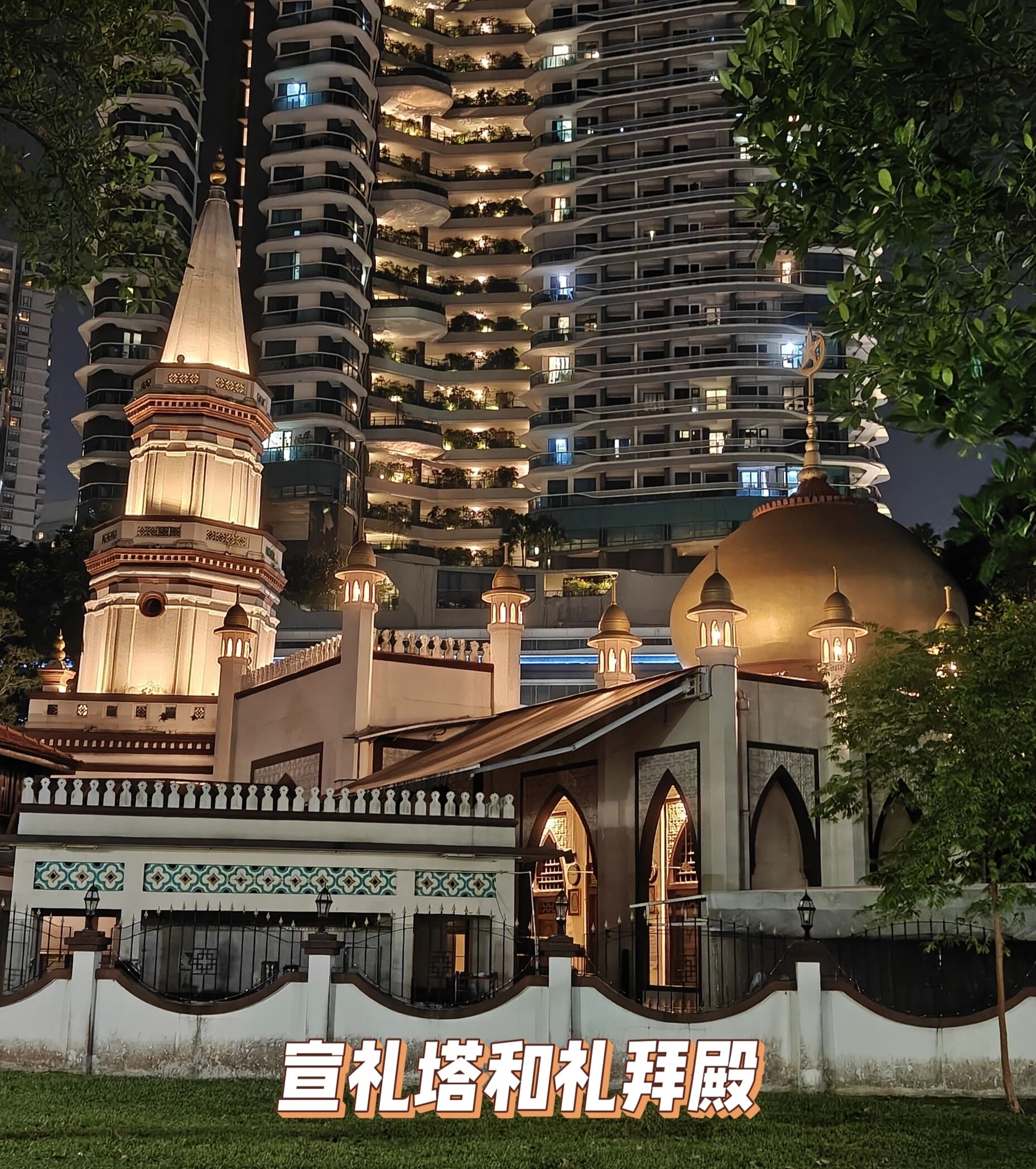
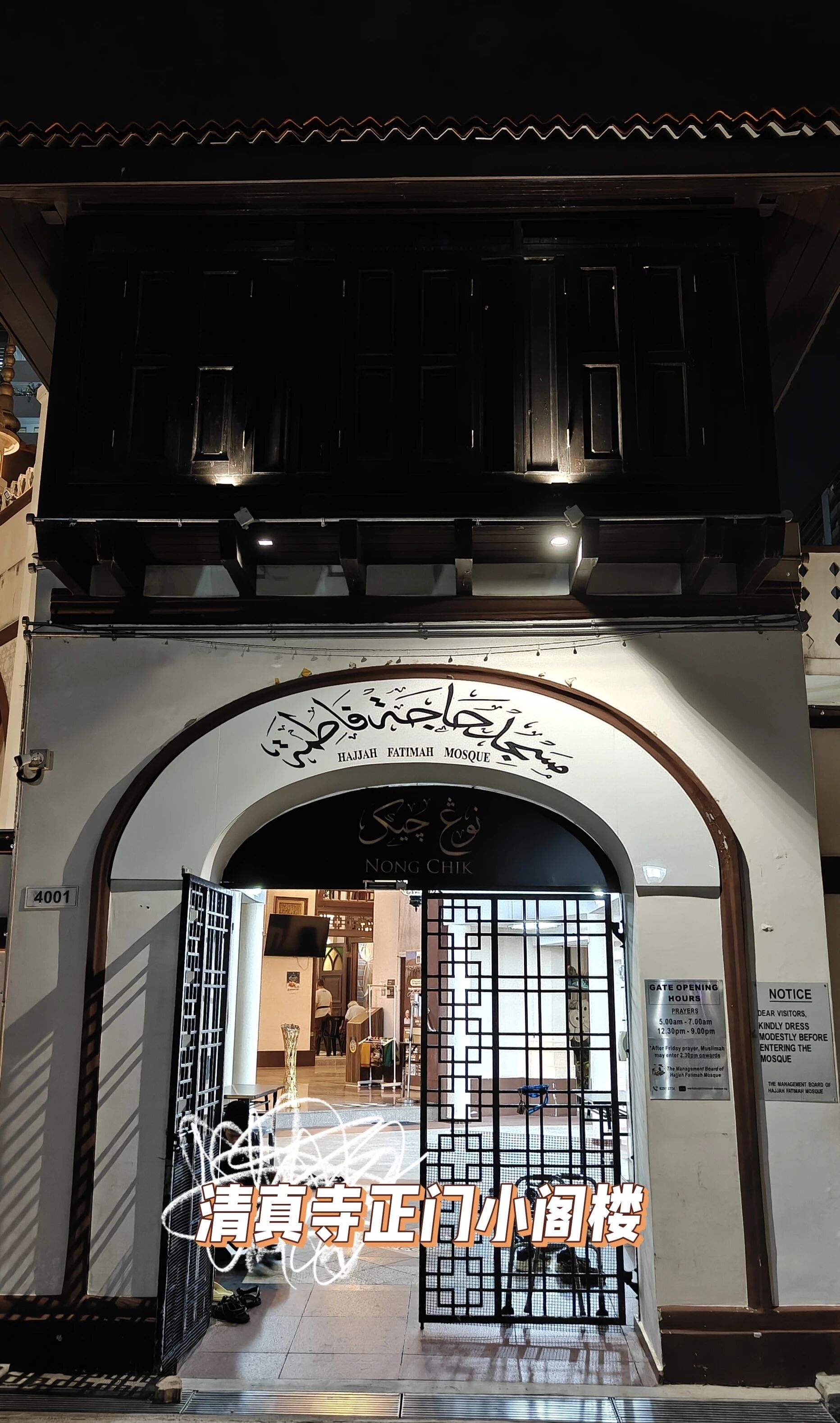
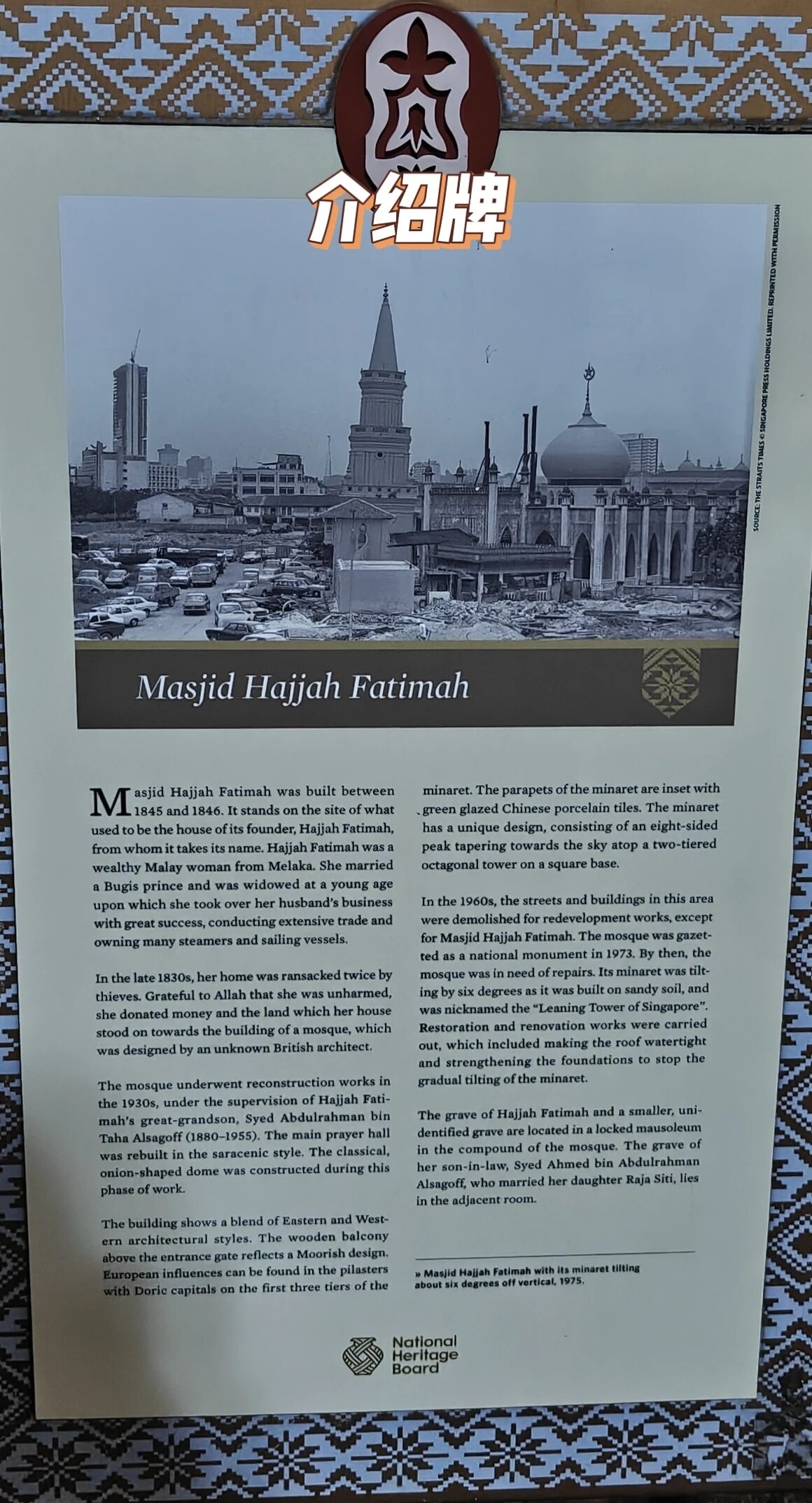
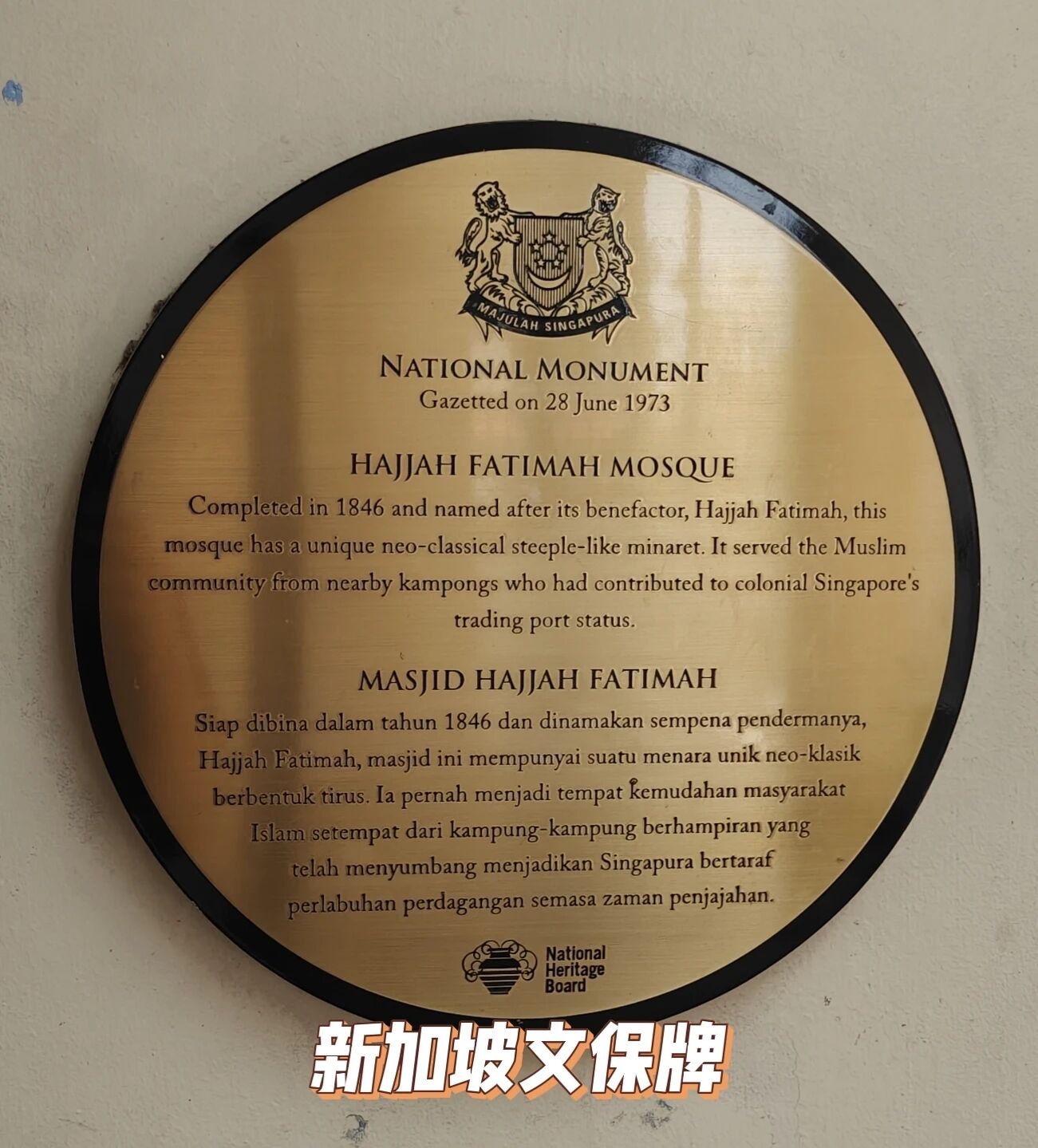
I remember seeing these kinds of tiles only in some old Western-style hotels.
The last photo is what I saw that night at the community activity center next to the mosque. Many people inside were playing badminton or tennis, and the entrance was decorated with colorful lights and a sign that said Selamat Hari Raya, which is Malay for Happy Eid al-Fitr.
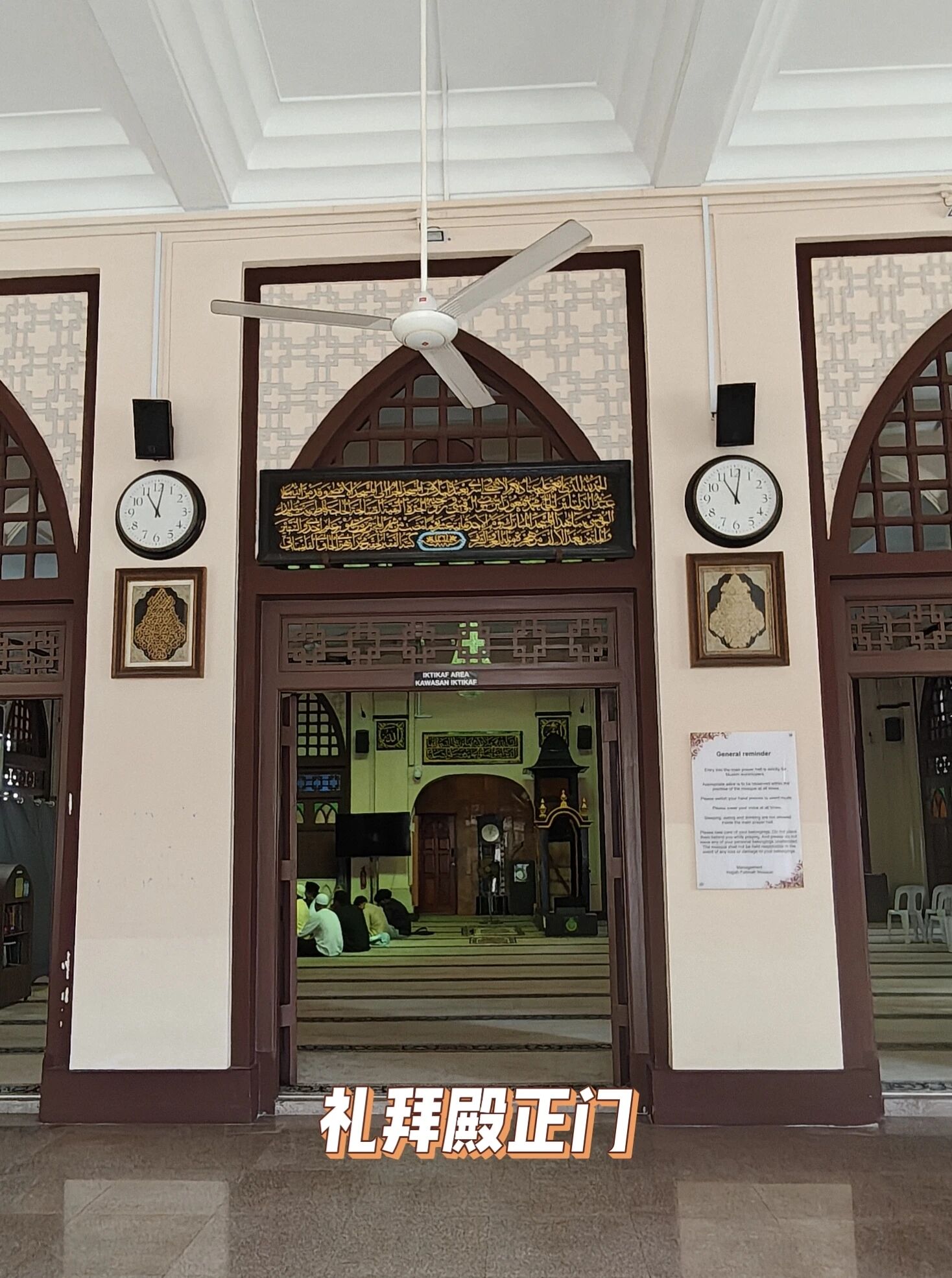
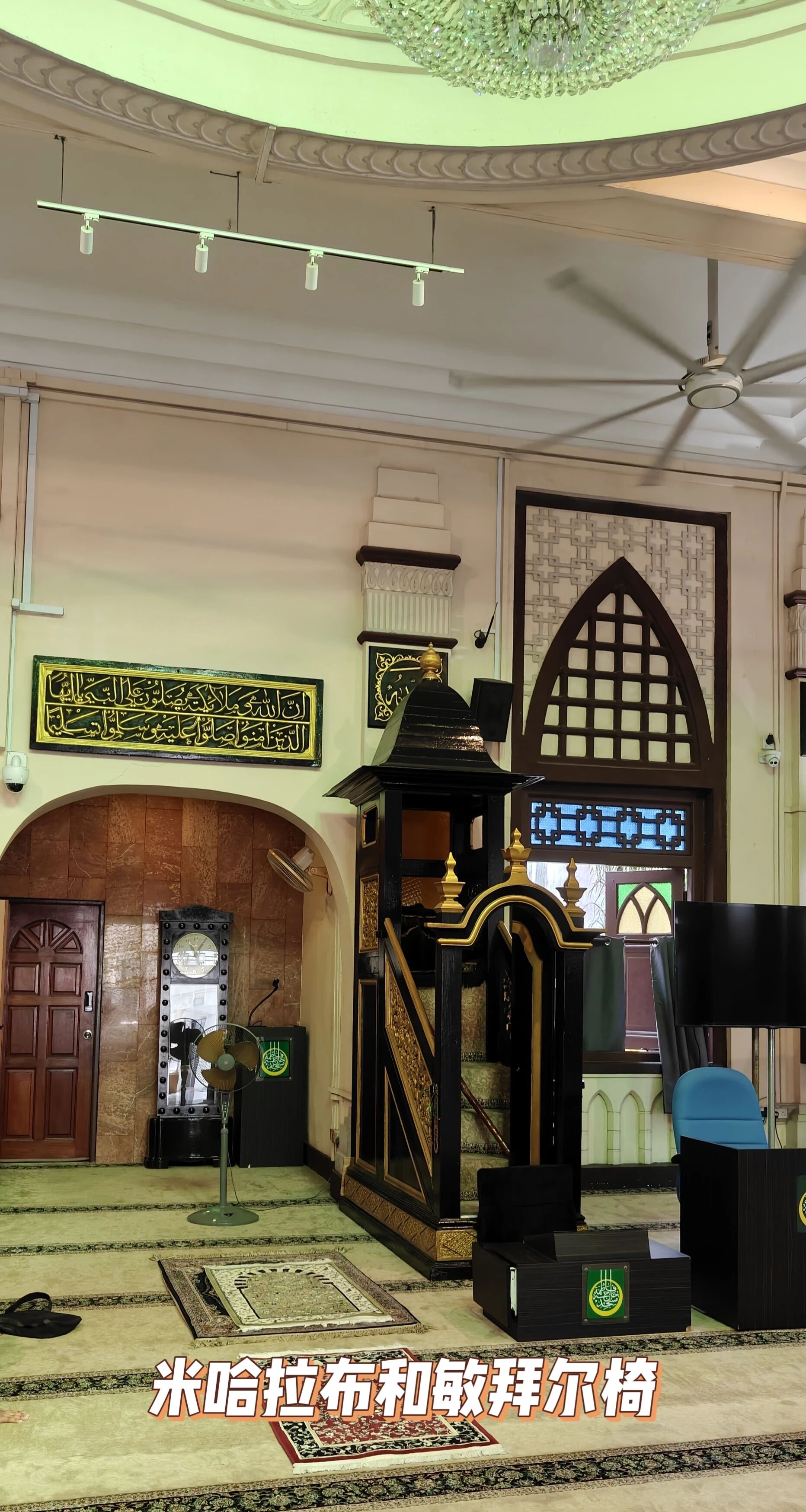
 Collapse Read »
Summary: This Singapore Muslim travel guide visits Haja Fatimah Mosque, known in the source for its Western-style minaret. It keeps the author's Lion City mosque-series context, mosque details, and historic prayer-hall notes.
This mosque is the last one in my Lion City mosque exploration series. After this update, I will write some summary articles. I hope you all support them.
The most striking feature of this mosque is the style of its minaret, which looks different from the ones I usually see. It clearly borrows from Western architecture. At first glance, I really thought it was a Christian church.
There is an information board at the entrance of the mosque. It says it was built between 1845 and 1846. The site was originally the home of a person named Hajjah Fatimah. Hajjah Fatimah was a wealthy Malay woman from Malacca, Malaysia.
You can see from this that the connection between Singapore and Malaysia is truly very close. The previous Temenggong Mosque in Singapore is actually territory of the state of Johor, Malaysia.
Back to the main topic, in the late 1830s, this generous lady donated her property to build this mosque.
The designer of the mosque was a British architect whose name is no longer known. It is no wonder the mosque's minaret looks a lot like a church steeple.
One day after visiting the area near the Flower Dome, I came to this mosque. It was late, past nine o'clock, but the mosque gate was still open. Google Maps shows that this mosque closes at nine o'clock. I was wondering why the mosque was still open after nine o'clock; it seemed like Google Maps was wrong.
But after I finished my wudu, the prayer hall actually closed. I had to leave feeling disappointed and decided to come back the next morning to take photos of the prayer hall. It was not far from where I was staying anyway. I returned the next day and got the photos of the inside of the prayer hall just as I wanted.
A Quran study class was being held in the main hall, where a teacher was teaching children how to recite the Quran. There were also some outside the hall.
As I put my shoes on to leave, I noticed the floor tiles (Figure 11) were actually quite special; each color block was a separate piece, and the whole pattern had to be pieced together to form the design.
I remember seeing these kinds of tiles only in some old Western-style hotels.
The last photo is what I saw that night at the community activity center next to the mosque. Many people inside were playing badminton or tennis, and the entrance was decorated with colorful lights and a sign that said Selamat Hari Raya, which is Malay for Happy Eid al-Fitr.
Collapse Read »
Muslim Travel Guide Singapore: Islamic Centre Mosque, Prayer Hall and Council Complex
Reposted from the web
Summary: This Singapore Muslim travel guide focuses on the mosque inside the Singapore Islamic Centre. It preserves the three-floor layout, open interior view, prayer-hall details, and council-complex context.
In this issue, we focus on the mosque. It has three floors, and the space between the second and third floors is open, so you can look straight up to the third floor from the ground floor. I visited on a Friday, and the ground floor was already full, so I had to go up to the second floor.
The second floor was also quite crowded, with people lining up to perform wudu.
There was no room left on the carpet, so people started laying out straw mats (caoxi) (Image 5) to use as prayer rugs.
The craziest thing happened near the end of the prayer when I saw a man walking toward me who looked exactly like Lee Hsien Loong. He looked so much like him that I couldn't help but stare.
Another thing worth mentioning is the restroom. The toilets (Image 11) have grab bars installed next to them to help elderly people stand up and sit down, which is very thoughtful.
I went down to the ground floor to take some photos, then sat for a while on a bench near the elevator. Students from the Islamic seminary (jingxueyuan) (Image 13), wearing their uniforms, had finished their prayers and were getting ready for class.
They looked to be about twelve or thirteen years old.
Finally, I went to the Islamic Religious Council of Singapore next to the mosque. There is a small museum on the ground floor, but what kind of exhibits are inside? We will reveal that in the next issue.
 Collapse Read »
Summary: This Singapore Muslim travel guide focuses on the mosque inside the Singapore Islamic Centre. It preserves the three-floor layout, open interior view, prayer-hall details, and council-complex context.
In this issue, we focus on the mosque. It has three floors, and the space between the second and third floors is open, so you can look straight up to the third floor from the ground floor. I visited on a Friday, and the ground floor was already full, so I had to go up to the second floor.
The second floor was also quite crowded, with people lining up to perform wudu.
There was no room left on the carpet, so people started laying out straw mats (caoxi) (Image 5) to use as prayer rugs.
The craziest thing happened near the end of the prayer when I saw a man walking toward me who looked exactly like Lee Hsien Loong. He looked so much like him that I couldn't help but stare.
Another thing worth mentioning is the restroom. The toilets (Image 11) have grab bars installed next to them to help elderly people stand up and sit down, which is very thoughtful.
I went down to the ground floor to take some photos, then sat for a while on a bench near the elevator. Students from the Islamic seminary (jingxueyuan) (Image 13), wearing their uniforms, had finished their prayers and were getting ready for class.
They looked to be about twelve or thirteen years old.
Finally, I went to the Islamic Religious Council of Singapore next to the mosque. There is a small museum on the ground floor, but what kind of exhibits are inside? We will reveal that in the next issue.
Collapse Read »
Muslim Travel Guide Singapore: Islamic Religious Council Exhibition, Muslim Community and Heritage
Reposted from the web
Summary: This Singapore Muslim travel guide visits the exhibition area inside the Islamic Religious Council building in the Singapore Islamic Centre complex. It keeps the source notes on the building, displays, and community context.
Inside the Singapore Islamic Centre complex, one building houses the Islamic Religious Council of Singapore. There is an exhibition area on the first floor. However, this exhibition area is actually not open to the public. I explained my purpose to the person in charge after I went in, and they made an exception for me to visit for a few minutes.
The exhibition mainly features items used by Singaporean Muslims in their religious life.
For example, look at the wooden object hanging in the first picture.
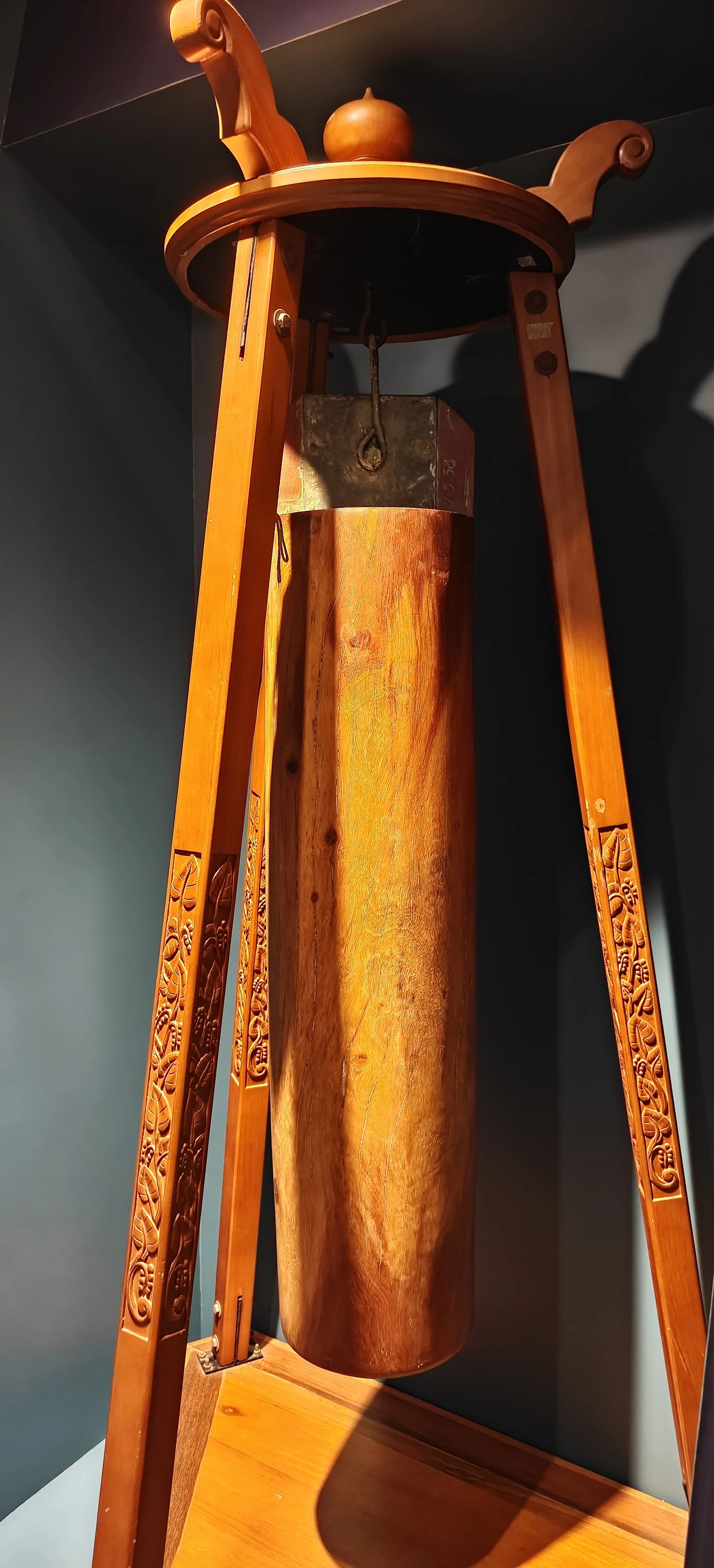
This piece of wood is called a beduk. For instance, during Ramadan, when it is time to break the fast, the mosque will strike the beduk to remind everyone. They also strike the beduk on Jumu'ah to call people to prayer. These are common in Malaysia, and you can still see them in some mosques in Singapore today.
If I have the chance to visit Singapore again, I will show you all one.
The belt-like item in the second picture is actually similar to a name tag.
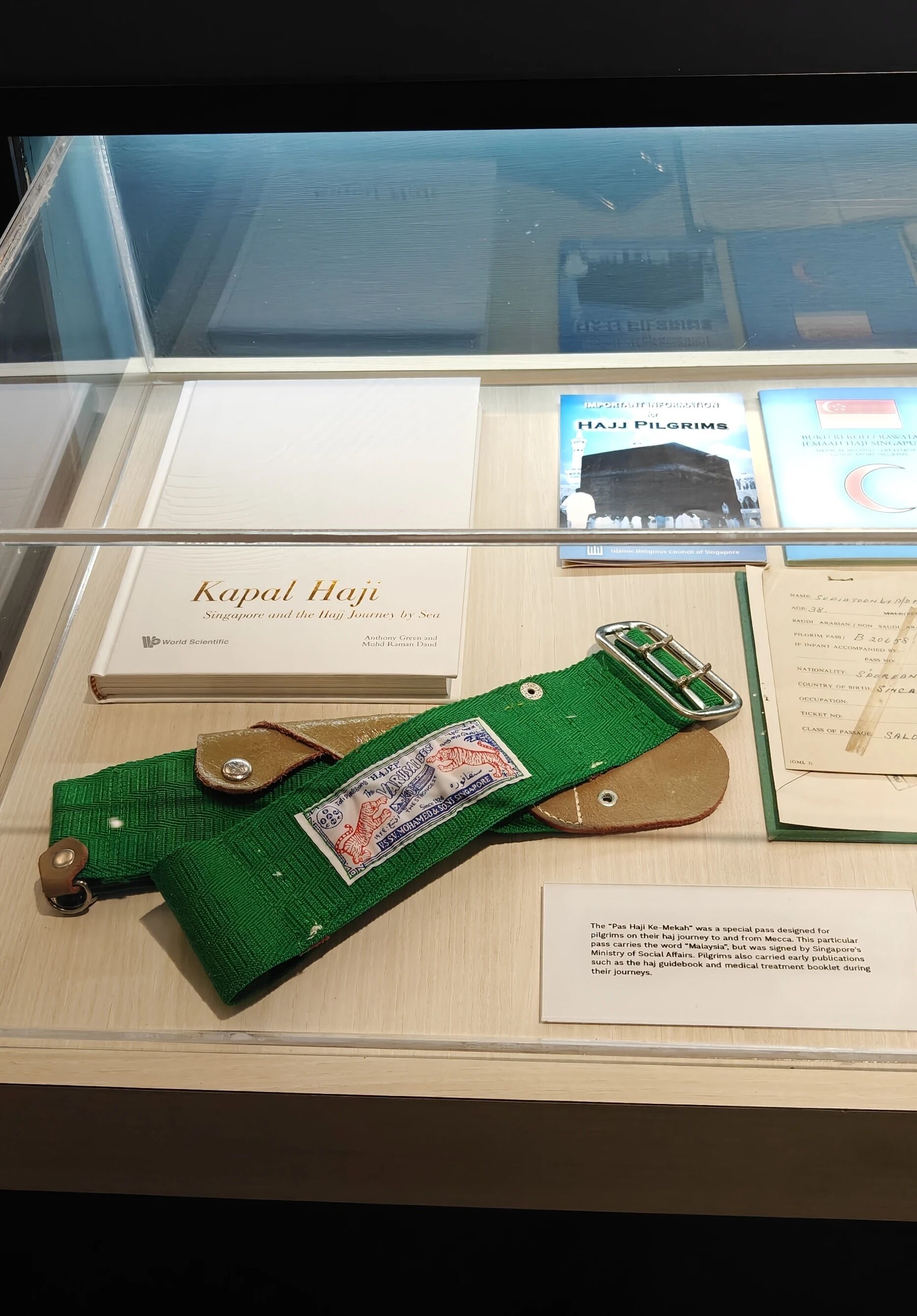
It is an identification badge worn by pilgrims from Singapore during Hajj. The vests issued to Chinese pilgrims feature the Chinese flag and the word China, which serve the same purpose.
The photo in image three shows a mufti named Said, who is focused on using the compass above to find the direction of the Kaaba in Mecca.
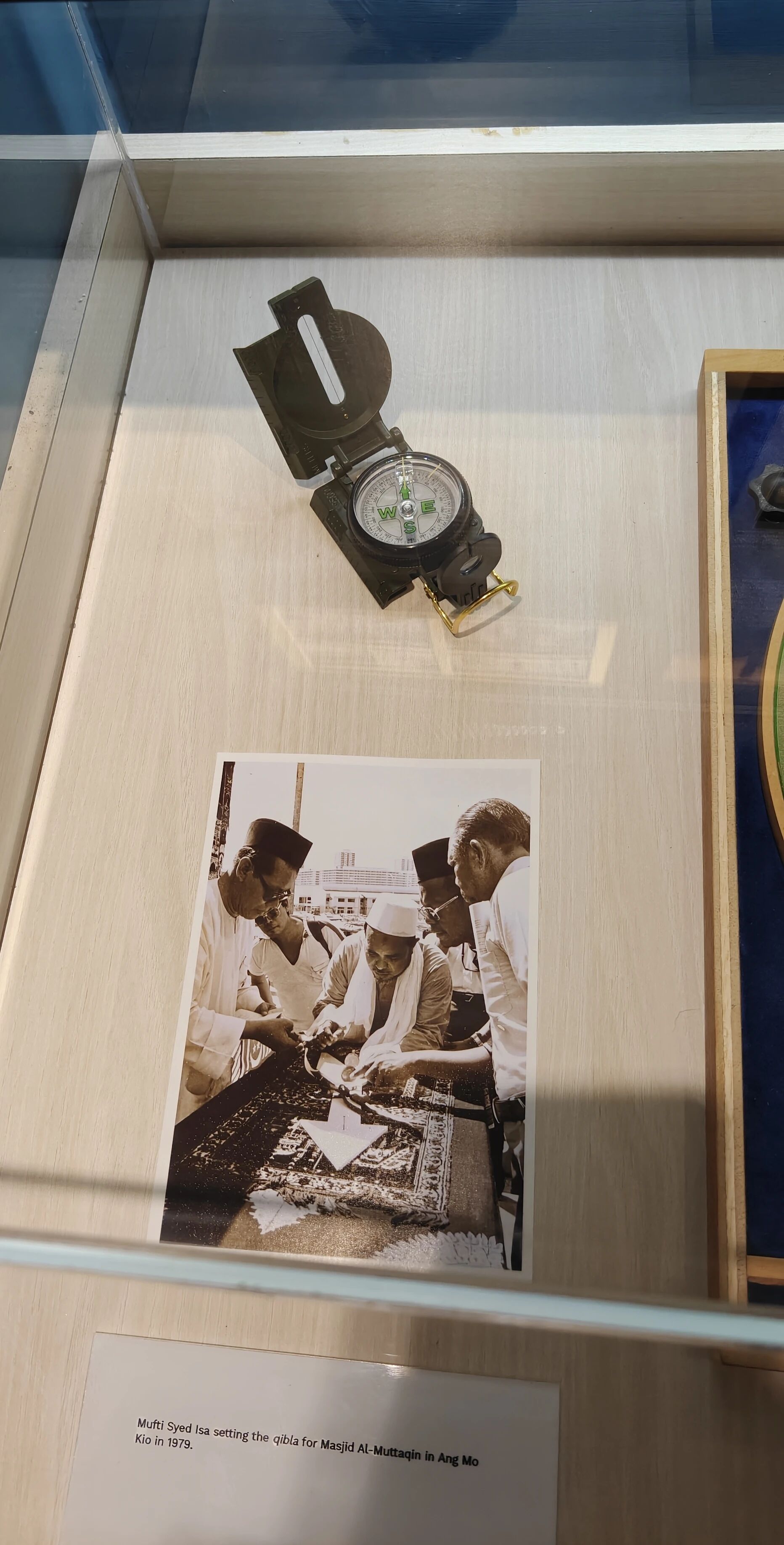
Since they were building the Mosque of the Faithful (Qianxinzhe Qingzhensi) at the time, they had to determine the direction of the Kaaba before construction began.
The object in image four looks like a sundial, but it is not for telling time; it is used with a compass to pinpoint the exact direction of the Kaaba in Mecca.
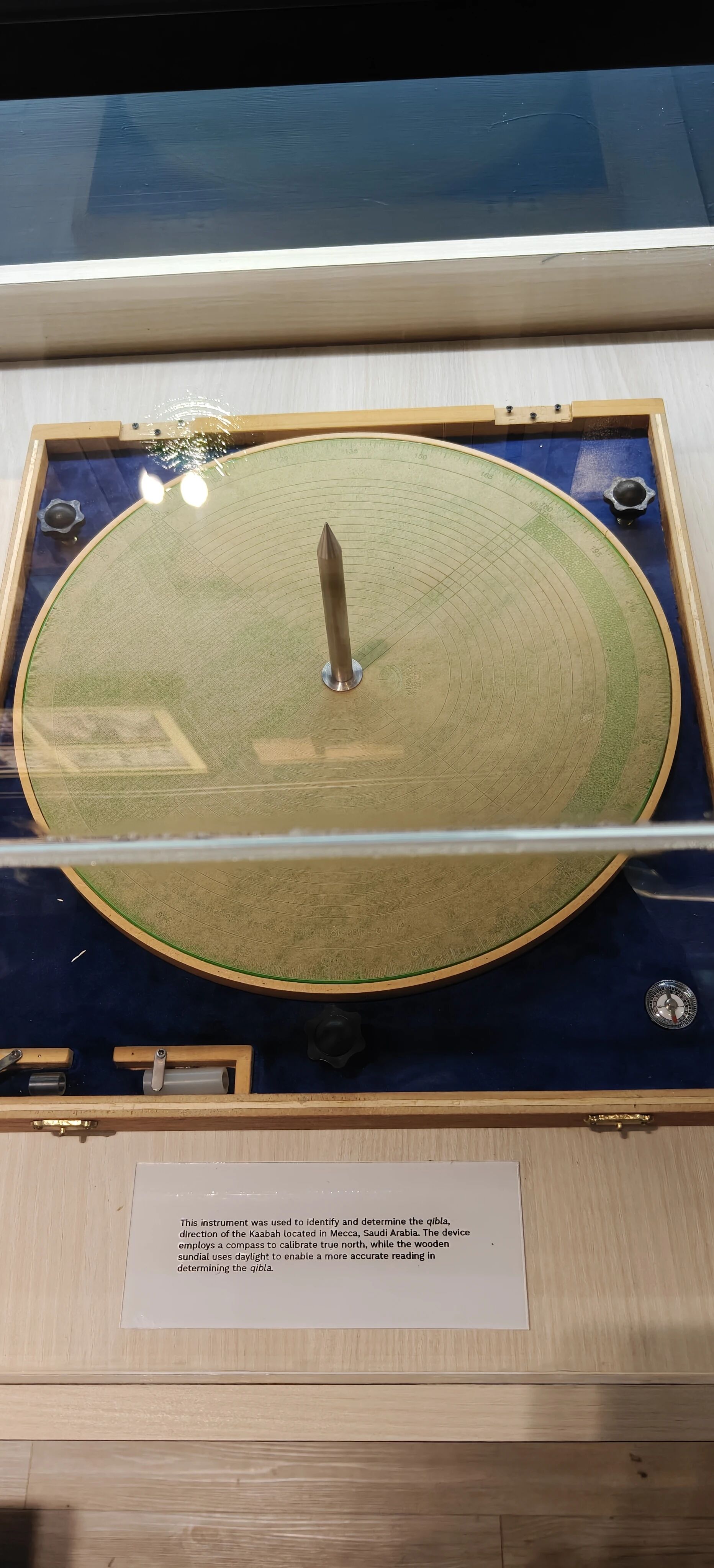
The photos in the image five exhibit record major events in the history of Islam in Singapore by year, such as the founding of the Mosque of the Faithful and the election of the first official president of the Islamic Religious Council.
Images six and seven
show Islamic books published in Singapore over the years in Tamil (a South Indian language from the Dravidian family), Malay, and English. Collapse Read »
Summary: This Singapore Muslim travel guide visits the exhibition area inside the Islamic Religious Council building in the Singapore Islamic Centre complex. It keeps the source notes on the building, displays, and community context.
Inside the Singapore Islamic Centre complex, one building houses the Islamic Religious Council of Singapore. There is an exhibition area on the first floor. However, this exhibition area is actually not open to the public. I explained my purpose to the person in charge after I went in, and they made an exception for me to visit for a few minutes.
The exhibition mainly features items used by Singaporean Muslims in their religious life.
For example, look at the wooden object hanging in the first picture.
This piece of wood is called a beduk. For instance, during Ramadan, when it is time to break the fast, the mosque will strike the beduk to remind everyone. They also strike the beduk on Jumu'ah to call people to prayer. These are common in Malaysia, and you can still see them in some mosques in Singapore today.
If I have the chance to visit Singapore again, I will show you all one.
The belt-like item in the second picture is actually similar to a name tag.
It is an identification badge worn by pilgrims from Singapore during Hajj. The vests issued to Chinese pilgrims feature the Chinese flag and the word China, which serve the same purpose.
The photo in image three shows a mufti named Said, who is focused on using the compass above to find the direction of the Kaaba in Mecca.
Since they were building the Mosque of the Faithful (Qianxinzhe Qingzhensi) at the time, they had to determine the direction of the Kaaba before construction began.
The object in image four looks like a sundial, but it is not for telling time; it is used with a compass to pinpoint the exact direction of the Kaaba in Mecca.
The photos in the image five exhibit record major events in the history of Islam in Singapore by year, such as the founding of the Mosque of the Faithful and the election of the first official president of the Islamic Religious Council.
Images six and seven
show Islamic books published in Singapore over the years in Tamil (a South Indian language from the Dravidian family), Malay, and English. Collapse Read »
