

Hidden Halal Gem in Hangzhou: Dongyishun's Budget Carbs & Uyghur Street Eats Near Hefang Street
[Internet Repost]
A 20-Year-Old Halal Spot on Hangzhou's Hefang Street: A Carb Lover's Dream Budget Hidden Gem Where You Can Feasibly Stuff Yourself for Just a Few Bucks

Summary:
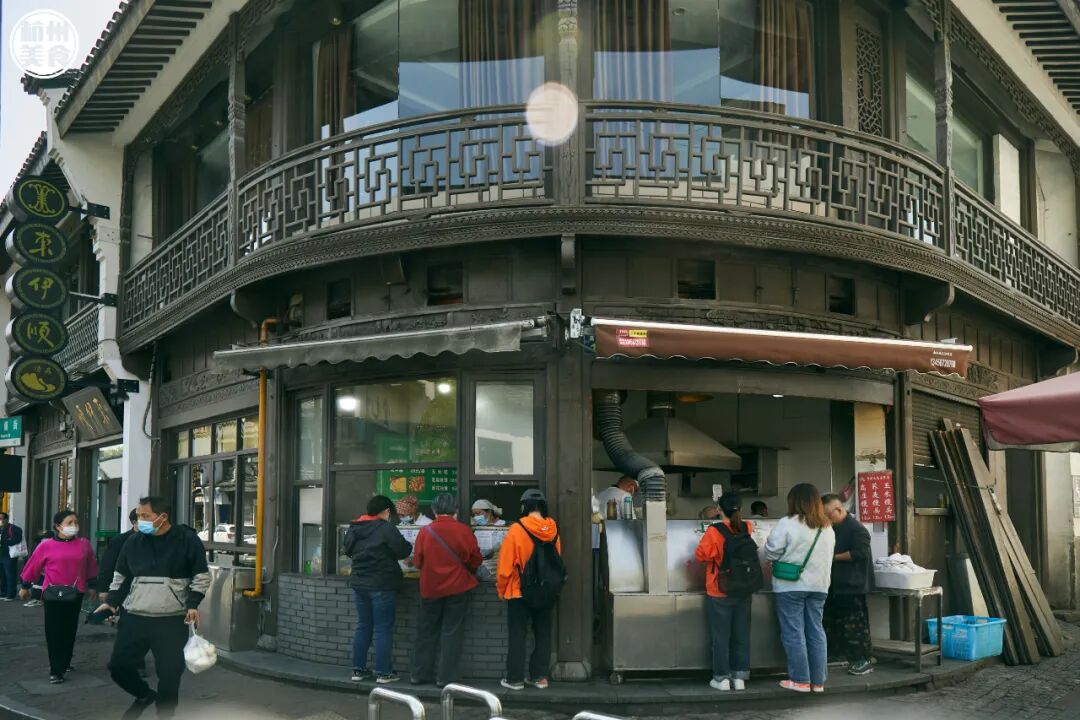
Exploring a budget-friendly Halal spot tucked away in the alleys around Hefang Street for over 20 years. Serving up steaming handmade pastries, rich mutton soup, and authentic beef fried noodles, the portions are massive, prices are super wallet-friendly, and it's packed with decades of neighborhood nostalgia and down-to-earth local vibes.
Taking advantage of Hangzhou's recent gorgeous weather, I headed out to wander around the streets near Hefang Street. Walking down Gaoyin Street, there were plenty of restaurants serving local Hangzhou cuisine, but apart from the servers trying to drum up business, there weren't many tourists around.
Except for this one Halal restaurant, Dongyishun. Every time you walk past, you can spot a solid crowd of diners. What on earth keeps drawing so many longtime Hangzhou locals back here?

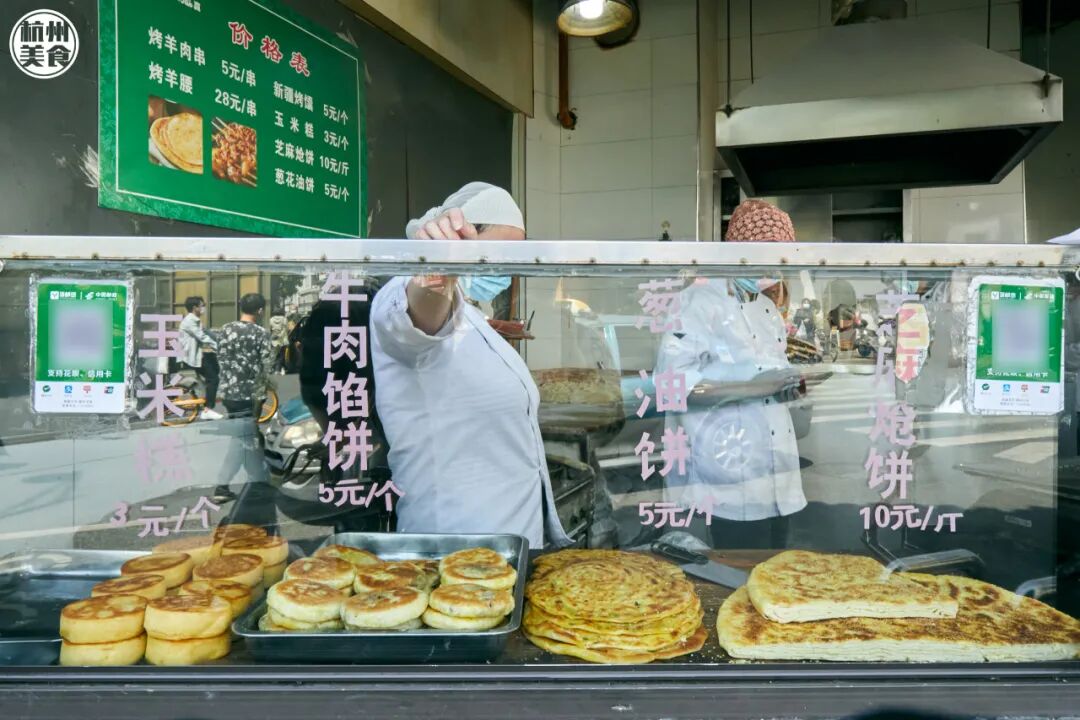
The open takeout window is completely piled high with Xinjiang-style nang (traditional flatbread), corn cakes, scallion oil pancakes, sesame flatbreads, and more—it's basically absolute heaven for carb lovers.
I heard that when it gets busy, you might have to wait 30 to 40 minutes just for the nang, yet plenty of people buy them five or ten at a time, while others start breaking off pieces to eat right there at the storefront.
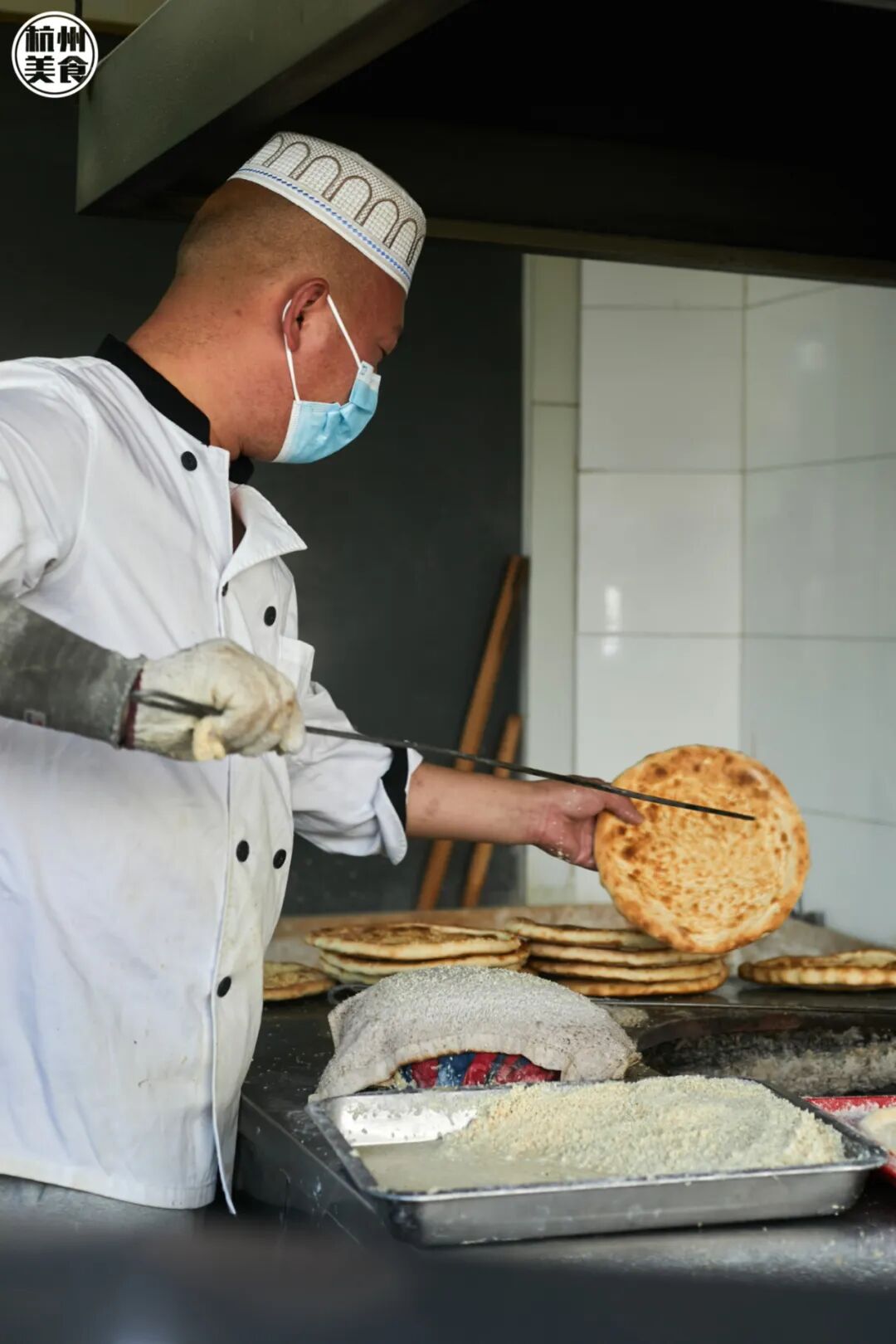
Inside the shop, dedicated staff handle every step of the process—kneading the dough, shaping the floral patterns, and slapping the flatbreads into the clay oven. With a satisfying 'smack' as it hits the wall, each piece of nang is securely stuck inside the burning clay oven.
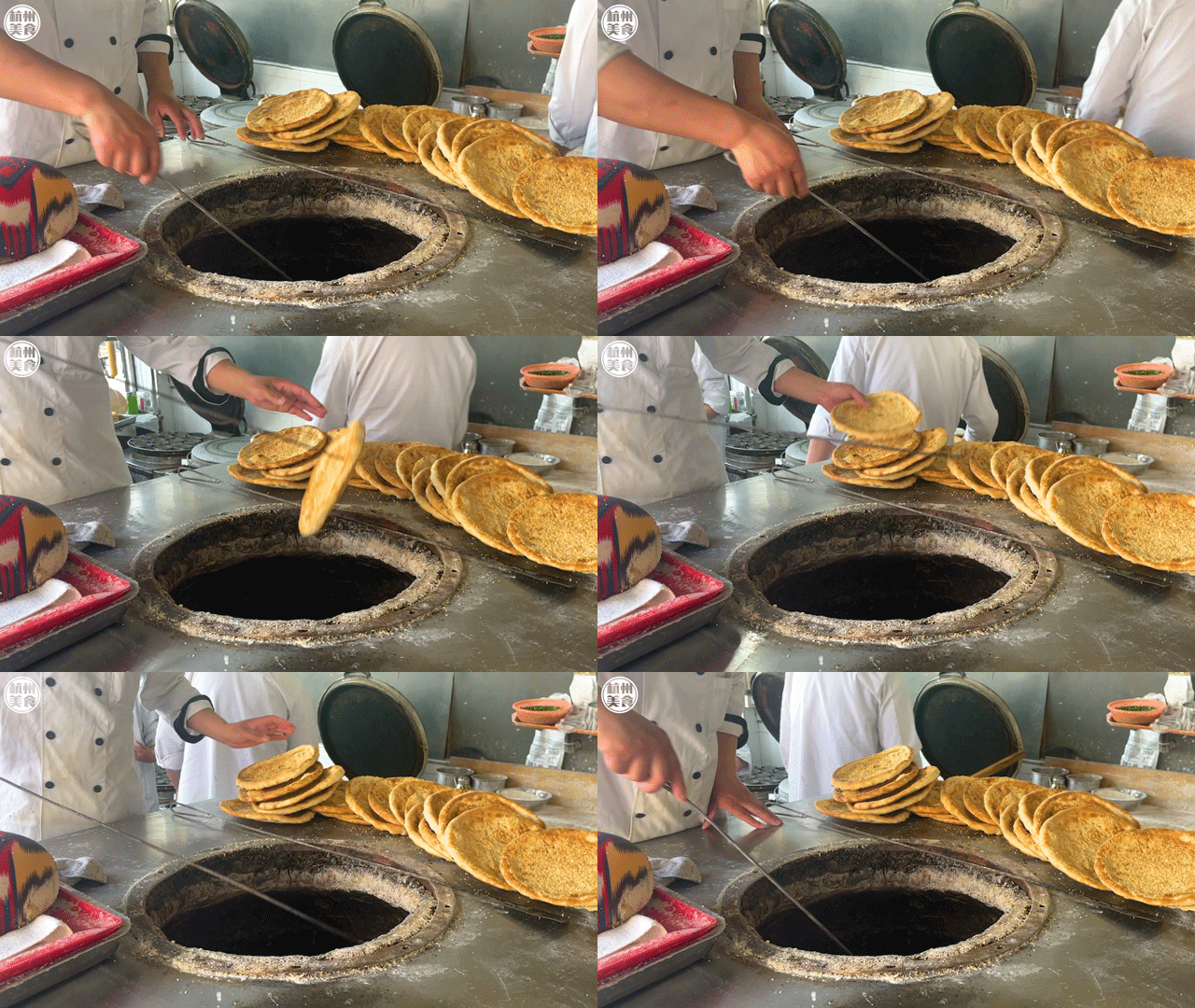
The speed of sticking the dough on and pulling the baked bread back out is lightning fast. The baker mentioned they start grinding away early in the morning past 7 AM and don't wrap things up until 5 or 6 in the evening.
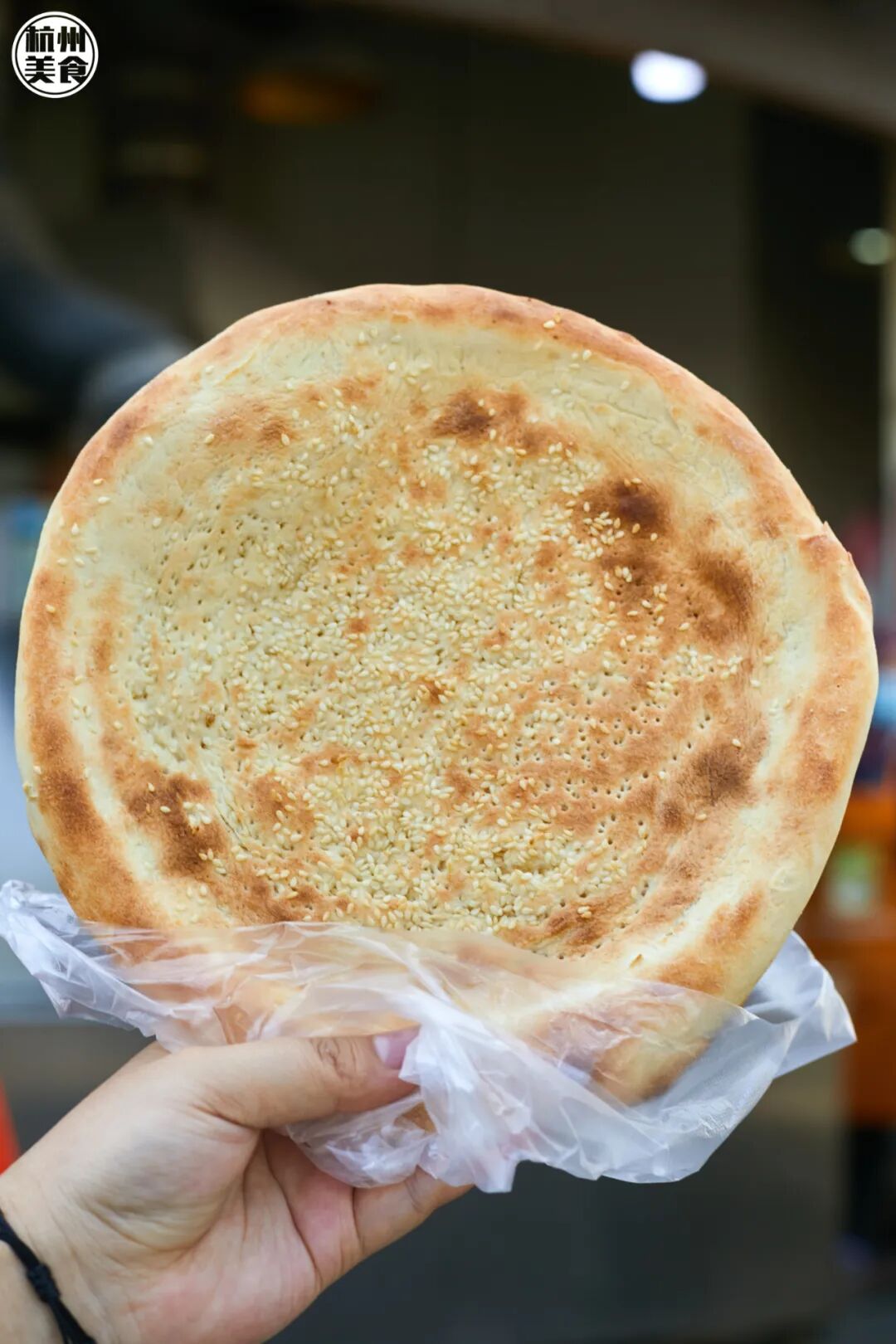
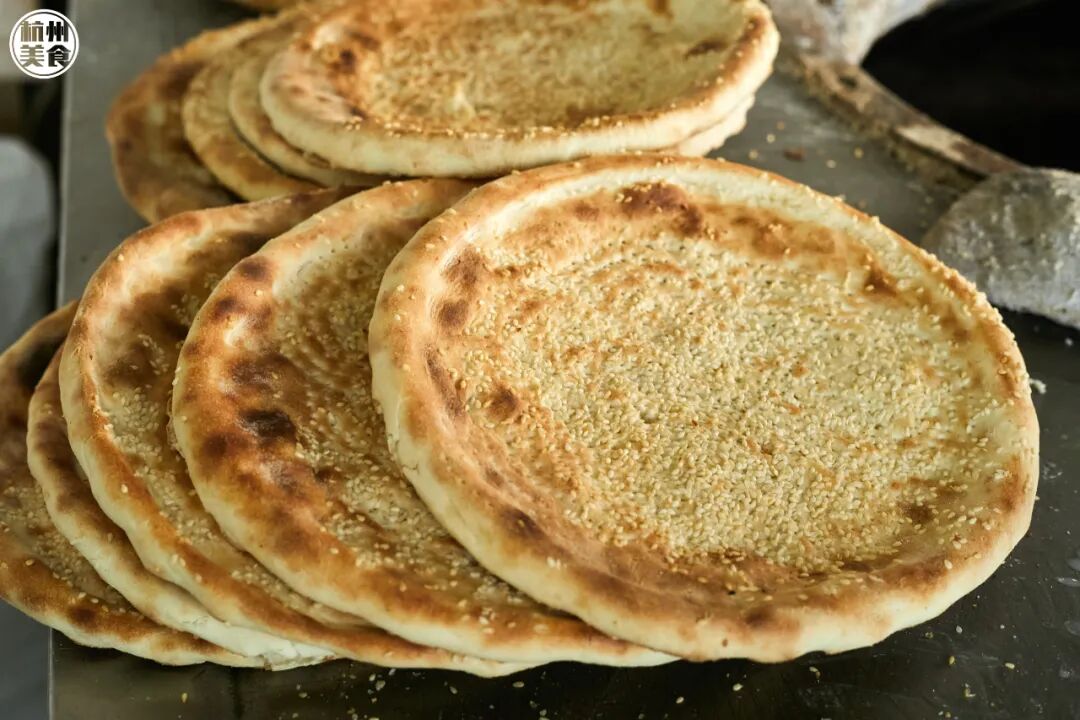
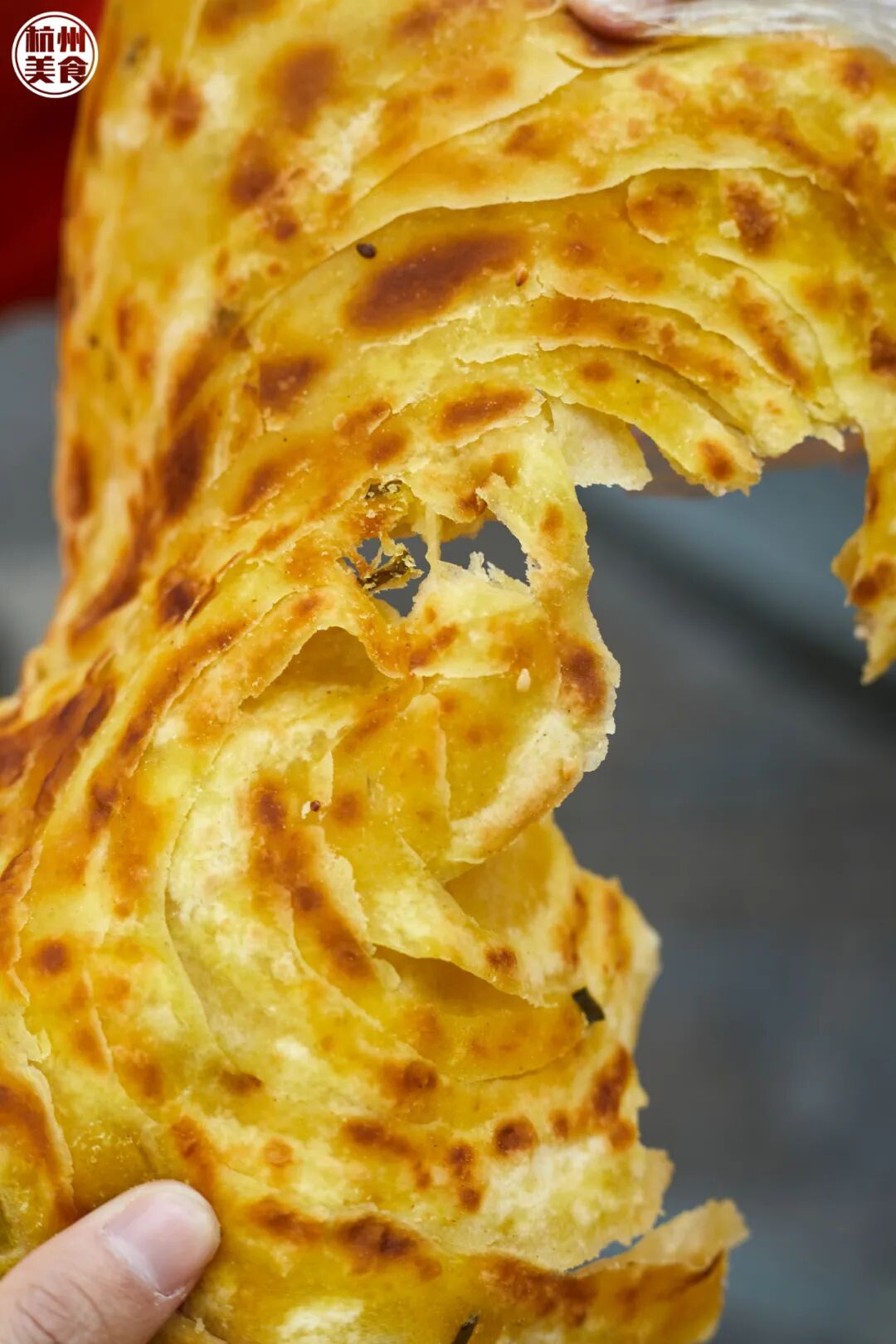
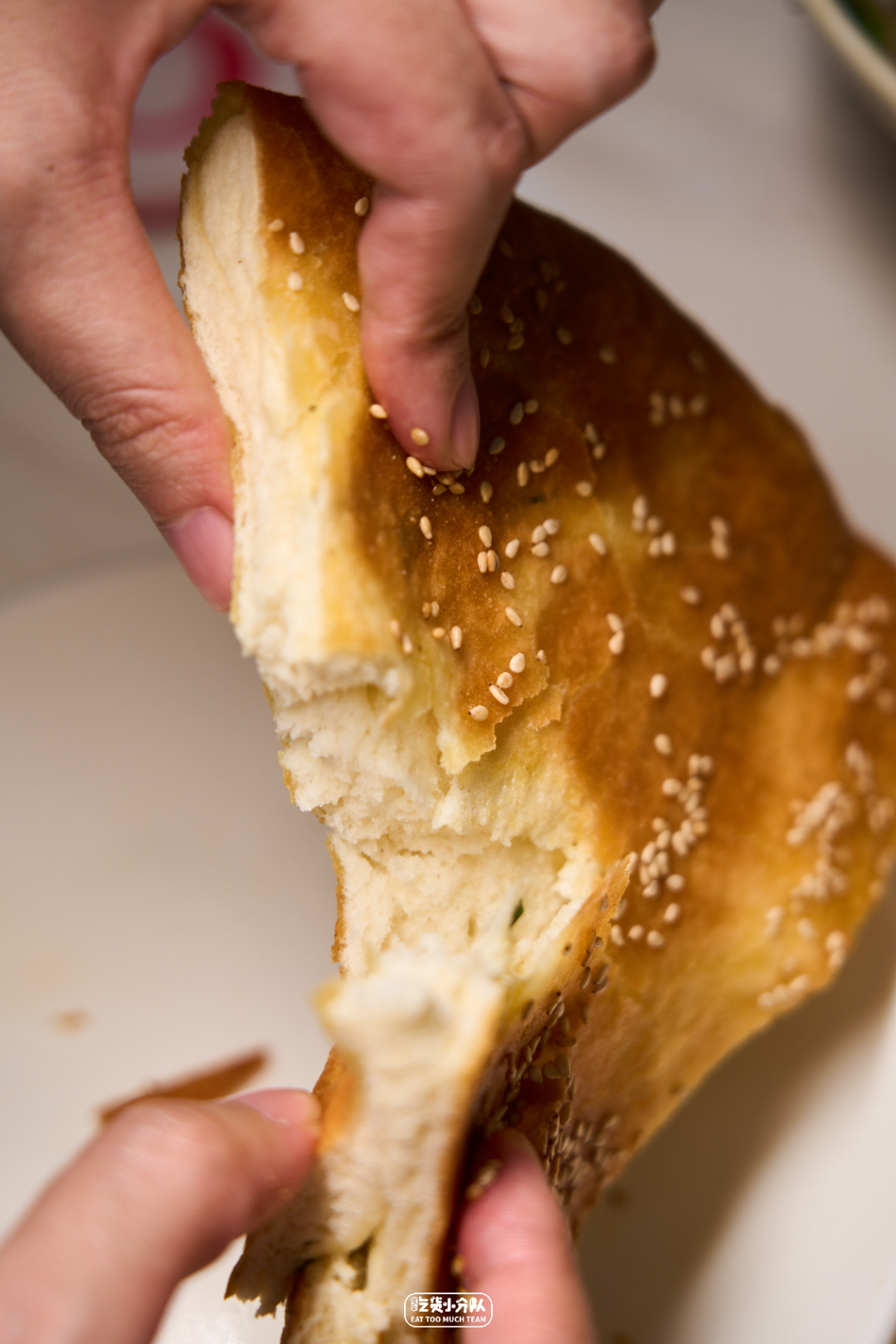
A lot of the nang flatbreads you remember tend to be dry and totally flavorless. But the ones here are a whole different vibe—crispy yet wonderfully chewy.
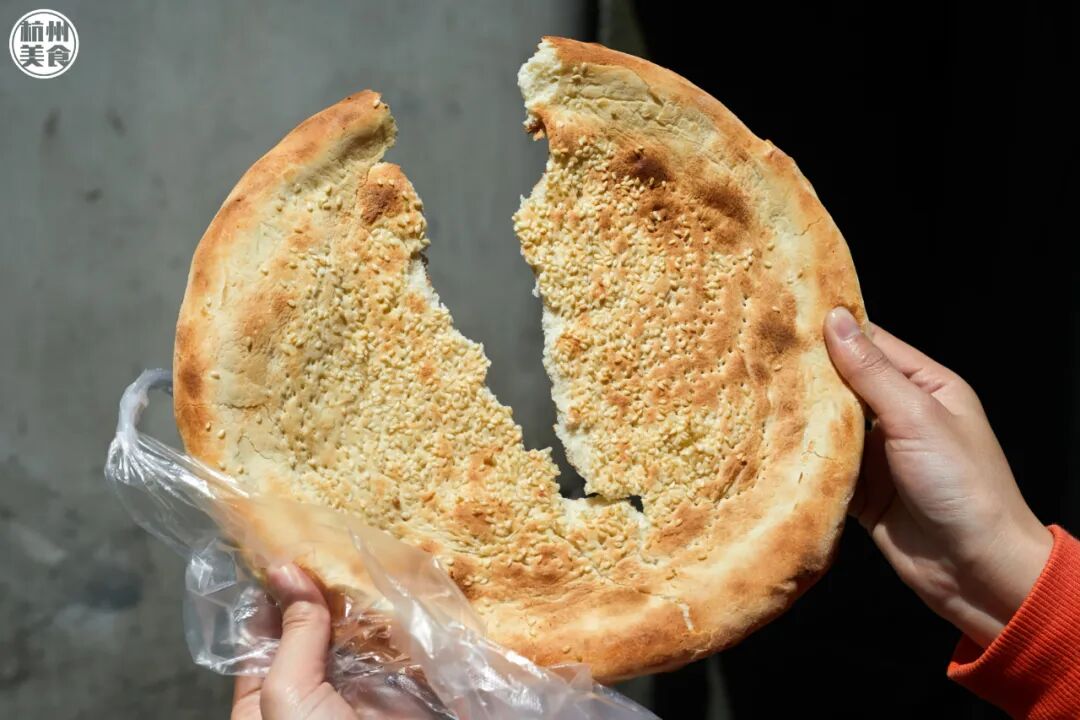
Fresh out of the oven, the nang is still piping hot, smells amazing, and hits you with a subtle savory kick backed by the rich, nutty aroma of toasted sesame.
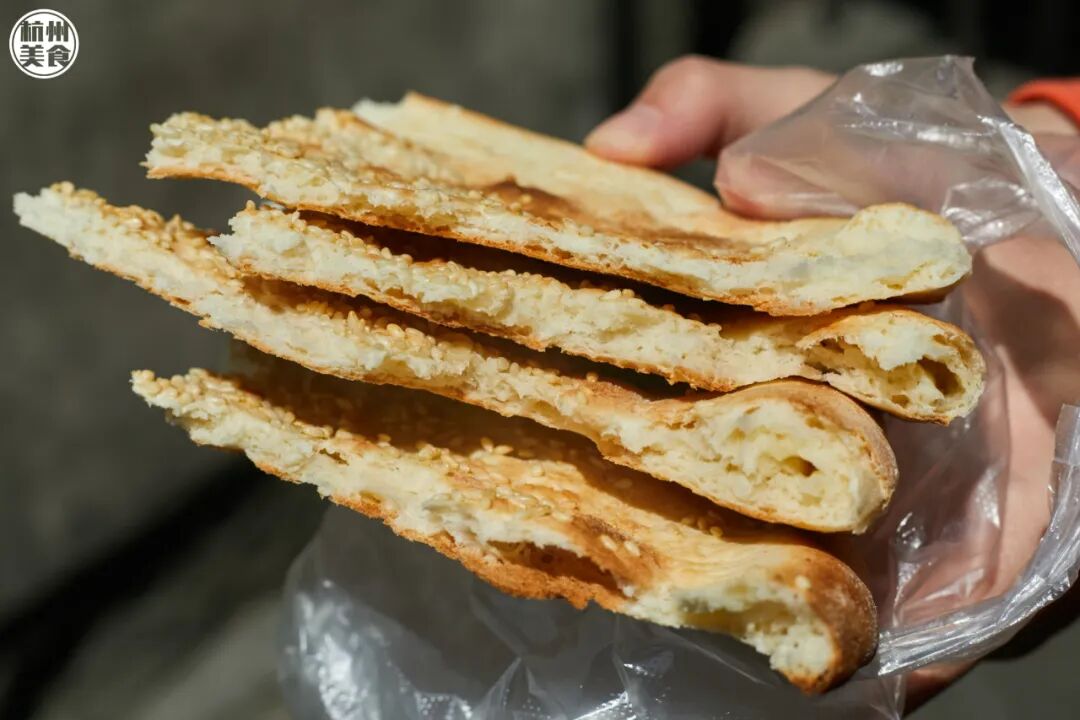
Eat it while it's hot and it's super soft; once it cools down, it gets even crunchier. You won't be able to resist breaking off pieces right away, only to realize it just gets better the more you chew. No wonder passing elders can't stop raving about it.

Gaozhuang mantou (steamed buns) go for 1.2 RMB each, while the buckwheat and corn mantou are 1.5 RMB.
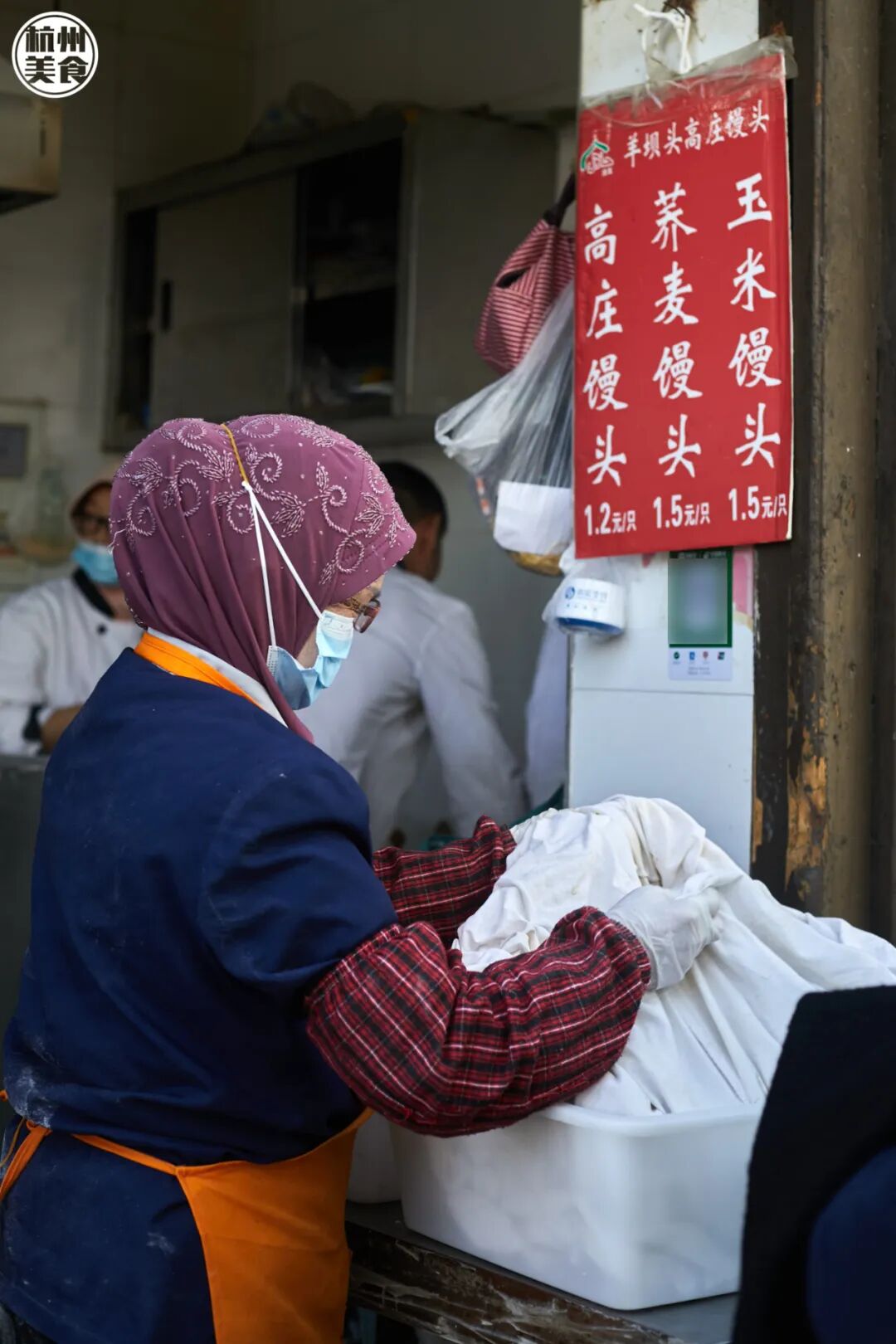
Business is booming, with wave after wave of people lining up for buns. The massive basket piled high with mantou empties out in no time.
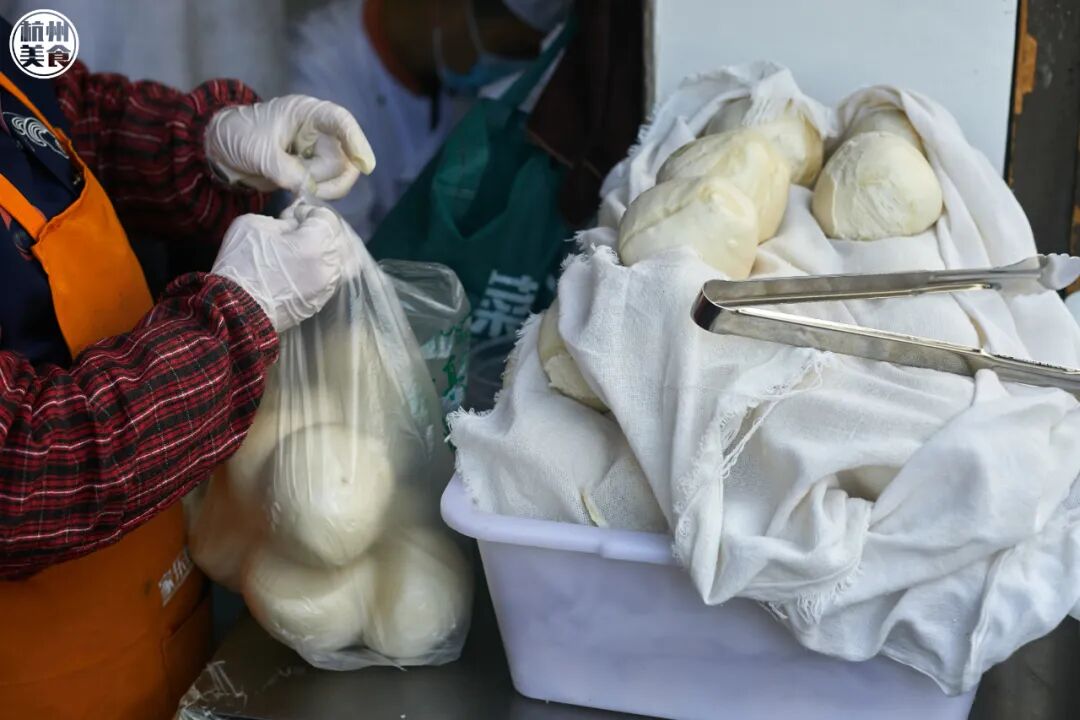
A friendly auntie runs the counter, so you'll want to figure out what kind of buns and how many you want ahead of time. If you hesitate right in front of the basket, her patience wears thin pretty quick, and she might get a little snappy.
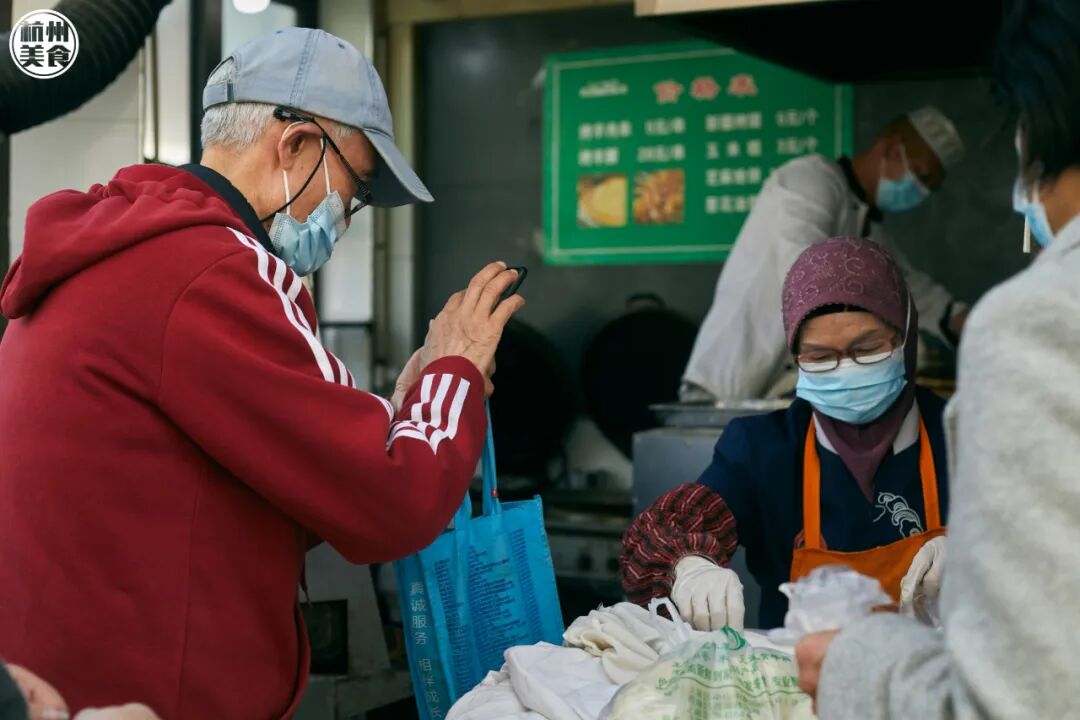
These big, dense mantou are probably winning big purely on their insane value for money. The uncles and aunties queuing up early in the morning are bagging them up ten or twenty at a time.
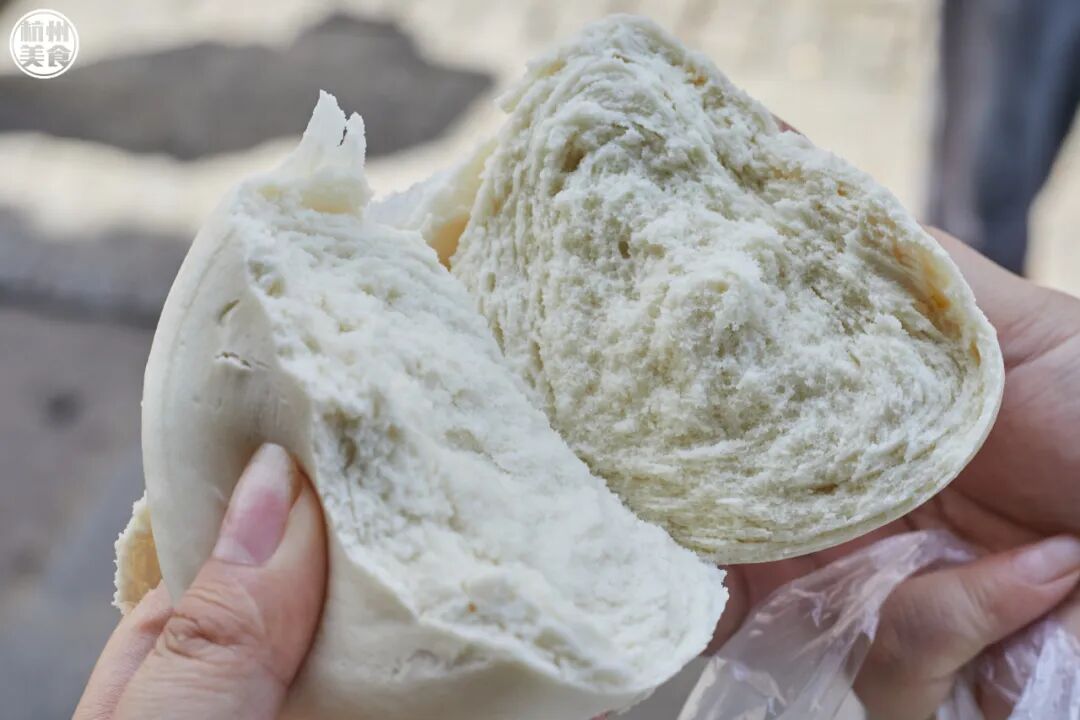
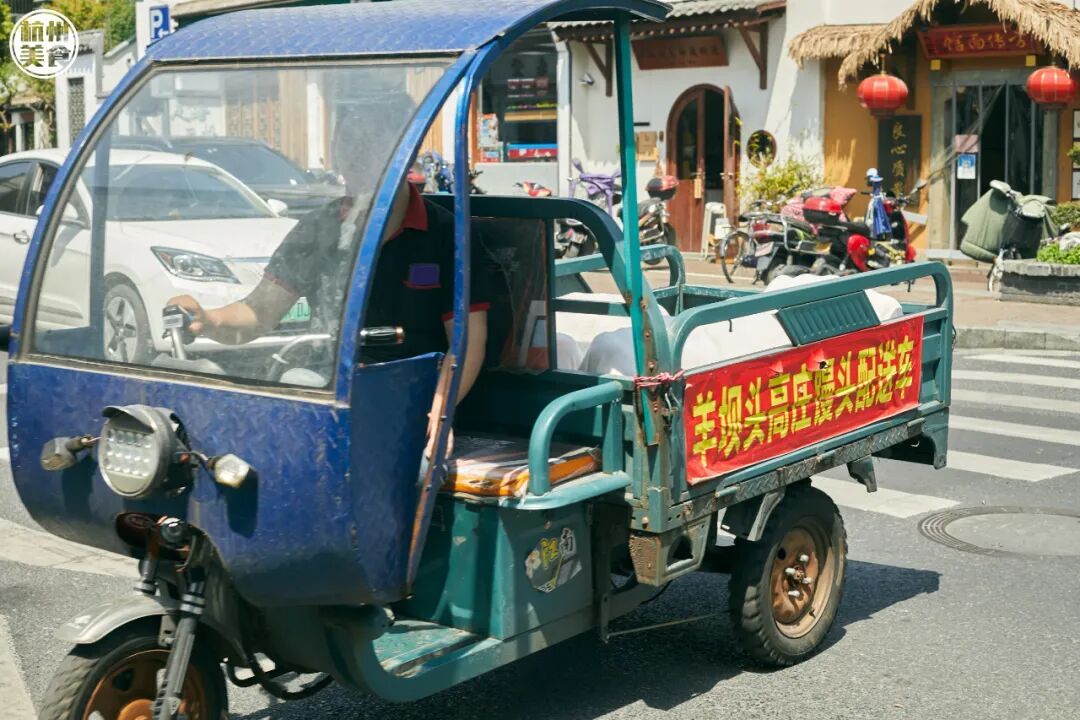
If your timing is off, you might miss out entirely. But as soon as the delivery truck drops off a fresh batch of Yangbatou Gaozhuang mantou, the auntie is right back at it, hustle mode fully engaged...
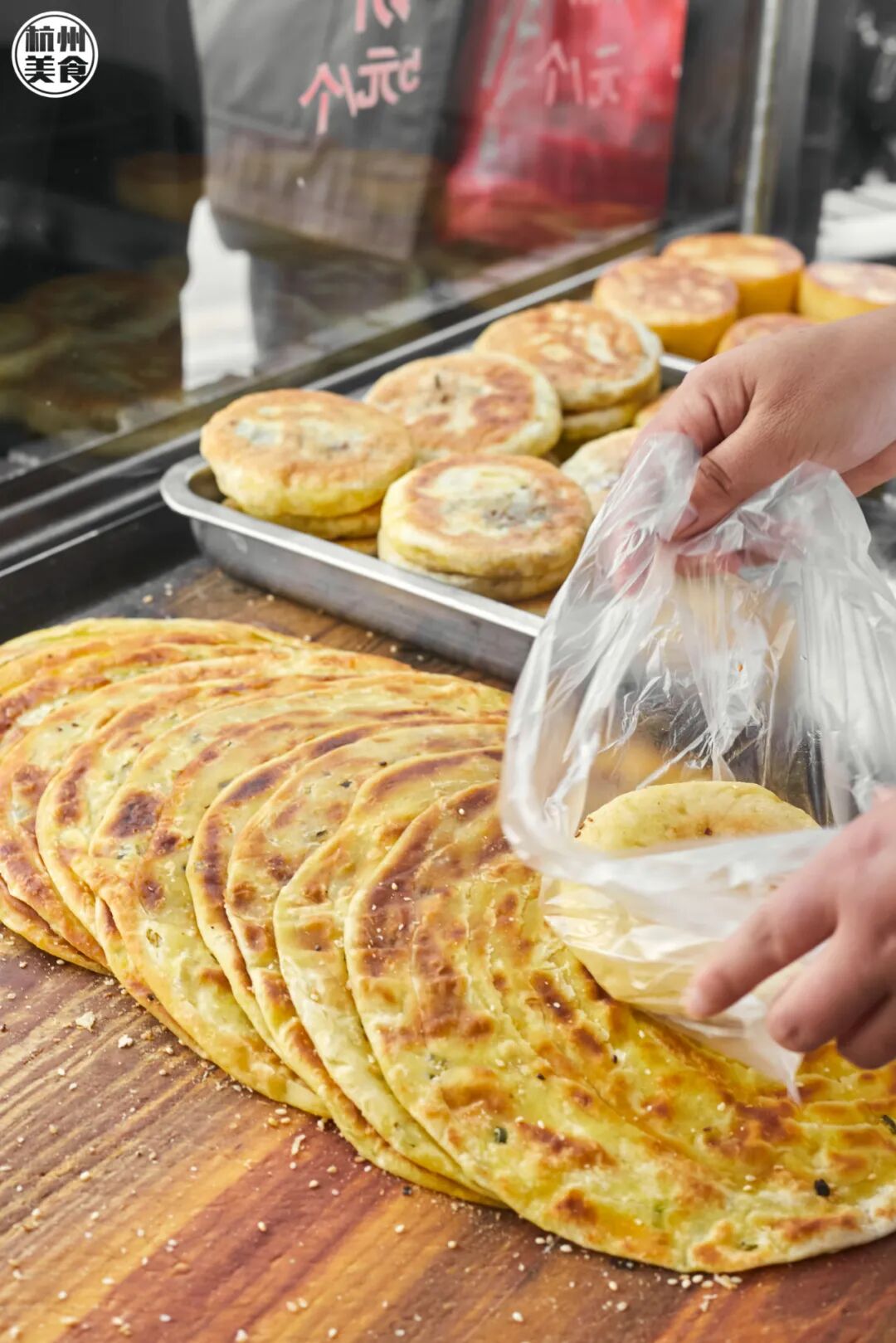
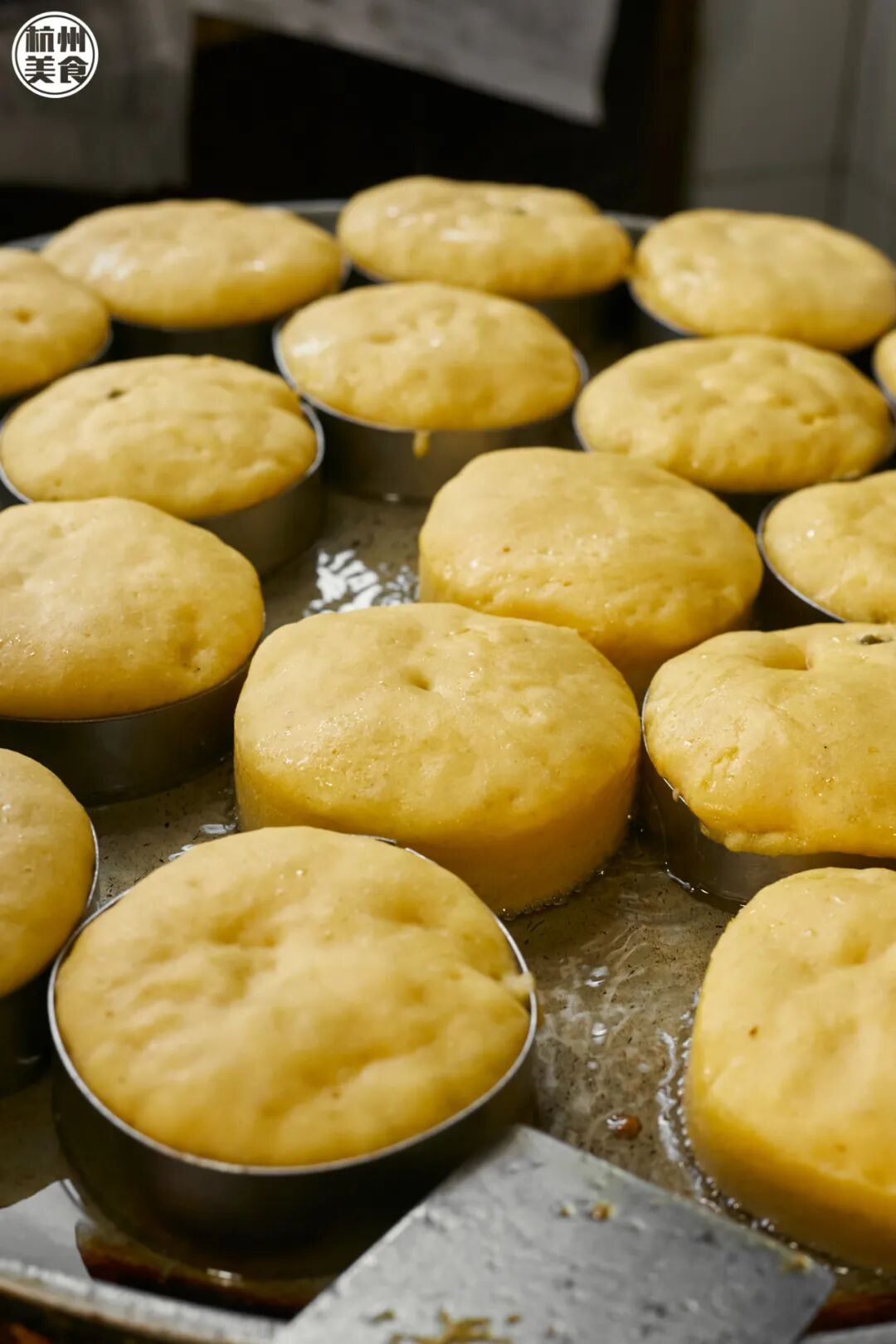
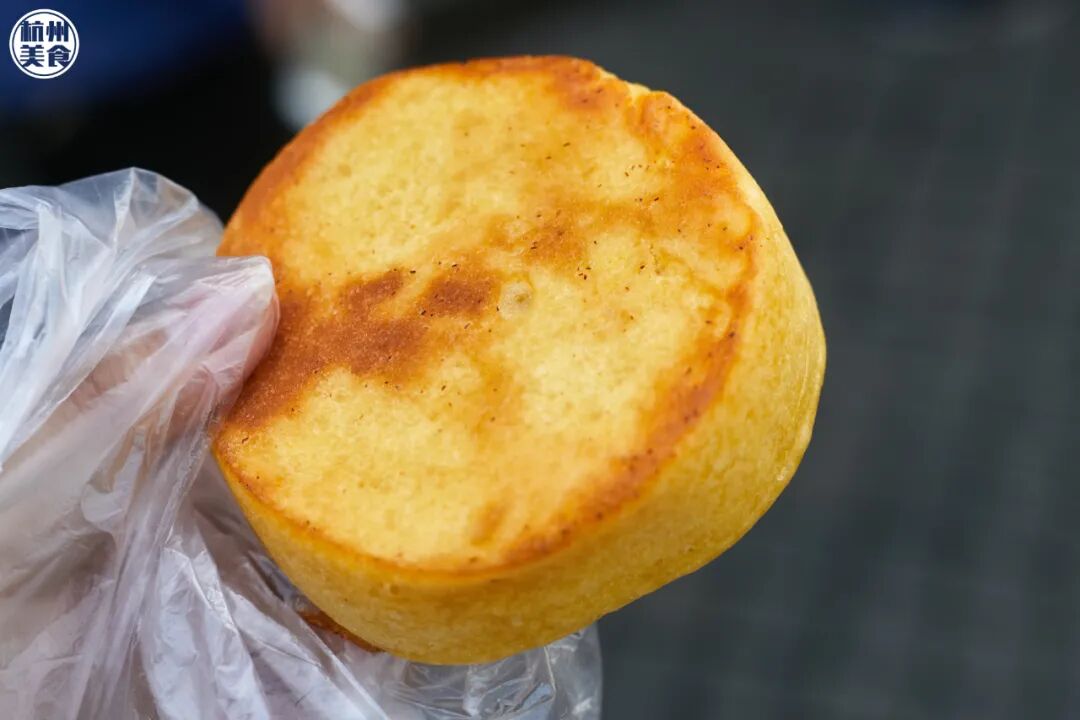
I personally have to shout out the corn cakes straight out of the steamer. They're a gorgeous golden yellow and totally chubby. They look totally unassuming at first glance, but you'll fall in love at first bite.

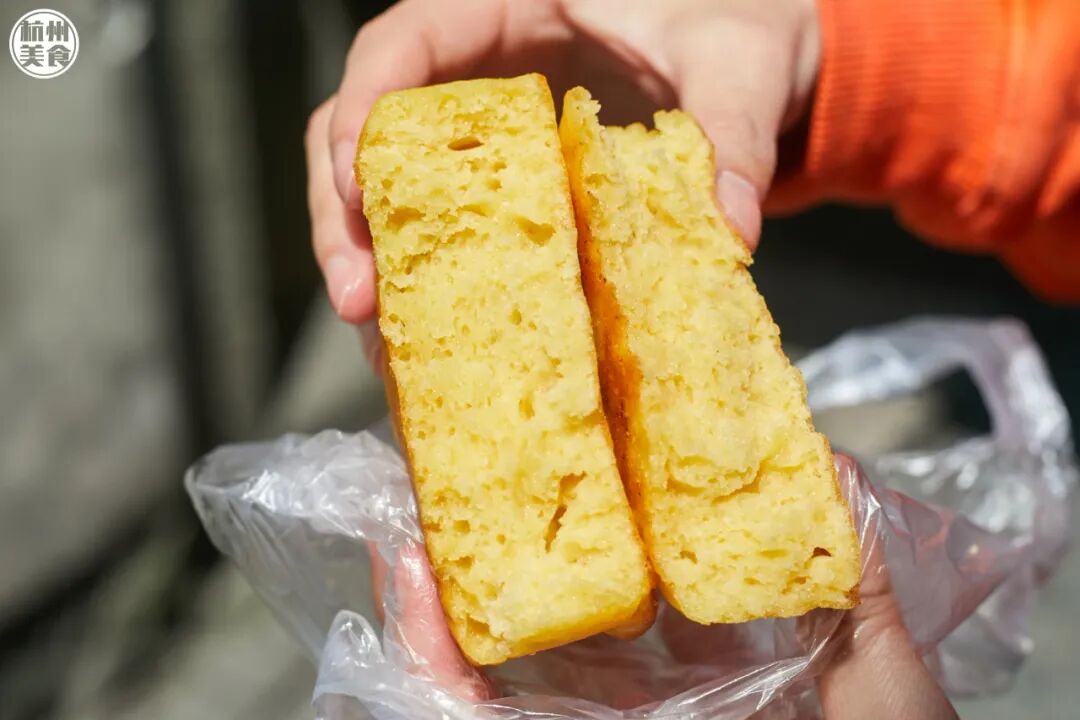
When you first grab a corn cake, it's insanely soft and fluffy. Break it open and take a bite—it's soft, sweet, moist, and packs a subtle, refreshing aroma. There are even raisins baked inside. Just 3 RMB each.

That said, the moment it cools down, it turns firm and loses a lot of that amazing texture, so definitely make sure you eat it while it's hot.
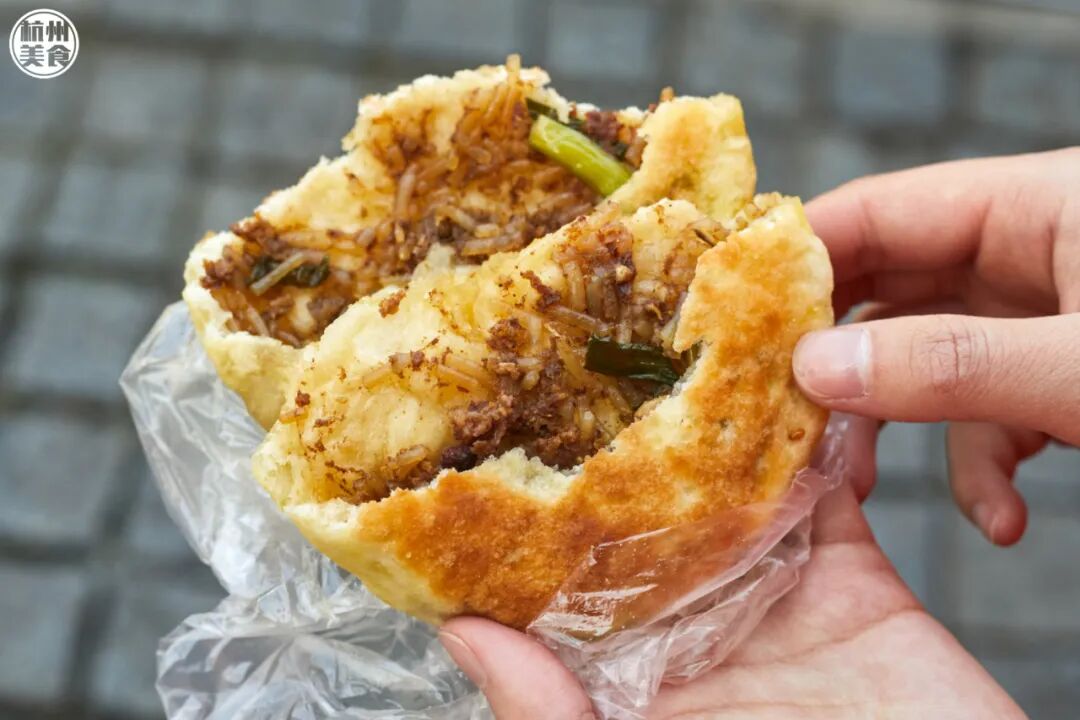
The beef patties, pan-fried ahead of time, sit right there on an iron griddle, ready to be reheated if you're buying them to eat immediately.
Break one open and you'll find the beef filling is pretty sparse, mixed in with a generous amount of glass noodles. The golden, fluffy crust still makes for a pretty flavorful bite, though.
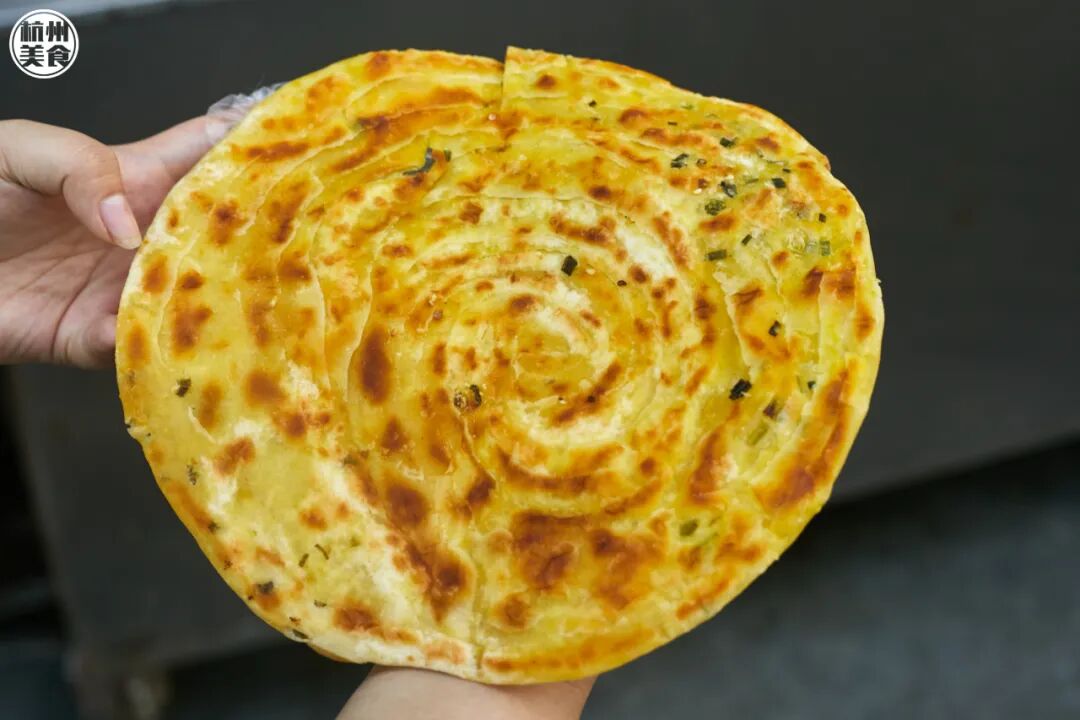
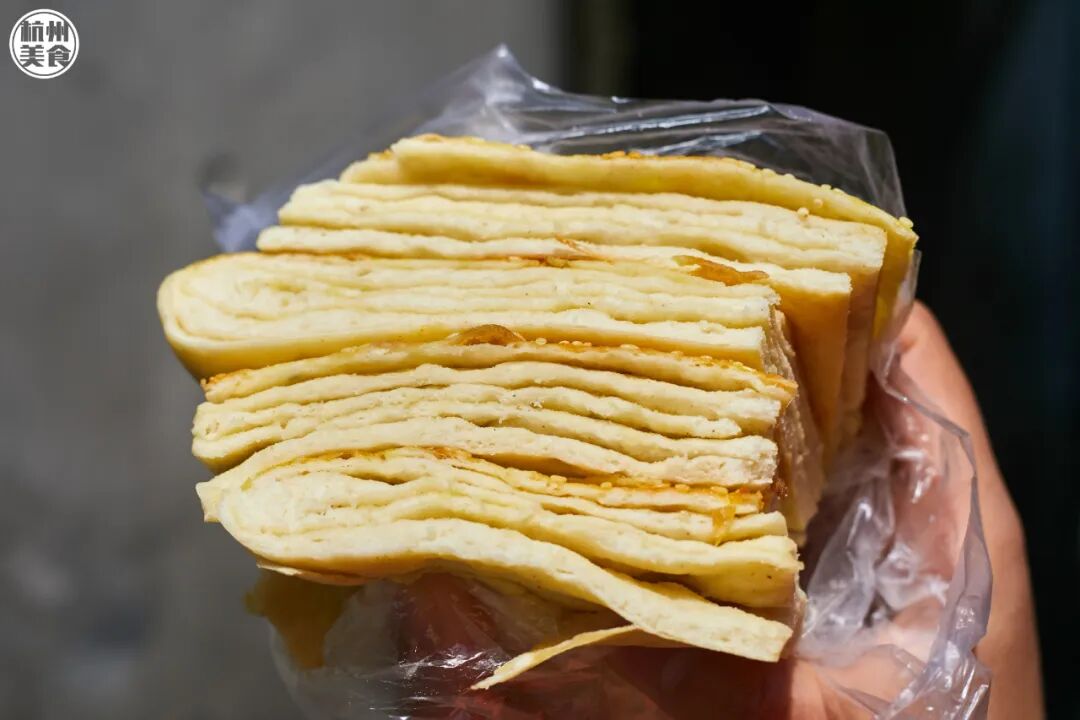
Ranked as the top scallion oil pancake in Hangzhou on Dianping, this scallion oil pancake goes for 5 RMB a pop, so naturally, I couldn't pass it up.

Looking ultra-crispy with tons of flaky layers, this huge golden pancake looks super inviting. Unfortunately, it ends up tasting dry and overly greasy on the palate—no pleasant surprises here, honestly just a bit of a letdown.
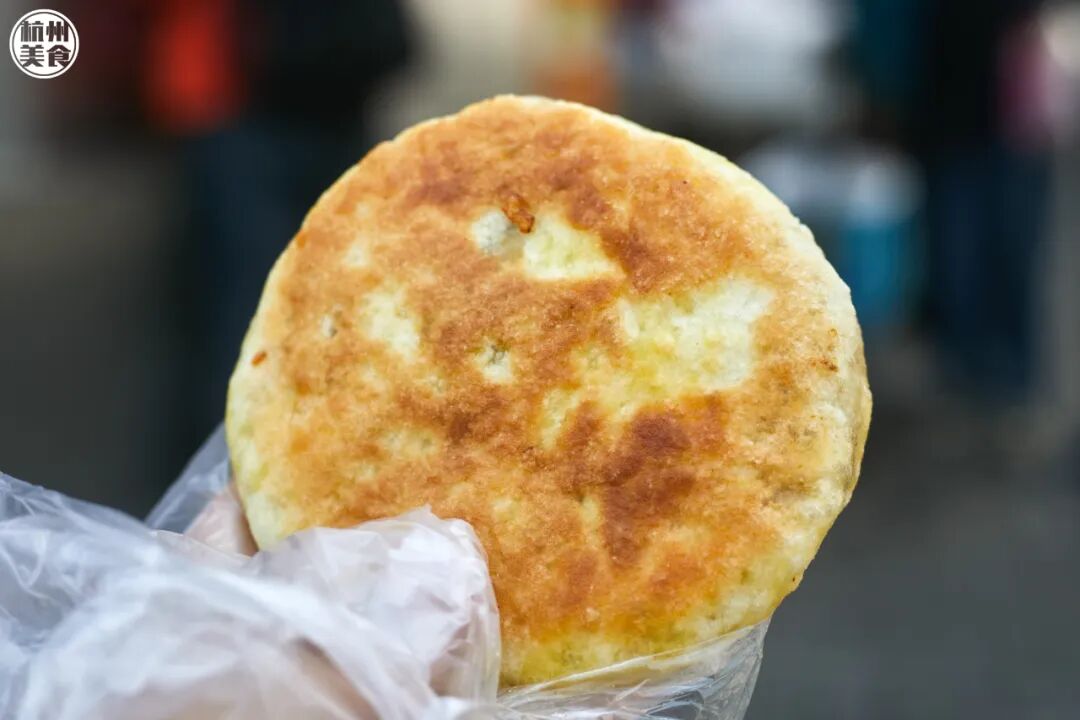
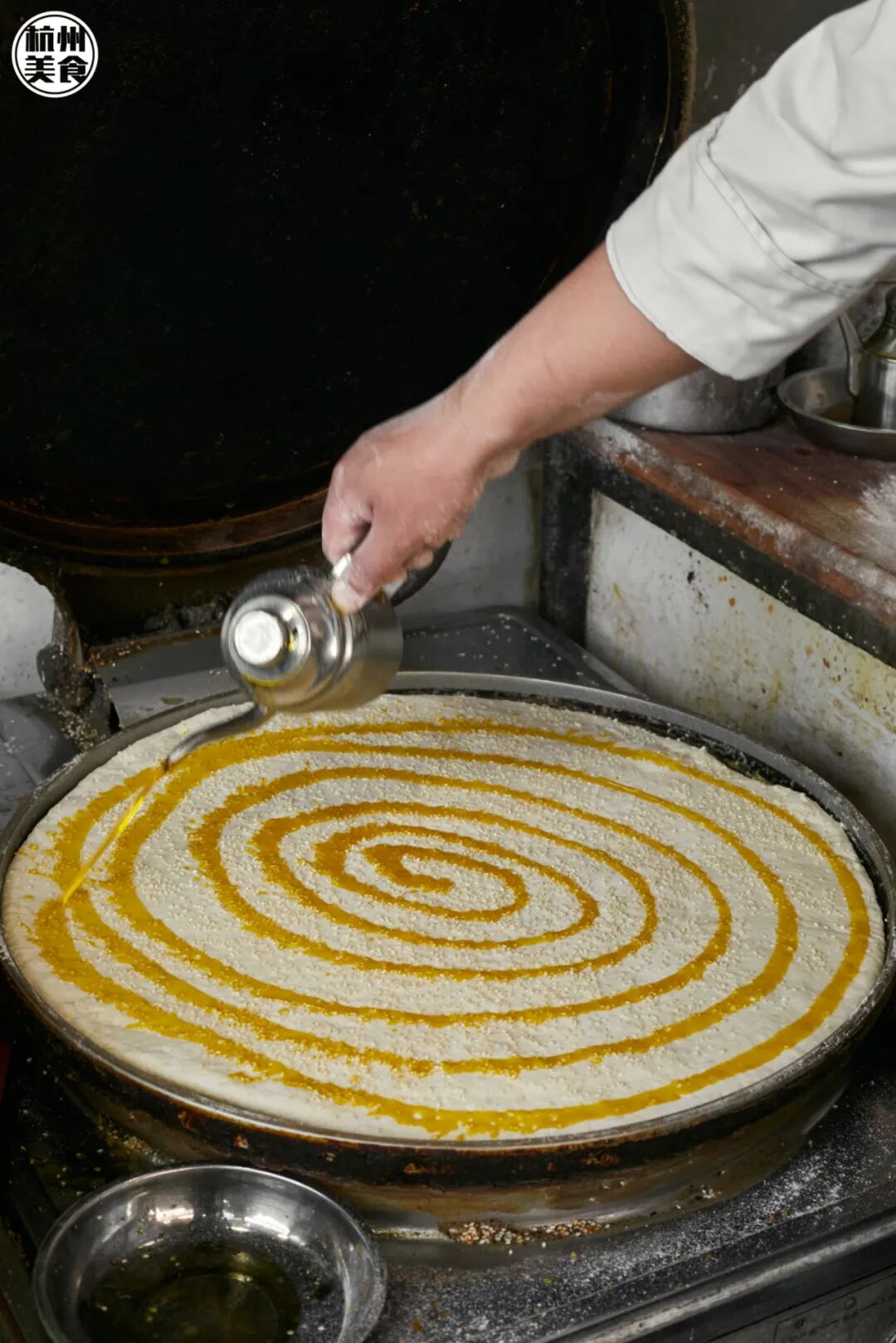
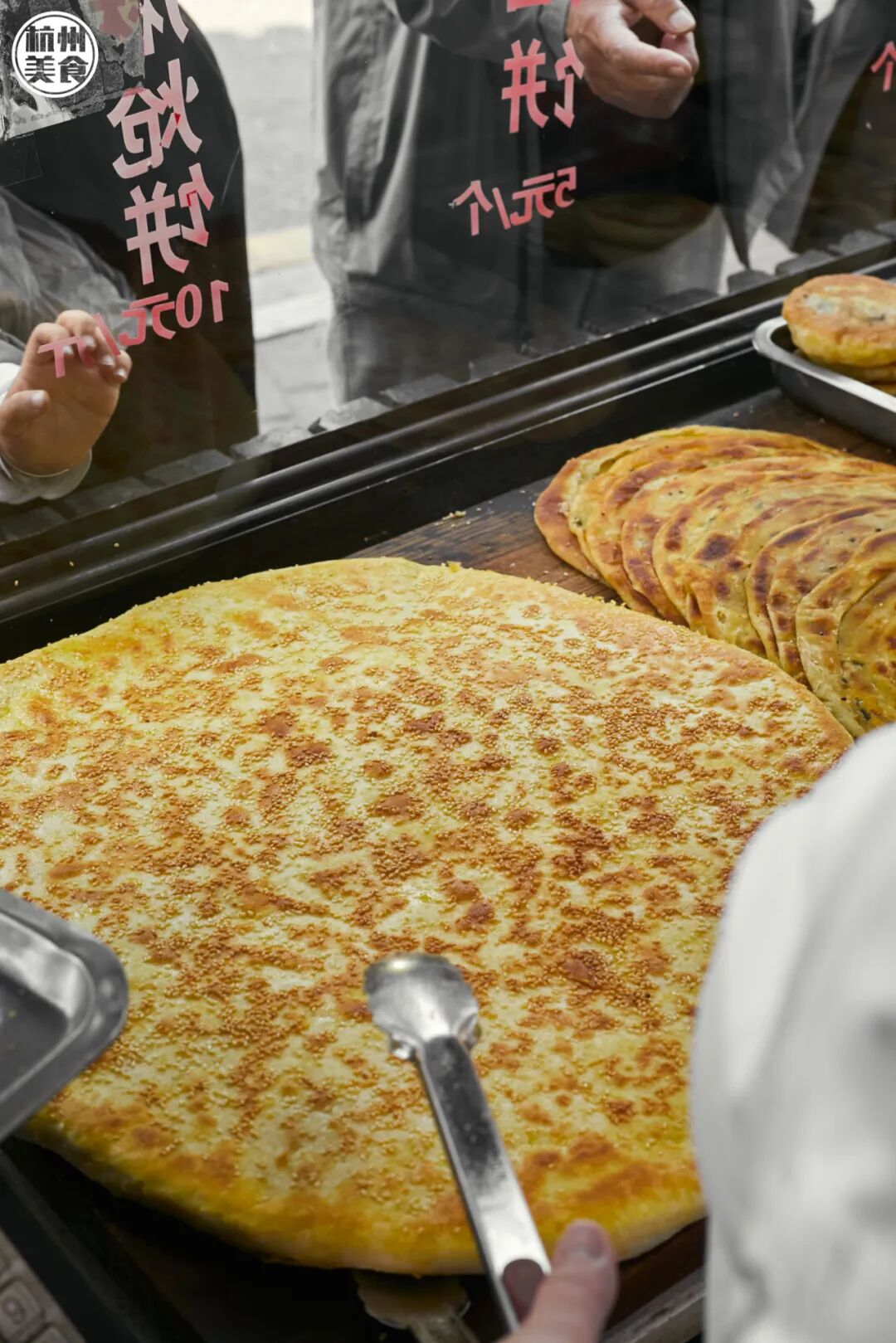
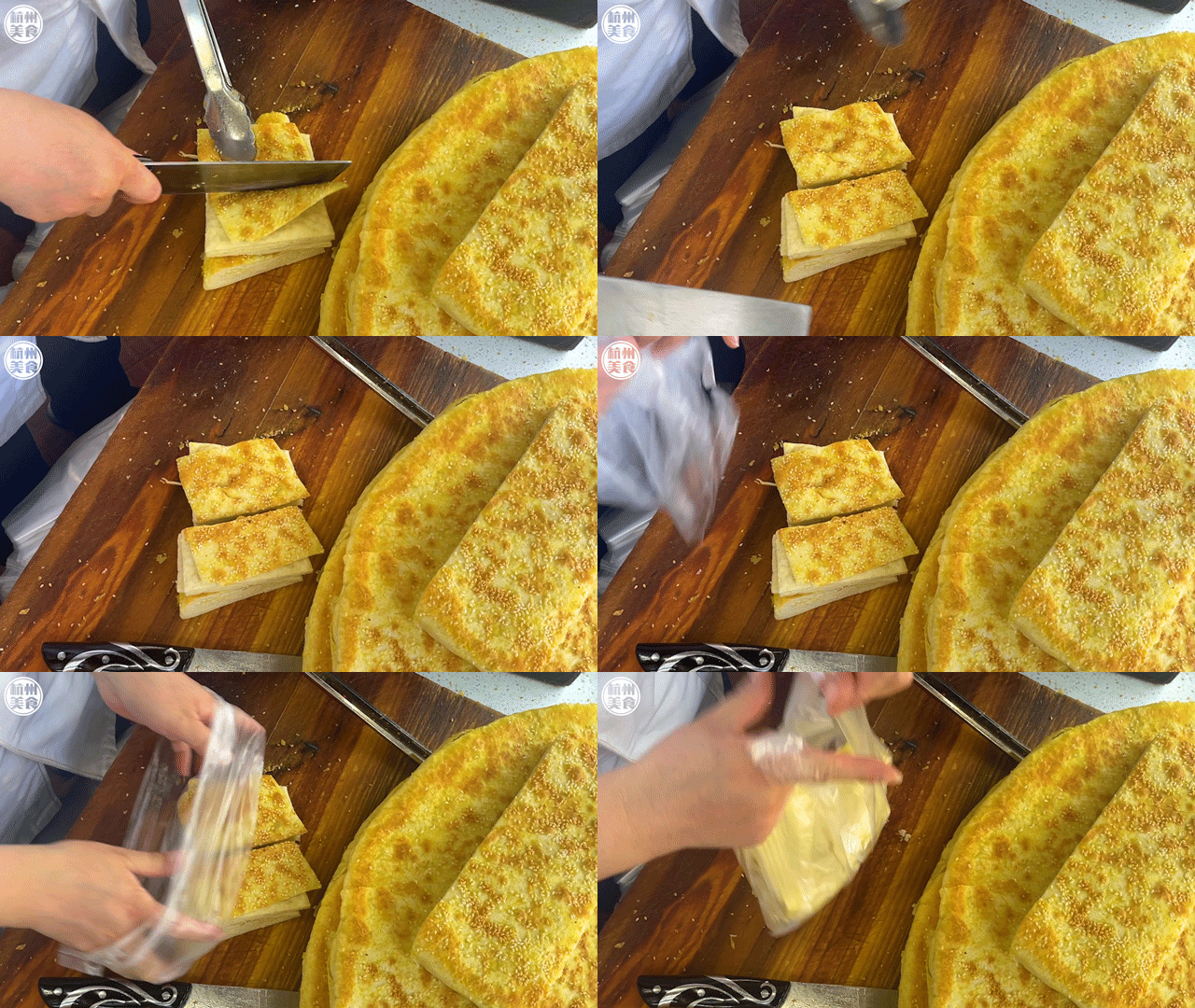
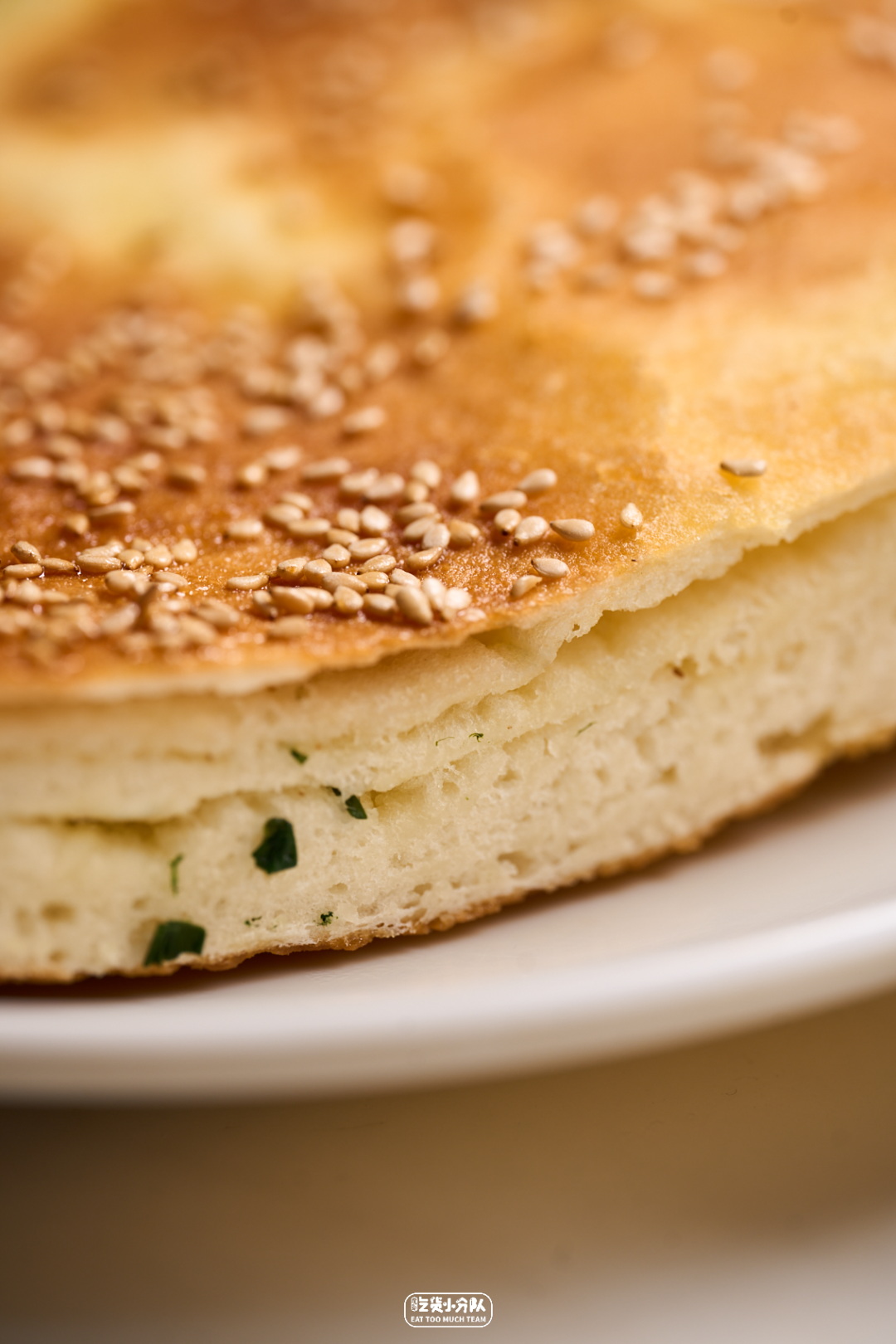
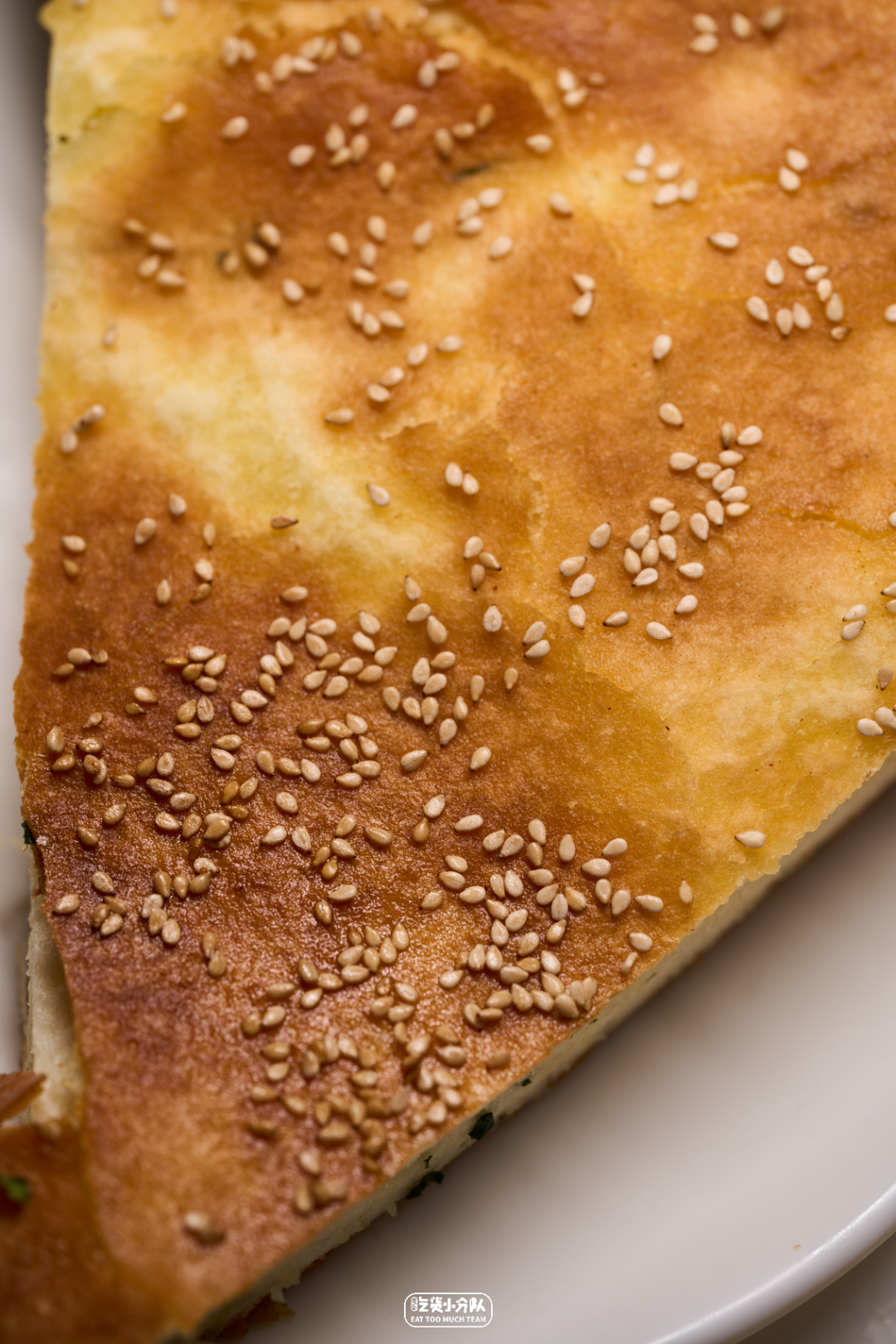
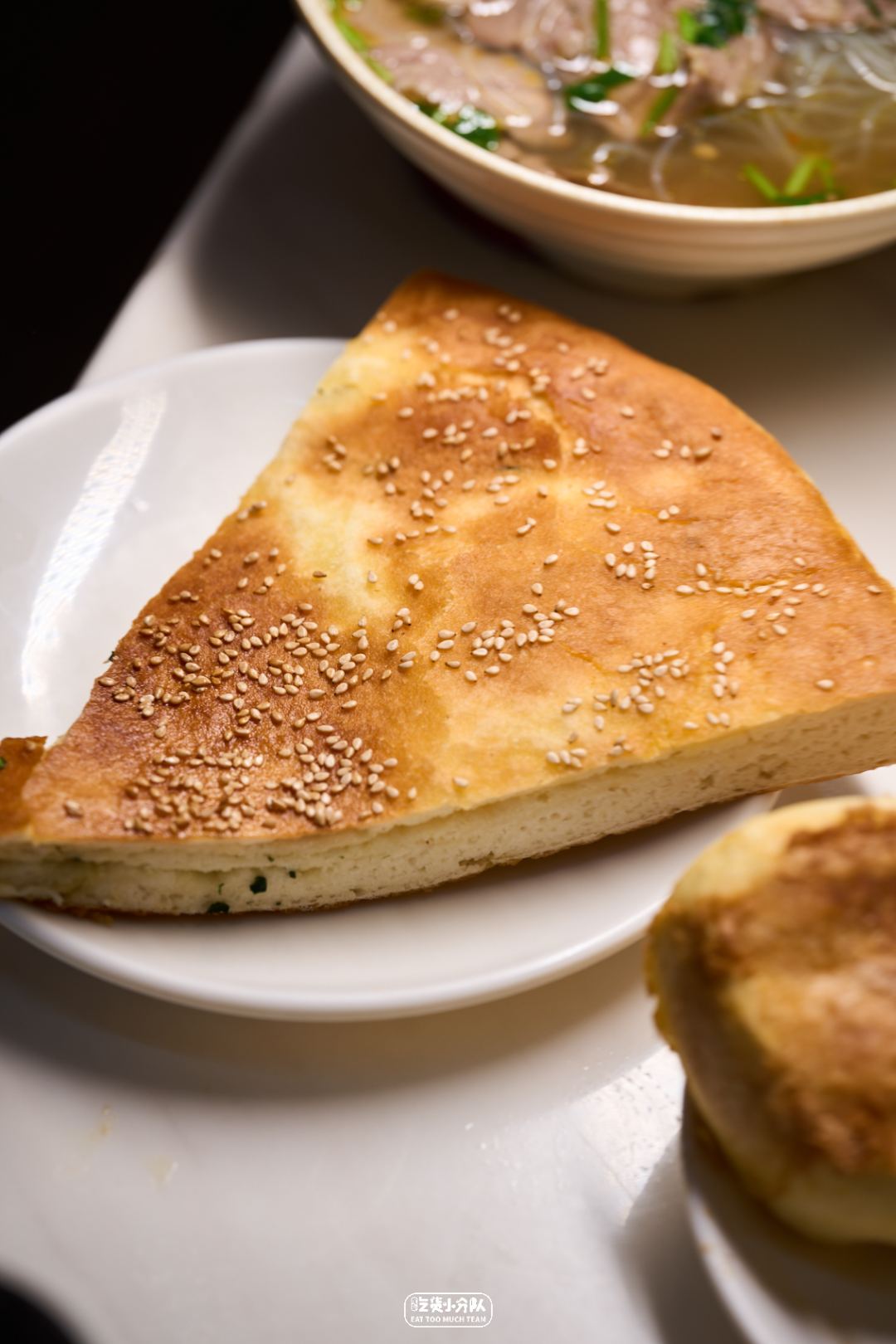
Baked one giant wheel at a time, the sesame flatbread (zhiqiangbing) is massive and absolutely loaded with a blanket of sesame seeds.
Freshly baked, it smells incredible. Once it's sliced into semi-circles to cool off and placed right in the window, passersby are more than happy to buy it by weight.

The auntie weighing the bread won't give you a heads-up when a fresh batch is about to drop, so my advice is to time your visit right—otherwise, you're stuck getting your cold bread nuked in the microwave.
Tucked right inside a major tourist district yet capturing the hearts of true Hangzhou locals, Dongyishun keeps moving with the steady hum of foot traffic and non-stop hustle. Sure, the lines aren't quite as wild as pre-pandemic times, but compared to everything else around it, it's plenty lively.

 Collapse Read »
A 20-Year-Old Halal Spot on Hangzhou's Hefang Street: A Carb Lover's Dream Budget Hidden Gem Where You Can Feasibly Stuff Yourself for Just a Few Bucks
Summary:
Exploring a budget-friendly Halal spot tucked away in the alleys around Hefang Street for over 20 years. Serving up steaming handmade pastries, rich mutton soup, and authentic beef fried noodles, the portions are massive, prices are super wallet-friendly, and it's packed with decades of neighborhood nostalgia and down-to-earth local vibes.
Taking advantage of Hangzhou's recent gorgeous weather, I headed out to wander around the streets near Hefang Street. Walking down Gaoyin Street, there were plenty of restaurants serving local Hangzhou cuisine, but apart from the servers trying to drum up business, there weren't many tourists around.
Except for this one Halal restaurant, Dongyishun. Every time you walk past, you can spot a solid crowd of diners. What on earth keeps drawing so many longtime Hangzhou locals back here?
The open takeout window is completely piled high with Xinjiang-style nang (traditional flatbread), corn cakes, scallion oil pancakes, sesame flatbreads, and more—it's basically absolute heaven for carb lovers.
I heard that when it gets busy, you might have to wait 30 to 40 minutes just for the nang, yet plenty of people buy them five or ten at a time, while others start breaking off pieces to eat right there at the storefront.
Inside the shop, dedicated staff handle every step of the process—kneading the dough, shaping the floral patterns, and slapping the flatbreads into the clay oven. With a satisfying 'smack' as it hits the wall, each piece of nang is securely stuck inside the burning clay oven.
The speed of sticking the dough on and pulling the baked bread back out is lightning fast. The baker mentioned they start grinding away early in the morning past 7 AM and don't wrap things up until 5 or 6 in the evening.
A lot of the nang flatbreads you remember tend to be dry and totally flavorless. But the ones here are a whole different vibe—crispy yet wonderfully chewy.
Fresh out of the oven, the nang is still piping hot, smells amazing, and hits you with a subtle savory kick backed by the rich, nutty aroma of toasted sesame.
Eat it while it's hot and it's super soft; once it cools down, it gets even crunchier. You won't be able to resist breaking off pieces right away, only to realize it just gets better the more you chew. No wonder passing elders can't stop raving about it.
Gaozhuang mantou (steamed buns) go for 1.2 RMB each, while the buckwheat and corn mantou are 1.5 RMB.
Business is booming, with wave after wave of people lining up for buns. The massive basket piled high with mantou empties out in no time.
A friendly auntie runs the counter, so you'll want to figure out what kind of buns and how many you want ahead of time. If you hesitate right in front of the basket, her patience wears thin pretty quick, and she might get a little snappy.
These big, dense mantou are probably winning big purely on their insane value for money. The uncles and aunties queuing up early in the morning are bagging them up ten or twenty at a time.
If your timing is off, you might miss out entirely. But as soon as the delivery truck drops off a fresh batch of Yangbatou Gaozhuang mantou, the auntie is right back at it, hustle mode fully engaged...
I personally have to shout out the corn cakes straight out of the steamer. They're a gorgeous golden yellow and totally chubby. They look totally unassuming at first glance, but you'll fall in love at first bite.
When you first grab a corn cake, it's insanely soft and fluffy. Break it open and take a bite—it's soft, sweet, moist, and packs a subtle, refreshing aroma. There are even raisins baked inside. Just 3 RMB each.
That said, the moment it cools down, it turns firm and loses a lot of that amazing texture, so definitely make sure you eat it while it's hot.
The beef patties, pan-fried ahead of time, sit right there on an iron griddle, ready to be reheated if you're buying them to eat immediately.
Break one open and you'll find the beef filling is pretty sparse, mixed in with a generous amount of glass noodles. The golden, fluffy crust still makes for a pretty flavorful bite, though.
Ranked as the top scallion oil pancake in Hangzhou on Dianping, this scallion oil pancake goes for 5 RMB a pop, so naturally, I couldn't pass it up.
Looking ultra-crispy with tons of flaky layers, this huge golden pancake looks super inviting. Unfortunately, it ends up tasting dry and overly greasy on the palate—no pleasant surprises here, honestly just a bit of a letdown.
Baked one giant wheel at a time, the sesame flatbread (zhiqiangbing) is massive and absolutely loaded with a blanket of sesame seeds.
Freshly baked, it smells incredible. Once it's sliced into semi-circles to cool off and placed right in the window, passersby are more than happy to buy it by weight.
The auntie weighing the bread won't give you a heads-up when a fresh batch is about to drop, so my advice is to time your visit right—otherwise, you're stuck getting your cold bread nuked in the microwave.
Tucked right inside a major tourist district yet capturing the hearts of true Hangzhou locals, Dongyishun keeps moving with the steady hum of foot traffic and non-stop hustle. Sure, the lines aren't quite as wild as pre-pandemic times, but compared to everything else around it, it's plenty lively.
Collapse Read »
Ultimate Hangzhou Halal Food Guide 2026: Best Spots, Old-School Eateries & Muslim Cuisine
[Internet Repost]
Ultimate Hangzhou Halal Food Guide (2026 Latest Curated List): A Complete Guide to Time-Honored Spots and Authentic Halal Eateries
Summary:
The 2026 Hangzhou Halal Dining Boutique Guide features top-tier halal restaurants including Dongyishun, Pinhuiwei, Mashi Maizhou, Master Tong's Old Beijing Zhizi BBQ, and Xinjiang Inside & Out. Includes detailed dish recommendations, ambiance highlights, and dining tips to effortlessly solve all your halal food cravings in Hangzhou.
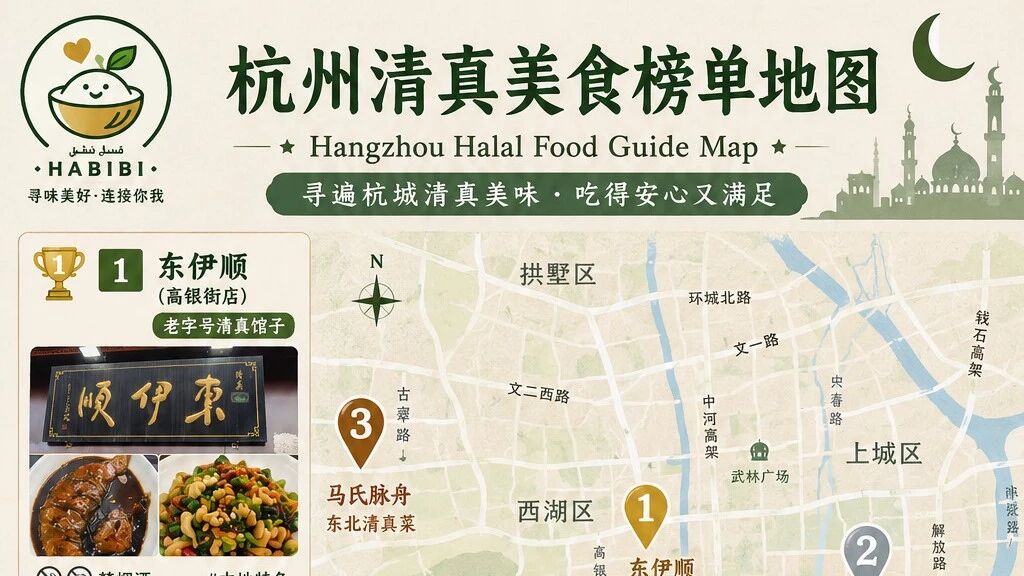
Dongyishun (Gaoyin Street Branch) — Time-Honored Halal Restaurant
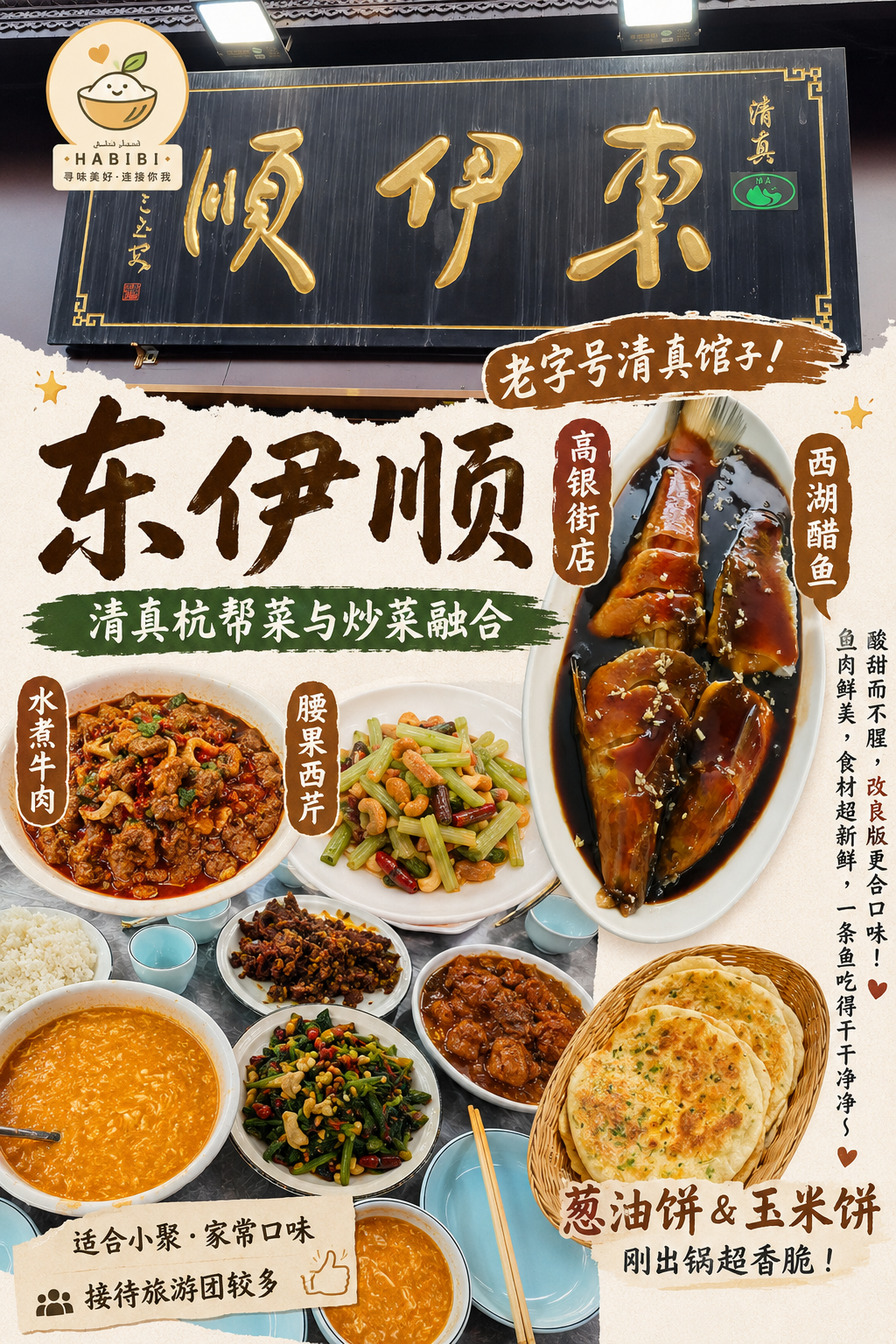
Specializes in a fusion of halal Hangzhou cuisine and stir-fries. Highly recommend their scallion pancakes and corn pancakes—super crispy right out of the pan. For mains, the cashew celery and shuizhu niurou (Sichuan-style boiled beef) are absolute rice-killers. You can also get home-style versions of West Lake fish in vinegar gravy and Longjing shrimp, making it great for small get-togethers. They also host tour groups quite often.
#LocalSpecialty #NoSmokingOrDrinking
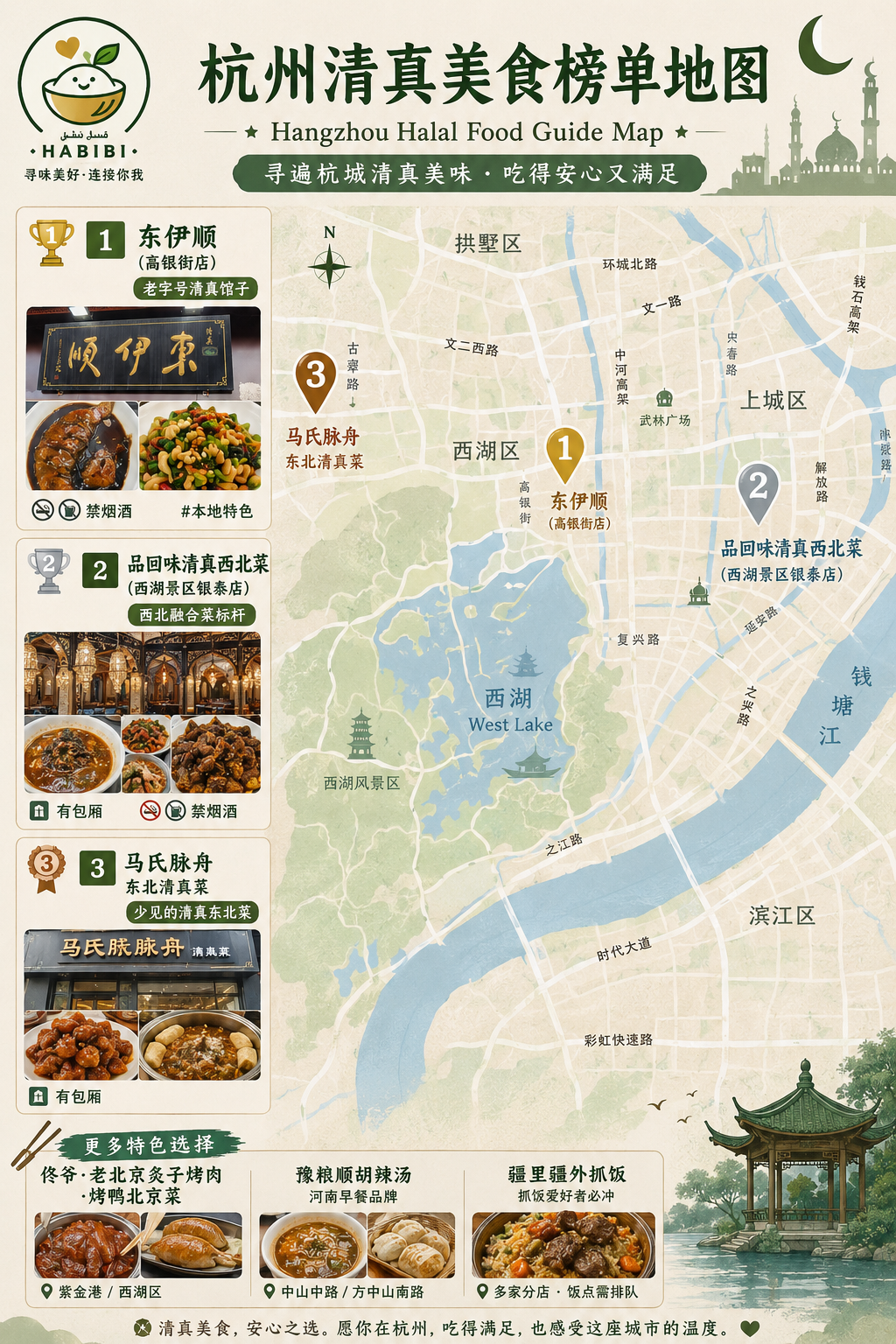
Pinhuiwei Halal Northwest Cuisine (West Lake Scenic Area Intime City Branch)
Truly a benchmark for halal Northwest cuisine in Hangzhou, focusing on fusion Northwest dishes with locations in both Hangzhou and Shanghai. (The flagship store is recommended here.) The interior has an exotic vibe, and the servers wear ethnic costumes, making for a fantastic vibe that's ideal for group dining or entertaining guests. If you're visiting from Northwest China, you can also order some other dishes.
#PrivateRoomsAvailable #NoSmokingOrDrinking
Mashi Maizhou Northeast Chinese Halal Cuisine (Wenyu Road Branch)
A rare find for halal Northeast Chinese food, located on Gucui Road. The chicken guobaorou (crispy sweet and sour chicken) is crispy and authentic, the di san xian (stir-fried eggplant, potatoes, and peppers) is rich and massive in portion, and the flatbread for the diguo ji (iron-pot chicken) is super fragrant. Portion sizes are huge overall—just two dishes are plenty for two people. Generous and unpretentious, and the location is easy to find.
#PrivateRoomsAvailable
More Special Selections
Master Tong's Old Beijing Zhizi BBQ, Roast Duck & Beijing Cuisine (Hangzhou First Branch)
They currently have two locations in Hangzhou. The dishes and vibe are both on point, so you basically can't go wrong. If you love Beijing cuisine, this should be your top pick.
Yuliangshun Hualatang (Hangzhou Flagship Store)
A halal Henan breakfast spot in Hangzhou currently running three locations. Great for grabbing a morning bite to get a feel for the local vibe. The shop is small, but it has more wok qi (the distinct breath of the wok) than Zhongshan Road, and everything is delicious.
Xinjiang Inside & Out Pulao (Longfo Hangzhou Xixi Tianjie Branch)
One of the top-tier pulao (Xinjiang spiced rice with meat) spots in Hangzhou. Expect lines during peak meal times—a must-visit for pilaf lovers.
Lale Turkish Restaurant (Hubin West Lake Branch)
One of the halal restaurants closest to West Lake. Both the food and decor are great, and it's super convenient for hosting friends.
In the past, you might have spotted a restaurant on Xiaohongshu, bookmarked another on Dianping, and saved a few screenshots in group chats. But when you actually arrive in an unfamiliar city and want to grab a bite, you have to search all over again: you forget the name, the address is hard to find, you aren't sure if they're still in business, and it's tough to quickly confirm signature dishes or what else is nearby.
Now, you can search and bookmark these restaurants by city with one tap on iHabibi, and check out authentic shares and replies from local lifestyle partners. We want to organize scattered information into a long-term, constantly updated, ready-to-use halal food gateway—so that those who need it can find it, great halal spots can stick around, and they can go places. Collapse Read »
Ultimate Hangzhou Halal Food Guide (2026 Latest Curated List): A Complete Guide to Time-Honored Spots and Authentic Halal Eateries
Summary:
The 2026 Hangzhou Halal Dining Boutique Guide features top-tier halal restaurants including Dongyishun, Pinhuiwei, Mashi Maizhou, Master Tong's Old Beijing Zhizi BBQ, and Xinjiang Inside & Out. Includes detailed dish recommendations, ambiance highlights, and dining tips to effortlessly solve all your halal food cravings in Hangzhou.
Dongyishun (Gaoyin Street Branch) — Time-Honored Halal Restaurant
Specializes in a fusion of halal Hangzhou cuisine and stir-fries. Highly recommend their scallion pancakes and corn pancakes—super crispy right out of the pan. For mains, the cashew celery and shuizhu niurou (Sichuan-style boiled beef) are absolute rice-killers. You can also get home-style versions of West Lake fish in vinegar gravy and Longjing shrimp, making it great for small get-togethers. They also host tour groups quite often.
#LocalSpecialty #NoSmokingOrDrinking
Pinhuiwei Halal Northwest Cuisine (West Lake Scenic Area Intime City Branch)
Truly a benchmark for halal Northwest cuisine in Hangzhou, focusing on fusion Northwest dishes with locations in both Hangzhou and Shanghai. (The flagship store is recommended here.) The interior has an exotic vibe, and the servers wear ethnic costumes, making for a fantastic vibe that's ideal for group dining or entertaining guests. If you're visiting from Northwest China, you can also order some other dishes.
#PrivateRoomsAvailable #NoSmokingOrDrinking
Mashi Maizhou Northeast Chinese Halal Cuisine (Wenyu Road Branch)
A rare find for halal Northeast Chinese food, located on Gucui Road. The chicken guobaorou (crispy sweet and sour chicken) is crispy and authentic, the di san xian (stir-fried eggplant, potatoes, and peppers) is rich and massive in portion, and the flatbread for the diguo ji (iron-pot chicken) is super fragrant. Portion sizes are huge overall—just two dishes are plenty for two people. Generous and unpretentious, and the location is easy to find.
#PrivateRoomsAvailable
More Special Selections
Master Tong's Old Beijing Zhizi BBQ, Roast Duck & Beijing Cuisine (Hangzhou First Branch)
They currently have two locations in Hangzhou. The dishes and vibe are both on point, so you basically can't go wrong. If you love Beijing cuisine, this should be your top pick.
Yuliangshun Hualatang (Hangzhou Flagship Store)
A halal Henan breakfast spot in Hangzhou currently running three locations. Great for grabbing a morning bite to get a feel for the local vibe. The shop is small, but it has more wok qi (the distinct breath of the wok) than Zhongshan Road, and everything is delicious.
Xinjiang Inside & Out Pulao (Longfo Hangzhou Xixi Tianjie Branch)
One of the top-tier pulao (Xinjiang spiced rice with meat) spots in Hangzhou. Expect lines during peak meal times—a must-visit for pilaf lovers.
Lale Turkish Restaurant (Hubin West Lake Branch)
One of the halal restaurants closest to West Lake. Both the food and decor are great, and it's super convenient for hosting friends.
In the past, you might have spotted a restaurant on Xiaohongshu, bookmarked another on Dianping, and saved a few screenshots in group chats. But when you actually arrive in an unfamiliar city and want to grab a bite, you have to search all over again: you forget the name, the address is hard to find, you aren't sure if they're still in business, and it's tough to quickly confirm signature dishes or what else is nearby.
Now, you can search and bookmark these restaurants by city with one tap on iHabibi, and check out authentic shares and replies from local lifestyle partners. We want to organize scattered information into a long-term, constantly updated, ready-to-use halal food gateway—so that those who need it can find it, great halal spots can stick around, and they can go places. Collapse Read »
Hangzhou Halal Food Guide (2026): Top 9西北 & Middle Eastern Spots Near West Lake
[Internet Repost]
Must-Eat Halal Restaurants in Hangzhou (2026 Curated Guide): A Roundup of 9 Top-Rated Northwest, Xinjiang, and Middle Eastern Halal Spots
Abstract:
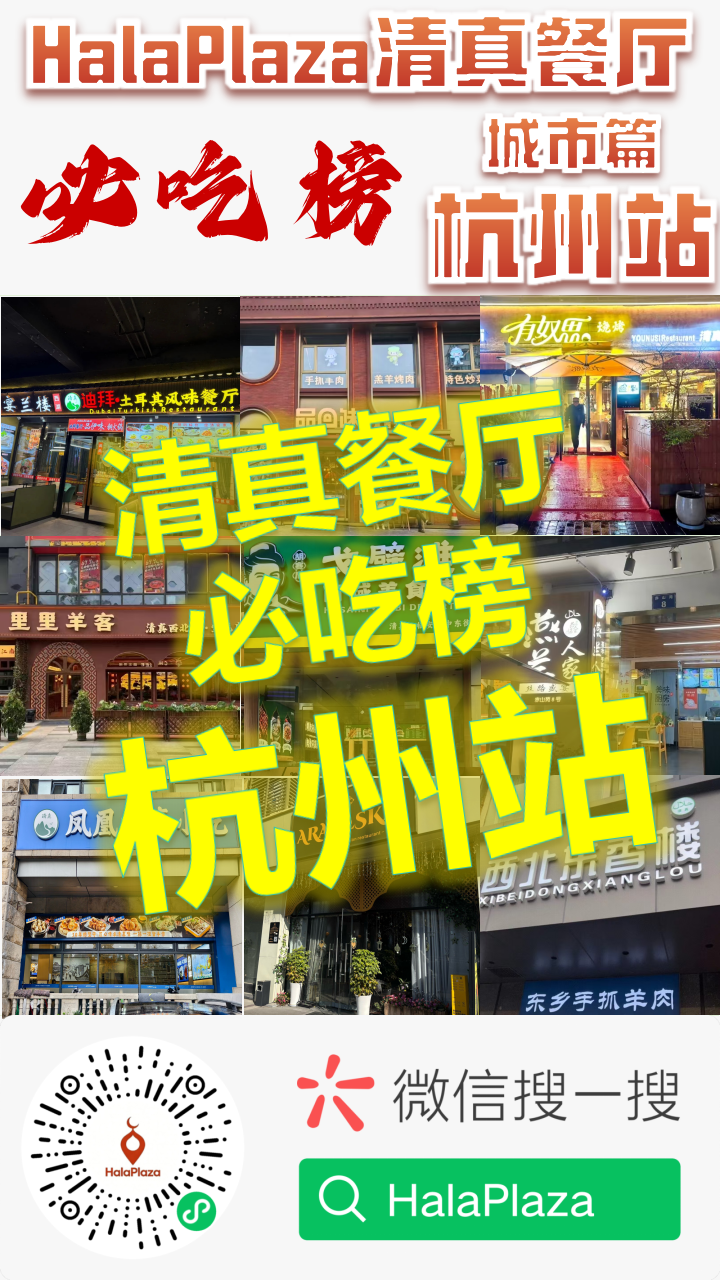
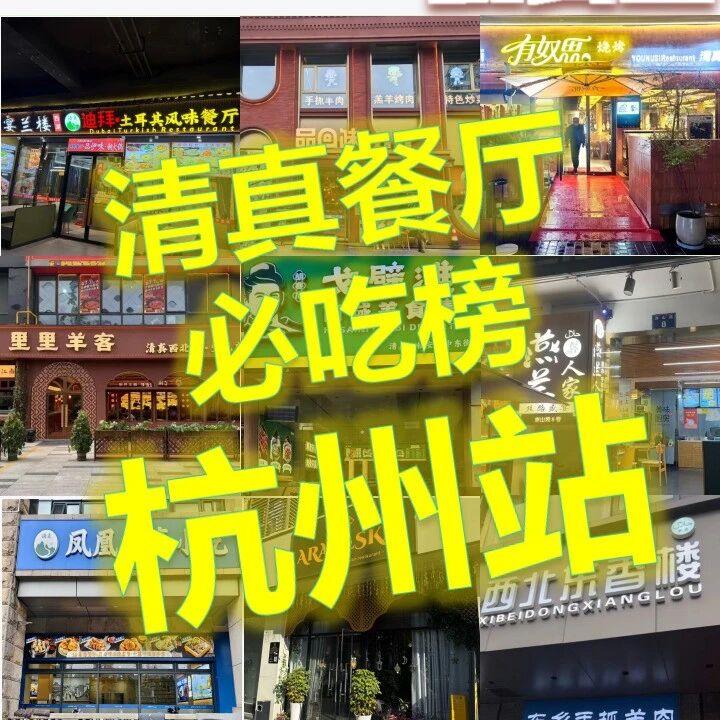
A curated bucket list of 9 top-rated halal restaurants in and around downtown Hangzhou. Featuring diverse flavors like Yanlanlou Lake View Restaurant, Younusi Copper Pot Shabu-Shabu, Fenghuang Halal Snacks, and ARABE SKA Middle Eastern Cuisine, complete with clear average spending per person to make daily spot-hunting effortless.
For friends living in or traveling to Hangzhou for work, we’ve put together 9 go-to, highly-rated halal spots. Save this list and pull it up whenever you're ready to eat!
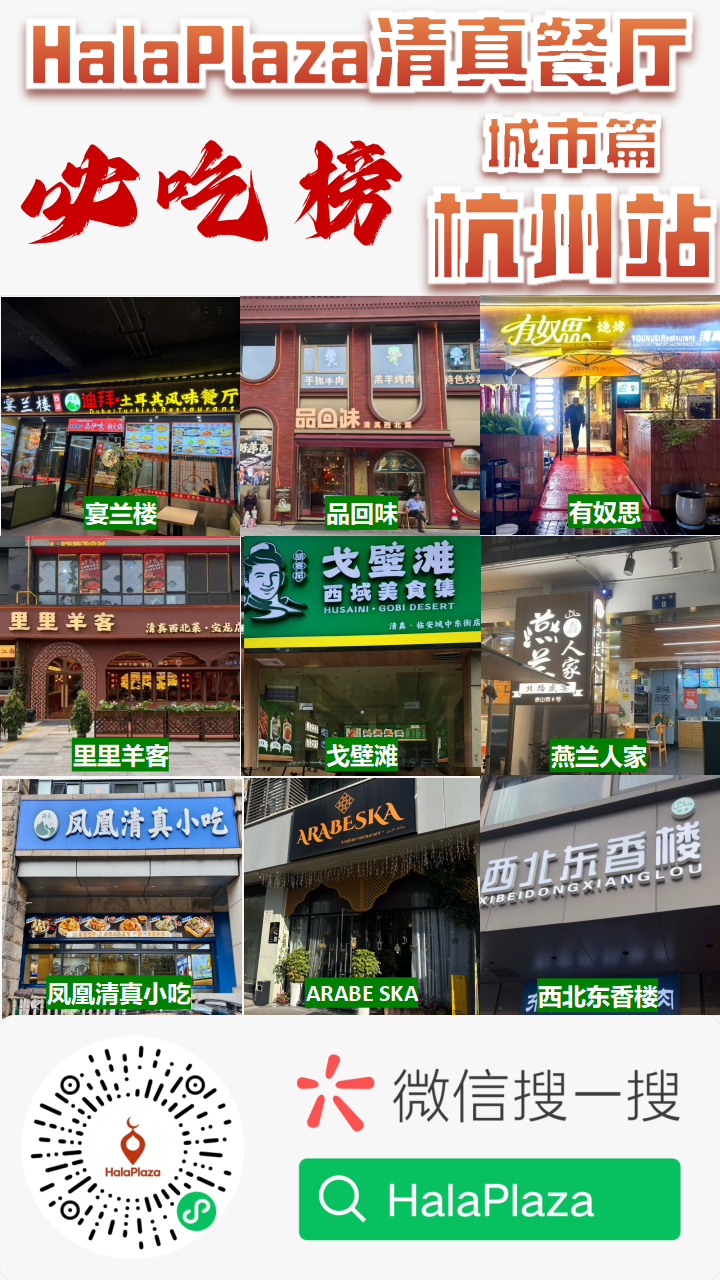
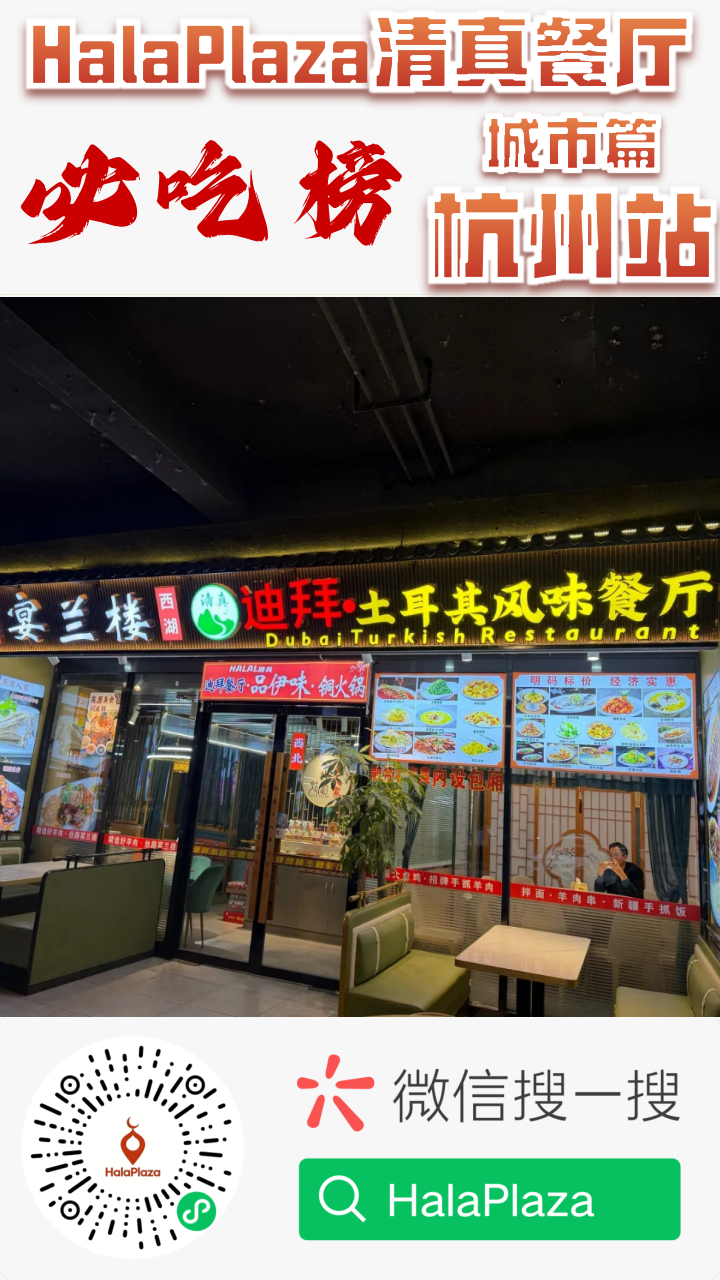
1️⃣ Yanlanlou Northwestern & Xinjiang Cuisine (West Lake Music Fountain Branch)
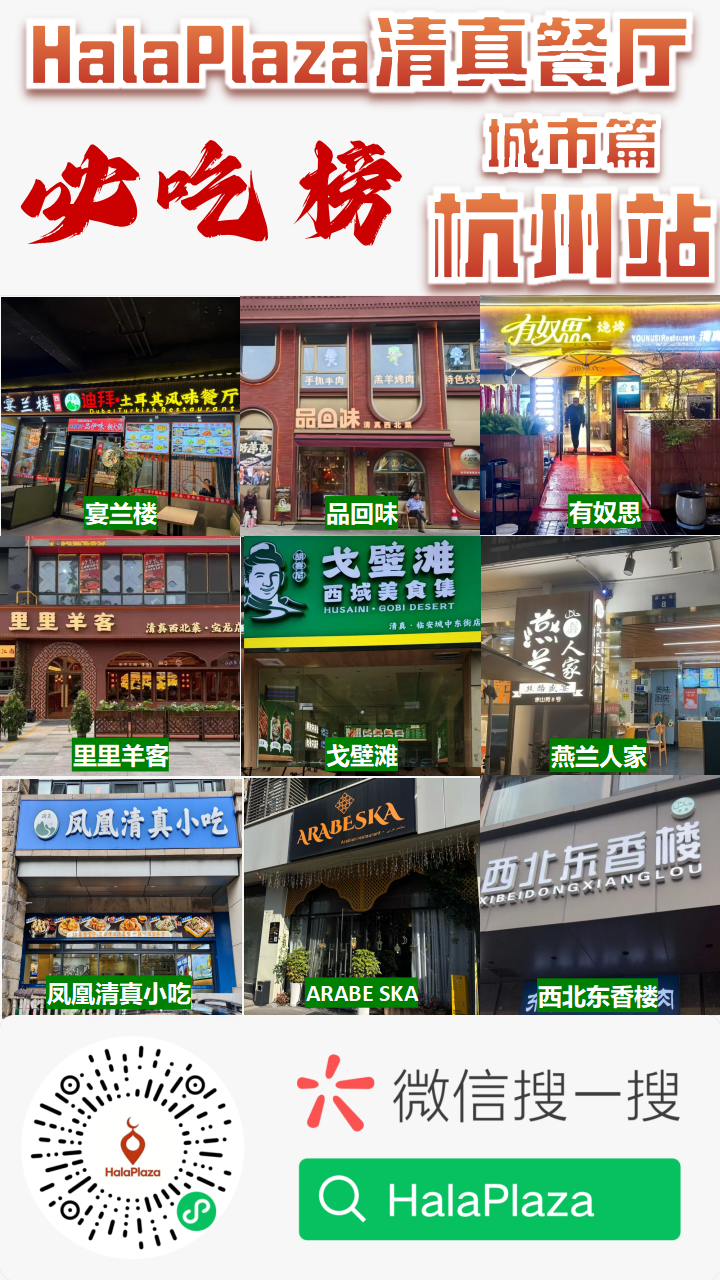
A Silk Road-style halal restaurant right by West Lake, with lake-view seating that's perfect for team dinners and banquets. Signature dishes include Dongxiang shouzhua yangrou (hand-grabbed lamb), scallion-stir-fried beef, West Lake fish in vinegar gravy, and baked stuffed buns. Average spending: 90 RMB per person.
2️⃣ Pin Hui Wei Halal Northwestern Cuisine (West Lake Yintai Branch)
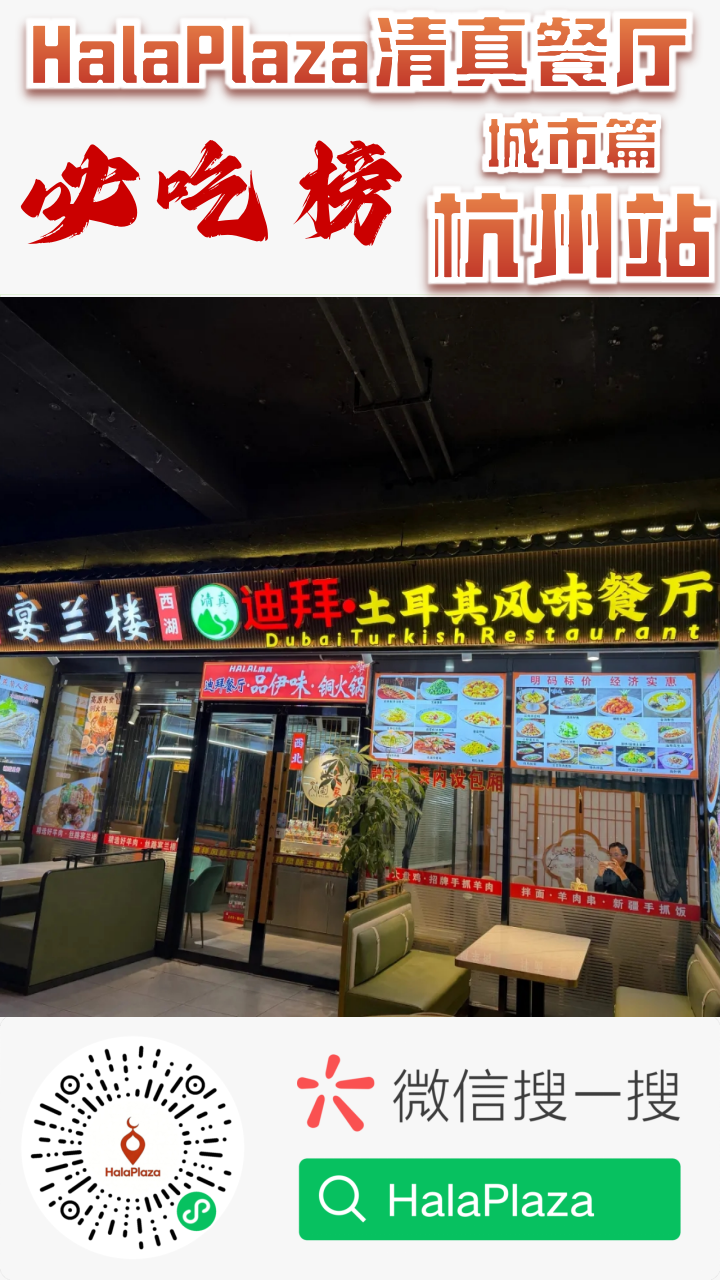
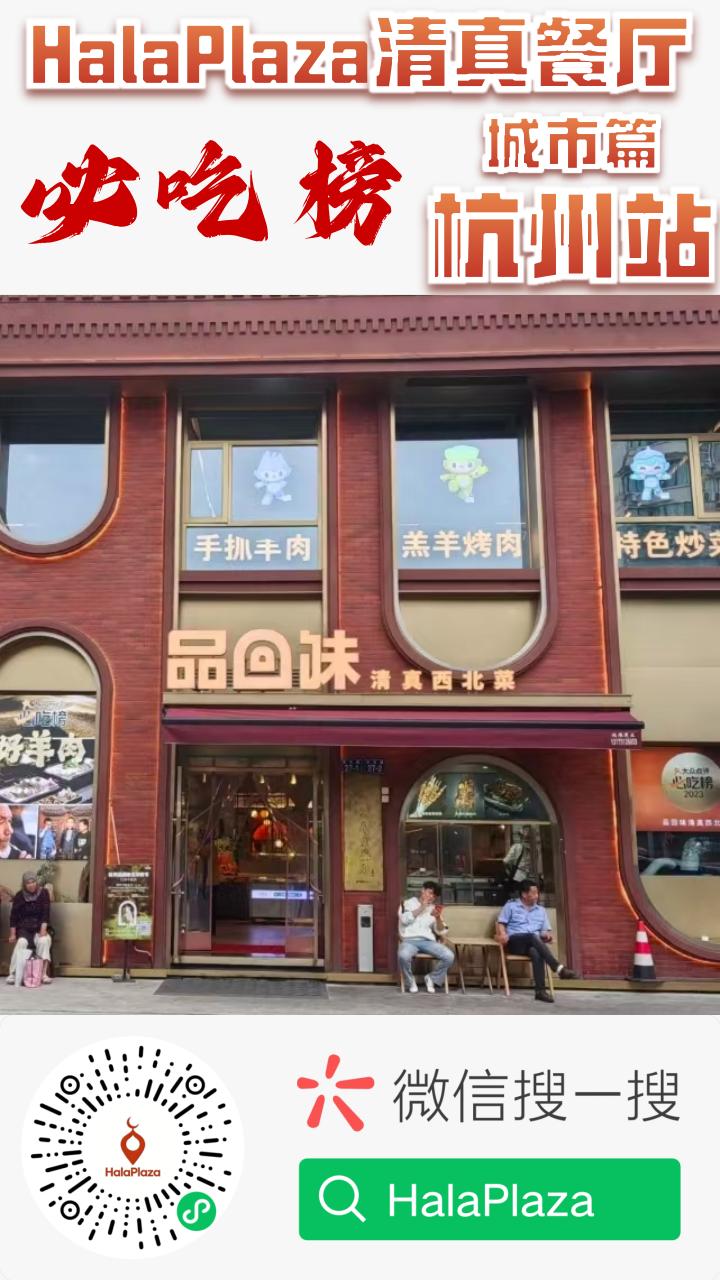
Exquisite halal Northwestern cuisine at West Lake Yintai, featuring a sleek black-and-gold aesthetic. Signature dishes include shouzhua yangrou (hand-grabbed lamb), dapanji (Xinjiang big plate chicken), Xinjiang shouzhua fan (Xinjiang hand-grabbed rice), and Dunhuang liangpi (cold skin noodles). The lamb is flown in fresh, tender and game-free, with authentic flavors and massive crowds. Average spending: 100 RMB per person.
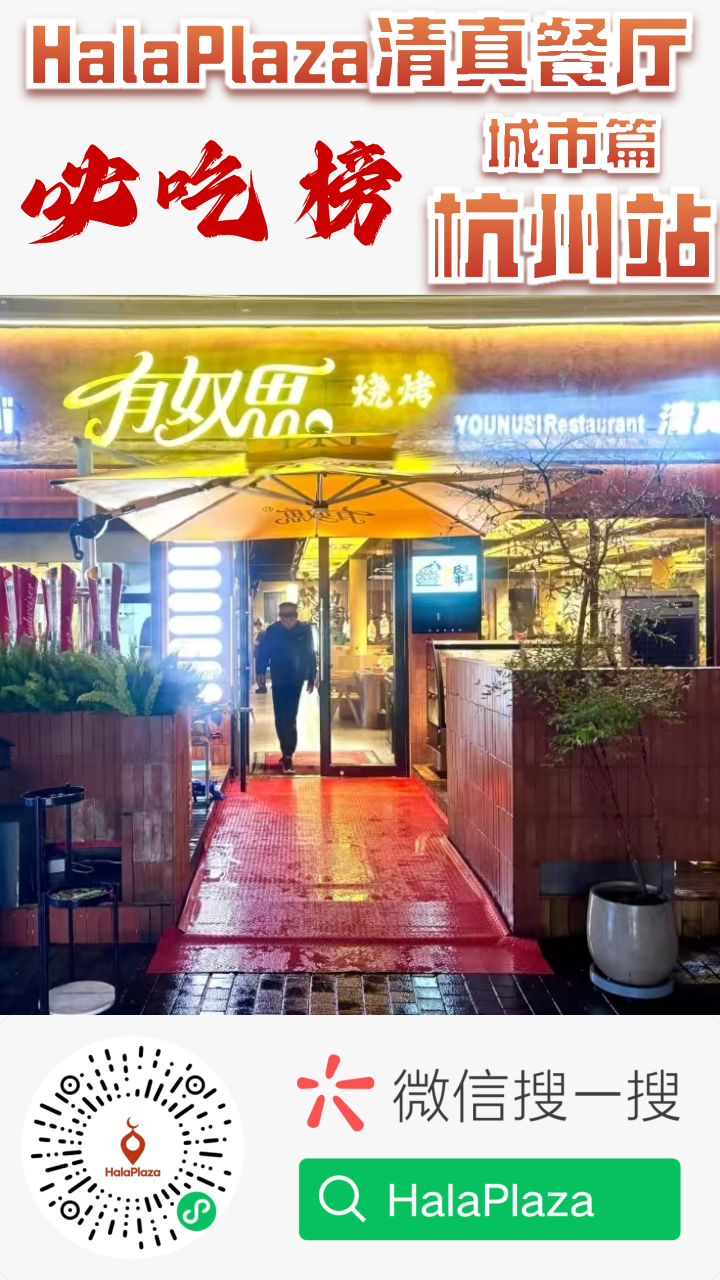
3️⃣ Younusi Barbecue & Copper Pot Shabu-Shabu (Xintiandi Branch)
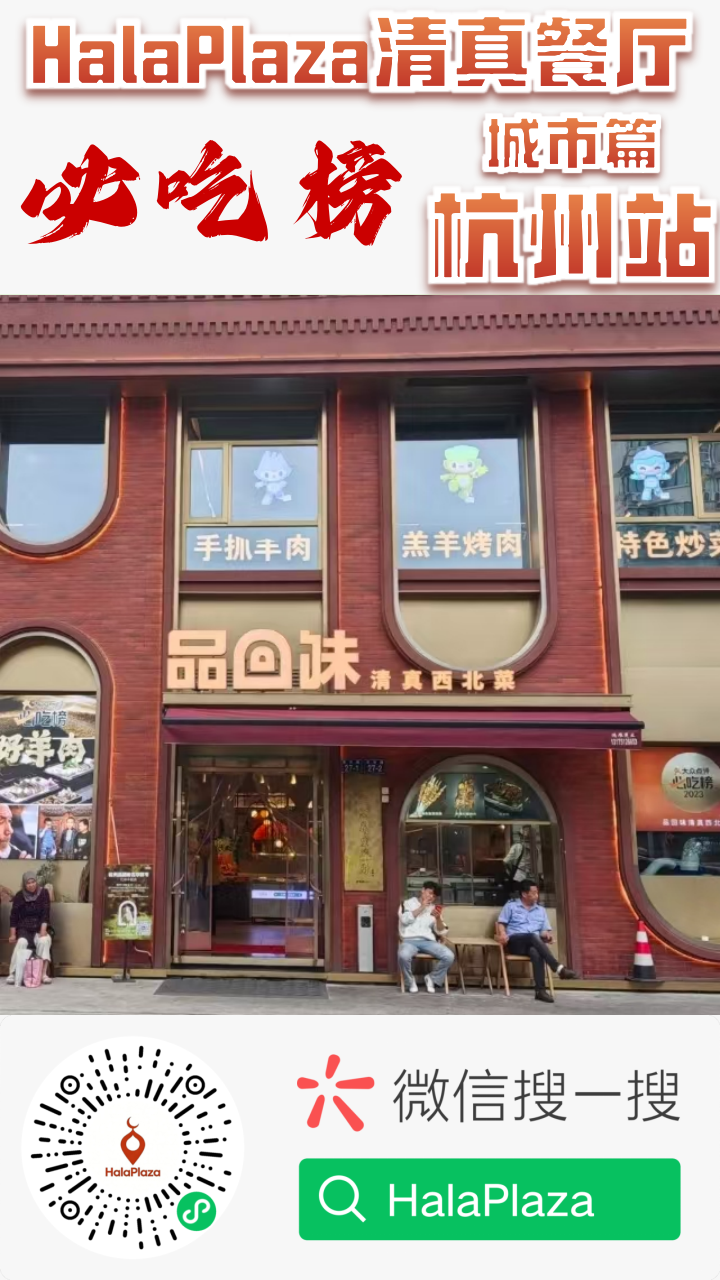
A viral 27-year-old halal barbecue spot from Lanzhou that's been featured on CCTV. Signature items include Qilian Mountain lamb skewers, Sichuan-pepper minced meat toast, spicy sheep spine hot pot, copper pot shabu-shabu, and sweet fermented grain milk tea. The lamb is fresh, tender, and juicy straight off the grill—a late-night snack hotspot. Average spending: 50 RMB per person.
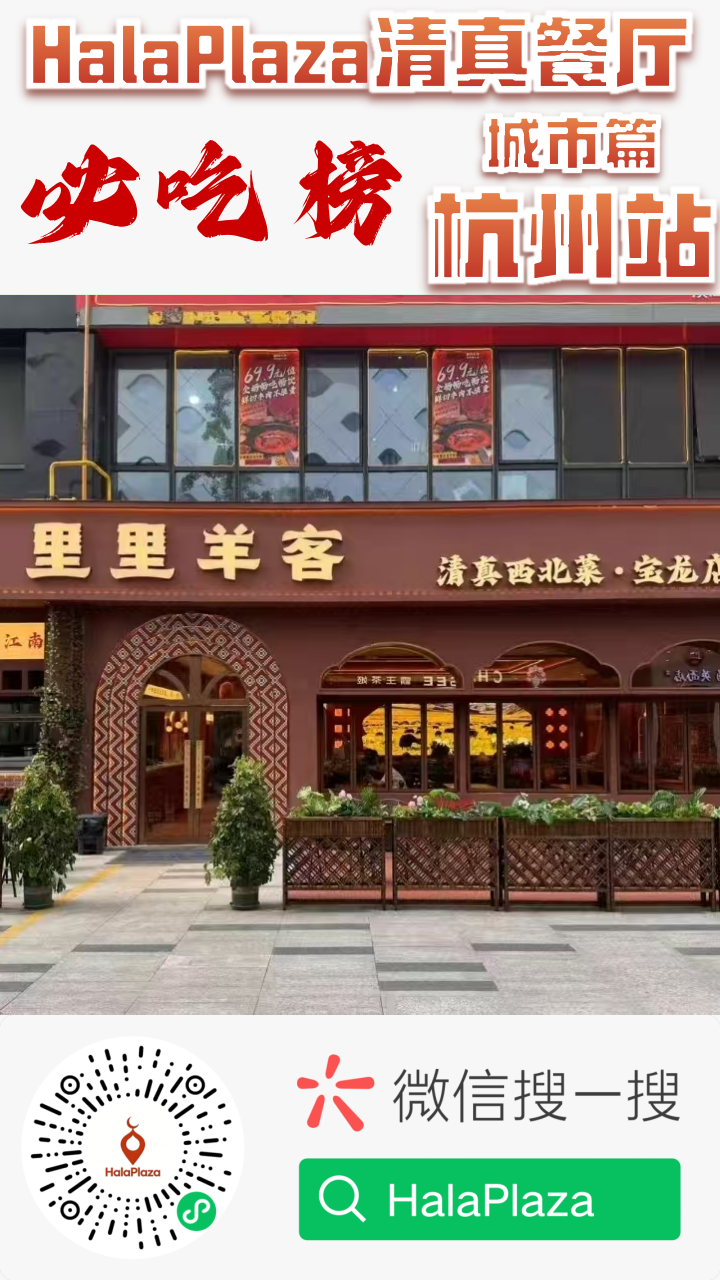
4️⃣ Lili Yangke Halal Northwestern Cuisine (Binjiang Paradise Walk)
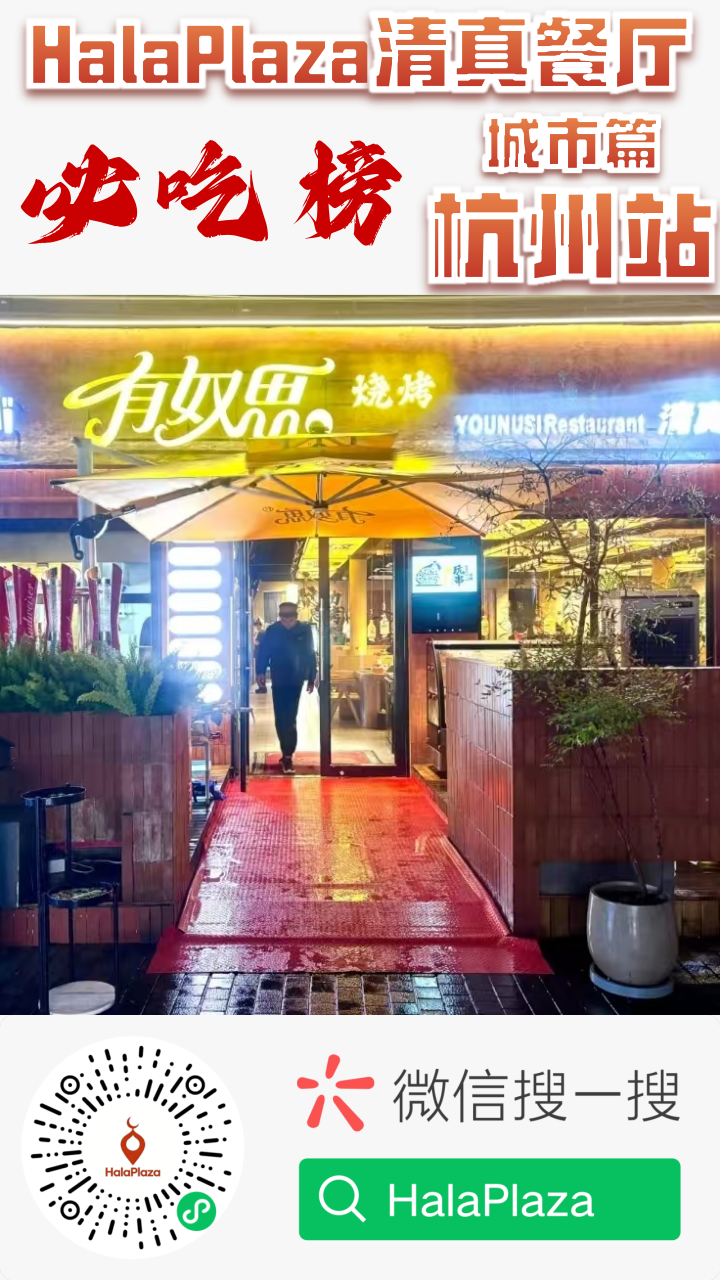
Authentic Gansu halal Northwestern food in Binjiang, featuring premium Dongxiang tribute lamb flown in straight from the source. Signature dishes include Dongxiang shouzhua yangrou (hand-grabbed lamb), penpen yangrou (basin lamb), hand-shredded peppercorn chicken, Xinjiang dapanji (Xinjiang big plate chicken), and Lanzhou tianpeizi (sweet fermented grain soup). The meat has a rich, milky-fresh flavor with generous portions and heavy Silk Road vibes. Average spending: 70 RMB per person.
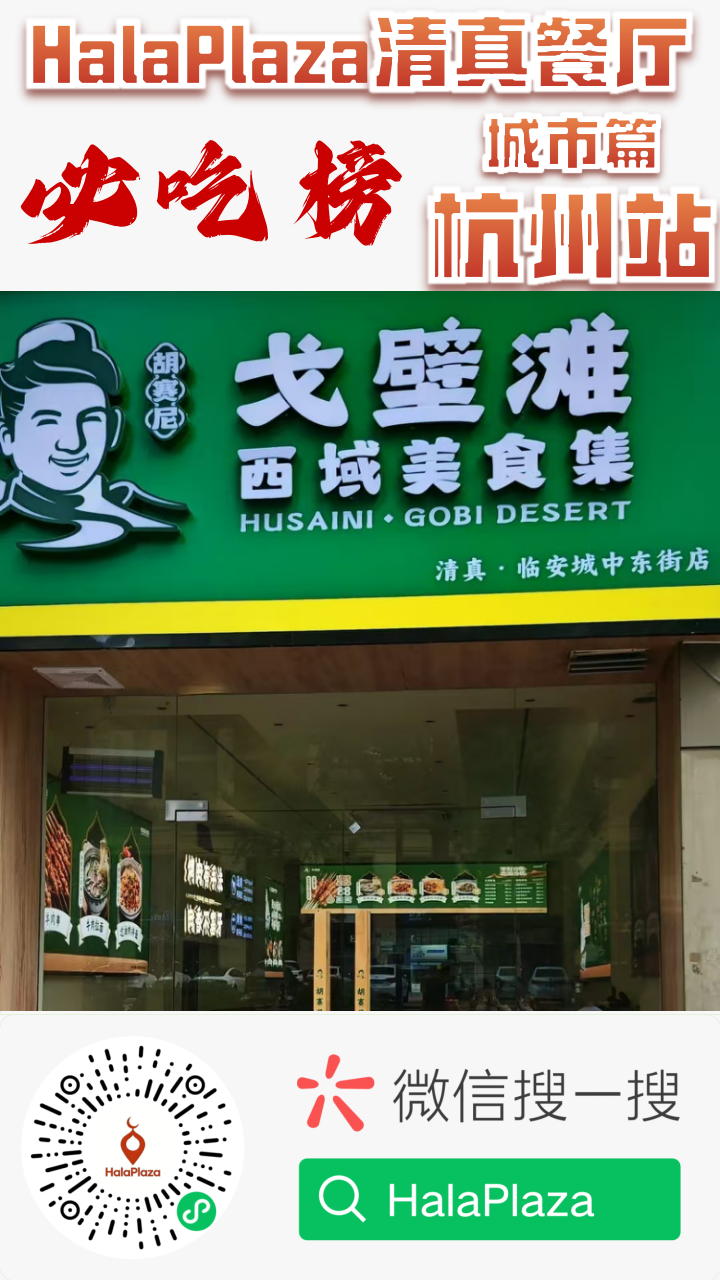
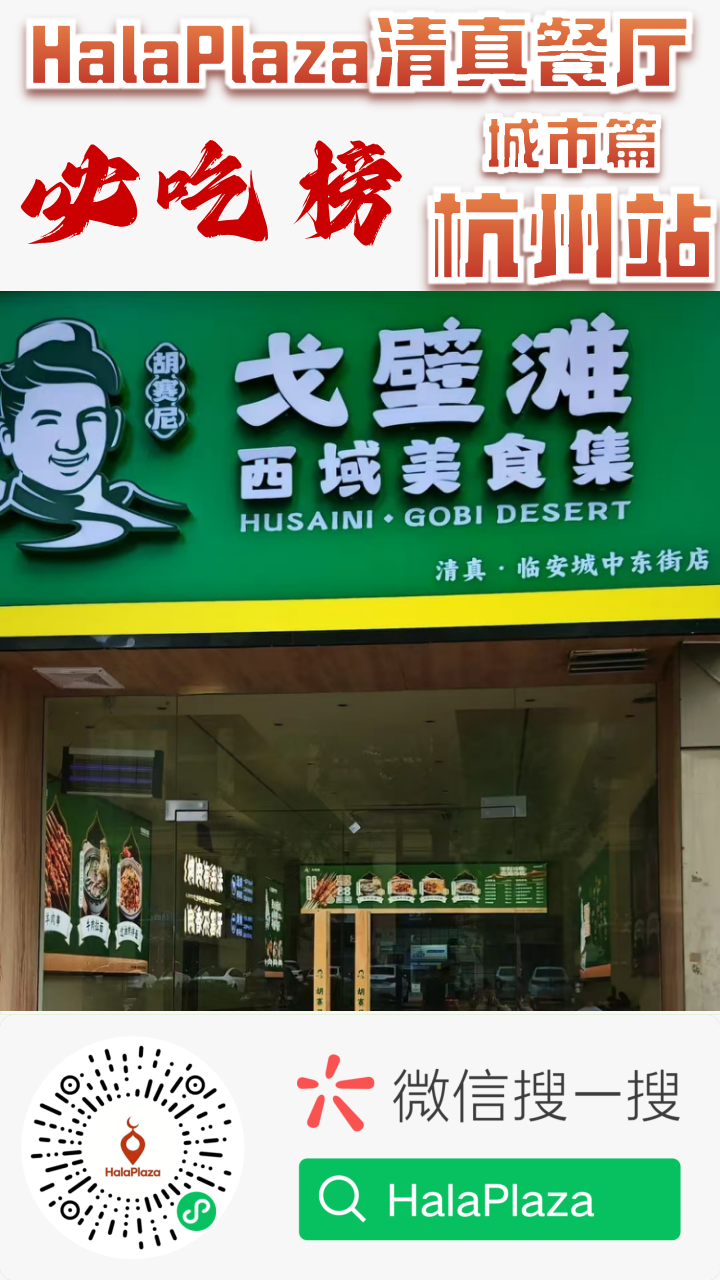
5️⃣ Gobi Barbecue (Lin'an Branch)
A popular halal Silk Road barbecue joint in Lin'an with an incredible street-food atmosphere. Signature dishes include Great Desert grilled lamb chops, lamb skewers, Xinjiang shouzhua fan (Xinjiang hand-grabbed rice), baked naan bread, and guoyourou banmian (fried pork/beef over noodles). Richly savory with crispy outsides and tender insides, it's a top pick for late-night gatherings. Average spending: 60 RMB per person.
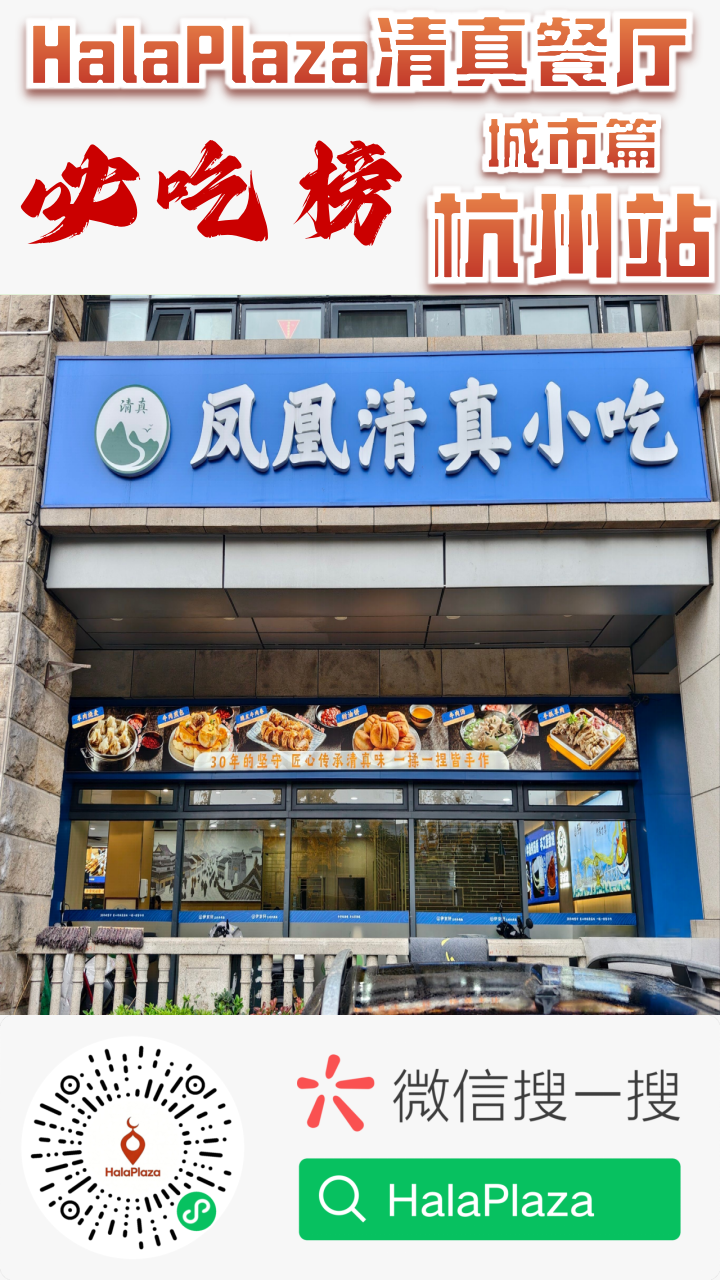
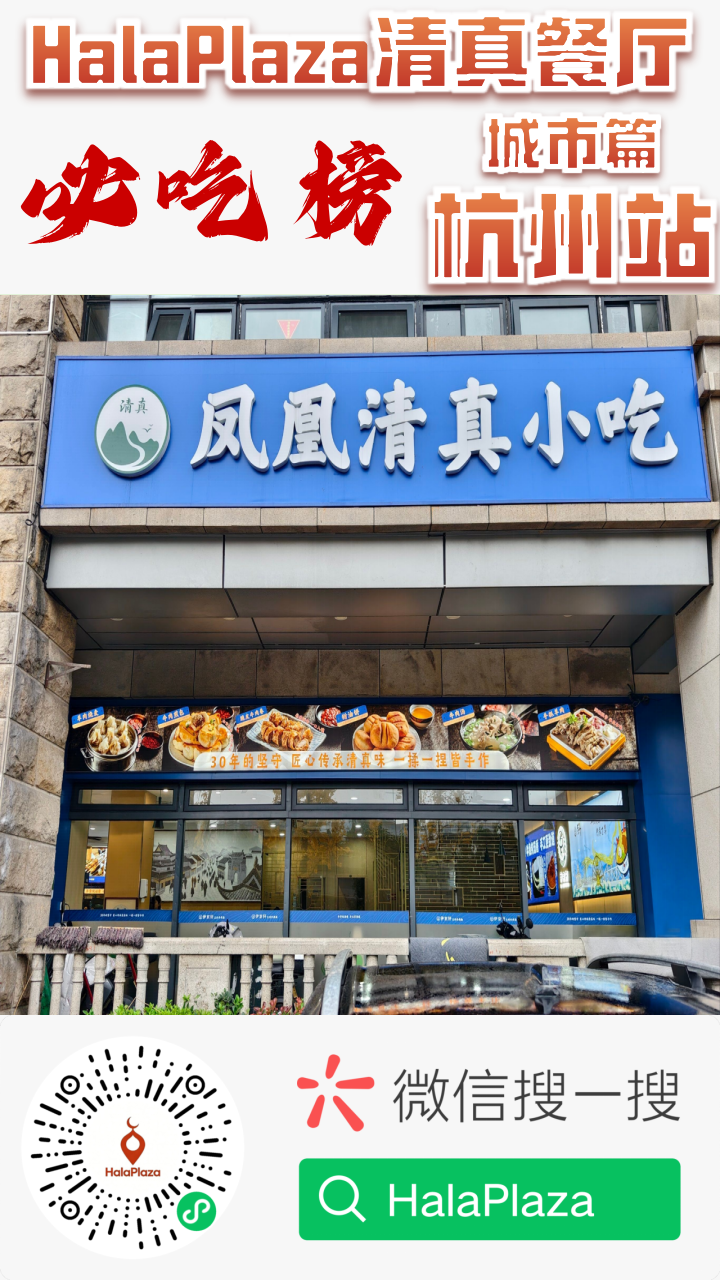
6️⃣ Fenghuang Halal Snacks
A veteran Hui Muslim halal snack spot in Hangzhou, operating right behind Phoenix Mosque for over a decade. Signature items include niurou jianbao (pan-fried beef buns), shaomai (steamed lamb dumplings), beef vermicelli soup, pan-fried lamb dumplings, and casserole beef offal. Thin wrappers with generous fillings, juicy without any gamey taste, and wallet-friendly. Average spending: 30 RMB per person.
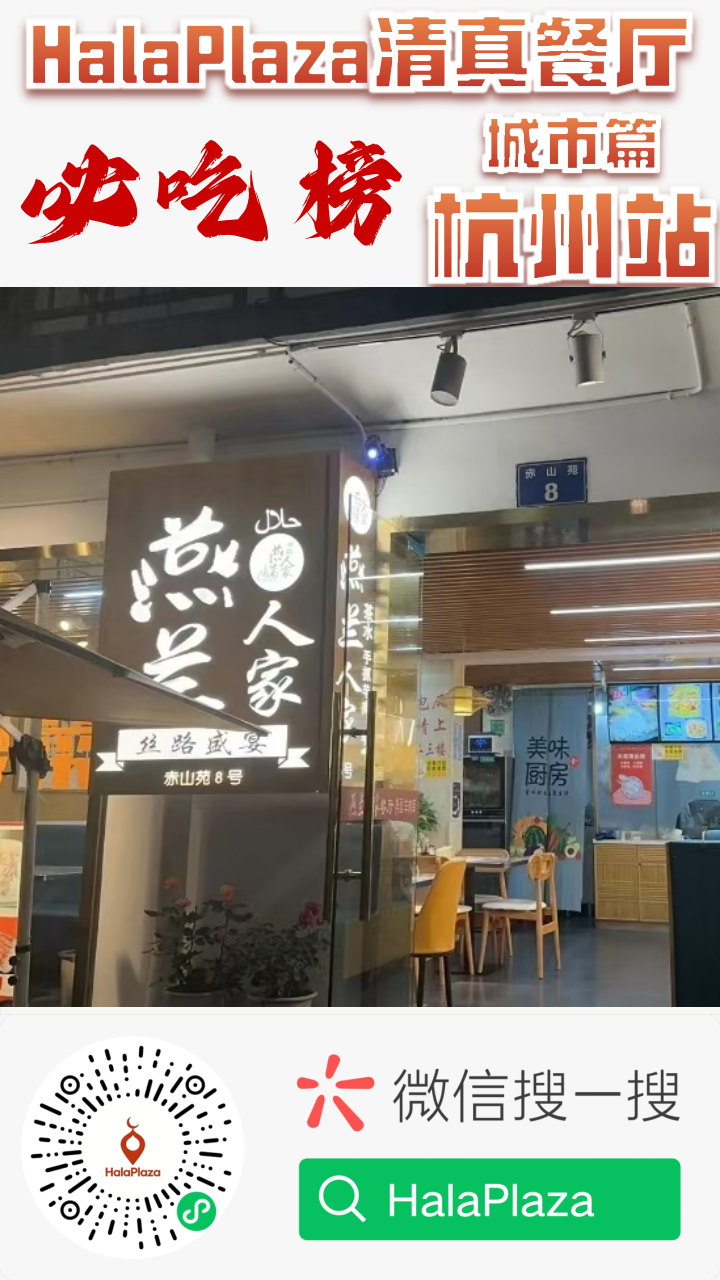
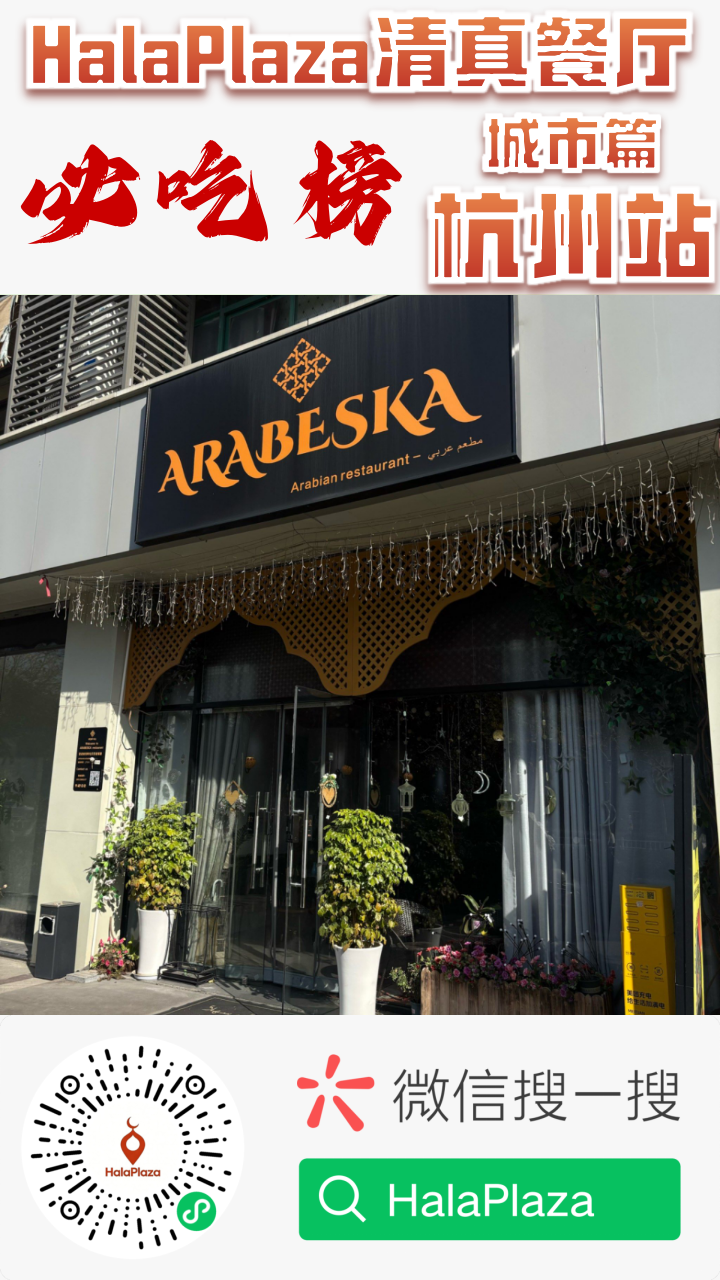
7️⃣ ARABE SKA
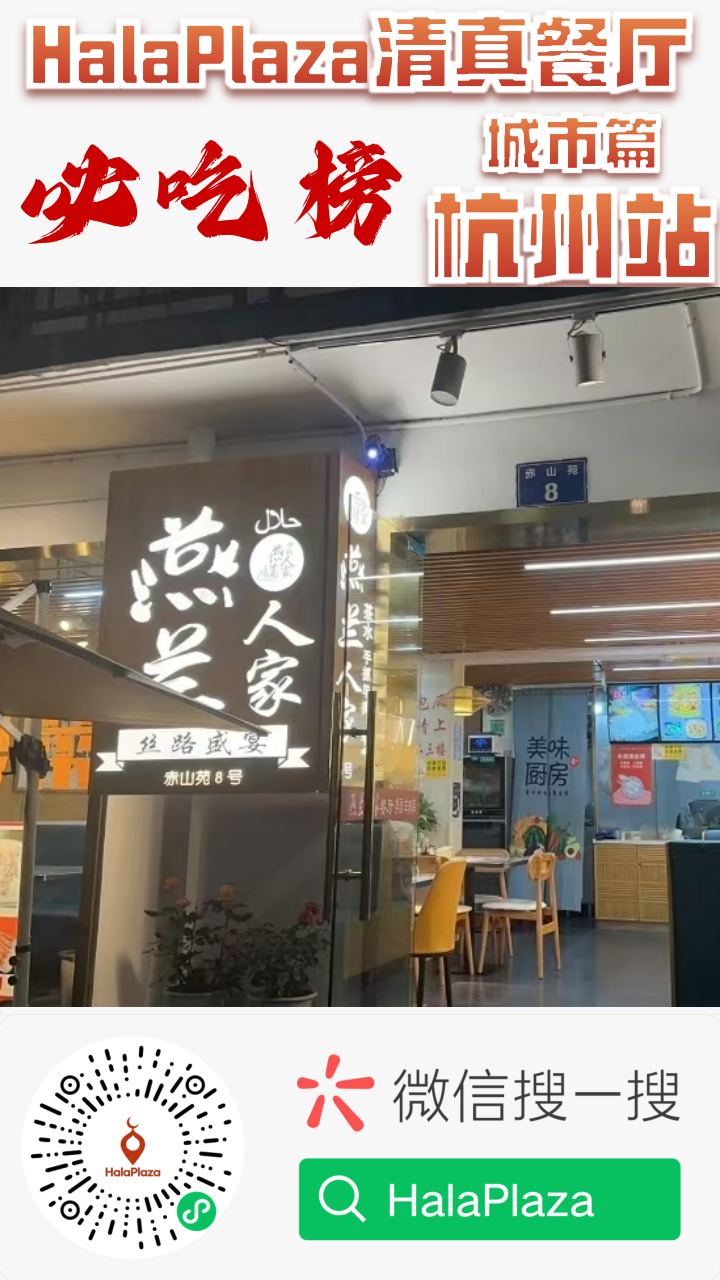
Authentic Middle Eastern halal cuisine in Xiasha, steeped in exotic ambiance. Signature dishes include beef tagine, Arabic flatbread, hummus, chicken kabsa, and beef pizza. Authentic flavors and a unique vibe make this a hidden gem. Average spending: 80 RMB per person.
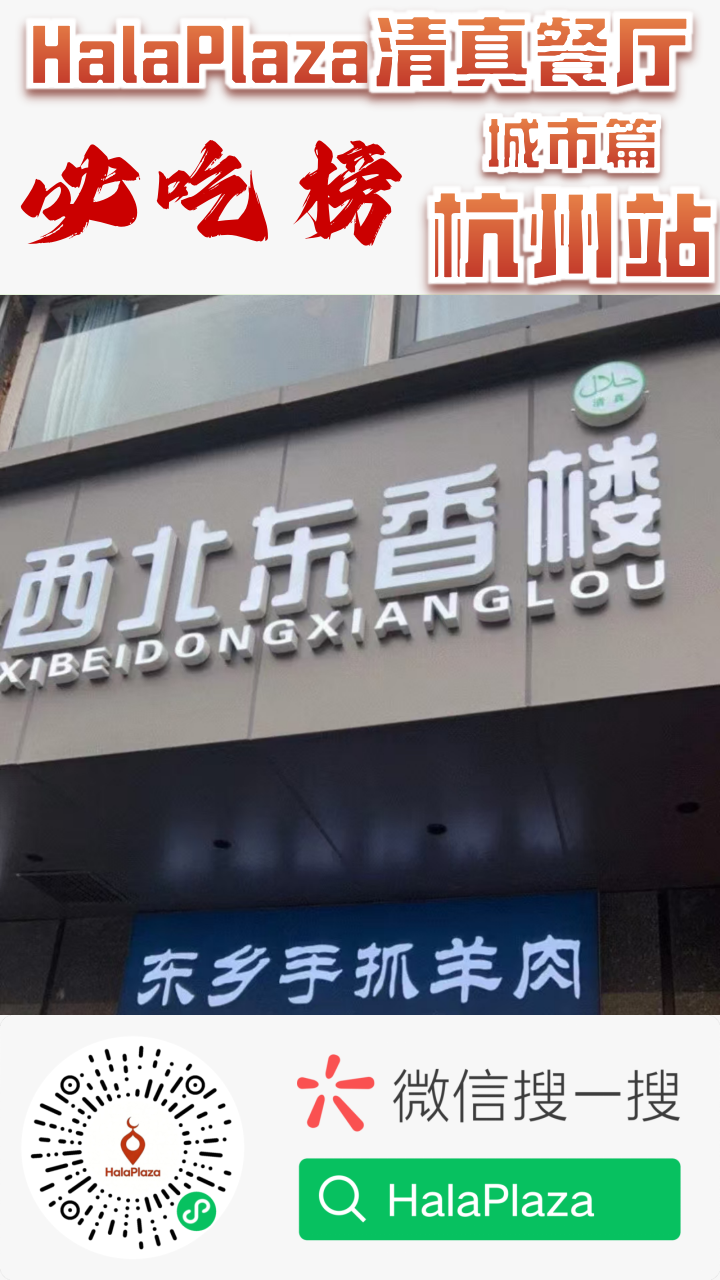
8️⃣ Northwest Dongxianglou (Wensan Road Branch)
A veteran Xinjiang halal restaurant in Xihu District offering great value for money. Signature dishes include dapanji (Xinjiang big plate chicken), shouzhua fan (Xinjiang hand-grabbed rice), lamb skewers, naan-wrapped meat, and Dongxiang shouzhua yangrou (hand-grabbed lamb). Hearty portions, tender and flavorful meat, juicy and game-free. Average spending: 75 RMB per person.
9️⃣ Yanlan Renjia Northwestern & Xinjiang Cuisine
Halal Silk Road dining on Santai Mountain Road near West Lake. Signature dishes include Xinjiang dapanji (Xinjiang big plate chicken), shouzhua fan (Xinjiang hand-grabbed rice), West Lake fish in vinegar gravy, tomato braised beef brisket, and naan-wrapped meat. A rich menu blending Northern and Southern flavors, with tender meat and a location close to West Lake. Average spending: 80 RMB per person.
Open the HalaPlaza WeChat mini-program,
to check nearby halal spots and get directions with a single click,
making daily meals, business trips, group dinners, and spot-hunting totally stress-free~
#HalaPlaza #HalalRestaurant #HalalFood #Halal #HalalFoodHunting #HeritageHalal #HalaPlazaHalalNavigation #HalaPlazaHalalMap #HalalRestaurantMap #HalalRestaurantNavigation Collapse Read »
Must-Eat Halal Restaurants in Hangzhou (2026 Curated Guide): A Roundup of 9 Top-Rated Northwest, Xinjiang, and Middle Eastern Halal Spots
Abstract:
A curated bucket list of 9 top-rated halal restaurants in and around downtown Hangzhou. Featuring diverse flavors like Yanlanlou Lake View Restaurant, Younusi Copper Pot Shabu-Shabu, Fenghuang Halal Snacks, and ARABE SKA Middle Eastern Cuisine, complete with clear average spending per person to make daily spot-hunting effortless.
For friends living in or traveling to Hangzhou for work, we’ve put together 9 go-to, highly-rated halal spots. Save this list and pull it up whenever you're ready to eat!
1️⃣ Yanlanlou Northwestern & Xinjiang Cuisine (West Lake Music Fountain Branch)
A Silk Road-style halal restaurant right by West Lake, with lake-view seating that's perfect for team dinners and banquets. Signature dishes include Dongxiang shouzhua yangrou (hand-grabbed lamb), scallion-stir-fried beef, West Lake fish in vinegar gravy, and baked stuffed buns. Average spending: 90 RMB per person.
2️⃣ Pin Hui Wei Halal Northwestern Cuisine (West Lake Yintai Branch)
Exquisite halal Northwestern cuisine at West Lake Yintai, featuring a sleek black-and-gold aesthetic. Signature dishes include shouzhua yangrou (hand-grabbed lamb), dapanji (Xinjiang big plate chicken), Xinjiang shouzhua fan (Xinjiang hand-grabbed rice), and Dunhuang liangpi (cold skin noodles). The lamb is flown in fresh, tender and game-free, with authentic flavors and massive crowds. Average spending: 100 RMB per person.
3️⃣ Younusi Barbecue & Copper Pot Shabu-Shabu (Xintiandi Branch)
A viral 27-year-old halal barbecue spot from Lanzhou that's been featured on CCTV. Signature items include Qilian Mountain lamb skewers, Sichuan-pepper minced meat toast, spicy sheep spine hot pot, copper pot shabu-shabu, and sweet fermented grain milk tea. The lamb is fresh, tender, and juicy straight off the grill—a late-night snack hotspot. Average spending: 50 RMB per person.
4️⃣ Lili Yangke Halal Northwestern Cuisine (Binjiang Paradise Walk)
Authentic Gansu halal Northwestern food in Binjiang, featuring premium Dongxiang tribute lamb flown in straight from the source. Signature dishes include Dongxiang shouzhua yangrou (hand-grabbed lamb), penpen yangrou (basin lamb), hand-shredded peppercorn chicken, Xinjiang dapanji (Xinjiang big plate chicken), and Lanzhou tianpeizi (sweet fermented grain soup). The meat has a rich, milky-fresh flavor with generous portions and heavy Silk Road vibes. Average spending: 70 RMB per person.
5️⃣ Gobi Barbecue (Lin'an Branch)
A popular halal Silk Road barbecue joint in Lin'an with an incredible street-food atmosphere. Signature dishes include Great Desert grilled lamb chops, lamb skewers, Xinjiang shouzhua fan (Xinjiang hand-grabbed rice), baked naan bread, and guoyourou banmian (fried pork/beef over noodles). Richly savory with crispy outsides and tender insides, it's a top pick for late-night gatherings. Average spending: 60 RMB per person.
6️⃣ Fenghuang Halal Snacks
A veteran Hui Muslim halal snack spot in Hangzhou, operating right behind Phoenix Mosque for over a decade. Signature items include niurou jianbao (pan-fried beef buns), shaomai (steamed lamb dumplings), beef vermicelli soup, pan-fried lamb dumplings, and casserole beef offal. Thin wrappers with generous fillings, juicy without any gamey taste, and wallet-friendly. Average spending: 30 RMB per person.
7️⃣ ARABE SKA
Authentic Middle Eastern halal cuisine in Xiasha, steeped in exotic ambiance. Signature dishes include beef tagine, Arabic flatbread, hummus, chicken kabsa, and beef pizza. Authentic flavors and a unique vibe make this a hidden gem. Average spending: 80 RMB per person.
8️⃣ Northwest Dongxianglou (Wensan Road Branch)
A veteran Xinjiang halal restaurant in Xihu District offering great value for money. Signature dishes include dapanji (Xinjiang big plate chicken), shouzhua fan (Xinjiang hand-grabbed rice), lamb skewers, naan-wrapped meat, and Dongxiang shouzhua yangrou (hand-grabbed lamb). Hearty portions, tender and flavorful meat, juicy and game-free. Average spending: 75 RMB per person.
9️⃣ Yanlan Renjia Northwestern & Xinjiang Cuisine
Halal Silk Road dining on Santai Mountain Road near West Lake. Signature dishes include Xinjiang dapanji (Xinjiang big plate chicken), shouzhua fan (Xinjiang hand-grabbed rice), West Lake fish in vinegar gravy, tomato braised beef brisket, and naan-wrapped meat. A rich menu blending Northern and Southern flavors, with tender meat and a location close to West Lake. Average spending: 80 RMB per person.
Open the HalaPlaza WeChat mini-program,
to check nearby halal spots and get directions with a single click,
making daily meals, business trips, group dinners, and spot-hunting totally stress-free~
#HalaPlaza #HalalRestaurant #HalalFood #Halal #HalalFoodHunting #HeritageHalal #HalaPlazaHalalNavigation #HalaPlazaHalalMap #HalalRestaurantMap #HalalRestaurantNavigation Collapse Read »
Hangzhou Halal Food Guide: Inside Yifengxiang Halal Butcher & Local Muslim Culture
[Internet Repost]
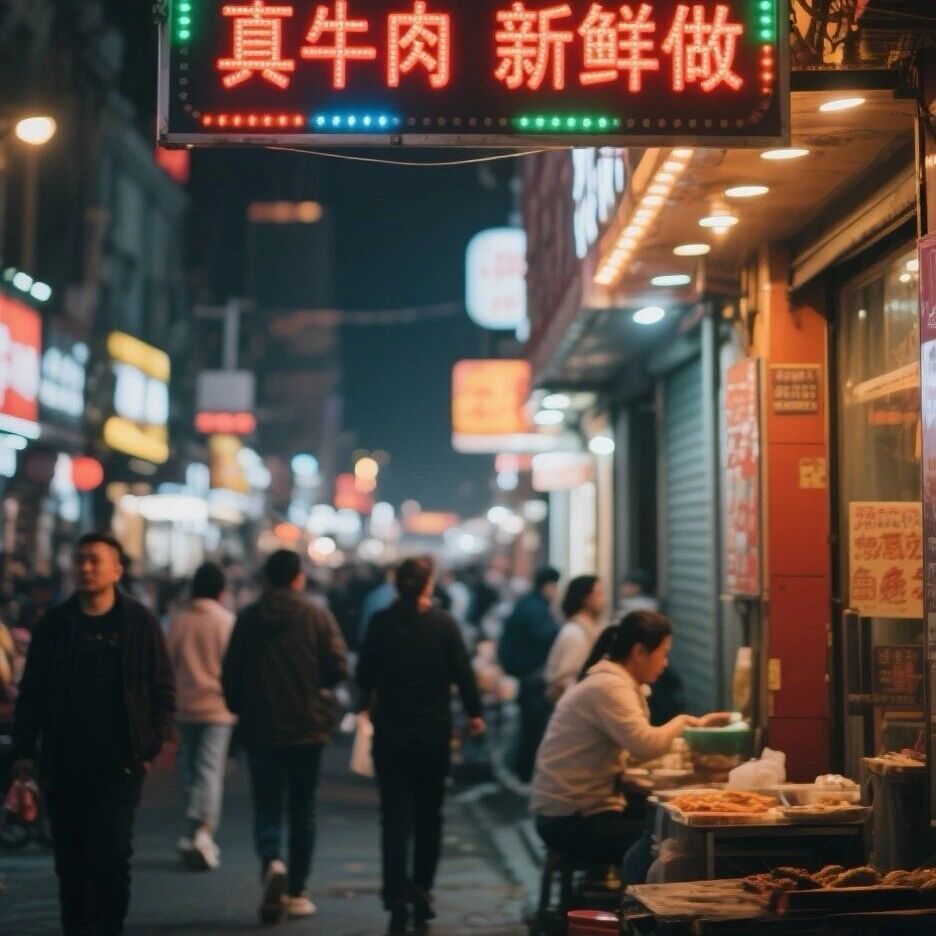
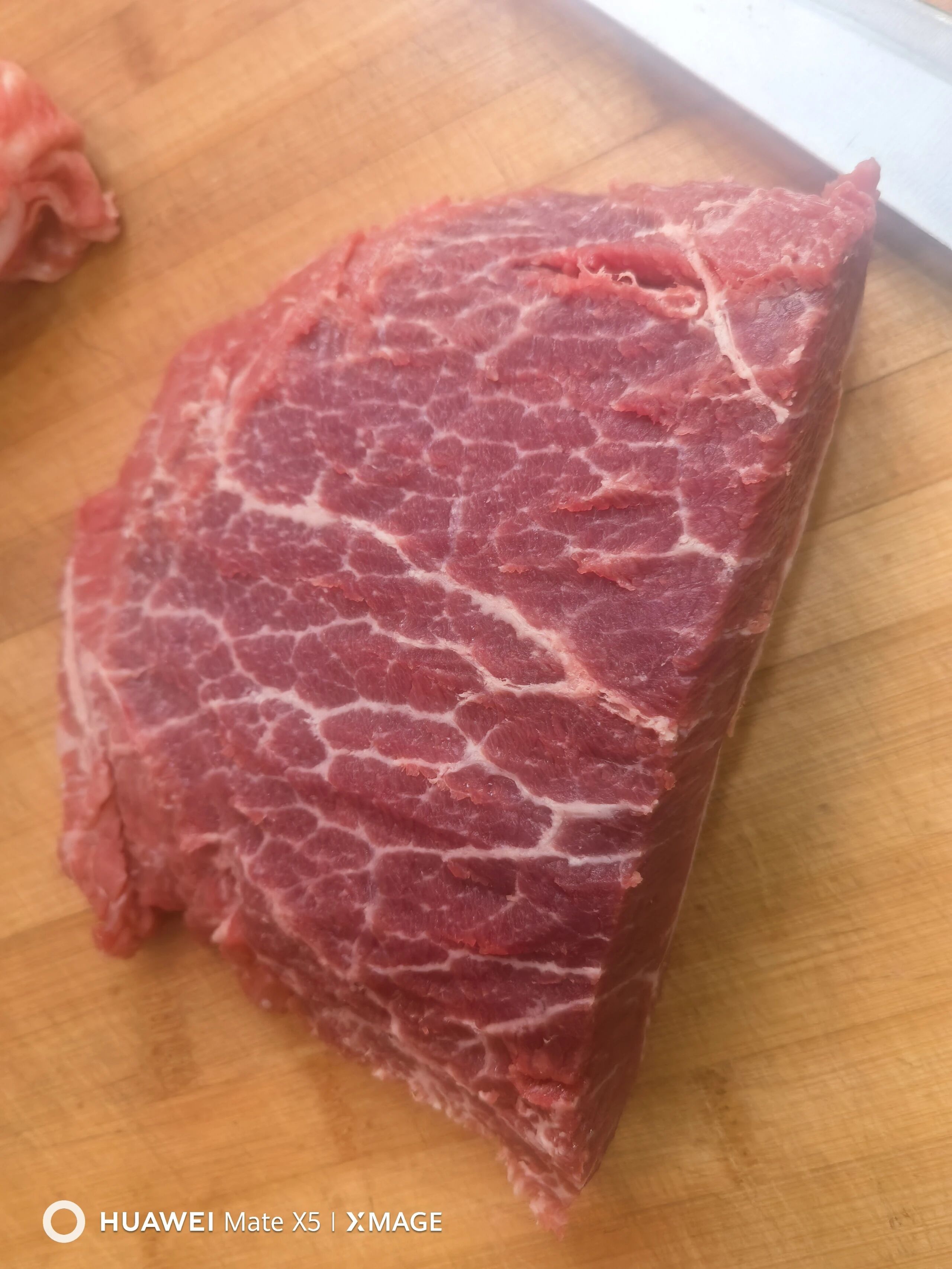
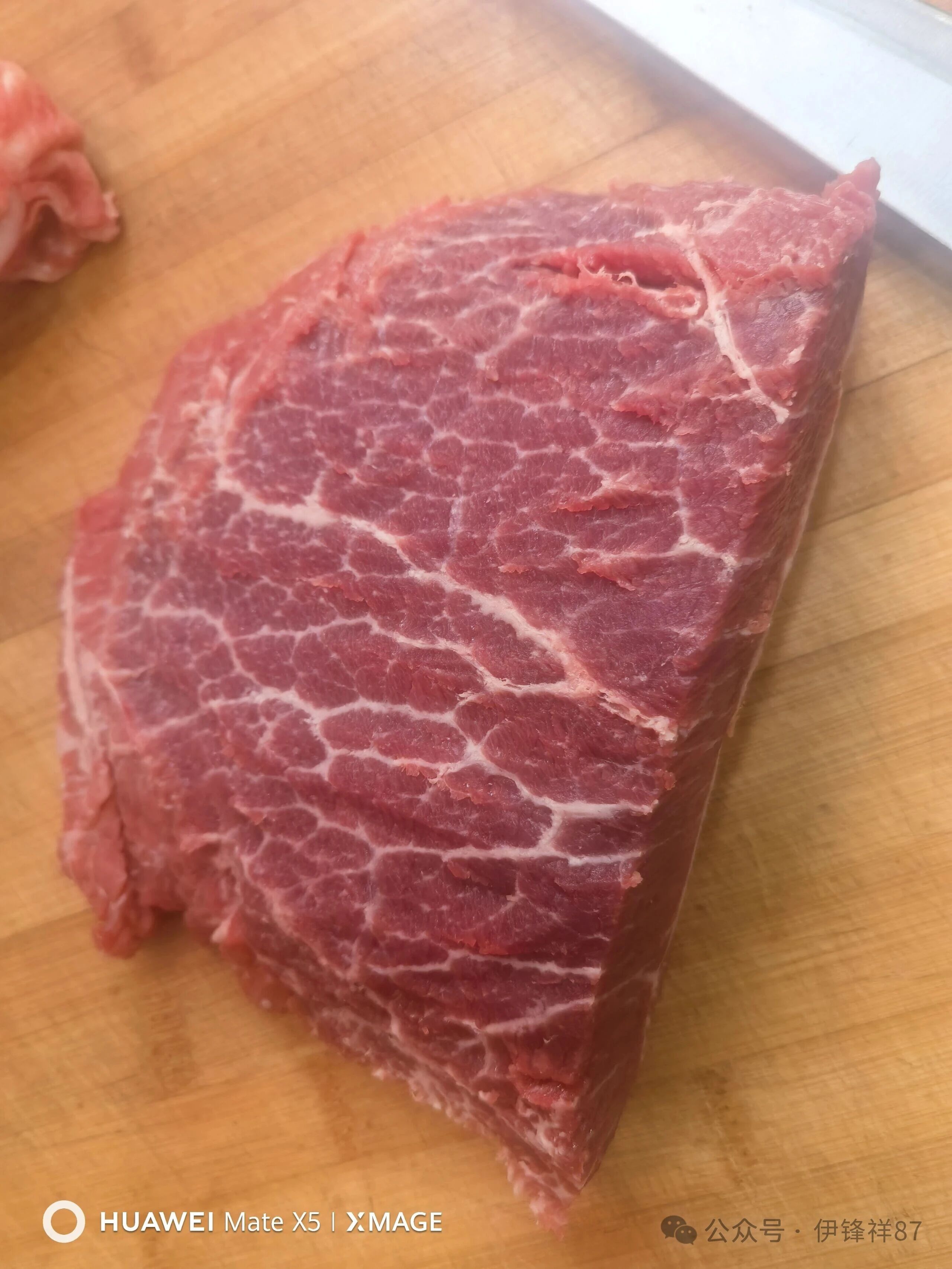
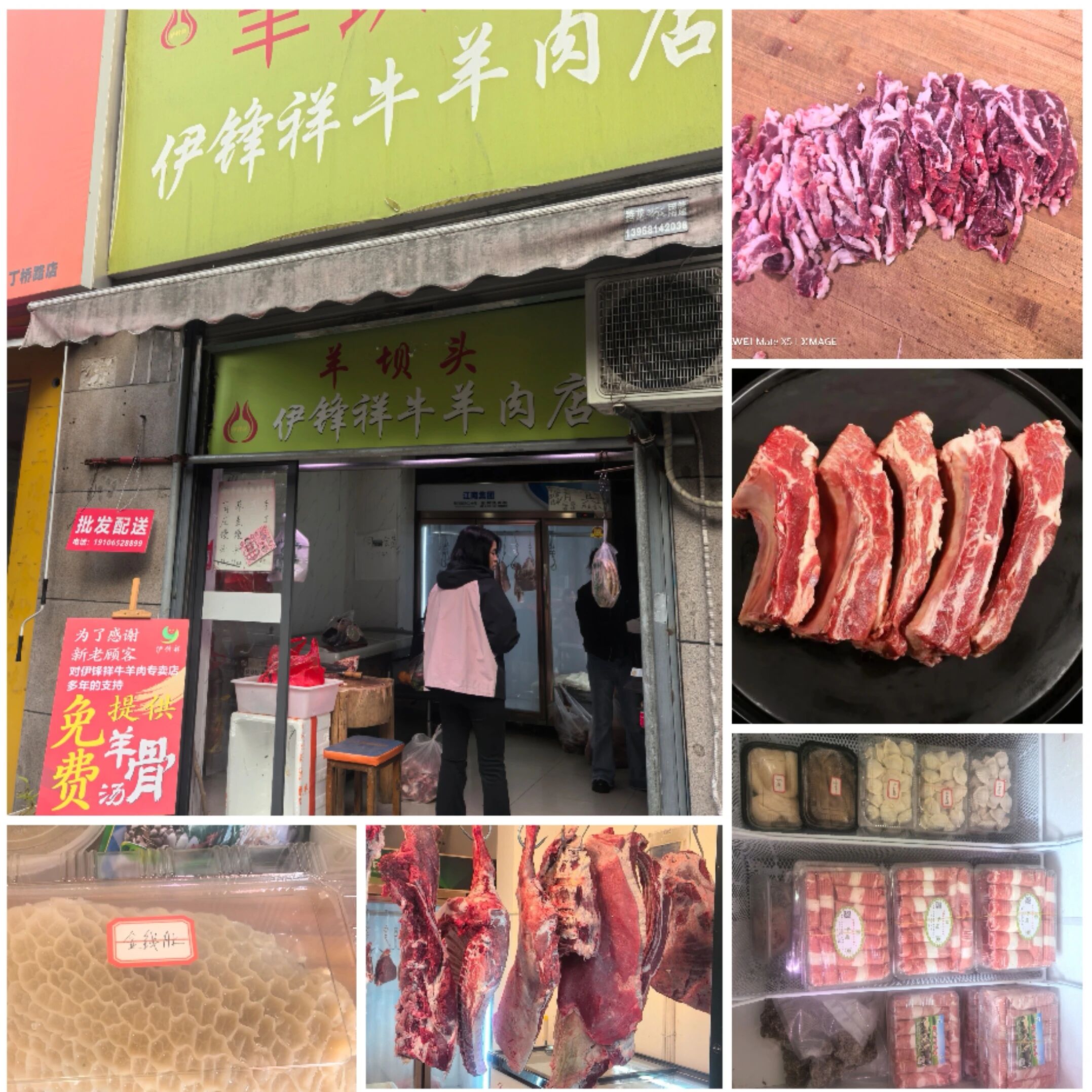
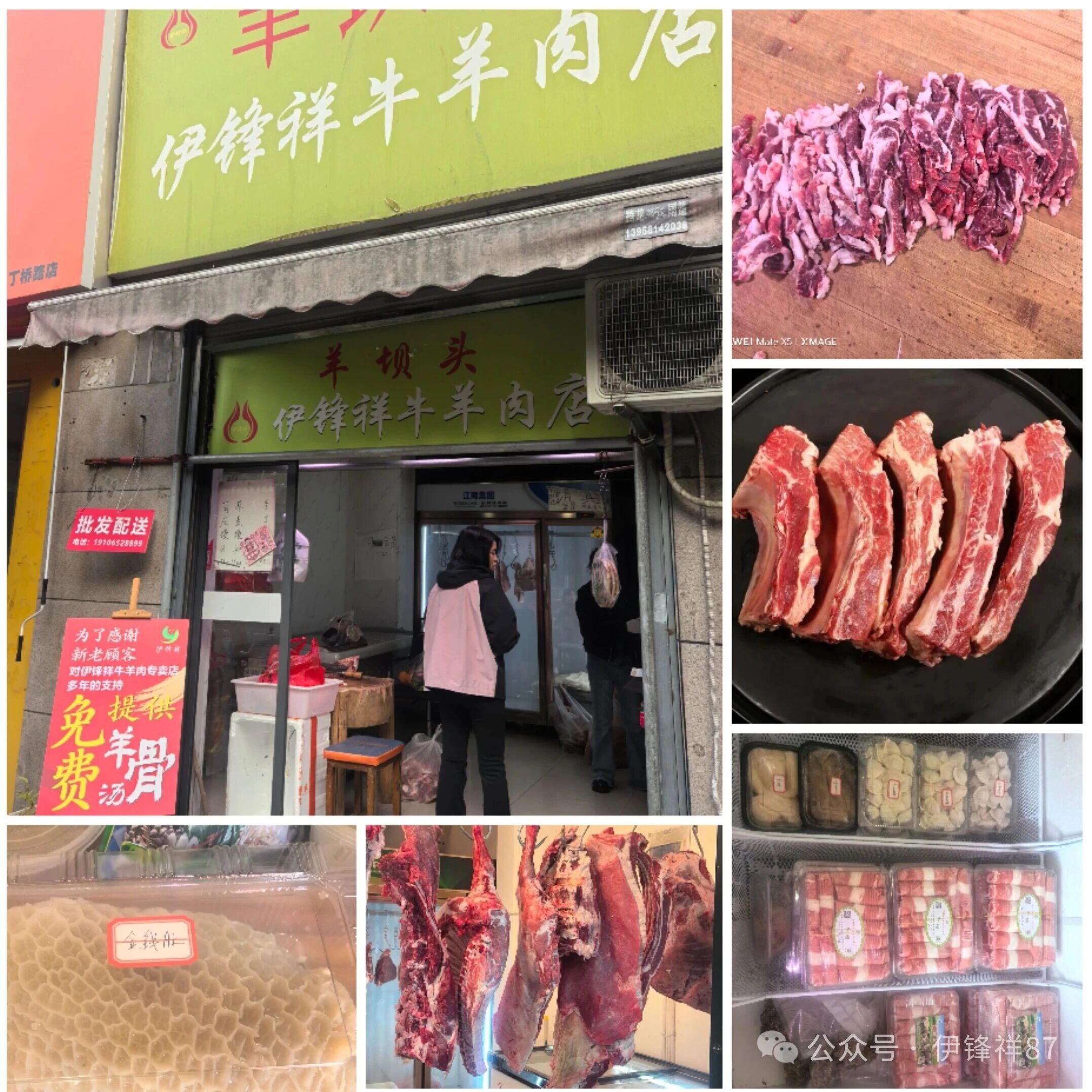
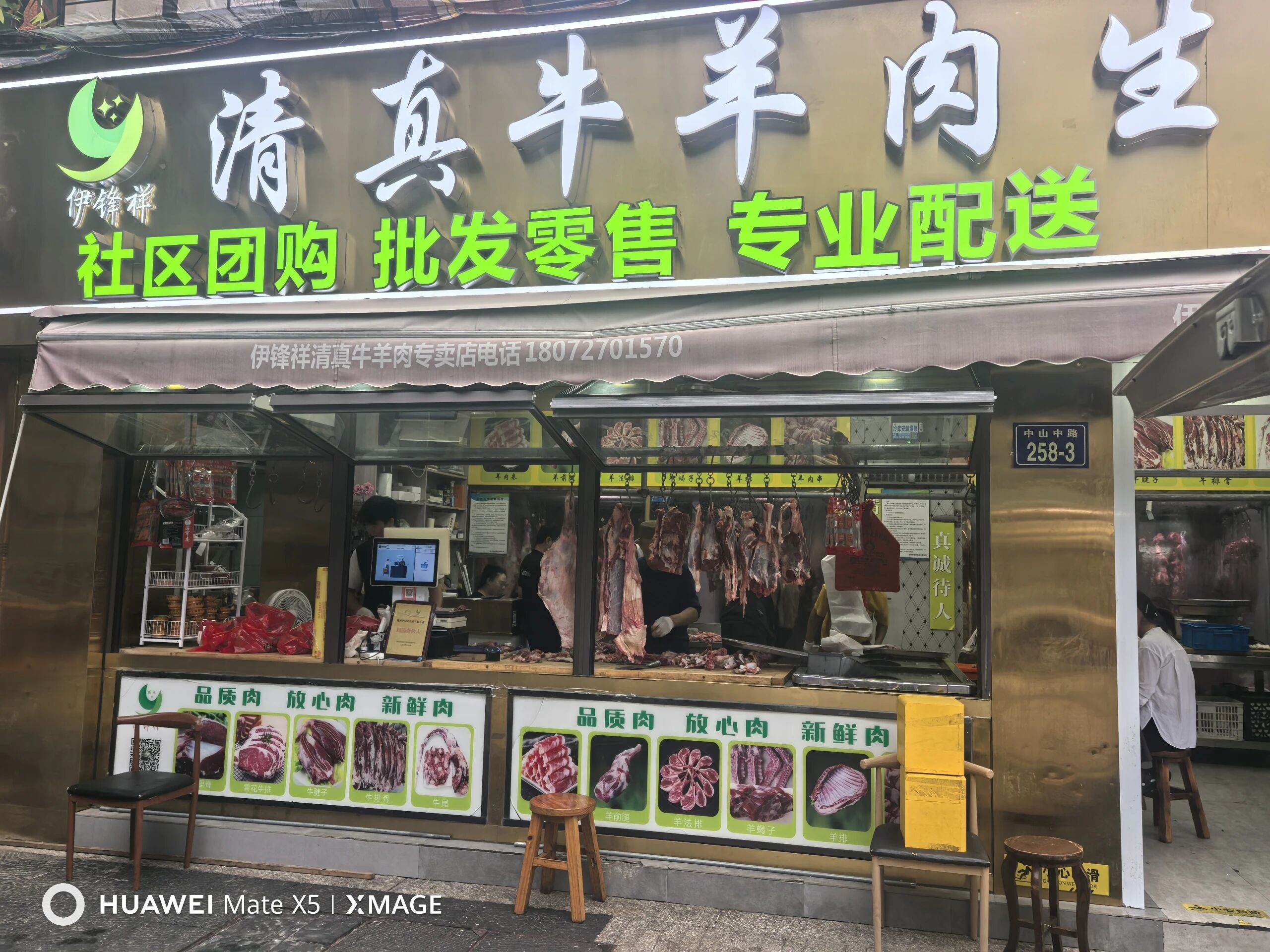
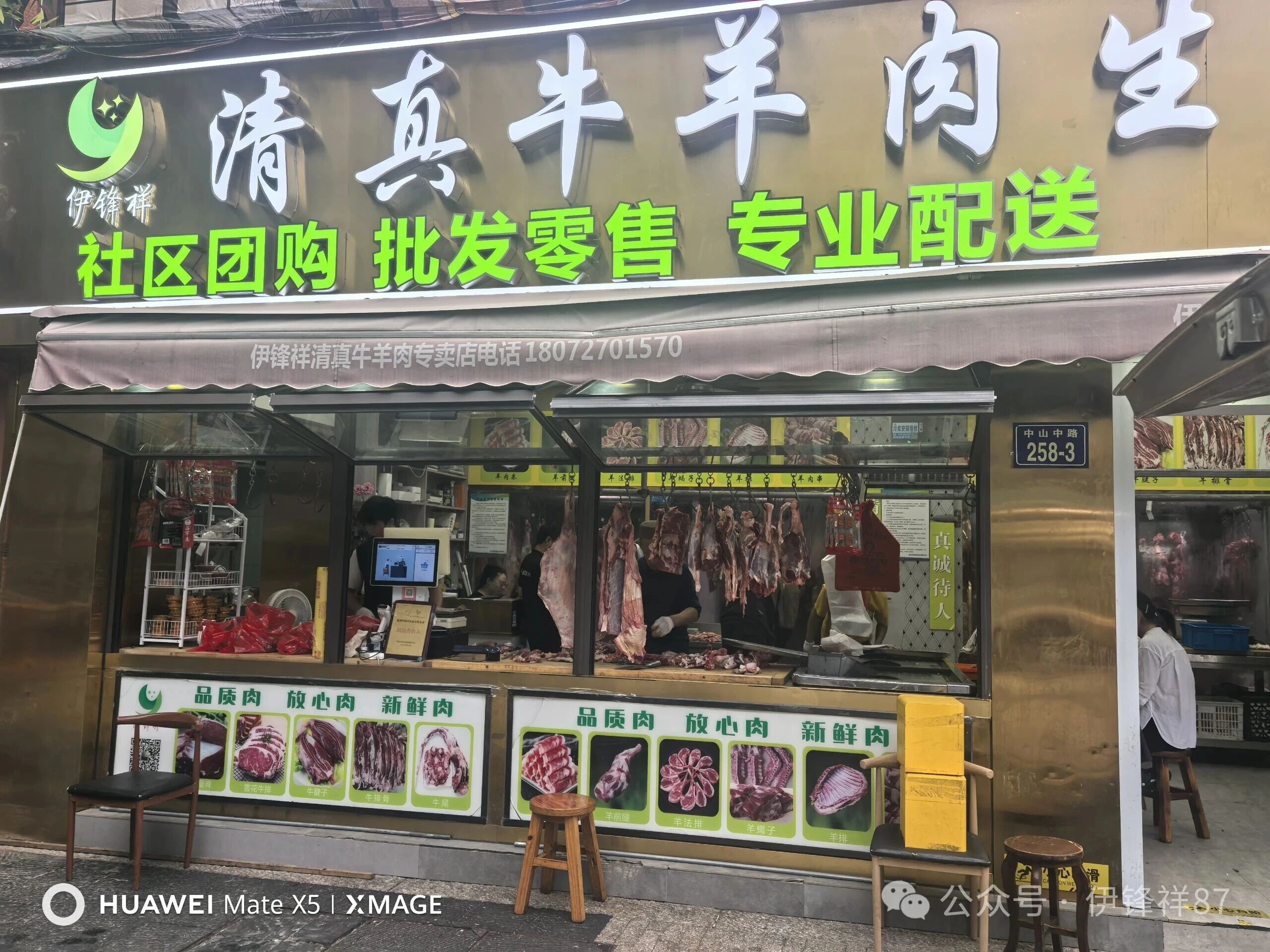
Hangzhou Yifengxiang Halal Beef and Mutton Specialty: A Photo Journey of Handpicked Fresh Ingredients and Trusted Halal Meats
Summary:
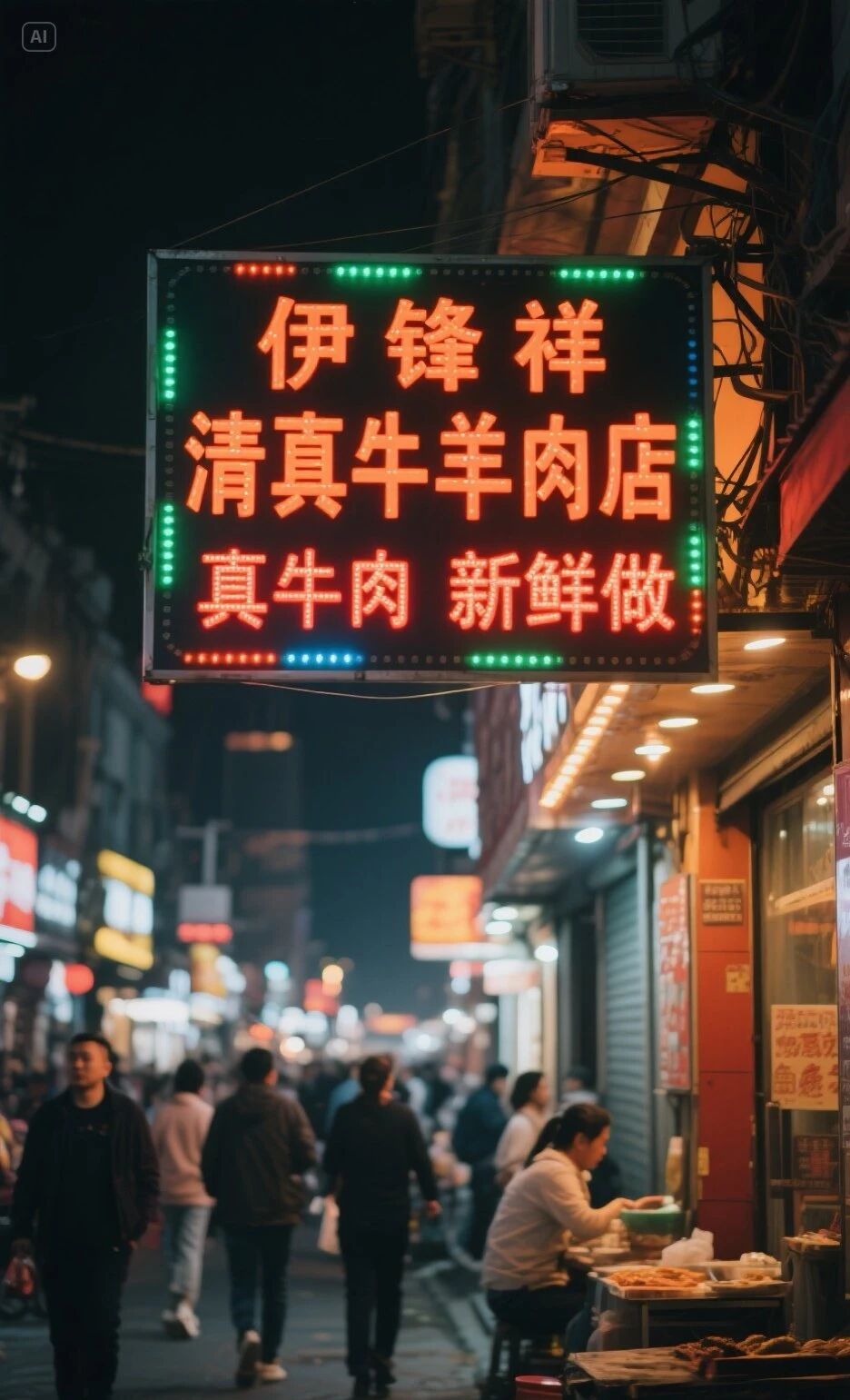
A real-life look inside Hangzhou Yifengxiang Halal Beef and Mutton Specialty Shop. The shop strictly handpicks premium fresh beef and mutton with exceptionally tender meat quality, strictly adhering to halal slaughter and processing standards. It's the go-to, trusted spot for fellow Hui Muslims and local residents to pick up top-tier halal meat.
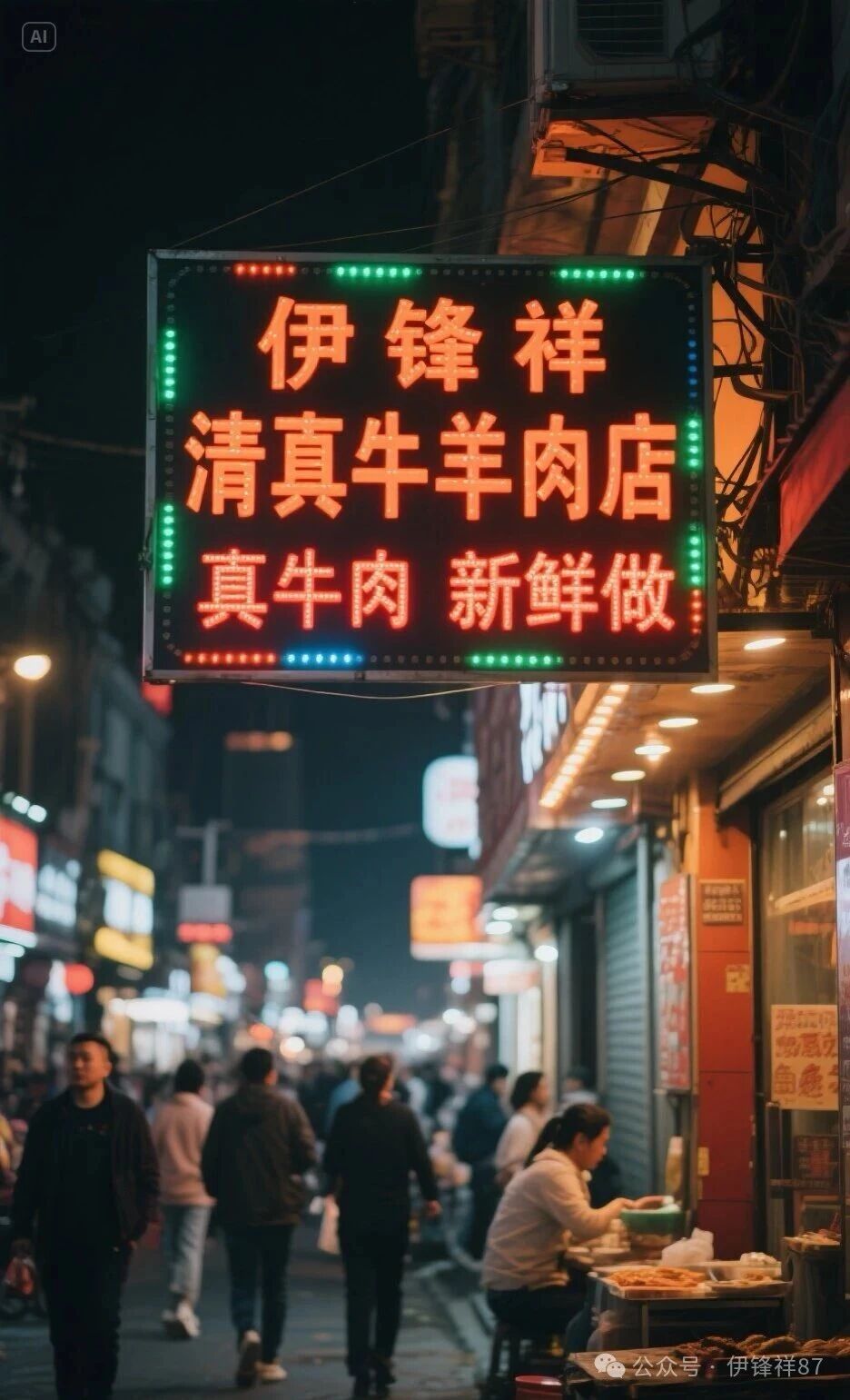
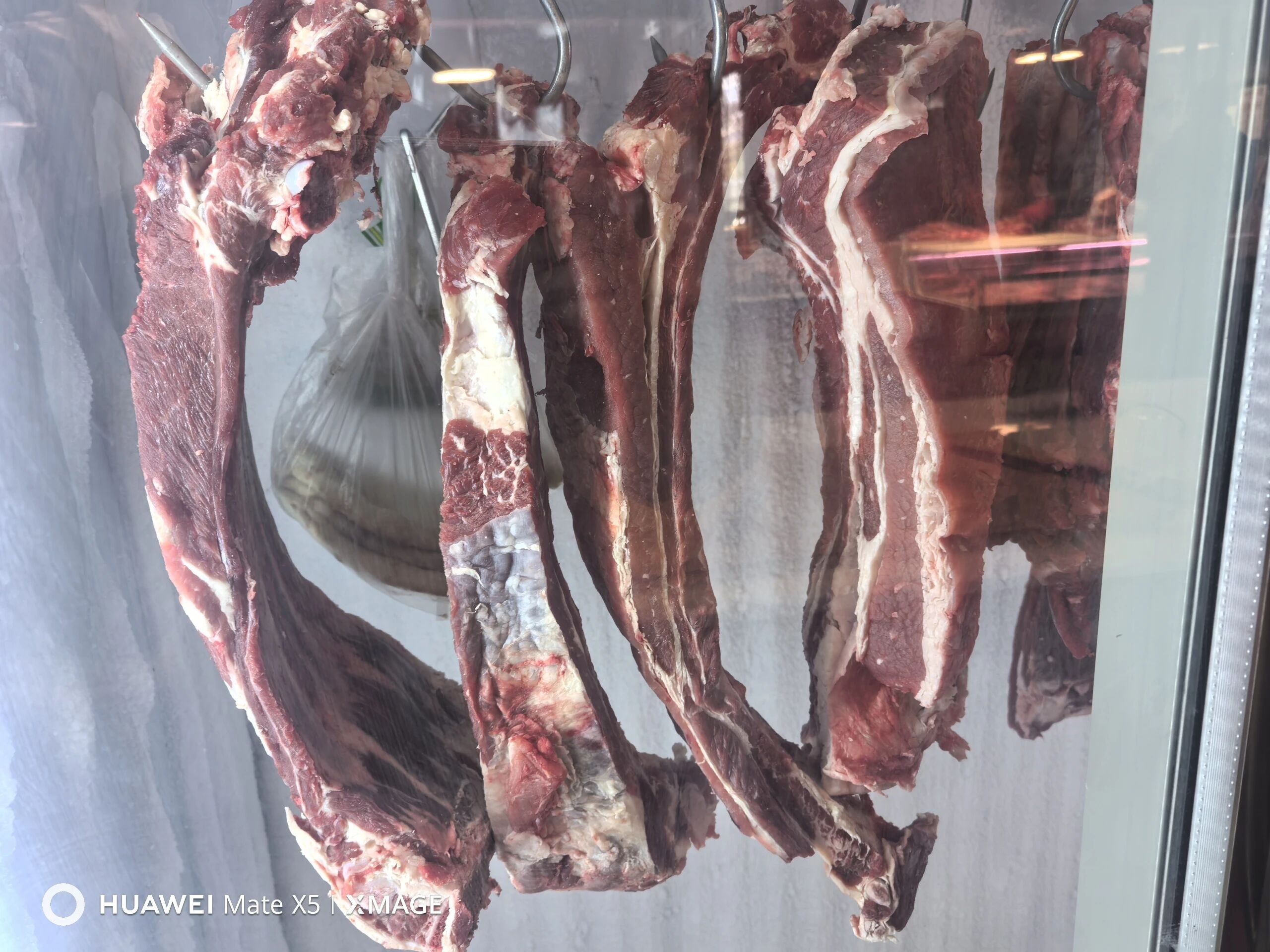
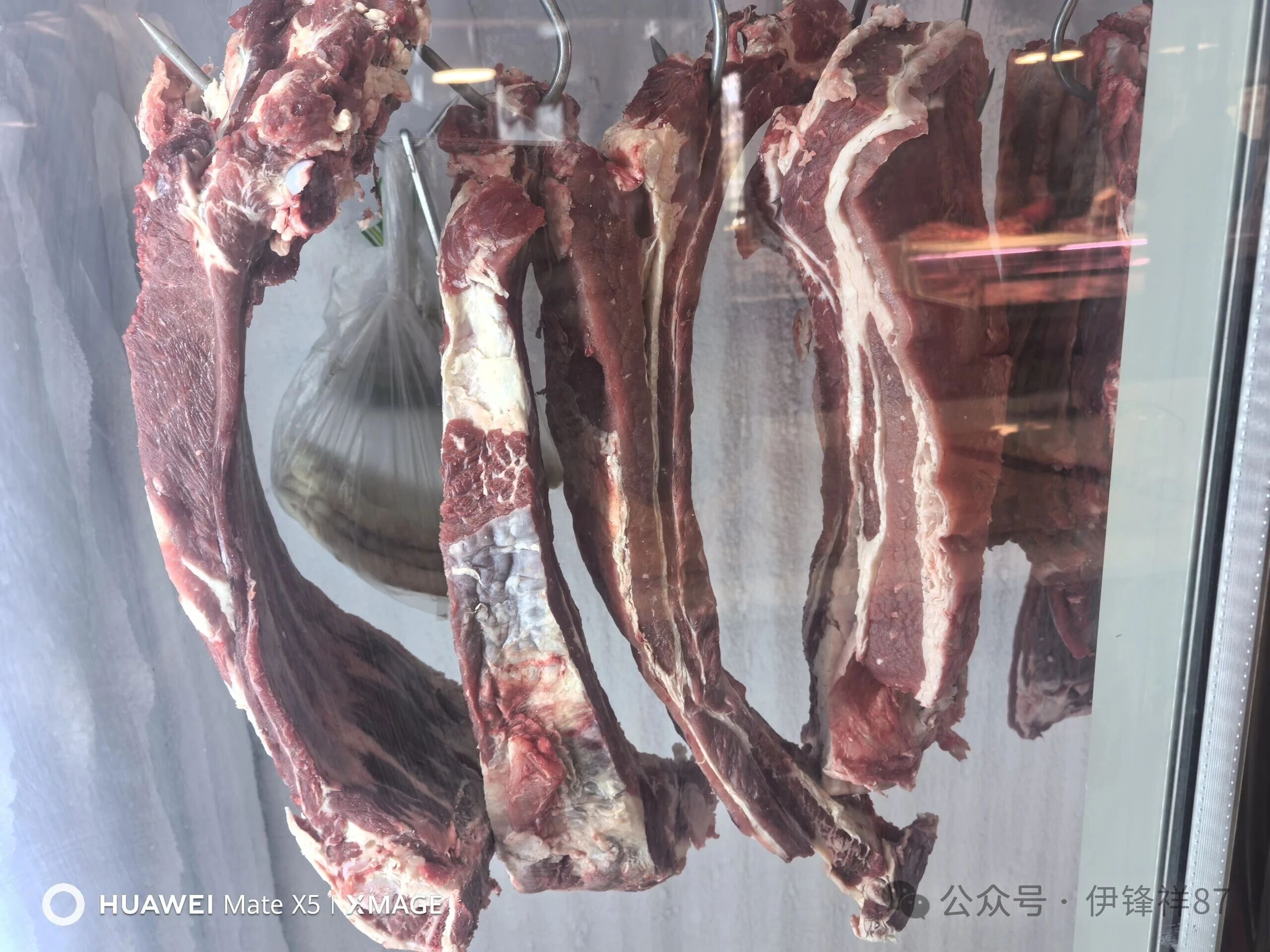
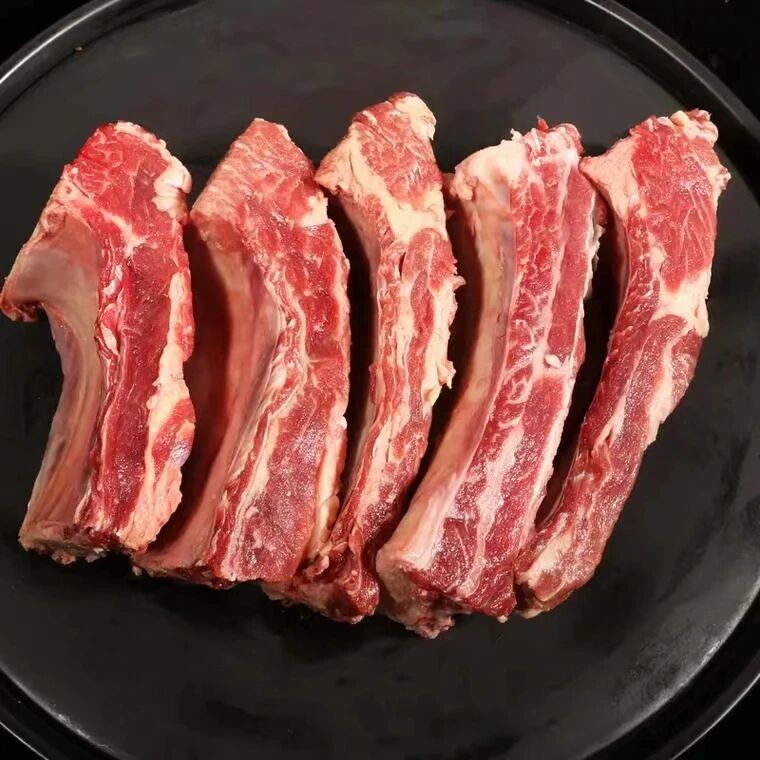
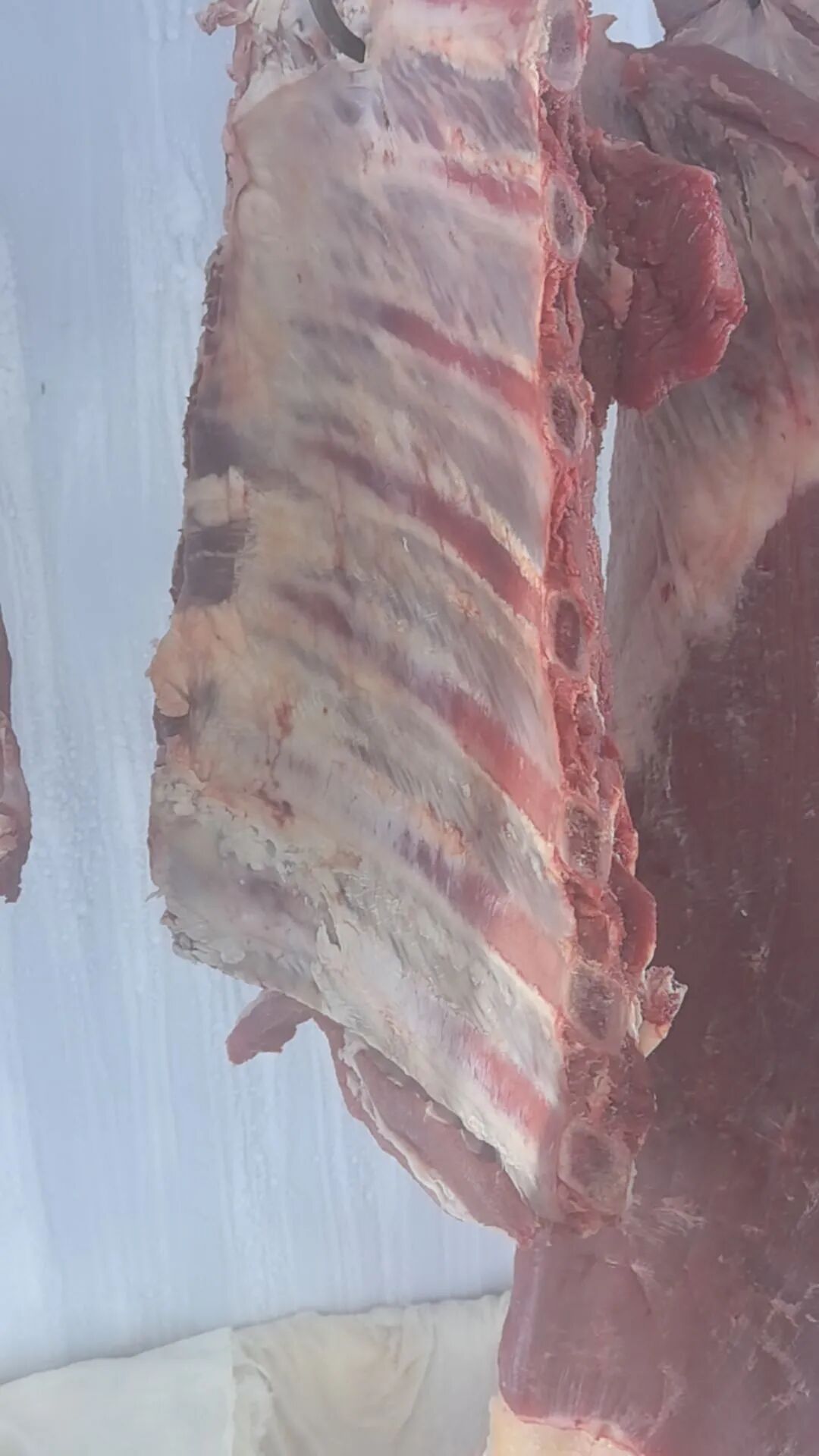
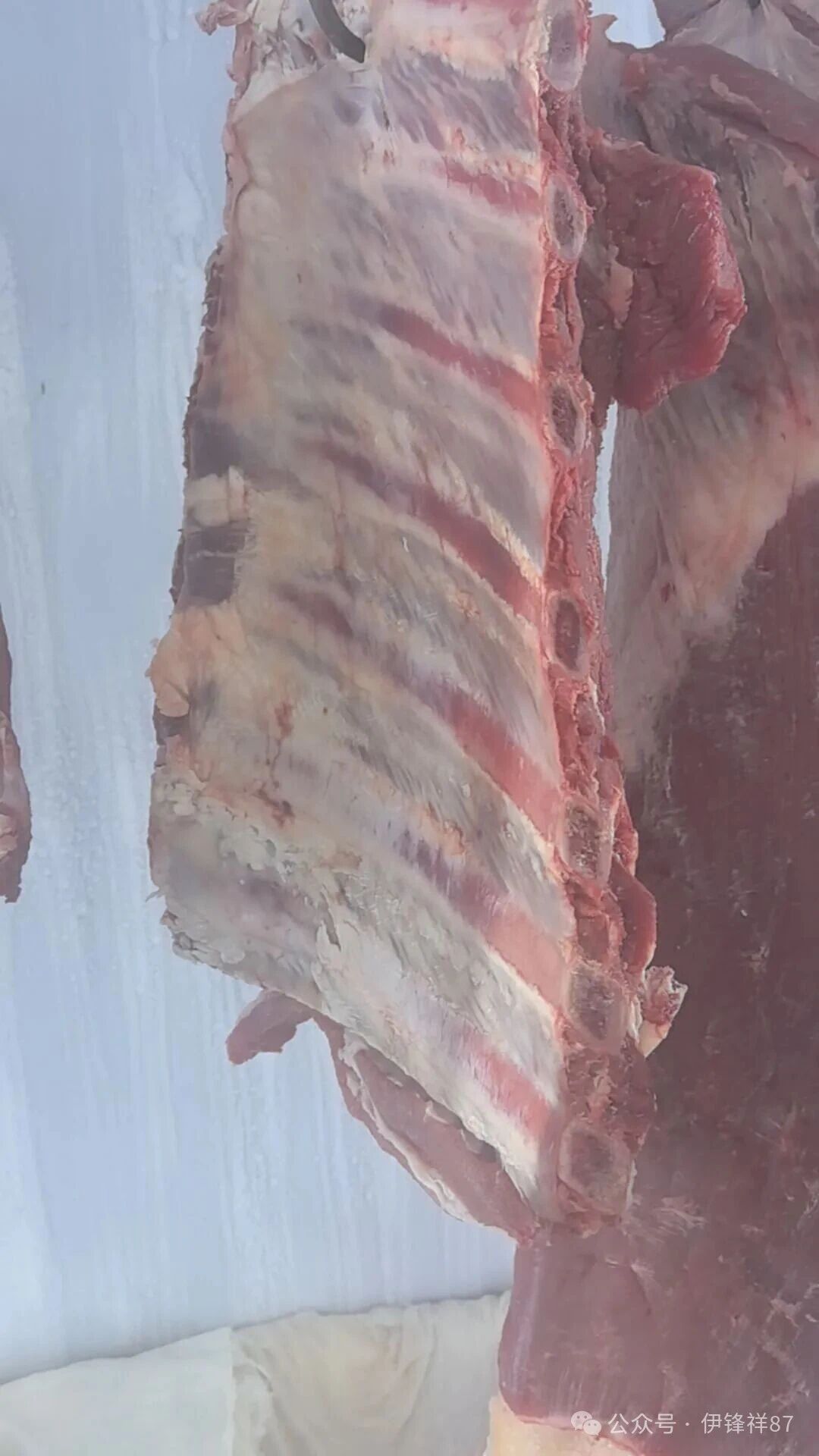
#Yifengxiang Halal Beef and Mutton Specialty offers carefully selected fresh ingredients. The beef and mutton sold are of top-tier quality with a super tender texture. Strictly following halal standards to bring you authentic flavors, it's your ideal choice for buying trustworthy halal meat. Enjoy the ultimate fresh and tender taste right here at Yifengxiang.
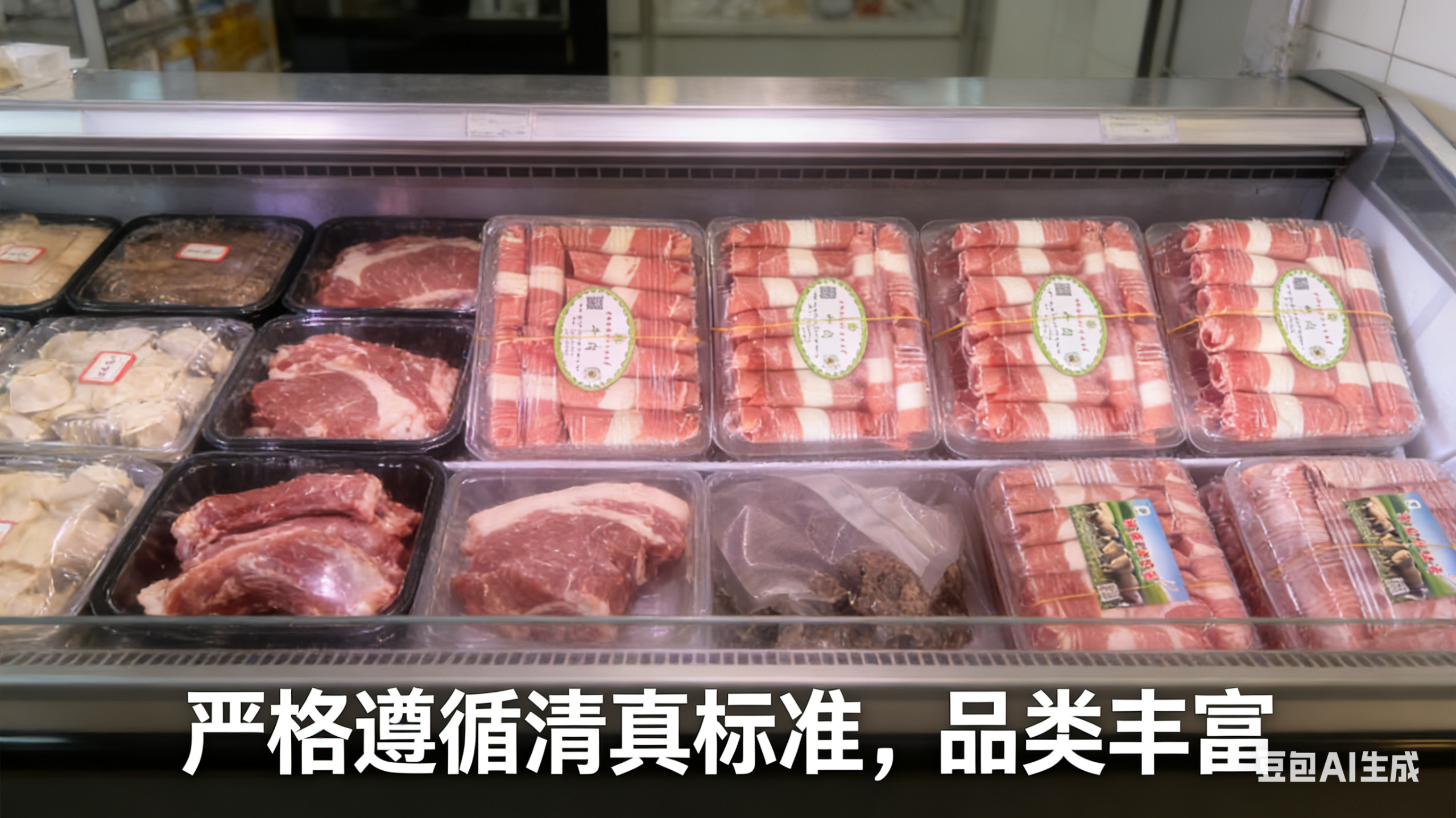
[Showcase of Specialty Halal Meats and Fresh Ingredients]
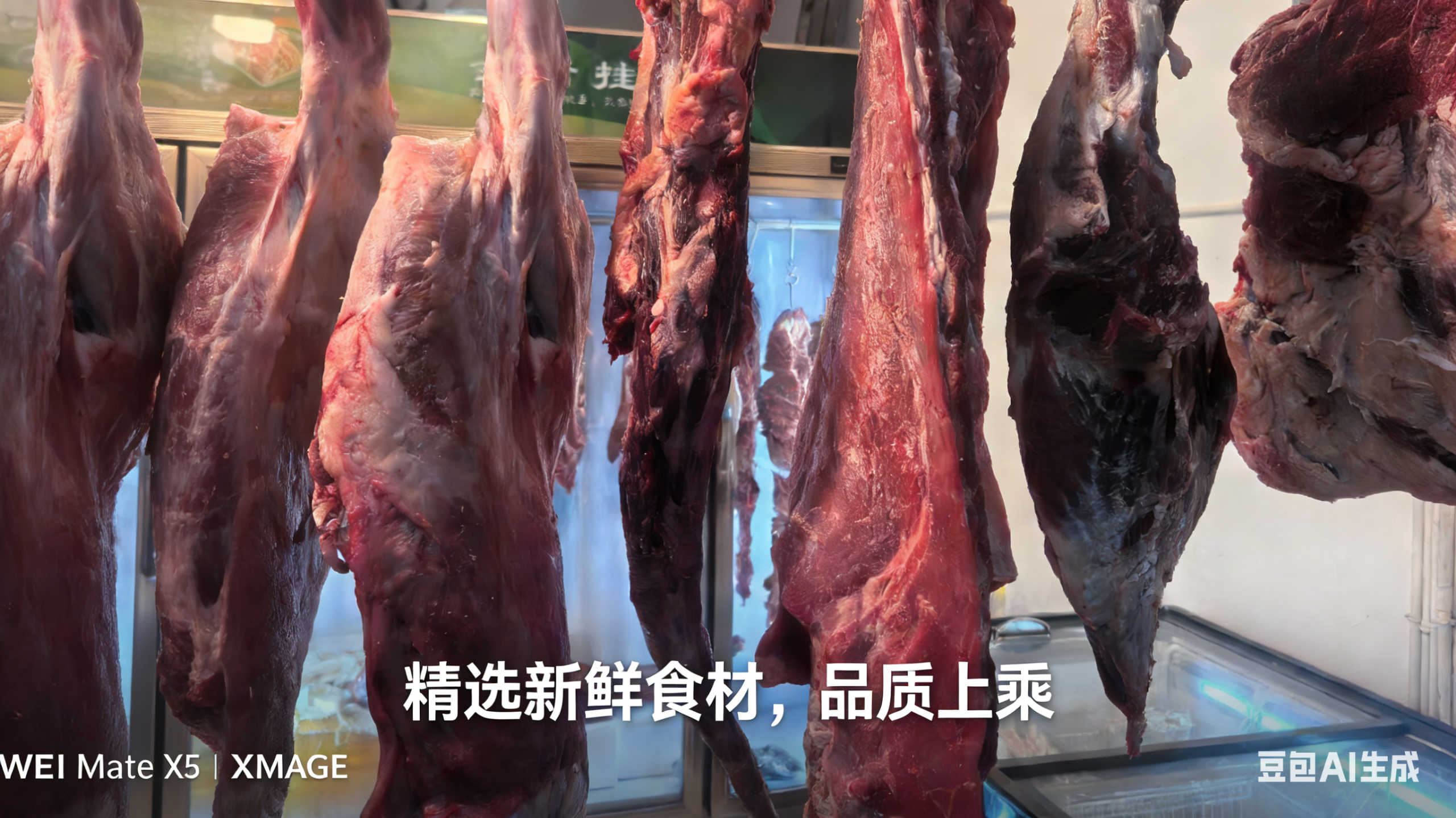
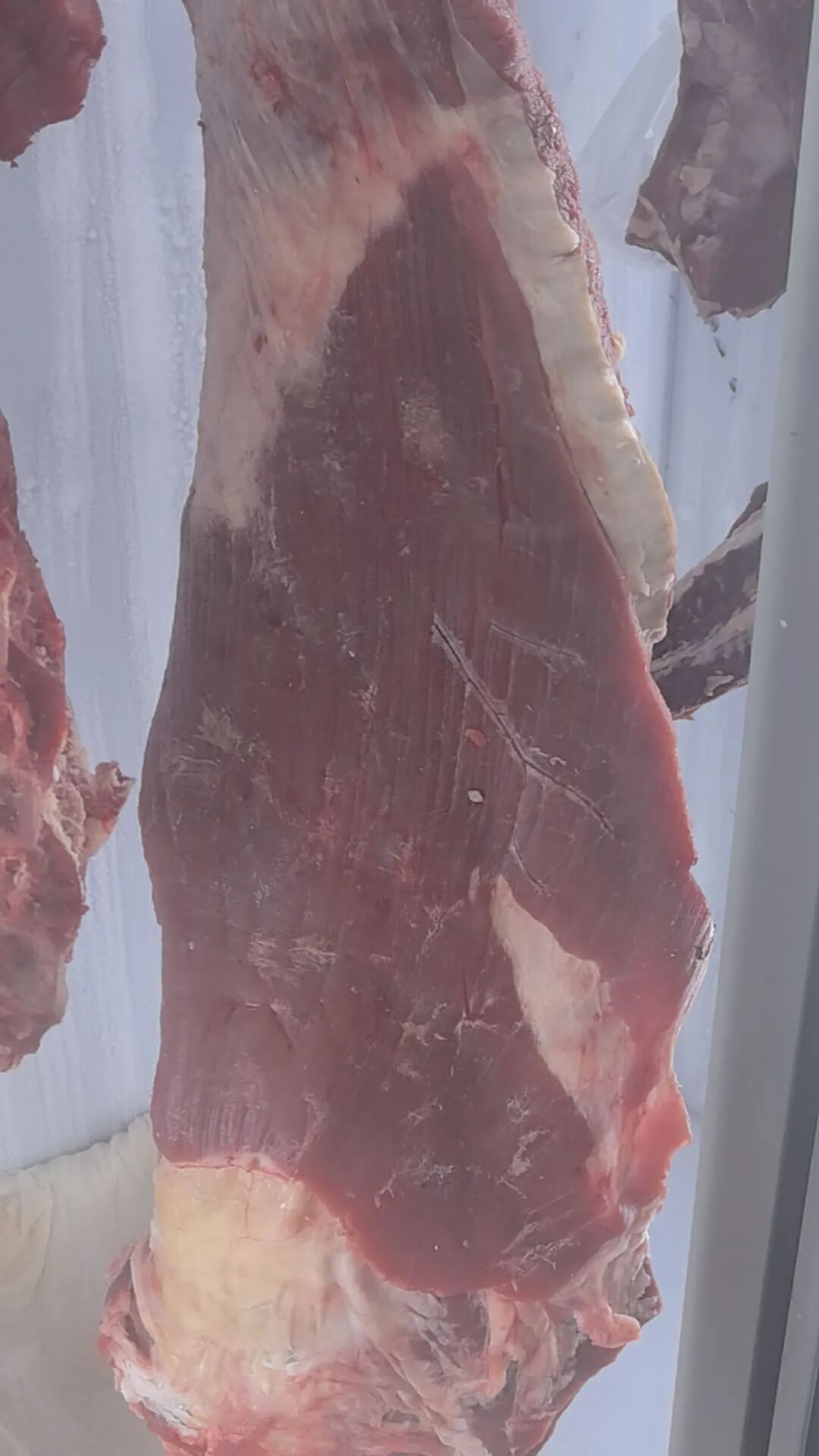
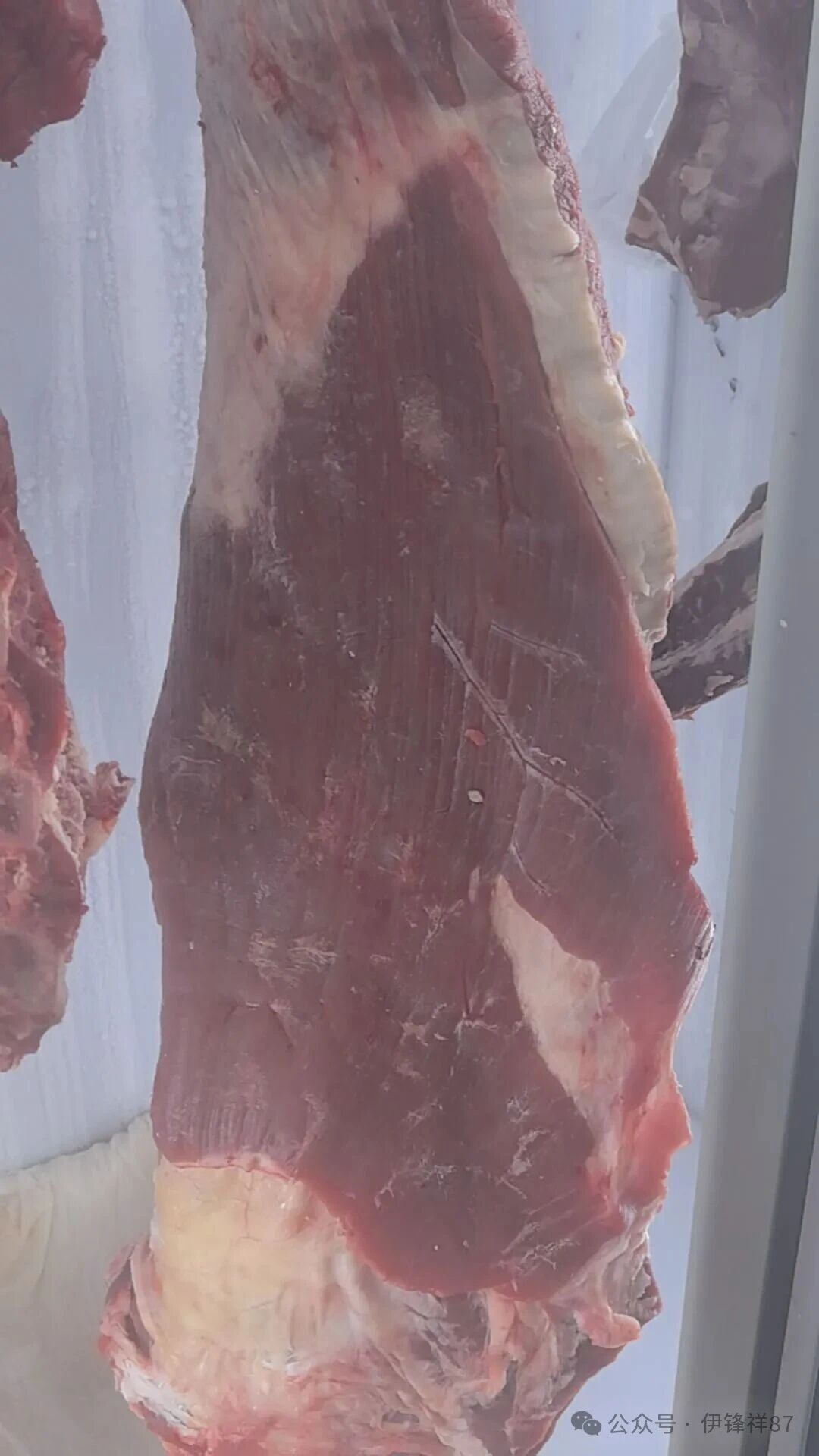
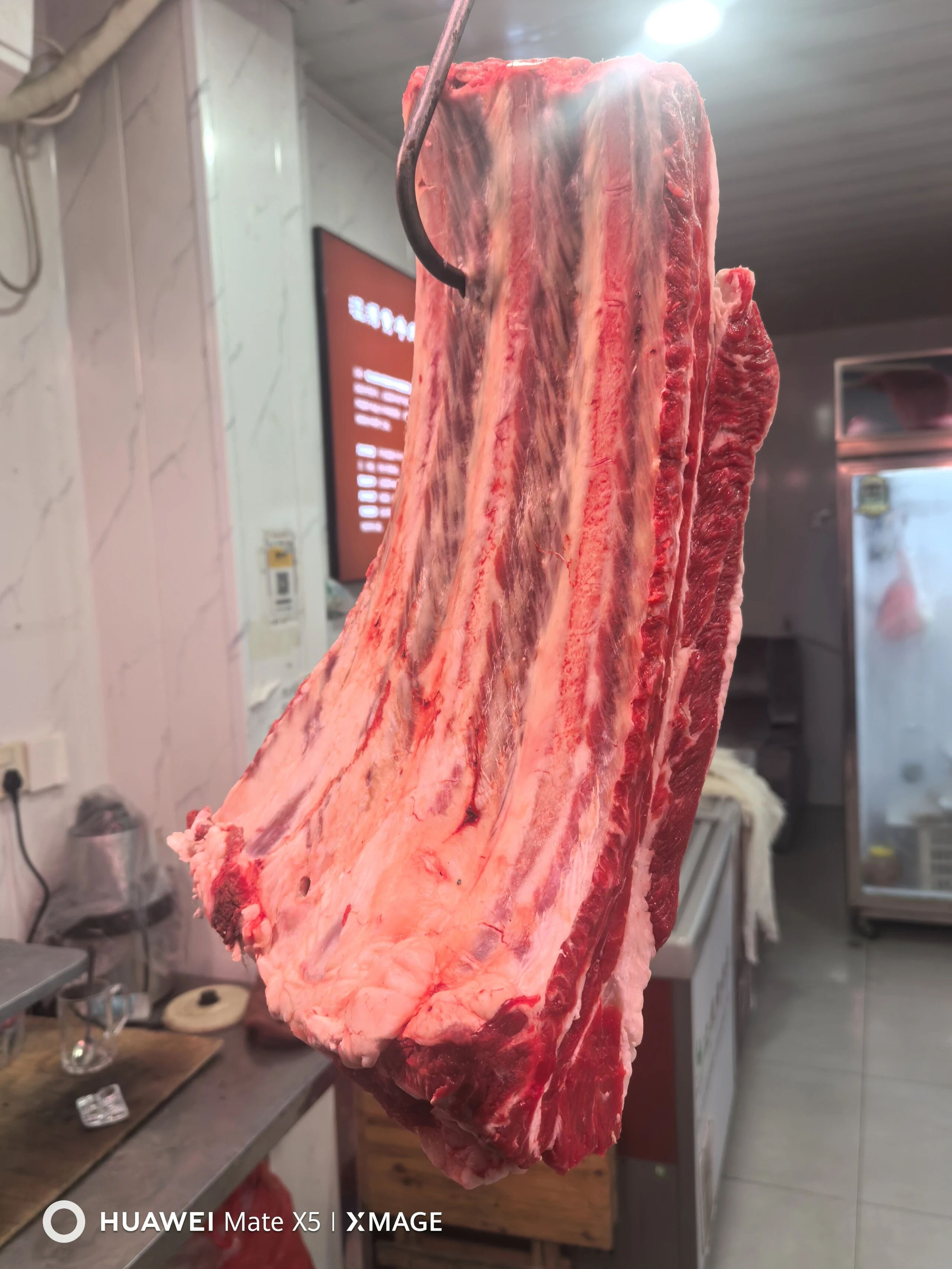
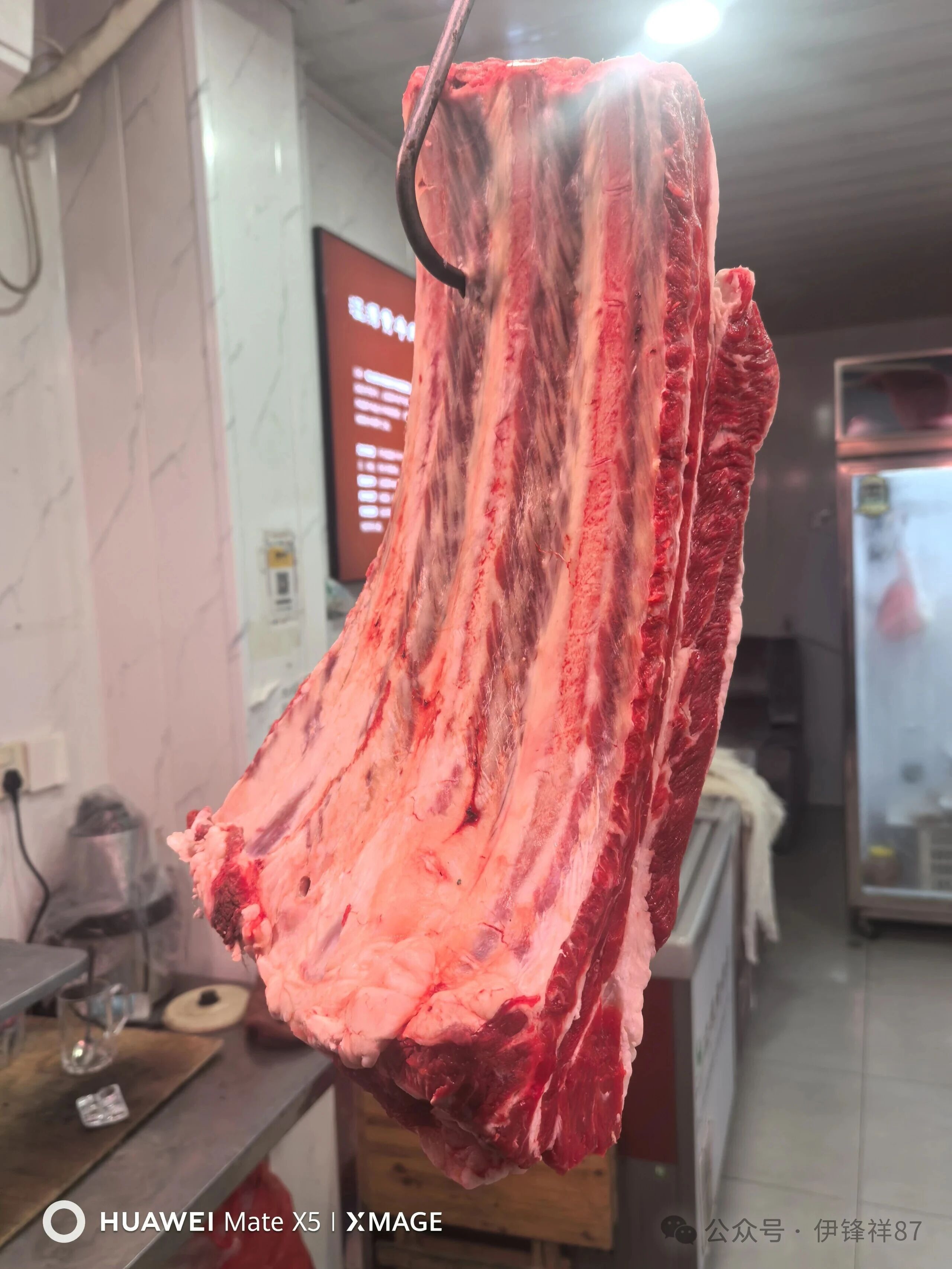
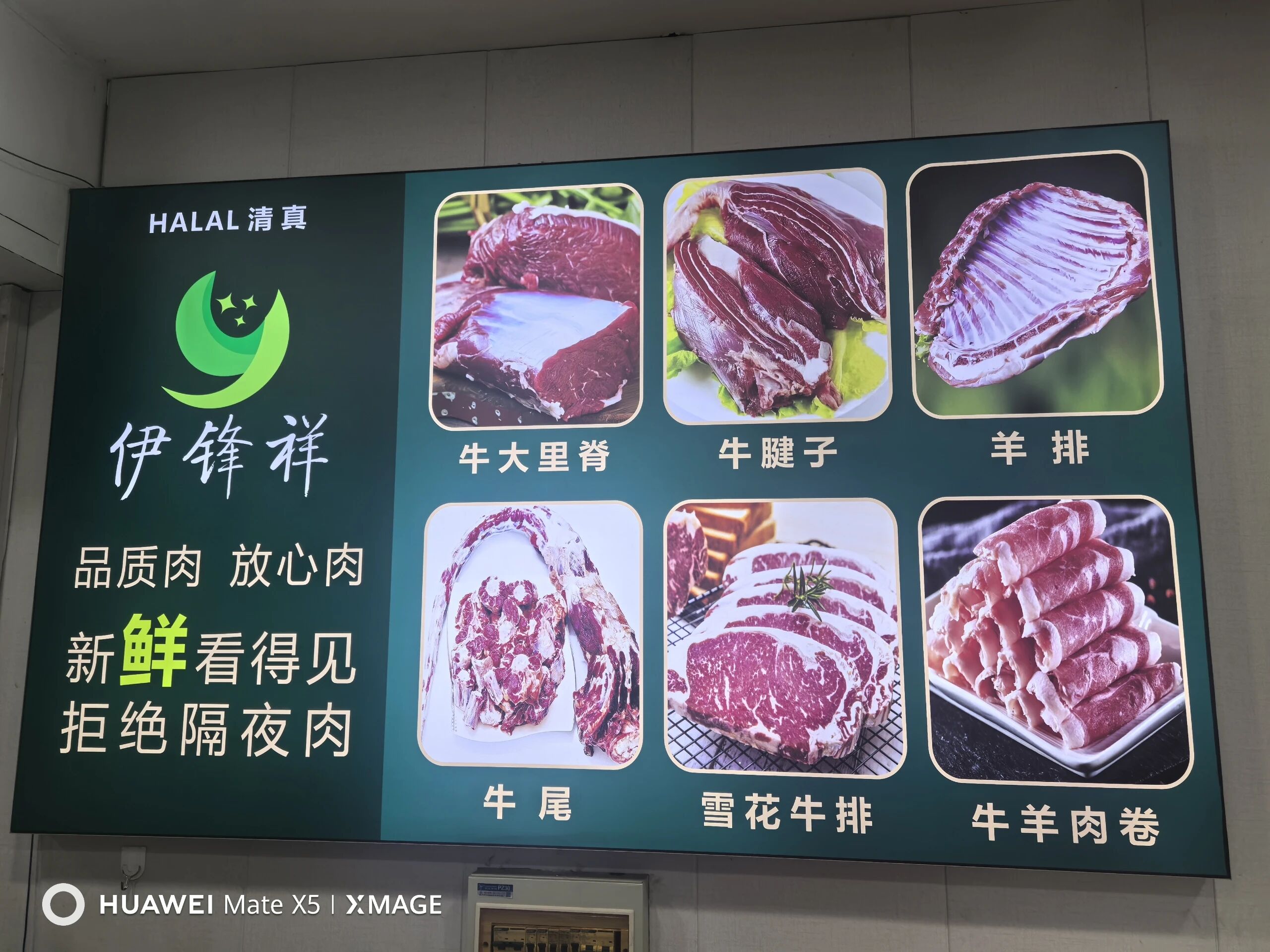
 Collapse Read »
Hangzhou Yifengxiang Halal Beef and Mutton Specialty: A Photo Journey of Handpicked Fresh Ingredients and Trusted Halal Meats
Summary:
A real-life look inside Hangzhou Yifengxiang Halal Beef and Mutton Specialty Shop. The shop strictly handpicks premium fresh beef and mutton with exceptionally tender meat quality, strictly adhering to halal slaughter and processing standards. It's the go-to, trusted spot for fellow Hui Muslims and local residents to pick up top-tier halal meat.
#Yifengxiang Halal Beef and Mutton Specialty offers carefully selected fresh ingredients. The beef and mutton sold are of top-tier quality with a super tender texture. Strictly following halal standards to bring you authentic flavors, it's your ideal choice for buying trustworthy halal meat. Enjoy the ultimate fresh and tender taste right here at Yifengxiang.
[Showcase of Specialty Halal Meats and Fresh Ingredients]
Collapse Read »
Hangzhou Halal Food Guide: Dicos Halal Opens on Zhongshan Middle Road & Best Muslim Eats
[Internet Repost]
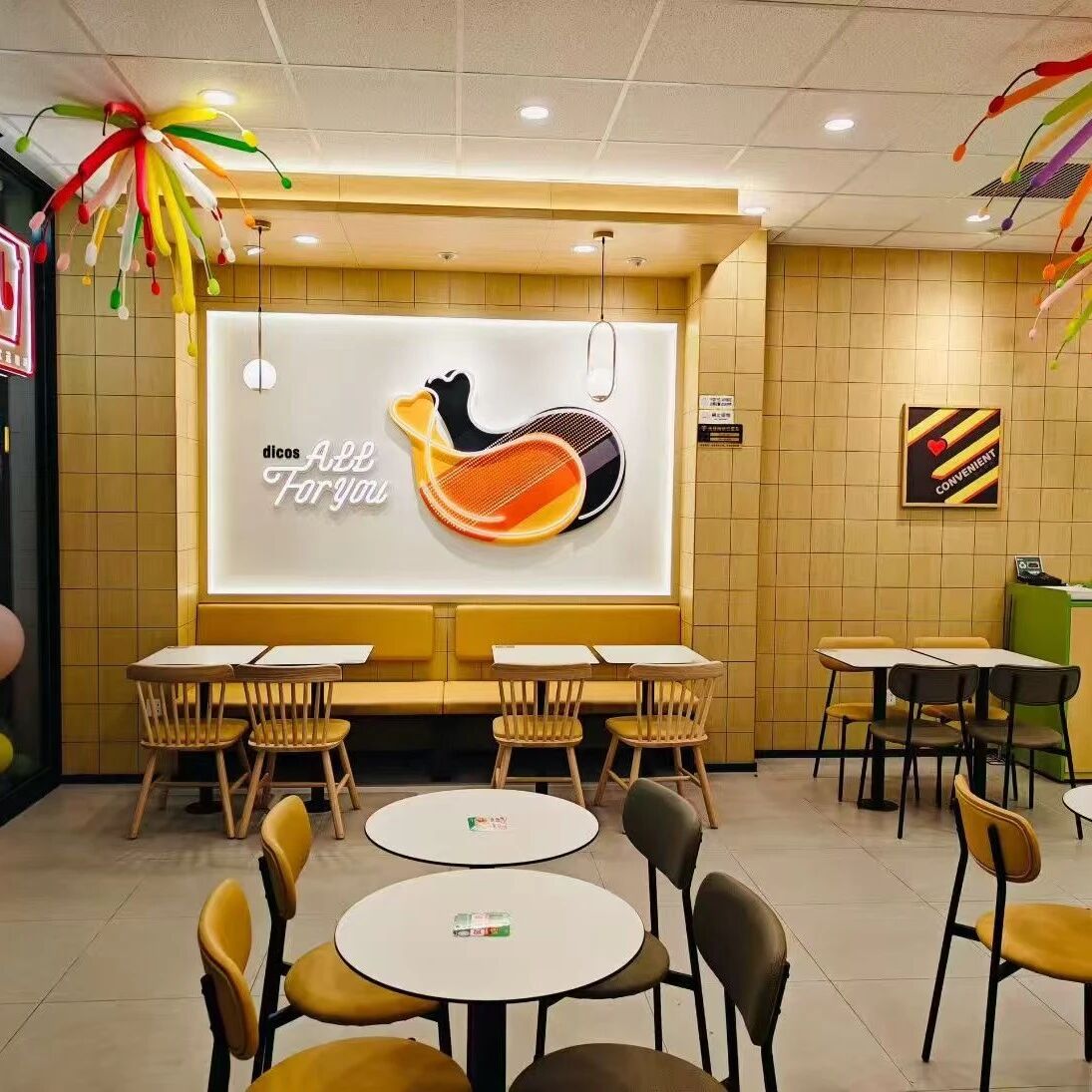
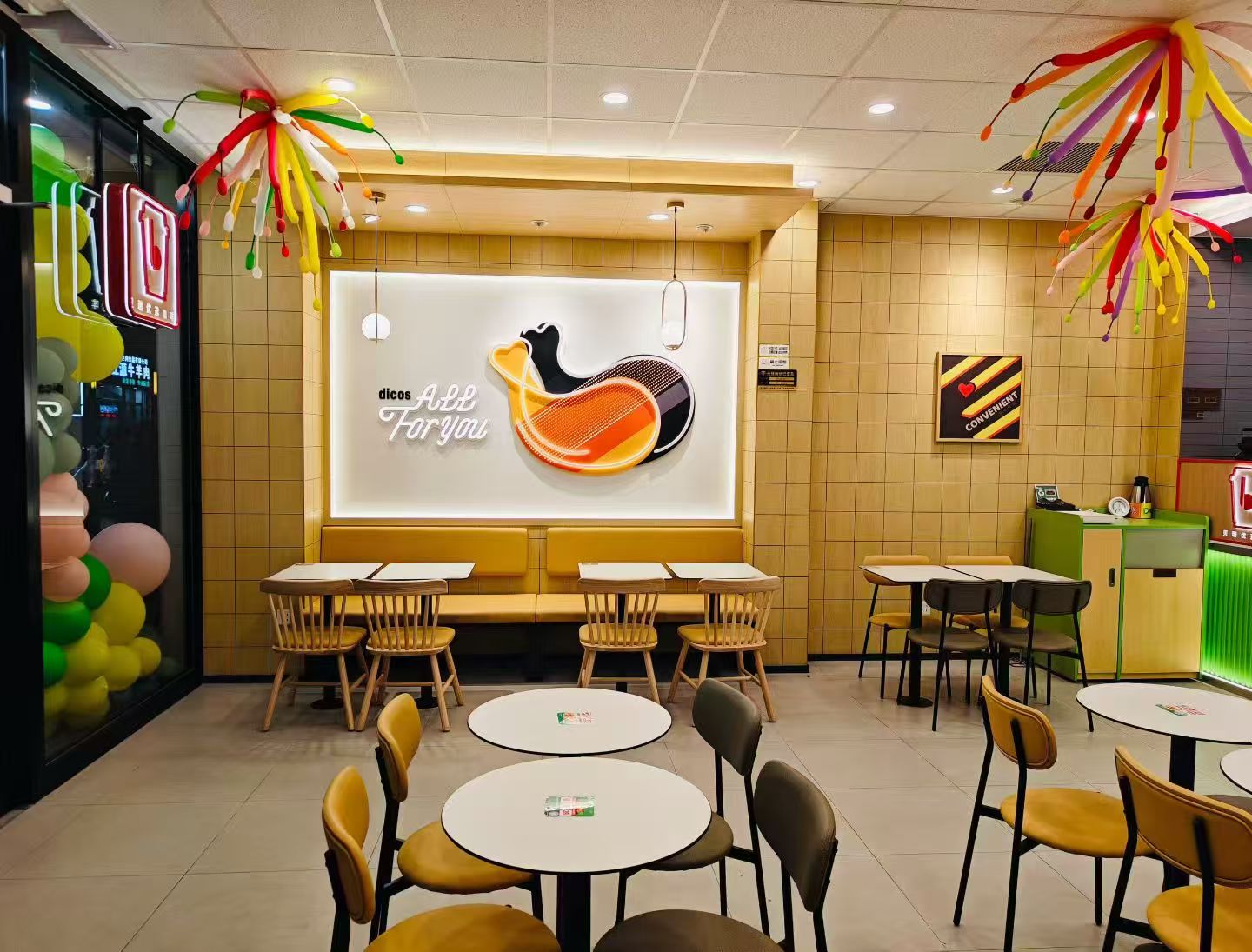
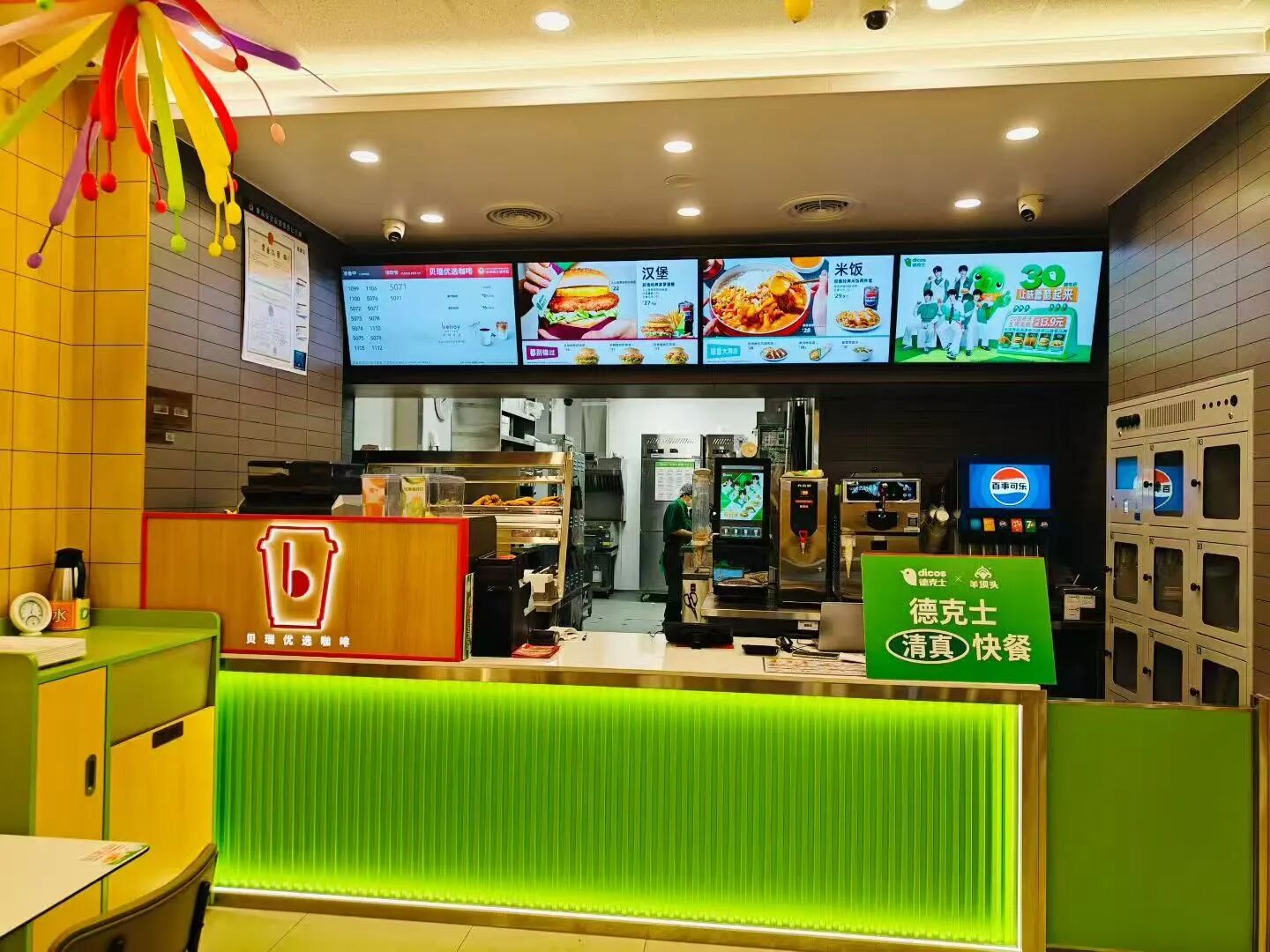
[Foodie Scoop] Dicos Halal Restaurant at Yabatou Officially Opens: Rooted on Zhongshan Middle Road Imperial Street in Hangzhou, Celebrating 30 Years with Crispy Halal Fried Chicken
Summary:
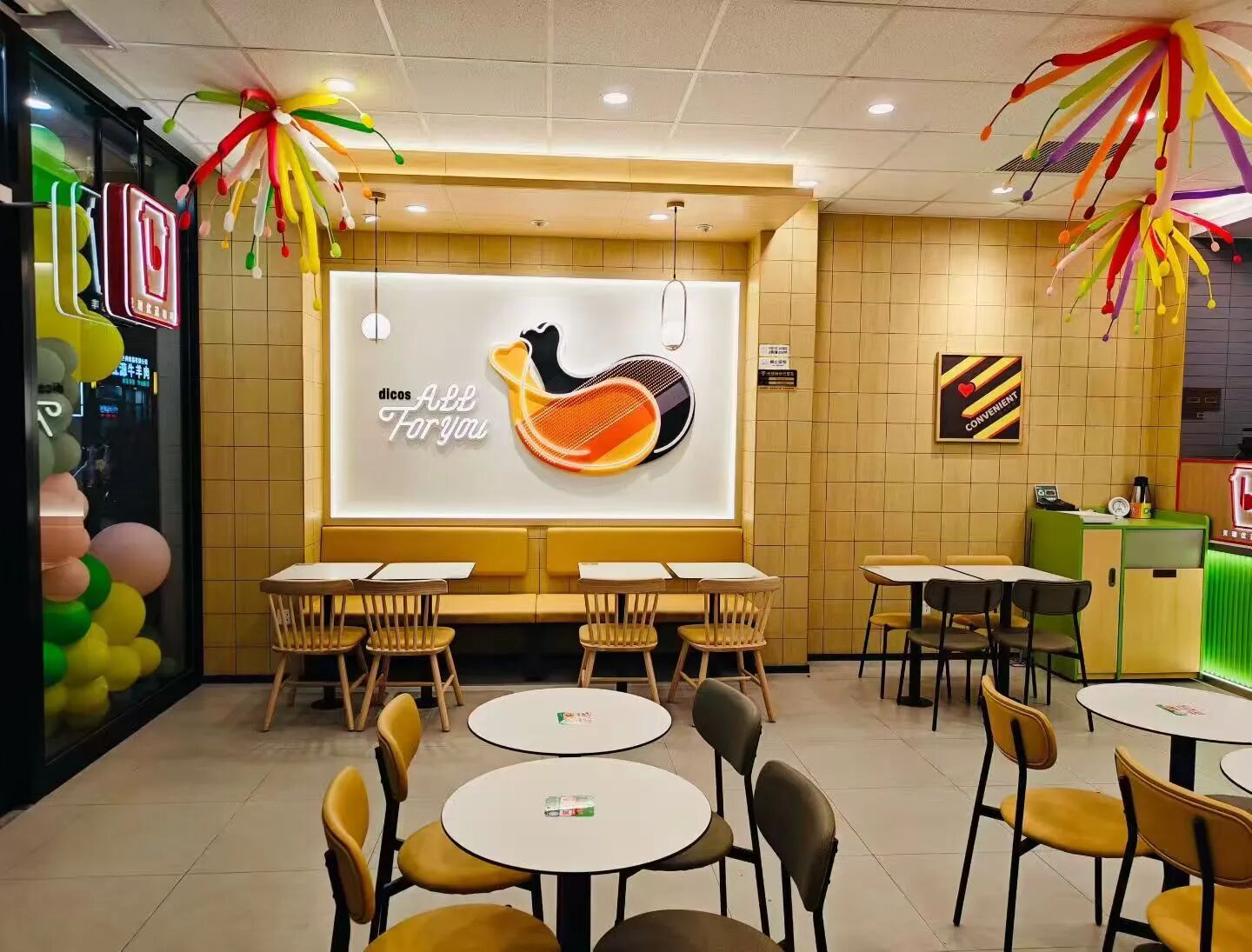
Great news! The Dicos Halal restaurant has officially opened its doors at No. 253 Zhongshan Middle Road Imperial Street in Hangzhou. Celebrating both Dicos' 30th anniversary and this exciting grand opening, the spot is serving up authentic crispy halal fried chicken and delicious burgers, adding a fresh, convenient halal dining option for Hui Muslims and locals across Hangzhou.
Foodie scoop! Major foodie scoop!
Stop everything, big news from Yabatou!!
Awesome news keeps rolling in on this historic ancient street,
A double dose of deliciousness for everyone!
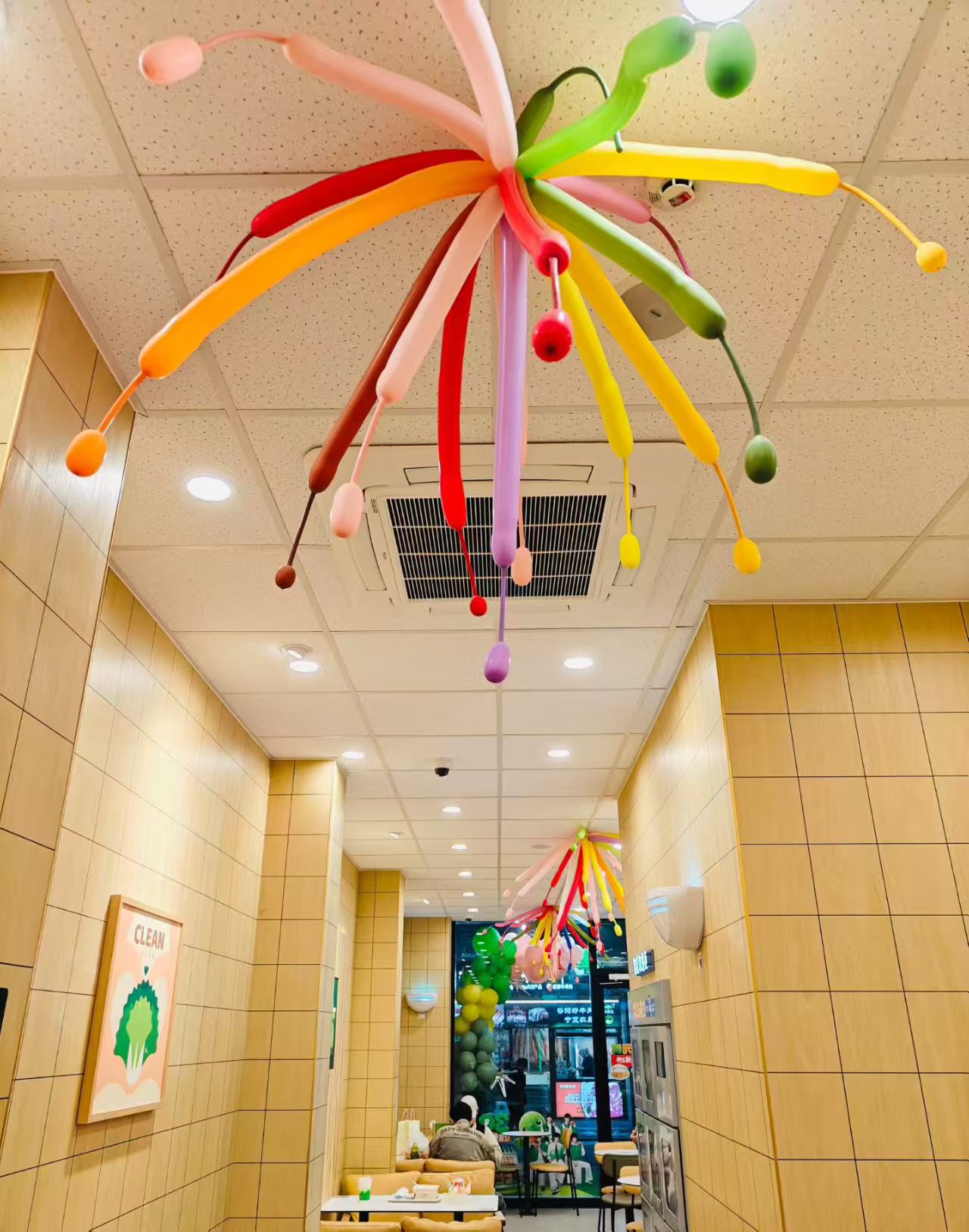
The Dicos Halal restaurant at Yabatou opens its doors tomorrow morning, officially setting down roots at No. 253 Zhongshan Middle Road Imperial Street!
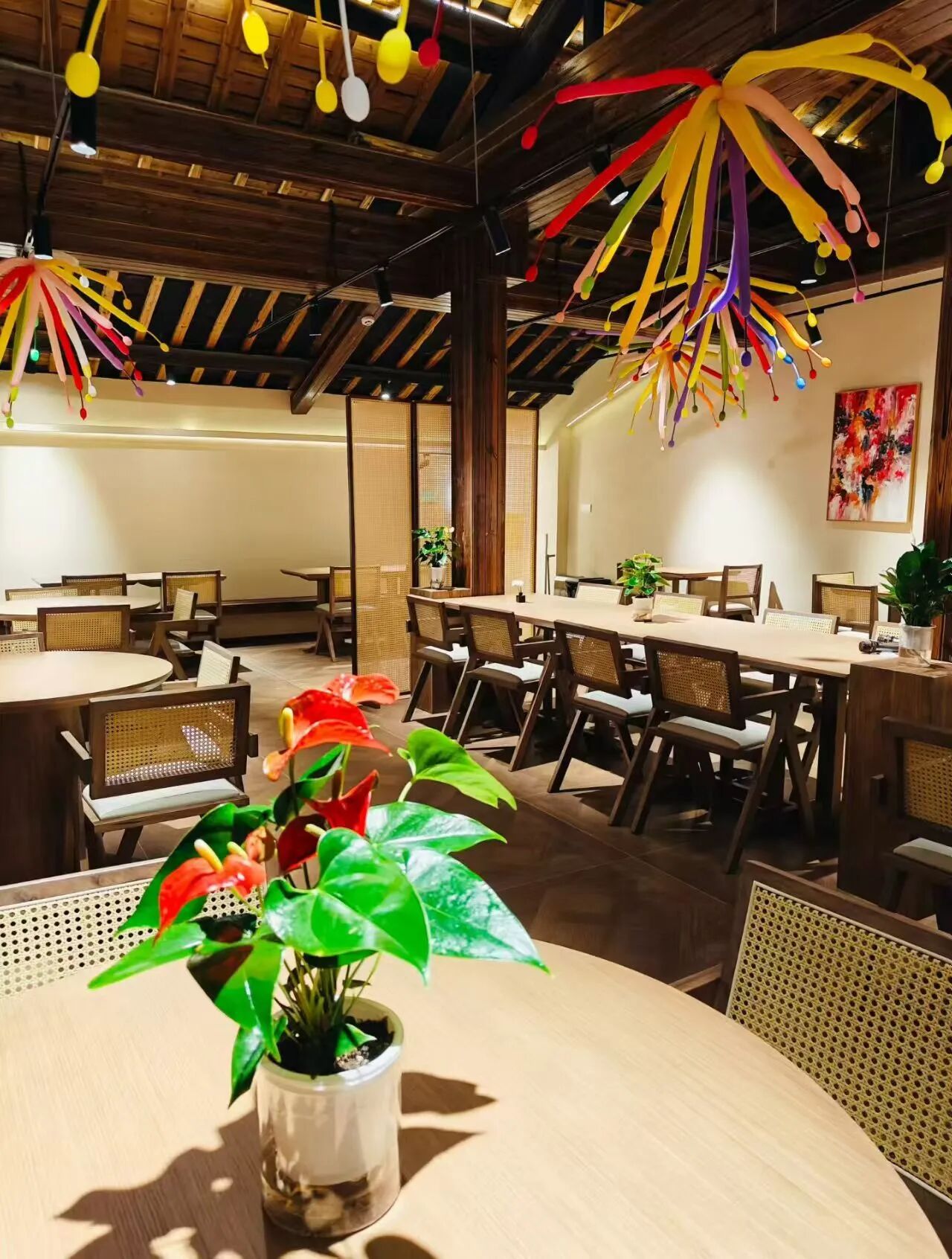
Celebrating 30 years of Dicos craftsmanship!
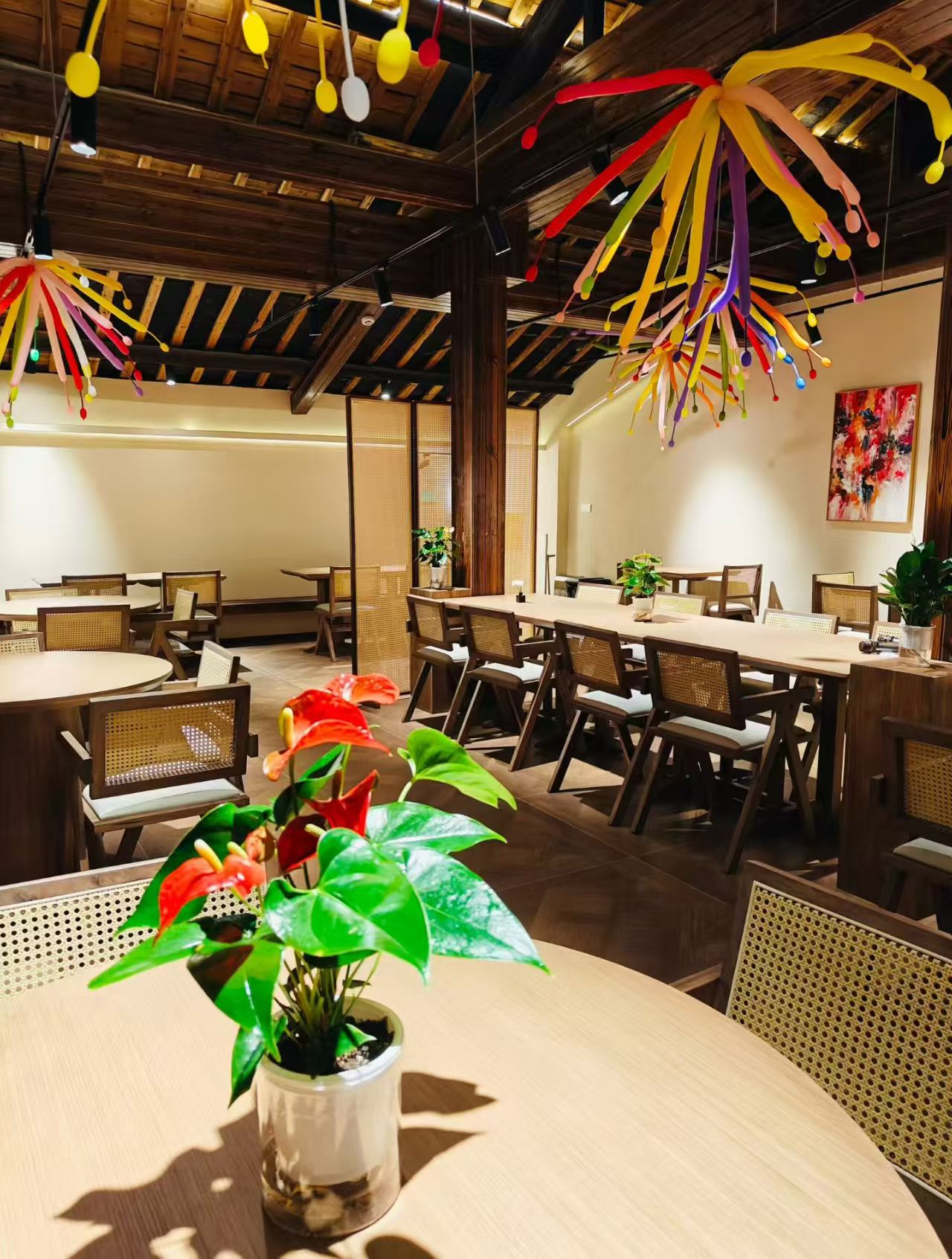
A brand-new halal restaurant opens its doors at Yabatou in Hangzhou!
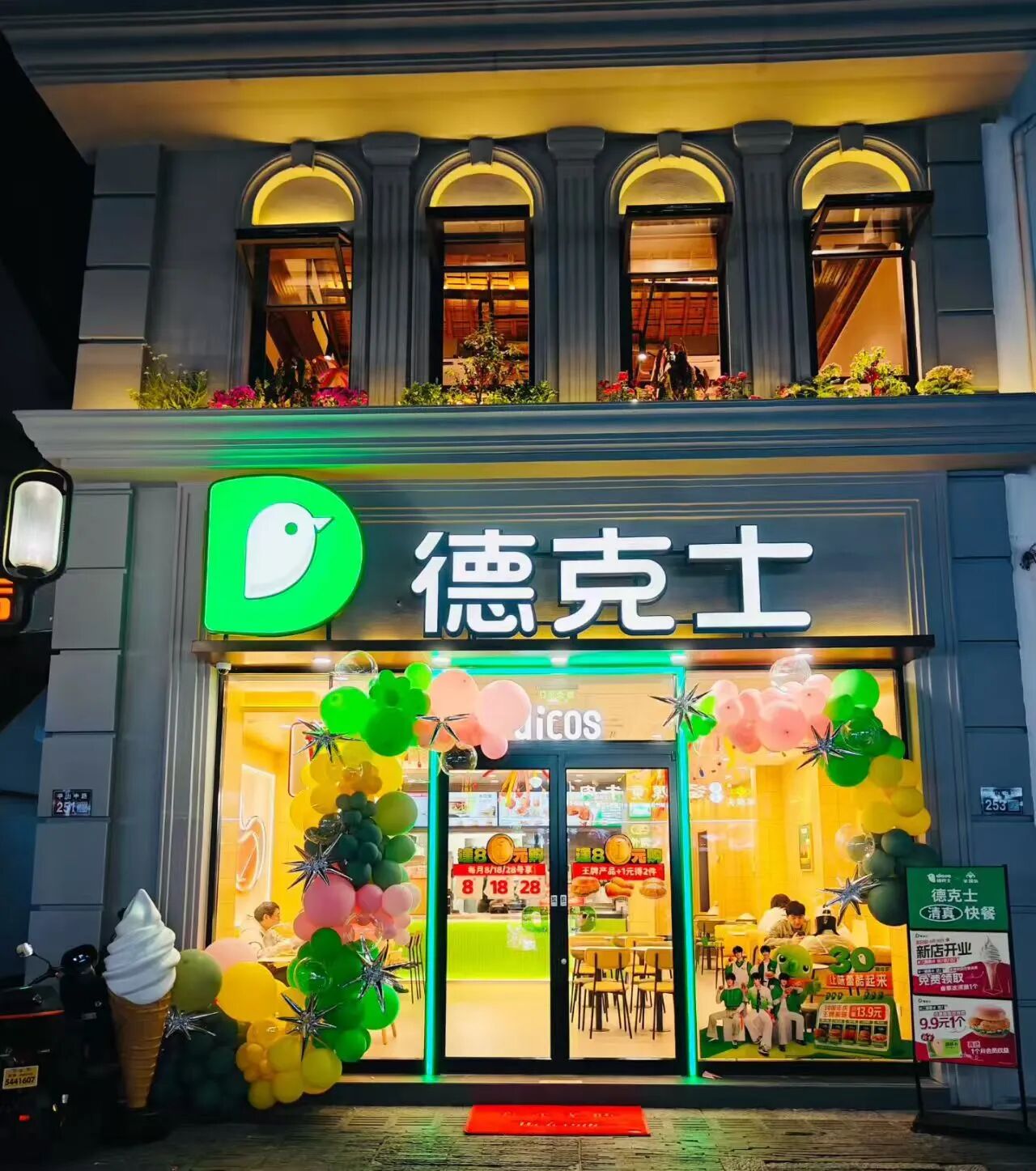
A double celebration! Thirty years of dedication, thirty years of genuine companionship. To mark this joyous grand opening, we've got tons of gifts and special discounts, and we warmly invite you to join our delicious foodie family! We can't wait to see you!
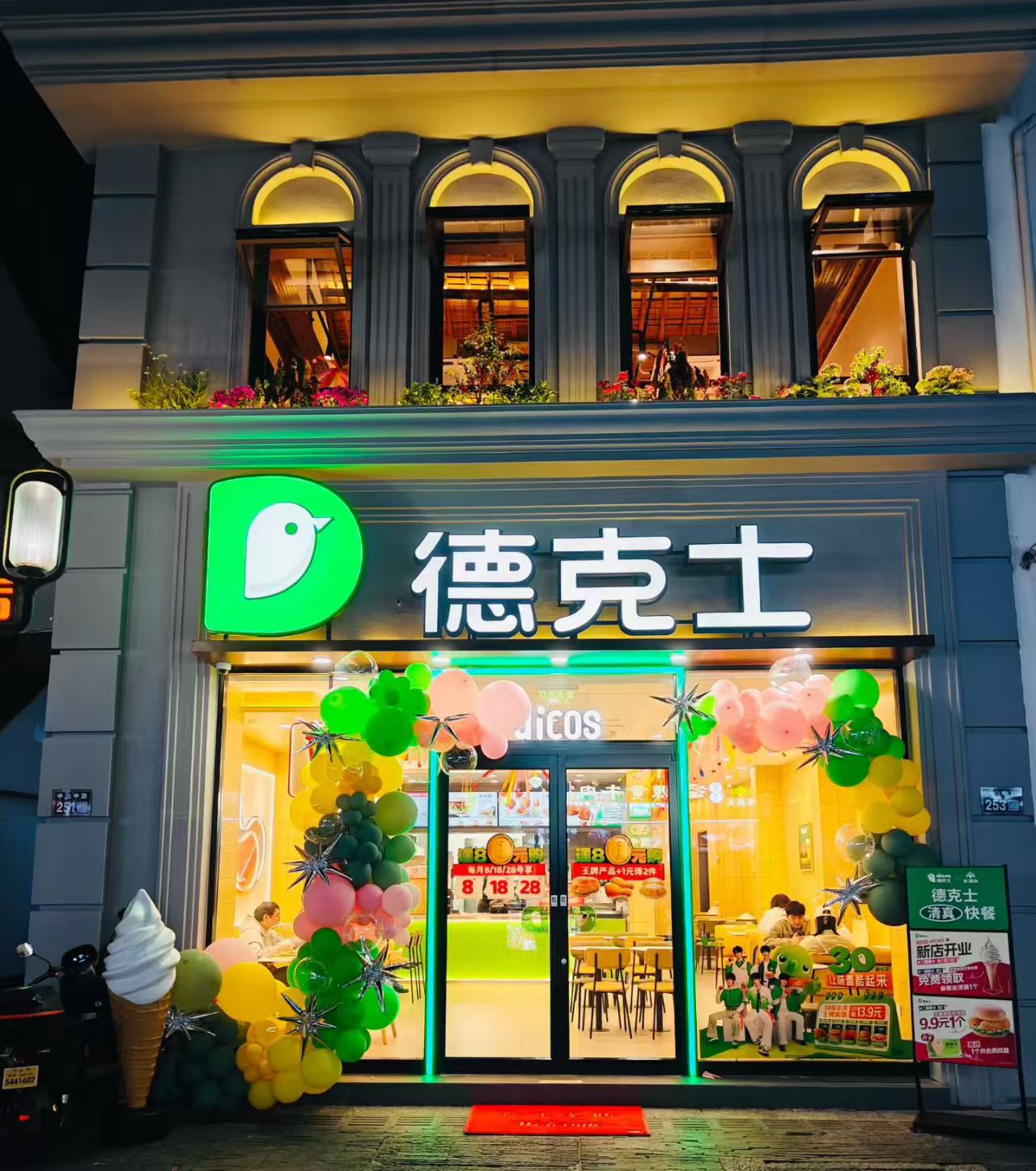
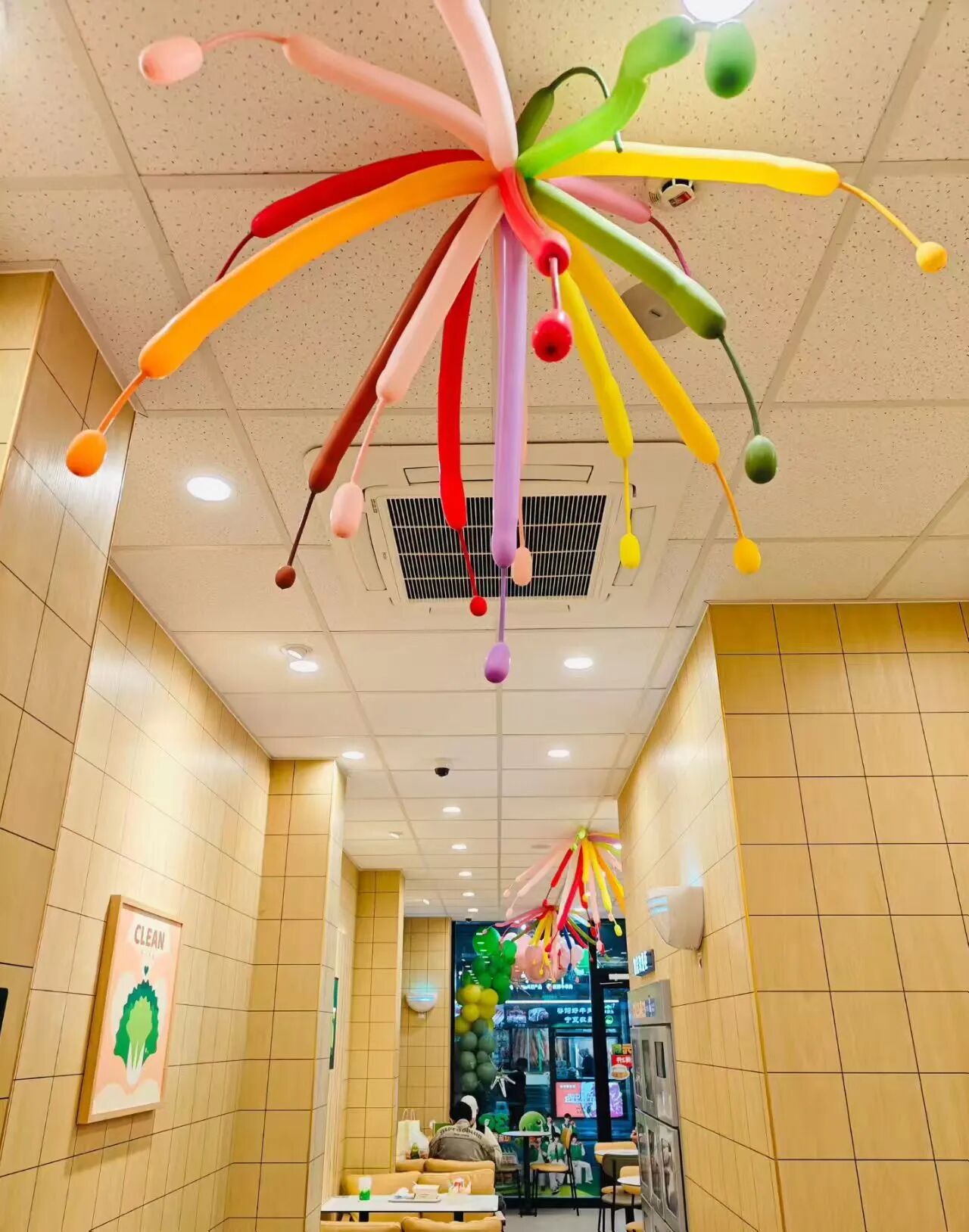
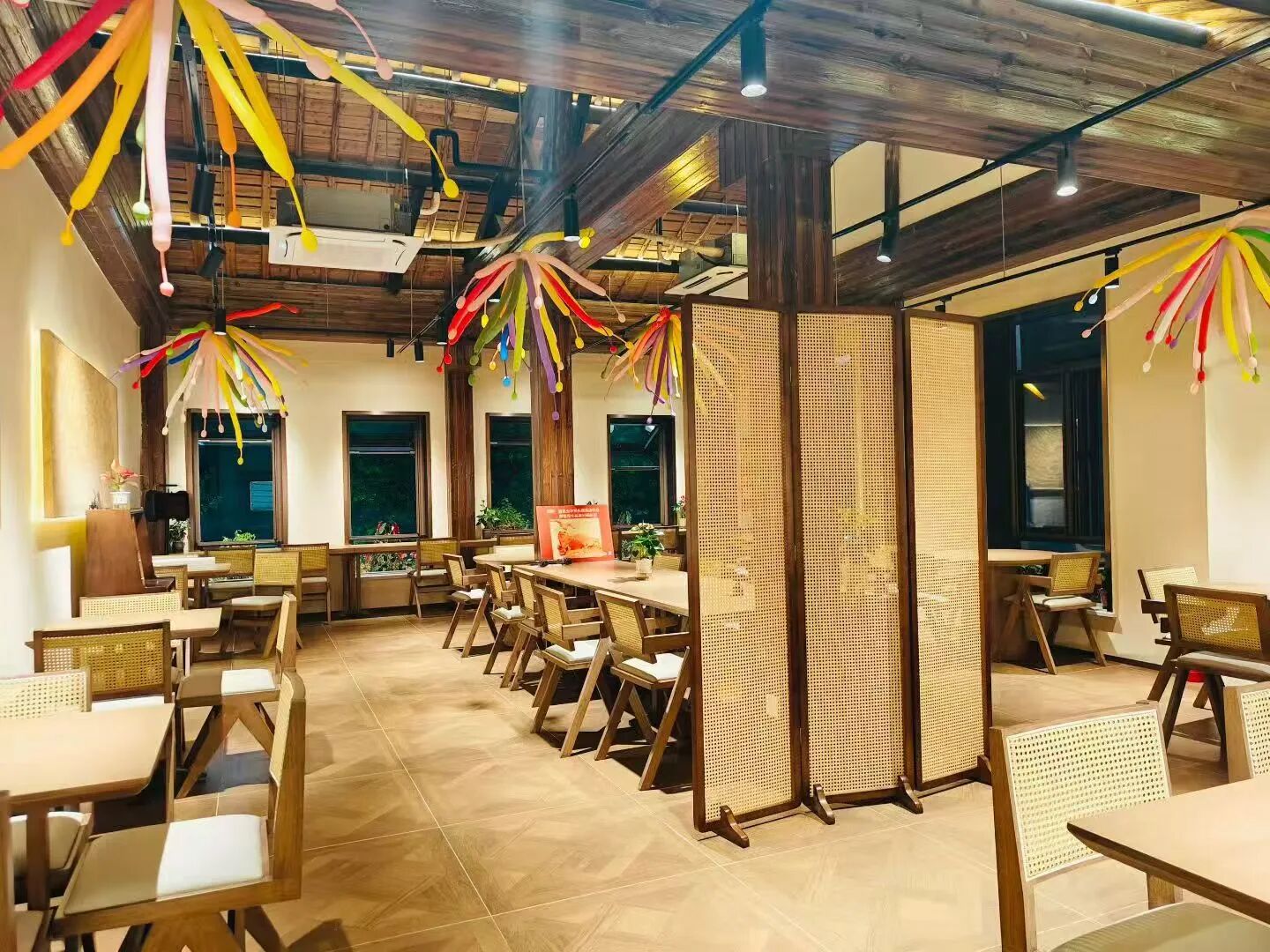
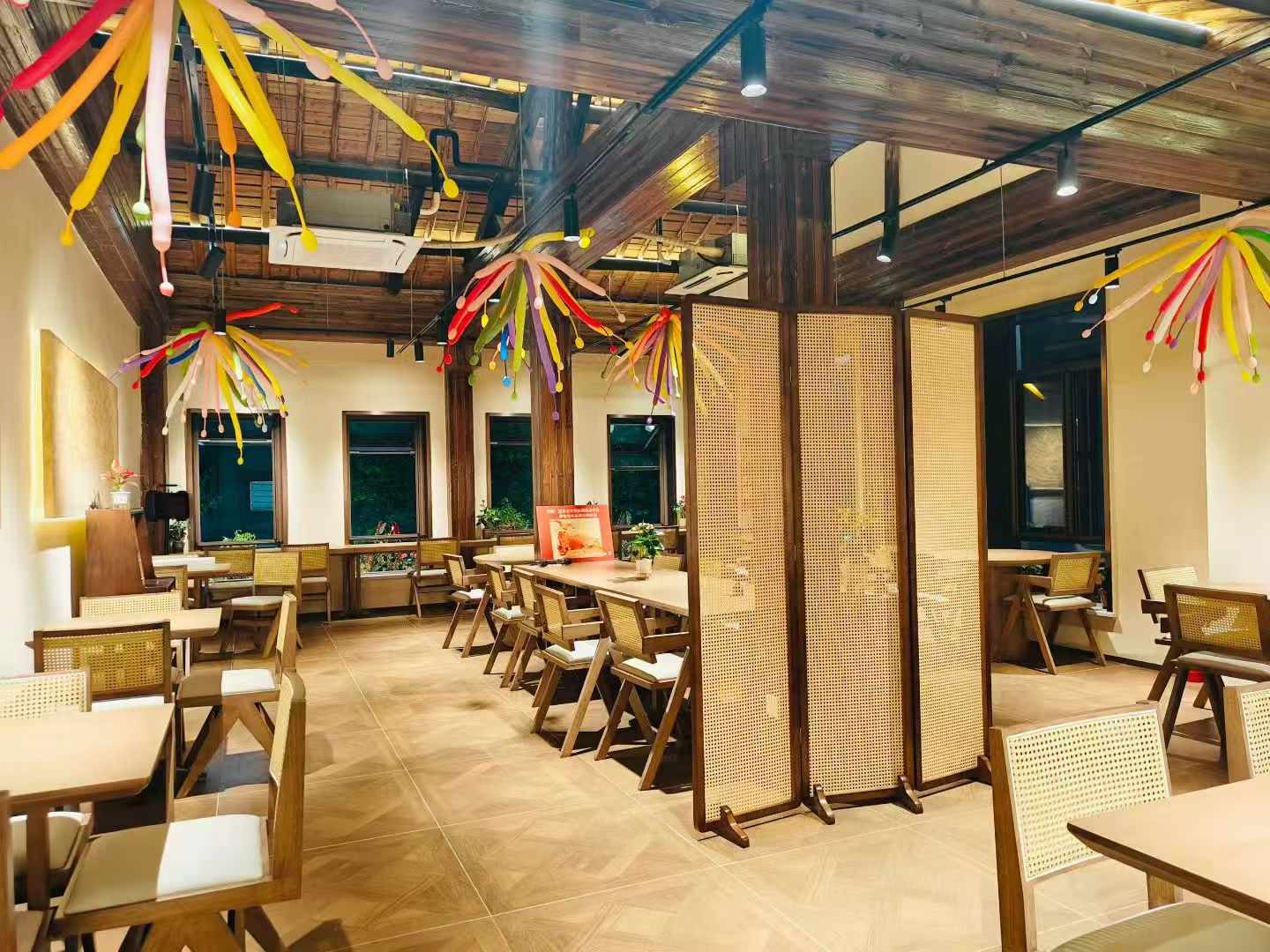
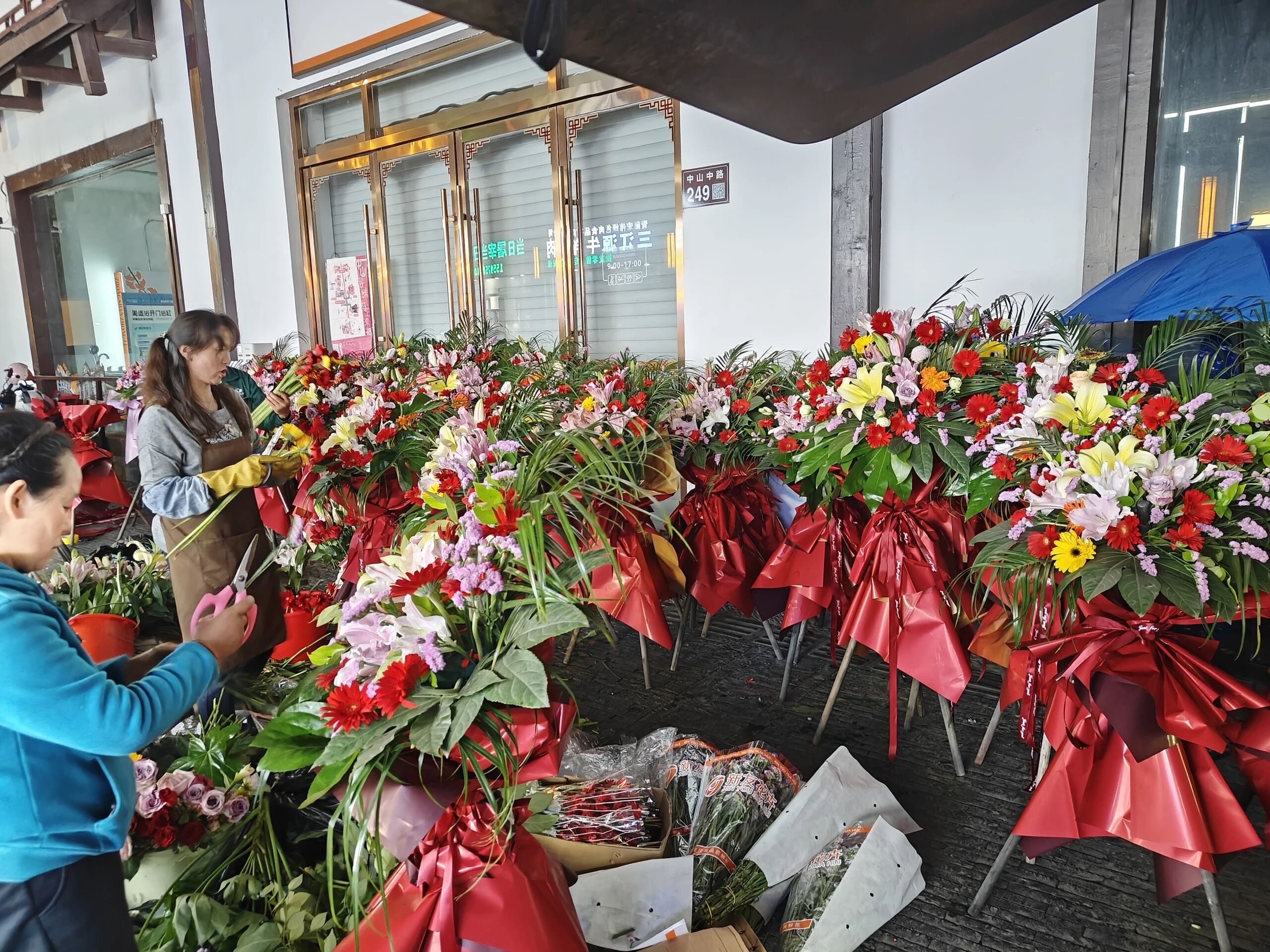
Tomorrow, gorgeous flowers, upbeat music, authentic crispy halal fried chicken, and delicious burgers will be waiting just for you.
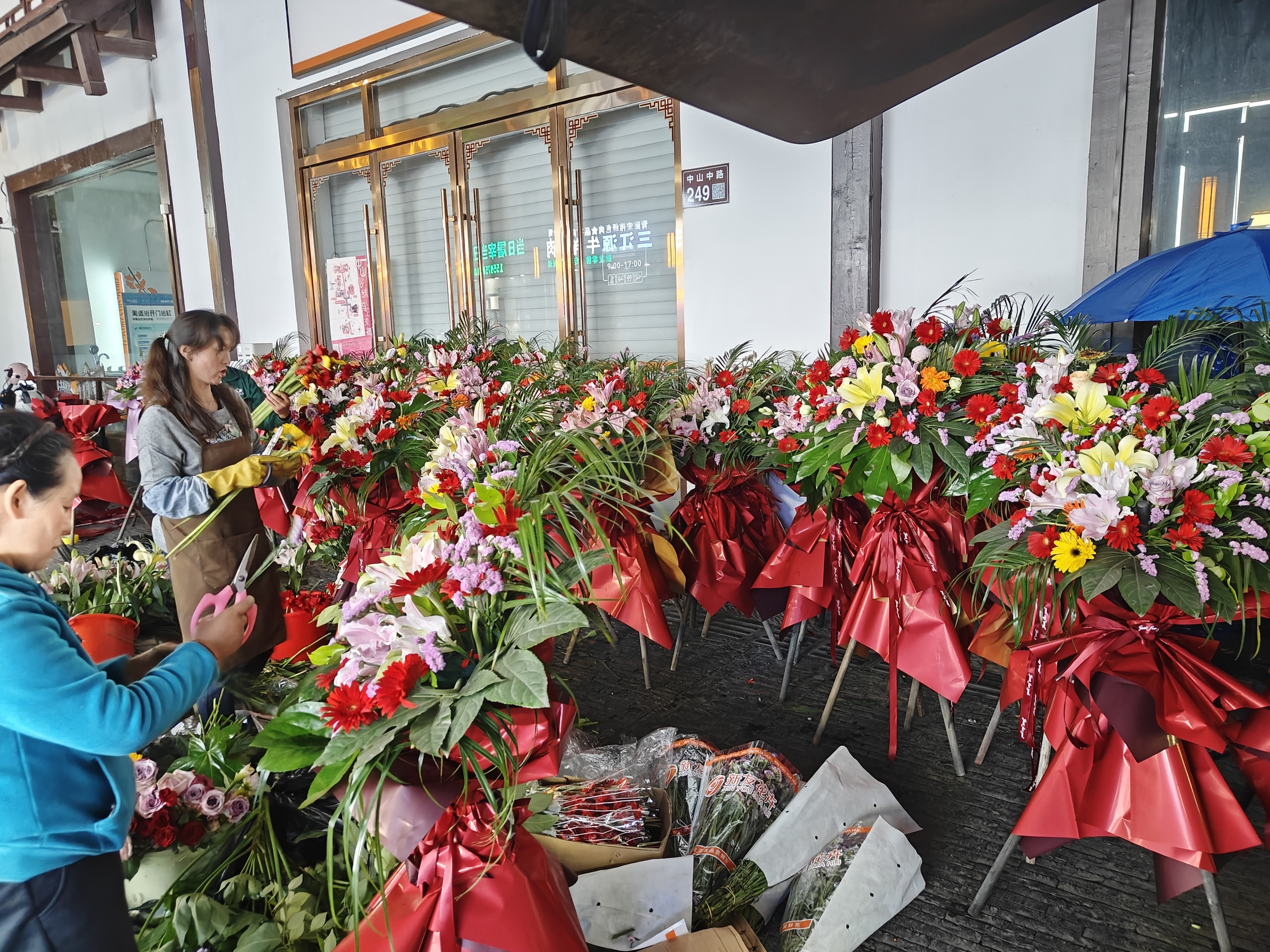

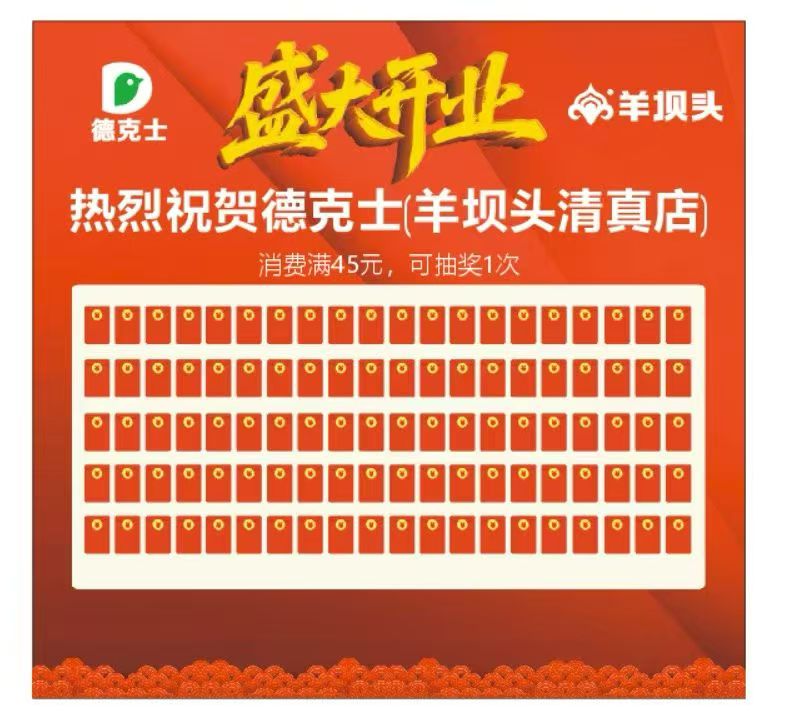
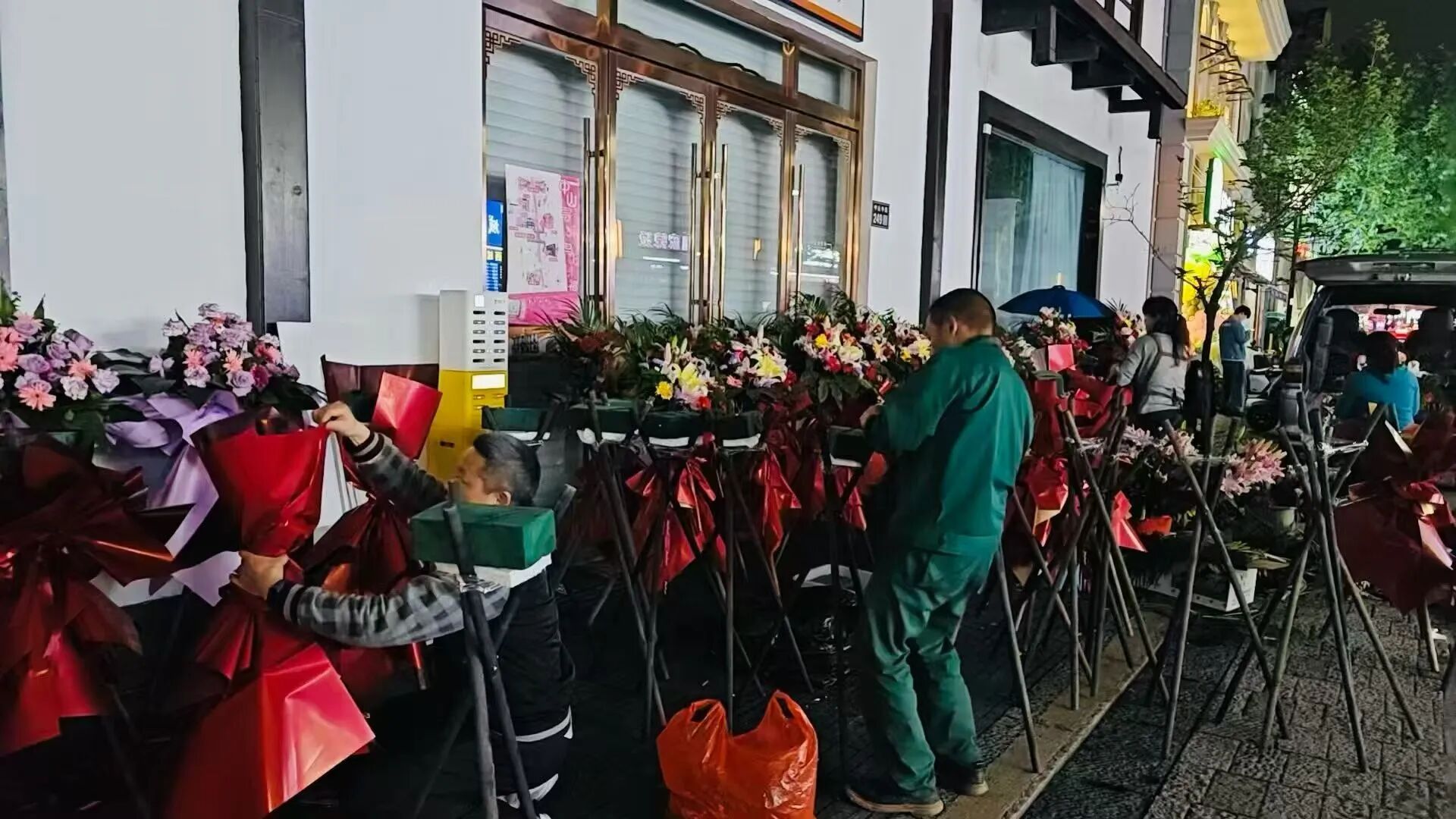
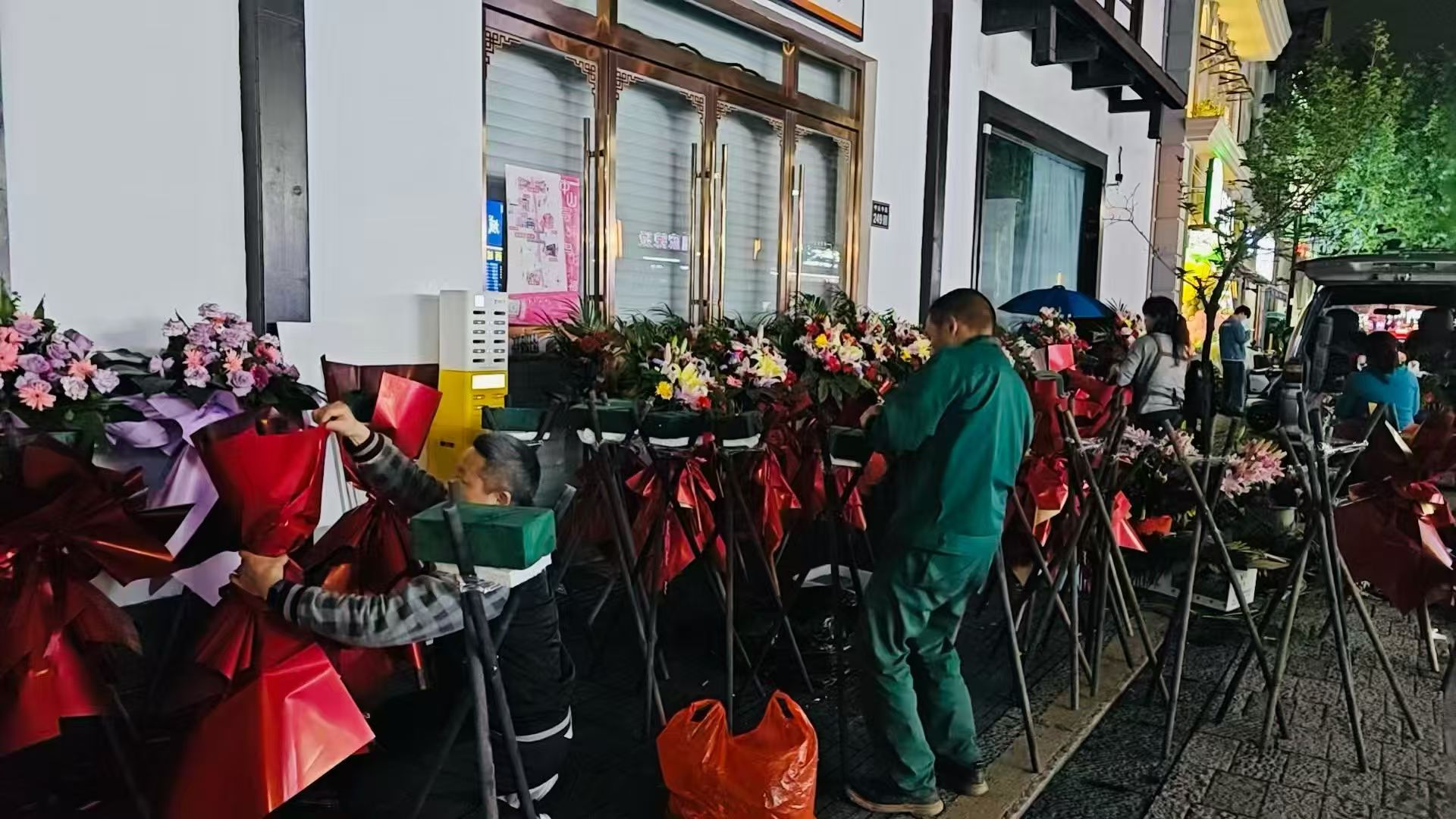 Collapse Read »
[Foodie Scoop] Dicos Halal Restaurant at Yabatou Officially Opens: Rooted on Zhongshan Middle Road Imperial Street in Hangzhou, Celebrating 30 Years with Crispy Halal Fried Chicken
Summary:
Great news! The Dicos Halal restaurant has officially opened its doors at No. 253 Zhongshan Middle Road Imperial Street in Hangzhou. Celebrating both Dicos' 30th anniversary and this exciting grand opening, the spot is serving up authentic crispy halal fried chicken and delicious burgers, adding a fresh, convenient halal dining option for Hui Muslims and locals across Hangzhou.
Foodie scoop! Major foodie scoop!
Stop everything, big news from Yabatou!!
Awesome news keeps rolling in on this historic ancient street,
A double dose of deliciousness for everyone!
The Dicos Halal restaurant at Yabatou opens its doors tomorrow morning, officially setting down roots at No. 253 Zhongshan Middle Road Imperial Street!
Celebrating 30 years of Dicos craftsmanship!
A brand-new halal restaurant opens its doors at Yabatou in Hangzhou!
A double celebration! Thirty years of dedication, thirty years of genuine companionship. To mark this joyous grand opening, we've got tons of gifts and special discounts, and we warmly invite you to join our delicious foodie family! We can't wait to see you!
Tomorrow, gorgeous flowers, upbeat music, authentic crispy halal fried chicken, and delicious burgers will be waiting just for you.
Collapse Read »
Exploring Xinghongge: Shanghai’s 60-Year-Old Halal Spot for Beef Pan-Fried Buns and Potstickers in Hongkou
[Internet Repost]
Exploring Xinghongge (Formerly Islamic Restaurant): A 60-Year-Old Halal Legend in Shanghai's Hongkou District for Niurou Jianbao and Oversized Potstickers
Summary:
A visit to Xinghongge (formerly the Hongkou Islamic Restaurant), a neighborhood Halal staple in Shanghai's Hongkou District carrying 60 years of local memories. Check out the freshly wrapped and pan-fried crispy niurou jianbao (pan-fried beef buns) and oversized guotie (crispy beef potstickers) at the ground-floor takeout window, and experience the hearty flavors that generations of old Shanghai locals have loved for decades.
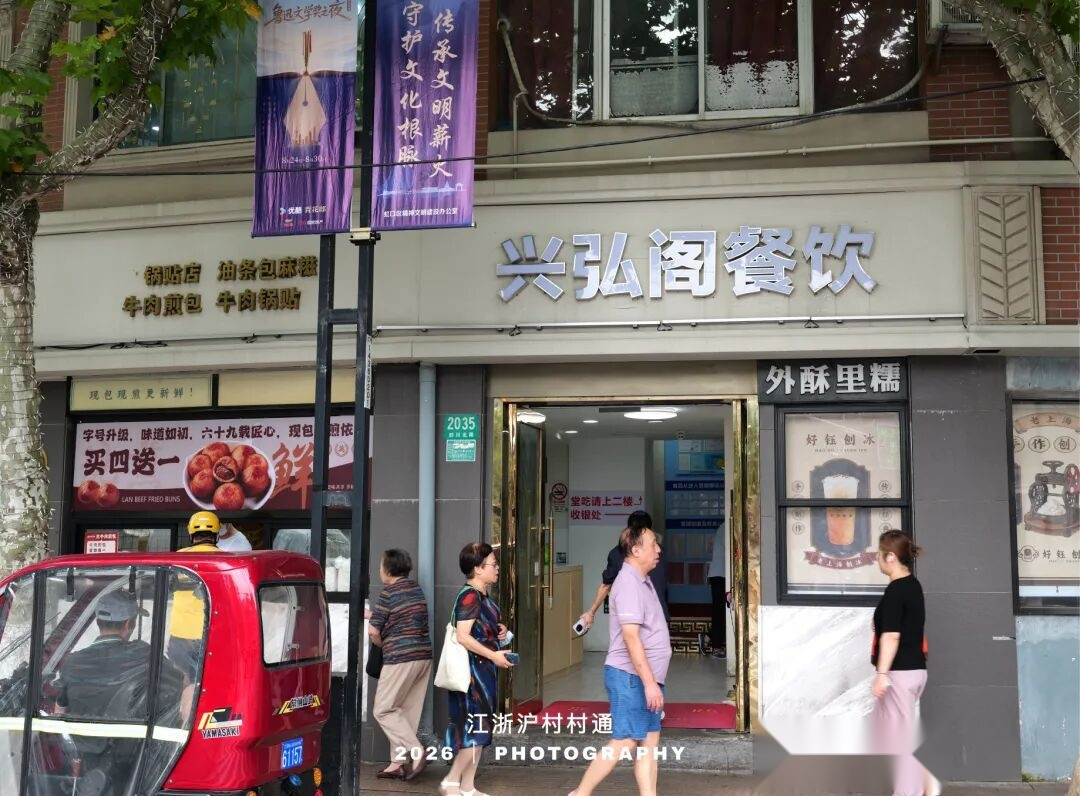
Hongkou has a super famous Halal eatery that used to go by the straightforward name 'Islamic Restaurant,' though it recently had to change its name due to regulations. Their crispy niurou jianbao and massive guotie are absolute legends that keep food lovers coming back for more~
It's now called Xinghongge Restaurant. This is our first time back since the old spot reopened under the new name. The overall layout feels pretty much the same, except they’ve gotten rid of the indoor dining seating on the first floor~
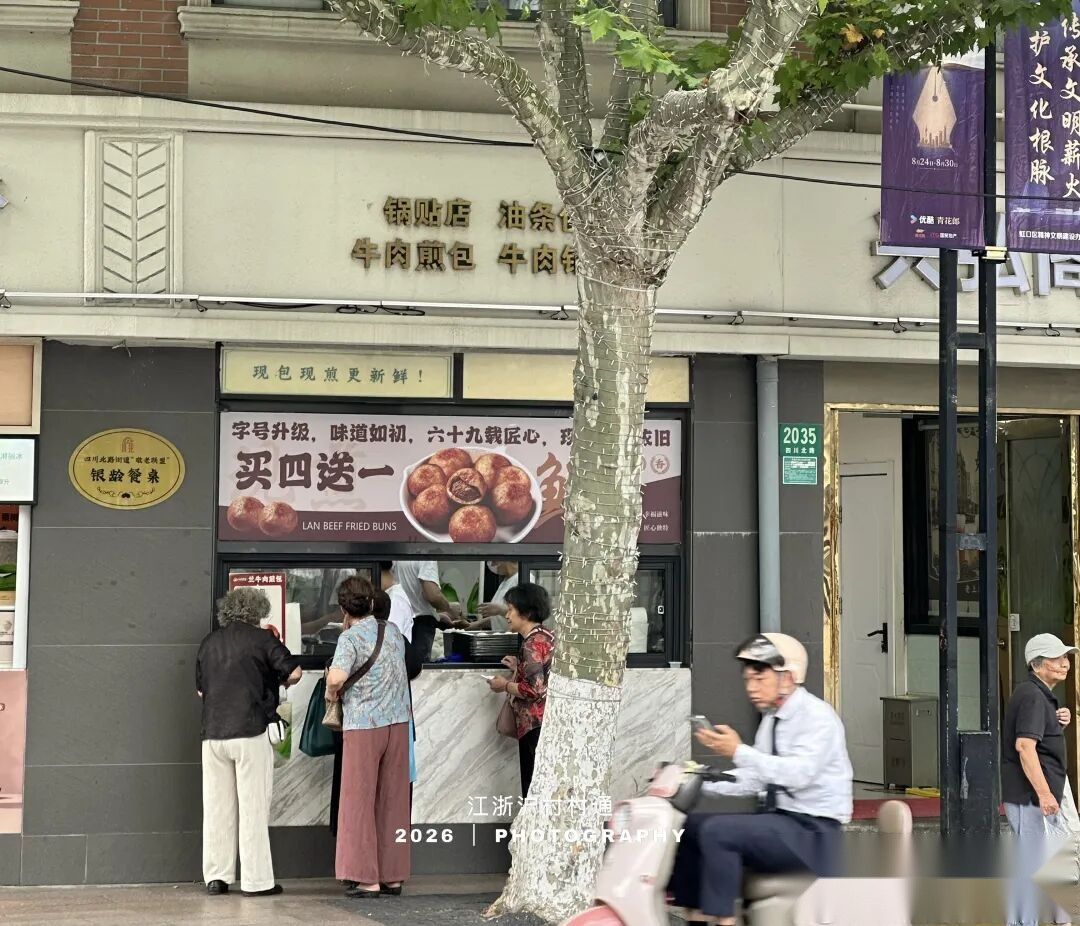
There are still plenty of local aunties waiting in line, as always~
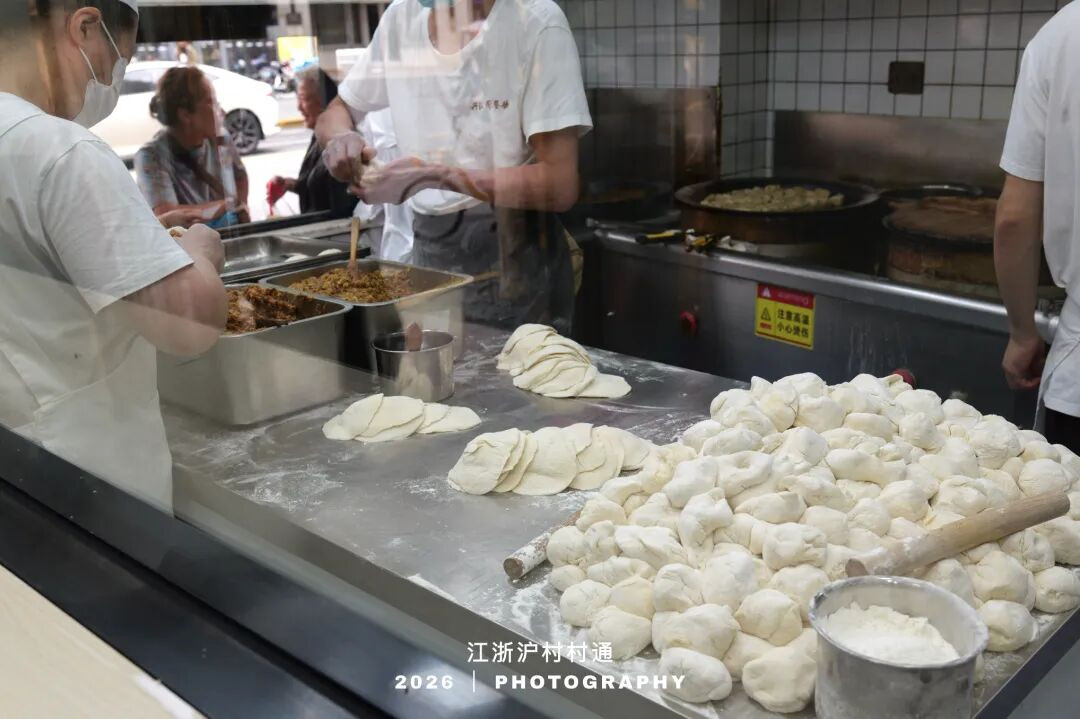
The open kitchen is fully exposed to view. Inside, you can see five or six staff members each handling their own station, from kneading the dough to frying up the buns~
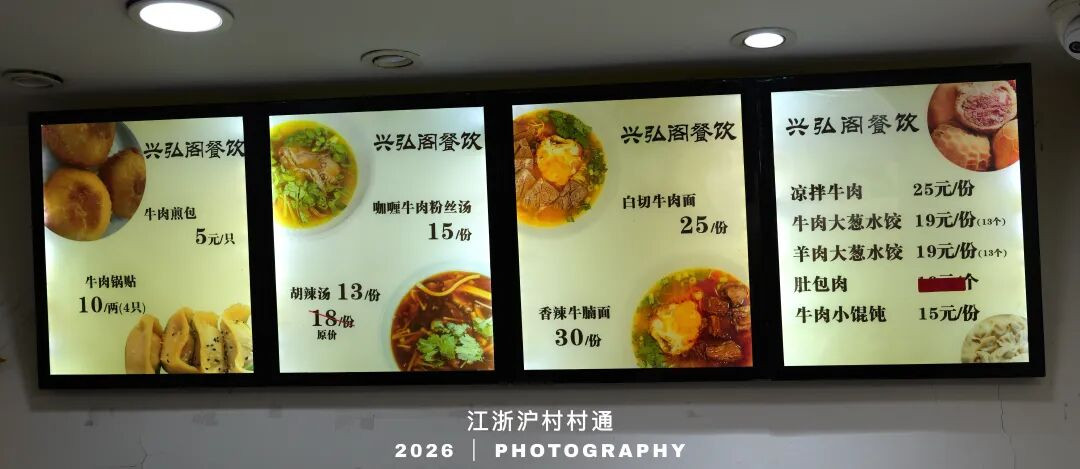
The menu is way shorter than it used to be. I remember they used to have niangao tuan (sticky rice cake rolls), but those are completely gone now. The core items really boil down to just three to five things~
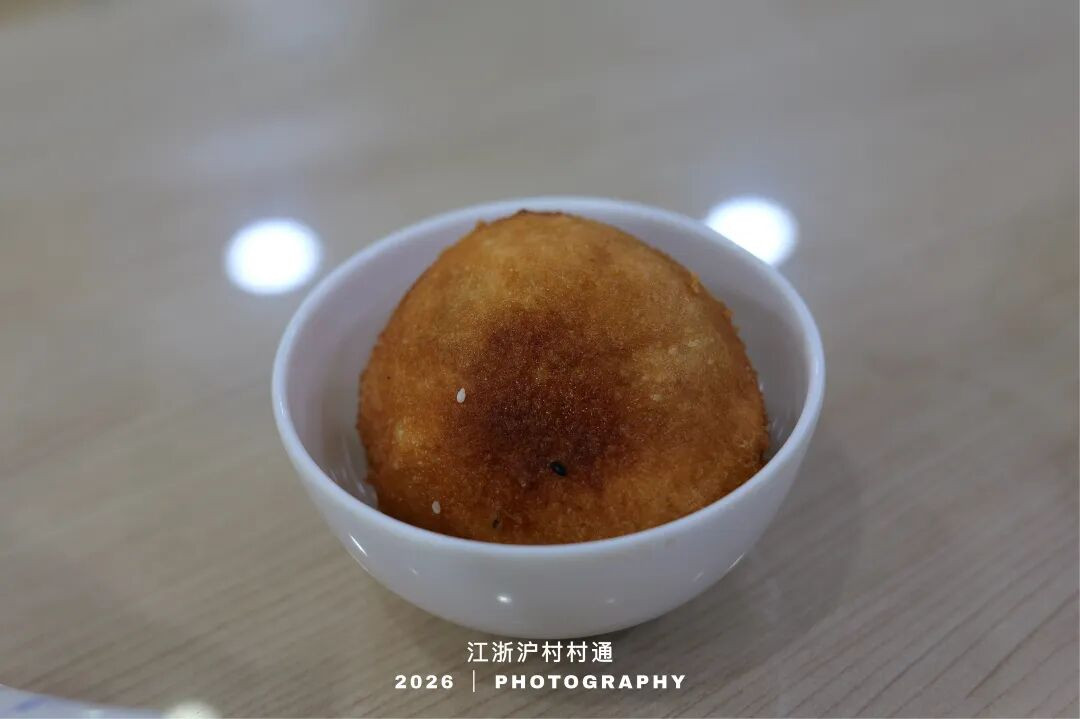
The niurou jianbao. You pay with your ticket and pick them up yourself at the window. They're 5 RMB each, buy four get one free, and they were fresh out of the pan, which is a major plus. Eating them feels a bit like having a deep-fried leavened steamed bun—the dough is on the thicker side, but the crust is super crispy and it doesn't feel greasy at all!
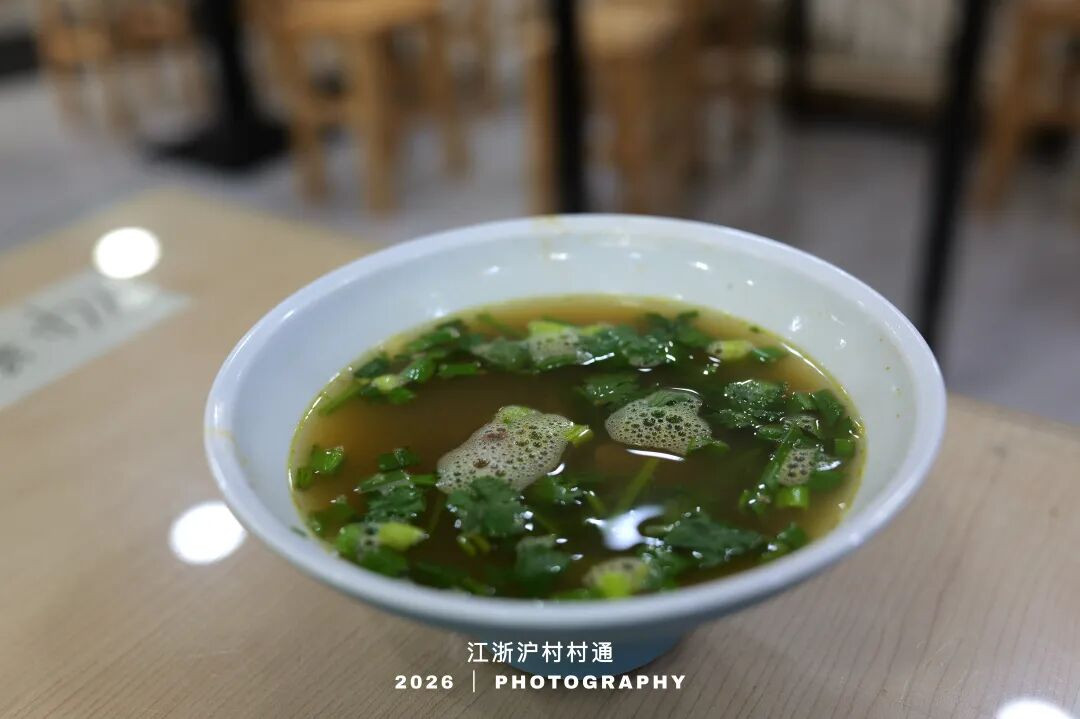
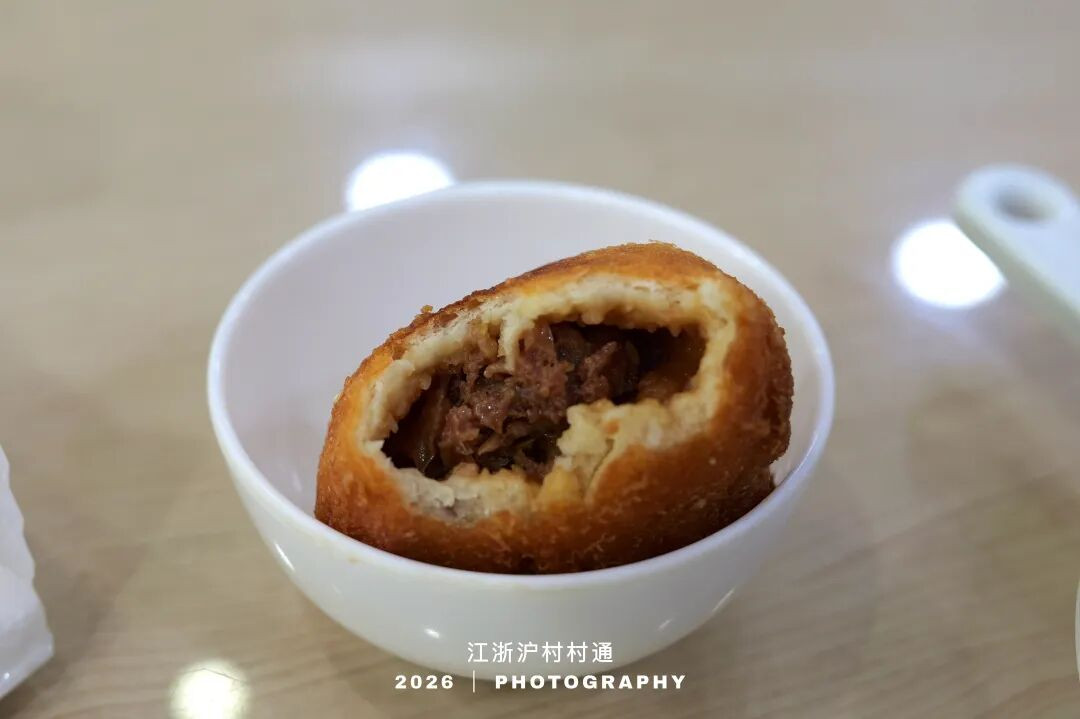
The beef filling inside isn't actually that heavy; cabbage makes up a pretty high percentage of it. It feels a bit loose when you bite into it, and there isn't much soup, so it mostly relies on seasoning for that extra punch of aroma!
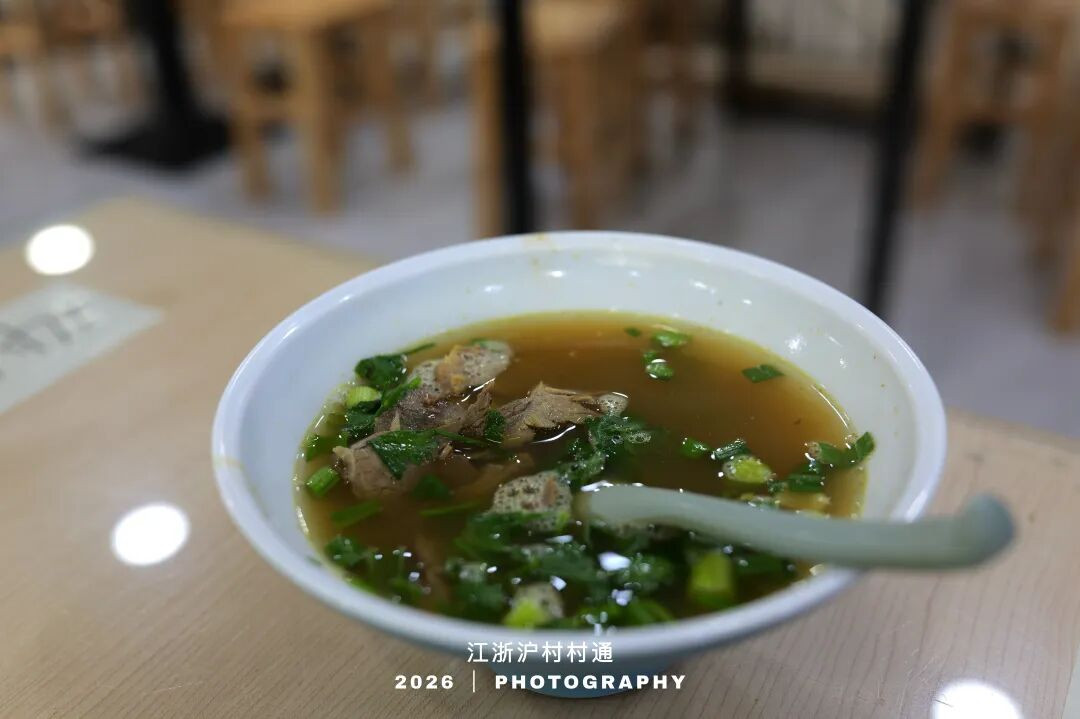
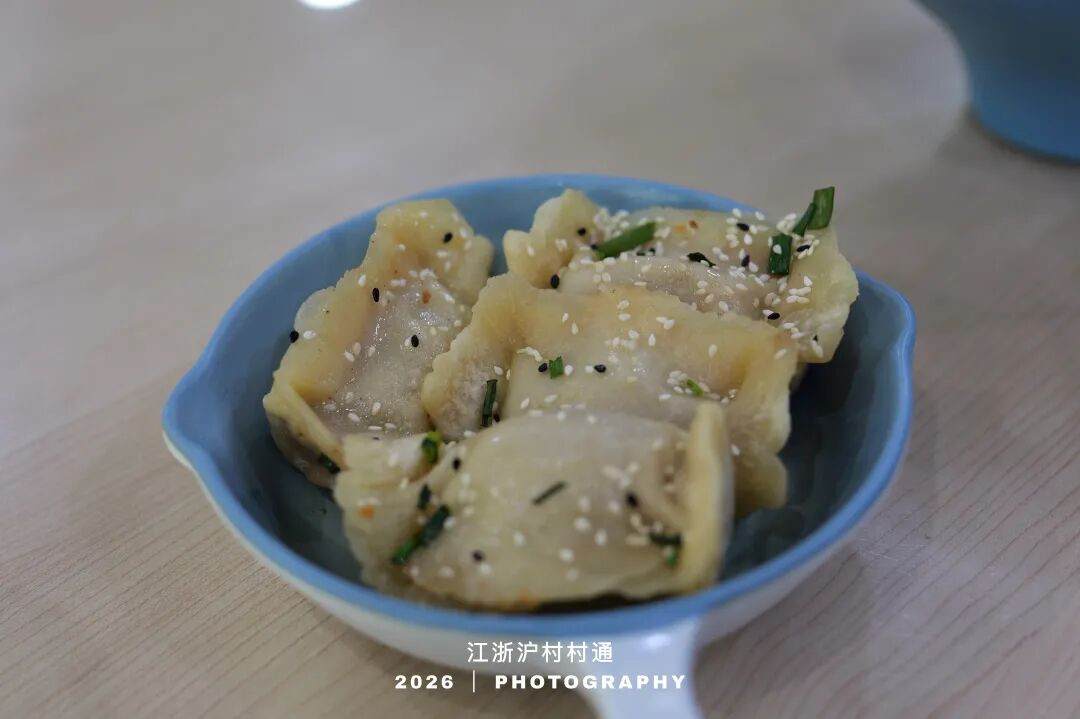
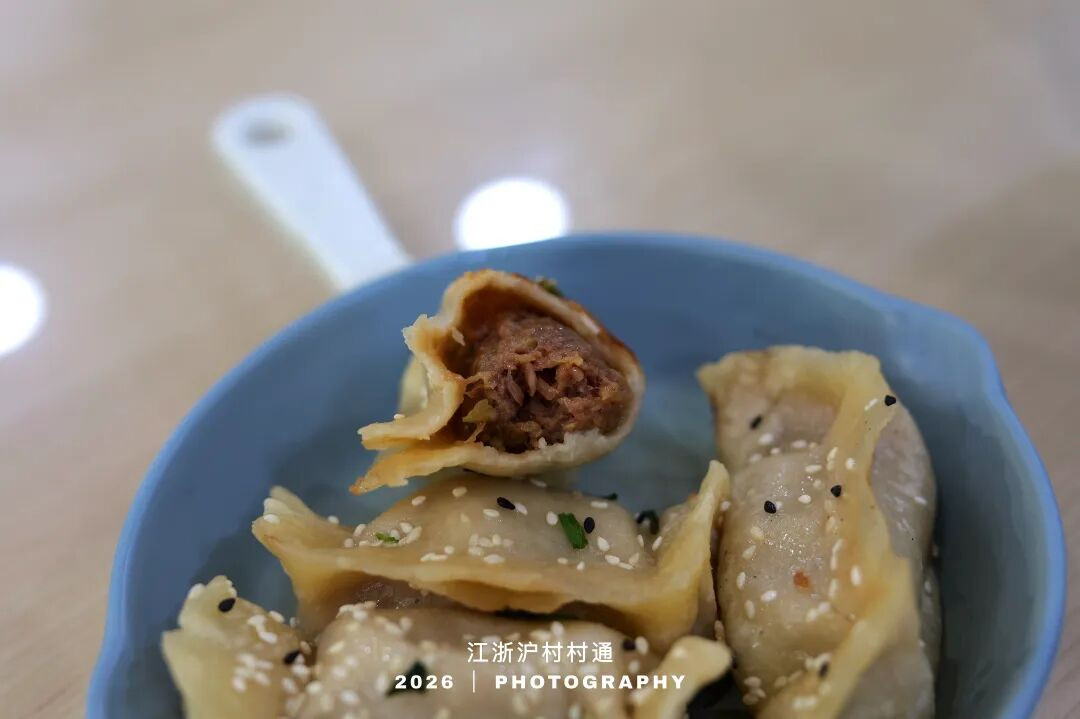
The niurou guotie (crispy beef potstickers) go for 10 RMB per liang (about 50 grams), and they were fresh out of the pan too! They're quite large, but the wrapper is thick and sticks to your teeth. The folds weren't even sealed properly, and they tasted kind of dry, though the bottom crust was seriously crunchy~
They use the exact same filling as the jianbao~
The curry beef soup is 15 RMB. The curry flavor in the broth is super rich, with just a hint of bitterness~
I gotta be honest, they're super generous with the beef—there's a ton of it. That said, most of it is just bits and pieces, and it tasted a bit dry and stringy!
Even though I thought the food was just so-so, regular customers keep streaming into the shop nonstop. After all, it is a neighborhood institution that's been around for close to 60 years~
Xinghongge Restaurant • Niurou Jianbao Address: 2035 North Sichuan Road, Hongkou District~
END Collapse Read »
Exploring Xinghongge (Formerly Islamic Restaurant): A 60-Year-Old Halal Legend in Shanghai's Hongkou District for Niurou Jianbao and Oversized Potstickers
Summary:
A visit to Xinghongge (formerly the Hongkou Islamic Restaurant), a neighborhood Halal staple in Shanghai's Hongkou District carrying 60 years of local memories. Check out the freshly wrapped and pan-fried crispy niurou jianbao (pan-fried beef buns) and oversized guotie (crispy beef potstickers) at the ground-floor takeout window, and experience the hearty flavors that generations of old Shanghai locals have loved for decades.
Hongkou has a super famous Halal eatery that used to go by the straightforward name 'Islamic Restaurant,' though it recently had to change its name due to regulations. Their crispy niurou jianbao and massive guotie are absolute legends that keep food lovers coming back for more~
It's now called Xinghongge Restaurant. This is our first time back since the old spot reopened under the new name. The overall layout feels pretty much the same, except they’ve gotten rid of the indoor dining seating on the first floor~
There are still plenty of local aunties waiting in line, as always~
The open kitchen is fully exposed to view. Inside, you can see five or six staff members each handling their own station, from kneading the dough to frying up the buns~
The menu is way shorter than it used to be. I remember they used to have niangao tuan (sticky rice cake rolls), but those are completely gone now. The core items really boil down to just three to five things~
The niurou jianbao. You pay with your ticket and pick them up yourself at the window. They're 5 RMB each, buy four get one free, and they were fresh out of the pan, which is a major plus. Eating them feels a bit like having a deep-fried leavened steamed bun—the dough is on the thicker side, but the crust is super crispy and it doesn't feel greasy at all!
The beef filling inside isn't actually that heavy; cabbage makes up a pretty high percentage of it. It feels a bit loose when you bite into it, and there isn't much soup, so it mostly relies on seasoning for that extra punch of aroma!
The niurou guotie (crispy beef potstickers) go for 10 RMB per liang (about 50 grams), and they were fresh out of the pan too! They're quite large, but the wrapper is thick and sticks to your teeth. The folds weren't even sealed properly, and they tasted kind of dry, though the bottom crust was seriously crunchy~
They use the exact same filling as the jianbao~
The curry beef soup is 15 RMB. The curry flavor in the broth is super rich, with just a hint of bitterness~
I gotta be honest, they're super generous with the beef—there's a ton of it. That said, most of it is just bits and pieces, and it tasted a bit dry and stringy!
Even though I thought the food was just so-so, regular customers keep streaming into the shop nonstop. After all, it is a neighborhood institution that's been around for close to 60 years~
Xinghongge Restaurant • Niurou Jianbao Address: 2035 North Sichuan Road, Hongkou District~
END Collapse Read »
Shanghai Halal Food Guide: Yixinzhai's Iconic Beef Potstickers & Soup in Yangpu
[Internet Repost]
Shanghai Yangpu Heritage Halal Dim Sum Spot: Hands-On Review of Yixinzhai's Gold-Medal Beef Guotie and Savory Beef Soup
Abstract:
A food pilgrimage to Yixinzhai, a century-old Halal heritage spot nestled in the Pingliang Road commercial district of Shanghai's Yangpu District. We put their signature guotie (crispy beef potstickers) with golden, ultra-crispy bottoms and juicy, bursting fillings to the test, paired with a clear, subtly sweet traditional beef soup, breaking down the artisanal magic of authentic Shanghai-style Halal street eats.
When you're a kid, everywhere feels miles away. Even though I lived right here in Yangpu, I’d actually never tried Yixinzhai.
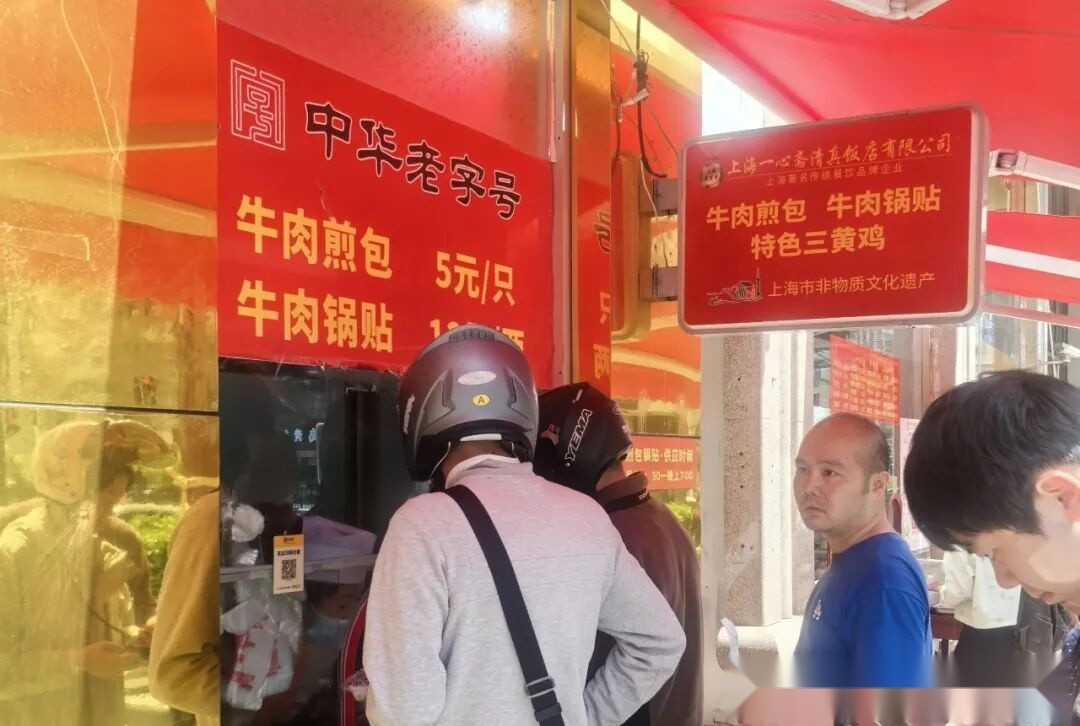
The storefront has a massive sign right at the intersection of Pingliang Road and Linqing Road—you can spot it instantly even if you're driving past. That bright gold text on a red background is seriously blinding. It’s set up like most veteran eateries, with a deli counter on one side of the entrance, a pickup window for guotie and jianbao (pan-fried beef buns), and a dedicated dim sum window.
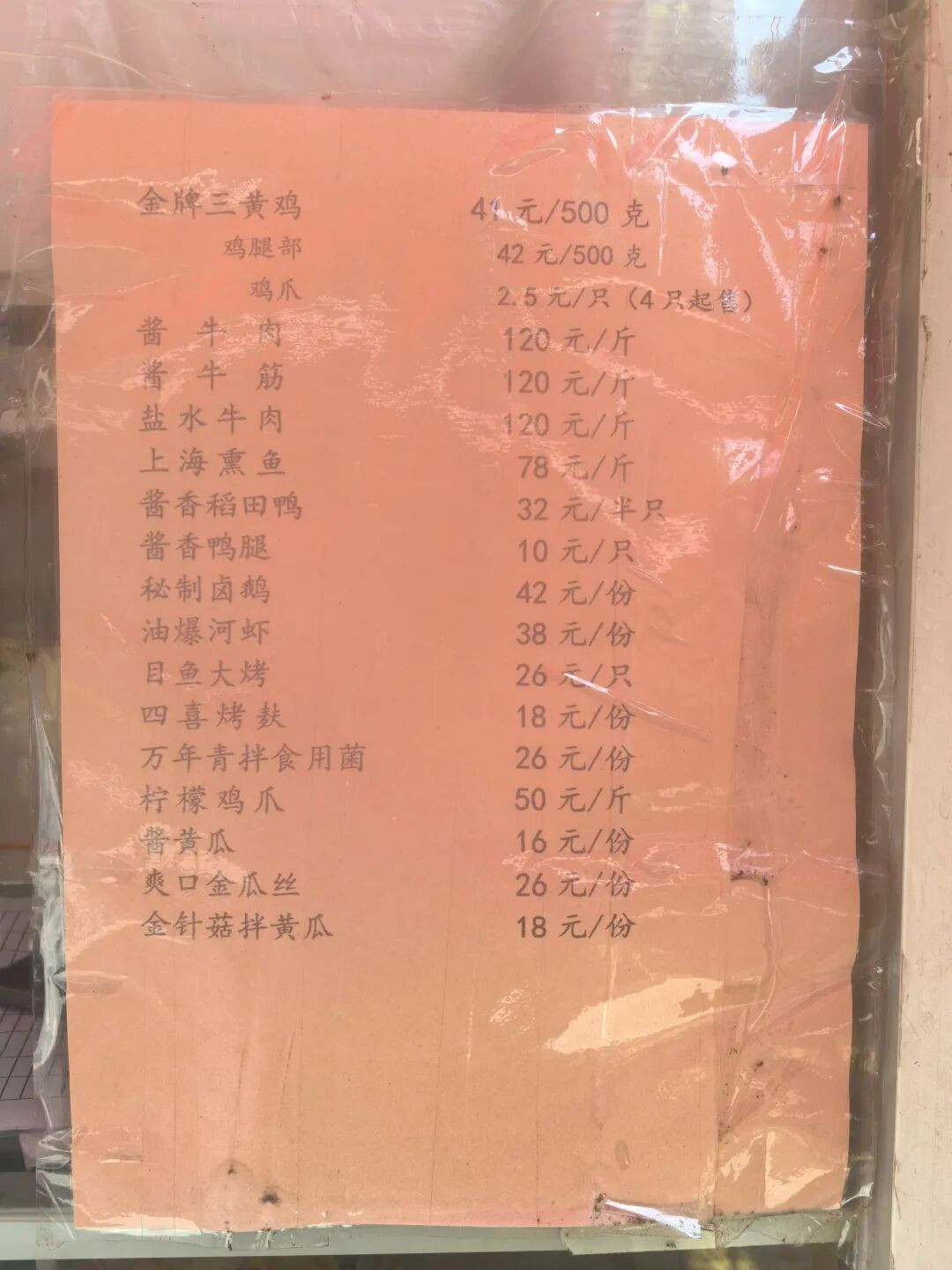
Their most famous deli item is baizhanji (classic cold-poached white-cut chicken), and these birds are huge. Getting a quarter section near the thigh runs around 600–700 grams, coming out to roughly 50 RMB. You can also grab wing-section pieces if you prefer—it’s totally flexible depending on your appetite and budget. The deli prices here are a bit steeper than what you’d find at neighborhood wet markets.
If you just want potstickers or pan-fried buns, you can hop right in the queue outside and pay with a quick QR code scan. But if you’re ordering other stuff like noodles or rice bowls, you’ll have to head inside to the cash register.
The interior is massive. The only catch is there are zero windows in the back, so it relies entirely on old-school, harsh white fluorescent lighting. Sitting in there doesn't exactly do wonders for your appetite. Even though this place is an official 'China Time-Honored Brand' and a 'Shanghai Intangible Cultural Heritage' spot where the food is so good it practically sells itself, they really need to rethink the dining ambiance.
You order at the cash register, where you can pick up shaved ice, beef soup, beef wontons, and various cold noodles and rice dishes. Once you order, you get a number tag. Aside from the shaved ice, mixed noodles, pan-fried buns, and potstickers, the servers bring everything else right to your table. Even though this is a Halal restaurant, the menu is massive, featuring full-on stir-fries alongside quick bites.
Even though the walls are plastered with house specialties, most people are clearly here for the dim sum.
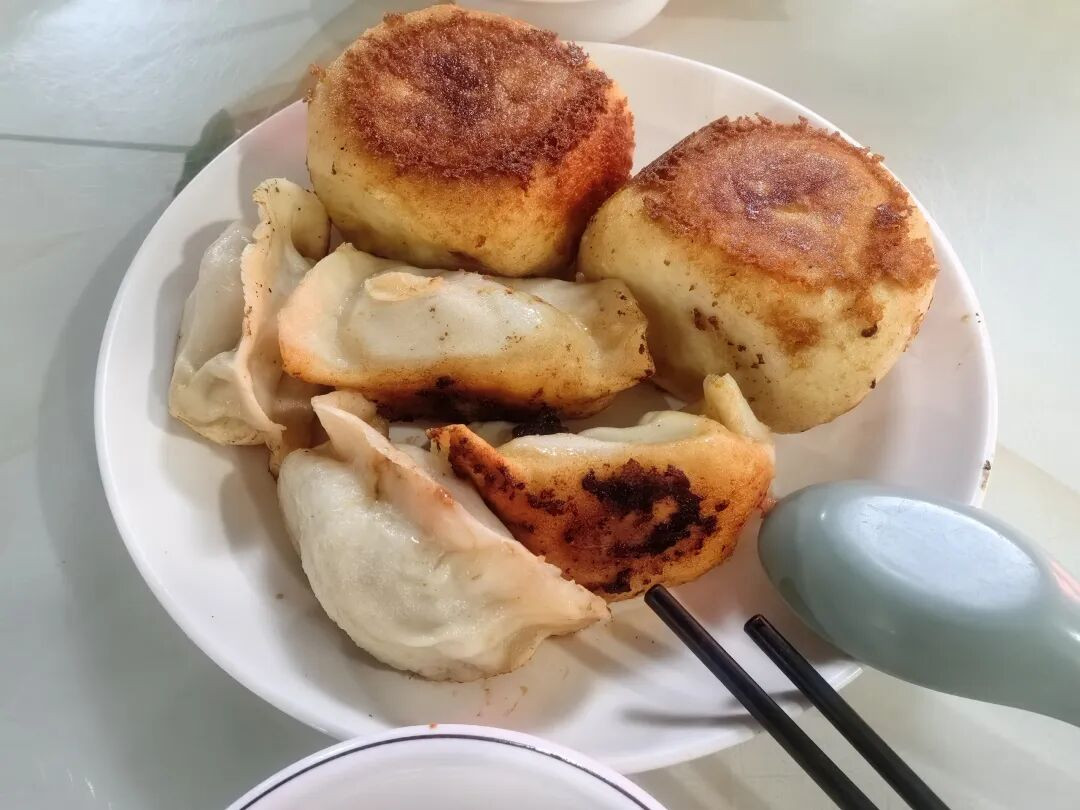
After waiting in line for a bit, I scored some freshly made jianbao and guotie. The beef guotie (crispy beef potstickers) are genuinely huge, packed with a hefty meat filling that’s super juicy—not that watery, sloppy kind of juice, but a rich, spiced broth that gets locked into the finely whipped beef filling. Because they’re pan-fried, that combo of oil and carbs just cranks up the beef's natural flavor to the max. Seriously top-tier execution. Staying power like this proves they've totally mastered their craft.
The beef jianbao (pan-fried beef buns) are a pretty standard size for pan-fried buns, but unlike the typical beef jianbao you see all over the city, Yixinzhai keeps their filling purely all-meat (mixed with plenty of scallions). Most other spots cut theirs with cabbage and lean heavily into curry powder. Here, you get that pure, unadulterated beef flavor. If you’re not a scallion fan, though, this might be a tough sell.
Personally, I feel like the filling for the jianbao and the guotie is pretty much identical. If you like your wrappers on the softer, fluffier side, go for the jianbao. Both items are absolute knockouts.
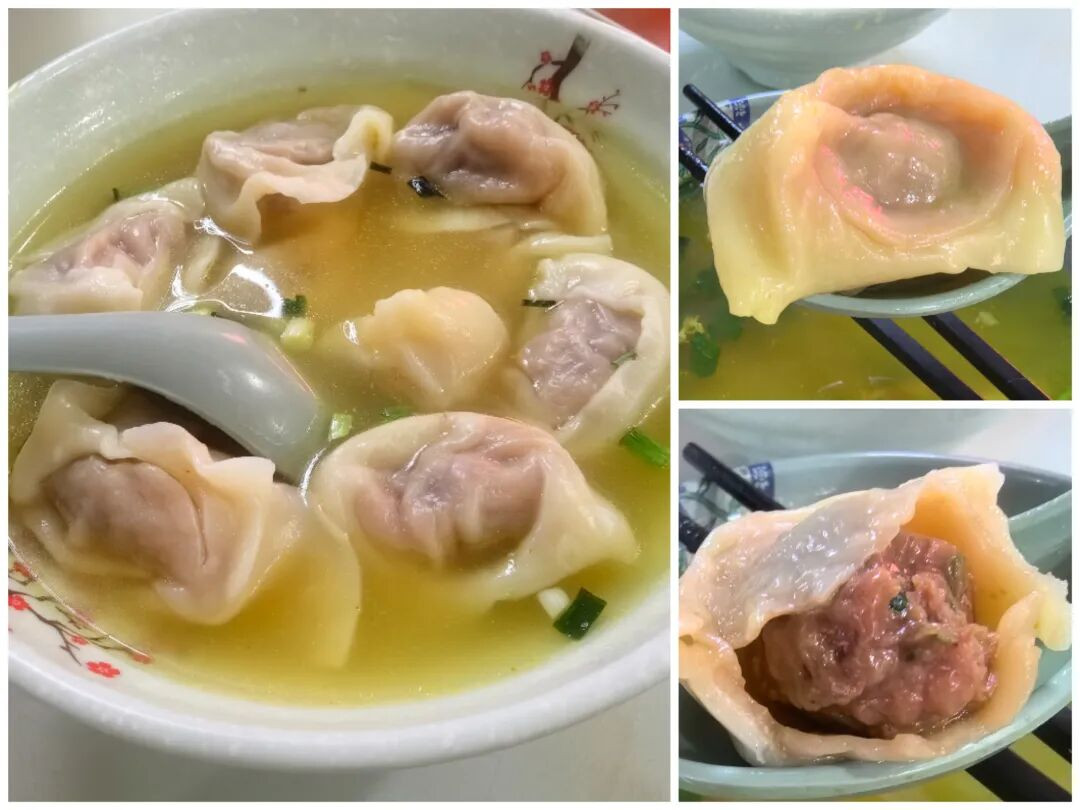
The menu also features beef soup, beef wontons, beef xiaolongbao (steamed beef soup dumplings), and more. The wonton wrappers have a nice chew, and the fillings are solid and generous, though they didn't quite make me nod in awe the way the potstickers did. The beef soup is seasoned with curry. I also tried the noodles, but I wasn't a huge fan of the specific noodle style they use, though the broth itself was pretty solid.
During the lunchtime rush, I saw local aunties and uncles stopping by to pack up cold noodles to-go, some even bringing their own tiffins—definitely dyed-in-the-wool regulars. Since it's a Halal eatery, any dish featuring shredded meat uses shredded beef.
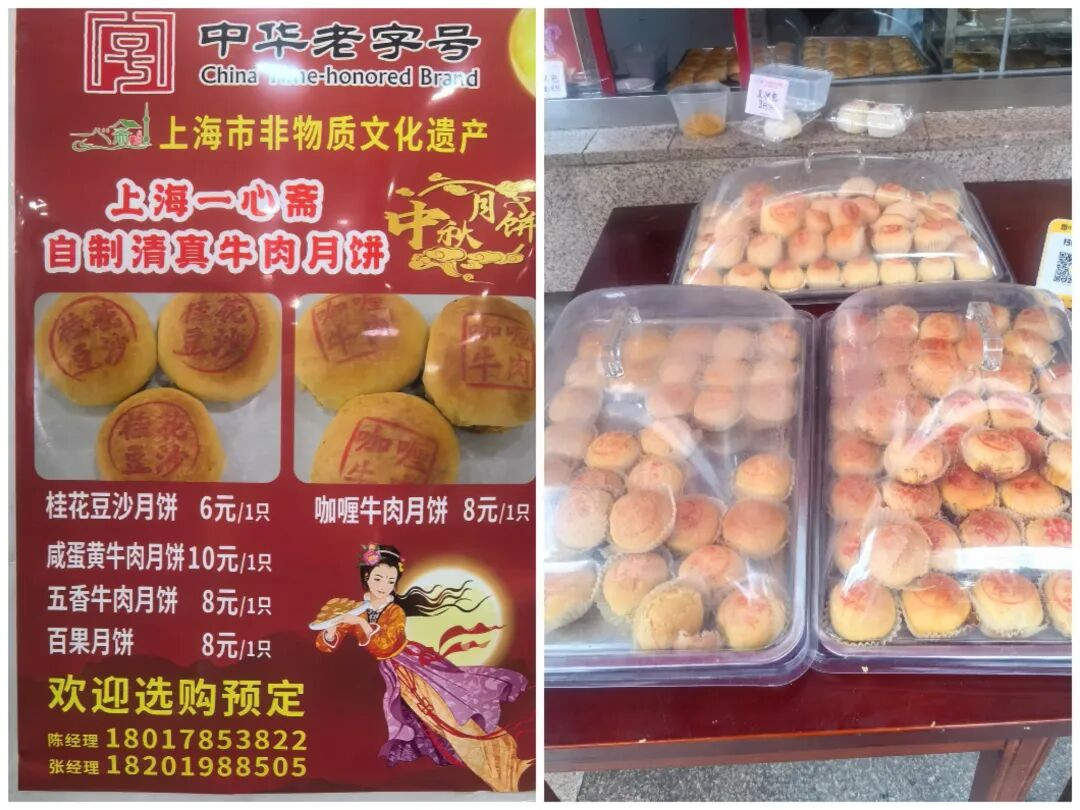
They also do takeaway for a whole lineup of traditional Chinese pastries: qingtuan (sweet mugwort rice dumplings), steamed buns, tiantiaogao (glutinous rice ribbon cakes), babaofan (eight-treasure rice pudding), and more. They’ve even dropped seasonal specialties: beef mooncakes. They’ve got a few flavors going on: curry beef, five-spice beef, and salted egg yolk beef. Of course, they’ve got sweet options too, like red bean paste and mixed fruit nut.
Just for that single bite of beef jianbao and guotie, Yixinzhai is 100% worth a return trip.
Yixinzhai Address: No. 1625 Pingliang Road, Yangpu District, Shanghai
Parking Tips: You can park right across the street inside the Hudong Workers' Cultural Palace (Donggong). Parking is 8 RMB/hour.
Halal Eateries to Check Out:
Weimin Food, located on Nanda Road in Shanghai's Baoshan District—highly recommend their beef tongue noodles. Collapse Read »
Shanghai Yangpu Heritage Halal Dim Sum Spot: Hands-On Review of Yixinzhai's Gold-Medal Beef Guotie and Savory Beef Soup
Abstract:
A food pilgrimage to Yixinzhai, a century-old Halal heritage spot nestled in the Pingliang Road commercial district of Shanghai's Yangpu District. We put their signature guotie (crispy beef potstickers) with golden, ultra-crispy bottoms and juicy, bursting fillings to the test, paired with a clear, subtly sweet traditional beef soup, breaking down the artisanal magic of authentic Shanghai-style Halal street eats.
When you're a kid, everywhere feels miles away. Even though I lived right here in Yangpu, I’d actually never tried Yixinzhai.
The storefront has a massive sign right at the intersection of Pingliang Road and Linqing Road—you can spot it instantly even if you're driving past. That bright gold text on a red background is seriously blinding. It’s set up like most veteran eateries, with a deli counter on one side of the entrance, a pickup window for guotie and jianbao (pan-fried beef buns), and a dedicated dim sum window.
Their most famous deli item is baizhanji (classic cold-poached white-cut chicken), and these birds are huge. Getting a quarter section near the thigh runs around 600–700 grams, coming out to roughly 50 RMB. You can also grab wing-section pieces if you prefer—it’s totally flexible depending on your appetite and budget. The deli prices here are a bit steeper than what you’d find at neighborhood wet markets.
If you just want potstickers or pan-fried buns, you can hop right in the queue outside and pay with a quick QR code scan. But if you’re ordering other stuff like noodles or rice bowls, you’ll have to head inside to the cash register.
The interior is massive. The only catch is there are zero windows in the back, so it relies entirely on old-school, harsh white fluorescent lighting. Sitting in there doesn't exactly do wonders for your appetite. Even though this place is an official 'China Time-Honored Brand' and a 'Shanghai Intangible Cultural Heritage' spot where the food is so good it practically sells itself, they really need to rethink the dining ambiance.
You order at the cash register, where you can pick up shaved ice, beef soup, beef wontons, and various cold noodles and rice dishes. Once you order, you get a number tag. Aside from the shaved ice, mixed noodles, pan-fried buns, and potstickers, the servers bring everything else right to your table. Even though this is a Halal restaurant, the menu is massive, featuring full-on stir-fries alongside quick bites.
Even though the walls are plastered with house specialties, most people are clearly here for the dim sum.
After waiting in line for a bit, I scored some freshly made jianbao and guotie. The beef guotie (crispy beef potstickers) are genuinely huge, packed with a hefty meat filling that’s super juicy—not that watery, sloppy kind of juice, but a rich, spiced broth that gets locked into the finely whipped beef filling. Because they’re pan-fried, that combo of oil and carbs just cranks up the beef's natural flavor to the max. Seriously top-tier execution. Staying power like this proves they've totally mastered their craft.
The beef jianbao (pan-fried beef buns) are a pretty standard size for pan-fried buns, but unlike the typical beef jianbao you see all over the city, Yixinzhai keeps their filling purely all-meat (mixed with plenty of scallions). Most other spots cut theirs with cabbage and lean heavily into curry powder. Here, you get that pure, unadulterated beef flavor. If you’re not a scallion fan, though, this might be a tough sell.
Personally, I feel like the filling for the jianbao and the guotie is pretty much identical. If you like your wrappers on the softer, fluffier side, go for the jianbao. Both items are absolute knockouts.
The menu also features beef soup, beef wontons, beef xiaolongbao (steamed beef soup dumplings), and more. The wonton wrappers have a nice chew, and the fillings are solid and generous, though they didn't quite make me nod in awe the way the potstickers did. The beef soup is seasoned with curry. I also tried the noodles, but I wasn't a huge fan of the specific noodle style they use, though the broth itself was pretty solid.
During the lunchtime rush, I saw local aunties and uncles stopping by to pack up cold noodles to-go, some even bringing their own tiffins—definitely dyed-in-the-wool regulars. Since it's a Halal eatery, any dish featuring shredded meat uses shredded beef.
They also do takeaway for a whole lineup of traditional Chinese pastries: qingtuan (sweet mugwort rice dumplings), steamed buns, tiantiaogao (glutinous rice ribbon cakes), babaofan (eight-treasure rice pudding), and more. They’ve even dropped seasonal specialties: beef mooncakes. They’ve got a few flavors going on: curry beef, five-spice beef, and salted egg yolk beef. Of course, they’ve got sweet options too, like red bean paste and mixed fruit nut.
Just for that single bite of beef jianbao and guotie, Yixinzhai is 100% worth a return trip.
Yixinzhai Address: No. 1625 Pingliang Road, Yangpu District, Shanghai
Parking Tips: You can park right across the street inside the Hudong Workers' Cultural Palace (Donggong). Parking is 8 RMB/hour.
Halal Eateries to Check Out:
Weimin Food, located on Nanda Road in Shanghai's Baoshan District—highly recommend their beef tongue noodles. Collapse Read »
Shanghai Halal Food Guide: Yixinzhai's Legendary Beef Potstickers & Soup in Yangpu
[Internet Repost]
Shanghai Yangpu Time-Honored Halal Dim Sum Spot: Yixinzhai's Gold-Medal Beef Potstickers and Savory Beef Soup Real-World Review
Abstract:
A visit to 'Yixinzhai,' a century-old Halal landmark nestled in the Pingliang Road commercial hub of Shanghai's Yangpu District. We review their signature beef potstickers—golden and crispy on the bottom with a juicy, flavor-packed filling—paired with a light, naturally sweet traditional clear beef soup to break down the craft and soul of authentic Shanghainese-style Halal street eats.
When you're a kid, everywhere feels miles away. Even though I grew up right here in Yangpu, I had never actually eaten at Yixinzhai.
The shop's giant sign sits right at the intersection of Pingliang Road and Linqing Road, impossible to miss even if you're just driving by. That gold-on-red sign is blindingly bright. Much like most legacy food spots, it features separate windows out front: one for deli meats, one for potstickers & pan-fried buns, and another dedicated strictly to dim sum.
Their most famous deli item is baiqieji (white-cut poached chicken), and these birds are huge. A quarter chicken with the leg attached weighs in around 600 to 700 grams, running you about 50 RMB. You can also opt for wing portions—it's all flexible depending on your budget and appetite. The deli prices here run a bit higher than what you'd find at neighborhood wet markets.
If you're just looking to grab potstickers or pan-fried buns, you can hop right into the queue outside and scan to pay on the spot. But if you're ordering other items like noodles or rice bowls, you'll need to head inside to the cashier.
The interior is massive. The only downside is that the back area lacks windows, relying entirely on old-school white fluorescent lighting. Sitting back there doesn't exactly get your appetite going. Even though it's a certified 'China Time-Honored Brand' and a 'Shanghai Intangible Cultural Heritage' shop where the food sells itself, they really need to rethink the dine-in vibe.
You can order at the register, where options range from shaved ice and beef soup to beef wontons, cold noodles, and rice dishes. Once you order, you get a number tag. Aside from shaved ice, tossed noodles, pan-fried buns, and potstickers, the staff actually brings everything else straight to your table. Even though it's a Halal restaurant, the menu is surprisingly huge. Beyond quick bites, they also serve stir-fried dishes.
Even though the walls are plastered with house specialties, most people here are clearly just rolling in for the dim sum.
After waiting in line for a bit, I scored a fresh batch of pan-fried buns and potstickers. The beef potstickers are seriously hefty, packed tight with meat and juicy on the inside—not watery like soup dumplings, but rather a rich, spiced broth absorbed by the hand-whisked beef filling. Because they're pan-fried, that heavy hit of oil and carb-crispiness cuts right through the spices, actually elevating the natural beef flavor. Absolute perfection. Staying power like this proves they really know what they're doing.
The beef pan-fried bun is a pretty standard size for its category, but unlike the typical beef pan-fried buns you see all over the city, Yixinzhai keeps their filling pure meat (mixed with scallions), whereas most other spots cut theirs with cabbage and lean heavily into curry powder. Here, you get a much purer, unadulterated beef flavor. If you're not a fan of scallions, though, this might be a tough sell.
Personally, I feel like the fillings for both the pan-fried buns and potstickers are identical. If you like your wrappers with a softer, fluffier chew, go for the pan-fried buns. Both items are absolute standouts.
The menu also features beef soup, beef wontons, beef xiaolongbao (steamed soup dumplings), and more. The wonton wrappers have a great springy chew, and the fillings are dense and packed, though they didn't blow me away quite like the potstickers. The beef soup is seasoned with curry. I also tried the noodles, but I wasn't huge on the noodle style they use, though the broth itself was pretty solid.
During the lunch rush, I saw older local aunties and uncles packing up cold noodles to go—some even brought their own containers, making it obvious they were regulars. Being a Halal eatery, naturally, any dish with shredded meat features shredded beef.
The shop also sells a takeout selection of traditional Chinese pastries: qingtuan (sweet mugwort rice dumplings), steamed buns, tiaotougao (sticky rice red bean rolls), babaofan (eight-treasure sticky rice), and more. They've also dropped some seasonal items for the current rotation: beef mooncakes! They come in a few flavors like curry beef, five-spice beef, and salted egg yolk beef, alongside sweet classics like red bean paste and mixed fruit.
Just for that single bite of beef pan-fried buns and potstickers alone, Yixinzhai is 100% worth a return trip.
Yixinzhai Address: No. 1625 Pingliang Road, Yangpu District, Shanghai
Parking Tips: You can park across the street inside the Hudong Workers' Cultural Palace ('Donggong'). Parking is 8 RMB/hour.
Halal Dining Spotlight:
Weimin Food, located on Nanda Road in Shanghai's Baoshan District—try their beef tongue noodles. Collapse Read »
Shanghai Yangpu Time-Honored Halal Dim Sum Spot: Yixinzhai's Gold-Medal Beef Potstickers and Savory Beef Soup Real-World Review
Abstract:
A visit to 'Yixinzhai,' a century-old Halal landmark nestled in the Pingliang Road commercial hub of Shanghai's Yangpu District. We review their signature beef potstickers—golden and crispy on the bottom with a juicy, flavor-packed filling—paired with a light, naturally sweet traditional clear beef soup to break down the craft and soul of authentic Shanghainese-style Halal street eats.
When you're a kid, everywhere feels miles away. Even though I grew up right here in Yangpu, I had never actually eaten at Yixinzhai.
The shop's giant sign sits right at the intersection of Pingliang Road and Linqing Road, impossible to miss even if you're just driving by. That gold-on-red sign is blindingly bright. Much like most legacy food spots, it features separate windows out front: one for deli meats, one for potstickers & pan-fried buns, and another dedicated strictly to dim sum.
Their most famous deli item is baiqieji (white-cut poached chicken), and these birds are huge. A quarter chicken with the leg attached weighs in around 600 to 700 grams, running you about 50 RMB. You can also opt for wing portions—it's all flexible depending on your budget and appetite. The deli prices here run a bit higher than what you'd find at neighborhood wet markets.
If you're just looking to grab potstickers or pan-fried buns, you can hop right into the queue outside and scan to pay on the spot. But if you're ordering other items like noodles or rice bowls, you'll need to head inside to the cashier.
The interior is massive. The only downside is that the back area lacks windows, relying entirely on old-school white fluorescent lighting. Sitting back there doesn't exactly get your appetite going. Even though it's a certified 'China Time-Honored Brand' and a 'Shanghai Intangible Cultural Heritage' shop where the food sells itself, they really need to rethink the dine-in vibe.
You can order at the register, where options range from shaved ice and beef soup to beef wontons, cold noodles, and rice dishes. Once you order, you get a number tag. Aside from shaved ice, tossed noodles, pan-fried buns, and potstickers, the staff actually brings everything else straight to your table. Even though it's a Halal restaurant, the menu is surprisingly huge. Beyond quick bites, they also serve stir-fried dishes.
Even though the walls are plastered with house specialties, most people here are clearly just rolling in for the dim sum.
After waiting in line for a bit, I scored a fresh batch of pan-fried buns and potstickers. The beef potstickers are seriously hefty, packed tight with meat and juicy on the inside—not watery like soup dumplings, but rather a rich, spiced broth absorbed by the hand-whisked beef filling. Because they're pan-fried, that heavy hit of oil and carb-crispiness cuts right through the spices, actually elevating the natural beef flavor. Absolute perfection. Staying power like this proves they really know what they're doing.
The beef pan-fried bun is a pretty standard size for its category, but unlike the typical beef pan-fried buns you see all over the city, Yixinzhai keeps their filling pure meat (mixed with scallions), whereas most other spots cut theirs with cabbage and lean heavily into curry powder. Here, you get a much purer, unadulterated beef flavor. If you're not a fan of scallions, though, this might be a tough sell.
Personally, I feel like the fillings for both the pan-fried buns and potstickers are identical. If you like your wrappers with a softer, fluffier chew, go for the pan-fried buns. Both items are absolute standouts.
The menu also features beef soup, beef wontons, beef xiaolongbao (steamed soup dumplings), and more. The wonton wrappers have a great springy chew, and the fillings are dense and packed, though they didn't blow me away quite like the potstickers. The beef soup is seasoned with curry. I also tried the noodles, but I wasn't huge on the noodle style they use, though the broth itself was pretty solid.
During the lunch rush, I saw older local aunties and uncles packing up cold noodles to go—some even brought their own containers, making it obvious they were regulars. Being a Halal eatery, naturally, any dish with shredded meat features shredded beef.
The shop also sells a takeout selection of traditional Chinese pastries: qingtuan (sweet mugwort rice dumplings), steamed buns, tiaotougao (sticky rice red bean rolls), babaofan (eight-treasure sticky rice), and more. They've also dropped some seasonal items for the current rotation: beef mooncakes! They come in a few flavors like curry beef, five-spice beef, and salted egg yolk beef, alongside sweet classics like red bean paste and mixed fruit.
Just for that single bite of beef pan-fried buns and potstickers alone, Yixinzhai is 100% worth a return trip.
Yixinzhai Address: No. 1625 Pingliang Road, Yangpu District, Shanghai
Parking Tips: You can park across the street inside the Hudong Workers' Cultural Palace ('Donggong'). Parking is 8 RMB/hour.
Halal Dining Spotlight:
Weimin Food, located on Nanda Road in Shanghai's Baoshan District—try their beef tongue noodles. Collapse Read »
Strict Halal Standards & Craftsmanship: A Return Visit to Shanghai Weimin Halal Restaurant for Authentic Beef
[Internet Repost]
Strict Halal Sourcing and Craftsmanship: Returning to Shanghai Weimin Halal Restaurant for Truly Authentic Halal Beef
Abstract:
An in-depth look at how strict Islamic slaughter and sourcing standards uniquely impact the texture and umami of beef. Visiting Shanghai Weimin Halal Restaurant once again to test their cooked beef, beef noodles, and soups, showcasing how Halal ingredients meeting ritual cleanliness standards deliver standout flavor.
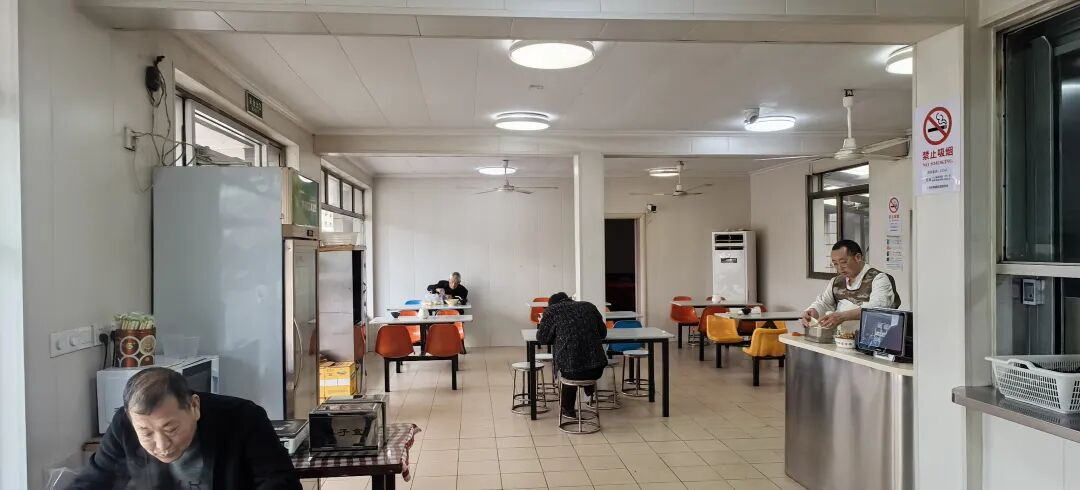
Late last year, I made a special trip out to check out Shanghai Weimin Halal Restaurant—a classic state-owned enterprise known for affordable, top-notch Halal eats. It totally lived up to the hype with fresh ingredients and great prices, leaving a huge impression. While out running errands the other day, I decided to drop by again.
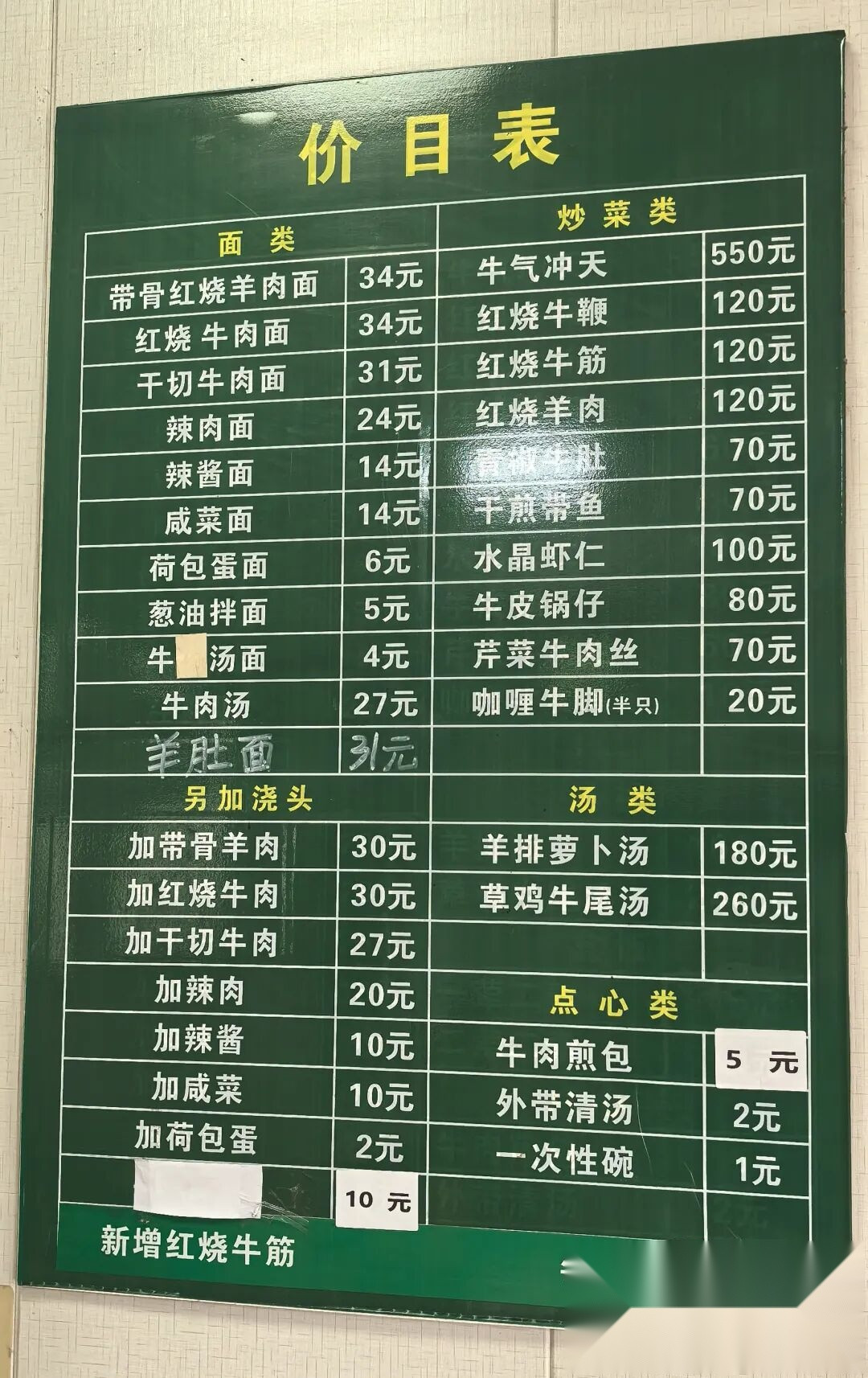
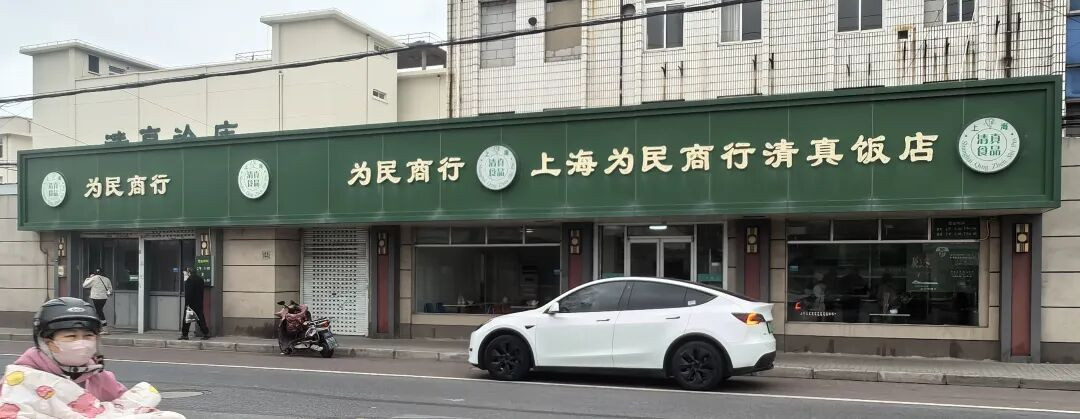
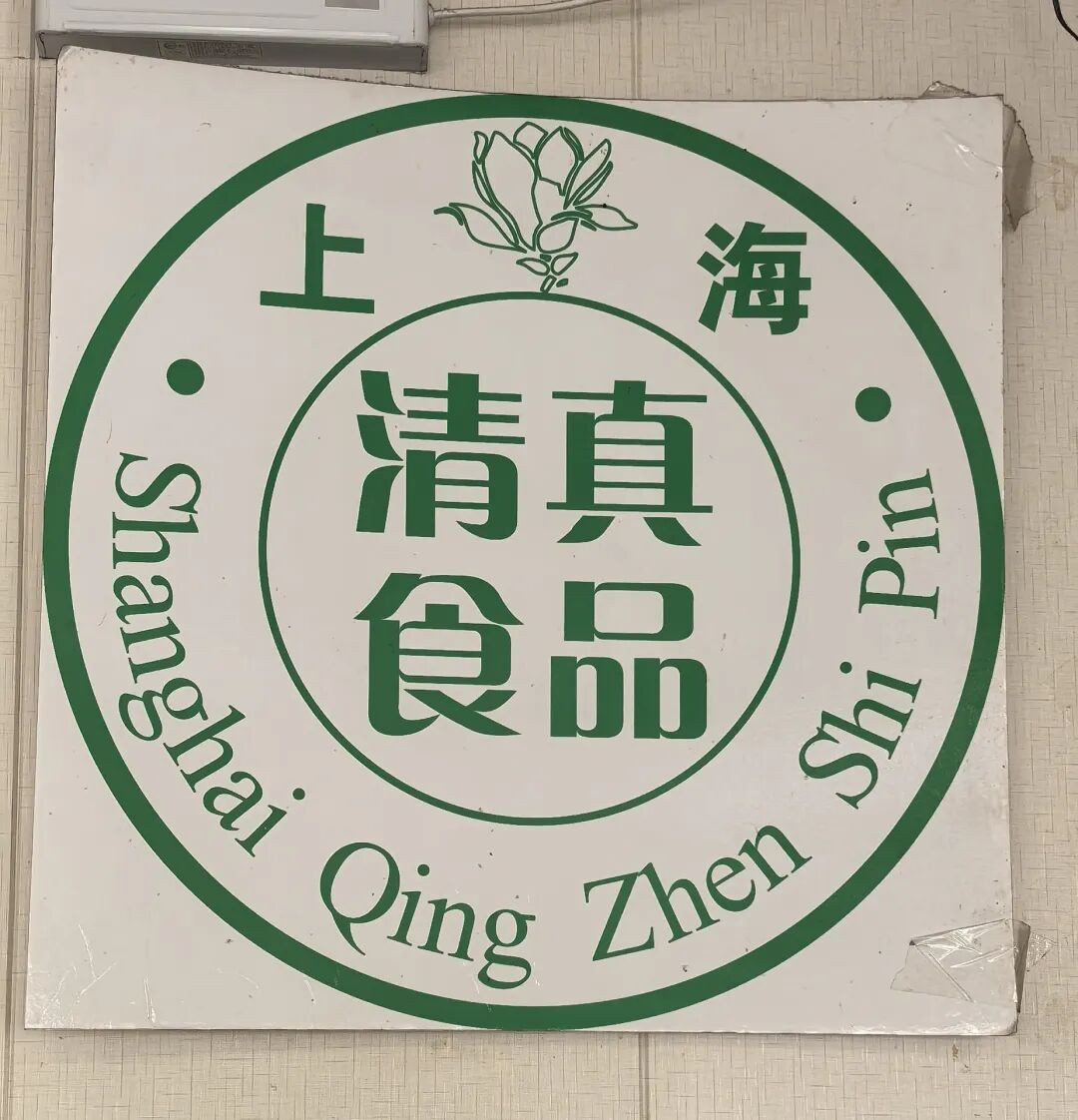
The beef and lamb served here are fully Halal, meeting Islamic dietary and purity standards (including ritual slaughter, complete bleeding, proper segregation, and official certification), marked by the green-and-white Halal food sign. Because of this, the meat is noticeably fresher and more fragrant without any gamey odor, offering a way better texture than ordinary meat.
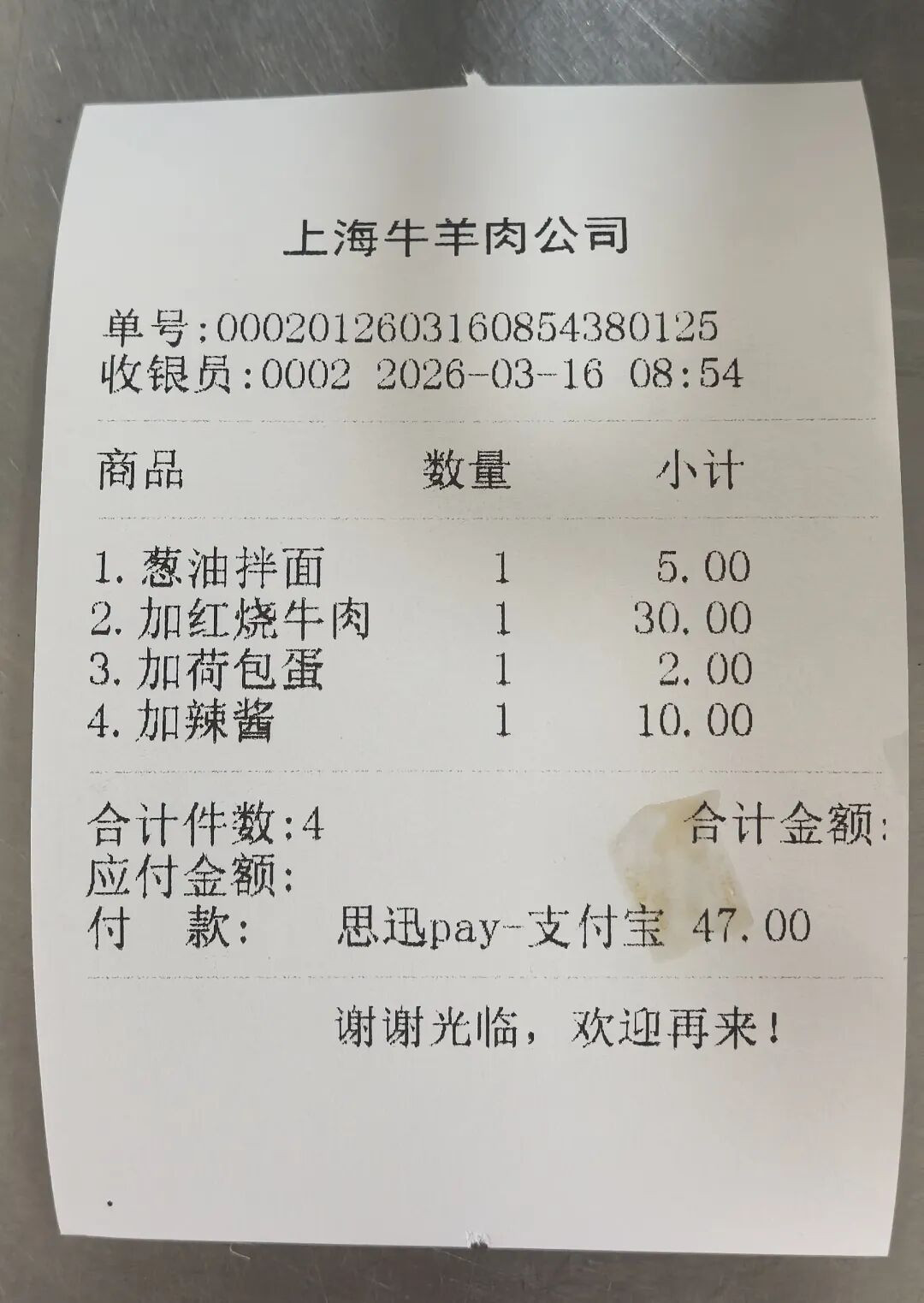
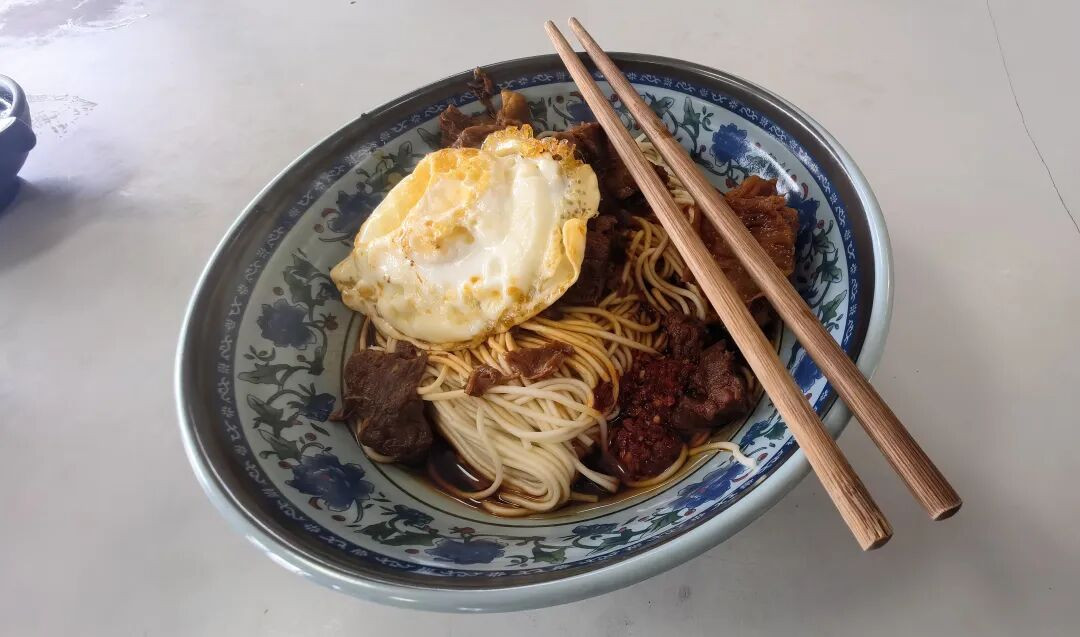
Last time I had the bone-in braised mutton noodle soup. This time, I ordered the scallion oil tossed noodles topped with braised beef, spicy diced vegetable mix (lajiang), and a fried egg—all for 47 RMB.
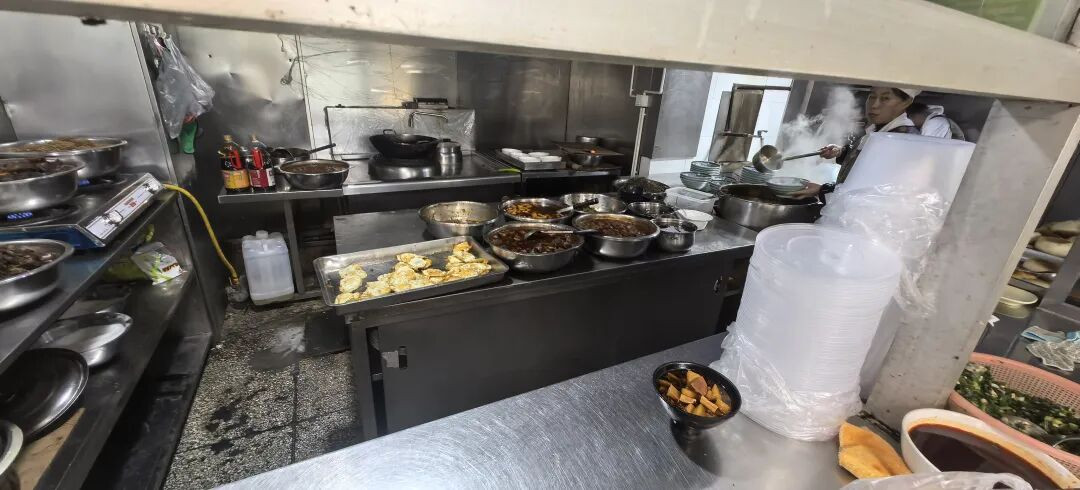
Just like last time, you pick up both the noodles and the toppings yourself at the service window.
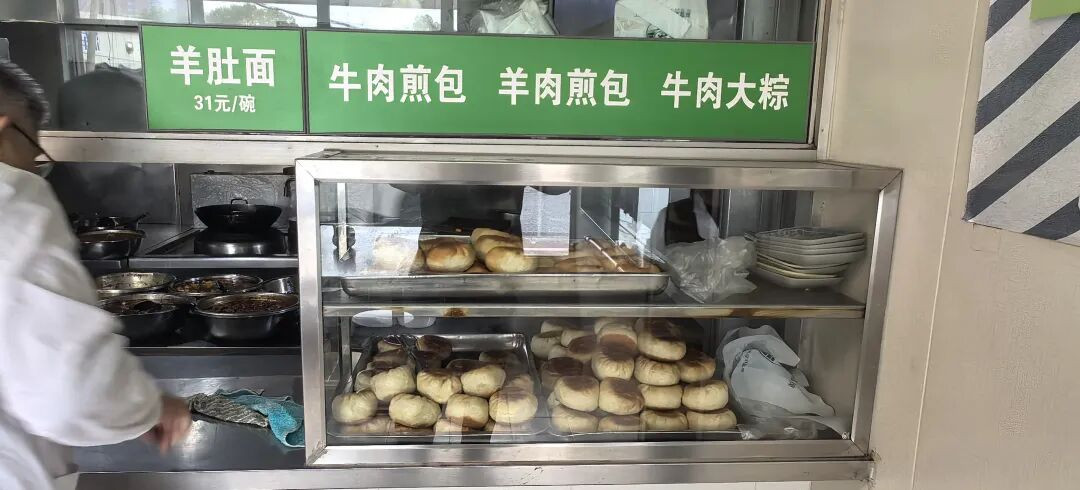
Once I grabbed my food, I found a seat and dug in.
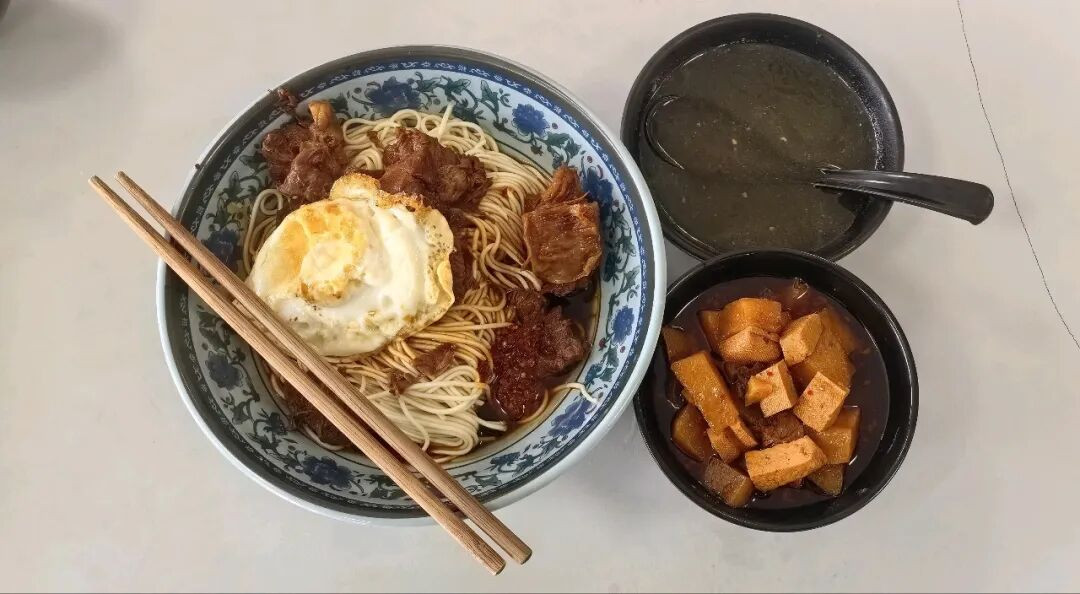
The braised beef and fried egg were piled right on top of the noodles. They were super generous with the beef—easily seven or eight huge chunks. The beef was deeply infused with savory flavor and tasted intensely meaty and delicious! The only downside was that it could've used a little more cooking time; it wasn't completely tender, making it a bit tough and chewy. The scallion oil flavor in the noodles wasn't quite strong enough, and they lacked a proper chew, but pouring in the braised beef sauce seriously leveled up the flavor! The fried egg was pretty standard—totally average, neither good nor bad.
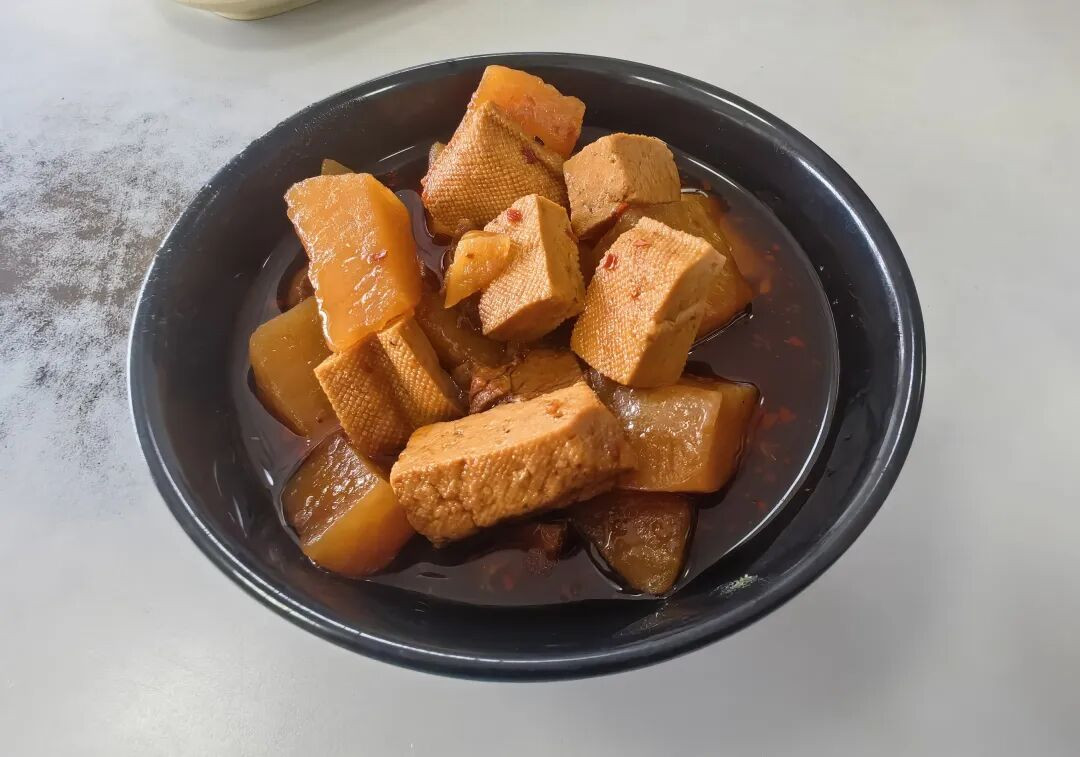
I had the spicy lajiang topping last time and liked it, so I got it again. The potatoes were cooked down until melt-in-your-mouth soft, the dried tofu curds were super aromatic, and there were even a few bits of beef mixed in. It was packed with flavor.
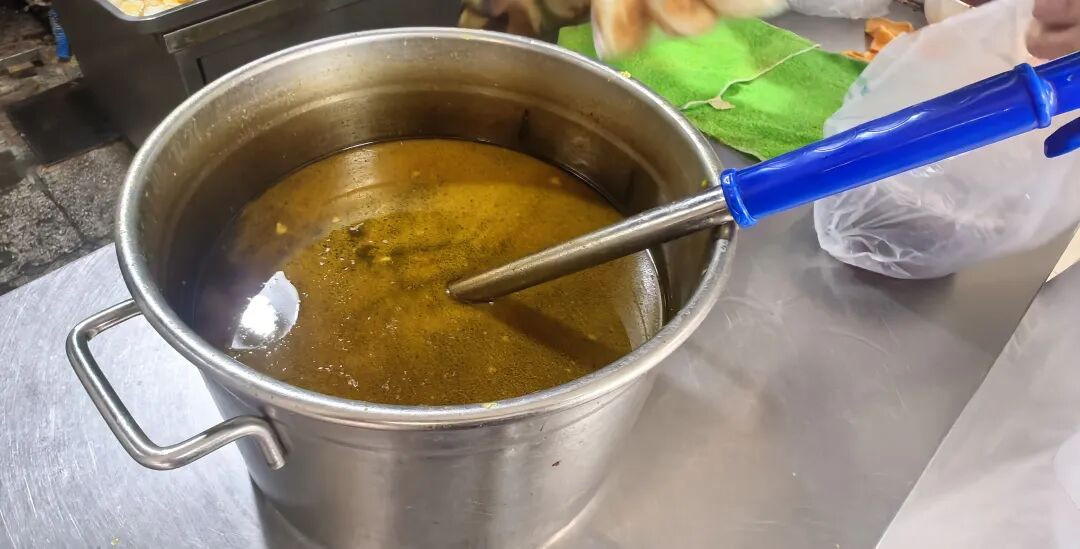
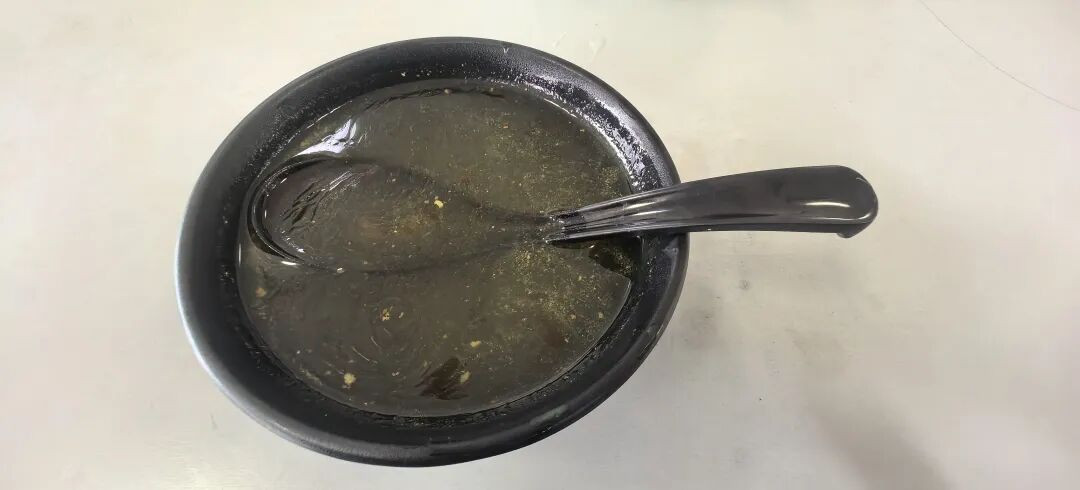
Right next to the noodle pickup window, there was a massive pot of clear curry beef soup set out for dine-in customers to enjoy for free. The staff mentioned this soup is slow-cooked every day using fresh beef bones and beef. I scooped out a bowl, and it was rich and incredibly comforting. Paired with the tossed noodles, getting that mix of dry and soup components was absolute perfection!
My verdict for this meal: super fresh ingredients, wallet-friendly prices, solid flavors, and incredible bang for your buck!
 Collapse Read »
Strict Halal Sourcing and Craftsmanship: Returning to Shanghai Weimin Halal Restaurant for Truly Authentic Halal Beef
Abstract:
An in-depth look at how strict Islamic slaughter and sourcing standards uniquely impact the texture and umami of beef. Visiting Shanghai Weimin Halal Restaurant once again to test their cooked beef, beef noodles, and soups, showcasing how Halal ingredients meeting ritual cleanliness standards deliver standout flavor.
Late last year, I made a special trip out to check out Shanghai Weimin Halal Restaurant—a classic state-owned enterprise known for affordable, top-notch Halal eats. It totally lived up to the hype with fresh ingredients and great prices, leaving a huge impression. While out running errands the other day, I decided to drop by again.
The beef and lamb served here are fully Halal, meeting Islamic dietary and purity standards (including ritual slaughter, complete bleeding, proper segregation, and official certification), marked by the green-and-white Halal food sign. Because of this, the meat is noticeably fresher and more fragrant without any gamey odor, offering a way better texture than ordinary meat.
Last time I had the bone-in braised mutton noodle soup. This time, I ordered the scallion oil tossed noodles topped with braised beef, spicy diced vegetable mix (lajiang), and a fried egg—all for 47 RMB.
Just like last time, you pick up both the noodles and the toppings yourself at the service window.
Once I grabbed my food, I found a seat and dug in.
The braised beef and fried egg were piled right on top of the noodles. They were super generous with the beef—easily seven or eight huge chunks. The beef was deeply infused with savory flavor and tasted intensely meaty and delicious! The only downside was that it could've used a little more cooking time; it wasn't completely tender, making it a bit tough and chewy. The scallion oil flavor in the noodles wasn't quite strong enough, and they lacked a proper chew, but pouring in the braised beef sauce seriously leveled up the flavor! The fried egg was pretty standard—totally average, neither good nor bad.
I had the spicy lajiang topping last time and liked it, so I got it again. The potatoes were cooked down until melt-in-your-mouth soft, the dried tofu curds were super aromatic, and there were even a few bits of beef mixed in. It was packed with flavor.
Right next to the noodle pickup window, there was a massive pot of clear curry beef soup set out for dine-in customers to enjoy for free. The staff mentioned this soup is slow-cooked every day using fresh beef bones and beef. I scooped out a bowl, and it was rich and incredibly comforting. Paired with the tossed noodles, getting that mix of dry and soup components was absolute perfection!
My verdict for this meal: super fresh ingredients, wallet-friendly prices, solid flavors, and incredible bang for your buck!
Collapse Read »
The Ultimate Guide to Halal Shanghai: Best Mosques, Hidden Food Gems & Authentic Muslim Culture
[Internet Repost]
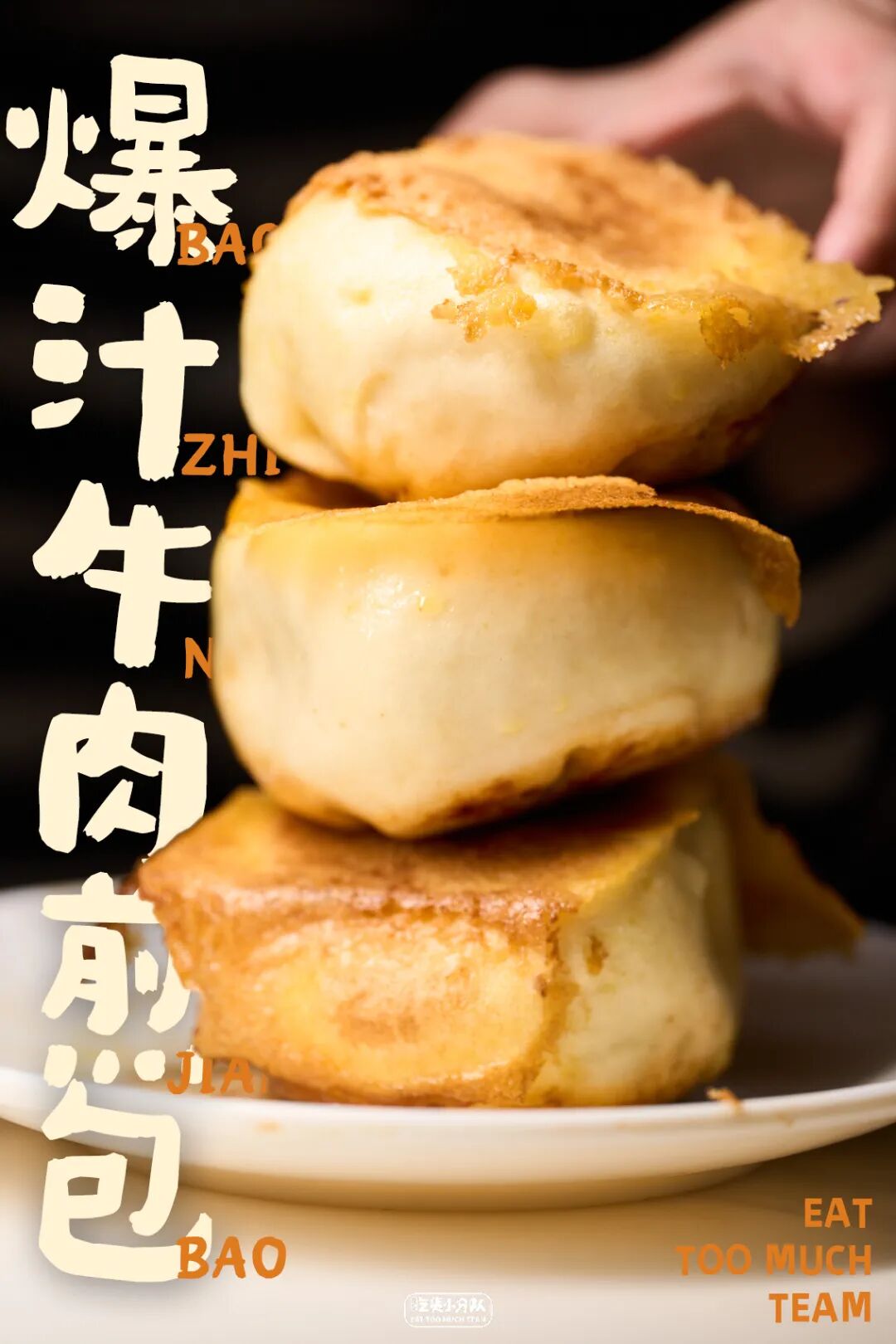
Are there no authentic Halal shengjianbao (crispy pan-fried soup buns) in Shanghai? You just haven't found them yet!
Abstract:
Remember that Halal restaurant guide we dropped earlier, "Eating Through Shanghai Like 'Blossoms Shanghai': Must-Try Halal Spots in the City"? A bunch of you slid into our DMs asking: Are there any hidden gems that locals have been hitting up for decades? We stumbled upon this absolute banger of an article and had to translate it for the Halal Canteen fam~ A 29-year-old wet market legend in Shanghai. Breaking the Shanghai currency system with massive 4 RMB pan-fried buns! "Boss, two jianbao (pan-fried buns) and a bowl of vermicelli soup!"
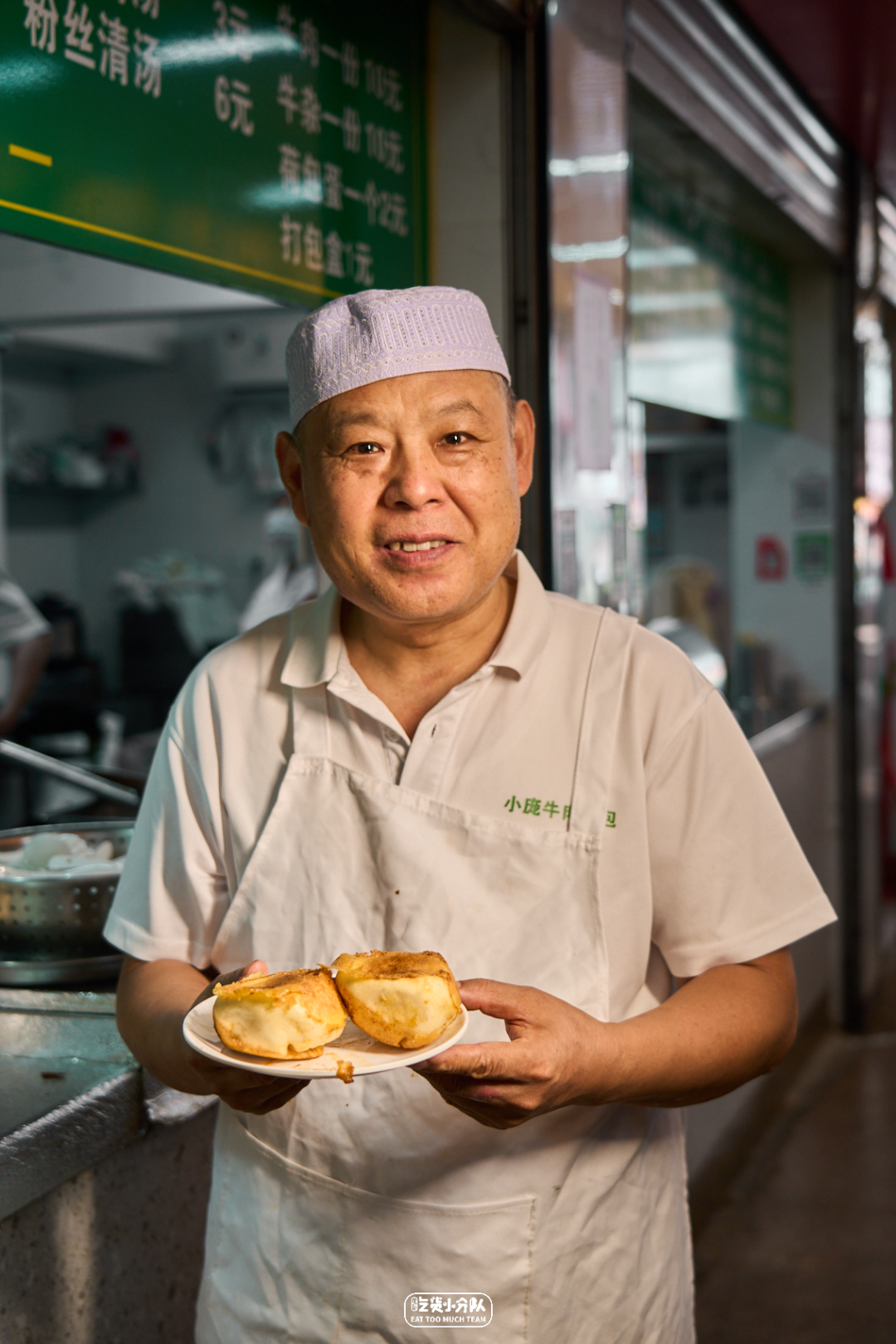
Remember that Halal restaurant guide we dropped earlier, "Eating Through Shanghai Like 'Blossoms Shanghai': Must-Try Halal Spots in the City"?
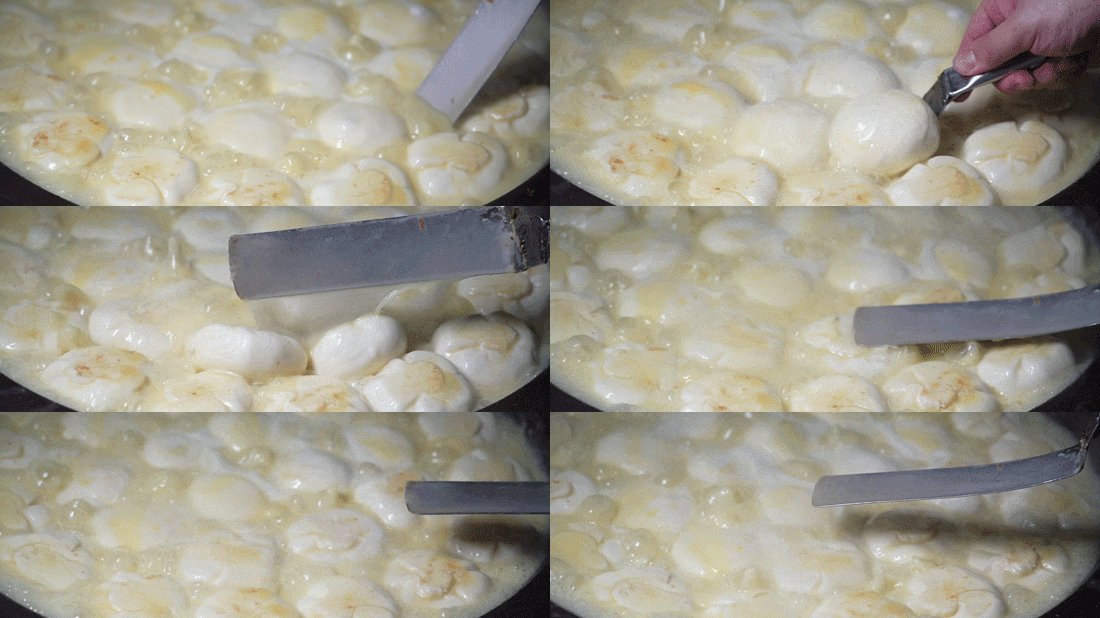
A bunch of you slid into our DMs asking: Are there any hidden gems that locals have been hitting up for decades?
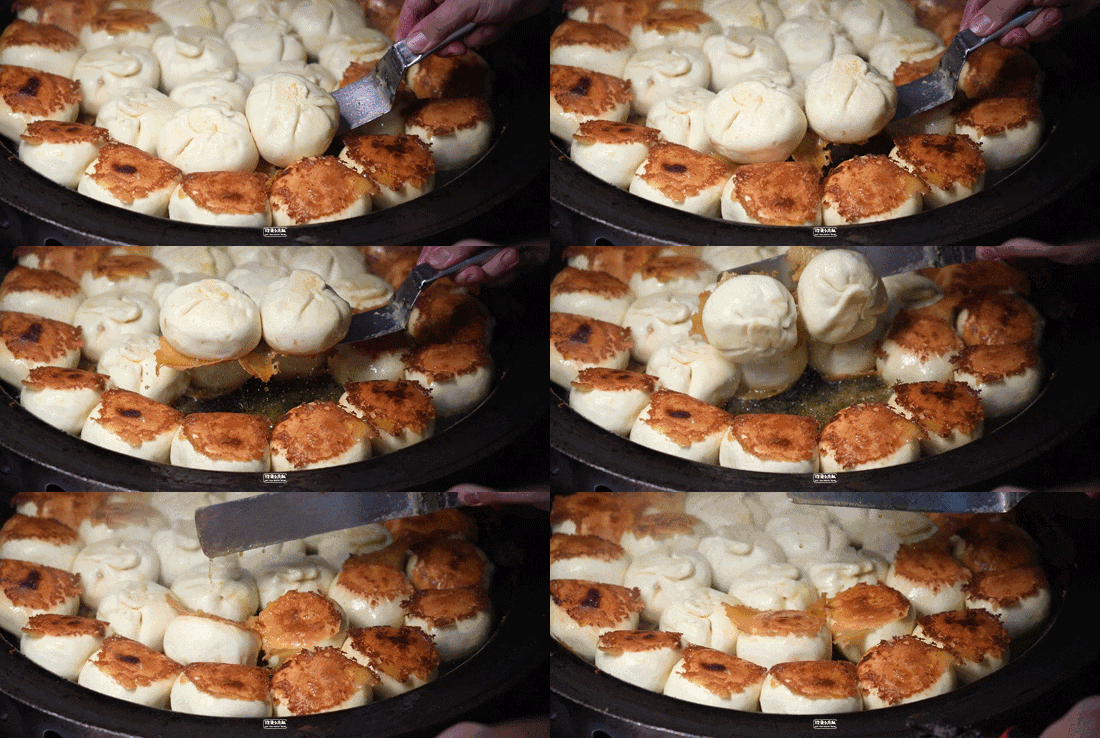
We stumbled upon this absolute banger of an article and had to translate it for the Halal Canteen fam~
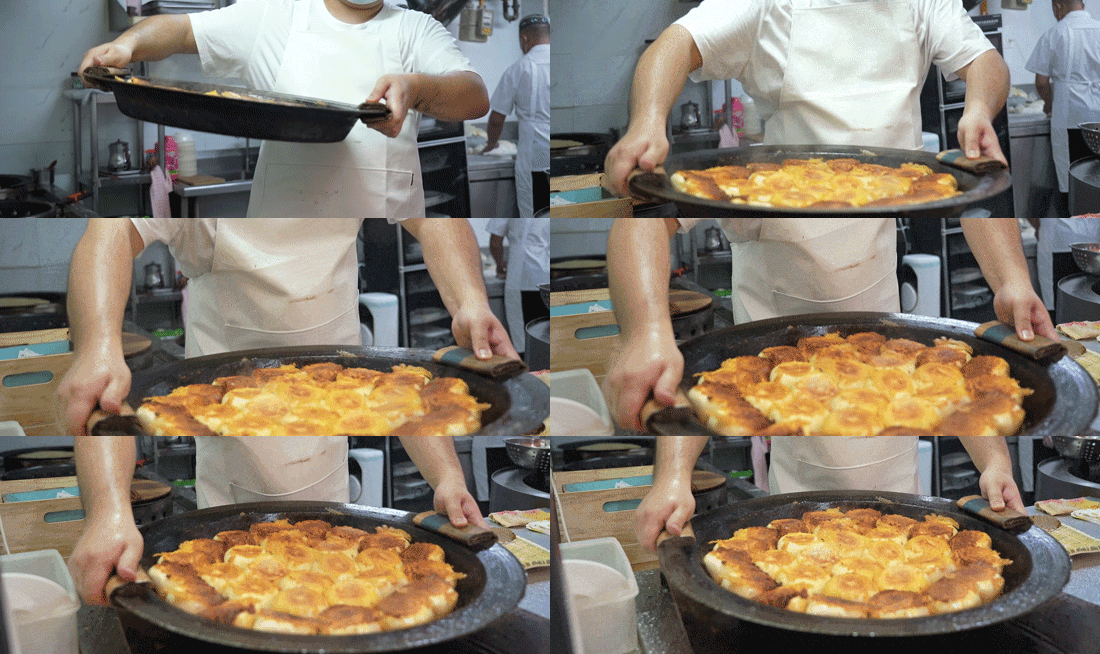
A 29-year-old wet market legend in Shanghai.
Breaking the Shanghai currency system with massive 4 RMB pan-fried buns!
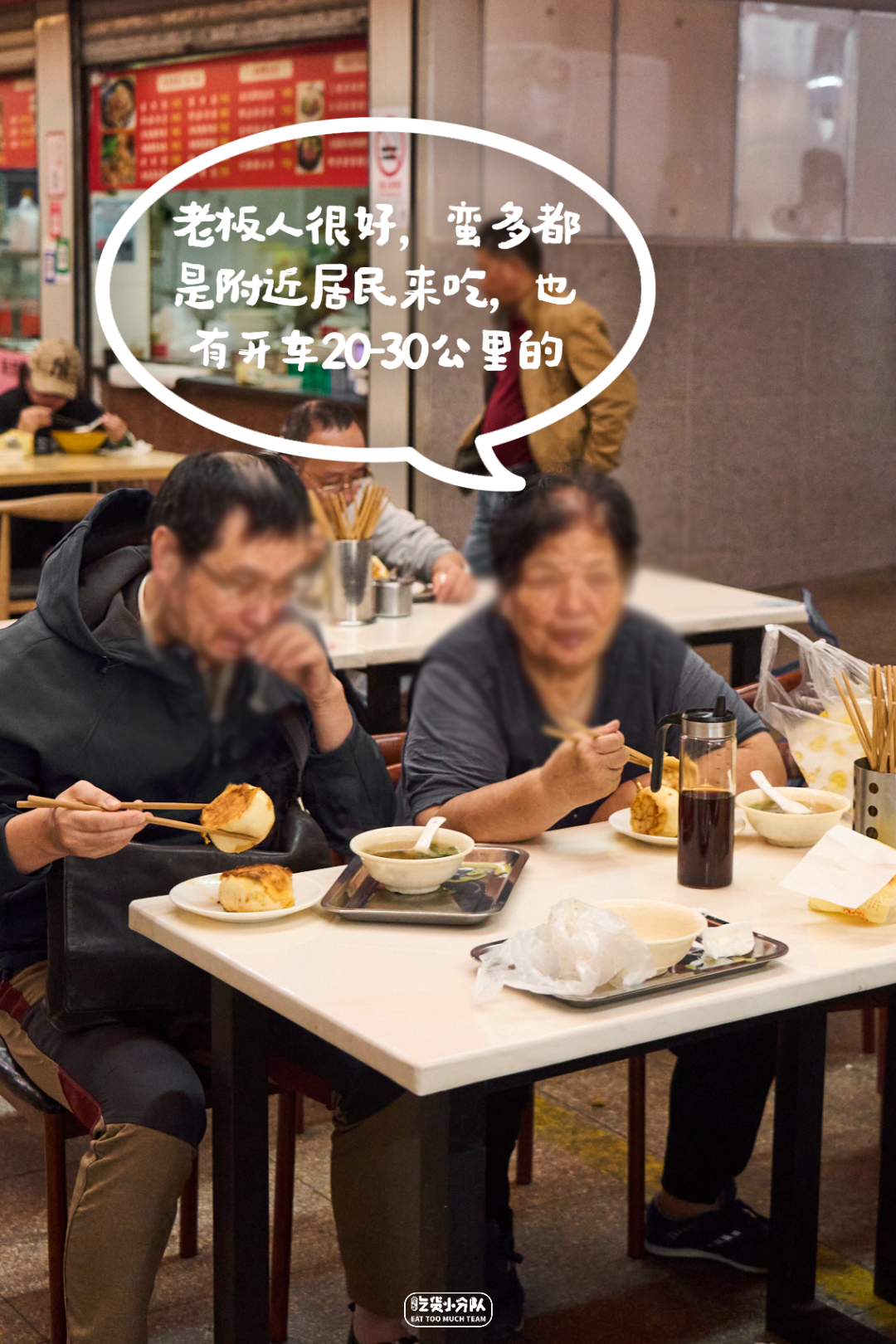
"Boss, two jianbao (pan-fried buns) and a bowl of vermicelli soup!"
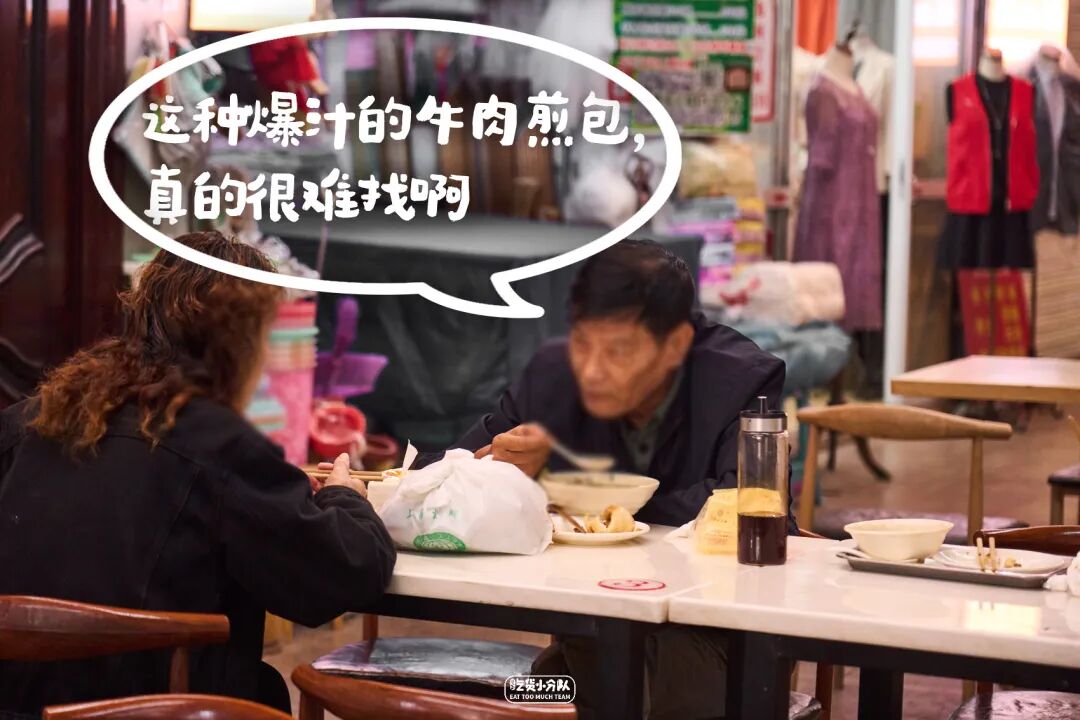
Word on the street is that besides Yixinzhai, there's another god-tier beef pan-fried bun spot in Yangpu that you *have* to try. Absolute royalty of the morning wet market scene and peak breakfast game, they only sell through lunch. A single beef pan-fried bun made with the owner's secret recipe has put Yangpu on the map. When you finally get your hands on one, it's honestly a bit jarring: I only paid 4 RMB for a meat bun this massive? And it's pure beef and totally soup-bursting?
"I've been eating here since the very first year it opened back in '94. Back then they were like 40 or 50 cents each, and they'd even throw in a bowl of beef soup. Back in '99, property prices right next door were only 1.4 million!"
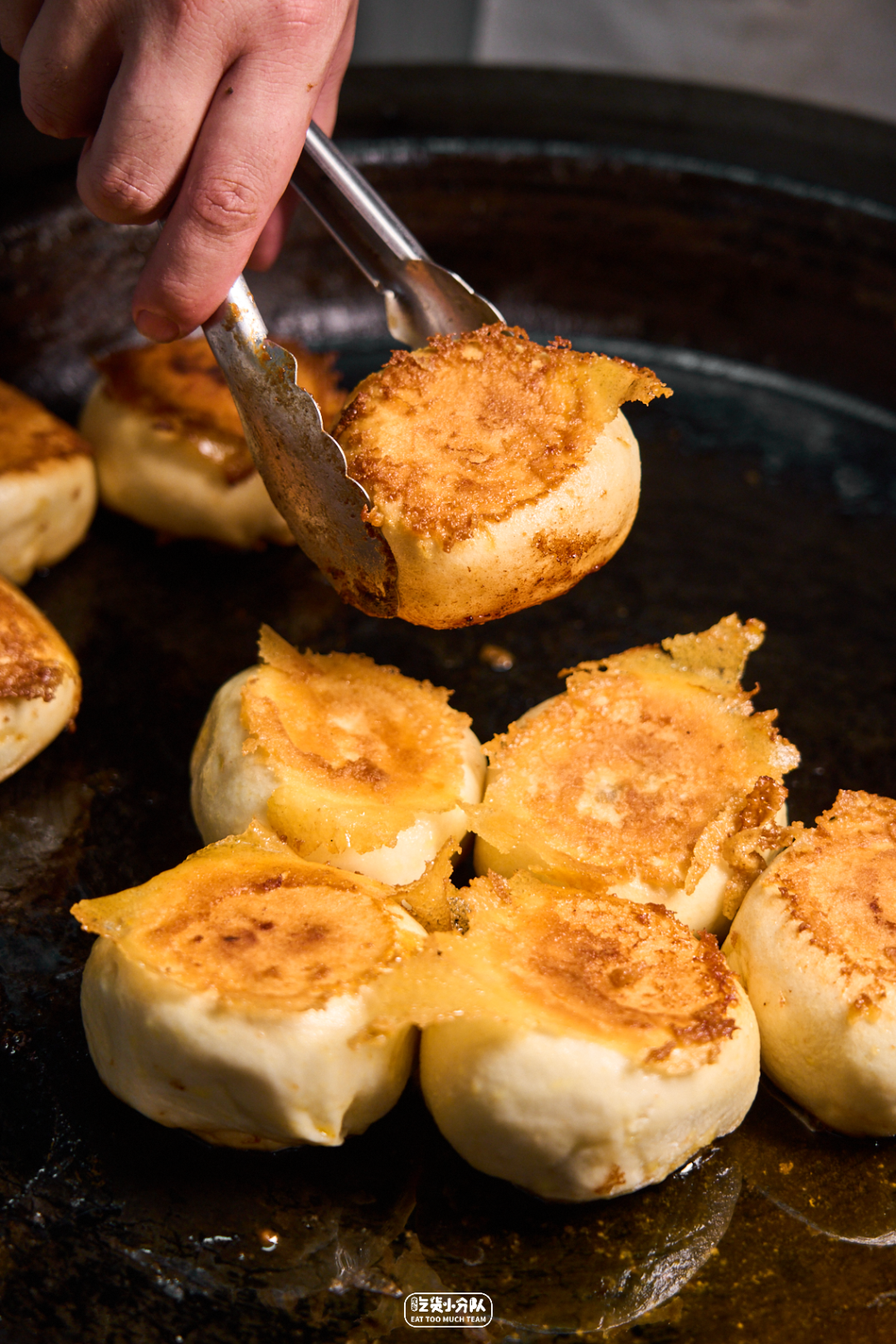
"Today's actually not bad. Weekends are wild—the line wraps completely around the neighboring stalls, and I usually have to wait half an hour per batch."
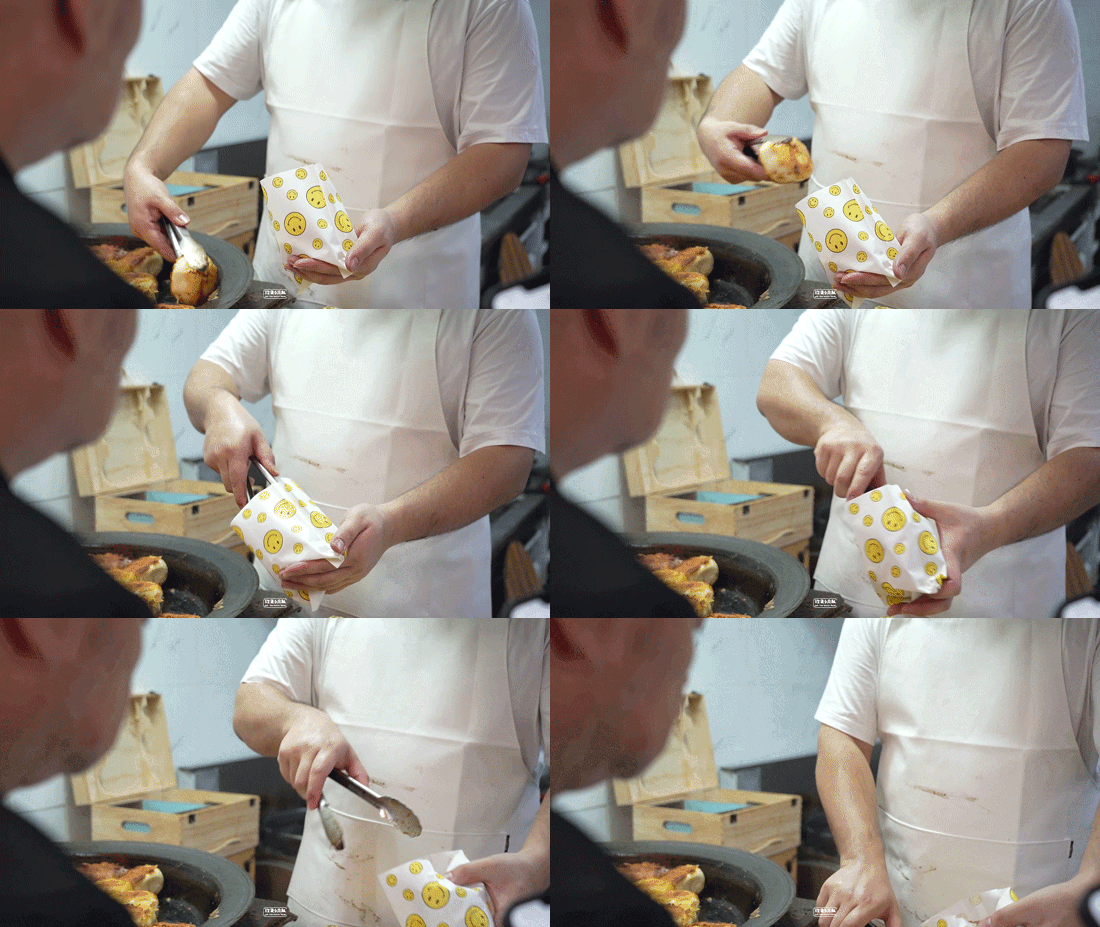
If you don't live in Yangpu, you literally don't know about these beef pan-fried buns!!
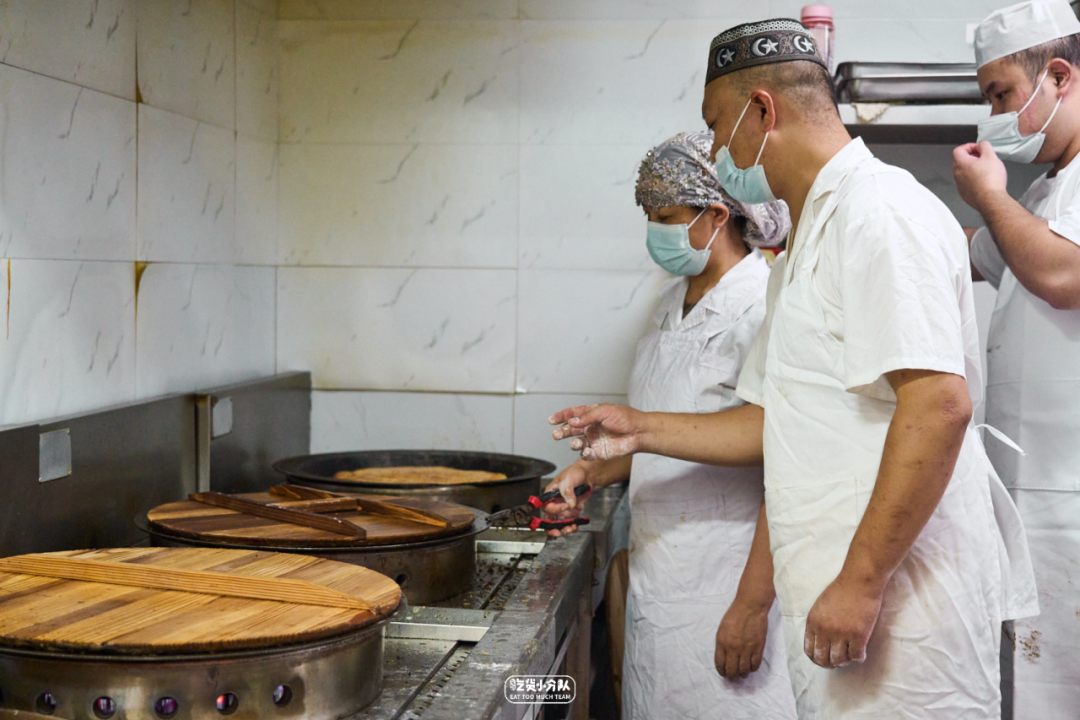
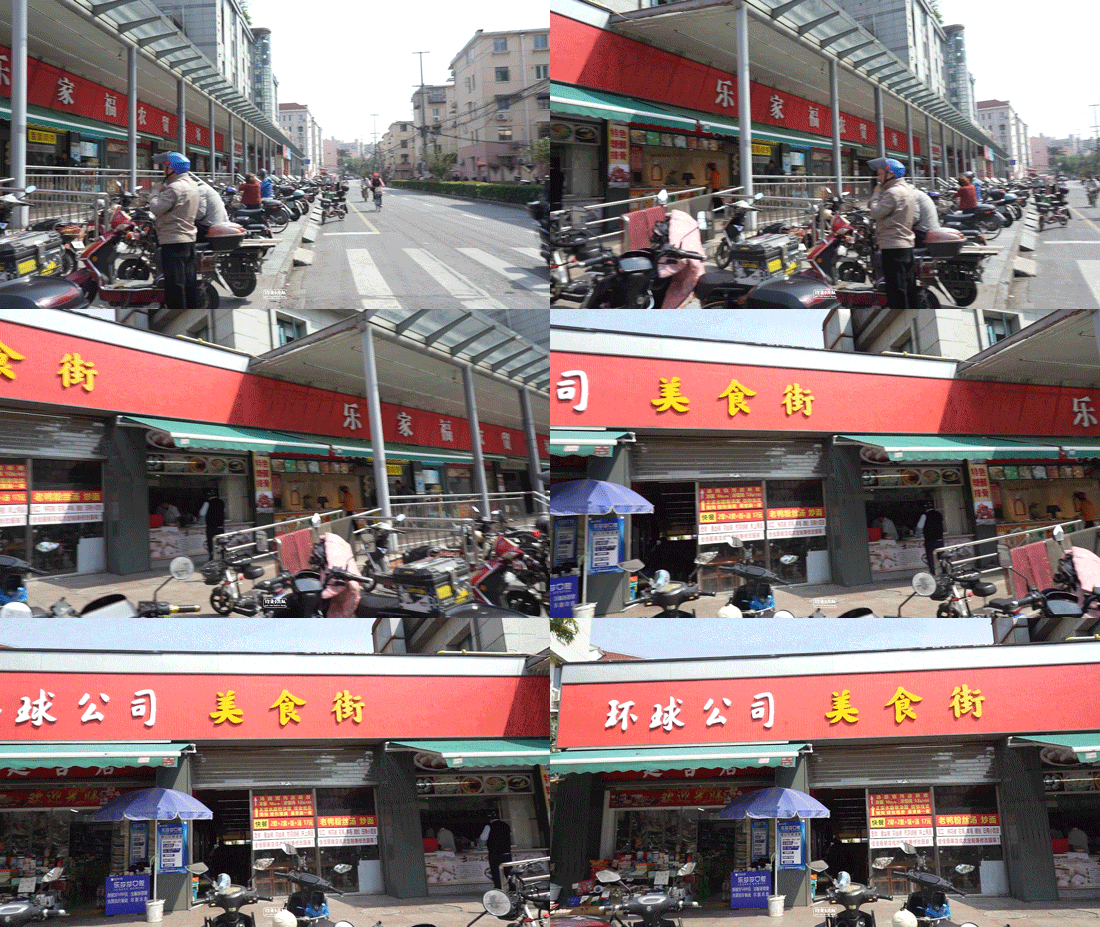
Tucked away inside the Global Company Food Street on the west side of the Lejiafu Farmers Market.
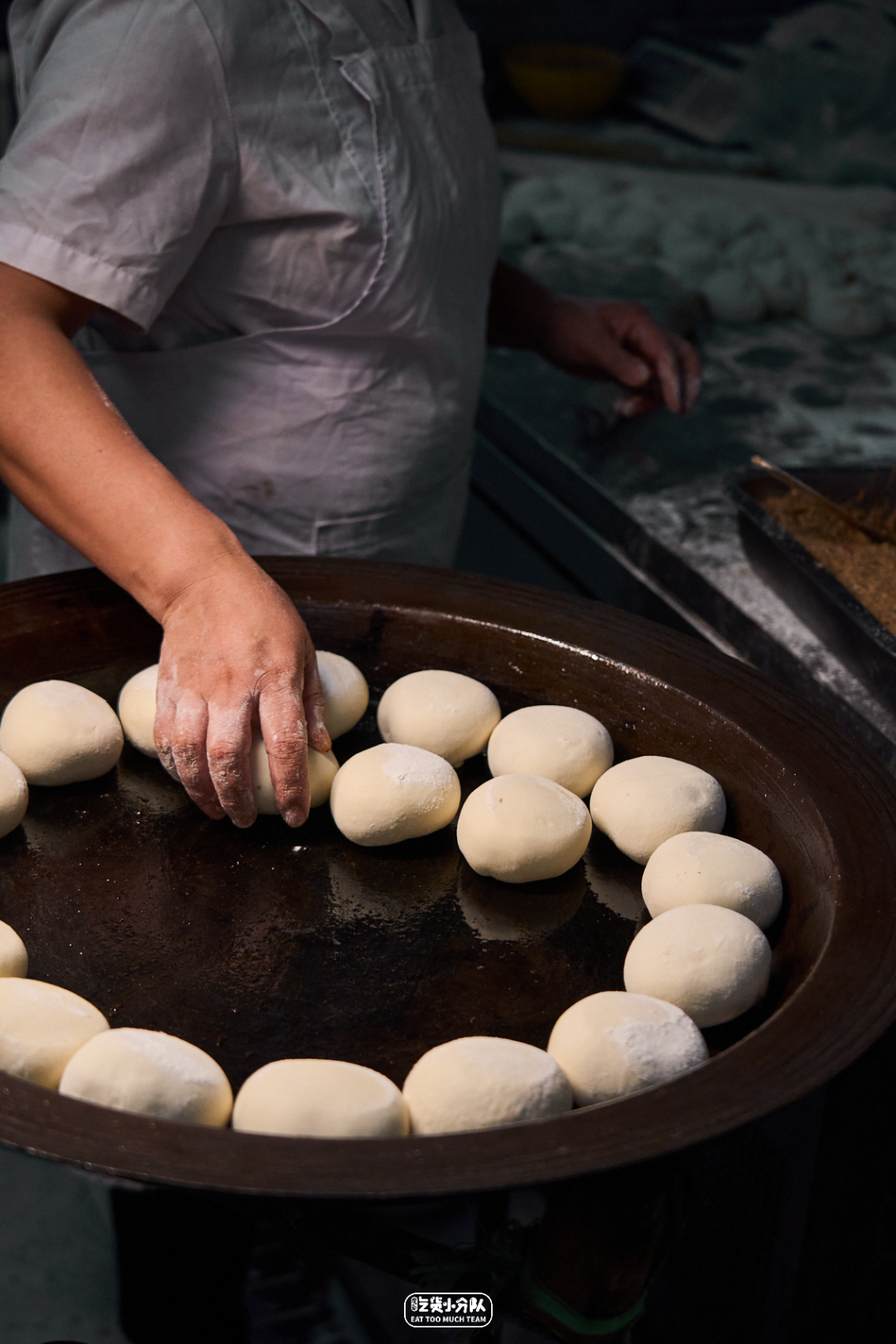
The flagship Global Supermarket right next to it is a total Yangpu landmark.
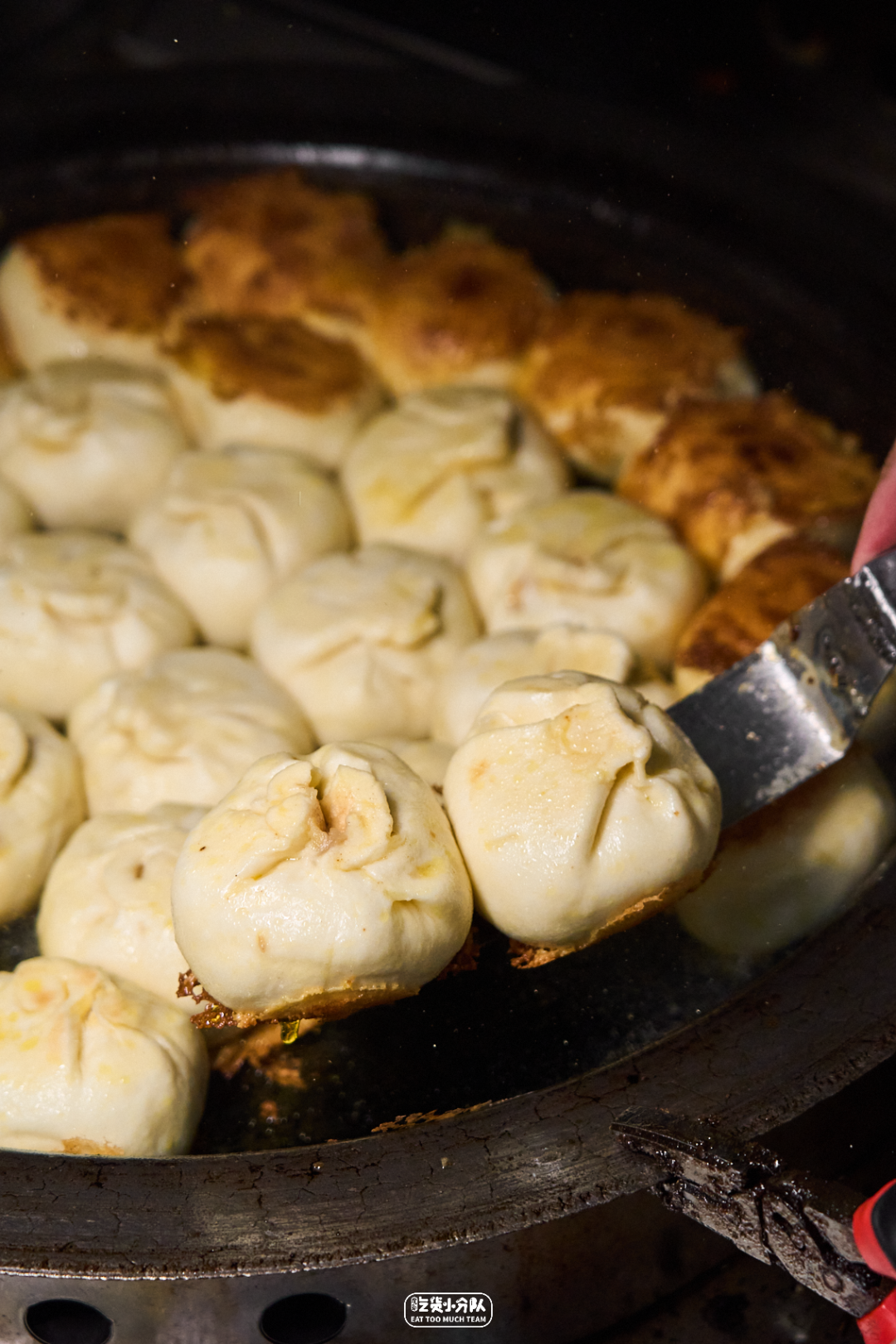
This little Halal beef jianbao spot has been here since day one of the wet market. They originally only sold raw beef, but when fellow Hui Muslims from back home started craving hometown-style buns in Shanghai, they launched this bun shop. It's a total family affair: the boss runs the wok, the boss's wife works the register, and the morning rush is full of regulars catching up with the family. It's super wholesome.
• 01 •
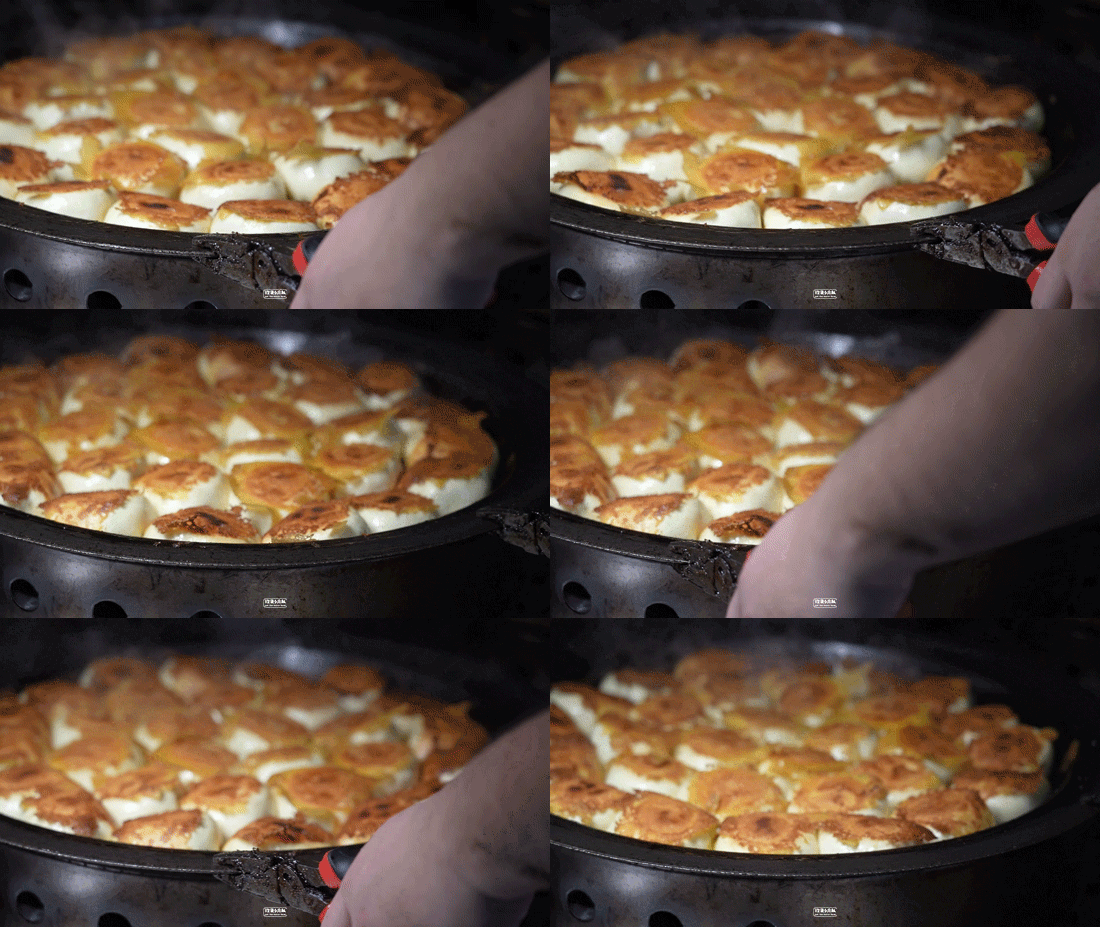
Three massive 55cm shallow iron woks tag-team the rush.
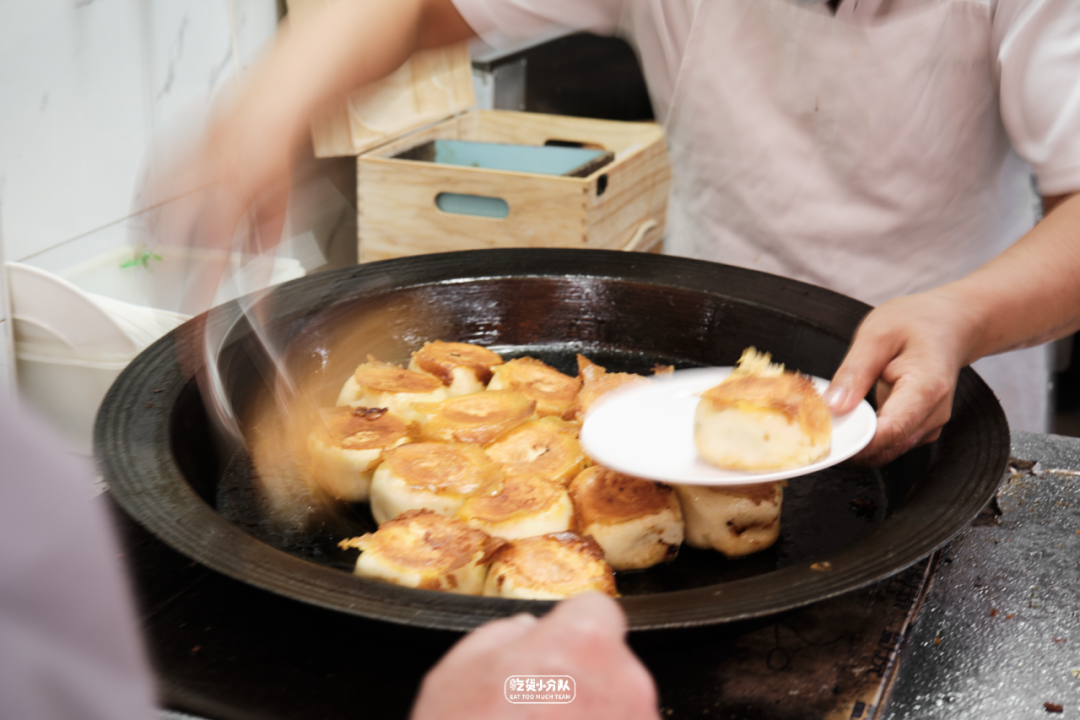
"We use the most traditional iron-pan frying method. Each batch makes 40 buns, and we cook through more than 50 batches on our busiest days." Master Pang works the wok like a gear mechanism, spinning it smoothly to ensure every bun gets even heat. Knowing when to move them and how much pressure to apply takes serious skill.
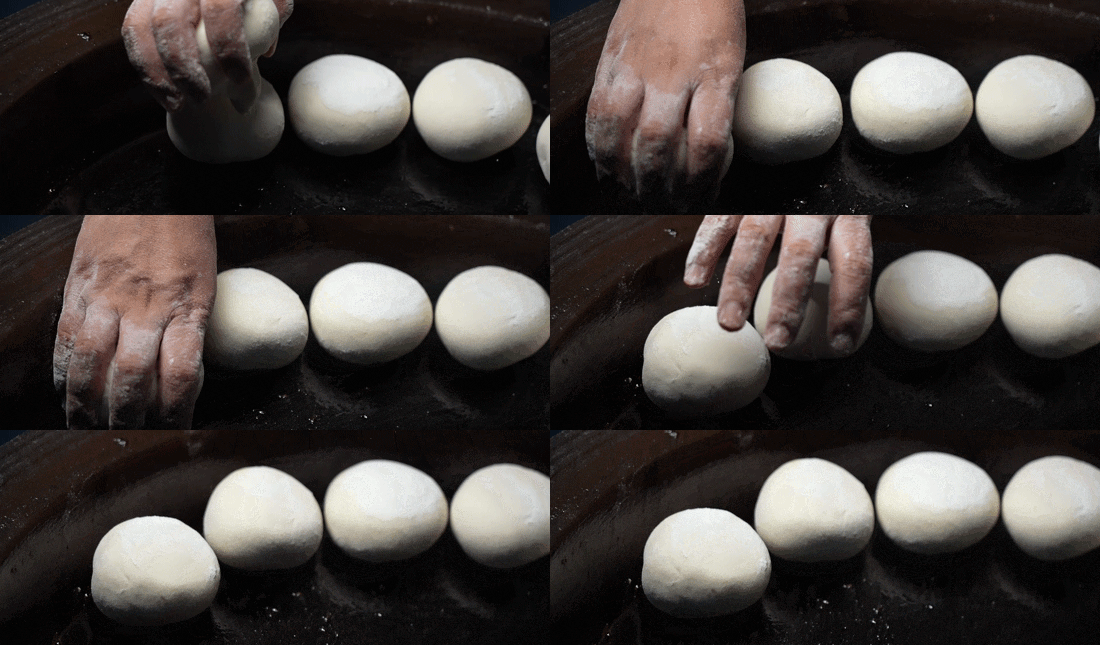
• 02 •
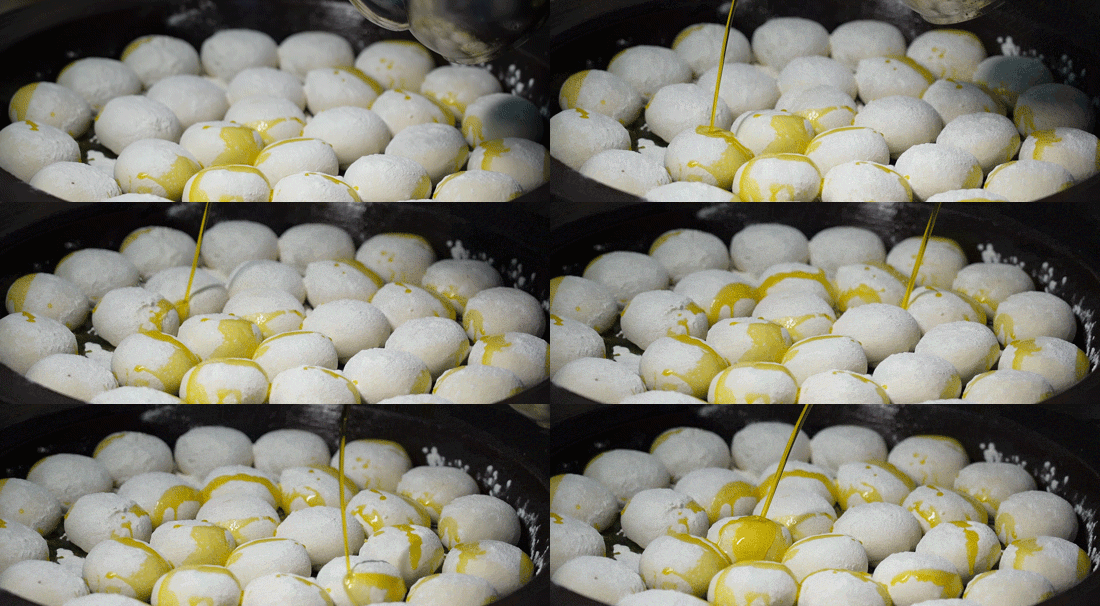
"Sizzle, sizzle!"
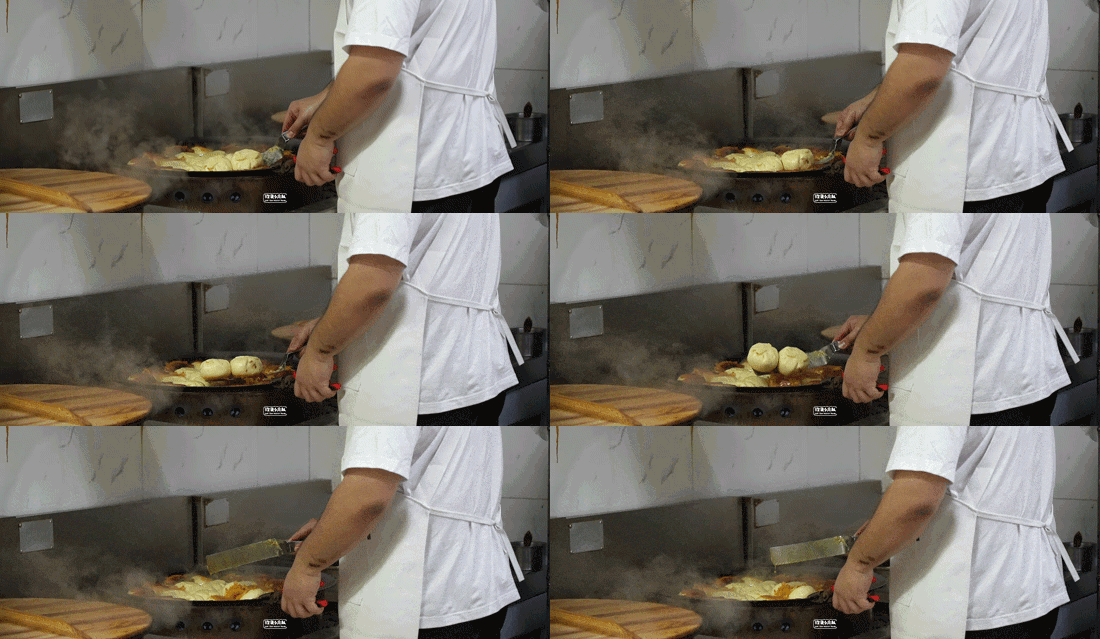
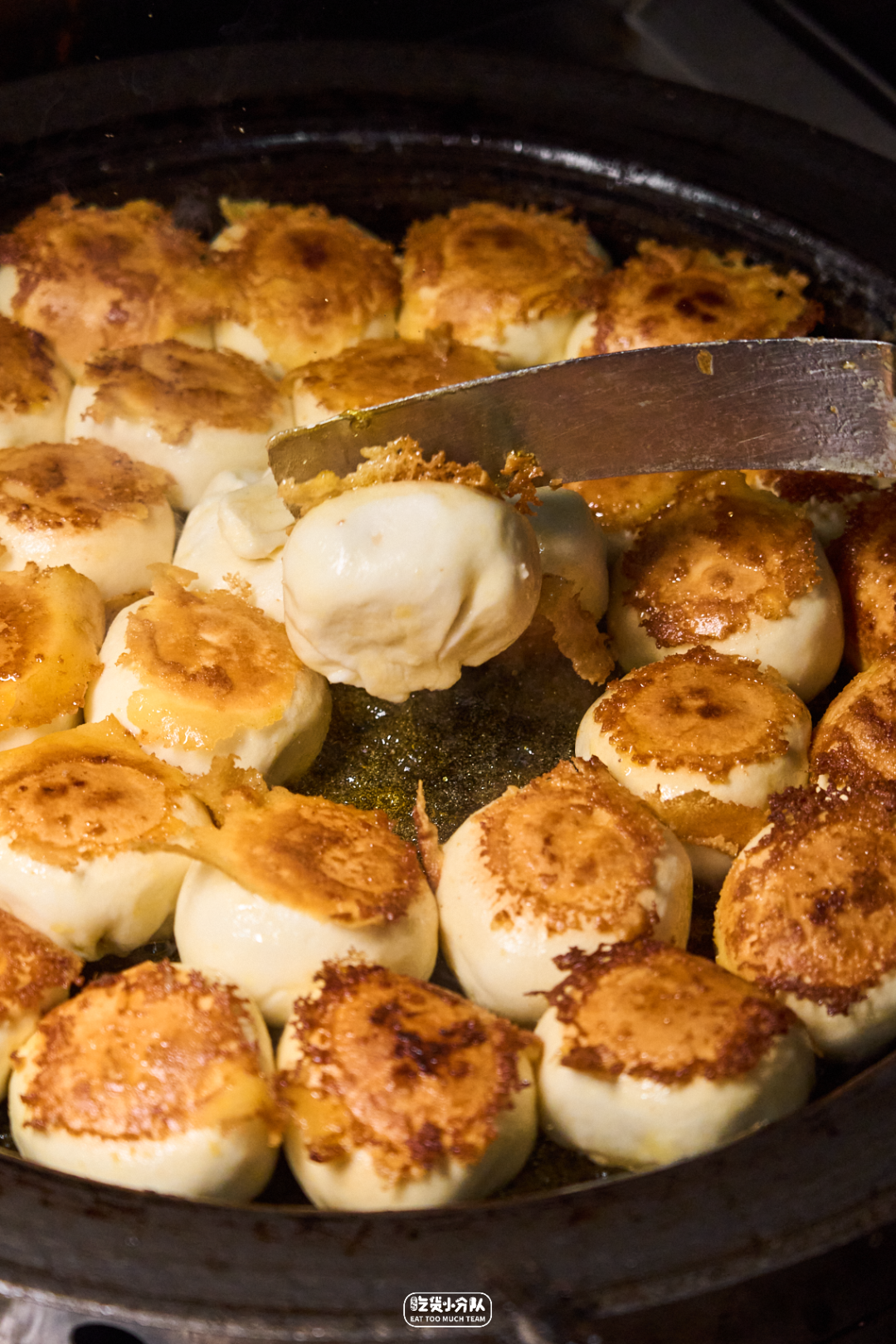
The heat at the bottom of the wok and the timing for flipping have to be dialed in down to a science. Pouring in hot oil, the dough slowly turns golden under the intense heat and sizzling oil. The chorus of "sizzle, sizzle" goes back and forth, and the second you slide the spatula underneath to lift out the buns, your heart starts racing and you're ready to devour them.
• 03 •
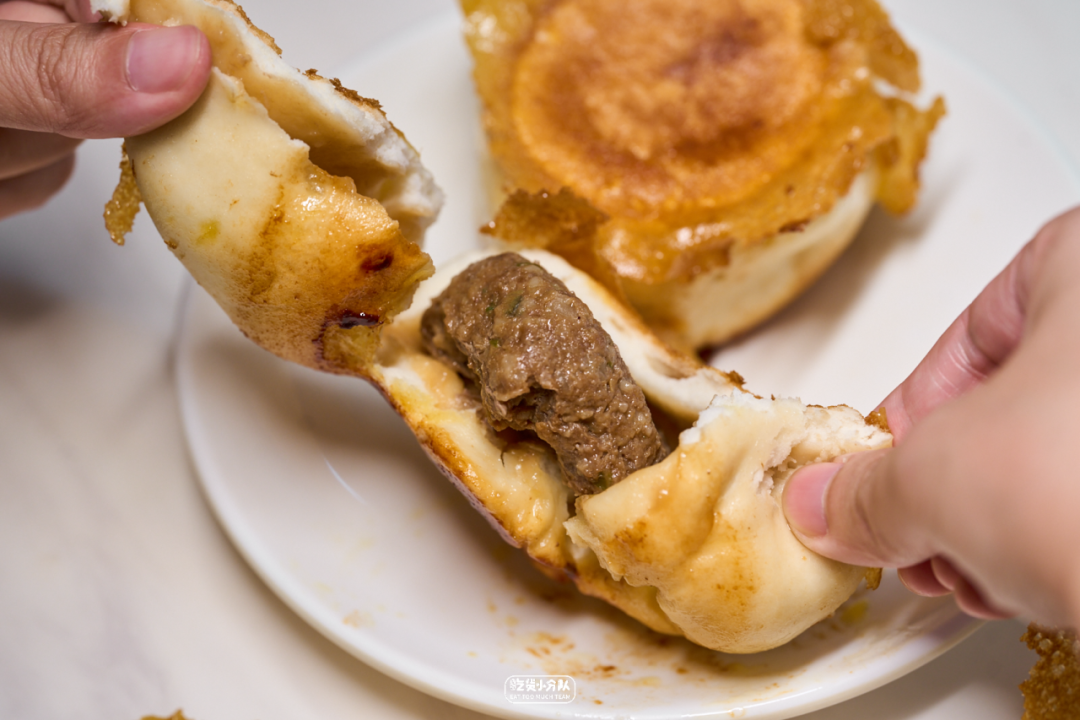
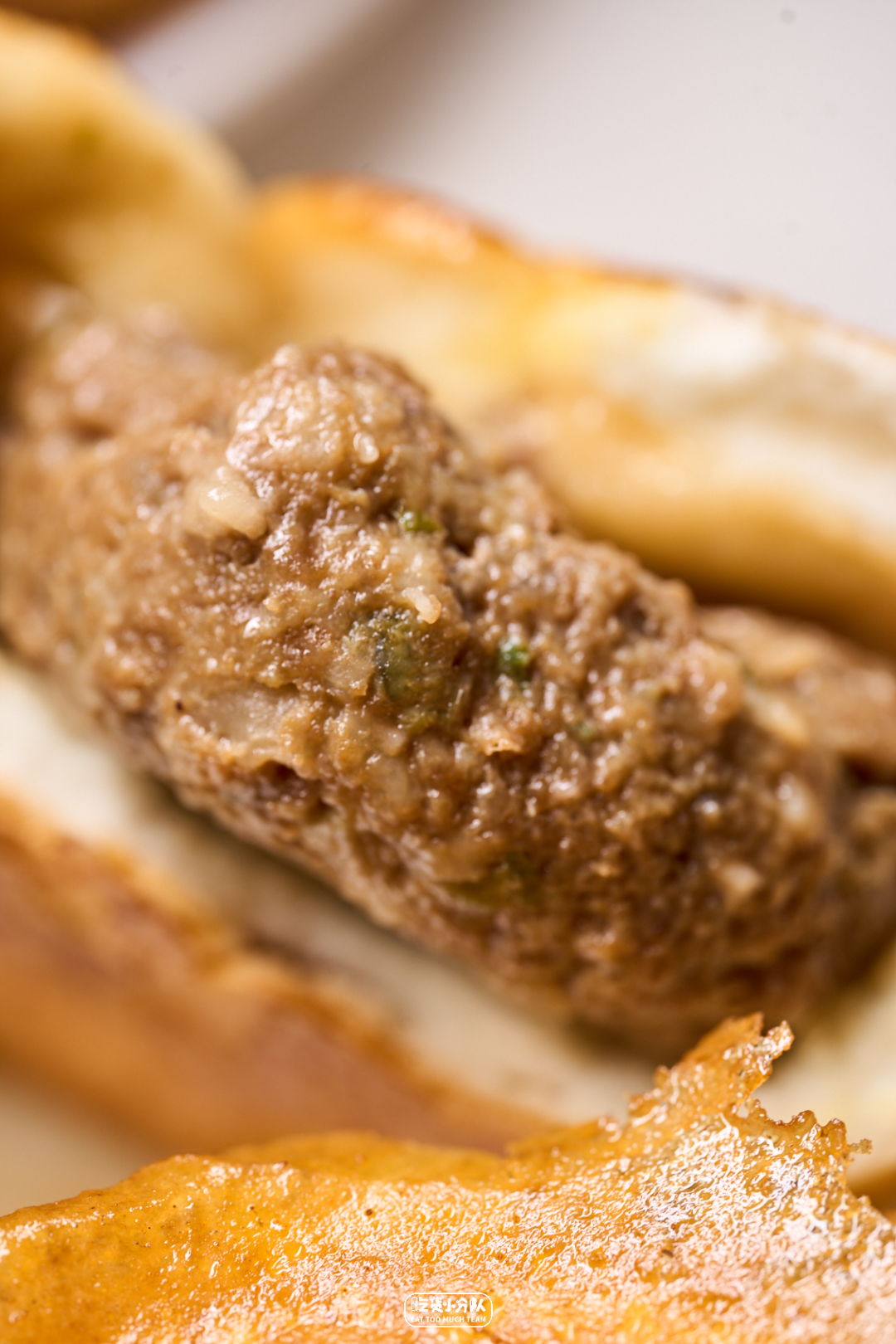
Pure beef with just a tiny touch of seasoning.
This is a beef pan-fried bun that seriously respects the beef. Even though it's only 4 RMB a piece, every bite of the filling is pure meat. 100% authentic Halal beef, massive soup-filled center—it honestly feels illegal. Chewing it gives you that authentic, high-quality beef texture.
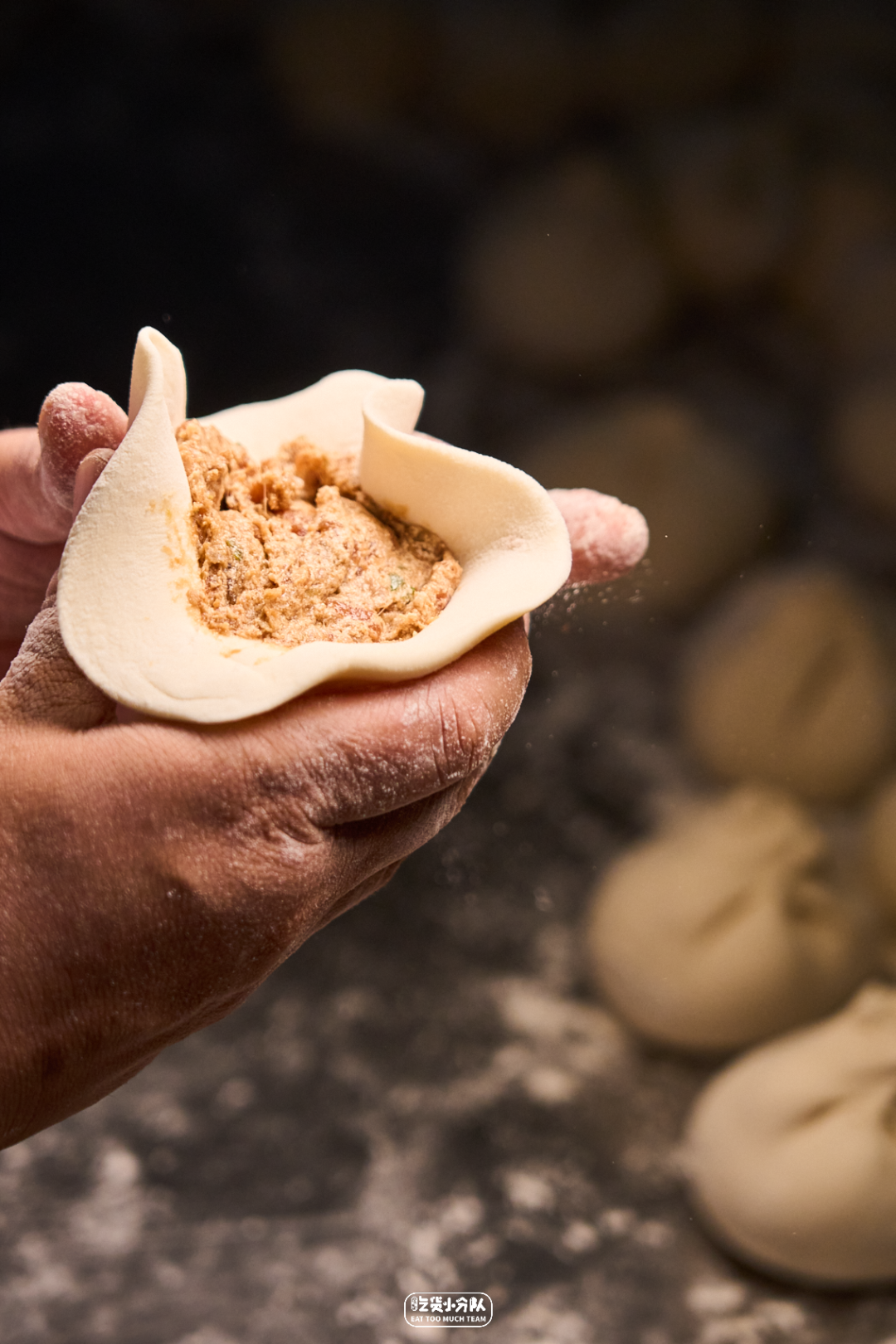
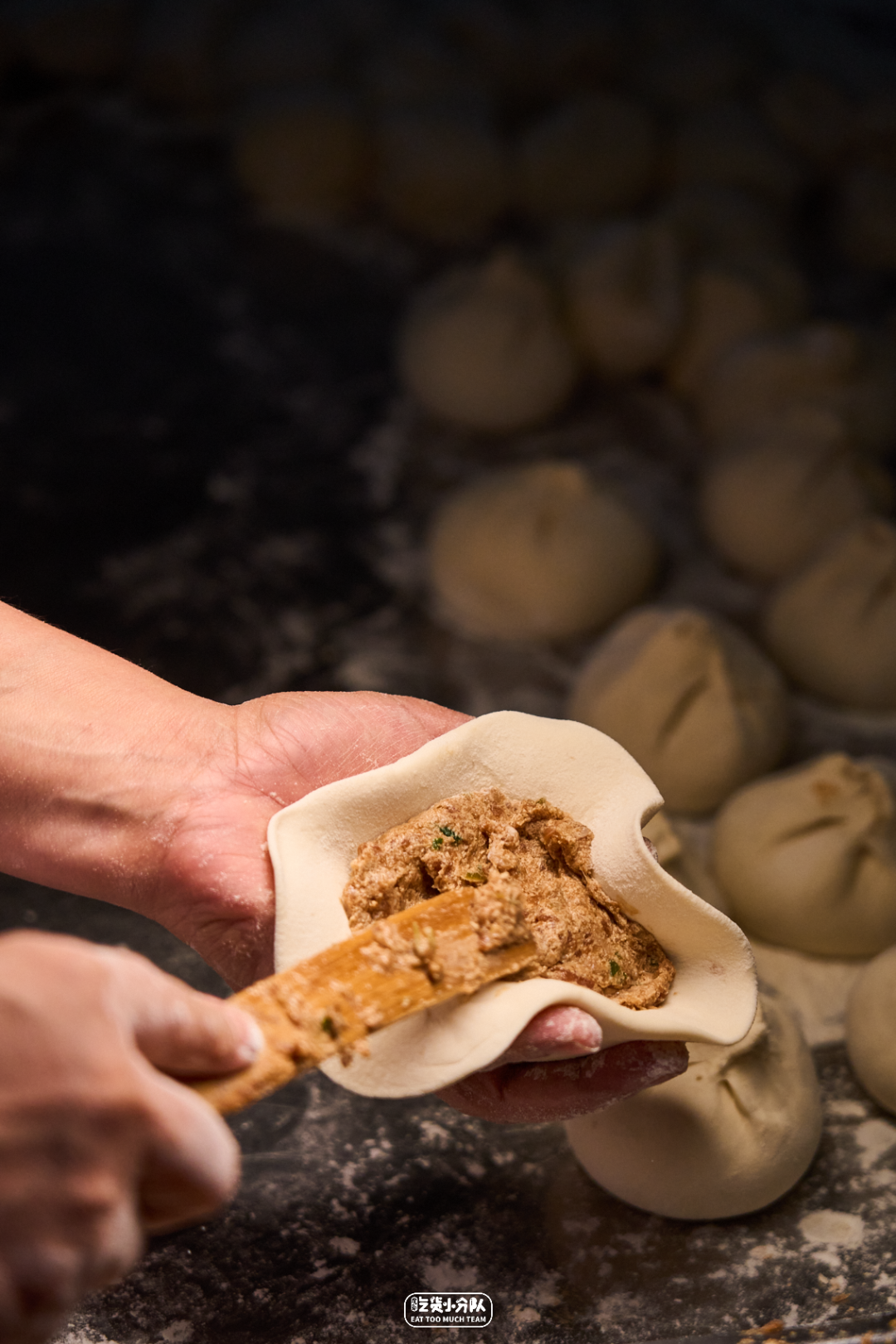
Plus, they're crazy about one specific thing: "freshness." Boss Pang carefully vets everything—from the slaughter time and origin of the cattle to the age of the cow. He uses fresh, high-grade yellow beef plum meat (shank/shoulder cut), which is one of the most premium cuts with an ideal lean-to-fat ratio. Making the filling with beef like this, combined with Boss Pang's top-secret seasoning, makes you want to crush two in one sitting.
• 04 •
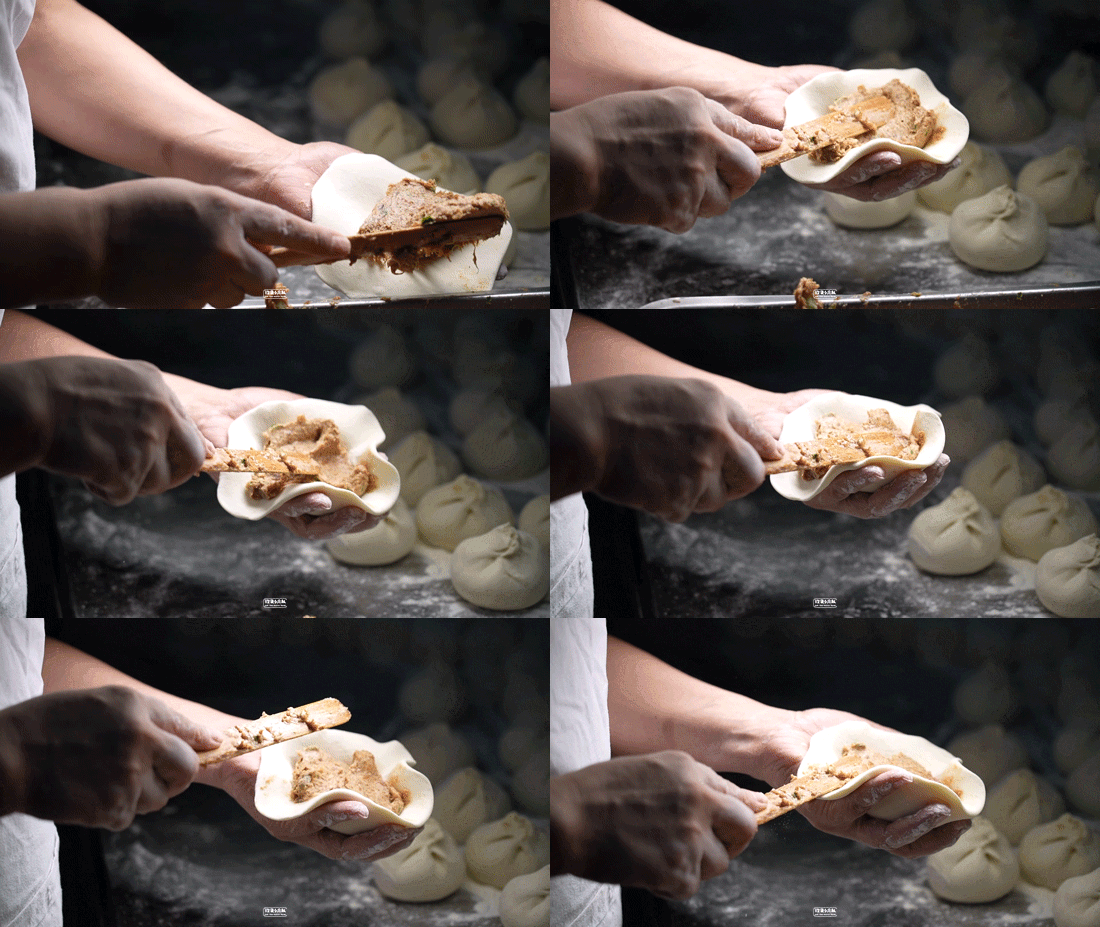
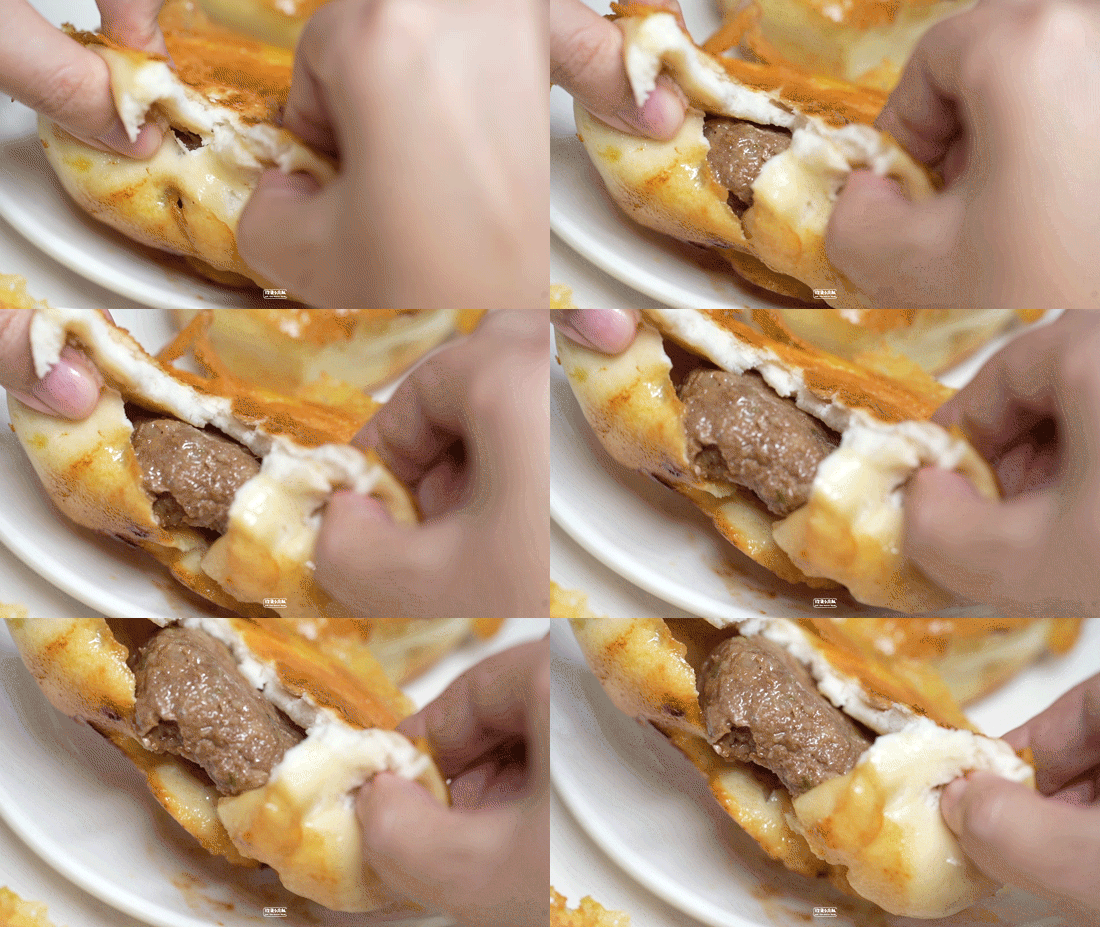
A soup-bursting secret recipe that only the boss knows.
The shop's dim sum chef spills that the ultimate secret seasoning for the beef jianbao is known to Boss Pang alone. Every single morning, he's the first one in the shop to mix the spices himself—it's the shop's ultimate, top-secret "cheat code."
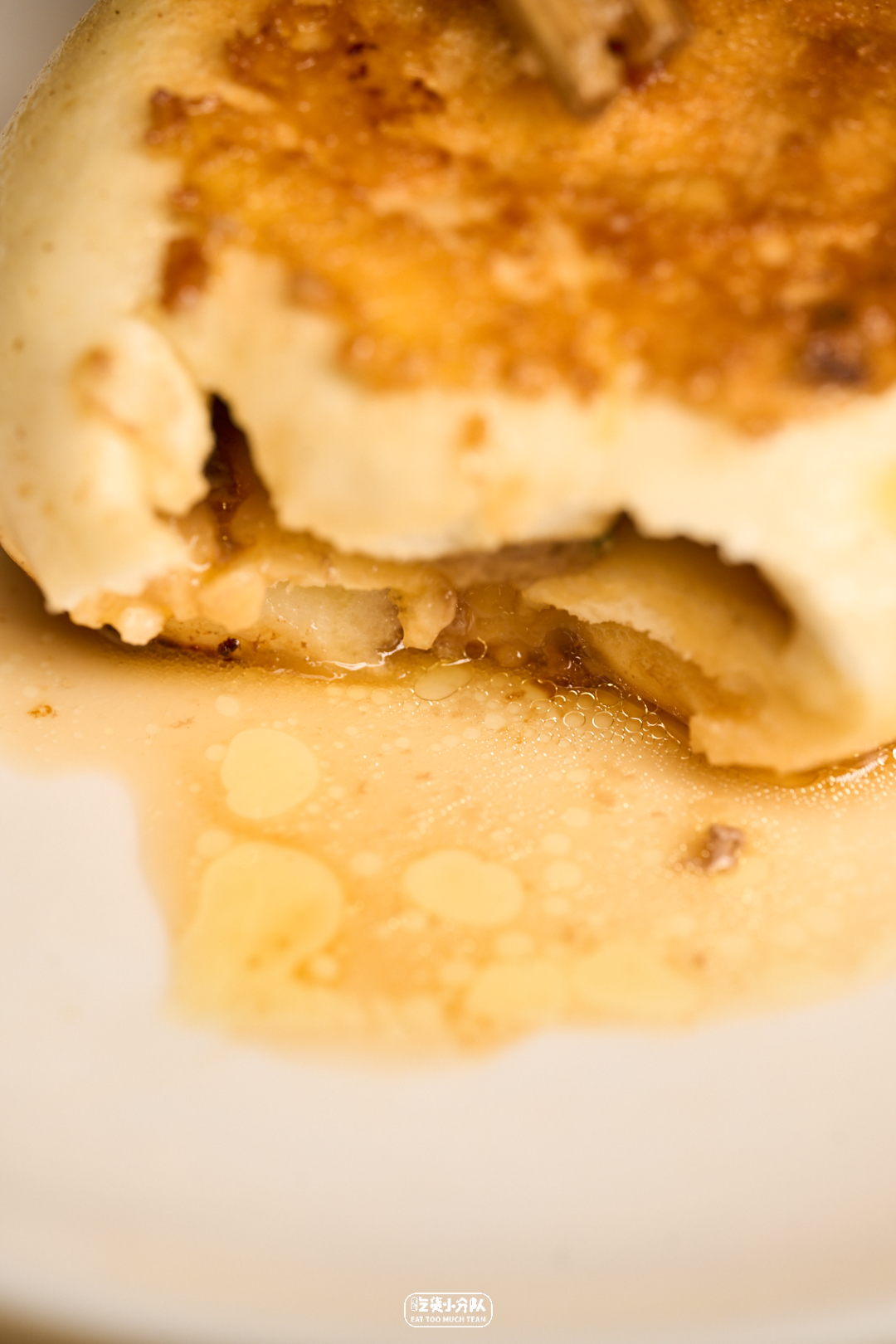
These beef jianbao owe their legendary soup-bursting status entirely to the boss's guarded recipe and technique. Give one a gentle squeeze, and rich meat juices literally spill out of the filling.
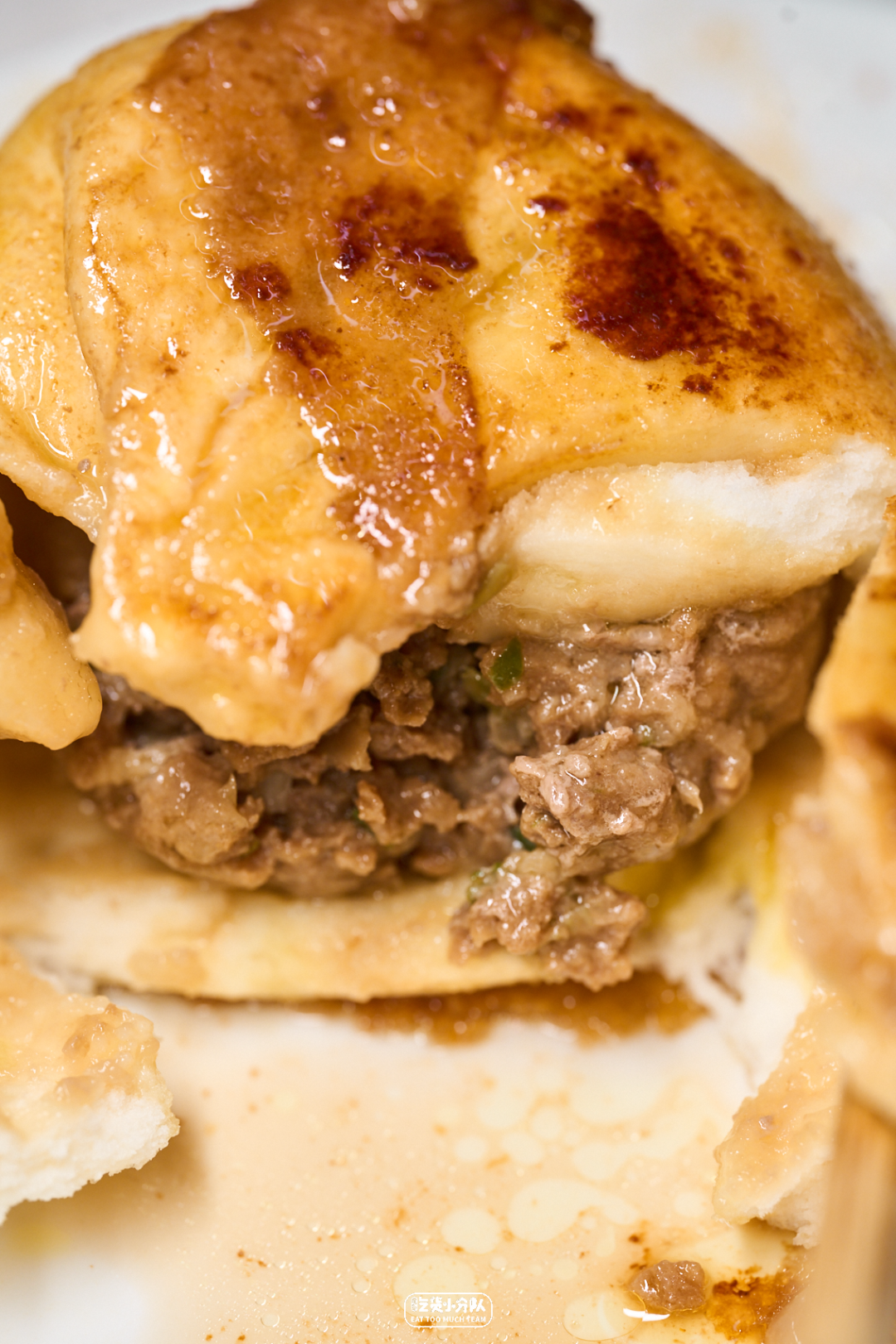
• 05 •
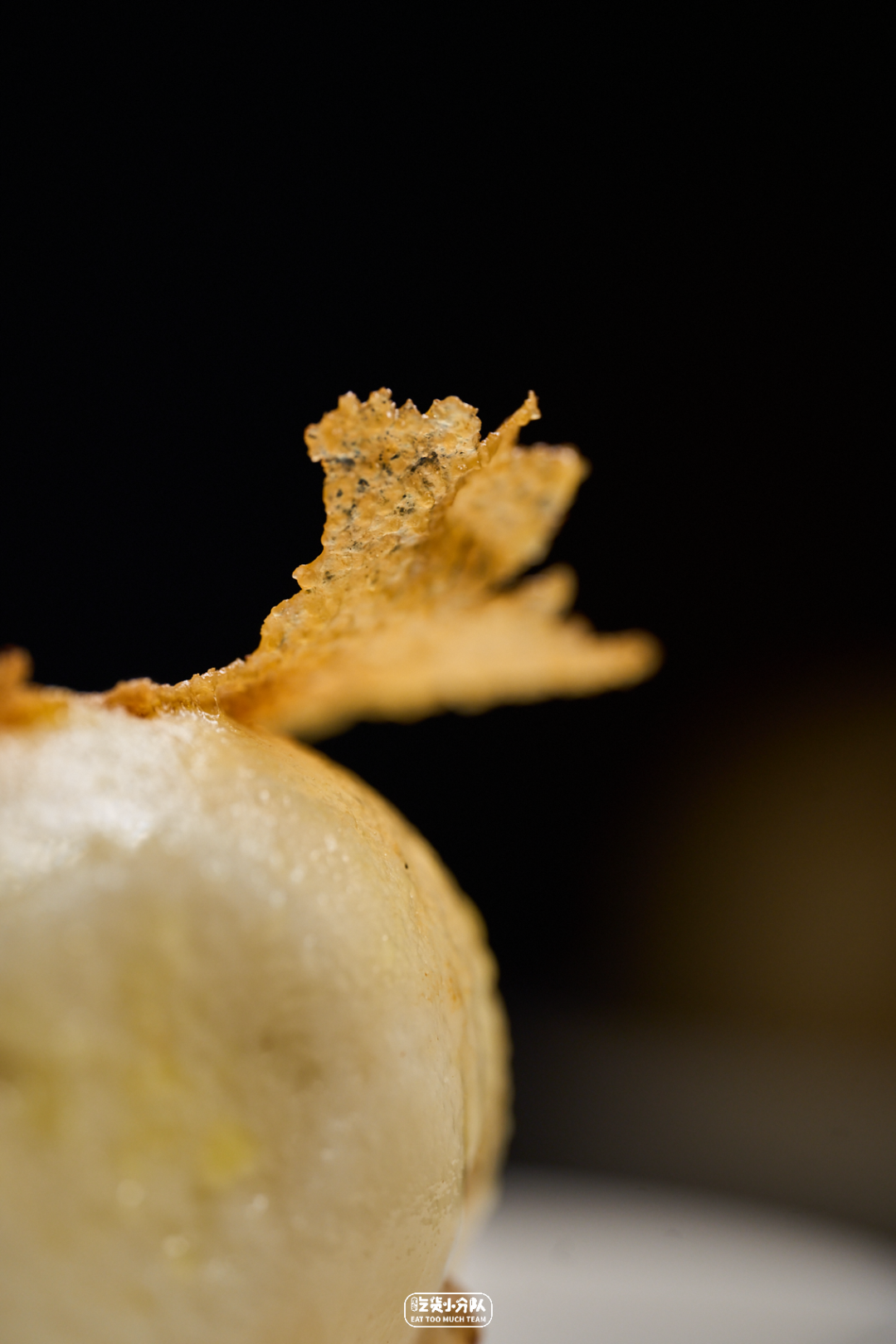
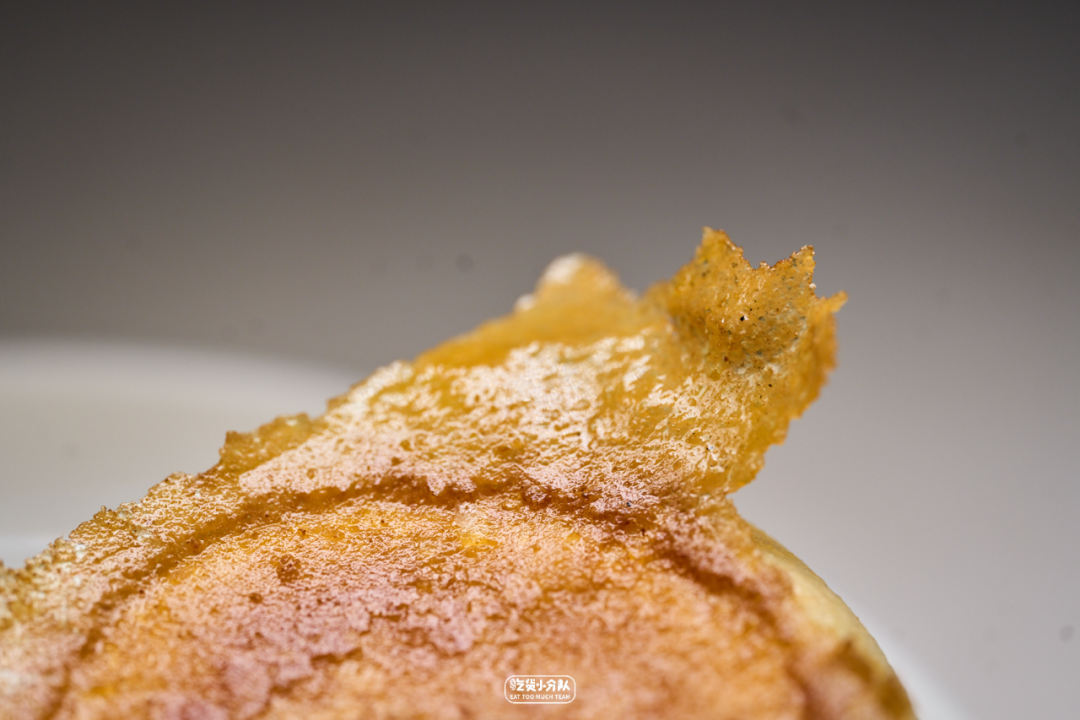
And check out that little tutu-like skirt—thin, crispy, and gorgeous.
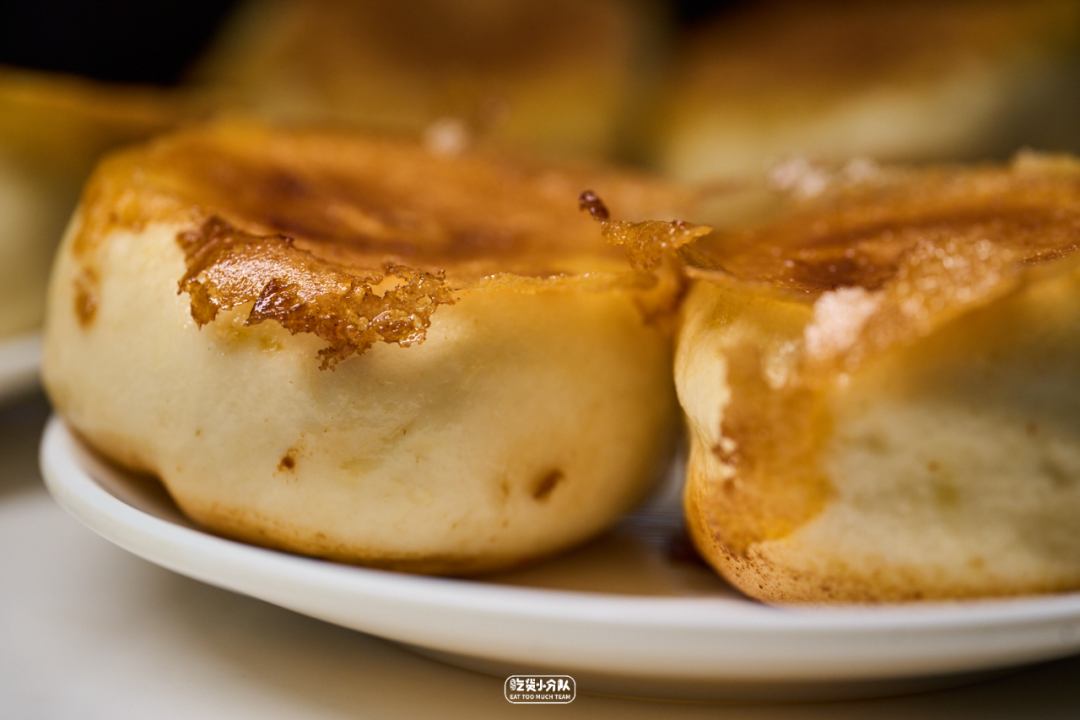
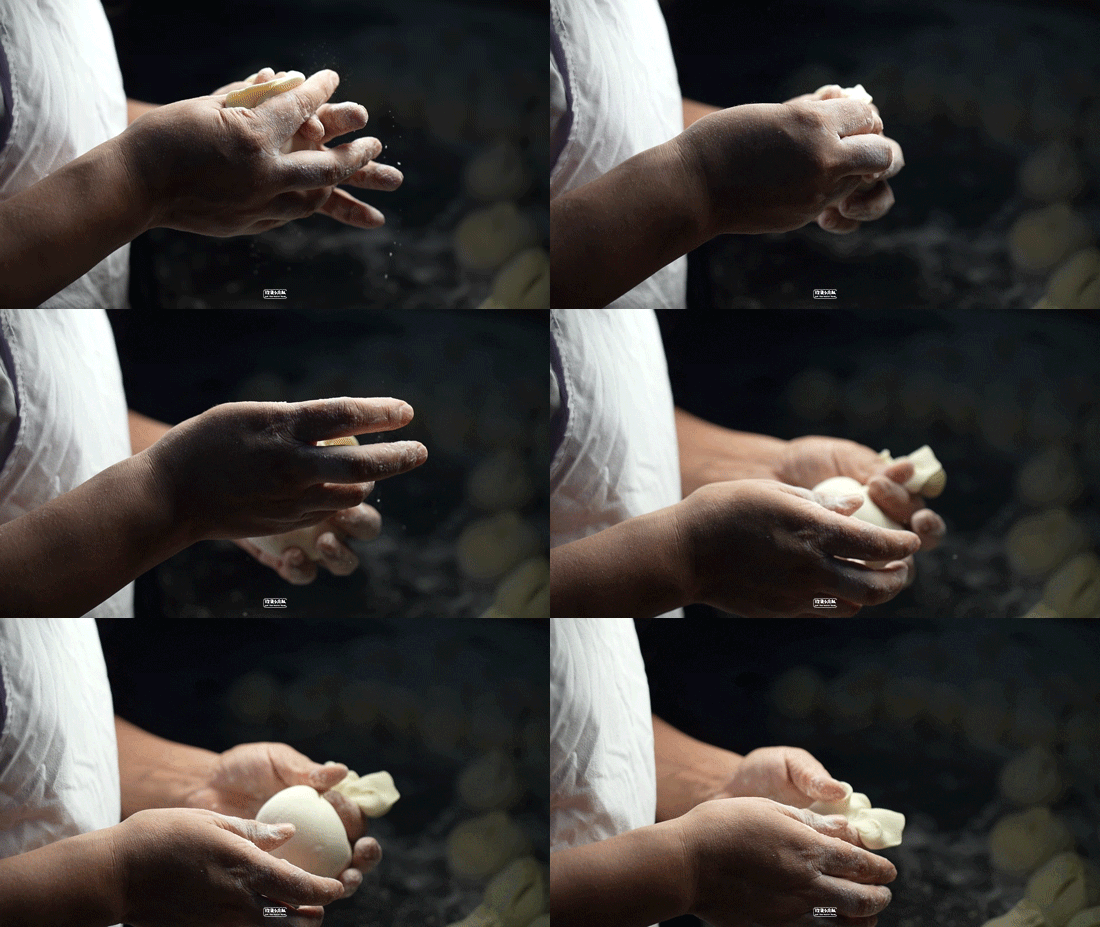
The dough wrapper is definitely not just a side character. Master Pang explains that the leavened dough can't be too thin or too thick; too thin and it breaks easily, too thick and it ruins the texture. It has to hit that sweet spot. Rolled out after proofing, the dough is thin yet springy. Pouring in the flour-water slurry creates a rich golden hue during frying, complete with thin, crispy, lace-like little skirts along the edges.
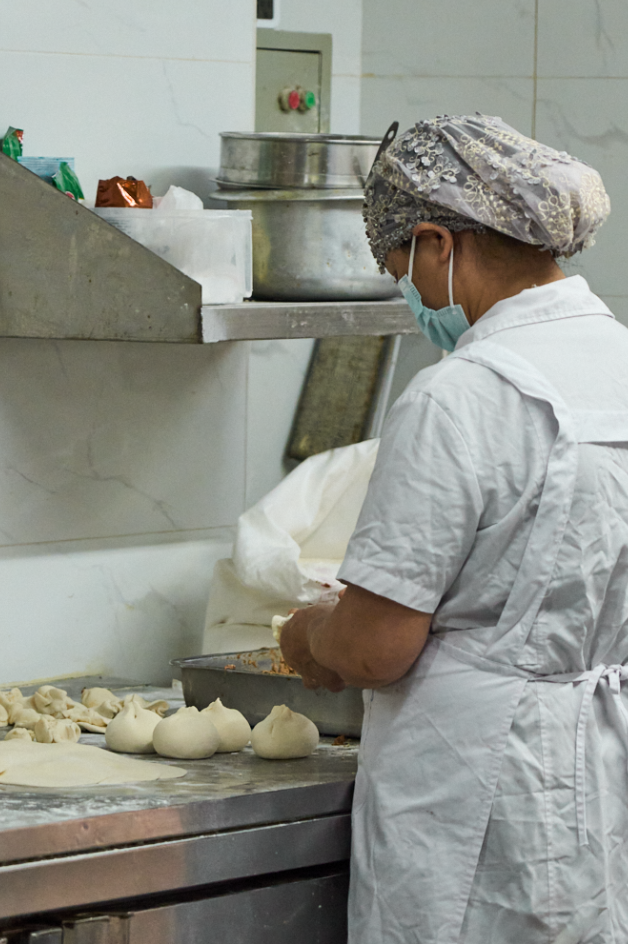
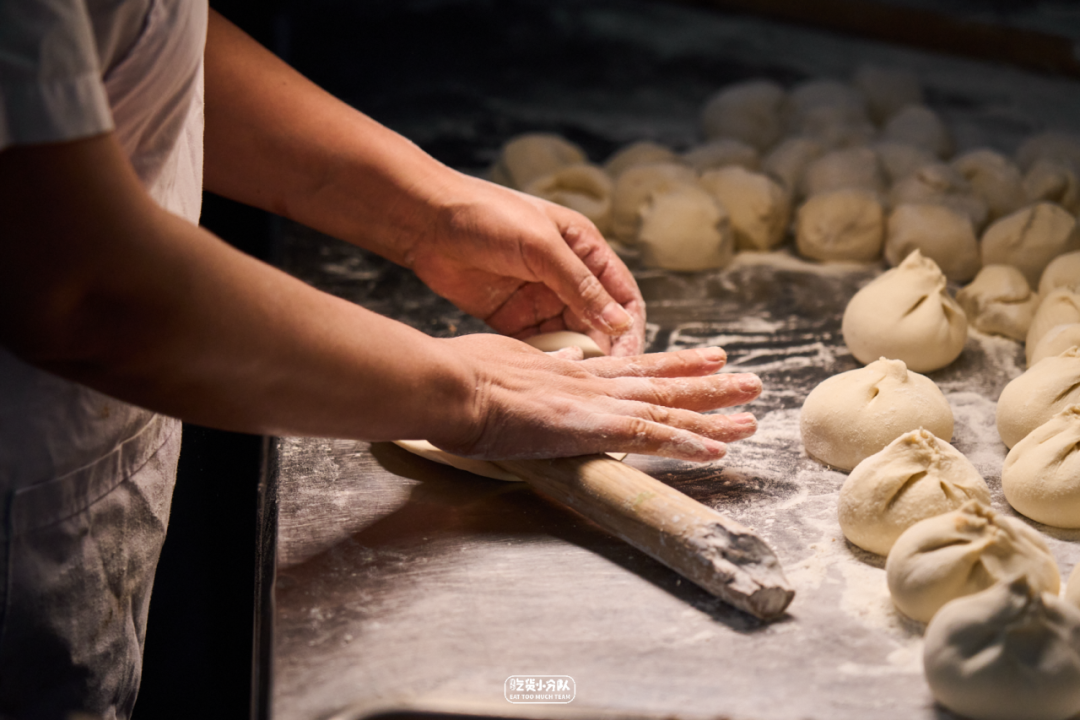
Next up, the "Jianbao Dream Team" steps up to shine: "We burn through at least 3 bags of flour a day." Everything is handmade and wrapped fresh to order. We start kneading dough around 3 AM, and the dough has to rest a bit so the texture isn't dry or tough. With practiced, lightning-fast movements, the rich filling gets sealed inside the dough wrapper. Peeking through the open kitchen window is enough to make your mouth water.
• 06 •
4 RMB a piece: juicy, plump, and packed.
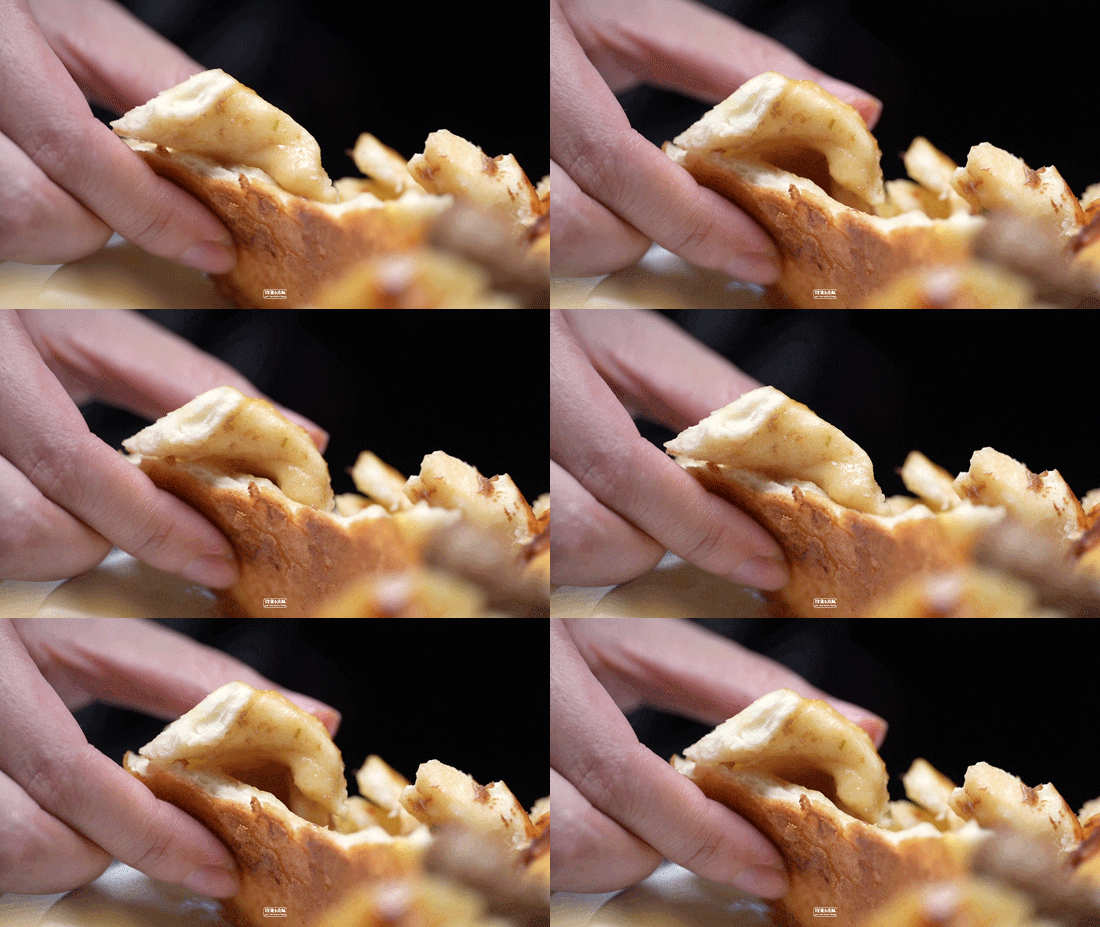
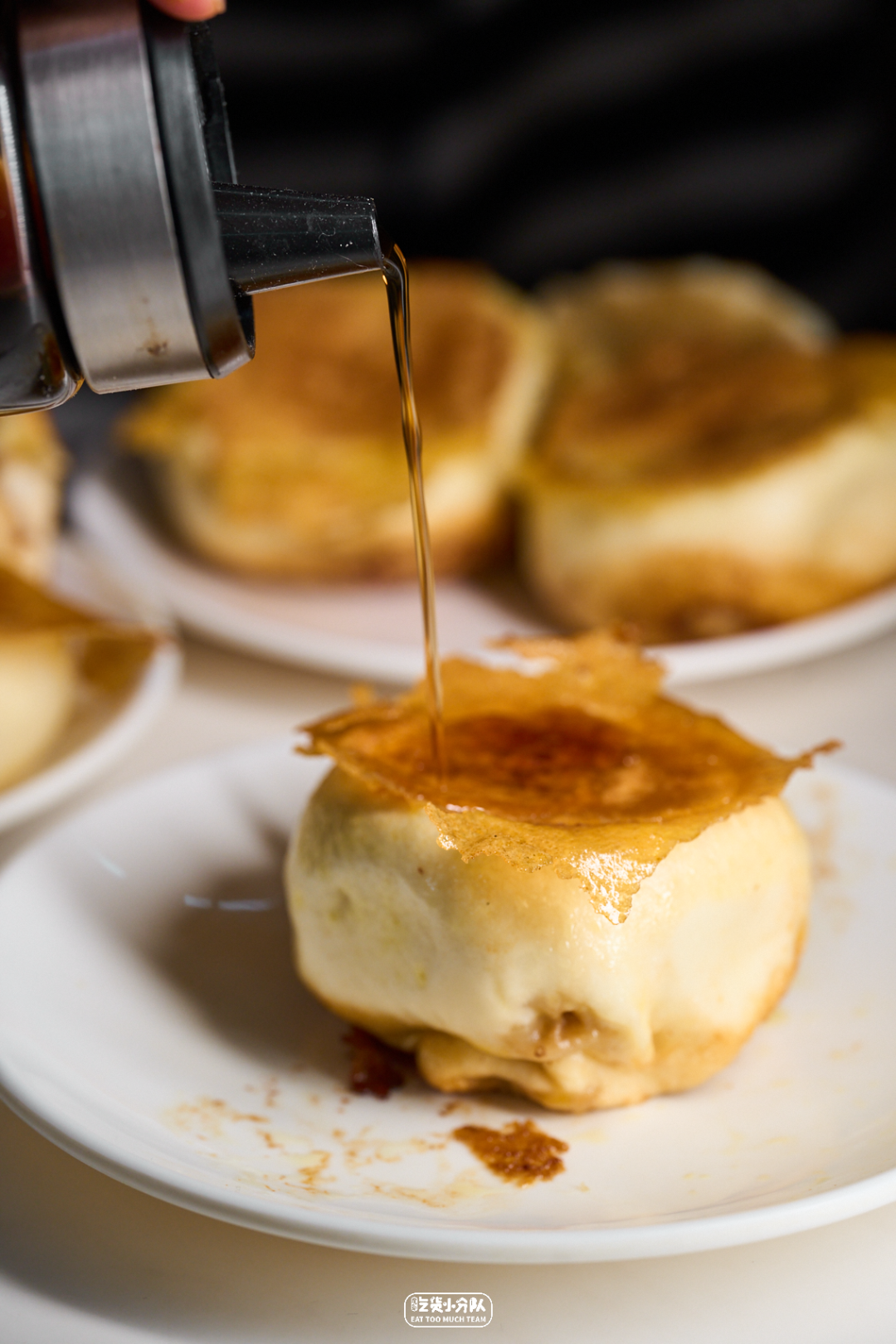
Eating them, the texture actually hits different—sturdier and more old-school than your average beef pan-fried bun. Take a light bite, and the rich juices soak into the wrapper, amplifying the savory oil flavor. Slurp up a little bit, and juice explodes everywhere. It's an instant spiritual awakening that leaves you craving it over and over. Master Pang also has a secret pro-tip: try dipping them in vinegar just like xiao long bao (soup dumplings) to unlock the ultimate flavor profile.
The flavor really bursts with juice—the meat is tender and fresh, and the filling is ridiculously generous and delicious. Licking up every last drop of the soup, you're completely lost in this single piece of "9-to-5 worker's comfort carbs." "I wasn't even hungry, but now I'm craving it so bad!"
On a weekday past the usual breakfast rush, every seat is still packed. Most people roll with the classic combo: one bowl of vermicelli soup and two pan-fried buns. Tearing off a little piece of the jianbao wrapper and dipping it into the vermicelli soup—this hardcore "carbs on carbs" power couple is undeniably tempting and totally sinful.
• 01 •
Halal-style beef vermicelli soup.
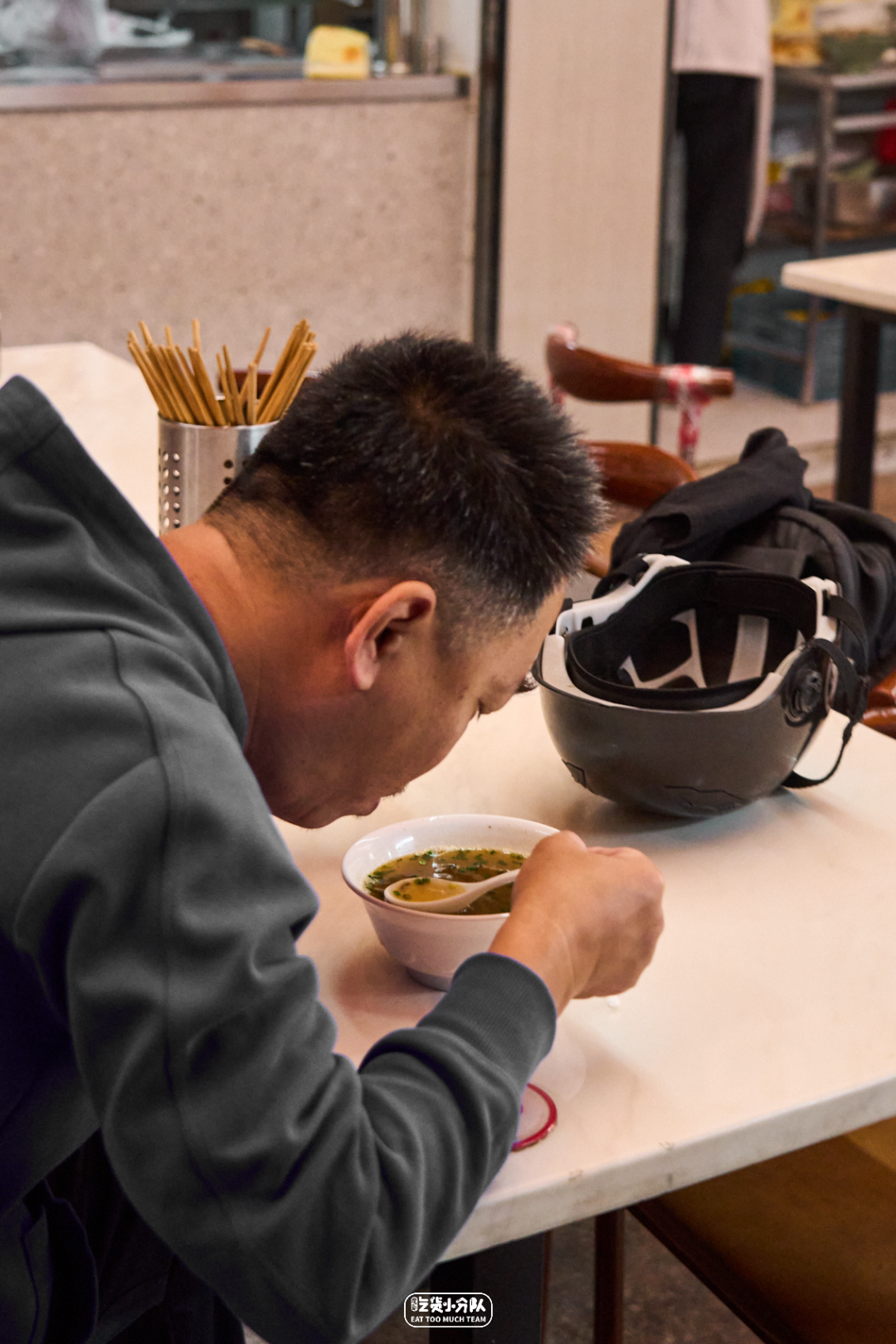
Aside from the pan-fried buns, the beef vermicelli soup is another absolute heavy-hitter here—piping hot and deeply comforting. This is soup broth done right, simmered fresh from 50 to 60 pounds of massive beef bones since the middle of the night. Dip the vermicelli into the rich broth, and these two stars merge into absolute perfection. A massive bowl for just 13 RMB paired with two pan-fried buns is more than enough food even for two people.
• 02 •

Qiangbing (scallion oil flatbread).
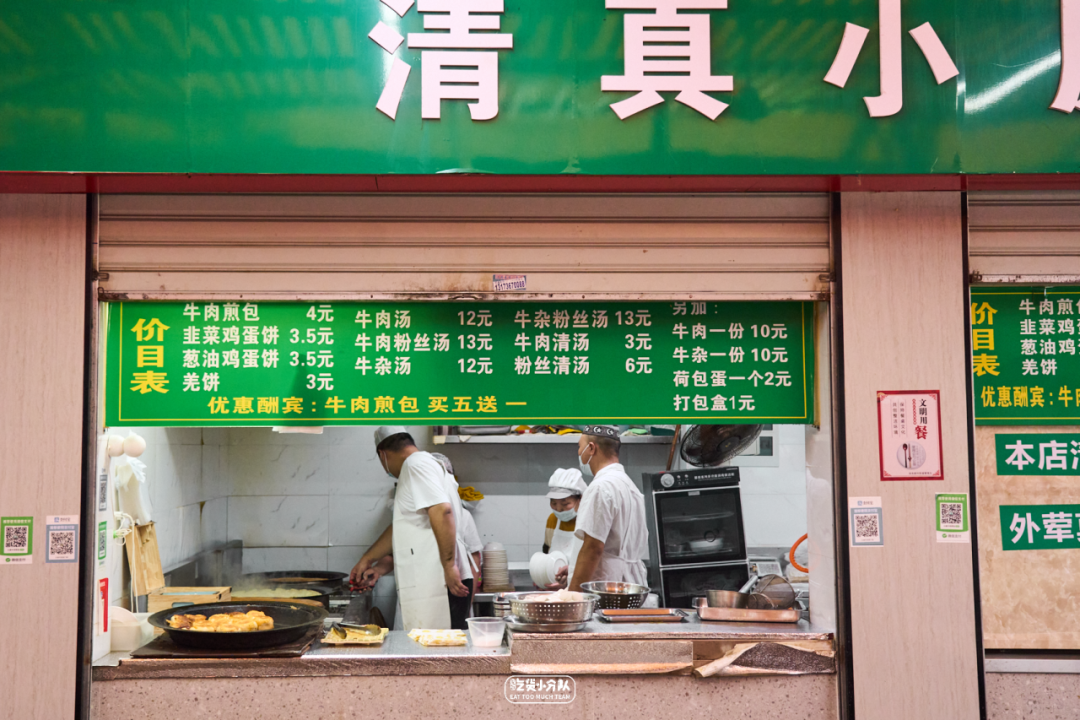
Qiangbing has evolved into a magical wet market superstar nowadays. This slow-pan-fried style, which you can basically only find in old-school Halal spots, gets cooked low and slow until it's ultra-crispy all the way through, without being greasy like deep-fried stuff. One bite delivers pure, aromatic bliss.
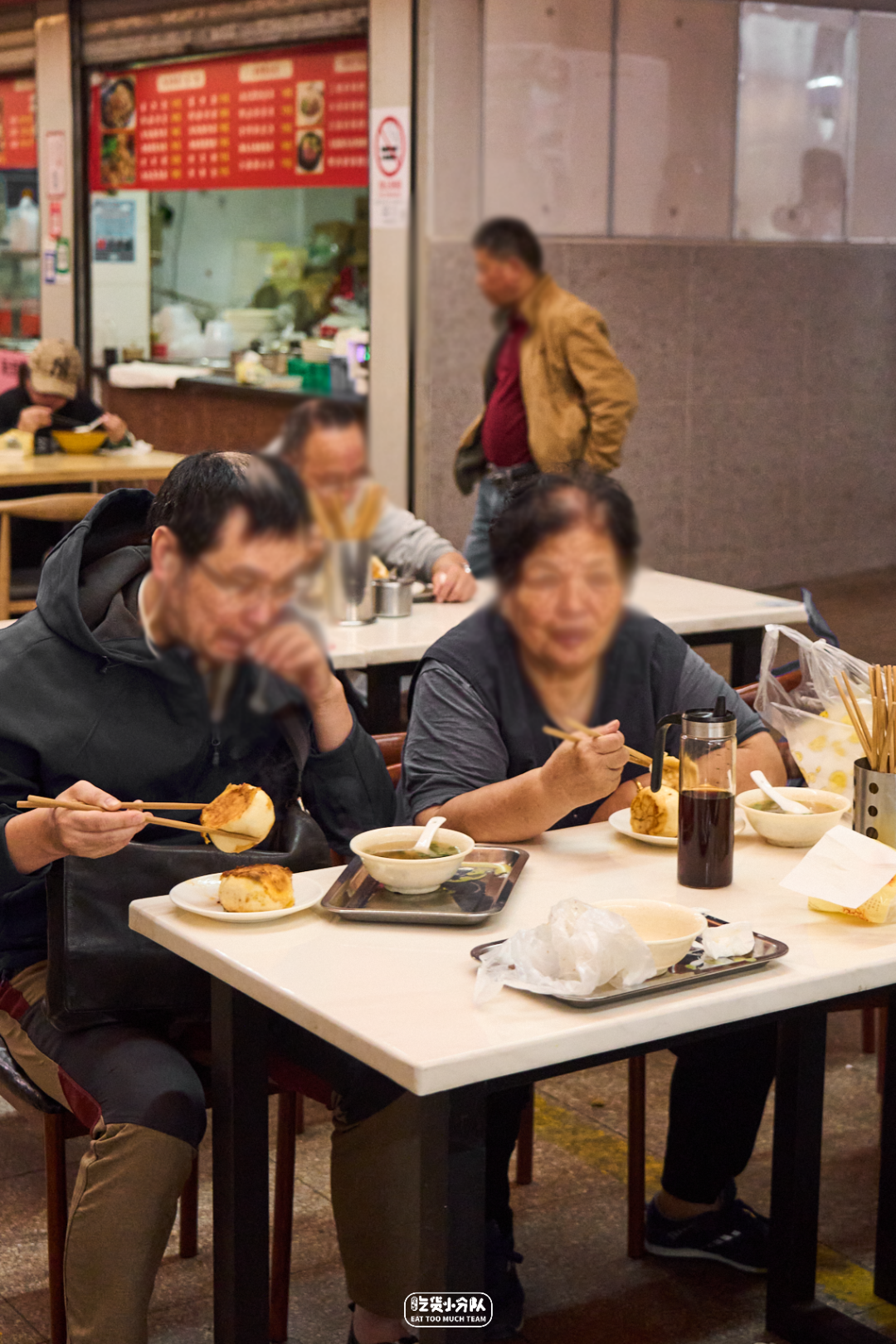
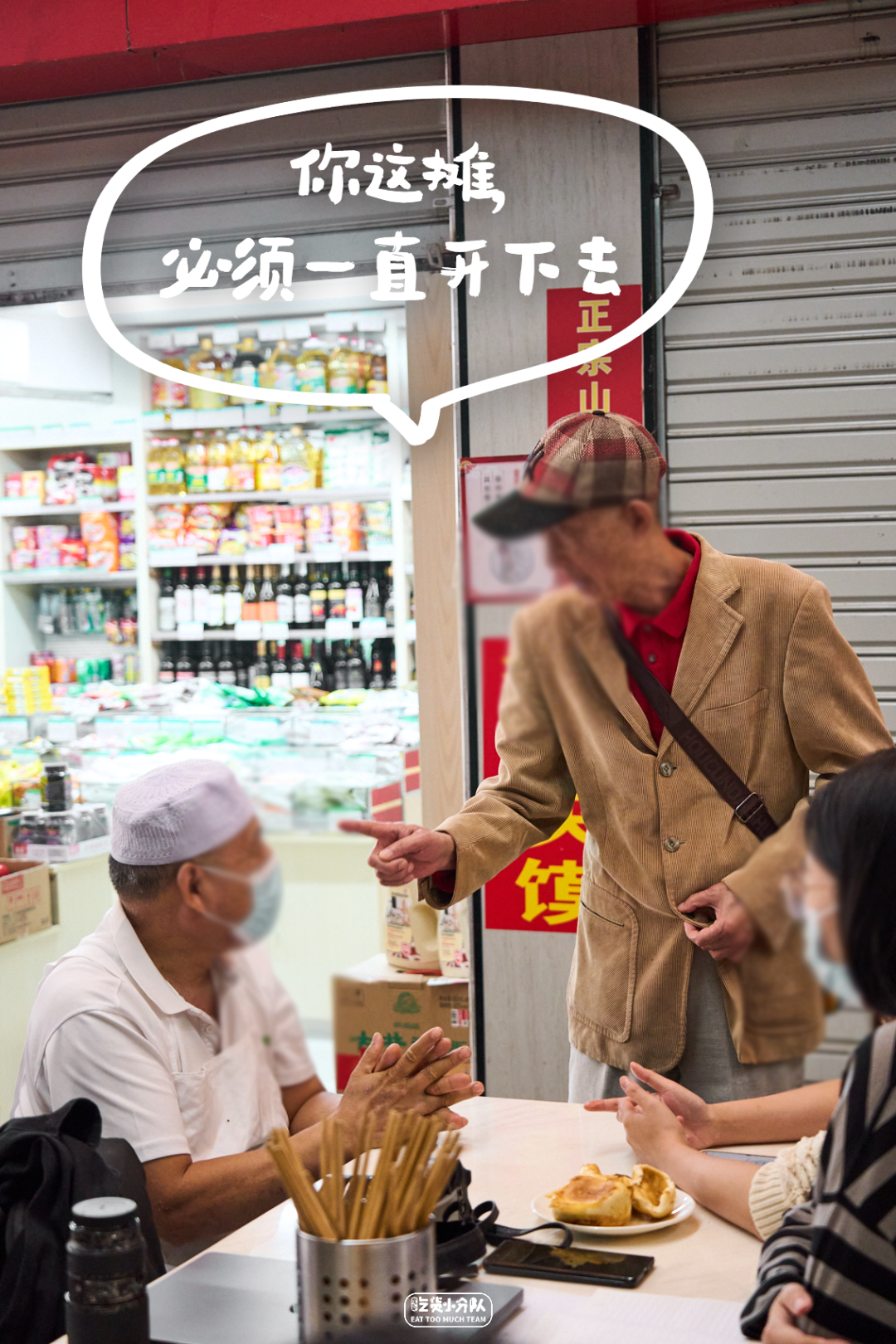
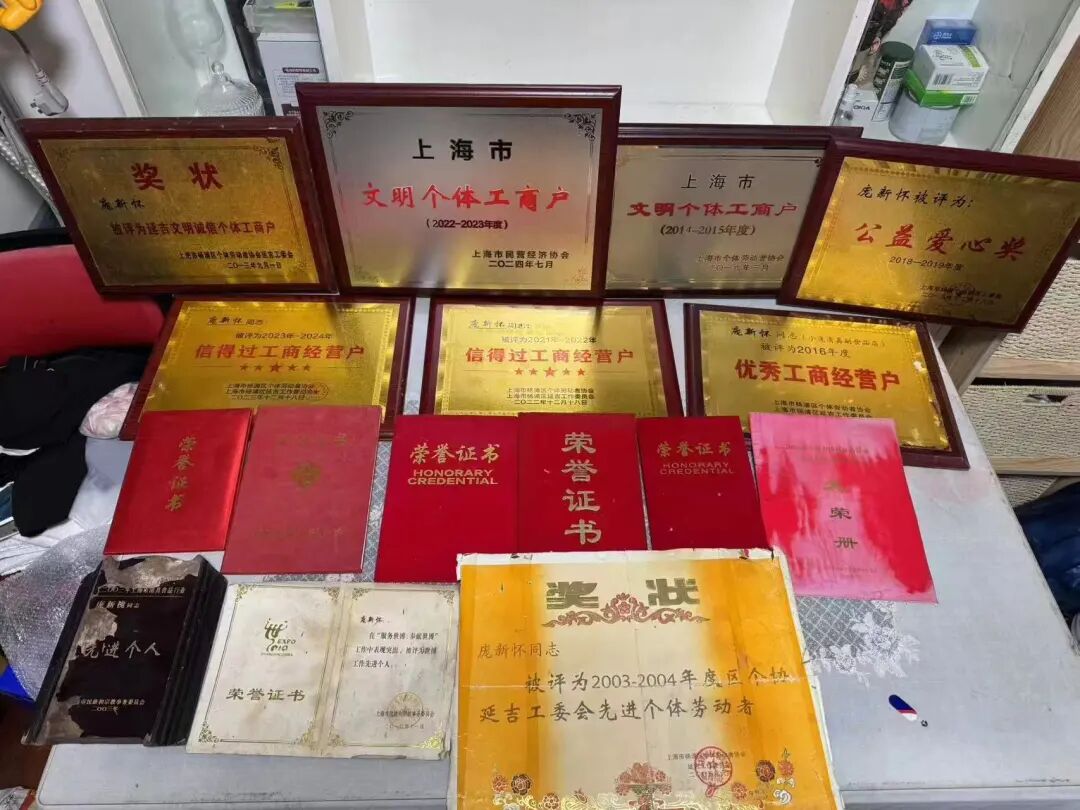
Shop owner Pang Xinhuai serves as the Vice President of the Yanji Branch of Ethnic Minority Compatriots in Shanghai. He came to Shanghai to start his own business during the early days of the Reform and Opening-up. He opened the Xiao Pang Halal Beef Shop, which now boasts three beef and mutton retail counters and one beef jianbao joint. A student of a "Shanghai Model Worker," his own collection of award certificates is enough to wallpaper an entire wall.
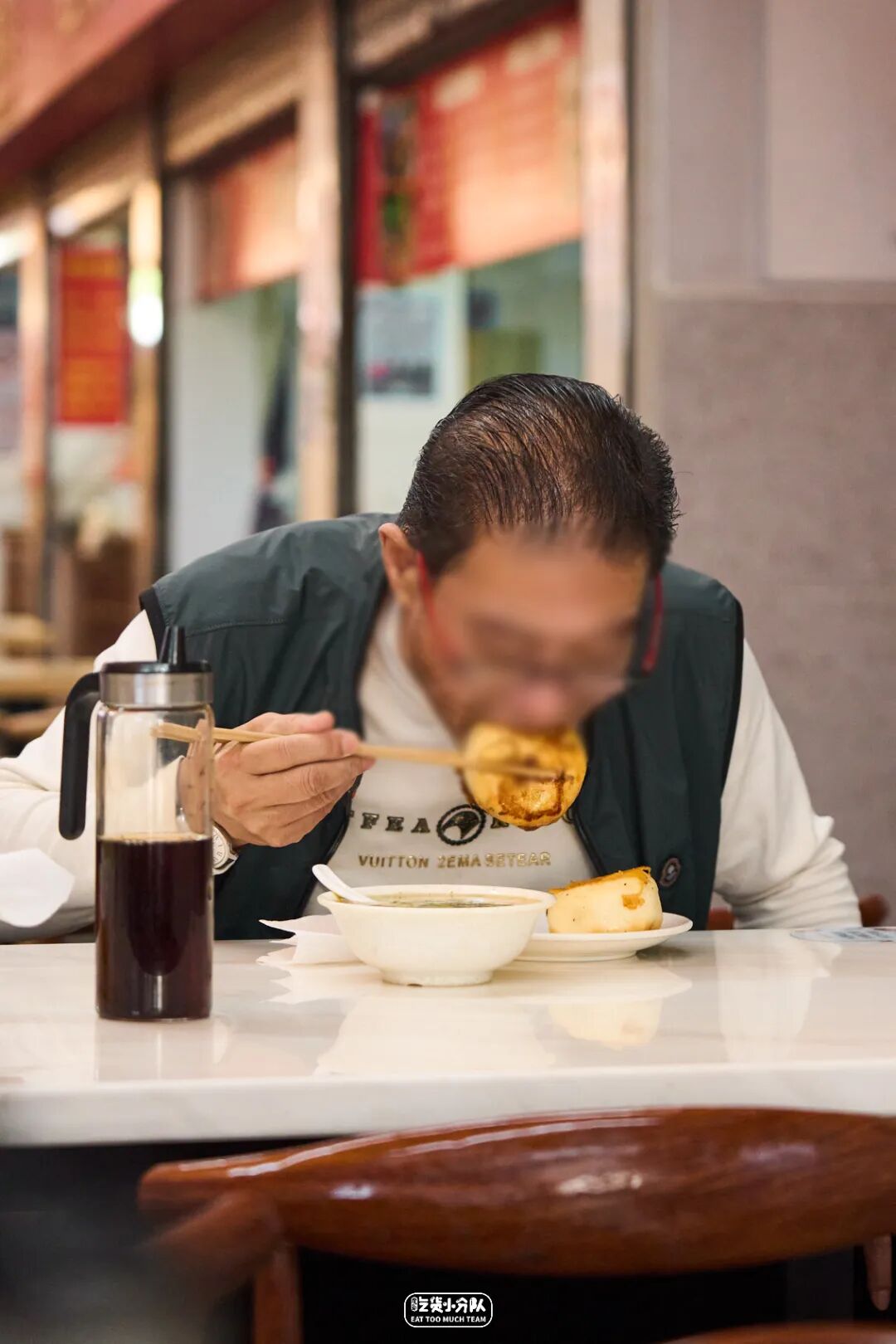
The boss still holds down the fort at the shop 365 days a year, and now his son has graduated from college and flown back home to help run the family spot. They say there's a golden rule of foot traffic in wet markets: wherever the line is longest, that's where the best food is—because here, it's all about "real ingredients." The shop might be small, but it's long since become a cozy canteen for the neighborhood locals.
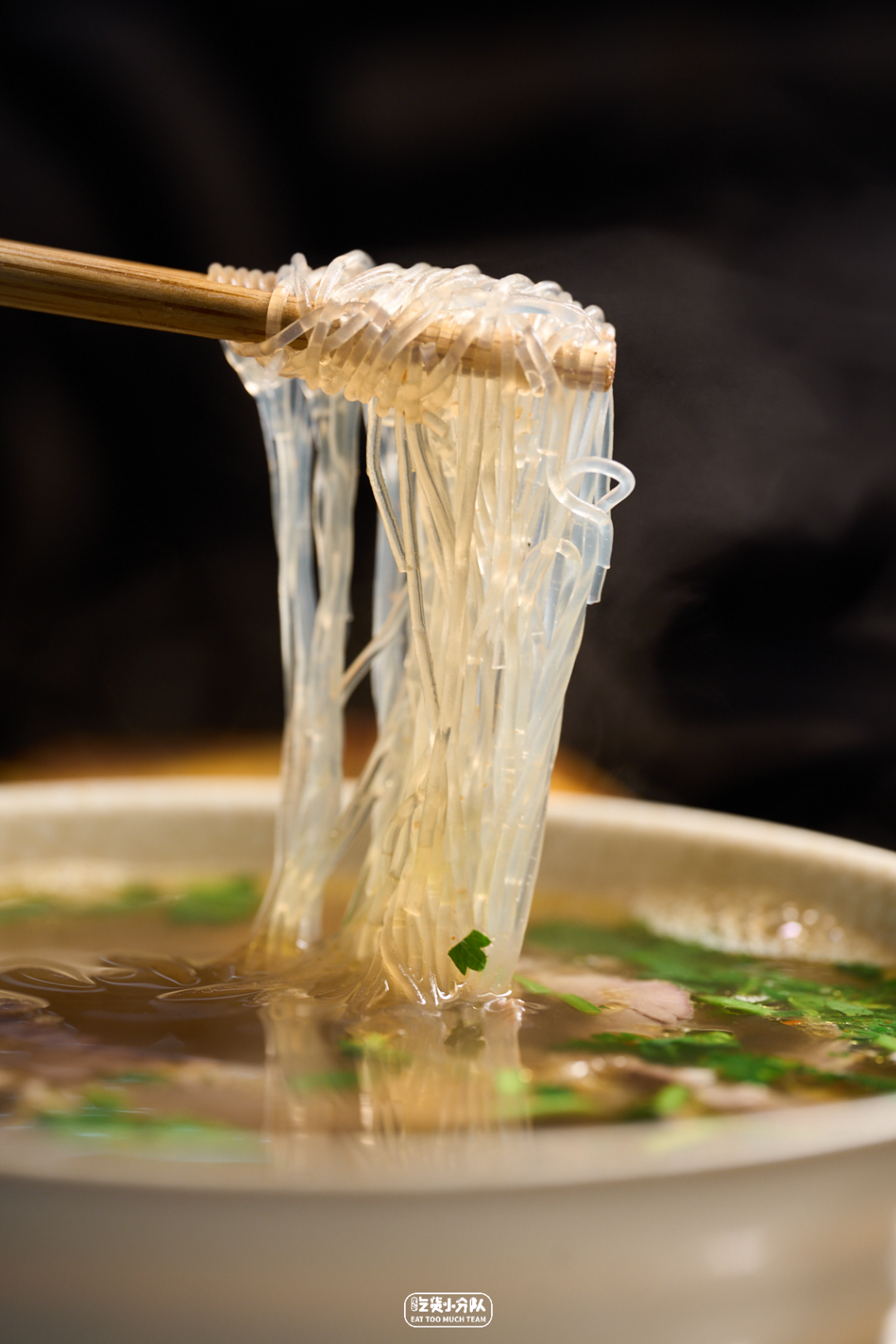
Want some? Please roll up before 12 PM.
The jianbao usually sell out by lunchtime, and they've never done delivery after all these years—partly because the crowds are too wild to risk slipping on service quality, and partly because they're worried the buns won't taste as good once they go cold. But the boss recently left a sweet piece of advice: as long as you get here before noon, they'll do their absolute best to make sure everyone gets their meat buns.
In the bustling, high-energy dining area, watching the lively, shoulder-to-shoulder street life makes even an early morning breakfast run feel like pure therapy. The moment you take that first bite, any fatigue from driving 20 to 30 kilometers just completely melts away.
- Address -
Right hand side inside the Global Company Food Street, west side of Lejiafu Farmers Market
- Hours -
6:00 AM - 12:00 PM
Beef pan-fried buns: 4 RMB each
Buy 5, get 1 free
Sells out right out of the wok before 9:00 AM
The boss does not do delivery apps
No guaranteed supply for jianbao after 12:00 PM
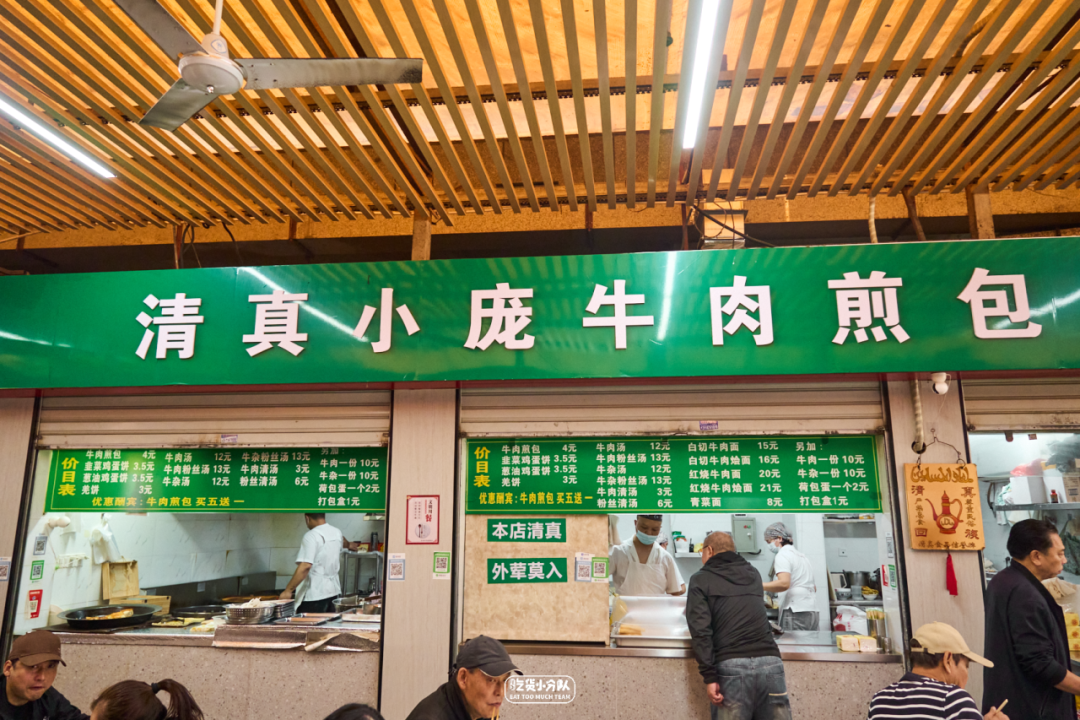 Collapse Read »
Are there no authentic Halal shengjianbao (crispy pan-fried soup buns) in Shanghai? You just haven't found them yet!
Abstract:
Remember that Halal restaurant guide we dropped earlier, "Eating Through Shanghai Like 'Blossoms Shanghai': Must-Try Halal Spots in the City"? A bunch of you slid into our DMs asking: Are there any hidden gems that locals have been hitting up for decades? We stumbled upon this absolute banger of an article and had to translate it for the Halal Canteen fam~ A 29-year-old wet market legend in Shanghai. Breaking the Shanghai currency system with massive 4 RMB pan-fried buns! "Boss, two jianbao (pan-fried buns) and a bowl of vermicelli soup!"
Remember that Halal restaurant guide we dropped earlier, "Eating Through Shanghai Like 'Blossoms Shanghai': Must-Try Halal Spots in the City"?
A bunch of you slid into our DMs asking: Are there any hidden gems that locals have been hitting up for decades?
We stumbled upon this absolute banger of an article and had to translate it for the Halal Canteen fam~
A 29-year-old wet market legend in Shanghai.
Breaking the Shanghai currency system with massive 4 RMB pan-fried buns!
"Boss, two jianbao (pan-fried buns) and a bowl of vermicelli soup!"
Word on the street is that besides Yixinzhai, there's another god-tier beef pan-fried bun spot in Yangpu that you *have* to try. Absolute royalty of the morning wet market scene and peak breakfast game, they only sell through lunch. A single beef pan-fried bun made with the owner's secret recipe has put Yangpu on the map. When you finally get your hands on one, it's honestly a bit jarring: I only paid 4 RMB for a meat bun this massive? And it's pure beef and totally soup-bursting?
"I've been eating here since the very first year it opened back in '94. Back then they were like 40 or 50 cents each, and they'd even throw in a bowl of beef soup. Back in '99, property prices right next door were only 1.4 million!"
"Today's actually not bad. Weekends are wild—the line wraps completely around the neighboring stalls, and I usually have to wait half an hour per batch."
If you don't live in Yangpu, you literally don't know about these beef pan-fried buns!!
Tucked away inside the Global Company Food Street on the west side of the Lejiafu Farmers Market.
The flagship Global Supermarket right next to it is a total Yangpu landmark.
This little Halal beef jianbao spot has been here since day one of the wet market. They originally only sold raw beef, but when fellow Hui Muslims from back home started craving hometown-style buns in Shanghai, they launched this bun shop. It's a total family affair: the boss runs the wok, the boss's wife works the register, and the morning rush is full of regulars catching up with the family. It's super wholesome.
• 01 •
Three massive 55cm shallow iron woks tag-team the rush.
"We use the most traditional iron-pan frying method. Each batch makes 40 buns, and we cook through more than 50 batches on our busiest days." Master Pang works the wok like a gear mechanism, spinning it smoothly to ensure every bun gets even heat. Knowing when to move them and how much pressure to apply takes serious skill.
• 02 •
"Sizzle, sizzle!"
The heat at the bottom of the wok and the timing for flipping have to be dialed in down to a science. Pouring in hot oil, the dough slowly turns golden under the intense heat and sizzling oil. The chorus of "sizzle, sizzle" goes back and forth, and the second you slide the spatula underneath to lift out the buns, your heart starts racing and you're ready to devour them.
• 03 •
Pure beef with just a tiny touch of seasoning.
This is a beef pan-fried bun that seriously respects the beef. Even though it's only 4 RMB a piece, every bite of the filling is pure meat. 100% authentic Halal beef, massive soup-filled center—it honestly feels illegal. Chewing it gives you that authentic, high-quality beef texture.
Plus, they're crazy about one specific thing: "freshness." Boss Pang carefully vets everything—from the slaughter time and origin of the cattle to the age of the cow. He uses fresh, high-grade yellow beef plum meat (shank/shoulder cut), which is one of the most premium cuts with an ideal lean-to-fat ratio. Making the filling with beef like this, combined with Boss Pang's top-secret seasoning, makes you want to crush two in one sitting.
• 04 •
A soup-bursting secret recipe that only the boss knows.
The shop's dim sum chef spills that the ultimate secret seasoning for the beef jianbao is known to Boss Pang alone. Every single morning, he's the first one in the shop to mix the spices himself—it's the shop's ultimate, top-secret "cheat code."
These beef jianbao owe their legendary soup-bursting status entirely to the boss's guarded recipe and technique. Give one a gentle squeeze, and rich meat juices literally spill out of the filling.
• 05 •
And check out that little tutu-like skirt—thin, crispy, and gorgeous.
The dough wrapper is definitely not just a side character. Master Pang explains that the leavened dough can't be too thin or too thick; too thin and it breaks easily, too thick and it ruins the texture. It has to hit that sweet spot. Rolled out after proofing, the dough is thin yet springy. Pouring in the flour-water slurry creates a rich golden hue during frying, complete with thin, crispy, lace-like little skirts along the edges.
Next up, the "Jianbao Dream Team" steps up to shine: "We burn through at least 3 bags of flour a day." Everything is handmade and wrapped fresh to order. We start kneading dough around 3 AM, and the dough has to rest a bit so the texture isn't dry or tough. With practiced, lightning-fast movements, the rich filling gets sealed inside the dough wrapper. Peeking through the open kitchen window is enough to make your mouth water.
• 06 •
4 RMB a piece: juicy, plump, and packed.
Eating them, the texture actually hits different—sturdier and more old-school than your average beef pan-fried bun. Take a light bite, and the rich juices soak into the wrapper, amplifying the savory oil flavor. Slurp up a little bit, and juice explodes everywhere. It's an instant spiritual awakening that leaves you craving it over and over. Master Pang also has a secret pro-tip: try dipping them in vinegar just like xiao long bao (soup dumplings) to unlock the ultimate flavor profile.
The flavor really bursts with juice—the meat is tender and fresh, and the filling is ridiculously generous and delicious. Licking up every last drop of the soup, you're completely lost in this single piece of "9-to-5 worker's comfort carbs." "I wasn't even hungry, but now I'm craving it so bad!"
On a weekday past the usual breakfast rush, every seat is still packed. Most people roll with the classic combo: one bowl of vermicelli soup and two pan-fried buns. Tearing off a little piece of the jianbao wrapper and dipping it into the vermicelli soup—this hardcore "carbs on carbs" power couple is undeniably tempting and totally sinful.
• 01 •
Halal-style beef vermicelli soup.
Aside from the pan-fried buns, the beef vermicelli soup is another absolute heavy-hitter here—piping hot and deeply comforting. This is soup broth done right, simmered fresh from 50 to 60 pounds of massive beef bones since the middle of the night. Dip the vermicelli into the rich broth, and these two stars merge into absolute perfection. A massive bowl for just 13 RMB paired with two pan-fried buns is more than enough food even for two people.
• 02 •
Qiangbing (scallion oil flatbread).
Qiangbing has evolved into a magical wet market superstar nowadays. This slow-pan-fried style, which you can basically only find in old-school Halal spots, gets cooked low and slow until it's ultra-crispy all the way through, without being greasy like deep-fried stuff. One bite delivers pure, aromatic bliss.
Shop owner Pang Xinhuai serves as the Vice President of the Yanji Branch of Ethnic Minority Compatriots in Shanghai. He came to Shanghai to start his own business during the early days of the Reform and Opening-up. He opened the Xiao Pang Halal Beef Shop, which now boasts three beef and mutton retail counters and one beef jianbao joint. A student of a "Shanghai Model Worker," his own collection of award certificates is enough to wallpaper an entire wall.
The boss still holds down the fort at the shop 365 days a year, and now his son has graduated from college and flown back home to help run the family spot. They say there's a golden rule of foot traffic in wet markets: wherever the line is longest, that's where the best food is—because here, it's all about "real ingredients." The shop might be small, but it's long since become a cozy canteen for the neighborhood locals.
Want some? Please roll up before 12 PM.
The jianbao usually sell out by lunchtime, and they've never done delivery after all these years—partly because the crowds are too wild to risk slipping on service quality, and partly because they're worried the buns won't taste as good once they go cold. But the boss recently left a sweet piece of advice: as long as you get here before noon, they'll do their absolute best to make sure everyone gets their meat buns.
In the bustling, high-energy dining area, watching the lively, shoulder-to-shoulder street life makes even an early morning breakfast run feel like pure therapy. The moment you take that first bite, any fatigue from driving 20 to 30 kilometers just completely melts away.
- Address -
Right hand side inside the Global Company Food Street, west side of Lejiafu Farmers Market
- Hours -
6:00 AM - 12:00 PM
Beef pan-fried buns: 4 RMB each
Buy 5, get 1 free
Sells out right out of the wok before 9:00 AM
The boss does not do delivery apps
No guaranteed supply for jianbao after 12:00 PM
Collapse Read »
Blossoms Shanghai Halal Food Guide: Must-Try Muslim Restaurants & Dishes in Shanghai
[Internet Repost]
Eating Your Way Through Shanghai Like 'Blossoms Shanghai': Top Halal Restaurants You Need to Try
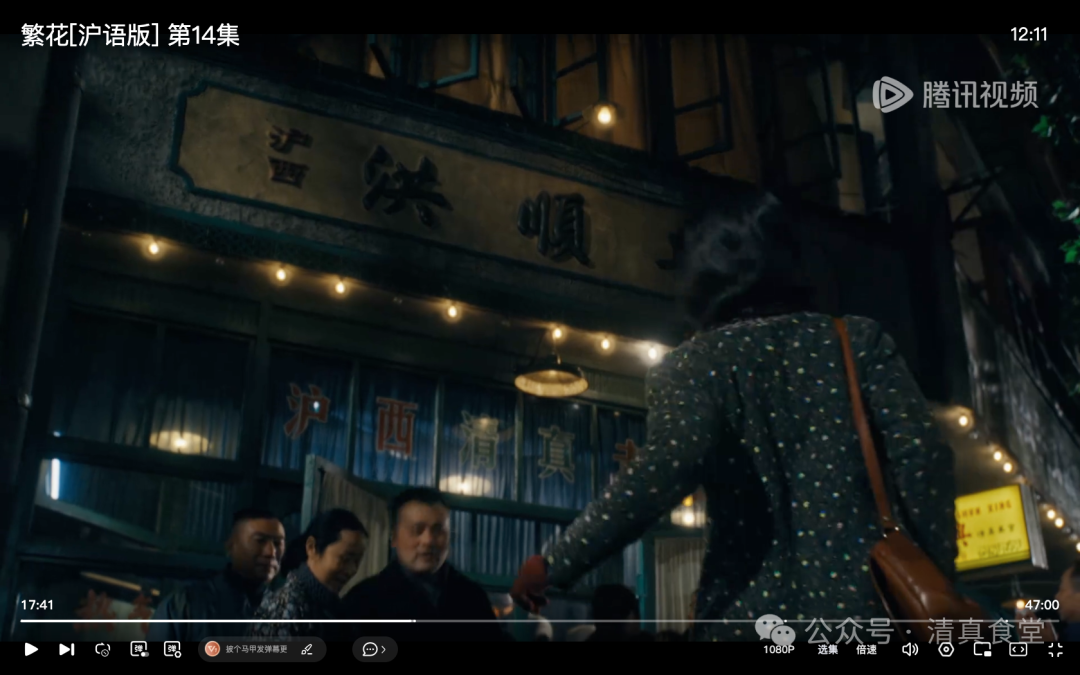
Summary:
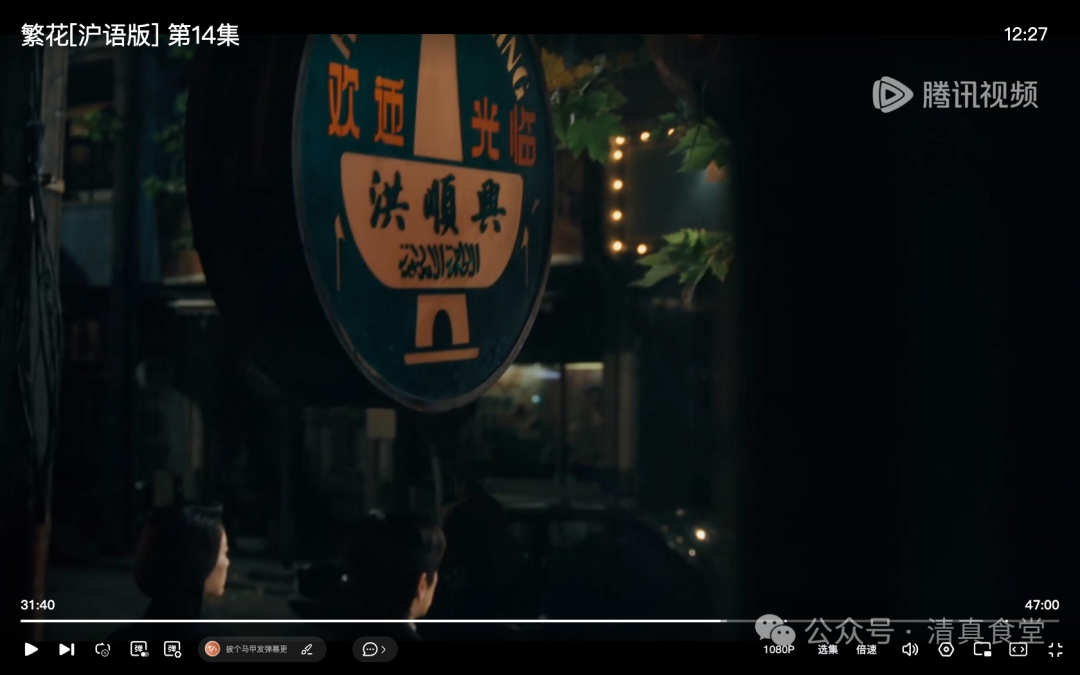
Work has been pretty hectic lately, but I finally finished binge-watching the hit drama series 'Blossoms Shanghai'. Since I spent six years studying and living in Shanghai, all the neighborhood alleys and local gossip in the show hit home for me. Plus, having started my own business during my Halal living days in the city, the plot had me riding an emotional rollercoaster of laughs and tears—it's super addictive! If you haven't checked out the show yet, I seriously urge you to watch it. If you don't mind reading subtitles, try the Shanghai dialect ('Huyu') version—it has way more soul than the Mandarin dub.
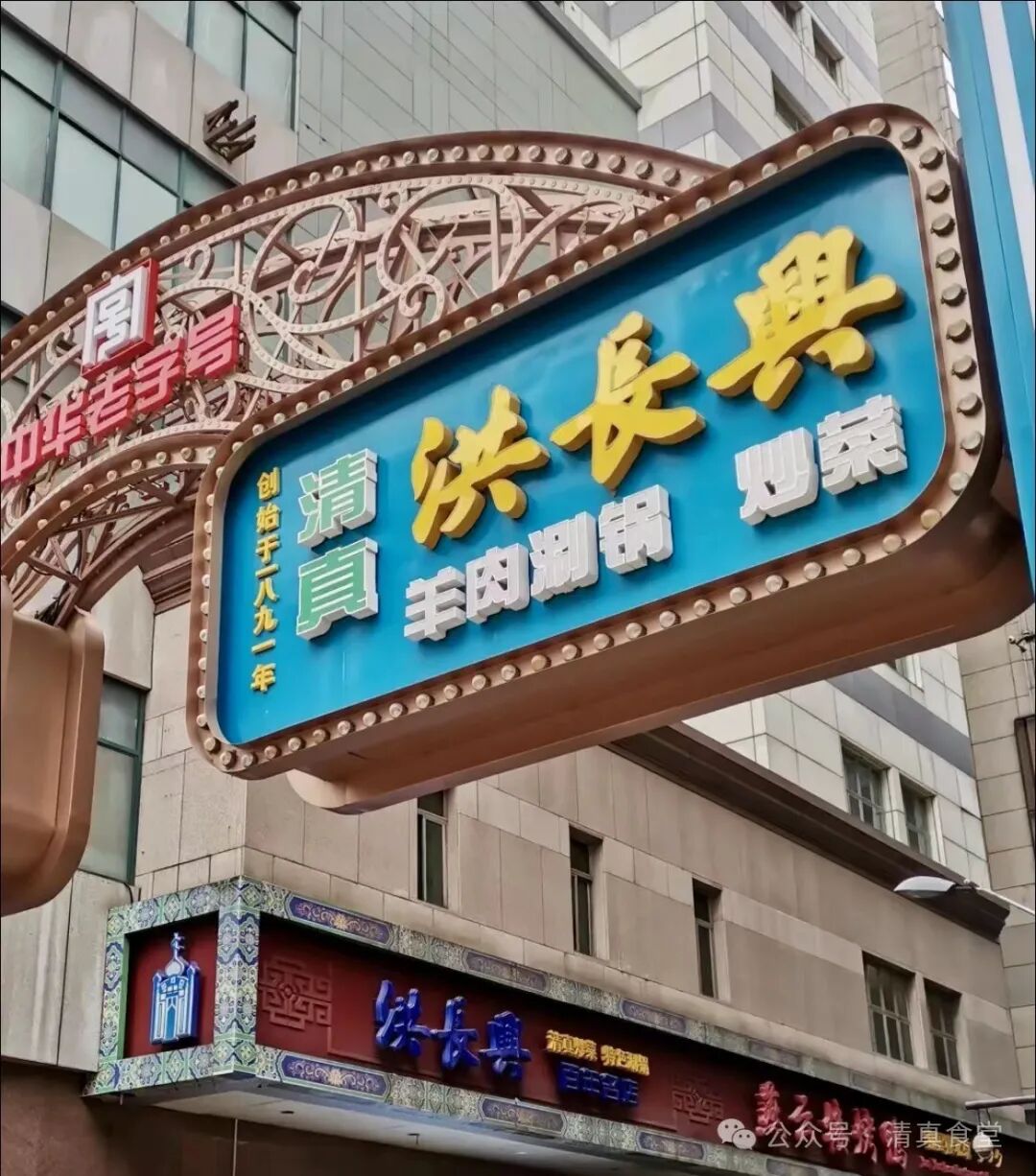
Work has been pretty hectic lately, but I finally finished binge-watching the hit drama series 'Blossoms Shanghai'. Since I spent six years studying and living in Shanghai, all the neighborhood alleys and local gossip in the show hit home for me. Plus, having started my own business during my Halal living days in the city, the plot had me riding an emotional rollercoaster of laughs and tears—it's super addictive! If you haven't checked out the show yet, I seriously urge you to watch it. If you don't mind reading subtitles, try the Shanghai dialect ('Huyu') version—it has way more soul than the Mandarin dub.
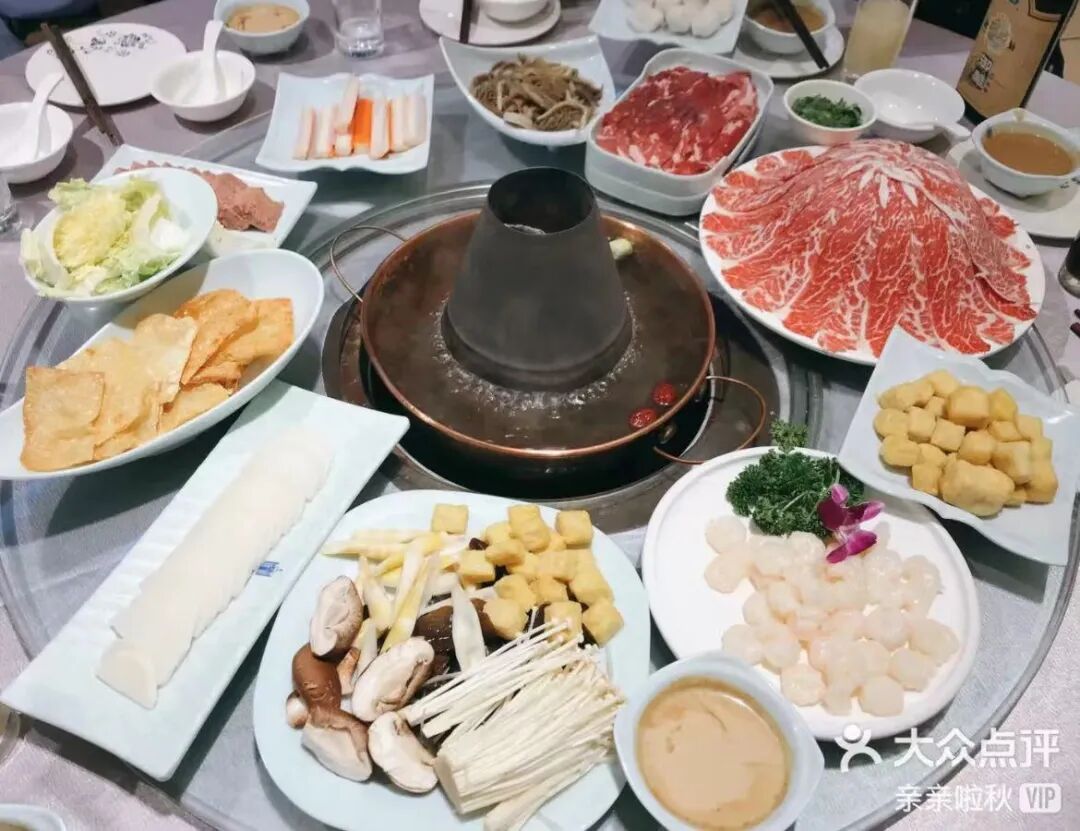
Maybe it's just my professional radar, but every time I spotted a Halal element in the show, I'd geek out and instantly take a screenshot. I thought I was just tuning into an urban business-and-romance drama, but lo and behold, Halal restaurants actually make cameo appearances!
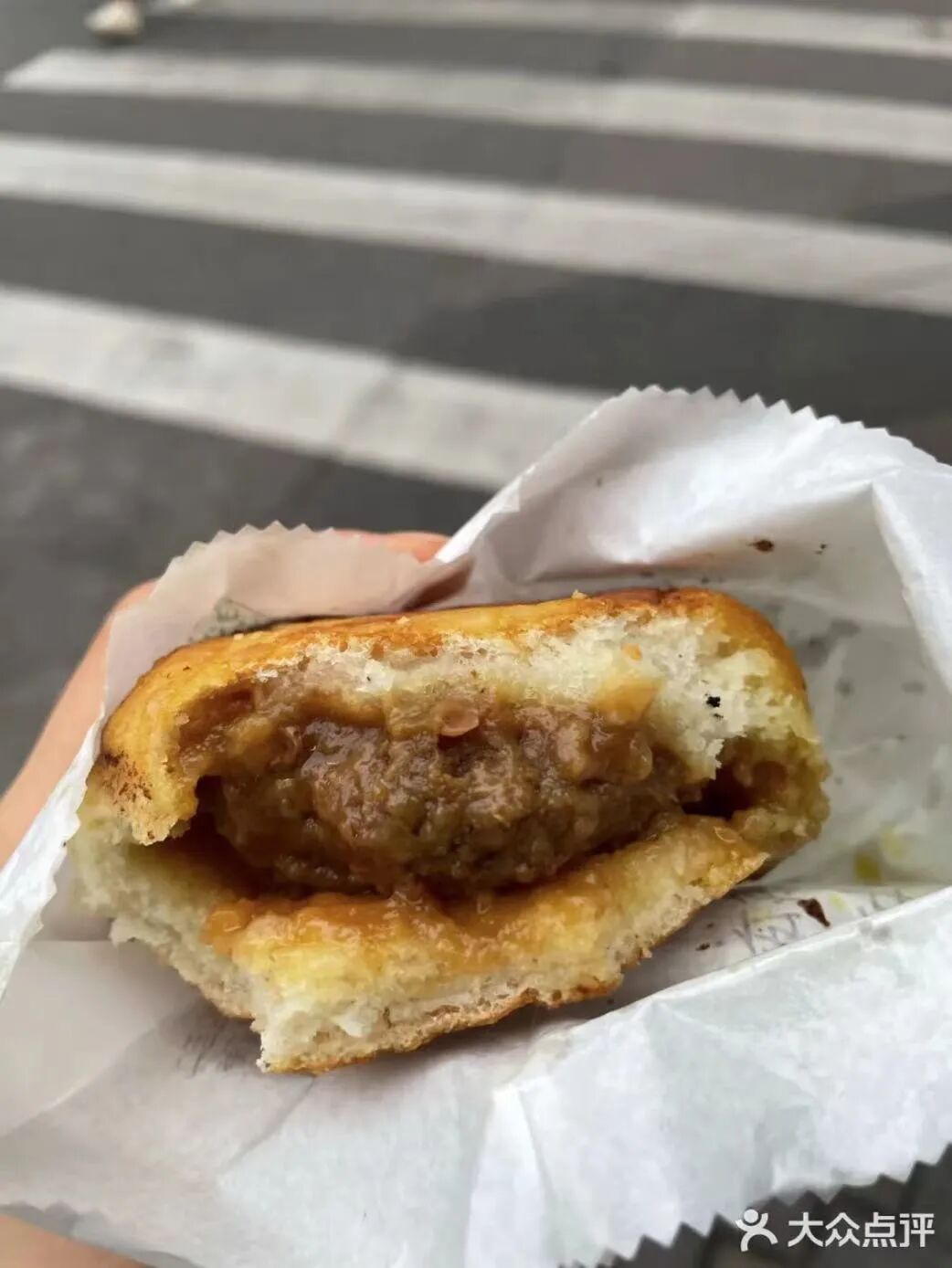
In episode 14, when 'Abao' and 'Xuezhi' go on a date at a hotpot joint that requires waiting in line, the place is called 'Hongshunxing'. The sign on the glass says 'Old West Shanghai Halal Restaurant', but its real-life prototype is clearly Shanghai's century-old legacy brand 'Hongchangxing'.
Hongchangxing
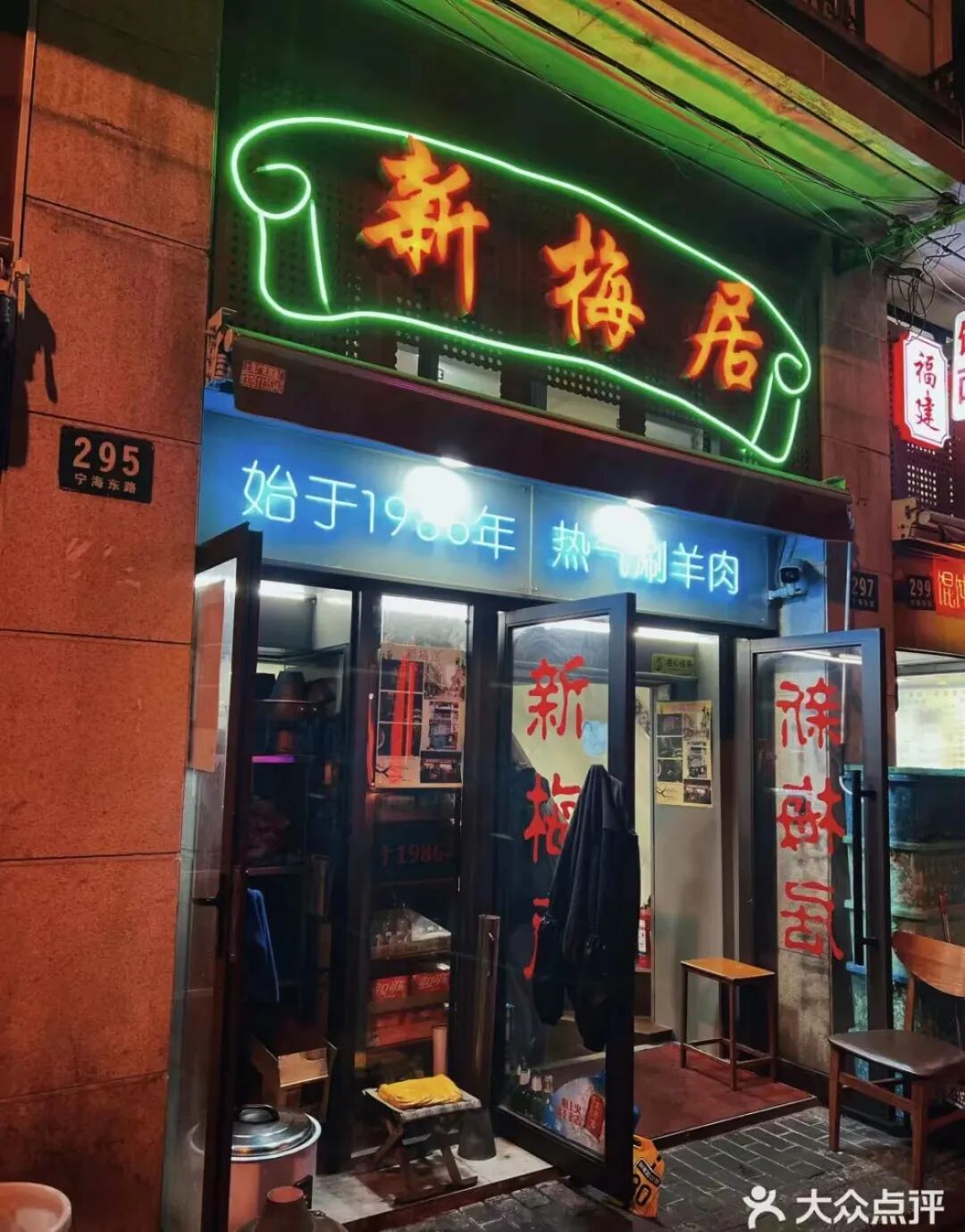
This has got to be Shanghai's oldest Halal beef and mutton hotpot spot. Founded back in 1891 by Ma Chunqiao (the second older brother of the legendary Peking Opera master Ma Lianliang), it originally started out as the 'Ma Family Troupe Kitchen'. In 1891? Wait—in 1918, a new owner named Hong Sanba renamed the restaurant 'Hongchangxing', flew in a bunch of famous Halal master chefs from Beijing, and started focusing heavily on shuan yangrou (traditional Mongolian mutton hotpot). It became an overnight sensation.
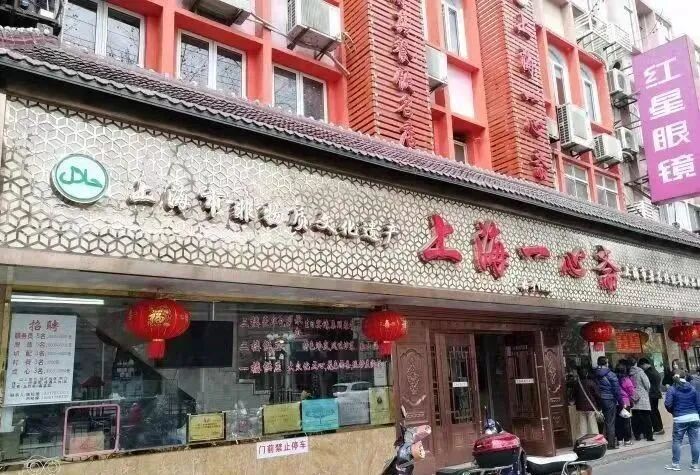
Nowadays, they still specialize in traditional copper chimney hotpots. Whether you're looking at the vibe or the food quality, it's a stellar spot for group gatherings or banquets.
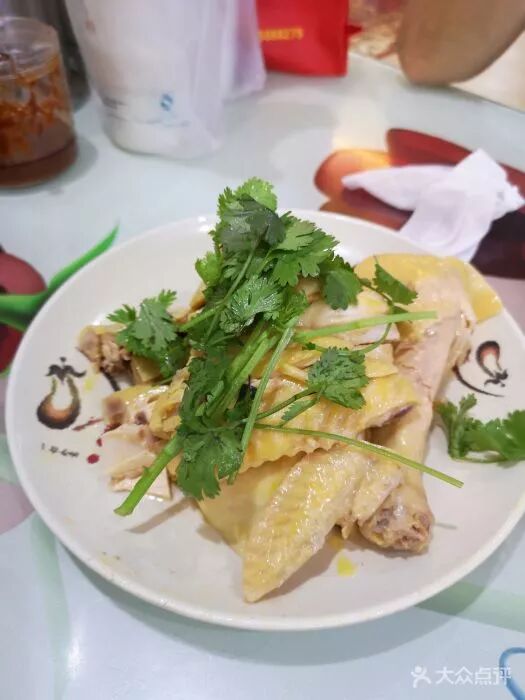
Photo via: Dianping
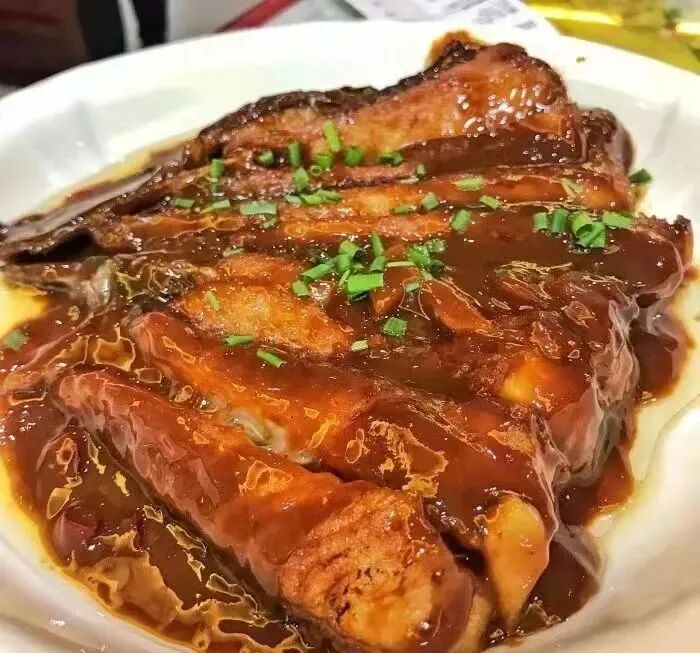
If you're just visiting Shanghai as a tourist—especially if you're coming from northern China where copper pot mutton isn't anything new and you just want something uniquely local—you've gotta try their niurou jianbao (pan-fried beef buns). The chunky meat filling has this subtle hint of curry flavor. Honestly, I haven't seen this style of beef pan-fried buns anywhere else outside of Shanghai.
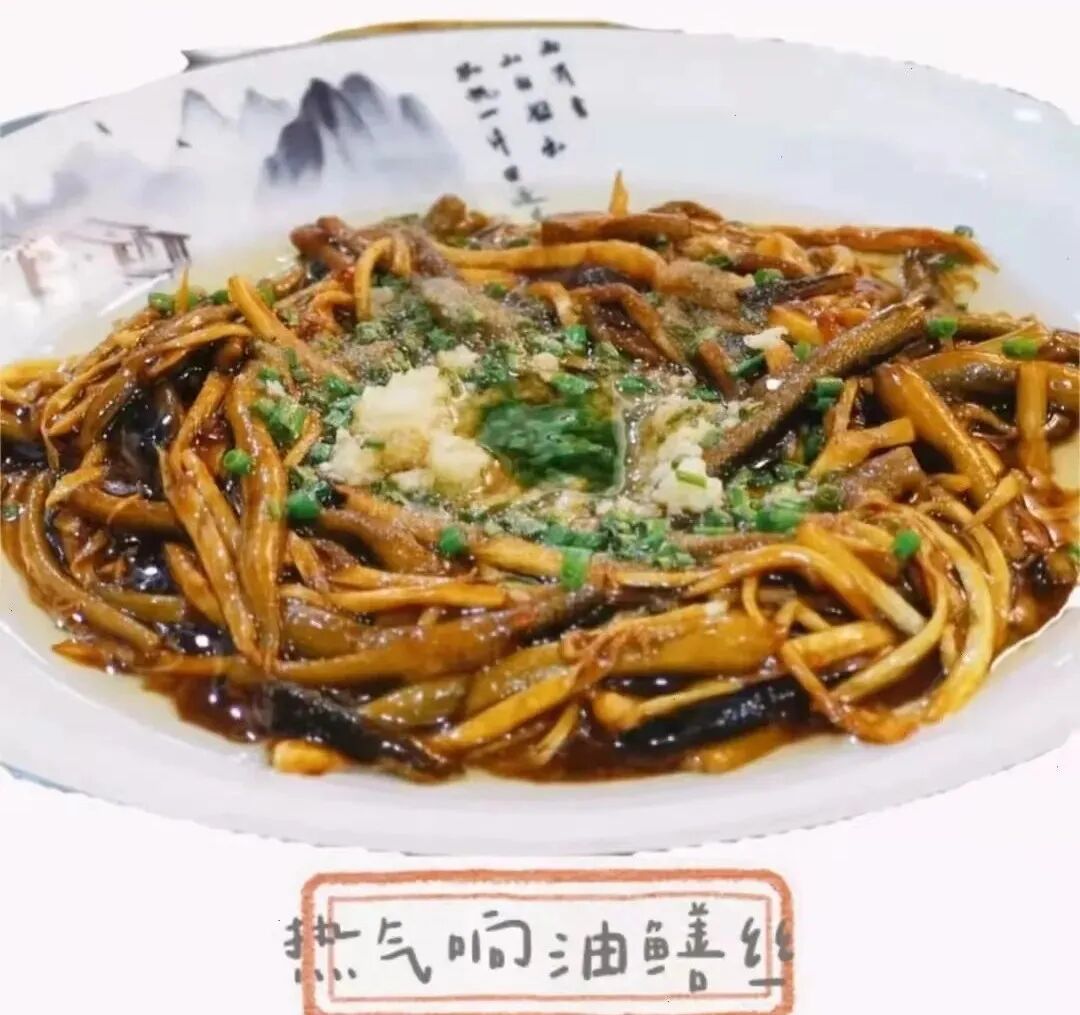
Photo via: Dianping
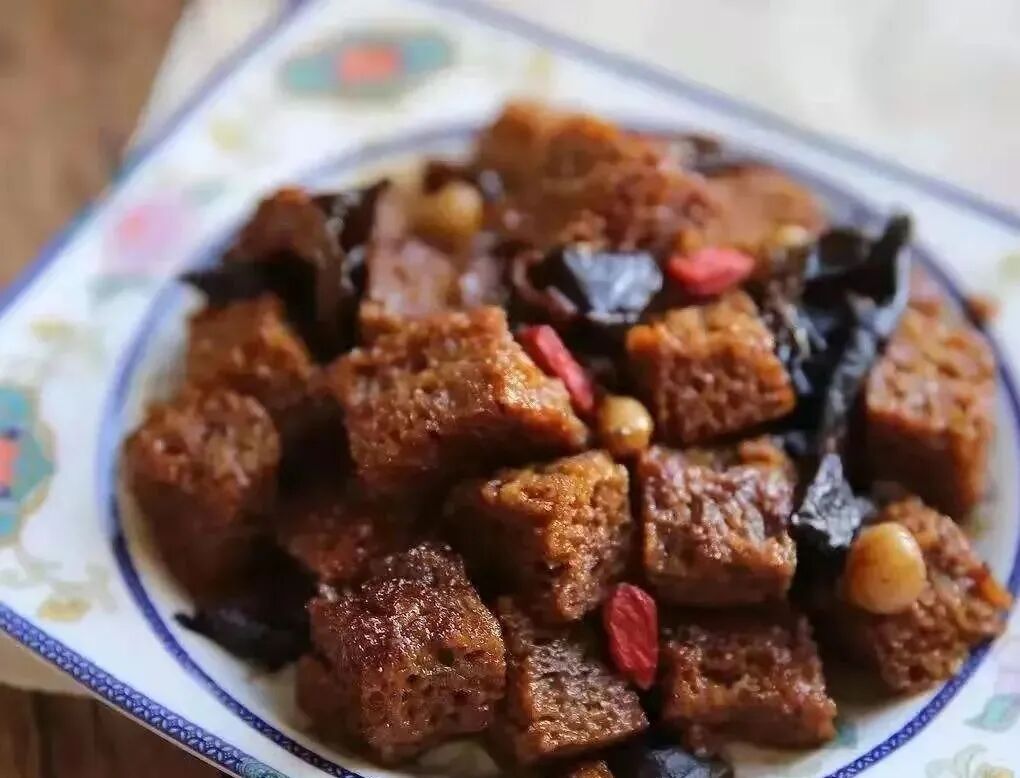
Right now, Hongchangxing has three locations in Shanghai. The Guangxi Road North and Yunnan Road spots are right in the tourist hotspots—especially the Guangxi Road North branch, where you can spot the massive signboard right from Nanjing Road, making it super easy to find. They've also kept up with the times by opening a branch inside the CapitaMall (Long of Dreams) shopping center, giving you extra convenience when you're out shopping and grabbing a bite.
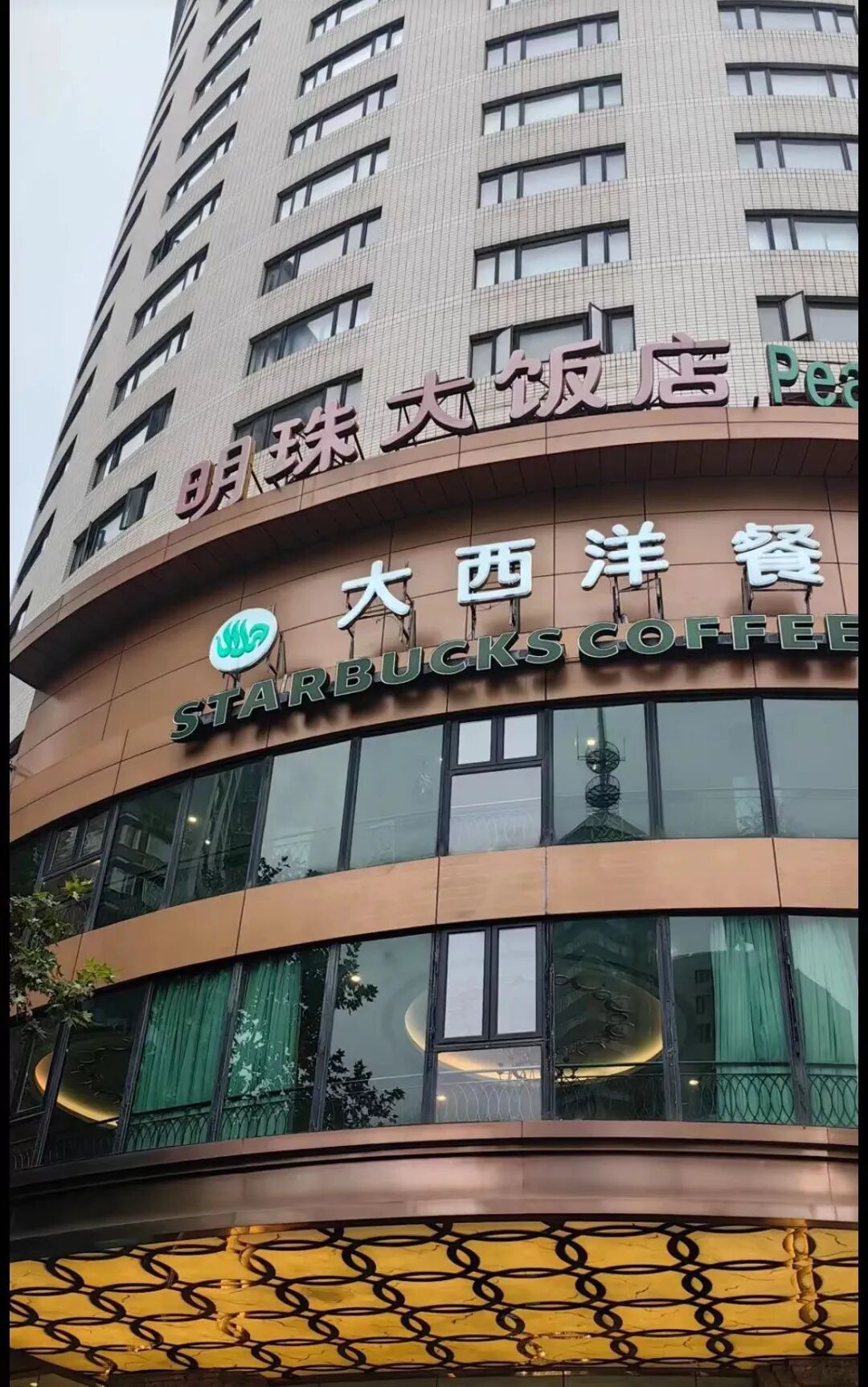
Hongchangxing Mutton Restaurant (Guangxi Road North Branch)
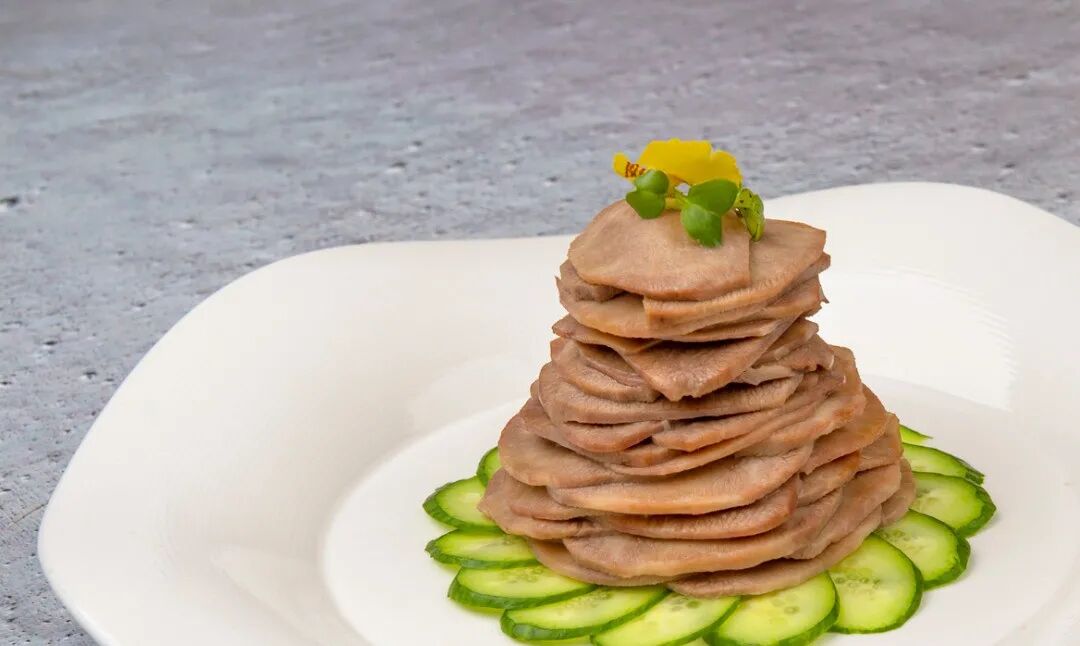
Xinmeiju
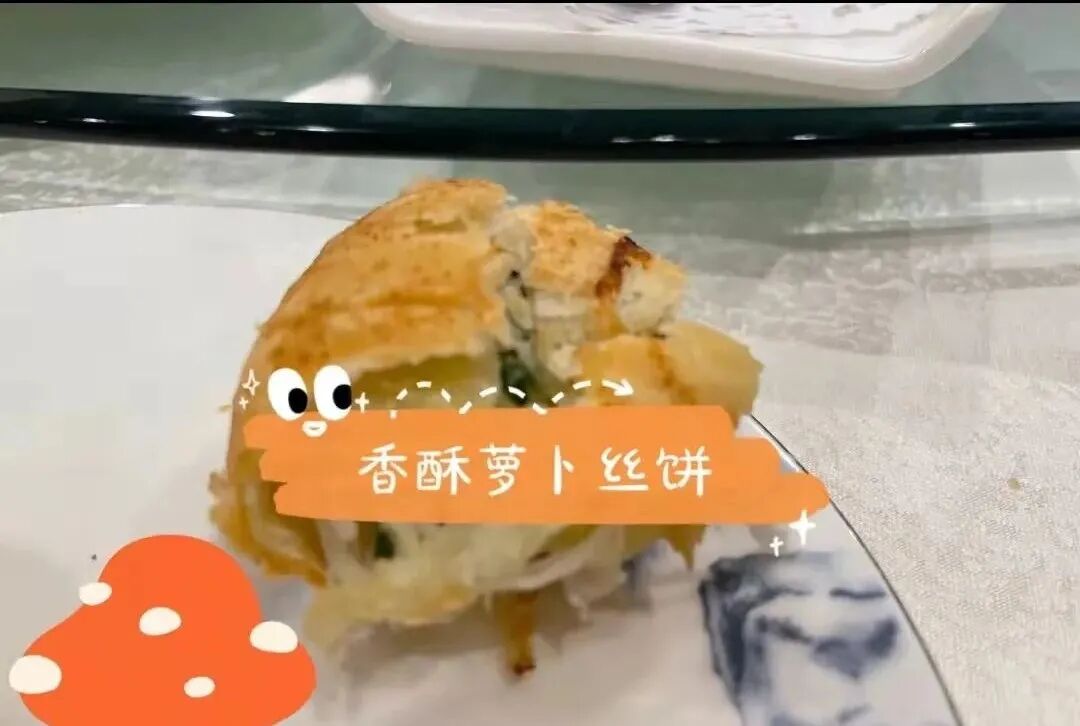
Aside from Hongshunxing, the hotpot restaurant 'Xinlanju' frequently pops up in 'Blossoms Shanghai' where 'Boss Bao' and 'Li Li' love to dine.
The director probably used a play on words here, because there's no such thing as Xinlanju in Shanghai—only Xinmeiju. Opened in 1986, Xinmeiju isn't just an authentic old-school Beijing-style copper pot hotpot joint; it's also hailed as the pioneer of Shanghai's 'reqi yangrou' (fresh chilled lamb, literally 'hot-air lamb'). Back in the day, due to primitive refrigeration and transport conditions, almost all the mutton on the Shanghai market was frozen or cold-stored. Xinmeiju kicked off the 'reqi yangrou' trend. Naturally, the taste and texture of fresh mutton blow frozen meat out of the water, so it quickly took Shanghai by storm and pioneered the city's hotpot history.
Photo via: Dianping
Naturally, this place is all about steaming-hot mutton hotpot, and it's a massive favorite among locals.
Xinmeiju Fresh Lamb Hotpot
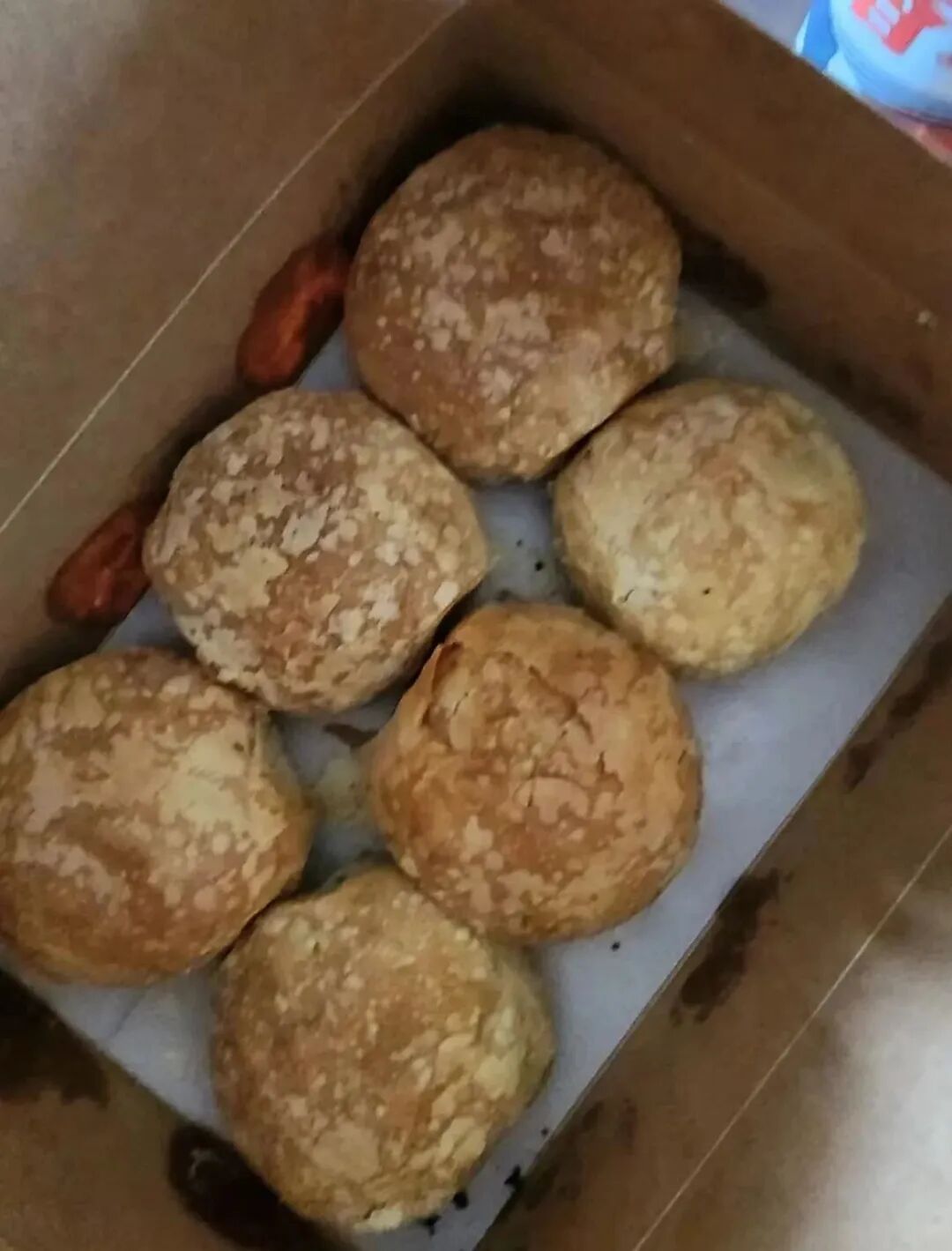
Yixinzhai
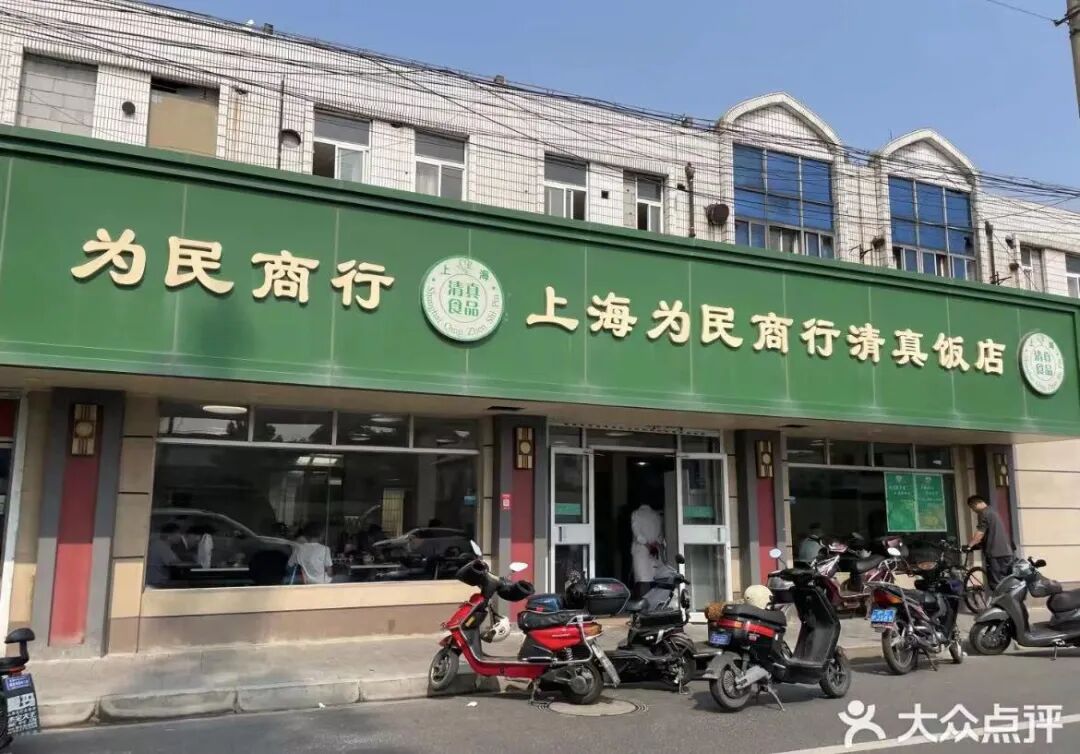
This is the third time your foodie friend is recommending this state-owned legacy canteen. If you want to taste authentic Shanghainese Benbang cuisine in Shanghai, starting here is a foolproof bet. The only downside is that parking nearby is an absolute nightmare, so I'd definitely recommend taking a taxi or public transit.
Yixinzhai's sanhuangji (three-yellow chicken) is their signature dish, and it's even been rated as one of China's gold-medal snacks. The chicken meat is incredibly tender and smooth, with crispy skin and soft bones. Pair it with the chefs' homemade secret dipping sauce, and a single bite fills your whole mouth with aroma.
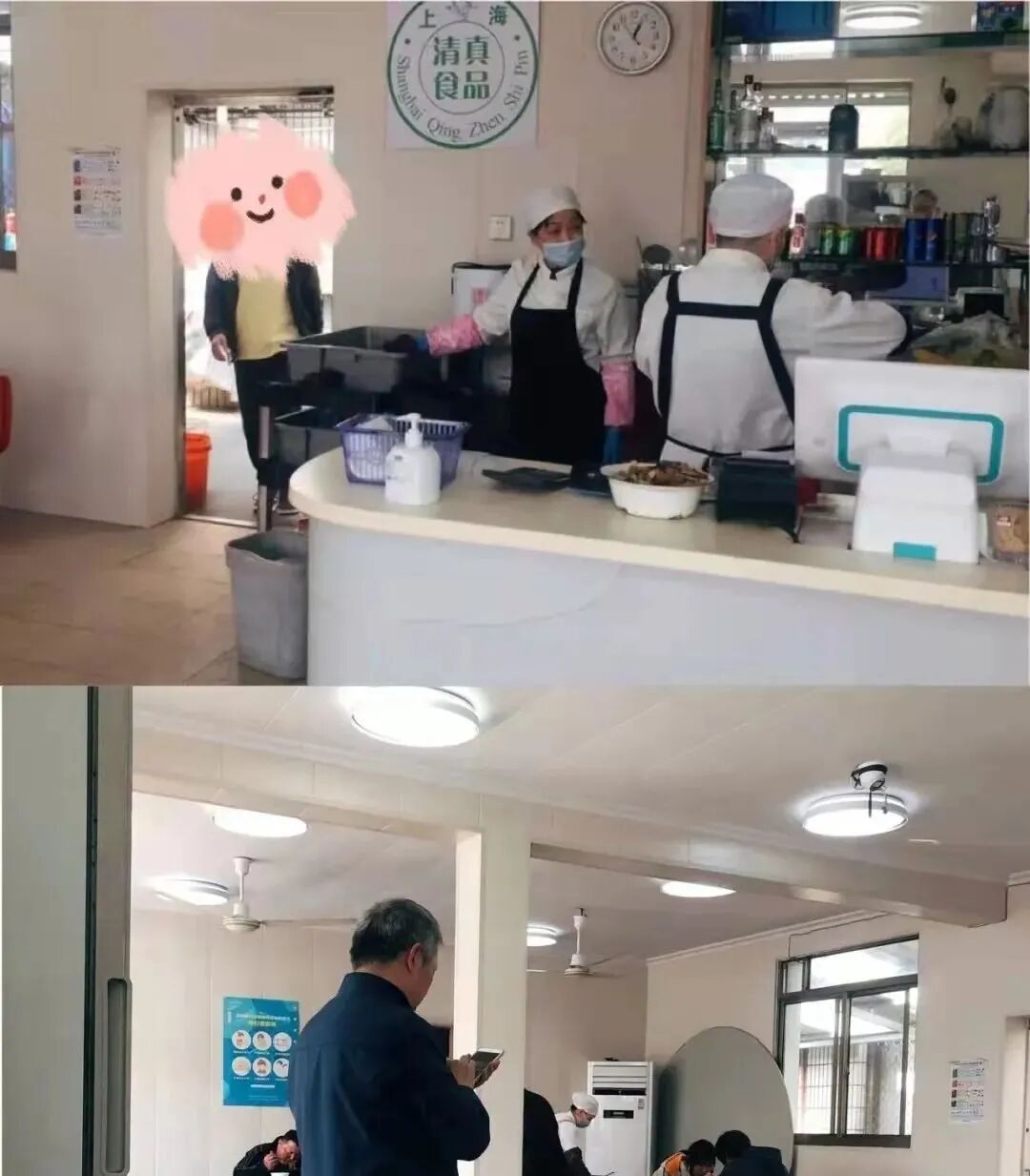
Photo via: @Dianping
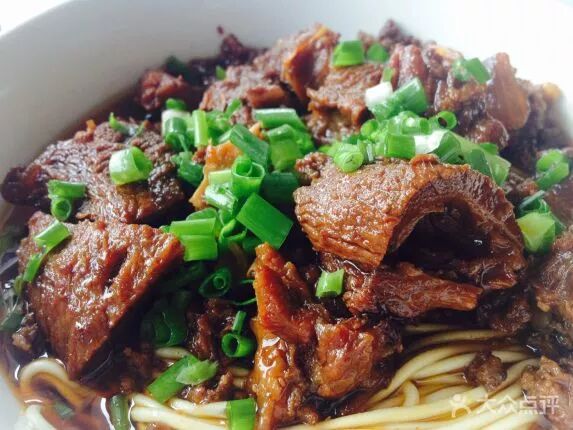
Shanghai smoked fish (xunyu) is an undisputed signature dish here. It's a hot dish served cold. When it hits the table, the smoked fish looks gorgeous, boasting a bright glaze. The meat is firm without being tough, crispy on the outside, tender on the inside, and rich in savory soy flavor with a subtle hint of preserved plum that keeps you reaching for more.
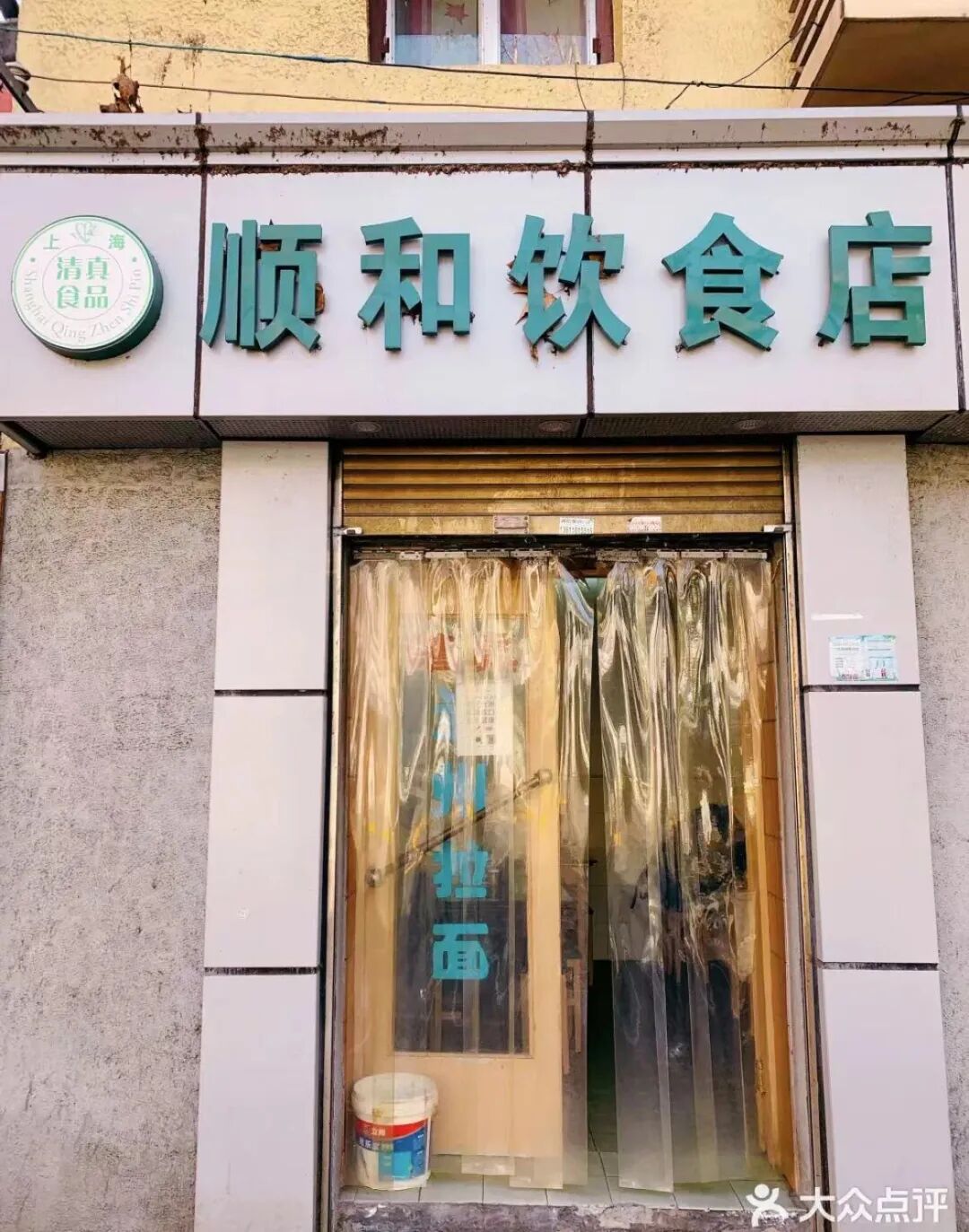
Hot sizzling eel shreds (reqi xiangyou shansi). Just hearing the name sounds super vivid! The secret is placing a pile of minced scallions, ginger, and white pepper on top of the cooked eel, pouring a ladle of scorching-hot oil over it, and letting it crack and sizzle. Priced at 78 RMB a plate, you gotta eat it while it's piping hot—zero fishy taste, just pure umami goodness.
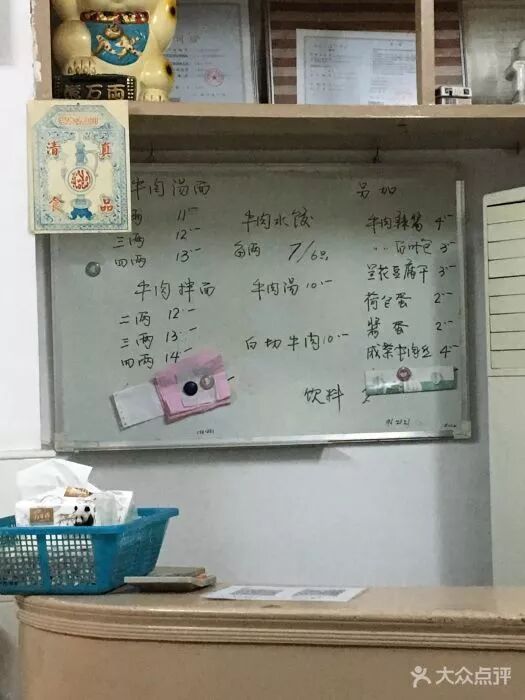
Photo via: @FoodieOldZhu
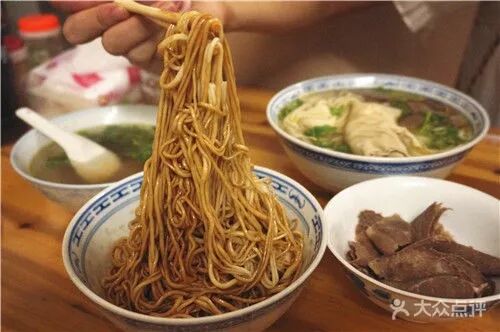
You've gotta try the local classic sixi kaofu (steamed wheat gluten with peanuts, black fungus, and daylily). It leans sweet and savory, sports a rich reddish-brown hue, and packs an aromatic, deep flavor.
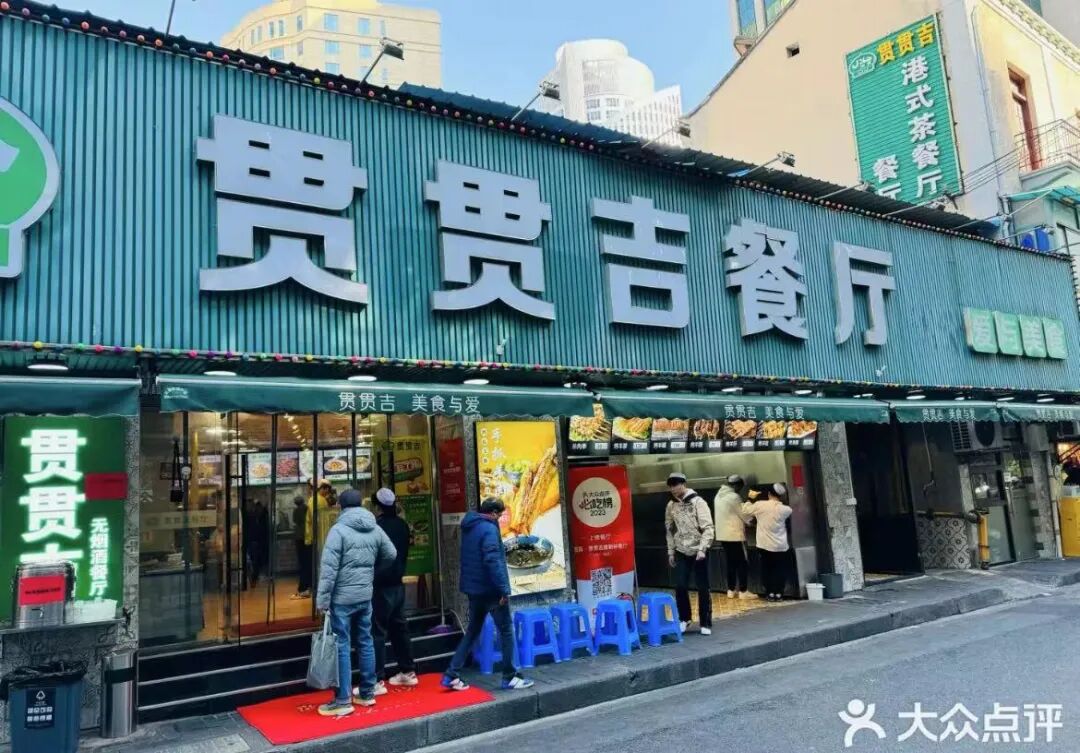
Shanghai Yixinzhai (Pingliang Road Branch)
Shanghai Pearl Hotel · Atlantic Restaurant
If you want to venture beyond traditional Benbang Halal food, you can check out some fusion styles. The head chef fuses traditional Halal ingredients with Benbang cooking techniques, carving out a unique 'Shanghai-style Halal' cuisine while keeping traditional roots intact.
Due to dietary habits, traditional cold dishes at formal meals are super rare. Taking a page out of Western-meets-Chinese culinary playbooks, the chef whipped up a dish we can actually eat, love, and serve with pride: alley-style beef tongue tossed in vinegar and olive oil. Thinly sliced beef tongue is paired with a fusion dressing of olive oil and vinegar. Soaked in the vinaigrette, you get notes of fresh olive and rich rice vinegar, plus a snappy, springy texture. It is the ultimate appetizer~
Piping-hot shredded radish pastry (luobosi bing)—crispy pastry on the outside, packed with shredded radish inside, with a layer of toasted sesame seeds on the bottom. One bite yields a flaky, soft, sweet, and savory explosion of flavor. So good!
The ultimate showstopper is the French-style diced beef with black pepper. Every single beef cube is coated in a slightly spicy black pepper glaze. The exterior is charred and fragrant, while the meat inside stays juicy and tender. Absolute perfection.
The poached salted duck (yanshui ya) is also packed with flavor—white skin, tender meat, rich without being greasy, fresh and delicious.
Corn hot plates (yumi lao) are basically standard issue at every restaurant in Shanghai, making them the ultimate post-meal dessert.
If you visit around holidays like the Mid-Autumn Festival, you can even snag freshly baked fresh beef mooncakes.
Atlantic Restaurant
Shanghai Weimin Commercial Bank Halal Restaurant
Aside from Benbang dishes, you simply have to try local Benbang noodles. As time marches on and the city transforms, many old-school Halal noodle shops have closed down, but this one's definitely here to stay! Since it functions as the open-to-the-public staff canteen for the Shanghai Beef and Mutton Corporation, both the prices and flavors are super budget-friendly.
When your foodie writer lived nearby back in 2015, I treated this place like my personal canteen on weekends. Dining in here is all about the noodles: beef noodles, mutton noodles, and scallion oil noodles (congayou banmian). No matter which noodle you pick, the meat portions are insanely generous—a massive scoop on top makes you feel full just from eating the meat. During my year living nearby, I cycled through every single noodle on the menu multiple times, but my absolute favorite was the scallion oil noodles topped with beef. A bowl of scallion oil noodles cost 4 RMB, and adding a portion of beef cost 18 RMB—the exact same price as a bowl of noodle soup, but without the soup diluting things, making the meat and noodle flavors punch even harder (though prices are probably different now)!
Shanghai Weimin Commercial Bank Halal Restaurant (Nanda Road Branch)
Halal Shunhe Eatery
Photo via: Dianping
A tiny Halal noodle joint tucked away on Fuxing Middle Road that's been around for years. All the patrons are neighborhood locals and longtime regulars. Sitting right on Fuxing Middle Road next to the historic Sinan Mansions, it's pretty much prime real estate in downtown Shanghai.
The menu is super simple, focusing mainly on noodle soups, dry-tossed noodles, and a variety of toppings (jiaotou).
They've got spicy beef sauce, beef stuffed in bean curd skin (niurou baifubao), fried tofu skin, soy-braised eggs, and shredded beef. You can order a bowl of noodles and pile on every single topping available for under 30 RMB. That is insane value for money right in downtown Shanghai, and the best part is that everything actually tastes delicious.
The owners are a local Shanghai couple. Hearing them chat away in warm, friendly Shanghai dialect instantly makes you feel at home. It's the kind of spot where locals grab a casual bite and just unwind. Heads up: their business hours are 06:30–13:30 and 16:30–18:30, so make sure you don't miss out~
Halal Shunhe Eatery
Guanguanji Restaurant
Plenty of Halal canteens have a huge fanbase among folks from Northwest China. If you genuinely can't get used to Benbang food or are just craving a taste of home, Guanguanji is hands-down the most famous Northwestern restaurant in Shanghai right now. Their signature dishes include shouzhua yangrou (Lanzhou hand-grabbed lamb), dapanji (big plate spicy chicken), pilaf, and eight-treasure tea (babaicha)—no need to over-introduce those classics!
Guanguanji Muslim Restaurant (Zhejiang Middle Road Branch) Collapse Read »
Eating Your Way Through Shanghai Like 'Blossoms Shanghai': Top Halal Restaurants You Need to Try
Summary:
Work has been pretty hectic lately, but I finally finished binge-watching the hit drama series 'Blossoms Shanghai'. Since I spent six years studying and living in Shanghai, all the neighborhood alleys and local gossip in the show hit home for me. Plus, having started my own business during my Halal living days in the city, the plot had me riding an emotional rollercoaster of laughs and tears—it's super addictive! If you haven't checked out the show yet, I seriously urge you to watch it. If you don't mind reading subtitles, try the Shanghai dialect ('Huyu') version—it has way more soul than the Mandarin dub.
Work has been pretty hectic lately, but I finally finished binge-watching the hit drama series 'Blossoms Shanghai'. Since I spent six years studying and living in Shanghai, all the neighborhood alleys and local gossip in the show hit home for me. Plus, having started my own business during my Halal living days in the city, the plot had me riding an emotional rollercoaster of laughs and tears—it's super addictive! If you haven't checked out the show yet, I seriously urge you to watch it. If you don't mind reading subtitles, try the Shanghai dialect ('Huyu') version—it has way more soul than the Mandarin dub.
Maybe it's just my professional radar, but every time I spotted a Halal element in the show, I'd geek out and instantly take a screenshot. I thought I was just tuning into an urban business-and-romance drama, but lo and behold, Halal restaurants actually make cameo appearances!
In episode 14, when 'Abao' and 'Xuezhi' go on a date at a hotpot joint that requires waiting in line, the place is called 'Hongshunxing'. The sign on the glass says 'Old West Shanghai Halal Restaurant', but its real-life prototype is clearly Shanghai's century-old legacy brand 'Hongchangxing'.
Hongchangxing
This has got to be Shanghai's oldest Halal beef and mutton hotpot spot. Founded back in 1891 by Ma Chunqiao (the second older brother of the legendary Peking Opera master Ma Lianliang), it originally started out as the 'Ma Family Troupe Kitchen'. In 1891? Wait—in 1918, a new owner named Hong Sanba renamed the restaurant 'Hongchangxing', flew in a bunch of famous Halal master chefs from Beijing, and started focusing heavily on shuan yangrou (traditional Mongolian mutton hotpot). It became an overnight sensation.
Nowadays, they still specialize in traditional copper chimney hotpots. Whether you're looking at the vibe or the food quality, it's a stellar spot for group gatherings or banquets.
Photo via: Dianping
If you're just visiting Shanghai as a tourist—especially if you're coming from northern China where copper pot mutton isn't anything new and you just want something uniquely local—you've gotta try their niurou jianbao (pan-fried beef buns). The chunky meat filling has this subtle hint of curry flavor. Honestly, I haven't seen this style of beef pan-fried buns anywhere else outside of Shanghai.
Photo via: Dianping
Right now, Hongchangxing has three locations in Shanghai. The Guangxi Road North and Yunnan Road spots are right in the tourist hotspots—especially the Guangxi Road North branch, where you can spot the massive signboard right from Nanjing Road, making it super easy to find. They've also kept up with the times by opening a branch inside the CapitaMall (Long of Dreams) shopping center, giving you extra convenience when you're out shopping and grabbing a bite.
Hongchangxing Mutton Restaurant (Guangxi Road North Branch)
Xinmeiju
Aside from Hongshunxing, the hotpot restaurant 'Xinlanju' frequently pops up in 'Blossoms Shanghai' where 'Boss Bao' and 'Li Li' love to dine.
The director probably used a play on words here, because there's no such thing as Xinlanju in Shanghai—only Xinmeiju. Opened in 1986, Xinmeiju isn't just an authentic old-school Beijing-style copper pot hotpot joint; it's also hailed as the pioneer of Shanghai's 'reqi yangrou' (fresh chilled lamb, literally 'hot-air lamb'). Back in the day, due to primitive refrigeration and transport conditions, almost all the mutton on the Shanghai market was frozen or cold-stored. Xinmeiju kicked off the 'reqi yangrou' trend. Naturally, the taste and texture of fresh mutton blow frozen meat out of the water, so it quickly took Shanghai by storm and pioneered the city's hotpot history.
Photo via: Dianping
Naturally, this place is all about steaming-hot mutton hotpot, and it's a massive favorite among locals.
Xinmeiju Fresh Lamb Hotpot
Yixinzhai
This is the third time your foodie friend is recommending this state-owned legacy canteen. If you want to taste authentic Shanghainese Benbang cuisine in Shanghai, starting here is a foolproof bet. The only downside is that parking nearby is an absolute nightmare, so I'd definitely recommend taking a taxi or public transit.
Yixinzhai's sanhuangji (three-yellow chicken) is their signature dish, and it's even been rated as one of China's gold-medal snacks. The chicken meat is incredibly tender and smooth, with crispy skin and soft bones. Pair it with the chefs' homemade secret dipping sauce, and a single bite fills your whole mouth with aroma.
Photo via: @Dianping
Shanghai smoked fish (xunyu) is an undisputed signature dish here. It's a hot dish served cold. When it hits the table, the smoked fish looks gorgeous, boasting a bright glaze. The meat is firm without being tough, crispy on the outside, tender on the inside, and rich in savory soy flavor with a subtle hint of preserved plum that keeps you reaching for more.
Hot sizzling eel shreds (reqi xiangyou shansi). Just hearing the name sounds super vivid! The secret is placing a pile of minced scallions, ginger, and white pepper on top of the cooked eel, pouring a ladle of scorching-hot oil over it, and letting it crack and sizzle. Priced at 78 RMB a plate, you gotta eat it while it's piping hot—zero fishy taste, just pure umami goodness.
Photo via: @FoodieOldZhu
You've gotta try the local classic sixi kaofu (steamed wheat gluten with peanuts, black fungus, and daylily). It leans sweet and savory, sports a rich reddish-brown hue, and packs an aromatic, deep flavor.
Shanghai Yixinzhai (Pingliang Road Branch)
Shanghai Pearl Hotel · Atlantic Restaurant
If you want to venture beyond traditional Benbang Halal food, you can check out some fusion styles. The head chef fuses traditional Halal ingredients with Benbang cooking techniques, carving out a unique 'Shanghai-style Halal' cuisine while keeping traditional roots intact.
Due to dietary habits, traditional cold dishes at formal meals are super rare. Taking a page out of Western-meets-Chinese culinary playbooks, the chef whipped up a dish we can actually eat, love, and serve with pride: alley-style beef tongue tossed in vinegar and olive oil. Thinly sliced beef tongue is paired with a fusion dressing of olive oil and vinegar. Soaked in the vinaigrette, you get notes of fresh olive and rich rice vinegar, plus a snappy, springy texture. It is the ultimate appetizer~
Piping-hot shredded radish pastry (luobosi bing)—crispy pastry on the outside, packed with shredded radish inside, with a layer of toasted sesame seeds on the bottom. One bite yields a flaky, soft, sweet, and savory explosion of flavor. So good!
The ultimate showstopper is the French-style diced beef with black pepper. Every single beef cube is coated in a slightly spicy black pepper glaze. The exterior is charred and fragrant, while the meat inside stays juicy and tender. Absolute perfection.
The poached salted duck (yanshui ya) is also packed with flavor—white skin, tender meat, rich without being greasy, fresh and delicious.
Corn hot plates (yumi lao) are basically standard issue at every restaurant in Shanghai, making them the ultimate post-meal dessert.
If you visit around holidays like the Mid-Autumn Festival, you can even snag freshly baked fresh beef mooncakes.
Atlantic Restaurant
Shanghai Weimin Commercial Bank Halal Restaurant
Aside from Benbang dishes, you simply have to try local Benbang noodles. As time marches on and the city transforms, many old-school Halal noodle shops have closed down, but this one's definitely here to stay! Since it functions as the open-to-the-public staff canteen for the Shanghai Beef and Mutton Corporation, both the prices and flavors are super budget-friendly.
When your foodie writer lived nearby back in 2015, I treated this place like my personal canteen on weekends. Dining in here is all about the noodles: beef noodles, mutton noodles, and scallion oil noodles (congayou banmian). No matter which noodle you pick, the meat portions are insanely generous—a massive scoop on top makes you feel full just from eating the meat. During my year living nearby, I cycled through every single noodle on the menu multiple times, but my absolute favorite was the scallion oil noodles topped with beef. A bowl of scallion oil noodles cost 4 RMB, and adding a portion of beef cost 18 RMB—the exact same price as a bowl of noodle soup, but without the soup diluting things, making the meat and noodle flavors punch even harder (though prices are probably different now)!
Shanghai Weimin Commercial Bank Halal Restaurant (Nanda Road Branch)
Halal Shunhe Eatery
Photo via: Dianping
A tiny Halal noodle joint tucked away on Fuxing Middle Road that's been around for years. All the patrons are neighborhood locals and longtime regulars. Sitting right on Fuxing Middle Road next to the historic Sinan Mansions, it's pretty much prime real estate in downtown Shanghai.
The menu is super simple, focusing mainly on noodle soups, dry-tossed noodles, and a variety of toppings (jiaotou).
They've got spicy beef sauce, beef stuffed in bean curd skin (niurou baifubao), fried tofu skin, soy-braised eggs, and shredded beef. You can order a bowl of noodles and pile on every single topping available for under 30 RMB. That is insane value for money right in downtown Shanghai, and the best part is that everything actually tastes delicious.
The owners are a local Shanghai couple. Hearing them chat away in warm, friendly Shanghai dialect instantly makes you feel at home. It's the kind of spot where locals grab a casual bite and just unwind. Heads up: their business hours are 06:30–13:30 and 16:30–18:30, so make sure you don't miss out~
Halal Shunhe Eatery
Guanguanji Restaurant
Plenty of Halal canteens have a huge fanbase among folks from Northwest China. If you genuinely can't get used to Benbang food or are just craving a taste of home, Guanguanji is hands-down the most famous Northwestern restaurant in Shanghai right now. Their signature dishes include shouzhua yangrou (Lanzhou hand-grabbed lamb), dapanji (big plate spicy chicken), pilaf, and eight-treasure tea (babaicha)—no need to over-introduce those classics!
Guanguanji Muslim Restaurant (Zhejiang Middle Road Branch) Collapse Read »
The Ultimate Halal Food Guide to Shanghai: Best Muslim Restaurants, Iconic Heritage Spots & Hotspots
[Internet Repost]
The Ultimate Halal Food Guide to Shanghai: Hongchangxing, Yixinzhai, and Classic Heritage Flavors
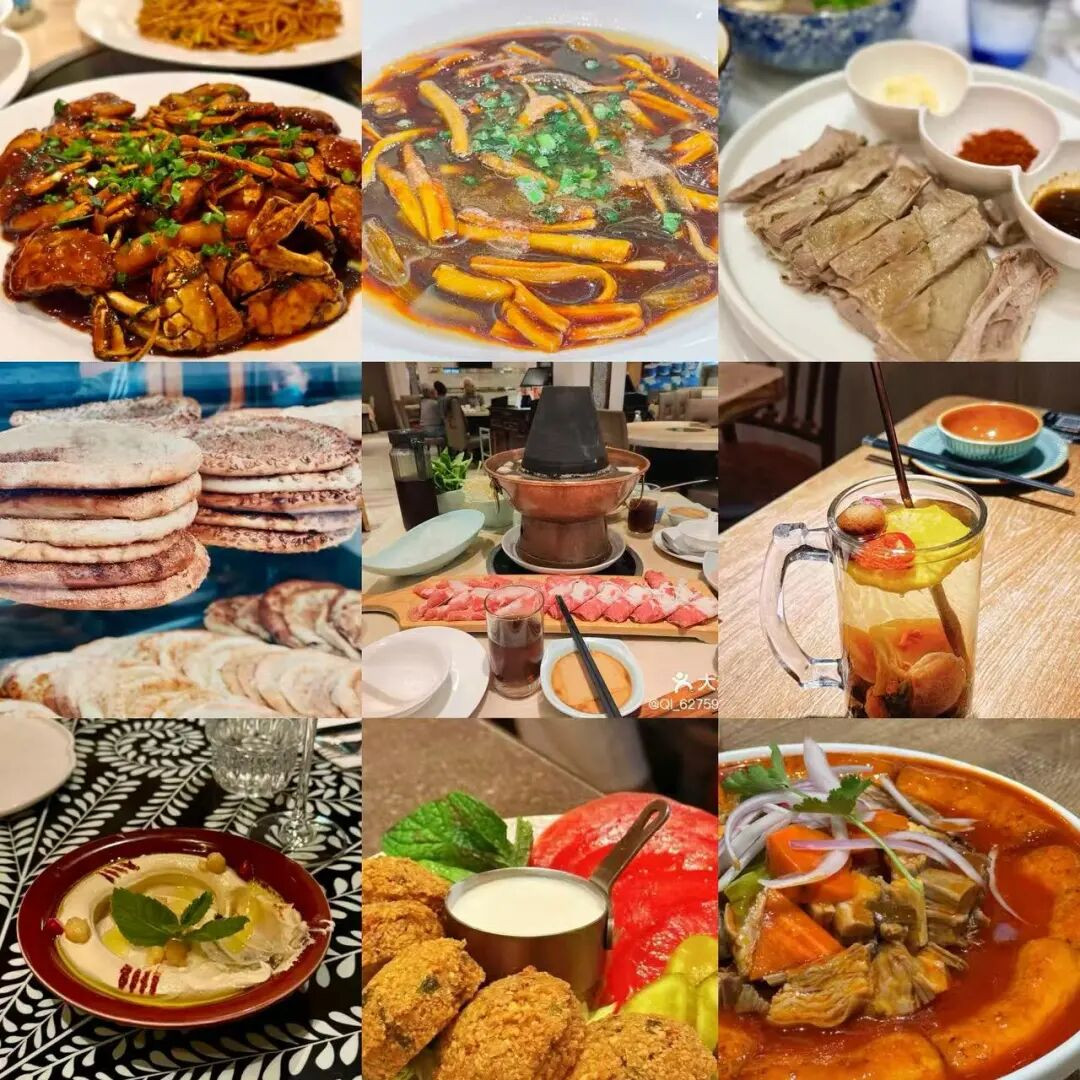
Summary:

A curated roundup of Shanghai's most iconic and highly rated Halal heritage spots and popular eateries across various districts. Featuring century-old mutton hot pot at Hongchangxing, the famous Pingliang Road dim sum spot Yixinzhai, alongside Xinjiang and Northwest regional gems, showcasing the rich culture and diverse options of Shanghai-style Halal cuisine.

Hey foodies! Today we're taking you on a tour of our gorgeous city, Shanghai.
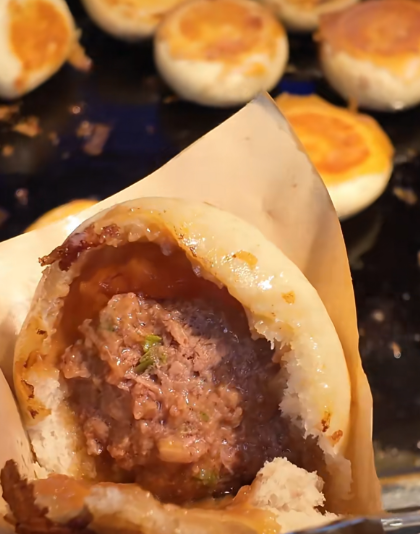
Bustling Shanghai is a city where you never have to eat the same thing twice.
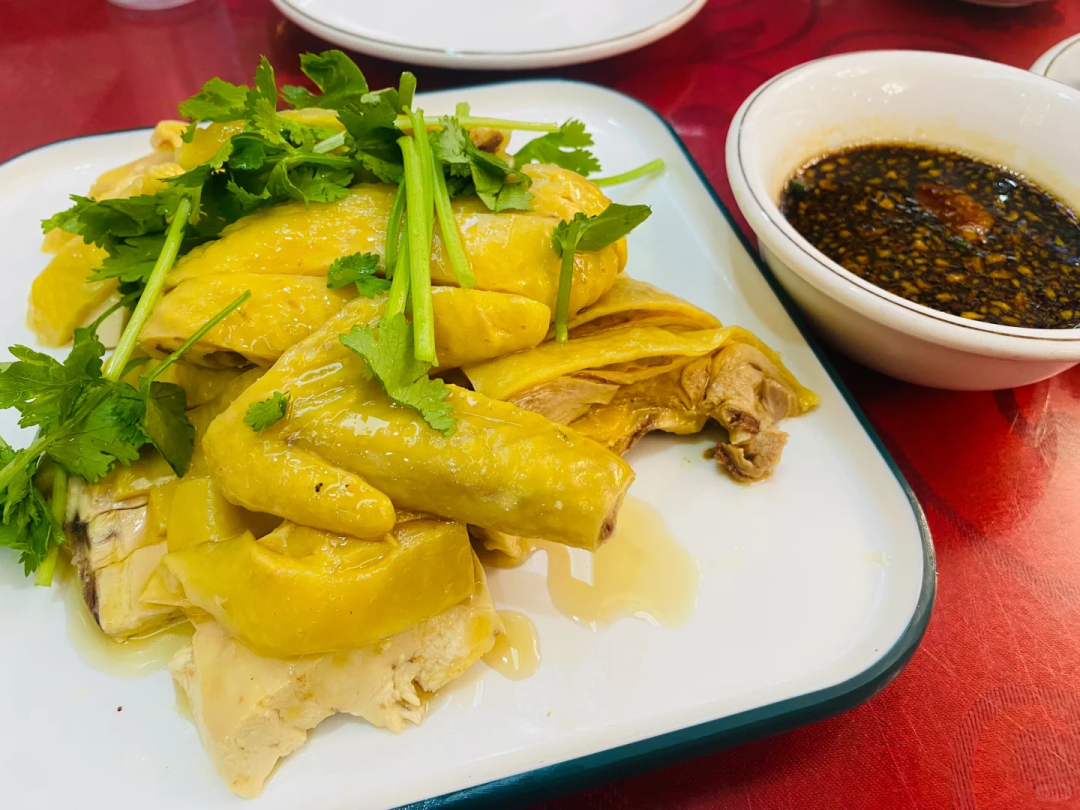
The Halal food scene here is wonderfully diverse and packed with amazing options,
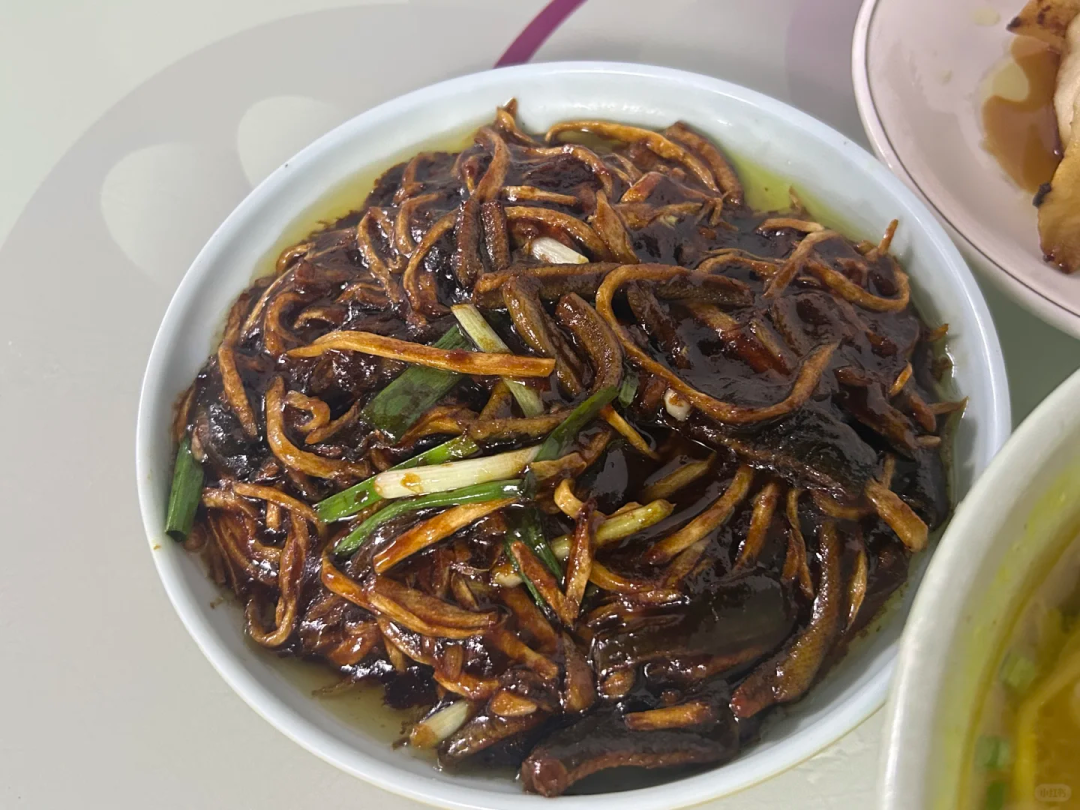
featuring Northwest flavors, classic Shanghai local homestyle tastes, international cuisine, Hunan, Sichuan, Cantonese, and so much more.
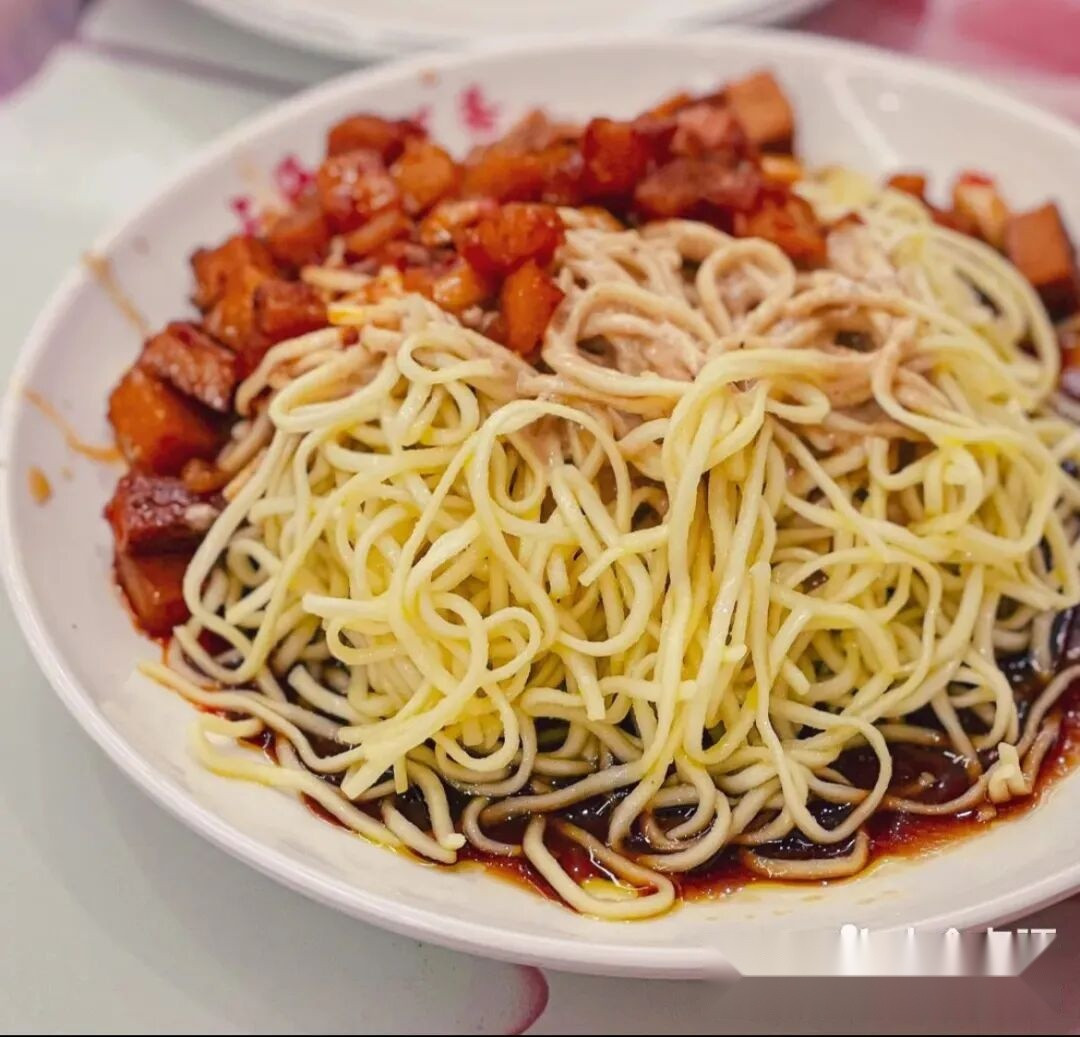
Today, we're putting the spotlight entirely on incredible Halal eats.
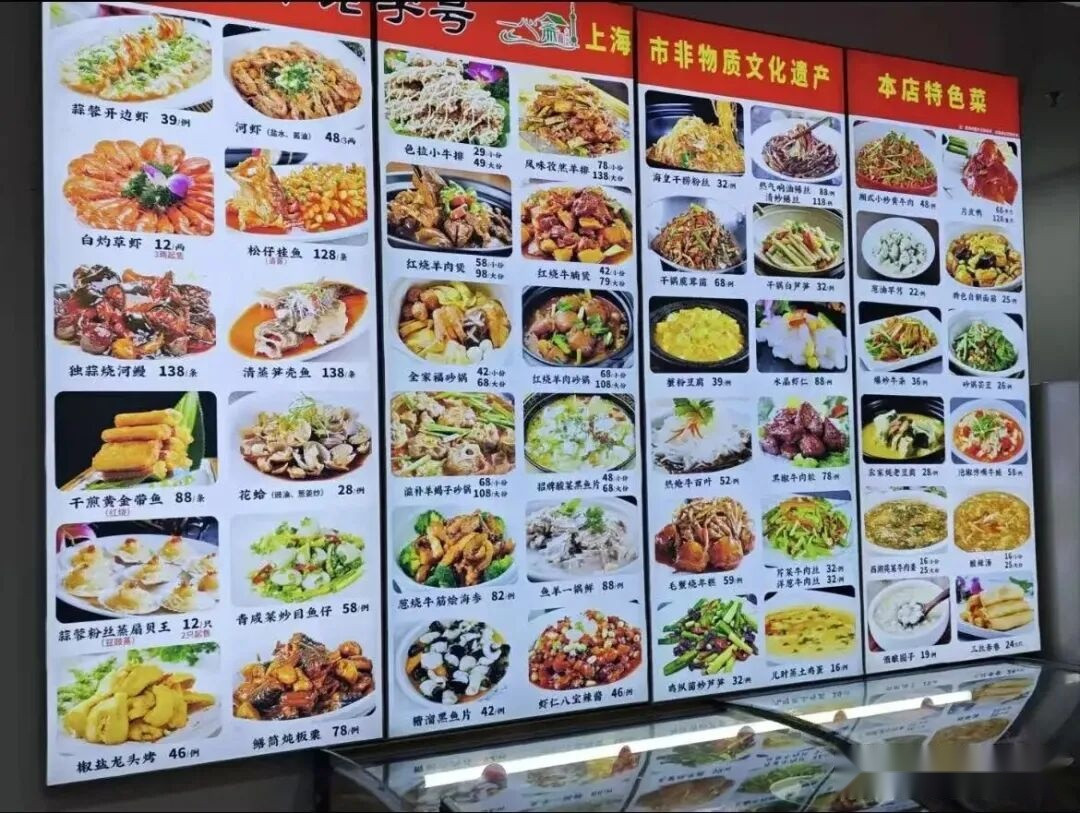
Before we dive in, let's kick things off with a major food tease!
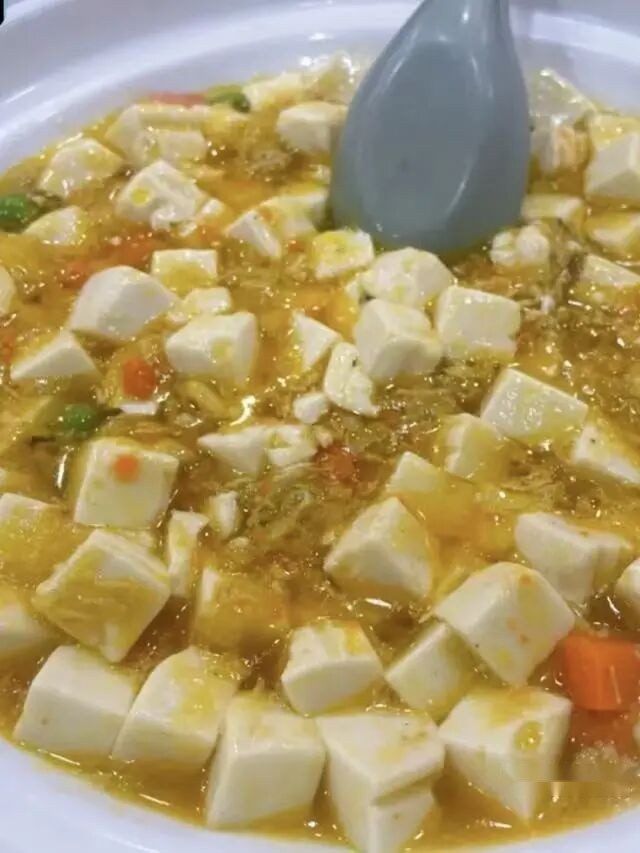
This isn't your average neighborhood snack shop—it's an exceptionally rare, officially recognized Intangible Cultural Heritage Halal brand in Shanghai. Its roots trace all the way back to 1913, with the official name established in 1958. Five generations have passed down this century-old craftsmanship, and in 2015, it was honored as a Shanghai Intangible Cultural Heritage. It's the only Halal culinary brand in Shanghai to hold this certification, a Time-Honored Chinese Brand, and the winner of countless food awards.
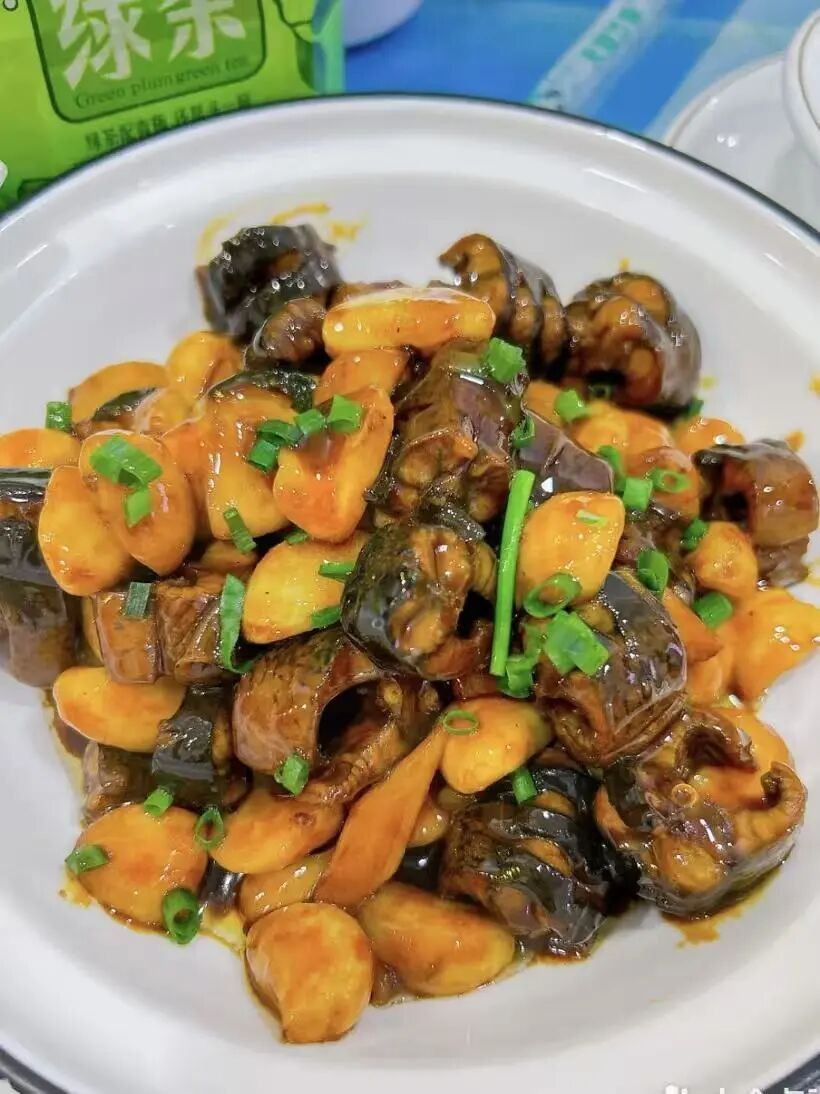
I first shouted them out ages ago, and even now in 2026, their crown remains completely undisputed! Their absolute signature is the niurou jianbao (pan-fried beef buns), easily the undisputed ceiling of pan-fried buns in Shanghai! Priced at 5 RMB each, they sell nearly 5,000 every single day. They're massive—literally the size of a fist—with fluffy, pillowy tops and bottoms fried to a golden, crispy crunch. One bite reveals tight, tender meat packed with savory juices. Total perfection, truly living up to the hype.
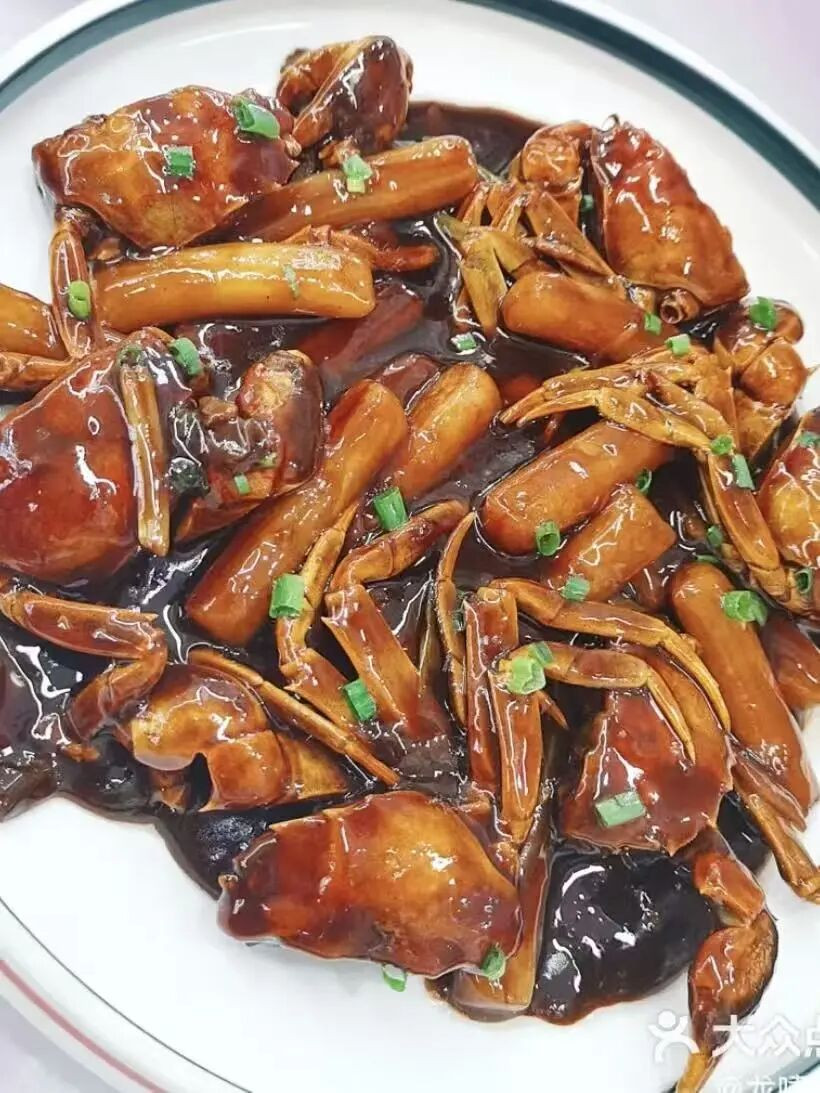
Photo via Xiaohongshu: 白得古。(下班版)
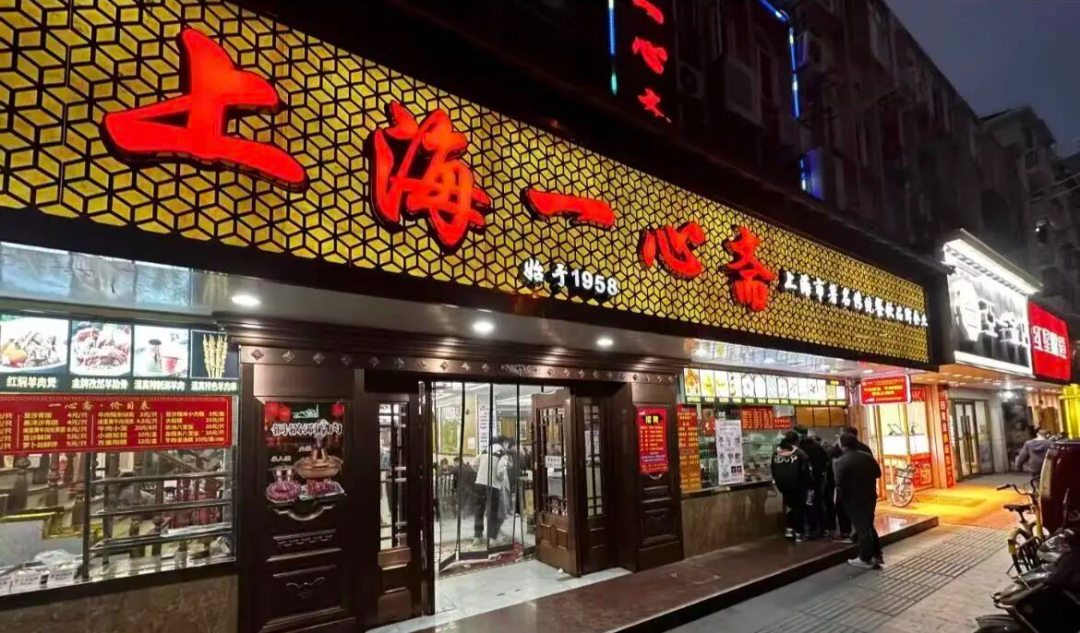
Another legendary crowd favorite is their Shanghai-style sanhuangji (tender yellow-feathered chicken), which has a massive following for its melt-in-your-mouth tenderness and deep flavor. A mandatory order for regular patrons.

Photo via Xiaohongshu: 咸鱼茄子煲大王

You've got to try their freshly stir-fried shansimian (eel shred noodles)! Crafted with authentic local thick soy-and-sugar red-braise (nongyou chijiang) and wok-fried over roaring flames, it's peak classic Shanghai comfort food. Slurping up noodles coated in rich savory sauce gives you a true taste of that nostalgic Shanghai grand-uncle (yeye) joy.
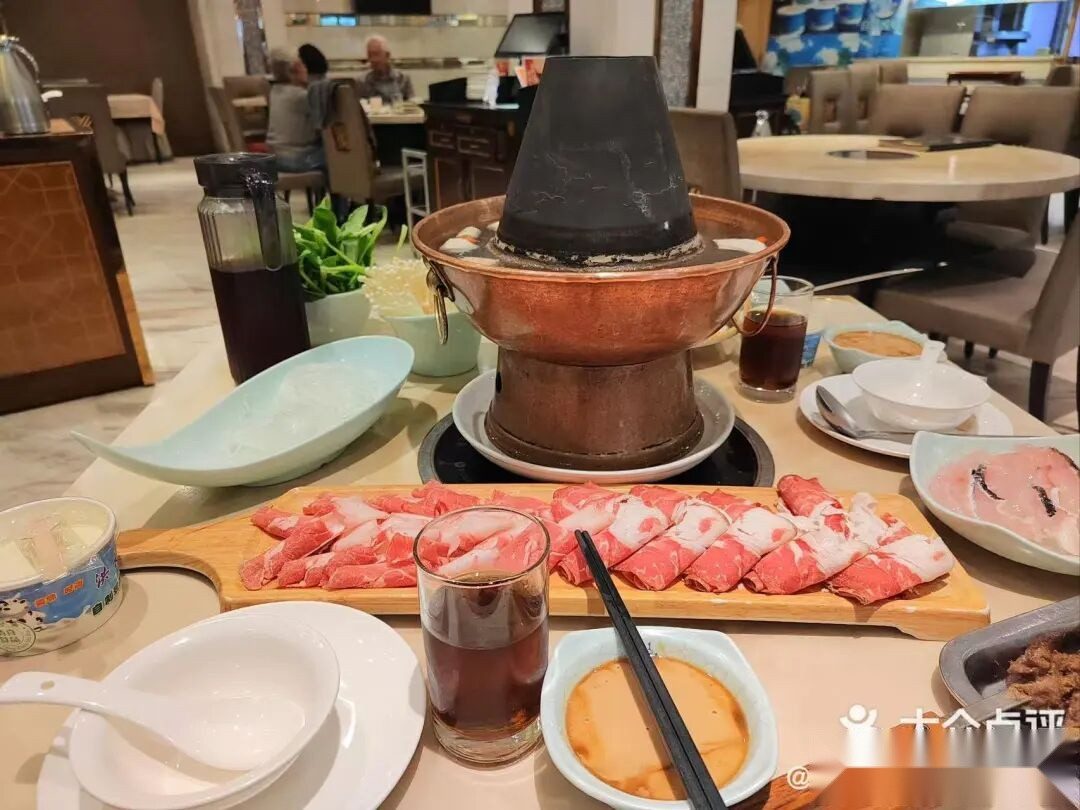
Photo via Dianping: Hugh_Liu
Compared to their cold noodles in chilled sauce, I personally suggest grabbing the lajiang lengmian (cold noodles with spicy minced meat sauce). Creamy sesame-peanut paste clings to every single strand of noodle, while the spicy meat sauce packs a rich, savory punch. It's robust and deeply satisfying without ever feeling gloopy or heavy.
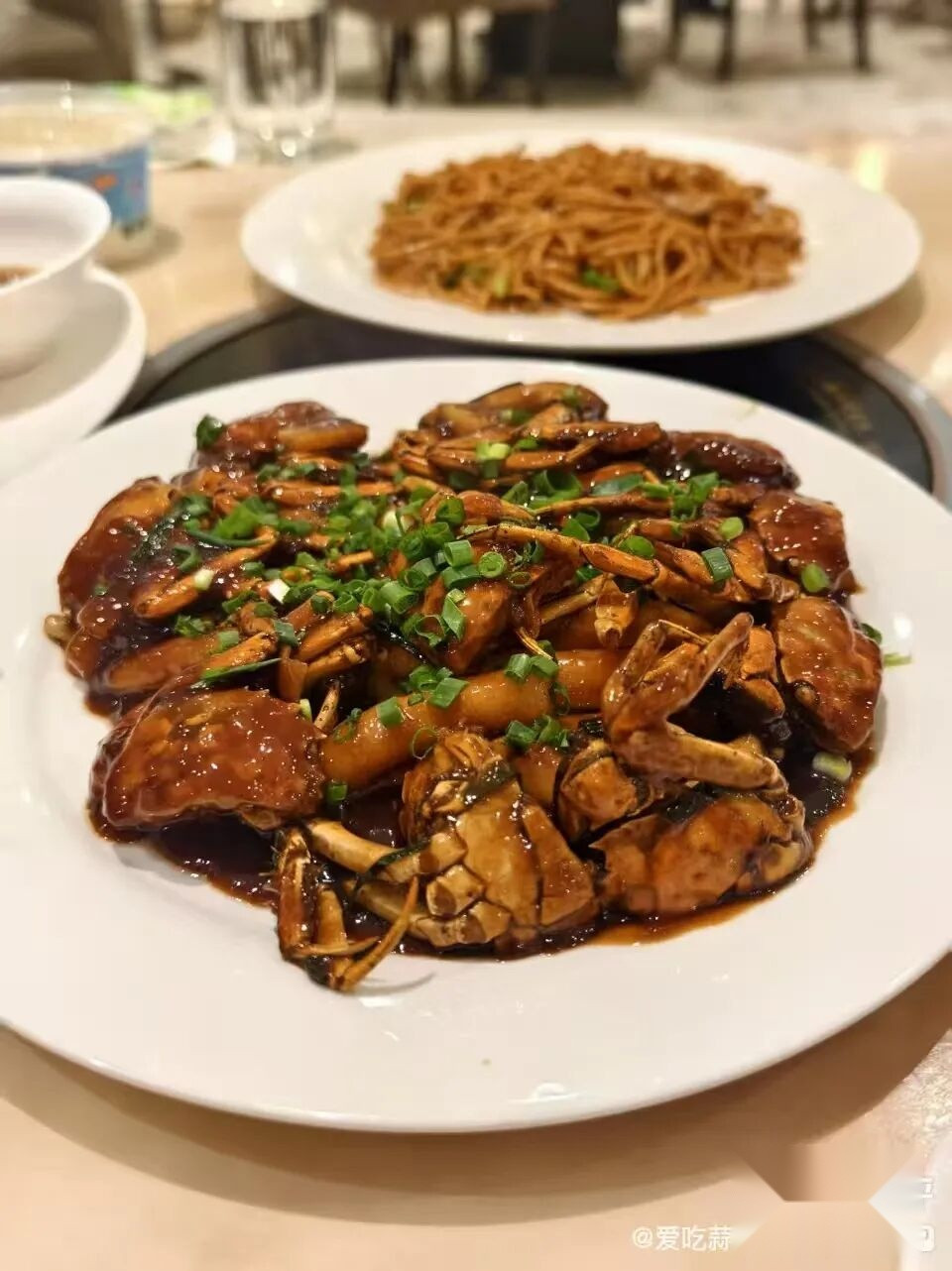
The first floor is for casual quick bites and snacks, while the second floor features private dining rooms. Whether you're looking to crush a craving, fuel up, or host a cozy family get-together, this is an absolute must-visit local Halal institution whenever you're in Shanghai.
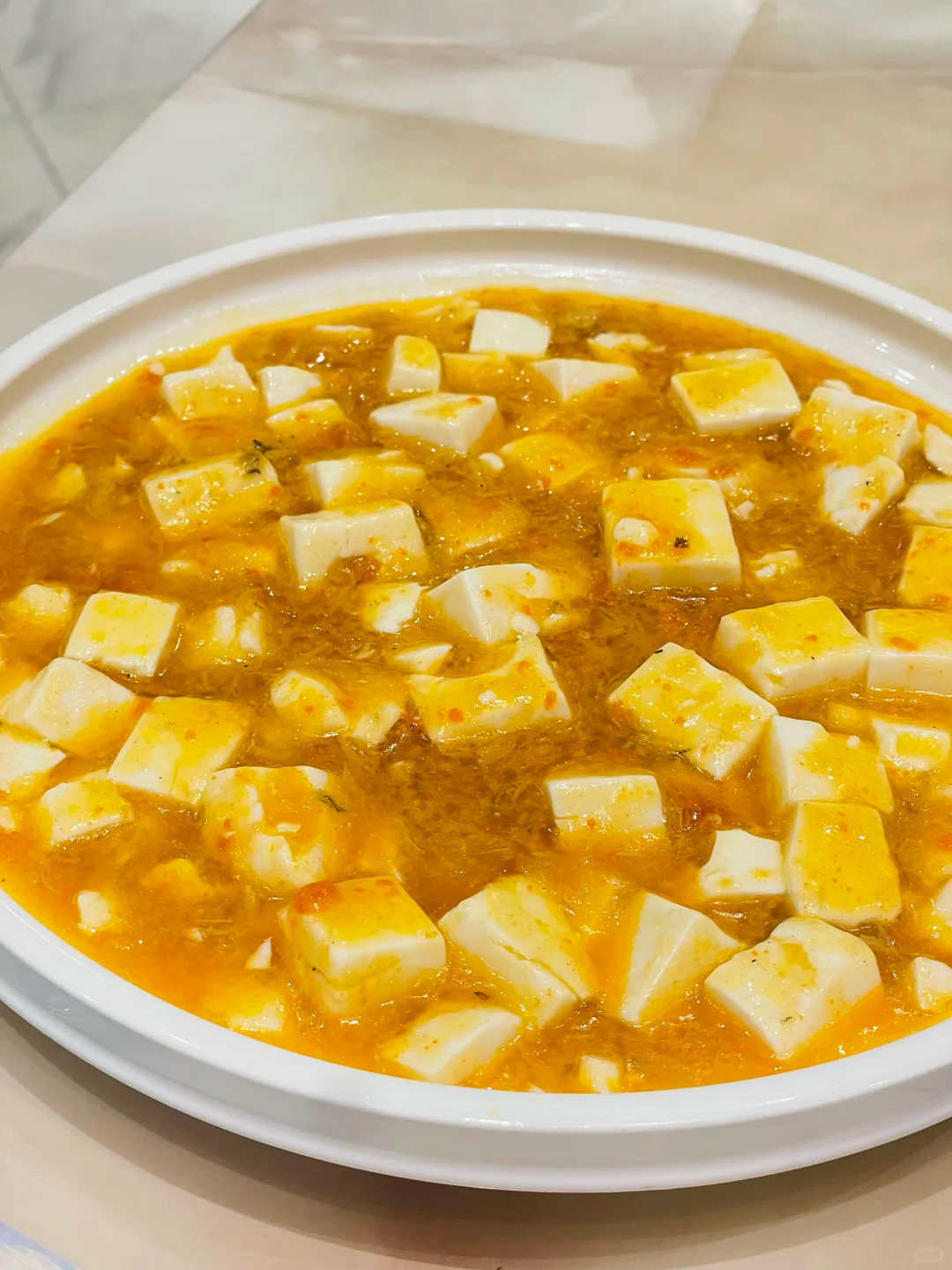
All photos via Dianping
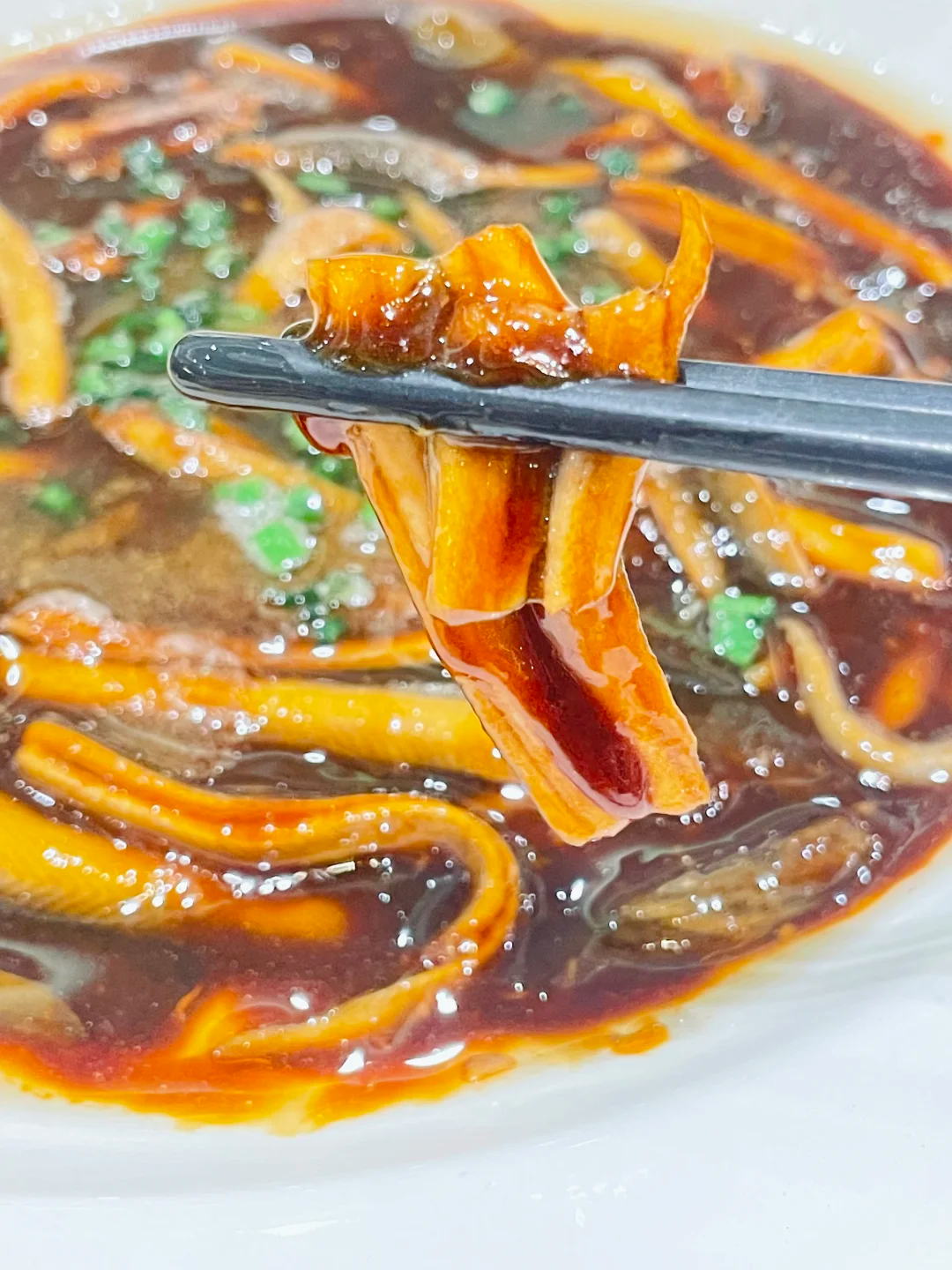
Beyond quick snacks, their stir-fried dishes are total showstoppers—pure, authentic local homestyle cooking! Crab roe tofu, hairy crab stir-fried with rice cakes, braised eel with chestnuts... every single one is worth trying (just hearing the menu names is making my mouth water).
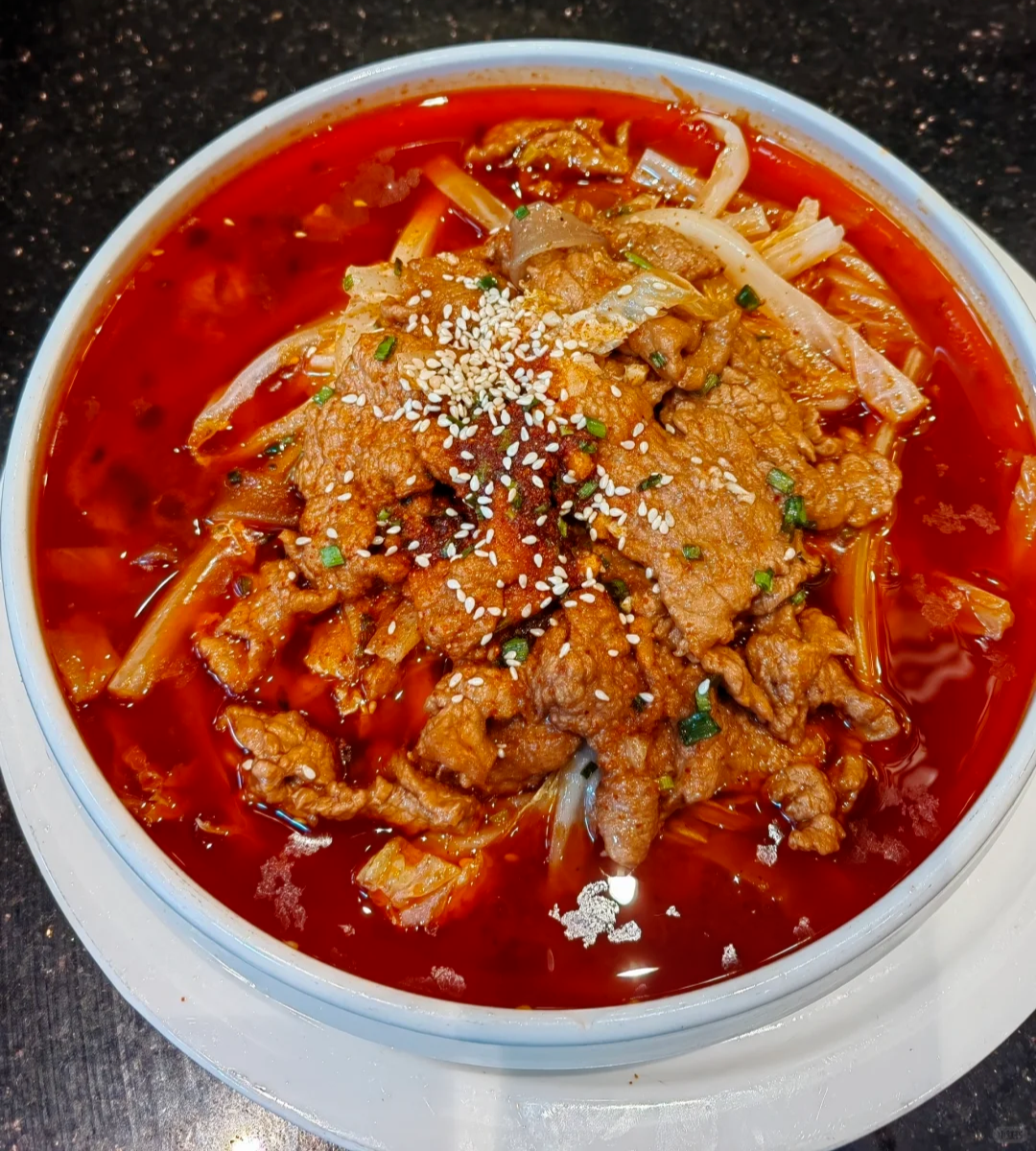
Multiple locations available—pick the one closest to you!
Shanghai Yixinzhai

Shanghai Yixinzhai (Pingliang Road Branch)

The shop is currently undergoing renovations and is expected to reopen in September, but I still couldn't leave this legend off the list~
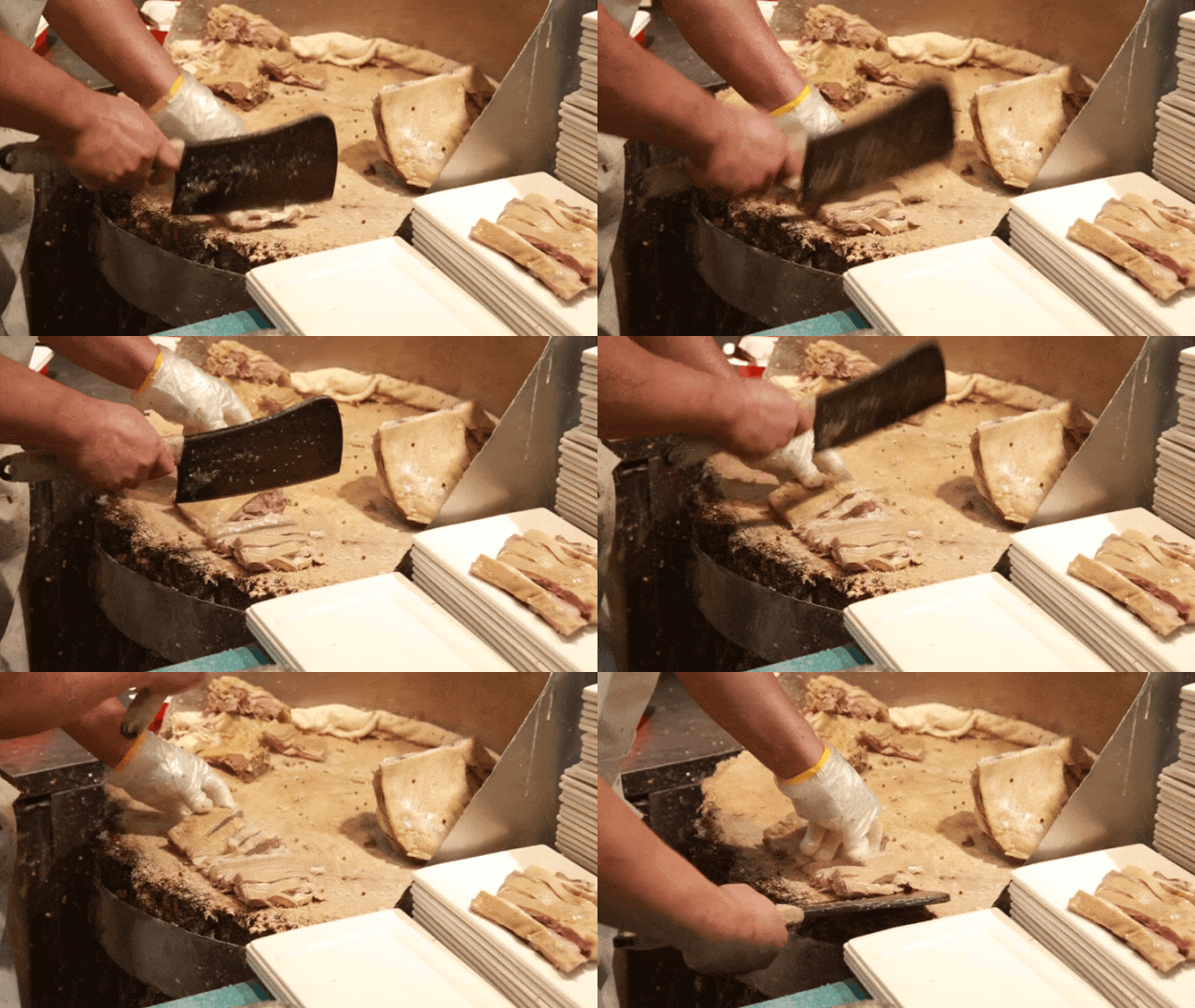
Older than the iconic Bund itself, this century-old institution opened in 1891 and stands as Shanghai's earliest Halal mutton restaurant, complete with a fascinating backstory.
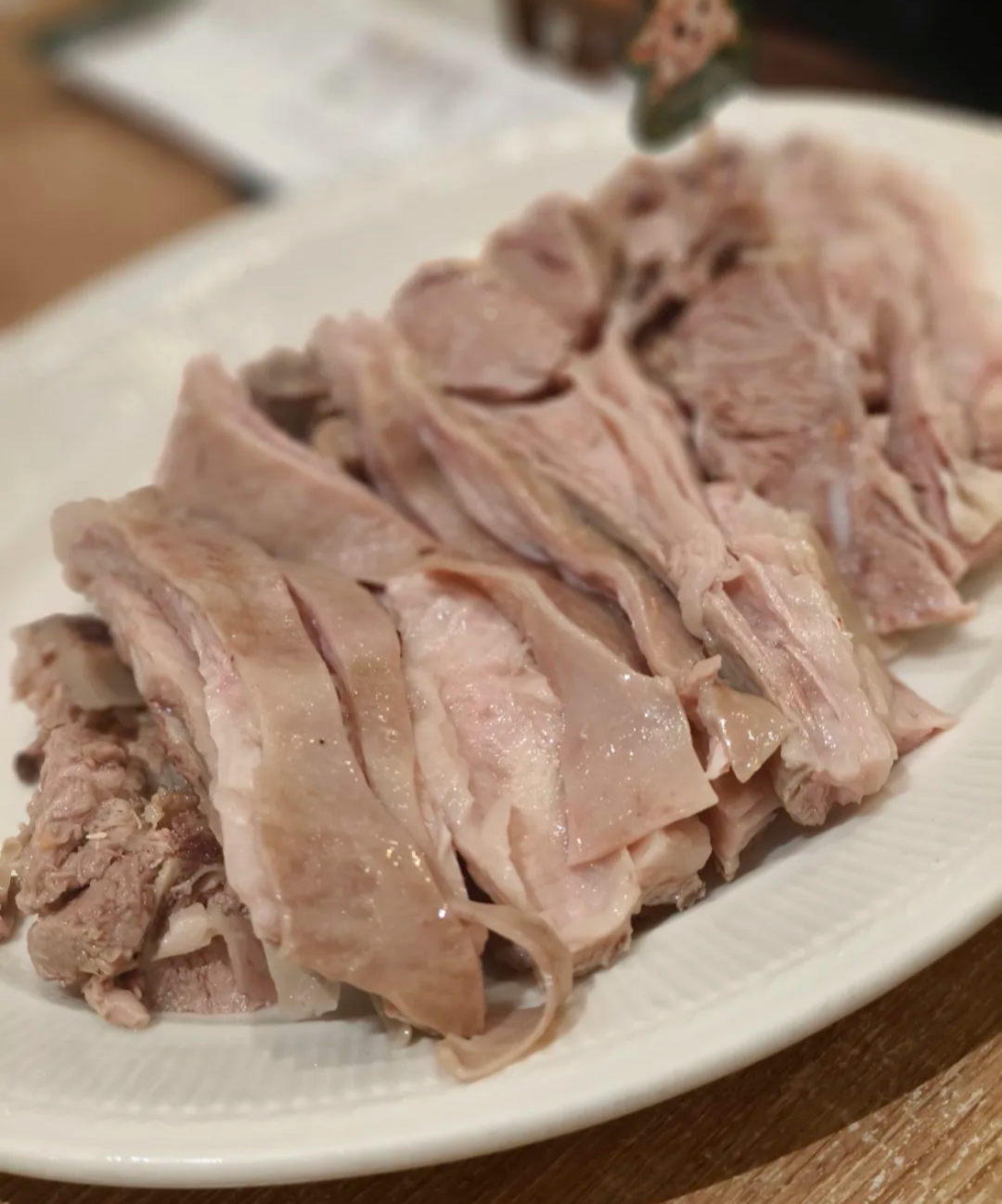
It originally started as the 'Ma Family Troupe Kitchen' founded by Ma Chunqiao, the second older brother of legendary Peking opera master Ma Lianliang. It was set up specifically to provide Halal meals for opera troupes touring Shanghai and became the city's very first Halal mutton house. In 1918, it was handed over to a friend and renamed Hongchangxing. They specially recruited master chefs from Beijing to anchor down authentic Beijing-style copper hot pot mutton in Shanghai, making it a bona fide Time-Honored Chinese Brand.
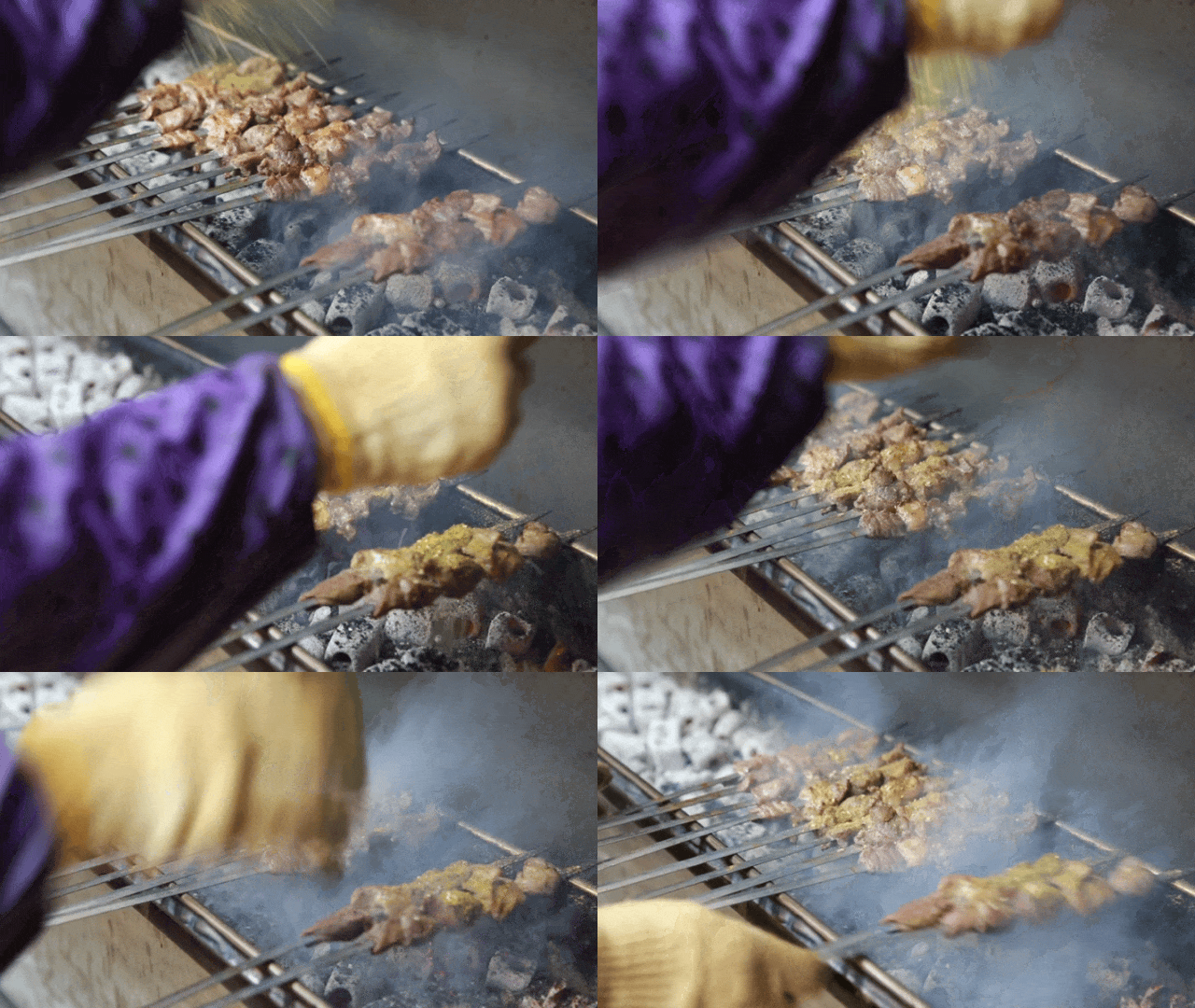
Photo via Dianping: QL-627597557
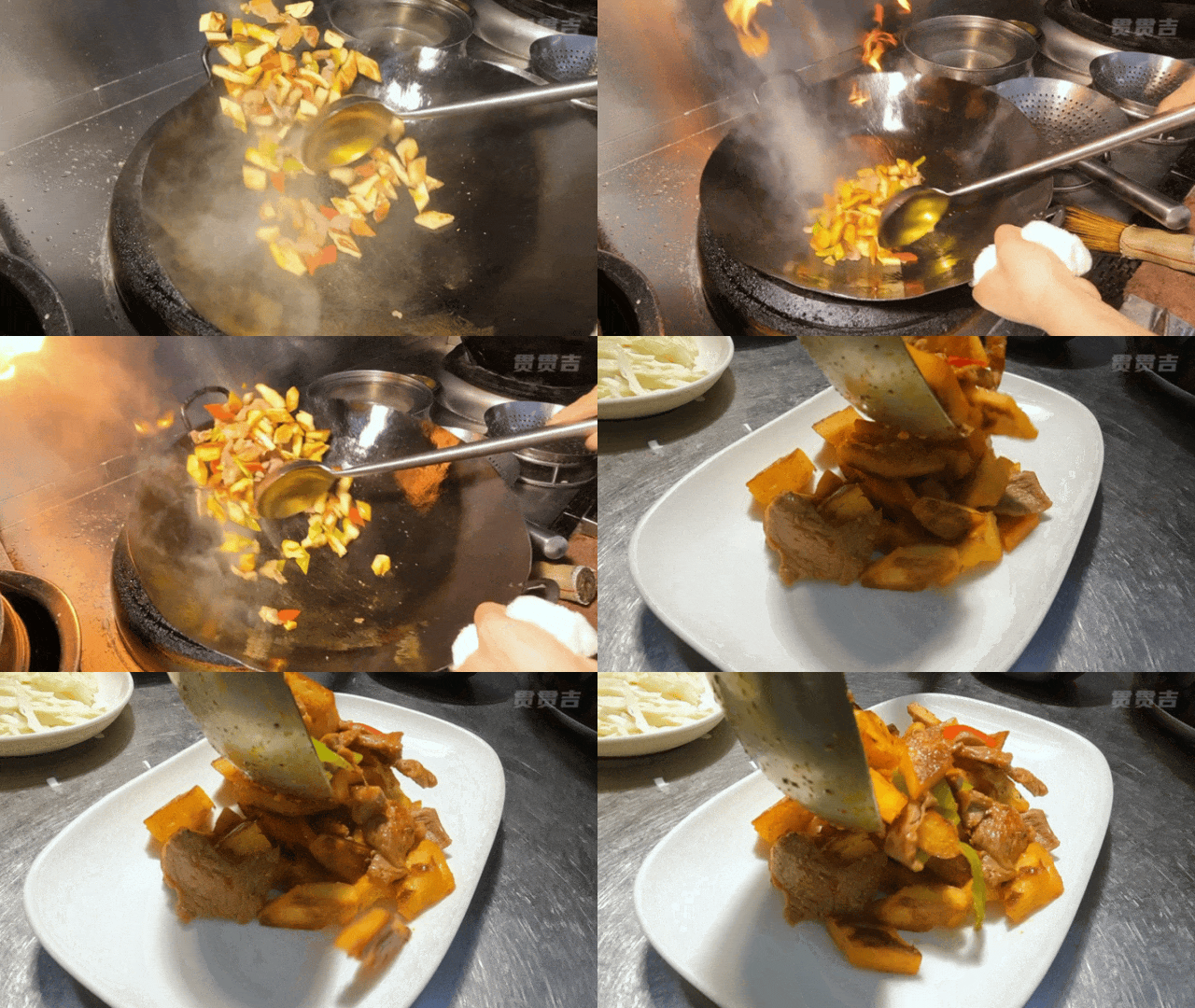
Every old Shanghainese person's winter memories feature this exact spot. Traditional charcoal-fired copper pots puff billows of steam, cooking paper-thin slices of mutton in a clear broth that locks in the meat's pure natural flavor. It's intensely savory without a trace of gamey mutton funk, offering a warm, deeply comforting embrace. No wonder older generations grew up eating here.
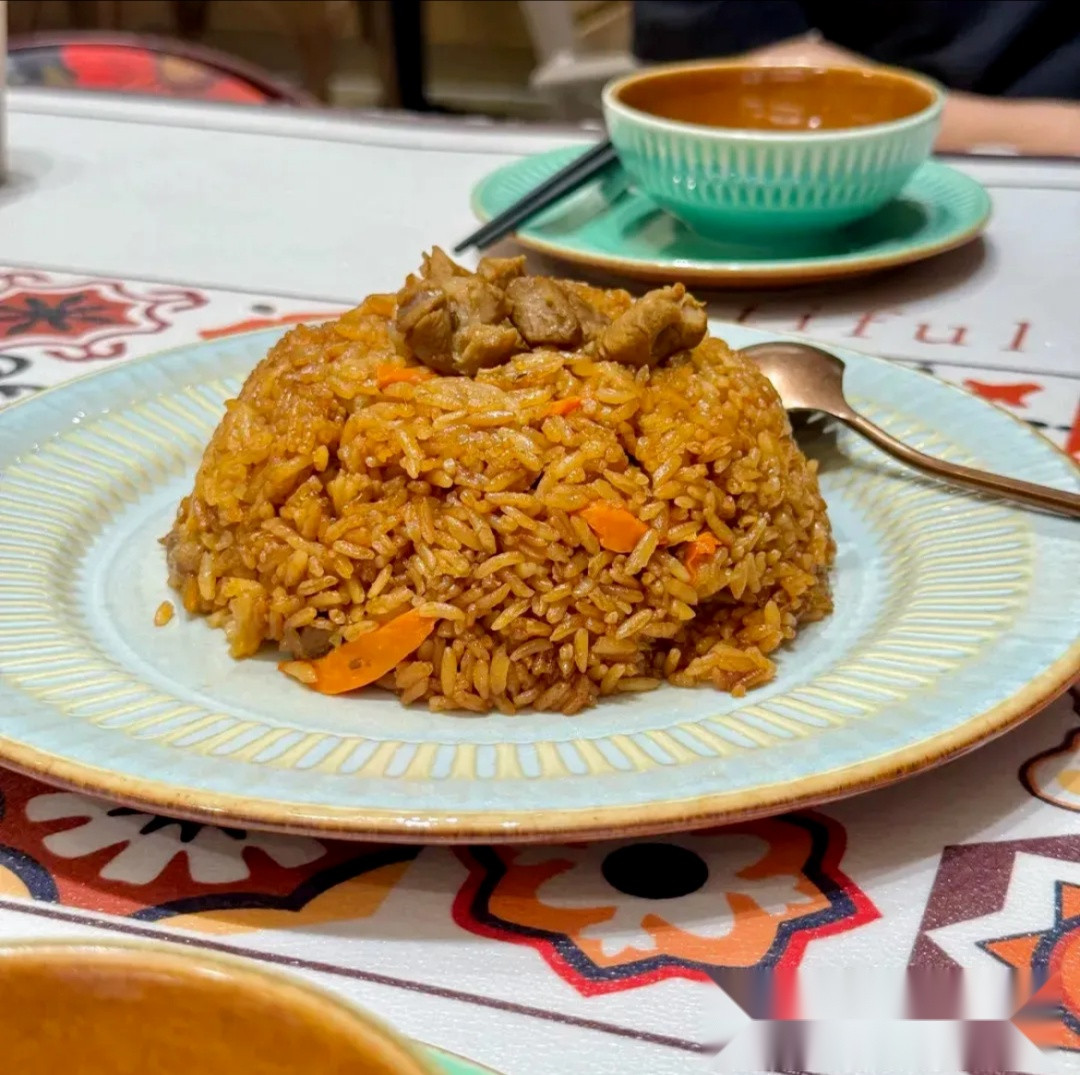
Plenty of people watching the hit show *Blossoms Shanghai* got hit with massive cravings for copper pot mutton—the show's Caojiadu restaurant 'Hongshunxing' is directly modeled after Hongchangxing. Those steaming, giant communal pots capture the exact signature vibe of the decades-old original shop, bringing this legendary Shanghai Halal hot pot spot right back into everyone's spotlight.
More than just hot pot, it's also a temple for local Shanghai-style Halal cuisine.
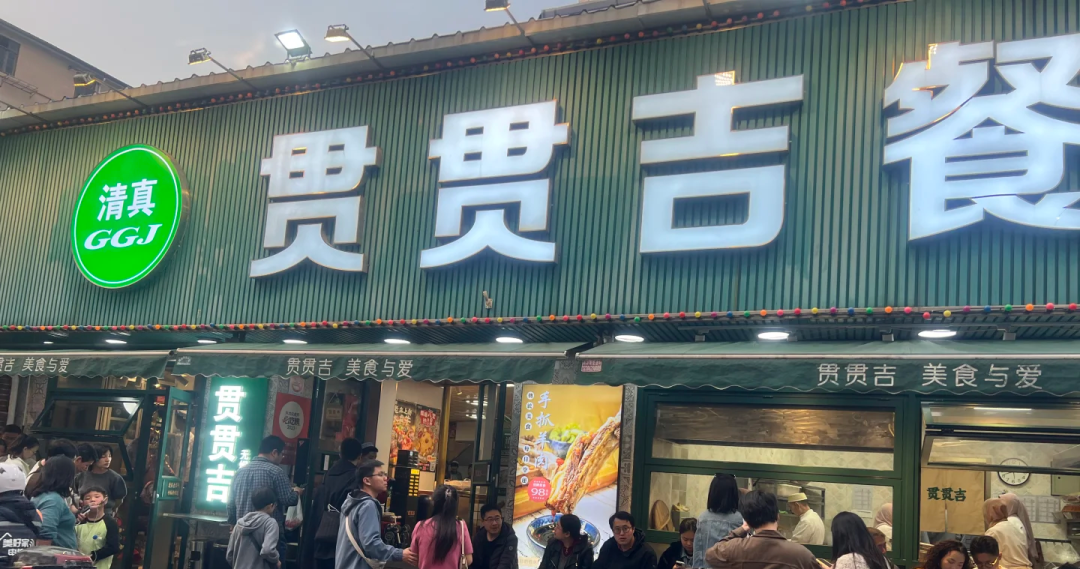
Shanghai sits amidst a crisscrossing web of Jiangnan water towns, where rivers and lakes continuously nurture fresh aquatic catches. Eels boast firm, muscular flesh, while crabs naturally overflow with organic sweetness. This pairs like a dream with the rich reduction and sauce-coating techniques of local Shanghai cooking. Over time, river eels and hairy crabs became absolute staples of Shanghainese cuisine.

Photo via Dianping: 爱吃蒜蓉酱的鸢尾花

Their signature maoxie niangao (hairy crab stir-fried with rice cakes) comes in hefty portions. The sauce is thick and luxurious, the crab meat is sweet and plump, and the rice cakes are delightfully chewy and coated in rich savory gravy—dripping with authentic Shanghai red-braised flavor.
The xiefen doufu (tofu braised in crab roe) is velvety, rich, and melts seamlessly in your mouth. Served piping hot right at the table, the golden 'crab roe' is actually crafted from rich salted duck egg yolks. Their soft, slightly powdery texture pairs with the silky tofu in absolute harmony, topped with a generous blanket of real crab meat. The tofu is so tender it dissolves instantly on the tongue with an intense, savory seafood punch. Teaming this up with a bowl of white rice is pure heaven.
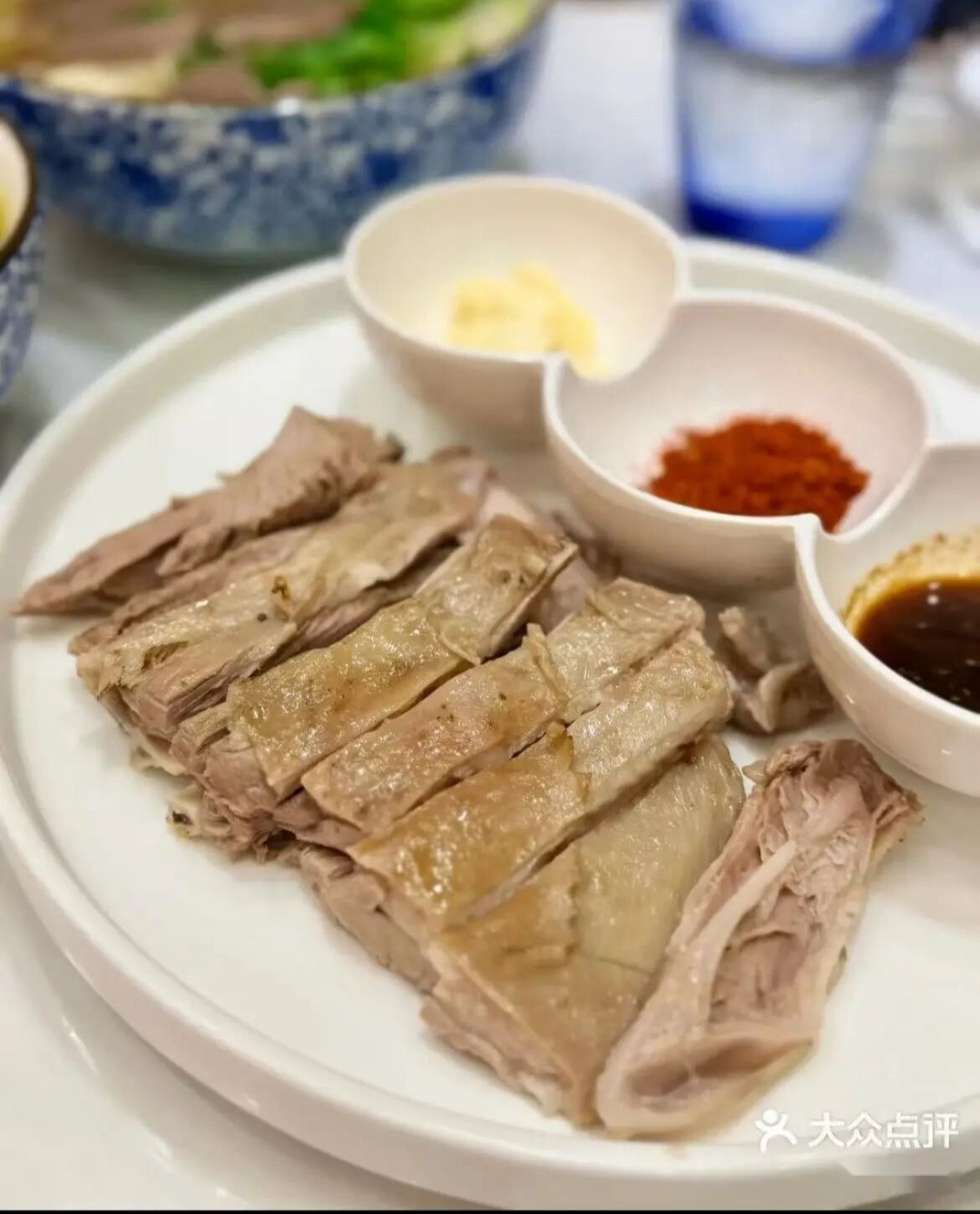
Photo via Xiaohongshu: 假装在旅游
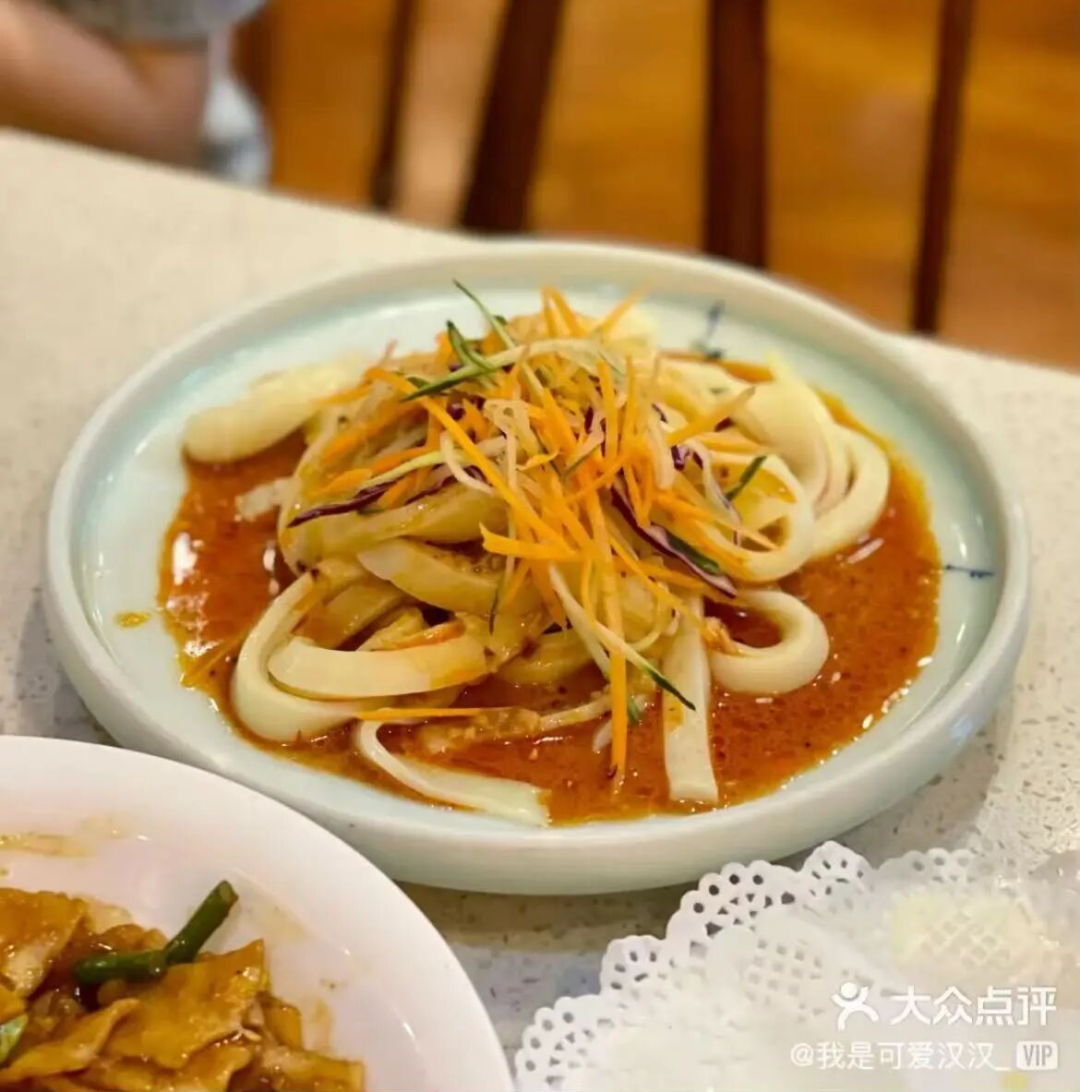
I used to think I could never get used to sweet-leaning savory dishes, but tasting their xiangyou shanhuhu (scalding hot sizzled eel shreds) completely changed the game, revealing a uniquely addictive charm. Quick-stir-fried over roaring heat with a glossy starch slurry, every single shred of eel is tightly swaddled in rich, savory-sweet red-braised sauce. The eel meat is meltingly soft and tender with zero earthy muddy taste. Right before plating, a ladle of sizzling hot oil is poured over the top, instantly detonating the aromatic fragrance of chopped scallions and minced garlic. Whether you shovel it over rice or toss it through a bowl of noodles, the flavor profile is second to none.
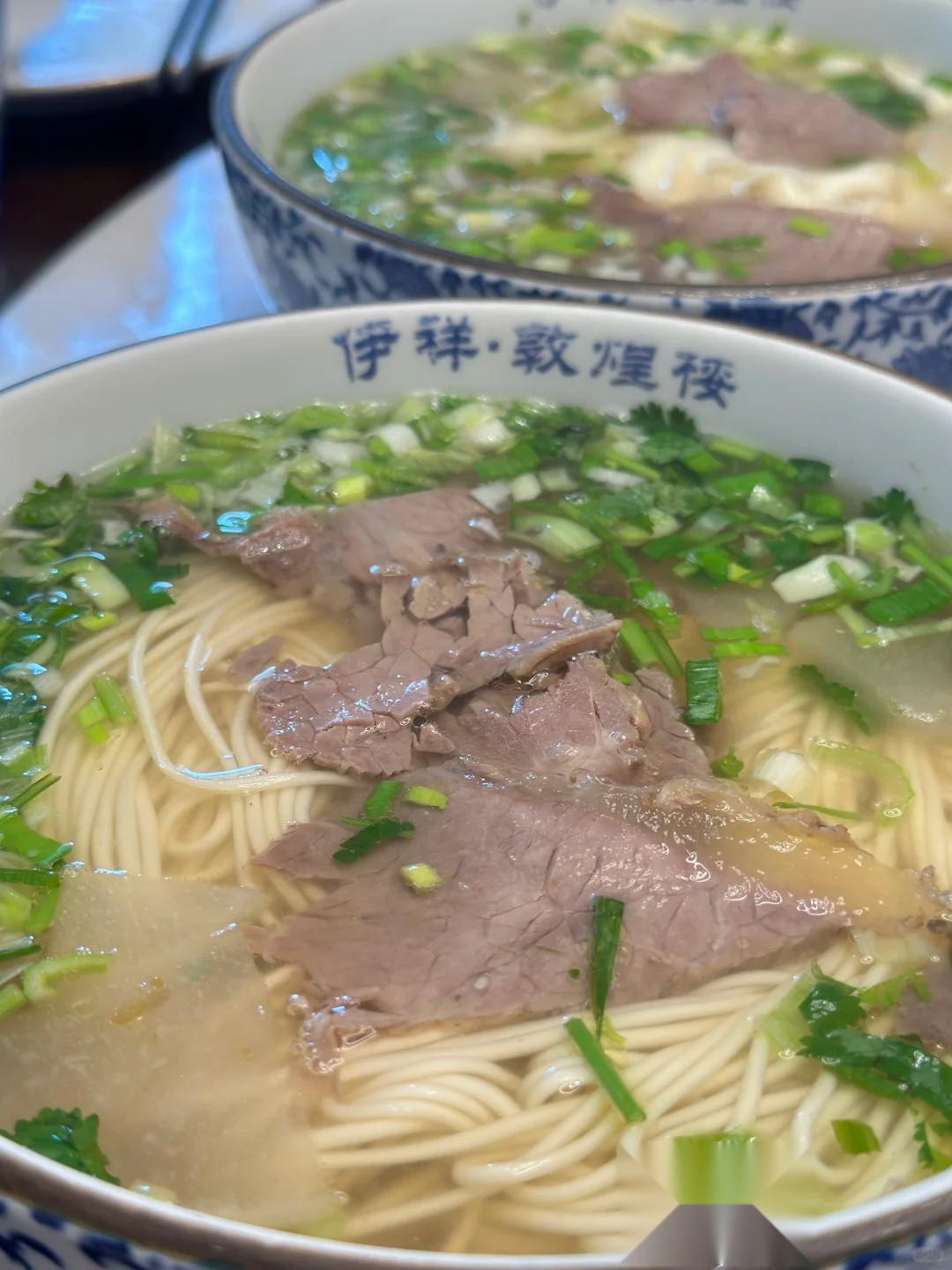
Photo via Xiaohongshu: 今天吃甚莫
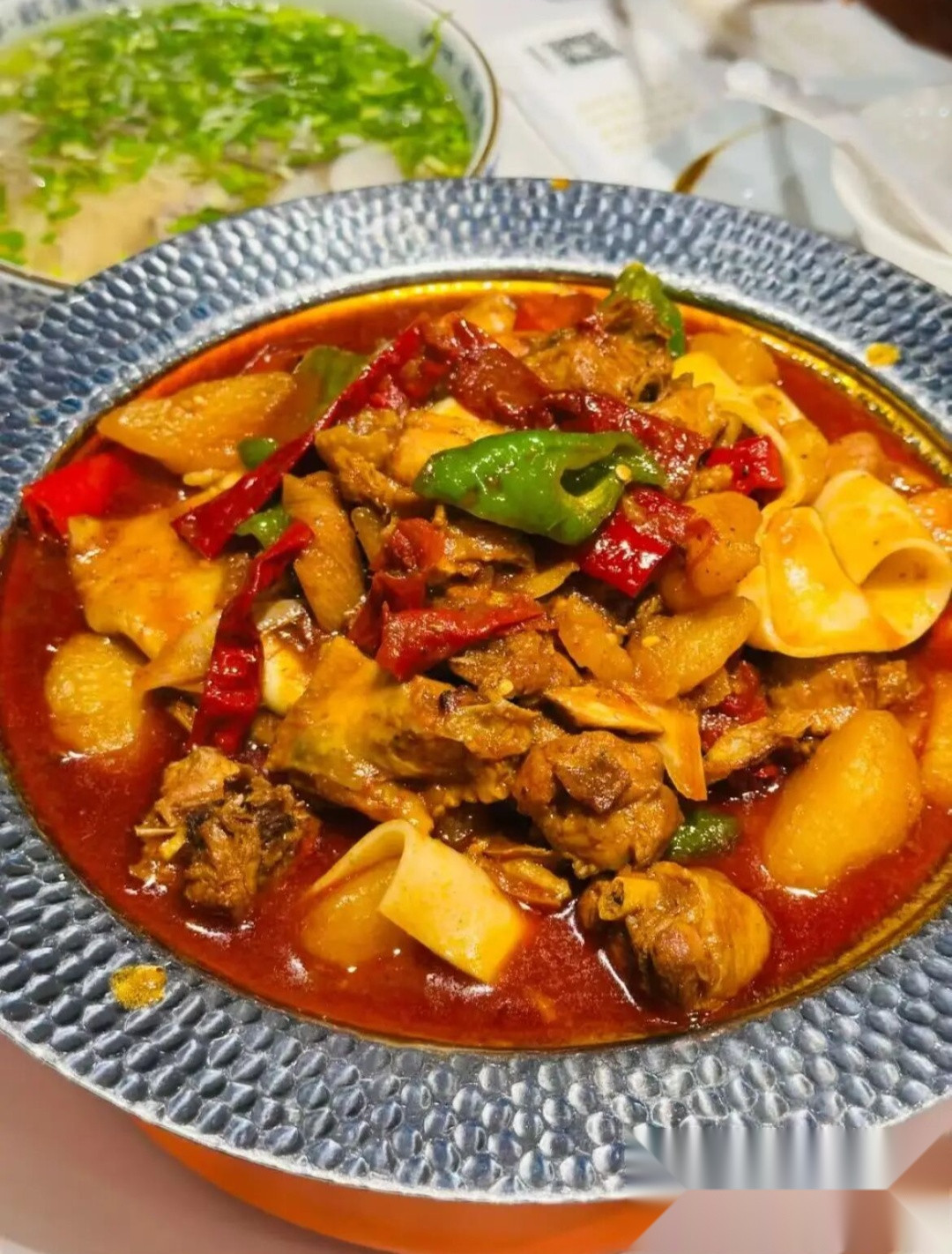
Their signature shuizhu niurou (Sichuan-style boiled beef in hot chili oil) strips away the punishingly fiery spice of traditional Sichuan versions, opting for a milder, deeply savory warmth. Even friends who can't handle spice at all can dive right in worry-free.
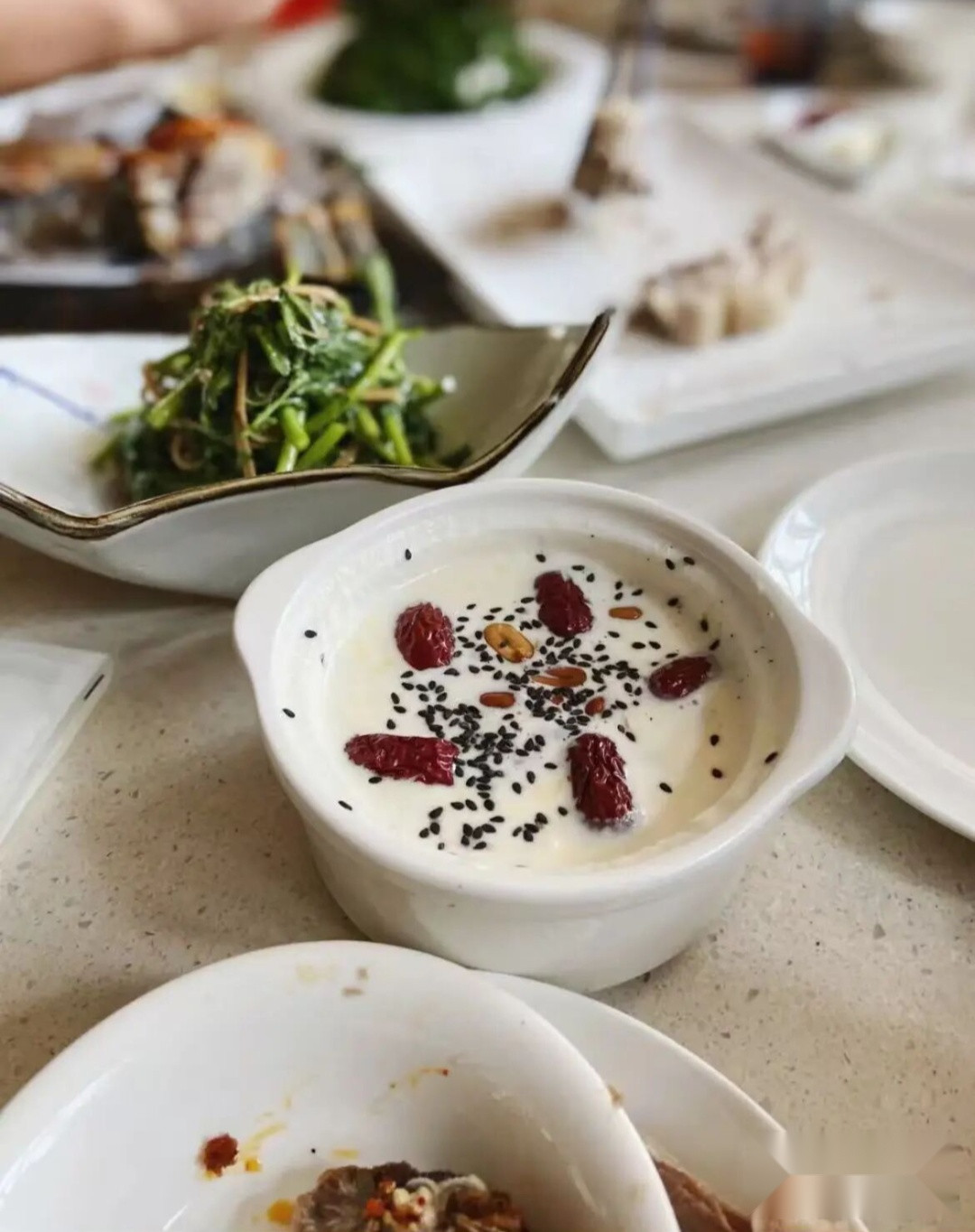
Just pick your favorite veggie side to go with it. The vegetable dishes lean wonderfully light and crisp, washing away the richness and acting as the perfect palate-cleansing finale to a massive homestyle feast.
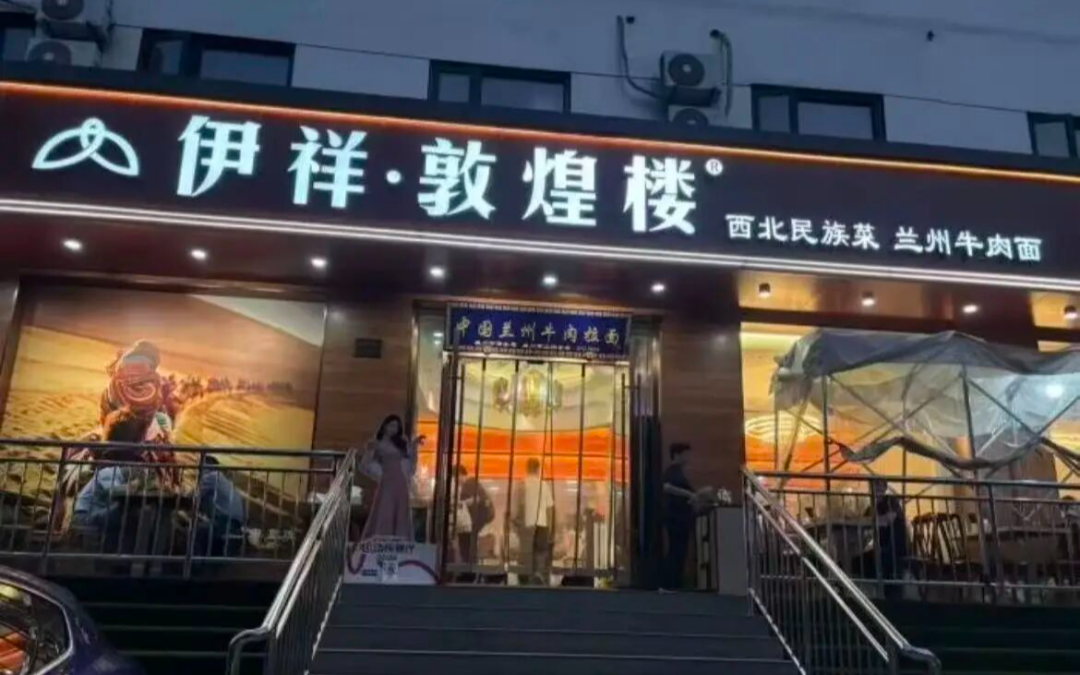
Only one location remains; the Yunnan South Road branch is temporarily closed

Hongchangxing (Guangxi North Road Branch)

A legendary Northwest Halal institution in Shanghai that consistently dominates popularity rankings. Whenever anyone asks what's good to eat in Shanghai, I bet this place is always high on their friends' recommendation lists! Operating for over thirty years, even Chinese star Bai Jingting is a regular—proof of its undisputed clout. You can watch the staff hand-crafting pastries and carving mutton right out in the open-view kitchen.
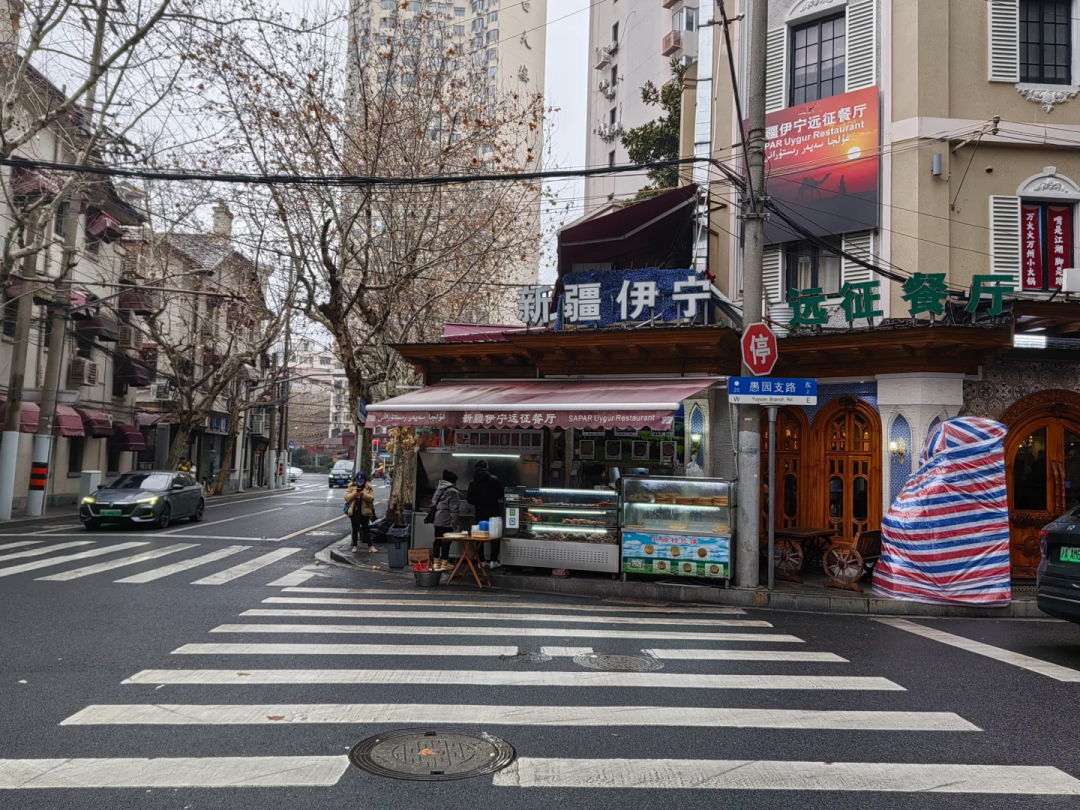
Photo via Dianping: 静静等待未知将来
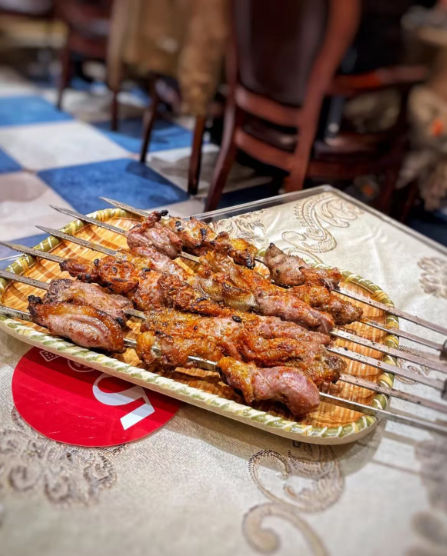
The shouzhua yangrou (Lanzhou hand-grabbed lamb) is a legendary house favorite. While the meat isn't fall-off-the-bone tender, the flavor profile is spot-on, carrying a distinct milky aroma while letting the pure, savory taste of the mutton shine.
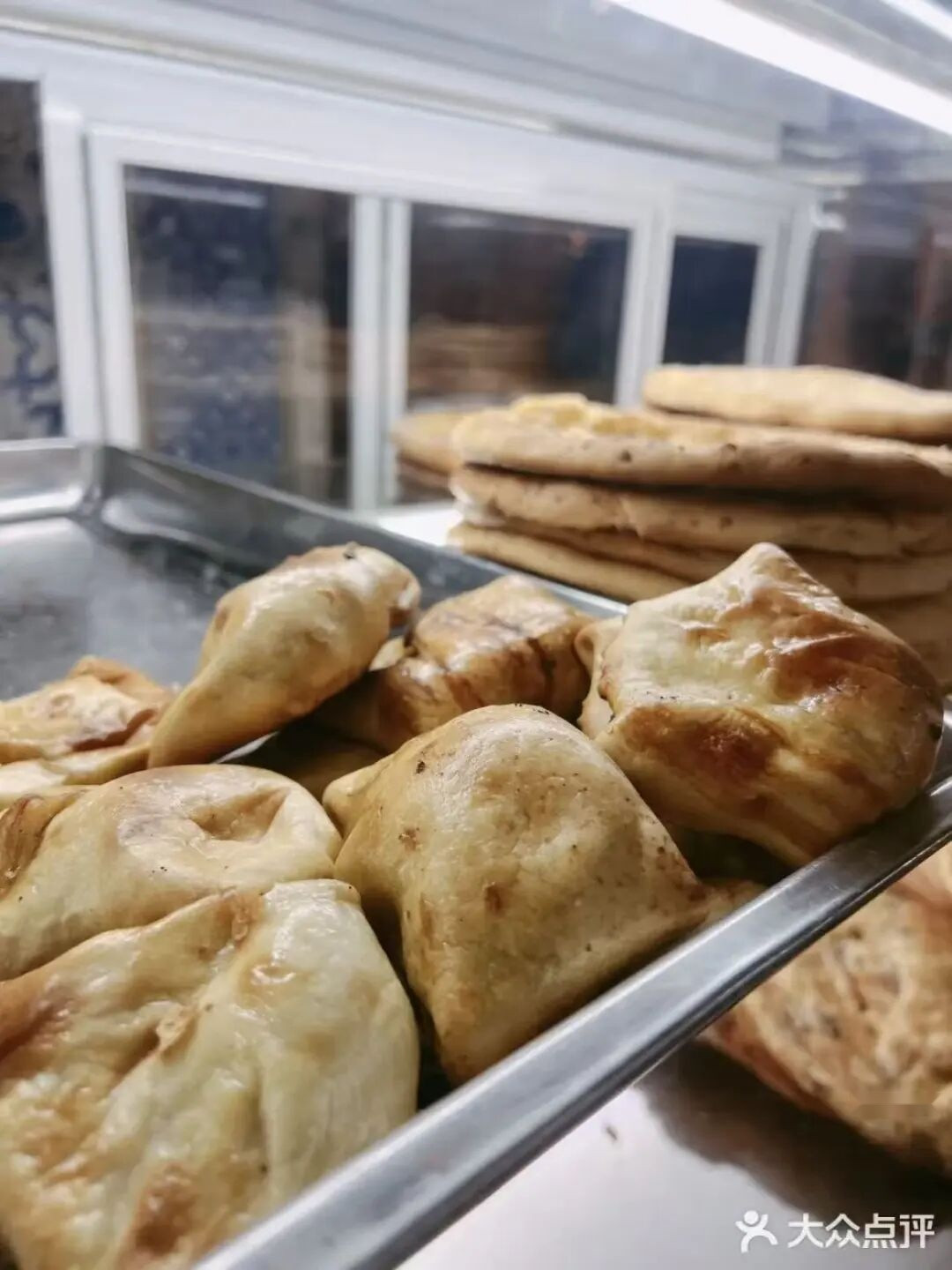
There isn't a huge flavor gap between the steel-skewer mutton skewers and the red-willow twig skewers, so I totally recommend grabbing the steel-skewer version (it's 10 RMB cheaper, giving you way better bang for your buck!). The grilling technique hits the exact right timing, resulting in an incredible texture.
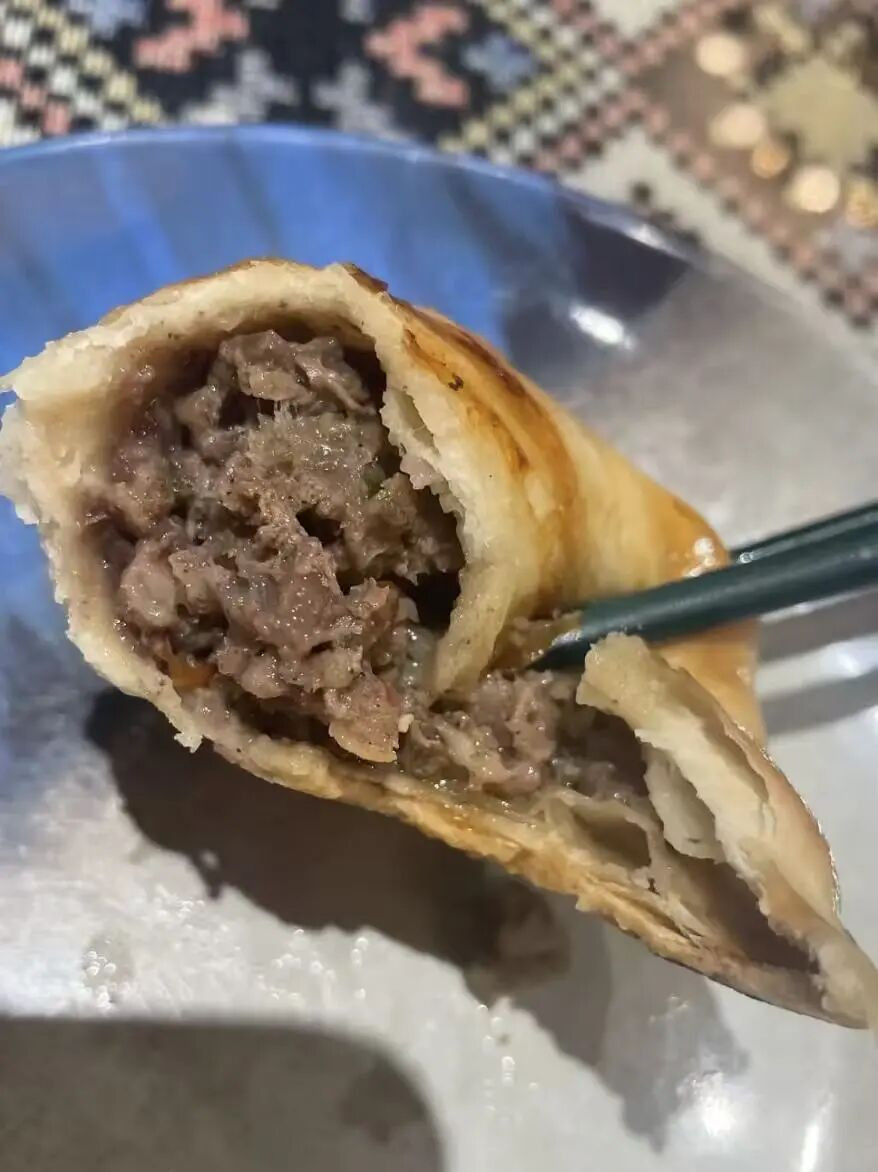
A massive, glowing shoutout goes to the nangbaorou (braised lamb chunks served over crispy flatbread). The nang (flatbread) soaks up all those rich, savory meat juices while baking up extra crispy and fragrant—the flavor blows ordering plain baked nang completely out of the water.
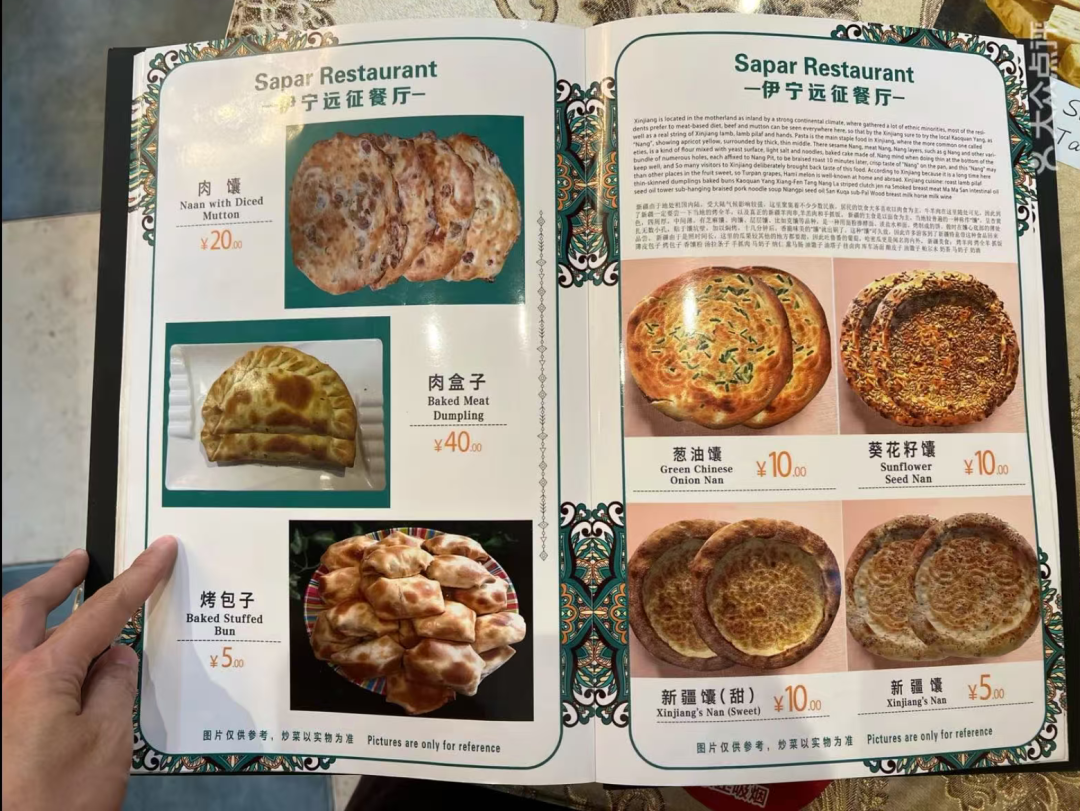
Photo via Dianping: e.
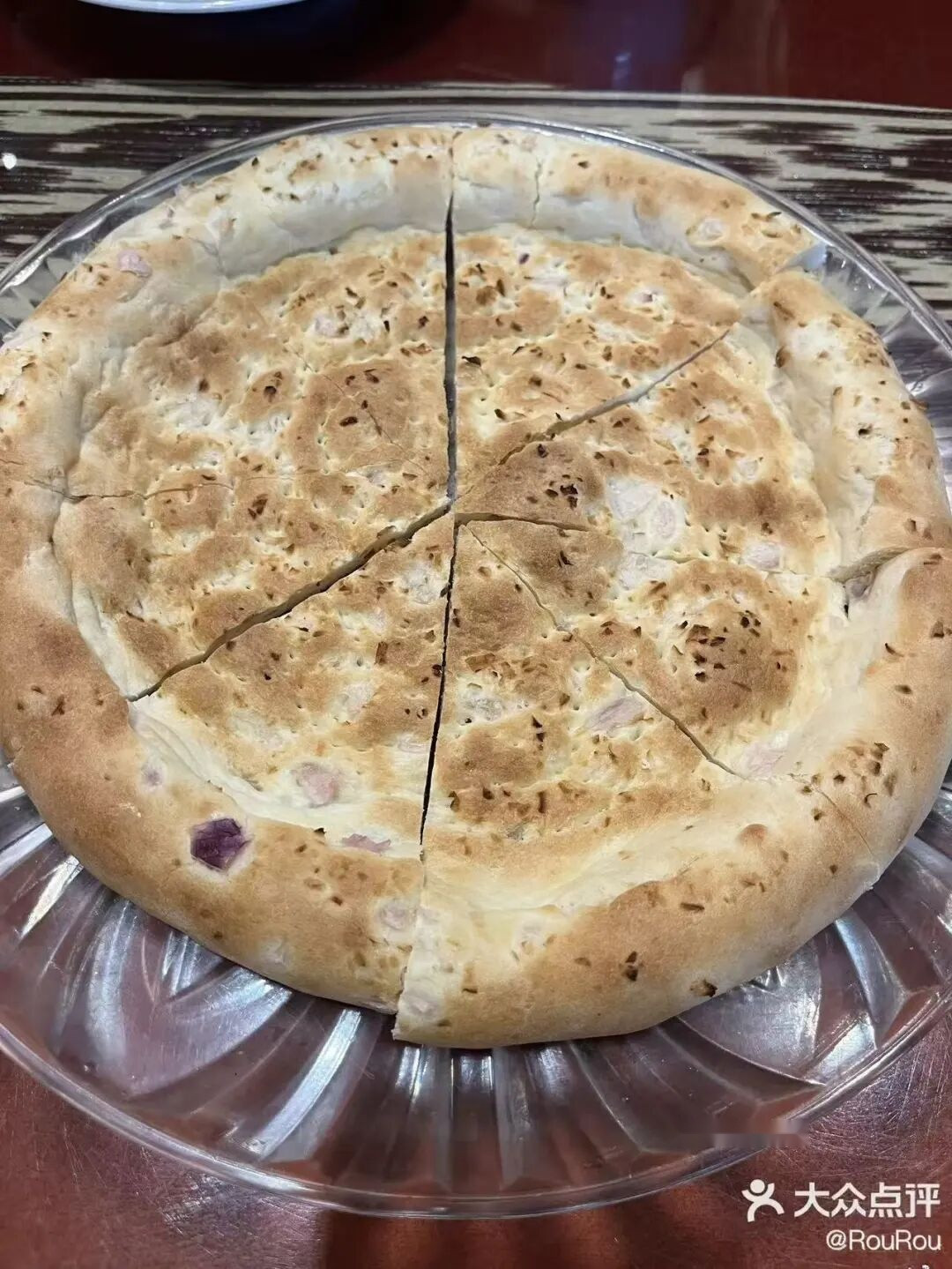
The shouzhua fan (hand-grabbed pilaf rice) features distinct, chewy grains that have fully absorbed the rich mutton fat, making them decadent without feeling greasy. Paired with pickled radish to balance out the richness, just make sure not to inhale too much at once because of the hearty oil content.
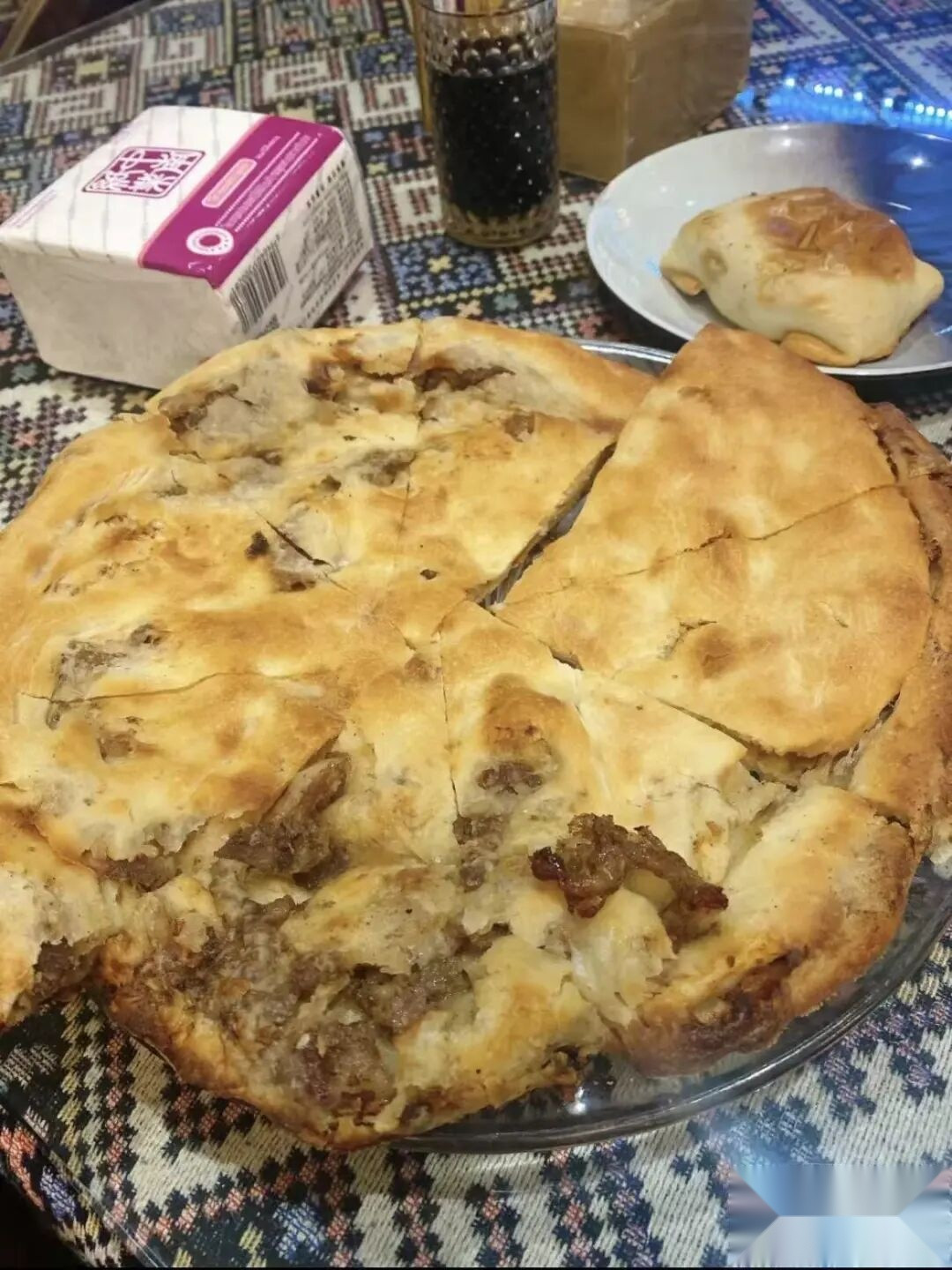
Photo via Dianping: 允许自己做自己
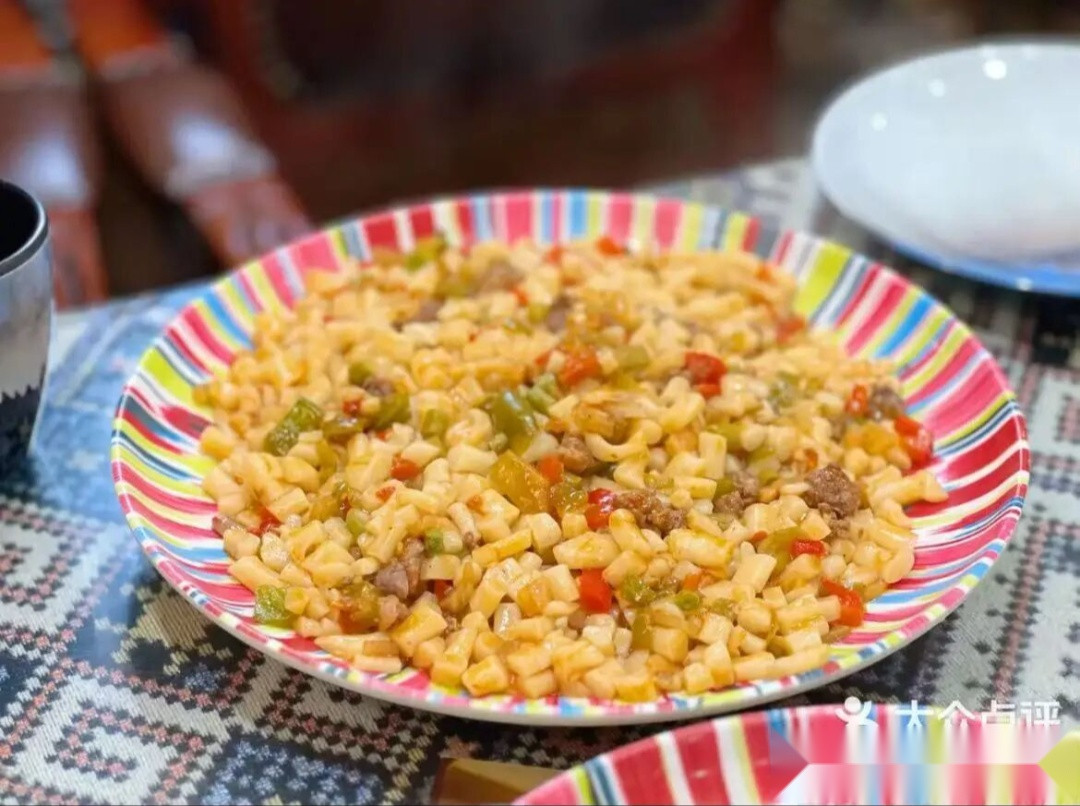
A table piled high with heavy carbs and meat demands a pot of babaocha (Eight Treasures tea). Loaded with wholesome ingredients like walnuts and assorted dried fruits, it's lightly sweet with a lingering aftertaste, serving as the ultimate grease-cutter. Friendly tip: The Zhejiang East Road location gets massive foot traffic, so expect to wait for a table during peak dining hours.
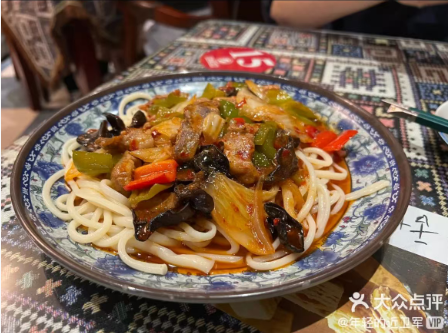
Multiple locations available—pick the one closest to you!
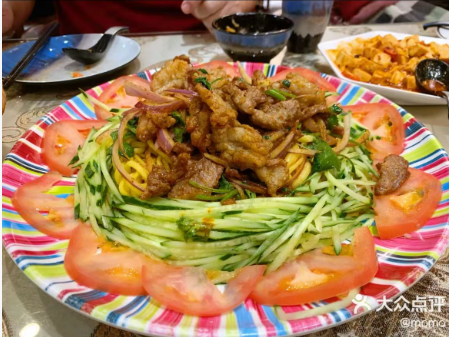
Guanguanji Halal Restaurant (Zhejiang Middle Road Branch)
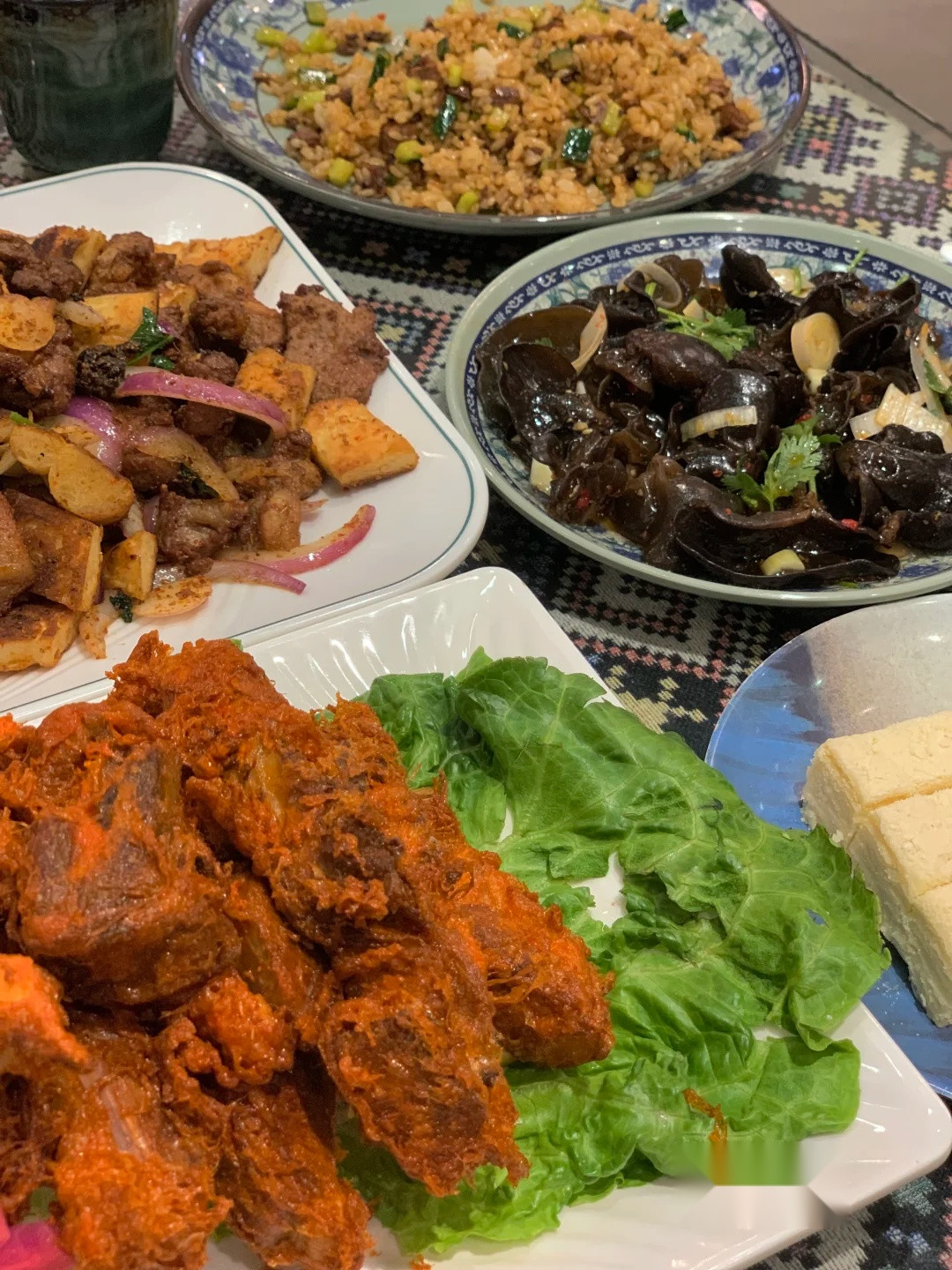
Guanguanji Halal Restaurant (Media Harbor G·WALK Branch)
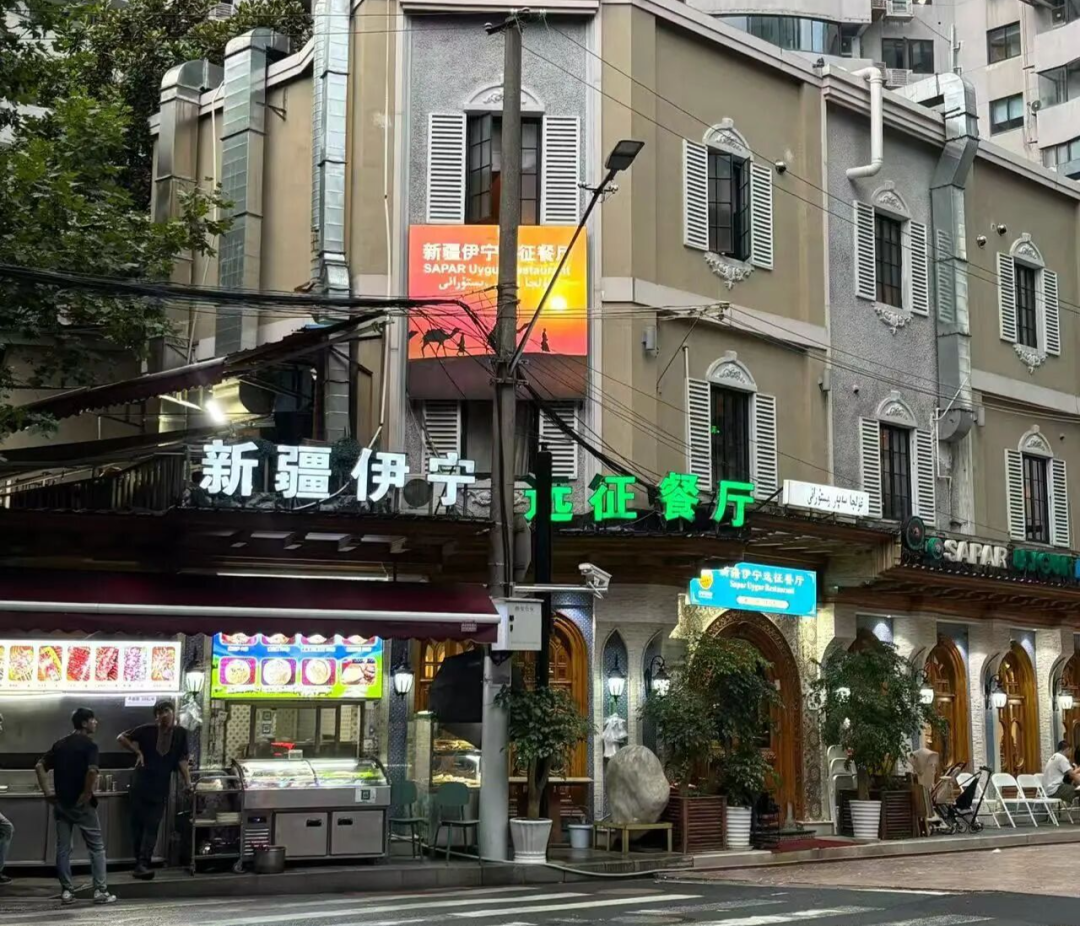
Guanguanji Yizhen Halal Hot Pot (Zhejiang South Road Branch)

Formerly the cafeteria of the Gansu Provincial Government Office in Shanghai, stepping inside immediately hits you with that heavy-duty, authentic state-run restaurant vibe. Tons of folks from Northwest China swear by this exact spot because the noodle and mutton flavors are close enough to home to cure any homesickness.

Photo via Dianping: 佳佳
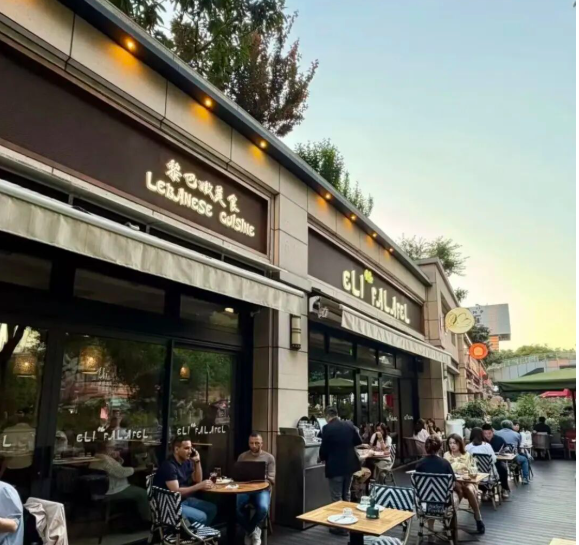
Almost every single table orders a plate of hand-grabbed lamb as soon as they sit down. The meat is tender, fresh, and practically devoid of any gamey mutton funk, maximizing the pure original flavor of the sheep.
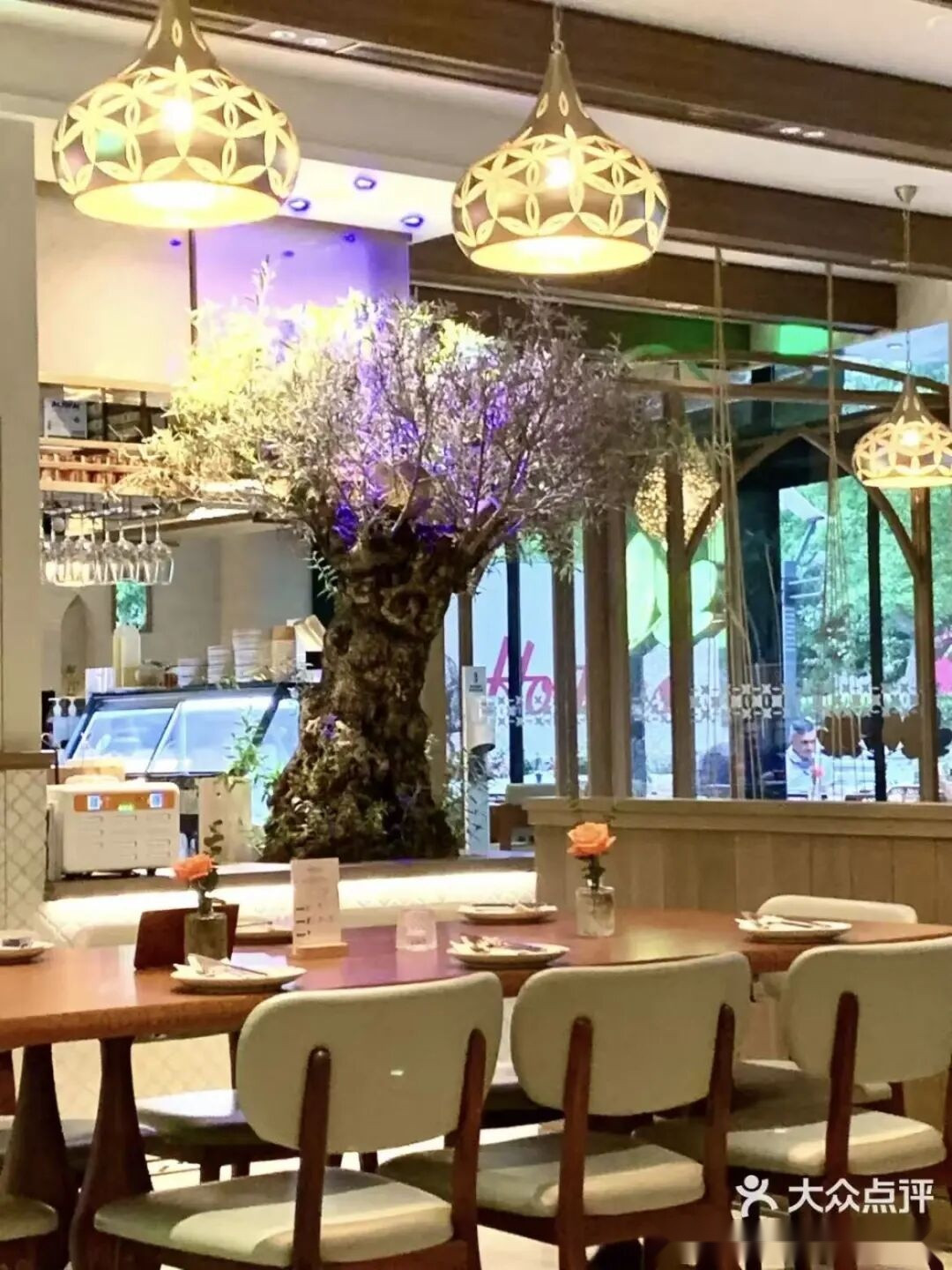
Photo via Dianping: 我是可爱汉汉
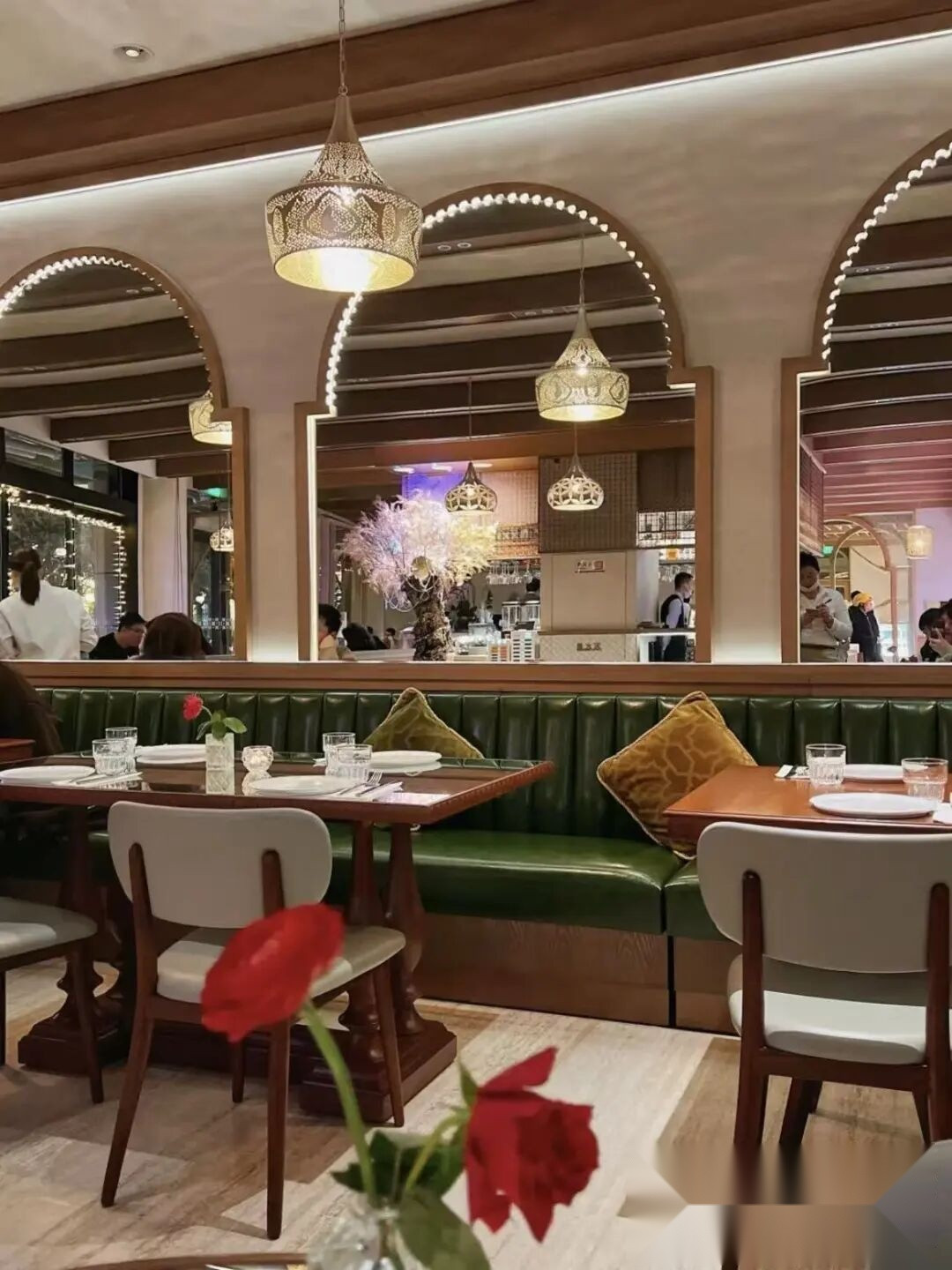
Speaking of these slippery, refreshingly sour-and-spicy niangpi (cold skin wheat noodles), I honestly crave them more and more like home. The best part? You don't need to hop on a plane to Gansu—Gansu niangpi brings that authentic Northwest punch right to Shanghai. The sharp kick of sour, spicy yellow mustard doesn't hold back one bit. It's just a rock-solid, authentic Northwest meal.
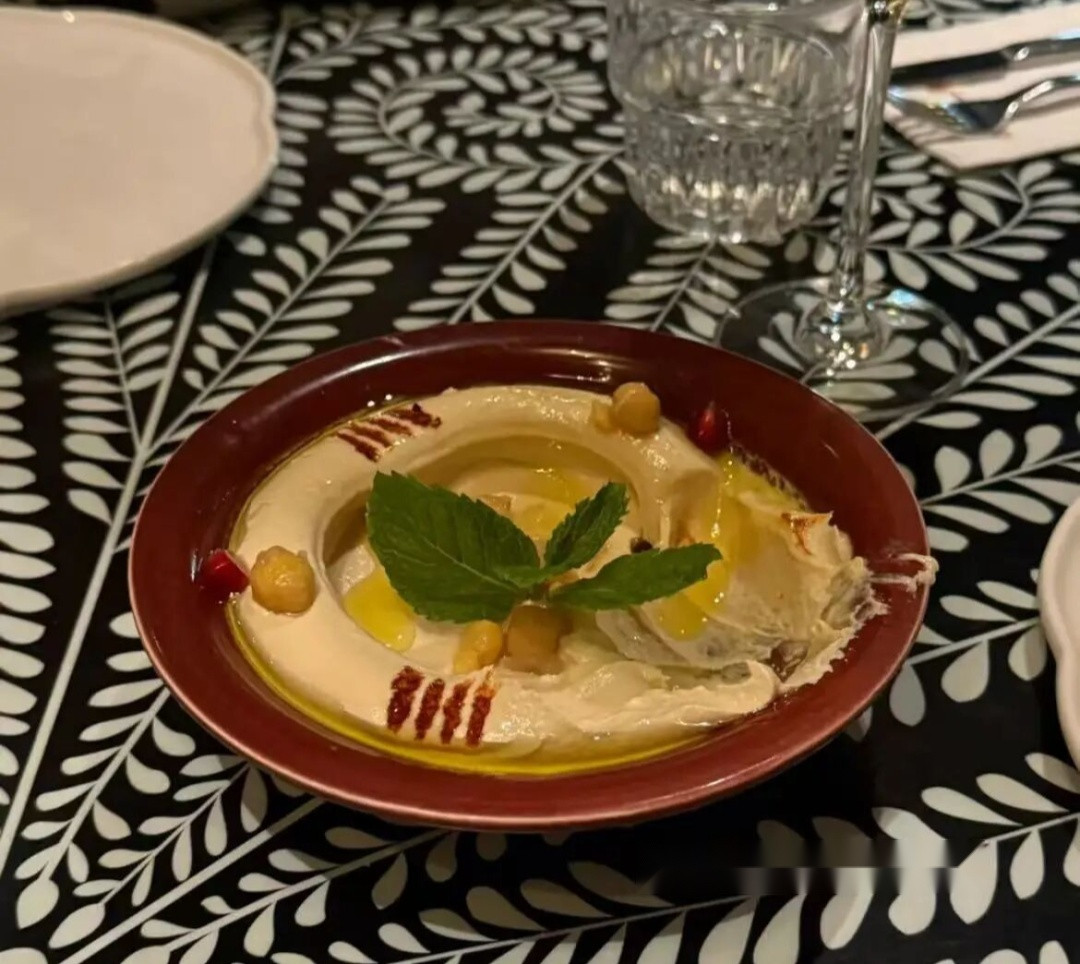
Photo via Xiaohongshu: 找个角落吃点好的
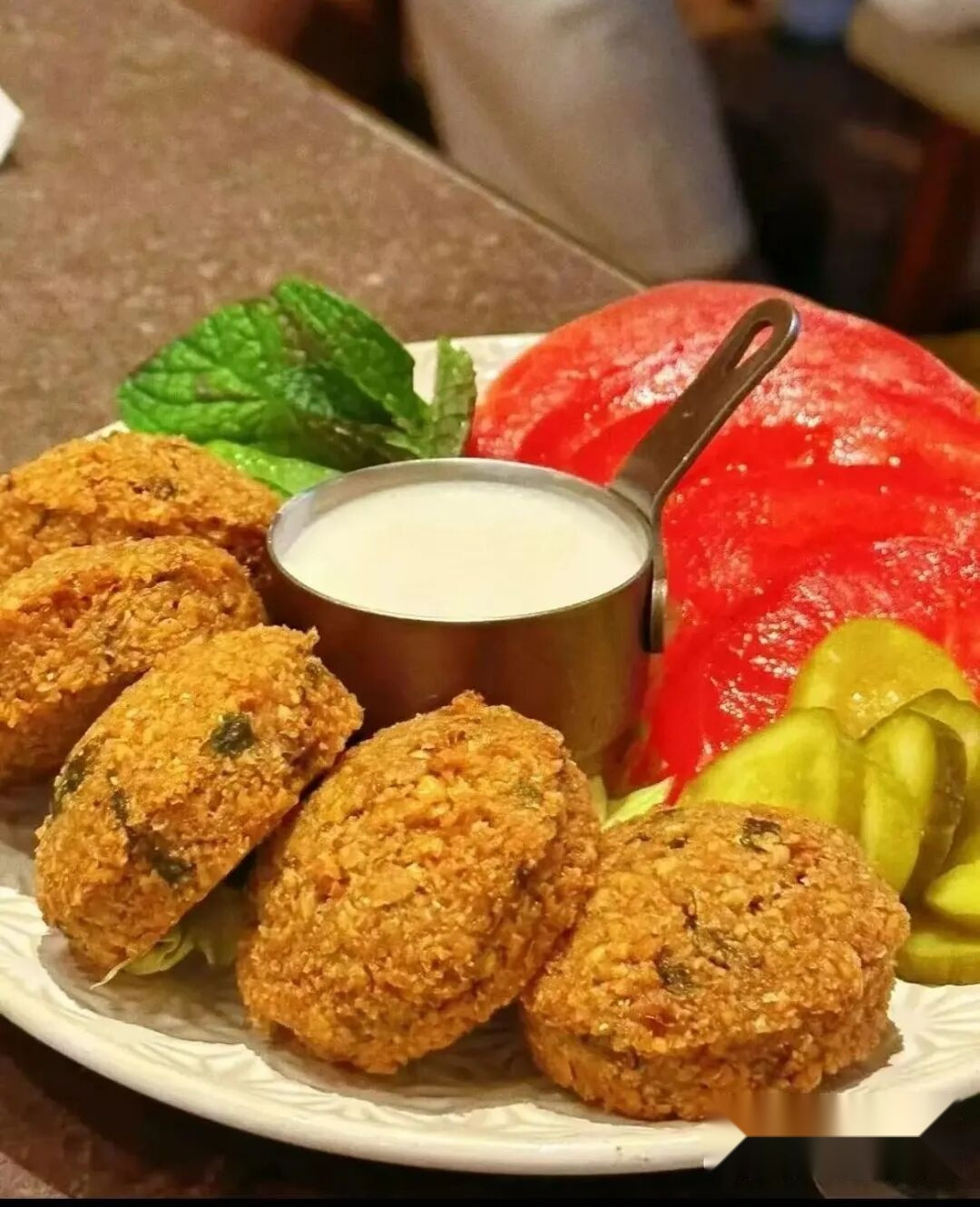
You could easily call this the best Lanzhou beef noodle soup in all of Shanghai! The broth is rich, complex, and authentic. Just pick your preferred noodle thickness—hair-thin (maoxi), fine (erxi), or wide (kuanmian)—according to your taste. Because they're hand-pulled to order, they boast an incredible, bouncy chew.
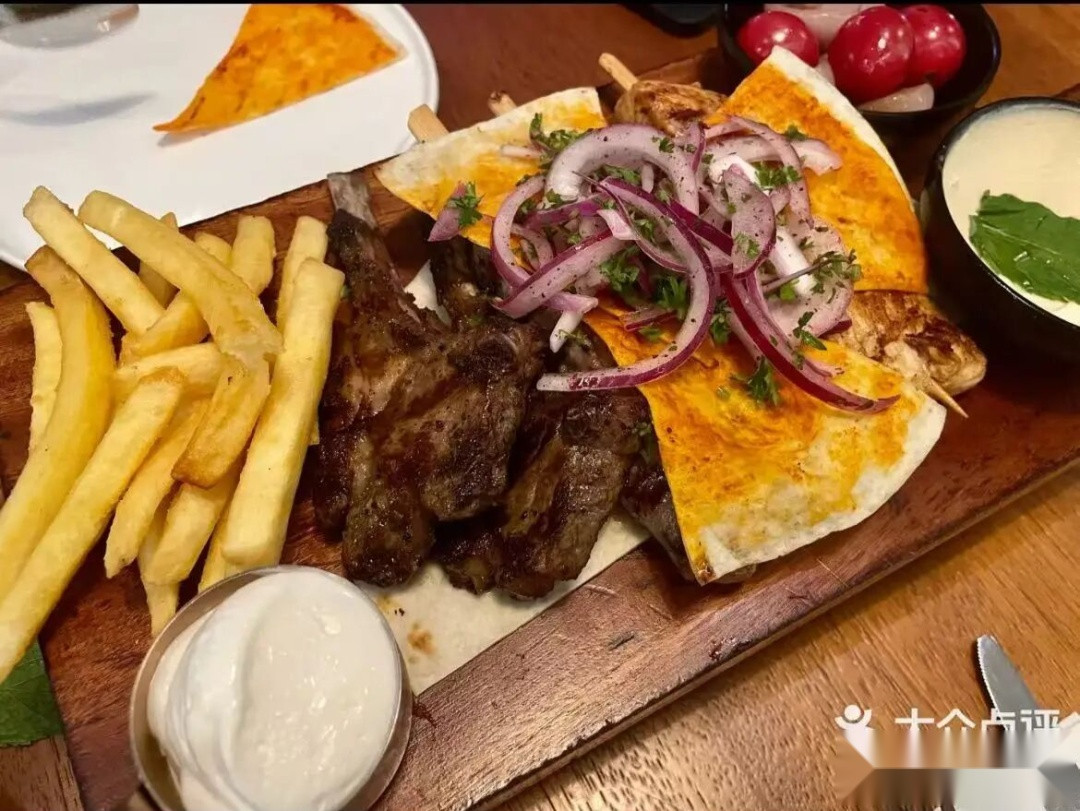
Photo via Dianping: 夏威夷XIA片
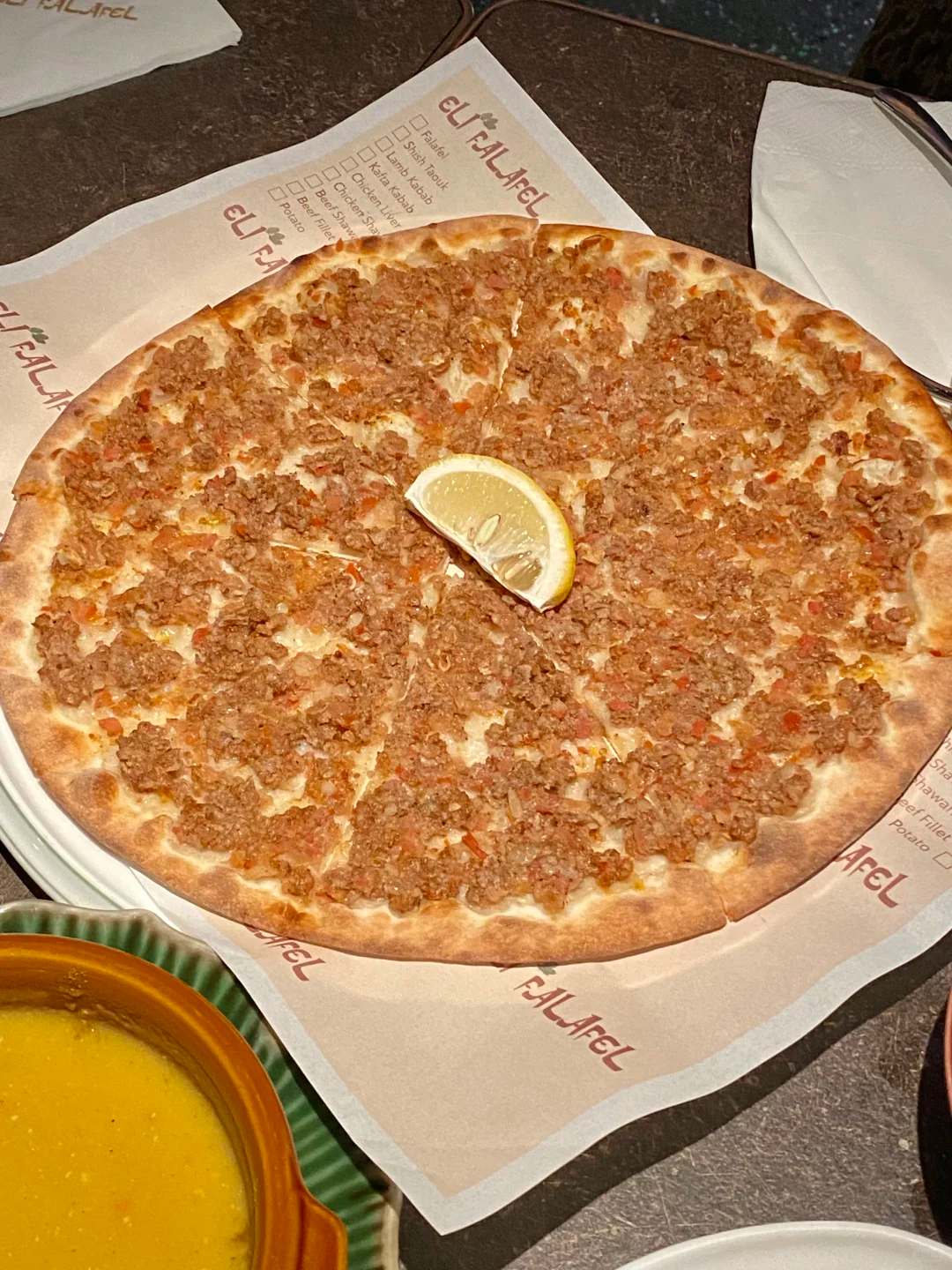
The dapanji banmian (big plate spicy chicken tossed with noodles) features a deeply rich, fragrant sauce that the noodles soak up completely, and the portions are wonderfully generous.
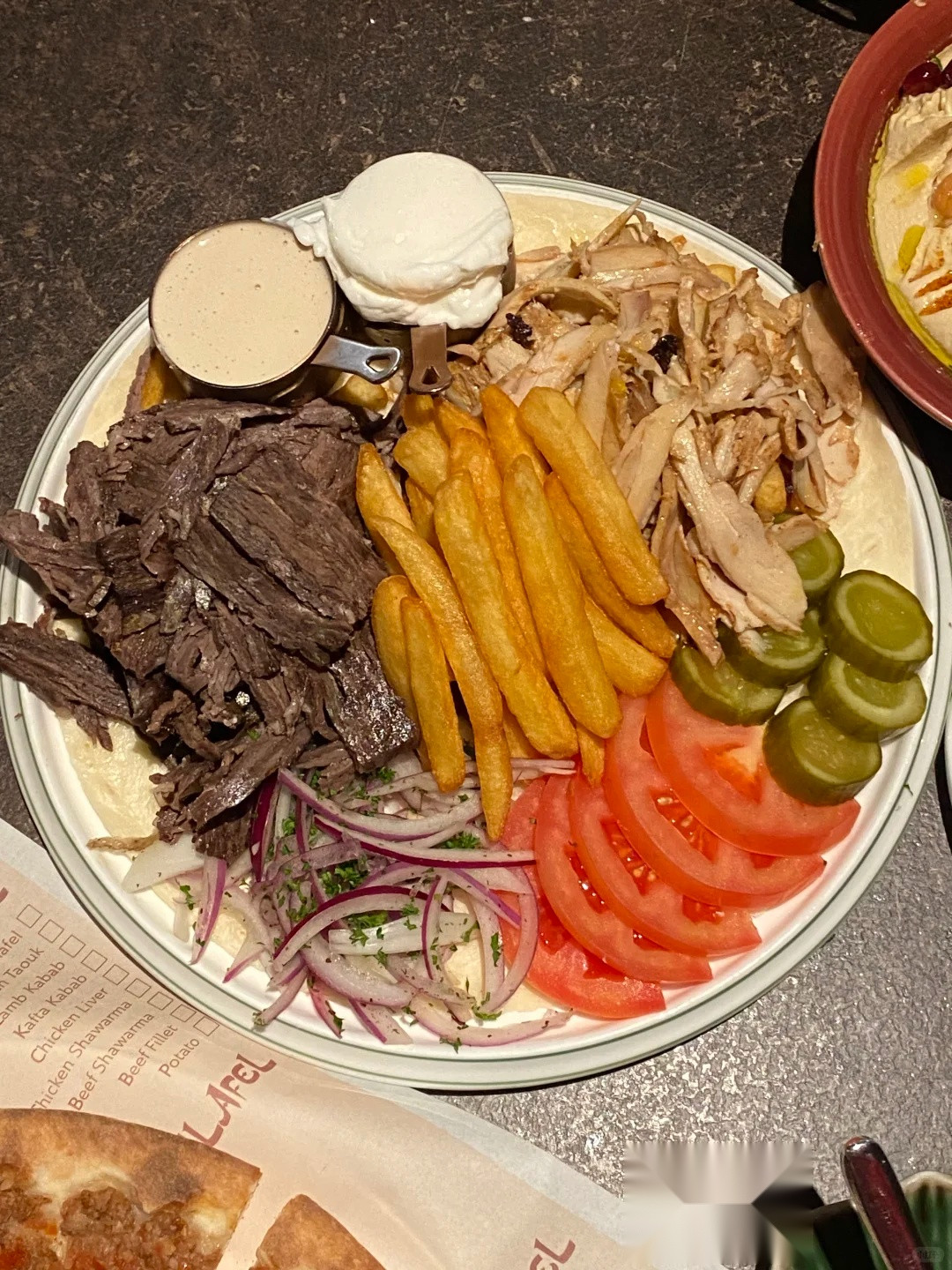
Photo via Dianping: ALanxiall
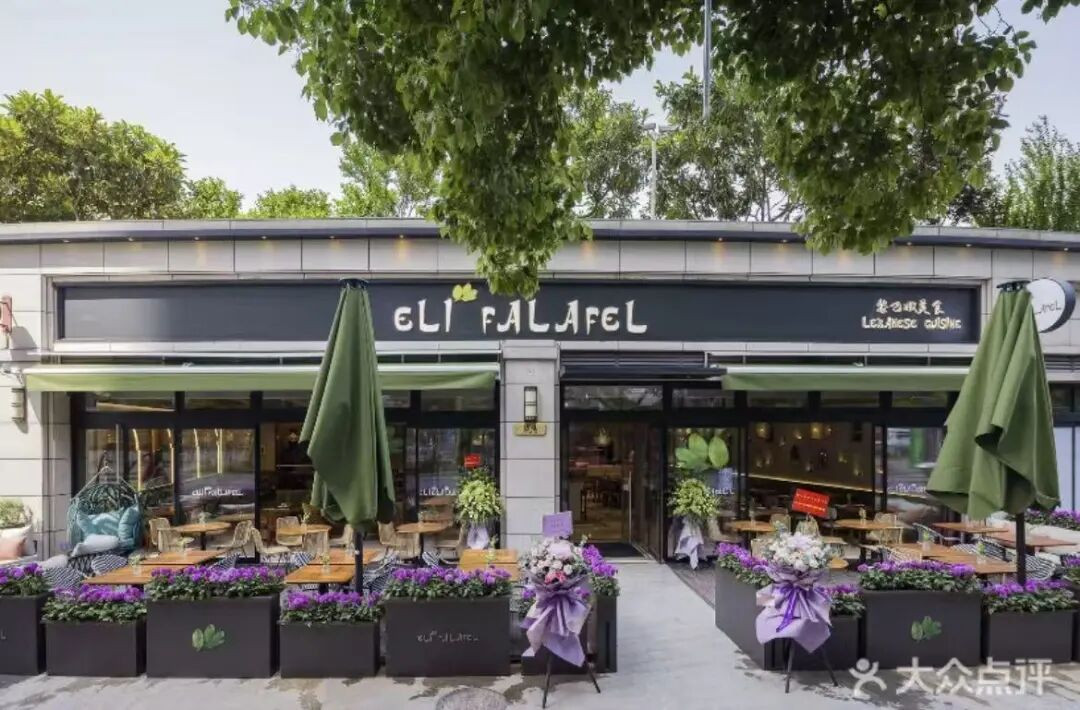
To wrap things up at the end of the meal, order a bowl of niunai jidan laozao (hot milk with poached eggs and fermented sweet rice). Piping hot milk meets silky egg ribbons and sweet fermented rice, topped with a dusting of raisins, crushed peanuts, and sesame seeds. The creamy milk aroma blends with a whisper of sweet wine, offering a warm, comforting finish that is delightfully surprising.
The ground floor is for casual noodle bowls and quick meals, while the second floor handles group gatherings with hearty stir-fries. It's a rock-solid veteran spot in Shanghai's Northwest Halal scene that's totally worth repeat visits.
Multiple locations available—pick the one closest to you!
Yixiang Dunhuang Tower (Flagship Store)
Yixiang Dunhuang Tower (Shangyuewan Branch)
Yixiang Dunhuang Tower Northwest Cuisine (Zhongshan North Road Branch)
A veteran Halal Xinjiang restaurant tucked away near Jing'an Temple, rooted in the magical city for two or three decades. The exterior looks totally plain and unassuming, but absolute magic happens inside. Push open the door and the staff are mostly local Xinjiang natives. Across the dining room, you'll see fellow Xinjiang locals and international foodies mingling everywhere, while familiar regional languages drift through the air, making you feel instantly transported to a street in China's far West.
Photo via Xiaohongshu: 老万家的小飞侠
The rich, smoky aroma of meat wafting from the outdoor grill can be caught from blocks away, and the barbecue here is the undisputed crown jewel. The mutton skewers go for 10 RMB each, stacked with alternating layers of fat and lean meat whose rich oils are unlocked by roaring high-heat charcoal.
Photo via Dianping
The freshly baked baozi (baked meat buns) pack a massive aromatic punch, featuring a crispy exterior bursting with a savory filling of minced mutton and onions.
Photo via Dianping
True to form for a proper Xinjiang restaurant, they've got all kinds of nang (flatbread). You've gotta eat them while they're hot—the sweet nang paired with milk tea is a match made in heaven, while the savory mutton nang is deeply aromatic. Feel free to mix and match whatever flavors catch your eye.
Photo via Dianping: 沉迷于路上
A massive recommendation goes to the dingding zhazhumian (chop-chop diced stir-fried noodles). The noodles are chopped into tiny, bite-sized bits so you can shovel them up easily with a spoon, with an intense tomato flavor soaked into every single grain of noodle. Totally addictive.
Photo via Dianping: 年轻的近卫军
The guoyourou banmian (stir-fried pork/meat sliced noodles tossed with handmade noodles) is fiercely authentic. The hand-pulled noodles are bouncy and resilient, letting you slurp away with loud, satisfying sounds—exactly how a proper Xinjiang noodle bowl should be eaten.
Photo via Dianping: momo
The huangmian kaorou (yellow wheat noodles paired with roasted meat) is equally worth trying. The springy, chewy yellow noodles are tossed with roasted mutton, fresh tomato slices, and crisp cucumber strips, served cold for an ultra-refreshing, appetite-awakening kick.
Photo via Xiaohongshu: 用户美丽草
The overall flavor profile is authentic and hearty, making it an exceptionally rare find for real-deal Xinjiang Halal flavor in Shanghai. Make sure to order a cold salad or a refreshing vegetable dish, otherwise eating too much heavy meat can feel a bit overwhelming.
Multiple locations available—pick the one closest to you!
Xinjiang Yining Yuanzheng Restaurant - Halal (Jing'an Temple Flagship)
Xinjiang Yining Yuanzheng Restaurant (Halal) Shaanxi North Road Branch
Tired of the classics and craving something totally different? If you're hunting for authentic, atmospheric international Halal flavors in Shanghai, check out ELI FALAFEL, a Lebanese restaurant. If you want lively, vibrant cultural performances, hit up the Yanping Road branch; if you're chasing high-end vibes and romance, the Fucheng Road riverside branch is the move.
Planted at a riverside table, letting the gentle river breeze wash over you while sipping a little drink sets a chill, effortlessly cozy mood. The interior drips with exotic Mediterranean vibes, bathing the space in soft, atmospheric lighting. It's lively and comfortable at night, crawling with international expats, letting you fully immerse yourself in Lebanese romance.
Photo via Dianping: 拳毛
The flavor profiles are wildly unique, carrying a crisp, refreshing Mediterranean texture. The signature hummus is a must-try—super smooth, creamy, and rich, layered with unique aromatic spices and scooped up with warm flatbread. Comforting without feeling heavy, it's the real-deal Middle Eastern deal.
Photo via Dianping: 铜川路名流贵妇
The falafel salad is an absolute summer treasure, featuring deep-fried chickpea and fava bean fritters spiced with local herbs. The balls boast a crunchy exterior and a tender interior, tossed with fresh veggies and tahini dressing. Refreshing, grease-cutting, and dangerously addictive.
Photo via Dianping: ByYixin
Every single piece of the grilled lamb chops is thick, hefty, and meltingly tender, completely free of any dry texture or gamey funk. Teamed up with a mildly spicy tomato dipping sauce, it is intensely satisfying.
Photo via Xiaohongshu: 永不停息的HudS
The mutton cheese thin-crust pizza skips the heavy, doughy bread vibe completely. The thin crust bakes up crispy yet flexible and chewy, marrying rich, savory mutton with gooey melted cheese for an absolute masterclass in layered aromas.
Photo via Xiaohongshu: 永不停息的HudS
The mixed grilled meat platter is another mandatory order, featuring sliced beef and chicken paired with fried snacks and veggies. The beef and mutton slices are tight, flavorful, and lean-leaning without being dry—even better when wrapped in flatbread. Meanwhile, the skin-on chicken is grilled until outrageously fragrant, locking in the pure natural flavor of the meat.
Multiple locations available—pick the one closest to you!
ELI FALAFEL Lebanese & Mediterranean (Fucheng Road Branch)
ELI FALAFEL Lebanese & Mediterranean (Yanping Road Branch)
ELI FALAFEL Lebanese & Mediterranean (Jiujiang Road Branch)
ELI FALAFEL Lebanese & Mediterranean (Shanghai Centre Branch)
If you need more Halal food crawling routes, keep locking in with Foodie Jun! And pretty please light up those little stars for Jun! Seriously, it means the absolute world to Foodie Jun, please!
Shanghai has way more hidden Halal gems waiting to be unearthed than just these.
Given our limited space today, we're sharing just this handful for now.
Calling all seasoned foodies—drop a comment below,
and keep filling us in on all the treasure Halal spots you've discovered!
- END - Collapse Read »
The Ultimate Halal Food Guide to Shanghai: Hongchangxing, Yixinzhai, and Classic Heritage Flavors
Summary:
A curated roundup of Shanghai's most iconic and highly rated Halal heritage spots and popular eateries across various districts. Featuring century-old mutton hot pot at Hongchangxing, the famous Pingliang Road dim sum spot Yixinzhai, alongside Xinjiang and Northwest regional gems, showcasing the rich culture and diverse options of Shanghai-style Halal cuisine.
Hey foodies! Today we're taking you on a tour of our gorgeous city, Shanghai.
Bustling Shanghai is a city where you never have to eat the same thing twice.
The Halal food scene here is wonderfully diverse and packed with amazing options,
featuring Northwest flavors, classic Shanghai local homestyle tastes, international cuisine, Hunan, Sichuan, Cantonese, and so much more.
Today, we're putting the spotlight entirely on incredible Halal eats.
Before we dive in, let's kick things off with a major food tease!
This isn't your average neighborhood snack shop—it's an exceptionally rare, officially recognized Intangible Cultural Heritage Halal brand in Shanghai. Its roots trace all the way back to 1913, with the official name established in 1958. Five generations have passed down this century-old craftsmanship, and in 2015, it was honored as a Shanghai Intangible Cultural Heritage. It's the only Halal culinary brand in Shanghai to hold this certification, a Time-Honored Chinese Brand, and the winner of countless food awards.
I first shouted them out ages ago, and even now in 2026, their crown remains completely undisputed! Their absolute signature is the niurou jianbao (pan-fried beef buns), easily the undisputed ceiling of pan-fried buns in Shanghai! Priced at 5 RMB each, they sell nearly 5,000 every single day. They're massive—literally the size of a fist—with fluffy, pillowy tops and bottoms fried to a golden, crispy crunch. One bite reveals tight, tender meat packed with savory juices. Total perfection, truly living up to the hype.
Photo via Xiaohongshu: 白得古。(下班版)
Another legendary crowd favorite is their Shanghai-style sanhuangji (tender yellow-feathered chicken), which has a massive following for its melt-in-your-mouth tenderness and deep flavor. A mandatory order for regular patrons.
Photo via Xiaohongshu: 咸鱼茄子煲大王
You've got to try their freshly stir-fried shansimian (eel shred noodles)! Crafted with authentic local thick soy-and-sugar red-braise (nongyou chijiang) and wok-fried over roaring flames, it's peak classic Shanghai comfort food. Slurping up noodles coated in rich savory sauce gives you a true taste of that nostalgic Shanghai grand-uncle (yeye) joy.
Photo via Dianping: Hugh_Liu
Compared to their cold noodles in chilled sauce, I personally suggest grabbing the lajiang lengmian (cold noodles with spicy minced meat sauce). Creamy sesame-peanut paste clings to every single strand of noodle, while the spicy meat sauce packs a rich, savory punch. It's robust and deeply satisfying without ever feeling gloopy or heavy.
The first floor is for casual quick bites and snacks, while the second floor features private dining rooms. Whether you're looking to crush a craving, fuel up, or host a cozy family get-together, this is an absolute must-visit local Halal institution whenever you're in Shanghai.
All photos via Dianping
Beyond quick snacks, their stir-fried dishes are total showstoppers—pure, authentic local homestyle cooking! Crab roe tofu, hairy crab stir-fried with rice cakes, braised eel with chestnuts... every single one is worth trying (just hearing the menu names is making my mouth water).
Multiple locations available—pick the one closest to you!
Shanghai Yixinzhai
Shanghai Yixinzhai (Pingliang Road Branch)
The shop is currently undergoing renovations and is expected to reopen in September, but I still couldn't leave this legend off the list~
Older than the iconic Bund itself, this century-old institution opened in 1891 and stands as Shanghai's earliest Halal mutton restaurant, complete with a fascinating backstory.
It originally started as the 'Ma Family Troupe Kitchen' founded by Ma Chunqiao, the second older brother of legendary Peking opera master Ma Lianliang. It was set up specifically to provide Halal meals for opera troupes touring Shanghai and became the city's very first Halal mutton house. In 1918, it was handed over to a friend and renamed Hongchangxing. They specially recruited master chefs from Beijing to anchor down authentic Beijing-style copper hot pot mutton in Shanghai, making it a bona fide Time-Honored Chinese Brand.
Photo via Dianping: QL-627597557
Every old Shanghainese person's winter memories feature this exact spot. Traditional charcoal-fired copper pots puff billows of steam, cooking paper-thin slices of mutton in a clear broth that locks in the meat's pure natural flavor. It's intensely savory without a trace of gamey mutton funk, offering a warm, deeply comforting embrace. No wonder older generations grew up eating here.
Plenty of people watching the hit show *Blossoms Shanghai* got hit with massive cravings for copper pot mutton—the show's Caojiadu restaurant 'Hongshunxing' is directly modeled after Hongchangxing. Those steaming, giant communal pots capture the exact signature vibe of the decades-old original shop, bringing this legendary Shanghai Halal hot pot spot right back into everyone's spotlight.
More than just hot pot, it's also a temple for local Shanghai-style Halal cuisine.
Shanghai sits amidst a crisscrossing web of Jiangnan water towns, where rivers and lakes continuously nurture fresh aquatic catches. Eels boast firm, muscular flesh, while crabs naturally overflow with organic sweetness. This pairs like a dream with the rich reduction and sauce-coating techniques of local Shanghai cooking. Over time, river eels and hairy crabs became absolute staples of Shanghainese cuisine.
Photo via Dianping: 爱吃蒜蓉酱的鸢尾花
Their signature maoxie niangao (hairy crab stir-fried with rice cakes) comes in hefty portions. The sauce is thick and luxurious, the crab meat is sweet and plump, and the rice cakes are delightfully chewy and coated in rich savory gravy—dripping with authentic Shanghai red-braised flavor.
The xiefen doufu (tofu braised in crab roe) is velvety, rich, and melts seamlessly in your mouth. Served piping hot right at the table, the golden 'crab roe' is actually crafted from rich salted duck egg yolks. Their soft, slightly powdery texture pairs with the silky tofu in absolute harmony, topped with a generous blanket of real crab meat. The tofu is so tender it dissolves instantly on the tongue with an intense, savory seafood punch. Teaming this up with a bowl of white rice is pure heaven.
Photo via Xiaohongshu: 假装在旅游
I used to think I could never get used to sweet-leaning savory dishes, but tasting their xiangyou shanhuhu (scalding hot sizzled eel shreds) completely changed the game, revealing a uniquely addictive charm. Quick-stir-fried over roaring heat with a glossy starch slurry, every single shred of eel is tightly swaddled in rich, savory-sweet red-braised sauce. The eel meat is meltingly soft and tender with zero earthy muddy taste. Right before plating, a ladle of sizzling hot oil is poured over the top, instantly detonating the aromatic fragrance of chopped scallions and minced garlic. Whether you shovel it over rice or toss it through a bowl of noodles, the flavor profile is second to none.
Photo via Xiaohongshu: 今天吃甚莫
Their signature shuizhu niurou (Sichuan-style boiled beef in hot chili oil) strips away the punishingly fiery spice of traditional Sichuan versions, opting for a milder, deeply savory warmth. Even friends who can't handle spice at all can dive right in worry-free.
Just pick your favorite veggie side to go with it. The vegetable dishes lean wonderfully light and crisp, washing away the richness and acting as the perfect palate-cleansing finale to a massive homestyle feast.
Only one location remains; the Yunnan South Road branch is temporarily closed
Hongchangxing (Guangxi North Road Branch)
A legendary Northwest Halal institution in Shanghai that consistently dominates popularity rankings. Whenever anyone asks what's good to eat in Shanghai, I bet this place is always high on their friends' recommendation lists! Operating for over thirty years, even Chinese star Bai Jingting is a regular—proof of its undisputed clout. You can watch the staff hand-crafting pastries and carving mutton right out in the open-view kitchen.
Photo via Dianping: 静静等待未知将来
The shouzhua yangrou (Lanzhou hand-grabbed lamb) is a legendary house favorite. While the meat isn't fall-off-the-bone tender, the flavor profile is spot-on, carrying a distinct milky aroma while letting the pure, savory taste of the mutton shine.
There isn't a huge flavor gap between the steel-skewer mutton skewers and the red-willow twig skewers, so I totally recommend grabbing the steel-skewer version (it's 10 RMB cheaper, giving you way better bang for your buck!). The grilling technique hits the exact right timing, resulting in an incredible texture.
A massive, glowing shoutout goes to the nangbaorou (braised lamb chunks served over crispy flatbread). The nang (flatbread) soaks up all those rich, savory meat juices while baking up extra crispy and fragrant—the flavor blows ordering plain baked nang completely out of the water.
Photo via Dianping: e.
The shouzhua fan (hand-grabbed pilaf rice) features distinct, chewy grains that have fully absorbed the rich mutton fat, making them decadent without feeling greasy. Paired with pickled radish to balance out the richness, just make sure not to inhale too much at once because of the hearty oil content.
Photo via Dianping: 允许自己做自己
A table piled high with heavy carbs and meat demands a pot of babaocha (Eight Treasures tea). Loaded with wholesome ingredients like walnuts and assorted dried fruits, it's lightly sweet with a lingering aftertaste, serving as the ultimate grease-cutter. Friendly tip: The Zhejiang East Road location gets massive foot traffic, so expect to wait for a table during peak dining hours.
Multiple locations available—pick the one closest to you!
Guanguanji Halal Restaurant (Zhejiang Middle Road Branch)
Guanguanji Halal Restaurant (Media Harbor G·WALK Branch)
Guanguanji Yizhen Halal Hot Pot (Zhejiang South Road Branch)
Formerly the cafeteria of the Gansu Provincial Government Office in Shanghai, stepping inside immediately hits you with that heavy-duty, authentic state-run restaurant vibe. Tons of folks from Northwest China swear by this exact spot because the noodle and mutton flavors are close enough to home to cure any homesickness.
Photo via Dianping: 佳佳
Almost every single table orders a plate of hand-grabbed lamb as soon as they sit down. The meat is tender, fresh, and practically devoid of any gamey mutton funk, maximizing the pure original flavor of the sheep.
Photo via Dianping: 我是可爱汉汉
Speaking of these slippery, refreshingly sour-and-spicy niangpi (cold skin wheat noodles), I honestly crave them more and more like home. The best part? You don't need to hop on a plane to Gansu—Gansu niangpi brings that authentic Northwest punch right to Shanghai. The sharp kick of sour, spicy yellow mustard doesn't hold back one bit. It's just a rock-solid, authentic Northwest meal.
Photo via Xiaohongshu: 找个角落吃点好的
You could easily call this the best Lanzhou beef noodle soup in all of Shanghai! The broth is rich, complex, and authentic. Just pick your preferred noodle thickness—hair-thin (maoxi), fine (erxi), or wide (kuanmian)—according to your taste. Because they're hand-pulled to order, they boast an incredible, bouncy chew.
Photo via Dianping: 夏威夷XIA片
The dapanji banmian (big plate spicy chicken tossed with noodles) features a deeply rich, fragrant sauce that the noodles soak up completely, and the portions are wonderfully generous.
Photo via Dianping: ALanxiall
To wrap things up at the end of the meal, order a bowl of niunai jidan laozao (hot milk with poached eggs and fermented sweet rice). Piping hot milk meets silky egg ribbons and sweet fermented rice, topped with a dusting of raisins, crushed peanuts, and sesame seeds. The creamy milk aroma blends with a whisper of sweet wine, offering a warm, comforting finish that is delightfully surprising.
The ground floor is for casual noodle bowls and quick meals, while the second floor handles group gatherings with hearty stir-fries. It's a rock-solid veteran spot in Shanghai's Northwest Halal scene that's totally worth repeat visits.
Multiple locations available—pick the one closest to you!
Yixiang Dunhuang Tower (Flagship Store)
Yixiang Dunhuang Tower (Shangyuewan Branch)
Yixiang Dunhuang Tower Northwest Cuisine (Zhongshan North Road Branch)
A veteran Halal Xinjiang restaurant tucked away near Jing'an Temple, rooted in the magical city for two or three decades. The exterior looks totally plain and unassuming, but absolute magic happens inside. Push open the door and the staff are mostly local Xinjiang natives. Across the dining room, you'll see fellow Xinjiang locals and international foodies mingling everywhere, while familiar regional languages drift through the air, making you feel instantly transported to a street in China's far West.
Photo via Xiaohongshu: 老万家的小飞侠
The rich, smoky aroma of meat wafting from the outdoor grill can be caught from blocks away, and the barbecue here is the undisputed crown jewel. The mutton skewers go for 10 RMB each, stacked with alternating layers of fat and lean meat whose rich oils are unlocked by roaring high-heat charcoal.
Photo via Dianping
The freshly baked baozi (baked meat buns) pack a massive aromatic punch, featuring a crispy exterior bursting with a savory filling of minced mutton and onions.
Photo via Dianping
True to form for a proper Xinjiang restaurant, they've got all kinds of nang (flatbread). You've gotta eat them while they're hot—the sweet nang paired with milk tea is a match made in heaven, while the savory mutton nang is deeply aromatic. Feel free to mix and match whatever flavors catch your eye.
Photo via Dianping: 沉迷于路上
A massive recommendation goes to the dingding zhazhumian (chop-chop diced stir-fried noodles). The noodles are chopped into tiny, bite-sized bits so you can shovel them up easily with a spoon, with an intense tomato flavor soaked into every single grain of noodle. Totally addictive.
Photo via Dianping: 年轻的近卫军
The guoyourou banmian (stir-fried pork/meat sliced noodles tossed with handmade noodles) is fiercely authentic. The hand-pulled noodles are bouncy and resilient, letting you slurp away with loud, satisfying sounds—exactly how a proper Xinjiang noodle bowl should be eaten.
Photo via Dianping: momo
The huangmian kaorou (yellow wheat noodles paired with roasted meat) is equally worth trying. The springy, chewy yellow noodles are tossed with roasted mutton, fresh tomato slices, and crisp cucumber strips, served cold for an ultra-refreshing, appetite-awakening kick.
Photo via Xiaohongshu: 用户美丽草
The overall flavor profile is authentic and hearty, making it an exceptionally rare find for real-deal Xinjiang Halal flavor in Shanghai. Make sure to order a cold salad or a refreshing vegetable dish, otherwise eating too much heavy meat can feel a bit overwhelming.
Multiple locations available—pick the one closest to you!
Xinjiang Yining Yuanzheng Restaurant - Halal (Jing'an Temple Flagship)
Xinjiang Yining Yuanzheng Restaurant (Halal) Shaanxi North Road Branch
Tired of the classics and craving something totally different? If you're hunting for authentic, atmospheric international Halal flavors in Shanghai, check out ELI FALAFEL, a Lebanese restaurant. If you want lively, vibrant cultural performances, hit up the Yanping Road branch; if you're chasing high-end vibes and romance, the Fucheng Road riverside branch is the move.
Planted at a riverside table, letting the gentle river breeze wash over you while sipping a little drink sets a chill, effortlessly cozy mood. The interior drips with exotic Mediterranean vibes, bathing the space in soft, atmospheric lighting. It's lively and comfortable at night, crawling with international expats, letting you fully immerse yourself in Lebanese romance.
Photo via Dianping: 拳毛
The flavor profiles are wildly unique, carrying a crisp, refreshing Mediterranean texture. The signature hummus is a must-try—super smooth, creamy, and rich, layered with unique aromatic spices and scooped up with warm flatbread. Comforting without feeling heavy, it's the real-deal Middle Eastern deal.
Photo via Dianping: 铜川路名流贵妇
The falafel salad is an absolute summer treasure, featuring deep-fried chickpea and fava bean fritters spiced with local herbs. The balls boast a crunchy exterior and a tender interior, tossed with fresh veggies and tahini dressing. Refreshing, grease-cutting, and dangerously addictive.
Photo via Dianping: ByYixin
Every single piece of the grilled lamb chops is thick, hefty, and meltingly tender, completely free of any dry texture or gamey funk. Teamed up with a mildly spicy tomato dipping sauce, it is intensely satisfying.
Photo via Xiaohongshu: 永不停息的HudS
The mutton cheese thin-crust pizza skips the heavy, doughy bread vibe completely. The thin crust bakes up crispy yet flexible and chewy, marrying rich, savory mutton with gooey melted cheese for an absolute masterclass in layered aromas.
Photo via Xiaohongshu: 永不停息的HudS
The mixed grilled meat platter is another mandatory order, featuring sliced beef and chicken paired with fried snacks and veggies. The beef and mutton slices are tight, flavorful, and lean-leaning without being dry—even better when wrapped in flatbread. Meanwhile, the skin-on chicken is grilled until outrageously fragrant, locking in the pure natural flavor of the meat.
Multiple locations available—pick the one closest to you!
ELI FALAFEL Lebanese & Mediterranean (Fucheng Road Branch)
ELI FALAFEL Lebanese & Mediterranean (Yanping Road Branch)
ELI FALAFEL Lebanese & Mediterranean (Jiujiang Road Branch)
ELI FALAFEL Lebanese & Mediterranean (Shanghai Centre Branch)
If you need more Halal food crawling routes, keep locking in with Foodie Jun! And pretty please light up those little stars for Jun! Seriously, it means the absolute world to Foodie Jun, please!
Shanghai has way more hidden Halal gems waiting to be unearthed than just these.
Given our limited space today, we're sharing just this handful for now.
Calling all seasoned foodies—drop a comment below,
and keep filling us in on all the treasure Halal spots you've discovered!
- END - Collapse Read »
Top 10 Halal Northwest Chinese Restaurants in Shanghai: Hand-Pulled Noodles, Hand-Grabbed Lamb & Night Markets
[Internet Repost]
Top 10 Authentic Northwest Halal Restaurants in Shanghai: A Guide to Hand-Grabbed Lamb, Saozimian, and Regional Noodles
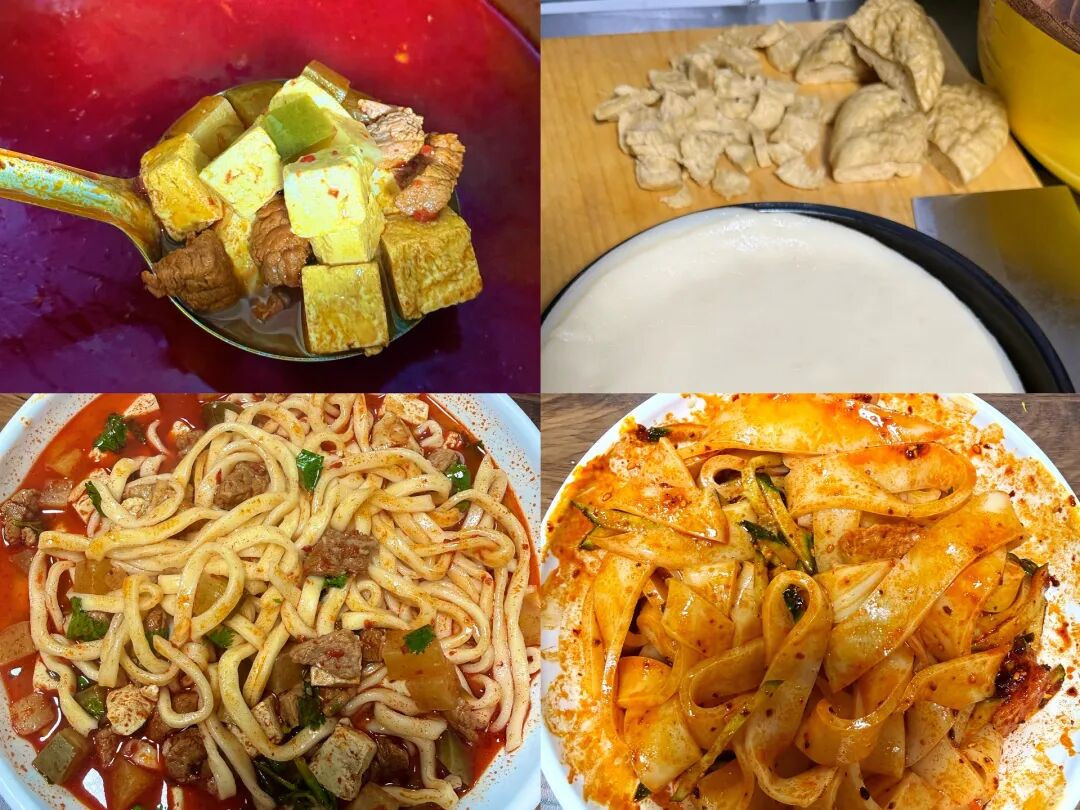
Summary:
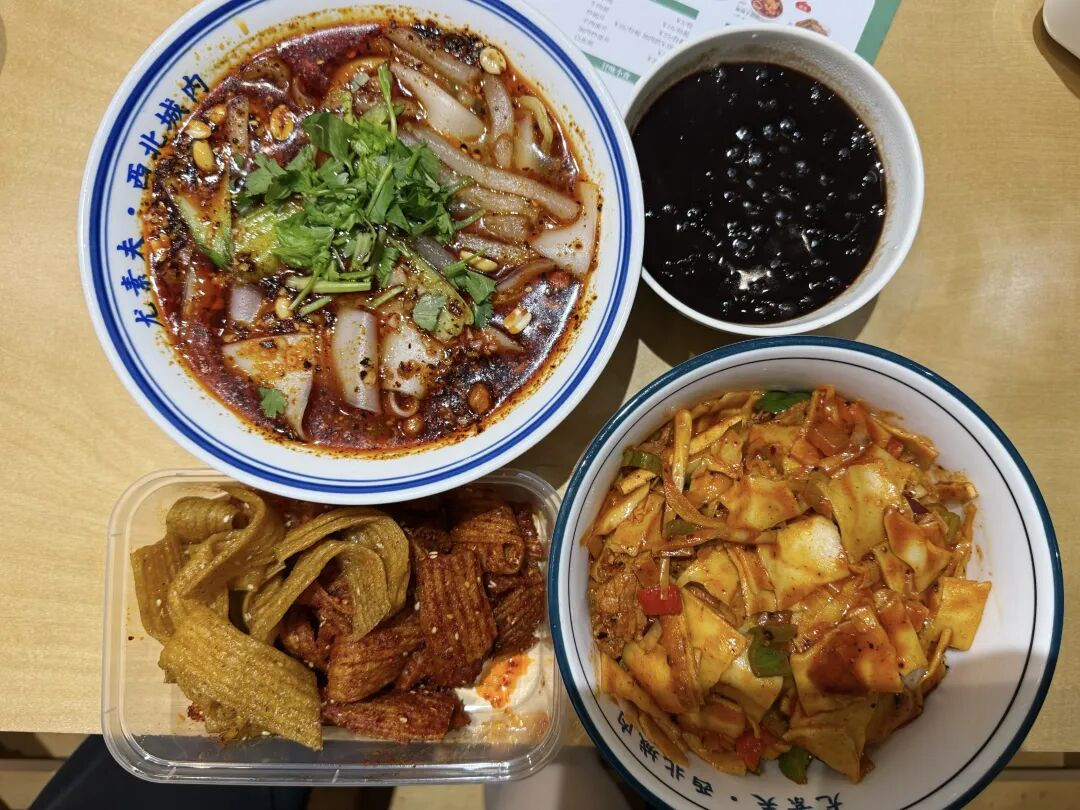
A deep-dive curation of ten authentic Northwest Chinese restaurants in Shanghai, featuring genuine culinary traditions from Ningxia, Gansu, Qinghai, and Xinjiang. Highlights hand-crafted saozimian (minced pork/beef noodle soup), chili oil-spiked handmade liangpi (cold skin noodles), and tender, authentic shouzhua yangrou (Lanzhou hand-grabbed lamb) to give food lovers a practical spot-checking guide.
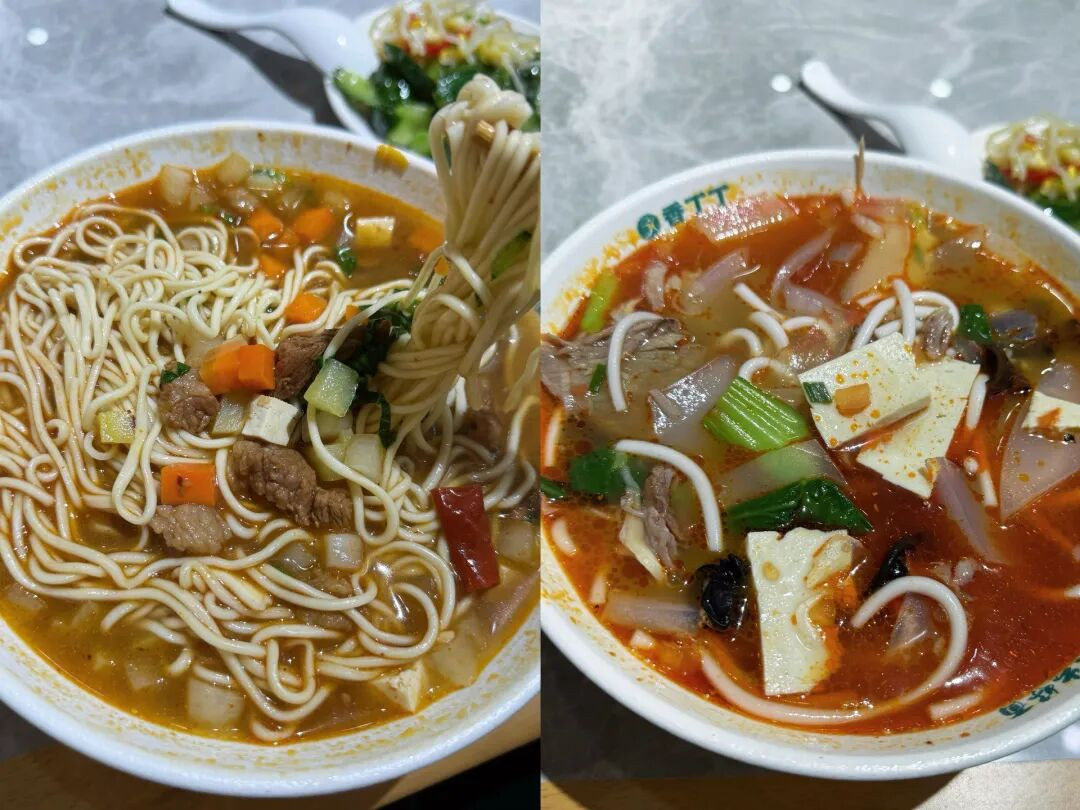
Sharing a few Northwest spots I've hit up around Shanghai—some total internet sensations, others low-key hidden gems. Drop a number in the comments and I'll drop the restaurant name and exact address. Also, feel free to drop your own recs so we can explore together!
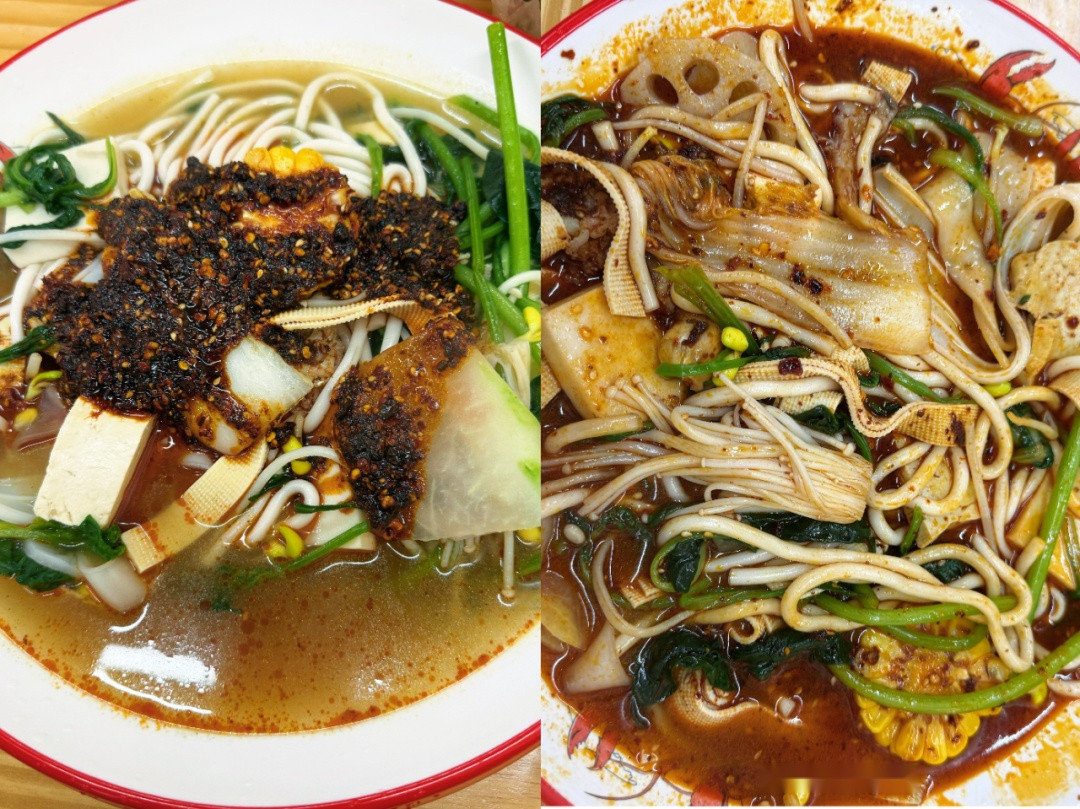
1. Hands down the only spot in Shanghai doing completely handmade saozimian and liangpi right in-house. You can watch the whole process live: prepping ingredients, making the savory minced meat topping, kneading the dough, rolling it out, slicing, and boiling the noodles. The liangpi and gluten are all handmade from scratch, too. The owner is from Yinchuan, and they have adorable cats hanging around the shop.
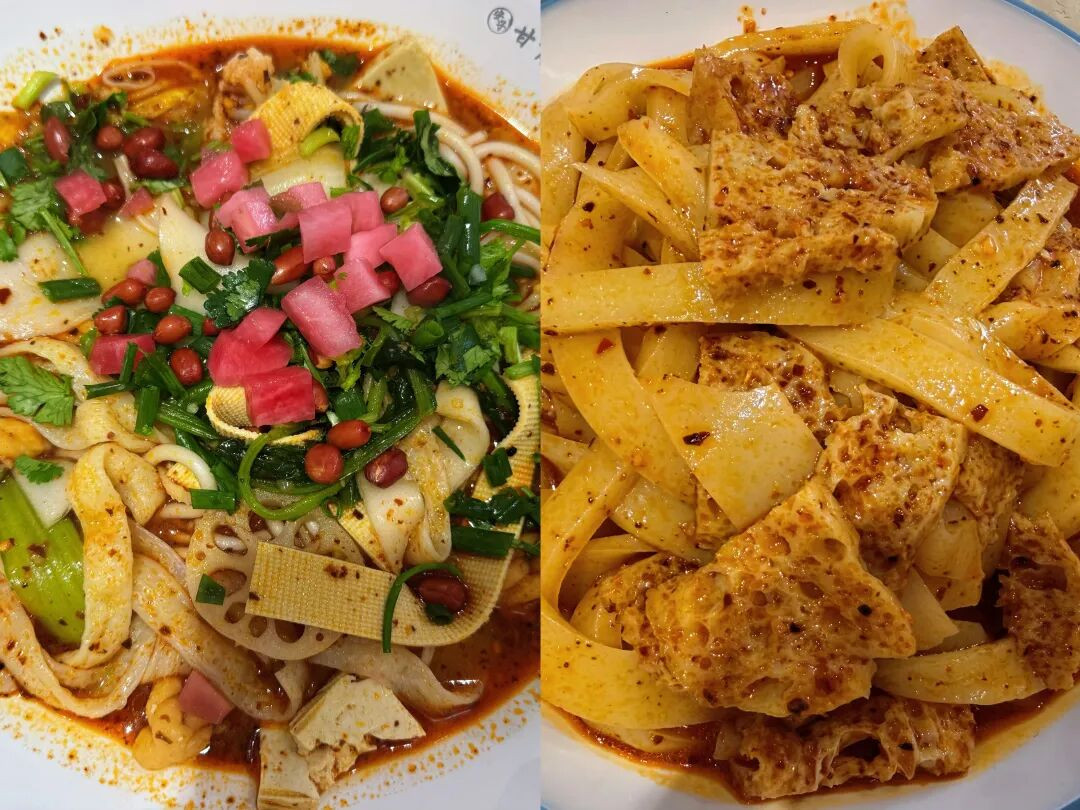
Click to read the full review: Found authentic handmade Ningxia saozimian right here in Shanghai!
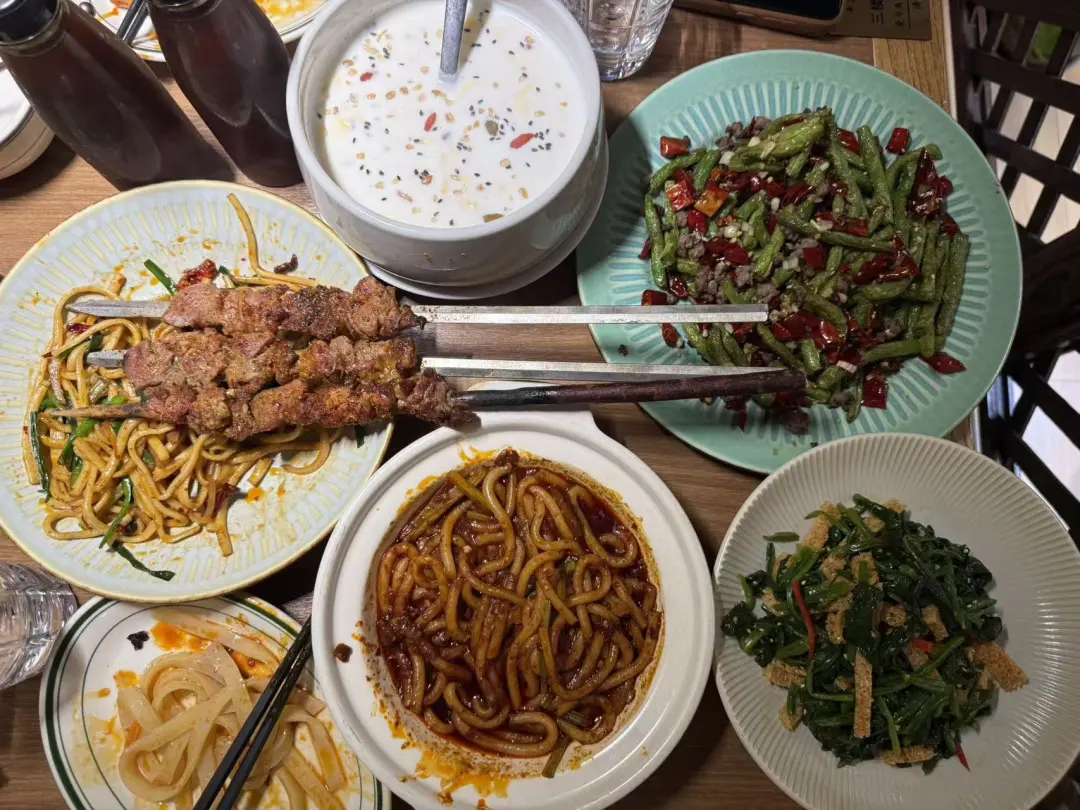
2. Super hyped online, definitely a viral spot. The big draw is the massive menu (handmade latiao [spicy gluten sticks], stir-fried mianpian [ripped noodle pieces], hand-rolled noodles, Dingxi wide noodles, gray bean soup, skewers, cold veggie dishes, beef noodles, lamb mianpian, liangpi, flatbreads, Jingyuan spring lamb, stir-fried beef calves, stir-fried chicken, stir-fried lamb slices, old-style yogurt, tianbeizi [sweet fermented oats], and way more—covering barbecue, noodles, stir-fries, snacks, and sides). Quality can be a bit hit-or-miss, though.
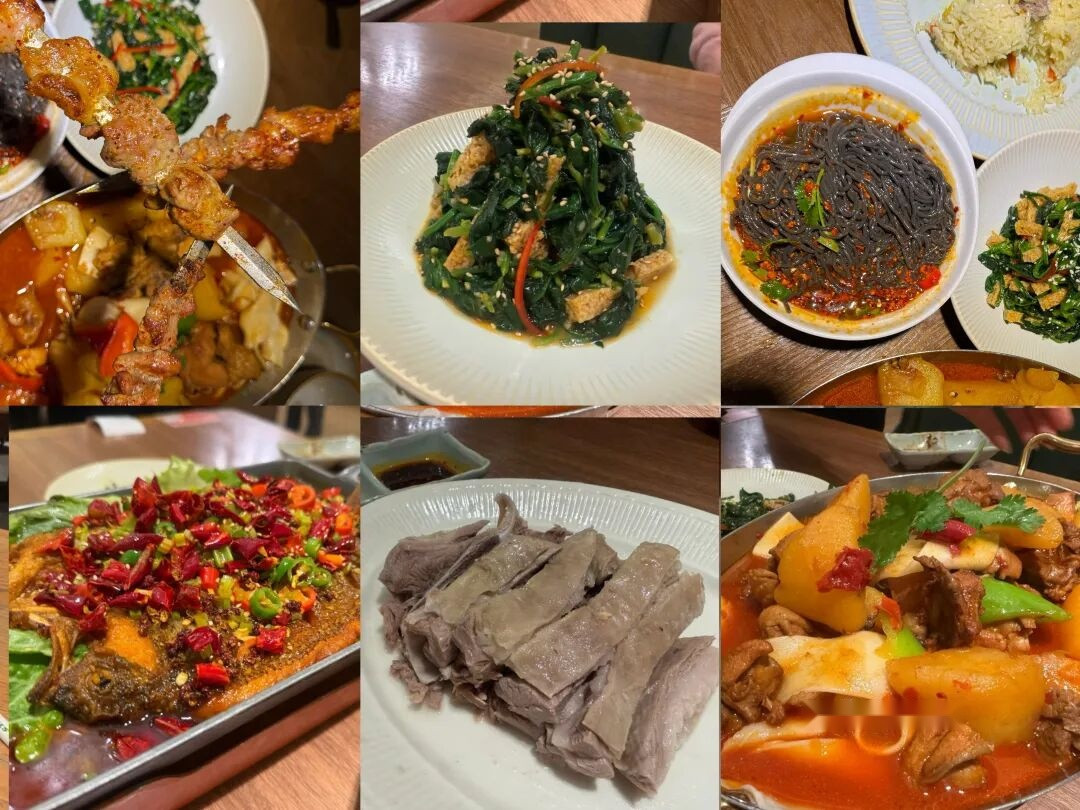
Click to read the full review: Northwest flavors in Shanghai: handmade latiao + hand-rolled noodles + Dingxi wide noodles + stir-fried mianpian + gray bean soup...
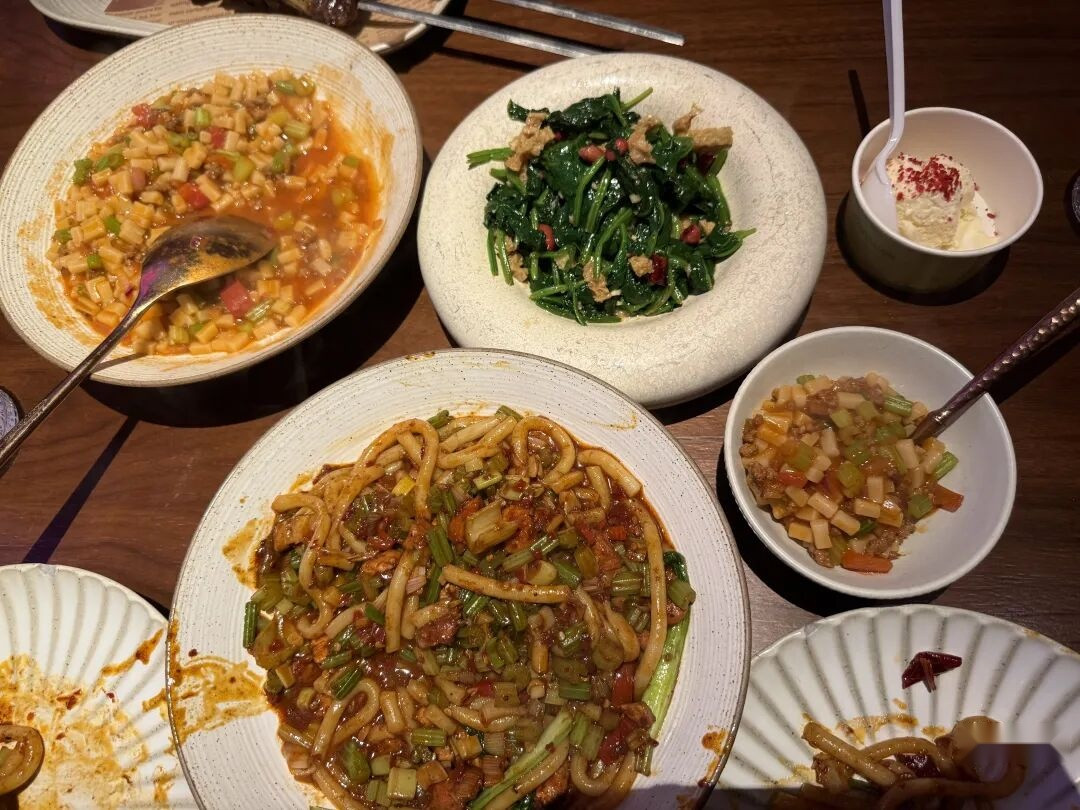
3. An iconic spot straight from Wuzhong, Ningxia, now open in Shanghai. Currently the only joint where you can score authentic beef fintang (rice noodle soup), and their saozimian slaps too. The menu also features small plates, Tan sheep dumplings, shaomai (steamed beef dumplings), beef noodles, shouzhua yangrou (Lanzhou hand-grabbed lamb), hot-sliced beef, yellow beef goji berry banmian (mixed noodles), beef saozimian, stir-fried mixed meat, beef banmian, lamb cuomian (rubbed noodles), lamb pickled cabbage stir-fried glass noodles, lamb stir-fry, braised beef meatballs, ox-tongue pastries, eight-treasure rice, eight-treasure tea, and more.
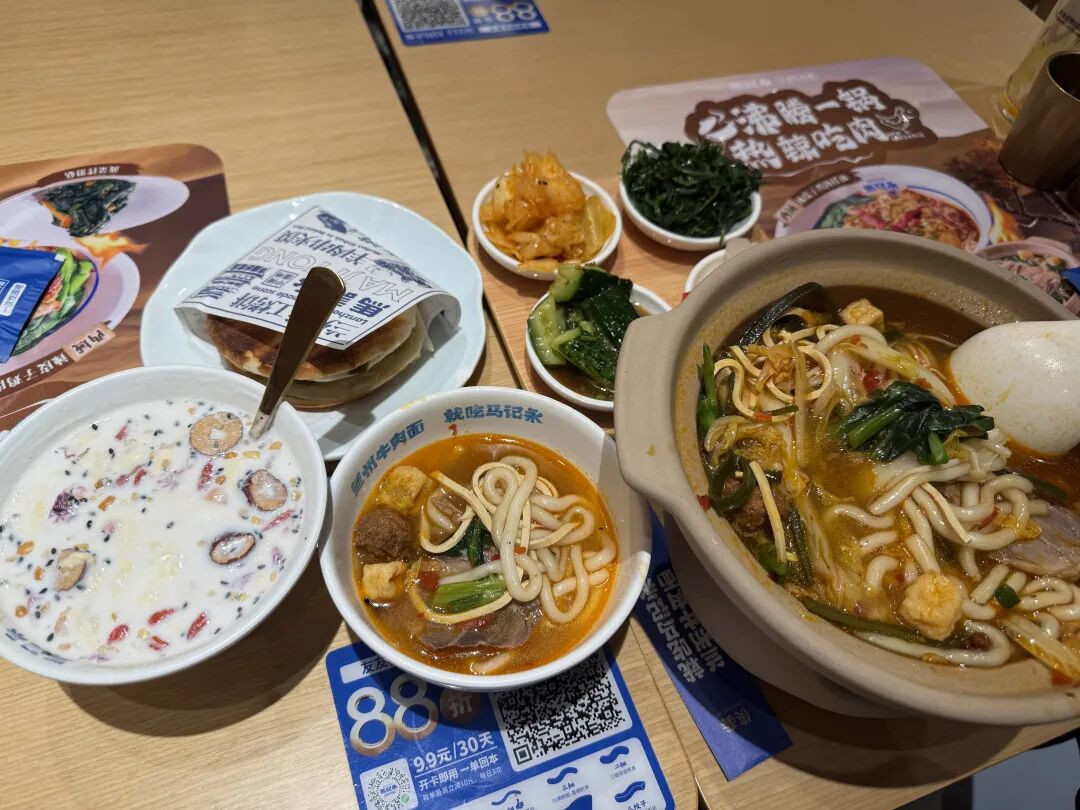
Click to read the full review: Got my fix of Ningxia fintang in Shanghai!!
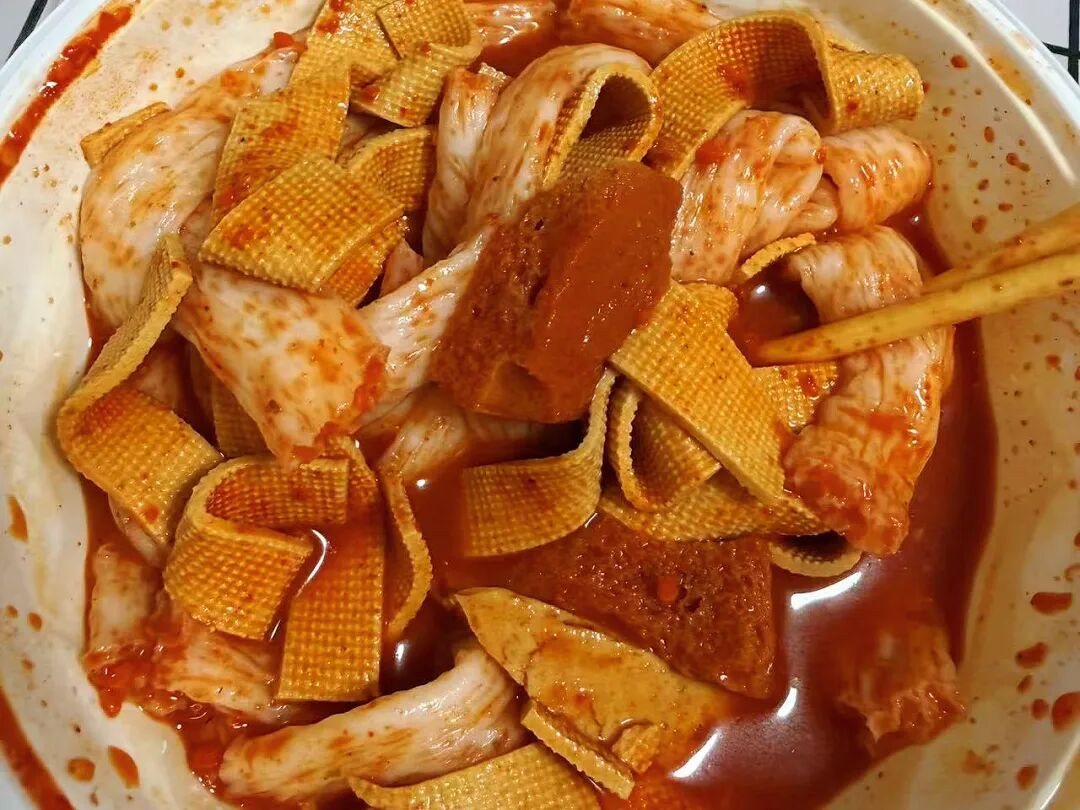
4. Opened near Shanghai Jiao Tong University by a family from Zhangye, Gansu. The chili peppers and oil for their malatang (spicy hot pot) are shipped straight from Zhangye, the broth base is homemade, and the toppings are priced by weight. They also serve mala noodles, dapanji (big plate spicy chicken), cuoyuomian (fish-shaped hand-rubbed noodles), and saozimian—all made from dough mixed fresh on the spot.
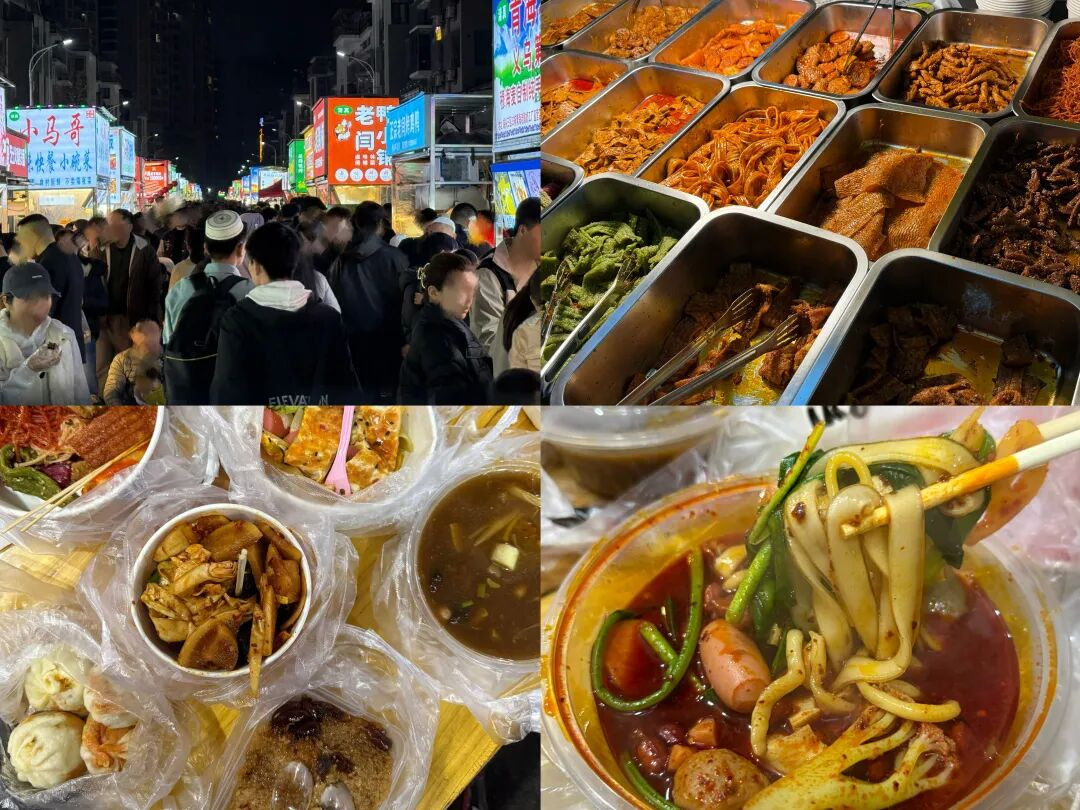
Click to read the full review: Northwest-style malatang in Shanghai (Zhangye, Gansu style)
5. This malatang joint is super popular, dishing up authentic Lanzhou flavor. They also serve jiangshuimian (fermented sour vegetable noodles), hand-rolled noodles, tianbeizi (sweet fermented oats), handmade latiao, and liangpi.
Click to read the full review: Found legit Gansu malatang in Shanghai
6. An absolute must-visit, buzzing Halal restaurant serving authentic Northwest eats. Expect a wait if you go during peak hours. Classic dishes include dapanji (big plate spicy chicken), specialty grilled fish, shouzhua yangrou (Lanzhou hand-grabbed lamb), Xinjiang-style grilled lamb skewers, spinach mixed with gluten, dry-fried green beans, Xinjiang stir-fried rice noodles, Lanzhou liangpi, dry-fried noodles, and milk egg jiangzao (sweet fermented rice soup).
Click to read the full review: Shanghai Restaurant Hunt | Guanguanji Restaurant (Halal)
7. Xinjiang food that is ridiculously good—literally every single dish hits the spot!
8. Anyone from the Northwest living in Shanghai should know this one. The noodles are iconic here, with both broth-based and dry-mixed options hitting the right notes. They also serve potato noodles, milk jiangzao, and roujiamo (Chinese meat burger).
9. Ningxia's famous lahhuhu (spicy savory paste hot pot) has finally landed in Shanghai! If you're seriously craving this flavor, it's worth checking out, though this branch caters a bit more to the local Shanghai palate by keeping things on the milder side. Just heard a new location opened up, so I'm planning to check it out soon and share the deets later.
10. Okay, technically this one isn't in Shanghai, but it is 100% worth the trip and an easy hop over to Yiwu, Zhejiang. It's home to the largest Halal night market in the Jiangsu-Zhejiang-Shanghai region, completely blowing Yinchuan's Huaiyuan Night Market out of the water. Go check it out and prepare to be left speechless.
The biggest Halal night market in the Yangtze River Delta, totally crushing 'Huaiyuan'
Want the exact restaurant names and locations? Just drop the corresponding number in the comments.
Got more spots to add? Drop a comment below! Collapse Read »
Top 10 Authentic Northwest Halal Restaurants in Shanghai: A Guide to Hand-Grabbed Lamb, Saozimian, and Regional Noodles
Summary:
A deep-dive curation of ten authentic Northwest Chinese restaurants in Shanghai, featuring genuine culinary traditions from Ningxia, Gansu, Qinghai, and Xinjiang. Highlights hand-crafted saozimian (minced pork/beef noodle soup), chili oil-spiked handmade liangpi (cold skin noodles), and tender, authentic shouzhua yangrou (Lanzhou hand-grabbed lamb) to give food lovers a practical spot-checking guide.
Sharing a few Northwest spots I've hit up around Shanghai—some total internet sensations, others low-key hidden gems. Drop a number in the comments and I'll drop the restaurant name and exact address. Also, feel free to drop your own recs so we can explore together!
1. Hands down the only spot in Shanghai doing completely handmade saozimian and liangpi right in-house. You can watch the whole process live: prepping ingredients, making the savory minced meat topping, kneading the dough, rolling it out, slicing, and boiling the noodles. The liangpi and gluten are all handmade from scratch, too. The owner is from Yinchuan, and they have adorable cats hanging around the shop.
Click to read the full review: Found authentic handmade Ningxia saozimian right here in Shanghai!
2. Super hyped online, definitely a viral spot. The big draw is the massive menu (handmade latiao [spicy gluten sticks], stir-fried mianpian [ripped noodle pieces], hand-rolled noodles, Dingxi wide noodles, gray bean soup, skewers, cold veggie dishes, beef noodles, lamb mianpian, liangpi, flatbreads, Jingyuan spring lamb, stir-fried beef calves, stir-fried chicken, stir-fried lamb slices, old-style yogurt, tianbeizi [sweet fermented oats], and way more—covering barbecue, noodles, stir-fries, snacks, and sides). Quality can be a bit hit-or-miss, though.
Click to read the full review: Northwest flavors in Shanghai: handmade latiao + hand-rolled noodles + Dingxi wide noodles + stir-fried mianpian + gray bean soup...
3. An iconic spot straight from Wuzhong, Ningxia, now open in Shanghai. Currently the only joint where you can score authentic beef fintang (rice noodle soup), and their saozimian slaps too. The menu also features small plates, Tan sheep dumplings, shaomai (steamed beef dumplings), beef noodles, shouzhua yangrou (Lanzhou hand-grabbed lamb), hot-sliced beef, yellow beef goji berry banmian (mixed noodles), beef saozimian, stir-fried mixed meat, beef banmian, lamb cuomian (rubbed noodles), lamb pickled cabbage stir-fried glass noodles, lamb stir-fry, braised beef meatballs, ox-tongue pastries, eight-treasure rice, eight-treasure tea, and more.
Click to read the full review: Got my fix of Ningxia fintang in Shanghai!!
4. Opened near Shanghai Jiao Tong University by a family from Zhangye, Gansu. The chili peppers and oil for their malatang (spicy hot pot) are shipped straight from Zhangye, the broth base is homemade, and the toppings are priced by weight. They also serve mala noodles, dapanji (big plate spicy chicken), cuoyuomian (fish-shaped hand-rubbed noodles), and saozimian—all made from dough mixed fresh on the spot.
Click to read the full review: Northwest-style malatang in Shanghai (Zhangye, Gansu style)
5. This malatang joint is super popular, dishing up authentic Lanzhou flavor. They also serve jiangshuimian (fermented sour vegetable noodles), hand-rolled noodles, tianbeizi (sweet fermented oats), handmade latiao, and liangpi.
Click to read the full review: Found legit Gansu malatang in Shanghai
6. An absolute must-visit, buzzing Halal restaurant serving authentic Northwest eats. Expect a wait if you go during peak hours. Classic dishes include dapanji (big plate spicy chicken), specialty grilled fish, shouzhua yangrou (Lanzhou hand-grabbed lamb), Xinjiang-style grilled lamb skewers, spinach mixed with gluten, dry-fried green beans, Xinjiang stir-fried rice noodles, Lanzhou liangpi, dry-fried noodles, and milk egg jiangzao (sweet fermented rice soup).
Click to read the full review: Shanghai Restaurant Hunt | Guanguanji Restaurant (Halal)
7. Xinjiang food that is ridiculously good—literally every single dish hits the spot!
8. Anyone from the Northwest living in Shanghai should know this one. The noodles are iconic here, with both broth-based and dry-mixed options hitting the right notes. They also serve potato noodles, milk jiangzao, and roujiamo (Chinese meat burger).
9. Ningxia's famous lahhuhu (spicy savory paste hot pot) has finally landed in Shanghai! If you're seriously craving this flavor, it's worth checking out, though this branch caters a bit more to the local Shanghai palate by keeping things on the milder side. Just heard a new location opened up, so I'm planning to check it out soon and share the deets later.
10. Okay, technically this one isn't in Shanghai, but it is 100% worth the trip and an easy hop over to Yiwu, Zhejiang. It's home to the largest Halal night market in the Jiangsu-Zhejiang-Shanghai region, completely blowing Yinchuan's Huaiyuan Night Market out of the water. Go check it out and prepare to be left speechless.
The biggest Halal night market in the Yangtze River Delta, totally crushing 'Huaiyuan'
Want the exact restaurant names and locations? Just drop the corresponding number in the comments.
Got more spots to add? Drop a comment below! Collapse Read »
Exploring Shanghai’s West Mosque Friday Halal Market: Street Food & Culture
[Internet Repost]
Vibes from the Friday Halal Market at Shanghai's Huxi Mosque: Halal street food and exotic flair along Aomen Road
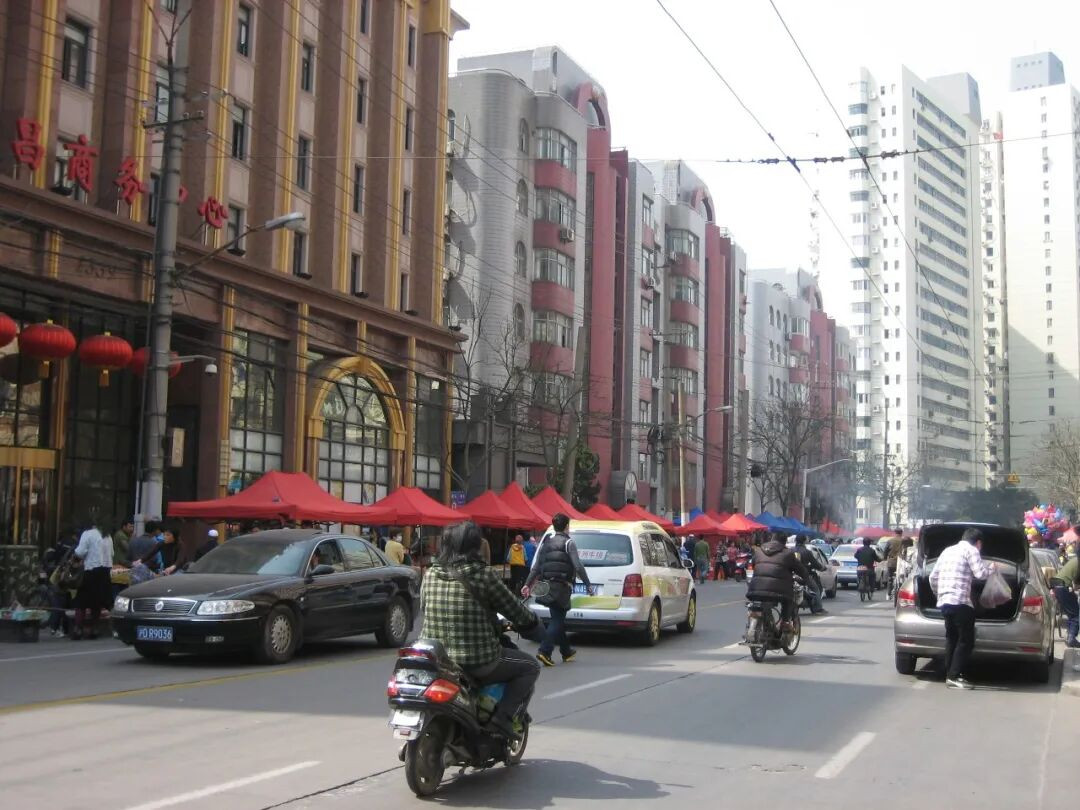
Summary:
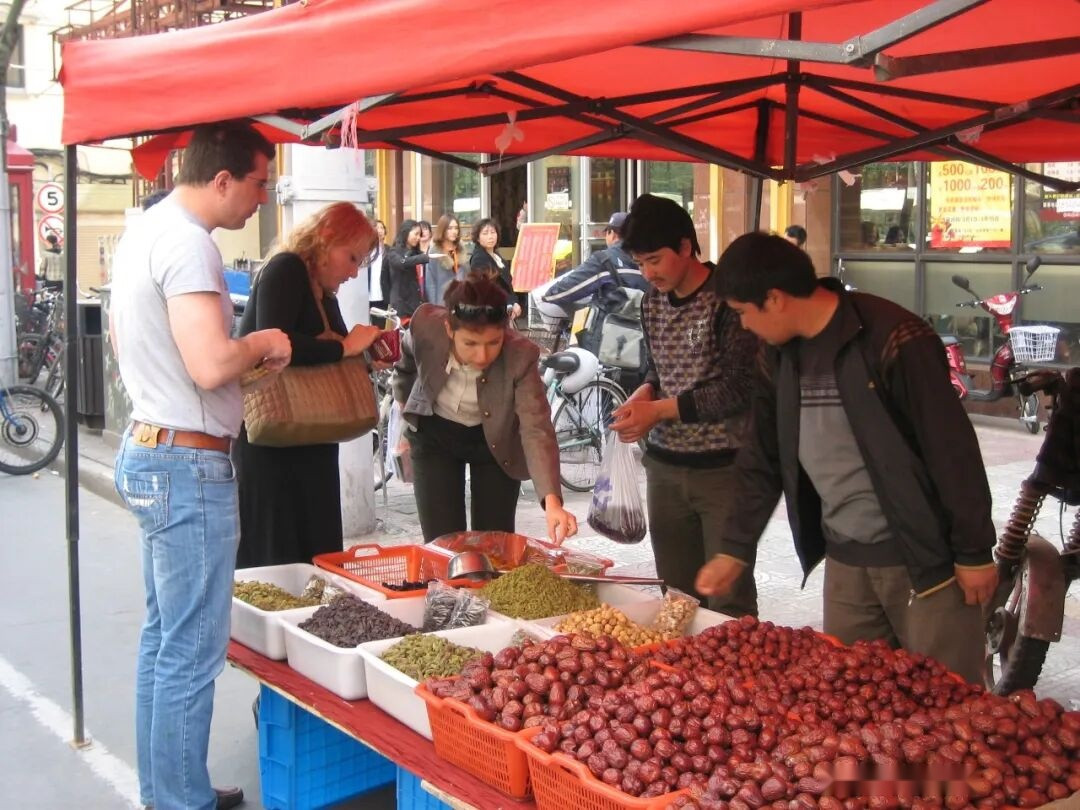
A firsthand look at the special Friday Halal market (Jummah market) outside Shanghai's Huxi Mosque. A full capture of the street stalls along Aomen Road serving up fresh skewers, hot roasted baozi (steamed stuffed buns), specialty nang (Xinjiang flatbread), and traditional pastries—diving into Shanghai's unique, vibrant Muslim neighborhood street culture.
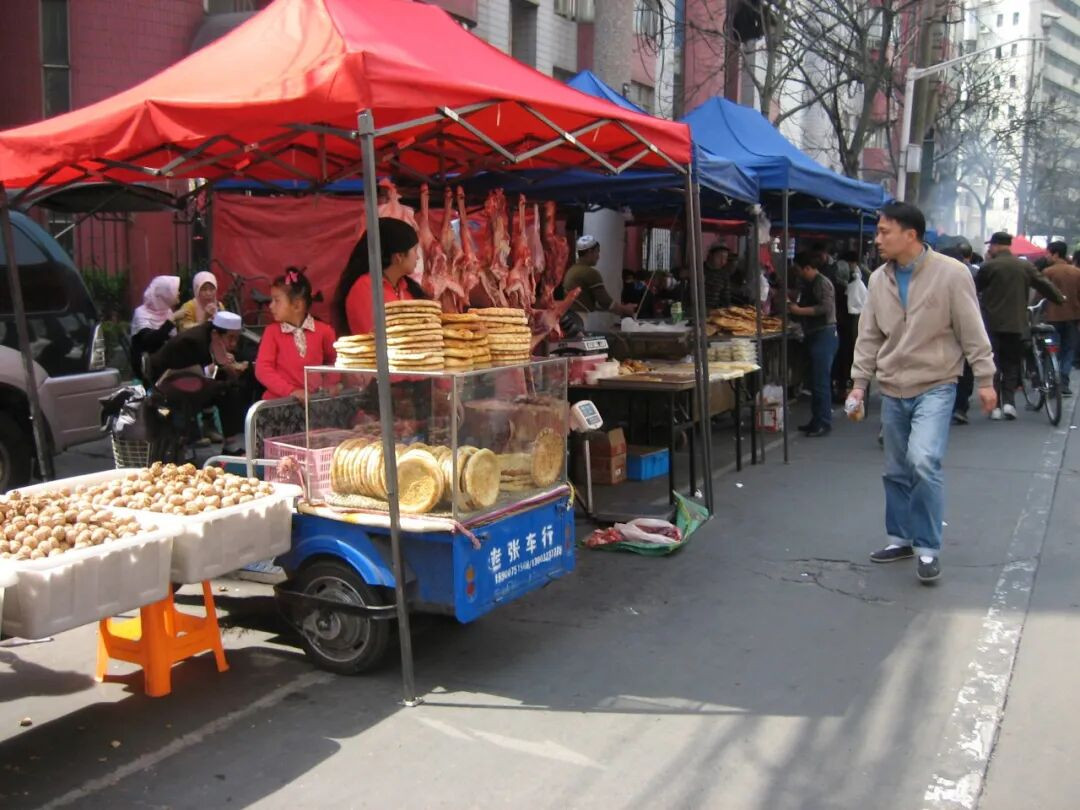
For the longest time, every Friday right outside Huxi Mosque on Aomen Road, you'd find a pop-up market overflowing with all kinds of incredible Halal street eats. It was super unique, and I was lucky enough to work nearby so I could check it out all the time!
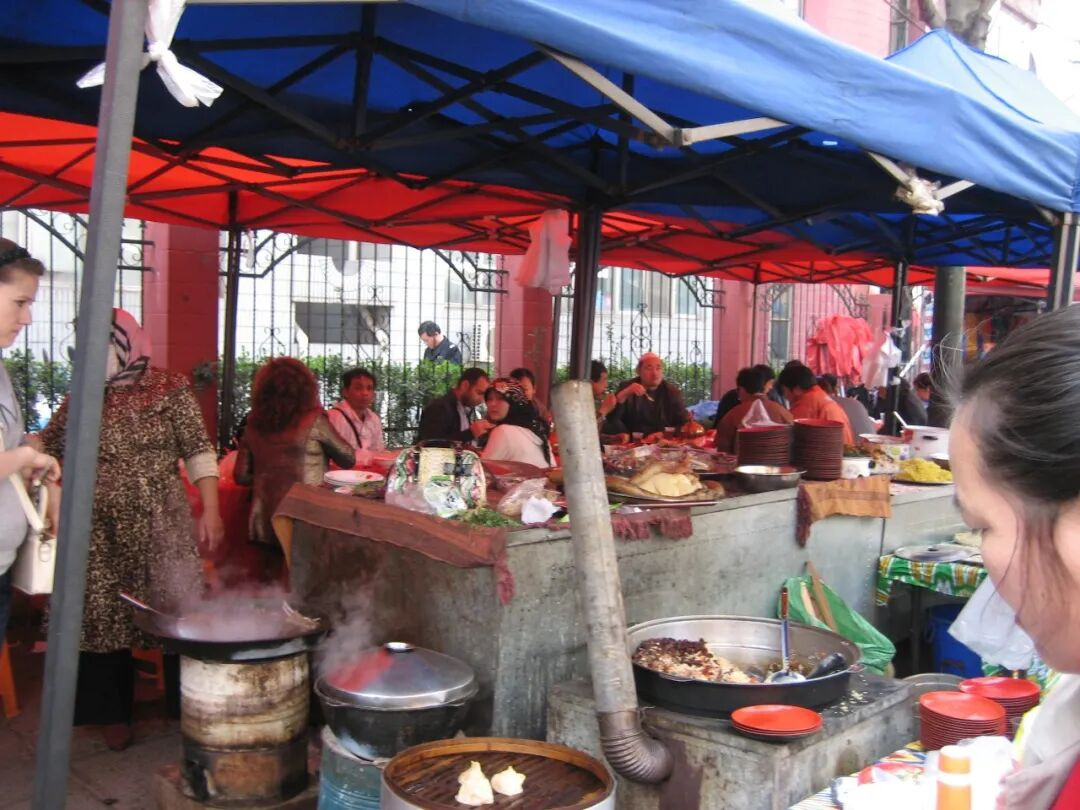
The red tents stand out so much, lined up in a row that looks like it goes on forever.
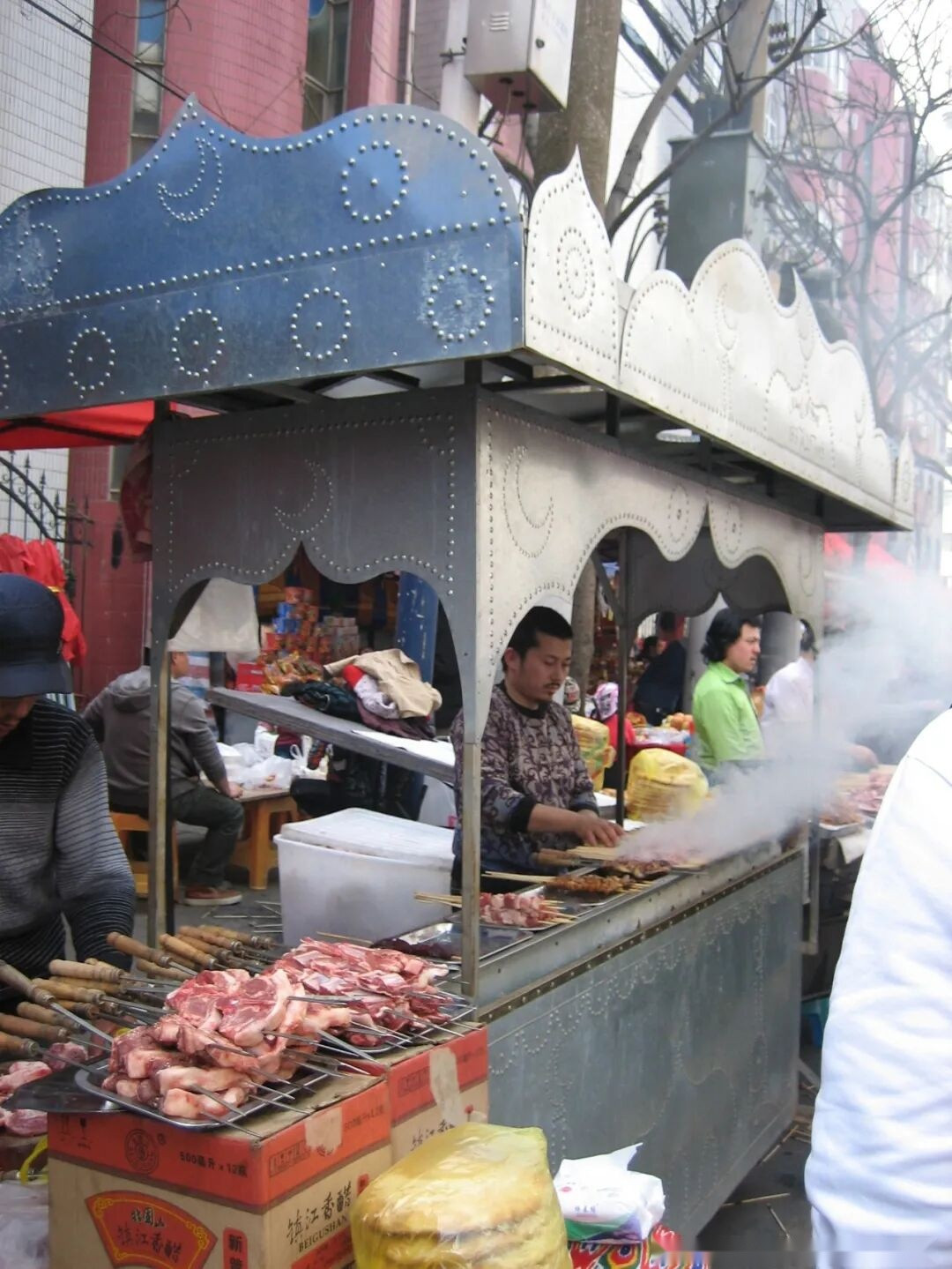
Expats really know their stuff—this is a hidden spot that plenty of locals don't even know about!
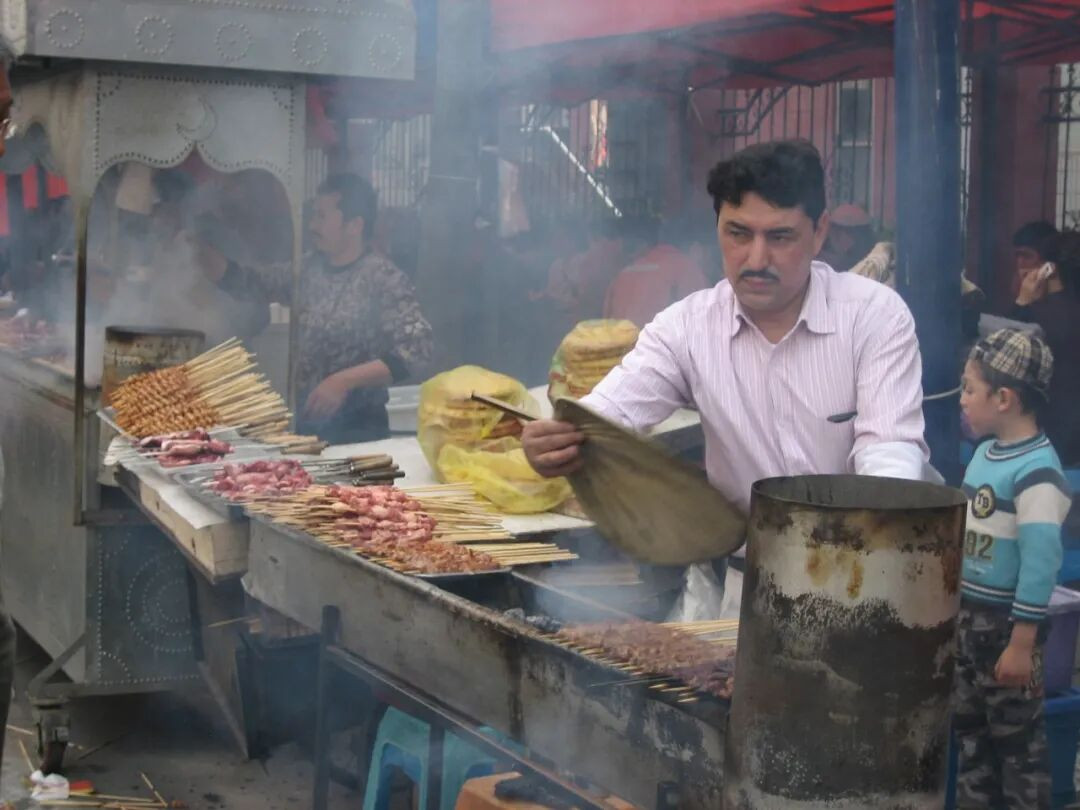
From walnut vendors to freshly baked nang (Xinjiang flatbread) sellers...
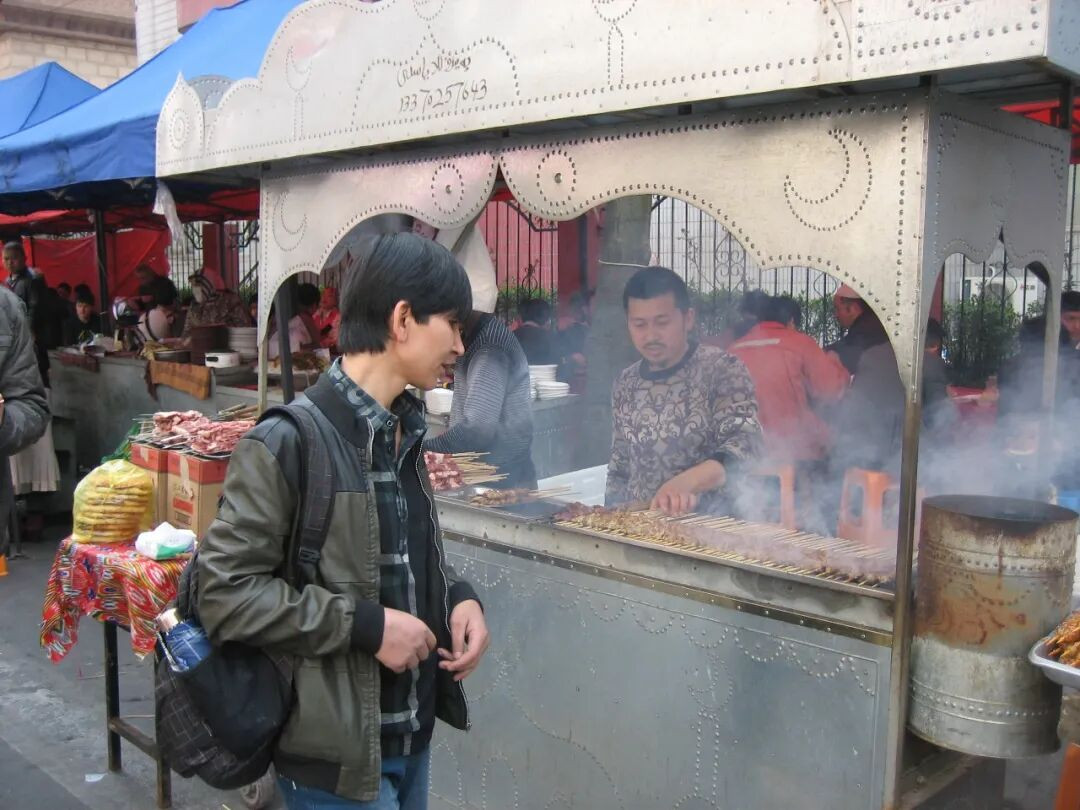
The shouzhua fan (Xinjiang hand-grabbed rice) stall is killing it, every single seat is totally packed~
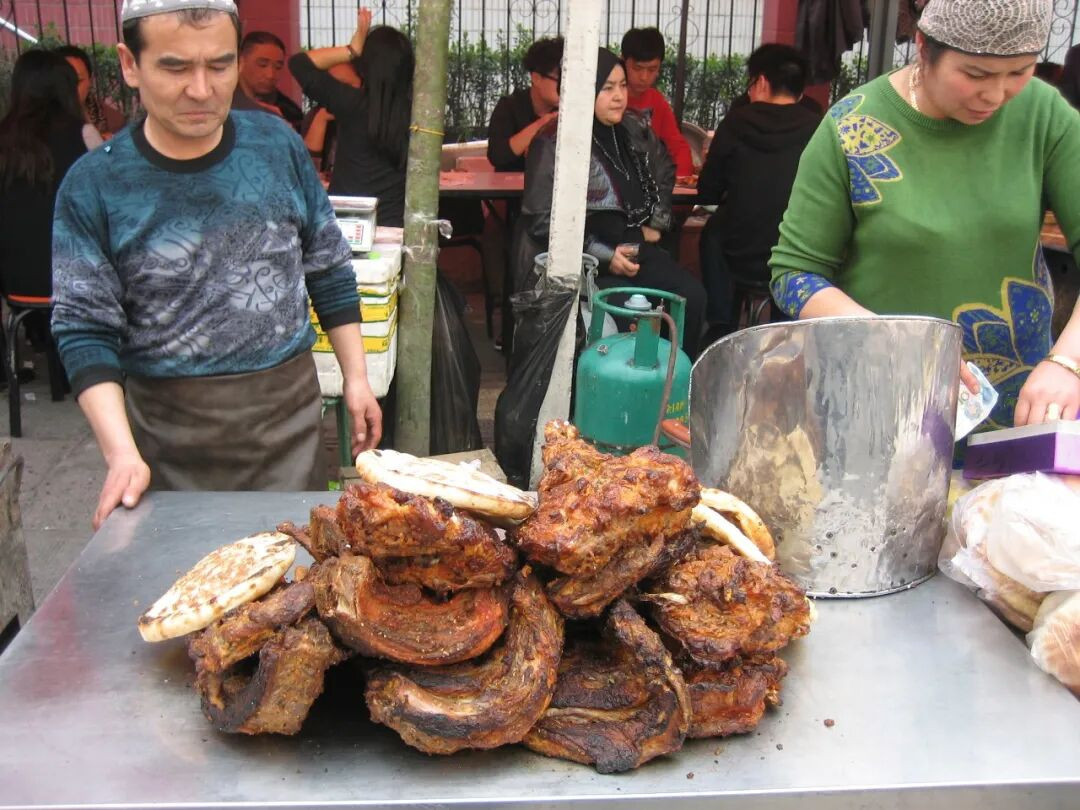
There are several lamb skewer spots all on the same block, completely filling the street with that amazing neighborhood smoke and energy~
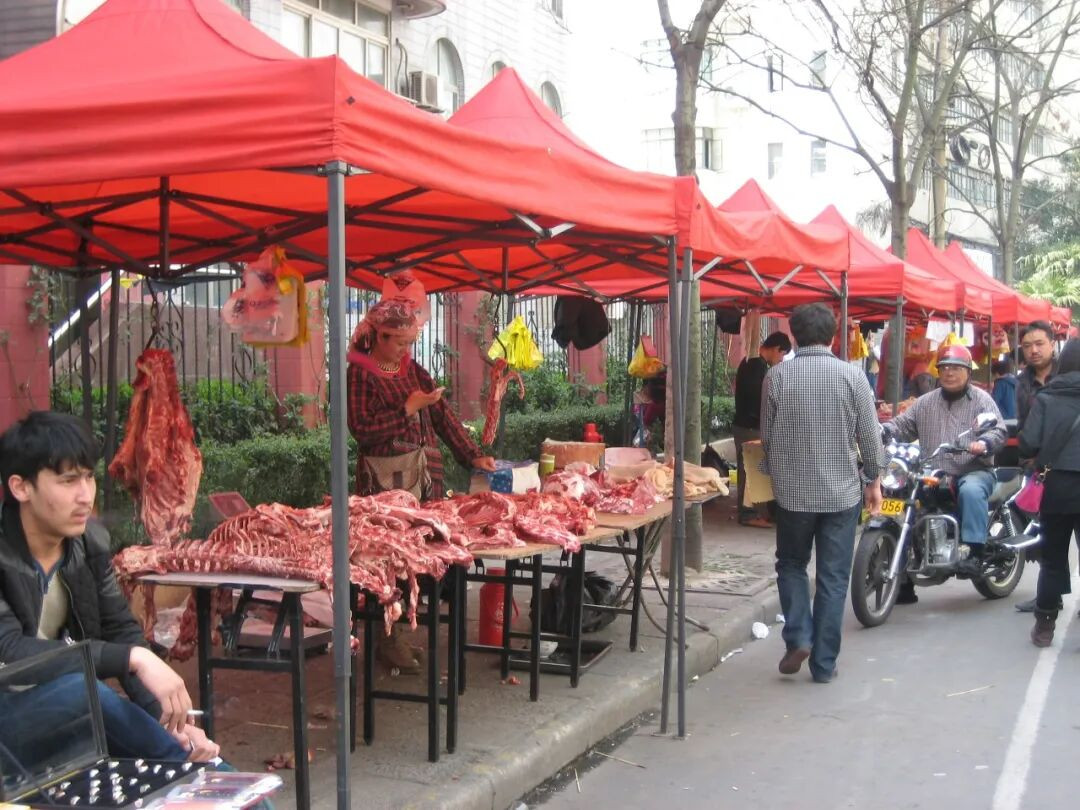
All kinds of lamb skewers, nang (Xinjiang flatbread), and roasted lamb legs
Plus fresh cuts of beef and mutton
Super fresh, sliced-to-order giant watermelon
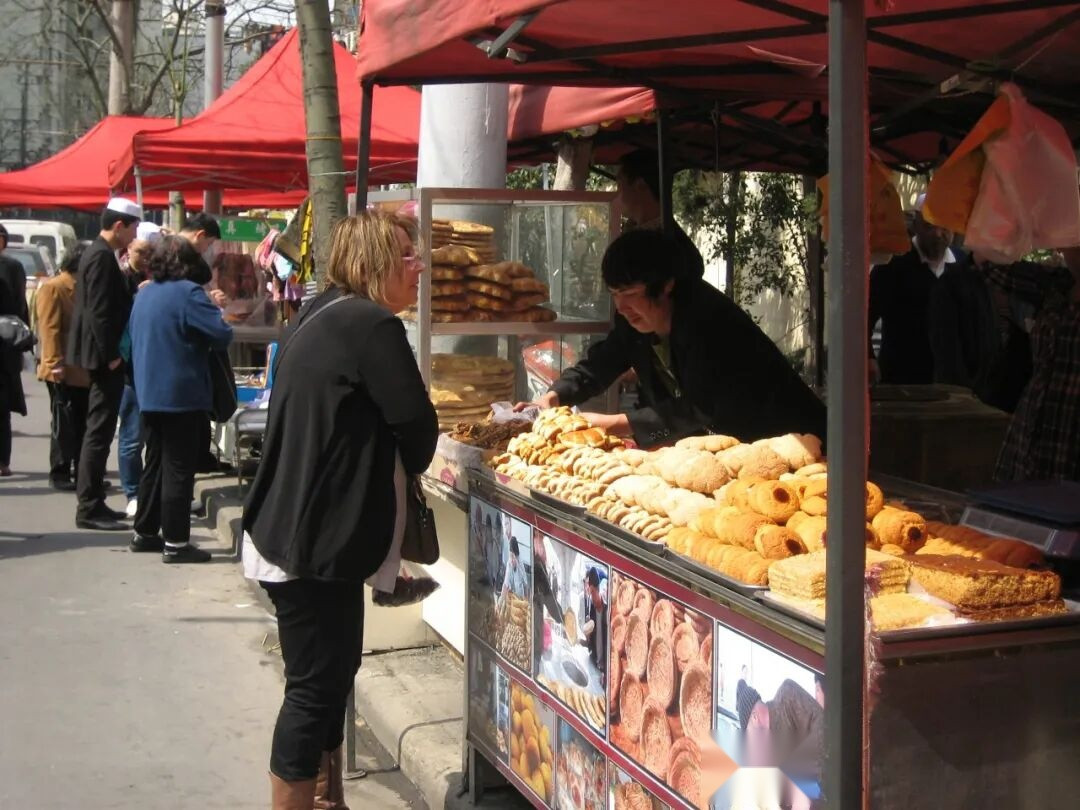
Hotan jade
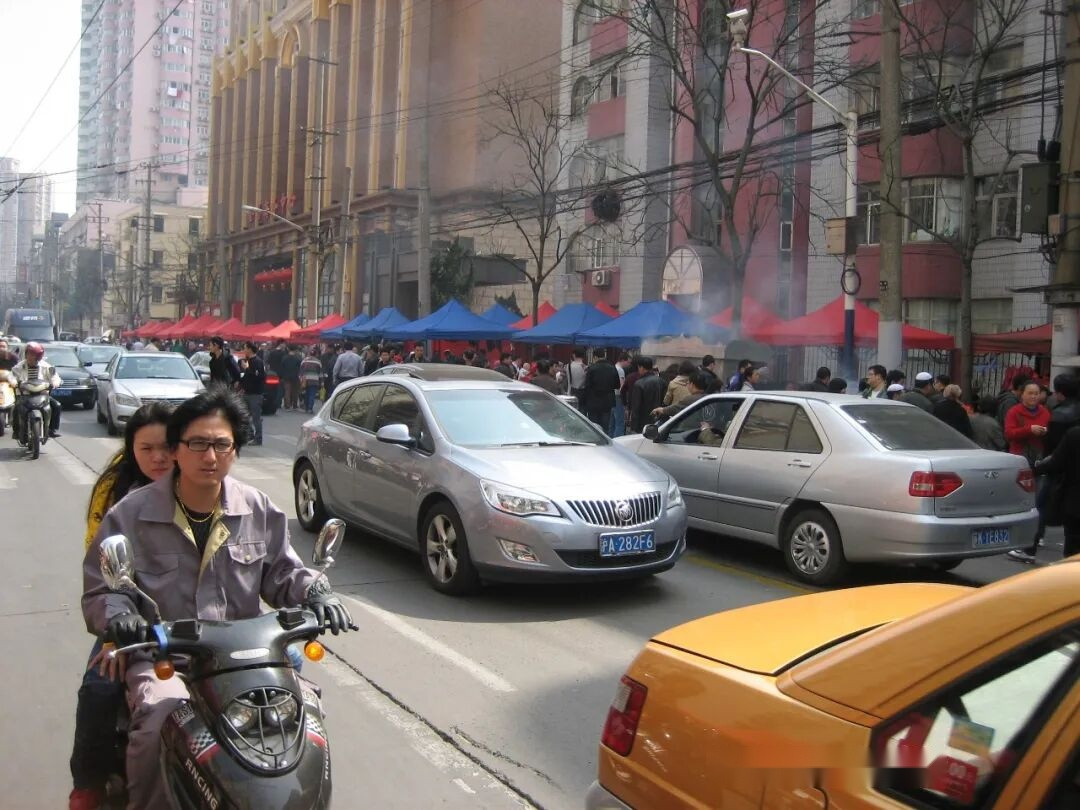
And all sorts of pastries! The absolute best ones are napaliyong (Napoleon cake) and miweiduo (honey cake)!
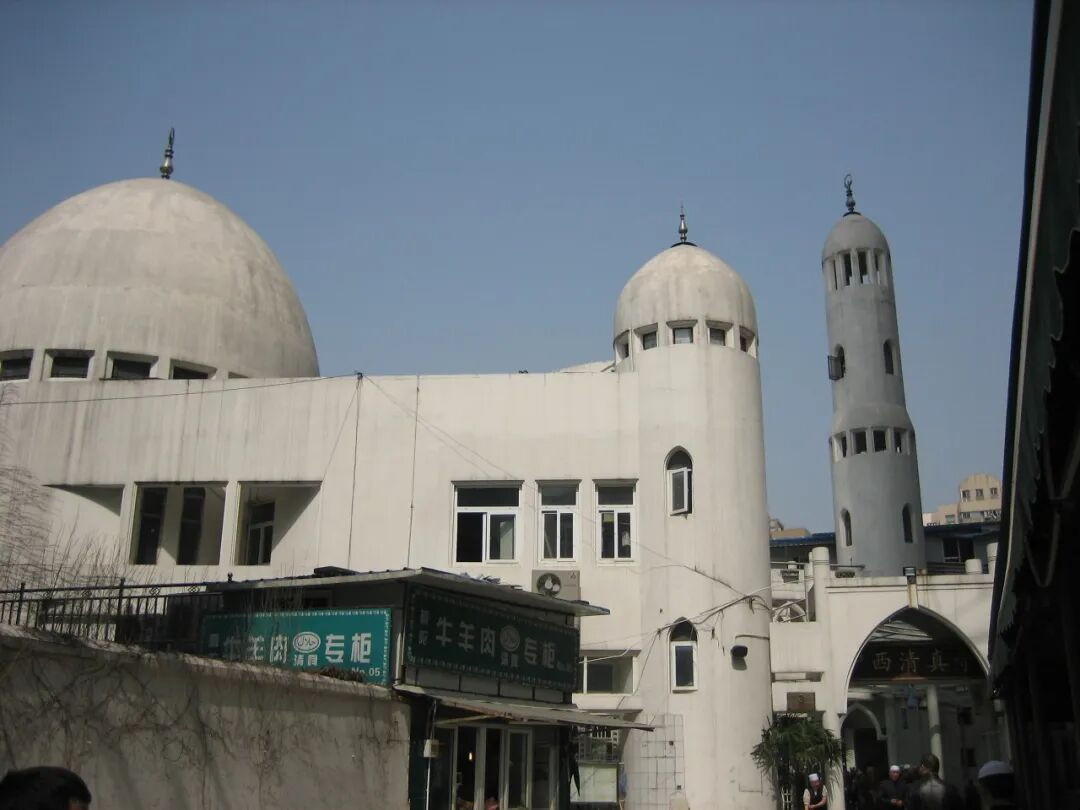
The bustling traffic makes it so fun to just soak it all in.
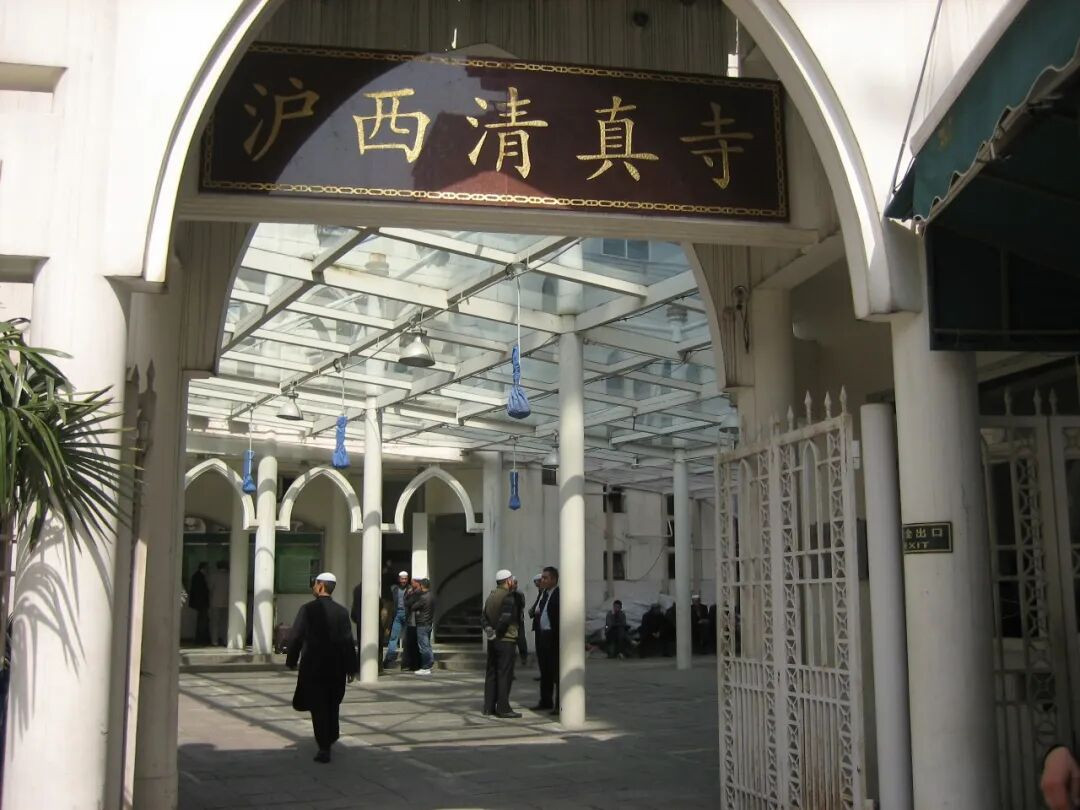
During Eid al-Fitr, they actually shut down this whole street. It's packed with devout believers wearing their white taqiyah caps—such an epic, unforgettable sight. It's the most important holiday for Muslims, and they line up in neat rows to pray in total order. Even the city buses have to detour around it. Honestly, even if you're just a passenger catching a quick glance out the window, it's a moment you'll never forget!
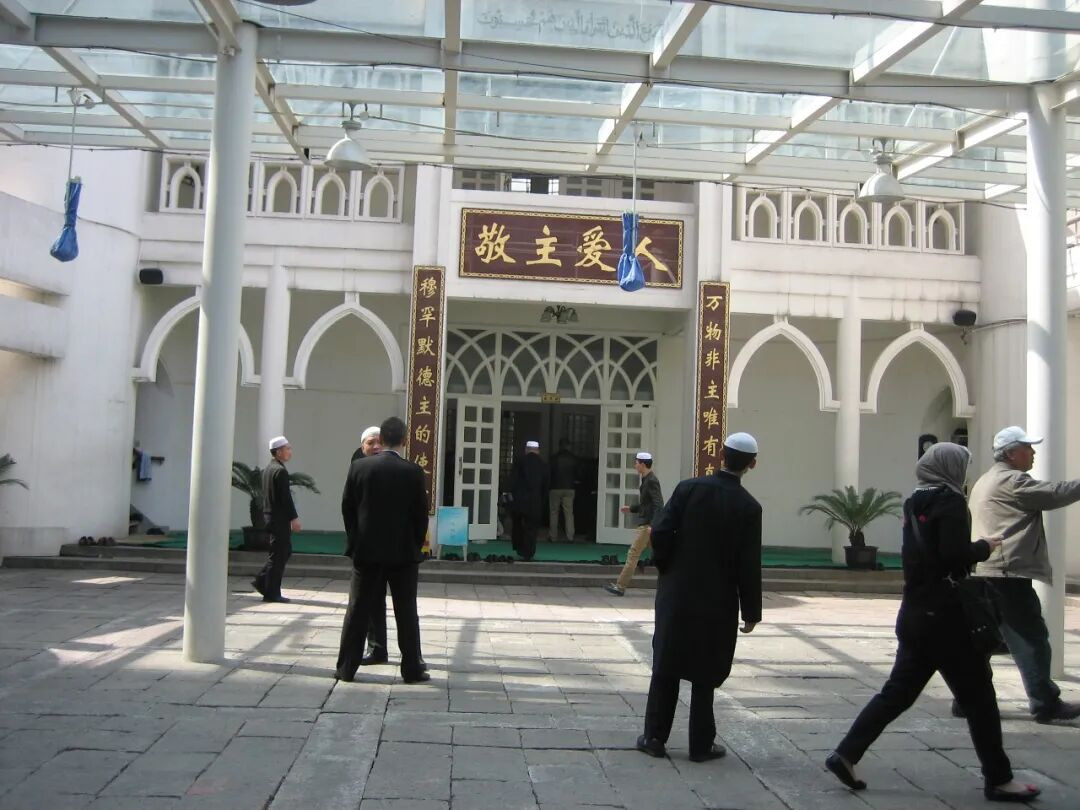
The old Huxi Mosque back in the day (before renovations)
Even though the open-air Friday market had to pause because of the pandemic, it's made a comeback in a brand-new way over at 285 Changshou Road. It's a mini-sized version called 'Pin Huiwei Northwest Halal Restaurant.' You've gotta try their napaliyong (Napoleon cake)—back in the day it was a massive internet sensation, and honestly, once you try it, you'll be hooked forever. It's super milky, rich, and ridiculously good! If you're ever in the area, I totally recommend swinging by to grab some~
 Collapse Read »
Vibes from the Friday Halal Market at Shanghai's Huxi Mosque: Halal street food and exotic flair along Aomen Road
Summary:
A firsthand look at the special Friday Halal market (Jummah market) outside Shanghai's Huxi Mosque. A full capture of the street stalls along Aomen Road serving up fresh skewers, hot roasted baozi (steamed stuffed buns), specialty nang (Xinjiang flatbread), and traditional pastries—diving into Shanghai's unique, vibrant Muslim neighborhood street culture.
For the longest time, every Friday right outside Huxi Mosque on Aomen Road, you'd find a pop-up market overflowing with all kinds of incredible Halal street eats. It was super unique, and I was lucky enough to work nearby so I could check it out all the time!
The red tents stand out so much, lined up in a row that looks like it goes on forever.
Expats really know their stuff—this is a hidden spot that plenty of locals don't even know about!
From walnut vendors to freshly baked nang (Xinjiang flatbread) sellers...
The shouzhua fan (Xinjiang hand-grabbed rice) stall is killing it, every single seat is totally packed~
There are several lamb skewer spots all on the same block, completely filling the street with that amazing neighborhood smoke and energy~
All kinds of lamb skewers, nang (Xinjiang flatbread), and roasted lamb legs
Plus fresh cuts of beef and mutton
Super fresh, sliced-to-order giant watermelon
Hotan jade
And all sorts of pastries! The absolute best ones are napaliyong (Napoleon cake) and miweiduo (honey cake)!
The bustling traffic makes it so fun to just soak it all in.
During Eid al-Fitr, they actually shut down this whole street. It's packed with devout believers wearing their white taqiyah caps—such an epic, unforgettable sight. It's the most important holiday for Muslims, and they line up in neat rows to pray in total order. Even the city buses have to detour around it. Honestly, even if you're just a passenger catching a quick glance out the window, it's a moment you'll never forget!
The old Huxi Mosque back in the day (before renovations)
Even though the open-air Friday market had to pause because of the pandemic, it's made a comeback in a brand-new way over at 285 Changshou Road. It's a mini-sized version called 'Pin Huiwei Northwest Halal Restaurant.' You've gotta try their napaliyong (Napoleon cake)—back in the day it was a massive internet sensation, and honestly, once you try it, you'll be hooked forever. It's super milky, rich, and ridiculously good! If you're ever in the area, I totally recommend swinging by to grab some~
Collapse Read »
Ultimate Guide to Halal Food & Muslim Culture in Shanghai: Top 10 Iconic Spots
[Internet Repost]
Ultimate Guide to Shanghai's Top 10 Halal Restaurants: A Fusion of Shanghai Classics and Authentic Northwest Flavors
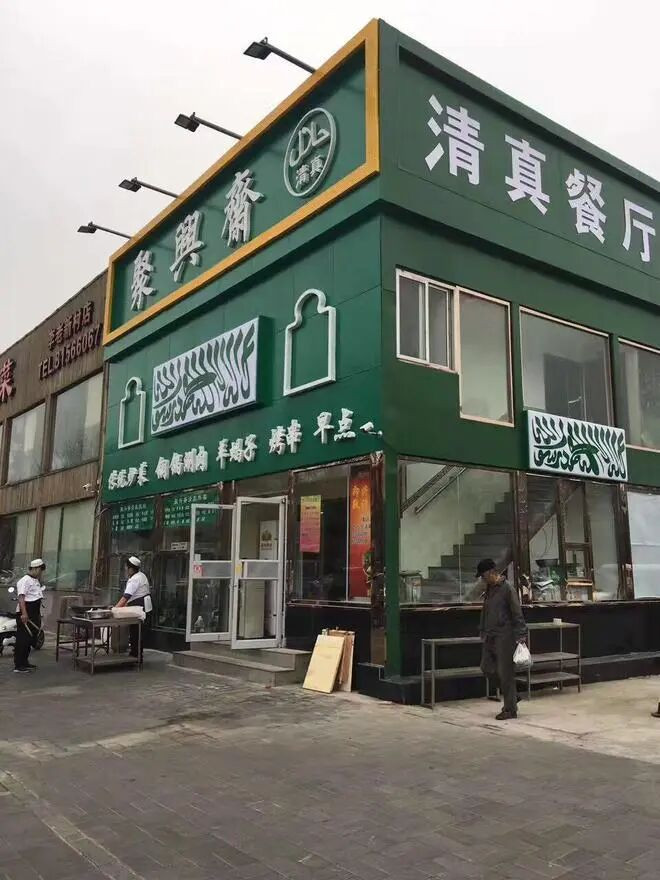
Abstract:
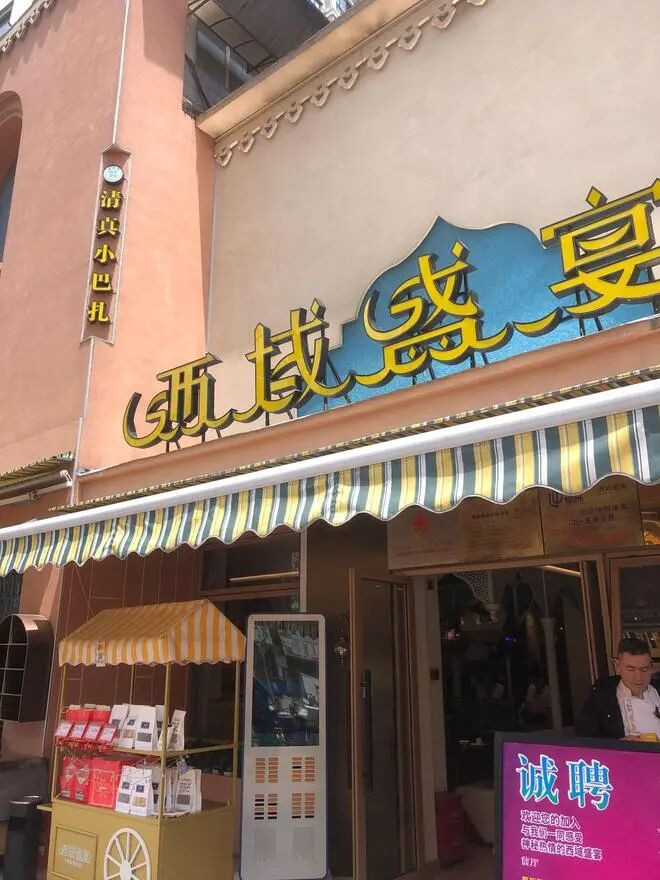
A comprehensive curation of Shanghai's ten most iconic Halal dining institutions, evaluated through word-of-mouth reputation, historical legacy, and distinct flavor profiles. From the classic Shanghai-style hot pot at Hongchangxing and Pingliang Road's Yixinzhai, to Northwest and Xinjiang standouts like Yixiang Dunhuang Tower and Yershari, this guide showcases the rich depth of the magic city's Halal culinary scene.
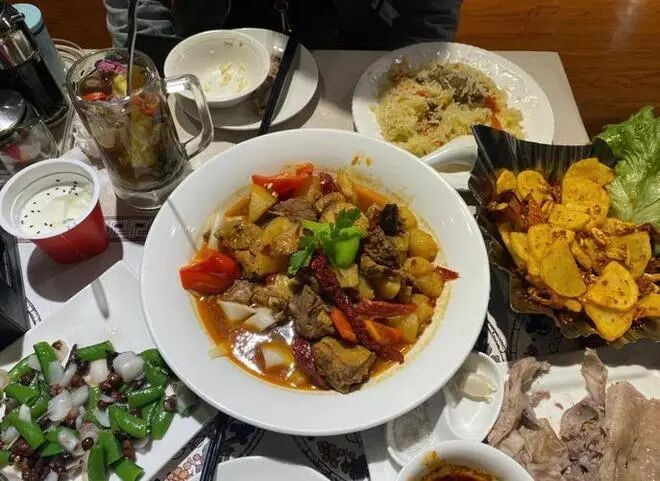
As an international metropolis, Shanghai brings together food cultures from all over China and the world. Halal dining, with its unique dietary standards and distinct flavor profiles, has become an indispensable part of the city's culinary map. Based on public acclaim, signature dishes, and cultural fusion, we’ve put together a list of ten representative Halal restaurants in Shanghai (in no particular order) to give food lovers a diverse dining reference.
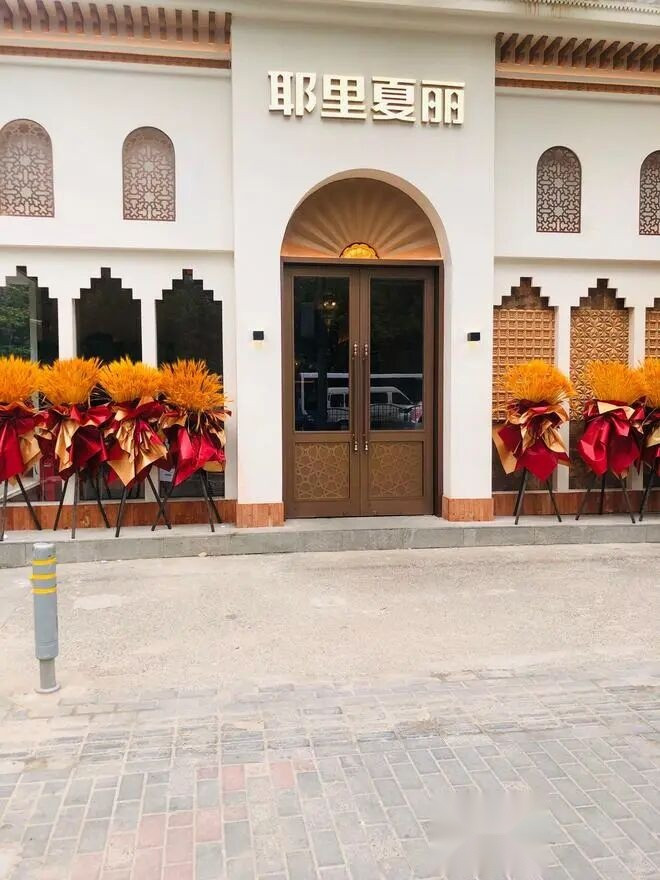
1. Xiyu Feast (Tianshan Branch) Located on Tianshan Road West in Changning District, this long-standing Xinjiang spot is famous for its authentic dapanji (big plate spicy chicken) and shouzhua fan (Xinjiang hand-grabbed rice). They fly their lamb straight from Xinjiang, so it's super tender with zero gamey flavor, and their secret-spice lamb skewers are absolute perfection. Their signature nang bao rou (crispy flatbread soaked in rich lamb stew) soaks up all that savory broth, showing off the delicious clash between rugged Northwest cooking and fine-tuned technique. The dining room is decked out in full Uyghur style, and they even put on traditional folk song and dance performances at night—making it a super popular spot to soak up some Xinjiang culture.
2. Guanguanji Muslim Restaurant (Zhejiang Middle Road Branch) Just steps away from East Nanjing Road, this century-old institution holds a special place in the history of Shanghai's Muslim food scene. Their niurou jianbao (pan-fried beef dumplings) and hot-and-sour soup are an absolute power couple; the dumplings come out with a golden, crispy bottom crust, packed with hand-minced beef and bursting with soup. They still use traditional Halal dim sum techniques for classics like majiang liangpi (cold skin noodles in sesame sauce) and yangrou xiaolongbao (steamed beef soup dumplings). With super budget-friendly prices, it's a huge hit with both locals and travelers.
3. Yershari (Multiple Branches) As a go-to chain for Xinjiang cuisine, Yershari has won over the younger crowd with consistently great food and sleek, modern interiors. A must-try is their Shihezi liangpi (refreshing cold skin noodles) which totally steals the show with its smooth texture and zesty sweet-and-sour dressing, alongside napaliyong (a creative fusion dessert pairing Xinjiang cheese with French pastry techniques). Most branches are right in bustling commercial hubs, making them ideal for casual hangouts with friends or quick business lunches.
4. Bayi Laoye Xinjiang Cuisine (Hongkou Football Stadium Branch) Known for massive, hearty portions and wallet-friendly prices, their signature jiazi rou (rack-of-lamb roasted on an iron frame) has to be ordered in advance—whole racks of lamb slow-roast on a rig, and the visual is honestly jaw-dropping. Their yogurt is house-fermented, drizzled with honey and topped with crushed nuts to cut through the richness and wake up your appetite. The walls are plastered with photos of the Xinjiang landscape, giving off major prairie vibes.
5. Hongchangxing (Yunnan South Road Branch) Established way back in 1891, this time-honored national brand is legendary for its traditional copper-pot mutton hot pot. They use old-school charcoal-heated copper pots, slicing the lamb paper-thin so it cooks in seconds and hits different when dipped in rich sesame paste. Their jiang niurou (braised beef shank) is cured to perfection with marbling that looks like abstract art, earning it a feature on the hit show *A Bite of China*. Retaining its Republic of China-era interior design, dining here is a double dose of nostalgia and incredible food.
6. Alijia (Pudong New Area Branch) Specializing in Northwest flavors and creative fusion dishes, their huangmi babao fan (millett sticky rice pudding) steams up Ningxia goji berries, raisins, and glutinous millet for a sweet-without-being-cloying treat. Their suantang feiniu (sour soup beef) stars Qinghai yak beef in a zesty broth simmered with wild mountain peppers and tomatoes. The restaurant features an open glass kitchen where diners can watch noodle chefs pull hand-spun "one-strand noodles" live on the spot.
7. Yixiang Dunhuang Tower (Zhongshan North Road Branch) A dedicated house of Lanzhou beef noodles where the noodles are hand-pulled to order in eight different thicknesses—from ultra-fine "maoxi" to flat "jiuye" styles—and the broth is simmered from beef bones and over thirty spices for a solid 10 hours or more. Paired with aromatic, chili-packed yopo lazi oil that brings serious aroma without blowing your head off, it’s the closest thing to real-deal Lanzhou flavor. They also serve up Northwest street snacks like gray pea soup and tianpeizi (fermented sweet oats).
8. Silk Road Halal Restaurant (Jing'an Temple Commercial Hub) A high-end spot themed around Silk Road culture, blending culinary traditions from Central Asia and the Middle East. Their "Persian roasted lamb leg" is marinated in saffron and pomegranate juice, leaving the meat crazy tender and juicy, while the baklava dessert packs flaky layers of phyllo dough and crushed walnuts, finished off with a drizzle of rose syrup for pure dessert luxury. The atmosphere is upscale and refined, making it a stellar pick for banquets or anniversary dates.
9. Ma Jinlong Mala Tang (Multiple Branches) Flipping the script on traditional mala tang spots, this Halal chain offers two killer broth bases: rich beef bone and tangy tomato, with every single ingredient fully Halal-certified. You’ve gotta try their signature beef meatballs and handmade fish tofu, and the dipping sauce station hooks you up with Northern staples like sesame paste and fermented Chinese chive flower sauce. It’s an unbeatable value at around 30 RMB per person.
10. Xibeilang BBQ (Shouning Road Branch) A legendary late-night Halal BBQ spot on Shanghai's bustling food street. They use Ningxia Tan sheep for their mutton skewers, grilling them over open coals with a generous dusting of cumin and chili flakes for that ultimate smoky street-food vibe. Their summer-exclusive whole roasted lamb needs to be booked three days in advance, and pairing it with nang flatbread and onions is an absolute feast. Open until 2 AM, it’s an absolute mecca for late-night snack seekers.
The Cultural Fusion of Halal Dining in Shanghai: Shanghai's Halal spots don't just cater to the dietary needs of Muslims—they’ve evolved into vibrant cultural bridges connecting different communities. For instance, when Hongchangxing brought traditional Beijing-style mutton hot pot to Shanghai, they tweaked the sesame paste ratio to match local palates; similarly, Yershari upgraded their presentation style to align with modern urban aesthetics. This kind of "localized" innovation is the ultimate proof of Shanghai culture's inclusive spirit.
Practical Tips: For some of the older heritage spots, try to beat the rush hour to avoid long lines—like Guanguanji, which regularly has a wait during lunch. Northwest portions are notoriously generous, so we recommend 3-4 people share a single order of dapanji. Also, during major holidays like Eid al-Fitr, several restaurants drop special festive menus, so it's always a good idea to call ahead and confirm. Collapse Read »
Ultimate Guide to Shanghai's Top 10 Halal Restaurants: A Fusion of Shanghai Classics and Authentic Northwest Flavors
Abstract:
A comprehensive curation of Shanghai's ten most iconic Halal dining institutions, evaluated through word-of-mouth reputation, historical legacy, and distinct flavor profiles. From the classic Shanghai-style hot pot at Hongchangxing and Pingliang Road's Yixinzhai, to Northwest and Xinjiang standouts like Yixiang Dunhuang Tower and Yershari, this guide showcases the rich depth of the magic city's Halal culinary scene.
As an international metropolis, Shanghai brings together food cultures from all over China and the world. Halal dining, with its unique dietary standards and distinct flavor profiles, has become an indispensable part of the city's culinary map. Based on public acclaim, signature dishes, and cultural fusion, we’ve put together a list of ten representative Halal restaurants in Shanghai (in no particular order) to give food lovers a diverse dining reference.
1. Xiyu Feast (Tianshan Branch) Located on Tianshan Road West in Changning District, this long-standing Xinjiang spot is famous for its authentic dapanji (big plate spicy chicken) and shouzhua fan (Xinjiang hand-grabbed rice). They fly their lamb straight from Xinjiang, so it's super tender with zero gamey flavor, and their secret-spice lamb skewers are absolute perfection. Their signature nang bao rou (crispy flatbread soaked in rich lamb stew) soaks up all that savory broth, showing off the delicious clash between rugged Northwest cooking and fine-tuned technique. The dining room is decked out in full Uyghur style, and they even put on traditional folk song and dance performances at night—making it a super popular spot to soak up some Xinjiang culture.
2. Guanguanji Muslim Restaurant (Zhejiang Middle Road Branch) Just steps away from East Nanjing Road, this century-old institution holds a special place in the history of Shanghai's Muslim food scene. Their niurou jianbao (pan-fried beef dumplings) and hot-and-sour soup are an absolute power couple; the dumplings come out with a golden, crispy bottom crust, packed with hand-minced beef and bursting with soup. They still use traditional Halal dim sum techniques for classics like majiang liangpi (cold skin noodles in sesame sauce) and yangrou xiaolongbao (steamed beef soup dumplings). With super budget-friendly prices, it's a huge hit with both locals and travelers.
3. Yershari (Multiple Branches) As a go-to chain for Xinjiang cuisine, Yershari has won over the younger crowd with consistently great food and sleek, modern interiors. A must-try is their Shihezi liangpi (refreshing cold skin noodles) which totally steals the show with its smooth texture and zesty sweet-and-sour dressing, alongside napaliyong (a creative fusion dessert pairing Xinjiang cheese with French pastry techniques). Most branches are right in bustling commercial hubs, making them ideal for casual hangouts with friends or quick business lunches.
4. Bayi Laoye Xinjiang Cuisine (Hongkou Football Stadium Branch) Known for massive, hearty portions and wallet-friendly prices, their signature jiazi rou (rack-of-lamb roasted on an iron frame) has to be ordered in advance—whole racks of lamb slow-roast on a rig, and the visual is honestly jaw-dropping. Their yogurt is house-fermented, drizzled with honey and topped with crushed nuts to cut through the richness and wake up your appetite. The walls are plastered with photos of the Xinjiang landscape, giving off major prairie vibes.
5. Hongchangxing (Yunnan South Road Branch) Established way back in 1891, this time-honored national brand is legendary for its traditional copper-pot mutton hot pot. They use old-school charcoal-heated copper pots, slicing the lamb paper-thin so it cooks in seconds and hits different when dipped in rich sesame paste. Their jiang niurou (braised beef shank) is cured to perfection with marbling that looks like abstract art, earning it a feature on the hit show *A Bite of China*. Retaining its Republic of China-era interior design, dining here is a double dose of nostalgia and incredible food.
6. Alijia (Pudong New Area Branch) Specializing in Northwest flavors and creative fusion dishes, their huangmi babao fan (millett sticky rice pudding) steams up Ningxia goji berries, raisins, and glutinous millet for a sweet-without-being-cloying treat. Their suantang feiniu (sour soup beef) stars Qinghai yak beef in a zesty broth simmered with wild mountain peppers and tomatoes. The restaurant features an open glass kitchen where diners can watch noodle chefs pull hand-spun "one-strand noodles" live on the spot.
7. Yixiang Dunhuang Tower (Zhongshan North Road Branch) A dedicated house of Lanzhou beef noodles where the noodles are hand-pulled to order in eight different thicknesses—from ultra-fine "maoxi" to flat "jiuye" styles—and the broth is simmered from beef bones and over thirty spices for a solid 10 hours or more. Paired with aromatic, chili-packed yopo lazi oil that brings serious aroma without blowing your head off, it’s the closest thing to real-deal Lanzhou flavor. They also serve up Northwest street snacks like gray pea soup and tianpeizi (fermented sweet oats).
8. Silk Road Halal Restaurant (Jing'an Temple Commercial Hub) A high-end spot themed around Silk Road culture, blending culinary traditions from Central Asia and the Middle East. Their "Persian roasted lamb leg" is marinated in saffron and pomegranate juice, leaving the meat crazy tender and juicy, while the baklava dessert packs flaky layers of phyllo dough and crushed walnuts, finished off with a drizzle of rose syrup for pure dessert luxury. The atmosphere is upscale and refined, making it a stellar pick for banquets or anniversary dates.
9. Ma Jinlong Mala Tang (Multiple Branches) Flipping the script on traditional mala tang spots, this Halal chain offers two killer broth bases: rich beef bone and tangy tomato, with every single ingredient fully Halal-certified. You’ve gotta try their signature beef meatballs and handmade fish tofu, and the dipping sauce station hooks you up with Northern staples like sesame paste and fermented Chinese chive flower sauce. It’s an unbeatable value at around 30 RMB per person.
10. Xibeilang BBQ (Shouning Road Branch) A legendary late-night Halal BBQ spot on Shanghai's bustling food street. They use Ningxia Tan sheep for their mutton skewers, grilling them over open coals with a generous dusting of cumin and chili flakes for that ultimate smoky street-food vibe. Their summer-exclusive whole roasted lamb needs to be booked three days in advance, and pairing it with nang flatbread and onions is an absolute feast. Open until 2 AM, it’s an absolute mecca for late-night snack seekers.
The Cultural Fusion of Halal Dining in Shanghai: Shanghai's Halal spots don't just cater to the dietary needs of Muslims—they’ve evolved into vibrant cultural bridges connecting different communities. For instance, when Hongchangxing brought traditional Beijing-style mutton hot pot to Shanghai, they tweaked the sesame paste ratio to match local palates; similarly, Yershari upgraded their presentation style to align with modern urban aesthetics. This kind of "localized" innovation is the ultimate proof of Shanghai culture's inclusive spirit.
Practical Tips: For some of the older heritage spots, try to beat the rush hour to avoid long lines—like Guanguanji, which regularly has a wait during lunch. Northwest portions are notoriously generous, so we recommend 3-4 people share a single order of dapanji. Also, during major holidays like Eid al-Fitr, several restaurants drop special festive menus, so it's always a good idea to call ahead and confirm. Collapse Read »
Exploring Shanghai's Century-Old Halal Spot: Honest Review of Famous Beef Pan-Fried Buns
[Internet Repost]
A Real-Deal Visit to Shanghai's Century-Old Halal Spot: Legendary Beef Pan-Fried Buns Keeping Qing Dynasty Techniques Alive with Ultra-Crispy Bottoms and Juicy Meaty Flavors
TL;DR:
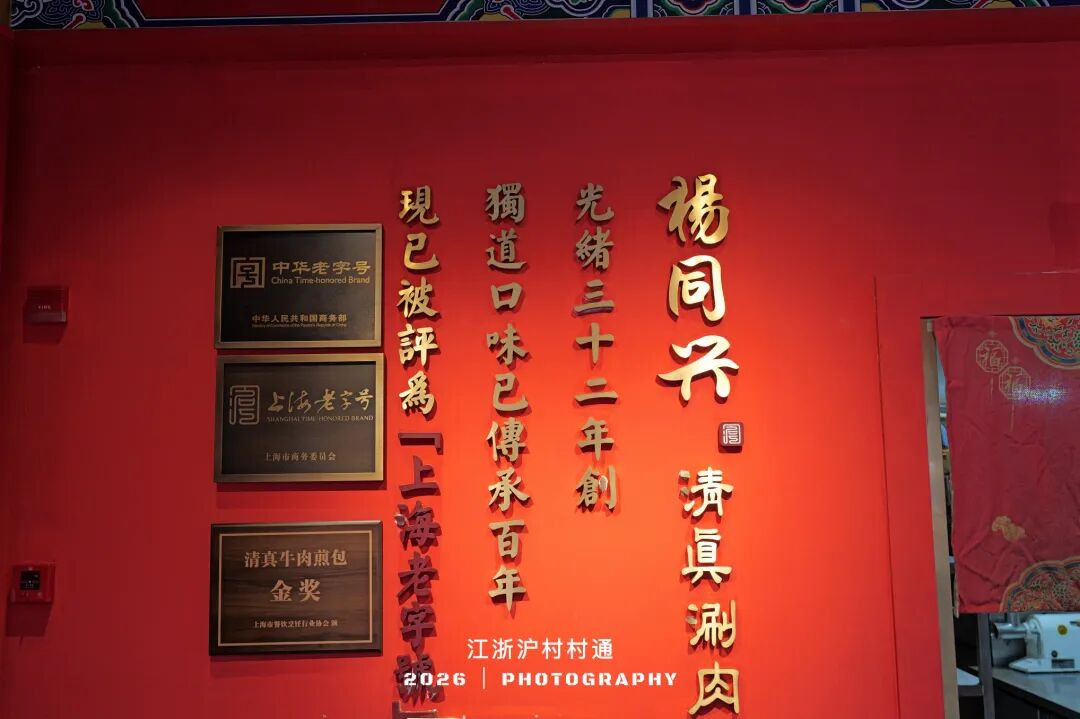
Stepping into one of Shanghai's most historic Halal eateries to check out their legendary niurou jianbao (pan-fried beef buns). Through a live-action look at the open kitchen's frying station, crunchy golden-brown crispy bottoms, and a close-up review of the juicy, tight beef fillings, we're diving into over a hundred years of hardcore culinary craftsmanship.
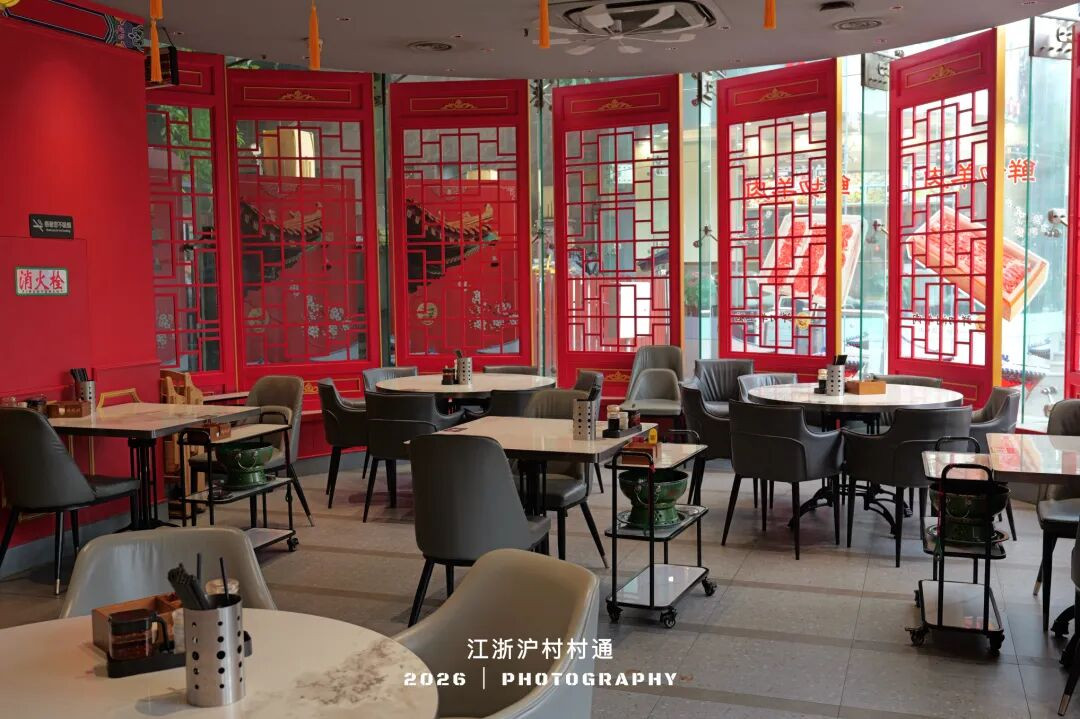
Right on the street, the storefront sign is super easy to spot~
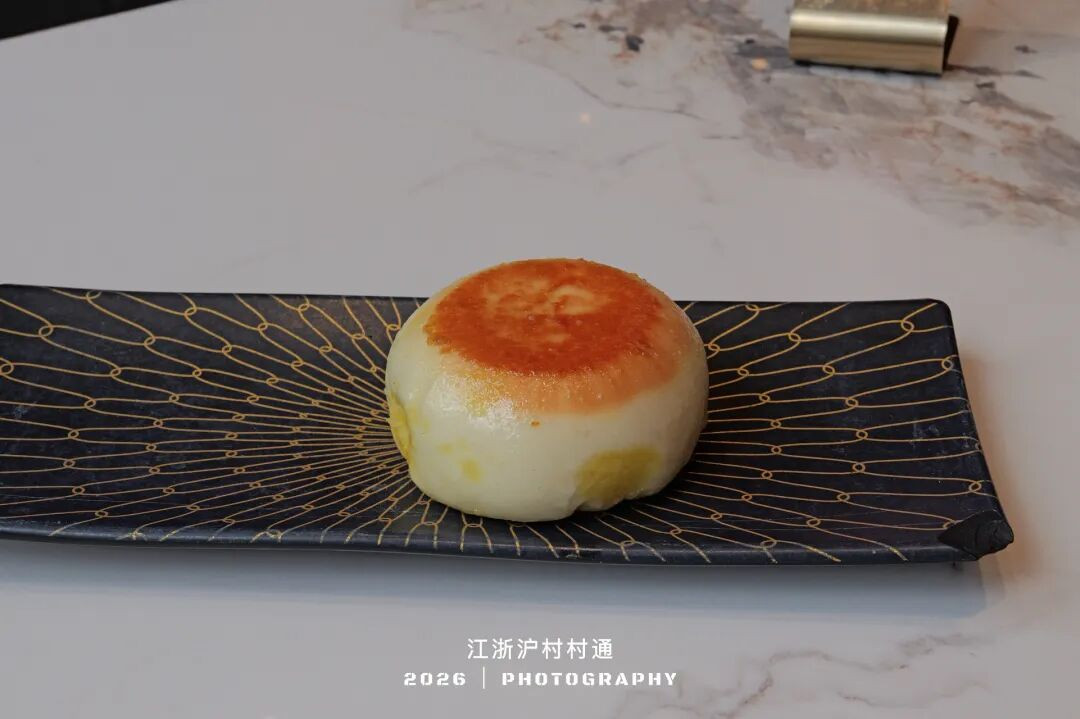
Walking inside, I immediately got reeled in by the honorary plaques hanging on the wall~
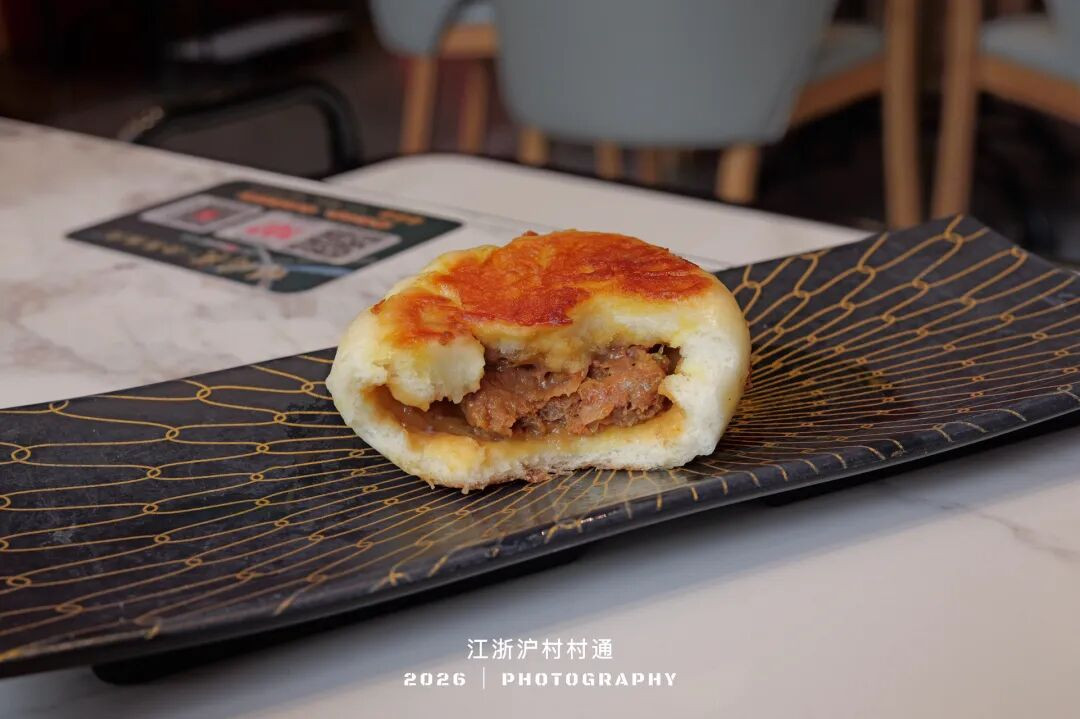
The vibe is pretty nice—super clean, spacious, and the staff are all young folks. It spans two floors: the ground floor dishes out noodles and handmade snacks, while the second floor is dedicated to hotpot. There's no physical menu lying around; once you grab a table, you just scan the QR code to order. During the peak of the lunch rush, barely anyone was there, so I pretty much had the whole place to myself~
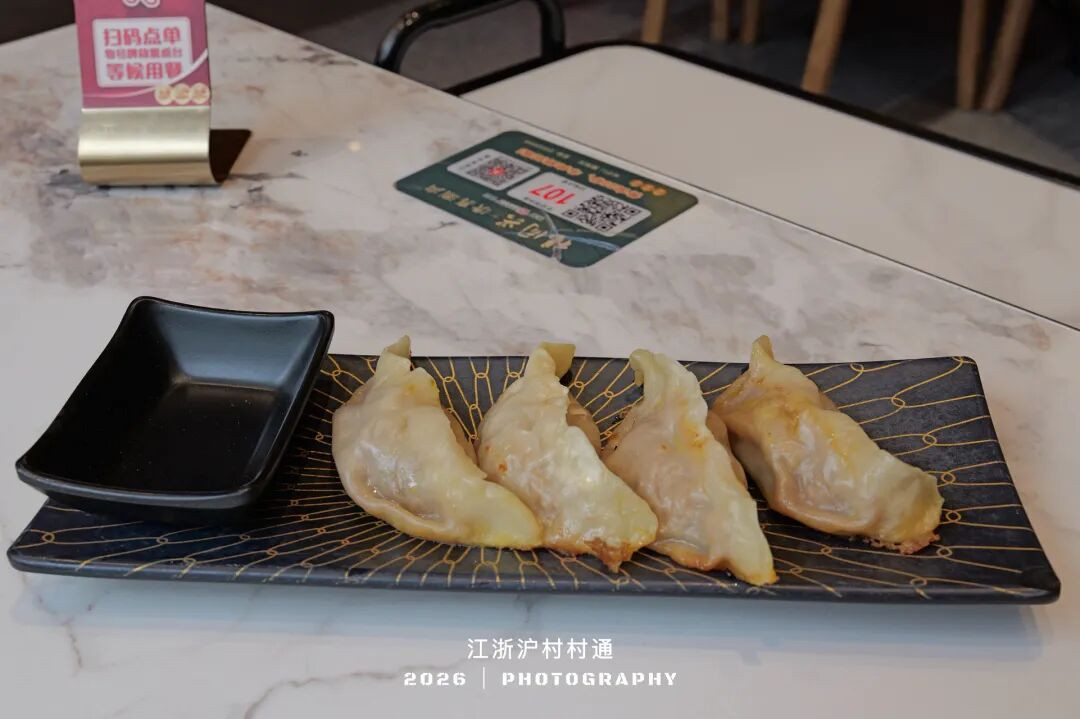
The signature niurou jianbao (pan-fried beef buns) go for 6 RMB a pop. I started with just one to test the waters, figuring I'd order more if they slapped. The wait was kind of long. They're actually pretty chunky, but the wrapper is on the thicker and drier side. The filling features beef, onions, and napa cabbage. The texture is a bit loose, and the seasoning is decently balanced, but man, it was way too greasy. Eating just one made me feel completely stuffed, completely killing any vibe to order seconds~
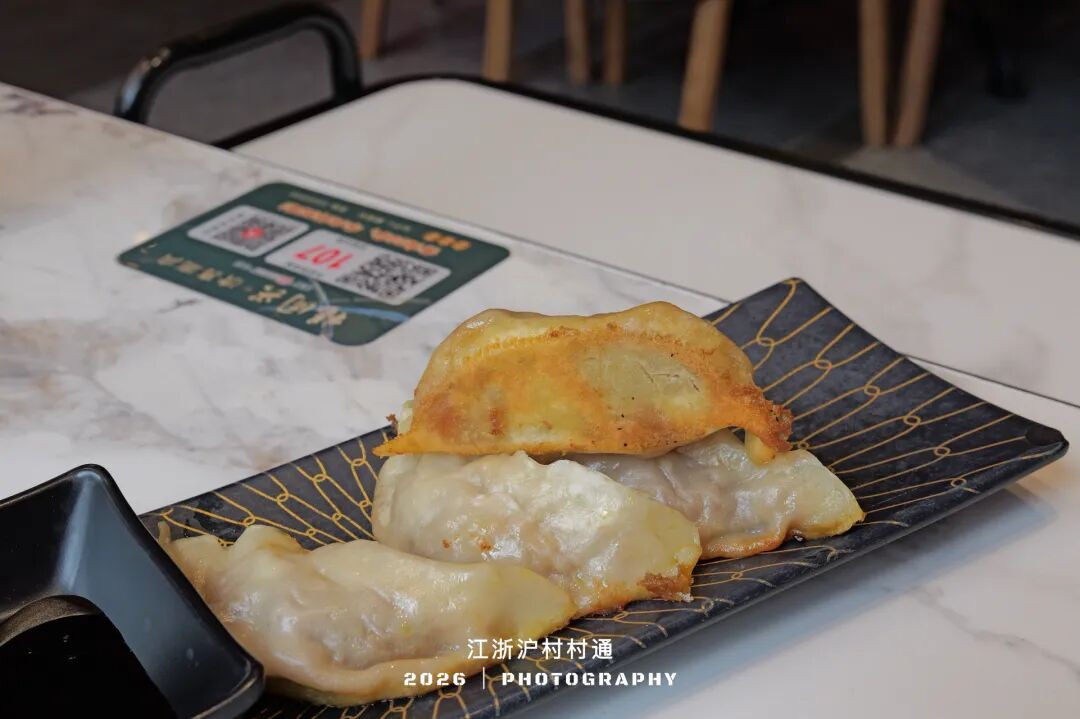
The guotie (crispy beef potstickers) cost 12 RMB for four. They use the exact same filling as the jianbao, but the wrapper was both hard and oily, and the bottom had zero crunch to it. Running on a strict no-food-waste policy, I forced myself to choke down half and left the rest...
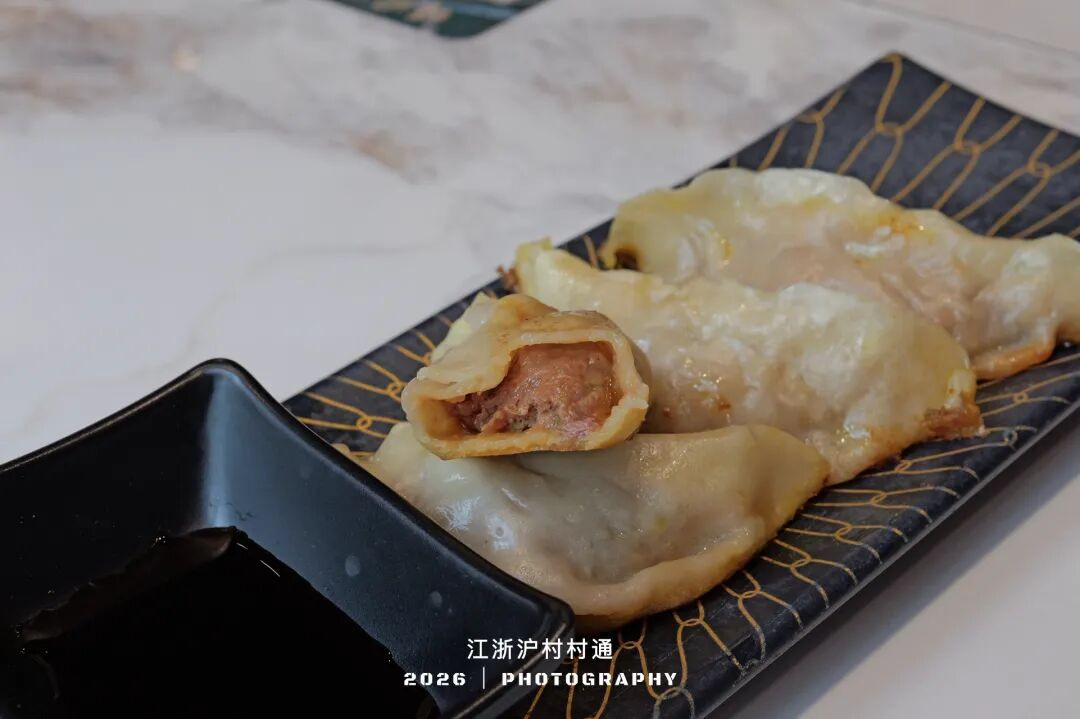
The niurou xiaohuntun (beef wonton soup) is 20 RMB. It's pretty rare to find these in a curry-infused bone broth base, but it had the exact same issue—way too oily! The wontons themselves are decently sized and packed full. You gotta eat 'em fast before the wrappers get soggy, but the beef filling is super tight and bouncy~
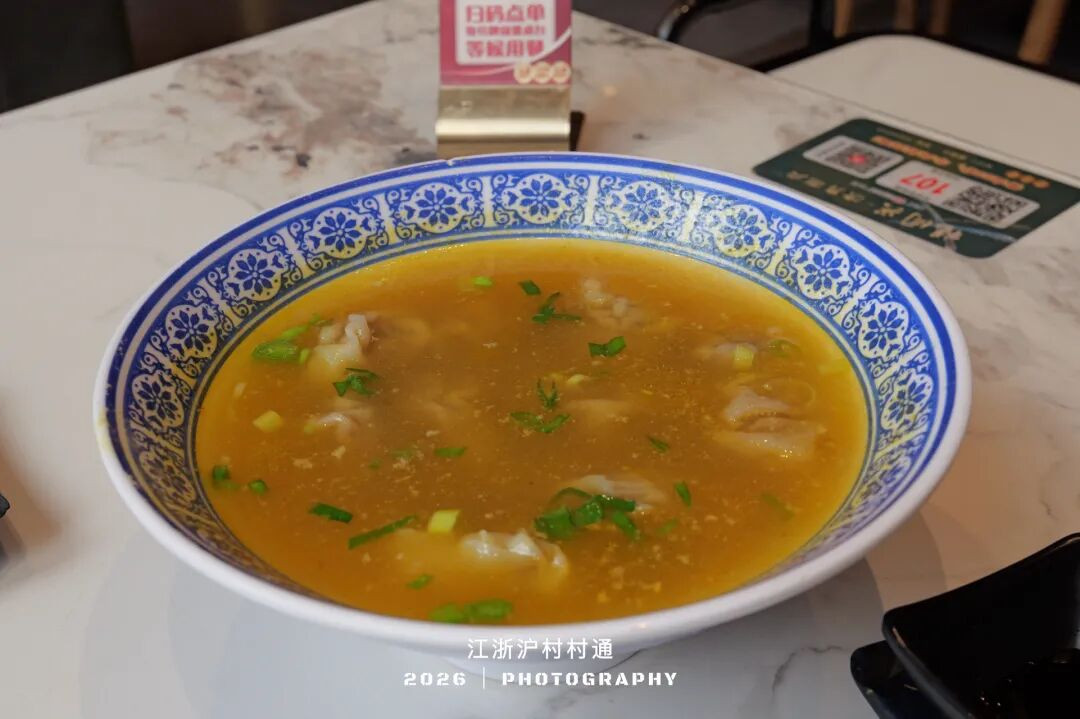
Suffering through a crazy hot summer day, eating a seriously greasy beef jianbao actually kept me full all the way until night. Total win today—basically scored a free dinner savings~
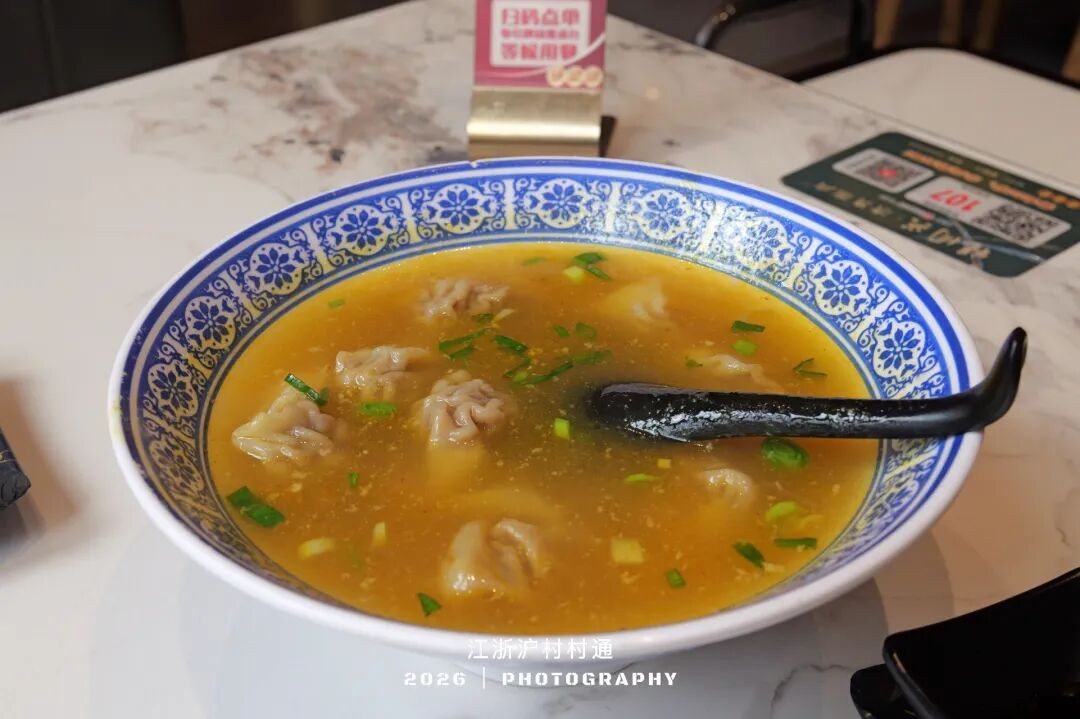
Old-School Classic • Yang Tongxing Halal • Hotpot & Skewers Address: No. 215 Shimen Er Road, Jing'an District~
End Collapse Read »
A Real-Deal Visit to Shanghai's Century-Old Halal Spot: Legendary Beef Pan-Fried Buns Keeping Qing Dynasty Techniques Alive with Ultra-Crispy Bottoms and Juicy Meaty Flavors
TL;DR:
Stepping into one of Shanghai's most historic Halal eateries to check out their legendary niurou jianbao (pan-fried beef buns). Through a live-action look at the open kitchen's frying station, crunchy golden-brown crispy bottoms, and a close-up review of the juicy, tight beef fillings, we're diving into over a hundred years of hardcore culinary craftsmanship.
Right on the street, the storefront sign is super easy to spot~
Walking inside, I immediately got reeled in by the honorary plaques hanging on the wall~
The vibe is pretty nice—super clean, spacious, and the staff are all young folks. It spans two floors: the ground floor dishes out noodles and handmade snacks, while the second floor is dedicated to hotpot. There's no physical menu lying around; once you grab a table, you just scan the QR code to order. During the peak of the lunch rush, barely anyone was there, so I pretty much had the whole place to myself~
The signature niurou jianbao (pan-fried beef buns) go for 6 RMB a pop. I started with just one to test the waters, figuring I'd order more if they slapped. The wait was kind of long. They're actually pretty chunky, but the wrapper is on the thicker and drier side. The filling features beef, onions, and napa cabbage. The texture is a bit loose, and the seasoning is decently balanced, but man, it was way too greasy. Eating just one made me feel completely stuffed, completely killing any vibe to order seconds~
The guotie (crispy beef potstickers) cost 12 RMB for four. They use the exact same filling as the jianbao, but the wrapper was both hard and oily, and the bottom had zero crunch to it. Running on a strict no-food-waste policy, I forced myself to choke down half and left the rest...
The niurou xiaohuntun (beef wonton soup) is 20 RMB. It's pretty rare to find these in a curry-infused bone broth base, but it had the exact same issue—way too oily! The wontons themselves are decently sized and packed full. You gotta eat 'em fast before the wrappers get soggy, but the beef filling is super tight and bouncy~
Suffering through a crazy hot summer day, eating a seriously greasy beef jianbao actually kept me full all the way until night. Total win today—basically scored a free dinner savings~
Old-School Classic • Yang Tongxing Halal • Hotpot & Skewers Address: No. 215 Shimen Er Road, Jing'an District~
End Collapse Read »
Ultimate Shanghai Halal Food Guide: Best Muslim Restaurants, Hand-Grabbed Lamb & Old-School Eats
[Internet Repost]
Exploring Shanghai's Unique Halal Food Scene: A Culinary Journey from Traditional Hand-Grabbed Lamb to Street-Style BBQ
Summary:
A curated selection of Shanghai's most unique Halal dining spots, offering a deep dive into the fusion of different regional flavors. Featuring tender and juicy original white-strip shouzhua yangrou (Lanzhou hand-grabbed lamb), authentic yangrou paomo (crumbled flatbread in lamb soup), and flavorful grilled skewers, this guide takes food lovers on a journey to discover authentic flavors hidden in Shanghai's alleyways.
Exploring Shanghai's Unique Halal Food Scene ️
Visiting bustling Shanghai and looking to try some authentic Halal food? Here's the inside scoop on Shanghai's best Halal restaurants!
Hongchangxing
This time-honored restaurant is famous for its copper-pot instant-boiled mutton and classic Shanghai Benbang cuisine. Conveniently located, it features large private dining rooms that are great for banquets.
As Shanghai's very first Halal mutton house, the name 'Hongchangxing' was once synonymous with mutton hotpot in the hearts of locals. But as early as the end of 1999, Hongchangxing established a Halal food company, truly achieving an all-in-one Halal food operation. Aside from freshly sliced hotpot mutton, the shop also hides a dedicated 'takeout counter' specializing in Halal dim sum and snacks.
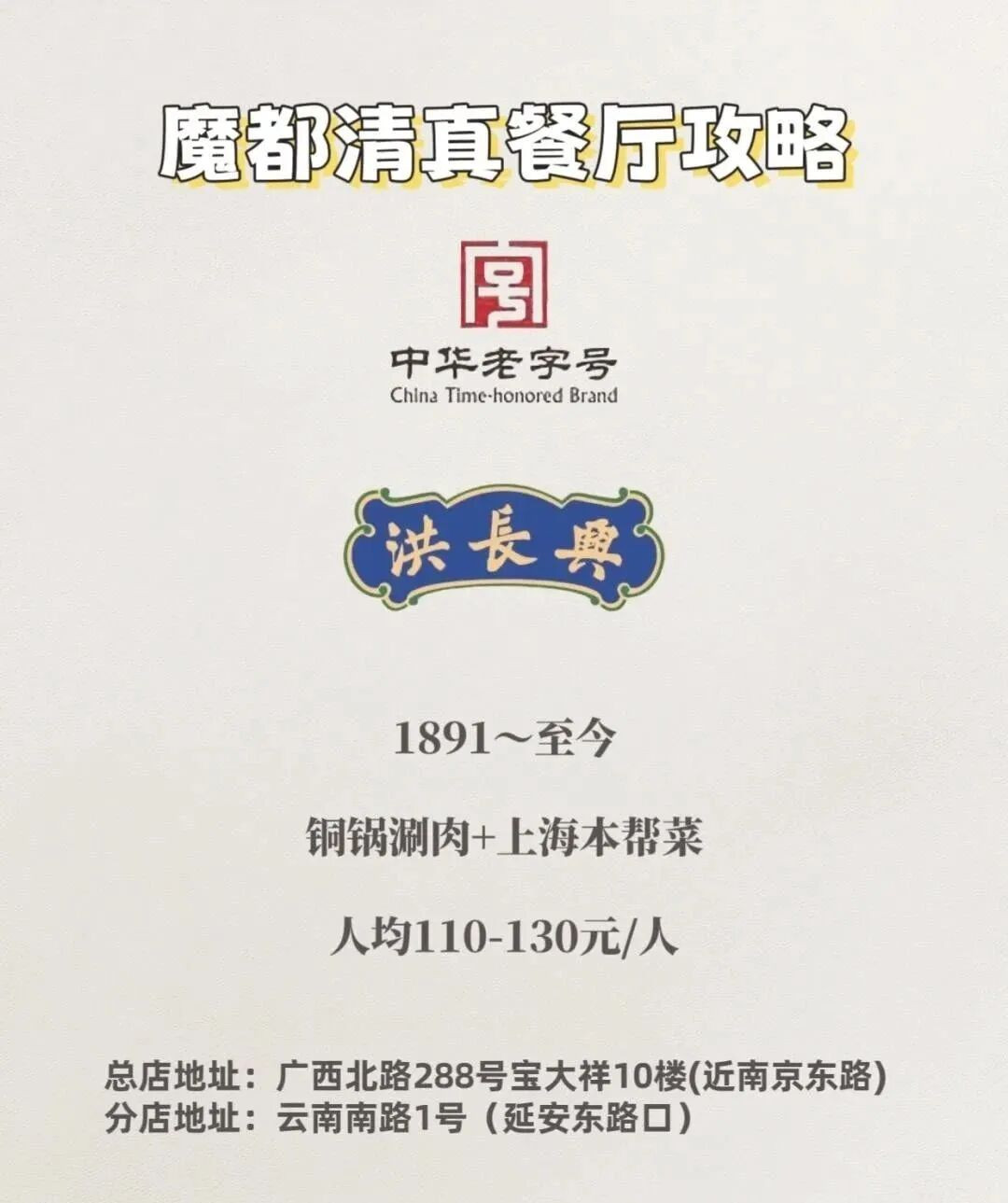
@MountainTraveler
Hongchangxing's pastries and snacks stick to the classic time-honored 'front shop, back factory' production model, made fresh daily. Their Halal dim sum uses quite a bit of beef fat, carrying a distinct Northwest heritage. The flavors are authentic and unique, high quality yet budget-friendly, and totally worth trying.
@OrchidQuiet @ShanghaiOldXu
Hongchangxing Takeout Counter
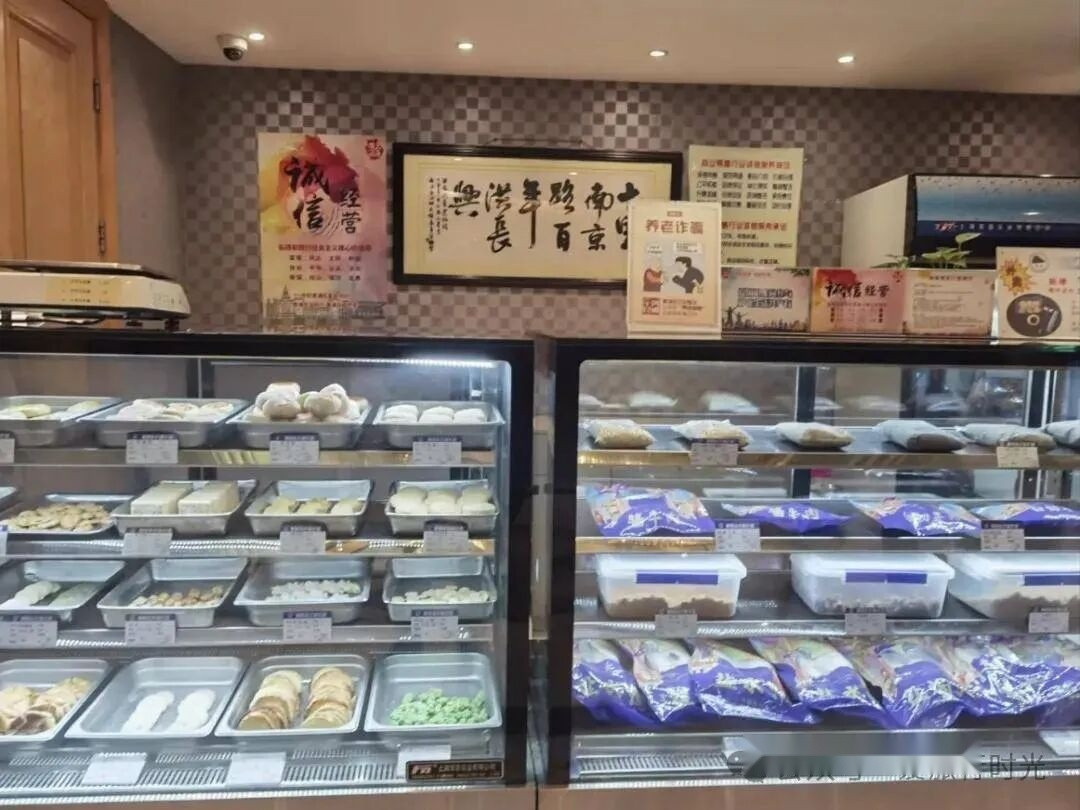
Address: No. 1 Yunnan South Road, Huangpu District
Business Hours: 11:00-14:00; 17:00-20:00
Yangtongxing
Another time-honored spot, specializing in copper-pot hotpot and noodle snacks. With Beijing-style decor, it's super photogenic, and there are private rooms on the second floor too.
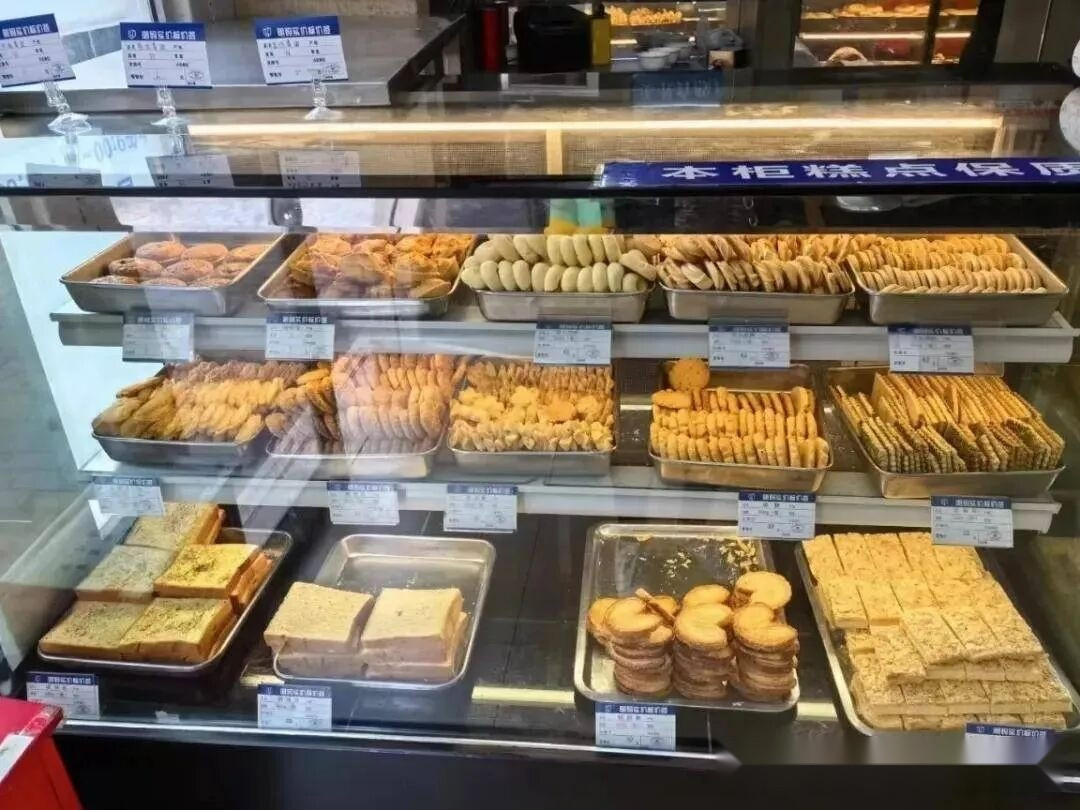
Yixinxing
Established in 1958, focusing mainly on Shanghai Benbang dishes and street snacks with wallet-friendly prices. The third floor features private rooms where you can enjoy great food while soaking in a cozy, homey vibe.
Address: No. 1503 Pingliang Road, Yangpu District, Shanghai (970m walk from Exit 3 of Ningguo Road Station, Metro Line 12)
Fun Fact: Started in 1985, this award-winning China Top 10 Halal Dining establishment is listed as a Shanghai Intangible Cultural Heritage. Just like Hongchangxing, the servers carry a classic old-shop arrogant aura (though slightly friendlier than Hongchangxing). The interior decor is a bit retro, but everything is clean and tidy. It seems they also have private rooms on the third floor.
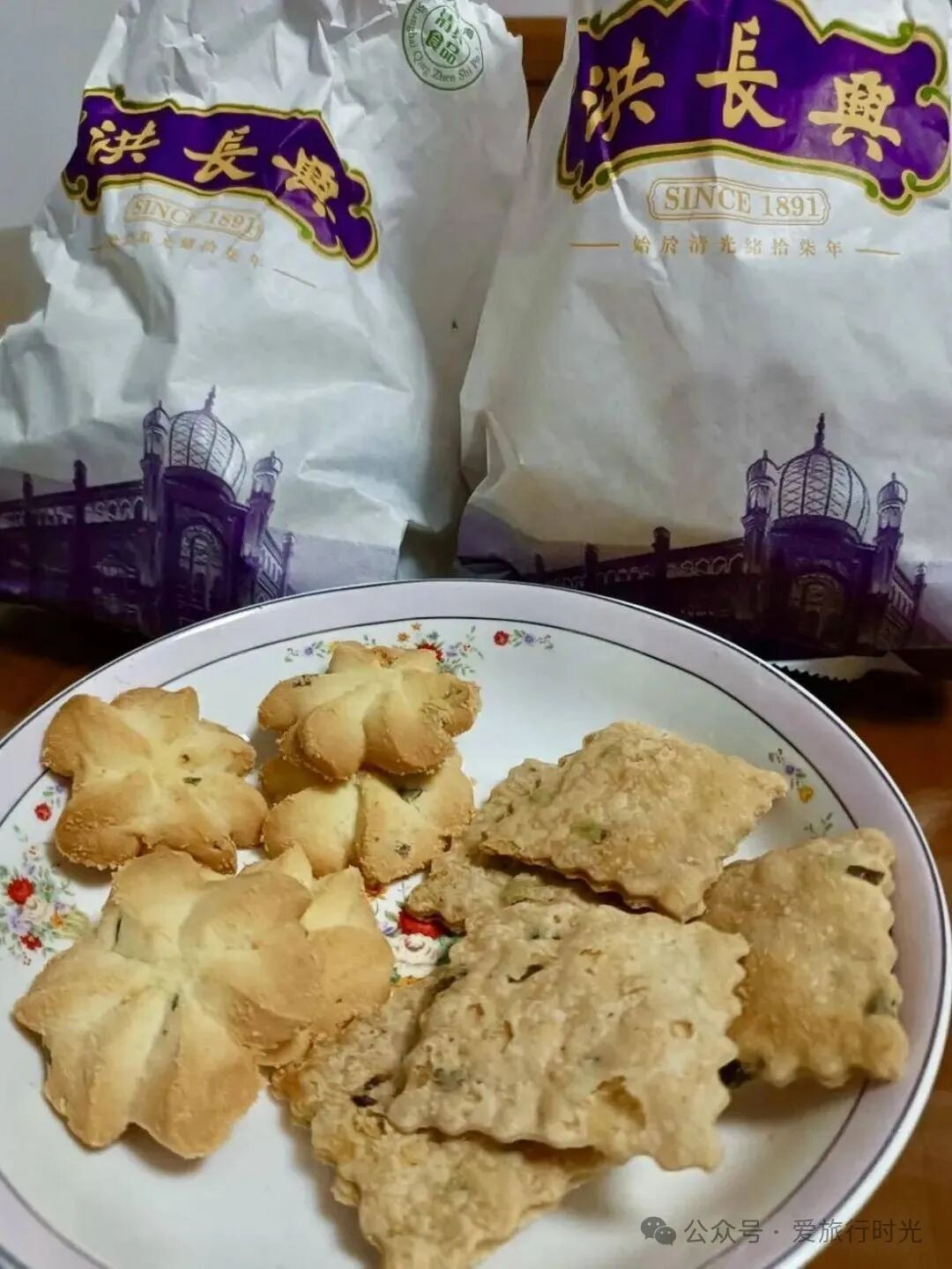
Super Recommendation: The niurou jianbao (pan-fried beef buns) are an absolute must-order, must-order, must-order‼️ Available at the first-floor takeout window for dine-in or take-out. The wrappers are thin, the fillings are huge, and the bottoms are super crispy. The only drawback is that they are so massive that foodies might struggle a bit to finish one!
The guotie (crispy beef potstickers) are also an absolute must-order hhh. The bottoms are insanely crispy, and dipping them in vinegar cuts through the richness while soaking up all those savory flavors.
General Recommendations ️: Niuqin shao haishen (braised sea cucumber with beef tendon)—the sea cucumber is fresh, tender, bouncy, and melts in your mouth, while the beef tendon has a thick, springy texture ️ Shanghai smoked fish—sweet yet multi-layered with a crispy, fragrant crunch ️ Secret-recipe three-cup chicken wings—giving off a savory soy-sauce chicken vibe, with deliciously soft, flavorful garlic cloves inside that were a surprisingly amazing hit.
Between the two Shanghai Halal heritage spots I've tried, I’d definitely recommend Yixinxing more. Even though the service attitude is just so-so, the dishes are much more surprisingly good, and their signature plates stand out as way more authentic. Hope this helps you foodies dodge any culinary landmines and gain weight together with plenty of good food!
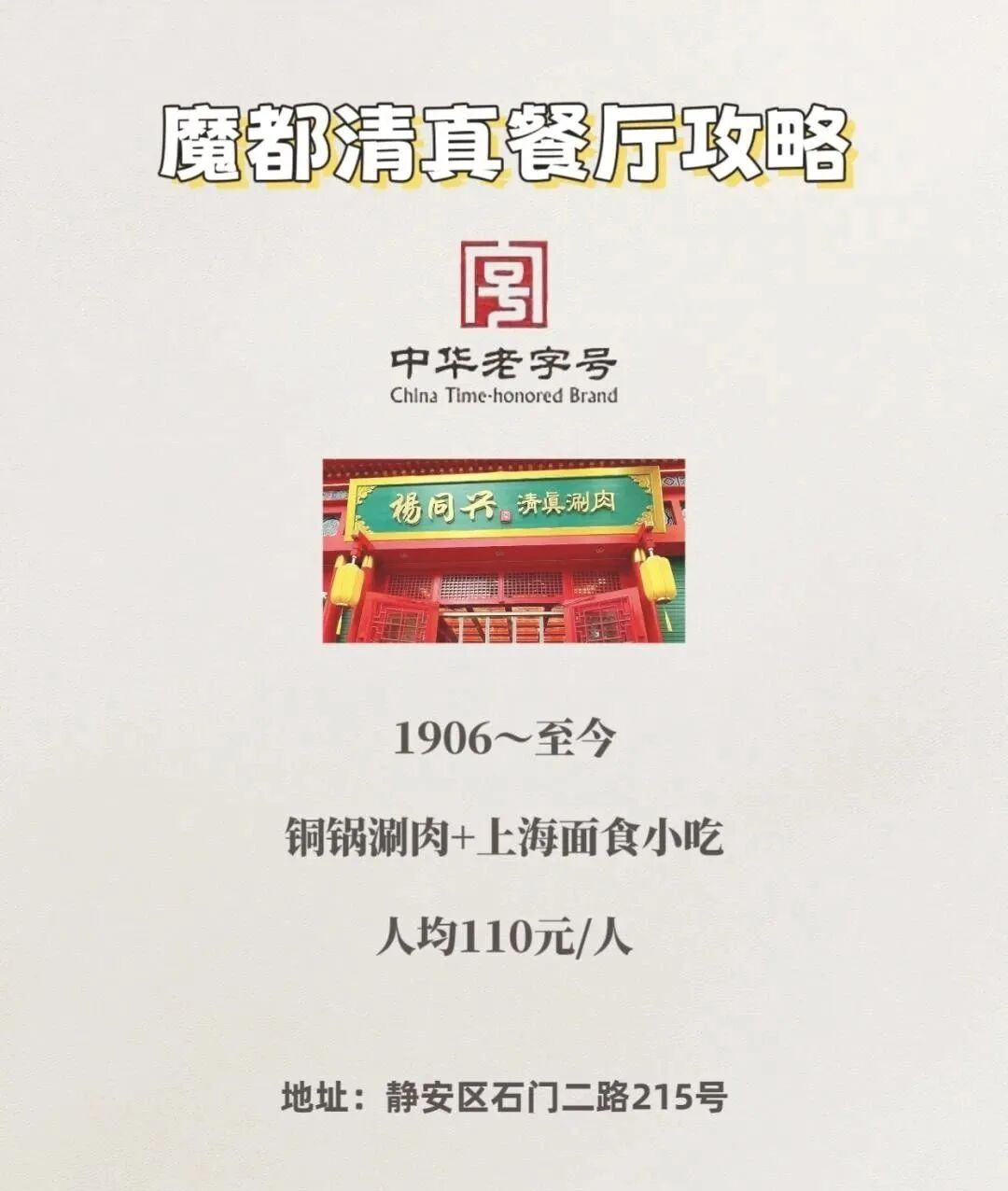
Atlantic Restaurant
Though formerly a Western restaurant, it now focuses on Shanghai-style Halal cuisine, blending the essences of Benbang, Cantonese, and Western cooking. Worth noting: located inside the Shanghai Pearl Hotel, the ethnic-themed decor is truly mesmerizing.
⏰ Business Hours: 11:00-13:30, 17:00-21:30
Average Cost per Person: ¥133
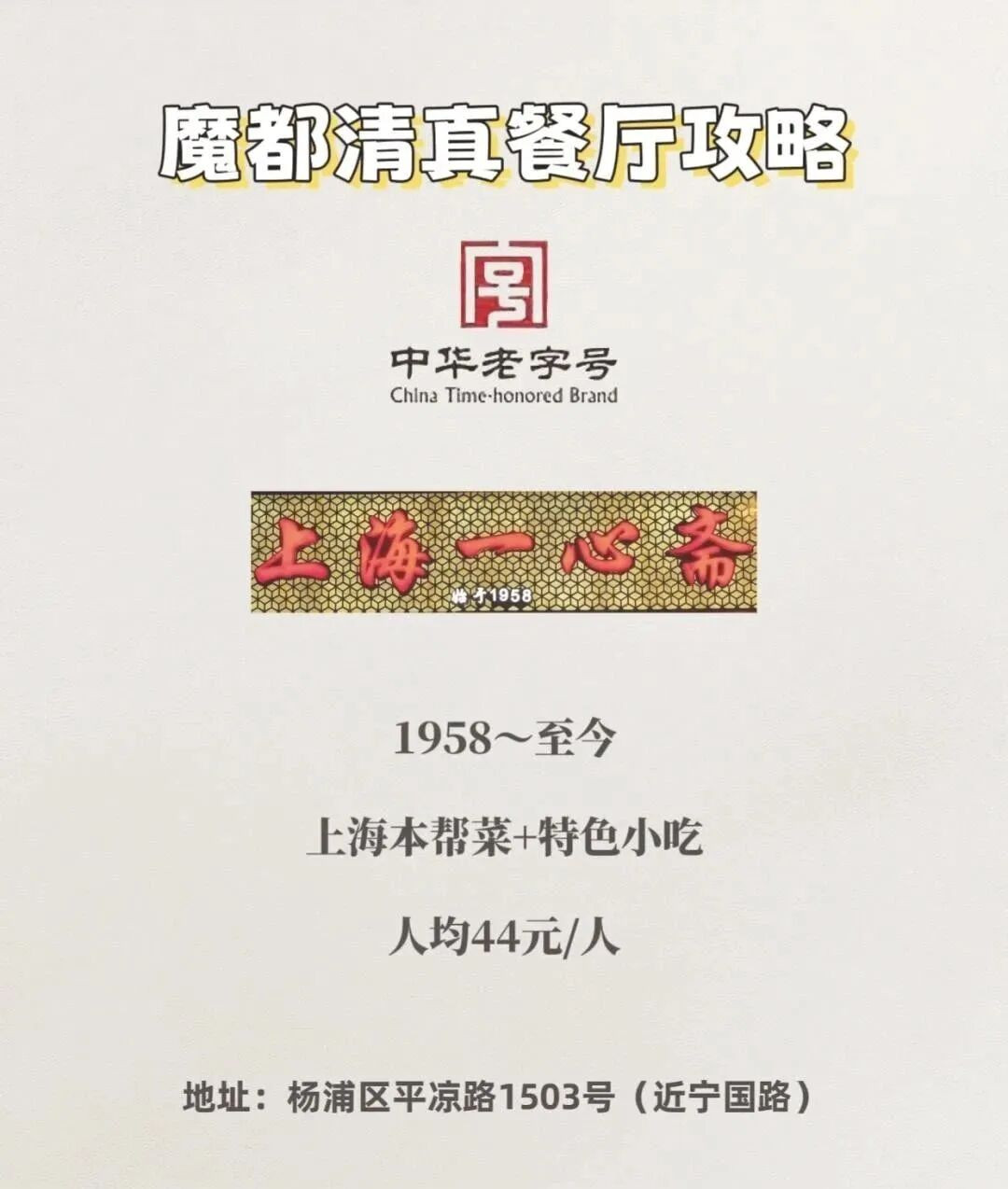
【Recommended Dishes】
Braised Ox Head: Their signature secret braised ox head genuinely gives off an unbeatable, high-flying vibe—fragrant, crispy, and seasoned to absolute perfection.
Shouzhua yangrou (Lanzhou hand-grabbed lamb) (208 RMB): Both the hand-grabbed lamb and pot dishes are hearty and substantial. The meat is tender without any gamey mutton smell.
Niurou jianbao (pan-fried beef buns) (30 RMB): Good thing I don't mind curry, and the wrappers are nice and thin.
Shredded Radish Pastry: Served piping hot with a super crispy exterior and a delicate, pleasantly chewy, fragrant radish shred filling that is just so good.
【Getting There】
If you're driving, you can choose from these parking lots:
No. 1
Pearl Hotel Parking Lot: Free for the first hour, then 4.5 RMB per 30 minutes, 72 RMB for the whole day. Less than 100 meters from the restaurant.
No. 2
Pearl Hotel Underground Parking Lot: Internal reserved spaces, not open to the public. Less than 100 meters from the restaurant.
No. 3
Meiyuehua Exquisite Cantonese Cuisine (Zhaoojiabang Road Branch) Parking Lot: Free parking for the first 10 minutes, then 10 RMB/hour, 80 RMB for the full day. Less than 100 meters from the restaurant, a 1-minute walk away.
Public Transit
Subway: Take Line 12 or Line 9, get off at Jiashan Road Station, walk 150 meters (about 3 minutes).
Subway: Take Line 9, get off at Dapuqiao Station, walk 690 meters.
The above represents only my personal suggestions. Prices are subject to fluctuation, so please rely on the actual in-store pricing. Everyone is welcome to recommend other Halal restaurants for me to try—a foodie's journey never stops! Collapse Read »
Exploring Shanghai's Unique Halal Food Scene: A Culinary Journey from Traditional Hand-Grabbed Lamb to Street-Style BBQ
Summary:
A curated selection of Shanghai's most unique Halal dining spots, offering a deep dive into the fusion of different regional flavors. Featuring tender and juicy original white-strip shouzhua yangrou (Lanzhou hand-grabbed lamb), authentic yangrou paomo (crumbled flatbread in lamb soup), and flavorful grilled skewers, this guide takes food lovers on a journey to discover authentic flavors hidden in Shanghai's alleyways.
Exploring Shanghai's Unique Halal Food Scene ️
Visiting bustling Shanghai and looking to try some authentic Halal food? Here's the inside scoop on Shanghai's best Halal restaurants!
Hongchangxing
This time-honored restaurant is famous for its copper-pot instant-boiled mutton and classic Shanghai Benbang cuisine. Conveniently located, it features large private dining rooms that are great for banquets.
As Shanghai's very first Halal mutton house, the name 'Hongchangxing' was once synonymous with mutton hotpot in the hearts of locals. But as early as the end of 1999, Hongchangxing established a Halal food company, truly achieving an all-in-one Halal food operation. Aside from freshly sliced hotpot mutton, the shop also hides a dedicated 'takeout counter' specializing in Halal dim sum and snacks.
@MountainTraveler
Hongchangxing's pastries and snacks stick to the classic time-honored 'front shop, back factory' production model, made fresh daily. Their Halal dim sum uses quite a bit of beef fat, carrying a distinct Northwest heritage. The flavors are authentic and unique, high quality yet budget-friendly, and totally worth trying.
@OrchidQuiet @ShanghaiOldXu
Hongchangxing Takeout Counter
Address: No. 1 Yunnan South Road, Huangpu District
Business Hours: 11:00-14:00; 17:00-20:00
Yangtongxing
Another time-honored spot, specializing in copper-pot hotpot and noodle snacks. With Beijing-style decor, it's super photogenic, and there are private rooms on the second floor too.
Yixinxing
Established in 1958, focusing mainly on Shanghai Benbang dishes and street snacks with wallet-friendly prices. The third floor features private rooms where you can enjoy great food while soaking in a cozy, homey vibe.
Address: No. 1503 Pingliang Road, Yangpu District, Shanghai (970m walk from Exit 3 of Ningguo Road Station, Metro Line 12)
Fun Fact: Started in 1985, this award-winning China Top 10 Halal Dining establishment is listed as a Shanghai Intangible Cultural Heritage. Just like Hongchangxing, the servers carry a classic old-shop arrogant aura (though slightly friendlier than Hongchangxing). The interior decor is a bit retro, but everything is clean and tidy. It seems they also have private rooms on the third floor.
Super Recommendation: The niurou jianbao (pan-fried beef buns) are an absolute must-order, must-order, must-order‼️ Available at the first-floor takeout window for dine-in or take-out. The wrappers are thin, the fillings are huge, and the bottoms are super crispy. The only drawback is that they are so massive that foodies might struggle a bit to finish one!
The guotie (crispy beef potstickers) are also an absolute must-order hhh. The bottoms are insanely crispy, and dipping them in vinegar cuts through the richness while soaking up all those savory flavors.
General Recommendations ️: Niuqin shao haishen (braised sea cucumber with beef tendon)—the sea cucumber is fresh, tender, bouncy, and melts in your mouth, while the beef tendon has a thick, springy texture ️ Shanghai smoked fish—sweet yet multi-layered with a crispy, fragrant crunch ️ Secret-recipe three-cup chicken wings—giving off a savory soy-sauce chicken vibe, with deliciously soft, flavorful garlic cloves inside that were a surprisingly amazing hit.
Between the two Shanghai Halal heritage spots I've tried, I’d definitely recommend Yixinxing more. Even though the service attitude is just so-so, the dishes are much more surprisingly good, and their signature plates stand out as way more authentic. Hope this helps you foodies dodge any culinary landmines and gain weight together with plenty of good food!
Atlantic Restaurant
Though formerly a Western restaurant, it now focuses on Shanghai-style Halal cuisine, blending the essences of Benbang, Cantonese, and Western cooking. Worth noting: located inside the Shanghai Pearl Hotel, the ethnic-themed decor is truly mesmerizing.
⏰ Business Hours: 11:00-13:30, 17:00-21:30
Average Cost per Person: ¥133
【Recommended Dishes】
Braised Ox Head: Their signature secret braised ox head genuinely gives off an unbeatable, high-flying vibe—fragrant, crispy, and seasoned to absolute perfection.
Shouzhua yangrou (Lanzhou hand-grabbed lamb) (208 RMB): Both the hand-grabbed lamb and pot dishes are hearty and substantial. The meat is tender without any gamey mutton smell.
Niurou jianbao (pan-fried beef buns) (30 RMB): Good thing I don't mind curry, and the wrappers are nice and thin.
Shredded Radish Pastry: Served piping hot with a super crispy exterior and a delicate, pleasantly chewy, fragrant radish shred filling that is just so good.
【Getting There】
If you're driving, you can choose from these parking lots:
No. 1
Pearl Hotel Parking Lot: Free for the first hour, then 4.5 RMB per 30 minutes, 72 RMB for the whole day. Less than 100 meters from the restaurant.
No. 2
Pearl Hotel Underground Parking Lot: Internal reserved spaces, not open to the public. Less than 100 meters from the restaurant.
No. 3
Meiyuehua Exquisite Cantonese Cuisine (Zhaoojiabang Road Branch) Parking Lot: Free parking for the first 10 minutes, then 10 RMB/hour, 80 RMB for the full day. Less than 100 meters from the restaurant, a 1-minute walk away.
Public Transit
Subway: Take Line 12 or Line 9, get off at Jiashan Road Station, walk 150 meters (about 3 minutes).
Subway: Take Line 9, get off at Dapuqiao Station, walk 690 meters.
The above represents only my personal suggestions. Prices are subject to fluctuation, so please rely on the actual in-store pricing. Everyone is welcome to recommend other Halal restaurants for me to try—a foodie's journey never stops! Collapse Read »
Ultimate Guide to Shanghai's Best Halal Xinjiang Restaurants: Hand-Grabbed Rice, BBQ Lamb & Kazakh Brunch
[Internet Repost]
The Ultimate Shanghai Xinjiang Halal Food Tour: A Feast of Shouzhuafan, Grilled Lamb Chops, and Artisanal Yogurt

Summary:
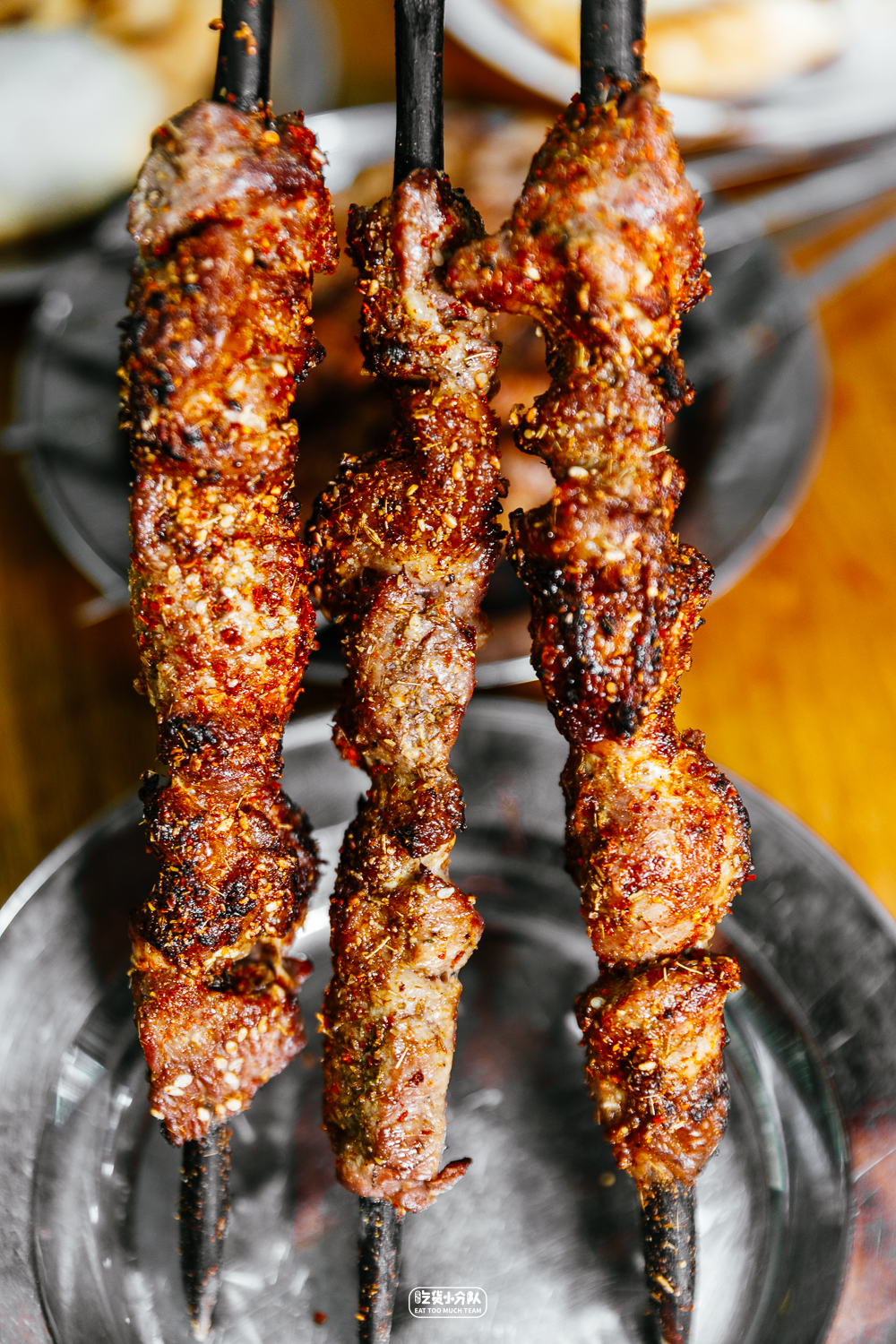
We've rounded up eight of the most authentic Xinjiang halal spots in Shanghai to bring you a Silk Road feast without leaving the city. From steaming plates of shouzhuafan (Lanzhou hand-grabbed lamb with rice) to sizzling charcoal-grilled lamb chops, Kashgar-style baked buns, and rich, authentic yogurt, this guide covers the absolute best of Western China's halal culinary traditions.
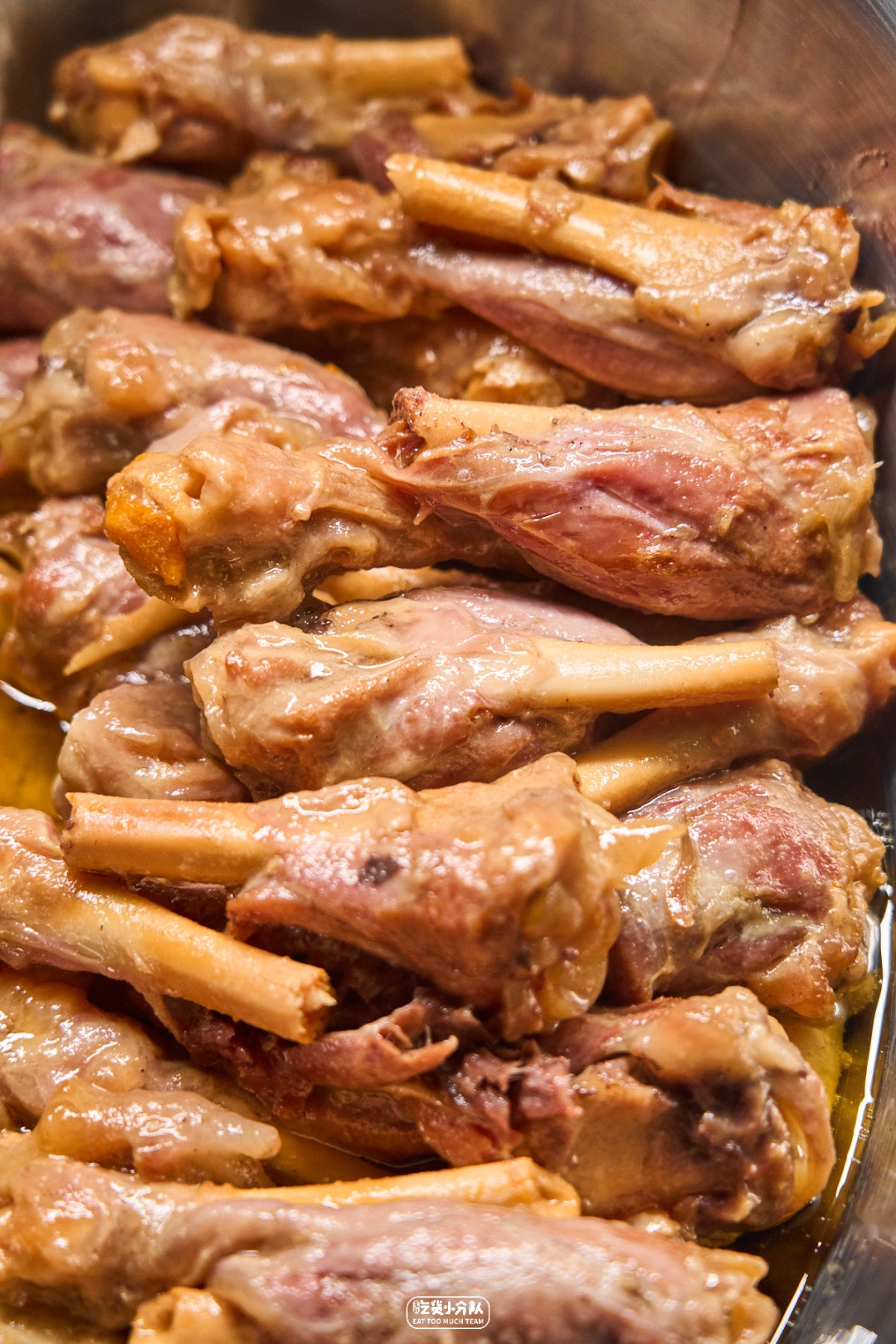
No need to book a flight thousands of miles out to Xinjiang!
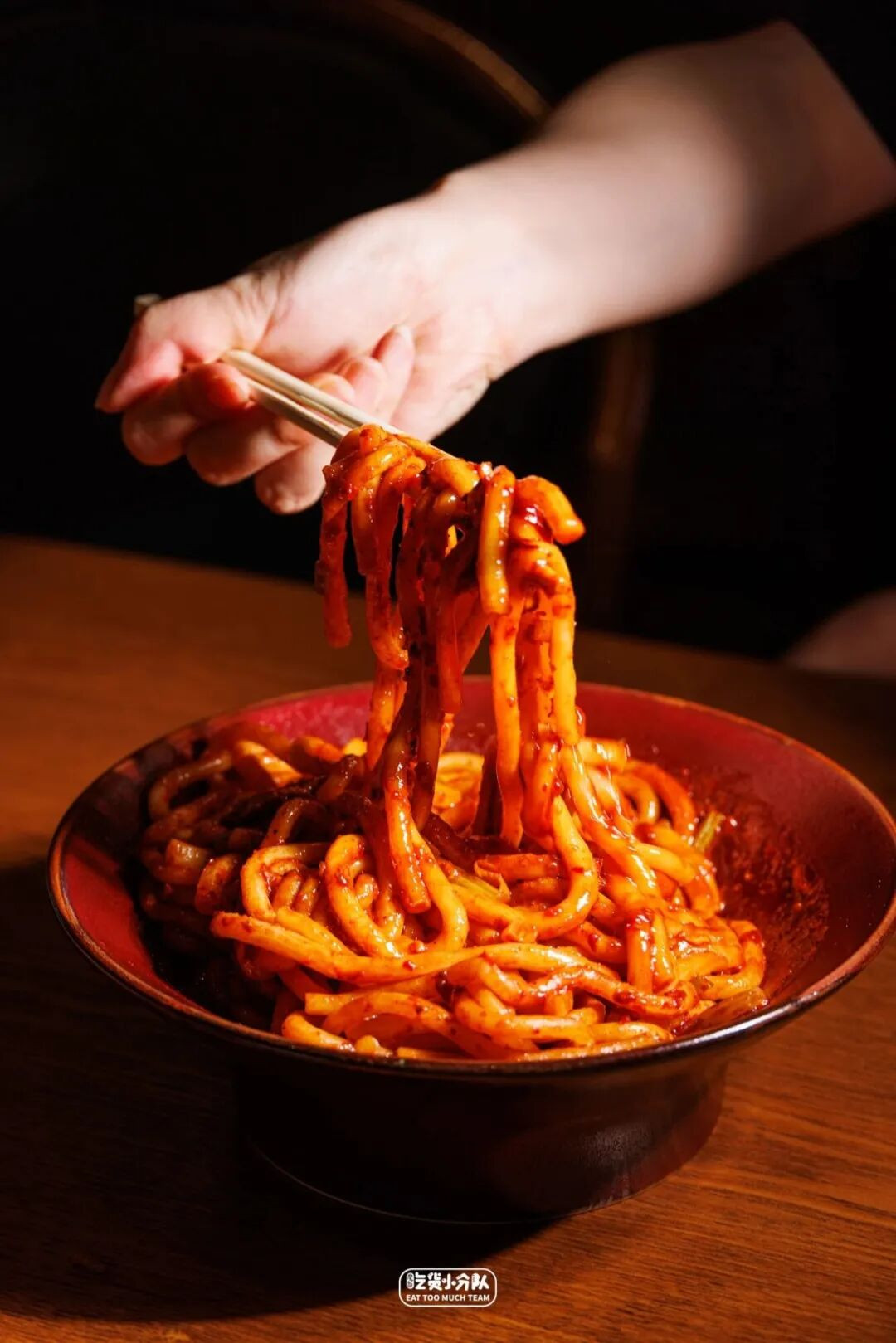
Right here in Shanghai, you can hit up everything from
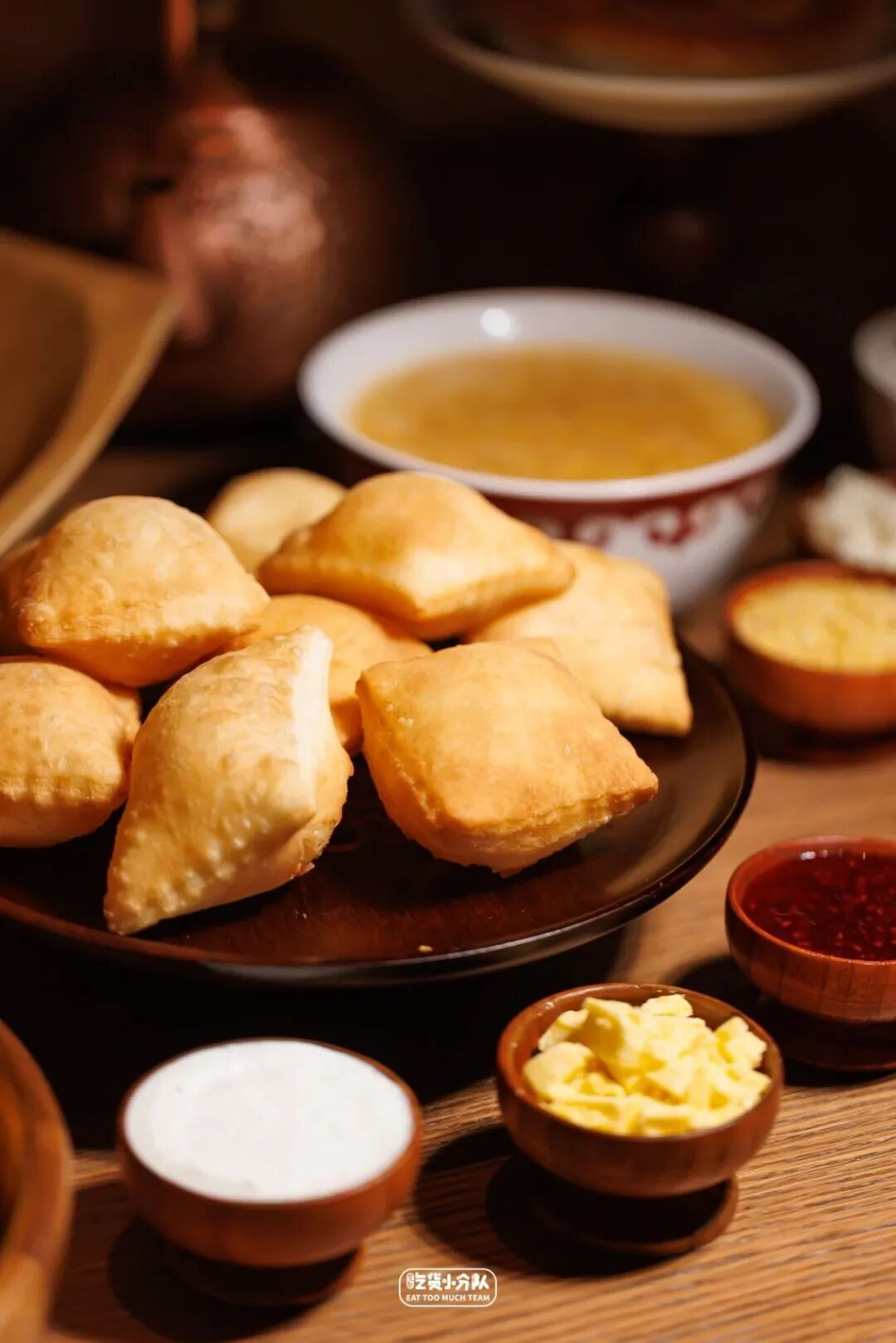
nomadic brunch, authentic pilaf, old-school street skewers, to specialty sweets
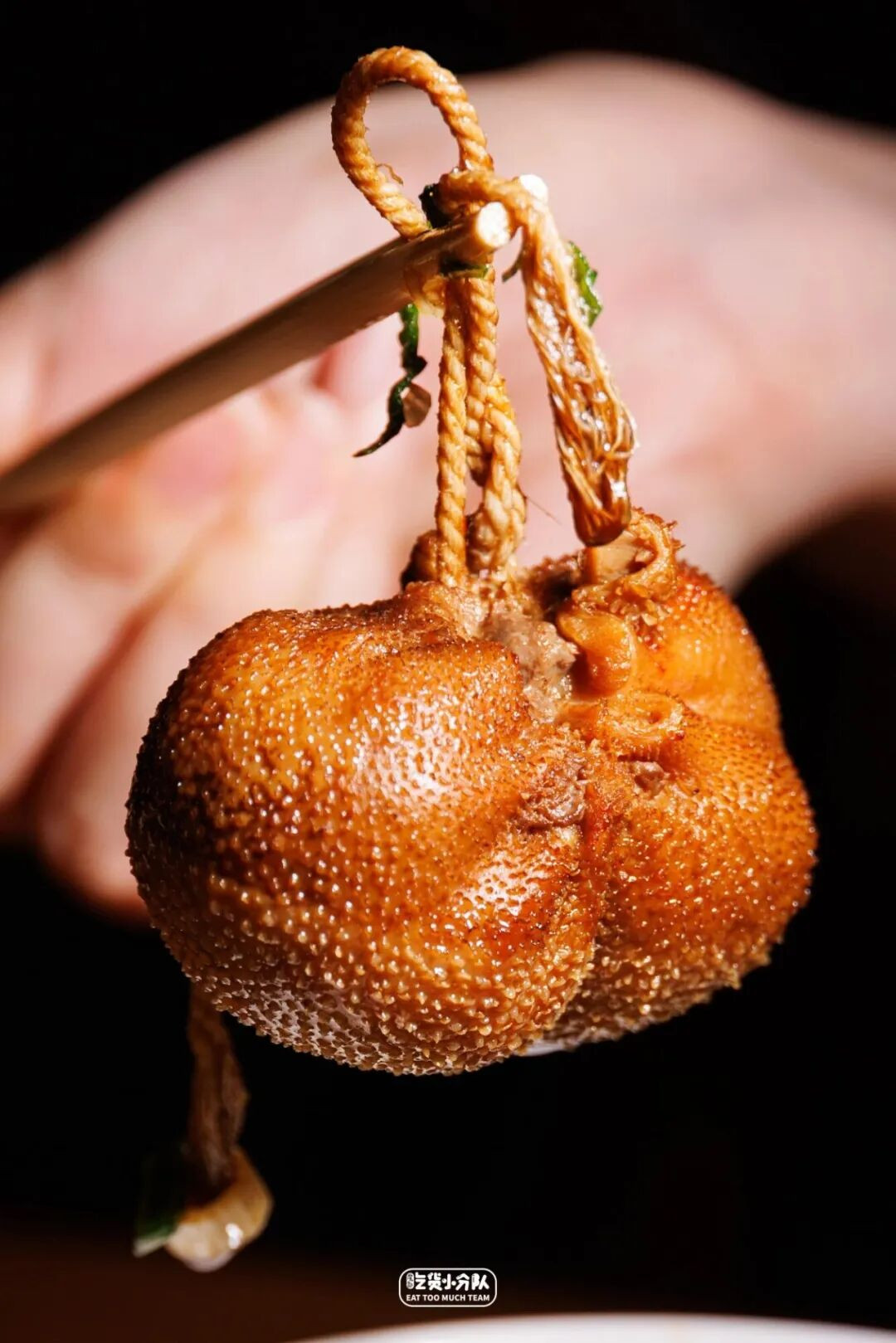
.....
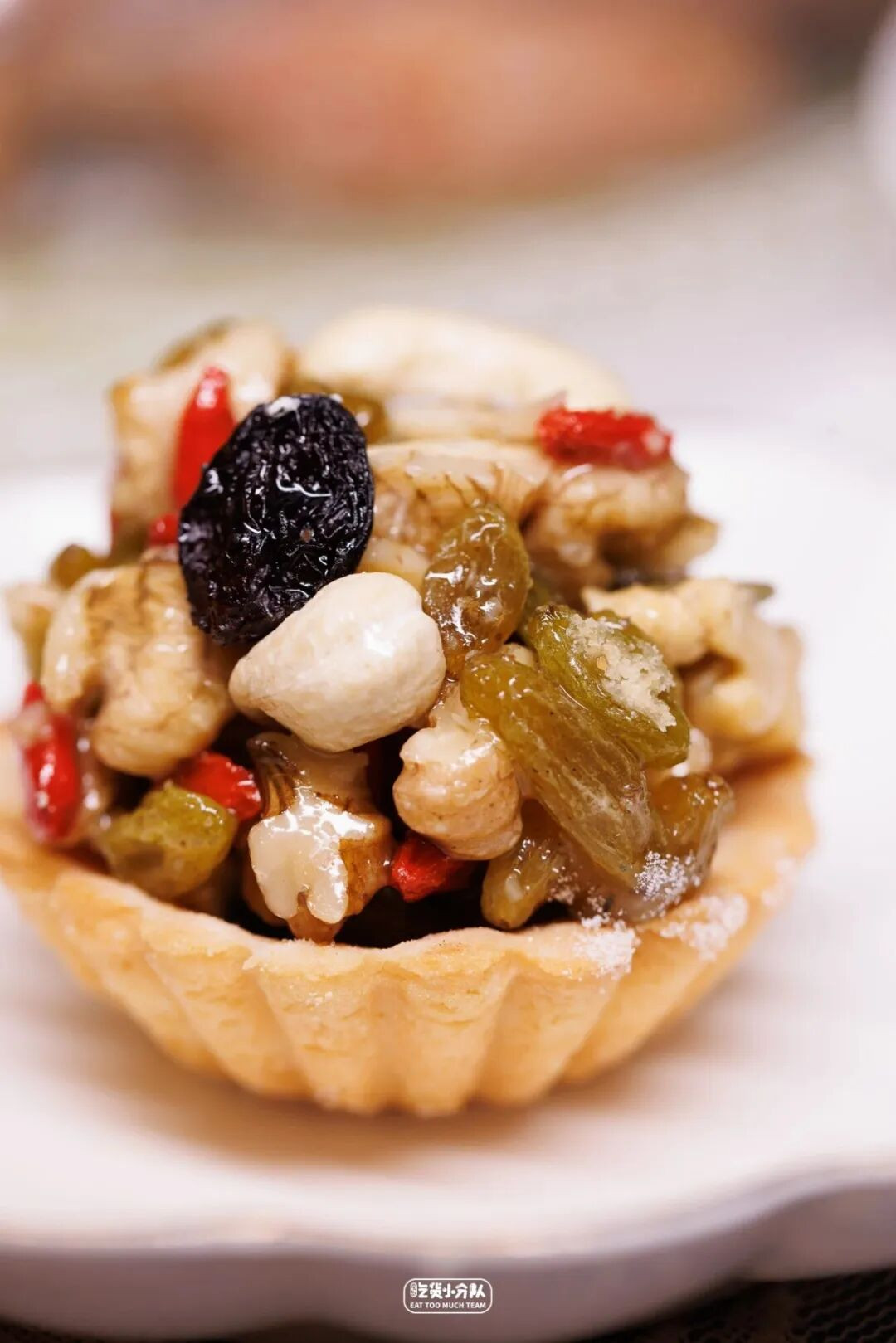
Xinjiang food lovers, bookmark this guide right now.
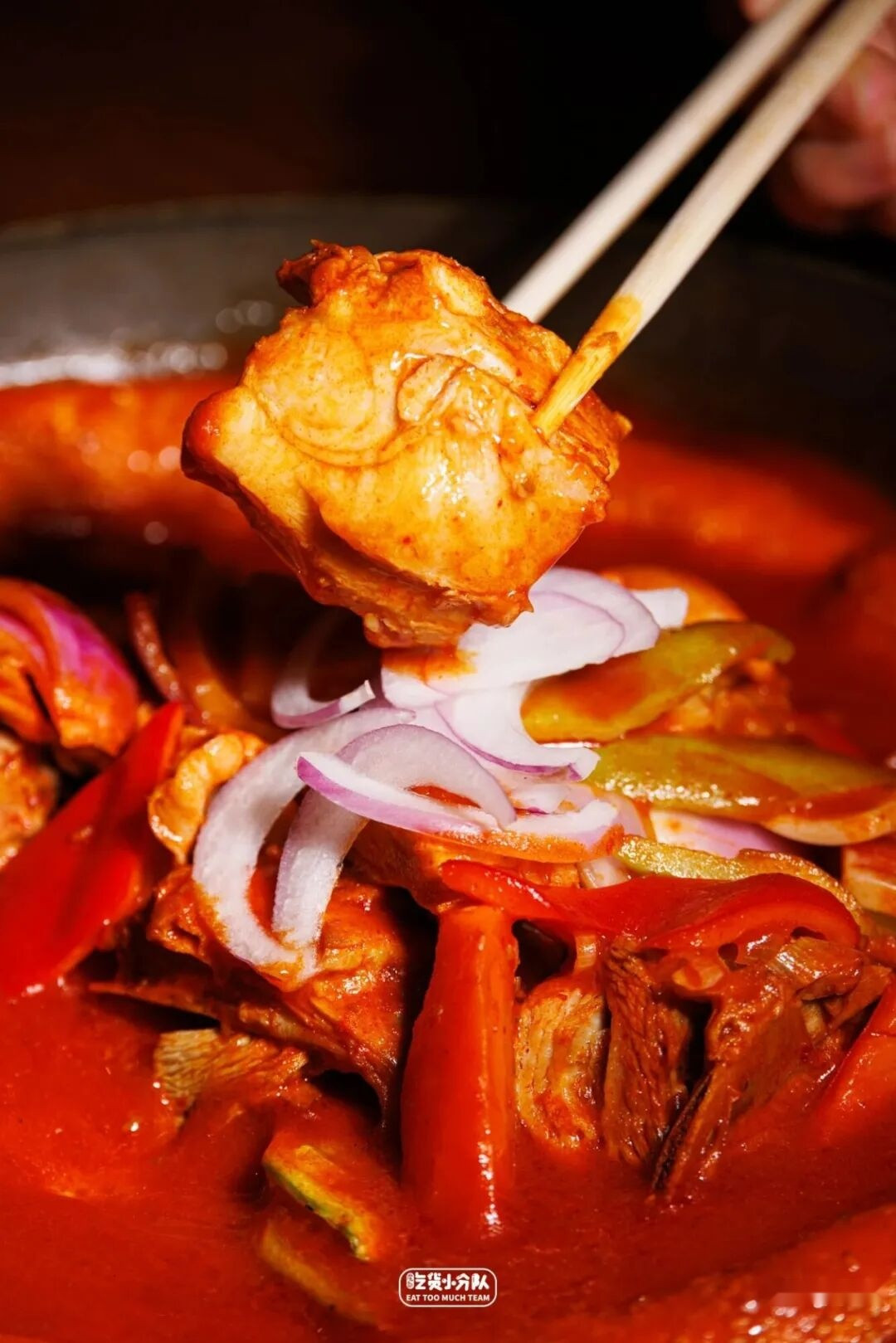
If you’ve been missing the old Macau Road halal market, your prayers have been answered. The ultimate massive indoor market version is finally here! Spanning two floors, the first floor focuses on budget-friendly halal street food and quick bites. The air is always thick with the fragrant cloud of spices thrown by the chefs, buzzing with mouth-watering meat aromas and the happy chatter of hungry diners. It's an absolute vibe.
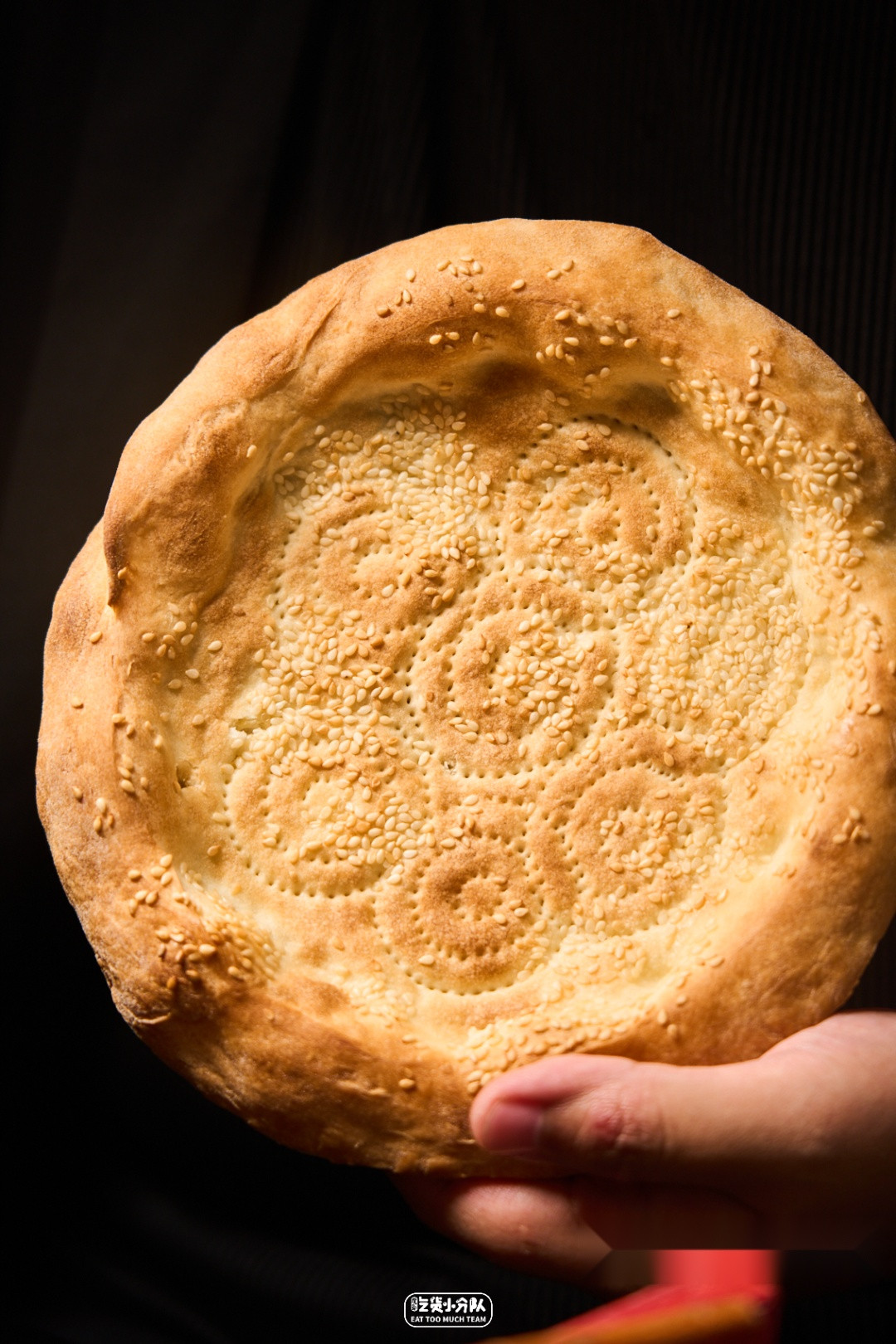
Street Eats: Hui-style braised noodle soup, signature beef noodles, sheep's offal soup, curry beef vermicelli soup, curry beef bone soup, shouzhuafan (Lanzhou hand-grabbed lamb with rice), guotie (crispy beef potstickers), and Lanzhou liangpi (cold skin noodles).
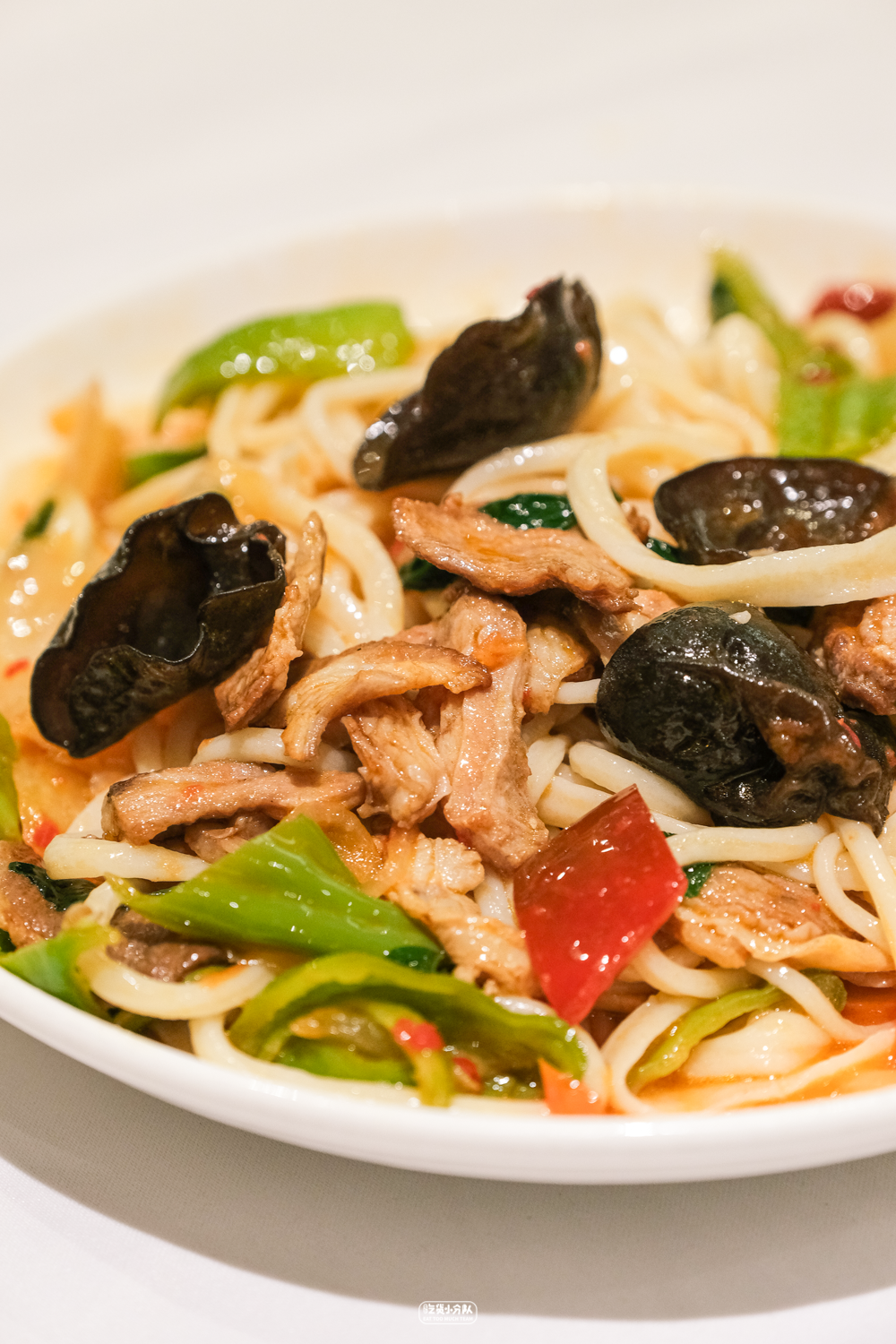
Halal Braised Meats: shouzhua yangrou (Lanzhou hand-grabbed lamb), braised sheep heads, spicy and numbing sheep trotters, belly-wrapped meat, and braised beef trotters.

Northwestern Pastries: Hui-style youxiang (fried unleavened flatbread), savory/sweet flaky pastries, scallion pancakes, twisted sesame dough sticks (mahua), Hezhou buns, and desert chive beef buns.

Specialty Sweets & Drinks: Kazakh milk tea, tianpeizi (fermented sweet oats), hand-made yogurt, and milk jiangzao (sweet fermented rice milk soup)...

Listing all these dishes feels like showing off, but trust us, whatever you're craving is on this menu. Even though text can't do these photos justice, we're already drooling just thinking about it.
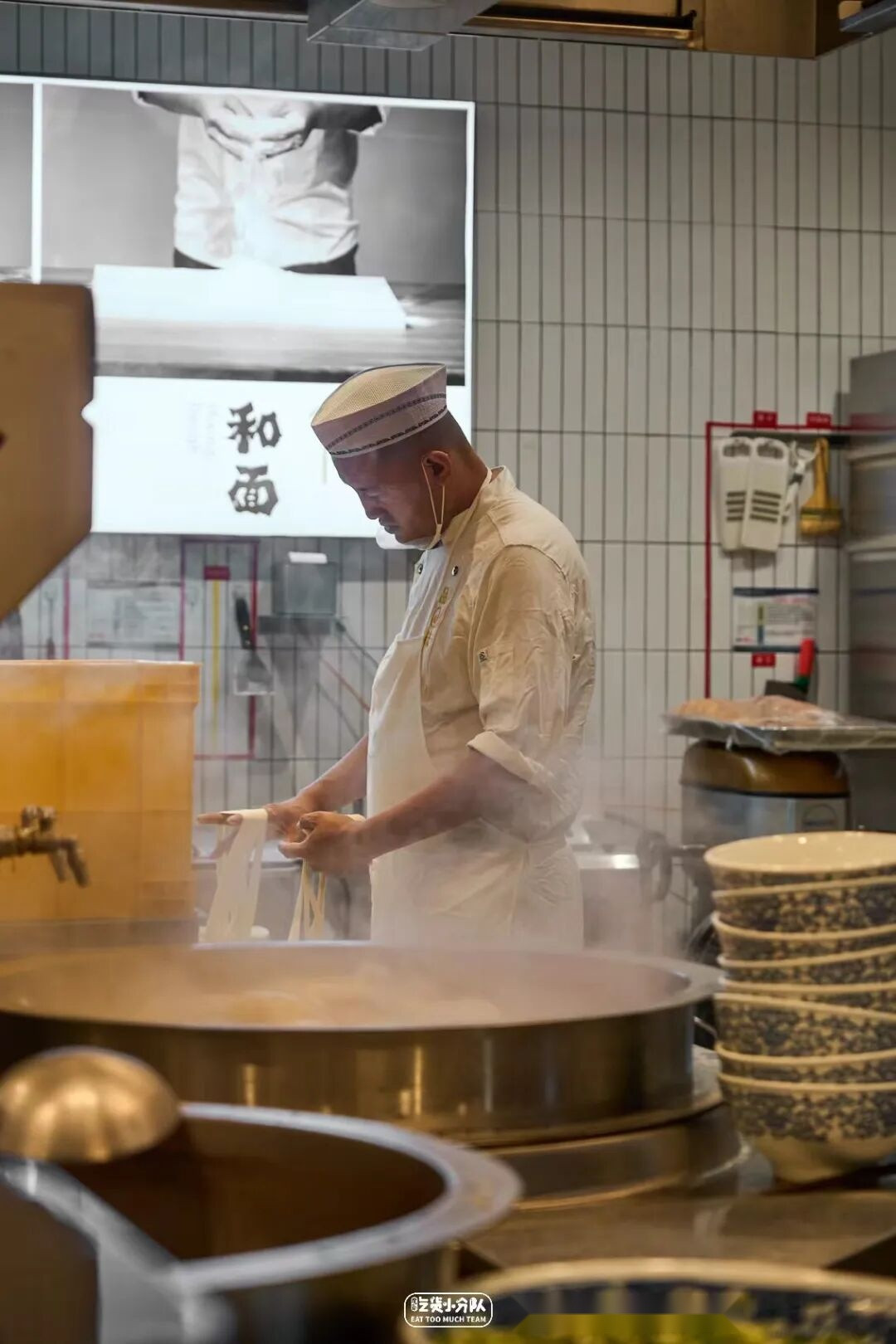
Take the elevator up to the second floor and the vibe completely shifts into an exotic, elegant dining space. The tables in the main dining hall are spaced out nicely, with soft lighting casting a warm glow over intricately patterned tablecloths and vintage wooden furniture. The largest Hexi Hall can comfortably seat up to 500 people.
Meet the Hermès of dried apricots—diaoxinggan (hanging dried apricots). As royalty among naturally tree-dried fruits, they boast a deeper color and thinner skin than regular dried apricots, with a flavor that hits you with sweet notes and just a hint of tartness. Fresh apples, pears, and muskmelons here completely put imported fruits to shame; the baskets holding them look like they're about to snap under the weight. Whenever Xinjiang locals flex by saying, "Even the melons we feed our sheep are sweeter than what you buy at the supermarket," you can't help but feel a little jealous.
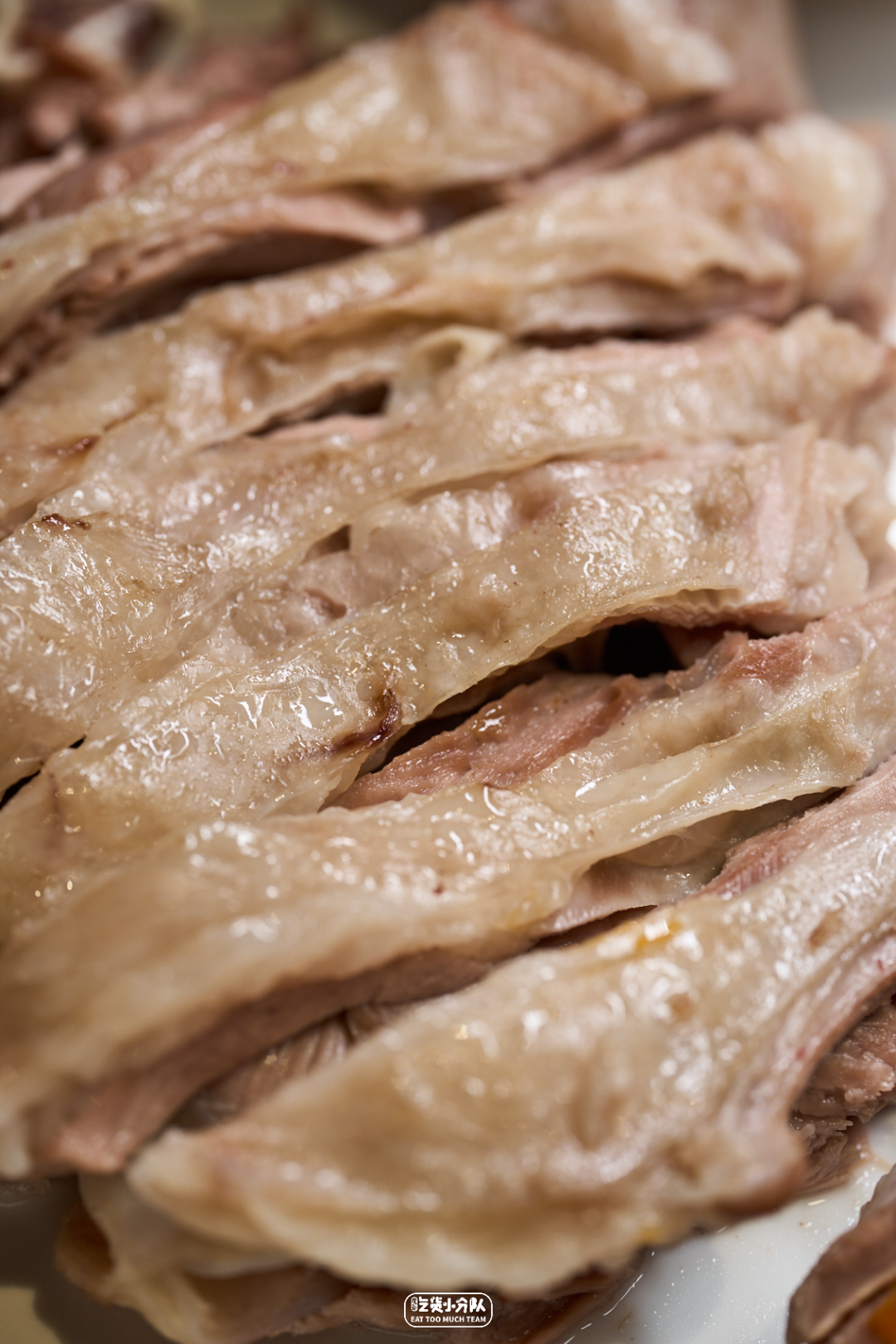
Experience Hui Wei Northwest Cuisine
-Address-
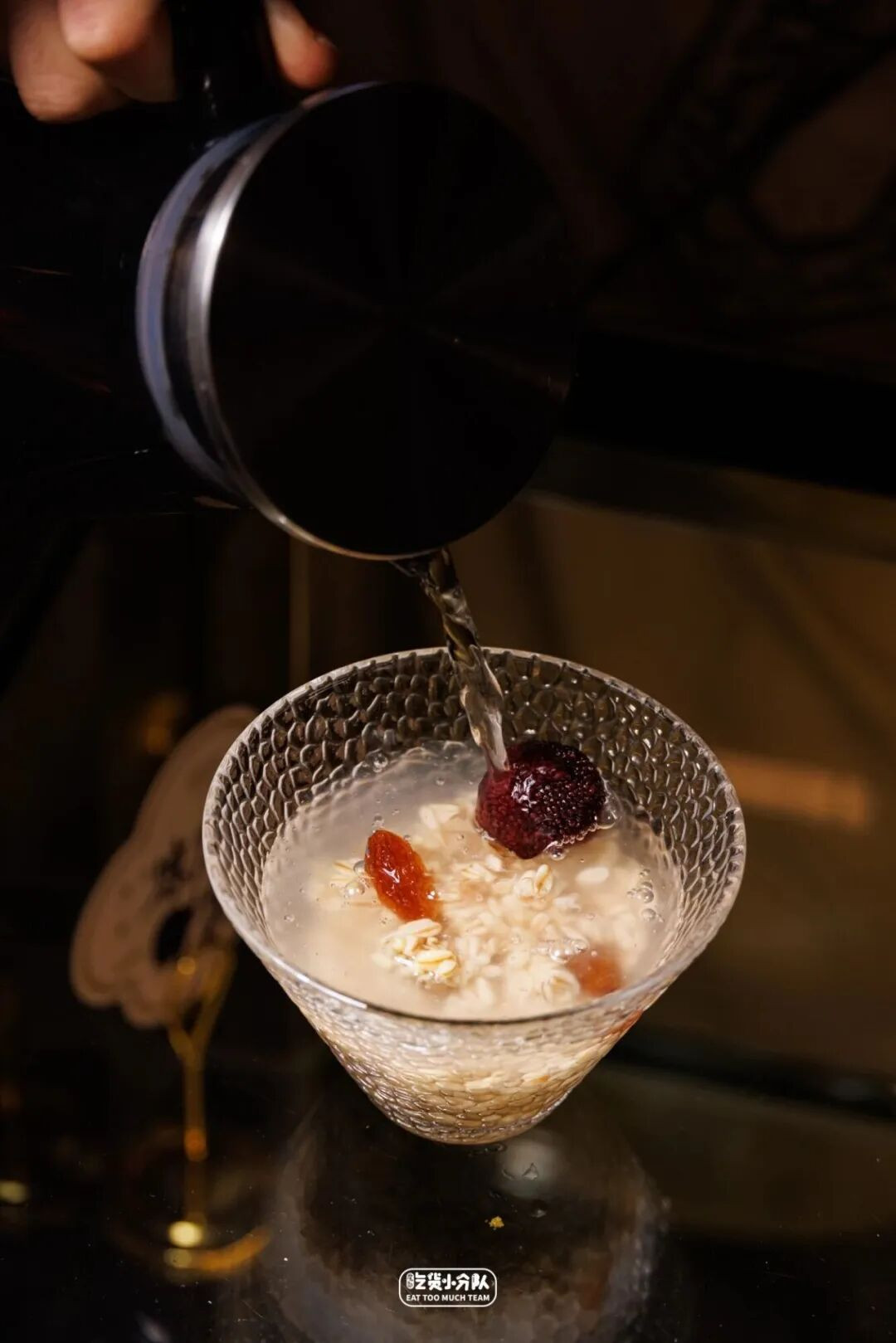
Multiple locations across the city
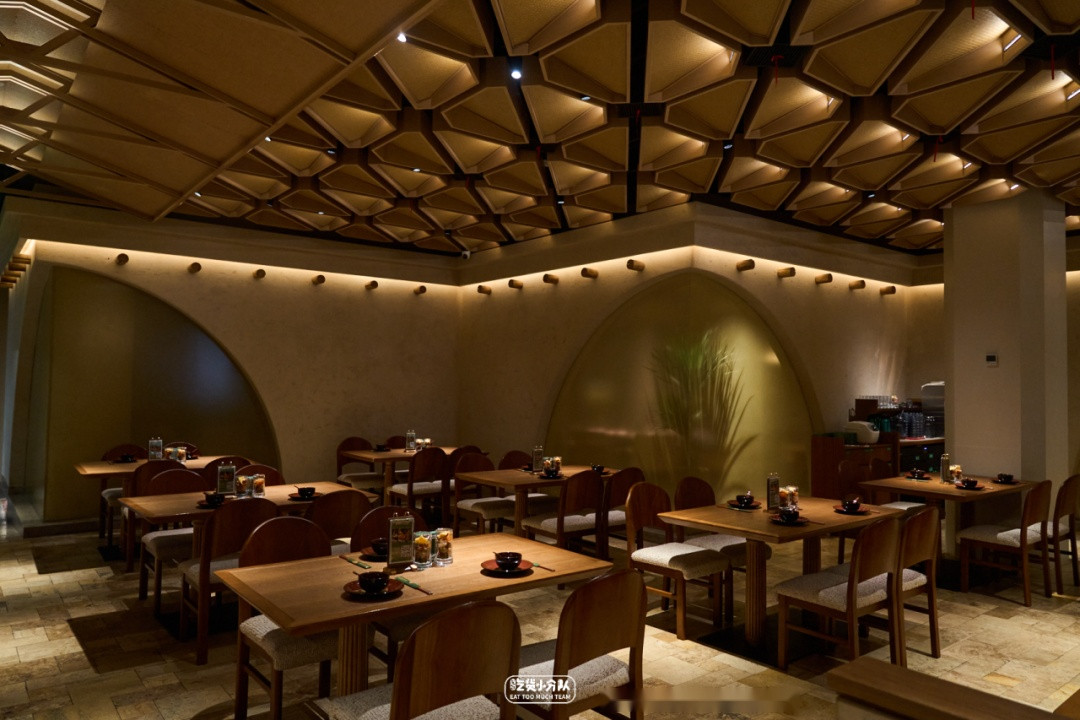
-Hours-
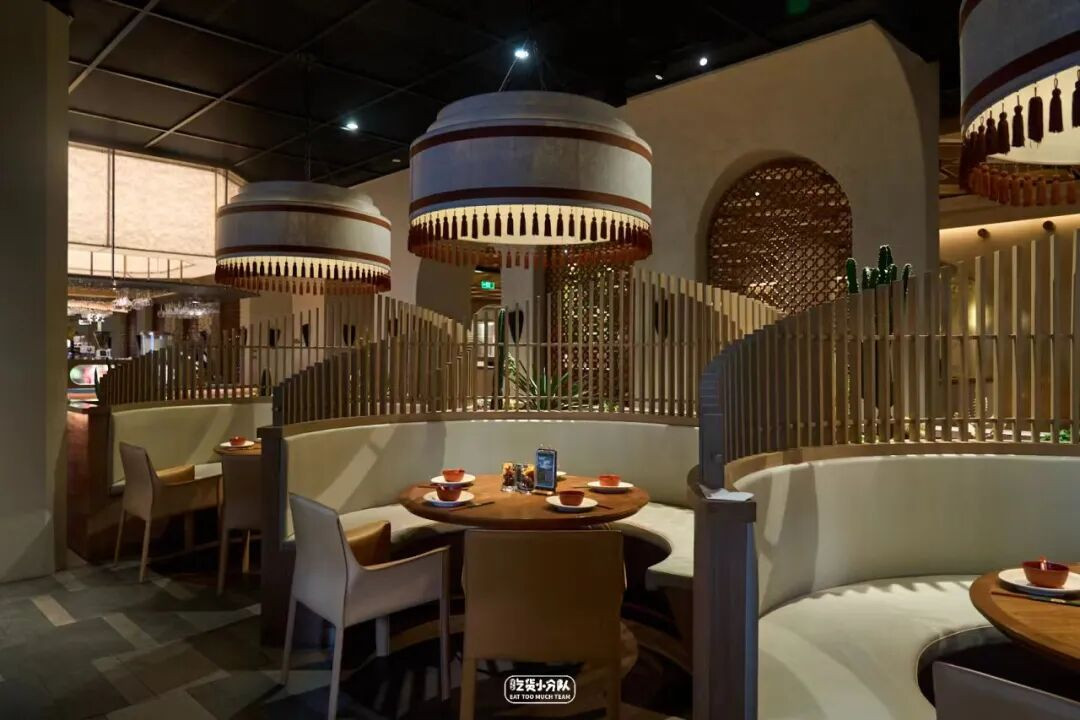
10:30 AM - Midnight
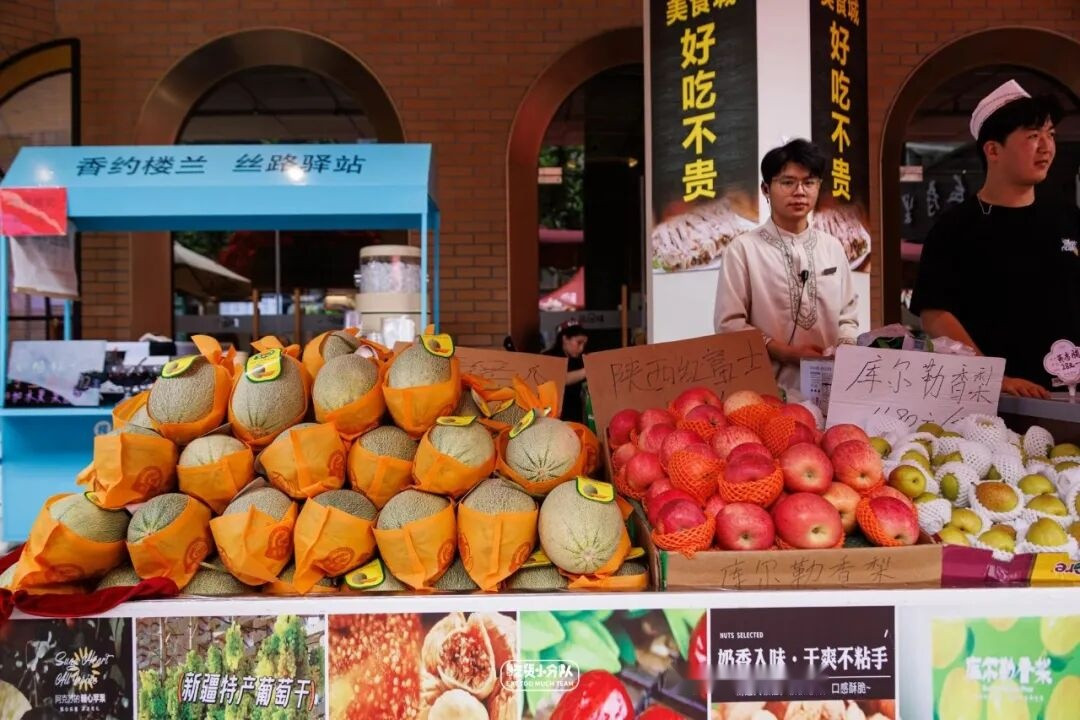
-Average Spend-
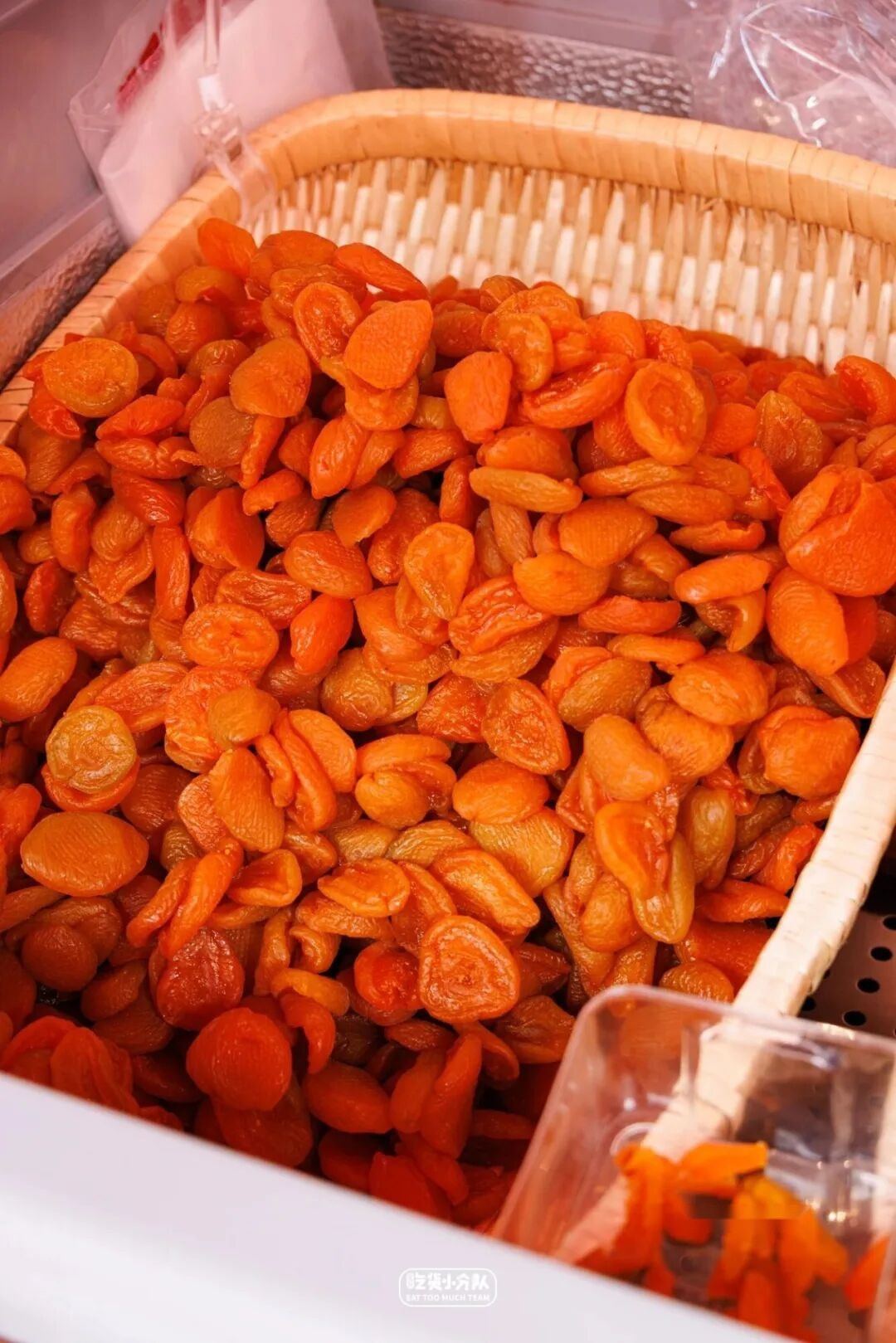
85 RMB
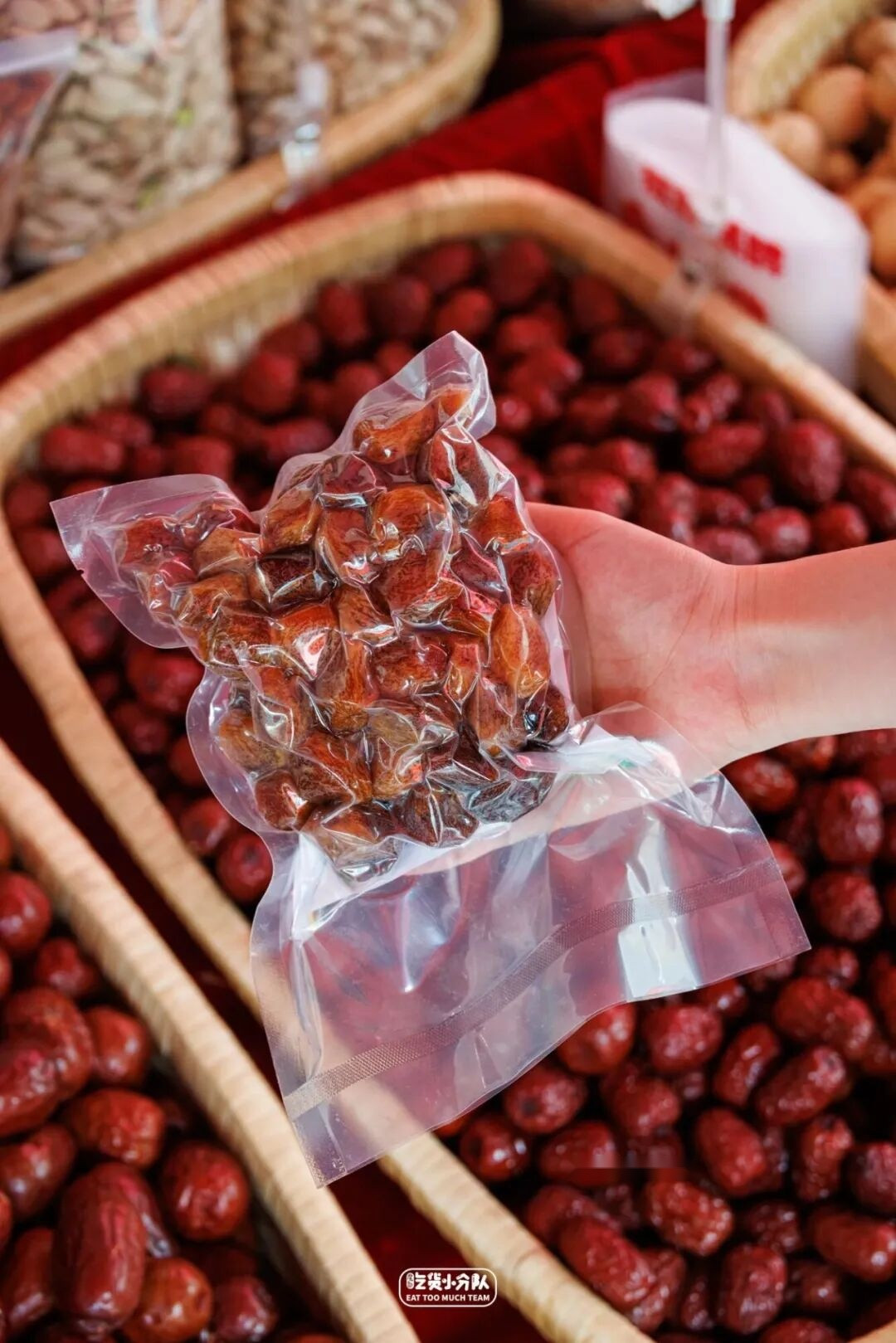
Step through the doors of IBAURSAK, and you're instantly transported to a breezy, wide-open yurt on the grasslands, complete with wood-tone tables, embroidered tapestries, and creamy white walls.
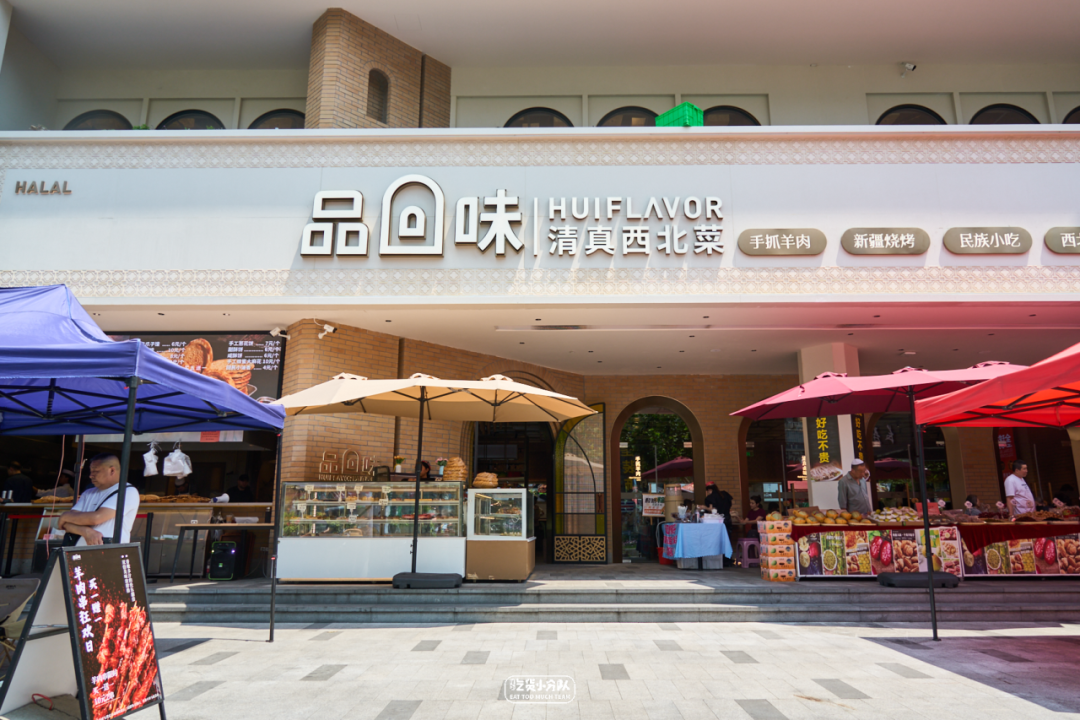
In Urumqi and Yining, this spot is a local breakfast staple where hour-long lines during peak hours are totally normal. Because of the two-hour time difference with Xinjiang, their lunch rush (12:00 PM - 3:00 PM) hits right at our prime brunch hour. Who says you can't take a weekday trip to Xinjiang? This nomadic-style prairie brunch is pure soul food.

The ultimate ritual when you arrive is ordering a plate of hot, golden baursak. In Kazakh culture, it holds the same holy grail status as our fried dough sticks—it's both a breakfast carb and a welcoming treat for guests. These fluffy dough pillows are deep-fried until their outer crust puffs up while the inside stays pillow-soft.
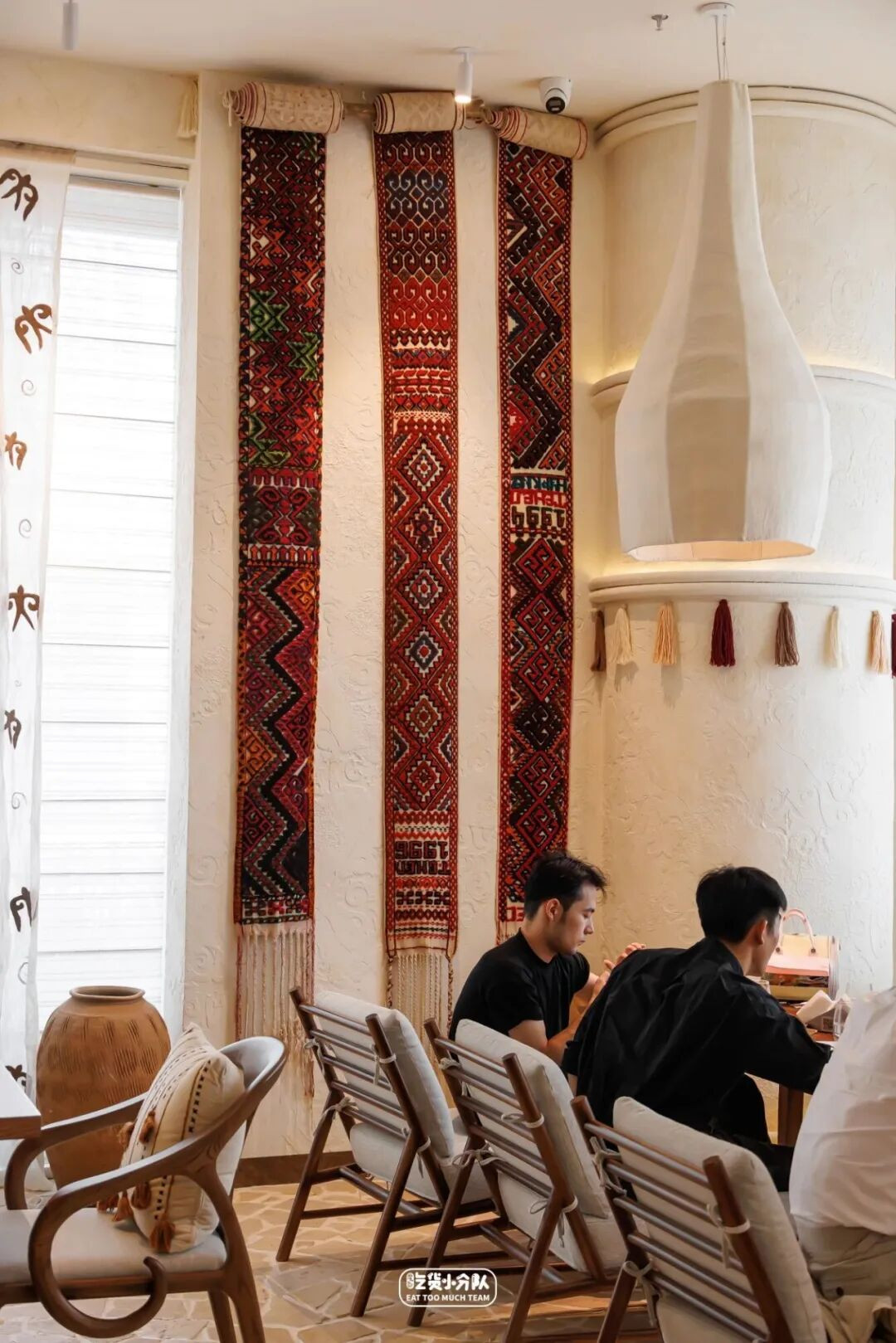
When it hits the table, you'll finally understand why it's called "Hurdak in a Yurt"—it's essentially a miniature yurt crafted out of a pastry crust. Once you're done snapping photos, the server will gladly help you tear the yurt into bite-sized pieces so they can soak up all those savory, delicious meat juices. The quality of nomadic beef and mutton here is out of this world; the slow-sautéed beef is so tender, and the potatoes are so melt-in-your-mouth soft.
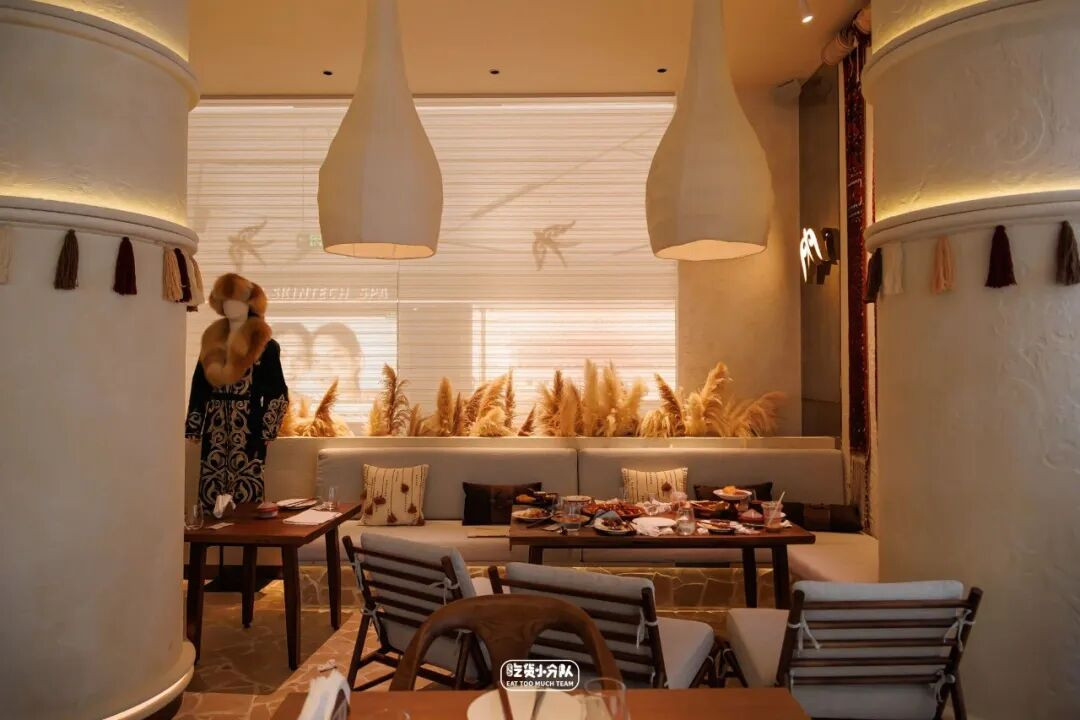
You can actually get smoked horsemeat right here in Shanghai! Sourced from Changji Prefecture in Xinjiang, the horsemeat has a rich, smoky flavor profile similar to beef. It's super lean, incredibly firm, and completely devoid of any gamey taste. The horse sausage is a bestseller for a reason: the casing is super thin, packed with loose, pinkish-red meat that falls apart with every chew. The horse stomach has just a tiny hint of gamey funk, which is wherepiyazi (onions) swoop in like a lifesaver. Not only do they serve a trio of horsemeat platters, but you can also sip on authentic mare's milk and camel's milk.
Aside from the raw ingredients being flown straight in from Xinjiang, the staff are too—complete with a melodic lilt and rolled rs in their speech. All the signature drinks are hand-crafted right by the owner, and you can sit right at the counter to watch the magic happen.
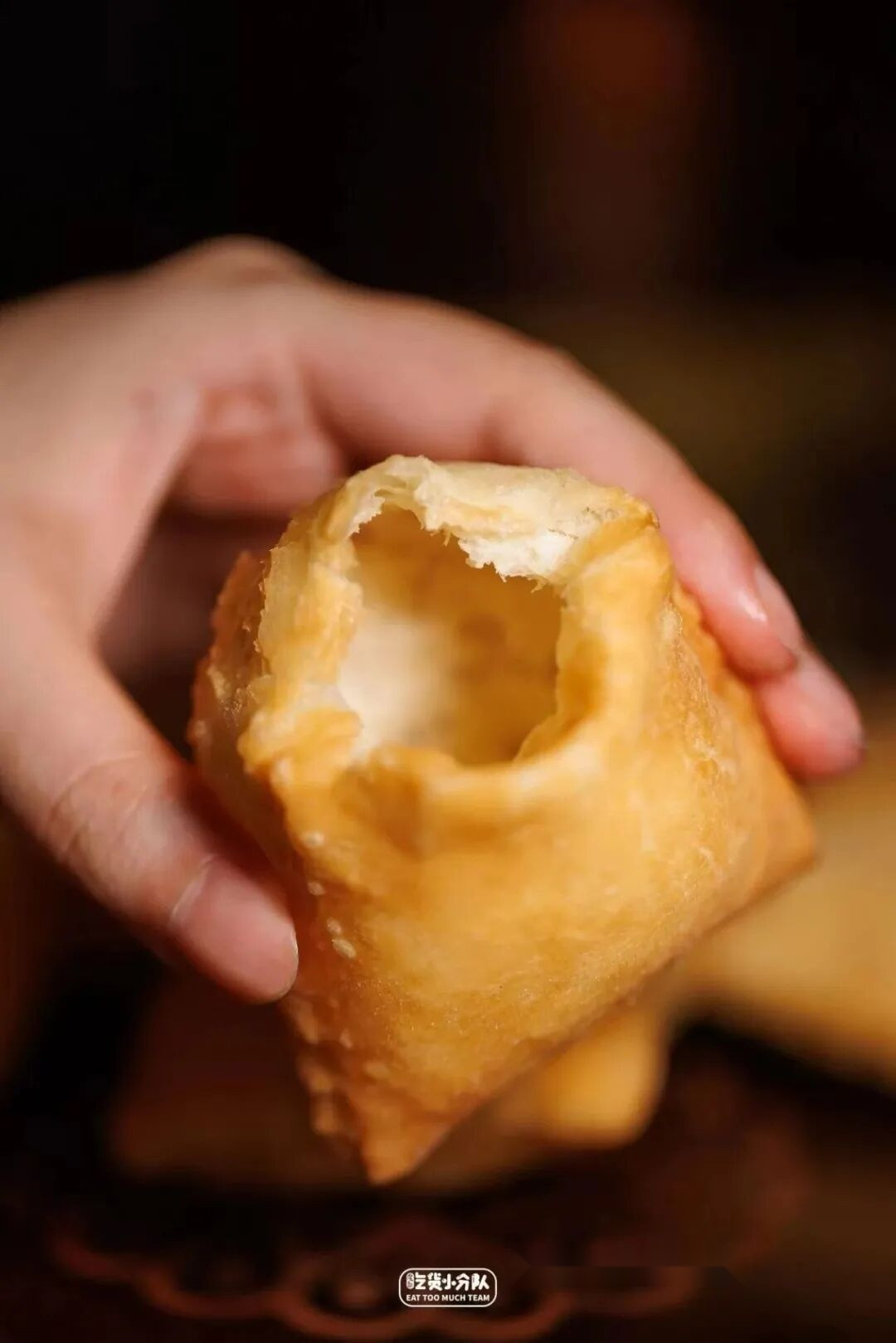
IBAURSAK Bistro
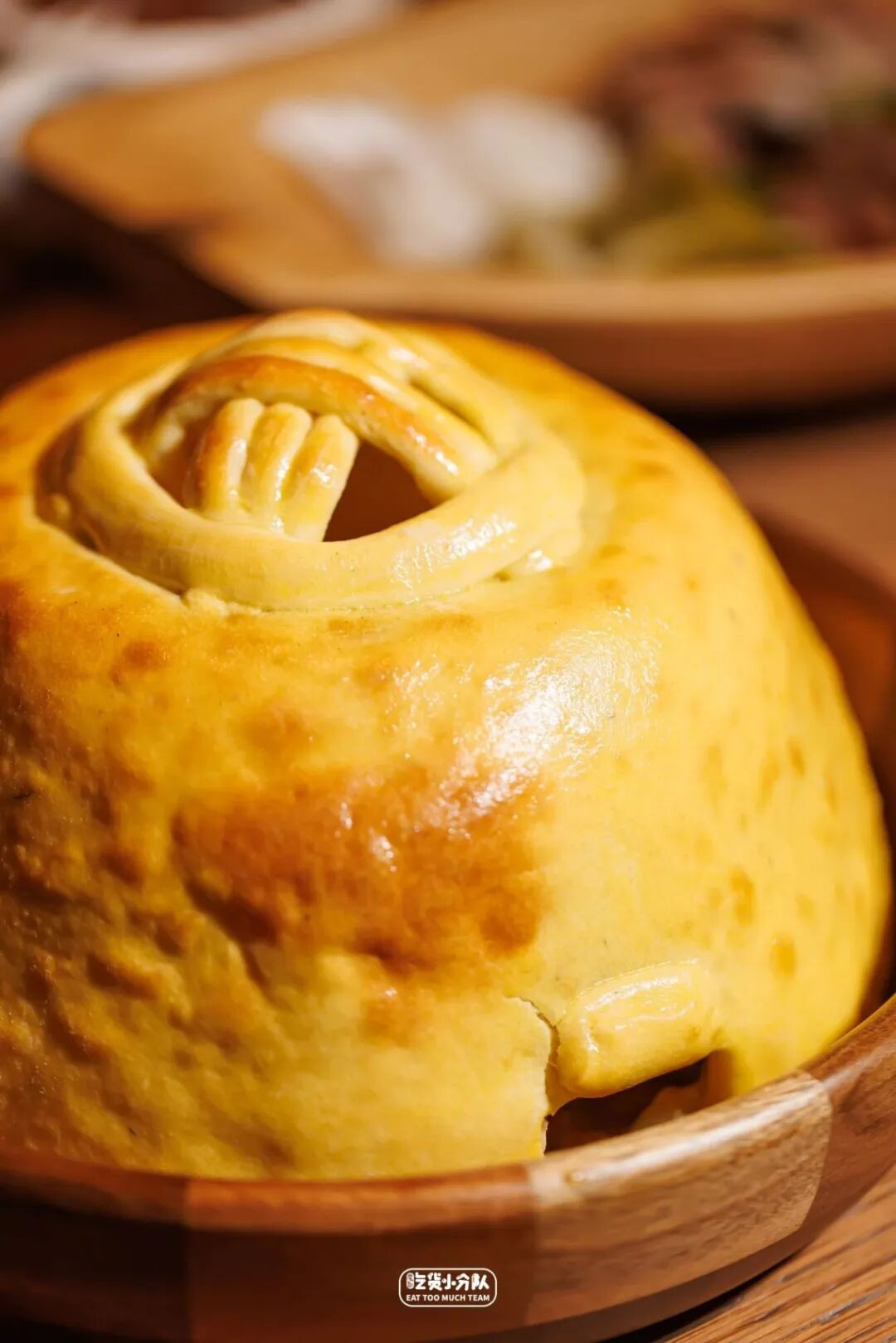
-Address-
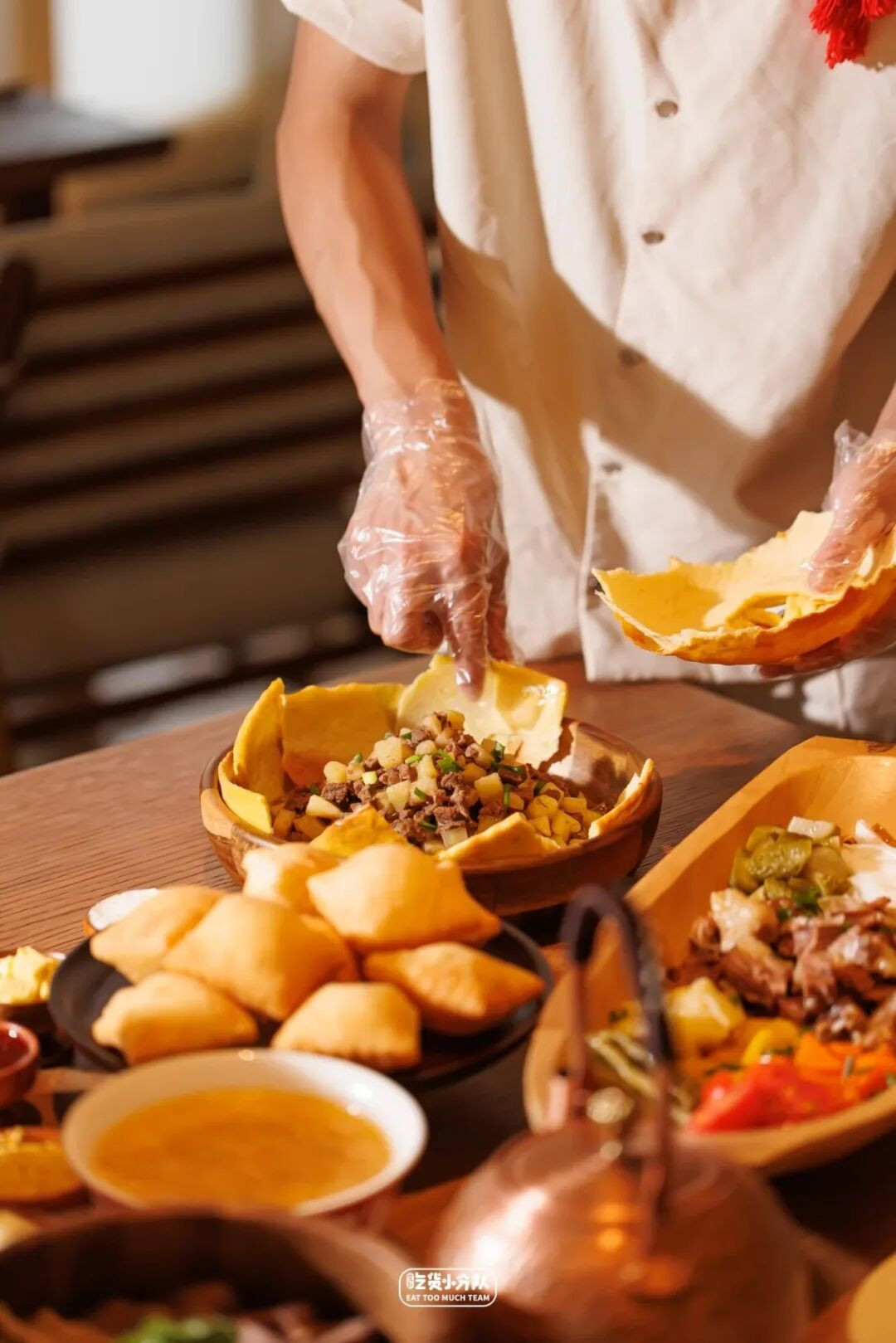
Shop 06, 3rd Floor, PAC Shopping Center, 688 Changde Road
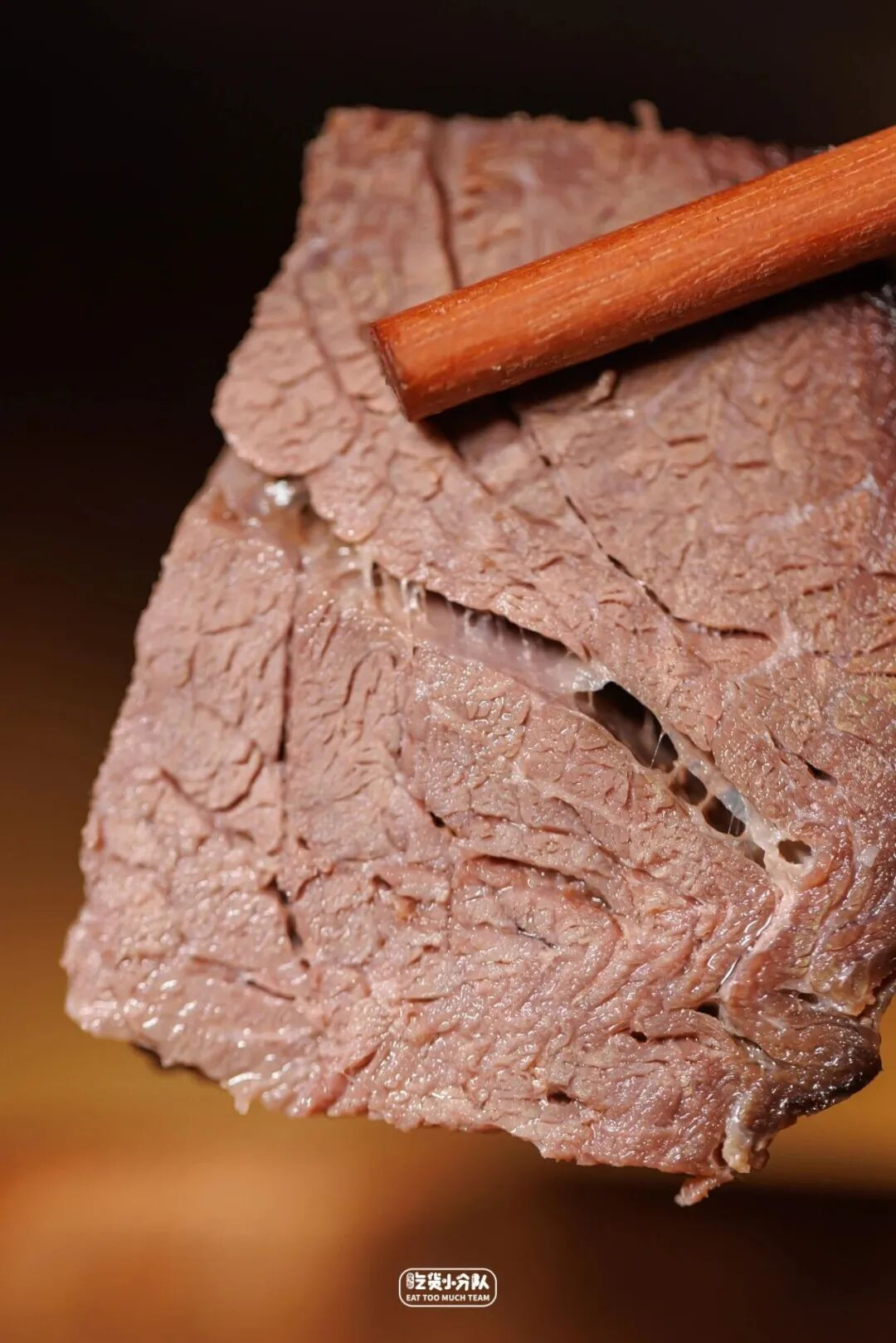
-Hours-
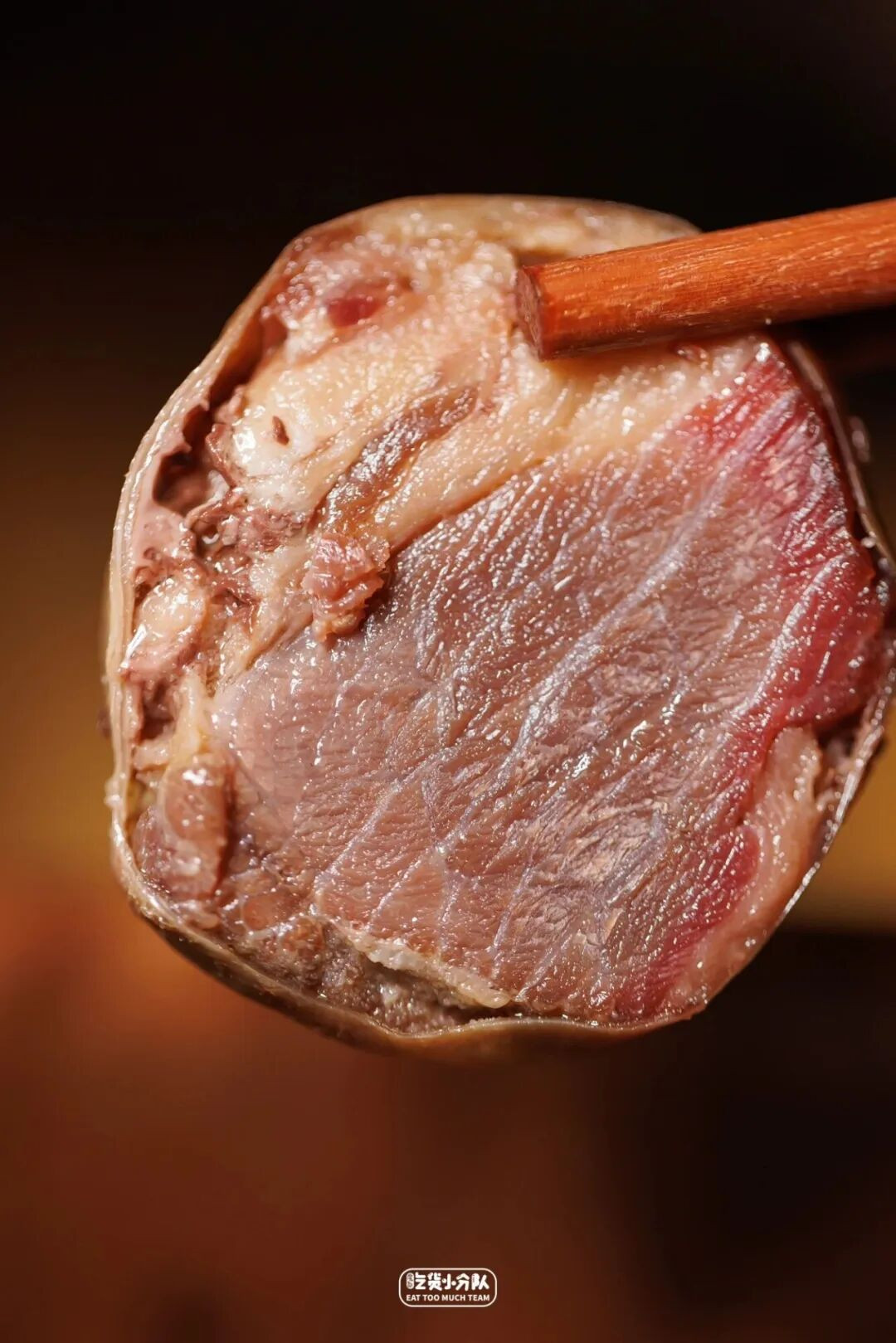
11:30 AM - 3:30 PM
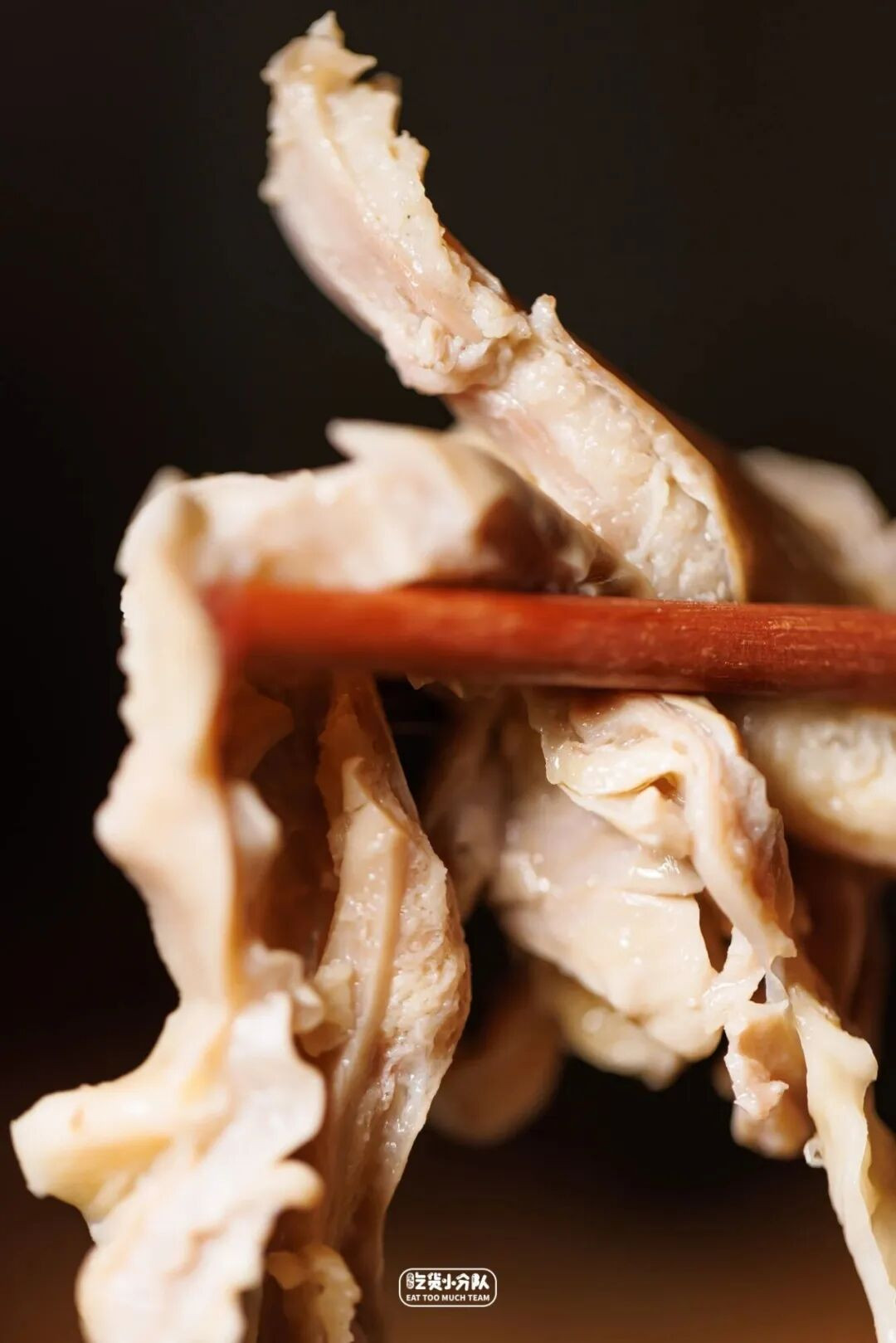
5:30 PM - 10:30 PM
-Average Spend-
138 RMB

Tucked away in a quiet residential neighborhood near Dabashu in Hongkou District sits an unassuming little dessert shop. The storefront is tiny, but the display cases inside are absolutely crammed with over a dozen kinds of sweets! There's no flashy overhead neon sign—just two simple words on either side of the doorway: "Makarena Xinjiang Desserts."
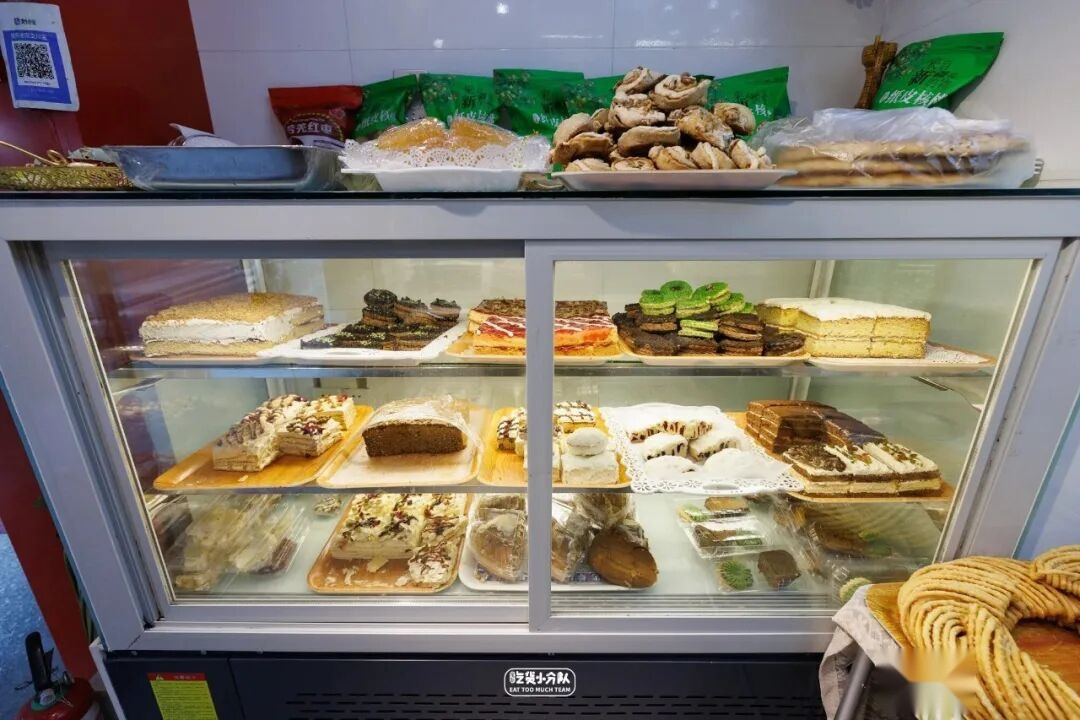
The shop is packed with an eye-popping variety of treats that feel downright luxurious: breads, jam cakes, pastries, cookies, and candies. Walking in feels like stepping straight into a sweet-toothed Baroque palace.
From Napalyong (the legendary Xinjiang milk-layered mille-feuille you usually only find in sit-down restaurants) and Bahali (a spiced fruitcake that looks like date bread) to traditional Middle Eastern baklava, heart-shaped strawberry pastries, and nut-stuffed cheese buns, you can get it all right here—and at insanely affordable prices! A slice loaded with dried fruits, nuts, jam, and fresh cream costs just single-digit RMB. It’s totally outside standard Shanghai pricing!
Here, Middle Eastern faces are even more common than the halal meat lovers. You'll see customers sitting together, nodding as they eat, as if saying, "Now this flavor is out of this world!" Imagine sitting right among them, listening to them chat away in their hometown dialects—how is this any different from traveling abroad?
Makarena Xinjiang Desserts
-Address-
512 Wenshui East Road
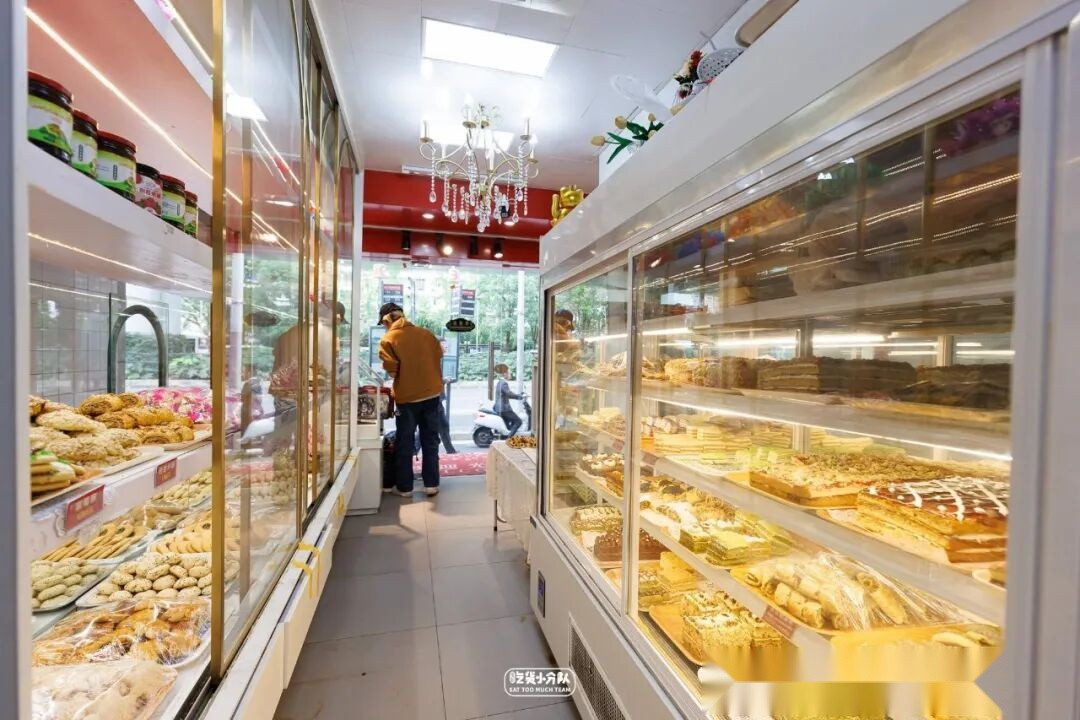
-Hours-
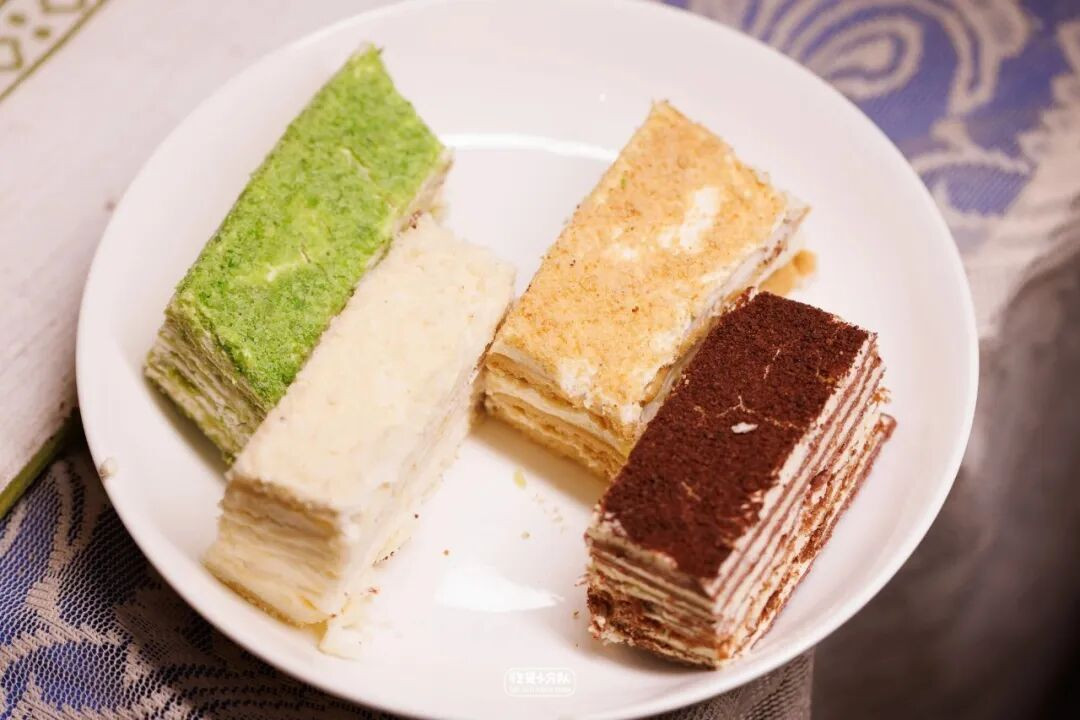
8:30 AM - 11:00 PM

-Average Spend-
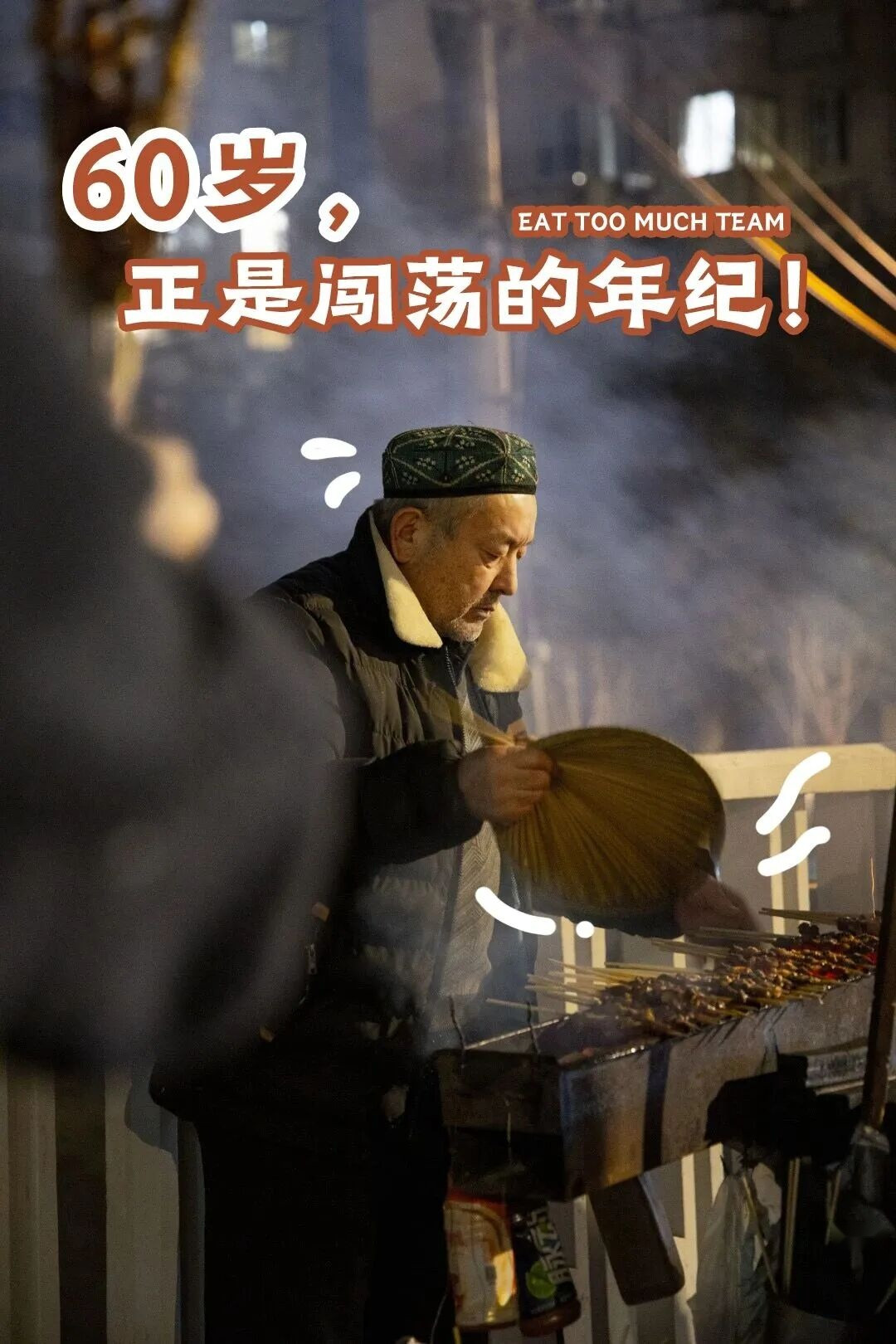
44 RMB
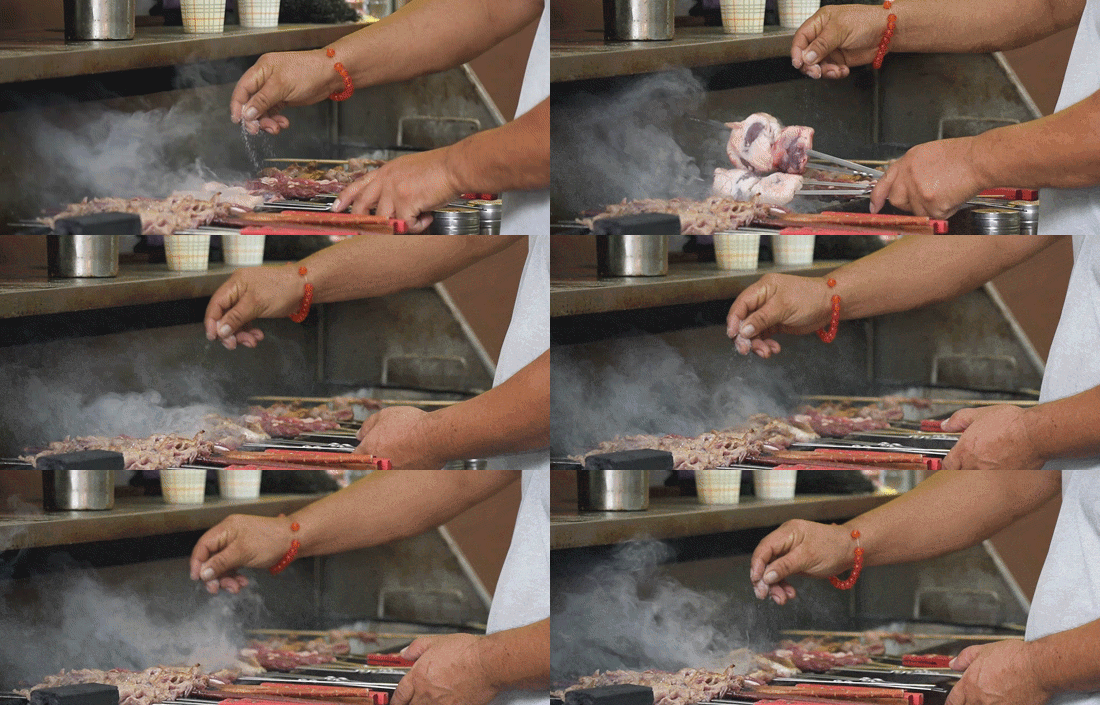
Late at night on the streets of Hongkou, you used to be able to spot a legendary sight: a massive crowd swarming a single motorbike, the faint crackle of charcoal popping in the air, and the irresistible aroma of roasting lamb skewers wafting down the block.
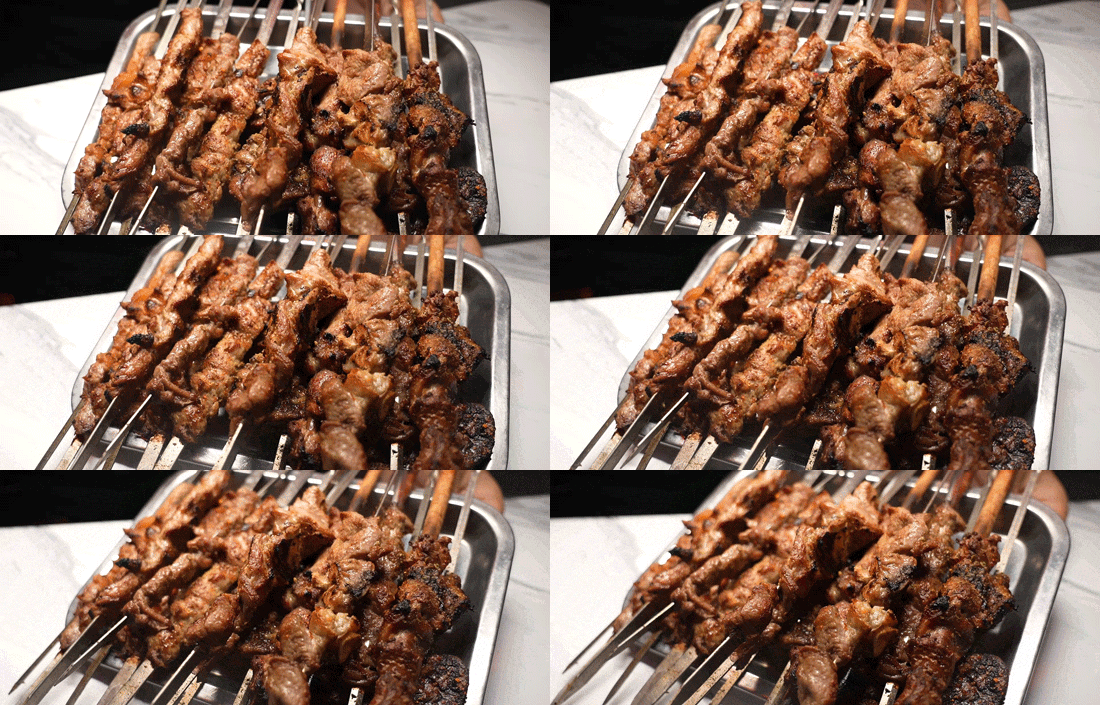
Right in the middle of the crowd stood a quiet Xinjiang uncle, furiously fanning his skewers while nervously glancing around. Though he's no pop star, he boasts dozens of fan chat groups online. They call him the legendary "Hongkou Roasting Uncle."
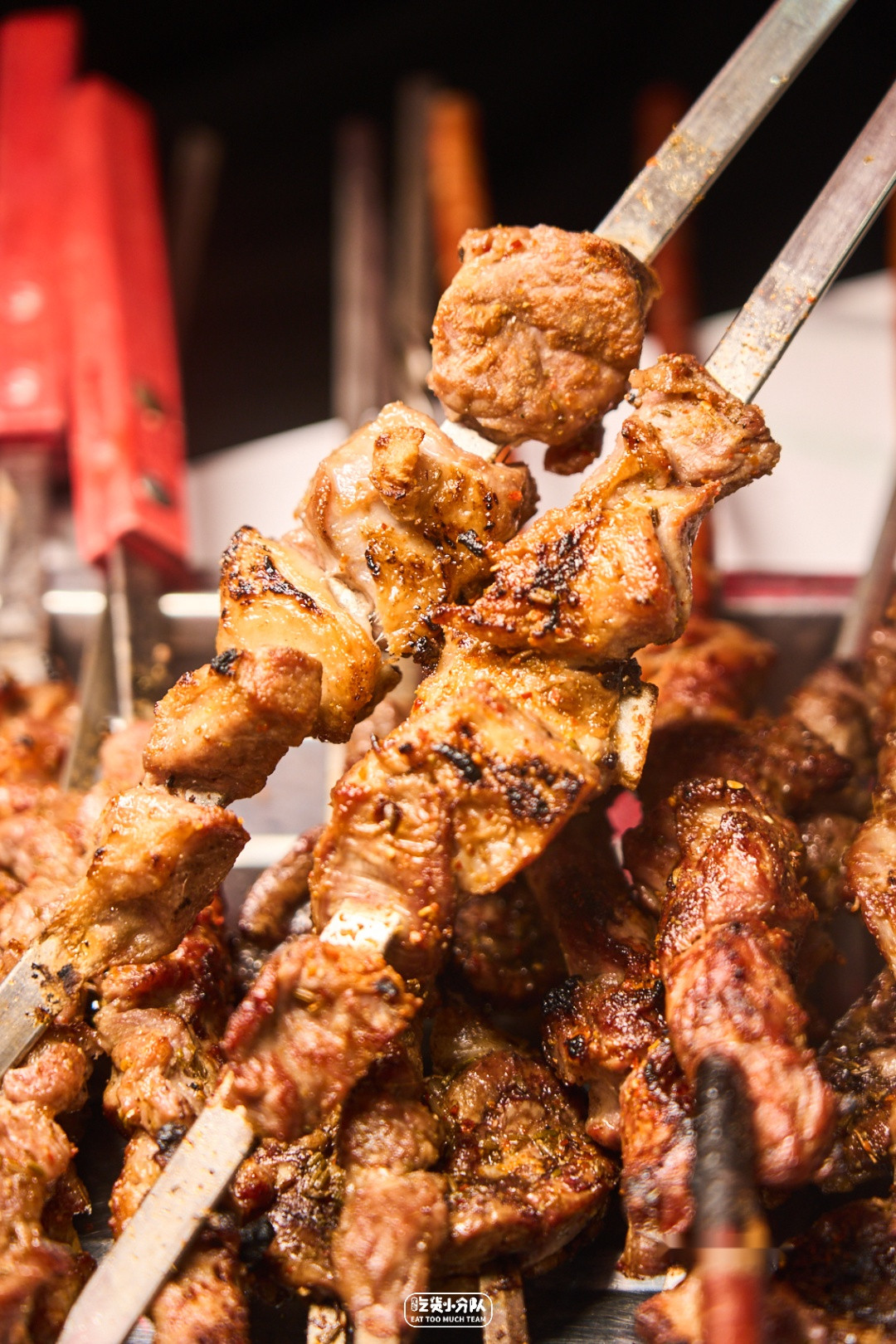
Well, that street-side chase is finally over because the uncle has officially set up shop on Sichuan North Road! The little joint drew flocks of foodies and die-hard fans the moment it opened. As one regular put it: "Back in the day we used to chase the uncle all over the streets, now we just wait in line at his doorstep!"
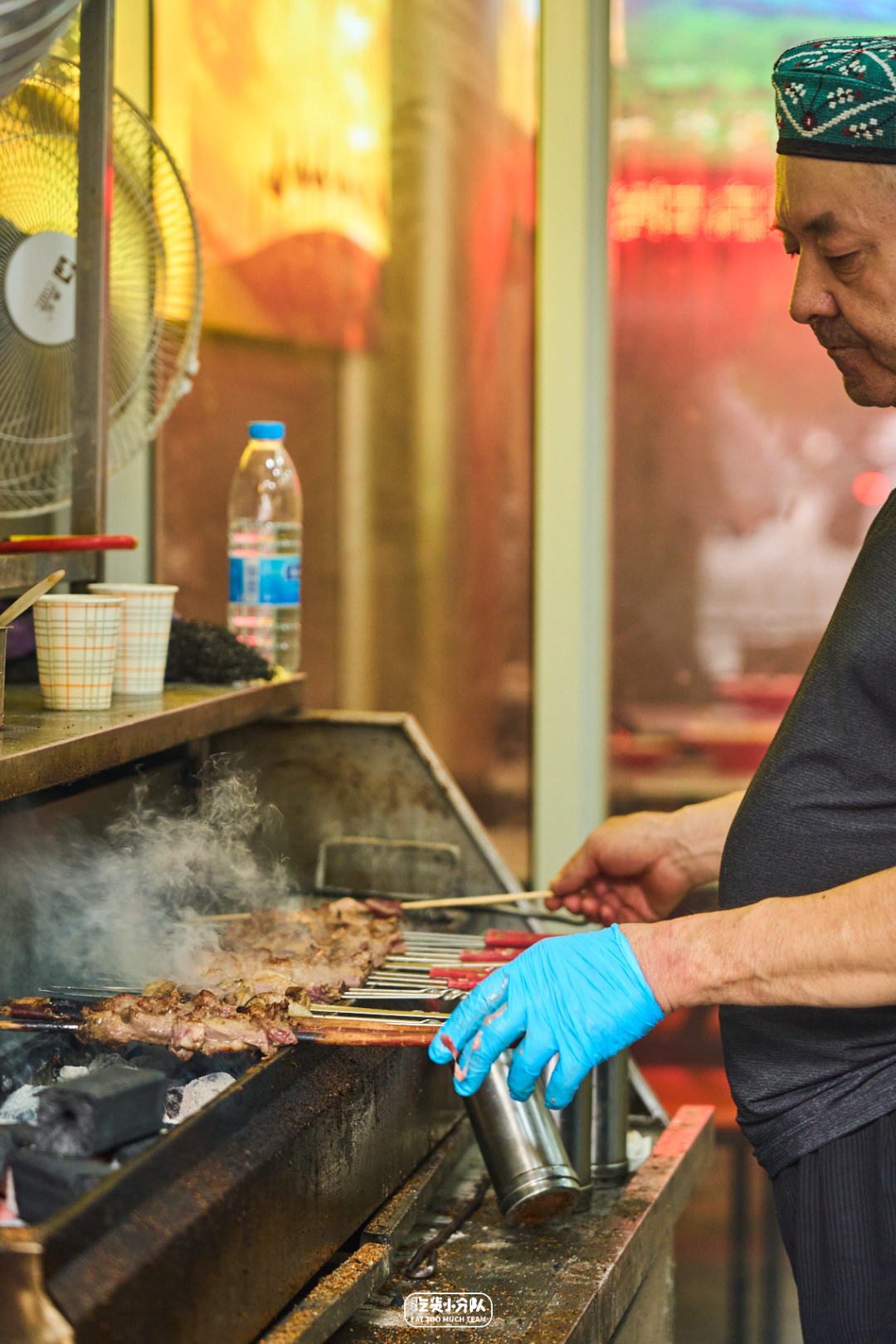
In the uncle's hands, the lamb skewers look like a conductor's baton dancing to music. The charcoal heat renders the lamb fat until it sizzles, locking all those rich juices inside the tender meat. Take a bite, and you get a crispy, slightly charred outer crust giving way to a juicy, tender center, flooding your palate with rich lamb flavor, cumin, and spicy chili flakes.
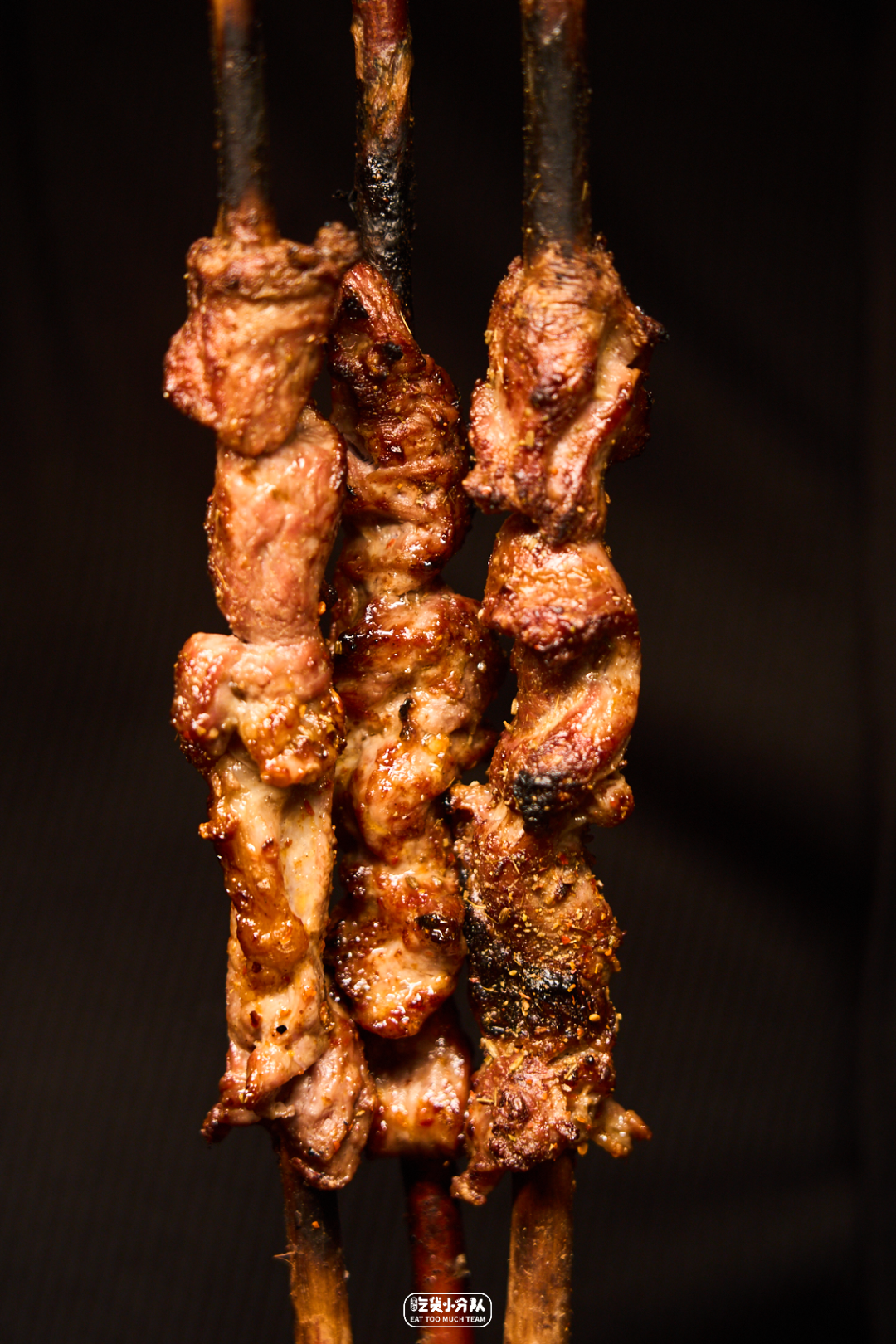
They’ve also launched massive 10-RMB skewers, and there's a real art to the fat-to-lean ratio: the smaller skewers have more fat for maximum flavor, while the big skewers lean heavier on the meat for an ultra-satisfying bite.
They specifically brought in a master noodle maker all the way from Xinjiang. Their signature milky baked nang (Xinjiang flatbread) mixes milk, eggs, sesame, soybean oil, and sugar straight into the dough, coming out of the oven smelling like toasted wheat and charcoal smoke. The edges are crisp and golden while the center is thick, chewy, and bursting with milky aroma with every single chew.
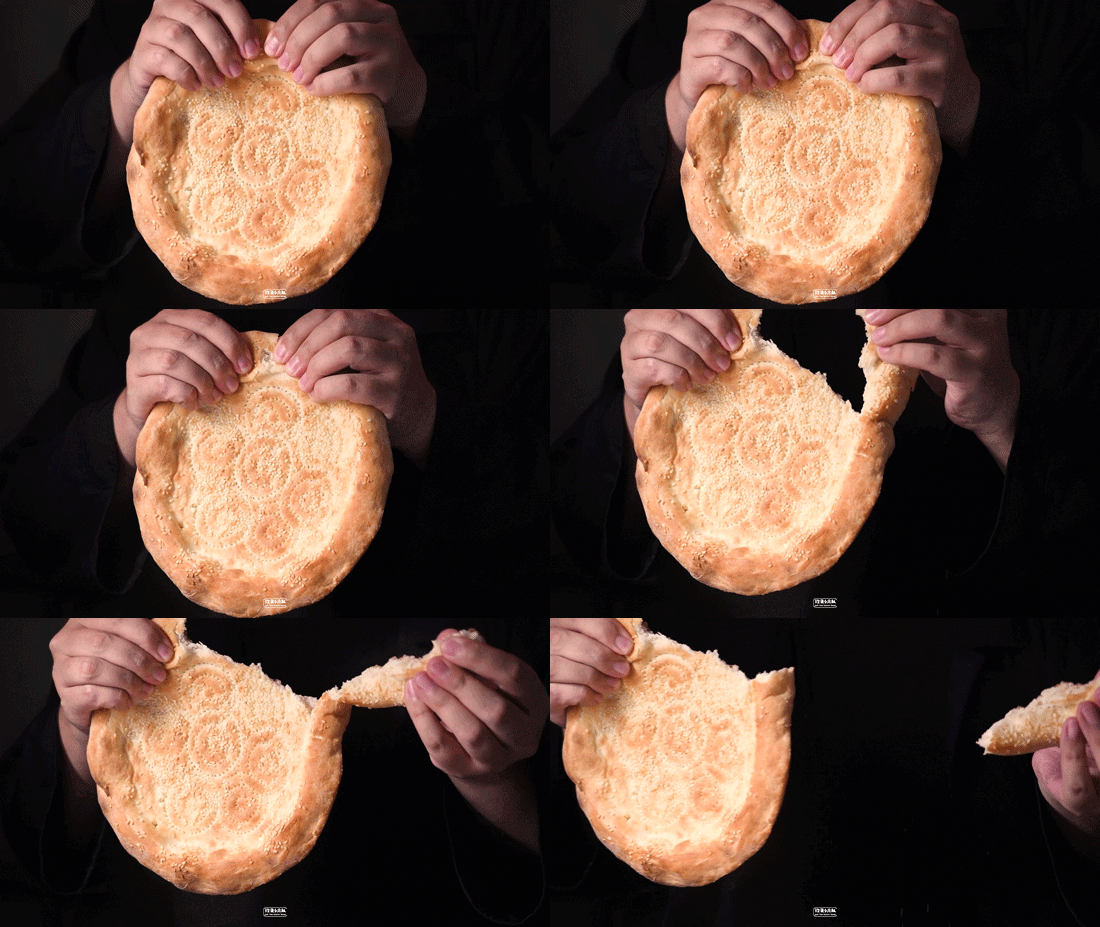
Xinjiang Uncle Lamb Skewers
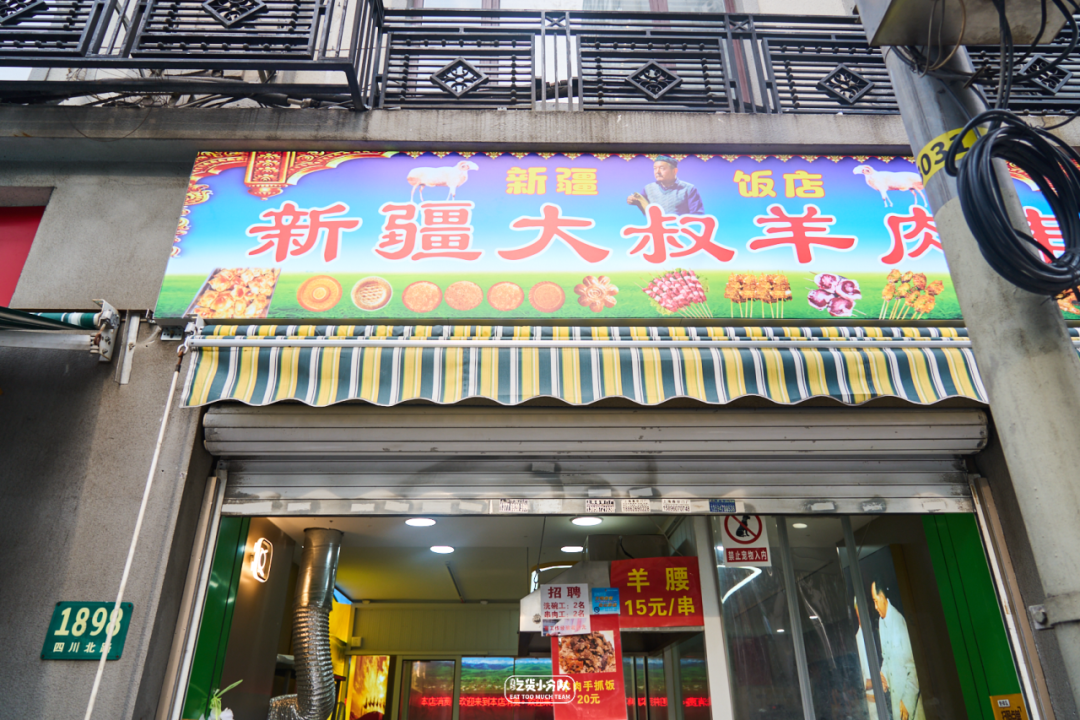
-Address-

1898 Sichuan North Road
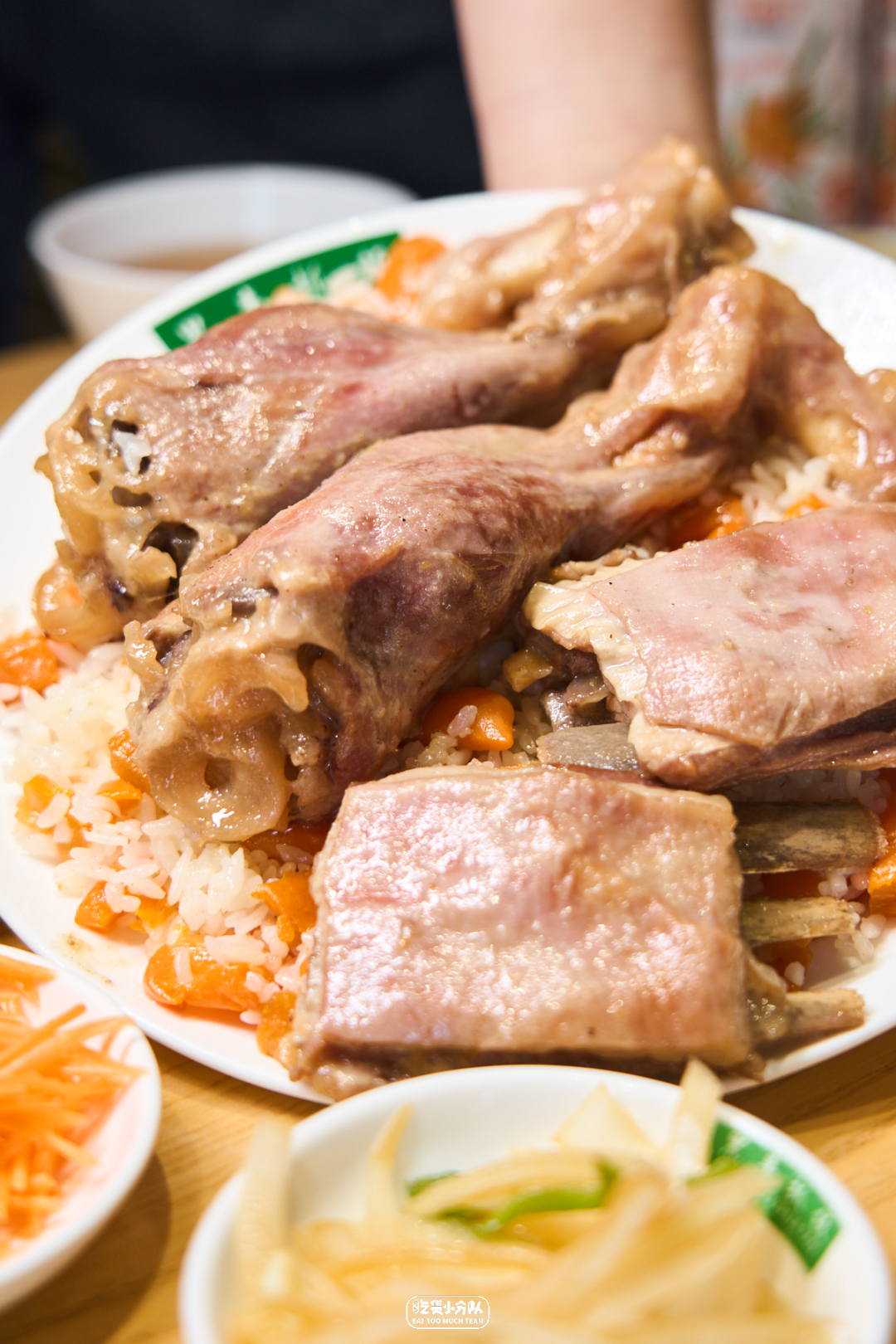
-Hours-
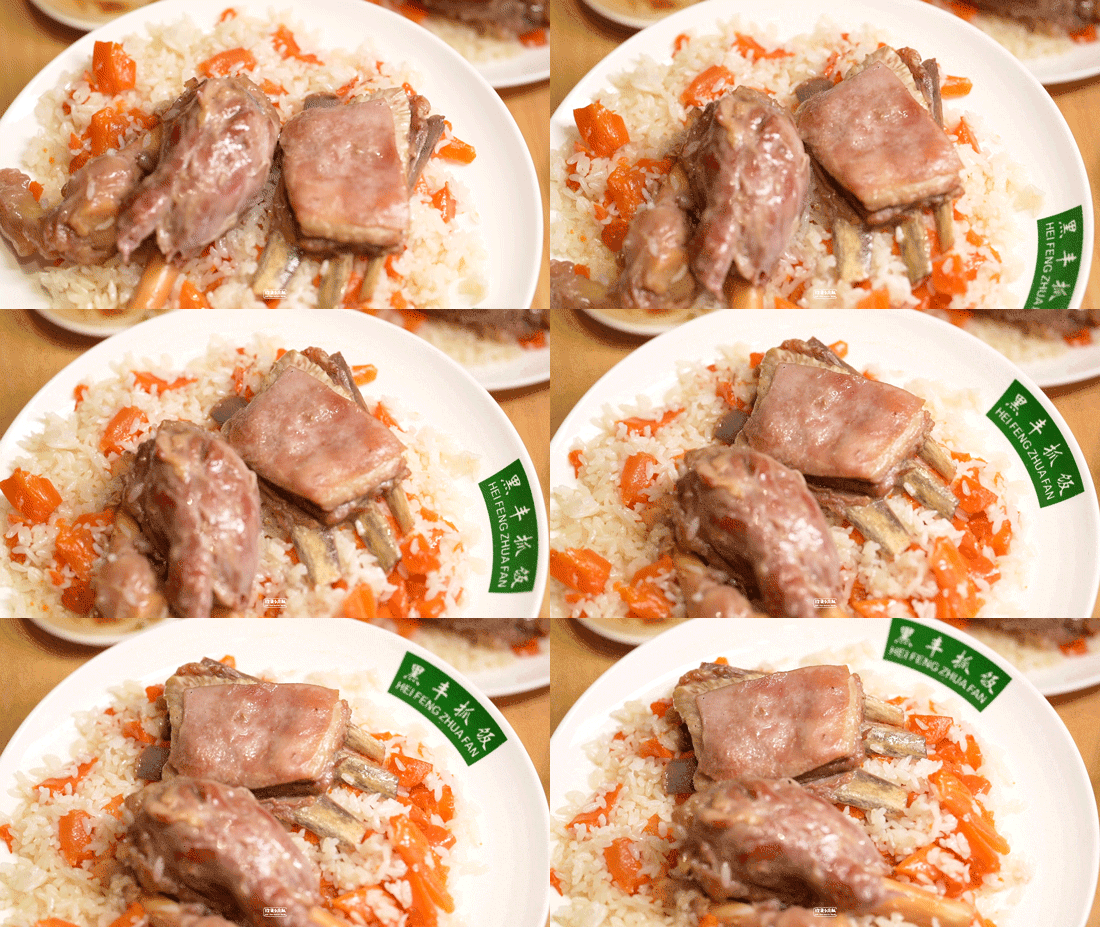
11:00 AM - 4:00 AM
-Average Spend-
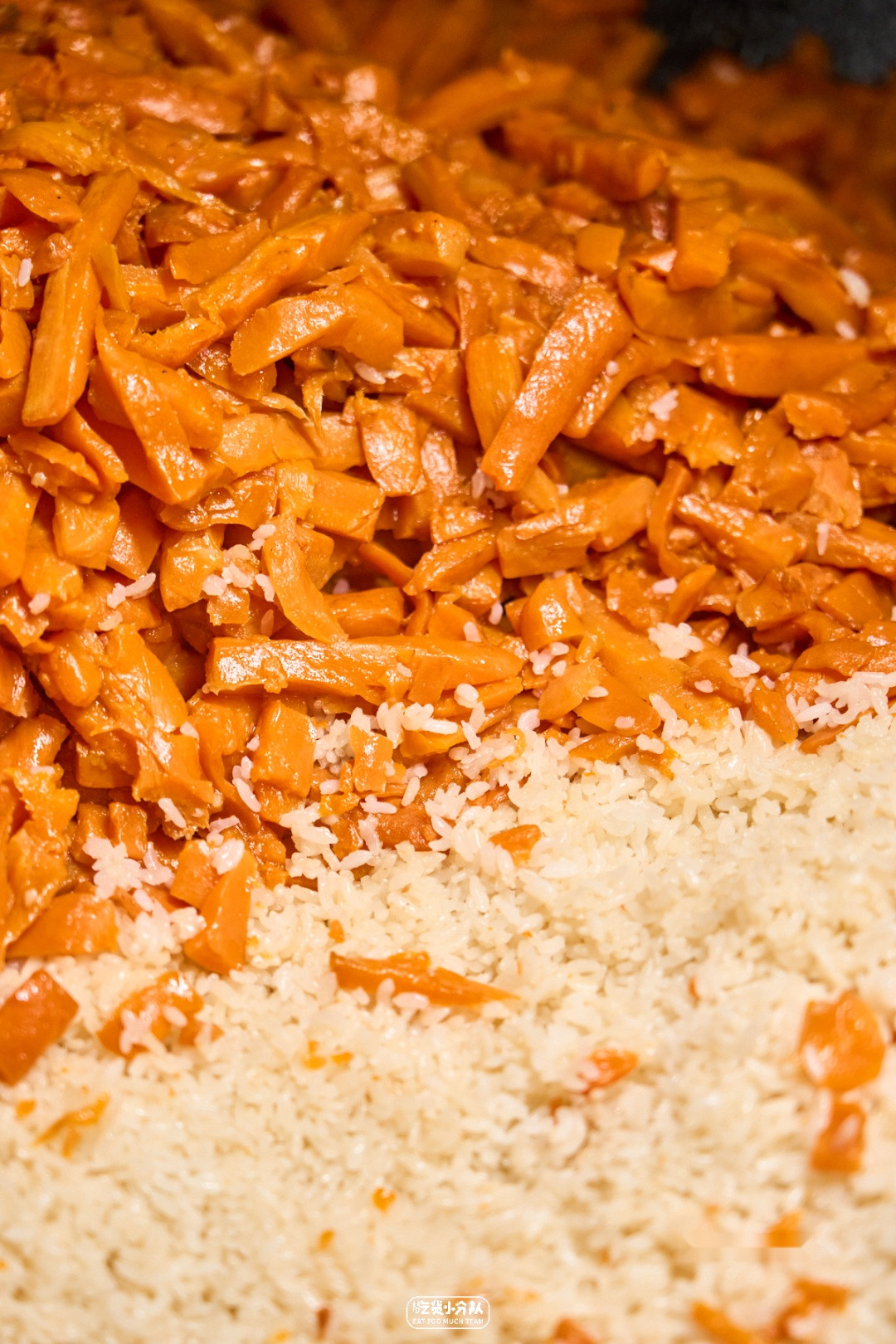
50 RMB
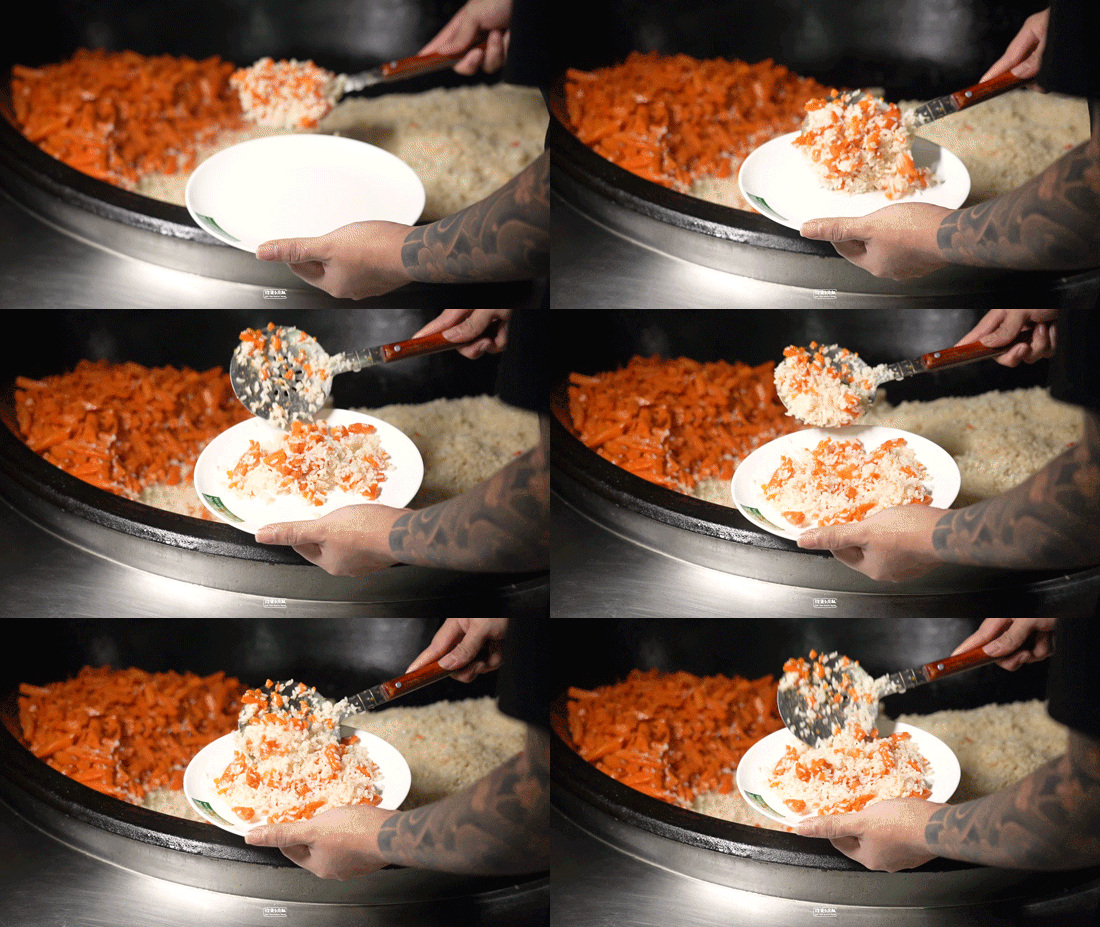
If you had to pick one dish to represent all of Xinjiang cuisine, the answer is hands down shouzhua fan (Lanzhou hand-grabbed lamb with rice). Hidden away in Wujiaochang, Heifeng Shouzhua Fan is basically a local legend in Yangpu District—locals call eating here "the highest honor of visiting Yangpu." Xinjiang friends have been known to "eat here two months straight" and say that "once you go, you can't ever stop." Backed solely by their killer pilaf, they've dominated the Yangpu Xinjiang food charts as an obsession for foodies everywhere. They've even opened a second location now.
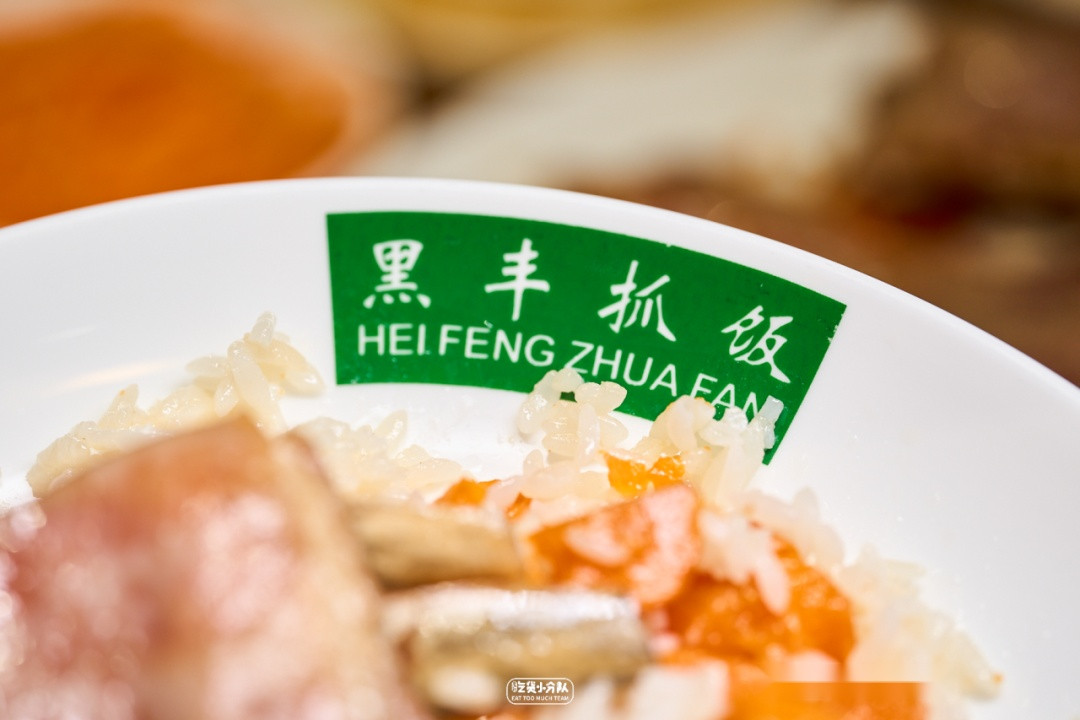
Pilaf is literally the only item on the menu. When Xinjiang locals hear that, they find it mind-blowing, saying, "A restaurant like this should only exist in Xinjiang." Chatting with the manager reveals just how much deep craft goes into making this rice. They cook it in massive one-meter-wide pots—one batch in the morning, one batch in the afternoon.

Pulling off a batch takes four to five hours of non-stop pan-frying, sautéing, boiling, braising, and steaming starting well before 6:00 AM every single day. They burn through 50 pounds of rice, 200 to 300 lamb chops, and over 100 lamb legs every single day. No shortcuts here—just hardcore, authentic execution.
Heifeng Shouzhua Fan
-Address-
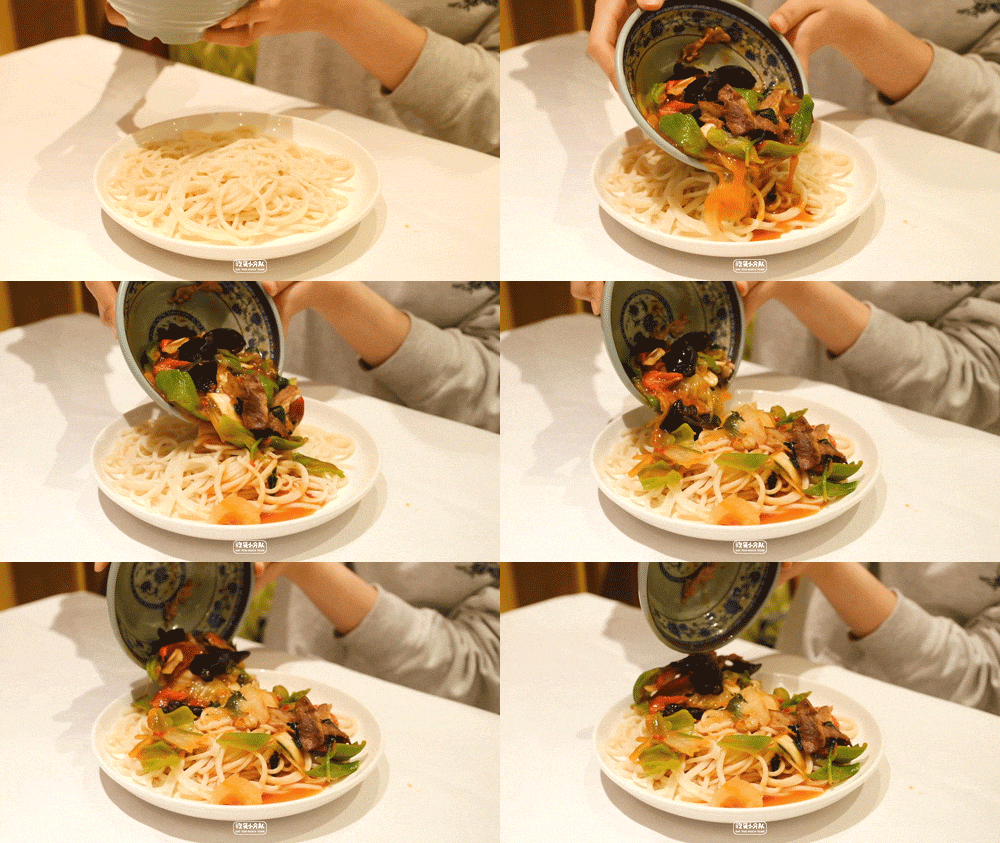
Shop 30-15, Guoji Road (Wujiaochang Branch)
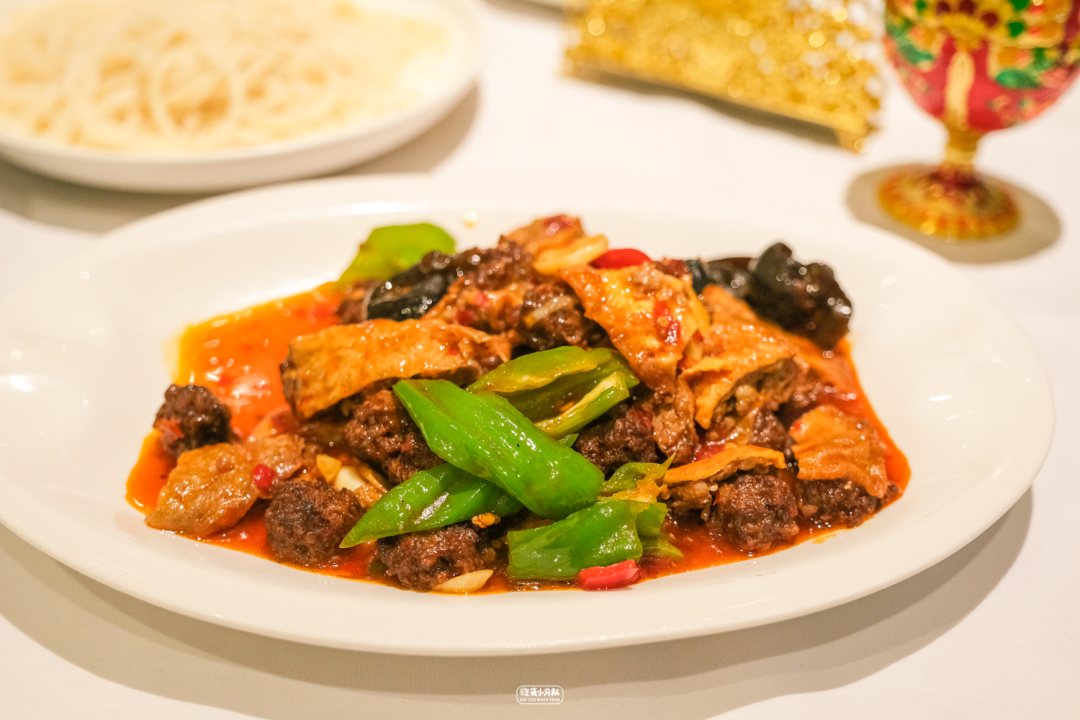
Room 102A, Building 17, Linkong SOHO, 968 Jinzhong Road (Linkong SOHO Branch)
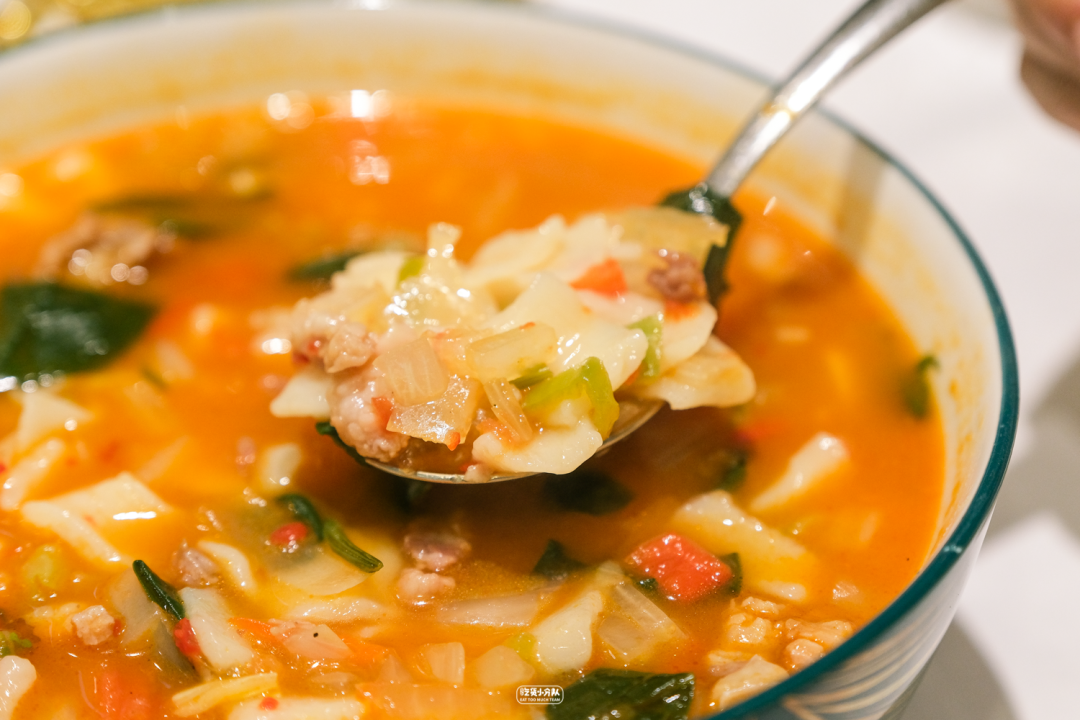
-Hours-
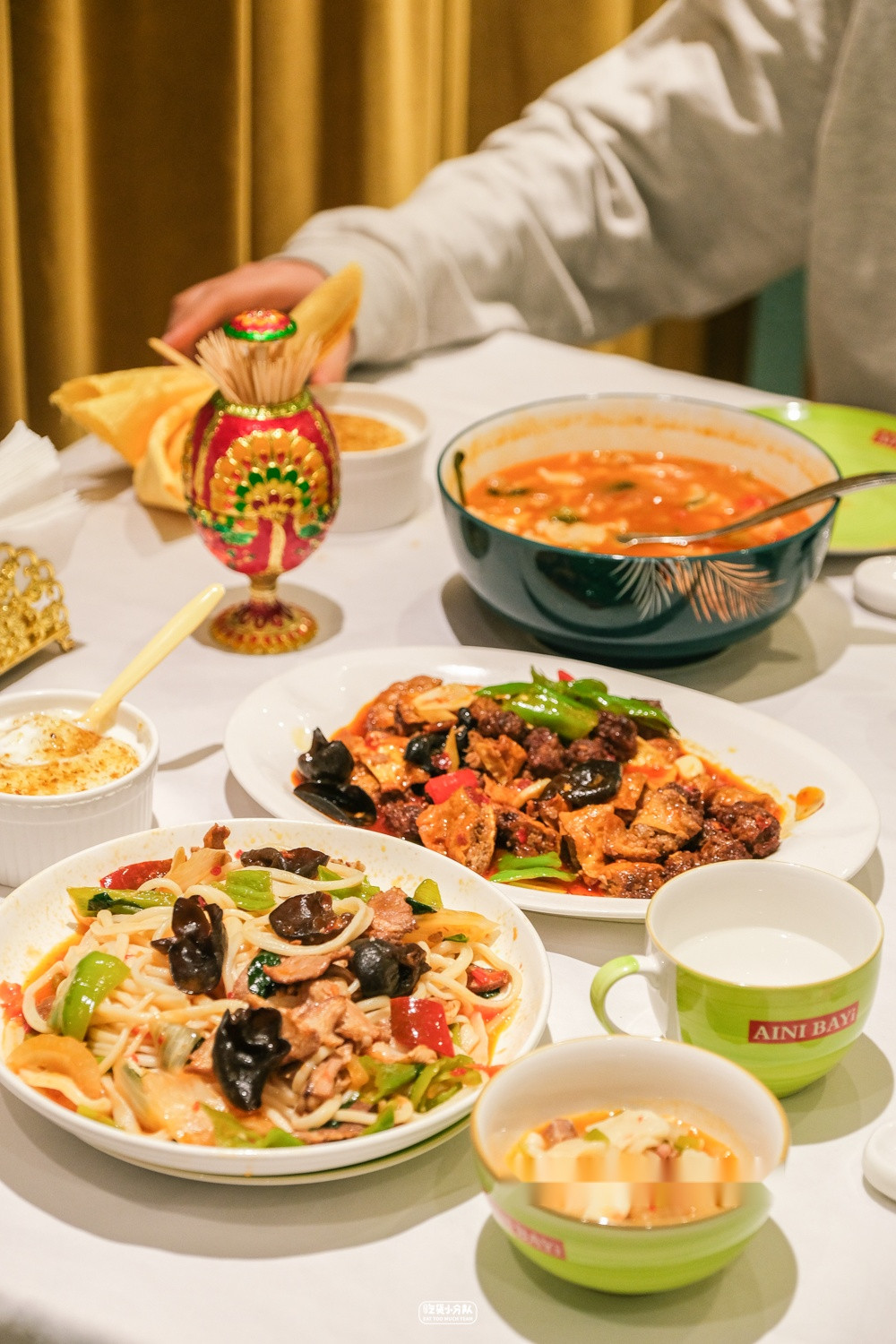
10:30 AM - 9:30 PM (Wujiaochang Branch)
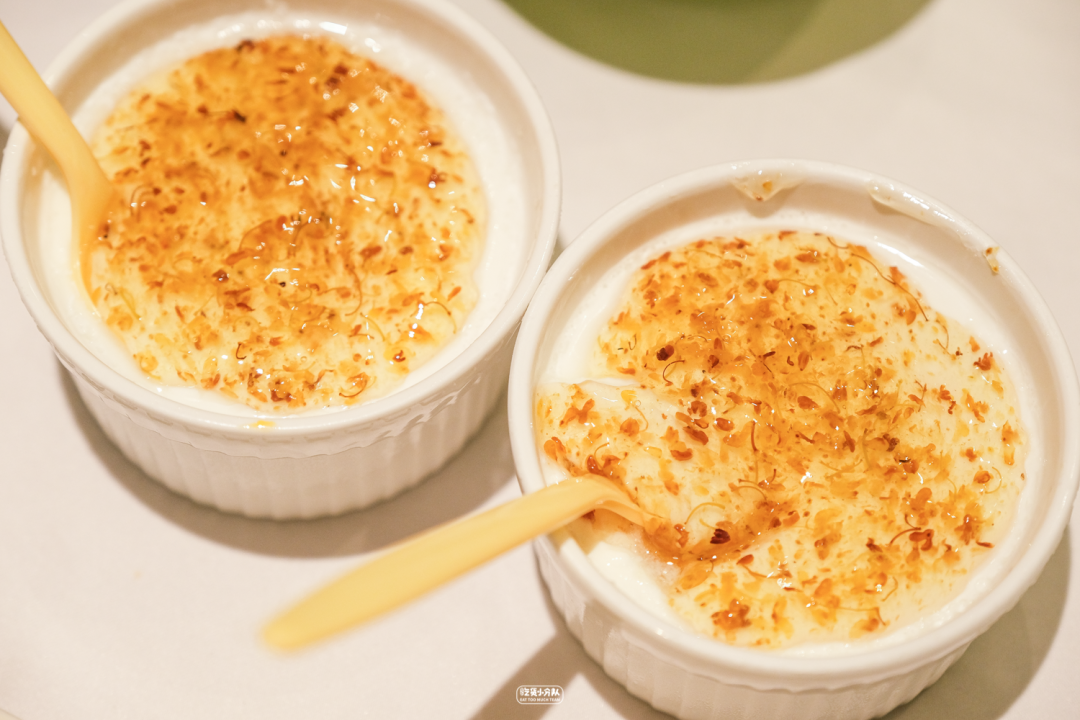
11:00 AM - 2:00 PM, 4:30 PM - 8:00 PM (Linkong SOHO Branch)

-Average Spend-
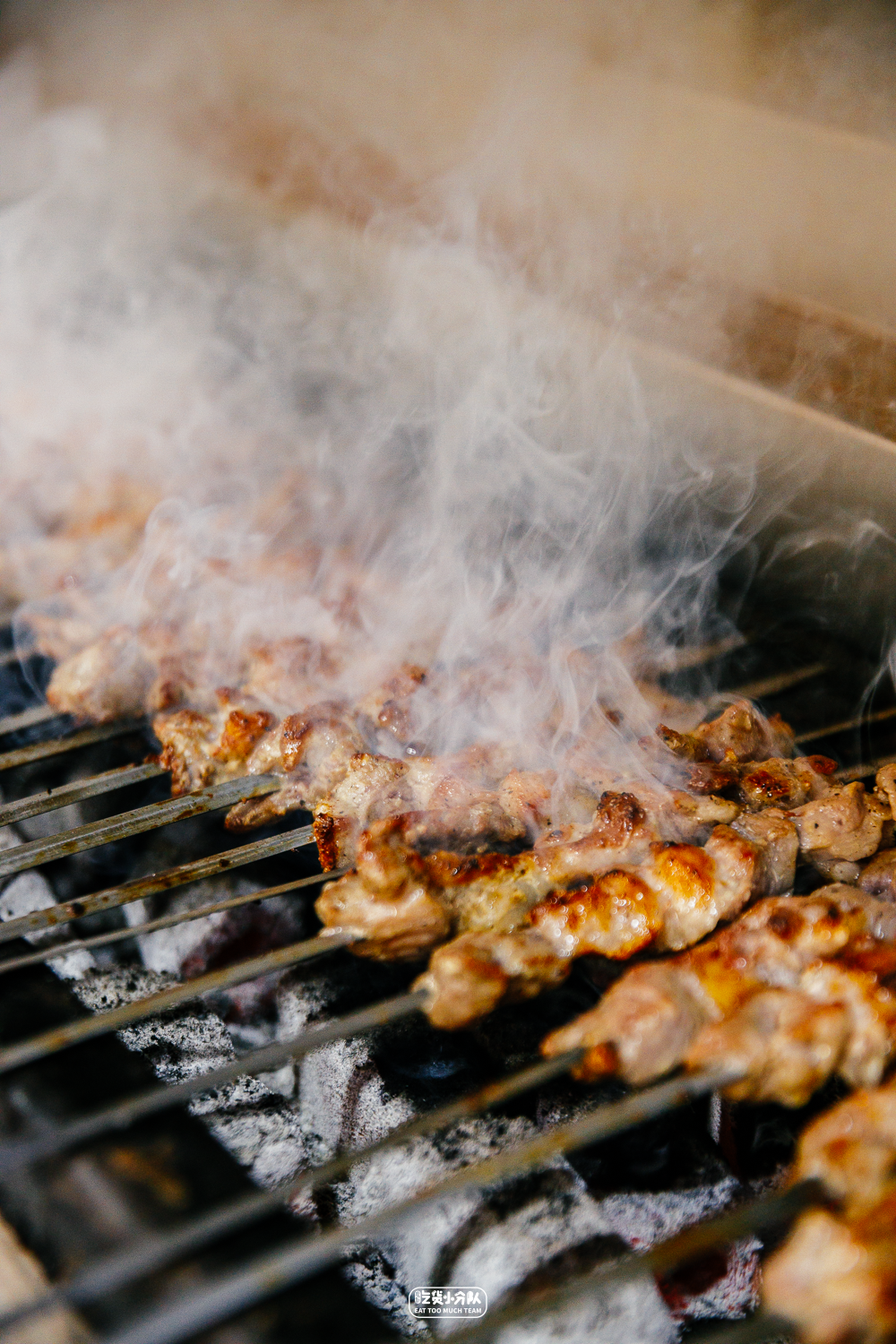
48 RMB
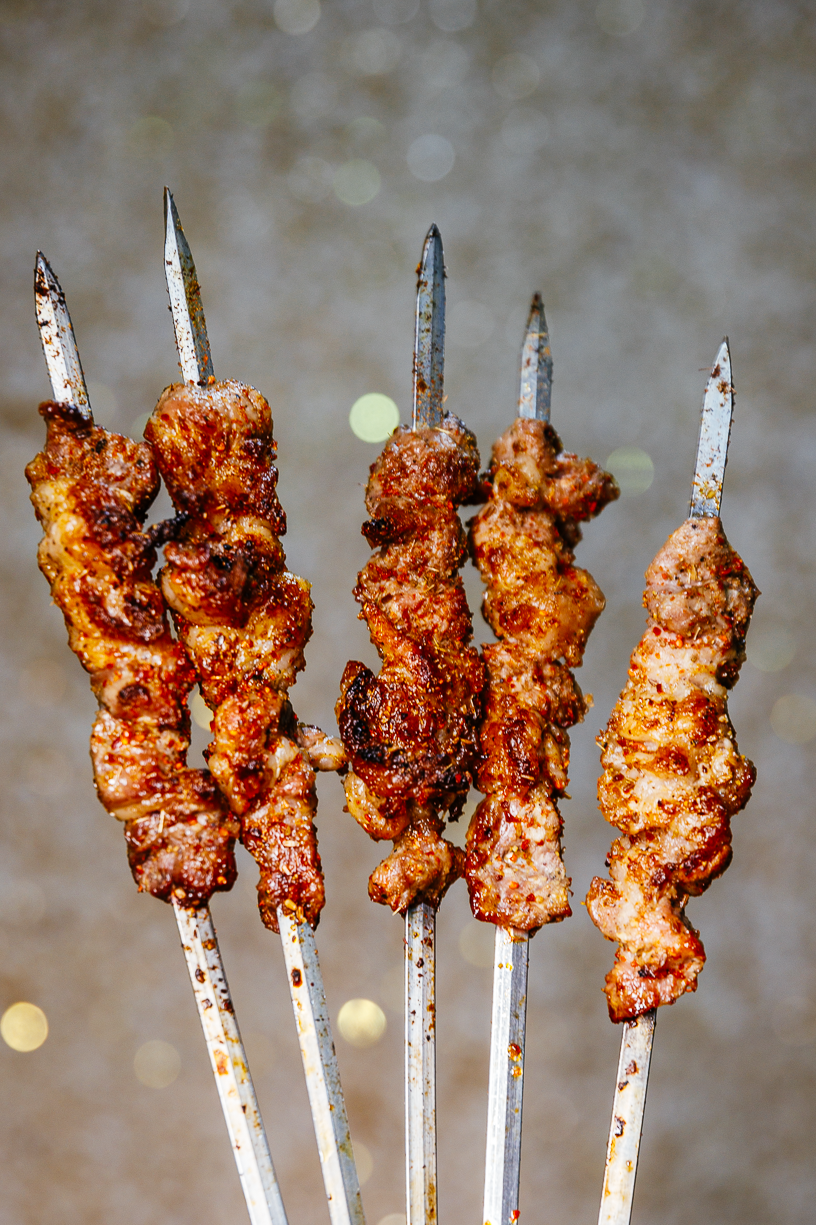
If a government office doesn't have its own cafeteria, you can bet there's an unofficial "extracurricular cafeteria" right next door—like Aini Bayi, located right beside the Xinjiang Government Office. It's not only been featured in the documentary *I Came From Xinjiang*, but even famous Xinjiang rappers have dropped by.
Then there's their legendary ghost meat mixed noodles. The secret to this dish is lamb that gets wok-fried twice with tomatoes, green peppers, wood ear mushrooms, and onions, resulting in a tangy, spicy sauce that clings to exceptionally tender meat.
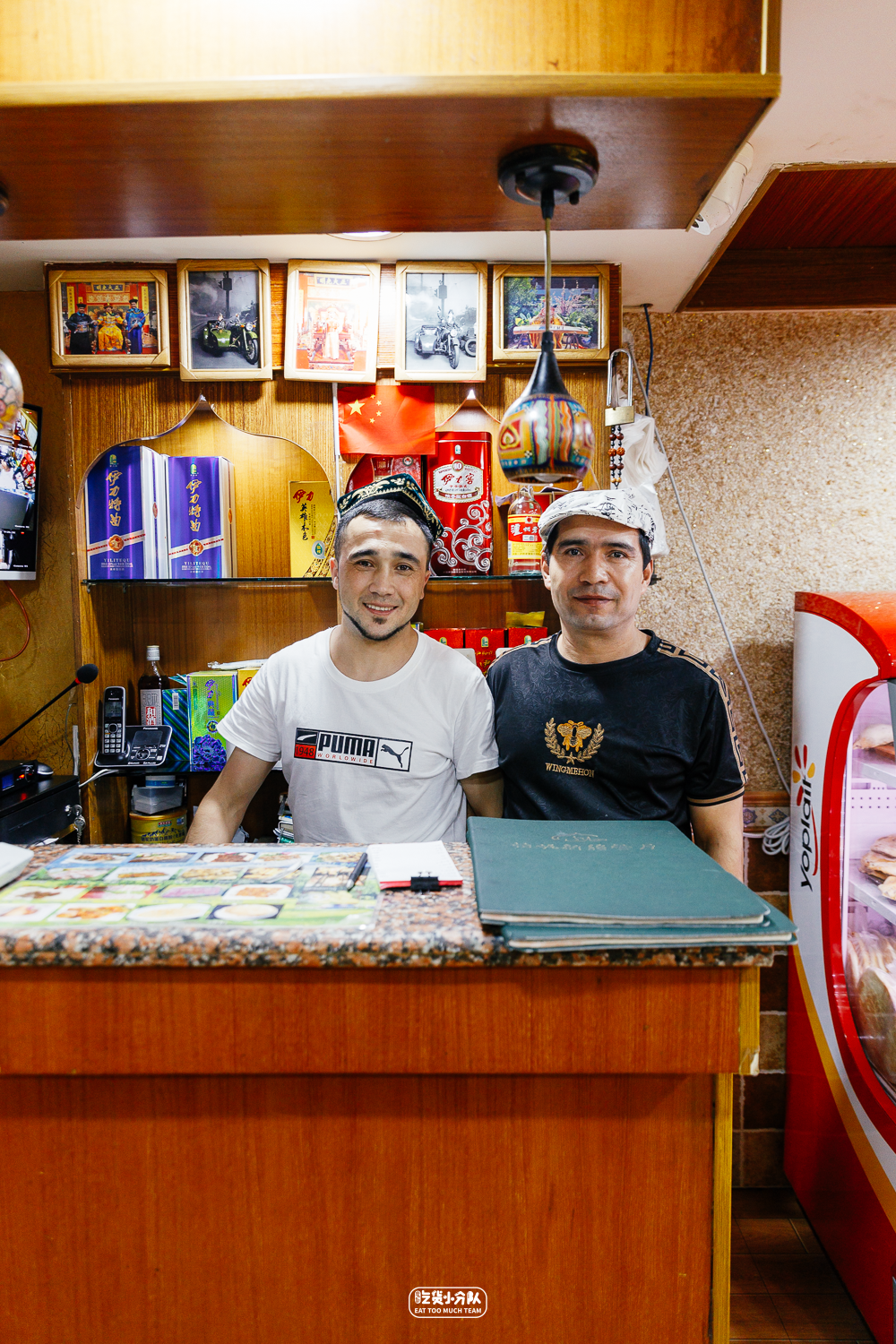
Next is red-braised jiasha meat. As one of the classic dishes from Xinjiang's traditional "Nine Bowls and Three Rows" banquet spread, thin egg crepe wraps around seasoned minced meat, sliced into neat diamond shapes, and braised until the savory red sauce permeates every layer with an amazing, chewy bite.
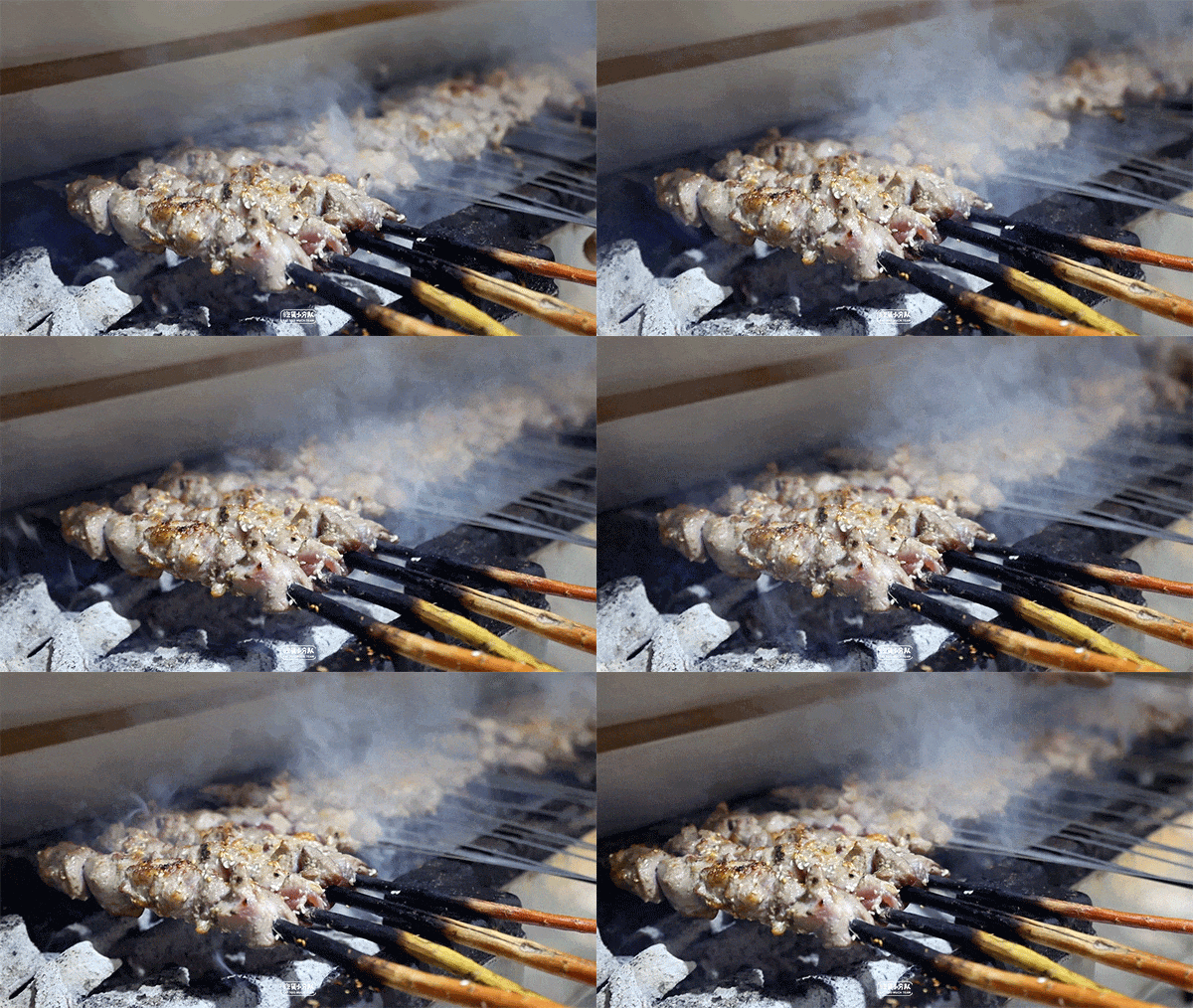
Xinjiang tangfan (soup noodles), a daily staple in Xinjiang, goes by the adorable nickname "acid soup pinch-noodles." Tiny hand-pulled noodle bits swim in a vibrant, tangy tomato broth that instantly wakes up your appetite and leaves you begging for seconds.
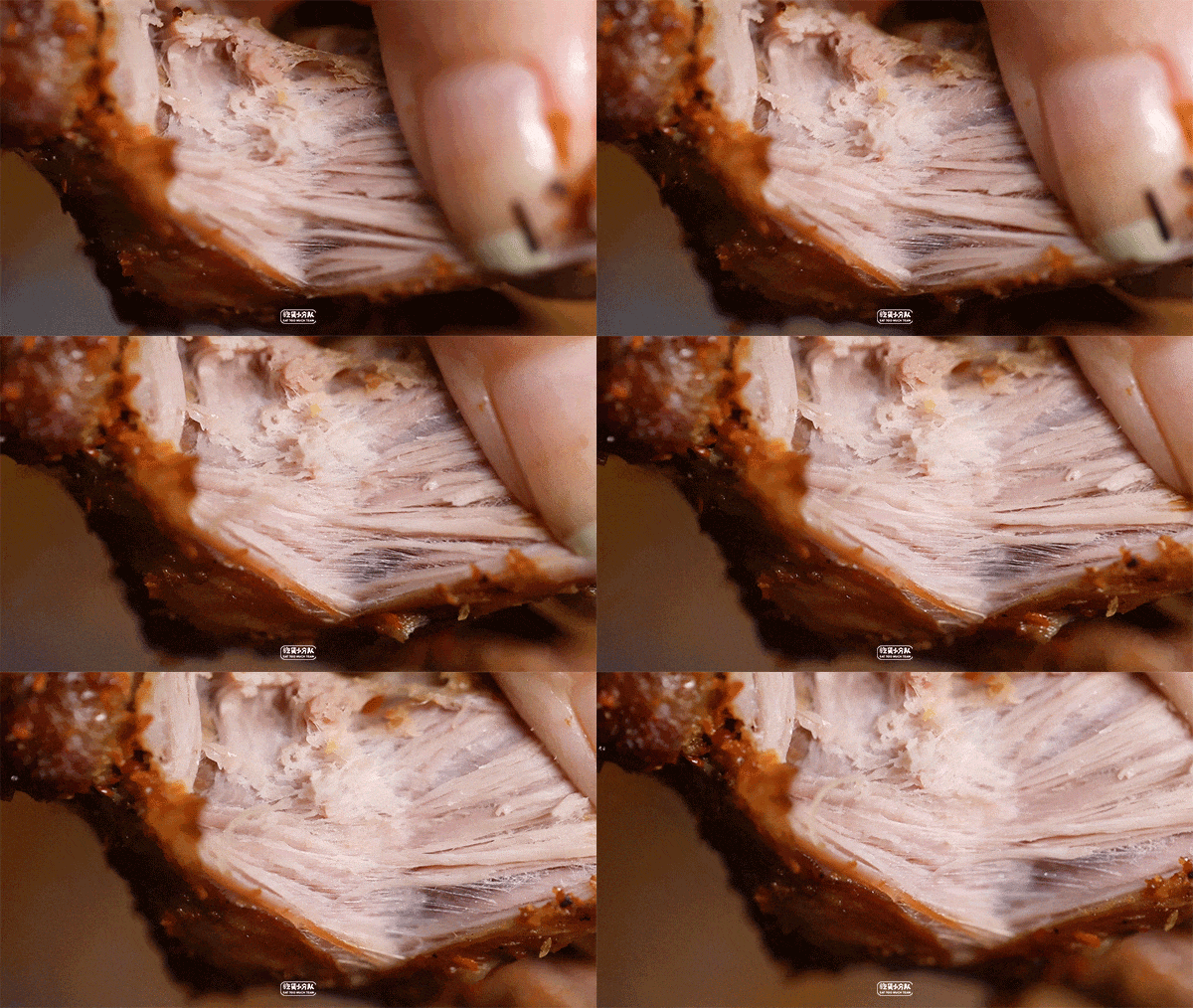
The owner is a master chef hailing from Kashgar, Xinjiang. Having kept the restaurant running strong for over 30 years—starting back when there were barely any Xinjiang spots in Shanghai—his culinary skills are the real anchor keeping this place packed.
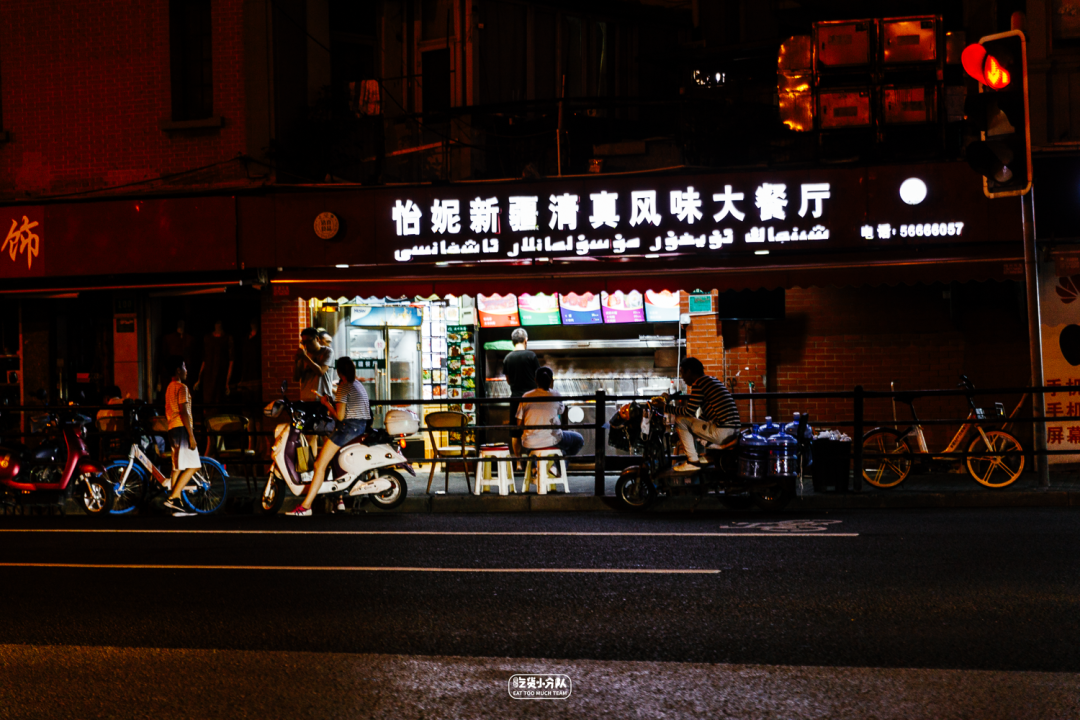
Aini Bayi Restaurant

-Address-
739 Quyang Road

-Hours-
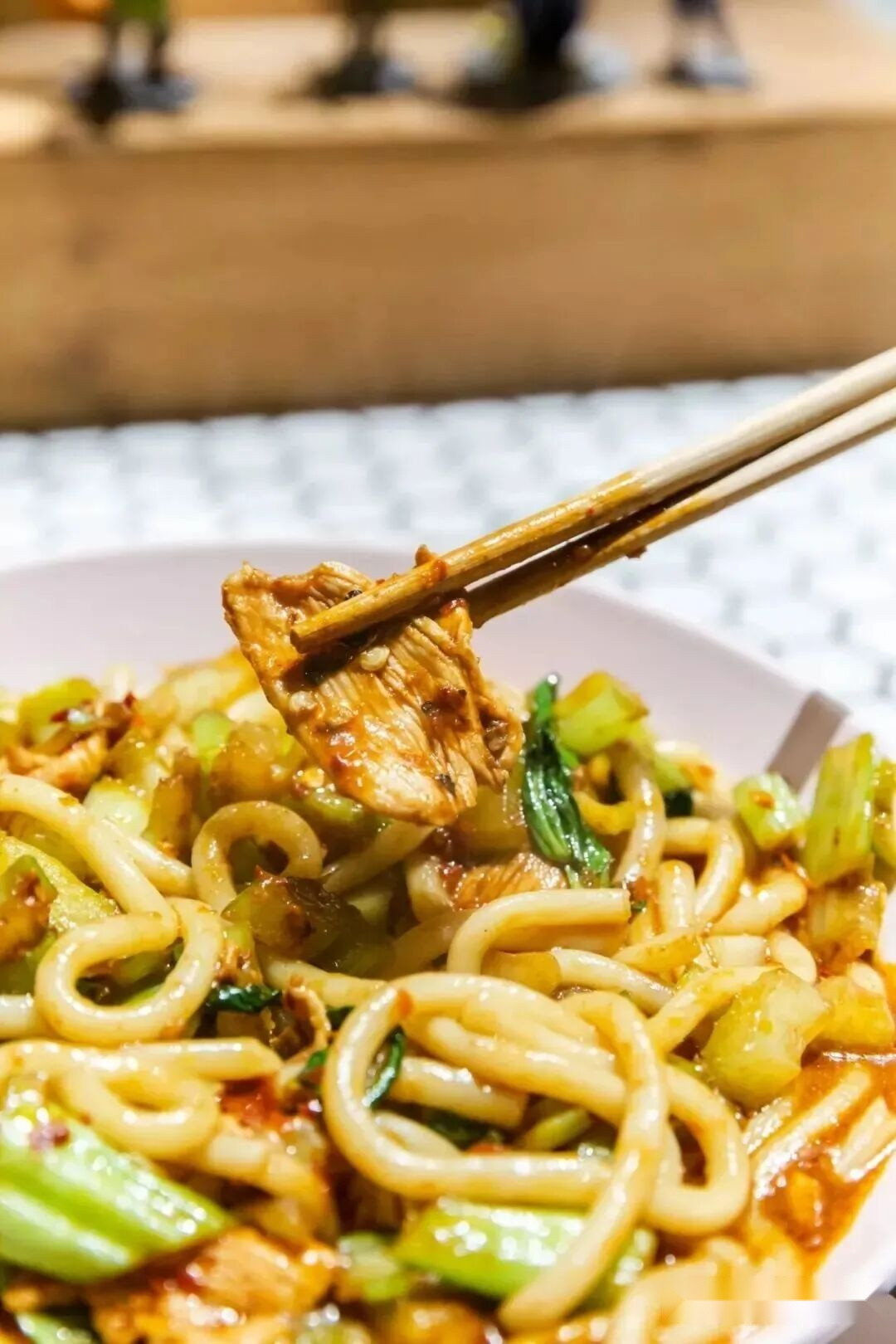
10:00 AM - 2:00 AM
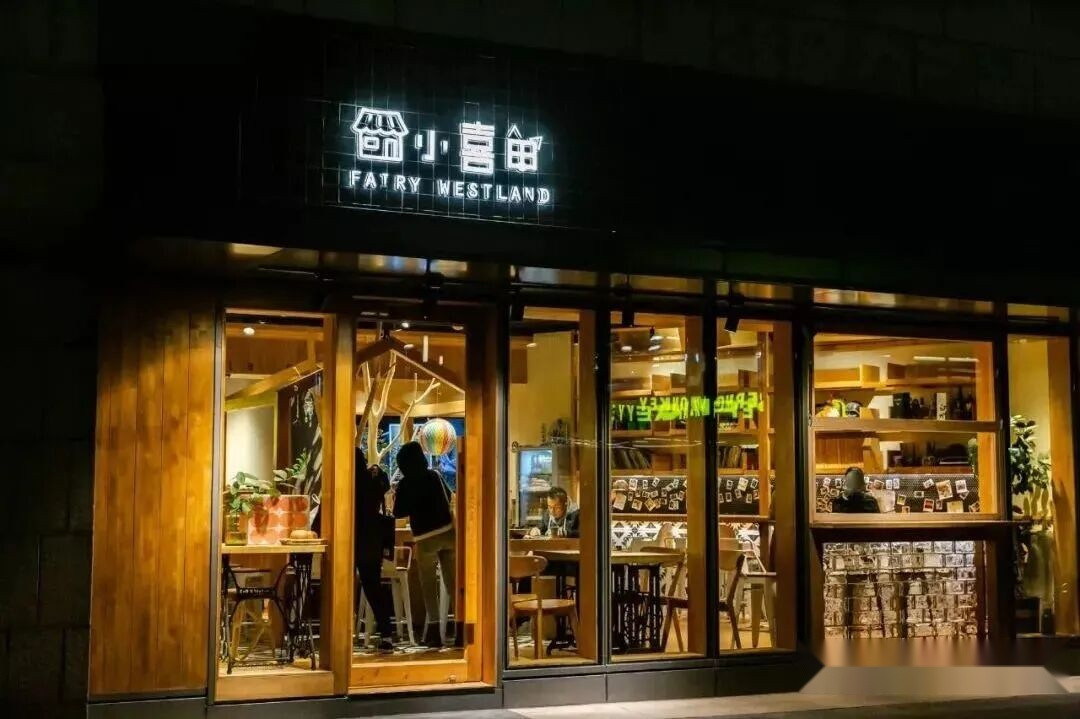
-Average Spend-
94 RMB
"You only ever eat here zero times or a million times!" This authentic Xinjiang spot sits right on the corner, and neighborhood locals roll in every few days to satisfy their cravings. Regulars have watched lamb skewers go from 2 RMB to 7 RMB over the years. "I've gotta come eat a few skewers every single week, otherwise something just feels off," says Uncle Zhao, a loyal fan who loves kicking back for street-side skewers.
"All our lamb is flown in fresh from Xinjiang—and so are we!" At this joint, not only do you get pure Xinjiang flavor, but you can also trade banter with genuine Xinjiang guys, hearing them chat and crack jokes in broken Mandarin with regulars.
The one thing every customer remembers about their red willow lamb skewers is simple: they are massive! Big chunks of lamb and fat are skewered onto half-meter-long red willow branches. Over charcoal, the red willow wood releases natural fruitwood aromas into the meat while driving away any gaminess. Take a bite while it's hot: the fat is rich and crispy, the lean meat is springy, and it’s deeply savory without ever feeling greasy.
Yini Xinjiang Flavored Restaurant
-Address-
98 Dongjiangwan Road, Sichuan North Road Street
-Hours-
11:00 AM - 2:00 AM
-Average Spend-
71 RMB
Home to Shanghai's very first Xinjiang stir-fried rice noodle joint, named after the owner's dog Xitian. Moving from Daxu Road to InnoSpace, old regulars followed every step of the way while new fans keep piling in. The vibe is artsy and refined, featuring tables made from upcycled vintage sewing machines that you can actually pedal while you eat—super fun touch.
They offer six levels of spice and two types of rice noodles. Alongside celery, you can add pickled mustard greens and mushrooms to turn up the umami.
Xiaoxitian (InnoSpace Branch)
-Address-
Room 04, Sunken Plaza, 290 Songhu Road
-Hours-
10:30 AM - 2:30 PM, 4:30 PM - 8:30 PM
-Average Spend-
50 RMB
Let's chat!
Got any hidden-gem Xinjiang spots of your own?
Drop them in the comments below~
#ShanghaiFood #ShanghaiEats #XinjiangCuisine #ShanghaiXinjiangFood Collapse Read »
The Ultimate Shanghai Xinjiang Halal Food Tour: A Feast of Shouzhuafan, Grilled Lamb Chops, and Artisanal Yogurt
Summary:
We've rounded up eight of the most authentic Xinjiang halal spots in Shanghai to bring you a Silk Road feast without leaving the city. From steaming plates of shouzhuafan (Lanzhou hand-grabbed lamb with rice) to sizzling charcoal-grilled lamb chops, Kashgar-style baked buns, and rich, authentic yogurt, this guide covers the absolute best of Western China's halal culinary traditions.
No need to book a flight thousands of miles out to Xinjiang!
Right here in Shanghai, you can hit up everything from
nomadic brunch, authentic pilaf, old-school street skewers, to specialty sweets
.....
Xinjiang food lovers, bookmark this guide right now.
If you’ve been missing the old Macau Road halal market, your prayers have been answered. The ultimate massive indoor market version is finally here! Spanning two floors, the first floor focuses on budget-friendly halal street food and quick bites. The air is always thick with the fragrant cloud of spices thrown by the chefs, buzzing with mouth-watering meat aromas and the happy chatter of hungry diners. It's an absolute vibe.
Street Eats: Hui-style braised noodle soup, signature beef noodles, sheep's offal soup, curry beef vermicelli soup, curry beef bone soup, shouzhuafan (Lanzhou hand-grabbed lamb with rice), guotie (crispy beef potstickers), and Lanzhou liangpi (cold skin noodles).
Halal Braised Meats: shouzhua yangrou (Lanzhou hand-grabbed lamb), braised sheep heads, spicy and numbing sheep trotters, belly-wrapped meat, and braised beef trotters.
Northwestern Pastries: Hui-style youxiang (fried unleavened flatbread), savory/sweet flaky pastries, scallion pancakes, twisted sesame dough sticks (mahua), Hezhou buns, and desert chive beef buns.
Specialty Sweets & Drinks: Kazakh milk tea, tianpeizi (fermented sweet oats), hand-made yogurt, and milk jiangzao (sweet fermented rice milk soup)...
Listing all these dishes feels like showing off, but trust us, whatever you're craving is on this menu. Even though text can't do these photos justice, we're already drooling just thinking about it.
Take the elevator up to the second floor and the vibe completely shifts into an exotic, elegant dining space. The tables in the main dining hall are spaced out nicely, with soft lighting casting a warm glow over intricately patterned tablecloths and vintage wooden furniture. The largest Hexi Hall can comfortably seat up to 500 people.
Meet the Hermès of dried apricots—diaoxinggan (hanging dried apricots). As royalty among naturally tree-dried fruits, they boast a deeper color and thinner skin than regular dried apricots, with a flavor that hits you with sweet notes and just a hint of tartness. Fresh apples, pears, and muskmelons here completely put imported fruits to shame; the baskets holding them look like they're about to snap under the weight. Whenever Xinjiang locals flex by saying, "Even the melons we feed our sheep are sweeter than what you buy at the supermarket," you can't help but feel a little jealous.
Experience Hui Wei Northwest Cuisine
-Address-
Multiple locations across the city
-Hours-
10:30 AM - Midnight
-Average Spend-
85 RMB
Step through the doors of IBAURSAK, and you're instantly transported to a breezy, wide-open yurt on the grasslands, complete with wood-tone tables, embroidered tapestries, and creamy white walls.
In Urumqi and Yining, this spot is a local breakfast staple where hour-long lines during peak hours are totally normal. Because of the two-hour time difference with Xinjiang, their lunch rush (12:00 PM - 3:00 PM) hits right at our prime brunch hour. Who says you can't take a weekday trip to Xinjiang? This nomadic-style prairie brunch is pure soul food.
The ultimate ritual when you arrive is ordering a plate of hot, golden baursak. In Kazakh culture, it holds the same holy grail status as our fried dough sticks—it's both a breakfast carb and a welcoming treat for guests. These fluffy dough pillows are deep-fried until their outer crust puffs up while the inside stays pillow-soft.
When it hits the table, you'll finally understand why it's called "Hurdak in a Yurt"—it's essentially a miniature yurt crafted out of a pastry crust. Once you're done snapping photos, the server will gladly help you tear the yurt into bite-sized pieces so they can soak up all those savory, delicious meat juices. The quality of nomadic beef and mutton here is out of this world; the slow-sautéed beef is so tender, and the potatoes are so melt-in-your-mouth soft.
You can actually get smoked horsemeat right here in Shanghai! Sourced from Changji Prefecture in Xinjiang, the horsemeat has a rich, smoky flavor profile similar to beef. It's super lean, incredibly firm, and completely devoid of any gamey taste. The horse sausage is a bestseller for a reason: the casing is super thin, packed with loose, pinkish-red meat that falls apart with every chew. The horse stomach has just a tiny hint of gamey funk, which is wherepiyazi (onions) swoop in like a lifesaver. Not only do they serve a trio of horsemeat platters, but you can also sip on authentic mare's milk and camel's milk.
Aside from the raw ingredients being flown straight in from Xinjiang, the staff are too—complete with a melodic lilt and rolled rs in their speech. All the signature drinks are hand-crafted right by the owner, and you can sit right at the counter to watch the magic happen.
IBAURSAK Bistro
-Address-
Shop 06, 3rd Floor, PAC Shopping Center, 688 Changde Road
-Hours-
11:30 AM - 3:30 PM
5:30 PM - 10:30 PM
-Average Spend-
138 RMB
Tucked away in a quiet residential neighborhood near Dabashu in Hongkou District sits an unassuming little dessert shop. The storefront is tiny, but the display cases inside are absolutely crammed with over a dozen kinds of sweets! There's no flashy overhead neon sign—just two simple words on either side of the doorway: "Makarena Xinjiang Desserts."
The shop is packed with an eye-popping variety of treats that feel downright luxurious: breads, jam cakes, pastries, cookies, and candies. Walking in feels like stepping straight into a sweet-toothed Baroque palace.
From Napalyong (the legendary Xinjiang milk-layered mille-feuille you usually only find in sit-down restaurants) and Bahali (a spiced fruitcake that looks like date bread) to traditional Middle Eastern baklava, heart-shaped strawberry pastries, and nut-stuffed cheese buns, you can get it all right here—and at insanely affordable prices! A slice loaded with dried fruits, nuts, jam, and fresh cream costs just single-digit RMB. It’s totally outside standard Shanghai pricing!
Here, Middle Eastern faces are even more common than the halal meat lovers. You'll see customers sitting together, nodding as they eat, as if saying, "Now this flavor is out of this world!" Imagine sitting right among them, listening to them chat away in their hometown dialects—how is this any different from traveling abroad?
Makarena Xinjiang Desserts
-Address-
512 Wenshui East Road
-Hours-
8:30 AM - 11:00 PM
-Average Spend-
44 RMB
Late at night on the streets of Hongkou, you used to be able to spot a legendary sight: a massive crowd swarming a single motorbike, the faint crackle of charcoal popping in the air, and the irresistible aroma of roasting lamb skewers wafting down the block.
Right in the middle of the crowd stood a quiet Xinjiang uncle, furiously fanning his skewers while nervously glancing around. Though he's no pop star, he boasts dozens of fan chat groups online. They call him the legendary "Hongkou Roasting Uncle."
Well, that street-side chase is finally over because the uncle has officially set up shop on Sichuan North Road! The little joint drew flocks of foodies and die-hard fans the moment it opened. As one regular put it: "Back in the day we used to chase the uncle all over the streets, now we just wait in line at his doorstep!"
In the uncle's hands, the lamb skewers look like a conductor's baton dancing to music. The charcoal heat renders the lamb fat until it sizzles, locking all those rich juices inside the tender meat. Take a bite, and you get a crispy, slightly charred outer crust giving way to a juicy, tender center, flooding your palate with rich lamb flavor, cumin, and spicy chili flakes.
They’ve also launched massive 10-RMB skewers, and there's a real art to the fat-to-lean ratio: the smaller skewers have more fat for maximum flavor, while the big skewers lean heavier on the meat for an ultra-satisfying bite.
They specifically brought in a master noodle maker all the way from Xinjiang. Their signature milky baked nang (Xinjiang flatbread) mixes milk, eggs, sesame, soybean oil, and sugar straight into the dough, coming out of the oven smelling like toasted wheat and charcoal smoke. The edges are crisp and golden while the center is thick, chewy, and bursting with milky aroma with every single chew.
Xinjiang Uncle Lamb Skewers
-Address-
1898 Sichuan North Road
-Hours-
11:00 AM - 4:00 AM
-Average Spend-
50 RMB
If you had to pick one dish to represent all of Xinjiang cuisine, the answer is hands down shouzhua fan (Lanzhou hand-grabbed lamb with rice). Hidden away in Wujiaochang, Heifeng Shouzhua Fan is basically a local legend in Yangpu District—locals call eating here "the highest honor of visiting Yangpu." Xinjiang friends have been known to "eat here two months straight" and say that "once you go, you can't ever stop." Backed solely by their killer pilaf, they've dominated the Yangpu Xinjiang food charts as an obsession for foodies everywhere. They've even opened a second location now.
Pilaf is literally the only item on the menu. When Xinjiang locals hear that, they find it mind-blowing, saying, "A restaurant like this should only exist in Xinjiang." Chatting with the manager reveals just how much deep craft goes into making this rice. They cook it in massive one-meter-wide pots—one batch in the morning, one batch in the afternoon.
Pulling off a batch takes four to five hours of non-stop pan-frying, sautéing, boiling, braising, and steaming starting well before 6:00 AM every single day. They burn through 50 pounds of rice, 200 to 300 lamb chops, and over 100 lamb legs every single day. No shortcuts here—just hardcore, authentic execution.
Heifeng Shouzhua Fan
-Address-
Shop 30-15, Guoji Road (Wujiaochang Branch)
Room 102A, Building 17, Linkong SOHO, 968 Jinzhong Road (Linkong SOHO Branch)
-Hours-
10:30 AM - 9:30 PM (Wujiaochang Branch)
11:00 AM - 2:00 PM, 4:30 PM - 8:00 PM (Linkong SOHO Branch)
-Average Spend-
48 RMB
If a government office doesn't have its own cafeteria, you can bet there's an unofficial "extracurricular cafeteria" right next door—like Aini Bayi, located right beside the Xinjiang Government Office. It's not only been featured in the documentary *I Came From Xinjiang*, but even famous Xinjiang rappers have dropped by.
Then there's their legendary ghost meat mixed noodles. The secret to this dish is lamb that gets wok-fried twice with tomatoes, green peppers, wood ear mushrooms, and onions, resulting in a tangy, spicy sauce that clings to exceptionally tender meat.
Next is red-braised jiasha meat. As one of the classic dishes from Xinjiang's traditional "Nine Bowls and Three Rows" banquet spread, thin egg crepe wraps around seasoned minced meat, sliced into neat diamond shapes, and braised until the savory red sauce permeates every layer with an amazing, chewy bite.
Xinjiang tangfan (soup noodles), a daily staple in Xinjiang, goes by the adorable nickname "acid soup pinch-noodles." Tiny hand-pulled noodle bits swim in a vibrant, tangy tomato broth that instantly wakes up your appetite and leaves you begging for seconds.
The owner is a master chef hailing from Kashgar, Xinjiang. Having kept the restaurant running strong for over 30 years—starting back when there were barely any Xinjiang spots in Shanghai—his culinary skills are the real anchor keeping this place packed.
Aini Bayi Restaurant
-Address-
739 Quyang Road
-Hours-
10:00 AM - 2:00 AM
-Average Spend-
94 RMB
"You only ever eat here zero times or a million times!" This authentic Xinjiang spot sits right on the corner, and neighborhood locals roll in every few days to satisfy their cravings. Regulars have watched lamb skewers go from 2 RMB to 7 RMB over the years. "I've gotta come eat a few skewers every single week, otherwise something just feels off," says Uncle Zhao, a loyal fan who loves kicking back for street-side skewers.
"All our lamb is flown in fresh from Xinjiang—and so are we!" At this joint, not only do you get pure Xinjiang flavor, but you can also trade banter with genuine Xinjiang guys, hearing them chat and crack jokes in broken Mandarin with regulars.
The one thing every customer remembers about their red willow lamb skewers is simple: they are massive! Big chunks of lamb and fat are skewered onto half-meter-long red willow branches. Over charcoal, the red willow wood releases natural fruitwood aromas into the meat while driving away any gaminess. Take a bite while it's hot: the fat is rich and crispy, the lean meat is springy, and it’s deeply savory without ever feeling greasy.
Yini Xinjiang Flavored Restaurant
-Address-
98 Dongjiangwan Road, Sichuan North Road Street
-Hours-
11:00 AM - 2:00 AM
-Average Spend-
71 RMB
Home to Shanghai's very first Xinjiang stir-fried rice noodle joint, named after the owner's dog Xitian. Moving from Daxu Road to InnoSpace, old regulars followed every step of the way while new fans keep piling in. The vibe is artsy and refined, featuring tables made from upcycled vintage sewing machines that you can actually pedal while you eat—super fun touch.
They offer six levels of spice and two types of rice noodles. Alongside celery, you can add pickled mustard greens and mushrooms to turn up the umami.
Xiaoxitian (InnoSpace Branch)
-Address-
Room 04, Sunken Plaza, 290 Songhu Road
-Hours-
10:30 AM - 2:30 PM, 4:30 PM - 8:30 PM
-Average Spend-
50 RMB
Let's chat!
Got any hidden-gem Xinjiang spots of your own?
Drop them in the comments below~
#ShanghaiFood #ShanghaiEats #XinjiangCuisine #ShanghaiXinjiangFood Collapse Read »
The 130-Year History of Shanghai Halal Cuisine: Where Jiangnan Meets Northwest Flavors
[Internet Repost]
The 130-Year History of Shanghai Halal Cuisine: Where Jiangnan Meets Northwest Flavors
Abstract:
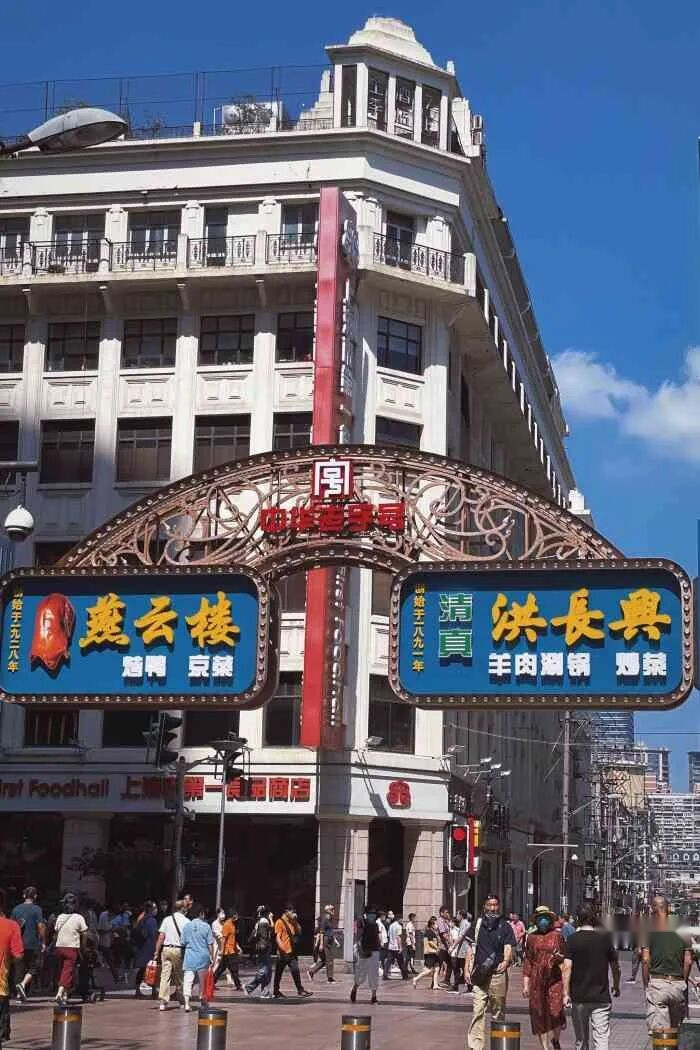
A detailed look at the fusion and evolution of Shanghai-style Halal cuisine over the past 130 years. Exploring the collision and combination of traditional Hui Muslim cooking with local Shanghainese and Western culinary techniques, showcasing the historical landscape and cultural heritage from classic Halal heritage dishes to modern Halal banquets.
Introduction
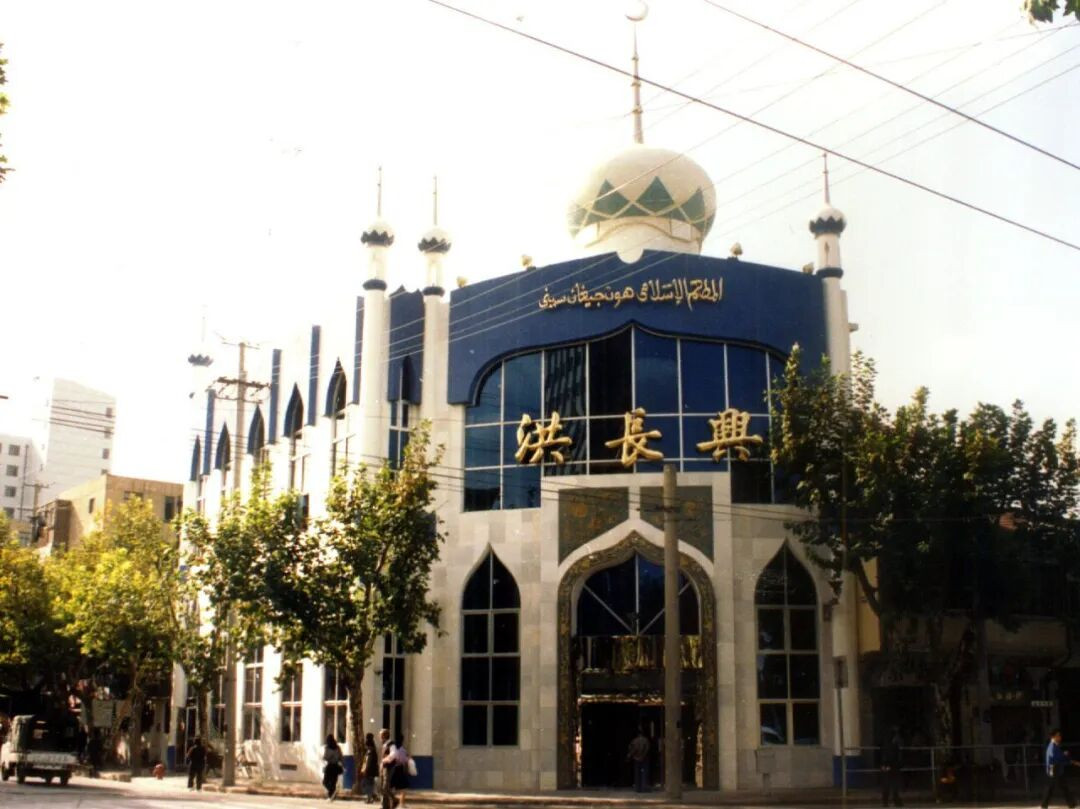
Hearing about Shanghai-style Halal cuisine for the very first time, I couldn't help but gasp—Shanghai people really know how to eat!
The Vibe of the Magic City, the Gentleness of Hui Cuisine
By | Ma Tao
Arriving in the Magic City of Shanghai this time, I landed right in the middle of a continuous drizzle. Locals told me it had been raining on and off for two weeks straight.
The rain in the Magic City is so soft and gentle, lacking any bite—nothing like the sudden, torrential downpours in Shenzhen. Still, it didn't dampen the crowds of tourists strolling along both sides of the streets.
A few light drizzles, nothing to worry about. On past trips to the Magic City, I always came and went in a rush.
Whenever I grabbed a meal with coworkers to save time, we’d just head straight to the noodle shop downstairs from the office. This time, however, I wanted to track down some authentic local Hui Muslim cuisine.
As luck would have it, I recently met a new friend named Ma, and we hit it off right away, chatting away like old friends.
Though we were total strangers at first, a simple, peaceful greeting instantly brought out an incredible sense of warmth and kindness.
I asked him, "Are there any local Hui Muslim restaurants in Shanghai? I mean the kind of time-honored local spots, not just Lanzhou ramen or Xinjiang joints."
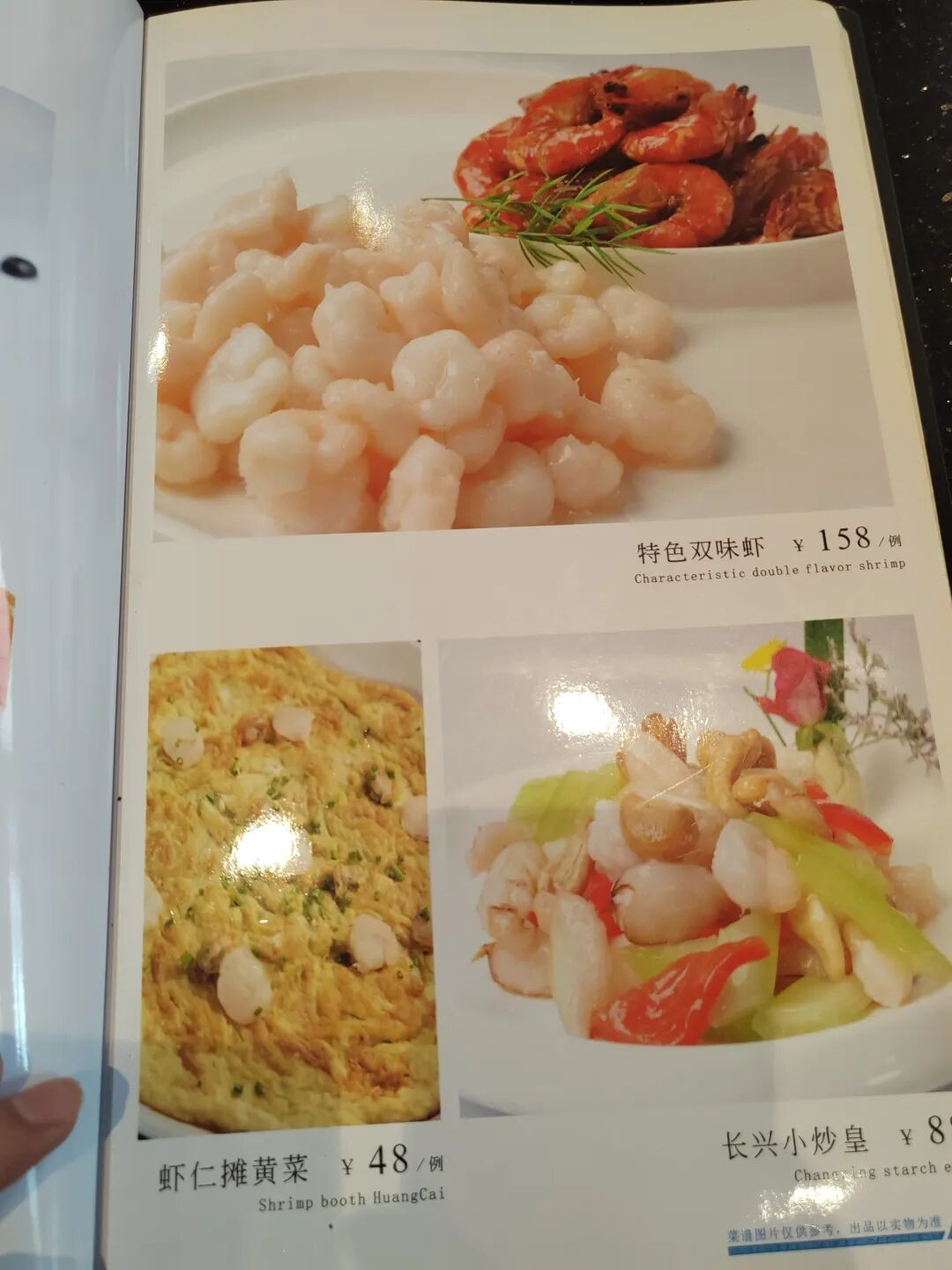
He immediately told me, "There’s a century-old Halal restaurant right near the Bund called Hongchangxing. It’s fantastic, you should definitely check it out."
After all these years, I had no idea the Magic City even had local Hui Muslim dining. I made up my mind right then and there—I had to go for lunch.
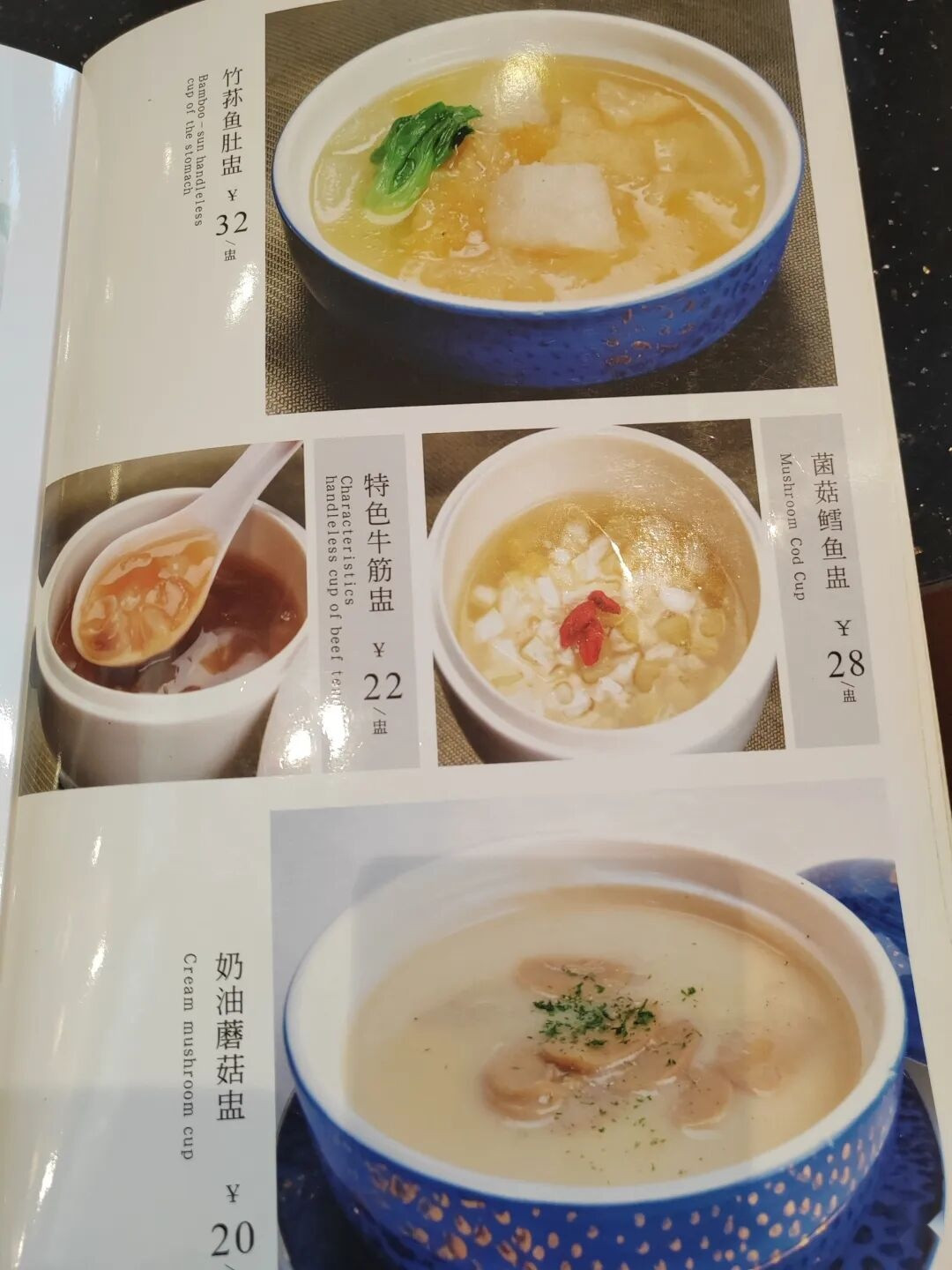
That morning, after wrapping up a client meeting near Songjiang, I hailed a cab back to downtown so I could head straight there for lunch. Even a full hour-long car ride couldn't mask my excitement.
The car pulled up at a busy intersection. The moment I stepped out, I caught that familiar aroma of mutton, though a little voice in my head muttered: *Please don't let this just be the same old dishes I always see.*
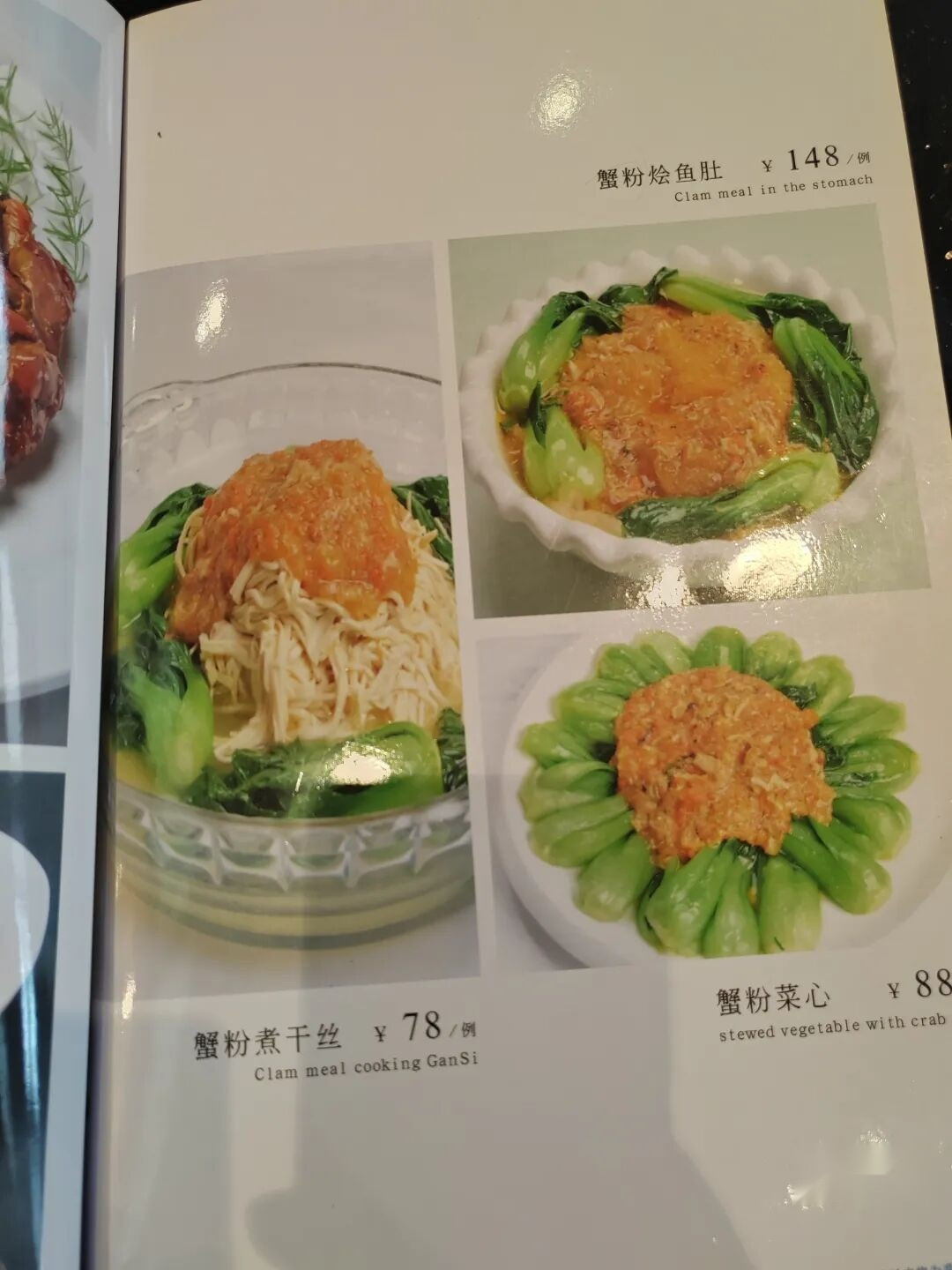
The restaurant's storefront is super distinctive: a deep blue sign resting above a brass-trimmed, circular glass entryway.
The left and right sides are covered in beige tiles, with clean, symmetrical geometric patterns stretching all the way from the ground up to the ceiling.
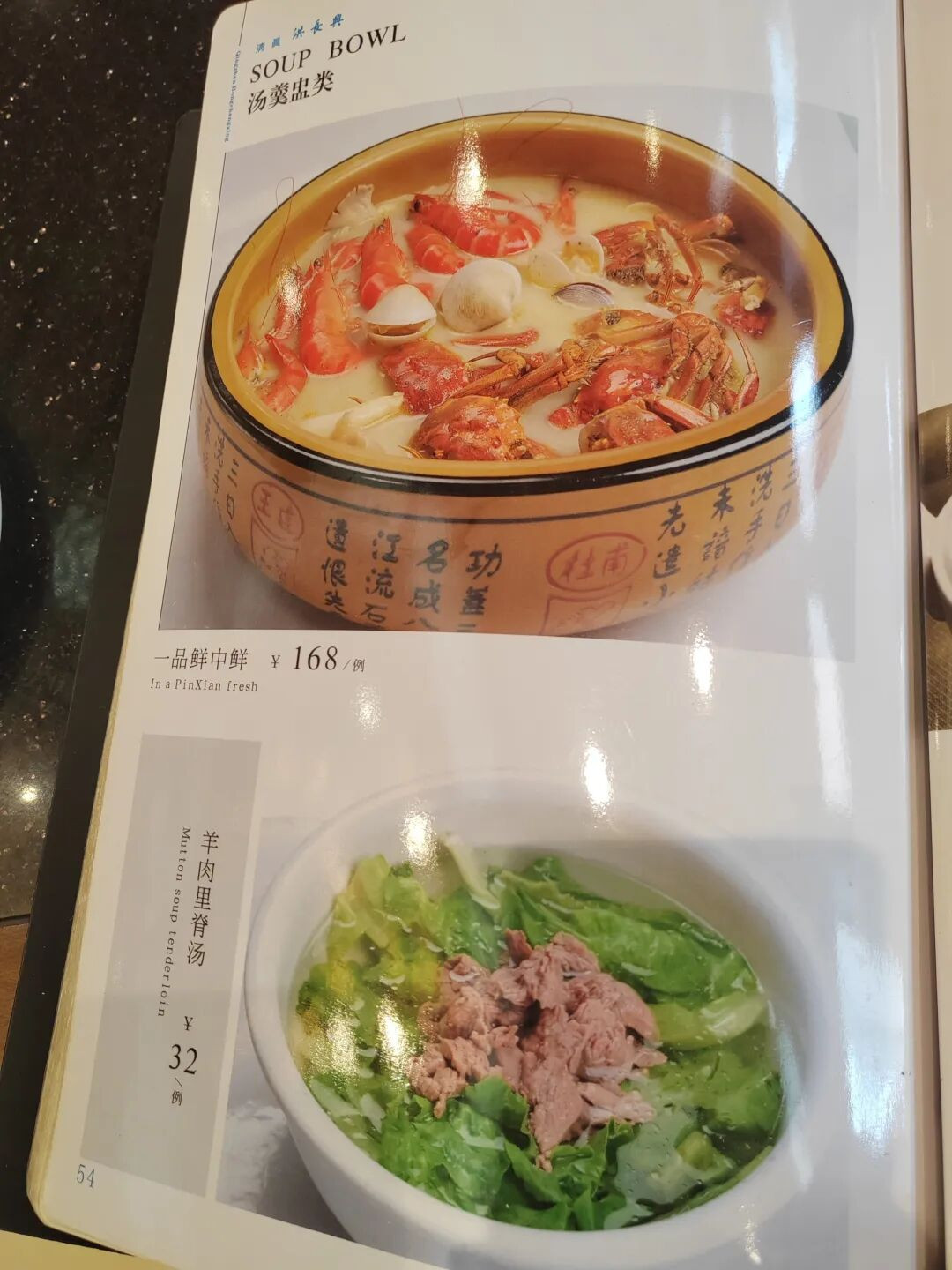
At the very top sits an Arabian-style spire, brimming with architectural beauty.
Walking through the front doors, you step into a circular, hollowed-out foyer. The cashier's station is on your left, a marble staircase leading up to the second floor is on your right, and just three or four steps straight ahead takes you right into the main dining hall.
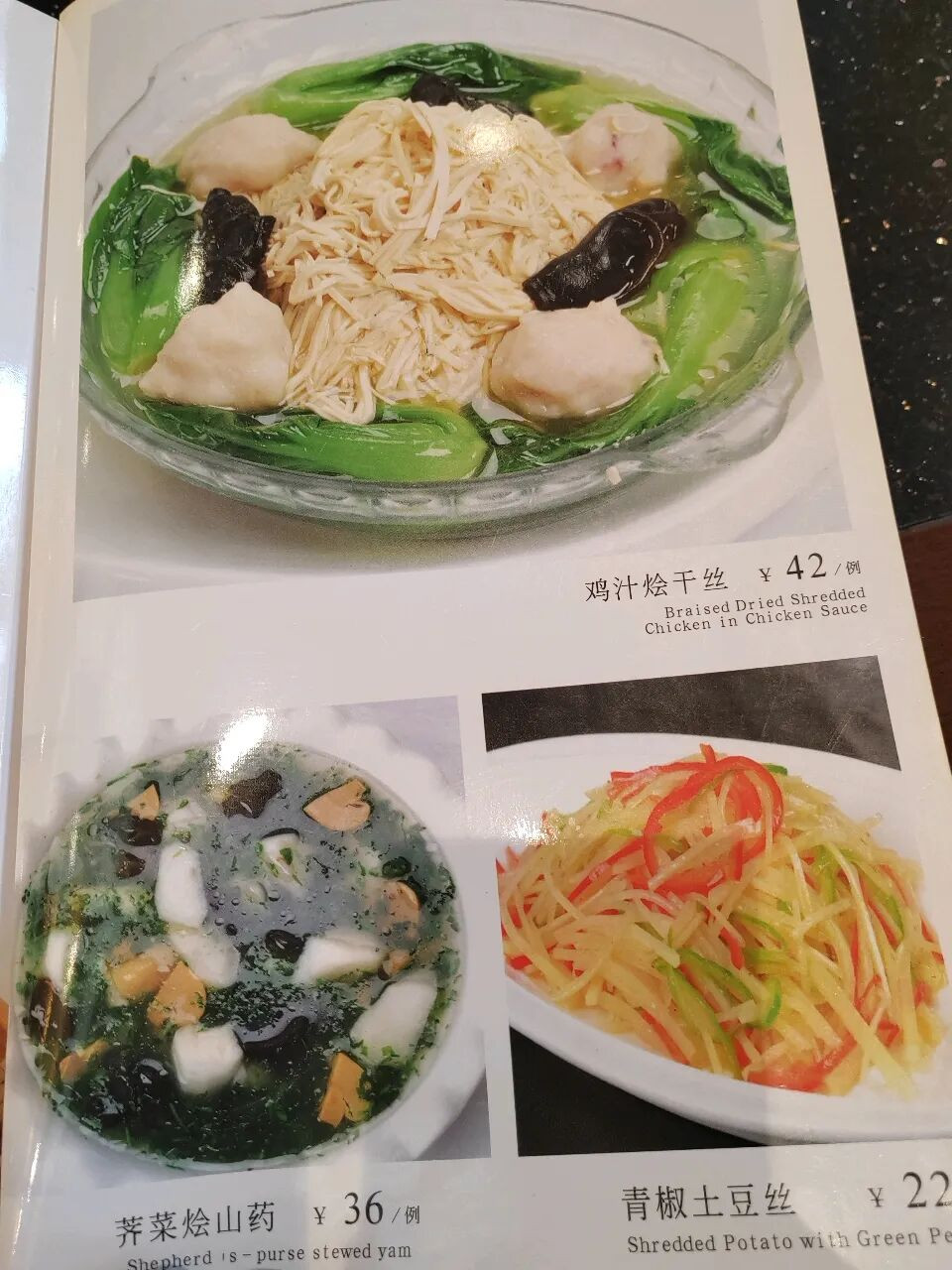
The hall is staffed by plenty of servers with calm, serene expressions. The second they saw me walk in, they warmly rushed over and handed me a thick menu.
The tables and chairs in the hall are a rich, dark brown, giving the space a solid, substantial feel. I picked a four-person table by the window and sat down.
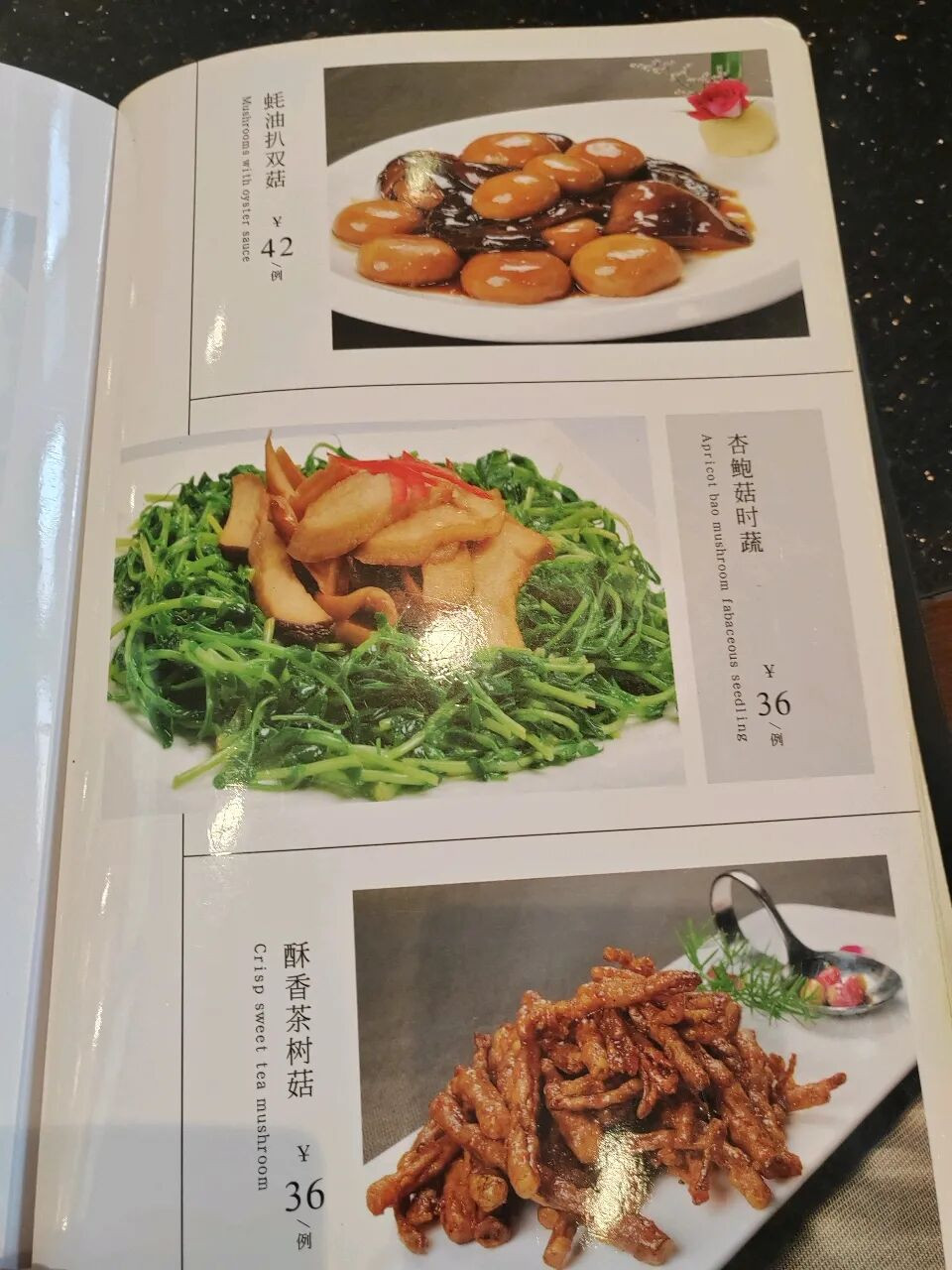
Since it was already around 1:00 PM, past peak lunchtime, there were only one or two other tables occupied.
Perfect—I actually prefer a quieter dining atmosphere anyway. Plus, it meant the food would definitely come out fast.
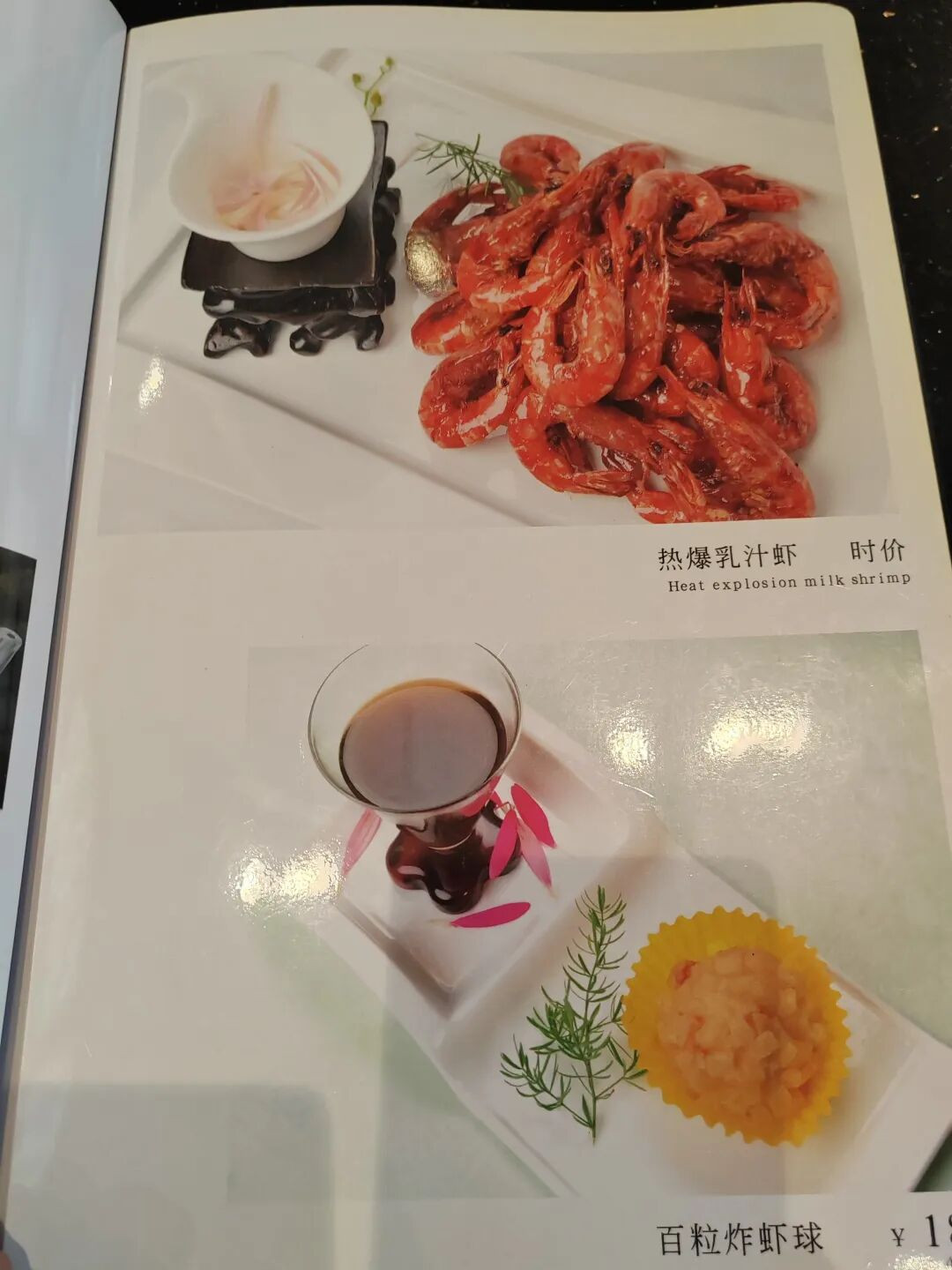
I eagerly flipped open the menu, and the very first page told me I had come to the right place.
Sure enough, unlike traditional Hui Muslim spots, the dishes jumping out at me weren't the usual dapanji (big plate spicy chicken), shouzhua yangrou (Lanzhou hand-grabbed lamb), or braised beef strips.
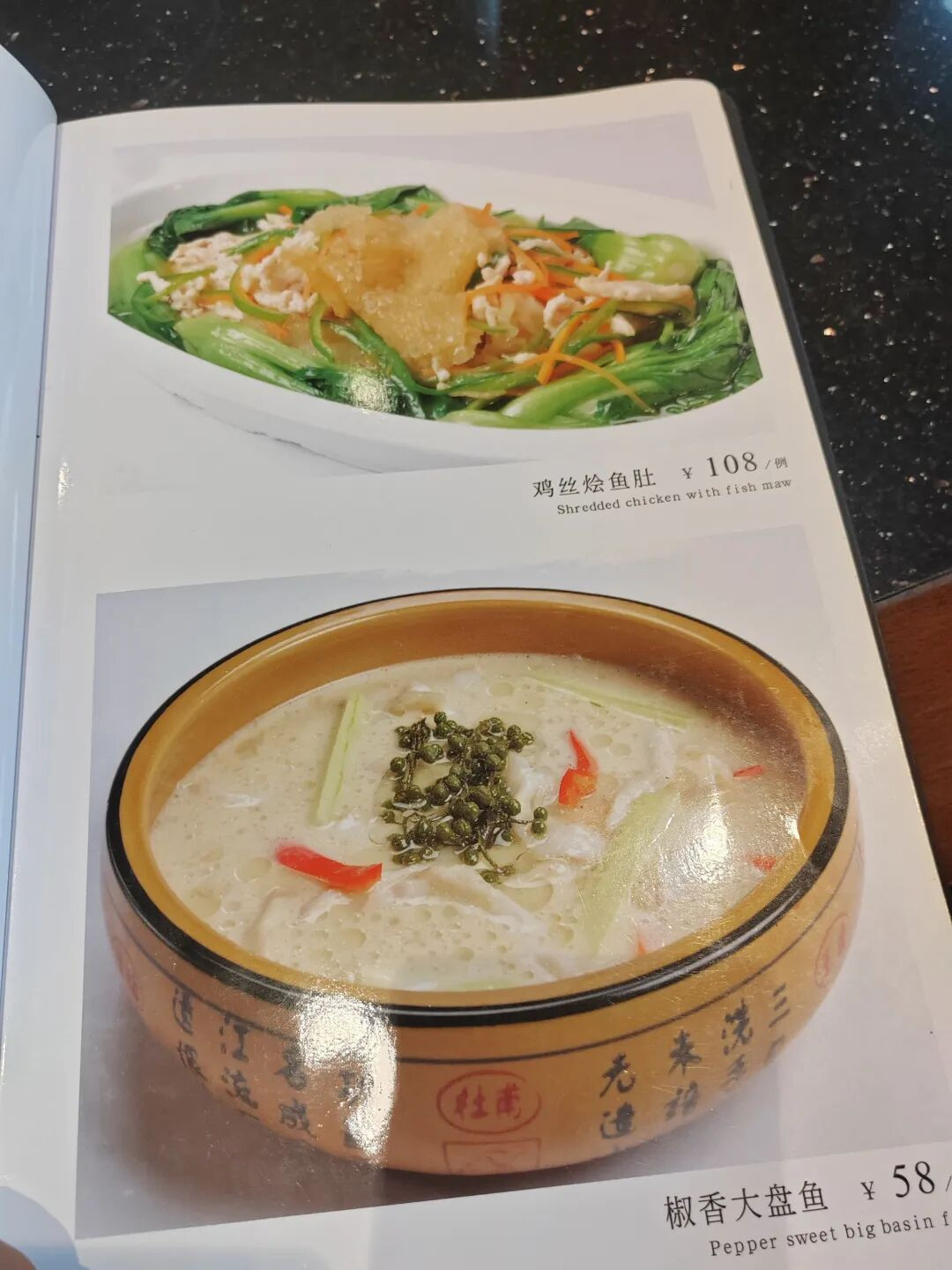
The menu featured amazingly unique dishes: hot explosive smoked fish, beef tendon aspic, jade-green oxtail, salt-and-pepper silver sturgeon, shredded chicken with braised beef tripe, pepper-scented big plate fish, specialty dual-flavor shrimp, shrimp scrambled with egg yolks, Changxing special stir-fry, hot explosive milk-sauce shrimp, hundred-ball fried shrimp spheres, crab roe braised dried tofu threads, crab roe braised fish maw, crab roe hearts of bok choy, crab roe tofu, hairy crab with rice cakes, oyster-sauce braised dual mushrooms, crispy tea tree mushrooms, chicken broth braised dried tofu threads, shepherd's purse braised Chinese yam, supreme fresh-in-fresh soup, mutton tenderloin soup, bamboo fungus fish maw double-boiler soup, specialty beef tendon double-boiler soup, mushroom cod double-boiler soup, creamy mushroom double-boiler soup, seafood chowder, and savory hot-and-sour soup.
There were literally 25 dish names on that list that I had never heard of in my entire life.
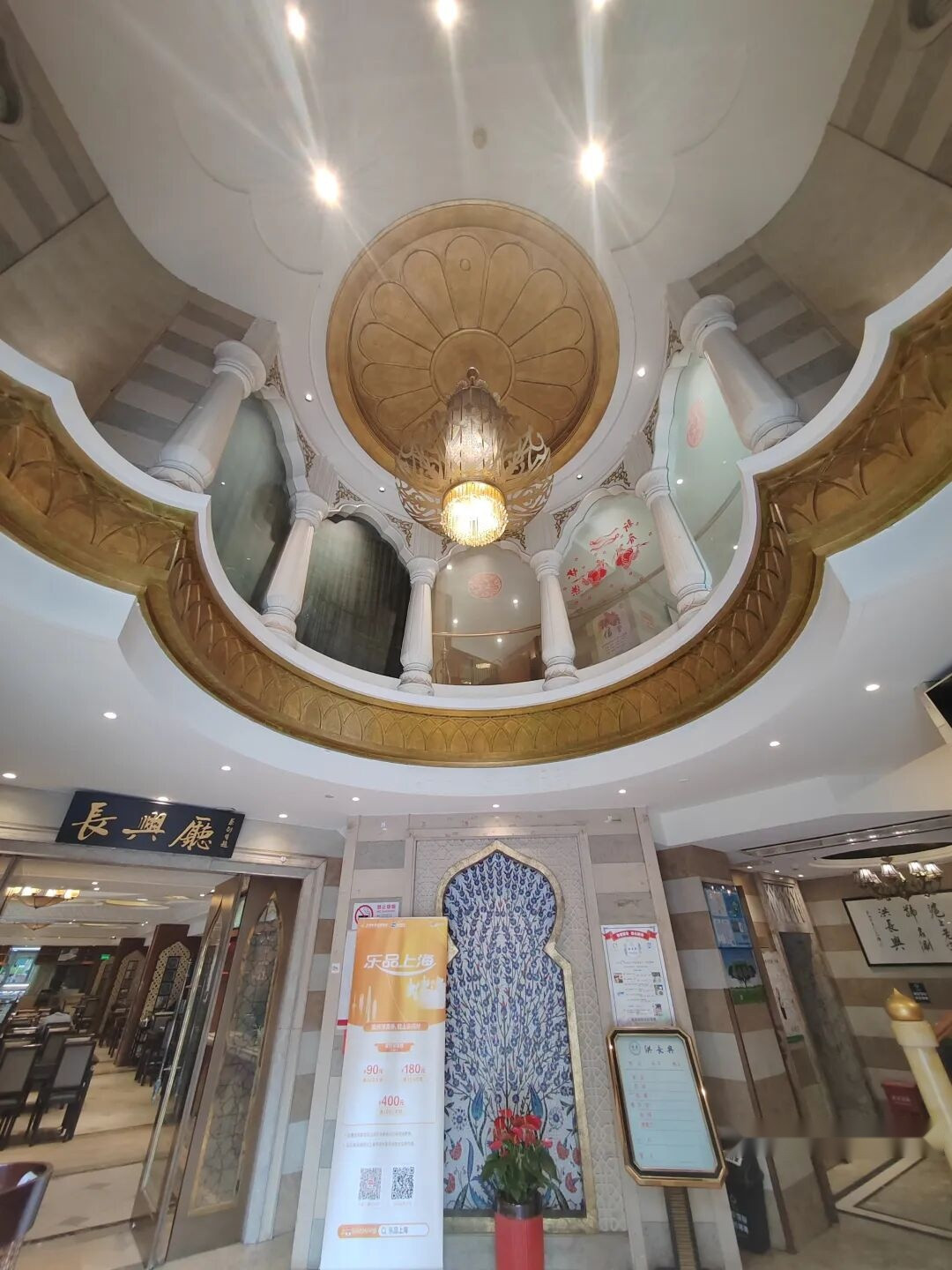
Dishes like hairy crab with rice cakes and Changxing special stir-fry—whether looking at the ingredients or the cooking methods—were an absolute novelty to someone like me, whose palate has been shaped by northern wheat noodles and northeastern rice for years.
Some of the dishes sounded vaguely familiar at first glance, but when you leaned in close, you realized they weren't what you thought; you didn't really know them at all.
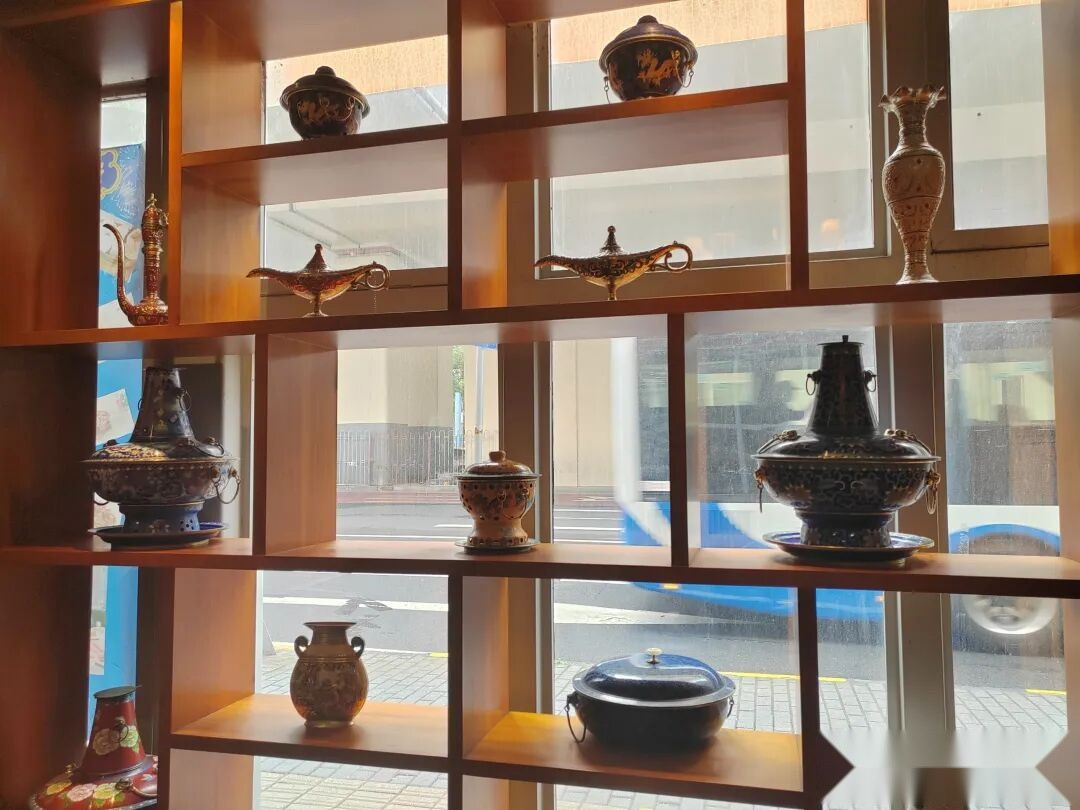
It turned out these dishes used ingredients we northerners are totally familiar with, yet prepared them with a distinctly unique Shanghai local twist—like the beef tendon aspic and jade-green oxtail.
I couldn't help but gasp internally: Shanghai people really know how to eat! As a northerner staring at menu items packed with such rich colors, aromas, and flavors, my heart fluttered over and over again.
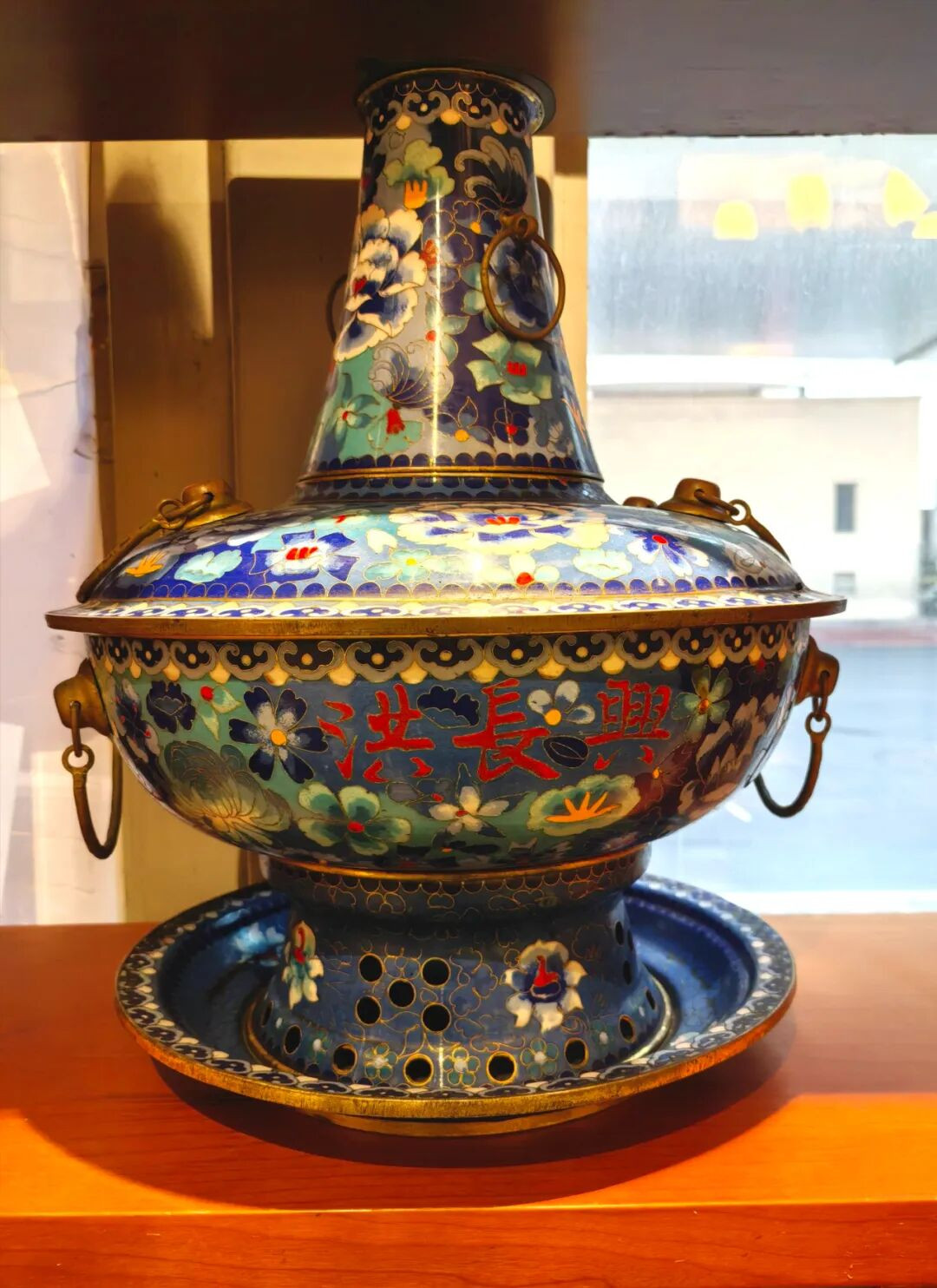
Turns out dining can actually be this refined. No wonder the ancients always said, "Never tire of fine foods, nor of finely chopped delicacies."
Having lived in Shenzhen for so many years as a "new Shenzhener," I got used to the relative lack of food variety there, where the Halal options are mostly limited to Northwest, Northeast, and Henan styles.
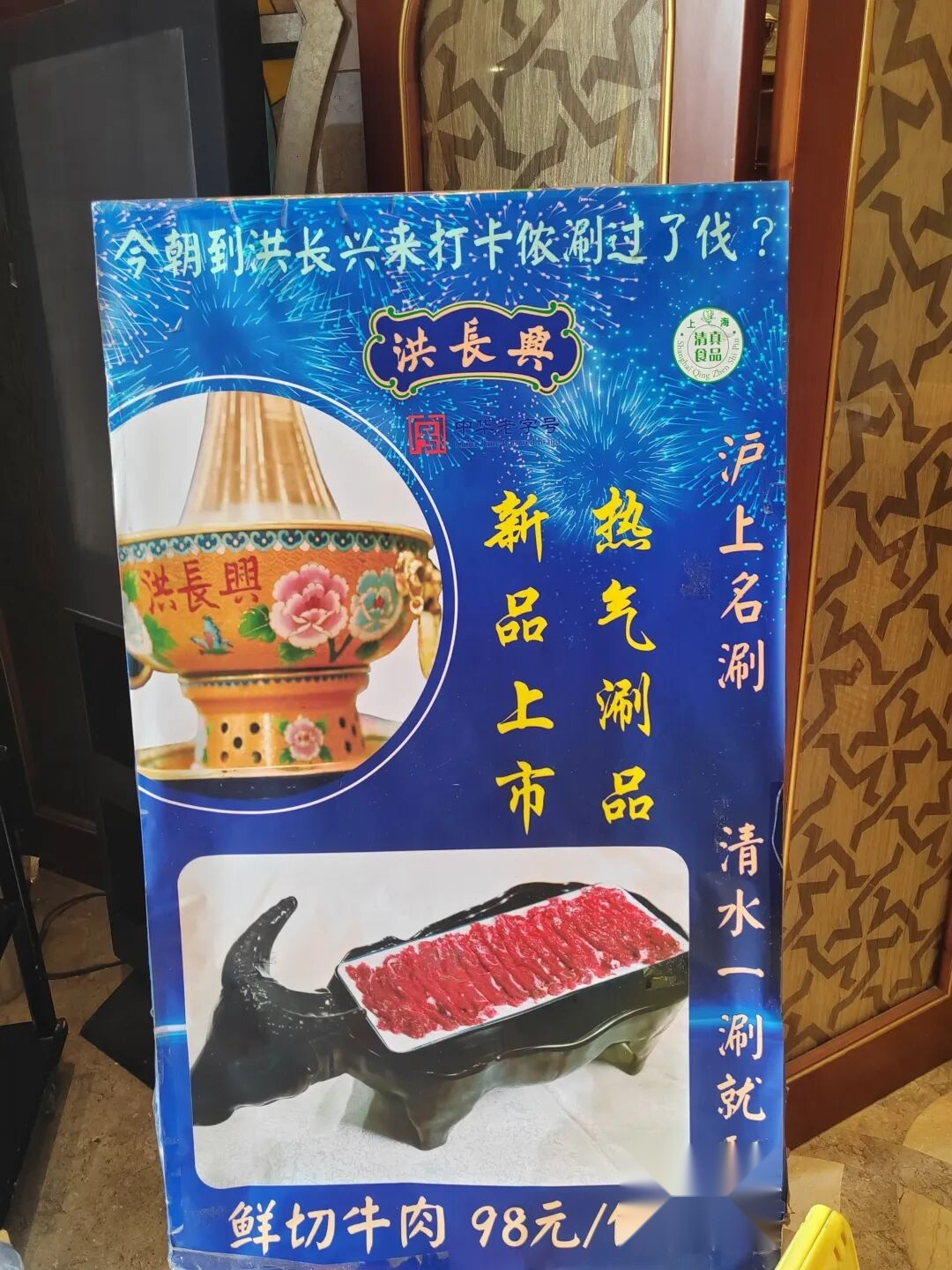
I was amazed to find a Hui Muslim restaurant with such a low-key luxury vibe right in the middle of such a bustling district. What kind of story was hidden behind it?
So I looked it up, and turns out Hongchangxing was founded in 1891, boasting a history of over 130 years—a true, bona fide century-old institution.
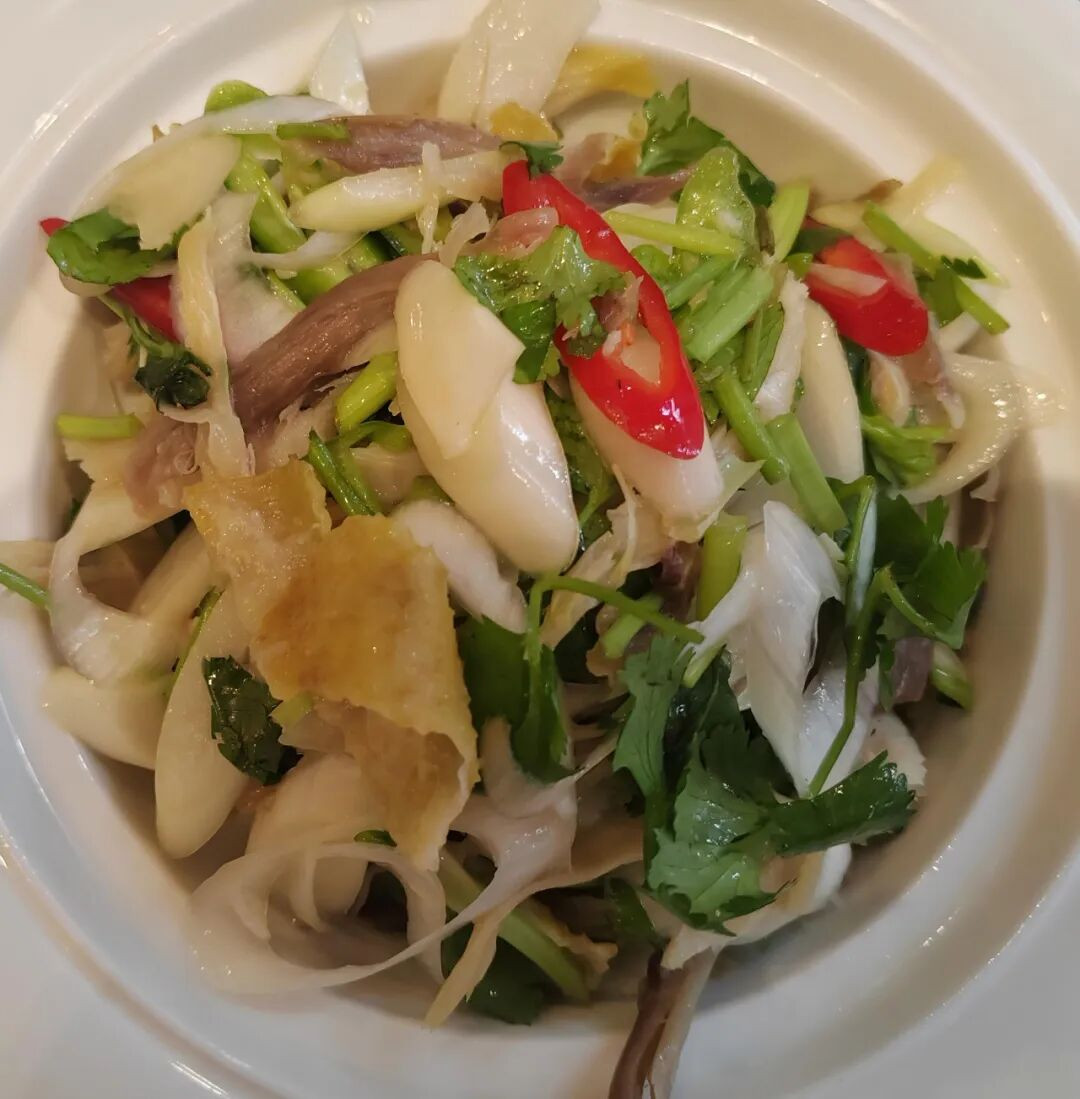
Its birth comes with a little-known piece of Hui Muslim history. Back in 1891, Shanghai didn't have a single Halal restaurant.
When the Beijing opera troupe led by Ma Lianliang's uncle, Ma Cili, and aunt, Ma Xiuying, came to Shanghai to perform, the troupe had many Hui Muslim actors who struggled to find suitable meals.
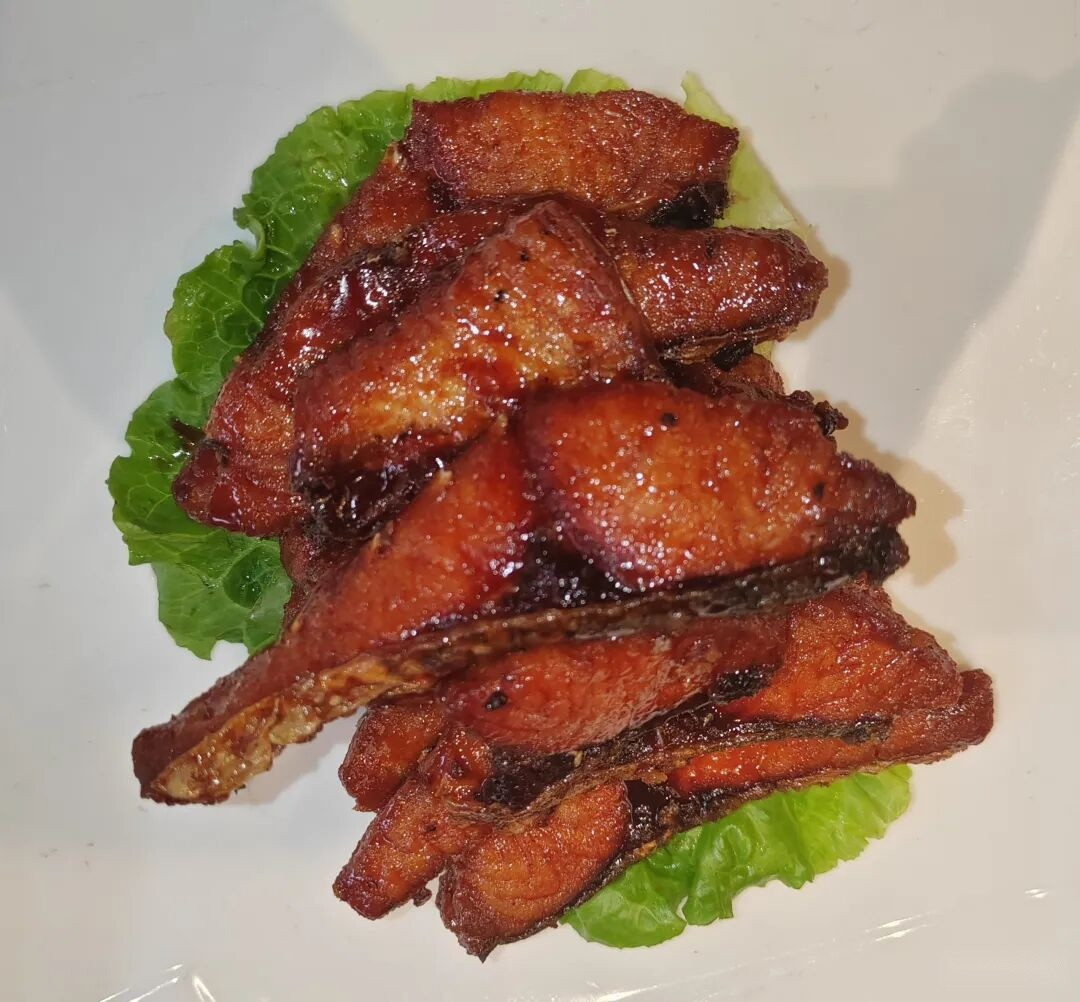
To solve the actors' dining problem, Ma Lianliang's second uncle, Ma Chunqiao, rented a street-front property on Luzon Road and opened the "Ma Family Troupe Kitchen."
At the same time, they also provided meals for gem merchants visiting Shanghai to do business. And just like that, the very first Halal restaurant in Shanghai's history was born.
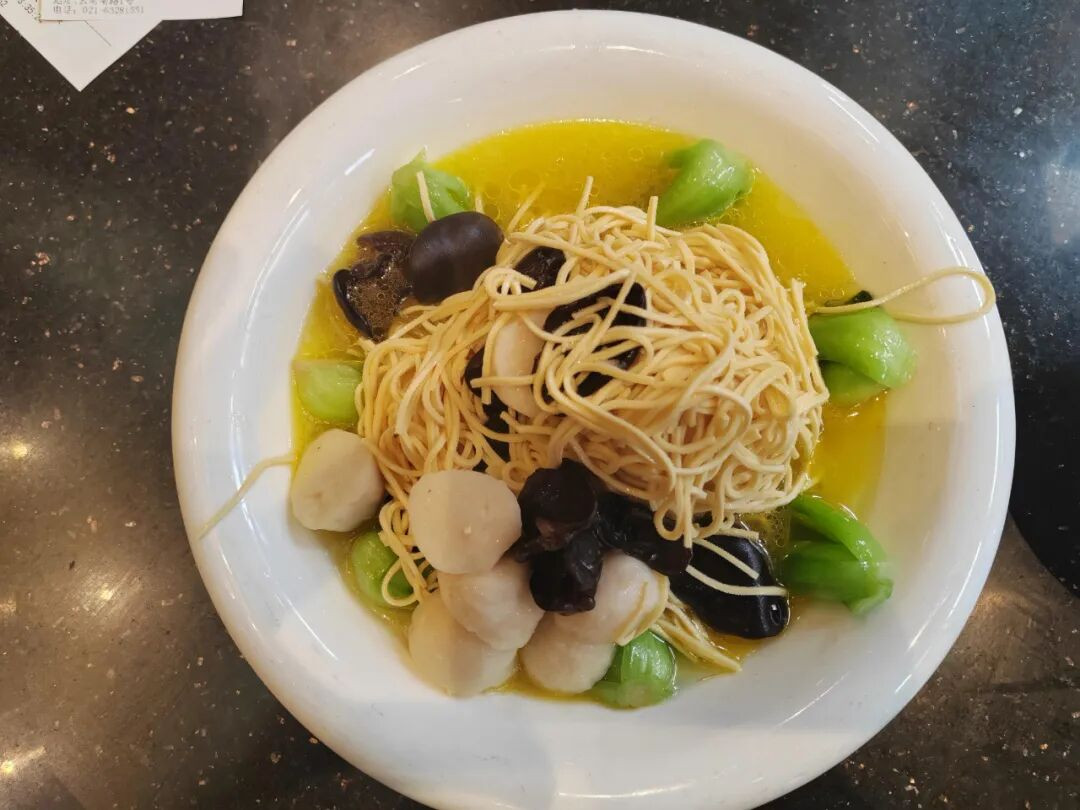
After running the business in Shanghai for a few years, Ma Chunqiao grew familiar with the daily habits of the locals. Noticing that Shanghai winters were especially damp and chilly,
he decided to introduce Beijing-style instant-boiled mutton (hot pot) to Shanghai, and it turned out to be a massive hit. Instant-boiled mutton thus became a staple winter delicacy in Shanghai and the signature dish of the Halal industry.
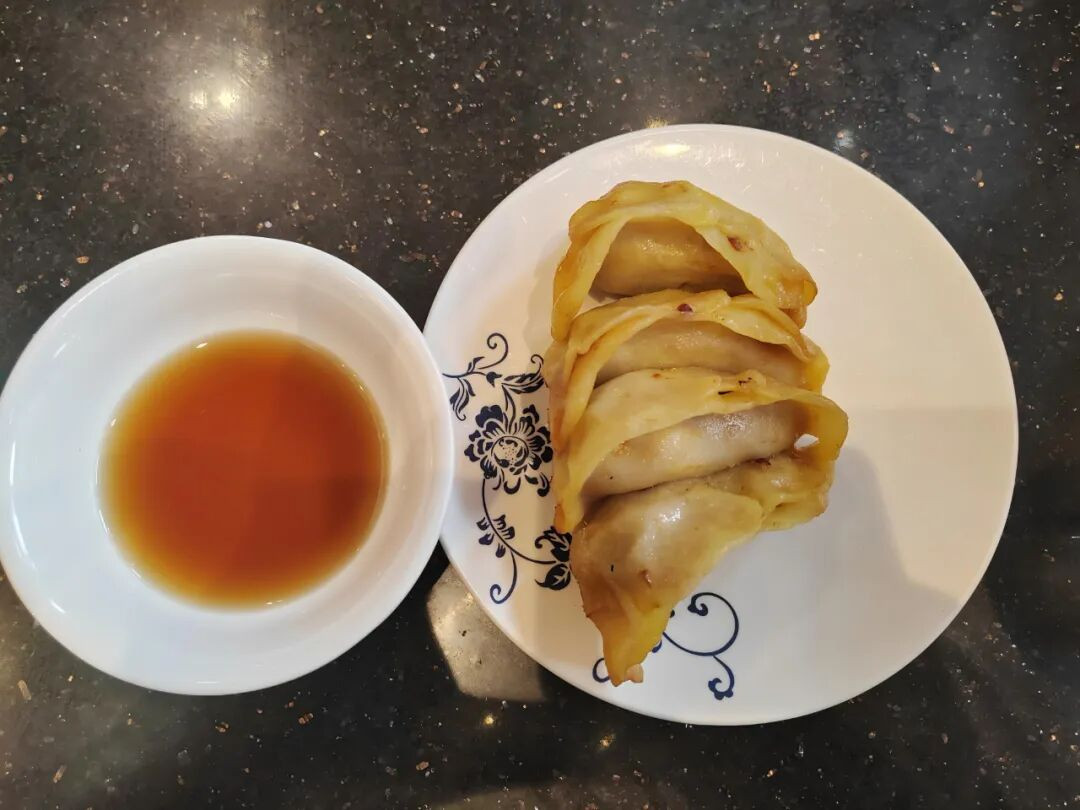
In 1918, when Ma Chunqiao returned to Beijing, he gifted the shop to his close Hui Muslim friend, Hong Sanba, renamed it "Hongchangxing," and brought in famous Beijing Halal chefs to focus on mutton hot pot, laying the century-old foundation for "Shanghai's Legendary Hot Pot."
Today, the promotional roll-up banner greeting you right as you walk in still proudly features "Instant-Boiled Mutton." Having weathered a century of prosperity, Hongchangxing is famous for its strict ingredient selection and meticulous craftsmanship.
The absolute core ingredient for hot pot is the mutton, and Hongchangxing carefully selects 7- to 8-month-old castrated rams from Huzhou, ensuring the meat is tender without any gamey odor.
Traditional charcoal-fired red copper pots paired with a clear broth highlight the pure, natural flavor of the mutton, echoing northern Beijing's hot pot style from the south, each with its own unique charm.
They still preserve their signature "copper pot hot pot" tradition to this day, and their Shanghai-style Halal cuisine remains completely unique across the entire Chinese restaurant industry.
With all that said, let's get down to business: I ordered three dishes and a staple: hot explosive smoked fish, signature hand-shredded chicken, chicken broth braised dried tofu threads, minced pork in a clay pot, and pan-fried beef potstickers.
Eating smoked fish for the very first time, I found the fish meat wonderfully firm—it must have been deep-fried—wrapped in a rich glaze with a dense texture, offering a savory and spicy flavor profile with a hint of subtle sweetness. Truly a masterpiece of culinary craftsmanship!
It turns out this dish involves a pretty complex process: the fish must first be cut and marinated, then fried twice, and finally submerged in a specially prepared sauce so it fully absorbs the flavors, making every bite incredibly rich and complex.
Another dish that totally blew me away was the chicken broth braised dried tofu threads, featuring golden broth blanketed over shredded dried tofu, black woodear mushrooms, shiitake mushrooms, and baby bok choy hearts.
This dish shares the same philosophical soul as the "one clear, two white, three red, four green" standard of Lanzhou beef noodles—seemingly light and simple in broth, but the instant savory punch hits your palate and completely awakens your taste buds.
I took a huge mouthful of the tofu threads—pure bliss—followed by a bite of the bok choy heart, which had already fully absorbed the essence of the chicken broth. The saltiness was just right, leaving the rich, savory flavor lingering on my lips and teeth.
Then a bite of the shiitake mushroom, immediately chased by a sip of the piping-hot chicken broth. That feeling is simply impossible to put into words.
Hongchangxing is a Shanghai-style Halal restaurant with a story to tell, and a Hui Muslim eatery with genuine character.
Spanning a century, standing strong through the test of time, staying true to quality ingredients, and constantly innovating—that, I believe, is the fundamental reason this restaurant remains so genuinely beloved. Collapse Read »
The 130-Year History of Shanghai Halal Cuisine: Where Jiangnan Meets Northwest Flavors
Abstract:
A detailed look at the fusion and evolution of Shanghai-style Halal cuisine over the past 130 years. Exploring the collision and combination of traditional Hui Muslim cooking with local Shanghainese and Western culinary techniques, showcasing the historical landscape and cultural heritage from classic Halal heritage dishes to modern Halal banquets.
Introduction
Hearing about Shanghai-style Halal cuisine for the very first time, I couldn't help but gasp—Shanghai people really know how to eat!
The Vibe of the Magic City, the Gentleness of Hui Cuisine
By | Ma Tao
Arriving in the Magic City of Shanghai this time, I landed right in the middle of a continuous drizzle. Locals told me it had been raining on and off for two weeks straight.
The rain in the Magic City is so soft and gentle, lacking any bite—nothing like the sudden, torrential downpours in Shenzhen. Still, it didn't dampen the crowds of tourists strolling along both sides of the streets.
A few light drizzles, nothing to worry about. On past trips to the Magic City, I always came and went in a rush.
Whenever I grabbed a meal with coworkers to save time, we’d just head straight to the noodle shop downstairs from the office. This time, however, I wanted to track down some authentic local Hui Muslim cuisine.
As luck would have it, I recently met a new friend named Ma, and we hit it off right away, chatting away like old friends.
Though we were total strangers at first, a simple, peaceful greeting instantly brought out an incredible sense of warmth and kindness.
I asked him, "Are there any local Hui Muslim restaurants in Shanghai? I mean the kind of time-honored local spots, not just Lanzhou ramen or Xinjiang joints."
He immediately told me, "There’s a century-old Halal restaurant right near the Bund called Hongchangxing. It’s fantastic, you should definitely check it out."
After all these years, I had no idea the Magic City even had local Hui Muslim dining. I made up my mind right then and there—I had to go for lunch.
That morning, after wrapping up a client meeting near Songjiang, I hailed a cab back to downtown so I could head straight there for lunch. Even a full hour-long car ride couldn't mask my excitement.
The car pulled up at a busy intersection. The moment I stepped out, I caught that familiar aroma of mutton, though a little voice in my head muttered: *Please don't let this just be the same old dishes I always see.*
The restaurant's storefront is super distinctive: a deep blue sign resting above a brass-trimmed, circular glass entryway.
The left and right sides are covered in beige tiles, with clean, symmetrical geometric patterns stretching all the way from the ground up to the ceiling.
At the very top sits an Arabian-style spire, brimming with architectural beauty.
Walking through the front doors, you step into a circular, hollowed-out foyer. The cashier's station is on your left, a marble staircase leading up to the second floor is on your right, and just three or four steps straight ahead takes you right into the main dining hall.
The hall is staffed by plenty of servers with calm, serene expressions. The second they saw me walk in, they warmly rushed over and handed me a thick menu.
The tables and chairs in the hall are a rich, dark brown, giving the space a solid, substantial feel. I picked a four-person table by the window and sat down.
Since it was already around 1:00 PM, past peak lunchtime, there were only one or two other tables occupied.
Perfect—I actually prefer a quieter dining atmosphere anyway. Plus, it meant the food would definitely come out fast.
I eagerly flipped open the menu, and the very first page told me I had come to the right place.
Sure enough, unlike traditional Hui Muslim spots, the dishes jumping out at me weren't the usual dapanji (big plate spicy chicken), shouzhua yangrou (Lanzhou hand-grabbed lamb), or braised beef strips.
The menu featured amazingly unique dishes: hot explosive smoked fish, beef tendon aspic, jade-green oxtail, salt-and-pepper silver sturgeon, shredded chicken with braised beef tripe, pepper-scented big plate fish, specialty dual-flavor shrimp, shrimp scrambled with egg yolks, Changxing special stir-fry, hot explosive milk-sauce shrimp, hundred-ball fried shrimp spheres, crab roe braised dried tofu threads, crab roe braised fish maw, crab roe hearts of bok choy, crab roe tofu, hairy crab with rice cakes, oyster-sauce braised dual mushrooms, crispy tea tree mushrooms, chicken broth braised dried tofu threads, shepherd's purse braised Chinese yam, supreme fresh-in-fresh soup, mutton tenderloin soup, bamboo fungus fish maw double-boiler soup, specialty beef tendon double-boiler soup, mushroom cod double-boiler soup, creamy mushroom double-boiler soup, seafood chowder, and savory hot-and-sour soup.
There were literally 25 dish names on that list that I had never heard of in my entire life.
Dishes like hairy crab with rice cakes and Changxing special stir-fry—whether looking at the ingredients or the cooking methods—were an absolute novelty to someone like me, whose palate has been shaped by northern wheat noodles and northeastern rice for years.
Some of the dishes sounded vaguely familiar at first glance, but when you leaned in close, you realized they weren't what you thought; you didn't really know them at all.
It turned out these dishes used ingredients we northerners are totally familiar with, yet prepared them with a distinctly unique Shanghai local twist—like the beef tendon aspic and jade-green oxtail.
I couldn't help but gasp internally: Shanghai people really know how to eat! As a northerner staring at menu items packed with such rich colors, aromas, and flavors, my heart fluttered over and over again.
Turns out dining can actually be this refined. No wonder the ancients always said, "Never tire of fine foods, nor of finely chopped delicacies."
Having lived in Shenzhen for so many years as a "new Shenzhener," I got used to the relative lack of food variety there, where the Halal options are mostly limited to Northwest, Northeast, and Henan styles.
I was amazed to find a Hui Muslim restaurant with such a low-key luxury vibe right in the middle of such a bustling district. What kind of story was hidden behind it?
So I looked it up, and turns out Hongchangxing was founded in 1891, boasting a history of over 130 years—a true, bona fide century-old institution.
Its birth comes with a little-known piece of Hui Muslim history. Back in 1891, Shanghai didn't have a single Halal restaurant.
When the Beijing opera troupe led by Ma Lianliang's uncle, Ma Cili, and aunt, Ma Xiuying, came to Shanghai to perform, the troupe had many Hui Muslim actors who struggled to find suitable meals.
To solve the actors' dining problem, Ma Lianliang's second uncle, Ma Chunqiao, rented a street-front property on Luzon Road and opened the "Ma Family Troupe Kitchen."
At the same time, they also provided meals for gem merchants visiting Shanghai to do business. And just like that, the very first Halal restaurant in Shanghai's history was born.
After running the business in Shanghai for a few years, Ma Chunqiao grew familiar with the daily habits of the locals. Noticing that Shanghai winters were especially damp and chilly,
he decided to introduce Beijing-style instant-boiled mutton (hot pot) to Shanghai, and it turned out to be a massive hit. Instant-boiled mutton thus became a staple winter delicacy in Shanghai and the signature dish of the Halal industry.
In 1918, when Ma Chunqiao returned to Beijing, he gifted the shop to his close Hui Muslim friend, Hong Sanba, renamed it "Hongchangxing," and brought in famous Beijing Halal chefs to focus on mutton hot pot, laying the century-old foundation for "Shanghai's Legendary Hot Pot."
Today, the promotional roll-up banner greeting you right as you walk in still proudly features "Instant-Boiled Mutton." Having weathered a century of prosperity, Hongchangxing is famous for its strict ingredient selection and meticulous craftsmanship.
The absolute core ingredient for hot pot is the mutton, and Hongchangxing carefully selects 7- to 8-month-old castrated rams from Huzhou, ensuring the meat is tender without any gamey odor.
Traditional charcoal-fired red copper pots paired with a clear broth highlight the pure, natural flavor of the mutton, echoing northern Beijing's hot pot style from the south, each with its own unique charm.
They still preserve their signature "copper pot hot pot" tradition to this day, and their Shanghai-style Halal cuisine remains completely unique across the entire Chinese restaurant industry.
With all that said, let's get down to business: I ordered three dishes and a staple: hot explosive smoked fish, signature hand-shredded chicken, chicken broth braised dried tofu threads, minced pork in a clay pot, and pan-fried beef potstickers.
Eating smoked fish for the very first time, I found the fish meat wonderfully firm—it must have been deep-fried—wrapped in a rich glaze with a dense texture, offering a savory and spicy flavor profile with a hint of subtle sweetness. Truly a masterpiece of culinary craftsmanship!
It turns out this dish involves a pretty complex process: the fish must first be cut and marinated, then fried twice, and finally submerged in a specially prepared sauce so it fully absorbs the flavors, making every bite incredibly rich and complex.
Another dish that totally blew me away was the chicken broth braised dried tofu threads, featuring golden broth blanketed over shredded dried tofu, black woodear mushrooms, shiitake mushrooms, and baby bok choy hearts.
This dish shares the same philosophical soul as the "one clear, two white, three red, four green" standard of Lanzhou beef noodles—seemingly light and simple in broth, but the instant savory punch hits your palate and completely awakens your taste buds.
I took a huge mouthful of the tofu threads—pure bliss—followed by a bite of the bok choy heart, which had already fully absorbed the essence of the chicken broth. The saltiness was just right, leaving the rich, savory flavor lingering on my lips and teeth.
Then a bite of the shiitake mushroom, immediately chased by a sip of the piping-hot chicken broth. That feeling is simply impossible to put into words.
Hongchangxing is a Shanghai-style Halal restaurant with a story to tell, and a Hui Muslim eatery with genuine character.
Spanning a century, standing strong through the test of time, staying true to quality ingredients, and constantly innovating—that, I believe, is the fundamental reason this restaurant remains so genuinely beloved. Collapse Read »
Shanghai Halal Food Guide: Inside Guanguanji on Zhejiang Middle Road for Authentic Lanzhou Hand-Grabbed Lamb & Northwest Flavors
[Internet Repost]
Food Review: Guanguanji on Zhejiang Middle Road in Shanghai for Authentic Lanzhou Hand-Grabbed Lamb and Traditional Northwest Halal Flavors
Summary:
A firsthand food review of Guanguanji, a popular Halal spot on Zhejiang Middle Road in Shanghai's Huangpu District. We taste-test their signature baitiao shouzhua yangrou (white-strip hand-grabbed lamb), huangmen yangrou (braised lamb), and Lanzhou-style Halal noodles, breaking down how this spot wins rave reviews right in the bustling city center with top-notch ingredients and authentic Northwest seasoning.
In a hyper-inclusive city like Shanghai, you can always find hidden culinary gems tucked away in the alleyways. Guanguanji Restaurant (Halal) is one of those treasure spots that transports you straight to Northwest China in a single second. As a veteran Halal establishment that has put down deep roots in Shanghai, it has won over countless diners with its authentic Northwest flavors, hearty portions, and welcoming vibe. Whether you're a local foodie or an out-of-town traveler, people are more than willing to make a special trip for this Halal feast.
Location: A Bustling Neighborhood for Eating and Exploring
Guanguanji has several locations across Shanghai, but the most popular by far is the Zhejiang Middle Road branch in Huangpu District. Specifically located at 70-2 Zhejiang Middle Road, it sits right in the heart of the East Nanjing Road neighborhood in a prime location. It's just 624 meters from People's Square, though it's a bit of a walk from the subway station—expect about a 10-minute stroll after you exit.
Vibe Check: Ethnic Style, Clean, and Bright
Stepping into Guanguanji, you're immediately hit with strong ethnic vibes from Northwest China. The interior decor is sleek and straightforward, clean and bright. While the walls aren't overloaded with complex decorations, the details lean into its unique identity, featuring neatly arranged wooden tables and chairs. As a Halal restaurant, it strictly adheres to Halal dietary standards: all staff members wear traditional hats or headscarves, and the ingredients are fresh and fully traceable, giving diners complete peace of mind while enjoying their meal.
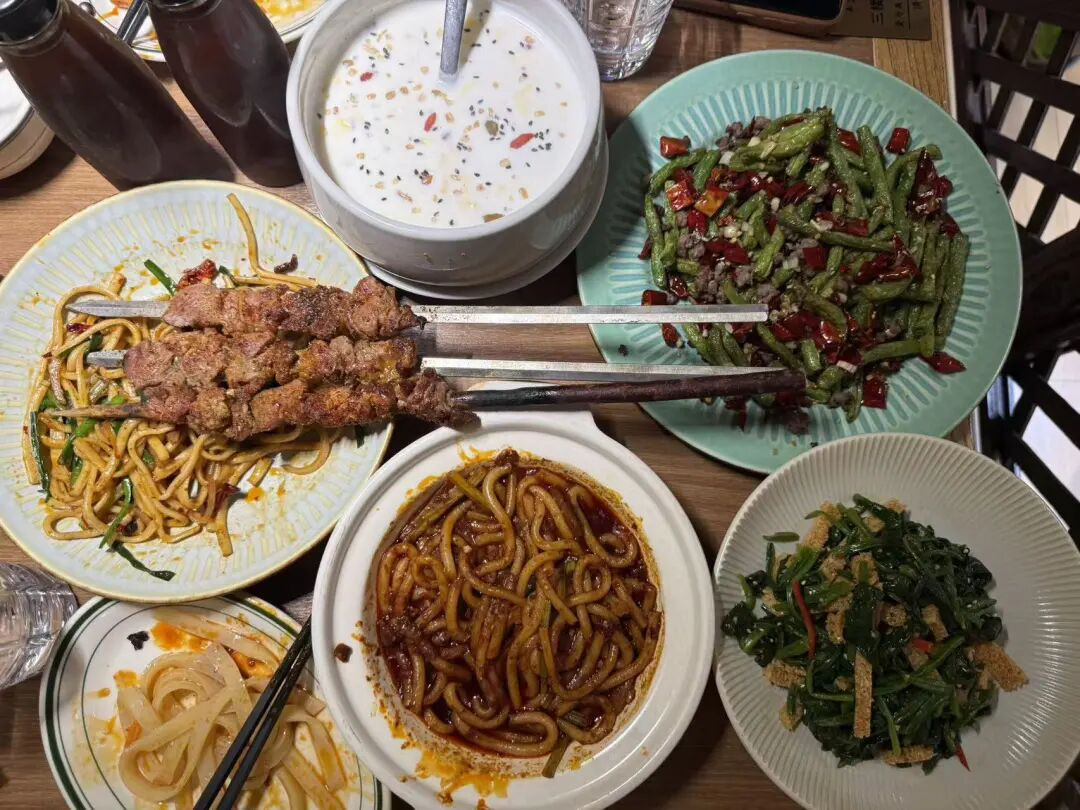
Food Review: Authentic Northwest Flavors That Hit Every Time
Guanguanji's menu focuses heavily on Northwest flavors while strictly respecting Halal dietary rules. Every single dish comes in hearty portions with authentic taste profiles. Their signature ten dishes, in particular, are absolute must-orders for every table—you can order blindly without any fear of disappointment. You get the savory richness of the meat paired with refreshing veggie dishes, plus a perfect combo of carbs and desserts to satisfy every craving.
Here is the real-deal experience (not a single miss):
dapanji (big plate spicy chicken): As the restaurant's ultimate signature dish, Guanguanji's dapanji is an absolute heavyweight in the food scene. It’s massive, flavorful, and incredibly cost-effective. A single plate easily feeds 2 to 3 people and comes loaded with wide belt noodles (broad hand-pulled noodles). If you have a bigger group, you can order extra noodles, and you can even choose your spice level.
Specialty Grilled Fish: The fish meat is fresh, firm, and flaky, with skin grilled to a golden, crispy finish while staying tender and juicy on the inside. The sauce is rich, savory, and spicy without burning your throat. The aromatic spices blend seamlessly with the natural sweetness of the fish, making every bite better than the last.
shouzhua yangrou (Lanzhou hand-grabbed lamb): A classic masterpiece and the restaurant's absolute must-order signature. It's fatty without being greasy, lean without being tough, and totally free of any gamey mutton odor. It comes with two distinct dipping sauces, each bringing its own unique flavor profile.
Xinjiang Grilled Lamb Skewers: A perfect ratio of fat to lean meat, with a crispy outer char, juicy tender inside, and bursting with rich meat flavor that never feels too oily, all served in generous portions.
Spinach Mixed with Wheat Gluten: Refreshing and palate-cleansing—an absolute killer veggie side dish and a mandatory order.
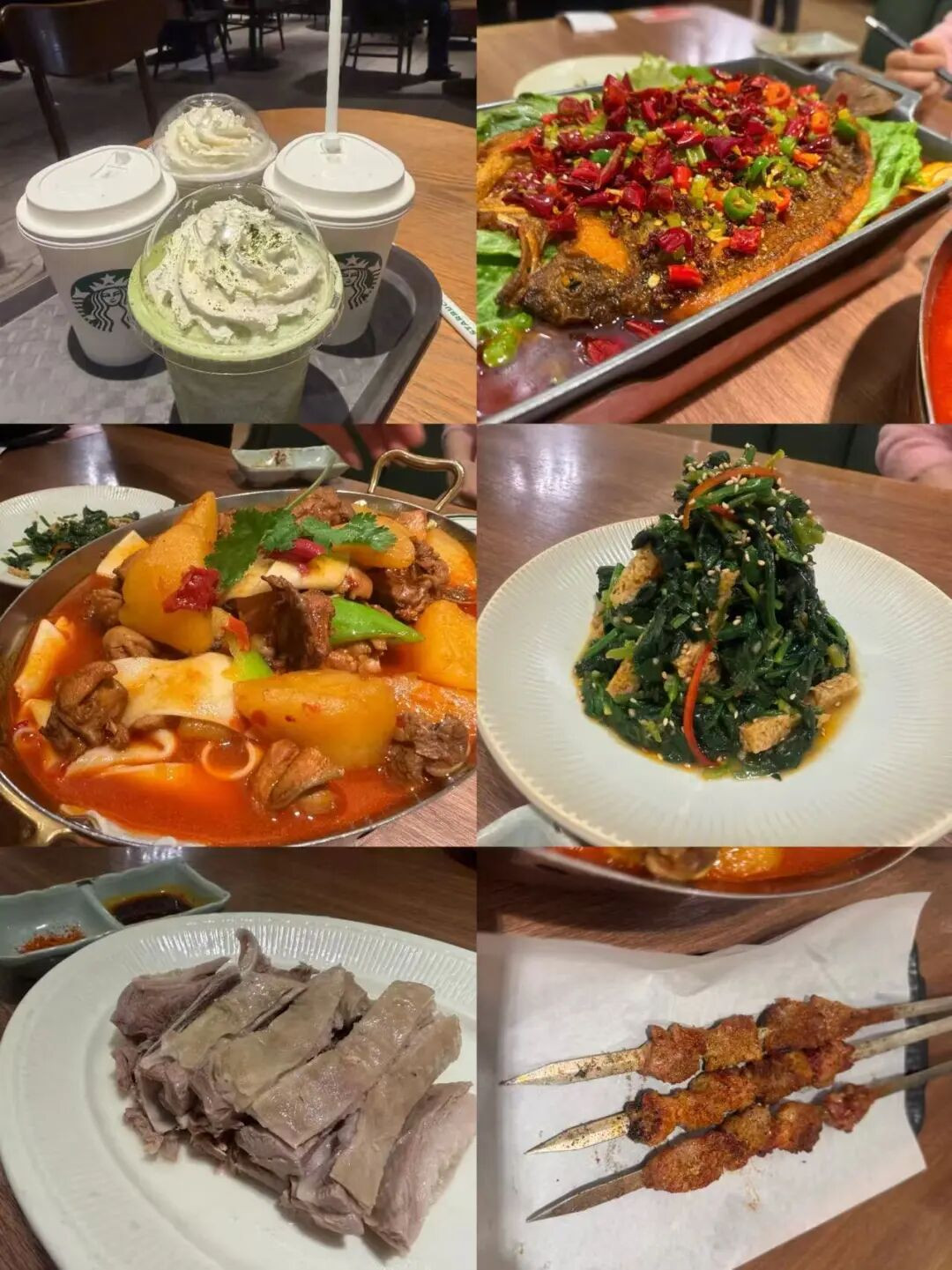
Dry-Fried Green Beans: Perfectly seasoned, hitting all the right notes for color, aroma, and taste.
Xinjiang Stir-Fried Rice Noodles: Packed with rich sauce flavors and a slight spicy kick that just keeps drawing you in.
Lanzhou Cold Skin Noodles (Liangpi): Every single strand of liangpi is coated in dressing, blending sour, spicy, numbing, and savory flavor profiles. It's complex, refreshing, and crisp, dotted with shredded cucumber and bean sprouts that add a fresh crunch, further leveling up the texture. It cuts through grease and instantly wakes up your appetite.
Dry-Fried Chow Mein: An absolute must-order for carb lovers. The massive portion comes in a huge bowl loaded with tender beef chunks tossed with chewy, resilient noodles. The price-to-portion ratio is insane, making it one of the most repeat-ordered items among regulars. It’s authentic and ridiculously satisfying, with only one tiny drawback—it can get a bit dry toward the end, so definitely pair it with a drink.
Milk, Egg, and Fermented Rice Dessert (Milk Egg Laozao): After polishing off all the savory meat and carbs, finishing with a bowl of milk egg laozao is a must. Warm, smooth, and sweet, it's the house signature dessert.
The menu has so many options—I'm definitely coming back to try more new dishes!
✨ Review Summary
All in all, Guanguanji Restaurant (Halal) is an absolute must-visit Northwest Halal spot in Shanghai that you'll want to hit up over and over again. From the convenient location and welcoming vibe to the incredible flavors and unbeatable value, there is literally nothing to complain about. Its accessible location makes it super easy to reach, and it nails the authentic taste of Northwest China so well that you feel like you've teleported straight to the vast landscapes of the Northwest, soaking in its vibrant street culture and warm hospitality.
Whether you're grabbing a casual bite with friends, having a family dinner, taking a quick lunch break as an office worker, or checking it off your travel bucket list, this place is an A+ choice. The per-person cost is super wallet-friendly, letting you stuff yourself silly without breaking the bank, and every bite shows the kitchen's dedication and the deep, rich flavors of the Northwest. If you're into Northwest cuisine or hunting for authentic Halal eats in Shanghai, do yourself a favor and check out Guanguanji. Trust us, every dish will surprise you, unlocking a true Northwest culinary feast that will hook you from the first bite and turn you into a lifelong regular who makes special trips just to eat here.
Pro tip: It gets super popular, so make sure to get there early during holidays to beat the rush! Collapse Read »
Food Review: Guanguanji on Zhejiang Middle Road in Shanghai for Authentic Lanzhou Hand-Grabbed Lamb and Traditional Northwest Halal Flavors
Summary:
A firsthand food review of Guanguanji, a popular Halal spot on Zhejiang Middle Road in Shanghai's Huangpu District. We taste-test their signature baitiao shouzhua yangrou (white-strip hand-grabbed lamb), huangmen yangrou (braised lamb), and Lanzhou-style Halal noodles, breaking down how this spot wins rave reviews right in the bustling city center with top-notch ingredients and authentic Northwest seasoning.
In a hyper-inclusive city like Shanghai, you can always find hidden culinary gems tucked away in the alleyways. Guanguanji Restaurant (Halal) is one of those treasure spots that transports you straight to Northwest China in a single second. As a veteran Halal establishment that has put down deep roots in Shanghai, it has won over countless diners with its authentic Northwest flavors, hearty portions, and welcoming vibe. Whether you're a local foodie or an out-of-town traveler, people are more than willing to make a special trip for this Halal feast.
Location: A Bustling Neighborhood for Eating and Exploring
Guanguanji has several locations across Shanghai, but the most popular by far is the Zhejiang Middle Road branch in Huangpu District. Specifically located at 70-2 Zhejiang Middle Road, it sits right in the heart of the East Nanjing Road neighborhood in a prime location. It's just 624 meters from People's Square, though it's a bit of a walk from the subway station—expect about a 10-minute stroll after you exit.
Vibe Check: Ethnic Style, Clean, and Bright
Stepping into Guanguanji, you're immediately hit with strong ethnic vibes from Northwest China. The interior decor is sleek and straightforward, clean and bright. While the walls aren't overloaded with complex decorations, the details lean into its unique identity, featuring neatly arranged wooden tables and chairs. As a Halal restaurant, it strictly adheres to Halal dietary standards: all staff members wear traditional hats or headscarves, and the ingredients are fresh and fully traceable, giving diners complete peace of mind while enjoying their meal.
Food Review: Authentic Northwest Flavors That Hit Every Time
Guanguanji's menu focuses heavily on Northwest flavors while strictly respecting Halal dietary rules. Every single dish comes in hearty portions with authentic taste profiles. Their signature ten dishes, in particular, are absolute must-orders for every table—you can order blindly without any fear of disappointment. You get the savory richness of the meat paired with refreshing veggie dishes, plus a perfect combo of carbs and desserts to satisfy every craving.
Here is the real-deal experience (not a single miss):
dapanji (big plate spicy chicken): As the restaurant's ultimate signature dish, Guanguanji's dapanji is an absolute heavyweight in the food scene. It’s massive, flavorful, and incredibly cost-effective. A single plate easily feeds 2 to 3 people and comes loaded with wide belt noodles (broad hand-pulled noodles). If you have a bigger group, you can order extra noodles, and you can even choose your spice level.
Specialty Grilled Fish: The fish meat is fresh, firm, and flaky, with skin grilled to a golden, crispy finish while staying tender and juicy on the inside. The sauce is rich, savory, and spicy without burning your throat. The aromatic spices blend seamlessly with the natural sweetness of the fish, making every bite better than the last.
shouzhua yangrou (Lanzhou hand-grabbed lamb): A classic masterpiece and the restaurant's absolute must-order signature. It's fatty without being greasy, lean without being tough, and totally free of any gamey mutton odor. It comes with two distinct dipping sauces, each bringing its own unique flavor profile.
Xinjiang Grilled Lamb Skewers: A perfect ratio of fat to lean meat, with a crispy outer char, juicy tender inside, and bursting with rich meat flavor that never feels too oily, all served in generous portions.
Spinach Mixed with Wheat Gluten: Refreshing and palate-cleansing—an absolute killer veggie side dish and a mandatory order.
Dry-Fried Green Beans: Perfectly seasoned, hitting all the right notes for color, aroma, and taste.
Xinjiang Stir-Fried Rice Noodles: Packed with rich sauce flavors and a slight spicy kick that just keeps drawing you in.
Lanzhou Cold Skin Noodles (Liangpi): Every single strand of liangpi is coated in dressing, blending sour, spicy, numbing, and savory flavor profiles. It's complex, refreshing, and crisp, dotted with shredded cucumber and bean sprouts that add a fresh crunch, further leveling up the texture. It cuts through grease and instantly wakes up your appetite.
Dry-Fried Chow Mein: An absolute must-order for carb lovers. The massive portion comes in a huge bowl loaded with tender beef chunks tossed with chewy, resilient noodles. The price-to-portion ratio is insane, making it one of the most repeat-ordered items among regulars. It’s authentic and ridiculously satisfying, with only one tiny drawback—it can get a bit dry toward the end, so definitely pair it with a drink.
Milk, Egg, and Fermented Rice Dessert (Milk Egg Laozao): After polishing off all the savory meat and carbs, finishing with a bowl of milk egg laozao is a must. Warm, smooth, and sweet, it's the house signature dessert.
The menu has so many options—I'm definitely coming back to try more new dishes!
✨ Review Summary
All in all, Guanguanji Restaurant (Halal) is an absolute must-visit Northwest Halal spot in Shanghai that you'll want to hit up over and over again. From the convenient location and welcoming vibe to the incredible flavors and unbeatable value, there is literally nothing to complain about. Its accessible location makes it super easy to reach, and it nails the authentic taste of Northwest China so well that you feel like you've teleported straight to the vast landscapes of the Northwest, soaking in its vibrant street culture and warm hospitality.
Whether you're grabbing a casual bite with friends, having a family dinner, taking a quick lunch break as an office worker, or checking it off your travel bucket list, this place is an A+ choice. The per-person cost is super wallet-friendly, letting you stuff yourself silly without breaking the bank, and every bite shows the kitchen's dedication and the deep, rich flavors of the Northwest. If you're into Northwest cuisine or hunting for authentic Halal eats in Shanghai, do yourself a favor and check out Guanguanji. Trust us, every dish will surprise you, unlocking a true Northwest culinary feast that will hook you from the first bite and turn you into a lifelong regular who makes special trips just to eat here.
Pro tip: It gets super popular, so make sure to get there early during holidays to beat the rush! Collapse Read »
Shanghai Halal Food Showdown: Guanguanji vs. Maria on Zhejiang Middle Road
[Internet Repost]
Shanghai Zhejiang Middle Road Halal Mutton Showdown: Comprehensive Review of Refined Guanguanji and Rugged Maria Halal Restaurants
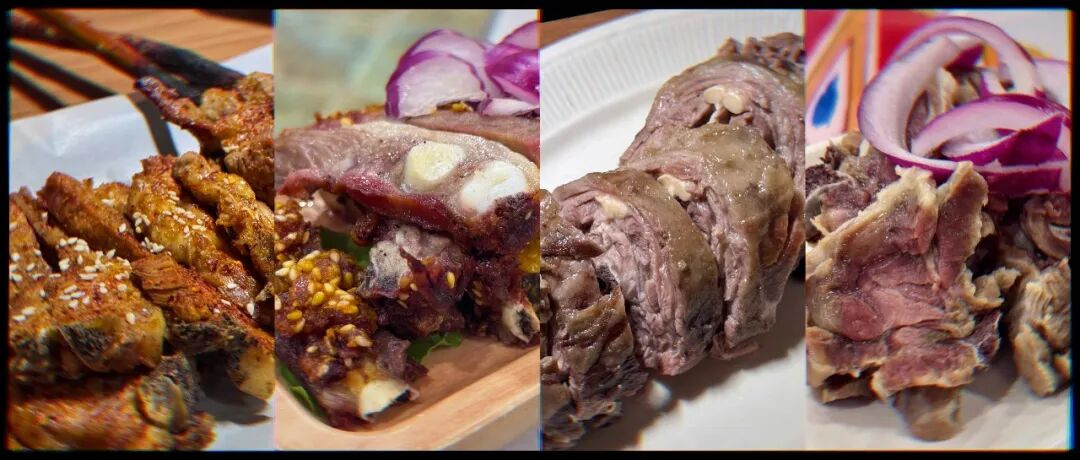
Abstract:
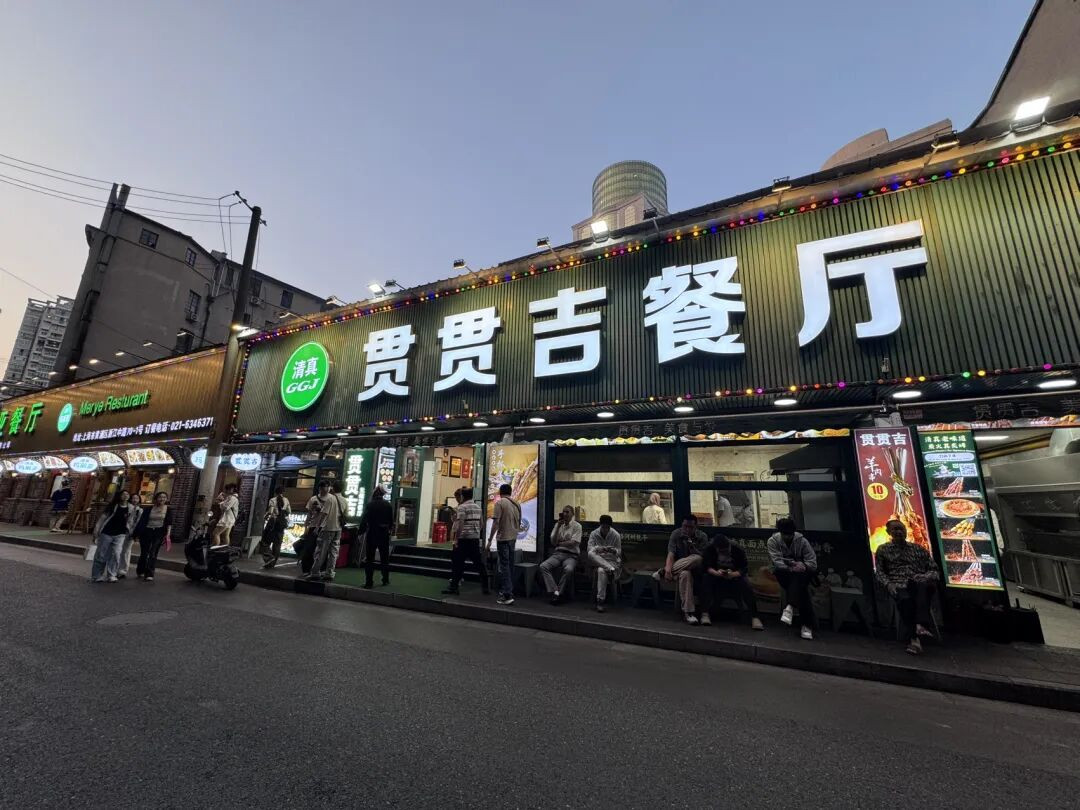
An in-depth review of Guanguanji and Maria, two powerhouse Halal eateries running neck-and-neck on Shanghai's famous Halal food street, Zhejiang Middle Road. We compare shouzhua yangrou (hand-grabbed lamb), spiced skewers, signature mutton offal soup, and staple carbs to give meat lovers and Halal foodies a clear guide on where to eat.
On Shanghai's famous Halal food street, Zhejiang Middle Road, Guanguanji and Maria stand side-by-side. One is delicate, the other rugged, and both are so crazy good it's impossible to pick a favorite. For a pilgrimage site of heavy-hitting meat eaters, adding these two heavyweights to the lineup is a total game-changer!
Guanguanji's dining room is a little cramped, but it's kept super clean and tidy.
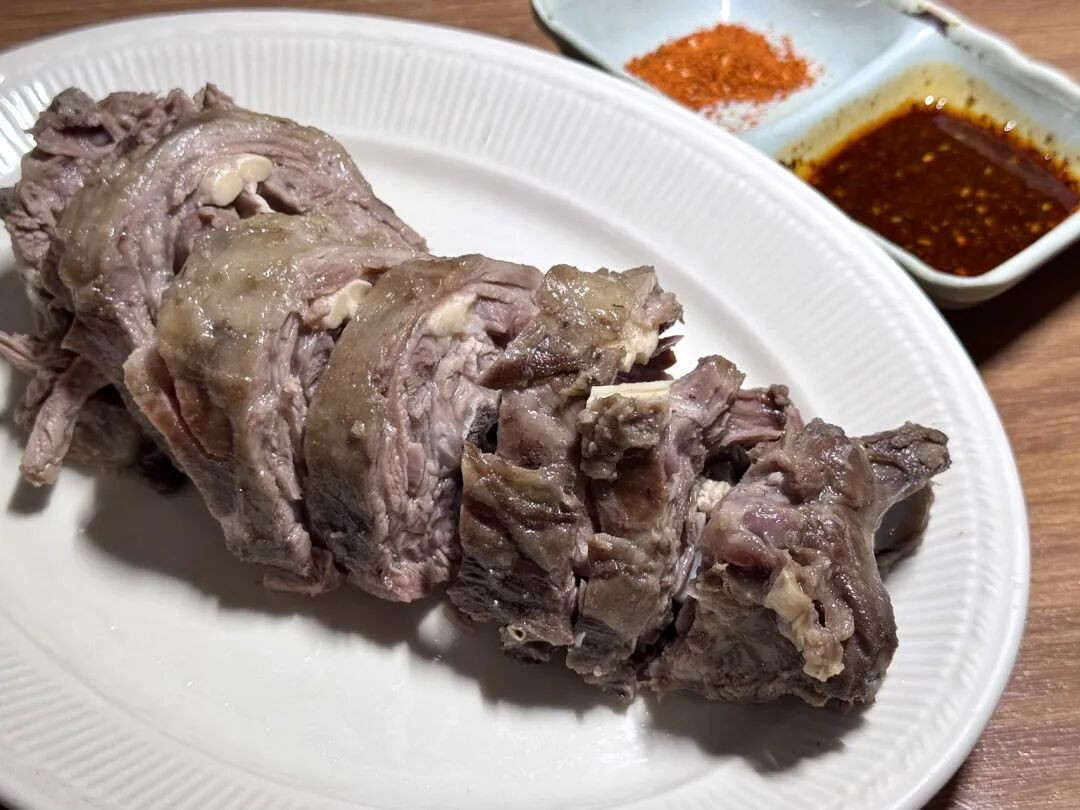
That's the best thing about Halal spots—they're obsessively clean and reassuring. Even with tons of meat traffic coming through every day, the floor is totally grease-free and your shoes won't stick.
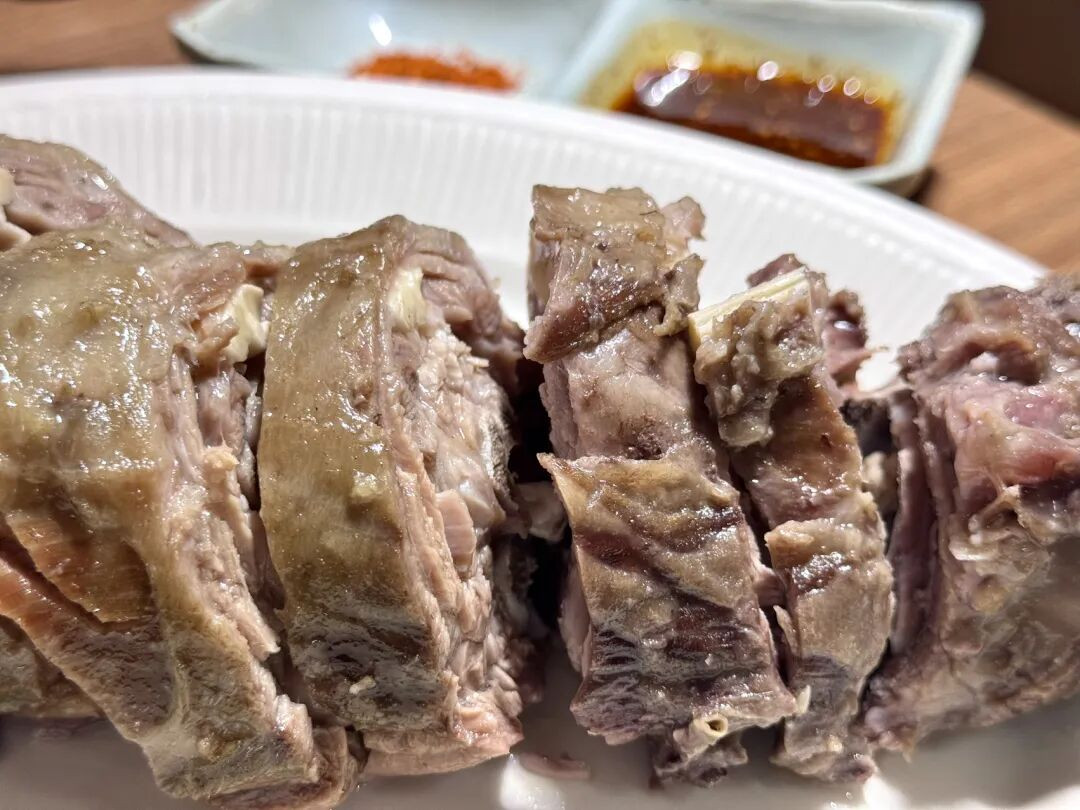
They don't serve alcohol here, and there's no rowdy shouting. Everyone just keeps their heads down and focuses on crushing their meat.
Ever since I tried hand-grabbed lamb neck, I totally quit ordering regular cuts like lamb ribs or leg meat. Whenever I walk in, I order a pound of lamb neck right off the bat.
You can tell right when it hits the table that these are big, thick-necked sheep, but the meat is just as tender as a spring lamb. The connective tissue has an amazing chew, the lean meat is drop-dead tender, and a tiny bit of fat steps in to pull off the ultimate flavor combo.
Because they use mature sheep, the rich, savory flavor of the mutton is way deeper—pure deliciousness without a hint of gaminess.
The salt is applied with sniper-like precision. That salty baseline draws out the deep meaty aroma without ever stealing the spotlight. This is the absolute peak form of salt and meat dancing together.
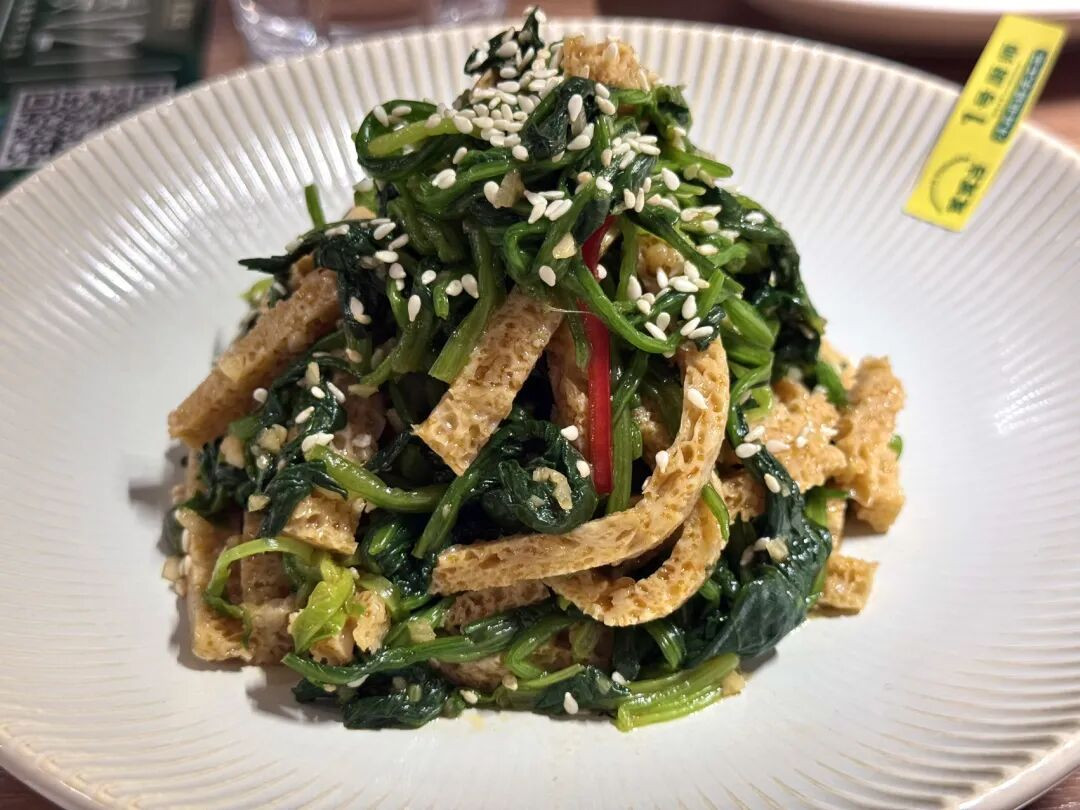
The spinal marrow hidden right in the middle of the neck bones can be easily fished out with your chopsticks. It's as creamy as fugu milt—a totally unexpected jackpot you just don't get with baby lamb necks.
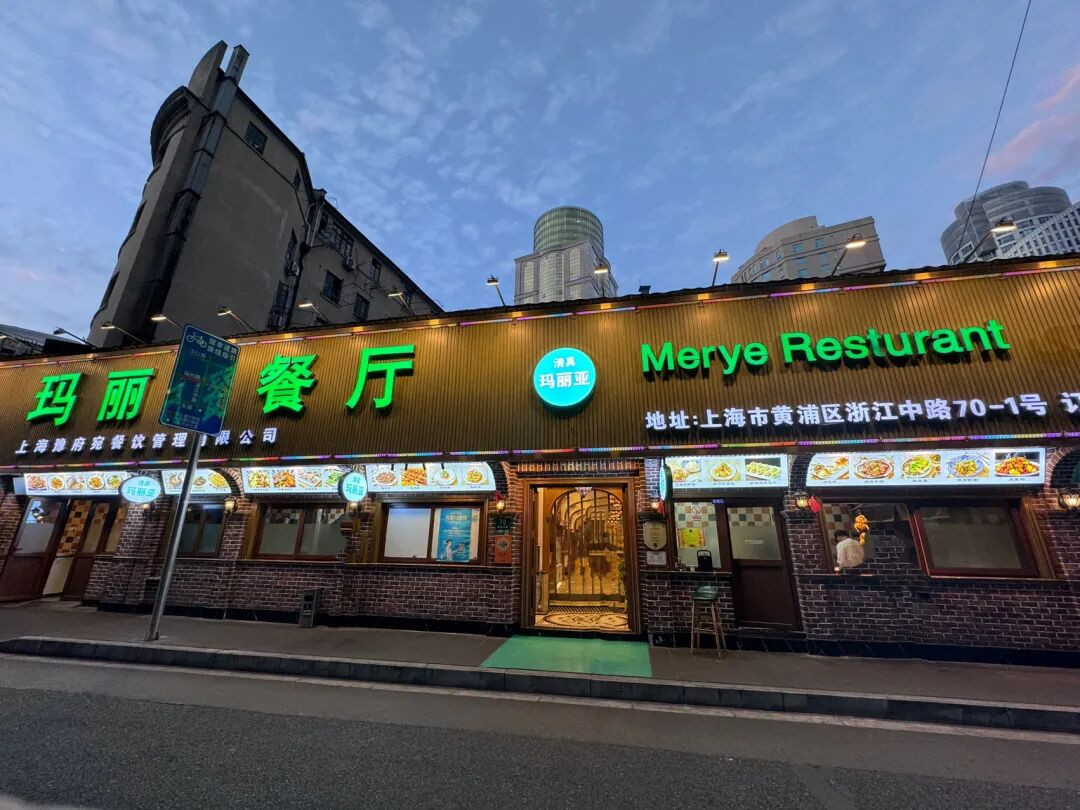
Compared to the neck, the red-willow lamb skewers are firmer and fatter, hugging the red-willow twigs and roasted to a smoky, charred finish.
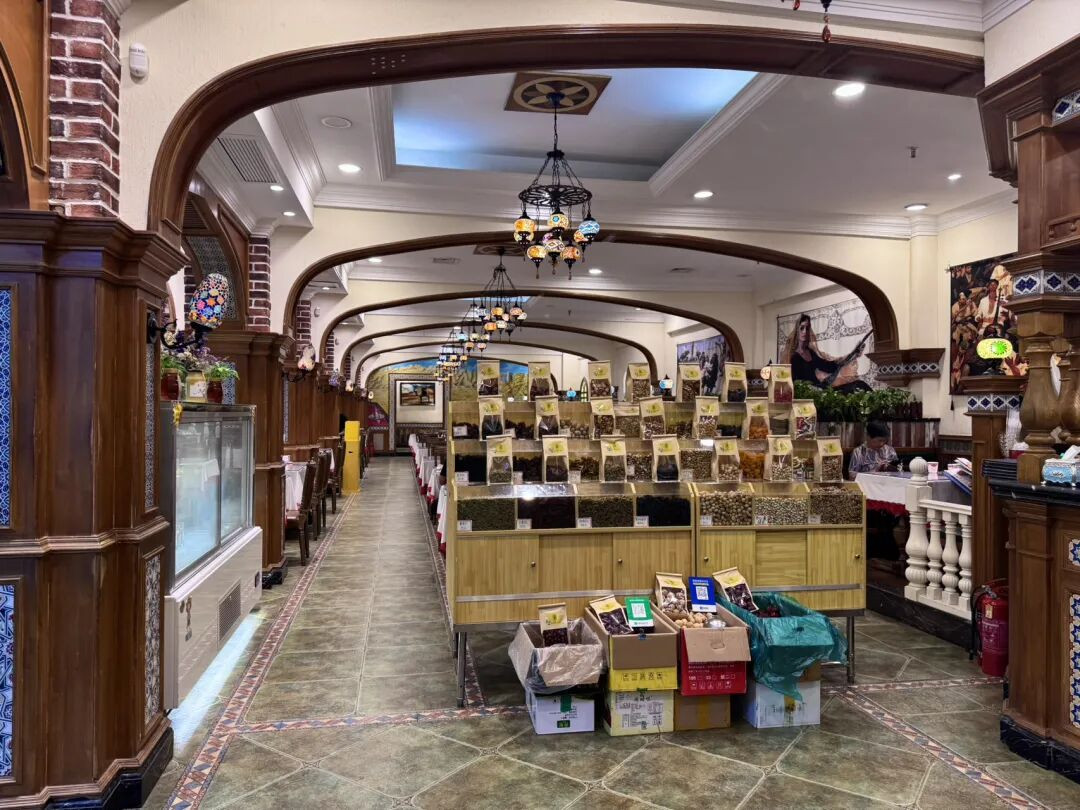
The roast lamb ribs are surprisingly light, seasoned with just a touch of salt and chili—pure fragrance without the burn.
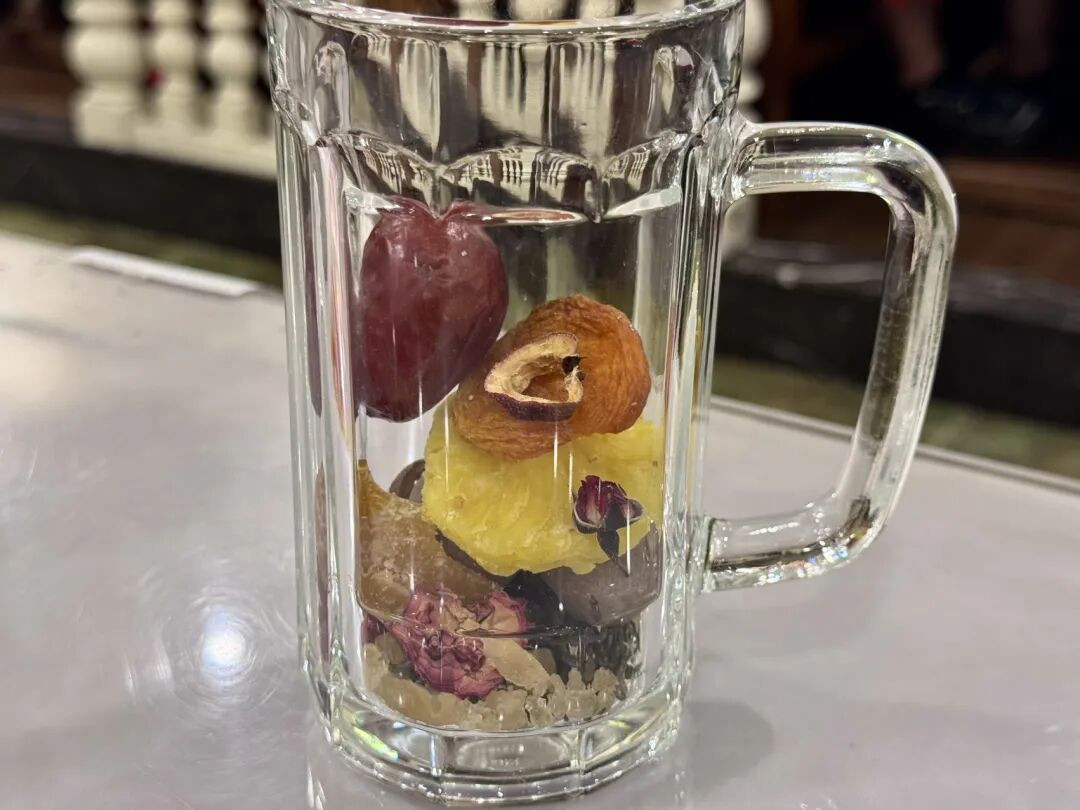
The whole meat-eating progression builds naturally: from lean to fat, from boiled to grilled. It's pure meat from start to finish. So satisfying!
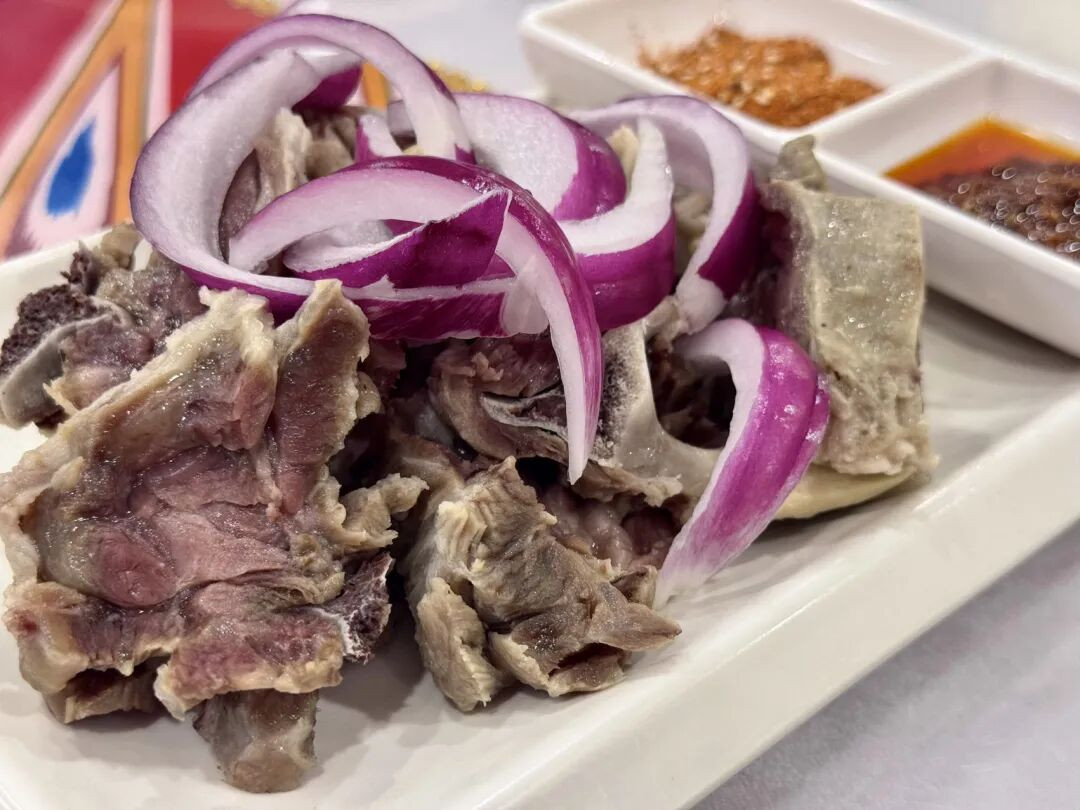
At most, pair it with a plate of cold tossed spinach—low on salt, a tiny bit tangy, with a faint tingle of Sichuan pepper. It's crisp and refreshing, giving your palate a break when the meat gets heavy. Absolute perfection.
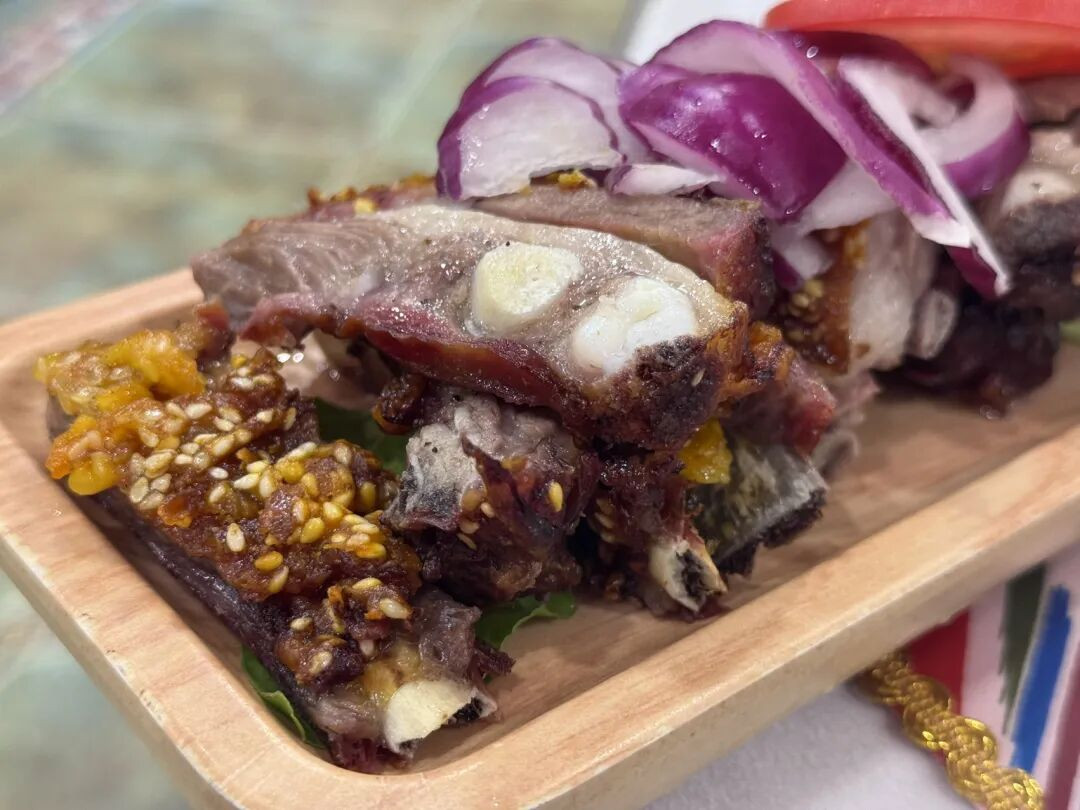
Unlike Guanguanji's light and delicate style, Maria Restaurant's dishes are unapologetically bold and wild.
As a Xinjiang restaurant, Maria not only has plenty of elbow room, but you can also drink bowls of liquor here.
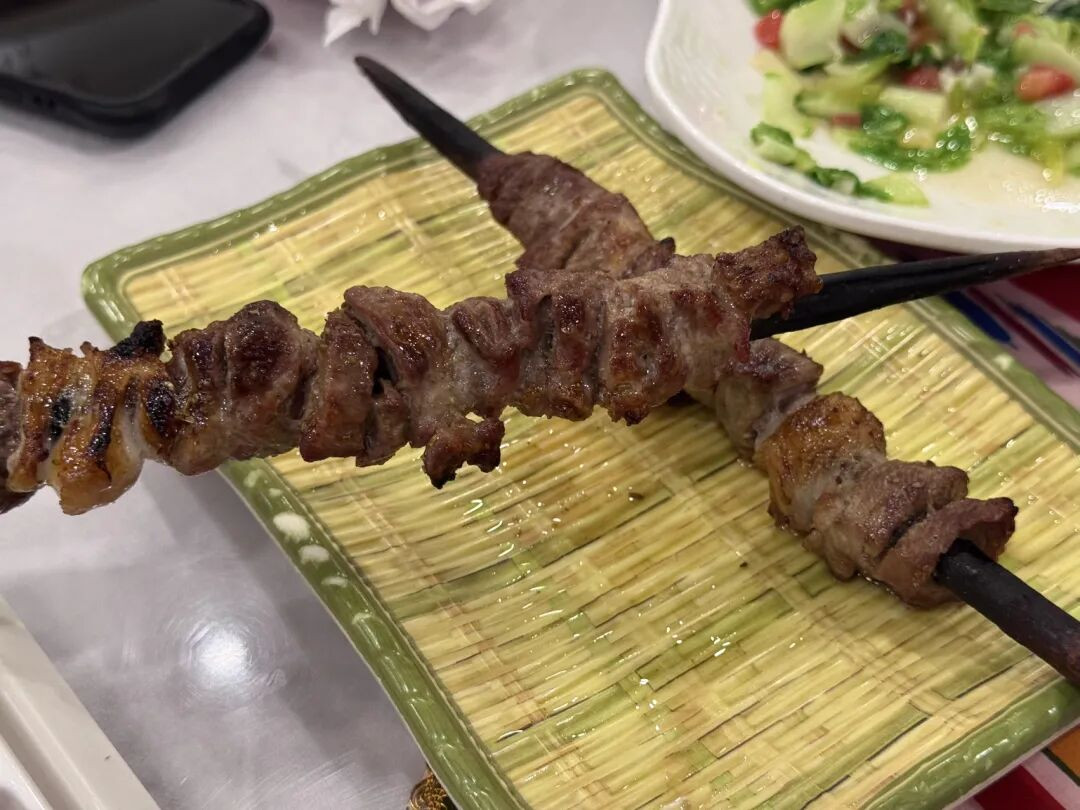
Or sip massive mugs of loaded eight-treasure tea (babao cha).
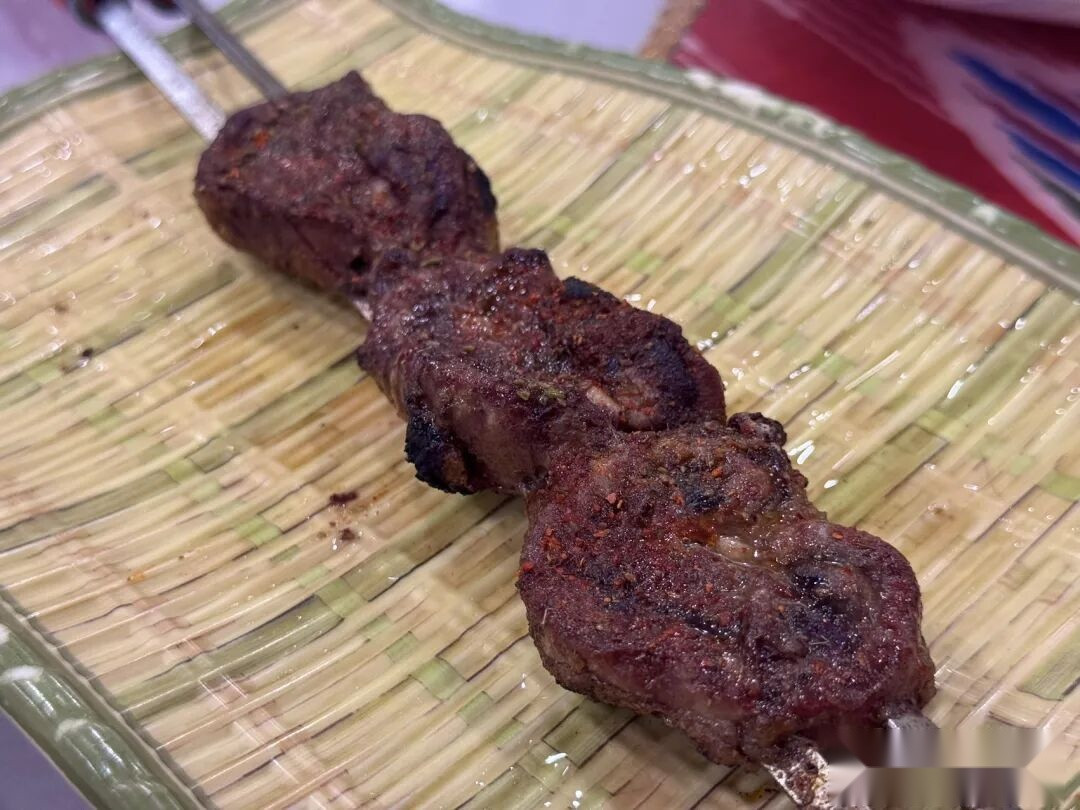
As the province with the highest per capita mutton consumption in China, Xinjiang's obsession with lamb is baked into its DNA, and their pursuit of bold mutton flavor is relentless—meaning it's gotta have that gamey kick.
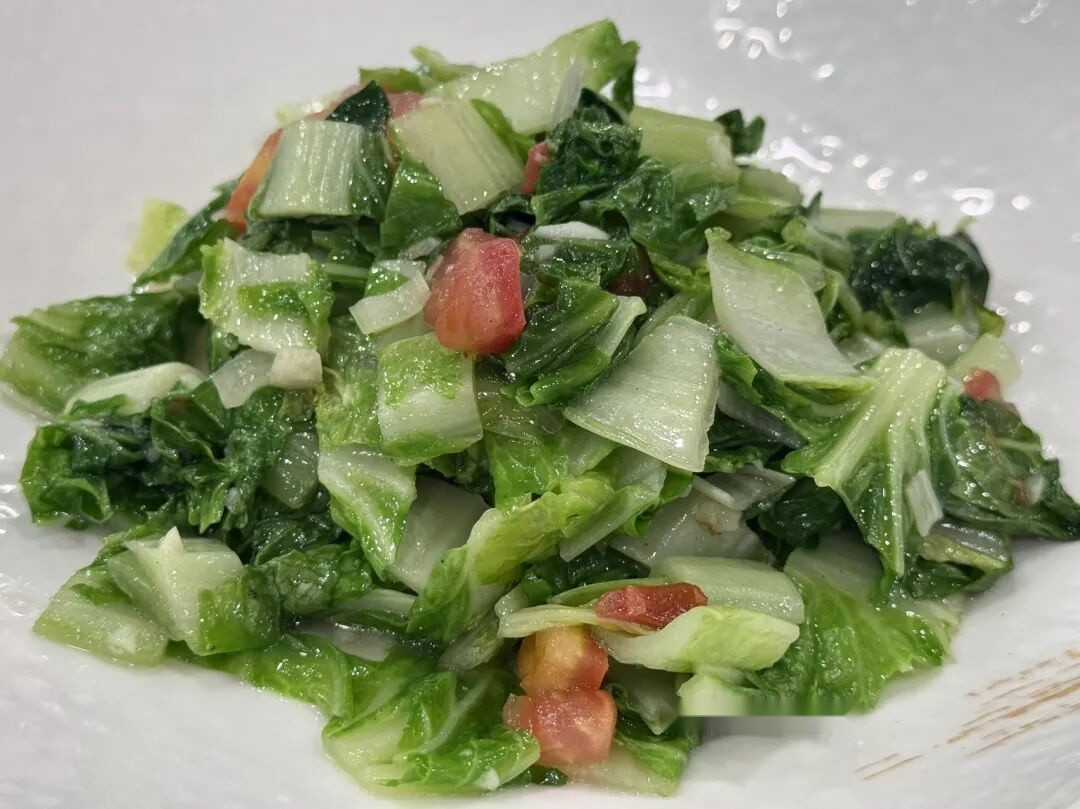
Maria's hand-grabbed lamb neck leans all the way into that philosophy. Heavy-handed salt punches up a massive meaty flavor, and every single pull unleashes a flood of savory aromas. That tiny hint of gaminess actually wakes up your primal carnivorous instincts.
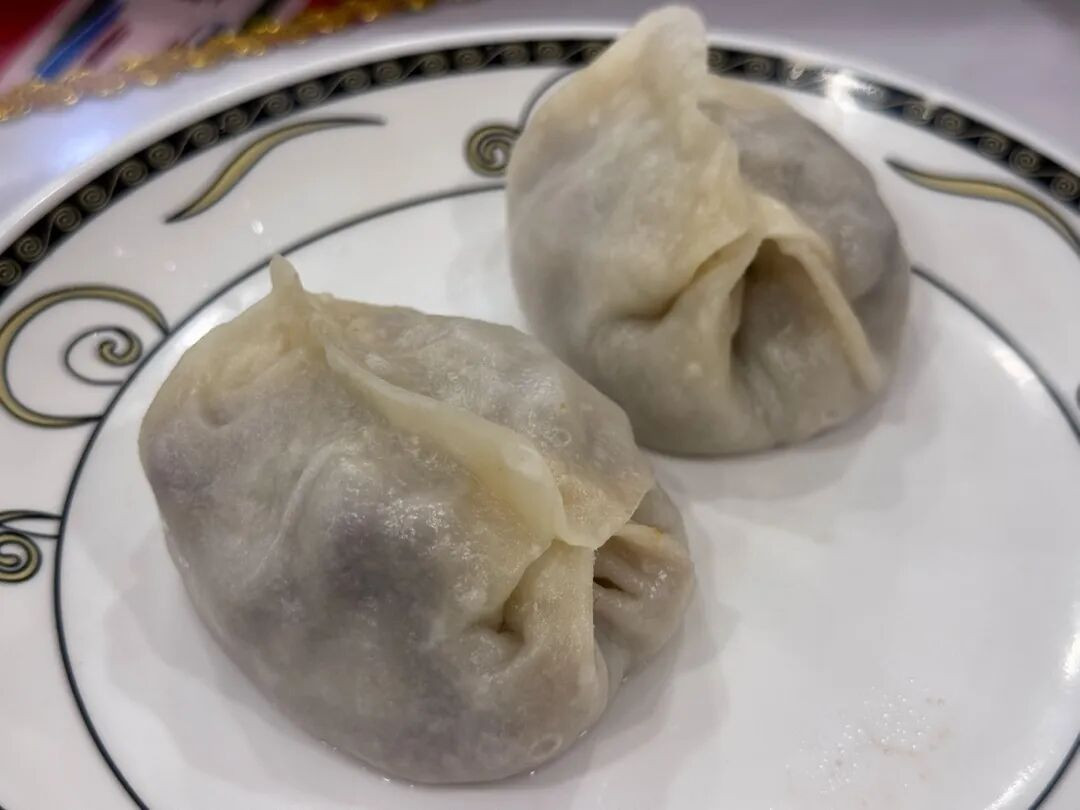
Maybe because we only ordered half a pound, we didn't get the prized middle section of the neck like at Guanguanji, but gnawing on the sinewy tail-end pieces of the neck had a wild charm of its own.
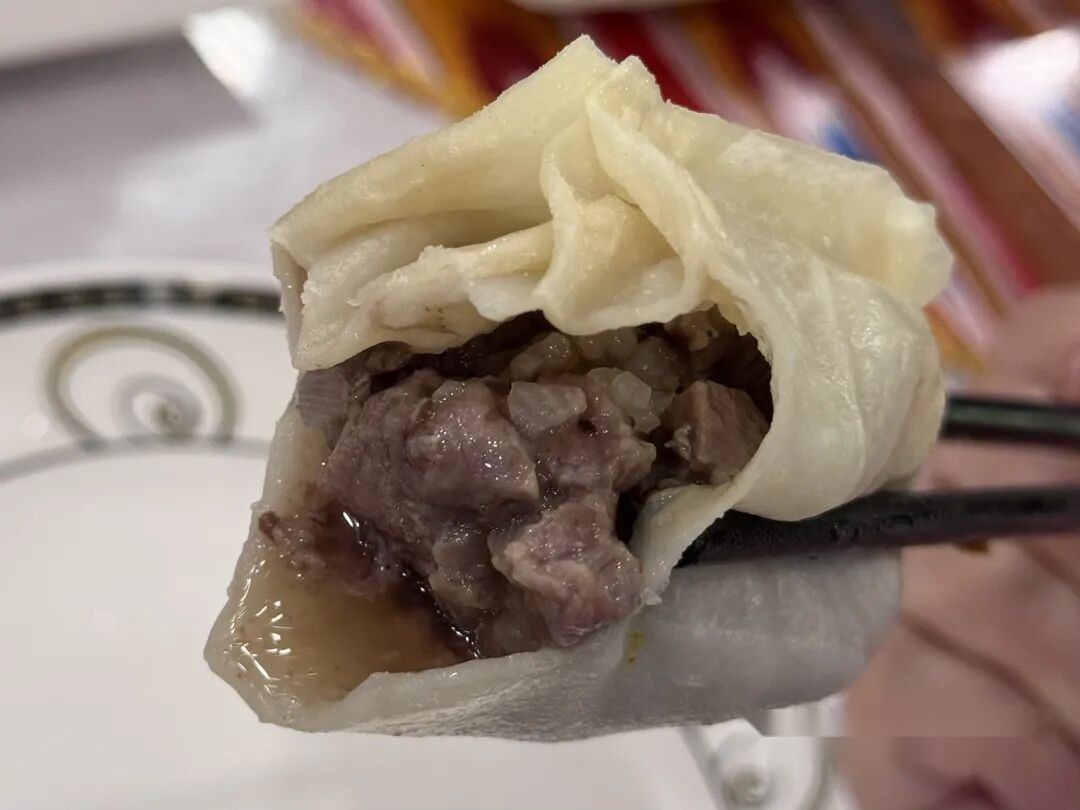
The roast lamb ribs are similarly heavy on the seasoning and dripping with lamb fat, but eating them is an absolute thrill.
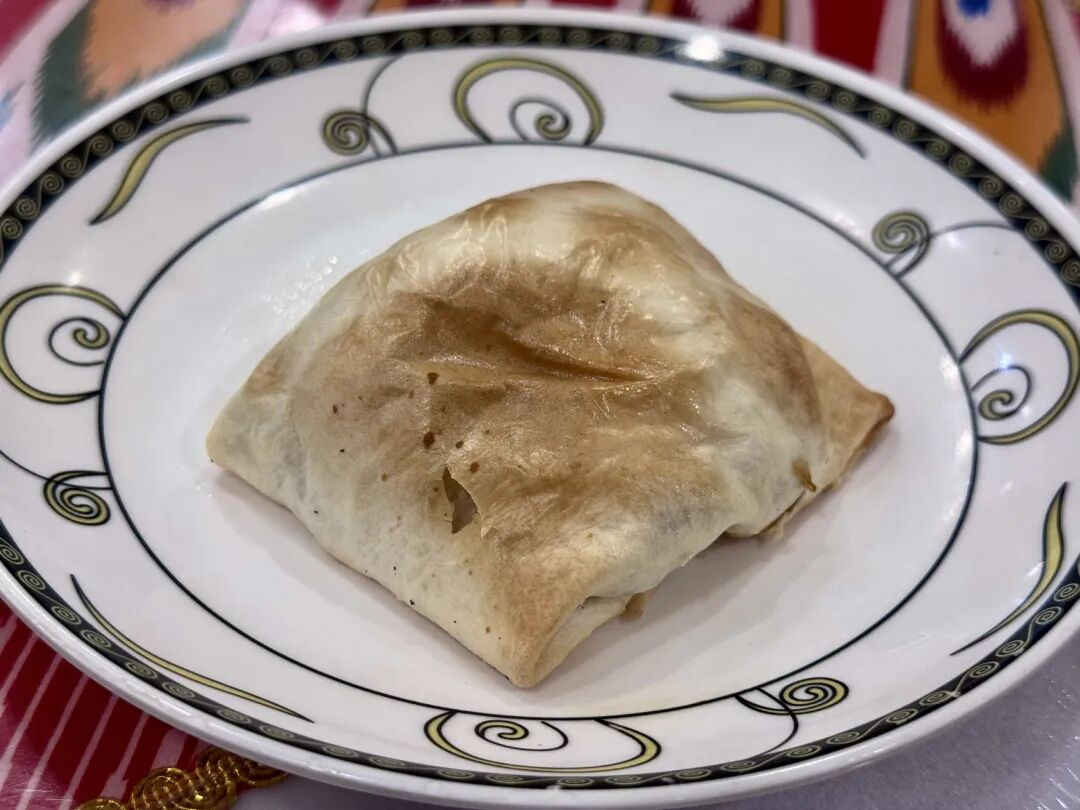
I've always lived by the culinary gospel of 'salty fish, bland meat'—light seasoning usually preserves the original flavor best. Maria's salt-heavy attack kind of blew my mind; maybe mutton's aggressive streak actually needs a heavy hand of salt to fully come alive.
The red-willow skewers and grilled lamb kidneys bring that same wild sodium punch. The funky aroma inherent to kidneys is completely beaten into submission—a tiny bit of heavy-handed salt traded for a 10-out-of-10 rush.
Per tradition, we ordered a token plate of vegetables to reset the palate, and hit an unexpected jackpot. The natural sweetness of sun-ripened tomatoes made the tender Shanghai bok choy taste a hundred times better.
Freshly steamed thin-skinned baozi take fifteen minutes to hit the table, but they come highly recommended.
Make sure to slurp the soup out of these right away—it's the rich, fatty essence of the lamb, piping hot,鲜香 (savory and aromatic) and deeply satisfying.
The baked beef buns (kaobaozi) are similarly thin-skinned and stuffed to the brim, but your luck with the texture is a total crapshoot since they bake them fresh batch by batch. If you want that crackling, juice-bomb version straight from the oven, you have to time it right with a fresh batch coming out. To play it safe, stick to the steamed buns.
Final verdict:
Guanguanji's mutton is gentle, serene, and delicious—giving off the delicate grace of the Jiangnan region beyond the Great Wall.
Maria's mutton is rugged, wild, and delicious—carrying the epic majesty of the smoke rising over the vast desert.
The end. Collapse Read »
Shanghai Zhejiang Middle Road Halal Mutton Showdown: Comprehensive Review of Refined Guanguanji and Rugged Maria Halal Restaurants
Abstract:
An in-depth review of Guanguanji and Maria, two powerhouse Halal eateries running neck-and-neck on Shanghai's famous Halal food street, Zhejiang Middle Road. We compare shouzhua yangrou (hand-grabbed lamb), spiced skewers, signature mutton offal soup, and staple carbs to give meat lovers and Halal foodies a clear guide on where to eat.
On Shanghai's famous Halal food street, Zhejiang Middle Road, Guanguanji and Maria stand side-by-side. One is delicate, the other rugged, and both are so crazy good it's impossible to pick a favorite. For a pilgrimage site of heavy-hitting meat eaters, adding these two heavyweights to the lineup is a total game-changer!
Guanguanji's dining room is a little cramped, but it's kept super clean and tidy.
That's the best thing about Halal spots—they're obsessively clean and reassuring. Even with tons of meat traffic coming through every day, the floor is totally grease-free and your shoes won't stick.
They don't serve alcohol here, and there's no rowdy shouting. Everyone just keeps their heads down and focuses on crushing their meat.
Ever since I tried hand-grabbed lamb neck, I totally quit ordering regular cuts like lamb ribs or leg meat. Whenever I walk in, I order a pound of lamb neck right off the bat.
You can tell right when it hits the table that these are big, thick-necked sheep, but the meat is just as tender as a spring lamb. The connective tissue has an amazing chew, the lean meat is drop-dead tender, and a tiny bit of fat steps in to pull off the ultimate flavor combo.
Because they use mature sheep, the rich, savory flavor of the mutton is way deeper—pure deliciousness without a hint of gaminess.
The salt is applied with sniper-like precision. That salty baseline draws out the deep meaty aroma without ever stealing the spotlight. This is the absolute peak form of salt and meat dancing together.
The spinal marrow hidden right in the middle of the neck bones can be easily fished out with your chopsticks. It's as creamy as fugu milt—a totally unexpected jackpot you just don't get with baby lamb necks.
Compared to the neck, the red-willow lamb skewers are firmer and fatter, hugging the red-willow twigs and roasted to a smoky, charred finish.
The roast lamb ribs are surprisingly light, seasoned with just a touch of salt and chili—pure fragrance without the burn.
The whole meat-eating progression builds naturally: from lean to fat, from boiled to grilled. It's pure meat from start to finish. So satisfying!
At most, pair it with a plate of cold tossed spinach—low on salt, a tiny bit tangy, with a faint tingle of Sichuan pepper. It's crisp and refreshing, giving your palate a break when the meat gets heavy. Absolute perfection.
Unlike Guanguanji's light and delicate style, Maria Restaurant's dishes are unapologetically bold and wild.
As a Xinjiang restaurant, Maria not only has plenty of elbow room, but you can also drink bowls of liquor here.
Or sip massive mugs of loaded eight-treasure tea (babao cha).
As the province with the highest per capita mutton consumption in China, Xinjiang's obsession with lamb is baked into its DNA, and their pursuit of bold mutton flavor is relentless—meaning it's gotta have that gamey kick.
Maria's hand-grabbed lamb neck leans all the way into that philosophy. Heavy-handed salt punches up a massive meaty flavor, and every single pull unleashes a flood of savory aromas. That tiny hint of gaminess actually wakes up your primal carnivorous instincts.
Maybe because we only ordered half a pound, we didn't get the prized middle section of the neck like at Guanguanji, but gnawing on the sinewy tail-end pieces of the neck had a wild charm of its own.
The roast lamb ribs are similarly heavy on the seasoning and dripping with lamb fat, but eating them is an absolute thrill.
I've always lived by the culinary gospel of 'salty fish, bland meat'—light seasoning usually preserves the original flavor best. Maria's salt-heavy attack kind of blew my mind; maybe mutton's aggressive streak actually needs a heavy hand of salt to fully come alive.
The red-willow skewers and grilled lamb kidneys bring that same wild sodium punch. The funky aroma inherent to kidneys is completely beaten into submission—a tiny bit of heavy-handed salt traded for a 10-out-of-10 rush.
Per tradition, we ordered a token plate of vegetables to reset the palate, and hit an unexpected jackpot. The natural sweetness of sun-ripened tomatoes made the tender Shanghai bok choy taste a hundred times better.
Freshly steamed thin-skinned baozi take fifteen minutes to hit the table, but they come highly recommended.
Make sure to slurp the soup out of these right away—it's the rich, fatty essence of the lamb, piping hot,鲜香 (savory and aromatic) and deeply satisfying.
The baked beef buns (kaobaozi) are similarly thin-skinned and stuffed to the brim, but your luck with the texture is a total crapshoot since they bake them fresh batch by batch. If you want that crackling, juice-bomb version straight from the oven, you have to time it right with a fresh batch coming out. To play it safe, stick to the steamed buns.
Final verdict:
Guanguanji's mutton is gentle, serene, and delicious—giving off the delicate grace of the Jiangnan region beyond the Great Wall.
Maria's mutton is rugged, wild, and delicious—carrying the epic majesty of the smoke rising over the vast desert.
The end. Collapse Read »
Ultimate Guide to Halal Food & Muslim Culture in Shanghai: Top Restaurants & Hidden Gems
[Internet Repost]
Ultimate Guide to Halal Dining in Shanghai: Unlock the City's Diverse Ethnic Flavors and Cultural Hotspots
Abstract:
A freshly curated Halal food guide to Shanghai, featuring a handpicked selection of Halal dining landmarks that blend traditional ethnic heritage with modern aesthetics. Highlighting meticulous ingredient sourcing and strict standards across different regional cuisines, this guide invites readers to experience the vibrant ethnic cultures and authentic flavors hidden right in the middle of the metropolis.
"In the international metropolis of Shanghai, Halal dining draws crowds of food lovers with its unique charm. It not only carries deep cultural roots, but also satisfies the pickiest palates with a rich variety of flavors. Today, we're dropping a brand-new list of recommended Halal spots in Shanghai. Let's kick off this epic food adventure together!"
We've carefully picked 8 standout spots for you this time around, each with its own vibe and totally worth checking out:
Pin Huiwei
Fang Zhongshan Hu辣 Tang (Spicy Hot Soup)
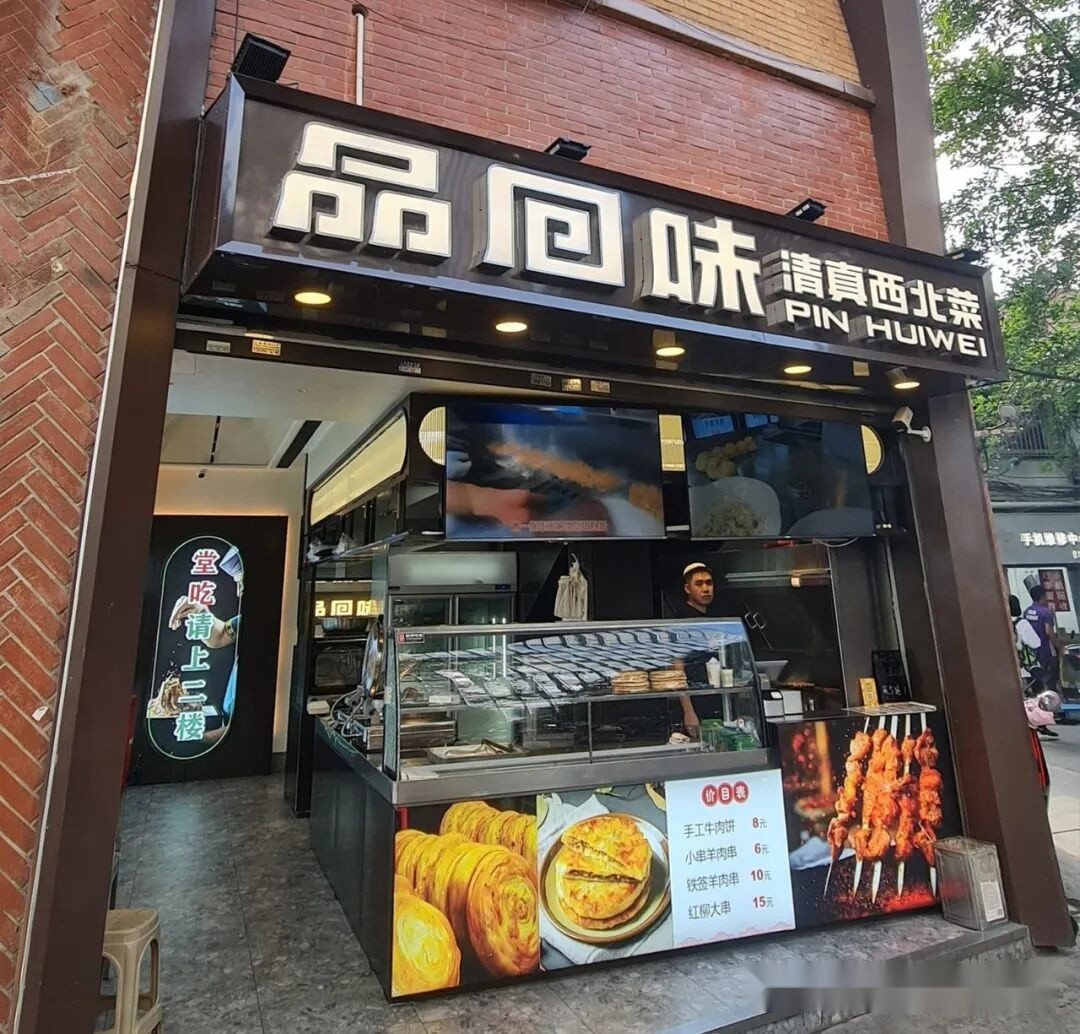
Uncle Kadeer
Nanmen Shuanrou (South Gate Hot Pot)
Changying Sanxiongdi (Three Brothers)
Yangji Qiqihaer Kaorou (Qiqihaer BBQ)
Musa Hot Pot City
Laomenkuang Baodu Shuanrou (Quick-Boiled Tripe & Hot Pot)
01
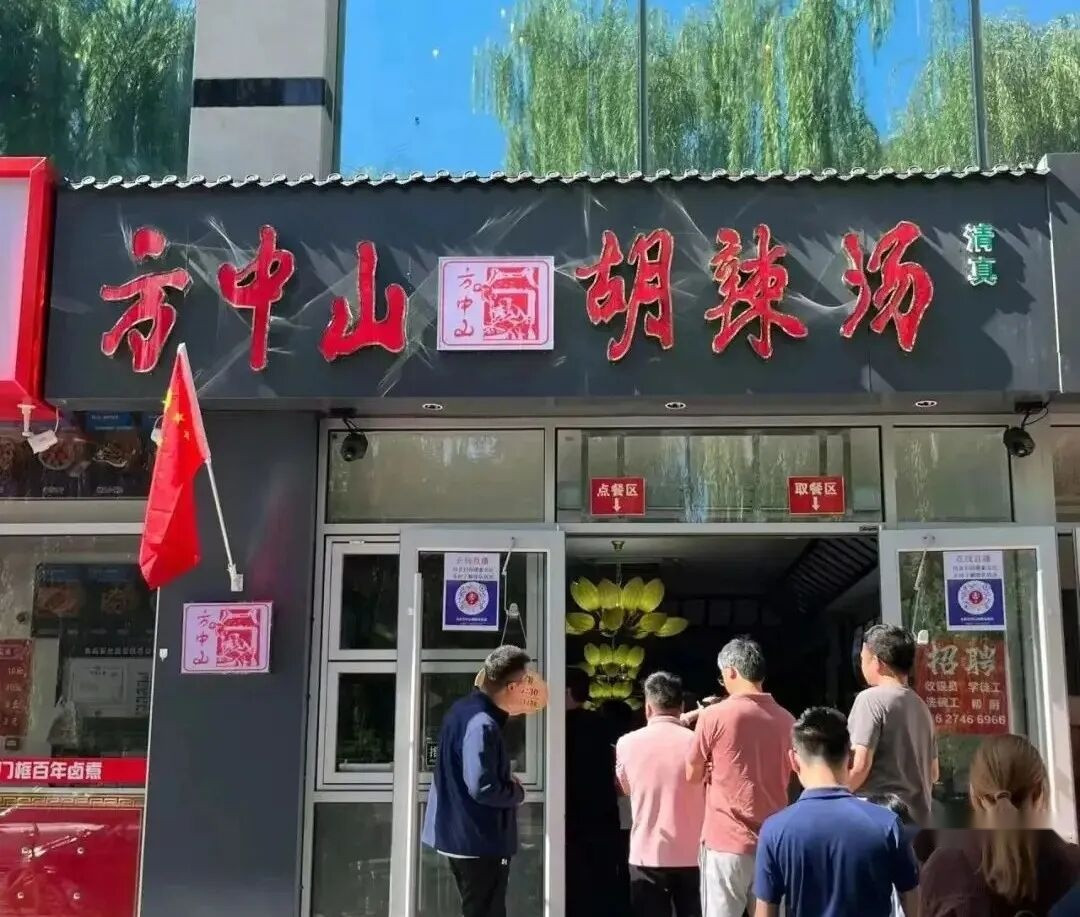
Pin Huiwei Restaurant
Why you need to go: A perennial favorite on local foodie trending lists, serving up authentic comfort food.
Address: No. 285 Changshou Road, Changshou Road Subdistrict, Putuo District, Shanghai (near Xikang Road)
Pin Huiwei is a beloved Northwestern comfort food joint with three locations across Shanghai. I've only ever hit up the original classic spot pictured here. They recently opened a brand-new flagship store on Changshou Road in Changshou Li, though I haven't checked that one out yet.
Their dishes are seriously unique. The shouzhua yangrou (Lanzhou hand-grabbed lamb) is grilled until it sizzles, crispy on the outside and tender on the inside, bursting with flavor in every single bite. The clay-pot lamb uses natural ingredients and traditional Halal prep—super tender meat in a rich, hearty broth that warms you right up inside. Their dapanji (big plate spicy chicken) features juicy, tender chicken, soft, melt-in-your-mouth potatoes, and wide ribbon noodles soaked in a thick, flavorful sauce for an incredible texture combo. The hand-grabbed lamb is tender, springy, and lets the pure, natural meat flavors shine.
Judging by user reviews on Dianping, the service is super attentive and the staff are warm and welcoming. The vibe is relaxed and cozy with a minimal, clean interior. With top-notch service and very reasonable prices, it's an absolute bang-for-your-buck spot and a solid go-to for casual everyday meals.
02
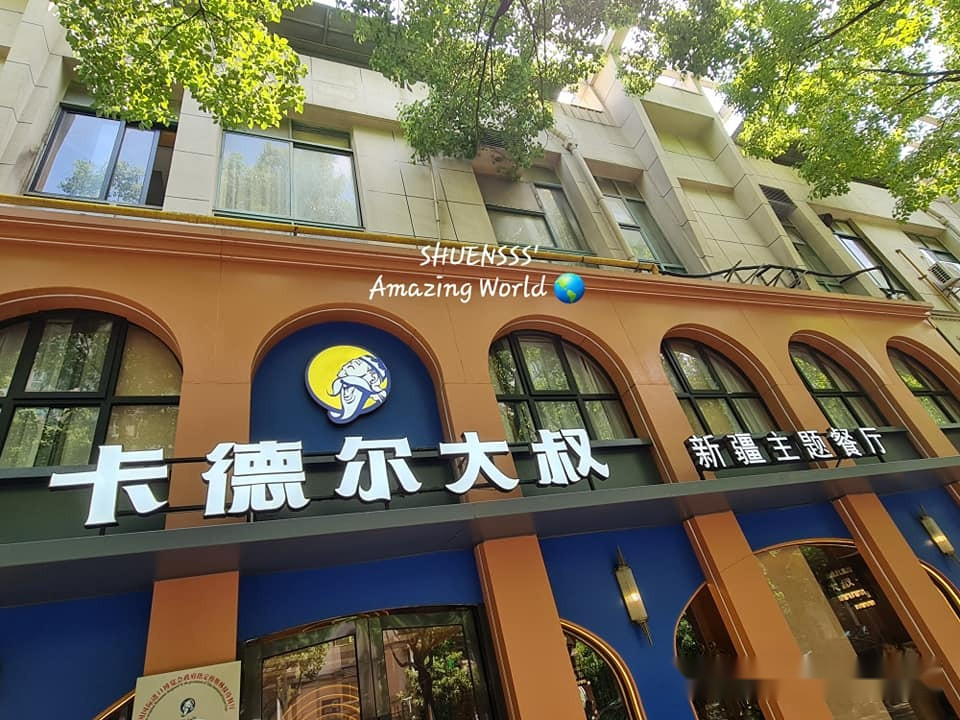
Fang Zhongshan Hulatang
Why you need to go: The absolute gold standard for hulatang (spicy pepper soup), serving authentic Central Plains flavors.
Address: Floor 1, Shop 3, No. 520 Dongchang Road, Pudong New Area, Shanghai
Famous for its bold, fiery Central Plains flavor profile, Fang Zhongshan Hulatang currently has three locations in Shanghai.
Their signature hulatang (spicy pepper soup) packs a robust, aromatic black pepper punch with a thick, velvety broth loaded with beef, wood ear mushrooms, and wheat gluten. Every spoonful delivers a powerful wave of savory spice and a lingering, subtle kick that instantly wakes you up. The shuijianbao (pan-fried stuffed buns) feature a golden, crispy bottom crust with a savory, juicy filling—the ultimate power couple when paired with the soup. The shop is super clean, buzzing with a lively, down-to-earth local atmosphere. Service is lightning-fast and friendly, and with super low prices, it's a massive hit for both breakfast and late-night cravings. Just a heads-up: the Lujiazui spot is open on weekend nights, but closed on weekday nights~
03
Uncle Kadeer
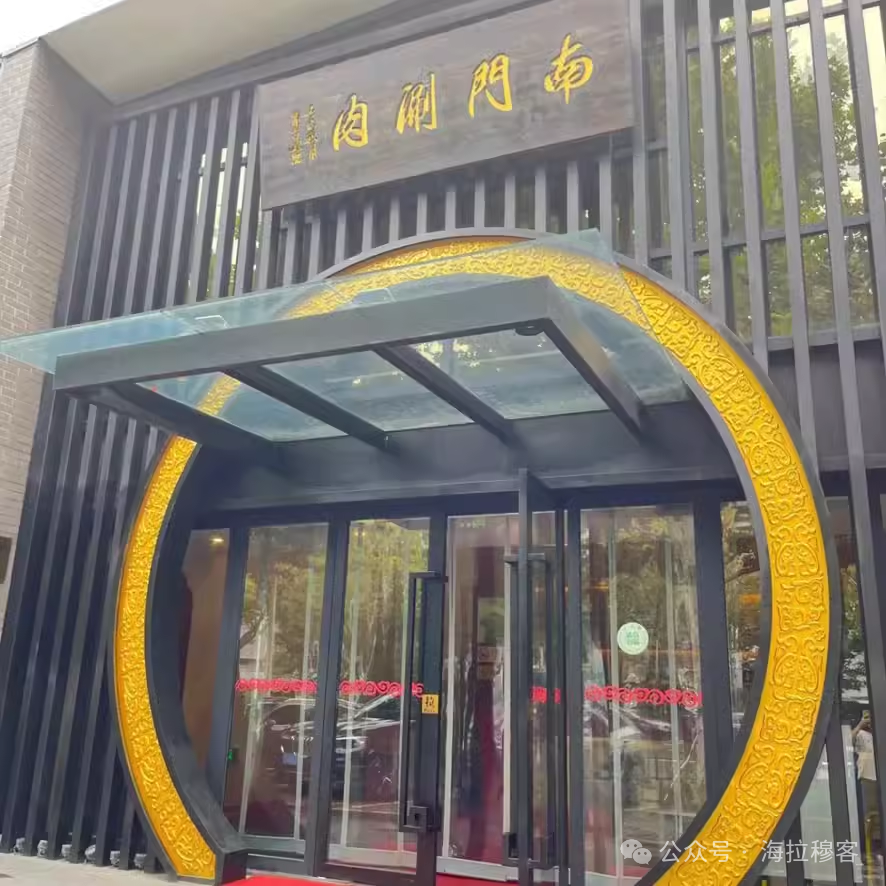
Why you need to go: The ultimate rep for authentic Xinjiang flavors, winner of multiple foodie awards.
Address: Shop 346, Xindouhui Food Plaza, No. 300 Longhui Road, Pudong New Area, Shanghai
Uncle Kadeer is a specialty restaurant bursting with vibrant Xinjiang vibes, with 4 locations across Shanghai.
Their dapanji (big plate spicy chicken) brings you tender chicken, soft potatoes, and chewy ribbon noodles swimming in a rich, spicy sauce—every bite is packed with punchy flavor. The nang (Xinjiang flatbread) comes out piping hot with an irresistible aroma, rocking a crispy crust and a soft interior that marries wheat and spice notes to perfection. Their yogurt is thick, sweet, and tangy, great for cutting through richness and resetting your palate. The restaurant interior is decked out in ethnic decor, and lively traditional Xinjiang music and dance performances crank up the fun factor while you eat. Service is super detail-oriented, and the prices are totally fair, making you feel like you’ve been teleported straight to Xinjiang.
04
Nanmen Shuanrou
Why you need to go: A legendary Beijing institution and the ultimate classic for traditional copper-pot hot pot.
Address: No. 450 Shibo Avenue, China (Shanghai) Pilot Free Trade Zone, Pudong New Area, Shanghai
As a heavy-hitting legacy brand straight out of Beijing, Nanmen Shuanrou carries the torch for old-school Beijing hot pot memories, with 5 spots currently operating in Shanghai.
They source choice cuts of lamb with pristine marbling and vibrant color. A quick swish in the bubbling copper pot makes the meat meltingly tender and silky, especially when paired with their rich sesame paste dipping sauce (zhima jiang). The sweet and tangy pickled garlic (suan) is crunchy, refreshing, and the ultimate palate cleanser. Their sesame flatbread (shaobing) is flaky, layered, and crispy, and stuffing it with sliced beef shank takes it to a whole new level. The interior rocks a classic, elegant vintage Beijing vibe. Service is thoughtful and attentive; prices are a bit on the higher side, but the quality is unmatched. If you want the real-deal old Beijing hot pot experience, this is your spot.
05
Changying Sanxiongdi
Why you need to go: A rising star in Shanghai's hot pot scene with tons of locations and plenty of options.
Address: No. 600 Laoshan Road, Pudong New Area, Shanghai
Serving up killer hot pot flavors, Changying Sanxiongdi is a rising star in my book. They've been expanding super fast over the last couple of years, and the food holds up—they now boast 7 branches across Shanghai.
Their lamb comes from top-tier pastures, giving it a firm texture and super tender bite. The light, clear broth base lets the natural, juicy flavor of the lamb take center stage, especially when paired with classic condiments like fermented Chinese chive flower paste (jiucaihua) and fermented bean curd. Their hand-cut lamb is sliced to absolute perfection—uniform and thin—cooking up silky-smooth with an intoxicating meaty aroma. The dining room is spacious, bright, and always buzzing with energy. Service is warm and efficient, and with moderate per-person pricing, it's a prime spot for family dinners or hanging out with a crew of friends.
06
Yangji Qiqihaer Kaorou
Why you need to go: A classic Northeastern chain dishing out high value and maximum flavor.
Address: Room 101, Building 6, No. 3120 Shangnan Road, Pudong New Area, Shanghai
Qiqihaer BBQ infuses the warmth and bold hospitality of China's Northeast into every single bite of meat. Yangji Qiqihaer Kaorou has tons of branches in Shanghai, but only certain ones are officially certified Halal! Make sure to double-check before you head in!
Their signature marinated meats come pre-soaked in a secret house sauce, soaking up loads of flavor. As they hit the sizzling griddle, they sizzle away and put off an insane aroma. Big slabs of beef and lamb grill up until both sides turn golden brown—crispy on the outside, juicy on the inside—and pairing them with their special dry rub takes the texture and taste to the next level. The pickled Chinese cabbage (suancai) cuts right through the richness, making a killer combo with the grilled meats. The interior is clean, modern, and oozes Northeastern charm. The service is high-energy and super friendly, and the prices are totally budget-friendly. It's the ultimate spot to soak in the vibes of Northeastern grill culture.
07
Musa Hot Pot City
Why you need to go: An outstanding heavyweight for ethnic specialty hot pot with years of stellar reputation.
Address: No. 1159 Deping Road, Pudong New Area, Shanghai (near Yangpu Bridge)
Musa Hot Pot City has 10 locations in Shanghai, seamlessly blending ethnic minority culinary traditions with hot pot culture. Their signature soup bases are savory, aromatic, and deeply flavorful, slow-simmered using a blend of select spices.
Their hand-cut fresh lamb is the undisputed house specialty—tender meat with delicate muscle fibers that practically melt in your mouth after a quick dip in the pot. They offer a massive variety of hot pot add-ons to suit every craving. The restaurant is decked out in gorgeous ethnic decor, creating a cozy and welcoming vibe. Service is warm and dialed-in, and mid-range pricing makes it an awesome destination for friends and family to feast together.
08
Laomenkuang Baodu Shuanrou
Why you need to go: The absolute benchmark for Beijing-style quick-boiled tripe and hot pot, adored by diners everywhere.
Address: No. 45, Donghaihai International Plaza, Huaihai East Road, Huangpu District, Shanghai
Bringing their master craft and authentic flavors straight from Beijing to Shanghai, Laomenkuang Baodu Shuanrou now operates 12 locations across the city.
The quick-boiled tripe (baodu) is insanely crisp, tender, and snappy, cooked to absolute perfection. Slathered in their signature sesame paste, the rich, nutty flavor will have you dreaming about it for days. The freshly sliced lamb features clear grain and gorgeous marbling; a quick swish in the copper hot pot yields buttery, tender meat packed with savory goodness. The interior is vintage and rustic, dripping with old-school Beijing charm. Service is prompt and detail-oriented, and prices are super reasonable. Whether you're a local resident or a traveler passing through, everyone raves about this place—it's hands-down the ultimate spot to experience classic Beijing hot pot and tripe culture.
Pro Tips:
Shanghai's Halal food scene is like a treasure chest just waiting to be cracked open. We hope you find your absolute favorite dishes at these spots and enjoy some amazing meals. Whether you're having a family weekend gathering or kicking back with friends, these restaurants are guaranteed to give you an unforgettable food experience. Collapse Read »
Ultimate Guide to Halal Dining in Shanghai: Unlock the City's Diverse Ethnic Flavors and Cultural Hotspots
Abstract:
A freshly curated Halal food guide to Shanghai, featuring a handpicked selection of Halal dining landmarks that blend traditional ethnic heritage with modern aesthetics. Highlighting meticulous ingredient sourcing and strict standards across different regional cuisines, this guide invites readers to experience the vibrant ethnic cultures and authentic flavors hidden right in the middle of the metropolis.
"In the international metropolis of Shanghai, Halal dining draws crowds of food lovers with its unique charm. It not only carries deep cultural roots, but also satisfies the pickiest palates with a rich variety of flavors. Today, we're dropping a brand-new list of recommended Halal spots in Shanghai. Let's kick off this epic food adventure together!"
We've carefully picked 8 standout spots for you this time around, each with its own vibe and totally worth checking out:
Pin Huiwei
Fang Zhongshan Hu辣 Tang (Spicy Hot Soup)
Uncle Kadeer
Nanmen Shuanrou (South Gate Hot Pot)
Changying Sanxiongdi (Three Brothers)
Yangji Qiqihaer Kaorou (Qiqihaer BBQ)
Musa Hot Pot City
Laomenkuang Baodu Shuanrou (Quick-Boiled Tripe & Hot Pot)
01
Pin Huiwei Restaurant
Why you need to go: A perennial favorite on local foodie trending lists, serving up authentic comfort food.
Address: No. 285 Changshou Road, Changshou Road Subdistrict, Putuo District, Shanghai (near Xikang Road)
Pin Huiwei is a beloved Northwestern comfort food joint with three locations across Shanghai. I've only ever hit up the original classic spot pictured here. They recently opened a brand-new flagship store on Changshou Road in Changshou Li, though I haven't checked that one out yet.
Their dishes are seriously unique. The shouzhua yangrou (Lanzhou hand-grabbed lamb) is grilled until it sizzles, crispy on the outside and tender on the inside, bursting with flavor in every single bite. The clay-pot lamb uses natural ingredients and traditional Halal prep—super tender meat in a rich, hearty broth that warms you right up inside. Their dapanji (big plate spicy chicken) features juicy, tender chicken, soft, melt-in-your-mouth potatoes, and wide ribbon noodles soaked in a thick, flavorful sauce for an incredible texture combo. The hand-grabbed lamb is tender, springy, and lets the pure, natural meat flavors shine.
Judging by user reviews on Dianping, the service is super attentive and the staff are warm and welcoming. The vibe is relaxed and cozy with a minimal, clean interior. With top-notch service and very reasonable prices, it's an absolute bang-for-your-buck spot and a solid go-to for casual everyday meals.
02
Fang Zhongshan Hulatang
Why you need to go: The absolute gold standard for hulatang (spicy pepper soup), serving authentic Central Plains flavors.
Address: Floor 1, Shop 3, No. 520 Dongchang Road, Pudong New Area, Shanghai
Famous for its bold, fiery Central Plains flavor profile, Fang Zhongshan Hulatang currently has three locations in Shanghai.
Their signature hulatang (spicy pepper soup) packs a robust, aromatic black pepper punch with a thick, velvety broth loaded with beef, wood ear mushrooms, and wheat gluten. Every spoonful delivers a powerful wave of savory spice and a lingering, subtle kick that instantly wakes you up. The shuijianbao (pan-fried stuffed buns) feature a golden, crispy bottom crust with a savory, juicy filling—the ultimate power couple when paired with the soup. The shop is super clean, buzzing with a lively, down-to-earth local atmosphere. Service is lightning-fast and friendly, and with super low prices, it's a massive hit for both breakfast and late-night cravings. Just a heads-up: the Lujiazui spot is open on weekend nights, but closed on weekday nights~
03
Uncle Kadeer
Why you need to go: The ultimate rep for authentic Xinjiang flavors, winner of multiple foodie awards.
Address: Shop 346, Xindouhui Food Plaza, No. 300 Longhui Road, Pudong New Area, Shanghai
Uncle Kadeer is a specialty restaurant bursting with vibrant Xinjiang vibes, with 4 locations across Shanghai.
Their dapanji (big plate spicy chicken) brings you tender chicken, soft potatoes, and chewy ribbon noodles swimming in a rich, spicy sauce—every bite is packed with punchy flavor. The nang (Xinjiang flatbread) comes out piping hot with an irresistible aroma, rocking a crispy crust and a soft interior that marries wheat and spice notes to perfection. Their yogurt is thick, sweet, and tangy, great for cutting through richness and resetting your palate. The restaurant interior is decked out in ethnic decor, and lively traditional Xinjiang music and dance performances crank up the fun factor while you eat. Service is super detail-oriented, and the prices are totally fair, making you feel like you’ve been teleported straight to Xinjiang.
04
Nanmen Shuanrou
Why you need to go: A legendary Beijing institution and the ultimate classic for traditional copper-pot hot pot.
Address: No. 450 Shibo Avenue, China (Shanghai) Pilot Free Trade Zone, Pudong New Area, Shanghai
As a heavy-hitting legacy brand straight out of Beijing, Nanmen Shuanrou carries the torch for old-school Beijing hot pot memories, with 5 spots currently operating in Shanghai.
They source choice cuts of lamb with pristine marbling and vibrant color. A quick swish in the bubbling copper pot makes the meat meltingly tender and silky, especially when paired with their rich sesame paste dipping sauce (zhima jiang). The sweet and tangy pickled garlic (suan) is crunchy, refreshing, and the ultimate palate cleanser. Their sesame flatbread (shaobing) is flaky, layered, and crispy, and stuffing it with sliced beef shank takes it to a whole new level. The interior rocks a classic, elegant vintage Beijing vibe. Service is thoughtful and attentive; prices are a bit on the higher side, but the quality is unmatched. If you want the real-deal old Beijing hot pot experience, this is your spot.
05
Changying Sanxiongdi
Why you need to go: A rising star in Shanghai's hot pot scene with tons of locations and plenty of options.
Address: No. 600 Laoshan Road, Pudong New Area, Shanghai
Serving up killer hot pot flavors, Changying Sanxiongdi is a rising star in my book. They've been expanding super fast over the last couple of years, and the food holds up—they now boast 7 branches across Shanghai.
Their lamb comes from top-tier pastures, giving it a firm texture and super tender bite. The light, clear broth base lets the natural, juicy flavor of the lamb take center stage, especially when paired with classic condiments like fermented Chinese chive flower paste (jiucaihua) and fermented bean curd. Their hand-cut lamb is sliced to absolute perfection—uniform and thin—cooking up silky-smooth with an intoxicating meaty aroma. The dining room is spacious, bright, and always buzzing with energy. Service is warm and efficient, and with moderate per-person pricing, it's a prime spot for family dinners or hanging out with a crew of friends.
06
Yangji Qiqihaer Kaorou
Why you need to go: A classic Northeastern chain dishing out high value and maximum flavor.
Address: Room 101, Building 6, No. 3120 Shangnan Road, Pudong New Area, Shanghai
Qiqihaer BBQ infuses the warmth and bold hospitality of China's Northeast into every single bite of meat. Yangji Qiqihaer Kaorou has tons of branches in Shanghai, but only certain ones are officially certified Halal! Make sure to double-check before you head in!
Their signature marinated meats come pre-soaked in a secret house sauce, soaking up loads of flavor. As they hit the sizzling griddle, they sizzle away and put off an insane aroma. Big slabs of beef and lamb grill up until both sides turn golden brown—crispy on the outside, juicy on the inside—and pairing them with their special dry rub takes the texture and taste to the next level. The pickled Chinese cabbage (suancai) cuts right through the richness, making a killer combo with the grilled meats. The interior is clean, modern, and oozes Northeastern charm. The service is high-energy and super friendly, and the prices are totally budget-friendly. It's the ultimate spot to soak in the vibes of Northeastern grill culture.
07
Musa Hot Pot City
Why you need to go: An outstanding heavyweight for ethnic specialty hot pot with years of stellar reputation.
Address: No. 1159 Deping Road, Pudong New Area, Shanghai (near Yangpu Bridge)
Musa Hot Pot City has 10 locations in Shanghai, seamlessly blending ethnic minority culinary traditions with hot pot culture. Their signature soup bases are savory, aromatic, and deeply flavorful, slow-simmered using a blend of select spices.
Their hand-cut fresh lamb is the undisputed house specialty—tender meat with delicate muscle fibers that practically melt in your mouth after a quick dip in the pot. They offer a massive variety of hot pot add-ons to suit every craving. The restaurant is decked out in gorgeous ethnic decor, creating a cozy and welcoming vibe. Service is warm and dialed-in, and mid-range pricing makes it an awesome destination for friends and family to feast together.
08
Laomenkuang Baodu Shuanrou
Why you need to go: The absolute benchmark for Beijing-style quick-boiled tripe and hot pot, adored by diners everywhere.
Address: No. 45, Donghaihai International Plaza, Huaihai East Road, Huangpu District, Shanghai
Bringing their master craft and authentic flavors straight from Beijing to Shanghai, Laomenkuang Baodu Shuanrou now operates 12 locations across the city.
The quick-boiled tripe (baodu) is insanely crisp, tender, and snappy, cooked to absolute perfection. Slathered in their signature sesame paste, the rich, nutty flavor will have you dreaming about it for days. The freshly sliced lamb features clear grain and gorgeous marbling; a quick swish in the copper hot pot yields buttery, tender meat packed with savory goodness. The interior is vintage and rustic, dripping with old-school Beijing charm. Service is prompt and detail-oriented, and prices are super reasonable. Whether you're a local resident or a traveler passing through, everyone raves about this place—it's hands-down the ultimate spot to experience classic Beijing hot pot and tripe culture.
Pro Tips:
Shanghai's Halal food scene is like a treasure chest just waiting to be cracked open. We hope you find your absolute favorite dishes at these spots and enjoy some amazing meals. Whether you're having a family weekend gathering or kicking back with friends, these restaurants are guaranteed to give you an unforgettable food experience. Collapse Read »
Hidden Halal Gem in Shanghai: A Foodie's Guide to Century-Old Haipai Muslim Cuisine
[Internet Repost]
Shanghai's Best-Kept Halal Secret: An In-Depth Review of a Century-Old Haipai Muslim Institution's Paper-Thin Beef Tongue and Fork-Tender Braised Beef
Abstract:
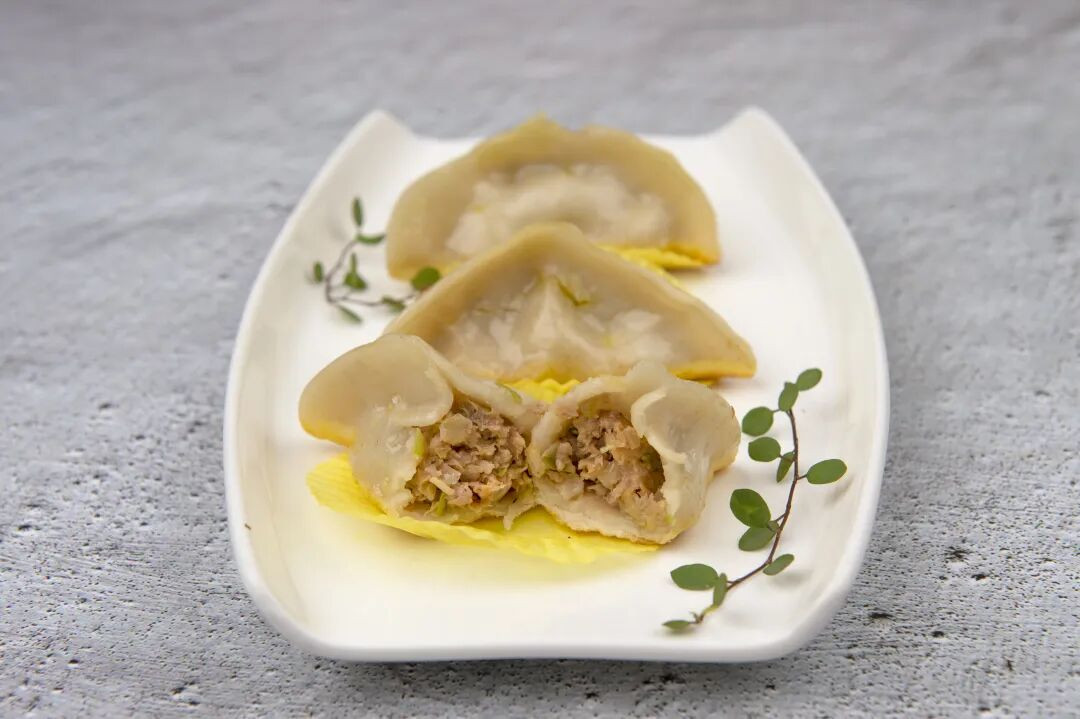
An exclusive tasting at the Atlantic Restaurant inside the legendary Pearl Hotel (Mingzhu Dafandian Qingzhen Canting)—a hidden veteran of Shanghai-style (Haipai) Halal dining. We review their signature paper-thin sliced cold beef tongue, the East-meets-West fork-tender braised beef served with cutlery, and classic rich, savory hot dishes that showcase Shanghai's unique, refined Halal culinary style.
Finding a Halal spot in Shanghai isn't hard—you can grab piping-hot shengjianbao (crispy pan-fried soup buns) or beef guotie (crispy beef potstickers) dripping with juice on almost any corner, accompanied by bowls of beef soup floating with chopped scallions. But if you're hunting for a place that elevates Halal food to that signature 'old Shanghai refined dining' level, you need a local foodie to show you the ropes. Last week, an old-school Shanghainese colleague at the office practically forced this place on me, patting his chest and swearing, 'Go here and you won't be disappointed.' He dragged me straight to the Atlantic Restaurant tucked inside the Pearl Hotel. The moment I pushed open the door, my eyes lit up: the ceiling featured warm, glowing star-and-crescent chandeliers with a cozy, retro vibe, and the corners were fitted with well-worn, glossy Republic-era solid wood dining tables, right down to the old-school, meticulous tablecloths. As soon as we sat down, I heard an auntie at the next table call out in authentic Shanghainese, 'Boss, bring us a 'Niuri Chongtian' (towering beef feast)!' That vibrant neighborhood energy mixed with such classic elegance instantly won me over.
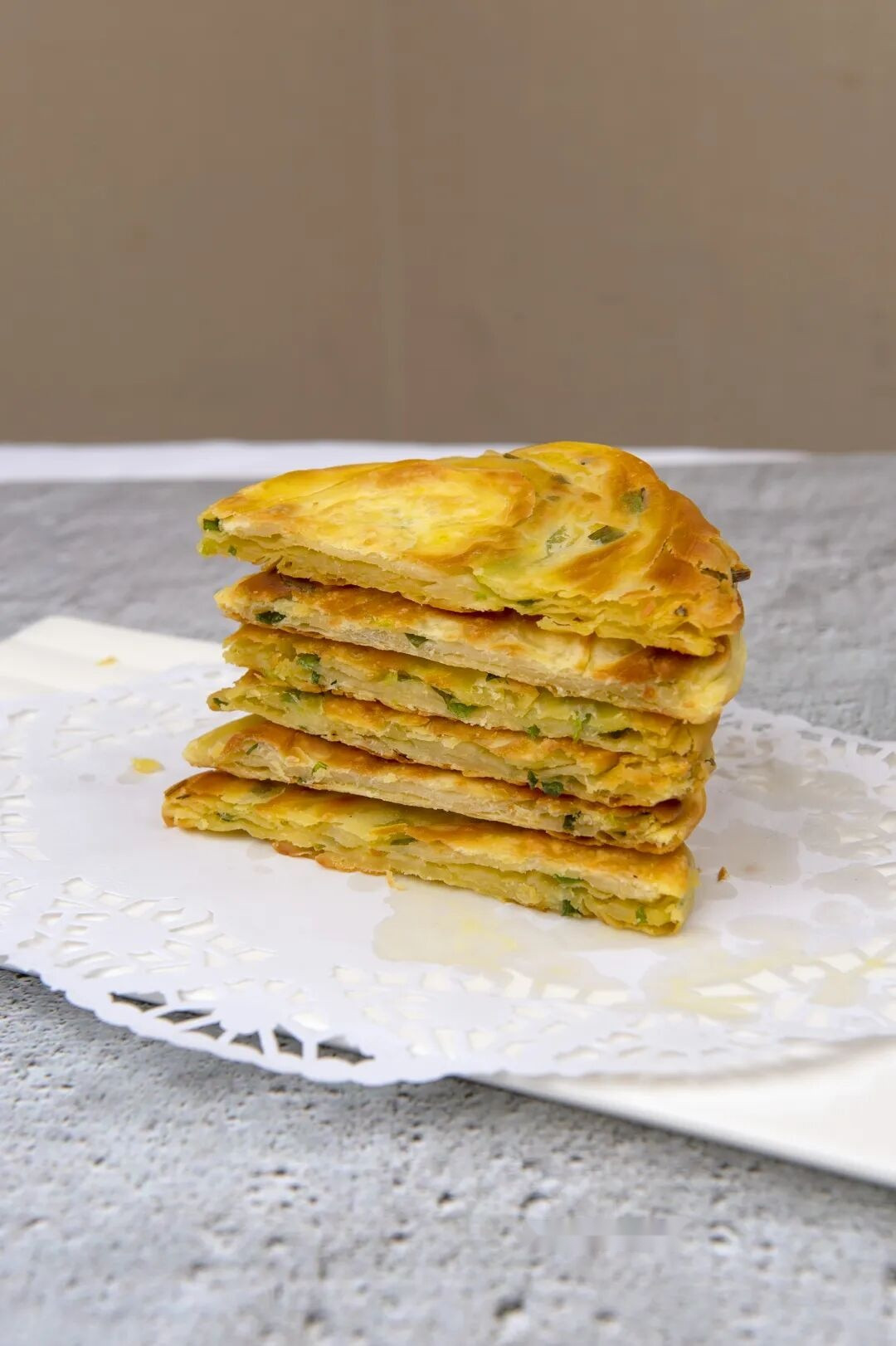
During a break between dishes, I chatted with Head Chef Zhao Hao and learned that this low-key spot holds a century-old heritage of Shanghai's Haipai Halal cuisine. After Shanghai opened as a treaty port in the 19th century, Muslim merchants flocked to the city, and Halal dining gradually evolved from roadside street stalls into grand banquet feasts. Back in the day on Fuzhou Road, this restaurant was an absolute powerhouse with lines stretching around the block. Later, it relocated to the Pearl Hotel, becoming one of the rare veteran spots in Shanghai where you can experience an authentic Haipai Halal banquet. Chef Zhao rolled up his sleeves and laughed, 'People always think Halal food is either casual street snacks or rugged Northwest-style chow. We wanted to make 'refined' Halal food so everyone could taste its delicate side!' I completely believed him the moment the first dish hit the table.
The starter, 'Xiaohe Xiangcuyou Ban Niushew' (alleyway vinegar and oil tossed beef tongue), completely shattered my preconceptions of Halal cold dishes. Every beef tongue dish I'd had before was either heavily braised and dense or char-grilled—always hot and hearty. But this version? The beef tongue was sliced paper-thin, glowing a translucent pinkish-white, submerged in glistening seasoned oil and vinegar, and dotted with specks of cracked black pepper. The plating looked just like an appetizer at a high-end Western restaurant. I picked up a slice and popped it into my mouth: first came the fresh, crisp notes of olive oil, followed by the bright tang of rice vinegar carrying the fruity aroma of black vinegar. Deep down, the beef tongue was bouncy and tender, releasing a faint hint of cumin as I chewed. It wasn't greasy at all. I immediately told my colleague, 'The flavor is unreal—so refreshing I can't stop using my chopsticks!'
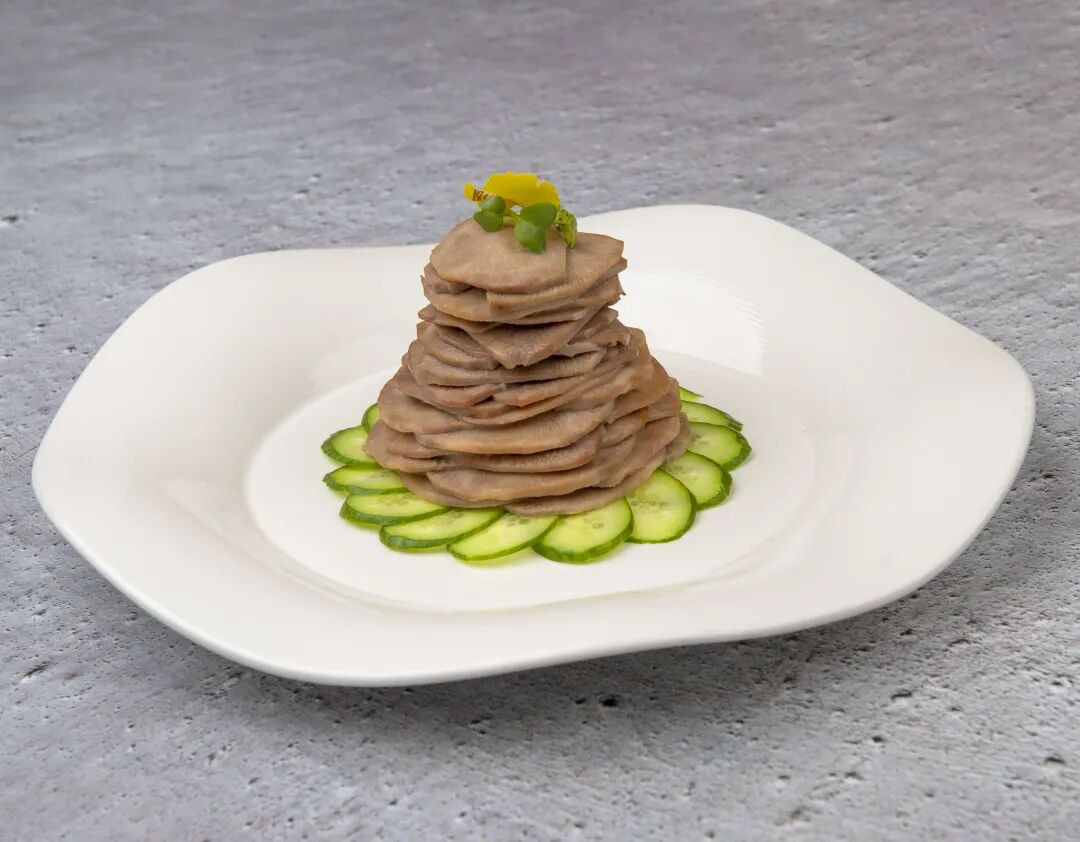
Chef Zhao came over to share the secret, explaining the East-meets-West touches hidden in the dish: the beef tongue is first boiled until tender in master stock spiced with Sichuan peppercorns, scallions, and ginger, then immediately plunged into ice water for a full 50 minutes. That hot-and-cold shock is what locks in the springy crunch. Skipping traditional soy sauce, the seasoning relies on extra virgin olive oil and Italian balsamic vinegar—a pairing that respects Halal guidelines while perfectly hitting the Shanghainese sweet spot for 'refreshing, tangy, and grease-cutting' flavors. A Shanghai auntie at our table nodded approvingly, raising her teacup to declare, 'This goes so well with huangjiu (yellow rice wine)! It's way lighter than red-braised pork, making it the ultimate comfort food for summer.'
If the cold dish was a breath of fresh air, the arrival of 'Niuri Chongtian' (towering beef feast) hijacked the entire restaurant's attention. A massive cow skull served as the base, piled high with a solid three pounds of hand-pulled beef cheek meat forming a small mountain nearly half a meter wide, taking up half the table. The server had just set it down when a kid at the next table slammed his hand on the table and yelled, 'So cool!' Adults whipped out their phones to snap away, and even an uncle from two tables over wandered over to see what the commotion was about. With a grand entrance like that, it more than lived up to its name meaning 'towering beef' or 'soaring success.'
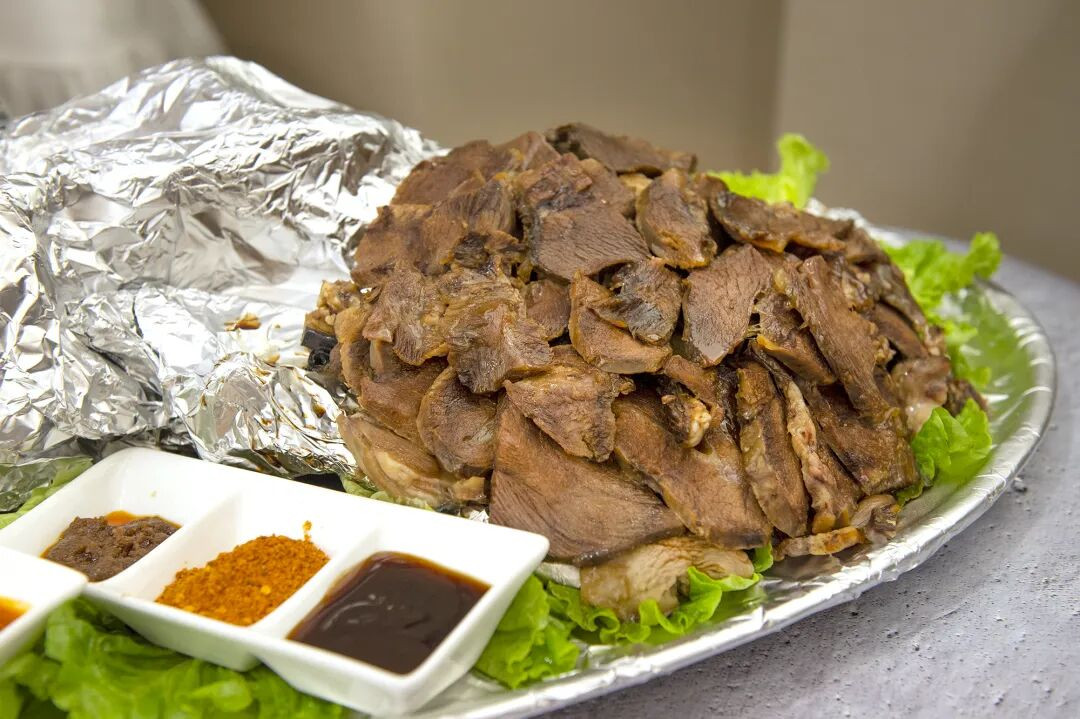
The best part is the generous, honest portion size. Chef Zhao explained that while many restaurants pad this dish with scraps, they refuse to compromise, using whole beef cheeks from Inner Mongolia slow-braised in master stock for four hours. 'This pot of master stock is a three-generation family treasure. We don't use any taboo ingredients; all the rich umami comes from beef bones and chicken feet, spiked with nearly 60 kinds of spices, including ginseng and angelica root. We have someone standing guard over the fire every single day.' I picked up a thick-cut piece of meat, revealing shimmering gelatinous collagen inside. It melted on the tongue, falling off the bone without turning mushy, carrying rich savory notes blended with subtle herbal aromas. Dipped in house-made chili paste, it just got better the more you chewed. A guy in our group gnawed on a piece and said, 'I always felt Halal beef wasn't quite satisfying enough, but this plate could easily feed three of us until we're stuffed. So worth it!'
I expected the roasted lamb leg to be the rugged, family-style Northwest version, but it arrived exuding refined elegance. Sourced from Ordos, the lamb leg is first braised tender in a blend of herbs, brushed with a secret sauce, and roasted until the skin is lightly charred and sizzling with oil. The deep reddish skin wrapped around tender meat releases juices at the touch of a knife. Chef Zhao explained they chose Ordos lamb specifically for its mild gaminess, pre-marinating it in a blended fruit-and-vegetable juice made from celery and onions, then roasting it with precise temperature control to guarantee crispy skin and succulent meat. As someone terrified of mutton gaminess, I couldn't stop eating piece after piece—the rich meat flavor laced with the subtle sweetness of fruits and veggies made it completely grease-free!
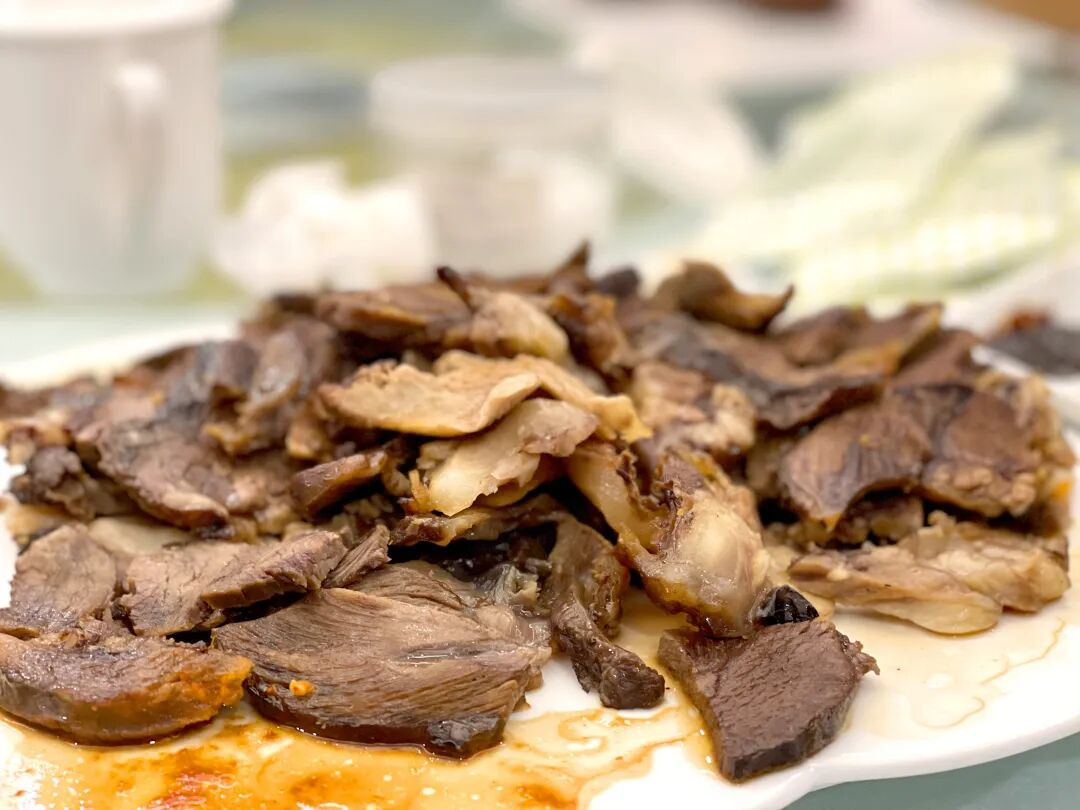
The biggest surprise was the 'Pearl Slow-Braised Beef,' which actually arrived at the table with a knife and fork! Imported marbled beef was cut into cubes, seared until golden brown on the outside, and then simmered on low heat until fully flavored, served alongside sweet chestnuts and pumpkin to cut through the richness. Slicing through it gently with a knife released a sizzle of piping-hot meat juices. The lean-to-fat ratio was spot-on, and the meat was tender without feeling dry. Chef Zhao smiled, mentioning he used to study Cantonese cuisine and wanted to experiment with crossover styles when transitioning to Halal cooking, combining Western plating with Cantonese braising techniques. It became an instant hit, with plenty of young diners coming just to photograph the dish for their social feeds.
To wrap up the meal, they brought out a bowl of house-made yogurt and a beef pastry. The yogurt was thick enough to hold a spoon upright, topped with sweetened red beans and crushed walnuts, while the flaky pastry shattered at the first bite, revealing a savory, flavorful beef filling. Gazing out at the Shanghai streetscape through the window, savoring the blend of authentic Halal roots, Shanghai refinement, and Western delicacy, I finally understood the magic of 'Haipai Halal'—it's not forced fusion, but rather a seamless blending of flavors into something uniquely delicious.
Before leaving, I scanned the dining room: elderly men in white caps leisurely sipping tea, young folks filming videos with the roasted lamb leg, and a family of three sharing a kids' meal. Chef Zhao walked me to the door and said, 'We just want people to realize that Halal food isn't just for a specific group. Whether it's a family gathering or a hangout with friends, locals in Shanghai can come here and have a great time.'
Have you discovered any hidden Halal gems in Shanghai? Are you into the street-side potsticker shops, or upscale veteran spots hidden inside major hotels? Drop your secret spots in the comments—I'll pick 3 lucky followers to win an Atlantic Restaurant yogurt voucher so you can taste this one-of-a-kind Haipai Halal flavor for yourselves~ Collapse Read »
Shanghai's Best-Kept Halal Secret: An In-Depth Review of a Century-Old Haipai Muslim Institution's Paper-Thin Beef Tongue and Fork-Tender Braised Beef
Abstract:
An exclusive tasting at the Atlantic Restaurant inside the legendary Pearl Hotel (Mingzhu Dafandian Qingzhen Canting)—a hidden veteran of Shanghai-style (Haipai) Halal dining. We review their signature paper-thin sliced cold beef tongue, the East-meets-West fork-tender braised beef served with cutlery, and classic rich, savory hot dishes that showcase Shanghai's unique, refined Halal culinary style.
Finding a Halal spot in Shanghai isn't hard—you can grab piping-hot shengjianbao (crispy pan-fried soup buns) or beef guotie (crispy beef potstickers) dripping with juice on almost any corner, accompanied by bowls of beef soup floating with chopped scallions. But if you're hunting for a place that elevates Halal food to that signature 'old Shanghai refined dining' level, you need a local foodie to show you the ropes. Last week, an old-school Shanghainese colleague at the office practically forced this place on me, patting his chest and swearing, 'Go here and you won't be disappointed.' He dragged me straight to the Atlantic Restaurant tucked inside the Pearl Hotel. The moment I pushed open the door, my eyes lit up: the ceiling featured warm, glowing star-and-crescent chandeliers with a cozy, retro vibe, and the corners were fitted with well-worn, glossy Republic-era solid wood dining tables, right down to the old-school, meticulous tablecloths. As soon as we sat down, I heard an auntie at the next table call out in authentic Shanghainese, 'Boss, bring us a 'Niuri Chongtian' (towering beef feast)!' That vibrant neighborhood energy mixed with such classic elegance instantly won me over.
During a break between dishes, I chatted with Head Chef Zhao Hao and learned that this low-key spot holds a century-old heritage of Shanghai's Haipai Halal cuisine. After Shanghai opened as a treaty port in the 19th century, Muslim merchants flocked to the city, and Halal dining gradually evolved from roadside street stalls into grand banquet feasts. Back in the day on Fuzhou Road, this restaurant was an absolute powerhouse with lines stretching around the block. Later, it relocated to the Pearl Hotel, becoming one of the rare veteran spots in Shanghai where you can experience an authentic Haipai Halal banquet. Chef Zhao rolled up his sleeves and laughed, 'People always think Halal food is either casual street snacks or rugged Northwest-style chow. We wanted to make 'refined' Halal food so everyone could taste its delicate side!' I completely believed him the moment the first dish hit the table.
The starter, 'Xiaohe Xiangcuyou Ban Niushew' (alleyway vinegar and oil tossed beef tongue), completely shattered my preconceptions of Halal cold dishes. Every beef tongue dish I'd had before was either heavily braised and dense or char-grilled—always hot and hearty. But this version? The beef tongue was sliced paper-thin, glowing a translucent pinkish-white, submerged in glistening seasoned oil and vinegar, and dotted with specks of cracked black pepper. The plating looked just like an appetizer at a high-end Western restaurant. I picked up a slice and popped it into my mouth: first came the fresh, crisp notes of olive oil, followed by the bright tang of rice vinegar carrying the fruity aroma of black vinegar. Deep down, the beef tongue was bouncy and tender, releasing a faint hint of cumin as I chewed. It wasn't greasy at all. I immediately told my colleague, 'The flavor is unreal—so refreshing I can't stop using my chopsticks!'
Chef Zhao came over to share the secret, explaining the East-meets-West touches hidden in the dish: the beef tongue is first boiled until tender in master stock spiced with Sichuan peppercorns, scallions, and ginger, then immediately plunged into ice water for a full 50 minutes. That hot-and-cold shock is what locks in the springy crunch. Skipping traditional soy sauce, the seasoning relies on extra virgin olive oil and Italian balsamic vinegar—a pairing that respects Halal guidelines while perfectly hitting the Shanghainese sweet spot for 'refreshing, tangy, and grease-cutting' flavors. A Shanghai auntie at our table nodded approvingly, raising her teacup to declare, 'This goes so well with huangjiu (yellow rice wine)! It's way lighter than red-braised pork, making it the ultimate comfort food for summer.'
If the cold dish was a breath of fresh air, the arrival of 'Niuri Chongtian' (towering beef feast) hijacked the entire restaurant's attention. A massive cow skull served as the base, piled high with a solid three pounds of hand-pulled beef cheek meat forming a small mountain nearly half a meter wide, taking up half the table. The server had just set it down when a kid at the next table slammed his hand on the table and yelled, 'So cool!' Adults whipped out their phones to snap away, and even an uncle from two tables over wandered over to see what the commotion was about. With a grand entrance like that, it more than lived up to its name meaning 'towering beef' or 'soaring success.'
The best part is the generous, honest portion size. Chef Zhao explained that while many restaurants pad this dish with scraps, they refuse to compromise, using whole beef cheeks from Inner Mongolia slow-braised in master stock for four hours. 'This pot of master stock is a three-generation family treasure. We don't use any taboo ingredients; all the rich umami comes from beef bones and chicken feet, spiked with nearly 60 kinds of spices, including ginseng and angelica root. We have someone standing guard over the fire every single day.' I picked up a thick-cut piece of meat, revealing shimmering gelatinous collagen inside. It melted on the tongue, falling off the bone without turning mushy, carrying rich savory notes blended with subtle herbal aromas. Dipped in house-made chili paste, it just got better the more you chewed. A guy in our group gnawed on a piece and said, 'I always felt Halal beef wasn't quite satisfying enough, but this plate could easily feed three of us until we're stuffed. So worth it!'
I expected the roasted lamb leg to be the rugged, family-style Northwest version, but it arrived exuding refined elegance. Sourced from Ordos, the lamb leg is first braised tender in a blend of herbs, brushed with a secret sauce, and roasted until the skin is lightly charred and sizzling with oil. The deep reddish skin wrapped around tender meat releases juices at the touch of a knife. Chef Zhao explained they chose Ordos lamb specifically for its mild gaminess, pre-marinating it in a blended fruit-and-vegetable juice made from celery and onions, then roasting it with precise temperature control to guarantee crispy skin and succulent meat. As someone terrified of mutton gaminess, I couldn't stop eating piece after piece—the rich meat flavor laced with the subtle sweetness of fruits and veggies made it completely grease-free!
The biggest surprise was the 'Pearl Slow-Braised Beef,' which actually arrived at the table with a knife and fork! Imported marbled beef was cut into cubes, seared until golden brown on the outside, and then simmered on low heat until fully flavored, served alongside sweet chestnuts and pumpkin to cut through the richness. Slicing through it gently with a knife released a sizzle of piping-hot meat juices. The lean-to-fat ratio was spot-on, and the meat was tender without feeling dry. Chef Zhao smiled, mentioning he used to study Cantonese cuisine and wanted to experiment with crossover styles when transitioning to Halal cooking, combining Western plating with Cantonese braising techniques. It became an instant hit, with plenty of young diners coming just to photograph the dish for their social feeds.
To wrap up the meal, they brought out a bowl of house-made yogurt and a beef pastry. The yogurt was thick enough to hold a spoon upright, topped with sweetened red beans and crushed walnuts, while the flaky pastry shattered at the first bite, revealing a savory, flavorful beef filling. Gazing out at the Shanghai streetscape through the window, savoring the blend of authentic Halal roots, Shanghai refinement, and Western delicacy, I finally understood the magic of 'Haipai Halal'—it's not forced fusion, but rather a seamless blending of flavors into something uniquely delicious.
Before leaving, I scanned the dining room: elderly men in white caps leisurely sipping tea, young folks filming videos with the roasted lamb leg, and a family of three sharing a kids' meal. Chef Zhao walked me to the door and said, 'We just want people to realize that Halal food isn't just for a specific group. Whether it's a family gathering or a hangout with friends, locals in Shanghai can come here and have a great time.'
Have you discovered any hidden Halal gems in Shanghai? Are you into the street-side potsticker shops, or upscale veteran spots hidden inside major hotels? Drop your secret spots in the comments—I'll pick 3 lucky followers to win an Atlantic Restaurant yogurt voucher so you can taste this one-of-a-kind Haipai Halal flavor for yourselves~ Collapse Read »
Exploring Shanghai's Friday Halal Market: Xinjiang Street Food & Culture Guide
[Internet Repost]
Inside Shanghai's Hidden Friday Halal Market on Changde Road: A Pop-Up Xinjiang Food Extravaganza
Summary:

A firsthand look at Shanghai's one-of-a-kind Friday Halal market on Changde Road. Featuring freshly baked nang (Xinjiang flatbread), sizzling charcoal-grilled lamb skewers, authentic Xinjiang kaobaizi (baked meat buns), and dried fruits and cheese, this captures the vibrant intersection of Shanghai's Muslim culture and everyday city life.

There's a place you can only truly experience on a Friday,
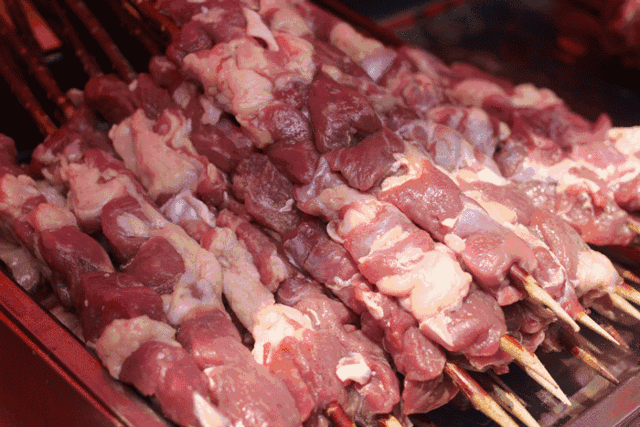
tucked away right at the intersection of Chang寿 Road and Aomen Road,
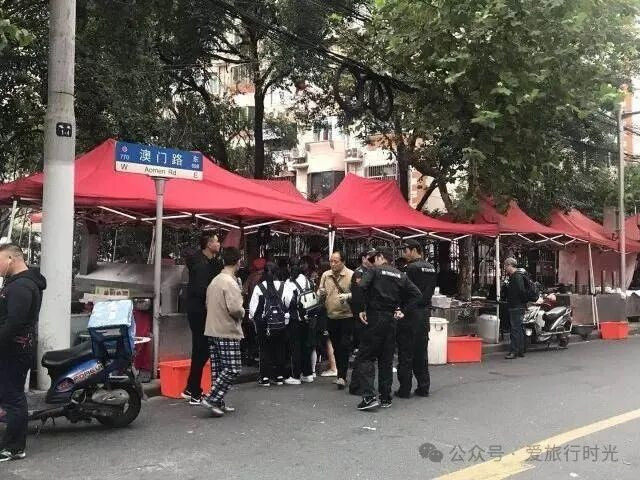
where the rich aroma of Xinjiang lamb skewers hits you from blocks away.
This magical spot is none other than the Friday Halal Market.
Even though this market has been running in Shanghai for over 20 years,
lots of people still have no idea it exists~
Why does it only pop up on Fridays?
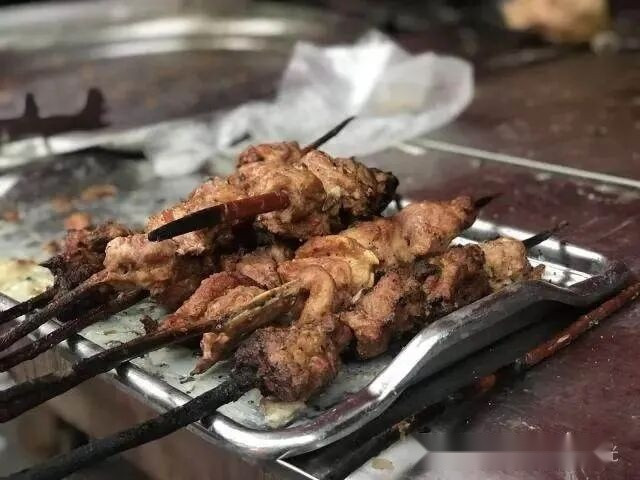
Because every Friday is Jummah, the holy day of prayer for Muslims. Over at the Huxi Mosque, Muslims from all over the world gather for Friday prayers. Once prayers wrap up, folks hang out to catch up, and naturally, a bustling Halal market has sprung up right around the mosque. The vendors are mostly authentic Xinjiang folk who set up shop every single Friday, slinging the most legit Halal eats.
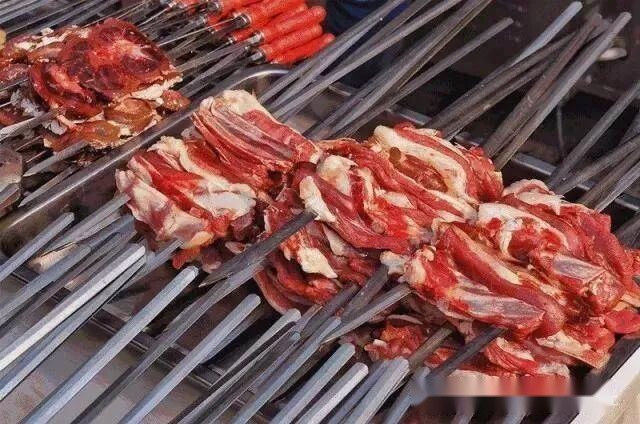
Endless Grilling Action
Lamb Skewers (Yangrou Chuanr): 5-10 RMB
First things first: you can eat these meat skewers here with total peace of mind! Islamic dietary laws strictly dictate that only wholesome, hygienic food can be served. So grabbing Halal bites here means zero worries about an upset stomach.
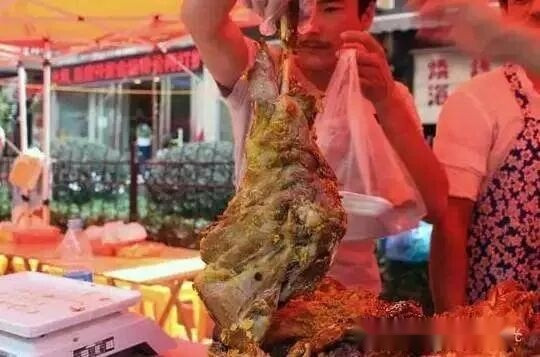
When I rolled up around 4 PM, they were already close to selling out, yet crowds were still swarming the grills waiting for fresh skewers to drop. Especially all those students with backpacks—having finally survived the school week, they were ready to feast!
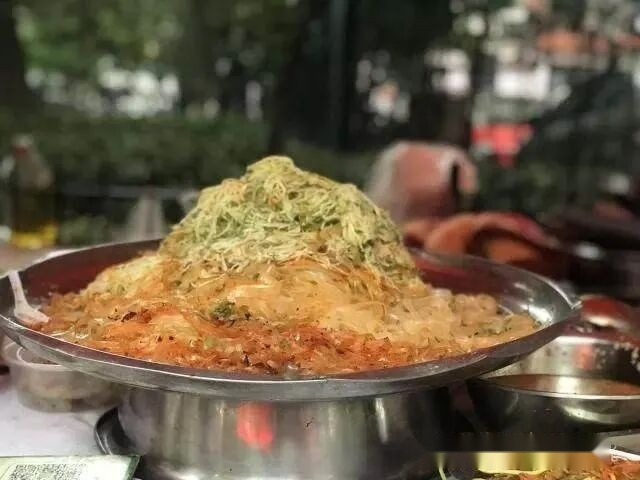
Even though thick white smoke filled the air, it couldn't scare away the hungry mob, which tells you just how irresistible these lamb skewers are. Every single skewer features super fresh meat—you can even spot a bit of fresh red. Anyone who knows Xinjiang BBQ knows that a mix of 5 to 6 alternating lean and fatty chunks on a stick is where it's at.
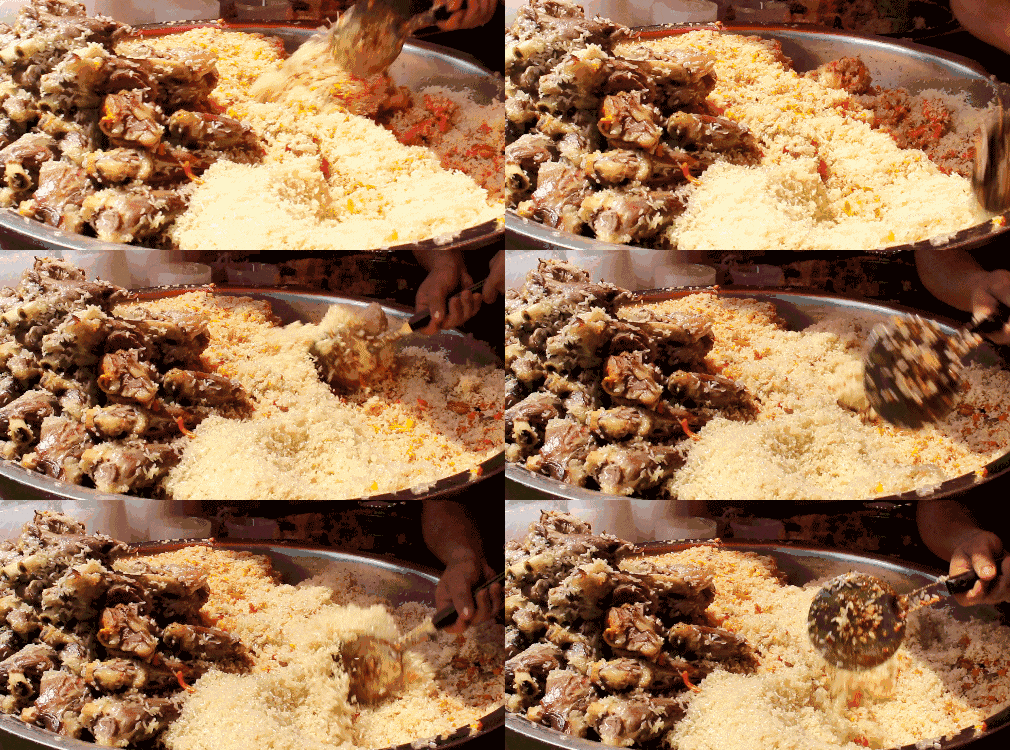
The grill master expertly flips the skewers, dusting on various spices as they cook, while the intense scent of cumin works its magic on your senses. Every now and then, you hear that satisfying sizzle as the lamb fat hits the coals. It doesn't take long before they're ready, and then it's chow time—you can't even claim you've been to the Halal market if you don't crush at least three to five sticks.
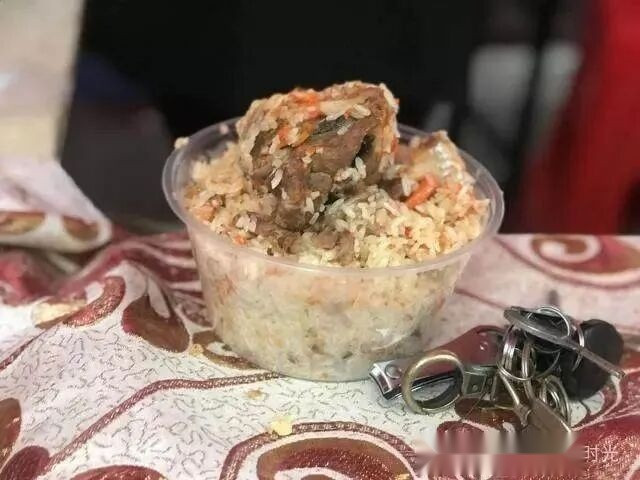
Grilled Lamb Ribs / Kidneys / Lamb Leg: 15-20 RMB
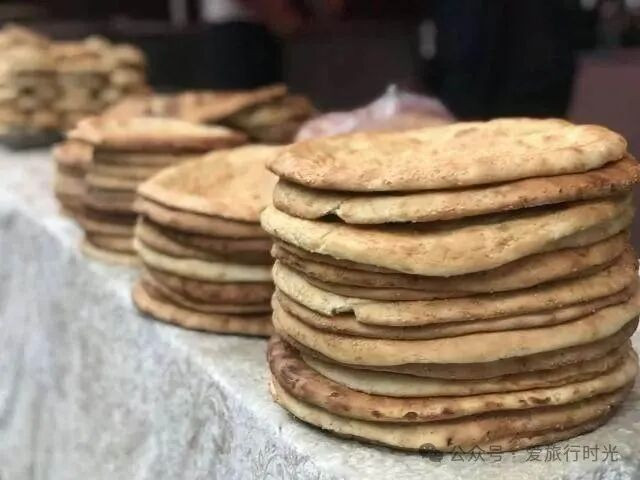
Speaking of grilled lamb kidneys, everyone knows they're legendary for giving your kidneys a major health boost. They split the kidneys in half before grilling so they're easier to bite into. No need to stress about a heavy gamey flavor either; these kidneys are thoroughly prepped, super clean, and packed with natural fats. Rubbed down with cooking wine multiple times, they end up savory, aromatic, and totally wholesome~
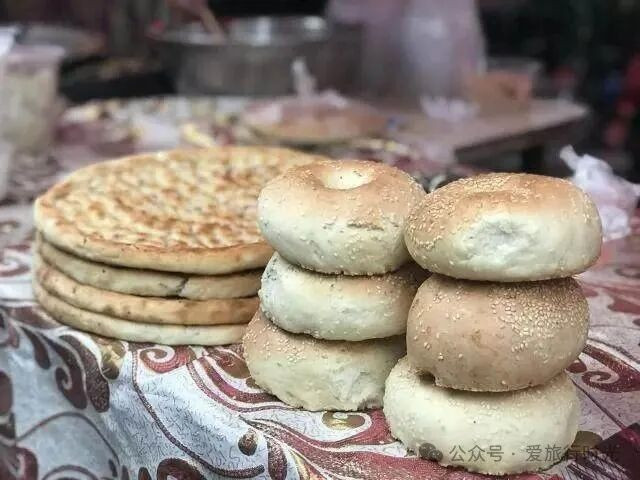
Then you've got the grilled lamb ribs, which look instantly appetizing. Compared to the standard skewers, grilled ribs have more chew and are insanely addictive, which explains why the price bumps up just a tiny bit. Every single rib is chopped into neat, uniform pieces, making it basically impossible to stop eating once you start~
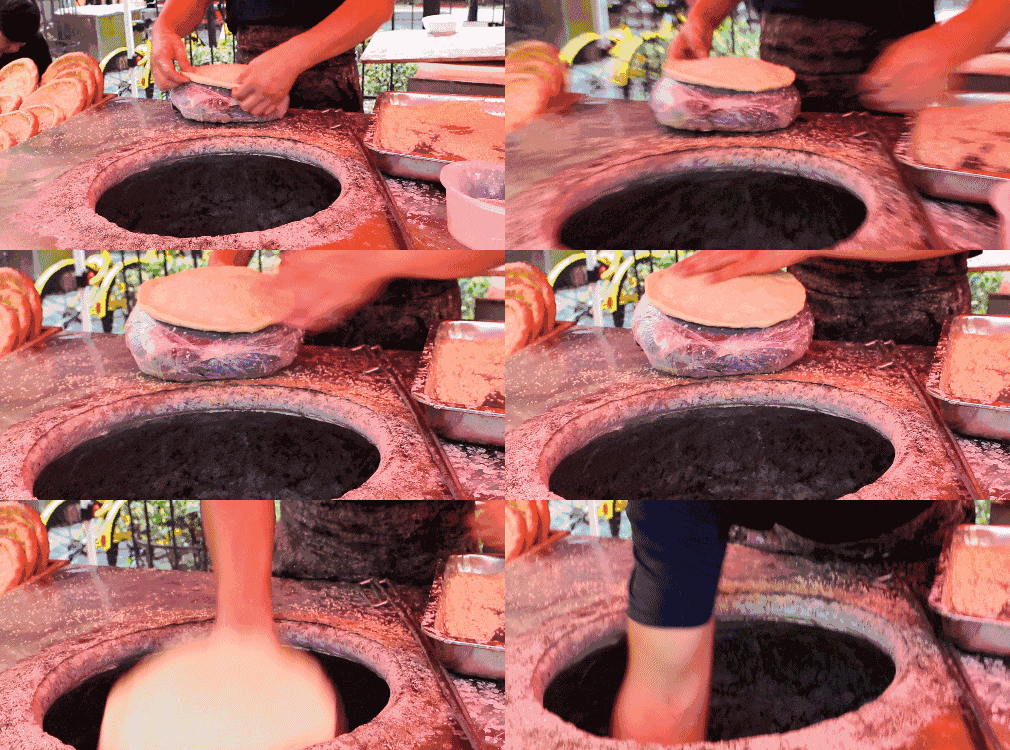
This lone lamb leg was the very last one left. Because I showed up on the later side, people were practically fighting over it. To make it easier to carry, the vendors strip all the meat right off the bone into a takeaway container—a towering mound of deliciousness that is pure heaven. If you're standing nearby, you've definitely already swallowed a few liters of drool!
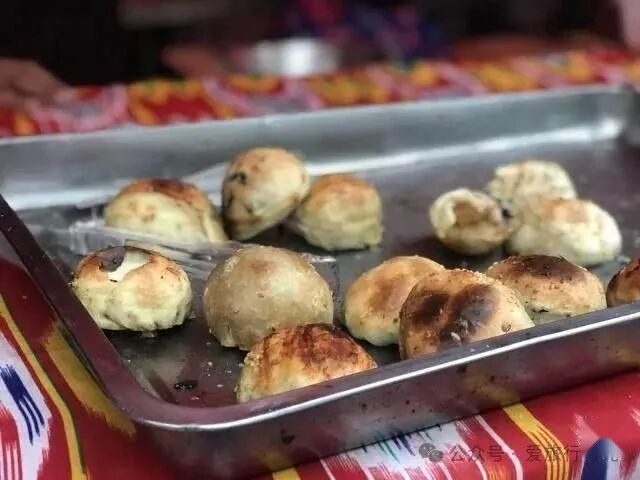
Whole Roasted Lamb: Around 68 RMB per Jin (500g)
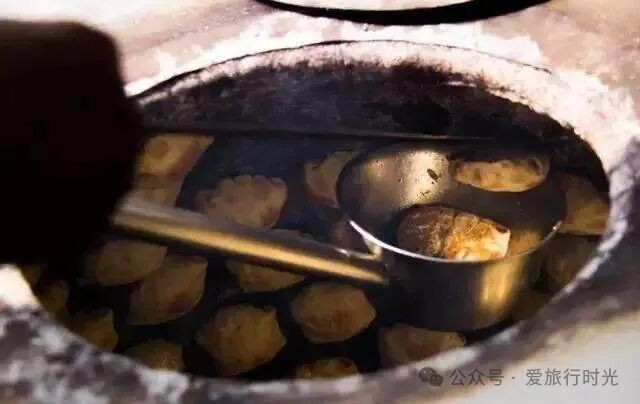
Out of twenty-something stalls, only one sells whole roasted lamb. If all the previous meat snacks still haven't quite hit the spot, the whole roasted lamb will definitely satisfy your cravings. They pick out young lambs under a year old, slather the entire carcass in a rich spice rub until it glows golden-yellow, smells amazing, and looks drool-worthy. Finally, it slow-roasts in a pit for four hours, resulting in meat that is crazy tender, juicy, and deeply flavorful. It's so tender it won't get stuck in your teeth at all—just try it and see for yourself~
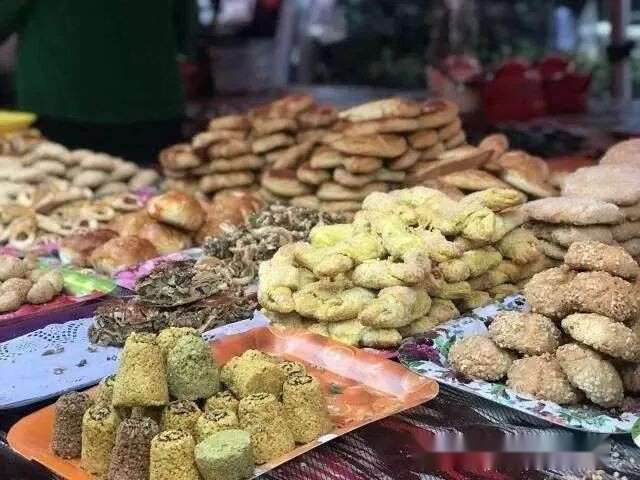
Super Filling & Creative Carb Fixes
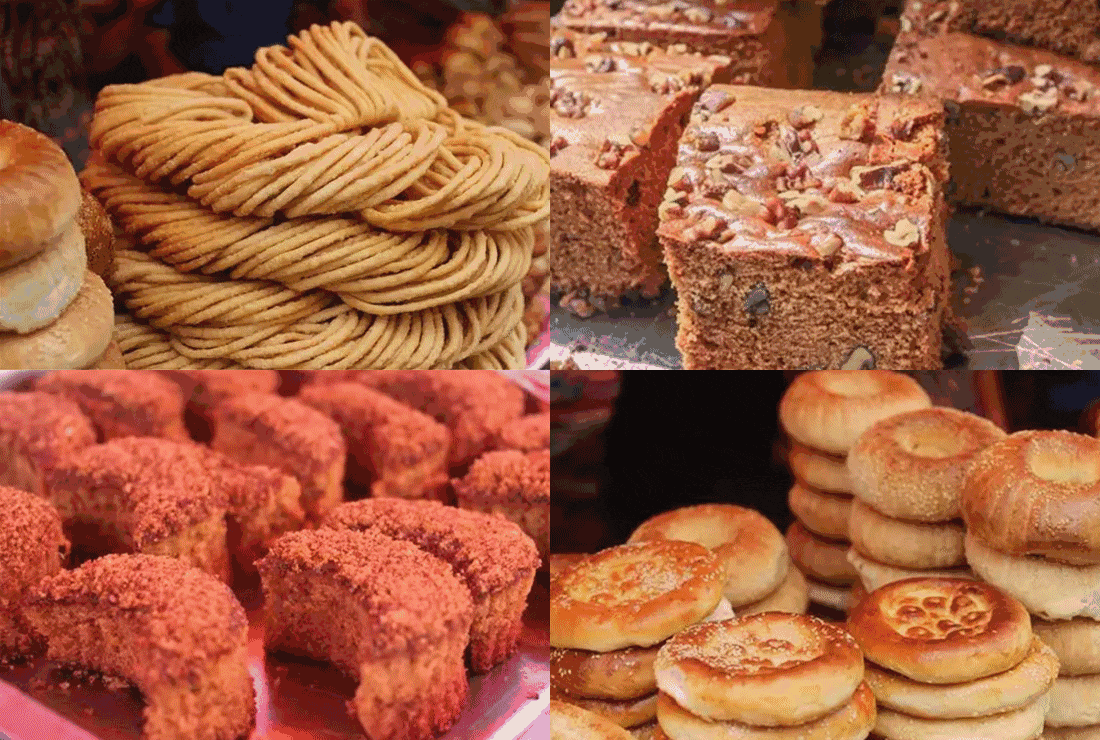
Liangpi (Cold Skin Noodles) & Liangmian (Cold Noodles): 10 RMB
Xinjiang-style cold noodles and skin noodles are wildly popular. There's a saying in Xinjiang that guys love the cold noodles while girls prefer the liangpi. Xinjiang's version hits differently than elsewhere because it uses a secret specialty ingredient: penghui (alkaline plant ash extract). The local liangpi are yellow and packed with springy chew, or you can get a mixed bowl of both noodles and skin. Tossed with house chili oil and julienned cucumbers to your exact preference, the crunch factor makes it totally stellar~
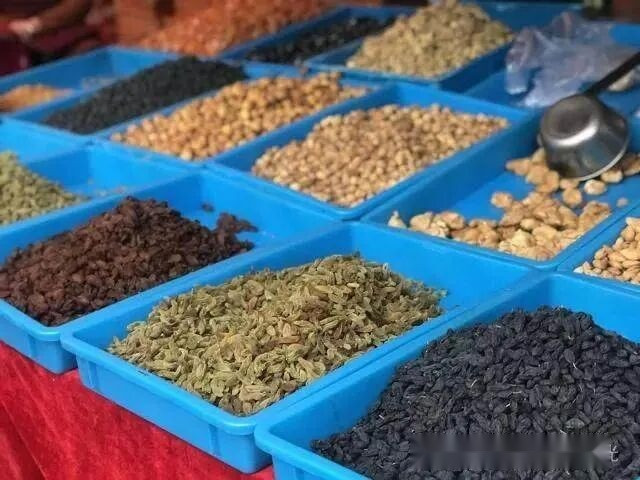
Lamb Shouzhua Fan (Hand-Grabbed Pilaf): 30 RMB
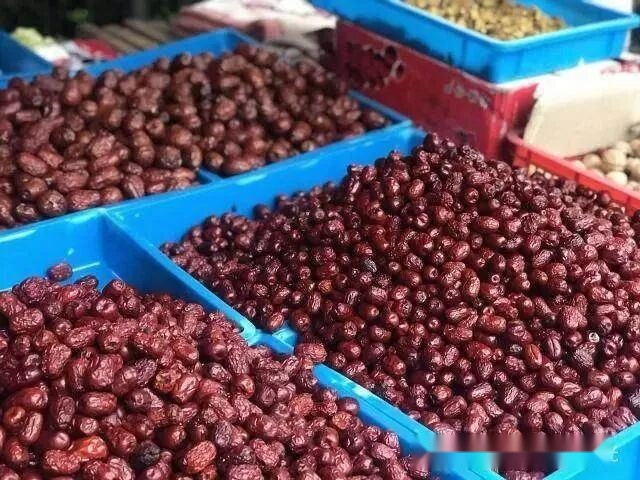
Mention shouzhua fan, and every Xinjiang native will give you two thumbs up. I used to have Xinjiang classmates tell me how hard it is to find a genuine taste of home elsewhere, but you can definitely get the real deal here on Fridays. The rice grains are plump and round, and the classic Xinjiang pilaf relies on just seven simple ingredients: carrots, lamb, rice, onions, lamb fat, salt, and water. The lamb cuts all have tender tendon attached, making it ridiculously good~
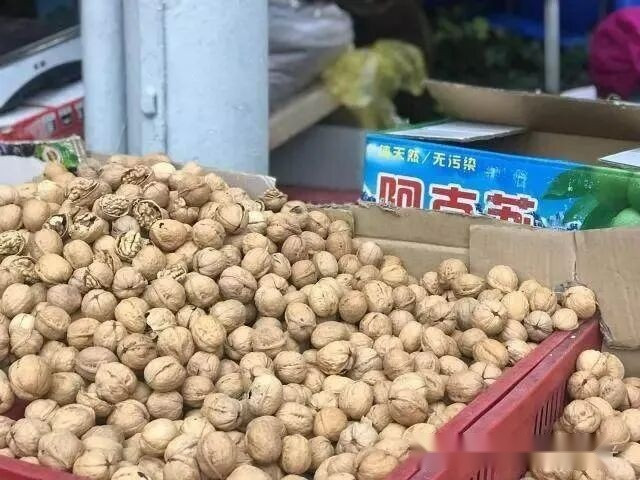
Flavor-packed pilaf requires constant stirring so that the rich essence of the lamb fat coats every single grain of rice. It doesn't feel heavy or greasy at all. Honestly, with all these flavors mingling together, you don't even need any side dishes to devour a deeply satisfying, belly-busting meal~
Nang (Xinjiang Flatbread): 5 RMB
This nang is genuinely bigger than your face, yet the price is ridiculously cheap at just 5 RMB, keeping you full all day long. It's the ultimate pairing for lamb skewers; the aromatic bread soaks up all the excess drippings from the meat. The intricate patterns stamped on top are carefully crafted too, and you can just tear off a piece whenever hunger strikes to fill you up in seconds flat~
The Xinjiang vendor moves with lightning speed, rolling the dough generously in sesame seeds and brushing the flatbread with salt water before baking it until the rich, toasty aroma fills the air~ Beyond the classic plain version, sesame nang and sunflower seed nang are the bestsellers—every bite gives you a satisfying crunch that hits the spot~
Kaobaizi (Baked Meat Buns): 4 RMB
I showed up just a bit late, so only a few kaobaizi were left. As everyone knows, these baked buns are massive crowd-pleasers. Golden-brown on the outside with a crispy crust and tender meat filling, they're folded into neat squares packed with diced lamb, onions, cumin, and black pepper. In just ten minutes, you're biting into hot, delicious kaobaizi. Just watching them bake is a treat—the whole process leaves you completely hooked.
The niurou jianbao (pan-fried beef buns) here are also top-tier. Just be careful when you bite into them, because the savory soup will squirt right out. Two or three of these will totally fill you up!
Assorted Pastries, Fresh Fruit, Yogurt, and Dried Goods
Assorted Pastries
When it comes to Xinjiang pastries, 'overwhelming' is the only way to describe them—in the best possible way, because the variety is stunning. From treats you know to ones you can't even name, you just point at whatever catches your eye. The Xinjiang vendors are exceptionally warm and welcoming, making it almost impossible to resist~
▼▼▼
Fruits and Dried Goods
Every market day features seasonal fruits: Xinjiang fragrant pears, Aksu apples, sweet Xinjiang grapes, and Hami melons. Every single fruit looks vibrant and bursting with flavor. If you want to taste what makes Xinjiang fruit different, come try them right here.
Xinjiang jumbo dates, walnuts, and all kinds of raisins are piled high. Each one makes the ultimate tasty snack to munch on while binge-watching your favorite shows~
Yogurt
Xinjiang yogurt is legitimately incredible. Thick, rich, and ultra-creamy with a deep dairy flavor. If you aren't big on a super-tart tang, you can ask the vendor to stir in a spoonful of sugar, or take it home and drizzle your own honey over top. Now that, my friends, is living your best life~
Address: Near Huxi Mosque (Intersection of Changshou Road and Aomen Road)
Hours: Every Friday from 10:00 AM to 5:00 PM
(Images and text sourced from the internet; please contact us for removal if any copyright issues apply.) Collapse Read »
Inside Shanghai's Hidden Friday Halal Market on Changde Road: A Pop-Up Xinjiang Food Extravaganza
Summary:
A firsthand look at Shanghai's one-of-a-kind Friday Halal market on Changde Road. Featuring freshly baked nang (Xinjiang flatbread), sizzling charcoal-grilled lamb skewers, authentic Xinjiang kaobaizi (baked meat buns), and dried fruits and cheese, this captures the vibrant intersection of Shanghai's Muslim culture and everyday city life.
There's a place you can only truly experience on a Friday,
tucked away right at the intersection of Chang寿 Road and Aomen Road,
where the rich aroma of Xinjiang lamb skewers hits you from blocks away.
This magical spot is none other than the Friday Halal Market.
Even though this market has been running in Shanghai for over 20 years,
lots of people still have no idea it exists~
Why does it only pop up on Fridays?
Because every Friday is Jummah, the holy day of prayer for Muslims. Over at the Huxi Mosque, Muslims from all over the world gather for Friday prayers. Once prayers wrap up, folks hang out to catch up, and naturally, a bustling Halal market has sprung up right around the mosque. The vendors are mostly authentic Xinjiang folk who set up shop every single Friday, slinging the most legit Halal eats.
Endless Grilling Action
Lamb Skewers (Yangrou Chuanr): 5-10 RMB
First things first: you can eat these meat skewers here with total peace of mind! Islamic dietary laws strictly dictate that only wholesome, hygienic food can be served. So grabbing Halal bites here means zero worries about an upset stomach.
When I rolled up around 4 PM, they were already close to selling out, yet crowds were still swarming the grills waiting for fresh skewers to drop. Especially all those students with backpacks—having finally survived the school week, they were ready to feast!
Even though thick white smoke filled the air, it couldn't scare away the hungry mob, which tells you just how irresistible these lamb skewers are. Every single skewer features super fresh meat—you can even spot a bit of fresh red. Anyone who knows Xinjiang BBQ knows that a mix of 5 to 6 alternating lean and fatty chunks on a stick is where it's at.
The grill master expertly flips the skewers, dusting on various spices as they cook, while the intense scent of cumin works its magic on your senses. Every now and then, you hear that satisfying sizzle as the lamb fat hits the coals. It doesn't take long before they're ready, and then it's chow time—you can't even claim you've been to the Halal market if you don't crush at least three to five sticks.
Grilled Lamb Ribs / Kidneys / Lamb Leg: 15-20 RMB
Speaking of grilled lamb kidneys, everyone knows they're legendary for giving your kidneys a major health boost. They split the kidneys in half before grilling so they're easier to bite into. No need to stress about a heavy gamey flavor either; these kidneys are thoroughly prepped, super clean, and packed with natural fats. Rubbed down with cooking wine multiple times, they end up savory, aromatic, and totally wholesome~
Then you've got the grilled lamb ribs, which look instantly appetizing. Compared to the standard skewers, grilled ribs have more chew and are insanely addictive, which explains why the price bumps up just a tiny bit. Every single rib is chopped into neat, uniform pieces, making it basically impossible to stop eating once you start~
This lone lamb leg was the very last one left. Because I showed up on the later side, people were practically fighting over it. To make it easier to carry, the vendors strip all the meat right off the bone into a takeaway container—a towering mound of deliciousness that is pure heaven. If you're standing nearby, you've definitely already swallowed a few liters of drool!
Whole Roasted Lamb: Around 68 RMB per Jin (500g)
Out of twenty-something stalls, only one sells whole roasted lamb. If all the previous meat snacks still haven't quite hit the spot, the whole roasted lamb will definitely satisfy your cravings. They pick out young lambs under a year old, slather the entire carcass in a rich spice rub until it glows golden-yellow, smells amazing, and looks drool-worthy. Finally, it slow-roasts in a pit for four hours, resulting in meat that is crazy tender, juicy, and deeply flavorful. It's so tender it won't get stuck in your teeth at all—just try it and see for yourself~
Super Filling & Creative Carb Fixes
Liangpi (Cold Skin Noodles) & Liangmian (Cold Noodles): 10 RMB
Xinjiang-style cold noodles and skin noodles are wildly popular. There's a saying in Xinjiang that guys love the cold noodles while girls prefer the liangpi. Xinjiang's version hits differently than elsewhere because it uses a secret specialty ingredient: penghui (alkaline plant ash extract). The local liangpi are yellow and packed with springy chew, or you can get a mixed bowl of both noodles and skin. Tossed with house chili oil and julienned cucumbers to your exact preference, the crunch factor makes it totally stellar~
Lamb Shouzhua Fan (Hand-Grabbed Pilaf): 30 RMB
Mention shouzhua fan, and every Xinjiang native will give you two thumbs up. I used to have Xinjiang classmates tell me how hard it is to find a genuine taste of home elsewhere, but you can definitely get the real deal here on Fridays. The rice grains are plump and round, and the classic Xinjiang pilaf relies on just seven simple ingredients: carrots, lamb, rice, onions, lamb fat, salt, and water. The lamb cuts all have tender tendon attached, making it ridiculously good~
Flavor-packed pilaf requires constant stirring so that the rich essence of the lamb fat coats every single grain of rice. It doesn't feel heavy or greasy at all. Honestly, with all these flavors mingling together, you don't even need any side dishes to devour a deeply satisfying, belly-busting meal~
Nang (Xinjiang Flatbread): 5 RMB
This nang is genuinely bigger than your face, yet the price is ridiculously cheap at just 5 RMB, keeping you full all day long. It's the ultimate pairing for lamb skewers; the aromatic bread soaks up all the excess drippings from the meat. The intricate patterns stamped on top are carefully crafted too, and you can just tear off a piece whenever hunger strikes to fill you up in seconds flat~
The Xinjiang vendor moves with lightning speed, rolling the dough generously in sesame seeds and brushing the flatbread with salt water before baking it until the rich, toasty aroma fills the air~ Beyond the classic plain version, sesame nang and sunflower seed nang are the bestsellers—every bite gives you a satisfying crunch that hits the spot~
Kaobaizi (Baked Meat Buns): 4 RMB
I showed up just a bit late, so only a few kaobaizi were left. As everyone knows, these baked buns are massive crowd-pleasers. Golden-brown on the outside with a crispy crust and tender meat filling, they're folded into neat squares packed with diced lamb, onions, cumin, and black pepper. In just ten minutes, you're biting into hot, delicious kaobaizi. Just watching them bake is a treat—the whole process leaves you completely hooked.
The niurou jianbao (pan-fried beef buns) here are also top-tier. Just be careful when you bite into them, because the savory soup will squirt right out. Two or three of these will totally fill you up!
Assorted Pastries, Fresh Fruit, Yogurt, and Dried Goods
Assorted Pastries
When it comes to Xinjiang pastries, 'overwhelming' is the only way to describe them—in the best possible way, because the variety is stunning. From treats you know to ones you can't even name, you just point at whatever catches your eye. The Xinjiang vendors are exceptionally warm and welcoming, making it almost impossible to resist~
▼▼▼
Fruits and Dried Goods
Every market day features seasonal fruits: Xinjiang fragrant pears, Aksu apples, sweet Xinjiang grapes, and Hami melons. Every single fruit looks vibrant and bursting with flavor. If you want to taste what makes Xinjiang fruit different, come try them right here.
Xinjiang jumbo dates, walnuts, and all kinds of raisins are piled high. Each one makes the ultimate tasty snack to munch on while binge-watching your favorite shows~
Yogurt
Xinjiang yogurt is legitimately incredible. Thick, rich, and ultra-creamy with a deep dairy flavor. If you aren't big on a super-tart tang, you can ask the vendor to stir in a spoonful of sugar, or take it home and drizzle your own honey over top. Now that, my friends, is living your best life~
Address: Near Huxi Mosque (Intersection of Changshou Road and Aomen Road)
Hours: Every Friday from 10:00 AM to 5:00 PM
(Images and text sourced from the internet; please contact us for removal if any copyright issues apply.) Collapse Read »
The Ultimate Halal Shanghai Food Guide: Best Northwest, Xinjiang & Traditional Spots
[Internet Repost]
Shanghai Halal Food & Travel Guide: Top-tier restaurants blending authentic Northwest and Xinjiang traditions with Shanghai flair
Summary:
A curated Shanghai halal dining guide for fellow Muslims and halal food lovers. Featuring traditional beef and mutton dishes, specialty pastries, snacks, and comfortable halal banquet spots, complete with must-try dish recommendations and practical info.
For Muslim friends, halal dining is a huge part of everyday life. Shanghai isn't just China's economic and cultural hub—it's also a massive melting pot for diverse cuisines. Here, you can score authentic traditional halal eats from Xinjiang, Gansu, Ningxia, and Qinghai, while experiencing a seamless fusion of local Shanghai flavors with halal cooking.
Today, we're spotlighting some of Shanghai's most famous halal spots. Whether you're craving mutton, skewers, or proper shouzhua fan (Xinjiang hand-grabbed rice) and banmian (hand-pulled noodles), these places are guaranteed to hit the spot.
Here are 8 restaurants we're recommending this time:
Guan Guan Ji
Yili Xiali
Hong Chang Xing
Yang Tong Xing
Mi Zhi Wei
Yan Lan Lou
Ningxia Impression · Yanchi Tanmian (Yanchi Salt Lake Lamb)
Dunhuang Lou
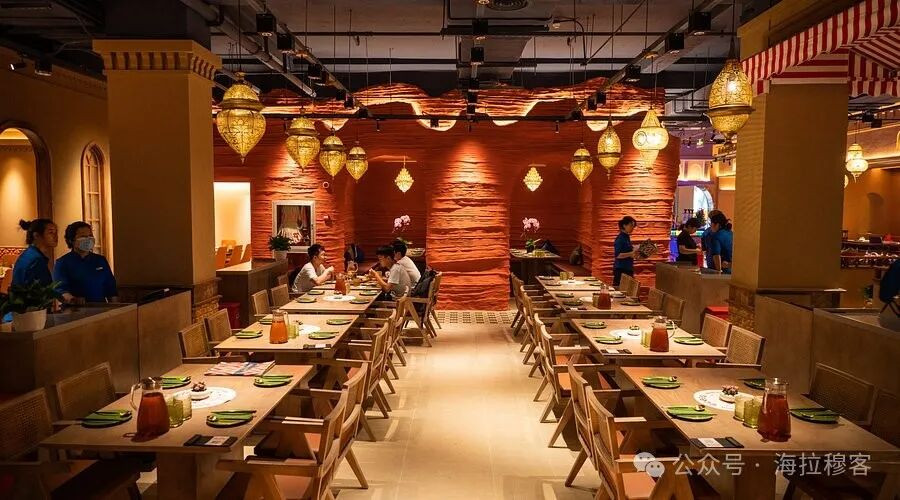
01
Guan Guan Ji
Why you need to go: A 5-year consecutive Michelin Bib Gourmand winner serving classic Lanzhou flavors.
Address: No. 70-2, Middle Zhejiang Road, Huangpu District, Shanghai
Guan Guan Ji is a standout Northwest-style restaurant in Shanghai. Their shouzhua yangrou (Lanzhou hand-grabbed lamb) is absolute perfection—super tender, bouncy, and perfectly marbled with fat and lean meat, letting you taste the pure, natural sweetness of the lamb without needing any dipping sauce. The lamb skewers feature massive chunks of meat grilled with a crispy exterior and a juicy inside, completely devoid of any gamey flavor. Their guotie (crispy beef potstickers) have a shatteringly crisp shell that bursts with savory broth upon the first bite, packed with a dense, flavorful filling. The restaurant's ethnic-inspired decor gives it a buzzing, high-energy vibe with a constant stream of diners. Service is attentive and warm, and with an average spend of around 100 RMB per person, the value is incredible.
02
Yili Xiali

Why you need to go: Exquisite Xinjiang cuisine featuring evening song-and-dance performances—ideal for group dinners.
Address: Unit L502, West Zone, 5th Floor, Shanghai Shimao Plaza, No. 829 East Nanjing Road, Huangpu District, Shanghai
Yili Xiali is a famous Xinjiang restaurant chain in Shanghai, boasting 13 direct-run branches across the city (all in prime spots like the Bund and Disney, giving you plenty of options).
Their menu is massive and authentic, packed with traditional Xinjiang favorites alongside bold, creative new dishes. The signature dapanji (big plate spicy chicken) features firm, savory, and flavorful chicken infused with a numbing mala kick, resting on a bed of bouncy, chewy hand-stretched belt noodles. The red-willow lamb skewers feature alternating layers of fat and lean meat, kissed with a charred, crispy exterior that locks in all the juices—one bite delivers an explosion of savory flavor. They also serve handmade kao baozi (baked Xinjiang lamb buns) with a blistered, golden crust dusted in sesame seeds, encasing a savory, game-free filling of diced lamb and onions. For dessert, the Napaliyong (Napoleon pastry) looks simple, but its soft, melt-in-your-mouth sour cream filling and slightly chewy pastry layers leave behind a rich, lingering milky finish. The interior is dripping with exotic West Asian vibes—red brick walls and golden ginkgo motifs blend modern elements with Silk Road aesthetics, making you feel like you've stepped into a grand desert art palace. Plus, live Xinjiang dancers put on performances throughout the evening, pulling diners into interactive Meshrep circles to ramp up the electric dining atmosphere.
03
Hong Chang Xing
Why you need to go: A century-old heritage brand famous for its signature copper-pot shuan yangrou (instant-boiled mutton).
Address: 10th Floor, Baodaxian Shopping Center South East Branch, No. 288 Middle Guangxi Road, Huangpu District, Shanghai
As a century-old halal dining institution in Shanghai, Hong Chang Xing features a flagship store on Nanjing Road Pedestrian Street alongside their Dashijie location.
Their menu is diverse and packed with standout dishes. The signature shuan yangrou uses carefully sourced Lake sheep from Huzhou, Jiaxing, and Pinghu—known for being tender, plump, and free of any gamey smell. You simply swish the paper-thin slices in a bubbling broth of plain water before dipping them into classic sesame paste for a mouthwatering, tender bite. The grilled lamb skewers use prime hind-leg meat from Inner Mongolian lambs; grilled over charcoal with cumin and chili powder, they melt in your mouth. The niurou jianbao (pan-fried beef buns) have paper-thin wrappers, generous fillings, golden crispy bottoms, and a deeply savory profile. Other specialties include chicken shreds with fish maw, braised beef tendon, vegetarian steaks, braised oxtail, and a variety of traditional pastries.
The restaurant is spacious with plenty of seating. Most private rooms are semi-open, decked out in rich ethnic decor while keeping things clean and spotless.
04
Yang Tong Xing
Why you need to go: A uniquely distinctive century-old halal restaurant.
Address: No. 215 West Shimen Road, Jing'an District, Shanghai
When it comes to the food, the menu is diverse with distinct regional flavors. Their award-winning pan-fried beef buns feature a crispy crust and a savory, slightly curry-hinted filling that smells intoxicating straight out of the pan—pure bliss in every bite. The copper-pot shuan yangrou is another masterpiece: freshly sliced Lake sheep meat that is as thin as paper, clear as crystal, and neat as thread. It holds its shape in the broth without falling apart, and paired with their house-made dipping sauce, it's exceptionally tender. The Wagyu snow-beef cubes feature stunning marbling, cook instantly in the pot, and stay tender no matter how long you leave them in, delivering a rich yet non-greasy bite.
The restaurant's interior leans into an elegant, classical aesthetic. Traditional Chinese wooden tables and chairs exude timeless charm, while ethnic-inspired art pieces line the walls, creating a cozy yet refined atmosphere. Private rooms on the second floor offer a more intimate space for family dinners and friend gatherings. Warm lighting casts a serene, minimalist glow over the entire layout, giving it a uniquely stylish vibe.
05
Mi Zhi Wei
Why you need to go: A fusion of Shanghai flair and halal flavors.
Address: Unit B1-11, Basement Level 1, Lane 666 West Haiyang Road, Shanghai
Mi Zhi Wei is a wildly popular Southeast Asian spot. They previously had a branch on Middle Huaihai Road which closed in late 2024, leaving their Qiantan location as the sole outpost.
The menu is packed with unique touches. The lemongrass crispy Qingyuan chicken is an absolute must-order—the skin is shatteringly crisp and glossy without a hint of grease, while the meat remains juicy and deeply flavorful, elevated by a custom dipping sauce that screams Southeast Asian flavor. The Malaysian-style fish is fried to a golden crunch while staying tender inside, pleasing diners of all ages, with a spicy, aromatic multi-spice blend that highlights the natural sweetness of the fish. The sizzling tofu is rich and savory, pairing a chewy texture with Malaysian-style spiced sauce that locals love. For carbs, their classic nasi lemak features rice, peanuts, dried anchovies, and cucumber, tied together with house-made sambal chili paste for a complex flavor profile. Don't skip the satay chicken skewers, which are tender and intensely aromatic, or the Thai fish cakes, which are crispy outside, tender inside, and bursting with Thai street-food flavor.
The interior leans heavily into white and palm-green tones, radiating a warm and welcoming energy. Food art pieces scattered throughout give the dining space a distinct personality, making you feel like you've jetted off to Southeast Asia.
06
Yan Lan Lou
Why you need to go: A classic Northwest dining chain offering incredible value.
Address: 3rd Floor, Zhongyou Sunshine Hotel, No. 969 East Dongfang Road, Pudong New Area, Shanghai
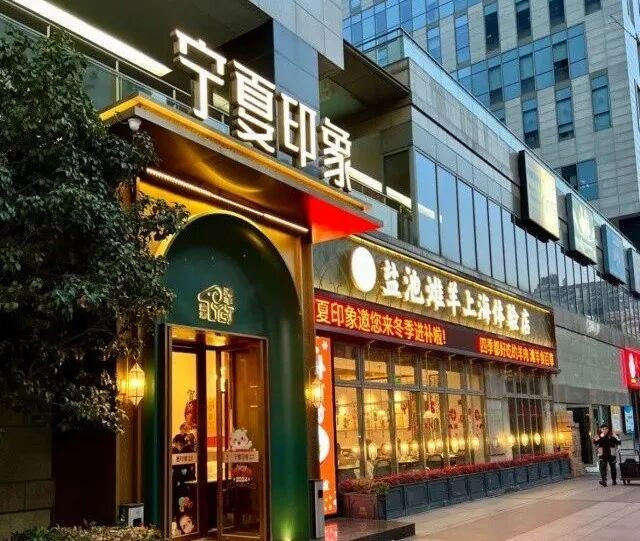
Yan Lan Lou is a well-known halal restaurant chain with 416 locations nationwide and one currently operating in Shanghai.
Specializing in authentic Northwest Chinese cuisine alongside fusion dishes, Yan Lan Lou's standout shouzhua yangrou (Lanzhou hand-grabbed lamb) is a masterclass in flavor—tender, melt-in-your-mouth soft, grease-free, and game-free. It's a gorgeous centerpiece and a stellar winter tonic. Their Jingyuan lamb is another winner, marinated in secret spices and stir-fried to a spicy, savory finish. They also serve springy, refreshing Lanzhou liangpi (cold skin noodles).
The interior features a grand, classical Chinese aesthetic anchored by regal red tones, keeping things bright and spotless. Wooden tables and chairs in the main hall are neatly arranged, radiating a warm, earthy rustic charm with well-spaced seating for maximum comfort. The spacious private rooms are bright, featuring red carpets that muffle footsteps for a peaceful vibe, topped with elegant pendant lights that cast a cozy glow over your meal.
07
Ningxia Impression
Why you need to go: A spot where tradition meets innovation, dripping with authentic Ningxia character.
Address: No. 18 Zhenning Road, Jing'an District, Shanghai
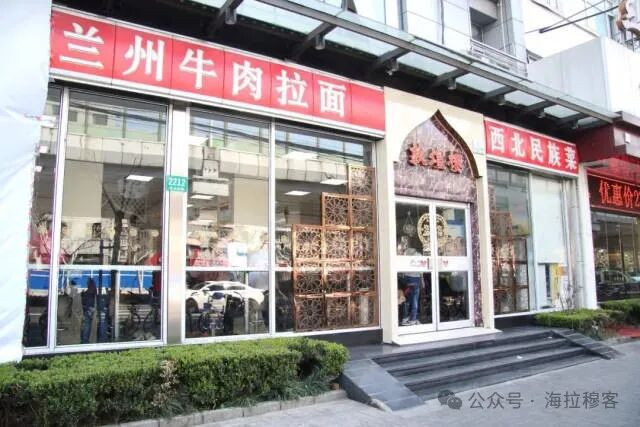
Ningxia Impression brings authentic local Yanchi sheep meat to Shanghai foodies across five local chain locations.
The menu is vast and uniquely regional. The signature tanmian (Ningxia sheep meat) is served in its purest, most authentic form with zero gamey funk. A bowl of the piping-hot mutton broth is deeply comforting and savory, making it the ultimate winter comfort food to warm you up inside and out. The Xixia grilled lamb ribs are crispy on the outside, tender on the inside, carrying a delicate mutton aroma with zero greasiness that will keep you coming back for more. The red-willow lamb skewers feature massive meat chunks roasted to smoky, charred perfection, carrying the distinct woody aroma of red-willow skewers alongside the rich mutton flavor. As a cold appetizer, the pickled red-fruit and goji shoots are crisp, refreshing, and cut right through any richness. Finish with their house-made yogurt—ice-cold, thick, velvety, sweet, and tangy—the ultimate palate cleanser.
The restaurant's overall vibe channels a down-to-earth Northwest aesthetic. Green is the primary accent color, making you feel like you've stepped right into nature. The main dining hall is bright and airy with immaculately arranged tables. Pro tip: they also sell fresh cuts of beef and mutton on-site if you want to cook at home.
08
Dunhuang Lou
Why you need to go: The Gansu Provincial Government Office restaurant in Shanghai, serving budget-friendly eats right in the city center.
Address: 2nd Floor, Huaxin Haixin Building, No. 666 Fuzhou Road, Huangpu District, Shanghai
Widely known as the Gansu Office restaurant in Shanghai, Dunhuang Lou has built a stellar reputation across the city.
The menu is sprawling: the first floor serves Lanzhou beef noodles, while the second floor and above house the Dunhuang Lou halal dining room. Their Lanzhou liangpi are crystal-clear, slippery, and intensely chewy, tossed in a sour-and-spicy sauce that acts as an instant appetite booster. The hand-pulled mutton ribs use prime cuts, braised to aromatic perfection; they taste phenomenal piping hot, but hold their incredible flavor even when cooled down. The lamb skewers thread a piece of sheep fat between every two pieces of lean meat, releasing an irresistible aroma over charcoal. For dessert, milk-egg-mashjiu (milky fermented rice soup with poached eggs) is a must-try regional sweet treat featuring rich milk, silky eggs, sweet-tart fermented rice, and dried fruits for a deeply textured bite. The interior is full of old-school charm, offering expansive spaces and neatly spaced seating. The decor screams Northwest character, transporting you straight to China's wild western frontier. Service-wise, true to its heritage restaurant status, the staff is polished, attentive, and meticulous.
Tips:
Halal spots might not be everywhere in Shanghai, but whether you're a devout Muslim or just a foodie looking to explore halal flavors, a world of deliciousness is waiting to be uncovered here. We hope you find your own favorite bite at these spots and enjoy some wonderful times with family and friends. Collapse Read »
Shanghai Halal Food & Travel Guide: Top-tier restaurants blending authentic Northwest and Xinjiang traditions with Shanghai flair
Summary:
A curated Shanghai halal dining guide for fellow Muslims and halal food lovers. Featuring traditional beef and mutton dishes, specialty pastries, snacks, and comfortable halal banquet spots, complete with must-try dish recommendations and practical info.
For Muslim friends, halal dining is a huge part of everyday life. Shanghai isn't just China's economic and cultural hub—it's also a massive melting pot for diverse cuisines. Here, you can score authentic traditional halal eats from Xinjiang, Gansu, Ningxia, and Qinghai, while experiencing a seamless fusion of local Shanghai flavors with halal cooking.
Today, we're spotlighting some of Shanghai's most famous halal spots. Whether you're craving mutton, skewers, or proper shouzhua fan (Xinjiang hand-grabbed rice) and banmian (hand-pulled noodles), these places are guaranteed to hit the spot.
Here are 8 restaurants we're recommending this time:
Guan Guan Ji
Yili Xiali
Hong Chang Xing
Yang Tong Xing
Mi Zhi Wei
Yan Lan Lou
Ningxia Impression · Yanchi Tanmian (Yanchi Salt Lake Lamb)
Dunhuang Lou
01
Guan Guan Ji
Why you need to go: A 5-year consecutive Michelin Bib Gourmand winner serving classic Lanzhou flavors.
Address: No. 70-2, Middle Zhejiang Road, Huangpu District, Shanghai
Guan Guan Ji is a standout Northwest-style restaurant in Shanghai. Their shouzhua yangrou (Lanzhou hand-grabbed lamb) is absolute perfection—super tender, bouncy, and perfectly marbled with fat and lean meat, letting you taste the pure, natural sweetness of the lamb without needing any dipping sauce. The lamb skewers feature massive chunks of meat grilled with a crispy exterior and a juicy inside, completely devoid of any gamey flavor. Their guotie (crispy beef potstickers) have a shatteringly crisp shell that bursts with savory broth upon the first bite, packed with a dense, flavorful filling. The restaurant's ethnic-inspired decor gives it a buzzing, high-energy vibe with a constant stream of diners. Service is attentive and warm, and with an average spend of around 100 RMB per person, the value is incredible.
02
Yili Xiali
Why you need to go: Exquisite Xinjiang cuisine featuring evening song-and-dance performances—ideal for group dinners.
Address: Unit L502, West Zone, 5th Floor, Shanghai Shimao Plaza, No. 829 East Nanjing Road, Huangpu District, Shanghai
Yili Xiali is a famous Xinjiang restaurant chain in Shanghai, boasting 13 direct-run branches across the city (all in prime spots like the Bund and Disney, giving you plenty of options).
Their menu is massive and authentic, packed with traditional Xinjiang favorites alongside bold, creative new dishes. The signature dapanji (big plate spicy chicken) features firm, savory, and flavorful chicken infused with a numbing mala kick, resting on a bed of bouncy, chewy hand-stretched belt noodles. The red-willow lamb skewers feature alternating layers of fat and lean meat, kissed with a charred, crispy exterior that locks in all the juices—one bite delivers an explosion of savory flavor. They also serve handmade kao baozi (baked Xinjiang lamb buns) with a blistered, golden crust dusted in sesame seeds, encasing a savory, game-free filling of diced lamb and onions. For dessert, the Napaliyong (Napoleon pastry) looks simple, but its soft, melt-in-your-mouth sour cream filling and slightly chewy pastry layers leave behind a rich, lingering milky finish. The interior is dripping with exotic West Asian vibes—red brick walls and golden ginkgo motifs blend modern elements with Silk Road aesthetics, making you feel like you've stepped into a grand desert art palace. Plus, live Xinjiang dancers put on performances throughout the evening, pulling diners into interactive Meshrep circles to ramp up the electric dining atmosphere.
03
Hong Chang Xing
Why you need to go: A century-old heritage brand famous for its signature copper-pot shuan yangrou (instant-boiled mutton).
Address: 10th Floor, Baodaxian Shopping Center South East Branch, No. 288 Middle Guangxi Road, Huangpu District, Shanghai
As a century-old halal dining institution in Shanghai, Hong Chang Xing features a flagship store on Nanjing Road Pedestrian Street alongside their Dashijie location.
Their menu is diverse and packed with standout dishes. The signature shuan yangrou uses carefully sourced Lake sheep from Huzhou, Jiaxing, and Pinghu—known for being tender, plump, and free of any gamey smell. You simply swish the paper-thin slices in a bubbling broth of plain water before dipping them into classic sesame paste for a mouthwatering, tender bite. The grilled lamb skewers use prime hind-leg meat from Inner Mongolian lambs; grilled over charcoal with cumin and chili powder, they melt in your mouth. The niurou jianbao (pan-fried beef buns) have paper-thin wrappers, generous fillings, golden crispy bottoms, and a deeply savory profile. Other specialties include chicken shreds with fish maw, braised beef tendon, vegetarian steaks, braised oxtail, and a variety of traditional pastries.
The restaurant is spacious with plenty of seating. Most private rooms are semi-open, decked out in rich ethnic decor while keeping things clean and spotless.
04
Yang Tong Xing
Why you need to go: A uniquely distinctive century-old halal restaurant.
Address: No. 215 West Shimen Road, Jing'an District, Shanghai
When it comes to the food, the menu is diverse with distinct regional flavors. Their award-winning pan-fried beef buns feature a crispy crust and a savory, slightly curry-hinted filling that smells intoxicating straight out of the pan—pure bliss in every bite. The copper-pot shuan yangrou is another masterpiece: freshly sliced Lake sheep meat that is as thin as paper, clear as crystal, and neat as thread. It holds its shape in the broth without falling apart, and paired with their house-made dipping sauce, it's exceptionally tender. The Wagyu snow-beef cubes feature stunning marbling, cook instantly in the pot, and stay tender no matter how long you leave them in, delivering a rich yet non-greasy bite.
The restaurant's interior leans into an elegant, classical aesthetic. Traditional Chinese wooden tables and chairs exude timeless charm, while ethnic-inspired art pieces line the walls, creating a cozy yet refined atmosphere. Private rooms on the second floor offer a more intimate space for family dinners and friend gatherings. Warm lighting casts a serene, minimalist glow over the entire layout, giving it a uniquely stylish vibe.
05
Mi Zhi Wei
Why you need to go: A fusion of Shanghai flair and halal flavors.
Address: Unit B1-11, Basement Level 1, Lane 666 West Haiyang Road, Shanghai
Mi Zhi Wei is a wildly popular Southeast Asian spot. They previously had a branch on Middle Huaihai Road which closed in late 2024, leaving their Qiantan location as the sole outpost.
The menu is packed with unique touches. The lemongrass crispy Qingyuan chicken is an absolute must-order—the skin is shatteringly crisp and glossy without a hint of grease, while the meat remains juicy and deeply flavorful, elevated by a custom dipping sauce that screams Southeast Asian flavor. The Malaysian-style fish is fried to a golden crunch while staying tender inside, pleasing diners of all ages, with a spicy, aromatic multi-spice blend that highlights the natural sweetness of the fish. The sizzling tofu is rich and savory, pairing a chewy texture with Malaysian-style spiced sauce that locals love. For carbs, their classic nasi lemak features rice, peanuts, dried anchovies, and cucumber, tied together with house-made sambal chili paste for a complex flavor profile. Don't skip the satay chicken skewers, which are tender and intensely aromatic, or the Thai fish cakes, which are crispy outside, tender inside, and bursting with Thai street-food flavor.
The interior leans heavily into white and palm-green tones, radiating a warm and welcoming energy. Food art pieces scattered throughout give the dining space a distinct personality, making you feel like you've jetted off to Southeast Asia.
06
Yan Lan Lou
Why you need to go: A classic Northwest dining chain offering incredible value.
Address: 3rd Floor, Zhongyou Sunshine Hotel, No. 969 East Dongfang Road, Pudong New Area, Shanghai
Yan Lan Lou is a well-known halal restaurant chain with 416 locations nationwide and one currently operating in Shanghai.
Specializing in authentic Northwest Chinese cuisine alongside fusion dishes, Yan Lan Lou's standout shouzhua yangrou (Lanzhou hand-grabbed lamb) is a masterclass in flavor—tender, melt-in-your-mouth soft, grease-free, and game-free. It's a gorgeous centerpiece and a stellar winter tonic. Their Jingyuan lamb is another winner, marinated in secret spices and stir-fried to a spicy, savory finish. They also serve springy, refreshing Lanzhou liangpi (cold skin noodles).
The interior features a grand, classical Chinese aesthetic anchored by regal red tones, keeping things bright and spotless. Wooden tables and chairs in the main hall are neatly arranged, radiating a warm, earthy rustic charm with well-spaced seating for maximum comfort. The spacious private rooms are bright, featuring red carpets that muffle footsteps for a peaceful vibe, topped with elegant pendant lights that cast a cozy glow over your meal.
07
Ningxia Impression
Why you need to go: A spot where tradition meets innovation, dripping with authentic Ningxia character.
Address: No. 18 Zhenning Road, Jing'an District, Shanghai
Ningxia Impression brings authentic local Yanchi sheep meat to Shanghai foodies across five local chain locations.
The menu is vast and uniquely regional. The signature tanmian (Ningxia sheep meat) is served in its purest, most authentic form with zero gamey funk. A bowl of the piping-hot mutton broth is deeply comforting and savory, making it the ultimate winter comfort food to warm you up inside and out. The Xixia grilled lamb ribs are crispy on the outside, tender on the inside, carrying a delicate mutton aroma with zero greasiness that will keep you coming back for more. The red-willow lamb skewers feature massive meat chunks roasted to smoky, charred perfection, carrying the distinct woody aroma of red-willow skewers alongside the rich mutton flavor. As a cold appetizer, the pickled red-fruit and goji shoots are crisp, refreshing, and cut right through any richness. Finish with their house-made yogurt—ice-cold, thick, velvety, sweet, and tangy—the ultimate palate cleanser.
The restaurant's overall vibe channels a down-to-earth Northwest aesthetic. Green is the primary accent color, making you feel like you've stepped right into nature. The main dining hall is bright and airy with immaculately arranged tables. Pro tip: they also sell fresh cuts of beef and mutton on-site if you want to cook at home.
08
Dunhuang Lou
Why you need to go: The Gansu Provincial Government Office restaurant in Shanghai, serving budget-friendly eats right in the city center.
Address: 2nd Floor, Huaxin Haixin Building, No. 666 Fuzhou Road, Huangpu District, Shanghai
Widely known as the Gansu Office restaurant in Shanghai, Dunhuang Lou has built a stellar reputation across the city.
The menu is sprawling: the first floor serves Lanzhou beef noodles, while the second floor and above house the Dunhuang Lou halal dining room. Their Lanzhou liangpi are crystal-clear, slippery, and intensely chewy, tossed in a sour-and-spicy sauce that acts as an instant appetite booster. The hand-pulled mutton ribs use prime cuts, braised to aromatic perfection; they taste phenomenal piping hot, but hold their incredible flavor even when cooled down. The lamb skewers thread a piece of sheep fat between every two pieces of lean meat, releasing an irresistible aroma over charcoal. For dessert, milk-egg-mashjiu (milky fermented rice soup with poached eggs) is a must-try regional sweet treat featuring rich milk, silky eggs, sweet-tart fermented rice, and dried fruits for a deeply textured bite. The interior is full of old-school charm, offering expansive spaces and neatly spaced seating. The decor screams Northwest character, transporting you straight to China's wild western frontier. Service-wise, true to its heritage restaurant status, the staff is polished, attentive, and meticulous.
Tips:
Halal spots might not be everywhere in Shanghai, but whether you're a devout Muslim or just a foodie looking to explore halal flavors, a world of deliciousness is waiting to be uncovered here. We hope you find your own favorite bite at these spots and enjoy some wonderful times with family and friends. Collapse Read »
Exploring Shanghai's Historic State-Run Halal Eatery: Weimin Muslim Restaurant
[Internet Repost]
Checking Out Baoshan's Historic State-Run Weimin Muslim Restaurant: Direct Sourcing from the Original Shanghai Beef and Mutton Company for Budget-Friendly, Top-Quality Flavor
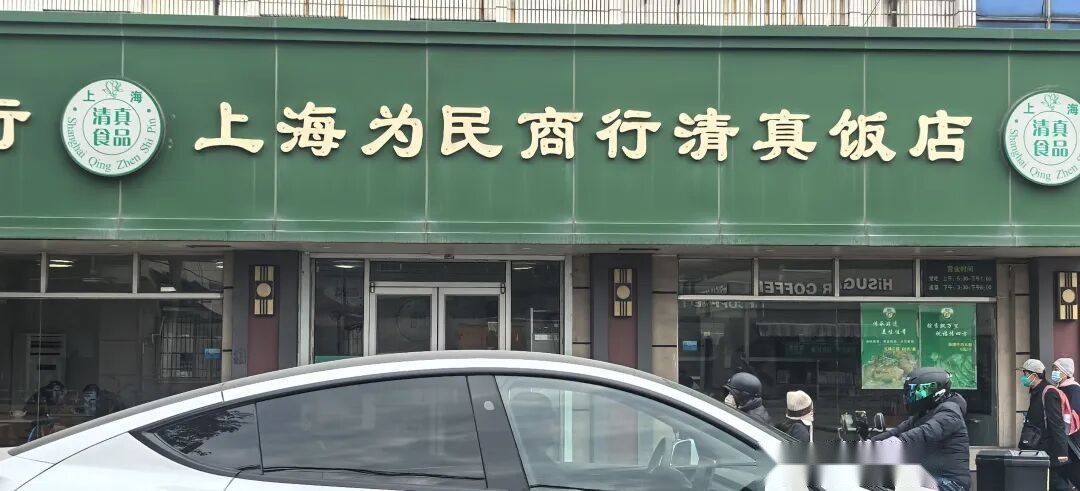
Summary:
A firsthand foodie field trip to Weimin Commercial Halal Restaurant, a time-honored state-run halal spot located in Dachang Town, Baoshan District. Backed by the direct supply chain advantages of the former Shanghai Beef and Mutton Company, it’s earned a stellar reputation for insane value, fresh ingredients, and strict hygiene.
I’d been dying to check out this time-honored, state-run halal eatery in Shanghai, famous for its rock-bottom prices, ultra-fresh ingredients, and authentic halal flavors. Tucked away at No. 162 Nanda Road in Dachang Town, Baoshan District, Shanghai Weimin Commercial Halal Restaurant operates under the Shanghai Bright Group. Originally a business branch of the Shanghai Beef and Mutton Company, it officially transitioned into a halal restaurant in 1991. Backed by the Shanghai Beef and Mutton Company, it sits right next to Shanghai’s largest halal cold storage facility, which comes with its own slaughterhouse. With beef and mutton butchered and cooked on the spot, the ingredients delivered to the shop are insanely fresh and the quality is totally locked in.
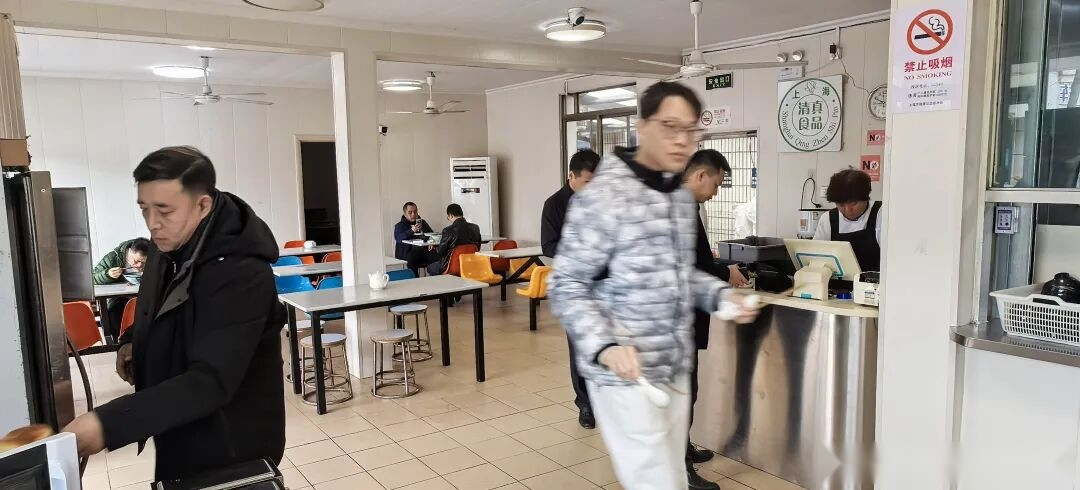
I'd had this spot saved on my foodie bucket list forever. Even though it's pretty far from my place (about 15 kilometers), I decided to drive out there anyway. The green-and-brass sign out front is super eye-catching. Inside, it totally keeps that retro, state-run restaurant vibe—simple decor, old-school management, and traditional operations. They open bright and early at 5:30 AM, specializing in all kinds of beef and mutton noodle soups, alongside takeout deli classics like braised spiced beef (jiang niurou) and braised beef tripe (jiang niudu).
Hanging in the dining hall is a green-and-white halal food sign, letting everyone know straight up that the food here complies with Islamic dietary laws. Pork, alcohol, and other forbidden ingredients are totally banned, and the slaughter and processing methods all meet strict religious requirements, so Muslim diners can eat here with total peace of mind.
Looking over the menu, the prices are seriously wallet-friendly: scallion oil noodles (congyou banmian) for 5 RMB, beef soup noodles for 4 RMB, and a fried egg for 2 RMB. Plus, clear beef bone broth is served totally free for dine-in customers (slow-simmered for over 4 hours with beef heads, bones, and tendons, giving it a super rich, deep broth). No wonder it pulls in so many locals and has a massive crew of regulars.
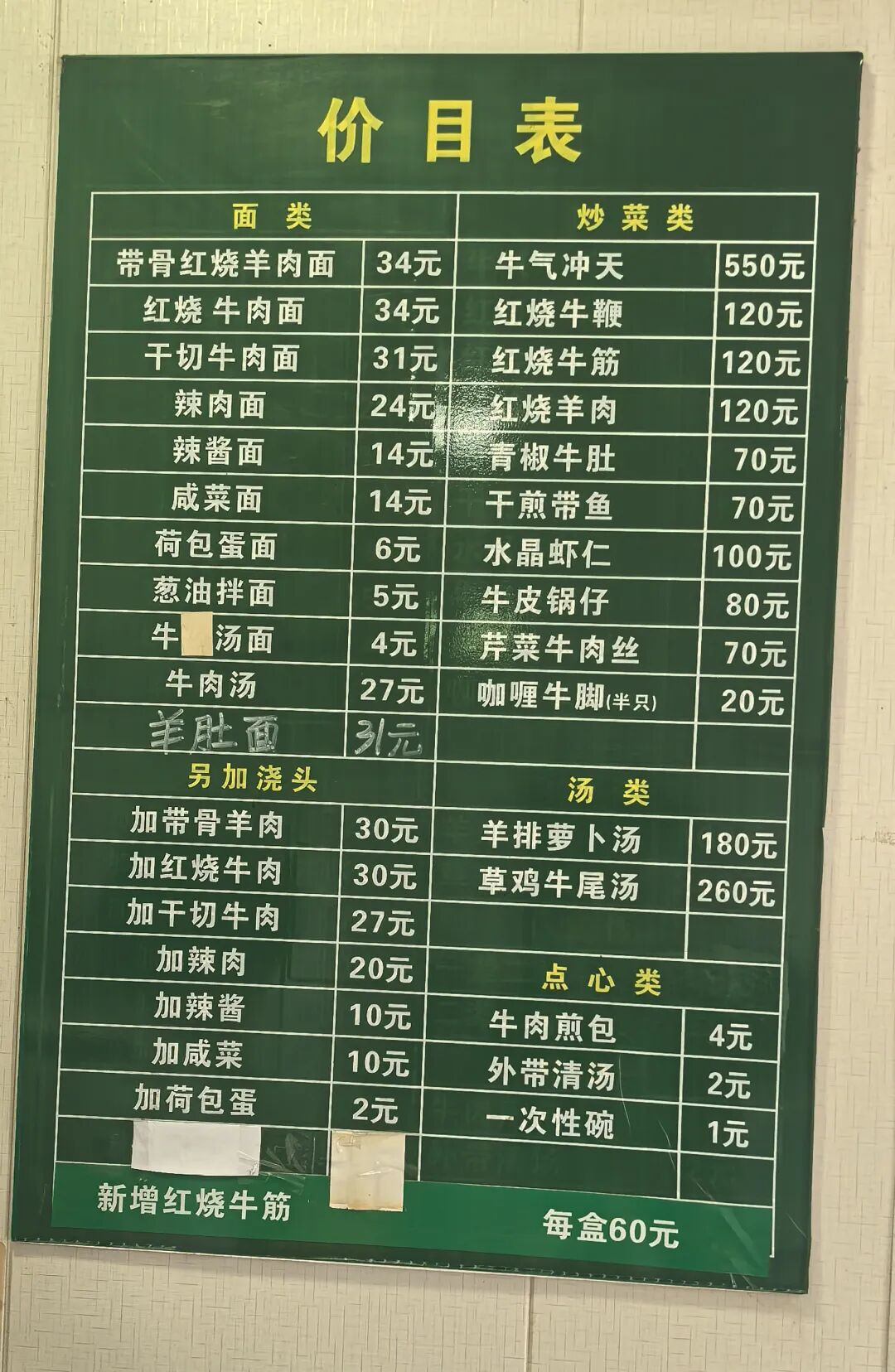
The server mentioned that since the weather's getting cooler, the braised mutton noodles with bone are a huge bestseller. I ordered a bowl of those plus a side of braised spiced beef and potato topping (lajiang). Then I saw the pan-fried beef buns (niurou jianbao) were only 4 RMB each—super cheap—so I grabbed six. The whole bill came out to just 68 RMB.
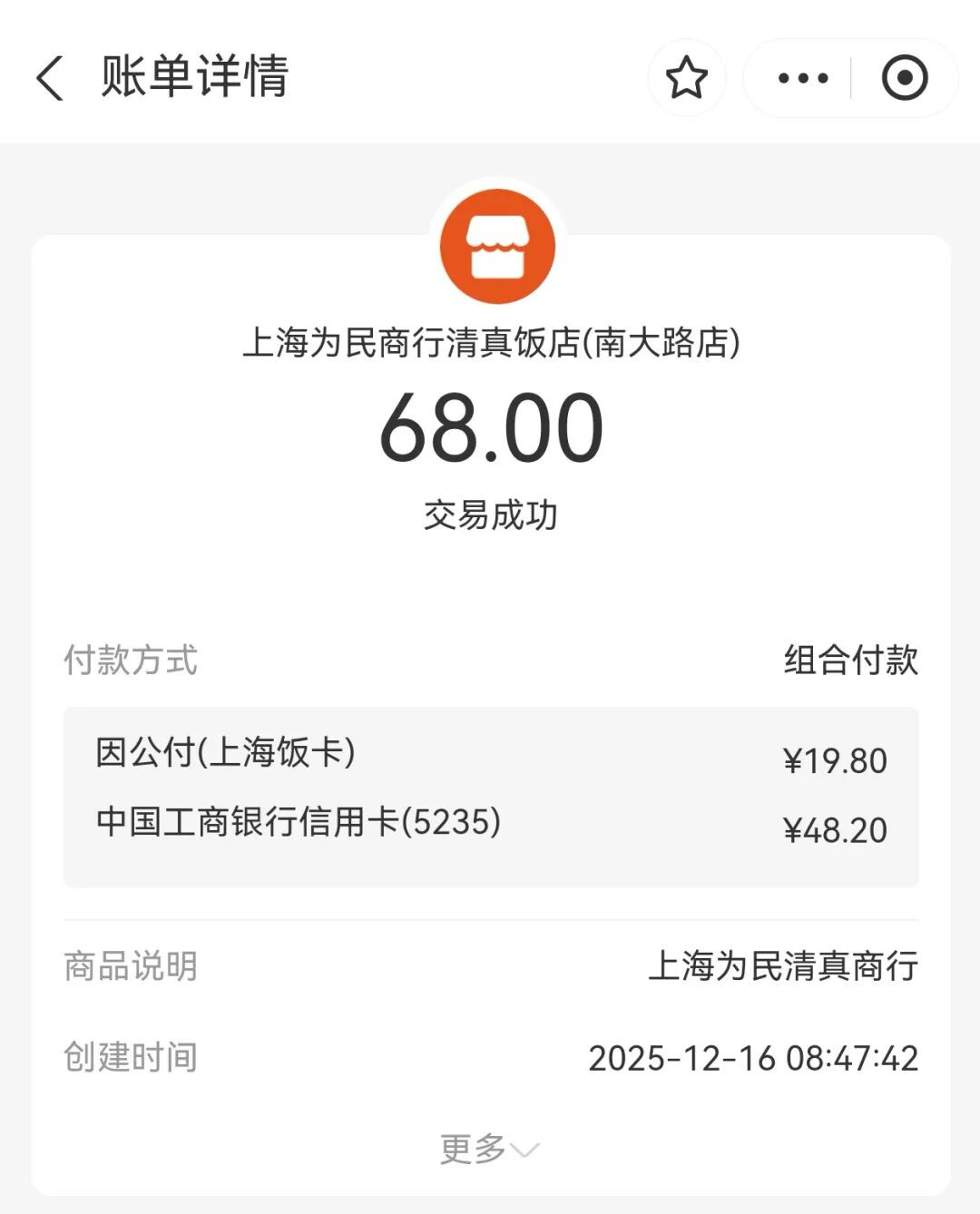
Just like other classic state-run spots, customer service isn't exactly high-touch here. You've gotta walk up to the pickup window yourself to grab your noodles, toppings, and pan-fried buns. The place was pretty packed, so I just queued up patiently at the window. When my number came up, I grabbed my noodles, topping, and buns, found an empty table, and dug in.
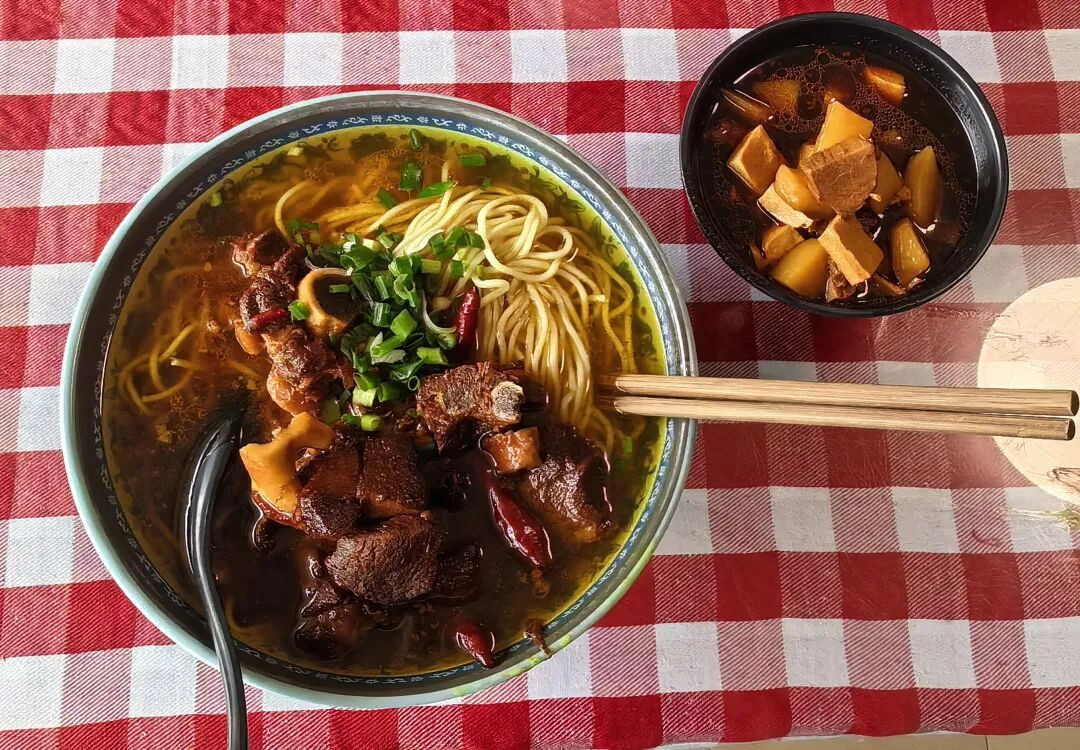
The noodle base is a curry beef soup, topped with the bone-in braised mutton, and the spicy beef-and-bean-curd topping (lajiang) served on the side. First, I took a sip of the broth—super rich and intensely savory. The curry notes did a great job cutting through any gamey flavor from the beef and mutton, though it was just a tiny bit on the salty side. The mutton was all bone-in, and as the saying goes, the best meat grows right next to the bone! The mutton was braised totally through—melt-in-your-mouth tender without being mushy, rich without being greasy. There was so much mutton that even after finishing all the noodles, I still had a ton of meat left in the broth. Honestly, it tasted way better than the mutton chop noodles I had at Laobanzhai Restaurant last time, and the price-to-quality ratio is way higher. They use small round noodles here; they could be a bit springier—if they used fine Suzhou-style noodles, it would be even better. The lajiang topping was a super generous portion in a little bowl, made with a simple mix of beef bits, pressed tofu, and potatoes. It was super flavorful too, with a taste profile pretty similar to the braised mutton—pure old-school Shanghai flavor.
I was originally planning to try a beef pan-fried bun just to taste test it, but the portions of the noodles and mutton were just way too massive. I was already totally stuffed, so I had to pack the rest to go and enjoy later at home.
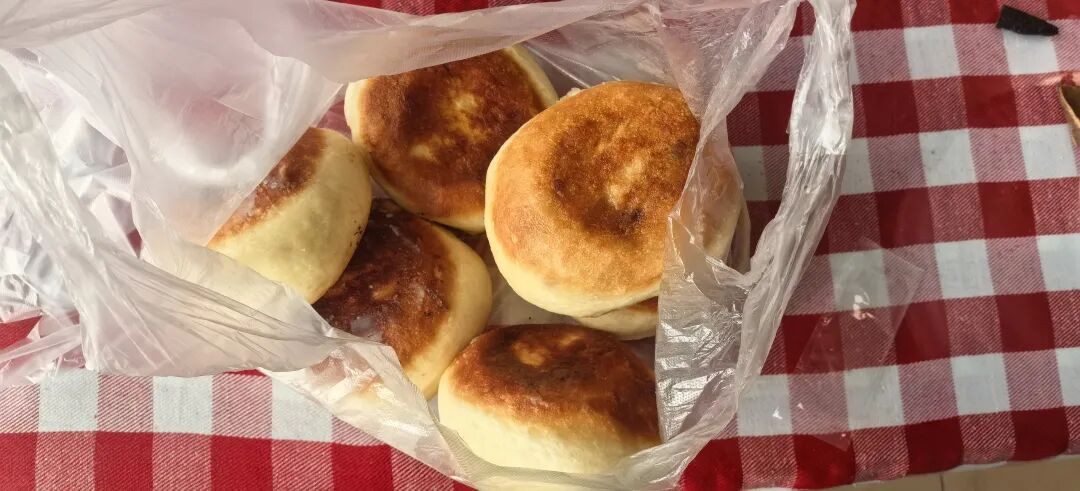 Collapse Read »
Checking Out Baoshan's Historic State-Run Weimin Muslim Restaurant: Direct Sourcing from the Original Shanghai Beef and Mutton Company for Budget-Friendly, Top-Quality Flavor
Summary:
A firsthand foodie field trip to Weimin Commercial Halal Restaurant, a time-honored state-run halal spot located in Dachang Town, Baoshan District. Backed by the direct supply chain advantages of the former Shanghai Beef and Mutton Company, it’s earned a stellar reputation for insane value, fresh ingredients, and strict hygiene.
I’d been dying to check out this time-honored, state-run halal eatery in Shanghai, famous for its rock-bottom prices, ultra-fresh ingredients, and authentic halal flavors. Tucked away at No. 162 Nanda Road in Dachang Town, Baoshan District, Shanghai Weimin Commercial Halal Restaurant operates under the Shanghai Bright Group. Originally a business branch of the Shanghai Beef and Mutton Company, it officially transitioned into a halal restaurant in 1991. Backed by the Shanghai Beef and Mutton Company, it sits right next to Shanghai’s largest halal cold storage facility, which comes with its own slaughterhouse. With beef and mutton butchered and cooked on the spot, the ingredients delivered to the shop are insanely fresh and the quality is totally locked in.
I'd had this spot saved on my foodie bucket list forever. Even though it's pretty far from my place (about 15 kilometers), I decided to drive out there anyway. The green-and-brass sign out front is super eye-catching. Inside, it totally keeps that retro, state-run restaurant vibe—simple decor, old-school management, and traditional operations. They open bright and early at 5:30 AM, specializing in all kinds of beef and mutton noodle soups, alongside takeout deli classics like braised spiced beef (jiang niurou) and braised beef tripe (jiang niudu).
Hanging in the dining hall is a green-and-white halal food sign, letting everyone know straight up that the food here complies with Islamic dietary laws. Pork, alcohol, and other forbidden ingredients are totally banned, and the slaughter and processing methods all meet strict religious requirements, so Muslim diners can eat here with total peace of mind.
Looking over the menu, the prices are seriously wallet-friendly: scallion oil noodles (congyou banmian) for 5 RMB, beef soup noodles for 4 RMB, and a fried egg for 2 RMB. Plus, clear beef bone broth is served totally free for dine-in customers (slow-simmered for over 4 hours with beef heads, bones, and tendons, giving it a super rich, deep broth). No wonder it pulls in so many locals and has a massive crew of regulars.
The server mentioned that since the weather's getting cooler, the braised mutton noodles with bone are a huge bestseller. I ordered a bowl of those plus a side of braised spiced beef and potato topping (lajiang). Then I saw the pan-fried beef buns (niurou jianbao) were only 4 RMB each—super cheap—so I grabbed six. The whole bill came out to just 68 RMB.
Just like other classic state-run spots, customer service isn't exactly high-touch here. You've gotta walk up to the pickup window yourself to grab your noodles, toppings, and pan-fried buns. The place was pretty packed, so I just queued up patiently at the window. When my number came up, I grabbed my noodles, topping, and buns, found an empty table, and dug in.
The noodle base is a curry beef soup, topped with the bone-in braised mutton, and the spicy beef-and-bean-curd topping (lajiang) served on the side. First, I took a sip of the broth—super rich and intensely savory. The curry notes did a great job cutting through any gamey flavor from the beef and mutton, though it was just a tiny bit on the salty side. The mutton was all bone-in, and as the saying goes, the best meat grows right next to the bone! The mutton was braised totally through—melt-in-your-mouth tender without being mushy, rich without being greasy. There was so much mutton that even after finishing all the noodles, I still had a ton of meat left in the broth. Honestly, it tasted way better than the mutton chop noodles I had at Laobanzhai Restaurant last time, and the price-to-quality ratio is way higher. They use small round noodles here; they could be a bit springier—if they used fine Suzhou-style noodles, it would be even better. The lajiang topping was a super generous portion in a little bowl, made with a simple mix of beef bits, pressed tofu, and potatoes. It was super flavorful too, with a taste profile pretty similar to the braised mutton—pure old-school Shanghai flavor.
I was originally planning to try a beef pan-fried bun just to taste test it, but the portions of the noodles and mutton were just way too massive. I was already totally stuffed, so I had to pack the rest to go and enjoy later at home.
Collapse Read »
Halal Shanghai Guide: Weimin Halal Restaurant Breakfast & Authentic Beef Broth
[Internet Repost]
State-Owned Quality and Public Service: Morning Breakfast and Beef Consommé at Weimin Halal Restaurant, Owned by the Shanghai Mutton and Beef Company
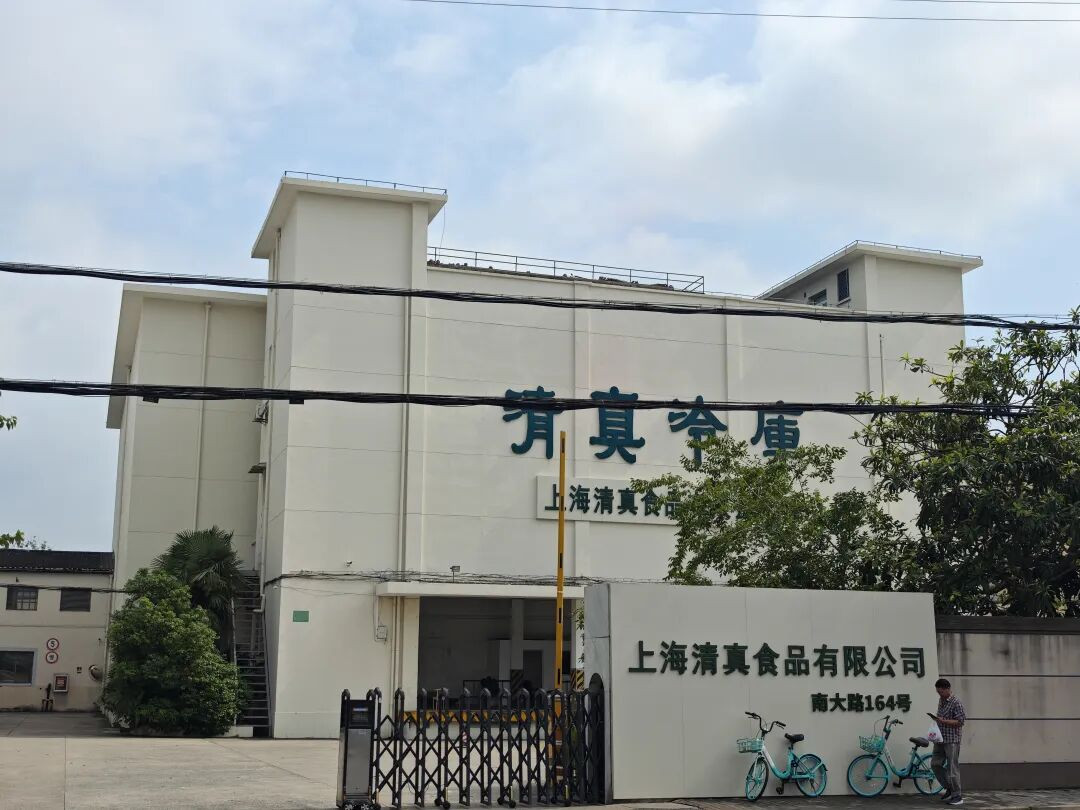
Summary:
A look into the early morning routine at Weimin Halal Restaurant, directly managed by the Shanghai Mutton and Beef Company. Featuring freshly made, generously stuffed beef buns served alongside piping-hot, authentic beef consommé provided free of charge by the restaurant, showcasing the heartwarming community dedication of a veteran state-owned Halal eatery.
The Shanghai Mutton and Beef Company is Shanghai's largest producer of Halal mutton and beef, meaning the ingredients are exceptionally fresh.
Morning breakfast: a beef bun paired with beef consommé (Note: the consommé is free).
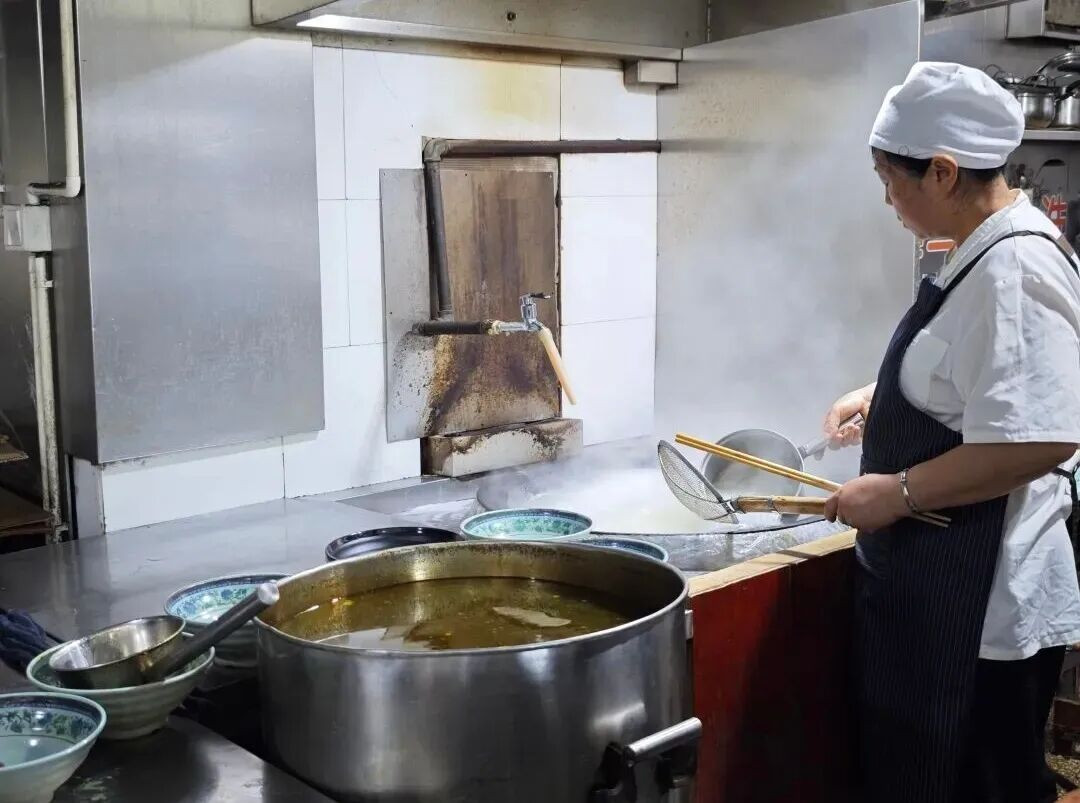
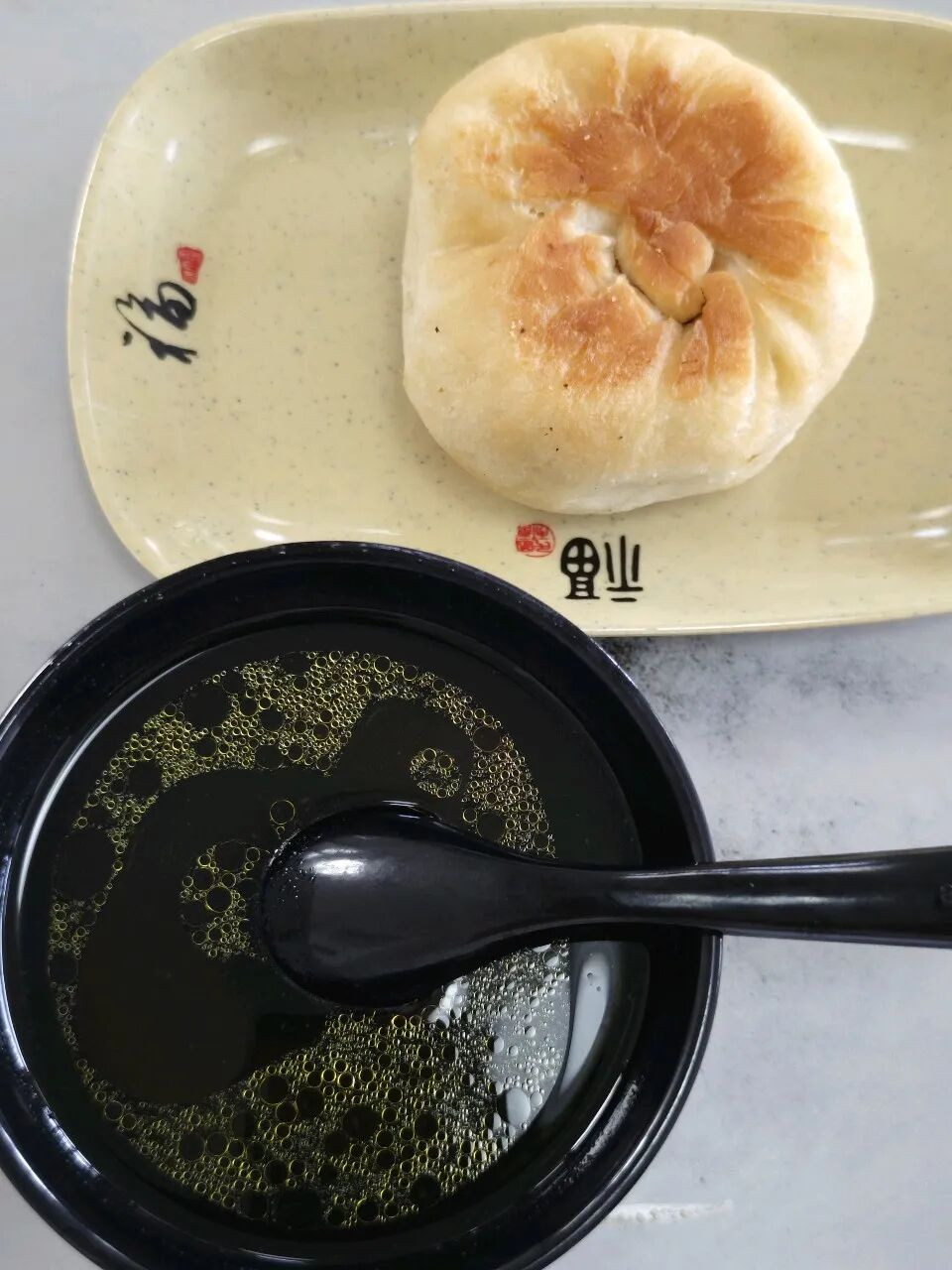
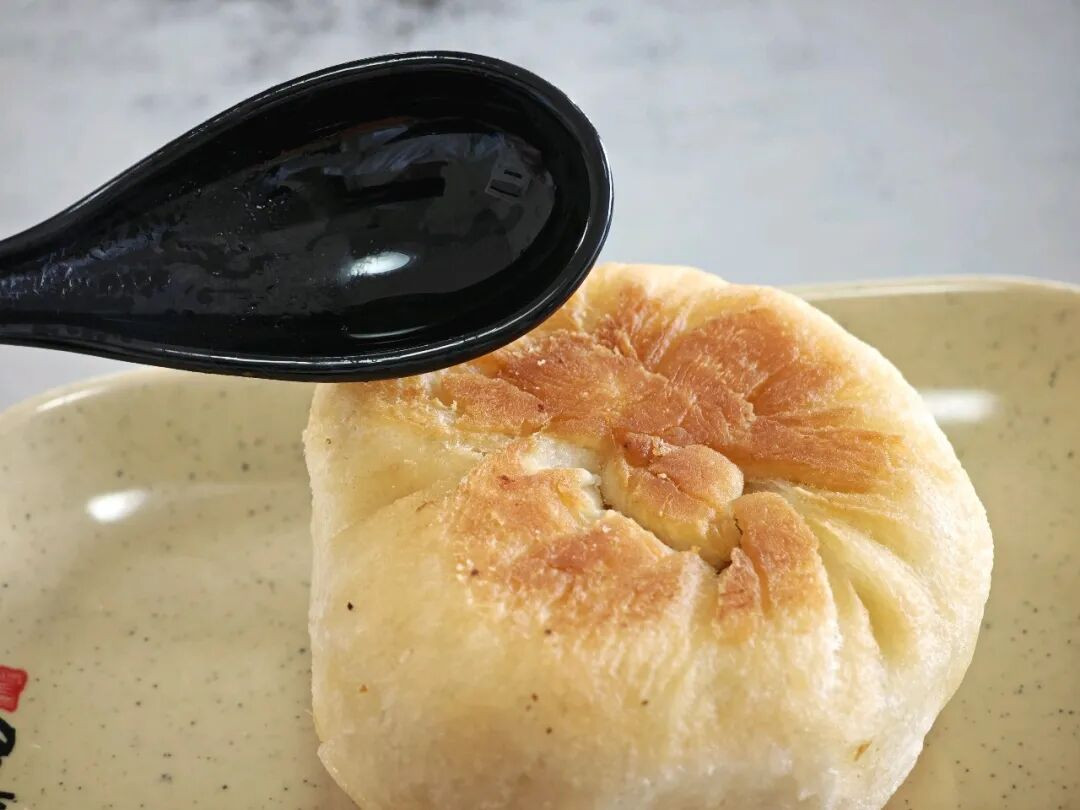
 Collapse Read »
State-Owned Quality and Public Service: Morning Breakfast and Beef Consommé at Weimin Halal Restaurant, Owned by the Shanghai Mutton and Beef Company
Summary:
A look into the early morning routine at Weimin Halal Restaurant, directly managed by the Shanghai Mutton and Beef Company. Featuring freshly made, generously stuffed beef buns served alongside piping-hot, authentic beef consommé provided free of charge by the restaurant, showcasing the heartwarming community dedication of a veteran state-owned Halal eatery.
The Shanghai Mutton and Beef Company is Shanghai's largest producer of Halal mutton and beef, meaning the ingredients are exceptionally fresh.
Morning breakfast: a beef bun paired with beef consommé (Note: the consommé is free).
Collapse Read »
Shanghai's 130-Year-Old Halal Legend Yixinzhai: Five Generations of Golden Beef Pan-Fried Buns
[Internet Repost]
Shanghai Yangpu's 130-Year-Old Yixinzhai Tested & Reviewed: How Good Are These Five-Generation Golden Beef Pan-Fried Buns?
Summary:
A personal visit to the 130-year-old historic institution Yixinzhai on Pingliang Road in Yangpu. Joining the line for fresh-off-the-griddle niurou jianbao (pan-fried beef buns) with their crispy golden crusts, rich and savory broth, and five generations of dedication to traditional craftsmanship—delivering an authentic taste of early Shanghai morning nostalgia.
Last week, I made a special trip to Yangpu to hunt down some classic old-school flavors. As soon as I turned onto Pingliang Road, an irresistible, mouthwatering aroma of meat stopped me in my tracks. Looking up, I saw a long line snaking beneath the golden sign of 'Yixinzhai.' An auntie carrying a vegetable basket struck up a conversation with me: 'Little girl, you came to the right place! These jianbao just came out of the pan, waiting 10 minutes is totally worth it!' I obediently joined the queue, and the second they were handed to me, I couldn't wait to take a bite: the golden, crispy crust cracked with a satisfying *crunch*, and a burst of savory meat juice squirted right onto the corner of my mouth. It was so scalding hot that I gasped, but there was no way I was letting go. This is the absolute god-tier flavor that generations of old Yangpu locals grew up eating!
Who would have guessed that this slice of gritty neighborhood life hides a full 130 years of history? Starting from a mobile food cart in Cao County, Shandong, all the way to today's sprawling 1,200-square-meter, three-story restaurant, five generations of the Ma family have brought Halal culinary craftsmanship to Shanghai while cooking up a one-of-a-kind 'Shanghai-style Halal flavor'—combining authentic Halal traditions with the rich, glossy, savory-sweet profile Shanghainese love. No wonder regular customers keep coming back from their own childhoods all the way until they bring their grandkids.
This bustling neighborhood vibe holds 130 years of stories! In 1891, the first-generation patriarch of the Ma family, Ma Shisheng, arrived with a knack for making Halal pastries and set up a small street cart in Cao County, Shandong. He sold just two heavy-hitting items: niurou jianbao (pan-fried beef buns) and curry beef soup. Thanks to fillings that were so ridiculously generous they piled up like a mountain, neighbors lined up every single day. Later, during turbulent times in 1938, he and his son Ma Xingbang moved to Zhenjiang, and by the late 1940s, they bounced around until they landed in Shanghai's Yangpu District. They put together a makeshift tarp paper shack on Huangxing Road—running the business out of the front and housing the whole family in the back. That's how the 'Ma Family' Halal stall first took root in Shanghai.
Today, 82-year-old Ma Wanglin is the third-generation heir and a recognized Shanghai Intangible Cultural Heritage inheritor. Chatting with the veteran, he pulled some yellowed old photos out of a drawer and smiled as he pointed them out to me: 'Look, this is my dad. When I was under ten, I had to stand on a little wooden stool just to reach the stovetop, helping him pump the bellows and knead the dough. My face and clothes were always covered in flour; I looked just like a little dough figurine.' He remembers his father's rules by heart: 'Halal cooking leaves zero room for slacking! The beef has to be hind leg meat with no gristle or skin, and the filling has to be hand-chopped into a fine mince. Grandpa's original seasoning recipe means missing even a single spice ruins the flavor.' That stubborn perfectionism has been baked into his bones since he was a kid.
During the joint state-private ownership transition in 1958, a 15-year-old Ma Wanglin followed his father into a state-run restaurant as an apprentice, earning an 18-yuan monthly salary while treating master craftsmanship as his absolute top priority. While everyone else bolted for home the second their shift ended, he stayed behind in the kitchen to 'steal' culinary secrets: when his father mixed fillings, he'd pretend to wipe down tables just to memorize the seasoning ratios; when tending the fire, his eyes would lock onto the flames to figure out exactly how long it took to get the jianbao crust golden and crispy. 'Back then, seeing my classmates carry school bags to class made me envious. But after kneading dough for so long, I guess I grew an attachment to it.' That persistence paid off—by age 30, he was manager of two state-run restaurants. When the restaurant system reformed in 2000, he gritted his teeth and took over the 'Yixinzhai' signboard, determined not to let regular patrons lose this classic taste.
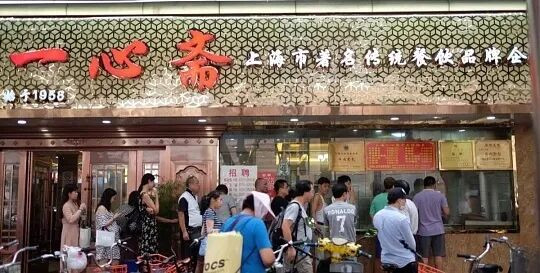
Yixinzhai's 130-year success comes down to Grandpa Ma's philosophy of 'preserving' and 'adapting.' What they 'preserve' are the ancestral rules: niurou jianbao must use beef hind leg mixed with cabbage for the filling so you get a textured crunch in every bite; the lü sanhuangji (braised Sanhuang yellow chicken) uses tender, three-pound young chickens simmered slowly for four hours with over a dozen spices like star anise and cinnamon until a chopstick slides right through. The meat is as tender as a cloud, and I can easily polish off two bowls of rice drenched in that braising broth. What they 'adapt' is understanding the Shanghainese palate: knowing locals love rich, glossy, savory-sweet flavors, they created a Halal version of braised beef tendon, stewed until melt-in-your-mouth tender and bouncy, coated in a sweet-and-savory glaze. Worried that younger crowds might find things too heavy, they added lightly stir-fried seasonal vegetables paired with Halal sauces. Kids, parents, and grandparents all find something they love.
Today's Yixinzhai is a far cry from the old tarp shack of the past—its 1,200-square-meter, three-story building is seriously grand. The first floor is the snack counter, serving up niurou jianbao, niurou guotie (crispy beef potstickers), and tanggao (glutinous rice sugar cakes) where neighborhood folks drop in daily for a quick bite. The second floor focuses on stir-fries, with a menu boasting 60 cold dishes and 100 hot dishes. The third floor handles banquets, hosting countless weddings and milestone birthday parties for loyal patrons. To keep up with the long lines, Grandpa Ma upgraded the equipment, swapping out small iron skillets for massive flat-top griddles that can fry 50 buns at once. Yet the rules of hand-chopping fillings and wrapping and frying to order haven't changed one bit. When I visited, I lucked out and caught the very first batch coming off the griddle—that rich aroma of meat and dough drifted halfway down the street, calling people in! Here's a quick pro-tip to beat the crowds: go before 8 AM or after 3 PM, when lines are practically nonexistent, and you can still score piping-hot batches straight from the pan.
The most heartwarming part is this living, breathing legacy. Grandpa Ma's son, Ma Jun, took over the kitchen ages ago, and his wok-flipping skills are even sharper than his dad's. His 23-year-old grandson is even more interesting: studying business management in England, he dives straight into the kitchen to practice kneading dough during breaks, vowing to 'come back and take over right after graduation.' Grandpa patted his grandson's head and laughed: 'Back in the day, becoming an apprentice meant serving tea and kowtowing. I don't care for that formality, but the rule of "never cutting corners" has to be passed down.' He didn't have much formal schooling himself, so he poured everything into supporting his grandson's education: 'He's educated, understands the internet, and can share the story of this legacy brand with more young people.' Last year, when 'Yixinzhai Sanhuang Chicken' was named a 'Shanghai Time-Honored Brand,' the grandfather and grandson hung the plaque together, and Grandpa beamed so hard his eyes crinkled into slits.
While eating lunch on the second floor, an auntie at the next table chatted with me like family: 'When I was little, my grandpa brought me here, and we'd split a single jianbao into three bites. Now I bring my grandson, and he wolfs them down whole, complaining one isn't enough and saying they taste better than burgers!' An uncle nearby slurped his curry beef soup and sighed: 'I come here every day since retiring. This taste is more familiar than home cooking, and Mr. Ma calls out "the usual?" the second he sees me.' Grandpa Ma sat quietly in an old rattan chair by the register, clutching an old-school abacus, occasionally looking up at the passing diners. His hair was dyed jet-black, but decades of kneading dough had left the calluses on his hands thicker than coins. He told me: 'I haven't done anything else grand in my life; I just wanted to make sure Shanghainese people could always get an authentic taste of Shanghai-style Halal cuisine, no matter how many years go by.'
As I left, the setting sun cast a warm golden glow over the golden sign of 'Yixinzhai.' The aroma of freshly baked niurou jianbao drifted on the evening breeze, and the waiting line stretched further down the alleyway. True heritage brands are never just 'museum pieces' to look at; instead, through five generations of craftsmanship and genuine heart, they cook flavor directly into the pulse of the city, pulling generation after generation in with their irresistible aroma while passing down warmth and fond memories along the way.
Does your city have a 'hidden gem old-school brand' like this? Is there a flavor that instantly brings back a specific memory from childhood? Drop a comment below and share your story~ Collapse Read »
Shanghai Yangpu's 130-Year-Old Yixinzhai Tested & Reviewed: How Good Are These Five-Generation Golden Beef Pan-Fried Buns?
Summary:
A personal visit to the 130-year-old historic institution Yixinzhai on Pingliang Road in Yangpu. Joining the line for fresh-off-the-griddle niurou jianbao (pan-fried beef buns) with their crispy golden crusts, rich and savory broth, and five generations of dedication to traditional craftsmanship—delivering an authentic taste of early Shanghai morning nostalgia.
Last week, I made a special trip to Yangpu to hunt down some classic old-school flavors. As soon as I turned onto Pingliang Road, an irresistible, mouthwatering aroma of meat stopped me in my tracks. Looking up, I saw a long line snaking beneath the golden sign of 'Yixinzhai.' An auntie carrying a vegetable basket struck up a conversation with me: 'Little girl, you came to the right place! These jianbao just came out of the pan, waiting 10 minutes is totally worth it!' I obediently joined the queue, and the second they were handed to me, I couldn't wait to take a bite: the golden, crispy crust cracked with a satisfying *crunch*, and a burst of savory meat juice squirted right onto the corner of my mouth. It was so scalding hot that I gasped, but there was no way I was letting go. This is the absolute god-tier flavor that generations of old Yangpu locals grew up eating!
Who would have guessed that this slice of gritty neighborhood life hides a full 130 years of history? Starting from a mobile food cart in Cao County, Shandong, all the way to today's sprawling 1,200-square-meter, three-story restaurant, five generations of the Ma family have brought Halal culinary craftsmanship to Shanghai while cooking up a one-of-a-kind 'Shanghai-style Halal flavor'—combining authentic Halal traditions with the rich, glossy, savory-sweet profile Shanghainese love. No wonder regular customers keep coming back from their own childhoods all the way until they bring their grandkids.
This bustling neighborhood vibe holds 130 years of stories! In 1891, the first-generation patriarch of the Ma family, Ma Shisheng, arrived with a knack for making Halal pastries and set up a small street cart in Cao County, Shandong. He sold just two heavy-hitting items: niurou jianbao (pan-fried beef buns) and curry beef soup. Thanks to fillings that were so ridiculously generous they piled up like a mountain, neighbors lined up every single day. Later, during turbulent times in 1938, he and his son Ma Xingbang moved to Zhenjiang, and by the late 1940s, they bounced around until they landed in Shanghai's Yangpu District. They put together a makeshift tarp paper shack on Huangxing Road—running the business out of the front and housing the whole family in the back. That's how the 'Ma Family' Halal stall first took root in Shanghai.
Today, 82-year-old Ma Wanglin is the third-generation heir and a recognized Shanghai Intangible Cultural Heritage inheritor. Chatting with the veteran, he pulled some yellowed old photos out of a drawer and smiled as he pointed them out to me: 'Look, this is my dad. When I was under ten, I had to stand on a little wooden stool just to reach the stovetop, helping him pump the bellows and knead the dough. My face and clothes were always covered in flour; I looked just like a little dough figurine.' He remembers his father's rules by heart: 'Halal cooking leaves zero room for slacking! The beef has to be hind leg meat with no gristle or skin, and the filling has to be hand-chopped into a fine mince. Grandpa's original seasoning recipe means missing even a single spice ruins the flavor.' That stubborn perfectionism has been baked into his bones since he was a kid.
During the joint state-private ownership transition in 1958, a 15-year-old Ma Wanglin followed his father into a state-run restaurant as an apprentice, earning an 18-yuan monthly salary while treating master craftsmanship as his absolute top priority. While everyone else bolted for home the second their shift ended, he stayed behind in the kitchen to 'steal' culinary secrets: when his father mixed fillings, he'd pretend to wipe down tables just to memorize the seasoning ratios; when tending the fire, his eyes would lock onto the flames to figure out exactly how long it took to get the jianbao crust golden and crispy. 'Back then, seeing my classmates carry school bags to class made me envious. But after kneading dough for so long, I guess I grew an attachment to it.' That persistence paid off—by age 30, he was manager of two state-run restaurants. When the restaurant system reformed in 2000, he gritted his teeth and took over the 'Yixinzhai' signboard, determined not to let regular patrons lose this classic taste.
Yixinzhai's 130-year success comes down to Grandpa Ma's philosophy of 'preserving' and 'adapting.' What they 'preserve' are the ancestral rules: niurou jianbao must use beef hind leg mixed with cabbage for the filling so you get a textured crunch in every bite; the lü sanhuangji (braised Sanhuang yellow chicken) uses tender, three-pound young chickens simmered slowly for four hours with over a dozen spices like star anise and cinnamon until a chopstick slides right through. The meat is as tender as a cloud, and I can easily polish off two bowls of rice drenched in that braising broth. What they 'adapt' is understanding the Shanghainese palate: knowing locals love rich, glossy, savory-sweet flavors, they created a Halal version of braised beef tendon, stewed until melt-in-your-mouth tender and bouncy, coated in a sweet-and-savory glaze. Worried that younger crowds might find things too heavy, they added lightly stir-fried seasonal vegetables paired with Halal sauces. Kids, parents, and grandparents all find something they love.
Today's Yixinzhai is a far cry from the old tarp shack of the past—its 1,200-square-meter, three-story building is seriously grand. The first floor is the snack counter, serving up niurou jianbao, niurou guotie (crispy beef potstickers), and tanggao (glutinous rice sugar cakes) where neighborhood folks drop in daily for a quick bite. The second floor focuses on stir-fries, with a menu boasting 60 cold dishes and 100 hot dishes. The third floor handles banquets, hosting countless weddings and milestone birthday parties for loyal patrons. To keep up with the long lines, Grandpa Ma upgraded the equipment, swapping out small iron skillets for massive flat-top griddles that can fry 50 buns at once. Yet the rules of hand-chopping fillings and wrapping and frying to order haven't changed one bit. When I visited, I lucked out and caught the very first batch coming off the griddle—that rich aroma of meat and dough drifted halfway down the street, calling people in! Here's a quick pro-tip to beat the crowds: go before 8 AM or after 3 PM, when lines are practically nonexistent, and you can still score piping-hot batches straight from the pan.
The most heartwarming part is this living, breathing legacy. Grandpa Ma's son, Ma Jun, took over the kitchen ages ago, and his wok-flipping skills are even sharper than his dad's. His 23-year-old grandson is even more interesting: studying business management in England, he dives straight into the kitchen to practice kneading dough during breaks, vowing to 'come back and take over right after graduation.' Grandpa patted his grandson's head and laughed: 'Back in the day, becoming an apprentice meant serving tea and kowtowing. I don't care for that formality, but the rule of "never cutting corners" has to be passed down.' He didn't have much formal schooling himself, so he poured everything into supporting his grandson's education: 'He's educated, understands the internet, and can share the story of this legacy brand with more young people.' Last year, when 'Yixinzhai Sanhuang Chicken' was named a 'Shanghai Time-Honored Brand,' the grandfather and grandson hung the plaque together, and Grandpa beamed so hard his eyes crinkled into slits.
While eating lunch on the second floor, an auntie at the next table chatted with me like family: 'When I was little, my grandpa brought me here, and we'd split a single jianbao into three bites. Now I bring my grandson, and he wolfs them down whole, complaining one isn't enough and saying they taste better than burgers!' An uncle nearby slurped his curry beef soup and sighed: 'I come here every day since retiring. This taste is more familiar than home cooking, and Mr. Ma calls out "the usual?" the second he sees me.' Grandpa Ma sat quietly in an old rattan chair by the register, clutching an old-school abacus, occasionally looking up at the passing diners. His hair was dyed jet-black, but decades of kneading dough had left the calluses on his hands thicker than coins. He told me: 'I haven't done anything else grand in my life; I just wanted to make sure Shanghainese people could always get an authentic taste of Shanghai-style Halal cuisine, no matter how many years go by.'
As I left, the setting sun cast a warm golden glow over the golden sign of 'Yixinzhai.' The aroma of freshly baked niurou jianbao drifted on the evening breeze, and the waiting line stretched further down the alleyway. True heritage brands are never just 'museum pieces' to look at; instead, through five generations of craftsmanship and genuine heart, they cook flavor directly into the pulse of the city, pulling generation after generation in with their irresistible aroma while passing down warmth and fond memories along the way.
Does your city have a 'hidden gem old-school brand' like this? Is there a flavor that instantly brings back a specific memory from childhood? Drop a comment below and share your story~ Collapse Read »
Exploring Hongbinlou in Shanghai: A Century-Old Halal Legend Meets Haipai Seafood
[Internet Repost]
Exploring Hongbinlou in Shanghai: A Century-Old Halal Legend Meets Haipai Seafood
Abstract:

Step into Hongbinlou, a century-old halal institution right next to Jing'an Temple, to check out its famous halal seafood and traditional stir-fries. We're putting their signature seafood dishes to the test—where strict halal principles seamlessly blend with the fresh, delicate flavors of Jiangnan aquatic delicacies, showing off this veteran spot's timeless culinary chops.
Curiosity Meets Everything
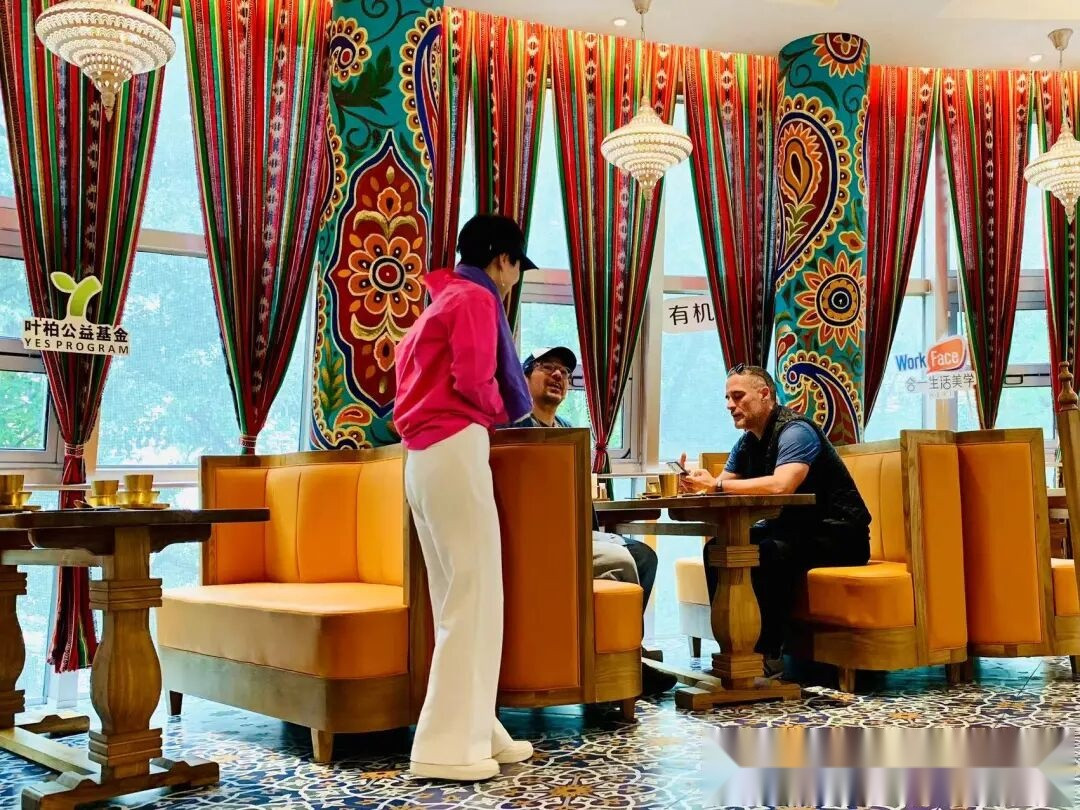
Discovering unique spots across the city
Anyone who knows me well knows I run a special column called "Stories of Hot Summer Fun" (Huoxiale), and as an out-of-town editor, I've popped by quite a few times.
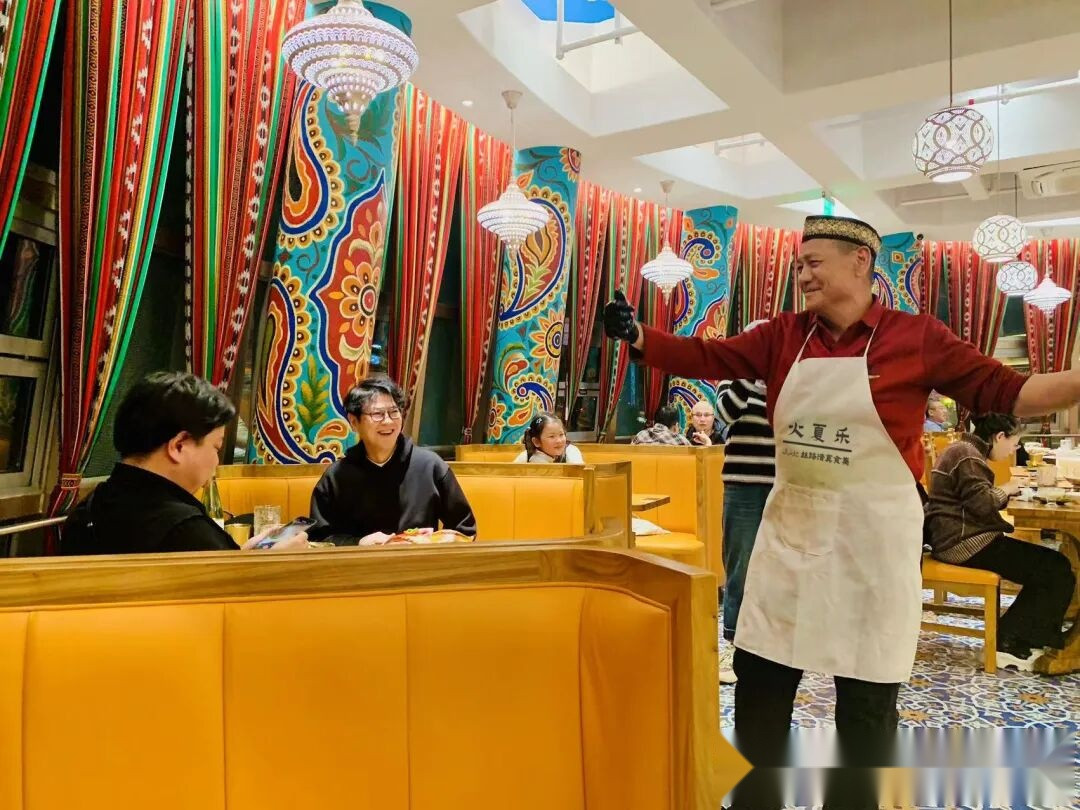
The first time was when a friend invited me over for dinner. Afterward, I felt both the food and the vibe were totally *lingguang* (awesome), so I wrote a story about the place—Jing'an District's ultimate halal food market, "Huoxiale". "Shop Stories" is another column of mine where I’ve featured several spots I love, and writing one for Huoxiale just happened by chance.
Every time I go to Huoxiale, I'm always curious because foreign friends keep trickling in to dine. The frequency of bumping into expats actually feels pretty high—there are usually 2 to 3 tables of international guests every time.
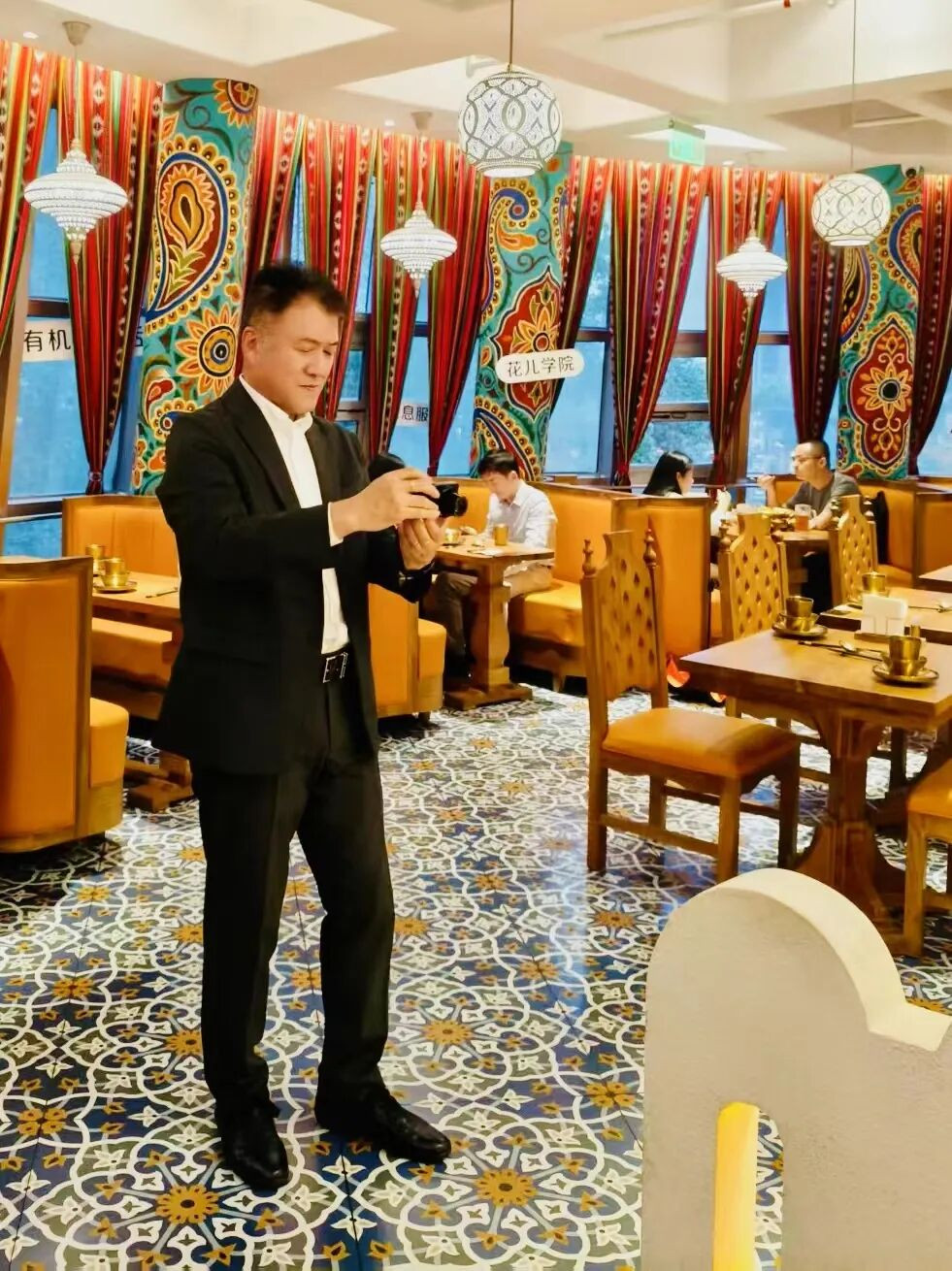
▲ Two international friends walking in right as dinner rush hits
I remember Tiger (the boss) telling me that Xinjiang cuisine is actually a fusion of French and Turkish culinary styles. I guess foreigners just love meat; Xinjiang food is mostly about mutton, beef, and chicken—all delicious cuts of meat.
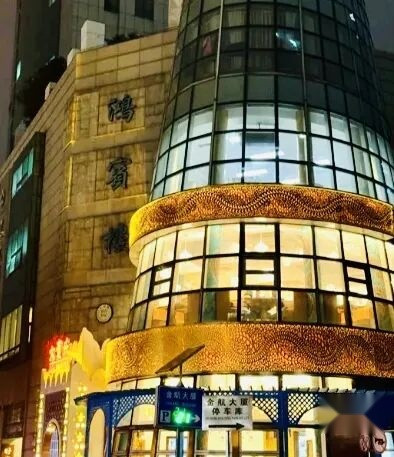
Later on, I noticed it’s not just friends from the Middle East and Europe who love it; folks from Japan and South Korea are big fans too. Now that's pretty interesting.
▲ Two Japanese guests listening to Fourth Uncle sing
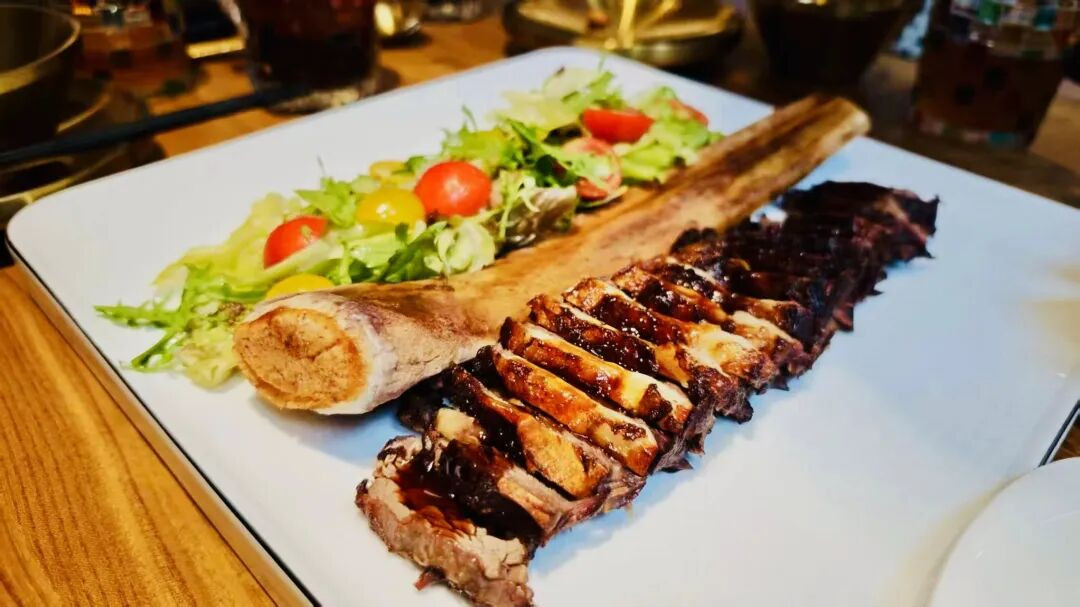
I've already written about the restaurant's master chef, Fourth Uncle. Hailing all the way from Yining to Shanghai, Fourth Uncle brought along his original creation: "Xinjiang Bread-Baked Lamb Leg" (Xinjiang mianbao kaoyangtui). That bread-baked lamb leg is truly a secret specialty crafted by Fourth Uncle.
▲ A Japanese guest starts snapping photos the second they walk in
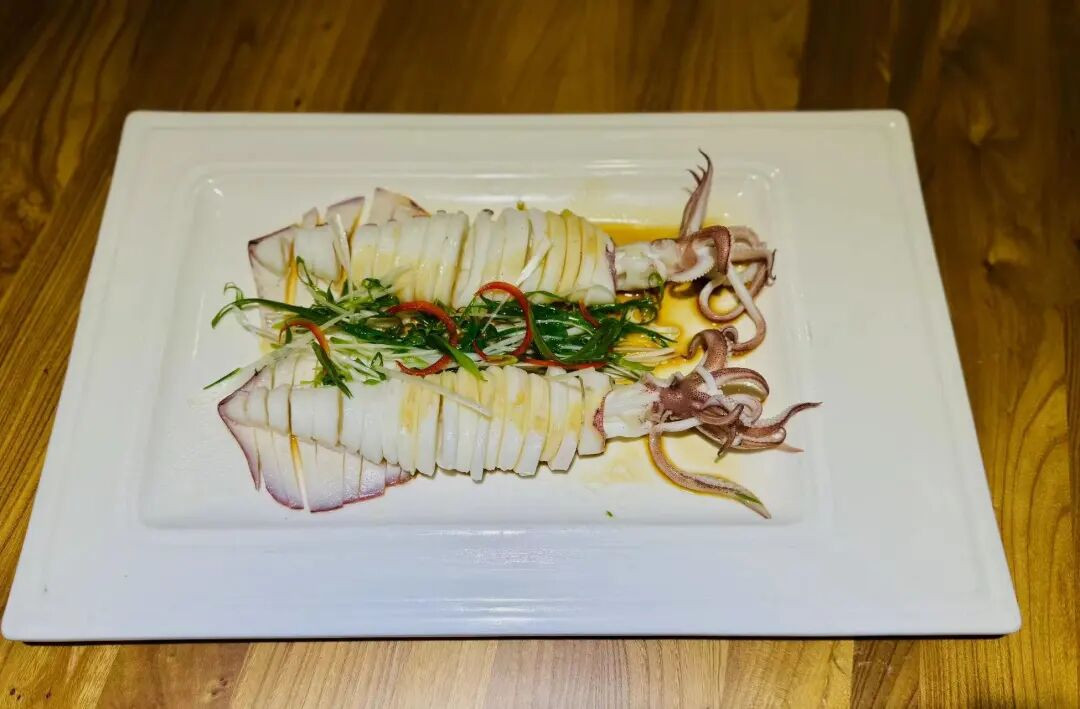
Japan is surrounded by the sea, so logically they'd be way more into seafood, right? How come they're so crazy about meat too? Later on, I found out this building has a lot of history and is super famous—it's called "Hongbinlou".
Hongbinlou's flagship location is in Beijing, and it's a time-honored century-old Chinese brand. The original old Hongbinlou was founded in 1853 in Tianjin, making it a renowned halal restaurant. In 1955, at the invitation of Premier Zhou Enlai, it moved to Beijing, where it won fame across the capital for its unique dishes and was hailed by food critics, Muslims, and all walks of life as "Beijing's No. 1 Halal Restaurant."
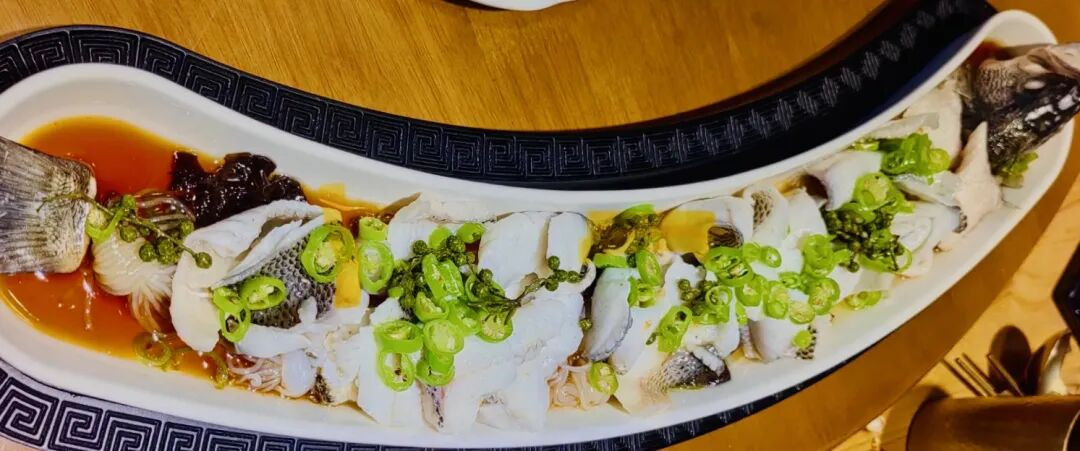
The history of the Jing'an Temple Hongbinlou in Shanghai dates all the way back to the 1990s, making it over 30 years old now. Originally launched as a halal eatery in the northern part of the Jing'an Temple commercial district, Hongbinlou wasn't just known for its unique halal eats—it gradually became a major commercial and cultural landmark in the Jing'an Temple area.
Hongbinlou exclusively serves halal cuisine, and Huoxiale specializes in Silk Road halal eats. Every time I hit up the shop, Fourth Uncle greets me: "You want a bowl of banmian (hand-pulled noodles with sauce), or a bowl of shouzhua fan (Xinjiang hand-grabbed rice)?"
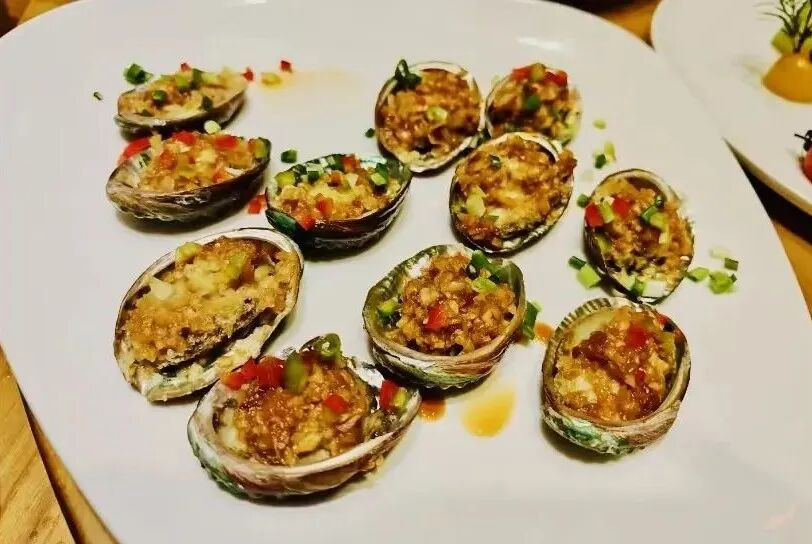
Every time, I eat to my heart's content. The pilaf is genuinely delicious, and the banmian has great chew. But my meat-eating capacity is pretty limited; I have a small appetite and get stuffed after just a bit of meat. A meal like that means I can totally skip dinner. Ever since I was a kid, I've always had a soft spot for fish.
Lately though, I haven't been visiting the shop much, but Peach—one of the team members—sent me a bunch of food pics. Oh *wow*, my jaw completely dropped! Fish, shrimp, and even beef short ribs—is the halal food scene expanding this much?
Just looking at these beef short ribs, the presentation is totally on point, and the bite should be amazing too.
Even though I haven't tasted it yet, the boss's attitude is definitely legit. Doing business in Shanghai, having the political awareness to blend local flavors and whip up "Haipai Halal" (Shanghai-style halal cuisine)—the people of Shanghai are totally gonna show some love and support, right? Gotta try it out and see how it differs from traditional Shanghai benbang-style beef short ribs.
This octopus is huge! When I was a kid, I used to eat those red-colored braised big octopus snacks, but I've never tried a steamed version like this.
I am totally sold on this steamed sea bass. This dish is a massive bestseller back home at local restaurants in Chuansha, and I'm super curious to see how a halal master chef puts their spin on it.
They even have abalone—that instantly bumps up the status of any dinner party. Wonder how many ways they can prep it, and if I can ask for it mild (non-spicy)?
This veggie looks pretty *lingguang* (neat), but what on earth is it? I couldn't figure it out. Did any of my sharp-eyed friends spot it? Drop a comment below!
My little kiddo and grandma have asked me multiple times to take them there for a bite. You can't rush food, right? Look at how much the menu has expanded now. If you want Xinjiang food, you get Xinjiang food; if you want Haipai halal fish and shrimp, you've got those too. Lots of choices mean a much happier meal, right?
We Shanghainese have a saying: "A person gotta be *lingting* (sharp and clear-headed), and doing things takes even more clarity." Huoxiale’s boss is pretty *lingting*—he jumped right on blending local flavors to launch Haipai halal cuisine. So, time for us to go taste the *midao* (flavor)—let's roll! Collapse Read »
Exploring Hongbinlou in Shanghai: A Century-Old Halal Legend Meets Haipai Seafood
Abstract:
Step into Hongbinlou, a century-old halal institution right next to Jing'an Temple, to check out its famous halal seafood and traditional stir-fries. We're putting their signature seafood dishes to the test—where strict halal principles seamlessly blend with the fresh, delicate flavors of Jiangnan aquatic delicacies, showing off this veteran spot's timeless culinary chops.
Curiosity Meets Everything
Discovering unique spots across the city
Anyone who knows me well knows I run a special column called "Stories of Hot Summer Fun" (Huoxiale), and as an out-of-town editor, I've popped by quite a few times.
The first time was when a friend invited me over for dinner. Afterward, I felt both the food and the vibe were totally *lingguang* (awesome), so I wrote a story about the place—Jing'an District's ultimate halal food market, "Huoxiale". "Shop Stories" is another column of mine where I’ve featured several spots I love, and writing one for Huoxiale just happened by chance.
Every time I go to Huoxiale, I'm always curious because foreign friends keep trickling in to dine. The frequency of bumping into expats actually feels pretty high—there are usually 2 to 3 tables of international guests every time.
▲ Two international friends walking in right as dinner rush hits
I remember Tiger (the boss) telling me that Xinjiang cuisine is actually a fusion of French and Turkish culinary styles. I guess foreigners just love meat; Xinjiang food is mostly about mutton, beef, and chicken—all delicious cuts of meat.
Later on, I noticed it’s not just friends from the Middle East and Europe who love it; folks from Japan and South Korea are big fans too. Now that's pretty interesting.
▲ Two Japanese guests listening to Fourth Uncle sing
I've already written about the restaurant's master chef, Fourth Uncle. Hailing all the way from Yining to Shanghai, Fourth Uncle brought along his original creation: "Xinjiang Bread-Baked Lamb Leg" (Xinjiang mianbao kaoyangtui). That bread-baked lamb leg is truly a secret specialty crafted by Fourth Uncle.
▲ A Japanese guest starts snapping photos the second they walk in
Japan is surrounded by the sea, so logically they'd be way more into seafood, right? How come they're so crazy about meat too? Later on, I found out this building has a lot of history and is super famous—it's called "Hongbinlou".
Hongbinlou's flagship location is in Beijing, and it's a time-honored century-old Chinese brand. The original old Hongbinlou was founded in 1853 in Tianjin, making it a renowned halal restaurant. In 1955, at the invitation of Premier Zhou Enlai, it moved to Beijing, where it won fame across the capital for its unique dishes and was hailed by food critics, Muslims, and all walks of life as "Beijing's No. 1 Halal Restaurant."
The history of the Jing'an Temple Hongbinlou in Shanghai dates all the way back to the 1990s, making it over 30 years old now. Originally launched as a halal eatery in the northern part of the Jing'an Temple commercial district, Hongbinlou wasn't just known for its unique halal eats—it gradually became a major commercial and cultural landmark in the Jing'an Temple area.
Hongbinlou exclusively serves halal cuisine, and Huoxiale specializes in Silk Road halal eats. Every time I hit up the shop, Fourth Uncle greets me: "You want a bowl of banmian (hand-pulled noodles with sauce), or a bowl of shouzhua fan (Xinjiang hand-grabbed rice)?"
Every time, I eat to my heart's content. The pilaf is genuinely delicious, and the banmian has great chew. But my meat-eating capacity is pretty limited; I have a small appetite and get stuffed after just a bit of meat. A meal like that means I can totally skip dinner. Ever since I was a kid, I've always had a soft spot for fish.
Lately though, I haven't been visiting the shop much, but Peach—one of the team members—sent me a bunch of food pics. Oh *wow*, my jaw completely dropped! Fish, shrimp, and even beef short ribs—is the halal food scene expanding this much?
Just looking at these beef short ribs, the presentation is totally on point, and the bite should be amazing too.
Even though I haven't tasted it yet, the boss's attitude is definitely legit. Doing business in Shanghai, having the political awareness to blend local flavors and whip up "Haipai Halal" (Shanghai-style halal cuisine)—the people of Shanghai are totally gonna show some love and support, right? Gotta try it out and see how it differs from traditional Shanghai benbang-style beef short ribs.
This octopus is huge! When I was a kid, I used to eat those red-colored braised big octopus snacks, but I've never tried a steamed version like this.
I am totally sold on this steamed sea bass. This dish is a massive bestseller back home at local restaurants in Chuansha, and I'm super curious to see how a halal master chef puts their spin on it.
They even have abalone—that instantly bumps up the status of any dinner party. Wonder how many ways they can prep it, and if I can ask for it mild (non-spicy)?
This veggie looks pretty *lingguang* (neat), but what on earth is it? I couldn't figure it out. Did any of my sharp-eyed friends spot it? Drop a comment below!
My little kiddo and grandma have asked me multiple times to take them there for a bite. You can't rush food, right? Look at how much the menu has expanded now. If you want Xinjiang food, you get Xinjiang food; if you want Haipai halal fish and shrimp, you've got those too. Lots of choices mean a much happier meal, right?
We Shanghainese have a saying: "A person gotta be *lingting* (sharp and clear-headed), and doing things takes even more clarity." Huoxiale’s boss is pretty *lingting*—he jumped right on blending local flavors to launch Haipai halal cuisine. So, time for us to go taste the *midao* (flavor)—let's roll! Collapse Read »
Ultimate Guide to Shanghai Mosques & Halal Culture: Xiaotaoyuan, Huxi & More
[Internet Repost]
Panoramic Guide to Shanghai's Major Mosques and Prayer Spaces: Geographical Distribution of Xiaotaoyuan, Huxi, Fuyou Road, and Songjiang Mosques
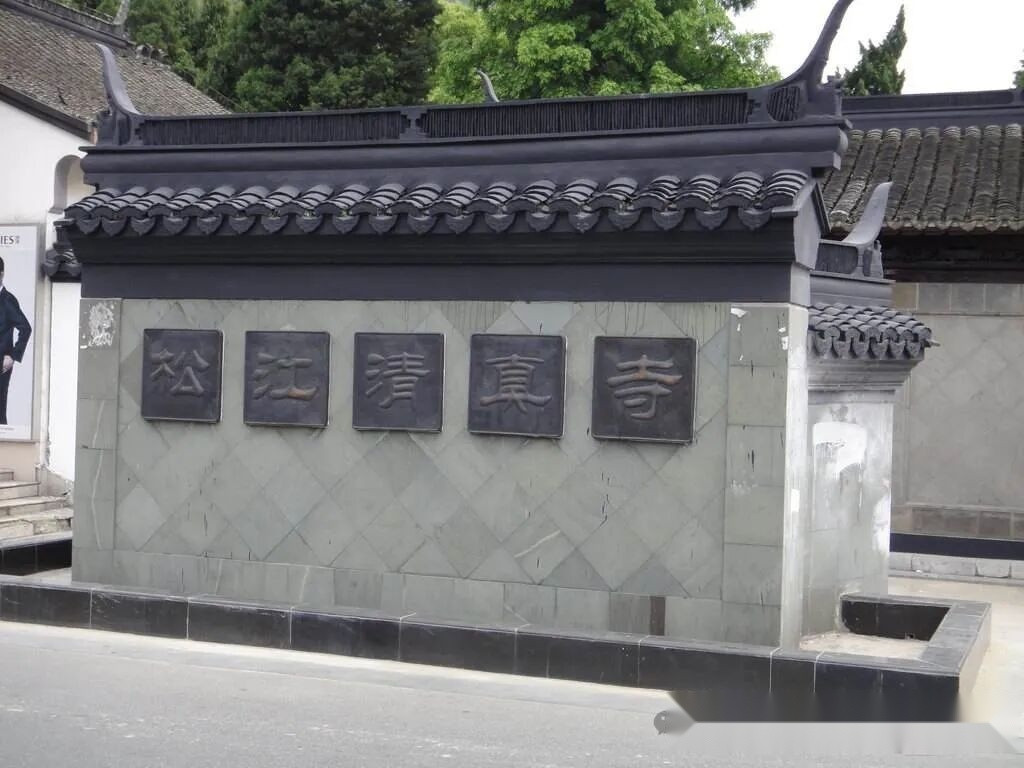
Abstract:
A detailed compilation of the distribution locations and historical evolution of mosques and Jumu'ah prayer spaces across Shanghai's various districts. Includes religious and cultural landmarks such as Xiaotaoyuan Mosque, Huxi Mosque, Fuyou Road Mosque, Jingxingqiao Mosque, and the ancient Songjiang Mosque, making it easy for Muslims to practice their faith and explore.
Dear brothers and sisters, As-salamu alaykum!
To better serve all Muslim brothers and sisters working and living in Shanghai, this official account has gathered and compiled the locations of mosques and prayer spaces across all districts. We hope this information proves helpful to everyone!
Dear brothers and sisters, As-salamu alaykum!
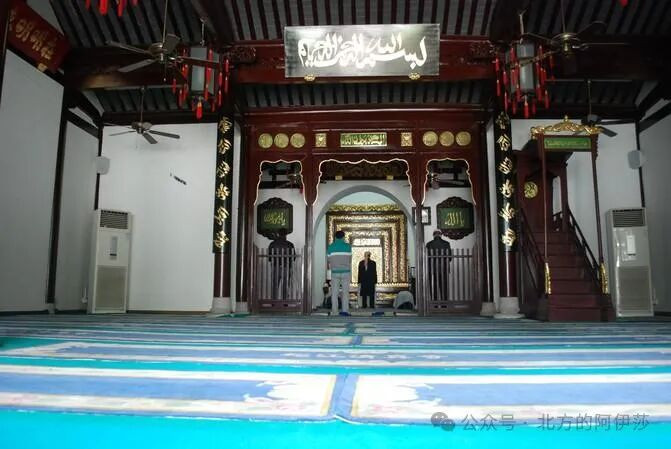
The Shanghai Muslim community has collected the locations and contact numbers of mosques in different districts. We hope this brings more convenience to you.
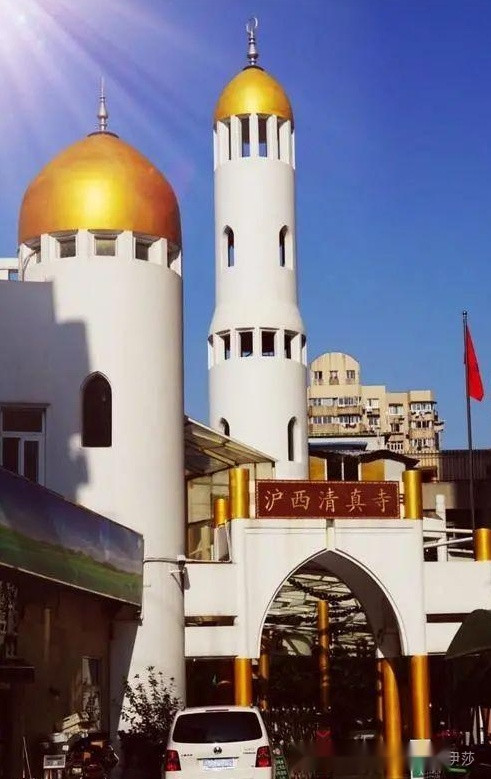
According to information from the Shanghai Municipal Ethnic and Religious Affairs Bureau in 2009, Shanghai has a total of eight mosques: Xiaotaoyuan, Huxi, Pudong, Fuyou Road, Songjiang, Jinshan, Jiangwan, and the Women's Mosque.
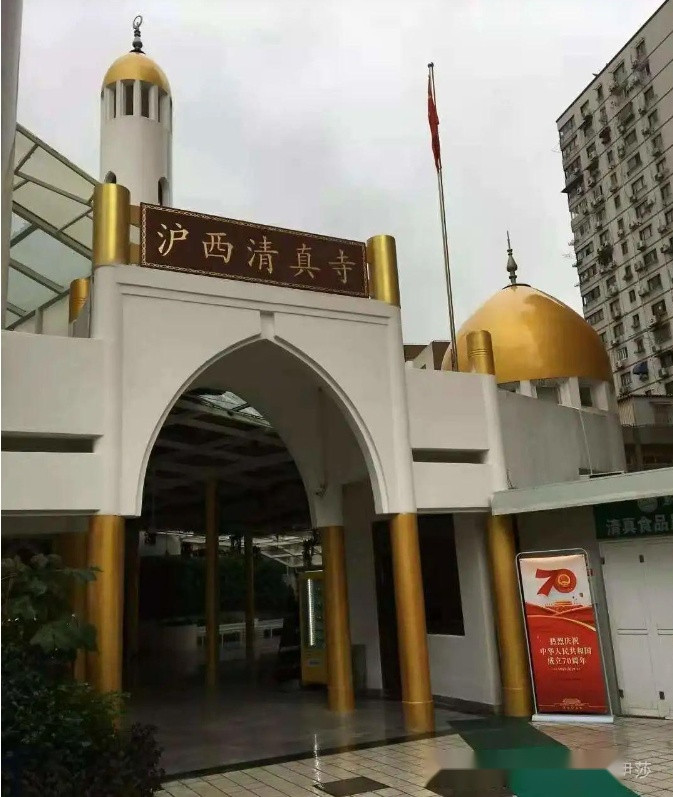
Shanghai's eight mosques are like eight dazzling pearls inlaid on the canvas of the city, radiating a unique charm.
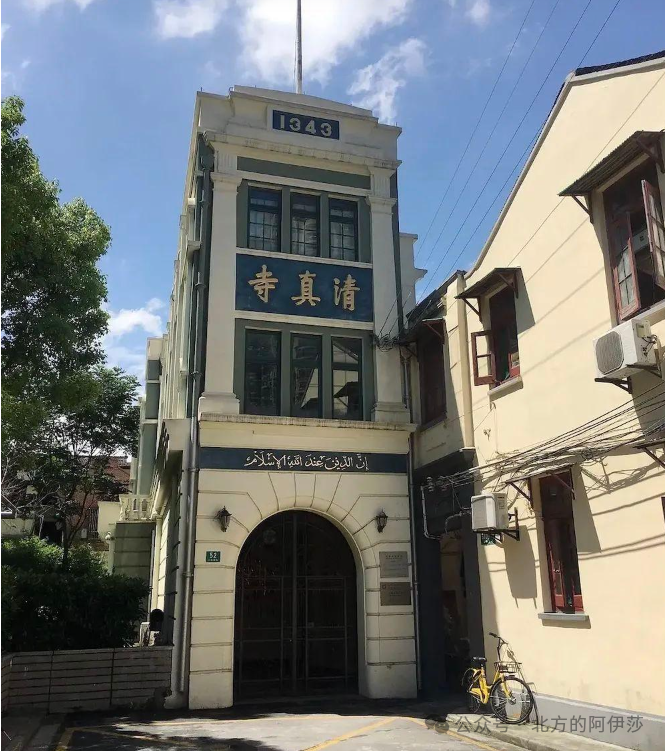
Songjiang Mosque, a witness to history, is a gem from the Zhizheng era of the Yuan Dynasty, carrying the deep sedimentation of time.
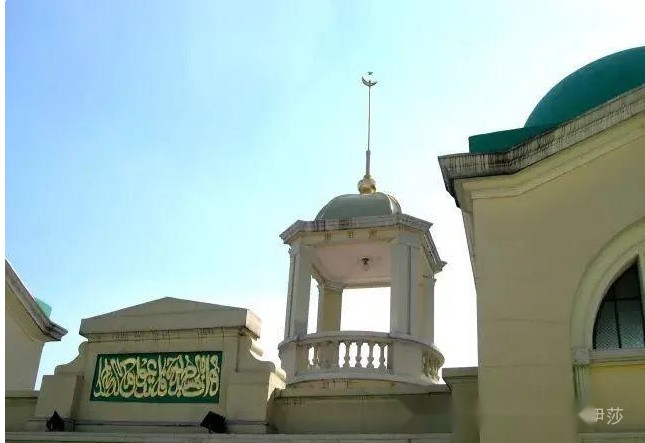
Huxi Mosque, rebuilt after the founding of New China, is a classic example of Arab-Islamic architectural style, solemn and majestic.
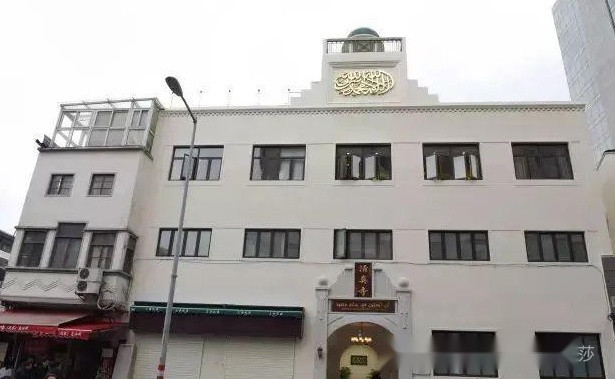
Xiaotaoyuan Mosque, formerly known as the Western Mosque, is a flawless blend of tradition and modernity, showcasing a diverse cultural charm.
Fuyou Road Mosque, the successor of the Chuanxin Street Prayer Hall, is where the memories of history flow.
Pudong Mosque stands tall across the Pudong mainland, offering a spiritual sanctuary for believers.
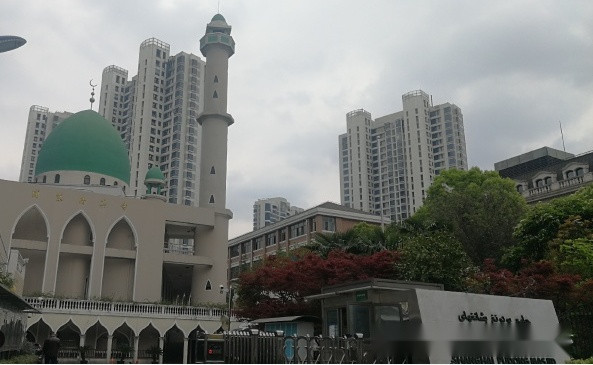
Jiangwan Mosque is a masterpiece of modern style, minimalist yet solemn, serving as a peaceful haven in the city.
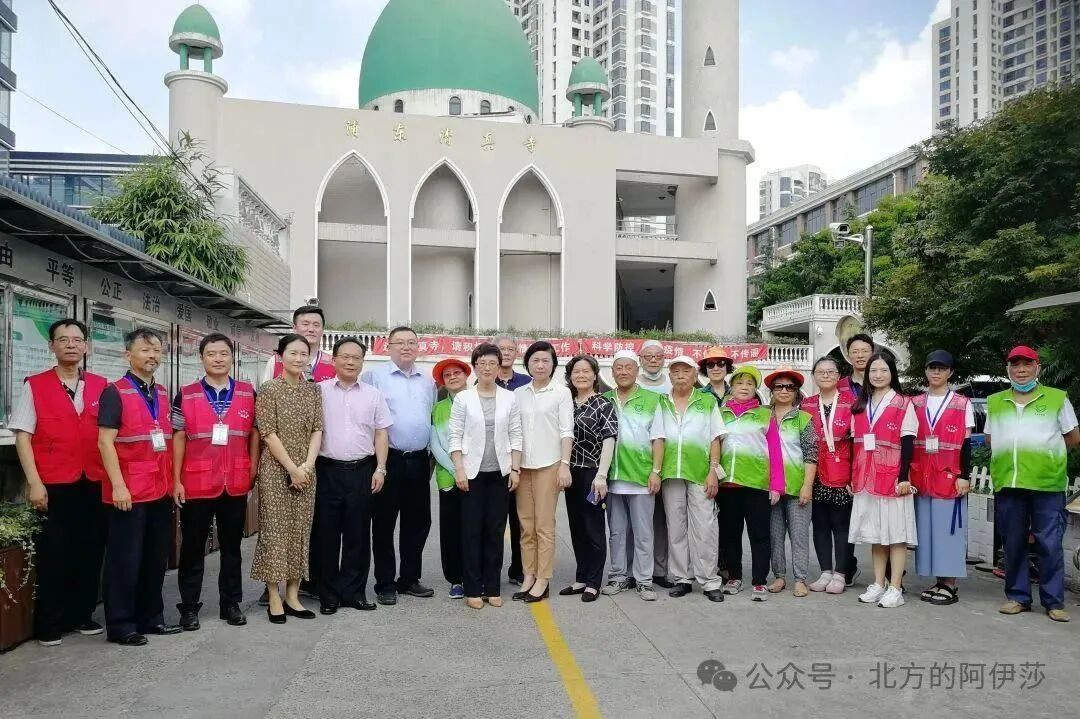
The Women's Mosque, established exclusively for Muslim women, is a place where they place their faith and a spiritual home.
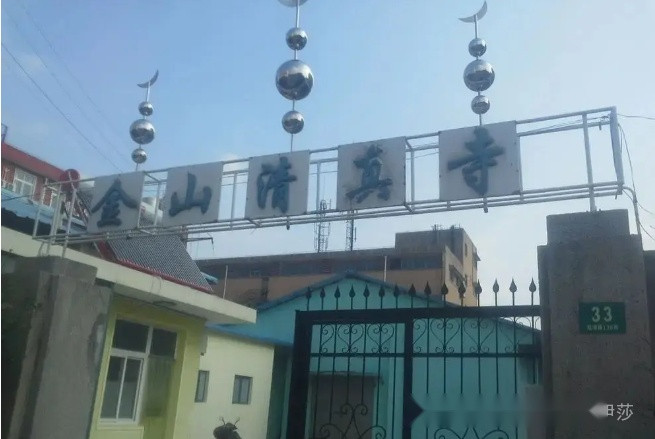
These eight mosques are not only religious sites but also cultural symbols of the city. They have witnessed Shanghai's history and development while adding a distinct splash of color to the city. Step into these mosques to experience peace and solemnity, and appreciate the profound wisdom of Islam. Here is a brief introduction to Shanghai's eight mosques:
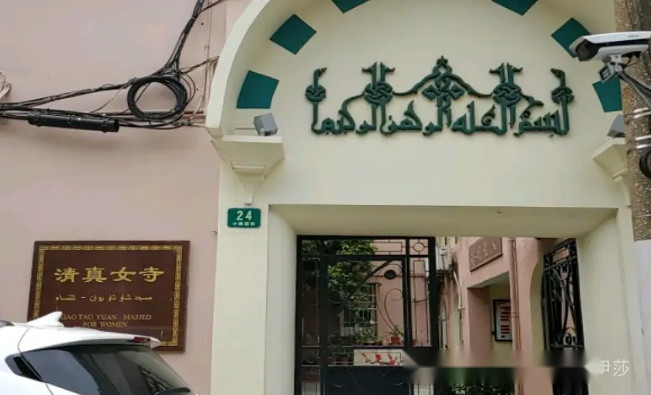
1. Songjiang Mosque
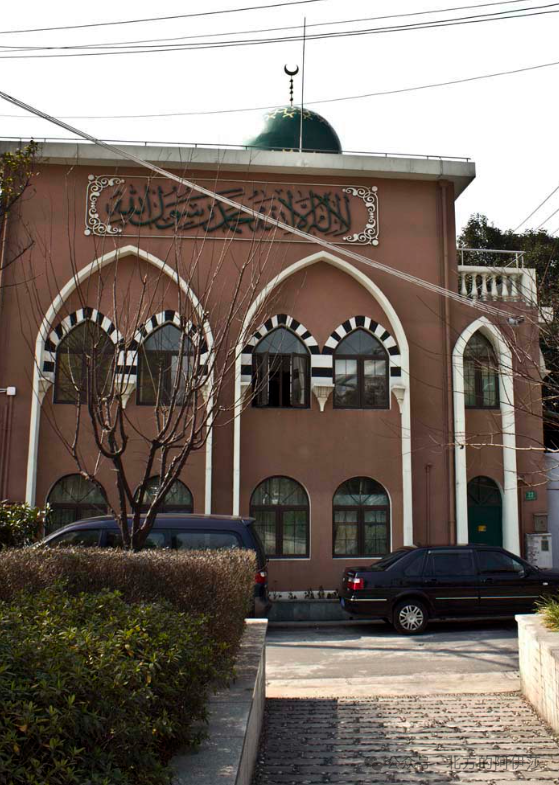
Songjiang Mosque: Also known as Songjiang Zhenjiao Temple, it is the earliest historical mosque in the Shanghai region, originally built during the Zhizheng era of the Yuan Dynasty (1341–1368) and still retaining the architectural style of the Yuan and Ming dynasties. Facing south and north, the temple features a traditional Chinese spirit wall just inside the gate, inscribed with the words "Mosque." Its architectural style combines Arab arched columns with Ming and Qing dynasty Chinese building features. The main structures include the prayer hall, the kiln hall, and connecting corridors, along with north and south lecture halls, a minaret, and a ablution room. Among these, the kiln hall and the minaret are its most distinctive architectural features. The temple also preserves four steles from successive dynasties.
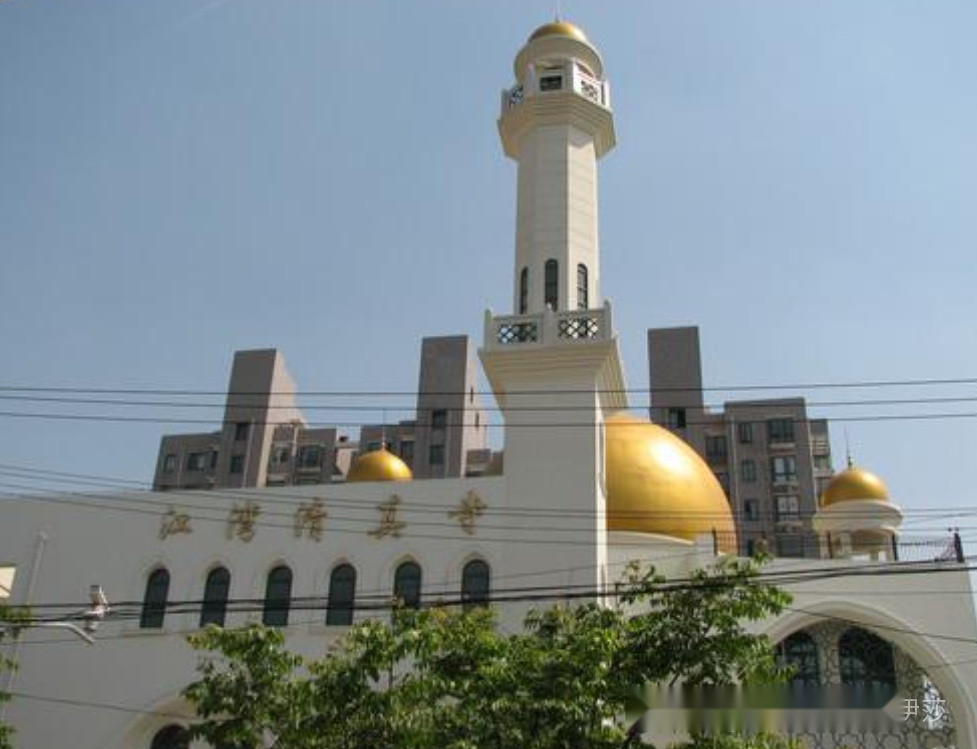
2. Huxi Mosque
Huxi Mosque: Originally named Yaoshuinong Mosque. In July 1990, during the urban renewal of Yaoshuinong, the original mosque was demolished, and Huxi Mosque was rebuilt on allocated land at Lane 1328, No. 3 Changde Road. In April 1992, it was completed and opened, with the new name Huxi Mosque. This was the first mosque rebuilt in Shanghai after Liberation. Covering an area of 1,650 square meters with a building area of 1,125 square meters, its main structure consists of a two-story prayer hall featuring double-heart arches and fan-shaped dome ceilings. The spacious and bright main prayer hall spans two floors, with the upper level reserved for women's prayers. It is complemented by male and female ablution rooms, scripture-studying halls, imam offices, and reception rooms. The prayer hall connects to two auxiliary corridors, which wind through and link all areas. The 25-meter-high minaret, a 400-square-meter front courtyard, and a delicate inner rear courtyard each feature colorful fountains that complement one another. The roof of the courtyard is decorated with six arched domes, three of which bear crescent moon symbols. The entire architecture is elegant, graceful, staggered, and unique—making it the most novel Islamic temple among the city's six mosques, combining traditional Islamic architecture with modern spatial design.
3. Xiaotaoyuan Mosque
Xiaotaoyuan Mosque: Formerly known as the Western Mosque, it is a perfect blend of tradition and modernity, showcasing the charm of diverse cultures. Located in Huangpu District, Shanghai, the mosque consists of a main prayer hall, a kiln hall, connecting corridors, south and north lecture halls, a minaret, and an ablution room.
4. Fuyou Road Mosque
Fuyou Road Mosque: Located in Huangpu District, Shanghai, it was originally named Chuanxin Street Prayer Hall, later renamed Chuanxin Street Church, and commonly known as the North Temple. The mosque has undergone multiple name changes and reconstructions throughout history and currently serves as the headquarters of the Shanghai Islamic Association.
5. Pudong Mosque
Pudong Mosque: Standing tall on the land of Pudong, it provides a spiritual sanctuary for believers. Located in the Pudong New Area of Shanghai, it is a mosque with a modern architectural style.
6. Jinshan Mosque
Jinshan Mosque: Located at Lane 135, No. 33 Lipu Road, Jinshan District, Shanghai, it is the first permanent Islamic religious site established in Shanghai since the reform and opening up, covering an area of 1,600 square meters. The primary Muslims participating in activities here are ethnic minority merchants and workers who have moved to the Jinshan area from Qinghai, Xinjiang, Gansu, Ningxia, and other regions. In 2009, the Shanghai Islamic Association allocated 540,000 RMB to purchase a disused health product warehouse from the Jinshan Shihua Pharmaceutical Company to serve as a local prayer space for Muslim residents. It was officially completed and opened on January 26, 2010, and registered as a fixed religious activity venue.
7. Women's Mosque
Women's Mosque: Originally named Xiaotaoyuan Women's Mosque, located at No. 24 Xiaotaoyuan Street, Huangpu District. Its history dates back to 1920, originating as the Gaodunjie Women's Mosque in Nanshi. In 1956, it relocated to No. 24 Xiaotaoyuan Street, Huangpu District, and was renamed "Xiaotaoyuan Women's Mosque." After 1958, it merged with the Gaodunjie "Women's Mosque." In 1993, the Shanghai Islamic Association funded its renovation, and it reopened to the public on September 1, 1994.
8. Shanghai Jiangwan Mosque
Jiangwan Mosque: Located at No. 86 Zhengfu Road, Yang浦 District, it was originally named "Jingxing Road Mosque" (formerly located at Lane 302, No. 117 Jingxing Road, Yangpu District) and was established in 1928. Jiangwan Mosque has a total floor area of 2,401.9 square meters, featuring a reinforced concrete frame structure in a modern Arab architectural style. In July 1959, the mosque merged with the Fenzhou Road Mosque and was renamed "Hudong Mosque."
Welcome to follow us! Collapse Read »
Panoramic Guide to Shanghai's Major Mosques and Prayer Spaces: Geographical Distribution of Xiaotaoyuan, Huxi, Fuyou Road, and Songjiang Mosques
Abstract:
A detailed compilation of the distribution locations and historical evolution of mosques and Jumu'ah prayer spaces across Shanghai's various districts. Includes religious and cultural landmarks such as Xiaotaoyuan Mosque, Huxi Mosque, Fuyou Road Mosque, Jingxingqiao Mosque, and the ancient Songjiang Mosque, making it easy for Muslims to practice their faith and explore.
Dear brothers and sisters, As-salamu alaykum!
To better serve all Muslim brothers and sisters working and living in Shanghai, this official account has gathered and compiled the locations of mosques and prayer spaces across all districts. We hope this information proves helpful to everyone!
Dear brothers and sisters, As-salamu alaykum!
The Shanghai Muslim community has collected the locations and contact numbers of mosques in different districts. We hope this brings more convenience to you.
According to information from the Shanghai Municipal Ethnic and Religious Affairs Bureau in 2009, Shanghai has a total of eight mosques: Xiaotaoyuan, Huxi, Pudong, Fuyou Road, Songjiang, Jinshan, Jiangwan, and the Women's Mosque.
Shanghai's eight mosques are like eight dazzling pearls inlaid on the canvas of the city, radiating a unique charm.
Songjiang Mosque, a witness to history, is a gem from the Zhizheng era of the Yuan Dynasty, carrying the deep sedimentation of time.
Huxi Mosque, rebuilt after the founding of New China, is a classic example of Arab-Islamic architectural style, solemn and majestic.
Xiaotaoyuan Mosque, formerly known as the Western Mosque, is a flawless blend of tradition and modernity, showcasing a diverse cultural charm.
Fuyou Road Mosque, the successor of the Chuanxin Street Prayer Hall, is where the memories of history flow.
Pudong Mosque stands tall across the Pudong mainland, offering a spiritual sanctuary for believers.
Jiangwan Mosque is a masterpiece of modern style, minimalist yet solemn, serving as a peaceful haven in the city.
The Women's Mosque, established exclusively for Muslim women, is a place where they place their faith and a spiritual home.
These eight mosques are not only religious sites but also cultural symbols of the city. They have witnessed Shanghai's history and development while adding a distinct splash of color to the city. Step into these mosques to experience peace and solemnity, and appreciate the profound wisdom of Islam. Here is a brief introduction to Shanghai's eight mosques:
1. Songjiang Mosque
Songjiang Mosque: Also known as Songjiang Zhenjiao Temple, it is the earliest historical mosque in the Shanghai region, originally built during the Zhizheng era of the Yuan Dynasty (1341–1368) and still retaining the architectural style of the Yuan and Ming dynasties. Facing south and north, the temple features a traditional Chinese spirit wall just inside the gate, inscribed with the words "Mosque." Its architectural style combines Arab arched columns with Ming and Qing dynasty Chinese building features. The main structures include the prayer hall, the kiln hall, and connecting corridors, along with north and south lecture halls, a minaret, and a ablution room. Among these, the kiln hall and the minaret are its most distinctive architectural features. The temple also preserves four steles from successive dynasties.
2. Huxi Mosque
Huxi Mosque: Originally named Yaoshuinong Mosque. In July 1990, during the urban renewal of Yaoshuinong, the original mosque was demolished, and Huxi Mosque was rebuilt on allocated land at Lane 1328, No. 3 Changde Road. In April 1992, it was completed and opened, with the new name Huxi Mosque. This was the first mosque rebuilt in Shanghai after Liberation. Covering an area of 1,650 square meters with a building area of 1,125 square meters, its main structure consists of a two-story prayer hall featuring double-heart arches and fan-shaped dome ceilings. The spacious and bright main prayer hall spans two floors, with the upper level reserved for women's prayers. It is complemented by male and female ablution rooms, scripture-studying halls, imam offices, and reception rooms. The prayer hall connects to two auxiliary corridors, which wind through and link all areas. The 25-meter-high minaret, a 400-square-meter front courtyard, and a delicate inner rear courtyard each feature colorful fountains that complement one another. The roof of the courtyard is decorated with six arched domes, three of which bear crescent moon symbols. The entire architecture is elegant, graceful, staggered, and unique—making it the most novel Islamic temple among the city's six mosques, combining traditional Islamic architecture with modern spatial design.
3. Xiaotaoyuan Mosque
Xiaotaoyuan Mosque: Formerly known as the Western Mosque, it is a perfect blend of tradition and modernity, showcasing the charm of diverse cultures. Located in Huangpu District, Shanghai, the mosque consists of a main prayer hall, a kiln hall, connecting corridors, south and north lecture halls, a minaret, and an ablution room.
4. Fuyou Road Mosque
Fuyou Road Mosque: Located in Huangpu District, Shanghai, it was originally named Chuanxin Street Prayer Hall, later renamed Chuanxin Street Church, and commonly known as the North Temple. The mosque has undergone multiple name changes and reconstructions throughout history and currently serves as the headquarters of the Shanghai Islamic Association.
5. Pudong Mosque
Pudong Mosque: Standing tall on the land of Pudong, it provides a spiritual sanctuary for believers. Located in the Pudong New Area of Shanghai, it is a mosque with a modern architectural style.
6. Jinshan Mosque
Jinshan Mosque: Located at Lane 135, No. 33 Lipu Road, Jinshan District, Shanghai, it is the first permanent Islamic religious site established in Shanghai since the reform and opening up, covering an area of 1,600 square meters. The primary Muslims participating in activities here are ethnic minority merchants and workers who have moved to the Jinshan area from Qinghai, Xinjiang, Gansu, Ningxia, and other regions. In 2009, the Shanghai Islamic Association allocated 540,000 RMB to purchase a disused health product warehouse from the Jinshan Shihua Pharmaceutical Company to serve as a local prayer space for Muslim residents. It was officially completed and opened on January 26, 2010, and registered as a fixed religious activity venue.
7. Women's Mosque
Women's Mosque: Originally named Xiaotaoyuan Women's Mosque, located at No. 24 Xiaotaoyuan Street, Huangpu District. Its history dates back to 1920, originating as the Gaodunjie Women's Mosque in Nanshi. In 1956, it relocated to No. 24 Xiaotaoyuan Street, Huangpu District, and was renamed "Xiaotaoyuan Women's Mosque." After 1958, it merged with the Gaodunjie "Women's Mosque." In 1993, the Shanghai Islamic Association funded its renovation, and it reopened to the public on September 1, 1994.
8. Shanghai Jiangwan Mosque
Jiangwan Mosque: Located at No. 86 Zhengfu Road, Yang浦 District, it was originally named "Jingxing Road Mosque" (formerly located at Lane 302, No. 117 Jingxing Road, Yangpu District) and was established in 1928. Jiangwan Mosque has a total floor area of 2,401.9 square meters, featuring a reinforced concrete frame structure in a modern Arab architectural style. In July 1959, the mosque merged with the Fenzhou Road Mosque and was renamed "Hudong Mosque."
Welcome to follow us! Collapse Read »
