

居家工作指南:穆斯林如何让独处变得更有生产力
原文出处:https://yaqeeninstitute.org/read/paper/productive-seclusion-how-to-make-the-most-of-working-from-home
原文标题:Productive Seclusion: How to Make the Most of Working From Home
作者:Dr. Tesneem Alkiek
作者简介:特斯尼姆·阿尔基克(Tesneem Alkiek)博士:特斯尼姆在密歇根大学获得了早期基督教和伊斯兰研究的本科学位。随后,她在乔治城大学完成了伊斯兰研究博士学位,专注于伊斯兰法。特斯尼姆目前担任拓展学习主任,她与团队合作,为社区创建课程及其他资源,以参与Yaqeen的研究工作。她同时也是罗格斯大学卡姆登分校哲学与宗教系的讲师。
副标题:居家隔离对穆斯林生活有什么影响?时间、敬拜与自律的实践方法
摘要:本文讨论居家工作和隔离生活如何既带来分心,也带来重新安排时间、敬拜和家庭关系的机会。作者鼓励穆斯林用清晰计划、自律和灵性目标,把独处变成有益的成长空间。

图:高效的隐居:如何充分利用居家办公
引言
在应对新冠疫情的封锁期间,你们许多人一直在居家办公,这或许还是你们第一次这样做。 对于那些从未有过这种经历的人来说,这可能会让人感到不知所措。 时间管理和专注力似乎突然成了过去式。 但作为一名过去两年一直在远程办公的人,我可以向你保证,希望并未破灭。 我养成了一些习惯,这些习惯不仅让我能够保持专注,还能让我在家时发挥出最高的生产力。 这里有七个简单的小贴士,将其融入你的日常生活中,也能让你变得高效。
设定目标
无论你是居家办公还是恢复了正常作息,确保自己保持高效的最重要一步,就是思考你想要完成什么。 你今天、明天、本周或本月到底想要实现或完成什么? 如果这个问题让你感到压力,那就专注于你最紧迫的目标。 先知穆罕默德 ﷺ 提醒我们:“你们当量力而行,因为最好的善行是那些持之以恒的,即使数量很少。” 遵循这一先知的建议可以改变人生。 明确我们的目标,然后创造一种切实可行的方法来逐步执行,能让我们的努力变得更易于管理。 更不用说,正如无数“科学”书籍所证明的那样,拥有微小(可实现)且持续的目标,能让你从每天哪怕一点点的成就中获得回报,从而激励你日复一日地保持并增加良好的习惯。 比如,假设你的目标是背诵《古兰经》。 于是你设定了一个可行的目标:每天阅读20分钟。 第一天过去了,你感觉很好。 你感受到了成就感,哪怕只是阅读(而不一定非要背诵)《古兰经》这样的小事。 但这种成就感会激励你一次又一次地去做,直到你发现自己每天都能背诵一个小时。 归根结底,这就是你养成习惯的方式。
要确定你的目标,先从你的工作或孩子的学校责任开始,因为这些通常有明确的期望和截止日期。 你正在进行哪些项目?有哪些截止日期需要遵守? 把这些写下来,并标注好每个项目的理想完成日期。 然后转向你的个人目标,这可以包括精神、情感和家庭目标。 不要局限于你日常生活中必须完成的事情。 当然,写下所有你必须处理的家务,比如洗衣服和刷洗浴室。 但也要思考一下你一直想在家里或生活中完成的其他项目。 一直梦想成为园丁却总觉得时间不够? 一直告诉自己要多读一些伊斯兰书籍? 计划每天花几分钟进行正念练习,以记录你的思想和情绪? 那么,现在就是时候了。 写下来——是的,我是说真的写下来——所有这些目标,并按优先级排序:高、中或低。 一旦你知道了你想做什么,就可以开始考虑如何去做了。
时间块管理法
规划时间是实现目标的“方法”所在。 当我提到规划时,是指把你一天的每一个小时(或几个小时的时间块)都安排好。 别担心,这并不像听起来那么吓人。 选择一周中的某一天(理想情况下是周日晚上)进行一次“大脑清空”。 基本上,坐下来写下你下周所有的任务和目标(你也可以按月进行)。 然后,一旦你确定了需要做的事情并对每项任务进行了优先级排序,就写下你将在哪一天或哪几天处理这些任务。 举个简单的例子,我这周有两个任务:1)写这篇文章,2)完成我的论文。 第一个任务是“一次性完成”,意味着这是一个可以在一次或几次坐下来就能完成的短期项目。 我计划在一天内完成它,所以我专门留出周一下午来写这篇文章。 另一个任务是写论文,这至少是一个长期项目。 考虑到我所有的其他责任和个人目标,我承诺每天花两个小时写论文。 因此,当我开始规划本周的时间表时,我把每天早上8点到10点的时间块专门留给了论文写作。 一旦你弄清楚了每周每天大致需要做什么,每天晚上睡觉前花几分钟规划一下第二天具体的样子。 这是一个时间表样本:
6:30-7:30 起床、晨礼(Fajr)、喝咖啡、准备开始新的一天;7:30-8:00 阅读《古兰经》;8:00-10:00 撰写论文;每日目标:500字;10:00-12:00 撰写文章初稿;12:00-13:00 午餐、晌礼(Dhuhr);13:00-15:00 修改文章草稿;15:00-15:30 休息、晡礼(Asr);15:30-17:00 提交文章草稿并查看反馈;17:00-18:30 跑步、洗澡;18:30-19:30 昏礼(Maghrib)、晚餐;19:30-21:30 洗衣服、打扫卫生、其他家务;21:30-22:30 宵礼(Isha)、阅读;22:30 睡觉
如你所见,时间块管理法要求你基本上规划好一天的每一个小时。 但这并不意味着你一天中的每一分钟都在工作。 事实上,安排休息时间、家庭团聚甚至用餐时间至关重要。 这样做是为了让你:1)不会把时间浪费在思考下一步该做什么上,2)对自己负责。 所以,当你规划好每一小时后,一旦发现自己漫无目的地刷了半小时Facebook,你就会意识到自己在某项任务上浪费了多少时间。
当孩子们在家时,“专注”或“工作”时间可能感觉像是过去的奢侈品。 然而,有大孩子的父母可以稍微喘口气。 为你的孩子规划活动或分配“自由时间”,并明确告知他们,在这些指定的时间段内(例如上午10点到12点)不要打扰你。 为了让这种方法长期更具现实意义,可以考虑如果孩子们在这段时间内不打扰你,就给予他们奖励。 这样,你和你的孩子都能从固定的时间表中受益,以保持正常生活,而且我还要补充一点,你也能偶尔从孩子身边获得(健康的)休息。
时间块管理法最令人畏惧的一点是,感觉你的一天被固定死了。 所以,如果突然发生什么事,比如孩子生病或临时的工作任务,一切就都乱套了。 然而,规划的主要目的是让你保持在实现目标的轨道上并对自己负责,所以如果出现了其他需求,那也没关系。 当紧急或意想不到的事情发生时,退后一步,重新评估你的日常任务,并调整你的时间表以满足你的优先事项。 请放心,这完全正常,也是整个过程的一部分。
如果你在创建日常时间表时遇到困难,最好的开始方式是为礼拜(salah)留出时间块。 对于那些可能难以坚持每天五次礼拜或按时礼拜的人来说,这个技巧是一个特别重要的第一步。 当你围绕礼拜来规划你的一天时,你就知道礼拜时间到来时你在哪里、在做什么,并且你会提前在心理上做好准备去进行礼拜休息。 对于那些希望增加特定功课的人来说,比如做圣行拜或留出时间进行记主(dhikr),这种方法也非常有效。 因为要养成一个习惯(例如记主),你需要重复足够的次数,直到它成为日常惯例。
日常惯例
分块时间管理法最大的好处之一,就是能为你的生活建立一种日常惯例感。 这对保持动力和工作效率至关重要。 如果你没有日常惯例,就会失去对时间的掌控,大部分精力都耗费在应付琐事上。 在确定目标并安排好日程后,建立日常惯例的最佳方式就是每天在同一时间做同样的事情。 例如,你可以养成每天早上整理床铺来开启一天的习惯。 当你起床、洗脸并整理好床铺后,你就向大脑发出了一个信号:准备开始工作了。 不过,比整理床铺更好的是,养成每天早上诵读《古兰经》开启一天的习惯。 这样一来,一旦养成了这个习惯,即使在昏昏沉沉的早晨,你的大脑也会立刻提醒你回归日常惯例。
营造氛围
建立日常惯例的另一个好方法是模仿你不在家办公时的习惯。 这意味着起床后要洗漱、穿戴整齐,做好迎接一天工作的充分准备。 没错,这意味着即使是在家办公的日子,也要梳头并换下睡衣。
当你洗漱穿戴好后,就可以切换到你的“工作站”了。 在家中找一个空间——对许多人来说可能是一张临时桌子——将其专门作为你的工作站。 理想情况下,这应该是一个办公空间,或者餐桌上固定的位置,以此发出信号:坐在这里时,只能工作,不能娱乐。 这样,你就在告诉大脑:当你坐在工作站时,是时候专注并提高效率了。 当你想要休息或做与计划任务无关的事情时,一定要离开那个空间,以保持工作氛围。
备餐
提高效率的关键之一,是减少大脑在思考下一项任务时所浪费的时间。 分块时间管理法和日常惯例有助于让你保持正轨,推动你的一天不断向前。 人们最常被困住的日常任务之一就是饮食。 今天午饭吃什么? 我想吃什么? 是自己做还是出去吃? 我们有时会花上几个小时去纠结这一天中最多只会花一小时(希望如此)的事情。 与其浪费精力去争论吃什么,不如提前规划。 理想情况下,最好提前决定好你和家人一周的饮食,并据此购物。 这样,你既能避免在超市漫无目的地闲逛并购买不必要的东西(比如我这周买的木薯珍珠),又能提前知道每天吃什么。 这也是让孩子们参与进来的好机会。 问问他们想吃什么,一起制定一周的菜单并贴在厨房里。 许多人觉得周日把一周的饭菜做好最省事,但如果你像我一样喜欢新鲜的饭菜,我建议你在收听每日新闻、讲座,甚至参加那些没完没了的电话会议时,顺便准备餐食。
体育活动
虽然它排在列表的末尾,但体育活动对于保持工作效率的重要性丝毫不减。 你们许多人都听过或读过关于锻炼带来的无数短期和长期益处。 但当你居家办公并感到压力或焦虑增加时,体育活动真的能改变现状。 这是一个清空大脑、释放内啡肽(即所谓的“快乐神经递质”)并重置一天的机会。 在这一年里经历新冠疫情,最大的福分之一就是我们大多数人将迎来更温暖的天气。 出去快走、跑步、骑自行车或进行其他户外活动吧。 网上也有很多居家力量训练的视频可以参考。 作为一个健身房常客,如果我说在家锻炼和在健身房一样容易,那是在撒谎。 事实并非如此。 所以,给朋友或家人发个信息,通过FaceTime一起做深蹲和弓步吧。 一旦你开始出汗,我保证你不会后悔的。
飞行模式
最后但同样重要的一点是,给自己留点休息时间。 我的意思是,从你已经过度使用的屏幕时间中休息一下。 把手机调成飞行模式,停用社交媒体,藏起你的设备——无论采取什么手段,都要让自己断开连接,让眼睛和大脑休息一下。 这不仅是因为浏览社交媒体会引发焦虑,或者阅读关于病毒的文章会造成不必要的压力,更因为当我们不断查看手机时,大脑就无法保持专注。 为了达到最高效率,我们需要零干扰,这意味着没有背景音乐,也没有查看邮件的冲动。 这些日子可能会让人感到孤独,这可能是你最不想做的事情,但通过让大脑进入“深度工作”状态,你可以在更短的时间内完成更多事情,从而有更多时间与亲人共度,并实现你一直梦想完成的那些宏大目标。
结语
尽管日程和日常惯例发生了突变,但请相信,在接下来的日子和几周里,你依然可以保持高效。 有时,这只需要一点点动力。 对我而言,最鼓舞人心的提醒之一是先知穆罕默德 ﷺ 的圣训:“在五件事到来之前把握住五件事:在衰老之前把握住青春,在生病之前把握住健康,在贫穷之前把握住财富,在忙碌之前把握住空闲,在死亡之前把握住生命。” 现在,这一建议比以往任何时候都更适用于我们所有人。 时间正在流逝。 我们的健康状况显得岌岌可危。 对于我们中的一些人来说,收入来源正受到威胁。 要知道,终有一天我们会因为如何度过时间、健康和财富而被询问。 安拉意欲(InshAllah),由于你在不确定性中努力适应并为实现目标而更加努力工作,你将能够回首往事,自信地说你已经尽了全力,并充分利用了你的时间。 收起阅读 »
不确定性对穆斯林心理安全吗?疫情中保持情绪稳定的伊斯兰方法
原文出处:https://yaqeeninstitute.org/read/paper/embracing-uncertainty-how-to-feel-emotionally-stable-in-a-pandemic
原文标题:Embracing Uncertainty: How to Feel Emotionally Stable in a Pandemic
作者:Dr. Osman Umarji、Dr. Hassan Elwan
作者简介:奥斯曼·乌马吉博士(Dr. Osman Umarji):奥斯曼·乌马吉博士拥有加州大学欧文分校的电气工程学士学位,以及教育心理学硕士和博士学位。他曾在埃及开罗的爱资哈尔大学学习伊斯兰教。他的研究兴趣包括人类动机的发展、宗教社会化、灵性以及伊斯兰法理学。乌马吉博士目前还是加州大学欧文分校教育学院的兼职教授。他此前曾教授过儿童发展、青少年发展和统计学。他在心理学和伊斯兰科学方面的专业知识,使他能够针对穆斯林面临的当代问题进行实证研究。哈桑·埃尔万博士(Dr. Hassan Elwan):哈桑·埃尔万博士拥有俄亥俄州立大学电气工程博士学位。他拥有多项专利,并在微电子领域发表了大量著作。他目前是美满电子科技(Marvell Technology)的杰出工程师。埃尔万博士还拥有临床心理学硕士学位,目前负责加利福尼亚州森林湖市拉赫马中心(Rahma Center)的咨询部门。他经常在南加州就伊斯兰教和灵性问题发表演讲,并为社区提供基于心理学和灵性的专业咨询服务。
副标题:深度解读疫情焦虑:穆斯林如何在不确定中获得内心稳定
摘要:本文讨论疫情和不确定性如何影响人的情绪稳定,并说明伊斯兰信仰如何帮助穆斯林面对恐惧、失控感和焦虑。作者强调,接受不确定并不等于放弃,而是把有限的人生放回对安拉的信托中。

图:拥抱不确定性:如何在疫情中保持情绪稳定
引言
生活就是不断做决定的过程。 我们每天都在做决定,有些是琐事,有些则意义重大。 早晨,我们要决定穿什么、吃什么;到了下午,我们可能要决定投资哪些股票,或者如何应对一场危机。 在采取任何行动之前,我们都希望确信自己做出了最好的决定。
人们渴望生活中的确定性。 确定性带给我们安全感,让我们觉得生活尽在掌握。 这就是为什么我们要查看天气预报,迫不及待地想通过超声波知道孩子的性别,并选择收益最稳定的投资项目。 然而,尽管我们不断寻求对明天的确定性,但安拉以其无限的智慧,将不确定性编织进了宇宙的结构之中。 除了安拉,世间万物皆在变化。 季节更替、树木变色、情绪起伏、子女成长,甚至我们的性格都在不断变化,且具有不同程度的不可预测性。 宇宙中唯一的绝对恒常者是安拉;正如他所言:“……除他的本体外,万物都要毁灭。”
安拉提醒我们,唯有他对世间最根本的事物拥有确定性和掌控权。 “在安拉那里,确实有关于复活时的知识;他降下雨水,并知道子宫里孕育的一切。” “任何人不知道明天会发生什么,也不知道自己将死在何处。” “安拉确是全知的,确是彻知的。” 这段经文不仅提醒我们安拉拥有无限的知识,也提醒我们,对于人类而言,几乎一切都是不可预知和不确定的。 世界终结的日期、雨水何时何地降落(社会与经济依赖于此)、子宫内胎儿的命运、我们的工作与财富,以及我们死亡的时间,这些都是无论科学如何进步,我们永远无法获得确定性的事项。
能够容忍并适应不确定性的人,比那些不断渴望掌控和确定性的人,在生活中能更好地发挥作用。 这是因为接受不确定性的人承认自己无法绝对掌控一切,因此不会为无法控制的事情感到压力。 相反,那些逃避不确定性、渴望掌控生活细节的人,最终会发现“越是抗拒,越是持续”。 他们只会处处感到不确定,并陷入持续的担忧、焦虑和压力之中。 压力是人们在感到不确定和缺乏掌控感时的一种直接反应。
不确定性不耐受可以定义为一种认知偏差,它影响一个人在认知、情感和行为层面上如何感知、解释和应对不确定的情况。 不确定性不耐受程度高的人,认为负面事件发生的可能性即使再小,也是不可接受的。 数十年来关于担忧病因的研究表明,不确定性不耐受实际上是担忧和广泛性焦虑障碍的根源。 担忧和焦虑进而导致恐惧,而恐惧使人们高估负面结果的风险。 这形成了一个负面反馈循环,使焦虑持续存在。 因此,不确定性不耐受不仅让我们为今天担忧,还通过加剧焦虑和恐惧,让我们预想出一个比实际情况糟糕得多的未来。 这产生了一种对未来的绝望和悲观情绪,这与伊斯兰教充满希望和乐观的世界观背道而驰。
伊斯兰世界观鼓励我们将注意力和精力集中在自己更有能动性的地方,并将我们无法控制的事情托付给安拉。 因此,我们通过努力提高自身影响范围内成功的可能性来减少不确定性,同时拥抱生活中唯一的确定性:安拉,即“真理”(al-Haqq),他是恒常不变的。 我们将不确定性交托在“监护者”(al-Wakeel)手中,他是最值得我们托付事务的主。 先知穆罕默德 ﷺ 在解释这种心态和行为时曾优美地说道:“如果你能完全信赖安拉,他必会像供养鸟儿那样供养你们。 它们清晨饥肠辘辘地飞出去,傍晚饱腹而归。” 鸟儿在清晨离开巢穴时,对于何时、何地、能捕获什么完全不确定。 然而,这种不确定性并没有使它们瘫痪,反而激励它们去做唯一力所能及的事:去寻求安拉为它们注定的给养。
同样,在先知穆罕默德 ﷺ 无法控制且结果不确定的生活方面,他会向安拉祈祷(例如做“伊斯提哈拉”祈祷),然后继续前行。 此外,他确信安拉会回应,并命令我们:“向安拉祈祷时,要确信他会回应你们。 要知道,安拉不会回应一颗疏忽大意、心不在焉的心所发出的祈祷。” 例如,当大风刮起时,他会说:“主啊,我向你祈求它的益处,并向你寻求庇护以防它的祸害。” 这才是生活应有的方式。 我们不知道明天会发生什么,但我们尽己所能去取悦安拉,在依赖安拉并相信他的定夺最符合我们利益的同时,最大化积极的结果。 这就是伟大的学者伊本·泰米叶在反思什么是最重要的祈祷时所指的内容。 他说:“我意识到,最重要的祈祷是寻求安拉的帮助,以努力取悦他。 我意识到这就在《开端章》中,在那句经文中:‘我们只崇拜你,只求你佑助。’”
在特别不确定的时期应对不确定性
新冠病毒的传播加剧了我们周围的不确定性。 安拉在他所做的一切中都有智慧,人们如何应对这种不确定性是对他们的一种考验。 安拉说:“我必以些微的恐惧、饥饿、财产、生命和果实的损失来考验你们,你当向坚忍者报喜。” 因此,我们的目标是了解哪些因素有助于形成一种适应性的心态,使我们能够被列入坚忍者的行列。 我们也寻求了解不适应的思维方式,以便找到解决办法。 在本文的其余部分,我们将展示一项实证研究的结果,以实现我们的目标。
穆斯林对新冠病毒的心态
雅金伊斯兰研究中心(Yaqeen Institute for Islamic Research)进行了一项调查,以更好地了解美国穆斯林对新冠病毒的反应。 就在许多社区实施严格的社交隔离政策时,我们收到了超过1200人的反馈。 我们的样本在年龄、教育程度和种族方面具有多样性。 受访者中占比最大的群体是25-34岁(36%)、拥有学士学位(40%)以及南亚裔(56%)。 女性占样本的74%,73%的受访者表示每天进行五次礼拜。 因此,需要强调的是,我们的样本在宗教实践上普遍较为虔诚。
承蒙安拉的慈悯,我们样本中的穆斯林总体情况良好。 尽管人们对现在和未来看法不一,但许多人保持乐观,并转向安拉寻求支持。 这一点可以从我们提出的问题中看出:“以下哪种说法反映了你对未来几个月事态发展的看法?” 3%的人表示完全不担心,并认为一切都会好起来。 这些人可能处于一种否认现实的状态。 49%的人持乐观态度,认为尽管人们将面临许多考验,但事情最终会好转,并产生许多积极的结果。 我们将这种态度称为“现实的乐观”。 然而,20%的人则较为悲观,认为情况会变糟,因为许多人将遭受病毒带来的后果(现实的悲观)。 5%的人完全悲观,认为事情会变得极其糟糕,并伴随着灾难性的生命损失和社会后果。 近四分之一的受访者表示,他们不知道未来会发生什么。 值得强调的是,现实的乐观主义者和现实的悲观主义者都认为未来面临诸多挑战,但乐观主义者同时也看到了局势中可能带来的积极一面。 社区精神健康的另一个迹象是,53%的受访者表示,自新冠病毒出现以来,他们见证了来自安拉的许多恩典。 此外,超过58%的人表示他们与安拉的关系在过去一周有所改善,而只有5%的人表示关系变差了。
对不确定性的容忍度与心理健康
我们询问了受访者对不确定性的一般态度以及他们当前的心理健康状况。 关于不确定性容忍度的问题旨在评估人们在不确定情况下感受到的压力程度。 57%的受访者不同意不确定性会给他们带来压力,而20%的受访者同意不确定性会带来压力(5分制中得分为4分)。 心理健康状况是通过询问过去几天感到焦虑、紧张和冷静的频率来评估的。 近60%的参与者表示在过去几天里从未或有时感到焦虑和紧张,而22%的人表示有一半或更多的时间感到焦虑和紧张。
我们特别想验证这样一个假设:人们对新冠病毒的态度和应对行为可以通过他们的不确定性容忍度和心理健康状况来预测。 我们还想了解还有哪些因素促成了乐观和悲观的态度。 我们运行了一个结构方程模型(即一种统计模型)来预测这一假设过程,即个人的核心信念(关于生活中不确定性的信念)如何影响他们的心理健康,进而影响他们如何看待世界(对生活的积极或消极看法)以及如何应对。
我们专门研究了不确定性容忍度和心理健康作为对新冠病毒影响的三种不同看法的预测指标:
1) 看到病毒传播可能带来的恩典;
2) 对自己、他人和社会表示担忧;
• 悲观地预测未来几个月事态的发展将主要呈现负面。
简化后的模型可以说明如下。
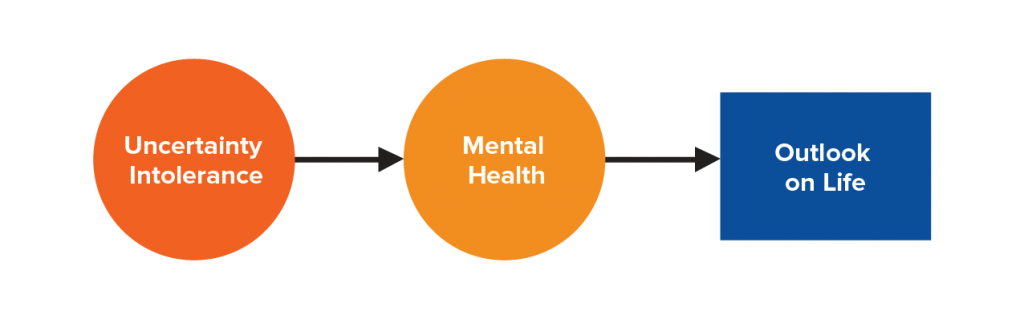
图:关于应对不确定性和心理健康如何影响人生观的图表。
图1:假设模型
主要发现
数据有力地支持了我们的假设。 较低的不确定性容忍度预示着心理健康状况明显较差(B = .68),而较差的心理健康状况则显著预示了我们关于人生观的三种结果。 用积极的方式重述这一主要发现:较高的不确定性容忍度预示着更好的心理健康,而更好的心理健康则预示着积极的人生观。 较差的心理健康与无法看到来自安拉的恩典(B = -.18)、对感染新冠病毒有更多的个人和社会担忧(B = .38),以及更有可能预测未来几个月事态发展会变得糟糕或极其糟糕(OR=1.35;可能性增加35%)相关联。 同样,以积极的方式重述:更好的心理健康与看到来自安拉的许多恩典、对感染新冠病毒表达较少的个人和社会担忧,以及更有可能预测事态将以积极方式发展相关联。
除了这些影响外,还有其他重要的观点预测指标。 经常阅读《古兰经》与拥有更积极的人生观、减少担忧以及自新冠病毒传播以来看到更多来自安拉的恩典相关联。 拥有感恩的心态也与看到更多恩典相关联。 更频繁地查看新闻与拥有更消极的人生观和更多的担忧相关联。 最后,性别也是一个重要的预测指标。 尽管女性比男性有稍高的不确定性容忍度(即更难容忍)和较差的心理健康状况,但她们比男性更有可能表现出现实的乐观。
另一个有趣且重要的发现是,不确定性容忍度和心理健康都预测了应对策略。 我们将应对策略概念化为宗教性(例如:阅读《古兰经》、祈祷)、社交性(例如:与朋友和家人交流)或消极性(例如:过度购买物资、情绪化进食以及观看更多娱乐节目)。 不确定性容忍度(r=.25)和心理健康(r=.29)都与消极应对相关。 这意味着那些对不确定性容忍度较低或心理健康状况较差的人,通常会采取更多的消极应对策略。 然而,他们也采用了宗教和社交的应对机制,这表明在不确定性和焦虑中挣扎的人可能会同时采取积极和消极的应对行为。 无论个人目前对不确定性的容忍度、焦虑程度或消极应对行为如何,重要的是要强调,所有这些信念、感受和行为都是可塑的,是可以改变的。 我们在下一节讨论这些结果,并提供应对方面的实用建议。
结果讨论
我们的感知塑造了我们看待世界的方式。 感知就像一面透镜,我们通过它观察现实,它影响着我们的关注点、对生活事件的解读以及随后做出的决定。 我们的感知从根本上受到我们关于生活的核心信念的影响,其中包括我们关于不确定性的信念以及我们对它的容忍度。 根据心理学研究和我们的伊斯兰指导原则,不确定性容忍度低(即无法容忍不确定性)是不适应的,会导致高度的焦虑和担忧。 这种焦虑和担忧可能会转化为具体的恐惧,从而扭曲我们对现实的感知。 这些感知影响着我们做出的决定,包括我们如何应对不确定性。 基于我们的分析,我们根据人们对不确定性的容忍度或不容忍度,提出了两条可能的路径。
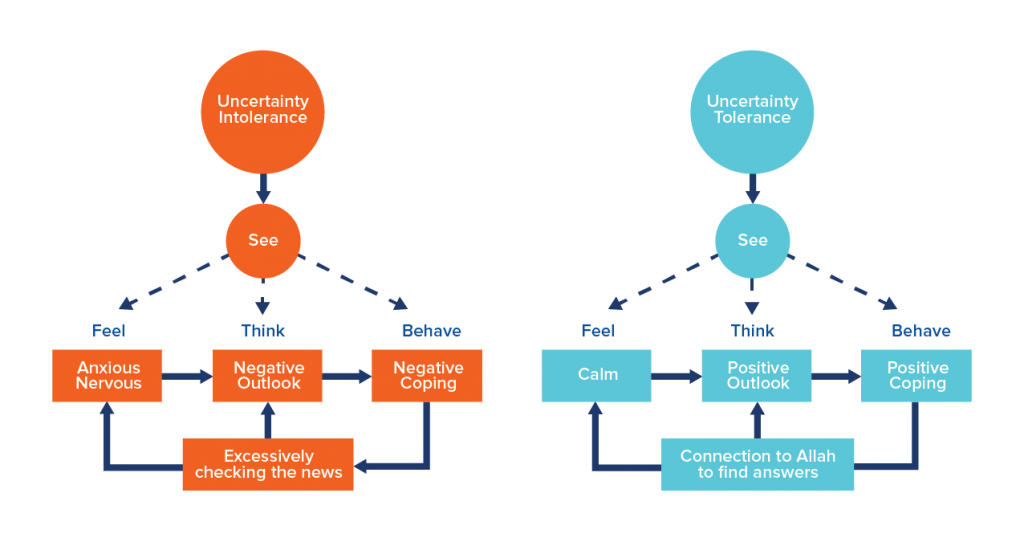
图:不适应与适应性不确定性路径图
图2:不适应(橙色)与适应性(蓝色)不确定性路径
适应性路径
在生活中能够容忍不确定性的穆斯林,其焦虑感较低,心理健康状况也更好。 他们平静的心态能够通过积极的视角看待事物,使他们能够在困境中看到恩典,并在恐惧时刻体验到乐观;他们通过阅读安拉的话语、礼拜和祈祷,将自己的不确定性交托给安拉。 尽管他们有时也会查看新闻,但他们主要是在确定的事物(安拉和他的经典)中寻找不确定性的答案。 他们从这些行为中获得了慰藉,并形成了一个积极的反馈循环,从而强化了对不确定性的接纳,进而改善了心理健康。
一种适应不良的路径
无法忍受不确定性的穆斯林往往伴有更高的焦虑感和更差的心理健康状况。 他们的思绪可能被恐惧所占据,无法以积极的视角看待事物,这使得他们难以在困境中发现恩典,也难以摆脱悲观的想法。 尽管他们可能会通过祈祷和礼拜转向安拉,但他们也会过度查看新闻和社交媒体,这可能是为了消除内心的不确定性或焦虑。 遗憾的是,新闻和社交媒体并不能消除不确定性;相反,它们很可能会通过不断变化的局势报道和令人恐惧的末日预测,加剧人们的不确定感。 他们试图在那些本身就不确定的事物中寻找答案。 由于无法获得慰藉,他们可能会转而购买额外的物资以寻求安全感,观看更多的娱乐节目来逃避恐惧,并通过进食来压抑负面情绪。 遗憾的是,这些行为并不能提供他们所需的慰藉,反而可能导致一种负面反馈循环,即观看新闻反而让他们更加焦虑。
前行的方向
正如生活中许多其他事物都在不断变化一样,我们也可以改变自己的认知。 安拉是人心灵的转变者。 我们可以学会接纳不确定性,并与之和谐共处。 一旦做到这一点,我们可能会发现忧虑和焦虑减少了,一个乐观的世界将展现在我们面前。 我们该如何开启这段旅程,去拥抱(关于世界的)不确定性,从而获得(对安拉的)确定性呢?
第一个建议是记住,虽然今生是一场考验,但我们并非必须独自面对。 事实上,安拉的意旨并非让我们独自寻找答案,而是让我们通过他和他的经典去寻求答案。 这需要寻求可靠的信息,并通过“伊斯提哈拉”(祈求安拉指引)来寻求安拉的帮助。 在这场考验中需要耐心,因为安拉会在他认为合适的时间和方式向我们揭示答案。 这就是我们所说的通过拥抱不确定性来获得确定性。 先知穆罕默德 ﷺ 每天都在实践这一点,他会在夜间礼拜开始时祈祷:“安拉啊,吉卜利勒、米卡伊勒和伊斯拉菲勒的主,天地万物的创造者,幽玄与显见的主,在仆人们产生分歧的事物上,唯有祢能做出裁决。” “安拉啊,求祢引导我认清这些争议事物的真相,因为祢是引导至正道的主。”
第二个建议是花点时间认清我们能控制什么,不能控制什么。 我们既不应傲慢地认为一切都在我们的绝对掌控之中,也不应绝望地认为一切都完全超出了我们的控制。 我们应该承认,对于许多事情,比如我们如何应对生活中的事件,我们是有一定控制力的。 同时,我们也应承认,有许多事情是完全超出我们控制范围的。 例如,我们无法控制他人的行为,也无法控制生活中会出现什么样的困难。 正是在这些情况下,增强个人控制力的唯一途径就是放弃控制:这就是顺从的悖论。 因此,与其试图控制那些无法控制的事物,不如学会顺从(安拉),即意识到有些情况是我们无力改变的。 正是在这些事件中,我们完全依赖安拉并托靠他。 先知穆罕默德 ﷺ 经常重复的一句话就是最好的例证,他 ﷺ 将其描述为天堂的宝藏之一。
لَا حَوْلَ وَلَا قُوَّةَ إِلَّا بِاللهِ(除了安拉,没有任何力量和权能的改变。)
第三个建议是采取具体的行为来减轻焦虑。 尽管我们的头脑可能试图在理智上接受不确定性,但我们仍需采取行动,以降低焦虑发生的可能性,并减少在焦虑诱发情境下产生的生理反应。 这些行为包括特定的宗教实践,以及伊斯兰传统和现代心理学都认为有益的通用实践。 我们建议从以下列表中组合进行活动。
• 精神修持方案,包括:
• 每日礼拜
• 每日诵读《古兰经》
• 专注于消除焦虑和放弃控制的祈祷
• 每日记念(例如早晚记念)
• 泰哈朱德(深夜)礼拜
• 阅读关于安拉尊名和属性的内容
• 积极心理学实践:
• 坚持写每日感恩日记
• 观察自然并反思其美感
• 基于伊斯兰的正念练习和正念饮食
• 定期散步和其他运动
• 绘画和其他形式的艺术疗法
• 渐进式肌肉放松法
• 限制接触不必要的新闻和社交媒体
第四个也是最重要的建议是承认,如果引导得当,焦虑也可以是积极的。 我们无法消除心中所有的忧虑,但如果我们能将精力集中在最重要且我们能够控制的那一件事情上,那么其他所有的忧虑都会随之消散。 先知穆罕默德 ﷺ 向我们承诺,无论谁将所有的忧虑集中于一处——即对后世的忧虑,安拉都会为他解决今生的其他忧虑。 因此,如果我们所有的精力都集中在一个问题上,即“安拉对我们满意吗?”,那么我们共同的恐惧和焦虑就能得到解决。 伟大的学者伊本·哈兹姆提到,他曾思考人们的忧虑及其行为背后的动机,发现它们都集中在排解焦虑上。 他随后深入思考,直到发现答案在于真诚地转向安拉,寻求后世。 正是这种不确定性点燃了信士心中的火焰,因为他们渴望着最终从主那里听到:“噢,我心爱的仆人,我对你非常满意。” 当先知穆罕默德 ﷺ 被赶出塔伊夫城,浑身是血且精疲力竭时,他以优美的方式教导了我们这一课。 他举起双手向安拉祈祷:“只要祢不对我感到不满,我不在乎(我所面临的一切)。” “然而,如果能得到祢的慈悯,我会更加欣慰。” 正是怀着这种心态,安拉的先知们尽管面临无数磨难,却依然是最幸福的人。
结语
不确定性是今生不可或缺的一部分,我们注定无法逃避它。 相反,我们应该拥抱它,将那些超出我们控制范围的事物交托在安拉手中,同时专注于我们能够控制的事情。 “你们当借着坚忍和礼拜寻求帮助。” “这对于谦卑顺从的人来说,确实是不容易的。”
总之,我们想强调礼拜和转向安拉的力量,这是在不确定时期寻求控制感的解药。 研究发现,为了应对不确定性,大脑可能会进入一种高度警觉的状态,以试图减少不确定感。 这涉及激活大脑的多个区域,特别是那些与寻求控制感相关的区域。 为大脑提供必要的能量需要神经内分泌和神经能量的反应,这些反应构成了压力反应。 然而,一项关于礼拜对大脑影响的迷人研究发现,当人们全神贯注地进行礼拜时,大脑前额叶皮层的活跃度会降低,而该区域通常与寻求控制感有关。 因此,礼拜让信士体验到顺从,并放下个人的、任性的控制欲。 转向安拉是我们唯一应该做的事,并且要绝对确信,这必将在今世和后世带来有利的结果。 毫无疑问,借由记念安拉,心灵才能得到安宁。
附录 A
分析中使用的调查问卷
对不确定性的不耐受
- 不确定性让生活变得难以忍受
- 如果我不知道明天会发生什么,我的心就无法放松
- 不确定性让我感到不安、焦虑或压力。 心理健康
- 在过去几天里,你感到焦虑的频率如何?
- 在过去几天里,你感到紧张的频率如何?
- 在过去几天里,你感到平静的频率如何? 对未来的展望:以下哪项陈述反映了你认为未来几个月事情会如何发展?
- 一切都会好起来的。 没有理由为任何事情担心。
- 尽管人们会面临许多磨难,但事情最终会好转,并带来许多积极的结果。
- 情况会变糟,因为许多人将遭受病毒带来的后果。
- 情况会变得非常糟糕,伴随着灾难性的生命损失和社会后果。
- 我真的不知道。 所见的恩典:你认为安拉允许新冠病毒传播,从中体现了多少恩典? (1) 完全没有 到 (5) 非常多
对新冠病毒的担忧
- 你有多担心自己感染新冠病毒?
- 你有多担心亲爱的朋友或家人感染新冠病毒?
- 你有多担心新冠病毒带来的社会后果? (1) 完全不担心 到 (5) 非常担心
对不确定性的不耐受与心理健康的描述性统计
平均值 标准差 最小值 最大值 不确定性不耐受-难以忍受 2.78 1.23 1 5 不确定性不耐受-思考 2.47 1.25 1 5 不确定性不耐受-焦虑 3.22 1.25 1 5 焦虑 2.41 1.04 1 5 紧张 2.19 1.03 1 5 平静 3.27 1.00 1 5 样本量 1235
附录 B
完整结构方程模型
结构模型 B 标准误 Z值 P值 悲观展望 心理健康 0.16 0.03 4.93 0.
00 女性 -0.08 0.03 -2.96 0.
00 阅读《古兰经》 -0.07 0.03 -2.32 0.
02 查看新闻 0.12 0.03 3.92 0.
00 感恩 0.02 0.03 0.61 0.
54 截距 0.36 0.50 0.71 0.
48 新冠恐惧 心理健康 0.38 0.03 13.44 0.
00 女性 -0.03 0.03 -1.29 0.
20 阅读《古兰经》 -0.04 0.03 -1.42 0.
16 查看新闻 0.18 0.03 6.68 0.
00 感恩 0.04 0.03 1.34 0.
18 截距 2.86 0.47 6.04 0.
00 所见恩典(自新冠以来) 心理健康 -0.18 0.03 -5.83 0.
00 女性 0.04 0.03 1.37 0.
17 阅读《古兰经》 0.22 0.03 8.15 0.
00 查看新闻 0.03 0.03 1.13 0.
26 感恩 0.14 0.03 5.10 0.
00 截距 -0.06 0.49 -0.12 0.
90 心理健康 女性 0.08 0.03 3.19 0.
00 不确定性不耐受 0.68 0.02 32.49 0.
00 测量模型 不确定性不耐受 UI难以忍受 0.60 0.02 27.69 0.
00 UI思考 0.80 0.02 50.03 0.
00 UI焦虑 0.81 0.02 51.71 0.
00 心理健康 焦虑 0.88 0.01 87.01 0.
00 紧张 0.88 0.01 88.35 0.
00 平静 0.70 0.02 41.81 0.
————————————
以下为该文章引用的外部资源:
• 00 卡方(45) = 228.73, p=0.0000 注:所有数值均为标准化值。 标准误=标准误差。拟合指数:RMSEA =.057, CFI=.96
• Archy O. de Berker, Robb B. Rutledge, Christoph Mathys, Louise Marshall, Gemma F. Cross, Raymond J. Dolan, and Sven Bestmann, “Computations of Uncertainty Mediate Acute Stress Responses in Humans,” Nature Communications 7 (2016): 10996.
• 《古兰经》28:88。
• 科学研究本身基于概率,而非确定性。
• Kristine Buhr and Michael J. Dugas, “The Intolerance of Uncertainty Scale: Psychometric Properties of the English Version,” Behaviour Research and Therapy 40, 第8 (2002): 931–45.
• Michel J. Dugas, Andrea Schwartz, and Kylie Francis, “Brief Report: Intolerance of Uncertainty, Worry, and Depression,” Cognitive Therapy and Research 28, 第6 (2004): 835–42.
• Kristina Maria Hengen and Georg Wilhelm Alpers, “What’s the Risk? Fearful Individuals Generally Overestimate Negative Outcomes and They Dread Outcomes of Specific Events,” Frontiers in Psychology 10 (2019): 1676.
• 伊本·阿塔·安拉在其著作《智慧书》(al-Hikam)中提到:“你为已经保证给你的东西而奋斗,却在你被要求做的事情上疏忽,这是你内心洞察力(basira)模糊的迹象。”
• 《提尔米齐圣训集》(Sunan al-Tirmidhī)。 禁欲之书,依靠安拉篇,第2344段。
• 先知穆罕默德 ﷺ 说:“当你们中有人面临决定时,他应该在主命拜之外进行两拜礼拜,然后说:安拉啊,我凭你的知识寻求指引,凭你的大能寻求力量,我向你祈求你宏大的恩典。 确实,你有能力而我没有能力,你知道而我不知道。 你是幽玄的知晓者。 安拉啊,如果你知道这件事对我的宗教、我的生计和我的结局是好的(或者他说:如果它对我现在的和以后的需求更好),那么请为我注定它,使它变得容易,并赐予我其中的吉庆。 但如果你知道这件事对我的宗教、我的生计和我的结局是坏的(或者他说:如果它对我现在的和以后的需求更糟),那么请将它从我身边移开,让我远离它,并为我注定对我好的事情,使我对此感到满足。” 《布哈里圣训实录》,第1113段。
• 《提尔米齐圣训集》,第3479段。
• 《古兰经》1:5。
• 《古兰经》2:155。
• 完整项目集请参阅附录 A。 使用了三个项目来衡量不确定性不耐受和心理健康。 不确定性不耐受的克隆巴赫系数(Cronbach’s alpha)为 .78,心理健康的为 .86。 因子分析还显示,这些项目以良好的模型拟合度代表了潜在的结构。
• 该模型使用多个拟合指数(RMSEA=.057, CFI =.96)与数据非常吻合。 详情请参阅附录 B。
• Jim Taylor, “Perception Is Not Reality,” Psychology Today , August 5, 2019, https://www.psychologytoday.co ... ality .
• 我们理解这些数据是相关性的,焦虑与恐惧之间的关系不一定是因果性质的。 我们认为,一般性焦虑在某些人身上可能会转化为特定的恐惧,而另一些人可能因为特定的恐惧而导致一般性焦虑。 或者,可能存在第三个因素导致这两个变量的增加。
• 我们并不主张人们完全忽视新闻。 然而,我们告诫不要强迫性地查看新闻和社交媒体,尤其是那些仅仅为了通过震惊和敬畏来吸引观众的耸人听闻的故事。 相反,人们应该根据需要从提供重要更新的权威来源(包括美国疾控中心和其他机构)寻求信息。
• Daniel R. Anderson, Patricia A. Collins, Kelly L. Schmitt, and Robin Smith Jacobvitz, “Stressful Life Events and Television Viewing,” Communication Research 23, 第3 (1996): 243–60.
• 《奈萨仪圣训集》(Sunan an-Nasa'i),夜间礼拜与白天自愿礼拜之书。
• 《危机应对工具包》,PositivePsychology.com,2020年,https://positivepsychology.com ... t.pdf
• 《布哈里圣训实录》,认主独一之书,关于安拉全听全视的章节。
• 祈祷词列表及解释请见此处:https://yaqeeninstitute.org/co ... irus/。
• 考特尼·阿克曼(Courtney Ackerman),《感恩日记:67种日记模板、创意与应用合集》,Positive Psychology,2020年2月18日,https://positivepsychology.com/gratitude-journal/。
• 考特尼·阿克曼(Courtney Ackerman),《什么是卡普兰的注意力恢复理论(ART)?》,Positive Psychology,2020年10月7日,https://positivepsychology.com ... eory/。
• 《古兰经》在数百节经文中鼓励我们反思自然,以此作为与安拉建立联系的一种方式。
• 贾斯汀·帕罗特(Justin Parrott),《如何成为一名正念的穆斯林:伊斯兰冥想练习》,Yaqeen,2017年11月21日,https://yaqeeninstitute.org/ju ... tion/。
• 《正念饮食练习》,杜克综合医学中心,https://www.dukeintegrativemed ... t.pdf。
• 伊莱恩·米德(Elaine Mead),《15种适合儿童与成人的艺术疗法活动、练习及创意》,Positive Psychology,2020年3月25日,https://positivepsychology.com/art-therapy/。
• 《渐进式肌肉放松脚本》,改编自埃德蒙·J·伯恩(Edmund J. Bourne)所著的《焦虑与恐惧工作手册》,https://www.law.berkeley.edu/f ... n.pdf。
• 《伊本·马哲圣训集》,禁欲之书,关于忧虑尘世的章节。
• 伊本·哈兹姆(Ibn Hazm),《灵魂的疗愈与道德的修养》(麦地那:萨拉菲图书馆,1970年)。
• 查看完整祈祷词请点击此处。
• 《古兰经》2:45。
• 阿希姆·彼得斯(Achim Peters)、布鲁斯·S·麦克尤恩(Bruce S. McEwen)与卡尔·弗里斯顿(Karl Friston),《不确定性与压力:为何它会导致疾病以及大脑如何克服它》,《神经生物学进展》第156卷(2017年):164–88。
• 安德鲁·B·纽伯格(Andrew B. Newberg)等,《关于伊斯兰祈祷期间意识改变状态的神经生理学影响的系列案例研究》,《生理学杂志-巴黎》第109卷,第4–6期(2015年):214–20。
• 《古兰经》13:28。 收起阅读 »
如何在顺境与逆境中依靠造物主?穆斯林托靠指南
原文出处:https://yaqeeninstitute.org/read/paper/in-hardship-and-in-ease-how-to-rely-on-god
原文标题:In Hardship and in Ease: How to Rely on 造物主
作者:Roohi Tahir
作者简介:鲁希·塔希尔(Roohi Tahir):鲁希·塔希尔是雅金伊斯兰研究所(Yaqeen Institute for Islamic Research)的研究员。她拥有波士顿大学计算机工程荣誉学士学位,是BMAIS高等硕士衔接文凭的毕业生,目前正在国际开放大学攻读伊斯兰研究硕士学位。她同时也是“滋养你的灵魂”(Nourish Your Soul)的创始人和导师,这是一个提供伊斯兰教育的平台。
副标题:托靠造物主 vs 消极等待:区别是什么?
摘要:本文解释穆斯林如何在困难和顺利时都依靠造物主。真正的托靠不是放弃努力,也不是只在绝望时求助,而是在行动、计划和结果之间承认人的有限,并把最终依靠交给造物主。

图:在困境与顺境中:如何依靠造物主
引言
……但或许你厌恶某事,而它对你是有益的;或许你喜爱某事,而它对你是有害的。 安拉全知,而你们不知。
人生是一场考验,无论顺境还是逆境。 在我写下这些文字时,我们每个人都在承受着某种困苦。 近年来,我们穆斯林群体(ummah)的部分地区遭受了毁灭性的自然灾害,并饱受战争蹂躏。 我们共同经历了一场由新冠肺炎(COVID-19)引发的全球大流行,它在瞬间夺走了生命并耗尽了资源。 它瘫痪了全球市场,造成了经济困境,并使许多我们习以为常的活动陷入停滞,导致企业、学校、清真寺和休闲场所被迫关闭。 当我们面对充满不确定性、恐惧和对损失的担忧等艰难处境时,我们与安拉的关系必须保持不变。 安拉应许,每一份艰难之后都有宽裕。 俗话说,隧道尽头的亮光并非幻觉——隧道本身才是!
我们的信仰教导我们,这一切终将过去,但在经历这场考验(fitna)时,我们必须寻求净化自我和滋养灵魂的方法。 在每一刻,信士都能看到收获恩典和回赐的机会。 我们对至仁主(al-Raḥmān)和永恒归宿(al-Ṣamad)的安拉保持乐观,他从不让我们失望,并一次又一次地将我们从黑暗引向光明。 安拉降下考验,同时也赐予我们寻求宽慰和促成成功的途径。 困境的真正考验超越了世俗的忧虑和不适,延伸到了我们选择如何应对它。 那么,我们该如何克服那些看似超出我们理解和控制范围的事情呢? 我们该如何在寻找目标与慰藉的同时,克服焦虑、对未知的恐惧以及孤独感?
我们所追求的正道要求我们具备信仰、感恩和耐心。 我们需要将我们的信赖寄托于安拉。 这种对安拉的信赖(tawakkul)是这条道路上最伟大的功课之一,也是我们必须做到的,“……如果你们是信士,就当信赖安拉。” 信赖(tawakkul)是获得安拉喜悦和回赐的途径,也是我们拥有的最伟大的恩典之一,它使我们能够培养和保持信仰。 它在任何时候和情况下,特别是在恐惧和不确定的时刻,都能激发希望、对前定的满足感和自信。 安拉应许“从他意想不到的地方供养信士”。 “凡信赖安拉的人,他是他的充足者。” 穆斯林学者伊本·盖伊姆(卒于伊斯兰教历751年/公元1350年)说:“信赖(tawakkul,即对安拉的依靠)是宗教的一半。” 至于另一半,则是归信(inābah,即在所有事务中回归安拉并忏悔)。
信赖(Tawakkul):心灵的行动
信赖(Tawakkul)存在于信士的心中。 它是我们精神健康和修行的核心。 它提供了一种视角,通过这种视角来塑造一个人的观念和行动,从而带来最好的结果。 安拉命令我们:“当你做出决定后,就当信赖安拉。 安拉确实喜爱那些信赖他的人。” 挣扎、偏离轨道、被怀疑困扰、在看不到尽头时抱怨,甚至有时被恐惧所吞噬,这些都是人之常情。 信赖(Tawakkul)是我们纠正航向、保持正轨,并带来决心与满足感的方式。 信赖(Tawakkul)的好处有很多,其中之一就是你可以将心中和脑海中所有的负担都交给安拉。 要意识到你并没有破碎、被遗弃或被遗忘,而是安拉实际上给了你正是你所需要的东西。 明白这一点,信士便会坚定而自信地承认:“我的成功全凭安拉。 我只信赖他,我只归向他。”
鉴于《古兰经》和圣训中频繁提及,对安拉的信赖这一概念大家并不陌生。 我们热切地诵读这些经文和祈祷词,但往往未能完全理解信赖(tawakkul)的内涵,也尚未将我们的心完全连接到安拉那安慰人心且赋予力量的话语上。 问题是,“我该如何践行信赖(tawakkul)? 我该如何在日常生活中实施它以获得其益处?” 信赖(Tawakkul)意味着将完全的信任寄托于安拉,超越并高于一切,包括自身。 正如穆斯林学者伊本·拉贾布(卒于伊斯兰教历795年/公元1393年)所言:“对安拉的完全信赖,是仆人在追求自身利益以及保护自己免受今世和后世(ākhira)任何伤害的努力中,内心对安拉真诚的依赖。” 然而,当我们的内心声音响亮,并被恶魔(Shaytan)的低语进一步煽动时,我们可能会错误地将自己的情绪、逻辑和那些看似即时可触的东西,置于我们对安拉的信赖以及那些往往超出我们对神圣智慧和前定感知的事物之上。 信赖(Tawakkul)是对那未知之境的信仰之跃。 因此,这个问题的答案在于这种信任所依托的两个关键方面:我有多了解安拉? 我与他的关系如何?
了解安拉就是将你的信任寄托于他
了解安拉就是认识并承认他的尊名和属性。 在诵读它们时停下来反思,并以这些尊名祈求他。 只有这样,一个人才能与安拉建立起有意义的联系——这种联系将灌输对他的完全信赖。 他是永恒的(al-Ḥayy),是万物的主宰与护持者(al-Qayyūm)。 他的知识是全知的(al-ʿAlīm)。 他是全能的(al-Qadīr),是自足的(al-Ghanī),是广施供养的(al-Razzāq),是最高贵慷慨的(al-Karīm)。 安拉是我们的监护者(al-Wakīl):“天地万物皆归他所有。 安拉足以作为万事的主宰。” 他始终掌控着他所有的创造物。 因此,我们对安拉的认知越深,我们对他的笃信和爱就越深,我们的信赖(tawakkul)也就越坚定。
信赖(Tawakkul)的果实
安拉在《古兰经》中反复命令我们将信任和信赖寄托于他。 因此,信赖(tawakkul)是对主宰的顺从行为。 它是我们信仰和崇拜安拉独一性(tawhīd)的基础与完善,即不依赖任何人:“如果他们背离,(先知穆罕默德 ﷺ),你说:‘安拉对我已足够;除他外,绝无应受崇拜的。 我只信赖他,他是伟大宝座的主。’” 正如祈祷(duʿāʾ)是获得我们预期结果的一种手段一样,拥有信赖(tawakkul)也是如此,因为安拉会回应那些将信任寄托于他的人的呼唤。 通过将我们的心顺服并完全交给安拉,信士也获得了安拉的爱:“安拉确实喜爱那些信赖他的人。” 信赖(Tawakkul)能让内心平静,使我们不再被生活的动荡所困扰。 信赖(Tawakkul)是安拉赐予信士的满足、宽裕和保护的源泉,使他们免于恐惧和怀疑。 它是接近安拉并提升个人信仰(imān)和笃信(yaqīn)水平的一种手段。
凡灾难降临,皆由安拉的许可。 凡是信仰安拉的人,他必引导他的心。 安拉是全知万物的。 你们当服从安拉,服从先知;但如果你们背弃,那么我们的先知所负的责任仅仅是明确的传达。 安拉——除他之外,绝无应受崇拜的造物主。 信士们应当只信赖安拉。
因此,如果我们遭遇困境的考验,或者世俗的供给被剥夺,又或者我们没有看到某个特定祈祷带来预期的或即时的结果,我们必须保持乐观,坚信安拉的宝藏是无穷无尽的,他会消除那份困境,并以更好的事物来补偿任何损失。 先知的同伴阿布·赛义德·胡德里(卒于伊斯兰教历74年/公元693年)传述,先知穆罕默德 ﷺ 说:“凡是穆斯林进行祈祷——只要他不是那种断绝亲属关系的人——他都会得到三件事中的一件:要么他的祈祷很快得到应答,要么为他在后世储存起来,要么为他抵消掉同等程度的灾祸。” 有人说:“那么,人们会进行大量的祈祷。” 他回答说:“安拉给予的更多。” 因此,托靠(tawakkul)最大的果实或许就是让人对结果感到满足,无论具体情况如何,因为深知结果来自那位爱他的仆人并深知什么对他们最有利的造物主。
三类人
研究伊斯兰灵性的学者们根据对待托靠(tawakkul)的态度,将人分为三类。 第一类人是完全依赖安拉,而自己却不为实现目标付出任何努力的人。 描述这一概念的术语是“tawākul”(消极依赖)。 这与《古兰经》和圣训中所理解的托靠(tawakkul)是相矛盾的。 尊贵的同伴阿卜杜拉·伊本·阿拔斯(卒于公元687年/1288年)传述,也门人去朝觐时没有携带足够的供给,声称完全依赖安拉来供养他们。 当他们不得不向麦地那人乞讨以求照料时,安拉降下了这节经文:“你们应当准备路费,因为最好的路费是敬畏安拉。”
第二类人采取了实现预期目标的手段,但却完全依赖这些手段,而不是依赖安拉。 先知努哈(愿主平安之)无法说服自己的儿子在方舟的安全中寻求安拉的庇护以躲避洪水。 他的儿子傲慢地说:“我将躲到一座山上,它能保护我不受水淹。” [努哈]说:“今天,除了安拉所怜悯的人外,没有任何人能保护你不受安拉的判决。” 于是波涛隔开了他们,他成了溺水者之一。 这种行为是有罪的,因为它违背了认主独一(tawḥīd),因为依赖除安拉之外的事物,因此它与托靠(tawakkul)相矛盾。 这就像一个人为了治病寻求推荐的或必要的医疗手段,却只把信任寄托在手段——药物和医生——上,而不信任安拉是最终通过这些手段提供治愈、赋予它们效力和作用的造物主。
第三类人是那些采取必要手段以实现预期目标,并将信任寄托于安拉以赐予他们成功的人。 这就是先知穆罕默德 ﷺ 以及在他之前的每一位先知所教导和实践的对托靠(tawakkul)的正确理解。 我们可能会好奇,为什么麦尔彦在分娩阵痛时被指示去摇动椰枣树。 “你向你摇动椰枣树的树干,它就会对你掉下新鲜的熟椰枣。” “所以,吃吧,喝吧,并感到满足。” 毫无疑问,正是她对安拉的依赖,以及安拉引导她采取该行动的至高智慧,为她提供了在困难时期获得安宁的必要手段。 同样,在任何充满不确定性和恐惧的时刻,托靠(tawakkul)的人是那些在希望安拉带他们度过考验方面保持坚定的人,同时他们会利用一切合法的手段来实现这一目标。 我们必须保持乐观,完全信任安拉会让我们从困境中解脱,同时,我们必须尽一切努力采取实现这一目标所需的必要措施。 这包括增加我们的功修,例如祈祷(duʿāʾ)、寻求宽恕(istighfār)、施舍(ṣadaqa),以及尽我们所能服务他人。
伟大的学者伊本·泰米叶(卒于伊斯兰教历728年/公元1328年)总结了托靠(tawakkul)的概念如下:“托靠包含对安拉的依赖,以便他帮助人完成被命令去做的事情,以及在人无法实现的事情上依赖安拉。” 求助(Istiʿānah)在于行动,而托靠(tawakkul)的范围比这更广。” 因此,祈祷(duʿāʾ)是我们为实践托靠(tawakkul)所采取的手段中一个重要且始终存在的方面。 同样重要的是要注意,对安拉的依赖对于所有世俗和宗教事务都是必不可少的,以寻求在今世和后世获得良好的结果。
追随那些以身作则者的脚步
《古兰经》和圣训中充满了关于托靠(tawakkul)的记载和宝贵的教训,阐明了我们最伟大的榜样是如何理解并在生活中实践它的。 先知易卜拉欣(愿主平安之)在火中感受到了清凉与宁静,因为他将信任寄托于安拉,并诵读了这些话:“安拉(独一)对我们足够了,他是最好的监护者。” 当先知穆罕默德 ﷺ 和他的同伴们得知一支庞大的军队在吴侯德集结对抗他们时,这也是他所说的话。 他 ﷺ 确保采取了可用的必要手段——战略规划、盔甲和祈祷(duʿāʾ)——以寻求安拉的帮助和保护。
当面临迁徙(hijra)到麦地那的迫在眉睫的危险时,先知穆罕默德 ﷺ 将他完全的信任寄托于安拉,引导他走向安全。 然后,他一丝不苟地执行了保护措施以实现这一目标。 他与他最亲密的同伴阿布·伯克尔·西迪克(卒于公元634年/1236年)一起逃离了麦加,带上了一名向导,并选择了另一条路线以避免被捕。 他们安排了充足的供给,并在一个洞穴中寻求庇护,直到可以安全地继续前往麦地那的旅程。 看到阿布·伯克尔对他的安全感到担忧,先知穆罕默德 ﷺ 向阿布·伯克尔保证了他们对安拉保护他们的坚定信任。
如果你们不援助先知,安拉确已援助过他,当时不信道的人将他驱逐出境(麦加),他当时是两人中的一个,当他们两人在洞穴里的时候,他对他的同伴说:“不要忧愁,安拉确是与我们同在的。” 安拉便降下安宁在他身上,并以你们所看不见的军队援助他,且使不信道者的言论成为最低的,而安拉的言论——那才是最高的。 安拉是万能的,是至睿的。
当先知穆萨(愿主平安之)被命令用手杖击打大海时,大海本身就成了通往安全的道路。 我们看到了穆萨(愿主平安之)的坚定和托靠(tawakkul),当时他说:“绝不! 我的主确与我同在,他必引导我。” 虽然难以想象,但穆萨的母亲受到神圣的启示,将她的婴儿放入河中以挽救他的生命。 安拉的智慧是多么奇妙,他随后保护了穆萨(愿主平安之),并在那个她拼命想让他逃离的暴君家中抚养他长大。 这些都是历史记载。 虽然我们可能享有生活的舒适,因此无法完全理解这些模范信士通过托靠(tawakkul)所克服的逆境程度,但它们为我们所有人提供了慰藉和希望。 对于我们之中那些身处风暴中心的人,无论是遭遇灾难、不公、丧亲还是生计困顿,请将你的信赖托付给安拉,并怀着希望与信心坚定前行,以度过这场风暴。 安拉也与你同在。
人生课
先知穆罕默德 ﷺ 说:“如果你们都能以应有的方式信赖安拉,他一定会赐予你们给养,就像他赐予鸟儿那样——它们清晨饥肠辘辘地飞出去,傍晚带着饱满的腹部归来。” 这段圣训教导我们,托靠(tawakkul)始于内心对安拉坚定的信赖。 在托靠的加持下,信士踏上实现目标的道路,无论是为了安全、生计、知识还是其他。一个人可能不知道这条路会将他引向何方,也不知道何时或如何达成目标,但对安拉的信赖使他保持坚定,确信安拉会像供养鸟儿一样供养他。 毫无疑问,这个例子描绘了极度的脆弱与需求。 鸟巢看起来很脆弱,似乎无法抵御恶劣天气和捕食者。 鸟蛋易碎,而鸟儿自身能力有限,却肩负着重大的责任。 然而,我们看到了安拉在他的计划、慈悯和对所有受造物的慷慨中所展现的完美,以至于任何向他祈求的人都不会空手而归。
托靠涉及一个人精神层面和物质手段的结合。 著名的圣训学家和神学家阿布·哈提姆·拉齐(卒于812/1408年)指出,这段圣训教导我们,托靠不仅是信仰的重要组成部分,在获取生计方面也至关重要。它始于内心,并显现于行动,无论是为了生存、福祉还是任何利益。 所谓的手段,是指在许可范围内的行动,首先是通过崇拜行为寻求安拉的帮助,同时采取个人能力范围内的实际步骤。 这可能包括寻求值得信赖的人的建议和帮助:家人、朋友以及特定领域的专家,例如医疗专业人员。 将自己的信赖托付给他人被称为“代理”(tawkīl),这是所采取手段的一种,同时要信赖安拉会提供手段并决定最终结果。
你们当互助行善和敬畏,不要互助作恶和侵犯。
因此,一个人在执行行动的同时,内心依然坚定地信赖着安拉。 要相信你的生计是有保障的,但你可能需要为此奋斗和努力。 每一项怀着托靠之心付出的行动和努力,都是在安拉之道上的行动,都会被记录并获得奖赏。 因此,托靠增强了信士的信心、勇气、力量、动力和生产力,因为他们信赖安拉会帮助他们实现目标。
当礼拜结束时,你们当散布在地方上,寻求安拉的恩惠,并多多记念安拉,以便你们成功。
采取手段——每日清单
以下清单绝非详尽无遗。 然而,它概述并简要提及了一些关键的提醒和实践,我们可以利用它们在日常生活中培养我们的托靠之心。
1. 进行祈祷
祈祷是最高形式的崇拜,也是托靠的重要组成部分。 “……故你当崇拜他,并信赖他。 你的主对于你们的行为绝非疏忽的。” 呼求安拉,当你这样做时,要怀着确信祈祷,相信你会被倾听并得到回应。 与安拉建立有意义的联系,真诚地向他祈求,理解《古兰经》和圣行中的祈祷词,并结合你自己发自内心的言语。 将你的祈祷内化,就像你内化焦虑和恐惧一样,并相信安拉会将你的祈祷转化为解脱和安慰的途径。 祈祷是信士的武器,但它的力量取决于使用者是否懂得如何最好地利用它以实现最大效益。 我们常犯的错误是将祈祷局限于我们自身有限的认知中。 不要害怕向安拉祈求——他为那些祈求的人移山填海。 鉴于此,很明显托靠会带来充满信心和确信的生活,因为虽然明天是不确定的,但安拉绝对是确定的! 在先知穆罕默德 ﷺ 教导的众多规定祈祷中,有一种是“寻求指引”的祈祷,即“求择”(istikhāra),旨在祈求安拉指引自己做出最好的行动:
安拉啊! 我以祢的知识寻求指引,以祢的大能寻求力量,我祈求祢的宏恩。 祢有能力,而我无能。 祢知晓一切,而我不知晓,祢是幽玄的知晓者。 安拉啊! 如果祢知道这件事对我的宗教、我的生计和我的后世是好的(或者说:如果它对我的现世和后世的需求更好),那么请祢为我注定它,使我容易获得它,并为我赐福。 如果祢知道这件事对我的宗教、我的生计和我的后世是有害的(或者说:如果它对我的现世和后世的需求更糟),那么请让它远离我,也让我远离它。 并为我注定任何对我好的事物,并使我对此感到满足)。 先知穆罕默德 ﷺ 补充说,此后那个人应该说出(提及)他的需求。
伊本·盖伊姆转述自他的导师伊本·泰米叶的话说:“前定之事被两件事所包围:事发前的信赖安拉,以及事发后的对安拉感到满足;谁在行动前信赖安拉,并在事后对所注定的感到满足,谁就完成了顺从。”
2. 坚定决心
先知穆罕默德 ﷺ 受到安拉的指示:“当你决定之后,你当信赖安拉。 安拉确是喜爱信赖他的人的。” 这节经文赋予我们信心去执行眼前的任务。 它使我们能够日复一日地专注于目标并保持稳定。 想象一下骑着摩托艇进入开阔水域;保持稳定的速度,水面就会变成坚实的公路,但如果走走停停,你就会被波浪摇晃,陷入不稳定的路径。 同样,托靠关闭了质疑、怀疑、不作为、压力以及对自己和他人不满的大门。 放下拖累你的包袱,忙于善行,以避免浪费时间和后悔。 记住,托靠有两个动作——一个是内心的,另一个是寻求现有手段的。
圣门弟子阿纳斯·本·马利克(卒于93/712年)传述:一个人说:“安拉的使者啊,我应该拴住我的骆驼并信赖安拉,还是不拴住它并信赖安拉?” 先知穆罕默德 ﷺ 说:“拴住它,然后信赖安拉。”
3. 真诚地相信安拉的宽恕
先知穆萨(摩西),愿他平安,在试图拯救他人生命时,误伤了一名男子致死。 他转向安拉寻求宽恕,安拉宽恕了他:“‘我的主啊!我确已自欺了,求祢宽恕我。’于是,他宽恕了他。 他确是至赦的,至慈的。” 忏悔之门是敞开的,但它要求我们真诚,并完全信赖安拉会宽恕我们;一个人在此处的托靠水平将产生希望和行善的动力。 每日规定的求饶(istighfār)祈祷体现了这种对安拉的信赖:
先知穆罕默德 ﷺ 说:“寻求宽恕的至高祈祷(求饶之首)是说:‘安拉啊! 祢是我的养主(Rabb)。 除祢之外,没有真正的主宰。’ 您创造了我,我是您的仆人,我尽我所能地遵守您的契约。 我祈求您庇护我免遭我所做之事的侵害。 我承认您赐予我的恩惠,我也承认我的罪过。 请原谅我,因为除了您,没有人能给予宽恕。 白天,凡是怀着坚定的信念如此祈祷,并在当天(傍晚前)去世的人,都将成为天堂(janna)的居民;如果有人在夜晚怀着坚定的信念如此祈祷,并在早晨前去世,他都将成为janna的居民。
一个人越是谦卑地作为安拉的仆人,他在安拉眼中就越是高贵。 我们反复的跌倒和重新站起,当我们真诚地悔罪(tawba)归向安拉时,就变成了荣誉的徽章。
4. 坚持每日五次礼拜
安拉赐予我们机会,至少每天五次与他对话,倾诉我们的心声。 礼拜(Ṣ alāh)包含赞美安拉、肯定他的伟大、提醒他的经典,以及一个祈祷(duʿāʾ)的绝佳机会;所有这些都旨在加强我们的(tawakkul)——对安拉的信赖。 通过反思我们在每次礼拜中诵读的经文:“唯独我们崇拜您,唯独我们求您襄助”和“安拉至大”(Allāhu Akbar),我们能够增加我们的信仰,从而增加我们的(tawakkul)。 我们每日五次的礼拜是保持正轨、获得赏赐与宽恕、并亲近安拉(swt)的途径。
5. 内化“未见之物”的真实性
这正是信仰“未见之物”的精髓:“……这部经,其中毫无可疑,是敬畏者的向导。他们确信未见之物,谨守拜功,并施舍我所赐予他们的财物。” 我们并不总是有知识或洞察力来理解每一种情况。 我们可能感觉被困在茂密的树林和荆棘丛中,看不到尽头,但内化“未见之物”的真实性将增加我们对安拉的(tawakkul),他将引导我们走出森林,走向光明。 这可能超出了我们理性的理解范围,有些事情可能看起来不公平或违反直觉,但安拉以其无限的知识和智慧,即使我们看不见,他也在引导我们走向美好。 反思《山洞章》(Sū rah al-Kahf)中的故事。 摩西(as)的每一次遭遇,似乎都与实际情况截然相反。 来自安拉的是真理,其中蕴含着最大的智慧和美好。 (tawakkul)的这一方面使我们有信心和能力接受他的判决是最好的结果,无论当时情况如何。
6. 知道自己已被装备
认识到安拉绝不会让你承担超过你能力范围的重负,这会让你感到安慰:“安拉不使任何人的灵魂负担超过其能力所及的范围。” 了解这一点会带来轻松,因为我们确信自己能够度过眼前的难关,因为我们的造物主比任何人都了解我们。 他已经装备了我们,他希望我们轻松,并且即使在最艰难的情况下,他也会赐予我们轻松。
7. 保持耐心
耐心是一个非常全面的话题,但就这个每日清单而言,我们提醒自己,它是(tawakkul)的必要组成部分。 如果不每天在所有顺境和逆境中都保持耐心,我们就无法完全信赖安拉。 但是,通过在面对困难和挑战时保持坚持、一致和积极行动,我们能够培养和维持完全信赖安拉所需的信仰和纪律。 让我们不要成为那些在困境面前放弃耐心而陷入绝望的人:
人并不厌烦祈求福利,但如果灾难降临到他身上,他就绝望了。
8. 增加感恩之心
与耐心一样,感恩也是(tawakkul)的必要组成部分。 没有它,我们就无法完全信赖安拉和他的判决。 《古兰经》和圣训中有大量详尽的讨论,敦促信士在他们的人生观中培养这种美好的品质,感恩安拉赐予他的创造物的一切。 当感恩之心蓬勃发展并从内心显现时,(tawakkul)就会慢慢产生,因为我们完全相信安拉已经赐福于我们并回应了我们的祈求。
安拉的使者 ﷺ说:“信士的境遇真是奇妙,他的一切都是好的。这种情况只发生在信士身上。如果他遇到喜事,就感恩(造物主),于是这是好的;如果他遇到灾难,就忍耐(并坚韧地承受),于是这也是好的。”
要更详细地理解感恩这一神圣的恩赐,请点击此处阅读。
9. 保持乐观
悲观主义与(tawakkul)是矛盾的。 这是关于改变我们的看法。 我们往往透过自身经历的滤镜来看待世界,但今天未曾降临于我们的,或许正在未来等待着我们。 多想想我们今天所经历的积极事物,并记住安拉已应许:每一份艰难之后,必有宽裕。 先知穆罕默德 ﷺ 曾探望一位生病的贝都因人,并对他说:“不必担心,如果安拉意欲,这会是‘塔胡尔’(ṭahūr,即你的疾病将成为洗涤你罪孽的途径)。” 贝都因人说:“‘塔胡尔’(Ṭahūr)!” “不,这不过是折磨老人的高烧,它只会让他走向坟墓。” 先知 ﷺ 说:“既然如此,那就随它吧。”
10. 对安拉抱有良好的期望
为了做到“托靠”(tawakkul),我们必须认识安拉,并在我们人生旅途的每一个阶段,直至最终回归于他的过程中,始终信赖他。 先知穆罕默德 ﷺ 说:“安拉说:‘我如我的仆人所认为的那样对待他’(即:我能够为他做到他认为我能为他做到的事)。” 学习、研读并深思安拉的美名与尊性,以加强你与他的关系,并增强你的“托靠”。
11. 要知道安拉喜爱那些托靠他的人
有时,我们会错误地将安拉的考验解读为他不爱我们,或是我们已被遗弃的迹象。 但考验会降临到所有人身上,无论处于人生的何种境地,无论顺境还是逆境,也无论信仰程度如何。 每一次考验都是为了让我们更接近安拉,因为他爱他的仆人,并希望我们获得最好的结果:“你的主(先知穆罕默德 ﷺ)没有抛弃你,也没有厌恶你。” 请记住,安拉喜爱他的使者们,但他们仍承受了看似无法逾越的损失、挑战和挫折,因为这些困难将他们提升到了最高贵的境界。
12. 坚持每日的“记主词”(adhkār)
先知 ﷺ 教导了我们在二十四小时内的特定时间以及特定场合下所应诵读的祈祷词(duʿāʾ)。 养成包含这些内容的日常功课,能时刻提醒我们寻求安拉的庇护,并帮助我们将一切事务托付给他。 例如,出门时我们应诵读:“奉安拉之名,我已托靠安拉,唯有安拉才有力量和权能。”
13. 沉浸在“记主”(dhikr)的宁静中
我们越是沉浸在对安拉的记念(dhikr)中,就越能感受到安拉的存在,并意识到他就在我们的生活中。 安拉告诉我们要从记念中寻找宁静:“那些信道的人们,他们的心境因记念安拉而安宁。 真的,一切心境因记念安拉而安宁。” 这种安宁是信徒对他人的托靠(tawakkul)的一种标志,也是加强这种托靠的途径。
结论
阿卜杜拉·伊本·麦斯欧德(ʿAbd Allah Ibn Masʿūd)指出,《古兰经》中体现对安拉最深切的托靠以及将一切事务交付给他的经文是:“敬畏安拉的人,他将为他开辟一条出路,并从他意想不到的地方供养他。 凡托靠安拉的人,他是他的充足者。 安拉必将实现他的旨意。 安拉确已为万物设定了(注定的)限度。” 人们可能会认为托靠(tawakkul)只在逆境中才需要,但实际上,托靠是信徒心中一种恒久的状态。 我们所有人都时刻需要安拉,无论考验是顺境还是逆境,安拉降下的所有考验都是我们托靠他的机会。 托靠是信徒的生活方式——一种结合了坚定的信仰与知足的生活方式。 因此,赛义德·伊本·朱拜尔(Saʿīd ibn Jubayr)说:“对安拉的托靠是凝聚整个宗教的核心。” 毫无疑问,我们许多人今天正经历着巨大的动荡。 我们祈祷安拉的援助早日降临,为所有承受痛苦、艰难和损失的人带来慰藉。 对安拉的托靠是最好的礼物,它让我们感到安心,并提醒我们如何坚定不移地走下去,直到抵达最终的目的地。
我们的主啊,我们只托靠祢,我们只归向祢,最终的归宿也是祢。
————————————
以下为该文章引用的外部资源:
• 《古兰经》2:216。
• 《古兰经》5:23。
• “你们所获得的任何事物,都只是今世生活的享受。 但对于那些信道并托靠其主的人来说,安拉那里的报酬是更好且更长久的。” 《古兰经》42:36。
• 《古兰经》65:3。
• 穆罕默德·萨利赫·穆纳吉德(Muhammed Salih Al-Munajjid),《对安拉的托靠》(Reliance on Allah)(出版地不详:Zad Group,出版日期不详),第3页,2020年4月访问,https://d1.islamhouse.com/data ... h.pdf。
• 《古兰经》3:159。
• 《古兰经》11:88。
• 艾哈迈德·法里德(Ahmad Farid),《灵魂的净化》(The Purification of the Soul)(伦敦:Al-Firdous,1996年),第105页。
• 《古兰经》4:171。
• 《古兰经》9:129。
• 《古兰经》3:159。
• 《古兰经》64:11–13。
• 布哈里(Al-Bukhārī),《礼仪单行本》(al-Adab al-mufrad),第107段,https://sunnah.com/adab/31/107。
• 穆纳吉德,《对安拉的托靠》,第9-14页。
• 布哈里,《布哈里圣训实录》(Ṣaḥīḥ al-Bukhārī),第1523段,https://sunnah.com/bukhari/25/11。
• 《古兰经》11:43。
• 参见《古兰经》19:23–26。
• 伊本·泰米叶(Ibn Taymiyya),《法塔瓦全集》(Majmoo' Al-Fataawa)(8/177)
• 《布哈里圣训实录》,第4287段
• 《古兰经》9:40。
• 《古兰经》26:62。
• 参见《古兰经》28:7–13。
• 《提尔米齐圣训集》(Sunan al-Tirmidhī),第2344段,据提尔米齐评述为“正确”(ṣaḥīḥ)。
• 阿布·巴克尔·贾比尔·贾扎伊里(Abū Bakr Jābir al-Jazāirī),《穆斯林指南:信仰、礼仪、品格、功修及其他行为之书》(Minhāj Al-Muslim),第1卷(利雅得:Dār al-Salām,2001年),第301页。
• 法里德,《灵魂的净化》,第105页。
• 《古兰经》5:2。
• 《古兰经》62:10。
• 《古兰经》11:123。
• “你们的主说:‘你们祈祷我吧,我必应答你们。’” 《古兰经》40:60。
• 《布哈里圣训实录》,第45段,第1166段,https://sunnah.com/bukhari/19/45。
• 伊本·盖伊姆(Ibn al-Qayyim),《修行者阶梯》(Madaarij As-Saalikeen)(2/122)
• 《古兰经》3:159。
• 穆罕默德·伊本·伊萨·提尔米齐(Muḥammad ibn ʿĪsā al-Tirmidhī),《提尔米齐圣训集》,第2517段。
• 《古兰经》28:16。
• 脑威(Al-Nawawī),《圣洁园》(Riyāḍ al-ṣāliḥīn),第20卷,第7段,https://sunnah.com/riyadussaliheen/20/7;亦由布哈里传述。
• 《古兰经》1:5。
• 《古兰经》2:2–3。
• 《古兰经》18:60–82。
• 《古兰经》2:286。
• 《古兰经》41:49。
• 《穆斯林圣训实录》(Ṣaḥīḥ Muslim),第55卷,第82段,第2999段,https://sunnah.com/muslim/55/82。
• 《古兰经》94:5–6;另见鲁希·塔希尔(Roohi Tahir),《以信仰克服悲观》(Overcoming Pessimism with Faith),Yaqeen,2017年4月17日,https://yaqeeninstitute.org/ro ... aith/。
• 《布哈里圣训实录》,第97卷,第96段,第7470段,https://sunnah.com/bukhari/97/96。
• 《布哈里圣训实录》,第7505段,https://sunnah.com/bukhari/97/130。
• 《古兰经》93:3。
• 《艾布·达吾德圣训集》(Sunan Abi Dāwūd),第5095段。
• 《古兰经》13:28。
• 《古兰经》65:2–3;另见穆纳吉德,《对安拉的托靠》,第41页。
• 穆纳吉德,《对安拉的托靠》,第3页。
• 《古兰经》60:4。 收起阅读 »
困难与保护祈祷指南:穆斯林如何向安拉寻求解脱与庇护(第3部分)
原文出处:https://yaqeeninstitute.org/read/paper/duas-for-relief-and-protection
原文标题:Prophetic Prayers for Relief and Protection
作者:Dr. Tahir Wyatt
作者简介:塔希尔·怀亚特(Tahir Wyatt)博士:塔希尔·怀亚特是一位已发表多部著作的学者、经验丰富的口译员,也是伊斯兰研究和比较宗教学的讲师。在沙特阿拉伯学习和任教的二十一年间,他获得了多个学位,包括神学博士学位。他也是历史上唯一一位受聘在麦地那先知清真寺(穆斯林世界第二圣地)任教的美国人。怀亚特博士目前在全国乃至国际范围内的清真寺、大学和其他学术机构进行讲座。他担任费城联合穆斯林清真寺(United Muslim Masjid)的执行董事,同时也是古兰经、阿拉伯语与反思研究所(QARI)的院长,该研究所致力于提供结构化、基于课程的古兰经和阿拉伯语教学。除了担任系统神学系主任外,怀亚特博士还是雅琴(Yaqeen)编辑审查委员会的副主编。
副标题:穆斯林可以用哪些祈祷面对焦虑、疾病、恐惧和灾难?
摘要:本文整理穆斯林在困难、疾病、恐惧和灾难中可以诵读的祈祷,并解释这些祈祷的含义与背景。文章强调,祈祷不是空洞重复,而是带着理解、谦卑和信托向安拉求助。
————————————
以下为该文章引用的外部资源:
• 引用资源:《艾布·达伍德圣训集》,第1479段;《提尔米济圣训集》,第2969段,被评为真实圣训。
• 引用资源:《古兰经》6:43。
• 引用资源:穆罕默德·本·艾哈迈德·库尔图比,《古兰经判例汇编》(贝鲁特: الرسالة 出版社,2006年),8:378。
• 引用资源:伊本·盖伊姆,《病与医》(麦加:دار عالم الفوائد 出版社,伊斯兰历1429年),11。
• 引用资源:《布哈里圣训实录》,第6464段;《穆斯林圣训实录》,第783段。
• 引用资源:《艾哈迈德圣训集》,第6655段,被谢赫艾哈迈德·沙基尔评为真实圣训。
• 参见伊本·盖伊姆,《Al-Wābil al-ṣayyib》(麦加:ʿĀlam al-Fawāʾid,伊斯兰历1425年),第239页。 如果有人错过了在指定时间进行这些祈祷,他们应该在想起时立即进行。
• 《古兰经》20:130。
• 《古兰经》7:205。
• 《古兰经》33:35。
• Dhikr(记念)的复数形式,此处指对安拉的记念。
• 《伊本·萨拉赫法塔瓦》(贝鲁特:ʿĀlam al-Kutub,伊斯兰历1407年),第150页。
• 此列表并非详尽无遗。 先知穆罕默德 ﷺ 在早晚会定期进行二十多种祈祷。 其中一些提到了特定的回报,而另一些则没有。 虽然不是强制性的,但非常鼓励背诵所有这些祈祷词。
• 伊本·盖伊姆提到他曾听伊本·泰米叶说过这话。 伊本·盖伊姆,《Al-Wābil al-ṣayyib》,第96页。
• 《布哈里圣训实录》,第6407段。
• 富达拉·本·欧拜德(愿主喜悦之)传述,安拉的使者 ﷺ 听到一个人在礼拜时祈祷,却没有赞美安拉的伟大,也没有为先知穆罕默德 ﷺ 祈求祝福。 安拉的使者 ﷺ 说:“他太匆忙了。” 然后他对那个人(或者可能是另一个人)说:“你们中任何人在礼拜时,都应该先赞美和尊崇他的主,然后再为先知穆罕默德 ﷺ 祈求祝福。 此后,他可以向安拉祈求他想要的任何事情。” 《艾布·达伍德圣训集》,第1481段,被阿尔巴尼评为真实圣训。
• 伊本·盖伊姆·贾兹亚对《古兰经》开端章(Sūrat al-Fātiḥah)如何成为向安拉正确祈求需求的实际教导,以及它如何成为先知穆罕默德 ﷺ 在自身祈祷中所遵循的典范,做了非常详尽的解释。 参见伊本·盖伊姆,《Madarij as-salikeen》(贝鲁特:Dār al-Fikr,1988年),第1卷,第23–24页。
• 参见穆罕默德·穆巴拉克富里,《Tuḥfat al-aḥwadhī bi sharḥ al-Tirmidhī》(大马士革:Dār al-Manhal,2011年),第9卷,第323页。
• 参见《古兰经》39:42。
• “wa-shirkihi”也被传述为“wa-sharakihi”。 纳瓦维提到,这两种传述中最明显和流行的是“shirkihi”,指的是撒旦试图诱导人类为安拉配主。 第二种发音“sharakihi”意为撒旦的陷阱。 纳瓦维,《Al-Adhkār》(贝鲁特:Dār al-Fikr,1994年),第78页。
• 《提尔米齐圣训集》,第3529段。 有一个措辞略有不同的类似传述(第3392段),被阿尔巴尼在《提尔米齐圣训实录》中归类为真实圣训,第2701段。
• 伊本·盖伊姆,《Badāʾiʿ al-fawā’id》(麦加:Dar ‘Alam al-Fawa’id,伊斯兰历1425年),第2卷,第718页。
• 《艾布·达伍德圣训集》,第5088段;《提尔米齐圣训集》,第3388段;《伊本·马哲圣训集》,第3869段,被伊本·盖伊姆在《Zād al-maʿād》(贝鲁特:Muʾassasat al-Risālah,1994年)中评为真实圣训,第2卷,第338页。
• 《艾布·达伍德圣训集》,第5088段;《提尔米齐圣训集》,第3388段;《伊本·马哲圣训集》,第3869段,被伊本·盖伊姆在《Zād al-ma’ād》中评为真实圣训,第2卷,第338页。
• 阿卜杜勒·拉扎克·巴德尔,《Fiqh al-adʿiyah wa-al-adhkār》(麦地那,自费出版,伊斯兰历1426年),第2卷,第13页。
• 穆罕默德·本·阿里·肖卡尼,《Tuḥfat al-dhākirīn》(贝鲁特:Dār al-Qalam,1984年),第91页。
• 《艾布·达伍德圣训集》,第5074段;《伊本·马哲圣训集》,第3871段;并被纳瓦维和阿尔巴尼评为真实圣训。
• 《提尔米齐圣训集》,第3514段。
• 巴德尔,《Fiqh al-adʿiyah wa-al-adkār》,第2卷,第31页。
• 《古兰经》7:16–17。
• 收录于《艾布·达伍德圣训集》,第5090段,被伊本·哈杰尔在《Natāʾij al-afkār》(大马士革:Dār Ibn Kathīr,2008年)第2卷第390页,以及阿尔巴尼在《Ṣaḥīḥ Abū Dāwūd》中评为哈桑(良好)圣训。
• 《古兰经》51:56。
• 例如,参见阿布·哈桑·穆巴拉克富里,《Mir’āt al-mafātīḥ》(印度:Idārat al-Buḥūth al-ʿIlmīyah, al-Jāmiʿah al-Salafīyah,1984年),第8卷,第156页。
• 《艾布·达伍德圣训集》,第5082段;《提尔米齐圣训集》,第3575段,被评为真实圣训,纳瓦维在《Al-Adhkār》第107页中也如此评价。
• 《Tuḥfat al-dhākirīn》(贝鲁特:Dār al-Qalam,1984年),第91页。
• 《奈萨仪圣训集》,第5431段。
• 阿布·赛义德·胡德里说:“安拉的使者 ﷺ 过去常寻求庇护,以抵御精灵和人类的邪眼。 当《穆阿维扎泰因》(即《古兰经》第113章和第114章)降示后,他便持守这两章,并停止了其他形式的寻求庇护。” 《提尔米齐圣训集》,第2058段;《奈萨仪圣训集》,第5494段;《伊本·马哲圣训集》,第3511段,被阿尔巴尼在《提尔米齐圣训实录》中评为真实圣训。
• 阿伊莎传述,先知穆罕默德 ﷺ 每晚就寝时,会将双手合拢,吹气,并在掌心诵读《古兰经》第112章、第113章和第114章。 然后他会擦拭身体尽可能触及的部位,从头部和面部开始,接着是身体的前部。 他会重复此动作三次。 《布哈里圣训实录》和《穆斯林圣训实录》。
• 欧格巴·本·阿米尔说:“安拉的使者 ﷺ 命令我在每次礼拜后诵读《穆阿维扎特》(即《古兰经》最后三章)。” 《艾布·达伍德圣训集》,第1523段;《奈萨仪圣训集》,第1336段,被扎哈比在《Mīzān al-iʿtidāl》(贝鲁特:Dār al-Maʿrifah,1963年)第4卷第433页及其他人评为真实圣训。
• 伊本·盖伊姆,《Tafsīr al-muʿawwidhatayn》(塔伊夫:Maktabah al-Ṣiddīq,1988年),第15页。
• 阿布·哈扬·安达卢西,《Al-Baḥr al-Muḥīṭ》(贝鲁特:Dār al-Fikr,伊斯兰历1420年),第10卷,第579页。
• 布尔汉·丁·比卡伊,《Nadhm al-durar》(开罗:Dār al-Kitāb al-Islāmī,无日期),第22卷,第424页。
• 《布哈里圣训实录》,第7171段;《穆斯林圣训实录》,第2174段。
• 艾布·达伍德(第5081段)收录了这一传述,并补充道:“无论他是否相信他所说的话。” 这一补充已被宣布为伪造。 然而,阿布·达尔达的祈祷词已被归类为真实,并被赋予先知穆罕默德 ﷺ 圣训的地位,因为这样的陈述不可能基于个人的观点和独立判断。 参见:《Silsilat al-aḥādīth al-daʿīfah》,第5286段。
• 《古兰经》9:129。
• 《穆斯林圣训实录》,第2664段。
• 《艾布·达伍德圣训集》,第4700段。
• 一些领域专家提到,重复积极的短语,特别是那些具有精神联系的短语,会在大脑神经元之间建立新的路径,帮助人们感到更平静、更健康。精神心理健康临床护理专家吉尔·博曼博士(Dr. Jill Bormann)就此主题撰写了大量文章。参见:“一种改善医疗保健提供者健康和福祉的‘倦怠预防’工具:咒语重复”,https://www.mentalhealth.va.go ... s.pdf。
• 《穆斯林圣训实录》,第2709段。
• 《穆斯林圣训实录》,第2708段。
• 阿里·本·穆罕默德·卡里,《Mirqāt al-mafātīḥ》(贝鲁特:Dār al-Fikr,2002年),第4卷,第1682页;阿布·哈桑·穆巴拉克富里,《Mirʿāt al-mafātih》,第8卷,第171页。
• 巴德尔,《Fiqh al-adʿiyah wa-al-adkār》,第2卷,第277页。
• 苏莱曼·本·阿卜杜拉·阿卜杜勒·瓦哈卜,《Taysīr al-ʿAziz al-Ḥamīd》(利雅得:Dār al-Sumayʿī,2007年),第1卷,第404页。
• 《艾布·达伍德圣训集》,第5095段;《提尔米齐圣训集》,第2436段,被评为真实圣训。
• 阿布·穆萨·阿什阿里(愿主喜悦之)传述,安拉的使者 ﷺ 说:“阿卜杜拉·本·盖斯啊,你想让我指引你通往天堂的宝藏之一吗:lā ḥawla wa lā quwwata illā billāh(唯有安拉才有力量和能力)。” 《布哈里圣训实录》,第6384段;《穆斯林圣训实录》,第2704段。
• 伊本·法里斯(卒于伊斯兰历395年),《Maqāyīs al-lughah》(贝鲁特:Dār al-Jīl,1999年),第2卷,第121页。
• 伊本·泰米亚,《法塔瓦全集》(麦地那:法赫德国王综合体,1995年),5:574。
• 纳瓦维对《穆斯林圣训实录》的注释(贝鲁特:遗产复兴出版社,伊斯兰历1392年),4:87。
• 《古兰经》35:15。
• 伊本·盖伊姆,《回程的准备》,4:193。
• 《穆斯林圣训实录》,第2999段。
• 先知穆罕默德 ﷺ 的这段话由布哈里(第5009段)和穆斯林(第807段)共同收录,而阿卜杜勒·拉赫曼·本·亚齐德会见阿布·马斯欧德的故事仅见于《穆斯林圣训实录》。
• 参见:《萨阿迪经注译本》(利雅得:国际伊斯兰出版公司,2018年),1:367–71;伊本·泰米亚,《法塔瓦全集》,14:129–41。
• 伊本·泰米亚,14:129–41。
• 《穆斯林圣训实录》,第780段。
• 《提尔米济圣训集》,第2882段,被阿尔巴尼评为真实圣训。
• 伊本·盖伊姆,《甘霖》(开罗:圣训出版社,1999年),97。 关于在此语境下“足够”一词的其他见解,请参阅伊本·哈杰尔·阿斯卡拉尼,《布哈里圣训实录指南》(出版地不详:萨拉菲图书馆,出版日期不详),9:56。
• 参见《伊本·凯西尔经注》(利雅得:泰巴出版社,1999年),1:735。 纳瓦维也提到了类似的措辞,并在《记念词》第94页中将其评为真实圣训。
• 《艾布·达伍德圣训集》,第1425段;《提尔米济圣训集》,第464段;《奈萨仪圣训集》,第1745段;《伊本·马哲圣训集》,第1178段。 一些学者坚持认为,这种祈祷可以在任何时间进行,并且该圣训的正确措辞并不包含关于“昆努特”或“威特尔”拜的引用。 参见:《伊本·胡扎伊麦圣训实录》(贝鲁特:伊斯兰办公室,出版日期不详),2:252。
• 《古兰经》1:6。
• 《古兰经》64:11。
• 《伊本·凯西尔经注》译本(黎巴嫩:和平出版社,2003年),10:25。
• 《古兰经》2:257。
• 《古兰经》10:62–63。
• 《古兰经》2:216。
• 关于人类自由意志与前定之间关系的进一步讨论,请参阅:贾斯汀·帕罗特,“调和伊斯兰教中的前定与自由意志”,《Yaqeen》,2017年7月31日,https://yaqeeninstitute.org/ju ... slam/。
• 《穆斯林圣训实录》,第2202段;方括号内的补充内容来自《伊本·马哲圣训集》,第3522段。
• 参见卡迪·伊亚德,《穆斯林圣训实录注释》(开罗:瓦法出版社,1998年),7:110。
• 《布哈里圣训实录》,第4442段。
• 《布哈里圣训实录》,第5779段及《穆斯林圣训实录》,第2047段,引自萨阿德·本·阿比·瓦卡斯。
• 《回程的准备》,4:172。
• 《祈祷与记念词法学》,2:216-217。
• 穆罕默德·本·萨利赫·欧赛敏,《圣行花园注释》(利雅得:祖国轨道出版社,伊斯兰历1426年),4:483。
• 一些贝都因人问先知穆罕默德 ﷺ:“我们应该治疗我们的疾病吗?” 他回答说:“是的,安拉的仆人们,去用药吧。 安拉创造了疾病,同时也为它创造了治愈(或补救)的方法。” 由提尔米济收录(第2038段),并将其评为真实圣训。
• 《布哈里圣训实录》,第5675段;《穆斯林圣训实录》,第2191段。
• 《布哈里圣训实录》,第5743段。
• 《布哈里圣训实录》,第5742段。
• 《古兰经》26:80。
• 参见:艾哈迈德·本·欧麦尔·古尔图比,《理解》(大马士革:伊本·凯西尔出版社,1996年),2:819;伊本·哈杰尔,《布哈里圣训实录指南》,10:207。
• 伊本·阿卜杜勒·巴尔,《引导》(摩洛哥:宗教基金部,1967年),5:264。
• 伊本·哈杰尔,《布哈里圣训实录指南》,10:131。
• 《艾布·达伍德圣训集》,第1554段;《奈萨仪圣训集》,第5493段。 它被纳瓦维在《圣行花园》(达曼:伊本·贾兹出版社,伊斯兰历1421年)第492页,第1492段圣训中评为真实圣训。
• 伊本·巴塔尔,《布哈里圣训实录注释》(利雅得:鲁什德图书馆,2003年),9:390。
• 参见哈塔比,《圣行地标》(阿勒颇:科学印刷厂,1932年),1:297;《幸福指南》(贝鲁特:知识出版社,2004年),7:290。
• 《提尔米济圣训集》,第2398段,他将其评为真实圣训,阿尔巴尼亦持相同观点。
• 参见阿里·本·穆罕默德·卡里,《圣训阶梯》(贝鲁特:思想出版社,2002年),4:1711。
• 《布哈里圣训实录》,第5425段。
• 《布哈里圣训实录》,第5641段;《穆斯林圣训实录》,第2573段。
• 《布哈里圣训实录》,第6486段;《穆斯林圣训实录》,第2359段,引自阿纳斯·本·马利克。
• 伊本·巴塔尔,《布哈里圣训实录注释》,10:120。
• 《艾布·达伍德圣训集》,第1555段。 这段圣训存在一些薄弱之处。 其中一位传述者加桑·本·奥夫被描述为“圣训柔和”(意为: “圣训记忆力较弱”),这意味着他的记忆力不够强。 伊本·哈杰尔·阿斯卡拉尼,《圣训学精要》(阿勒颇:拉希德出版社,1991年),42。
• 《提尔米济圣训集》,第3502段,被肖卡尼在《祈祷者之礼》(第451段)和阿尔巴尼在《提尔米济圣训实录》中评为“哈桑”(良好)。
• 《古兰经》9:128。
• 《艾布·达伍德圣训集》,第4855段,被纳瓦维在《圣行花园》中评为真实圣训。
• 《古兰经》57:20。
• 《伊本·马哲圣训集》,第4105段,被阿尔巴尼评为真实圣训。
• 参见阿里·本·穆罕默德·卡里,《圣训阶梯》(贝鲁特:思想出版社,2002年),5:1727;欧赛敏,《圣行花园注释》(利雅得:祖国轨道出版社,伊斯兰历1426年),4:362–63。
• 《提尔米济圣训集》,第3375段;《伊本·马哲圣训集》,第3793段。
• 《古兰经》2:186。 收起阅读 »
困难与保护祈祷指南:穆斯林如何向安拉寻求解脱与庇护(第2部分)
原文出处:https://yaqeeninstitute.org/read/paper/duas-for-relief-and-protection
原文标题:Prophetic Prayers for Relief and Protection
作者:Dr. Tahir Wyatt
作者简介:塔希尔·怀亚特(Tahir Wyatt)博士:塔希尔·怀亚特是一位已发表多部著作的学者、经验丰富的口译员,也是伊斯兰研究和比较宗教学的讲师。在沙特阿拉伯学习和任教的二十一年间,他获得了多个学位,包括神学博士学位。他也是历史上唯一一位受聘在麦地那先知清真寺(穆斯林世界第二圣地)任教的美国人。怀亚特博士目前在全国乃至国际范围内的清真寺、大学和其他学术机构进行讲座。他担任费城联合穆斯林清真寺(United Muslim Masjid)的执行董事,同时也是古兰经、阿拉伯语与反思研究所(QARI)的院长,该研究所致力于提供结构化、基于课程的古兰经和阿拉伯语教学。除了担任系统神学系主任外,怀亚特博士还是雅琴(Yaqeen)编辑审查委员会的副主编。
副标题:穆斯林可以用哪些祈祷面对焦虑、疾病、恐惧和灾难?
摘要:本文整理穆斯林在困难、疾病、恐惧和灾难中可以诵读的祈祷,并解释这些祈祷的含义与背景。文章强调,祈祷不是空洞重复,而是带着理解、谦卑和信托向安拉求助。
II. 特定场合的祈祷
先知穆罕默德 ﷺ 在斋月期间会念诵哪些特定的祈祷词? 请在下方观看塔希尔·怀亚特博士(Dr. Tahir Wyatt)的系列视频“斋月祈祷词循环播放”:
视频:
视频说明:原文配套视频,主题为《困难与保护祈祷指南:穆斯林如何向安拉寻求解脱与庇护(第2部分)》。
(2.1) 出门前的引导与保护祈祷
بِسْمِ اللَّهِ تَوَكَّلْتُ عَلَى اللَّهِ لاَ حَوْلَ وَلاَ قُوَّةَ إِلاَّ بِاللَّه (奉安拉之名,我托靠安拉,无能无力,唯凭安拉。)
Bismillāhi tawakkaltu ʿalá Allāhi lā ḥawla wa-la quwwata illā billāh. (奉安拉之名,我托靠安拉,无能无力,唯凭安拉。)
翻译:奉安拉之名,我托靠安拉。 无能无力,唯凭安拉。 [艾布·达伍德、提尔米济和奈萨仪辑录]
背景:先知穆罕默德 ﷺ 提到,无论谁在出门时念诵这些词句,都将免受邪恶与伤害,并得到安拉的引导。
阿纳斯·本·马利克(愿安拉喜悦他)传述,先知穆罕默德 ﷺ 说:“如果一个人出门时说:‘奉安拉之名,我托靠安拉。' ‘无能无力,唯凭安拉。’ (届时)会有人说:你已得到引导、捍卫和保护。 恶魔会从他身边逃走,并对彼此说:‘对于一个已经得到引导、捍卫和保护的人,你们怎么可能伤害他呢?’”
值得注意:“无能无力,唯凭安拉”是天堂的宝藏之一。 我们被鼓励在全天不同的场合念诵它,包括在五番拜功之后,以及在听到宣礼词中“快来礼拜,快来成功”之后。
“无能无力,唯凭安拉”(lā ḥawla wa lā quwwata illá billāh)的逐字翻译是“无能无力,唯凭安拉”。 然而,这可能无法充分传达这一宏伟词句的含义。 此处翻译为“能”(ḥawla)的词,源自三个字母的词根 hāʾ-waw-lām,意为移动。 它包含了从一种状态到另一种状态的每一次转变。 “力”(quwwah)一词指的是实现这种转变的能力。 合在一起,这句话的意思是:若无安拉的援助,就没有抵御邪恶或抗拒罪恶的力量,也没有获得善行和履行顺从之举的能力。
这里传达的信息是,我们是脆弱的生命,时刻需要安拉。 我们的私欲可能会试图让我们相信自己是独立的,且一切尽在掌握。 但安拉提醒我们自身的脆弱,他说:“人们啊!你们才是需要安拉的;安拉是自足的(无需任何需求),是当受赞颂的。” 当我们承认自己软弱时,安拉会加固我们。 当我们放弃独立能力的念头时,安拉会赐予我们力量。 当我们从等式中剔除私欲时,安拉会用他的引导和保护填补这一空缺。
保护益处:家是安全的避风港、舒适区和稳定的场所。 当离开这个熟悉的空间时,我们被提醒要寻求安拉的保护和帮助。 如前所述,“奉安拉之名”(bismillāh)总是与一个动词相关联。 所以在这里,我们的意思是“奉安拉之名,我离开家”,因为有了安拉之名,就不会受到任何伤害。 通过在出门时念诵“奉安拉之名”,我们是在寻求安拉免受一切危险的保护。 通过“托靠他”,我们表明自己认可他照顾和捍卫我们的能力。 安拉绝不会让那些依赖他的人失望。
这种完全的依赖最终汇聚在“无能无力,唯凭安拉”(lā ḥawla wa lā quwwata illá billāh)中。 这句话体现了顺从安拉的精髓:我们认识到,若没有他的帮助,我们什么也做不了,也无法改变任何事情。 伊本·盖伊姆(Ibn al-Qayyim)说:“‘无能无力,唯凭安拉’具有消除焦虑和抑郁的效果,因为它包含了完全的顺从,彻底承认除安拉外别无力量,将自己的事务完全托付给他,且绝不以任何方式挑战他……它在驱逐恶魔方面有着惊人的效果。”
当我们离开家并念诵这三句话时,我们是在将自己托付给至仁至慈的安拉,由他来引导、保护和捍卫我们。 这就是成为一名穆斯林(字面意思:顺从者)的真正含义。 顺从意味着我们也接受白天发生的任何事情,无论是好是坏。 我们以感恩之心面对好事,以耐心面对坏事。 先知穆罕默德 ﷺ 说:“信士的情况真是太奇妙了!” 他在任何情况下都有益处,而这只适用于信士。 如果好事发生在他身上,他感谢[安拉],这对他是好的。 当他面临逆境时,他耐心忍受,这对他也是好的。”
(2.2) 在夜晚诵读这两节经文是免受一切伤害的保护
مَنْ قَرَأَ بِالآيَتَيْنِ مِنْ آخِرِ سُورَةِ الْبَقَرَةِ فِي لَيْلَةٍ كَفَتَاهُ (谁在夜晚诵读《黄牛章》末尾的两节经文,这两节经文就足以保护他。)
翻译:谁在夜晚诵读《黄牛章》末尾的两节经文,这两节经文就足以保护他。 [布哈里和穆斯林辑录]
آمَنَ الرَّسُولُ بِمَا أُنزِلَ إِلَيْهِ مِن رَّبِّهِ وَالْمُؤْمِنُونَ ۚ كُلٌّ آمَنَ بِاللَّـهِ وَمَلَائِكَتِهِ وَكُتُبِهِ وَرُسُلِهِ لَا نُفَرِّقُ بَيْنَ أَحَدٍ مِّن رُّسُلِهِ ۚ وَقَالُوا سَمِعْنَا وَأَطَعْنَا ۖ غُفْرَانَكَ رَبَّنَا وَإِلَيْكَ الْمَصِيرُ ﴿٢٨٥﴾ (使者确信主所降示他的经典,信士们也确信那经典,他们都确信安拉、众天使、众经典和众使者。他们说:“我们对于他的任何使者都不加以区别。”他们说:“我们听从了,我们顺从了。我们的主啊!求祢赦宥,最后归宿于祢。”)
لَا يُكَلِّفُ اللَّـهُ نَفْسًا إِلَّا وُسْعَهَا ۚ لَهَا مَا كَسَبَتْ وَعَلَيْهَا مَا اكْتَسَبَتْ ۗ رَبَّنَا لَا تُؤَاخِذْنَا إِن نَّسِينَا أَوْ أَخْطَأْنَا ۚ رَبَّنَا وَلَا تَحْمِلْ عَلَيْنَا إِصْرًا كَمَا حَمَلْتَهُ عَلَى الَّذِينَ مِن قَبْلِنَا ۚ رَبَّنَا وَلَا تُحَمِّلْنَا مَا لَا طَاقَةَ لَنَا بِهِ ۖ وَاعْفُ عَنَّا وَاغْفِرْ لَنَا وَارْحَمْنَا ۚ أَنتَ مَوْلَانَا فَانصُرْنَا عَلَى الْقَوْمِ ا لْكَافِرِينَ ﴿٢٨٦﴾ (安拉只依各人的能力而加以责成。各人要享受自己行善的奖赏,要担负自己作恶的惩罚。我们的主啊!如果我们遗忘或错误,求祢不要惩罚我们。我们的主啊!求祢不要使我们担负重担,像祢使古人担负的那样。我们的主啊!求祢不要使我们担负我们所不能胜任的重担。求祢赦宥我们,求祢宽恕我们,求祢怜悯我们。祢是我们的保护者,求祢援助我们战胜不信道的人们。)
Āmana al-rasūlu bi-mā unzila ilayhi min rabbihi wa-al-muʾminūna. (使者确信主所降示他的经典,信士们也确信那经典。) Kullun āmana billāhi wa-malāʾikatihi wa-kutubihi wa-rasulihi lā nufarriqu bayna aḥadin min rusulihi wa-qālū samiʿnā wa-aṭaʿnā ghufrānaka rabbanā wa-ilayka al-maṣīru. (他们都确信安拉、众天使、众经典和众使者。他们说:“我们对于他的任何使者都不加以区别。”他们说:“我们听从了,我们顺从了。我们的主啊!求祢赦宥,最后归宿于祢。”)
Lā yukallifu Allāhu nafsān illā wusʿahā lahā mā kasabat wa-ʿalayhā ma iktasabat. (安拉只依各人的能力而加以责成。各人要享受自己行善的奖赏,要担负自己作恶的惩罚。) Rabbanā lā tūʾākhidhnā in nasīnā aw akhṭaʾnā. (我们的主啊!如果我们遗忘或错误,求祢不要惩罚我们。) Rabbanā wa-lā taḥmil ʿalaynā iṣrān kamā ḥamaltahu ʿalá al-ladhīna min qablinā. (我们的主啊!求祢不要使我们担负重担,像祢使古人担负的那样。) Rabbanā wa-lā tuḥammilnā mā lā ṭāqaṭa lanā bihi waʿfu ʿannā waghfir lanā warḥamnā anta mawlānā fanṣurnā ʿalā al-qawmi al-kāfirīna. (我们的主啊!求祢不要使我们担负我们所不能胜任的重担。求祢赦宥我们,求祢宽恕我们,求祢怜悯我们。祢是我们的保护者,求祢援助我们战胜不信道的人们。)
背景:阿卜杜拉赫曼·本(ʿAbd al-Raḥmān b.) 亚兹德·纳哈伊(卒于伊斯兰教历83年)传述,他曾在克尔白附近见到尊贵的圣门弟子阿布·马斯欧德·巴德里(愿主喜悦之),并对他说:“有人向我传达了关于《黄牛章》中两节经文的圣训。” 他回答说:“是的。” 先知穆罕默德 ﷺ 说:‘谁在夜间诵读《黄牛章》的最后两节经文,这两节经文就足以护佑他。’
要点:这两节经文精炼地概括了《黄牛章》的主要主题。 它们和整章经文一样,以提及信仰纲领作为开端。 随后,安拉描述了信士对待他教诲的态度。 信士接受安拉的言语,并恪守他的命令。 他们说:“我们听到了,我们服从了”,这表明了他们完全的顺从。 尽管如此,人在履行义务时难免会有疏漏,这是人之常情。 因此,信士祈求安拉的宽恕:“求祢宽恕(安拉啊)”,他们深知自己终将站在安拉面前,“我们只归于祢”。
原则上,恪守安拉的命令与禁令并不困难。 它们是灵魂的滋养、身体的良药,也是免受伤害的屏障。 尽管如此,我们的责任仅限于我们能力所及的范围。 如果我们无法履行某项义务,安拉会宽恕我们。 此外,我们只对自己所做的事情负责。 任何灵魂都不会承担他人的重负。 在告知我们这些报应法则后,安拉提到信士们祈祷说:“我们的主啊! 如果我们忘记或犯错,请不要惩罚我们。 我们的主啊! 不要像加在古人身上那样,把重担加在我们身上。 我们的主啊! 不要让我们承担我们无力承受的重担。 请宽恕我们,赦免我们,怜悯我们。 祢是我们的护佑者。 求祢援助我们战胜不信道的人民。”
伊本·泰米叶断言,这两节经文所蕴含的深意“超出了人类智力所能完全领悟的范畴”。 这就是为什么每晚诵读并深入思考它们如此重要的原因。
护佑功效:先知穆罕默德 ﷺ 说:“恶魔会逃离诵读《黄牛章》的家庭。” 这是指整章经文。 然而,最后两节经文在抵御恶魔方面具有特殊的功效。 先知穆罕默德 ﷺ 说:“安拉降示了两节经文来结束《黄牛章》。 诵读这两节经文的房屋,恶魔在三天内不敢靠近。”
此外,先知穆罕默德 ﷺ 告诉我们,谁在夜间诵读这两节经文,它们就“足以”护佑他。 伊本·盖伊姆说:“正确的含义是,它们能保护他免受任何可能伤害他的邪恶侵害。” 由于诵读这两节经文的功德与重要性,阿里·本·阿比·塔利卜(愿主喜悦之)说:“我认为任何理解伊斯兰教的人,都不会在不诵读《黄牛章》最后几节经文的情况下入睡,因为它们是赐予你们先知的、来自宝座之下的珍宝。”
每一位穆斯林都应努力每晚诵读这些无价的经文。 只需不到两分钟,就能获得这种神圣的护佑。 谁不需要安拉的护佑呢? 谁每天没有浪费掉那么多时间呢? 愿安拉帮助我们以有益于今世和后世的方式利用我们的时间。
(2.3)维特尔拜功中祈求安康与护佑的祈祷词(祈祷)
اللَّهُمَّ اهْدِنِي فِيمَنْ هَدَيْتَ وَ عَافِنِي فِيمَنْ عَافَيْتَ و تَوَلَّنِي فِيمَنْ تَوَلَّيْتَ وَ بَارِكْ لِي فِيمَا أَعْطَيْتَ وَ قِنِي شَرَّ مَا قَضَيْتَ إنَّكَ تَقْضِي وَلا يُقْضَى عَليْكَ إنَّهُ لا يَذِّلُّ مَنْ وَالَيْتَ تَبَارَكْتَ وَتَعَالَيْتَ(安拉啊,求祢引导我,如同祢引导了那些人一样;求祢赐我安康,如同祢赐予了那些人一样;求祢护佑我,如同祢护佑了那些人一样;求祢赐福于祢所赐予我的一切;求祢保护我免受祢所判定的灾祸。因为祢判定一切,无人能判定祢;祢所护佑的人绝不会蒙受屈辱。祢是至福的,祢是至高的。)
(注:此处为上述阿拉伯语祈祷词的拉丁字母转写,中文翻译见上文。)
翻译:安拉啊,求祢引导我,如同祢引导了那些人一样;求祢赐我安康,如同祢赐予了那些人一样;求祢护佑我,如同祢护佑了那些人一样;求祢赐福于祢所赐予我的一切;求祢保护我免受祢所判定的灾祸。 确实,祢判定一切,无人能判定祢;祢所护佑的人绝不会蒙受屈辱。 祢是至福的(安拉啊),祢是至高的。 【艾布·达伍德、提尔米济和奈萨伊辑录】。
背景:先知穆罕默德 ﷺ 教导他的外孙哈桑·本·阿里·本·阿比·塔利卜在维特尔拜功的昆努特中诵读这段祈祷词。
要点:这段祈祷词以祈求引导开始,这是一个人所能祈求的最全面的事物之一。 凡得到安拉引导的人,必将在今世和后世获得一切美好。 由于在生活的方方面面都需要神圣的引导,安拉要求我们在礼拜的每一拜中都诵读“求祢引导我们走上正道”。 每天至少要诵读十七次! 这在艰难时期尤为重要。 我们需要安拉引导的光芒来度过逆境,并帮助我们指引前行的道路。 安拉在《古兰经》中提醒我们:
“凡灾难的发生,无一不是安拉所许可的。” “谁信仰安拉,他必引导谁的心。”
这意味着,任何遭受灾难的人都必须知道,这是安拉的判定。 因此,他应忍耐苦难,并期待安拉的报酬。 如果他这样做,安拉就会引导他的心,赐予他坚定的信仰,并以同等或更好的事物来补偿他所失去的一切。
护佑功效:除了祈求引导外,这段祈祷词还包含了另外四种针对不同护佑的祈求。
四项祈求中的第一项是祈求安康(ʿāfiyah),这包括免受身体、心理和精神疾病的侵害。 身体和心理疾病众所周知,因此大多数人在祈求安康时会想到这些。 然而,在做这段祈祷时,不应忽略祈求治愈精神疾病。 精神疾病主要有两种:私欲(shahawāt)和疑虑(shubuhāt)。
第二项祈求是祈求安拉成为你的护佑者(Walī),即一位亲近、时刻看顾的同伴与盟友。 安拉说:“安拉是信士们的护佑者。 他使他们从重重黑暗走向光明。” 这种特殊的陪伴与护佑包括安拉的引导、援助和保护。 安拉还说:“安拉的盟友们,他们绝无恐惧,也不忧愁。 (他们是)那些信仰且敬畏安拉的人。” 这阐明了安拉的盟友是那些拥有信仰和敬畏(taqwá)的人。 当我们说“求祢护佑我,如同祢护佑了那些人一样”时,我们是在祈求安拉赐予我们信仰(īmān)和敬畏(taqwá)。
第三项祈求是祈求安拉赐福于他所赐予我们的一切。 安拉赐予了我们所拥有的一切,无论是物质的还是精神的。 他赐予了我们知识、听觉、视觉、财富、子女和信仰。 当安拉赐福(在某物中注入吉庆/barakah)时,他会使其稳固。 他滋养他所赐予我们的事物,使其成长与发展。 安拉的恩典保护着他所赐予我们的一切,使其免遭破坏。 如果这些事物没有得到“恩典”,我们必将陷入亏折!
最后的祈求是祈求安拉保护我们,免受他所定夺之事的恶果。 区分“邪恶的事物”与“我们不喜欢的事物”非常重要。 安拉说:
也许你厌恶某件事,但它对你是有益的;也许你喜爱某件事,但它对你是有害的。 安拉知道,而你们不知道。
大多数人都能想到一些起初认为很糟糕的事情,但后来却从中看到了安拉的智慧。 这些往往就是我们不喜欢,但实际上对我们有益的事情。 邪恶则是另一回事。 对安拉的定夺不满、不信任他以及失去对他的信仰,这些都是“邪恶”的例子。 我们恳求安拉保护我们免受此类邪恶的侵害。 此外,安拉赋予了人类顺从或违抗他的能力。 违抗行为虽然是在安拉的意愿下发生的,但安拉并不喜悦它。 这就是安拉所定夺之事中的邪恶。 因此,在这段祈祷中,我们祈求安拉保护我们免受不信、偶像崇拜、谋杀、通奸以及其他一切存在的邪恶。
(2.4) 生病或感到疼痛时的祈祷 (1)
بِسْمِ اللهِ (ثَلَاثَ مَرَّاتٍ) 以安拉之名(三次)
أَعُوذُ باللَّهِ وَقُدْرَتِهِ مِن شَرِّ ما أَجِدُ وَأُحَاذِرُ (سَبعَ مَرَّاتٍ) 我祈求安拉及其大能保护我,免受我所感受到的和所恐惧的痛苦之害(七次)
以安拉之名。 我祈求安拉及其大能保护我,免受我所感受到的和所恐惧的痛苦之害。
(将手放在感到疼痛的地方,并说)“以安拉之名”(三次)。 (然后重复七次):“我祈求安拉及其大能保护我,免受我所感受到的和所恐惧的痛苦之害。” [穆斯林圣训集]
背景:奥斯曼·本·阿比·阿绥(ʿUthmān ibn Abī al-ʿĀṣ)说,他曾去见先知穆罕默德 ﷺ,抱怨自他皈依伊斯兰教以来一直困扰他的[剧烈]疼痛。 先知穆罕默德 ﷺ 指导他将[右手]放在疼痛部位,并说“以安拉之名”三次……[奥斯曼(愿主喜悦之)说:“我照做了,安拉治愈了我。”]
值得注意:安达卢斯的一位杰出学者卡迪·伊亚德(Qāḍī ʿIyāḍ,卒于伊斯兰教历544年)指出,在伊斯兰教法中,将词句重复三次或七次是很常见的。 这在与治愈和健康相关的事项中尤为如此。 在用于抵御巫术、恶魔和毒素的疗法中,这也十分常见。 例如,当先知穆罕默德 ﷺ 的病情加重时,他曾对照顾他的人说:“请为我浇上七个皮囊的水。” 先知穆罕默德 ﷺ 还说:“谁在早晨吃七颗椰枣,当天就不会受到毒素或巫术的伤害。”
伊本·盖伊姆(Ibn al-Qayyim)也提到,重复词句能增强其效果,就像任何医疗手段的重复一样,并断言重复七次具有独特的功效。
这段圣训还表明,一个人可以告知亲人自己正在受苦,只要他不表现出对安拉定夺的不满即可。 他们或许能提供帮助、为他祈祷,并给出中肯的建议,如果他们不知道他的情况,他本可能得不到这些帮助。
保护性益处:这段祈祷旨在缓解目前所经历的疼痛。 它也是一种祈求,旨在保护自己免受与原发疾病相关的未来并发症的影响。 一个人可能会担心疼痛加剧或病情恶化。 这可能会导致极大的焦虑。 这段祈祷是为了祈求安拉保护,免受当前的疼痛、未来的并发症以及随之而来的精神痛苦。
谢赫穆罕默德·本·萨利赫·欧赛敏(卒于伊斯兰教历1421年)说:“如果一个人怀着坚定的信念祈祷,相信自己会从中受益,那么在安拉——尊大且崇高的主——的意愿下,疼痛将会减轻。” 这段祈祷比有形的药物(如药片、糖浆和注射剂)更有效,因为你是在祈求那位掌握天地主权、降下疾病并能保护你免受其害的主的庇护。”
这并不是鼓励人们不要服用常规药物。 然而,真正的治愈来自安拉,即治愈者(al-Shāfī)。 因此,我们应该祈求安拉使我们所使用的任何药物发挥疗效。
(2.5) 生病或感到疼痛时的祈祷 (2)
أَذْهِبِ اَلبَأسَ رَبَّ النَّاسِ وَاشْفِ أَنْتَ الشَّافِي لاَ شِفَاءَ إِلاَّ شِفَاؤُكَ شِفَاءً لاَ يُغَادِرُ سَقَمًا 人类的主啊,请消除痛苦并治愈吧,你是治愈者,除了你的治愈,没有其他治愈,请赐予一种不留任何病痛的治愈。
Adhhibi al-baʾsa rabba al-nās washfi anta al-shāfī lā shifā’a illá shifā’uk shifāʾan lā yughādiru saqaman(人类的主啊,请消除痛苦并治愈吧,你是治愈者,除了你的治愈,没有其他治愈,请赐予一种不留任何病痛的治愈。)
人类的主啊,请消除痛苦并治愈吧。 你是治愈者,除了你的治愈,没有其他治愈,请赐予一种不留任何病痛的治愈。 [布哈里和穆斯林圣训集]
背景:先知穆罕默德 ﷺ 在他人患病时,常为他们做这段祈祷。 先知穆罕默德 ﷺ 的妻子阿伊莎(愿主喜悦之)说:“每当安拉的使者 ﷺ 探望病人时,他会说:‘人类的主啊,请消除痛苦……’”在祈祷文的另一种略有不同的措辞中,阿伊莎(愿主喜悦之)传述道:
先知穆罕默德 ﷺ 曾通过将右手抚过患处,并说:“安拉啊,人类的主! 请消除痛苦并治愈病人。 你是治愈者,除了你的治愈,没有其他治愈,请赐予一种不留任何病痛的治愈。”
值得注意:先知穆罕默德 ﷺ 的一些同伴从他那里学会了这段祈祷,并将其作为治疗疼痛患者的方法。 塔比特·本·布纳尼(Thābit al-Bunānī,卒于伊斯兰教历127年)去见先知穆罕默德 ﷺ 受人尊敬的同伴阿纳斯·本·马利克(Anas ibn Mālik),并向他提到自己病了。 于是阿纳斯说:“我可以用安拉使者 ﷺ 的诵经(ruqyah)为你治疗吗?” 塔比特说:“当然!” 于是阿纳斯祈祷道:“安拉啊,人类的主,痛苦的消除者! 请治愈吧;你是治愈者,除了你没有治愈者,请赐予一种不留任何病痛的治愈。”
保护性益处:保护心灵不依附于安拉之外的事物是一种巨大的恩典。 我们不应将希望寄托于他人;而应只寄托于安拉。 说“你是治愈者,除了你的治愈,没有其他治愈”强调了只有安拉才能治愈。
先知易卜拉欣在描述安拉时说:“当我生病时,是他治愈了我。” 任何治疗,无论是药物还是祈祷,除非安拉定夺那个人康复,否则都不会奏效。 安达卢斯的伟大学者伊本·阿卜杜·巴尔(Ibn ʿAbd al-Barr,卒于伊斯兰教历463年)强调了这一点。 他提到,他不止一次听到医生声称,有两个人同时患有相同的疾病。 这两个人年龄和居住地相同。 在某些情况下,他们甚至是饮食相同的双胞胎。 医生对他们两人使用了相同的治疗方法,结果其中一人康复了,而另一人却去世了!
这段祈祷令人欣慰的一点是,它祈求彻底消除疾病及其未来的影响。 伊本·哈杰尔·阿斯卡拉尼(Ibn Ḥajar al-ʿAsqalānī)说:
用“不留任何病痛”来限定“治愈”的好处在于,一个人可能从那种疾病中痊愈,但随后又出现了由最初疾病引起的另一种疾病。 因此,先知穆罕默德 ﷺ 祈求的是彻底而全面的治愈。
III. 不限时间和场合的祈祷
(3.1) 祈求免受疾病之苦的祈祷
اللَّهُمَّ إِنِّي أَعُوذُ بِكَ مِنَ الْبَرَصِ وَالْجُنُونِ وَالْجُذَامِ وَمِنْ سَيِّيءِ الأَسْقَامِ (安拉啊,我向祢寻求庇护,免受白癜风、精神错乱、麻风病以及各种恶疾的侵害。)
Allāhumma innī aʿūdhu bika min al-baraṣi wa-al-junūni wa-al-judhāmi wa-min sayyiʾi al-asqām (安拉啊,我向祢寻求庇护,免受白癜风、精神错乱、麻风病以及各种恶疾的侵害。)
安拉啊! 我向祢寻求庇护,免受白癜风、精神错乱、麻风病以及各种恶疾的侵害。 [艾布·达吾德和奈萨仪辑录]
背景:阿纳斯·本·马利克(愿主喜悦之)曾在麦地那侍奉先知穆罕默德 ﷺ 十年,他说安拉的使者经常诵读这段祈祷。
值得注意:先知穆罕默德 ﷺ 仅祈求免受“恶疾”的侵害,而非所有疾病。 当然,健康是最好的。 但一些学者解释说,那些症状轻微且短暂的疾病对信士是有益的。 如果一个人能耐心忍受,这些疾病将成为他罪过的洗涤剂。 先知穆罕默德 ﷺ 说:“一个人将不断受到考验,直到他行走在大地上时身上已没有任何罪过。”
沙拉夫丁·提比(卒于伊斯兰教历743年)在强调这一点时说:
先知穆罕默德 ﷺ 没有祈求免受所有疾病的侵害,原因在于某些短暂的病痛(如发烧、头痛和眼部炎症)是容易忍受的。 然而,如果一个人能耐心忍受,它们会带来巨大的报酬。 在这段圣训中,所寻求庇护的是慢性疾病。 这是因为它们可能导致一个人被亲友疏远,身边几乎无人照顾和安慰。 它们甚至可能带来巨大的社会偏见。
保护益处:维护心理健康非常重要,它是伊斯兰教法的五大最高目标之一。 这段祈祷提到了免受“精神错乱”或严重心理疾病的侵害。 毋庸置疑,我们的祈祷应与实际行动相结合。 因此,诵读这段祈祷的人也应避免任何会改变自身精神状态的事物,例如毒品和酒精。
这段祈祷的最后一句是“恶疾”。 这指的是大多数人认为极难忍受的疾病。 它们通常是慢性的,或具有长期的破坏性影响。 当我们诵读这段祈祷时,安拉意欲,它将保护我们免受所有这些疾病的侵害。 我们应尽最大努力像先知穆罕默德 ﷺ 那样经常诵读这段祈祷。
(3.2) 祈求免受忧虑和悲伤的祈祷
اللَّهُمَّ إِنِّي أَعُوذُ بِكَ مِنَ الْهَمِّ وَالْحَزَنِ وَالْعَجْزِ وَالْكَسَلِ وَالْبُخْلِ وَالْجُبْنِ وَضَلَعِ الدَّيْنِ وَغَلَبَةِ الرِّجَالِ (安拉啊,我向祢寻求庇护,免受忧虑和悲伤、无能和懒惰、吝啬和怯懦、债务的重压以及他人的压迫。)
Allāhumma innī aʿūdhu bika min al-hammi wa-al-ḥazani wa-al-ʿajzi wa-al-kasali wa-al-bukhli wa-al-jubni wa-ḍ a laʿi al-dayni wa-ghalabati al-rijāl (安拉啊,我向祢寻求庇护,免受忧虑和悲伤、无能和懒惰、吝啬和怯懦、债务的重压以及他人的压迫。)
翻译:安拉啊,我向祢寻求庇护,免受忧虑和悲伤、无能和懒惰、吝啬和怯懦、债务的重压以及他人的压迫。 [布哈里辑录]
背景:阿纳斯·本·马利克(愿主喜悦之)说:“每当安拉的使者 ﷺ 下马(在从麦地那前往海拜尔的途中停留)时,我都会照料他的需求,我听到他 ﷺ 经常诵读:‘安拉啊,我向祢寻求庇护,免受忧虑和悲伤……’我一直侍奉他 ﷺ 直到我们离开海拜尔(战役)。”
值得注意:先知穆罕默德 ﷺ 在这段祈祷中首先寻求安拉庇护,免受忧虑(al-hamm)和悲伤(al-hazan)的侵害。 这两者都是心理痛苦的形式,但有所不同。 忧虑源于对未来不确定性的恐惧。 悲伤是与失去(即过去发生的事情)相关的痛苦。 对于大多数人来说,经历一定程度的悲伤和忧虑是正常的。 它甚至可以起到洗涤信士罪过的作用。 先知穆罕默德 ﷺ 说:“穆斯林所遭受的任何苦难、疾病、忧虑、悲伤、伤害或困扰,哪怕只是被刺扎了一下,安拉都会借此抵消他的一些罪过。”
另一方面,被悲伤和忧虑所吞噬会对一个人产生毁灭性的影响。 有时它可能源于潜在的生物学或遗传因素。 因此,对于患有抑郁或焦虑症状的人来说,寻求专业心理健康医生的帮助非常重要。 人们也认识到,积极的属灵观有助于预防此类症状或减轻其强度。 著名的马立克学派圣训学者伊本·巴塔尔(卒于伊斯兰教历449年)说:
信士不应为世俗事务感到焦虑或过度担忧,因为安拉已精确地预定了万物,并衡量了一切给养。 忧虑对人在今世没有任何好处,也不会为他带来未被预定的东西。 过度的担忧意味着对安拉的预定缺乏满足,以及对安拉的不满。
欧麦尔·本·阿卜杜勒·阿齐兹曾祈祷:“安拉啊,让我对祢的判决感到满足,让我喜爱祢的预定,这样我就不会希望祢推迟的事被提前,也不会希望祢提前的事被推迟。”
任何相信前定的人都不应为错失今世的任何东西而哀叹,也不应指责他的主(不公),因为安拉为他选择的是最好的。 一个人反而应该关心后世,那时他将被带到他的主面前。 他应该思考如何才能免于被审问,在审问中他会被问及一切,甚至是(像枣核上的薄膜)那样微不足道的事情。 这就是为什么先知穆罕默德 ﷺ 说:“如果你知道我所知道的,你会笑得很少,哭得很多。” 只有为了这件事而感到焦虑和哭泣才有意义。
保护益处:另一段圣训告诉我们这段祈祷在缓解焦虑方面的功效。 艾布·赛义德·胡德里传述:安拉的使者 ﷺ 有一天进入清真寺,看到一位名叫艾布·乌玛麦的辅士。 先知穆罕默德 ﷺ 说:“艾布·乌玛麦啊,为什么在非礼拜时间坐在清真寺里?” 他说:“安拉的使者啊,我被忧虑和债务所困扰。” 先知穆罕默德 ﷺ 说:“我教你几句祈祷词,安拉至大者会借此消除你的忧虑并偿还你的债务,好吗?” 他说:“好的,安拉的使者。” 先知穆罕默德 ﷺ 说:“早晚诵读:安拉啊,我向祢寻求庇护,免受忧虑和悲伤。 我向祢寻求庇护,免受无能和懒惰。 我向祢寻求庇护,免受吝啬和怯懦。 我向祢寻求庇护,免受债务的重压以及他人的压迫。” 艾布·乌玛麦说:“当我这样做时,安拉消除了我的忧虑并偿还了我的债务。”
这段祈祷在经济动荡、公共卫生危机以及对未来普遍感到不安的动荡时期尤为重要。 当缺乏信仰的人陷入恐慌并失去希望时,信士却能从这段先知的祈祷中找到慰藉。 他或她知道,凡是向安拉寻求庇护的人,都会受到至仁慈的保护者和至睿智的监护者的守护。
(3.3) 关于坚定信仰与寻求保护的综合祈祷
اللَّهُمَّ اقْسِمْ لَنَا مِنْ خَشْيَتِكَ مَا يَحُولُ بَيْنَنَا وَبَيْنَ مَعَاصِيكَ وَمِنْ طَاعَتِكَ مَا تُبَلِّغُنَا بِهِ جَنَّتَكَ وَمِنَ الْيَقِينِ مَا تُهَوِّنُ بِهِ عَلَيْنَا مُصِيبَاتِ الدُّنْيَا وَمَتِّعْنَا بِأَسْمَاعِنَا وَأَبْصَارِنَا وَقُوَّتِنَا مَا أَحْيَيْتَنَا وَاجْعَلْهُ الْوَارِثَ مِنَّا وَاجْعَلْ ثَأْرَنَا عَلَى مَنْ ظَلَمَنَا وَانْصُرْنَا عَلَى مَنْ عَادَانَا وَلاَ تَجْعَلْ مُصِيبَتَنَا فِي دِينِنَا وَلاَ تَجْعَلِ الدُّنْيَا أَكْبَرَ هَمِّنَا وَلاَ مَبْلَغَ عِلْمِنَا وَلاَ تُسَلِّطْ عَلَيْنَا مَنْ لاَ يَرْحَمُنَا (主啊,求祢分给我们那足以阻隔我们与罪恶之间的敬畏,分给我们那足以引领我们进入乐园的顺从,分给我们那足以让我们看淡世间灾难的笃信。求祢让我们在有生之年享用我们的听觉、视觉和力量,并让这些能力伴随我们终老。求祢让我们的复仇针对那些压迫我们的人,求祢援助我们对抗那些敌视我们的人。求祢不要让灾难降临在我们的宗教上,不要让今世成为我们最大的忧虑或我们知识的终点,也不要让那些不怜悯我们的人统治我们。)
Allāhumma iqsim lanā min khashyatika mā yaḥūl baynanā wa-bayna maʿāṣīka wa-min ṭāʿatika mā tuballighunā bihi jannataka wa-min al-yaqīn mā tuhawwinu bihi ʿalaynā muṣibāti al-dunyá wa-mattiʿnā bi-asmāʿinā wa-abṣārinā wa-quwwātinā mā aḥyaytanā wajʿalhu al-wāritha minnā wajʿal thaʾranā ʿalá man ẓalamanā wanṣurnā ʿalá man ʿādānā wa-lā tajʿal muṣibatanā fī dīninā wa-lā tajʿal al-dunyá akbara hamminā wa-lā mablagha ʿilminā wa-lā tusalliṭ ʿalaynā man lā yarḥamunā (主啊,求祢分给我们那足以阻隔我们与罪恶之间的敬畏,分给我们那足以引领我们进入乐园的顺从,分给我们那足以让我们看淡世间灾难的笃信。求祢让我们在有生之年享用我们的听觉、视觉和力量,并让这些能力伴随我们终老。求祢让我们的复仇针对那些压迫我们的人,求祢援助我们对抗那些敌视我们的人。求祢不要让灾难降临在我们的宗教上,不要让今世成为我们最大的忧虑或我们知识的终点,也不要让那些不怜悯我们的人统治我们。)
翻译:主啊,求祢分给我们那足以阻隔我们与罪恶之间的敬畏,分给我们那足以引领我们进入乐园的顺从,分给我们那足以让我们看淡世间灾难的笃信。 求祢让我们在有生之年享用我们的听觉、视觉和力量,并让这些能力伴随我们终老。 求祢让我们的复仇针对那些压迫我们的人,求祢援助我们对抗那些敌视我们的人。 求祢不要让灾难降临在我们的宗教上。 不要让今世成为我们最大的忧虑或我们知识的终点。 也不要让那些不怜悯我们的人统治我们。 [提尔米济圣训集]
背景:伊本·欧麦尔传述:“先知穆罕默德 ﷺ 从聚会中起身时,很少不为他的同伴们祈祷这些话:‘主啊,求祢分给我们那足以阻隔我们与罪恶之间的敬畏……’”
值得注意:先知穆罕默德 ﷺ 过去常与他的同伴们坐在一起,并随时准备接纳他们。 正如安拉对他的描述,先知穆罕默德 ﷺ 是“对你们的苦难深感忧虑的,对信士们是仁慈的、慈悯的”。 这段祈祷词包含了今世与后世的福祉,是先知穆罕默德 ﷺ 向同伴们表达慈悯的一种方式。 我们也应遵循这一先知传统,在聚会时为彼此祈祷。 这将确保我们的聚会成为今世和后世的益处来源,而不是遗憾的根源。 先知穆罕默德 ﷺ 说:
凡是没有提到安拉的聚会,人们起身离开时,就像从驴子的尸体旁起身一样,这将成为他们的遗憾。
同样重要的是要注意,在这段祈祷中,先知穆罕默德 ﷺ 并没有寻求免除灾难。 事实上,他 ﷺ 两次提到会有磨难。 这提醒我们,这个世界是一个充满考验和磨难的地方。
那么,先知穆罕默德 ﷺ 向安拉祈求什么呢? 两件事:
第一是笃信(yaqīn),这是信仰的最高境界。 通过笃信,我们知道安拉以其永恒的智慧、慈悯和公正属性掌控一切,没有任何事情会超出他的旨意。 当我们笃信坚定,就更容易以耐心甚至满足的心态去忍受生活的考验。
第二个请求是我们的苦难不要伤害到我们的信仰。 每个人在今世都会面临某种程度的不幸,无论是在健康、财富、家庭还是其他方面。 但最大的灾难是陷入怀疑或不信,或者憎恨安拉所喜爱的,又或者喜爱罪恶和违抗。 这些对灵魂的破坏力,正如死亡对身体的破坏力一样。
保护性益处:这是先知传统中最全面的祈祷之一。 它包含了对思想、身体和灵魂的保护。
除了对思想有显著镇定作用的笃信外,先知穆罕默德 ﷺ 还说:“不要让今世成为我们最大的忧虑或我们知识的终点。” 当一个人的主要关注点是这个短暂的生命时,他们将没有多少时间为永恒的归宿做准备。 他们的思想会被那些最终带不来多少益处的想法和计划所占据,并可能遭受严重的焦虑。 安拉用以下话语总结了这类人的关注点:
你们应当知道,今世生活只不过是游戏、娱乐、装饰、互相夸耀,以及在财富和子嗣上的竞争。
先知穆罕默德 ﷺ 还告知我们,过度沉迷于今世存在潜在的危害。 他 ﷺ 说:
谁将今世作为他主要的忧虑,安拉就会使他的事务四分五裂,并将贫困置于他的眼前,他只能得到注定属于他的那部分世俗利益。 但谁将后世作为他的目标,安拉就会使他的事务聚合,将富足置于他的心中,即使他并不热衷于世俗,世界也会主动来到他面前。
因此,“不要让今世成为我们最大的忧虑”这一祈祷,是对我们心理健康极好的保护。
当我们说“求祢让我们在有生之年享用我们的听觉、视觉和力量,并让这些能力伴随我们终老”时,我们是在为身体健康祈祷。 我们祈求安拉保护我们的感官和力量,直到我们去世的那一天。 这就像它们是我们的继承人,按照定义,它们在死亡之后依然存在。
“主啊,求祢分给我们那足以阻隔我们与罪恶之间的敬畏”是对精神健康的祈祷。 违抗有两种:一种是未能履行对安拉的义务,另一种是触犯了安拉的禁令。 这两者都可能使人远离今世的精神宁静,而这种宁静是通过与造物主建立真诚的联系来实现的。 更糟糕的是,它们可能危及一个人在后世的救赎和永恒的幸福。
结语
一位同伴来到先知穆罕默德 ﷺ 面前,因为无法跟上伊斯兰所规定的众多善行而感到忧虑。 为了寻找一种全面且能获得丰厚回报的方法,他对先知穆罕默德 ﷺ 说:“请告诉我一件我可以坚持做的事。” 先知穆罕默德 ﷺ 回答说:“让你的舌头时刻保持对安拉的记念。” 祈求安拉是你加强与他联系的最伟大方式之一。 这里提到的十六项祈祷中,许多应该每天或每天多次诵读。 然而,它们不是那种你可以不理解含义就简单重复的仪式性咒语。 那样做不会带来预期的益处。 所以,请定期回到这本书,提醒自己这些祈祷词的含义。 背诵它们,并教给你的朋友和家人。 永远要知道,当你向安拉祈求任何事情时,他是临近的。 “如果我的仆人问你关于我的事,我确实是临近的。 当祈祷者向我祈祷时,我回应他的祈祷。” 收起阅读 »
困难与保护祈祷指南:穆斯林如何向安拉寻求解脱与庇护(第1部分)
原文出处:https://yaqeeninstitute.org/read/paper/duas-for-relief-and-protection
原文标题:Prophetic Prayers for Relief and Protection
作者:Dr. Tahir Wyatt
作者简介:塔希尔·怀亚特(Tahir Wyatt)博士:塔希尔·怀亚特是一位已发表多部著作的学者、经验丰富的口译员,也是伊斯兰研究和比较宗教学的讲师。在沙特阿拉伯学习和任教的二十一年间,他获得了多个学位,包括神学博士学位。他也是历史上唯一一位受聘在麦地那先知清真寺(穆斯林世界第二圣地)任教的美国人。怀亚特博士目前在全国乃至国际范围内的清真寺、大学和其他学术机构进行讲座。他担任费城联合穆斯林清真寺(United Muslim Masjid)的执行董事,同时也是古兰经、阿拉伯语与反思研究所(QARI)的院长,该研究所致力于提供结构化、基于课程的古兰经和阿拉伯语教学。除了担任系统神学系主任外,怀亚特博士还是雅琴(Yaqeen)编辑审查委员会的副主编。
副标题:穆斯林可以用哪些祈祷面对焦虑、疾病、恐惧和灾难?
摘要:本文整理穆斯林在困难、疾病、恐惧和灾难中可以诵读的祈祷,并解释这些祈祷的含义与背景。文章强调,祈祷不是空洞重复,而是带着理解、谦卑和信托向安拉求助。

图:先知关于救赎与庇护的祈祷
包含本出版物中提到的所有祈祷和恳求的电子书可在此处获取。
بِسْمِ اللهِ الرَّحْمنِ الرَّحِيم (奉至仁至慈的安拉之名)
奉至仁至慈的安拉之名
前言
向安拉祈求帮助是我们亲近他,并表达我们自身的脆弱与对他的依赖的最佳方式之一。 先知穆罕默德 ﷺ 说:“祈祷是崇拜的核心”,这意味着它是个人谦卑与顺从的终极表达。 在困难和苦难时期,我们更应谦卑地祈求安拉给予安慰与庇护。 伟大的安拉说:
فَلَوْلَا إِذْ جَاءَهُم بَأْسُنَا تَضَرَّعُوا وَلَٰكِن قَسَتْ قُلُوبُهُمْ وَزَيَّنَ لَهُمُ الشَّيْطَانُ مَا كَانُوا يَعْمَلُونَ (当我们的惩罚降临时,他们为何不谦卑祈祷呢?但他们的心变硬了,恶魔将他们的行为美化给他们看。)
翻译:当我们的灾难降临时,他们为何不谦卑祈祷呢? 但他们的心变硬了,恶魔将他们的行为美化给他们看。
著名的经注学家穆罕默德·伊本·艾哈迈德·库尔图比(卒于伊斯兰教历671年)说:“这是(神圣的)责备,因为他们放弃了祈祷。 这也提醒人们,当惩罚降临时,他们并没有表现出谦卑。” 愿安拉保护我们免受刚硬的心和恶魔的诱惑!
向安拉祈祷的重要性怎么强调都不为过。 伊本·盖伊姆说:“祈祷是最有益的疗法之一。 它是灾难的敌人;它能抵御灾难、治愈灾难、预防灾难的发生,并在灾难降临时减轻或缓解它。 它是信士的武器。”
与困难、疾病和流行病相关的祈祷有两种。 我们将从第一种开始,即寻求免受邪恶侵害的通用祈祷。 我们的目标是养成诵读这些祈祷的习惯,即使在安拉凭他的恩典和慈悯结束当前的流行病之后也是如此。 先知穆罕默德 ﷺ 说:“安拉最喜爱的行为是那些最持久的行为,即使很少。” 接下来,我们将介绍专门用于救赎和预防疾病的祈祷。
这本小册子总共包含十六(16)个祈祷。 你可能在其他祈祷书籍和移动应用程序中找到其中的许多内容。 然而,我们的目标不仅仅是让你学习如何或何时进行祈祷。 我们希望你理解祈祷的含义。 祈祷被描述为“信士的武器”,但武器的效力取决于使用者的技巧。 当信士理解他们所祈求的内容时,祈祷对他们的益处最大。 否则,我们可能会因心不在焉而进行空洞的祈祷。 先知穆罕默德 ﷺ 说:“安拉不会回应来自心不在焉者的祈祷。” 因此,我们将在每个祈祷后添加简短的解释,以帮助你更好地理解其背景和含义。
一、晨间与晚间的祈祷
先知穆罕默德 ﷺ 最常做的祈祷之一,通常被称为“晨间与晚间的记念”(adhkar al-sabah wa-al-masa)。 这里的“晨间”指黎明(fajr)到日出之间的时间,“晚间”指晡礼(asr)开始到日落之间的时间。 安拉指定了这些时间来赞美和记念他。 安拉说:
وَسَبِّحْ بِحَمْدِ رَبِّكَ قَبْلَ طُلُوعِ الشَّمْسِ وَقَبْلَ غُرُوبِهَا (在日出前和日落前,赞颂你的主。)
翻译:在日出前和日落前,赞颂你的主。
他还说:
وَاذْكُر رَّبَّكَ فِي نَفْسِكَ تَضَرُّعًا وَخِيفَةً وَدُونَ الْجَهْرِ مِنَ الْقَوْلِ بِالْغُدُوِّ وَالْآصَالِ وَلَا تَكُن مِّنَ الْغَافِلِينَ (你当在心中谦卑、恐惧地记念你的主,不要高声,在清晨和傍晚,不要成为疏忽的人。)
翻译:你当在心中谦卑、恐惧地记念你的主,不要高声,在清晨和傍晚,不要成为疏忽的人。
在这些时间进行的祈祷具有特殊的功德,并使人走上成为安拉所赞美的“经常记念安拉的男女”的道路。 伊本·萨拉赫(卒于伊斯兰教历643年)说:“凡是坚持诵读先知晨间和晚间记念词,以及特定时间和情境下的祈祷的人…… 就是那些经常记念安拉的人。”
以下八个祈祷是先知穆罕默德 ﷺ 经常做的。 我们需要它们来唤醒我们的心灵。 伊本·泰米叶说:“记念(Dhikr)对于心灵,就像水对于鱼一样。 没有水,鱼会是什么样子?!” 此外,先知穆罕默德 ﷺ 自己也说:“记念其主的人与不记念其主的人,就像活人与死人的区别。”
(1.1)寻求免受邪恶侵害的通用祈祷
我们已进入夜晚,一切主权归于安拉,一切赞美归于安拉。除安拉外,没有真正的造物主,他是独一的,没有伙伴。一切主权和赞美归于他,他对万事万物全能。 我的主啊,我祈求你赐予我今晚的善,以及随之而来的善;我寻求你的庇护,免受今晚的恶,以及随之而来的恶。 我的主啊,我寻求你的庇护,免受懒惰和衰老的伤害。我的主啊,我寻求你的庇护,免受火狱的折磨和坟墓的惩罚。
(阿拉伯语原文转写,略) (阿拉伯语原文转写,略) (阿拉伯语原文转写,略)
翻译:我们已进入夜晚,一切主权归于安拉,一切赞美归于安拉。 除安拉外,没有真正的造物主,他是独一的,没有伙伴。 一切主权和赞美归于他,他对万事万物全能。 我的主啊,我祈求你赐予我今晚的善,以及随之而来的善;我寻求你的庇护,免受今晚的恶,以及随之而来的恶。 我的主啊,我寻求你的庇护,免受懒惰和衰老的伤害。 我的主啊,我寻求你的庇护,免受火狱的折磨和坟墓的惩罚。 [穆斯林圣训集]
我们已进入清晨,一切主权归于安拉,一切赞美归于安拉。除安拉外,没有真正的造物主,他是独一的,没有伙伴。一切主权和赞美归于他,他对万事万物全能。 我的主啊,我祈求你赐予我今日的善,以及随之而来的善;我寻求你的庇护,免受今日的恶,以及随之而来的恶。 我的主啊,我寻求你的庇护,免受懒惰和衰老的伤害。我的主啊,我寻求你的庇护,免受火狱的折磨和坟墓的惩罚。
(阿拉伯语原文转写,略) (阿拉伯语原文转写,略) (阿拉伯语原文转写,略)
翻译:我们已进入清晨,一切主权归于安拉,一切赞美归于安拉。 除安拉外,没有真正的造物主,他是独一的,没有伙伴。 一切主权和赞美归于他,他对万事万物全能。 我的主啊,我祈求您赐予我今日之善及随之而来的善,并祈求您庇护我免受今日之恶及随之而来的恶。 我的主啊,我祈求您庇护我免受懒惰和衰老之苦。 我的主啊,我祈求您庇护我免受火狱的折磨和坟墓的惩罚。 [穆斯林圣训集]
背景:阿卜杜拉·本·麦斯欧德(愿主喜悦之)传述,先知穆罕默德 ﷺ 在早晨和傍晚“经常念诵”这段美好的祈祷词。 “经常念诵”表明这是先知穆罕默德 ﷺ 的日常习惯。
要点:先知穆罕默德 ﷺ 在开始这段祈祷时,先赞美并尊崇安拉。 这是祈祷最重要的礼仪之一。 安拉在最伟大的祈祷词——《开端章》(Sūrat al-Fātiḥah)中为我们树立了这一典范。 通过认识到我们所需所求的一切皆掌握在安拉手中(“一切主权归于他”),且他有能力应答我们的祈求(“他对万事万物全能”),我们表达了对祈祷必将得到应答的信心。
保护性益处:在赞美安拉之后,先知穆罕默德 ﷺ 提出了以下请求:
当祈求“今夜之善”时,你是在祈求安拉赐予你物质和精神上都有益的事物。 这包括在守护拜功、诵读《古兰经》以及向他祈祷方面获得帮助。
“及随之而来的善”是指在你进行此祈祷之后所发生的一切善事。
“我祈求您庇护我免受今夜之恶”意味着你祈求安拉保护你,使你免受今夜可能发生的任何伤害。
“及随之而来的恶”是指次日的恶。 它也可能指未来的任何邪恶。 这一点意义重大,因为它促使我们超越今生的视角。 夜晚是安拉为睡眠而创造的时间,而“随之而来”的很可能就是死亡。 还有什么境况比在后世被剥夺安拉的慈悯和怜悯更糟糕呢?
(1.2) 祈求避免伤害自己或其他穆斯林
اللَّهُمَّ فَاطِرَ السَّمَوَاتِ وَالأَرْضِ عَالِمَ الْغَيْبِ وَالشَّهَادَةِ لاَ إِلَهَ إِلاَّ أَنْتَ رَبَّ كُلِّ شَيْءٍ وَمَلِيكَهُ أَعُوذُ بِكَ مِنْ شَرِّ نَفْسِي وَمِنْ شَرِّ الشَّيْطَانِ وَشِرْكِهِ وَأَنْ أَقْتَرِفَ عَلَى نَفْسِي سُوءًا أَوْ أَجُرَّهُ إِلَى مُسْلِمٍ。
Allāhumma fāṭira al-samāwāti wa-al-arḍi ʿālima al-ghaybi wa-al-shahādati lā ilāha illā anta rabba kulli shayʾin wa-malīkahu aʿūdhu bika min sharri nafsī wa-min sharri al-shayṭāni wa-shirkihi wa-an aqtarifa ʿalá nafsī sūʾan aw ajurrahu ilá muslim.(安拉啊,天地创造者,幽玄与显见之全知者,除您之外别无安拉,万物的主宰与君王。我祈求您庇护我免受自身之恶、恶魔之恶及其诱导的偶像崇拜,并免受我对自己或他人穆斯林造成伤害。)
翻译:安拉啊,天地创造者,幽玄与显见之全知者,除您之外别无安拉,万物的主宰与君王。 我祈求您庇护我免受自身之恶、恶魔之恶及其诱导的偶像崇拜,并免受我对自己或他人穆斯林造成伤害。 [提尔密济圣训集]
背景:这是先知穆罕默德 ﷺ 教导他最优秀的同伴阿布·伯克尔·塞迪克(愿主喜悦之)的一段祈祷词。 提尔密济传述,阿布·伯克尔曾说:“安拉的使者啊,请教导我在早晨和傍晚该念诵什么。” 先知 ﷺ 说:“念:‘安拉啊,天地创造者……’”
要点:这段祈祷词以提及安拉的若干尊名属性开始。 它突显了他的伟大、尊严和完美。 当我们进行此祈祷时,我们要铭记安拉是“幽玄与显见之全知者”。 他洞察他人所隐藏的一切,他知晓我们的秘密。 他是“万物的主宰与君王”,因此没有任何事物能脱离他的掌控。 他有能力应答我们的祈祷,并赐予我们所求的一切善事。 以这种方式开始祈祷,提醒我们时刻都迫切需要安拉的援助。 这起到了引出我们向安拉所提请求的作用。
保护性益处:当我们真正理解这段祈祷词时,就会意识到我们是在祈求安拉保护我们免受邪恶的根源及其后果的侵害。 伊本·盖伊姆在评论这段祈祷词时说:“先知 ﷺ 提到了邪恶的两个来源:私欲(nafs)和恶魔。” 他还提到了邪恶的两个受害者,即邪恶会反噬自身或伤害穆斯林兄弟。 因此,这段圣训以最简练、最清晰、最全面的表达方式,涵盖了邪恶的来源、起因及其后果。”
这段祈祷词在疾病流行期间尤为重要。 穆斯林需要安拉的保护,以避免做出可能无意中伤害自己、家人或其他人的行为。
(1.3) 祈求避免突发灾祸
بِسْمِ اللهِ الَّذِي لَا يَضُرُّ مَعَ اسْمِهِ شَيْءٌ فِي الأَرْضِ وَلَا فِي السَّمَاءِ وَهُوَ السَّمِيعُ الْعَلِيمُ (ثَلَاثَ مَرَّاتٍ)(奉安拉之名,凡奉他之名者,天地间无物能伤害之,他是全听的,全知的。)(念三次)
Bismillāhi al-ladhī lā yaḍurru maʿa ismihi shayʾun fī al-arḍi wa-lā fī al-samāʾi wa-huwa al-samīʿu al-ʿalīm.(奉安拉之名,凡奉他之名者,天地间无物能伤害之,他是全听的,全知的。)
翻译:奉安拉之名,凡奉他之名者,天地间无物能伤害之,他是全听的,全知的。 (重复三次)[艾布·达伍德和提尔密济圣训集]
背景:伟大的哈里发奥斯曼·本·阿凡(愿主喜悦之)提到,他曾听安拉的使者 ﷺ 说:“无论谁重复念诵三次‘奉安拉之名,凡奉他之名者,天地间无物能伤害之,他是全听的,全知的’,[在傍晚念诵],直到次日清晨都不会遭遇突发灾祸。 无论谁在早晨重复念诵三次,直到傍晚都不会遭遇突发灾祸。”
要点:奥斯曼的儿子阿班从他父亲那里传述了这段圣训。 后来,阿班患上了半身不遂。 一位从阿班那里听过这段圣训的传述者开始用异样的眼光看他。 他感到困惑,如果阿班一直念诵这些词句,怎么还会受到伤害呢? 于是阿班对他说:“你为什么这样看着我? 我以安拉起誓,我没有在奥斯曼身上撒谎,奥斯曼也没有在先知 ﷺ 身上撒谎,但那天我患病时,我当时很生气,忘记了念诵这段祈祷词。”
保护性益处:当我们在一项行动开始时说“奉安拉之名”(bismillāh),我们是在寻求安拉之名的帮助,并祈求他赐予该行动以吉庆。 在阿拉伯语中,“奉安拉之名”总是隐含着一个动词。 例如,当我们进食前说“奉安拉之名”,意思是“奉安拉之名,我开始进食”。 同样,当我们阅读前说“奉安拉之名”,意思是“奉安拉之名,我开始阅读”。 每当一个人说“奉安拉之名”时,都会根据语境隐含一个动词。 在这段祈祷词中,说“奉安拉之名”意味着“奉安拉之名,我寻求庇护(免受任何伤害)”。
“凡奉他之名者,天地间无物能伤害之”意味着,凡寻求安拉之名庇护的人,除非安拉意欲,否则不会遭受来自天地间的任何灾难。 也门的伟大宗教学者穆罕默德·本·阿里·沙卡尼(卒于伊斯兰历1250年)说:“这段圣训证明,这些词句能为念诵者抵御任何伤害,无论那伤害是什么。 如果他在夜晚和白天念诵,他就不会在夜晚或白天遭受任何灾祸。”
(1.4) 祈求安康与神圣庇护
((اللَّهُمَّ إِنِّي أَسْأَلُكَ الْعَافِيَةَ فِي الدُّنْيَا وَالآخِرَةِ اللَّهُمَّ إِنِّي أَسْأَلُكَ الْعَفْوَ وَالْعَافِيَةَ فِي دِينِي وَدُنْيَاىَ وَأَهْلِي وَمَالِي اللَّهُمَّ اسْتُرْ عَوْرَاتِي وَآمِنْ رَوْعَاتِي اللَّهُمَّ احْفَظْنِي مِنْ بَيْنِ يَدَىَّ وَمِنْ خَلْفِي وَعَنْ يَمِينِي وَعَنْ شِمَالِي وَمِنْ فَوْقِي وَأَعُوذُ بِعَظَمَتِكَ أَنْ أُغْتَالَ مِنْ تَحْتِي))。
Allāhumma innī asʾaluka al-ʿāfiyah fī al-dunyá wa-al-ākhirah allāhumma innī asʾaluka al-ʿafwah wa-al-ʿāfiyah fī dīnī wa-dunyāya wa-ahlī wa-mālī allāhumma ustur ʿawrātī wa-āmin rawʿātī allāhumma iḥfaẓnī min bayni yadayya wa-min khalfī wa-ʿan yamīnī wa-ʿan shimālī wa-min fawqī wa-aʿūdhu bi-ʿaẓamatika an ughtāla min taḥtī。
翻译:噢,安拉,我祈求祢赐予我今世和后世的安康。 噢,安拉,我祈求祢赐予我宗教、世俗事务、家人和财产方面的宽恕与安康。 噢,安拉,请遮掩我的过失,并使我免于恐惧。 噢,安拉,请从我的前方、后方、右侧、左侧以及上方守护我。 我祈求祢的伟大,使我免于从下方遭受突袭。 [艾布·达伍德和伊本·马哲辑录]
背景:先知穆罕默德 ﷺ 每天早晚都会坚持诵读这段祈祷。 伊本·欧麦尔(愿主喜悦之)说:“安拉的使者在傍晚和清晨时,从未间断过这些祈祷。”
要点:在这段祈祷中,先知穆罕默德 ﷺ 祈求了“安康”(ʿāfiyah),意为免于疾病和灾难。 “安康”的含义远不止身体健康。 它涵盖了精神、情感和社会层面的福祉。 “安康”非常重要,以至于先知穆罕默德 ﷺ 在这段祈祷中两次提到了它。
先知的叔叔阿拔斯·本·阿卜杜勒-穆塔利布说:“安拉的使者啊,请教导我一些我应该向安拉祈求的事。” 他 ﷺ 说:“向安拉祈求安康吧。” 过了几天,我又去问他:“安拉的使者啊,请教导我一些我应该向安拉祈求的事。” 于是他 ﷺ 对我说:“噢,阿拔斯,安拉使者的叔叔啊!” “向安拉祈求今世和后世的安康吧。”
阿拔斯(愿主喜悦之)似乎是想让先知穆罕默德 ﷺ 教他另一段祈祷词。 但先知穆罕默德 ﷺ 反而强调了祈求“安康”的重要性。 这是因为“安康”包含了安拉对仆人的护佑,使其免受一切不幸和磨难,通过为他排解邪恶、保护他免受灾祸与疾病,并守护他远离罪恶。
在这段特定的祈祷中,先知穆罕默德 ﷺ 祈求了今世和后世的安康。 他还祈求了在宗教、世俗事务、家人和财产方面的安康。 宗教上的安康意味着一个人受到保护,免受怀疑、误解和邪念的侵扰。 它包括任何可能伤害我们信仰或导致我们功修不完善的事物。 请注意,这是先知穆罕默德 ﷺ 在这段祈祷中提到的第一件事。 当一个人的宗教事务井然有序时,他与安拉的联系就会变得稳固。 这将带动生活中其他各个方面的改善。
世俗事务中的安康包括免受任何身体或精神上的伤害,以及其他形式的困苦。 家人方面的安康意味着他们受到保护,免受考验、不幸和严重的痛苦。 财产方面的安康是指财产免受任何破坏,包括洪水、火灾和盗窃。 后世的安康是指一个人在来世受到保护,免受任何苦难或惩罚。
保护性益处:先知穆罕默德 ﷺ 祈求安拉保护他,并赐予他来自各个方向的安全。 我们需要防范的最大邪恶是撒旦的邪恶。 我们知道他潜伏在暗处,等待着每一个机会将我们引离令安拉喜悦的道路。 这就是安拉告诉我们的撒旦所说的话:既然祢使我迷误,我必在祢的直路上埋伏他们。 我必从他们的前方、后方、右侧、左侧袭击他们,祢不会发现他们中的大多数人是感恩的。
这段祈祷是信士祈求安拉保护自己免受撒旦及其他任何邪恶侵害的最佳方式之一。
(1.5) 为感官功能的安康祈祷
((اللَّهُمَّ عَافِنِي فِي بَدَنِي اللَّهُمَّ عَافِنِي فِي سَمْعِي اللَّهُمَّ عَافِنِي فِي بَصَرِي لاَ إِلَهَ إِلاَّ أَنْتَ)) 每天清晨诵读三次,傍晚诵读三次。
Allāhumma ʿāfinī fī badanī allāhumma ʿāfinī fī samʿī allāhumma ʿāfinī fī baṣarī lā ilāha illā ant。
翻译:“噢,安拉! 赐予我身体的安康。 噢,安拉! 赐予我听觉的安康。 噢,安拉! 赐予我视觉的安康。 除祢之外,没有真正的主宰。” (清晨重复三次,傍晚重复三次。) [艾布·达伍德辑录]
背景:阿卜杜勒-拉赫曼·本·艾布·伯克尔传述,他常听父亲在清晨和傍晚重复这段祈祷三次,于是他向父亲询问缘由。 他的父亲回答说:“我听见安拉的使者 ﷺ 用这些词句祈祷,我喜欢追随他的做法。”
要点:先知穆罕默德 ﷺ 的圣门弟子们非常渴望将所学付诸实践。 他们追随他的榜样,并教导后来的人。 当我们学习新的祈祷词时,应该努力掌握并教给我们的家人和亲人。
保护性益处:在这段祈祷中,我们祈求安拉保护我们的身体、听觉和视觉。 这意味着我们祈求获得健康的身体,并利用这份恩典去实现我们的人生目标。 安拉说:“我创造精灵和人类,只为让他们崇拜我。” 当我们祈求安拉赐予身体的“安康”时,我们是在祈求他赐予我们力量去侍奉他。
许多学者指出,先知穆罕默德 ﷺ 特别提到了听觉和视觉。 他们指出,这些感官使我们能够认识到安拉的恩典。 我们通过造物看到他的迹象,通过《古兰经》的经文听到他的话语。 听觉和视觉也是通往心灵的主要途径。 如果眼睛和耳朵拥有“安康”,心灵就能免受怀疑和欲望的侵蚀。 当我们祈求安拉赐予听觉和视觉的“安康”时,我们祈求的不仅仅是免于丧失功能。 我们是在恳求保护,免于观看和聆听那些滋养私欲、导致我们忽视安拉命令的事物。
(1.6) 免受一切伤害的祈祷
每天傍晚和清晨诵读《忠诚章》(Surat al-Ikhlāṣ)和两章《求护章》(Muʿawwidhatayn,即《曙光章》和《世人章》)各三次,足以抵御一切。
翻译:(诵读)《忠诚章》和两章《求护章》(《曙光章》和《世人章》)各三次,清晨和傍晚各一次,足以让你在各方面得到护佑。 [艾布·达伍德和提尔米济辑录]
《忠诚章》:你说:他是安拉,是独一的主;安拉是万物所仰赖的;他没有生产,也没有被生产;没有任何事物能与他匹敌。
《曙光章》:你说:我求护于曙光的主,免受他所造万物的伤害,免受黑夜降临时黑暗的伤害,免受吹结者的伤害,免受嫉妒者嫉妒时的伤害。
《世人章》:你说:我求护于世人的主,世人的君主,世人的受崇拜者,免受潜伏的教唆者的伤害,他在世人的心中教唆,无论他是精灵还是人类。
Qul huwa Allāhu aḥadun. 说:他是安拉,是独一的主。 Allāhu al-ṣamadu. 安拉是万物所仰赖的。 Lam yalid wa-lam yūlad. 他没有生育,也没有被生育。 Wa-lam yakun lahu kufuwan ahadun. 没有任何事物能与他匹敌。
Qul aʿūdhu bi-rabbi al-falaqi. 说:我寻求曙光之主的庇护。 Min sharri mā khalaqa. 免受他所造万物之恶。 Wa-min sharri ghāsiqin idhā waqaba. 免受黑夜降临时之恶。 Wa-min sharri al-naffāthāti fī al-ʿuqadi. 免受吹结者的邪恶。 Wa-min sharri ḥāsidin idhā ḥasada. 免受嫉妒者嫉妒时之恶。
Qul aʿūdhu bi-rabbi al-nāsi. 说:我寻求世人之主的庇护。 Maliki al-nāsi. 世人的君主。 Ilāhi al-nāsi. 世人的造物主。 Min sharri al-waswāsi al-khannāsi. 免受那潜伏的教唆者之恶。 al-Ladhī yuwaswisu fī ṣudūri al-nāsi. 他在世人的胸中进行教唆。 Min al-jinnati wa-al-nāsi. 无论是来自精灵还是人类。
背景:阿卜杜拉·本·胡拜卜(愿安拉对他满意)说:“在一个漆黑多雨的夜晚,我们出去寻找先知穆罕默德 ﷺ,请他带领我们祈祷。” 当我们找到他时,他问:‘你们祈祷了吗?’ 但我没有说话。 于是他说:‘说吧’,但我没有回应。 他又说:‘说吧’,但我还是没有回应。 然后他说:‘说吧。’ 于是我说:‘安拉的使者啊,我该说什么呢?’ 他说:‘早晨和晚上各诵读三遍《忠诚章》(Sūrat al-Ikhlāṣ)和《护佑二章》(Muʿawwidhatayn,即《曙光章》和《世人章》)。’ ‘这在各方面都足以护佑你了。’ 舒卡尼(卒于伊斯兰历1250年)说:“这段圣训证明,早晚诵读这些章节,能保护诵读者免受一切令人恐惧的事物伤害。”
要点:先知穆罕默德 ﷺ 在谈到《护佑二章》时说:“人们从未寻求过像它们这样有效的庇护。” 它们非常重要,以至于在它们降示后,先知穆罕默德 ﷺ 放弃了许多其他寻求安拉庇护的方式。 他还会在睡前诵读它们以及《忠诚章》;并教导我们在每日五次礼拜后诵读这三章。
伊本·盖伊姆说:“一个人对诵读这两章以寻求庇护的需求,远大于他对空气、食物、饮料和衣服的需求。”
按顺序诵读这些章节,再次遵循了《开端章》所设定的模式。 《忠诚章》完全致力于赞美安拉并宣示他的独一性。 在《曙光章》和《世人章》中,我们是在祈求安拉的保护。
保护功效:当人们怀着坚定的信念诵读这些章节时,它们能保护人免受内在和外在的邪恶侵害。 在《曙光章》中,我们寻求“曙光之主”安拉的庇护,免受“他所造万物之恶”。 这指的是威胁要伤害人的外在危险。 安拉在该章中明确指出了其中三种邪恶。 它们是:降临的黑暗、巫术和嫉妒。
然而,在《世人章》中,我们寻求安拉的庇护,以抵御内在的威胁。 安拉提到了撒旦的教唆,这些教唆导致我们偏离了令安拉喜悦的道路。 阿布·哈扬·安达卢西(卒于745年)指出,内在的威胁实际上比外在的威胁更为严重。 他在对这两章的注释中说:“邪恶教唆(waswasah)的疾病会损害一个人的信仰,比对世俗事务的伤害更危险,即使那种伤害很严重。” 因此,尽管只有一个请求(即免受教唆的保护),却通过三个神圣属性——“养育者(Rabb)、君主(Mālik)和造物主(Ilāh)”来寻求庇护。 在《曙光章》中,寻求庇护免受三种事物(降临的黑暗、巫术和嫉妒)的侵害,仅通过一个神圣属性,即“养育者(al-Rabb)”。
布尔汉丁·比卡伊(卒于伊斯兰历885年)在强调寻求庇护以抵御撒旦教唆的重要性时说:“《世人章》包含了寻求庇护以抵御一种特定的邪恶,即魔鬼的教唆。” 这些教唆是人类灵魂所有内在缺陷的基础,也是所有罪恶和悖逆的根源。” 只有安拉能提供保护,免受撒旦的邪恶,因为撒旦将不道德行为美化给人类,并导致我们亏待自己。 他“像血液一样在人体内流动”,并试图从内部摧毁我们。 一旦我们理解了这些章节的保护价值,就应该遵循先知穆罕默德 ﷺ 的指导,每天多次诵读它们并反思其含义。
(1.7) 一种消除焦虑的祈祷
حَسْبِيَ اللَّهُ لَا إِلَهَ إِلَّا هُوَ عَلَيْهِ تَوَكَّلْتُ وَهُوَ رَبُّ الْعَرْشِ الْعَظِيمِ (سَبْعَ مَرَّاتٍ) 安拉对我而言已足够。除他之外,没有真正的造物主,我只信赖他,他是伟大宝座的主。(七遍)
Ḥasbiya Allāhu lā ilāha illā huwa ʿalayhi tawakkaltu wa-huwa rabbu al-ʿarshi al-ʿaẓīm. 安拉对我而言已足够。除他之外,没有真正的造物主,我只信赖他,他是伟大宝座的主。
翻译:安拉对我而言已足够。 除他之外,没有真正的造物主,我只信赖他,他是伟大宝座的主。 (重复七遍。) [艾布·达伍德圣训集]
背景:这段祈祷实际上是由先知穆罕默德 ﷺ 的一位同伴传授的。 阿布·达尔达(愿安拉对他满意)说:“任何在早晨重复七遍、晚上重复七遍‘安拉对我而言已足够……’的人,安拉都会让他免于忧虑。”
要点:这段祈祷也出现在《古兰经》中。 全能的安拉说:如果他们背弃,就说:“安拉对我而言已足够。 除他之外,没有真正的造物主,我只信赖他,他是伟大宝座的主。”
保护功效:焦虑是一种不安和忧虑的状态。 它通常源于对未来的担忧。 通过说“安拉对我而言已足够”,我们确认安拉足以满足我们所有的需求。 这应该有助于我们缓解忧虑并保持镇定。
发生的一切都是安拉前定的一部分。 尽管如此,先知穆罕默德 ﷺ 指导我们:“努力做对你有益的事,并寻求安拉的援助。” 我们今天应该勤奋工作,以收获我们明天想要的果实。 然而,归根结底,“注定会发生的事永远不会错过我们,而注定错过的事永远不会发生在我们身上。” 无论我们为未来做多少计划,都有许多事情是我们无法控制的。 即使有现代技术,像避开交通堵塞这样简单的事情往往也是不可能的。 所以我们说:“我只信赖安拉。” 我们将事务托付给安拉,并依靠他。
这段祈祷提醒我们,造物界的一切都在安拉的掌控之中。 我们对他的信仰和他的前定应该抚慰我们的心灵。 一旦我们为预期的结果付出了努力,就不必再担心了。 结果掌握在“伟大宝座”之主的手中,而宝座是所有造物中最伟大的。
有趣的是,心理健康专家经常建议重复某些短语来缓解焦虑。 也许这就是先知穆罕默德 ﷺ 指示重复这段祈祷七遍的原因之一。
(1.8) 一种晚间保护祈祷
أَعُوذُ بِكَلِمَاتِ اللهِ التَّامَّاتِ مِنْ شَرِّ مَا خَلَقَ 我寻求安拉完美的言辞的庇护,免受他所造万物之恶。
Aʿūdhu bi-kalimāti Allāhi al-tāmmāti min sharri mā khalaq. 我寻求安拉完美的言辞的庇护,免受他所造万物之恶。
翻译:我寻求安拉完美的言辞的庇护,免受他所造万物之恶。 [穆斯林圣训集]
背景:阿布·胡莱拉传述,一个人来到安拉的使者 ﷺ 面前说:“安拉的使者啊,我昨晚被蝎子蜇了。” 先知穆罕默德 ﷺ 说:“如果你在晚上诵读了这些话:‘我寻求安拉完美的言辞的庇护,免受他所造万物之恶’,它就不会伤害你了。”
值得注意:在旅行途中停留休息时,也可以念诵这段祈祷词。 哈瓦拉·宾特·哈基姆·苏拉米亚(Khawlah bint Ḥakīm al-Sulamīyah)传述,我曾听先知穆罕默德 ﷺ 说:“无论谁停留在一个地方,然后念诵:‘我祈求安拉完美的言辞,以避开他所造之物的邪恶’,那么在他离开那个地方之前,没有任何事物能伤害他。” 一些学者认为,这段圣训并不局限于旅行,无论何时我们在任何地方停留,例如全家去公园郊游时,都可以念诵。
保护益处:“寻求庇护”意味着从我们恐惧的事物中逃离,投奔到能够保护和捍卫我们的主那里。 通过向安拉寻求庇护,我们承认他是最好的保护者。 我们转向他,以求得庇护和安全,免受一切伤害。 这段圣训中提到的“安拉完美的言辞”可能指《古兰经》,也可能指安拉治理宇宙的定然。
圣训表明,无论谁在傍晚开始时念诵这段祈祷词,在安拉的许可下,都将受到保护和守护,免受“他所造之物的邪恶”的侵害。 这指的是来自受造物的邪恶,无论是动物、人类、精灵,甚至是风和闪电。 收起阅读 »
困难时期的家庭祝福对穆斯林有什么影响?爱与亲情的信仰提醒
原文出处:https://yaqeeninstitute.org/read/paper/a-loan-of-love-appreciating-the-blessing-of-family-in-difficult-times
原文标题:A Loan of Love: Appreciating the Blessing of Family in Difficult Times
作者:Hanif Fouse
作者简介:哈尼夫·福斯(Hanif Fouse):哈尼夫·福斯目前是费城市中心联合穆斯林清真寺的伊玛目。他同时担任QARI“无障碍阿拉伯语”项目的主管,该项目致力于帮助学生培养宗教用途阿拉伯语所需的读写能力。哈尼夫拥有对外英语教学(TESOL)硕士学位,拥有超过十八年的教学经验,其中十三年是在沙特阿拉伯王国度过的。在沙特生活的最后八年里,他居住在麦地那;工作和家庭之余,他常向当地的多位学者和求知者学习知识。
副标题:关于家庭、感恩与考验的5个常见误解
摘要:本文提醒穆斯林,家人是安拉赐予的重大恩典,也是一份需要珍惜和守护的托付。困难时期会暴露家庭关系中的压力,但也能让人重新学会感恩、忍耐、互相体谅和用爱承担责任。

图:爱的借贷:在困难时期珍视家庭的恩典
引言
增强信仰的最伟大因素之一,就是亲眼见证启示在现实中鲜活起来。 阅读《古兰经》和先知传统而不去观察其实际应用和体现,是一回事。 而在自己的生活中亲身体验启示的真理,则是完全另一回事。 在当前的环境下,我们能够通过布哈里收集、伊本·阿拔斯传述的圣训来体验这一点,先知穆罕默德 ﷺ 说:“有两种恩典,大多数人因此而受损:健康的身体和空闲的时间。”
此处重点并非讨论健康的恩典;人们显然非常关注当下的健康问题。 更深层的启示是,有些恩典近在咫尺却容易被忽视,或许是因为我们太执着于追求其他事物,又或许是因为我们已经习以为常,将其视为理所当然。 对于我们这些住在清真寺附近的人来说,许多礼拜场所的暂时关闭,以及无法参加周五聚礼和常规集体礼拜,唤醒了我们心中对安拉之屋的一种全新的热爱。 这种重新燃起的渴望,尤其是在临近斋月之际,对于穆斯林而言,是一种让安拉——至高者的教诲鲜活起来的恩典:
مَا أَصَابَ مِن مُّصِيبَةٍ إِلاَّ بِإِذْنِ اللَّهِ وَمَن يُؤْمِن بِاللَّهِ يَهْدِ قَلْبَهُ “凡灾难的发生,无一不是奉安拉之命的。” “凡信仰安拉者,安拉必引导他的心。”
库法学者、阿卜杜拉·本·麦斯欧德的学生阿尔卡马·本·盖伊斯(卒于伊斯兰教历62年)在评论上述经文时说:“这是指一个人遭遇了考验,但他知道这是来自安拉的,因此他乐于接受安拉的安排,并顺从安拉的旨意。”
这种顺从的一个重要组成部分,是有幸在考验中寻找安拉完美的迹象和体现,而不是仅仅纠结于考验本身。 能够做到这一点的人,在磨难和困境中能够赞美和感谢安拉,而不是抱怨灾难本身。 人们能够实践一种常被误认为更多与肢体和舌头相关,而非与心灵相关的功课:感恩。 如果穆斯林从这场疫情中除了获得对清真寺更多的欣赏、敬畏和热爱之外别无所获,那么这作为一种恩典也已足够。 为了更好地理解这种恩典,请思考:当人们从坟墓中复活时,他们将根据自己所犯的罪孽,深陷于不同程度的汗水中。 关于这一点,马立克学派学者阿布·伯克尔·本·阿拉比(卒于伊斯兰教历543年)评论道:“在这本书中,我们已经阐明,每个人都将根据自己的罪孽淹没在自己的汗水中。 地点相同,但每个人的汗水会随他上升,而不会影响到同一地点站在他旁边的人,这与地球上的水的情况相反。”
在那一天能获得一些慰藉的人中,就有那些心系清真寺的人。 在布哈里和穆斯林共同收集、艾布·胡莱勒传述的圣训中,先知穆罕默德 ﷺ 说:“有七种人,在没有阴影的那一天,安拉将庇护他们……其中之一就是心系清真寺的人。” 在穆斯林收集的传述中,该圣训的一个版本写道:“一个人从离开清真寺直到返回之前,心都系在清真寺上。” 这种依恋,尽管是由今生的痛苦现实所引发,但对于那些心灵真正与清真寺相连的人来说,将在后世获得巨大的回报。 为此,安达卢西亚的大学者阿布·欧麦尔·优素福·本·阿卜杜勒·巴尔(卒于伊斯兰教历463年)在评论伊玛目马立克的《穆宛塔圣训集》时提到:“凡是在安拉庇护之下的人,在没有阴影的那一天,都已逃脱了环境的恐怖,安拉意欲如此(inshaʾAllah),安拉最知晓。” 愿安拉使我们成为他们中的一员。 阿敏(Ameen)。
试想一下,此时此刻全国各地有多少人渴望进入安拉的殿堂;再想一想,安拉创造了痛苦的环境,正是为了在他们心中培养出这种渴望。 今生的一次痛苦经历,可能正是拯救他们免于那最可怕日子恐怖的原因。 要意识到,这仅仅是安拉无与伦比的智慧及其引导仆人走向他们最需要之物的微妙方式的众多体现之一。
这场疫情的另一个恩典,以及安拉智慧的明确迹象是,通过它,安拉让那些已经习惯了分居、各自在自己的轨道上生活(通常是在物质世界和虚拟世界之间)的家庭成员重新团聚。 与健康、空闲时间和清真寺一样,家庭也是许多人因此而受损的恩典。 安拉在《古兰经》第16章(蜜蜂章)中明确指出了家庭的恩典:
“安拉为你们从你们自身创造了配偶,并为你们从配偶中创造了子女和孙辈,并以佳美之物供养你们。” “难道他们信仰虚妄,并对安拉的恩惠表示忘恩负义吗?”
他们的亲密关系同样隐含在安拉——至高者的以下陈述中:
“当震耳欲聋的号角声响起时,在那一天,人将逃离并抛下他的兄弟、他的母亲和他的父亲、他的伴侣(即他的妻子)和他的子女。” “在那一天,他们每个人都将忙于自己的忧虑。”
伊斯兰历十三世纪伟大的也门学者穆罕默德·阿里·沙卡尼(卒于伊斯兰教历1250年)在他的经注《法特胡·卡迪尔》中评论道:“之所以特别提到这些人,是因为他们是一个人最亲近的亲属,人们理应给予他们最多的爱和同情。 逃离他们并将他们抛下,只会发生在难以想象的恐怖和悲惨的情况下。”
安拉所描绘的我们最亲近的家人逃离我们的场景,表明了家庭成员本应有多么亲密。 正如沙卡尼本人所提到的,这些亲属是“理应得到最多爱和同情的”。 不幸的是,尽管审判日的恐怖尚未实现,但许多家庭成员之间已经疏远;这已成为我们的常态。 生活被安排成这样,家庭成员在一起的时间尽可能地少。 我们许多人的一天是从奔向工作和学校开始的,回到家后匆忙躲进房间,为了从整天应付他人中放松下来,或者去完成准备或购买晚餐的家庭义务。 晚餐准备好或端上桌后,家庭成员各奔东西,忙于某种屏幕,这并不罕见。 我们许多人认为拥有家庭是理所当然的。 更令人悲哀的是,即使在当前的疫情下,许多家庭也因为不得不长时间待在一起而感到沮丧,对许多人来说这是很久以来的第一次。 人们渴望逃离,回到家庭成员分开数小时的“美好时光”。 这似乎与直觉相悖,因为对一种严重的、危及生命的病毒的普遍恐惧,似乎正是促使家庭成员更加亲近所需的动力。 然而,往往直到灾难降临,直到一个人真正患病,直到失去的威胁变得真实,我们才开始认真对待,并渴望弥补失去的时间。 像任何恩典一样,许多人因此而受损,直到它消失或被夺走,才意识到其真正的价值。
伊玛目穆斯林收录了一段由阿纳斯·本·马利克(愿安拉对他满意)传述的圣训,其中描述了他年幼且体弱多病的同母异父兄弟阿布·乌迈尔去世的情景。 阿纳斯的母亲乌姆·苏莱姆试图委婉地将这个消息告诉她的丈夫,即阿纳斯的继父阿布·塔勒哈。 她为他准备了一顿诱人的饭菜,并与他共度了一个亲密的夜晚。 此后,她向他告知了这个沉重的消息,言语间展现出她坚定的信仰以及对家庭价值的深刻理解。 她说:“如果有人借给一个家庭某样东西,随后要求归还,这个家庭是否应该拒绝归还呢?”
她的丈夫阿布·塔勒哈回答说:“不应该。”
她说:“那么,请保持坚忍,并为失去儿子一事向安拉寻求报酬。”
她的话语中有许多值得深思之处,其中最显著的一点或许是:我们彼此相处的时间是有限的;因此,每一刻都弥足珍贵。 即使在家庭没有遭遇不幸时——我们祈求安拉保佑我们所有的家人——孩子们也长得非常快。 对我们许多人来说,仿佛就在昨天,孩子们还对我们的每一句话、每一个动作都充满崇拜。 后来,朋友成了他们的世界,我们作为父母的角色似乎不再那么重要了。 不久之后,他们开始组建自己的家庭,或者至少开始了他们自己的生活。 重点在于,如果我们开始将每一个家庭视为一种慰藉的借贷、一种爱的借贷、一种慈悯的借贷,而这些终有一天会被收回,那么这种视角或许能帮助我们珍惜能够共度有意义时光的恩典。
认识家庭真正价值的途径始于内心。 我们真正开始感受到家庭是一种恩典,体现在我们用心去关注他们的过程中。 当家庭被视为一种恩典时,人们便会不由自主地挂念他们,并渴望他们安好。 这种渴望会体现在我们的言语中,当我们开始更多地为家庭的恩典感谢安拉,并将为家人的祈祷融入日常实践时。 伊本·欧麦尔传述,先知穆罕默德 ﷺ 每天早晚从不遗漏以下祈祷词:“主啊,我祈求祢保护我的宗教、我的世俗事务、我的家人和我的财产……”阿米尔·萨那尼评论道:“(祈求保护)家人,是指免于与他们发生糟糕或负面的互动,也免于他们遭受疾病和痛苦,或免于因过度沉溺于短暂的物质财富而分心。”
安拉亲自提到,他的仆人,即至仁主的仆人们,会这样祈祷:
وَالَّذِينَ يَقُولُونَ رَبَّنَا هَبْ لَنَا مِنْ أَزْوَاجِنَا وَذُرِّيَّاتِنَا قُرَّةَ أَعْيُنٍ وَاجْعَلْنَا لِلْمُتَّقِينَ إِمَامًا “他们说:‘我们的主啊!求祢赏赐我们以我们的妻子和后裔为慰藉,并求祢使我们成为敬畏者的表率。’”(《古兰经》25:74)
伊本·凯西尔评论道:“他们祈求安拉从他们的后代中,造就那些顺从他、只崇拜他而不以任何事物配他的人。” 他引用哈桑·巴士里的话说:“安拉让他的穆斯林仆人看到他的妻子、兄弟和近亲顺从安拉,这就是(对他而言的)慰藉。” 我指着安拉发誓,对于一个穆斯林来说,没有什么比看到他的孩子、孙辈、兄弟或近亲顺从尊贵的安拉更令人高兴的了。”
他们对家庭的珍视体现在对家人今世和后世福祉的关切上,这显示了对现实的真正理解。 当然,所有的父母都希望看到自己的孩子在身体、经济和情感上都过得好。 然而,无论生活的这些方面多么完好,它们终究会结束。 因此,如果父母唯一的关切只是家人的物质福祉,而非他们的永恒福祉,那么这对他们最亲近的人来说是一种亏待。 这种在祈祷中表达的对家庭福祉的渴望,也必须通过行动来实现。 在这方面,伊本·拉贾布·汉巴里指出:
理解阿拉伯语词汇“祈祷”(duʿāʾ)在语言学上意味着“寻求”是很重要的,这意味着祈祷者正在呼求他所寻求并希望获得的事物。 有时,祈祷是通过向安拉恳求和询问来完成的,就像一个人说:“安拉啊,宽恕我。 安拉啊,怜悯我。” 另一些时候,祈祷是指寻求获得所愿之事的途径,即让自己忙于顺从安拉和记念安拉。
在同一引用资源中,伊本·拉贾布引用了提尔米济收录的一段圣训,其中阿布·赛义德·胡德里传述,先知穆罕默德 ﷺ 引述安拉的话说:“凡因忙于记念我和诵读《古兰经》而无暇向我直接祈求的人,我将赐予他比我赐予那些直接祈求者更好的东西。” 伊本·拉贾布强调了一个事实:当一个人真正渴望某样东西时,他不仅会祈求,还会为之努力奋斗。 因此,那些真正珍视家庭恩典的人,希望家人成为他们眼中的慰藉,他们会努力通过帮助家人顺从安拉并获得今世和后世的幸福,来守护安拉赐予他们的这份恩典。 这是通过实现《古兰经》“准则章”(Surah al-Furqān)中提到的祈祷词的后半部分来达成的,内容如下:
وَالَّذِينَ يَقُولُونَ رَبَّنَا هَبْ لَنَا مِنْ أَزْوَاجِنَا وَذُرِّيَّاتِنَا قُرَّةَ أَعْيُنٍ وَاجْعَلْنَا لِلْمُتَّقِينَ إِمَامًا “他们说:‘我们的主啊!求祢赏赐我们以我们的妻子和后裔为慰藉,并求祢使我们成为敬畏者的表率。’”(《古兰经》25:74)
那些希望看到家庭最好一面的人,不仅通过祈求安拉引导和保护家人来帮助他们,还以身作则,努力建立一个以伊斯兰价值观为基础的家庭。 作为家庭成员按时在家中礼拜是一个绝佳的机会,这通常是家中男性无法参与的,因为他们应尽可能在清真寺完成主命拜。 随着宵禁和居家令的实施,这对于父母来说是一个真正的机会,可以为家庭礼拜的准时性定下基调。 这是一个全家人一起礼拜的机会。 这也是一个练习礼拜后以及早晚常用记念词的机会。 想象一下,一个家庭的成员互相鼓励去做一件在审判日将超越许多其他善行的功课,这是多么大的恩典。 阿布·胡莱拉传述,当经济拮据的圣门弟子抱怨富人在善行上占有优势时,先知穆罕默德 ﷺ 对他们说:“我难道不教你们一种方法,使你们能赶上那些做得比你们多的人,并超过那些在你们之后的人吗? 只有那些像你们一样做的人,才能获得这样的卓越。”
他们说:“是的,安拉的使者 ﷺ。”
他 ﷺ 说:“在每次礼拜后念三十三遍‘清真安拉’(Subḥānallāh)、‘一切赞颂全归安拉’(Alḥamdulillāh)和‘安拉至大’(Allāhu Akbar)。”
这并没有削弱慈善的价值,先知穆罕默德 ﷺ 将慈善描述为一个人信仰(īmān)的“证据”;这表明了记念安拉的重要性。 对于家庭而言,养成这种共同礼拜的习惯将有助于他们保持穆斯林身份,并以自己的宗教为荣。
一个人还应该通过抽出时间在家中互相帮助,并通过共同的家庭责任感来表达爱,从而树立家庭服务的榜样。 通过互相分担家务、琐事和服务彼此来敬拜安拉,这种理念确实有助于在家庭中营造一种积极向上的新氛围。 试想一下,如果洗碗、叠衣服这些琐事不再仅仅被视为任务,而是被看作亲近安拉的实际途径,那会怎样? 这种家庭服务与敬拜之间的平衡,是由我们的先知穆罕默德 ﷺ 所确立的。据布哈里圣训集记载,阿伊莎在被问及先知穆罕默德 ﷺ 在家时做些什么时,她回答说:“他总是忙于服务家人;然而,当礼拜时间到了,他 ﷺ 就会起身去礼拜。” 看看他 ﷺ 为家人和追随者所树立的这种平衡与榜样。 还要考虑到,先知穆罕默德 ﷺ 对家人的服务,在他最亲近的人眼中是显而易见且令人难忘的。 正是这种在心中感悟、在口中表达、在行动中实践的对家庭的珍视,不仅能向安拉表达我们对家庭这一恩典的感激,还能让我们在需要他人关怀时,被我们最亲近的人所铭记。 至高无上的安拉命令那些正直且懂得感恩的孩子们,说道:
وَاخْفِضْ لَهُمَا جَنَاحَ الذُّلِّ مِنَ الرَّحْمَةِ وَقُل رَّبِّ ارْحَمْهُمَا كَمَا رَبَّيَانِي صَغِيرًا “你应当出于仁慈而对他们(即你的父母)表现出谦卑,并说:‘我的主啊,求你怜悯他们,就像他们在我年幼时养育我那样。’”
我们祈求安拉赐福于我们,让我们能够充分利用他出于至高智慧和仁慈而摆在我们面前的这个机会,正如我们祈求他消除世界各地穆斯林所遭受的这一切苦难。 阿敏。
————————————
以下为该文章引用的外部资源:
• 《布哈里圣训实录》,8:88,第6412段。
• 《古兰经》64:11。
• 阿布·贾法尔·塔巴里,《塔巴里经注》(利雅得:知识世界出版社,2003年),23:12。
• 阿布·巴克尔·伊本·阿拉比,《艾哈瓦兹评注》(开罗:伊本·泰米叶书店,出版日期不详),12:235。
• 《布哈里圣训实录》,8:163,第6806段。
• 《穆斯林圣训实录》,2:716,第1031段。
• 优素福·本·阿卜杜勒·巴尔·马利基,《引导》(穆罕默迪亚:法达拉印刷厂,1967年),2:283。
• 《古兰经》16:72。
• 《古兰经》80:33–37。
• 穆罕默德·本·阿里·肖卡尼,《全能者的启示》(曼苏拉:瓦法出版社,2005年),5:512。
• 《穆斯林圣训实录》,第2144段。
• 《艾布·达伍德圣训集》,第5904段;《奈萨仪圣训集大集》,10:325;《伊本·马哲圣训集》,第3871段;被阿尔巴尼评为真实圣训。
• 阿米尔·萨纳尼,《和平之路》(达曼:伊本·贾兹出版社,2014年),8:314。
• 《古兰经》25:74。
• 伊本·凯西尔,《伊本·凯西尔经注》(达曼:伊本·贾兹出版社,2010年),6:132。
• 伊本·拉贾布·汉巴利,《布哈里经注》(达曼:伊本·贾兹出版社,2004年),1:18。
• 《提尔米济圣训集》,第2926段。
• 《古兰经》25:74。
• 《穆斯林圣训实录》,第223段。
• 伊本·拉贾布·汉巴利,《知识与智慧汇编》(达曼:伊本·贾兹出版社,2002年),1:412。
• 《布哈里圣训实录》,第676段。
• 《古兰经》17:24。 收起阅读 »
家的伊斯兰意义是什么?重新发现 maskan 中的安宁与家庭宝藏
原文出处:https://yaqeeninstitute.org/read/paper/return-to-the-maskan-rediscovering-the-treasure-of-home
原文标题:Return to the Maskan: Rediscovering the Treasure of Home
作者:Dr. Zara Khan
作者简介:扎拉·汗博士(Dr. Zara Khan):扎拉·汗博士是一位教育家和研究员,曾在纽约市立大学学习政治学和社会正义。她专注于比较政治哲学和批判理论,她的主要愿望是为世俗知识的伊斯兰化做出贡献,特别是在教育、政治、文化和经济领域。
副标题:穆斯林家庭安宁指南:如何把家变成信仰、慈悯与休息的空间
摘要:本文说明,伊斯兰中的家不只是居住地点,而是让人获得安宁、亲情、保护和敬拜力量的空间。作者提醒穆斯林重新认识家庭的恩典,并在日常生活中恢复家应有的温暖与稳定。
图:回归Maskan(居所):重新发现家的宝藏
这一系列反思文章由雅金研究所(Yaqeen Institute)于2020年4月发起,旨在通过其研究员的视角,围绕全球爆发的新型冠状病毒COVID-19疫情,提供及时、深刻且植根于伊斯兰教义的观点。 “冠状病毒合集”中研究论文和反思文章的撰稿人们,致力于解答这场大流行引发的严峻精神困惑,并提供切实可行的解决方案与资源,希望能在这个充满不确定性的时期,为大家带来对安拉的清晰认知与坚定信念。
屡获殊荣的美国犹太裔儿童文学作家尤里·舒利瓦茨(Uri Shulevitz)在《宝藏》(The Treasure)一书中讲述了一个名叫艾萨克(Isaac)的穷人的故事,他常常饿着肚子睡觉。 (剧透预警!) 艾萨克梦见一个声音指引他前往首都,去寻找皇宫旁桥下的宝藏,但他并没有当真。 当这个声音第三次出现时,艾萨克踏上了旅程。 他穿过森林,翻过高山,终于抵达了首都和皇宫旁的桥边。 一名守卫因他连日徘徊而盘问他,艾萨克便向守卫讲述了自己的梦。 守卫大笑着透露,他自己也曾做过一个梦,梦见有人指引他去艾萨克的城市,寻找一个名叫艾萨克的人家炉灶下的宝藏。 艾萨克回到家中,挖开炉灶,发现了一笔无价的宝藏。 正如舒利瓦茨所言:
为了感恩,他建造了一座祈祷之所,并在其中一个角落刻下了一行字:有时,人必须远行,才能发现近在咫尺的东西。
许多家庭此刻正发现自己处于一种陌生的境地。 由于大众教育和现代工资劳动经济的需求,我们已经习惯了将大部分清醒时间花在学校和工作场所,而不是在家里陪伴家人。 社交媒体上涌现出大量资源,帮助家庭适应大部分时间待在一起的生活,这对于许多家庭来说往往是第一次。 教育工作者和顾问们正慷慨地提供日常指南、家庭时间表、远程办公建议以及其他模板,以帮助家庭在当前疫情下适应我们改变了的生活环境。 但我们应该考虑的一个独特机会是,在经历了现代职场和学校的复杂远行后,这种新局面如何能让我们重新发现那些近在咫尺且无价的东西。
先知穆罕默德 ﷺ 在沙漠教育中度过了他的童年早期,周围的自然奇观(看似无尽的沙漠、岩层、清澈的天空、繁星璀璨的夜空等)将安拉的威严铭刻在他的心魂之中。 在随后的麦加城市生活中,他通过观察最好的老师——他的祖父阿卜杜勒·穆塔利卜(ʿAbd al-Muṭṭalib)和叔叔阿布·塔利卜(Abū Ṭālib)——学习了道德准则和崇高真理。 因此,安拉引导他成为社会中最受尊敬和最值得信赖的人,即“忠诚者”(al-Amīn),并使他天生具有“正信者”(ḥanīf)的本性。
谢赫穆罕默德·扎希德·阿布·古达(Shaykh Muhammad Zāhid Abū Ghuddah)翻译了他父亲谢赫阿卜杜勒·法塔赫·阿布·古达(Shaykh ‘Abd al-Fattāḥ Abū Ghuddah)的著作《使者导师》(Al-Rasūl al-Muʿallim,即《先知穆罕默德:导师》),书中提供了先知穆罕默德 ﷺ 生平中一系列精彩的例子,展示了他如何通过多种教学方法重塑人们的生活与心灵。 这些方法包括重复、留出理解指令的时间、记忆、反问、详细注释、意象、幽默、严肃、引导受教者参与、面向整个社区、面向小组、正式与非正式教学,涵盖了从家庭生活到战争等人类生活的各个领域。正如先知穆罕默德 ﷺ 教导信士们的那样,我们也应运用多种方法,以慈悲和智慧教导家人和邻居,让他们明白什么是为了获得安拉的喜悦而必须做的善事。
当我们发现自己被迫与学校和工作脱节时,让我们记住,正是我们的居所——家庭生活所在之处——被安拉称为“Maskan”(源自“sakana”,意为和平与安宁)。 我们尘世的家(过去和现在,人类和动物的居所)以及天堂中欢乐的居所都被称为“Maskan”。 家和家庭生活应当构成人类尘世旅程中安宁的基石。 相比之下,如今我们大多数人已将工作或学校视为“第二个家”,甚至到了在外面比在自己家里感觉更自在的地步! 从这个意义上说,正如安拉的习惯是即使在灾难中也有善意一样,当前COVID-19疫情的挑战就像那个穷人的艰苦旅程,穿过森林,翻过高山,最终找到了开启宝藏的钥匙,而那宝藏一直等待着他在自家炉火旁去发掘。
在我们采取预防措施、改进实践以应对当前挑战并实施社交媒体上流传的一些有效策略时,让我们花点时间放下电子设备,去惊叹无论我们住在哪里,周围都存在的自然之美。 让我们少操心教给孩子核心课程标准,多花时间教他们如何适时地欢笑与哀伤,并为他们树立兄弟姐妹、父母之间美好互动的榜样。在我们致力于保护生命的同时,也不要回避教导他们什么是死亡。 让我们以家庭为单位开始或增加每日的《古兰经》功课,学习先知穆罕默德 ﷺ 的教学方法,阅读(纸质)书籍,散步,一起做饭,探望邻居,照顾社区里的野生动物,修剪附近大大小小的草坪,植树,并观察星空。 先知穆罕默德 ﷺ 本人通过服务家人、放下一切在指定时间站起来礼拜(salah)、与孩子们玩耍和开玩笑,来珍视他的“Maskan”。
那些居家办公的人应当为那些因远程工作而无法获得持续报酬的人提供食品杂货(清真寺可以协助协调这些工作)。 对于从事体力劳动的人来说,现在是通过阅读进行自我提升的好时机。 对于那些工作是论述性且久坐办公室的人来说,现在是锻炼身体以打破停滞能量渠道的时候了。 有一点对所有人来说都是肯定的:如果你发现自己被迫花更多时间与家人在一起,这是一个美化和加强那些原始纽带的绝佳机会。 当然,鉴于冠状病毒大流行,并非每个家庭的情况都相同。 我们经济中的底层阶级、工人阶级和医疗专业人员中,有无数人属于弱势群体,他们在外为他人提供基本服务。 愿安拉护佑他们。 我们也应在祈祷(duʿāʾ)中记挂那些兄弟姐妹,他们的家非但不是安宁之地,反而是创伤或虐待的场所。 愿安拉坚固他们,使他们能以安拉的名义向彼此索求权利,正如《古兰经·妇女章》(Surat Al-Nisāʾ)开篇经文所教导我们的那样。 许多其他家庭通常没有足够的时间与彼此交流、分享问题并寻求对方的建议。 还有什么比分享跨代际的经验、解决关系问题以达成关怀、互惠和“Sakīnah”(安宁)更好的方式来度过这段新获得的共处时光呢? 正如伟大的《古兰经》学者伊玛目福德·德拉梅(Imam Fode Drame)——愿安拉护佑他——所言,教育的目的是为了保护“Fiṭrah”(原始的对造物主的认知)。 愿这场危机终究能成为我们汲取教训的契机。
————————————
以下为该文章引用的外部资源:
• 尤里·舒列维茨(Uri Shulevitz),《宝藏》(The Treasure)(纽约:Square Fish出版社,1978年)。
• 例如,《古兰经》20:128、27:18、34:15 和 61:12。 动词第一式 sakana 也多次被用于表示“居住”,如 2:35 和 7:161 所述。 名词 sakan 也出现在 6:96 和 9:103 中,意为“安宁”与“慰藉”。
• 例如,阿斯瓦德·本·亚齐德(Aswad bin Yazīd)传述道:“我说:‘噢,阿伊莎('Aishah)! 先知穆罕默德 ﷺ 回家时会做些什么呢?’ 她说:‘他会忙于服侍家人,当礼拜(salāt)时间到了,他就会起身去礼拜。’” 《提尔米齐圣训集》(Jami at-Tirmidhī),第4卷,书。 第11卷,第2489段。 马哈茂德·本·拉比阿(Mahmūd bin Rabi`a)也曾传述:“我五岁时记得,先知穆罕默德 ﷺ 用嘴从水桶(用于从井里打水)里含了一口水,喷在我的脸上。” 《布哈里圣训实录》(Saḥīh al-Bukhārī),书。 第3卷,第77段。
• 安拉在《妇女章》(Sūrat An-Nisāʾ)第1节中说:“众人啊! 当敬畏你们的造物主,他从一个生命创造了你们,又从中创造了其配偶,并从两人繁衍出众多的男女。 当敬畏造物主,你们常借他的名义相互要求(权利),并敬畏血缘关系。 造物主确实时刻监察着你们!” 收起阅读 »
疫情家庭相处指南:穆斯林如何在紧张与慈悯之间平衡
原文出处:https://yaqeeninstitute.org/read/paper/between-tension-and-compassion-reflections-on-family-time-during-covid-19
原文标题:Between Tension and Compassion: Reflections on Family Time During Covid-19
作者:Faatimah Knight
作者简介:法蒂玛·奈特(Faatimah Knight):法蒂玛·奈特拥有扎图纳学院(Zaytuna College)伊斯兰法律与神学学士学位,以及芝加哥神学院(Chicago Theological Seminary)宗教研究硕士学位。她的研究兴趣包括伊斯兰教与现代性、伊斯兰文本传统中的性别问题、伊斯兰法理学(usul al-fiqh)、形而上学以及公共生活中的宗教。她是雅金研究所(Yaqeen Institute)的研究员,也是扎图纳学院期刊《Renovatio》的数字编辑。她拥有一个个人博客:
副标题:新冠疫情中的家庭时间对穆斯林关系有什么影响?
摘要:本文反思 COVID-19 期间家庭相处的紧张与慈悯。作者指出,长时间同处一室会放大家庭压力,也给人练习耐心、沟通、服务和怜悯的机会;穆斯林应把家庭时间变成品格成长的场域。
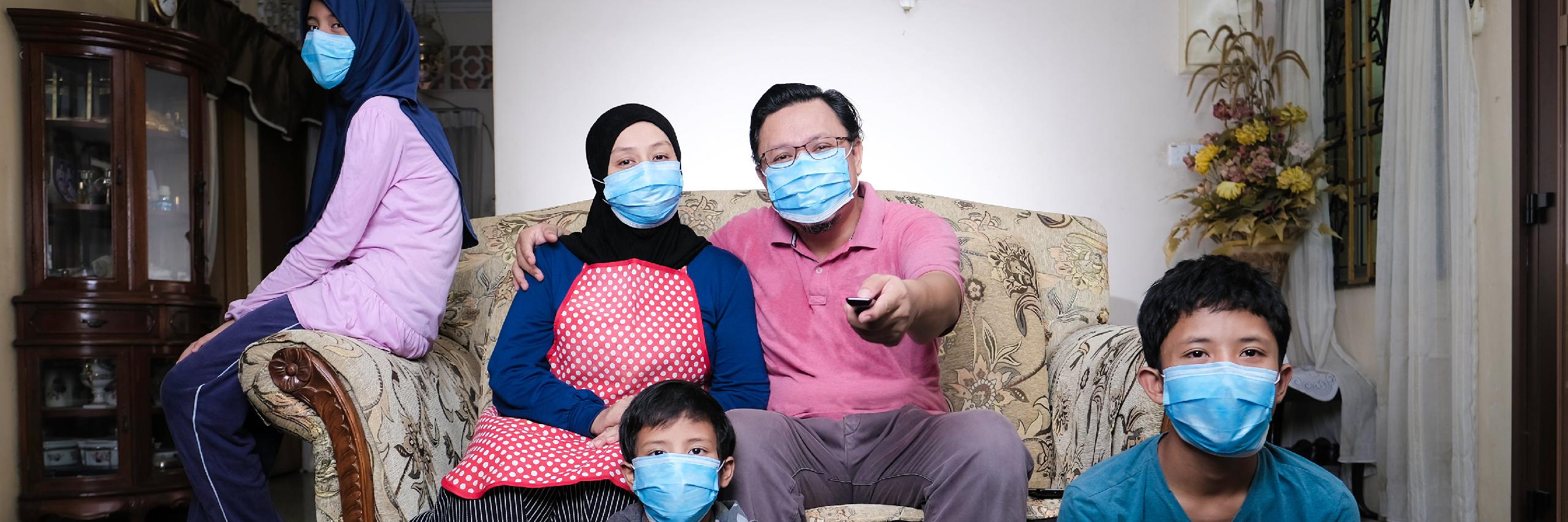
图:在紧张与慈悲之间:关于新冠疫情期间家庭时光的思考
引言
在人际关系中,有时自负会压倒理智与情感。 当这种情况发生时,我们内心那个渴望证明自己正确的部分,就会成为我们的代言人,并驱使我们的行为。 先知优素福的兄弟们在将他投入井中时,就是出于嫉妒。 他们非但没有赞美安拉赐予优素福的恩典,反而被愤怒和嫉妒冲昏了头脑。 在这场疫情中,当我们闭门不出时,家庭成员之间或许能有更多了解彼此的机会。 我们可能会发现一些需要关注和修复的棘手问题,但也可能发现家人的学业、事业或个人生活在某些方面取得了进步或成就。
我们大部分时间都在户外度过,因此在其他人察觉之前,家庭成员的生活中可能已经发生了许多变化。 当我们终于察觉时,我们的反应未必总是最理性的。 兄弟姐妹之间尤其容易像狼一样互相攻击,正如先知雅各布在给儿子的隐晦警告中所暗示的那样。 在某些情况下,我们反而认为最亲近的人不配得到他们的福分。 我们或许会想,如果别人像我们一样了解他们,就不会那么轻易地赞美他们并给予他们机会了。 然而,当我们自己受到赞美、获得机会并得到安拉的普遍恩赐时,我们却很少觉得自己不配。 在这个世界上,没有人比我们自己更清楚自己的缺点。
让我们记住互惠原则:如果有人认为你不配得到你的福分会让你感到痛苦,那么就不要对他人做出同样的评判。 无论我们多么了解所爱之人,我们都不如安拉那样了解他们。 保持谦逊是最好的——试图去揣摩造物主如何分配他的慈悯、分配给谁以及为何分配,这注定是徒劳的。 安拉的供给是广博的,他在分配这些供给时的智慧比我们更为精妙。 深知这一点,我们应努力理解安拉的定夺,对他怀抱希望,并时刻祈祷。
一切恩惠都在安拉的掌握之中。 他将恩惠赐予他意欲的人。 安拉是全能的,是全知的。 他特选他意欲的人接受他的慈悯。 安拉是宏恩的拥有者。 (《古兰经》3:73-74)
我们应警惕因反应冷淡而搞砸与家人的互动。 我们还必须留意那些让我们心烦意乱、蚕食彼此感情的日常琐事。 我们常以为对方知道自己的行为让我们不悦,但他们可能并不知情。 我们认为某个眼神、皱眉或叹息是对方不满的微妙暗示。 我们推测某个微小的动作或缺乏行动是对方故意针对我们。 但这是一种双重标准。 因为当别人指责我们心怀恶意而我们明明是无辜的时候,我们都曾感到过那种刺痛。 正如鲁米曾说:“如果你对每一次摩擦都感到恼火,你的镜子又怎能被擦亮呢?” 在鲁米的这句话中,镜子是心灵的隐喻。 他告诫我们,如果我们总是被周围发生的事情所困扰,我们的心灵将难以得到净化,也难以取悦安拉。 要意识到你对他人的假设往往是不靠谱的。 你所反感的每一件事背后,未必都藏着恶意。 尽可能给予他人善意的推测,在陷入负面想法之前,先保持良好的看法。
你们当谨防猜疑,因为猜疑是虚假言论中最恶劣的;不要窥探他人的隐私,不要互相嫉妒,不要互相断绝关系,不要互相仇视。 安拉的仆人们啊,你们应当做兄弟。 (《布哈里圣训集》)
有人曾说,最伟大的博雅教育就是学习如何共同生活。 当你与某人共同生活足够久时,你们之间往往会养成互相厌烦的习惯。 世上没有任何自我修行能让你爱上对方所有的习惯和怪癖。 或许这反而是件好事。 如果你愿意,这可以提醒你:唯有安拉是完美的。 先知穆罕默德 ﷺ 告诫我们不要以完美的标准去要求他人。 他建议,如果丈夫不喜欢妻子的某个特点,他应该关注她身上令他愉悦的另一个方面。 同样的建议也适用于妻子。 安拉希望我们善待彼此,这意味着改善我们的关系至关重要。 这可能意味着要保持更好的看法,以便我们的心能向彼此软化。 这也可能意味着双方都同意为了家庭和谐这一更大的目标而做出小小的改变。 由于这对每个人来说都是一个过渡时期,因此应考虑到整个家庭的需求,从孩子到成人皆是如此。
不怜悯我们的幼小者,也不尊重我们的长者的人,不是我们的一员。 (《艾哈迈德穆斯奈德圣训集》)
我们有时会有向内退缩的冲动,想躲进自己的洞穴里,与世隔绝,以免让关系中的伤口恶化。 深知人际关系的重要性,当我们发现难以面对面相处时,可能会转而通过为对方祈祷来修复裂痕。 但为他人祈祷不应成为私欲或恶魔(Shaytan)得逞的手段。 换句话说,你可能会发现自己在祈祷对方改掉你觉得烦人的习惯。 请重新考虑一下。 这样的祈祷可能会在你心中强化那些让你心烦的细节,并重新点燃你内心所有的负面情绪。 评估一下你祈祷对方停止的行为是否客观上是有害的,比如吸烟、撒谎、逃避责任等。如果该行为并非客观有害,你可以考虑祈求安拉化解紧张局势,让关系中重现慈悲,无论安拉认为以何种方式实现这一目标最好。 在祈祷对方改变时,要小心,不要认为只有他们才是问题所在。 别忘了为他们可能遭受的伤害和困难祈祷,比如疾病、心碎、经济困难或感到责任沉重。
仁慈的人将得到至仁者的仁慈。 你们当怜悯大地上的人,天上的造物主就会怜悯你们。 (《提尔米济圣训集》)
我们许多人并不习惯在家待这么久。 在某种程度上,你甚至可能觉得在自己的家里像个陌生人。 试着像对待客人一样对待你的家,通过精心打理和用心感受来表达对拥有住所的感激。 对于那些家里忙碌喧闹的人来说,设定一个最低限度的清洁标准可能会有所帮助。 降低你的期望值以避免不必要的挫败感,但不要降得太低,以免让居家生活变得更艰难。 谈到你如何看待自己的家时,试着用感恩的眼光去看待它,专注于你所拥有的,而不是你所缺失的。 如果你有拥有一张床的福分,不妨考虑早点休息。 如果我们能通过调整心态,超越对家仅仅是物质空间的认知,转而用心呵护家园,并以敬拜赋予其生命,我们或许就能为居住空间注入活力,并感受到心灵的舒展。 阿拉伯人有一句谚语:“Dayyiq fī al-qalb”(心胸狭隘),意思是说,有时这种压抑感源于你的认知,而非现实本身。 或许我们都可以审视一下,在家中哪些方面让我们感到压抑,看看能否通过改变心态或改善环境,让这些空间变得更加宽广。 通过幽默或严肃地思考一下情况可能会变得多糟糕,来学会珍惜你现在的空间和家人。 试想一下,房子可能会更小,水可能永远不会变热,网络可能会中断,以及其他许多令人难以接受但确实可能发生的状况。 然后回到你当下的处境,珍惜你所拥有的一切,并意识到现状是多么来之不易。 不要让你的处境成为你与安拉之间的隔阂,它们本可以成为通往安拉的桥梁。
————————————
以下为该文章引用的外部资源:
• 安拉的使者(愿安拉赐他平安与吉庆)说:“信士不应厌恶信女(他的妻子);如果他不喜欢她身上的某个特点,他也会对她身上的另一个特点感到满意。” 《穆斯林圣训实录》,卷 1,第2493段。 收起阅读 »
新冠疫情是惩罚还是仁慈?穆斯林可以从冠状病毒中学到什么
原文出处:https://yaqeeninstitute.org/read/paper/a-punishment-or-a-mercy-what-we-can-learn-from-the-coronavirus
原文标题:A Punishment or a Mercy? What We Can Learn from COVID-19
作者:Dr. Osman Umarji、Dr. Hassan Elwan、Mustafa Umar
作者简介:奥斯曼·乌马吉博士(Dr. Osman Umarji):奥斯曼·乌马吉博士拥有加州大学欧文分校的电气工程学士学位,以及教育心理学硕士和博士学位。他曾在埃及开罗的爱资哈尔大学学习伊斯兰教。他的研究兴趣包括人类动机的发展、宗教社会化、灵性以及伊斯兰法理学。乌马吉博士目前还是加州大学欧文分校教育学院的兼职教授。他此前曾教授过儿童发展、青少年发展和统计学。他在心理学和伊斯兰科学方面的专业知识,使他能够针对穆斯林面临的当代问题进行实证研究。哈桑·埃尔万博士(Dr. Hassan Elwan):哈桑·埃尔万博士拥有俄亥俄州立大学电气工程博士学位。他拥有多项专利,并在微电子领域发表了大量著作。他目前是美满电子科技公司(Marvell Technology)的杰出工程师。埃尔万博士还拥有临床心理学硕士学位,目前负责加利福尼亚州森林湖市拉赫马中心(Rahma Center)的咨询部门。他经常在南加州就伊斯兰教和灵性问题发表演讲,并为社区提供基于心理学和灵性的专业咨询服务。穆斯塔法·乌马尔(Mustafa Umar):谢赫穆斯塔法·乌马尔完成了加州大学欧文分校的信息与计算机科学学士学位、法国欧洲伊斯兰科学学院的神学与伊斯兰法学士学位,以及英国格洛斯特大学的伊斯兰研究硕士学位。他还在印度勒克瑙的伊斯兰学者协会(Nadwatul ʿUlamā’)学习了一年的伊斯兰科学,并在埃及开罗学习了一年。他著有多本书籍,作为伊玛目和活动家为南加州穆斯林社区服务了十多年,目前是加州伊斯兰大学的创始人和校长、奥兰治县伊斯兰研究所的教育与外联主任,以及北美教法委员会的执行成员。
副标题:穆斯林如何回应疫情、恐惧、悔改与安拉的慈悯
摘要:本文讨论穆斯林应如何理解冠状病毒带来的考验。作者提醒,疫情可能促使人反省、悔改、帮助他人并重新认识安拉的慈悯;面对灾难时,穆斯林不应轻率判断他人,而应修正自己并承担责任。

图:是惩罚还是慈悯? 我们能从新冠疫情中学到什么
引言
“新冠病毒是来自安拉的惩罚吗?” “安拉在生我们的气吗?” “新冠病毒是恩典、考验还是惩罚?” 自新冠病毒在全球蔓延以来,这些神学问题一直萦绕在许多穆斯林的心头,目前病毒已感染超过两百万人,并夺去了超过十万人的生命。 回答这些问题需要探讨核心的神学概念,包括对“惩罚”这一概念的透彻理解。 在本文中,我们试图回答这些问题,描述美国穆斯林对该话题的真实看法,并为这些问题提供切实可行的解答。
惩罚的概念
惩罚是指针对某种过错,对群体或个人施加的一种不希望出现的结果。 惩罚背后的动机及其表现形式各不相同。 从伊斯兰神学角度来看,“惩罚”一词用于指代各种形式的考验、责备、训诫、刑罚和纪律处分,这些可能显现于今世或后世。 关于后世,火狱被提及为最严重的惩罚。 这种形式的惩罚仅发生在一个人在审判日被安拉清算之后,体现了安拉无限的公正与慈悯。 后世的惩罚并非单一的,其严重程度和持续时间取决于一个人对自己及他人所行不义的程度。 同样,后世的奖赏也根据一个人行善的程度而有所不同。 信士应时刻铭记奖赏与惩罚,因为它们能激励正义行为,并抑制不符合信士身份的行为。 伊本·盖伊姆阐述道:“火狱的创造是为了警示信士,并净化罪人和作恶者。 它作为一种净化手段,洗去灵魂在今世所沾染的污秽。 如果灵魂在今世通过真诚的忏悔、消除罪恶的善行以及赎罪的灾难完成了自我净化,那么它就不需要在那(后世)接受净化了。”
至于今世的惩罚,《古兰经》将其分为两类。 第一类是报应性的惩罚,这构成了安拉的决断,且不留任何救赎的余地。 安拉说:“不然,它将突然降临他们,使他们惊惶失措,他们既无法抵御,也无法获得宽限。” 报应性惩罚的意图包括终结压迫、支持先知、向反抗先知的民族展示安拉威严的属性,以及教导后世。 在安拉执行此类惩罚之前,通常具备若干条件,包括派遣先知、社会拒绝先知、坚持腐败以及无视多次警告。 安拉提到了以多种方式执行报应性惩罚,摧毁了先前反抗的民族:“我因他们的罪过而惩治了他们;其中有我降下石雨的,有被(天上的)巨响所震慑的,有我使大地吞没的,也有我使之溺毙的。 安拉并未亏待他们,而是他们亏待了自己。”
今世的第二类惩罚并非旨在作为最终的审判,而是一种威慑,旨在引导人们回归安拉并改良社会。 安拉在《古兰经》中提到火狱的惩罚后,紧接着提到了这类惩罚。
وَلَنُذِيقَنَّهُم مِّنَ الْعَذَابِ الْأَدْنَىٰ دُونَ الْعَذَابِ الْأَ كْبَرِ لَعَلَّهُمْ يَرْجِعُونَ(我必使他们尝试较近的刑罚,而非最大的刑罚,以便他们回归。)
“我必使他们尝试较近的(الأدنى)刑罚,而非最大的(الأكبر)刑罚,以便他们回归。” 先知穆罕默德 ﷺ 的许多圣门弟子和早期学者将“较近的刑罚”解释为今世的困难、疾病和普遍的磨难,安拉让他的仆人经历这些,目的是鼓励他们忏悔并回归他。 因此,“较近的刑罚”的本意是真正地让人们更接近安拉。 在另一节重申安拉允许世间磨难之正当性的经文中,他提到:“由于人们所作的恶,陆地和海洋上出现了腐败,以便他让他们尝试自己所作所为的部分后果,以便他们回归。” 我们再次看到,安拉允许人们经历困难的意图是促使他们转向安拉。 因此,构成今世“较近的刑罚”的各种苦难,应被视为安拉出于慈悯的责备,旨在促进人类的完善。
尽管惩罚源于慈悯似乎有悖常理,但近期关于慈悯的研究表明,基于动机,这种情况是可能存在的。 当惩罚的目的是减轻他人的痛苦并增加社会和谐时,这可被视为慈悯或利他的惩罚。 这可能包括向作恶者提供负面反馈,以便他们将来改变行为,尽管惩罚者本人并未从中获益。 因此,我们需要重新思考对惩罚的理解,尤其是当它来自那位比我们自己的母亲更慈爱我们的造物主时。 这些慈悯的责备类似于用苦药治疗病人,尽管它令人不快且可能痛苦,但对于实现健康和福祉可能是必要的。 伊本·盖伊姆在讨论慈悯的惩罚时,极好地运用了这个类比:“安拉的智慧要求他为每一种疾病指定合适的疗法,而纠正迷途者需要最难忍受的疗法。 一位慈悯的医生可能会烧灼病人,用火反复灼烧他,以清除那些破坏其自然健康状态的污秽元素。 如果(这位医生)认为截肢对病人更好,他就会切除它,从而给他带来最剧烈的痛苦。”
心理学探讨了奖惩在行为矫正中的作用。 行为主义的操作性条件反射理论认为,强化和惩罚都会影响行为。 从伊斯兰角度来看,正向强化包括为正义行为提供奖赏,包括慷慨地给予善行(ḥasanāt)并获得安拉的喜悦。 同样,负向强化包括消除恶行(sayyiʾāt)以鼓励正义行为。 这两种强化方式可以同时使用,因为不同个体受到的激励因素各不相同。 然而,在人们既没有因对安拉的爱而产生内在动力,也没有通过强化获得外在动力的情况下,可以使用正向和负向惩罚来减少不良行为的持续或再次发生。 正向惩罚涉及增加不希望出现的结果以抑制行为,而负向惩罚涉及移除某种令人愉悦的事物以抑制行为。 从伊斯兰角度来看,正向惩罚可能包括向社会引入磨难以减少人类的不义行为,负向惩罚则如失去生命和财富。 这两种惩罚的目的都是为了让人们回归安拉。 通过恩典与磨难来影响行为的概念在经文中得到了清晰的阐述:“……我们以福祸考验他们,以便他们能够回归。”
在《古兰经》的《笔章》(Sūrat al-Qalam)中,关于“园圃的主人”(aṣḥāb al-jannah)的故事,是一个关于仁慈惩戒的深刻例证。 尽管他们完全清楚前人留下的先例,即应将园圃收获的一部分分给穷人,但他们却在收获前夜密谋拒绝给予穷人应得的份额。 随后,在收获前的清晨,他们相互约定,拒绝任何穷人进入园圃。 当他们早晨到达园圃时,看到安拉已经在夜间彻底摧毁了他们的园圃,以此惩罚了他们。 在最初互相指责之后,他们共同承担了责任,承认了自己的错误,并寻求安拉的宽恕,说道:“或许我们的主会以比这更好的东西来补偿我们。 我们确实渴望我们的主。” 这个故事生动地说明了仁慈的惩戒——安拉明确提到它既是考验也是惩罚——如何能成为对人们的一种怜悯。 如果安拉没有让他们遭受这种“较近的惩罚”,他们可能永远不会真诚地转向安拉,并可能在后世因其罪行而受到清算。
表1。 较重惩罚与较近惩罚的区别
益处因个人而异
伊斯兰教大学者伊兹·本·阿卜杜勒·萨拉姆(al-ʿIzz ibn ʿAbd al-Salām)曾说:“在磨难、考验、不幸和灾祸中,蕴含着许多益处;这些益处的相关性程度各不相同,根据人们等级的不同而有所差异。”
社会层面的仁慈惩戒以及其他类型的苦难,在个人层面最终可能成为恩典,也可能成为进一步的惩罚。 所获得的益处或造成的伤害,与每个人的态度和行为成正比。 那些在考验中感到痛苦但能以耐心忍受的人,其罪过可能会得到洗涤。 那些对安拉的定然感到满足的人,其等级可能会得到提升。 “较近的惩罚”只会对那些反对安拉的定然并从事令人不悦行为的人,演变成进一步的惩罚。
关于前定(qadar)的警示
尽管伊斯兰教文献证实,包括瘟疫类流行病在内的苦难可能构成来自安拉的“较近的惩罚”,但人类无法感知特定苦难背后的确切原因。 任何人声称冠状病毒是对特定国家(例如中国)的惩罚,或出于特定原因,纯属臆测和猜测。 冠状病毒作为全球大流行病的事实意味着,它并非针对任何特定国家的苦难。 安拉警告我们不要在无知的情况下代表他发言,他说:“难道你们要代表安拉说你们所不知道的事吗?”
那么,冠状病毒是惩罚吗?
关于这个问题,最接近的先例或许是先知穆罕默德 ﷺ 的妻子阿伊莎(ʿĀishah)向他询问瘟疫的时候。 他回答说:“这是安拉降给他所意欲之人的惩罚,但安拉已将其变为信士的怜悯。 任何居住在瘟疫肆虐之地的人,保持耐心并期待安拉的赏赐,深知除了安拉所定然的之外,没有任何事会降临在他身上,他将获得殉道者的赏赐。” 虽然冠状病毒在技术上并非瘟疫,但它们共同点在于都是具有痛苦症状且可能致命的传染病。 因此,利用先知关于瘟疫的解释来理解冠状病毒是合理的。 先知的回答教会了我们什么? 首先,我们了解到瘟疫既可以是惩罚,也可以是怜悯。 结合我们之前的讨论,它可能被视为一种仁慈的惩戒,旨在引导人们回归正道。 这一点得到了伊本·哈杰尔(Ibn Ḥajar)的支持,他解释说,上述圣训中提到的惩罚是在后世之前于今世提前发生的。 他认为瘟疫是社会中广泛存在的道德腐败的直接结果。 然而,在社会和个人层面,它最终都可能演变成进一步的惩罚或怜悯。 这怎么可能呢? 当先知穆罕默德 ﷺ 阐明安拉已将其变为信士的怜悯时,瘟疫就成为了一种以缺乏信仰(īmān)或应对不当为条件的个人惩罚。 因此,对于那些保持耐心、适当隔离自己、期待安拉赏赐并接受所发生的一切皆来自安拉定然的信士来说,冠状病毒(或瘟疫)可能是一种巨大的怜悯和恩典。 这样的信士可能会被授予殉道的恩赐。 因此,这种苦难的考验可能是信士获得宽恕、等级提升和殉道赏赐的一种途径。
图1。 通往怜悯与惩罚的路径
穆斯林关于冠状病毒作为惩罚的信仰
为了最好地提供关于冠状病毒是惩罚还是考验这一问题的实际解决方案,雅琴伊斯兰研究中心(Yaqeen Institute for Islamic Research)调查了1800多名在年龄、教育程度和种族方面具有多样性的美国穆斯林。 受访样本在宗教实践上普遍较为虔诚。
我们询问受访者在多大程度上相信冠状病毒是一种惩罚。 27%的人回答说这根本不是惩罚,26%的人认为在一定程度上是,12%的人认为很大程度上是。
当被问及冠状病毒是否是来自安拉的考验时,84%的人表示他们相信这是来自安拉的一场重大考验。
我们还询问了他们作为大流行病的结果看到了多少恩典。 53%的人表示自冠状病毒传播以来,他们见证了来自安拉的许多恩典,而20%的人报告说几乎没有或根本没有看到任何恩典。
图2。 穆斯林关于冠状病毒作为惩罚与考验的信仰
我们最感兴趣的是调查人们关于冠状病毒作为惩罚、考验或恩典的信仰是如何共同出现的。 为了做到这一点,我们使用聚类分析将人们归纳为不同的信仰模式。 我们发现了以下五种信仰模式,并在下面总结了每组的结果。
图3。 关于惩罚、考验和恩典的信仰模式
- “无感”群体并不认为冠状病毒是惩罚,仅将其视为轻微的考验,并从中看到了适度的恩典。 该群体占样本的18%,通常不通过宗教行为来应对。 - “考验与惩罚,但少有恩典”群体认为冠状病毒是考验和惩罚,但在其中看到的恩典很少。 该群体占样本的18%,通常包含更多报告有高度焦虑和紧张感的人。 - “考验与惩罚,且有许多恩典”群体在所有三个问题上的得分都很高,他们看到了许多恩典,并相信冠状病毒既是考验也是惩罚。 该群体占样本的28%,报告称他们总体上更频繁地阅读《古兰经》,并特别通过更多的宗教行为来应对。 男性比女性更有可能属于这一群体。 - “仅是考验”群体是最小的群体(9%)。 他们没有看到任何恩典,也不认为冠状病毒是惩罚,对他们而言,这仅仅是一场考验。 这个群体与通过较少的宗教行为来应对相关。 “祝福与考验”群体认为新冠病毒是巨大的考验,但并未将其视为惩罚。 该群体占样本的27%,与更频繁地阅读《古兰经》以及更积极地通过宗教行为来应对相关。 女性比男性更有可能属于这个群体。 美国穆斯林在新冠病毒是考验、惩罚以及是否从中见证了祝福方面,存在不同的信仰模式。 绝大多数人认为这是安拉的一次严峻考验,许多人认为这是惩罚。 从结果中我们了解到,那些经常阅读《古兰经》的人更有可能在这场苦难中看到祝福,即使他们也将新冠病毒视为一种近期的惩罚。 结果还表明,将新冠病毒仅仅视为惩罚和考验可能是不健康的,因为持这种看法的人报告了更高的焦虑和紧张感。
应对新冠病毒:实际步骤
精确地确定新冠病毒是什么(考验、惩罚,或两者兼有)可能是不可能的。 然而,我们可以问自己:“我们是如何应对的?” “我们与我们的造物主关系好吗?” 先知穆罕默德 ﷺ 指导我们要关注的就是这种质疑方式。 当一个贝都因人来问他末日(即审判日)何时到来时,先知用他自己的问题回应了他。 他问贝都因人:“你为它准备了什么?” 我们从先知的回答中学到的是,我们不应该担心那些我们无法控制的、属于未知范畴的事情。 这些事情属于安拉的权柄范围,而我们应该关注的是我们将被问及的事情:我们的回应。 这就是为什么当风刮得很厉害时,先知 ﷺ 不会纠结于它是被视为“近期的惩罚”还是祝福。 他只会举起双手祈祷,说:“安拉啊,我求你赐予它的一切美好,并求你保护我免遭其邪恶。” 先知同时考虑了这两种可能性,并专注于转向安拉以求最好的结果,而不论安拉的真实意图是什么。
无论新冠病毒是特定的惩罚、警示,还是普遍的考验,我们都从祈求安拉赐予它可能带来的任何好处开始,并求助于他以躲避其邪恶。 如果它是惩罚,我们寻求安拉的宽恕。 如果它是警示,我们应该从疏忽中醒来,专注于取悦安拉。 如果它是考验,我们保持耐心,行善积德,期望安拉的报酬,并对他的任何判决都心满意足。 因为我们无法确定,所以我们需要尽我们所能去做以上所有事情。 这样,我们就保证了它最终会成为一种祝福和恩典。 因此,我们的反应方式将决定我们每个人各自的答案。
保护自己免受惩罚
如果新冠病毒确实是安拉对人类的慈爱训诫,要求人类回归安拉,那么信徒在个人和社会层面都有责任。 在个人层面,每个人都必须专注于自己在这次考验中的表现,通过“敬畏安拉,以便安拉眷顾他们”。 在社会层面,信徒是社会福利的推动者,这降低了社会灾难的可能性。 安拉在《古兰经》中明确提到,改革者的存在是防止社会毁灭的因素。 此外,安拉还提到以下做法与最小化伤害(例如惩罚)和最大化益处有关。
忠诚的感恩
如果你是感恩和忠诚的,安拉惩罚你有什么益处呢? 安拉是体谅的,是全知的。
经常练习感恩是应对困难和取悦安拉的最佳方式之一。 它还能带来更好的身心健康。 每天花些时间数算你的祝福,并真诚地感谢安拉。 每天写下五个祝福,并给生活中帮助过你的人写感恩信,这都是练习感恩的有效方法。
寻求宽恕
只要你在他们中间,安拉就不会惩罚他们;只要他们不断地请求宽恕,安拉就不会惩罚他们。
安拉承诺保护那些寻求他宽恕的仆人。 无论我们犯了什么错误,无论大小,安拉都能轻易地宽恕它们。 “我的仆人们,你们确已亏损自身,不要绝望于安拉的恩惠。安拉确是赦罪的,确是至慈的。” 安拉赦免一切罪过。 安拉确是至赦的,确是至慈的。 先知还说:“如果有人不断地寻求宽恕,安拉将为他开辟一条摆脱困境的道路,并从每次焦虑中解脱出来。 他将从意想不到的地方获得给养。”
慈善捐赠
慈善能平息造物主的愤怒。
由于新冠病毒使许多人陷入经济困境,此时施舍尤其有益。 慈善是信仰的证明。 许多非营利组织,如清真寺和救济机构,确实需要我们的支持。 我们的慈善捐赠将在审判日为我们遮荫,正如先知 ﷺ 所说:“每个人都将在审判日得到他们慈善捐赠的庇护,直到人们之间的审判完成。”
社交距离
瘟疫如同烈火,你们是它的燃料。 因此,分散开来,使瘟疫找不到燃料,从而被扑灭。
阿姆尔·伊本·阿斯(ʿAmr Ibn al-’Āṣ)的这番话强调了采取世俗手段保护自己免受伤害的重要性。 他的建议在阿姆瓦斯(ʿAmwās)瘟疫期间拯救了许多人的生命,这场瘟疫曾困扰了许多圣门弟子和叙利亚人民。 适当的社交距离是这段时期耐心的一部分。
坚定不移
当你们公开和私下呼唤他时,是谁将你们从陆地和海洋的黑暗中拯救出来?“如果他将我们从这场危机中拯救出来,我们必定是感恩者。”
许多人在困难时期祈求安拉的名字,并承诺改变他们的生活方式。 然而,一旦安拉的解救到来,他们就忘记了他们对安拉的承诺。 我们知道安拉终将解除新冠病毒造成的困难。 无论我们在这些时期对生活做出任何积极的改变,包括定期祈祷或帮助他人,让我们在情况好转时也尽力继续下去。 同样,无论我们在这些时期能够戒掉什么坏习惯,当生活恢复正常时,让我们继续避免它们。
结论
新冠病毒可能是一场艰难的考验,是安拉对人类的慈爱训诫,或两者兼有。 尽管我们都面临着挑战,但安拉希望他的仆人获得益处,并希望让他们亲近他。 我们应该感到欣慰,因为“安拉对他的仆人比母亲对孩子更慈爱。” 他的慈爱的一部分就是允许我们有机会通过考验和苦难来成长得更强大。
信士们在这些时期应当进行内省,并深刻审视自己的处境。 我们的反应决定了这究竟是惩罚还是恩典。 我们是否通过了考验,并与安拉更加亲近了呢? 虽然我们无法完全掌控冠状病毒带来的后果,但我们能够掌控自己的反应。 无论我们的考验涉及身体、心理还是经济健康,通过耐心、对安拉回赐的期盼以及对他判定的知足,我们应当感到慰藉,因为我们知道他可能会赐予我们殉道者的地位。 正如先知穆罕默德 ﷺ 在塔伊夫经历磨难后对安拉所说:“只要祢不对我感到不满,我不在乎(我所面临的一切)。 然而,若能得到祢的慈悯,我会更加欣慰。”
————————————
以下为该文章引用的外部资源:
• “COVID-19 冠状病毒大流行”,Worldometer,最后更新于2020年4月9日,https://www.worldometers.info/coronavirus/。
• Julian P. Alexander,“惩罚的哲学”,《美国刑法与犯罪学杂志》第13卷(1922年):235。
• Mohammad Elshinawy,“无限慈悯与地狱之火的问题”,Yaqeen伊斯兰研究所,2017年7月10日,https://yaqeeninstitute.org/mo ... fire/。
• 例如,先知穆罕默德 ﷺ 说:“复生日里,地狱火中受刑最轻的人,是脚下踩着两块炭火,导致大脑沸腾的人。” 《布哈里圣训实录》,软化心灵之书,关于天堂与地狱描述的章节。
• Ibn al-Qayyim al-Jawzīyah,《灵魂引导至欢乐之地》(安曼:Dar al-Fikr出版社,1987年)。
• 《古兰经》21:40。
• 《古兰经》29:40。
• 《古兰经》32:21。
• 此观点归于伊本·阿拔斯、乌拜·本·卡布、哈桑·巴士里、易卜拉欣·纳哈伊、达哈克、阿勒格马、穆贾希德、卡塔达及其他许多学者。 另一种解释是,较近的惩罚指的是坟墓中的惩罚。
• 《古兰经》30:41。
• Helen Y. Weng, Andrew S. Fox, Heather C. Hessenthaler, Diane E. Stodola, and Richard J. Davidson,“同情心在利他助人与惩罚行为中的作用”,《公共科学图书馆·综合》第10卷,第12期(2015年);Ernst Fehr and Simon Gächter,“人类的利他惩罚”,《自然》第415卷,第6868期(2002年):137–40。
• 《布哈里圣训实录》,品德之书,关于对儿童慈悯与关爱的章节。
• Ibn al-Qayyim,《灵魂引导至欢乐之地》。
• Burrhus F. Skinner,“操作性行为”,《美国心理学家》第18卷,第8期(1963年):503。
• 负强化是指当某种存在的事物(例如我们记录中的恶行)因人的行为而被移除,从而为该人产生理想结果时所发生的现象。
• 一个例子是先知穆罕默德 ﷺ 的圣训:“凡在家中洁净自己,然后走向安拉的清真寺之一去履行安拉规定的义务的人,他每走两步,一步就会消除一个罪过,另一步则会提升他一个品级。” 《穆斯林圣训实录》,清真寺与礼拜场所之书,关于步行去清真寺可消除罪过并提升品级的章节。
• 《古兰经》7:168。
• 《古兰经》68:32。
• Al-ʿIzz ibn ʿAbd al-Salām,《考验与磨难》(英国伯明翰:Dar al-Sunnah出版社,2004年)。
• 并非所有的苦难都是慈悯的训诫。 它们也可能仅仅是旨在提升已义之人品级,并展示如何应对困难的考验。 先知阿尤布所经历的苦难就是非训诫性苦难的一个例子。
• 先知穆罕默德 ﷺ 说:“穆斯林所遭受的任何苦难、疾病、焦虑、悲伤、伤害或忧愁,哪怕是被刺扎一下,安拉都会借此消除他的一些罪过。” 《布哈里圣训实录》,饮品之书,关于疾病赎罪的章节。
• 《古兰经》2:80。
• 《布哈里圣训实录》,医学之书,关于瘟疫期间忍耐的回赐章节。
• Ibn Ḥajar al-ʿAsqalānī,《法特赫·巴里》(利雅得:Maktaba Al-Salafiyah出版社,2008年)。
• 受访者中占比最大的群体年龄在25–34岁(34%),拥有学士学位(39%),且为南亚裔(56%)。 女性占样本的73%,69%的样本报告称每天礼拜五次。
• 我们首先运行了层次聚类算法(Ward法)以确定最佳聚类方案。 随后进行了K-means聚类,通过将案例重新分配到最佳聚类来微调聚类的同质性。
• 《布哈里圣训实录》,圣门弟子美德之书,关于欧麦尔功绩的章节。
• 《艾布·达吾德圣训集》,第5097段。
• 《提尔米济圣训集》,关于审判日描述、软化心灵及谨慎之书与章节。
• 《古兰经》11:117。
• 《古兰经》4:147。
• Don E. Davis, Elise Choe, Joel Meyers, Nathaniel G. Wade, Kristen Varjas, Allison Gifford, Amy Quinn, Joshua Hook, Daryl R. Van Tongeren, Brandon J. Griffin, and Everett L. Worthington,“为小事感恩:感恩干预的元分析”,《咨询心理学杂志》第63卷,第1期(2016年):20。
• 先知穆罕默德 ﷺ 说:“不感谢人的人,就没有感谢安拉。” 《艾布·达吾德圣训集》,品德之书,关于对善行感恩的章节。
• 《古兰经》8:33。
• 《古兰经》39:53。
• 《艾布·达吾德圣训集》,求饶恕之书。
• 《提尔米济圣训集》,天课之书,第664段圣训。
• 《穆斯林圣训实录》,洁净之书,关于小净美德的章节。
• 《伊本·希班圣训集》,第653段。
• Ibn al-Athīr,《圣门弟子知识之狮》(贝鲁特:Dar Ibn Hazm出版社,2012年)。
• 历史学家伊本·阿萨基尔曾写下这些关于阿姆瓦斯瘟疫的诗句。 “在阿姆瓦斯山谷,有多少勇敢的骑士和美丽的贞洁女子丧生。 他们遇见了主,但他并未亏待他们。 当他们离世时,他们已身处天堂,不再受苦。 我们忍受瘟疫,正如主所知,我们在死亡时刻得到了慰藉。” Michael W. Dols,“早期伊斯兰历史中的瘟疫”,《美国东方学会杂志》,1974年,371–83。
• 《古兰经》6:63。
• 《布哈里圣训实录》,第5653段。
• Al-Ṭabarānī,《祈祷之书》。 在此处查看完整的祈祷词。 收起阅读 »
新冠是瘟疫吗?先知关于烈士与麦地那的承诺如何理解
原文出处:https://yaqeeninstitute.org/read/paper/the-prophetic-promises-for-martyrs-and-medina-is-covid-19-a-plague
原文标题:The Prophetic Promises for Martyrs and Medina: Is COVID-19 a Plague?
作者:Mufti Muntasir Zaman、Dr. Nazir Khan
作者简介:穆夫提·蒙塔西尔·扎曼(Mufti Muntasir Zaman):穆夫提·蒙塔西尔·扎曼毕业于南非伊斯兰阿拉伯经学院(Madrasah ʿArabiyyah Islāmiyyah)的阿利米亚(ʿĀlimiyyah)课程。随后,他完成了伊夫塔(Iftā)课程,并修读了圣训学专业课程。他拥有英国莱斯特马克菲尔德高等教育学院的伊斯兰研究硕士学位。目前,他是卡拉姆学院(Qalam Institute)的全职讲师,教授高级圣训学。他撰写文章、书评,并翻译古典伊斯兰文献。纳齐尔·汗博士(Dr. Nazir Khan):纳齐尔·汗博士(医学博士、加拿大皇家内科及外科医学院院士)是一位医生、临床神经科学家、伊斯兰神学家和古兰经科学专家。他是麦克马斯特大学的助理教授,也是诺丁汉大学伊斯兰神学专业的博士候选人。他在青年时期背诵了整部《古兰经》,获得了《古兰经》十种诵读法(主要和次要传述路径)的认证(ijāzāt),并获得了六部圣训集以及多部伊斯兰神学著作的认证。他担任志愿伊玛目多年,也是曼尼托巴伊斯兰协会教法委员会的顾问。医学院毕业后,他在曼尼托巴大学完成了放射诊断学住院医师培训,并在卡尔加里大学完成了神经放射学专科培训,获得了双重委员会认证。他在医学科学和伊斯兰神学方面的专业知识,使他能够独特地处理有关信仰、理性和科学的当代挑战性问题。他是雅金研究所(Yaqeen Institute)的高级研究员,并曾担任雅金研究所加拿大分部的创始主席。
副标题:新冠疫情与伊斯兰瘟疫概念的区别是什么?
摘要:本文讨论 COVID-19 是否可被视为伊斯兰传统中的瘟疫,并解释相关圣训中关于烈士、麦地那和疫情的承诺。作者区分经典法学概念与现代医学分类,帮助穆斯林谨慎理解疫情中的宗教文本。
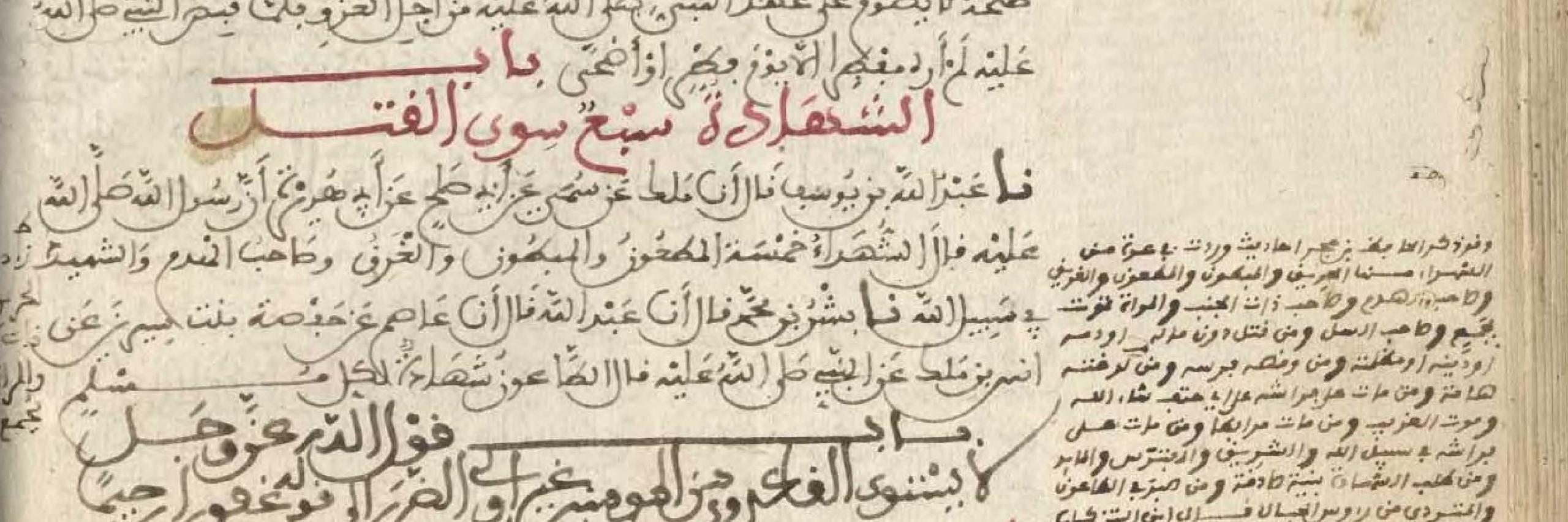
图:先知关于殉道者与麦地那的应许:COVID-19 是瘟疫吗?
引言
死于 COVID-19 的人数正以惊人的速度增长,穆斯林群体也未能幸免。事实上,穆斯林医生、护士和其他医护人员正处于抗击这场大流行的最前线。 在英国,首批死于这场大流行的医生就是穆斯林。 这场大流行的恐怖性质导致许多人将其与古代瘟疫相提并论。 将 COVID-19 与瘟疫进行比较,需要根据伊斯兰文献中对后者的定义来进行评估。 研究这种比较的有效性非常重要,因为它涉及法律和神学层面的影响。 在本文中,我们将分析这种比较,以厘清两个问题。 首先,先知穆罕默德 ﷺ 曾说瘟疫不会进入麦地那。 然而,我们知道麦地那已有许多人的 COVID-19 检测结果呈阳性。 其次,先知穆罕默德 ﷺ 曾说死于瘟疫者是殉道者。 这一喜讯是否适用于那些因该病毒而丧生的人?
什么是瘟疫?
瘟疫是一种困扰人类数千年的传染病,其造成的死亡人数远超任何其他传染病(例如,欧洲的黑死病估计导致多达 2 亿人死亡)。 从医学上讲,这种疾病是由鼠疫耶尔森氏菌引起的,该细菌寄生在跳蚤的肠道中,而跳蚤又寄生在老鼠身上;当受感染的跳蚤叮咬人类时,细菌会进入组织,并通过淋巴系统扩散,积聚在腹股沟和腋下的淋巴结中,导致淋巴结肿胀,随后可能发生出血和坏死。 这些严重肿大、发炎且变色的淋巴结被称为“腹股沟淋巴结肿”(buboes),因此得名“腺鼠疫”(Bubonic plague),这是该病最常见的形式。 较少见的情况下,细菌会扩散到血液中,导致败血症型鼠疫。 当瘟疫直接在人与人之间传播时,会感染肺部,导致肺鼠疫。
然而,现代医学对瘟疫的定义不应与该词的历史用法混为一谈,历史用法并未区分特定的病原体,而是将该词应用于各种传染性流行病。 事实上,对于盖伦(卒于公元 210 年左右)而言,“瘟疫”一词并非专指某种特定疾病,而是指一种疾病事件,即传染性流行病。 (注:原文此处为断句,已合并处理) 同样,《密西拿》(Mishnah,一部成书于公元一、二世纪的犹太口传律法汇编)根据死亡率来定义瘟疫:在一个拥有五百名战斗人员的城市中,3 天内死亡 3 人。 通常,基于特定病原体(如细菌、病毒或寄生虫)对传染病进行分类是现代医学的特征,因此历史上的疾病实体往往会被重新定义。 虽然试图回顾性地为历史疾病分配现代医学诊断充满了困难(尽管生物考古学、古病理学等取得了进展),但有时历史描述足以得出“高度可能”的诊断。 在修昔底德(卒于公元前 400 年)和索福克勒斯(卒于公元前 406 年)等早期著作中可以找到关于瘟疫症状的描述;然而,他们所指的瘟疫可能分别是由天花和布鲁氏菌病等其他潜在病原体引起的。 盖伦所经历的瘟疫,即安东尼瘟疫,是一种病毒性流行病,而《圣经》中提到的非利士人的瘟疫可能涉及细菌感染——兔热病。 由于不了解现代细菌学说,古希腊人转而采用瘴气理论,即认为疾病是由受污染的空气引起的(其残留影响至今仍可见于“疟疾”等名称中,字面意思为“坏空气”)。 (注:原文此处为断句,已合并处理) 这一理论后来被阿拉伯世界的医生和学者所借鉴。 从上述讨论中可以清楚地看出,古代或古典文献中使用“瘟疫”一词,并不一定意味着它专指腺鼠疫和鼠疫耶尔森氏菌感染,尽管历史描述往往指向那个方向。
什么是 ṭāʿūn?
阿拉伯语词汇 ṭāʿūn(译为瘟疫)源自 ṭaʿana,意为刺穿,这或许暗指该疾病带来的剧烈疼痛。 在伊斯兰世界的阿拉伯和波斯医生的著作中,包括拉齐(卒于伊斯兰教历 311 年)、马朱西(卒于伊斯兰教历 384 年)和伊本·西那(卒于伊斯兰教历 428 年),该术语被认定为淋巴结肿大,即前述腺鼠疫的特征。 像纳瓦维(卒于伊斯兰教历 676 年)这样的圣训注释者的著作同样描述了伴有发黑(坏死)和腋下疼痛性肿胀的坏疽性脓疱,这也暗示了腺鼠疫。 不过,我们可以尝试直接从圣训文献中推断 ṭāʿūn 的含义。 在一则圣训中,ṭāʿūn 被比作骆驼的 ghuddah(腺体);即一种以淋巴腺肿大为特征的致命疾病。 在另一则圣训中,我们得知死于 ṭāʿūn 的人的伤口将类似于殉道者的伤口,并散发出麝香的气味。 伊本·盖伊姆(卒于伊斯兰教历 751 年)写道,术语 ṭāʿūn 可以指瘟疫的直接病因、与之相关的症状,或由此导致的死亡。 一个相关的术语是 wabāʾ,在语言学上指一般的流行病。 因此,每一个 ṭāʿūn 都是一种 wabāʾ,但反之则不然。 在《穆宛塔圣训集》(Muwaṭṭaʿ)中,伊马瓦斯瘟疫被描述为一种 wabāʾ。
COVID-19 是瘟疫吗?
COVID-19 是由正式命名为 SARS-CoV-2(此前称为 2019-nCoV)的新型冠状病毒引起的疾病名称。 这种病毒感染涉及肺部,肺炎是最常见的临床表现,尽管大量感染者症状轻微或无症状,导致了疾病传播的迅速。 SARS-CoV-2 感染最严重的并发症正如其名——严重急性呼吸综合征,即由于炎症导致肺部迅速积液。 虽然其他病毒性呼吸道感染具有相似的临床症状(发烧、咳嗽、疲劳),但 SARS-CoV-2 还有其他与众不同的特征。 例如,COVID-19 与流感的区别在于,前者传染性强得多,且更有可能导致住院和死亡。
然而显而易见,COVID-19 不属于瘟疫的生物学定义,因为它不是由鼠疫耶尔森氏菌引起的细菌感染。 此外,它没有表现出任何历史上描述的与 ṭāʿūn 相关的症状(最重要的是淋巴结肿大和伤口)。 两者之间的比较揭示了明显的区别。 充其量,COVID-19 大流行可以被归类为 wabāʾ,该词在语言学上常与 ṭāʿūn 互换使用。 然而,基于对 ṭāʿūn 一词的严格解读——正如多部圣训和大多数学术注释所解释的那样,该词专指生物学上的瘟疫——它并不包括 COVID-19。 我们现在将继续探讨这种比较在两个问题上的影响。
瘟疫不会进入麦地那
麦地那城是神圣不可侵犯的,对于穆斯林来说,它理所当然地非常珍贵。 它是麦加迫害期间伟大迁徙的中心,也是我们敬爱的先知穆罕默德 ﷺ 的安息之地。 先知穆罕默德 ﷺ 曾多次赞美麦地那并为其祈祷。 他预言信仰最终会回归麦地那,并祈求安拉将祝福降临于这座城市及其给养。 在一段圣训中,先知穆罕默德 ﷺ 说:“通往麦地那的道路上有天使守护。 瘟疫和敌基督都不会进入麦地那。”鉴于麦地那的一些居民新冠病毒检测呈阳性,我们该如何理解这段圣训呢?
许多学者指出,此处提到的“瘟疫”是指前文所描述的那种特定疾病。 因此,历史上曾影响过麦地那的其他流行病的传播,与这段圣训并不冲突。 此外,次大陆著名的圣训学者安瓦尔·沙·克什米里(Anwar Shāh al-Kashmīrī,卒于公元1933年)解释说,这段圣训的某些传述路径中增加了“in shāʾ Allāh(如果安拉意欲)”这一表述,它与“瘟疫不会进入”这句话相连;也就是说,如果安拉意欲,希望瘟疫不会进入麦地那,这并非一种绝对的否定。 如前所述,新冠病毒与瘟疫之间存在明显区别。 因此,麦地那出现的新冠病例并不会削弱这段圣训的权威性。
麦地那历史上从未遭受过瘟疫的记载,这本身就是一种神圣眷顾的迹象。 在19世纪,欧洲旅行者曾对瘟疫从未波及麦地那感到惊叹。 瑞士东方学家约翰·伯克哈特(Johann Burckhardt,卒于公元1817年)观察到,公元1815年希贾兹地区曾爆发过瘟疫。 尽管瘟疫蔓延到了麦加,但先知之城却未受影响。 值得注意的是,该圣训的一个版本将麦加也纳入了这种神圣保护之中:“麦加和麦地那受到守护。 通往它们的每一条路上都有天使守护。 敌基督和瘟疫都不会进入它们。”伊本·穆拉金(Ibn al-Mulaqqin,卒于伊斯兰教历804年)指出,该传述链条较为薄弱。 伊本·凯西尔(Ibn Kathīr,卒于伊斯兰教历774年)写道:“这是一段极其孤立的传述(gharīb jiddan,意为极其孤立的传述)。 关于麦加的记载并未得到保存(maḥfūẓ,意为保存完好的传述)。”
死于新冠病毒的人是殉道者吗?
那些经历过亲友离世的人,常会得到安慰,称逝者为殉道者(shuhadāʾ,意为殉道者)——这是一个用于形容为了造物主而英勇牺牲生命之人的术语。 生命逝去是一个敏感的话题,建议人们在面对悲痛的家庭时给予鼓励。 这就引出了一个有趣的问题:那些因这种新型病毒而失去生命的人,是否可以被归类为殉道者?
殉道(shahādah,意为殉道/作证)——在英语和阿拉伯语的词源学上都表示“作证”——是一种崇高的地位,其奖赏是无与伦比的。 《古兰经》告诉我们,殉道者“在他们的主那里活着,并获得给养”。 为了崇高的事业而献出生命,这种终极牺牲是一种原始的理想,并非伊斯兰教所独有。 即使在当今世俗时代,“为国家、家庭或正义事业而死,被认为本身就是一种奖赏。” 从伊斯兰教的角度来看,殉道的范畴并不局限于战场。 先知穆罕默德 ﷺ 曾问他的同伴们:“你们认为你们中间谁是殉道者?” 他们回答说:“为安拉之道而牺牲的人是烈士。” 他说:“如果是这样的话,那我教门的烈士就太少了!” 随后他解释说,因其他悲剧(如肠胃疾病或溺水)而去世的人,也将获得烈士的报酬。 因此,穆斯林学者将烈士分为两类:一类是在今世和后世都被视为烈士的人(即在战争中牺牲者);另一类是仅在后世享有烈士地位的人(即死因与战争无关者)。 虽然这两类人在后世都享有特殊的报酬,但战场牺牲者的安葬程序与常规仪式有所不同——例如,遗体无需清洗,也不必包裹殓布。
我们从多段圣训中得知,死于瘟疫(ṭāʿūn)的人将获得烈士的报酬。 先知穆罕默德 ﷺ 说:“凡死于瘟疫者皆为烈士”,又说:“凡身处瘟疫之地,保持坚忍并期待报酬,深知唯有安拉所注定的才会降临于己,这样的人将获得烈士的报酬。” 值得注意的是,正如伊本·哈杰尔·阿斯卡拉尼(伊历852年卒)所解释的那样,死于瘟疫者只有在保持坚忍并信赖安拉的判决时,才能获得殉道的报酬。 此外,只要他们表现出这些品质,即使在瘟疫中幸存下来,他们也将获得殉道的报酬。 海塔米(伊历974年卒)强调,圣训中提到的报酬仅限于瘟疫这一特定疾病,而非泛指一般的流行病。
将新冠肺炎(COVID-19)与瘟疫进行类比或许有些牵强,但还有其他因素使我们可以将与新冠相关的死亡归类为殉道。 安瓦尔·沙·克什米里提到,马立克学派学者努尔丁·阿朱里(伊历1066年卒)曾列举出三十多种在后世应得烈士品级的人。 克什米里认为,与其纠结于具体的类别,不如审视所有相关圣训,从而推导出导致殉道品级的普遍死因;圣训中明确提到的人群即是这些死因的例证。 这些死因包括:(1)长期且痛苦的疾病,例如肠胃疾病(mabṭūn);(2)急性且折磨人的疾病(maraḍ hāʾil),例如瘟疫(maṭʿūn);或(3)突发的悲剧,例如溺水(gharīq)。 因此,尽管ṭāʿūn(鼠疫耶尔森菌感染导致的淋巴结肿大)与wabāʾ(一般性流行病)之间存在区别,但死于COVID-19的人即使并非死于真正的瘟疫,在后世中也可被归为殉道者。 考虑到圣训的更高目标,这样的人可以被归入上述第一种或第二种情况。 先知穆罕默德 ﷺ 传达的信息并非指殉道仅与死于某种特定的X细菌有关,而是指人类为了造物主而忍受的苦难与牺牲,在后世中将获得巨大的奖赏。
对于我们的讨论而言,还有另外两类殉道者值得关注。 首先,据传先知穆罕默德 ﷺ 曾说:“凡死于疾病者,皆为殉道者。” 从字面上看,这条圣训足以将任何形式的疾病导致的死亡视为殉道。 然而,伊本·贾兹(卒于伊斯兰历597年)认为这条圣训的各种传述路径均不可靠。 摩洛哥博学家阿卜杜拉·加马里(卒于公元1993年)进一步指出,即使该圣训真实可靠,根据其他证据,它所指的也是由瘟疫引起的疾病。 其次,先知穆罕默德 ﷺ 说:“死于‘胸膜炎’(dhāt al-janb)者,为殉道者。” “胸膜炎”一词在历史上最初似乎是指一种症状(希腊语中意为“侧部病痛”),而非特定的解剖学或病理学实体(尽管当时已认识到其与脓胸的关联)。 同样,阿拉伯语中含义宽泛的词汇“dhāt al-janb”(直译为“侧部病痛”)在这方面可能并无不同。 该词所描述的症状包括发烧、咳嗽、呼吸急促、剧烈疼痛(即胸膜性胸痛)以及心悸。 基于上述圣训学者所确定的先知言论之宗旨,我们完全可以进行诠释学上的灵活解读,将这一概念扩展至其他死于呼吸系统并发症(包括COVID-19)的人群。
后世殉教的奖赏属于不可见之事的范畴,不具有法律效力,这与进入或离开瘟疫肆虐之地等法律和神学问题不同。 没有人能断定某个人在后世的地位;一切最终都取决于造物主的审判。 承认一个人在符合殉教者描述的情况下离世,旨在为逝者所受的苦难寄予对安拉慈悯和奖赏的希望。 这不会影响任何世俗的仪式。 安拉的慈悯是无限且包罗万象的。 因此,将那些死于新冠肺炎的人称为后世的殉教者是有余地的。 关于“后世殉教”的仁慈应用,可以从阿里·本·阿比·塔利卜的一段可靠传述中看出。 阿里·本·阿比·塔利卜说:“穆斯林经历的每一种死亡,都会赋予他们殉教者的地位。 然而,殉教的等级各不相同。” 诚然,后世的殉教者与两世的殉教者并不等同。 但即使是最低等级的殉教也能带来巨大的奖赏,并为失去亲人而悲痛的家庭提供慰藉。
结语
或许没有比先知关于船上人的寓言更适合描述当前全球困境的圣训了:底层甲板的人认为在船侧钻个洞是一个聪明的捷径,可以避免向顶层甲板的人讨水。 先知穆罕默德 ﷺ 说:“如果顶层甲板的人任由他们随心所欲,他们所有人都会一起灭亡。 如果他们制止他们,他们所有人都会一起得救。” 没有什么比由首例病例和超级传播者引发的病毒大流行更能说明少数人的行为对全球造成的毁灭性影响了。 因此,每个人都认真对待自己行为可能产生的影响,并尽自己的一份力量限制疾病传播,具有极其重要的意义。
随着疫情持续加剧,穆斯林目睹他们挚爱的家人和社区成员在孤独隔离中死于新冠肺炎,且没有惯常的清洗、裹尸、集体葬礼祈祷以及其他祈求造物主给予逝者荣誉、尊严和宽恕的崇拜行为,这令人感到非常痛苦。 更令人揪心的是,一个人可能会违背自己的意愿——愿造物主保佑——被安葬在乱葬岗或被火化。 但当生者向离去的灵魂告别时,人们可以感到安慰,因为他们知道逝者已经回归到至仁至慈的安拉那里,安拉必将为信士在今世所受的每一刻苦难给予补偿,并凭他的神圣意志,将他们提升到殉教者的地位,以享受先知和义士的陪伴。 无论他们在生者的告别中缺少了什么,请放心,他们在永生者的宝座前必将受到尊贵的接待。
通过上述分析,我们了解到,尽管新冠肺炎不构成生物学上的瘟疫,但对关于后世殉教者的圣训进行整体理解,使我们能够将那些因病毒失去生命的人称为殉教者。 此外,当前疫情蔓延至麦地那并不会削弱赋予该城市的神圣保护;因此,穆斯林应采取适当的预防措施,并遵循先知关于避免传播传染病的教导。 我们祈祷安拉保佑每个人平安健康,并提升那些已故者的品级。 阿敏。
• 关于新冠肺炎的相关统计数据,请参阅 https://www.worldometers.info/coronavirus/ 。
• Aina Khan,“穆斯林少数族裔医生首批死于英国疫情前线”,半岛电视台,2020年4月1日,www.aljazeera.com/news/2020/04/muslim-minority-doctors-die-front-line-uk-pandemic-200401082454308.html 。
• 《布哈里圣训实录》,第1880段。
• Bernd Debusmann Jr.,“沙特阿拉伯确认6例死亡,157例新增冠状病毒病例”,阿拉伯商业周刊,2020年4月2日,https://amp.arabianbusiness.co ... virus 。
• 《布哈里圣训实录》,第5733段。
• 流行病(Epidemic)是指人群中区域性疾病病例的超额,而大流行(Pandemic)影响范围更广,跨越国际边界。 Miquel Porta主编,《流行病学词典》,第6版(牛津:牛津大学出版社,2014年),93, 209页。
• 关于黑死病的起因存在相当大的争论,对黑死病受害者乱葬坑遗骸的分子遗传学分析证实了鼠疫耶尔森菌变体的感染。 (例如,参见 Verena J. Schuenemann, Kirsten Bos, Sharon DeWitte, Sarah Schmedes, Joslyn Jamieson, Alissa Mittnik, Stephen Forrest, Brian K. Coombes, James W. Wood, David J. D. Earn, William White, Johannes Krause, and Hendrik N. Poinar,“从黑死病受害者中定向富集古病原体以获取鼠疫耶尔森菌的pPCP1质粒”,《美国国家科学院院刊》第108卷,第38期(2011年):E746–52。) 尽管如此,仍有一些与传播和死亡率相关的重大流行病学谜题有待进一步调查。 参见 Sharon N. DeWitte,“为中世纪瘟疫奠定基础:黑死病前生存和死亡率的趋势”,《美国体质人类学杂志》第158卷,第3期(2015年):441–51。
• Michael S. Rosenwald,“历史上最致命的流行病,从古罗马到现代美国”,《华盛顿邮报》,2020年4月7日,https://www.washingtonpost.com ... mics/ 。
• 关于瘟疫医学科学的引用资源,请参考以下资源:Jerome Goddard,《传染病与节肢动物》(Cham: Humana Press, 2018年),151–55页;Didier Raoult, Nadjet Mouffok, Idir Bitam, Renaud Piarroux, and Michel Drancourt,“瘟疫:历史与当代分析”,《感染杂志》第66卷,第1期(2013年):18–26页;Richard W. Titball and Sophie E. C. Leary,“瘟疫”,《英国医学公报》第54卷,第3期(1998年):625–33页;Michael B. Prentice and Lila Rahalison,“瘟疫”,《柳叶刀》第369卷,第9568期(2007年):1196–207页。
• Alfani和Murphy写道:
尽管许多最严重的前工业时代流行病似乎是由鼠疫引起的,但被称为“瘟疫”的流行病范围要大得多。 . . . “瘟疫”是一个不幸的词,在不同的语境中对不同的人有不同的含义。 它在指代不同性质(病原体类型)和后果(影响整个人口或其一部分)的流行病时被模糊地使用,这些“瘟疫”唯一的共同点是它们导致了异常高的死亡人数和/或引起了恐慌。 历史学家有时在正确识别疾病方面面临严重问题,因为历史资料,尤其是早于近代之前的资料,在区分不同传染病方面往往很模糊。 在严格的生物学意义上,瘟疫通常被理解为由亚历山大·耶尔森于1894年发现的鼠疫耶尔森菌引起的感染。
Guido Alfani and Tommy E. Murphy,“前工业化世界的瘟疫与致命流行病”,《经济史杂志》第77卷(2017年):314–43。
————————————
以下为该文章引用的外部资源:
• Rebecca Flemming,“盖伦与瘟疫”,载于《盖伦与瘟疫》(荷兰莱顿:Brill出版社,2018年),https://doi.org/10.1163/9789004383302_011 。
• 《密西拿·塔尼特》3:4:3,https://www.sefaria.org/Englis ... %3Den;另见 S. Sabbatani, S. Fiorino,“非利士人的瘟疫及古代世界的其他疫病:探索宗教文学传统、艺术证据与科学证明之间的关系”,《医学感染》第18卷,第3期(2010年):199–207。
• John Mulhall,“大流行之前的瘟疫:公元六世纪前腺鼠疫的希腊医学证据”,《医学史公报》第93卷,第2期(2019年):151–179。 作者合理地指出,在出现以下情况时,瘟疫诊断的可能性极高:(1) 淋巴结肿大;(2) 发烧;(3) 全身性头痛/酸痛;(4) 高死亡率;以及 (5) 跳蚤叮咬处出现原发性伤口。
• Rachel Finnegan,“古典文学中的瘟疫”,《爱尔兰古典学》第6卷(1999年):23–42。
• Robert J. Littman,“雅典大瘟疫:流行病学与古病理学”,《西奈山医学杂志》第76卷(2009年):456–67。
• Antonis A. Kousoulis, Konstantinos P. Economopoulos, Effie Poulakou-Rebelakou, George Androutsos, Sotirios Tsiodras,“底比斯瘟疫:索福克勒斯《俄狄浦斯王》中的历史性流行病”,《新发传染病》第18卷,第1期(2012年):153–57,https://dx.doi.org/10.3201/eid1801.ad1801。
• Siro Igino Trevisanato,“圣经中非利士人的瘟疫现在有了名字:兔热病”,《医学假说》第69卷,第5期(2007年):1144–46。
• Lawrence Conrad,“Tāʿūn 与 Wabāʾ:早期伊斯兰教对瘟疫与疫病的观念”,《东方经济与社会史杂志》第25卷,第3期(1982年):292。
• Conrad,293–95。
• Al-Nawawī,《al-Minhāj》(贝鲁特:Dār Ihyāʾ al-Turāth al-ʿArabī,1972年),14:204。
• 先知穆罕默德 ﷺ 将瘟疫描述为“你们敌人的精灵(Jinn)的刺痛”。 见《艾哈迈德圣训集》(Musnad Aḥmad),第19528段。 包括 al-Mundhirī(卒于伊斯兰教历656年)、al-Haythamī(卒于伊斯兰教历807年)和 Ibn Ḥajar 在内的众多学者都证实了这条圣训的真实性。 关于 Ibn Ḥajar 对这条圣训的详尽论述,见《Badhl al-māʿūn》(利雅得:Dār al-ʿĀṣima,未注年份),109页及后续。 Rashīd Riḍā(卒于1935年)认为“精灵(Jinn)”一词可以指代隐藏的事物;因此,这条圣训意味着瘟疫是由肉眼不可见的微生物(有人说是跳蚤)引起的。 见 Riḍā,《Tafsīr al-manār》(开罗:Dār al-Manār,1947年),3:96。 在研究了这条圣训的所有传述路径和解释后,Jamīl Farīd 博士得出结论:这种对瘟疫的描述很可能是其中一位传述人的陈述,被错误地归于先知穆罕默德 ﷺ 名下。 关于他的详细讨论,见 Jamīl Farīd,《Athar al-ʿilm al-tajrībī》(贝鲁特:Markaz al-Namāʾ,2015年),195–203;Lawrence Conrad,“六世纪末叙利亚中部的流行病”,《拜占庭与现代希腊研究》第18卷(1994年):12–58,17页及后续。
• 《艾哈迈德圣训集》,al-Arnaʿūṭ 等编,第25118段。 见编者关于该圣训等级的评论。
• Al-Munāwī,《Fayḍ al-Qadīr》(开罗:al-Maktaba al-Tijāriyya al-Kubrā,1937年),第5333段;参阅 Conrad,“Tāʿūn 与 Wabāʾ”,298。
• 《艾哈迈德圣训集》,第17651段;Ibn Ḥajar,《Fatḥ al-Bārī》(贝鲁特:Dār al-Maʿrifa,1960年),10:194。
• Ibn al-Qayyim,《Zād al-maʿād》(贝鲁特:Muʾassasat al-Risāla,1994年),4:36。
• Ibn Ḥajar,《Badhl al-māʿūn》,102–108。
• 《Al-Muwaṭṭa ʾ》,第1594段;参阅 al-Kāndhlawī,《Awjaz al-masālik》(贝鲁特:Dār al-Qalam,2003年),3:675。
• A. E. Gorbalenya, S. C. Baker, R. S. Baric 等,“严重急性呼吸综合征相关冠状病毒物种:对 2019-nCoV 进行分类并命名为 SARS-CoV-2”,《自然微生物学》第5卷,第4期(2020年):536–44,https://doi.org/10.1038/s41564-020-0695-z。
• 在极少数情况下,该疾病的胃肠道或神经系统并发症是最初的表现。
• Shi Zhao, Qianyin Lin, Jinjun Ran, Salihu S. Musa, Guangpu Yang, Weiming Wang, Yijun Lou, Daozhou Gao, Lin Yang, Daihai He, and Maggie H. Wang,“2019年至2020年中国新型冠状病毒(2019-nCoV)基本传染数的初步估计:疫情早期的基于数据分析”,《国际传染病杂志》第92卷(2020年):30053–59。
• 请注意,病死率的计算在很大程度上取决于人群中接受检测的人数;因此报告的比例存在差异。D. D. Rajgor, M. H. Lee, S. Archuleta, N. Bagdasarian, S. C. Quek,“COVID-19 病死率的多种估计”,《柳叶刀传染病》,2020年3月27日,pii: S1473-3099(20)30244-9,https://doi.org/10.1016/S1473-3099(20。
• 关于将 ṭāʿūn 描述为广义上的 wabāʾ 的学者名单,见 Haytham al-Jifrī,《al-Aḥkām al-mutaʿalliqa bi al-wabāʾ wa al-ṭāʿūn》,3–8。 作者得出结论,将 ṭāʿūn 定义为一种特定疾病最为稳妥。
• 《布哈里圣训实录》,第1876段;《穆斯林圣训实录》,第1374段。
• 《布哈里圣训实录》,第1880段。
• Debusmann,“沙特阿拉伯确认6例死亡”。
• Ibn Ḥajar,《Fatḥ al-Bārī》,10:191;参阅 Qāḍī ʿIyāḍ,《Ikmāl al-muʿlim》(开罗:Dār al-Wafāʾ,1998年),7:132。
• Ibn ʿAllān,《al-Futūḥāt al-rabbāniyyah》(贝鲁特,Dār al-Kutub al-ʿIlmiyya,2004年),4:110–11。
• 在这条圣训的不同传述路径中,“如果造物主意欲(造物主 willing)”一词的位置有所不同。 在某些路径中,它表述为“瘟疫和敌基督都不会进入那里,如果造物主意欲”,而另一些则表述为“敌基督或瘟疫不会进入那里,如果造物主意欲”。 Al-Kashmīrī 认为后一种版本最可靠,其他版本是意译传述的结果。 因此,将“如果造物主意欲”仅与瘟疫的出现联系起来,而不是与敌基督联系起来,是最为有效的。 Al-Kashmīrī,《Fayḍ al-Bārī》(贝鲁特:Dār al-Kutub al-ʿIlmiyya,2005年),3:316,6:585。
• Conrad,“Taʿūn and Wabāʿ”,287。
• “不会进入它们(lā yadkhuluhumā)”这些词由 al-Bukhārī 记录在《al-Tārīkh al-kābīr》中,以及 ʿUmar b. Shabba 记录在《Tārīkh Makkah》中;见 al-Bukhārī,《al-Tārīkh al-kābīr》(海得拉巴:Dāʾirat al-Maʿārif al-ʿUthmāniyya,未注年份),第2099段;Ibn Ḥajar,《Fatḥ al-Bārī》,10:191。 Aḥmad b. Ḥanbal 在他的《艾哈迈德圣训集》中关联了这条圣训的另一个版本,词句为“不会进入它(lā yadkhuluhā)”,在这种情况下,免受瘟疫的保护仅限于麦地那。 见《艾哈迈德圣训集》,第10265段;al-Samhūdī,《Khulāṣat al-wafā》(麦地那:al-Maktaba al-ʿIlmiyya,1972年),42。
• Ibn al-Mulaqqin,《al-Tawḍīḥ》(卡塔尔:Wizārat al-Awqāf wa al-Shuʾūn al-Islāmiyya,2008年),27:473。
• Ibn Kathīr,《al-Bidāya wa al-nihāya》(开罗:Dār Hajar,1997年),19:189。 另一方面,Ibn Ḥajar 提到——或引用 Ibn Shabba 的话——传述人是可靠的。 见 Ibn Ḥajar,《Fatḥ al-Bārī》,10:191。 Ibn Kathīr 关于提到麦加是非常孤立的观察,得到了对这些圣训各种传述路径研究的支持。 至少有七位圣门弟子(即 Abū Hurayra, Anas, Jābir, Abū ʿAsīb, Saʿd, Usāma 和 ʿUmar)传述了麦地那免受瘟疫侵害。 Abū Hurayra 的圣训通过四条路径传述,只有 Fulayḥ 的路径,经由 ʿUmar b. al-ʿAlāʾ,经由他的父亲,经由 Abū Hurayra 明确提到了麦加,而这条传述链并非没有争议。 见 Muḥammad Zāhid,《Dirāsa li al-aḥādīth al-wārida fī al-ṭāʿūn》,123;另见《艾哈迈德圣训集》中的编者评论,第10264段。
• 《古兰经》3:169。
• Jonathan A. C. Brown,《误引穆罕默德:解读先知穆罕默德 ﷺ 遗产的挑战与选择》(伦敦:Oneworld Publications,2014年),第240页;参见 Meir Hatina,《现代伊斯兰中的殉道:虔诚、权力与政治》(纽约:剑桥大学出版社,2014年),第9–11页。
• 《穆斯林圣训实录》(Ṣaḥīḥ Muslim),第1915段。
• 《科威特法学百科全书》(Al-Mawsūʿah al-fiqhīyah al-Kuwaytīyah)(科威特:宗教基金部,1983年),26:272–78。 第三类殉道者是指那些为了错误的事业而在战场上牺牲生命的人。 这样的人在今世会被视为殉道者,但在后世将不会获得任何奖赏。 参见《穆斯林圣训实录》(Ṣaḥīḥ Muslim),第1915段。
• 《布哈里圣训实录》(Ṣaḥīḥ al-Bukhārī),第5733段。
• 《布哈里圣训实录》(Ṣaḥīḥ al-Bukhārī),第3474段和第6619段。 伊玛目艾哈迈德(Imām Aḥmad)从阿卜杜勒·萨马德(ʿAbd al-Ṣamad)处,经由达伍德·本·阿比·富拉特(Dāwūd b. Abī al-Furāt)传述了这段圣训, 其措辞为“并留在他的家中(baytihi)”。 参见《艾哈迈德圣训集》(Musnad Aḥmad),第26139段。 然而,大多数从达伍德传述的传述者提到的措辞是“他的土地(baladihī)”。 例如,参见 al-Mizzī,《圣训传述者之冠》(Tuḥfat al-ashrāf)(贝鲁特:Dār al-Gharb al-Islāmī,1999年),第17685段。
• 伊本·哈杰尔(Ibn Ḥajar),《布哈里圣训实录注释》(Fatḥ al-Bārī),10:194。
• Al-Haytamī,《大教法判例集》(al-Fatāwá al-fiqhīyah al-kubrá),1:141。为避免混淆,我们将伊本·哈杰尔·麦基(Ibn Ḥajar al-Makkī)的归属名(nisba)保留为 al-Haytamī(带 tāʾ 字母),而非 al-Haythamī(带 thāʾ 字母),尽管有充分的理由认为其归属名的正确拼写应带 thāʾ 字母。 参见谢赫哈蒂姆·奥尼(Shaykh Ḥātim al-ʿAwnī)的著作《Rimiyy al-bāḥith al-ẓamiyy bi-tarjīḥ al-thāʾ fī nisbat Ibn Ḥajar al-Makkī al-Haythamī》。
• Al-Kashmīrī,《布哈里圣训实录之光》(Fayḍ al-Bārī),2:248;参见 al-Bijnorī,《布哈里圣训实录之光》(Anwār al-Bārī)(木尔坦:Idāra-e Tāʾlīfāt Ashrafiyya,2004年),15:236。 《布哈里圣训实录之光》(Fayḍ al-Bārī)的印刷版本(al-Majlis al-ʿIlmī版和DKI版)引用了 al-Ajhūrī 提出的“六十”这一数字。 在《al-ʿArf al-shadhī》中,他指出 al-Ajhūrī 提到的数字最高为四十。 Al-Kashmīrī,《al-ʿArf al-shadhī》(贝鲁特:Dār Iḥyāʾ al-Turāth al-ʿArabī,2004年),2:346。 需要注意的是,这两本书都是 al-Kashmīrī 的学生记录的讲座笔记;并非他本人所写。 在 al-Ajhūrī 关于殉道者的诗作中,他仅列举了约三十种。 参见 al-Ajhūrī,《Taʿlīq laṭīf ʿalā manẓūmat al-shuhadāʾ wa marātibihim》,阿卜杜拉·本·阿卜杜勒·阿齐兹国王图书馆,1429-4号,手稿页。 1r。 后世殉道者的其他例子包括死于建筑物倒塌、分娩阵痛,以及保护家人和财产。 伊本·阿比丁(Ibn ʿĀbidīn)提到,有些人统计出的殉道者类型超过五十种。 参见伊本·阿比丁,《Radd al-muḥtār》(利雅得:Dār ʿĀlam al-Kutub,2003年),3:165;al-Kāndhlawī,《Awjaz al-masālik》,4:544–49。
• 穆罕默德·阿里·巴尔博士(Dr. Muḥammad ʿAlī al-Bār)写道,mabṭun(腹部疾病)最好理解为患有霍乱的人。 参见 al-Bār,《al-ʿAdwā bayn al-ṭib wa ḥadīth al-Muṣṭafá》(安曼:Dār al-Fatḥ,2011年),第68页。
• 换句话说,第1类和第2类都与疾病有关,但第1类涉及长期的痛苦,第2类涉及可怕的快速恶化,而第3类与疾病无关。
• 关于 ṭāʿūn 和 wabāʾ 这两个术语,参见 Conrad,“Tāʿūn and Wabāʾ”,第279–302页。
• 《伊本·马哲圣训集》(Sunan Ibn Mājah),第1615段。
• 伊本·贾兹(Ibn al-Jawzī),《伪托圣训集》(al-Mawḍūʿāt)(麦地那:al-Maktaba al-Salafiyya,1968年),3:216;参见 Ibn ʿIrāq,《Tanzīh al-sharīʿa al-marfūʿa》(贝鲁特:Dār al-Kutub al-ʿIlmiyya,1978年),2:393,以及 al-Albānī,《Silsilat al-aḥādīth al-ḍaʿīfah wa al-mawḍūʿah》,第4661段。
• Al-Ghumārī,《Itḥāf al-nubalāʾ》(巴勒斯坦:Jamʿiyyat Āl al-Bayt,2007年),第24页。
• 《艾布·达伍德圣训集》(Sunan Abī Dāwūd),第3111段。
• 关于 dhāt al-janb 的定义,参见伊本·盖伊姆(Ibn al-Qayyim),《Zād al-maʿād》,4:74–75,以及 al-Mubārakfūrī,《Mirʿāt al-mafātīḥ》(瓦拉纳西:Idārat al-Buḥūth al-ʿIlmiyya,1984年),5:255。 关于“胸膜炎”(pleurisy)一词用法的演变,参见 Adrian Wilson,“On the History of Disease-Concepts: The Case of Pleurisy”,《科学史》(History of Science)第38卷,第121期(2000年):282页及后续。
• 例如,学者们区分了进入和离开受 ṭāʿūn 影响的土地,以及受其他流行病影响的土地。 参见 al-Haytamī,《al-Fatāwá al-fiqhīya al-kubrá》,4:11。
• 参见伊本·阿卜杜勒·巴尔(Ibn ʿAbd al-Barr),《al-Tamhīd》(摩洛哥:宗教基金部,1992年),19:209,以及伊本·哈杰尔,《布哈里圣训实录注释》(Fatḥ al-Bārī),6:44。
• 《布哈里圣训实录》(Ṣaḥīḥ al-Bukhārī),第2493段,第2686段。
• Gary Wong, Wenjun Liu, Yingxia Liu, Boping Zhou, Yuhai Bi, and George F. Gao,“MERS, SARS, and Ebola: The Role of Super-Spreaders in Infectious Disease”,《Cell Host & Microbe》第18卷,第4期(2015年):398– 收起阅读 »
传染病真的存在吗?先知智慧、医学常识与伊斯兰信仰的关系
原文出处:https://yaqeeninstitute.org/read/paper/is-contagion-real-giving-context-to-prophetic-wisdom
原文标题:Is Contagion Real? Giving Context to Prophetic Wisdom
作者:Dr. Ovamir Anjum
作者简介:奥瓦米尔·安朱姆(Ovamir Anjum)博士:奥瓦米尔·安朱姆博士是托莱多大学哲学与宗教研究系伊玛目哈塔布伊斯兰研究讲席教授。他的研究重点是伊斯兰教中神学、伦理学、政治学与法律之间的联系,并对西方思想抱有比较研究的兴趣。作为一名受过专业训练的历史学家,他的工作本质上是跨学科的,汲取了古典伊斯兰研究、政治哲学和文化人类学的领域知识。他在威斯康星大学麦迪逊分校历史系获得了伊斯兰思想史博士学位,在芝加哥大学获得了社会科学硕士学位,并在威斯康星大学麦迪逊分校获得了计算机科学硕士学位以及核工程与物理学学士学位。在接受高等教育之前,他的伊斯兰教育始于家庭,他在巴基斯坦、沙特阿拉伯和美国成长过程中,跟随包括他杰出的祖母在内的多位学者学习。随后,他继续跟随南亚的哈乃斐派和圣训学派学者学习伊斯兰法学(fiqh),并跟随来自埃及爱资哈尔大学和叙利亚的学者学习伊斯兰法理学(usūl al-fiqh)和《古兰经》诵读学(qirā’āt)。他是《伊斯兰思想中的政治、法律与共同体:泰米叶时刻》(剑桥大学出版社,2012年)一书的作者。他翻译了伊本·盖伊姆(卒于1351年)所著的《修行者阶梯》(Madarij al-Salikin,博睿出版社,2020年),这是伊斯兰最伟大的精神经典之一,也是目前单人翻译阿拉伯语文本篇幅最长的英文译本。他目前的研究项目包括伊斯兰历史概览以及一部关于伊斯兰政治思想的专著。
副标题:传染病观点对穆斯林安全吗?如何理解相关圣训语境
摘要:本文解释有关传染病的圣训如何在正确语境中理解。作者指出,伊斯兰并不要求人否认疾病传播,而是把医学因果、信靠安拉和避免迷信放在一起,帮助穆斯林形成平衡的疫情观。

图:传染病是真的吗? 为先知的智慧提供背景
引言
造物主的信息如此关怀人类福祉,以至于在下雨时可以免除集体礼拜的义务,在旅行时可以免除斋月期间本应履行的斋戒,在旅途不安全时可以免除朝觐,并允许在旅行或因恐惧袭击时缩短礼拜时间;难道造物主的信息会拒绝在大流行病的情况下做出通融吗? 在大流行病中,面临风险的不仅仅是便利,而是生命,而且不仅仅是少数礼拜者的生命,还有无数可能与他们接触的人的生命? 造物主的信息明确鼓励医学实践和寻求治愈,宣称造物主为每一种疾病都创造了治愈方法,难道它会否认细菌传播疾病、传染病是真实存在这一经验事实吗?
据称,对于这个反问句,有些人之所以觉得答案不明显,是因为在圣训正典中出现了一段先知穆罕默德 ﷺ 否认传染的传述。 诚然,今天否认传染事实的穆斯林权威极其罕见——即使在社交媒体的奇妙世界里,我也没遇到过。 几乎所有的乌理玛(学者)和宗教权威在传染病造成致命传播之前,就已经接受了这一事实。 当然也有例外,例如在伊朗、巴基斯坦、马来西亚、印度尼西亚和其他地方,一些大型穆斯林宗教集会违背了普遍建议,导致了不幸的传播。 总的来说,这些只是例外情况。 这种破坏性行为在很大程度上并非源于对传染的宗教反对,而是源于虚假信息、阴谋论以及普遍的宗教和科学无知,所有这些都助长了一种普遍的粗心大意态度。 我们在此仅关注对先知指导的正确理解,关于此事的挥之不去的疑虑,既阻碍了对信仰的正确理解和践行,也阻碍了那种能够挽救生命、减轻痛苦的积极主动行为。
如果先知穆罕默德 ﷺ 说并非如此,传染怎么可能是真的呢? 在这种情况下,许多人坚持信仰的唯一方式,就是将其与现实生活隔离开来——因为现实生活是以现代科学技术及其对自然因果关系的推定依赖为标志的。 顺便提一下,现代世俗思想往往欢迎这种迷人的宗教情怀,因为它绝不可能挑战那种自然主义、唯物主义的世界观。 它不仅与那种迷人的世界相容,甚至渴望回到那个时代:人们在闲暇时崇拜神圣的树木或动物,并向祖先的灵魂寻求帮助。 对童话般往昔世界的怀旧,成了应对一个毫无意义、充满不公的残酷现实的麻醉剂。 像我们今天面临的 COVID-19 大流行这样的危机,提醒着我们这种疏离感即使对世俗生活和道德也构成了更深层且普遍的危险。 它对信仰和永恒事物的威胁更大。
回到手头的困境,我们该如何回应先知 ﷺ 的话语?如果这些话语被正确地接收和理解,它们就是信仰不可动摇的基础。 这里最关键的问题,正如解读那些与我们时代相隔甚远的话语时一样,始终是:造物主的使者 ﷺ 到底说了什么,又是什么意思? 他的意思是建议或强制要求某种行为吗——即人们应该将关于疾病传播的说法或观察(如细菌引起的疾病传播)视为虚假或不虔诚的吗? 因此,相信这一建议或根据这一建议采取预防措施,更不用说从事医学研究,是否构成了不虔诚? 事实绝非如此。 人们只需审视圣训报告本身及其相关文本,就能得出这个结论。
让我们来审视一下相关的圣训。 造物主的使者 ﷺ 在一份可靠的报告中,根据阿纳斯·本·马利克的传述,宣布了以下内容: 阿纳斯·本·马利克(Anas b. Mālik)传述:
“没有 ʿadwā(传染),也没有 ṭiyarah(迷信征兆),但我喜欢 al-fa’l(吉兆)。” 他们问:“什么是 al-fa’l(吉兆)?” 他回答说:“一个好词。”
“ʿadwā”一词在英语中被译为“传染”,而“ṭiyarah”可译为“寻求预兆”(关于古代阿拉伯人如何进行这种行为的细节虽然引人入胜,但与此处关联不大)。 该报告的另一个版本对“fa’l”给出了更有帮助的解释:“这是你们可能(偶然)听到的一句好话”(穆斯林圣训集第2223段)——也就是说,一个人可能会听到一些好的言论,并因此感到乐观。 在现代阿拉伯语中,相关的术语“tafā’ul”已演变为“乐观”的意思。
所以,情况就是这样。 先知穆罕默德 ﷺ 说,传染是不存在的。 真的是这样吗? 任何在圣训或伊斯兰法学方面稍有造诣的人都知道,绝不能仅凭一条圣训就得出结论。 圣训是从先知穆罕默德 ﷺ 的命令、实践、政策和行为的整个生态系统中挑选出来的轶事,它们被单独列出以供验证,但必须放回其语境中才能被正确理解。 这意味着至少必须考虑任何给定圣训的所有(或大部分)版本,以及该主题周围的所有其他圣训。 圣训专家知道,圣训总是以多个版本存在,人们必须收集并评估所有这些版本。 由于虔诚但缺乏专业知识的传教士传播了未经证实或未经调查的圣训报告,这对伊斯兰教的信息乃至全人类造成了不小的损害。 事实证明,这对于手头的案例也是如此。
正如布哈里圣训集(以及穆斯林圣训集第2220段)所记载,艾布·胡莱赖传述的该圣训的一个更完整的版本是:
“没有‘ʿadwā’(传染),没有‘ṭiyarah’(预兆),没有‘hāmah’(凶兆鸟),也没有‘ṣafar’(萨法尔月禁忌),要躲避麻风病人,就像躲避狮子一样。”
这些补充内容揭示了该声明的一般含义:‘hāmah’(从鸟类中寻求预兆)和‘ṣafar’(认为萨法尔月对婚姻等是不祥之兆的迷信)。 这一传统不仅在禁止名单中增加了两项习俗,还完全改变了最初的印象。 如果人与人之间不存在疾病传染的可能性,为什么要躲避麻风病人呢? 传染与算命和预兆有什么关系?
因此,传染是真实存在的,并且在布哈里和穆斯林圣训集中,以乌萨马·本·扎伊德为权威来源的另一条更强烈、更普遍的命令中,强调了采取相应行动的义务。 扎伊德,
“如果你听说某个地方发生了瘟疫,不要进入那里;如果瘟疫在你所在的地方发生,不要离开那里。”
实际上,先知穆罕默德 ﷺ 的话可以理解为针对瘟疫(ṭāʿūn)和麻风病(judhām)等传染病的隔离措施。
随着艾布·胡莱赖在布哈里和穆斯林圣训集所记载的更长版本中展开叙述,先知穆罕默德 ﷺ 的担忧性质变得更加清晰:
(在听到没有“ʿadwā”后,)一位贝都因人说:“安拉的使者啊,那些在沙漠中跑得像鹿一样强壮的骆驼,当一只患疥癣的骆驼混入其中时,它们都会感染疥癣,这该怎么解释?” 对此,安拉的使者回答说:“那么,是谁把疾病传染给第一只(患疥癣的)骆驼的呢?” (布哈里圣训集第5770段)
在这一传统的另一个版本中(可能是同一事件),艾布·胡莱赖继续说道,先知穆罕默德 ﷺ 补充道:
“不要把健康的骆驼和生病的骆驼放在一起。” (穆斯林圣训集第2221段)
从这些报告中可以清楚地看出,先知穆罕默德 ﷺ 并没有否认人和骆驼会受到感染。 那么,他最初的陈述只能意味着,疾病的起因并非源于灵魂的转移——患病的骆驼确实会传染给健康的骆驼,所以不要把它们拴在一起。 但归根结底,疾病总是有其源头的。 这种现象的终极源头,正如万事万物一样,是造物主,而非灵魂或预兆。
关于先知对待传染的态度,最令人震惊的证据或许出现在以下报告中。 当一名患有麻风病的塔基夫(Thaqīf)部落男子前来向先知穆罕默德 ﷺ 效忠并宣示伊斯兰信仰时,先知让他保持距离,并传话给他说:“我们已经接受了你的效忠,现在回去吧。” (穆斯林圣训集)。 毫无疑问,在造物主的指引下,他的行为完全符合当今“社交距离”的最佳准则!
这就留下了一个令人困惑的短语,即最初引发担忧的那句话:“没有传染”。 进一步解析的话,形式“lā X”可以表示“没有 X”,意为“X 不是真实的,所以不要相信它或据此行事”。 它或许也可以表示“X 不是真实的,但行事时要像它存在一样”。 换句话说,这种语法形式可能意味着不要相信 X 或不要实践 X,其直接含义涵盖了这两者。 既然先知穆罕默德 ﷺ 的行为显然是“像 X 存在一样”,我们似乎遇到了矛盾。 但考虑到先知穆罕默德 ﷺ 本人及其听众(他们若对任何难以理解的词汇或感知到的矛盾都会提出质疑)都没有察觉到任何矛盾,这种矛盾不可能是真实的。 我们必须得出结论:在先知或其听众的心中,对“ʿadwā”(传染)的否定并不意味着对传染本身的否定。 因此,他似乎只是否定了对传染的某种特定理解。
近期的历史学家揭示了关于近东前伊斯兰社会(学术界称为古典时代晚期)社会和宗教想象的迷人细节。 这有助于我们自信地得出结论:ʿadwā 并非传染病细菌理论的古代版本,而是一种关于人(或动物)如何因某种事物而生病的迷信,用英语最好表达为“可转移的邪恶灵魂”。 先知穆罕默德 ﷺ 否定了这种迷信,同时又遵循了当时通用的医学知识。 他并没有暗示相信造物主的绝对权力就意味着放弃谨慎和医疗,相反,他强调指出,对造物主的正确信仰要求尊重造物主无疑已经确立的自然因果关系。
先知在拥抱传染的有效事实的同时,否定对传染的某种特定理解,这有何意义? 这里起作用的区别在于:归因于世俗事物的自然原因,与随意归因于“神圣”存在、神圣力量和灵魂的超自然原因。 在当今这个连造物主的存在都受到质疑的世界里,这种分类方式对现代人来说可能听起来很奇怪,但在中世纪的想象中——无论是基督教、犹太教还是异教——天界充斥着各种各样的隐形存在,既有“神圣的”也有恶魔般的,它们干预在造物主与人类之间。 因此,疾病是这些灵魂所致的理论,不仅是阿拉伯人的信仰,而且相当普遍。 先知穆罕默德 ﷺ 似乎正是要拒绝这种信仰。
但为了避免过度解读,隔离理论经历了几个世纪才发展起来,而且没有任何迹象表明造物主的最后一位使者 ﷺ 被派遣来指导人类学习细菌理论。 人们很容易将我们现代的理解强加于先知的言论上,因为他的建议——即使按照我们当代科学知识的标准——对于应对传染病来说,也是完全合理的行动方针。
然而,那种将所有非感官现实都视为荒谬的还原论思维,不应从这种解释中找到慰藉。 伊斯兰知识的学习者和虔诚的穆斯林都应确信,先知对这些前伊斯兰信仰和习俗的拒绝,并不等同于彻底的祛魅,或者加拿大哲学家查尔斯·泰勒所说的现代西方“缓冲自我”(buffered self)的出现——一种感觉自我充足、只受自然和感官原因支配的自我。 相比之下,中世纪的自我(泰勒主要指的是基督教)是多孔的,时刻意识到自己容易受到无数隐形事物的伤害:恶魔、灵魂、圣徒、天使,甚至是异教神灵等等。 相反,先知穆罕默德 ﷺ 不断地寻求安拉的庇护——他经常说:“主啊,求你不要让我片刻离开自己(nafs)”——并否定了所有在其他宗教世界观(包括阿拉伯异教徒的世界观)中充斥于天地间的力量、半神、恶魔、圣徒和“超自然”行为者。 精灵、魔鬼和天使确实存在,但它们的作用被极度削弱,以至于不如人类,且对于崇拜和满足需求而言,它们是无关紧要的。 可以说,伊斯兰的自我哲学使人类自我始终完全向造物主的力量敞开——没有造物主的许可,任何思想都不会产生,任何伤害或利益、快乐或悲伤、灵感或动力都不会发生。 然而,自然原因则不同:它们足够真实,且不会对造物主的全能构成任何威胁。 人们应当相信它们,并在实践中寻求它们。
同样,先知穆罕默德 ﷺ 也赞许地谈到了“al-fa’l”,即听到好话时产生的乐观情绪。 在《布哈里圣训集》的一段传述中,他说:“预兆(lā ṭiyarah)没有真理可言,最好的是 al-fa’l”,这意味着他可能认为基于言语巧合的乐观情绪属于预兆的范畴,但基于这些情绪而感到高兴并无害处。 它并没有威胁到神圣全能的排他性,也许是因为它很容易在排他性神圣全能的范式内得到解释。 当有人称赞你或说“我相信你能做到”之类的话时,你因此产生的愉悦、希望和灵感并不会造成任何伤害。 换句话说,体育教练在更衣室里的演讲,如果不包含那些脏话,大多是可以接受的。
在其他场合,先知穆罕默德 ﷺ 经常(正如《古兰经》一样)谈论梦境,以及它们是如何作为先知使命结束后仅存的灵感残余,造物主可能通过梦境继续启示他的虔诚仆人。
先知对代理权和因果关系的强烈关注——即归因于造物主以外的存在和事物的力量——在另一个著名的事件中显而易见。 当他的儿子易卜拉欣去世,他悲痛欲绝,他深情的同伴们也陷入哀悼时,恰好那天发生了日食,他们很自然地将这两件事联系在一起:太阳也在为先知儿子的去世而哀悼。 但先知穆罕默德 ﷺ 不允许这样做:
太阳和月亮不会因为任何人的死亡或出生而发生日食或月食。 它们反而是安拉的迹象。 当你看到它们时,请进行祈祷。 (布哈里圣训集 第3201段)
先知穆罕默德 ﷺ 在上述圣训中所拒绝的,是归因于虚假神灵、事物、仪式或时间地点本身的超自然因果关系。 无论是数字13、黑猫横穿你的路径、鸟粪、鸟飞行的方向、日食或月食,还是星星的位置,都对你的命运没有任何影响。
当然,造物主可能会以不同的方式向你展示迹象:也许你窗外那只鸟的美丽,就是你应该接受那份新工作邀请的迹象? 只要你明白这种感觉完全是主观的——即造物主只向你一人展示了这一点——那么这种灵感本身并无害处。 但当这些无辜的事件被附会到超自然效应和迷信观念的框架中时,它们就变成了除安拉之外的其他存在和力量的象征与提醒。 只要我们理解因果关系,且没有将其归因于虚假神灵的危险,我们就不会有将该事物当作造物主来崇拜的风险。 但如果我们这样做了:如果我们通过将自然原因与造物主的力量对立起来,或者否认造物主在所有自然原因背后和之上的力量,从而实际上崇拜了自然原因,那么我们就陷入了另一种形式的多神崇拜。
造物主赋予了先知穆罕默德 ﷺ 最雄辩、最全面的表达能力,这一含义由他传达最为贴切。 先知穆罕默德 ﷺ 在回答他挚爱的妻子、信士之母阿伊莎关于瘟疫的问题时说:
收起阅读 »瘟疫是安拉降下惩罚他所意欲之人的手段,但对于受灾者中那些信仰者而言,它却是一种恩典。 凡是在瘟疫爆发的土地上保持耐心,并坚信除了安拉所注定的之外,没有任何事情会降临到自己身上的人,安拉都会赐予他如同殉道者一般的奖赏。 (布哈里圣训集 第5734段)
伊斯兰历史中的瘟疫是什么?前现代穆斯林如何面对大灾
原文出处:https://yaqeeninstitute.org/read/paper/weve-been-here-before-plague-and-pestilence-in-pre-modern-islamic-history
原文标题:We’ve Been Here Before: Plague and Pestilence in Pre-Modern Islamic History
作者:Abdul Rahman Latif
作者简介:阿卜杜勒·拉赫曼·拉蒂夫(Abdul Rahman Latif):阿卜杜勒·拉赫曼拥有杜克大学宗教文学学士学位、哈佛神学院硕士学位,目前正在哥伦比亚大学攻读博士学位。
副标题:瘟疫、疫情与穆斯林社会时间线:历史经验如何回应今天
摘要:本文回顾前现代伊斯兰历史中的瘟疫和传染病经验,说明穆斯林社会曾多次面对大规模灾难。作者通过历史案例展示,信仰、医学、公共措施和社群韧性如何共同影响穆斯林对疫情的回应。
图:我们曾经历过:前现代伊斯兰历史中的瘟疫与流行病
引言
奉至仁至慈的安拉之名
每逢赖哲卜月(Rajab)27日,穆斯林传统上会聚集在大马士革的倭马亚清真寺,纪念先知穆罕默德 ﷺ 的登霄(Miʿrāj)。 伊本·凯西尔(Ibn Kathīr)记载道,在黑死病肆虐期间的伊斯兰历749年那一天,“人们没有像往常一样聚集,因为许多人已经离世,还有许多人正忙于照顾病患和处理亡者。”
在伊斯兰历1441年的赖哲卜月27日,大多数清真寺的社区聚会再次无法举行。
我们曾经历过这一切,尽管这次的死亡率远低于过去,且卫生习惯、医疗护理和公众意识的进步让我们深感庆幸。 安拉的伟大并未减损,我们穆斯林群体的韧性亦然。
在这篇短文中,我简要回顾了前现代伊斯兰历史中发生的一些瘟疫事件及其应对方式。 本文的目的并非积累历史人口普查信息,也不是要撰写一份单一的综合报告,而是从我们先辈穆斯林的经历中汲取一些教训。 穆斯林在过去所做的一切并非都是神圣的,但它们深刻地体现了人性。像我们一样,他们也在努力理解伊斯兰、造物主的旨意以及我们所继承的不断发展的传统,即使他们对事件的理解和解读并不总是与我们相同。
早期对瘟疫起源的认知
瘟疫与流行病,即 ṭāʿūn 和 wabāʾ ——尽管这些术语的确切含义比这些翻译所表达的更为复杂——在整个伊斯兰历史上屡见不鲜。 正如我们努力理解此类疾病的成因一样,过去的穆斯林也将广泛传播的疾病归因于医学和/或精神因素。 在前现代时期,穆斯林认为由污浊空气(瘴气)引起的体内体液失衡引发了瘟疫和流行病。 有时,他们甚至将此类疾病的出现归因于邪恶精灵(Jinn)的刺伤。 科学认知可能是不准确的(或者至少与今天不同),但最终许多人都在努力理解这些现象,即便当时普遍认为这一切取决于安拉的旨意。 寻找病因与接受安拉的权能并不相互排斥。 采取预防措施与信赖安拉也不冲突——在当时,采取预防措施可能意味着在空气流通的开阔地带停留;而今天,这意味着隔离并遵循医学专家的共识。
先知穆罕默德 ﷺ 将瘟疫描述为对信士的怜悯和殉道,而对其他人则可能是惩罚。 在一则因符合科学建议而常被引用的圣训中,先知穆罕默德 ﷺ 关于瘟疫说道:“如果你听说某个地方爆发了瘟疫,就不要进入;但如果瘟疫在你所在的地方爆发,就不要离开那个地方。” 当瘟疫在欧麦尔(愿安拉喜悦之)的哈里发时期袭击叙利亚时,圣门弟子们讨论了上述圣训的含义,并试图确定保护驻扎在那里的军队的最佳方法。 他们共同展示了谨慎与恐惧之间的区别;他们接受所发生的一切作为安拉的定然;他们并不担心死亡,但尽了最大努力去预防它。
古代晚期对疾病的一些本能的“人性”反应
正如我们所处的困难时期往往会激发非常人性化的反应一样,那些先于我们的人,包括我们的虔诚先辈,也同样展示和/或见证了对瘟疫非常人性化的反应。 早期社区直接遭遇的第一次有记录的流行病可能是麦地那的疾病。 许多迁士(Muhājirūn)在迁徙到麦地那时,不适应当地气候,患上了严重的疾病。 《布哈里圣训实录》中记载,多处历史文献也提到,艾布·伯克尔(愿安拉喜悦之)和比拉勒(愿安拉喜悦之)都感染了这种疾病。 叙述如下:
当艾布·伯克尔的发烧加重时,他会吟诵(这首诗句):“每个人都与他的族人共存,然而死亡比他的鞋带更接近他。” 而比拉勒在退烧后会吟诵:“但愿我能在山谷中过夜,那里环绕着香草(idhkhir 和 jalil)。 但愿有一天我能喝到马詹纳(Majanna)的水,但愿沙马(Shāmah)和塔菲尔(Tafil)这两座山能出现在我眼前!”
他们的反应是利用诗歌来描述自己的处境或愿望。 作为一种古典表达方式,无论是在前伊斯兰时期的阿拉伯,还是在整个伊斯兰历史上,用诗歌来表达内心深处的情感并不令人惊讶。 审美反应有助于我们处理和理解自己的处境。 艾布·伯克尔(愿安拉喜悦之)利用他的疾病来思考死亡,我们也应该以此为契机,铭记我们的终有一死和坟墓。 比拉勒(愿安拉喜悦之)思念他的家乡麦加,并且毫不掩饰这一点。 他并不是在抱怨身处麦地那,但他也不是坚忍不拔的化身。 面对困难时,我们可以表现出人性,我们可以也应该感受到失落、悲伤和怀旧——我们只需要不断地转向安拉。
在上述袭击叙利亚的同一场瘟疫中,几位圣门弟子去世了,包括穆阿兹·本·贾巴尔(Muʿādh b. Jabal)、 艾布·乌拜达(Abū ʿUbaydah)、法德勒·本·阿拔斯(Faḍl b. ʿAbbās) 和艾布·詹达勒(Abū Jandal)。 这场瘟疫最终夺去了数千人的生命。 雅库比(al-Yaʿqūbī)写道,物价飞涨,人们开始囤积财富。 欧麦尔(愿安拉喜悦之)通过禁止囤积来应对。 今天由于恐慌性购买导致的杂货店短缺并非现代独有,尽管激进的资本主义和个人主义无疑放大了这一趋势。 囤积在当时是错误的,现在也是错误的。
在一则流传甚广的记载中,一位早期的阿拔斯王朝官员访问了大马士革。 大马士革在倭马亚时期和前伊斯兰时期曾多次遭受瘟疫和流行病的袭击。 现在,在阿拔斯王朝的统治下,没有发生流行病。 这位官员认为这是阿拔斯统治的福分,并告诉人们要为此感恩。 有人反驳道:“造物主太公正了,不会让你们同时统治我们并降下瘟疫!” 此人意指造物主以其无限的公正,绝不会让大马士革人民同时遭受瘟疫和阿拔斯王朝隐含的灾难性统治。 这则轶事表明流行病有所减少,也反映了前倭马亚据点对阿拔斯王朝真实或想象中的地方不满。 但这个故事之所以被频繁引用,主要原因可能是其幽默的共鸣。 穆斯林学者喜欢精彩的文学反击,而这无疑符合要求。 正如今天的网络模因(meme)一样,在这些困境中可以找到一些轻松的成分——这是人类面对困难时韧性的体现。
14世纪关于瘟疫的讨论:伊本·瓦尔迪(Ibn al-Wardī)的论文
在大多数历史记载中——以及我们大部分的西方教育中——对黑死病的讨论几乎完全集中在欧洲。 即使是这场大流行病高峰期的日期(1347年至1351年),也侧重于它在欧洲的传播。 穆斯林绝非对这场悲剧性的瘟疫免疫——斯图尔特·博施(Stuart Borsch)估计,到15世纪末,埃及近一半的人口因该疾病或其社会影响而丧生。 伊本·瓦尔迪在马穆鲁克领地亲身经历了这场瘟疫,并最终死于此病。 他写了一篇关于瘟疫的诗意论文,非常值得单独简要研读。
他认为瘟疫是安拉的惩罚,但他没有纠结于这种惩罚,而是寻求庇护,并希望借此机会实现道德和精神上的提升。 他评论道:“我们祈求造物主宽恕我们灵魂的邪念;瘟疫无疑是他惩罚的一部分。 我们从他的愤怒中寻求他的喜悦,从他的惩罚中寻求他的救赎。”
在描述瘟疫的成因时,他引用了当时关于“恶气”的说法,写道:“他们说:空气的腐败导致死亡。 我说:腐败的贪欲才会导致死亡。” 无论今天的疫情是否被视为一种惩罚,伊本·瓦尔迪的说法都没有错。 我们看到,当今的腐败——尤其是贪婪——正是导致这场疫情无法得到妥善处理、导致如此多人陷入危险的原因。 囤积医疗物资、缺乏医疗投入、为了大公司利益坚持开放经济、哄抬物价——这种对积累的痴迷,例子不胜枚举。 腐败确实会杀人。
伊本·瓦尔迪像先前的圣门弟子一样,将所发生的一切视为安拉的定然,甚至在痛苦的境遇中找到了乐观的理由。 他写道:“我不像其他人那样惧怕瘟疫。 它不过是两种‘幸福’结局之一:如果我死了,我就从敌人那里解脱了;如果我活着,我耳目的疾病就会减轻。”
伊本·瓦尔迪阐明了接受安拉的定然与宿命论之间的关键区别。 通过撰写关于瘟疫的文章,通过在瘟疫造成的破坏中坚持写作,他并没有屈服于悲剧,而是在记录正在发生的事情,并继续尝试理解它。 接受并不意味着放弃行动。 他写道:“当穆斯林遭遇不幸时,忍耐就是他的功修。” 伊斯兰教中的忍耐概念并非消极被动。
中世纪虔诚者对疾病和灾难的反应
当黑死病及后来的反复瘟疫在14和15世纪袭击开罗时,死者之多,以至于送葬队伍看起来就像骆驼商队。 有时尸体被遗弃在街头或扔进河里。 但尽管当时充满恐惧,穆斯林仍尽最大努力保持礼仪上的洁净并继续埋葬死者。 正常生活虽然被打乱,但他们对信仰的坚持始终如一,对彼此的义务也得以履行。 如今我们无法进行聚礼(Jumuʿah),但我们可以坚持礼拜和斋戒,并发现隐居带来的精神益处。 我们可以利用科技向那些久未联系的人,以及我们平时经常见面的人致以问候(Salām)。 当黑死病爆发时,许多人理所当然地认为这可能是世界末日。 然而,在很大程度上,他们并没有被末日恐惧所瘫痪。 先知穆罕默德 ﷺ 说:“如果复生日已经来临,而你们手中正好有一棵树苗,那就把它种下去。” 即使世界末日来临,我们也应坚持力所能及的善行,完成我们能做出的努力。
当瘟疫和流行病袭来时,前现代的穆斯林通常会以大量的功修来应对,而不仅仅是过度的谨慎。 伊斯兰历449年,瘟疫席卷了阿瓦兹。 伊本·贾兹描述人们的反应是回归安拉,增加善行,摒弃一切罪恶行为,他写道:“所有人都忏悔了。 他们将大部分财富用于慈善,倒掉了所有的酒……”面对开罗的黑死病,人们在城市沙漠边缘举行了祈求宽恕的仪式,类似于干旱时祈雨的仪式。 人们还进行了额外的斋戒。 诵读整部《布哈里圣训实录》的活动也开始了。 这类诵读,加上对《古兰经》的诵读,是应对瘟疫和灾难的传统方式。 伊斯兰历749年,当瘟疫袭击附近的安纳托利亚时,大马士革的法官做了一个梦。 在梦中,他见到了先知穆罕默德 ﷺ,先知说人们应该诵读《努哈章》(Sūrat Nūḥ)三千三百六十遍,并祈求安拉解除当前的困境。 不出所料,该章的内容涉及祈求保护,并提醒人们在灾难面前要学会生存。 人们随后进行了诵读。 他们为自己的罪过祈求宽恕,并宰杀了许多牲畜将肉分发给穷人。 无论瘟疫是慈悯、惩罚还是两者皆非,我们今天的反应不应是绝望、遗憾和自私的残忍,而应是虔诚、忏悔和无私的慈善。
因瘟疫关闭清真寺的案例
当今穆斯林在当前危机中最艰难的经历之一,就是面对清真寺的关闭。 然而,这绝不是清真寺第一次因疾病而关闭,尽管目前关闭的规模是前所未有的。 伊斯兰历395年,由于瘟疫,位于现代突尼斯的凯鲁万清真寺空无一人。 凯鲁万在历史上以学术和宗教中心而闻名,因此这无疑是一个引人注目的情况。 伊斯兰历448年,安达卢斯的清真寺因瘟疫和饥荒而关闭。 在埃及的黑死病期间,许多清真寺和圣陵也被关闭。 在这些事件中,关闭的原因可能不像今天这样是为了预防,因为他们对疾病的理解不同。 这很可能是因为太多人病倒、太多人死亡,以及太多人忙于照顾病人。 无论哪种情况,无论过去还是现在,对生命保护的关注都是关闭清真寺的正当理由。
结语
伊本·塔格里比尔迪(卒于伊斯兰历874年)在他主要关注埃及的中世纪编年史中,反复提到了8世纪和9世纪瘟疫的发生。 在讨论著名人物时,他常用的一个说法是某人死于瘟疫。 他有时会比较不同瘟疫对人口造成的破坏程度。 他关于瘟疫的记载读起来非常令人沮丧,但一线希望在于他的历史叙述总是在向前推进;瘟疫消退了,他意识到曲线及其峰值的存在,或者其他特定事件将他的注意力从疾病中转移开来。 伊本·塔格里比尔迪经历了反复的瘟疫,但这并不是他历史记录的全部;这只是发生在他所处时代的事情,而非他唯一的焦点。
我们目前的处境,安拉意欲(inshāAllah),终有一天会过去。 它将成为历史的一行,编年史中的一个片段。 会有高峰,也会有回落。 愿安拉保护我们,甚至可能会有反复。 我们认识的人可能会死于这种疾病,我们听说过的人可能会离世。 世界可能会改变,但历史终将继续前行。 我们正在经历重大的事情,但正如伊本·塔格里比尔迪的编年史一样,这并不是正在发生的一切,也不是唯一重要的事情——例如,我们仍然有斋月的精神祝福值得思考,世界上仍有受压迫的穆斯林需要我们去帮助。 历史记载告诉我们,我们应该以谨慎、耐心、增加功修和彼此关怀来应对。 它们也告诉我们,我们过去曾走出过困境。 正如安拉在《古兰经》“拉赫曼”章(Sūrah Raḥmān)第26-27节中所言:“大地上的一切终将毁灭。 唯有你那拥有威严与尊贵的主的容颜永存。”
延伸阅读建议
如果您有兴趣进一步了解伊斯兰历史上的瘟疫与流行病,苏尤蒂(al-Suyūṭī)在此处列举了各种相关记载。 我曾大量引用的迈克尔·多尔斯(Michael Dols)在该领域有许多英文著作。 伊莱恩·范·达伦博士(Dr. Elaine van Dalen)最近在此处整理了一份关于伊斯兰历史中流行病的优秀英文和阿拉伯文资料清单。 最后,“奥斯曼历史播客”(Ottoman History Podcast)制作了一期关于近代早期及现代瘟疫的节目,为我们的讨论提供了额外且有价值的信息。
————————————
以下为该文章引用的外部资源:
• 伊本·凯西尔(Ibn Kathīr),《始与终》(al-Bidāyah wa-al-nihāyah)(贝鲁特:Dār Iḥyāʾ al-Turāth al-ʿArabī出版社,1988年),第14卷,第263页。
• 我想简要说明,许多早期历史记载的真实性或准确性很难确认——这并非指瘟疫或疾病未曾发生,而是指特定人物是否真的说过归于他们名下的那些话。 但我们应当记住,对于穆斯林历史学家而言,准确性并非他们关注的唯一重点,甚至不是最重要的。 他们通过这些历史叙述来表达对自身时代的看法,进行教化、批判,并做了更多其他事情。 我们无法总是确切地还原发生了什么,但可以从中了解当时的历史学家或他们所书写时代的人们,是如何理解当时所发生之事的。
• 参见劳伦斯·I·康拉德(Lawrence I. Conrad),《瘟疫与流行病》(Tāūn and Wabā),载于《东方经济与社会史杂志》(Journal of the Economic and Social History of the Orient)第25卷,第3期(1982年):第268–307页。
• 《布哈里圣训实录》(Ṣaḥīḥ al-Bukhārī),第5728段。
• 迈克尔·W·多尔斯(Michael W. Dols),《早期伊斯兰历史中的瘟疫》,载于《美国东方学会杂志》(Journal of the American Oriental Society)第94卷,第3期(1974年):第376–77页。
• 《布哈里圣训实录》(Ṣaḥīḥ al-Bukhārī),第1889段。
• 伊本·凯西尔,《始与终》,第6卷,第226页。
• 非常感谢沙比尔·阿迦·阿巴斯(Shabir Agha Abbas)提供此引用资源。 雅库比(Al-Yaʿqūbī),《雅库比史》(Tārīkh al-Yaʿqūbī)(贝鲁特:Dār ṣādir出版社,出版日期不详),第2卷,第150页。
• 多尔斯,《早期伊斯兰历史中的瘟疫》,第380页。
• 斯图尔特·J·博什(Stuart J. Borsch),《埃及与英国的黑死病:一项比较研究》,第1版(奥斯汀:德克萨斯大学出版社,2005年),第15页。
• 伊本·瓦尔迪(Ibn al-Wardī),《关于瘟疫的报告》(Risala an-naba' 'an al-waba'),载于《近东钱币学、图像学、铭文学与历史:乔治·C·迈尔斯荣誉文集》(Near Eastern Numismatics, Iconography, Epigraphy and History: Studies in Honor of George C. Miles),迪克兰·K·库伊姆吉安(Dickran K. Kouymjian)编, 迈克尔·多尔斯译(贝鲁特:贝鲁特美国大学,1974年),第454页。
• 伊本·瓦尔迪,第454页。
• 这两行诗由凯文·布兰肯希普(Kevin Blankenship)翻译并分享在社交媒体上。 感谢达尼什·法鲁基(Daanish Faruqi)。
• 伊本·瓦尔迪,第454页。
• 迈克尔·W·多尔斯,《中东的黑死病》(普林斯顿,新泽西州:普林斯顿大学出版社,2019年),第240、245页,ACLS人文电子书。
• 《艾哈迈德圣训集》(Musnad Aḥmad),第12491段。
• 伊本·贾兹(Ibn al-Jawzī),《列王与民族通史》(al-Muntaẓam fī tārīkh al-mulūk wa-al-umam)(贝鲁特:Dār al-Kutub al-ʿIlmīyah出版社,1992年),第16卷,第17页。
• 多尔斯,《中东的黑死病》,第247–48页。
• 伊本·塔格里比尔迪(Ibn Taghrībirdī),《埃及与开罗列王星宿史》(al-Nujūm al-zāhirah fī mulūk Miṣr wa-al-Qāhirah)(开罗:Dar al-Kutub出版社),第10卷,第203页。
• 伊本·伊达里(Ibn Idhārī),《安达卢斯与马格里布列王史》(Kitāb al-bayān al-mughrib fī akhbār mulūk al-Andalus wa-al-Maghrib)(贝鲁特:Dār al-Thiqāfah出版社,1983年),第1卷,第257页。
• 宰海比(al-Dhahabī),《伊斯兰大史》(Tārīkh al-Islām al-kabīr)(贝鲁特:Dār al-Kitāb al-ʿArabī出版社,1993年),第30卷,第25页。
• 多尔斯,《中东的黑死病》,第246页。
• 伊本·塔格里比尔迪,《星宿史》,第15卷,第218页。
• 伊本·塔格里比尔迪,第15卷,第156页。 收起阅读 »
乌姆·赛莱迈的故事完整始末:被阻挡于所爱之事时如何守住信仰
原文出处:https://yaqeeninstitute.org/read/paper/barred-from-that-which-you-love-lessons-from-the-life-of-umm-salamah
原文标题:Barred From That Which You Love: Lessons From the Life of Umm Salamah
作者:Nuriddeen Knight
作者简介:努里丁·奈特(Nuriddeen Knight):努里丁·奈特在哥伦比亚大学获得了心理学硕士学位,专注于儿童与家庭研究。在获得学术学位的同时,她还跟随当地学者并在约旦安曼的讲经会(majalis)中学习了传统的伊斯兰知识,包括伊斯兰法、神学、灵性以及先知传记。她是《我们的母亲阿伊莎的四十段圣训》(40 Hadith of Our Mother ‘Aisha)一书的作者,该书收录了由先知穆罕默德 ﷺ 的爱妻、受人尊敬的智者与学者阿伊莎夫人所传述的四十段圣训。
副标题:乌姆·赛莱迈是谁?她的生命故事给穆斯林的耐心启发
摘要:本文从乌姆·赛莱迈的生命故事中提取信仰功课,说明人在被阻挡于所爱之事、面对失去和等待时如何信任安拉。她的经历提醒穆斯林,痛苦中的耐心和祈祷可能通向更好的安排。
图:被剥夺了你所爱的事物:从乌姆·萨拉玛的生活中汲取的教训
引言
在新冠疫情之后,我们都不得不面对一个突如其来的现实:我们可能无法进行那些我们最钟爱的功修,那些我们认为能让我们与安拉最亲近的功修。 在这段时期,人们很容易陷入绝望,并怀疑当自己无法履行某些功修时,该如何感受那种与安拉同在的临在感。 是的,我们知道安拉是全听的、全观的,但有时我们确实会比其他时候更强烈地感受到他的临在。 也许是在你去参加主麻聚礼,看到信士同胞们微笑的面孔时;或者是在斋月期间去清真寺参加开斋,与社区成员共享餐食时;又或许你曾计划出国在穆斯林国家度过斋月,而现在突如其来的新冠疫情让这一切变得不可能。
因不可抗力而无法履行各种功修,这并非什么新鲜事。 无法履行这些敬拜行为,可能是信士所面临的最大困难之一——一心想要取悦造物主,却被拒之门外。 但我们该如何在面对这种缺失的同时,又不失去其内在的本质(与安拉的联系)呢?
虽然感到失落是很自然的,但记住功修的本质至关重要。 礼拜、记主、主麻聚礼、斋戒等都是功修的形式,但其意义在于参与者的内在意图和信仰。 正如心中没有信仰的人,其外在的斋戒行为不会获得回赐一样,一个有信仰的人,也不会因为环境所迫无法履行某种外在功修而受到惩罚。 穆斯林因其想要敬拜造物主却因故未能实施的意图而获得回赐;例如,为了避免传播疾病这一更大的危害而远离清真寺。
虔诚的仆人是顺从造物主的人;而不是在造物主告知不应礼拜时(例如处于礼仪性不洁状态的人)强行礼拜,也不是在最好不要斋戒时(例如生病的人)强行斋戒,更不是在世俗法律和宗教权威均禁止时强行聚集参加主麻聚礼的人。 穆斯林是敬拜造物主的人,这种敬拜形式会因不同的群体、个人和时期而有所不同。 当月经期的女性不礼拜、病人不斋戒、穆斯林在疫情期间不聚集时,这种克制功修的行为实际上也是一种对造物主的敬拜和顺从,因为它涉及到了对造物主的服从。
在这些时期,我们的信仰受到了深刻的考验,我们的信念要么变得坚定,要么变得动摇。 我们必须自问:我们依恋的是造物主本身,还是我们那些“功修”的形式? 我们依恋的是功修的外在表现,还是其内在的本质? 当我们被拒之于这些功修之外时,我们是转向了造物主,还是背离了他?
在这件事上,我们可以从乌姆·萨拉玛(愿安拉喜悦她)身上学到很多,她是一位虔诚的造物主崇拜者,在她的敬拜之路上曾面临许多障碍。 在这些时刻,她总是面临选择:要么加深信念,要么陷入绝望。 即使在生命中最艰难的时刻,她依然选择了信念,这向我们展示了即使面对障碍,信念和联系依然是可能的。 三个事件最能体现这一教训:她被阻止迁徙至麦地那、她的丈夫去世,以及在《侯代比亚和约》后穆斯林被禁止进行副朝时。
迁徙
乌姆·萨拉玛的第一次迁徙是与她的丈夫阿布·萨拉玛(愿安拉喜悦他)一起前往埃塞俄比亚,那里的国王(后来皈依了伊斯兰教)接纳了为躲避麦加迫害而寻求庇护的穆斯林。 虽然穆斯林在埃塞俄比亚生活得很舒适,但有些人仍然渴望回到家乡。 当哈姆扎和欧麦尔(愿安拉喜悦他们)——这两位在麦加社会中有影响力的人物——皈依伊斯兰教后,一些穆斯林认为麦加会变得更友好,于是回到了家乡。 但他们错了。
在面对持续的迫害、得到邻近部落的邀请以及获得造物主的许可后,穆斯林再次离开了麦加——这次人数更多——并迁徙到了麦地那。 这段旅程的艰辛程度各不相同。 有些人勇敢地离开了,而另一些人则被亲属阻拦。 乌姆·萨拉玛、她的丈夫和儿子在试图离开时被拦住了。 她用自己的话描述道:
当阿布·萨拉玛决定离开前往麦地那,他准备了一头骆驼,带着我和我的儿子萨拉玛。 随后他牵着骆驼出发了。 当巴努·穆吉拉部落(乌姆·萨拉玛的部落)的人看到他时,他们走过去对他说:‘我们无法阻止你去任何你想去的地方;但至于我们的这位姐妹,我们不能让你带着她在土地上流浪。’ 于是他们从他手中夺过骆驼的缰绳,把我从他身边带走了。 当巴努·阿卜杜勒-阿萨德部落(阿布·萨拉玛的部落)听到这个消息时,他们很生气,并针对萨拉玛(她的儿子)说:‘指安拉发誓!’ ‘既然他们从我们兄弟身边抢走了她,我们绝不会把我们的儿子留给她。’ 然后他们把我的儿子萨拉玛从我身边带走了。
乌姆·萨拉玛每天都在哭泣,渴望与她的丈夫、穆斯林以及先知穆罕默德 ﷺ 重聚。 如果你曾打算礼拜却发现月经来潮,或者准备斋戒却突然生病,或者决定去清真寺参加主麻聚礼却因国家危机而无法成行,那么也许你能理解乌姆·萨拉玛所面临困境的十分之一。
阿布·萨拉玛别无选择,只能留下妻子和儿子。 她留在麦加,不断地恳求并试图说服他们让她离开。 最终,她的请求被接受了,她带着年幼的儿子出发前往麦地那。 途中,一位名叫乌斯曼·本·塔勒哈(愿安拉喜悦他)的人询问了她的行程。 由于她独自带着孩子且前路漫漫,他决定护送她以提供保护。 乌姆·萨拉玛谈到乌斯曼时说:‘指安拉发誓,我从未见过比他更慷慨、更高尚的阿拉伯人。’
他一直陪伴着她,直到他们接近穆斯林定居的地方。 阿布·萨拉玛和乌姆·萨拉玛终于团聚,得以继续他们幸福的婚姻生活。 阿布·萨拉玛和乌姆·萨拉玛有着深厚的感情,他们的婚姻充满了相互的爱与仁慈。
教训:乌姆·萨拉玛渴望与她的丈夫和麦地那的穆斯林在一起,但当机会来临时,她却被阻止了。 这件事并没有让她失去信仰。 尽管她为失去团聚而哭泣,但她并没有失去信念。 造物主在《古兰经》中说:“敬畏安拉的人,他将为他开辟一条出路,使他从意想不到的地方获得给养。”(注:此处为《古兰经》65:2-3的意译) 当一扇门关闭时,另一扇门很快就打开了。 安拉改变了她家人的心,让他们放她离开。她凭借自己的信念,将一切事务托付给安拉,并相信他会在她独自旅途中保护她和她的孩子。 她坚持行善的意图,安拉便派遣了乌斯曼来帮助她,愿安拉喜悦他们两人。 我们可以从这个故事中学到的教训是:即使在不理想的情况下,也要坚持行善。
阿布·萨拉玛去世
有一次,当乌姆·萨拉玛和阿布·萨拉玛坐在家中时,乌姆·萨拉玛想起先知穆罕默德 ﷺ 曾说:‘凡在世间结为夫妻者,在天堂中亦将结为夫妻。’ 于是她对丈夫说:‘我们立个誓吧,死后不再另嫁娶,这样我们就能在天堂里在一起了。’ 听到这话,阿布·萨拉马出于他的仁慈、爱意和远见,回应道:“不,等我去世后,你再嫁给别人吧。” 随后他向造物主祈祷说:“在我离世后,求您赐予她一个更好的人,一个不会让她伤心或伤害她的人。”
阿布·萨拉马后来因战伤去世,以烈士的身份离开了人世。 在他临终时,先知穆罕默德 ﷺ 为他的遗体祈祷并合上了他的双眼,说道:“当灵魂被取走时,视线会随之而去。” 当阿布·萨拉马的家人哭泣时,先知穆罕默德 ﷺ 劝诫他们说:“除了祈求善事,不要为自己祈祷其他,因为天使会对你们所说的话说‘阿敏’。” 接着他说:噢,安拉,求您宽恕阿布·萨拉马,提升他在正道者中的品级,并让他的后代中有人继承他。 求您宽恕我们和他,噢,宇宙的主宰,求您使他的坟墓宽敞,并赐予他其中的光亮。”
乌姆·萨拉马因失去挚爱的丈夫而悲痛欲绝,那是她深爱并作为早期信徒与他共同受苦的男人。 他们曾一起参加了第一次迁徙(埃塞俄比亚),而在尝试第二次迁徙时被迫分离。 她曾绝望地挣扎着想要回到他身边,而现在,他们再次因死亡的永恒而分离。 除了转向造物主,还有什么能克服这样的损失呢? 她紧紧抓住先知穆罕默德 ﷺ 对痛苦者所说的话:“任何遭受灾难的(安拉的)仆人如果说:‘我们属于安拉,我们终将归于他;噢,安拉,求您因我的苦难而奖赏我,并以更好的事物作为补偿,’安拉必会因他的苦难给予他奖赏,并以更好的事物作为补偿。” 乌姆·萨拉马不断地重复着这些话。 她也会想起阿布·萨拉马的祈祷,并自问:“还有谁能比阿布·萨拉马更好呢?” 乌姆·萨拉马以美丽、智慧和杰出的诗才而闻名;因此,许多求婚者前来向她求婚。 这也是为了照顾她丈夫的遗孀和孤儿,以此来纪念她的丈夫。 欧麦尔和阿布·伯克尔(愿安拉喜悦他们)都曾向她求婚,但她都拒绝了。
随后,先知穆罕默德 ﷺ 前来求婚。 这一次她没有拒绝,但当考虑到自己的年龄、有孩子以及嫉妒心(先知穆罕默德 ﷺ 还有其他妻子)时,她犹豫了。 但他 ﷺ 并不在意这些因素,他消除了她的疑虑,向她保证年龄不是问题,他会乐意照顾她的孩子,并会为她关于嫉妒心的问题祈祷。 她接受了他的求婚,成为了信士之母之一。
教训:没有什么比失去挚爱更糟糕的了,人们很容易失去希望、陷入抑郁,并怀疑生活是否还有意义。 乌姆·萨拉马真诚地爱着阿布·萨拉马,他的离世让她深感痛苦。 她真诚地认为不可能再有比他更好的男人了。 但她没有陷入绝望,反而变得更加虔诚,紧紧抓住安拉的绳索来缓解她的痛苦。 安拉又是如何奖赏她的耐心和爱呢? 通过让她嫁给最优秀的男人,并赐予她信士之母的地位。 作为信徒,我们不能绝望;无论失去什么,我们都必须心怀希望,并利用我们与安拉的关系在困难时期增强自身。
侯代比亚
当先知穆罕默德 ﷺ 收到经文“我确已赐予你明显的胜利”时,他知道自己很快就会战胜古莱什人,克尔白也将归还给信徒。 但这并没有立即发生。 在侯代比亚和约之后,许多穆斯林感到古莱什人受到了优待,信徒们被阻止前往克尔白,不得不折返。 尽管如此,先知穆罕默德 ﷺ 还是命令他们执行剪发的仪式,但他们拒绝了。 乌姆·萨拉马当时与先知穆罕默德 ﷺ 一起参加了这次旅行,当他回到住处时,她看到了他的痛苦。 当他告诉她发生了什么事时,她建议他先剪掉头发。 事实证明这是一个明智的建议;不和谐的时刻过去了,当先知穆罕默德 ﷺ 剪掉头发后,同伴们急切地遵从了命令。
教训:通过种种考验,乌姆·萨拉马培养出了一种总能找到摆脱困境之法的能力。 她看到一扇门关上了,便决定打开另一扇门,而那条路最终被证明是更好的选择。
简要重申要点:当乌姆·萨拉马被禁止前往麦地那时,她耐心等待;当离开的机会到来时,她信赖安拉,尽管困难重重依然出发。 当她的丈夫去世时,她哀悼他的离去,但将悲伤转化为更深层的宗教虔诚。 当她看到先知穆罕默德 ﷺ 与同伴们面临困难时,她没有绝望,而是找到了实现同样目标的替代方法。
在这个危机时刻,乌姆·萨拉马的榜样呼吁我们要耐心忍受,紧紧抓住安拉的绳索,并坚持不懈。 她在这样做时,也同样经历着困难带来的悲伤、伤害和痛苦。 经历痛苦与耐心忍受并不矛盾。 新冠疫情是痛苦的;对一些人来说,它夺走了机会,对另一些人来说,它夺走了挚爱。 作为信徒,我们并不否认这些事件带来的痛苦。 但当我们哭泣、哀悼和经历损失时,我们利用信仰作为度过这场危机的手段。 乌姆·萨拉马向我们展示了,我们永远不会真正被剥夺我们所爱的事物。 因为信徒真正的爱是安拉。 他总会开辟一条通往他的道路,“……让他们听从我的召唤,让他们信赖我,以便他们获得引导。”
————————————
以下为该文章引用的外部资源:
• Muhammad A. Qutb, Women Around the Messenger, 译者 ‘Abdur-Rafi’ Adewale Imam (利雅得: International Islamic Publishing House, 2007), 110–11.
• “Umm Salamah,” SunnahOnline.com, https://sunnahonline.com/libra ... lamah .
• 《古兰经》65:2–3。
• Qutb, Women Around the Messenger, 116.
• Qutb, Women Around the Messenger, 117.
• 《穆斯林圣训实录》, 第920段。
• 《穆斯林圣训实录》, 第918段。
• 《穆斯林圣训实录》, 第919段。
• 《古兰经》48:1。
• Qutb, Women Around the Messenger, 120–21.
• 《古兰经》2:186。 收起阅读 »
清真寺关闭时如何度过斋月?穆斯林在家保持成长的指南
原文出处:https://yaqeeninstitute.org/read/paper/reframing-ramadan-how-to-flourish-while-the-masjids-are-closed
原文标题:Reframing Ramadan: How to Flourish While the Masjids are Closed
作者:Dr. Omar Husain、Dr. Osman Umarji
作者简介:奥马尔·侯赛因博士(Dr. Omar Husain):奥马尔·侯赛因博士毕业于爱资哈尔大学,获得伊斯兰研究与阿拉伯语学位。他是一位持证专业咨询师助理(由迈克尔·莫耶督导),也是一位持证化学依赖咨询师,目前是德克萨斯大学圣安东尼奥分校咨询教育与督导专业的博士候选人。他对伊斯兰科学和社会科学的掌握,使他具备了解决穆斯林社区所面临当代问题的独特能力。奥斯曼·乌马吉博士(Dr. Osman Umarji):奥斯曼·乌马吉博士拥有加州大学欧文分校的电气工程学士学位,以及教育心理学的硕士和博士学位。他曾在埃及开罗的爱资哈尔大学学习伊斯兰教。他的研究兴趣包括人类动机的发展、宗教社会化、灵性以及伊斯兰法理学。乌马吉博士同时也是加州大学欧文分校教育学院的兼职教授。他此前曾教授过儿童发展、青少年发展和统计学。他在心理学和伊斯兰科学方面的专业知识,使他能够针对穆斯林面临的当代问题进行实证研究。
副标题:清真寺关闭对斋月敬拜有什么影响?
摘要:本文讨论清真寺关闭时,穆斯林如何重新理解斋月并继续成长。作者提醒,虽然失去集体礼拜和社群氛围令人难过,但家庭敬拜、个人规划、祈祷和反省仍能让斋月成为接近安拉的机会。
图:重构斋月:当清真寺关闭时如何保持精神充盈
引言
2020年3月12日星期五,全国各地的宗教领袖和清真寺理事会成员做出了一个极其痛苦的决定:由于新冠疫情的蔓延,暂停周五(主麻)聚礼。 这个决定并非轻率做出,但在咨询了学者和医学专家后,这被视为绝对必要之举。 社区不得不面对一个现实,即在一段时间内将无法进行主麻聚礼。 现在,距离该决定已过去近六周,清真寺的主麻聚礼依然处于暂停状态,此外还有每日礼拜、周末学校和周五晚间的活动。 此外,也没有了聚会、一起喝茶或青年活动。 本质上,当我们进入斋月时,清真寺是关闭的。 鉴于美国近一半的穆斯林(43%)至少每周去一次清真寺,这些关闭措施让许多人感到悲伤,有些人甚至陷入了绝望。 许多人想知道社区将如何度过这段困难时期,似乎人们心中的疑问比答案更多。
对清真寺关闭感到悲伤:信仰(īmān)的标志
如果一个人因为清真寺关闭而感到心烦意乱,请停下来感谢安拉。 表面上看,这似乎很奇怪。 当清真寺关闭时,穆斯林为什么要感谢安拉呢? 答案在于分析这种悲伤背后的心理。 思念清真寺是信仰(īmān)的一个重要标志。 如果信士对清真寺活动的暂停无动于衷,那才是一个更严重的问题。 并非每个人都会有思念清真寺的感觉。 你思念它这一事实表明了你的关切,而这正是安拉赐予的礼物。 在著名的圣训中提到了七类人将在审判日获得安拉的庇荫,其中一类就是心系清真寺的人。 圣训中使用的措辞字面意思是“心悬在清真寺里的人”。 伊玛目脑威(Imam Nawawī)在评论这段圣训时提到,属于这一类的人并非指一直待在清真寺里的人,而是指对清真寺怀有强烈热爱的人。 哈菲兹·伊本·哈杰尔(Ḥāfiẓ Ibn Ḥajar)也提到,这一类人的含义是指即使身体不在清真寺,心中也对清真寺怀有热爱。 鉴于当前的情况,许多穆斯林属于这一类人是一种福分。 他们此时无法前往清真寺,但他们渴望回到那里。 即使在身体与清真寺分离时,他们的心也在隐喻意义上“悬”在清真寺里。 让信士为这一信仰的标志而欢欣鼓舞,并期待在那个没有其他庇荫的日子里获得安拉的庇荫。
将精力引导至其他渠道
据传伊玛目伊本·盖伊姆(Ibn al-Qayyim)曾说:“安拉以他的智慧关闭仆人的一扇门,必会以他的慈悯为他打开两扇门。” 思考清真寺大门关闭时一个人可以获得的益处,是一种适应性的做法。 探索其他途径的方法之一是利用一个称为“重构”的概念。 重构是一种咨询技巧,通过改变情境的意义来促进看待事物的新方式。 与其关注无法改变的事情,不如关注可以改变的事情。 我们识别在当前环境下所能获得的益处,而不是专注于负面因素。 我们通过探索那些让我们感到压力的事物,以积极的视角来看待局势。 以下是一张关于清真寺关闭的重构概念图表。
压力/焦虑的想法:我因为不能在清真寺做主麻礼拜而感到沮丧。我可以做的事情: 我会在周五主麻礼拜的常规时间召集家人,在线收听众多的提醒内容之一。 之后,我们将集体礼晌礼(ẓuhr)。 我因为不能在清真寺做任何每日礼拜而感到难过。 我会努力与家人一起按时完成五番礼拜。 我错过了每周的聚会(halaqa)。 我会请求当地的伊玛目或学者继续在线授课。 如果技术条件不允许,我会发起筹款或提供技术支持,让我们的清真寺能够开展在线项目。 我担心清真寺会因为缺乏资金而永久关闭。 我会继续定期捐款,并开展在线筹款活动,以提高人们对这一情况的关注。 我不知道我们什么时候才能回到清真寺。 当清真寺开放时,我将利用我的才能重新致力于清真寺的服务。 疫情破坏了我与清真寺的关系。 疫情给了我机会去完成以前没有想到的善行。
现在,你自己或与家人一起创建一个类似的图表。 重构你可能一直怀有的某些负面想法。 重构使我们能够引导精力去从事富有成效的任务。 安拉说:“敬畏安拉者,安拉将为他辟一条出路,并从他意想不到的地方供给他。”(《古兰经》65:2-3) “谁托靠安拉,安拉是他的满足者。”(《古兰经》65:3) “安拉确已实现他的旨意。”(《古兰经》65:3) “安拉确已为万物规定了一个期限。”(《古兰经》65:3) 这些经文提醒我们要保持积极,因为最终安拉会将我们从困境中解救出来。 然而,这是以拥有敬畏(taqwá)为条件的。 因此,只有真正敬畏安拉的人,才能找到安拉所创造的出路和供给。
穆斯林社区无疑在这些困难时期展现了精神成长的潜力。 在最近一项针对美国穆斯林的调查中,受访者普遍具有宗教信仰,且不认为在当前疫情期间清真寺应该开放,超过58%的人表示,自社交隔离政策实施以来,他们与安拉的关系得到了改善。 因此,看来穆斯林社区中的许多人已经将他们的精力引导到了富有成效的渠道上。
斋月怎么办?
尽管许多穆斯林已经能够重构他们对清真寺关闭主麻和每日礼拜的态度,但没有什么比想到斋月期间清真寺关闭更让信士们忧心忡忡的了。 当在斋月前一个月询问穆斯林由于社交隔离他们最怀念什么时,清真寺因泰拉威(tarāwīḥ)礼拜和开斋饭(ifṭār)关闭是大多数人名单上的首位。 斋月期间,清真寺的出席人数会大幅增加。 许多清真寺每天或每周举办开斋饭,吸引数百名礼拜者一起开斋。 在斋月里,清真寺作为礼拜场所、社区中心等功能得到了充分展现。 在这个月里,清真寺成为许多穆斯林生活的中心。 有趣的是,尽管人们担心今年斋月清真寺会关闭,但在斋月前一周进行的一项更新的穆斯林调查中,大多数人表示,今年的斋月会比去年更好。 绝大多数(80%)的人表示,他们计划今年比去年阅读更多的《古兰经》。
看来许多穆斯林正在成功地在没有清真寺的情况下重构斋月。 尽管人们会非常怀念与朋友和大家庭共进开斋饭,以及在清真寺里肩并肩聆听悦耳的《古兰经》诵读的经历,但许多人正在拥抱新的机遇。
正如一人所言:“这将是一个与众不同的斋月,但我认为这未必是坏事。 这是一种我期待去探索的新体验。”
另一人评论道:“这个斋月将是一次全新的体验,因为我们无法进入清真寺,但因沙安拉(In-shāʾ-Allah,意为若安拉意欲),我们能以个人和社区的形式从中获得意想不到的益处。”
许多人评论说,由于独处,这个斋月可能是一个特殊的契机(有人称之为“一生一次的机遇”),让我们与安拉更加亲近。 这种心态的转变类似于伊本·泰米叶(Ibn Taymīyah)对他学生伊本·盖伊姆(Ibn al-Qayyim)所说的话:“我的敌人能对我做什么呢? 无论我走到哪里,我的天堂都在我心中,从未离开过我。 如果我被囚禁,那便是为了崇拜而隐居。 如果我被杀害,那便是殉道。 如果他们将我驱逐出境,那便是旅行。”
然而,也有人因为独自一人且远离清真寺而对即将到来的斋月感到恐惧和不安。 不要排斥这些感受,而应让它们推动你与安拉(愿主赐他平安与吉庆)建立更紧密的联系。 无论你是对没有清真寺的斋月感到乐观还是有些焦虑,我们能做些什么来充分利用这种情况呢?
先知的斋月
没有人比先知穆罕默德 ﷺ 从斋月中获益更多。 阿伊莎传述:安拉的使者 ﷺ 在斋月里比一年中任何时候都更加努力地崇拜,他在斋月最后十夜的敬拜(崇拜安拉)比在月初时更加勤奋。 鉴于先知 ﷺ 在斋月里的虔诚,很难相信在先知和大多数圣门弟子的有生之年,每晚集体进行的泰拉威礼拜(tarāwīḥ)几乎是不存在的。 先知 ﷺ 既在集体中礼泰拉威拜,也会独自在家中礼拜。 据扎伊德·本·萨比特(Zayd ibn Thābit)传述:“先知在清真寺里用椰枣叶席子搭了一个隔间。 安拉的使者在里面礼了几个晚上的拜,直到人们聚集起来(在他身后礼泰拉威拜)。 到了第四天晚上,人们没有听到他的声音,以为他睡着了,于是有些人开始发出声音,希望他能出来。 先知随后说:‘你们继续做我所看到的事,直到我担心这(泰拉威礼拜)可能会成为你们的定制(主命),如果成为定制,你们将无法坚持完成。 因此,人们啊! 在你们的家中礼拜吧,因为除了主命的集体礼拜外,一个人最好的礼拜是在家中进行的。’”
先知 ﷺ 继续在家中礼泰拉威拜,圣门弟子们也继续独自礼拜。 这种情况在艾布·伯克尔(Abū Bakr)的哈里发时期以及欧麦尔(ʿUmar)哈里发时期的初期一直持续。 伊本·希哈布·祖赫里(Ibn Shihāb al-Zuhrī)在转述艾布·胡莱勒(Abū Hurayrah)的一段圣训时说:“安拉的使者 ﷺ 去世了,人们继续保持(独自礼泰拉威拜)的习惯。 这种情况在艾布·伯克尔的哈里发时期和欧麦尔哈里发时期的早期一直保持着。”
尽管集体泰拉威礼拜并非他们斋月的主要内容,但先知 ﷺ 和圣门弟子们依然最大限度地利用了这个吉祥月份的属灵益处。 重点更多在于实现安拉在《古兰经》中提到的关于斋戒的两大目标,即获得敬畏(taqwá)和体验感恩。 安拉说:“信道的人们啊!斋戒已成为你们的定制,犹如它曾为前人的定制一样,以便你们敬畏。”以及“斋月是降示《古兰经》的月份,它是对世人的引导,是引导和准则的明证。 故在此月内,你们应当斋戒;患病或旅行的人,当补足其他的日子。 安拉欲使你们便利,不欲使你们困难,以便你们补足所缺的日数,以便你们赞颂安拉引导你们的恩德,以便你们感谢。” 因此,无论我们通过何种具体方式实现目标,我们的重点都应放在获得敬畏和学会感恩这两个终极目标上。
本斋月的推荐活动
以下是一些在属灵层面和维持社交联系方面可能有益的活动。
— 共同准备。 列出你们家庭想要实现的目标清单。 征求每个人的意见。 在斋月开始前,将目标贴在冰箱上以增加动力。 一起装饰房屋。 挂上横幅和装饰品,让家里的每个人都感受到这个月确实很特别。 作为一个群体,设定一个目标,减少或消除诸如开斋时暴饮暴食或每天看电影数小时等行为。 — 共同礼拜。 我们许多人没有太多机会与家人进行集体礼拜。 我们现在可以花时间一起完善我们的礼拜。 我们可以专门花时间教孩子们如何念宣礼(adhān)、如何正确礼拜以及如何进行小净(wuḍūʾ)。 如果我们不了解崇拜的基本知识,现在是一个学习的好时机。 — 共同祈祷(duʿāʾ)。 花几分钟问问孩子们他们想向安拉祈求什么。 一起做晨间祈祷和晚间祈祷,并在开斋前几分钟进行祈祷。 — 共同感恩。 每天以家庭为单位(如果需要也可以独立进行)坐在一起,家里的每个人都列出三到五件他们当天感到感激的事情。 — 共同锻炼。 在保持社交距离的同时,散散步并与大自然接触。 反思安拉创造之美。 — 共同进餐。 另一个难得的机会是共同享用封斋饭(suḥūr)和开斋饭(ifṭār)。 将所有手机、平板电脑和其他设备留在另一个房间,以避免分心。 给每个家庭成员时间谈论他们的一天。 如果你们是一个沟通有困难的家庭,可以使用活动来促进对话。 轮流询问每个人当天的“阳光”(积极的想法或事件)和“乌云”(消极的想法或事件)。 — 共同阅读《古兰经》。 阅读并反思所读的内容。 专注于每个人都能理解的经文,例如审判日的现实、穆斯林的品格以及先知们(愿主赐他们平安)故事中的教训。 — 共同学习。 观看当地清真寺的每日提醒并进行讨论。 对于单身、新穆斯林或独居者,你们可以虚拟地一起进行上述许多活动(礼拜除外)。 与家人和朋友保持联系至关重要,因此请考虑一些在隔离期间最大限度利用斋月的方法。 对于没有穆斯林家人的新穆斯林,请联系清真寺的朋友。 同样,如果你知道社区里有和你一样可能缺乏支持的新穆斯林,请努力与他们建立联系。 在这个过程中,你也在为他人创造机会,让他们能充分利用斋月,这对你而言同样是福报和善行的源泉。
1. 虚拟资源是与家人和朋友保持联系的绝佳选择:
• 一起进行虚拟开斋(ifṭār)
• 一起进行FaceTime散步
• 共同发起Zoom祈祷(duʿāʾ)和《古兰经》学习会
• 找一个人作为你的斋月目标伙伴,讨论目标并互相监督。
• 每天留出时间与某人一起观看简短的讲座,并共同反思。
斋月直播:一点提醒
清真寺和伊斯兰机构正在努力为社区组织虚拟项目。 项目清单包括:封斋饭(suḥūr)后的反思直播、每周课程以及泰拉威(tarāwīḥ)礼拜的经注(tafsīr)提醒。 清真寺能够如此迅速地建立信息技术系统,以促进社区的精神成长,这确实令人惊叹,尤其是考虑到许多清真寺在一个月前甚至还没有一个功能正常的网站。
毫无疑问,在这个斋月能够获取精神反思、励志演讲和课程,对许多穆斯林来说是一项宝贵的服务。 然而,就像生活中的任何事情一样,适度至关重要。 注意不要在斋月里过度观看任何内容,即使是宗教内容。 尽量不要做一个被动的内容消费者。 相反,要利用有价值的视频内容来激励自己成为一名积极的崇拜者。 斋月是一个积极参与个人崇拜的月份,包括额外的礼拜、诵读《古兰经》和祈祷(duʿāʾ)。 积极地进行泰拉威礼拜或诵读《古兰经》,要比在线听别人礼拜和诵读更好。 如果你诵读《古兰经》有困难,或者读得慢,不要灰心。 先知穆罕默德 ﷺ 说:“诵读《古兰经》并熟记于心的人,将与高贵的、正直的记录天使(在天堂)在一起。” “而努力学习《古兰经》且诵读起来非常吃力的人,将获得双倍的报酬。” 这段鼓舞人心的圣训应该鼓励我们在斋月里积极诵读《古兰经》,并在家中进行泰拉威礼拜。
最终结果:真正重要的事情
在当前的危机中,我们可能会问自己为什么会发生这种情况。 只有安拉知道这个问题的答案,但更好的问题是:当这场危机结束时,对我们来说最终的结果会是什么? 安拉说:“由于人们所作的恶,陆地和海洋上出现了腐败,以便安拉让他们尝尝他们所作的一部分后果,或许他们能够回归。” 这节经文的结尾可能是当前危机中最重要的一课。 无论这是一种惩罚还是一种考验,最终的目标都是回归安拉。 如果我们不做任何改变,在轻浮的行为中浪费时间,那么我们就失败了。 如果我们能更好地与家人建立联系、学习新知识、多做祈祷,并最终更接近安拉,那么我们就成功了。 愿安拉使我们成功。
————————————
以下为该文章引用的外部资源:
• Elizabeth Podrebarac Sciupac,《美国穆斯林在宗教上很虔诚,但对伊斯兰教有多种解读》,皮尤研究中心,2017年8月28日,https://www.pewresearch.org/fa ... slam/ 。
• 《布哈里圣训实录》(Ṣaḥīḥ al-Bukhārī),卷 10,第54段;《穆斯林圣训实录》(Ṣaḥīḥ Muslim),卷 12,第117段。
• 纳瓦维,《穆斯林圣训实录注释》(al-Minhāj fī Sharḥ Ṣaḥīḥ Muslim)(贝鲁特:al-Maktaba-al-Assrya出版社,2009年)。
• 伊本·哈杰尔·阿斯卡拉尼,《布哈里圣训实录注释》(Fatḥ al-Barī fī sharḥ ṣaḥīḥ al-Bukhārī)(利雅得:Dar al-Tayyibah出版社,2011年)。
• 伊本·盖伊姆·贾兹亚,《益处》(al-Fawāʾid)(吉达:Majmaʿ al-Fiqh al-Islāmī出版社,2013年)。
• Nancy L. Murdock,《咨询与心理治疗理论:案例研究方法》,第3版(新泽西:Pearson出版社,2013年)。
• 《古兰经》65:2–3。
• Osman Umarji 和 Hassan Elwan,《拥抱不确定性:如何在疫情中保持情绪稳定》,Yaqeen,2020年3月30日,https://yaqeeninstitute.org/os ... emic/ 。
• 百分之五十五的人表示,这将是他们最怀念或第二怀念的活动,超过了与朋友社交、学校、体育运动和其他事情。
• 百分之六十六的人表示,这会比去年的斋月好一些或好得多。
• 伊本·盖伊姆·贾兹亚、Y. Slitine 和 Michael Abdurrahman Fitzgerald,《佳言良语的甘霖》(al-Wābil al-ṣayyib min al-kalim al-ṭayyib)(剑桥:Islamic Texts Society出版社,2000年)。
• 《穆斯林圣训实录》(Ṣaḥīḥ Muslim),卷 9,第1194段。
• 《布哈里圣训实录》(Ṣaḥīḥ al-Bukhārī),卷 96,第21段。
• 《布哈里圣训实录》(Ṣaḥīḥ al-Bukhārī),卷 31,第2段。
• 《古兰经》2:183。
• 《古兰经》2:185。
• 《布哈里圣训实录》(Ṣaḥīḥ al-Bukhārī),卷 65,第4937段;《穆斯林圣训实录》(Ṣaḥīḥ Muslim),卷 6,第290段。
• Osman Umarji、Hassan Elwan 和 Mustafa Umar,《惩罚还是怜悯?我们能从冠状病毒中学到什么》,Yaqeen,2020年4月14日,https://yaqeeninstitute.org/os ... irus/ 。
• 《古兰经》30:41。 收起阅读 »
2020 年数据显示:穆斯林如何感受斋月与疫情中的信仰生活
原文出处:https://yaqeeninstitute.org/read/paper/how-muslims-feel-about-ramadan-2020-a-report
原文标题:How Muslims Feel About Ramadan 2020: A Report
作者:Dr. Osman Umarji、Hajer Nakua
作者简介:奥斯曼·乌马吉博士(Dr. Osman Umarji):奥斯曼·乌马吉博士拥有加州大学欧文分校的电气工程学士学位,以及教育心理学硕士和博士学位。他曾在埃及开罗的爱资哈尔大学学习伊斯兰教。他的研究兴趣包括人类动机的发展、宗教社会化、灵性以及伊斯兰法理学。乌马吉博士同时也是加州大学欧文分校教育学院的兼职教授。他此前曾教授过儿童发展、青少年发展和统计学。他在心理学和伊斯兰科学方面的专业知识,使他能够针对穆斯林面临的当代问题进行实证研究。哈杰尔·纳库阿(Hajer Nakua):哈杰尔·纳库阿是多伦多大学的研究生,主修计算神经科学。她在成瘾与心理健康中心工作,其研究重点是理解与患有精神疾病儿童行为相关的大脑网络。
副标题:斋月 2020 报告:清真寺关闭、家庭敬拜与社群变化
摘要:本文呈现 2020 年斋月期间穆斯林感受和经验的调查报告。作者关注疫情、清真寺关闭、家庭敬拜、孤独感和社群连接如何改变穆斯林对斋月的体验,并总结其中的挑战与机会。
图:穆斯林如何看待2020年斋月:一份报告
引言
当我们迎来一个前所未有的斋月时,穆斯林们正在努力思考如何在居家隔离且无法前往清真寺的情况下度过这个神圣的月份。 与往年相比,他们对今年斋月的体验有何预期? 人们乐观吗? 如果是,是什么因素预示了他们的乐观? 这份简短的报告旨在描述穆斯林对今年斋月的态度和行为意向,并根据我们的调查结果提供建议。
Yaqeen研究所本周早些时候发布了一项调查,由全球450名穆斯林完成。 这项调查旨在了解穆斯林对今年斋月与往年相比的态度。 受访的穆斯林样本在种族、教育程度和年龄方面具有多样性。 大多数参与者表示每天礼拜五次(77%),并认为他们与安拉的关系相当亲密(55%)。
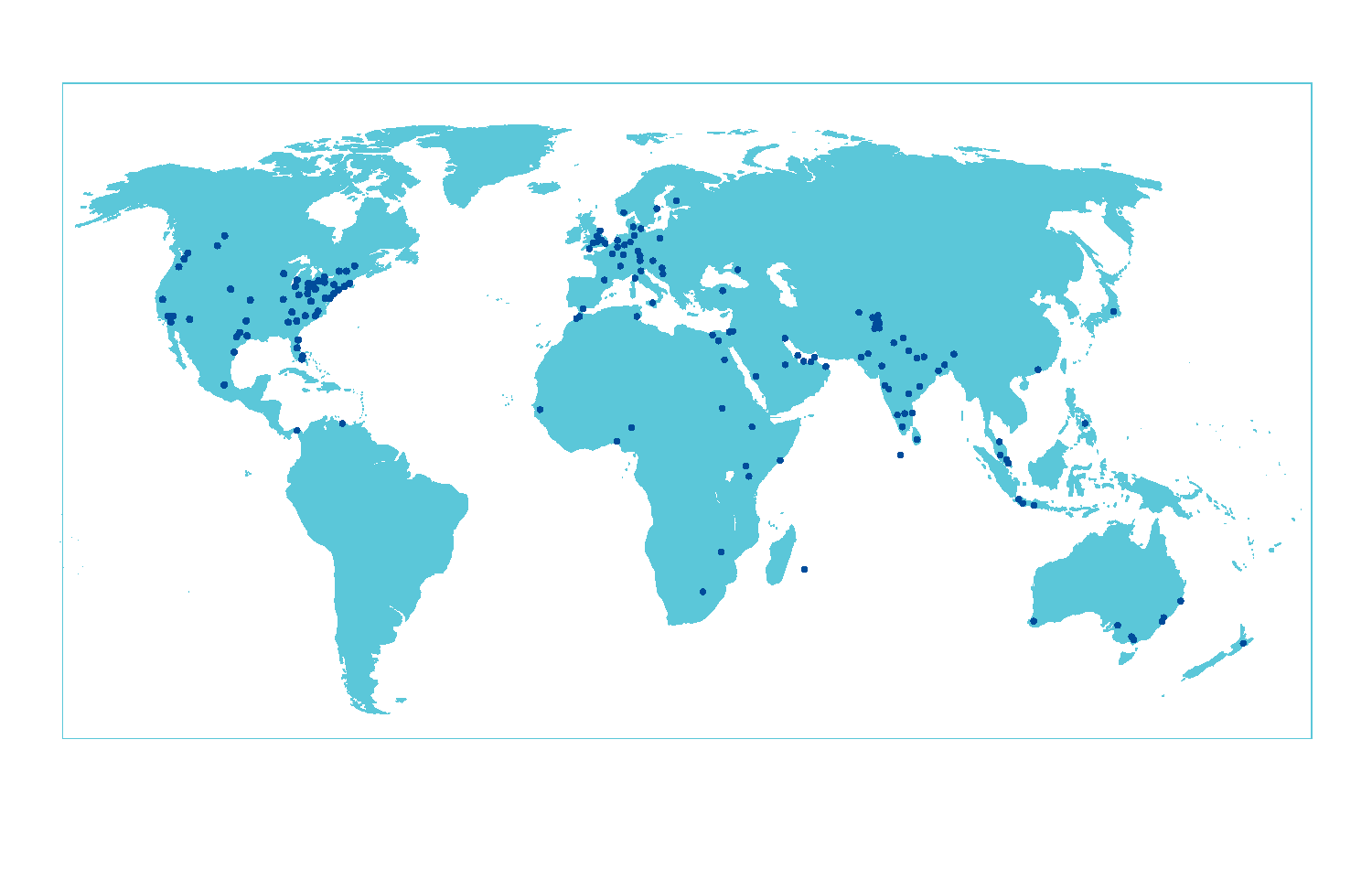
图1。 全球调查受访者分布图
一个乐观的穆斯林群体
即使在充满挑战和前所未有的时期,穆斯林也被鼓励保持乐观。 先知穆罕默德 ﷺ 说:“我为乐观、良言和善语感到惊叹。” 幸运的是,这项调查的结果表明,尽管面临当前的全球局势,全球许多穆斯林已经内化了这一信息,并对今年的斋月普遍持乐观态度。
尽管许多穆斯林无法前往清真寺,但近三分之二的人认为今年的斋月会比去年更好。 由于斋月是《古兰经》的月份,这种乐观情绪很大程度上与人们的预期有关,即与往年相比,他们今年将有更多时间研读《古兰经》。 超过80%的受访者预计今年斋月阅读的《古兰经》将比去年多。 以下是一些捕捉到这种普遍乐观情绪以及有更多时间专注于崇拜的语录。
“如果安拉意欲(in shāʾ Allāh),这个斋月将是一个改善自我并真正专注于我们与安拉关系的机会。 这只是你和安拉之间的事,实际上这是一个绝佳的机会。 我们最终会更多地关注自己的行为并反思我们的内心状态。”
“今年在家的斋月将带我们进入第一个隐居、反思和记念安拉的斋月。”
“这个斋月有些不同。 那些过去无法高效度过斋月的人,今年可以做很多事情,使自己成为更好的穆斯林。”
一个慷慨的穆斯林群体
安拉的使者 ﷺ 是最慷慨的人,而在吉卜利里(天使加百列)会见他并教导他《古兰经》的斋月里,他更加慷慨。 先知穆罕默德 ﷺ 的慷慨胜过滋润万物的风。 尽管人们因新冠疫情相关的经济衰退而面临财务限制,但我们的样本认为,在不确定的时期行善只会带来好处(81%强烈同意,15%部分同意)。 我们询问了他们今年斋月与去年相比,向救济组织、教育机构和清真寺捐款的意向。
- 57%的人打算向救济组织捐赠更多。 - 35%的人打算向教育机构捐赠更多。 - 39%的人打算向清真寺捐赠更多。 谁对今年的斋月感到乐观?
我们调查了今年斋月乐观情绪的预测因素。 乐观情绪的定义是针对“与去年相比,你认为今年的斋月会怎样?”这一问题,回答为“稍微好一点”或“好得多”。 我们发现,那些经常阅读《古兰经》、认为自己与安拉的关系亲密,以及在新冠疫情蔓延以来看到许多恩典的人更为乐观。 然而,那些表示觉得今年斋月需要社区才能茁壮成长的人通常不太乐观。 我们如何利用这些信息来造福自己?
斋月小贴士
根据我们的研究结果,我们建议采取以下做法来增加积极的想法,这将帮助我们在神圣的月份里茁壮成长。
贴士1:定期反思《古兰经》
مَا أَنزَلْنَا عَلَيْكَ الْقُرْآنَ لِتَشْقَىٰ(我降示这部《古兰经》给你,不是要你痛苦。)
我降示这部《古兰经》给你,不是要你痛苦。
我们发现,那些报告经常阅读《古兰经》的人对斋月更乐观,在生活中看到了更多的恩典。 这种关系在经文中表达为:“我曾降示这部经典给你,以阐明万事,并作为穆斯林的向导、恩惠和喜讯。” 《古兰经》旨在成为信士在今世和后世的平安与慰藉之源。 今年斋月,通过阅读和反思你个人感兴趣的篇章,在《古兰经》中寻找慰藉。 反思《优素福章》(第12章),以发现和理解安拉在优素福(愿主安宁)所经历事件中的智慧。 尝试将他的生活与你自己的生活联系起来。 思考《故事章》(第28章)中先知穆萨(愿主安宁)的生活,并感同身受穆萨在被迫逃离家园时的感受。 让自己沉浸在《古兰经》的故事、隐喻和寓言中。
贴士2:与安拉进行亲密的对话
وَإِذَا سَأَلَكَ عِبَادِي عَنِّي فَإِنِّي قَرِيبٌ ۖ أُجِيبُ دَعْوَةَ الدَّاعِ إِذَا دَعَانِ ۖ فَلْيَسْتَجِيبُوا لِي وَلْيُؤْمِنُوا بِي لَعَلَّهُمْ يَرْشُدُونَ(当我的仆人询问我的时候,我确是临近的。当祈祷者祈祷我时,我应答他的祈祷。教他们顺从我,信仰我,以便他们遵循正道。)
当我的仆人询问你(穆罕默德)关于我的事时,我确是临近的。 当祈祷者祈祷我时,我应答他的祈祷。 所以让他们顺从我,信仰我,以便他们遵循正道。
我们发现,那些认为自己与安拉关系亲密的人对今年的斋月表达了更多的乐观,并计划在捐赠方面更加慷慨。 虽然我们目前与人隔离,但我们从未与安拉隔离。 安拉告诉我们:“我如我的仆人所想的那样对待他。 当他记念我时,我与他同在。 如果他在心里记念我,我就在心里记念他;如果他在人群中记念我,我就在更好的群体(天使)中记念他。 如果他向我靠近一臂之长,我就向他靠近一寻之长。 如果他向我走来,我就向他跑去。” 每天留出一点时间(例如,晨礼后或昏礼前)与安拉进行亲密的对话。 无论你的感受或想法如何,安拉的大门永远敞开。
贴士3:练习感恩日记和写信
وَإِذْ تَأَذَّنَ رَبُّكُمْ لَئِن شَكَرْتُمْ لَأَزِيدَنَّكُمْ(当时,你们的主曾宣布:如果你感谢,我必增加你们的恩惠。)
当时,你们的主曾宣布:“如果你感谢,我必增加你们的恩惠。”
我们发现,那些在生活中看到许多恩典的人对今年的斋月更乐观,并计划更加慷慨。 事实证明,感恩可以提高生活满意度、睡眠质量、心理健康、亲社会行为,并增加乐观情绪。 我们建议今年斋月进行两种感恩练习。 第一种是从今天开始写感恩日记,每天写下五件你感恩的事情。 这些恩典可大可小,从你头顶的屋檐到后院玫瑰的芬芳。 第二种练习是给那些你深表感激但从未有机会正式感谢的人写一封感恩信(或电子邮件)。 这一做法符合先知穆罕默德 ﷺ 的教导:“谁不感谢他人,谁就没有感谢安拉。”
建议4:建立虚拟社区以保持联系
我们发现,那些认为自己需要社区支持才能过好生活的人,对今年斋月的乐观程度较低。 拥有社会联系是人类的基本需求,也是斋月一直以来重要的组成部分。 我们理解,今年无法与亲友一同在清真寺礼拜会让人感到困难。 然而,你仍然可以通过定期进行视频会议来营造社区感。 尝试安排视频会议,与朋友一起诵读《古兰经》、举办线上开斋聚会,或组织一场《古兰经》注释讲座。 我们或许在物理距离上与亲友分离,但在心灵上永远相连。 当你独自在家祈祷时,请提醒自己,全世界有数百万人正同时面向麦加进行礼拜。
• 大多数参与者年龄在25至44岁之间(56%),为南亚裔(49%),并拥有学士学位(40%)。
• 《布哈里圣训实录》,第5422段。
• 《布哈里圣训实录》,第1803段;《穆斯林圣训实录》,第2308段。
• 我们使用多元回归分析来考察影响今年斋月乐观情绪的相关因素。 所有报告的研究结果在 p = .
01 或更低水平上均具有显著性。
————————————
以下为该文章引用的外部资源:
• 《古兰经》20:2。
• 《古兰经》16:89。
• 《古兰经》2:186。
• 《布哈里圣训实录》,第7405段。
• 《古兰经》14:7。
• Leah R. Dickens,《利用感恩促进积极改变:一项关于感恩干预有效性的元分析系列研究》,《基础与应用社会心理学》第39卷,第4期(2017年):193–208页。
• 《艾布·达吾德圣训集》,第4811段。 收起阅读 »
一文读懂敬拜的灵性心理学:礼拜如何改变穆斯林的内心
原文出处:https://yaqeeninstitute.org/read/paper/the-spiritual-psychology-of-worship
原文标题:The Spiritual Psychology of Worship
作者:Dr. Zohair Abdul-Rahman
作者简介:祖海尔·阿卜杜勒-拉赫曼博士(Dr. Zohair Abdul-Rahman):祖海尔·阿卜杜勒-拉赫曼是雅金研究所(Yaqeen Institute)系统神学系的高级研究员。他居住在澳大利亚布里斯班,在那里担任医生,并在多家清真寺担任志愿伊玛目,为成年人和青年发表主麻演讲和讲座。他是一位求知者,在过去18年里,他以兼职方式在国内外多位老师的指导下学习伊斯兰科学。他获得了信仰(ʿaqīdah)和圣训(hadith,先知穆罕默德 ﷺ 的言行录)领域的伊贾扎(ʿijāzāt,学术认证)。他发表过关于伊斯兰神学、伊斯兰灵性、伊斯兰心理学和心理健康方面的著作。目前,他正在攻读伊斯兰神学博士学位。
副标题:伊斯兰敬拜对心理健康、动机和自我净化有什么影响?
摘要:本文解释伊斯兰敬拜如何影响人的思想、情绪、动机和行为。作者从灵性心理学角度说明,礼拜、斋戒、祈祷和纪念安拉不仅是仪式,也是在训练内心、重建意义和净化自我的道路。
图:崇拜的精神心理学
引言
许多年轻的穆斯林在成长过程中对崇拜行为感到畏惧,认为它们是毫无意义或无法带来满足感的繁重任务。 雅金研究所(Yaqeen Institute)对美国穆斯林进行的一项调查显示,58%的受访者承认,宗教信仰和实践让他们感到困惑,这导致了他们内心的怀疑。 即使是那些对伊斯兰教深信不疑的人,在进行每日五次礼拜(ṣalāh)、诵读经典(tilāwah)或参与记主(dhikr)时,也可能会感到空虚。 尽管《古兰经》将崇拜描述为生命的意义,但许多人仍将其视为一种枯燥的苦差事,宁愿避之不及。 这些态度和感受引发了常见的疑问,例如:“造物主为什么要我们崇拜他?” 谢赫·M·埃尔希纳维(Shaykh M. Elshinawy)曾在雅金研究所发表的一篇文章中系统地探讨过这个问题。 该文章的主要结论之一是:我们需要崇拜造物主,并从中受益,而不是反过来。 因此,造物主出于对我们的怜悯而要求我们崇拜他,因为他知道这对我们今世和后世的福祉至关重要。 安拉拥有最高的譬喻,但这就像一位医生要求病人遵循处方,纯粹是为了病人的利益,而非医生自己的利益。 她要求病人服从她,并非出于自恋,而是出于关怀。 我们旨在更详细地探讨这一理念,并论证为什么崇拜安拉对人类如此有益,以及它实际上为何是人生最伟大的体验。
什么是“尔巴代”(ʿibādah)?
在开始讨论崇拜的伟大之处前,我们必须先阐明该术语本身的含义。 在本文中,我们特别考察伊斯兰教中的崇拜概念,即“尔巴代”(ʿibādah)。 在整篇文章中,我们将交替使用“崇拜”和“尔巴代”这两个词。 然而,英语中的“worship”(崇拜)一词对某些人来说可能带有负面含义,而这些含义并不一定包含在伊斯兰教的“尔巴代”概念中。 读者必须摒弃对“崇拜”一词的先入之见、偏见和主观感受,以清醒的头脑来理解这一概念。
语言学定义
“尔巴代”(‘Ibādah)源自词根(ʿayn bāʾ dāl),意为服务、崇拜、爱慕、尊崇和神化。 它也包含谦卑地顺从自我的含义。 “塔阿”(Ṭāʿah)是“尔巴代”定义中的另一个重要概念,意为忠诚、承诺和服从。 拉吉布·伊斯法哈尼(卒于伊斯兰教历502年)将“尔巴代”定义为“谦卑的巅峰与最纯粹的形式”。 伊本·盖伊姆(卒于伊斯兰教历751年)在其关于爱的论著中,将崇拜描述为爱与谦卑的巅峰:“因此,崇拜中所蕴含的爱是最纯粹的爱,因此按神圣权利,它只应归于造物主。” 虽然我们经常关注崇拜的外在表现,但“尔巴代”所承载的所有含义都与这些身体表现背后的内在状态紧密相连。 爱、谦卑、尊崇和爱慕是构成崇拜基础的内心行为。
术语定义
术语定义是指“尔巴代”在伊斯兰语境下具体包含的内容。 因此,除了让我们了解崇拜核心方面的语言学含义外,伊斯兰传统中还有其他思想和概念,将该术语塑造为独特的伊斯兰形式。 在伊斯兰神学传统中,“尔巴代”有多种定义方式。 许多人将其定义为怀着爱与敬畏顺从安拉,通过执行他的命令来寻求与他的亲近。 伊本·泰米叶(卒于伊斯兰历728年)将“崇拜”(ʿibādah)定义为:“一个涵盖了安拉所喜爱和悦纳的一切内在与外在言行的术语。”
伊本·欧赛敏(卒于伊斯兰历1421年)说,“崇拜”是指“通过履行安拉的命令并远离他的禁令,怀着爱与敬畏顺从安拉。”
伊本·盖伊姆说:“一个人只有在不绝望于造物主的慈悯,并怀着忏悔之心转向他,遵循从主那里降示给他们的最美好教导时,才能称自己为(造物主的)崇拜者。” 只有这样,他们才能成为真正忠诚且顺从的神圣崇拜者。
在这些定义中,蕴含着几个关键的共同理念:
- 崇拜是爱的终极表达 - 崇拜结合了敬畏、爱慕、顺从与谦卑 - 崇拜用于亲近安拉 ﷻ - 崇拜涉及在命令与禁令方面的忠诚、承诺与服从。 ## 崇拜的神经科学
崇拜常被误解为仅属于宗教意识形态和实践的范畴。 人们认为,不认同有组织宗教或不信仰造物主,就意味着不崇拜任何事物。 然而,现代神经科学和心理学告诉我们,崇拜是人类普遍存在的现象,似乎已深深植根于我们的生物学特性中。 越来越多的文献支持这样一种观点:大脑中似乎存在与寻求神圣性相关的独特区域。 神经心理学家罗恩·约瑟夫(Rhawn Joseph)认为,大脑的结构和功能使我们倾向于信仰造物主。 他描述了分布在边缘系统(大脑的情感中心)中的“造物主神经元”和“造物主神经递质”。 著名神经科学家安德鲁·纽伯格(Andrew Newberg)指出:“人类大脑的构造独特,能够感知并产生精神实体。” 因此,根据这项研究,正如人类受生物学驱动去说话、进食和繁衍一样,人类也受驱动去从事崇拜这一精神追求。 这与伊斯兰教中“天性”(fiṭrah)的概念一致,即安拉 ﷻ 赋予人类的自然本性。
“你当趋向正教,并谨守安拉所赋予人类的天性。” (这是安拉所造的天性,他创造人类时即赋予此本性。) 安拉的创造是不可变更的。 这才是正道,但大多数人并不知道。 (《古兰经》30:30)
考虑到无神论者和不可知论者群体日益壮大,人们可能会觉得这些结论令人不安。 这种反驳的谬误在于对“崇拜”一词的误解。 虽然许多人认为崇拜仅存在于与超自然实体的关系中,但《古兰经》提供了一种更具功能性的视角来看待这种基本的人类动机:“你见过以私欲为造物主的人吗?” (《古兰经》25:43)
虽然从神学角度看,几乎没有人会声称自己的私欲是神圣的,但从现象学角度看,它们在功能上确实可以起到造物主的作用。 借用发展心理学家埃里克·埃里克森(Erik Erikson)的术语,一个人的“终极存在关怀”代表了他们真正的崇拜对象。 个人的终极关怀就是他们最爱的事物,即他们人生中最高的追求。 每个人,甚至是无神论者,都必然有他们最爱的事物,而这实际上就是他们所崇拜的“造物主”。 虽然我们常认为崇拜纯粹与仪式有关,但我们必须认识到,从伊斯兰教的角度来看,崇拜深入人心,涵盖了一个人终极关怀的一切,包括信仰、情感和行为。 因此,崇拜代表了通往人生终极关怀的整个旅程。 将崇拜定义为如此,便将其从仪式的领域扩展到了生活的领域。
崇拜的心理学
伊本·盖伊姆(Ibn al-Qayyim)将人类天生具有崇拜倾向这一观点剖析至其基本原理,使我们能够理解人类心中产生神灵概念背后的认知机制。 他解释的第一点是,人类本质上是依赖性的生物,必须找到能给自己带来利益的事物以积极追求,并找到能给自己带来伤害的事物以积极规避。 他断言,快乐与痛苦是驱动人类趋利避害的动力因素。 他解释的第二点源于第一点。 既然人类从根本上受趋利避害的驱动,他们就必须构建一套信仰体系,来告知自己利益与伤害的来源。 仅仅在脑海中填充大量可能的来源是不够的。 有些来源依赖于其他来源。 例如,食物是利益的来源,但它依赖于从农场到厨房以及其间所有环节的劳动。 当一个人顺着利益链或相反的伤害链追溯时,他们最终必然会抵达所有利益与伤害的终极源头。 虽然这个源头本应是全能的造物主、权力的拥有者、决定万物者以及掌控一切者,但人们可能会植入其他观念。 例如,一个人可能会内化一种观念,认为财富是利益与伤害的终极源头。 另一个人可能会认为是名声、地位或满足个人欲望。 无论一个人将什么概念化为利益与伤害的终极源头,那便成了他们的神灵。 他们为它而活,为它而奋斗。 他们屈从于实现目标所需的一切手段。
因此,人类的困境不在于是否崇拜。 每个人由于其天生的依赖状态,必然都在进行崇拜。 他们必须屈从于任何他们认为有能力伤害或利益自己的事物,否则就得面对后果。 每个人面临的真正存在主义困境是:什么才值得他们崇拜? 究竟什么能够且将会满足他们的需求?
《古兰经》中一个常见的主题,就是根据是否有能力带来真正的利益与伤害来描述神性的价值。 这是一种挑战那些崇拜除他以外之物的人的方式。
你说:“难道你们要舍安拉而崇拜那些对你们既无益也无害的东西吗?” (《古兰经》21:66)
他们舍安拉而崇拜那些既不能伤害他们,也不能利益他们的东西。(《古兰经》10:18)
他们崇拜那些既不能利益他们,也不能伤害他们的东西。(《古兰经》25:55)
《古兰经》传达给人类的信息是,将他们的终极关怀与掌控他们终极命运的主宰——即独一的安拉——保持一致。 因此,除安拉外,没有任何事物值得崇拜。
崇拜的意志
尼采将所有现实概念化为“权力意志”,而伊斯兰教的替代方案可以被描述为“崇拜意志”。 人们受其内心深处的欲望驱动,而这些欲望由他们生命中最爱的事物所决定。 向一个人的终极关怀迈进,是贯穿宇宙的生命冲动。 这就是崇拜意志。 《古兰经》断言,事实上,存在的一切都在进行崇拜。
难道你不知道吗?凡在天地间的,和太阳、月亮、星辰、高山、草木、禽兽,以及许多人,都向安拉叩头。 (《古兰经》22:18)
七层天和大地,以及其中的万物,都赞颂他。 无一物不赞颂他超绝,但你们不了解他们的赞颂。 (《古兰经》17:44)
每个人都有一个潜在的价值体系,推动他们在人生旅途中奔向他们最看重的事物。 这代表了他们的神,至少在功能上是这样。 这就是一个人愿意为之承受生存痛苦的事物。 这就是一个人所屈从的,并为此牺牲时间、精力和资源的事物。 这就是崇拜的态度。 它驱使人们顺从于通往人生追求之路上的起起伏伏。 当一个人不懈地追求他们认为能带来幸福并使其免于苦难的事物时,它会占据一个人的思想、情感和行动。 正如我们所见,追求一个人的终极关怀包含了“伊巴达”(ʿibādah)定义中的四个要素:爱、屈从、寻求亲近和服从。
崇拜的包容性正是为什么在伊斯兰教中,如果凡事皆以达到穆斯林的终极关怀——安拉——为意图,那么世俗之事也能转化为“伊巴达”。 当以寻求安拉喜悦的态度去做时,饮食和繁衍后代等体验都会升华为崇拜。
先知穆罕默德 ﷺ 说:“安拉确实对一个仆人感到喜悦,因为他在进食时赞美他,或在饮水时赞美他。”
在另一段传述中,我们了解到慈善可以有多么广泛:
一些圣门弟子来到先知(愿主福安之)面前说:“安拉的使者啊,富人拿走了所有的报酬。” “他们礼拜如我们礼拜,他们斋戒如我们斋戒,他们还用多余的财富施舍。” 先知说:“难道安拉没有为你们创造施舍的途径吗?” “每一次赞美安拉都是施舍,每一次宣扬他的伟大都是施舍,每一次赞颂他都是施舍,每一次宣扬他的独一性都是施舍,劝善是施舍,戒恶是施舍,一个人与妻子的亲密行为也是施舍。” 他们问:“安拉的使者啊,满足自己的欲望也有报酬吗?” 先知说:“你看,如果他通过非法途径满足欲望,那对他来说难道不是一种罪孽吗?” “同样,如果他通过合法途径满足自己,他就会得到报酬。”
怀着感恩之心享受最简单的祝福,并以耐心承受最轻微的苦难,就能将平庸转化为神圣。 正如先知穆罕默德 ﷺ 所教导我们的,即使是最轻微的刺痛也可以成为一种精神体验。 正如伊斯兰传统中浩瀚的祈祷词汇编所证明的那样,生活中所有场合都有相应的祈祷词,包括如厕和与配偶亲密。
这正是伊斯兰灵性如此独特且具有普遍吸引力的原因。 虽然其他灵性传统往往是否定生活的,但伊斯兰教明确肯定生活。 在崇拜中全心全意地奉献给安拉,并不意味着要独身或回避世间的快乐。 相反,这意味着一个人要充实地生活,将看似琐碎的事物提升为最终极的关怀。 阿拉马·伊克巴勒(ʿAllāmah Iqbāl)在描述伊斯兰教与基督教的区别时,阐述了这一特征:
两者都要求肯定人内在的精神自我,唯一的区别在于:伊斯兰教承认理想与现实的接触,对物质世界说“是”,并指明了掌握它的途径,旨在为现实的生活调节发现基础。
克制低下的欲望确实是伊斯兰生活方式的关键部分:
至于畏惧主的位置并克制私欲的人,乐园确实是他的归宿。 (《古兰经》79:40)
然而,实现这一目标的方法并非压抑这些冲动,而是将它们引导至富有成效的追求中。 例如,我们并非要压抑性冲动,而是在合法的关系中表达它们,这会产生生命、爱与慈悲。 同样,虽然攻击本能可能导致我们为了私利而压迫他人,但它也可以被用于捍卫正义和反抗压迫。
崇拜的神学
这里需要对神性的两个概念范畴进行区分。 伊斯兰神学描述了“认主独一”(tawḥīd)的两个方面,它们在人类经验的不同层面上发挥作用。 第一种属于客观领域,即“认知的认主独一”(tawḥīd ʿilmī);第二种属于主观领域,即“实践的认主独一”(tawḥīd ʿamalī)。 第一种范畴是指一个人在客观意义上对造物主所持有的信仰。 例如,相信造物主是独一的、永恒的、至仁至慈的、万物的创造者,这些都属于“认知的认主独一”。 第二种范畴是指一个人在主观上如何通过其内在和外在的行为与安拉建立联系。 例如,它描述了一个人是只崇拜安拉,还是同时崇拜其他伙伴。 这些崇拜中的伙伴可以是显性的(属于“认知的认主独一”),也可以是隐含在个人行为中的(仅属于“实践的认主独一”)。
换句话说,虽然许多人在神学上可能宣称信仰安拉是万物的创造者,也是唯一值得崇拜的对象,但在心理上,他们最终关心的可能实际上是别的东西。 这种悖论被称为“隐秘的以物配主”(shirk khafī)。 这种形式的以物配主被描述为比蚂蚁爬行还要隐蔽。 或许,一个人最终关心的是他们的财富、地位、名声或个人享乐,他们将宗教作为达到这些“神”的手段。 他们从事宗教虔诚并非出于对造物主真诚的爱、崇敬和敬畏,而是为了获得世俗利益。
这种“伪信”(nifāq)的显性程度存在一个光谱,从轻微到严重不等。 越是轻微的形式,其隐藏的动机就越隐蔽,以至于一个人甚至可能没有意识到自己的别有用心。 这就是为什么伊斯兰教非常强调进行“监察”(murāqabah,即意识到安拉的同在)和“自省”(muḥāsabah,即自我清算)。
光谱的另一端是真正的伪信者,他们的心中对安拉及其使者毫无爱、崇敬或尊重。 《古兰经》描述了他们的状态:
伪信者企图欺骗安拉,但安拉是欺骗他们的主。 当他们站起来礼拜(ṣalāh)时,他们懒洋洋地站着,只是为了做给别人看,他们除了极少数时间外,很少记念安拉。 (《古兰经》4:142)
崇拜的体验
在本节中,我们将探索那些照亮崇拜体验的神圣情感,并为崇拜者提供源源不断的意义与满足感。 《古兰经》暗示了三种核心情感,它们点燃了信士心中崇拜的光芒。
他们是那些呼求的人,寻找通往他们监护主的最短路径,希冀他的慈悯,畏惧他的惩罚。 毫无疑问,你监护主的惩罚是令人深感畏惧的。 (《古兰经》17:57)
在这节经文中:1) 寻求接近造物主,2) 希冀他的慈悯,以及 3) 畏惧他的惩罚,这三者是相互关联的。 我们可以分别将这些情感标记为:1) 爱,2) 希望,3) 畏惧。 伊本·盖伊姆(Ibn al-Qayyim)用了一个优美的比喻,描述了这三种情感如何在崇拜者的心中汇聚。
心灵在通往安拉的旅程中就像一只鸟。 爱是鸟头,而畏惧和希望是两只翅膀。 当头和双翼都健全时,鸟儿才能展翅高飞。 如果头没了,鸟就死了。 如果缺少了其中一只翅膀,它就很容易成为掠食者的猎物。
“崇拜”(ʿibādah)的体验源于一颗拥有这三种基本神圣情感的心。 这是一种被描述为今世天堂般的体验。 伊本·盖伊姆说:“因为确实,如果不认识安拉、爱他、在记念他中找到平静、因接近他而欢欣、渴望与他相见,就没有真正的福分、快乐、喜悦或圆满。” “这就是今世的天堂。”
伊本·盖伊姆还说:
爱者身处幸福的海洋中,直到他淹没在这片海洋里之前,他从未与它分离。 正如溺水者无法与水分离一样,爱者也无法与他的幸福分离……今世爱的愉悦是后世天堂快乐的小小预演,这就是今世的天堂。 即使爱者不时受到痛苦波涛的冲击,他的幸福也是持续不断的。 如果那些沉迷于造物主之外事物的人知道爱者拥有什么,他们的心会因悔恨而破碎。
伊本·阿萨基尔(Ibn ʿAsākir,卒于伊斯兰教历571年)记载:易卜拉欣·本·阿德汉(Ibrāhīm ibn Ad´ham,卒于伊斯兰教历165年,愿安拉慈悯他)说:“如果国王和他们的子孙知道我们所体验到的精神愉悦和幸福,他们会用刀剑与我们争夺它。”
这些描述传达了真正的“崇拜”为穆斯林心灵带来的深度与广度。 这种体验的强度取决于一个人心中所具备的基础神圣情感的强弱。 爱、希望和畏惧是崇拜的驱动力,因此体验的意义深浅完全取决于其背后的情感。 我们将简要探讨这些“崇拜”的基本精神状态,以便我们能够领悟如何提升我们的崇拜。
爱
我们从最重要、最必要,但也最难表达和理解的部分开始。 爱是人类存在的奥秘之一,千百年来激发了无数艺术、智慧和诗歌。 自文明曙光初现以来,人类一直试图描绘和表达这种令人困惑却又无法逃避的情感——爱。 在这种情感中蕴含着一股巨大的潜能,能够驱动人类克服不可逾越的困难。 当感受到真爱时,没有任何东西能阻挡一个人与他们所爱之人在一起。 它是承受生存痛苦所必需的持久力量的源泉。
正如伊本·盖伊姆恰如其分地解释道:
没有人能用比爱本身更清晰的定义来定义爱……也没有人能用比爱本身更清晰的描述来描述爱。 人类只能谈论它的起因、方式、迹象、指标、后果和准则。 他们的定义仅仅围绕上述六点展开。
本质上,伊本·盖伊姆是说,当人们试图定义爱时,他们最终只是在描述与之相关的不同方面,例如它的起因,或者一个人坠入爱河的迹象。 爱本身永远无法在语言上被定义。
正如伊本·盖伊姆所解释的,爱是一个人精神追求的头颅。 爱对于心灵,正如血液对于身体。 正是这种情感为灵魂的每一个行为提供了燃料,就像血液是身体每一个器官的燃料一样。 一个人最终所爱之物定义了他的人格。 一个人生命的真正目的和意义在于其所爱之物。 爱决定了所有其他情感体验的强度和背景。 换句话说,所有其他情感都是由爱来定义的。 正如伊本·泰米叶所指出的,这甚至延伸到了仇恨。
爱与欲望是仇恨与愤怒的根源及其起因……世间仇恨的行为,仅在某事物与所爱之物发生冲突时才会产生。 如果没有所爱之物,也就不会有仇恨。 人类的仇恨与愤怒,源于那些与所爱之物对立和冲突的事物。
爱是所有其他情感体验的组织原则。 它决定了这些情感的质量、强度和背景。 伊本·泰米叶解释说,即使是仇恨,若脱离了爱的背景也无法存在。 如果不是因为威胁到了自己所爱之物,一个人为何会对某事产生如此强烈的抵触情绪呢?
至于其他情感,它们也紧密相连。 一个人会因为害怕失去所爱而恐惧,渴望接近所爱而怀有希望,思念所爱而产生渴望,因错过所爱而悲伤,因体验到所爱而快乐。 爱也会决定其他的爱。 一个人会爱上其所爱之物所爱的一切,以及任何能让他们更接近所爱之物的事物。 正如我们所见,爱是基础情感,而所有其他情感都是这棵树上的枝叶。 这就是为什么信士的目标是清空内心,不再对安拉以外的任何事物怀有终极的爱。
“在众人中,有人舍安拉而以其他事物为配主,他们爱那些配主,像爱安拉一样。” “信道的人们,对于安拉的爱更深。” (《古兰经》2:165)
对安拉以外事物的爱,会成为一颗种子,在心中种下另一棵树。 负面的情感体验、不安全感、病态的悲伤以及严重的焦虑,都是对安拉以外事物产生爱的后果。 每一种负面情绪都可以追溯到一个根源,即对某事物的根本性爱恋。 这可能是对他人的爱,意味着一个人投入过多,产生了不安全且适应不良的依恋。 这也可能是对自身舒适和享乐的爱,意味着一个人的自我(小我)在控制内心,而非其灵魂。 无论是什么,安拉以外的任何事物最终都会在今世和后世给我们带来痛苦和折磨。
伊本·哈兹姆解释说,对世间任何事物的依恋最终必然导致悲伤。
这是因为你在世间所有的追求,最终都难免以悲伤告终——要么你的抱负被剥夺,要么你被迫放弃目标。 除了努力奔向造物主,别无他法可以逃避这两种结局。
当我们把心寄托在任何短暂的事物上时,自然会产生不安全感、不健康的恐惧和焦虑,因为我们无法逃避所爱之物终将离我们而去的事实。 既然我们的爱决定了生命的意义,这可能会演变成一场存在主义危机。 先知穆罕默德 ﷺ 曾警告我们不要成为金钱的奴隶:
“金银、华服与锦衣的奴隶是可悲的。” “若被给予便感到满足,若未被给予便感到不满。”
当我们心中只有对安拉纯粹的爱之树时,我们所有的情感体验都是积极的。 它的枝干高耸入云,根基稳固而安全。
“你难道没看见安拉以美好的言辞打比方吗?就像一棵美好的树。” “其根基稳固,其枝干高耸入云。” (《古兰经》14:24)
虽然信士仍会经历恐惧和悲伤,但这是与安拉相关的,这使它们转化为积极且富有成效的情感。 所有的过失和境遇都是可以救赎和调和的。 如果一个人害怕远离造物主,这会促使他转向他。 如果一个人因自己的罪过而悲伤,这会促使他向他忏悔。 如果一个人为了他而愤怒,这会促使他勇敢地为周围环境带来积极的改变。 如果一个人去爱,他们能够纯粹地去爱,而不带有那种非源于对安拉之爱而产生的自私杂质。 他们能够因为一个人本身——作为安拉 ﷻ 的创造物——而去爱他,而不是因为他能满足什么需求。
这一切与一个人害怕失去财富或所爱之人形成了鲜明对比——这两者都不在他们的掌控之中。 因失去某物或某人而产生的悲伤,永远无法让他们失而复得。 因骄傲或自我而产生的愤怒,除了以不健康的方式处理外,别无他法。 这种爱永远无法填补人心中的空洞,只会带来失望、伤害和背叛感。
爱是崇拜的基础,因为它是一种将人与生命中终极关怀连接起来的情感。 它是那种能够冲破最厚重的墙壁、穿透最坚硬的钢铁,以触及他们最爱之物的凝聚力。 从爱的种子中,萌发出所有其他的情感。 没有它,人就不再是人,而只是一个空壳。
希望
现在我们转向崇拜的另一翼:希望。 爱是引导心灵朝向其最渴望之物的头脑。 希望是载着一个人到达那个目的地的力量。 没有希望,一个人就没有力量踏上通往所爱之物的道路。 他们会滞留原地,因害怕地平线的不确定性而不敢启航。
对于信士而言,心灵是面向诸天之上的安拉的。 对于一个充满缺陷、软弱和局限的受造物来说,这是一个多么大胆的目标啊? 信士有什么理由相信自己能够置身于“至圣者”(al-Quddūs)的御前,而他的内心却覆盖着污垢? 他身处最低微的境地,又怎能到达“至高者”(al-ʿAlī)的面前? 他几乎无法承受太阳的热量与光芒,又怎能到达“光明”(al-Nūr)的所在? 他沉溺于罪恶与疏忽之中,又怎配置身于“受赞颂者”(al-Ḥamīd)的御前? 唯一的答案就是希望。 对安拉广袤慈悯的希望,是驱动一个人走上通往他之路的推进器。 人类若想想象自己置身于安拉的御前,那简直需要奇迹。 然而,这个奇迹每天都在安拉的恩典下见证着。 简单的祈祷与记念,就能将灵魂提升至造物主的宝座,正如它在“至仁主”(al-Raḥmān)面前叩首一样。
这种对安拉的希望延伸到了我们生活的方方面面。 罪人希望得到安拉的慈悯。 贫穷者希望得到安拉的供给。 病人希望得到安拉的治愈。 受压迫者希望得到安拉的公正。 破碎者希望得到安拉的力量。 孤独者希望得到安拉的爱。 困惑者希望得到安拉的引导。 抑郁与焦虑者希望得到安拉的安排。 无论我们在生活中有什么需求,我们都希望安拉能满足它。
“对于你来说,未来将比过去更好”(《古兰经》93:4),只要你继续向着你所挚爱的安拉和你最关切的目标前行。 希望赋予人一种坚定不移的自信,使人迈向未来,这种自信植根于对安拉恩典与大能的信仰之中。 他浩瀚的慈悯意味着他希望我们获得美好,而他的大能意味着他赐予我们无穷宝藏时没有任何阻碍。
在这一点上,我们必须厘清“希望”(崇拜之翼)与“空想”(源自恶魔的冲动)之间重要的区别。 希望激发行动,而空想则是被动的,只会滋生懒惰和自满。 当一个人相信自己能够达成目标时,他就会增加实现目标的努力。 对安拉抱有希望并不意味着一个人可以无视安拉在世间所设定的因果手段。 这一重要的澄清在先知穆罕默德 ﷺ 的时代就已经出现过。
阿纳斯·本·马利克传述,有人问:“安拉的使者 ﷺ,我是该把骆驼拴好再托靠安拉 ﷻ,还是放开它去托靠安拉 ﷻ?” 他回答说:“拴好它,然后托靠安拉。”
欧麦尔·本·哈塔卜传述,我听见安拉的使者 ﷺ 说:“如果你们能真正地托靠安拉,他必会像供养鸟儿那样供养你们,它们清晨饥肠辘辘地出去,傍晚饱腹而归。”
如果一个人认为自己不够聪明或没有能力完成某项任务,他甚至不太可能去尝试。 但如果一个人相信自己能做到,他就会以热情和干劲去运用实现目标的手段。 这就是对安拉的希望如何激发行动的方式。 当你相信无论你从事什么,其结果都掌握在安拉手中时,你就会坚信自己的努力会有成果,从而投入更多的精力。
相比之下,空想并非植根于对安拉的任何真诚希望。 相反,它源于懒惰,以及希望不劳而获的心态。 这忽视了安拉为世间万物所设定的因果规律,也违背了先知那种积极托靠安拉的榜样。
另一个需要做出的重要区分是:对安拉的希望与对自身的希望之间的区别。 对安拉的希望使我们能够敞开心扉迎接新的可能性,并从容面对未来的不确定性。
艾布·赛义德·胡德里传述,先知 ﷺ 说:“凡是穆斯林向安拉 ﷻ 祈祷,只要祈祷内容不涉及罪恶或断绝亲属关系,安拉 ﷻ 必会赐予他以下三种结果之一: 要么他所求的会迅速实现,要么为他留待后世,要么为他抵消同等程度的灾祸。”
艾布·胡莱赖传述,安拉的使者 ﷺ 说:“你们祈祷安拉 ﷻ 时,要确信会得到回应,并要知道,安拉 ﷻ 不会回应一个疏忽大意、心不在焉者的祈祷。”
对安拉回应的笃信和一个人希望的强度,并不能消除未来的不确定性。 未来依然是不确定的,但信士已经内化了这一点:未来完全由安拉决定,并乐于接受他的裁决。 虽然一个人可能渴望某样特定的事物,但对安拉的希望使他们能够坦然面对恐惧,并深知无论结果如何,那都是对他最好的安排。
希望的力量是我们的立足之本,让我们相信隧道尽头终有光明。 无论一个人的处境多么凄凉,希望之翼都会告诉他,只要有信仰,最终的胜利终将属于他。 一个被对安拉的希望所激励的人,会从脚下的深渊中抬起头,望向地平线上升起的太阳。 今世的痛苦和苦难只是暂时的;信士所希望的是后世的幸福与永恒的快乐。 信士只希望于造物主的慈悯,绝不松开那根希望的绳索。
相比之下,流行心理学和主流自助类陈词滥调鼓励人们“相信自己”,并以一种自给自足的态度生活。 这些老生常谈是危险的,因为它们向一个毫无根据相信自己能改变现状的人灌输了虚假的希望和自信。 安拉 ﷻ 警告人类:“真的,人类确已越分了,因为他自以为是自足的。”(《古兰经》96:6-7)。他还告知我们人类依赖与贫乏的本质:“人类啊!你们是仰赖安拉的,而安拉确是自足的,确是受赞颂的。”(《古兰经》35:15)。 真正的独立只有通过绝对依赖那位真正自足的主——永生不灭、全能护持的主(al-Ḥayy al-Qayyūm)——才能实现。 唯有通过对安拉 ﷻ 的希望与托靠,一个人才能拥有正当的自信,并有充分的理由对未来保持乐观。
恐惧
恐惧是人类最强大的情感之一,也是我们许多思想、忧虑和行为背后的驱动力。 伊本·哈兹姆说:
我寻找人类共同的目标,即所有人都同意去追求卓越的目标。 我发现除了消除焦虑之外,别无他物。
许多人将恐惧视为一种负面情绪,常常对那些通过提醒死亡和火狱来激发恐惧的宗教说教感到反感。 然而,必须意识到,如果恐惧能激励我们远离伤害并追求有益之事,它就是一种积极的情绪。 恐惧只有在走向极端并导致瘫痪性的麻木时才是有害的。 否则,恐惧是崇拜(ʿibādah)中必要的一翼,支撑着心灵在今世向着安拉飞翔。 对安拉的敬畏是信士最伟大的财富之一,它赋予他们克制诱惑和欲望的力量。 对安拉的敬畏赋予一个人在面对世间巨大阻力时坚持其价值观的力量。 它使一个人能够为自己的信仰而活,并尽管面临可能迫使他们隐藏的外部压力,依然能坚持正义。 如果一个人不敬畏安拉,那么他就会敬畏世间的人和事。 对贫穷、失败、他人评价或他人侵略的恐惧,会束缚一个人的心灵,并驱使他们随恐惧而去。 这些枷锁阻止了心灵去追求它在生活中真正热爱和想要的东西。 但当敬畏(taqwá)之光照进一个人的心中时,火焰会将所有其他的恐惧烧成灰烬。 枷锁被打破,心灵变得自由,可以去追求它真正渴望的一切。 这些是源自灵魂的渴望,而非源自私欲(ego)。
只敬畏安拉的关键在于只爱安拉。 爱决定了我们的恐惧。 我们害怕与生活中想要和热爱的事物分离。 当我们爱安拉时,我们就会害怕与他分离。 对于安拉的爱人来说,最严厉的惩罚莫过于在后世被隔绝于他之外(《古兰经》83:15)。
与安拉的分离之所以令人恐惧,还因为它会在今世和后世给我们的身体和灵魂带来惩罚。 信士知道,那些亲近安拉的人将体验到他的慈悯,而那些远离他的人将只剩下他的公正。 纯粹的公正意味着对我们所有人而言的惩罚与毁灭。
如果安拉 ﷻ 因人类的压迫而清算他们,他就不会在地球上留下任何生物。 (《古兰经》16:61)
经文指出,如果我们得到的是纯粹的公正,那么我们将面对的是安拉的震怒。 虽然许多人认为这种形象是负面的,但它实际上是非常积极的。 安拉的震怒是完美的,这与人类因缺陷而产生的、导致其越界的愤怒不同。 安拉的愤怒即是纯粹的公正。
我们可以爱安拉并渴望亲近他,但人类的动机是波动的。 是什么能让我们克服因懒惰和软弱而产生的内在阻力? 又是什么能让我们克服以侵略和暴政形式表现出来的外在阻力? 恐惧是人类最基本的本能,它能激活人类最强大的生存机制。 对安拉的敬畏能在我们内心激活一种力量,使我们在通往安拉的旅程中不断向上飞升。 因此,对安拉 ﷻ 的敬畏意味着我们奔向他,而不是逃离他。
平衡爱、希望与敬畏
人的头脑会转向其最爱的事物,并怀有强烈的渴望去触及那些看似不可能的目标。 希望之翼赋予了爱者一种信念,即所追求的目标是可以实现的。 敬畏之翼则推动爱者远离被挚爱者所厌恶的事物,并趋向被挚爱者所喜爱的事物。 在失败时,希望支撑着爱者。 在安逸时,敬畏使爱者不至于自满和放纵。 这就是涵盖了一个人一生旅程的真正崇拜的核心。 对于像人类这样高贵、被赋予了理智、意识、良知和灵魂的造物而言,除了安拉,没有谁值得我们如此追求。
崇拜的结构
正如我们在本文中不断指出的那样,崇拜(ʿibādah)调动了人类所有的官能,并涵盖了人类生活的各个领域。 伊斯兰学者根据人类的不同官能对崇拜活动进行了分类。 崇拜可以通过语言或动作,在舌头、肢体和心灵上表现出来。
伊本·盖伊姆解释说,这导致了崇拜的四个不同维度:1)心灵的语言;2)心灵的运动;3)舌头的语言;4)身体的运动。 心灵的语言指的是其信仰。 心灵的运动指的是神圣的情感,如爱、托靠(tawakkul)、敬畏和希望。 舌头的语言指的是向他人传播伊斯兰的信息,宣扬对造物主的赞美。 身体的运动包括从礼拜(ṣalāh)、环游天房(ṭawāf)、奔走(saʿy)、朝觐(ḥajj)到从路上移走有害物等各种积极行为。 当背后的心灵面向安拉时,任何肢体的运动都是崇拜。
崇拜涉及身体和灵魂。 两者缺一不可。 身体由沙里亚(sharīʿah)塑造,体现在安拉关于我们应如何崇拜他的命令和禁令中。 灵魂是内在的本质,它为沙里亚中的外在结构注入了生命。 没有外在结构,就没有可以注入生命的身体。 没有灵魂,就没有东西能赋予身体生命。 两者对于真实且纯正的崇拜都是必要的。 学者们将这两个条件描述为:1)诚意(灵魂)和 2)遵循圣行(先知传统)(身体)。
福代尔·本·伊亚德(卒于伊斯兰历187年)说:“如果行为是真诚的但不正确,它们将不会被接受。 如果行为是正确的但不真诚,它们也不会被接受;只有当行为既真诚又正确时,才会被接受。 真诚意味着行为仅为安拉而做,正确意味着行为是按照圣行完成的。”
过上最好生活的五大支柱
崇拜涵盖了一个人一生的旅程。 我们生活中所有看似独立的部分,实际上都被动员起来,指向一个核心关切,即我们选择崇拜的造物主。 一个人生命的质量和价值,取决于其终极关切的强度。 因此,过上最好生活,关键在于选择正确的造物主去崇拜。 信仰的见证是一种宣告,表明一个人已选择崇拜安拉,超越了所有其他无力带来利益或伤害的虚假神灵。
在追求神圣的过程中,一个人向无限的成长和启迪潜力敞开了自己的灵魂。 通往造物主的道路上充满了天界的奇迹,这些奇迹会向寻求者显现。 在这条道路上的前进,只能通过品格和灵魂的成长来实现。 阿布·伊斯梅尔·哈拉维(卒于伊斯兰历481年)是伊斯兰的精神导师之一,他概述了通往造物主旅程中的100个驿站,这些驿站使人的生命充满意义、成就感和喜悦。 谦逊、爱、同情、利他、喜悦、满足、感恩和希望,是一个人致力于崇拜安拉时所经历的部分驿站。 当真正达到这些品质时,会伴随着带来灵魂无尽愉悦和快乐的精神状态。 道路上的寻求者不会被构成世俗生活平庸琐事的琐碎烦恼所困扰。 他们心中充满了对安拉的爱,因此他们对安拉的崇拜压倒了那些困扰着许多沉迷于世俗之人的微不足道的忧虑和关切。
当我们审视伊斯兰的五大支柱时,会发现它们都是代表我们生活不同领域的崇拜行为。 这些支柱构成了基础,旨在延伸至我们整个生命都被“万物非主,唯有安拉”(lā ilāha illā Allāh)所定义。
清真言(shahādah)是所有知识的根源和基础。 只有通过对唯一造物主的信仰,世界才变得有意义且可理解。 因此,我们在这个世界上对知识的全部追求,都旨在成为我们清真言力量的延伸。
礼拜(ṣalāh)是定义我们如何与安拉建立关系的根本实践。 它是所有其他纪念和与造物主建立联系的行为所赖以建立的基石。 礼拜扩展了我们的灵性。
礼拜是关于与造物主建立关系,而天课(zakāh)则是关于与被造物建立关系。 慷慨和利他是我们被教导对待他人的方式。 天课是基础,并可以扩展到各种形式的慈善。 一个人能给予造物主任何被造物的任何利益,无论是人类、动物还是植物,都是一种慈善行为。
阿布·扎尔传述,安拉的使者 ﷺ 说:“你对兄弟微笑是慈善,劝善戒恶是慈善,为迷路的人指路对你而言是慈善。 你为视力不好的人引路对你而言是慈善,你从路上移走石头、荆棘或骨头对你而言是慈善。 你将桶里剩余的水倒入兄弟的桶里对你而言是慈善。”
斋戒(ṣawm)是我们与自我建立关系的方式。 它教导我们约束自己的欲望和渴求,以确保它们符合我们的价值观。 这是一种精神训练行为,旨在从斋月延伸到全年。 品格的净化和升华植根于斋戒这一根本实践之中。
最后,朝觐(ḥajj)是一切行为的顶点,也是生命与死亡本身的象征。 它代表了个人和集体追求安拉喜悦的全部努力。
总而言之,伊斯兰教的五功是我们知识(念证 shahādah)、与安拉关系(礼拜 ṣalāh)、与受造物关系(天课 zakāh)、与自身私欲关系(斋戒 ṣawm)以及生命与死亡(朝觐 ḥajj)的基石。 当一个人对安拉的爱日益增长时,他渴望接近安拉的愿望也会随之增强。 这扩展了这些领域,使之涵盖了一个人生活的方方面面,从职业到家庭,甚至包括娱乐。 一个人的财富是通过作为对安拉的崇拜而赚取的,这延伸自天课(zakāh)。 一个人的娱乐活动是作为一种休息方式,用以巩固通过修身所获得的成果,这延伸自斋戒(ṣawm)。 一个人不需要音乐或冥想来实现精神觉醒,因为他们的礼拜(ṣalāh)和对安拉 ﷻ 的记念使心中不再有其他事物的容身之地。 一个人在受造物中遇到的每一个迹象以及他们所获得的所有知识中,都能见证安拉 ﷻ,这延伸自他们的念证(shahādah)。 他们的崇拜定义了他们的一生,直到他们能够说:
你说:我的礼拜,我的牺牲,我的生活,我的死亡,都归于安拉——全世界的主。他没有伙伴,我被命令如此,我是首先顺从的人。 (《古兰经》6:162)
————————————
以下为该文章引用的外部资源:
• Youssef Chouhoud,“是什么导致穆斯林怀疑伊斯兰教?一项定量分析”,Yaqeen,2018年2月13日,https://yaqeeninstitute.org/yo ... ysis/。
• 《古兰经》51:56。
• Mohammad Elshinawy,“为什么造物主要求人们崇拜他?”,Yaqeen,2017年12月26日,https://yaqeeninstitute.org/mo ... -him/。
• Hans Wehr,《阿拉伯语-英语词典》,第4版(Urbana: Spoken Language Services, 1994),685页。
• Ibn Manẓūr,《阿拉伯语词典》(Lisān al-ʿArab)(贝鲁特:Dar as-Sadr, 1993),2776页。
• Ibn Manẓūr,2776页。
• al-Rāghib al-Iṣfahānī,《古兰经词汇释义》(Mufradāt alfāẓ al-Qurʾān)(大马士革:Dār al-Qalam, 2009),542页。
• Ibn al-Qayyim,《爱侣园》(Rawḍat al-muḥibbīn)(吉达:Dār ʿĀlam al-Fawāʾid, 2010),83页。
• K. ʿAbd al-Laṭīf,《圣行追随者之道》(Manhaj ahl al-sunnah)(也门塔伊兹:Maktaba al-Ghurābāʾ al-Atharīyah, 1995),55页。
• Ibn Taymīyah,《法塔瓦全集》(Majmūʿ al-fatāwá)(埃及曼苏拉:Dār al-Wafāʾ, 2005),10:91。
• ʿAbd al-Laṭīf,《圣行追随者之道》,58页。
• Ibn al-Qayyim,《行者阶梯》(Madārij al-sālikīn)(贝鲁特:Dar Kitab al-Arabi, 2003),1:127。
• René J. Muller,“神经神学:我们天生就有造物主意识吗?”,《精神病学时报》25,第6期(2008),24页。
• Muller,“神经神学”。
• Andrew Newberg 和 Mark Robert Waldman,《造物主如何改变你的大脑:来自顶尖神经科学家的突破性发现》(纽约:Ballantine Books, 2009),4页。
• Hetty Zock 和 T. H. Zock,《终极关怀心理学:埃里克·埃里克森对宗教心理学的贡献》,第1卷(纽约:Rodopi, 2004),15页。
• Ibn al-Qayyim,《救赎迷途者》(Ighāthat al-lahfān)(吉达:Dār ʿĀlam al-Fawā’id, 2011),39页。
• Ciano Aydin,“尼采论作为权力意志的现实:迈向‘组织-斗争’模型”,《尼采研究杂志》33(2007):25–48。
• 《穆斯林圣训实录》,第2734段。
• 《穆斯林圣训实录》,第1006段。
• 《穆斯林圣训实录》,第2572段。
• 感兴趣的读者可以参考伊玛目瑙威(卒于伊斯兰教历676年)的《记念词集》(al-Adhkār)、伊本·泰米叶(卒于伊斯兰教历728年)的《佳言集》(al-Kalim al-Ṭayyib),或赛义德·卡赫塔尼(卒于伊斯兰教历1439年)近期的《穆斯林堡垒》(Ḥiṣn al-Muslim)。
• 《布哈里圣训实录》,第6322段。
• 《布哈里圣训实录》,第5156段。
• Muhammad Iqbal,《伊斯兰宗教思想的重建》(新德里:Kitab Bahvan, 2000),16页。
• 《礼仪单行本》(al-Adab al-Mufrad),第715段。 阿尔巴尼(卒于伊斯兰教历1420年)将此传述归类为“圣洁”(authentic)(《礼仪单行本圣训集》,第551段)。
• 感兴趣的读者应参考:Justin Parrott,“如何成为一名正念的穆斯林:伊斯兰冥想练习”,Yaqeen,2017年11月21日,https://yaqeeninstitute.org/ju ... tion/。
• Ibn al-Qayyim,《行者阶梯》(埃及曼苏拉:Maktabat Fayyāḍ, 2013),426页。
• Ibn al-Qayyim,《行者阶梯》(埃及曼苏拉:Maktabat Fayyāḍ, 2013),372页。
• Ibn al-Qayyim,《行者阶梯》(埃及曼苏拉:Maktabat Fayyāḍ, 2013),1105页。
• Ibn ʿAsākir,《大马士革史》(贝鲁特:Dār al-Fikr, 1995),4475页。
• Ibn ʿAsākir,《大马士革史》,861页。
• Ibn Taymīyah,《爱之准则》(Qāʿidah fī al-maḥabbah)(开罗:Maktabat al-Turāth al-Islāmī, 1987),8页。
• Ibn Ḥazm,《品德与行止》(al-Akhlāq wa al-siyar)(贝鲁特:Dār Ibn Ḥazm, 1990),76页。
• 《布哈里圣训实录》,第6071段。
• 《提尔米济圣训集》,第2517段。
• 《提尔米济圣训集》,第2344段。
• 《艾哈迈德圣训集》,第10749段;al-Mundhirī,《劝诫与警示》(开罗:Dār al-Kutub al-ʿIlmīyah, 2003),2:389;Shuʿayb al-Arnaʾūṭ,《圣训集校注》(贝鲁特:Muʾassasat al-Risālah, 1999),17:214;其他人也宣布该传述链是可靠的。
• 《提尔米济圣训集》,第3479段;伊玛目瑙威,《记念词集》(开罗:Dār Ibn Kathīr, 1990),492页;其他人指出传述链存在轻微弱点。 其中包含 Ṣāliḥ ibn Bashīr,他是巴士拉的苦行者之一,但以圣训传述薄弱而闻名。 然而,当代圣训学者如 al-Mubārakpūrī(《提尔米济圣训集注》,8:477)和 al-Albānī(《劝诫圣训集》,1653)表示,它有佐证,使其成为“因佐证而优良”(ḥasan li-ghayrihi)的圣训。
• Ibn Ḥazm,《品德与行止》(贝鲁特:Dār Ibn Ḥazm, 1990),76页。
• Ibn al-Qayyim,《行者阶梯》(埃及曼苏拉:Maktabat al-Fayyāḍ, 2013),95页。
• Ibn Taymīyah,《法塔瓦全集》(麦地那:Majmaʿ al-Malik Fahd, 2004),28:177。
• 关于这一观点的详细解释,请参考 Zohair Abdul-Rahman 和 Nazir Khan,“追求信念之二:人类需要造物主”,Yaqeen,2019年10月11日,https://yaqeeninstitute.org/zo ... -god/。
• 《提尔米济圣训集》,第1956段。
• 关于朝觐仪式意义的详细解释,请参考 Ibrahim Hindy 和 Nazir Khan,“践行易卜拉欣的遗产:现代社会中仪式与礼仪的相关性”,Yaqeen,2018年8月13日,https://yaqeeninstitute.org/ib ... -age/。 收起阅读 »
隔离中的婚姻发生了什么?成功夫妻在社会隔离中的相处经验
原文出处:https://yaqeeninstitute.org/read/paper/closer-in-quarantine-a-study-of-successful-marriage-in-social-isolation
原文标题:Closer in Quarantine: A Study of Successful Marriage in Social Isolation
作者:Menahal Begawala、Dr. Osman Umarji
作者简介:Menahal Begawala:Menahal Begawala 是一位持证心理健康咨询师,她从客户在逆境中治愈、成长并培养韧性的过程中深受启发。Menahal 热衷于通过讲座和研讨会,以伊斯兰视角向社区普及心理、情感和身体健康意识。Menahal 接受过 Gottman 研究所的婚姻咨询培训,并撰写了《Gottman 方法伊斯兰参考指南》。她还专门研究了创伤治疗。目前,Menahal 在纽约开设了一家私人诊所,为个人、夫妇和家庭提供咨询服务。她目前正在钻研综合营养学领域,以便在今后为个人和社区提供服务时,能继续致力于全人治疗。Dr. Osman Umarji:Dr. Osman Umarji 拥有加州大学欧文分校的电气工程学士学位,以及教育心理学硕士和博士学位。他曾在埃及开罗的爱资哈尔大学学习伊斯兰教。他的研究兴趣包括人类动机的发展、宗教社会化、灵性以及伊斯兰法理学。Dr. Umarji 还是加州大学欧文分校教育学院的兼职教授。他此前曾教授过儿童发展、青少年发展和统计学。他在心理学和伊斯兰科学方面的专业知识,使他能够针对穆斯林面临的当代问题进行实证研究。
副标题:疫情隔离对穆斯林婚姻有什么影响?
摘要:本文研究社会隔离期间婚姻关系的变化,关注一些夫妻为何能在压力中变得更亲近。作者从沟通、共同目标、宗教实践、情绪管理和家庭分工等方面,总结疫情环境下成功婚姻的经验。

图:隔离中的亲密:社会隔离下婚姻成功的案例研究
引言
我们正生活在一个前所未有的时代,面临着从社会隔离到就业不确定性等方方面面的压力。 在此期间,婚姻可能会承受额外的压力。 婚姻中原本处于休眠状态的问题可能会浮出水面。 虽然困难,但如果应对得当,当前的情况也可以成为一个契机,去实现一个早该发生的积极转变。
所有的关系都需要刻意且积极的努力才能蓬勃发展。 如果一段婚姻一直被忽视,那么现在所产生的后果将比以往任何时候都更加沉重,因为我们无法再通过逃避或分心来摆脱与配偶疏离所带来的痛苦体验。 在社会隔离期间改善婚姻的方法,与在正常时期对夫妻的建议并无二致。 然而,随着压力源变得更加明显和尖锐,所需要的补救措施也可能需要加强。
通常,看似复杂的问题可以通过回归基础来解决。 几乎所有的婚礼请柬上都会印有一段《古兰经》经文,它提醒我们婚姻美满的核心要素:
وَمِنۡ ءَايَٰتِهِۦٓ أَنۡ خَلَقَ لَكُم مِّنۡ أَنفُسِكُمۡ أَزۡوَٰجٗا لِّتَسۡكُنُوٓاْ إِلَيۡهَا وَجَعَلَ بَيۡنَكُم مَّوَدَّةٗ وَرَحۡمَةًۚ إِنَّ فِي ذَٰلِكَ لَأٓيَٰتٖ لِّقَوۡمٖ يَتَفَكَّرُونَ “他的一种迹象是:他从你们的同类中为你们创造配偶,以便你们依恋她们,并且使你们互相爱慕,互相怜悯。对于思维的民众,此中确有许多迹象。”
“他的一种迹象是:他从你们的同类中为你们创造配偶,以便你们依恋她们,并且使你们互相爱慕,互相怜悯。” “对于思维的民众,此中确有许多迹象。”
这段经文提到了婚姻的三个要素,为我们构建和重建婚姻提供了一个全面的框架:Sakīnah(安宁)、Mawaddah(爱)和Raḥmah(怜悯)。
Sakīnah(安宁)
安拉将夫妻结合的主要目的描述为在彼此身上找到平静、满足和安宁。 Sakan意味着夫妻双方的心灵相互依归。 Sakan一词也暗示了一种宁静感,以及处于一个安全和避风港的状态。 作为人类,我们建立关系的能力需要在婚姻中拥有信任和安全感,才能通过好奇心和接纳彼此来建立联系。 换句话说,安全感是发展亲密关系和安宁的前提。 人类最基本的需求之一就是安全感,包括身体和心理上的安全。 在新冠疫情导致我们的身体安全感可能受到威胁的时候,在配偶和最亲近的人身上找到安全感就显得尤为重要。 正如我们正忙于寻找如何增强身体免疫力一样,我们也需要同样——甚至更加——刻意地确保我们的关系能够抵御当下的压力。 当安全感真正建立起来时,爱与归属感便会绽放。
Mawaddah(爱)
Mawaddah一词常被译为“爱”,它超越了婚姻初期那种充满多巴胺的激情阶段。 安拉创造我们是为了让我们与他及他人建立联系,而Mawaddah正是满足这种内在需求的夫妻之爱。 随着夫妻在婚姻中共同成长,他们会发现许多意见不合的地方。 健康关系中成熟之爱的美妙之处在于,即使夫妻双方并非在所有事情上都达成一致,这种爱依然可以被给予、被接受和被体验。 一项针对700多对夫妻的长期研究发现,69%的婚姻冲突是无法彻底解决的。 这是婚姻作为两个有着不同背景的个体结合的自然结果。 Mawaddah就是那种将有着各自差异的夫妻连接在一起的爱。
Raḥmah(怜悯)
Raḥmah常被译为“怜悯”,它是上述健康婚姻特征的自然产物,也是促进这些特征的因素。 这包含了展现优雅、同理心和慈悲的能力。 在婚姻中,这是一种应该经常被重温和实践的品质,特别是在外部压力增加,导致一方或双方无法在关系中展现出最好状态的时候。
爱与怜悯是实现婚姻安宁与满足的必要成分。 爱与怜悯是多维度的,包含许多行为,如乐于助人、相互支持,以及创造一个让夫妻可以坦诚交流的安全环境。 爱的另一个维度是感恩。 欣赏自己的配偶是健康婚姻的核心要素,应该经常实践。 经常表达感恩的夫妻,其婚姻满意度更高。
通过依附安拉来依附我们的配偶
拥有安全的依恋类型对于维持健康的夫妻关系很重要。 安全的依恋需要与依恋对象保持亲近,将依恋对象视为探索的安全基地,认为依恋对象提供了安全的避风港,并在与依恋对象分离时体验到分离焦虑。 依恋理论的研究发现,我们与造物主的关系也可以被描述为一种依恋纽带。 我们对安拉的感知可能会受到我们与父母依恋方式的影响,或者我们对他的依恋可能会弥补与父母之间缺失的纽带。 无论如何,与安拉建立安全的依恋关系,对于我们如何与配偶建立联系可能具有重要意义。
与安拉建立稳固的关系,可以在面对困难时提供内在的稳定感和韧性。 此外,它还会影响我们与配偶相处的方式。 例如,我们越是与安拉建立联系,越是理解他至爱(al-Wadūd)、至慈(al-Raḥīm)、至赦(al-Ghafūr)和善报(al-Shakūr)的属性,我们就越能在与配偶的互动中展现出这些美好的属性。 因此,从伊斯兰的角度来看,致力于与安拉建立稳固而亲密的关系,可能是建立稳固而亲密的夫妻关系的重要组成部分。
一项关于穆斯林婚姻的研究
Yaqeen伊斯兰研究所调查了169名穆斯林,了解他们的婚姻质量。 我们询问了整体婚姻满意度,以及过去一个月(自人们整天居家社会隔离以来)他们的关系发生了怎样的变化。 我们希望了解成功婚姻的相关因素,以及在社会隔离期间改善婚姻的具体因素。 样本中74%为女性,72%为大学毕业生,69%年龄在25至44岁之间。 样本中14%为白人,5%为黑人,49%为南亚裔,22%为阿拉伯裔。 我们探讨了以下两个研究问题:
- 家庭凝聚力与表达能力、与安拉的关系,以及从配偶那里感受到的感恩,与婚姻满意度之间的相关程度如何? - 家中子女数量、阅读《古兰经》、来自配偶的感恩,以及在社会隔离期间看到恩典,与社会隔离期间关系质量的变化之间的相关程度如何? ## 测量指标
我们向受访者询问了许多关于他们的宗教信仰、婚姻和人口统计信息的问题。 关于调查问卷,请参阅附录A。 家庭凝聚力和表达能力是通过四个项目的量表来衡量的。 所有其他结构均通过单一项目进行评估。
结果
受访者普遍表示对自己的婚姻感到满意。 不到20%的人表示中立或不满意,而25%的人表示比较满意,55%的人表示非常满意。 关于过去一个月关系质量的变化,47%的人表示他们的关系基本保持不变,11%的人表示变差了,41%的人表示有所改善。
图1。 婚姻满意度
图2。 过去一个月婚姻质量的变化
为了回答我们的第一个研究问题,我们进行了逻辑回归分析,以了解区分“非常满意”的婚姻与其他婚姻的因素。 家庭凝聚力和表达能力的提升,使婚姻达到“非常满意”的几率增加了50%。 认为自己与安拉的关系亲密,使这一几率增加了51%。 配偶表达感谢的频率增加,使这一几率增加了45%。 年龄和教育程度与婚姻满意度无关。
为了回答我们的第二个研究问题,我们使用多元线性回归来了解与过去一个月(例如在社会隔离期间)关系变化相关的因素。 每日诵读《古兰经》(B =.21)、收到感谢的频率(B= .27)以及自新冠疫情蔓延以来看到更多恩典(B =.15),是过去30天内关系质量改善的预测指标。[12] 年龄、教育程度和子女数量并不能预测关系的变化。 有关模型的详细结果,请参阅附录A、表3和表4。
图3。
图4。
讨论
本研究调查了169名穆斯林,旨在探讨社会隔离期间婚姻满意度与婚姻改善的相关因素。 尽管当重大的生活压力出现时,婚姻容易受到动摇,但只要有正确的心态和行为,婚姻在困难时期也能成长和繁荣。
我们的研究结果强化了《古兰经》中关于安全、爱与怜悯的教导,这些是实现安宁与和平婚姻的必要条件。 在我们研究的背景下,爱的行为包括感受到配偶的欣赏,以及认为自己的家庭是有帮助和支持性的。 安全与怜悯体现在促进开放的沟通上,这使得双方能够讨论个人问题。 让配偶有机会表达内心的一切担忧,是同理心和慈悲的一部分。 我们研究强调的成功婚姻的另一个组成部分,是与安拉建立牢固联系的重要性。 报告每日诵读《古兰经》的人,其婚姻在社会隔离期间有所改善;而那些报告与安拉关系亲密的人,更有可能拥有非常满意的婚姻。 此外,在困难时期看到恩典的能力(研究发现这与更频繁地诵读《古兰经》相关)也与社会隔离期间婚姻的改善有关。 因此,保持与安拉的亲密关系,似乎是感知婚姻成功的核心要素。
基于我们的研究结果和当前的婚姻研究,我们建议采取以下做法,以丰富原本健康的婚姻,或重建因压力增大或疏离感而陷入困境的婚姻。
了解你自己
我们每个人进入婚姻时都带着一种依恋类型,这是一种植根于我们成长经历的相处方式。 当我们处于压力之下时,很可能会默认使用我们旧有的应对方式。 对一些人来说,这意味着直觉性地退缩并与他人保持距离。 那些更焦虑的人可能对配偶的陪伴更敏感,并容易感到被抛弃。 具有安全型依恋的人在压力下可能会采取更多的解决问题的行为。
无论依恋类型如何,当我们接近压力临界点时,都需要进行内省,并意识到在此期间我们是如何与最亲近的人相处的。 我们必须意识到自己何时从冷静、能够沟通的状态,转变为反应过度、焦躁不安或封闭自我的状态。 这种转变可能在瞬间发生,并影响我们对配偶的看法以及我们正确接收信息的能力。 保持正念,意识到自己何时以及如何从冷静状态转变为愤怒状态,对于预防进一步的问题非常重要。 此外,拥有一套在即将失去冷静时可以使用的自我调节策略至关重要。 自我调节策略可以包括但不限于:
- 深呼吸和正念练习 - 渐进式肌肉放松 - 运动 - 亲近自然 - 动手制作东西的活动,例如编织或园艺。 ## 进行对话以了解彼此的需求。
我们每个人处理压力的方式都不同。 对你有效的方法可能对你的配偶无效。 例如,当你感到压力时,你可能寻求连接并希望进行交谈,而你的配偶可能进入工作模式,回避你迫切想要进行的对话。 讨论当前的各种生活事件,并关注这场疫情是如何以不同方式影响你们每个人的,同时要认识到你们双方都在应对困难的变化,并可能感到不安。 带着好奇心、开放的心态和了解配偶的愿望去进行对话。 你进行对话的态度将决定你的配偶所感受到的安全感水平。 配偶在这些对话中可以询问的问题包括:
- 在这段时间里,我能如何支持你? - 我们该如何共同应对这一现实? - 我们可以建立什么样的日常安排和期望,以满足我们双方的需求? - 我们每个人需要多少独处时间? 如果你的目标是经营婚姻,你就必须花些时间学习如何平息那些阻碍有效沟通和亲密关系的“风暴”。 你必须更深入地审视自己的焦虑基准,无论是关注旧有的创伤,还是理解自己内心渴望连接又害怕失去的那一部分。 当我们能够进入正念和好奇的空间(对自己和伴侣都是如此)时,它会激活大脑中允许理性思考和亲密接触的部分。
以上两个步骤旨在在关系中创造一种安全感、爱与怜悯。 这需要勤奋以及改变心态和行为的意愿。 你对伴侣的感受不会体现在你说什么,而体现在你怎么说。 我们大部分的沟通在于身体与身体之间的连接。 言语之外发生了什么? 语调、面部表情、喉咙的紧张、紧锁的眉头或眼神的呆滞,可能足以成为触发你或你的配偶从“接受”转变为“反应过度”的导火索。
如果你能更敏锐地察觉到这些非语言行为,无论是你表现出来的,还是你受配偶非语言沟通影响的部分,你就能更好地识别并调节它们。 这将使你们的关系更加亲密、更具包容性,从而促进共同成长。 婚姻不仅仅是了解彼此的问题并解决它们。 随着夫妻相处时间的增加,我们需要问自己:我们该如何给予对方滋养,又该如何从对方那里获得滋养? 当先知穆罕默德 ﷺ 描述他与妻子赫蒂彻(愿主喜悦之)的关系时,他说:“我因她的爱而得到滋养。” 这句话证明了健康的婚姻能带来多么大的满足感。 以下是一些培育这种爱的方法。
为你们的关系注入感恩之心。 多多益善。
“凡是不感谢人的人,就没有感谢安拉。”(Whoever does not thank people has not thanked Allah.)
虽然听起来很简单,但许多婚姻陷入困境的夫妻会发现,向对方表达感激之情是少之又少,甚至根本不存在。 如果怨恨积压已久,表达感激可能会变得格外困难。 试着在每天开始和结束时,寻找值得感谢配偶的事情。 试着每天至少找出十件值得感谢配偶的小事。 即使是一些你觉得他们“本应”做的琐事,表达赞赏也永远不会有坏处。 赞赏能让人感到自己被真正地看见和认可。 当我们从快节奏的生活中慢下来时,请抓住机会,多关注伴侣做得好的地方。
安排联络时间
如果你正忙于工作、孩子和家务,你的婚姻可能会被排在最后。 这正是你更应该刻意履行婚姻对你所负之责任的原因。 众所周知,先知穆罕默德 ﷺ 尽管身兼先知、领袖、朋友等多重角色,但他仍会按计划探望他的每一位妻子。 他会专门留出晡礼(ʿAṣr)和宵礼(ʿIshāʾ)之后的时间,与她们共度美好时光。 无论他有多忙,他不仅会留出专门的时间去探望她们,而且非常敏锐地关注她们的情绪状态。 面对纷繁复杂的生活,人很容易感到不知所措。 为了确保你们的关系不会在忙碌中被遗忘,请坐下来商定何时以及如何留出联络的时间。 这样做能让你们双方建立合理的预期。
可以安排的一些事项包括:
— 亲密关系。 — 在当前条件下力所能及的“约会”,无论是共饮一杯茶、一起完成一项任务,还是共享一顿饭。 — 对话:或许那些重大且棘手的谈话可以暂时搁置,腾出时间和空间进行有助于共同成长的交流。 对话的主题可以包括:
— 你们的过去:如前所述,在压力时期,我们的个人经历会变得更加重要。 请留意你的假设和惯性反应,以便能以好奇心去面对谈话。 审视你的过去是如何影响你当下的选择的。 过去的挣扎是如何塑造你们各自应对危机的方式的? 你的原生家庭是如何应对困难的? — 你们的模式:夫妻往往会陷入负面模式,导致无法沟通。 如果你们双方陷入了指责、批评、排斥或退缩的模式,请及时与伴侣沟通。 如果你能坐下来审视通常发生的言语和情绪交流(且不进行批评或指责),你就能注意到争吵的重复性,并有意识地选择在未来出现这种模式时及时停止。 — 你们对未来的愿景:这段时期过去后,你希望你们的关系变成什么样? 你对你们的情感、经济和精神未来有何愿景? 你希望如何作为夫妻培养更强的韧性? 回顾你们已经成功克服的困难,找出使之成为可能的优势。 — 你目前感到压力的事情(婚姻之外):研究发现,“减压对话”是那些具有韧性且能克服困难的婚姻关系中的决定性因素。 这种做法包括:每一方都以真诚的兴趣倾听配偶的心声,对他们的情绪产生共鸣,并避免提供未经请求的建议。 当第一方分享完心事后,双方互换角色,说话者转为倾听者。 慈悯(Raḥmah)是所有这些对话中不可或缺的要素。 在这些充满压力的时期,我们大多数人很可能无法在关系中表现出最好的一面,尤其是如果在此之前婚姻中已经存在紧张关系的话。 请认识到,你和你的配偶都在尽自己最大的努力。 注意不要以会进一步伤害对方、进而损害婚姻的方式与配偶交谈。 戈特曼博士(Dr. Gottman)概述了他所谓的“末日四骑士”,他的研究表明,这些行为经常出现在无法长久的婚姻关系中。 它们是:
— 批评:攻击伴侣的人格,而不是针对具体的行为(例如:“你很懒” vs “我希望你能把垃圾倒掉”)。 — 防御:扮演受害者或指责伴侣,而不是承认伴侣的不满并承担部分责任。 — 轻蔑:以优越的姿态,用贬低和侮辱的方式对待伴侣。 这可能表现为讽刺、嘲笑、翻白眼或辱骂。 — 筑墙:拒绝沟通,这不仅表现为脱节,更表现为完全不在乎。 这些行为无疑会伤害对方,久而久之,会导致关系恶化。 当关系中充斥着这些“骑士”时,安全感必然会丧失。 阿布·穆萨·阿什阿里(愿主喜悦之)传述:我问安拉的使者 ﷺ:“穆斯林中谁最优秀?” 他说:“其他穆斯林能免于其舌头和手伤害的人。”
建立与安拉的联结
在先知的婚礼讲道中,他会诵读《古兰经》中关于敬畏(taqwá,即对造物主的敬畏)的经文。 因此,他确立了敬畏造物主在婚姻中的重要性。 建立与安拉的亲密关系有很多方法,我们的研究表明,这与婚姻满意度息息相关。 第一步是拥有正确的造物主形象,这意味着要按照安拉描述他自己的方式去认识他。 他描述自己是至近的、仁爱的、宽恕的、仁慈的和慈悯的。 如果你觉得安拉不喜欢你或抛弃了你,这很可能是由于你内心的不安所致。 建立与安拉更稳固、更安全联结的三种实践包括:
— 阅读《古兰经》——定期阅读你所理解语言的《古兰经》对于接近安拉至关重要。 正是通过《古兰经》,安拉阐明了他尊贵的名字和属性。 此外,通过反复研读《古兰经》,人们能够洞察安拉在生活中发生的各种事件中所蕴含的智慧,并将这些事件与自己的生活经历联系起来。 - 与安拉进行亲密的对话(munājāh) - 除了定期进行祈祷(duʿāʾ)和寻求宽恕外,就你的生活与安拉进行亲密的对话,能建立起与安拉之间的个人纽带。 将你的忧虑、恐惧和喜悦带到安拉面前,与他倾诉。 允许自己在安拉面前展现脆弱,从而与他建立更亲近、更深厚的关系。 - 礼拜(Ṣalāh) - 礼拜是保持安拉常驻我们心中的持续连接。 除了每日五次的主命拜功外,通过额外的圣行拜功与安拉相会,能持续加强我们对他的依恋。 ## 结论
婚姻应当是一个提供安全感和避风港的制度。 婚姻中的宁静需要随着时间的推移精心培育,这能保护婚姻免受外界因素的侵扰。 每一位伴侣都有责任在婚姻中展现出最好的自己,而这只有在具备自我意识的情况下才能实现。 尽管我们目前可能正经历着全新的挑战,但夫妻双方仍有机会刻意地去构建属于他们的避风港。 彼此转向,回归安全、爱与慈悯的本质,或许能让伴侣们拥抱彼此,找到安拉为我们的婚姻所预设的和平与宁静。
附录 A
分析中使用的调查问卷
家庭凝聚力与表达能力 [完全不符合 (1) 到非常符合 (5)]
- 在我们的家庭中,有一种团结一致的感觉。 - 在我们的家庭中,我们确实互相帮助和支持。 - 在我们的家庭中,我们可以在家里坦诚交流。 - 在我们的家庭中,我们有时会向彼此倾诉个人的烦恼。 你对自己的婚姻有多满意? [极度不满意 (1) 到极度满意 (5)]
过去一个月里,你与配偶的关系发生了怎样的变化? [变得更糟 (1) 到变得更好 (5)]
你的配偶多久感谢你一次? [很少 (1) 到每天多次 (5)]
有多少孩子与你住在一起?
你与安拉的关系有多亲密? [完全不亲密 (1) 到非常亲密 (5)]
自新冠疫情蔓延以来,你看到了多少恩典? [完全没有 (1) 到非常多 (5)]
表 1。
表 2。
表 3。
表 4。
————————————
以下为该文章引用的外部资源:
• 《古兰经》30:21。
• 法赫尔丁·拉齐,《大经注》(贝鲁特:知识书局,1971年)。
• 约瑟夫·E·加威尔,“赫茨伯格的激励理论与马斯洛的需求层次理论”,《实践评估、研究与评价》第5卷,第1期(1996年):第11页。
• 约翰·莫迪凯·戈特曼,“戈特曼夫妻治疗法”,《夫妻治疗临床手册》第4卷,第8期(2008年):第138–64页。
• 卡梅伦·L·戈登、罗宾·A·M·阿内特和雷切尔·E·史密斯,“你今天感谢你的配偶了吗? 已婚夫妇感受到的与表达出的感激之情”,《人格与个体差异》第50卷,第3期(2011年):第339–43页。
• 戈登、阿内特和史密斯。
• 理查德·贝克和安吉·麦克唐纳,“对造物主的依恋:对造物主依恋量表、工作模型对应性测试及信仰群体差异的探索”,《心理学与神学杂志》第32卷,第2期(2004年):第92–103页。
• 该调查于2020年4月16日至4月26日期间进行。 调查内容涉及与社会隔离和斋月相关的态度与行为。 在总共605名受访者中,本研究使用了已婚受访者的子样本。 受访者主要来自北美和英国,但调查也包括了来自世界各地的参与者。
• 两项指标衡量家庭凝聚力,两项指标衡量家庭表达能力。 汇总量表的克隆巴赫系数为0.89。
• 逻辑回归是一种统计方法,旨在确定一个二分结果变量(婚姻极度满意与否)与一系列其他预测变量之间关系的强度和方向。
• 多元线性回归是一种统计方法,旨在确定一个连续结果变量(关系质量从变得更糟到变得更好)与一系列其他预测变量之间关系的强度和方向。
• 一个更具技术性的解释是,每日阅读《古兰经》与关系质量提高五分之一的标准差相关,而获得感谢每增加一个标准差,则与关系质量提高超过四分之一的标准差相关。
• 奥斯曼·乌马吉和哈桑·埃尔万,“拥抱不确定性:如何在疫情中保持情绪稳定”,Yaqeen,2020年3月30日,https://yaqeeninstitute.org/os ... emic/。
• 贾斯汀·帕罗特,“如何成为一名正念的穆斯林”,Yaqeen,2017年11月21日,https://yaqeeninstitute.org/ju ... tion/。
• 《穆斯林圣训实录》,第2435段。
• 《艾布·达吾德圣训集》,第4811段。
• 《布哈里圣训实录》,第5268段。
• 苏·约翰逊,《抱紧我:终身之爱的七次对话》(纽约:小布朗出版社,2008年)。
• 约翰·莫迪凯·戈特曼和南·西尔弗,《幸福婚姻的七个原则》(纽约:和谐图书,2015年)。
• 《布哈里圣训实录》第10段;《穆斯林圣训实录》,第42段。
• 纳吉瓦·阿瓦德和莎拉·苏丹,“为什么安拉讨厌我? 重写负面的自我对话”,Yaqeen,2019年9月5日。 收起阅读 »
悲伤中的穆斯林指南:如何用伊斯兰灵性和心理方法面对失去(下篇)
原文出处:https://yaqeeninstitute.org/read/paper/coping-with-grief-a-spiritual-and-psychological-guide
原文标题:Coping with Grief: A Spiritual and Psychological Guide
作者:Sarah Sultan、Najwa Awad
作者简介:莎拉·苏丹(Sarah Sultan):莎拉·苏丹是一位持证专业咨询师,她致力于通过帮助客户实现更健康、更充实的生活和人际关系,同时在疗愈过程中与安拉重新建立联系,从而赋予他们力量。莎拉拥有心理健康咨询硕士学位,并已从事治疗工作近10年。她还是米什卡大学(Mishkah University)的讲师,负责教授一门关于伊斯兰教、心理学与咨询之间交叉领域的课程。纳吉瓦·阿瓦德(Najwa Awad):纳吉瓦·阿瓦德是一位心理治疗师,她热衷于帮助穆斯林在逆境后实现疗愈、成长和蓬勃发展。她在自己的“阿马纳家庭咨询”(Amanah Family Counseling)机构拥有超过十年的经验,为儿童、成人和家庭提供线上及线下的咨询服务。纳吉瓦还乐于举办各类研讨会,旨在消除对精神疾病的污名化,解决社区内当前的心理健康问题,并从伊斯兰视角促进心理健康。
副标题:悲伤、丧亲与心理疗愈如何帮助穆斯林走出失去?
摘要:本文从伊斯兰灵性和现代心理学两个角度讨论悲伤。作者说明,悲伤不是信仰薄弱,而是人性的一部分;穆斯林可以通过耐心、祈祷、社群支持和健康表达,逐步面对失去并重新获得力量。
• 首先照顾好你自己。 这就像在帮助别人之前先戴好自己的氧气面罩一样。 安拉(swt)命令我们:“信道的人们啊!你们当为自身和家属而预防……”这向我们展示了照顾好自己和家人的重要性。 当你感到特别不知所措时,很难帮助孩子管理他/她的焦虑。 以下是一些需要牢记的事情:
• 意识到你自己对这一切的情绪反应。
• 在感到不知所措、恐惧或担忧时,对自己多一点同情。 当你看到周围发生如此多的变化时,担心新冠病毒是完全正常的。
• 请注意,如果你沉迷于新冠病毒的媒体更新,这是一种试图寻找确定性的尝试,但这是一个注定失败的策略,因为根本没有确定性。 这只会让你感觉更糟。
• 只选择负责任的媒体来源来影响你的思维(社交媒体不是负责任的新闻来源)。
• 留意你对所读、所看、所听的内容产生的想法和情绪。
• 关掉电视,每天留出固定的时间来了解信息,而不是让自己时刻被海量信息淹没。
• 通过管理自己的思想来练习控制焦虑和情绪。 提醒自己,安拉是全能的、最有权力的,也是我们的保护者。 “凡灾难的发生,无一不是安拉所许可的。 谁信仰安拉,他必引导谁的心。 安拉是全知万物的。” 他是创造了新冠病毒的那一位,他比病毒更强大。 我们时刻依赖安拉的庇护——从肺部的呼吸到心脏的跳动,皆是如此。 我们的健康始终掌握在安拉(愿他受赞颂)手中,而新冠病毒正是对此的一个强烈提醒。 安拉在提醒我们时说:“是他在饥荒中供养他们,使他们免于恐惧。” 专注于你能掌控的事情,以及在这种情况下你能做些什么。
• 要考虑到孩子的年龄和理解能力。 询问孩子对当前发生的事情了解多少,以评估你需要告诉他们多少信息。
• 如果孩子年龄太小无法理解,也没有提起这个话题,且明显没有受到当前局势的影响,那么就没有必要刻意去谈论它。
• 如果孩子提起了这个话题,请结合他们的理解方式和感受来讨论。 例如,如果你的8岁孩子因为不能见朋友而难过,那就针对他们的担忧进行沟通。 没有必要提及那些无关紧要、只会徒增焦虑的信息。
• 青少年有能力处理信息并讨论更复杂的话题,但最好还是避免谈论与他们无关的问题——比如你下个月能否按时交房租,或者全球的死亡人数。
• 如果你的孩子或青少年对局势的严重性表现得不够成熟,不要因此而生气,因为大脑的发育要到二十五岁左右才会成熟。
• 公开讨论孩子向你表达的想法和感受,同时肯定他们的担忧。 让孩子知道,在当前发生如此多变化的情况下,感到担忧和害怕是很正常的。 孩子能感觉到成年人是否在隐瞒信息,而轻视孩子的感受可能会加剧他们的担忧。
• 孩子的焦虑往往通过行为变化间接表现出来。 如果你发现孩子情绪特别不稳定或更容易崩溃,这可能就是焦虑的表现。 孩子可能会产生独自待在房间里的恐惧,或者在已经学会如厕后出现尿床的退行行为。 通过关怀、多给拥抱以及回应他们的担忧来处理这些变化,会有所帮助。
5. 儿童应对技巧:
— 给孩子讲先知们的故事,展示安拉(愿他受赞颂)如何关爱我们、保护我们,以及我们如何能在任何时候都依赖他的力量。
- 穆萨(愿主安宁)还是个婴儿时就被放在篮子里随水漂流,但安拉保护了他。 - 法老背后拥有整支军队,是一位强大且令人畏惧的统治者,但正是那片保护穆萨的海,在安拉的命令下淹死了他。 - 尤努斯(愿主安宁)身处鲸鱼腹中,最终被安拉(愿他受赞颂)从这种绝境中解救出来。 — 帮助孩子专注于他们能做的事情,而不是那些超出他们控制范围的事情。
- 尝试将担忧转化为具体的行动项。 阿纳斯·本·马利克传述:一个人问:“安拉的使者啊,我是应该拴好骆驼再托靠安拉,还是不拴骆驼直接托靠安拉?” 先知(愿主福安之)说:“拴好它,然后托靠安拉。” 这有助于探索情绪,但要以富有成效的方式引导对话。 - 例如,如果你的孩子在讨论对细菌的恐惧,你可以讨论洗手和保持社交距离的重要性。 - 如果你的孩子想念某位远房亲戚,请肯定他/她的感受,然后确定一些行动项,比如与那个人进行视频通话或给他们写信。 — 练习孩子在感到紧张时可以做的事情:
- 深呼吸 - 与人谈论他们的感受 - “命名以驯服”技巧:当你注意到孩子有强烈的情绪反应时,帮助他们描述或“命名”你所看到的这种感觉。 这有助于让他们平静下来,并感到自己的感受得到了认可。 - 设定小的每日目标,让他们保持积极主动的感觉。 一些建议: - 今天对家人说3句好话 - 练习30分钟体育技能 - 学习折一个很棒的纸飞机 - 阅读书中的特定章节 - 尝试一个新食谱 - 在精神上赋能你的孩子: - 教孩子背诵《古兰经》最后三章作为保护,依据是这段圣训:“早晚诵读《忠诚章》(Qul huwa Allāhu Aḥad)和《求护章》(al-Muʿawwidhatayn)各三遍,它们足以抵御一切。” - 从早晚祈祷词(adhkār)中挑选一个祈祷词(duʿāʾ)教给孩子,并告诉他们这个祈祷词的好处。 - 教孩子安拉的一些尊名,帮助他们认识他,这样他们在担忧时就能转向他。 ## 与孩子谈论失去
在与孩子谈论失去时,沟通至关重要。 孩子在失去之前(预期性悲伤)和之后,可能会感到悲伤、焦虑、愤怒、内疚或不安。 有些孩子可能表现得麻木、震惊或否认,这也很正常。 当孩子经历悲伤时,根据孩子的年龄及其性格进行交流会很有帮助。 健谈的孩子可能想要处理并谈论他们的悲伤,而有些孩子则需要时间和隐私——这都没关系。 不要因为他们是你的孩子,就认为他们会以和你一样的方式悲伤。 以下是与孩子谈论失去的一些建议:
- 让孩子引导讨论。 探索他们想要谈论的话题和问题。 - 反馈孩子提出的感受和内容,让他们感到被倾听。 - 如果他们哭了,让他们哭。 看着孩子哭可能很难受,但告诉他们停止哭泣或轻视他们的感受只会让他们感觉更糟。 - 不要编造或捏造不清楚的事情;说“我不知道”或“我回头再告诉你”是可以的。 - 如果孩子不太爱说话,允许他们画出自己的感受,或者如果他们更喜欢这些交流方式,让他们写出来。 如果孩子愿意,允许他们以创造性的方式表达悲伤。 - 提供资源,例如孩子可以与谁交谈、书籍或其他对孩子有益的材料。 - 询问孩子希望你如何支持他们。 - 如果有孩子需要知道的重要医疗、葬礼或后勤信息,请向他们解释,让他们知道接下来会发生什么,并感到被包容。 例如,如果有葬礼(janāzah),请解释流程以及会发生什么。 - 将失去与你的信仰和伊斯兰价值观联系起来。 如果合适,你可以讨论在天堂(jannah)重逢的希望,或者从精神角度谈论生与死的概念。 讨论以逝者的名义行善,作为与他们保持亲近的一种方式。 为他们做祈祷。 ## 儿童悲伤的表现
如前所述,悲伤在不同成年人身上表现各异,儿童和青少年也是如此。 由于儿童的沟通能力尚未完全发育,还需要考虑他们的一些额外行为。 有些孩子可能会表现出更传统的悲伤迹象,如忧郁、退缩、哭泣、食欲不振或暴饮暴食;而另一些孩子则可能表现出攻击性,如大喊大叫、打人或好斗。 儿童表现得更粘人、爱哭闹、夜间惊醒或尿床也并不罕见。 任何偏离孩子正常行为基准的持续性行为,都可能是他们悲伤的表现。
帮助孩子应对悲伤
——在悲伤时期,耐心可能很难维持,因为这不仅影响你的孩子,失去亲人很可能也让你深受打击。 但对孩子表现出沮丧只会让你们双方的处境更加困难。 增强耐心的最好方法是照顾好自己,包括健康饮食、保证充足睡眠,并抽出时间放松身心。 当你处于更好的心理状态时,就更容易应对孩子充满挑战的行为。 ——提醒自己,这只是人生中很短的一段时期。 如果你的孩子出现尿床或夜间惊醒,这很可能是暂时的,最终会消退。 不要陷入“这种情况会永远持续下去”的陷阱,虽然这很容易发生,但它很可能会增加你的挫败感。 ——坚持日常规律和结构。 在混乱时期或感觉一切失控时,让孩子熬夜很有诱惑力,但孩子需要结构和稳定性。 一个既一致又灵活的时间表可以帮助孩子感到更安全、更稳妥。 引用资源:不要让孩子放弃重要的任务,如礼拜或上学(除了亲人去世后的几天),因为让他们重新回到正轨可能会很困难。 ——正如我们先知的传统所建议的那样,同情和仁慈大有裨益。 这些建议在悲伤时期尤为有用。 > 信士之母阿伊莎传述,安拉的使者 ﷺ 对我说:“阿伊莎! 要温和,因为温和存在于任何事物中,它都会使之变得美好;而当它从任何事物中被抽离时,它就会损害该事物。”
安拉使者 ﷺ 的妻子阿伊莎传述,安拉的使者 ﷺ 说:“阿伊莎,安拉确实是仁慈的,他喜爱仁慈,并给予仁慈以他不给予严厉的恩赐,也不给予除仁慈之外的任何事物的恩赐。”
据传述,阿伊莎说:“一些贝都因人来到先知 ﷺ 那里说:‘你们亲吻自己的孩子吗?’ 他说:‘是的。’ 他们说:‘但我们,指安拉发誓,从不亲吻(我们的孩子)。’ 先知 ﷺ 说:‘如果安拉从你们心中夺走了仁慈,我又能做什么呢?’”
应对悲伤与失去
安拉的使者 ﷺ 说:“你们中谁在清晨醒来时,居所安稳,身体健康,且拥有当天的食物,那就像是整个世界都为他聚集了一样。”
1. 个人层面的应对
2. 家庭层面的应对
3. 社区层面的应对
如何帮助正在悲伤的人
除了自己经历悲伤外,你可能还会发现自己需要支持生活中的其他人。 为他人提供支持有时很棘手,因为每个人的悲伤方式都不同。 虽然没有帮助他人走出悲伤的固定公式,但当你处于那种情况时,有一些基本的建议可以参考。
1. 支持与安慰的区别
当我们看到亲人哭泣、痛苦或受苦时,我们的第一反应是帮助他们消除令他们苦恼的事物。 这是因为我们关心亲人,希望他们一切都好。 然而,面对死亡和其他一些失去,没有什么可以修复或补救的,也无法挽回失去的东西。 此外,当人们处于悲伤之中时,他们最不希望听到别人通过说“一切都会好起来的”或“发生的事情是为了他们好”来淡化他们的感受。 虽然这些话可能是事实,但许多悲伤的人表示,他们无法忍受这些陈词滥调,这会让他们感到怨恨,并想要进一步孤立自己。
在试图帮助他人时,一个有用的建议是提供支持,而不是安慰。 这些词听起来相似,但含义不同;安慰某人意味着你试图将他们从痛苦中解救出来,而支持某人则是根据他们需要的任何方式提供帮助。 当你支持某人时,你是在情感上与他们感同身受,识别他们的需求,并在可能的情况下帮助他们满足这些需求。
2. 一般来说该说或不该说的话
对于那些试图提供帮助的人来说,一份“该说或不该说的话”的清单可能会让人不知所措,但与悲伤者交谈时,有几点需要牢记:
——要真诚,不要为了打发时间而进行不必要的交谈,尤其是使用陈词滥调。 如果对方哭泣,静静地陪着他们是可以的。 ——如果你想握住对方的手或拥抱他们,请先征求同意。 有些人对未经许可的身体接触非常敏感,这种举动可能会让他们感到不安。 ——如果悲伤的人想谈论逝者,请跟随他们的引导,并以他们希望的方式参与对话。 如果对方想谈论除逝者以外的任何事情,这也是可以的,应该予以尊重。 ## 3. 你可以支持他人的方式
你可以通过直接询问来确定如何支持他人。 不要妄加揣测,也不要根据你认为他们想要什么而强加于人。 如果悲伤的家庭表示有兴趣,你可以为他们做以下事情:
——花时间陪伴他们。 如果安全且合适,你可以亲自前往。 如果存在健康风险,你可以通过电话或 Zoom 进行。 请注意,悲伤的家庭成员正处于巨大的痛苦中,有很多事情要处理。 如果他们要求你长时间陪伴,那就这样做;否则,不要不必要地占用他们的时间。 此外,在任何情况下,你都不应以客人的身份强加于人,并期望他们用食物和饮料招待你。 请记住,这种强加于人的行为不符合先知 ﷺ 的圣行。 ——主动提出帮助,例如购买杂货、做家务或照看他们的孩子。 确保不要暗示他们的家很乱或需要你的帮助,因为这可能会让他们感到难为情或内疚。 先知 ﷺ 在得知贾法尔·本·阿比·塔利卜去世的消息时说:“为贾法尔的家人准备食物,因为他们已经遇到了让他们分心的事情。” ——询问他们是否希望你时不时地去看看他们,并按照约定的频率跟进。 很多时候,人们在葬礼后不久就不再过问哀悼者的状况了。 ——为他们做祈祷。 如果他们对此很敏感(有些人确实如此),你不需要提醒他们你正在为他们做祈祷——你可以私下进行。 ## 当你自己也在悲伤时,如何陪伴他人
为他人提供支持是一种社会责任,也能成为获得安拉回赐(ajr)的重要来源。
伊本·欧麦尔(愿安拉喜悦他们)传述:先知穆罕默德 ﷺ 说:“穆斯林是穆斯林的兄弟,他不应亏待他,也不应将他交给压迫者。” “凡是满足兄弟需求的人,安拉必满足他的需求;凡是为穆斯林兄弟解除困境的人,安拉必在复生日为他解除困境;凡是遮盖穆斯林隐私的人,安拉必在复生日遮盖他。”
然而,在照顾他人需求时,切记不要忽视自己的家庭或自身。 找到平衡点有助于防止随着时间的推移而感到精疲力竭、疲惫和抑郁。 在照顾他人的同时照顾好自己的建议包括:
——保证充足的睡眠和健康的饮食;确保满足基本生活需求,如按时上班、支付账单以及陪伴家人;抽出时间放松身心,无论这对你而言是什么方式。 对有些人来说,这可能包括礼拜、祈祷、阅读、艺术创作、锻炼或从事某种爱好。 ——如果你感到抑郁或疲惫,请休假休息。 你的身体和健康是安拉托付给你的信托(amānah),你需要好好爱护。 休假并不意味着你懒惰或忽视他人。 ## 何时寻求专业支持
在新冠疫情期间,大多数人(如果不是所有人)在适应过程中都会遇到一些困难,这是可以预见的。 焦虑、悲伤和愤怒等负面情绪并不意味着一个人患有精神疾病、不稳定或自身出了什么问题。 然而,如果一个人长期经历极其强烈的情绪,那么咨询心理健康专业人士将会很有帮助。
一个人需要专业帮助的一个主要指标是:他们在家庭、工作、社交、情感以及有时在精神层面的日常功能表现出受损。 再次强调,这并不意味着此人患有精神疾病,而是说他们很可能从与心理健康领域的专家交谈中获益。 一个人可能正在挣扎的迹象包括:
——在需要休息时睡眠不足或睡眠过多;感到瘫痪,无法完成基本日常任务;对周围的人感到愤怒、易怒和沮丧;感到绝望;有死亡的愿望或沉溺于关于死亡的想法;听到或看到不存在的事物;药物滥用;注意力难以集中(超过疫情期间普通人的水平);对于儿童,出现超出其年龄预期的发脾气行为;对于儿童,出现针对他人的攻击性行为,包括打人、扔东西、损坏财物或咬人。如果你或你认识的人有自残的想法,必须立即寻求帮助。 不要担心伤害对方的感情或让他们觉得被你背叛,因为挽救生命是最重要的目标,对方事后很可能会为你所做的一切感到庆幸。 你可以通过带此人去当地急诊室或报警来获得即时帮助。 在美国,许多州/县都有你可以全天候拨打的热线电话。 一些县还设有移动危机服务,可以直接派遣心理健康援助人员到当事人家中。
总结
悲伤是一个人所能经历的最原始、最脆弱的情绪状态之一。 虽然失去是生命中正常的一部分,但疫情期间的悲伤和失去因不确定性和社交距离而带来了独特的挑战。 当我们中的一些人正在哀悼亲人的离世时,另一些人可能正在为失去经济保障或某种生活方式而悲伤。 悲伤在每个人身上表现不同,在成人和儿童之间也可能存在巨大差异。 将悲伤常态化并理解其运作方式,有助于减轻痛苦,并帮助我们在这一前所未有的时期更好地应对焦虑和悲伤。 同样重要的是要明白,虽然悲伤可能会给我们的信仰带来挑战,但它并不与我们的信仰相矛盾。 我们从先知们那里得知,悲伤是我们在面对失去时一种自然且可接受的应对方式,悲伤甚至能让我们更接近安拉。 通过运用本指南中概述的个人、家庭和社区心理精神应对技巧,我们祈祷穆斯林群体(ummah)能在这场疫情中找到一些慰藉,并共同走向治愈,安拉意欲(inshaAllah)。
“超绝万物!除了你所教导我们的,我们毫无知识。”(《古兰经》2:32) “你确是全知的,至睿的。”(《古兰经》2:32)
“也许你们厌恶某件事,而那对你们是有益的;也许你们喜爱某件事,而那对你们是有害的。”(《古兰经》2:216) “安拉知道,而你们不知道。”(《古兰经》2:216)
“凡灾难的降临,都是安拉所许可的。”(《古兰经》64:11) “谁信仰安拉,他必引导谁的心。”(《古兰经》64:11) “安拉对于万事是全知的。”(《古兰经》64:11)
伊本·凯西尔在解释这节经文时说:“凡遭受灾难并知道这是安拉的判决和前定,且能忍耐、等待安拉回赐的人,安拉必引导他的心,并以引导他的心和坚定的信仰来补偿他在今世的损失。” 安拉会以同样或更好的事物来取代他为安拉所失去的一切。 阿里·本·阿比·塔勒哈传述伊本·阿拔斯的话:‘……谁信仰安拉,他必引导他的心。’ 安拉将引导他的心走向坚定。 因此,他会明白,命中注定会发生的事绝不会错过他,而命中注定不会发生的事也绝不会临到他。”
阿卜杜拉·本·麦斯欧德传述:我进入先知(愿主福安之)的家中,当时他正发着高烧。 我说:“安拉的使者啊,您正遭受着高烧的折磨。” 先知说:“是的,我所受的病痛相当于你们中两个人的病痛。” 我说:“是因为您有双倍的回赐吗?” 先知说:“是的,确实如此。 同样,任何穆斯林遭受痛苦,哪怕只是被刺扎一下或更严重,安拉都会以此消除他的罪过,就像树叶从树上落下一样。”
据艾布·胡莱勒传述:先知穆罕默德 ﷺ 说:“安拉说:‘我如我的仆人所认为的那样对待他,当他记念我时,我与他同在。 如果他在心中记念我,我也会在心中记念他;如果他在人群中记念我,我也会在比那更好的人群中记念他。 如果他向我靠近一拃,我就向他靠近一肘; 如果他向我走来,我就快步向他走去。’ ”
据艾布·阿拔斯·阿卜杜拉·本·阿拔斯(愿安拉喜悦他)传述:有一天我坐在先知(愿主福安之)身后(同骑一匹坐骑),他说:“年轻人,我教你几句(忠告):你要敬畏安拉,安拉就会保护你。 你要敬畏安拉,你就会发现他就在你面前。 如果你祈求,就只向安拉祈求;如果你寻求帮助,就只向安拉寻求帮助。 你要知道,如果整个民族联合起来想给你任何利益,他们只能给你安拉已经为你注定的利益。 如果他们联合起来想给你任何伤害,他们只能给你安拉已经为你注定的伤害。” 笔已搁置,纸已干涸。
据艾布·胡莱勒传述:先知穆罕默德 ﷺ 说:“信士的境遇就像一株鲜嫩的植物;无论风从哪个方向吹来,它都会随之弯曲,但当风静止时,它又会恢复挺直。” 同样,信士也会遭受灾难(但他会保持耐心,直到安拉消除他的困难)。 而作恶的悖逆者就像松树,它始终坚硬挺直,直到安拉在他意欲之时将其砍断(折断)。”
据艾布·奥斯曼传述:乌萨马·本·扎伊德说,当他和萨阿德以及乌拜·本·凯尔布与先知(愿主福安之)在一起时,先知(愿主福安之)的一个女儿派人给他传话,说道: “我的女儿快不行了;请到我们这里来。” 先知(愿主福安之)向她致以问候,并补充说:“安拉取走的是他的,给予的也是他的;万物在他眼中都有定数。” “所以她应当祈求安拉的报酬并保持耐心。” 她再次派人传话,以安拉的名义恳求他前来。 于是先知(愿主福安之)起身,我们也随之起身(并去了那里)。 孩子被放在他的膝盖上,呼吸微弱。 先知的眼中流下了泪水。 萨阿德对他说:“这是怎么回事,安拉的使者啊?” 他说:“这是安拉植入他意欲的仆人心中的慈悯。” “安拉只将慈悯赐予他仆人中仁慈的人。”
————————————
以下为该文章引用的外部资源:
• [1] 《布哈里圣训实录》,第1304段。
• [2] 《古兰经》2:155–57。
• [3] 《布哈里圣训实录》,第6619段。
• [4] J. William Worden,《悲伤咨询与悲伤治疗:心理健康从业者手册》,第4版(纽约:Springer Publishing,2009年)。
• [5] 《布哈里圣训实录》,第3667段。
• [6] 《古兰经》3:134。
• [7] 《塔巴拉尼圣训集》,第12卷,第453段;《圣训精选》,第6518段。
• [8] 《布哈里圣训实录》,第5764段;《穆斯林圣训实录》,第2610段。
• [9] 《提尔米济圣训集》,第2191段。
• [10] 《艾布·达伍德圣训集》,第4784段。
• [11] 《艾布·达伍德圣训集》,第4782段。
• [12] 《艾哈迈德圣训集》,第2137段。
• [13] 《伊本·马哲圣训集》,第79段。
• [14] Osman Umarji, Hassan Elwan, and Mustafa Umar,“是惩罚还是慈悯?我们能从冠状病毒中学到什么”,Yaqeen,2020年4月14日,https://yaqeeninstitute.org/os ... irus/。
• [15] 《布哈里圣训实录》,第6619段。
• [16] 《艾布·达伍德圣训集》,第5097段。
• [17] 《艾布·达伍德圣训集》,第4700段。
• [18] Ibn al-Qayyim,《益处集》(麦加:Dār ʿĀlam al-Fawāʾid,2009年),152页。
• [19] 复杂性悲伤是一种持续时间较长的特殊悲伤类型。 虽然重大损失会带来自然的抑郁反应,但这些悲伤症状通常会随时间逐渐消退。 而复杂性悲伤的症状可能会持续存在或加重。 这种加剧的哀悼状态可能会阻碍个人的康复,因此,如果失去亲人一年后,强烈的悲伤感或功能能力仍未改善,建议寻求专业帮助。
• [20] 《古兰经》12:84。
• [21] 《布哈里圣训实录》,第1303段。
• [22] 《古兰经》94:5–6。
• [23] 《古兰经》13:23–24。
• [24] 《古兰经》52:21。
• [25] 《伊本·马哲圣训集》,第1598段。
• [26] 《伊本·马哲圣训集》,第1卷, 第1册,第79段。
• [27] Elisabeth Kübler-Ross and David Kessler,《论悲伤与哀悼:通过五个丧失阶段寻找悲伤的意义》(纽约:Scribner,2005年)。
• [28] 《古兰经》18:31。
• [29] 《伊本·马哲圣训集》,第4259段。
• [30] 《伊本·马哲圣训集》,第237段。
• [31] 《古兰经》66:6。
• [32] 《古兰经》64:11。
• [33] 《古兰经》106:4。
• [34] 《提尔米济圣训集》,第2517段。
• [35] 《艾布·达伍德圣训集》,第5082段;《提尔米济圣训集》,第3575段。
• [36] 《艾布·达伍德圣训集》,第4808段。
• [37] 《穆斯林圣训实录》,第2593段。
• [38] 《伊本·马哲圣训集》,第3665段。
• [39] 《提尔米济圣训集》,第4卷, 第10册,第2346段。
• [40] Ibn Qayyim al-Jawzī,《回程的准备》(贝鲁特:Resalah Publishers,2005年)。
• [41] 《伊本·马哲圣训集》,第1610段。
• [42] 《布哈里圣训实录》,第2442段;《穆斯林圣训实录》,第2580段。
• [43] 《古兰经》2:32。
• [44] 《古兰经》2:216。
• [45] 《古兰经》64:11。
• [46] 《布哈里圣训实录》,第5324段。
• [47] 《伊本·马哲圣训集》,第3822段。
• [48] 《圣训四十段》,第19段。
• [49] 《布哈里圣训实录》,第5644段。
• [50] 《布哈里圣训实录》,第70册, 第559段。 收起阅读 »
悲伤中的穆斯林指南:如何用伊斯兰灵性和心理方法面对失去(上篇)
原文出处:https://yaqeeninstitute.org/read/paper/coping-with-grief-a-spiritual-and-psychological-guide
原文标题:Coping with Grief: A Spiritual and Psychological Guide
作者:Sarah Sultan、Najwa Awad
作者简介:莎拉·苏丹(Sarah Sultan):莎拉·苏丹是一位持证专业咨询师,她致力于通过帮助客户实现更健康、更充实的生活和人际关系,同时在疗愈过程中与安拉重新建立联系,从而赋予他们力量。莎拉拥有心理健康咨询硕士学位,并已从事治疗工作近10年。她还是米什卡大学(Mishkah University)的讲师,负责教授一门关于伊斯兰教、心理学与咨询之间交叉领域的课程。纳吉瓦·阿瓦德(Najwa Awad):纳吉瓦·阿瓦德是一位心理治疗师,她热衷于帮助穆斯林在逆境后实现疗愈、成长和蓬勃发展。她在自己的“阿马纳家庭咨询”(Amanah Family Counseling)机构拥有超过十年的经验,为儿童、成人和家庭提供线上及线下的咨询服务。纳吉瓦还乐于举办各类研讨会,旨在消除对精神疾病的污名化,解决社区内当前的心理健康问题,并从伊斯兰视角促进心理健康。
副标题:悲伤、丧亲与心理疗愈如何帮助穆斯林走出失去?
摘要:本文从伊斯兰灵性和现代心理学两个角度讨论悲伤。作者说明,悲伤不是信仰薄弱,而是人性的一部分;穆斯林可以通过耐心、祈祷、社群支持和健康表达,逐步面对失去并重新获得力量。

图:应对悲伤:一份精神与心理指南
悲伤
什么是悲伤?
悲伤是对失去重要的人或事物所产生的自然情感反应。 这种失去可以是某个人、某件物品,甚至是一种生活方式。 在失去的时刻,情绪可能会极其痛苦,影响生活的方方面面以及人际关系。 在挣扎的过程中,重要的是要意识到悲伤是正常的;它不是一种疾病,也不是负面的东西。 悲伤恰恰证明了你对所失去的事物怀有深厚的感情。
对有些人来说,悲伤可能在一天中阵发性地出现;而对另一些人来说,它可能每隔几天突然袭来。 有人将其比作溺水的感觉,因为他们时常被情绪的潮汐所淹没。 另一些人则说,这感觉就像心头或肩上多了一份沉重的负担,无论走到哪里都如影随形。 每个人经历悲伤的方式和时间线各不相同;你对悲伤的情绪反应可能与你所见过的或你预期的反应大相径庭。
先知穆罕默德 ﷺ 在他的一生中经历过许多失去,他教导我们,悲伤是一种真实且自然的心理反应。 先知 ﷺ 在不同场合表达了他的悲伤,并向我们展示了当我们失去珍贵之物时,流露悲伤情感是被允许的:
安拉的使者 ﷺ 在萨阿德·本·乌巴达患病期间前去探望他。 随行的有阿卜杜勒·拉赫曼·本·奥夫、萨阿德·本·阿比·瓦卡斯和阿卜杜拉·本·马斯欧德(愿安拉喜悦他们)。 安拉的使者 ﷺ 开始流泪。 当他的同伴们看到这一幕时,他们的眼泪也夺眶而出。 先知 ﷺ 说:“你们没听见吗?安拉不会因为流泪或内心的悲伤而惩罚人,但会因为这个(他指了指自己的舌头)而惩罚或施予慈悯。”
回顾一下先知 ﷺ 所承受的一些失去:
- 在同一年失去了妻子赫蒂彻(愿安拉喜悦她)和叔叔阿布·塔利卜,这一年被称为“悲伤之年” - 在他有生之年,7个孩子中有6个去世 - 众多同伴和朋友的离世 - 目睹整个部落因麦加人的抵制而挨饿,因为先知 ﷺ 拒绝停止传播伊斯兰的信息 - 当他开始公开宣扬安拉(尊大且崇高)的言辞时,他在麦加社会失去了地位和许多人际关系。 ## 人们现在正在经历什么样的失去?
在当前的冠状病毒危机期间,产生悲伤反应是完全正常的。 新冠疫情对全球而言是一场突如其来的、改变生活的经历。 仅仅几个月内,这种疾病就从一种影响某城市少数人的新型病毒,演变成了全球范围的封锁。 人们普遍感到世界已经改变,这是一种巨大的损失。 我们失去了日常规律、连贯性和可预测感,失去了常态、经济稳定和人际连接。 每个人的生活都以某种方式受到了影响——无论是在人际、精神、经济、情感还是身体层面。
“我必以少许的恐惧、饥饿,以及财富、生命、果实的损失来考验你们,但你要向坚忍的人报喜。当灾难降临时,他们说:‘我们确属于安拉,我们终将归于他。’” 这些人将获得来自他们主人的祝福和慈悯。 他们正是获得正道的人。
生活方式的丧失
这段时期最深刻的损失之一就是自由。 无需担心生病而外出的自由、社交的自由、工作的自由、参与公共娱乐活动或使用设施的自由,以及总体上体验我们过去所拥有的那种生活水平的自由。 突然间,最平凡、最正常的任务都可能引发焦虑。 即使是去杂货店购物这样简单的事情,也可能充满了变数、担忧和不适。 看到每个人都戴着口罩和手套,尽量减少互动,无法看到他人的微笑,还要为消毒问题而苦恼,这深刻地提醒着我们,我们失去了曾经从未察觉的自由与从容。
掌控感的丧失
过去几周席卷全球的剧烈变化,导致我们许多人以非常深刻的方式体验到了失控感。 在如此充满不确定性的时期,许多人可能会感到恐惧和焦虑。 你甚至可能感到僵住,在做决定或采取任何行动时犹豫不决。 我们生活中的可预测性是人们极其怀念的东西。
生命的丧失
毫无疑问,最沉重的损失是生命的逝去。 随着全球新冠肺炎病例的增加,死亡人数也在不断上升。 世界各地,挚爱的配偶、子女、父母、社区成员和朋友正在离世。 每个人都认识患病或因病去世的人,即使这没有直接影响到他们的核心圈子。
社交聚会的丧失
物理距离在家人和朋友之间筑起了屏障,导致人们在社交生活和人际连接上产生了一种失落感。 虽然物理距离并不等同于社交隔离,但许多人确实非常想念他们的朋友和远房亲戚。 这在今年独特的斋月期间尤为明显。 婚礼、毕业典礼和许多庆祝活动都被取消了;这些重要的里程碑对人们意义重大,而在今年年初,这些活动无法举行是令人难以想象的。 请意识到,在这个前所未有的时期遵守隔离规定,实际上是在遵循先知 ﷺ 在被问及瘟疫时所提供的指导。 他说:“那曾是安拉用来惩罚他所意欲之人的手段,但他将其变为信士的慈悯。任何身处疫区的人,若能留在原地不离开,保持耐心并祈求安拉的报酬,且深知除非安拉已注定,否则不会有任何灾祸降临于他,那么他将获得如殉道者般的报酬。”
精神连接的丧失
对于世界各地的穆斯林来说,由于需要保持社交距离而导致宗教实践受限,这非常令人难受。 天房(Kaʿbah)已暂时关闭,今年的朝觐甚至可能被取消。 主麻聚礼(周五礼拜)已暂停,这曾是全球穆斯林每周的仪式和精神滋养来源。 生命庆典(如新生儿庆典 aqīqah)和葬礼(janāzah)的规模也已缩减。 今年斋月的宗教传统看起来大不相同,这对整个社区来说是一个巨大的调整。
经济保障的丧失
由于新冠疫情,许多人要么完全失业,要么工作时间减少,这当然会对家庭和企业产生财务影响。 当个人收入减少时,他们就无法满足住房、食物等基本需求,也无法维持以前的生活质量。 当人们无法支付基本生活必需品时,企业也会遭受损失,从而导致裁员,并对社区和国家产生财务影响。 经济不安全感会导致焦虑、悲伤、恐惧,有时甚至会引发恐慌。
生活结构的丧失
为防止病毒传播而采取的安全措施导致学校关闭,孩子们不得不留在家中。 尽管大多数大学生和中小学生现在都在进行线上学习,但生活结构和日常规律无疑已经丧失。 父母们,尤其是职场妈妈,现在必须在兼顾居家办公(或外出工作)的同时照顾孩子。 这些父母现在身兼两职——既要完成本职工作,又要承担托儿服务或学校教育的职责。 在传统的朝九晚五工作时间里同时兼顾这两种角色非常困难,这容易让人感到不知所措和精疲力竭。
角色与身份的丧失
我们经历的许多损失和变化,改变了我们自身的一部分以及我们所扮演的角色。 失去父母可能意味着你不再拥有子女的角色。 失去工作可能意味着你不确定是否还能供养家庭,而这曾是你引以为傲并从中获得成就感的角色。 如果你曾是社区中的活跃分子,无法再从事那些你热爱的任务可能会让你感到失去目标。 所有这些损失在我们应对疫情时的情感挣扎以及自我认知中都起着重要作用。
悲伤时期的心理预期
悲伤涉及一场旨在重建生活平衡的挣扎。 创造新的平衡需要从外部、内部和精神层面进行调整。 这些调整包括:接受所经历的损失对日常生活和世界运作方式的影响;直面这种损失对自我意识的冲击;以及处理这种损失对你的信仰、价值观以及你与安拉(swt)及生活中其他人之间联系的影响。 威廉·沃登(William Worden)*将这些称为哀悼的任务。虽然你的悲伤体验是独特的,但探索处理和应对这些变化的方法有助于疗愈过程。
*参见关于哀悼的4项任务的信息图
否认与震惊
当整个世界在你周围发生巨变,生活看起来就像是在电影剧本中穿行而非现实时,感到震惊是一种正常的反应。 否认现实是一种令人困惑的心态,它发生在我们完全理解所发生事件的严重性之前,并可能伴随着不相信或无视现实情况的感觉。
悲伤通常与损失有关。 你可能会感到情绪低落,哭泣的频率也比平时高。 你可能还会觉得动力不足,从过去喜爱的活动中获得的乐趣也减少了。
焦虑和/或恐惧
损失会导致悲伤,但由于世界变得不可预测,它也会引发极大的焦虑。 你的焦虑可能表现为普遍的紧张、心悸、烦躁、易怒和/或呼吸困难。
情感瘫痪
整个世界都在经历新冠疫情带来的集体创伤。 当我们经历个人创伤时,往往会进入三种模式之一:战斗、逃跑或僵住。 僵住可能会让你觉得无法起身做任何事。 你可能还会觉得无法做出决定,或者不知道下一步该做什么。
内疚
在这一时期,人们感到内疚的原因有很多。 可能存在精神上的内疚,认为集体罪孽导致了这一切的发生,或者没有珍惜过去的生活(看到现在的生活如此艰难)。 拥有经济保障的特权阶层可能会因为他人陷入经济困境而感到内疚。 拥有宽敞住房的人可能会因为他人被迫在狭小的空间里隔离而感到内疚。 资源匮乏的人可能会因为无法为家人提供生活必需品而感到内疚。
愤怒
愤怒是损失时期的一种正常情绪反应。 愤怒是身体对威胁的自然反应,通常情况下,没有什么比失去挚爱之人或失去对未来生活的憧憬更具威胁性了。 在我们感到无力的时候,愤怒也会让人感到一种力量感。 你可能会发现自己产生这样的想法:“为什么会发生这种事?” 如果你有亲人没有采取预防措施来避免感染新冠病毒,你可能会对他们感到愤怒。 失业者可能会因为无法在经济上照顾家人而感到愤怒。 在经历各种损失时,也可能会对造物主产生愤怒,心想:“我所做的一切都是对的,为什么偏偏是我?”
什么是创伤性悲伤?
创伤性事件是指导致巨大压力并压垮一个人应对能力的事件(或一系列事件)。 心理创伤通常会使个体进入战斗、逃跑或僵住的反应模式,表现为攻击(战斗)、回避或逃离(逃跑),或者完全无法行动(僵住)。 当一个人患有创伤后应激障碍(PTSD)时,可能会出现闪回、噩梦以及对所发生事件无法控制的反复思考。 创伤性悲伤可以有多种定义,但通常被视为一种突如其来的或极其艰难的损失,随后感到生活失衡且无法应对。
虽然预计每个人都会因新冠疫情而感到悲伤,但有些人更容易受到创伤性悲伤的影响:
- 失去双亲或其中一方的孩子 - 失去同事的医护人员 - 因医院需求被迫在非人道工作条件下工作的医护人员 - 因经济不稳定而失去家园的家庭 ## 从心理-精神视角看悲伤的阶段
虽然关于悲伤的各种理论和模型永远无法完全涵盖一个人在损失时期所经历的一切,但悲伤阶段模型因多种原因依然具有参考价值。 它使我们许多人经历的情绪正常化,并帮助我们理解、应对这些情绪,从而走向疗愈。 虽然下文探讨的悲伤阶段是按“典型”顺序(否认、愤怒、讨价还价、抑郁、接受和寻找意义)排列的,但必须意识到这些阶段并非线性,对我们许多人来说,它们可能不会按此顺序发生。
阶段1:否认
否认阶段涉及抵触、震惊和回避的情绪。 当悲剧首次发生时,自动反应往往是不相信,并试图否认其现实性。 我们在这一阶段常感到的麻木是一种生存机制——当事情让人感到难以承受时,这是一种应对方式。
即使是最正义的人,在悲伤时期也经历过这种情绪反应。 当先知穆罕默德 ﷺ 去世时,欧麦尔(ra)陷入了否认之中:欧麦尔站起来说:“凭安拉起誓! 安拉的使者 ﷺ 没有死!” 欧麦尔(后来)说:“凭安拉起誓! 我当时脑子里只想到这一点。” 他说:“确实! 安拉会让他复活,他会砍掉一些人的手脚。”
在我们当前的情况下,否认的一些例子包括:
- 将局势称为骗局 - 罔顾社交距离或隔离协议 - 开玩笑说政府反应过度,无故剥夺公民自由 - 心想:“这种病毒不会影响我或我的日常生活。” 否认心理可能特别难以应对,因为它充满了不确定性和未知因素。 通常有很多事情需要处理,但由于未来是一片未知的领域,并没有太多实际行动可以采取。 一旦你开始提出如下问题,就表明你正在开始接受现实,并在治愈过程中向前迈进:
- “冠状病毒会直接影响我吗?” - “这对我的家人、朋友和社区成员会有什么影响?” - “多少准备才算适度?” - “我是反应过度还是反应不足?” 在这个阶段,最有帮助的做法是承认没有人拥有所有答案,大多数人都在尽其所能,根据他们所能理解的信息做出努力。 面对不确定性可能感觉并不好,但这完全是人类面对未知时正常且预料之中的反应。 当你开始接受现实时,否认心理就会逐渐消退,而痛苦的情绪可能会开始浮现。
第二阶段:愤怒
愤怒往往是为了保护我们免受悲伤和失落时期更痛苦的情绪伤害而产生的。 当我们面对失去而感到无助时,愤怒能让我们感到自己还有力量。 在愤怒之下,其他深层情绪正在酝酿——焦虑、被遗弃感、孤独、困惑和痛苦。 你可能会对周围的每个人、每天听到的新闻以及你无法控制的变化感到愤怒。 当你感觉自己仿佛漂浮在压倒性的虚无之海中时,愤怒为你提供了一个可以聚焦的目标。
愤怒是一种非常强大且普遍的情绪,有大量的圣训和《古兰经》经文讨论过它。 在这些讨论中,情绪本身并没有被否定或批评。 相反,重点在于如何处理愤怒。 安拉(swt)将信士,即行善者(al-muḥsinīn),描述为那些“克制愤怒的人”。 先知穆罕默德 ﷺ 在谈到这一特质最深远的益处之一时提醒我们:“无论谁在有能力发泄愤怒时控制住它,安拉将在复生日用满足感填满他的心。”
当前局势下愤怒的一些例子:
- “人们完全不负责任,活该生病。” - “我不该丢掉工作;这太不公平了,不应该发生在我身上。” - 无意中,这种愤怒可能会延伸到安拉(swt)身上。 你可能会发现自己在问:“安拉为什么要让这种事发生?” - “我的叔叔甚至无法得到他应得的葬礼(janāzah)。 这怎么能说是对的呢?” 在这个阶段,特别有帮助的一点是认识到你现在不是平时的自己。 当我们经历异常事件时,我们的思维往往也会变得异常。 那些从未在你脑海中出现过的想法现在成了挣扎;你从未经历过的反应突然全面爆发。
记住,情绪会在我们体内流动。 如果你现在感到愤怒,并不意味着你会永远愤怒下去。 允许自己承认正在感到愤怒,但不要在愤怒中做出反应。 我们可以通过以下方式做到这一点:
- 大声说出你的感受(对自己、他人或安拉) - 向安拉寻求庇护:有两人在安拉的使者(愿主福安之)面前互相辱骂,其中一人的眼睛变得像余烬一样红,脖子上的青筋暴起。 先知说:“我确实知道一个词,他说了就能让自己平静下来:我向安拉寻求庇护,免受被诅咒的恶魔的伤害。” - 接地(Grounding):当你的大脑超负荷运转时,接地能将你的注意力集中在身体的真实感受上,而不是陷入维持愤怒的情绪和想法中。 先知 ﷺ 描述了愤怒并推荐了接地作为应对机制:“愤怒是阿丹之子心中的一颗余烬。 难道你没看到(当一个人暴怒时)眼睛发红、颈静脉凸起吗? 任何(陷入这种狂怒的人)都应该紧贴地面(直到愤怒平息)。” 其他基于先知 ﷺ 圣行的接地技巧包括:- 小净(W uḍūʾ):先知穆罕默德 ﷺ 说:“愤怒确实来自恶魔,而恶魔是由火创造的。 火可以用火熄灭,所以如果你生气了,就用水做小净。” - 改变姿势:先知 ﷺ 教导我们:“如果你们中有人在站着时感到愤怒,让他坐下,这样愤怒就会离开他;否则,让他躺下。” - 暂停并呼吸:安拉的使者 ﷺ 说:“当你们中有人生气时,他应该保持沉默。” 当愤怒的情绪变得难以承受时,请暂停,而不是做出反应。 给自己时间呼吸,重申感到愤怒是可以的,并坚定你选择不因愤怒而做出反应的决定。 ## 第三阶段:讨价还价
许多人将新冠疫情解读为安拉(swt)因他们的过失而给予的个人惩罚。 虽然为自己的错误负责是成长和忏悔的重要一步,但将个人过失视为导致如此多人受苦的原因,可能会导致强烈的内疚和羞耻感。 内疚感往往与讨价还价阶段如影随形。 由于失落带来的遗憾感,这个阶段通常包含“要是……就好了”之类的陈述。 先知穆罕默德 ﷺ 告诫我们不要有这些不可避免地带来更多痛苦的想法。 他说:“如果有什么事降临在你身上,不要说:‘要是当初我做了这样那样就好了。’ 而要说:‘Qaddara Allāhu wa-mā shāʾa faʿala(安拉已注定,他所意欲的,他必做)。’ 因为说‘如果’会打开(通往)恶魔行为的大门。”
讨价还价阶段的例子可能如下:
- “要是我们当初更谨慎一点,她就不会感染病毒了。” - “要是当初我多祈祷一点,就不会发生这种事了。” - “要是我们早点去医院,他现在还活着。” 这个阶段的特点是极度渴望生活恢复原样。 随着新冠疫情给世界带来的所有变化,人们开始怀念那些曾经甚至从未放在心上的生活细节。 当我们经历这个阶段时,我们可能会发现自己专注于过去——那个我们没有感到如此不知所措或没有经历如此强烈痛苦的时期。
讨价还价是在无法控制的情况下试图重新获得控制权的一种尝试。 专注于你所能控制的因素,而不是沉溺于遗憾和回到过去那个较少痛苦的愿望,可以帮助你度过这个阶段。
- 通过重构来控制你的想法:虽然由于你现在经历的压倒性情绪,当前的挣扎可能感觉像是安拉(swt)的惩罚,但请记住先知穆罕默德 ﷺ 在他的妻子阿伊莎问他关于瘟疫时所做的回答。 他说:“这是安拉降给任何他意欲之人的惩罚,但安拉已使它成为信士的慈悯。” “任何仆人若居住在瘟疫肆虐之地,保持耐心并祈求安拉的赏赐,深知除了安拉所注定的,没有任何事会降临于他,那么他将获得殉道者的奖赏。” — 控制你的目标:在这些困难时期专注于转向安拉(至尊且崇高),可以作为应对负面情绪的一种方式。 当风刮得很猛时,先知穆罕默德 ﷺ 会祈求安拉说:“主啊,我向您祈求它的益处,并向您寻求庇护,免受它的邪恶。” 他不会纠结于自己无法控制的因素(即某事是作为惩罚还是恩典降临),而是专注于转向安拉,祈求最好的结果。 — 抑制遗憾:事后诸葛亮总是容易的。 我们可以回顾生活中的每一种境遇,并考虑多种替代方案,希望事情会有所不同,但实际上,唯一真实的只有我们所面对的当下。 如果我们选择纠结于“如果……会怎样”,这一刻只会变得更加艰难。 相反,请思考欧巴达·本·萨米特(ʿUbādah ibn al-Ṣāmit)对他儿子所说的话:“孩子!” “除非你确信注定降临于你的事绝不会错过你,而注定错过你的事绝不会降临于你,否则你无法品尝到信仰的真谛。” 我听见安拉的使者 ﷺ 说:安拉创造的第一件事是笔。 他对笔说:写吧。 笔问:我的主啊,我该写什么? 他说:写下关于万物直到末日来临前所注定的一切……”[17] 改变过去是不可行的,因此将我们的精力投入到无法改变的事情上,只会带来剧烈的痛苦。 — 不要纠结“如果……会怎样”,而要关注“当下是什么”:我们唯一始终能掌控的,就是我们选择如何度过当下。 将注意力从对过去的遗憾和对未来的担忧中转移出来,能让我们把握住当下。 伊本·盖伊姆(Ibn al-Qayyim)对此有精辟的见解:“你的注意力必须集中在当下的生活上——即两个时间点之间的时间。” “如果你浪费了它,你就浪费了成为幸运者和获救者的机会。” “如果你照看好它,并修正了前后两个时间点——正如我们所说的那样——那么你就会成功,并获得安宁、喜悦和永恒的幸福。” ## 第4阶段:抑郁
一旦我们的注意力从过去转移到当下,抑郁阶段可能会猛烈袭来。 我们开始真正感受到所经历的失去,这会产生强烈的悲伤、孤独和空虚感。 这个阶段可能会让人感觉漫长得没有尽头。 这些感受甚至影响了人类中最优秀的人——安拉的先知们(愿主赐予他们平安)。 我们在先知雅各布(愿主赐予他平安)身上看到了这种强烈的情感,当他与儿子优素福分离时,他悲痛欲绝,以至于因哭泣过度而双眼变白。 他的强烈悲痛在《古兰经》中有所表达:“他说(雅各布):‘我为优素福而悲伤啊!’他因压抑的悲伤而双眼变白。”
当我们完全意识到所面对的失去是真实存在时,绝望感和压倒性的悲伤就会涌现。 要意识到,在这种情况下经历抑郁是一种正常且恰当的反应——失去我们所爱的人或失去我们曾设想的生活,这本身就是一种极度令人抑郁的境遇。
在悲伤的抑郁阶段可能出现的想法示例包括:
— “这种情况永远不会结束。” — “如果妈妈不在了,每天起床还有什么意义?” — “我无法想象没有工作的生活。” “一切都绝望了。” - “我甚至没能好好道别,因为他在去世时我没能陪在身边。” 前面提到的阶段涉及对情绪的某种“逃避”。 当你不再逃避并决定去感受这份失落时,抑郁阶段便会随之而来。 在这一阶段,以下方法或许有所帮助:
- 提醒自己,在哀伤时感到极度悲痛是正常的、合理的,也是健康的。 当先知穆罕默德 ﷺ 亲眼目睹幼子易卜拉欣咽下最后一口气时,他流下了眼泪,有人对此表示不解。 面对关于他泪水和明显悲伤的询问,先知穆罕默德 ﷺ 回答说:“这是慈悯。” 随后他哭得更伤心了,并说道:“双眼流泪,内心悲伤,但我们所说的只会是令我们主喜悦的话。易卜拉欣啊! 我们确实因与你离别而感到悲伤。” - 这一阶段,就像其他阶段一样,不会永远持续下去。 请记住安拉(swt)的应许:“与艰难相伴的,确是容易。 与艰难相伴的,确是容易。” 抑郁阶段是失去亲人后继续前行过程的一部分。 请记住,每一个悲伤和痛苦的时刻,无论多么令人难以承受,都是治愈过程的一部分。 - 在此期间,哀伤与丧亲支持小组会非常有帮助,因为与有类似经历的人交谈可以起到宣泄和确认感受的作用。 - 专注于当下的每一步小行动。 不要总是盯着未来日子里那份挥之不去的失落感,仿佛它是一片笼罩在你未来的乌云;相反,请专注于你今天能迈出的、度过这一天的一小步。 当你感到抑郁时,脚踏实地地走好每一步会产生巨大的影响。 - 想象安拉的应许:今生没有任何事物能取代失去挚爱所带来的缺憾。 想象一下你未来在天堂与挚爱重逢的生活,以及那些永恒时刻的美好,这能在困难时期为你带来一丝平静。 安拉(swt)描述了这幅美丽的场景:“他们将进入永恒的乐园,与他们善良的祖先、配偶和后代在一起;天使们将从每一道门进入他们那里,(说):‘祝你们平安,因为你们保持了坚忍。 你们的这个归宿真是太棒了!’” - 为你梦寐以求的重逢做祈祷,并从安拉的应许中寻找慰藉:“我们将使信士与他们在信仰上追随他们的后代团聚……”还要记住先知穆罕默德 ﷺ 的话:“凡是遭遇灾难的穆斯林,如果能按照安拉的命令说:‘Innā lillāhi, wa innā ilayhi rājiʿūn(我们确实属于安拉,我们确实要归向他)。 Allāhumma ʿindaka iḥtasabtu muṣībatī, faʾjurni fīha, wa ‘iḍnī minhā(主啊,我在你那里寻求我所遭灾难的报酬,求你赏赐我,并以更好的补偿我),’安拉必会因其言行而赏赐他,并以更好的事物补偿他。” (注:此条内容已合并至上一条翻译中,此处为空) 虽然没有什么能取代失去挚爱的痛苦,但在天堂(jannah)与他们共享永恒的幸福与和平,是我们所能祈求的最好补偿。 ## 第5阶段:接纳
在新冠疫情期间,哀伤的接纳阶段在不同层面都有所体现。 对于那些仅仅是在居家隔离,应对保持社交距离、加强个人卫生防护以及日常生活改变等新现实的人来说,接纳这种现实的同时,依然可以意识到这种新常态只是暂时的。 对于那些失去工作的人来说,接纳可能意味着认清这一新现实,并怀着希望,相信未来会有其他的收入来源,因沙安拉(insha’Allah)。
对于那些失去挚爱的人来说,这一阶段则有所不同。 这涉及接受这样一个现实:此人已不在人世,而这种新现实是永久性的。 接受并不意味着你对所发生的事情感到“没关系”。 失去挚爱的人,可能永远都不会让你觉得“没关系”。 这一阶段的目标是学会如何带着这种失去生活,并在缺失了重要一部分的情况下,创造一种新的常态。 起初,你可能会发现自己试图完全按照亲人去世前的生活方式去生活。 在这一阶段,向前迈进可能表现为:
- 重新分配角色给他人,或决定自己承担这些角色(例如:在已故配偶生前负责缴费时,现在由你来承担;照顾已故父亲的宠物等);接受并问自己:“这一切真的发生了。 我该如何适应?” - 在人生的这一新阶段,解决你自己的需求。 - 向他人寻求帮助和支持。尽管接受阶段是迈向新生活的一大步,既能纪念你的失去,又能让你在空虚中找到目标和满足感,但这依然会让人感到非常艰难。 在这一阶段,你可以考虑以下几点来帮助自己:
- 即使你已经达到了接受失去现实的地步,生活依然会有起伏。 这是正常的。 - 在遇到困难的日子里,说出你正在经历的情绪,并提醒自己,这仅仅是你对所失去之人的爱的一种体现,只是这种爱无法再通过身体或言语与对方分享。 利用祈祷来引导这份爱继续前行。 - 寻找意义和建立新关系并不是对你挚爱之人的背叛。 我们所爱的人和爱我们的人,都希望我们过得好。 通过在日常生活中寻找新的意义,你既是在纪念挚爱之人的记忆,也是在尊重安拉(swt)赐予你继续生活的礼物。 据传,艾布·胡莱勒说:“先知穆罕默德 ﷺ 说:‘强大的信士比软弱的信士更好,也更受安拉喜爱,尽管两者都是好的。 要追求对你有益的事物,寻求安拉的帮助,不要感到无助……’”
第六阶段:寻找意义
接受生活中失去的现实——无论是因死亡、失业还是离婚而导致的失去——是治愈过程中至关重要的一步。 然而,有时仅仅接受是不够的。 特别是在失去挚爱之后,许多人会产生这样的想法:“一定还有更多(意义)。” 悲伤专家大卫·凯斯勒将这下一个阶段描述为“寻找意义”。 他说:“意义来自于在亲人去世后,找到一种既能维持你对他们的爱,又能让你继续生活下去的方法。 失去仅仅是生活中发生在你身上的事。 而意义是你自己创造出来的。”
寻找意义无法抹去你的悲伤;痛苦是对巨大失去的自然反应。 然而,它可以帮助减轻痛苦,并助你前行。 正如我们在悲伤的不同阶段所见,我们的思维往往会将我们带入负面循环,从而加剧我们的折磨——寻找意义可以帮助缓解这一点。
这个阶段对每个人来说都不尽相同。 以下是一些在失去挚爱后寻找意义的方法:
- 铭记天堂:想象你已故的挚爱在天堂的最高处,安详地被一切带给他们快乐的事物所环绕。 想象在永恒和平的地方与他们重逢,以及随之而来的感受。 描绘安拉(swt)所设定的你挚爱在天堂的场景:“他们将拥有永恒福乐的乐园,有河流在其中流淌。 他们在那里将佩戴金手镯。 他们在那里将穿上精美的丝绸和锦缎绿衣。 他们在那里将舒适地坐在软椅上。 这是多么幸福的奖赏! 这是多么舒适的安息之所!” - 回忆:回想你与挚爱之间最美好的回忆,并以某种方式分享它们(告诉你的孩子、写在日记里、制作一个记忆盒)。 - 在生活中做出改变:失去亲人或珍贵的事物,往往会促使你重新评估生活中的优先事项。 当先知穆罕默德 ﷺ 被问及哪种信士最好时,他回答说:“最常记起死亡并为之做好准备的人。 他们是最聪明的人。” 让这种失去推动你的人生做出积极的改变,是创造意义最深刻的方式之一。 - 持续施舍(Ṣadaqah Jāriyah):这种慈善是你做一次,但会产生持续的善行,因为它为你所帮助的人带来了长期的益处。 支持一个对你挚爱之人有意义的事业,比如在贫困地区建一所学校或一口水井;以挚爱之人的名义种一棵树;照顾他人,并怀着让挚爱之人共享回赐的意图。 先知 ﷺ 说:“人身后留下的最好东西有三样:为他祈祷的义子、回赐能传达给他的持续施舍,以及在他之后被付诸实践的知识。” - 延续遗产:你的挚爱之人是否有特别热衷的事情? 他们是否曾在某处做过志愿者,或者谈论过他们希望如何支持某项事业? 考虑一些你挚爱之人希望看到你继续做的事情,并思考实现的方法。 - 支持他人:在他人失去亲人时给予支持。 在经历了失去深爱之人的剧烈悲痛后,你拥有了独特的同理心,能够理解他人在类似境遇中所面临的挣扎。 ## 儿童的悲伤
与孩子谈论他们对新冠病毒的恐惧和焦虑
与孩子谈论沉重的话题可能具有挑战性,因为它会引发我们自己对该话题的恐惧和焦虑,而且也很难找到最适合孩子年龄的解释方式。 如果你觉得谈论新冠病毒让你感到恐惧,或者你想完全避开这个话题,这完全是正常的。
以下是一些关于如何与孩子讨论新冠病毒或任何其他沉重话题的建议: 收起阅读 »


